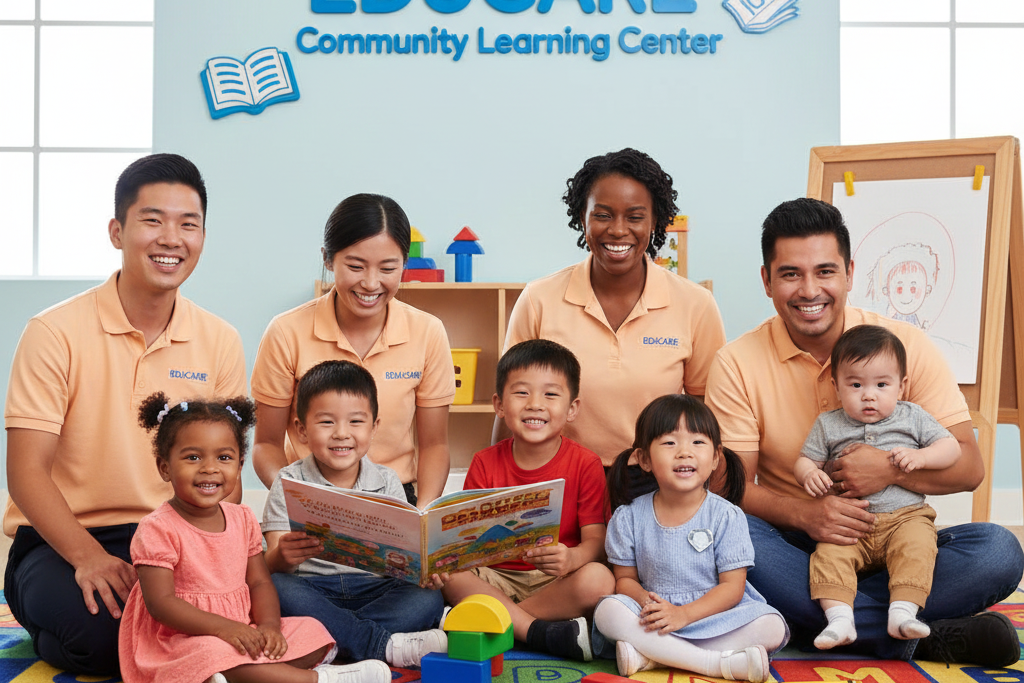
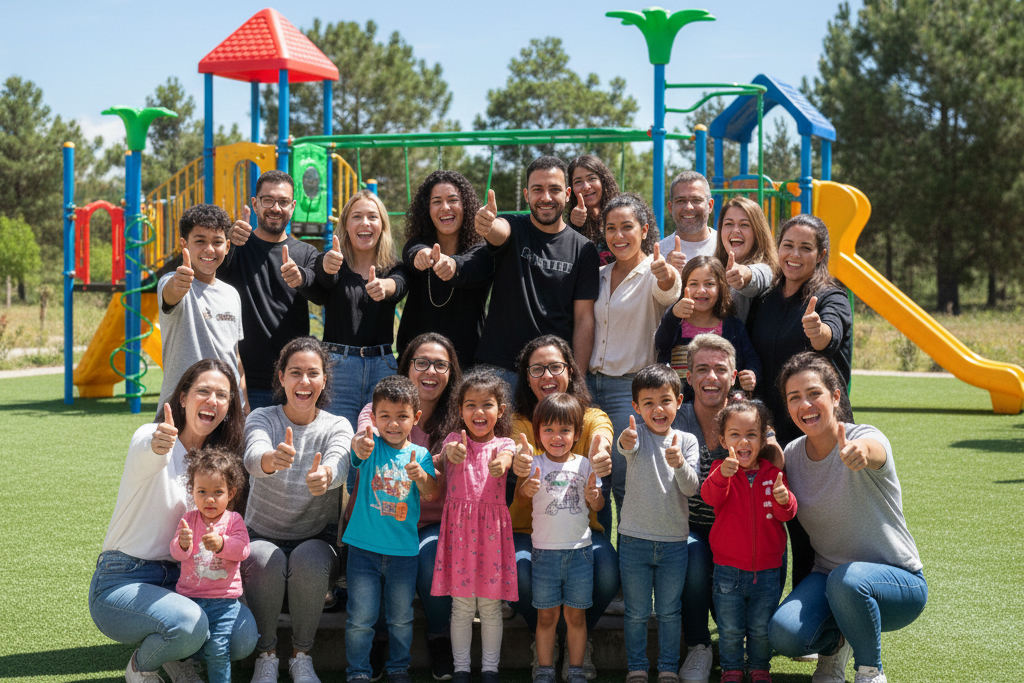
Fun ways to learn together as a family include playing games, doing projects, and exploring activities everyone enjoys. Educare courses show families how learning can be easy and exciting.
Because learning together helps children feel supported, families can explore reading, maths, science, and creativity. In addition, shared learning helps children feel confident and proud of their skills.
Above all, learning as a family makes schoolwork less stressful. Just as important, parents and children can turn small daily activities into fun learning moments.
In fact, when parents join in, children feel happy and motivated.
How Can Families Play Educational Games Together?
Playing educational games helps children learn while having fun. Because games are interactive, children practise skills like maths and language.
In addition, families can make game time a learning adventure.
Board Game Learning
Board games teach lessons while playing together. Families enjoy interactive learning.
Choose games with numbers and letters
Take turns to practise patience
Ask questions about each move
Praise clever thinking
Encourage children to explain answers
Digital Learning Games
Digital games make learning exciting. Children use tablets or computers safely.
Pick reading or maths apps
Track progress with scores
Use hints for problem solving
Reward achievements with points or stickers
Talk about lessons after playing
Team Challenges
Family challenges build confidence and teamwork. Children learn while solving problems.
Set up quizzes or obstacle courses
Solve puzzles together
Time activities to practise focus
Discuss strategies before starting
Celebrate success
Playing games together makes learning fun. Children enjoy lessons, and parents see progress. Families learn teamwork and problem-solving.
How Can Reading Together Be Exciting?
Reading together improves literacy and imagination. Because stories come alive with family participation, children stay interested.
In addition, reading aloud teaches pronunciation and listening skills.
Storytime Sessions
Storytime encourages imagination. Families can enjoy books every day.
Choose age-appropriate books
Read aloud together
Ask questions about the story
Talk about favourite characters
Act out scenes
Shared E-Books
E-books make reading easy anywhere. Children explore stories digitally.
Highlight new words to learn
Listen to narration
Adjust text size
Track reading progress
Share favourite parts
Creative Writing Together
Writing together improves literacy and imagination. Families create stories collaboratively.
Write short stories together
Draw pictures to illustrate
Take turns writing sentences
Encourage imaginative endings
Praise every contribution
Reading together builds confidence. Children become motivated. Learning through stories is fun.
Join an Educare course to discover new ways to enjoy reading.
How Can Families Explore Science At Home?
Science activities teach children about the world. Experiments show cause and effect. In addition, science encourages curiosity and thinking.
Simple Experiments
Simple experiments teach science safely at home.
Mix baking soda and vinegar
Watch plant growth
Explore floating and sinking objects
Observe the weather
Talk about what happens
Kitchen Science
Cooking teaches science in a fun way. Children practise measurements.
Measure ingredients carefully
Mix liquids to see changes
Watch temperatures
Taste safely and discuss
Explain what happens
Nature Studies
Nature studies connect children with the environment. Families explore outdoors.
Collect and identify leaves
Watch birds and insects
Study clouds and weather
Take photos
Keep a nature journal
Science activities spark curiosity. Families enjoy discovering new things. Children gain confidence exploring the world.
How Can Maths Be Fun For The Whole Family?
Maths can be fun with games and challenges. Children enjoy hands-on learning.
In addition, family maths encourages teamwork and problem-solving.
Counting and Sorting Games
Counting games make learning numbers fun.
Count objects at home
Sort toys by colour or size
Play board games with numbers
Use dice for addition or subtraction
Praise correct answers
Cooking with Maths
Cooking teaches practical maths skills. Children practise measuring and calculating.
Measure ingredients
Divide recipes
Time cooking
Count items
Talk about fractions
Puzzle Challenges
Puzzles improve logic and thinking. Families solve problems together.
Complete jigsaw puzzles
Solve Sudoku or number puzzles
Play pattern games
Make riddles
Challenge each other
Maths activities show children numbers are useful. Families enjoy learning together. Children feel proud of their growing skills.
How Can Families Create Art Together?
Art lets children express creativity. Creativity encourages imagination.
In addition, art builds confidence and fine motor skills.
Painting and Drawing
Painting and drawing teach colours and shapes.
Use crayons or watercolours
Paint scenes from stories
Draw favourite characters
Try different brushes
Show finished artworks
Craft Projects
Crafts teach patience. Families make projects together.
Make paper animals
Build clay models
Use recycled materials
Combine art with stories
Display projects proudly
Digital Art
Digital art mixes creativity and technology. Children explore apps.
Use drawing apps
Try colours and textures
Make digital collages
Save and share art
Explore simple animation
Art makes learning fun. Families celebrate achievements. Children enjoy expressing ideas creatively.
How Can Families Learn Music And Rhythm Together?
Music teaches listening, rhythm, and creativity. Singing and instruments make learning fun.
Music also strengthens memory and coordination.
Singing Sessions
Singing helps language skills and enjoyment.
Learn simple songs
Create family songs
Sing along with tutorials
Add dance or movement
Praise participation
Instrument Play
Playing instruments teaches rhythm and focus.
Use percussion instruments
Explore piano apps
Make homemade instruments
Follow rhythms together
Compose melodies
Rhythm Games
Rhythm games teach timing. Children learn while having fun.
Clap to the beat
Tap objects in rhythm
Play musical apps
Make patterns with instruments
Challenge each other
Music builds confidence. Families enjoy making music together. Children learn and have fun.
How Can Families Use Technology For Learning?
Technology makes learning interactive. Children enjoy apps and videos safely.
Technology helps children learn at their own pace.
Learning Apps
Apps teach different skills. Families choose safe options.
Pick reading or maths apps
Track progress together
Play quizzes
Reward achievements
Explore new topics
Online Videos
Videos explain ideas clearly. Children enjoy visual learning.
Watch science or history videos
Pause and replay
Talk about what they saw
Take notes
Ask questions
Family Projects Online
Digital projects are fun. Families can create and share work together.
Make digital posters
Record short videos
Design slideshows
Share with relatives
Celebrate work
Technology helps children learn independently. Families guide them safely. Educare courses show parents the best digital learning tools.
How Can Families Learn Outdoors Together?
Outdoor learning is fun and healthy. Because nature is full of discoveries, families can explore safely.
In addition, outdoor activities encourage curiosity, exercise, and teamwork.
Nature Walks
Nature walks help children observe and enjoy nature.
Look at different trees and flowers
Listen to birds and insects
Collect leaves or stones
Talk about the seasons
Draw what you see
Gardening Projects
Gardening teaches responsibility and care. Families can grow together.
Plant seeds and watch them grow
Water plants regularly
Measure growth over time
Identify different plants
Celebrate when plants bloom
Outdoor Science Experiments
Simple experiments show how nature works. Families can try safe activities together.
Test how soil absorbs water
Compare plant growth in sunlight and shade
Watch shadows to learn about the sun
Use natural materials for experiments
Keep a simple journal of results
Outdoor learning sparks curiosity. Families enjoy discovering new things.
Children feel proud of what they learn.
How Can Families Improve Problem-Solving Skills?
Problem-solving helps children think carefully. Because they try different solutions, children gain confidence.
In addition, teamwork helps families solve challenges together.
Puzzle Games
Puzzles teach logic and focus. Families learn step by step.
Complete jigsaw puzzles together
Solve mazes or riddles
Recognise patterns
Challenge each other with puzzles
Celebrate success
Creative Challenges
Creative challenges encourage imagination. Families can try new ideas together.
Build models from household items
Solve problems in new ways
Invent games with rules
Share ideas and discuss
Talk about what worked best
Strategy Games
Strategy games teach planning. Children enjoy thinking ahead.
Play board games with planning
Practice chess or checkers
Discuss moves together
Try different approaches
Praise teamwork and planning
Problem-solving helps children think clearly. Families enjoy sharing challenges.
Children feel proud of their solutions.
How Can Families Develop Social Skills Together?
Social skills help children interact politely and confidently. Families can practise together.
In addition, shared learning encourages empathy and cooperation.
Role-Play Activities
Role-play teaches communication. Families can act out fun scenarios.
Pretend to be different jobs
Practise polite conversation
Take turns leading or helping
Talk about feelings
Encourage imagination
Group Games
Group games teach teamwork and following rules. Children enjoy playing together.
Play team sports or relay races
Solve challenges in pairs
Share materials
Praise collaboration
Encourage friendly competition
Community Activities
Community activities help children connect with others. Families can participate safely.
Visit libraries or museums
Join local clean-up projects
Attend cultural events
Discuss experiences together
Ask questions and explore
Social activities build confidence. Families enjoy learning together. Children practise sharing and teamwork.
How Can Families Use Language Games?
Language games improve reading, writing, and speaking. Because games are fun, children learn without stress.
Families can create playful challenges to practise communication.
Word Puzzles
Word puzzles improve spelling and vocabulary. Families can solve them together.
Complete crosswords or word searches
Match words with pictures
Create new word puzzles
Learn new words daily
Praise correct answers
Storytelling Games
Storytelling improves creativity and speaking skills. Families can invent stories together.
Take turns adding sentences
Use props or toys
Record stories for fun
Act out stories
Praise imagination
Writing Challenges
Writing challenges build handwriting and creativity. Children enjoy short tasks.
Write letters or postcards
Keep a journal
Create storybooks
Share stories with siblings
Encourage editing
Language games strengthen communication. Families enjoy creating stories together. Children gain confidence expressing ideas.
Start an Educare course to expand your child’s language skills.
How Can Families Practice Time Management Together?
Time management teaches organisation and responsibility. Children learn to plan and feel confident.
Families can create routines that include learning and play.
Timed Activities
Timed activities teach focus. Children learn to complete tasks efficiently.
Set timers for homework or reading
Time quizzes or games
Track progress
Praise finishing on time
Encourage fair competition
Daily Schedules
Schedules help children organise their day. Families can plan together.
Make morning and evening routines
Include study and play time
Add chores
Adjust schedules as needed
Celebrate achievements
Planning Tools
Planning tools encourage responsibility. Children track tasks visually.
Use calendars or planners
Highlight important events
Set reminders
Tick off completed tasks
Review weekly progress
Time management builds organisation. Families enjoy smooth routines. Children feel proud of managing tasks.
Conclusion
Learning together as a family is fun and rewarding. Games, reading, science, maths, art, music, outdoor activities, and language games make every day exciting.
Families feel closer while children gain confidence, creativity, and skills. Above all, shared learning encourages curiosity and teamwork. Educare courses show parents how to guide children with fun and simple methods.
Children enjoy learning when it is interactive and playful. Families can start small and grow into bigger projects together. A
s a result, learning and homework feel exciting. Every family member can celebrate progress. Explore online or in-person Educare courses to learn more ways to make learning enjoyable.
Frequently Asked Questions
Can families really learn together at home?
Yes, families can learn at home. Games, reading, and experiments help children practise skills. Children enjoy learning when parents join in.
Do I need special tools to learn together?
No, special tools are not needed. Everyday items like paper, pencils, or kitchen ingredients are enough. Technology can make activities even more fun.
Can learning be fun and educational?
Yes, learning can be both fun and educational. Games, crafts, and experiments make lessons enjoyable.
Children remember more when learning feels like play.
How can Educare courses help families?
Educare courses show families easy ways to make learning fun. They give tips for games, projects, and routines.
Parents learn how to guide children effectively.
Can outdoor activities help learning?
Yes, outdoor activities teach observation, science, and teamwork. Children connect with nature and practise skills. Family participation makes learning meaningful.
Are technology apps safe for children?
Yes, apps are safe if chosen carefully. Parents should pick educational apps with good reviews. Supervised use ensures fun and learning.
Can young children manage learning time?
Yes, children can learn time management slowly. Timers and planners help organise activities. Families guide and praise progress.
Do children need help with reading and writing?
Yes, support helps children gain confidence. Storytelling, word games, and writing activities improve skills. Family participation makes learning easier.
How often should families do learning activities together?
Daily short sessions work best. Even fifteen minutes of games or reading helps. Regular activities build routine and enjoyment.
Can learning together improve family bonds?
Yes, shared learning strengthens relationships. Projects and games create memories. Children feel loved and supported while learning.
Luckily, technology can make learning easier and even fun for families. Through apps, videos, and online lessons, children can practise reading, maths, and creativity at home. Meanwhile, families spend more quality time together and worry less about schoolwork.
Also, Educare courses guide parents on using technology effectively. Children can learn at their own pace, while parents can communicate with teachers quickly.
When learning feels like a game, children remain motivated and happy. Start exploring Educare courses today and discover how homework can be simple and enjoyable!
Technology Helps Children Stay Organised
Organised homework can reduce stress for both children and parents. Digital tools like apps, calendars, and online notes make tasks easier to manage.
Homework Apps
Children can use apps to:
Receive reminders about due dates
Keep completed work safe
Tick off tasks on checklists
Share progress with parents
Identify missing homework
Digital Calendars
Calendars make schedules easy to follow:
Colour-code assignments by subject
Set alarms for deadlines
Add school events and tests
Share schedules with parents
Adjust tasks automatically if plans change
Online Notes
Notes can be neat and easy to find online:
Create folders for each subject
Add pictures, voice, or audio clips
Search topics quickly
Highlight key points
Access notes from any device
Because homework is organised, children feel calm. Parents notice schoolwork is easier to handle.
Technology keeps everything in order. Try Educare studies to guide your child in using homework apps like a pro!
Making Learning Fun Through Technology
Learning becomes exciting when children can play and explore at the same time. Technology transforms lessons into games and interactive activities.
Educational Games
Children can learn while having fun:
Solve maths puzzles
Practice spelling words
Explore science activities
Earn points and rewards
Work in teams to solve challenges
Interactive Videos
Videos help explain tricky topics clearly:
Show experiments step by step
Use animations for history and science
Include quizzes to practise ideas
Pause and replay lessons anytime
Let children learn at their own pace
Creative Projects Online
Children can express creativity using digital tools:
Make posters or presentations
Record stories or plays
Create digital art or music
Share projects with friends or family
As children enjoy learning, parents feel proud. Homework becomes playful, not stressful.
Join an Educare course and see how games and creative projects can make learning fun at home.
Technology Supports Reading And Writing
When children practise reading and writing online, they improve faster and enjoy the process. E-books, writing apps, and storytelling platforms make lessons exciting.
E-Books and Audiobooks
Reading becomes flexible and fun:
Highlight new words to learn meanings
Listen to narration while reading
Adjust text size for comfort
Track reading progress easily
Access a variety of stories online
Writing Apps
Writing apps make tasks simple:
Suggest words automatically
Correct spelling and grammar mistakes
Give fun writing prompts
Save work safely
Allow easy editing and formatting
Storytelling Apps
Children can tell stories digitally:
Create characters and plots
Record spoken stories
Add drawings or pictures
Share stories with friends
Practise sequencing events
Because of these tools, children improve their literacy quickly. Parents enjoy seeing children express themselves.
Educare courses guide families on the best reading and writing tools.
Technology Simplifies Maths Homework
Maths can feel difficult, but technology breaks it down into simple, manageable steps.
Calculators, apps, and videos make learning numbers less stressful.
Maths Apps
Children can practise maths in fun ways:
Solve addition and subtraction problems
Practise multiplication and division
Play timed challenges
Track progress and earn rewards
Video Lessons
Videos show maths visually:
Break problems into easy steps
Use diagrams and animations
Repeat lessons as needed
Give examples for practise
Allow children to learn at their own speed
Online Calculators
Calculators save time and support learning:
Check answers quickly
Show step-by-step solutions
Solve equations automatically
Draw graphs and shapes
Explain complex problems clearly
Technology makes children confident in maths, and parents notice homework is completed faster and with less stress.
Technology Makes Science Safe And Exciting
Science experiments are fun but sometimes tricky or dangerous. Digital tools help children explore safely while understanding scientific ideas clearly.
Virtual Labs
Virtual labs allow children to:
Conduct experiments online safely
Watch chemical reactions without risk
Repeat experiments to learn better
Record results
Share findings with parents
Science Videos
Videos show experiments in detail:
Explain cause and effect
Include quizzes to check understanding
Teach safety rules
Show real-life applications of science
Experiment Apps
Apps guide children step by step:
Demonstrate correct setups
Track progress
Take digital notes
Test ideas safely
Children learn science without fear, and parents can help easily. Technology makes science lessons exciting and safe.
Connecting Families And Teachers With Technology
Staying in touch with teachers has never been easier. Technology allows families to get updates, ask questions, and share progress quickly.
Parent-Teacher Apps
Families can:
Track homework submissions
Receive announcements instantly
View attendance records
Message teachers directly
Schedule meetings online
Video Calls
Video calls make learning personal:
Join lessons from home
Ask questions face-to-face
Share completed work
Record lessons for review
Encourage family participation
Messaging Platforms
Messaging apps make communication fast:
Notify about homework deadlines
Send school reminders
Share helpful tips
Answer questions quickly
Keep records for reference
Children receive guidance immediately, and families feel supported. Technology makes communication simple and effective.
Technology Helps With Time Management
Using time wisely is important for homework. Technology can teach children to focus and organise tasks efficiently.
Timers and Alerts
Timers help children stay on track:
Set specific homework times
Remind them when to take breaks
Track productivity easily
Reduce distractions while studying
Encourage consistent routines
Online Planners
Planners make planning simple:
List all weekly homework tasks
Highlight urgent assignments
Adjust schedules if something changes
Track completed work
Share plans with parents for accountability
Study Break Apps
Break apps prevent burnout:
Schedule short, fun breaks.
Suggest relaxing or active activities
Track energy and focus levels
Encourage children to pause when tired
Balance work with rest
By using these tools, children finish homework on time. Parents notice smoother routines, and learning becomes less stressful.
Technology Encourages Independent Learning
Children gain confidence when they can learn on their own. Digital tools make self-learning easy and fun.
Self-Paced Courses
Self-paced courses allow children to:
Review lessons whenever they want
Take quizzes alone
Track their own progress
Explore extra topics of interest
Build confidence in their abilities
Educational Videos
Videos explain difficult ideas clearly:
Show steps in a simple way
Use real examples to make concepts clear
Allow lessons to be repeated
Encourage children to take notes
Help test understanding at their own pace
Online Quizzes
Quizzes give instant feedback:
Adjust difficulty automatically
Include fun challenges to stay motivated
Reward progress with points or badges
Track scores over time
Highlight areas that need more practice
When children learn independently, parents see improvement quickly. Technology encourages curiosity and self-confidence.
Families Can Learn Together With Technology
Learning does not have to be a solo activity. Families can enjoy using technology together to practise, play, and create.
Family Learning Apps
Apps allow families to:
Complete homework together
Discuss answers and ideas
Track progress as a group
Play educational games
Encourage teamwork and collaboration
Digital Storytelling
Story apps make reading interactive:
Create stories as a family
Add pictures and voice narration
Share creations online
Inspire creativity in children
Improve language skills naturally
Collaborative Projects
Family projects are engaging:
Build presentations together
Work on science or history topics
Assign roles to each family member
Discuss results and findings
Celebrate achievements as a team
When families learn together, children feel supported, and parents enjoy watching their children thrive. Technology turns homework into a shared adventure.
How Educare Courses Prepare Families For Technology
Educare courses teach parents how to use technology effectively. Families learn how to guide children, stay organised, and make homework fun.
Learning Digital Tools
Courses show families how to:
Try educational software safely
Set homework schedules
Track children’s progress
Use videos, apps, and interactive tools
Stay organised and on track
Supporting Children
Parents learn to help children wisely:
Monitor assignments gently
Encourage independent learning
Give positive feedback
Join lessons when needed
Build children’s confidence gradually
Building Routines
Courses help families create helpful routines:
Schedule daily study time
Balance screen time with breaks
Encourage reviewing and practising
Track improvement consistently
Families gain confidence. Children flourish with support, making learning less stressful and more enjoyable.
Technology Helps Special Learning Needs
Children with special learning needs can benefit greatly from technology. Adaptive apps and visual tools make lessons accessible for everyone.
Adaptive Learning Apps
Adaptive apps personalise learning:
Automatically adjust difficulty
Offer extra practise for tricky topics
Provide visual aids for better understanding
Give rewards to motivate progress
Track achievements over time
Visual and Audio Support
Technology uses multiple senses to teach:
Show ideas with pictures or diagrams
Read instructions aloud
Include subtitles for clarity
Offer interactive exercises
Encourage repeated practise
Special Education Resources
Extra resources provide support:
Explain topics in simple ways
Guide children through practise
Offer tips for parents
Track improvement consistently
Encourage independent learning
Children gain confidence, and parents feel reassured. Educare courses recommend the best tools for supporting special learning needs.
Technology Encourages Creativity In Homework
Technology helps children express themselves creatively. Digital tools allow them to make art, videos, and projects that spark imagination.
Digital Art Tools
Art apps make creativity easy:
Draw and paint on tablets
Use a wide range of colours and brushes
Save and share creations safely
Combine text and images for projects
Experiment without making a mess
Video Projects
Videos allow storytelling:
Record animations, skits, or plays
Add music and voice narration
Edit and improve clips easily
Share projects with family or friends
Present ideas creatively and confidently
Online Collaboration
Children can collaborate online:
Work on projects together
Give and receive feedback
Share creations digitally
Solve problems as a team
Learn teamwork and communication skills
By using technology creatively, children enjoy homework more. Parents celebrate their achievements, and learning becomes imaginative and fun.
Technology Helps Parents Track Progress
Keeping track of children’s progress is easier with digital tools. Parents can see completed work, grades, and areas for improvement quickly.
Digital Portfolios
Digital portfolios store children’s work:
Track improvement over time
Include assignments, quizzes, and projects
Highlight strengths and weaknesses
Allow teachers and parents to give feedback
Celebrate achievements digitally
Progress Reports
Reports make progress clear:
Show marks and completion rates
Point out areas needing more practise
Suggest extra resources
Track participation in activities
Help plan future learning steps
Alerts and Notifications
Notifications keep parents informed:
Remind about homework deadlines
Show teacher comments
Highlight missed assignments
Encourage timely submission
Track attendance and participation
Parents feel confident helping children. Children stay organised and motivated. Technology makes progress easy to monitor.
How Families Can Start Using Technology Today
Getting started is simple. Families can choose apps, online lessons, and tools that fit their needs.
Choosing the Right Apps
Pick apps that are safe and educational:
Check reviews and ratings
Try free versions first
Look for interactive features
Ensure navigation is easy
Starting With Online Lessons
Begin with short lessons:
Watch one video per day
Complete small tasks
Ask children what they learned
Repeat lessons for practice
Gradually tackle bigger topics
Setting Rules for Screen Time
Rules keep children safe and balanced:
Limit hours per day
Include breaks regularly
Encourage physical activity
Balance learning and play
Discuss digital manners and online safety
Children enjoy learning safely, and parents maintain healthy routines. Technology becomes a useful, safe, and engaging tool.
Enrol now in an Educare course to support self-paced learning at home.
Conclusion
Technology makes homework easier, more organised, and fun. Children can practise skills alone or with their parents. Apps, videos, and online tools support reading, maths, science, and creativity.
Educare courses guide parents on using technology effectively. Families can track progress, organise homework, and celebrate achievements. Homework becomes less stressful and more rewarding.
Start exploring today with apps, online lessons, and interactive tools. Children stay motivated, confident, and organised, and learning becomes a shared adventure for the whole family.
Frequently Asked Questions
Can technology replace teachers?
No. Teachers are important. Technology helps learning, but cannot give personal feedback. Children need both to succeed.
Are all apps safe for children?
No. Parents should check apps carefully. Look at reviews, ratings, and privacy settings. Use trusted platforms.
How much screen time is too much?
Screen time needs breaks. Include exercise and offline activities. Follow age guidelines.
Can technology help with special needs?
Yes. Adaptive apps let children learn at their own pace. Visual and audio tools make lessons easier.
Do I need to be tech-savvy to help my child?
No. Many apps are simple to use. Educare courses guide parents step by step. Learning together can be fun.
How can technology improve creativity?
Digital tools allow children to make art, videos, and projects. Collaboration online sparks new ideas.
Can technology help with organisation?
Yes. Calendars, apps, and planners keep children organised. Reminders reduce stress. Parents can track progress easily.
Is technology expensive for homework?
Many apps are free or low-cost. Start simple and explore more tools gradually. Guide your child confidently using adaptive apps and multimedia tools.
How do children stay motivated?
Games, points, and rewards make learning fun. Interactive lessons keep children engaged. Parents celebrating achievements helps too.
Where can I find reliable educational apps?
Use trusted websites or platforms. Ask teachers for recommendations. Educare courses suggest the best resources.
Yes, online learning tools can be safe for children when used with care and guidance, especially with Educare courses. Because children learn in many ways, online tools make learning fun.
In addition, they help children practise reading, writing, and solving problems. Just as important, these tools can spark creativity and curiosity.
Above all, children can explore new topics safely. However, adults should choose the right apps and watch usage. As a result, children can learn new skills and have fun at the same time.
How Can Online Learning Tools Help Children Learn?
Online learning tools help children learn safely and quickly. In fact, lessons are interactive and fun. Besides, children can repeat lessons at their own speed.
That is why games and activities build skills. Because learning is fun, children stay interested.
What Are the Benefits of Interactive Lessons?
Interactive lessons make children active.
Lessons use fun games
Children answer questions quickly
Pictures help them understand
Learning feels like play
Lessons change with children’s speed
How Do Games Improve Learning?
Games make learning exciting.
Children solve puzzles
Memory and focus improve
Mistakes teach lessons
Rewards make children try again
Children feel proud
Can Children Work at Their Own Pace?
Self-paced learning gives control.
Children can repeat lessons
Adults can check progress
Children explore topics they like
Stress is less than in class
Confidence grows
Children learn better when lessons are fun and paced. Online tools give children control and confidence.
Are Online Learning Tools Safe For Young Children?
Yes, online tools are safe with guidance. In addition, supervision makes sure children see safe content. Plus, apps protect personal information.
Because of safety features, risks are smaller. On the other hand, children can enjoy learning without danger.
What Safety Features Are Important?
Safety features keep children safe.
Passwords protect accounts
Unsafe content is blocked
Adults set screen limits
Secure logins protect accounts
Parents get alerts for problems
How Can Parents Supervise Learning?
Supervision keeps children safe.
Adults watch lessons together
Set learning times each day
Ask children questions about lessons
Talk about what is learned
Praise children for good behaviour
Why Is Age-Appropriate Content Essential?
Content must match children’s level.
Lessons are easy to read
Topics are safe and fun
Activities build skills
Children enjoy relevant stories
Lessons avoid scary ideas
Safe apps, supervision, and age-appropriate lessons keep children safe. Learning can be fun and worry-free.
How Do Educare Courses Support Online Learning?
Educare courses help adults guide children. This means they teach adults how to care for and support children. Besides, they give ideas for fun activities.
Plus, they teach ways to manage behaviour. Because of this, children enjoy learning safely.
What Skills Do Educare Courses Teach?
Courses help adults guide children.
Plan fun learning activities
Understand how children grow
Handle emergencies safely
Support emotional growth
Encourage teamwork
How Do Educare Courses Enhance Learning?
Courses give adults clear guidance.
Lessons are simple and practical.
Children feel supported
Adults learn to use online tools well
Activities suit children’s age
Parents can guide learning at home
Can Parents Use Educare Knowledge?
Parents can apply lessons at home.
Make routines for learning
Set up fun activities
Watch safety and progress
Encourage curiosity
Celebrate children’s achievements
Educare courses make learning safe and effective. Adults can guide children confidently.
How Can Online Learning Develop Creativity?
Yes, online tools help children be creative. In fact, children can draw, write, and solve problems. Besides, children can try new ideas freely.
Also, creativity builds confidence. Because of this, children enjoy exploring and learning.
What Activities Boost Creativity?
Activities spark imagination.
Drawing and colouring
Storytelling games
Music and rhythm tasks
Puzzles and design
Simple science experiments
How Do Tools Encourage Problem-Solving?
Problem-solving helps thinking.
Children solve puzzles
Mistakes teach lessons
Teamwork improves answers
Children create solutions
Challenges teach patience
Can Creativity Improve School Skills?
Creativity helps learning.
Writing stories improves reading
Art helps focus
Experiments improve thinking
Ideas connect to lessons
Confidence grows
Creative activities help children grow imagination. Online tools give safe ways to explore.
Do Online Learning Tools Improve Reading And Writing?
Yes, online tools help reading and writing. In addition, games teach letters, words, and sentences. Just as important, feedback helps children practise.
Because children repeat lessons, they get better. Above all, learning becomes fun.
How Do Games Teach Words?
Games make reading fun.
Match words with pictures
Complete sentences with hints
Build simple stories
Spelling challenges
Word puzzles
Can Tools Improve Writing Skills?
Writing exercises build skills.
Guided sentences
Story creation
Feedback from adults
Handwriting practice
Express ideas clearly
How Do Lessons Track Progress?
Tracking shows growth.
Scores show achievements
Repeat tricky lessons
Adults give feedback
Children see improvements
Celebrate milestones
Reading and writing improve with games. Lessons are fun and easy to follow.
How Do Online Tools Teach Maths Skills?
Yes, online tools make maths easier. In fact, interactive exercises make numbers fun. Not only that, children practise counting, addition, and subtraction.
For example, visuals explain tricky concepts. Because children learn by playing, maths feels easier.
What Games Help with Numbers?
Games make numbers fun.
Count objects on screen
Solve puzzles with numbers
Match equations and results
Shape and pattern exercises
Measurement and time tasks
How Do Tools Explain Concepts?
Concepts are visual and clear.
Videos show steps
Animations explain ideas
Step-by-step guides
Children watch and repeat
Lessons suit children’s speed
Can Maths Be Applied to Real Life?
Practical activities help learning.
Measure ingredients for cooking
Count items in daily life
Sort shapes at home
Estimate time or distance
Compare sizes and weights
Maths becomes easier with games and visuals. Children learn concepts safely and happily.
Are Online Lessons Fun And Motivating?
Yes, lessons are fun when creative. In addition, children enjoy games, songs, and rewards. Keep in mind, challenges make children try harder.
Because fun lessons hold attention, children learn more. So, children look forward to learning.
How Do Rewards Encourage Learning?
Rewards motivate children.
Stars or points for tasks
Certificates for progress
Unlocking new levels
Positive messages
Friendly competition
Can Songs and Videos Help?
Songs and videos teach and entertain.
Songs teach letters and numbers
Videos explain topics clearly
Stories show problem-solving examples
Children watch, sing, and repeat
Enjoyment helps memory
How Do Challenges Build Motivation?
Challenges keep children engaged.
Puzzles grow in difficulty
Games with time limits
Creative competitions
Encourages focus and patience
Children feel accomplished
Fun activities make learning motivating and exciting. Children enjoy lessons and achieve more.
Do Online Tools Support Social Skills?
Yes, some tools help social skills. In fact, children learn to share, cooperate, and talk safely. Besides, group activities build teamwork.
Guided interaction reduces conflict. Because children interact safely, friendships and confidence grow.
How Do Children Learn to Share?
Sharing encourages cooperation.
Group games online
Collaborative projects
Role-playing activities
Virtual discussions
Listening and understanding
How Do Children Communicate Effectively?
Communication improves with practice.
Safe messaging
Explaining ideas
Taking turns to speak
Asking and answering questions
Sharing feelings safely
Can Online Tools Teach Empathy?
Empathy grows with guided activities.
Stories about feelings
Interactive role-play
Group problem-solving
Discussing challenges
Practising kindness
Social skills improve with guided activities. Online tools help children connect safely.
Can Online Learning Support Emotional Development?
Yes, online tools help children understand feelings. So, lessons teach how to recognise emotions. Besides, activities show how to manage feelings.
The benefit is that children learn to express themselves. Because emotional skills matter, children feel confident in social situations.
How Do Lessons Teach Emotions?
Activities show feelings.
Stories show happy, sad, or angry emotions
Role-play helps practise reactions
Games show consequences
Children identify emotions in characters
Lessons encourage reflection
Can Children Learn Self-Control?
Self-control grows with practice.
Calm-down exercises guide behaviour
Tasks reward patience
Lessons show choices and results
Children practise waiting and sharing
Repetition builds habit
How Does Emotional Growth Affect Learning?
Emotional skills improve learning.
Children stay calm during tasks
Confident children try new activities
Stress is lower while learning
Lessons encourage positive thinking
Children manage frustration safely
Emotional development improves learning and social interaction. Children feel confident and safe.
How Can Online Tools Encourage Healthy Screen Time?
Yes, children can use screens safely. In addition, routines help balance learning and play. Also, adults guide usage to keep it safe.
Because breaks refresh children, focus improves. Above all, children develop good habits early.
How Do Routines Help?
Routines make screen time safe.
Set learning times daily
Include short breaks
Encourage movement or exercise
Avoid overuse of screens
Have a clear start and finish time
Can Parents Monitor Progress?
Monitoring helps learning.
Check completed lessons
Discuss favourite activities
Adjust pace if needed
Encourage reflection on learning
Praise effort and achievements
Why Are Breaks Important?
Breaks keep children refreshed.
Short walks or exercises
Stretching during lessons
Snack and water breaks
Reduce eye strain
Improve focus and energy
Healthy screen time keeps learning safe and fun. Balanced routines protect children’s health.
How Can Parents Support Safe Online Learning At Home?
Yes, parents play an important role in keeping online learning safe and positive. When parents get involved, children feel supported and learn better.
Most importantly, guided learning builds good habits and confidence.
Creating a Safe Learning Space
A calm space helps children focus.
Choose a quiet area for study
Keep devices in shared family spaces
Remove distractions like TV or toys
Check lighting to protect eyes
Use child-friendly furniture for comfort
Setting Clear Rules Together
Rules make learning smoother.
Agree on screen time limits
Decide which apps can be used
Teach children to ask before downloading
Talk about online safety often
Reward good learning habits
Staying Involved in Learning
Parent involvement makes a big difference.
Learn how each app works
Ask children to explain what they learned
Celebrate progress together
Share feedback with teachers if needed
Link app lessons to Educare courses
With parental support, online learning becomes safer and more enjoyable. Children feel guided, cared for, and confident when parents take part.
Conclusion
Online learning tools can be safe and helpful when parents guide how they are used. Children learn best when apps are fun, educational, and age-appropriate.
Short, guided sessions help them stay focused and enjoy learning. When parents combine these tools with a study Educare course, children gain even more practical and creative skills.
With the right apps and Educare support, children can grow confident, curious, and ready for lifelong learning.
Frequently Asked Questions
Are online learning tools safe for all ages?
Yes, they are safe when adults choose content carefully. Supervision ensures children see suitable lessons. Activities are designed to teach skills safely.
How do Educare courses help online learning?
Educare courses show adults how to guide children. They teach safe and fun learning methods. Children get structured support for lessons.
Can children learn independently online?
Yes, self-paced lessons allow children to practise on their own. Adults check progress for safety. Confidence grows as children succeed independently.
How do online tools improve creativity?
Tools include drawing, storytelling, and puzzles. Children explore ideas safely. Lessons build imagination and problem-solving skills.
Can online learning improve reading and writing?
Yes, games and exercises teach letters, words, and sentences. Repetition improves skill and confidence. Feedback helps children learn correctly.
How do lessons develop social skills?
Group activities and guided interactions teach sharing and talking. Children learn teamwork safely. Discussions and role-play reinforce empathy.
How is screen time managed safely?
Routines and breaks balance learning and rest. Adults supervise usage. Healthy habits prevent tiredness and improve focus.
Are online lessons motivating for children?
Yes, games, songs, and rewards make learning fun. Challenges encourage persistence. Children enjoy lessons and try harder.
Can parents use Educare knowledge at home?
Yes, parents learn routines and guidance. They supervise learning safely. Children get structured support for practice.
How do online tools prepare children for school?
Lessons teach reading, writing, and maths. Self-paced activities build confidence. Children enter school ready to succeed.
Parents can use screen time for learning by guiding children to explore, practise, and discover new skills while linking activities to Educare courses. As a result, children can enjoy learning safely at home.
In addition, screen time can improve reading, maths, and problem-solving skills. Just as important, it can spark creativity and curiosity.
Because children learn best when supported, combining screen time with discussion and Educare courses helps them grow.
How Can Parents Choose The Right Learning Apps?
Parents can choose apps that are safe and educational. In fact, age-appropriate apps protect children from unsuitable content.
Besides, apps that combine fun with learning keep children engaged.
How to Check Safety
Parents should always check apps before letting children use them.
Read app reviews carefully
Test apps personally
Check privacy settings
Avoid distracting adverts
Keep apps updated
How to Assess Learning Value
Selecting apps that actually teach is important.
Choose apps that teach reading, maths, or problem-solving
Pick apps with levels or challenges
Select apps that build memory skills
Choose apps that encourage creativity
Check if apps track learning progress
How to Involve Children in Selection
Children can help choose which apps they use.
Ask children about their interests
Let them try sample apps
Discuss what they learned
Encourage children to explain lessons
Allow children to suggest favourite apps
Choosing safe and suitable apps helps children learn effectively. Using guided apps alongside Educare courses makes learning meaningful and fun.
How Much Screen Time is Safe?
Parents should set limits for balanced learning. Besides, short sessions keep children focused.
In addition, breaks prevent tiredness and eye strain.
Tips for Healthy Screen Time
Short and structured sessions work best.
Set daily time limits
Use timers for reminders
Encourage breaks every 20 minutes
Combine learning apps with offline activities
Monitor screen use
Benefits of Short Sessions
Children gain more from focused sessions.
Better concentration
Improved memory
Less eye strain
Increased enjoyment
Encourages healthy habits
How to Track Time
Tracking time helps children follow routines.
Use app timers
Create daily charts
Reward children for following rules
Review learning progress
Adjust time when needed
Balanced screen time improves learning. Children feel confident when parents guide usage.
How Can Parents Encourage Learning Through Stories?
Story apps can improve reading and imagination. In fact, stories introduce new words and ideas.
Besides, apps can connect to Educare courses for practical lessons.
Choosing Story Apps
Not all story apps are equal.
Pick age-appropriate stories
Use apps with interactive questions
Select apps with read-aloud options
Choose apps with repeat functions
Look for apps that explain new words
Discussing Stories With Children
Talking about stories strengthens learning.
Ask questions about characters
Encourage children to predict endings
Discuss lessons learned
Talk about favourite parts
Let children retell the story
Combining Stories With Practice
Practice reinforces story lessons.
Use story themes for writing exercises
Link stories to art projects
Connect stories to daily routines
Encourage children to create stories
Reinforce vocabulary with games
Using stories helps children understand better. Children enjoy practising skills while having fun.
How Can Learning Apps Improve Problem-Solving?
Problem-solving apps help children think critically. So, apps that challenge children build decision-making skills.
Therefore, some apps link to Educare courses to practise real-life solutions.
Selecting Problem-Solving Apps
Choose apps that encourage thinking.
Pick apps with puzzles or riddles
Select apps with multiple levels
Use apps that require planning
Include apps that ask children to explain solutions
Look for apps that provide feedback
Encouraging Children to Think
Parents can guide children to solve problems.
Ask children how they would solve challenges
Encourage step-by-step thinking
Discuss different approaches
Praise creative solutions
Repeat exercises for practice
Combining Apps With Daily Tasks
Problem-solving can extend beyond screens.
Use apps to plan daily chores
Apply games to classroom exercises
Encourage teamwork on projects
Let children try new strategies
Link tasks to lessons from Educare courses
Problem-solving apps build confidence and critical thinking. Children enjoy learning when challenges are achievable.
Can Screen Time Help Develop Creativity?
Screen time can inspire creativity in children. In addition, drawing, music, and storytelling apps encourage imagination.
Apps that connect with Educare courses support creative learning.
Choosing Creative Apps
Select apps that allow self-expression.
Pick drawing and painting apps
Use music or rhythm apps
Include storytelling apps
Select apps that let children save creations
Choose apps that encourage experimentation
Guiding Creativity
Parents can guide without limiting ideas.
Encourage trying new techniques
Discuss creative choices
Praise effort over results
Suggest combining ideas
Let children teach parents new tricks
Combining Creativity With Learning
Creativity can reinforce skills.
Use art to illustrate stories
Create songs about learning topics
Build models or crafts related to apps
Link creative tasks to lessons in Educare courses
Display children’s projects at home
Creative apps spark imagination and problem-solving. Children gain confidence through expressing ideas.
Can Screen Time Teach Language Skills?
Language apps improve reading, writing, and speaking. Interactive exercises build confidence.
So, apps connected to Educare courses support learning new words.
Choosing Language Apps
Pick apps that teach effectively.
Select apps with vocabulary exercises
Include pronunciation guides
Use apps with reading comprehension
Pick apps that encourage writing
Look for games that practise conversation
Practising Daily
Daily use reinforces learning.
Set a short daily routine
Encourage reading aloud
Ask children to explain meanings
Play language games together
Praise consistent practice
Combining Apps With Real-Life Activities
Practice language beyond screens.
Write letters or stories
Practice conversations at home
Read books linked to app topics
Encourage storytelling using new words
Reinforce lessons from Educare courses
Language apps build skills and confidence. Children enjoy exploring new words and sentences.
How Do Rewards In Apps Help?
Rewards in apps encourage children to try harder. Just as, seeing stars, badges, or points motivates learning.
Also, apps that link to Educare courses make achievement more meaningful.
Types of Rewards
Rewards can make learning fun.
Badges for completing tasks
Stars for good answers
Points for levels achieved
Certificates for milestones
Unlocking new challenges
Encouraging Effort
Parents can celebrate progress, not just results.
Praise children for trying
Discuss what they learned
Reward small achievements
Encourage repeating tasks
Make games interactive
Linking Rewards With Learning
Rewards help reinforce learning goals.
Celebrate completing app levels
Use rewards to motivate reading sessions
Combine rewards with storytelling
Apply points to creative activities
Reinforce lessons from Educare courses
Rewards increase motivation and focus. Children feel proud when they succeed.
Can Parents Track Progress Easily?
Tracking progress helps children improve. What is more, parents can see which areas need support.
For this reason, apps combined with what you learn in Educare courses show real growth.
Using App Reports
Many apps offer reports for parents.
View completed levels
Check scores and points
Monitor time spent on tasks
See areas of improvement
Review mistakes for learning
Setting Goals
Goals make progress clear.
Set achievable daily tasks
Track weekly improvement
Encourage children to review goals
Celebrate milestones
Adjust goals as needed
Discussing Progress
Talking about progress reinforces learning.
Review completed activities together
Praise consistent effort
Discuss what to improve next
Compare progress over time
Link discussions to Educare courses
Tracking progress improves skills and confidence. Children stay motivated when they see results.
Can Screen Time Improve Social Skills?
Certain apps teach teamwork and emotions. In the same way, role-play games allow safe practice.
Besides, linking apps to Educare courses enhances understanding of others.
Choosing Social Apps
Select apps that encourage interaction.
Pick apps with teamwork challenges
Use games that involve collaboration
Include apps teaching emotions
Select apps that allow discussion
Look for communication activities
Guiding Social Learning
Parents can encourage reflection and empathy.
Talk about emotions in games
Ask children to explain feelings
Praise positive teamwork
Encourage helping characters in games
Discuss lessons from conflicts
Combining Apps With Real Life
Screen learning can connect to life.
Role-play scenarios at home
Encourage collaborative projects
Apply lessons from apps to school
Discuss friendships and cooperation
Reinforce key points from Educare courses
Apps that teach social skills boost empathy. Children practise safe and positive interactions.
Can Apps Help With Maths Skills?
Math apps make numbers fun. On the other hand, games improve calculation and problem-solving.
Besides, apps linked to Educare courses provide practical learning examples.
Choosing Maths Apps
Pick apps that focus on skill building.
Select apps for counting and addition
Use apps for subtraction and multiplication
Include geometry or shapes games
Choose apps with challenges
Check apps for progress tracking
Practising Maths Daily
Short daily sessions improve retention.
Solve quick challenges each day
Mix app tasks with real-life maths
Encourage mental calculations
Use rewards for progress
Review mistakes positively
Combining Maths With Everyday Life
Maths skills can be applied at home.
Count objects during chores
Measure ingredients for cooking
Play number games with family
Apply problem-solving to daily tasks
Reinforce lessons from Educare courses
Math apps strengthen skills and confidence. Children enjoy learning numbers when fun is involved.
Why Include Educare Courses In Screen Learning?
Educare courses provide structured learning for children. In fact, they give practical guidance to support development.
Most importantly, combining apps and Educare courses helps children learn more effectively.
Benefits of Educare Courses
Structured learning enhances skills.
Provide guided activities
Teach child development basics
Encourage observation and reflection
Offer practical examples
Connect theory to screen activities
Supporting Parents
Parents can use courses to guide children.
Learn how to choose apps
Understand age-appropriate activities
Encourage discussion and practice
Apply lessons at home
Track progress with confidence
Combining Apps and Courses
Screen time works best with guidance.
Use apps that complement Educare courses
Apply lessons in daily routines
Mix creative and practical activities
Encourage reflection after screen sessions Celebrate achievements together
Using Educare courses ensures screen time is productive. Children gain practical skills and confidence.
Conclusion
Parents can make screen time a positive learning experience. Apps combined with discussion, guidance, and Educare courses help children practise new skills safely.
Story, problem-solving, creativity, language, maths, and social apps all provide learning opportunities. Short sessions, rewards, and progress tracking make learning enjoyable.
Parents who participate make lessons more meaningful. Children gain confidence, curiosity, and independence when screen time is guided.
Integrating Educare courses ensures that learning goes beyond the screen. Start exploring apps today and enhance your child’s learning journey with Educare courses.
Frequently Asked Questions
How much screen time is safe for my child?
Short, focused sessions are best. Breaks prevent tiredness. Combine screen time with offline activities for balance.
Can apps really improve creativity?
Yes, drawing, music, and storytelling apps encourage imagination. Children can create and experiment safely. Using Educare courses enhances these lessons.
Are all educational apps safe for children?
No, parents must check content. Age-appropriate apps are recommended. Read reviews and monitor use.
How do rewards in apps help learning?
Rewards motivate children to try harder. Badges, stars, and points celebrate success. Children feel proud and stay engaged.
Can screen time teach social skills?
Yes, apps can model teamwork and emotions. Role-play games allow safe practice. Parents can discuss lessons from the app.
How can parents combine apps and Educare courses?
Use apps that align with lessons. Practice concepts from courses at home. Discuss and reflect on activities together.
Do story apps improve reading?
Yes, they introduce new vocabulary and ideas. Interactive questions help comprehension. Children enjoy practising at their own pace.
Can maths apps really help my child?
Yes, maths apps make numbers fun. They reinforce calculation and problem-solving skills. Practical examples from Educare courses improve understanding.
How can parents track progress in apps?
Many apps provide reports and scores. Set goals and review achievements. Reward progress to keep children motivated.
How do I make screen time enjoyable?
Mix fun and learning apps. Include games, stories, and creative activities. Connect lessons to Educare courses to make it meaningful.
The best educational apps for kids in 2025 make learning exciting and interactive. Educare courses show that apps can develop skills in reading, maths, creativity, and problem-solving.
In fact, apps encourage curiosity and allow children to explore at their own pace. Just as important, they help children develop focus and confidence while having fun.
Because technology is everywhere, using apps prepares children for school and future challenges. Above all, the right apps make learning playful and meaningful.
Start exploring educational apps today and see how they can brighten a child’s learning journey.
What Makes An App Educational?
An app is educational if it helps children learn new skills. Apps guide thinking, creativity, and understanding in a fun way.
Besides, they give children opportunities to explore and practice new concepts. Educational apps encourage curiosity through games and stories.
In addition, apps can adapt to different learning styles and abilities.
How Can Games Teach Skills?
Games help learning by combining fun and challenge.
Solve puzzles to learn logic
Practice math skills through quizzes
Match words or letters to build vocabulary
Play problem-solving adventures
Compete with friends in safe challenges
Games teach skills naturally. Children enjoy practising every day.
How Do Stories Inspire Learning?
Stories teach lessons naturally.
Listen to audio stories with questions
Read illustrated tales
Explore cultural stories
Predict what happens next
Imagine and create your own ending
Stories ignite curiosity. Children learn while imagining and exploring.
How Can Rewards Keep Motivation?
Rewards encourage effort and success.
Earn badges or points for tasks
Unlock new levels after practice
Receive encouraging messages
Celebrate small achievements
Track progress in a fun way
Rewards help children stay motivated. Each small win feels important.
How Can Apps Improve Reading Skills?
Apps improve reading skills by making letters and words interactive. In addition, children learn pronunciation, spelling, and comprehension.
Apps provide instant feedback, which makes practice easier. They encourage kids to read at their own pace. Finally, interactive stories make learning feel like a game.
How Can Phonics Apps Help?
Phonics apps teach sounds of letters.
Listen to sounds and repeat
Play letter-matching games
Trace letters on the screen
Sing phonics songs
Practice reading simple words
Phonics apps make reading fun. Kids learn letters faster.
How Can Vocabulary Grow?
Vocabulary apps introduce new words.
Match words with pictures
Learn synonyms and antonyms
Play word puzzles
Use flashcards for practice
Answer fun quizzes
Vocabulary apps build language skills. Children expand their word knowledge.
How Can Story Apps Motivate?
Story apps make reading exciting.
Follow characters in stories
Answer comprehension questions
Create your own story endings
Share stories with friends
Illustrate scenes from the story
Story apps spark imagination. Reading becomes an adventure.
How Can Apps Develop Math Skills?
Math apps help children understand numbers and patterns. They provide interactive exercises and challenges. In fact, children can explore addition, subtraction, multiplication, and division with games.
Apps can adjust difficulty based on the child’s progress. Besides, visual representations make tricky concepts easier to understand.
How Can Number Games Help?
Number games teach counting and operations.
Drag numbers to solve puzzles
Play matching or sorting games
Complete fun math challenges
Track points to see improvement
Play timed quizzes
Number games make maths enjoyable. Children practise skills daily.
How Can Problem-Solving Apps Work?
Problem-solving apps encourage logical thinking.
Plan steps to solve puzzles
Try multiple solutions
Explore patterns and sequences
Solve mazes and logic problems
Track progress visually
Problem-solving apps make thinking fun. Children feel proud when they succeed.
How Can Fun Challenges Motivate?
Challenges make maths exciting.
Unlock new levels for achievements
Use stickers or stars for success
Compete with friends online
Set daily mini-goals
Celebrate each accomplishment
Challenges motivate children to practise more. Each success encourages the next.
How Can Apps Encourage Creativity?
Creative apps inspire drawing, music, and imaginative play. They give children freedom to explore and invent. In addition, apps offer tools to design, record, or make digital art.
Creative learning strengthens problem-solving and expression. Just as important, it allows children to share their creations with family or friends.
How Can Drawing Apps Help?
Drawing apps let children paint digitally.
Use colours, brushes, and shapes
Draw characters or scenes
Create simple comics
Decorate digital or real pages
Share drawings with friends
Drawing apps encourage imagination. Children feel proud of their artwork.
How Can Music Apps Inspire?
Music apps teach rhythm and melody.
Play instruments virtually
Compose short songs
Record performances
Learn simple music theory
Explore rhythms and beats
Music apps develop creativity. Children express themselves with sound.
How Can Storytelling Apps Work?
Storytelling apps spark imagination.
Combine text and illustrations
Create interactive stories
Record your own voice reading
Share stories with classmates
Imagine alternative endings
Storytelling apps make ideas come alive. Children enjoy creating stories.
How Can Apps Teach Science Concepts?
Science apps make learning about nature, experiments, and technology fun. Because they provide interactive activities, children understand concepts faster.
In addition, apps let kids test ideas safely and see results immediately.
How Can Experiment Apps Help?
Experiment apps show cause and effect.
Mix virtual chemicals safely
Observe reactions and results
Test hypotheses in games
Record findings digitally
Share results with family
Experiment apps make science exciting. Children discover new facts safely.
How Can Nature Apps Work?
Nature apps teach about plants and animals.
Identify plants and trees
Learn about animal habits
Explore ecosystems
Observe seasonal changes
Take photos to track growth
Nature apps encourage curiosity. Kids explore the world around them.
How Can Space Apps Inspire?
Space apps introduce planets and stars.
Track constellations in the sky
Learn about planets and moons
Explore astronaut missions
Watch space videos
Play astronomy quizzes
Space apps make learning fun. Children dream big about the universe.
How Can Apps Improve Memory And Focus?
Memory and focus apps train the brain to pay attention and recall information. Because they use challenges and repetition, children improve skills naturally.
In addition, apps help develop concentration through games and tasks.
How Can Matching Games Help?
Matching games strengthen memory.
Pair pictures or symbols
Match sounds or words
Use timed challenges
Track scores and progress
Replay levels for practice
Matching games build focus. Children feel confident remembering things.
How Can Puzzle Apps Work?
Puzzle apps challenge thinking.
Solve jigsaw puzzles
Complete pattern sequences
Try logic mazes
Work on number puzzles
Adjust difficulty as needed
Puzzle apps improve attention. Children enjoy solving problems.
How Can Brain Teasers Motivate?
Brain teasers encourage concentration.
Play memory challenges
Solve riddles or quizzes
Track improvements over time
Compete with friends in games
Celebrate each completed challenge
Brain teasers sharpen skills. Children feel motivated to try more.
How Can Language Learning Apps Help?
Language apps help children learn new words, phrases, and grammar. Because they are interactive, children can speak, listen, read, and write while having fun.
Besides, apps allow children to explore cultures and communicate globally.
How Can Vocabulary Games Work?
Vocabulary games teach new words.
Match words with pictures
Practice pronunciation
Play word quizzes
Use flashcards for review
Repeat daily for retention
Vocabulary games expand language skills. Children feel proud learning new words.
How Can Speaking Apps Help?
Speaking apps improve confidence.
Record and listen to your voice
Repeat words for accuracy
Practice dialogues in games
Play conversation challenges
Receive feedback from the app
Speaking apps encourage communication. Kids enjoy learning new languages.
How Can Story Translation Inspire?
Story translation apps make reading interactive.
Translate simple stories
Learn phrases in context
Compare languages
Share translations with friends
Practice every day
Translation apps expand understanding. Children connect learning with fun.
How Can Apps Teach Social Skills?
Apps can guide children to understand emotions, teamwork, and communication. Because they provide examples and practice situations, children learn to interact better.
In addition, apps allow children to reflect on choices and consequences safely.
How Can Emotion Games Help?
Emotion games teach feelings.
Identify emotions in characters
Match facial expressions to feelings
Solve social challenges
Reflect on personal experiences
Discuss emotions with parents
Emotion games improve empathy. Children understand others better.
How Can Teamwork Apps Work?
Teamwork apps encourage collaboration.
Complete tasks with friends
Solve group puzzles
Plan strategies together
Share achievements as a team
Discuss improvements
Teamwork apps strengthen cooperation. Children learn to work together.
How Can Role-Play Apps Inspire?
Role-play apps simulate real-life situations.
Act out daily scenarios
Make decisions for characters
Reflect on outcomes
Replay to see different results
Celebrate good choices
Role-play apps build confidence. Children practise social skills safely.
How Can Parental Involvement Improve App Learning?
Parents help children get the most from educational apps. Because guidance ensures safe and effective learning, children stay motivated.
In addition, parents can discuss achievements and encourage practice at home.
How Can Parents Guide Use?
Parents make learning productive.
Set daily time for apps
Choose age-appropriate games
Discuss lessons from activities
Praise achievements
Monitor progress regularly
Guidance improves results. Children learn more with support.
How Can Parents Join Activities?
Joint activities make apps fun.
Play educational games together
Discuss story endings
Build puzzles as a team
Reflect on learning points
Encourage creativity
Sharing experiences motivates children. Learning becomes a family activity.
How Can Progress Tracking Help?
Tracking keeps motivation high.
Review completed levels
Track points and badge
Note improvement areas
Encourage small goals
Celebrate progress
Tracking helps children feel accomplished. They keep exploring new challenges.
Conclusion
Educational apps in 2025 make learning exciting, interactive, and effective for children. They improve reading, maths, science, creativity, memory, languages, and social skills.
Using apps helps children stay motivated, curious, and confident. Journaling, reflection, and sharing achievements strengthen learning. Parents can guide and support to maximise results.
Educare courses can complement app learning by teaching skills to understand children better. Start exploring the best educational apps and see how fun learning can be every day.
Each small step encourages curiosity and builds lifelong motivation. Begin your learning adventure now.
Frequently Asked Questions
What are educational apps
Educational apps are fun games or interactive tools that help children learn new skills. They make learning exciting by combining play with practice.
Kids can explore new ideas, solve problems, and develop abilities while having fun.
How do apps improve motivation?
Apps make learning more interesting and exciting. Children enjoy completing challenges and earning rewards.
Their motivation grows as they finish tasks, reach goals, and see their progress.
Can reading apps help learning?
Yes, reading apps introduce children to stories, facts, and new ideas. They help improve comprehension, build vocabulary, and spark imagination.
Kids can explore topics at their own speed and develop a love for reading.
How do parents help with apps?
Parents guide children to use apps safely and wisely. They talk about lessons learned and encourage regular practice.
Active support boosts learning results and builds confidence.
Are all apps suitable for kids?
No, not all apps are right for every child. Parents or teachers should check content to make sure it is safe and educational.
Age-appropriate apps are best for learning and development.
Can apps improve social skills?
Yes, some apps teach children about emotions, communication, and teamwork. Kids can practise making choices safely.
Role-playing and collaborative activities help them understand others better.
Do apps help creativity?
Yes, apps for drawing, music, and storytelling inspire imagination. Children can express themselves and create their own projects.
Each activity encourages curiosity and original thinking.
Can apps teach languages?
Yes, language apps introduce new words, phrases, and proper pronunciation. Interactive exercises build confidence and fluency.
Kids can practice speaking, reading, and writing in a fun way.
How do rewards in apps help?
Rewards like badges, stars, or points celebrate achievements. They encourage children to keep trying and stay focused.
Motivation grows each time a goal is reached.
Why choose Educare courses?
Educare courses teach practical skills for working with children. They show how to guide learning, encourage motivation, and understand children’s needs.
These courses prepare students for real-life challenges and careers in education.
Apps can help parents support learning at home because they make learning simple and fun. As a result, parents can see what children are learning and celebrate success. In addition, apps make it easy to talk with teachers.
Because children get help at home, they feel confident. Just as important, apps make learning exciting. Above all, families can also support learning by enrolling in an Educare course. In fact, apps help children start school strong and enjoy learning.
Using apps regularly also helps children build good habits for the future. Parents can feel proud of their children when they see them improving every day.
What Are Learning Apps?
Learning apps are tools that help children practise skills and learn new things. In fact, they often use games, quizzes, and videos to make learning fun.
Besides, apps show progress, so parents know what to focus on. Above all, children can use apps at home or anywhere. Just as important, apps help parents support learning without stress.
Learning apps are designed to make practice enjoyable. They give children chances to try again if they make mistakes. Parents can also feel confident because the apps guide them on how to help.
How Do Apps Work?
Apps give lessons, exercises, and feedback.
Children practise reading, writing, and maths
Progress is recorded automatically
Parents can see summaries of learning
Notifications remind children about tasks
Some apps let parents and teachers message
Apps make learning clear and easy. They give children instant information about what they are doing right and wrong.
Children can learn at their own pace without feeling pressured.
What Devices Can Use Apps?
Apps work on many devices.
Tablets and smartphones are easy to carry
Laptops show bigger screens
Some apps work without internet
Many devices can connect to one account
Parents can set time limits
Learning becomes flexible and easy. Parents can choose the device that is best for their family.
Children can learn in different places, even when travelling or on holiday.
Are Apps Safe for Children?
Yes, apps are made to keep children safe.
Passwords keep accounts secure
Privacy settings protect information
In-app purchases can be blocked
Teachers can watch the activity
Some apps only show age-appropriate content
Children can explore learning safely. Safety features let parents trust the apps.
Children can practise new skills without worries.
Why Should Parents Use Apps At Home?
Parents should use apps because children can practise often. In addition, apps help children with school learning. Just as important, learning is fun and interactive.
Apps show strengths and areas to improve. Because parents see progress, they can guide children confidently.
Using apps also allows parents to celebrate small successes every day. Children enjoy learning when parents join them using the app. Apps help children feel supported and motivated.
Can Apps Improve Reading Skills?
Yes, reading apps help children read better.
Stories highlight words as they are read
Games improve vocabulary and spelling
Parents see reading progress
Children listen to correct pronunciation
Stories are fun
Regular reading helps children enjoy books. Children improve their fluency and understanding.
Parents can join in and help make reading fun.
Can Apps Help with Maths?
Apps help children practise maths at home.
Exercises for addition, subtraction, and more
Pictures make concepts clear
Parents can check problem areas
Rewards motivate practice
Step-by-step feedback helps
Children gain confidence in maths. They can see improvements each week.
Parents can notice progress and encourage them to keep going.
Do Apps Encourage Independent Learning?
Yes, apps let children learn at their own pace.
Children can repeat exercises until they understand
Challenges match skill levels
Parents watch without helping too much
Children learn self-discipline
Progress is recorded automatically
Children build responsibility and confidence. Independent learning helps children feel proud of themselves.
Parents can guide without doing the work for them.
How Do Apps Track Progress?
Apps track progress by recording activities and scores. In addition, parents see completed tasks and areas needing help.
Just as important, teachers can give advice. Apps make simple reports. Because progress is visible, children feel motivated. Parents can celebrate improvements each week.
Children can set small goals and achieve them. Reports make it easier to know what to practise next.
What Information Is Tracked?
Apps track learning in detail.
Time spent on tasks
Correct and wrong answers
Areas needing help
Skills learned
Behaviour and focus
Tracking helps parents guide learning. Parents can quickly notice strengths and weaknesses.
Children can also see how much they are learning.
How Do Reports Help Parents?
Reports show children’s progress clearly.
Parents see strengths and weaknesses
Teachers can suggest extra practice
Progress can be celebrated
Learning goals can be set
Children feel proud
Reports make learning measurable. Parents can plan the best ways to support learning.
Children feel happy when they see progress.
Can Progress Tracking Motivate Children?
Yes, seeing progress encourages effort.
Children feel proud of success
Badges and rewards boost motivation
Children try harder
Parents give positive feedback
Learning becomes fun
Motivation improves results. Children enjoy learning more when they see improvement.
Rewards encourage them to keep practising.
Can Apps Help With Homework?
Yes, apps guide children through homework. In addition, parents can check tasks. Just as important, children learn responsibility.
Apps give clear steps for tricky problems. Because parents are involved, homework becomes shared learning.
Homework feels easier and less stressful. Children learn to plan their time. Parents can help without doing the work for them.
How Do Apps Explain Tasks?
Apps show steps using visuals and audio.
Instructions are simple
Children can replay explanations
Parents can check steps
Videos show examples
Hints guide children
Clear guidance helps learning. Children understand tasks better.
Parents can support learning in a structured way.
Can Apps Give Instant Feedback?
Yes, apps give answers instantly.
Children know right or wrong
Mistakes are explained
Feedback helps learning
Parents can see answers
Children stay focused
Instant feedback keeps learning going. Children can correct mistakes immediately.
Learning stays fun and active.
Do Apps Make Homework Fun?
Yes, games make homework enjoyable.
Points and rewards for tasks
Games make practice fun
Children compete with themselves
Parents celebrate achievements
Challenges can be personalise
Fun learning builds good habits. Children feel happy about practising. Parents can celebrate milestones together.
Do Apps Improve Communication Between Parents And Teachers?
Yes, apps make it easy to talk with teachers. In addition, teachers can share updates and resources.
Just as important, children benefit when learning is supported at school and at home. Apps send reminders for tasks and events.
Teachers will learn the needed skills to communicate with parents when they complete their Educare studies.
How Can Teachers Share Updates?
Teachers can post announcements and notes.
Messages about homework or events
Progress charts and grades
Tips for home learning
Notifications for dates
Invitations to activities
Communication strengthens learning. Children know what is expected. Parents can plan and help when needed.
Can Parents Ask Questions Through Apps?
Yes, parents can message teachers.
Ask about homework or behaviour
Request advice on routines
Share home observations
Teachers reply quickly
Dialogue improves support
Open communication helps children. Parents feel confident to ask questions. Teachers can give timely guidance.
Do Apps Encourage Teamwork?
Yes, apps encourage teamwork.
Everyone sees learning goals
Parents and teachers celebrate together
Children feel supported
Feedback is shared
Learning is a shared effort
Teamwork improves learning. Children feel motivated when adults work together. Parents and teachers can celebrate progress.
Are Apps Easy to Use for Parents?
Apps are easy to use.
Menus are simple
Tutorials show how to use features
Parents can check progress quickly
Designed for beginners
Parents focus on helping children
Apps make supporting children simple. Parents can feel confident. Learning becomes smoother.
Can Parents Learn Quickly?
Yes, apps guide parents.
Short instructions are easy
Videos explain features
Help sections answer questions
Parents can practise tools
Support is available
Parents feel confident. They can support learning without stress. Children benefit from guided help.
Are Apps Accessible Anywhere?
Yes, apps can be used anywhere.
Tablets and smartphones are portable
Learning continues on trips
Parents can check updates anywhere
Offline features allow use without the internet
Many devices can connect
Learning is flexible. Children can practise at home or on the move. Parents can always see progress.
Do Apps Make Learning Fun?
Apps make learning fun with games, quizzes, and activities. In addition, graphics and sounds keep attention. Just as important, children enjoy practising.
Apps create a playful environment. Because learning feels like a game, children are motivated. Children enjoy learning every day.
Parents can join in for more fun. Motivation stays high when learning is enjoyable.
What Fun Features Do Apps Have?
Apps include fun activities.
Points and rewards
Interactive puzzles
Animated characters
Leaderboards
Creative tasks
Fun keeps children engaged. Children practise more often. Parents can celebrate successes.
Recognition boosts confidence. Children try harder. Parents celebrate their achievements.
Can Apps Support Special Needs?
Yes, apps help children with special needs. In addition, settings can adjust to each child. Just as important, children get extra help for difficult areas.
Apps give children confidence to learn at their own pace. Because learning is adapted, every child can succeed.
Technology makes support easier than traditional methods. Apps create personalised paths for learning. Children feel included and valued when they can participate fully.
How Do Apps Encourage Inclusion?
Apps let every child join in learning.
Tasks suit different abilities
Activities can be simpler or harder
Group projects include everyone
Children feel valued
Everyone experiences success
Inclusion builds confidence. Children feel proud when they succeed. Parents can celebrate all achievements.
How Do Apps Teach Responsibility?
Apps teach children to manage tasks and deadlines. In addition, parents can set routines using app schedules. Just as important, children learn to complete work independently.
Children develop organisation and self-discipline. Because responsibility is encouraged early, good habits carry into life.
Apps also show children the results of their efforts. Parents can guide without doing the tasks for them. Children feel proud when they manage work on their own.
Can Children Take Ownership?
Yes, children take charge of learning.
They choose the order of activities
They repeat exercises as needed
They track progress independently
Rewards show success
Confidence grows through achievement
Ownership encourages independence. Children enjoy making choices. Parents can support without taking control.
How Do Parents Guide Responsibility?
Parents guide children while encouraging independence.
Review completed tasks together
Offer advice without doing work
Praise effort and consistency
Monitor without pressure
Set achievable goals
Guided independence promotes lifelong skills. Children feel confident in managing tasks. Parents can celebrate milestones together.
Conclusion
Apps give parents the tools to support learning at home. They make learning fun, interactive, and easy to track. Children can improve skills in reading, maths, and problem-solving.
Parents can communicate with teachers and celebrate progress together. Children learn responsibility and independence while feeling motivated. Apps provide safety, flexibility, and personalised learning for every child.
Above all, families become active partners in education. Using apps regularly helps children enjoy learning every day.
Parents can feel confident that their children are making progress. If you want to help children and become an educator, consider studying further with Educare courses.
Start today and make a difference in young learners’ lives.
Frequently Asked Questions
What are learning apps?
Learning apps are tools that help children practise skills and learn. They often include games, videos, and quizzes.
Parents can track progress and guide children effectively.
How can apps help with homework?
Apps provide step-by-step instructions and instant feedback. Parents can monitor completion and offer guidance. Children learn independently while homework becomes fun.
Are apps safe for children?
Yes, apps include passwords, privacy settings, and age-appropriate content. Parents can control access and monitor activity.
Children can explore learning safely and confidently.
Can apps motivate children?
Yes, apps give points, badges, and certificates for achievements. Children see their progress and feel proud.
Motivation encourages regular practice and improvement.
Do apps improve communication with teachers?
Yes, parents receive updates and can send messages. Teachers can suggest activities and track progress.
Communication helps children get consistent support.
Are apps easy for parents to use?
Yes, apps have simple menus, tutorials, and guides. Parents can learn quickly and navigate features.
Confidence grows while helping children.
Can apps track learning progress?
Yes, apps record completed tasks, scores, and areas needing improvement. Reports provide visual summaries.
Parents and teachers can plan support effectively.
Do apps support children with special needs?
Yes, apps can be personalised with adjustable settings. Children can learn at their own pace.
Every child has the chance to succeed. Educare courses will teach you how to handle all children with many different needs.
Can apps make learning fun?
Yes, gamified exercises, quizzes, and challenges make learning playful. Children enjoy practising skills.
Motivation and learning improve naturally.
How do apps teach responsibility?
Apps help children manage tasks, deadlines, and routines. Parents guide without doing tasks for them.
Children develop independence, organisation, and confidence.
Regular online updates strengthen parent-teacher partnerships because they keep parents informed about their child’s learning. As a result, parents and teachers can work together to support every student.
In addition, students feel more encouraged when their progress is shared. Just as important, online updates allow families to celebrate achievements in real time.
Above all, consistent communication builds trust and understanding. Because parents know what is happening in class, they can help at home.
In fact, it motivates students to do their best. Besides, it reduces confusion about schoolwork. The Educare courses teach teachers how to share updates effectively.
How Do Online Updates Keep Parents Informed?
Online updates keep parents informed because they show what students are learning each day. Parents can see completed projects and upcoming tasks.
Just as important, they notice how students improve over time.
What Information Should Be Shared?
Teachers share important information about students’ progress. In addition, updates can include attendance and behaviour notes.
Just as important, parents get a clear picture of learning.
Homework assignments
Tests and quizzes
Project deadlines
Class announcements
Behaviour and participation
How Often Should Updates Be Sent?
Updates should be regular and timely. Frequent updates keep parents involved.
Just as important, they prevent surprises at report time.
Weekly summaries
Monthly progress reports
Alerts for urgent tasks
Reminders for events
Notes on student achievements
How Do Updates Improve Awareness?
Updates improve awareness because parents know what is happening in class. In addition, it helps them guide students at home.
Just as important, it builds confidence in learning.
Track learning goals
Understand assignments
Follow project progress
Recognise areas for improvement
Encourage participation
Online updates keep parents informed. They help students succeed and parents feel involved.
How Do Updates Encourage Better Communication?
Updates encourage better communication because teachers and parents can discuss progress easily. Questions can be answered quickly.
Just as important, students benefit from clear guidance.
What Tools Can Be Used?
Teachers can use many tools for updates. Digital tools make communication faster.
Just as important, parents can access updates anytime.
Emails
Messaging apps
School websites
Learning management systems
Online portals
How Can Teachers Respond Promptly?
Prompt responses help parents feel valued. It ensures students get support.
Just as important, it strengthens trust.
Check messages daily
Reply within 24 hours
Provide clear answers
Give practical suggestions
Use a polite and friendly tone
How Can Parents Ask Questions?
Parents can ask questions easily using updates. Teachers can clarify doubts.
Just as important, students get guidance quickly.
Send messages online
Schedule virtual meetings
Comment on reports
Request examples
Ask for extra support
Updates create better communication. Parents and teachers feel connected and informed.
How Do Regular Updates Build Trust?
Regular updates build trust because parents see that teachers are organised. Téhey understand that their child is cared for.
Just as important, trust improves cooperation.
How Can Teachers Maintain Transparency?
Transparency helps parents understand progress. In addition, it reduces confusion.
Just as important, students feel secure.
Share accurate grades
Include feedback on behaviour
Explain learning goals
Show student achievements
Be honest about challenges
How Can Parents Show Trust?
Parents show trust when they read updates carefully. In addition, they support teacher guidance.
Just as important, students feel respected.
Respond positively
Attend virtual meetings
Encourage their child
Ask constructive questions
Appreciate teacher’s efforts
Why Does Trust Matter?
Trust matters because it creates a safe learning environment. In addition, students feel supported.
Just as important, parents and teachers work as a team.
Parents rely on teacher guidance
Teachers value parental input
Students feel safe to learn
Misunderstandings are reduced
Cooperation improves
Regular updates build trust. Parents, teachers, and students all benefit from honesty.
How Do Online Updates Help Students Improve?
Online updates help students improve because teachers can give regular feedback. In addition, students understand what they need to work on.
Just as important, it motivates them to try harder.
What Kind of Feedback Should Be Shared?
Feedback should be positive and constructive. It guides students to improve skills.
Just as important, it highlights strengths too.
Correct mistakes
Suggest better methods
Recognise achievements
Encourage effort
Set new goals
How Can Students Use Feedback?
Students use feedback to make learning better. They can track improvements.
Just as important, it builds confidence.
Review teacher notes
Apply suggestions
Update assignments
Track weekly goals
Ask for help if needed
How Can Parents Support Feedback?
Parents support feedback by discussing it at home. They reinforce teacher guidance.
Just as important, students feel encouraged to improve.
Read reports together
Talk about strengths
Discuss areas to improve
Help with tasks at home
Celebrate progress
Online feedback improves student learning. Parents and teachers guide students together.
How Do Updates Save Time For Parents And Teachers?
Updates save time because parents do not need to visit school for every question. Teachers can share information with many parents at once.
Just as important, students get support faster.
How Can Updates Reduce Repetition?
Regular updates mean parents get the same information at once. It avoids repeated questions.
Just as important, teachers can focus on teaching.
Send weekly summaries
Include key events
Highlight homework tasks
Show upcoming deadlines
Provide behaviour notes
How Can Digital Tools Help?
Digital tools make updates simple and fast. Everyone can access information easily.
Just as important, it ensures nothing is missed.
School portals
Messaging apps
Email newsletters
Learning management systems
Online calendars
How Can Parents Save Time?
Parents save time by checking updates online. They can plan support at home.
Just as important, students stay organised.
Review tasks weekly
Track project deadlines
Note student achievements
Ask questions online
Encourage learning at home
Updates save time for everyone. Parents, teachers, and students benefit from faster communication.
How Do Updates Encourage Student Responsibility?
Updates encourage responsibility because students know parents are watching their progress. In addition, students learn to complete tasks on time.
Just as important, they feel motivated to do their best.
How Can Students Track Tasks?
Students track tasks using updates. It helps them stay organised. Just as important, it builds self-discipline.
Check daily homework
Note deadlines
Mark completed work
Set personal goals
Reflect on progress
How Can Teachers Encourage Responsibility?
Teachers encourage responsibility through feedback. Students learn from guidance.
Just as important, it develops independence.
Assign clear tasks
Provide deadlines
Give reminders
Offer praise
Track completion
How Can Parents Support Responsibility?
Parents support responsibility by checking updates. They encourage students to plan.
Just as important, students feel supported and accountable.
Review weekly updates
Discuss unfinished tasks
Praise completed work
Help set schedules
Motivate students
Updates help students take responsibility. Teachers and parents guide students to be organised.
How Do Updates Strengthen Partnerships?
Updates strengthen partnerships because teachers and parents share goals. Collaboration helps students succeed.
Just as important, everyone feels involved in learning.
How Can Teachers Build Partnerships?
Teachers build partnerships by sharing updates often. In addition, they invite parental input.
Just as important, it creates teamwork.
Share weekly reports
Include learning goals
Ask for feedback
Offer advice for home support
Celebrate student successes
How Can Parents Participate?
Parents participate by reading updates and responding. They share observations at home.
Just as important, students feel supported.
Attend virtual meetings
Ask questions about assignments
Encourage learning at home
Celebrate achievements
Support teacher guidance
How Does Student Success Improve?
Student success improves because everyone is informed. Students receive consistent guidance.
Just as important, they feel confident in their learning.
Track progress daily
Receive clear instructions
Follow teacher guidance
Practice skills at home
Celebrate improvements
Updates strengthen partnerships. Students benefit from teamwork between home and school.
How Can Updates Make Learning Transparent?
Updates make learning transparent because parents see daily activities. Students understand expectations.
Just as important, clarity helps everyone stay organised.
What Should Be Shared Transparently?
Teachers share learning goals and tasks. In addition, behaviour and progress notes are included.
Just as important, students know what is expected.
Weekly learning goals
Completed assignments
Behaviour notes
Project milestones
Achievements
How Can Parents Use Transparency?
Parents use transparency to support students. They guide learning at home. Just as important, students feel accountable.
Review tasks
Encourage timely completion
Ask questions if needed
Praise achievements
Track progress
Why Is Transparency Important?
Transparency is important because it reduces misunderstandings. It builds trust.
Just as important, students feel secure in their learning.
Clear expectations
Reduced confusion
Strengthened trust
Improved communication
Encouraged learning
Transparency improves understanding. Parents and teachers can support students better.
Conclusion
Regular online updates are key to strong parent-teacher partnerships. They keep parents informed and students motivated. In addition, they save time and reduce confusion.
Just as important, updates help students take responsibility and improve learning. Students feel proud when their achievements are shared.
Using an Educare course programme helps teachers create clear and engaging updates. Parents and teachers can work together to support learning every day.
Start sharing updates today to build strong partnerships and help every student succeed.
Frequently Asked Questions
What are online updates?
Online updates are messages or reports shared by teachers about student progress. They give parents a clear picture of what their child is learning and how they are improving in class.
In addition, they help parents stay informed about homework, activities, and special events, so they can support learning at home.
Just as important, students get extra help when parents understand what is expected, which makes learning easier and more fun.
Why are regular updates important?
Regular updates keep parents involved in their child’s learning and help students stay motivated every day. They also make it easier for parents and teachers to work together as a team.
In addition, they build trust because parents know what is happening in the classroom and teachers feel supported.
Just as important, learning becomes a shared goal where students, parents, and teachers celebrate successes together.
How often should updates be shared?
Updates should be sent weekly or whenever needed to make sure everyone stays informed. Sending messages regularly helps parents understand the child’s progress and plan support at home.
In addition, urgent information can be sent immediately, such as reminders for events or important deadlines. Just as important, parents feel connected to learning, and children know their family is involved in their school life.
Can updates help with homework?
Yes, updates show assignments, deadlines, and instructions clearly so parents can assist their children. They make it easier for parents to explain tasks or give extra practice at home.
In addition, parents can guide students when questions arise or when extra support is needed. Just as important, students complete tasks on time and feel confident in finishing work correctly.
Do updates save time for teachers?
Yes, updates reduce repeated questions from parents, saving teachers from answering the same queries over and over.
They also allow teachers to share information efficiently with everyone at once. In addition, teachers can focus more on teaching lessons and helping children learn new skills.
Just as important, the classroom runs more smoothly and students benefit from extra attention.
Can parents give feedback through updates?
Yes, parents can ask questions, give suggestions, or share their observations through updates. This helps teachers adjust learning or offer extra help when needed.
Teachers can respond quickly and make sure both parents and students understand clearly.
Just as important, students receive consistent guidance from home and school, which strengthens their learning.
How do updates motivate students?
Updates motivate students because teachers share their achievements and improvements. Seeing progress helps children feel proud of themselves and encourages them to try even harder.
Feedback highlights what students are doing well and what they can improve. Just as important, students feel confident, happy, and ready to learn new things every day.
Can an Educare course programme help?
Yes, an Educare course programme teaches teachers how to create effective and easy-to-understand updates for parents.
It also guides parents on the best ways to support learning at home. In addition, the programme helps schools build stronger partnerships between teachers, parents, and children.
These courses improve learning outcomes and student success in every classroom.
Are updates safe online?
Yes, updates are shared securely using safe apps and platforms chosen by schools. This ensures that student information is kept private and only shared with the right people.
Privacy settings protect sensitive details from being seen by strangers. Students learn responsible online use while staying connected to their learning.
What skills do students gain from updates?
Students gain organisation skills by keeping track of their work and deadlines through updates. They also learn responsibility as they complete tasks with guidance from parents and teachers.
They develop self-motivation because they can see their own progress. Students feel confident and proud of their learning achievements every day.
Digital portfolios can greatly improve student progress tracking because they collect and show all a student’s work in one place. As a result, teachers can see how each student is learning and growing over time.
In addition, students can reflect on their own work and celebrate their successes. Just as important, digital portfolios help parents understand their child’s learning journey.
Above all, using tools like an Educare course can support students in organising and showing their best work clearly.
Digital portfolios are easy to update and share. Because everything is stored digitally, students do not lose their important projects.
Besides, teachers can give feedback quickly and encourage students. In fact, tracking progress becomes fun and interactive. Therefore, students feel proud of what they achieve every day.
How Do Digital Portfolios Help Students See Their Growth?
Digital portfolios help students see their growth because they show all work in one place. In addition, students can compare their old and new projects.
Just as important, this helps them understand where they have improved. Because of this, learning becomes more exciting. Above all, it motivates students to keep trying their best.
What Types of Work Can Students Include?
Students can include different types of work in their portfolio. Showing variety makes learning more fun.
Just as important, students learn to organise their work clearly.
Drawings and art projects
Written assignments
Presentations
Group projects
Science experiments
How Does Reflection Help Learning?
Reflection helps learning because students think about what they did well. It shows areas they can improve.
Just as important, it builds confidence and self-awareness.
Write short notes about each project
Highlight strengths in each task
Identify one area to improve
Ask teachers for feedback
Celebrate achievements
Why Is Feedback Important?
Feedback is important because it guides students to do better. It helps them understand mistakes.
Just as important, it encourages a positive attitude towards learning.
Teachers comment on each assignment
Parents can give supportive notes
Peers can share ideas
Feedback is timely and clear
Use feedback to set new goals
Digital portfolios make growth visible for every student. They also help students improve and feel proud.
How Can Teachers Use Digital Portfolios Effectively?
Teachers can use digital portfolios effectively because they provide a clear picture of student progress. In addition, they save time by keeping all work in one place.
Just as important, teachers can personalise support for each student.
How Can Teachers Organise Portfolios?
Organisation helps teachers track progress quickly. It makes it easy to share results.
Just as important, structured portfolios improve learning.
Sort by subject
Sort by date
Highlight top projects
Group by skill level
Label each section clearly
How Can Feedback Be Managed?
Feedback can be managed easily with digital portfolios. It ensures students receive guidance.
Just as important, it encourages learning at home too.
Use comment features online
Send private messages
Highlight improvements needed
Celebrate good work
Track changes over time
How Can Digital Portfolios Support Parents?
Portfolios support parents because they show exactly what a child is learning. They invite parents to celebrate achievements.
Just as important, parents can guide learning at home.
Share online links with parents
Show key projects
Explain areas of focus
Schedule meetings with teachers
Ask for home support
Teachers can guide students better with organised digital portfolios. Parents also feel involved in the learning journey.
What Skills Do Students Develop With Digital Portfolios?
Students develop important skills because they manage and reflect on their work. In addition, they learn digital literacy and creativity.
Just as important, these skills help them in school and beyond.
How Does Organisation Improve Learning?
Organisation improves learning because students plan and sort their projects. It helps them find information quickly.
Just as important, it builds responsibility.
Create folders for each subject
Label work clearly
Keep deadlines in mind
Track progress weekly
Use checklists
How Does Creativity Benefit Students?
Creativity benefits students because it makes learning enjoyable. It allows them to express ideas freely.
Just as important, creative thinking builds problem-solving skills.
Include drawings or visuals
Add personal reflections
Try new project formats
Experiment with presentation styles
Share creative ideas
How Does Digital Literacy Help?
Digital literacy helps students because it teaches them to use technology safely. It prepares them for future learning.
Just as important, it makes schoolwork more modern and engaging.
Learn typing and computer skills
Use online research safely
Create digital presentations
Use learning apps effectively
Share work online
Students gain organisation, creativity, and digital skills. These skills improve learning now and in the future.
How Do Portfolios Encourage Student Motivation?
Portfolios encourage motivation because students see their achievements. In addition, they feel proud of their progress.
Just as important, motivation increases when students receive feedback.
How Can Progress Be Measured?
Progress can be measured through completed tasks. In addition, reviewing old work shows improvements.
Just as important, it sets clear goals.
Track assignments completed
Compare old and new work
Set weekly targets
Celebrate milestones
Reflect on achievements
How Can Students Set Goals?
Setting goals helps motivation because students know what to aim for. It encourages responsibility.
Just as important, achieving goals builds confidence.
Write down short-term goals
Plan steps to reach each goal
Review progress regularly
Adjust goals when needed
Reward achievements
How Can Teachers Support Motivation?
Teachers support motivation by giving regular encouragement. Positive feedback inspires effort.
Just as important, teachers can use portfolios to show growth.
Highlight improvements
Recognise creativity
Give timely advice
Celebrate hard work
Encourage sharing
Portfolios motivate students by showing progress. Teachers and parents play an important role in encouragement.
How Do Digital Portfolios Make Learning Fun?
Digital portfolios make learning fun because students can show their projects creatively. In addition, they can explore new ideas safely.
Just as important, fun learning improves memory and interest.
How Can Students Personalise Their Portfolios?
Personalisation allows students to express themselves. It makes portfolios unique.
Just as important, it builds confidence.
Choose colours and themes
Add personal photos or drawings
Include favourite projects
Write reflections in own words
Make it visually appealing
How Can Games Be Integrated?
Games make learning interactive and enjoyable. In addition, they help students practice skills.
Just as important, games increase engagement.
Use learning apps with games
Create quizzes for practice
Reward points for completed tasks
Encourage friendly competitions
Track scores and progress
How Can Creativity Be Celebrated?
Celebrating creativity encourages more exploration. Students feel proud of their work.
Just as important, creativity inspires learning in others.
Share top projects in class
Hold mini exhibitions
Praise unique ideas
Give certificates for creativity
Showcase in digital newsletters
Fun and creativity make learning exciting. Students enjoy showing their portfolios every day.
How Can Digital Portfolios Support Teamwork?
Portfolios support teamwork because students can share projects with friends. They can give and receive feedback.
Just as important, teamwork improves communication skills.
How Can Students Collaborate?
Collaboration teaches students to work together. It helps build problem-solving skills.
Just as important, sharing ideas leads to better results.
Work on group projects
Share digital documents
Comment on peers’ work
Brainstorm ideas together
Celebrate joint achievements
How Can Teachers Encourage Collaboration?
Teachers encourage collaboration by setting team goals. In addition, they guide students to work respectfully.
Just as important, collaboration builds confidence.
Assign team tasks
Rotate roles in groups
Encourage discussion
Monitor group progress
Provide constructive feedback
How Can Digital Portfolios Track Teamwork?
Digital portfolios track teamwork because each student’s contribution is recorded. In addition, teachers see how students interact.
Just as important, it helps plan future group tasks.
Record tasks completed by each student
Note peer feedback given
Highlight collaborative achievements
Track learning from group projects
Assess communication skills
Teamwork improves learning outcomes. Digital portfolios make collaboration visible and rewarding.
How Do Digital Portfolios Help Students Prepare For The Future?
Portfolios help students prepare for the future because they showcase skills and achievements. In addition, they teach responsibility and organisation.
Just as important, they build confidence for future learning.
How Can Students Use Portfolios for Higher Education?
Portfolios show all projects to future teachers. They highlight strengths and achievements.
Just as important, they make applications stronger.
Include best assignments
Highlight awards or certificates
Show improvements over time
Present personal reflections
Use digital portfolios in interviews
How Can Portfolios Help Career Skills?
Portfolios develop skills employers look for. In addition, they teach responsibility and creativity.
Just as important, they show problem-solving abilities.
Organise projects clearly
Reflect on challenges faced
Show creative solutions
Present work professionally
Track progress over time
How Can an Educare Course Support Portfolios?
An Educare course helps students learn how to create portfolios professionally. It gives guidance on organisation and presentation.
Just as important, it prepares students for school and work.
Learn how to structure portfolios
Discover tips for clear presentation
Understand what teachers expect
Gain digital literacy skills
Apply skills to real projects
Digital portfolios prepare students for school, career, and life. An Educare course supports skills and organisation.
How Can Parents Benefit From Digital Portfolios?
Parents benefit because they can see what their child is learning. They feel more involved in school life.
Just as important, parents can help their child improve.
How Can Parents Track Progress?
Parents track progress by viewing projects online. It allows them to celebrate successes.
Just as important, it helps guide learning at home.
Check weekly updates
Review completed projects
Note areas for improvement
Discuss learning goals
Praise achievements
How Can Parents Give Feedback?
Feedback helps children feel supported. In addition, it encourages better work.
Just as important, parents build confidence through positive guidance.
Comment on assignments
Celebrate improvements
Suggest new ideas
Encourage creativity
Track growth over time
How Can Parents Support Learning at Home?
Support at home boosts learning outcomes. It reinforces skills taught in class.
Just as important, it motivates children to do their best.
Encourage regular study time
Discuss learning projects
Provide a quiet workspace
Help organise portfolio materials
Praise achievements consistently
Parents become active partners in learning. Digital portfolios strengthen home-school connection.
Conclusion
Digital portfolios are powerful tools for students. They make learning fun, organised, and visible. In addition, they encourage reflection and creativity.
Just as important, students feel proud of their progress. Using an Educare course helps students structure portfolios well.
Parents and teachers can support learning every step of the way. Above all, digital portfolios prepare students for school, higher education, and future careers.
Start creating your digital portfolio today and see your learning grow!
Frequently Asked Questions
What is a digital portfolio?
A digital portfolio is an online collection of a student’s work. In addition, it shows progress over time.
Just as important, it helps students reflect on their achievements.
How can I start a digital portfolio?
Start by collecting your schoolwork and projects. In addition, organise them by subject or date.
Just as important, include reflections on each task.
Can parents see my portfolio?
Yes, parents can view portfolios if shared online. In addition, they can give feedback.
Just as important, this helps students improve at home.
How often should I update it?
Update your portfolio regularly. In addition, include new projects and achievements.
Just as important, reflect on improvements made.
Does it help with motivation?
Yes, seeing progress motivates students. In addition, feedback encourages them to keep trying.
Just as important, it builds confidence and pride.
Can I include creative projects?
Absolutely, creative projects show skills and personality. In addition, they make portfolios unique.
Just as important, they encourage exploration and fun.
Do teachers use portfolios for assessment?
Yes, teachers use portfolios to track progress. In addition, they give feedback and guide learning.
Just as important, they help plan lessons effectively.
Can an Educare course help?
Yes, an Educare course teaches how to create portfolios. In addition, it shows organisation and presentation skills.
Just as important, it prepares students for school and work.
Is it safe to share online?
Yes, portfolios can be shared safely. In addition, privacy settings control who sees your work.
Just as important, students learn responsible digital behaviour.
What skills do I gain from portfolios?
Students gain organisation, reflection, creativity, and digital literacy. In addition, they learn teamwork and communication.
Just as important, these skills help in school and life.
The best tools for parent-teacher communication are digital platforms, structured meetings, and regular updates. These tools help parents and teachers work together.
They make sure children get the help they need. When parents are involved, children do better in school. Parents also feel part of their child’s learning journey.
Communication is very important. It helps teachers understand each child. It also helps parents see how their child is learning and growing.
Educare courses teach communication skills. They show teachers and parents how to talk, listen, and share information clearly.
How Can Digital Platforms Improve Communication?
Digital platforms help teachers and parents send messages quickly. They also allow teachers to share documents, photos, and resources.
Parents can see homework, assignments, and grades. This makes it easy for parents to know how their child is doing.
Digital platforms also help teachers organise messages. You can learn all these skills and how to use them in an Educare course.
Types of Digital Platforms
Schools can use many types of digital platforms:
School portals to track homework and assignments
Messaging apps for instant updates
Emails for progress reports
Video calls for meetings
Online calendars for events and activities
These tools give parents many ways to stay in touch. They can check updates anytime.
Benefits of Digital Platforms
Digital platforms have many benefits:
Save time for teachers and parents
Provide updates at any time
Reduce misunderstandings
Encourage parents to reply quickly
Keep all information in one place
Track student progress easily
Digital platforms make communication fast and clear. They also help build strong relationships between parents and teachers.
When parents and teachers use these tools often, they create a strong team for the child.
Tips for Using Digital Platforms
To get the most out of digital platforms:
Update grades and homework regularly
Send reminders for important events
Keep messages clear and polite
Use notifications carefully to avoid too many messages
Ask parents for feedback and encourage replies
When used correctly, digital platforms help everyone stay connected. They make it easier for children to get the support they need.
Why Are Structured Meetings Important?
Structured meetings are important because they give parents and teachers time to talk. They create a space for focused discussion.
Structured meetings also help teachers plan what to discuss. They make communication clear and organised.
Types of Meetings
Meetings can take many forms:
Parent-teacher conferences to discuss progress
One-on-one sessions for individual support
Group meetings for classroom activities
Online meetings for remote participation
Informal chats for quick updates
Different types of meetings are helpful for different needs. Some meetings are short.
Some are longer. Some focus on academic progress. Others focus on behaviour or skills.
Benefits of Meetings
Structured meetings have many benefits:
Help parents understand their child’s needs
Allow teachers to explain clearly
Encourage parents to take part in school activities
Build trust between parents and teachers
Give helpful feedback for improvement
Meetings create strong partnerships. They make parents feel involved in school life.
Tips for Meetings
To make meetings effective:
Set a clear agenda before the meeting
Encourage parents and teachers to share ideas
Summarise the main points at the end
Follow up with written notes
Schedule regular meetings to maintain consistency
Structured meetings help parents feel engaged. They show that the school values parental involvement.
Educare courses teach teachers how to hold effective meetings.
How Do Regular Updates Help Parents?
Regular updates keep parents informed. They show progress, behaviour, and achievements.
Parents can help children at home. Updates also prevent misunderstandings.
When parents receive regular updates, they feel included. They know what is happening in the classroom. Regular updates create trust between home and school.
Types of Updates
Updates can be formal or informal:
Weekly progress reports to track homework and grades
Monthly newsletters for general updates
Event reminders for school activities
Behavioural updates to show improvements or challenges
Achievements and awards to celebrate success
Updates can be sent digitally or on paper. Both ways are useful.
Benefits of Updates
Regular updates:
Keep parents aware of homework and exams
Encourage parents to support learning at home
Highlight achievements and progress
Reduce surprises or last-minute concerns
Build stronger parent-school relationships
Tips for Updates
To make updates helpful:
Use simple and positive language
Send updates at regular times
Combine digital and paper methods if needed
Give tips for support at home
Encourage parents to reply and give feedback
Regular updates show parents that their involvement matters. Educare courses teach teachers the best ways to provide updates.
Why Are Communication Apps Useful?
Communication apps allow instant messages and alerts. They help reduce missed information. Parents can receive updates anywhere.
Apps make communication fast and easy.
Types of Apps
Apps for schools include:
Messaging apps for alerts
Attendance tracking apps
Homework reminder apps
Behaviour monitoring apps
Event notification apps
Apps give parents many ways to stay informed. Teachers can share updates quickly and easily.
Benefits of Apps
Communication apps:
Send updates in real time
Share documents and photos
Schedule reminders automatically
Encourage parents to participate with minimal effort
Keep a record of messages
Tips for Apps
To use apps effectively:
Limit messages to important information
Avoid sending late at night
Ask parents to check notifications regularly
Use emojis carefully for clarity
Provide guidance for parents new to apps
Apps make communication reliable and fast. Educare courses guide teachers in choosing the right apps for classrooms.
How Can Email Be Effective?
Email allows detailed messages. It also creates a written record. Teachers can attach documents for parents.
Emails are useful for sharing clear information.
Types of Emails
Emails can include:
Progress reports with attachments
Invitations to meetings
Homework or behaviour notice.
Event updates and reminders
Feedback on projects and assessments
Benefits of Emails
Emails:
Keep a record for future reference
Let teachers explain clearly without rushing
Encourage thoughtful replies from parents
Reach many parents at once
Reduce repeated questions
Tips for Emails
For effective email communication:
Keep emails short and clear
Use polite and positive language
Include clear subject lines
Attach necessary documents
Follow up if no response is received
Emails give reliable communication. Learnhow to write effective emails.
How Do Phone Calls Help?
Phone calls allow immediate conversation. They give a personal touch. Calls can clarify problems quickly.
Parents feel heard and valued.
Types of Calls
Phone calls can be used in different ways:
Quick reminders
Detailed discussions about progress or behaviour
Follow-ups after meetings
Emergency notifications
Meeting invitations
Benefits of Calls
Phone calls:
Build rapport with parents
Give instant clarification
Encourage open dialogue
Solve urgent issues quickly
Strengthen trust between parents and school
Tips for Calls
To make phone calls effective:
Prepare main points before calling
Keep calls friendly and brief
Write down important information
Follow up with written notes
Call at times convenient for parents
Phone calls create personal communication. Learn professional phone skills.
How Can School Portals Help?
School portals keep all student information in one place. Parents can see grades, attendance, and homework.
Portals are secure. Only parents and teachers can access them.
Features of School Portals
School portals have many tools:
Track attendance
Access grades and report cards
See homework and deadlines
Check school event calendars
Send and receive messages
Portals give parents one place to check everything. They do not have to look in many different places.
Benefits of School Portals
School portals:
Reduce mistakes in communication
Let parents check progress anytime
Encourage students to be responsible
Keep school documents organised
Make teacher feedback easy to find
Tips for Using Portals
Look at how to use portals:
Teach parents how to use the portal
Update information regularly
Encourage parents to log in often
Use notifications carefully
Provide technical help if needed
Portals create a central hub for communication. Educare courses show teachers how to manage portals well.
How Do Newsletters Help?
Newsletters summarise important school updates. Parents can see activities at a glance.
They also show achievements. Newsletters make communication easier.
Types of Newsletters
Newsletters come in different formats:
Weekly classroom updates
Monthly school newsletters
Event reminders and holiday notices
Highlights of student achievements
Safety and policy updates
Newsletters can be printed or sent digitally. Both types are helpful.
Benefits of Newsletters
Newsletters:
Give parents a clear view of school activities
Celebrate student success
Encourage parents to participate in events
Reduce the need for multiple messages
Provide consistent communication
Tips for Effective Newsletters
Use these tips:
Use simple and positive language
Include photos, charts, or other visuals
Highlight important dates and reminders
Ask parents for feedback or contributions
Keep the format and schedule consistent
Newsletters help parents feel involved. Educare courses teach how to make newsletters effective and engaging.
How Can Parent-Teacher Apps Help?
Parent-teacher apps combine messaging, updates, and schedules. They are easy to use on phones and tablets. Teachers can reach parents quickly.
Features
These apps include:
Messaging for one parent or a group
Attendance and homework tracking
Event reminders and notifications
Access to progress reports
Tools for feedback and surveys
Benefits
These apps:
Encourage parent participation
Give instant updates and alerts
Keep student information in one place
Reduce email overload
Improve response times
Tips for Using Apps
These tips are helpful:
Show parents how the app works
Encourage regular checking of updates
Keep messages short and clear
Use notifications carefully
Provide support for parents new to the app
Parent-teacher apps make communication fast and organised. Learn which apps are best for classroom use.
How Can Social Media Help?
Social media shares news, events, and updates. It connects parents with the school. It also builds a community.
Types of Social Media
Look at these:
School Facebook pages
Instagram for classroom activities
Twitter for events and announcements
Private groups for parents
YouTube channels for school projects
Benefits
Social media:
Reaches many parents quickly
Shows achievements and events
Encourages parent discussions
Builds a sense of community
Keeps communication friendly and informal
Tips for Using Social Media
Use these tips:
Keep privacy and security settings correct
Post regularly but not too often
Highlight positive news and achievements
Respond politely to questions and comments
Monitor interactions to avoid misunderstandings
Social media keeps parents engaged and informed. Learn safe and effective use of social media.
How Can Video Calls Help?
Video calls allow face-to-face talks without travel. Parents can ask questions and get answers immediately.
Video calls save time and make communication easier.
Types of Video Calls
Look at these:
Parent-teacher meetings
Group sessions or workshops
Urgent updates or emergencies
Virtual open days
Teacher training sessions
Benefits
Video calls:
Build strong connections with parents
Allow discussions with multiple participants
Save travel time
Encourage frequent communication
Tips for Effective Video Calls
Use these effective tips:
Test technology before the meeting
Keep meetings focused and concise
Share screens for documents or presentations
Encourage parent participation
Follow up with written notes
Video calls make communication personal and immediate. Learn strategies for professional video meetings.
How Can Feedback Forms Help?
Feedback forms let parents share opinions and ideas. Teachers gain useful information from these forms.
Feedback helps improve classroom support.
Types of Feedback Forms
Types of forms:
Online surveys for parents
Paper questionnaires during meetings
Suggestion boxes at school
Event evaluation forms
Curriculum feedback forms
Benefits
Feedback forms:
Collect parent opinions quickly
Identify areas that need improvement
Measure parent satisfaction
Increase engagement and trust
Guide school decision-making
Tips for Using Feedback Forms
How to use the forms:
Ask clear and relevant questions
Keep forms short to encourage completion
Include space for extra comments
Review feedback promptly
Share changes made based on feedback
Feedback forms create a loop for better communication. They strengthen trust and encourage participation.
Educare courses show teachers how to use feedback forms effectively.
How Can News Apps Help?
News apps provide fast updates. Parents can see events, deadlines, and achievements in real time.
Schools can reach parents quickly and reliably.
Features
Look at these:
Push notifications for updates
Event calendars and reminders
News articles about school activities
Highlights of achievements and awards
Links for more information
Benefits
News apps:
Give instant updates
Reduce the need for printed newsletters
Encourage participation in school activities
Highlight important announcements
Track which parents have read updates.
Tips for Using News Apps
How to use these apps:
Post important updates first
Keep messages brief and clear
Include links for extra information
Encourage parents to enable notifications
Monitor usage for feedback and improvements
News apps make communication fast and reliable. Learn how to use news apps effectively.
How Can Student Portfolios Help?
Student portfolios show real evidence of learning. Parents can see progress and achievements.
Portfolios make learning easy to understand.
Types of Portfolios
Types:
Digital portfolios with photos and videos
Physical folders with samples of work
Progress tracking sheets
Project showcases
Behaviour and skill records
Benefits
Portfolios:
Show progress clearly
Encourage discussions about learning goals
Highlight strengths and areas for improvement
Provide personalised feedback
Celebrate achievements
Tips for Using Portfolios
How to use it:
Update portfolios regularly
Include a variety of work samples
Keep portfolios organised and simple
Review them with parents periodically
Encourage students to reflect on their work
Portfolios help parents understand their child’s learning journey. Educare courses teach strategies for using portfolios effectively.
Conclusion
Good parent-teacher communication helps children succeed. Tools such as digital platforms, apps, emails, video calls, newsletters, and portfolios keep parents informed.
Regular updates, structured meetings, and feedback create teamwork.
Educare courses teach techniques to improve communication. They show teachers how to involve parents and build strong relationships.
Clear and consistent communication builds trust. It helps children feel supported and encourages learning.
Parents and teachers working together make a positive difference. Start using these tools today. Children will benefit from the care and attention of everyone involved.
Frequently Asked Questions
Why is parent-teacher communication important?
It ensures children get support at school and at home. It builds trust and creates a positive learning environment.
What are the best digital tools?
Messaging apps, school portals, and emails. They provide instant updates and track progress.
How often should teachers communicate with parents?
Weekly or monthly. Updates can include newsletters, progress reports, or messages.
Can apps replace face-to-face meetings?
No. Apps help, but meetings are still needed for detailed discussions.
How can parents stay engaged?
Check portals, read newsletters, reply to messages, and join online meetings.
Are newsletters effective?
Yes. They summarise key updates and achievements. Parents can refer back to them easily.
How can video calls benefit communication?
They allow direct, face-to-face interaction remotely. Parents can ask questions immediately.
Why are feedback forms useful?
They let parents share opinions. They guide teachers to improve classroom strategies.
How can portfolios help parents understand progress?
Portfolios show evidence of learning and growth. They highlight achievements and areas to improve.
Can social media be used for parent communication?
Yes. It shares updates and events, fosters community, and encourages informal engagement.
Technology helps parents and teachers share information easily. Educare courses show that good communication helps children feel happy and safe.
In addition, parents can stay connected even if they cannot visit the school. Just as important, teachers can quickly share achievements or problems.
Because messages are fast, misunderstandings are reduced. Above all, children do better when parents and teachers work together. As a result, learning is more fun and effective.
How Does Technology Help Parents Stay Informed About Their Child’s Progress?
Technology shows parents how their child is learning. In addition, it highlights strengths and areas to improve. Just as important, parents can celebrate successes.
Because information is online, it is easy to check anytime. Above all, parents feel involved and confident.
Online Portals And Apps
Parents can see grades and activities easily.
Check daily or weekly learning tasks
Track attendance and participation
Receive event notifications
Check assignments and results
Ask teachers questions directly
Instant Messaging And Emails
Messages and emails let parents ask questions quickly.
Ask about homework
Receive reminders about events
Share observations from home
Get advice on learning support
Communicate privately with teachers
Digital Portfolios
Digital portfolios show children’s work over time.
Upload artwork or projects
Read teacher comments
Track skills progress
Celebrate achievements at home
Review learning goals together
Technology keeps parents informed and involved. Parents can enrol in Educare courses to learn ways to support children at home.
How Can Technology Make Parent-Teacher Meetings Easier?
Technology makes meetings simple with video calls. In addition, parents do not need to travel. Just as important, meetings can be at times that suit everyone.
Because children feel supported, they are more confident. Above all, meetings help parents and teachers work together.
Video Conferencing Tools
Video calls help parents and teachers see each other and talk.
Schedule meetings from home
Share learning materials
Discuss progress with examples
Record meetings
Invite family members
Online Scheduling Platforms
Scheduling online is easy and organised.
Pick convenient times
Get automatic reminders
Change appointments easily
Manage multiple children’s schedules
Keep records of past meetings
Digital Notes And Reports
Notes give summaries of meetings.
Share summaries with parents
Include teacher advice
Track follow-up tasks
Set goals for next term
Keep a record of achievements
Technology makes meetings easier and organised. Educare courses teach you these tips for effective meetings.
How Does Technology Help With Daily Updates About Children?
Technology lets parents see what happens every day. In addition, children enjoy sharing their day. Just as important, teachers can celebrate small successes.
Because updates are fast, parents feel reassured. Above all, updates strengthen learning partnerships.
Daily Digital Reports
Daily reports show activities, behaviour, and meals.
Share morning and afternoon activities
Track mood and behaviour
Record nap times or meals
Add teacher notes
Highlight successes or challenges
Messaging Apps
Messaging apps let parents and teachers talk quickly.
Send photos or short videos
Ask questions about routines
Give feedback to teachers
Notify about events
Celebrate achievements immediately
Online Calendars
Calendars show upcoming activities.
Highlight birthdays and trips
Mark parent-teacher meetings
Share homework reminders
Include school holidays
Note special events
Daily updates keep parents informed and children supported.
How Can Teachers Use Technology To Track Behaviour?
Technology helps teachers see behaviour patterns. In addition, it helps children get support. Just as important, parents understand strengths and areas to improve.
Because strategies are shared, learning is better at home and school. Above all, children feel supported.
Behaviour Tracking Software
Software records incidents and achievements.
Log positive and challenging behaviour
Track improvements
Share records with parents
Identify triggers and solutions
Celebrate progress
Digital Observation Notes
Notes show learning and social skills.
Record skills
Note peer interactions
Track milestones
Add teacher reflections
Share with parents
Visual Charts And Graphs
Charts show behaviour trends clearly.
Show progress over weeks
Compare behaviour at different times
Highlight successes or issues
Share graphs in meetings
Plan interventions
Technology makes tracking behaviour easy. Learn more strategies in Educare courses.
How Can Digital Tools Support Homework And Learning?
Digital tools help children do homework and learn new skills. In addition, parents can guide learning. Just as important, online instructions reduce mistakes.
Because children practise regularly, learning becomes a habit. Above all, technology helps learning at home.
Learning Platforms
Platforms give interactive lessons.
Access assignments online
Submit homework digitally
Do exercises online
Track progress
Get teacher feedback
Online Resources
Resources help parents support learning.
Watch educational videos
Download worksheets
Explore reading activities
Play learning games
Reinforce school lessons
Digital Reminders
Reminders help children stay organised.
Remind me about homework deadlines
Alert for projects
Track daily goals
Send event alerts
Teach time management
Digital tools make homework easier. Enrol in Educare courses to learn strategies to support children.
How Can Technology Encourage Parent Involvement?
Technology helps parents join school activities. In addition, parents can celebrate achievements. Just as important, children feel proud when parents are active.
Because involvement is easy, more parents participate. Above all, it makes the school community stronger.
Online Volunteer Sign-ups
Parents can sign up for school events online.
Join trips or events
Sign up for classroom help
Schedule reading sessions
Attend workshops
Track volunteer hours
Event Notifications
Notifications keep parents informed.
Receive updates about fairs
Join performances or sports days
Get reminders for meetings
Celebrate achievements together
Share event photos
Feedback Surveys
Surveys let parents share ideas.
Suggest improvements
Vote on classroom activities
Share concerns or praise
Join the school planning
Give feedback on teaching
Technology strengthens parent involvement.
How Can Technology Help With Special Needs Support?
Technology gives tools for children with special needs. In addition, parents and teachers can work together.
Just as important, children feel included. Learning can be adapted; everyone benefits. Above all, teamwork improves learning.
Assistive Learning Tools
Tools help children overcome challenges.
Use text-to-speech programs
Try learning software
Use visual aids
Listen to audiobooks
Follow custom learning plans
Communication Platforms
Platforms let parents and teachers share updates.
Send progress reports
Share success stories
Discuss strategies
Suggest home activities
Plan therapy schedules
Progress Tracking Apps
Apps track learning and behaviour.
Record skill improvements
Track behaviour patterns
Identify challenges early
Set learning goals
Share progress with parents
Technology helps children with special needs. Educare courses teach strategies to support children
How Can Technology Encourage Creativity And Learning?
Technology inspires creativity by giving children ways to explore ideas. In addition, parents can guide learning. Just as important, learning becomes fun.
Technology offers many choices, and learning can be different every day. Above all, creativity helps children think and solve problems.
Drawing And Design Apps
Apps let children create artwork digitally.
Draw pictures and shapes
Share creations with teachers
Practice skills
Try colours and patterns
Save work for later
Music And Story Apps
Apps help children make music and tell stories.
Create short songs
Record stories
Listen to classmates’ ideas
Build imagination
Explore instruments or sounds
Interactive Learning Games
Games teach skills while having fun.
Solve puzzles
Learn maths and reading
Work on teamwork
Track progress
Explore new ideas
Technology helps children be creative. Parents can enrol in Educare courses to support creative learning at home.
How Can Technology Help Children Explore Science?
Technology helps children discover science in a fun way. In addition, parents can guide experiments at home.
Just as important, children understand concepts better when they see them. Because digital tools show real examples, learning is easier.
Above all, curiosity grows when science is interactive.
Virtual Experiments
Virtual experiments let children try safely at home or online.
Mix ingredients in online labs
Observe chemical reactions
Explore physics simulations
Test hypotheses safely
Share results with parents
Science Apps
Apps provide interactive science lessons.
Learn about planets and stars
Explore animals and nature
Watch videos of experiments
Solve science puzzles
Track discoveries over time
Interactive Videos
Videos show science in action.
Watch experiments step by step
See natural events clearly
Learn from real scientists
Replay tricky parts
Discuss videos with parents
Technology makes science exciting and easy to explore. Study an Educare course to find ways to encourage science learning at home.
How Can Technology Support Reading And Writing?
Technology helps children practise reading and writing every day. In addition, apps make stories fun. Just as important, parents can help children enjoy literacy.
Because technology gives instant feedback, learning improves quickly. Above all, children gain confidence in reading and writing skills.
E-Books And Story Apps
E-books let children read and explore stories digitally.
Read interactive books
Listen to narrated stories
Highlight favourite parts
Practice pronunciation
Track reading progress
Writing Apps
Writing apps encourage children to write creatively.
Write short stories or journals
Use spelling and grammar hints
Add pictures to stories
Save and edit work easily
Share with teachers or parents
Literacy Games
Games make reading and writing fun.
Solve word puzzles
Play spelling challenges
Match words and pictures
Track progress and scores
Reinforce classroom lessons
Technology supports reading and writing in fun ways.
How Can Technology Improve Problem-Solving Skills?
Technology gives children tools to solve problems creatively. In addition, games and apps encourage thinking differently. Just as important, parents can guide children without doing the work for them.
Because technology offers challenges, children practise planning and logic. Above all, problem-solving builds confidence and independence.
Puzzle And Logic Games
Games improve thinking and planning skills.
Solve logic puzzles
Complete mazes and challenges
Plan steps to win games
Track progress and improvements
Work with friends online
Coding Apps
Coding apps teach problem-solving step by step.
Build simple programs
Solve coding puzzles
Learn cause and effect
Test and correct mistakes
Create games or stories
Simulation Games
Simulation games help children make decisions and see results.
Run virtual projects
Experiment with solutions
Learn teamwork and planning
Observe consequences safely
Improve decision-making
Technology improves problem-solving skills in creative ways. Start now and enrol in Educare courses to support children’s learning at home.
Conclusion
Technology makes communication between parents and teachers simple. It helps share updates, messages, and meetings.
Children feel supported and proud when parents are involved. Just as important, parents can guide learning at home. Because technology is easy, teachers can track progress and celebrate achievements.
Above all, it builds strong partnerships between home and school. Parents can enrol in Educare courses to learn how to support children.
Start today and see how technology can make learning fun and effective.
Frequently Asked Questions
What are Educare courses?
Educare courses teach people how to work with children. They show skills for care, learning, and safety.
Parents and teachers learn how to help children grow.
Can technology replace face-to-face meetings?
No, technology cannot replace meetings completely. It makes communication faster.
Face-to-face meetings are still important sometimes.
Are online updates safe for children?
Yes, updates are safe with secure platforms. Teachers and parents control access.
Data rules are followed.
How can parents use apps for learning?
Parents can check homework and progress. Apps give interactive activities.
Learning at home becomes easier.
Can technology help children with special needs?
Yes, technology provides extra support. Apps and tools help children learn.
Teachers can share strategies with parents.
Are video calls easy for meetings?
Yes, most devices support calls. Teachers give instructions.
Calls save time and are flexible.
How often should parents check updates?
Parents should check weekly. Quick daily checks also help.
This keeps them informed.
Can digital portfolios replace report cards?
Portfolios complement report cards. They show projects and progress.
Parents can see learning clearly.
Are digital awards useful for children?
Yes, awards motivate children. They celebrate learning and success. Children feel proud and confident.
Can parents learn to support children better?
Yes, parents can enrol in Educare courses. Courses teach helpful skills.
Technology helps parents and teachers talk to each other better. It makes messages faster, easier, and clearer. Parents can get updates about their children every day.
Teachers can share homework, achievements, and concerns without waiting for meetings. Technology connects homes and classrooms. It helps children do well because adults work together.
For example, when a teacher sends a photo of a child’s artwork, parents feel proud and connected.
This also helps children feel happy and motivated. Small updates every day make a big difference in learning. Schools that offer Educare courses teach future teachers how to use these tools.
Parents feel more involved, and children benefit when adults understand their needs. Technology builds trust, teamwork, and a strong learning environment.
How Can Technology Make Parent-Teacher Communication Faster?
Technology makes communication very quick. Messages travel instantly through apps, emails, or text alerts. Parents and teachers can reply quickly. Children get help quickly when they need it.
Also, technology helps avoid misunderstandings. When messages are fast and clear, everyone knows what is happening.
Children stay focused on learning. Quick communication makes school and home work together smoothly.
What Tools Can Teachers Use?
Teachers can use many different tools.
School apps: for announcements and news
Email: for detailed updates and reports
Text messages: for urgent news
Video calls: for meetings with parents
Online platforms: to track homework and learning progress
These tools make it easy for teachers to share information. Teachers can choose the best tool for each family.
For example, some parents prefer video calls, while others like quick messages on an app.
How Can Parents Respond Quickly?
Parents can reply quickly using technology.
Send messages through apps
Reply to emails at any time
Join video calls easily
Share photos of children’s work
Give feedback on activities
Quick responses help children feel supported. For example, if a child struggles with homework, a parent can help right away.
This makes learning easier and less stressful.
How Do Children Benefit?
Children enjoy more support when communication is fast.
They get help with homework quickly
They understand instructions better
They share achievements proudly
They feel motivated to learn
Also, children feel safe and cared for when parents and teachers communicate well.
Technology keeps children connected with both adults. It helps them grow confidently.
What Role Do Educare Courses Play in Technology Use?
Educare courses teach teachers how to use technology in classrooms. Students learn to communicate with parents online. They practise sending updates, tracking progress, and using apps safely.
This helps children because teachers can give clear guidance. Also, teachers learn to keep parents involved in learning every day.
How Do Courses Teach Digital Communication?
Courses include practical lessons:
Using apps to send messages
Writing professional emails
Sharing progress reports
Organising online meetings
Students learn step by step how to keep parents informed. This also helps children feel supported at school and at home.
How Do Teachers Practice Skills?
Teachers practise in real-life situations:
Role-play parent conversations
Write sample updates
Use messaging apps safely
Track homework digitally
Reflect on feedback
Practising these skills makes teachers confident. Children get clear and consistent guidance.
How Does This Help Children?
Children gain from teachers who are skilled in technology:
Parents stay informed
Learning improves at home
Teachers understand children better
Communication is clear and consistent
Educare courses prepare teachers to support children using digital tools. This improves children’s learning, confidence, and motivation.
Can Video Calls Improve Parent-Teacher Relationships?
Video calls help because they feel personal. Parents and teachers can see each other while discussing progress. This builds trust and understanding.
Also, children feel proud when adults work together to support them. They enjoy seeing their parents involved in learning.
What Are the Benefits of Video Calls?
Video calls offer many advantages for teachers, parents, and children.
Teachers explain progress clearly
Parents ask questions instantly
Children feel seen and supported
Discussions are interactive
Misunderstandings are reduced
Video calls make communication clear, friendly, and helpful.
How Can Schools Set Up Video Calls?
Schools need to prepare carefully so video calls run smoothly.
Use secure platforms
Schedule meetings regularly
Share links in advance
Record sessions if needed
Provide support for parents
Children enjoy connected adults. They feel confident when parents and teachers meet online.
How Do Children Respond?
Children notice and enjoy when adults work together to support them.
Parents show interest in learning
Teachers answer questions
Achievements are celebrated
Guidance feels personal
Confidence grows
Video calls strengthen trust. This helps children succeed.
How Can Technology Help Track Student Progress?
Technology makes it easy to track student learning and achievements. Teachers can record grades, skills, and behaviour online, and parents can check updates anytime.
Also, technology helps teachers notice small improvements. Children feel proud when adults see their effort.
What Digital Tools Track Progress?
There are many tools that help teachers and parents track learning.
Online gradebooks
Behaviour tracking apps
Learning management systems
Homework portals
Attendance tracking
These tools help teachers and parents follow children’s growth every day.
How Can Parents Stay Informed?
Parents can stay involved when they have clear updates about their child’s learning.
Check grades online
Review homework completion
Monitor behaviour notes
Receive alerts for concerns
Praise achievements quickly
Parents can guide children at home when they have updates. Children feel supported and motivated.
How Does Progress Tracking Help Children?
Tracking progress helps children know how they are improving.
Children see their achievements
Identify areas to improve
Feel motivated to learn
Receive guidance quickly
Enjoy consistent learning
Tracking progress ensures every child gets the right support.
Can Messaging Apps Strengthen Communication?
Messaging apps make communication faster and more direct between parents and teachers. Teachers can remind parents of events or homework easily, and parents can respond immediately.
Also, messaging apps keep conversations organised, so previous messages can be checked at any time.
What Are the Advantages?
Messaging apps offer many benefits for staying in touch.
Share reminders instantly
Send photos of activities
Organise group chats
Discuss concerns privately
Keep records of conversations
Messaging apps help everyone stay connected daily.
How Do Parents Use Apps?
Parents can stay actively involved in their child’s learning using messaging apps.
Ask questions about homework
Celebrate milestones
Confirm attendance for events
Send feedback to teachers
Track children’s activities
Parents feel more involved when they use apps regularly.
How Do Teachers Use Apps?
Teachers can manage communication efficiently through apps.
Plan messages ahead
Respond promptly
Share learning tips
Keep parents informed
Track conversations easily
Apps make communication smooth and regular.
Can Online Portals Improve Learning Support?
Online portals keep all important information in one place for parents and teachers. Parents can see homework, grades, and events, and teachers can upload resources and notices.
Portals also make it easier for parents to help children at home. Children feel more confident when adults understand their learning.
How Do Online Portals Work?
Portals are designed to be simple and organised.
Access schedules online
Upload homework instructions
Track attendance and progress
Share announcements
Send messages to parents
How Can Parents Navigate Portals?
Parents can use portals easily to support their child.
Log in securely
Check updates regularly
Download resources for children
Respond to messages
View learning goals
Children feel supported when parents use portals often.
How Does This Benefit Children?
Portals help children stay organised and motivated.
Know what to complete
Receive timely help
Share achievements proudly
Stay motivated
Feel supported at home and school
Portals make communication clear and simple.
Conclusion
Technology improves communication between parents and teachers. Messages are faster, clearer, and helpful.
Children feel supported and confident. Educare courses teach teachers to use technology well. Video calls, emails, apps, and online portals help communication.
Parents become involved in learning and celebrations. Children enjoy guidance and motivation. Using technology ensures everyone works together to help children grow.
Frequently Asked Questions
How does technology help teachers communicate with parents?
Technology allows teachers to send updates and progress reports instantly. Parents receive information quickly.
Children stay supported at home and school.
What are the best tools for parent-teacher communication?
Messaging apps, emails, video calls, and portals work best. Teachers share updates and parents respond.
Communication becomes simple and regular.
How do children benefit from technology in communication?
Children feel supported when parents and teachers work together. Guidance is faster and clearer.
Learning improves.
Can parents join classroom activities online?
Yes, workshops, presentations, and events can be virtual. Parents stay involved even if not in school.
Children enjoy parent participation.
How do Educare courses help with technology use?
Courses train teachers to communicate using digital tools. Students practise updates, tracking, and apps.
Children benefit from clear support.
Can homework be managed through technology?
Yes, teachers upload tasks online. Parents monitor and help children complete them.
Empathy is very important in building strong school relationships because it helps students and teachers understand each other and feel cared for. When children notice how others feel, they can help, listen, and include everyone.
This makes friends feel happy and safe. Leading with empathy turns small problems into chances to learn.
Using skills from online Educare courses can help children practise empathy every day and make school a friendly place.
How Can Empathy Help Students Make Friends?
Empathy helps students see how others feel and join in kind ways. When children notice a friend is sad or left out, they can offer support.
This makes friendships stronger and safer. Showing care helps everyone feel included.
Leading with empathy turns classmates into lifelong friends.
Understanding Feelings
Learning to notice feelings is the first step in empathy.
Watch facial expressions carefully
Listen to what friends say
Ask gentle questions to understand
Share your own feelings kindly
Respect other people’s emotions
Helping Others
Helping friends shows empathy in action.
Offer to help with school tasks
Include classmates in games
Share toys, books, or resources
Cheer for classmates’ successes
Stand up for someone being left out
Celebrating Differences
Empathy grows when we value differences.
Learn about different cultures
Respect different ideas
Appreciate each person’s talents
Encourage everyone to join activities
Say kind words about differences
Practising empathy helps children make friends more easily. Simple acts of kindness turn classmates into supportive friends.
How Does Empathy Improve Communication Between Students?
Empathy helps students listen and speak in caring ways. When children understand feelings, they can choose kind words.
This makes conversations easier and happier. Leading with empathy helps everyone feel heard.
Using skills from online Educare courses can show children how to talk with care every day.
Listening Carefully
Listening is the first step to understanding.
Give full attention to friends
Look at their eyes while they talk
Avoid interrupting
Nod or smile to show understanding
Ask questions to clarify feelings
Speaking Kindly
Words can make people feel good or bad.
Use gentle and polite words
Say encouraging things
Avoid teasing or words that hurt feelings
Explain your ideas clearly
Thank friends for listening
Understanding Body Language
Body language can show how someone feels.
Notice smiles and frowns
Observe gestures and posture
Respond with care to emotions
Offer a comforting hand or hug if safe
Encourage open and friendly actions
Empathy helps students talk and listen in kind ways. This makes school friendships stronger and happier.
How Does Empathy Support Teamwork In Class?
Empathy helps students work together in a friendly way. It teaches children to share ideas and help each other. Teamwork becomes easier when everyone understands feelings.
Leading with empathy creates trust among classmates. Teach ways to practise teamwork and care every day.
Sharing Tasks
Working together is easier when students care.
Offer to help classmates
Take turns with jobs
Support friends if they struggle
Celebrate group achievements
Include everyone in activities
Solving Problems
Empathy helps children handle problems calmly.
Listen to everyone’s ideas
Suggest kind solutions
Avoid blaming others
Ask questions to understand feelings
Agree on fair solutions
Encouraging Everyone
Children feel safe when encouraged.
Say kind words to friends
Recognise each person’s effort
Smile to show support
Celebrate small successes
Help others feel included
Empathy strengthens teamwork and trust in class. Students can achieve more together when they care.
How Can Teachers Use Empathy With Students?
Teachers use empathy to guide students in gentle ways. It helps them understand struggles and successes. Leading with empathy makes students feel safe.
Teachers can learn fun ways to practise empathy. This improves learning and happiness in class.
Understanding Student Needs
Teachers notice feelings to guide learning.
Ask how students feel
Watch behaviour for clues
Respond calmly to problems
Offer encouragement often
Give extra help when needed
Giving Support
Empathy helps teachers support learning.
Praise effort and progress
Show patience during challenges
Listen carefully to worries
Provide advice kindly
Celebrate successes
Building Trust
Empathy builds strong teacher-student trust.
Keep promises
Respect students’ feelings
Show fairness in rules
Give private feedback
Encourage honesty
Teachers practising empathy help students feel cared for. This builds trust and stronger learning.
How Does Empathy Reduce Conflicts In School?
Empathy helps children understand each other’s feelings. This makes disagreements smaller and easier to solve. Leading with empathy turns conflicts into chances to learn.
Students who practise empathy are kinder and calmer. Teach ways to handle conflicts with care.
Listening to Understand
Listening carefully can prevent arguments.
Hear both sides of a problem
Ask how each person feels
Repeat what friends say kindly
Avoid interrupting
Show understanding with words and gestures
Solving Problems Kindly
Empathy helps children find fair solutions.
Suggest peaceful ways to solve problems
Include everyone in decisions
Avoid blaming or shouting
Offer compromises
Thank friends for listening
Apologising and Forgiving
Empathy encourages saying sorry and forgiving.
Admit mistakes kindly
Say sorry with sincerity
Forgive friends when they apologise
Learn from conflicts
Move forward with care
Empathy helps children handle disagreements calmly. School becomes happier when kindness guides solutions.
How Can Empathy Encourage Inclusiveness?
Empathy helps students include everyone in class activities. Children notice when someone feels left out. Leading with empathy makes everyone feel welcome.
Show ways to include friends kindly every day. Inclusiveness helps friendships grow.
Inviting Friends
Including everyone builds strong bonds.
Ask classmates to join games
Share learning materials
Encourage group participation
Praise friends for joining
Notice shy children and help them
Respecting Differences
Empathy helps children value differences.
Learn about other cultures
Listen to different ideas
Appreciate talents and skills
Celebrate each person’s uniqueness
Avoid teasing or judging
Being Supportive
Supportive friends make school fun.
Offer help when needed
Give kind words often
Smile to encourage friends
Praise effort and teamwork
Stand up for classmates
Empathy encourages inclusion and care. Children feel happier when everyone belongs.
How Does Empathy Improve Emotional Well-Being?
Empathy helps children feel understood and happy. When students show empathy, they make friends feel safe. Leading with empathy reduces stress and worries.
Online Educare courses teach ways to grow caring hearts. Happy children learn better and enjoy school.
Feeling Understood
Being understood makes children calm and happy.
Share feelings honestly
Listen to friends’ emotions
Respond kindly to concerns
Offer comfort when needed
Celebrate positive feelings
Supporting Friends
Helping friends improves emotional well-being.
Offer help with tasks
Say encouraging words
Celebrate successes together
Show patience in struggles
Include everyone in activities
Practising Kindness
Kindness brings joy to everyone.
Smile at friends often
Give compliments sincerely
Share resources freely
Offer hugs if safe
Help friends feel included
Empathy boosts emotional well-being for students. Caring acts make school a happier place.
How Can Empathy Prepare Students For The Future?
Empathy helps children become kind adults. Students learn to understand and respect others. Leading with empathy makes workplaces and communities better.
Teach children valuable life skills. Practising empathy today helps everyone tomorrow.
Understanding Others
Knowing how people feel is a key life skill.
Listen to different opinions
Show care in actions
Respect other cultures
Offer help when needed
Value friendships
Working Together
Empathy improves teamwork skills.
Share ideas kindly
Include everyone in projects
Solve conflicts calmly
Praise group successes
Celebrate cooperation
Being Responsible
Empathy encourages responsibility.
Help friends in need
Keep promises
Admit mistakes kindly
Support classmates
Encourage fairness
Empathy prepares students for kind and responsible lives. Caring today helps children grow into thoughtful adults.
How Do Online Educare Courses Help Students Learn Empathy?
Online Educare courses teach children about care, kindness, and understanding. They offer fun ways to practise empathy every day.
Leading with these skills improves school relationships and friendships. Students learn to act kindly in many situations.
Online Educare courses give tools for lifelong empathy.
Learning Through Stories
Stories teach empathy in fun ways.
Read about different characters
Discuss feelings in stories
Imagine how others feel
Solve story problems kindly
Share story lessons with friends
Practising Activities
Activities make empathy real and fun.
Role-play caring situations
Help classmates with projects
Play team-building games
Discuss feelings after activities
Reward kind actions
Reflecting on Actions
Reflection helps students grow caring hearts.
Think about kind acts
Recognise feelings of friends
Plan to help more in future
Write feelings in journals
Share lessons with classmates
Online Educare courses teach empathy in engaging ways. Students practise care and kindness daily.
How Can Parents Support Empathy At Home?
Parents can guide children to be caring and kind. Empathy at home improves school relationships. Leading with empathy makes family and school life happier.
Online Educare courses give parents ideas to practise empathy. Children feel supported when parents care.
Listening at Home
Listening helps children share feelings.
Hear children’s concerns
Ask about school friends
Discuss feelings kindly
Show understanding through words
Encourage sharing daily
Encouraging Kind Acts
Parents can inspire empathy through action.
Praise kind behaviour
Help children help siblings
Encourage sharing with friends
Model caring actions
Celebrate kind achievements
Talking About Feelings
Talking openly builds emotional skills.
Name emotions in daily life
Ask about school experiences
Discuss how actions affect others
Teach calm responses to feelings
Encourage understanding of friends
Parents supporting empathy help children thrive. Family guidance strengthens school relationships.
How Can Empathy Make Schools A Happier Place?
Empathy turns classrooms into friendly and safe spaces. When students understand feelings, friendships grow. Leading with empathy reduces bullying and stress.
Online Educare courses help students practise care every day. Empathy makes learning joyful and positive.
Sharing Smiles
Small gestures create happiness.
Smile at classmates
Say hello every day
Praise others often
Show excitement in games
Celebrate achievements together
Helping in Class
Helping classmates builds trust.
Offer help with lessons
Include shy students
Support group projects
Share materials fairly
Cheer classmates on
Celebrating Kindness
Recognising caring acts spreads joy.
Say thank you to friends
Reward helpful actions
Notice acts of sharing
Encourage inclusion
Praise teamwork and effort
Empathy creates happier schools. Caring actions make learning enjoyable for everyone.
Conclusion
Empathy is the heart of strong school relationships. It helps students understand feelings, solve problems, and make friends. Teachers and parents can guide children to practise empathy daily.
Online Educare courses teach fun ways to grow caring hearts. Students learn teamwork, kindness, and responsibility. School becomes safer and happier when empathy is present.
Practising empathy today prepares children for a bright future. Start learning and practising empathy now to make every school day positive and joyful.
Frequently Asked Questions
What is empathy?
Empathy is understanding and caring about how someone else feels. It helps students support each other. Practising empathy makes friendships stronger.
Why is empathy important in school?
Empathy creates friendly classrooms. It helps children work together and solve problems. Empathy makes learning happier.
How can I practise empathy at home?
Listen to family members carefully. Show kindness in actions. Discuss feelings and care for each other.
Can empathy improve communication?
Yes, empathy helps children listen and speak kindly. They understand feelings better. This makes conversations smoother.
Do teachers need empathy?
Yes, teachers use empathy to guide students. It helps children feel safe and understood. Teachers can create caring classrooms.
How do online Educare courses help?
Online Educare courses teach empathy through stories and activities. They give tools to practise kindness every day. Courses guide children in caring actions.
Can empathy reduce conflicts?
Yes, empathy helps children solve problems calmly. They understand each other’s feelings. Conflicts become learning opportunities.
How does empathy help teamwork?
Empathy makes sharing and cooperation easier. Children work together kindly. Teamwork becomes enjoyable and fair.
Can parents support empathy?
Yes, parents guide children in caring acts. They practise listening, encouraging, and understanding. Family support strengthens school friendships.
Does empathy improve emotional well-being?
Yes, caring actions reduce stress. Children feel safe and happy. Empathy helps everyone enjoy school.
Regular feedback helps students succeed at home and school. It shows them what they do well and what to improve. When parents and teachers give kind guidance, children feel happy and confident.
Feedback also helps students enjoy learning every day. Through Educare courses, adults can learn how to give helpful feedback.
Feedback helps students learn better. Without guidance, students may feel lost. Kind advice makes children feel safe and motivated.
Feedback helps them improve step by step. Educare courses teach parents and teachers to give feedback that works at home and school.
Why Is Regular Feedback Important For Students?
Regular feedback tells students what they do well and what needs work. It keeps them trying and learning. Feedback also builds trust with parents and teachers.
Students who get feedback feel safe to make mistakes. Feedback helps students do their best.
Understanding Progress
Feedback shows students how much they have learned.
Teachers check classwork
Parents review homework
Students compare past and present work
Notes explain improvements
Focus stays on growth
Parents and teachers discuss progress
Feedback helps students understand how they are doing. They feel proud when they see improvement.
Encouraging Motivation
Feedback helps children keep trying.
Say “Well done” with examples
Highlight what went well
Suggest next steps
Celebrate small wins
Keep tone friendly
Encourage personal goals
Motivation grows when children hear kind words. They keep trying because they feel supported.
Building Confidence
Feedback helps students feel proud.
Notice effort as well as results
Give chances to succeed
Offer help when needed
Smile and praise
Encourage thinking about learning
Show mistakes are okay
Students grow in confidence with feedback. Confidence helps them enjoy learning every day.
How Can Feedback Be Given At Home?
Parents can give feedback every day. Simple words make a big difference. Gentle correction helps students improve.
Feedback makes learning fun. Parents and children can talk about progress kindly.
Observing Daily Tasks
Parents can notice small achievements.
Check homework carefully
Praise organisation
Suggest small improvements
Notice creativity
Encourage questions
Guide children to finish tasks
Noticing daily achievements helps students feel supported. They become proud of small steps.
Talking About Learning
Parents can discuss progress clearly.
Ask about school activities
Talk about challenges kindly
Listen before giving advice
Share own experiences
Suggest new ways
Encourage explanations
Talking about learning helps students understand themselves. They feel listened to and respected.
Using Positive Reinforcement
Celebrating effort motivates students.
Give hugs and smiles
Offer small rewards
Share pride in progress
Praise consistency
Encourage practice
Celebrate improvements
Positive reinforcement makes learning enjoyable. Students try harder when they are praised.
How Does Feedback In School Support Learning?
Teachers use feedback to guide learning. Feedback shows what is correct and what needs work. Students focus better with kind guidance.
Teachers also plan lessons based on feedback. Feedback helps students feel confident.
Written Feedback
Teachers can write notes on assignments.
Highlight correct steps
Suggest improvements
Use simple words
Encourage reflection
Give examples
Review in class
Written feedback helps students see what they need to do. They feel clear about their learning goals.
Oral Feedback
Teachers can talk to students.
Praise effort
Correct mistakes gently
Explain steps
Invite questions
Check understanding
Encourage ideas
Oral feedback makes learning easier to understand. Students feel encouraged when teachers speak kindly.
Feedback Through Assessment
Tests and quizzes give guidance.
Review mistakes
Focus on learning
Suggest practice
Celebrate progress
Encourage questions
Track improvement
Assessments guide students to improve. They feel proud when progress is recognised.
Feedback in school helps students feel confident. It makes learning easier and more fun.
How Can Feedback Be Made Positive And Helpful?
Feedback should be kind, clear, and helpful. Students respond better to gentle advice. Positive feedback encourages trying.
Using examples helps students understand. Gentle feedback builds trust and confidence.
Using Specific Comments
Be clear about what to improve.
Highlight correct steps
Suggest next steps
Avoid vague words
Use simple language
Give examples
Check understanding
Specific comments help children know what to do next. They feel less confused and more motivated.
Using Encouraging Words
Positive language motivates students.
Say “Well done”
Use “Next time try…”
Smile and nod
Praise effort
Encourage belief in self
Offer reminders
Encouraging words make students feel happy. They feel confident to keep learning.
Balancing Strengths and Weaknesses
Show positives and improvements.
Highlight what went well
Suggest one improvement at a time
Avoid too much at once
Keep tone calm
Reinforce goals
Notice effort too
Balancing feedback helps students see both strengths and areas to improve. They feel motivated and supported.
How Can Parents And Teachers Work Together Through Feedback?
Sharing observations helps students. Collaboration makes guidance consistent. Feedback from both home and school helps learning.
Students feel safe when adults communicate kindly. Working together improves success.
Sharing Observations
Parents and teachers can share notes.
Note successes
Give examples
Communicate often
Highlight areas to improve
Stay kind
Discuss strategies
Sharing observations keeps everyone informed. Students benefit when parents and teachers work together.
Aligning Support
Consistency helps students understand.
Use similar words
Set common goals
Reinforce lessons at home
Encourage effort
Avoid conflicting advice
Plan joint activities
Aligned support makes learning clear. Students feel guided and confident.
Celebrating Achievements Together
Recognising success motivates students.
Share progress
Praise improvements
Encourage teamwork
Notice small wins
Stay positive
Celebrate milestones
Celebrating achievements together makes studentshappy. It encourages them to keep learning.
What Role Do Educare Courses Play In Feedback?
Educare courses teach adults to give helpful feedback. Adults practise listening, explaining, and encouraging.
These courses build confidence. Adults learn ways to guide studentskindly. Feedback given with care helps children grow.
Learning Communication Skills
Adults learn to speak clearly and kindly.
Practise listening
Give clear guidance
Respond patiently
Use kind words
Show understanding
Speak calmly
Communication skills make feedback easier to understand. Children respond better when adults are clear.
Understanding Child Development
Knowing how students learn helps guide feedback.
Recognise learning stages
Match guidance to age
Support feelings
Encourage curiosity
Avoid frustration
Show problem-solving
Understanding development helps adults give the right feedback. Students feel supported at every stage.
Using Feedback to Motivate
Adults learn to inspire students.
Praise effort
Set small goals
Celebrate progress
Encourage self-belief
Support learning
Reflect on work
Motivation increases when feedback is positive. Children try harder and enjoy learning more.
How Can Feedback Help Students Set Learning Goals?
Feedback shows students what to improve. Goals help them focus. Regular feedback keeps goals realistic.
Students track progress and adjust. Adults make goal setting easy and motivating.
Identifying Areas for Growth
Feedback shows what to work on.
Highlight weak areas
Suggest daily practice
Focus on one step
Encourage questions
Give resources
Check progress
Identifying growth areas makes students ready to improve. They feel more confident in their learning.
Setting Achievable Goals
Small goals build confidence.
Break tasks into steps
Celebrate completing steps
Adjust goals with progress
Keep goals realistic
Involve children
Review goals together
Achievable goals make learning fun. Students enjoy reaching each step.
Tracking Progress
Watching progress keeps focus.
Check previous work
Compare results
Talk about improvements
Record milestones
Praise effort
Encourage reflection
Tracking progress helps children see success. They feel proud of their achievements.
How Does Feedback Build Confidence In Students?
Feedback helps children feel proud. It motivates them to keep learning. Positive feedback encourages a love for learning.
Students believe in themselves when adults notice effort. Confidence grows with supportive comments.
Celebrating Effort
Effort builds self-esteem.
Praise daily work
Notice improvements
Encourage trying new ideas
Celebrate small wins
Smile and encourage
Reward persistence
Celebrating effort shows students that trying is important. They feel happy and confident.
Acknowledging Achievements
Recognition strengthens confidence.
Point out correct steps
Share successes
Show work proudly
Reinforce habits
Encourage repeating success
Celebrate milestones
Acknowledging achievements makes students proud. They feel encouraged to keep learning.
Encouraging Self-Belief
Students learn to trust abilities.
Give chances to try
Provide gentle support
Reflect on success
Promote independence
Use positive words
Show examples
Encouraging self-belief helps students stay motivated. They believe in their own skills.
How Does Feedback Encourage Lifelong Learning?
Feedback not only helps students succeed now, but it also teaches them to enjoy learning for life. Students learn that making mistakes is part of growing.
Regular feedback encourages curiosity, problem-solving, and a love for learning. When adults guide students kindly, they develop skills to keep improving every day.
Feedback lays the foundation for lifelong confidence and learning.
Encouraging Curiosity
Feedback inspires students to explore and ask questions.
Praise curiosity in class and at home
Suggest new topics to explore
Encourage children to ask questions freely
Provide interesting examples and stories
Invite children to share their own ideas
Make learning fun and exciting
Encouraging curiosity helps students stay interested in learning. They become confident to explore new topics.
Developing Problem-Solving Skills
Feedback teaches students how to solve problems independently.
Encourage step-by-step thinking
Discuss different ways to solve problems
Guide children gently to correct mistakes
Praise effort in solving challenges
Teach simple strategies for difficult tasks
Show that mistakes are part of learning
Problem-solving skills make students more confident. They learn to think creatively and independently.
Fostering a Love for Learning
Feedback helps students enjoy learning and stay motivated.
Highlight improvements regularly
Celebrate achievements
Encourage trying new subjects
Give suitable challenges
Praise curiosity and effort
Keep a positive learning environment
When students enjoy learning, they keep growing every day. Positive feedback helps them develop a lifelong love for learning.
Conclusion
Regular feedback is very important for student success at home and at school. It helps students understand what they are doing well and what they can improve. Feedback also builds confidence and encourages children to enjoy learning.
Parents and teachers who give kind and clear guidance helpstudents reach their potential. Through Educare courses, adults learn how to provide helpful feedback every day. Feedback helps students set small goals and achieve them step by step.
Celebrating successes makes students feel proud and motivated. When parents and teachers work together, children feel supported everywhere. Regular feedback teaches students that mistakes are part of learning.
Children who get guidance and encouragement become confident and happy learners. Start giving kind feedback today to help students grow. Support their learning journey with patience and care.
Feedback creates a positive environment for learning at home and at school. Students can achieve more when adults notice their efforts.
Always remember that gentle guidance and encouragement make learning fun.
Frequently Asked Questions
What is regular feedback?
Regular feedback is giving students helpful guidance often. It shows what they do well and what to improve. Feedback helps them learn and feel confident.
How can parents give effective feedback?
Parents can give kind and clear comments. They can praise effort first and suggest small improvements. Feedback at home helps students enjoy learning and feel supported.
How does feedback help students set goals?
Feedback shows students what they need to work on. They can make small goals to improve. Regular guidance helps them track progress and reach their goals.
Can feedback celebrate successes?
Yes, feedback can recognise achievements. Celebrating small wins motivates children to keep learning. It helps them feel proud and happy about their work.
What role do Educare courses play in feedback?
Educare courses teach adults how to give helpful feedback. They show parents and teachers ways to encourage students. Learners practise giving kind and clear guidance to support students.
How does feedback build confidence?
Feedback helps students feel proud of their efforts. Positive comments make them want to keep learning. Confidence grows when adults notice progress and celebrate achievements.
How can feedback identify challenges?
Feedback helps adults see when students struggle. Early guidance prevents frustration and stress. Extra support can be given before problems grow bigger.
How can feedback be used at home?
Parents can give feedback through homework and daily tasks. They can praise effort and suggest gentle improvements. This keeps learning positive, fun, and encouraging.
How does feedback support learning in school?
Teachers give feedback on work and in class. It shows what students do well and what to improve. Feedback also helps teachers plan lessons and guide students better.
What is the long-term impact of feedback?
Regular feedback teaches students to enjoy learning. They learn that mistakes are part of growth. Feedback helps them become confident and lifelong learners.
The best way for parents and teachers to resolve conflicts effectively is through listening, understanding, and working together with calm and respect.
When both sides use patience and kindness, they find solutions that help every child learn and grow happily.
Through lessons taught in Educare courses, people learn how to communicate better, how to stay calm, and how to build stronger partnerships that benefit children.
Why Do Conflicts Happen Between Parents And Teachers?
Conflicts often start when people do not fully understand each other. Parents may worry about their child’s progress, and teachers may feel their hard work is not being seen.
These misunderstandings can lead to frustration on both sides.
Lack of Communication
When people stop talking openly, small issues can grow into big problems. It is important for both sides to share updates about the child’s progress clearly and regularly.
Parents should attend school meetings
Teachers should give feedback kindly
Everyone should ask questions when unsure
Messages should stay respectful
Focus should stay on the child
Different Expectations
Sometimes parents and teachers want different things for the child. These goals can clash if not discussed early.
Share learning goals early
Discuss behaviour rules
Understand cultural differences
Respect each other’s views
Agree on one main plan
Emotional Reactions
Strong emotions can make people say things they do not mean. When calm is lost, solutions are missed.
Pause before replying
Take a few deep breaths
Remember the main goal is the child
Avoid blaming words
Choose a kind tone always
In the end, conflicts happen because people care. They can be solved when both sides remember they are on the same team.
How Can Active Listening Help?
Active listening means giving full attention when someone speaks. It helps parents and teachers understand each other’s feelings better.
This skill is often taught in Educare courses, where learners practise showing care through words and body language.
Paying Attention Fully
Looking at the speaker shows care and respect. It helps the person feel valued.
Maintain eye contact kindly
Nod to show understanding
Do not interrupt
Repeat main ideas
Thank the person for sharing
Showing Empathy
Empathy means trying to feel what another person feels. It brings warmth and trust.
Use gentle tone
Say “I understand” or “That sounds hard”
Avoid judging words
Listen with heart
Smile softly
Asking Helpful Questions
Good questions help clear confusion and build better understanding.
Ask for examples
Repeat to confirm meaning
Avoid yes-no questions
Use open-ended ones
Keep your voice calm
Through active listening, parents and teachers can rebuild peace and keep communication open. This also helps children feel safe and supported when adults work together kindly.
What Role Does Respect Play In Conflict Resolution?
Respect keeps conversations kind and balanced. It reminds everyone that both sides care for the same child.
Showing respect also helps children see how adults solve problems peacefully.
Respect for Feelings
Feelings are powerful and must be honoured.
Say “I hear you”
Let others finish speaking
Keep tone soft
Avoid harsh words
Show understanding
Respect for Time
Everyone is busy, so time must be valued.
Arrive on time for meetings
Prepare key points
Stay focused
End on time
Follow up when needed
Respect for Roles
Parents know their child best, and teachers know the classroom.
Value both kinds of knowledge
Work as partners
Support each other’s efforts
Avoid controlling tone
Encourage teamwork
Respect builds trust, and trust leads to peace. When trust is strong, parents and teachers can work together more easily for the child’s success.
How Can Teamwork Make Conflict Resolution Easier?
Teamwork means joining forces to reach a shared goal. When parents and teachers act like one team, problems shrink quickly.
Shared Goals
When both sides care about the child’s growth, they already share a big goal.
Write goals together
Celebrate progress
Adjust plans if needed
Keep all goals visible
Stay flexible
Shared Responsibility
Both parents and teachers should take part in solving problems.
Divide tasks fairly
Offer help kindly
Encourage one another
Follow up often
Keep promises made
Shared Success
Celebrate even small victories together.
Send thank-you messages
Smile during meetings
Praise efforts openly
Share joy with the child
Keep the bond strong
Teamwork turns conflict into cooperation and makes school life brighter for everyone. It also shows children how working together can solve problems and create harmony.
What Happens When Communication Breaks Down?
When people stop talking or listening, problems grow quickly. But every silence can be mended with care.
Reconnecting Gently
It is never too late to reach out again.
Send a friendly message
Ask to meet calmly
Start with positive words
Avoid blame
Suggest working together again
Rebuilding Trust
Trust takes time to rebuild, but every small act helps.
Keep promises
Show honesty
Speak kindly
Admit mistakes
Forgive and move forward
Using Mediation
Sometimes, a neutral person can help.
Choose a fair helper
Let both sides speak
Listen carefully
Agree on next steps
Shake hands peacefully
Communication can always be restored through patience and understanding. When adults stay calm, children learn how to handle challenges peacefully too.
How Do Emotions Affect Conflict Resolution?
Emotions colour every conversation. Learning to manage them helps everyone stay calm. It also teaches children how to handle their own feelings in a positive way.
Staying Calm
When anger rises, solutions fade away.
Take deep breaths
Count slowly
Step outside if needed
Speak softly
Focus on kindness
Showing Understanding
When one person shows understanding, the other softens.
Use gentle tone
Say kind words
Be patient
Show you care
Stay open
Controlling Reactions
Choosing how to respond is key.
Think before replying
Choose calm words
Keep voice low
Avoid blaming
Smile gently
Managing emotions helps parents and teachers stay connected and focused. It also sets a good example for children on how to remain calm in tricky situations.
How Can Teachers Prepare For Peaceful Talks?
Teachers can guide discussions with care and planning. By preparing in advance, they can keep conversations calm and helpful.
Thoughtful guidance also helps parents feel supported and respected during talks.
Planning the Meeting
A good plan keeps talks smooth.
Choose quiet space
Prepare notes
Keep records
Set clear goals
Stay open-minded
Listening to Parents
Teachers should give parents space to talk.
Ask about their worries
Avoid interrupting
Write key points
Thank them for honesty
Show support
Offering Clear Solutions
Practical solutions bring peace faster.
Suggest small steps
Offer follow-up plans
Provide resources
Share success stories
Keep parents updated
Preparation helps teachers lead calm and caring conversations. It also gives parents confidence that their concerns will be heard and valued.
How Can Parents Stay Calm During Difficult Talks?
Parents can prepare too. Calm words lead to clearer minds. They also help parents and teachers find solutions more quickly and peacefully.
Taking Time
Before a meeting, parents can breathe and plan.
Write thoughts down
Focus on main goal
Avoid blame
Remember the teacher’s role
Keep open heart
Listening Kindly
Kind listening builds bridges.
Let teachers explain
Show interest
Ask gentle questions
Avoid quick judgement
Smile softly
Finding Common Ground
Shared care for the child unites both sides.
Focus on the child’s needs
Respect school rules
Offer help
Stay patient
Thank the teacher
When parents stay calm, the meeting stays peaceful. This helps both sides focus on solutions instead of getting upset.
What Can Schools Do To Support Better Communication?
Schools can create a culture of understanding and unity. When everyone feels valued, conflicts are less likely to happen.
A positive school culture also encourages children to learn and grow happily.
Training Staff
Teachers can attend workshops or Educare courses to improve communication skills.
Learn listening skills
Practise empathy
Handle emotions wisely
Learn teamwork
Use conflict-free language
Encouraging Parent Involvement
When parents feel welcome, trust grows.
Invite them to events
Share updates
Ask for feedback
Send newsletters
Keep open doors
Building Clear Policies
Rules help guide fair behaviour for everyone.
Set clear steps for conflict
Ensure all follow the same rules
Keep transparency
Protect both sides
Promote fairness
Schools that care for open communication reduce conflicts before they even begin. This helps parents, teachers, and children feel safe and supported every day.
How Do Positive Words Change The Conversation?
Positive language builds hope and peace. It helps parents and teachers stay calm during discussions.
Children also see how kind words can solve problems and create harmony.
Choosing Kind Words
Kindness changes tone and outcome.
Use “we” not “you”
Replace “problem” with “challenge”
Thank often
Smile when speaking
Show appreciation
Avoiding Negative Phrases
Words can either heal or hurt.
Do not shout
Avoid blame
Stay polite
Choose gentle tone
Encourage peace
Reinforcing Positivity
Repeat hopeful ideas to build calm energy.
Say “We can solve this”
Use uplifting tone
Focus on progress
Praise small wins
Keep optimism alive
Positive language opens hearts and creates lasting peace. It encourages everyone to work together with kindness and understanding.
How Can Educare Courses Help Improve Conflict Resolution?
Through Educare courses, learners gain skills that support calm and caring communication. These skills help parents and teachers solve conflicts peacefully.
They also show children how to handle problems with kindness and respect.
Learning About Communication
These courses teach how to talk clearly and kindly.
Practise active listening
Learn emotional control
Build empathy
Use friendly tone
Respect all opinions
Understanding Child Development
Knowing how children learn helps guide discussions wisely.
See each child’s unique needs
Support learning styles
Work as a team
Respect every child
Focus on growth
Gaining Leadership Skills
Leadership means guiding others with care.
Manage discussions
Stay professional
Support peers
Lead by example
Promote harmony
Educare courses prepare people to lead peaceful and positive relationships in education settings. They give learners the confidence to guide discussions with care and respect.
Why Is Follow-Up Important After Resolving Conflicts?
After a peaceful meeting, follow-up keeps progress strong. It helps both parents and teachers stay on track with agreed-upon steps.
Consistent follow-up also shows children that adults are working together for their benefit.
Checking Progress
Follow-up helps ensure agreed-upon steps are working.
Call or message later
Ask for feedback
Make changes if needed
Keep notes
Thanks for the effort
Encouraging Growth
Celebrate improvement together.
Notice small wins
Send kind words
Share joy
Offer praise
Keep moving forward
Building Long-Term Trust
Follow-up builds lasting peace.
Stay connected
Offer ongoing support
Keep communication open
Encourage teamwork
Remain respectful
Consistent follow-up shows care and keeps the peace steady. It also reassures children that adults are committed to working together kindly.
Conclusion
When parents and teachers use kindness, respect, and patience, conflicts can become lessons in understanding. With calm words, clear communication, and teamwork, every problem can find a peaceful end.
Strategies such as active listening, empathy, and shared goals create lasting trust. Schools that promote unity inspire children to learn in safe and happy spaces.
By learning skills through Educare courses, teachers and parents can continue growing together.
Each peaceful conversation builds a better future for children. So let us start today — talk kindly, listen carefully, and work together for harmony.
Frequently Asked Questions
What is the main reason conflicts happen between parents and teachers?
Conflicts often come from misunderstanding or a lack of communication. When both sides listen, many problems disappear. Talking early helps prevent bigger issues later.
How can active listening help solve problems?
Active listening helps people understand each other’s feelings better. It builds empathy and trust. This makes it easier to find fair solutions.
Why is respect important in resolving conflicts?
Respect helps everyone feel valued. It keeps talks calm and polite. Respect reminds both sides that the child comes first.
What can teachers do before meetings with parents?
Teachers can prepare notes and create a calm space. They can plan what to say kindly and stay open to feedback. This helps keep the meeting peaceful.
How should parents act during difficult talks?
Parents should stay calm, listen, and avoid harsh words. They can ask questions kindly and show understanding. This builds cooperation.
How can schools support better relationships?
Schools can offer training, encourage parent involvement, and create fair rules. This helps prevent misunderstandings. Open communication makes schools stronger.
How can Educare courses help teachers and parents?
Educare courses teach communication, empathy, and leadership. These lessons help manage conflict better. They also prepare people for caring roles in education.
What makes follow-up after a meeting useful?
Follow-up keeps progress going. It shows commitment to peace. It also helps track success over time.
How can positive words change communication?
Positive words create hope and connection. They replace anger with respect. They help build peaceful partnerships.
Active listening can greatly improve parent-teacher communication because it helps everyone understand each other clearly. When parents and teachers listen carefully, they can share ideas and solve problems together.
This makes the child feel supported and happy. It also helps parents know what their children are learning and how they can help.
By using Educare courses, parents can learn more about supporting their child’s education. Listening carefully builds trust and creates a friendly learning environment.
It is the first step to positive and strong communication between home and school.
Why Is Active Listening Important For Parents?
Active listening is important for parents because it helps them understand their child’s school life. When parents listen carefully, they can see what their child enjoys and what is difficult.
This understanding makes home and school work better together. Parents can learn ways to support their child’s learning. Educare courses can teach parents how to listen in helpful ways.
How Does Active Listening Show Care?
Listening carefully shows children that parents care about their learning and feelings.
Pay full attention when your child speaks
Make eye contact to show interest
Nod and smile to encourage sharing
Repeat key points to show understanding
Ask gentle questions to clarify
How Does It Build Trust?
Active listening builds trust between parents and children.
Listen without interrupting
Avoid judging what your child says
Keep promises to show reliability
Respect your child’s opinions
Show patience in every conversation
How Can It Help Solve Problems?
Listening helps solve problems calmly and clearly.
Hear the whole story before reacting
Identify the main issue together
Discuss possible solutions calmly
Encourage cooperation instead of blame
Celebrate small successes
Active listening helps parents understand and care better. It makes home support strong and positive.
How Can Teachers Benefit From Active Listening?
Teachers benefit from active listening because it helps them know the child better. Listening carefully shows respect to parents and encourages cooperation.
Teachers can adjust their teaching to suit the child’s needs.
How Does It Improve Classroom Success?
Active listening lets teachers see what students need most.
Observe learning habits closely
Discuss progress openly with parents
Respond kindly to concerns
Offer guidance based on feedback
Track improvement with parent support
How Does It Encourage Collaboration?
Listening encourages teachers and parents to work together.
Invite parents to share ideas
Discuss challenges without blame
Recognise each other’s role in learning
Create joint plans for student success
Celebrate achievements together
How Does It Reduce Misunderstandings?
Active listening reduces misunderstandings between teachers and parents.
Listen before explaining
Clarify points gently
Summarise key messages
Use simple, clear language
Keep conversations positive
Teachers who listen well can teach better. It makes the school experience more positive for everyone.
How Can Parents Practice Active Listening?
Parents can practice active listening by focusing fully on the conversation. They need to avoid distractions and show they are interested.
Practising regularly improves confidence and communication skills.
What Are Simple Steps to Start?
Parents can follow easy steps to listen well.
Turn off phones during conversations
Sit at eye level with your child
Repeat what your child says in your own words
Show encouragement with smiles
Ask open questions
How Can Parents Stay Patient?
Patience is key when practising listening.
Count to five before responding
Avoid interrupting your child
Breathe slowly to stay calm
Keep a kind tone of voice
Show understanding even if you disagree
How Can Parents Reflect on Conversations?
Reflection helps parents improve their listening.
Think about what worked well
Note what could be better
Ask the child how they felt
Use reflections to adjust next time
Encourage continuous learning
Practising active listening builds patience and understanding. It strengthens parent-child communication.
How Can Children Benefit From Active Listening?
Children benefit because they feel heard and respected. Listening helps them express their thoughts clearly.
Children learn to communicate better when adults model listening.
How Does Listening Boost Confidence?
When adults listen, children gain confidence.
Praise efforts regularly
Encourage questions
Recognise achievements
Support learning attempts
Provide positive feedback
How Does It Improve Behaviour?
Listening improves behaviour because children feel understood.
Discuss feelings openly
Set clear expectations
Respond calmly to mistakes
Encourage self-expression
Reinforce positive choices
How Does It Help Learning?
Listening helps children focus and understand lessons.
Repeat instructions gently
Clarify doubts patiently
Encourage note-taking
Ask children to explain in their own words
Support learning at home
Children grow confident and capable with listening support. It makes learning joyful and engaging.
How Can Schools Encourage Active Listening?
Schools can encourage active listening by training teachers and parents. They can use Educare courses to teach practical skills.
Listening programs can be included in school workshops.
What Activities Help Practice Listening?
Activities make learning and listening fun.
Role-play conversations
Storytelling sessions
Listening games
Peer discussions
Reflection exercises
How Can Workshops Support Parents?
Workshops guide parents to communicate better.
Demonstrate active listening techniques
Offer practice sessions
Provide feedback on skills
Discuss real-life scenarios
Encourage sharing of experiences
How Can Teachers Reinforce Listening Daily?
Teachers can use daily routines to reinforce skills.
Morning meetings with discussions
Feedback sessions after lessons
Encourage questions in class
Praise listening efforts
Model calm, attentive behaviour
Schools that promote listening create a supportive environment. Everyone feels included and respected.
How Can Parents Handle Difficult Conversations?
Parents can handle difficult conversations by staying calm and listening first. They need to focus on understanding rather than arguing.
This helps children and teachers feel safe to share their thoughts.
What Are the First Steps?
First steps make tough talks easier.
Take a deep breath before speaking
Sit comfortably and make eye contact
Listen without interrupting
Show you care about their feelings
Ask clear questions
How Can Parents Stay Positive?
Staying positive keeps conversations productive.
Praise good behaviour or effort
Use kind words
Avoid blaming anyone
Focus on solutions not problems
Encourage teamwork
How Can Parents Summarise Clearly?
Summarising helps everyone understand.
Repeat main points politely
Ask if your summary is correct
Highlight agreed solutions
Keep sentences short and simple
Use a friendly tone
Difficult conversations are easier with calm listening. Parents can solve issues positively.
How Can Teachers Use Active Listening With Parents?
Teachers can use active listening to understand parents better. Listening shows respect and creates trust.
It helps teachers give advice that really fits the child’s needs.
How Can Teachers Encourage Openness?
Openness allows parents to share freely.
Ask questions that invite answers
Show empathy for concerns
Avoid interrupting
Listen patiently
Give positive feedback
How Can Teachers Respond Kindly?
Kind responses strengthen relationships.
Use soft and polite words
Repeat key points to show understanding
Offer suggestions gently
Be patient with questions
Celebrate successes
How Can Teachers Keep Notes?
Keeping notes helps remember important points.
Write down concerns and ideas
Track progress over time
Note any solutions agreed upon
Review notes before the next meeting
Use notes to guide support
Teachers who listen carefully improve communication. Parents feel heard and valued.
How Can Active Listening Support Child Development?
Active listening supports child development by helping them express emotions. It boosts confidence and understanding.
Children learn to solve problems with guidance.
How Does It Improve Social Skills?
Listening teaches children social skills.
Encourage sharing with friends
Teach polite responses
Show respect for others
Discuss feelings openly
Reinforce teamwork
How Does It Boost Academic Skills?
Listening helps academic growth.
Clarify instructions in class
Support homework at home
Answer questions patiently
Praise effort in learning
Encourage curiosity
How Does It Build Emotional Intelligence?
Active listening builds emotional intelligence.
Recognise feelings in yourself and others
Practice empathy in daily life
Discuss challenges calmly
Model respectful communication
Encourage reflection
Active listening helps children grow socially and emotionally. They feel understood and confident.
How Can Parents Learn Active Listening Skills?
Parents can learn active listening skills through practice and guidance. Educare courses provide practical tips.
Regular use strengthens communication at home and school.
What Lessons Do Courses Offer?
Courses teach easy listening strategies.
How to focus attention
How to ask gentle questions
How to encourage sharing
How to stay patient
How to give positive feedback
How Can Parents Practice at Home?
Practice improves listening naturally.
Set aside quiet time daily
Play listening games with children
Read stories and discuss together
Reflect on conversations
Reward efforts in listening
How Can Parents Use Feedback?
Feedback helps parents grow skills.
Ask children how they felt
Request teacher advice
Notice progress over time
Adjust methods as needed
Keep practicing consistently
Learning through courses and practice improves listening skills. Parents can make a big difference in communication.
How Can Communication Be Maintained Over Time?
Communication can be maintained by regular, positive conversations. Listening needs practice and commitment.
It becomes easier when everyone feels valued.
How Can Parents Keep Talking?
Parents keep talking by being consistent.
Ask about school each day
Listen to both achievements and worries
Share small successes
Use kind words always
Encourage children to speak freely
How Can Teachers Keep Parents Informed?
Teachers can update parents regularly.
Send notes or emails about progress
Highlight achievements
Discuss challenges kindly
Invite questions and feedback
Offer support and suggestions
How Can Families Celebrate Progress?
Celebrating progress motivates children.
Praise effort at home and school
Display good work proudly
Recognise improvements
Encourage sharing with friends
Reward persistence
Consistent communication keeps everyone informed. Positive talks help children succeed.
How Can Everyone Benefit From Active Listening Together?
Everyone benefits because listening creates understanding. Parents, teachers, and children feel respected.
Relationships grow stronger and happier.
How Does It Create Teamwork?
Listening encourages teamwork.
Discuss ideas together
Solve problems as a team
Support each other’s efforts
Celebrate achievements collectively
Build trust in relationships
How Does It Reduce Stress?
Listening reduces stress by preventing misunderstandings.
Clarify points before reacting
Keep tone calm and friendly
Avoid blame or harsh words
Focus on solutions
Encourage open expression
How Does It Encourage Lifelong Learning?
Listening encourages learning for everyone.
Model curiosity for children
Share lessons learned from mistakes
Celebrate new knowledge
Encourage asking questions
Support ongoing growth
Active listening benefits everyone. Families and schools grow stronger together.
Conclusion
Active listening improves parent-teacher communication by building trust, understanding, and respect. When parents and teachers listen carefully, children feel supported and confident.
Difficult conversations become easier and positive. Regular communication helps solve problems before they grow. Using Educare courses, parents can learn practical listening skills that strengthen home and school connections.
Children also develop emotional intelligence, social skills, and academic confidence. Teachers who listen carefully create a welcoming learning environment.
Everyone benefits when communication is kind, respectful, and consistent. Start practising active listening today and see the difference it makes for your child’s success.
Frequently Asked Questions
What is active listening?
Active listening is paying full attention when someone speaks. It involves understanding words and feelings. This helps build trust and clear communication.
Why is active listening important for parents?
It helps parents understand their child’s learning and feelings. Parents can support school work better. It also builds stronger family relationships.
How can teachers practice active listening?
Teachers listen carefully without interrupting. They ask questions for clarity. This creates trust with parents and students.
Can children learn active listening?
Yes, children learn by example. Adults who listen model good behaviour. Children gain confidence and social skills.
How do Educare courses help?
They teach parents and teachers practical listening strategies. Courses provide exercises and tips. They make communication easier and positive.
How can parents handle disagreements calmly?
Parents can listen first and stay patient. Focus on understanding, not blaming. Then find solutions together.
What are simple ways to improve listening at home?
Set aside quiet time, ask questions, and reflect on conversations. Encourage sharing and praise effort. Keep discussions positive.
How often should parents communicate with teachers?
Regularly, at least once a week or as needed. Updates keep everyone informed. Celebrate successes and discuss challenges.
How does active listening affect child development?
It improves confidence, emotional intelligence, and social skills. Children learn problem-solving. They feel respected and understood.
Can active listening reduce stress in families?
Yes, it prevents misunderstandings. Conversations become calmer and more positive. Everyone feels supported and valued.
Why is communication important between parents and teachers? Communication is important because it builds trust and understanding. It helps parents and teachers notice small changes in children’s learning.
When they talk together, they can solve problems faster. Open conversations encourage children to try new things.
When parents and teachers communicate often, children feel safe and cared for.
How Can Teachers Communicate Clearly With Parents?
Teachers communicate clearly by using simple words and sharing ideas often. Clear communication helps parents feel part of their child’s learning.
Step-by-step instructions help parents guide children at home.
What Methods Can Teachers Use to Communicate?
Good methods make messages easy to follow.
Teachers can:
Send weekly emails about learning activities
Use phone calls to share updates
Schedule meetings to discuss progress
Create newsletters with helpful tips
Encourage parents to ask questions
How Does Listening Help Teachers?
Listening shows parents that teachers care.
Teachers should:
Pay attention to parents’ concerns
Repeat important points to check understanding
Use kind words to encourage discussion
Avoid interrupting during talks
Take notes for future reference
Why Are Simple Words Important?
Simple words make messages easier to understand.
Teachers should:
Avoid confusing terms
Use examples children know
Check if parents understand key points
Keep sentences short
Repeat instructions if needed
Teachers who communicate clearly build trust with parents. Children feel confident when teachers and parents share the same message.
How Can Parents Support Teachers Through Communication?
Parents support teachers by staying involved and asking questions. Communication helps teachers understand children’s needs.
Supportive parents make school a happy and helpful place.
Why Should Parents Ask Questions?
Asking questions shows interest.
Parents can:
Clarify instructions from teachers
Learn about homework and projects
Understand learning goals
Discuss children’s feelings about school
Give teachers feedback
How Can Parents Share Information?
Sharing home details helps teachers.
Parents can:
Talk about daily routines
Explain learning habits
Share hobbies or interests
Mention the challenges children face
Provide updates on health or well-being
What Is the Benefit of Regular Updates?
Regular updates keep communication steady.
Parents should:
Send messages or emails often
Attend parent-teacher meetings
Discuss achievements
Note difficulties early
Celebrate successes
Parents who communicate well with teachers create a caring environment. Children feel supported and understood at school.
How Does Communication Help Children Learn Better?
Communication helps children learn because it gives clear guidance. Parents and teachers can share strategies to make learning easier.
When everyone knows what is happening, children enjoy learning more.
How Do Clear Instructions Help Children?
Clear instructions prevent confusion.
Teachers can:
Explain tasks step by step
Show examples of work
Give simple reminders
Use visuals for learning
Check understanding with questions
Why Is Encouragement Important?
Encouragement builds confidence.
Parents and teachers can:
Praise effort, not just results
Celebrate small achievements
Motivate children to try new tasks
Use positive words often
Be patient and kind
How Does Consistency Improve Learning?
Consistency gives children structure.
Teachers and parents should:
Repeat instructions when needed
Use similar routines at home and school
Remind children of expectations
Keep positive reinforcement steady
Track progress together
Good communication helps children feel confident. Clear and positive messages guide them to succeed.
How Can Parents and Teachers Solve Problems Together?
Parents and teachers solve problems by talking calmly and listening. Sharing ideas helps find solutions quickly.
Problem-solving makes children feel safe and supported.
Why Is Calm Discussion Important?
Calm talks prevent misunderstandings.
Parents and teachers should:
Speak slowly and politely
Avoid blaming words
Focus on the child’s needs
Listen carefully
Take turns explaining ideas
How Can Solutions Be Found?
Solutions need teamwork.
Parents and teachers can:
Brainstorm ideas together
Agree on clear steps
Make simple plans for children
Review solutions regularly
Adjust plans if needed
How Does Follow-Up Help?
Follow-up ensures success.
Teachers and parents should:
Check if the solution works
Ask children how they feel
Celebrate improvements
Adjust routines if necessary
Keep communicating often
Solving problems together builds teamwork. Children feel supported and happy.
How Can Communication Encourage Children’s Feelings?
Communication encourages children to share thoughts. They learn to express worries, joys, and ideas.
Positive communication helps them feel valued.
How Can Teachers Listen to Feelings?
Listening shows care.
Teachers should:
Ask simple questions
Repeat children’s words for clarity
Show understanding with gestures
Praise honesty in sharing
Offer reassurance
How Can Parents Help at Home?
Parents encourage feelings by being present. They can:
Ask about the school day
Talk about emotions openly
Model sharing feelings
Celebrate efforts to communicate
Listen without judging
Why Is Trust Important?
Trust helps children open up.
Parents and teachers should:
Keep promises
Respect privacy
Be honest and kind
Encourage small steps in sharing
Show support regularly
Encouraging feelings helps children express themselves. They gain confidence and security.
How Does Technology Help Parent-Teacher Communication?
Technology helps communication because it is fast and easy. Teachers and parents stay connected even when busy.
Digital tools make updates clear and organised.
What Tools Can Be Used?
Digital tools make talking simple.
Teachers can:
Send emails with homework tips
Use messaging apps for reminders
Share learning photos or videos
Schedule online meetings
Post announcements on portals
How Can Parents Use Technology?
Parents can stay involved using apps.
They can:
Check messages daily
Respond quickly
Track progress online
Send pictures of work
Ask questions through apps
Why Is Safety Important Online?
Safety protects children’s information.
Parents and teachers should:
Use secure apps only
Keep passwords private
Share information carefully
Avoid posting sensitive details
Follow school rules
Technology helps parents and teachers stay informed and connected.
How Can Positive Words Build Trust?
Positive words build trust because they show care. Children feel safe when they hear kind words.
Positive messages encourage sharing and cooperation.
How Can Teachers Use Positive Words?
Teachers can choose uplifting words.
They should:
Praise efforts
Encourage curiosity
Thank parents for support
Highlight small successes
Avoid negative remarks
How Can Parents Speak Positively?
Parents can support learning through words. They should:
Celebrate achievements
Give gentle guidance
Show excitement for learning
Recognise improvements
Use hopeful language
What is the Effect on Children?
Positive words make children confident.
They can:
Try new tasks without fear
Share ideas freely
Cooperate with peers
Develop self-esteem
Enjoy school more
Positive words build trust and happiness. Children thrive when messages are kind.
How Can Parents Attend School Events Effectively?
Parents attend events by planning and participating actively. Their presence shows children that school matters.
Engaged parents make learning exciting.
Why Should Parents Prepare?
Preparation helps parents contribute.
They can:
Mark calendars for events
Read newsletters
Ask teachers what is needed
Plan transport and time
Bring materials if required
How Can Parents Participate?
Active participation strengthens connection.
Parents should:
Join classroom activities
Support children in performances
Volunteer when possible
Ask questions politely
Interact with teachers and other parents
How Does Participation Affect Children?
Participation motivates children.
They can:
Feel proud of achievements
Share learning joyfully
Improve confidence
Connect with teachers
Enjoy school community
Attending events boosts learning and connection. Children feel appreciated and supported.
How Can Communication Reduce Misunderstandings?
Communication reduces misunderstandings because everyone can clarify ideas. Clear talks prevent problems.
Honest discussions keep trust strong.
What Is the Role of Clarity?
Clarity ensures understanding. Teachers and parents should:
Repeat key points
Use simple sentences
Confirm understanding
Avoid vague messages
Ask questions if unsure
How Does Timing Matter?
Timing makes communication effective. Parents and teachers should:
Talk promptly about concerns
Share updates regularly
Address small issues early
Celebrate achievements quickly
Adjust messages for children’s mood
Why Is Honesty Key?
Honesty builds reliability. Teachers and parents should:
Speak truth politely
Admit mistakes
Encourage children to be honest
Avoid hiding information
Show consistent behaviour
Reducing misunderstandings keeps trust strong. Children and adults feel safe and happy.
How Can Feedback Improve Learning?
Feedback improves learning by showing what works and what needs change. Constructive feedback guides children without discouragement.
It helps parents and teachers adjust strategies.
How Can Teachers Give Feedback?
Feedback should be clear and kind.
Teachers can:
Highlight strengths
Suggest improvements gently
Give examples
Encourage questions
Recognise effort
How Can Parents Give Feedback?
Parents support learning through feedback.
They can:
Praise effort at home
Suggest helpful routines
Encourage reflection on mistakes
Ask children what works best
Celebrate progress
Why Should Feedback Be Timely?
Timely feedback guides progress.
Parents and teachers should:
Respond quickly
Track homework completion
Discuss results promptly
Adjust strategies
Recognise achievements as they happen
Feedback helps children grow confidently. Clear advice guides learning successfully.
How Can Studying an Educare Course Help Communication?
Studying an Educare course helps communication because it teaches ways to talk with children, parents, and teachers.
You learn to share ideas clearly. The course shows how to build trust.
What Skills Do Students Learn?
Students learn practical skills.
They can:
Plan lessons effectively
Use positive language
Communicate with parents
Encourage children’s growth
Handle concerns politely
How Does Knowledge Benefit Careers?
Knowledge helps in teaching jobs.
You can:
Support children confidently
Guide parents and peers
Solve problems efficiently
Lead classroom activities
Create a safe learning space
Why Choose an Educare Course Now?
Choosing an Educare course builds a bright future. Students can:
Gain qualifications
Improve job opportunities
Learn at their own pace
Connect with experts
Make learning fun
An Educare course prepares you to communicate well. Start your Educare course today and help children succeed.
How Can Parents and Teachers Celebrate Achievements?
Celebrating achievements encourages children to keep trying. Recognition makes learning exciting.
Teachers and parents can share joy in progress.
Why Is Recognition Important?
Recognition builds confidence. Parents and teachers should:
Praise successes
Highlight effort
Share positive stories
Encourage small victories
Celebrate creativity
How Can Achievements Be Shared?
Sharing achievements spreads joy.
They can:
Post newsletters
Announce in class
Share in meetings
Use charts or boards
Encourage children to talk about work
How Does Celebration Affect Motivation?
Celebration increases motivation.
Children can:
Try new tasks without fear
Enjoy learning activities
Feel proud of progress
Cooperate with peers
Build lasting positive habits
Celebrating success motivates children. Positive recognition makes learning fun.
Conclusion
Effective communication strengthens parent-teacher relationships because it builds trust and support. Clear communication makes children feel safe.
Positive words, updates, and listening help everyone. Technology makes messages easier. Solving problems together teaches teamwork. Celebrating achievements motivates children.
Studying an Educare course teaches practical ways to communicate and guide children. Start your Educare course today.
Open communication makes learning exciting. Take action to help children succeed with support from parents and teachers.
Frequently Asked Questions
What is an Educare course?
An Educare course trains people who want to work with children. It teaches skills in teaching, caring, and communication. Students learn to support children and work with parents.
Who can study an Educare course?
Anyone who loves working with children can study. No experience is needed. The course is good for beginners or those wanting growth.
How long does the course take?
The course can be finished at your own pace. Most students finish in months. Learning is flexible to fit schedules.
Can I study online?
Yes, the Educare course is online. You can learn from home. Materials and guidance are digital.
Will I get a certificate?
Yes, a recognised certificate is given. This shows your skills. Certificates help find work in childcare.
How does communication help children?
Good communication helps children feel supported. They understand instructions better. They are confident to share feelings.
How can parents help teachers?
Parents help by staying informed. They ask questions and share updates. Collaboration strengthens learning.
What tools help communication?
Tools include emails, calls, and messaging apps. Digital platforms give fast updates. Technology keeps parents and teachers connected.
Why celebrate achievements?
Celebration motivates children. It makes learning fun. Recognising effort builds confidence.
What jobs can an Educare course lead to?
It can lead to teaching or childcare jobs. You can work in schools or childcare centres. The course prepares students for careers.
Overcoming challenges in parent-educator partnerships begins with understanding, teamwork, and the skills learned in the Educare course. These partnerships help children learn better, feel safe, and grow with confidence.
When parents and educators share goals, they build a strong base for every child’s success. It is not always easy, but it is always possible. With care, patience, and training, both sides can find ways to connect.
Working together creates trust and respect. Every small step forward makes the learning journey brighter for all.
Why Are Parent-Educator Partnerships Important?
Parent-educator partnerships are important because they shape how a child learns through the Educare course. Children grow faster when both home and school support each other.
This teamwork helps everyone see the child’s strengths and needs.
How do these partnerships support learning?
Good teamwork builds strong support for each child in the Educare course. It makes learning smoother and easier.
It helps teachers and parents find what each child needs most.
Better sharing of ideas
Consistent routines
Shared encouragement
Clear goals
Happy learners
When parents and teachers stay in touch, learning becomes joyful and less stressful.
What happens when parents and educators work well together?
When parents and teachers cooperate and enrol in an Educare course, children feel safe and supported. They understand that adults care and are working for them.
This trust builds confidence and focus.
Children become confident
Learning improves
Behaviour gets better
Respect grows
Success follows
Together, parents and teachers create a safe bridge for each child’s success.
What if they do not work together?
When teamwork is missing, confusion can grow. Children may feel lost between home and school.
Misunderstandings can affect progress.
Mixed messages
Lower confidence
Missed goals
Frustration
Slower growth
Good communication can fix most problems and bring people closer again.
What Are The Common Challenges Faced By Parents And Educators?
The main challenges include miscommunication, lack of time, and different views. These problems can make teamwork hard, but not impossible.
Every challenge can teach new ways to cooperate.
How does miscommunication start?
Miscommunication often starts when messages are unclear. Parents may not understand school plans, and teachers may not know family needs.
Clarity matters most.
Unclear messages
Wrong assumptions
Missed updates
Forgotten meetings
Misunderstood tone
Simple and polite words can prevent confusion and keep the bond strong.
Why is time a challenge?
Time is a big challenge because both parents and educators are busy. When time runs short, talks get rushed or delayed.
Planning helps balance this.
Tight schedules
Overlapping duties
Missed calls
Quick chats
Late feedback
Good planning keeps communication steady and goals clear.
Do different opinions create problems?
Yes, different opinions can cause tension. Parents may think one way, while teachers see another.
Respect can help bridge the gap.
Listening calmly
Sharing views
Focusing on the child
Avoiding blame
Finding middle ground
Respect builds peace and brings better teamwork.
How Can Clear Communication Help?
Clear communication makes parent-educator partnerships stronger. It keeps everyone informed and focused on the child’s needs.
Why does listening matter most?
Listening helps both sides understand each other better. When people feel heard, trust grows. It also stops small problems from becoming big.
Ask open questions
Take turns
Be patient
Repeat key points
Show respect
Listening brings peace, clarity, and teamwork.
What tools can help communication?
Digital tools that you will learn by taking an Educare course make it easy to stay in touch. Online groups, messages, and notes help share updates quickly.
Online portals
Class chats
Short emails
Shared calendars
Quick reminders
These tools save time and help everyone stay connected.
Can simple language make a difference?
Yes, simple words help everyone understand. Complicated terms can cause confusion.
Plain language builds clear connections.
Short messages
Clear sentences
Friendly tone
Easy examples
Positive words
When people speak simply, they understand better and trust more.
How Does The Educare Course Prepare Future Educators?
Educare course teaches future educators how to manage relationships with parents. It helps them use empathy and care in every situation.
Training brings confidence and skill.
What do students learn about parents’ roles?
Students in Educare course learn that parents are partners, not visitors. They discover how home life shapes learning.
Understanding builds bridges.
Respect home values
Ask for input
Share progress
Support families
Appreciate teamwork
When teachers understand parents, children benefit most.
Why is emotional awareness important?
Emotional awareness helps educators respond kindly. It shows care and creates safety for parents to speak freely.
Notice feelings
Stay calm
Use a soft tone
Offer comfort
Be kind always
Emotional care makes parents trust and open up.
How do educators build confidence?
Educare course helps teachers learn to lead with confidence. When they believe in their role, parents follow their guidance.
Confidence builds respect.
Know your skills
Prepare well
Share success
Keep learning
Encourage others
Confident teachers create calm, trusting spaces.
What Makes Trust The Heart Of Partnership?
Trust holds every partnership together. Without trust, teamwork fails. With trust, growth begins.
How do you build trust?
Trust grows through honesty. It means saying what you will do and doing it.
Small acts of reliability matter most.
Keep promises
Be on time
Share updates
Say thank you
Stay honest
Every kind act builds a stronger bond.
Why does trust take time?
Trust builds slowly because people need proof of care. Each meeting adds another block to the wall of confidence.
Be patient
Show effort
Celebrate progress
Stay steady
Smile often
Time makes trust real and lasting.
Can trust be rebuilt after a problem?
Yes, trust can return through honest effort. Admitting mistakes and starting fresh shows care.
Say sorry
Try again
Learn lessons
Communicate more
Move forward
True partnership grows when both sides forgive.
Why Is Respect Essential In Every Conversation?
Respect keeps voices calm. It reminds everyone that each person’s view matters.
Respect builds kindness.
How do you show respect daily?
Respect appears in small actions. Listening and kindness are the first steps.
Use polite words
Wait for your turn
Say thank you
Keep promises
Avoid judgement
Respect turns meetings into positive moments.
Why must educators respect parents’ views?
Educators learn that parents know their children best. Listening to them shows care and partnership.
Ask gently
Value ideas
Work together
Be thankful
Share goals
Respectful teamwork helps children feel understood.
Can parents show respect too?
Yes, parents can show respect by trusting teachers. Working with, not against, educators helps progress.
Support classroom goals
Offer help
Stay positive
Give feedback kindly
Appreciate effort
Mutual respect creates lasting success.
How Can Challenges Become Learning Opportunities?
Challenges are lessons in disguise. They teach patience, empathy, and teamwork.
How can reflection help?
Reflection means looking back to see what worked. It turns mistakes into learning.
Write notes
Discuss openly
Plan improvements
Stay honest
Keep trying
Reflection keeps growth alive.
Why should challenges be shared?
Sharing problems brings support. Others may have faced the same and found solutions.
Ask for help
Talk early
Share stories
Listen to advice
Stay hopeful
Together, problems become lighter to carry.
What happens when growth follows challenge?
Growth happens when people choose to learn. It builds resilience and teamwork.
Stay strong
Keep learning
Stay open
Share success
Thank others
Every solved problem becomes a step forward.
How Can Parents Support Educators Better?
Parents can support teachers by staying involved and positive. Their encouragement helps educators feel valued.
What actions show support?
Simple acts of kindness show care. Support makes teachers feel motivated.
Attend meetings
Send feedback
Offer gratitude
Volunteer time
Stay polite
Support keeps energy high and relationships warm.
Why is feedback important?
Feedback helps teachers improve. It also makes parents part of the growth.
Speak kindly
Share ideas
Offer examples
Show respect
Celebrate effort
Good feedback brings teamwork alive.
Can parents help with learning at home?
Yes, parents who are enroled in an Educare course can help children learn after school. This continues classroom progress.
Read together
Ask about lessons
Praise effort
Provide space to study
Encourage rest
Home and school learning connect through care.
How Do Educators Stay Motivated In Partnerships?
Educators stay motivated through teamwork and training. Encouragement keeps them going.
Why is team spirit important?
Team spirit helps teachers feel less alone. Working together solves problems faster.
Share ideas
Support each other
Celebrate success
Be kind
Stay united
Team spirit spreads energy and joy.
How does professional growth help motivation?
Learning more builds pride. Growth makes work exciting.
Attend workshops
Read often
Ask questions
Try new methods
Share progress
Motivation grows with every skill gained.
What role does recognition play?
Recognition shows appreciation. Saying thank you goes a long way.
Celebrate wins
Praise effort
Share stories
Honour progress
Keep spirits high
Appreciation fuels the will to do more.
How Can Schools And Communities Support Partnerships Better?
Schools and communities play a big part in helping parent-educator partnerships grow.
Support from others makes teamwork easier and lasting. When everyone joins in, the results are stronger and happier for the children.
Why should schools create support systems?
Support systems help both teachers and parents feel guided. When schools offer resources, advice, and time, communication improves. Strong systems lead to smoother teamwork.
Provide meeting spaces
Offer guidance sessions
Encourage open talks
Share clear updates
Create support plans
These steps make teamwork part of everyday school life.
How do communities add value to partnerships?
Communities help by giving care, encouragement, and shared learning. When people outside school get involved, children feel surrounded by support.
Join learning events
Offer volunteering
Share ideas
Promote reading
Celebrate success
Community care builds a wide circle of trust around every child.
Can schools and families work on shared goals?
Yes, shared goals bring focus and unity. When both sides know what they want to achieve, small steps lead to big results.
Plan together
Review progress
Adjust goals
Celebrate milestones
Keep improving
Shared goals keep everyone working in the same direction.
Conclusion
Overcoming challenges in parent-educator partnerships is possible with patience, trust, and teamwork built through the Educare course. When parents and educators walk the same path, children thrive.
Clear talk, respect, and time make relationships strong. Every problem is a lesson. Every solution brings new light. The goal is not perfection but connection.
Let each side try to listen, learn, and support. Together, home and school can make a world of difference.
Start your journey today with the Educare course and help create brighter futures for children everywhere.
Frequently Asked Questions
What is a parent-educator partnership?
A parent-educator partnership in the Educare course is teamwork between home and school. It helps children learn and grow. Both sides share responsibility for success.
Why are partnerships important for children?
They are important because they support learning through the Educare course. Children feel secure when adults cooperate. This trust helps them do better at school.
What challenges are most common?
Common challenges in the Educare course include miscommunication, time limits, and different opinions. These can be solved with patience and understanding.
How can communication improve?
Communication in the Educare course improves through clear language and active listening. Simple updates and open chats make teamwork easier.
How does trust grow between parents and educators?
Trust grows slowly through honesty in the Educare course. Keeping promises and showing care help build strong bonds.
How do educators learn to handle partnerships?
Educators learn through the Educare course, which teaches skills for teamwork and empathy. It helps them manage relationships with care.
Can parents help with school learning?
Yes, parents in the Educare course can support learning by reading, helping with tasks, and encouraging effort. It connects home and school.
How do teachers stay positive?
Teachers in the Educare course stay positive by supporting each other and celebrating small wins. Motivation grows through teamwork.
What makes respect important?
Respect in the Educare course keeps talks calm and open. It reminds everyone that each voice matters equally.
Why should people study the Educare course?
The Educare course prepares people to work with children, parents, and communities. It builds knowledge, empathy, and leadership for lifelong impact.
Creating a collaborative school environment helps students succeed because everyone works together. When teachers, students, and parents help each other, learning is easier and more fun.
Educare courses can teach teachers how to guide teamwork. Collaboration brings trust, kindness, and respect at school. A school where everyone helps each other is a happy school.
How Can Teachers Encourage Collaboration?
Teachers help students work together from the start. Educare courses show teachers simple ways to make teamwork happen. Teachers guide students to share, listen, and help each other.
How Can Lessons Be Planned for Teamwork?
Planning lessons with teamwork gives students practice sharing ideas. Group activities make learning fun.
Create fun group tasks
Let everyone speak
Give clear instructions
Use games for teamwork
Celebrate group success
How Can Teachers Model Positive Behaviour?
Teachers show students how to act kindly. Students copy what they see. Smile and greet students
Show patience when helping
Praise kind actions
Encourage listening
Share ideas openly
How Can Teachers Use Praise to Build Teamwork?
Praise helps students feel proud of teamwork. Teachers highlight achievements. Educare courses teach how to give positive feedback.
Give specific praise
Focus on effort
Highlight helpful actions
Share successes with the class
Encourage peer praise
Teachers who praise teamwork see students helping each other more. Collaboration becomes natural when teachers guide students well.
Why Is Parent Involvement Important?
Parents support learning at school and home. Educare courses show teachers how to include parents. Parents and teachers together make learning strong.
How Can Schools Invite Parents?
Schools can invite parents to events. This makes parents and students feel proud. Send friendly invitations
Share learning updates
Encourage volunteering
Organise family learning days
Hold short workshops
How Can Parents Help at Home?
Parents help by reading with children or checking homework. They guide students gently.
Set a quiet study space
Read together daily
Encourage questions
Help with school projects
Celebrate learning
How Can Schools Communicate Effectively?
Good communication keeps parents involved. Emails, calls, or newsletters work well. Educare courses teach simple ways to communicate.
Send weekly updates
Share important dates
Invite feedback
Use clear language
Give home learning tips
Parents help the whole school succeed. Students feel supported and confident when teachers and parents work together.
How Can Students Learn To Work Together?
Students learn collaboration by practising teamwork every day. Educare courses help teachers create fun exercises. Children see that helping each other is fun and useful.
What Games Teach Teamwork?
Games help students share and solve problems. They learn to communicate and be fair.
Play group puzzles
Do team challenges
Share role-play activities
Encourage fair play
Play board games together
How Can Students Solve Conflicts?
Conflicts teach students to listen and talk calmly. They learn to find fair solutions. Learnsimple ways to solve problems.
Teach calm breathing
Use kind words
Listen to both sides
Suggest fair solutions
Praise peaceful outcomes
How Can Students Celebrate Team Success?
Celebrating teamwork shows that students’ efforts matter. Rewards can be small and fun.
Give stickers or stars
Share work with the class
Clap for effort
Make a teamwork board
Say thank you to helpers
Practising collaboration every day makes it a habit. Games, problem-solving, and celebration teach teamwork naturally.
How Can Classroom Layout Support Collaboration?
The classroom layout can make teamwork easier. Educare courses show teachers how to arrange spaces. Flexible, clear spaces help students work together.
How Should Desks Be Arranged?
Small groups let students see and talk to each other. Everyone can take part in activities. Research ideas for friendly classroom layouts.
Arrange desks in circles
Make learning corners
Leave open spaces
Use shared tables
Allow movement between areas
How Can Learning Corners Help?
Learning corners give students places to explore together. They can share books, art, or games. Educare courses show how to set up corners.
Set up reading corners
Create art stations
Make science discovery areas
Provide shared materials
Rotate between corners
How Can Teachers Keep Classrooms Organised?
Organisation helps students focus and work well together. Clear spaces make teamwork easier. Use simple ways to stay organised.
Label shelves and bins
Keep materials tidy
Store personal items separately
Rotate materials regularly
Keep safety in mind
A well-organised classroom helps students work together naturally. Flexible spaces support teamwork every day.
How Can Communication Skills Be Taught?
Communication helps students share ideas clearly. Educare courses teach teachers how to improve speaking and listening. Good communication builds friendships.
How Can Listening Be Practised?
Listening is important for teamwork. Students learn by hearing and repeating ideas. Include listening activities.
Play listening games
Repeat what friends say
Ask questions politely
Take turns speaking
Show attention
How Can Speaking Skills Be Improved?
Speaking clearly helps students share ideas. Short talks or group discussions work well.
Share ideas with a partner
Use short sentences
Speak kindly
Speak loudly enough
Take turns
How Can Writing Help Collaboration?
Writing helps students plan and share ideas. Group writing projects improve teamwork.
Make storyboards together
Write class newsletters
Create posters as a team
Keep journals for projects
Share writing with class
Learning communication skills makes students confident. Students learn to speak, listen, and write together.
How Can Technology Support Collaboration?
Technology helps students work together even apart. Educare courses explain simple tools for schools. Technology can make learning fun and interactive.
What Tools Can Be Used in Class?
Apps and programmes help students share ideas. Teachers guide students safely. Educare courses suggest easy-to-use tools.
Use group presentation apps
Share ideas on interactive boards
Play online educational games
Work on shared documents
Send safe group messages
How Can Online Collaboration Be Safe?
Students need rules for safety online. They learn to be careful with information.Teach simple safety tips.
Never share passwords
Ask before sharing pictures
Use teacher-approved sites
Report problems
Respect privacy
How Can Technology Make Learning Fun?
Digital tools make lessons lively and exciting. Students enjoy interactive projects. Show how to use technology for teamwork.
Use quizzes and polls
Watch educational videos
Create digital art together
Try simple coding projects
Play problem-solving games
Technology helps students connect ideas and work together safely.
How Can School Leadership Promote Collaboration?
Leaders help create a culture of teamwork. Leadership shapes collaboration at school.
How Can Principals Support Teachers?
Principals give resources and encouragement. Teachers feel confident and motivated. Offer teamwork workshops
Give teaching materials
Encourage idea sharing
Give feedback
Celebrate achievements
How Can Policies Encourage Teamwork?
Rules can support fairness and respect. Policies guide student and teacher behaviour. Use simple ways to encourage collaboration.
Include teamwork in values
Reward cooperative actions
Set clear expectations
Encourage peer mentoring
Review rules with staff
How Can Leaders Involve Students?
Students feel important when they have a voice. Leadership roles teach responsibility.
Create student councils
Invite project suggestions
Give small roles
Celebrate contributions
Include students in planning
Good leadership helps everyone work together. Leaders guide teachers and students to success.
How Can Assessment Support Collaboration?
Assessment can encourage teamwork. Educare courses teach positive ways to evaluate students. Students feel proud when teamwork is valued.
How Can Group Projects Be Assessed?
Group work shows cooperation. Assessment can focus on teamwork. Use ideas for simple group evaluation.
Observe discussions
Check contributions
Give effort feedback
Highlight helpful actions
Reward creativity
How Can Peer Assessment Help?
Students learn from each other. Peer assessment builds responsibility. Explain easy methods for peer feedback.
Use friendly comment sheets
Encourage kind feedback
Rotate reviewers
Praise constructive suggestions
Track progress
How Can Self-Assessment Encourage Growth?
Students reflect on their teamwork. Self-assessment builds responsibility. Provide simple reflection forms.
Check personal contribution
Set improvement goals
Identify strengths
Keep teamwork journals
Celebrate progress
Assessment helps students feel proud. Teamwork is valued when students reflect and grow.
How Can Diversity Be Celebrated In Schools?
Diversity makes schools interesting. Educare courses teach teachers how to include everyone. Respecting differences improves teamwork.
How Can Different Cultures Be Shared?
Students can teach each other about their traditions. Learning about others builds respect. Give ideas for cultural activities.
Celebrate festivals
Share stories and music
Invite parents to talk
Display artwork
Try international games
How Can Special Needs Be Included?
All students can join activities. Inclusion teaches empathy. With an Educare courses you will learn easy inclusion strategies.
Adapt lessons
Use visual aids
Give extra guidance
Pair students for support
Celebrate achievements
How Can Language Differences Be Respected?
Students speak many languages. Respecting language helps teamwork. Educare courses will teach you tips for multilingual classrooms.
Activities outside class teach teamwork. Educare courses link these to learning. Clubs, sports, and arts bring students together.
How Can Sports Encourage Teamwork?
Sports teach students to cooperate. Team games improve communication. Play small team games
Rotate positions
Cheer for others
Teach fair play
Celebrate victories
How Can Clubs Build Collaboration?
Clubs give students shared goals. Students learn responsibility. Art and craft club
Science club
Reading club
Gardening club
Music and drama club
How Can Community Projects Involve Students?
Projects teach teamwork and empathy. Students help others together. Use community project ideas.
Collect food for charity
Clean parks
Plant trees
Visit seniors
Raise funds
Extracurricular activities strengthen teamwork skills. Students learn responsibility, empathy, and cooperation.
How Can Teachers Reflect On Collaboration?
Teachers reflect to improve teamwork. Educare courses teach you reflection techniques. Reflection helps teachers guide students better.
How Can Journals Help Teachers?
Journals let teachers record successes and problems. They plan improvements. Educare courses will teach you easy journaling methods.
Write daily reflections
Note student reactions
Record teamwork success
Identify problems
Plan next steps
How Can Feedback from Students Help?
Students can share what works for them. Feedback helps teachers plan better. Educare courses explain safe feedback methods.
Ask simple questions
Use smiley charts
Encourage honest answers
Discuss feedback
Adjust lessons
How Can Peer Observation Support Teachers?
Teachers watch each other to learn ideas. Sharing helps everyone. Educare courses suggest observation methods.
Visit other classrooms
Take notes
Share ideas
Try new activities
Celebrate improvements
Reflection helps teachers grow. They guide students better when they learn from experience.
Conclusion
Creating a collaborative school environment helps students learn and succeed. Teachers, students, and parents feel happy and supported.
Teamwork teaches kindness, respect, and cooperation. Simple strategies build a strong school community. Educare courses help teachers create teamwork naturally.
Classrooms become fun, safe, and inspiring. Every student feels valued. Start working together and make your school shine
Frequently Asked Questions
What is a collaborative school environment?
It is a place where everyone works together. Students, teachers, and parents help each other. It is safe and positive
Why is teamwork important for students?
Teamwork helps students share ideas. It builds confidence and respect. Students learn to listen and help each other
How can teachers encourage collaboration?
Teachers plan group activities. They show kindness and praise teamwork. They guide students to share ideas
Can parents help create collaboration?
Yes, parents can support learning at home. They attend events and talk to teachers. Their help makes school stronger
How can games help teamwork?
Games teach students to share and cooperate. They make learning fun. Students practise listening and helping friends
How can technology support collaboration?
Technology helps students share ideas. It makes projects interactive. Students must follow safety rules
How does classroom layout affect teamwork?
Flexible spaces help students work together. Group desks and learning corners make sharing easy. Clear spaces support collaboration
What role does leadership play in collaboration?
Leaders guide teachers and students. They set a good example. Leadership builds a teamwork culture
How can assessment encourage teamwork?
Assessment can reward group work. Peer review helps students learn. Reflection helps improve teamwork skills
Why is diversity important in schools?
Diversity teaches respect for differences. Students learn from others. Inclusive schools are happier and collaborative
Teachers help parents take part in their child’s learning. When parents join in, children feel happy, safe, and confident. Small steps from teachers can make a big difference.
Parents who feel welcome often come to school events. Teachers show families how to help at home. Children enjoy school more when parents and teachers work together.
Studying an Educare course can teach teachers ways to involve parents. Strong school connections help children grow confident. You can start an Educare course today to help children learn better.
How Can Teachers Invite Parents To Join School Life?
Teachers can make parents feel welcome. Friendly notes, smiles, and invitations help families join school events. Children feel proud when their parents take part.
Send Warm Invitations
Warm notes help parents feel included.
Write short notes about events
Share good news about children
Add dates and times for meetings
Invite parents to classroom activities
Ask for questions and feedback
Organise Open Meetings
Meetings help parents connect with the school.
Welcome parents at the start of the year
Show classrooms and learning tools
Introduce staff members
Explain school routines clearly
Give time for questions
Share Newsletters
Newsletters keep parents informed.
Show children’s successes
Share upcoming events
Suggest easy learning tips for the home
Add photos of class activities
Invite parents to join
Invitations, meetings, and newsletters help parents join school life. Teachers can learn these skills in an Educare course.
Start inviting parents with simple notes and meetings today, and see how children’s excitement grows!
How Can Teachers Communicate Clearly With Parents?
Clear communication helps parents support learning. Teachers can use simple words, pictures, and short updates. Parents feel confident when instructions are easy.
Use Simple Words
Simple words make messages easy to read.
Avoid hard sentences
Give examples of new ideas
Use step-by-step instructions
Keep messages short and kind
Talk about achievements
Show Visuals
Pictures help parents understand.
Display classroom posters
Share photos of activities
Add simple charts or diagrams
Include illustrated newsletters
Send visual guides for home
Share Progress
Regular updates keep parents informed.
Send weekly notes
Give short reports
Show improvements
Offer tips for learning at home
Celebrate small successes
Simple words and pictures make learning clear. Teachers can practise these skills in an Educare course.
How Can Teachers Encourage Home Learning?
Teachers guide parents to help children at home. Children learn faster when families practise together. Fun activities make learning enjoyable.
Suggest Reading Time
Reading helps imagination and skills.
Read short stories together
Ask questions about characters
Retell stories together
Talk about favourite parts
Share stories with family
Provide Learning Games
Games make learning fun.
Word or letter games
Counting games
Memory and board games
Puzzle activities
Small quizzes with rewards
Offer Creative Ideas
Creativity grows thinking skills.
Draw and colour together
Build blocks and models
Make simple crafts
Act out stories or puppet shows
Tell original stories at home
Home learning helps children do better. Teachers and parents can get ideas from an Educare course.
Try fun reading and learning games at home this week to help your child enjoy learning more!
How Can Teachers Build Trust With Parents?
Trust helps parents join school activities. Teachers show respect, patience, and support. Children feel safe when parents trust teachers.
Show Respect
Respect makes parents feel valued.
Listen carefully to parents
Value their opinions
Be patient and kind
Praise parents for their efforts
Give gentle guidance
Share Achievements
Celebrating progress motivates families.
Show children’s successes
Share classroom photos
Recognise improvements
Celebrate milestones
Give positive feedback
Offer Support
Helping parents gives confidence.
Explain classroom activities
Give tips for learning at home
Suggest simple resources
Answer questions
Show practical guidance
Trust builds strong connections. Teachers can learn these strategies in an Educare course.
How Can Teachers Include Parents In School Events?
Events let parents join the learning. Fun activities make parents excited. Children feel proud when families take part.
Invite Parents to Workshops
Workshops teach skills and ideas.
Show learning activities
Explain teaching methods
Share simple home games
Offer tips for routines
Encourage practice at home
Plan Fun Events
Events create happy memories.
Reading days
Art exhibitions
Music and dance shows
Sports activities
Classroom fairs
Encourage Volunteering
Helping at school builds involvement.
Assist with class projects
Supervise activities
Lead a story session
Organise materials
Support school trips
Events increase parental involvement. Teachers can plan these using an Educare course.
How Can Teachers Support Behaviour At Home?
Teachers guide parents to encourage good behaviour. Clear rules and positive support help children learn.
Families feel confident when teachers give advice.
Share Simple Tips
Clear guidance helps parents.
Keep daily routines
Praise positive behaviour
Set consistent rules
Reward effort and achievements
Talk about challenges gently
Use Positive Language
Words affect learning and feelings.
Speak kindly about actions
Focus on strengths
Suggest better behaviours
Give praise for small success
Encourage patience
Provide Practical Examples
Examples make guidance easy.
Role-play situations
Show classroom routines
Suggest behaviour charts
Demonstrate calm responses
Give step-by-step guidance
Clear guidance helps children behave well. Teachers can learn behaviour strategies in an Educare course.
How Can Teachers Foster Emotional Support?
Children learn best when they feel safe. Teachers guide parents to help children manage feelings.
Emotional support builds confidence and focus.
Talk About Feelings
Talking about emotions helps children.
Ask how children feel daily
Suggest calm activities
Name feelings together
Encourage sharing at home
Listen carefully
Teach Coping Skills
Coping skills help handle challenges.
Practice deep breathing
Encourage quiet reflection
Draw feelings to express emotions
Suggest positive self-talk
Use simple calming routines
Model Positive Behaviour
Children learn by watching adults.
Show patience during challenges
Praise good choices
Smile and encourage often
Apologise when needed
Encourage empathy
Emotional support improves learning. Teachers and parents can learn strategies in an Educare course.
How Can Teachers Use Technology To Engage Parents?
Technology helps teachers stay connected with parents. Emails, apps, and videos make it easy for families to follow learning.
Children benefit when parents are involved.
Send Emails
Emails give quick updates.
Share weekly class news
Notify parents about events
Celebrate achievements
Offer tips for home learning
Answer questions
Use Online Platforms
Platforms support communication.
Post photos and videos of activities
Share lesson plans and materials
Encourage discussion between parents and teachers
Provide links to learning resources
Update homework reminders
Share Educational Videos
Videos guide parents to support learning.
Show activities to try at home
Explain ideas simply
Provide interactive lessons
Encourage parent-child participation
Review content together
Technology keeps parents engaged. Teachers can learn digital skills in an Educare course.
Use emails, apps, or videos to share your classroom activities and keep parents connected every day!
How Can Teachers Encourage Healthy Learning Habits?
Healthy habits improve focus and growth. Teachers guide parents on routines, meals, and activities.
Children thrive when habits are consistent.
Encourage Sleep Routines
Sleep improves concentration.
Set regular bedtimes
Create calm bedtime routines
Limit screens before sleep
Encourage quiet reading
Praise good sleep habits
Suggest Balanced Meals
Nutrition fuels learning.
Include fruits and vegetables
Offer grains and protein
Give healthy snacks
Limit sugary drinks
Encourage water intake
Promote Exercise
Movement supports growth.
Daily walks or bike rides
Active games at home
Stretching or yoga
Outdoor play with friends
Track steps or simple challenges
Healthy routines support learning. Parents and teachers can guide children together. New ideas are easy in an Educare course.
How Can Teachers Support Cultural Awareness?
Understanding culture builds respect. Teachers help parents include cultural learning at home.
Children grow in kindness and understanding.
Celebrate Traditions
Traditions teach values.
Discuss holidays at home and school
Share family customs and stories
Celebrate diversity with projects
Encourage children to ask questions
Learn songs and dances
Encourage Multicultural Books
Reading builds awareness.
Pick books from different cultures
Read stories together
Talk about lessons from characters
Ask children to share ttheir houghts
Rotate books often
Plan Inclusive Activities
Inclusive activities teach respect.
Share art projects inspired by cultures
Celebrate international days
Invite parents to themed events
Discuss kindness and empathy
Encourage teamwork
Cultural awareness builds respect. Teachers can guide parents through an Educare course.
How Can Teachers Encourage Social Skills?
Social skills help children make friends and work in groups. Teachers guide parents to practise these skills at home.
Children feel confident when supported.
Encourage Sharing
Sharing builds relationships.
Share toys and materials
Take turns during games
Discuss feelings
Praise kind actions
Play cooperative games
Use Role-Play
Role-play teaches empathy.
Pretend shops or house games
Act out scenarios
Practice greetings
Solve small problems together
Explore teamwork
Invite Friends
Social interactions reinforce learning.
Organise playdates
Join small group activities
Encourage teamwork
Invite neighbours to games
Include family in cooperative play
Social skills improve confidence. Teachers can find new ideas in an Educare course.
How Can Teachers Encourage Independence?
Independence helps children feel responsible. Teachers show parents ways to support self-reliance.
Children gain confidence when trusted to make choices.
Give Small Responsibilities
Tasks teach responsibility.
Set the table
Pack the school bag
Water plants
Sort laundry
Feed pets
Encourage Decision Making
Choices improve confidence.
Pick clothes
Decide rules for games
Choose snacks
Select books to read
Plan small projects
Celebrate Achievements
Recognition motivates effort.
Praise completed tasks
Display achievements
Reward good decisions
Share with family
Encourage new challenges
Independence builds confidence. Parents can use tips from an Educare course.
How Can Teachers Help Children Develop Problem-Solving Skills?
Problem-solving helps children think for themselves and handle challenges. Teachers can show parents ways to guide children without giving all the answers.
Encourage Thinking
Helping children think builds independence.
Ask questions instead of giving answers
Let children explain their ideas
Discuss different ways to solve problems
Praise creative solutions
Support trial and error learning
Provide Simple Challenges
Challenges help children grow confidence.
Offer puzzles or brain teasers
Set small household tasks with steps
Create “what would you do?” situations
Use games that require strategy
Encourage trying again after mistakes
Guide Without Solving
Parents can guide without taking over.
Give hints, not answers
Encourage children to make choices
Ask “What do you think will happen?”
Discuss possible outcomes together
Praise effort, not just success
Problem-solving skills help children become independent and confident. Teachers and parents can learn strategies from an Educare course.
Conclusion
Teachers help parents join learning at home. Children grow socially, academically, and emotionally when parents and teachers work together.
Clear communication, emotional support, fun activities, healthy routines, technology, and cultural awareness all help children succeed.
Small steps at home and school create big results. Teachers can develop these strategies through training or an Educare course.
Parents and teachers working as a team create happy, confident, and capable children. Start an Educare course today and discover simple ways to support learning at home.
Frequently Asked Questions
What is an Educare course?
An Educare course teaches parents and teachers how to help children learn. It covers practical skills for home and school. It helps make learning fun and easy.
Can parents really help with learning at home?
Yes, parents can make a big difference. They can practise reading, writing, and maths. Teachers give simple tips for support.
How long does an Educare course take?
Most online courses are flexible. You can study at your own pace. It usually takes a few months depending on your schedule.
Is an Educare course for beginners?
Yes, anyone can join. You do not need prior experience. Lessons are simple and step-by-step.
Will I get support during the course?
Yes, tutors guide you through lessons. You can ask questions and get feedback. Support helps you apply learning at home or school.
Can children learn better if parents are involved?
Yes, parental involvement improves learning and confidence. Children enjoy school more. Teachers show parents easy ways to help.
Are online Educare courses interactive?
Yes, you can access videos, quizzes, and activities. You can communicate with tutors online. Learning is designed to be fun.
How can parents encourage reading at home?
Parents can read aloud together each day. They can ask questions and discuss stories. Teachers provide simple reading ideas.
What skills do children gain with parental support?
Children learn social skills, independence, creativity, and emotional awareness. Academic skills improve too. Guidance from parents and teachers helps growth.
Can an Educare course help teachers?
Yes, teachers learn strategies to involve parents. They gain practical tools for communication and support. Courses provide tips for school-home partnerships.
Helping children learn at home helps them grow and feel happy. Educare courses give parents easy ways to support children. When parents join learning, children feel proud and excited.
Small daily activities can make a big difference. Parents can turn simple chores into lessons. Reading, counting, and talking together strengthen children’s skills.
Children enjoy learning more when parents make it fun and supportive. Home learning can be exciting and positive for the whole family. Taking an Educare course is a practical way to help you teach your children at home, so enrol now.
How Can Parents Create A Learning-Friendly Environment?
Parents can make a special space for children to learn. A bright and organised area helps them focus. Educare courses show simple ways to make learning spaces fun and friendly.
Organise Study Materials
Being ready helps children feel prepared
Arrange books by size and subject
Keep pencils and pens in a cup
Use colourful folders
Make a small shelf for toys and books
Add a comfortable chair
Reduce Distractions
Quiet spaces help children pay attention
Turn off the TV
Keep phones away
Limit noisy activities
Play soft background music
Ensure good lighting
Make It Inviting
A fun space makes children enjoy learning
Add colourful posters
Use soft cushions or rugs
Include a small plant
Display children’s artwork
Keep the area tidy
A bright and calm space helps children focus. Parents can make learning spaces fun and exciting.
Studying an Educare course helps you learn how to support children at home. It also shows fun and simple ways to make learning enjoyable.
How Can Parents Encourage Reading At Home?
Reading is very important for learning. Educare courses suggest reading aloud with children. This makes stories fun and easier to understand.
Read Together Daily
Reading together improves skills
Choose short and interesting books
Read aloud with excitement
Ask questions about the story
Let children turn pages
Talk about favourite parts
Create a Reading Corner
A small corner makes reading special
Use cushions and rugs
Add a small bookshelf
Include soft lighting
Keep books close by
Rotate books often
Make Reading Fun
Games make reading enjoyable
Act out stories
Use puppets for characters
Draw favourite scenes
Use sticky notes for new words
Praise reading time with smiles
Reading together builds confidence. Children enjoy stories when parents join the fun.
How Can Parents Support Writing Skills?
Writing helps children share ideas. Educare courses show simple ways for parents to encourage writing. Even small tasks can improve skills.
Encourage Daily Practice
Practice makes writing easier
Write short sentences
Keep a journal
Label objects at home
Make shopping lists together
Create greeting cards
Use Fun Tools
Different tools make writing exciting
Colourful pens and pencils
Notebooks with pictures
Chalkboards for practice
Stickers for effort
Craft supplies for creativity
Praise Efforts
Positive feedback motivates children
Celebrate neat work
Display sentences proudly
Share stories with family
Give stickers for effort
Use encouraging words
Daily writing builds confidence. Children feel proud when parents notice their work.
How Can Parents Support Maths Learning?
Maths can be fun with games and activities. Educare courses show ways to make numbers exciting. Children learn faster when they practise daily.
Use Everyday Maths
Practical activities make maths real
Count plates when setting the table
Measure ingredients when cooking
Count toys during tidy-up
Track steps on walks
Compare the heights of family members
Play Maths Games
Games improve thinking skills
Dice and card games
Board games with numbers
Number puzzles
Online maths apps
Memory games with sums
Encourage Mental Maths
Quick thinking improves maths skills
Ask small sums aloud
Use timers for challenges
Count objects in a room
Compare amounts
Make sums into songs
Daily maths makes learning fun. Children enjoy numbers and gain confidence.
How Can Parents Encourage Creativity?
Creativity grows when children explore. Educare courses show simple ways to help imagination. Arts, music, and storytelling make learning fun.
Provide Art Materials
Easy access sparks ideas
Coloured pencils and crayons
Paints and brushes
Paper in different sizes
Glue and scissors
Craft kits
Explore Music
Music inspires learning
Play instruments together
Sing songs
Listen to different music styles
Dance with music
Make homemade instruments
Encourage Storytelling
Stories build imagination
Create puppet shows
Draw comic strips
Make bedtime stories
Record stories on a phone
Act out favourite books
Creative activities make learning lively. Children enjoy expressing ideas and sharing stories.
How Can Parents Support Emotional Learning?
Emotions affect learning. Educare courses show parents how to guide feelings. Children learn better when they feel safe.
Talk About Feelings
Talking helps children understand emotions
Ask about happy moments
Talk about sad moments
Share your own feelings
Name emotions together
Practice calm breathing
Teach Coping Skills
Skills help handle challenges
Deep breathing exercises
Quiet reflection time
Draw feelings on paper
Listen carefully
Encourage positive self-talk
Model Positive Behaviour
Children learn by watching
Show patience
Use kind words
Smile often
Apologise when needed
Praise good choices
Emotional support improves learning. Children feel safe and motivated.
How Can Parents Make Learning Fun?
Fun helps children enjoy learning. Educare courses suggest using games and play. Lessons become exciting when children laugh and explore.
Learning Through Games
Games make learning playful
Alphabet scavenger hunts
Counting board games
Puzzle challenges
Memory card games
Outdoor number games
Outdoor Learning
Nature teaches lessons
Count leaves or flowers
Watch insects
Measure plants
Track weather changes
Find shapes in clouds
Rewards and Praise
Positive feedback motivates children
Give stickers for effort
Small treats for tasks
Verbal praise often
Display artwork
Celebrate milestones
Learning through fun helps children enjoy challenges. Games make lessons exciting and memorable.
How Can Parents Manage Screen Time?
Screen time must be balanced. Educare courses explain why limits are important. Children learn better with guidance.
Set Clear Rules
Rules create healthy habits
Limit screen hours per day
Have screen-free zones
Study time comes before screens
Explain reasons for limits
Be consistent
Use Educational Content
Screens can teach new skills
Learning apps
Educational videos
Online storybooks
Maths games
Science clips
Monitor and Discuss
Watching together helps learning
Discuss the content after watching
Ask questions about what was learned
Explain good and bad online content
Encourage feedback
Learn together
Balanced screen time helps learning. Children gain skills from guided digital use.
How Can Parents Encourage Physical Activity?
Exercise helps focus and health. Educare courses show ways to include movement. Physical activity makes children alert and happy.
Daily Exercises
Simple exercises improve energy
Morning stretches
Jump rope
Ball games
Yoga poses
Dance sessions
Outdoor Play
Fresh air helps focus
Walks in the park
Bike rides
Climbing activities
Nature trails
Playground visits
Combine Learning with Movement
Activity can include lessons
Count jumps
Measure steps
Alphabet scavenger hunts
Learn shapes outside
Balance numbers while moving
Daily exercise supports learning. Children stay strong, alert, and happy.
How Can Parents Support Social Skills?
Social skills help children work with others. Educare courses show ways to improve confidence and kindness. Interactions teach respect and cooperation.
Encourage Sharing
Sharing helps relationships
Share toys and games
Take turns during tasks
Talk about feelings
Praise kindness
Play cooperative games
Role-Play
Role-play teaches empathy
Pretend shop or house games
Act out scenarios
Practice greetings
Solve problems together
Take turns in roles
Invite Friends
Social interaction reinforces learning
Organise playdates
Attend small group activities
Encourage teamwork
Invite neighbours
Include family members in games
Social skills improve confidence. Children enjoy friendships and group activities.
How Can Parents Support Independence?
Independence teaches responsibility. Educare courses guide parents to let children make choices. Children feel proud when they do tasks alone.
Give Small Responsibilities
Tasks build responsibility
Set the table
Pack school bags
Water plants
Sort laundry
Feed pets
Encourage Decision Making
Choices improve confidence
Pick clothes
Decide game rules
Choose snacks
Select books to read
Plan small projects
Celebrate Achievements
Recognition motivates effort
Praise completed tasks
Display achievements
Reward good decisions
Share success with family
Encourage new challenges
Independence gives pride and confidence. Children enjoy completing tasks on their own.
How Can Parents Use Everyday Experiences To Teach?
Everyday life has many learning opportunities. Educare courses help parents turn routines into lessons. Children learn from simple activities.
Cooking
Cooking teaches maths and science
Measure ingredients
Count portions
Watch changes in food
Discuss textures
Explore healthy options
Shopping
Shopping teaches numbers and choices
Compare prices
Count coins
Make shopping lists
Discuss needs and wants
Talk about brands
Travel
Trips teach observation and safety
Count vehicles
Spot signs
Learn directions
Observe nature
Practice safety rules
Everyday life teaches important lessons. Children enjoy learning from routines.
How Can Parents Stay Motivated Themselves?
Motivated parents inspire children. Educare courses show adults how to keep learning. Positive parents create a happy home environment.
Set Goals
Goals give direction
Make simple daily plans
Track progress
Celebrate achievements
Include family goals
Reflect on success
Learn Alongside Children
Shared learning motivates both
Try new skills together
Discuss lessons learned
Explore hobbies
Read together
Share successes
Take Breaks
Rest improves focus
Take short walks
Relax quietly
Listen to music
Play light games
Reflect on the day
Motivated parents inspire children. Continuous learning creates a positive home.
How Can Parents Support Healthy Eating?
Healthy eating helps children grow and focus. Educare courses show simple ways to make meals fun and nutritious. Eating well helps children feel energetic for learning.
Include Fruits and Vegetables
Fruits and vegetables give energy
Offer colourful fruit slices
Include vegetables in meals
Make fruit salads together
Try new vegetables each week
Use fun shapes for snacks
Balanced Meals
Balanced meals keep energy steady
Include protein like eggs or beans
Offer whole grains for energy
Add dairy for strong bones
Serve small, regular portions
Drink water instead of sugary drinks
Involve Children
Children learn by helping
Let them help prepare meals
Ask them to set the table
Encourage tasting new foods
Teach about healthy choices
Make mealtime fun and social
Healthy meals improve learning and focus. Children enjoy food when they help prepare it.
Conclusion
Parents are very important in learning at home. Educare courses give simple tools to guide children. Small daily activities create big learning moments.
Reading, writing, maths, and creativity grow with encouragement. Physical activity, emotional learning, social skills, and independence are also important.
Balanced screen time and healthy eating help focus. Everyday experiences offer lessons. Motivated parents build happy learners.
Join Educare courses to make home learning a joyful adventure.
Frequently Asked Questions
What are Educare courses?
They teach parents simple ways to help children learn. They include tips for daily activities. They make learning fun and easy.
Can children learn at home effectively?
Yes, with guidance, children learn well at home. Parents create routines. Educare courses give extra support.
How long does it take to complete Educare courses?
It depends on the course. Most are online and flexible. Parents can fit learning around family time.
Are Educare courses suitable for beginners?
Yes, they are for parents with no experience. Lessons are simple and step-by-step. Tutors provide support.
Do Educare courses include assessments?
Yes, assignments are used instead of exams. Parents monitor children’s progress. Feedback helps guide learning.
Can learning at home replace school?
No, home learning supports school education. Children get extra practice and attention. Educare courses complement school lessons.
Are online Educare courses interactive?
Yes, parents interact with tutors online. Materials are engaging. Children get guided activities.
How can parents encourage children to read?
Read aloud every day. Ask questions about the story. Educare courses show creative reading tips.
What skills do children gain from home learning?
Reading, writing, maths, social skills, creativity, independence. Emotional and cognitive skills grow. Educare courses cover these areas.
How can parents balance screen time?
Set clear rules for screens. Encourage educational use. Educare courses provide practical methods.
A strong partnership starts with trust and talking to each other. Children learn better when adults cooperate. Educare courses teach teachers ways to include parents.
Parents feel happy when teachers listen. Sharing ideas makes learning fun for children. Working together creates a safe and happy place for every child.
How Can Talking Help Parents And Teachers?
Talking clearly helps everyone understand each other. Teachers and parents can solve problems faster. Educare courses show teachers how to talk with parents nicely.
Teachers can share how children are learning. Parents can ask questions and share worries.
How To Use Technology to Talk
Technology makes it easy to talk and share.
Send weekly emails
Use school apps for updates
Share photos of activities
Plan online meetings
Give feedback forms
How To Listen Carefully
Listening shows you care.
Pay full attention
Do not interrupt
Repeat main points
Ask questions
Take notes
How To Give Helpful Feedback
Good feedback makes everyone happy.
Highlight achievements
Suggest gently
Offer solutions
Celebrate small wins
Use kind words
Talking, listening, and feedback make parents and teachers friends.
How Can Trust Help?
Trust is very important. Parents need to know that teachers care. Educare courses teach ways to build trust. Trust grows when promises are kept.
Children feel safe when adults trust each other.
How To Build Trust
Trust starts with honesty.
Always be honest
Keep promises
Share updates
Be patient
Respect family choices
How To Respect Privacy
Privacy keeps trust strong.
Keep information safe
Ask permission to share photos
Avoid gossip
Respect routines
Use safe communication
How To Be Reliable
Being reliable means people can depend on you.
Attend meetings on time
Complete tasks
Reply to messages quickly
Prepare carefully
Follow plans
Trust helps everyone work well together.
How Can Shared Goals Help Children?
Shared goals help children learn better. Educare courses teach teachers how to set goals with parents. Children understand better when adults work together.
Teachers and parents can plan activities. Goals make learning fun and exciting.
Celebrating success makes everyone happy. Educare courses guide teachers to recognise achievements. Children feel proud.
Parents feel involved. Everyone enjoys learning more.
How To Celebrate Small Wins
Small wins keep spirits high.
Praise effort
Share stories
Give stickers
Celebrate teamwork
Highlight progress
How To Celebrate Publicly
Public recognition motivates children.
Show work in class
Announce achievements
Host mini events
Share photos
Encourage peer praise
How To Reflect On Success
Reflection helps learning.
Talk about what went well
Discuss improvements
Set new goals
Celebrate lessons
Encourage thinking
Celebrating success motivates children. Public recognition builds pride.
Reflection improves learning.
How Can Emotional Support Help?
Support makes children and adults happy. Educare courses show how to care for feelings. Support reduces stress.
Children feel safe. Parents feel guided.
How To Give Comfort
Comfort improves emotions.
Listen carefully
Use kind words
Give reassurance
Offer hugs if safe
Encourage talking
How To Notice Feelings
Noticing feelings builds trust.
Watch expressions
Ask politely
Encourage discussion
Validate concerns
Share ways to cope
How To Encourage Good Behaviour
Good behaviour improves learning.
Praise positive actions
Set rules clearly
Model kindness
Reward achievements
Follow routines
Support helps children feel safe. Comfort boosts confidence.
Good behaviour encourages learning.
How Can Positive Encouragement Improve Learning?
Positive encouragement helps children feel confident and try new things. Educare courses show teachers how to use praise and kind words. Encouragement makes children excited to learn.
Parents feel happy when teachers celebrate progress. Everyone enjoys learning more when positive words are used.
How To Give Praise Daily
Daily praise helps children feel proud.
Say well done for small achievements
Notice effort, not just results
Smile and show happiness
Give high fives or thumbs up
Use encouraging words
How To Encourage Trying New Things
Trying new things builds confidence.
Cheer the children for their effort
Offer small challenges
Support them when it is difficult
Celebrate attempts even if they fail
Encourage curiosity
How To Build Self-Confidence
Confidence helps children learn better.
Remind children of their strengths
Give responsibilities they can handle
Let them make choices
Celebrate progress often
Encourage independence
Positive encouragement makes learning fun. Praise builds self-esteem.
Trying new things helps children grow.
How Can Celebrating Effort Strengthen Motivation?
Celebrating effort helps children feel proud of trying, not just succeeding. Educare courses show teachers how to recognise effort in every activity. Children feel encouraged to keep learning and exploring.
Parents enjoy seeing their child’s progress. Motivation grows when adults notice and celebrate small steps.
How To Recognise Hard Work
Noticing hard work makes children feel valued.
Praise effort in tasks
Highlight trying even if the result is not perfect
Give verbal encouragement
Show interest in their activities
Celebrate small improvements
How To Encourage Perseverance
Perseverance helps children finish tasks and overcome challenges.
Remind them it is okay to make mistakes
Offer support when things are tricky
Encourage them to try again
Reward persistence
Share stories of effort leading to success
How To Celebrate Success Together
Celebrating together strengthens teamwork and happiness.
Share achievements with parents
Display work in class
Have small celebrations for milestones
Give certificates or stickers
Encourage children to cheer for each other
Celebrating effort motivates children to keep learning. Recognising hard work builds pride.
Celebrating together strengthens confidence and teamwork.
Conclusion
Working together helps children learn and grow. Educare courses show teachers how to involve parents. Talking, trust, respect, and shared goals help partnerships. Meetings and feedback make adults work better.
Understanding development helps children. Celebrating achievements keeps everyone happy. Emotional support and positive words help learning.
Start building partnerships today. Join an Educare course and make learning fun. Children grow happiest when adults work as a team.
When parents and educators work as a team, children feel safe, confident, and excited to learn every day. Strong partnerships help solve problems quickly and make learning more enjoyable.
By sharing ideas, listening carefully, and encouraging children, adults create a happy and supportive environment. Every small effort counts, and together, parents and teachers can make a big difference in a child’s life.
Take the first step today, communicate openly, and use the strategies from Educare courses to build lasting connections that help every child thrive.
Frequently Asked Questions
What is an Educare course?
An Educare course teaches caring for young children. It includes safety and learning tips. Anyone who loves kids can join.
Who can take Educare courses?
Anyone can join. You do not need experience. Parents and teachers can benefit.
How long does it take?
Courses usually take several months. They can fit around life. Students can study at their own pace.
What skills do Educare courses teach?
They teach teaching, safety, and child care. They show how to work with parents. Students gain useful skills.
Can I work after finishing?
Yes, you can work in schools and daycares. It is a great start to a career. Children enjoy learning from trained adults.
Do I need qualifications?
No special qualifications are needed. A love for children is enough. Courses are beginner-friendly.
Can I study online?
Yes, many courses are online. You can study from home. Online learning is flexible.
How can parents be involved?
Parents can join activities and meetings. Courses teach ways to include them. Involvement helps children learn better.
Why is trust important?
Trust helps adults work smoothly. It makes children feel safe. Educare courses teach how to build trust.
Can Educare courses improve child development?
Yes, they show how to support learning and emotions. Teachers learn to create safe spaces. Children grow happier and confident.
Parents and teachers can handle challenges without stressing the child by staying calm, organised, and positive. Children feel safe when adults act steadily and solve problems calmly.
Adults who guide children gently help them learn and grow. Challenges become easier when parents and teachers work together.
Educare courses teach adults ways to support children without causing stress. Children respond better when adults stay calm, listen carefully, and explain problems clearly.
Handling challenges in a gentle way helps children feel confident, happy, and ready to learn.
Why Is Staying Calm Important?
Staying calm helps children feel safe. Adults who manage their own emotions set a good example. Children learn to stay calm in difficult situations.
How Does Adult Calmness Affect Children?
When adults remain calm, children copy their behaviour. Calm adults prevent stress from spreading to the child.
Speak softly and kindly
Show patience even when problems happen
Take deep breaths before responding
Avoid raising your voice
Use gentle guidance
Keep facial expressions calm
Model problem-solving calmly
How Can Adults Prepare For Challenges?
Preparation helps adults stay calm and confident. Children notice when adults are ready.
Plan ahead for school activities
Organise materials before lessons
Think about solutions before conflicts
Discuss challenges with other adults
Make a list of steps to follow
Practice calming strategies
Keep routines consistent
How Does Calmness Reduce Child Stress?
Children feel safer when adults handle problems calmly. They focus better and learn more.
Predictable routines lower anxiety
Calm reactions prevent fear
Gentle explanations help understanding
Encourage children to express feelings
Praise effort and patience
Avoid rushing tasks
Respond consistently to mistakes
Staying calm helps children feel safe and supported. They respond better to challenges and stay confident.
How Can Clear Communication Help?
Clear communication helps children understand what is happening. It reduces confusion and worry. Adults can explain problems in a simple, friendly way.
Why Should Adults Explain Clearly?
Children need to know what is expected. Clear instructions prevent misunderstandings.
Use simple words
Give step-by-step instructions
Check that children understand
Repeat instructions if needed
Ask children to explain back
Use visual cues when possible
Stay positive in explanations
How Can Listening Improve Understanding?
Listening shows children their feelings matter. Adults can respond appropriately.
Ask children how they feel
Give full attention without interrupting
Repeat what the child says in your own words
Encourage questions
Show empathy
Validate emotions
Stay patient while listening
How Can Positive Words Reduce Stress?
Positive words help children stay calm and confident. Encouragement motivates them.
Use “I know you can try this” statements
Praise effort instead of only results
Avoid negative words or criticism
Offer choices politely
Celebrate small achievements
Use friendly gestures and smiles
Reinforce progress gently
Clear communication helps children understand challenges. They feel supported and stay positive.
How Can Adults Set Predictable Routines?
Predictable routines make children feel safe. Children know what comes next and can focus on learning. Adults can plan daily activities to reduce stress.
How Do Consistent Schedules Help?
Children feel confident when they know what will happen. Predictable schedules lower anxiety.
Morning routines stay the same
Set times for meals, play, and learning
Homework at the same time each day
Bedtime routines consistent
Plan breaks and rest periods
Use visual schedules
Keep routines flexible for small changes
How Can Transitions Be Managed?
Smooth transitions prevent stress when moving between activities.
Give children advance warning
Explain what comes next
Use timers or signals
Encourage preparation
Praise smooth transitions
Help children pack or organise quickly
Keep transitions calm
How Do Predictable Reactions Help?
Children feel safe when adults respond the same way each time.
Calmly correct mistakes
Give praise for positive behaviour
Use consistent rules
Avoid surprises that scare children
Model patient problem-solving
Offer clear guidance
Encourage children to try again
Predictable routines make challenges easier. Children feel secure and ready to learn.
How Can Gentle Problem-Solving Be Taught?
Adults can show children how to solve problems without fear. Children learn skills by observing and practising.
How Can Adults Guide Step-By-Step?
Breaking problems into steps helps children stay focused.
Show each step clearly
Encourage children to follow along
Use examples or demonstrations
Repeat steps if needed
Provide support for tricky parts
Praise when steps are completed
Encourage children to ask for help
How Can Children Be Encouraged To Think?
Children learn to solve problems by thinking carefully.
Ask “what could we do next?”
Encourage choices and predictions
Offer multiple solutions
Praise thoughtful answers
Model patience when thinking
Give time to reflect
Support trying new ideas
How Can Mistakes Be Handled Positively?
Mistakes are learning opportunities. Gentle handling keeps children confident.
Stay calm when mistakes happen
Encourage trying again
Discuss what was learned
Avoid criticism
Offer small hints to improve
Celebrate small successes
Encourage reflection and effort
Gentle problem-solving helps children handle challenges. They learn, feel confident, and stay calm.
How Can Praise And Encouragement Support Confidence?
Children stay calm when adults notice their effort. Praise motivates children to keep trying. Encouragement makes challenges feel less scary.
Why Is Daily Praise Important?
Recognising effort every day builds confidence and self-esteem.
Say “well done” often
Celebrate small successes
Focus on effort, not only results
Smile and give verbal support
Encourage persistence
Highlight strengths
Show excitement for progress
How Can Rewards Motivate Learning?
Rewards make tasks fun and meaningful.
Star charts or points
Extra playtime for effort
Stickers or certificates
Small treats for progress
Praise for creativity
Encourage goal-setting
Celebrate teamwork
How Can Encouragement Reduce Stress?
Support helps children feel capable and less worried.
Highlight what children do well
Give gentle guidance for tricky tasks
Offer reassurance
Encourage independent thinking
Celebrate progress
Praise problem-solving efforts
Remind children that mistakes are okay
Praise and encouragement reduce stress. Children feel motivated and confident.
How Can Adults Model Calm Behaviour?
Children copy adult behaviour. Calm adults show how to stay steady in challenges.
How Does Modelling Help Children?
Children learn by watching adults handle problems.
Show calm reactions during challenges
Take deep breaths and speak softly
Solve problems step-by-step
Share strategies aloud
Demonstrate patience and persistence
Encourage children to copy strategies
Celebrate calm handling of mistakes
How Can Adults Stay Calm Themselves?
Adults need strategies to manage their own stress.
Pause and breathe before reacting
Plan solutions in advance
Use positive self-talk
Take breaks if needed
Stay organised and prepared
Seek help from other adults
Focus on solutions, not blame
How Can Modelling Reduce Child Stress?
Seeing calm adults makes children feel safe.
Children mimic calm speech
Children handle mistakes better
Confidence grows in problem-solving
Children follow adult routines
Children feel secure with steady adults
Less anxiety during transitions
Children remain focused and positive
Adults who model calm behaviour help children stay relaxed. Challenges feel easier and safer.
How Can Clear Boundaries Support Calmness?
Children feel safe with clear rules. Boundaries teach what is okay and not okay.
Why Are Boundaries Important?
Boundaries give children structure and predictability.
Explain rules clearly
Repeat instructions consistently
Correct calmly when rules are broken
Praise the following rules
Keep rules simple and age-appropriate
Offer choices within boundaries
Encourage responsibility
How Can Consistency Help With Rules?
Children need rules to stay confident and calm.
Apply rules the same way each time
Avoid sudden changes
Praise compliance
Give fair consequences
Discuss outcomes of actions
Encourage reflection on behaviour
Stay patient and positive
How Do Boundaries Reduce Stress?
Children feel safe when expectations are steady.
Predictable rules prevent confusion
Children know consequences of actions
Children focus on learning, not worrying
Boundaries reduce conflicts
Children feel secure in choices
Positive routines reinforce calm
Respectful behaviour improves
Clear boundaries reduce stress and help children feel secure.
How Can Consistent Routines Reduce Stress?
Children feel safer when their day follows a steady pattern. Routines give them predictability and confidence. Adults can use routines to prevent stress during challenges.
Why Are Morning Routines Important?
A good morning routine starts the day positively. Children feel ready for learning and play.
Wake up at the same time each day
Eat a healthy breakfast
Prepare clothes and school bag the night before
Review tasks briefly
Include a short fun activity or chat
Set clear expectations for the day
Encourage children to help with tasks
How Do After-School Routines Help?
After-school routines guide children calmly from school to home.
Snack and drink after school
Set time for homework and play
Quiet reading or creative activities
Encourage reflection on the day
Praise effort during homework
Prepare for the next day
Offer choices for leisure activities
How Can Evening Routines Reduce Stress?
Evening routines give children calm and rest before sleep.
Set a consistent bedtime
Read a story or share quiet talk
Avoid screens before bed
Prepare clothes and bag for the next day
Calmly discuss any worries from the day
Offer gentle praise for achievements
Encourage gratitude or reflection
Consistent routines help children feel safe and calm. They are ready to face challenges without stress.
How Can Play Help Children Handle Challenges?
Play teaches children to solve problems, share, and manage emotions. It is a safe way to practise facing difficulties.
Why Is Imaginative Play Important?
Imaginative play allows children to explore challenges safely.
Role-play real-life situations
Solve pretend problems
Act out feelings and reactions
Build confidence in problem-solving
Learn social skills like sharing
Take turns in games
Explore creativity freely
How Can Group Play Teach Cooperation?
Group play helps children practise teamwork and patience.
Encourage sharing toys or materials
Teach turn-taking in games
Solve conflicts calmly together
Praise cooperative behaviour
Rotate roles in group activities
Model respectful communication
Offer guidance when problems arise
How Does Play Reduce Stress?
Play helps children release energy and emotions safely.
Outdoor play or running
Board games for thinking and patience
Creative art or building activities
Encourage laughter and fun
Use play to discuss feelings
Provide choices in activities
Allow unstructured free time
Play supports learning and emotional growth. Children feel confident and less stressed when facing challenges.
How Can Guided Support Help Children?
Adults can provide guidance to make challenges manageable. Children learn step by step without pressure.
How Can Adults Break Tasks Into Steps?
Breaking tasks into steps helps children understand and succeed.
Explain each step clearly
Demonstrate actions first
Allow children to try independently
Give praise for each step
Offer gentle reminders
Encourage questions
Celebrate progress
How Can Adults Encourage Problem-Solving?
Adults can support children in thinking through challenges.
Ask “What could you do next?”
Offer hints without giving answers
Encourage children to plan solutions
Praise creative thinking
Model calm problem-solving
Provide reassurance
Discuss what worked or could improve
How Can Support Reduce Pressure?
Guided support prevents children from feeling overwhelmed.
Offer help without taking over
Praise effort, not only success
Encourage breaks if needed
Avoid rushing tasks
Show patience and understanding
Discuss mistakes as learning
Celebrate small achievements
Guided support helps children face challenges calmly. They feel capable and confident.
How Can Parents And Teachers Work Together?
When adults cooperate, children feel supported and safe. Sharing strategies and goals reduces stress for children.
Why Is Teamwork Important?
Children learn best when adults are united in approach.
Share routines and rules between home and school
Discuss challenges together
Agree on consistent guidance
Communicate about behaviour and progress
Encourage children with a shared approach
Celebrate successes together
Review strategies regularly
How Can Adults Share Strategies?
Sharing strategies ensures consistency and reduces confusion.
Use notes or messaging for communication
Discuss challenges at meetings or calls
Plan consistent responses to stress
Model problem-solving both at home and school
Offer suggestions for activities
Encourage children to follow the same rules
Celebrate collaborative solutions
How Does Teamwork Reduce Stress For Children?
Children feel confident when adults act together.
Children know what to expect
Clear guidance prevents anxiety
They receive consistent support
Adults model collaboration
Children feel understood
Behaviour improves
Learning is more enjoyable
Parents and teachers working together make challenges easier. Children feel safe and supported.
How Can Educare Courses Help Adults Handle Challenges?
Educare courses teach adults strategies to manage children calmly. They focus on routines, communication, and positive guidance. Adults learn how to reduce stress while helping children grow.
Why Are Educare Courses Useful?
Adults gain practical skills for everyday challenges.
Learn calm problem-solving strategies
Understand child development
Discover routines that support learning
Practice positive communication
Develop patience and empathy
Learn ways to encourage independence
Gain confidence in handling behaviour
How Do Educare Courses Teach Communication?
Adults learn to speak clearly and listen effectively.
Use simple language for children
Ask questions to check understanding
Practice empathy and validation
Offer positive reinforcement
Encourage dialogue between child and adult
Model calm discussions
Reinforce consistency in communication
How Can Educare Courses Reduce Child Stress?
Adults learn techniques to help children feel safe.
Predictable routines and rules
Positive feedback strategies
Structured problem-solving
Calm guidance for challenges
Encouraging independent thinking
Recognising effort and achievement
Creating safe, supportive environments
Educare courses help adults guide children without causing stress. Children feel confident, calm, and supported.
Conclusion
Parents and teachers can handle challenges calmly and effectively. Consistent routines, clear communication, and gentle guidance help children feel safe. Play, step-by-step support, and teamwork between adults reduce stress.
Praise and encouragement build confidence and resilience. Educare courses teach adults how to apply these strategies every day. Children learn, grow, and face difficulties without fear.
Adults who model calm, patience, and empathy make challenges positive learning experiences. Start today by staying calm, planning routines, and celebrating children’s effort. Children will feel secure, happy, and ready to learn.
Frequently Asked Questions
How can adults reduce stress for children?
Adults can reduce stress by staying calm, using routines, and guiding children gently. Children feel safe when adults handle problems steadily.
Predictable responses make challenges easier to face.
Why is clear communication important?
Clear instructions help children understand what to do. They prevent confusion and worry.
Listening carefully also makes children feel valued and supported.
How do routines help children cope?
Routines give children structure and predictability. Knowing what comes next reduces anxiety.
Consistent routines help children focus and learn calmly.
Can playing reduce stress?
Yes, play helps children release energy and practise problem-solving safely. It supports social skills and confidence.
Play also makes learning enjoyable and less scary.
How can praise and encouragement help?
Praise shows children their effort matters, not just results. Encouragement motivates them to try new things.
Children feel confident and calm when adults recognise progress.
Why should adults model calm behaviour?
Children copy what adults do. Calm adults show children how to respond to challenges.
Modelling patience and steady problem-solving reduces child stress.
How can guided support reduce pressure?
Step-by-step guidance helps children manage challenges without fear. Adults provide help without taking over.
Children learn skills while feeling safe and confident.
How does teamwork between parents and teachers help?
When adults cooperate, children receive consistent guidance. Challenges feel less stressful.
Children know what to expect and feel supported at home and school.
What role do Educare courses play?
Educare courses teach adults how to guide children calmly. They show strategies for routines, praise, and problem-solving.
Adults learn to support children without causing stress.
Can children still learn from mistakes without stress?
Yes, gentle guidance allows children to learn from mistakes safely. Calm adults help children reflect and improve.
Children gain confidence and resilience while learning from errors.
Educare courses teach adults how to use consistency to strengthen learning and growth. When life is predictable, children feel calm and confident. They know what to expect and how to behave.
Parents and teachers working together with clear routines make children feel cared for. Educare courses teach adults how to use consistency to help children learn and grow.
Children who experience steady guidance build good habits, focus better, and understand their feelings. When adults act predictably with care, children feel loved, safe, and ready to explore the world.
Why Is Consistency Important For Children’s Growth?
Consistency gives children structure and security. They understand what is expected at home and at school.
This helps them make good choices, behave well, and enjoy learning. Children who experience steady routines develop confidence and curiosity.
How Does Structure Support Learning?
Structure helps children organise their thoughts, actions, and emotions. It makes daily tasks and learning simpler. When children know what to do, they can focus better on each task.
Follow daily schedules at home and school
Have clear rules for behaviour
Eat meals and sleep at set times
Plan play and learning activities
Check progress with parents and teachers
Use consistent morning and evening routines
Encourage children to plan their own day
How Does Stability Build Confidence?
Children feel safe when adults act the same way every day. They trust routines, rules, and the people around them. This security gives them courage to try new things.
Have predictable routines
Keep expectations consistent
Adults respond calmly
Children know daily tasks
Give helpful guidance
Offer praise for achievements
Maintain calm behaviour even in challenges
How Does Predictability Reduce Stress?
Knowing what will happen next makes children feel calm. They can focus on learning instead of worrying. Predictability gives them space to think, play, and grow.
Morning routines stay the same
Clear school rules
Playtime and breaks scheduled
Homework expectations consistent
Rewards and praise given regularly
Prepare children for transitions
Give reminders before changes happen
Consistency gives children safety and confidence. They focus better, feel calm, and develop emotional balance.
How Can Consistent Routines Support Learning?
Routines help children get ready for each day. Steady routines make learning easier and more enjoyable. Children feel prepared for school and home learning when routines are predictable.
Why Are Morning Routines Important?
Morning routines prepare children’s minds and bodies for school. When mornings are calm and predictable, children start the day happily and focused.
Wake up at the same time
Eat a healthy breakfast
Pack school bag the night before
Dress in uniform
Check homework quickly
Wash and brush teeth
Prepare a quiet space for last-minute work
How Do Homework Routines Help?
Doing homework at the same time every day builds focus and responsibility. Children practise skills regularly, and learning becomes a habit.
Set a regular homework time
Find a quiet place to work
Help gently when needed
Praise effort
Review tasks together
Break tasks into small steps
Encourage independent thinking
How Do Bedtime Routines Support Development?
Bedtime routines give children rest, calm, and comfort. Sleep helps memory, mood, and focus for the next day.
Same bedtime every night
Read a story or talk quietly
No screens before bed
Prepare clothes and bag for school
Keep the bedroom calm
Relax with soft music or quiet activity
Encourage reflection on the day
Consistent routines help children feel ready, confident, and secure. They develop good habits for learning and daily life.
How Can Consistent Rules Improve Behaviour?
Children need rules to feel safe. Rules teach them what is allowed and what is not. Adults working together keep rules clear. Children learn responsibility, fairness, and respect.
Why Is Clear Guidance Important?
Clear guidance helps children understand expectations. When children know the rules, they feel safe and confident.
Simple rules explained clearly
Use age-appropriate instructions
Give reminders regularly
Praise good behaviour
Calmly correct mistakes
Discuss rules often
Repeat rules when needed
How Do Predictable Consequences Help?
Children understand that actions have results. Predictable consequences teach responsibility and fairness.
Reward good behaviour
Discuss mistakes calmly
Apply rules the same way
Explain decisions fairly
Praise improvement
Encourage reflection on choices
Reinforce the connection between action and outcome
How Can Adults Model Consistency?
Children learn by watching adults. Adults who act steadily show how to behave and respond.
Follow rules themselves
Stay calm and predictable
Show patience and fairness
Share routines between home and school
Help children solve problems
Offer examples of good behaviour
Maintain honesty and kindness consistently
Consistent rules guide behaviour. Children feel safe, responsible, and secure.
How Can Consistent Praise Build Confidence?
Praise helps children believe in themselves. Recognition shows that trying matters more than just results. Regular praise motivates children to keep learning and exploring.
Why Is Daily Praise Important?
Daily praise makes children feel proud and confident. It helps them enjoy learning and try new things.
Say “well done” often
Celebrate small successes
Focus on effort, not only results
Encourage persistence
Smile and give support
Highlight small improvements
Share achievements with family
How Can Rewards Motivate Learning?
Rewards make learning fun and encourage children to practise skills. They reinforce positive behaviour and effort.
Star charts or points
Extra playtime for milestones
Stickers, badges, or certificates
Small treats for progress
Praise creativity and ideas
Reward team cooperation
Encourage trying new activities
How Can Encouragement Support Confidence?
Encouragement helps children feel capable. They try new things without fear. Children become motivated and curious.
Highlight strengths
Celebrate progress
Give gentle guidance
Encourage independent thinking
Support curiosity
Ask open-ended questions
Celebrate problem-solving attempts
Consistent praise builds confidence. Children enjoy learning and are motivated to succeed.
How Can Consistency Support Emotional Development?
Consistency helps children understand and manage feelings. Steady routines and reactions give children a safe space to express themselves. They learn to stay calm, cope with stress, and control emotions.
How Does Routine Reduce Anxiety?
Predictable routines make children feel safe and calm. Knowing what will happen lowers worry and helps them focus.
Regular morning and bedtime routines
Set mealtimes and breaks
Planned play and learning sessions
Consistent reactions to behaviour
Clear school rules
Advance notice of changes
Gentle reminders about expectations
How Can Adults Model Emotional Consistency?
Adults who act calmly teach children to manage feelings. Children copy these behaviours and practise them.
Stay calm during conflicts
Show patience with mistakes
Talk about feelings openly
Use consistent consequences
Show empathy to others
Offer comfort when children feel upset
Praise children for managing their feelings
How Does Consistent Support Build Resilience?
Steady guidance helps children face challenges without fear. They become confident in their abilities.
Encourage problem-solving
Praise effort even if results are imperfect
Discuss mistakes as learning chances
Reassure children during stress
Celebrate small successes
Teach strategies to cope with frustration
Support persistence when tasks are hard
Consistency helps children understand feelings. They become calm, strong, and ready to face challenges.
How Can Daily Routines Support Physical Development?
Steady routines help children grow healthy bodies and minds. Regular exercise, meals, and sleep improve strength, energy, and focus.
Why Is Exercise Important?
Exercise keeps children healthy and active. It also helps concentration and learning at school.
Daily outdoor play
Running, skipping, or cycling
Dancing and movement games
Team sports or group activities
Stretching or simple yoga
Short movement breaks during homework
Practising balance or coordination games
How Do Healthy Eating Habits Help?
Healthy food gives children energy to learn, play, and grow. Steady meal routines create good habits.
Eat balanced breakfast, lunch, and dinner
Nutritious snacks like fruit or yoghurt
Drink water regularly
Limit sugary drinks and treats
Try new healthy foods
Include different colours and textures in meals
Plan meals with children to involve them
How Do Sleep Routines Support Growth?
Sleep helps children feel rested, happy, and ready to learn. Steady sleep routines also improve mood and focus.
Same bedtime and wake-up time
Calm pre-sleep routines like reading
Quiet, dark bedroom
Limited screen time before bed
Relaxing activity like storytelling
Avoid stimulating games before sleep
Encourage reflection about the day
Consistent routines keep children healthy. They have energy, focus, and are ready to explore and learn.
How Can Consistency Improve Social Skills?
Children learn how to play, share, and cooperate when guidance is steady. Predictable routines and clear rules help them understand social expectations.
Why Are Social Rules Important?
Rules teach children how to interact safely and kindly with others. They feel secure in group settings.
Take turns in games and conversations
Share toys and materials
Respect personal space
Follow classroom routines
Use polite words consistently
Listen when others speak
Ask before borrowing items
How Can Group Activities Help?
Group activities teach teamwork and problem-solving. Children practise social skills in safe, predictable ways.
Team games or sports
Classroom projects
Playing together at home
Shared responsibilities
Peer discussion sessions
Plan activities that require cooperation
Rotate roles in group tasks
How Does Consistent Guidance Shape Friendships?
Adults show children how to behave fairly. Children learn to form friendships based on respect and kindness.
Encourage polite communication
Praise cooperative behaviour
Address conflicts calmly
Model empathy
Encourage sharing and fairness
Help children apologise and forgive
Celebrate teamwork successes
Consistency helps children make friends and work well with others. They feel confident and respected.
How Can Consistency Support Cognitive Development?
Steady routines and repeated learning help children think clearly, remember information, and solve problems.
How Do Repeated Learning Activities Help?
Repetition helps children remember what they learn. Practice makes skills stronger.
Daily reading sessions
Regular homework time
Practising counting, writing, or spelling
Simple science experiments
Memory games and puzzles
Practise drawing or building
Ask questions to check understanding
How Can Guided Activities Build Thinking Skills?
Adults can give safe, predictable learning activities. Children explore ideas with confidence.
Structured play-based learning
Step-by-step instructions
Problem-solving challenges
Creative activities like drawing or building
Discussing outcomes and ideas
Encouraging “what if” questions
Exploring multiple solutions
How Does Feedback Enhance Development?
Consistent feedback helps children improve. They understand what they do well and what to work on.
Praise for effort and progress
Gentle suggestions for improvement
Review learning regularly
Encourage trying new strategies
Celebrate achievements
Give clear examples for better understanding
Discuss mistakes as learning opportunities
Consistency strengthens thinking and learning. Children remember, solve problems, and gain confidence.
How Can Consistency Foster Independence?
Children learn to manage tasks by themselves when routines and rules are steady. Gradual guidance helps them become confident and responsible.
How Do Predictable Routines Build Self-Management?
Predictable routines teach children how to plan and complete tasks independently.
Morning and evening schedules
Homework routines
Regular self-care tasks like dressing or brushing
Simple chores at home
Step-by-step instructions for new tasks
Encourage checking their own work
Review daily tasks together
How Can Gradual Guidance Encourage Independence?
Adults first show, then slowly let children try tasks alone.
Demonstrate tasks before children try
Offer reminders gently
Praise independent efforts
Break tasks into small steps
Encourage problem-solving
Allow small mistakes to learn from
Support self-correction
How Does Consistency Build Decision-Making Skills?
Children practise making choices safely. They gain confidence in decisions.
Allow safe choices in routines
Guide decisions in play or learning
Discuss outcomes of choices
Praise thoughtful decisions
Encourage reflection
Teach weighing options before acting
Celebrate independent choices
Consistency builds independence. Children become capable, responsible, and confident in daily life.
Conclusion
Consistency is powerful for children’s growth. It gives safety, routines, and guidance. Children learn better when adults are steady and predictable. Educare courses show adults how to use consistency at home and school.
Daily routines, clear rules, praise, and structured learning help children develop physically, socially, emotionally, and cognitively.
Children gain confidence, resilience, and curiosity. Parents and teachers working together consistently create the best environment for growth.
Start today with clear routines, calm guidance, and celebrating progress. Children thrive when adults act with care and consistency.
Frequently Asked Questions
Why is consistency important for children?
Consistency gives children safety and stability. They know what to expect. Children feel confident and calm.
How do routines support learning?
Routines make daily tasks predictable. Children know what to do. They can focus better.
How do consistent rules affect behaviour?
Children understand boundaries with steady rules. They learn responsibility. Behaviour improves when adults are reliable.
How can praise support development?
Praise helps children feel proud. They try harder and gain confidence. Regular praise motivates learning.
How does consistency help emotional growth?
Children feel safe expressing feelings when adults are predictable. Consistency teaches coping and self-control. They become calm and resilient.
How does consistency support physical development?
Regular exercise, sleep, and meals help growth. Children gain energy and strength. Physical health improves with steady routines.
How does consistency improve social skills?
Predictable guidance teaches children how to interact kindly. They learn sharing, cooperation, and empathy. Friendships grow with steady support.
How can routines boost cognitive skills?
Repetition and structured activities improve memory. Children learn problem-solving and thinking skills. Predictable learning builds understanding.
Can consistency reduce anxiety in children?
Yes, predictable routines make children feel safe. They worry less. Children feel secure and calm.
What role do Educare courses play in consistency?
Educare courses teach adults steady guidance. They show how routines and praise improve learning. Adults learn to guide children effectively.
Collaboration between home and school can improve a child’s learning by building strong support from both parents and teachers. When children see that home and school are working together, they feel safe and cared for.
They begin to understand that learning is important everywhere. Parents share love and daily guidance. Teachers share knowledge and classroom skills.
Together, this teamwork helps children grow with confidence and joy. Educare courses also guide parents and teachers to understand the value of working together.
Why Is Teamwork Between Parents And Teachers Important?
Teamwork between parents and teachers is important because children learn faster when everyone supports them. It gives children confidence that they are cared for.
It also helps them solve problems with guidance from both sides.
How Does Teamwork Build Trust?
Trust builds when parents and teachers share ideas. A child then feels safe knowing adults agree.
This trust helps children feel calm and ready to learn.
Parents and teachers meet regularly
Honest conversations about challenges
Sharing daily routines
Giving feedback gently
Celebrating small wins together
How Does Teamwork Guide Behaviour?
When rules match at home and school, children behave better. They know what is expected everywhere.
This helps them feel stable and happy.
Consistent rules at home and school
Calm reminders of expected behaviour
Positive reinforcement
Gentle correction when needed
Sharing behaviour strategies
How Does Teamwork Create Support?
Parents and teachers can support each other. One can share what works at home. The other can share what works in class.
Together, they build a strong plan.
Sharing learning tips
Helping with challenges at home
Advising on classroom adjustments
Encouraging social skills
Checking emotional well-being
Children grow well when parents and teachers stand together. Teamwork becomes a gift that strengthens learning.
How Can Communication Make Learning Easier?
Communication makes learning easier because it keeps everyone connected. Parents understand school needs. Teachers understand home needs.
Together, they share ideas that help children.
Why Is Talking Important?
Talking keeps worries away. Parents share stories from home. Teachers explain progress in class.
Honest talks every week
Regular phone or email updates
Sharing achievements and challenges
Asking questions about learning
Explaining homework tasks clearly
Why Does Listening Matter?
Listening helps each side understand better. It shows care and respect. It gives children comfort when adults listen.
Giving full attention
Avoiding interruptions
Reflecting back what is said
Asking questions for clarity
Acknowledging feelings
Why Do Shared Stories Help?
Stories give clues about the child. A small story from home can help a teacher understand feelings. A story from school can help a parent give extra care.
Talking about daily routines
Sharing successes and struggles
Highlighting talents
Explaining fears
Describing friendships
Communication strengthens understanding. Children feel heard and secure when adults share openly.
How Can Parents Help With Homework?
Parents can help with homework by guiding with love. They can give time, space, and care.
This support makes children feel safe while learning.
Why Does Time Matter?
Children need parents to sit with them. Even a short time shows support. It makes homework feel lighter.
Scheduling homework time
Setting reminders
Sitting nearby for guidance
Checking answers gently
Praising effort
Why Does Space Matter?
A quiet space helps children focus. No noise and no stress. A safe corner becomes a happy learning place.
Finding a quiet desk
Ensuring good lighting
Organising stationery
Minimising distractions
Comfortable seating
Why Does Encouragement Matter?
When parents cheer, children try harder. A smile or kind word builds strength. Praise brings joy and confidence.
Saying well done often
Celebrating small steps
Offering gentle guidance
Encouraging persistence
Sharing pride in results
Homework feels easier with care. Children learn that effort and support go hand in hand.
How Can Teachers Share Progress With Parents?
Teachers can share progress with parents through updates. These updates guide parents in helping at home.
They also show areas where children shine.
Why Are Reports Helpful?
Reports show what children have learned. They highlight strengths and areas to improve. Parents can plan support at home.
Termly progress reports
Written comments on work
Clear grades or marks
Sharing photos of projects
Highlighting social skills
How Can Meetings Support Growth?
Meetings allow parents to ask questions. Teachers explain strategies. Children feel motivated when adults meet.
Parent-teacher meetings
Phone conferences
Video calls
Sharing strategies for improvement
Discussing behaviour and emotions
How Does Feedback Encourage Learning?
Feedback shows children what they are doing well. It also points to improvements kindly. Children feel guided and cared for.
Positive reinforcement
Constructive suggestions
Celebrating achievements
Encouraging new skills
Highlighting effort, not just results
Sharing progress builds understanding. Children thrive when adults guide them together.
How Can Home Routines Support School Learning?
Routines at home help children feel safe and organised. Predictable schedules improve focus and mood.
Children learn to manage time and responsibilities.
Why Is Sleep Important?
Enough sleep makes children ready to learn. Rested children are happier and alert.
Regular bedtime
Quiet environment for sleep
Avoiding screens before bed
Consistent wake-up time
Relaxing bedtime activities
Why Is Meal Time Important?
Healthy meals give energy for school. Children focus better when nourished.
Balanced breakfast
Regular lunch and dinner
Nutritious snacks
Drinking water
Limiting sugar
Why Is Play Important?
Play helps children learn social skills. It balances learning and fun.
Outdoor activities
Creative games
Board games
Group play with siblings
Imaginative role play
Strong routines make learning easier. Children feel balanced, happy, and motivated.
How Can Reading At Home Improve Learning?
Reading at home improves learning because it helps children explore ideas and grow their imagination. It strengthens vocabulary and builds concentration.
Children learn to love books and stories.
Why Is Daily Reading Important?
Daily reading makes children confident readers. They practise words and sentences. Stories teach new lessons.
Set a regular reading time
Choose interesting books
Read aloud together
Discuss the story afterwards
Encourage prediction of events
How Can Parents Guide Reading?
Parents can help children understand and enjoy books. They make reading fun. Guidance improves comprehension.
Ask questions about the story
Explain difficult words
Share personal experiences
Encourage retelling the story
Praise effort and understanding
How Can Reading Build Creativity?
Stories spark imagination and problem-solving. Children can dream and create new ideas.
Imagine alternative endings
Draw scenes from the story
Act out characters
Create new stories
Share ideas with family or friends
Reading at home strengthens minds. Children become confident, curious, and creative learners.
How Can Physical Activity Support Learning?
Physical activity supports learning because it keeps the body and mind healthy. Exercise improves focus and energy.
Children learn better when active.
Why Is Exercise Important?
Exercise helps children concentrate in class. It also boosts mood.
Daily walks or runs
Jumping rope or skipping
Bike riding
Dancing or movement games
Playing in the yard or park
How Can Team Sports Help?
Team sports teach cooperation and communication. Children learn to share and take turns.
Soccer or football
Netball or basketball
Relay races
Group challenges
Fun competitions
How Does Exercise Improve Mental Health?
Physical activity reduces stress and frustration. Children feel happy and calm.
Outdoor play in fresh air
Stretching and yoga
Fun movement breaks
Breathing exercises
Smiling and celebrating achievements
Being active helps children learn and grow. Exercise boosts energy, mood, and teamwork skills.
How Can Positive Reinforcement Boost Learning?
Positive reinforcement boosts learning because children feel proud and motivated. Encouragement helps them try harder.
Children gain confidence through praise.
Why Is Praise Important?
Praise shows children that effort matters. It teaches that trying is valuable.
Say well done often
Celebrate small steps
Recognise improvement
Give stickers or rewards
Smile and nod with encouragement
How Can Rewards Motivate?
Rewards make learning fun. Children enjoy achieving goals.
Star charts or points
Extra playtime
Special stickers or badges
Small treats
Certificates of achievement
How Can Encouragement Build Confidence?
Encouragement helps children believe in themselves. Confidence makes learning enjoyable.
Focus on strengths
Highlight effort, not only results
Offer gentle guidance when needed
Encourage new challenges
Celebrate creativity
Positive reinforcement motivates children. They learn with joy, confidence, and determination.
How Can Learning Through Play Strengthen Skills?
Learning through play strengthens skills because children explore, create, and solve problems. Play makes learning natural and fun.
Children develop social, emotional, and cognitive abilities.
How Does Imaginative Play Help?
Imaginative play encourages creativity and problem-solving. Children think outside the box.
Pretend cooking or shopping
Dress-up games
Role-playing professions
Storytelling with toys
Puppet shows
How Can Group Play Teach Social Skills?
Group play teaches sharing, teamwork, and listening. Children learn to communicate.
Board games
Team building challenges
Cooperative puzzles
Turn-taking games
Playing together outdoors
How Does Play Encourage Emotional Learning?
Play helps children understand feelings and empathy. They practise self-control and kindness.
Playing with friends and siblings
Talking about feelings during games
Acting out emotions
Problem-solving conflicts
Learning to help others
Play is a powerful tool for learning. Children grow socially, emotionally, and creatively.
How Can Technology Support Learning?
Technology supports learning because it gives children access to new ideas and information. Digital tools make learning interactive.
Children enjoy learning when technology is used wisely.
How Can Educational Apps Help?
Educational apps make learning fun. They practise skills and concepts.
Reading apps for stories
Math apps with games
Language learning apps
Puzzle and problem-solving apps
Science and discovery apps
How Can Videos Support Learning?
Videos explain ideas clearly and visually. They reinforce lessons from school.
Educational cartoons
Short science videos
Storytelling videos
History or geography clips
Music and song tutorials
How Can Parents Guide Technology Use?
Parents guide children to use technology safely. They ensure it supports learning.
Set time limits
Choose age-appropriate apps
Monitor screen content
Discuss lessons learned
Balance with offline activities
Technology can enrich learning. Children gain knowledge, creativity, and skills when guided.
How Can Encouraging Curiosity Inspire Learning?
Encouraging curiosity inspires learning because children want to explore and understand. Asking questions sparks thinking.
Curious children develop a love for learning.
Why Are Questions Important?
Questions help children discover and explore. They learn to think critically.
Ask why and how questions
Explore answers together
Encourage experimentation
Discuss new ideas
Seek information in books or apps
How Can Experiments Inspire Learning?
Experiments show children how things work. They learn from trying and observing.
Simple science experiments at home
Exploring nature and plants
Cooking and mixing ingredients
Measuring and comparing items
Testing predictions safely
How Can Observation Boost Knowledge?
Observation helps children notice details and patterns. They develop attention and memory.
Watch animals or insects
Study weather and seasons
Observe social interactions
Draw or write observations
Discuss findings together
Curiosity fuels learning. Children grow as thinkers, explorers, and problem-solvers.
Conclusion
Collaboration between home and school is a powerful gift. Children feel loved and guided. They learn faster when everyone supports them.
Parents and teachers share ideas, solve problems, and celebrate wins. Educare courses help adults understand the best ways to work together.
Communication, homework support, routines, and shared stories make learning joyful. Children grow with confidence, curiosity, and care.
Start today by talking, listening, and planning together. Your child will thank you with smiles, curiosity, and success.
Frequently Asked Questions
Why is collaboration between home and school important?
It creates a strong support system for children. Children feel cared for and safe. They learn faster when adults work together.
How can parents communicate with teachers effectively?
Parents can use meetings, emails, or calls. They should listen and share updates. Clear communication keeps children supported.
What are Educare courses?
Educare courses teach adults how to guide children. They cover learning, behaviour, and care. Parents and teachers learn strategies to work together.
How can routines at home help learning?
Routines create stability for children. They learn when to sleep, eat, and play. Regular routines make learning easier.
Why is feedback from teachers important?
Feedback shows progress and areas to improve. Children feel motivated. Parents can guide support at home.
How can homework support learning?
Homework builds practice and responsibility. Parents can give guidance and encouragement. Children learn skills for life.
How does communication build trust?
Talking openly shows honesty. Listening shows care. Trust makes children feel safe and happy.
How do shared stories help children?
Stories reveal feelings and challenges. Teachers and parents understand children better. Shared stories guide learning and care.
What is the role of play in learning?
Play develops creativity and social skills. It balances learning and fun. Children practice problem-solving and teamwork.
How can parents celebrate progress?
Praise small steps and achievements. Encourage children with words and smiles. Celebrations motivate continued learning.
The best ways for parents and teachers to communicate effectively are by talking clearly, listening carefully, and sharing ideas often. Talking clearly helps everyone understand what is happening at school and at home.
Listening carefully makes children feel safe, happy, and understood. Sharing ideas and stories solves problems faster and makes learning fun. Being kind and respectful helps communication stay strong and long-lasting.
When you study Educare, you learn the best ways to understand children’s needs and help them every day. If you get your education in Educare, you can guide children to feel confident and enjoy learning.
Good communication starts with listening. It grows with respect and patience. Children learn better when parents and teachers communicate effectively. When adults communicate well, children feel safe, happy, and excited to learn every day.
How Can Parents And Teachers Build Trust Together?
Building trust is the first step to strong communication. Trust helps parents and teachers share ideas freely. Children feel happy and safe when adults listen to them.
Honesty and kindness show trust. Small actions every day, like checking in and praising efforts, make trust grow stronger.
How Can Active Listening Help?
Active listening is one of the best ways for parents and teachers to communicate effectively. Listening carefully helps adults understand children and each other better.
Look at the person who is speaking to show attention
Nod or smile to show you are listening carefully
Pay attention to words and tone of voice
Ask questions if something is unclear
Repeat main ideas to be sure you understood
Active listening makes children feel important. It also helps reduce arguments and keeps everyone calm.
Why Is Honesty Important?
Honesty is important for parents and teachers to communicate effectively. Honest adults show children that mistakes are okay and safe to discuss.
Tell the truth kindly without hurting feelings
Admit mistakes so children can trust adults
Encourage children to be honest
Avoid blaming anyone, even if things go wrong
Use polite words when correcting mistakes
Being honest helps adults work together smoothly. Children learn that honesty matters.
How Can Adults Show Respect?
Respect is a key part of effective communication. Respect helps everyone feel safe, happy, and included.
Listen without interrupting
Say please and thank you to show kindness
Notice every child’s effort, not just results
Accept different opinions and ideas
Give privacy when children need space
Trust grows when adults are honest, listen carefully, and show respect. Children feel safe. Adults feel confident.
How Can Regular Meetings Help?
Regular meetings help parents and teachers talk and share important information. Meetings allow adults to plan, discuss, and solve problems together.
What Should Be Discussed?
During meetings, parents and teachers should talk about important things.
Achievements of the child, even small ones
Areas where the child needs extra help
Behaviour at home and at school
Upcoming school events and activities
Goals for learning and growth
How Can Parents Prepare?
Parents can prepare to make meetings helpful and calm.
Write down questions before the meeting
List concerns politely
Bring reports or schoolwork
Take notes during the meeting
Follow up after the meeting
How Can Teachers Prepare?
Teachers can prepare to communicate effectively with parents.
Check each child’s progress and learning reports
Highlight strengths
Note areas needing support
Prepare examples of children’s work
Suggest activities for home learning
Regular meetings help adults work together. Children enjoy learning more when parents and teachers share the same goals.
Why Is Listening Important?
Listening is one of the best ways parents and teachers can communicate effectively. Listening shows care, helps adults understand children, and solves problems faster.
How Can Listening Reduce Conflicts?
Listening carefully helps prevent arguments and misunderstandings.
Hear the full story before giving advice
Do not interrupt even if you disagree
Repeat what you understood
Acknowledge feelings and emotions
Suggest solutions together calmly
How Can Parents Listen?
Parents can listen carefully to support their children and communicate well.
Look at your child while they speak
Avoid distractions like phones or TV
Ask gentle questions to understand better
Repeat main points to check understanding
Praise honesty and effort
How Can Teachers Listen?
Teachers can use listening to improve communication with children and parents.
Give full attention to the child or parent
Respond calmly and gently
Watch facial expressions and body language
Encourage children to speak freely
Show care and understanding
Listening builds trust. Children feel valued. Adults communicate smoothly.
How Can Technology Help?
Technology makes communication faster and easier. Apps, emails, and online portals keep everyone informed.
Useful Tools
Technology tools make communication simple and clear.
School apps for updates and homework
Email newsletters for parents
Online homework portals
Video calls for meetings
Digital calendars to track events
Parents Can
Parents can use technology to stay connected and support learning.
Check messages and updates daily
Comment politely and ask questions
Encourage children to share schoolwork
Praise progress and effort
Keep communication friendly
Teachers Can
Teachers can use technology to communicate better with parents and children.
Send updates about learning and behaviour
Share useful resources
Schedule virtual meetings
Give positive feedback digitally
Track participation and progress
Technology keeps adults connected. Children learn better when adults communicate well.
How Can Understanding Feelings Help?
Understanding feelings is a key way for parents and teachers to communicate effectively. Children show needs in words, gestures, or expressions.
Adults can respond with care and patience to improve communication.
How Can Parents Recognise Feelings?
Parents can notice feelings to communicate better with children.
Watch facial expressions closely
Listen to tone of voice
Ask gentle questions about feelings
Validate feelings with kind words
Offer comfort and support
How Can Teachers Recognise Feelings?
Teachers can recognise feelings to support learning and wellbeing.
Observe behaviour in the classroom
Talk to children one-on-one
Encourage expression through art or play
Give attention to quiet or shy children
Be patient with emotional children
Why Is It Important?
Recognising feelings improves communication between adults and children.
Prevents misunderstandings
Builds trust between adults and children
Supports learning and positive behaviour
Strengthens relationships
Encourages kindness and empathy
Educare courses teach simple and fun ways to talk about school, feelings, and learning with children.
How Can Positive Language Help?
Positive language helps parents and teachers communicate effectively. Friendly words build confidence and make learning enjoyable.
Examples of Positive Language
Using kind and encouraging words improves communication.
Praise effort, not only results
Say “Let us try together”
Use “I appreciate your help”
Encourage sharing ideas
Avoid negative words or criticism
How Can Parents Use Positive Language?
Parents can use positive words to guide children and communicate well.
Celebrate small successes every day
Encourage children to ask questions
Guide gently with calm words
Show gratitude and appreciation
Avoid criticism or shouting
How Can Teachers Use Positive Language?
Teachers can use positive language to support learning and communication.
Compliment children’s efforts
Encourage teamwork and cooperation
Use polite reminders
Offer choices to children
Speak in a friendly, positive tone
Positive words build confidence. Children feel supported. Adults enjoy conversations and learning together.
How Can Parents And Teachers Solve Problems Together?
Solving problems as a team is one of the best ways to communicate effectively. Adults can plan, discuss, and solve problems step by step.
Children see adults cooperating and feel included.
How To Approach Problems Calmly
Adults can stay calm and kind to solve problems well.
Stay patient even if the problem is difficult
Focus on solutions, not blame
Listen to all opinions before deciding
Agree on small steps to solve problems
Follow up together to see progress
How Can Parents Contribute?
Parents can help solve problems by sharing ideas and support.
Share what works well at home
Suggest helpful activities
Encourage children gently
Support teacher suggestions
Give feedback politely
How Can Teachers Contribute?
Teachers can guide problem-solving with clear communication.
Explain school routines clearly
Suggest learning strategies
Provide examples for problem-solving
Encourage parent involvement
Track progress carefully
Working together solves problems more easily. Children learn teamwork. Adults feel supported.
How Can Sharing Achievements Boost Communication?
Sharing achievements helps children feel proud and motivated. When parents and teachers share successes, children feel happy and encouraged.
How Can Parents Share Achievements?
Parents can share achievements to celebrate learning.
Praise children at home for completing tasks
Send updates or photos to teachers
Celebrate small successes with positive words
Attend school events
Keep a positive attitude
How Can Teachers Share Achievements?
Teachers can share achievements to motivate children and parents.
Display children’s work in class
Give certificates, stars, or stickers
Share progress updates during meetings
Encourage children to celebrate each other
Highlight milestones
Why Is Celebrating Achievements Important?
Celebrating achievements helps children grow and learn.
Motivates children to keep learning
Builds confidence and pride
Strengthens relationships
Encourages effort
Shows teamwork and support
Celebrating achievements brings joy. Children feel proud. Adults feel connected. Start today to study Educare and learn ways to help children.
How Can Parents And Teachers Encourage Questions?
Questions help children explore and learn. Adults guide answers kindly.
How Can Parents Encourage Questions?
Parents can encourage curiosity and learning.
Listen carefully to every question
Answer simply and clearly
Praise curiosity and bravery
Explore answers together
Avoid saying questions are silly
How Can Teachers Encourage Questions?
Teachers can create a safe space for asking questions.
Ask open-ended questions
Encourage discussion among peers
Use stories, games, or examples
Celebrate children who ask questions
Make learning fun
Why Are Questions Important?
Questions help children learn and think.
Helps understanding and reasoning
Builds confidence
Improves communication
Encourages curiosity
Supports exploration
Questions help learning. Children feel curious. Adults guide growth.
How Can Consistency Improve Communication?
Consistency makes communication reliable. Children feel safe when adults are consistent. Messages are clear, and learning is smooth.
How Can Parents Be Consistent?
Parents can use routines to help children feel safe.
Keep daily routines simple
Follow rules calmly
Reinforce lessons at home
Praise effort regularly
Use the same guidance words
How Can Teachers Be Consistent?
Teachers can maintain consistency for learning and communication.
Apply class rules fairly
Keep expectations the same
Give regular updates to parents
Maintain routines in class
Provide feedback consistently
Why Is Consistency Important?
Consistency improves trust and communication.
Builds trust
Prevents misunderstandings
Supports learning
Encourages responsibility
Strengthens relationships
When parents and teachers are consistent, children feel secure, adults communicate clearly, and learning becomes easier and more enjoyable for everyone.
How Can Feedback Improve Communication?
Feedback helps adults and children grow. It guides learning and improves confidence.
How Can Parents Give Feedback?
Parents can guide children with positive feedback.
Focus on effort, not only results
Suggest improvements gently
Praise achievements clearly
Be specific in guidance
Use a friendly tone
How Can Teachers Give Feedback?
Teachers can give feedback to support learning and communication.
Highlight strengths
Give easy steps for improvement
Provide private feedback when needed
Encourage questions about feedback
Celebrate progress
Why Is Feedback Important?
Feedback strengthens learning and communication.
Guides learning
Builds confidence
Encourages effort
Strengthens relationships
Helps adults communicate
Feedback helps growth. Children learn better. Adults communicate kindly.
Conclusion
Parents and teachers can communicate in many ways. Listening, honesty, and respect are very important. Meetings and technology help adults stay informed. Understanding feelings and using positive language builds strong relationships.
Sharing achievements and encouraging questions grows curiosity. Consistency and feedback make communication smooth and reliable.
When adults work together, children feel safe, happy, and excited to learn. Everyone can enjoy learning, sharing, and growing together.
Take the first step and get your education in Educare.
Frequently Asked Questions
Why is communication important?
Communication is important because it helps children feel safe and happy. Adults can share ideas clearly. Everyone benefits when communication is kind. Join Educare courses to make communication fun, simple, and effective for all.
How can parents improve communication?
Parents can improve communication by listening carefully and asking questions. They can attend meetings and share updates. Encouraging children to express themselves freely also helps.
How can teachers improve communication?
Teachers can improve communication by sending updates regularly. They can answer questions kindly. Celebrating children’s successes and efforts helps too.
Can technology help communication?
Yes, technology helps communication quickly and easily. Parents can check homework online. Teachers can share announcements safely and fast.
Why is listening important?
Listening is important because it helps adults understand each other. Children feel valued when heard. Listening prevents misunderstandings and builds trust.
How can positive language help?
Positive language makes children confident and motivated. It encourages effort and participation. Positive words strengthen relationships at school and home.
What is the role of meetings?
Meetings help adults plan and share ideas. They allow adults to discuss progress and problems clearly. Meetings also build trust and cooperation.
How does feedback help?
Feedback guides children on what to do next. It encourages learning and improvement. Feedback also helps adults communicate clearly and kindly.
Why is consistency important?
Consistency makes children feel safe with routines and rules. It prevents confusion or mistakes. Consistency supports learning and confidence.
How can studying Educare help?
Studying Educare teaches how to understand children’s needs. It provides tools for guidance and support. It helps adults work together successfully every day.
Are you looking to excel in Educare courses and build a successful career in early childhood education? Completing anEducare coursesuccessfully requires commitment, organisation, and the right mindset.
By following a few simple tips, you can set yourself up for success and gain the knowledge you need to thrive in this rewarding field.
In this article, we will explore key tips to help you complete your Educare courses successfully and make the most of your learning experience.
Read on to discover how you can excel in the world of Educare courses and become an expert in early childhood education.
What Is An Educare Course?
An Educare course is a training programme designed to help you develop the skills and knowledge required for early childhood education. It focuses on topics such as child development, teaching methods, and safety measures.
By completing an Educare course, you will be ready to work with young children and make a difference in their lives.
Introduction to Early Childhood Education
The Educare course introduces you to the basics of early childhood education.
Learn the foundations of child development
Understand how children learn and grow
Gain knowledge about teaching strategies and techniques
The Importance of Learning Child Care Techniques
An Educare course will teach you how to care for children in a safe and supportive environment.
Understand how to manage children’s needs
Learn about safety and first aid
Discover how to build positive relationships with children
Understanding Educational Policies
In an Educare course, you will be introduced to important educational policies and guidelines.
Learn about regulations in child care settings
Understand how to follow legal and ethical standards
Know how to keep children safe in various environments
How Can You Stay Organised While Studying?
Staying organised is key to completing an Educare course successfully. It will help you manage your time and complete assignments on time.
By keeping track of deadlines and staying organised, you will avoid unnecessary stress.
Set Up a Study Schedule
A study schedule is a simple tool to stay organised.
Plan your study time and stick to it
Include breaks in your schedule to rest
Prioritise tasks based on deadlines
Keep Your Study Space Neat
A clean study space can help you focus better on your work.
Keep all materials organised and within reach
Make sure your study area is free from distractions
Organise your notes and resources for easy access
Use Online Tools for Organisation
Online tools can help you keep track of tasks and deadlines.
Use apps for setting reminders
Organise assignments using digital folders
Keep track of progress with online planners
What Key Skills Do You Need For Success?
To succeed in an Educare course, you will need a mix of skills. These skills will help you understand children’s needs and be an effective teacher.
Focus on improving these essential skills as you progress through your Educare course.
Communication Skills
Strong communication skills are essential in teaching children and working with parents.
Learn how to express yourself clearly
Practice listening to children and others
Develop skills for effective teamwork
Patience and Empathy
Patience and empathy are key to working with young children.
Take time to understand each child’s needs
Stay calm in challenging situations
Offer support and care to children in a positive way
Time Management
Managing your time is essential when juggling your studies and other commitments.
Break down tasks into smaller steps
Set achievable goals for each study session
Stick to deadlines and avoid procrastination
How Do You Manage Stress During Your Studies?
Studying for an Educare course can be challenging, but managing stress will help you succeed.
Stress management is important to keep you motivated and focused on your studies. By using stress-relief techniques, you can stay calm and productive.
Practice Relaxation Techniques
Relaxation techniques can help reduce stress and improve focus.
Take deep breaths when you feel overwhelmed
Use mindfulness techniques to clear your mind
Engage in activities that help you relax
Stay Active
Exercise can help reduce stress and improve your mood.
Take short walks during study breaks
Try simple stretches to relax your muscles
Exercise regularly to stay physically healthy
Get Enough Sleep
Getting enough sleep is vital for your mental and physical health.
Stick to a sleep schedule
Avoid studying late into the night
Ensure you get 7-8 hours of sleep each night
How Can You Stay Motivated Throughout Your Course?
Staying motivated will help you stay focused and complete your Educare course. Motivation is the driving force behind success.
Find ways to stay inspired and remind yourself of the benefits of finishing the course.
Set Small Achievable Goals
Setting small goals can help you stay motivated.
Break larger tasks into smaller, manageable ones
Celebrate your achievements, no matter how small
Keep track of your progress
Visualise Your Success
Visualising your future success can help you stay motivated.
Imagine yourself working as an early childhood educator
Picture the positive impact you will have on children’s lives
Stay focused on your end goal
Reward Yourself
Rewarding yourself can help keep your motivation high.
Treat yourself after completing tasks
Enjoy time with family or friends after a study session
Take a break when you accomplish a goal
How Do You Complete Assignments Successfully?
Completing assignments is an important part of any Educare course. Assignments help you apply what you have learned and test your understanding.
By following a few tips, you can complete your assignments successfully.
Break Down the Assignment
Breaking the assignment into smaller steps makes it easier to complete.
Read the instructions carefully
Break the assignment into sections
Focus on one section at a time
Research and Gather Information
Gathering information will help you complete your assignment accurately.
Use textbooks and online resources
Take notes while researching
Organise your findings before writing
Proofread Your Work
Proofreading ensures your assignment is error-free.
Check for spelling and grammar mistakes
Read through your work to ensure clarity
Make sure all instructions are followed
How Can You Improve Your Understanding Of Child Development?
Understanding child development is a key aspect of Educare courses. This knowledge will help you cater to children’s needs and support their growth.
The more you learn about child development, the better equipped you will be to educate and care for children.
Study Developmental Stages
Child development occurs in stages, each with unique milestones.
Learn about physical, emotional, and cognitive development
Understand how children grow at different rates
Study developmental theories and apply them in practice
Learn About Special Needs
Understanding special needs is important for supporting all children.
Learn how to identify signs of developmental delays
Understand how to support children with special needs
Learn about inclusive teaching methods
Observe Children in Real-Life Settings
Observing children in different environments helps you understand their behaviour.
Spend time observing children at play
Take notes on how they interact with others
Use your observations to improve your teaching techniques
How Can You Use Technology In Your Studies?
Technology is an important tool for learning in Educare courses. Using the right tools can make your studies easier and more efficient. Learn how to use technology to support your education.
Use Online Learning Platforms
Online platforms can help you access course materials anytime.
Use video lectures to reinforce learning
Participate in online discussions and forums
Submit assignments online for quick feedback
Explore Educational Apps
There are many apps that can assist you in your studies.
Use apps for creating flashcards
Explore apps for managing your time and tasks
Look for apps that offer interactive learning experiences
Stay Connected with Tutors and Peers
Technology allows you to communicate with your tutors and peers.
Ask questions through online platforms
Join study groups to share ideas and learn together
Stay engaged in online classes and discussions
How Can You Gain Practical Experience?
Practical experience is crucial in an Educare course. Gaining hands-on experience will help you apply the concepts you have learned. Look for opportunities to work with children during your studies.
Volunteer in Early Childhood Settings
Volunteering in daycare centres or schools can give you valuable experience.
Assist teachers in their daily tasks
Observe classroom management techniques
Gain hands-on experience working with children
Participate in Internship Programmes
Internships allow you to gain experience in a real work environment.
Apply for internships at local childcare centres
Learn about teaching strategies in practice
Develop professional skills through guided practice
Engage in Community Outreach
Community outreach can give you the chance to work with children in diverse settings.
Volunteer for child-related events in your area
Organise learning activities for children
Observe and assist in after-school programs
How Can You Balance Your Studies And Personal Life?
Balancing studies and personal life is essential for success. You can manage both by staying organised and setting clear priorities. Find ways to make time for both your studies and personal life.
Create a Balanced Schedule
A balanced schedule will help you divide your time effectively.
Set aside time for studying, relaxation, and family
Prioritise tasks based on deadlines and importance
Include breaks to avoid burnout
Set Boundaries
Setting boundaries helps you manage your time and energy.
Limit distractions during study time
Set clear times for personal activities
Let others know when you need uninterrupted study time
Take Time for Self-Care
Self-care is important for maintaining your physical and mental health.
Engage in activities that relax and refresh you
Ensure you get enough rest and sleep
Make time for hobbies and relaxation
Conclusion
Completing anEducare course is a rewarding journey that requires commitment and organisation. By following the tips mentioned above, you can set yourself up for success and excel in your studies.
Stay motivated, organised, and engaged, and you will gain the knowledge and skills necessary for a successful career in early childhood education. Remember, your hard work will pay off in the end.
Are you ready to begin your journey in Educare courses? Enrol today and start building your future in early childhood education.
Frequently Asked Questions
What is an Educare course?
An Educare course is a training programme that teaches you the basics of early childhood education. It helps you develop the skills needed to care for and educate young children.
These courses include subjects such as child development, safety, and teaching strategies.
How long does an Educare course take to complete?
The length of an Educare course can vary, but most programs last around 6 to 12 months. Some courses offer flexible online learning, allowing you to study at your own pace.
Make sure to check the course details before enroling.
Can I study an Educare course online?
Yes. Many Educare courses are available online. This allows you to study from home and at your own pace.
Online courses also offer support from tutors and access to course materials anytime.
What qualifications do I need to enrol in an Educare course?
Most Educare courses do not require previous qualifications. However, a basic understanding of English and the ability to use a computer or device with internet access is usually necessary.
Check the entry requirements for specific courses.
What jobs can I get with an Educare qualification?
With an Educare qualification, you can work as a preschool teacher. Daycare assistant or child care worker.
You can also pursue roles in management and supervision within early childhood education centres.
How can I stay motivated during my Educare course?
To stay motivated, set achievable goals. Reward yourself for completing tasks, and keep your end goal in mind.
Remind yourself of the positive impact you will have on children’s lives.
What skills will I gain from an Educare course?
You will gain skills in child development. Teaching techniques, classroom management, and safety. You will also learn how to interact effectively with children and support their learning and growth.
How can I manage stress during my Educare course?
Manage stress by staying organised. Taking regular breaks, and practising relaxation techniques.
Make time for exercise and sleep to keep your body and mind healthy.
Is practical experience required in an Educare course?
Yes. Practical experience is an important part of Educare courses.
Many courses include internships, volunteer work, or community outreach to help you gain hands-on experience working with children.
Can I work while studying an Educare course?
Yes. Many students work while studying for their Educare courses. It is important to stay organised and manage your time wisely so you can balance both work and study effectively.
Have you ever wondered what it takes to work with young children? An Educare Course is designed to teach you the skills needed to create a safe and engaging environment for kids.
Learning how to care for and educate children can be rewarding and fulfilling. This course will help you gain confidence in handling different child care situations.
If you are passionate about early childhood education, this is the perfect course for you.
What Will You Learn In An Educare Course?
An Educare Course covers everything needed to work with young children. You will learn about child development, safety, and teaching techniques.
Understanding Child Development
Knowing how children grow and learn is important in childcare. This section covers the key areas of child development that you will study in an Educare Course.
Different Stages of Child Development
Infancy (0-2 years): Rapid physical and sensory development
Early Childhood (3-6 years): Language and social skills growth
Middle Childhood (7-12 years): Logical thinking and emotional regulation
How Children Learn Through Play
Developing motor skills through active play
Enhancing creativity with imaginative activities
Learning problem-solving through structured games
Encouraging Social and Emotional Growth
Teaching empathy and cooperation
Building self-confidence in children
Helping kids manage emotions positively
Learning about child development is crucial. It helps you understand how to care for children and support their growth.
If you want to be well-prepared, enroling in an Educare Course is a great start!
How To Create A Safe Environment?
Children need a safe place to explore and learn. Keeping them safe is a big responsibility for anyone working with kids. In an Educare Course, you will learn how to create a safe environment.
Childproofing Rooms and Play Areas
Removing hazardous objects
Using safe furniture and equipment
Keeping emergency contacts accessible
Teaching Kids About Safety Rules
Educating about fire and road safety
Practicing emergency drills
Setting clear behaviour expectations
Handling Emergencies Properly
Administering first aid
Knowing when to seek medical help
Keeping calm in crisis situations
Safety is the top priority when working with kids. By understanding safety rules and handling emergencies properly, you will help create a secure environment for children.
How To Plan Fun Learning Activities?
Making learning fun keeps children engaged. Fun activities also encourage children to explore new things. An Educare Course teaches you how to plan these activities.
Arts and Crafts to Develop Creativity
Using different materials for expression
Encouraging freehand drawing and painting
Teaching colours, shapes, and textures
Storytelling to Improve Language Skills
Reading books to enhance vocabulary
Encouraging children to create their own stories
Using puppets for interactive storytelling
Group Games to Encourage Teamwork
Playing cooperative board games
Organising outdoor team sports
Teaching turn-taking and fair play
Fun learning activities help children grow. Arts, storytelling, and group games can improve a child’s creativity, language, and teamwork skills.
You will be well-equipped to plan these activities after taking an Educare Course.
How Does An Educare Course Help You Work With Kids?
You will gain the skills needed to care for and teach children. The course prepares you for real-life childcare situations.
Building Patience and Understanding
Working with kids requires a caring approach
Learning how to handle different behaviours
Understanding children’s emotions
Developing Communication Skills
Talking to children helps them feel understood
Using simple words to explain things
Encouraging kids to express their feelings
Learning Child Care Techniques
Proper care helps children grow and thrive.
Teaching healthy eating habits.
Encouraging good hygiene practices.
After completing an Educare Course, you will be ready to handle the everyday challenges of working with children.
You will also learn techniques to improve communication and care.
What Career Opportunities Are Available After Completing An Educare Course?
This course opens many career paths in child care and education. You can work in different childcare settings.
Here are a few options:
Becoming A Preschool Teacher
Teaching young children can be rewarding
Creating lesson plans for young learners
Helping kids develop basic skills
Working As A Childminder
Looking after children requires care and responsibility
Supervising play and learning activities
Ensuring children’s safety at all times
Becoming A Teaching Assistant
Supporting teachers in a classroom setting
Helping children with reading and writing
Assisting with classroom activities
With an Educare Course, you can pursue a rewarding career in child care.
Whether you choose to be a preschool teacher, childminder, or teaching assistant, this course opens many doors.
How Can An Educare Course Improve Your Communication Skills With Kids?
Effective communication with children is crucial in child care. An Educare Course teaches you the best ways to communicate with kids of different ages and backgrounds.
Using Simple Language
Explaining concepts in simple terms
Encouraging children to express their thoughts
Avoiding complex vocabulary
Active Listening Skills
Paying full attention to children when they speak
Asking questions to show interest
Understanding non-verbal cues like body language
Building Trust Through Communication
Speaking kindly and respectfully
Creating an open and safe environment for kids to share
Using positive reinforcement to encourage communication
Strong communication skills are key to building positive relationships with children.
By learning these skills in an Educare Course, you can better support and understand the children in your care.
How Does An Educare Course Teach You About Behaviour Management?
Managing children’s behaviour is a major part of childcare. The Educare Course helps you learn strategies to handle different behaviours effectively.
Understanding Behaviour Triggers
Recognising when children need attention
Identifying signs of frustration or boredom
Helping children express emotions appropriately
Positive Reinforcement Techniques
Praising good behaviour to encourage repetition
Using rewards and incentives effectively
Setting clear expectations for behaviour
Managing Challenging Behaviours
Staying calm during difficult situations
Redirecting negative behaviour with positive actions
Using time-outs or other techniques to manage disruptive behaviour
Learning how to manage behaviour is essential for anyone working with children.
The skills you gain in an Educare Course will help you address challenges with confidence and care.
How Does An Educare Course Teach You To Support Children’s Learning Styles?
Every child learns differently, and an Educare Course will teach you how to support different learning styles in your care.
Visual Learners
Using pictures, charts, and diagrams to explain concepts
Encouraging children to watch demonstrations before attempting tasks
Creating visual aids for easier understanding
Auditory Learners
Using songs, rhymes, and verbal instructions to teach
Encouraging children to repeat instructions aloud
Providing verbal feedback to reinforce learning
Kinesthetic Learners
Incorporating hands-on activities into lessons
Encouraging children to learn by doing
Using movement and play to teach new skills
Understanding different learning styles is essential for successful teaching.
The Educare Course prepares you to recognise these styles and support children’s learning needs.
How Does An Educare Course Help You Plan Structured Lessons?
Planning lessons is an important part of working with children. An Educare Course gives you the skills to create engaging and structured lessons.
Setting Learning Objectives
Identifying key skills children need to develop
Writing clear goals for each lesson
Focusing on achievable outcomes for each activity
Creating Age-Appropriate Activities
Tailoring lessons to fit children’s developmental stages
Using materials that are suited for different age groups
Adapting activities based on the abilities of children in your care
Balancing Fun and Learning
Mixing play with educational content
Creating activities that keep children interested
Encouraging creativity while meeting educational goal
Lesson planning is an important skill for teaching.
By taking an Educare Course, you will learn how to create lessons that are both fun and educational, catering to different age groups.
How Can An Educare Course Help You Understand Child Health and Nutrition?
Understanding child health and nutrition is essential for anyone working with kids.
An Educare Course will teach you the basics of maintaining children’s health and encouraging healthy eating habits.
Teaching Healthy Eating Habits
Encouraging balanced meals with fruits and vegetables
Educating children about portion sizes
Setting up healthy snacks and meal routines
Recognising Common Health Issues
Identifying signs of illness in children
Understanding common childhood allergies
Knowing when to seek medical attention
Encouraging Physical Activity
Promoting outdoor play and physical exercise
Creating fun activities that encourage movement
Supporting children in developing motor skills
By understanding the importance of health and nutrition, you can help children lead a healthy lifestyle.
An Educare Course will equip you with the knowledge to support children’s well-being.
How Can An Educare Course Prepare You For Managing Group Dynamics?
Managing group dynamics is an essential skill when working with children.
An Educare Course teaches you how to foster positive relationships within a group of kids and encourage cooperation.
Encouraging Teamwork Among Children
Organising group activities that require collaboration
Teaching children to respect each other’s opinions
Promoting group problem-solving tasks
Managing Conflicts Between Children
Helping children resolve disputes calmly and fairly
Teaching negotiation skills for better communication
Setting clear ground rules for respectful behaviour
Creating an Inclusive Group Environment
Ensuring every child feels included and valued
Encouraging diverse ideas and backgrounds
Adapting activities to accommodate all children
Effective management of group dynamics leads to better cooperation and a positive learning environment.
The skills you gain in an Educare Course will help you guide and support groups of children with confidence.
Conclusion
An Educare Course prepares you for a career in childcare by teaching important skills. You will learn how to care for and educate children while creating a safe and fun learning environment.
This course also provides career opportunities in teaching, childminding, and educational support. If you are ready to start your journey in childcare, enrol in an Educare Course today!
Frequently Asked Questions
What is an Educare Course?
An Educare Course teaches you how to care for and educate young children. It covers child development, safety, and teaching techniques. You will also learn how to plan fun and educational activities.
What will I learn in an Educare Course?
You will learn about different stages of child development, and safety. And how to handle emergencies. The course also covers how to communicate with children and plan creative learning activities.
Do I need experience to start an Educare Course?
No, you do not need prior experience. The course is designed for beginners. And will teach you everything you need to know to work with children.
Can I work in a preschool after completing the Educare Course?
Yes, after completing the course, you can work as a preschool teacher. Or as a teaching assistant. The course prepares you with the skills needed to teach and care for young children.
How long does it take to complete the Educare Course?
The course duration varies. But it typically takes several months to complete. Some courses are flexible and can be taken part-time while you work or study.
Is an Educare Course useful for career advancement?
Yes, completing the course can help you advance in your childcare career. It opens doors to various roles. Including teaching, childminding, and educational support.
Can I work as a childminder with an Educare qualification?
Yes, after completing the course, you can work as a childminder. You will be able to supervise children. Plan activities, and ensure their safety.
Are there any exams in the Educare Course?
Yes, most Educare courses include exams and practical assessments. You will need to demonstrate your understanding of the material. And how to apply it in real-life situations.
Can I continue my studies after completing the Educare Course?
Yes, many students continue their studies to specialise in early childhood education. Or obtain additional qualifications. To further their careers in child care.
How can I enrol in an Educare Course?
Enroling in an Educare Course is easy. Simply visit your chosen institution’s website. Or contact them for information on how to sign up.
Have you ever wondered how children learn best? Children feel happy, safe, and ready to try new things when parents and teachers work together.
When adults help each other, learning becomes easier and more fun. Studying an Educare course can show parents and teachers how to guide children in the right way.
Together, adults can help children grow smart, confident, and curious about the world in which they live.
How Do Parents Help Children At Home?
Parents can make learning fun and safe at home. They can guide children with love and patience.
Educare studies show that children learn more when parents help them every day.
Creating a learning space
A special space helps children enjoy learning.
Make a small area just for books and homework
Keep toys and books in order
Make it quiet so children can focus
Ensure the place is bright and clean
Make it cosy and welcoming
Reading with children
Reading together makes children love books.
Pick interesting stories for your child
Read slowly and clearly together
Ask what your child thinks about the story
Let children share their own ideas
Praise their effort and imagination
Helping with daily routines
Routines help children feel safe and organised.
Set a regular time for homework
Teach children to pack school bags
Show them how to organise their clothes
Remind them to brush their teeth and wash their hands
Praise them when they complete tasks
Parents play a very important role in learning. Help children every day and watch them grow happily and confidently.
How Can Teachers Support Children At School?
Teachers make school a happy and safe place. They help children explore and learn new things every day.
Educare education teaches teachers how to guide children with care and patience.
Making lessons fun
Fun lessons help children understand better.
Use stories and songs to teach
Play simple learning games
Include drawing, painting, and art
Ask children questions to think
Give praise for trying
Understanding each child
Every child is different and learns in their own way.
Watch how each child learns
Ask questions to know their needs
Give extra help when needed
Celebrate small achievements
Encourage children to try new things
Communicating clearly
Clear words make children feel confident.
Speak slowly and kindly
Use simple words for instructions
Show children what to do
Repeat important points
Listen carefully to questions
Teachers help children love school. Work together and enjoy learning new things each day.
Why Is Teamwork Between Parents And Teachers Important?
Teamwork makes children feel safe and happy. When parents and teachers share ideas, children learn better.
Educare courses show that teamwork can make learning easier and more fun.
Sharing information
Parents and teachers should talk often.
Tell each other about progress
Discuss challenges children face
Share helpful tips for home and school
Send messages or notes regularly
Celebrate achievements together
Planning learning activities
Planning helps children learn more.
Decide on topics to read and study
Plan fun games that teach skills
Set small learning goals
Track progress each week
Adjust plans as needed
Supporting emotions
Children need care for their feelings, too.
Talk about feelings and emotions
Teach children to share feelings
Encourage kindness to others
Praise positive behaviour
Help with worries and fears
Teamwork makes learning fun and safe. Share ideas and help children enjoy every day.
How Can Parents And Teachers Solve Problems Together?
Problems are easier when adults talk calmly and plan. Educare studies show children feel safer when adults solve problems together.
Listening carefully
Listening is the first step to solving problems.
Hear both sides of the story
Stay calm when discussing issues
Ask questions to understand
Repeat what is said
Make a clear plan
Making plans
Planning together helps children succeed.
Set clear steps for homework
Decide on behaviour rules
Agree on daily routines
Check progress often
Celebrate success together
Encouraging children
Children feel safe when adults support them.
Praise efforts and small wins
Give small rewards for improvement
Teach problem-solving skills
Use positive words often
Remind children that mistakes are part of learning
Solving problems together makes children feel cared for. Plan with patience and guide children with love.
How Do Parents Encourage Learning Outside School?
Learning does not stop at school. Parents can make the home a place for discovery. Educare education shows easy ways to make learning interesting and fun.
Exploring nature
Nature teaches children many lessons.
Go on short walks outdoors
Collect leaves or rocks to study
Talk about animals and plants
Draw pictures of what they see
Ask children to share what they notice
Playing learning games
Games make learning exciting.
Use puzzles for problem-solving
Play counting or word games
Try memory and matching games
Include friends or siblings
Praise effort and teamwork
Practising skills
Practice makes children stronger learners.
Encourage drawing and writing daily
Let children read every day
Practice numbers and simple maths
Ask children to explain ideas
Encourage storytelling
Learning can be exciting at home. Explore new things and practise skills every day.
How Do Teachers Make Learning Exciting?
Teachers can use many ways to make lessons fun. Educare courses teach creative ways to inspire children.
Using stories
Stories help children understand and imagine
Pick interesting and simple stories
Ask questions about characters
Act out parts of the story
Draw pictures from stories
Let children retell the story
Learning through play
Play helps children learn naturally.
Build with blocks and toys
Include role-playing games
Count and sort objects
Play simple team games
Praise creativity and teamwork
Celebrating achievements
Celebrating wins makes children happy.
Give stars or stickers
Show the work to the class
Encourage sharing with friends
Praise improvement
Celebrate milestones
Exciting lessons make children love learning. Encourage creativity and enjoy new activities each day.
How Can Children Benefit From A Routine?
Routines make children feel safe and organised. Educare studies show routines help children behave well and learn more.
Morning routines
A good start sets a positive tone.
Wake up at the same time
Eat breakfast together
Pack school bags
Dress neatly
Say a positive word
Study routines
Regular study makes skills stronger.
Set homework time each day
Review lessons with children
Practice reading and writing
Take short breaks
Check work together
Bedtime routines
Sleep helps children grow and feel happy.
Go to bed at the same time
Read a story before sleep
Prepare clothes for the next day
Say goodnight with love
Sleep quietly
Routines help children feel safe and ready to learn. Follow simple routines to make every day better.
Why Is Communication Important?
Talking and listening help children feel understood. Educare education shows that clear communication builds confidence.
Talking kindly
Kind words make children happy.
Use gentle and simple language
Explain ideas clearly
Praise often
Ask questions to guide
Listen carefully
Listening actively
Listening shows children respect.
Look at children when they talk
Repeat what they say
Avoid interrupting
Encourage them to share
Respond with kindness
Sharing ideas
Sharing helps children learn faster.
Give simple explanations
Show examples to explain
Help solve problems together
Encourage questions
Praise understanding
Good communication builds trust and confidence. Speak kindly and listen carefully.
How Can Teamwork Improve Learning?
Teamwork helps children feel safe and learn more. Educare studies show children achieve more when adults work together.
Sharing responsibilities
Adults can divide tasks to guide children.
Parents help with homework
Teachers guide classroom activities
Share successes and achievements
Support routines daily
Track progress together
Planning activities
Planning makes learning simple and fun.
Choose topics to read and learn
Include games and creative tasks
Set small goals
Review progress weekly
Celebrate results
Supporting emotions
Teamwork helps children feel safe and happy.
Talk about feelings often
Guide problem-solving skills
Praise efforts and progress
Encourage empathy
Celebrate kindness
Teamwork makes learning joyful and easy. Help children succeed by working together.
How Do Parents And Teachers Guide Children’s Behaviour?
Guidance helps children act kindly and responsibly. Educare education shows positive ways to guide behaviour.
Teaching respect
Respect helps children get along.
Listen to others
Share toys and books
Speak politely
Follow instructions
Help friends
Setting boundaries
Boundaries help children understand rules.
Set clear rules
Explain what happens if the rules are broken
Encourage self-control
Praise good behaviour
Keep routines consistent
Encouraging independence
Independence helps children grow confident.
Let children try tasks alone
Guide without taking over
Encourage problem-solving
Praise attempts
Allow safe mistakes
Guiding behaviour helps children become responsible. Support learning with care and patience.
How Do Children Gain Confidence?
Confidence grows when children feel supported. Educare courses teach adults how to build confidence in children.
Praising efforts
Praise helps children try more.
Recognise hard work
Celebrate small wins
Encourage creativity
Use positive words
Show appreciation
Allowing choices
Choices teach responsibility.
Let children pick activities
Encourage decision-making
Discuss ideas together
Respect preferences
Praise thoughtful choices
Building skills
Skills make children feel proud.
Practice reading and writing daily
Play problem-solving games
Encourage teamwork
Explore new topics
Celebrate achievements
Confidence helps children explore and learn. Guide children kindly and watch them grow.
How Can Learning Be Fun For Children?
Fun makes learning exciting and memorable. Educare education shows easy ways to make lessons playful.
Creative activities
Creativity makes learning enjoyable.
Draw and paint
Do small crafts
Act out stories
Sing and dance
Build with blocks
Outdoor learning
Being outside teaches many things.
Take short nature walks
Count plants and animals
Play learning games
Collect objects to study
Talk about discoveries
Group activities
Learning with friends is fun.
Play group games
Share stories together
Do small team projects
Encourage teamwork
Celebrate efforts
Fun helps children love learning. Include playful activities every day and enjoy discovering new things.
Conclusion
Parents and teachers can make children happy and confident. Educare studies teach teamwork, guidance, and creative ways to help children.
Encourage learning at home and at school. Start studying and make every day a fun adventure for children.
Learning together teaches children many skills. They become confident, curious, and kind. Adults who guide with care help children grow into happy learners.
Remember, small steps every day make a big difference in learning and life.
Frequently Asked Questions
What is an Educare course?
An Educare course shows adults how to guide children. It teaches care, play, and learning skills. It helps parents and teachers support children well.
Who can study an Educare course?
Parents, teachers, and caregivers can study. Anyone who wants to guide children can join. The course is easy to follow.
How does Educare education help children?
It helps children feel happy and safe. Children learn better when adults understand them. Educare helps at home and school.
How long does an Educare course take?
Most courses are short and simple. You can study at your own pace. It is easy to balance with daily life.
Do I need experience to study Educare studies?
No experience is needed. The course is beginner-friendly. It teaches everything step by step.
What skills will I gain from Educare courses?
You will learn teaching, care, communication, and guidance skills. You will understand child behaviour. These skills help children succeed.
Can parents and teachers study together?
Yes, learning together helps share ideas. Teamwork improves learning at home and school. Adults can plan activities together.
Are Educare studies online?
Many Educare courses are online. You can study from home. This makes learning simple and flexible.
Will studying Educare education help my career?
Yes, it can help with childcare and teaching jobs. It builds skills employers need. It also helps guide children well.
Can children benefit if adults study Educare courses?
Yes, children learn better when adults know how to guide them. Parents and teachers can work together. Children feel safe, happy, and confident.
Guiding emotions stops bad behaviour before it starts. Teachers who support feelings help children grow calmly.
Learn emotional guidance with Educare courses.
How Can Teachers Build Friendship And Teamwork?
Friendship and teamwork help children feel safe and included. Children who work together are less likely to act out.
Educare courses show teachers how to guide cooperation in fun ways.
Group Activities
Group activities help children play and learn together.
Play team games
Rotate teams regularly
Share ideas in class
Praise cooperation
Complete group projects
Pair Work
Working in pairs teaches children sharing and patience.
Assign partners for tasks
Rotate partners often
Listen to each other carefully
Celebrate shared success
Solve small challenges together
Including Shy Children
Shy children need extra support to join in.
Invite them to join activities
Pair with friendly classmates
Encourage participation gently
Praise their efforts
Support diverse friendships
Friendship and teamwork create a calm classroom. Teachers who guide cooperation help children feel happy.
Learn teamwork skills with Educare courses.
How Can Teachers Guide Learning Safely?
Children focus and behave better when learning is clear and safe. Teachers who give guidance prevent accidents and confusion.
Educare courses teach how to supervise and support learning.
Giving Clear Instructions
Clear instructions help children follow lessons easily.
Use short, simple sentences
Show examples clearly
Repeat instructions when needed
Check understanding often
Give one step at a time
Supervised Activities
Watching children keeps them safe and calm.
Walk around the classroom
Monitor playground time
Help children quickly if needed
Ask questions to guide learning
Prevent unsafe actions
Encouraging Independence
Children learn responsibility when guided safely.
Let children try tasks on their own
Offer guidance when necessary
Praise efforts and successes
Teach problem-solving skills
Encourage safe exploration
Guided learning keeps children confident and focused. Teachers balance learning and safety for better behaviour.
Learn safe teaching strategies with Educare courses.
How Can Positive Behaviour Be Reinforced?
Children repeat good behaviour when it is noticed and rewarded. Positive guidance helps children feel proud and motivated.
Educare courses teach ways to use praise and rewards effectively.
Rewarding Good Behaviour
Rewards help children feel proud of themselves.
Praise often and sincerely
Give stickers or stars
Celebrate small achievements
Show progress on the board
Encourage teamwork during tasks
Using Gentle Guidance
Kind words correct behaviour calmly.
Explain consequences clearly
Offer choices to children
Stay calm during correction
Give time to think
Avoid shouting or scolding
Being Consistent
Consistency helps children understand rules and limits.
Apply the rules the same for all students
Use logical consequences
Praise improvement often
Review behaviour daily
Keep expectations clear
Positive reinforcement reduces misbehaviour naturally. Teachers who guide with kindness create calm classrooms.
Learn positive behaviour strategies with Educare courses.
How Can Creativity Reduce Bad Behaviour?
Creative activities let children express feelings safely. Engaging children in art, music, or drama keeps them focused and calm.
Educare courses show safe ways to use creativity in class.
Art Activities
Art allows children to show emotions in a safe way.
Use safe drawing materials
Draw feelings and thoughts
Display work for encouragement
Encourage imagination
Rotate activities to include everyone
Music And Dance
Music and movement help children enjoy learning.
Sing songs together
Play rhythm games
Supervise dancing carefully
Praise participation
Rotate leaders for activities
Drama And Roleplay
Drama teaches teamwork and emotional control.
Act out short plays
Use safe props
Encourage cooperation
Celebrate participation
Guide safely and calmly
Creativity keeps children engaged and calm. Teachers who guide activities safely reduce acting out.
Learn safe, creative teaching with Educare courses.
How Can Parents And Teachers Support Good Behaviour Together?
When parents and teachers work as a team, children learn rules faster. Consistent guidance at home and school reduces misbehaviour.
Educare courses teach strategies for parent-teacher cooperation.
Regular Communication
Good communication keeps everyone informed.
Send newsletters
Call parents when needed
Share tips for behaviour
Arrange meetings
Celebrate achievements together
Sharing Safety And Rules
Consistency between home and school helps children behave.
Remind rules at home
Encourage daily routines
Discuss behaviour calmly
Support homework and tasks
Guide social skills at home
Inviting Parents Into Classroom Life
Parents help reinforce good habits when involved.
Help during classroom events
Volunteer for tasks
Give feedback on progress
Attend celebrations
Share ideas to support learning
Parent-teacher teamwork reduces bad behaviour. When adults work together, classrooms are calmer and happier.
Learn family engagement strategies with Educare courses.
How Can Teachers Prepare For Challenges?
Teachers who prepare are ready for misbehaviour or emergencies. Planning ahead prevents accidents and keeps classrooms calm.
Educare courses teach strategies for managing challenges safely.
Practising Drills
Drills help children react safely during emergencies.
Practice fire drills calmly Practice lockdown drills
Review exit routes
Repeat practice regularly
Teach children what to do
First Aid Readiness
Being ready for accidents keeps children safe.
Keep first aid kits ready
Learn basic first aid skills
Replace old supplies
Teach children simple safety steps
Check readiness often
Clear Behaviour Plans
Plans guide teachers in handling difficult moments.
Set clear expectations
Assign helpers for tasks
Explain roles to children
Review strategies regularly
Practice problem-solving
Preparation keeps teachers calm and classrooms safe. Children feel secure when adults are ready for challenges.
Learn challenge-preparation skills with Educare courses.
Conclusion
Good teacher relationships stop bad behaviour with care, guidance, and understanding. Educare courses teach how to connect with children, guide emotions, and create calm classrooms.
Positive connections, clear rules, and teamwork help children feel safe and confident. Teachers who care make classrooms happy, friendly, and ready for learning every day.
Building strong relationships takes small daily acts of kindness. Teachers who listen, encourage, and guide children create classrooms where everyone can enjoy learning and play safely.
Frequently Asked Questions
How do good teacher relationships prevent bad behaviour?
Strong relationships make children feel safe and respected. When children feel cared for, they listen better.
Feelings matter in learning because they make children feel safe, happy, and ready to explore new ideas. When students feel good inside, they can listen better and remember more.
Strong feelings of joy and care help them share with friends and take part in lessons. When children know they are cared for, they grow in bravery and trust.
Educare courses guide teachers to use feelings in positive ways so every child can shine in class.
How Do Feelings Help Children Learn?
Feelings help children learn because they open the heart and mind to new things. When children feel happy, they want to try, and when they feel calm, they can focus longer.
Good feelings turn learning into a joyful adventure.
Smiles Bring Learning
Smiles set the tone for the day and make children feel welcome.
Smiling teachers at the door
Friendly greetings in the morning
Laughter in classroom games
Praise for even small efforts
Happy group activities
Calm Minds Work Best
Calm feelings give children peace and focus for their tasks.
Quiet reading times in class
Easy breathing exercises
Gentle words from teachers
Simple daily routines
Soft music while working
Feeling Valued Builds Confidence
Children try harder when they know their efforts matter.
Praise for every good attempt
Celebrate small steps of progress
Display children’s artwork proudly
Use encouraging words daily
Share classroom success stories
Feelings are the key that opens the door to learning. When children feel happy, calm, and valued, they grow strong in both learning and joy.
Start your journey today and learn with Educare courses how to guide children’s emotions for better learning and happiness.
Why Is It Important To Notice Children’s Feelings?
It is important to notice feelings because it shows children that they are seen and cared for. Teachers who pay attention to emotions guide children before worries grow too big.
This makes the classroom a safe place for everyone.
Watching Expressions
Expressions often speak louder than words.
Smiles that show joy
Frowns that show worry
A posture that shows tiredness
Bright eyes that show excitement
Soft voices that show shyness
Listening To Words
Listening helps children feel respected and understood.
Hear small worries with care
Listen carefully to new ideas
Notice tone and volume of voice
Repeat what children say to show interest
Ask gentle follow-up questions
Asking How They Feel
Simple questions help children share openly.
Ask “How do you feel today?”
Use daily check-in times
Show emotion cards for choices
Allow children to share with friends
Let them talk in small groups
When teachers notice feelings, they help children feel safe and cared for. This trust builds a strong base for learning every day.
How Can Teachers Support Emotional Growth?
Teachers support emotional growth by teaching children how to understand and manage feelings. With gentle guidance, children learn that feelings can be shared and handled safely.
This helps them grow braver and kinder.
Teaching About Emotions
Children need words to describe what they feel.
Teach the names of common emotions
Talk about anger calmly
Explain what happiness looks like
Share stories about sadness
Discuss how to handle worry
Giving Comfort
Comfort helps children return to calm and balance.
Speak with a gentle voice
Offer a quiet and safe space
Share comforting stories
Give hugs if it is allowed
Sit close by for support
Encouraging Expression
Expression allows feelings to flow in safe ways.
Draw pictures of emotions
Act out stories together
Sing songs about feelings
Share ideas in talking circles
Write short journal notes
Emotional growth helps children become stronger on the inside. Teachers guide this growth with patience, kindness, and gentle support.
Join our programme and study with Educare courses to help children manage emotions and grow confidently every day.
What Role Do Positive Feelings Play In Classrooms?
Positive feelings create a joyful classroom where children feel free to explore. They bring laughter, energy, and sharing.
With positive emotions, children enjoy learning much more.
Building Joy
Joy makes every lesson a happy journey.
Fun learning games
Group projects with friends
Creative arts and crafts
Lively songs and rhymes
Outdoor learning time
Spreading Kindness
Kindness fills the classroom with warmth.
Smiles shared with friends
Saying kind words daily
Helping others when needed
Including every child in play
Respecting all voices equally
Celebrating Achievements
Celebrations make children proud of themselves.
Applaud every small effort
Share certificates for progress
Display artwork on the wall
Write kind notes of praise
Celebrate birthdays together
Positive feelings make classrooms happy places. With joy, kindness, and celebrations, children feel excited to learn and play.
How Do Negative Feelings Affect Learning?
Negative feelings can make learning more difficult. Fear, worry, or sadness may stop children from trying.
Teachers can guide these feelings gently so children feel safe again.
Recognising Fear
Fear can hide in quiet moments.
Watch for silence in class
Notice when children avoid tasks
Look for nervous expressions
Listen to shaky voices
Observe body movement
Handling Anger
Anger needs gentle and calm care.
Give space when needed
Use soft and steady words
Model calm behaviour
Teach breathing methods
Praise children when they calm down
Supporting Sadness
Sadness asks for patience and care.
Gentle talks with the teacher
Listening carefully to worries
Quiet group activities
Comforting stories and songs
Support from classmates
Negative feelings can slow learning, but teachers can help turn them into calmness and trust. Safe classrooms heal worry and fear.
Why Do Teachers Need To Create Safe Spaces?
Safe spaces help children feel free to share thoughts and feelings. In such places, they do not fear mistakes, and they know they belong.
Teachers create safe spaces by showing care and fairness.
Welcoming Atmosphere
A warm welcome makes children feel they belong.
Smiling at the start of class
Friendly greetings to all
Bright and colourful displays
Sharing classroom rules together
Having a calm corner to rest
Respecting Differences
Respect shows that everyone matters.
Celebrate different cultures
Include stories from all backgrounds
Encourage sharing of family traditions
Use pictures that show diversity
Invite children to speak in their own way
Protecting Fairness
Fairness makes every child feel valued.
Give equal turns to answer
Reward all kinds of effort
Stop unkind behaviour quickly
Praise kindness in action
Listen to every voice
Safe spaces give children the space to learn and share. Teachers who create these spaces give children the gift of belonging.
How Can Teachers Use Feelings To Build Trust?
Feelings help build trust when teachers show honesty, care, and fairness. Children trust teachers who listen and keep promises.
With trust, learning becomes calm and safe.
Listening With Care
Listening makes children feel valued and important.
Look at the speaker’s face
Nod to show you understand
Repeat words kindly
Ask simple questions
Give full attention
Keeping Promises
Promises create a bond between teacher and student.
Do what you say you will do
Be on time for lessons
Admit mistakes honestly
Keep classroom rules steady
Praise honesty in children
Showing Fairness
Fairness makes children feel safe and equal.
Treat everyone the same way
Share class jobs fairly
Reward effort, not just results
Stop unfair teasing quickly
Explain the rules clearly
Trust grows when teachers listen, keep promises, and act fairly. With trust, children feel secure and eager to learn.
Why Should Teachers Encourage Respectful Behaviour?
Respect makes classrooms peaceful and welcoming. Children learn better when they feel respected and when they respect others too.
Teachers guide respect with gentle actions and words.
Using Polite Words
Polite words set a kind tone in the classroom.
Say please and thank you
Speak softly to others
Greet friends warmly
Encourage kind compliments
Praise polite behaviour
Listening To Others
Listening helps children value each other’s voices.
Do not interrupt while someone speaks
Look at the speaker’s face
Ask questions kindly
Repeat to show you understood
Show interest in their stories
Solving Problems Calmly
Calm solutions teach peace in the classroom.
Allow each child to share feelings
Teach fair sharing of resources
Encourage gentle compromise
Praise children who stay calm
Guide with patience
Respectful behaviour makes classrooms safe and calm. Teachers who model respect guide children toward kindness and peace.
How Do Feelings Shape Friendships In Class?
Feelings help children connect and make friends. Joy, kindness, and care bring children closer together.
Friendships make learning fun and school days brighter.
Sharing Joy
Shared joy makes bonds stronger.
Play group games together
Celebrate birthdays in class
Laugh during fun activities
Enjoy art projects as a team
Sing songs as a group
Helping Each Other
Helping builds trust between friends.
Share the classroom supplies kindly
Offer help with schoolwork
Support new students
Lend a hand with tasks
Show kindness in actions
Including Everyone
Inclusion makes every child feel wanted.
Invite shy children to join the play
Pair children with buddies
Rotate group partners often
Celebrate teamwork openly
Encourage diverse friendships
Feelings shape strong friendships in school. Teachers guide children to share joy, help others, and include everyone.
How Can Teachers Support Feelings During Learning?
Teachers support feelings by guiding children with care while they learn. Positive emotions help children stay curious and brave.
With support, they enjoy each step of the journey.
Giving Clear Instructions
Clear guidance helps children feel safe.
Use short and simple sentences
Show step-by-step examples
Repeat when needed
Write rules on the board
Check for understanding
Offering Encouragement
Encouragement makes children feel proud.
Praise even small efforts
Celebrate completed tasks
Use kind and motivating words
Display children’s work
Give gentle feedback
Allowing Exploration
Exploration builds joy and independence.
Let children try on their own
Offer safe choices in activities
Encourage asking questions
Guide problem-solving steps
Celebrate brave attempts
Feelings guide learning every day. Teachers who encourage, guide, and allow safe exploration help children grow in confidence.
Why Do Feelings Matter In Creative Activities?
Feelings matter in creativity because they inspire imagination. Children express joy, ideas, and dreams through creative play.
With feelings, art, music, and drama become magical learning moments.
Exploring Art
Art allows feelings to be expressed safely.
Use safe and colourful materials
Draw pictures of emotions
Create group murals together
Show artwork on the wall
Encourage free designs
Sharing Music
Music spreads joy and energy in class.
Sing songs together
Play rhythm games
Use safe instruments
Dance with clear space
Celebrate group performances
Acting Through Drama
Drama brings feelings into stories.
Act out simple plays
Use safe props and costumes
Encourage teamwork on stage
Share roles fairly
Praise every performance
Creativity shines when feelings guide it. Teachers support safe and joyful creative work to let children grow.
How Can Parents And Teachers Work Together On Feelings?
Parents and teachers together make children feel safe and loved. When both sides care, children know they belong at school and at home.
Working together creates a circle of support.
Communicating Often
Good communication builds trust.
Send newsletters home
Call parents when needed
Share behaviour tips kindly
Celebrate success in reports
Arrange regular meetings
Sharing Safety Tips
Safety tips help children feel cared for.
Healthy home routines
Clear homework rules
Safe playtime reminders
Emotional check-ins at home
Support with bedtime habits
Inviting Parents To Join
Parents feel included when they take part.
Invite them to class events
Ask for help on school trips
Welcome them to the school projects
Allow feedback in meetings
Celebrate teamwork with families
Parents and teachers together create safe, happy learning. Their teamwork makes children feel cared for everywhere.
Learn with Educare courses how parents and teachers can work together to support children’s feelings and help them feel happy and confident.
Conclusion
Teachers make classrooms safe with care, guidance, and kindness. Educare courses teach how to help children feel happy and secure.
Safe classrooms let children play, learn, and make friends. Teachers who care help children enjoy school every day.
When feelings are noticed and guided, children grow into confident learners. With the right support, every child can shine in both school and life.
Frequently Asked Questions
How do teachers make students feel included?
Teachers invite all students to join in every activity. They listen carefully to each child so no one feels left out.
Feeling included makes children happy and safe in class.
How do teachers build trust with students?
Teachers are honest and fair in everything they do. They keep promises and listen with care to student voices.
Trust helps children feel calm and confident.
How do teachers use rules to keep students safe?
Teachers create simple classroom rules that are easy to follow. They remind gently and reward good behaviour.
Clear rules guide children to safe and fair choices.
How do teachers encourage respectful behaviour?
Teachers model respect with kind words and calm actions. They guide children to solve problems peacefully.
Respect makes classrooms calm and secure.
How do teachers support emotional safety?
Teachers notice children’s feelings and respond with care. They help children calm down and share emotions safely.
Emotional safety lets children focus on learning.
How do teachers make classrooms physically safe?
Teachers arrange furniture and materials to prevent accidents. They supervise all activities with care.
Physical safety allows children to move freely.
How do teachers encourage friendship and teamwork?
Teachers help children work together in groups and pairs. They include shy students and celebrate teamwork.
Friendship makes school a place of joy.
How do teachers guide learning safely?
Teachers give clear instructions and show examples. They supervise all activities closely.
Safe guidance helps children learn with confidence.
How do teachers manage behaviour positively?
Teachers praise good choices and correct gently when needed. They apply rules in fair and steady ways.
Positive guidance keeps the classroom calm and happy.
How do teachers encourage creativity safely?
Teachers provide safe materials for art, music, and play. They guide children kindly and celebrate their ideas.
Have you ever wondered how teachers make classrooms feel safe? Teachers make classrooms safe by helping children feel cared for and listened to.
When students feel safe, they can learn better. They can play, talk, and make friends without fear.
Educare courses teach teachers how to guide children kindly and safely. A classroom where children feel protected is a happy classroom. When students are happy and safe, learning becomes fun and exciting.
How Can Teachers Help Students Feel Included?
Feeling included makes children feel brave and happy. Teachers help students feel part of the group by including everyone.
Educare courses show teachers how to welcome all children so no one feels left out.
Welcoming New Students
New students often feel nervous. Teachers can help them feel safe and happy.
Say hello every day
Introduce them to classmates
Pair them with a buddy
Invite them to play games
Answer their questions
Encouraging Participation
When children join in activities, they feel important and valued.
Share ideas in class
Listen to others carefully
Take turns helping
Join group projects
Try new activities
Celebrating Differences
Differences make life interesting and fun. Teachers show students how to enjoy and respect differences.
Talk about different cultures
Respect everyone
Learn from each other
Include all abilities
Be kind to all friends
Feeling included makes school exciting and safe. Teachers help every student feel welcome and part of the class.
How Can Teachers Build Trust With Students?
Children feel safe when they can trust their teachers. Teachers build trust by being honest, fair, and kind.
Educare courses teach teachers how to guide children with care and respect.
Listening Carefully
Listening shows children that teachers care.
Look at the speaker
Repeat what they say
Do not interrupt
Ask questions
Show interest
Being Fair
Fairness helps children feel safe and valued.
Treat all students equally
Explain the rules clearly
Be calm with mistakes
Praise good behaviour
Share classroom responsibilities
Keeping Promises
Promises build trust between teachers and students.
Always do what you say
Admit mistakes openly
Praise honesty
Encourage children to tell the truth
Be reliable
Trust makes children feel confident. Teachers who listen and keep promises create a safe and happy classroom.
How Can Teachers Use Clear Rules To Ensure Safety?
Clear rules help children know what is safe. Teachers use simple rules to prevent confusion and accidents.
Educare courses show how to make rules that are easy for children to remember.
Explaining Rules
Simple rules are easy to follow.
Tell the rules on the first day
Use short sentences
Give examples
Repeat rules often
Show rules on a board
Following Rules
Following the rules keeps everyone safe and calm.
Use rules every day
Reward students who follow rules
Remind gently when needed
Avoid changing rules often
Include children in making rules
Encouraging Responsibility
Responsibility helps children grow and feel safe.
Give small chores
Let children help with tasks
Teach self-checking
Praise efforts
Set small goals
Rules make classrooms calm and safe. Children feel secure when teachers explain rules clearly.
How Can Teachers Encourage Respectful Behaviour?
Respect helps classrooms stay calm and friendly. Teachers guide children to use kind words and show patience.
Educare courses teach how to model polite and gentle behaviour.
Using Kind Words
Kind words make everyone feel happy.
Say please and thank you
Speak softly
Praise compliments
Encourage friendly talk
Greet classmates warmly
Listening to Others
Listening shows respect and care.
Let others speak
Ask questions politely
Repeat what is said
Look at the speaker
Pay attention carefully
Solving Conflicts Calmly
Sometimes children disagree. Teachers guide them to solve problems safely.
Let children explain their feelings
Teach sharing and fairness
Encourage problem-solving
Praise compromise
Show patience
Respect makes classrooms calm. Children feel safe when teachers guide them gently.
How Can Teachers Support Emotional Safety?
Children need to feel safe with their feelings. Teachers notice emotions and help children manage them.
Educare courses teach teachers to guide emotions safely.
Recognising Emotions
Noticing emotions helps children feel understood.
Look at faces and body language
Ask how they feel
Name feelings for them
Let children talk
Watch for changes
Providing Comfort
Comfort helps children calm down and feel safe.
Sit with upset children
Use gentle words
Offer a quiet space
Read a story
Give hugs if allowed
Encouraging Expression
Expressing feelings helps children feel safe.
Draw emotions
Act out feelings
Talk in groups
Teach safe ways to release anger
Celebrate sharing
Emotional safety helps children grow. Teachers help children manage feelings with care.
How Can Teachers Make Classrooms Physically Safe?
Physical safety prevents accidents and injuries. Teachers arrange classrooms and supervise carefully.
Educare courses teach safety rules and classroom layouts.
Friendship makes school fun. Teachers guide students to work together safely.
Educare courses show activities to help children cooperate.
Group Activities
Activities help children bond and feel included.
Group projects
Rotate teams
Share ideas
Praise teamwork
Play games
Pair Work
Pairing students helps with cooperation.
Assign partners
Rotate partners
Listen to each other
Praise cooperation
Celebrate success
Encouraging Inclusion
Include shy or new students.
Invite everyone
Model kindness
Share tasks
Support friendships
Celebrate teamwork
Friendship makes classrooms enjoyable. Teachers guide students to play and learn together.
How Can Teachers Guide Learning While Keeping Students Safe?
Learning is fun when it is safe. Teachers give clear instructions and supervise activities.
Educare courses teach safe ways to explore and learn.
Clear Instructions
Instructions help children understand.
Use short sentences
Show examples
Repeat instructions
Check understanding
Give simple steps
Supervised Activities
Supervision keeps children safe.
Walk around the classroom
Watch playground
Help quickly
Ask questions
Prevent accidents
Encouraging Independence
Independence builds confidence safely.
Let children try tasks
Give guidance
Praise attempts
Teach problem-solving
Encourage safe exploration
Guided learning helps children succeed. Teachers balance learning and safety in every activity.
How Can Teachers Manage Behaviour Positively?
Positive guidance helps children follow rules. Teachers encourage good choices with kindness.
Educare courses teach safe ways to manage behaviour.
Rewarding Good Behaviour
Rewards make learning fun.
Praise often
Give stars or stickers
Celebrate small wins
Encourage teamwork
Show results
Using Gentle Guidance
Gentle words help children correct mistakes.
Explain consequences
Offer choices
Stay calm
Give time to think
Avoid yelling
Consistent Consequences
Consistency teaches safety.
Same rules for everyone
Logical consequences
Simple explanations
Review outcomes
Praise improvements
Positive behaviour guidance keeps classrooms calm. Children feel safe with clear and gentle rules.
How Can Teachers Encourage Creativity Safely?
Creativity makes learning fun. Teachers guide students to explore ideas safely.
Educare courses show how to be creative while staying safe.
Art and Craft
Art activities are fun and safe.
Use safe materials
Encourage imagination
Display artwork
Guide scissors
Rotate activities
Music and Dance
Music helps children express themselves safely.
Use safe instruments
Rhythm games
Supervise dancing
Praise performance
Rotate leaders
Roleplay and Drama
Drama builds confidence and teamwork.
Set clear limits
Encourage imagination
Teamwork games
Praise participation
Guide safely
Creativity makes learning exciting. Teachers guide safely so children can explore and grow.
How Can Teachers Involve Parents To Support Safety?
Teachers and parents work together to keep children safe. Parents help children feel secure at home and school.
Educare courses teach family involvement strategies.
Regular Communication
Communication keeps everyone informed.
Send newsletters
Call when needed
Share behaviour tips
Arrange meetings
Celebrate achievements
Sharing Safety Tips
Safety tips help children learn rules.
Playground safety
Healthy routines
Homework rules
Emotional support
Learning activities
Encouraging Participation
Parents joining classroom life helps safety.
Help with events
Volunteer tasks
Give feedback
Attend celebrations
Share ideas
Parents and teachers together make children safe. Everyone helps children learn happily and confidently.
How Can Teachers Prepare For Emergencies?
Being ready keeps children calm. Teachers prepare for accidents with drills and first aid.
Educare courses teach emergency readiness.
Practising Drills
Drills teach children how to respond.
Fire drills
Lockdown drills
Exit routes
Practice calmly
Review lessons
First Aid Readiness
First aid prevents harm.
Keep the kit ready
Learn basic first aid
Teach safety
Replace old supplies
Check readiness
Clear Emergency Plans
Plans show what to do in emergencies.
Post emergency contacts
Assign helpers
Explain roles
Review plans
Practice with students
Being ready makes classrooms safe. Teachers guide calmly during emergencies.
How Can Teachers Use Educare Knowledge In The Classroom?
Educare courses give teachers the skills to create safe classrooms. Teachers use knowledge to understand children and guide learning safely.
Lessons from Educare help classrooms stay happy and safe.
Applying Lessons Learned
Teachers can use what they learned in Educare courses to make classrooms safe and fun.
Use course activities
Understand child growth
Teach safe routines
Encourage teamwork
Use hygiene practices
Monitoring Children
Teachers watch children closely every day to guide and protect them.
Watch behaviour daily
Help quickly
Guide learning
Notice feelings
Encourage talking
Planning Lessons
Teachers plan lessons carefully so children can learn safely and happily.
Make lessons interactive
Include safety steps
Rotate activities
Set small goals
Celebrate success
Educare knowledge helps teachers guide safely. Children grow confidently in caring classrooms.
Conclusion
Teachers make classrooms safe with care, guidance, and kindness. Educare courses teach how to help children feel happy and secure.
Safe classrooms let children play, learn, and make friends. Teachers who care help children enjoy school every day.
By creating a safe classroom, teachers give children the confidence to try new things and ask questions. When students feel protected, they can focus on learning, make friends, and enjoy every day at school.
Safe classrooms also help children practice kindness, share ideas, and solve problems together. With guidance from teachers, every child can grow, explore, and feel proud of what they can do.
Frequently Asked Questions
How do teachers make students feel included?
Teachers invite all students to join activities and make sure nobody feels left out. They listen carefully to what each child says and show that every idea is important.
Feeling included helps children feel safe, happy, and confident to participate in class every day.
How do teachers build trust with students?
Teachers are honest and fair with every child and always explain things clearly. They keep promises and listen carefully when children share their thoughts or worries.
Trust helps children feel safe, confident, and ready to learn new things.
How do teachers use rules to keep students safe?
Teachers create simple and easy-to-understand rules that children can remember. They remind students gently when rules are forgotten and praise those who follow them.
Clear rules help children feel secure, behave safely, and enjoy learning without worry.
How do teachers encourage respectful behaviour?
Teachers show respect by using kind words and listening carefully to students. They teach children to solve problems calmly and treat each other fairly.
Respect helps children feel safe, happy, and confident in the classroom.
How do teachers support emotional safety?
Teachers notice children’s feelings and respond in a kind and caring way. They help students calm down and express their emotions safely.
Emotional safety allows children to focus, feel secure, and enjoy learning.
How do teachers make classrooms physically safe?
Teachers arrange furniture and materials carefully so children can move around safely. They supervise activities closely and teach safety rules clearly.
Physical safety helps children feel secure and move freely without accidents.
How do teachers encourage friendship and teamwork?
Teachers guide children to work together and share tasks fairly. They include shy students and celebrate moments of cooperation.
Friendship and teamwork help children feel safe, happy, and supported in class.
How do teachers guide learning safely?
Teachers give clear instructions and show examples before children start activities. They supervise learning closely and encourage children to explore safely.
Safe guidance helps children feel confident and enjoy learning.
How do teachers manage behaviour positively?
Teachers praise good choices and correct mistakes gently without anger. They apply rules consistently so children understand expectations.
Positive behaviour guidance keeps classrooms calm and safe for everyone.
How do teachers encourage creativity safely?
Teachers provide safe materials for art, music, and play activities. They guide children carefully and celebrate creative ideas and efforts.
Creativity helps children grow, explore, and learn safely.
Have you ever wondered why trust between teachers and students is so important? Trust makes learning feel safe and caring. It helps children share, listen, and grow with confidence.
Trust is not built in one day—it grows with small, caring actions over time. Teachers who study Educare courses learn how to build this trust step by step.
A trusted classroom becomes a place where both feelings and learning can shine.
How Does Trust Create Safety In The Classroom?
Trust creates safety because children know their teacher cares and protects them. A safe space makes learning easier.
This is one of the first lessons in Educare courses.
Why Is Safety The First Step?
Safety gives children calmness and focus. When they feel safe, they can learn without fear.
Teachers build safety with kind actions.
Clear classroom rules
Gentle voices
Kind body language
Equal care for all
Respectful guidance
Safety is the soil where learning grows. Teachers create this safe base with trust.
How Do Teachers Show Protection?
Protection is shown in daily actions. Teachers guide children with fairness and care.
Children learn that they can rely on their teacher.
Stop bullying quickly
Watch out for sad faces
Help with problems
Keep promises
Show steady care
Protection makes children feel secure. It is a gift teachers give through trust.
Why Does Safety Help Learning?
When children feel safe, their minds open to new knowledge. Fear blocks learning, but safety builds it.
Teachers see progress when trust is strong.
Children try new things
They ask more questions
They take part in class
They learn from mistakes
They enjoy school more
Safety brings courage to learn. Trust is the key that opens this door.
How Does Trust Support Feelings?
Trust supports feelings by allowing children to share openly. A trusted teacher listens and cares.
Educare courses teach how to handle emotions with kindness.
Why Do Children Need To Share Feelings?
Sharing feelings makes problems lighter. When children speak out, they feel understood.
Teachers become safe listeners.
Talk about worries
Share happy moments
Express sadness
Ask for help
Build emotional strength
Sharing feelings grows confidence. Teachers guide children gently through trust.
How Do Teachers Respond To Feelings?
Teachers respond with care and empathy. Their answers show children they are valued.
Responses must be gentle and respectful.
Listen fully
Show soft tone
Use kind words
Give comfort
Respect privacy
Gentle responses create trust. They show children their emotions matter.
Why Do Feelings Affect Learning?
Feelings shape focus and memory. Happy and calm children learn better.
Trust helps balance emotions.
Less stress
More focus
Higher energy
Better memory
Stronger teamwork
Emotions are part of learning. Trust helps children balance heart and mind.
How Does Trust Build Confidence?
Trust builds confidence because children believe in themselves when their teacher believes in them.
Confidence grows slowly but surely. This is a key focus of Educare courses.
Why Is Confidence Important For Children?
Confidence makes children try without fear. They take on new challenges.
Teachers help them grow stronger.
Speak in class
Answer questions
Try difficult work
Join groups
Share ideas
Confidence opens new doors. Trust is the light that guides children inside.
How Do Teachers Give Confidence?
Teachers give confidence by praising and encouraging. They focus on effort, not just results.
This makes children brave.
Praise good tries
Notice improvement
Give small goals
Celebrate wins
Use uplifting words
Praise builds strong hearts. It helps children believe in their own power.
Why Does Trust Make Mistakes Easier?
Trust makes mistakes part of learning. Children know they will not be judged harshly.
Teachers guide them kindly.
Learn from errors
Try again safely
Share without fear
Ask questions freely
Grow from practice
Mistakes become stepping stones. Trust makes failure a chance to grow.
How Does Trust Grow Respect?
Trust and respect walk together. When children trust teachers, they respect them more.
Educare courses guide teachers to model respect.
Why Do Teachers Model Respect?
Children copy what they see. When teachers respect others, children follow.
Trust grows stronger this way.
Speak politely
Show fairness
Listen well
Value ideas
Use honesty
Respect is learned by example. Teachers lead with trust and fairness.
How Do Children Show Respect Back?
Respect flows both ways. Trusted teachers receive respect from students.
This builds harmony.
Listen to teachers
Follow rules
Use kind words
Show gratitude
Care for the classroom
Respect makes classrooms peaceful. It grows naturally from trust.
Why Does Respect Strengthen Learning?
Respectful classrooms are calm and focused. Children listen and work better.
Teachers can guide smoothly.
Less noise
Better focus
More teamwork
Equal chances
Joyful lessons
Respect creates strong learning spaces. Trust is the root that makes this possible.
How Does Trust Help Academic Growth?
Trust helps children reach higher in their studies. They feel safe to ask, answer, and explore.
Academic growth is part of Educare courses.
Why Do Children Learn More With Trust?
Trust removes fear of mistakes. It makes learning open and free.
Children progress faster.
Ask questions often
Try harder work
Enjoy lessons
Do homework better
Gain new skills
Trust makes learning joyful. It helps children grow stronger in schoolwork.
How Do Teachers Use Trust To Teach Better?
Teachers use trust by guiding with patience. They teach step by step with care.
Lessons feel gentle and easy.
Explain slowly
Repeat when needed
Give clear notes
Answer kindly
Support practice
Patient teaching builds trust. It makes learning smoother for all.
Why Does Academic Growth Link To Emotions?
Strong emotions affect school results. Trust balances these feelings.
Academic growth becomes steady.
Calm minds learn better
Confidence helps memory
Joy brings focus
Respect adds teamwork
Safety supports study
Emotional balance builds strong studies. Trust is the bridge between the two.
How Does Trust Make Classrooms Calmer?
Trust makes classrooms calmer because children know they are safe and understood. Calmness supports learning and peace.
Teachers practise this in Educare courses.
Why Do Calm Classrooms Matter?
Calm classrooms reduce stress. Children can focus better.
Peace brings joy to learning.
Less shouting
Clearer minds
More listening
Better teamwork
Happier moods
Calmness is the air of learning. Trust fills the classroom with peace.
How Do Teachers Stay Calm?
Teachers set routines and soft tones. They guide children gently.
Calmness becomes part of the day.
Start with greetings
Keep the same schedule
Use soft voices
Allow quiet breaks
End with reflection
Routines and tone keep balance. Trust helps children feel settled.
Why Does Calmness Support Emotions?
Calmness helps children handle big feelings. They learn to pause and reflect.
This makes them stronger inside.
Deep breathing
Quiet sitting
Listening carefully
Gentle movements
Thoughtful moments
Calmness teaches control. Trust guides children towards self-balance.
How Does Trust Support Friendships?
Trust between teacher and student also supports friendships among children. Teachers act as guides in this process.
Educare courses highlight this skill.
Why Are Friendships Important In Class?
Friendships give children joy and belonging. They make school fun.
Trust helps them feel safe to connect.
Play together
Share tasks
Talk freely
Support each other
Laugh together
Friendships bring happiness to learning. Trust makes friendships stronger.
How Do Teachers Guide Friendships?
Teachers guide by showing kindness and fairness. They help children respect each other.
Friendships grow naturally.
Pair work
Group projects
Respectful talks
Sharing tools
Problem solving
Teacher guidance builds fair friendships. Trust shows children how to care.
Why Do Friendships Help Learning?
Friends make learning easier. They give support and encouragement.
Together, children achieve more.
Work as a team
Share ideas
Help each other
Motivate learning
Celebrate wins
Friendships add joy to learning. Trust is the seed from which they grow.
How Does Trust Support Emotional Healing?
Trust helps children heal from sadness or fear. Teachers are guides and carers.
This care is taught in Educare courses.
Why Notice When A Child Is Sad?
Noticing sadness shows care. Teachers can act early.
This prevents bigger problems.
Watch body language
Hear the tone of voice
Notice quietness
Check behaviour changes
Ask gentle questions
Noticing is the first step to healing. Trust makes children open up.
How Do Teachers Comfort Sad Children?
Comfort makes sadness lighter. Teachers offer care and patience.
Comfort brings safety.
Use kind words
Offer smiles
Stay close
Give time
Listen softly
Comfort gives warmth to healing. Trust makes it possible.
Why Does Healing Matter For Learning?
Children learn better when emotionally healed. Sadness blocks focus.
Healing opens the mind again.
Clearer thoughts
Better energy
More joy
New confidence
Stronger focus
Healing brings back balance. Trust is the path to recovery.
How Does Trust Support Growth Beyond School?
Trust teaches children skills they use in life. It goes beyond the classroom.
This is why Educare courses are so valuable.
Why Is Trust A Life Skill?
Trust is needed in every part of life. It helps with family, friends, and work.
Learning trust starts early.
Stronger friendships
Better teamwork
Safe relationships
Honest living
Caring behaviour
Trust is a lifelong treasure. Teachers plant it early in school.
How Do Teachers Guide Life Skills?
Teachers guide daily habits and skills. They help children grow ready for life.
Trust makes this learning easy.
Time management
Problem solving
Respect for others
Self-care habits
Confidence building
Life skills prepare children for the future. Trust makes this growth gentle.
Why Does Growth Need Trust?
Growth needs a safe space to bloom. Trust provides this space. Children grow in heart and mind.
Try new goals
Accept challenges
Learn from mistakes
Build new talents
Grow stronger
Trust feeds growth every day. It shapes the future of each child.
Conclusion
Building teacher–student trust enhances both emotional and academic growth. It creates safety, confidence, respect, and healing.
Guided by Educare courses, teachers learn how to grow trust step by step. With trust, classrooms become places of joy, peace, and powerful learning.
Trust is not built in one day—it grows with small, caring actions over time. Each smile, kind word, and fair choice adds another layer of connection between teacher and child.
When trust is strong, children feel ready to face challenges, explore new ideas, and build healthy relationships that will support them long after school.
Frequently Asked Questions
Why is trust important between teachers and students?
Trust makes children feel safe, respected, and cared for. It helps them learn without fear.
Emotional and academic growth both depend on trust.
Can trust really improve learning?
Yes, trust removes fear and stress. Children are more open to asking and answering questions.
This leads to better school results.
How do Educare courses teach about trust?
Educare courses include lessons on safety, care, and respect. They show teachers how to model trust.
This makes classrooms supportive and calm.
Does trust affect friendships in class?
Yes, trust encourages children to share and connect. It helps friendships grow stronger.
This makes classrooms happier and kinder.
Can trust help shy children?
Yes, trust gives shy children courage. They feel safer to speak and join in.
This builds their confidence over time.
How does trust connect to emotions?
Trust balances emotions by creating safety. Children feel free to share feelings.
This supports calm and happy learning.
Does trust affect academic results?
Yes, children with trust perform better in studies. They focus more and enjoy lessons.
Academic growth becomes steady and strong.
Can teachers build trust quickly?
Trust takes time but can grow with care. Small daily actions make a big difference.
Consistency helps it stay strong.
How does trust help outside school?
Trust is a life skill for relationships and work. It makes teamwork and honesty easier.
Teachers plant this skill early.
Are Educare courses good for future teachers?
Yes, they prepare teachers for real classrooms. They give tools for building trust, respect, and care.
This makes teachers ready for both emotional and academic guidance.
Have you ever wondered how a classroom can feel safe and happy for every child? A classroom is not just about books and lessons; it is also about feelings and friendships.
Teachers can help children grow when they create a space that feels warm and kind. This is where learning about Educare courses can be so important.
They teach us how to guide children and give them the right support to feel cared for.
How Can Teachers Make The Classroom Feel Safe?
Teachers can make a classroom feel safe by showing kindness, setting clear rules, and listening to children. Safety is not only about the walls of the classroom, it is also about the feelings inside it.
When children feel safe, they are more open to learn and sharing.
Why Does Safety Matter?
Safety helps children feel calm and ready to learn. Without safety, children cannot focus on lessons.
Teachers learn this skill through Educare courses.
Children know what to expect
Teachers give clear rules
There is respect for everyone
No shouting or fear
Mistakes are part of learning
A safe classroom builds trust and joy. This is the first step for teachers who want to support emotional well-being.
How Do Rules Help?
Rules help children understand limits and what is fair. Good rules make a classroom feel organised and gentle.
This is also a big focus in Educare courses.
Rules show what is right
Children know what to follow
Teachers stay fair
Problems are solved quickly
Calmness is kept
Rules make the classroom clear and easy to enjoy. They guide both children and teachers towards peace.
Why Should Teachers Listen To Children?
Listening shows children that their voices matter. When teachers listen, children feel respected.
This creates a circle of trust and care.
Children share their feelings
Teachers learn what children need
Problems can be solved early
Friendships grow stronger
Respect goes both ways
Listening is a gentle but strong tool. It helps teachers guide emotions in the classroom.
How Can Teachers Show Care Every Day?
Teachers show care by noticing children, giving encouragement, and being patient. Care is not only words, it is also actions.
This is one of the most important lessons in Educare courses.
Why Is Encouragement Powerful?
Encouragement makes children feel valued. A few kind words can build confidence.
Teachers learn how to encourage in many ways.
Praise good effort
Celebrate small wins
Smile often
Write positive notes
Use gentle voices
Encouragement grows children’s hearts. Teachers make learning brighter with caring words.
How Do Teachers Notice Feelings?
When teachers notice feelings, they can give the right help. Children often show feelings with their actions.
Educare courses guide teachers in noticing these signs.
Look at body language
Hear the tone of voice
Watch if a child is quiet
See if a child is too active
Notice changes in behaviour
Noticing feelings brings understanding. It makes children feel safe and loved.
Why Does Patience Matter?
Patience shows children that it is fine to take time. Not every child learns or feels the same way.
Teachers practise patience to build peace.
Wait without rushing
Allow mistakes
Give time to answer
Support slow learners
Stay calm with challenges
Patience gives children space to grow. Teachers who wait kindly build stronger bonds.
How Can Classrooms Be Warm And Friendly?
Classrooms become friendly when teachers smile, decorate with care, and build teamwork. A warm classroom is one where children feel they belong.
This is taught deeply in Educare courses.
Why Does Smiling Change The Room?
Smiling makes everyone relax. A teacher’s smile can light up the classroom.
It shows children they are welcome.
Smiles build trust
Smiles calm fear
Smiles show kindness
Smiles connect people
Smiles spread happiness
A simple smile is a gift. It helps create a warm place to learn.
How Can Decorations Help?
Decorations make classrooms colourful and inviting. They remind children of joy and learning.
Teachers can use art to make the room friendly.
Bright posters on walls
Drawings by children
Motivational words
Nature pictures
Soft colours
A classroom that looks happy feels happy. Decorations guide children to feel safe.
Why Is Teamwork Important?
Teamwork helps children feel part of something bigger. Teachers guide children to work together.
Teamwork creates friendship and peace.
Group activities
Helping partners
Sharing tools
Solving together
Celebrating success
Teamwork makes learning easier. It shows children the power of unity.
How Can Teachers Support Emotional Learning?
Teachers support emotional learning by teaching children about feelings, showing empathy, and guiding problem-solving.
Emotional learning is a strong part of Educare courses.
Why Teach About Feelings?
Teaching about feelings helps children understand themselves. It gives them words for their emotions.
Teachers show them that feelings are normal.
Learn happy, sad, angry, scared
Draw emotions
Role-play feelings
Share stories
Talk openly
Understanding feelings gives children power. It makes them stronger in their learning journey.
How Does Empathy Help?
Empathy means feeling with another person. Teachers who show empathy build deeper trust.
This brings kindness to the classroom.
Say “I understand”
Show soft body language
Listen carefully
Share caring words
Be patient
Empathy brings hearts closer. It helps teachers support children better.
Why Solve Problems Together?
Solving problems together makes children feel strong. They learn how to think and care at the same time.
Teachers act as guides in this process.
Talk calmly
Listen to both sides
Think of answers
Choose fair solutions
Respect decisions
Shared problem-solving creates peace. It helps classrooms stay balanced and happy.
How Can Teachers Encourage Respect?
Respect is shown when teachers model kindness, fairness, and honesty. Respect is a skill learned in Educare courses and used in every classroom.
Why Model Respect?
Children copy what they see. When teachers model respect, children learn quickly.
Respect is shown in action.
Speak kindly
Listen carefully
Be fair
Value others
Show gratitude
Respect leads the way in learning. Teachers guide by being examples first.
How Can Teachers Teach Fairness?
Fairness helps everyone feel equal. Teachers show fairness in how they treat children.
Children see fairness as justice.
Equal chances
Same rules for all
No favourites
Same support for each child
Sharing fairly
Fairness makes trust stronger. It builds a healthy classroom for all.
Why Is Honesty Important?
Honesty builds a base of trust. Children know they can believe their teacher.
Teachers who are honest gain respect.
Tell the truth
Admit mistakes
Keep promises
Be clear in words
Show real feelings
Honesty gives strength to relationships. It guides children to be truthful too.
How Can Teachers Build Trust With Children?
Teachers build trust by keeping promises, being consistent, and showing fairness. Trust is like a bridge that holds strong relationships in the classroom.
In Educare courses, teachers learn how to create this safe bridge of trust.
Why Do Promises Matter?
When teachers keep promises, children know they can rely on them. This builds respect and comfort.
Promises show care and honesty.
Keep words true
Do not break trust
Be reliable every day
Be careful with promises
Show loyalty
Promises create strong bonds. Teachers can grow trust with simple, honest actions.
How Does Consistency Help?
Consistency helps children know what to expect. It makes the classroom feel stable.
Teachers show steady behaviour each day.
Keep same rules
Use same routines
Act calmly
Show a steady mood
Give clear support
Consistency gives children comfort. It makes the classroom a safe space.
Why Be Fair In All Choices?
Fairness shows children they are all equal. When teachers are fair, children feel respected.
This brings peace and joy.
Equal chances to speak
Same rules for all
Fair rewards
No favourites
Equal care
Fairness is the heart of trust. Teachers can grow unity with fair choices.
How Can Teachers Use Positive Words?
Teachers can use positive words to lift children, give hope, and create joy. Words are powerful tools for emotions.
Educare courses guide teachers on this skill.
Why Choose Kind Words?
Kind words heal and build confidence. They make children feel safe. Kindness is shown in daily talks.
Say “well done”
Use polite words
Speak softly
Say “thank you”
Share gentle greetings
Kind words are like sunshine. They make children bloom with joy.
How Do Positive Words Build Confidence?
Positive words help children believe in themselves. They create strong feelings of success.
Teachers give courage with praise.
Praise effort
Say “you can”
Notice small steps
Use uplifting phrases
Celebrate improvement
Positive words are strong tools. They make children ready to face challenges.
Why Should Negative Words Be Avoided?
Negative words can hurt feelings. They make children lose trust and hope.
Teachers choose better words to guide growth.
No shouting
Avoid harsh names
Do not embarrass
Avoid unfair blame
Speak with respect
Avoiding negative words builds care. It helps children feel safe inside.
How Can Teachers Support Friendships?
Teachers support friendships by guiding sharing, teamwork, and respect. Friendships make the classroom happy.
This is a focus of Educare courses.
Why Encourage Sharing?
Sharing helps children care about others. It makes learning fair and joyful.
Teachers show the way.
Share pencils
Share books
Share toys
Share ideas
Share time
Sharing makes bonds strong. It guides children to be kind friends.
How Do Teachers Guide Teamwork?
Teamwork helps children learn together. It builds group strength and unity.
Teachers set tasks for groups.
Pair work
Group games
Shared projects
Helping friends
Solving together
Teamwork builds skills for life. It shows children that together is stronger.
Why Teach Respect In Friendships?
Respect keeps friendships safe. It means listening, caring, and understanding. Teachers remind children to respect each other.
Listen to friends
Wait for our turn
Care for feelings
Value differences
Keep promises
Respect makes friendships last longer. It helps children live in peace together.
How Can Teachers Support Children Who Feel Sad?
Teachers support sad children by noticing signs, giving comfort, and providing help. Sadness is a normal feeling.
Educare courses teach teachers to handle it gently.
Why Notice Sadness Early?
Noticing sadness early prevents bigger problems. Teachers must watch for quiet signs.
This shows care.
Look for quietness
Watch body language
Hear tone of voice
Notice less focus
Ask gentle questions
Early noticing saves children from heavy sadness. It makes them feel cared for.
How Do Teachers Give Comfort?
Comfort makes sadness lighter. Teachers can use soft words and actions.
Comfort shows children they are not alone.
Speak gently
Offer a smile
Give a hug (if allowed)
Sit close by
Listen quietly
Comfort makes children feel safe again. Teachers play a big part in healing.
When Do Teachers Seek Help?
Sometimes sadness needs more help. Teachers must know when to ask others.
This shows wisdom and care.
Talk to parents
Ask other teachers
Involve school staff
Share with counsellors
Work with carers
Seeking help makes care stronger. Teachers do not have to act alone.
How Can Teachers Encourage Learning Through Play?
Play helps children feel free, happy, and ready to learn. Teachers who use play make lessons bright.
This skill is part of Educare courses.
Why Is Play Important?
Play grows imagination. It helps children express feelings.
It makes learning fun.
Role-play games
Story acting
Puzzle solving
Drawing and art
Outdoor play
Play builds strong minds. It brings joy to learning every day.
How Do Teachers Use Play For Learning?
Teachers guide learning through playful activities. They connect lessons to games.
Children learn better this way.
Counting games
Word puzzles
Group songs
Science play
Creative crafts
Learning through play makes knowledge stronger. It helps children remember with joy.
Why Does Play Help Emotions?
Play gives children the freedom to express. It releases stress and worry.
It makes them feel connected.
Laugh with friends
Share roles
Run and play outside
Act out stories
Show feelings safely
Play helps balance emotions. Teachers use play to grow happy classrooms.
How Can Teachers Support Confidence?
Teachers support confidence by giving praise, guiding practice, and setting goals. Confidence makes children ready to try.
It is built step by step in Educare courses.
Why Praise Confidence?
Praise builds belief in oneself. Children feel brave when praised.
Praise makes growth easier.
Praise effort
Praise progress
Praise courage
Praise kindness
Praise ideas
Praise lights up children’s courage. It helps them believe they can do more.
How Does Practice Build Confidence?
Practice makes children stronger. The more they try, the more they grow.
Teachers give space to practise.
Try again and again
Do homework daily
Repeat tasks
Get gentle feedback
See improvement
Practice makes skills stronger. It builds steady confidence for children.
Why Set Goals?
Goals guide children forward. They know what to aim for.
Teachers help set small goals.
Short steps first
Clear targets
Celebrate each win
Write goals down
Share with the teacher
Goals give direction to learning. They help children see progress clearly.
How Can Teachers Create Calmness In Classrooms?
Teachers create calmness by using routines, soft voices, and mindfulness. Calmness makes children feel safe.
This is part of Educare courses.
Why Use Routines?
Routines make life simple. They show what comes next.
Children feel secure with them.
Morning greetings
Daily lessons order
Snack time plan
Play time slots
End of day talk
Routines bring balance and safety. They guide the day smoothly.
How Do Soft Voices Help Calm?
Soft voices reduce stress. They make children listen better.
Calm voices show peace.
Speak slowly
Speak gently
Lower volume
Smile while talking
Use kind tone
Soft voices bring peace. They show children the way to stay calm.
Why Use Mindfulness?
Mindfulness helps children focus. It makes them notice their feelings.
Teachers guide simple exercises.
Deep breathing
Quiet sitting
Gentle stretching
Listening to sounds
Watching thoughts
Mindfulness teaches self-control. It makes classrooms calm and balanced.
How Can Teachers Support Different Needs?
Teachers support different needs by showing care, making adjustments, and seeking help. Every child is unique.
This is a key lesson in Educare courses.
Why Care For All Needs?
Care makes children feel included. No one feels left behind.
Care builds equality.
Ask what is needed
Give equal respect
Value differences
Be patient
Support gently
Care includes all children. It helps everyone feel part of learning.
How Do Adjustments Help?
Adjustments make learning easier. Teachers can change tasks to fit children.
This keeps learning fair.
Easier tasks
Extra time
Different tools
Smaller groups
Clear steps
Adjustments create fairness. They help children learn at their own pace.
Why Seek Extra Help?
Some needs need expert care. Teachers know when to ask others.
This shows responsibility.
Call parents
Speak to helpers
Involve specialists
Ask for advice
Share with team
Seeking help shows strength. It gives children the best support.
How Can Teachers Support Growth In Children?
Teachers support growth by guiding learning, teaching life skills, and showing care. Growth is more than schoolwork.
It is also emotional, as taught in Educare courses.
Why Guide Learning With Care?
Learning with care feels gentle. Teachers make children feel safe.
They grow better this way.
Give feedback kindly
Show interest
Guide with steps
Give support
Encourage daily
Gentle guidance builds growth. It helps children love learning.
How Do Life Skills Support Growth?
Life skills help children in real life. Teachers teach skills step by step.
Skills make children independent.
Cooking basics
Cleaning spaces
Time management
Caring for self
Team work
Life skills make children stronger. They help them for life ahead.
Why Show Care In Growth?
Care shows children they are not alone. It makes growth a shared journey.
Teachers show care in all steps.
Check progress
Offer smiles
Give hugs (if allowed)
Ask about feelings
Celebrate growth
Care adds joy to growth. It makes children feel proud of who they are.
Conclusion
Teachers create classroom environments that support emotional well-being by showing care, respect, patience, and joy.
When guided by Educare courses, they gain the skills to build safe and happy spaces. A classroom filled with safety, kindness, and trust is where children grow best.
Frequently Asked Questions
What are Educare courses about?
Educare courses teach skills for caring for young children. They show how to build safe, happy, and supportive classrooms.
Students learn how to guide learning, manage feelings, and create positive environments.
Why are Educare courses important for teachers?
They are important because they give teachers tools to support children’s emotional and learning needs. Teachers learn patience, respect, and care through these courses.
This makes classrooms better places for growth.
Can Educare courses help with emotional well-being?
Yes, they focus on emotional well-being by teaching empathy, safety, and comfort. Teachers learn how to notice feelings and give the right support.
This helps children feel happy and secure.
Do Educare courses only focus on teaching?
No, they also cover emotional care, play, and personal growth. Teachers learn about trust, respect, and teamwork.
These skills are used both inside and outside the classroom.
How do Educare courses help teachers support children?
They guide teachers to notice needs and act with kindness. Teachers learn how to build safe classrooms and strong friendships.
This helps children feel valued and respected.
Are Educare courses only for schools?
No, they can also be used in day-care centres, crèches, and after-school care. The skills are flexible and useful anywhere children are present.
This makes the training very practical.
Do Educare courses include emotional skills?
Yes, they focus on emotional skills such as empathy, patience, and respect. Teachers learn how to balance feelings and support children in need.
These are core lessons in the course.
Can Educare courses help with play-based learning?
Yes, they teach how to use play for growth and learning. Play is shown as a way to build confidence and manage emotions.
This makes lessons fun and meaningful.
How long do Educare courses take?
They usually take between 8 to 12 months, depending on the level. This gives enough time to learn slowly and carefully.
Students build knowledge step by step.
Do Educare courses prepare teachers for future growth?
Yes, they prepare teachers for higher learning and future work. They create a strong base for careers in childcare and education.
Have you ever wondered how teachers stay calm when the classroom is noisy? Teachers can show self-regulation by controlling their feelings, paying attention, and making smart choices.
When teachers act calmly, children notice and try the same. Learning self-control helps students behave better, focus, and feel confident.
By studying Educare courses, teachers learn simple ways to guide children and make classrooms happy and calm.
How Can Teachers Show Calm Behaviour In The Classroom?
Teachers can stay calm by speaking softly, moving slowly, and solving problems carefully. Calm teachers help students feel safe and ready to learn.
When children see calmness, they often copy it. You will learn more about Educare’s ways to stay calm every day.
Using Gentle Voice
A gentle voice helps students feel safe
Speak slowly and clearly
Lower your voice when children are noisy
Give instructions kindly
Use polite words often
Smile while talking
Taking Deep Breaths
Breathing deeply helps teachers stay calm inside
Breathe in through the nose
Hold for a few seconds
Breathe out slowly
Count silently while breathing
Show children how to breathe too
Staying Positive
Positive behaviour helps children try their best
Praise effort every day
Celebrate small successes
Remind children of their strengths
Avoid negative words
Use happy gestures
Being calm makes the classroom smooth. Students feel ready to learn and confident every day.
How Can Teachers Show Patience Every Day?
Patience means giving children time to think and try. Teachers who are patient make students feel safe and happy.
Studying Educare courses shows teachers how to practise patience every day.
Giving Time to Answer
Waiting helps children think carefully
Count silently to ten
Nod while listening
Encourage quiet thinking
Ask questions slowly
Repeat instructions clearly
Staying Friendly
Being friendly helps children feel good
Smile often
Use calm gestures
Offer help politely
Encourage sharing
Praise good choices
Avoiding Anger
Teachers stay patient by controlling frustration
Do not shout
Speak softly
Pause before reacting
Walk calmly to children
Use kind words
Patience helps students feel safe. Children learn to wait and try new things.
How Can Teachers Teach Focus and Attention?
Teachers show focus by paying attention to lessons. Children notice adults who focus and start trying too. Focused classrooms help children learn and remember more.
You will learn more about Educare ways to keep students interested.
Using Clear Instructions
Clear instructions help students know what to do
Give one step at a time
Speak slowly and clearly
Use pictures or charts
Repeat instructions when needed
Check understanding often
Keeping Lessons Fun
Fun lessons make children excited to learn
Include games and activities
Use short stories
Add small movement breaks
Use bright materials
Celebrate every effort
Minimising Distractions
Fewer distractions help students focus
Keep the classroom tidy
Limit loud noises
Arrange desks neatly
Remove toys not needed
Use timers for activities
Focused teaching helps students finish tasks well. Children feel proud and happy with their work.
How Can Teachers Manage Emotions in Front of Students?
Teachers manage feelings by stopping and thinking first. Children learn to control their feelings by watching adults.
Studying Educare shows teachers simple ways to stay calm in tricky situations.
Recognising Feelings
Knowing feelings is the first step
Notice when you feel upset
Name the feeling quietly
Share calmly with students
Encourage children to notice feelings too
Use stories to explain emotions
Using Calm Strategies
Simple steps help teachers stay steady
Count to ten silently
Take slow breaths
Step away for a moment if needed
Stretch quietly
Use kind self-talk
Talking About Feelings
Talking about feelings helps children understand them
Discuss feelings politely
Give real examples
Listen carefully
Encourage sharing
Praise honesty
Managing feelings helps children feel safe. Students learn to stay calm even when things are hard.
How Can Teachers Encourage Self-Control in Students?
Teachers show self-control by acting calmly and thoughtfully. Children copy adults who handle situations carefully.
Studying Educare helps teachers teach children to manage their actions and make good choices.
Setting Rules Clearly
Rules help children know what to do
Explain rules simply
Repeat rules often
Keep rules short
Show rules with pictures
Reward children who follow rules
Giving Choices
Choices help children practise decision-making
Offer two simple options
Let children choose the order of tasks
Encourage thinking before acting
Discuss what happens after choices
Praise good decisions
Showing Examples
Teachers act as role models for self-control
Wait quietly to speak
Share fairly with everyone
Handle mistakes calmly
Take turns patiently
Stay kind all the time
Self-control improves behaviour. Students feel proud when they do the right thing.
How Can Teachers Help Students Stay Organised?
Organisation helps children feel ready to learn. Teachers keep lessons structured to help students know what to expect.
You will learn more about Educare ways to keep classrooms tidy and organised.
Using Visual Timetables
Timetables help children follow the day
Show the schedule on the board
Use pictures for each activity
Review the timetable each morning
Highlight break times
Celebrate following the timetable
Organising Materials
Neat materials help children concentrate
Label boxes and folders
Keep pencils and supplies tidy
Return items after use
Use trays for papers
Encourage children to help tidy
Planning Lessons
Planned lessons make learning easier
Prepare materials in advance
Write steps clearly
Include small breaks
Adjust for class needs
End with a short summary
Organised classrooms feel safe. Students learn faster and enjoy lessons more.
How Can Teachers Use Positive Reinforcement?
Teachers encourage learning by praising children and giving small rewards. Children try harder when adults notice their good behaviour.
Enrol in Educare courses to learn simple and fun ways to motivate students.
Giving Verbal Praise
Praise makes children feel proud and confident
Say “well done” often
Focus on effort, not just results
Smile when praising
Encourage children to praise each other
Repeat praise regularly
Using Stickers or Stars
Small rewards make learning fun
Give stars for effort
Use stickers for teamwork
Reward finished tasks
Display charts for everyone to see
Celebrate progress
Celebrating Achievements
Celebrations make children feel happy
Share work with the class
Hold small events
Encourage applause
Highlight improvement
Keep celebrations positive
Positive reinforcement helps students try harder. Children feel happy and motivated every day.
How Can Teachers Guide Students During Conflicts?
Teachers guide children calmly when disagreements happen. Conflicts teach students how to talk and solve problems.
Studying Educare courses shows teachers easy ways to handle conflicts fairly and peacefully.
Listening Carefully
Listening helps teachers understand what happened
Let each student speak without interruption
Repeat what you heard to show understanding
Ask simple questions
Stay calm and neutral
Encourage students to listen to each other
Mediating Fairly
Fair guidance helps children find solutions
Suggest fair choices for everyone
Encourage apologies when needed
Show polite ways to share ideas
Praise teamwork
Stay calm and kind
Teaching Peaceful Solutions
Children learn to solve conflicts politely
Role-play simple situations
Give easy examples of solutions
Reward cooperation
Encourage children to share ideas
Discuss feelings after the conflict
Guiding conflicts teaches respect. Children gain skills to solve problems without anger and feel safe in the classroom.
How Can Teachers Build a Routine for Students?
Routines help children feel safe because they know what comes next. Teachers build routines by repeating tasks at the same time each day.
Enrol in Educare courses to learn simple ways to make classrooms calm and organised.
Morning Routines
Morning routines start the day calmly
Greet students warmly
Check attendance
Review the daily timetable
Begin with a calm activity
Encourage children to share
Activity Routines
Activity routines make transitions easy
Introduce tasks clearly
Signal start and finish
Encourage independence
Offer help when needed
Review progress
Closing Routines
End-of-day routines prepare children for home
Pack materials neatly
Reflect on the day with students
Say goodbye politely
Encourage thinking about tomorrow
Celebrate effort
Routines help children feel secure. Students learn to manage their day and enjoy learning more.
How Can Teachers Encourage Reflection in Students?
Reflection helps children think about learning and behaviour. Teachers ask simple questions to guide children to reflect.
Studying Educare teaches ways to help children think about choices and actions.
Asking Questions
Questions guide children to think carefully
What did you enjoy today
What was difficult
How did you feel
What could you do differently?
What new things did you learn?
Writing or Drawing
Writing or drawing helps children show their thoughts
Keep journals short and simple
Draw feelings or events from the day
Share with the teacher
Encourage creativity
Look back to see progress
Sharing Experiences
Sharing helps children learn from each other
Talk in a circle
Listen to everyone
Praise sharing and honesty
Ask questions to learn more
Compare solutions to problems
Reflection helps children learn from actions. They gain confidence and understand themselves better.
How Can Teachers Connect Learning to Real Life?
Teachers show children how lessons connect to real life. Children remember lessons better when they see how they apply to their world.
You will learn more about Educare strategies to connect learning to life.
Using Stories
Stories teach lessons in a fun way
Choose simple, short stories
Highlight the main message
Ask questions after reading
Connect the story to the lesson
Encourage discussion
Role Play
Role play shows everyday situations
Act out tasks
Assign roles to children
Discuss how each person feels
Repeat for practice
Celebrate participation
Observing Surroundings
Looking at the real world helps children learn
Use classroom objects to explain ideas
Take short walks outside school
Talk about nature and surroundings
Ask children to describe what they see
Connect examples to lessons
Real-life connections make learning meaningful. Children understand why lessons are important.
Conclusion
Teachers can show self-regulation in many ways, from staying calm to guiding reflection, routines, and solving problems. These strategies help children learn skills like patience, focus, and self-control.
By studying Educare and enroling in Educare courses, teachers gain knowledge to help children behave well, learn more, and enjoy school.
Learning self-regulation also helps teachers make lessons fun and easy to follow. You will learn more about Educare skills that help in any classroom.
When teachers use these strategies every day, children feel safe, happy, and confident. This creates a classroom where everyone enjoys learning together and grows at their own pace.
Frequently Asked Questions
What is self-regulation?
Self-regulation means controlling your actions and feelings. It helps children behave well and focus.
Teachers show self-regulation by their own calm example.
How do teachers teach self-control?
Teachers show self-control by thinking first before acting. They give children choices and clear rules.
Children learn by watching adults.
Why is calm behaviour important?
Calm behaviour helps children feel safe and ready to learn. It makes the classroom peaceful.
Students follow teachers’ example.
How can routines help students?
Routines make the day predictable. Children know what comes next.
Routines reduce stress and confusion.
What is positive reinforcement?
Positive reinforcement rewards good behaviour. It encourages children to try again.
Teachers can use praise, stickers, or stars.
Can role play improve learning?
Yes, role play shows real-life situations. Children practise skills safely.
It makes learning fun and easy to remember.
How can teachers manage conflicts?
Teachers guide students calmly. They listen and suggest solutions.
Children learn problem-solving and fairness.
What is reflection in learning?
Reflection means thinking about choices and actions. Students learn from experiences.
Reflection builds confidence and awareness.
Who can take Educare courses?
Anyone aged 16 or older can study. No experience is needed.
Courses teach early childhood education skills.
Why is organisation important in classrooms?
Organisation helps students focus. Lessons run smoothly.
Teacher stress affects student learning and behaviour by creating classrooms that feel tense and unsettled. When teachers are stressed, students often copy the same feelings, which makes it hard to focus on lessons.
Stress can spread quickly and influence how children behave and how they feel about themselves. But with strong support and the right skills, teachers can manage stress and guide children in calm and caring ways.
By choosing to enrol in an Educare course, teachers can learn strategies to manage stress, build emotional strength, and help students feel safe and ready to learn.
How Does Stress Show In The Classroom?
Stress can show in many different ways inside the classroom, and it often grows quietly before anyone notices it. Teachers may feel tired, less patient, or overwhelmed by daily tasks.
Students can sense this stress and start to react to it in their own learning and behaviour.
Signs Teachers May Notice
Teachers may see stress appear in daily teaching routines.
Feeling tired often
Finding it hard to focus
Being short in tone
Feeling rushed
Forgetting small tasks
These signs show that stress is already affecting teaching and can make lessons less enjoyable.
Stress is best noticed early, before it becomes too heavy to manage.
Signs Students May Show
Students can also show stress when they are influenced by their teachers.
Being restless
Losing focus
Showing worry
Struggling with work
Copying stress reactions
Children often learn from the emotions they see, and they mirror these feelings in their behaviour. This is why calmness from teachers is so powerful.
Why It Matters
Stress changes the mood of the whole class.
Lowers classroom calmness
Affects daily routines
Breaks trust between teacher and student
Makes lessons harder to enjoy
Reduces patience
Teacher stress affects students in many ways. Teachers can grow coping skills and reduce stress when they study Educare.
Why Does Teacher Stress Affect Student Behaviour?
Students naturally copy the emotions of their teachers. When stress takes over, it can lead to restless or unfocused behaviour in class.
This makes it harder for learning to flow smoothly and for children to feel safe in their environment.
Emotional Copying
Children often copy adult feelings, even when they do not understand them.
React with worry
Lose interest in lessons
Become easily upset
Show anger quickly
Struggle to listen
They reflect what they see daily and take on the emotions of their teachers.
Classroom Atmosphere
The mood in class changes with stress, and it spreads easily.
Feels tense
Feels rushed
Less patience
More conflicts
Less teamwork
A calm and stable classroom atmosphere encourages teamwork and kindness.
Trust Between Teacher And Student
Trust weakens when stress is high, and this affects student confidence.
Children feel ignored
Teachers seem distant
Respect is reduced
Voices are not heard
Connections weaken
Stress is powerful and shapes behaviour. Teachers can learn balance when they enrol in an Educare course.
How Can Stress Influence Student Learning?
Stress does not only affects behaviour but also blocks the path to learning. Students may find it harder to focus, remember, and try new things.
This slows down progress in school and lowers confidence.
Focus And Attention
Stress makes attention weaker and less steady.
Harder to listen
Easily distracted
Loss of interest
Trouble with tasks
Forget small details
Students cannot learn well without strong focus and attention.
Memory And Recall
Learning depends on memory and recall.
Forget lessons
Miss instructions
Struggle in tests
Repeat mistakes
Lose confidence
Stress lowers memory skills and makes learning tasks harder.
Motivation To Learn
Children need energy and courage to try.
Feel discouraged
Show less effort
Avoid challenges
Fear mistakes
Stay quiet
When teachers manage stress, students learn with more motivation. Skills from Educare courses can guide teachers to manage stress wisely.
How Can Teachers Manage Their Own Stress?
Managing stress helps both teachers and students. When teachers stay calm, classrooms are more positive.
Stress management is a skill that supports both well-being and teaching.
Daily Self-Care
Teachers must care for themselves to stay strong.
Rest well
Eat healthy meals
Stay active
Take breaks
Find hobbies
Self-care lowers stress levels and makes teaching feel more balanced.
Classroom Organisation
An organised class lowers daily pressure.
Plan lessons early
Keep materials ready
Set routines
Use simple rules
Share tasks fairly
Organisation saves time, energy, and reduces last-minute stress.
Support From Others
Teachers need support and connection too.
Talk to colleagues
Ask for guidance
Share experiences
Join groups
Accept support
Stress can be managed with the right tools. Teachers can build these tools when they study Educare.
How Does Teacher Calmness Support Students?
A calm teacher creates a safe and steady classroom. Students learn better when their teacher is patient and positive.
Calmness spreads peace to everyone.
Creating A Safe Space
Calmness builds trust and respect in class.
Speak gently
Keep rules fair
Stay patient
Respect emotions
Guide kindly
Safe spaces help students feel valued and supported.
Reducing Student Stress
Calm teachers lower stress and worry for students.
Listen carefully
Stay encouraging
Offer clear guidance
Allow small breaks
Show patience
This helps children feel secure and ready to learn.
Improving Student Focus
Calmness helps children keep their attention.
Reduce distractions
Guide step by step
Stay consistent
Use clear words
Reward effort
Calm teachers are powerful guides. Teachers can build calmness when they enrol in an Educare course.
Why Should Teachers Notice Stress Early?
Noticing stress early helps stop bigger problems before they grow. Teachers who act quickly can protect learning and behaviour.
Early action keeps classrooms positive and safe.
Spotting Small Signs
Stress shows in small ways first and can grow if ignored.
Short patience
Forgetfulness
Raised voices
Missed tasks
Tiredness
Spotting signs early saves time and energy.
Helping Students Sooner
Acting early helps students feel cared for.
Offer support fast
Lower anxiety
Keep lessons moving
Prevent behaviour issues
Protect focus
Students feel safe when teachers act quickly.
Protecting Teacher Health
Early care supports teacher wellness and prevents burnout.
Reduce pressure
Avoid burnout
Improve sleep
Build confidence
Stay motivated
Early action prevents stress from growing bigger. Teachers can practise this when they study Educare.
How Can Schools Support Teachers With Stress?
Schools play a role in stress support. When schools help, teachers stay stronger and students benefit.
Shared care makes a difference for the whole school.
Offering Training
Training prepares teachers for daily challenges.
Learn coping skills
Study classroom care
Gain new methods
Share experiences
Build confidence
Training makes teachers ready and secure.
Providing Resources
Resources help teachers manage workloads.
Lesson materials
Digital tools
Extra staff
Study groups
Support services
Resources lighten the pressure and save time.
Building A Caring Community
A caring school makes stress lighter and helps everyone.
Support teams
Friendly leaders
Peer groups
Regular talks
Respectful culture
School support reduces stress for all. Teachers can add to this support when they enrol in an Educare course.
How Does Stress Management Build Better Behaviour?
Managing stress makes behaviour in class more positive and steady. Students copy calm behaviour from teachers.
Peace grows when stress is managed.
Teacher Reactions
Calm reactions lead to better classroom behaviour.
Speak softly
Listen carefully
Avoid anger
Guide gently
Reward fairness
Reactions shape classroom tone and trust.
Student Choices
Students make better choices in calm spaces.
Stay focused
Work fairly
Respect peers
Show kindness
Take part
Choices improve when students see calm examples.
Long-Term Growth
Stress management shapes growth for the future.
Build good habits
Improve teamwork
Support respect
Strengthen confidence
Build patience
Better behaviour comes with managed stress. Teachers can learn these methods when they study Educare.
Why Is Teacher Wellbeing Important For Students?
Teacher well-being is linked to student growth and success. When teachers feel well, classrooms become brighter.
Students thrive when guided by healthy and hopeful teachers.
Positive Energy
Healthy teachers bring good energy into the classroom.
Smile often
Share hope
Stay patient
Stay active
Encourage
Energy shapes learning and lifts spirits.
Classroom Balance
Wellbeing keeps lessons steady and organised.
Stay organised
Handle stress
Guide fairly
Respect all voices
Keep calm
Balance builds classrooms that feel safe and fair.
Student Success
Well, teachers help students succeed and feel proud.
Share knowledge
Give attention
Offer support
Encourage effort
Celebrate progress
Well-being is a teacher’s strength. Teachers can grow it when they enrol in an Educare course.
How Do Educare Courses Help Teachers Manage Stress?
Educare courses give teachers the tools to care for both students and themselves. They teach stress management, emotional awareness, and balance methods.
These courses guide teachers to stronger wellbeing and calmer classrooms.
Learning Stress Skills
Educare teaches practical skills to manage stress daily.
Breathing methods
Planning skills
Positive thinking
Emotional care
Time balance
These skills improve classroom flow and personal wellness.
Building Emotional Awareness
Emotional awareness helps teachers guide with patience.
Notice feelings
Manage emotions
Guide calmly
Stay steady
Build trust
Awareness reduces stress and builds stronger connections.
Growing Confidence
Confidence grows when teachers learn new skills.
Handle problems
Lead strongly
Support students
Care for self
Stay hopeful
Educare courses help teachers stay balanced. Teachers can manage stress better when they study Educare.
Conclusion
Teacher stress affects student learning and behaviour by creating classrooms that feel tense and unsettled. Stress lowers focus, weakens memory, and changes behaviour in children, which can slow learning.
But teachers can build emotional strength through care, calmness, and awareness, making the classroom a place of safety and trust.
With the support of Educare courses, teachers can guide students in a positive and safe way while protecting their own well-being.
Frequently Asked Questions
How does teacher stress affect students?
Teacher stress can make students feel worried, unsettled, or distracted because children are sensitive to the feelings around them. They often copy the emotions they see, which means if a teacher is stressed, students may begin to feel the same way.
This lowers their focus and can affect how they behave during lessons.
Can stress make learning harder?
Yes, stress makes it much harder for students to listen, remember, and take part in their learning. When a classroom feels tense, students may forget instructions, lose interest in activities, and struggle to stay motivated.
Calm classrooms give children the chance to focus and understand lessons better.
Why does stress change behaviour?
Stress changes behaviour because children reflect what they see and hear every day. If a teacher speaks in a rushed or sharp tone, students may also act out, show anger, or lose patience with others.
Calm and caring guidance shows students how to behave with kindness and respect.
Can stress be managed in class?
Yes, stress can be managed by using simple self-care, careful planning, and calm reactions. Teachers can slow down their speech, use clear rules, and show steady patience when challenges arise.
With support and training, stress becomes lighter and classrooms become calmer.
Why is teacher wellbeing important?
Teacher well-being is important because it directly shapes student success. When teachers are healthy, positive, and well-rested, they bring strong energy into the classroom.
This lifts students, helps them stay balanced, and encourages them to try their best.
How do Educare courses help?
Educare courses help teachers by giving them skills to handle stress, build emotional awareness, and manage classrooms with more calmness. These courses teach strategies for self-care and support teachers in guiding students with confidence.
By learning through Educare, teachers become stronger leaders.
What are the signs of teacher stress?
Some common signs of teacher stress are tiredness, short patience, forgetfulness, and feeling rushed. Teachers may also raise their voices more often or struggle to complete tasks on time.
These signs show that stress is present and needs attention.
How can schools help stressed teachers?
Schools can help by offering training sessions, providing extra resources, and building supportive communities. When schools work together, teachers feel less isolated and more supported in their work.
A caring school environment reduces stress and creates brighter classrooms.
What role does calmness play?
Calmness plays a strong role in making students feel safe, respected, and ready to learn. When teachers remain calm, they lower student worry and help lessons move smoothly.
Calm classrooms encourage children to listen, participate, and grow with confidence.
Can stress affect long-term learning?
Yes, if stress is not managed, it can have lasting effects on memory, motivation, and overall progress. Students may struggle to build good habits and may feel less confident in their abilities.
Calm and supportive teaching protects long-term learning and helps children stay motivated.
Have you ever wondered how teachers can understand feelings in the classroom better? Teachers can develop stronger emotional intelligence by noticing emotions, showing care, and building trust with their students.
Emotional intelligence is about using feelings in a positive way to help learning. It makes classrooms safe, kind, and filled with respect.
By choosing to enrol in an Educare course, teachers can grow the skills they need to guide students with both heart and mind.
How Can Emotional Intelligence Help Teachers In The Classroom?
Emotional intelligence helps teachers care for childrenwith patience and kindness. It makes learning smoother and less stressful.
A teacher who understands emotions can guide students with fairness.
Understanding Feelings
Teachers need to notice how children feel during class.
Listen to what children say
Watch how they act
Show care in their voices
Be patient with reactions
Offer gentle support
When teachers understand feelings, students feel safe to learn. By choosing to study Educare, teachers can explore more about children’s emotions.
Responding With Care
Teachers can help students by answering feelings with calm words.
Stay calm during stress
Speak with kindness
Give time for children to share
Respect student voices
Offer support when needed
When teachers respond with care, trust grows in the classroom. This makes lessons peaceful and focused.
Teaching By Example
Children learn by watching adults act.
Show respect to students
Stay calm in problems
Use positive words
Manage stress well
Be fair to everyone
By showing emotional strength, teachers guide students to act with respect. A teacher’s example is a powerful lesson.
Emotional intelligence gives teachers the tools to lead wisely. To build these skills, teachers can enrol in an Educare course that focuses on emotional care.
Why Should Teachers Build Emotional Awareness?
Teachers should build emotional awareness to understand their own feelings and those of their students. This helps them stay calm and guide others kindly.
With awareness, teachers bring balance to the classroom.
Knowing Yourself First
Teachers must notice their own emotions first.
Pause and think before reacting
Be aware of moods
Ask why you feel a certain way
Reflect on daily challenges
Stay mindful of emotions
By knowing themselves, teachers can guide students with calm care.
Watching Others Closely
Teachers should watch children’s emotions.
Notice changes in behaviour
Listen with care
Look at body language
Be open to questions
Respect all feelings
When teachers watch closely, they can guide children better.
Building A Calm Space
A calm space helps everyone feel safe.
Keep a soft tone of voice
Create fair rules
Keep the classroom clean
Offer quiet time
Allow space to share feelings
This space builds peace in the classroom. By building awareness, teachers lead with wisdom.
They can grow further when they study Educare to learn more about emotions.
How Does Listening Improve Emotional Intelligence?
Listening helps teachers understand children better. When teachers listen, students feel respected.
This builds trust in the classroom.
Active Listening Skills
Teachers should use active listening.
Look at the child speaking
Nod to show understanding
Avoid interrupting
Repeat what was said
Ask gentle questions
This shows children their voices matter.
Respecting Student Voices
Respect grows when teachers listen.
Value student opinions
Be open to ideas
Avoid judging quickly
Show interest in answers
Give space for sharing
When students feel respected, learning becomes easier.
Solving Problems Together
Listening helps solve problems fairly.
Hear all sides of a story
Stay fair when judging
Work towards peace
Include students in solutions
Support group work
With fair solutions, the classroom stays calm. Listening improves classroom harmony.
Teachers can learn these skills when they enrol in an Educare course.
How Can Teachers Show Kindness Through Actions?
Teachers show emotional intelligence when they act with kindness. Children copy kindness when they see it.
This makes the classroom a caring place.
Small Acts Of Care
Kindness is shown in small actions.
Smile often
Use gentle words
Offer help to struggling students
Give fair praise
Show patience
These acts make students feel welcome.
Respecting Each Child
Every child deserves respect.
Value each student equally
Allow chances to speak
Celebrate differences
Avoid harsh tones
Encourage teamwork
Respect builds strong connections in class.
Teaching Through Example
Children follow what they see.
Show fairness daily
Keep promises
Say thank you
Offer support to all
Stay calm under stress
A teacher’s example teaches kindness. Kindness creates trust and respect.
Teachers can build stronger care when they study Educare.
How Does Patience Grow Emotional Intelligence?
Patience helps teachers stay calm with students. It makes the classroom a place of peace.
Students learn better when teachers are patient.
Waiting With Care
Teachers should give children time to grow.
Give students time to answer
Allow mistakes without anger
Offer second chances
Speak slowly when needed
Be gentle in corrections
This patience encourages learning.
Handling Stress Calmly
Stress can be handled with patience.
Take deep breaths
Stay focused on solutions
Speak kindly under pressure
Ask for help when needed
Show students calm actions
Calmness keeps the classroom steady.
Encouraging Growth
Patience helps growth step by step.
Support progress slowly
Celebrate small wins
Avoid rushing learning
Give fair time for tasks
Offer gentle feedback
With patience, students feel safe to try. Patience is the heart of good teaching.
Teachers can learn more patience when they enrol in an Educare course.
Why Is Empathy Important For Teachers?
Empathy is the ability to feel what others feel. It helps teachers connect deeply with students.
This makes the classroom more caring.
Seeing Through Student Eyes
Teachers must imagine being in the child’s place.
Think about how they feel
Notice their struggles
Respect their stories
Offer support
Accept differences
Empathy helps teachers guide with kindness.
Building Trust
Trust grows when empathy is shown.
Show care in words
Protect student feelings
Be fair in choices
Support in hard times
Listen with respect
Trust helps students open up.
Creating A Caring Space
Empathy creates comfort in class.
Allow safe sharing
Be gentle with the rules
Show fairness daily
Respect each culture
Encourage friendship
This caring space builds unity. Empathy makes teachers true guides.
They can gain stronger empathy when they study Educare.
How Can Teachers Model Positive Behaviour?
Teachers build emotional intelligence when they model positive behaviour. Children copy what they see daily.
This sets the classroom tone.
Leading By Example
Teachers must act the way they want students to act.
Show respect to all
Use calm words
Keep promises
Act fairly
Be honest
This leadership builds trust.
Teaching Through Daily Actions
Every day is a chance to teach.
Say thank you
Use polite words
Share kindness
Handle stress calmly
Show patience
These actions teach more than words.
Encouraging Good Habits
Good habits grow with practice.
Reward respect
Encourage teamwork
Show gratitude
Praise effort
Support kindness
Habits guide children for life. Positive behaviour leads to better classrooms.
Teachers can strengthen these skills when they enrol in an Educare course.
How Does Self-Control Help Teachers In Class?
Self-control helps teachers guide with calmness. It stops anger and supports fairness.
Students learn better from calm teachers.
Staying Calm Under Pressure
Calmness is a choice in stress.
Take deep breaths
Speak slowly
Avoid harsh words
Think before acting
Focus on solutions
Calmness keeps the class steady.
Managing Reactions
Teachers must manage reactions carefully.
Wait before answering
Choose kind words
Show patience
Stay fair in conflicts
Respect all voices
These choices guide children.
Teaching By Example
Children copy calm behaviour.
Act kindly in stress
Stay fair with rules
Respect feelings
Show problem-solving
Stay hopeful
Self-control builds respect in class. Teachers grow stronger with self-control.
They can learn more when they study Educare.
Why Should Teachers Build Positive Relationships?
Positive relationships make emotional intelligence strong. They help learning and create peace.
Teachers can learn to build them when they enrol in an Educare course.
How Can Teachers Support Student Emotions Daily?
Teachers must support emotions daily to build intelligence. This helps students feel safe and cared for.
Daily support keeps classrooms strong.
Daily Check-Ins
Teachers can check how children feel.
Ask how they are
Notice moods
Give space to share
Respect answers
Show care
Check-ins show children they matter.
Helping Through Stress
Teachers can guide during stress.
Offer calm words
Give breaks
Show patience
Teach deep breathing
Offer support
This lowers stress in class.
Encouraging Hope
Hope lifts emotions daily.
Share kind words
Celebrate effort
Guide through mistakes
Encourage dreams
Support goals
Hope makes learning brighter.
Daily support grows strong classrooms. Teachers can add to these skills when they study Educare.
How Do Educare Courses Build Emotional Intelligence?
Educare courses give teachers the tools to understand emotions better. They prepare teachers to guide students with care and skill.
These courses grow both teaching and personal growth.
Learning About Child Care
Educare teaches care for young children.
Understand child growth
Learn safe practices
Study child emotions
Guide with kindness
Support daily needs
This learning builds a strong base.
Growing Teaching Skills
Educare teaches better teaching methods.
Plan lessons well
Create safe spaces
Support teamwork
Guide behaviour kindly
Build trust
These skills improve classrooms.
Building Leadership
Educare prepares teachers to lead.
Manage a group
Solve conflicts fairly
Support staff
Care for children
Stay organised
Leadership strengthens learning. Educare courses guide teachers to grow their emotional intelligence.
To build these skills, teachers can enrol in an Educare course today.
Conclusion
Teachers can develop stronger emotional intelligence in the classroom by learning awareness, kindness, patience, and empathy.
Emotional intelligence makes classrooms safe, kind, and ready for learning. With the right guidance, teachers can create spaces where children grow not only in knowledge but also in heart.
By choosing to study Educare, teachers open the door to a brighter and more caring future.
Frequently Asked Questions
What is emotional intelligence for teachers?
Emotional intelligence is when teachers use feelings in a positive way to guide children. It means noticing emotions, staying calm, and showing care.
This builds stronger classrooms.
Why is emotional intelligence important in class?
It makes classrooms safe and respectful. Teachers can manage emotions and help children feel understood.
This creates peace and better learning.
Can emotional intelligence be learned?
Yes, teachers can learn emotional intelligence with practice and study. Educare courses can also help.
Training gives teachers the right tools.
How can teachers show emotional intelligence daily?
They can listen carefully, show kindness, and be patient. Teachers can also guide with respect.
These daily actions build trust.
What skills are part of emotional intelligence?
Skills include self-control, empathy, patience, and kindness. Teachers also need listening skills.
All these help students feel safe.
How do Educare courses help emotional intelligence?
They teach teachers about child emotions and care. They prepare teachers for leadership and growth.
This builds emotional strength.
Why should teachers practise patience?
Patience helps students learn at their own pace. It makes mistakes safe and part of growth.
Patience builds confidence in children.
How does empathy guide teachers?
Empathy lets teachers feel what students feel. This helps them show care and kindness.
It creates a safe classroom.
Can emotional intelligence improve learning?
Yes, when teachers guide with care, learning becomes easier. Students feel safe to try.
This improves focus and success.
What is the first step to building emotional intelligence?
The first step is self-awareness. Teachers must notice their own emotions first.
Have you ever seen a teacher stay calm when children are noisy or upset? Emotional regulation helps teachers control their feelings.
It helps teachers respond in the right way. Calm teachers make students feel safe. Educare courses teach teachers how to manage their emotions every day.
When teachers stay calm, students can focus better on learning. Calm teachers can give clear instructions and help students solve problems.
This makes the classroom a happy place where everyone can learn together. Learning emotional regulation also helps teachers feel confident.
They know how to handle difficult situations without getting upset. Educare courses give teachers the tools and practice they need to stay calm every day.
How Does Emotional Regulation Help Teachers?
Emotional regulation helps teachers stay calm. Calm teachers make better decisions. Students learn better when teachers are calm.
Understanding Your Own Feelings
Teachers need to know their feelings.
Notice when you are happy
Notice when you are sad
Notice when you are frustrated
Keep track of moods
Talk to a friend or mentor
Staying Calm With Students
Teachers stay calm to help students.
Take deep breaths
Speak gently
Pause before replying
Smile to encourage students
Use kind words
Learning From Educare Courses
Educare courses teach teachers to control feelings.
Learn ways to calm down
Practice patience
Understand children’s feelings
Improve talking skills
Feel more confident
Calm teachers make the classroom safe. Teachers think clearly when they control emotions.
Students enjoy learning more.
Why Do Students Need Calm Teachers?
Students feel safe with calm teachers. Calm teachers help students behave well.
Students learn better when teachers control their emotions.
Creating a Safe Classroom
Calm teachers make classrooms safe.
Follow rules
Talk about feelings
Share worries
Give comfort
Praise good behaviour
Learning From Teachers
Students copy calm teachers.
See patience
Watch problem-solving
Hear kind words
Learn to share
Learn self-control
Educare Course Training
Educare courses teach teachers to help students.
Learn about children
Notice feelings
Practice calming strategies
Role-play classroom situations
Build trust
Calm teachers make students feel safe. Students behave better when teachers stay calm.
Students learn how to control emotions, too.
How Can Teachers Notice Student Emotions?
Teachers need to see how students feel. Emotional regulation helps teachers notice feelings.
Students feel happy when teachers understand them.
Watching Behaviour
Teachers watch how students act.
Faces show feelings
Body movements show moods
Tone of voice matters
Play shows mood
How students interact shows comfort
Asking Students About Feelings
Teachers ask students about feelings.
How do you feel today
What made you upset
Do you need help
Can you explain your problem
How can we fix it together
Educare Course Support
Educare courses teach teachers to notice feelings.
Recognise stress signs
Learn supportive questions
Practice role-play
Watch student reactions
Learn age-appropriate responses
Teachers notice feelings by watching students. Asking questions helps students explain emotions.
Students feel understood and safe.
How Does Teacher Stress Affect Students?
Teacher stress can make students upset. Calm teachers make classrooms happy.
Emotional regulation reduces stress for both teachers and students.
Effects on Learning
Students learn better with calm teachers.
Pay attention in lessons
Join activities
Listen carefully
Follow instructions
Work in groups
Effects on Behaviour
Students behave better with calm teachers.
Less fighting
More sharing
Listen carefully
Respect classmates
Follow rules
Educare Course Training
Educare courses teach stress management.
Learn coping skills
Practice mindfulness
Use routines
Build support from mentors
Plan lessons to reduce stress
Calm teachers help students learn more. Calm teachers help students behave better.
Students enjoy school when teachers are calm.
How Does Emotional Regulation Improve Communication?
Calm teachers communicate clearly. Students understand lessons better.
Emotional regulation reduces confusion.
Clear Instructions
Teachers give clear instructions.
Speak slowly
Repeat instructions
Use hand gestures
Check understanding
Give examples
Listening Skills
Teachers listen carefully.
Hear words
Watch body language
Respond kindly
Ask questions
Encourage students to speak
Educare Course Guidance
Educare courses teach communication skills.
Practice listening
Role-play talks
Learn clear explanations
Use positive words
Solve problems calmly
Clear communication helps students learn. Calm teachers explain well.
Students ask questions more easily.
Can Emotional Regulation Reduce Conflicts?
Yes, calm teachers reduce arguments. Students learn peaceful problem-solving.
Emotional regulation teaches patience and self-control.
Handling Arguments
Teachers respond calmly.
Stay neutral
Listen to both sides
Suggest solutions
Encourage fairness
Praise peaceful solutions
Encouraging Sharing
Calm teachers help students share.
Take turns
Respect others
Use kind words
Be patient
Help classmates
Educare Course Practice
Educare courses teach conflict solutions.
Learn problem-solving steps
Role-play disagreements
Study classroom examples
Practice patience
Encourage teamwork
Calm teachers stop arguments from growing. Students learn to share and solve problems. The classroom becomes peaceful.
How Does Emotional Regulation Build Relationships?
Strong teacher-student bonds improve learning. Calm teachers show understanding.
Students feel respected and happy.
Building Trust
Students trust calm teachers.
Keep promises
Listen carefully
Support learning
Encourage questions
Celebrate success
Positive Daily Interactions
Calm interactions improve bonds.
Smile often
Guide gently
Show interest in hobbies
Share stories
Give compliments
Educare Course Guidance
Educare courses teach relationship skills.
Develop empathy
Use praise effectively
Role-play positive interactions
Learn emotional support methods
Encourage connection
Calm teachers build trust with students. Students feel safe and valued.
Students learn better in trusting classrooms.
How Can Teachers Show Emotional Skills?
Students learn by watching teachers. Calm teachers model self-control.
Teachers show students how to handle feelings.
Demonstrating Patience
Teachers show patience.
Pause before speaking
Count to ten
Use gentle words
Explain actions clearly
Solve problems slowly
Showing Empathy
Teachers show understanding.
Listen carefully
Reflect student feelings
Offer comfort
Validate emotions
Give choices
Educare Course Practice
Educare courses teach modeling skills.
Role-play scenarios
Observe mentor teachers
Practice calm responses
Develop empathy exercises
Reflect on teaching style
Teachers show students how to stay calm. Students copy patience and empathy.
Students learn to control their own feelings.
How Do Teachers Use Emotional Regulation In Lessons?
Teachers use emotional regulation to manage lessons. Calm teachers help students focus.
Students feel supported and confident.
Managing Attention
Teachers help students stay focused.
Use pictures and charts
Ask questions
Give clear instructions
Encourage teamwork
Praise attention
Supporting Participation
Calm teachers involve students.
Invite everyone
Encourage questions
Reward effort
Give feedback
Guide students kindly
Educare Course Training
Educare courses teach lesson management.
Study routines
Use attention strategies
Manage groups
Motivate learners
Reflect on lessons
Calm teachers help students focus. Students participate more.
Students enjoy learning in calm lessons.
What Strategies Help Teachers Stay Calm?
Teachers use simple methods every day. Practising helps teachers stay calm.
Calm teachers create happier classrooms.
Breathing Exercises
Breathing helps teachers relax.
Breathe in slowly
Hold for three seconds
Breathe out slowly
Repeat three times
Invite students to join
Mindfulness
Mindfulness helps teachers notice feelings.
Focus on the present
Watch thoughts
Do not judge emotions
Take breaks
Reflect on actions
Educare Course Guidance
Educare courses give exercises.
Learn stress-relief methods
Use calm techniques
Reflect daily
Practice routines
Develop coping strategies
Simple strategies help teachers stay calm. Teachers feel less stressed.
Students feel safe and happy.
How Does Emotional Regulation Help Teachers Grow?
Teachers grow when they manage emotions. Calm teachers teach better.
Students enjoy school more.
Making Good Decisions
Calm teachers make wise choices.
Think before acting
Consider student needs
Choose fair solutions
Avoid rushing
Reflect later
Positive Recognition
Calm teachers are noticed and respected.
Colleagues see calm behaviour
Students respond positively
Parents appreciate support
Leaders value skills
Opportunities increase
Educare Course Benefits
Educare courses help teachers grow.
Build confidence
Learn leadership skills
Gain qualifications
Practice lifelong learning
Improve careers
Teachers grow when calm. Calm teachers get respect. Students learn better.
How Do Students Benefit From Calm Teachers?
Students feel safe and happy. They learn and behave better.
Calm teachers help children enjoy school.
Focus and Attention
Students concentrate in calm classrooms.
Follow instructions
Listen carefully
Join activities
Complete tasks
Ask questions
Better Relationships
Students connect with teachers.
Trust teachers
Share feelings
Cooperate with classmates
Respect rules
Enjoy school
Educare Course Benefits
Educare courses teach teachers to support students.
Learn about child development
Study classroom strategies
Gain empathy skills
Build understanding
Create a positive environment
Calm teachers help students learn. Students feel happy and safe.
Students behave better.
How Do Teachers Grow Through Emotional Regulation?
Teachers grow as they learn to manage their feelings. Calm teachers feel more confident in class.
They also gain respect from students and colleagues.
Confidence in the Classroom
Teachers become sure of themselves when they stay calm.
Speak clearly
Give fair rules
Solve problems quickly
Stay patient
Feel ready for challenges
Professional Respect
Calm teachers are admired by others.
Earn trust from colleagues
Gain recognition
Build strong teamwork
Inspire other teachers
Show leadership
Support from Educare Courses
Educare courses guide teachers in their growth.
Practise emotional control
Learn communication skills
Gain empathy
Study the classroom needs
Prepare for career success
Calm teachers keep learning and growing. Teachers become role models in schools. Emotional regulation builds a strong future for teachers.
Conclusion
Emotional regulation is very important for teachers and students. Calm teachers make classrooms safe and happy.
Educare courses teach teachers how to manage emotions and guide students. Learning these skills helps teachers and children. Start learning today to be a confident teacher.
When teachers stay calm, students feel safe to ask questions and share their thoughts. Calm teachers also make learning more fun and easier for everyone.
Practising emotional regulation helps teachers handle problems without stress. It also helps students learn how to stay calm and work well with others.
Frequently Asked Questions
What is emotional regulation?
Emotional regulation is when teachers control their feelings in the classroom. It means they can stay calm even when things feel noisy or stressful.
When teachers stay calm, students feel safe and cared for.
Why do students need calm teachers?
Students need calm teachers because calmness makes them feel protected. When teachers are calm, students can learn better and behave well.
Trust grows stronger when teachers stay in control of their emotions.
Can emotional regulation reduce conflicts?
Yes, emotional regulation helps to stop arguments before they grow bigger. Calm teachers guide students to solve problems in peaceful ways.
This makes the classroom a quiet and friendly place to learn.
How do Educare courses help teachers?
Educare courses show teachers how to manage their emotions every day. These courses teach skills like empathy, patience, and good communication.
By learning step by step, teachers become more confident in guiding students.
What skills do students learn?
Students learn patience, kindness, and sharing by watching calm teachers. They also learn to work together as a team.
These skills make school a happy and safe place to grow.
Can students learn emotional regulation too?
Yes, students learn by copying their teachers. When teachers stay calm, students see how to manage their own feelings.
Over time, children practise self-control and become calmer in school.
How do teachers practise emotional regulation?
Teachers can practise by taking deep breaths and pausing before they speak. They also reflect on their feelings to understand them better.
Educare courses give them simple exercises to practise every day.
Does it help learning?
Yes, emotional regulation makes lessons easier to follow. In calm classrooms, students can focus on tasks without distractions.
This helps everyone take part in learning with joy.
Can it help teachers’ careers?
Yes, calm teachers are admired by students and other teachers. They build confidence and are trusted with more responsibility.
This respect can help them grow in leadership and their careers.
How long does it take to learn?
Learning emotional regulation takes time and daily practice. Teachers improve little by little when they keep trying.
Educare courses guide them step by step, and progress can be seen in just a few months.
Have you ever wondered why some students make good choices at school while others struggle? Restorative practices help students understand their actions.
They also help students see how their choices affect others. When students learn to think carefully, they behave better and feel proud of their actions.
Studying Educare courses can help you learn these ideas and use them every day in school and at home.
What Are Restorative Practices?
Restorative practices are ways to help students make good choices and fix mistakes. They show students how to solve problems calmly and fairly.
They also teach students to talk nicely about feelings and disagreements. Students learn to understand each other and work together to find solutions.
Using restorative practices makes classrooms safer and happier for everyone.
Building Understanding
Building understanding helps students see other people’s feelings.
Listen carefully to friends when they speak
Repeat what they say in your own words
Ask questions to understand better
Stay calm even when you feel upset
Remember everyone has different feelings
Learning Empathy
Learning empathy helps students care about others and their feelings.
Notice how someone else feels in different situations
Imagine yourself in their place to understand better
Say kind words to make others feel happy
Help someone who is sad or upset
Try to include everyone in games and activities
Repairing Harm
Repairing harm shows students how to fix mistakes and make things right.
Say sorry when you hurt someone
Offer to help the person you hurt
Replace or fix what was broken if you can
Ask what you can do better next time
Keep promises to show you will improve
Restorative practices help students fix mistakes in a fair way. They also make school feel safer, calmer, and friendlier for everyone.
How Do Restorative Practices Encourage Responsibility?
These practices help students take responsibility for their actions. Students learn to admit mistakes and to think about how they affect others.
Educare courses show teachers ways to guide children in taking responsibility. Responsibility makes students feel proud and trusted.
Admitting Mistakes
Admitting mistakes helps students learn quickly and honestly.
Say what you did wrong and explain it
Explain why the mistake happened
Listen to how it affected others
Accept guidance from teachers or adults
Promise to do better next time
Making Amends
Making amends teaches students how to repair their actions.
Help fix the problem caused
Offer to replace or repair lost items
Say kind words to heal feelings
Follow the rules next time to prevent mistakes
Ask for advice if you are unsure what to do
Reflecting on Actions
Reflecting helps students think carefully about their choices.
Write down what happened in your own words
Think about how your actions made others feel
Imagine better choices for next time
Share your ideas with teachers or friends
Make a plan to improve in the future
Taking responsibility helps students feel proud of themselves. It also shows teachers and friends that they can be trusted to make good decisions.
Why Do Restorative Practices Reduce Conflicts?
Restorative practices reduce conflicts because students learn to talk and listen carefully. They understand that anger and fighting are not the answer.
Educare courses guide teachers in showing children peaceful ways to solve problems. Learning how to deal with conflicts calmly makes school safer and more comfortable for everyone.
Talking Through Problems
Talking calmly helps students solve disagreements and understand each other.
Speak slowly and clearly
Take turns while talking
Explain your side without blaming others
Listen carefully to the other person
Work together to find solutions
Understanding Emotions
Understanding emotions helps reduce fights and hurt feelings.
Name your own feelings to understand them
Notice how others feel in different situations
Take deep breaths when you feel upset
Think carefully before acting
Share feelings respectfully with others
Finding Solutions Together
Finding solutions together builds teamwork and trust.
Brainstorm ideas with friends or classmates
Vote on the best solution as a group
Agree on the rules to follow next time
Practice the solution together
Check if the solution works well
Talking calmly and understanding feelings prevents problems from getting bigger. It helps students solve disagreements in a fair and kind way.
How Do Restorative Practices Build Respect?
These practices build respect by teaching students to value others. Students learn that everyone has feelings and rights.
Educare courses include lessons on respect and caring for classmates. Respect makes the classroom safe and welcoming.
Listening to Others
Listening shows respect and helps students understand each other.
Look at the person speaking
Do not interrupt while someone talks
Nod to show understanding
Repeat ideas in your own words
Ask questions if something is unclear
Valuing Differences
Valuing differences helps everyone feel included and accepted.
Notice what makes each person unique
Appreciate different opinions and ideas
Include everyone in activities and games
Ask for help if confused about something
Celebrate successes together
Acting Kindly
Acting kindly creates a safe and happy environment for all.
Use polite words with everyone
Share school supplies or materials
Offer help to classmates when needed
Encourage friends when they feel upset
Avoid mean or hurtful behaviour
Respecting others makes everyone feel valued. It also helps students work together better and enjoy school more.
How Do Restorative Practices Improve Decision Making?
Students make better decisions when they learn to think before acting. Restorative practices show how choices affect others.
Educare courses teach strategies for helping children understand consequences. Thinking carefully helps students feel proud of their choices.
Thinking Before Acting
Thinking before acting helps prevent mistakes and problems.
Pause before you act to think clearly
Ask yourself if the action is fair
Consider how it affects others
Predict what will happen from your choice
Choose actions that are kind and safe
Learning from Mistakes
Learning from mistakes helps students make better choices in the future.
Remember what went wrong last time
Think of a better way to act
Ask a teacher or friend for advice
Share what you have learned
Try again calmly with a new approach
Choosing Wisely
Choosing wisely becomes a habit that helps students succeed.
Decide carefully before acting
Include friends or classmates in discussions
Check that choices follow rules
Consider the feelings of everyone involved
Reward yourself or others for good choices
Thinking before acting leads to better decisions. Students learn to consider others and think carefully every day.
How Do Restorative Practices Support Teamwork?
Restorative practices support teamwork by teaching cooperation and understanding. Students learn to share, listen, and solve problems together.
Educare courses include exercises to build teamwork skills. Working together helps students finish tasks faster and enjoy learning.
Sharing Responsibilities
Sharing responsibilities makes teamwork fair and balanced.
Take turns leading tasks
Help each other with work
Divide tasks equally among friends
Check on progress together
Give praise for effort and hard work
Communicating Clearly
Clear communication avoids confusion and mistakes in teamwork.
Speak clearly so others understand
Listen carefully to instructions
Ask questions if confused
Repeat instructions to make sure everyone knows
Confirm that everyone agrees on tasks
Solving Problems Together
Solving problems together helps students find better solutions.
Brainstorm ideas as a team
Pick the best solution together
Assign roles for each person
Support each other during tasks
Review results to see if it worked
Working together makes tasks easier and more fun. Students feel included and proud of their work.
How Do Restorative Practices Promote Positive Behaviour?
Positive behaviour grows when students understand rules and feelings. Restorative practices teach students to choose kindness and follow rules.
Educare courses help teachers guide students to behave positively. Good behaviour makes classrooms happier and learning easier.
Understanding Rules
Understanding rules keeps students safe and helps everyone learn.
Read the rules carefully
Ask questions if something is unclear
Explain rules to friends if needed
Follow the rules every day
Help remind others of the rules
Practising Kindness
Practising kindness improves school life and friendships.
Compliment friends for good work
Offer help when someone struggles
Include shy or new students
Avoid teasing or saying mean words
Encourage teamwork in all tasks
Celebrating Success
Celebrating success rewards students for good behaviour.
Praise effort and improvement
Share achievements with the class
Display good work for everyone to see
Thank students for cooperation
Encourage everyone to keep trying
Following rules and being kind makes school a happier place. Students enjoy learning and playing in a friendly environment.
How Do Restorative Practices Build Confidence?
Students feel confident when they solve problems and help others. Restorative practices show that mistakes are learning opportunities.
Educare courses give teachers ideas to support student confidence. Confidence helps students try new things without fear.
Speaking Up
Speaking up helps students feel strong and important.
Share opinions politely
Ask questions in class to learn more
Offer suggestions to help friends or classmates
Answer when a teacher calls on you
Encourage friends to share their ideas too
Helping Others
Helping others builds self-worth and makes students feel good.
Offer support when someone needs help
Teach friends a skill you know
Include classmates in games and activities
Celebrate achievements together
Give honest encouragement when someone tries hard
Setting Goals
Setting goals guides students to achieve more.
Write simple and clear goals
Break them into small steps
Track progress every day
Ask teachers for feedback
Adjust goals if needed to improve
Helping others and solving problems makes students feel strong. Students see they can handle challenges and try new things confidently.
How Do Restorative Practices Teach Problem Solving?
Problem-solving becomes easier when students think carefully. Restorative practices show how to solve problems step by step.
Educare courses teach tools to guide children through conflicts. Problem-solving helps students feel calm and able to fix mistakes.
Identifying the Problem
Identifying the problem is the first step to solving it.
Ask what went wrong and why
List the main issues carefully
Talk with everyone involved
Focus on facts, not blame
Write down your ideas
Exploring Options
Exploring options gives students more ways to solve problems.
Think of many possible solutions
Check if each option is fair
Ask friends or teachers for ideas
Consider what will happen from each choice
Pick the best solution
Trying Solutions
Trying solutions shows what works best in real life.
Apply the chosen solution carefully
Watch the outcome of the action
Adjust if needed for better results
Ask others for feedback about your choice
Keep practising to improve
Step-by-step problem-solving helps students make better decisions. They learn that mistakes are opportunities to grow and learn.
How Do Restorative Practices Encourage Fairness?
Fairness grows when students see rules applied to everyone equally. Restorative practices teach fairness by listening to everyone.
Educare courses guide teachers to show students how to be fair. Fairness helps students trust each other and get along.
Treating Everyone Equally
Treating everyone equally builds trust and kindness.
Follow the same rules for all students
Avoid favouring friends over others
Listen to everyone’s opinions
Include everyone in games or tasks
Praise fair actions
Making Just Decisions
Just decisions show fairness to everyone.
Ask all sides before making a choice
Compare options carefully
Check rules to guide decisions
Think about everyone’s feelings
Decide calmly and kindly
Sharing Rewards
Sharing rewards shows that effort matters more than luck.
Celebrate group success together
Give recognition to everyone involved
Praise effort, not only results
Include quieter students in celebrations
Encourage teamwork for all
Fairness helps students feel trusted and respected. It also makes school a happier and safer place.
How Do Restorative Practices Reduce Anxiety?
Students feel calmer when they know how to handle problems. Restorative practices reduce worry by teaching support and listening.
Educare courses show ways to guide children to feel safe. Calm students learn better and feel confident in school.
Listening to Concerns
Listening reduces fear and worry.
Let students talk freely about problems
Ask questions to understand clearly
Repeat what you hear to show understanding
Give calm advice on what to do
Reassure students that mistakes are normal
Providing Guidance
Guidance helps students feel confident and safe.
Show step-by-step solutions
Explain choices clearly and simply
Encourage independent thinking
Check progress often
Offer praise for effort
Creating a Safe Space
Safe spaces allow students to relax and focus.
Encourage honesty and sharing feelings
Avoid criticism or harsh words
Allow time for everyone to speak
Respect privacy and personal space
Praise positive actions and effort
Knowing how to handle problems lowers stress. Students feel calmer when they are listened to, guided, and supported by teachers and friends.
How Do Restorative Practices Support Learning?
Students learn better when they feel safe and respected. Restorative practices encourage attention, participation, and confidence.
Educare courses provide ways to make classrooms positive for all students. Learning becomes easier when students feel cared for.
Encouraging Participation
Participation helps students feel involved and focused.
Ask questions in class to understand better
Share ideas with friends and teachers
Join group activities and games
Listen carefully to others
Try new tasks even if they are hard
Teaching Respectfully
Respectful teaching improves focus and attention.
Speak kindly and clearly
Explain lessons step by step
Praise effort and hard work
Give time for students to understand
Support struggling students with patience
Celebrating Achievements
Celebrating achievements motivates students to keep trying.
Display good work in class
Praise improvement and progress
Recognise teamwork and effort
Share success stories with everyone
Encourage students to try again
Students learn better when they feel safe, included, and encouraged. Understanding and kindness help everyone focus on learning and improving.
Conclusion
Restorative practices help students make better choices every day. They teach responsibility, respect, kindness, and problem-solving. Students feel confident, calm, and able to handle challenges.
Studying Educare courses shows teachers and students how to use these skills in school and at home. It makes classrooms safer, friendlier, and happier for everyone.
Students grow into thoughtful, respectful, and confident individuals who can work well with friends and teachers.
Using restorative practices every day helps students practise good choices and solve problems calmly. It gives children the tools to enjoy learning, be kind to others, and feel proud of themselves.
By practising these skills, school becomes a place where everyone belongs and can succeed.
Frequently Asked Questions
What are restorative practices?
Restorative practices are ways to help students fix mistakes and make better choices. They teach students how to be kind, listen carefully, and think about other people’s feelings.
They also help students understand consequences and make good decisions in school and at home.
Why do restorative practices matter?
They are important because they teach responsibility, fairness, and respect. Students learn to behave positively instead of arguing or fighting.
They also make classrooms safer, calmer, and happier for everyone.
Can restorative practices be used at home?
Yes, students can practise restorative practices at home with family. They help children share, listen, and solve problems calmly.
These skills also improve relationships with brothers, sisters, and parents.
Do restorative practices improve learning?
Yes, they help students focus better and feel safe in class. Calm students are more ready to learn new skills and enjoy lessons.
Teachers can guide learning more easily when students behave positively.
Who can teach restorative practices?
Teachers trained in Educare courses can teach these skills at school. Parents and guardians can also practise restorative practices at home.
They guide students to listen carefully, make good choices, and solve problems.
Are restorative practices for all ages?
Yes, they can be used with younger and older students. They teach respect, kindness, and fairness for everyone.
Students of all ages can use them to solve conflicts and make better choices.
Do restorative practices reduce conflicts?
Yes, they help students solve problems without fighting or arguing. Students learn to talk, listen, and find solutions together.
This makes classrooms calmer, safer, and more enjoyable for everyone.
How long does it take to see results?
Some students start showing changes quickly and make good choices. Other habits may take a few weeks to develop fully.
Students learn at their own pace and improve step by step with guidance.
Can students lead restorative practices?
Yes, students can guide discussions and help solve problems with classmates. They can suggest solutions and support friends during conflicts.
This also helps them feel confident and responsible.
Why are Educare courses important?
Educare courses teach teachers how to guide students in making good choices. They show ways to support learning, behaviour, and teamwork.
Students and teachers develop skills that help them succeed in school and life.
Have you ever noticed how children behave better when they feel cared for? When teachers are kind and understanding, children feel safe. Safe children are happier and more ready to learn.
They are also more likely to follow rules. Learning how to build connections with children is an important part of Educare studies. Teachers who know how to guide children kindly can make classrooms calm and focused.
Building relationships is more than just being friendly. It means helping children feel understood, supported, and respected. When children know their teacher cares about them, they enjoy learning more.
They also try harder to do the right thing. Strong relationships give teachers tools to guide behaviour in a positive way.
When teachers build good connections, children feel safe to ask questions. They share ideas and feelings more freely.
This makes learning more fun for everyone. Good relationships also help children manage their emotions. They learn to cooperate with others and follow classroom rules.
How Do Strong Relationships Influence Behaviour?
Strong relationships help children feel safe, understood, and valued. When students trust their teacher, they are more likely to behave well.
Educare courses explain that trust is the basis for good classroom behaviour.
How Does Trust Affect Students?
Children behave better when they trust adults.
They listen carefully to instructions
They follow classroom rules
They share feelings safely with teachers
They cooperate with other children
They ask for help when they do not understand
Why Do Students Respond to Caring Teachers?
Caring teachers make children feel valued and supported.
Encouragement helps children work harder
Praise builds confidence
Support reduces fear of making mistakes
Guidance becomes easier to follow
Positive energy spreads across the classroom
How Does Respect Encourage Good Behaviour?
Respect teaches children to treat others kindly.
Use polite words with everyone
Wait patiently for their turn
Help classmates when needed
Share classroom materials
Listen carefully during lessons
Trust and respect help children behave better. Strong relationships make classrooms calm and happy.
How Can Teachers Build Positive Connections?
Teachers can build connections by listening, supporting, and guiding children. Educare studies show that children respond well to care and attention.
When teachers show genuine interest, children are more willing to follow rules and try their best.
Why Is Listening Important?
Listening shows children their words matter.
Focus on what each child says
Repeat or explain instructions clearly
Answer questions kindly
Notice children’s worries
Encourage children to share ideas
How Does Support Help Behaviour?
Support gives children confidence to follow rules and try new tasks.
Help children with tricky tasks
Praise small successes
Give clear directions
Offer encouragement for effort
Give gentle reminders without scolding
Why Should Teachers Guide Gently?
Gentle guidance helps children learn without fear.
Use calm explanations for rules
Give step-by-step instructions
Correct behaviour positively
Show good behaviour as an example
Encourage children to think about their actions
Positive connections help children trust teachers. Gentle guidance makes children feel safe and willing to learn.
How Do Relationships Reduce Behaviour Problems?
Good relationships stop problems before they start. Children who feel noticed and supported are less likely to act out.
Educare courses teach ways to guide behaviour through trust, care, and clear expectations.
How Does Attention Prevent Misbehaviour?
Children behave better when they feel noticed.
Greet each child every day
Check progress on tasks
Praise effort and hard work
Encourage children to join activities
Notice children’s feelings and concerns
Why Does Positive Interaction Matter?
Friendly words and actions reduce conflicts.
Smile and use kind words
Work together in teams
Communicate clearly
Give calm reminders about behaviour
Recognise children’s good actions
How Do Relationships Promote Cooperation?
Children cooperate more when they feel included and respected.
Praise teamwork and helping others
Encourage children to share tasks
Give shared responsibilities
Respect each child’s ideas
Celebrate group successes
Strong relationships prevent behaviour problems. Children cooperate more and follow rules naturally.
How Does Consistency Strengthen Relationships?
Consistency helps children trust teachers. When rules and guidance are steady, children feel safe.
Educare studies show that consistent teachers create calm classrooms.
How Do Consistent Rules Help?
Clear rules make behaviour predictable and fair.
Keep the same rules for everyone
Give equal rewards and praise
Remind children calmly about the rules
Handle mistakes fairly
Follow clear daily routines
Why Does Teacher Reliability Matter?
Children follow rules better when teachers are reliable.
Listen patiently to children
Keep promises made to students
Apply rules fairly for everyone
Provide support consistently
Stay calm even when children act out
How Does Predictability Reduce Stress?
Predictable classrooms feel safe.
Children know what will happen each day
Less worry about making mistakes
More focus on learning tasks
Better interactions with classmates
A stable learning environment helps everyone
Consistency builds trust. Steady rules make behaviour management easier.
How Do Positive Reinforcement And Relationships Work Together?
Rewarding good behaviour strengthens connections. Children feel valued and want to repeat positive actions.
Educare courses teach how praise combined with relationship-building improves behaviour.
Why Does Praise Build Connection?
Praise helps children feel appreciated.
Recognise effort and hard work
Celebrate small achievements
Use kind words regularly
Give smiles, stickers, or tokens
Share progress with the class
How Do Rewards Motivate Students?
Rewards encourage children to follow rules.
Extra playtime for good behaviour
Special activities for teamwork
Stickers or points for focus
Recognition of progress in front of peers
Certificates for achievements
Why Does Encouragement Matter?
Encouragement makes children feel capable.
Give positive reminders
Support children when they make mistakes
Guide children without scolding
Notice personal growth
Build confidence for new challenges
Positive reinforcement strengthens relationships. Encouragement motivates children to try their best.
How Can Educare Courses Prepare Teachers For Relationship-Building?
Educare courses teach students how to connect with children. Students learn theory and practical skills for guiding behaviour with care.
Enrol in an Educare course to gain skills for happy classrooms.
What Skills Do Students Learn?
Students understand child behaviour and needs.
Watch children carefully
Listen actively
Guide behaviour calmly
Praise effort effectively
Keep children safe
How Do Practical Lessons Help?
Practice builds confidence.
Role-play scenarios
Watch classroom examples
Study case examples
Try exercises safely
Receive feedback from tutors
Why Is This Training Important?
Training prepares students for real teaching challenges.
Build strong teacher-student relationships
Manage classrooms better
Motivate children to behave well
Develop empathy
Gain hands-on experience
Educare courses teach practical skills. Students are ready to manage behaviour effectively.
How Can Teachers Maintain Relationships Over Time?
Relationships stay strong when teachers are consistent, kind, and caring. Children feel supported all year.
Strong connections help children stay confident and motivated.
Why Is Consistency Important?
Consistent actions build trust over time.
Keep promises
Follow rules fairly
Praise regularly
Offer support when needed
Maintain a calm tone
How Do Teachers Handle Challenges?
Strong relationships make challenges easier to manage.
Address behaviour calmly
Listen to concerns
Offer guidance without anger
Reflect on solutions
Stay patient
How Can Teachers Celebrate Progress?
Celebrating achievements strengthens connections.
Recognise small improvements
Praise effort daily
Share successes with the class
Encourage teamwork
Give small rewards
Relationships grow stronger with care. Celebrating progress makes children feel valued.
How Do Relationships Improve Classroom Cooperation?
Good relationships help children work together respectfully. Students who trust each other and their teacher cooperate more.
Respectful behaviour spreads naturally.
How Does Trust Encourage Cooperation?
Trust makes children willing to help.
Share materials
Help others with tasks
Listen carefully in groups
Follow group rules
Take turns politely
Why Do Students Respect Each Other?
Respect grows from strong teacher-student connections.
Praise teamwork regularly
Encourage kind words
Recognise supportive actions
Model fairness
Handle conflicts calmly
How Can Group Activities Build Relationships?
Group activities help children learn to cooperate.
Collaborative projects
Games that focus on teamwork
Group problem-solving tasks
Role-play exercises
Joint art or storytelling activities
Healthy relationships improve cooperation. Students learn to support and respect each other.
How Can Teachers Use Communication To Strengthen Behaviour Management?
Clear, caring communication helps children understand rules. Words and actions matter.
Educare courses teach how to use communication effectively.
Why Are Verbal Cues Important?
Words help children understand instructions.
Give clear instructions
Praise good behaviour often
Ask questions to check understanding
Give gentle reminders
Provide feedback on behaviour
How Do Non-Verbal Cues Help?
Non-verbal cues show care.
Smile to encourage
Use calm gestures
Make eye contact
Nod for approval
Use visual charts for expectations
How Does Active Listening Build Trust?
Listening shows children they are valued.
Focus on what children say
Repeat instructions to check understanding
Respond thoughtfully
Encourage sharing feelings
Validate emotions
Good communication strengthens relationships. Children behave better when they understand expectations.
How Do Relationships Support Emotional Development?
Relationships help children manage feelings and develop confidence. Supported children are calmer and more cooperative.
They also learn empathy.
Why Is Emotional Support Important?
Emotional support helps children feel safe.
Respond kindly to feelings
Praise emotional control
Encourage expression of thoughts
Offer comfort when upset
Model calm behaviour
How Do Teachers Promote Self-Regulation?
Children manage behaviour better with trusted guidance.
Provide clear expectations
Offer gentle reminders
Teach coping strategies
Recognise successes
Encourage problem-solving
How Does Empathy Develop in Students?
Children learn to understand others’ feelings.
Praise helping behaviour
Encourage listening to peers
Discuss emotions openly
Role-play understanding others
Reward kind actions
Strong relationships support emotional growth. Children learn self-control and empathy.
How Can Teachers Reflect And Improve Their Relationship Skills?
Teachers reflect to grow stronger connections. Checking what works helps them improve.
Clear expectations create a respectful learning environment by guiding children to understand rules and follow them with confidence.
Have you ever wondered why classrooms with clear rules feel calmer and happier? When children know what is expected of them, they feel safe and ready to learn.
Teachers who explain rules kindly build trust and respect with their students.
This makes the classroom a fair place where everyone can take part. By learning through Educare courses, you can discover how setting expectations helps children succeed.
Why Do Clear Expectations Matter In Classrooms?
Clear expectations matter because they give children a sense of direction. When rules are explained well, children know what is right and wrong.
Through Educare studies, you will see that expectations guide both behaviour and learning.
How Do Rules Build Trust?
Rules help children feel safe and cared for.
Teachers explain what is expected
Children know how to behave
Rules are fair for everyone
Trust grows between teacher and student
Calm spaces are created
Why Do Children Need Boundaries?
Boundaries keep learning safe and focused.
Children stay on track
Limits are clear and fair
Behaviour improves
Less confusion in class
Respect for learning grows
How Do Expectations Prevent Confusion?
Clear rules stop children from guessing.
Everyone knows classroom rules
Steps are easy to follow
Misunderstandings decrease
Teachers give reminders
Children feel confident
Clear expectations give children structure and guidance. They build safety and fairness in the classroom.
With them, children learn better and behave more respectfully.
How Can Teachers Explain Expectations Clearly?
Teachers explain expectations clearly by using simple language, examples, and reminders. This helps children understand and follow rules with ease.
When you enrol in an Educare course, you will learn effective ways to share classroom rules.
Why Is Simple Language Best?
Simple words are easier to remember.
Short sentences
Easy instructions
Clear steps
Friendly tone
Less confusion
How Do Examples Help?
Examples show children what good behaviour looks like.
Demonstrating actions
Role play activities
Showing kindness
Clear classroom routines
Modelling respect
Why Are Reminders Important?
Reminders keep rules fresh in children’s minds.
Gentle repeats
Calm corrections
Positive words
Daily guidance
Encouragement for trying
Clear explanations help children understand rules better. Teachers who use simple words and examples succeed more.
Gentle reminders make children feel supported.
How Do Expectations Create Respect Among Students?
Expectations create respect by teaching children how to treat one another kindly. When behaviour rules are shared, everyone learns fairness.
Educare courses show how respect builds stronger friendships.
How Do Rules Guide Friendships?
Rules encourage fair and kind play.
Sharing toys
Taking turns
Speaking politely
Helping classmates
Respecting space
Why Does Respect Grow From Kindness?
Kindness leads to stronger respect.
Praise for gentle words
Encouragement for kindness
Smiles for helping
Support for honesty
Recognition of care
How Do Students Support Each Other?
Expectations teach teamwork and care.
Listening to classmates
Working in groups
Celebrating success together
Supporting learning
Showing patience
Respect grows when children know how to act kindly. Shared rules bring fairness to friendships.
Together, these build a caring classroom.
What Happens When Rules Are Not Clear?
When rules are not clear, children become confused and misbehave. Lessons are harder to teach, and learning slows down.
Educare studies show that unclear rules cause stress for both children and teachers.
Why Do Children Feel Lost?
Without clear rules, children are unsure.
Confused about actions
Unsure of limits
Mixed signals given
Poor focus in lessons
Behaviour problems grow
How Does Learning Become Harder?
Unclear rules disrupt lessons.
More interruptions
Less focus
Confused tasks
Lost time in class
Lower grades
Why Does Stress Increase?
Stress grows when rules are not fair.
Teachers feel frustrated
Students feel unsafe
Arguments may start
Learning slows down
Class feels tense
Unclear rules create confusion for children. Teachers struggle to guide lessons smoothly.
Stress makes classrooms harder for everyone.
How Do Clear Expectations Encourage Good Behaviour?
They encourage children by showing that good actions are noticed and praised. Children are more likely to repeat what is rewarded.
Educare courses teach how positive guidance improves behaviour.
Why Does Praise Matter?
Praise motivates children to act kindly.
Smiles from teachers
Kind words given
Stickers for effort
Notes of thanks
Class recognition
How Do Rewards Guide Behaviour?
Rewards give children goals to reach.
Extra playtime
Fun activities
Star charts
Classroom jobs
Tokens for effort
Why Does Encouragement Last?
Encouragement helps behaviour stick.
Praise every day
Reminders for effort
Support in tough times
Respectful words
Guidance for growth
Good behaviour grows stronger with encouragement. Praise and rewards motivate children to do better.
Encouragement builds long-term respect.
Why Should Expectations Be Fair For Everyone?
Expectations must be fair so every child feels equal. When fairness is shown, respect grows between students and teachers.
Educare studies explain that fairness makes classrooms safe.
How Do Equal Rules Help?
Equal rules stop unfair treatment.
Same rules for all
Equal chances
Shared respect
Same praise for effort
Equal corrections
Why Does Fairness Build Trust?
Trust grows when rules are fair.
Teachers act kindly
Students feel respected
Honesty is rewarded
Fewer arguments
Team spirit grows
How Do Students Feel Supported?
Support makes children feel secure.
Rules explained clearly
Everyone included
Praise given fairly
Equal chances to speak
Respect from peers
Fairness makes every child feel valued. Trust grows between students and teachers.
Equal treatment builds a safe classroom.
How Do Teachers Model Expectations?
Teachers model expectations by showing respect themselves. Children copy the behaviour they see.
Enrol in an Educare course to learn how teachers lead by example.
Why Is Teacher Behaviour Important?
Children watch their teachers closely.
Respectful voices
Calm behaviour
Listening well
Showing kindness
Fair actions
How Do Teachers Show Respect?
They treat children with care and dignity.
Saying please and thank you
Listening with patience
Encouraging opinions
Smiling kindly
Praising gently
Why Do Students Copy Behaviour?
Students mirror the examples they see.
Copy respectful words
Follow good manners
Use calm tones
Share and help
Show patience
Teachers guide by their own actions. Respect shown by teachers is copied by students.
This modelling builds a respectful class.
What Role Do Consistent Expectations Play?
Consistency gives children a clear sense of stability. When rules are steady, behaviour improves.
Educare studies show consistency builds trust.
How Does Stability Help Children?
Stability makes learning smoother.
Less confusion
Clear routines
Predictable actions
Regular rewards
Calmer lessons
Why Should Rules Stay the Same?
Changing rules confuses children.
Mixed signals
Unfair feelings
Lower respect
Poorer behaviour
Lost trust
How Do Consistent Actions Build Respect?
Consistency shows fairness.
Same praise each time
Equal rules applied
Steady guidance
Predictable lessons
Trust grows stronger
Consistency helps children feel secure. Rules are easier to follow when steady.
Respect grows when expectations do not change.
How Can Parents Support Clear Expectations?
Parents support by repeating the same rules at home. Children learn faster when school and home match.
Educare courses show the value of teamwork between parents and teachers.
Why Should Parents Repeat School Rules?
Repetition builds stronger habits.
Same routines at home
Clear reminders
Praise at home
Shared learning goals
Family respect
How Do Parents Show Support?
Parents show support through care.
Encouragement daily
Listening well
Celebrating effort
Guiding gently
Respecting school rules
Why Does Teamwork Help Children?
Teamwork gives children confidence.
Parents and teachers agree
Shared praise
Consistent discipline
Equal rules
Stronger respect
Parents build stronger habits at home. Shared rules connect school and family.
Teamwork helps children feel supported.
What Challenges Can Teachers Face With Expectations?
Teachers may face challenges like unfairness, confusion, or resistance. These can make classrooms harder to manage.
With training, teachers learn to overcome these issues.
Why Is Unfairness a Problem?
Unfairness lowers respect.
Students feel left out
Arguments grow
Lower trust
Poorer teamwork
Unhappy classroom
How Does Confusion Affect Learning?
Confusion slows lessons down.
Misunderstood rules
Mixed behaviour
Poor focus
Lost learning time
More stress
Why Do Students Resist Rules?
Resistance happens if rules feel too strict.
Arguments increase
Anger grows
Less respect
Classroom disruption
Learning slows
Challenges happen when rules are unclear. Teachers can solve problems with training.
Respect grows again with fair guidance.
How Can Educare Courses Teach Expectation Setting?
They teach both theory and practice of guiding behaviour. Students learn to set clear and fair classroom rules.
When you enrol in an Educare course, you gain the skills to build respect.
What Do Students Learn in Educare Studies?
They learn about child development and behaviour.
Growth stages
Social skills
Behaviour guidance
Emotional learning
Classroom strategies
How Do Practical Lessons Help?
Practice builds teaching skills.
Case studies
Group work
Class scenarios
Projects
Tutor guidance
Why Is This Knowledge Useful?
It prepares students for teaching careers.
Stronger confidence
More skills
Ready for classrooms
Better job chances
Real knowledge
Educare courses prepare students for real classrooms. They give both knowledge and practice.
Students finish ready to guide children with respect.
How Can Students Apply Expectation Setting In Real Classrooms?
Students learn how to use clear expectations with children in actual classroom settings. They practise creating rules, guiding behaviour, and supporting learning.
Educare studies show that applying theory in real situations builds confidence and skill.
How Do Students Create Classroom Rules?
Creating rules helps children understand what is expected.
Write simple and clear rules
Involve children in choosing rules
Use pictures or charts
Make rules fair for everyone
Keep rules visible in class
How Do Students Guide Behaviour?
Guiding behaviour helps children follow rules and feel supported.
Praise good behaviour
Give gentle reminders
Correct calmly when needed
Show examples of correct actions
Encourage teamwork and respect
How Do Students Evaluate Success?
Evaluating success shows what works and what needs to change.
Observe children daily
Keep notes on behaviour
Ask for feedback from tutors
Reflect on classroom routines
Adjust rules when necessary
Applying expectation setting in real classrooms builds confidence. Students learn which strategies work best.
Practice ensures they are ready to lead respectful, safe, and happy learning spaces.
Conclusion
Visual aids make expectations easier to remember and follow. Teachers can use charts, posters, and pictures to show what behaviour is expected in different situations.
This helps children understand rules even if they forget words or instructions. When students see a clear image of a routine or classroom rule, they can follow it more easily.
Educare courses teach how to create effective visual guides, and through Educare studies, you learn why pictures and charts improve learning.
If you want to guide children confidently, you should enrol in an Educare course to explore practical ways to use visual aids in the classroom.
Frequently Asked Questions
What does it mean to set clear expectations in class?
It means telling children exactly what behaviour is expected. Clear rules help children feel safe and know what is right.
This makes the classroom calmer and easier to manage.
Why are clear expectations important for respect?
Clear expectations show fairness to all students. Children learn how to treat others kindly.
Respect grows naturally when everyone understands the rules.
How do teachers explain expectations effectively?
Teachers use simple words, examples, and gentle reminders. This helps children understand and remember rules.
Students feel supported and confident in their actions.
Can expectations improve classroom behaviour?
Yes, they encourage children to act positively. Students repeat good actions when they are noticed and praised.
Behaviour improves over time with consistency.
How do parents support classroom expectations?
Parents reinforce the same rules at home. Children learn faster when school and home work together.
Shared guidance helps children feel safe and respected.
What role do rewards and praise play?
Rewards and praise motivate children to follow rules. They make learning enjoyable and show that effort is valued.
Positive reinforcement helps behaviour last.
How do teachers model expectations?
Teachers show respect and calm behaviour themselves. Children copy the actions they see in class.
Modelling sets a strong example for students to follow.
Why is consistency important in expectations?
Consistency gives children stability and trust. Rules work best when they do not change often.
It makes the classroom fair and predictable.
Can clear expectations help students with special needs?
Yes, clear rules give structure and safety for all children. Gentle guidance helps them succeed.
They feel included and confident in their learning.
How can I learn to set expectations as a teacher?
You can study Educare courses to learn the skills. Courses teach theory, practice, and classroom strategies.
This prepares you to guide children respectfully and effectively.
Positive reinforcement helps children improve their classroom behaviour by encouraging them with praise, rewards, and guidance.
Have you ever wondered why children listen better when they are praised? Positive reinforcement makes learning more enjoyable and helps children want to do better.
When teachers notice and reward good actions, children feel happy and more willing to follow rules. This makes the classroom calmer and filled with respect.
By learning throughEducare studies, you will understand how this method changes the way children act and learn in school.
Why Does Positive Reinforcement Work In Classrooms?
Positive reinforcement works because children respond to kindness and encouragement. When they know their good actions will be noticed, they repeat them more often.
Through Educare courses, you will see why this makes teaching and learning easier.
How Do Rewards Influence Behaviour?
Rewards give children a reason to behave well and try harder.
Stickers for good work
Extra playtime for listening well
Smiles from teachers
Praise in front of classmates
Fun activities as rewards
Why Is Praise Powerful for Children?
Praise builds confidence and makes children proud of their efforts.
Saying kind words
Clapping for achievements
Writing notes of encouragement
Sharing success stories
Using positive tones
How Does Guidance Shape Behaviour?
Gentle guidance shows children the right way to act without fear.
Clear rules explained
Supportive reminders
Fair correction methods
Respectful tone of voice
Simple choices offered
Positive reinforcement works because it encourages children to repeat good behaviour with joy.
How Does Positive Reinforcement Support Learning?
It supports learning by helping children focus on tasks with joy instead of stress. Teachers can make lessons enjoyable by rewarding progress.
When you enrol in an Educare course, you will see how this method helps children grow in their studies.
What Happens When Children Feel Encouraged?
Encouraged children want to keep trying.
More focus on lessons
Less fear of mistakes
Willingness to share ideas
Confidence in reading aloud
Pride in completed tasks
How Do Rewards Help in Difficult Subjects?
Rewards give hope during tough learning times.
Extra support given
Praise for effort not just success
Small prizes for trying hard
Gentle steps in learning
Joy in small achievements
Why Do Children Work Harder With Praise?
Praise makes learning fun instead of stressful.
Happy smiles from teachers
Recognition of progress
Motivating words used
Positive energy in class
Stronger interest in learning
It makes learning easier by turning lessons into positive experiences that children enjoy.
What Role Does Positive Reinforcement Play in Social Skills?
It teaches children to treat others with kindness and respect. Praise for teamwork and sharing builds friendships.
Educare studies often show that social learning is just as important as academic learning.
How Do Children Learn To Share?
Children share more when their actions are rewarded.
Praise for sharing toys
Stickers for kindness
Teacher thanks for the good acts
Small rewards for helping
Smiles from classmates
How Does Teamwork Grow With Reinforcement?
Teamwork grows when efforts are recognised.
Rewards for group projects
Praise for listening to peers
Celebrations of team success
Encouragement to help others
Positive words from teachers
Why Does Respect Improve in Class?
Respect improves when good manners are noticed.
Praise for polite words
Rewards for patience
Thanks for waiting turns
Recognition of calm voices
Encouragement for gentle acts
It helps children grow kinder and more respectful towards their classmates.
How Does Positive Reinforcement Reduce Disruption?
Disruptive behaviour decreases when children see that good actions bring rewards. Teachers can guide students to focus on what is right instead of punishing mistakes.
This creates a smoother and quieter classroom.
How Do Teachers Prevent Noise?
Teachers reward quiet moments to build peace.
Praise for listening
Rewards for quiet reading
Encouragement for silent work
Smiles for calm actions
Stickers for gentle voices
Why Do Rules Become Easier To Follow?
Rules feel fairer when rewards are given for following them.
Recognition of honesty
Rewards for lining up quietly
Praise for neat work
Encouragement for tidy spaces
Celebrations of rule-following
How Does Focus Improve?
Focus improves when attention is praised.
Stickers for finished work
Rewards for completing tasks
Encouragement to stay seated
Praise for full attention
Smiles for concentration
It reduces noise and distractions by rewarding calm and focused actions.
Why Is Consistency Important In Reinforcement?
Consistency builds trust and fairness in classrooms. Children know what to expect when good actions are always praised.
Through Educare courses, you will learn the value of steady teaching practices.
What Happens Without Consistency?
Children may become confused without steady rules.
Mixed signals given
Some actions ignored
Frustration builds
Rules feel unfair
Motivation decreases
How Do Teachers Stay Consistent?
Teachers plan their rewards clearly.
Written behaviour plans
Regular praise schedules
Equal treatment of students
Simple rules followed
Positive reminders used
Why Does Consistency Build Respect?
Respect grows when children see fairness.
Same rules for everyone
Equal rewards shared
Clear communication
Fair teacher behaviour
Trust between students and teacher
Consistency builds trust, fairness, and respect in every classroom.
How Do Teachers Choose Effective Rewards?
Teachers choose rewards that match children’s interests. The best rewards make children excited to try harder.
Educare studies explain how choosing rewards carefully keeps students motivated.
What Are Simple Rewards?
Simple rewards are easy but effective.
Stickers
Smiles
Praise words
Handwritten notes
Stars on a chart
Why Are Fun Rewards Helpful?
Fun rewards add joy to learning.
Extra playtime
Games at the end of lessons
Music time
Creative activities
Storytelling moments
How Do Teachers Avoid Overuse?
Balance keeps rewards special.
Occasional big rewards
Mostly small praises
Fair distribution
Clear reward goals
Rewards linked to effort
Teachers choose rewards that match children’s needs, keeping motivation strong.
How Does Reinforcement Help Special Needs Students?
It offers gentle support that makes children with different needs feel included. With guidance, they can also succeed in learning.
Teachers who enrol in an Educare course learn the right strategies.
Why Do Gentle Methods Matter?
Gentle methods make students feel safe.
Calm voices used
Encouragement for effort
Respect for differences
Praise for small wins
Patience shown
How Do Rewards Build Confidence?
Rewards show that progress is valuable.
Stickers for trying
Extra time for tasks
Praise for improvement
Smiles for bravery
Teacher support
How Does Inclusion Improve Behaviour?
Inclusion makes children feel equal.
Shared group activities
Praise for teamwork
Encouragement for participation
Recognition of every child
Respect for uniqueness
It gives gentle support that makes every child feel safe, included, and valued.
Why Is Teacher Training Important For Reinforcement?
Teachers need skills to use reinforcement in the right way. Proper training helps them guide behaviour without stress.
Educare courses provide the knowledge to build these skills.
How Do Teachers Learn Strategies?
Training teaches effective classroom tools.
Step-by-step guides
Role-play activities
Case studies
Group discussions
Practical examples
Why Does Training Build Confidence?
Confidence grows with learning.
Better understanding
Clearer methods
More control in class
Improved planning
Happier students
How Do Educare Studies Help Teachers?
They teach theory and practice together.
Child development lessons
Classroom management skills
Behavioural studies
Practical assignments
Support from tutors
Training helps teachers use positive reinforcement in the best and most effective way.
How Do Parents Support Positive Reinforcement?
Parents play a role by using the same methods at home. When school and home work together, children learn faster.
Through Educare studies, you can see the link between parents and teachers.
Why Should Parents Use Praise?
Praise at home builds school success.
Smiles for good chores
Thanks for kindness
Encouragement for homework
Respect for effort
Family celebrations
How Do Parents Set Rules at Home?
Clear home rules support learning.
Simple daily routines
Reward charts
Calm corrections
Consistent rules
Praise for honesty
Why Do Children Feel Supported?
Children feel safe with caring parents.
Loving encouragement
Fair treatment
Time spent together
Listening parents
Trust at home
Parents support learning by using the same praise and encouragement at home.
What Happens When Reinforcement Is Overused?
Overuse can make rewards lose their meaning. Children might only behave for prizes instead of respect.
Teachers in Educare courses learn how to balance praise and rules.
How Do Teachers Avoid Reward Fatigue?
They keep rewards exciting.
Change the types of rewards
Limit frequency
Focus on praise
Value effort
Celebrate progress
Why Is Balance Important?
Balance ensures lasting good behaviour.
Rewards mixed with guidance
Clear rules remain
Effort recognised
Intrinsic motivation built
Behaviour not dependent only on prizes
How Do Children Stay Motivated Without Rewards?
Encouragement builds self-motivation.
Positive words
Building confidence
Teaching respect
Recognising growth
Encouraging self-pride
Overuse can weaken its power, so balance is the key to lasting results.
How Does Reinforcement Connect To Child Development?
Reinforcement shapes both behaviour and learning growth. It helps children develop habits that last for life.
With Educare studies, you can explore how it connects to every stage of growth.
Why Does It Affect Emotional Growth?
Children feel valued when praised.
Higher self-esteem
Reduced anxiety
Stronger friendships
Trust in teachers
Pride in abilities
How Does It Shape Social Growth?
Children learn to care for others.
Teamwork encouraged
Respect for friends
Sharing promoted
Kindness rewarded
Empathy developed
Why Does It Improve Learning Habits?
Reinforcement builds strong study patterns.
Focus during tasks
Motivation for homework
Care in projects
Love of reading
Consistent effort
It builds learning, social, and emotional growth that children carry into the future.
What Can Students Learn About Reinforcement In Educare Courses?
Students learn the theory and practice of guiding children with praise and rewards. These lessons prepare them for real classrooms.
When you enrol in an Educare course, you gain both confidence and skills.
Why Is Knowledge Important?
Knowledge builds better teaching.
Understanding child growth
Knowing classroom strategies
Using safe methods
Learning fair guidance
Applying theory to practice
How Do Practical Lessons Help?
Practical lessons make skills real.
Case study work
Classroom scenarios
Practice quizzes
Observation reports
Guided projects
Why Do Educare Studies Prepare You for Work?
They prepare you with full learning support.
Study materials provided
Tutor guidance
Clear learning path
Online flexibility
Career opportunities
Students can learn both the theory and practice of positive reinforcement, gaining the skills to guide children with confidence.
Conclusion
Positive reinforcement changes classroom behaviour by building respect, trust, and joy in learning. It makes children more focused, kind, and motivated.
By exploring Educare studies, you can understand how to guide children in powerful ways.
Take the next step and enrol in an Educare course today to learn how to shape positive futures for children.
Frequently Asked Questions
What is positive reinforcement in a classroom?
Positive reinforcement is when teachers praise or reward good behaviour. It helps children feel valued and makes them repeat good actions.
This creates a peaceful and focused classroom.
Why is reinforcement better than punishment?
Reinforcement builds confidence, while punishment creates fear. Children learn more from praise than from being scolded.
It creates lasting respect between students and teachers.
What are examples of positive reinforcement?
Examples include stickers, smiles, kind words, and extra playtime. These are simple but powerful ways to encourage children.
They make classrooms happier and calmer.
How do Educare studies teach reinforcement?
Educare studies teach both theory and practice. Students learn how children grow and how to manage behaviour.
They also practice real strategies through guided lessons.
Can positive reinforcement work at home?
Yes, it works well at home with parents, too. Children need praise for chores, kindness, and effort.
This makes family life smoother and more supportive.
Does reinforcement help shy children?
Yes, shy children feel braver with praise. Small rewards encourage them to speak up.
Over time, they become more confident in class.
Can reinforcement stop bad behaviour?
Yes, it reduces bad behaviour by focusing on the good. Children want to do the right thing when praised.
This makes punishment less needed.
Do teachers need special training?
Yes, training helps teachers use reinforcement well. They learn balance and fairness.
Educare courses provide this important training.
How long does it take for reinforcement to work?
It often works quickly because children like praise. With consistency, behaviour improves in days or weeks.
The longer it is used, the stronger the results.
Why should I enrol in an Educare course?
Enroling in an Educare course teaches you valuable skills. You will learn how to guide children and create positive classrooms.
It prepares you for a rewarding career in education.
Consistent teacher responses improve student behaviour because they set clear rules and show children what is right and wrong. When teachers always react the same way, students know what will happen.
This makes the classroom calm and fair. Good behaviour then becomes easier for everyone. Through Educare courses, teachers learn how to build trust, respect, and teamwork in class.
Why Do Teacher Responses Matter?
Teacher responses matter because they guide children every day. A steady reaction shows what is good and what is not.
It helps children feel safe and supported.
How Do Clear Rules Help?
Clear rules give children direction. They show what behaviour is wanted and what is not.
Rules set limits
Rules guide actions
Rules build trust
Rules bring fairness
Rules make class safe
How Does Fairness Shape Behaviour?
Fairness means the same rule applies to all. This stops favouritism and keeps balance in class.
Every student is treated equally
Same reward for the same action
Same warning for the same mistake
Everyone feels included
No child feels left out
Why Do Children Like Predictability?
Predictability makes children feel comfortable. They know what will happen if they behave well or badly.
Less fear
Less guessing
More confidence
More respect
More focus on learning
Teacher responses matter because they keep the classroom fair and clear. When students know the rules, they can behave better and feel happier in class.
How Does Consistency Build Trust?
Consistency builds trust because students believe their teacher’s words. When rules stay the same, children know they are not tricked.
This makes learning smoother.
How Do Promises Build Trust?
When teachers keep their word, children listen more. Promises that are kept show honesty.
The teacher’s words are strong
Students believe rules
Fewer broken agreements
Greater respect
Better teamwork
How Does Fair Praise Work?
Fair praise rewards real effort. It helps children feel seen and valued.
Effort counts
Honest compliments
Every child feels proud
Work improves
Behaviour improves
What About Consequences?
Consequences stop bad behaviour from repeating. If used every time, children learn faster.
Actions have results
Mistakes are corrected
Classroom stays safe
Respect for rules grows
Students think before acting
Consistency builds trust between teachers and students. With trust, students respect rules more and enjoy learning together.
How Can Clear Expectations Guide Students?
Clear expectations show children what teachers want. This makes it easier for them to follow rules.
When students know what is expected, they can behave well.
What Are Classroom Rules?
Classroom rules are the guide for behaviour. They explain what is right and wrong.
Be kind to others
Raise your hand to speak
Keep the classroom neat
Listen when others talk
Respect school property
Why Should Rules Be Simple?
Simple rules are easy to understand. Children can remember them and follow them better.
Short and clear words
Easy to follow steps
Less confusion
Everyone understands
Works for all ages
How Do Rules Help Learning?
Rules make learning possible. A quiet and fair class helps everyone focus.
Less noise
More attention on work
Fewer fights
Better listening
More time for lessons
Clear expectations guide students in the right way. When rules are simple and fair, learning and behaviour improve.
How Do Teachers Show Fairness Every Day?
Fairness makes the classroom balanced. Children notice when teachers treat everyone the same.
This builds respect and better behaviour.
How Do Equal Rules Work?
Equal rules mean all children follow the same guide. No one is treated as special or less important.
Same rules for all
Same chance to answer
Same chance to play
Same rules at break time
Same rewards for effort
How Do Equal Rewards Work?
Equal rewards show that every effort counts. When praise is fair, all children feel proud.
Praise for good work
Smiles for kind acts
Stickers for neat writing
Stars for effort
Awards for teamwork
Why Do Students Respect Fairness?
Children like knowing the rules are equal. This stops jealousy and fights.
Less anger
Less sadness
More teamwork
More kindness
More trust in the teacher
Teachers show fairness when they treat all children the same. Students behave better when they know every action is judged equally.
How Does Praise Improve Behaviour?
Praise makes children feel happy and proud. It also shows them that good behaviour is noticed.
This makes them want to behave well again.
What Is Positive Praise?
Positive praise is when teachers say kind words for good effort. It makes children want to do their best.
Smiling words
“Well done” comments
Stickers for effort
Applause for answers
Kind notes home
Why Does Praise Motivate Students?
Praise tells children that their actions matter. This builds confidence and focus.
Work feels valued
More excitement to learn
More energy for tasks
Better group work
Stronger friendships
How Can Praise Be Fair?
Fair praise rewards real effort, not just results. Every child gets a chance to shine.
Effort in homework
Kind actions to friends
Respect in class
Trying new ideas
Helping teachers
Praise improves behaviour because it makes children feel noticed and valued. With praise, students try harder and behave better.
How Do Consequences Shape Choices?
Consequences teach children about right and wrong. When actions always have results, students learn to choose better.
This makes the class safer and calmer.
What Are Natural Consequences?
Natural consequences happen on their own. They teach lessons without shouting.
Spilling water means cleaning it
Forgetting homework means no points
Running indoors means falling
Shouting means missing the answer
Playing roughly means broken toys
Why Should Consequences Be Steady?
Steady consequences happen every time. They stop bad behaviour before it spreads.
No excuses
Same rule for all
Clear results
Easy to remember
Better behaviour
How Do Consequences Help Learning?
Consequences teach responsibility. Students know their choices affect the group.
Respect grows
Responsibility builds
Learning time is saved
Less stress for the teacher
More focus for class
Consequences shape better choices when they are steady and fair. Students behave better when they know what will happen next.
Why Is Listening To Students Important?
Listening shows children that their voices matter. It builds respect and trust.
When students feel heard, they behave more positively.
How Do Teachers Listen Well?
Teachers listen with care. This makes students feel valued.
Looking at the speaker
Nodding while listening
Waiting for turns
Asking questions
Smiling to show care
How Does Listening Build Respect?
Respect grows when children know they are heard. They respond with kindness.
More trust
Better teamwork
Stronger bonds
Fewer arguments
Happier class
Why Does Listening Stop Misbehaviour?
Listening helps find the cause of problems. Students act out less when they feel understood.
Fewer tantrums
Less anger
Less sadness
More calmness
More honesty
Listening to students builds a stronger classroom. When students feel heard, they show respect and behave better.
How Do Teachers Encourage Cooperation?
Cooperation is working together to reach goals. Teachers encourage it by guiding group work.
This builds teamwork and friendship.
Why Does Group Work Matter?
Group work helps students share ideas. It teaches teamwork.
Sharing tasks
Helping partners
Listening to others
Respecting roles
Celebrating success
How Do Teachers Reward Cooperation?
Rewards make cooperation exciting. Children enjoy working together when it is praised.
Praise for group work
Stickers for teamwork
Stars for listening
Awards for helping
Smiles for sharing
How Does Cooperation Reduce Conflict?
Cooperation teaches kindness and sharing. Fights and arguments become fewer.
Less shouting
Less pushing
More patience
More care
More fun
Cooperation builds a strong learning community. When students work together, behaviour and friendships improve.
How Can Teachers Stay Calm?
Teachers who stay calm set the tone for the class. Calm reactions help students feel safe.
This makes behaviour easier to manage.
Why Does Calmness Matter?
Calmness stops problems from growing. It shows control.
Clear voice
Slow actions
Steady body
Peaceful mind
Gentle look
How Can Teachers Practise Calmness?
Calmness can be trained. Teachers can prepare before class.
Deep breathing
Positive thinking
Planning lessons
Taking breaks
Staying patient
How Does Calmness Affect Students?
Students copy calm behaviour. They act peacefully too.
Less shouting
Less stress
More focus
More trust
More learning
Calm teachers create calm classrooms. Students feel safe and behave better when calmness is shown.
How Can Teachers Balance Praise And Discipline?
Balance is important for behaviour. Too much praise or too much discipline can cause problems.
A fair mix helps students grow.
Why Not Only Praise?
Only praise can feel unfair. Students may stop trying harder.
Less effort
More laziness
Unfair feelings
Lost respect
Weak results
Why Not Only Discipline?
Only discipline makes fear. Students feel unhappy.
More stress
Less confidence
Less teamwork
Less joy
Poor focus
How Do Teachers Find Balance?
Balance mixes praise and discipline fairly. This makes class steady.
Praise effort
Correct mistakes
Give chances
Stay fair
Guide kindly
Balancing praise and discipline builds fairness. Students respect the teacher more when both are used wisely.
How Do Consistent Responses Create A Safe Space?
Consistent responses give children safety. They know what will happen, so they feel secure. Safety helps them focus on learning.
Why Is Safety Important in Class?
Safety lets children relax. They can focus on learning.
Less fear
More joy
Better focus
Fewer worries
Strong trust
How Do Steady Rules Build Safety?
Steady rules protect students. They know what is allowed.
Safe play
Fair learning
Respectful talk
Clear choices
No bullying
How Do Safe Spaces Help Learning?
Safe spaces give more learning time. Children are free to explore.
More questions
More creativity
More teamwork
More reading
More writing
Consistent responses make classrooms safe. Safe spaces allow children to learn and grow without fear.
Conclusion
Consistent teacher responses guide children every day. They build trust, fairness, safety, and cooperation in class.
With these strategies, teachers create calm learning spaces where children can thrive. Educare courses help teachers learn these skills and use them well.
By studying, teachers grow in confidence and improve student behaviour with kindness and care.
Frequently Asked Questions
What does a consistent teacher response mean?
A consistent teacher response means the teacher reacts the same way to the same behaviour every time. This helps students know what to expect.
It makes learning safe and fair for everyone.
Why is consistency important for student behaviour?
Consistency gives clear rules and routines. Students understand what will happen if they follow or break rules.
This helps them make better choices in class.
How does consistency build respect?
When teachers are fair every time, students respect them more. Children see the teacher as reliable and just.
Respect grows naturally through trust.
Can consistent responses reduce bullying?
Yes, consistent rules help stop bullying. Students learn that unkind behaviour is never accepted.
This makes the class a safer space for all.
How do teachers stay consistent?
Teachers plan clear rules and follow them daily. They use the same calm voice and actions each time.
This steady approach helps students feel safe.
How do consistent responses help learning?
Students learn better when they are not worried about surprises. Consistency keeps the class focused and calm.
More time is spent on learning instead of solving problems.
Do students behave better with routine?
Yes, routine gives order and structure. Children know what comes next and feel secure.
This lowers stress and keeps behaviour steady.
How can teachers mix praise with discipline fairly?
Teachers can praise effort while also correcting mistakes. Both are needed for balance.
This shows students that learning includes rewards and guidance.
Can consistency make students feel cared for?
Yes, it shows that teachers notice and guide them equally. Children feel they are treated fairly.
This builds care and trust in class.
How do Educare courses help teachers with consistency?
Educare courses teach future teachers how to use fair rules and steady routines. They guide teachers to handle behaviour kindly and calmly.
These skills improve learning and respect in class.
Have you ever noticed that some classrooms feel happy and calm, while others are noisy and confusing? Practical strategies help teachers make classrooms where students show respect and work well together.
First, students learn the rules. Next, they learn to help each other. Educare courses teach teachers how to do all these things step by step. Then, teachers use rewards and routines to guide students.
Finally, students learn to behave and cooperate every day. This article will show simple ways to encourage respect and cooperation in class.
How Can Teachers Show Respect To Students?
First, teachers can show respect by listening to students and being fair. When students feel respected, they also respect others.
Educare courses teach teachers how to speak kindly and treat all students the same.
Listening Carefully
Listening helps students feel important
First, look at the student
Next, nod your head to show understanding
Then, repeat what they said
After that, do not interrupt
Finally, ask questions about their ideas
Using Polite Words
Polite words show good behaviour
First, say please and thank you
Next, speak calmly
Then, do not use mean words
After that, encourage students to use polite words
Finally, praise polite actions
Showing Fairness
Being fair helps students trust teachers
First, treat all students the same
Next, do not have favourites
Then, explain rules clearly
After that, listen to everyone
Finally, reward good behaviour
Respect starts with teachers. Students follow the teacher’s example.
Why Is Setting Rules Important In Class?
First, rules help students know what to do. Rules make classrooms calm and organised. Educare courses teach teachers why rules are important.
Next, students understand the consequences of breaking rules. Then, teachers use rewards to help students follow them.
Finally, students know the classroom is fair for everyone.
Making Simple Rules
Simple rules are easy to follow
First, keep rules short
Next, use easy words
Then, post rules on the wall
After that, review rules often
Finally, make rules positive
Explaining Why Rules Matter
Students follow rules when they understand
First, explain why each rule is important
Next, show right and wrong behaviour
Then, ask students to repeat rules
After that, show how rules keep everyone safe
Finally, explain what happens if rules are broken
Rewarding Good Behaviour
Rewards help students follow rules
First, praise students
Next, give stickers or stars
Then, offer small privileges
After that, let students help each other
Finally, celebrate class achievements
Rules make class calm. Students cooperate better with rules.
How Can Teamwork Encourage Cooperation?
First, teamwork helps students learn to work together. When students help each other, the class becomes happy and calm. Educare courses show teachers how to use teamwork activities.
Next, students enjoy working with partners or groups. Then, they learn to share and take turns. Finally, students see that working together is fun.
Group Projects
Group work helps students share ideas
First, give each student a role
Next, listen to each other
Then, solve problems together
After that, take turns
Finally, celebrate group success
Pair Activities
Pairs help students cooperate
First, change partners often
Next, share tasks
Then, help each other
After that, talk before acting
Finally, praise each other
Classroom Games
Games teach teamwork and respect
First, play team games
Next, do fun challenges
Then, reward teams
After that, include everyone
Finally, play fairly
Teamwork teaches cooperation. Activities make class happy and friendly.
How Can Positive Reinforcement Help Students?
First, positive reinforcement helps students behave well. Praise and rewards make students feel proud. Educare courses teach teachers how to use rewards.
Next, teachers encourage students to try hard. Then, students repeat good behaviour naturally. Finally, students feel confident and happy in class.
Verbal Praise
Praise helps students behave
First, say “well done”
Next, praise actions
Then, use kind words
After that, notice effort
Finally, praise in front of class
Stickers And Certificates
Rewards make students proud
First, give stickers
Next, give certificates
Then, reward teamwork
After that, encourage improvement
Finally, keep a chart
Privileges And Responsibilities
Extra jobs make students feel trusted
First, let students help
Next, give small jobs
Then, let students choose some activities
After that, give extra playtime
Finally, encourage leadership
Praise improves behaviour. Rewards help students cooperate and feel confident.
How Can Teachers Handle Conflicts Fairly?
First, conflicts happen when students argue. Fair handling teaches respect. Educare courses teach teachers to solve problems calmly.
Next, students learn to listen to each other. Then, they learn to find fair solutions. Finally, students see that problems can be solved peacefully.
Listening To Both Sides
Hear all students
First, let each student speak
Next, do not interrupt
Then, repeat what is said
After that, ask questions
Finally, stay calm
Finding Solutions Together
Solve problems together
First, ask for solution ideas
Next, discuss choices
Then, help students agree
After that, praise fair solutions
Finally, check later
Staying Calm And Neutral
Teachers show how to act
First, speak softly
Next, avoid shouting
Then, stay neutral
After that, show understanding
Finally, focus on solving the problem
Fair conflict handling teaches respect. Students learn to solve problems calmly.
How Can Routine Encourage Respect?
First, routines help students know what happens next. They reduce chaos. Educare courses teach teachers how to make routines.
Next, routines help students be ready for learning. Then, students know what to expect every day. Finally, the classroom feels safe and calm.
Morning Routine
Start the day calmly
First, greet students
Next, check homework
Then, explain the day
After that, organise materials
Finally, start activities on time
Transition Routine
Smooth transitions reduce noise
First, give warnings before activity
Next, explain what is next
Then, move calmly
After that, praise smooth transitions
Finally, keep signals same
End-of-Day Routine
End the day peacefully
First, review lessons
Next, assign homework
Then, pack quietly
After that, reflect on behaviour
Finally, say goodbye
Routines make class calm. Students behave better with routines.
How Can Encouraging Participation Help Students?
First, participation helps students feel included. Sharing ideas teaches cooperation. Educare courses show teachers how to involve everyone.
Next, shy students learn to speak up. Then, confident students learn to listen. Finally, students learn that every voice is important.
Asking Questions
Questions help students speak
First, ask open questions
Next, give time to answer
Then, encourage everyone
After that, praise answers
Finally, include shy students
Group Discussions
Discussions teach listening
First, let each student speak
Next, respect opinions
Then, summarise points
After that, encourage polite debate
Finally, ask thinking questions
Hands-On Activities
Activities make learning fun
First, use experiments
Next, explore ideas
Then, work in groups
After that, share materials
Finally, celebrate work
Participation grows respect. Everyone should join activities.
How Can Teachers Model Respect?
First, students copy teachers. Modelling respect teaches children. Educare courses show how teachers guide students. Next, students see examples of kind behaviour.
Then, they copy polite and fair actions. Finally, students understand how to behave well.
First, clear communication helps students understand rules. Students respect teachers who explain well. Educare courses show how to communicate clearly.
Next, students understand what to do. Then, they follow instructions without confusion. Finally, they feel confident in class.
Simple Instructions
Easy instructions reduce confusion
First, use short sentences
Next, give one instruction at a time
Then, repeat if needed
After that, check understanding
Finally, use gestures
Visual Aids
Visuals help students understand
First, use charts
Next, show pictures
Then, label materials
After that, demonstrate tasks
Finally, use colours
Feedback And Guidance
Feedback helps students improve
First, give clear comments
Next, be specific
Then, encourage progress
After that, guide gently
Finally, avoid harsh words
Clear communication helps respect. Speak simply to encourage cooperation.
How Can Kindness Encourage Respect?
First, kindness makes the classroom feel warm. Students who are kind learn to care for each other. Educare courses guide teachers in showing kindness daily.
Next, kindness spreads from one student to another. Then, everyone feels safe and supported. Finally, kindness becomes part of the classroom routine.
Acts Of Helping
Helping shows kindness
First, hold doors open
Next, share materials
Then, help a classmate with work
After that, comfort a friend
Finally, offer support when needed
Using Kind Words
Words can make others happy
First, say thank you
Next, compliment others
Then, avoid teasing
After that, encourage friends
Finally, speak gently
Respecting Differences
Differences make us unique
First, accept everyone
Next, learn about each other
Then, celebrate cultures
After that, include everyone
Finally, never laugh at others
Kindness creates respect. A kind classroom is a happy place.
How Can Celebrations Build Cooperation?
First, celebrations bring students together. They create joy and teamwork. Educare courses teach teachers to plan class celebrations.
Next, celebrations reward good behaviour. Then, they help students feel proud. Finally, they build a sense of belonging.
Celebrating Achievements
Praise success together
First, clap for others
Next, display work
Then, give awards
After that, celebrate effort
Finally, share success stories
Celebrating Birthdays
Birthdays bring joy
First, sing for the student
Next, share kind messages
Then, give a card
After that, let the student feel special
Finally, celebrate together
Celebrating Teamwork
Team effort deserves praise
First, thank the group
Next, cheer together
Then, display group projects
After that, reward teamwork
Finally, reflect on cooperation
Celebrations build teamwork. They make students proud and happy.
Conclusion
Practical strategies encourage respect and cooperation in class. Teachers can use rules, routines, kindness, teamwork, and rewards to guide students.
With these steps, classrooms become peaceful places where students feel safe. Educare courses help teachers learn how to use these strategies every day.
When respect and cooperation are strong, everyone can learn and grow happily.
If you want to understand more about how teachers create calm and respectful classrooms, exploring Educare courses is the perfect next step.
Frequently Asked Questions
What does respect mean in class?
Respect in class means being polite and fair to teachers and friends. It is about listening and caring for others.
Respect makes learning easier for everyone.
Why do we need rules in school?
Rules help us know what to do and how to behave. They keep classrooms safe and calm.
Without rules, learning becomes noisy and confusing.
How do teachers teach cooperation?
Teachers teach cooperation through teamwork activities. They encourage students to share and take turns.
Cooperation helps everyone learn together.
What is positive reinforcement?
Positive reinforcement means praising or rewarding good behaviour. It makes students proud and happy.
This helps them repeat good actions.
How do routines help in class?
Routines give students a clear plan for the day. They stop confusion and make learning smooth.
Routines help everyone feel calm and ready.
Why is kindness important in school?
Kindness makes the classroom safe and friendly. Students feel cared for when others are kind.
It helps build respect among everyone.
How do teachers handle conflicts?
Teachers solve conflicts by listening to both sides. They help students find fair solutions.
This teaches students to solve problems peacefully.
What is participation in class?
Participation means joining activities and sharing ideas. It helps students feel included and confident.
Everyone learns better when all voices are heard.
How do celebrations help students?
Celebrations make students feel proud of their work. They bring joy and teamwork to the classroom.
Celebrations encourage students to try harder.
What can students do to show respect?
Students can use polite words, help others, and listen carefully. They should follow rules and be kind.
Have you ever wondered why some classrooms feel calm while others feel noisy and restless? The classroom environment plays a very important role in supporting good behaviour.
A safe and welcoming classroom makes children feel happy and ready to learn. Teachers who take Educare studies learn how to set up classrooms that encourage respect, calmness, and focus.
If you want to help children behave well and enjoy learning, joining Educare courses is a great way to start.
How Does A Classroom Environment Affect Children’s Behaviour?
The classroom environment affects behaviour because it changes how children feel and act. A safe and kind space makes children behave well.
This is why Educare courses show teachers how to design learning spaces carefully.
A positive classroom gives children confidence. They follow rules more easily. Creating a caring space is the first step to good behaviour.
Why Is Safety Important In A Classroom?
Safety makes children feel calm and cared for. When they feel safe, they are less worried and more ready to learn.
This is taught in Educare studies.
Clear walkways
Strong chairs and tables
No sharp objects
First aid box
Safe play areas
A safe classroom builds trust and encourages children to behave kindly.
How Does Respect Shape Behaviour?
Respect helps children feel valued. When children are respected, they show respect back.
This is a key lesson in Educare courses.
Listening carefully
Taking turns
Using polite words
Helping others
Being fair
Respect makes the classroom a friendly and calm place.
Why Does Warmth Encourage Positive Actions?
Warmth means kindness in the classroom. Children copy warm actions when they see them.
Teachers learn this in Educare studies.
Smiling often
Praising effort
Speaking gently
Treating everyone fairly
Showing care
Warmth helps children feel welcome and act kindly toward each other.
Why Should Classrooms Be Organised?
An organised classroom makes it easier to learn and behave. Children know what to do and where to go. Teachers who study through Educare courses learn the value of order.
Organisation reduces stress and confusion. Children stay focused and calm. A tidy classroom encourages good behaviour every day.
What Problems Come From Messy Spaces?
Messy spaces confuse children and make them restless. They cannot find what they need. This harms behaviour.
Toys on the floor
Books piled up
No space to walk
Crowded desks
Lost supplies
Mess leads to stress and misbehaviour in children.
How Do Routines Build Good Behaviour?
Routines give children structure. They know what comes next and feel safe.
Teachers practise this in Educare studies.
Morning greetings
Story time
Snack breaks
Play time
Home time
Routines create calmness and guide children’s actions effectively.
Why Are Labels Helpful In Classrooms?
Labels help children keep things in the right place. This teaches responsibility.
It is part of Educare courses.
Labelled shelves
Labelled boxes
Labelled art tools
Labelled books
Labelled seats
Labels support organisation and encourage children to take care of the classroom.
How Do Colours Affect Behaviour?
Colours change how children feel in the classroom. Soft colours calm, and bright colours bring energy. This is explored in Educare studies.
Colour choices influence focus and mood. A well-planned palette improves behaviour. Bright and calm tones together create a happy learning space.
What Colours Calm Behaviour?
Soft colours help children relax. They lower stress and noise. Teachers use them often.
Light blue walls
Pale green mats
Soft grey desks
Cream curtains
Beige shelves
Calm colours support a peaceful and focused classroom.
Which Colours Bring Energy?
Bright colours make classrooms lively. They create excitement but need balance.
Educare courses explain this balance.
Yellow posters
Red boards
Orange play areas
Purple mats
Bright displays
Bright colours encourage energy and motivation when used carefully.
How Can Colours Be Balanced?
A mix of calm and bright tones keeps balance. Too much colour causes distraction.
Teachers learn this in Educare studies.
Neutral walls
Bright toys
Calm desks
Colourful art boards
Natural light
Balanced colours make the classroom happy and calm at the same time.
Why Is Furniture Important For Behaviour?
Furniture shapes comfort and focus. Good furniture helps children sit well and pay attention. Teachers study this in Educare courses.
Well-sized furniture improves concentration. Children are less fidgety. Comfortable furniture supports better behaviour.
What Happens If Furniture Is Wrong?
Wrong-sized furniture makes children restless. They lose focus and move around. This harms behaviour.
Dangling legs
Falling off chairs
Leaning sideways
Poor posture
No focus
Good furniture prevents discomfort and supports calm actions.
Why Are Group Tables Helpful?
Group tables encourage teamwork. Children share and talk together. Educare studies support this method.
Round tables
Shared supplies
Partner work
Circle seating
Group games
Tables help children work together and behave respectfully.
Why Are Reading Corners Useful?
Reading corners give children quiet space. They calm down and focus. This is part of Educare courses.
Soft chairs
Floor mats
Bookshelves
Pillows
Posters
Reading corners provide calm spaces where children can behave peacefully.
How Do Teachers’ Voices Guide Behaviour?
The way a teacher speaks shapes how children act. Gentle voices calm, and shouting causes fear. Educare courses train teachers on this.
The right tone can prevent misbehaviour. Children learn by listening carefully. A teacher’s voice is a tool for calm.
Why Is A Gentle Voice Effective?
Gentle voices make children feel safe. They listen more carefully. This improves behaviour.
Calm greetings
Soft requests
Encouraging tones
Praise words
Quiet reading
Gentle voices guide children to respond kindly.
When Is A Firm Voice Needed?
Firm voices set rules. They show seriousness without anger. This is part of Educare studies.
Giving warnings
Stopping fights
Reminding rules
Asking for focus
Keeping order
Firm voices teach children boundaries.
Why Should Shouting Be Avoided?
Shouting creates fear. It makes behaviour worse. Teachers learn this in Educare courses.
Fear grows
Respect drops
Noise increases
Trust weakens
Stress rises
Shouting breaks calm and trust in the classroom.
Why Do Rules Matter In Classrooms?
Rules guide children’s actions. They make learning safe and fair. This is part of Educare studies.
Clear rules help everyone know what to do. Children feel safe and calm. Rules keep behaviour consistent and positive.
What Do Good Rules Look Like?
Good rules are simple and fair. Children follow them easily. They support order.
Be kind
Share things
Listen quietly
Walk indoors
Raise hands
Good rules protect calm and fairness.
How Do Teachers Teach Rules?
Rules need clear teaching. Teachers explain them in simple ways. This is shown in Educare courses.
Posters
Role play
Class talks
Teacher examples
Daily reminders
Teaching rules helps children remember and follow them.
What Happens Without Rules?
Without rules, behaviour becomes messy. Children feel confused. Learning stops.
Fights start
Toys break
Noise grows
Stress rises
Lessons pause
Rules create structure that guides behaviour successfully.
Why Should Classrooms Feel Like A Community?
Community makes children feel included. They support and help each other. This is part of Educare studies.
Feeling part of a group encourages kindness. Children cooperate more easily. A strong community improves behaviour.
How Does Sharing Build Community?
Sharing builds trust and fairness. Children feel valued when they share. Teachers encourage this daily.
Sharing toys
Sharing books
Sharing pencils
Sharing space
Sharing ideas
Sharing helps children respect each other.
Why Is Teamwork Important?
Teamwork teaches kindness and respect. It helps children listen better. Educare courses highlight teamwork.
Group art
Partner reading
Joint games
Group puzzles
Shared chores
Teamwork encourages cooperation and reduces conflict.
Why Do Celebrations Matter?
Celebrations make children proud of their group. They feel included. This supports good behaviour.
Birthday songs
Award days
Star charts
Small parties
Wall displays
Celebrations build joy, unity, and positive actions.
Why Should Classrooms Encourage Creativity?
Creativity gives children a safe way to express feelings. This prevents frustration and misbehaviour. Teachers learn this in Educare courses.
Creative activities calm children. They enjoy learning more. Creativity encourages thoughtful behaviour.
How Does Art Support Behaviour?
Art gives children ways to show feelings. It helps them calm down. Educare studies focus on art activities.
Drawing
Painting
Colouring
Collage
Clay work
Art activities help children relax and behave well.
Why Is Music Helpful?
Music improves mood and listening. It reduces stress and helps focus. Teachers learn this in Educare courses.
Singing
Clapping games
Dancing
Playing instruments
Listening to tunes
Music encourages calm and joyful behaviour.
What About Drama And Role Play?
Drama allows children to act and learn empathy. It reduces conflict and improves cooperation.
This is taught in Educare studies.
Acting scenes
Puppet shows
Story dramas
Pretend play
Role exchanges
Drama encourages children to understand each other and behave kindly.
How Do Rewards Encourage Good Behaviour?
Rewards motivate children to repeat positive actions. Praise makes them feel proud. This is covered in Educare courses.
Rewards guide children to behave well. They learn which actions are appreciated. Children feel happy and included.
Why Are Words Of Praise Important?
Praise helps children know they are doing well. It encourages effort and focus. Teachers learn this in Educare studies.
Well done
Excellent work
Good job
Thank you
Keep it up
Praise reinforces good choices and behaviour.
What Other Rewards Work Well?
Small rewards motivate children. They make learning enjoyable. Educare courses show effective rewards.
Stickers
Stars
Extra playtime
Story selection
Special helpers
Rewards increase children’s motivation to behave well.
Why Should Rewards Be Fair?
Fair rewards prevent jealousy. They show all children are valued. This is taught in Educare studies.
Equal chances
Honest decisions
Clear reasons
Shared praise
Simple prizes
Fair rewards support cooperation and positive behaviour.
Why Do Teachers Need To Model Good Behaviour?
Children copy what they see. Teachers set examples for how to behave. This is a focus of Educare courses.
Modelling helps children understand expectations. It teaches kindness and respect. Children follow positive examples more easily.
How Do Teachers Show Kindness?
Kind teachers guide children to act kindly. Children copy their actions. This is part of Educare studies.
Smiling
Helping
Listening
Encouraging
Showing care
Kindness inspires children to be kind to others.
Why Is Patience Important?
Patience teaches children to wait and stay calm. It reduces conflicts. Teachers practise patience in Educare courses.
Waiting quietly
Explaining instructions
Speaking softly
Gentle guidance
Understanding mistakes
Patience guides children to behave calmly and follow rules.
How Does Honesty Influence Behaviour?
Honesty builds trust between teachers and children. Children learn fairness. Educare studies teach honesty as key.
Keeping promises
Telling truth
Sharing honestly
Fair choices
Admitting mistakes
Honesty strengthens respect and positive behaviour in the classroom.
Why Do Children Need Breaks To Behave Well?
Breaks give children time to rest and release energy. Without breaks, behaviour gets worse. Teachers learn this in Educare courses.
Breaks refresh children’s minds. They return calm and focused. Rested children behave better and learn more.
What Happens If Breaks Are Skipped?
Skipping breaks makes children restless. They lose focus and become noisy. This harms learning and behaviour.
Yawning
Fidgeting
Talking loudly
Complaining
Daydreaming
Breaks keep children calm and ready to learn.
How Do Play Breaks Help Behaviour?
Play breaks let children use energy safely. They return calm and cooperative. Educare studies highlight play importance.
Running
Jumping
Games
Outdoor play
Sports activities
Play supports physical, emotional, and behavioural balance.
Why Is Quiet Time Helpful?
Quiet time helps children relax and think. It reduces stress and improves listening. Teachers plan this in Educare courses.
Reading corners
Soft music
Drawing quietly
Stretching
Resting
Quiet time helps children return to class calm and ready to behave.
How Do Classroom Displays Support Behaviour?
Displays remind children of good actions and learning. They celebrate achievements. This is part of Educare studies.
Displays inspire pride and respect. They reinforce rules and kindness. Children feel motivated to behave well.
Why Show Children’s Work?
Showing work makes children feel proud. They are motivated to do well. Educare courses teach this method.
Display drawings
Show writing
Post crafts
Highlight group work
Celebrate achievements
Displays encourage children to try their best and follow rules.
How Do Visual Reminders Guide Behaviour?
Visual reminders reinforce classroom expectations. They help children remember rules. This is taught in Educare studies.
Posters with rules
Behaviour charts
Visual routines
Step-by-step guides
Symbols for tasks
Visual cues reduce confusion and improve behaviour.
Why Are Positive Messages Helpful?
Positive messages inspire children to be kind and helpful. They improve classroom mood. Teachers learn this in Educare courses.
Encouraging quotes
Friendly posters
Smiley stickers
Compliment boards
Motivational phrases
Positive messages remind children to behave kindly and respectfully.
Conclusion
The classroom environment plays a huge role in supporting good behaviour. Every detail, from safety, colour, and furniture to routines, rules, and teacher actions, helps children act kindly and focus on learning.
By taking Educare course teachers learn how to create spaces where children feel safe, happy, and motivated. When classrooms are organised, welcoming, and creative, children behave better naturally.
Start your journey in Educare studies today to help children thrive in positive and caring learning spaces.
Frequently Asked Questions
What are Educare courses?
Educare courses train teachers and caregivers to support children’s learning and behaviour. They cover classroom management, child development, and creative activities.
Students learn practical ways to encourage positive behaviour.
What do Educare studies teach?
Educare studies focus on child psychology, learning environments, and behaviour guidance. They show how classroom setup affects actions.
They prepare teachers to handle children effectively.
How does classroom layout affect behaviour?
A well-organised layout prevents chaos and distractions. It helps children move safely and focus on learning.
Group areas and quiet corners improve cooperation.
Why is colour important in classrooms?
Colours affect children’s mood and energy. Calm colours reduce stress, while bright colours motivate activity.
Balanced colours support focus and positive behaviour.
How do teachers’ voices influence children?
Gentle voices calm, firm voices guide, and shouting causes fear. Children follow tone more than words.
Teachers learn this in Educare courses.
Why are rules essential?
Rules give children clear expectations. They prevent conflict and chaos. Following rules makes children feel safe and supported.
How does creativity help behaviour?
Art, music, and role play allow children to express feelings safely. This reduces frustration and misbehaviour.
Creative activities improve mood and cooperation.
What role do rewards play?
Rewards motivate children to act positively. They show which behaviour is appreciated. Fair rewards reinforce learning and respect.
Why should teachers model good behaviour?
Children copy adults. Teachers demonstrate kindness, patience, and honesty. Modelling behaviour sets clear examples for children.
How do breaks improve behaviour?
Breaks allow children to release energy and relax. Rested children return calm and focused. Breaks reduce noise and improve cooperation.
Have you ever wondered how teachers can connect with students who find school hard? Teachers can build strong relationships with challenging students by showing care, listening with patience, and guiding with respect.
Every learner needs to feel seen and heard, even when their behaviour is difficult. When teachers take time to understand these students, trust begins to grow.
With trust, learning becomes easier, and both teacher and student can succeed together.
Why Is Building Relationships With Challenging Students Important?
Strong relationships help students feel safe, valued, and supported. When a child knows a teacher cares, they are more open to learning and changing.
Without this connection, lessons can feel cold and empty.
What Happens When A Student Feels Valued?
When a student feels valued, they are more likely to respect the teacher. They become open to guidance and follow classroom rules.
This helps the whole class feel calmer.
Builds respect between teacher and learner
Encourages better classroom behaviour
Increases trust during lessons
Reduces arguments and conflicts
Supports better learning outcomes
How Do Relationships Affect Learning?
Good relationships make learning feel easier. Students learn faster when they feel supported by the teacher.
Teachers also enjoy teaching more when students respond positively.
Creates a friendly learning space
Helps students feel safe to try
Improves memory and focus
Builds teamwork in class
Encourages students to ask questions
Can A Teacher Influence Behaviour Through Relationships?
Yes, a teacher’s kindness and fairness influence behaviour strongly. Students copy what they see from adults.
When teachers model respect, students learn to do the same.
Shows respect in daily actions
Encourages calm communication
Promotes fairness for all students
Helps reduce disruptive behaviour
Supports emotional growth
When relationships are strong, students feel safe and ready to learn. Building these connections is the first step to changing behaviour in a positive way.
How Can Teachers Show Patience With Challenging Students?
Patience is key when teaching students who struggle. A calm teacher helps students learn self-control.
This patience builds trust and comfort in the classroom.
What Does Patience Look Like In The Classroom?
Patience means taking time to listen, explain, and guide without anger. Students often need repeated support.
A patient teacher stays calm through mistakes.
Gives extra time to answer questions
Explains lessons more than once
Uses a calm tone of voice
Helps students practise again
Stays steady during disruptions
Why Is Patience Helpful For Learning?
When teachers are patient, students feel safe to try. They are less afraid of making mistakes.
This safety leads to growth and confidence.
Removes fear of failure
Supports steady learning steps
Helps students improve slowly
Builds confidence through practice
Encourages positive thinking
How Does Patience Teach Respect?
Students see patience as a sign of respect. They feel valued when a teacher waits and guides kindly.
This respect grows into stronger bonds.
Models respect for others
Builds mutual trust
Promotes kindness in return
Strengthens teacher-student bond
Encourages students to show patience too
Patience helps teachers build peace in the classroom. It also teaches students the power of calm actions.
What Role Does Listening Play In Building Trust?
Listening shows students that their thoughts matter. It helps teachers understand what lies behind difficult behaviour.
Listening is the first step to trust.
How Do Teachers Listen Effectively?
Effective listening means paying full attention. Teachers give students time to speak and respond with care.
This makes students feel heard.
Look directly at the student
Wait without rushing
Repeat back to show understanding
Avoid interrupting
Respond gently
Why Do Students Need To Be Heard?
Students who feel heard often behave better. They stop fighting for attention because they already have it.
Their confidence grows through open talks.
Improves self-esteem
Reduces frustration
Increases classroom respect
Builds self-expression skills
Creates a calm environment
How Does Listening Support Learning?
When teachers listen, they learn what students struggle with. This helps teachers adjust their methods.
Learning becomes more personal and effective.
Helps identify learning needs
Allows teaching changes
Encourages questions from students
Supports personalised growth
Makes lessons more engaging
Listening creates strong trust between teacher and student. It helps both sides understand each other and grow together.
How Can Teachers Use Positive Encouragement?
Positive encouragement helps students see their strengths. This builds confidence and motivates better behaviour.
Challenging students need more positive reminders to grow.
Why Is Encouragement So Powerful?
Encouragement makes students feel capable. It gives them courage to try harder tasks. It can also turn negative behaviour into positive effort.
Builds inner confidence
Strengthens focus on tasks
Reduces negative thoughts
Improves classroom behaviour
Creates happy feelings
What Are Simple Ways To Encourage Students?
Encouragement can be as simple as kind words or small rewards. Teachers can highlight effort, not only results.
Every small win matters.
Use kind words daily
Praise effort over results
Celebrate small improvements
Give stickers or stars
Share success stories
How Does Encouragement Change Behaviour?
When students get encouragement, they try to repeat good behaviour. They see that effort is noticed.
This helps challenging students feel proud and included.
Promotes repeat positive actions
Builds a stronger self-image
Helps reduce disruptions
Creates a cycle of growth
Encourages teamwork
Encouragement brings out the best in students. It shows them that progress, not perfection, is what matters.
Why Is Consistency Important With Challenging Students?
Consistency gives students a sense of safety. They know what to expect from their teacher.
This reduces confusion and builds trust.
What Does Consistency Look Like?
Consistency means treating students fairly each day. Rules, routines, and reactions remain steady.
This helps students feel secure.
Same rules daily
Fair treatment of all
Steady classroom routines
Calm teacher responses
Predictable outcomes
Why Do Students Need Consistency?
Students who face challenges often feel uncertain. Consistent actions help them relax.
They begin to trust the teacher’s fairness.
Reduces anxiety
Creates a calm space
Builds safety in learning
Supports emotional stability
Improves behaviour
How Does Consistency Support Learning?
Learning is easier when students feel safe. They can focus on lessons instead of worrying.
Consistency makes the classroom balanced and calm.
Improves focus on work
Helps with daily routines
Builds responsibility in students
Creates smooth lessons
Encourages steady progress
Consistency helps students know what to expect each day. It makes the classroom a safe and reliable place to learn.
Can Educare Help Teachers Build Strong Relationships?
Yes, Educare courses help teachers learn about children’s growth, emotions, and needs. These skills are vital for building strong relationships.
Teachers who study Educare gain better tools to connect with students.
What Do Educare Courses Teach?
Educare focuses on child development, behaviour, and care. Teachers learn how to understand young learners better.
This knowledge helps build stronger bonds.
Child growth and stages
Behaviour guidance skills
Classroom management methods
Communication with children
Emotional support strategies
How Does Educare Improve Classroom Relationships?
With Educare, teachers gain patience, listening, and care strategies. They know how to respond to challenges calmly.
This makes relationships stronger.
Improves empathy skills
Builds trust with students
Encourages positive behaviour
Helps with problem-solving
Supports teamwork in class
Why Should Teachers Further Their Studies In Educare?
Teachers who further their studies in Educare gain advanced skills. These help them guide children with confidence.
Their classrooms become warmer and more welcoming.
Offers new teaching ideas
Builds professional growth
Increases career opportunities
Improves student outcomes
Strengthens teacher confidence
Educare gives teachers the knowledge to handle challenges with care. It shows how learning about children leads to stronger connections.
How Can Teachers Use Empathy?
Empathy means understanding how someone else feels. Teachers who use empathy see the world through their students’ eyes.
This builds respect and kindness.
What Does Empathy Look Like In Class?
Empathy means listening without judgement. Teachers try to understand why a child is upset.
They respond with kindness.
Careful listening
Respectful responses
Offering comfort
Trying to understand feelings
Gentle tone of voice
Why Is Empathy Helpful For Students?
When teachers show empathy, students feel safe. They know they can share worries without being laughed at.
This builds strong trust.
Builds confidence
Reduces fear
Encourages honesty
Promotes safety
Strengthens connection
How Does Empathy Support Behaviour?
Students who feel understood behave better. They are less likely to act out.
Empathy shows them that their feelings matter.
Reduces anger
Lowers conflict
Encourages calm choices
Helps manage emotions
Strengthens self-control
Empathy allows teachers to see beyond behaviour. It creates a classroom filled with care and understanding.
How Do Routines Help Students?
Routines give structure and comfort to students. They help children know what will happen next.
This makes school life calmer and easier.
Why Are Routines Important?
Routines bring order to the classroom. They help students feel secure because they know the plan.
This reduces stress.
Creates predictability
Reduces surprises
Builds a calm setting
Supports better focus
Promotes safety
How Do Routines Support Behaviour?
Students behave better when they follow routines. They understand what is expected.
This stops confusion and arguments.
Encourages discipline
Stops disruptive actions
Teaches responsibility
Builds respect for rules
Improves teamwork
How Do Routines Improve Learning?
Learning is smoother when routines are steady. Students move from one task to the next without fuss.
This helps the class flow well.
Improves focus
Saves time
Encourages responsibility
Builds learning habits
Creates order in lessons
Routines give both safety and direction. They guide students through the day with less stress and more learning.
Why Is Fairness So Important?
Fairness builds trust between teacher and student. Students respect teachers who treat everyone equally.
Challenging students often react better when fairness is clear.
What Does Fairness Look Like?
Fairness means setting rules that are the same for all. It means no favouritism.
Teachers treat every learner with respect.
Equal rules
Clear expectations
Same treatment for all
Respectful decisions
Honest actions
How Do Students Respond To Fairness?
Students behave better when they know rules are fair. They trust the teacher’s decisions.
This builds peace in the classroom.
Reduces arguments
Builds respect
Increases cooperation
Encourages calmness
Strengthens unity
How Does Fairness Support Learning?
Learning improves when fairness is shown. Students are less distracted by conflict.
They can focus more on their work.
Creates peace in lessons
Builds trust with students
Improves focus on tasks
Encourages cooperation
Reduces classroom stress
Fairness gives students a strong sense of trust. It helps them know that they are safe and respected.
How Do Teachers Build Respect?
Respect is a two-way path. Teachers show respect to students, and students return it.
This respect becomes the heart of good relationships.
What Does Respect Look Like?
Respect means listening and being polite. Teachers model good manners. Students follow this example.
Use kind words
Listen to opinions
Avoid harsh tones
Value each person
Show care daily
Why Is Respect Needed In Class?
Respect makes learning smoother. Students listen more when they respect their teacher.
It reduces tension and builds calm.
Improves listening
Reduces conflict
Builds cooperation
Creates peace
Encourages focus
How Can Teachers Teach Respect?
Teachers teach respect by example. They show it in how they act and speak.
Students copy what they see.
Model politeness
Show patience
Use calm voices
Give fair rules
Praise the respect shown
Respect makes every classroom stronger. It is the base of trust and good behaviour.
How Can Teachers Use Calm Communication?
Calm words guide students better than shouting. Teachers who use calm voices bring peace to the classroom.
This helps students feel secure.
What Does Calm Communication Mean?
Calm communication is speaking softly and clearly. Teachers use gentle body language too.
This lowers tension.
Soft tone
Clear words
Slow pace
Friendly gestures
Relaxed body language
Why Is Calm Speech Effective?
Students respond well to calm speech. It helps them listen carefully.
It also teaches them to stay calm.
Reduces fear
Improves listening
Models control
Stops arguments
Builds comfort
How Does Calmness Support Learning?
When lessons are calm, learning is easier. Students feel free to try without stress.
This creates a safe space.
Improves focus
Encourages questions
Builds trust
Supports teamwork
Creates peace
Calm voices build peaceful classrooms. They help students feel supported and safe.
How Do Teachers Support Emotional Growth?
Students need help to manage emotions. Teachers guide them through stress, anger, or sadness.
This care supports healthy growth.
Why Is Emotional Support Needed?
Emotional support helps students feel balanced. It shows them how to handle feelings.
This builds inner strength.
Reduces stress
Builds confidence
Improves self-control
Encourages honesty
Supports stability
How Do Teachers Guide Emotions?
Teachers guide emotions by talking calmly. They show healthy ways to cope.
Students learn through examples.
Use calm talks
Model coping skills
Offer safe spaces
Teach breathing techniques
Encourage problem-solving
How Does Emotional Growth Affect Learning?
Emotionally balanced students focus better. They are less distracted by anger or worry.
This improves results.
Improves focus
Builds confidence
Reduces stress
Encourages steady progress
Creates calm learning
Emotional support builds stronger students. It helps them face challenges with strength and balance.
How Can Teachers Create Safe Learning Spaces?
Safe spaces help students feel comfortable. They are less afraid to make mistakes.
This allows learning to happen freely.
What Makes A Classroom Safe?
A safe classroom is free of fear and judgment. Teachers keep it calm and welcoming.
Students know they are accepted.
Friendly environment
Respectful rules
Calm teaching
Equal treatment
Encouraging words
Why Do Students Need Safe Spaces?
Safe spaces allow honesty and courage. Students try harder when they are not scared.
This helps them grow.
Encourages risk-taking
Builds confidence
Improves teamwork
Supports honesty
Creates comfort
How Do Safe Spaces Support Relationships?
Safe classrooms grow trust. Students feel close to their teachers.
Strong relationships form naturally.
Builds trust
Encourages sharing
Strengthens respect
Improves classroom unity
Supports care
Safe spaces give students freedom to learn. They allow trust and growth to shine.
Conclusion
Teachers can build strong relationships with challenging students through care, patience, and respect. Every action of kindness creates trust that leads to better learning.
By using the skills taught in Educare courses, teachers grow stronger in guiding young minds.
If you wish to grow your skills too, you can study Educare and even further your studies in Educare to open more doors for your teaching future.
Frequently Asked Questions
Why do students behave better when teachers show patience?
Students behave better because patience makes them feel safe. They are not rushed or judged for mistakes.
This builds confidence and calmness.
How does encouragement help challenging students?
Encouragement shows students their efforts are noticed. This makes them feel capable and valued.
They start repeating positive actions more often.
Why is listening important for teachers?
Listening helps teachers understand what a student is feeling. It builds trust between both sides.
It also helps teachers plan better lessons.
How can routines improve behaviour?
Routines give clear direction. Students know what comes next and behave with more control.
It reduces confusion and stress in class.
Why does fairness matter so much?
Fairness makes students trust their teacher. They know everyone will be treated equally.
This builds peace and respect in lessons.
How does empathy change the classroom?
Empathy helps teachers understand the emotions behind behaviour. This makes students feel safe and cared for.
It also lowers conflict.
Why is calm communication better than shouting?
Calm voices teach students how to control their feelings. It makes lessons quieter and easier to follow.
Students feel respected.
How can Educare help teachers?
Educare courses teach skills for understanding child growth, care, and emotions. Teachers learn to guide students with patience and empathy.
This builds stronger bonds.
Why should teachers further their studies in Educare?
By choosing to further your studies in Educare, teachers gain advanced skills. These skills improve classroom management.
They also open more career paths.
What makes a safe classroom so powerful?
Safe classrooms remove fear. Students try harder and trust their teachers more.
Do you sometimes wonder why some classrooms feel calm and others feel noisy? Positive classroom routines can help prevent misbehaviour because they give children clear steps to follow every day.
When students know what is expected, they behave better and learning becomes smoother. Teachers who use routines make classrooms happy and safe places.
If you study Educare courses, you will see how much routines can change behaviour in a positive way.
How Can Classroom Routines Build Good Habits?
Classroom routines help children get used to doing the same good actions every day. This builds strong habits that make life easier for both students and teachers.
When you enrol in an Educare course, you learn why habits are the first step to good behaviour.
Why Do Habits Matter?
Habits shape how children act in school. Simple steps, like raising a hand, build respect.
Create order in class
Give children confidence
Make lessons easier to follow
Help teachers stay calm
Reduce confusion
What Do Good Habits Look Like?
Good habits can be small but powerful. They remind students how to act kindly.
Lining up quietly
Listening when others speak
Cleaning up after work
Greeting the teacher
Sharing with friends
How Can Habits Support Teachers?
Habits are not only for children but also help teachers. With habits, teaching becomes smoother.
Save time in lessons
Create trust with students
Keep the focus on learning
Reduce discipline issues
Make classes more enjoyable
Good habits keep the classroom calm and respectful. They give teachers and students clear ways to act every day.
Habits make school a place where learning feels safe and enjoyable.
Why Do Routines Make Children Feel Safe?
Children feel more comfortable when they know what will happen next. Routines take away surprises and help them relax.
By furthering your Educare education, you will learn how safety and learning always go together.
Why Does Safety Matter?
Safety helps children relax and enjoy learning. A safe classroom is a peaceful place.
Children feel cared for
Less fear of mistakes
More courage to try
Fewer arguments
Happier classrooms
How Can Teachers Show Safety?
Teachers show safety by being clear and kind. Simple routines prove fairness to all.
Clear instructions
Friendly reminders
Fair rules for everyone
Calm responses to problems
Gentle corrections
What Happens Without Routines?
Without routines, children may feel lost. They may act out or misbehave.
Confusion about tasks
Unfair treatment fears
Wasted learning time
Noisy classrooms
Stressed teachers
Safety is the heart of every classroom. Routines protect children from confusion and stress.
A safe classroom helps students trust their teachers and enjoy learning.
How Do Routines Reduce Misbehaviour?
When children know what to do, they behave better. Routines cut down on disruptions and give everyone focus.
By studying Educare courses, you learn how routines are tools for peace.
Why Do Clear Rules Help?
Clear rules show children how to behave. They guide behaviour kindly.
Raise hands before speaking
Respect classmates
Complete work on time
Follow group instructions
Listen to teachers
How Can Routines Teach Respect?
Routines remind children to treat others well. Respect grows stronger with practice.
Taking turns
Waiting quietly
Helping others
Respecting space
Saying thank you
Why Does Routine Stop Arguments?
Routines leave less room for conflict. When everyone knows the rules, fights are rare.
No pushing in line
Fair turns for all
Equal classroom treatment
No confusion about rules
Trust among students
Routines take away the chances for misbehaviour. They guide children to follow the same steps every day.
When rules are clear, classrooms become calmer and happier.
What Role Do Teachers Play In Routines?
Teachers are the leaders of routines. They guide children with patience and fairness.
If you enrol in an Educare course, you will see how important this role is for learning.
Why Should Teachers Model Routines?
Children copy what they see. Teachers set the tone.
Greet students warmly
Show patience
Follow own rules
Display kindness
Act fairly
How Do Teachers Teach Routines?
Teachers practise routines step by step. This makes routines stick.
Repeat daily steps
Give reminders
Explain clearly
Reward effort
Correct gently
Why Must Teachers Be Consistent?
Consistency builds trust. Children rely on steady teachers.
Same rules each day
Fair to all students
No sudden changes
Routines reinforced
Clear expectations
Teachers are role models who set the example. By showing routines every day, they make children feel guided.
Strong routines depend on steady, caring teachers.
How Can Routines Support Learning?
Routines give more time for real learning. They keep lessons moving and children focused.
By furthering your Educare education, you discover how behaviour and learning are linked.
Why Does Routine Help Focus?
Routines remove distractions. They clear the learning path.
Quiet start to class
Ready materials
Smooth lesson flow
Fewer interruptions
Faster progress
How Can Routines Encourage Independence?
Children can manage tasks alone. This builds confidence.
Organise own books
Finish homework
Ask for help politely
Use time wisely
Self-check work
Why Do Routines Help Memory?
Repetition strengthens memory. Children remember better with daily routines.
Practice steps daily
Repeat skills often
Remember the rules clearly
Connect learning
Recall quickly
Routines make learning smoother and easier to remember. They help children work alone and stay focused.
Learning grows stronger when guided by daily routines.
Why Do Children Like Predictability?
Children enjoy steady days because they know what to expect. Predictability makes them feel calm and ready.
What Makes Predictability Comforting?
Children enjoy steady rhythms. It feels safe and familiar.
Same start every day
Regular class breaks
Routine group work
Steady homework times
Friendly endings
Why Do Predictable Days Run Smoothly?
When children know the schedule, they waste less time.
Fewer surprises
Fewer questions
Less confusion
Less waiting
Faster learning
How Do Predictable Days Build Trust?
Trust grows when routines do not change often. Children believe in their teachers.
Teachers keep promises
Routines repeated daily
Equal rules for all
Children feel supported
Stronger bonds formed
Predictable days bring comfort and trust. They take away the fear of change.
Children learn better when the day feels steady.
How Do Routines Teach Responsibility?
Routines give children chances to practise being responsible. This helps them grow into caring and mature people.
Why Is Responsibility Important?
It teaches life skills. Children learn to care for their duties.
Finish tasks
Look after things
Arrive on time
Complete homework
Help others
How Can Teachers Use Routines for Responsibility?
Teachers link routines with responsibility. This teaches care and respect.
Assign class duties
Reward good habits
Give group tasks
Show responsibility steps
Remind kindly
How Do Children Respond to Responsibility?
Children feel proud when trusted. Responsibility encourages maturity.
Take roles seriously
Behave respectfully
Grow independence
Enjoy teamwork
Show leadership
Responsibility grows stronger with daily routines. It teaches children to care for themselves and others.
These skills stay with them as they grow older.
What Happens When Routines Are Clear?
Clear routines stop confusion and guide everyone. They show exactly what needs to be done.
Why Do Clear Steps Matter?
Children understand better. Learning feels easier.
No guessing
Less stress
Steady work pace
Easy following
Smooth flow
How Can Teachers Keep Steps Simple?
Simple steps are remembered. Clear words make sense to children.
Short sentences
Easy instructions
Show examples
Practise slowly
Repeat as needed
Why Should Students Practise Clear Steps?
Practise builds skill. Students learn the routine well.
act faster
recall steps
help classmates
fewer mistakes
more confidence
Clear routines make life easier for everyone. They stop children from feeling lost or unsure. With simple steps, classrooms become organised and calm.
How Can Routines Reduce Stress For Teachers?
Teachers also feel calmer when routines are in place. Routines save energy and make teaching smoother.
Why Do Routines Save Time?
Less time is wasted on control. More time is used for learning.
Shorter disruptions
Faster starts
Quick transitions
Smoother endings
Easier lessons
How Can Routines Lower Teacher Stress?
Calm classrooms reduce stress. Teachers enjoy work more.
Fewer arguments
Less shouting
Happier students
Smoother lessons
More patience
Why Does Teacher Calmness Help Students?
Calm teachers build calm students. This spreads peace.
Good mood spreads
Relaxed classrooms
Children feel safe
Trust builds
Joy in learning
Routines help teachers feel less pressure. Calm teachers lead to calm children.
A happy teacher can give more energy and care to their students.
Why Should Parents Support Routines?
Parents are partners in a child’s learning. When they support school routines, children benefit more.
How Do Parents Reinforce Routines?
Parents remind children of class routines at home. This keeps habits steady.
Bedtime for rest
Pack schoolbags
Check homework
Morning prep
Review rules
Why Do Parents Matter in Learning?
Children copy parents too. Support adds strength.
Show respect
Guide behaviour
Reward efforts
Model routines
Praise children
How Do Parents and Teachers Work Together?
Working together builds success. Children see the same guidance.
Same rules at home
Shared praise
Clear messages
Regular talks
United support
Parents give children the same guidance at home that teachers give in class. This makes routines even stronger.
When teachers and parents work together, children learn faster and behave better.
What Routines Work Best in Classrooms?
Some routines are extra powerful for keeping order. These make the whole school day run smoothly.
Why Is a Morning Routine Useful?
Mornings set the tone. Calm starts guide the day.
Greet students
Review schedule
Prepare books
Short warm-up
Set class mood
What Are Good Transition Routines?
Transitions move children between tasks. They prevent disorder.
Clear signals
Short breaks
Ready materials
Group changes
Quiet settling
Why Is an Ending Routine Helpful?
Endings close the day smoothly. Children leave feeling steady.
Review learning
Tidy workspace
Pack books
Share goodbyes
Prepare tomorrow
Strong routines shape the whole day from start to finish. They make mornings bright, lessons smooth, and endings peaceful.
Good routines give every child the chance to succeed.
How Do Routines Prepare For The Future?
Routines are not only for school; they teach skills for life. They help children prepare for work and adulthood.
Why Are Life Skills Important?
Children use them everywhere. Habits help daily life.
Respect time
Organise work
Follow rules
Manage stress
Care for others
How Can Routines Build Leadership?
Leadership grows from practice. Routines give leadership chances.
Lead groups
Help peers
Show examples
Guide tasks
Support teamwork
Why Do Employers Value Habits?
Good habits are vital at work. They start in school.
Show respect
Follow deadlines
Work well with others
Say organised
Meet goals
Routines prepare children for life beyond the classroom. They teach skills needed for jobs and relationships.
Every routine today builds a better future tomorrow.
Conclusion
Positive classroom routines help prevent misbehaviour because they guide children with clear steps every day.
They build safety, respect, trust, and responsibility in a way that makes classrooms calm and fair. Routines support both students and teachers, while parents can strengthen them at home.
If you want to guide children towards success, you should study Educare courses, enrol in an Educare course, and continue to further your Educare education.
Routines give children order and direction. They make school safer and easier to follow.
This reduces misbehaviour and helps learning.
How do routines help teachers?
Routines save time for teaching instead of controlling behaviour. They reduce stress and keep classes organised.
Teachers can focus on lessons instead of discipline.
Can routines help children learn better?
Yes, routines give children focus and confidence. They remove distractions so students can learn calmly.
This makes memory and learning stronger.
Do parents play a role in routines?
Yes, parents can remind children of routines at home. This keeps habits steady and makes learning smoother.
Parents and teachers working together help children succeed.
What happens without routines?
Without routines, classrooms become noisy and confusing. Students may misbehave because they do not know what to do.
Teachers also feel stressed and lose time.
Can routines make children more responsible?
Yes, routines give children small duties. This helps them take care of their work and actions.
Over time, responsibility becomes part of their character.
Do routines improve respect in classrooms?
Routines teach children how to treat others fairly. They encourage kindness and sharing.
Respect grows naturally when routines are followed daily.
How do routines prevent arguments?
When everyone follows the same routine, there is less to argue about. Children know the rules and respect each other’s turns.
This builds peace in the classroom.
Do routines prepare children for the future?
Yes, routines teach time management, teamwork, and respect. These are skills needed for jobs and life.
The routines learned in school last far beyond childhood.
Can studying Educare help me understand routines?
When you study Educare courses, you learn how routines support behaviour and learning. You also discover how to use routines to keep children safe and happy.
This knowledge prepares you to work with children in many settings.
Have you ever been in a class where someone talks too much or does not follow the rules? Handling difficult behaviour in the classroom means finding ways to keep learning calm and fair.
It is about helping everyone feel safe, happy, and ready to learn. Teachers and helpers can use simple steps to make this possible.
Learning about this also links to Educare courses, where you study how children behave and how to guide them.
What Is Difficult Behaviour In The Classroom?
Difficult behaviour happens when students act in ways that disturb the lesson or upset others. It can be big or small, but it still affects learning.
Knowing these behaviours helps us handle them better.
What Are Some Examples Of Difficult Behaviour?
Here are common examples of classroom behaviour problems. Knowing them makes it easier to find solutions:
Talking while the teacher explains
Not doing homework or classwork
Distracting other classmates
Making rude comments
Walking around without permission
How Can We Spot Behaviour Problems Early?
We can often see small signs before behaviour grows worse. Teachers and students can look out for these:
Ignoring simple instructions
Arguing with others often
Avoiding work every day
Rolling eyes at the teacher
Refusing to join class tasks
Why Do These Behaviours Matter?
They matter because they slow down learning and create stress. Classmates may feel upset, and teachers may struggle to teach. Problems are easier to fix when noticed quickly.
Lessons take longer to finish
Students lose focus on learning
Classmates can feel upset or distracted
Teachers may feel stressed or tired
Behaviour problems can grow if not addressed
Understanding what counts as difficult behaviour is the first step to solving it. By studying Educare courses, you can learn how to notice these signs early and help children better.
How Can Teachers Stay Calm With Difficult Behaviour?
Teachers must stay calm when facing difficult behaviour. A calm teacher shows students how to control themselves, too.
This keeps the classroom peaceful.
What Helps A Teacher Stay Calm?
Teachers can practise calm actions when problems happen:
Take a slow breath before speaking
Talk with a soft and steady voice
Focus on the behaviour, not the child
Wait before reacting in anger
Remember the aim is learning
Why Does Calmness Matter?
Calm teachers set a good example for students.
Students copy what they see, and calmness creates trust:
Less shouting in the classroom
Quicker problem solving
A safer space for everyone
Respect between teacher and students
More learning time
How Does Calmness Help The Student?
A calm reaction tells the student that they are still cared for.
It gives them a chance to try again:
Students feel supported
They learn to control emotions
They build trust with teachers
They see better ways to act
They can return to learning
Calm teachers create calm students. In Educare studies, you learn the value of patience and how to use calmness as a teaching tool.
Why Do Students Sometimes Show Difficult Behaviour?
Students often act out for hidden reasons. Sometimes they cannot explain their feelings in words.
Understanding these reasons is very important.
What Feelings Cause Behaviour Problems?
Strong emotions can push children to act out.
Feelings that may cause problems include:
Anger when things feel unfair
Sadness about home life
Nervousness about schoolwork
Loneliness without friends
Frustration when lessons are too hard
What School Issues Lead To Behaviour?
Sometimes behaviour problems start inside school:
Work that is too easy or too hard
Not enough teacher attention
Bullying by classmates
Feeling left out in groups
No clear rules
What Personal Problems Affect Students?
Home life also changes behaviour in class:
Parents arguing
Not enough food or sleep
Caring for younger children
Moving to a new school
Family money problems
Behaviour always has a reason. By taking Educare courses, you learn how to find those reasons and support children in kind ways.
How Can Rules Help With Difficult Behaviour?
Rules keep the classroom safe and fair. Clear rules show everyone what is expected.
This makes learning easier for all.
What Makes A Good Rule?
Good rules are easy to understand and fair for everyone:
Be kind to classmates
Raise your hand before speaking
Take care of school things
Stay in your seat during lessons
Always try your best
Why Do Rules Work?
Rules help the class run smoothly.
They give orders and reduce confusion:
Less arguing in class
More time for learning
Respect for the teacher
Safer classroom space
Everyone knows their limits
How Can Teachers Teach Rules?
Teachers need to remind students often:
Put rules on a poster
Explain them in simple words
Practise them with the class
Reward students who follow rules
Use gentle reminders
Rules are the map of a good classroom. In Educare training, you learn how to create rules that are fair and useful for children.
How Can Respect Improve Behaviour?
Respect means treating others kindly. A respectful classroom has fewer problems.
Students feel safe when respect is present.
How Do Teachers Show Respect?
Teachers can model respect every day:
Listen to students
Speak politely
Give students time to explain
Praise effort kindly
Treat mistakes gently
How Do Students Show Respect?
Students also need to practise respect with each other:
Share resources fairly
Wait for their turn to speak
Help friends in need
Listen to classmates
Support group work
Why Does Respect Reduce Problems?
Respect creates peace in the classroom.
Students do not feel the need to fight or argue:
Less conflict in class
More teamwork
Better focus on lessons
Safer environment
Stronger friendships
Respect is the heart of learning. By studyingEducare courses, you see how respect can change a classroom into a friendly and calm place.
How Can Positive Reinforcement Help?
Positive reinforcement means rewarding good behaviour. It works better than punishment.
It makes students feel proud.
What Rewards Can Teachers Use?
Rewards can be small but meaningful:
Saying “Well done”
Giving stickers
Extra playtime minutes
Displaying good work
Class points
Why Does Positive Reinforcement Work?
Students want to repeat what brings rewards:
Builds confidence
Encourages effort
Creates happiness
Increases respect for rules
Makes learning fun
How Can It Be Used Daily?
Teachers can use rewards often and fairly:
Praise even small efforts
Give points for teamwork
Share rewards with the group
Mix words with small prizes
Stay consistent
Rewards guide children towards better actions. In Educare studies, you learn how to use positive reinforcement the right way.
How Can Teachers Stop Disruptions Fast?
Quick action stops small disruptions from growing. This keeps lessons on track.
It also saves learning time.
What Are Small Disruptions?
These are small but distracting actions:
Talking too much
Passing notes
Laughing loudly
Walking around
Small arguments
How Can Teachers Respond Quickly?
Fast but calm action works best:
Move closer to the student
Use eye contact
Pause teaching until quiet
Remind the class of the rules
Redirect attention
Why Is Speed Important?
Quick responses stop the problem from spreading:
Less time wasted
Students take rules seriously
Focus returns quickly
Behaviour does not grow worse
The teacher stays in control
Quick action keeps learning safe. Educare courses teach how to act fast but fairly in the classroom.
How Can Group Work Help?
Group work makes learning active and fun. It reduces boredom and behaviour problems.
Students feel part of a team.
Why Does Group Work Help Behaviour?
It gives children a role and responsibility:
Encourages sharing
Builds friendships
Reduces loneliness
Keeps students busy
Adds fun to lessons
How Can Teachers Organise Groups?
Careful planning makes groups work well:
Give clear instructions
Assign roles
Mix strong and weak learners
Set a time limit
Check progress often
What Do Students Gain From Group Work?
Group work teaches social and study skills:
Teamwork practice
Better communication
Confidence in sharing ideas
Learning from peers
More enjoyment in lessons
Group work turns students into helpers, not disrupters. By learning inEducare courses, you discover how teamwork improves behaviour.
How Can Listening Improve Behaviour?
Listening makes students feel valued. It often stops bad behaviour before it grows.
It shows care and respect.
How Can Teachers Listen Well?
Good listening is active and caring:
Make eye contact
Nod when students speak
Ask clear questions
Do not interrupt
Take notes if needed
Why Do Students Behave Better When Heard?
They feel respected and calm:
Trust grows
Students feel safe
They share feelings openly
Less frustration builds
They want to cooperate
How Does Listening Solve Conflicts?
Conflicts shrink when both sides are heard:
Each side tells its story
Misunderstandings clear up
Anger reduces
Fairness is shown
Peaceful solutions appear
Listening creates trust. In Educare training, you study listening skills that build peace in classrooms.
How Can Routines Help Control Behaviour?
Routines make the classroom organised. Students know what to expect every day.
This stops confusion and stress.
What Are Good Classroom Routines?
Routines keep order in lessons:
Quiet reading at the start
Packing bags before the bell
Homework reminders daily
Lining up calmly
Cleaning desks before leaving
Why Do Routines Reduce Behaviour Problems?
They make children feel safe and sure:
Less confusion More focus on work
Clear expectations
Less wasted time
Safer spaces
How Can Teachers Teach Routines?
Repetition makes routines strong:
Explain step by step
Practise often
Use posters
Remind students gently
Reward correct routines
Routines are the backbone of learning. Through Educare courses, you learn how to build strong routines that reduce problems.
How Can Parents Help Teachers Handle Behaviour?
Parents are partners in learning. Their support improves behaviour.
Teachers and parents must work together.
Why Should Parents Be Involved?
They know their children best:
Understand problems at home
Encourage learning at home
Give praise for good work
Share progress with teachers
Support classroom rules
How Can Teachers Talk With Parents?
Good communication keeps everyone connected:
Send notes home
Phone parents
Hold meetings
Share both problems and progress
Keep updates regular
How Do Parents Help At Home?
Parents can continue to guide daily:
Remind children of school rules
Help with homework
Praise efforts
Model respectful behaviour
Talk about feelings
Parents and teachers form a strong team. In Educare courses, you learn how to work with families to support children.
How Do Fair Consequences Shape Behaviour?
Consequences show that actions matter. They teach students responsibility.
Fairness makes them work better.
What Are Fair Consequences?
They match the behaviour and are not too harsh:
Finish late work during break
Apologise to classmates
Lose some playtime
Write about better choices
Clean up the mess
Why Must Consequences Be Fair?
Fairness builds trust:
Everyone is treated equally
Students accept the rules
Justice is clear
Confidence in the teacher grows
Classroom feels safe
How Can Teachers Use Them Well?
They must be calm and clear:
Explain the rule broken
State the consequence kindly
Apply it quickly
Keep it the same for all
Give a chance to improve
Fair consequences guide students without anger. By studyingEducare courses, you learn how to use fairness to teach respect.
How Can The School Day End Positively?
The last moments of the day stay in students’ minds. A positive end builds excitement for tomorrow.
It makes students leave happy.
What Are Good End-Of-Day Routines?
Simple endings work best:
Review the day’s work
Praise efforts
Remind about homework
Pack bags neatly
Say goodbye politely
Why Do Positive Endings Matter?
They make children want to return:
Students feel proud
Parents hear the good news
Behaviour improves the next day
Lessons end peacefully
Teacher-student bond grows
How Can Teachers Keep It Routine?
Consistency makes it strong:
Always leave time for reflection
Share good news daily
Thank students for their effort
Keep the routine short
Repeat the same steps daily
Ending well sets the tone for tomorrow. Educare courses show you how positive routines build lasting habits.
Frequently Asked Questions
What is difficult behaviour in the classroom?
Difficult behaviour is when students act in ways that make learning hard. It can be talking too much, not following rules, or disturbing others.
Understanding it helps teachers and students solve problems calmly.
Why do students show difficult behaviour?
Students often act out because of strong feelings like anger, sadness, or worry. Sometimes schoolwork or problems at home make it harder to behave.
Knowing the reason helps teachers support students better.
How can teachers stay calm when students misbehave?
Teachers can take deep breaths, speak softly, and pause before reacting. Staying calm shows students how to control emotions.
Calmness helps the classroom stay peaceful, and learning continues.
Why are classroom rules important?
Rules guide students and make lessons run smoothly. They show what behaviour is expected and what is not allowed.
Clear rules make the classroom safer and more enjoyable for everyone.
How does respect improve classroom behaviour?
Respect helps students feel valued and safe. When students and teachers show respect, arguments are less likely.
Respect creates a calm and happy learning environment.
What is positive reinforcement?
Positive reinforcement rewards good behaviour, so it happens again. Teachers can give praise, stickers, or extra playtime.
It helps students feel proud and encourages them to do their best.
How can group work reduce difficult behaviour?
Group work gives students roles and responsibilities. It encourages teamwork, sharing, and listening.
When students feel included, they are less likely to act out.
Why should parents be involved in managing behaviour?
Parents know their children best and can support learning at home. Working together with teachers makes behaviour improvements stronger.
Parents can praise good work and reinforce rules.
What are fair consequences for behaviour problems?
Fair consequences match the behaviour and are not too harsh. They teach responsibility and respect for rules.
Students understand that actions have results and can learn from mistakes.
How can routines help control behaviour?
Routines give students a predictable structure every day. They know what to expect, which reduces stress and misbehaviour.
Daily routines make classrooms calmer and learning easier.
Have you ever wondered how to manage your time as a new Educare teacher? Managing your time well helps you finish tasks, prepare lessons, and care for children without stress.
Simple time management tips can make your day smooth and happy. Learning to plan, organise, and prioritise will help you become confident.
By studyingEducare, you will gain skills to manage your time and help children learn and play.
How Can I Plan My Day Effectively?
Planning your day helps you know what to do first and last. When you have a plan, you can use your time wisely and avoid rushing.
Educare skills teach teachers how to organise daily routines for children.
Make a Daily Schedule
A clear schedule shows what comes next.
Write tasks for the morning
Include lesson times
Add playtime periods
Note snack and lunch breaks
Set qua iet time
Prioritise Important Tasks
Some tasks are more urgent than others
Check what must be done first
List tasks by importance
Focus on safety and learning
Keep important tasks visible
Avoid distractions
Set Realistic Goals
Small goals are easier to achieve
Break big tasks into parts
Set time for each task
Track progress during the day
Reward yourself for completing tasks
Adjust goals if needed
Planning your day makes your tasks clear and reduces stress. A well-planned day helps you guide children calmly and finish lessons on time.
Start making a simple daily schedule tonight to see how smooth your classroom can become tomorrow.
How Can I Use A To-Do List?
A to-do list helps teachers remember all tasks. You can check off tasks when finished.
Lists make your day organised and calm.
Write Down Daily Tasks
Start the day with a plan
List lesson prep
Include activities for children
Add cleaning and tidying
Note meetings or calls
Keep the list visible
Check Off Completed Tasks
Seeing finished tasks feels good
Tick tasks after completion
Move unfinished tasks to tomorrow
Celebrate small wins
Keep motivation high
Review tasks at day’s end
Update the List Regularly
Your list changes daily
Add new tasks when needed
Remove unnecessary tasks
Adjust priorities
Keep it clear and simple
Keep tasks realistic
Using a to-do list keeps your tasks organised and helps you remember everything. Checking off tasks gives a sense of achievement and control.
Write your first daily to-do list and try ticking off tasks as you finish them.
How Can I Avoid Wasting Time?
Avoiding distractions saves time. Teachers need to focus on guiding children well.
Educare courses teach strategies for staying on task.
Limit Phone Use
Phones can distract teachers
Check messages at breaks
Avoid social media during lessons
Use the phone only for work
Keep it silent
Place the phone away from the classroom
Prepare Materials in Advance
Preparation saves many minutes
Collect lesson items the day before
Organise art supplies
Arrange books and toys
Check classroom equipment
Have backup materials ready
Set Time Limits for Tasks
Tasks should have clear limits
Decide how long each activity takes
Use timers for activities
Stop unnecessary overwork
Focus on important tasks first
Review timing daily
Avoiding distractions lets you focus on teaching and caring for children. Staying prepared and limiting interruptions keeps the classroom calm.
Pick one distraction today and practise focusing only on your main tasks.
How Can I Prioritise Tasks?
Prioritising helps teachers finish urgent work first. It keeps children safe and learning smooth.
Educare skills guide teachers in task management.
Identify Urgent Tasks
Some tasks cannot wait
Check safety duties first
Prepare lessons for today
Handle important paperwork
Fix classroom problems
Attend urgent meetings
Focus on Learning Activities
Children need learning first
Start with reading or maths
Plan play activities next
Include hands-on learning
Monitor children’s engagement
Adjust activities as needed
Delegate Tasks
Sharing work saves time
Ask assistants for help
Let older children tidy up
Share lesson setup
Work together on activities
Reduce teacher stress
Prioritising ensures the most important tasks are done first. It helps you balance teaching, safety, and classroom activities.
Make a list of today’s tasks and mark the most urgent ones to complete first.
How Can I Manage Breaks Wisely?
Breaks give teachers energy to continue. Educare teachers need rest to stay patient.
Short, planned breaks are best.
Plan Short Breaks
Frequent mini breaks help focus
Take 5 minutes every hour
Stretch or walk
Drink water
Relax your eyes from screens
Use breaks for quick reflection
Take Lunch Properly
Lunch is important for energy
Eat before you feel very hungry
Avoid working while eating
Choose healthy meals
Take time to sit quietly
Recharge fully
Avoid Skipping Breaks
Skipping breaks reduces efficiency
Plan ahead to fit breaks
Treat breaks as important tasks
Rest helps you stay patient
Children benefit from calm teachers
Do not skip unless urgent
Taking breaks helps you stay energetic and patient with children. Short, planned breaks make your day more productive and calm.
Schedule one short break for yourself today and enjoy it fully.
How Can I Organise Teaching Materials?
Organised materials save time during lessons. Children learn better when things are ready.
Educare skills teach teachers to plan classrooms efficiently.
Label Everything
Labels make items easy to find
Label shelves and boxes
Use pictures and words
Colour-code materials
Keep labels at children’s level
Check labels regularly
Store Materials Properly
Good storage keeps items safe
Use baskets or trays
Keep art supplies separate
Arrange books by topic
Store fragile items carefully
Maintain cleanliness
Prepare Materials the Day Before
Preparation reduces stress
Set up art or play area
Arrange lesson sheets
Check toys for safety
Keep everything ready
Review list each night
Organised materials save time and make lessons run smoothly. Children can also access items easily, which improves learning.
Take 10 minutes to organise your classroom materials today for a stress-free lesson tomorrow.
How Can I Balance Teaching And Paperwork?
Teachers need to manage time for lessons and paperwork. Doing both well keeps the classroom organised.
Educare courses show how to plan paperwork efficiently.
Use Short Sessions for Paperwork
Do paperwork in short periods
Write reports in blocks
Update records daily
Avoid waiting until the end of the week
Focus on one task at a time
Keep documents organised
Prioritise Important Forms
Some forms are urgent
Check child attendance first
Complete safety forms quickly
Submit reports on time
Keep deadlines visible
File documents correctly
Combine Tasks When Possible
Combine activities to save time
Note observations while teaching
Record attendance during activities
Update charts while children play
Reduce repeated effort
Keep focus on children
Balancing lessons and paperwork prevents stress and missed tasks. Doing a little at a time keeps your work manageable.
Try setting aside 15 minutes each day for paperwork and see how much easier it becomes.
How Can I Use Time Blocks?
Time blocks help teachers plan lessons. Each block is for a specific activity.
Educare teachers can focus better with blocks.
Morning Block
Start the day with learning
Morning circle activities
Reading or storytime
Maths or counting games
Music or movement
Quiet reflection
Midday Block
Plan active and rest times
Snack and lunch
Outdoor play
Group activities
Individual learning tasks
Prepare afternoon lessons
Afternoon Block
End the day with calm activities
Art and craft
Story reading
Puzzles and games
Clean up the classroom
Reflect on the day
Time blocks make your day predictable and focused. Children know what to expect, and you can guide activities efficiently.
Divide your day into three time blocks and plan one activity for each today.
How Can I Avoid Feeling Overwhelmed?
Feeling overwhelmed is normal for new teachers. Managing time well reduces stress.
Educare training teaches coping strategies.
Break Big Tasks Into Smaller Steps
Small steps are easier to manage
Divide long lessons
Focus on one group at a time
Use simple tasks for children
Track small achievements
Adjust plans as needed
Ask for Help
Support reduces stress
Talk to colleagues
Share classroom duties
Ask the supervisor for guidance
Collaborate on planning
Do not be afraid to seek advice
Reflect on Your Day
Reflection helps teachers improve
Write notes about successes
Record areas to improve
Celebrate small achievements
Plan better tomorrow
Track daily progress
Breaking tasks into steps and asking for help reduces stress. Reflection helps you improve and stay confident.
Pick one big task today and divide it into small steps to make it easier.
How Can I Stay Focused During The Day?
Focus helps teachers finish work efficiently. Children learn better from attentive teachers.
Educare skills teach concentration strategies.
Remove Distractions
Distractions waste time
Turn off unnecessary notifications
Keep workspace tidy
Avoid chatting during lessons
Prepare all materials first
Focus on one activity at a time
Use Timers
Timers remind you to stay on task
Set timers for each activity
Stop when time ends
Start the next task immediately
Keep lessons moving smoothly
Monitor children’s engagement
Reward Yourself
Rewards motivate focus
Take a short walk after tasks
Enjoy a healthy snack
Praise yourself for finishing tasks
Share success with colleagues
Celebrate daily achievements
Focus allows you to complete tasks faster and guide children better. Rewards and simple routines help you maintain attention.
Use a timer for one activity today and see how focused you can stay.
How Can I Prepare For The Next Day?
Preparation makes teaching easier. Planning ahead reduces stress and saves time.
Preparation saves time and makes the next day smoother. Reviewing today and planning tomorrow keeps lessons organised.
Take five minutes at the end of today to plan one thing for tomorrow.
How Can I Keep Improving My Time Management?
Time management improves with practice. Teachers learn by reflecting and adjusting daily.
Educare training helps teachers grow skills.
Track Your Time
Recording time shows patterns
Note how long activities take
See where time is wasted
Plan better tomorrow
Adjust schedule as needed
Track improvements
Learn From Others
Observe experienced teachers
Watch their routines
Ask for tips and advice
Learn classroom tricks
Apply ideas gradually
Share experiences
Keep Practising
Practice makes skills strong
Stick to daily schedules
Adjust routines for success
Repeat good habits
Teach children with confidence
Reflect each week
Tracking your time and practising routines helps you get better each day. Learning from others strengthens your skills and confidence.
Start a small daily log of your activities to see where you can improve.
Conclusion
Managing time as a new Educare teacher is possible with simple steps. Planning, using schedules, prioritising tasks, and preparing materials help your day run smoothly.
You can balance teaching, paperwork, and breaks without feeling stressed. Studying Educare gives you the skills to manage your day, guide children, and make learning fun.
Start using these time management tips today and become a confident and organised teacher.
Frequently Asked Questions
What is an Educare course?
An Educare course teaches how to care for young children safely and effectively. You will learn planning, classroom management, and emotional support.
It gives practical skills for teaching in real classrooms.
Who can take an Educare course?
Anyone who loves children can join. No special qualifications are needed.
Students of all ages can learn the basics.
How long does it take to complete?
Most courses take 6–12 months. You can study at home at your own pace.
The time depends on how much you study weekly.
Do I need experience with children?
No prior experience is required. The course teaches from basic to advanced skills.
Anyone can start learning safely.
What skills will I learn?
You will learn time management, lesson planning, classroom organisation, and child safety.
You will also gain leadership and teamwork skills.
Can I work after completing the course?
Yes. You can work in daycares, preschools, and early learning centres.
The course prepares you for real jobs with children.
How can I make learning fun for children?
Use games, songs, stories, and hands-on activities. Rotate activities to keep interest high.
Encourage creativity and teamwork.
How do I keep children safe?
Check toys and furniture, teach rules, and supervise play. Plan activities that are safe for all children.
Listen to children’s needs and concerns.
Can the course be done online?
Yes, many Educare courses are online. You can study at your own pace.
Materials and exercises are provided digitally.
Why is time management important for teachers?
Time management helps teachers stay organised and calm. Children benefit from structured and smooth days.
Teachers can plan lessons and activities without stress.
Have you ever wondered how to make your classroom safe and fun for children? A safe and fun classroom helps children learn, play, and grow without being afraid.
Teachers can use simple rules, routines, and activities to make children feel happy and comfortable. By learningchild care skills, teachers understand what activities are best for children at different ages.
Studying an Educare course will show you how to guide children, keep them safe, and make learning enjoyable every day.
How Can I Make My Classroom Safe?
You can make your classroom safe by keeping it clean and organised. Removing dangerous objects and making paths clear helps children move around without accidents.
Learning child care rules helps you notice risks before they happen.
Arrange Furniture Safely
Make sure desks and chairs are placed so children can move freely.
Keep space around tables
Avoid sharp corners
Make paths wide enough
Check furniture is stable
Keep heavy items low
Check Toys and Materials
Children need safe toys and materials for play and learning.
Look for broken pieces
Remove small parts
Wash toys regularly
Store chemicals away
Replace worn materials
Create Clear Safety Rules
Children need simple rules to stay safe.
Walk, do not run
Use scissors carefully
Ask before using equipment
Keep hands to self
Report anything broken
Keeping your classroom safe helps children feel happy and comfortable. A safe classroom lets them learn, play, and explore without worries.
How Can I Make Learning Fun?
Children learn best when lessons are exciting. Using games, songs, and stories can make learning enjoyable.
Educare skills teach teachers how to make lessons interesting and active.
Use Games for Learning
Games help children remember what they learn.
Count objects in games
Play word games
Practice shapes and colours
Use matching games
Reward good answers
Include Stories and Songs
Stories and songs make lessons fun and easy to understand.
Read aloud daily
Sing songs about lessons
Act out story roles
Use simple rhymes
Ask questions about stories
Encourage Hands-On Activities
Hands-on activities help children explore and discover new things.
Drawing and painting
Building with blocks
Cooking simple recipes
Planting seeds
Simple science experiments
Fun activities make children excited to learn every day. When learning is enjoyable, children remember lessons better.
How Can I Help Children Feel Safe?
Children feel safe when teachers are calm, kind, and understanding. Child care training teaches how to support children’s feelings.
Children trust teachers who listen and guide them.
Be Calm and Friendly
Your attitude affects how children feel in class.
Smile often
Use gentle words
Praise effort
Listen carefully
Stay patient
Encourage Sharing and Kindness
Kindness makes children happy and cooperative.
Take turns
Say thank you
Help friends
Invite others to play
Be polite
Notice Feelings
Help children understand and share their emotions.
Ask how they feel
Name feelings
Show empathy
Comfort when sad
Celebrate happiness
Children feel confident when adults care for them. Being kind and understanding makes the classroom a happy place.
How Can I Organise A Classroom For Learning?
A well-organised classroom helps children focus and enjoy learning. Child care skills teach how to divide spaces for different activities.
A tidy classroom is easier for children to navigate and learn in.
Create Learning Areas
Dividing the classroom into zones helps children know where to do activities.
Reading corner
Art station
Puzzle and block area
Music corner
Quiet space
Label Everything
Labels help children find things easily and independently.
Label shelves
Label boxes
Use pictures with words
Colour code areas
Keep labels at eye level
Keep Daily Routines
Daily routines help children feel safe and prepared.
Morning circle
Snack time
Activity time
Clean-up time
Story time
A tidy and organised classroom helps children focus and find things easily. Clear areas make learning smoother and more enjoyable.
How Can I Use Toys Safely?
Toys are fun but must be checked for safety. Educare training shows how to inspect toys and materials.
Safe toys let children play without getting hurt.
Inspect Toys Often
Check toys before every play session.
Look for cracks
Remove broken pieces
Avoid small parts for young children
Wash toys often
Keep safe storage
Teach Children Toy Rules
Children learn safety when teachers show them rules.
Play gently
Share toys
Put toys away
Ask before borrowing
Report damage
Rotate Toys
Rotating toys keeps children interested in learning.
Swap toys weekly
Introduce new games
Store some toys
Reuse old toys creatively
Keep favourite toys accessible
Safe toys protect children during playtime. Organising and checking toys make playtime enjoyable and worry-free.
How Can I Plan Fun Activities?
Fun activities keep children engaged and learning. Educare skills help teachers plan simple and enjoyable lessons.
Activities should balance energy and learning.
Mix Active and Quiet Play
Children need both active and calm times.
Outdoor games
Reading time
Drawing
Music and movement
Puzzle solving
Use Themed Weeks
Themes make learning exciting and meaningful.
Space week
Animal week
Colours week
Numbers week
Story week
Include Group Projects
Teamwork teaches cooperation and sharing.
Build a model together
Create a mural
Make a class garden
Collect leaves
Prepare a show
Planning fun activities keeps children curious and motivated. Activities help them learn new skills while having fun.
How Can I Support Learning Skills?
Children learn better with guidance, practice, and encouragement. Child care training teaches how to support every child’s learning needs.
Step-by-step support builds confidence.
Teach One Step at a Time
Breaking tasks into small steps makes learning easier.
Step-by-step instructions
Repeat activities
Check understanding
Give extra help
Encourage questions
Use Visuals and Charts
Visuals help children remember information.
Picture cards
Simple posters
Number charts
Alphabet charts
Daily schedule
Encourage Practice
Practice strengthens new skills and understanding.
Worksheets
Hands-on activities
Repetition games
Reading aloud
Drawing letters
Supporting learning skills helps children gain confidence and knowledge. Step-by-step guidance allows them to succeed in all tasks.
How Can I Make Children Feel Included?
Every child should feel part of the classroom group. Educare skills teach teachers how to notice every child.
Inclusion makes children happy and confident.
Celebrate Differences
Every child is special and unique.
Learn about cultures
Recognise talents
Encourage participation
Use different learning styles
Promote kindness
Assign Roles in Class
Roles give children a sense of importance.
Helper of the day
Story reader
Line leader
Snack helper
Art assistant
Encourage Group Work
Teamwork teaches children cooperation and respect.
Partner activities
Small groups
Joint games
Group projects
Share ideas
When children feel included, they are happier and more confident. Inclusion teaches respect, kindness, and teamwork.
How Can I Handle Conflicts?
Conflicts happen, but can be solved calmly. Educare training shows teachers ways to manage disputes.
Children learn by example when teachers solve problems peacefully.
Stay Calm
Your calmness sets the tone for children.
Speak softly
Avoid shouting
Listen first
Take deep breaths
Show fairness
Teach Problem Solving
Children can learn solutions when guided properly.
Ask questions
Listen to both sides
Suggest ideas
Encourage apology
Find compromise
Set Clear Rules
Clear rules prevent many problems.
Respect others
No hitting
Take turns
Follow instructions
Ask for help
Handling conflicts calmly helps children solve problems peacefully. Clear rules and guidance help everyone get along.
How Can I Make Learning Exciting Every Day?
Children enjoy new experiences every day. Educare knowledge gives teachers ideas to make lessons exciting.
Changing activities keeps children interested and motivated.
Introduce New Materials
New items spark curiosity and creativity.
Books
Art supplies
Games
Puzzles
Music instruments
Change Activity Locations
Different spaces inspire learning and exploration.
Classroom corners
Outdoor area
Library space
Quiet room
Playground
Celebrate Achievements
Recognition motivates children to do their best.
Stickers
Certificates
Praise
Display work
Small rewards
Exciting lessons keep children motivated to explore and learn. Celebrating achievements makes the classroom lively and fun.
How Can I Grow As A Teacher?
Teachers grow when they learn new skills. Educare courses help teachers improve their abilities.
Growing makes teaching easier and more enjoyable.
Learn Regularly
Continuous learning improves teaching skills.
Online courses
Workshops
Read books
Observe peers
Try new methods
Ask for Feedback
Feedback helps teachers understand how to improve.
From children
From colleagues
From supervisors
Reflect on lessons
Make small changes
Reflect on Your Work
Reflection helps teachers plan better lessons.
Think about what worked
Plan improvements
Note how children responded
Adjust activities
Celebrate progress
Growing as a teacher makes you better at helping children learn safely. Learning new skills and reflecting improves teaching and enjoyment.
Conclusion
Making a classroomsafe and fun is possible when you use child care knowledge. You can guide children, keep them safe, and make learning exciting every day.
By learning simple safety rules, planning fun and creative activities, and using toys and materials correctly, you create a classroom where children feel happy and secure.
Studying an Educare course gives you the skills to understand children better, know how they learn, and become a great teacher.
You will learn how to support emotions, encourage learning, and make every day enjoyable for children.
Every child deserves a safe and fun classroom, and with the right knowledge, you have the power to create it.
Frequently Asked Questions
What is an Educare course?
An Educare course teaches you how to care for and teach young children in a safe, fun, and structured way. You will learn how to plan activities, guide children’s learning, and support their emotions.
It gives practical skills that you can use in real classrooms every day, so children feel happy, safe, and confident.
Who can take an Educare course?
Anyone who loves children can take an Educare course. You do not need special qualifications to start, and the course is designed for beginners.
Students of all ages can learn the basics and gradually build knowledge to care for children safely and effectively.
How long does it take to complete?
Most Educare courses take between six and twelve months to finish. You can study at home at your own pace, which makes it flexible for different schedules.
The time it takes to complete depends on how often you study and practice what you learn.
Do I need experience with children?
No prior experience is required to start an Educare course. The course teaches everything from simple basics to more advanced skills.
Anyone who wants to learn how to work with children can start safely and gain confidence over time.
What skills will I learn?
You will learn how to keep children safe, organise a classroom, plan learning activities, and provide emotional support. You will also gain skills in teamwork, leadership, creativity, and making lessons fun for children of all ages.
These skills help you become a confident and caring teacher.
Can I work after completing the course?
Yes, after completing the course, you can work in daycares, preschools, early learning centres, and after-school programmes. The course prepares you for real jobs where you will care for, guide, and teach children safely.
You will feel ready to help children learn and grow.
How can I make learning fun for children?
Learning can be fun with games, stories, songs, and hands-on activities. Rotating activities helps children stay interested and curious.
You will also learn ways to encourage creativity, teamwork, and excitement in every lesson.
How do I keep children safe?
You keep children safe by checking toys and furniture, teaching clear rules, and supervising all activities. Planning safe activities and listening to children’s needs prevents accidents.
You will learn strategies to make the classroom a secure place for every child.
Can the course be done online?
Yes, many Educare courses are available online. You can study at your own pace and complete exercises digitally.
Online courses provide all the learning materials you need to develop skills in child care safely from home.
Why is Educare important?
Educare is important because it helps teachers support children’s learning and safety. Children feel happy, confident, and ready to learn in a safe environment.
Teachers gain knowledge, skills, and confidence to create classrooms that are both fun and secure.
Do you want to help children learn and grow every day? Being a great Educare teacher means you need special skills to guide young children.
You must understand their feelings, help them learn new things, and keep them safe. Studying Educare courses will give you the knowledge and confidence to do this.
With these skills, you can make learning fun and exciting for children.
What Is The Role Of An Educare Teacher?
A great Educare teacher helps children learn, play, and grow safely. You guide children every day and support their development. StudyingEducare courses shows you how to do this well.
Children rely on teachers for guidance and care. A teacher can help make their day happy and safe.
Understanding Children
It is important to know how children think and feel.
Watch how children play
Listen to their ideas
Notice their moods
Help them when they are sad
Celebrate their achievements
Supporting Learning
Children learn best when it is fun.
Use games to teach numbers and letters
Tell stories to explain ideas
Encourage creativity in art and music
Give simple instructions
Help children practise new skills
Keeping Children Safe
Safety is very important in teaching.
Check the play area for hazards
Teach children safe habits
Watch children closely during activities
Teach children how to wash their hands
Keep first aid supplies ready
A teacher’s role is to care for children every day. StudyingEducare courses helps you become ready for this important role.
Why Do You Need Patience As An Educare Teacher?
Patience helps you stay calm when children make mistakes. A great Educare teacher learns to wait and guide children gently.
StudyingEducare courses helps you practise patience with children. Patience allows children to learn at their own pace. Teachers show care when they are patient.
Understanding Behaviour
Notice why children act a certain way
Stay calm when children are upset
Use gentle words to correct mistakes
Give children time to explain themselves
Praise good behaviour
Teaching Slowly
Repeat lessons clearly
Use simple instructions
Give children time to finish tasks
Break tasks into small steps
Encourage children to try again
Problem Solving
Help children share toys
Solve small arguments kindly
Guide children in group activities
Teach children to ask for help
Show children ways to solve problems
Being patient helps children feel safe and happy. StudyingEducare courses teaches ways to stay calm and kind.
How Can You Be Creative In Teaching?
Creativity makes learning fun and exciting. Great Educare teachers use creative ideas to help children learn.
StudyingEducare courses gives you many creative techniques. Creativity helps children enjoy learning. Teachers can use fun games, art, and stories to teach.
Using Arts and Crafts
Make drawings and paintings
Create simple paper crafts
Use colours for learning
Make learning charts
Encourage imagination
Learning Through Play
Use building blocks
Play counting games
Sing songs to teach letters
Use role play
Encourage teamwork
Storytelling Skills
Tell fun and short stories
Ask questions about the story
Use voices for characters
Help children act out stories
Teach morals through stories
Creativity keeps children interested in learning. StudyingEducare courses helps you find fun ways to teach.
What Skills Do You Need To Communicate With Children?
Communication is key to teaching. A great Educare teacher listens and speaks clearly. StudyingEducare courses teaches how to use words to guide children.
Good communication makes children feel heard. Teachers help children understand by speaking simply.
Listening Carefully
Listen to questions
Notice feelings behind words
Ask children to explain
Give attention to each child
Respond kindly
Using Simple Words
Use easy words that children understand
Repeat instructions slowly
Speak clearly
Use gestures to help explain
Check if children understand
Encouraging Speaking
Ask children to share ideas
Encourage group discussions
Give positive feedback
Teach polite words
Help children tell stories
Speaking and listening well make children feel safe. Studying Educare courses helps you communicate clearly and kindly.
Why Is Organisation Important In Educare?
Organisation keeps children safe and learning. A great Educare teacher plans lessons and activities carefully. Studying Educare courses shows how to organise your day.
Being organised makes the classroom calm. Children enjoy learning when activities are planned well.
Planning Activities
Make daily schedules
Prepare learning materials
Plan playtime and quiet time
Include creative activities
Check resources
Managing Space
Keep play areas tidy
Arrange chairs and tables safely
Organise toys and learning tools
Label storage areas
Create a safe learning space
Tracking Progress
Keep records of learning
Note each child’s achievements
Track improvements
Plan extra help when needed
Share progress with parents
Organisation helps children learn safely and happily. Studying Educare courses teaches how to plan and manage a classroom.
How Can You Build Trust With Children?
Children learn best when they feel safe and happy. A great Educare teacher builds trust by being kind and consistent. Studying Educare courses teaches how to gain trust with every child.
Trust makes children feel comfortable in class. Teachers who are reliable and caring create a positive learning space.
Being Reliable
Keep promises to children
Follow daily routines
Be consistent with the rules
Arrive on time
Help children when needed
Showing Respect
Listen to children
Value their ideas
Treat everyone equally
Praise their efforts
Correct gently
Being Friendly
Smile and greet children
Encourage friendships
Join in playtime
Give attention to each child
Celebrate successes
Trust helps children feel safe and enjoy learning. StudyingEducare courses teaches you ways to build strong relationships with children.
Why Is Knowledge Of Child Development Important?
Understanding child development helps teachers guide children correctly. Great Educare teachers know what children need at each age. Studying Educare courses gives you knowledge about growth stages.
Knowing development helps teachers plan fun and helpful activities. Children learn better when activities match their age and abilities.
Physical Growth
Watch children’s height and weight
Encourage movement and exercise
Support hand-eye coordination
Teach healthy habits
Notice if a child needs extra help
Emotional Growth
Help children express feelings
Teach patience and sharing
Comfort children when upset
Encourage confidence
Show ways to cope with emotions
Social Growth
Guide teamwork
Teach polite behaviour
Encourage friendships
Plan group games
Solve problems together
Knowledge of development helps teachers understand children’s needs. Studying Educare courses prepares you to help every child grow happily.
How Can You Encourage Learning?
Encouragement helps children enjoy learning. Great Educare teachers motivate children to try new things. Studying Educare courses shows ways to make learning fun every day.
Children learn better when they feel supported. Teachers can inspire children to keep trying even when learning is hard.
Using Praise
Celebrate achievements
Use kind words
Encourage effort, not just success
Show interest in work
Motivate children to try again
Fun Activities
Play learning games
Include hands-on activities
Teach through songs
Use storytelling
Let children explore ideas
Positive Environment
Keep the classroom cheerful
Encourage curiosity
Give small challenges
Reward effort with praise
Make learning exciting
Encouragement helps children feel confident and happy. Studying Educare courses gives teachers the skills to motivate children every day.
How Can You Work With Parents?
Parents are important partners in a child’s learning. A great Educare teacher talks and shares ideas with parents. Studying Educare courses teaches ways to work well with families.
Good communication with parents helps children succeed. Teachers and parents together can make learning stronger and more fun.
Sharing Progress
Send updates on learning
Talk about achievements
Discuss challenges
Give tips for home learning
Celebrate milestones
Listening to Parents
Ask about children’s needs
Respect family views
Solve concerns together
Communicate kindly
Encourage feedback
Guiding Parents
Give simple advice
Explain learning activities
Suggest fun home tasks
Encourage reading at home
Support healthy routines
Working with parents helps children grow well. Studying Educare courses teaches teachers to communicate clearly and kindly with families.
What Personal Qualities Make A Great Educare Teacher?
Personal qualities matter as much as skills. Great Educare teachers are caring, patient, and creative. StudyingEducare courses helps develop these important qualities.
Being kind and understanding makes children feel safe. Teachers can make a difference with their attitude and care.
Being Caring
Show love and kindness
Support children in difficulties
Listen to their needs
Encourage children to help each other
Celebrate successes
Being Patient
Wait calmly during challenges
Avoid rushing children
Give clear instructions
Repeat lessons when needed
Encourage practice
Being Creative
Make learning fun
Use new teaching ideas
Plan engaging activities
Use arts and games
Inspire imagination
Personal qualities help children feel safe and happy. StudyingEducare courses teaches you to develop patience, creativity, and care.
How Can Studying Educare Courses Help You?
StudyingEducare courses gives knowledge and confidence to become a great Educare teacher. You learn to teach, guide, and care for children. Studying Educare courses helps you make learning fun and safe.
Courses help you practise real skills in teaching and child care. You will feel ready to help children grow and succeed.
Learning Skills
Understand child growth
Plan lessons and activities
Manage classrooms
Keep children safe
Build positive habits
Gaining Confidence
Lead activities
Speak with children clearly
Solve problems calmly
Communicate with parents
Make decisions with care
Preparing for a Career
Work in preschool or daycare
Become an early childhood educator
Support children’s learning
Run educational programs
Help communities grow
Studying Educare courses prepares you for a real teaching career. You can help children learn, play, and grow every day.
Conclusion
Being a great Educare teacher is about caring, guiding, and teaching children every day. StudyingEducare courses gives you the skills to understand children, plan activities, and communicate kindly.
With patience, creativity, and organisation, you can help children grow, learn, and feel happy. You will feel confident and proud to make a difference in every child’s life.
Teachers can inspire, support, and make learning exciting for children every day. Start learning today and become the teacher children enjoy and trust.
Frequently Asked Questions
What is an Educare teacher?
An Educare teacher looks after young children and helps them learn. They teach skills like counting, reading, and making friends.
They also make sure children are safe and happy every day.
How long does an Educare course take?
An Educare course usually takes about 8 months to complete. You can study at home and learn at your own speed.
The course includes lessons and simple assignments to show what you have learned.
Do I need experience to join?
No experience is needed to join an Educare course. Anyone who wants to work with children can learn the skills.
The course teaches everything you need to know to start helping children.
Can I work while studying?
Yes, you can work while studying because the course is online. You can plan your study time around your work and other activities.
This makes it easier to learn without stopping your daily life.
What will I learn in the course?
You will learn about child growth and how children learn. You will also learn teaching methods, safety, and how to communicate with children.
These skills help you become a confident and caring teacher.
Can I get a job after completing the course?
Yes, you can work in preschools, daycares, or early learning centres. The course gives you the skills needed for these jobs.
You can also start your own small child care programme if you want.
Is the course hard for beginners?
No, the course is simple and easy to follow. Lessons are explained in easy words.
Assignments help you practise and show what you have learned.
Do I need exams?
No, there are no exams in the course. You complete simple assignments to show your skills.
Tutors guide you and give help if you need it.
Can parents also study this course?
Yes, parents can study this course to better help their children at home. It teaches ways to support learning and development.
Parents can also start a career if they want to work with children.
Why should I study Educare courses?
Studying Educare courses gives you the skills to teach and care for children. You will feel confident in guiding children every day.
It is a rewarding way to make a positive difference in children’s lives.
Have you ever dreamed of working with young children and helping them grow? Starting an Educare career can be exciting, but you may feel a little unsure at first.
The good news is that you can build confidence step by step with the right guidance. An Educare coursewill teach you the skills you need and help you feel ready to work with children.
By learning, practising, and believing in yourself, you can start your Educare career successfully.
What Does Building Confidence Mean In Educare?
Building confidence means believing in yourself and knowing you can do the job well. In Educare, it is about feeling ready to take care of children, help them learn, and keep them safe.
The more you learn, the more confident you will become in your work.
Why Is Confidence Important in Educare?
When you are confident, children feel safe around you. It also helps you make quick and good decisions.
Confidence makes you a better helper for the children and for your team.
Shows you are prepared
Helps you solve problems
Makes children trust you
Improves teamwork
Gives you a sense of pride
How Can Learning Give You Confidence?
Studying an Educare course gives you knowledge about child care and teaching. This knowledge makes you feel more ready to face challenges.
Learning also gives you practise in solving problems.
Learn childcare skills
Gain teaching ideas
Understand safety rules
Practise first aid
Learn to guide behaviour
How Can Confidence Grow Over Time?
Confidence grows when you keep practising what you have learnt. Every small success makes you feel stronger.
Over time, you will see that you can handle more tasks easily.
Practise daily tasks
Learn from mistakes
Celebrate small wins
Try new teaching games
Take on new duties
Confidence is the base that will help you grow in your Educare journey.
How Can An Educare Course Help You Start Your Career?
An Educare course teaches you everything you need to know about working with young children. You will learn about caring for them, helping them learn, and keeping them safe.
This gives you a strong start to your career.
What Will You Learn in the Course?
The course covers different topics that are useful in your work. You will learn about teaching methods, safety, and how to manage daily tasks.
This knowledge will help you in many real-life situations.
Educare didactics
Child safety
First aid concepts
Activity planning
Teamwork skills
How Is Online Learning Helpful?
Studying online gives you the freedom to learn from home. You can study at your own pace and repeat lessons if you need to.
It is also easier to balance learning with your daily life.
Learn anywhere
Study at your own pace
Watch lessons again
Use online resources
Save travel time
How Does the Course Prepare You for Work?
The lessons are linked to real work tasks. You will practise skills that you can use in a daycare or preschool.
This means you are job-ready once you finish the course.
Real examples in lessons
Practice activities
Problem-solving tasks
Child behaviour tips
Activity management
A good course gives you the tools you need to step into your first job with confidence.
What Skills Do You Need For An Educare Career?
You need skills that help you care for children, guide them, and work well with others. These skills will make you a valuable person in any childcare setting.
Which Skills Help You Care for Children?
Caring skills help you look after children’s needs. This includes feeding, keeping them safe, and comforting them when needed.
These skills make children feel happy and secure.
Feeding safely
Watching for hazards
Helping with hygiene
Giving comfort
Keeping children safe
Which Skills Help You Teach and Guide?
Teaching skills help you plan fun and helpful activities. You can use games, songs, and crafts to help children learn.
Guiding also means helping children behave kindly.
Plan lessons
Use teaching games
Sing songs for learning
Create crafts
Teach good manners
Which Skills Help You Work in a Team?
Working in Educare often means working with other adults. Teamwork skills help you share ideas and support each other.
Good teamwork creates a happy environment for children.
Share ideas
Listen to others
Help each other
Respect roles
Solve problems together
Having the right skills gives you the power to do your job well and enjoy it.
How Can You Stay Motivated While Studying Educare?
You can stay motivated by remembering why you want to work with children. Motivation helps you finish the course and learn better.
When you feel excited about your goal, learning becomes easier.
How Can Setting Goals Help?
Goals give you clear steps to follow. You can see progress and feel proud when you finish each step.
This keeps your energy high for learning.
Write daily goals
Track your progress
Reward yourself
Focus on small steps
Review achievements
How Can You Make Learning Fun?
Fun learning keeps your mind active. You can use games, quizzes, and drawings to remember lessons better.
Enjoying learning helps you study longer without feeling tired.
Draw ideas from lessons
Create learning games
Make quizzes for yourself
Use colourful notes
Role-play teaching activities
How Can Support from Others Help?
Friends, family, or teachers can encourage you. Talking to others about your learning helps you feel supported.
This support gives you the courage to continue.
Ask questions to teachers
Share achievements with friends
Study in small groups
Discuss lessons at home
Celebrate success with family
Staying motivated will keep you going even when lessons are challenging.
How Do You Practice Skills Before Working With Children?
Practising skills helps you feel ready for real work. The more you practise, the more confident you become.
Practise also helps you understand how children react.
How Can Role-Playing Help?
Role-playing lets you act as a teacher or caregiver. You can practise solving problems and giving instructions.
This helps you feel ready for real children.
Act out lesson plans
Solve pretend problems
Practice giving instructions
Use toys as props
Try different teaching ideas
How Can Volunteering Help?
Volunteering gives real-life experience with children. You can help in local playgroups or schools.
This helps you build confidence while learning.
Assist teachers
Help set up activities
Supervise games
Support children during meals
Observe child behaviour
How Can Reflection Improve Your Skills?
Thinking about what you did well and what to improve helps you grow. Reflection makes learning from mistakes easier.
This strengthens your confidence.
Write daily notes
Review lessons
Identify areas to improve
Plan better strategies
Celebrate success
Practice is the bridge between learning and real-life work.
How Can You Use Educare Knowledge In Real Life?
Using what you learn makes you a stronger caregiver. It helps you help children grow, learn, and stay safe.
Knowledge becomes powerful when applied in real situations.
How Can You Plan Activities for Children?
Activity planning is about choosing fun and helpful exercises. You can teach numbers, letters, and social skills.
Well-planned activities make children learn happily.
Create story times
Plan art and craft sessions
Organise games
Include music and movement
Plan learning through play
How Can Safety Knowledge Help Children?
Knowing safety rules protects children from harm. You can prevent accidents and respond calmly if they happen.
Safety knowledge also reassures parents.
Check play areas
Teach safe habits
Store dangerous items safely
Know first aid
Supervise children constantly
How Can You Support Emotional Growth?
Helping children with feelings is important. You can teach them to express themselves and solve conflicts.
Emotional support builds trust and confidence.
Listen to children
Praise positive behaviour
Guide problem-solving
Recognise feelings
Teach sharing and caring
Applying your knowledge builds confidence and shows your skills in action.
What Challenges Might You Face In Educare?
Challenges are part of learning and working. You might feel tired, nervous, or unsure at first.
Facing challenges helps you grow stronger in your career.
How Can You Handle Stress?
Stress is normal when working with children. Deep breathing, taking breaks, and talking to others can help.
Managing stress keeps you calm and focused.
Take short breaks
Practice breathing exercises
Talk to a mentor
Plan your day
Stay organised
How Can You Solve Behaviour Problems?
Children sometimes act out or argue. Using your knowledge, you can guide them kindly.
Learning to manage behaviour increases confidence.
Use calm words
Set clear rules
Offer choices
Praise good actions
Redirect negative behaviour
How Can You Ask for Help?
It is okay to ask for help from teachers or colleagues. Asking shows you want to learn and improve.
Support helps you grow faster in your career.
Ask questions often
Discuss problems with mentors
Join learning groups
Share ideas with colleagues
Listen to advice carefully
Knowing challenges exist prepares you to overcome them with confidence.
How Can You Build Strong Relationships With Children?
Building strong relationships means children trust and enjoy being with you. You can do this by listening, being kind, and understanding their needs.
Strong relationships make learning easier and happier for both you and the children.
How Can You Show Respect to Children?
Respect helps children feel valued. Listening carefully and speaking kindly shows respect.
Respect builds trust and encourages good behaviour.
Listen to children
Use polite words
Give choices when possible
Value their ideas
Avoid harsh words
How Can You Encourage Positive Behaviour?
Encouragement helps children learn right from wrong. Praise and support guide them to make better choices.
Positive behaviour makes your classroom happy.
Give praise often
Recognise effort
Set simple rules
Model kind behaviour
Use rewards for good actions
How Can You Communicate Clearly?
Clear communication helps children understand instructions. Using simple words and gestures makes learning easy.
Children feel secure when they know what to expect.
Speak slowly
Use simple sentences
Show gestures
Repeat key points
Check understanding
Strong bonds with children help you feel confident and make your work meaningful.
How Can You Prepare For Your First Job In Educare?
Preparation means knowing what to do, practising, and feeling ready. Your course and practise sessions help you prepare for the first day.
Feeling prepared builds confidence.
How Can You Organise Your Materials?
Having materials ready saves time and avoids stress. You can plan lessons and activities quickly.
Organisation makes your work smooth and enjoyable.
Prepare worksheets
Gather toys and games
Organise books
Set up activity spaces
Check safety items
How Can You Dress Professionally?
Wearing neat and clean clothes helps children and parents trust you. Professional appearance shows respect for your role.
Dressing well also makes you feel confident.
Wear clean clothes
Use comfortable shoes
Keep hair tidy
Avoid distracting accessories
Wear a name tag
How Can You Practice Your First Day Routine?
Rehearsing routines helps you feel ready. You can practise welcoming children, starting activities, and cleaning up.
This reduces nervousness and improves confidence.
Practise greetings
Time activities
Check safety rules
Organise learning materials
Plan a closing routine
Preparing carefully makes starting your career easier and less stressful.
How Can You Keep Learning After Completing The Course?
Learning does not stop after finishing the course. You can keep studying to improve your skills and knowledge.
Continuous learning helps you stay confident and do your best.
How Can You Attend Workshops?
Workshops give practical experience and new ideas. They help you learn modern teaching methods.
Attending workshops keeps you updated.
Join local workshops
Participate in online sessions
Share experiences with peers
Learn new activities
Ask questions
How Can You Read Books and Articles?
Reading gives you more knowledge about children and teaching. Books and articles explain ideas in simple ways.
Reading inspires new ways to work with children.
Read childcare books
Use online articles
Keep notes from readings
Discuss ideas with friends
Apply new methods in practice
How Can You Ask Mentors for Guidance?
Mentors are experienced educators who guide you. Asking mentors helps you learn faster and avoid mistakes.
Mentors give advice that builds your confidence.
Schedule meetings with mentors
Ask about challenges
Request feedback
Observe their work
Follow their guidance
Lifelong learning strengthens your career and makes you a better caregiver.
How Can You Start Your Educare Career Successfully?
Starting successfully means combining knowledge, skills, and confidence. You can apply everything you have learnt in your first job.
With courage and preparation, you will shine in your career.
How Can You Apply for Jobs?
Applying carefully increases your chances of getting hired. Make a simple CV and explain your course knowledge.
Show enthusiasm for working with children.
Prepare a clear CV
Highlight your Educare skills
Include course certificates
Write a short cover note
Show passion for working with children
How Can You Prepare for Interviews?
Interviews test your knowledge and attitude. Practice answers and speak clearly about your learning.
Confident communication impresses employers.
Practice common questions
Dress neatly
Speak slowly and clearly
Show confidence
Explain your course experience
How Can You Keep Improving On the Job?
Improvement is ongoing as you work with children. Keep practising and learning new ways to teach and care for them.
Feedback and self-reflection help you become excellent at your job.
Ask for feedback
Observe colleagues
Try new activities
Reflect daily
Set learning goals
A successful start comes from learning, practising, and believing in yourself.
Conclusion
Building confidence in an Educare career comes from learning, practising, and believing in yourself.
An Educare course gives you the knowledge and skills to care for children safely and happily. Keep learning, stay motivated, and apply what you learn in real life.
Your confidence will grow, and you can start your career successfully. Start your journey today and make a difference in children’s lives by studying anEducare course.
Frequently Asked Questions
What is an Educare course?
An Educare course teaches how to care for young children safely. You learn teaching, safety, and management skills.
The course prepares you for working in a daycare or preschool.
Who can take the Educare Certificate Online?
Anyone interested in working with children can join. You do not need previous experience.
The course is simple and suitable for beginners.
How long does the course take?
The Educare Certificate Online takes 8 months to complete. You can study at your own pace.
Quizzes and assessments help track your progress.
Do I need to go to a classroom?
No, you can study fully online from home. Lessons and materials are digital.
You can also get printed books if you prefer.
What skills will I learn?
You will learn teaching, safety, first aid, and teamwork. You also learn activity planning and child guidance.
These skills help you work confidently with children.
Can I work while studying?
Yes, online learning allows flexibility. You can balance your studies with work or family.
You can set your own study schedule.
Will I get a certificate?
Yes, you receive an official Educare Certificate Online. This proves your knowledge and skills.
Employers recognise the certificate for childcare jobs.
Can I continue learning after this course?
Yes, you can take advanced courses or workshops. Continuous learning improves your skills.
You can become a leader in childcare centres.
How does this course help me start a career?
It prepares you with knowledge, practise, and confidence. You can apply for daycare or preschool jobs.
You are ready for real work with children.
Why is confidence important in Educare?
Confidence helps you make decisions and guide children well. It also shows children and parents that they can trust you.
Confident educators work more effectively and happily.
Have you ever wondered how to use your Educare skills when working with children? Applying these skills in real-life childcare settings is very important.
It helps you care for children in a safe, happy, and smart way. When you use your Educare skills, you make learning fun and keep children safe.
This article will guide you on how to use these skills every day in childcare work.
How Do You Use Educare Skills To Create A Safe Environment?
Creating a safe place is the first step in childcare. Educare skills help you keep children protected from harm.
Safety means watching children closely and removing anything that might hurt them.
How To Check For Hazards
It is important to find anything dangerous.
Look for sharp edges
Check toys for broken parts
Keep floors clean and dry
Secure cupboards and doors
Remove small objects that children can swallow
How To Teach Children About Safety
Children learn by watching and listening.
Use simple safety rules
Show how to cross the road safely
Teach handwashing before eating
Explain why running indoors is unsafe
Encourage asking for help
How To Respond To Emergencies
Being ready helps save lives.
Stay calm and act quickly
Know first aid basics
Call for help if needed
Keep emergency numbers handy
Comfort children after incidents
Always use your Educare skills to make sure the environment is safe and secure for every child.
How Can Educare Skills Help With Daily Routines?
Daily routines help children feel calm and happy. Educare skills guide you in organising activities like eating, playing, and resting.
Clear routines make children know what to expect.
Planning A Daily Schedule
Having a plan keeps things on track.
Include time for play and rest
Schedule meals and snacks
Allow quiet time after activities
Be flexible when needed
Communicate the schedule to the children
Encouraging Children To Follow Routines
Children feel secure when routines are clear.
Use simple words to explain
Use pictures for steps
Praise children who follow routines
Be patient when children forget
Repeat instructions kindly
Handling Changes In Routine
Sometimes plans change unexpectedly.
Prepare children gently
Explain reasons for changes
Offer choices to children
Stay calm and positive
Help children adapt with support
Use Educare skills to build smooth and comforting daily routines.
How Do You Use Educare Skills To Support Learning?
Supporting learning means helping children discover new things. Educare skills show you how to teach with patience and creativity.
You make learning fun and easy to understand.
Creating Learning Activities
Learning happens best through play and exploration.
Use games that teach colours and numbers
Read stories with pictures
Encourage drawing and painting
Use songs and rhymes
Set up simple science experiments
Helping Children Solve Problems
Problem solving builds strong minds.
Ask questions that make children think
Show different ways to solve issues
Praise effort, not just success
Teach sharing and teamwork
Let children try on their own first
Observing And Understanding Progress
Watching helps you know what children need next.
Take notes on skills learned
Notice what interests children
Look for challenges they face
Share observations with parents
Adjust activities based on needs
Apply your Educare skills to encourage curiosity and learning in every child.
How Can Educare Skills Improve Communication With Children?
Good communication helps children feel heard and understood. Educare skills teach you how to talk and listen carefully.
Clear talking helps avoid confusion and builds trust.
Using Simple Words
Children understand better when words are easy.
Speak slowly and clearly
Use short sentences
Repeat important ideas
Use gestures or pictures
Check if children understand
Listening Actively
Listening shows respect and care.
Look at the child when they speak
Nod or smile to encourage talking
Repeat what you heard
Avoid interrupting
Ask questions to learn more
Managing Difficult Conversations
Sometimes children feel upset or angry.
Stay calm and patient
Use soft, kind tones
Help children name their feelings
Offer comfort and support
Find solutions together
Use Eucare skills to make every child feel valued and listened to.
How Do Educare Skills Help In Managing Behaviour?
Managing behaviour means guiding children to make good choices. Educare skills help you respond with kindness and firmness.
You teach respect and fairness while keeping everyone safe.
Setting Clear Rules
Children need simple rules to follow.
Explain the rules clearly
Use pictures or charts
Repeat rules often
Praise good behaviour
Be consistent with the rules
Using Positive Reinforcement
Praise encourages children to behave well.
Give compliments
Reward efforts, not just results
Use stickers or stars
Celebrate small successes
Encourage sharing and kindness
Handling Difficult Behaviour Calmly
Stay patient when behaviour is tough.
Speak quietly and firmly
Avoid shouting or punishment
Remove children from stressful situations
Offer choices to calm down
Talk about feelings after incidents
Use Educare skills to guide children gently toward positive behaviour.
How Can Educare Skills Support Emotional Development?
Emotional development means helping children understand their feelings. Educare skills teach you how to be kind and patient with emotions.
You help children feel safe to express themselves.
Recognising Feelings
Children need help to identify emotions.
Use pictures of faces showing feelings
Name feelings out loud
Share your own feelings
Read books about emotions
Ask how children feel
Teaching Self-Control
Self-control helps children manage emotions.
Teach deep breathing
Encourage counting to ten
Model calm behaviour
Give breaks when upset
Praise when children stay calm
Helping Children Express Themselves
Expression builds confidence.
Encourage talking about feelings
Use art and music
Provide quiet spaces
Respect silence sometimes
Listen without judging
Apply Educare skills to nurture children’s emotional growth every day.
How Do Educare Skills Guide Healthy Habits?
Healthy habits keep children strong and happy. Educare skills help you teach good hygiene, nutrition, and exercise.
You create routines that promote well-being.
Teaching Hygiene Practices
Clean habits stop sickness.
Show proper handwashing steps
Teach tooth brushing
Encourage covering the mouth when coughing
Use tissues and bins
Keep clothes clean
Promoting Good Nutrition
Healthy food fuels learning and play.
Offer balanced meals
Explain why food is important
Encourage trying new foods
Limit sweets and junk food
Drink plenty of water
Encouraging Physical Activity
Exercise builds strong bodies.
Plan outdoor playtime
Use simple games and sports
Stretch before activities
Dance and move to music
Make activity fun and social
Use Educare skills to build habits that support healthy growth.
How Can Educare Skills Help In Working With Parents?
Good teamwork with parents supports the child’s care. Educare skills teach you to listen and share information kindly.
Building trust helps everyone work together.
Sharing Information Clearly
Parents want to know how their child is doing.
Use simple language
Give regular updates
Share good news and concerns
Listen to parents’ ideas
Keep communication respectful
Respecting Different Views
Parents may have different opinions.
Be open to suggestions
Avoid arguing
Find common ground
Respect cultural differences
Focus on what is best for the child
Handling Difficult Talks
Some conversations may be hard.
Stay calm and kind
Prepare what to say
Offer solutions, not blame
Listen carefully
Follow up with support
Use your Educare skills to build strong partnerships with parents.
How Do Educare Skills Help You Work In A Team?
Working with others makes childcare better. Educare skills help you communicate and cooperate well.
Teamwork creates a happy and organised setting for children.
Communicating Clearly
Clear talk prevents mistakes.
Share information promptly
Listen to teammates
Use polite words
Ask questions when unsure
Keep messages simple
Supporting Colleagues
Helping others improves work.
Offer help when needed
Praise good work
Share ideas kindly
Be patient with mistakes
Respect different roles
Solving Conflicts Calmly
Disagreements can happen but can be fixed.
Stay calm and listen
Avoid blaming
Find solutions together
Keep respect in all talks
Agree on next steps
Use educare skills to be a helpful and respectful team member.
How Can Educare Skills Help With Planning Activities?
Planning activities makes learning fun and organised. Educare skills help you choose games and lessons that fit children’s needs.
Good planning keeps children engaged and happy.
Choosing Age-Appropriate Activities
Activities should match children’s ages.
Select simple games for younger children
Use puzzles and building blocks
Include creative arts
Plan story times
Offer outdoor play
Including Learning Goals
Activities should teach new skills.
Focus on language or numbers
Encourage teamwork
Develop motor skills
Introduce nature and science
Build imagination
Preparing Materials Ahead
Being ready saves time and stress.
Gather supplies before the activity
Check for the safety of materials
Arrange the space properly
Have backup plans
Keep materials clean and organised
Use your Educare skills to plan activities that help children learn and enjoy.
How Do You Reflect And Improve Your Educare Skills?
Reflection helps you become a better caregiver. Using your Educare skills, you think about what works and what needs to change.
This helps you grow and give better care.
Keeping A Learning Journal
Writing down your experiences helps you learn.
Note what worked well
Write about challenges
Record new ideas
Set goals for improvement
Review regularly
Asking For Feedback
Others can help you improve.
Talk with colleagues
Listen to parents’ views
Ask supervisors for advice
Accept constructive criticism
Use feedback to grow
Attending Training And Workshops
Learning never stops.
Join online courses
Attend local workshops
Read books and articles
Practice new skills
Share knowledge with others
Regular reflection keeps your Educare skills fresh and effective.
Conclusion
Applying Educare skills in real-life childcare settings helps you provide safe, loving, and smart care to children.
From creating a safe space to planning fun learning activities, your skills make a big difference every day.
Remember to communicate clearly, work well with others, and always look for ways to improve. Use your Educare skills with kindness and patience, and you will help children grow happy and strong.
Start practising these skills today to become the best caregiver you can be!
Frequently Asked Questions
What are Educare skills?
Educare skills are the knowledge and abilities needed to care for and teach young children. They include safety, communication, emotional support, and learning activities.
These skills help create a positive environment for children to grow.
Why is safety important in childcare?
Safety keeps children protected from harm and accidents. A safe environment helps children explore and learn without fear.
Using Educare skills ensures the space is secure and free from danger.
How can I improve my communication with children?
Use simple words, speak clearly, and listen carefully. Show children you care by paying full attention when they talk.
Use gestures and pictures to help with understanding when needed.
How do Educare skills help manage behaviour?
They teach you how to guide children kindly and firmly. Setting clear rules and praising good behaviour helps children learn right from wrong.
Using patience and calm responses reduces conflicts.
What role do parents play in childcare?
Parents are important partners in caring for children. Good communication and respect build strong relationships.
Sharing information helps support the child’s needs at home and in care.
How do Educare skills support emotional development?
They help you recognise and name children’s feelings. You teach children ways to calm down and express emotions.
This support builds confidence and social skills.
Can Educare skills be learned online?
Yes, many courses teach Educare skills online. They offer flexible learning and practical knowledge.
With practice, you can apply these skills in real childcare settings.
Why is teamwork important in childcare?
Childcare is a group effort. Teamwork helps everyone share ideas and solve problems.
Working well together creates a better environment for children.
How often should I reflect on my work?
Reflection should happen regularly, after activities or at day’s end. It helps you see what went well and what to improve.
Keeping a journal or talking to others supports growth.
What activities help children learn best?
Play-based activities like games, stories, and art help children learn. They enjoy trying new things and exploring with friends.
Activities should be fun, safe, and suited to their age.
Have you ever wondered why some people work so well with young children? In Educare work, having patience and empathy is more important than any other skill.
These two qualities help you understand children’s needs and give them the care they deserve. When you are patient, you give children the time they need to learn and grow.
When you show empathy, you understand their feelings and help them feel safe and loved.
Why Do Patience And Empathy Matter In Educare?
Patience and empathy make children feel valued and understood. They allow you to handle challenges calmly and respond with kindness.
These skills help create a happy and supportive learning space.
How Does Patience Help Children?
Patience gives children the time to try and learn.
Let us children work at their own pace
Reduces pressure on them
Encourages them to keep trying
Helps them feel safe to make mistakes
Makes learning less stressful
How Does Empathy Change Communication?
Empathy improves how you listen and respond.
You understand feelings better
You can choose kinder words
You notice when a child needs help
You connect with children easily
You make them feel respected
How Can Both Work Together?
Together they create balance.
You stay calm when problems happen
You give fair attention to all
You help solve conflicts kindly
You encourage teamwork
You make children feel included
Patience and empathy build trust and make learning better for every child.
How Can Patience Improve Daily Routines?
Patience helps you handle the ups and downs of the day without stress. It keeps the classroom calm and organised.
Children respond better when they are not rushed.
Why Should You Slow Down?
Slowing down helps children follow along.
Gives time to understand
Avoids confusion
Reduces mistakes
Makes activities more enjoyable
Supports learning
How Can Patience Reduce Stress?
A calm pace reduces tension.
Keeps the group relaxed
Makes tasks feel easier
Prevents shouting or anger
Helps children focus better
Allows time to solve problems
When Should You Show Extra Patience?
Some moments need more care.
During transitions between activities
When a child is upset
When explaining new tasks
During group discussions
When solving disagreements
Using patience in daily routines makes the day smoother and happier for everyone.
How Does Empathy Help In Understanding Children’s Feelings?
Empathy lets you see the world from a child’s view. This helps you respond in ways that meet their emotional needs.
Children feel valued when you truly understand them.
How Do You Notice Feelings?
Look for signs in behaviour.
Watch facial expressions
Listen to the tone of voice
Notice body language
See changes in mood
Look for signs of worry or joy
How Do You Respond With Care?
Match your response to their feelings.
Speak softly
Use gentle words
Give comfort when needed
Offer help without pressure
Show you understand their view
How Can Empathy Build Confidence?
Children grow when they feel understood.
Encourages them to share
Builds trust in adults
Helps them try new things
Makes them feel safe in class
Gives them the courage to ask for help
Empathy makes children feel seen, heard, and supported.
How Do Patience And Empathy Support Learning?
Children learn best in a safe and calm space. Patience gives them time, and empathy helps you guide them in a caring way.
Together, they make learning a positive experience.
Why Is Time Important In Learning?
Learning cannot be rushed.
Let our ideas sink in
Gives room for practice
Helps children understand
Supports better memory
Allows creativity
How Does Empathy Encourage Effort?
Children work harder when they feel cared for.
Makes them feel supported
Gives them the courage to try
Reduces fear of failure
Encourages teamwork
Builds self-belief
How Can You Use Both Together?
Use patience and empathy daily.
Listen before speaking
Wait for answers
Give clear guidance
Praise effort, not just results
Stay calm in challenges
Patience and empathy create the best environment for learning and growth.
How Can These Skills Help Manage Behaviour?
Behaviour improves when children feel understood and respected. Patience prevents quick reactions, and empathy helps you see why behaviour happens.
Together, they lead to better solutions.
Why Avoid Quick Reactions?
Quick responses can upset children.
Take time to think
Stay calm in tone
Avoid shouting
Give a fair judgment
Show respect
How Does Empathy Find The Cause?
Look deeper into behaviour.
Notice triggers
Understand emotions behind actions
Speak privately if needed
Show concern, not blame
Offer help to improve
What Is Positive Guidance?
Positive steps shape behaviour.
Use praise for good actions
Give clear rules
Model good behaviour
Offer choices
Support problem-solving
Patience and empathy guide behaviour in a positive way.
How Do These Skills Help With Parents?
Patience and empathy are just as important when working with parents. They build trust and encourage open communication.
This helps you work together for the child’s benefit.
Why Build Trust?
Trust makes teamwork possible.
Keep promises
Share information honestly
Show respect for views
Listen carefully
Keep communication open
How Can You Show Empathy To Parents?
Parents need understanding too.
Respect their feelings
Be open to concerns
Offer helpful advice
Avoid judgement
Support their efforts
How Does Patience Help Here?
Patience keeps talks calm.
Wait for full stories
Avoid interrupting
Give time for questions
Stay calm with worries
Focus on solutions
Working with parents is easier when you show patience and empathy.
How Do They Help With Teamwork?
Educare work often means working with other staff. Patience and empathy help you cooperate and solve problems together.
This makes the workplace better for everyone.
Why Is Listening Important?
Listening builds respect.
Shows you value others
Helps you understand issues
Avoids mistakes
Builds trust in the team
Encourages ideas
How Does Empathy Improve Cooperation?
Empathy supports teamwork.
Understands different roles
Respects workloads
Supports colleagues’ needs
Encourages kindness
Prevents conflicts
How Can Patience Prevent Conflict?
Patience stops quick arguments.
Allows cooling-down time
Helps find fair solutions
Avoids harsh words
Builds a calmer space
Supports better results
Teamwork grows stronger with patience and empathy.
How Do They Affect A Child’s Emotional Growth?
Children copy the way adults act. When you show patience and empathy, they learn these skills too.
This builds their emotional strength.
Why Is Emotional Growth Important?
It helps children in life.
Builds self-control
Improves relationships
Supports problem-solving
Helps with stress
Encourages kindness
How Does Empathy Teach Kindness?
Children learn from example.
See how to care for others
Learn to listen
Understand feelings
Offer help
Share and cooperate
How Does Patience Teach Resilience?
Patience shows the value of trying again.
Encourages not giving up
Shows mistakes are part of learning
Teaches calm thinking
Builds confidence
Supports goal-setting
Children grow into kinder people when they see patience and empathy in action.
How Do Patience And Empathy Build Trust With Children?
When you show patience and empathy, children feel safe and cared for. Trust grows when they know you will listen and understand them.
This trust makes it easier for them to share their thoughts and feelings.
Listening Without Judging
Children need to know they can speak without fear. This helps them be honest.
Give full attention when they speak
Avoid negative reactions
Keep a calm voice
Show interest in their ideas
Thank them for sharing
Keeping Your Promises
Following through builds trust. It shows that you mean what you say.
Do what you said you would
Be on time
Keep routines steady
Follow rules fairly
Admit mistakes
Respecting Their Feelings
Respect helps children feel valued. It also teaches them to respect others.
Acknowledge their emotions
Avoid making fun of feelings
Use kind words
Allow space to calm down
Support them when they need comfort
Trust is the bridge that helps children open up and grow with confidence.
How Do These Skills Shape Lifelong Behaviour?
Patience and empathy are not just for the classroom — they shape how children act in life. When they learn these skills early, they carry them into adulthood.
This makes them better friends, workers, and citizens.
Creating Positive Habits
Habits formed in childhood often last a lifetime. Good habits start with guidance.
Speak kindly
Share fairly
Take turns
Listen carefully
Help others
Preparing For Challenges
Life will bring challenges, but patience and empathy help children face them.
Stay calm when stressed
Think before acting
Try again after mistakes
Ask for help when needed
Support friends during hard times
Encouraging Respect For Others
When children learn empathy, they see the value of respect. This helps create caring communities.
Accept differences
Listen to different opinions
Treat people equally
Stand up for fairness
Avoid hurting others on purpose
Teaching patience and empathy now builds a stronger, kinder future for children.
How Can Patience And Empathy Help Children Build Strong Relationships?
Patience and empathy teach children how to connect well with others. These skills help children understand friends’ feelings and work through problems kindly.
Building strong relationships early leads to happier, healthier social lives.
Listening And Understanding Others
Listening carefully shows you care about others’ thoughts and feelings.
Make eye contact when someone speaks
Avoid interrupting
Ask questions to understand better
Repeat back what you heard
Show you value their words
Handling Disagreements Calmly
Patience helps children stay calm during conflicts.
Take deep breaths before responding
Use polite words
Try to see the other person’s view
Find solutions that work for both sides
Say sorry when needed
Showing Kindness Every Day
Small acts of kindness build good friendships.
Share toys and materials
Help friends who are sad or hurt
Give compliments
Include others in games
Celebrate others’ successes
Strong relationships built on patience and empathy support children’s success now and in the future.
Conclusion
Patience and empathy are the heart of great Educare work. These skills help children feel safe, valued, and ready to learn.
When you practise patience, you give children time and space to grow. When you show empathy, you understand their feelings and support them kindly.
Together, these qualities build a strong foundation for every child’s emotional and social development.
Start using patience and empathy today to make a real difference in the lives of children.
Frequently Asked Questions
Why is patience important in Educare?
Patience helps you stay calm when children take longer to learn or behave differently. It gives children time to understand and try new things without pressure.
Patience also builds a trusting relationship between you and the children.
How does empathy improve care for children?
Empathy allows you to understand a child’s feelings and respond kindly. It helps children feel safe and supported.
Empathy also guides you to respond to behaviour with care rather than anger.
Can patience and empathy be learned?
Yes, both patience and empathy can be practised and improved over time. You can learn to listen better and manage your reactions.
Being aware of children’s feelings helps develop empathy naturally.
How do patience and empathy affect a child’s learning?
These skills create a calm and supportive environment that helps children focus. Children feel confident to try new things when they know they will not be rushed or judged.
This leads to better learning outcomes.
What can I do if I feel impatient?
Take deep breaths and count slowly to calm yourself. Remember that children are still learning and need your support.
Take short breaks if you need to regain calmness.
How can I show empathy when a child is upset?
Listen carefully to what the child is feeling without interrupting. Use kind words and offer comfort.
Let the child know you understand and are there to help.
Why is building trust important in Educare?
Trust makes children feel safe and willing to share their thoughts. It helps create strong bonds between children and caregivers.
Trust also encourages positive behaviour and learning.
How does patience help in managing behaviour?
Patience allows you to respond calmly to difficult behaviour instead of reacting harshly. It gives children time to calm down and understand expectations.
This leads to better behaviour over time.
What role does empathy play in working with parents?
Empathy helps you understand parents’ feelings and concerns. It builds respect and better communication.
This partnership supports the child’s well-being both at home and in Educare.
How do patience and empathy influence teamwork?
These skills improve cooperation and reduce conflicts among staff. Patience helps people listen and understand each other.
Empathy creates a supportive work environment where everyone feels valued.
Have you ever felt that there is not enough time in your day to finish your work? Studying for your Educare Certificate Online can be exciting, but it can also feel busy and full.
You will have classes, assignments, and personal things to manage. Good time management will help you stay calm and do well in your course.
If you plan your time well, you will be ready to succeed and enjoy your learning.
How Can I Start My Day Right For Better Time Management?
The way you start your day will set the tone for the rest of it. As an online Educare student, you should plan your tasks early and know what you will work on first.
This makes your mind ready and keeps you focused. Begin every day with a clear plan so you can learn more and stress less.
Why Is A Morning Plan Important?
Starting with a plan gives you direction.
Helps you know what to do first
Saves you time later in the day
Keeps your goals clear
Reduces confusion
Makes you feel ready to start
What Can I Do Before Classes Start?
A little preparation before lessons can make a big difference.
Check your study notes
Organise your study space
Prepare your learning materials
Drink water or eat a healthy snack
Take a deep breath and relax
How Can I Avoid Morning Distractions?
Stay away from things that slow you down.
Switch off TV or music
Keep your phone away during study time
Tell family your study hours
Close tabs not related to study
Keep a tidy desk
Starting your day with purpose will help you use your time wisely and make your studies easier.
How Do I Make A Simple Study Plan?
A study plan is like a map that shows you where to go and when. You can list all your assignments, reading, and review times.
This makes it easier to stay on track. Make a study plan today so you can finish your work without last-minute stress.
Why Should I Write My Plan Down?
When you write things down, you remember them better.
Keeps you organised
Helps you see your progress
Reminds you of deadlines
Makes it easier to share with your tutor
Stops you from forgetting tasks
How Can I Break Work Into Small Tasks?
Small steps are easier to finish.
Read a few pages at a time
Answer questions one at a time
Take short notes
Review one topic per day
Practise one skill daily
Should I Plan Rest Time Too?
Yes, rest is part of learning.
Short breaks help your brain
Rest keeps you healthy
Breaks give you energy
Helps you focus better after
Prevents burnout
A clear study plan will guide you through your work and keep you on track every day.
How Can I Use A Calendar To Help Me?
A calendar helps you see the big picture of your study time. You can mark important dates, exams, and breaks.
This makes sure nothing is forgotten. Start marking your calendar today so you always know what is next.
Why Is A Calendar Useful?
It gives you a full view of your time.
Shows important dates
Helps plan ahead
Avoids last-minute rush
Makes tasks feel easier
Keeps you prepared
Which Calendar Should I Use?
Choose what works for you.
Paper calendar
Wall planner
Digital calendar on phone
Computer planner app
Notebook with dates
How Do I Keep It Updated?
Check it often.
Review every morning
Add new deadlines
Tick off finished tasks
Move tasks if needed
Use colour codes for subjects
Using a calendar will help you stay organised and make sure you never miss an important date.
How Do I Stay Focused When Studying Online?
Online learning can have many distractions. To focus, you must control your study space and your mind.
This will help you get more done in less time. Protect your study time so you can finish faster and better.
What Should My Study Space Look Like?
A tidy space helps your brain focus.
Clean desk
Good light
Comfortable chair
All materials ready
Quiet environment
How Can I Limit Distractions?
Keep your attention on learning.
Turn off notifications
Avoid social media
Use headphones if needed
Ask others to give you quiet time
Stay away from busy areas
Should I Use Study Tools?
Yes, they can help you stay on task.
Timers for study sessions
Note-taking apps
Mind maps for ideas
Flashcards for review
To-do list apps
When you protect your focus, you will finish tasks faster and learn better.
How Do I Handle Assignments On Time?
Assignments can be easier if you start early and work a little each day. Waiting until the last minute adds stress.
Start your assignments as soon as you get them so you have time to do your best.
Why Start Early?
It gives you more time to think.
Better quality work
Time to fix mistakes
Less pressure
More time for research
Chance to ask for help
How Can I Track Progress?
Keep checking your steps.
List parts of the assignment
Mark what is done
Review often
Compare to your deadline
Adjust if needed
What If I Am Late?
Act fast to recover.
Speak to your tutor
Focus on key points
Cut extra details if needed
Stay calm
Learn from mistakes
Working on assignments early will give you the best chance to produce high-quality work.
How Can Breaks Improve My Study?
Breaks are not a waste of time—they make your brain ready to learn more. Short rests keep your mind fresh and your body active.
Use breaks to recharge so you can learn better.
Why Are Breaks Good For You?
They help you study longer.
Rest your mind
Stretch your body
Reduce stress
Improve focus
Boost memory
How Long Should Breaks Be?
Short is best.
5 to 10 minutes every hour
Drink water
Look away from screens
Walk a little
Do a quick stretch
What Can I Do During Breaks?
Choose relaxing things.
Listen to music
Have a snack
Talk to a friend
Do light exercise
Meditate or breathe deeply
Regular breaks will help you stay fresh, alert, and ready to learn more.
How Do I Balance Study And Home Life?
As an online Educare student, you may study at home with family around. Good balance keeps you happy and productive.
Keep your home and study life balanced for better success.
Why Is Balance Important?
It keeps you from feeling tired.
Gives time for family
Keeps you relaxed
Improves focus
Helps avoid burnout
Makes learning enjoyable
How Can I Set Boundaries?
Tell others your needs.
Share your study schedule
Use a quiet room
Ask for help with chores
Avoid study in busy areas
Keep work and rest separate
What If Life Gets Busy?
Adjust your plan.
Move tasks to another day
Do shorter study times
Ask for support
Focus on top priorities
Stay calm
Balancing your study and home life will make learning more enjoyable and less stressful.
How Can I Stay Motivated Every Week?
Motivation is what keeps you going when things get hard. You can build it by setting small goals and rewarding yourself for progress.
This makes learning more enjoyable. Keep finding new ways to stay motivated so you can reach the finish line.
Why Do Goals Help Motivation?
Goals give you direction.
Make you focus
Show your progress
Keep you excited
Give you a reason to try harder
Help you plan better
How Can I Reward Myself?
Rewards make learning fun.
Take a relaxing break
Enjoy a favourite snack
Watch a short show
Spend time with friends
Listen to music
What If I Lose Motivation?
You can bring it back.
Remember why you started
Talk to other students
Break big tasks into small ones
Change your study space
Celebrate small wins
Staying motivated will keep you moving forward and help you reach your study goals.
How Do I Use Study Tools For Better Time Management?
Study tools can help you save time and learn faster. Using them well means you will finish your tasks more easily.
Try different study tools and find the ones that help you the most.
Why Are Study Tools Helpful?
They make learning easier.
Keep you organised
Help you remember more
Save time searching for notes
Make revision simple
Track your progress
Which Tools Can I Use?
Pick the ones that fit your style.
Flashcards
Online quizzes
Mind maps
Timers
To-do lists
How Do I Use Tools Correctly?
Use them with purpose.
Follow a plan
Keep tools simple
Do not use too many at once
Match tools to your subject
Review results often
The right study tools will save time and make your learning more effective.
How Can I Work Well With My Tutors?
Tutors are there to guide you and help you succeed. Working well with them means asking questions and staying in contact.
Build a good relationship with your tutor to get the most from your studies.
Why Is Tutor Communication Important?
It helps you understand better.
Clears confusion
Builds trust
Helps with problem areas
Gives feedback
Encourages you
How Can I Ask Questions?
Be clear and polite.
Write short and clear messages
Explain your problem
Ask one question at a time
Give examples if needed
Thank them for help
How Do I Use Feedback?
Feedback helps you grow.
Read it carefully
Make changes
Practise what is advised
Keep notes of tips
Use it in your next work
Good communication with your tutor will make your learning journey smoother and more successful.
How Do I Prepare For Exams Or Tests?
Preparing for tests takes planning and review. Start early so you can remember more and feel confident.
Begin your test preparation early for better results.
Why Start Exam Prep Early?
It gives your brain time to learn.
Reduces stress
Improves memory
Lets you practise more
Helps you understand deeper
Avoids last-minute panic
How Can I Review Effectively?
Use active methods.
Test yourself
Summarise notes
Explain topics to someone else
Redo past questions
Focus on weak areas
What Should I Do The Day Before?
Stay calm and ready.
Sleep well
Eat healthy food
Prepare all materials
Avoid heavy study
Think positive
Preparing well for exams will help you feel confident and ready to do your best.
Conclusion
Managing your time as an online Educare student is the key to staying focused, reducing stress, and enjoying your learning.
By following these tips, you will build good habits that will help you not only in your course but in your future career too.
Remember, time is your tool—use it wisely. Start planning today and see how much more you can achieve.
Frequently Asked Questions
What is time management in online learning?
Time management is planning your tasks so you can finish them on time. It means deciding when to study, rest, and do other activities.
This helps you stay balanced and successful.
How many hours should I study each day?
It depends on your course and schedule, but aim for at least two to three hours. Spread your study time across the day to keep your mind fresh.
Always take short breaks between study sessions.
How can I avoid feeling stressed about deadlines?
Start work early and break tasks into smaller steps. Keep a calendar with all your due dates.
Doing a little each day helps reduce stress.
What should I do if I miss a deadline?
Contact your tutor as soon as possible and explain your situation. Try to complete the work quickly.
Learn from the mistake and plan better next time.
Can I work and study for my Educare Certificate at the same time?
Yes, if you plan your time carefully. Use evenings, mornings, or weekends for study.
Make sure you have enough rest too.
How do I handle distractions at home?
Choose a quiet place to study and tell others your study times. Keep your phone away unless you need it for learning.
Focus on one task at a time.
Is it okay to study at night?
Yes, if that is when you focus best. Make sure you still get enough sleep.
Night study works well for some people, but choose what fits you.
How do I stay motivated for a long course?
Set small goals and celebrate when you reach them. Remind yourself why you started the course.
Talk to other students for encouragement.
Are breaks really important?
Yes, breaks help your brain rest and work better. Even five minutes can refresh your mind.
Use breaks to stretch, walk, or relax.
What is the best way to prepare for exams?
Start early and review a little each day. Use past papers and test yourself often.
Rest well before the exam so you can think clearly.
How do you get strong communication skills for Educare jobs? You learn how to listen carefully, speak clearly, and understand children’s feelings.
Good communication helps you work well with children, parents, and teachers. It makes your job easier and happier. When you have strong communication skills, you can help children grow and learn every day.
Practicing these skills regularly builds your confidence and makes you a better educator. Strong communication also helps solve problems quickly and create a positive environment for everyone.
Why Are Communication Skills Important In Educare?
Communication skills help you talk and listen to children and adults. They make it easier to help children learn and feel safe.
Without good communication, your work can be hard.
Helping Children Understand You
Children need you to use easy words and clear talking.
Use words children know
Speak slowly and clearly
Use hand movements and pictures
Ask if they understand
Be patient with questions
Repeat important points
Use a friendly voice
Give children time to answer
Talking to Parents
Talking well with parents helps you work together.
Listen carefully to parents
Share how children are doing
Explain things simply
Respect parents’ ideas
Be honest and kind
Answer parents’ questions clearly
Keep parents updated often
Thank parents for their help
Working with Other Teachers
Good talking helps you work as a team.
Share your ideas clearly
Listen to others
Give kind feedback
Help each other
Solve problems together
Ask questions when unsure
Be open to new ideas
Work as a friendly team
Good communication helps you build trust. Practice listening and speaking every day.
This will help you in your Educare career.
How Can You Get Better At Listening?
Listening helps you know what children and others need. It shows you care. Listening well is the first step to good talking.
Paying Attention to Children
Children tell you with words and actions.
Look at children when they speak
Do not cut them off
Notice their body language
Ask questions to understand
Show you care by nodding
Listening to Parents and Teachers
Adults share important information too.
Pay full attention
Take notes if needed
Ask if you do not understand
Stay calm and patient
Respect their opinions
Avoiding Distractions
Focus helps you listen better.
Put phones away
Find a quiet place
Look at the person talking
Take deep breaths
Do not do many things at once
Listening well helps you understand better. Keep practising to become a better listener.
How Can You Speak Clearly To Children?
Clear talking helps children understand you. Use easy words and a kind voice.
This makes children trust you.
Using Easy Words
Children learn better with simple words.
Use short sentences
Do not use big words
Explain new words
Speak slowly
Use examples they know
Talking Kindly
Your voice shows how you feel.
Use a soft voice
Smile when you talk
Be patient
Do not shout
Praise children often
Giving Simple Instructions
Children need clear steps to follow.
Say one thing at a time
Use “please” and “thank you”
Show actions
Ask children to repeat instructions
Keep the rules the same
Clear and kind talking helps children learn. Practice speaking simply every day.
How Does Body Language Help Communication?
Body language shows feelings without words. Children understand smiles and gestures more than words.
Good body language makes your message stronger.
Using Facial Expressions
Your face shows how you feel.
Smile to show kindness
Nod to show you agree
Show interest
Keep calm
Avoid angry looks
Using Hands and Movements
Your body talks too.
Wave hello and goodbye
Give thumbs up
Point gently
Clap to encourage
Give high fives
Respecting Personal Space
Children feel safe with space.
Keep a good distance
Touch gently when needed
Respect if children want space
Sit at their eye level
Only hug when invited
Body language helps children feel safe. Use friendly gestures to support your words.
How Can You Be Patient When Talking?
Patience helps you stay calm and kind. It gives children time to learn and speak. Patience builds trust.
Waiting for Children
Children may need time to speak.
Give them space
Do not finish their sentences
Encourage quiet children
Do not rush answers
Listen carefully
Wait patiently for answers
Show you are interested
Use gentle words to encourage
Staying Calm When Upset
It is okay to feel upset sometimes.
Take deep breaths
Count slowly to ten
Use a calm voice
Think before talking
Ask for help if needed
Find a quiet place to calm down
Speak softly and kindly
Remember it is okay to take breaks
Understanding Children’s Pace
Children learn in their own time.
Be flexible
Help without pressure
Praise small steps
Change your plans if needed
Respect feelings
Listen to what children say
Give extra time when needed
Stay positive and encouraging
Patience makes your talking better. Practice staying calm every day.
Why Is Feedback Important In Educare?
Feedback helps you and others get better. Giving and receiving feedback kindly is important.
It helps teamwork and learning.
Giving Good Feedback
Praise helps children and adults.
Say what was good
Use kind words
Be honest but gentle
Praise effort
Give examples
Listening to Feedback
Feedback helps you improve.
Listen without interrupting
Ask questions
Say thank you
Think about the advice
Make changes
Using Feedback to Improve
Feedback guides your work.
Set goals from feedback
Ask for help
Think about your work
Share progress
Be patient with yourself
Feedback helps you grow. Learn to give and take it kindly.
How Do You Talk To Different Ages?
Children at different ages need different talk. You must change how you speak to help them learn.
This makes children feel happy and safe.
Talking to Babies and Toddlers
Young children need simple words and actions.
Use a soft voice
Show objects
Respond to sounds
Repeat words
Smile and touch gently
Talking to Preschoolers
Preschoolers like stories and questions.
Use short stories
Ask simple questions
Explain rules with examples
Let children talk
Use play to teach
Talking to Older Children
Older children understand more.
Use longer sentences
Ask open questions
Talk about feelings
Let children discuss
Give responsibilities
Change your tone of voice for each age. This helps children learn best.
How Can Stories And Play Help Communication?
Stories and play make learning fun. They help children say how they feel. These tools build strong communication.
Using Stories
Stories teach new words and ideas.
Read simple books
Ask questions
Use toys to act out stories
Let children tell stories
Make stories about children’s lives
Using Play
Play helps children show feelings.
Role-play games
Play with blocks
Group games
Listen to play stories
Teach rules through games
Mixing Stories and Play
Stories and play together help learning.
Act out stories
Make crafts from stories
Sing songs from stories
Play story games
Let children create stories
Stories and play help children learn and talk. Use them often.
How Do You Handle Hard Talks In Educare?
Sometimes you must talk about hard things. Talking kindly helps solve problems.
Good communication builds trust.
Getting Ready for Hard Talks
Plan what to say calmly.
Think about main points
Find a quiet place
Practice what to say
Stay calm
Be ready to listen
Talking Kindly and Honestly
Kind words help others listen.
Use soft voice
Be honest and kind
Do not blame
Give examples
Let others ask questions
Listening and Fixing Problems
Listening helps solve problems.
Let others speak
Ask what they need
Find common ground
Suggest help
Agree on next steps
Hard talks are easier with kindness. Prepare and listen well.
How Does Knowing Different Cultures Help Communication?
Knowing cultures helps you respect children and families. It makes talking and listening better.
It creates a welcoming place.
Learning About Cultures
Know about children’s lives.
Ask about traditions
Read about cultures
Celebrate holidays
Respect family ways
Be open
Using Kind Words
Words should make all feel welcome.
Avoid hurtful words
Use simple language
Include children’s languages
Teach respect
Let children share culture
Changing Activities for Cultures
Make activities fit children’s cultures.
Use stories from cultures
Include music and dance
Prepare food from cultures
Invite families to share
Respect dress and symbols
Knowing cultures helps you communicate better. It makes Educare caring and safe.
How Can Technology Help Communication Skills?
Technology helps you learn and talk better. It makes sharing easy.
Use it in a smart way.
Using Videos and Sounds
Videos help you learn to talk and listen.
Watch learning videos
Listen to stories
Use sound guides
Play learning games
Record and listen to yourself
Join interactive workshops
Practice with flashcards
Participate in group discussions
Talking with Parents Online
Technology helps share news.
Send updates by email
Share photos and videos
Have online talks
Ask for feedback
Use translators if needed
Create group chats
Schedule regular check-ins
Use polls and surveys
Learning Online
Online learning helps your skills grow.
Take online classes
Join talks with others
Watch lessons on video
Practice writing and talking
Get help from tutors
Use language learning apps
Participate in study groups
Review notes regularly
Technology helps you learn and share. Use it to get better every day.
How Do You Build Confidence Talking?
Confidence helps you talk well and listen. It makes children and adults trust you.
You get confidence by practising and thinking good thoughts.
Practise Talking Often
Practice makes you better.
Talk in front of a mirror
Play talking games
Read out loud
Join group talks
Try new words
Get Ready Before Talking
Knowing what to say helps you feel calm.
Write notes
Take deep breaths
Imagine a good talk
Dress nicely
Get there early
Think Good Thoughts
Believing in yourself helps.
Say kind things to yourself
Remember times you did well
Learn from mistakes
Set small goals
Celebrate when you improve
Confidence grows with practice. Keep trying every day.
Conclusion
Strong communication skills help you do well in Educare. Listening, speaking clearly, using body language, and being patient are important.
Changing how you talk for each child, using stories and play, and handling hard talks kindly help too. Knowing cultures, using technology, and being confident make you better.
Start practising these skills today to be a great Educare worker who helps children grow.
Frequently Asked Questions
Why are communication skills important in educare?
Communication helps children learn because they feel safe when they understand you. It builds trust with children, parents, and teachers.
Good communication makes teamwork easier and your job more enjoyable.
How do I get better at listening?
Pay full attention and do not interrupt. Ask questions if you do not understand.
Listening well helps you know what children and adults need.
How do I speak clearly to children?
Use simple words and speak slowly and kindly. Use hand movements or pictures to help explain.
Check if the child understands by asking questions.
How does body language help?
Body language shows your feelings without words. Smiles and gestures help children understand you.
Good body language makes children feel safe and listen better.
How do I stay patient?
Take deep breaths to calm down. Remember children learn slowly and need time.
Being patient helps children feel relaxed and willing to try.
Why is feedback important?
Feedback shows what you do well and how to improve. Giving kind feedback encourages others.
Listening to feedback helps you grow and get better.
How do I talk to different ages?
Use simple words for babies and soft sounds. Tell short stories and ask questions with preschoolers.
Use longer sentences and ask opinions with older children.
Can stories and play help communication?
Yes, they make learning fun. Stories teach new words.
Play helps children show feelings and practise talking.
How do I handle hard talks?
Plan what to say calmly. Speak kindly and honestly.
Listen carefully and work to solve problems.
How do I build confidence?
Practice talking often. Prepare what to say. Think positive about yourself.
Have you ever thought about starting a career in caring for young children, but did not know where to begin? Online Educare learning is perfect for first-time students because it is simple, flexible, and gives you all the skills you need to start.
This type of course teaches you step by step, so you feel confident. You can study from home, at your own pace, without feeling rushed.
By the end, you will be ready to work with children and make a real difference.
Why Is Online Educare Learning Beginner-Friendly?
Online Educare learning is designed for people who are starting from the very beginning. You do not need any past experience or qualifications.
The lessons are explained in a clear and simple way so you can follow easily.
Clear Step-By-Step Lessons
The course guides you slowly through each topic.
Easy to follow instructions
No confusing terms
Step-by-step learning
Focus on basic skills first
Build knowledge over time
Support From Tutors
Help is always available when you need it.
Tutors answer questions quickly
Guidance for each assignment
Encouragement to keep going
Feedback to improve
Friendly and patient support
No Exams
Learning is less stressful without big tests.
Work through assignments instead
Show skills in practical tasks
Focus on understanding
Learn without exam pressure
Enjoy learning at your own pace
This gentle approach helps you start your learning journey with confidence and without fear.
How Flexible Is Online Educare Learning?
The online Educare course lets you study at times that suit you. This makes it easy to fit learning around other things in your life.
You are in control of your study time.
Learn Anytime
You can choose when to study.
Morning or evening sessions
Short or long study times
No set classroom hours
Work at your own pace
Adjust the schedule when needed
Study Anywhere
All lessons are online.
Learn from home
Study in a library or café
No travel needed
Use a laptop, tablet, or phone
Comfort while learning
Balance With Life
Study without giving up other activities.
Keep your job
Look after family
Take breaks when needed
Manage personal time
Learn without stress
The more you learn, the more ready you feel to take on bigger challenges.
What Skills Will You Learn As A Beginner?
Online Educare learning teaches you many skills for working with children. You learn how to care for them and help them learn.
These skills prepare you for a real job.
Child Care Skills
You learn to meet children’s daily needs.
Feeding and hygiene care
Keeping children safe
Understanding routines
Helping with playtime
Watching for health needs
Learning Support Skills
Help children learn in fun ways.
Planning activities
Teaching through play
Encouraging creativity
Helping with reading and counting
Supporting group learning
First Aid Skills
Be ready for emergencies.
Treat small injuries
Respond to choking
Keep children calm
Know emergency contacts
Stay safe while helping
Starting with the basics makes learning easier and more enjoyable.
Why Is It Less Stressful For First-Time Students?
The online Educare course is set up so you can learn without feeling overwhelmed. The work is broken into small steps.
You can take your time to understand each part.
Small Assignments
Work is given in smaller pieces.
Focus on one topic at a time
Easier to manage
Less pressure
More time to practise
Clear goals for each task
Friendly Learning
The style is supportive and welcoming.
Encouragement at every step
Kind feedback
Positive environment
Mistakes are part of learning
Confidence grows slowly
Self-Paced Learning
You can move forward when ready.
No fixed deadlines
Learn faster or slower
Pause if needed
Review lessons anytime
Study without rush
This course is your first step towards a rewarding career in childcare.
How Does It Build Confidence?
For first-time students, confidence is important. The course helps you practise your new skills until you feel sure about them.
You start with easy tasks and grow from there.
Practice Opportunities
Plenty of chances to try skills.
Hands-on activities
Real-life examples
Repeat tasks to improve
Work at your own level
Learn from each attempt
Encouraging Feedback
Feedback is given to help you grow.
Positive words from tutors
Suggestions for improvement
Celebrate achievements
Learn from small mistakes
Keep motivated
Achievable Goals
Goals are realistic for beginners.
Small steps to big results
Clear targets
Easy to track progress
Rewarding to complete tasks
Builds self-belief
Flexibility keeps you in control of your learning journey.
Why Is It Affordable For Starters?
Manyfirst-time students worry about cost. The online Educare course is usually cheaper than studying in person.
You also save money on travel and materials.
Lower Course Fees
Online learning costs less.
Affordable fees
No extra school charges
Pay in smaller amounts
Good value for money
Quality learning at lower cost
Save On Travel
No need to travel daily.
No transport costs
No parking fees
More time for study
Learn from home
Less stress
Digital Materials
Study materials are sent online.
No printing needed
Easy to download
Access anytime
Keep all notes in one place
Save storage space
A calm learning space means better focus and understanding.
How Does It Prepare You For Real Jobs?
The online Educare course teaches real-world skills. These skills are what employers look for in child care workers.
You will be ready to step into a role after finishing.
Practical Learning
Lessons link to real work.
Practice child care tasks
Plan learning activities
Apply safety skills
Communicate with parents
Keep records
Career Knowledge
Understand the industry.
Learn job roles
Explore workplaces
Know what employers want
Learn work rules
Prepare for interviews
Job Readiness
Be confident in applying for jobs.
Skills that match roles
Certificate to show learning
Examples of your work
Strong CV content
Ready for first day
Starting your studies does not need to be expensive.
Why Is Tutor Support So Helpful For Beginners?
Having someone to guide you is important. In the online Educare course, tutors give advice and answer questions.
This keeps you moving forward.
Easy Communication
You can ask for help anytime.
Email tutors
Use messaging apps
Quick replies
Share work for review
Get tips for improvement
Guidance On Assignments
Tutors help with your work.
Explain questions
Show how to plan answers
Give examples
Check your progress
Suggest ways to improve
Motivation To Continue
Tutors keep you encouraged.
Positive messages
Reminders to keep going
Celebrate progress
Help with challenges
Keep learning fun
Balancing study with life helps you succeed without burnout.
How Does It Suit Different Learning Styles?
Not everyone learns the same way. The online Educare course uses different teaching methods.
This makes it easier for everyone to understand.
Visual Learning
Learn by seeing.
Pictures and diagrams
Videos and slides
Colour-coded notes
Charts for ideas
Step images
Reading And Writing
Learn by reading and writing.
Text lessons
Practice exercises
Note-taking
Quizzes
Reading activities
Practical Practice
Learn by doing.
Real tasks to try
Skills to repeat
Practice activities
Role-play ideas
Play-based learning
With good support, you are never alone in your learning journey.
Why Is It A Good First Step For A Career?
The online Educare course can lead to many opportunities. It opens the door to early childhood work.
It is a strong start for building a career.
Entry-Level Roles
Jobs for beginners are available.
Assistant teacher
Daycare helper
Playgroup assistant
Child minder
Support worker
Career Progression
You can study more later.
Short courses
Higher certificates
Diplomas
Specialist training
Management roles
Career Confidence
Know you have a good start.
Skills to impress
Proof of training
Confidence in your work
Ready for challenges
Proud of progress
Learning to work on your own is a skill that will help you for life.
How Does It Make Learning Enjoyable?
Enjoying learning makes it easier to succeed. The online Educare course is interesting and varied.
You will want to keep going until you finish.
Fun Activities
Learning through play and creativity.
Arts and crafts
Group ideas
Music and songs
Outdoor play plans
Storytelling
Variety Of Lessons
Different topics to keep it fresh.
Child development
Safety skills
Activity planning
Health care
Communication
Feeling Of Achievement
Proud moments keep you motivated.
Completing modules
Passing assignments
Positive feedback
Certificate at the end
Skills you can use
If you dream of working with children, this course is the best first step to take.
Conclusion
The online Educare course is perfect for first-time students because it is flexible, supportive, affordable, and filled with useful skills. It helps you start your career in child care with confidence and a clear plan for success.
You can learn at your own pace, in your own space, and still receive guidance when you need it most. The knowledge and practical skills you gain will prepare you for real work with children.
You will also build a strong foundation for further study if you want to grow your career. If you have a passion for helping children learn and develop, this course is the right first step for you.
If you want to begin your journey into early childhood education, now is the perfect time to enrol and take that first step towards your future.
Frequently Asked Questions
What is Online Educare Learning?
Online Educare Learning is a way to study childcare and early childhood development through the internet. It lets you learn from home using digital lessons, assignments, and resources.
You can study at your own pace without needing to attend physical classes.
Who can study the Educare Certificate online?
This course is perfect for first-time students, school leavers, or anyone wanting to start a career in childcare. You do not need any previous experience to begin.
As long as you have access to a computer or smartphone, you can enrol.
How long does it take to complete the course?
The Educare Certificate can often be completed in 12 months, but online learning allows for flexibility. You can finish faster if you dedicate more time to your studies.
If you need extra time, you can spread the course over a longer period.
What skills will I gain from this course?
You will learn how to care for children, understand their development, and create safe learning environments. You will also gain skills in communication, problem-solving, and classroom management.
These skills prepare you for work in various childcare settings.
Will I need to do practical work?
Yes, practical work is an important part of the course. It gives you real-world experience in working with children.
This helps you apply what you have learned in a hands-on way.
Can I work while studying this course?
Yes, because it is online, you can study at times that suit your work schedule. Many students choose evening or weekend study sessions.
The flexibility allows you to earn while you learn.
What career opportunities can I pursue after the course?
You can work as a nursery assistant, teacher’s aide, childminder, or in after-school care. The course also prepares you for further study in early childhood development.
Many graduates find work quickly because of the high demand for childcare professionals.
Is online learning more affordable than in-person classes?
In most cases, yes. You save on travel, accommodation, and printed materials. The overall cost is lower, making it a budget-friendly choice for beginners.
Will I get support from lecturers during the course?
Yes, you will have access to teachers who can guide you through your studies. You can contact them for help, feedback, and advice.
This support ensures you never feel stuck or alone.
How do I enrol for the Educare Certificate?
Enroling is simple — you can sign up online through the college’s website. Fill out the application form and submit the required documents.
Once accepted, you will receive all the information you need to get started.
Have you ever wondered what skills you need to work with young children? The online Educare course teaches many important skills to help you care for and teach little ones.
This course helps you understand how children grow and how to support them every day. You will learn how to keep children safe and happy.
By joining this course, you will gain the skills to work confidently in early childhood care.
What Are The Basic Care Skills Taught In An Online Educare Course?
The course starts by teaching you the basic skills to care for children. You learn how to help with their daily needs, like feeding and hygiene.
These skills are very important to keep children healthy and safe.
Helping With Feeding
It is important to learn how to feed children properly.
Understand different foods for different ages
Learn how to prepare meals safely
Know when children have allergies
Teach children good eating habits
Help children feel comfortable during mealtimes
Personal Hygiene Care
Children need help to stay clean and healthy.
Teach hand washing properly
Help with toilet training
Care for nappies or diapers
Teach teeth brushing
Keep clothes clean and tidy
Safety Skills
Keeping children safe is a big part of Educare.
Learn how to spot hazards
Know how to child-proof a space
Understand basic first aid
Supervise children at all times
Respond to emergencies calmly
These basic care skills are the foundation for helping children stay safe, healthy, and happy every day.
How Does The Course Teach Child Development Understanding?
You learn about how children grow and change every day. This helps you know what is normal and how to support each child’s needs.
It is key to give children the right activities and care.
Physical Development
Children develop their bodies by moving and playing.
Understand milestones like crawling and walking
Learn how to support motor skills
Teach safe play activities
Know when to encourage physical activity
Help with coordination and balance
Emotional Development
Children’s feelings grow and change, too.
Recognise children’s emotions
Learn how to comfort upset children
Teach sharing and kindness
Support children in making friends
Help children build self-confidence
Social Development
Children learn how to interact with others.
Teach listening and speaking skills
Encourage teamwork and sharing
Help children take turns
Support group play activities
Guide positive behaviour
Understanding how children grow helps you support their needs at every stage of their early years.
What Communication Skills Will You Gain?
The course teaches how to talk and listen to children properly. Good communication helps children feel safe and understood.
You will learn to speak clearly and listen carefully.
Speaking Clearly To Children
Clear speech helps children learn words.
Use simple language
Speak slowly and clearly
Use short sentences
Repeat new words often
Use gestures to help explain
Listening To Children
Listening helps you understand what children need.
Give full attention
Show you are listening with nods
Ask simple questions
Repeat back what they say
Be patient and calm
Communicating With Parents
Talking to parents is important too.
Share information about the child
Listen to parents’ concerns
Keep communication positive
Be honest and clear
Respect privacy
Good communication builds trust and helps children and parents feel understood and supported.
What Are The Learning Activity Skills Included?
You will learn how to plan fun and useful activities. These activities help children learn new things while having fun.
Activities are designed to help with different parts of child’s development.
Planning Activities
Good planning makes activities work well.
Choose age-appropriate activities
Prepare all materials in advance
Set clear goals for each activity
Think about safety during activities
Allow time for questions and play
Creative Activities
Children learn best when they can be creative.
Use painting and drawing
Encourage building with blocks
Teach simple songs and dances
Provide materials for crafts
Let children explore freely
Learning Through Play
Play is how children learn important skills.
Encourage role-playing games
Teach problem-solving with puzzles
Promote outdoor play
Help children learn rules during games
Support group play interactions
Planning fun and meaningful activities encourages children’s learning and keeps them engaged.
How Does The Course Teach Health And Safety?
Keeping children healthy and safe is one of the main skills you will learn. You will be trained to prevent accidents and handle sickness.
This knowledge helps you care for children properly.
Preventing Accidents
Stopping accidents before they happen is key.
Spot dangers in the environment
Teach children safe behaviour
Keep play areas clean and tidy
Use safe equipment only
Supervise children closely
Managing Illness
Knowing how to care for children when they are sick is vital.
Recognise signs of common illnesses
Know when to seek medical help
Follow hygiene rules strictly
Keep sick children separated
Administer medicine safely if allowed
Basic First Aid
First aid skills help in emergencies.
Learn how to treat cuts and bruises
Know what to do for choking
Understand how to handle burns
Keep calm during emergencies
Call for help when needed
Health and safety skills protect children and give you confidence to handle many situations calmly.
What Are The Skills To Manage A Childcare Setting?
You will learn how to organise and run a safe childcare environment. This includes managing staff, schedules, and daily routines.
These skills help the place run smoothly.
Organising Daily Routine
A good routine helps children feel secure.
Set fixed times for meals and naps
Plan learning and play periods
Include hygiene breaks
Make routines consistent
Adjust routines to children’s needs
Supervising Staff And Helpers
You may work with other helpers in a childcare centre.
Give clear instructions
Support teamwork
Handle problems calmly
Train helpers in safety rules
Encourage good communication
Keeping Records
Keeping records helps track children’s progress and safety.
Record attendance daily
Note any illnesses or accidents
Keep track of learning milestones
Store records securely
Share information with parents as needed
Strong management skills help create a smooth, organised, and caring environment for children and staff.
What Skills Are Learned In Supporting Special Needs Children?
You learn how to help children with special needs feel included and supported. This is a very important skill in Educare.
It helps all children get the care they deserve.
Recognising Special Needs
Knowing how to spot special needs early is helpful.
Observe children’s behaviour and skills
Talk with parents about concerns
Learn about different disabilities
Know when to refer to specialists
Be patient and understanding
Adapting Activities
Activities can be changed to fit all children.
Use simpler steps for some tasks
Provide extra help during play
Use special tools if needed
Encourage children to try their best
Celebrate all achievements
Promoting Inclusion
All children should feel they belong.
Teach other children about differences
Encourage kindness and respect
Create a welcoming environment
Involve special needs children in all activities
Work with parents and specialists
Supporting all children fairly creates a welcoming space where everyone can learn and grow.
How Will You Learn To Guide Behaviour?
You will learn how to help children behave well in a kind way. This skill is important for a happy classroom or playgroup.
You will use positive methods to guide children.
Understanding Behaviour
Knowing why children act out helps guide them better.
Recognise needs behind behaviour
Stay calm when children misbehave
Use clear rules and routines
Reward good behaviour
Avoid punishment
Using Positive Reinforcement
Praise helps children want to behave well.
Give compliments often
Use stickers or charts
Encourage effort over results
Be specific about good actions
Involve children in setting rules
Managing Difficult Situations
Sometimes children need extra help.
Stay calm and patient
Talk quietly and kindly
Remove distractions
Offer choices to children
Ask for help if needed
Positive behaviour guidance helps children learn respect and good manners in a kind and effective way.
What Skills Are Gained In Working With Parents?
You will learn how to work well with parents. Good relationships with parents help children succeed.
You will know how to share information and support families.
Building Trust
Trust helps parents feel comfortable with you.
Be honest and kind
Listen carefully to parents
Respect privacy and culture
Keep promises
Communicate regularly
Sharing Information
Clear information helps parents support their children.
Give updates on progress
Explain behaviour and needs
Suggest ways to help at home
Use simple language
Be open to questions
Supporting Families
Helping families is part of your role.
Provide advice on child care
Connect parents with local support
Respect family choices
Encourage family involvement
Offer emotional support
Building strong partnerships with parents supports children’s progress and wellbeing at home and at school.
If you want to become a trusted partner for families, this course will give you the skills to succeed.
How Does The Course Help Develop Professional Skills?
You will learn how to act professionally in an Educare job. These skills help you keep good work habits and grow your career.
Time Management
Good time use helps you work well.
Plan your day carefully
Prioritise important tasks
Avoid distractions
Meet deadlines
Keep a work schedule
Teamwork Skills
You often work with others in an Educare.
Communicate clearly
Respect others’ ideas
Help when needed
Solve conflicts calmly
Share responsibilities
Learning Attitude
Being ready to learn helps you improve.
Accept feedback kindly
Try new things
Ask questions
Keep up with new knowledge
Set personal goals
Professional skills help you grow in your career and work well with others in any childcare role.
What Are The Key First Aid Skills Taught?
You will be taught how to help if a child gets hurt or sick. First aid can save lives.
These skills give you confidence in emergencies.
Treating Minor Injuries
You learn how to care for small cuts and bruises.
Clean wounds carefully
Apply plasters or bandages
Watch for signs of infection
Comfort the child
Keep first aid supplies ready
Responding To Choking
Choking can be very dangerous.
Recognise choking signs
Use back blows and abdominal thrusts
Stay calm while helping
Call for medical help if needed
Keep airways clear
Handling Emergencies
Sometimes, quick action is needed.
Learn how to call emergency services
Stay calm and focused
Use CPR if trained
Protect the child from further harm
Inform parents immediately
First aid skills prepare you to act quickly and safely in emergencies, keeping children protected.
Learning these lifesaving skills is an essential step for anyone working with young children.
Conclusion
The online Educare course teaches many useful skills to care for and teach young children. You will learn how to keep children safe, healthy, and happy.
The course helps you work well with children, parents, and other helpers. By gaining these skills, you will be ready for a job in early childhood care.
If you want to make a difference in children’s lives, this course is a great place to start.
Frequently Asked Questions
How long does an online educare course take?
Most courses take about eight months to complete. This allows time to learn well and practice skills. You can study at your own pace during this time.
Do I need experience to start the course?
No experience is needed to start. The course teaches all basic skills from the beginning. It is suitable for anyone interested in child care.
Can I study the course from home?
Yes, the course is fully online. You can study wherever you have internet access. This makes learning easy and flexible.
Will I get a certificate after completing the course?
Yes, you receive a certificate to show you have finished the course. This helps you find work in an educare. Some jobs require a certificate for hiring.
Does the course teach first aid?
Yes, basic first aid is part of the course. You learn how to treat minor injuries and handle emergencies. This is important to keep children safe.
Is the course suitable for working parents?
Yes, because it is online and self-paced. You can study at times that suit you. This makes it easier to balance study and family.
Will I learn about child development?
Yes, understanding how children grow is a key part of the course. You learn about physical, emotional, and social development. This helps you support children properly.
Are there practical activities in the course?
Yes, the course includes planning and doing learning activities. These help you practice skills with children. Activities include creative play and learning games.
Can the course help me find a job?
The course gives skills employers want in educare workers. Having a certificate improves your chances of getting a job. It prepares you for real work situations.
Is support available during the course?
Yes, tutors are available to help you. You can ask questions and get feedback on your work. Some courses also have study groups for extra support.
Are you wondering how to balancehome life and online Educare studies? It can be tricky to study while managing family and home tasks.
Many people worry about finding enough time for both. But with good planning and support, you can do it.
This article will guide you step-by-step to manage your time and succeed in your studies while keeping home life steady.
How Can I Organise My Time Effectively?
Organising your time well is key to balancing home and study. Make a schedule that fits your daily life.
Stick to it as much as possible for steady progress.
Why is a schedule important?
A schedule helps you know what to do and when.
Plan study sessions at quiet times
Include breaks for rest and family
Set realistic goals each day
Use a calendar or planner
Review your schedule weekly
How do I make a good study plan?
Break your course into smaller parts.
Focus on one topic at a time
Set deadlines for assignments
Mix study with practical tasks
Balance hard and easy lessons
Adjust plan if needed
How can I avoid distractions?
Create a quiet study space free from interruptions.
Turn off phone alerts while studying
Let family know your study times
Use headphones if needed
Keep study materials ready
Take short breaks to stay focused
Good time organisation keeps your study on track and your home life smooth.
How Do I Find Support From Family?
Family support makes studying easier and more enjoyable. Talk openly about your goals and needs.
Ask for help with chores or quiet time to study.
Why is family support important?
They can encourage and help reduce stress.
Share your study plans with them
Ask for quiet or alone time
Get help with house tasks
Celebrate your progress together
Share small wins and challenges
How can I involve my family?
Make studying a family goal to create understanding.
Explain what you are learning
Include older children in simple tasks
Use family to practice care skills
Plan family activities around study
Ask for reminders or motivation
What if the family does not understand?
Try to explain how the study will help your future.
Show them your study schedule
Share your course goals
Ask for small favours, not everything
Stay calm and patient
Seek support from friends if needed
Family support helps you balance study and home life smoothly.
How Can I Use Small Time Slots To Study?
You do not need long hours to study well. Use small free moments for quick learning or review.
This adds up to big progress over time.
Why use small study times?
It fits busy days without stress.
Study in 15-30 minute bursts
Review notes during breaks
Listen to audio lessons on the go
Do short quizzes or flashcards
Write quick summaries of lessons
How to find small study times?
Look for moments between tasks.
Early mornings before the day starts
Lunch breaks or tea time
Waiting during errands
After children’s bedtime
While travelling or resting
What can I do in short study sessions?
Focus on simple tasks that build understanding.
Read small lesson sections
Memorise key terms or ideas
Watch brief videos or tutorials
Write short answers or plans
Reflect on what you learned
Small study sessions help you learn steadily without overwhelming your day.
How Can I Balance Childcare With Studying?
Caring for children while studying needs patience and planning. Include children in your study where possible.
Use their nap or playtime to focus.
Why balance childcare and study?
You must meet both your and your children’s needs.
Plan study around children’s routines
Use quiet playtimes for focused work
Include children in simple learning activities
Ask for help when possible
Take breaks to refresh and connect
How can children help with my study?
They can be your learning partners in small ways.
Practice care skills with them
Read stories or lessons aloud together
Let them watch educational videos too
Use playtime to teach creativity
Make studying fun with games
What if childcare feels overwhelming?
Take short breaks and be kind to yourself.
Do not aim for perfect study days
Focus on small progress steps
Use support from family or friends
Stay calm and flexible
Plan to study when children rest
Balancing childcare and study takes teamwork and kindness.
How Do I Create A Good Study Space At Home?
Having a special place to study helps your focus. It should be quiet, comfortable, and organised.
This space becomes your “study zone”.
Why is a study space important?
It signals your brain to work and learn.
Keep materials ready and neat
Choose a quiet corner or room
Use a desk and a comfortable chair
Limit distractions like TV or noise
Personalise with good lighting and supplies
How to make a study space inviting?
Add things that help you concentrate.
A clock or timer
Notebooks and pens
Inspirational notes or posters
Water bottle or snacks nearby
Headphones for music or quiet
How to keep the study space tidy?
Clean up after each session.
Put away books and papers
Organise your desk daily
Remove distractions before starting
Keep supplies stocked
Refresh the space regularly
A good study space helps your mind focus and your workflow better.
How Can I Stay Motivated During Online Study?
Staying motivated can be hard when studying alone at home. Set clear goals and reward yourself for progress.
Remember why you started and what you want to achieve.
Why is motivation important?
It keeps you going when studying feels tough.
Visualise your future success
Break study into small, clear goals
Celebrate each finished task
Keep a positive attitude
Talk about your goals with friends or family
How can I remind myself of my goals?
Keep your reasons visible and fresh.
Write down your reasons for studying
Put goals where you see them often
Share your goals with a study buddy
Keep a progress journal
Use motivational quotes or pictures
What to do if motivation drops?
Take breaks and change study routines.
Try a different study method
Study with a friend or group
Focus on easier tasks first
Remind yourself of rewards
Be patient and kind to yourself
Motivation grows with small wins and clear reasons for studying.
How Can I Use Tutor Support Effectively?
Tutors are there to help you learn well and stay on track. Reach out when you do not understand or need advice.
They guide you through the course.
Why use tutor support?
It helps you learn faster and better.
Ask questions when confused
Get feedback on assignments
Learn study tips and tricks
Understand difficult topics
Stay motivated with encouragement
How to contact tutors?
Use the communication methods your course offers.
Email or chat online
Phone calls or video calls
Group discussions or forums
Scheduled tutoring sessions
Quick questions between lessons
What questions should I ask tutors?
Ask about anything unclear or hard to do.
Clarify lesson content
Request examples or extra materials
Ask about practical work
Seek advice on time management
Discuss future study plans
Tutors are your learning partners—use their help often.
How Can Study Groups Help Me Stay On Track?
Study groups let you learn with others. They share ideas and encourage each other.
This support can make studying more fun and less lonely.
Why join a study group?
You get help and motivation.
Share study tips and notes
Discuss difficult topics
Get answers quickly
Stay accountable
Celebrate successes together
How do study groups work?
They meet online or in person regularly.
Plan study sessions together
Divide work and share findings
Ask questions and explain ideas
Give and receive feedback
Motivate each other to keep going
How to find a good study group?
Look for others with similar goals.
Join course forums or chats
Ask tutors for recommendations
Invite classmates or friends
Use social media study groups
Set clear group goals and rules
Study groups build community and help you learn better.
How Do I Balance Assignments And Home Tasks?
Assignments need focus and time, but so does home life. Plan when to do each and avoid last-minute work.
Balance helps reduce stress.
Why plan assignments early?
It gives you control and less pressure.
Break assignments into parts
Set mini deadlines before due dates
Work a little each day
Use your study plan
Ask for help if stuck
How to manage home tasks alongside study?
Organise and share home duties.
Make a daily chore list
Ask family for help
Use timers for tasks
Combine simple chores with study breaks
Prioritise important tasks
What to do if overwhelmed?
Take a pause and reorganise.
Breathe and relax for a moment
Review your schedule
Ask for extra support
Focus on one task at a time
Keep a positive mindset
Planning both study and home tasks helps you do well in both.
How Can I Celebrate Progress While Studying?
Celebrating your progress keeps your spirits high. Notice small wins and reward yourself kindly.
It makes studying feel good.
Why celebrate progress?
It boosts your confidence and energy.
Feel proud of your hard work
Stay motivated for the next goals
Build good study habits
Share your success with others
Enjoy the journey, not just the end
How to notice progress?
Keep track of what you complete.
Use a study journal or checklist
Mark off finished lessons
Note improvements in skills
Reflect on what you have learned
Recognise effort as well as results
What are good ways to reward myself?
Choose simple, healthy treats.
Take a break to relax
Enjoy a favourite snack
Do a fun activity
Spend time with family or friends
Buy a small gift or book
Celebrating progress makes studying enjoyable and rewarding.
What Should I Do If I Feel Overwhelmed?
Feeling overwhelmed sometimes is normal. It is important to take care of your mental health and ask for help.
Do not let stress stop your progress.
Why do students feel overwhelmed?
Studying and home life both have demands.
Too many tasks at once
Lack of rest or support
Pressure to succeed
How to cope with feeling overwhelmed?
Use simple strategies to calm down.
Take deep breaths or short walks
Break work into smaller steps
Talk to family, friends, or tutors
Prioritise rest and sleep
Avoid trying to do everything perfectly
When to ask for help?
Ask when stress affects your study or health.
If you feel very anxious or sad
If you cannot manage tasks well
When you need advice or support
Talk to a tutor or counsellor
Reach out to trusted people
Taking care of yourself helps you keep going strong.
Conclusion
Balancing home life and online Educare studies is possible with good planning, support, and self-care. Use schedules, family help, and study tools to manage both.
Remember to take breaks, celebrate progress, and ask for help when needed. With these steps, you can succeed in your studies and keep your home life peaceful.
Start today by making a simple plan and taking small steps towards your goals.
Frequently Asked Questions
Can I study online while caring for children?
Yes, online study allows flexible times to fit childcare. You can study during naps or quiet playtimes. This makes it easier to balance both.
How much time do I need to study each day?
It depends on your schedule, but 1 to 2 hours daily helps. Short sessions of 15-30 minutes also work well. Consistency is more important than long hours.
What if I have no quiet space at home?
Try to find a corner or use headphones to reduce noise. Inform family of your study times for fewer interruptions. Small adjustments can help focus.
How do I stay motivated when studying alone?
Set small goals and reward yourself for meeting them. Join study groups or talk with tutors for support. Keep reminding yourself why you study.
Can I ask tutors for extra help?
Yes, tutors are there to guide and answer questions. Use emails, calls, or chats offered by your course. Do not hesitate to reach out.
How do I avoid feeling stressed with study and home tasks?
Plan your time carefully and take breaks often. Share home duties and ask for help when needed. Practice relaxation and stay positive.
Is it okay to study part-time?
Yes, part-time study suits busy people. You can learn at your own pace and reduce pressure. Many students balance work, home, and study this way.
Can I use study groups to help me learn?
Yes, study groups let you share ideas and motivate each other. You learn better and feel less alone. Join groups through your course or friends.
How do I keep track of my progress?
Use a planner, journal, or checklist to mark completed lessons. Review your achievements regularly. It helps boost confidence and motivation.
What if I miss a study day?
Do not worry, just catch up when you can. Adjust your schedule to stay on track. Keep going and do not give up.
Have you ever wondered what jobs you can do with an online Educare Certificate? Many people want to know how this certificate can help them work with children.
The good news is, this certificate opens doors to many jobs in childcare and education. It teaches you the skills to care for young children safely and with kindness.
In this article, I will guide you through the jobs you can get with this certificate and how it helps your career.
What Can I Do As A Preschool Teacher Assistant?
A Preschool Teacher Assistant helps the main teacher with daily activities. You support children as they learn to play, read, and make friends.
This job gives you a chance to practise teaching in a safe way.
What does a Preschool Teacher Assistant do?
They help children with tasks and keep them safe.
Assist with lessons and activities
Help prepare learning materials
Watch over children during playtime
Support children with behaviour issues
Communicate with parents about progress
Why is this job good for Educare learners?
It is a great way to start your career and learn on the job.
Build hands-on skills
Understand classroom routines
Work with experienced teachers
What skills do I need?
You need patience and good communication.
Be kind and caring
Follow instructions carefully
Be ready to help in busy times
Being a Preschool Teacher Assistant helps you learn while working with children every day.
How Can I Become An Early Childhood Educator?
An Early Childhood Educator plans and teaches activities to help young children grow. You use your knowledge to support children’s learning in many areas.
This job is very rewarding as you watch children learn new skills.
What does an Early Childhood Educator do?
They create lessons and help children develop.
Plan age-appropriate activities
Teach social and motor skills
Guide children in play and learning
Monitor children’s progress
Work with parents and staff
Why choose this job?
It allows you to shape a child’s early years.
Use your Educare knowledge daily
Make a positive difference
Build a career in education
What skills are important?
Creativity and organisation help a lot.
Plan lessons carefully
Adapt activities for all children
Keep children safe and happy
As an Early Childhood Educator, you use your skills to help children grow and learn.
What Jobs Can I Get As A Daycare Assistant?
A Daycare Assistant looks after children while parents are at work. You keep children safe, feed them, and help with fun activities.
This job is good for those who enjoy caring for children in a warm setting.
What does a Daycare Assistant do?
They care for children throughout the day.
Supervise play and rest times
Prepare snacks and meals
Clean and organise play areas
Support children’s emotional needs
Help with daily routines
Why is this job good for Educare graduates?
You gain experience in child supervision and care.
Build trust with children and families
Learn to manage groups of children
Gain practical skills
What skills do I need?
You should be attentive and organised.
Observe children carefully
Be calm and patient
Work well with others
A Daycare Assistant role gives you valuable experience caring for young children every day.
Can I Work As An After-School Programme Helper?
Yes, with an Educare Certificate, you can help children after school. You assist with homework, games, and snacks.
This role supports children’s learning outside normal school hours.
What does an After-School Programme Helper do?
They guide and support children after school.
Help with homework tasks
Organise games and crafts
Provide healthy snacks
Ensure safety and order
Communicate with parents
Why is this role good for learners?
It builds skills in supporting children’s learning.
Work in a relaxed, fun setting
Learn to manage small groups
Gain leadership experience
What skills do I need?
You should be friendly and encouraging.
Help children focus
Create fun learning activities
Solve problems calmly
Helping in after-school programmes lets you support children’s growth in a fun way.
How Can I Become A Nursery Assistant?
A Nursery Assistant cares for babies and toddlers in nurseries. You help with feeding, changing, and playtime.
This job needs gentleness and care for the youngest children.
What does a Nursery Assistant do?
They care for very young children daily.
Change nappies and clothes
Feed babies and toddlers
Prepare safe play areas
Help children sleep
Watch for health and safety
Why is this job good for Educare learners?
It teaches you how to care for babies safely.
Build nurturing skills
Understand baby development
Work closely with parents and staff
What skills do I need?
You need kindness and attention to detail.
Be gentle and patient
Follow hygiene routines
Observe children closely
Working as a Nursery Assistant helps you learn to care for babies and toddlers.
What Work Can I Do As A Playgroup Helper?
A Playgroup Helper supports children in playgroups. You encourage play, creativity, and social skills.
This role is perfect for practising your Educare skills in a lively environment.
What does a Playgroup Helper do?
They guide children in play activities.
Set up toys and games
Lead songs and stories
Help children share and take turns
Ensure safety during play
Support children with special needs
Why choose this job?
It offers a hands-on way to build teaching skills.
Work with groups of children
Try different learning games
Gain confidence in child care
What skills do I need?
Being creative and patient is key.
Encourage positive behaviour
Keep activities fun and safe
Listen to children’s needs
Playgroup Helper jobs help you practise teaching and caring through play.
Can I Be A Teacher’s Assistant With An Online Educare Certificate?
Yes, many schools hire Teacher’s Assistants to support main teachers. You help with classroom tasks and individual support.
This job gives you experience in formal education settings.
What does a Teacher’s Assistant do?
They support teaching and learning in classrooms.
Prepare classroom materials
Help children with tasks
Manage classroom behaviour
Assist in group activities
Support children with learning difficulties
Why is this role important?
You help children get the best from their lessons.
Work closely with teachers
Learn teaching methods
Develop your educational skills
What skills do I need?
You should be organised and caring.
Follow teacher’s instructions
Communicate clearly
Be patient and flexible
Being a Teacher’s Assistant helps you learn about teaching while helping children succeed.
What Can I Do As A Holiday Programme Assistant?
A Holiday Programme Assistant looks after children during school breaks. You help organise games, trips, and arts.
This role combines fun with responsibility.
What does a Holiday Programme Assistant do?
They plan and run activities for children.
Lead sports and outdoor play
Assist with crafts and projects
Supervise trips and outings
Ensure child safety
Help with meals and snacks
Why choose this job?
It is an exciting way to use your Educare skills.
Work in varied settings
Build leadership and teamwork skills
Make holidays special for children
What skills do I need?
Being energetic and organised helps.
Plan fun activities
Stay alert to safety
Work well with groups
Holiday Programme Assistant roles let you create joyful, safe experiences for children.
How Can I Work As A Special Needs Assistant?
Special Needs Assistants support children with disabilities or extra needs. You help children learn and take part in activities.
This job requires patience and understanding.
What does a Special Needs Assistant do?
They provide extra care and support.
Help children with daily tasks
Adapt learning activities
Support communication and social skills
Work closely with therapists and teachers
Encourage independence
Why is this job good for Educare learners?
It teaches you to work with all children.
Develop empathy and patience
Learn specialised care techniques
Gain rewarding experiences
What skills do I need?
You should be calm and understanding.
Communicate clearly and kindly
Follow care plans
Be flexible and supportive
Working as a Special Needs Assistant helps you support children who need extra care.
Can I Be A Childcare Centre Manager With An Online Educare Certificate?
With extra experience, you can become a manager. You oversee the whole centre and lead staff.
This job needs leadership and good organisation.
What does a Childcare Centre Manager do?
They run daily operations and manage teams.
Hire and train staff
Plan programmes and budgets
Ensure safety and quality standards
Communicate with parents and authorities
Solve problems and make decisions
Why aim for this role?
It allows you to lead and shape a childcare centre.
Use all your Educare knowledge
Develop management skills
Make a big impact on children’s care
What skills do I need?
Leadership and organisation are key.
Manage time and resources
Motivate and support staff
Keep clear records
Becoming a manager lets you guide a team and provide great care for children.
How Can I Advance My Career After Becoming A Childcare Centre Manager?
Once you become a Childcare Centre Manager, there are many ways to grow your career further. You can specialise, pursue higher qualifications, or take on wider roles in education and care.
Developing yourself helps you have an even greater impact on children and the community.
What specialisations can I pursue?
You can focus on areas like early childhood development, special needs, or curriculum planning.
This helps you become an expert and improve the quality of care at your centre.
Early childhood development training
Special needs education courses
Curriculum and programme design
Leadership and coaching certifications
Health and safety specialisation
How can further education help me?
Studying more can open doors to senior management or teaching positions. It also builds your confidence and skills.
Enrol in higher diplomas or degrees
Take short courses in child psychology
Join workshops on leadership skills
Gain certificates in education management
Stay updated with new childcare practices
What other roles can I aim for?
With experience, you can work in larger organisations or in government roles related to child welfare.
You might also become a trainer or consultant.
Regional childcare supervisor
Early childhood education advisor
Child welfare officer
Educare trainer or mentor
Policy development roles
Advancing your career after management means growing your skills and influence to help even more children succeed.
Conclusion
An online Educare Certificate opens many doors to jobs in childcare and education. Whether you want to assist in classrooms, care for toddlers, support special needs, or even manage a centre, this certificate gives you a strong start.
Take the first step today, gain your certificate, and begin your journey to a rewarding career with children.
Frequently Asked Questions
Can I get a job with just an online Educare Certificate?
Yes, many entry-level jobs accept this certificate as proof of your skills. It shows that you know how to care for children safely and kindly.
Gaining experience and further training later can help you grow your career even more.
How long does it take to get an Educare Certificate online?
Most courses take between 6 to 12 months to complete. The exact time depends on the course provider and whether you study full-time or part-time.
Many learners choose part-time study to fit their other duties and commitments.
Do I need work experience before enroling?
No, most online Educare courses do not require any previous work experience. You can start learning from the beginning and gain practical skills as you go.
The course will guide you step-by-step to build your knowledge.
Can I work with babies after this certificate?
Yes, many graduates work as Nursery or Daycare Assistants caring for babies and toddlers. Some jobs may ask for extra training, but this is not always necessary.
The certificate teaches you important skills to care for young children safely.
Will I need to study further for better jobs?
Further study can help you move into higher roles such as teaching or management. However, the Educare Certificate alone opens many job opportunities in childcare.
You can decide to study more when you feel ready.
Can I work part-time with this certificate?
Yes, many childcare jobs offer part-time hours that fit around your life. This helps you balance work with family, study, or other activities. Part-time work is a good way to gain experience while you keep learning.
Is the online certificate accepted by employers?
Most employers recognise reputable online Educare certificates from trusted providers. It is important to choose a course that is well-known and respected.
Having a valid certificate shows you are serious about working with children.
Can I start volunteering before finishing the course?
Yes, volunteering is a great way to get experience while you study. Many childcare centres and community groups welcome learners who want to help.
Volunteering lets you practise skills and gain confidence before applying for paid work.
How do I apply for jobs with this certificate?
Start by making a clear CV that highlights your Educare Certificate and any experience you have. Apply to childcare centres, schools, after-school programmes, and community organisations.
You can also ask people you know for help or advice on finding jobs.
Will this certificate teach me about child safety?
Yes, child safety is a key part of every Educare course. You learn how to create a safe, clean, and caring environment for children.
This knowledge helps protect children and gives parents peace of mind.
Have you wondered how you can get practical experience in Educare while learning from home? Many students worry that online study will not prepare them for real-life work with children.
The truth is, there are many ways to gain hands-on skills while you are still studying online. This can help you build your confidence and get ready for your future career.
With the right steps, you can start applying what you learn right away and see how your studies connect to the real world.
How Can I Use Volunteering To Get Practical Experience In Educare?
Volunteering is one of the best ways to gain real-world skills while studying online. You can work in community centres, day care facilities, or after-school clubs.
This gives you the chance to use what you have learned and understand how to care for and teach young children.
What are the benefits of volunteering?
Volunteering lets you practise your Educare skills while helping others. It also allows you to work with different age groups and see how each child learns.
Learn from experienced staff
Gain confidence in working with children
Build a professional network
Improve teamwork skills
Understand daily routines in childcare
Where can I find volunteering opportunities?
You can search in your local community for centres or schools that welcome volunteers. Often, smaller places are happy to have extra help.
Community notice boards
Social media local groups
Libraries and youth clubs
Religious centres with youth programmes
Local non-profit organisations
How does volunteering help my career?
It helps you collect practical experiences that make your CV stronger. Employers often value real-world work more than just theory.
Shows you can apply knowledge
Gives examples to share in interviews
Proves your commitment to childcare
Builds references for future jobs
Helps you discover your special skills
Volunteering is a powerful first step that allows you to apply your skills while making a real difference in your community.
How Can I Use My Family Or Neighbours To Practise Educare Skills?
Working with children in your own circle can be an easy start. You can practise lesson planning, storytelling, or creative play with relatives or neighbours’ children.
This lets you try out activities without pressure.
What skills can I practise at home?
At home, you can work on many activities that you will use in Educare jobs.
Reading stories aloud
Teaching simple songs
Organising small art projects
Creating safe play spaces
Helping with homework tasks
How does this prepare me for professional work?
It allows you to work in a safe, familiar setting first. You can see what works and what needs improvement.
Gain confidence before working in groups
Practise communication with children
Learn how to manage behaviour
Test teaching methods
Improve planning skills
What should I keep in mind when practising at home?
Make sure to create a safe and positive learning environment. Keep sessions short and fun to hold the child’s attention.
Use safe and child-friendly materials
Follow the child’s interests
Keep activities age-appropriate
Be patient and encouraging
Observe and adjust to each child
Practising with children you know gives you a safe space to grow your confidence before stepping into professional settings.
How Can Part-Time Work Help Me Gain Educare Experience?
Part-time jobs in childcare settings are another great way to get experience. Even short shifts can teach you how a centre runs.
You can apply classroom theory to real children and situations.
What type of part-time jobs can I do?
There are many roles you can take while studying.
Teacher’s assistant
Playgroup helper
After-school programme worker
Summer camp assistant
Babysitter for multiple children
How can part-time work fit into my studies?
With careful planning, you can balance work and study.
Choose flexible work hours
Prioritise tasks based on deadlines
Use work experience as part of your study assignments
Keep a journal of what you learn
Rest to avoid burnout
What will I learn from part-time work?
You will see how real childcare centres manage daily activities.
Communication between staff
Problem-solving with children
Time management during lessons
Safety and emergency routines
Working with parents
Even a few hours a week in a childcare role can give you valuable insights and skills that prepare you for future opportunities.
How Can Online Study Projects Become Practical?
Many online courses include assignments that you can turn into real activities. This is a chance to test your ideas with actual children.
What kind of projects can I do?
Projects often cover lesson planning, child observation, or creative activities.
Make a themed lesson plan
Plan a small science activity
Observe a child’s play and write a report
Create a storytelling session
Develop a craft workshop
How do I make projects more real?
You can run your project with children you know or through volunteer work.
Test ideas with family
Offer to help at a local club
Ask for feedback from parents
Adjust the plan based on results
Document your work with photos
Why is this useful for my Educare skills?
It turns theory into practice while still studying.
Shows creativity in teaching
Builds resourcefulness
Improves problem-solving skills
Gives you practical examples to share
Makes learning more memorable
Turning your assignments into real activities helps you bridge the gap between theory and hands-on work.
How Can Shadowing A Professional Help Me?
Shadowing means following and watching a skilled Educare worker. You learn by seeing their daily work and asking questions.
Where can I shadow someone?
Many schools and centres welcome learners to observe.
Day care centres
Preschools
Early childhood learning centres
Special needs programmes
Community after-school clubs
What will I learn from shadowing?
You will understand the flow of a typical day.
How activities are prepared
How behaviour is managed
How to talk with parents
Teamwork between staff
Safety checks
How do I prepare for shadowing?
Be professional and ready to learn.
Dress neatly and appropriately
Arrive on time
Ask clear questions
Take notes during breaks
Respect confidentiality
Watching and learning from experienced Educare workers can give you practical tips and inspire your own teaching style.
How Can Community Events Give Me An Educare Experience?
Community events like fairs, holiday programmes, and family days often need helpers. This is a fun way to practise childcare skills.
What roles can I take at events?
There are many ways to help at community events.
Supervising children’s activities
Assisting in craft stations
Reading stories to groups
Helping with sports or games
Setting up safe play areas
Why are events good for learning?
Events bring together children of all ages, giving you varied experiences.
Learn to manage mixed-age groups
Handle short, high-energy activities
Build quick problem-solving skills
Work with different families
See community support in action
How can I find these events?
Look for events in your local area.
Community notice boards
Town council websites
Social media pages
Local newspapers
School newsletters
Community events offer a fun and varied way to interact with children while building your skills in lively settings.
How Can I Use Online Communities For Practical Learning?
Online groups and forums for childcare professionals can give you new ideas. You can share experiences and get feedback from others.
Where can I find these groups?
Look for safe and trusted communities.
Social media professional groups
Educational forums
Early childhood learning platforms
Virtual meet-up events
Study group chats
How can online groups help?
They connect you with people who have more experience.
Share teaching ideas
Get advice on behaviour issues
Learn about new resources
Find volunteer or job leads
Join virtual workshops
What should I remember when joining?
Always be respectful and professional in online spaces.
Share only safe and relevant information
Ask clear, polite questions
Offer help to others
Keep learning from discussions
Avoid sharing private details about children
Online groups can connect you with valuable advice, ideas, and resources that support your real-world practice.
How Can I Use My Course Assessments As Practice?
Course assessments are not just for marks—they are practice tools. You can design them as real activities.
What types of assessments work best?
Many Educare courses include tasks you can try in real settings.
Lesson planning
Child observation reports
Activity creation
Behaviour management plans
Creative storytelling
Why is this approach useful?
It gives you ready-to-use materials for future work.
Saves planning time later
Builds a personal resource bank
Improves your teaching confidence
Test ideas in safe settings
Helps you meet course goals
How can I apply my assessments?
Use them in volunteering or family practice sessions.
Adjust based on the child’s response
Add more variety for different ages
Gather feedback
Keep examples for interviews
Reflect on what worked best
Treating your assessments as real-world tools gives you a portfolio of ready-to-use resources for your future career.
How Can I Learn From Other Students?
Other students can be a valuable source of ideas. Sharing experiences helps you see different ways of working.
How can we share ideas?
You can connect through online study groups or meet-ups.
Swap lesson plans
Discuss activity results
Share tips for managing time
Recommend resources
Practise interviews together
Why does this help my skills?
It lets you see real examples from people in the same course.
Learn from mistakes
Gain new activity ideas
Support each other in challenges
Build teamwork skills
Create study friendships
How can I stay connected?
Make an effort to join group chats or online meetings.
Be active and responsive
Contribute your own ideas
Offer encouragement
Ask for help when needed
Keep in contact after the course ends
Collaborating with other learners gives you fresh ideas, feedback, and encouragement that strengthen your Educare skills.
How Can I Get Experience With Different Age Groups?
Working with various age groups expands your skills. Each stage of childhood is unique.
Where can I meet different age groups?
Look for opportunities in different settings.
Nurseries
Playgroups
Primary schools
After-school clubs
Summer programmes
Why is this important?
It makes you more adaptable as a childcare worker.
Understand age-appropriate activities
See how behaviour changes with age
Learn new teaching methods
Gain confidence in varied roles
Become more employable
How can I adjust my teaching for each group?
Observe and respond to each child’s needs.
Use shorter activities for younger children
Add more challenges for older ones
Change tone and language
Offer different materials
Be flexible in your approach
Working with a range of ages makes you more adaptable and confident, ready to handle diverse childcare needs.
How Can I Record My Experience For Future Jobs?
Keeping a record of your practical experience is important for career growth. It helps you prove your skills.
What should I include?
Document your experiences clearly.
Activity plans
Feedback from supervisors
Photos of work (with permission)
Certificates from events
Notes from observations
Why keep a record?
It makes job applications stronger.
Shows your range of skills
Proves hands-on experience
Gives stories for interviews
Highlights your achievements
Tracks your progress
How can I organise my record?
Use a simple and clear system.
Create a folder on your computer
Keep paper copies in a file
Label each activity with a date
Store photos and reports together
Review and update regularly
Keeping a clear record of your practical experience helps you showcase your skills and progress to future employers with confidence.
Conclusion
Getting practical experience in Educare while studying online is possible and can be enjoyable.
From volunteering and part-time jobs to practising at home and shadowing professionals, every step builds your skills and confidence.
Start small, keep learning, and record your progress. Take action today and turn your online studies into real-world success.
Frequently Asked Questions
Can I get a job in Educare without in-person study?
Yes, if you gain enough practical experience while studying online. Employers value skills that can be shown in real-life settings. The key is to combine theory with hands-on activities.
How do I balance work and online study?
Plan your time carefully and set priorities. Choose flexible jobs or volunteer roles that fit your study schedule. Always allow time for rest and self-care.
What is the easiest way to start gaining experience?
Begin with children you know, such as family or neighbours. This helps you practise without pressure. Once confident, move on to volunteering or part-time work.
Do I need to be paid to count experience?
No, unpaid roles like volunteering are valuable. They still give you the skills and examples you need for future jobs. Many employers see voluntary work as proof of commitment.
Can online students join Educare workshops?
Yes, many workshops are open to all. Look for local community training events or virtual sessions that fit your interests. These help you stay updated and meet others in the field.
How do I keep children safe while practising Educare skills?
Always follow safety rules for the child’s age. Use safe equipment, supervise closely, and keep spaces hazard-free. Safety should always come first.
Is shadowing a teacher allowed for online students?
Yes, many schools welcome observers. Always ask for permission, respect rules, and be professional. Shadowing is an excellent learning tool.
How do I show my experience to employers?
Create a portfolio with your activity plans, photos, and certificates. Use it during interviews to show your skills. Employers like to see real evidence.
Can I work with children of all ages while studying?
Yes, if you find the right opportunities. Working with various ages makes you more adaptable and skilled. Each age group teaches you something new.
How can I make my learning more practical?
Apply every lesson to a real-life situation. Use assignments as activities, practise with children, and get feedback. The more you practise, the better your skills become.
Are you wondering if you can begin your childcare journey with just an online course? An online Educare Certificate is enough to start your career if you choose the right one.
It gives you the skills, knowledge, and confidence to work with children. Many students begin this way and grow into trusted caregivers and teachers.
You can begin small and work your way up while learning more on the job.
What Does The Online Educare Certificate Teach You?
The online Educare Certificate teaches you how to care for children, keep them safe, and help them grow. It also helps you understand how to manage a learning space.
You will learn about child development and care.
You Learn To Work With Children
This part of the course shows how children grow and what they need each day
Feed and clean young children
Understand daily routines
Support play and learning
Manage behaviour with care
Help children feel safe
You Learn About Health And Safety
Safety is important when working with children
First aid basics
How to keep areas clean
Safety rules for indoors and outdoors
Checking toys and equipment
What to do in an emergency
You Learn To Communicate
Talking and listening are key when caring for children
Talk to children in a kind way
Speak with parents and teachers
Listen to children’s needs
Use body language well
Follow simple communication steps
The online Educare Certificate teaches you the basics of caring for children and gives you the skills to help them grow and learn safely.
Who Can Take The Educare Certificate Course?
This course is open to anyone who wants to learn about child care. You do not need to have finished school.
If you enjoy helping children, this course is a good start.
No Schooling Needed
You can join even if you did not finish school
No matric needed
Open to adults and young people
Great for those returning to studies
Good second chance for learning
Helps build confidence
Easy To Understand Lessons
The course uses simple language and clear steps
Lessons are written for all levels
Simple ideas made easy to follow
Tutors help when needed
Study in small sections
Take your time to learn
Open To All Ages
This course is for everyone who wants to learn about children
Teenagers wanting to begin a career
Parents who want formal knowledge
People changing jobs
Those starting late in life
Anyone who wants a caring job
Anyone who wants to learn how to care for children can take the Educare Certificate Course, no matter their age or schooling background.
How Long Does It Take To Complete The Course?
The course takes about eight months to finish. You can take your time and go at your own speed.
This makes it easy to fit into your life.
Study From Home
You can learn from the comfort of your home
No need to travel
Save time and money
Safe learning space
Learn anytime during the day
No classroom rules
Work And Study Together
Many students study while they work
Learn after work hours
Study during weekends
Use lunch breaks to revise
Do short lessons at a time
Keep earning while you study
Take Breaks If Needed
You are in charge of your pace
Pause and continue when ready
Take care of family and still learn
Learn slowly for better understanding
Go fast if you want to finish early
Fits into your life plan
The Educare Certificate Course takes about eight months to finish and can be completed at your own pace to fit your daily life.
What Is The Learning Style Like?
The course uses easy lessons and assignments instead of exams. This helps you learn without stress.
You can show your skills in small tasks.
Learn In Small Steps
Lessons are broken down into small pieces
Focus on one topic at a time
Learn and practise slowly
Get support from tutors
Use books and notes
Review when needed
No Big Exams
There are no tests to worry about
Just do assignments
Show what you learned in tasks
Learn by doing
Less pressure to pass
More time to improve
Support From Tutors
You get help while learning
Ask questions when stuck
Tutors guide you in each topic
Feedback helps you grow
Encouragement to keep going
You are not alone
The Educare Certificate Course uses a simple learning style with easy lessons, no exams, and helpful support to make learning stress-free.
Can You Work With Children After Finishing?
Yes, you can work in many early childhood settings after this course. You will be ready to care for young children.
The course prepares you for entry-level jobs.
Jobs In Childcare
You can apply for jobs that work with young children
Daycare assistant
Preschool helper
Nanny for young kids
Aftercare centre worker
Babysitter with training
Entry-Level Positions
You start at the beginning and grow
Learn more while working
Show your skills on the job
Get experience that helps
Move to higher jobs later
Build your career step by step
Use The Certificate As Proof
Your certificate shows you are trained
Put it on your CV
Show it to future employers
Use it to apply for more courses
Shows your learning level
Builds your profile
Yes, after finishing the Educare Certificate Course, you will be ready to work with young children in entry-level childcare jobs.
What Topics Are Covered In The Course?
The course covers key topics to help you understand and care for children. It also gives you skills in planning and safety.
These topics make you ready to work.
Child Development
Learn how children grow and what they need
Stages of growth
What children can do at each age
How to help them learn
Social and emotional growth
Helping them feel safe
Play And Learning
Children learn through play every day
Types of play
Planning fun activities
Using simple toys for learning
Helping children share and take turns
Watching their progress
Health And Safety Basics
Safety is important in childcare
Keep things clean
Watch for danger
Teach safe habits
Use safe toys
Follow simple health rules
The Educare Certificate Course covers important topics like child development, play-based learning, and health and safety to prepare you for working with children.
How Does This Course Help You Grow?
This course helps you grow into a caring and skilled childcare worker. It builds your confidence and gives you a strong base.
You learn step by step.
Gain Real Skills
You learn what to do in real jobs
How to clean and feed children
How to plan activities
How to handle small problems
How to talk with parents
How to care every day
Build Confidence
Learning gives you courage
Try new things without fear
Learn what works best
Feel proud of your work
Be ready to take more steps
Stand out in job searches
Get Ready For More Learning
This is just the beginning
Move to longer courses
Choose higher-level learning
Keep growing your career
Explore different childcare areas
Become a leader one day
The Educare Certificate Course helps you grow by building your skills, confidence, and knowledge to start and succeed in a childcare career.
What Makes Online Learning A Good Choice?
Online learning is flexible and simple. You learn from anywhere and anytime. You can fit it around your life.
Learn In Your Own Space
Home learning is easy and safe
Use your own desk
Wear what you like
No need to travel
Take breaks when you want
Stay close to family
Set Your Own Time
You are the boss of your time
Study early or late
Do lessons during free time
No fixed hours
Move fast or slow
Use time that suits you
Save Costs
Online learning costs less
No travel costs
No classroom fees
Use free learning tools
Simple books and notes
Budget-friendly
Online learning is a good choice because it is flexible, lets you study from home, and fits easily into your busy life.
Is The Certificate Recognised?
Yes, this Educare Certificate is recognised in South Africa. It is offered by a registered and approved learning centre.
You can use it for work or further learning.
Trusted Learning Provider
You learn from a real and known college
Registered training centre
Follows education rules
Gives real qualifications
Known in the field
Respected by employers
Accepted For Jobs
The certificate is useful when job hunting
Shows your skills
Adds to your profile
Trusted by early learning centres
Shows basic training done
Helps your CV
Use It To Study More
You can go further after this course
Move to longer childcare courses
Do level 5 or higher
Add new skills
Grow your learning path
Build a full career
Yes, the Educare Certificate is recognised and valued by employers and training centres in South Africa.
Can You Study While Working?
Yes, many students do this. The course is made for people with busy lives. You can study in your own time.
Flexible Learning
Choose when to study
Learn after work
Study on weekends
Take breaks if tired
Balance work and study
Learn without pressure
Keep Your Job
Do not leave your job to study
Keep earning
Use job money for course fees
Apply skills at work
Stay active
Manage both worlds
Manage Your Time
Make a simple plan
Write down your study time
Keep to your plan
Use short lessons
Review during breaks
Stay on track
Yes, you can study the Educare Certificate Course while working because it allows you to learn at your own pace and on your own schedule.
What Happens After You Complete The Course?
You can use your new skills to find a job or study more. You are ready to begin your childcare career.
You will also know what direction to take.
Look For A Job
Use your skills to apply
Find early learning jobs
Look in local centres
Share your CV
Use your training as proof
Ask for entry-level jobs
Study A Higher Course
Use this as your first step
Apply for the next course
Move up in levels
Add more knowledge
Keep building your path
Grow your skills
Gain Work Experience
Use what you learned
Volunteer if needed
Learn more on the job
Keep notes of what you do
Talk to others in the field
Stay open to growth
After you complete the Educare Certificate Course, you can start looking for childcare jobs or continue learning to grow your career.
Is This The Right First Step For You?
If you love children and want to work in their world, then yes. The course is simple and open to anyone.
It gives you the skills to begin.
Easy Way To Start
Do not wait too long
Begin today
Take a small first step
Get used to learning again
Build slowly
You can do it
Learn What You Enjoy
See if this field is right for you
Try the work without fear
Discover your passion
Enjoy working with children
Feel happy in your role
See your own growth
Get Support Along The Way
Help is always there
Friendly tutors guide you
You can ask questions
Others are learning with you
Share your journey
Stay connected
If you love working with children, the Educare Certificate Course is the right first step to start your career in childcare.
Conclusion
An online Educare Certificate is enough to begin your journey into the childcare world. It gives you skills, knowledge, and helps you grow into a caring professional.
This certificate opens opportunities for you to work with young children in many settings. You will gain confidence as you learn practical ways to support children’s growth and safety.
The flexible online format makes it easier to study while managing other parts of your life. Take the first step today and open the door to a brighter future.
Frequently Asked Questions
What is an online Educare Certificate?
An online Educare Certificate is a course that teaches you how to care for young children. It is done through online learning, which means you study from home.
The course gives you skills to start work in the childcare field.
Can I really start working after finishing the course?
Yes, you can start working in entry-level jobs after completing the course. You will have basic training to care for children.
This helps you apply for jobs like nanny, preschool assistant, or aftercare worker.
What will I learn during the course?
You will learn how children grow, how to help them learn, and how to keep them safe. The course also teaches you how to plan fun learning activities.
You will also learn how to talk with children and parents.
Is this course good for someone new to childcare?
Yes, it is a good place to begin if you are new. You do not need any past experience to join.
The lessons are simple and made for beginners.
Do I need to take exams to pass?
No, there are no big exams in this course. You will complete assignments instead.
This helps you learn without pressure.
What support will I get during the course?
You will get help from friendly tutors who guide you as you learn. You can ask questions when you need help.
The support makes learning easier and more fun.
Can I study at my own pace?
Yes, the course is flexible, so you can study at your own speed. This means you can take breaks or go faster if you want.
It is made to fit into your life.
Will I get a certificate at the end?
Yes, you will receive an Educare Certificate when you complete the course. This shows that you have finished the training.
You can use it when you apply for jobs or take more courses.
Is this course recognised by employers?
Yes, the certificate is recognised in South Africa. It is offered by a registered learning centre.
Employers know it is a trusted course.
Can I study further after this course?
Yes, this course is the first step in your learning journey. You can move on to longer or higher-level childcare courses.
Have you ever dreamed of working with children one day? Do you want to help them learn and grow while building your own future?
Starting with online Educare is the best first step to a career in childcare. It gives you the right skills and confidence to begin your journey.
This guide will show you how the course works and why it is perfect for beginners.
What Is Online Educare?
Online Educare is a course that teaches you how to care for and teach young children. It is done fully online, so you can learn from anywhere.
It helps you prepare for real jobs in childcare.
You Learn From Home
You do not need to go to a classroom
Study at your own pace
Use a phone, tablet, or computer
Learn in your own time
Save on travel costs
Do your work in a quiet space
Lessons Are Easy To Follow
The course uses simple words and clear steps
Short lessons with clear topics
No difficult language
Easy instructions
Helpful examples
Fun learning activities
You Get Support
You are not alone while studying
Ask questions anytime
Friendly tutors help you
Support by email or WhatsApp
Get feedback on your work
Stay on track with reminders
Online Educare is an easy way to learn how to care for young children from home, so you can get ready for real childcare work.
Why Is It A Good Starting Point?
The course is made for people who are new to childcare. You do not need experience. It helps you grow step by step.
You Start With The Basics
Learn everything from the beginning
Understand how children grow
Learn how to keep children safe
Find out how to plan fun lessons
Study how children think and feel
Know what young children need
No Matric Needed
You can study without a high school certificate
Open to everyone aged 16 and up
No school marks needed
Learn even if you stopped school
Easy to join
Study in your own way
Builds Your Confidence
You will feel ready to work with children
Practice what you learn
Gain new skills
See your progress
Feel proud of your work
Get a certificate when you finish
Online Educare is a good starting point because it teaches you the basics and helps you grow step by step into the world of childcare.
How Does It Prepare You For Work?
This course teaches you the skills needed for real childcare jobs. You will be ready to help in a school or crèche.
Learn Job Skills
Get ready for work settings
Teach simple lessons
Help children play and learn
Keep children safe and happy
Talk to parents and teachers
Be a good helper in a classroom
Real-Life Tasks
Use what you learn in real situations
Write lesson plans
Make learning fun
Solve small problems
Clean and set up play areas
Watch over children
Understand Your Role
Know what is expected in the job
Follow daily routines
Be kind and patient
Work in a team
Listen carefully
Be on time every day
Online Educare prepares you for work by teaching you the real skills you need to care for children and help in a classroom.
What Will You Learn?
The online Educare course covers important topics. These lessons help you understand children better.
Child Development
Know how children grow and change
Learn about early years stages
See how children think and feel
Understand learning needs
Watch how children play
Learn signs of healthy growth
Safety And Health
Keep children safe and well
First aid basics
Clean play areas
Safe meals and snacks
Watch for dangers
Help in emergencies
Fun Learning
Make learning fun for children
Use music and art
Plan games
Story time and reading
Outdoor play
Group activities
You will learn how children grow, how to keep them safe, and how to make learning fun and helpful for them.
How Long Does It Take?
The course is short and simple. You can finish it in a few months.
Study At Your Pace
Choose how fast you learn
Go faster if you have time
Take breaks if needed
Repeat lessons anytime
Finish in 4 to 8 months
Learn in your own way
No Exams
You do not need to write big tests
Only short tasks and quizzes
No stress of exams
Simple assignments
Marked quickly
Easy to understand
Small Time Each Week
Only a few hours a week
Study on weekends
Learn after work
Short daily lessons
Use quiet time to learn
Balance with family life
The course is short and flexible, so you can finish it in a few months by studying at your own pace.
Will You Get A Certificate?
Yes, you will get a certificate at the end. It shows that you finished the course.
A Real Certificate
Get proof of your work
Recognised by employers
Add to your CV
Keep it in your records
Show to centres and schools
Use it to apply for jobs
Feel Proud
Celebrate your hard work
You did something big
Reached your goal
Gained new knowledge
Show family and friends
Build your future
Use It To Study More
You can study further after this
Move to higher levels
Study more Educare courses
Choose other childcare topics
Build step by step
Grow your skills
Yes, you will get a certificate that shows you have finished the course and are ready to work in childcare.
Can You Study While Working?
Yes, you can work and study at the same time. It is made for busy people.
Flexible Hours
You choose when to study
Morning or evening
Weekends or weekdays
Study during free time
Plan around your job
Learn when it suits you
Short Lessons
You do not need hours each day
Small tasks
Quick lessons
Easy to catch up
No long hours
Less pressure
Learn Anywhere
Use any device to study
Study on your phone
Use a computer at home
Log in from anywhere
Learn on your lunch break
No travel needed
Yes, you can study while working because the course is flexible and fits into your busy schedule.
What Jobs Can This Lead To?
You can find work in places where children are cared for. Your new skills will help you.
Work In Crèches
Help care for babies and toddlers
Feed and change children
Keep play areas clean
Play games and sing songs
Talk to parents
Watch over nap time
Be A Teacher’s Assistant
Support the classroom teacher
Set up lessons
Help with reading
Hand out work
Watch the children
Keep the room safe
Join A Playgroup
Work with small child groups
Lead activities
Supervise play
Help shy children
Clean up toys
Help with snack time
This course can help you get jobs in crèches, preschools, and other places where children are cared for.
Is It A Good Choice For The Future?
Yes, childcare is growing. People with the right skills are needed.
Jobs Are In Demand
More places need child carers
Crèches and preschools
Aftercare centres
Daycare homes
Community projects
Private families
Skills Are Always Useful
You can use them everywhere
Home and family
Helping friends
Volunteering
Job roles
Starting a centre
You Can Grow More
Start here and keep going
Get more training
Become a teacher
Start your own crèche
Help others learn
Build a long career
Yes, it is a good choice because childcare jobs are growing, and the skills you learn will always be useful.
What Makes Online Learning Better?
Online Educare is simple and open. It fits many types of learners.
Study In Your Space
Learn in your own home
No classroom stress
Comfortable setting
Choose your seat
Less noise
Better focus
Save Money
No need for travel or books
Use free online tools
No bus or taxi fare
Print at home
Use free study notes
No extra fees
Easy Sign-Up
You can start anytime
No long forms
Quick approval
Help with joining
Start the same week
Friendly support team
Online learning is better because you can study from home, save money, and learn at your own pace.
Why Is It Good For Beginners?
It is the perfect place to start. No pressure, just learning.
Simple From The Start
No big words or hard tests
Easy to follow
Help with tasks
Step by step
Clear guides
Friendly tone
Learn As You Go
You do not need to know everything
Build slowly
Try small tasks
Repeat as needed
Ask for help
Learn in your way
Gives You A Head Start
Know more than others
Be ready for interviews
Feel calm on day one
Speak with confidence
Share your knowledge
Use it right away
It is good for beginners because it starts simple, explains everything clearly, and helps you feel ready for real work with children.
Conclusion
Online Educare is more than just a course—it is a doorway to a better future. If you have ever dreamed of working with children, this is the place to begin.
You do not need Matric, classroom experience, or even a background in childcare. The course teaches you everything from the start in a way that is easy to understand and simple to follow.
You will learn real-life skills that you can use in a crèche, preschool, or at home. The support you get helps you stay on track, even if you are busy with work or family.
At the end, you will earn a certificate that proves your hard work and shows you are ready for the job.
Whether you want to work, continue learning, or start your own childcare space one day, this is your first step.
Take control of your future now and start your journey into the world of childcare with confidence.
Updated Frequently Asked Questions
Do I need Matric to start this course?
No, you do not need to have Matric. The course is open to anyone aged 16 or older. It is made to be easy for all levels of learners.
How long does the course take to finish?
The course can be completed in 4 to 8 months. You can study at your own pace depending on your time. There are no strict deadlines.
Will I get a certificate when I finish?
Yes, you will receive a certificate once you complete the course. It shows that you passed and learned important childcare skills. You can use it to apply for jobs or further studies.
Is this course easy to understand?
Yes, it is written in simple English with easy steps. Each lesson is short and clear. You also get help if you do not understand something.
Can I work and study at the same time?
Yes, many people do both. The course is made for people with busy lives. You can study in your free time.
What kinds of jobs can I apply for after the course?
You can work in a crèche, preschool, or daycare. You can also be a classroom or a teacher’s assistant. The skills can also help you work with children at home.
Is everything done online?
Yes, the full course is online. You can use a phone, tablet, or computer. You do not need to go to a class or travel.
What will I learn in this course?
You will learn how to care for children, keep them safe, and help them learn. You will also learn about child development and planning fun lessons. These are all real skills used in childcare jobs.
Can I study further after this course?
Yes, this course is a starting point. You can move on to longer or more advanced childcare courses. It helps you build your learning step by step.
How do I sign up for the course?
You can sign up quickly online. The team will help you with the steps. You can start learning as soon as you join.
Yes, you can work with children after studying Educare online. The course teaches you the skills, knowledge, and practical tools you need to care for and guide young children.
It also prepares you for jobs in daycare centres, preschools, or even working from home. This is a good first step if you want to start your career in early childhood education.
Let us look at how the course works and how it helps you.
What Is The Educare Online Course All About?
The Educare online course teaches you how to care for, teach, and support children from birth to age 6. You learn how to keep children safe, help them grow, and support their learning.
The course is done fully online, so you can study at home.
You Study Online In Your Own Time
You do not need to go to a classroom to do this course. You get all your books and lessons online.
You can study when it suits you.
Use a phone, tablet, or computer
No travel or extra costs
Work and study at the same time
Choose your own pace
Get help from tutors if needed
You Learn How To Help Children Grow
This course teaches you about how children learn and grow. You learn to watch their needs and support their progress.
You also learn how to guide their behaviour.
Understand the early childhood stages
Know how to plan fun lessons
Help children with different needs
Teach through play and songs
Support their emotions and feelings
You Learn Practical Childcare Skills
You are taught real skills you can use in the workplace. From first aid to running daily routines, you are prepared.
You will be ready to step into a real job.
Change nappies and help with meals
Learn child safety and emergency care
Set up a fun learning space
Follow a daily care routine
Talk with parents and other staff
The Educare online course is a simple and flexible way to learn how to care for and support young children at home or in a workplace.
What Jobs Can You Do After The Course?
After the course, you can work in places that care for young children. This can be in a daycare, creche, or even in home-based care.
You can also study further and move into bigger roles.
You Can Work In A Daycare Or Creche
These are busy places that need caring workers. You will help children learn, play, and feel safe.
This is a good place to start your childcare career.
Help with play and learning time
Watch over children at nap or meal times
Clean and set up the classroom
Assist the teacher
Talk kindly to children and parents
You Can Work As A Child Minder Or Au Pair
Some parents need help at home. You can use what you learnt in Educare in home care.
You will care for children and help with small tasks.
Watch children while parents are busy
Read stories or play games
Help with meals and tidying up
Keep children safe and happy
Help with homework or reading
You Can Work With Children With Special Needs
You may support children who need more help. The course helps you understand their needs.
You learn how to be calm, patient and helpful.
Watch how the child learns best
Use simple ways to support learning
Be kind and clear when you speak
Set small daily tasks
Work closely with parents and teachers
The Educare course opens the door to many jobs where you can care for, guide, and support young children in different settings.
Do You Need Matric To Start?
No, you do not need a matric to do this course. Anyone who is 16 or older can apply.
You only need basic English and access to the internet.
The Course Is Open To Most People
You do not need past work experience. If you care about children, you can join.
The course is made to be easy to follow.
Be 16 years or older
Have basic reading and writing skills
Know how to use a phone or computer
Be able to work with others
Want to help children grow
The Course Is Easy To Follow
The lessons use simple words. You learn in small parts.
Help is always available if you get stuck.
Get step-by-step lessons
Use clear notes and examples
Watch simple guides if needed
Ask questions if unsure
No stress of big exams
You Can Study At Any Time
There is no set time to be online. You can study in the day or at night.
It works for busy people and parents.
Choose morning or evening study
No classroom time needed
Take breaks when needed
Repeat lessons if unsure
Study from anywhere
You do not need a matric to start the Educare course, which makes it easy for anyone to begin learning and working with children.
Will The Course Teach You Real Childcare Skills?
Yes, the Educare course teaches real skills that are used every day in childcare jobs. You do not just read—you learn by doing.
These skills are useful at work and at home.
You Learn Through Practice
The course includes tasks and case studies. This helps you know what to do in real life
You can apply it to any child care job.
Read real stories of child care
Think about what you would do
Try small tasks in your own time
Learn from real examples
Check your answers with the guides
You Learn To Follow A Routine
A daily routine helps children feel safe. You learn how to plan one.
You also learn how to keep things in order.
Plan morning and afternoon times
Make sure children feel calm
Change nappies and help with meals
Set up play times and nap times
Tidy up and prepare for the next day
You Learn To Work With Others
You will work with parents, staff and children. The course teaches you how to speak and listen.
You learn to be kind and clear.
Speak gently to children
Listen when a parent talks
Ask for help from teachers
Share ideas in the team
Write short reports if needed
Yes, the Educare course teaches real childcare skills that you can use every day when working with or caring for young children.
What Subjects Will You Learn About?
The course covers many Educare subjects that are useful and practical. These lessons help you understand what children need and how to help them.
You Learn About Early Childhood Development
You will learn what babies and young children need. This includes how they play, learn, and grow.
You also learn how to support their feelings.
Understand child growth stages
Learn through music, games, and stories
Support emotions like sadness or fear
Build confidence in children
Help shy children feel safe
You Learn About First Aid And Safety
It is important to keep children safe. You learn how to help in small and big emergencies.
This makes you more ready at work.
Help if a child is hurt or sick
Learn when to call for help
Keep play areas safe
Watch for signs of trouble
Stay calm and act fast
You Learn About Planning Lessons
You do not need to be a teacher to plan. This course shows how to make play into learning.
You learn how to keep things fun and simple.
Use games to teach colours and numbers
Make story time exciting
Do simple art or song activities
Follow a weekly theme
Include all children in the plan
The Educare course includes subjects that help you understand how children grow, learn, and stay safe, giving you knowledge you can use in real life.
Will You Get Support While Studying?
Yes, there is a support system during the course. You are not left to figure it out alone.
There are tutors and group chats to help you.
You Can Talk To A Tutor
Tutors are there to help you. They can explain things in an easy way.
You can ask questions any time.
Email or call your tutor
Send a message on WhatsApp
Get help with tasks
Ask about your marks
Speak if you are unsure
You Can Join Study Groups
Many students study together online. You can ask each other questions.
This makes it more fun.
Join a group chat
Share notes and tips
Help each other study
Ask about tricky topics
Get moral support
You Will Get Fast Feedback
Tutors check your work quickly. You get your results in a short time.
This helps you stay on track.
Get marks in 48 hours
See where you need to improve
Try the task again if needed
Keep moving forward
Stay motivated
Yes, you will get support while studying so that you never feel alone and always have help when you need it.
Will You Get Clear Study Materials?
Yes, you will get all your study materials sent to you online. These are made simple and easy to follow.
You can use them at any time while learning.
You Get All Materials Sent Digitally
You do not need to buy books or print notes. Everything you need is sent to your email.
You can download it to your device.
Easy-to-read PDFs
Use on phone, tablet, or computer
No extra fees for books
Download and keep forever
Simple layouts and clear topics
The Materials Use Simple Language
The notes are written in a way that is easy to read. There are no hard words or confusing ideas.
This helps you understand faster.
Short and simple sentences
Clear headings and topics
Words explained clearly
Step-by-step examples
Easy to go back and read again
There Are Extra Study Tools
You also get things to help you stay organised. These tools make learning smoother.
They help you manage your time.
Study planners
Checklists for tasks
Guides for each module
Topic summaries
Tips for exams and assignments
You will receive clear and easy-to-understand study materials that make learning simple and convenient.
Will You Be Able To Ask Questions?
Yes, you are allowed to ask questions at any time. You will never be alone while learning.
There are many ways to get answers.
You Can Use WhatsApp Support
You can message a support team. They will answer your questions quickly.
You do not have to wait long.
Ask about how to start
Get help with logins
Check your payment info
Ask if you are stuck on a lesson
Send questions any day
You Can Email For Help
If you prefer, you can email your tutor. They will reply with the answers you need.
You can keep the emails for later.
Write questions in your own words
Attach your assignment if needed
Ask about how to improve
Get a full answer in writing
Use answers to fix your work
You Can Phone If You Need To
Some questions are easier to ask by phone. You can call the student support line.
They will speak to you kindly and clearly.
Ask about anything urgent
Hear the answer right away
Speak to someone who understands
Get help in your language
Feel supported and heard
Yes, you can ask questions anytime to get help and make sure you understand the course well.
Will You Know How To Stay On Track?
Yes, there are many ways to help you stay on track during your course. You will be guided with tools and support from the start.
You Get A Study Plan
You are given a plan to follow. This shows what to do and when.
It helps you reach your goals.
Daily or weekly guide
Tick off tasks as you go
Shows what to study next
Helps you meet deadlines
Makes big work feel small
You Get Progress Checks
Your tutor checks how you are doing. This helps you know if you are on track.
You get support if you fall behind.
Tutor watches your progress
Gets in touch if needed
Suggests how to catch up
Gives extra tips
Reminds you to keep going
You Can Ask For Help If Stuck
If you fall behind, you are not in trouble. You just need to ask for help.
Someone will guide you back.
Speak to your tutor
Ask how to fix delays
Make a new study plan
Get a second chance on tasks
Keep moving forward
You will have tools and support to help you stay on track and complete your course successfully.
Will You Be Ready For Your Career?
Yes, this course helps you feel ready to work with children. You will gain skills that match what real jobs need.
You will feel sure of yourself when you start work.
You Learn Skills You Will Use At Work
The tasks in the course are real-life tasks. They help you practise for the job.
You learn by doing.
Follow daily child care routines
Plan activities for young children
Use kind and clear language
Keep play areas safe
Talk to parents and staff
You Learn How To Solve Problems
At work, small things may go wrong. This course teaches you how to fix them.
You will be calm and ready.
Handle upset children kindly
Manage small fights or tears
Help with messy play times
Keep children busy and happy
Ask for help when unsure
You Feel Confident In A Job
After learning and practising. You will feel ready to work.
You will know you can do it.
Know what to expect at work
Feel calm on your first day
Show what you have learnt
Do your tasks well
Be proud of your skills
The course prepares you with the skills and confidence you need to start working with children in a real job.
Conclusion
The answer is simple —yes, you can work with children after studying Educare online. The course gives you the skills, knowledge, and confidence to care for young children and guide their learning.
With full support, simple lessons, and real-life tools, you will be ready to step into your new role.
If you care about children and want to build a better future, start your Educare journey today. This course is your first step towards a real job in childcare.
Frequently Asked Questions
Do I need matric to study the Educare course online?
No, you do not need a matric to join the Educare course. Anyone aged 16 or older may apply.
You only need basic English and access to the internet.
Can I work with children after completing the Educare course?
Yes, you can work with children in places like creches, daycares, and homes. The course teaches real skills that are used in childcare jobs.
You will feel prepared and confident.
How long does the Educare course take?
The course takes between 4 to 12 months, depending on the level you choose. You can study at your own pace, which makes it flexible.
Most students finish within one year.
What kind of support will I get during the course?
You will get help from tutors, WhatsApp groups, and study guides. You can ask questions any time and get feedback on your work.
You are never left alone to figure things out.
What will I learn in the Educare course?
You will learn about child growth, play-based learning, safety, and daily routines. You will also learn basic first aid and how to plan learning activities.
These lessons match real work situations.
Can I study Educare online while working or taking care of my family?
Yes, you can study in your own time and from anywhere. There are no classes to attend, and you can choose when to do your lessons.
This makes it perfect for busy students.
What jobs can I get with an Educare certificate?
You can work as a daycare assistant, au pair, child minder, or support staff in a preschool. The course prepares you for entry-level jobs in childcare.
It can also lead to more advanced roles with further study.
Do I need any experience to join the course?
No experience is needed to start the course. The lessons are made for beginners and use simple language.
You will learn everything you need along the way.
Will I get a certificate at the end of the course?
Yes, you will receive a certificate once you finish the course. This shows that you have completed your studies and are ready to work.
You can use this when applying for jobs.
Can I use what I learn in my own home or with my own children?
Yes, the course teaches skills that you can use every day with your own children. You will understand how to support their learning and growth.
It also helps you create safe, fun routines at home.
To succeed in an online Educare course, you need to have the right skills to stay focused, organised, and eager to learn.
Are you thinking about working with young children? Do you want to study online but are unsure if you have what it takes?
Many students ask what skills they need before they start the course. This article will show you the skills that make learning easier and help you enjoy your studies.
Let us look at what you will need and how you can grow step by step.
What Is The Most Important Skill For Online Learning?
The most important skill is self-discipline. This means you can stay focused, plan your time, and finish your work without someone reminding you all the time.
In online learning, you are in charge of your own progress.
What Does Self-Discipline Mean?
Self-discipline means you take charge of your learning. You choose when to study and stick to it.
Waking up early for study
Sticking to a timetable
Saying no to distractions
Taking regular breaks
Keeping your space clean and calm
Why Is It Useful In An Educare Course?
Self-discipline helps you stay on track. You will finish lessons faster and feel proud of your progress.
Helps meet deadlines
Keeps you motivated
Builds good study habits
Reduces stress
Shows you can work alone
How Can You Learn Self-Discipline?
You can start with small goals and grow from there. Practice every day and do not give up.
Make a small plan each day
Tick off tasks as you go
Ask someone to check on you
Use reminders on your phone
Try again if you make a mistake
The most important skill for online learning is self-discipline because it helps you stay focused and finish your work on time.
How Important Is Time Management?
Time management is very important because you need to balance your studies with other things in your life. If you do not manage your time, you can fall behind.
Learning how to plan your time helps you stay in control.
What Is Time Management?
Time management means using your time wisely. You know when to work, rest, and play.
Set a study timetable
Use a calendar or notebook
Break big tasks into small parts
Plan for rest time too
Study during your best hours
Why Does It Matter In Educare Studies?
You will have lessons and assignments. If you do not plan, you may miss deadlines.
Helps complete work on time
Keeps your mind calm
Stops last-minute stress
Makes you feel in control
Gives more time for revision
How Can You Improve Time Skills?
You can start by writing down what you do each day. Learn where your time goes.
Keep a daily planner
Remove things that waste time
Set alarms for study time
Tell others not to disturb you
Keep your goals simple
Time management is important because it helps you organise your day and complete your studies without feeling rushed.
Do You Need To Be Organised?
Yes, being organised is one of the best skills to have. When your work is in order, you do not waste time looking for things.
It also helps your mind stay clear.
What Does Being Organised Look Like?
It means your files, notes, and tools are easy to find and ready to use.
Sort your study files
Use folders for subjects
Keep notes in one book
Clean your desk daily
Save files with clear names
Why Is It Important In This Course?
You will get online files, tasks, and feedback. Keeping them neat helps you focus.
Makes work easier to do
Saves time searching
Keeps learning smooth
Helps with faster revision
Shows care and respect
How Can You Get Better At It?
Start with your study space. Keep it simple and clean.
Clear your desk before each lesson
File your notes each week
Use colour-coded folders
Back up your work online
Keep only what you need
Being organised is important because it helps you find your study materials quickly and keeps your learning on track.
Should You Be A Good Communicator?
Yes, communication is key in an online course. You need to ask questions and talk clearly to your tutors.
Good communication helps you feel supported.
What Is Good Communication?
It means you listen well, ask clearly, and share your thoughts kindly.
Write messages that make sense
Ask for help when needed
Join group chats or forums
Give kind feedback
Listen to advice
Why Does It Help In Educare?
Educare is about working with others, especially children. Communication starts here.
Builds trust with tutors
Makes you feel part of a team
Clears up confusion
Helps you learn faster
Shows you care
How Can You Practise This?
Start by writing short questions to your tutor. Be clear and polite.
Use simple words
Read your message before sending
Say what you need help with
Thank the person who helps you
Learn from feedback
Being a good communicator is important because it helps you ask questions and get support when you need it.
Is Computer Skill Important?
Yes, you must have basic computer skills to study online. You do not need to be an expert.
Just knowing how to use email, download files, and type is enough.
What Do You Need To Know?
You must be able to open files, click on lessons, and use a keyboard.
Use email to talk to tutors
Download and upload files
Type in Word or Google Docs
Use a browser to find lessons
Save and name your work
Why Is This Skill Needed?
The whole course is online. You will need to use a device to learn.
Helps access learning material
Makes it easy to send work
Let you learn from anywhere
Saves your time
Helps you feel confident
How Can You Learn It?
Start by asking someone to show you. You can learn step by step.
Practise typing often
Use learning videos
Try clicking around safely
Read how-to guides
Ask someone to check your work
Basic computer skills are important because they help you use online tools and access your course materials easily.
What Mindset Helps Most?
A positive attitude is one of the best things you can bring to your course. When you believe in yourself, learning becomes easier.
Your mood helps your mind grow.
What Is A Positive Attitude?
It means you keep going even when it is hard. You see mistakes as chances to grow.
Say kind things to yourself
Smile when you learn something new
Take breaks when you are tired
Remember why you started
Think of the future you want
Why Does This Help Your Studies?
A happy mind learns more. You will find joy in your work.
Helps you stay calm
Grows your confidence
Makes tough days easier
Keeps your learning strong
Inspires others around you
How Can You Stay Positive?
Start with small wins. Praise yourself for trying.
Keep a journal of good things
Look at your progress weekly
Ask others to cheer you on
Watch fun learning videos
Rest when you need to
A positive mindset helps most because it keeps you motivated and ready to learn even when things are difficult.
Do You Need To Be Patient?
Yes, patience helps you not give up. Sometimes you may not understand something right away.
Patience helps you keep learning bit by bit.
What Does Patience Mean?
It means you take your time to understand. You do not rush the process.
Read lessons slowly
Ask again if unsure
Take breaks when stuck
Try again with calmness
Be kind to yourself
Why Is Patience Needed In Educare?
You are learning new things. It takes time to understand and remember.
Helps with hard topics
Keeps you from giving up
Builds a steady pace
Makes you less stressed
Teaches you to try again
How Can You Be More Patient?
Learn to take deep breaths and slow down. Celebrate each step.
Break lessons into parts
Take short study breaks
Set small goals
Use calming music
Talk to someone when stuck
Patience is important because it helps you keep trying and learning, even when things take time to understand.
Is Curiosity A Good Skill?
Yes, curiosity makes you want to know more. This helps you enjoy your studies and ask more questions.
Curious people become great learners.
What Is Curiosity?
It means you want to learn how things work and why they happen.
Ask lots of questions
Look for extra reading
Try new ways of learning
Enjoy learning facts
Think deeply about topics
Why Does This Help In Educare?
Children ask many questions. If you are curious, you will understand them better.
Makes lessons fun
Helps you discover more
Grows your understanding
Inspires others to learn
Builds creative thinking
How Can You Be More Curious?
Start with one question a day. Look for answers.
Keep a “wonder notebook”
Join group chats
Watch learning shows
Ask your tutor often
Read children’s books
Curiosity is a good skill because it makes you want to learn more and discover new things.
Should You Be Able To Work Alone?
Yes, being able to work independently is key. Online learning means you study by yourself most of the time.
You will need to guide your own path.
What Is Independent Learning?
It means you take charge of your studies without waiting for someone to lead you.
Read on your own
Complete tasks by yourself
Plan your own study time
Set your own goals
Reflect on your progress
Why Is This Skill Important?
You will not have a teacher next to you all the time. You must manage yourself.
Helps you stay on schedule
Builds self-trust
Makes you more focused
Grows your skills faster
Gets you ready for work
How Can You Improve This?
Start small and grow your confidence.
Study for 30 minutes a day
Finish one task alone each day
Make your own checklist
Track your progress in a chart
Talk to someone about your growth
Being able to work alone is important because it helps you study and complete tasks without needing constant help.
Do You Need To Be Good With Children?
Yes, you must have a love for children and understand their needs. This is the heart of Educare.
Why Does It Matter?
You are learning to care for young children. Their safety and happiness come first.
Be kind and gentle
Learn what children enjoy
Listen to children’s feelings
Be patient and loving
Respect every child
How Can You Show Love For Children?
Showing love means you care with your words and actions.
Smile when you greet children
Help children with their needs
Listen carefully to what they say
Share stories and games
Be calm when children are upset
How Can You Keep Children Safe?
Keeping children safe is one of the most important parts of working with them. You need to watch over them carefully and make sure they are protected.
Always watch children closely
Keep the play area clean and safe
Know basic first aid
Follow safety rules and routines
Teach children about safety
Being good with children means you care for their feelings, needs, and safety every day. This kindness and care are at the heart of a great Educare professional.
How Important Is Problem Solving?
Problem-solving is an important skill for this course. You will face challenges and need to find good answers.
Being able to think and fix problems helps you succeed.
What Is Problem Solving?
It means you can find ways to fix a problem or answer a question.
Think about the problem
Look for ways to solve it
Try out different ideas
Ask for help if needed
Learn from what happened
Why Do You Need It In Educare?
Children need help with problems every day. You will learn how to manage these well.
Helps children feel safe
Builds your confidence
Teaches you to stay calm
Makes learning easier
Shows you are responsible
How Can You Practice Problem Solving?
Start with small problems and work your way up.
Think before acting
Write down your ideas
Talk to others about solutions
Try different methods
Learn from mistakes
Problem-solving is important because it helps you find answers and handle challenges while working with children.
Is It Important To Be Open To Feedback?
Yes, being open to feedback helps you grow. Tutors and peers will give you advice. If you listen well, your skills will improve fast.
What Is Feedback?
Feedback is when someone tells you how you can do better.
Listen carefully
Ask questions if unclear
Thank the person
Use advice to improve
Keep learning from it
Why Is Feedback Useful?
It helps you see what you did well and what you can fix.
Builds better skills
Helps you understand lessons
Encourages a growth mindset
Makes you a better learner
Improves your work quality
How Can You Use Feedback?
Try to use feedback in your next work.
Read feedback calmly
Make notes about the advice
Plan how to improve
Ask for help if unsure
Celebrate when you improve
Being open to feedback is important because it helps you learn from others and improve your skills.
Do You Need To Be Patient With Yourself?
Yes, you must be patient with yourself as learning takes time. You will make mistakes, but that is part of the process.
Being kind to yourself helps you keep going.
What Does This Mean?
It means not being too hard when things go wrong.
Accept mistakes
Learn from errors
Keep trying
Take breaks if tired
Believe in your progress
Why Is This Important In Online Learning?
You do not have a teacher close by to help all the time. You will need to encourage yourself.
Keeps your mind calm
Builds confidence
Reduces frustration
Makes learning fun
Helps you finish the course
How Can You Practice Patience?
Take time to enjoy the process.
Set realistic goals
Remind yourself that learning is slow
Use positive self-talk
Reward small wins
Take deep breaths when stressed
Being patient with yourself is important because it helps you keep trying and stay positive while learning new things.
How Can You Stay Motivated?
Motivation helps you keep going even when learning is hard. Find reasons why you want to finish the course.
This keeps your mind eager and ready.
What Is Motivation?
Motivation is the desire and energy to reach a goal.
Think about your future job
Remember why you started
Set small goals
Reward yourself
Talk to supportive people
Why Is It Needed In Educare?
Some days are tough. Motivation helps you push through and keep learning.
Helps finish assignments
Makes learning fun
Keeps you focused
Builds strong habits
Leads to success
How Can You Boost Motivation?
Use simple tricks to keep your energy high.
Write down your goals
Study with a friend
Take breaks and rest
Listen to inspiring stories
Celebrate your progress
Staying motivated is important because it helps you keep going and finish your studies even when it gets hard.
Conclusion
To succeed in an online Educare course, you need many skills like self-discipline, time management, organisation, communication, and a positive attitude.
These skills help you learn better and enjoy your studies. Remember, learning is a journey.
With patience and motivation, you can finish your course and build a bright future working with children.
Start developing these skills today and see how your learning grows!
Frequently Asked Questions
Do I need prior experience to start an online Educare course?
No, you do not need any previous experience. The course is designed for beginners and teaches you step by step.
Anyone with basic English can start.
How much time do I need to study every day?
You can study as little as one hour a day or more if you prefer. It is best to keep a regular schedule.
Consistency is more important than hours.
Can I study while working?
Yes, the online course is flexible, and you can study at your own pace. You choose when and where to learn.
This helps balance work and studies.
What if I do not understand a lesson?
You can ask your tutor for help through email or chat. You can also read the lesson again or ask classmates.
Help is always available.
Will I get a certificate after completing the course?
Yes, you receive a certificate that shows you have finished the Educare course. This can help you find work in childcare.
It also proves that you have completed the training and gained useful skills.
What device do I need to study online?
You need a smartphone, tablet, or computer with internet access. Basic computer skills are enough to use the course materials.
A quiet place to study also helps you focus better.
Is the course hard to follow?
No, the course uses simple language and clear lessons. It is designed to be easy to understand, even if you are new to learning online.
You can study at your own pace and ask for help when needed.
How long does the course take?
The Educare Certificate course usually takes about eight months to complete. You can take longer if you want to study more slowly.
The time depends on how much you study each week.
Can I work in a childcare centre after completing this course?
Yes, the course prepares you for many roles in childcare settings. You will learn the skills needed to work with young children safely.
It also gives you the confidence to start your career in Educare.
What if I need more support during the course?
Tutors and support staff are available to help you by email or WhatsApp. You are not alone on your learning journey.
There is always someone ready to guide you when you need help.
Educare has traditionally been associated with physical classrooms, chalkboards, and textbooks. But modern online learning platforms have made it possible to access quality childcare education without ever stepping into a physical institution. You can begin your journey from the comfort of your own home, on your own time, and at your own pace. This shift makes Educare more inclusive, especially for people who can’t access brick-and-mortar institutions due to distance, cost, or other responsibilities. You won’t miss out on core learning because online educare courses are thoughtfully designed to teach the same practical and emotional skills. These programmes are built around the needs of adult learners, many of whom are balancing work, parenting, or other obligations. So, whether you’re based in a city or a rural area, online Educare gives you an accessible starting point. Your desire to work with children is what matters most. With digital access and motivation, nothing can stop you from building a career in early childhood development.
Online learning gives you access to high-quality childcare education from home
The best online Educare programmes provide structured content developed by experts in the field. From foundational theories to day-to-day childcare routines, every module is designed to give you both knowledge and practical know-how. These platforms offer multimedia tools like video demonstrations, audio content, interactive quizzes, and downloadable resources. This makes learning more engaging than just reading from a textbook. Even without a teacher in the room, you’ll still benefit from a guided learning path and available academic support. Online Educare allows you to develop real-world skills from wherever you are, even if you’re in a remote or rural setting. The only real requirement is a device and an internet connection. And best of all, the content is often updated to reflect current best practices in early childhood education. This ensures that you’re not only learning, but staying relevant.
Whether you’re in a city or a remote area, your journey can begin right now
One of the greatest strengths of online Educare courses is location independence. Whether you live in Johannesburg, Durban, a township, or a rural village, access is equal. This levels the playing field for learners who may not have institutions nearby or who face transport issues. The internet brings the classroom to you, so you don’t need to wait for a college intake or relocate to study. You also don’t have to worry about safety concerns related to travel or leaving children at home unattended. Everything you need to get started—course content, student support, assessments—is right there on your screen. All it takes is the willingness to begin and a stable internet connection. You can take your first steps in childcare without the traditional barriers. And with flexible enrolment and payment plans, it’s easier than ever to get started today.
With the right structure and support, you can become job-ready entirely online
Just because a course is online doesn’t mean it’s any less thorough or practical. High-quality online Educare programmes are structured to build your skills step by step, just like a face-to-face course. You’ll start with foundational topics like child development and progress into more detailed aspects such as behaviour management and early learning. Along the way, assessments and interactive tasks check your understanding and simulate real-world situations. Most courses also include tutor or peer support through email, chat forums, or live Q&A sessions. This means that even though you’re studying alone, you’re never completely isolated. The structure helps guide your progress while the support helps you stay on track. And by the end, you’ll feel confident and equipped to enter a childcare role with practical, hands-on knowledge.
How Does Educare Online Learning Actually Work?
Your entire course will be hosted on a digital learning platform that acts as your virtual classroom. This is where you’ll find reading materials, recorded lessons, assignments, and announcements. Platforms are designed to be user-friendly, even for those with limited tech skills. You’ll be able to log in at any time to continue your studies, which makes it easy to learn around your personal schedule. Modules are clearly divided into sections so you can move through the material at your own pace. Quizzes and assessments help you monitor your understanding as you progress. There’s no need to download complicated software—just a browser and internet connection will do. This structure gives you full control over how, when, and where you learn. And if you ever have questions, there’s often a helpdesk or tutor available to assist you.
The course is self-paced, meaning you study when and where it suits you
Self-paced learning is one of the biggest advantages of online Educare courses. It means you’re not held to a rigid class schedule or pressured by deadlines. You can study late at night, during lunch breaks, or early in the morning—whatever suits your daily routine. This is especially helpful for parents, caregivers, or full-time workers who need flexibility. You can speed through modules when you have time or slow down when life gets busy. There’s no pressure to keep up with a class group or attend live sessions. And if you’re someone who learns better at a slower pace, this format respects that. Self-pacing also allows you to review challenging sections as many times as needed. It puts you in charge of your learning, which builds independence and confidence.
Materials are easy to follow and designed for adult learners without prior training
The course materials are structured to be simple, clear, and jargon-free. They’re tailored for adult learners who may be returning to study after many years. There’s no assumption that you already know how to study or that you’ve worked in childcare before. Topics are introduced gradually, with clear explanations and real-life examples. This makes it easy to understand even if you haven’t studied formally before. Most lessons include audio or visual aids to reinforce learning and cater to different learning styles. If you struggle with reading or concentration, the bite-sized structure keeps things manageable. Interactive activities also help you stay engaged and make the learning process feel practical, not abstract. These design choices remove many of the traditional barriers that stop people from starting a course.
Everything is available digitally—no in-person attendance is required
From the first lesson to the final assessment, everything you need is accessible online. That means you won’t need to travel to a campus, attend workshops, or take part in live sessions. This is ideal for learners in remote areas or those with transportation or mobility challenges. You can complete assignments, watch videos, and download notes from your phone, tablet, or computer. Many platforms also allow you to submit assessments online, receive feedback digitally, and track your grades in real time. There’s no waiting in queues or printing and posting of assignments. Everything happens virtually, which saves time, money, and effort. And with a fully digital approach, your study journey fits neatly into your lifestyle.
What Will You Learn Without Ever Entering a Classroom?
Online Educare courses cover a comprehensive range of topics essential to early childhood development. You will begin by understanding how children grow physically, emotionally, and socially from birth to school age. Learning about communication techniques helps you connect with children and build trusting relationships. Nutrition is another vital area, teaching you how to support healthy eating habits and understand dietary needs at different ages. Child safety is emphasised throughout the course, with guidance on creating secure environments and preventing accidents. Learning through play is explored in depth, showing you how to use games and activities to promote cognitive and social skills. All these topics combine to give you a well-rounded foundation, so you feel ready to support young children holistically.
The course includes emotional support strategies and child behaviour management
One of the most important parts of Educare is learning how to nurture children’s emotional wellbeing. You’ll explore ways to help children express feelings, develop empathy, and build self-confidence. The course covers positive discipline techniques that encourage good behaviour without punishment or fear. Understanding common behavioural challenges and how to respond appropriately is also included. You’ll learn how to observe children’s behaviour for clues about their needs or difficulties. These strategies are essential for creating a calm, supportive atmosphere where children feel safe and valued. Emotional support skills are just as crucial as physical care when it comes to early childhood education.
You’ll gain both theoretical knowledge and practical skills that can be applied at home or in a crèche
Although you won’t be physically in a classroom, the course balances theory with real-world application. You’ll be guided through activities and case studies that mirror everyday childcare scenarios. This helps you practice skills such as planning routines, leading play sessions, and managing group behaviour. Many courses encourage you to work with children in your household or community as part of your learning. This practical approach makes the knowledge tangible and boosts your confidence. It also prepares you for the realities of working in a childcare setting. By the end, you will be ready to translate your learning into positive actions for children’s benefit.
Interactive resources help simulate real-life childcare situations
To make learning engaging and effective, online courses include interactive elements like videos, quizzes, and scenario-based exercises. These resources help you think critically and make decisions like a childcare professional would. For example, you might watch a video demonstrating how to handle a child’s tantrum, then answer questions about the best response. These simulations allow you to experience common challenges safely and learn appropriate solutions. Feedback from assessments and quizzes reinforces what you’ve learned and helps you improve. This blend of interactivity and reflection creates a rich learning experience, despite the absence of physical classrooms.
Can You Really Get the Full Experience Online?
High-quality Educare courses use a variety of teaching methods to replicate the richness of classroom learning. You’ll have access to videos that demonstrate essential childcare techniques, making complex concepts easy to grasp. Reading materials complement these visuals by providing in-depth explanations and background information. Interactive quizzes and assignments reinforce your understanding and keep you actively engaged. Together, these components create a multi-sensory learning environment that promotes retention and practical knowledge. The design ensures you don’t just memorize information, but truly comprehend it. This holistic approach supports deeper learning, even from a distance.
You’ll practise skills with children in your home or community if possible
A crucial part of Educare training is applying theory to real-life practice. Most online courses encourage learners to engage with children at home, with neighbours, or in local community groups. This hands-on experience helps you see how concepts translate into everyday caregiving. For example, you might practice organising a play session or observe children’s communication styles. This kind of direct interaction builds your confidence and skill set far more effectively than reading alone. It also provides opportunities to reflect on your approach and adapt based on children’s responses. By involving real children, you gain valuable insights that prepare you for professional roles.
Assignments are designed to reflect tasks you’d do in a childcare job
Online Educare courses typically include assignments and projects that simulate workplace responsibilities. These might involve writing a care plan, documenting observations, or designing activities that promote development. Such tasks give you practical experience in planning and evaluation, which are essential skills for childcare workers. They also help you develop communication skills needed for reporting to parents and supervisors. This real-world alignment ensures that what you learn is relevant and directly applicable. Employers value candidates who have demonstrated their ability to perform these tasks even before starting work. The assignments build a portfolio of evidence showcasing your readiness.
Support is available via email, calls, or student portals to guide you when needed
Although online learning is independent, you won’t be left to struggle alone. Most reputable Educare courses offer strong student support systems. You can reach out to tutors or mentors through email or messaging platforms for clarification or advice. Many providers also have dedicated student portals with FAQs, discussion forums, and live chat features. This means you can connect with instructors and peers to share challenges and solutions. Support is vital for staying motivated and overcoming hurdles, especially when you’re studying without a physical classroom community. With these resources, you can be confident you have help just a click or call away.
How Can You Create the Right Study Environment at Home?
Creating the right environment at home starts with choosing a space that helps you stay focused. This could be a corner of your bedroom, a quiet spot in the kitchen, or even a designated desk in the living room. The key is to select an area where distractions like TV, noise, or frequent interruptions are minimal. Make sure it’s well-lit and has a comfortable chair and surface to work on. Having your own study space signals to others—and to yourself—that you’re committed to your learning. It also makes it easier to maintain a routine and transition into “study mode.” Keep your study materials nearby, such as notebooks, your device, and any printed guides. This physical setup helps reinforce the mental commitment needed for success.
Set a schedule that fits your lifestyle so you can keep up with your studies
Without a classroom schedule, you’ll need to create one that suits your life. Begin by looking at your weekly commitments like work, family, and errands. From there, block off time where you can study consistently—whether it’s an hour every morning, three evenings a week, or weekends only. The key is not how much time you study at once, but how regularly you do it. Creating a weekly plan and sticking to it builds momentum and reduces the chance of falling behind. Treat your study times as appointments you can’t miss. Being consistent also helps you absorb information more effectively. Even 30–60 minutes per session can lead to steady progress if it’s focused and uninterrupted.
Use checklists or planners to stay organised and track your progress
Organisation is crucial when studying independently. Using checklists and planners can help you visualise what needs to be done and feel a sense of achievement as you progress. Begin each week by outlining the lessons or modules you aim to complete. Break them into smaller daily tasks like reading a chapter, watching a video, or completing a quiz. You can use a physical planner, a whiteboard, or digital apps like Google Calendar or Trello. Ticking off tasks as you complete them provides motivation and structure. It also makes it easier to see how far you’ve come and what’s still ahead. This system helps prevent overwhelm and keeps you in control of your learning experience.
Make sure your device is ready—whether it’s a phone, tablet, or laptop
Since all your course materials are digital, your device plays a vital role. It doesn’t need to be the latest model, but it should be reliable and able to connect to the internet. Make sure your browser and software are up to date so you can access videos, quizzes, and downloads without issues. Use headphones if your environment is noisy, and consider a keyboard if you’re using a phone or tablet for typing assignments. Charging cables and a good Wi-Fi signal are small but important factors in a smooth study session. Back up your notes regularly using cloud storage or email. Taking care of your tech setup reduces stress and lets you focus on learning rather than troubleshooting.
What Are the Benefits of Learning Educare Without a Classroom?
One of the most immediate advantages of studying Educare online is that you eliminate the need for travel. You won’t have to spend hours commuting to and from a campus or pay for transport or fuel. That time can now be invested in your learning or personal life. The cost savings also extend to avoiding extra expenses like uniforms, meals, or printed textbooks. Online courses often cost less than in-person programmes while still delivering quality training. This makes the qualification more accessible to a broader range of students. Whether you’re living in a rural area or simply don’t have transport, this setup works for you.
You can study while working, parenting, or handling other responsibilities
Online Educare courses are built for flexibility. If you’re a parent, a working adult, or someone juggling multiple roles, studying from home allows you to fit education into your existing routine. You could study after putting your children to bed, on your lunch break, or during weekends. You’re not locked into a fixed timetable that clashes with your life. This flexibility removes the pressure that can come from traditional learning environments and makes it possible for more people to succeed. You can take things one module at a time and adapt your learning speed as needed. It’s learning on your terms, built around your reality.
Learning from your own space reduces pressure and boosts confidence
Being in your own familiar environment can make learning less intimidating. There’s no fear of being judged in class or compared to others—you can learn privately, at your pace. This comfort level often makes it easier to concentrate and absorb new concepts. When you’re not worried about speaking up in front of others or catching up after missing a lecture, you feel more in control. You can review lessons as many times as needed without embarrassment. Many students say this freedom helps them enjoy learning more and perform better. A calm, safe space often leads to clearer thinking and better focus.
You take charge of your education, becoming more independent and self-motivated
One of the most empowering aspects of online learning is that it builds independence. Without a teacher constantly reminding you of deadlines or a bell signaling the end of class, you learn to manage your time and energy. This teaches you valuable life skills like discipline, planning, and accountability. These are not just useful in studying—they’re essential in the workplace too. Employers appreciate staff who are self-starters, and your ability to complete an online course reflects that. Taking charge of your education shows commitment, responsibility, and determination. These qualities can set you apart in your career and personal development.
Who Is Online Educare Learning Perfect For?
Online Educare learning is an ideal fit for stay-at-home parents looking to formalise the care they already provide. Many parents already possess hands-on experience in feeding, nurturing, and teaching young children. This course helps translate those informal skills into a professional qualification. Because the study is flexible, it allows parents to learn during nap times, in the evenings, or while their children are at school. The content is easy to follow and can be immediately applied in daily routines. It’s a rewarding way to gain confidence while preparing for future job opportunities. Earning a certificate from home also sets a powerful example for their children about the value of education. For those hoping to enter the childcare workforce, this is a practical and empowering step.
Adults without Matric who are ready to enter the job market
For adults who didn’t finish school, finding accessible education can be difficult. Fortunately, online Educare courses often don’t require Matric, making them open to a wider range of learners. These courses are designed to support adult students, even if they haven’t studied in years. They provide foundational knowledge without expecting prior academic success. The goal is to build confidence and job-ready skills through manageable lessons. This makes it easier to start working in child care, aftercare, or early learning centres. As more employers seek qualified candidates, having this certificate improves employability. It’s a chance to start fresh and open doors that were previously closed due to a lack of qualifications.
Rural learners who can’t attend in-person classes
If you live in a rural or remote area, attending a physical campus may be impossible. Distance, lack of transport, and limited local education options can hold learners back. Online Educare learning breaks down these barriers entirely. All you need is a mobile phone or device with internet access to get started. Even in low-bandwidth areas, many courses are designed to load quickly and use minimal data. Studying online means you don’t need to move to a city or pay for accommodation near a college. Rural learners can qualify from home while staying close to family and community. This creates more opportunities for rural childcare centres to hire trained local staff, improving education and care for young children in underserved areas.
Anyone looking for a career change that fits around their current life
Whether you’ve been working in retail, admin, or another industry, Educare can offer a fresh start. If you’ve always wanted to work with children, this is your opportunity to pivot into a career that is emotionally rewarding and in demand. Online study makes it possible to upskill without quitting your current job or upending your schedule. You can build your childcare knowledge gradually, transitioning into a new profession at your own pace. Many students find that working with children brings a greater sense of purpose and fulfillment. The flexibility of online learning also allows you to continue earning while you study. A career change doesn’t have to be disruptive—it can be smooth, empowering, and suited to your lifestyle.
What Can You Do With an Online Educare Qualification?
Once qualified, a wide range of childcare opportunities become available to you. Crèches and preschools often require staff who understand child development, routines, and safe practices—exactly what this course teaches. You can apply for roles as an assistant teacher, childminder, or early childhood practitioner. Aftercare centres, which help children before or after school hours, also seek qualified support staff. These jobs may include helping with homework, preparing snacks, and guiding play. With an Educare certificate, you prove to employers that you’ve invested in learning the skills needed to do the job well. It puts you ahead of untrained applicants and shows that you take childcare seriously as a profession.
Offer professional childcare services in your community or at home
If you prefer self-employment or flexible hours, your certificate can also support private childcare work. You might choose to open a small home-based daycare or offer babysitting, nannying, or au pair services. Families often prefer caregivers who have formal qualifications, especially those with young children. Your training will help you create a safe, nurturing environment for the children in your care. You’ll also feel more confident talking to parents about routines, learning needs, and emotional development. Being certified gives credibility to your work and can lead to more clients through referrals and word-of-mouth. This kind of home-based service is especially valuable in communities with limited access to early childhood facilities.
Use it as a stepping stone to further studies in early childhood development
An online Educare certificate isn’t just an end goal—it’s a powerful beginning. If you discover that you love working with children and want to go further, this qualification lays the foundation for advanced study. You might choose to pursue a Higher Certificate or even a diploma in Early Childhood Development. The core knowledge from your online course will make the next level of study more manageable. Some institutions offer credits for previous learning, allowing you to fast-track your progress. Continued learning could eventually lead to roles in education leadership, curriculum design, or training other childcare workers. Your journey can start online and grow into a long-term career with growth and purpose.
Start your journey toward a meaningful and fulfilling childcare career
Every lesson you complete online is a step closer to working in a field where you make a real difference. Children need supportive adults in their earliest years, and you can be one of those people. Whether in formal settings or private homes, you’ll be shaping how children learn, trust, and grow. This work is more than just a job—it’s a way to contribute to your community and help build future generations. Many people find that a career in Educare brings more satisfaction than other types of work. The bond you build with children and families can be deeply fulfilling. An online qualification helps you begin that journey in a practical, accessible way.
Frequently Asked Questions About Learning Educare Online
Do I need any special equipment to study Educare online?
No, you don’t need expensive or high-tech equipment to begin. Most students complete the course using a smartphone, tablet, or basic computer with internet access. The course is designed to be accessible, so even entry-level devices will work fine. A stable internet connection is helpful, especially for downloading lessons or watching videos. If you plan to take notes or write assignments, you may benefit from a keyboard or notebook. Headphones can also help you focus while listening to lessons or videos. As long as your device can access a browser or app, you’ll be able to follow the course easily. The platform is user-friendly, so no advanced computer skills are required. You can study from anywhere—at a desk, in your room, or even while on the go. The idea is to make learning flexible and realistic for all types of learners.
Will I miss out on practical learning by not being in a classroom?
While you won’t be in a traditional classroom, the course is designed with practical application in mind. You’ll be encouraged to apply what you learn in real-life situations at home or in your community. Activities include guided observations, role-playing, and scenario-based tasks. These help you think critically about how to respond to children’s needs in real time. Some students use their own children or relatives to practise communication and care routines. The coursework also includes reflective tasks to help you evaluate your own approach and progress. Many learners say they feel more prepared after the course because they were constantly applying what they learned. Practical learning is not limited to classrooms—it happens every day in real life. With the right mindset, your home becomes the perfect training ground. Support is also available if you need help understanding how to apply a lesson practically.
Can I complete the course entirely from home?
Yes, the entire course can be completed from the comfort of your home, including reading, assignments, and assessments. There are no in-person requirements, exams, or workshops to attend. All materials are provided online, and you can access them anytime, even after hours or on weekends. You’ll learn at your own pace, so if something comes up, you can pause and continue later. This makes it especially useful for people with unpredictable schedules or family responsibilities. Your home becomes your classroom—where you absorb information, practise skills, and complete tasks. As long as you stay committed, it’s entirely possible to finish and qualify without leaving your doorstep. Online Educare courses are designed specifically for independent learners. Your support network, including tutors and helpdesks, is just a message or call away.
How do I get support if I don’t understand something in a module?
Online learning platforms often include built-in support like discussion boards, live chats, or email assistance. If you’re stuck on a lesson, you can ask questions and get feedback from tutors or learning advisors. Some courses include student groups or communities where you can connect with others who are also learning. Peer support can be very helpful in understanding difficult content. Many platforms also have learning portals with FAQs, video walkthroughs, and helpful articles. You are never expected to figure everything out on your own. If you need more direct help, some institutions even offer one-on-one tutor sessions via call or message. Reaching out when you need clarity is part of the learning process. With this support system in place, you’re never isolated, even if you’re studying solo. Help is always available—you just need to ask.
What are the study hours like—is it flexible?
One of the biggest advantages of learning Educare online is the flexible study schedule. There are no fixed classes or timetables to follow. You can study at night, early mornings, on weekends, or during lunch breaks—whatever suits you best. If you have a job or family commitments, this flexibility allows you to build study around your life. Most students create a personal study plan to keep themselves on track. You’re free to go faster if you’re motivated, or slower if life gets busy. There’s no pressure to meet unrealistic deadlines, which helps reduce stress. As long as you remain consistent, you’ll finish in good time. This flexibility is ideal for adult learners who need control over their schedules.
Will my certificate still be valid if I study online?
Yes, the certificate you earn through an online Educare course is valid and recognised, just like one earned in a classroom. These courses follow structured learning outcomes and assessments that meet standard childcare expectations. Your certificate will indicate that you’ve completed formal training in Educare. Employers understand that online learning is a credible and common way to gain qualifications. In fact, it shows you have discipline, motivation, and the ability to work independently—valuable traits in a childcare professional. The quality of the course content, not the delivery method, is what determines the certificate’s value. Before enrolling, you can always check the course details to ensure it’s aligned with your goals. Once completed, your certificate becomes a powerful tool for job applications, further studies, or professional growth.
Can I apply what I learn in real-life situations?
Absolutely. The course is built around real-world application and everyday childcare experiences. You’ll learn how to respond to crying, manage routines, create learning activities, and support children emotionally. Each module includes examples of common childcare scenarios to guide your learning. By practising these at home or with children you know, you begin to develop real confidence. The more you use the skills in real life, the better they stick. You don’t need a formal placement to gain this experience—your home can be the best place to start. Every mealtime, play session, or bedtime routine becomes an opportunity to apply your learning. Over time, these small efforts help you develop professional-level skills that prepare you for a real childcare setting. Learning online doesn’t mean you’re missing out—it means you’re learning by doing, every single day.
Do I need prior childcare experience to take the course?
No prior experience is required to enrol or succeed in an online Educare course. These programmes are designed specifically for beginners, including those who may have never worked with children before. The course starts from the ground up, teaching you about child development, care routines, and how to interact with young children. You’ll be guided step-by-step through the content, with support available whenever you need it. If you do have some informal experience—like caring for siblings or children of your own—that will definitely help. But it’s not a requirement. The goal of the course is to turn your interest into professional knowledge. Whether you’re new or experienced, you’ll leave with a formal qualification and job-ready skills.
Is online study hard if I haven’t studied in years?
It can feel intimidating at first, but the course is designed with adult learners in mind. The language is clear and accessible, and each module is broken into short, manageable pieces. You don’t need to write essays or complete large projects unless you choose to. Interactive tasks, videos, and activities make the experience more engaging and less like traditional school. You’ll be learning things that are relevant and useful, not just academic theory. Many students who haven’t studied in years find this format easier than expected. Plus, there’s always support available if you need help understanding something. You’ll be surprised at how quickly you gain confidence once you get started. Online study respects your pace and gives you space to grow.
How do I stay motivated without a teacher in the room?
Motivation is a common concern, but online learning platforms provide structure and tools to keep you on track. Setting small weekly goals and ticking them off can give you a sense of progress. Remind yourself why you started—whether it’s for a better job, more confidence, or to support your own children. Use calendars, alarms, or digital checklists to stay organised. If possible, tell a friend or family member about your study goals—they can help hold you accountable. Some students join online peer groups to share tips and encouragement. Motivation doesn’t always come naturally, but it can be built with good habits. Even on days you don’t feel inspired, doing just a little bit keeps the momentum going. Before long, learning becomes part of your routine, and finishing the course becomes your new normal.
Conclusion: You Don’t Need a Classroom to Learn What Counts
With Educare online, your learning starts from the comfort of your home—but the opportunities go far beyond. You don’t need a traditional classroom to become a capable, compassionate childcare professional. The digital platform brings learning directly to you, making it possible to earn a respected qualification without changing your daily life. Many successful carers, childminders, and educators began their journey exactly this way—learning step by step from home.
You Gain Real Skills That Prepare You for the Workplace
Each lesson teaches practical, usable knowledge that prepares you for real-world childcare roles. From understanding child behaviour to planning age-appropriate activities, the course gives you everything you need to work confidently with young children. The flexible learning format makes it easier to retain what you learn and apply it immediately. You’re not just gaining information—you’re building a foundation for lifelong professional growth.
No Prior Experience or Matric? No Problem
This course was designed for beginners, especially those without formal training or Matric. You’ll receive all the support you need, at every stage of the process. You’ll also gain a certificate that shows employers and families you’ve completed structured, meaningful training. Whether your goal is to work in a crèche, offer private care, or study further, this course gives you the foundation to begin.
Start Today—Your Future Is Already in Reach
Everything you need to qualify is already in your hands: a device, an internet connection, and the willingness to learn. With a few clicks, you can enrol, begin learning, and move one step closer to a real career. You don’t have to wait for a new term or an invitation. The classroom is already open—and it’s wherever you are. The children you’ll help tomorrow will benefit from what you start learning today.
Introduction: A Simple Way to Start a Meaningful Career
Online Educare courses make it possible to gain formal qualifications without physically attending classes. You don’t need to quit your job, travel, or spend hours commuting to and from a campus. These online educare certifications are designed for flexibility, making it easier to learn from the comfort of your home. You can study early childhood development, child safety, and education principles all from your own space. This means you can balance your studies with your family life or work responsibilities. You’re still getting structured, reliable training—just delivered in a way that fits into your life.
An online Educare Certificate offers a flexible, guided path to formal training
This course format gives you access to the same important content you’d find in a classroom. The learning is structured into modules that guide you step by step through the key areas of early childhood care. Each lesson includes practical examples, easy-to-understand theory, and self-assessments to help track your progress. Many platforms also provide downloadable material and access to online tutor support. Whether you’re new to studying or returning after years, this guided structure helps you stay focused. The support and pacing help build your confidence as you learn.
Whether you’re starting fresh or building on childcare experience, it’s your first official step
Many people come into Educare with informal experience, like raising their own children or helping in a family crèche. This certificate helps turn that experience into recognised training that opens professional doors. For beginners, it provides a solid foundation of knowledge and best practices. For those with prior experience, it gives credibility and boosts employability. Employers often prefer candidates with formal certification, even if they already have practical skills. This course gives everyone—from newcomers to experienced carers—a clear, official start.
With this course, you’ll gain the skills, knowledge, and confidence to work with young children
The ultimate goal of the Educare Certificate is to make you job-ready and confident. You’ll not only gain an understanding of how children learn and grow but also how to support them in meaningful ways. Your training will include both theoretical learning and practical insights into real-world childcare settings. This gives you confidence when applying for jobs and interacting with young children and parents. The certificate shows you’ve invested in your development—and are ready for professional responsibility. By the time you complete the course, you’ll feel fully prepared to take on childcare roles with skill and heart.
What Is an Online Educare Certificate and What Does It Involve?
An online Educare Certificate offers a step-by-step introduction to the world of early childhood education. It covers essential topics such as how children grow, how to manage daily routines, and how to ensure their well-being in a learning environment. The structure of the course is designed to build your understanding gradually, starting with basic concepts and moving toward more complex topics. You don’t need to worry about jumping in too deep too soon—the lessons are presented in a clear, easy-to-follow format. From your first lesson, you’ll begin to understand what it takes to work in crèches, preschools, and other ECD spaces. This structure gives you a roadmap for your studies, helping you grow confident in your role as a future childcare professional.
You’ll study topics like child development, health, safety, and emotional support
Each module in the course focuses on key aspects of childcare, ensuring that you’re well-equipped to support children in every area of their development. You’ll learn how to recognise developmental milestones, provide emotional care, and respond appropriately to different behaviours. Health and safety are also major components—covering topics like first aid, hygiene, and creating secure play environments. You’ll also explore the importance of proper nutrition and how to support learning through age-appropriate activities. These skills are not just theoretical—they’re meant to be applied in real-life situations with real children. By the end of the course, you’ll be confident in your ability to care for young children in a thoughtful, professional way.
The certificate shows you’ve completed formal training in childcare
When you finish the course, you’ll receive a certificate that validates your new skills and knowledge. This certificate is a powerful tool when applying for jobs, as it proves that you’ve invested in your development and are prepared for work in early childhood education. Employers in crèches, preschools, and aftercare centres often look for applicants who can show formal qualifications. Even families looking for private childminders or au pairs prefer candidates with training. This certificate makes you more competitive and respected in the job market. It also serves as a stepping stone for further qualifications in the field, should you wish to study more in the future.
It’s designed to prepare you for real jobs in crèches, preschools, and more
The ultimate goal of this online Educare Certificate is to prepare you for real-world work with children. This means you’ll not only learn theories of child development but also how to implement them in day-to-day routines. You’ll learn how to set up learning environments, guide play-based learning, communicate with families, and manage the daily care of children. The course also teaches soft skills like empathy, patience, and professionalism, which are essential in early childhood settings. Everything you study is tied to tasks and challenges that educators and carers face every day. By the time you finish, you’ll be ready to step into a childcare role with confidence, knowledge, and a strong sense of purpose.
What Are the Entry Requirements for This Qualification?
One of the biggest advantages of an online Educare Certificate is how accessible it is. You don’t need to have completed Matric or have any prior academic qualifications. This makes the course ideal for individuals who may have left school early, or who are looking to start fresh later in life. The course is designed to introduce all concepts from the ground up, so a school certificate is not a barrier. This inclusivity allows a wider range of people—from school leavers to older adults returning to study—to enter the field of early childhood care. If you’re passionate about working with children, the lack of Matric won’t hold you back from beginning your career in Educare. It’s a path open to everyone, regardless of age or educational background.
A basic understanding of English and access to a device with internet is helpful
While you don’t need advanced literacy skills, it’s important to be able to read and understand simple instructions and course material written in English. The course content is presented in plain, easy-to-understand language, but a basic command of English will help you absorb the material more efficiently. You’ll also need access to a device such as a smartphone, tablet, or computer, along with a stable internet connection. Most courses are designed to work well even on mobile phones, so you don’t need expensive equipment. Being comfortable with basic digital tools like emails, PDFs, and online logins will also make your study journey smoother. If you have these basic tools and abilities, you’re ready to start.
You should have a genuine interest in working with children
This course is built for people who truly care about children and want to make a difference in their lives. While academic qualifications may not be required, your motivation and commitment to the work are essential. Caring for young children is both a responsibility and a privilege, and having the right mindset is key to success. If you enjoy helping, teaching, playing, and being around children, you already have one of the most important foundations for this course. The content will build your skills, but your heart for the work will carry you through the challenges. The most successful students are those who bring passion and purpose to their learning journey.
No experience is needed—this course is built for beginners
Another great feature of the online Educare Certificate is that it’s designed specifically for those who may have no prior childcare experience. You’ll be introduced to every topic with simple explanations and real-life examples, making it easy to follow even if you’ve never worked with children before. From understanding developmental stages to learning how to create engaging play activities, everything is explained step by step. You don’t have to feel intimidated or unsure—this course is all about supporting your growth from the very beginning. Even if this is your first step into any kind of professional learning, you will be guided and encouraged the entire way. This makes it the perfect entry point for a brand-new career in childcare.
How Do You Register and Start the Course?
Getting started with your online Educare Certificate is designed to be simple and fast. Most providers offer an easy online registration process that can be completed from your phone or computer. You’ll usually fill out a short form with your personal details, contact information, and basic background. In most cases, you don’t need to submit school records or academic transcripts. Once you’ve submitted your information, you’ll receive confirmation and instructions on how to access your learning platform. This step removes the barriers of traditional education—no waiting in queues or attending interviews. It’s streamlined to help you start learning as soon as you’re ready. You can begin this process at any time of the year.
Once registered, you get access to the full course materials on a digital platform
After registration is complete, you’ll be given login details for the online learning platform. This digital space will be your main study hub, where you’ll find all course content including modules, assessments, videos, downloadable notes, and activities. Everything is organised so you can easily find your place, track your progress, and revisit topics if needed. Some platforms also include audio explanations, interactive quizzes, or virtual flashcards to help with retention. The digital platform is available 24/7, so whether you prefer studying early in the morning or late at night, it’s ready for you. With all materials housed in one place, you can confidently manage your study journey from anywhere.
You can begin studying immediately—no waiting for a new term or intake
Unlike traditional institutions that require you to wait for a new semester or academic year, most online Educare courses allow for instant access. As soon as you’ve paid or been accepted, you can begin studying straight away. This flexibility is ideal if you’re motivated and ready to make a change now. There’s no waiting for January or June intakes—you decide when to start. This means you can take charge of your future and begin learning at the moment it suits you best. Whether it’s during a quiet period in your life or a break from work, you can make the most of your time without delay. The sooner you start, the sooner you can complete your course and move toward your new career.
Many platforms offer simple payment options to make getting started easier
To make the course as accessible as possible, many online Educare providers offer a range of payment plans. You might have the option to pay in full at a discounted rate or spread the cost across several months with affordable instalments. This is especially helpful if you’re managing a tight budget but still want to invest in your future. Some platforms also accept various payment methods such as EFT, debit card, or mobile payments to suit your preferences. Financial flexibility is a major part of what makes online learning so achievable for working adults, parents, and jobseekers. With the financial barrier reduced, more people can take that first step into professional childcare training.
What Will You Learn During the Course?
An online Educare Certificate offers a well-rounded introduction to every key area of early childhood care. One of the most important foundations is understanding child development—how children grow physically, emotionally, and socially from birth to age five. You’ll also cover effective communication techniques, not only for interacting with young children but also for working with parents and colleagues. Nutrition and hygiene are essential modules, teaching you how to create safe, healthy environments. You’ll also dive into play-based learning—using structured play to promote cognitive and social development. These core topics aren’t just theoretical; they’re tailored to be practical and immediately useful in real-world care settings. Each module builds your knowledge step-by-step, giving you a solid grasp of what quality child care involves.
You’ll learn how to handle children’s needs at different stages of development
From infancy through to toddlerhood and the preschool years, each developmental stage has its own challenges and milestones. You’ll learn how to adapt care routines and learning activities to suit children at each age. For example, you’ll explore how to support language development in toddlers or how to manage toilet training effectively. You’ll also understand the emotional and behavioural shifts that children go through at different points. This knowledge allows you to respond with empathy, patience, and appropriate techniques. Recognising developmental red flags or delays is another skill you’ll gain—critical in ensuring children receive support early on. These insights make you not just a carer, but an informed professional ready to guide young lives through crucial early years.
Topics include managing routines, supporting learning, and creating safe environments
Daily routines form the structure of a child’s day, and in this course, you’ll learn how to build routines that balance learning, rest, nutrition, and play. Whether it’s setting a nap schedule, planning snack times, or running morning circles, you’ll know how to create consistency for the children in your care. You’ll also explore how to support learning through everyday activities—like teaching counting through games or promoting language through storytelling. Safety is always a top priority, so lessons cover everything from preventing accidents to creating emotionally secure spaces. You’ll learn how to childproof environments and handle emergencies calmly. By the end of this section, you’ll be able to manage both the small details and the big picture of running a nurturing, structured day for children.
Lessons are broken into modules, making it easier to absorb and retain new information
The course content is thoughtfully broken down into easy-to-understand modules. This modular structure helps you focus on one topic at a time without becoming overwhelmed. Each module often begins with an overview, followed by short video lessons, reading materials, and interactive tasks. You’ll be encouraged to take notes, reflect on what you’ve learned, and complete small quizzes or exercises to reinforce understanding. This method helps you retain information longer and apply it more effectively in real life. Because the course is self-paced, you can go over modules as many times as needed until you’re confident. Whether you have a full hour or just 15 minutes to study, the format makes it possible to make progress every day.
How Does Studying Online Help You Succeed?
One of the biggest advantages of online learning is the ability to move at your own speed. You’re not locked into a rigid classroom timetable or forced to keep up with a group. If you’re working, raising a family, or simply need more time to grasp a topic, online courses give you the freedom to go as slow or fast as you like. You can pause, review, and rewatch lessons until you feel confident in the material. This is especially helpful in a course like Educare, where some topics—such as emotional development or behavioural support—might need extra attention. The flexibility allows you to deepen your understanding instead of rushing through. In the end, this leads to better retention and real confidence in your skills.
Learning from home allows you to fit study around your work or family schedule
Because you don’t need to attend live classes or be online at specific times, it’s easy to fit your studies into your lifestyle. Whether you study early in the morning before work, during your lunch break, or in the evening once the kids are asleep, your progress is in your hands. This makes online Educare study ideal for adult learners who are balancing many responsibilities. You don’t have to sacrifice income or family time to further your education. Instead, studying becomes a natural part of your daily rhythm. You’ll learn to manage your time better, building discipline and consistency that also benefit your professional life. The course structure encourages a practical, sustainable study routine.
You can use your own environment to practise what you’re learning in real-time
One of the unique strengths of studying Educare online is that you can immediately put your learning into practice in your own home or community. If you’re a parent, caregiver, or already working with children informally, every lesson becomes a chance to improve how you engage with them. For instance, you might try out new communication techniques or set up structured play activities based on what you’ve just learned. This real-world application reinforces your understanding and shows you the impact of your new skills. Even if you don’t have children at home, you can observe behaviours and environments through family, neighbours, or community volunteer work. The ability to test and experience what you’re learning outside of a classroom gives you a practical edge.
Support is often available through tutors, discussion forums, or learning resources
Just because you’re studying online doesn’t mean you’re studying alone. Most platforms offer various forms of academic and emotional support. You might have access to a tutor who can answer your questions via chat, email, or video call. There are usually online discussion forums or peer groups where you can share insights and get encouragement. These communities help you feel connected and give you a chance to learn from others on the same journey. Many platforms also offer downloadable guides, extra reading materials, and visual aids to help you understand the course content better. This support structure makes it easier to stay motivated and overcome any hurdles you encounter.
How Long Does It Take to Get Certified?
The duration of your online Educare Certificate course depends largely on how much time you can dedicate to it each week. On average, most learners complete the course in about three to six months. However, because the course is self-paced, there’s no set deadline pushing you to finish within a certain timeframe. Some people finish faster by dedicating time daily, while others may take longer if they’re balancing work, parenting, or other responsibilities. The flexibility makes it accessible for all types of students, whether you want to move quickly or take a slower, steady approach. What’s most important is not how fast you finish, but how thoroughly you understand the content and build your confidence.
You can finish faster if you study regularly, or take more time if you need to
Online Educare study rewards consistency. If you can create a habit of studying every day or a few times a week, you’ll move through the material efficiently and finish faster. Some learners even complete the course in as little as 6–8 weeks with focused study. But if life gets busy or you need to take a break, the course is designed to let you pause and resume whenever you’re ready. There’s no penalty for taking longer. This flexibility is one of the main reasons adult learners choose online Educare training—it respects your time and your circumstances. Whether you’re a stay-at-home parent or someone working full-time, you’ll never feel like you’re falling behind.
The flexible structure allows you to plan around your lifestyle
Unlike traditional education where attendance is mandatory, online Educare courses are built to fit your life, not the other way around. You can study during lunch breaks, on weekends, or after your children go to bed. The content is divided into modules that you can complete in short, manageable sessions. This makes it easier to make consistent progress even if you only have 30 minutes a day. You won’t be forced to miss family events or take time off work. You’re fully in control of when and how you study, which leads to better balance and less stress. As a result, many students who thought they were “too busy” to study find themselves finishing the course successfully.
Once you’ve completed all modules and assessments, you’ll receive your certificate
To officially qualify, you’ll need to complete each course module and pass the included assessments. These assessments are typically made up of short quizzes, written reflections, or practical case studies. They’re designed to test your understanding in a simple, supportive way—there’s no high-pressure final exam. After submitting your final work, your certificate will be issued digitally, and in some cases, a hard copy may be mailed to you. This certificate confirms that you’ve completed formal training in early childhood care. It’s proof to employers—and to yourself—that you’ve invested in a career that makes a real difference. Having a certificate also helps you feel prepared and proud of your achievement.
Absolutely! Here’s the in-depth continuation of the next section:
What Can You Do With an Educare Certificate?
An online Educare Certificate gives you a solid foundation for working in early childhood education. With this qualification, you become eligible to apply for jobs in a wide range of childcare environments, including crèches, preschools, and aftercare centres. Employers in these settings are often looking for candidates who not only enjoy working with children but who also understand their developmental needs and safety requirements. Your certificate shows that you have formal training, which makes you a more attractive applicant. Many centres are open to hiring certificate holders even without prior job experience, especially if you’re passionate, reliable, and well-prepared.
Families may prefer to hire childminders or au pairs with formal training
Private families often seek nannies, au pairs, or childminders who have more than just experience—they want someone who is trained in child development, nutrition, and communication. With your Educare Certificate, you’re positioned as a professional caregiver, not just a babysitter. The training you receive will help you stand out in interviews and reassure parents that you know how to handle common challenges with children in a safe and informed way. This qualification may also allow you to charge higher rates or be considered for more competitive childcare roles. Whether you want to work part-time or full-time, in someone’s home or your own, the certificate increases your credibility.
The certificate adds value to your CV and shows your dedication to childcare
One of the biggest benefits of completing this course is the improvement it brings to your CV. It signals that you’ve taken initiative to train in a specialised field and that you’re committed to developing your professional skills. Employers often prioritise applicants with documented qualifications, especially in roles involving young children where safety and development are crucial. This certificate is not just a piece of paper—it reflects the practical knowledge and caregiving confidence you’ve gained through your studies. Including it on your resume can be a deciding factor in landing an interview or job offer.
It can also be a stepping stone to more advanced training in early childhood education
While the certificate qualifies you for many entry-level roles, it can also act as a launchpad for further education. After completing this course, you may choose to enrol in a more advanced Educare or Early Childhood Development (ECD) programme. The foundational knowledge you’ve gained will make it easier to succeed in future studies. Some students go on to become preschool teachers, ECD centre managers, or even open their own child care facilities. The certificate opens doors and builds momentum in your educational and professional journey. Whether you want to work, study further, or do both, this course helps you move forward with confidence.
Frequently Asked Questions About Getting Qualified Online
Can I start the course without any previous study experience?
Yes, you can absolutely start the course with no prior academic background or study experience. These online Educare courses are designed specifically with beginners in mind, especially adult learners returning to education after years away. The language used in the lessons is clear and simple, and you’ll be guided step by step through each concept. There’s no assumption that you know childcare theory already—the course starts with the basics and builds up gradually. This makes it perfect if you’re starting fresh or changing careers. Many students begin the course without any formal training and succeed because the materials are supportive and easy to follow. You’ll also have access to help if you feel stuck. There are no entry tests, which lowers the pressure and makes getting started feel much more approachable.
What kind of device do I need to complete the course?
You can complete your online Educare Certificate using a smartphone, tablet, or computer. All you need is a stable internet connection and a device that can access a modern web browser. Most course platforms are designed to be mobile-friendly, so you can learn on the go or during breaks. If you’re more comfortable using a larger screen for reading and typing, a laptop or desktop may be helpful—but it’s not required. The content is presented in various formats like text, images, videos, and quizzes, all of which work across different devices. You won’t need any special software or downloads. If your phone is your only device, just make sure it has enough storage and battery to support your daily learning sessions. Accessibility is key to these courses, so whatever tech you already use is usually enough to begin.
Is the certificate valid for job applications in childcare?
Yes, the certificate you earn is designed to support real job applications within childcare settings. It proves you’ve completed structured training in topics relevant to early childhood development, and that you’ve gained knowledge in areas such as child safety, communication, and nutrition. Many employers in crèches, preschools, and aftercare programs welcome applicants who have completed these types of online courses, especially when paired with enthusiasm and a willingness to learn. The certificate boosts your credibility and shows you’re serious about your role as a childcare provider. It can also help you stand out against applicants with no formal training. Some childcare employers even prioritise applicants with certificates, particularly for entry-level positions. While it’s not a guarantee of employment, it significantly improves your chances. Always include it on your CV and mention your new skills in interviews.
How do I know if I’m ready to begin the course?
If you’re passionate about working with children and want to gain formal knowledge, then you’re ready. You don’t need any prior experience, but you should have the time and willingness to learn. Ask yourself if you can commit to setting aside some time each week for study, even if it’s just a few hours. If you enjoy caring for children, reading about child development, or helping others, this course will likely feel rewarding. Many students begin feeling unsure but gain confidence quickly once they start engaging with the course material. You’ll be supported along the way, so it’s okay to start even if you feel nervous. The course structure is designed to ease you into learning gradually. All you need is motivation, basic digital access, and the goal of working in childcare.
Do I need to attend any in-person classes or workshops?
No, the entire Educare Certificate course is completed online—there are no in-person classes or workshops required. You won’t need to travel, attend a campus, or change your daily routine to complete your studies. Everything from lessons to assignments is accessible digitally, allowing you to study from anywhere at any time. This is especially helpful for those living in rural areas or juggling work and family responsibilities. The content is pre-recorded or text-based, so you can progress at your own pace without the pressure of scheduled lectures. There’s also no dress code or attendance policy—just log in when it suits you. Some platforms may offer optional live sessions or forums, but these are never compulsory. You’ll receive the full learning experience right from your own home.
How do I submit assignments or complete assessments online?
Most online Educare courses include simple, structured assessments at the end of each module. These may come in the form of multiple-choice quizzes, short written reflections, or practical exercises. You’ll usually submit your work through the course platform by typing your answers or uploading files. Instructions are clearly explained, and there’s often a “submit” button for each task. There’s no need to print, scan, or physically mail anything. Assessments are usually designed to reinforce what you’ve learned and test your understanding in a stress-free way. If you don’t pass an activity the first time, you’re typically allowed to redo it. Many courses also provide feedback or a results breakdown to show where you can improve. The online system makes tracking and submitting work easy and convenient.
Can I pause the course and return to it later if I need a break?
Yes—one of the key benefits of studying Educare online is that it’s fully self-paced. If you need to take time off due to work, family responsibilities, or illness, you can pause your learning and return whenever you’re ready. There are no live deadlines or class attendance requirements to worry about. Your progress is saved automatically on the platform, so when you log back in, you can pick up exactly where you left off. This flexibility is ideal for adult learners who often juggle multiple priorities. You can also go back and review previous lessons to refresh your memory. As long as you complete the course within the maximum time limit (if one is set), you have full control over your pace. Life happens, and online learning makes room for that.
Will the course prepare me for both home-based and centre-based childcare roles?
Yes, the Educare Certificate equips you with practical knowledge for working in both home-based and centre-based childcare settings. You’ll learn how to manage daily routines, create stimulating environments, and support children’s development—skills that are essential in both types of roles. Whether you’re planning to run a small crèche from home or work in a larger ECD centre, the course gives you the foundation to adapt to either environment. You’ll also understand key principles like health and hygiene, child safety, and educational play. These lessons apply no matter where the care is provided. The flexibility of the course also means you can begin practising what you learn in your current home environment, which strengthens your understanding. Once you complete the course, you’ll be job-ready for a wide range of positions.
Is there a final exam I need to pass to receive the certificate?
In most cases, you won’t need to write a single high-pressure exam to get your certificate. Instead, you’ll complete assessments throughout the course, such as quizzes, short activities, or reflective exercises. These are spaced out and tied to each learning module, making the process more manageable. The final certificate is awarded after you’ve successfully completed all course content and required tasks. This continuous assessment approach allows you to learn at your own pace and reduce anxiety. It also ensures that you understand the content thoroughly, rather than just cramming for a single test. If there is any kind of final task or review, it will be clearly explained and won’t come as a surprise. The emphasis is on steady progress, not one big test.
Can I use this certificate to study further in childcare or ECD?
Absolutely. The online Educare Certificate lays the foundation for more advanced study in early childhood development. Once you’ve completed this course, you may be eligible to apply for higher-level ECD qualifications, including diploma or level-based programmes. Many institutions and course providers accept your certificate as part of their entry process, especially if you show dedication and competence in your current learning. Additionally, having this certificate on your record proves that you’re serious about building a career in childcare. It shows that you’re not just interested—you’ve already taken concrete steps toward professional development. Some students go on to specialise in areas like special needs education, classroom support, or even ECD centre management. Think of this course as the first step in a bigger educational journey.
Conclusion: Your Qualification Starts With One Decision
One of the greatest benefits of an online Educare Certificate is the freedom it gives you. You don’t have to sit in a classroom, attend scheduled lectures, or even live in a city to start your training. From your own home, you can access everything you need—lessons, activities, and assessments—all in one place. This flexibility allows people with work, family, or personal responsibilities to pursue education without disruption. The course fits around your life, not the other way around. Whether you’re a busy parent, a recent school-leaver, or someone seeking a career change, this path is accessible to you. You’re not limited by geography, age, or past qualifications. You simply need a desire to learn and the motivation to complete each step at your own pace. Online Educare is proof that you can grow professionally without uprooting your life.
The Skills You Gain Go Far Beyond the Certificate
Completing this course gives you more than a certificate—it gives you purpose-driven, practical skills that truly matter in early childhood care. You’ll gain the confidence to support young children through all stages of development, from daily routines to emotional needs. These are skills you can apply in real-world childcare environments, at home with your own children, or even in private tutoring or au pair roles. Employers value candidates who can apply what they’ve learned with compassion and insight. But more importantly, you’ll feel the difference in yourself. You’ll notice that you understand children more deeply and communicate more effectively. This course equips you not just to work in childcare—but to do it well and with heart. What you learn becomes a lasting part of how you care, lead, and connect with children.
One Step Today Opens Many Doors Tomorrow
The choice to study Educare online may seem small, but it can lead to many new possibilities. This certificate can be your entry point into a field filled with potential and purpose. Whether you choose to work right away, study further, or even start your own home-based crèche, the skills and recognition you gain will serve you well. Every lesson you complete builds your ability to make a difference—not only in your life but in the lives of children and families. The best part? You don’t have to wait for the perfect moment to begin. You can start now, on your terms, and take the first step toward a career that makes a real impact. Your journey begins with one decision, and everything else builds from there.
Introduction: Learn What Makes a Real Difference in Childcare
Educare is not just about feeding, supervising, or entertaining children—it’s about guiding their development in meaningful ways. From the moment a child is born, their experiences shape how they learn, grow, and interact with the world. Educare focuses on nurturing this development in a structured and intentional way. With online Educare training, you gain the skills to influence a child’s early years in ways that have lasting effects. These skills go beyond babysitting—they prepare you to become a trusted professional in early childhood development (ECD). Learning how to support emotional, cognitive, and physical development is central to quality care. Educare helps lay the foundation for school readiness, social adjustment, and lifelong learning. In many cases, your work can impact not just one child, but entire families and communities. That’s why understanding the full depth of Educare is the first step toward becoming a professional childcare provider. It’s where real impact begins.
Study From Anywhere in South Africa
One of the best things about studying Educare online is the accessibility. Whether you’re in a large city or a rural village, as long as you have internet access, you can learn. Online Educare courses are designed to remove the barriers that stop people from entering the childcare field. You don’t need to relocate, pay for transport, or fit into someone else’s schedule. These courses are flexible and self-paced, allowing you to learn on your own terms. This makes them ideal for parents, full-time workers, and anyone with other responsibilities. You don’t need to give up your job or neglect your home life to study. You can log in during a lunch break or after the kids have gone to bed. With flexible study, anyone with a passion for working with children can take the first step. This opens the door to professional growth for people who may not have considered it possible before.
Gain Practical and Emotional Skills
Online Educare courses are not just theory-heavy—they focus on the practical and emotional tools that real childcare workers use every day. You’ll learn how to communicate with young children, build trust, and understand developmental milestones. Emotional intelligence is a big part of working in childcare, and these courses guide you in developing that skill set. You’ll also explore safety routines, basic hygiene, behaviour management, and the power of play in learning. These aren’t abstract lessons—they’re applicable, hands-on topics you can use in real-world situations. Many learners report feeling more confident in their ability to engage with children after just a few lessons. You’ll also understand your own strengths and values as a childcare professional. Whether you’re hoping to work in a crèche or care for children at home, these skills matter. They are what make the difference between simply supervising and truly supporting a child’s growth.
A Career That Builds You and the Children You Help
A qualification in Educare is more than a document—it’s a stepping stone to a fulfilling, people-centred career. As you progress through your course, you’ll see growth not just in your knowledge, but in your confidence and sense of purpose. Helping children learn and thrive gives you a unique sense of accomplishment. You’ll gain professional recognition, personal fulfilment, and the chance to shape young lives every day. This makes Educare a career path that’s both meaningful and sustainable. Whether you choose to work in a school, crèche, or private setting, the skills you learn now will continue to support your professional development. You’ll also open doors to further study in fields like ECD management, special needs care, or teaching. Every skill you gain strengthens your ability to give back. And the best part is, it all starts with the decision to study Educare online.
What Are the Core Skills Taught in an Online Educare Course?
Online Educare courses help you understand the emotional world of a young child. You’ll learn how to identify common emotional responses and what they mean. Through case studies and real-world examples, you’ll be guided in ways to provide comfort, encouragement, and reassurance to children. Social skills, like sharing, cooperation, and empathy, are also covered in depth. You’ll understand how to create an environment where children feel seen, heard, and valued. These lessons help you become someone who fosters growth—not just in the classroom, but in each child’s everyday life. Whether a child is feeling anxious, excited, or frustrated, your response can shape their coping mechanisms for years to come. With online learning, these emotional lessons are presented in manageable, relatable modules. This allows you to absorb the information at your own pace and practice in real life.
Mastering Clear and Gentle Communication
Communication with young children requires more than just words—it involves tone, body language, and emotional presence. In an online Educare course, you’ll explore the most effective ways to speak with and listen to children of different developmental stages. You’ll learn how to give simple instructions, reinforce positive behaviour, and create space for children to express themselves. Communication skills also include conflict resolution and helping children name and manage their feelings. These skills are not only crucial in Educare centres, but also in aftercare, au pair, and home settings. With practical exercises included, you’ll get a chance to practise active listening and clear speech. This helps you become more intentional in your interactions. By the time you complete the course, you’ll have a toolbox of proven communication techniques ready for daily use.
Behaviour Guidance and Positive Discipline
Instead of punishment, Educare encourages gentle, constructive discipline. Online Educare training teaches you how to guide behaviour with patience, understanding, and consistency. You’ll learn about developmental expectations and how to prevent issues before they start. These lessons are grounded in child psychology and focus on solutions that support learning, not shame. Positive discipline means helping children understand boundaries, consequences, and empathy. It builds mutual respect between you and the child. During the course, you’ll examine real-life situations and apply methods like redirection, time-ins, and modelling behaviour. This helps you feel prepared for everything from toddler tantrums to sibling squabbles. These behaviour strategies are in high demand in any professional childcare setting. They also make a big difference in your ability to manage a group of children calmly and effectively.
Practical Care Skills That Build Confidence
From changing nappies to preparing snacks, practical care is a huge part of Educare. These tasks may seem basic, but doing them well shows professionalism and builds trust with parents and employers. Online Educare courses teach proper hygiene, first aid principles, and age-appropriate care routines. You’ll also learn about safe environments, including how to prevent injuries or respond to emergencies. The course covers nutritional needs, mealtime routines, and personal care skills that children need help mastering. These daily care tasks are opportunities to bond with children and observe their development. When done correctly, they support health, safety, and emotional security. Being confident in these basics is what sets trained Educare workers apart from casual babysitters. You’ll emerge from the course knowing how to meet every child’s needs with calm, capable care.
Why Do These Skills Matter in Real Childcare Settings?
In every crèche, preschool, or home setting, children’s emotional and physical needs are constant and ever-changing. These needs must be met with compassion, structure, and attentiveness. The skills you learn in an online Educare course prepare you to respond in ways that are calm, supportive, and appropriate for the child’s developmental level. For example, understanding why a toddler throws tantrums allows you to react with empathy instead of frustration. Meeting physical needs such as hygiene, feeding, and rest also becomes second nature when you’re properly trained. The goal is to provide care that creates stability and trust—two essential pillars of early childhood development. Every routine you guide and every interaction you have helps shape a child’s experience of safety and love. These are the kinds of deep, foundational impacts Educare professionals make daily. Without the right training, these subtle but critical needs may be missed. This is why real-world relevance is built into every part of the course.
Building Trust Through Consistency
Children thrive in environments that are consistent, predictable, and caring. Through online Educare courses, you’ll learn how to establish daily routines that help children feel secure. Consistency doesn’t mean rigid schedules—it means creating a sense of structure that helps children understand what to expect. This, in turn, builds their confidence and reduces stress. Trust is built when children know their caregiver will respond with kindness, attentiveness, and calmness. By mastering consistent communication, predictable responses, and fair discipline, you create a safe emotional space. This trust extends beyond the child to the parents and guardians you work with. They come to rely on you not just to supervise their child, but to contribute positively to their growth. The ability to provide consistent care is a skill that every employer values—and every child deserves.
Supporting Social Growth and Peer Interaction
Children begin learning social skills very early, and the Educare environment plays a vital role in that development. Online Educare courses teach you how to encourage positive peer interaction through group activities, guided play, and cooperative tasks. You’ll learn to identify moments where social skills can be taught and modelled, such as sharing, turn-taking, or resolving conflict. These skills aren’t always intuitive, which is why training helps you understand how to introduce them gently and effectively. Social competence is strongly linked to future school success and emotional resilience. By helping children develop empathy and teamwork from a young age, you give them tools they’ll carry for life. You’ll also learn how to support children who may struggle with shyness, aggression, or separation anxiety. This ability to guide group dynamics is critical in any ECD or childcare setting.
Applying Knowledge to Daily Challenges
Every day in a childcare setting brings new, often unpredictable situations. An Educare course teaches you how to respond with professionalism and care, even when challenges arise. Whether it’s helping a crying toddler, managing a disrupted nap routine, or dealing with a scraped knee, your training gives you a roadmap. Online lessons incorporate real-life examples to help you anticipate and respond to these situations effectively. These scenarios aren’t just academic—they’re the ones you’ll face every day in practice. By learning how to problem-solve in a structured, compassionate way, you become a more reliable caregiver. Children feel safer, parents trust you more, and your own confidence grows. You’ll come to see that daily childcare is not just about “getting through the day,” but about turning every moment into an opportunity for growth and connection.
How Is Online Learning Designed to Teach These Effectively?
Online Educare courses are carefully structured into short, digestible modules. Each lesson is focused on one concept or skill, making it easier to absorb and retain. This format works especially well for adult learners who may not have studied in years or are juggling other responsibilities. You won’t be overwhelmed with too much content at once. Instead, you’ll move step by step, mastering foundational skills before moving onto more advanced topics. Many platforms include visual aids, voiceovers, and real-world examples to keep learning engaging. Quizzes, checklists, and summaries help reinforce the key points. The structure is designed to help you build confidence and competence gradually. This approach mirrors how children learn—one skill at a time, in a supportive environment.
Real-Life Scenarios That Bring Lessons to Life
Rather than simply reading theory, you’ll explore realistic childcare situations in your online course. These include case studies involving behavioural challenges, emotional distress, and daily routines. By stepping into these examples, you learn how to apply your skills in practical ways. This method bridges the gap between learning and doing. You’ll understand not just what to do, but why it’s the right approach. These examples are particularly helpful for developing critical thinking in childcare—knowing when to act, when to wait, and how to adapt. It’s not just about rules, but about judgment and empathy. Through these relatable situations, you’ll begin to visualise yourself working in an actual Educare setting. This mental practice prepares you for the real thing.
Tools That Help You Retain and Reflect
Most online Educare platforms include built-in tools that help you stay on track and retain what you learn. Progress trackers let you see how far you’ve come, which boosts motivation. Notes, downloadable guides, and reflection exercises allow you to think critically about each topic. Some courses even include short assignments or tasks to complete in your home or community. These features support deeper learning and help you connect your lessons to real life. Reflection is especially important in childcare, where emotional awareness and personal growth are part of the job. By taking time to pause and consider what you’ve learned, you develop a more thoughtful approach to your work. These tools are designed not just to help you pass a course—but to prepare you to thrive in the field.
Support Without Pressure
Many first-time students fear being “left behind” when studying online, but these courses are built to reduce that pressure. You can move through lessons at your own pace, take breaks when needed, and revisit any topic as often as you like. There are no live lectures you must attend or fixed deadlines to stress over. If you need help, tutor support and student help portals are usually available. The idea is to build your confidence, not overwhelm you. This makes it easier to stay committed, especially if you’re balancing other parts of life. Online Educare study encourages independent learning—but never isolation. You’re guided, supported, and encouraged every step of the way.
Can You Really Learn Hands-On Skills Online?
Online Educare courses are crafted to be as close to real-world learning as possible. Lessons include detailed written and visual examples that explain key childcare tasks in a clear, step-by-step manner. From how to handle nappy changes and meal routines, to guiding structured play and reading to children—each topic is explained in real terms. These examples remove the guesswork and give you a solid foundation to practise safely and confidently. You’re not just memorising definitions; you’re learning how to act, speak, and respond like a childcare professional. The course also provides tips for adapting tasks to different age groups, helping you think critically about your approach. This method ensures you know what to do, when to do it, and how to do it in a way that supports children’s development. Step-by-step guides are perfect for first-time learners and help reduce feelings of uncertainty. It’s like having a mentor walk you through each task in your own time. The clear format also makes it easy to return to past lessons whenever you need a refresher. This self-paced design means you can build your confidence without pressure.
Encouragement to Practise in Daily Life
One of the strongest aspects of online Educare courses is that they encourage you to practise your skills immediately in real-life situations. Whether you’re a parent, a sibling, or babysit occasionally, there are always opportunities to apply what you’ve learned. You might start by using play-based learning techniques with children in your care, or by planning simple routines that mirror a crèche setting. Every interaction becomes a chance to build your confidence and strengthen your understanding. By blending theory with hands-on practice at home, the learning becomes deeper and more natural. The course helps you recognise learning moments in daily life, like preparing meals, cleaning up, or even going to the park. You’ll start to see how your role impacts a child’s emotional, social, and physical development in small but powerful ways. This real-time feedback loop—learn, apply, reflect—turns everyday caregiving into valuable training.
Real-Life Scenarios That Bridge the Gap
To bridge the gap between online learning and practical experience, courses often include child-centred case studies or simulated challenges. These case studies place you in typical childcare situations, asking how you would respond. For example, you might explore how to support a crying toddler during separation anxiety or how to engage a shy child in group play. These exercises help you think critically and apply what you’ve learned in a safe, low-risk environment. They also highlight the kind of decision-making you’ll be expected to do in real jobs. You begin to think like a childcare worker, rather than just a student. These scenarios are based on actual childcare settings, making them highly relatable and realistic. They prepare you to act with confidence, empathy, and professionalism in unpredictable situations. In short, they connect the dots between learning online and caring in real life.
Measurable Growth and Self-Confidence
Many students enter Educare courses unsure of whether they’ll succeed, but by the end, they often describe feeling much more capable. This transformation happens because the course is built for gradual, measurable progress. Each module builds on the last, allowing your understanding to grow steadily. You’re not expected to be perfect—you’re expected to keep improving. The regular feedback, practical exercises, and self-checks show you how far you’ve come. Whether you’re learning to calm a child during a meltdown or plan a week of developmental activities, your confidence increases as your skills grow. Over time, you begin to see yourself not just as someone who cares about children—but as someone who knows how to care for them professionally. That shift is powerful. It prepares you to step into real jobs with readiness and self-belief.
What Sets These Skills Apart From General Child Minding?
Educare training isn’t just about keeping children safe or entertained—it’s about understanding their development on a deeper level. While general childminding might involve watching children for a few hours, Educare professionals are trained to actively guide growth. You learn how emotional, physical, and cognitive development work together during early childhood. This knowledge allows you to plan activities that nurture each area of growth. You’re taught to look for signs of learning delays, to foster independence, and to support social confidence. It’s more than minding—it’s mentorship. Children flourish when the adults around them are trained in how they grow, not just how to keep them busy. This developmental focus helps you make a lasting difference, even in simple daily routines. In short, Educare is a profession, not just a task.
You’ll Learn to Plan, Not Just React
One of the key differences between Educare training and informal childcare is that you learn to plan proactively. That means understanding child needs in advance, designing learning activities, and creating routines that support structure and safety. You’re not just reacting to behaviour—you’re guiding it with intention. Planning also helps reduce stress for both children and carers. Children feel more secure when they know what’s coming next, and you’ll feel more in control when you have a clear plan. Courses teach you how to build weekly activity schedules, incorporate play-based learning, and prepare age-appropriate educational moments. These planning skills set you apart from casual childminders and make you job-ready. Employers look for candidates who can think ahead and build meaningful learning environments.
You’re Trained to Support the Whole Child
Educare courses focus on holistic development, which means supporting every aspect of a child’s life—physical, emotional, cognitive, and social. You’ll learn how to build nurturing relationships, create safe spaces, and promote health and hygiene. Lessons cover how to handle tantrums with empathy, teach basic skills through fun activities, and respond to signs of stress or trauma. This approach ensures you’re prepared to meet a wide range of needs, not just basic supervision. It’s this whole-child approach that makes Educare such an essential and valued profession. Parents, crèches, and early learning centres need people who see children as more than a task—they need trained professionals who understand their full development. With these skills, you’ll be ready to take on that role.
Employers Value Skill-Based Knowledge
Employers in the childcare sector are increasingly looking for candidates who bring formal knowledge to the job. Having a certificate is important—but having real, applicable skills is what sets you apart. When you can confidently explain why structured play matters or how to handle separation anxiety, you show that you’re not just a caregiver—you’re an Educare professional. During interviews, your ability to speak about routines, communication styles, and behaviour management shows that you’ve done more than just watch children—you’ve studied them. That confidence is built through skill-focused training. It makes employers more likely to trust you with greater responsibility and gives you a competitive edge when applying for jobs. Online learning, especially when designed for skill-building, prepares you to meet these expectations head-on.
Who Benefits From You Learning These Skills?
When you study Educare online and gain real-world skills, the children in your care are the first and most important to benefit. Early childhood is a foundational stage where physical, emotional, and cognitive development happens rapidly. With the right guidance, children become more confident, secure, and curious. You’ll be able to design age-appropriate activities that stimulate their thinking, encourage creativity, and support language growth. You’ll also know how to handle emotional needs—whether it’s soothing a child with separation anxiety or helping them express frustration in healthy ways. Children thrive under the care of trained individuals who understand how to nurture, guide, and teach them holistically. The knowledge you gain empowers you to create an environment that feels safe, consistent, and enriching. These aren’t just daycare tactics—they’re strategies that shape a child’s long-term success in school and life. Every moment you spend with them becomes meaningful when you understand how to make it count. By becoming a skilled Educare provider, you give every child in your care a better chance to grow up happy, healthy, and supported.
Families Gain Confidence and Support
Parents and guardians rely heavily on childcare workers to provide not just safety, but also developmental support to their children. When you bring trained skills into your work, families feel more at ease knowing their child is in capable hands. Whether you’re offering structured play, developmental tracking, or behaviour support, your professional approach builds trust. Families often view Educare professionals as an extension of their parenting team—someone who reinforces values, guides social behaviour, and contributes positively to the child’s day. With the skills you learn online, you’ll be able to answer parents’ questions confidently and offer advice on child-related concerns. You’ll also be able to maintain consistent communication with families, keeping them updated on progress and any issues. This kind of partnership is incredibly valuable in modern childcare settings. It helps reduce stress for working parents and provides peace of mind that their children are not only being cared for—but also being understood, nurtured, and taught. Your training enhances the relationship between family and childcare, creating a team-based approach to development.
You Gain a Sense of Purpose and Confidence
One of the most overlooked benefits of studying Educare online is the personal growth you experience. Many people begin the course unsure of their abilities, especially if they haven’t studied in a while or lack formal qualifications. But as you progress, you gain both practical skills and the confidence to apply them. You learn how to handle stressful situations, manage a group of young children, and engage in meaningful teaching moments. This growth gives you a sense of achievement and purpose—you’re no longer guessing or relying on instinct alone. Instead, you’re making informed decisions and offering professional care. This confidence often extends into other areas of your life too, including relationships, parenting, or future learning opportunities. It’s empowering to know that the care you provide is backed by skill and training. You begin to see yourself not just as someone who helps, but as someone who leads, nurtures, and contributes meaningfully to society. For many, Educare becomes more than a course—it becomes a calling.
Communities Benefit From Skilled Childcare Workers
When more people in a community are trained in Educare, the entire community benefits. Skilled early childhood workers help reduce educational inequalities by giving all children—regardless of background—a strong start in life. Whether you work in a crèche, offer aftercare, or support home-based learning, you play a critical role in raising future generations. Trained Educare professionals also reduce the burden on overworked parents, help children succeed in school, and contribute to local development. You become a resource within your neighbourhood—someone families can turn to for reliable, informed, and compassionate support. In rural or underserved areas, this impact is even more powerful. Online learning allows you to bring these much-needed skills to places where formal training might otherwise be inaccessible. With every child you help, you’re also uplifting your community, building social capital, and encouraging stronger, healthier families. The ripple effect of one skilled Educare worker extends far beyond a single child or household.
How Can These Skills Open Doors for the Future?
Once you complete your online Educare course, you’ll be equipped with the key skills that employers in early childhood development are actively looking for. These include both soft skills like communication and empathy, as well as practical knowledge like safety, nutrition, and structured learning. This training qualifies you for entry-level jobs in preschools, crèches, daycares, and aftercare facilities. Employers are more likely to hire candidates who have a recognised certificate and proven commitment to childcare. You’ll also be confident in interviews, as you’ll be able to explain real-world applications of your learning. Whether you’re applying for your first job or returning to work, having this foundation sets you apart. Some roles may start as assistant positions, but they can quickly lead to higher responsibilities as you gain experience. These roles are often stepping stones toward long-term careers in education and social care. Even private childminding or au pair opportunities become more accessible when you have formal training. Simply put, your options expand significantly when you have the right qualifications behind you.
It’s a Strong Base for Further Studies in Education
An online Educare course doesn’t just give you immediate job-readiness—it also opens academic pathways. Many students use this course as a stepping stone to study further in early childhood education, teaching, psychology, or even social work. Because you’ve already been exposed to foundational concepts and terminology, continuing your studies becomes easier and less intimidating. This course gives you the confidence and context to handle more advanced subjects later. You’ll also develop important learning habits such as goal-setting, time management, and self-directed study—all of which are useful in any academic programme. Some institutions may even recognise your online Educare training as part of your entry portfolio. For those who once felt education was out of reach, this can reignite the dream of lifelong learning. It’s more than just a course—it’s your gateway to the education sector. By starting here, you make future studies feel possible and realistic.
It Boosts Your CV for Local and Private Job Markets
Employers in both public and private childcare settings look for practical experience, but they also want to see that you’ve completed formal training. Having an Educare qualification on your CV immediately shows that you’ve invested in learning how to care for and support young children properly. It reflects your seriousness about a long-term career, not just a temporary job. Many parents looking for private childminders or au pairs are more likely to hire someone with a certificate. You can also apply for jobs at local preschools, NGOs, church childcare programmes, or community centres. Because your training is flexible and skill-based, it applies across different kinds of roles. Some people also use their Educare certificate to approach local schools or organisations offering to volunteer or intern—gaining further experience. In a competitive job market, these extra steps help you stand out. A well-rounded CV that includes Educare signals reliability, responsibility, and readiness.
You’ll Have Lifelong Skills That Apply in Any Childcare Setting
One of the most valuable aspects of Educare training is that the skills you learn are universal. No matter where you work—in a home, a daycare, or a preschool—you’ll rely on the same set of abilities every day. These include things like recognising developmental milestones, managing group dynamics, planning safe environments, and building trust with children. You’ll also gain a strong understanding of how to adapt your approach based on a child’s age, background, or learning style. These skills don’t expire, and they’re just as useful for parents or caregivers as they are for professionals. Even if you later move to a different town or country, you can take your skills and experience with you. Many students also find that these lessons enrich their own lives, helping them communicate better, manage stress, and build meaningful relationships. By learning practical childcare skills now, you’re investing in a future that’s full of both personal and professional possibilities.
How Can These Skills Open Doors for the Future?
Once you complete your online Educare course, you’ll be equipped with the key skills that employers in early childhood development are actively looking for. These include both soft skills like communication and empathy, as well as practical knowledge like safety, nutrition, and structured learning. This training qualifies you for entry-level jobs in preschools, crèches, daycares, and aftercare facilities. Employers are more likely to hire candidates who have a recognised certificate and proven commitment to childcare. You’ll also be confident in interviews, as you’ll be able to explain real-world applications of your learning. Whether you’re applying for your first job or returning to work, having this foundation sets you apart. Some roles may start as assistant positions, but they can quickly lead to higher responsibilities as you gain experience. These roles are often stepping stones toward long-term careers in education and social care. Even private childminding or au pair opportunities become more accessible when you have formal training. Simply put, your options expand significantly when you have the right qualifications behind you.
It’s a Strong Base for Further Studies in Education
An online Educare course doesn’t just give you immediate job-readiness—it also opens academic pathways. Many students use this course as a stepping stone to study further in early childhood education, teaching, psychology, or even social work. Because you’ve already been exposed to foundational concepts and terminology, continuing your studies becomes easier and less intimidating. This course gives you the confidence and context to handle more advanced subjects later. You’ll also develop important learning habits such as goal-setting, time management, and self-directed study—all of which are useful in any academic programme. Some institutions may even recognise your online Educare training as part of your entry portfolio. For those who once felt education was out of reach, this can reignite the dream of lifelong learning. It’s more than just a course—it’s your gateway to the education sector. By starting here, you make future studies feel possible and realistic.
It Boosts Your CV for Local and Private Job Markets
Employers in both public and private childcare settings look for practical experience, but they also want to see that you’ve completed formal training. Having an Educare qualification on your CV immediately shows that you’ve invested in learning how to care for and support young children properly. It reflects your seriousness about a long-term career, not just a temporary job. Many parents looking for private childminders or au pairs are more likely to hire someone with a certificate. You can also apply for jobs at local preschools, NGOs, church childcare programmes, or community centres. Because your training is flexible and skill-based, it applies across different kinds of roles. Some people also use their Educare certificate to approach local schools or organisations offering to volunteer or intern—gaining further experience. In a competitive job market, these extra steps help you stand out. A well-rounded CV that includes Educare signals reliability, responsibility, and readiness.
You’ll Have Lifelong Skills That Apply in Any Childcare Setting
One of the most valuable aspects of Educare training is that the skills you learn are universal. No matter where you work—in a home, a daycare, or a preschool—you’ll rely on the same set of abilities every day. These include things like recognising developmental milestones, managing group dynamics, planning safe environments, and building trust with children. You’ll also gain a strong understanding of how to adapt your approach based on a child’s age, background, or learning style. These skills don’t expire, and they’re just as useful for parents or caregivers as they are for professionals. Even if you later move to a different town or country, you can take your skills and experience with you. Many students also find that these lessons enrich their own lives, helping them communicate better, manage stress, and build meaningful relationships. By learning practical childcare skills now, you’re investing in a future that’s full of both personal and professional possibilities.
Frequently Asked Questions About Learning Practical Skills in Educare
Can I really learn all these skills without going to a classroom?
Yes, you can absolutely learn practical childcare skills through online Educare courses. These programmes are specifically designed to simulate real-world learning without requiring in-person attendance. Lessons use interactive elements like case studies, step-by-step videos, guided reflections, and application exercises that help you connect theory to real practice. Many students report that studying online actually gives them more time to reflect and absorb lessons compared to fast-paced classroom environments. The self-paced format allows you to review lessons multiple times and experiment with what you’ve learned in everyday situations—whether you’re helping care for your own children or working informally with others. Online Educare training also encourages you to actively use your new knowledge during home routines, which helps build confidence and reinforces what you’ve studied. In many ways, the hands-on application comes from integrating lessons into your own life in real time. With support from tutors and digital communities, you are never left to figure things out on your own. The course structure ensures you’re fully equipped with the same core skills you’d learn in a face-to-face programme. This makes online study both convenient and highly effective for beginner and returning students alike.
What kind of practical topics are included in the course?
Online Educare courses cover a wide range of essential childcare topics that prepare you for real roles in preschools, crèches, and ECD centres. These include child development stages, behavioural support, health and hygiene practices, child safety, nutrition, and structured learning through play. You’ll also learn communication techniques suitable for different age groups, as well as how to plan activities that promote motor, language, and emotional development. Lessons are practical in nature—many modules include scenarios where you must think through how you’d respond in everyday childcare situations. The course even teaches how to work with families and understand the social environments children come from. This variety ensures you leave with both theory and actionable skills. These lessons are structured to build confidence gradually, and each module reinforces your ability to handle real-life responsibilities in child-focused environments.
Will this course help me understand child behaviour better?
Yes, one of the major goals of online Educare training is to deepen your understanding of child behaviour. Through this course, you’ll learn why children act the way they do at different developmental stages and how to respond appropriately. You’ll gain insight into emotional regulation, attachment theory, and behaviour management strategies that build trust and promote healthy growth. Knowing how to interpret a child’s needs through their actions allows you to become a more patient and effective carer. You’ll explore how routines, transitions, and emotional triggers influence behaviour. With this understanding, you’ll be better equipped to help children through challenges such as separation anxiety, tantrums, or peer conflicts. These skills are especially valuable in both group and one-on-one settings, whether you’re working at a crèche or supporting a child at home. Emotional intelligence is a key part of Educare, and this course helps you develop it fully.
How do I know the skills I’m learning are what employers want?
Online Educare courses are built in consultation with childcare professionals and based on the real expectations of employers in early childhood settings. The curriculum is designed to teach industry-standard skills such as child safety procedures, effective communication, activity planning, and emotional development support. By completing the course, you’ll be learning what most job roles require at entry level. Many employers appreciate applicants who have formal training because it shows commitment and a clear understanding of responsibilities. Your certificate will serve as proof that you’ve completed a structured programme focused on real-world application. Additionally, the course encourages you to build soft skills like punctuality, empathy, and teamwork—all of which employers look for in Educare settings. Feedback from previous students and hiring managers also helps keep the course relevant to the current needs of the childcare job market.
Can I apply what I learn at home, even if I’m not working yet?
Absolutely. One of the biggest advantages of online Educare training is that it encourages immediate real-world practice. You can apply the communication, behavioural, and emotional support strategies you learn with children in your family, community, or volunteer settings. Many students find that their relationships with their own children or younger siblings improve as they begin to implement what they’re studying. If you don’t have children in your household, you can still apply lessons in structured exercises, journaling reflections, and discussions with peers. The course is designed to make you think practically, even during solo study. You can also offer to help at local crèches or ECD centres on a volunteer basis to gain experience while applying what you’ve learned. Every lesson is designed to be adaptable and useful in everyday child-focused environments.
Is this course good for parents who want to improve their childcare skills?
Yes—this course is ideal for parents who want to strengthen their understanding of childhood development and improve their caregiving abilities. Many parents take the course to gain professional-level knowledge that helps them manage routines, discipline challenges, and learning activities at home. You’ll learn how to foster social, emotional, and cognitive growth through play and structure. Parents often say that they feel more confident, prepared, and calm in their day-to-day parenting after completing the course. It also offers tools to create safer, more nurturing environments. The skills you gain are useful even if you don’t intend to work in a formal childcare setting. From feeding routines to managing tantrums and supporting language development, the knowledge applies directly to everyday parenting.
Will I need to take notes or do any tests?
While the course doesn’t follow a strict exam format, there will be quizzes, knowledge checks, or assessments at the end of most modules. These are designed to reinforce what you’ve learned and help you feel confident that you’re retaining the information. Note-taking is encouraged but not compulsory—many students find that summarising each lesson in their own words helps them understand and remember key points. The tests are not high-pressure but are meant to ensure you’re ready to move on to the next topic. Everything is self-paced, so you can redo sections as needed. The course also includes activities that ask you to reflect on or apply what you’ve learned, which helps deepen your understanding more than just memorising answers.
Do I need childcare experience before I start learning these skills?
No previous experience is required to begin your online Educare training. The course is designed with beginners in mind and explains every concept in simple, practical language. If you’ve never worked with children formally, you’ll still find the course accessible and engaging. You’ll gradually build confidence as you progress through each module. The step-by-step lessons and real-world examples help you understand how to respond in childcare scenarios, even if you haven’t encountered them before. Many students begin without experience and finish the course feeling well-prepared for entry-level childcare work.
How will I know if I’m learning correctly without a teacher present?
The online course includes built-in support systems such as guided modules, clear objectives, and self-check exercises that help you track your progress. Some platforms also provide access to tutors, student forums, or help desks where you can ask questions. Each lesson includes examples and summaries to help you reflect and apply the material properly. You’ll also complete mini-assessments and activities that reinforce your understanding. Because the course is self-paced, you’re encouraged to go back and review any section you find challenging. This kind of independent learning builds personal responsibility while still giving you tools to succeed. Feedback from quizzes and end-of-module reviews also gives you a clear picture of your growth.
Can these skills help me work overseas or only in South Africa?
While the course is designed for South African learners, the childcare skills you gain are applicable internationally. Child development principles, safety practices, communication techniques, and early learning strategies are universal across many childcare systems. If you plan to work overseas, your Educare certificate may be useful as a foundation, especially for au pair or nanny roles. However, it’s important to check the requirements of the country you’re moving to, as some nations may require additional certifications or local registration. That said, the training gives you an excellent head start and practical competence wherever you go. Many former students have successfully used their skills abroad in private families, volunteer work, and education support roles.
Conclusion: The Skills You Learn Today Shape the Children of Tomorrow
When you enrol in online Educare courses, you aren’t just ticking boxes—you’re gaining real, usable skills that impact children’s lives. These courses teach you how to care for children’s physical, emotional, and educational needs with intention and professionalism. You learn how to create environments where children feel safe, supported, and ready to grow. Every module equips you with knowledge that translates directly into day-to-day tasks in early childhood development centres, preschools, and crèches. It’s not about learning in theory alone—it’s about preparing for reality. The ability to communicate with young children, respond to behaviour, and promote learning through structured play is invaluable. These are not just “soft skills”—they are core competencies that childcare providers must have. With this training, you’ll become someone who understands how to shape positive early experiences that lay the foundation for lifelong success.
Study Educare Online and Gain Confidence at Your Own Pace
One of the most powerful aspects of studying Educare online is the freedom to learn on your own terms. Whether you’re a parent, a full-time worker, or someone returning to study after many years, this format respects your pace and schedule. The flexibility means you can study without pressure and revisit lessons as often as needed until you’re confident in your understanding. You won’t have to worry about falling behind or sitting in a classroom that doesn’t suit your learning style. Every lesson is designed to build your confidence step by step—starting with the basics and growing into more advanced topics. Online Educare training allows you to study in your own space, at your own rhythm, while still receiving structured guidance and support. This approach reduces stress and empowers you to take full ownership of your education. As you progress, you’ll find yourself becoming not only more knowledgeable but also more self-assured in your ability to care for and educate children.
Practical Childcare Training That Opens Real Career Opportunities
What you learn in online Educare courses doesn’t just prepare you for volunteer work or casual babysitting—it qualifies you for formal roles in the childcare sector. After completing your training, you’ll have the skills needed to work in environments like crèches, preschools, and early childhood development (ECD) centres. Employers value candidates who come with training in safety procedures, child development, communication, and structured care. Your certificate demonstrates that you’ve taken the time to study and develop your abilities, even without attending a physical campus. Many students find that this course helps them land their first childcare job or motivates them to continue studying for advanced roles in education or child psychology. The practical childcare skills you gain are relevant and in-demand, not only in South Africa but potentially abroad as well. This is the kind of career training that turns passion into profession.
Start Now—Because the Future Needs Skilled, Caring Educators
If you’ve been waiting for the right time to study Educare, the truth is—there’s no better moment than now. The need for compassionate, skilled early childhood workers is growing, and children across South Africa are depending on carers who understand how to support their development. Every day you delay is another missed opportunity to grow, qualify, and begin changing young lives. Online Educare courses are built to help you get started quickly and succeed even if you’re a complete beginner. You don’t need prior experience or a long academic background—just the desire to learn and make a difference. As you gain skills, knowledge, and confidence, you’ll find yourself stepping into a role that matters deeply in your community. Whether you use your training in a professional setting or in your personal life, the impact will be real. Your future—and the future of the children you help—starts with one decision to begin today.
Introduction: A Simple Way to Begin a Rewarding Career
Childcare remains a vital sector in South Africa, with increasing demand for qualified early childhood practitioners. The role you play in shaping young minds has lifelong impacts. As governments and communities invest more in early learning, career opportunities grow steadily. Working in childcare offers emotional fulfilment, stable employment, and a chance to contribute positively to society. With the right online Educare training, you gain skills that are relevant and sought after. This career path suits those with a nurturing heart and a desire to support children’s development. The growing awareness of early childhood importance means jobs are more available than ever. As an Educare professional, you become part of a community that shapes futures. This makes starting your career in childcare not just a job choice, but a purposeful calling.
Online Educare Training Makes Starting Your Career Easier Than Ever
Technology has revolutionised how we learn, and online Educare couses are a prime example. No longer bound by location, you can study from anywhere in South Africa. The flexibility allows you to balance study with work, family, or other commitments. Online platforms provide interactive, multimedia lessons tailored to adult learners. This mode of learning also helps reduce costs compared to traditional classroom education. You can pace your studies to fit your lifestyle without pressure. Online Educare courses use practical examples and assessments to ensure you gain real-world skills. Plus, you’ll have access to tutor support and peer forums for extra help. This makes online learning an effective and accessible way to enter the childcare field.
You Can Learn from Home, at Your Own Pace, and Still Gain Practical, Job-Ready Skills
The beauty of online Educare courses is their flexibility. You decide when and where to study, making it ideal for busy adults. Courses are structured to cover both theory and practical knowledge needed for childcare roles. You’ll learn about child development, nutrition, safety, and behavioural management. Many courses include video demonstrations and case studies to deepen understanding. Practical assignments help you apply what you learn in real-life settings. This combination builds confidence and prepares you for job interviews. You don’t miss out on hands-on experience; instead, you can practice skills in your home or community. By course completion, you’ll have a recognised certificate that employers trust. This balance of convenience and quality training makes online Educare courses perfect for new childcare professionals.
Whether You’re New to Studying or Returning After Years Away, This Course Is Designed to Help You Succeed
Online Educare training is beginner-friendly and supports all learners, including those returning to education after time away. The courses use simple language and clear explanations to help build your knowledge gradually. Interactive quizzes and progress trackers keep you motivated and on schedule. You have access to tutors who understand the challenges adult learners face. Many courses offer forums to connect with fellow students for peer support. This supportive environment helps you overcome barriers and keep moving forward. Whether you’re a school leaver, parent, or career changer, you’ll find the course adaptable to your needs. This inclusivity helps make your study experience enjoyable and effective. Ultimately, the course equips you with practical skills and a recognised qualification to launch your childcare career.
How Does Online Educare Training Help You Enter the Childcare Field?
Online Educare courses provide comprehensive content on early childhood development stages. You learn how children grow physically, emotionally, and cognitively. Safety protocols are emphasised to protect children in care settings. Daily routines, such as feeding, hygiene, and playtime, are explained in detail. The curriculum equips you with essential knowledge to support children’s wellbeing. Understanding these basics forms the foundation of effective childcare practice. This solid knowledge base helps you work confidently in any early learning environment. Training includes recognising developmental milestones and addressing delays. You also learn about creating inclusive spaces for children with diverse needs. This broad scope prepares you thoroughly for real-world childcare challenges.
The Course Focuses on Practical Skills You’ll Use in Real Childcare Settings
Beyond theory, these courses prioritise practical, hands-on skills vital for childcare roles. You learn how to create safe, stimulating play areas that encourage learning. Communication techniques with children, parents, and colleagues are covered extensively. Behaviour management strategies help you handle common challenges compassionately. Nutrition lessons guide meal planning and healthy eating habits for young children. You’ll practice planning daily schedules and activities tailored to different age groups. Many courses include assignments that simulate real childcare situations. This approach ensures you’re job-ready from day one. The practical skills gained increase your employability and effectiveness in childcare centres.
You’ll Gain the Knowledge and Confidence Needed to Apply for Entry-Level Jobs
Completing online Educare training boosts both your understanding and self-assurance. You’ll be familiar with childcare best practices and legal responsibilities. This knowledge makes you prepared for interviews and job applications. The certificate you earn serves as proof of your commitment and competency. Confidence comes from mastering skills through course activities and assessments. With this foundation, you can step into roles such as crèche assistant or aftercare helper. Employers value candidates who combine formal training with passion for children. Your readiness to support children’s growth professionally is clear. This confidence helps you make a smooth transition from training to work.
Completing This Course Gives You a Solid Foundation to Grow Your Career
This initial Educare training is the first step toward a long-term career in childcare and education. The qualification you earn is recognised across South Africa and can open doors to further study. Many graduates choose to specialise in areas like early childhood education or special needs care. Transferable skills such as communication, teamwork, and problem-solving are developed throughout the course. This foundation helps you adapt to different childcare environments and roles. The course also instils professional values and ethical practices. Starting with solid training increases your chances for promotions and salary growth. You’ll be better prepared for leadership or educator roles later. Online Educare training truly sets you up for sustainable career success.
What Jobs Can You Apply for With Educare Training?
A common role for new Educare graduates is assisting in crèches and preschools. You support lead educators with daily activities and routines. This role involves supervising children during play and learning times. You help prepare materials and set up safe environments. Classroom assistants also observe children’s behaviour and report to senior staff. This job provides valuable hands-on experience in early childhood settings. It’s an excellent way to build practical skills while contributing to children’s development. Many educational institutions hire trained assistants to maintain quality care. This role often serves as a stepping stone to more advanced childcare positions.
Aftercare Programmes and Day-Care Facilities Often Look for Trained Caregivers
Aftercare roles focus on supporting school-aged children outside normal school hours. You help children with homework, play activities, and social interaction. Day-care centres also require trained caregivers to ensure children’s safety and wellbeing. These settings need staff who understand developmental needs and can manage groups. Your Educare training equips you to provide nurturing and structured care. This sector is expanding as more parents require after-school care solutions. Working in aftercare offers varied experiences with children of different ages. It also allows for flexible work hours in many cases. This job enhances your childcare expertise in a community-focused setting.
Families May Hire Trained Individuals as Nannies or Au Pairs
Educare training also prepares you for private childcare roles in family homes. As a nanny or au pair, you provide personalised care and support for children. Your knowledge of child development ensures you meet each child’s unique needs. You’ll be skilled in planning educational activities and managing daily routines. Families often seek trained caregivers to complement their parenting efforts. This role requires trust, responsibility, and adaptability. Training helps you demonstrate professionalism and childcare competence. It’s a rewarding career option with opportunities to form close bonds with children. You’ll also gain experience in family dynamics and home management.
It Also Opens Doors to Community Child Programmes or Volunteering Opportunities
Many community centres and NGOs run early childhood programmes requiring qualified staff. Educare training makes you eligible to volunteer or work in these important initiatives. Such roles often involve outreach, education, and supporting disadvantaged children. You’ll use your skills to make a positive impact beyond formal childcare settings. This work provides valuable experience and networking opportunities. Volunteering can sometimes lead to paid employment or further training. It’s a chance to contribute to social development and gain practical skills. Community involvement enhances your resume and career prospects. These opportunities help broaden your understanding of childcare in diverse contexts.
How Flexible Is Studying Educare Online?
One of the biggest advantages of online Educare courses is flexibility. You can study at any time of day, fitting lessons around your work, family, or personal life. This flexibility means you can learn early in the morning, during lunch breaks, or late at night. No fixed class times or commuting are required, making it ideal for busy adults. Whether you live in urban areas or rural parts of South Africa, internet access allows you to study from home or on the go. This freedom reduces stress and supports steady progress. Flexible study also helps maintain balance between education and other responsibilities. Many students find this approach more sustainable than traditional classroom schedules.
Self-Paced Learning Lets You Progress According to Your Own Speed
Online Educare training lets you control the pace of your studies. If a topic feels challenging, you can spend extra time reviewing materials and exercises. Conversely, if you understand a section quickly, you can move forward without waiting for others. This personalised pace enhances retention and understanding. It removes pressure from deadlines and allows for deeper reflection. Self-paced learning accommodates different learning styles and speeds. You can tailor your study schedule week by week, based on your life demands. This autonomy builds motivation and a sense of achievement. The ability to rewind videos, pause lessons, and repeat quizzes is invaluable for mastering concepts.
Access Course Materials on Multiple Devices for Convenience
Educare courses are designed to be accessible across phones, tablets, and computers. This cross-platform availability means you can study wherever you have internet connectivity. Whether waiting in queues or during travel, you can use small pockets of time productively. Mobile-friendly platforms enhance ease of use, with intuitive navigation and offline options in some cases. You can download resources for later study without internet. This technology integration supports consistent study habits. The convenience of device flexibility encourages daily engagement. Having learning tools at your fingertips keeps you connected to your goals. It also means technical barriers are minimal, helping more learners succeed.
Flexible Support Options Help You Stay on Track
Though you study independently, online Educare courses offer various support channels. Tutor assistance is often available via email, chat, or video calls. You can ask questions or seek clarification anytime, helping you overcome obstacles. Some platforms have discussion forums where you can connect with fellow students for peer support. Progress tracking tools show how far you’ve come and what’s next, keeping motivation high. Reminders and notifications help you maintain your study schedule. Some providers offer workshops or webinars to supplement learning. This blend of autonomy and support maximises your chances of success. You won’t feel isolated, even when studying from home.
What Career Paths Open Up After Online Educare Training?
After completing your online Educare course, you’ll be ready to work in entry-level childcare roles. Positions such as crèche assistant or preschool helper are common starting points. You’ll support qualified educators in daily activities and child supervision. These roles provide practical experience and exposure to early childhood development practices. They’re an important foundation for growing your skills. Employers in these settings value candidates with formal Educare training. The certificate you earn demonstrates your commitment and competency. Working in crèches or preschools offers a rewarding environment where you witness children’s growth firsthand. It also allows you to build professional networks within the childcare sector.
Aftercare Assistant and Youth Program Support Jobs
Beyond early childhood centres, aftercare programmes employ trained Educare graduates. These roles involve caring for school-aged children after classes end. You’ll assist with homework, organise activities, and provide supervision. This sector often needs caregivers who understand child psychology and behaviour management. Your Educare training prepares you to manage groups safely and supportively. Working in aftercare offers varied experiences with different age groups. It can be a flexible job option, complementing other commitments. Many professionals find aftercare roles fulfilling because they contribute to children’s social and academic development. This experience enhances your childcare resume and career options.
Private Childcare Opportunities Such as Nanny or Au Pair Positions
Some Educare graduates choose private family childcare as nannies or au pairs. These roles require personalised attention and creating nurturing environments. You’ll plan activities, assist with daily routines, and support developmental milestones. Families often prefer caregivers with recognised qualifications for trust and professionalism. Your online Educare certification gives you a competitive edge when applying. Private childcare roles often allow for closer bonds with children and families. They may involve live-in arrangements or flexible hours. These positions offer valuable experience and can lead to long-term employment. It’s a chance to practise your skills in a home setting.
Opportunities in Community Development and Non-Profit Organisations
Educare training can also lead to work or volunteering in community programmes. NGOs and social projects often run early childhood initiatives requiring trained staff. These roles involve outreach, education, and supporting vulnerable children. Your skills help improve access to quality care in disadvantaged areas. This work can be both rewarding and impactful on a wider scale. Volunteering also provides practical experience and networking opportunities. It may open pathways to paid employment or advanced training. Working in community development broadens your childcare expertise and social awareness. This career direction suits those passionate about social change through early childhood education.
How to Choose the Right Online Educare Course for You
Choosing an accredited online Educare course is vital for your future career. Accreditation ensures the course meets quality standards and that your certificate holds value in the job market. Many employers specifically seek candidates with recognised qualifications. Accreditation also guarantees that the course content is comprehensive and up to date with early childhood education best practices. When researching courses, check for affiliations with reputable educational bodies or government recognition. Accredited courses often provide clearer pathways to further studies or professional development. This helps you invest your time and money wisely. Confirming accreditation upfront avoids disappointment later on.
Check That the Course Fits Your Schedule and Learning Style
Every learner is different, so select a course that matches your lifestyle and study preferences. Flexible, self-paced courses suit busy adults balancing work, family, and other responsibilities. Some courses include downloadable materials for offline study, which is ideal if your internet access is intermittent. Others may have interactive elements like quizzes, videos, and forums that support active learning. Consider whether you prefer fully online or blended learning with some in-person components. Read course descriptions carefully to understand the time commitment and structure. Choose a course that feels manageable to avoid burnout. Matching the course to your style will boost your motivation and success.
Review the Course Content to Ensure Practical Skills Are Included
A good online Educare course balances theory with practical application. Look for modules covering child development, health and safety, nutrition, communication, and behaviour management. The inclusion of real-life scenarios, case studies, or assignments helps you apply knowledge to everyday childcare situations. Practical skills training prepares you to confidently support children’s learning and wellbeing. Some courses also offer guidance on portfolio creation or workplace readiness. Check if the course provides tips for job searching and interview preparation. This focus on employability makes your qualification more valuable. Ensure the course content aligns with your career goals and the demands of the childcare sector.
Confirm Support Services and Certification Details
Before enrolling, understand the support available throughout the course. Access to tutors, technical help, and student forums can greatly enhance your learning experience. Responsive support services help you overcome challenges without losing momentum. Also, verify the certification process—is the qualification nationally recognised or industry approved? Will you receive a certificate immediately upon completion? Some courses issue digital certificates that are easy to share with employers. Clear information about assessments and deadlines helps you plan your studies better. Knowing these details upfront helps set realistic expectations and reduces anxiety. Support and certification are critical factors for a successful learning journey.
How Online Educare Courses Build Your Childcare Skills
Online Educare courses teach you about the physical, cognitive, emotional, and social stages children go through. Understanding these stages helps you support each child’s unique growth pattern. You’ll learn how milestones indicate healthy development and when to seek extra help. This knowledge forms the foundation for effective childcare. It enables you to plan age-appropriate activities that foster learning and curiosity. Recognising developmental differences also improves your communication with parents and caregivers. This skill is highly valued in crèches and early learning centres. A thorough grasp of child development distinguishes competent Educare professionals.
Practical Techniques for Managing Behaviour and Emotions
One key part of your training focuses on behaviour management and emotional support. You’ll learn strategies to handle challenging behaviour calmly and constructively. Techniques such as positive reinforcement, setting clear boundaries, and empathetic listening are taught in detail. The course explains how emotional wellbeing influences behaviour and learning. You’ll gain skills to support children through frustration, anxiety, and conflict. These abilities promote a safe, nurturing environment where children feel understood and respected. Applying these methods enhances your effectiveness as a caregiver and team member. Behavioural knowledge also reduces stress for both children and educators.
Health, Safety, and Nutrition Essentials in Childcare
Educare courses cover critical topics like child safety protocols, hygiene, and nutrition. You’ll learn how to create environments free from hazards and how to respond to emergencies. Nutrition lessons include understanding dietary needs and promoting healthy eating habits. These subjects protect children’s wellbeing and contribute to their overall development. You’ll be equipped to maintain clean, safe spaces that encourage exploration without risk. Knowledge of health and safety standards reassures parents and employers of your professionalism. Nutrition education supports growth and energy for active learning. Together, these skills form a core part of competent childcare practice.
Effective Communication and Collaboration Skills
Communication is vital in Educare, and online courses train you to interact with children, parents, and colleagues effectively. You’ll learn to use clear, age-appropriate language with children to foster understanding and trust. The course covers listening skills, observation, and non-verbal communication cues. You’ll also develop professional communication techniques for working with families and other educators. Collaboration skills enable you to be a supportive team member and advocate for children’s needs. These skills improve the quality of care and learning experiences provided. Strong communication also helps in conflict resolution and building positive relationships. Employers highly value Educare professionals who excel in communication.
Who Can Benefit Most From Online Educare Courses?
Many parents want to deepen their understanding of early childhood development to better support their children’s needs. Online Educare courses offer practical knowledge about emotional, cognitive, and physical development stages. This insight helps parents create nurturing home environments that foster learning and security. Parents also learn communication techniques tailored to young children, making everyday interactions more positive and effective. Additionally, understanding safety and nutrition enables parents to promote healthy habits early on. These courses empower parents to feel confident and informed, strengthening their role as their child’s first teacher.
Aspiring Educators and Childcare Professionals
For those looking to build a career in childcare, online Educare courses provide a solid foundation. Whether you aim to work in crèches, preschools, or aftercare facilities, the qualification enhances your employability. The course covers key areas such as child psychology, behaviour management, and early learning methodologies. This prepares you to handle real workplace challenges confidently. You’ll also learn about professional ethics and child protection policies, which are essential in formal childcare settings. Employers value candidates with a recognised certificate who demonstrate practical knowledge and passion. Online courses make career entry flexible and accessible.
Adults Returning to Education or Changing Careers
If you’ve been away from formal study or are switching careers, online Educare courses are a perfect fit. The beginner-friendly content is designed for learners with no previous qualifications. The flexible format allows you to balance study with existing responsibilities like work and family. You gain skills that open doors to new job opportunities in a rewarding sector. The course helps build confidence, study skills, and practical childcare knowledge. This combination supports a smooth transition back into education or the workforce. Many adults find renewed purpose and satisfaction in starting a career caring for children.
Community Workers and Volunteers Supporting Children
People involved in community programmes, NGOs, or volunteer groups benefit from Educare training as well. Understanding child development and care practices improves the quality of support offered in community settings. Courses provide tools for engaging children meaningfully and creating safe, stimulating environments. Knowledge of nutrition, health, and behaviour management enhances the impact of outreach activities. Formal training also increases credibility when working with families and partners. For community workers, this education strengthens the ability to advocate for children’s rights and wellbeing. Online learning makes this training accessible regardless of location.
How Online Educare Courses Fit Into Your Busy Life
One of the biggest advantages of online Educare courses is the ability to study when it suits you. You don’t have to attend fixed class times or rearrange your schedule drastically. This flexibility is ideal if you’re juggling a job, parenting, or other commitments. You can log in during early mornings, evenings, or weekends, whichever fits best. Being able to pause and revisit lessons helps accommodate unpredictable days. This self-paced approach reduces stress and helps maintain consistent progress. It makes education more accessible and manageable for adults in South Africa’s busy lifestyles.
Study From Any Location with Internet Access
Online learning breaks down geographical barriers to education. Whether you live in a city, township, or rural area, you can access quality Educare courses. This eliminates the need for costly or time-consuming travel to colleges or training centres. You can study comfortably from home, a café, or anywhere with internet access. This convenience means you don’t have to sacrifice your current living or work situation to pursue childcare qualifications. The ability to study remotely expands opportunities for many South Africans who might otherwise be excluded. This democratization of education is one of online learning’s greatest strengths.
Use Digital Tools to Organise Your Learning
Many courses provide online dashboards, progress trackers, and reminders to help you stay on track. You can plan your study times, set goals, and monitor achievements digitally. Using apps and calendars alongside course platforms supports good time management. These tools reduce the feeling of being overwhelmed and help break the course into manageable daily tasks. Digital note-taking and bookmarking make reviewing easier. Interactive quizzes and assignments reinforce learning and provide instant feedback. This tech-enabled approach suits modern learners and improves retention and motivation.
Balancing Study and Self-Care
It’s important to maintain a healthy balance when studying online. Taking breaks, getting fresh air, and maintaining social connections prevent burnout. Setting realistic goals and celebrating small wins keeps motivation high. Many students find joining online forums or study groups helps them feel connected and supported. Prioritising sleep, nutrition, and exercise supports brain function and focus. Remember that learning is a marathon, not a sprint. Taking care of yourself alongside your studies makes completing your Educare course more achievable and enjoyable.
What Tools Will Help You Stay on Track While Studying at Home?
One of the most effective ways to stay on track is using digital calendars to schedule your study sessions. Setting reminders for important deadlines or daily study blocks ensures you don’t lose focus. Apps like Google Calendar or phone reminders help integrate study time with your everyday activities. This kind of planning turns a large course into manageable daily steps. Consistent scheduling reduces procrastination and builds study discipline. Having visible reminders keeps your goals front of mind, which is crucial when learning independently at home.
Course Platforms Provide Progress Tracking
Most online Educare courses include built-in dashboards showing your completed modules and upcoming lessons. These visual progress bars give a sense of accomplishment and encourage continued study. Being able to track what’s done and what remains helps with planning. The platform may also send automated nudges if you haven’t logged in for a while, helping you stay accountable. Progress tracking turns abstract goals into measurable milestones, which boosts motivation. Seeing your advancement helps maintain momentum, especially when balancing study with life’s demands.
Break Lessons into Short, Manageable Sections
Courses are often divided into short lessons or modules designed to be completed in small chunks. This makes study sessions less overwhelming and easier to fit into busy days. You can aim to complete one or two lessons per day, building consistent learning habits. Small, focused lessons improve retention and reduce fatigue. The ability to pause after each section allows you to absorb material fully before moving on. This modular approach is especially helpful for adult learners juggling multiple responsibilities. Breaking content into pieces helps maintain engagement and reduces burnout.
Tutor and Peer Support Enhance Accountability
Many courses offer access to tutors or mentors who can answer questions and provide encouragement. This support helps clarify difficult topics and keeps learners on track. Some platforms include discussion forums or student groups where you can connect with peers. Sharing progress and challenges with others creates a sense of community. Being part of a learning group combats isolation and promotes accountability. Knowing that help is available eases anxiety about studying alone. Support networks increase the chances of successful course completion and enrich the learning experience.
How Do You Stay Motivated Without a Classroom Setting?
Without the structure of a classroom, motivation depends on your ability to set realistic targets. Breaking your study into achievable goals—like completing a lesson or chapter each day—creates a sense of accomplishment. Reward yourself for meeting goals, whether with a treat, break, or leisure activity. These small rewards make studying feel less like a chore. Regular goal-setting helps you maintain momentum and prevents burnout. Celebrating progress reinforces positive habits and boosts your confidence to continue.
Remind Yourself That Every Module Gets You Closer to Working in Educare
Keeping your end goal in mind is essential when studying independently. Remind yourself frequently why you started the course and the career opportunities it opens. Visualising the satisfaction of working with children or gaining a qualification can be powerful motivation. Writing your goals down or creating vision boards helps maintain focus. Reflecting on your future role as an early childhood educator makes daily study sessions more meaningful. This mental connection to your aspirations fuels perseverance during challenging moments.
Ask Family Members to Support Your Study Time
Having a support system at home can greatly enhance your motivation. Inform family or housemates of your study schedule and request their understanding. Simple things like quieter environments, designated study spaces, or encouragement can make a big difference. Knowing others are invested in your success adds accountability. Sharing your progress with loved ones creates positive reinforcement. Family support helps reduce distractions and stress, allowing you to focus better. This social encouragement contributes to consistent study habits.
Joining Student Forums or Chats Helps You Stay Connected
Participating in online student communities combats isolation that often comes with distance learning. Forums and chat groups provide spaces to ask questions, share experiences, and motivate each other. Interacting with fellow learners creates camaraderie and accountability. Hearing how others overcome challenges can inspire you to keep going. These communities often celebrate milestones together, increasing motivation. Feeling part of a learning network reduces the sense of studying alone. Engagement in forums enriches your course experience and fosters a growth mindset.
What Can You Expect to Learn While Studying at Home?
Online Educare courses thoroughly cover physical, emotional, social, and cognitive development stages in early childhood. Understanding these milestones is crucial to providing appropriate care and learning activities. You will study how children grow and change from birth through early years, laying the groundwork for effective teaching. This foundational knowledge prepares you to identify typical and atypical behaviours. It builds your confidence to respond sensitively to each child’s needs. Having this knowledge enhances your ability to create developmentally appropriate environments.
Daily Childcare Routines and Safety Practices
The course teaches practical aspects like hygiene, nutrition, and safety to keep children healthy and secure. You’ll learn how to structure daily routines that balance play, rest, and learning. This includes meal planning, safe play areas, and emergency procedures. These essential skills ensure children’s wellbeing in childcare settings. Knowing how to maintain a clean and secure environment is a top priority for employers. Mastery of these routines helps build trust with parents and caregivers. It also promotes consistency that children need for stability.
Play-Based Learning and Communication Skills
Play is a central method through which young children learn, and courses emphasize designing activities that promote learning through play. You’ll explore how to encourage creativity, problem-solving, and social skills in playful ways. Effective communication strategies tailored to different ages are also a core focus. You learn to listen actively, give clear instructions, and foster language development. These skills help children express themselves and build positive relationships. Understanding play’s role in development helps you create joyful, educational experiences. Communication skills are equally important for working with parents and colleagues.
Preparing for Real-World Childcare Situations
The curriculum integrates case studies, scenarios, and practical examples to prepare you for challenges in childcare environments. Topics include behaviour management, conflict resolution, and supporting children with special needs. You learn how to observe children’s behaviour and adapt care approaches accordingly. This applied knowledge makes transitioning into work settings smoother. The course equips you with problem-solving skills essential for everyday childcare. You also develop professional attitudes and ethics expected in the field. This preparation ensures you’re job-ready and confident to make a difference.
Who Should Consider Studying Educare From Home?
Studying Educare from home is ideal for parents or caregivers who need flexibility to manage childcare and household duties. This mode of learning lets you set your own pace, fitting study around feeding, school runs, and family time. It allows you to pursue a meaningful qualification without sacrificing family commitments. Many parents find that studying at home gives them greater control over their learning environment, reducing stress. It also allows immediate application of course concepts with their own children, deepening understanding. This flexibility empowers parents to advance their careers while nurturing their families.
People Living in Remote or Rural Areas
For those in remote or rural locations where physical access to colleges or training centres is limited, online Educare courses open doors that might otherwise be closed. Studying from home removes geographical barriers, providing equal opportunities regardless of location. This accessibility ensures you can acquire valuable skills without relocating or long commutes. Online learning platforms are designed to function well even with limited internet connectivity, making rural study feasible. This democratization of education fosters more inclusive growth in the childcare sector. Remote learners can now train for rewarding careers and contribute to their communities.
Adults Returning to Study After Time Away
If you’ve been out of formal education for years, online Educare courses offer a gentle reintroduction to learning. The user-friendly platforms, clear structure, and flexible schedules cater to adult learners returning to study. You can work at your own pace, revisit lessons, and avoid the pressures of classroom settings. This approach rebuilds confidence and refreshes study habits gradually. Many adult learners appreciate the supportive community and tutor assistance available online. Returning to study with a purpose—like starting a childcare career—can be highly motivating and rewarding.
Anyone Seeking a Flexible, Affordable Early Childhood Education Path
Online Educare courses provide an affordable alternative to traditional college fees and associated costs like transport and accommodation. This makes early childhood education accessible to a wider audience. The flexibility of online study means you can balance learning with work, family, or other commitments. This mode of study is suitable for anyone with a passion for childcare but limited time or resources. It’s a practical solution that respects your life situation while opening doors to professional growth. Many students find online Educare study the perfect launchpad into the childcare sector.
What Happens After You Complete the Course?
Upon finishing all course modules and assessments, you’ll receive a certificate that validates your formal training in Educare. This certificate is an important credential recognized by employers in early childhood development. It shows you have met educational standards and gained essential skills. Having this qualification enhances your job prospects and professional credibility. It can also be a stepping stone for further study or specialised training. The certificate provides tangible proof of your dedication and competence in childcare.
Open Doors to Childcare Job Opportunities
With your Educare qualification, you can apply for roles in crèches, preschools, aftercare centres, and other early childhood settings. Employers value candidates with formal training who understand child development and care principles. Your new skills prepare you to contribute positively to children’s growth and learning. This qualification distinguishes you from untrained caregivers and helps secure paid employment. Many graduates quickly find positions that allow them to build practical experience. It’s the first step towards a rewarding career making a real difference in children’s lives.
Choose to Continue Your Studies or Gain Experience
Completing the course doesn’t have to be the end of your learning journey. Many students use their foundation to pursue advanced qualifications in education, social work, or specialised child care. You can explore additional certifications or diplomas that expand your expertise. Alternatively, you may choose to gain hands-on experience by working in early childhood centres. Practical experience complements your studies and deepens your understanding of child development. Continuous learning and professional growth are key to advancing your career in Educare.
Build a Fulfilling Career with Impact
Starting with an online Educare course sets you on a path toward a stable and meaningful career. As you gain experience and qualifications, you can progress to roles in management, curriculum development, or training. You’ll have the satisfaction of shaping young lives and supporting families. Many professionals find great joy in witnessing children’s growth and success. Your work will contribute to stronger communities and better educational outcomes. This career path offers both personal fulfillment and professional stability.
Frequently Asked Questions About Studying Educare From Home
Do I need to be good with technology to do the course online?
You don’t need advanced technical skills to complete an online Educare course. Most platforms are built with beginners in mind and offer simple navigation menus, clear instructions, and step-by-step guides. If you can send emails, browse websites, or use social media, you likely have all the digital skills required. Many courses also provide video tutorials and welcome guides to help you feel comfortable with the tools. You’ll also receive support from tutors or tech teams should you need help along the way. The course work itself focuses on content rather than computer skills, so your focus stays on learning about childcare. Over time, you’ll likely become more confident with using online platforms. This makes online study a great opportunity to upskill both in Educare and basic digital literacy. Learning from home empowers you to take control of your studies without fear of technological barriers. As long as you’re willing to learn, you’ll quickly adapt to the format.
What kind of internet connection do I need for online learning?
You don’t need fibre or high-speed internet to complete an Educare course online, but a stable connection is important. A basic 3G or LTE connection is typically sufficient for downloading lessons and accessing course materials. Many platforms are designed to work well on mobile networks, particularly for South African students in areas with limited connectivity. If your internet is slow, you can still read materials and complete quizzes, though videos may take longer to load. You can also download some content when connected and read it offline later. If data costs are a concern, consider studying during off-peak hours or using Wi-Fi in public spaces like libraries or cafés. It’s helpful to check your internet plan to ensure you won’t run out of data during study sessions. Your course provider may also be able to guide you on managing access with minimal data usage. In short, a stable, basic connection is all you need to succeed.
Can I really study Educare from a rural area?
Yes, many learners in rural or remote parts of South Africa successfully study Educare online. These courses are designed with accessibility in mind, ensuring that even those outside urban centres can learn and grow. Since you don’t need to attend physical classes, there’s no need to travel far or relocate. As long as you have a mobile device and occasional access to the internet, you can progress through your modules. Many students in rural settings download materials during times of better connectivity and study offline afterward. The flexibility of online courses allows you to study around your daily life and responsibilities. You also gain skills that are highly needed in rural communities, where access to formal childcare may be limited. By studying Educare from your area, you can contribute to better early childhood support in your own town or village. It’s a practical and empowering way to make a difference where it’s needed most.
Will I get a recognised certificate when I finish?
Yes, once you complete the course and pass the assessments, you’ll receive a certificate of completion. This document proves that you’ve completed a formal course in early childhood development and Educare. It can be added to your CV and used in job applications for crèches, preschools, and aftercare roles. Employers value candidates who show initiative by gaining qualifications—even if they were earned online. The certificate is issued by your training provider and includes your name, course title, and date of completion. Depending on the provider, the certificate may also include a breakdown of the topics covered. It’s an important first credential for anyone entering the childcare sector. If you choose to continue studying, this certificate can also serve as a stepping stone into more advanced programs. It demonstrates your commitment and readiness to work with young children. Overall, it’s a valuable asset for your future.
How do I stay disciplined when studying at home?
Studying at home requires self-discipline, but there are effective ways to stay on track. Setting a fixed schedule each day—even if just for 30 minutes—can help create a productive routine. Break your lessons into smaller chunks and aim to complete one or two sections per session. Use digital tools like calendars, alarms, and checklists to monitor your progress. It also helps to create a quiet, dedicated study space where you won’t be easily distracted. Celebrate small wins to stay motivated—finishing a module or passing a quiz is worth recognising. Ask friends or family to support you by respecting your study time or checking in on your progress. Joining student groups or forums also creates a sense of accountability and community. Remind yourself often why you started—to make a real difference in children’s lives. With consistent effort, discipline will become a natural part of your routine.
Is this course suitable if I’m working full-time?
Absolutely—online Educare courses are designed specifically for people with busy schedules, including full-time workers. The flexibility to study at any time of day makes it easy to fit lessons around your job. You can complete modules on weekends, evenings, or during breaks, depending on what suits you best. Since the course is self-paced, there are no deadlines pushing you to finish within a strict timeframe. This allows you to study in manageable segments, preventing burnout. Many students choose to dedicate 3–5 hours a week, which is often enough to make steady progress. You’ll also have the advantage of applying what you learn in your daily interactions, especially if you work with children. Learning while working allows you to build your knowledge without sacrificing income. Whether you work in retail, admin, or childcare, the skills you gain will be relevant and valuable. Online Educare learning respects your time and makes your goals more achievable.
What support is available if I get stuck during the course?
Most online Educare courses come with built-in support systems to help you every step of the way. You may have access to tutors via email, message platforms, or live chat depending on the course provider. If you’re struggling with a topic, you can ask for clarification or request extra resources to help you understand. Many platforms also include detailed FAQs, student guides, and community forums where you can interact with other learners. These support systems are designed to keep you motivated and engaged throughout your studies. You’ll never be left to figure things out on your own—help is always available. In fact, many students find online support more accessible than in traditional classrooms. You can reach out at any time and often receive a response within 24–48 hours. This ensures you stay on track and continue learning with confidence. Asking for help is encouraged, not seen as a weakness.
Do I need to attend any in-person classes or exams?
No, online Educare courses are fully remote and do not require you to attend any in-person classes or exams. Everything you need to complete the course is accessible from your digital device. Lessons, quizzes, assignments, and final assessments are all hosted online. This format is especially convenient for those living far from cities or with limited transport access. You can study and complete your exams in your own time, at your own pace. If assessments are required, they are usually open-book and submitted digitally. This ensures a low-pressure testing environment that focuses more on understanding than memorisation. There are no hidden requirements to travel or attend workshops unless explicitly stated beforehand. With full transparency and flexibility, your learning experience is entirely home-based. This makes online Educare ideal for adult learners seeking convenience and independence.
Can I use my phone to complete the entire course?
Yes, many Educare platforms are mobile-friendly and allow you to complete the entire course using just your phone. You can watch videos, read materials, complete assessments, and submit assignments directly through your device. This is particularly helpful for students without access to laptops or tablets. As long as your phone has a reliable internet connection and enough storage, you can study from virtually anywhere. Whether you’re on a lunch break, waiting for transport, or at home, you can continue learning. Some students even prefer studying via mobile due to the convenience of always having their course on hand. However, if the course involves downloading large files, you may want to use Wi-Fi when possible. Using a phone to study helps make education accessible to a wider group of learners across South Africa. It proves that mobile learning is a powerful and realistic option.
Will studying at home prepare me properly for working with children?
Yes—studying Educare online from home equips you with real-world knowledge and practical skills needed to work with young children. The course covers child development, safety, nutrition, communication, and more, all taught in a hands-on, practical way. You’ll learn how to support early learning, manage routines, and foster emotional growth. Activities and scenarios included in the lessons help prepare you for real challenges in childcare environments. Many students apply their learning immediately with children in their family or community. By the time you finish, you’ll feel confident and ready for entry-level roles in preschools, crèches, or aftercare programmes. Your certificate will prove that you’ve completed structured training and are capable of handling key responsibilities. Online study doesn’t compromise quality—it simply adapts learning to fit your life. With dedication, you’ll be fully prepared to enter the field and make a meaningful impact.
Conclusion: Real Learning Without Ever Leaving Home
Your home isn’t just where you live—it can become the place where your new career begins. With online Educare courses, you don’t need to travel, find childcare, or change your job to study. You can learn during quiet moments in your day, whether that’s early mornings, evenings, or weekends. This freedom allows you to move at your own pace while still moving forward. You have full control over your schedule, your space, and your study habits. That kind of flexibility makes all the difference when juggling work, home, or family life. Instead of worrying about fitting into a traditional classroom, your education fits around you. This means more time, less stress, and better focus on what really matters: preparing for a rewarding childcare career. Your home becomes a stepping stone to real opportunities in Educare.
Gain Confidence and Qualifications on Your Own Terms
Online Educare courses are structured to guide you from beginner to job-ready, even if you haven’t studied in years. The step-by-step lessons are designed to build your confidence gradually, one module at a time. You’ll go from learning basic child development to understanding how to create nurturing environments for young children. And with each assessment you pass, your confidence grows. There’s something incredibly empowering about achieving goals independently—especially when you once doubted if you could. The qualification you earn is more than a certificate; it’s a reflection of your hard work, consistency, and passion. Employers value that kind of dedication, and so should you. Studying at home proves that you can take initiative and achieve your goals on your own terms.
Be Ready to Make a Difference From Day One
By the time you complete the course, you won’t just know the theory—you’ll know how to apply it. From health and safety to communication and emotional development, you’ll have a solid, well-rounded foundation. These are real-world skills you can use immediately in crèches, preschools, or home-based care. Even before your first job interview, you’ll have the tools to engage meaningfully with young children. Many students begin helping children in their own homes or communities during the course. This hands-on practice enhances your learning and builds your confidence. By the time you step into a formal childcare setting, you’ll feel prepared, purposeful, and ready to support young lives. The difference you’ll make is real—and it begins the moment you begin to study.
Let Home Be the Starting Point of a Bigger Future
Studying Educare online is more than a convenient option—it’s a powerful beginning. From the comfort of your couch or kitchen table, you’re opening the door to a future full of purpose and impact. Every lesson you complete from home brings you closer to changing young lives in your community. As your skills grow, so do your career options, whether you want to become a crèche assistant, a preschool teacher, or eventually study further. You don’t need to leave home to take the first step—you just need to begin. And from there, you’ll see how far you can go. Online Educare courses prove that opportunity doesn’t have to come from a classroom. It can come from your own space, your own pace, and your own determination to create a better future.
Introduction: Start Your Childcare Career From the Comfort of Home
Studying Educare from home removes the need for commuting to classes or managing rigid schedules. This flexibility is especially valuable for busy adults balancing work, family, and other commitments. You can create a personalised study environment that fits your comfort and focus needs, which helps improve learning outcomes. The convenience of accessing course materials anytime means you can learn when you’re most alert and receptive. Additionally, studying from home allows you to save time and money on travel and related expenses. This mode of learning makes quality childcare training accessible to those in rural or remote areas where educational facilities may be limited. The familiarity of your home setting reduces stress and anxiety often associated with traditional classroom settings. Overall, this approach empowers more people to pursue meaningful careers in Educare.
Online Courses Offer Comprehensive Childcare Training
Even though you study remotely, online Educare courses provide thorough and well-structured content. These courses cover everything from child development theories to practical caregiving skills, ensuring a complete educational experience. Interactive lessons and multimedia resources make learning engaging and easier to understand. Many courses include real-life case studies, video demonstrations, and quizzes to reinforce knowledge. You’ll gain insights into nutrition, safety, communication, and behaviour management — all crucial for quality childcare. The training prepares you to work confidently in various early childhood settings like crèches and preschools. Course providers also design modules to be suitable for adult learners, ensuring material is relevant and accessible. This holistic approach ensures you’re ready for both the practical and theoretical demands of Educare jobs.
Flexible Scheduling Fits Your Life and Pace
One of the biggest benefits of studying Educare from home is setting your own pace. You decide when and how long you study each day, making it easier to balance with other responsibilities. Whether you prefer short daily sessions or longer blocks on weekends, the online format adapts to your lifestyle. This flexibility helps reduce burnout and makes learning more enjoyable. If you miss a study session, there are no penalties—just pick up where you left off without pressure. It also allows you to revisit difficult concepts multiple times until you feel confident. You avoid the stress of fixed class times or rigid deadlines common in traditional education. This freedom helps maintain motivation and leads to better knowledge retention.
The Path to a Rewarding Career Starts at Home
By starting your Educare studies at home, you take a crucial first step toward a meaningful career working with children. The skills you gain will enable you to nurture, guide, and educate young learners in various settings. This qualification opens doors to jobs in crèches, preschools, aftercare programmes, and community childcare services. It also builds a foundation for further education or specialisation in early childhood development fields. Home-based learning makes this career path accessible to many who might not otherwise pursue formal training. Your success at home proves that quality education is possible anywhere with the right tools and support. Embarking on this journey prepares you to impact children’s lives positively while advancing your own personal and professional growth.
How Does Studying Educare From Home Actually Work?
Studying Educare online means all course materials are accessible via an internet-connected device, such as a phone, tablet, or computer. You log in to a secure learning platform where lessons, videos, assignments, and resources are stored. This platform is available 24/7, allowing you to study whenever suits your schedule. Whether you prefer early mornings or late nights, the course content is always ready for you. The ability to access lessons on multiple devices makes studying possible in various settings, like during a lunch break or while traveling. There is no need to attend live classes, so you avoid conflicts with work or family commitments. This asynchronous learning model puts you in control, letting you progress at your own pace without missing important information.
Self-Paced Learning for Personalized Progress
Online Educare courses are designed to let you study at a speed that fits your comprehension and availability. You can spend more time on challenging topics and move faster through areas you find easier. This adaptability helps build confidence as you master each concept before advancing. It also accommodates different learning styles and schedules, making education more inclusive. Self-paced study means you are responsible for setting goals and managing your time, which develops important skills such as discipline and organisation. The course typically breaks down complex subjects into manageable modules and lessons to avoid overwhelm. This approach supports steady progress and deeper understanding. You never have to feel rushed or left behind.
Interactive Content to Enhance Learning
Even though you’re studying alone at home, online courses incorporate various interactive tools to keep you engaged. Video demonstrations show practical childcare techniques in action. Quizzes and exercises test your knowledge and provide immediate feedback. Case studies and scenarios challenge you to apply concepts to real-world situations. Some platforms include discussion forums where you can ask questions and share insights with peers and tutors. These interactions replicate some benefits of classroom learning but with more flexibility. Multimedia content caters to visual, auditory, and kinesthetic learners, ensuring the material is accessible and engaging. This variety prevents monotony and encourages active learning.
Tutor and Peer Support When Needed
Many online Educare programs offer support channels such as email, live chat, or phone help. If you encounter difficulties or have questions, qualified tutors are available to assist you. You don’t have to feel isolated; regular communication ensures guidance throughout your learning journey. Some courses facilitate online group discussions or webinars, fostering community and collaboration among students. This support system helps maintain motivation and resolve problems quickly. Being able to reach out whenever needed builds confidence and improves course completion rates. It replicates the supportive environment found in traditional classrooms but in a way tailored for remote learners.
What Makes Home-Based Learning So Effective?
Studying from your own home means learning in a place where you feel most relaxed and secure. This comfort helps lower stress levels that might interfere with concentration. You can personalise your study area with items that motivate you, such as plants, inspirational quotes, or preferred lighting. Unlike noisy or crowded classrooms, your home can be arranged to minimize distractions, creating an ideal learning environment. The ability to take breaks whenever needed keeps you refreshed and attentive. Familiar surroundings make it easier to maintain a positive mindset towards learning. This personalised environment fosters better absorption of material and improved memory retention.
Flexibility Reduces Stress and Pressure
Without fixed class times or commuting, home study removes many common stressors associated with traditional education. You don’t have to rush between work and campus or juggle childcare schedules rigidly. This freedom allows you to study during times when you’re most mentally alert. You can balance other life responsibilities without sacrificing your education. If you encounter a tough week, you can pause your studies and catch up later without penalty. This low-pressure environment encourages consistency rather than burnout. Feeling less overwhelmed helps maintain motivation and promotes long-term success.
Opportunity for Repetition and Review
One of the key advantages of online, home-based learning is the ability to revisit lessons repeatedly. If a concept doesn’t click the first time, you can watch videos again or reread materials at your convenience. This repetition is critical for mastering complex topics, especially those related to child development and behaviour. Unlike classroom lectures that happen once, recorded content ensures you never miss important information. You can also take quizzes multiple times to reinforce your knowledge. Being able to study in short sessions over several days helps deepen understanding. This adaptability supports different learning paces and styles, improving overall comprehension.
Applying Skills in Real-Time
Studying Educare at home allows you to immediately apply what you learn with children around you, whether your own family or in your community. This hands-on experience enhances retention and confidence in your abilities. You can practise communication, play facilitation, and caregiving techniques learned during your lessons. Real-life application makes abstract theories more tangible and relevant. Feedback from observing children’s responses helps you adjust your approach effectively. This integration of theory and practice builds practical skills employers value. Applying knowledge during your studies bridges the gap between education and professional work.
What Tools Will Help You Stay on Track While Studying at Home?
Using online calendars like Google Calendar or task management apps such as Trello helps you set and track study goals. You can schedule specific times for lessons, assignments, and revision sessions. Alerts and reminders keep you accountable and prevent procrastination. Planning your week ahead gives structure to your study routine, increasing productivity. Digital planners also let you break big tasks into smaller, manageable steps, making progress feel achievable. Keeping track of deadlines ensures timely completion and reduces last-minute stress. Organised planning supports a balanced life with time for work, study, and rest.
Progress Trackers Monitor Your Achievements
Many online Educare platforms feature progress bars or dashboards that visually display your course completion status. Seeing your advancement motivates continued effort and provides a sense of accomplishment. You can quickly identify remaining modules and focus your energy accordingly. These trackers help you stay aware of your overall goals and maintain momentum. Some platforms also provide certificates of completion for individual modules, offering frequent rewards. Monitoring progress reduces overwhelm by breaking the course into clear milestones. This transparency helps you take control of your learning journey.
Creating a Dedicated Study Space Boosts Concentration
Designating a specific area in your home solely for studying signals to your brain that it’s time to focus. A well-organized, quiet space free from distractions can significantly improve concentration and retention. Having all your materials—books, notes, devices—readily available prevents interruptions. Personalising your space with comfortable seating, good lighting, and minimal clutter promotes a positive study atmosphere. You can establish routines such as starting your session with a ritual to prepare mentally. This physical separation between study and relaxation areas helps maintain a healthy work-life balance. Consistency in your study environment enhances learning efficiency.
Engaging with Tutors and Peer Groups Online
Interacting with course tutors and fellow students via forums, chats, or scheduled virtual meetups offers valuable support. You can ask questions, clarify doubts, and exchange ideas, enriching your understanding. Group discussions provide different perspectives and enhance critical thinking skills. Social interaction combats isolation often experienced in home-based study. Tutors provide feedback on assignments and encourage progress. Peer support builds community, motivation, and accountability. These online connections replicate the benefits of classroom collaboration in a flexible digital setting.
How Do You Stay Motivated Without a Classroom Setting?
Staying motivated while studying from home can be challenging without the structure of a classroom, but setting small, manageable goals helps maintain focus and momentum. Break your course into weekly or daily objectives, like completing a module or mastering a concept. Celebrate each milestone with a small reward—whether it’s a break, a treat, or some leisure time. These positive reinforcements encourage consistency and build a sense of achievement. Keeping goals realistic prevents overwhelm and helps maintain steady progress. Tracking your success visually, like on a calendar or journal, reinforces motivation. Setting goals also turns vague intentions into concrete actions, making study sessions purposeful and satisfying. This strategy keeps your energy up throughout the entire course.
Remind Yourself That Every Module Gets You Closer to Working in Educare
It’s important to keep your eyes on the bigger picture: every lesson you complete brings you closer to launching a career in childcare. Visualise the impact you will have on young lives and the personal fulfillment that comes with it. Reflect on your reasons for starting the course, such as passion for working with children or the desire for a stable career. This emotional connection makes it easier to overcome moments of doubt or fatigue. Regularly reviewing your progress reinforces that you are building valuable skills and qualifications. Remembering the long-term rewards keeps your motivation strong, even during challenging parts of the course. Staying focused on your end goal ensures you keep moving forward.
Ask Family Members to Support Your Study Time
Having the support of family or household members is crucial when studying at home. Communicate your study schedule and ask them to respect your dedicated learning time by minimizing distractions. Simple things like quiet hours, not interrupting during lessons, or helping with chores can make a big difference. Sharing your goals with loved ones also creates accountability—they can encourage you when motivation wanes. Involving your family helps them understand the importance of your studies and celebrates your progress with you. This cooperative environment reduces stress and creates a positive atmosphere conducive to learning. Support from home builds confidence and persistence throughout your course.
Joining Student Forums or Chats Helps You Stay Connected
Many online Educare courses include access to student forums or chat groups where learners can interact. Participating in these communities combats feelings of isolation that come with studying alone at home. You can ask questions, share experiences, and get advice from peers who understand your journey. These platforms foster a sense of belonging and create informal support networks. Engaging in discussions helps reinforce your knowledge and exposes you to different viewpoints. Hearing success stories and tips from fellow students motivates you to keep going. These connections often become sources of encouragement and accountability. Staying socially connected improves your overall study experience.
What Can You Expect to Learn While Studying at Home?
Online Educare courses provide detailed instruction on how children grow and develop physically, emotionally, cognitively, and socially. You will explore developmental milestones from infancy through early childhood. Understanding these stages helps you recognize typical behaviours and identify potential concerns early. This foundational knowledge is essential for tailoring care and educational activities to children’s needs. You will learn about the brain’s development and how environment and experiences influence learning. This equips you to create age-appropriate activities and interventions. Studying these principles prepares you to foster holistic growth in children. This thorough understanding makes you a confident and competent childcare provider.
Daily Childcare Routines and Best Practices
The course teaches practical routines that keep children safe, healthy, and engaged throughout the day. You will learn how to plan and implement daily schedules including meals, nap times, play sessions, and learning activities. Emphasis is placed on creating consistent routines that provide structure and security for children. You will also learn hygiene and safety protocols essential for a healthy childcare environment. These practical skills ensure children’s wellbeing and support their physical development. Lessons include managing transitions and dealing with common challenges during daily routines. Mastery of these routines helps you maintain order and promote positive behaviour. This hands-on knowledge is invaluable for real-world childcare settings.
Nutrition, Play-Based Learning, and Child Safety
Nutrition is a core component of child wellbeing covered in the course, teaching you how to support healthy eating habits and accommodate dietary needs. You will understand the importance of balanced meals and hydration for children’s growth. Play-based learning modules explore how play fosters creativity, problem-solving, social skills, and emotional regulation. You’ll learn to design and facilitate play activities that promote learning through fun and exploration. Child safety lessons focus on accident prevention, emergency procedures, and creating a hazard-free environment. This comprehensive coverage ensures you can provide nurturing, safe care that supports all areas of development. These topics prepare you to address children’s physical and emotional needs effectively.
Preparation for Real-World Childcare Situations
Educare courses emphasize practical application by including case studies, role-plays, and scenarios that reflect common childcare challenges. You’ll develop problem-solving and decision-making skills tailored to the childcare context. This preparation helps you respond calmly and appropriately to issues such as behavioural problems or health emergencies. You will learn communication strategies for interacting with children, parents, and colleagues professionally. Understanding ethical considerations and child rights is also integral. These lessons build your confidence and professionalism, readying you for the workplace. The course aims to equip you with the tools needed to succeed in diverse childcare environments. This practical focus bridges theory and daily practice.
Who Should Consider Studying Educare From Home?
Studying Educare online is ideal for parents or caregivers who want to advance their skills without disrupting family responsibilities. Home study allows them to learn during nap times, after children’s bedtime, or between household tasks. This flexibility means you don’t have to sacrifice quality time with family. Learning from home also lets you apply new knowledge immediately in your caregiving routines. Many parents find this approach enriching and empowering. It can improve both personal caregiving and open up new career opportunities. This option is especially beneficial for those who cannot attend physical classes due to childcare demands. It transforms the challenge of time management into an achievable pathway for growth.
People in Remote or Rural Areas
For individuals living in remote or rural locations, online Educare courses remove geographical barriers to education. Many rural communities lack local early childhood training centres, making travel expensive and time-consuming. Studying from home using internet access provides equal access to quality training. This democratizes education and helps address childcare needs in underserved areas. You can learn without relocating or incurring significant costs. This accessibility supports workforce development in rural communities, improving local childcare services. It also allows learners to stay connected with their families and support networks. Online learning thus expands opportunities beyond urban centres.
Adults Returning to Study After Time Away
Many adults wish to return to education but feel intimidated by traditional classrooms or outdated study habits. Home-based Educare courses provide a gentle, supportive reintroduction to learning. The flexible format respects different paces and learning styles, helping rebuild confidence. Courses often start with foundational concepts and gradually progress, making the process manageable. There is no pressure to perform under timed conditions or rigid schedules. This approach reduces anxiety and builds positive study routines. Returning students benefit from practical content that relates directly to real-life work scenarios. This pathway helps adults re-skill or upskill for new career opportunities in childcare.
Anyone Seeking a Flexible, Affordable Early Childhood Education
Online Educare courses offer a cost-effective alternative to traditional classroom-based study. Without commuting or accommodation costs, the overall expense is lower. This affordability makes professional training more accessible to a wider audience. The flexibility to study around jobs or family obligations attracts those who might otherwise delay education. It also allows learners to maintain an income while training, reducing financial strain. Online courses often provide payment plans or scholarships to ease upfront costs. This inclusivity supports diversity in the childcare workforce. Anyone motivated to enter early childhood education can benefit from this adaptable learning model.
What Happens After You Complete the Course?
Upon successful completion of your online Educare course, you will receive a formal certificate. This document proves that you have met the required standards and gained essential knowledge and skills. Certificates from accredited providers are respected by employers across the childcare sector. Having certification boosts your credibility and employability. It also demonstrates your commitment to professional development. Some courses offer certificates for individual modules, marking incremental achievements. This tangible proof can motivate you to continue studying or seek job opportunities. It is an essential credential for beginning a career in Educare.
Open Doors to Employment Opportunities
Your Educare qualification prepares you to apply for various roles, including crèche assistant, preschool educator, aftercare worker, and more. Employers often require formal training as a baseline for hiring. Your certificate shows that you possess the foundational skills needed to care for and educate young children. You will be able to confidently participate in early childhood development programs and support child wellbeing. With this qualification, you can compete in a growing job market and increase your chances of securing meaningful work. It also qualifies you to work in both formal and informal childcare settings. This entry-level credential is a key step toward a rewarding career.
Choose to Continue Studying or Enter the Workforce
Completing the course is not the end but a stepping stone toward further growth. Many graduates choose to specialise by pursuing advanced qualifications in child psychology, special needs education, or ECD management. Further study enhances your knowledge, opens higher-level job opportunities, and increases earning potential. Alternatively, you might decide to start working immediately, gaining practical experience while planning future education. Combining work and study helps deepen understanding and build professional networks. Whichever path you choose, your initial course lays a solid foundation. Continuous learning is encouraged to adapt and grow in the childcare field.
Build a Long-Term Career with Impact
Graduating from an online Educare course is the beginning of a fulfilling career dedicated to shaping young lives. As you gain experience, you can advance into leadership roles, curriculum development, or training other caregivers. Your work contributes to early childhood education’s critical role in community development and social progress. The skills and knowledge acquired empower you to make a difference every day. This profession offers personal satisfaction, job stability, and growth opportunities. By starting from home, you’ve already demonstrated adaptability and commitment. Your career in Educare will evolve with ongoing learning and practical experience, ensuring a lasting impact.
Frequently Asked Questions About Studying Educare From Home
Do I Need to Be Good with Technology to Do the Course Online?
You don’t need to be a tech expert to succeed in an online Educare course. Most courses are designed to be user-friendly, with simple navigation and clear instructions. Basic skills like using a web browser, clicking links, and downloading files are enough to get started. If you’re unsure, many providers offer tutorials or tech support to help you get comfortable. Devices like smartphones, tablets, and laptops are usually compatible with course platforms. Some courses even allow offline access to materials for convenience. If you can use social media or send emails, you already have most of the tech skills needed. Don’t let technology fears stop you from pursuing your goals—help is available every step of the way.
What Kind of Internet Connection Do I Need for Online Learning?
A stable internet connection is important for streaming videos, downloading lessons, and submitting assignments. However, you don’t need ultra-fast broadband for most Educare courses. A basic broadband or mobile data connection is sufficient for accessing course materials and participating in online activities. If your internet is slow or unreliable, some courses offer downloadable resources so you can study offline and upload work later. Using Wi-Fi instead of mobile data can help reduce costs and improve speed. In rural areas, public libraries or community centres sometimes provide internet access if you don’t have it at home. It’s best to check your course’s technical requirements before enrolling to ensure your setup will work well.
Can I Really Study Educare From a Rural Area?
Yes! Online Educare courses are ideal for learners in rural and remote areas where physical training centres may not be accessible. The main requirement is a device and internet connection, both of which are becoming more widely available across South Africa. Studying from home means you don’t have to travel long distances or relocate to pursue education. This accessibility opens up opportunities for rural communities to develop local childcare skills. Many rural students successfully complete these courses and return valuable skills to their communities. It also helps reduce educational inequality between urban and rural areas. With motivation and the right support, location is no longer a barrier to quality Educare training.
Will I Get a Recognised Certificate When I Finish?
Most reputable online Educare courses provide certificates that are recognised by employers and relevant industry bodies. Accreditation varies between providers, so it’s important to choose a course from an established institution. A recognised certificate assures employers that you have met professional standards and acquired essential skills. Some courses may be registered with the Department of Higher Education or relevant educational authorities. This recognition improves your job prospects and credibility in the childcare sector. You can use your certificate to apply for positions in crèches, preschools, and other ECD settings. Always confirm the accreditation status before enrolling to ensure your qualification holds value.
How Do I Stay Disciplined When Studying at Home?
Discipline is crucial for success in self-paced online study, especially without the external structure of a classroom. Creating a consistent study schedule helps build routine and reduces procrastination. Setting clear, achievable goals and tracking your progress provides motivation and focus. Eliminating distractions in your study area—like turning off phones or finding a quiet space—improves concentration. Regular breaks and rewards for completing tasks keep you energized. Engaging with tutors or peers online can provide accountability and encouragement. Reminding yourself of your long-term career goals reinforces the importance of staying disciplined. Over time, consistent habits develop naturally and make studying easier.
Is This Course Suitable If I’m Working Full-Time?
Absolutely! Online Educare courses are designed to accommodate busy schedules, including those of full-time workers. The flexibility to study anytime, anywhere means you can learn before or after work, or during breaks. Self-paced modules allow you to progress according to your availability without falling behind. You can pause lessons and return when you have more time, ensuring balance between work and study. This flexibility reduces stress and makes education more accessible. Many adult learners successfully complete these courses while maintaining employment. It’s a practical way to advance your qualifications without sacrificing your current job.
What Support Is Available If I Get Stuck During the Course?
Good online Educare courses provide multiple support channels, such as email, phone, or chat with tutors and course advisors. If you encounter difficulties understanding content or completing assignments, you can reach out for personalized help. Many platforms have FAQ sections and learning resources to troubleshoot common problems. Some courses also offer live virtual sessions or forums where you can discuss issues with peers and instructors. Timely support keeps you on track and reduces frustration. Knowing help is available encourages persistence and confidence. Providers often monitor student progress and proactively contact those who may be struggling.
Do I Need to Attend Any In-Person Classes or Exams?
Most online Educare courses are fully remote, meaning you don’t have to attend physical classes or exams. This is a major advantage for learners who cannot travel or prefer to study from home. Assessments are typically completed online through quizzes, assignments, or practical reflections. Some courses may require local practical experience or work placement, which can often be arranged near your home. It’s important to confirm course requirements before enrolling to understand if any in-person elements exist. Fully online options are widely available and suitable for many students. This flexibility makes training more accessible and convenient.
Can I Use My Phone to Complete the Entire Course?
Yes, many online Educare courses are mobile-friendly and designed to work on smartphones as well as tablets and computers. This means you can study on the go, during breaks, or wherever you have internet access. Course platforms are optimised for smaller screens without sacrificing content quality. However, some activities like typing long assignments or watching videos might be easier on larger devices. If you rely solely on a phone, consider using a keyboard accessory for convenience. Always check technical requirements and recommended devices before starting. Mobile access increases flexibility and helps you fit study into your daily routine.
Will Studying at Home Prepare Me Properly for Working with Children?
Online Educare courses combine theoretical knowledge with practical skills tailored to real-world childcare settings. Many include case studies, video demonstrations, and assignments designed to simulate workplace scenarios. Some courses encourage applying lessons directly with children in your home or community. Tutor feedback and interactive elements ensure you understand key concepts thoroughly. While direct classroom practice is ideal, online study prepares you with a strong foundation and confidence. Upon completion, you will have the knowledge and tools to support children’s development safely and effectively. Combining your course with real-life experience further enhances readiness. Employers recognise well-structured online training as valid preparation.
Conclusion: Real Learning Without Ever Leaving Home
Online Educare courses transform your home into a powerful learning environment, breaking down traditional barriers to education. By studying where you feel most comfortable, you create a positive space dedicated to growth and development. This flexibility allows you to balance education with life’s other demands, making learning more sustainable. Your home becomes not just a place of rest, but a launchpad for a rewarding career in childcare. Every lesson completed within your walls brings you closer to becoming a qualified Educare professional. This accessibility empowers learners from all backgrounds to pursue their dreams without relocation or costly commutes.
Gain Valuable Skills for a Rewarding Career
Studying Educare from home equips you with comprehensive knowledge and practical skills essential for working with young children. You learn how to nurture growth, promote learning, and create safe, stimulating environments. These skills meet the needs of various childcare settings, from crèches to community programs. The course also develops your communication, problem-solving, and organisational abilities. This preparation increases your confidence and employability. By completing your qualification online, you join a growing workforce of skilled Educare practitioners. Your training lays the groundwork for a fulfilling career dedicated to making a difference in children’s lives.
A Step Towards Impacting Young Lives
Every moment spent learning contributes to your ability to shape children’s futures positively. Early childhood education is critical in building strong foundations for lifelong success. Your dedication to study shows commitment to this important role. With knowledge and empathy, you will support children’s development and wellbeing every day. This career path offers not only job satisfaction but also a chance to contribute meaningfully to society. Studying from home removes obstacles and makes this journey accessible to you. Embrace this opportunity to start learning today and step confidently into a future where your skills change young lives—right from your own home.
Introduction: Start Your Childcare Career From the Comfort of Home
One of the biggest changes in education today is how easily you can access quality training without ever stepping into a physical classroom. Online Educare courses bring the entire learning experience directly to you. There’s no need to relocate, drive across town, or catch public transport. For many South Africans—especially those living in remote or rural areas—this makes education finally accessible. You can train for a fulfilling childcare career from wherever you already live. Everything from registration to learning materials and assessments happens online. It’s a powerful option that removes stress and barriers to entry. With just a device and internet access, your learning space becomes your kitchen table, your bedroom, or even your garden bench. Educare is no longer limited to institutions—it now fits into your real life.
Online courses allow you to train for a rewarding career right from where you are
The rise of online Educare certifications means you no longer have to choose between your current responsibilities and your future. You don’t have to give up your job, relocate your family, or find someone to watch your children while you attend class. Instead, you train from the same place where you live, work, and raise your own children. These courses are structured to offer flexibility and practicality. You get real-world skills that can be applied in crèches, preschools, aftercare centres, and home-based learning environments. Whether you’re a busy parent or an adult returning to study, this format supports your lifestyle. It’s learning that works around you—not the other way around. And because everything happens online, your journey into childcare can begin the same day you decide to sign up.
Whether you live in a city or a rural area, this learning path is open to you
Geography no longer has to limit your career choices. Whether you’re in Johannesburg, a small town, or deep in the countryside, online Educare courses bring the same high-quality content directly to your device. You don’t need to live near a college or education centre. All you need is access to the internet—through Wi-Fi, mobile data, or even public hotspots. This opens up enormous opportunities for people in under-served regions who still want to build a professional future. With no transport costs and no city living expenses, your location becomes your advantage rather than a setback. It’s a chance to start a real, respected career in early childhood development no matter where you live.
The best part? You can start today without ever stepping outside your door
Once you’ve found the right online Educare course, enrolment can be completed in minutes. There are no long queues, application interviews, or office visits. You simply register, log in, and begin. The first module is waiting for you right now—no delays, no need to wait for a new semester to start. This is education on demand. If you’re motivated and excited about working with children, nothing stands in your way. With just a few clicks, your journey to becoming a childcare professional begins. And the beauty is, you do it all from your home, on your time, and at your pace.
How Does Studying Educare From Home Actually Work?
Online Educare courses are designed to be compatible with whatever device you already have. Whether you own a smartphone, a tablet, or a basic laptop, you can log in and begin studying. There’s no need to invest in expensive tech—just a working internet connection and a bit of storage space. Most platforms are mobile-friendly, meaning you can read lessons, complete quizzes, and submit assignments directly from your phone. This makes studying extremely convenient, especially for learners who are on the move or don’t have regular access to a desktop computer. If you’ve used apps, email, or WhatsApp before, you already have the skills to manage the learning platform.
Lessons are pre-loaded and available any time, day or night
One of the biggest advantages of home-based Educare training is 24/7 access to learning content. There’s no timetable or class schedule forcing you to attend at specific times. Instead, every module is waiting for you whenever you’re ready. This allows you to study early in the morning, late at night, or during nap time if you’re a parent. You can log in for a quick 20-minute session or spend a full afternoon working through several lessons—it’s entirely up to you. This flexibility empowers adult learners to take control of their study process and fit education into their lives.
There’s no need to attend live classes—you learn at your own pace
These courses are built to be self-paced, meaning there are no live Zoom sessions or scheduled video lectures to attend. If your energy levels or free time change from day to day, that’s okay. You work through each lesson when it suits you. This is especially helpful for people who have unpredictable routines, such as shift workers or parents. You’re not graded based on attendance—you’re evaluated on understanding and progress. You decide when and how much to study each day, which reduces pressure and increases long-term motivation.
You can pause, rewind, or review content whenever you need to
With home-based online Educare study, you’re never expected to “get it all” the first time. Lessons can be replayed as many times as you like. Missed something important? Just rewind. Want to take detailed notes? Pause and revisit later. This on-demand format supports better learning and allows for deeper understanding. It’s especially helpful for topics that are new or challenging, like child development milestones or communication strategies. You never fall behind because the course moves with you, not ahead of you.
What Makes Home-Based Learning So Effective?
One of the key reasons online Educare courses work so well is because they give you control over when and how you learn. Without strict timetables or daily attendance requirements, you can decide how to build your study routine. Whether you study in the morning before work, during lunch breaks, or in the evenings after dinner, you’re in charge. This flexibility makes it easier to stick with the course over time because it fits into your life instead of disrupting it. You’re also more likely to stay motivated when you’re learning in a way that works for your lifestyle. You won’t have to miss out on important family time or professional responsibilities. It also means less stress, which helps you stay focused and absorb the content more effectively. This self-paced format makes online Educare study ideal for long-term success.
The learning environment is familiar, so stress levels stay low
When you study Educare from home, you’re already in a space where you feel safe and comfortable. This reduces anxiety and makes it easier to focus on what you’re learning. There’s no pressure to dress up for class, participate in front of others, or rush through material. You get to create the ideal study environment—whether that’s a desk in your bedroom, a cosy couch, or even the kitchen table with a cup of tea. Lower stress levels help improve concentration and retention, so you’ll actually learn more, not less. You also won’t have to worry about classroom distractions, noisy peers, or commuting issues. Instead, your learning is personal, peaceful, and tailored to your pace.
There’s no travel cost or time wasted getting to a physical location
Studying online eliminates the need to spend money and time on transport. For many learners in South Africa, getting to a college or classroom can involve long trips by taxi or bus—sometimes for hours each day. With online Educare training, that time is given back to you. You can spend those extra hours resting, working, or focusing more deeply on your studies. It also saves money on fuel, public transport fares, or even childcare for your own children. These savings make online learning more affordable and sustainable, especially over the long term. The cost of learning goes down, while the value of what you gain continues to grow.
You can go back to lessons as many times as needed to reinforce your learning
One of the most helpful features of online Educare courses is the ability to revisit any lesson at any time. If you don’t understand a concept, you’re not stuck—you simply watch or read it again. Repetition is one of the most powerful learning tools, and home-based study gives you full control over how often you use it. You can make notes, pause videos, redo quizzes, or discuss tricky topics with support teams. This makes your learning process more thorough and tailored to your needs. It also helps build confidence, especially when covering more advanced topics like child psychology or emotional development. With this kind of support, every learner has the chance to succeed.
What Tools Will Help You Stay on Track While Studying at Home?
Staying organised while studying at home is all about using the right tools. A simple digital calendar or planner can help you break your course into manageable sections. By setting weekly or daily goals, you’ll avoid falling behind and feel more accomplished as you tick off each task. To-do lists are especially helpful when juggling studies with other responsibilities. You can include everything from reading a lesson to submitting an assignment or completing a practice quiz. These visual cues keep your study routine structured and ensure you keep moving forward. Plus, seeing your progress builds momentum and motivation.
Most courses include built-in tracking tools to show your progress
Online Educare platforms often come with built-in dashboards or trackers that show how far you’ve come. These features help you see which lessons you’ve completed, which ones are still ahead, and how close you are to earning your certificate. This visual progress report acts as both a reminder and a motivator. It also helps you plan when to revisit older material or schedule time for revision. You’re not just guessing—you have real feedback to guide your next steps. For learners new to studying, this structure adds a layer of clarity and confidence.
Studying from home encourages daily habits and better time management
When you learn from home, you develop valuable habits like consistency, planning, and discipline. These habits don’t just help you complete the course—they prepare you for a future career in early childhood education. Time management becomes a skill you build naturally as you work through your course materials. You learn how to balance childcare, home duties, and study time effectively. These skills will later benefit you in professional settings where structure and multitasking are important. Home-based learning isn’t just about content—it teaches life skills too.
Support from tutors or student portals helps when you feel stuck
Even though you’re studying from home, you’re never truly alone. Online Educare courses often come with support systems like tutors, helplines, or interactive student portals. If a lesson doesn’t make sense or you need clarity on an assignment, help is just a message away. These support features make it easier to keep going, even when things get tough. Some platforms even offer discussion boards or peer chat spaces where students can encourage each other. Knowing that support is available makes learning less intimidating and more empowering.
How Do You Stay Motivated Without a Classroom Setting?
Motivation is easier to maintain when you break your Educare training into manageable steps. Setting daily or weekly targets—like completing a module or passing a quiz—can give you consistent wins that build confidence. Celebrate these milestones, no matter how small, as they add up to meaningful progress over time. This approach helps you stay focused and prevents overwhelm. Online Educare courses are structured to support self-motivation through clear progress tracking and accessible lesson plans. Whether your reward is a break, a treat, or time with loved ones, building in positive reinforcement can keep you engaged. These mini goals also help you stay focused on your bigger purpose: starting a career in childcare. You’ll find it easier to stay motivated when you remember why you chose to study Educare from home in the first place. The flexible format allows you to schedule your study time during your most productive hours. This means you can work with your own energy patterns—not against them. Maintaining motivation becomes second nature when learning fits into your life, not the other way around.
Remind yourself that every module gets you closer to working in Educare
Progress can sometimes feel slow, especially when studying online—but each lesson completed brings you one step closer to a real career. Every module you finish equips you with the practical knowledge to support and guide young children. As you work through your online Educare course, keep your end goal in sight: building a future in early childhood development. When motivation dips, take a moment to reflect on how far you’ve already come. Remind yourself that the skills you’re learning now—communication, safety, play-based learning—are the same ones used daily in crèches and preschools. Studying from home offers flexibility, but it also requires self-belief. Keeping a visual reminder of your goals, like a vision board or a list of job titles you’re working toward, can refocus your efforts. Even if it’s just 30 minutes a day, each study session adds up to something bigger. Motivation grows when you connect your learning with your future. Online Educare courses make that connection clear by teaching you real-world skills from the very first module. The more you learn, the more capable and prepared you’ll feel.
Ask family members to support your study time with encouragement or quiet time
Your home environment can be a strong support system if you involve those around you. Let your family know how important your online Educare course is to you. Share your schedule with them so they can help protect your study time. Whether it’s a quiet hour in the evening or uninterrupted mornings on weekends, having their encouragement makes a big difference. When your family understands your goals, they’re more likely to cheer you on and help when needed. Studying from home is more manageable when others respect your space and efforts. You might even inspire others in your household to pursue their own learning goals. Involve them by explaining what you’re learning—especially if your course includes topics like nutrition or child development, which can benefit the whole family. If you’re a parent, studying Educare can also become a shared journey, showing your children the value of education and perseverance. Online learning is easier when it’s part of a supportive environment. Make it clear that this isn’t just something you’re doing—it’s something you’re committing to. With your family’s help, you’ll find it easier to stay focused and motivated.
Joining student forums or chats helps you stay connected with others on the same path
Online study doesn’t have to mean studying alone. Many online Educare courses offer access to student communities or discussion groups. These platforms allow you to ask questions, share ideas, and connect with people on the same journey. Talking to fellow students helps break isolation and keeps your motivation strong. You can exchange tips on managing time, understanding tricky topics, or staying on track. Knowing that others are also balancing work, family, and study reminds you that you’re not alone. These connections provide encouragement when things get tough and celebration when you succeed. You might even build friendships or future networking opportunities. Learning in a community—even a virtual one—adds accountability and shared purpose. It becomes easier to stay on track when others are walking the same road. These forums turn solo study into something social and inspiring. Studying Educare online becomes not just about what you’re learning, but also who you’re learning alongside.
What Can You Expect to Learn While Studying at Home?
The curriculum of online Educare courses is designed to give you a solid foundation in early childhood development. You’ll begin with child growth stages, including physical, emotional, and mental milestones. These lessons help you understand the unique needs of children from birth to age five. In addition, you’ll study daily care routines, such as feeding, napping, and hygiene. Learning these basics ensures you’re ready to work confidently in environments like preschools and crèches. This knowledge is essential for creating safe, supportive, and developmentally appropriate care. Every topic builds your ability to meet children’s needs with both structure and warmth. These foundational skills are useful whether you’re caring for children professionally or personally. By the end of your course, you’ll be able to approach childcare tasks with both understanding and efficiency. Even from home, you’ll be preparing for real-life work in early learning environments.
Lessons also include nutrition, play-based learning, and child safety
Educare training goes beyond developmental theory—it also covers hands-on skills. You’ll explore the basics of nutrition, learning what healthy eating looks like for growing children. This includes understanding portion sizes, food safety, and dietary needs. Play-based learning is another vital component of your online Educare course. Through play, children learn language, social skills, and problem-solving. You’ll discover how to set up age-appropriate learning activities that are both fun and educational. Safety is equally important. You’ll learn how to keep children safe from common risks at home, school, or outdoors. This includes understanding emergency procedures, childproofing, and first-aid basics. These lessons ensure that you’re prepared to protect as well as educate. Even when studying from home, you’re gaining practical skills that translate directly into childcare settings.
The course prepares you to handle real-world childcare situations
Online Educare courses are carefully designed to prepare you for hands-on work. While you’re learning remotely, the lessons are based on actual situations you’ll face in crèches, preschools, and home care. Case studies and interactive scenarios show you how to respond to real behaviours and challenges. You’ll practice decision-making, problem-solving, and communication. Whether it’s managing a child’s tantrum or calming fears during separation, the course helps you develop calm, confident responses. This kind of practical preparation is what sets quality online learning apart. You’ll finish your training not just knowing the theory, but also understanding how to apply it. Employers look for candidates who can handle real-world pressures—and this course equips you to do just that. Even without a traditional classroom, you’ll gain the experience and insight you need to succeed.
It gives you the skills to create nurturing, structured environments for children
A strong Educare environment is both caring and consistent. In your course, you’ll learn how to create spaces that feel safe, supportive, and stimulating for young children. You’ll explore how routine helps children feel secure and how structure promotes learning. From morning greetings to nap time, you’ll be guided through the rhythm of a successful childcare day. You’ll also learn how to set up learning corners, play areas, and meal routines that support development. These skills help children thrive—and show future employers that you know how to foster positive environments. Even while studying from home, you’ll gain a clear understanding of what professional care looks like. Online Educare courses teach you to think like a childcare professional and act with purpose, structure, and heart.
Who Should Consider Studying Educare From Home?
Parents and caregivers often find themselves naturally drawn to child development—and online Educare courses allow them to formalise that knowledge without leaving the house. If you’re already looking after children during the day, why not turn that experience into a professional skill set? Studying Educare from home fits around nap times, school runs, and mealtimes. You can complete lessons during quiet moments without disrupting your family’s routine. These courses are designed to be flexible, so you can move at your own pace and pause when life gets busy. You’ll gain insights into nutrition, discipline, and educational play—skills that not only help with work but also improve your parenting. Many parents report that Educare training enriches their relationships with their own children. You’re not just learning theory; you’re applying it in your daily life. Best of all, your qualification can lead to a rewarding career, whether in a crèche, preschool, or home-based daycare.
People in remote areas who can’t travel to a learning centre
If you live in a rural or remote part of South Africa, access to traditional education might be limited. That’s where online Educare courses become an invaluable opportunity. You can study Educare from home without the cost or effort of travelling long distances. All you need is a mobile phone, tablet, or computer with internet access. Lessons are preloaded and can often be accessed offline once downloaded. This flexibility means you can learn even with limited connectivity. For many in outlying communities, online study is the only realistic way to gain formal child care training. These courses offer a lifeline for aspiring Educare workers who want to make a difference in their own communities. By learning from home, you can bring your skills back into your area and become a local asset. Educare isn’t just a personal achievement—it can be a community transformation.
Adults returning to study after time away from school
Many adult learners feel nervous about returning to education, especially if it’s been years since they last studied. Online Educare training is perfect for easing back into learning. The course structure is user-friendly, the language is approachable, and the support is always there when you need it. You can rewatch lessons as many times as necessary, and there are no strict deadlines to worry about. The content is broken into manageable chunks, making it easy to fit around work, parenting, or other adult responsibilities. Online Educare courses are specifically built with mature learners in mind. There’s no pressure to perform—just steady, guided learning that builds confidence over time. You’re not being thrown into the deep end. You’re gradually growing into a new skillset that will serve you professionally and personally. It’s never too late to start a meaningful career in childcare.
Anyone who wants a flexible, affordable way to enter early childhood education
The cost and commitment of full-time study can be a major barrier for many. Online Educare courses provide an affordable alternative that doesn’t compromise on quality. You pay a fraction of traditional fees while still getting comprehensive training. Because there’s no need to travel or attend classes in person, you save money on transport and accommodation. The flexibility of studying from home also means you can continue working while you learn, easing financial pressure. These courses are open to all South Africans, regardless of background or prior education. If you’ve been searching for a low-risk, high-reward way to begin a new career, this is it. Online Educare training lets you test the waters, build confidence, and gain real qualifications. It’s a smart, scalable way to move into a growing field without uprooting your life.
What Happens After You Complete the Course?
Once you’ve successfully completed all modules, quizzes, and assessments, you’ll be awarded a certificate of completion. This certificate proves that you’ve undertaken formal training in early childhood development. It’s more than just a document—it’s a stepping stone to new opportunities. Employers in preschools, crèches, and aftercare centres take these certificates seriously, especially when they come from reputable online Educare courses. Including this certificate on your CV or job applications immediately boosts your credibility. It also gives you a sense of accomplishment, showing that you committed to your goal and followed through. Even if this is your first qualification, it marks the beginning of your professional journey. Many students proudly frame their certificates as a reminder of how far they’ve come. It’s a powerful first step into the world of childcare.
This opens the door to jobs in crèches, preschools, and ECD centres
With your new certificate in hand, a wide range of job opportunities becomes available to you. You can apply for roles as a crèche assistant, preschool aide, or early childhood development (ECD) practitioner. These positions allow you to work hands-on with children during their most formative years. Employers often favour candidates who’ve received formal Educare training—even if it was done online—because it shows dedication and foundational knowledge. You’ll be ready to support daily routines, facilitate play-based learning, and contribute to a safe, enriching environment. Whether in urban areas or rural settings, there’s always a need for skilled childcare professionals. Your ability to jump into the field confidently will set you apart from other applicants. Studying Educare from home can be the key to unlocking stable and fulfilling employment in a growing sector.
You can choose to work immediately or continue your studies
Some graduates dive straight into the job market, while others decide to pursue further training. Completing your first online Educare course gives you the confidence and base knowledge to take either path. If you want to specialise further, you might consider courses in child psychology, ECD management, or inclusive education. These advanced options help you stand out and may lead to higher-paying or leadership roles in childcare. On the other hand, if you’re ready to work, you’ll be stepping into a field with strong demand and rewarding day-to-day responsibilities. Many students do both—working part-time while continuing their studies at a slower pace. That’s the beauty of online learning: you’re in control of your journey. There’s no one “right” way to move forward—just the next step that’s right for you.
Many students build successful careers starting with this first online step
This initial course is just the beginning for many learners. A large number of students use their online Educare qualification as a springboard into long-term careers. Over time, they gain experience, take on more responsibility, and sometimes even run their own early learning centres. The skills you acquire—communication, observation, empathy, structure—are transferable and valuable across many roles. Your career may start with helping children tie their shoes or navigate a new routine, but it can evolve into leadership, training, or even entrepreneurship. The most important thing is that you’ve taken the first step. With consistent effort and passion, there’s no limit to how far Educare can take you. That’s the promise of studying Educare from home: one course, endless possibilities.
Frequently Asked Questions About Studying Educare From Home
Do I need to be good with technology to do the course online?
No, you don’t need to be a tech expert to complete online Educare courses successfully. These courses are designed for beginners and are very user-friendly. Most platforms include clear navigation, visual cues, and simple instructions. If you can use a smartphone or send an email, you already have most of the digital skills you’ll need. Online Educare learning portals are built to be intuitive and accessible for people of all ages. There’s often a short tutorial at the beginning of the course to help you learn how to use the system. Plus, technical support is usually available via phone, email, or chat if you need help. You’ll quickly get used to logging in, downloading resources, and submitting tasks online. For many students, this is their first experience with online learning—and they find it easier than expected. The platform is just the tool—the real value comes from your learning and commitment.
What kind of internet connection do I need for online learning?
A stable internet connection is ideal for accessing lessons smoothly, but you don’t need high-speed fibre to get started. Most online Educare platforms are optimised for low-bandwidth environments and work well even with slower data plans. In fact, many lessons are available to download and view offline, helping you study without constant internet access. If you’re using a mobile phone, data usage is usually low because lessons are text-based or in low-resolution video. Studying from home also means you can choose times of day when your internet connection is stronger or more affordable. Public Wi-Fi (like libraries or cafés) can also be an option if you don’t have internet at home. Educare courses are built with real South African learners in mind—so flexibility is key. As long as you can connect now and then, you can stay on track with your learning. You’re never locked out of progress because of tech issues.
Can I really study Educare from a rural area?
Yes—one of the biggest advantages of studying Educare online is that it’s accessible from anywhere in South Africa, including rural areas. You don’t need to be near a college or training centre. As long as you have access to a phone, tablet, or computer, you can participate fully in your course. For rural students, this offers an affordable and realistic way to get a recognised qualification. You can download materials during periods of good connectivity and study offline when necessary. Many platforms are designed specifically with South African infrastructure in mind, ensuring a smoother experience. Studying Educare from home empowers people in underserved areas to upskill and uplift their communities. You can complete your training while staying close to home and family responsibilities. It’s not just possible—it’s encouraged. Your education belongs wherever you are.
Will I get a recognised certificate when I finish?
Yes, once you complete your online Educare course, you’ll receive a certificate of completion or competence, depending on the course level. This certificate is proof that you’ve undergone formal training in early childhood education. It’s valuable to potential employers in crèches, preschools, and aftercare environments. Many people use this certificate as a first qualification or as a supplement to previous experience with children. You can include it in your CV and show it during job interviews to demonstrate your dedication and readiness. Some courses also allow you to pursue further study, using your certificate as a stepping stone. In many cases, this can be your gateway to other ECD qualifications. Your certificate symbolises your growth, effort, and readiness to step into childcare work. It holds both professional and personal value.
How do I stay disciplined when studying at home?
Self-discipline is one of the most common challenges for online learners—but it’s absolutely manageable with the right mindset. First, create a realistic study schedule that fits into your existing routine. Even 30 minutes a day adds up quickly. Set clear, achievable goals for each week and celebrate your progress as you reach them. Using a planner, phone reminders, or digital calendar helps you stay organised. It also helps to create a dedicated study space—even if it’s just a quiet corner at the kitchen table. Ask your household to support your study time by giving you space and encouragement. Stay connected with your tutors or fellow students through online forums or chats. Most importantly, keep your “why” in mind: remember that you’re working toward a career that changes lives. The habit of daily study gets easier with time.
Is this course suitable if I’m working full-time?
Yes, one of the best things about online Educare courses is that they are self-paced and built for people with busy lives. You don’t need to attend live classes or follow a fixed schedule. That means you can study after work, on weekends, or during your lunch break. Many students are employed full-time while completing the course successfully. Because the lessons are short and manageable, even small time slots can be productive. You’re in complete control of your learning pace, which means you can slow down or speed up based on your availability. There’s no penalty for taking breaks or adjusting your timeline. It’s about learning in a way that fits your life—not the other way around. If you’re committed, working full-time won’t stop you from reaching your goals.
What support is available if I get stuck during the course?
Support is a key feature of any good online Educare programme. Most platforms include email or chat-based tutor support where you can ask questions. Some even offer live Q&A sessions or recorded guidance videos. You can also connect with other students through online discussion boards or student communities. These spaces are great for motivation, collaboration, and troubleshooting. If you’re struggling with a topic, tutors can explain concepts in simpler terms or provide extra resources. There’s often a student success team to help with admin issues or study planning. Unlike a traditional classroom, this support is always available from your phone or computer. You’re never alone in your journey—help is just a click away.
Do I need to attend any in-person classes or exams?
No, you can complete the entire course from home without any need to attend in-person classes or write exams at a centre. All assessments are typically done online, through quizzes, assignments, or practical activities. These assessments are designed to test your understanding in a way that fits the format—there’s no pressure-filled exam room involved. Some courses may ask you to submit photos or videos of practical work, such as setting up a play area or demonstrating a child-focused activity. But everything can be done digitally. This makes it far more convenient for those who can’t travel or who prefer home-based study. The goal is to make learning as accessible as possible, especially for first-time or returning students. You’ll still get meaningful, valid results—just without the stress of sitting in a classroom.
Can I use my phone to complete the entire course?
Yes—many learners complete their entire online Educare training using only their smartphones. Modern online learning platforms are designed to be mobile-friendly. You can read lessons, watch videos, take quizzes, and submit assignments directly from your device. This makes studying easier for those without access to laptops or desktops. A smartphone allows you to learn on the go—while commuting, during breaks at work, or after the kids are asleep. Some apps or platforms also allow you to download materials for offline use. As long as you have internet access at least some of the time, you can stay on track. Your phone becomes your classroom, your notebook, and your connection to your Educare goals.
Will studying at home prepare me properly for working with children?
Yes—online Educare courses are designed to prepare you thoroughly for real childcare environments. They combine theoretical knowledge with practical, real-world examples. Many lessons include activities, case studies, and reflections to help you think like an early childhood educator. You’ll learn how to communicate with children, plan play-based activities, and respond to emotional or behavioural needs. Some courses even include optional practical assignments you can complete at home or in your community. While you may eventually gain more hands-on experience in a workplace, the course lays a strong foundation. Employers recognise that online learning is just as valid when it’s structured and comprehensive. With focus, dedication, and practice, you’ll feel ready to step confidently into a childcare role.
Conclusion: Real Learning Without Ever Leaving Home
Online Educare training has reshaped what it means to study. You no longer need a physical classroom to prepare for a meaningful career. Everything you need—knowledge, structure, and support—is now available from your home. This flexibility means that more South Africans than ever can pursue childcare training. Whether you’re juggling a job, a family, or rural isolation, the opportunity is still yours. With smart tools and tailored support, learning has never been more accessible. It’s not just convenient—it’s empowering. Your career path is no longer limited by where you live or what you can afford.
Learning That Adapts to Your Life
Studying Educare from home doesn’t require you to rearrange your life. Instead, the course fits around your existing commitments. You’re in charge of your schedule, pace, and environment. This kind of learning respects your time and puts your goals within reach. Whether you’re a full-time parent or a first-time student, this path is open to you. The content is practical, easy to follow, and rooted in real childcare practice. You’ll grow in confidence with every module and emerge job-ready. Educare training at home gives you freedom without compromise.
Your New Career Starts at Home
This is your invitation to begin something meaningful without ever stepping out the front door. Each lesson brings you closer to a future where your work changes young lives. And it all starts with you—your choice to invest in yourself. You don’t need experience or special qualifications—just the decision to begin. From your kitchen table, bedroom, or quiet corner, you can take the first step into early childhood education. With dedication, you’ll complete your course, earn your certificate, and start your career. The most powerful journeys begin with a single decision. Start yours today—from home.
Starting a new chapter in your life can feel overwhelming, especially if you haven’t studied in years. Fortunately, online Educare courses offer a welcoming introduction to the field of early childhood development. Designed with first-time students in mind, these courses begin with the basics and gradually build your confidence. They use clear, friendly language, relatable examples, and step-by-step instructions so you never feel lost.
Whether you’re a school leaver, a parent wanting to formalise your skills, or someone making a career change, you’ll feel right at home from day one. The course content is relevant, practical, and created for adult learners in South Africa. You don’t need any previous knowledge—just a willingness to learn and a love for children. With the right support and structure, getting started in Educare is not only possible but truly enjoyable.
Learn at Your Own Speed Without Pressure
One of the most empowering features of online Educare certifications is their self-paced design. You can study in the mornings, evenings, or on weekends—whenever it suits your lifestyle. If you’re balancing work, family, or other responsibilities, this flexible structure allows you to make progress without feeling rushed. There’s no need to meet strict deadlines or attend scheduled classes.
Instead, you’ll work through the material at a pace that matches your learning style. If you need to revisit a topic, you can. If you grasp something quickly, you’re free to move on. This freedom reduces anxiety and allows you to focus on what matters most—understanding how to care for and support young children.
Designed for Absolute Beginners in Childcare
These online Educare courses are created for people with no formal background in childcare. Whether you’ve never studied online before or haven’t opened a textbook in years, the lessons are laid out clearly and simply. Each topic begins with foundational knowledge and gently introduces more detailed concepts.
There are no complicated assessments at the start, and you’ll receive plenty of guidance as you go. You’ll learn everything you need to support children effectively, including communication, play-based learning, nutrition, hygiene, and more. For first-timers, this approach feels less intimidating and more like a guided path to real skills and confidence.
Online Educare Study Gives You Room to Grow
Studying Educare online isn’t just about getting a certificate—it’s about building personal growth and future potential. You’ll discover strengths you didn’t know you had, including patience, problem-solving, and effective communication. The more you learn, the more empowered you’ll feel in both personal and professional settings.
Every small success—completing a module, understanding a new topic—builds momentum. By the end of the course, you’ll not only know more, but you’ll also be ready to take on real-world responsibilities. With support, structure, and encouragement at every step, these beginner-friendly Educare courses unlock more than just qualifications—they unlock your future.
How Do Online Educare Courses Support First-Time Students?
Online Educare courses use a structured learning format that guides you from one concept to the next. Each module focuses on one area of early childhood development and builds logically from the last. This ensures you’re not overwhelmed and can fully understand each topic before moving on.
You’ll find clear instructions, simple language, and logical progression throughout the course. Learning is chunked into manageable lessons that make absorbing information easier, especially for first-time or returning students. You’ll always know what comes next, and the platform is designed to be as intuitive as possible—even if you’re new to studying online.
Study Flexibly Around Your Lifestyle
These courses are made with busy adult learners in mind. Whether you’re a working parent, a jobseeker, or managing household responsibilities, you can tailor your learning around your schedule. There are no fixed class times or live sessions, so you can log in when it’s convenient.
Studying Educare online means you’re in full control. This is perfect for those who may only have short blocks of time throughout the day. Many students study during lunch breaks, in the evenings, or after the kids have gone to bed. This level of flexibility is key to staying consistent and completing the course successfully.
No Qualifications Needed to Get Started
You don’t need a matric certificate or any previous training to begin an Educare online course. This is one of the biggest advantages for beginners. All you need is basic reading and writing skills, access to a phone or computer, and a commitment to learning. This makes the course accessible to people from all walks of life. If you’ve been worried about your academic background, this course removes that barrier entirely. The goal is to make education in early childhood development open to everyone, regardless of age or schooling history.
Personalised Guidance and Ongoing Support
Even though the course is online, you’re not alone. You’ll receive support from tutors, facilitators, and sometimes even from fellow students. This makes learning feel more interactive and less isolating. If you have questions, need help with an assignment, or just feel stuck, help is only a message away. The course may include live chat options, email support, or discussion boards where you can engage with others. This added layer of support is invaluable for beginners, helping you feel more confident and less afraid to ask for help.
What Topics Are Covered That Help Beginners Feel Prepared?
One of the first areas you’ll explore is child development—how children grow physically, emotionally, socially, and mentally. You’ll learn how children experience the world, what’s considered normal behaviour at different ages, and how adults can support healthy growth. Understanding development is essential for anyone wanting to work in childcare, and these lessons form the backbone of your training. The content is simplified and explained using real-life examples, so you can easily relate to what you’re learning. As a beginner, this foundation helps you feel prepared and knowledgeable right from the start.
Safety, Health, and Nutrition in Childcare
Keeping children safe and healthy is one of the most important responsibilities in any childcare role. That’s why online Educare courses include training in nutrition, hygiene, first aid basics, and risk prevention. You’ll learn how to create a safe environment for children, from preventing injuries to spotting health concerns. The content also teaches you how to prepare balanced meals, manage allergies, and maintain cleanliness standards in crèches or home environments. These practical skills give you confidence when it comes to real-world responsibilities, and they’re especially useful for parents or caregivers wanting to formalise their skills.
Play-Based Learning and Daily Routines
Play is a vital part of learning in early childhood development. You’ll learn how to structure activities that support children’s emotional, social, and intellectual growth through guided play. Daily routines like snack time, naptime, and storytime are also covered, helping you understand how structure supports development. This section makes the link between learning and play very clear, which is crucial for beginners who may not realise how powerful play really is. These lessons show how even simple activities—like drawing or playing with blocks—can build language, problem-solving, and cooperation skills in children.
Supporting Behaviour and Communication
Understanding how to communicate effectively with children is another major focus of online Educare training. You’ll learn age-appropriate ways to set boundaries, encourage cooperation, and manage emotional outbursts.These skills are critical for anyone working in a childcare environment. Whether it’s calming a tantrum, helping with social conflicts, or building language development, you’ll receive practical, realistic strategies to apply immediately. These lessons prepare you to work with children compassionately and effectively, even when challenges arise.
Do You Need Matric or Experience to Start?
One of the most encouraging aspects of online Educare courses for beginners is that matric certification is often not a requirement. This opens doors for many South Africans who may not have completed high school but want to pursue a meaningful career working with children. The courses are designed to be inclusive and accessible, with entry points that accommodate a wide range of learners. This policy ensures that passion and commitment matter more than formal academic history, making childcare training achievable for everyone.
Experience with Children Is Helpful but Not Essential
While having some experience working or caring for children can be beneficial, it is not mandatory to start an Educare course. The courses are specifically created to teach all the basics and beyond, meaning that even complete beginners will gain the skills and confidence they need. For many learners, this training is their first formal introduction to early childhood development and childcare environments, so the curriculum starts with foundational concepts and builds gradually.
Focus on Building Knowledge from the Ground Up
Educare for beginners means you’ll learn everything step-by-step, starting with simple ideas before moving into more detailed knowledge. This ensures you’re never overwhelmed or lost in complicated theory. The course structure is designed to gradually increase in complexity, giving you time to absorb and practice what you learn. By the time you finish, you will be equipped with the knowledge and skills necessary to work confidently in early childhood settings.
Supportive Learning Environment for All Backgrounds
These courses acknowledge that learners come from different backgrounds and experiences. Whether you’re coming straight from school or returning after years away, the course materials and support systems help you succeed. Online platforms often include forums, tutor access, and peer discussion groups to help learners stay motivated and clarify doubts. This inclusive environment is key to helping beginners feel comfortable and capable from the very first lesson.
How Is the Online Format Easier for New Students?
Studying online eliminates the need to commute or rearrange your life around fixed class times. For beginners especially, being able to learn in a familiar and stress-free environment can make a huge difference in confidence and retention. You can create your own quiet study space, free from distractions, where you feel comfortable asking questions and revisiting lessons as needed.
User-Friendly Platforms Designed for All Skill Levels
Most online Educare courses use intuitive platforms that are easy to navigate, even for learners who aren’t tech-savvy. The layout is clear, with lessons broken into manageable chunks and simple menus to track your progress. You can pause, rewind, or fast-forward video lessons and easily access reading materials and assignments. This flexibility lets you tailor your learning experience to suit your pace and understanding.
Access Course Materials Anytime, Anywhere
The beauty of online study is its 24/7 availability. If you have a busy day, you can log in late at night or early in the morning to catch up. If you need to review a tricky concept, the materials are always accessible without needing to schedule extra tutoring sessions. This is especially useful for beginners who may want to spend more time mastering core concepts before moving forward.
Reduces Pressure and Anxiety Often Felt in Classrooms
For many new students, the traditional classroom setting can feel intimidating, especially when you’re learning something completely new. Online Educare courses remove much of that pressure by allowing you to learn privately and at your own pace. You’re free to make mistakes, repeat lessons, and ask for help in a way that suits you. This creates a more supportive learning atmosphere, ideal for those just starting out.
What Makes the Course Content Easy to Understand?
To help beginners absorb complex topics, online Educare courses divide content into short, digestible lessons. Each segment targets a specific skill or idea, which makes learning less overwhelming. By focusing on one thing at a time, you can build knowledge steadily and avoid confusion that might arise from too much information at once.
Real-Life Examples and Practical Applications
Theory becomes meaningful when you see how it works in real situations. These courses include numerous examples from actual childcare settings to demonstrate how concepts apply in daily work. This practical approach helps you connect lessons to real-life tasks such as managing routines, communicating with children, or promoting safety.
Visual Aids and Interactive Activities
To support various learning styles, the courses use images, diagrams, quizzes, and sometimes even videos or interactive games. These elements keep the material engaging and help reinforce what you’ve learned. Visual and hands-on tools are especially helpful for beginners who might find purely text-based learning more challenging.
Ongoing Tutor and Peer Support
If you find a topic difficult, support is never far away. Online Educare courses usually provide tutor feedback, discussion forums, and live Q&A sessions to answer questions and clear doubts. This ongoing support creates a safety net that encourages beginners to keep moving forward confidently.
Who Are These Courses Designed For?
Many learners choose online Educare courses as a way to re-enter education after years away. The beginner-friendly design and flexible online format make it an ideal option for adults juggling family, work, and other responsibilities. It’s never too late to start building new skills and pursuing your career dreams.
School Leavers Seeking a Career in Childcare
For young adults leaving high school, these courses offer an accessible and affordable way to enter the early childhood development field. They provide the foundational knowledge and practical skills needed to qualify for entry-level roles in crèches, preschools, and aftercare centres. This can be a stepping stone to further education or employment.
Parents Wanting to Formalise Their Caregiving Skills
Many parents take online Educare courses to enhance their understanding of child development and improve how they support their own children. Formal training can also open up career opportunities for parents who want to combine family life with professional childcare work. It’s a practical choice that benefits both personal and professional growth.
Anyone Passionate About Working With Children
Regardless of your background, if you feel drawn to working with young children, this course is for you. It welcomes learners from all walks of life who want to develop skills, gain qualifications, and contribute meaningfully to children’s lives. The beginner-friendly nature means you can start this journey with confidence.
Can Beginners Still Feel Confident Entering the Job Market After?
One of the main goals of beginner online Educare courses is to help you build practical, employable skills. From understanding child development to communicating effectively with young children, the knowledge you gain is directly relevant to everyday childcare work. You’ll complete the course with a toolkit that helps you confidently manage routines, play-based learning, and safety practices. Employers recognise the value of staff who understand both the theory and the practice behind early childhood education. Even without years of experience, your new skills will make you a strong candidate for entry-level positions in childcare environments. The course is designed to prepare you for job interviews and real-world situations alike. You’ll know how to respond to the needs of children, how to communicate with parents, and how to maintain a safe and nurturing setting.
Practical Learning Builds Real-World Confidence
While many worry about whether online learning is too theoretical, these courses include real-life scenarios, activities, and reflection tasks. You’ll practice decision-making, develop empathy, and understand how to apply your knowledge in actual situations. This hands-on approach helps you feel more prepared and less nervous when entering your first childcare job. Many learners report feeling more capable in their roles after completing their online Educare training. What you learn won’t feel abstract—it will feel like preparation for something real and meaningful. Whether you’re calming a distressed toddler or organising a group play session, the course gives you a strong foundation to work from.
Your Certificate Proves Your Commitment
When you complete an online Educare course, you receive a certificate that can be added to your CV. This shows potential employers that you’ve taken the initiative to train and are serious about your role in early childhood development. In many cases, this certificate can give you an advantage over candidates with no formal training. Even if you’re new to the field, your certificate reflects your knowledge, commitment, and readiness to work with children. It also signals that you’ve been introduced to best practices in care, safety, and communication—all things employers value highly.
Ongoing Growth Beyond the Course
Starting with a beginner online Educare course is often just the beginning of your professional journey. Once you’ve entered the workforce, you’ll likely continue to learn on the job and may pursue further studies to deepen your knowledge. Many people use their first course to launch into a full childcare career, progressing to advanced certifications or specialisations. You’ll have a clear path forward, and your confidence will continue to grow as your experience does. That first step can turn into a long-term, fulfilling career.
Frequently Asked Questions About Online Educare Courses for Beginners
Can I do this course even if I’ve never studied online before?
Yes, absolutely. These courses are designed with beginners in mind, and that includes people who are new to online learning. You’ll be given clear instructions on how to navigate the platform, access lessons, submit assessments, and ask for help when needed. The system is user-friendly and doesn’t require advanced computer knowledge. If you can browse the internet and send an email, you can study online Educare successfully. There’s support available throughout, and most learners find the online format more convenient and less intimidating than traditional classroom settings.
How long will it take me to complete as a beginner?
Course duration depends on your schedule and pace. Most online Educare courses are self-paced, meaning you can finish in a few months or take longer if needed. Some learners study part-time while working or caring for a family, while others may complete the material more quickly. A typical course might be structured for completion in 3–6 months, but you can adjust based on your personal responsibilities and learning speed. This flexibility is what makes the course so well-suited to beginners and adult learners.
Do I need any qualifications to start the course?
No prior qualifications, including Matric, are required to begin. Online Educare courses are open to anyone who wants to start a career in early childhood development. The only requirement is that you’re committed to learning and passionate about working with young children. You’ll learn all the necessary knowledge and skills during the course itself. It’s an excellent entry point for those who may not have had access to formal education opportunities in the past.
What kind of jobs can I get once I’ve finished the course?
Once completed, your certificate can open doors to jobs in crèches, preschools, daycares, aftercare centres, and home-based childcare. You may find roles as an assistant teacher, childminder, au pair, or early learning facilitator. Your training prepares you to handle children’s developmental, emotional, and educational needs, making you a valuable asset in many early childhood settings. For many beginners, this course is the first step into a long-term career in education or childcare.
Will I be able to keep up if I haven’t studied in years?
Yes. These courses are specifically designed to be beginner-friendly. Lessons are broken down into manageable pieces, and there’s plenty of support along the way. You can revisit lessons as many times as needed, and you’ll have access to course advisors or tutors if you feel stuck. Many adult learners return to study after years away and succeed because the course is structured to support them.
Is there help available if I don’t understand a topic?
Yes, support is available throughout your study. Most platforms offer tutor support, live chat help, email contact, and peer discussion groups. If you’re struggling with a concept, you can ask for clarification or be directed to additional resources. The goal is to make sure every student finishes feeling confident and well-prepared.
How do I access the course—can I use my phone?
Yes, you can study using a phone, tablet, or computer with internet access. The platform is designed to work across multiple devices, so you can learn on the go or during your breaks. This flexibility makes it possible to fit your learning into your daily routine, no matter how busy you are.
Do I need to be good with computers to do the course?
No advanced computer skills are necessary. As long as you can browse the internet, type, and open lessons, you’ll do just fine. The system is designed to be intuitive and beginner-friendly. If you’re unsure, you can ask for a short tutorial to help you get started.
What if I have no experience with young children yet?
That’s perfectly fine. The course is meant to teach you everything you need to know. You’ll learn about child development, safety, communication, and how to support children’s needs. Many people take this course before they’ve worked directly with children, using it to gain experience and start their journey into childcare.
Will this course prepare me for more advanced study in childcare?
Yes. Completing a beginner-level online Educare course lays a solid foundation for future qualifications. Many learners go on to study further in Early Childhood Development, teaching, or child psychology. This course gives you the skills and confidence to take that next step when you’re ready.
Conclusion: Starting Is Easier Than You Think
Many people assume that beginning a childcare career requires years of schooling, Matric, or previous experience—but online Educare courses are built to change that. These beginner Educare training programmes are specifically structured to remove traditional barriers and make the journey accessible to everyone. Whether you left school years ago or are starting fresh with no childcare background, you’ll find a welcoming and supportive path into early childhood development. The only real requirement is a genuine interest in helping young children learn, grow, and thrive. With user-friendly platforms and straightforward lessons, the start of your childcare education becomes less daunting. This is your opportunity to begin building meaningful skills without needing to meet strict academic entry requirements. The course material introduces you gently, with no prior knowledge assumed. That means anyone can take the first step confidently, no matter their background or circumstances.
This Beginner-Friendly Course Guides You With Confidence
These online Educare courses take the fear out of learning by offering a gradual, structured approach that supports you every step of the way. You’ll begin with foundational knowledge—such as child development and communication techniques—and progress toward more advanced, practical topics at your own pace. The design is intentional: to ensure that every new learner feels seen, supported, and capable. You won’t be rushed or overwhelmed, because the material is divided into clear, digestible modules that build on one another. And with tutor support, interactive tools, and built-in activities, your confidence grows with every completed section. It’s not just about getting through a course—it’s about feeling empowered in your journey. These courses help you believe in your potential to work with children professionally. By the end, you won’t just have the knowledge—you’ll have the self-assurance to use it.
Online Study Makes It Simple and Flexible
Life doesn’t stop when you decide to study, and that’s exactly why the flexibility of online Educare courses matters so much. You don’t need to quit your job, pay for transport, or find childcare just to attend a class. You can log in from home, your phone, or even on a lunch break—whenever it suits you best. This format is especially beneficial for parents, working adults, or anyone juggling multiple responsibilities. The freedom to study at your own pace makes it easier to keep going, even if life gets busy. There’s no pressure to meet live deadlines, and you can review lessons as often as needed. Instead of fitting your life around your studies, your studies fit neatly into your life. This accessibility is what makes online Educare training the ideal entry point for beginners. It transforms education from something stressful into something manageable and even enjoyable.
Now Is the Perfect Time to Begin Your Journey
There’s never been a better time to invest in your future—and in the futures of the children you’ll one day support. The demand for skilled, compassionate childcare professionals is growing in South Africa and worldwide. By enrolling in a beginner-friendly online Educare course today, you’re not just starting a course—you’re opening the door to a career filled with meaning and impact. Each lesson brings you closer to a role where your work helps shape young lives in real and lasting ways. Whether your goal is to work in a crèche, preschool, or home-based setting, this is the training that can get you there. With the right knowledge, tools, and support, your dream of working in early childhood development is fully within reach. You’re not alone on this path—thousands of others have started exactly where you are and gone on to thrive. Take that first step today and move forward into a career that’s not only fulfilling, but life-changing for the children you’ll serve.
Online Educare courses are crafted to accommodate busy adults who juggle family, work, and other responsibilities. You no longer need to sacrifice your daily routines or job commitments to earn a valuable qualification. These courses allow you to study from home or anywhere, at times that suit you best. Whether you are a parent, employee, or looking to start a new career, flexible Educare study fits your lifestyle. You gain access to quality training without the stress of fixed classroom schedules. This makes pursuing a childcare qualification easier and more achievable than ever before. Flexibility is the key to success for many adult learners today. The ability to learn at your own pace helps you absorb material deeply while balancing life’s demands.
Why Flexible Online Educare Courses Work
Flexible Educare courses eliminate barriers like commuting and rigid class times, making education accessible to all. You decide when and where to study, which supports better concentration and motivation. These courses often use bite-sized lessons, enabling you to progress steadily even if you only have short periods available. The technology platforms used are designed to be user-friendly and compatible with phones, tablets, or computers. Flexible courses also offer on-demand tutor support or forums where you can ask questions anytime. This flexibility improves course completion rates and learner satisfaction. Importantly, it empowers you to take charge of your education on your terms. You get the benefit of a recognised qualification while managing your personal and professional commitments.
How Online Educare Study Fits Into Your Routine
Studying Educare online fits seamlessly into daily routines by breaking learning into manageable chunks. You can study during lunch breaks, while children nap, or after work. This means no need to rearrange family schedules or sacrifice valuable personal time. The course modules are structured to allow consistent progress without overwhelming you. Tools like digital planners or calendars can help you set specific study times that become habits. You also have the freedom to pause or repeat lessons if life gets busy. This approach reduces pressure and supports deeper understanding. Many students find they can maintain steady progress over months, balancing study with other priorities. The flexibility also encourages lifelong learning beyond the course.
The Benefits of Studying Educare Without Leaving Home
Online Educare courses save time and money by removing the need for travel to physical classes. You can study from the comfort of your own home, creating an environment tailored to your learning preferences. This reduces stress and distractions often found in crowded classrooms. Additionally, you avoid costs related to transport or childcare while studying. Online platforms allow you to revisit recorded lessons as many times as needed, enhancing comprehension. You can also connect with tutors and peers virtually, ensuring you never feel isolated. The convenience increases accessibility for students from remote areas or with mobility challenges. Studying from home means learning fits around your life, not the other way around. This leads to better success and confidence as you progress through your Educare course.
How Do These Courses Adapt to Your Schedule?
One of the greatest advantages of online Educare courses is that you can study whenever it suits you. There are no fixed hours or live sessions that require your presence at specific times. This flexibility is ideal for people with varying daily routines or shift work. You can access course materials 24/7 from any device connected to the internet. Whether early morning or late at night, you control your study schedule. This adaptability helps reduce stress and increases motivation because you learn when you are most focused. It also supports continuity in learning despite unexpected life events. Many adult learners appreciate this freedom, as it fits naturally into busy, unpredictable lives.
Self-Paced Learning Lets You Progress at Your Own Speed
Flexible Educare courses are typically self-paced, meaning you decide how quickly or slowly you move through lessons. This allows you to spend more time on difficult topics and breeze through sections you understand well. Self-paced learning removes pressure from rigid deadlines, giving you control over your study experience. You can balance learning with work, childcare, or other personal commitments more easily. This method also encourages revisiting lessons to deepen understanding and prepare for assessments. The ability to manage your own pace reduces dropout rates and increases course satisfaction. Many learners find self-paced courses help them retain knowledge better because they engage deeply rather than rushing.
Managing Study Breaks Without Falling Behind
Life can get busy, but flexible online Educare courses let you take breaks without worrying about falling behind. Since there are usually no live classes or strict deadlines, you can pause your studies when needed. This is especially helpful for parents, employees, or caregivers facing unexpected responsibilities. You can return to the course when ready, picking up right where you left off. Some platforms also allow unlimited lesson reviews to refresh your memory after a break. Tutor or peer support is often available to help you catch up if needed. This flexibility reduces stress and helps maintain your motivation over the longer term. Being able to take breaks without penalty makes online Educare courses sustainable for busy adults.
Using Technology to Fit Learning Into Your Day
Technology tools enhance flexibility by making learning accessible anytime, anywhere. Most online Educare courses use mobile-friendly platforms that work on smartphones and tablets as well as laptops. This means you can study while commuting, during lunch breaks, or even waiting in queues. Features like downloadable PDFs or videos let you learn offline when internet access is limited. Notifications and reminders can be set to keep you on track without overwhelming your day. Interactive quizzes and activities are designed to fit into short study sessions, supporting daily progress. Tech also enables virtual discussions with tutors or classmates, adding social connection without fixed times. All these tech conveniences make studying Educare manageable alongside life’s other demands.
What Tools Help You Stay Organised During Online Study?
Using digital planners and calendars is essential for managing your study schedule alongside other commitments. Apps like Google Calendar or Microsoft Outlook let you block out study sessions and set reminders for deadlines. Planning your week in advance helps you visualise how much time you can dedicate to learning each day. You can also schedule regular breaks to avoid burnout. Many online Educare courses integrate calendars within their platform, syncing with your personal devices. Setting clear goals within these planners, such as completing one module per week, boosts motivation and focus. Digital planning reduces last-minute cramming and helps you maintain consistent progress. It turns vague intentions into concrete actions, essential for adult learners balancing busy lives.
Structured Modules Guide Your Learning Journey
Most online Educare courses are divided into clear, manageable modules that help you organise your learning. Each module focuses on specific topics like child development, nutrition, or safety. The modular design breaks the content into bite-sized lessons, making study less overwhelming. You can tackle one module at a time, ensuring better understanding and retention. Modules often include quizzes, activities, and assessments to reinforce learning. This structure also makes it easier to plan your study time around other responsibilities. Knowing the module goals and outcomes keeps you motivated and on track. It provides a clear roadmap through the course, reducing confusion or feeling lost.
Short, Manageable Lessons for Daily Progress
Courses designed with short lessons enable you to fit study into even the busiest days. Lessons that take 15-30 minutes each are ideal for daily learning without fatigue. You can complete a lesson during a coffee break or after putting kids to bed. This approach builds momentum through small, consistent wins. It helps you avoid burnout and keeps motivation high. Short lessons are also easier to review when preparing for assessments. They encourage active learning by including interactive content and reflection exercises. Many students find this lesson format encourages daily study habits that stick long-term. It transforms the daunting task of qualification into a series of achievable steps.
Checklists and Progress Trackers Motivate You
Using checklists and progress trackers is a powerful way to maintain motivation during your online Educare course. Many platforms provide built-in trackers showing how much of the course you have completed. You can also create your own checklists for daily or weekly goals. Marking off completed lessons or modules creates a sense of achievement. Visual progress motivates you to keep going, especially during challenging moments. Checklists also help identify remaining tasks, reducing procrastination. They promote accountability by making your goals tangible. Consistent use of trackers keeps your study organised and focused, increasing your chances of successful course completion.
Can You Really Balance Educare Studies With a Busy Life?
Online Educare courses are tailored for adults who juggle jobs, families, and other commitments. They recognize that many learners have limited daily study time but still want to advance their careers. The courses are built with flexibility in mind, enabling you to study in small, manageable chunks. This approach makes learning less intimidating and more accessible. Whether you’re caring for children or working full-time, the course adapts to your lifestyle rather than forcing you to rearrange everything. The content focuses on practical skills and knowledge, helping you see quick, real-world results. Many students report that this design reduces stress and helps maintain consistent progress.
Making Steady Progress With Limited Time
Even if you can only dedicate 20 to 30 minutes a day, steady progress is possible with online Educare study. The key is consistency—small daily efforts add up over time to significant learning. Many courses encourage setting realistic goals and using planners to organize study sessions around your existing schedule. This structure helps you avoid procrastination and last-minute cramming. With flexible modules and lessons, you can pick up right where you left off, even if life gets hectic. Progress tracking tools also provide motivation by showing tangible milestones. This pacing respects your busy life and helps keep you motivated until course completion.
Real Success Stories From Busy Students
Many adult learners balancing full-time jobs, family life, or both have successfully completed online Educare courses. These students often share how the flexibility allowed them to pursue education without sacrificing their responsibilities. Some study early mornings or late at night, while others use lunch breaks or weekends effectively. Supportive online communities and tutors provide encouragement, helping them overcome obstacles. These success stories highlight that dedication, even in short bursts, leads to meaningful qualifications. It shows that balancing Educare studies with a busy life is achievable and rewarding. You can join thousands who have transformed their careers and lives through flexible online learning.
Strategies to Manage Time and Avoid Burnout
Balancing study with other demands requires good time management and self-care strategies. Setting a dedicated study time each day or week helps establish a routine and creates mental preparation. It’s important to create a quiet, distraction-free study space to maximise focus during short sessions. Taking regular breaks and practicing relaxation techniques helps prevent burnout. Prioritizing tasks and setting achievable goals can make the workload feel manageable. Using online tools like reminders and checklists ensures you don’t miss important deadlines or assignments. Staying connected with fellow students or tutors for support also boosts morale. These strategies help busy learners sustain motivation and successfully complete their Educare courses.
What Are the Main Topics Covered in a Flexible Educare Course?
One of the core areas covered in online Educare courses is childhood development, focusing on physical, emotional, and cognitive milestones. You will learn how children grow and change during infancy, toddlerhood, and early childhood stages. Understanding these stages helps you recognize what is typical and when intervention might be necessary. The course explains developmental theories and practical applications, so you can support each child’s unique needs. This knowledge is essential for anyone working in early childhood settings or caring for young children. It also helps you communicate effectively with parents and caregivers about a child’s progress. By mastering these fundamentals, you prepare yourself to foster healthy growth and learning environments.
Safety, Nutrition, and Health Essentials
Ensuring children’s safety and well-being is a vital part of Educare training. Courses cover important topics like hygiene, nutrition, accident prevention, and basic first aid. You’ll learn how to create safe, nurturing spaces where children can explore and play without unnecessary risk. Nutrition modules teach you about balanced diets and feeding practices appropriate for different ages. Understanding health basics equips you to spot signs of illness or neglect early. These lessons are practical and grounded in current best practices, making you a knowledgeable caregiver. Mastering safety and health fundamentals protects children’s welfare and builds trust with parents and employers.
Child Communication and Behaviour Management
Effective communication with children is a key focus in flexible Educare courses. You’ll explore age-appropriate ways to talk, listen, and encourage positive behaviour. The course provides strategies for managing challenging behaviours with patience and empathy. Understanding the causes of behaviour helps you respond calmly rather than react impulsively. You’ll also learn about emotional development and how to support children’s social skills. This section includes real-life scenarios and role-playing exercises to build your confidence. Clear communication fosters strong relationships between children, caregivers, and families. Developing these skills makes your care more impactful and fulfilling.
Early Learning and Play-Based Education
Educare courses emphasise the importance of play as a vital tool for early learning. You’ll discover how different types of play—creative, social, physical—support various areas of development. The course teaches how to design activities that promote cognitive growth, language skills, and motor coordination. You’ll learn to balance structured learning with free play, adapting to children’s interests and abilities. Understanding play-based learning helps you foster a stimulating and joyful environment. This knowledge prepares you to meet curriculum standards used in crèches and preschools. Ultimately, you’ll gain practical skills to engage children in meaningful learning experiences that lay strong foundations.
Who Are These Courses Ideal For?
Many students taking online Educare courses are adults who left formal education years ago. These courses offer an accessible re-entry point, allowing you to build skills without pressure. The flexible format lets you balance study with other life demands. You’ll find lessons broken into manageable pieces with support to help you succeed. The course design encourages confidence and steady progress, regardless of your previous academic background. Returning learners often appreciate the practical, career-focused approach. Completing Educare training can open doors to rewarding jobs and further education opportunities.
Parents and Caregivers Seeking to Upskill
Parents and caregivers are a major group benefiting from online Educare courses. These courses help deepen your understanding of child development, behaviour, and care techniques. You can apply what you learn immediately in your home environment, improving your child’s well-being. Upskilling also enhances your ability to support children’s emotional and social needs. Many parents find that learning Educare builds stronger family bonds and parenting confidence. For caregivers who want to turn their passion into a profession, these courses provide a recognised qualification. The flexible online format allows you to study without leaving your family responsibilities behind.
Aspiring Crèche Workers and Early Childhood Professionals
If you want to work in crèches, preschools, or early childhood centres, online Educare courses are ideal preparation. The curriculum covers essential skills and knowledge required for various childcare roles. You’ll gain insights into child development, safety, and learning facilitation needed for these jobs. Completing the course gives you a qualification recognised by employers across South Africa. It sets you apart from untrained candidates and boosts your employability. Many course providers also help with job placement or internships. The course builds your confidence and professionalism, preparing you to make a positive impact in early childhood settings.
Anyone Interested in Childcare as a Career or Hobby
Online Educare courses are not just for professionals or parents—they suit anyone curious about children and early learning. Whether you want to volunteer, support family members, or explore a new career path, this training is valuable. The courses provide foundational knowledge about child psychology, communication, and care. You’ll develop practical skills applicable in various environments where children are present. The flexible format allows you to learn at your own pace, fitting study into your lifestyle. This inclusive approach encourages lifelong learning and personal growth. It’s a great way to gain meaningful skills and knowledge about children, no matter your background.
How Can You Make Daily Study a Habit?
Establishing a consistent study time each day is crucial when you study Educare online. Choose a time that aligns with your natural energy levels, whether it’s early morning, lunchtime, or late evening. By committing to a regular slot, you build a routine that your mind and body adapt to over time. This habit reduces procrastination and creates momentum in your learning journey. Using calendar reminders or alarms can help you stay on track and prevent distractions. Even dedicating just 30 minutes daily makes a big difference when maintained consistently. Over weeks, this consistent effort compounds, helping you complete modules steadily without stress.
Creating a Quiet, Comfortable Study Space
Having a designated study space at home or wherever you learn is key to focus and retention. Your study area should be free from distractions like TV, noisy family members, or phones. A comfortable chair and good lighting support longer, more productive sessions. Organize your materials—books, notes, and digital devices—within easy reach. Personalizing this space with motivational quotes or a calendar can increase enthusiasm. A quiet environment helps you absorb course content more effectively and reduces mental fatigue. If your space is shared, communicating your study times to others helps maintain boundaries. This dedicated study zone signals to your brain that it’s time to learn, boosting concentration.
Using Checklists and Progress Trackers
Checklists are simple but powerful tools to keep you organised and motivated in your online Educare course. Breaking down your study goals into daily or weekly tasks makes the workload manageable. Each completed task checked off your list brings a sense of achievement and encourages further progress. Many online course platforms have built-in progress trackers showing your percentage of course completion. Visual feedback like this boosts motivation and helps identify how much work remains. Tracking your progress can also highlight areas that need more attention before moving on. Regularly reviewing and updating your checklist ensures you remain focused and accountable throughout your study journey.
Focusing on Small Wins to Build Confidence
Celebrating small milestones during your Educare studies nurtures confidence and resilience. Completing a module, passing a quiz, or mastering a difficult concept are all worthy achievements. Recognizing these wins helps you appreciate how far you’ve come, reducing feelings of overwhelm. Positive reinforcement strengthens your commitment to learning and promotes a growth mindset. Sharing your progress with family, friends, or study groups can add social encouragement. These small successes motivate you to tackle subsequent lessons with enthusiasm. Over time, they build the self-belief needed to complete the entire online Educare course. Embracing the journey, not just the outcome, leads to long-term success.
What Happens If You Fall Behind?
One of the biggest advantages of studying Educare online is the freedom from rigid deadlines. If life circumstances cause you to fall behind, you can pause your studies without penalty. Unlike traditional classes, you’re not pressured by live sessions or fixed submission dates. This flexibility allows you to catch up when you’re ready, reducing stress and anxiety. You can take time off for personal emergencies, work demands, or family needs without losing progress. This learner-centered approach respects your pace and situation. It helps keep your motivation intact by removing the fear of failure or falling behind.
Revisiting Lessons to Fully Understand Material
When you fall behind, online Educare courses typically let you revisit lessons multiple times. This helps reinforce your understanding and fill any gaps in knowledge. Being able to replay videos, reread notes, and retry quizzes ensures mastery of topics before moving forward. This self-paced review is especially helpful for complex subjects like child psychology or behaviour management. Revisiting lessons allows you to build confidence, so you feel prepared for assessments. The option to learn deeply rather than rush promotes higher quality outcomes. Ultimately, this supports long-term retention and professional competence.
Catching Up Without Pressure From Lecturers
Many online Educare platforms offer tutor support through messaging or forums to help students who fall behind. Tutors can clarify difficult concepts and suggest study strategies tailored to your needs. Unlike traditional classrooms, you won’t face public embarrassment or strict penalties for delays. This supportive environment encourages open communication and problem-solving. You can set realistic timelines with tutors to gradually catch up. Peer groups or online communities can also provide motivation and shared accountability. The emphasis is on helping you succeed at your own pace, reducing dropout rates and frustration.
Support Structures to Keep You Moving Forward
Effective online Educare courses include various support structures designed to help you when life gets in the way. These may include regular check-ins, progress reminders, and access to learning resources. Many platforms provide flexible extension policies or personalised coaching to assist struggling learners. Some courses also offer mental health resources or referrals, recognising that well-being affects learning. Having multiple forms of support ensures you feel connected and motivated even during tough times. These structures encourage resilience and persistence, helping you complete your qualification despite setbacks. They create a learner-friendly experience that fosters success.
What Devices Can You Use to Study From Anywhere?
Online Educare courses are designed to be accessible on multiple devices, including smartphones, tablets, and computers. This means you can choose the device that best fits your lifestyle and study environment. Mobile phones allow quick review sessions on the go, during breaks or commuting. Tablets offer a larger screen for easier reading and interaction with multimedia content. Desktop or laptop computers provide a full workspace ideal for writing assignments or taking assessments. Most platforms are optimized for all these devices, ensuring smooth navigation and content delivery. Having flexible device options removes barriers to consistent learning, making study accessible everywhere.
Studying in Comfortable Spaces Like Home or Café
You don’t need to be tied to a classroom to study Educare. With internet-enabled devices, you can learn from your couch, kitchen table, or even your favourite coffee shop. This freedom means you can choose locations that help you focus and feel relaxed. Changing your study environment can also reduce boredom and boost creativity. Whether it’s early morning quiet time or a lively café atmosphere, your course materials are always just a tap away. This flexibility supports adult learners with varied lifestyles and commitments. Being able to study wherever you feel most productive enhances your learning experience.
Multi-Device Syncing for Seamless Learning
Many online Educare platforms feature multi-device syncing, meaning you can switch between your phone, tablet, and computer without losing progress. For example, you might watch a lesson video on your tablet at home, then complete a quiz on your phone during a commute. Your progress, notes, and bookmarks are automatically saved and synced across devices. This convenience allows you to make the most of small pockets of time. It also helps maintain study consistency when your schedule changes unexpectedly. Multi-device support empowers you to stay connected to your course anytime, anywhere. This flexibility enhances the user experience and supports continuous learning.
Offline Access Options for Learning Without Internet
Some online Educare courses offer downloadable materials or offline access features. This means you can save lessons, videos, or PDFs to your device to study without needing a constant internet connection. Offline access is especially helpful if you have unreliable internet or want to study while travelling. It ensures your learning is not disrupted by technical issues or data limitations. You can prepare for assessments or review content at your convenience, even in places without Wi-Fi. Offline options increase the accessibility and inclusivity of online Educare courses. They help you maintain steady progress regardless of your internet situation.
Frequently Asked Questions About Starting Educare Online
Do I need any childcare experience to begin an online Educare course?
You do not need any prior childcare experience to enrol in an online Educare course. These courses are specifically designed for people who are new to the field but passionate about working with children. Whether you’re looking for a career change, returning to the workforce, or just beginning your professional journey, the course meets you where you are. It starts with foundational topics and introduces concepts slowly and clearly. The format ensures you learn everything from the ground up, including basic child development, emotional needs, and how to provide nurturing care.
Many students begin without any experience and finish with the confidence to enter roles in crèches, preschools, or aftercare facilities. Even if you’ve never worked with children formally, your interest and willingness to learn are enough to begin. Online Educare training is structured to help you feel capable and supported every step of the way. By the end of your course, you’ll have the skills and knowledge needed to take your first steps into early childhood development work. It’s never too late to start learning, and you don’t need a background in childcare to make a meaningful impact.
What topics are included in an online Educare course?
An online Educare course offers a comprehensive look into the world of early childhood education and care. The curriculum is designed to give you both theoretical knowledge and practical skills. You’ll start with understanding child development across various stages—physical, emotional, cognitive, and social. You’ll then explore effective communication with children, including how to handle challenging behaviours and encourage positive interactions.
Safety and nutrition are key parts of the programme, helping you create environments that are both secure and nurturing. Other topics include play-based learning, observing child behaviour, and supporting individual learning needs. Many courses also cover daily care routines, hygiene practices, and how to recognise early signs of learning or developmental issues. As part of your learning, you’ll encounter case studies and real-life scenarios that mirror what happens in ECD centres and crèches. This balanced mix of topics ensures you’re ready for hands-on childcare work after completing your training.
How long does it take to finish the course?
The duration of an Educare online course can vary depending on your schedule and pace. Most courses are self-paced, which means you can take as long—or as short—a time as you need. On average, learners complete the course within 3 to 6 months. If you’re able to dedicate a few hours each week, you could finish in even less time. For those balancing work, family, or other studies, taking 6 months or longer is completely acceptable.
There are no set class times or live sessions, so you’re free to study whenever it’s convenient. The course structure is flexible, with modules broken into manageable lessons that are easy to absorb. Whether you choose to study daily or just a few times a week, your progress is entirely up to you. The key is consistency—setting a regular study routine helps you stay on track without feeling overwhelmed. Flexible timing is one of the main advantages of online Educare training, especially for adult learners.
Will I be able to study while working or caring for a family?
Yes, online Educare courses are specifically designed to accommodate busy adult learners. Whether you’re employed full-time, running a household, or parenting young children, you can still complete your childcare training. The ability to log in at any time—morning, afternoon, or late at night—means your study schedule is completely your own.
Many students in similar situations find success by setting aside just 30 minutes to an hour each day. You can study during lunch breaks, after the kids go to bed, or early in the morning before work. Lessons are bite-sized, making it easy to complete modules in small chunks without needing long, uninterrupted blocks of time. This flexibility means that studying Educare online won’t disrupt your daily responsibilities.
It becomes part of your routine, fitting naturally into your life instead of taking it over. With the right mindset and a bit of planning, you can work toward your qualification without sacrificing your other priorities.
What kind of support will I get during the course?
Although you’re studying online, you’re never left to figure things out alone. Most Educare online training providers offer structured student support throughout the course. You’ll have access to a tutor or facilitator who can answer questions, guide you through assessments, and provide feedback on your progress.
Support is usually available via email, chat, or through a learning platform. In addition to tutor support, you’ll receive downloadable resources, study guides, and even video tutorials to help explain complex topics. Some platforms also offer online forums or discussion groups where students can share insights, tips, and encouragement.
If you’re new to online study or returning to learning after a break, this support structure is especially valuable. It gives you confidence and helps you stay on track. With access to help when you need it, you’ll find that studying Educare online is a guided experience rather than a solo journey.
Can I use a mobile phone to do the whole course?
Yes, most Educare online platforms are designed to be mobile-friendly, meaning you can complete your entire course using just your phone. This allows you to study on the go—whether you’re commuting, waiting for an appointment, or relaxing at home. You’ll be able to read lessons, watch videos, complete quizzes, and even submit assignments from your mobile device. However, for certain tasks such as writing longer assessments, some learners prefer switching to a tablet or laptop for convenience. The flexibility to switch between devices ensures that you’re never tied to one place or method. You don’t need expensive equipment or special apps; a stable internet connection and a browser are usually enough. This mobile access makes Educare online learning more inclusive and accessible for people across South Africa, especially in rural or remote areas.
Will this course help me get a job in a preschool or crèche?
Completing an Educare online course significantly boosts your employability in childcare roles. You’ll receive a certificate that validates your training and can be added to your CV when applying for jobs. Employers in crèches, preschools, and aftercare programmes often look for candidates who understand child development, safety, and communication—all of which you’ll learn during the course.
While some positions may require additional experience or training, many entry-level roles welcome applicants who’ve completed online Educare training. Your knowledge will show that you’re serious about working in early childhood development and that you’ve taken the initiative to prepare yourself. In some cases, completing this course may even help you meet basic job requirements in formal childcare settings.
Whether you’re applying for your first job or transitioning into childcare from another career, this qualification helps you stand out.
Is there a deadline to complete each module?
Most Educare online courses are self-paced, meaning there are no strict deadlines for completing individual modules. You can move through the course at a speed that fits your personal schedule. If you need more time on a particular topic, you’re free to revisit it without penalty.
That said, some course providers may offer a recommended completion time (such as six months to one year) to help guide your progress. Others may include milestone reminders to keep you motivated. These flexible timelines ensure that you’re not rushed but still supported in reaching your goal.This approach is ideal for learners who might face interruptions or need to pause their studies from time to time. Your learning should work for you—not the other way around.
What happens if I don’t understand something in the course?
If you encounter something you don’t understand, there are multiple ways to get help. You can contact your course facilitator or tutor to ask for clarification. Many Educare online platforms also offer written explanations, video content, and additional resources to support different learning styles.
If you need to, you can review lessons multiple times until the concept clicks. Online learning gives you the space to learn at your own pace without pressure or judgment. Some platforms also provide access to forums or peer groups where you can ask questions and share advice with fellow learners.
This means you’re supported both academically and emotionally as you progress. The course is built to help you succeed, even if you need extra time or guidance along the way.
What are the career options after completing this course?
After completing your online Educare course, you’ll be eligible for a wide variety of entry-level roles in the childcare sector. These include positions in crèches, nursery schools, aftercare programmes, or private childminding services. You could work as a preschool assistant, an ECD support worker, or even run your own small childcare service from home.
Some learners use this qualification as a stepping stone to further their education in areas like early childhood development, teaching, or child psychology. With more experience and ongoing training, you can grow into roles such as ECD centre supervisor, programme coordinator, or trainer. This course also enhances your ability to support children in your personal life—whether as a parent, guardian, or family member. The knowledge you gain is both professional and deeply practical. It opens doors to careers that are meaningful, rewarding, and always in demand.
Conclusion: Real Learning That Fits Into Real Life
Online Educare courses acknowledge that adult learners juggle multiple responsibilities and need adaptable learning options. This flexibility allows you to fit study around your work, family, and personal life without added pressure. You can choose when, where, and how you study, making education accessible regardless of your circumstances. This respect for your time makes continuing education achievable and enjoyable. It’s a modern approach designed for busy learners who want real results without sacrificing other priorities. By studying Educare online, you take control of your learning journey in a way that suits your life rhythm.
Build a Career While Balancing Life’s Demands
Flexible Educare learning means you can start or advance a career in early childhood development without stepping away from your current job or family duties. You gain valuable skills and qualifications that open doors to childcare roles while maintaining your daily commitments. This balance reduces stress and helps sustain motivation throughout the course. It also ensures that when you finish, you’re ready to apply what you’ve learned in real-world settings immediately. Many students find this combination of flexibility and practicality empowering and transformative.
Study at Your Own Pace, in Your Own Space
Self-paced online Educare courses let you learn at a speed comfortable for you, preventing burnout and frustration. Whether you study intensively or spread lessons over months, the course content remains accessible and supportive. Learning from home or anywhere with internet removes barriers related to travel or rigid schedules. This autonomy encourages deeper engagement with the material, as you can revisit lessons and reflect on what you’ve learned. You develop skills and knowledge organically, leading to better retention and confidence.
A Future in Childcare Is Within Reach
With flexible online Educare courses, you hold the key to a rewarding career that makes a positive difference in children’s lives. These courses provide you with the knowledge and practical tools needed to support early childhood development professionally. The qualifications you earn can enhance job prospects in crèches, preschools, and aftercare centres across South Africa. By choosing to study online, you’re investing in a meaningful future that fits your lifestyle. Your commitment today lays the foundation for a fulfilling career tomorrow.
Choosing a career in Educare means committing to making a meaningful difference in children’s lives. It’s not just about childcare; it’s about nurturing, guiding, and shaping the future generation. This course provides you with the knowledge and skills to support young children’s growth in all areas – physical, emotional, social, and cognitive. By studying Educare online, you gain flexibility while building the competence to work confidently in early childhood development settings. Your role will extend beyond supervision to becoming a trusted adult in a child’s formative years. This career path can be deeply fulfilling because you influence the foundation on which children build their lifelong learning and wellbeing. The course’s content ensures you understand the needs of children at various stages, so you can tailor your care and teaching accordingly. With dedication and the right training, you’ll help create safe, nurturing environments that empower children to thrive.
With online learning, you can study from anywhere and still change young lives
The rise of online Educare courses has transformed how people access childcare training. No matter where you are in South Africa—or even the world—you can enrol and study without the need to attend physical classes. This accessibility means you can balance work, family, or other commitments while progressing through your studies. Online learning platforms offer interactive content, videos, assessments, and tutor support to ensure you don’t miss out on quality education. You can revisit lessons as many times as needed to fully grasp important concepts. This self-paced study method is ideal for busy adults who want to earn recognised qualifications without disrupting their daily lives. With technology at your fingertips, your journey to becoming a qualified Educare practitioner is just a few clicks away. This approach allows you to learn in a comfortable, familiar environment, which often enhances retention and confidence.
The knowledge you gain will help children grow, learn, and thrive
By studying Educare online, you will acquire in-depth knowledge of child development theories and practical strategies. This includes understanding how children learn through play, how to communicate effectively with young learners, and how to foster positive behaviour. You’ll also gain insight into the importance of nutrition, safety, and creating stimulating environments that encourage exploration and creativity. The course emphasizes the holistic development of children, preparing you to meet their diverse emotional and developmental needs. You’ll learn how to identify early warning signs of developmental delays or behavioural challenges, enabling timely intervention or referral. With this foundation, your contribution will extend beyond daily care to actively supporting children’s lifelong learning trajectories. The course equips you to be a compassionate role model and educator, fostering each child’s confidence and independence. These skills are in high demand in crèches, preschools, and community programs.
You’ll be prepared to guide, support, and nurture children during their most important years
Educare professionals play a pivotal role during early childhood, a period critical to brain development and emotional wellbeing. This course trains you to understand and respond appropriately to children’s needs, from infancy through to the early school years. You’ll develop competencies in behaviour management, emotional support, and effective communication tailored to children’s ages and stages. The program also teaches how to partner with families, supporting parents and caregivers to create consistent, nurturing environments. Being well-prepared means you can confidently address challenges and create inclusive spaces that celebrate diversity and promote equity. Your role extends beyond teaching basic skills; you help children build social skills, resilience, and a love of learning. The training ensures you are ready to foster positive early experiences that shape children’s futures. Ultimately, you’ll become an essential part of their support network, influencing their growth positively.
How Does Online Educare Study Prepare You to Make a Difference?
Understanding child development is the cornerstone of effective Educare. This course covers developmental milestones, explaining how children’s physical abilities progress alongside their emotional and social skills. You’ll learn about the stages of brain development and how experiences shape cognitive growth. This knowledge enables you to tailor activities and support based on age-appropriate expectations. Emotional development topics will help you understand children’s feelings, attachment styles, and social interactions. You’ll also explore how environmental factors affect growth and how to create nurturing settings that promote healthy development. The course uses case studies and examples to illustrate real-world applications. By grasping these concepts, you will be better equipped to encourage positive behaviours and support children facing challenges.
You’ll learn how to support early learning through play and structure
Play is the primary medium through which young children learn, and this course emphasizes its importance. You will study different types of play, such as imaginative, sensory, and cooperative play, and learn how to facilitate each effectively. Alongside play, you’ll understand the role of structured routines and activities in providing security and promoting learning. The course guides you on designing lesson plans and learning environments that balance free play with guided experiences. You’ll gain skills in creating educational activities that promote cognitive, motor, and language development. Understanding how play supports emotional regulation and social skills is a key focus. This combination of play and structure helps children feel safe, engaged, and motivated to explore. As an Educare professional, you’ll be prepared to nurture creativity and curiosity in every child.
The course helps you respond to children’s needs with care and insight
Every child is unique, with individual needs and learning styles. This course trains you to observe and interpret children’s behaviour thoughtfully, avoiding assumptions or harsh judgments. You’ll develop sensitivity to signs of distress, trauma, or developmental delays and learn how to respond with empathy. The program emphasizes the importance of building trust and strong relationships with children to support their wellbeing. You’ll also be taught strategies for managing challenging behaviours in positive, constructive ways. By understanding the reasons behind behaviour, you can intervene effectively rather than simply reacting. This deeper insight fosters emotional security and helps children develop self-regulation. Caring for children with insight allows you to create environments where all children feel valued and supported.
You’ll be equipped to create safe, enriching environments for young children
Child safety is a priority in any Educare setting. This course includes detailed modules on health, hygiene, nutrition, and risk management. You’ll learn to identify potential hazards and implement safety protocols that comply with national regulations. Creating enriching environments means more than safety—it’s about stimulating learning and development. You’ll gain knowledge on selecting age-appropriate toys, materials, and learning aids that encourage exploration and skill-building. The course also highlights the importance of cultural sensitivity and inclusive practices. You’ll be guided on setting up spaces that promote social interaction, creativity, and independence. With these skills, you’ll contribute to spaces where children not only stay safe but thrive physically and emotionally. Your role will be crucial in establishing foundations for lifelong health and learning.
What Kind of Impact Can You Have on a Child’s Life?
As an Educare professional trained through online courses, your role goes far beyond basic childcare. You influence how children perceive learning by creating engaging, supportive, and safe spaces where curiosity is encouraged. Your understanding of child psychology helps you respond to children’s emotional needs, fostering secure attachments and positive self-esteem. You become a model for healthy social interactions, teaching respect, empathy, and cooperation. Through your guidance, children develop early foundations for resilience and emotional regulation. You also contribute to their understanding of safety, helping them learn boundaries and feel secure in their environment. The impact you have will ripple through their lives, affecting their approach to challenges, relationships, and learning in years to come.
A strong start in early childhood sets the stage for future success
Research consistently shows that the quality of early childhood experiences shapes lifelong outcomes. The skills and knowledge gained in early years influence academic achievement, social skills, and mental health. By studying Educare online, you learn how to provide these critical early experiences effectively. You’ll support children in developing language, cognitive, and motor skills essential for school readiness. Your role in nurturing a positive attitude toward learning can inspire a lifelong love of knowledge. Moreover, your ability to create stable, responsive relationships helps prevent future behavioural or emotional difficulties. The early intervention skills you gain enable you to support children who may need additional help, ensuring they don’t fall behind. Your contribution at this stage is truly transformative.
Your support can help children build confidence and independence
One of the most rewarding parts of Educare is watching children develop confidence and autonomy. Through your informed guidance, you’ll help children take safe risks, explore their environment, and try new things. The course teaches you how to encourage decision-making, problem-solving, and self-expression. By recognising and celebrating children’s achievements, no matter how small, you foster a positive self-image. You also learn strategies to help children manage frustration or anxiety, which strengthens their emotional resilience. The environments you help create promote independence while maintaining a safety net of support. These early experiences prepare children to become capable, confident individuals. Your role is pivotal in nurturing these qualities.
Every activity, lesson, or conversation can shape their future positively
In Educare, every interaction is an opportunity to influence children’s development positively. Whether you’re reading a story, supervising play, or simply listening, you have a chance to build language skills, curiosity, and social understanding. The course teaches you how to make everyday activities meaningful learning experiences. You’ll gain skills in using play and routine moments to teach patience, sharing, and empathy. Through intentional communication and positive reinforcement, you become a powerful role model. Your ability to adapt activities to meet diverse needs means all children benefit, including those with special needs. The holistic approach you learn ensures you address all areas of development. Over time, these small moments accumulate to build strong foundations for success and wellbeing.
Can You Make a Real Difference Without a Classroom?
Online Educare courses offer comprehensive learning experiences equivalent to traditional classroom settings. You’ll access video lessons, interactive quizzes, and real-life case studies that bring theory to life. These resources are designed to develop both your knowledge and practical skills. The flexibility of online study means you can learn deeply, revisiting complex topics as often as needed. Tutors and support staff are available digitally to assist with questions and guidance. The course structure often includes assignments and assessments that encourage application of learning in real situations. Through this method, you build competence and confidence without needing to attend physical classes. Technology bridges the gap between theory and practice effectively.
You can practise what you learn at home or in real-world environments
A major benefit of online Educare courses is the ability to apply your learning immediately in your own environment. Whether you care for your children or work in a crèche, you can try out strategies and observe results firsthand. This practical application reinforces your understanding and prepares you for professional roles. Many courses encourage reflective learning, where you assess your experiences to improve your approach. You’ll also learn to document observations and plan activities tailored to children’s needs. This hands-on practice is vital for developing the skills employers seek. The course’s flexible design supports gradual skill-building in familiar, real-life settings. This approach makes your education relevant and directly impactful.
Case studies and practical lessons help you understand real-life scenarios
Online Educare courses include detailed case studies that simulate common challenges and successes in childcare. These examples help you analyse situations critically and consider multiple solutions. Practical lessons often feature role-plays, video demonstrations, and scenario-based quizzes to test your understanding. Such interactive elements promote active learning and deepen comprehension. By engaging with diverse case studies, you prepare for the wide range of experiences you’ll encounter in the field. The course guides you on ethical decision-making and professional conduct. This preparation reduces anxiety about entering the workplace and increases your readiness. Overall, practical content ensures you gain applicable skills, not just theoretical knowledge.
Learning from your own space allows for deeper reflection and personalised growth
Studying Educare online from home or your chosen environment offers a unique advantage for personal development. Without classroom distractions, you can focus deeply on lessons and reflect on how the content relates to your life and goals. This setting fosters thoughtful engagement and self-paced progress. You have the space to journal insights, ask questions, and revisit topics as your understanding evolves. The flexibility helps accommodate your learning style and lifestyle, reducing stress and burnout. This personalised experience encourages a stronger connection with the material and yourself as a learner. It supports building a meaningful career foundation aligned with your passion. Online study becomes not just education but transformation.
How Do You Learn to Support Early Childhood Development?
A comprehensive online Educare course covers essential developmental milestones that every child reaches from birth through early years. You’ll study physical growth patterns, cognitive advances, and social-emotional stages in detail. Understanding these milestones helps you identify what is typical for each age group and when to seek additional support if delays or challenges arise. The course also focuses on behavioural development, teaching you how to manage common issues like tantrums, shyness, or aggression constructively. You’ll learn positive behaviour management techniques rooted in empathy and respect, ensuring children feel safe and understood. This knowledge empowers you to support children effectively, tailoring your care to their individual developmental needs.
You’ll explore how play contributes to learning and social skills
Play is not just fun—it’s a vital way children learn about the world and themselves. The course highlights the role of play in cognitive development, language acquisition, and emotional regulation. You’ll discover different types of play, such as imaginative, sensory, and cooperative play, and how each benefits children’s growth. The curriculum teaches you to design play activities that stimulate creativity and problem-solving. You’ll also learn how to use play to build social skills like sharing, empathy, and teamwork. These lessons emphasize the importance of creating safe, inclusive play environments that encourage exploration and learning. Understanding play as a core developmental tool prepares you to foster rich, supportive early childhood experiences.
Lessons cover communication, nutrition, and basic care routines
Effective communication with young children is critical for their development and well-being. Your Educare course will teach you age-appropriate ways to interact verbally and non-verbally, encouraging language development and emotional expression. You’ll learn to listen actively, ask open-ended questions, and respond sensitively to children’s cues. Nutrition is another key topic, where you’ll study the basics of healthy diets for different age groups and how good nutrition supports growth and learning. Basic care routines like hygiene, sleep, and safety protocols are also covered extensively. These practical lessons ensure you can provide holistic care that meets children’s physical and emotional needs. Mastering these areas makes you a well-rounded childcare professional.
You’ll understand what children need at every stage of early development
Children’s needs evolve rapidly as they grow, and your online Educare course will prepare you to meet these changing demands. From newborn care to the transition into formal schooling, you’ll learn about typical behaviours, challenges, and milestones at each stage. The course emphasizes a responsive approach, encouraging you to observe and adapt to individual differences. You’ll study how to support children through major developmental tasks such as learning to walk, developing self-control, and forming social relationships. The curriculum also covers how to recognize signs of developmental delays or emotional distress, ensuring timely intervention. By understanding the full spectrum of early development, you can offer compassionate, informed care that supports each child’s unique journey.
Who Will Benefit From Your Skills After You Graduate?
Graduates of online Educare courses are well-equipped to work in diverse early childhood settings. Whether in a formal crèche or preschool, or in informal home-based care environments, your skills will support the growth and learning of young children effectively. You’ll understand the dynamics of group care and individual attention, helping create nurturing spaces for children to thrive. Your training prepares you to contribute to curriculum planning, daily routines, and developmental assessments. These roles require patience, empathy, and professional knowledge—all of which your course will develop thoroughly. As an Educare graduate, you become a valued member of any childcare team dedicated to quality early education.
Families who rely on quality child care while working
Many families depend on skilled Educare workers to care for their children during work hours. Your qualification allows you to provide trustworthy, competent care that reassures parents their children are safe and well-supported. You’ll be able to communicate effectively with families about their child’s progress and needs, building strong partnerships. Understanding child psychology and development means you can offer personalized care tailored to each child’s background and temperament. Your role contributes to the stability and happiness of children in working families, promoting positive family outcomes. This connection between Educare professionals and families is critical for community well-being.
Communities that need compassionate and skilled early childhood workers
Childcare is foundational to strong communities, and your skills help fill vital gaps in early childhood education and support. Many communities, especially underserved areas, benefit from trained Educare workers who understand children’s needs deeply. Your role can include advocacy for children’s rights and inclusion, ensuring all children have access to quality care and education. You’ll be prepared to work in diverse cultural contexts, respecting traditions while applying best practices. Community centres, NGOs, and government programs often seek qualified Educare workers to implement early learning initiatives. Your contribution helps raise overall educational standards and child welfare in your community.
You’ll also benefit personally, growing in confidence and purpose
Completing an online Educare course is not just a professional milestone; it’s a journey of personal growth. As you acquire knowledge and skills, your confidence in working with children and families will increase significantly. You’ll gain a sense of purpose knowing your work positively affects children’s lives and futures. The course encourages reflective practice, helping you learn from experiences and continuously improve. Many graduates report feeling empowered and inspired to continue learning or advocate for children’s needs. This personal transformation enhances your overall wellbeing and satisfaction. Your career in Educare becomes a source of pride and fulfillment.
How Can Online Learning Turn Passion Into Profession?
Many people who choose to study Educare online already have a natural love and concern for children. This course takes that heartfelt passion and refines it into practical, professional skills. You’ll learn evidence-based methods for supporting early childhood development, equipping you with the confidence to take your passion beyond personal care. The knowledge gained helps transform your instinctive care into effective strategies that positively impact children’s growth. This blend of passion and expertise makes you stand out to employers and families seeking dependable childcare providers. Moreover, you’ll develop communication skills that help you advocate for children’s needs clearly and compassionately. Turning passion into profession means your love for children becomes a meaningful career with real-world impact.
The course helps you turn natural interest into professional ability
Online Educare courses are designed to bridge the gap between interest and qualification. Through carefully structured modules, you’ll move from basic concepts to advanced practices in child psychology, safety, nutrition, and learning support. This progressive learning builds your competence step by step, helping you master essential skills. You’ll practice applying theory through case studies, video lessons, and interactive assignments. This practical approach ensures you not only understand the content but can implement it in real settings. The course also covers workplace professionalism, preparing you for job interviews and day-to-day responsibilities. As a result, your natural curiosity about children’s development becomes a solid foundation for a rewarding career.
It supports your growth from someone who cares into someone who leads
Beyond caregiving, online Educare courses cultivate leadership qualities essential for success in childcare careers. You’ll learn how to take initiative, manage group dynamics, and support your colleagues. The curriculum encourages reflective practice, helping you assess your strengths and areas for growth. Leadership skills like problem-solving, effective communication, and empathy become part of your toolkit. This prepares you to step into supervisory or specialist roles within early childhood development centres. Being a leader in Educare means you contribute to better outcomes for children and teams alike. The course instills confidence to guide others and advocate for best practices in child care environments.
With a qualification behind you, you can step into a career that truly matters
Completing an accredited online Educare course gives you a recognised qualification that opens doors to various job opportunities. Whether you want to work in crèches, preschools, aftercare facilities, or community programs, your certificate proves your commitment and capability. Employers increasingly value qualified Educare practitioners who understand child development deeply. This credential sets you apart from untrained caregivers and boosts your employability. The course also forms a stepping stone to further study in education, social work, or psychology. Ultimately, your qualification empowers you to build a career that makes a real difference in children’s lives and in society.
What Happens After You Complete the Course?
Once you finish your online Educare course, you’ll have the skills and knowledge needed to confidently apply for a range of entry-level child care jobs. These roles often include working in preschools, crèches, aftercare centres, or home-based childcare environments. You’ll understand daily routines, child supervision, learning activities, and safety protocols—all essential for employment. The course equips you to meet employer expectations and contribute positively from day one. Knowing how to handle diverse children’s needs professionally enhances your chances of landing good positions. You’ll also be prepared to communicate effectively with parents and colleagues, which is vital in these roles. With your qualification, you can approach job opportunities with assurance and professionalism.
Your certificate will help boost your CV and job prospects
Having a recognised certificate from a credible online Educare course adds significant value to your CV. It demonstrates your dedication to quality childcare and professional development. Employers use qualifications as a key filter during recruitment, so your certification can help you stand out in competitive job markets. The course content and learning outcomes also provide talking points during interviews, showing you understand core childcare principles. Many centres prefer or require formal training, so your certificate ensures you meet these criteria. This qualification can open doors to higher-paying roles and opportunities for advancement. By investing in your education, you’re making your CV stronger and your future brighter.
You can choose to continue studying or start working immediately
After completing the online Educare course, you have the flexibility to decide your next step. Some graduates choose to enter the workforce immediately, using their new skills to begin making an impact in childcare settings. Others decide to further their education by pursuing advanced courses or specialisations in early childhood development or related fields. The course serves as a foundation, giving you a clear path to higher qualifications if you want to deepen your expertise. Whether you want to start earning or keep learning, your online Educare certificate supports both options. This flexibility is especially valuable for busy adults balancing study with work or family responsibilities. Ultimately, you control your career direction based on your goals and circumstances.
Every step from here is built on a foundation of child-focused knowledge
Completing your online Educare course means you’re grounded in the essential knowledge and skills needed for quality childcare. This foundation supports all future learning and professional growth you undertake. You’ll understand child development theories, practical care techniques, and the importance of safe, stimulating environments. Your training encourages ongoing reflection and improvement, which are vital for a successful career. With this strong base, you’re better equipped to face challenges and adapt to different childcare contexts. The knowledge gained benefits not only your professional life but also your personal interactions with children. Starting your journey with solid child-focused knowledge ensures long-term success and satisfaction.
Frequently Asked Questions About Making an Impact With Online Educare Courses
Can I really support children properly if I study online?
Absolutely, online Educare courses are designed to provide comprehensive, practical knowledge that equips you to support children effectively. These courses include interactive content, case studies, and real-life scenarios that teach you how to apply theory in everyday situations. You’ll learn about child development, behaviour management, and communication skills essential for nurturing children’s growth. Many online courses offer tutor support, so you can get help when needed and clarify difficult topics. The flexibility of online learning allows you to practice techniques in your own environment, which often deepens understanding. Employers recognise online qualifications as valid and credible, meaning you can confidently step into childcare roles with your online certification. With dedication and the right course, online study prepares you to meet children’s needs with competence and compassion.
What topics are included to help me understand early childhood needs?
Online Educare courses cover a broad range of essential topics tailored to early childhood development. You’ll study physical growth milestones, cognitive development stages, and emotional and social progressions in young children. The curriculum often includes child safety, nutrition, and hygiene, ensuring you can provide holistic care. Behaviour management strategies and communication skills help you respond to children’s needs sensitively and effectively. Additionally, courses explore learning through play and how to create stimulating environments that encourage exploration and curiosity. Understanding family dynamics and cultural factors also forms part of the learning, giving you a well-rounded perspective. These topics prepare you to meet diverse childcare demands confidently and professionally.
Do I need experience with children before starting the course?
No prior experience with children is required to enrol in most online Educare courses, making them accessible to complete beginners. Courses are designed to start with foundational concepts and gradually build your knowledge and skills. You’ll receive clear explanations, practical examples, and step-by-step guidance throughout your learning journey. Many students who begin with little or no childcare background find the courses approachable and rewarding. The flexible online format means you can learn at your own pace, reinforcing your understanding as you progress. However, having some personal interest or exposure to children can be beneficial and motivating. Overall, the course welcomes all learners who want to start or enhance their journey in early childhood care.
Will this course help me get a job in a crèche or preschool?
Yes, completing an accredited online Educare course significantly improves your chances of securing employment in crèches, preschools, and other early childhood settings. Employers often look for candidates with formal qualifications that demonstrate knowledge of child development, safety, and care practices. The practical skills and theoretical understanding you gain from the course prepare you to meet workplace expectations effectively. Many centres value candidates who can create nurturing, educational environments for young children. Your certificate serves as proof of your commitment and readiness for childcare roles. Additionally, the course may include guidance on CV writing and job applications to support your employment search. With your qualification, you become a strong contender for a variety of childcare positions.
How long does the course take to complete online?
The duration of online Educare courses varies depending on the provider and the level of the course. Typically, introductory courses can take anywhere from a few weeks to a few months, depending on your pace of study. Self-paced courses allow you to progress faster or slower based on your availability and learning speed. More comprehensive or advanced courses might take several months to complete fully. The flexible format means you can fit study around your personal and work commitments without pressure. Many students balance their studies with jobs or family by dedicating consistent, manageable time blocks daily or weekly. Before enrolling, it’s helpful to check the estimated course length and plan accordingly to maintain steady progress.
Are there any live teaching sessions I have to attend?
Most online Educare courses do not require live teaching sessions, offering full flexibility to study when it suits you. Course materials, videos, quizzes, and assignments are available on-demand, allowing you to learn at your own pace. Some providers might offer optional live webinars or Q&A sessions to deepen understanding and provide interaction opportunities. These sessions are usually recorded, so you can watch them later if you can’t attend live. The absence of mandatory live classes makes it easier for busy adults to fit learning into their schedules. Tutor support is generally available via email or messaging platforms to help you if you have questions or need assistance. This flexible approach ensures you can balance learning with your other responsibilities comfortably.
Can I use what I learn in my personal life with children too?
Definitely, the skills and knowledge gained through online Educare courses are highly applicable in personal settings. Whether you’re a parent, grandparent, or caregiver, understanding child development enhances your ability to support and nurture children effectively. You’ll learn about emotional regulation, communication techniques, and behaviour management strategies that improve relationships with children at home. The course teaches how to create safe and stimulating environments that encourage healthy growth and learning. It also helps you identify signs of developmental concerns early, enabling timely support or professional intervention. Applying these skills personally can strengthen family bonds and improve your confidence in caring for children. Many students find that their course learning enriches both their personal and professional lives.
What kind of job roles will this course help me prepare for?
An online Educare course prepares you for a variety of entry-level roles in the early childhood development sector. Common positions include crèche assistant, preschool teacher aide, aftercare worker, and childminder. You’ll be equipped to support structured learning activities, supervise children’s play, and maintain safe, nurturing environments. The skills you acquire also open doors to community childcare programs, holiday camps, and educational support roles. For those interested in further study, the course provides a solid foundation for advancing to teacher training or social work. Employers increasingly seek candidates with formal training, so your qualification boosts your job prospects across multiple childcare settings. This course helps you step confidently into meaningful work with children.
Is the course focused more on theory or practical application?
Online Educare courses strike a balance between theory and practical application to prepare you comprehensively. Theoretical content covers child development stages, psychology, safety, nutrition, and education principles. This foundation helps you understand why children behave as they do and how best to support their growth. Practical lessons include case studies, real-life scenarios, and interactive assignments that encourage applying theory to everyday childcare situations. Many courses also provide guidance on creating activities, managing behaviour, and communicating with children and families. This blend ensures you’re not just memorising facts but developing usable skills. The practical focus enhances your readiness for work environments, making your learning relevant and actionable.
Will I get a certificate when I finish the course?
Yes, upon successful completion of an online Educare course, you will receive a certificate of completion or qualification. This certificate serves as official proof that you have met the course requirements and gained the necessary skills. It is a valuable addition to your CV and can increase your employability in the childcare sector. Many employers and childcare centres recognise certificates from accredited online courses. The certificate may also be a stepping stone for further study or professional development. Some courses offer digital certificates for easy sharing with employers or education institutions. Having this formal recognition validates your effort and dedication to building a career in Educare.
Conclusion: The Children You Help Tomorrow Start With What You Learn Today
Choosing to study Educare online is a meaningful first step towards a career that positively shapes children’s futures. This decision reflects your commitment to learning and making a real difference in young lives. Online courses provide the flexibility and support needed to fit education into your busy life, whether you’re working, parenting, or managing other responsibilities. By dedicating time to study, you’re investing in yourself and the children you will serve. This journey is about growth, both personal and professional, and it starts the moment you enrol. Taking this step is an empowering act that sets you on a path to lifelong impact.
Every child you support will benefit from what you learn now
The knowledge and skills you gain from an online Educare course directly improve the quality of care and education children receive. You’ll be better equipped to understand their developmental needs, support their emotional well-being, and foster a love of learning. Your work as an Educare professional can influence children’s confidence, safety, and future success. The lessons you apply daily create safe, nurturing, and stimulating environments where children thrive. By educating yourself, you contribute to a cycle of positive growth that benefits families and communities. Your role becomes a vital part of each child’s early experiences.
Online Educare courses offer knowledge that leads to lasting change
Unlike short-term training, accredited online Educare courses provide comprehensive knowledge that transforms how you approach childcare. This education equips you with evidence-based techniques and a deep understanding of early childhood development. The skills you develop promote consistency, professionalism, and compassion in your work. This foundation allows you to adapt to different children’s needs and care settings with confidence. The impact of your learning extends beyond the classroom or care centre—it influences the broader early childhood sector. Long-lasting change starts with well-informed educators like you.
Step forward into a future where your skills make a difference—one child at a time
Your future in Educare is bright and full of opportunity, fueled by the skills and confidence gained through online study. Every child you support benefits from your knowledge, patience, and dedication. This career offers the chance to contribute meaningfully to children’s lives and build rewarding relationships. As you progress, you can explore new roles, continue learning, and increase your impact. Online Educare courses make it possible to achieve this future on your own terms, wherever you are in South Africa. Take that step today, knowing each small effort creates a ripple of positive change for children’s tomorrow.
For many adults, juggling work, family, and other responsibilities leaves little room for traditional classroom study. Online Educare courses eliminate the need to give up precious time or leave your job behind to pursue a childcare qualification. This flexible approach allows you to earn a respected early childhood development qualification while continuing your daily commitments. Whether you’re a parent, employee, or someone seeking a career change, these courses fit your life instead of the other way around. The freedom to study anytime and anywhere means you never have to miss out on educational opportunities. Distance learning Educare is designed with your busy schedule in mind, ensuring education is accessible without being overwhelming. You gain practical skills and knowledge while maintaining your current lifestyle. With this approach, you are empowered to take control of your learning journey without compromise.
Online Courses Are Designed to Slot Into Your Daily Schedule
Online Educare courses break your study into manageable segments that blend effortlessly into your day. Instead of fixed lecture times, you can access lessons when it suits you best—whether during lunch breaks, after the kids have gone to bed, or early in the morning. This on-demand access allows learners to work at their own pace, revisiting challenging topics or moving quickly through familiar material. The courses use engaging multimedia formats like videos, quizzes, and reading materials to keep learning fresh and interactive. Designed for adult learners, the content is structured clearly to accommodate different educational backgrounds and learning speeds. The ability to plan your study around work shifts, family routines, or personal appointments ensures you won’t have to sacrifice important life events. This flexibility fosters better retention, reduces stress, and makes gaining your early childhood development certificate more achievable. As a result, study Educare online becomes a natural, integrated part of your everyday life.
Whether You’re a Parent, Employee, or Jobseeker, You Can Make It Work
Many adults hesitate to pursue further education due to the fear of juggling too much. Online Educare courses are tailored precisely for people with busy lives—whether you’re managing young children, working full-time, or actively searching for work. Parents benefit from the ability to study from home without arranging childcare or missing family time. Employees appreciate the opportunity to upskill without taking leave or affecting their job performance. Jobseekers can enhance their CVs and gain qualifications that boost employability in the childcare sector. Because these courses do not require physical attendance, learners avoid commute times, saving hours each week. With support systems like online tutors and peer forums, you remain connected despite studying independently. This inclusive format ensures anyone with the motivation to learn can succeed. The combination of flexibility, support, and practical training opens doors to childcare careers for diverse learners.
With These Courses, Your Path to a Childcare Career Becomes More Accessible
By removing common barriers such as rigid schedules and location constraints, online Educare courses democratise access to early childhood development training. This accessibility means more adults can pursue meaningful childcare roles that positively impact children’s lives. The qualifications earned through distance learning Educare are recognised and respected by employers in crèches, preschools, and community programmes. Completing an early childhood development course online signals commitment, professionalism, and updated knowledge. The practical nature of the training means you’ll graduate with skills that can be immediately applied in real-world childcare settings. Whether you want to work as a crèche assistant, aftercare supervisor, or early learning facilitator, these courses prepare you thoroughly. With online study, geographic limitations disappear, letting rural learners access quality education. In essence, flexible online Educare courses make pursuing a career in childcare realistic and achievable for anyone willing to take the first step.
How Do These Courses Adapt to Your Schedule?
One of the standout benefits of online Educare courses is round-the-clock access to your study materials. You’re not restricted to traditional school hours, so you can study early in the morning, during a lunch break, or late at night after your family has settled. This convenience is especially useful for learners with fluctuating schedules or shift work. Because the lessons are available whenever you want, you control your learning rhythm based on when you are most alert and focused. Being able to pause and return to study when it suits your day prevents burnout and helps maintain motivation. This anytime access ensures you don’t miss out due to conflicting commitments. It also means you can take advantage of shorter study sessions, fitting learning into pockets of free time rather than needing large blocks. Overall, this freedom significantly reduces the stress of balancing study with a busy lifestyle.
There Are No Fixed Class Hours or Live Sessions to Attend
Unlike traditional education where attendance at fixed times is mandatory, online Educare courses eliminate the need for live lectures or scheduled sessions. This means you’re free from the pressure of syncing your calendar with a classroom timetable. You can study uninterrupted, free from external demands or sudden schedule changes. This feature is particularly valuable for adults with family care duties, unpredictable work hours, or other responsibilities. Not having to log in at specific times gives you full control over how and when you learn. It also means you won’t be penalised for needing extra time to understand difficult material. This flexibility enhances your learning experience, ensuring you stay engaged without feeling rushed or stressed. The absence of live sessions doesn’t mean less support, as tutors and resources remain available to guide your progress.
Course Content Is Self-Paced, So You Can Study When It Suits You
The self-paced design of online Educare courses means you are the driver of your learning journey. You decide the speed at which you move through lessons and modules, allowing you to spend more time on complex topics or accelerate through easier sections. This adaptability is ideal for adult learners who may need to juggle study with jobs, childcare, or other life demands. Self-paced learning helps prevent overwhelm by breaking down the qualification into manageable chunks. You can also revisit material multiple times to reinforce understanding, which is not always possible in classroom settings. This mode supports deeper learning, as you can reflect on content and apply it thoughtfully. Having control over pacing encourages better retention and greater confidence when completing assessments. The ability to tailor study to your personal circumstances is a key reason why many adults succeed in distance learning Educare courses.
The Flexibility Means You Can Learn Without Stress or Schedule Clashes
Because there are no rigid deadlines or fixed timetables, you avoid the common stress associated with traditional courses. This flexibility reduces anxiety, especially for learners balancing multiple priorities. Instead of forcing your life to fit around classes, the course fits into your existing routine, easing pressure and increasing enjoyment. You can plan study sessions around busy weeks or slow periods without fear of falling behind. This control over your study environment supports mental wellbeing and promotes sustainable learning habits. The absence of schedule clashes means you can attend to family emergencies, work demands, or health issues without penalty. Over time, this stress-free environment nurtures discipline and perseverance. Ultimately, the flexible format makes completing an early childhood development course online a positive, manageable experience.
What Tools Help You Stay Organised During Online Study?
Successful study requires good organisation, especially when balancing other life commitments. Online Educare courses encourage the use of digital tools like planners and calendars to schedule study sessions and deadlines. These tools help you visualise your progress and prevent procrastination. Regular reminders and notifications ensure you don’t forget important milestones or assessments. Many learning platforms offer built-in progress trackers, making it easy to see what modules you’ve completed and what lies ahead. Staying organised this way reduces stress and helps create a consistent study routine. Digital organisation tools are especially helpful for busy parents or workers who must juggle multiple roles. Using them increases your chances of completing the course on time while maintaining quality learning.
You’ll Have Access to Structured Modules to Guide Your Progress
The course content is divided into clear, logical modules, each focusing on key areas of early childhood development. This structured approach guides you step-by-step, avoiding information overload. Each module builds on the previous one, ensuring you develop a solid foundation before moving on. This format suits learners who prefer clear goals and manageable workloads. Modules often end with quizzes or activities to reinforce learning and prepare you for final assessments. With this system, you can track your progress and feel motivated by regular achievements. The modular structure also allows you to plan study sessions based on your availability, focusing on one topic at a time. Overall, this design supports steady, confident learning throughout your online Educare course.
Short, Manageable Lessons Make Daily Study Easier to Complete
Courses are broken down into bite-sized lessons designed for busy adults. Each lesson focuses on a specific topic, making it easier to absorb and retain information. Short lessons are perfect for fitting study into small pockets of time during your day, such as breaks at work or after dinner. This format prevents overwhelm, as you won’t face hours of continuous study. You can easily review lessons multiple times if needed, ensuring strong understanding before moving forward. The manageable length helps maintain your concentration and enthusiasm for learning. Short lessons also enable flexible pacing, allowing you to study according to your energy and focus levels. This user-friendly design contributes to higher course completion rates for online Educare learners.
You Can Plan Your Study Time Around Work Shifts, Family Routines, or Personal Goals
One of the greatest benefits of online Educare courses is the ability to tailor study schedules to your unique life. Whether you work irregular shifts, care for children, or have other commitments, you can plan study sessions accordingly. This flexibility allows you to maintain balance between learning and personal responsibilities. By integrating study into your routine rather than disrupting it, you are more likely to stay consistent and motivated. Setting realistic study goals based on your daily demands helps prevent burnout. Additionally, this approach makes education accessible to those who might otherwise struggle with traditional, rigid schooling systems. Overall, adapting your study schedule empowers you to progress steadily toward your childcare career aspirations.
Can You Really Balance Educare Studies With a Busy Life?
Online Educare courses are developed with adult learners in mind, understanding the complexity of managing work, family, and study. The course designers prioritise flexibility and practical learning to accommodate busy lifestyles. This means you don’t need to sacrifice your job or family time to gain a childcare qualification. The curriculum respects your existing commitments and allows you to integrate study seamlessly. Many learners juggling full-time work and parenting successfully complete their courses on this basis. Support resources are also tailored to provide help when you need it, reducing stress and confusion. This focus on adult learning needs makes online Educare courses a viable, effective option for career advancement. It transforms childcare education into an achievable goal for those balancing multiple roles.
Even If You Have Limited Time Each Day, Steady Progress Is Possible
Studying Educare online doesn’t require large daily time investments. Even dedicating 30 minutes to an hour each day can result in consistent progress. The modular, bite-sized lesson format makes it possible to fit study into small windows of availability. Consistent daily effort helps reinforce learning and build momentum over time. This approach also accommodates fluctuating schedules—on busier days, you can study less, and on lighter days, catch up or move ahead. The key is steady, ongoing engagement rather than long, infrequent study marathons. Over weeks and months, this steady progress accumulates into comprehensive childcare knowledge and skills. This makes online Educare courses especially appealing to adults seeking a manageable way to earn their qualifications.
Many Students Complete Their Studies While Working or Raising Children
Countless learners successfully balance their roles as employees, parents, and students thanks to flexible online Educare courses. Real-life stories from students illustrate how manageable the courses are when designed around busy lives. Employers and families often support this flexible learning model because it produces qualified childcare workers without compromising other responsibilities. Online learning platforms also provide support through tutors, peer forums, and resources tailored to adult learners’ needs. This network helps learners overcome challenges and stay motivated. The ability to study from home means no commuting time or extra childcare arrangements are needed, further easing the balance. This reality shows that pursuing an early childhood development course online is achievable for a wide range of adults.
Studying Educare Becomes Part of Your Routine, Not an Extra Burden
When education fits into your daily schedule rather than disrupting it, studying becomes less of a chore and more of a habit. This shift helps maintain motivation and reduces feelings of overwhelm or burnout. By incorporating study into existing routines—like early mornings before work or evenings after family time—you build a sustainable learning pattern. This natural integration fosters consistency and allows gradual skill development without added pressure. The course structure supports this by providing flexible deadlines and self-paced content. Over time, learning becomes a regular, anticipated part of your day, rather than a stressful obligation. This mindset shift is crucial for adult learners aiming to balance education with busy lives successfully.
What Are the Main Topics Covered in a Flexible Educare Course?
Online Educare courses cover the essential stages of childhood development from birth through early school years. You’ll study how children grow physically, emotionally, and cognitively during these critical years. Understanding these milestones helps you support children effectively in various care settings. Topics include motor skills development, language acquisition, social interaction, and emotional regulation. This foundation equips you to recognise typical growth patterns and identify when a child might need extra support. You also learn about the importance of play and early learning activities in promoting development. These core concepts form the backbone of your early childhood development training, preparing you for practical roles.
The Course Covers Safety, Nutrition, and Child Communication
Beyond development, the course emphasises practical skills like maintaining a safe and healthy environment for children. You learn best practices for child safety, hygiene, and nutrition that support overall wellbeing. Effective communication techniques are also a key focus, teaching you how to interact with children of different ages respectfully and empathetically. This includes listening skills, positive reinforcement, and language development strategies. These skills are critical for building trusting relationships and promoting a positive care environment. The course also addresses managing challenging behaviours with patience and understanding. Together, these practical modules ensure you’re well-prepared to support children holistically in early learning contexts.
Lessons Focus on Real Skills for Crèches, Preschools, and ECD Settings
The course curriculum is designed with the realities of childcare workplaces in mind. You’ll gain knowledge relevant to crèches, preschools, and other early childhood development (ECD) centres. This includes daily routines, activity planning, record keeping, and working as part of a care team. Training covers how to support children’s learning through play, creativity, and exploration. You’ll also study the role of caregivers in promoting inclusion and supporting children with diverse needs. These practical skills make your qualification valuable to employers and enable you to contribute meaningfully from day one. Learning this way ensures your readiness for the practical demands of early childhood education roles.
Each Module Builds on the Last, Making It Easier to Keep Learning Over Time
The course is carefully structured so that each module prepares you for the next, creating a smooth learning journey. This progression means you develop confidence as you master basic concepts before tackling more complex topics. The modular design breaks learning into clear, digestible sections, reducing cognitive overload. You also receive regular feedback and assessments to monitor your understanding and skill development. This helps maintain motivation and ensures you stay on track for completion. By building knowledge gradually, you gain a comprehensive grasp of child development and care practices. This step-by-step approach enhances retention and prepares you for success in your Educare career.
Who Are These Courses Ideal For?
Many adults want to restart their education but worry about adjusting to academic life again. Online Educare courses are perfect for those returning to study after a break because they offer flexible pacing and clear guidance. You can learn without the pressure of traditional classrooms, which helps ease the transition. The courses are designed to build confidence and skills step by step, making them accessible regardless of your previous education level. This format suits mature learners balancing life commitments who want a supportive, practical learning environment. You’ll find the content relevant and immediately applicable, which boosts motivation. Returning learners also benefit from tutor support and peer interaction, helping overcome feelings of isolation or uncertainty. Overall, these courses provide a welcoming pathway to build a new career or enhance personal skills.
Parents or Caregivers Who Want to Upskill Without Leaving Home
Parents and caregivers often seek childcare knowledge to support their own children or enhance job prospects. Online Educare courses allow you to gain qualifications without needing to leave home or arrange childcare. You can study around your family’s schedule, fitting learning into nap times or school hours. This convenience means you don’t have to sacrifice family time or daily routines to upskill. The course content often relates directly to caring for children, making learning personally meaningful and immediately useful. You gain practical strategies for supporting development, managing behaviour, and creating safe, nurturing environments. These skills improve both professional opportunities and your ability to care for children in your own life. The flexibility and relevance make these courses a popular choice for caregivers.
Aspiring Crèche Workers and Early Childhood Professionals
For those aiming to work professionally in childcare, online Educare courses provide the essential foundation. You’ll learn the theory and practical skills necessary to succeed in crèches, preschools, and early learning centres. The courses cover child development, health and safety, communication, and activity planning, all vital for quality care. Many employers prefer or require candidates with recognised qualifications gained through accredited courses like these. Completing an online early childhood development course demonstrates your commitment and readiness to work with children. It also opens pathways to further study and career advancement within the sector. Whether you’re starting fresh or enhancing existing experience, these courses are designed to prepare you for a rewarding childcare career.
Anyone Seeking a Recognised Path Into the World of Childcare
Whether you are changing careers or exploring new interests, online Educare courses offer a respected qualification in a growing field. The childcare sector increasingly values formal education and practical skills, which these courses provide. They give you a recognised certificate upon completion that enhances your CV and employment prospects. You’ll gain knowledge that applies in various childcare settings and understand professional standards and ethics. The courses are suitable for learners from all backgrounds, with no prior experience required. This inclusivity ensures that anyone passionate about working with children can access quality training. Studying Educare online is an accessible, effective way to enter or grow within the childcare industry.
How Can You Make Daily Study a Habit?
Creating a regular study routine helps turn learning into a habit, boosting retention and progress. Even a short daily session of 30 minutes can be highly effective if consistent. Setting a specific time—whether morning, lunch break, or evening—trains your brain to expect study, increasing focus. Having a routine reduces decision fatigue about when to study and helps balance other life demands. You can adjust timing if needed but sticking to a general schedule improves discipline. Over time, this habit becomes second nature, making study feel less like a chore and more like a part of your day. This method works well for busy adults aiming to complete an online Educare course alongside other responsibilities.
Create a Quiet, Comfortable Study Space at Home
A dedicated study area free from distractions supports better concentration and information retention. Even a small corner with good lighting and a comfortable chair can become your learning zone. Organising this space with all necessary materials at hand helps reduce interruptions. You’ll associate this spot with focus and learning, which enhances mental readiness. Minimising background noise or using headphones can further improve concentration. Having a consistent environment cues your brain into study mode and improves productivity. This physical separation from leisure or family spaces creates a healthier balance between study and relaxation.
Use Checklists and Progress Trackers to Stay Motivated
Visual tools like checklists help you organise tasks and celebrate small wins along your study journey. Tracking completed modules, quizzes, and assignments gives you a sense of achievement and clear goals. This motivation is important, especially in self-paced online learning where external deadlines are minimal. Digital progress trackers provided by the course platform also help monitor your advancement and identify areas needing review. By seeing your steady progress, you stay encouraged and focused on completing the qualification. Using checklists breaks down your workload into manageable steps, reducing overwhelm and procrastination.
Focus on Small Wins—Each Module You Complete Builds Confidence
Breaking your study into small milestones makes the journey less daunting and reinforces your capabilities. Completing each module gives you a tangible sense of accomplishment, boosting confidence. These small successes build momentum, encouraging you to tackle subsequent modules with greater enthusiasm. Celebrating progress helps maintain motivation through tougher or busier periods. Recognising growth in your knowledge and skills supports a positive mindset essential for adult learners. This incremental approach aligns perfectly with flexible online Educare courses designed for busy adults.
What Happens If You Fall Behind?
Online Educare courses generally don’t require you to study on fixed schedules or attend live classes. This means if unexpected life events interrupt your study, you can pause and resume without penalty. The absence of strict deadlines reduces anxiety and pressure, allowing you to manage your learning around real-world challenges. This flexibility supports learners who face work demands, family emergencies, or health issues. It creates an environment where you control your study pace rather than being pressured to conform to rigid timelines. This learner-centred approach promotes sustainable progress and higher course completion rates.
You Can Revisit Lessons Until You Fully Understand Them
The self-paced nature of these courses allows unlimited access to study materials. This means you can revisit lectures, readings, and activities as often as needed to grasp concepts fully. This repetition supports deep learning and helps build confidence in applying knowledge. You are not penalised for needing extra review, making the learning experience more inclusive and effective. Revisiting content is especially helpful for complex topics like child development stages or behaviour management techniques. This approach ensures no learner is left behind and everyone has a fair chance to succeed.
Catch Up at Your Own Pace Without Any Pressure From Lecturers
Unlike traditional classrooms, online Educare courses don’t impose immediate catch-up deadlines or penalise late work. You control when and how you catch up on missed modules or assignments. This absence of external pressure lets you learn with less stress and greater focus on comprehension rather than speed. It also accommodates fluctuating personal circumstances like seasonal work or family care needs. Support from tutors and forums remains available regardless of your pace, ensuring help is there when you decide to continue. This learner-centred flexibility fosters resilience and perseverance.
The Support Structure Is Designed to Help You Keep Moving Forward
Although study is independent, online Educare courses offer tutor support, feedback, and community engagement. This support helps you overcome difficulties and stay motivated during slower periods. Tutors can clarify doubts, provide encouragement, and help you develop study strategies. Peer forums or groups offer additional interaction and a sense of belonging. This combination of autonomy and support balances flexibility with accountability. Knowing help is accessible encourages learners to re-engage and continue progressing despite setbacks. This structure is crucial in supporting adult learners to complete their qualifications successfully.
What Devices Can You Use to Study From Anywhere?
One of the great advantages of online Educare courses is their accessibility across various devices. Whether you have a smartphone, tablet, or laptop, you can log in and study anywhere with internet access. This flexibility allows you to make use of short moments throughout the day, such as commuting or waiting times. The courses are designed to work smoothly on mobile devices, ensuring you’re not limited by hardware. This means even learners without access to desktop computers can participate fully. The user-friendly platforms provide an intuitive experience across all device types. This accessibility widens participation and supports learning in diverse environments.
Study in Bed, on Lunch Breaks, or While the Kids Nap
Because online Educare courses fit multiple device types, you can study in truly flexible environments. Whether relaxing at home in bed, taking a break at work, or during quiet moments when children sleep, learning is possible. This convenience maximises your ability to fit study around life’s demands. It transforms small pockets of time into productive learning opportunities. You don’t need to be at a desk or in a quiet room all the time, which is ideal for busy adults. This flexibility reduces barriers and helps maintain consistent study habits.
The Platform Works Across Multiple Devices, So Learning Is Always in Reach
Most online Educare course platforms use responsive designs that adapt to any screen size. This means you can switch between devices as needed without losing progress or access. For example, you can start a lesson on your phone during a commute and finish it on your laptop at home. This seamless experience supports continuous learning and reduces frustration. It also allows you to choose the device that best suits the context, whether portability or screen size is your priority. This technological adaptability enhances the learner experience and supports successful course completion.
This Makes Educare Study Truly Mobile and Always Accessible
With the ability to study on various devices anytime, anywhere, online Educare courses offer unmatched flexibility. You’re not tied to a specific location or equipment, enabling learning on your terms. This mobility suits the realities of adult learners balancing work, family, and other responsibilities. It breaks down geographical and technological barriers, opening childcare education to more people. The result is a learning experience that fits seamlessly into your lifestyle and supports your career goals. This accessibility is a core advantage of studying Educare online.
Frequently Asked Questions About Flexible Online Educare Courses
Can I Study Educare Online If I Work Full-Time?
Yes, online Educare courses are designed for full-time workers by offering flexible, self-paced learning. You can study in short sessions during breaks, evenings, or weekends. The courses do not require attendance at fixed times, so you can fit study around your job schedule. Many students successfully balance full-time work and study by using digital tools and planning their time carefully. The flexibility reduces stress and enables steady progress without affecting your work performance. Tutor support and online resources help address questions quickly, even with a busy lifestyle. Overall, studying Educare online is a practical option for working adults.
What Happens If I Miss a Few Days of Study?
Missing days won’t jeopardise your progress because online Educare courses don’t have live deadlines. You can pause your studies and return when ready without penalty. This flexibility helps manage life’s unpredictability, such as illness, family needs, or work demands. The course platform allows you to revisit materials as often as needed to catch up. Tutors are available to provide guidance and encouragement during these periods. This approach helps maintain motivation and prevents burnout. It’s one of the reasons many adults find online study manageable alongside other commitments.
Do I Need a Computer, or Can I Use My Phone?
You don’t need a computer—studying Educare online is fully accessible via smartphones and tablets. The course platforms are optimised for mobile devices, providing smooth navigation and clear content display. This mobile compatibility means you can learn on the go, making use of short free periods throughout the day. You’ll have access to all lessons, activities, and assessments on your phone, without loss of functionality. This flexibility increases access for learners who may not own a computer or prefer mobile study. It also allows for seamless transitions between devices, ensuring your progress is always saved.
How Long Does the Course Take to Complete?
The duration varies depending on the course and your study pace, but typically online Educare courses can be completed within 6 to 12 months. Because the courses are self-paced, learners who dedicate more time can finish sooner, while those with limited availability can extend their study period. The modular structure helps you set achievable milestones, ensuring steady progress without overwhelm. Many courses provide suggested timelines but ultimately allow flexibility to accommodate life’s demands. Tutors assist in planning study schedules tailored to your needs. Completing within this timeframe prepares you for entry-level childcare roles efficiently.
Is This Course Suitable for Stay-At-Home Parents?
Absolutely. Online Educare courses are ideal for stay-at-home parents wanting to gain qualifications without leaving home. You can study during nap times, school hours, or whenever you find free moments. The flexibility and self-paced nature mean you control your learning to fit around family commitments. The course content is relevant and useful for parenting as well as professional childcare. Many parents use their new skills to enhance their own children’s development or prepare for return-to-work opportunities. This approach supports lifelong learning and career development from home.
What Kind of Support Is Available During the Course?
Support includes access to qualified tutors via email or chat, who can answer questions and clarify course content. Many platforms offer forums or groups where you can connect with fellow learners for peer support and motivation. Study guides, videos, and additional resources help reinforce learning. You also receive feedback on assessments to improve your understanding. This comprehensive support structure ensures you’re never alone during your online Educare journey. It balances independent learning with timely assistance, promoting success.
Can I Choose How Quickly or Slowly I Move Through the Modules?
Yes, the self-paced nature of online Educare courses lets you decide your learning speed. You can spend extra time on challenging topics or breeze through familiar ones. This flexibility suits different learning styles and life situations. Adjusting your pace helps maintain motivation and accommodates work, family, or health needs. You’re in control of your progress, reducing pressure and promoting better outcomes. The course platform tracks your advancement so you can plan accordingly.
Will I Receive a Certificate When I Finish?
Upon successful completion, you’ll receive a recognised certificate in early childhood development. This qualification is valuable for employment in crèches, preschools, and other childcare settings. Certificates often meet requirements set by employers and regulatory bodies. Having formal recognition boosts your CV and career prospects. Some courses also provide digital badges or transcripts to showcase your achievements online. The certification demonstrates your commitment and competence in childcare practices.
How Is the Course Structured for Daily Learning?
Courses are divided into manageable modules with lessons broken into short sessions for easy daily study. Each module focuses on key topics such as child development, safety, communication, and play. Regular quizzes and activities reinforce learning and keep you engaged. This structure supports gradual knowledge building without overload. Suggested study schedules help plan daily sessions, while the self-paced format allows flexibility. This design fosters consistent learning habits that fit into busy days.
Is There a Specific Time of Day I Have to Log In?
No, there are no compulsory log-in times. You can access the course platform whenever it suits your schedule. This absence of fixed timings makes the course accessible for people with irregular work hours or family duties. You can study early mornings, late nights, or weekends, depending on your preferences. This flexibility reduces stress and promotes learner autonomy. You’ll always have the freedom to balance study with your personal life.
Conclusion: Real Learning That Fits Into Real Life
Online Educare courses acknowledge that adult learners have complex lives filled with work, family, and other commitments. The flexibility, self-paced structure, and mobile accessibility show respect for your time and responsibilities. This learner-centred design helps you balance education with life, reducing barriers that might have stopped you before. The courses provide a supportive environment tailored to your needs, enabling meaningful learning on your terms. This respect for adult learners’ realities makes pursuing a childcare qualification more feasible and enjoyable.
You Can Upskill and Build a Career in Educare Without Rearranging Your Life
Thanks to the flexibility and accessibility of online Educare courses, you don’t have to overhaul your schedule to gain qualifications. This means you can pursue a childcare career while maintaining your job, family life, or other studies. The ability to fit study into small, consistent sessions enables steady progress without overwhelming your routine. This approach opens opportunities for career growth and personal development without sacrificing stability. As a result, more adults can enter the rewarding early childhood development field than ever before.
Study at Your Own Pace, in Your Own Space, and Still Reach Your Goals
The freedom to control when, where, and how you study empowers you to take charge of your educational journey. Whether you prefer short bursts of study or longer sessions, online Educare courses accommodate your style. Studying from home, a café, or on a mobile device means you choose the environment where you learn best. This autonomy supports deeper engagement, better retention, and increased motivation. Ultimately, this flexibility helps you achieve your goals efficiently and confidently, paving the way to a successful childcare career.
With Flexible Online Learning, the Future of Childcare Is Now Within Reach
Online Educare courses represent a new era in early childhood education, breaking down traditional barriers. They provide accessible, practical training that prepares you for a fulfilling career in childcare. Whether you’re upskilling, changing careers, or starting fresh, these courses open doors to opportunities across South Africa. The combination of flexibility, support, and recognised qualifications makes childcare education achievable for all. By choosing this path, you invest in yourself and the children you will support. The future of childcare starts with flexible, accessible learning—and it starts with you.
Are you worried about passing your Educare course? It is common to feel uncertain at the beginning, but with the right strategies, you can pass with confidence.
This article will guide you through some simple yet effective methods to help you succeed. By following these strategies, you will feel prepared and motivated.
Let us dive into these helpful tips to make your journey through the Educare course smooth and successful.
How Can You Prepare Effectively For The Educare Course?
Preparing for your Educare course is key to success. Start by organising your study time and materials. This will help you feel less stressed and more confident.
What Study Materials Should You Gather?
You should gather all the necessary materials, such as textbooks, notes, and any online resources. Having everything in one place will save you time.
Make a list of all your materials
Organise your study space
Keep notes and textbooks handy
How Can You Create a Study Plan?
A study plan is a simple way to stay on track. Break down what you need to study into manageable parts.
Set a study goal for each week
Stick to a regular study time
Focus on one topic at a time
Why Is It Important to Set Goals?
Setting clear goals will help you stay focused and motivated. Small goals can give you a sense of progress and achievement.
Write down your short-term goals
Celebrate small successes
Stay motivated by reaching your goals
Preparing for your Educare course is simple when you are organised. Create a plan, gather your materials, and set goals. Keep these steps in mind, and you will be ready to succeed.
How Can You Manage Your Time For The Educare Course?
Good time management is essential for success in the Educare course. Plan your time wisely, so you can balance study, work, and personal life.
How Can You Create a Time Schedule?
A schedule will help you manage your time better. Set aside specific hours for studying and stick to them.
Use a planner or app for scheduling
Prioritise your tasks for the day
Make sure to include breaks
What Are Some Time-Saving Study Tips?
Time-saving tips can help you study smarter, not harder. These tips will help you cover more material in less time.
Focus on key topics first
Review past exams and quizzes
Use flashcards for quick revision
Why Is It Important to Stick to Your Schedule?
A schedule ensures you stay on track and avoid last-minute cramming. Regular study sessions help you absorb information better.
Stay consistent with your study time
Avoid distractions during study sessions
Review your schedule each week
Managing your time well will make studying for your Educare course less stressful. Stick to your schedule and use time-saving techniques to study effectively.
How Can You Stay Motivated In The Educare Course?
Staying motivated can be tough, but it is key to finishing your Educare course successfully. Find ways to keep your energy high and your focus sharp.
What Can You Do to Stay Inspired?
Staying inspired will keep you on track. Find ways to remind yourself why you are doing this course.
Set long-term career goals
Celebrate each milestone you achieve
Reward yourself for meeting study targets
How Can You Break Down Big Tasks?
Breaking large tasks into smaller ones makes them seem less overwhelming. Tackle them one by one to stay on top.
Split topics into manageable chunks
Take regular short breaks
Focus on completing small sections
How Can You Deal With Distractions?
Distractions can pull you away from studying, so it is important to find ways to avoid them. Create a focused environment for study.
Choose a quiet, tidy study spot
Limit phone and social media use
Stay focused on one task at a time
Staying motivated is crucial in your Educare course. Break tasks down, create a positive study environment, and keep your long-term goals in mind.
How Can You Understand Difficult Topics In The Educare Course?
Some topics in the Educare course may seem difficult at first. However, there are ways to make these topics easier to understand.
What Are Some Tips for Understanding Complex Topics?
Take your time with difficult topics. Break them into smaller parts to make them easier to understand.
Read the material more than once
Ask for help from your tutor
Use online resources for additional explanation
How Can You Use Study Groups to Learn?
Study groups are a great way to learn from others. Working together can help you understand complex ideas more easily.
Share ideas with classmates
Discuss difficult topics
Help each other solve problems
Why Is It Important to Ask for Help?
Asking for help will clear up confusion. Teachers and classmates can explain things in different ways that make more sense.
Ask your teacher for clarification
Reach out to peers for support
Do not be afraid to seek extra help
Understanding difficult topics in your Educare course is possible with the right strategies. Use study groups, ask for help, and take your time.
How Can You Stay Organised During The Educare Course?
Staying organised during your Educare course will help you succeed. Keep track of your assignments and deadlines to avoid feeling overwhelmed.
How Can You Use Organisers for Your Course?
Using an organiser or planner will help you keep track of everything. Write down all your important deadlines and dates.
Use a physical planner or digital calendar
Write down all exam and assignment dates
Plan your study time in advance
Why Should You Keep Your Notes Neat?
Neat notes make it easier to study. Organise your notes by topic, so you can find them quickly.
Use headings and subheadings
Colour-code your notes
Keep your notes tidy and clear
What Is the Best Way to Track Progress?
Tracking your progress will help you stay motivated. Keep a checklist of completed tasks to see your improvement.
Mark off completed study tasks
Celebrate when you reach milestones
Review your progress weekly
Staying organised is key to success in your Educare course. Use planners, keep notes neat, and track your progress to stay on top of your studies.
How Can You Improve Your Study Skills For The Educare Course?
Improving your study skills will help you get better results in your Educare course. There are many ways to study smarter, not harder.
How Can You Use Active Learning Techniques?
Active learning means engaging with the material. This can help you remember what you studied.
Take notes while reading
Summarise what you learned in your own words
Teach others what you have learned
Why Should You Practice Regularly?
Regular practice helps reinforce what you learn. The more you practice, the better you will become at applying your knowledge.
Do practice exams and quizzes
Review notes regularly
Test yourself on key points
How Can You Use Visual Aids for Learning?
Visual aids can help you remember key points. Use diagrams and charts to make complex ideas easier to understand.
Draw mind maps
Create flashcards for quick revision
Use diagrams to explain topics
Improving your study skills will help you succeed in your Educare course. Practice regularly, use active learning, and create visual aids to enhance your learning.
How Can You Get The Most Out Of Online Learning For The Educare Course?
Online learning gives you the freedom to study at your own pace. To get the most out of it, stay focused and organised.
How Can You Stay Focused During Online Classes?
Staying focused during online classes is key to success. Minimise distractions and make sure your environment is conducive to learning.
Choose a quiet space for studying
Turn off notifications on your devices
Stay present during lessons
How Can You Participate in Online Discussions?
Active participation in online discussions will help you understand the material better. Share your ideas and learn from others.
Ask questions in class forums
Respond to classmates’ posts
Share your thoughts on topics
Why Is It Important to Stay Organised Online?
Online learning requires you to be even more organised. Keep track of your lessons, assignments, and deadlines.
Keep digital notes well-organised
Set reminders for assignments and exams
Review course materials regularly
Make the most of online learning by staying focused and organised. Participate in discussions and manage your time well for a successful Educare course experience.
How Can You Keep A Positive Attitude During The Educare Course?
A positive attitude will help you stay motivated throughout the Educare course. Try to see challenges as opportunities to grow.
How Can You Stay Positive During Difficult Times?
Difficult moments can make you feel discouraged, but staying positive will help you move forward.
Focus on your goals
Remind yourself why you are doing the course
Stay optimistic about your progress
What Are Some Ways to Stay Encouraged?
Stay encouraged by remembering small successes. Celebrate each step forward in your learning.
Reward yourself for completing tasks
Keep track of progress
Stay connected with supportive peers
How Can You Avoid Negative Thoughts?
Negative thoughts can slow you down. Focus on the positives and find ways to push through tough times.
Replace negative thoughts with positive ones
Set small, achievable goals
Speak kindly to yourself
A positive attitude is key to success in your Educare course. Stay focused, stay positive, and keep pushing forward.
How Can You Stay Calm Before Exams In The Educare Course?
Staying calm before exams will help you perform better. Use relaxation techniques and stay prepared.
How Can You Prepare for Your Exams?
Preparing well for exams is crucial. Review all the material and practice regularly.
Review key concepts each day
Take practice exams
Set aside time for exam preparation
How Can You Reduce Exam Stress?
Reducing stress is important to staying focused during exams. Try simple techniques like deep breathing.
Set a study routine
Stay organised with time management
Break goals into smaller tasks
By following these simple strategies, you can confidently complete your Educare course and start your career in early childhood education.
How Can You Stay Calm Before Exams In The Educare Course?
Staying calm before exams will help you perform better. Use relaxation techniques and stay prepared.
How Can You Prepare for Your Exams?
Preparing well for exams is crucial. Review all the material and practice regularly.
Review key concepts each day
Take practice exams
Set aside time for exam preparation
How Can You Reduce Exam Stress?
Reducing stress is important to stay focused during exams. Try simple techniques like deep breathing.
Take regular breaks to relax
Practice deep breathing or meditation
Stay hydrated and get enough sleep
What Is the Best Way to Stay Calm During Exams?
Staying calm during exams will help you think clearly. Take deep breaths and stay positive.
Focus on one question at a time
Avoid panicking if you don’t know an answer
Use relaxation techniques during the exam
Staying calm before exams is vital. Prepare well, reduce stress, and stay positive during your Educare course exams.
How Can You Review And Revise For The Educare Course?
Regular revision is key to remembering what you have learned. Review your notes frequently to keep information fresh in your mind.
What Are Some Effective Revision Techniques?
Effective revision will help you remember important details. Try techniques that help you recall key points.
Use flashcards to test yourself
Make mind maps for complex topics
Review your notes regularly
How Often Should You Revise?
It is important to revise consistently. Daily revision helps reinforce the material.
Revise for short periods each day
Focus on one subject at a time
Space out revision to avoid cramming
How Can You Track Your Revision Progress?
Tracking your progress ensures you stay on track. Keep a record of what you have revised.
Make a checklist of topics to revise
Note which areas need more focus
Celebrate completing revision milestones
Regular revision is essential for success. Use effective techniques, stick to a schedule, and track your progress.
Conclusion
By following these strategies, you will feel confident in passing your Educare course. From preparing effectively to staying motivated and organised, these methods will guide you towards success.
Stick to a routine, stay positive, and keep practicing. With hard work and focus, you will achieve your goal.
Frequently Asked Questions
What is the Educare course?
The Educare course is designed to train students in early childhood education. It equips learners with the skills needed to care for and teach young children.
This course is ideal for those who want to work in daycares or schools.
How long does it take to complete the Educare course?
The Educare course typically takes between 12 to 18 months, depending on your study pace. Some students may take longer if they are studying part-time.
Make sure to follow a regular study schedule to complete the course on time.
What are the benefits of taking the Educare course?
Taking the Educare course gives you the skills to work in child care settings. You will learn how to support children’s learning and development.
It is a great foundation for those interested in pursuing a career in education or child care.
Can I study the Educare course online?
Yes, you can study the Educare course online. Online learning offers flexibility, so you can study at your own pace.
Make sure to stay organised and manage your time effectively when studying online.
Do I need prior experience to take the Educare course?
No, you do not need prior experience to enrol in the Educare course. It is open to anyone interested in working with children.
The course will teach you everything you need to know.
What career options are available after completing the Educare course?
After completing the Educare course, you can work in various child care settings. You may become a daycare teacher, a nursery worker, or even a child development assistant.
The course opens many doors in the education and child care industry.
Is the Educare course accredited?
Yes, the Educare course is accredited by relevant education bodies. Make sure to check the accreditation details with your course provider before enroling.
This ensures that the course meets educational standards.
How do I pass the Educare course?
To pass the Educare course, you need to study regularly and stay focused. Complete all assignments, attend classes, and participate in discussions.
Follow the study strategies outlined in this article to increase your chances of success.
What are the entry requirements for the Educare course?
The entry requirements for the Educare course may vary by provider. Generally, you need a Grade 10 or equivalent qualification.
Check with the course provider for specific entry requirements.
How much does the Educare course cost?
The cost of the Educare course depends on the institution you choose. Some courses may offer flexible payment plans.
It is important to check with the provider for up-to-date pricing and payment options.
Choosing to study Educare online transforms your daily work into a meaningful and fulfilling career. Instead of simply completing tasks, you become someone who shapes the lives of young children in important ways. Online Educare Courses give you the tools to understand children’s needs and respond with care and skill. This deeper awareness turns every interaction with a child into an opportunity to support their growth. You’ll learn how to create safe, nurturing environments where children feel valued and confident. The knowledge you gain also helps you see the bigger picture of childhood development, making your role more rewarding. Ultimately, your work becomes about building a foundation for lifelong learning and wellbeing in every child you care for.
Why Educare Training Adds Meaning to Your Daily Job
Educare training adds depth and purpose to your everyday work by teaching you why each activity matters for a child’s development. From feeding and hygiene to play and communication, you’ll understand how these tasks help children grow physically, emotionally, and socially. This knowledge brings a sense of pride and responsibility to your role, knowing you are contributing to their future success. You’ll also learn to recognise each child’s unique needs, adapting your care to support individual development. Being trained means you’re not just supervising children—you’re actively shaping their experiences and helping them build confidence. This makes your daily job not only important but deeply impactful, giving you a stronger connection to your work.
The Impact You Can Have on Children’s Lives Every Day
Every day in Educare, you have the chance to make a lasting impact on children’s lives. Small actions like offering comfort, encouragement, or guidance can boost a child’s confidence and sense of security. Your presence as a caring adult helps children feel safe and supported as they explore the world around them. Positive interactions build trust and help develop children’s social and emotional skills, which are crucial for their overall development. By fostering curiosity and a love of learning, you set children on a path toward lifelong success. Knowing your work contributes to these essential early experiences gives your role real meaning. You become more than a caregiver—you become a key figure in shaping young lives.
From Routine Tasks to Rewarding Moments
While Educare involves many routine tasks, such as preparing meals, helping with personal hygiene, and supervising play, these everyday activities are full of meaningful moments. Each task offers a chance to connect with children and observe their growth. Helping a child master a new skill or witnessing their joy during play are powerful reminders of why your work matters. These rewarding moments make the daily routine feel less like a chore and more like a purposeful contribution to children’s development. Over time, these small successes add up to significant progress in each child’s life. Recognising this helps maintain motivation and enthusiasm in your role, even during challenging days.
Building Skills That Make a Difference in Every Interaction
Educare training equips you with essential skills that influence every interaction you have with children. You learn how to communicate effectively, observe behaviour, and respond to children’s emotional and physical needs. These skills ensure you can provide tailored care that respects each child’s individuality and supports their growth. Emotional intelligence, patience, and problem-solving become key parts of your daily work, helping you handle different situations with confidence. Being skilled in these areas also makes you a valuable member of any childcare team. Ultimately, the combination of practical knowledge and soft skills you build through Educare enhances the quality of care you offer and positively shapes children’s experiences.
Do You Learn to Understand Each Child’s Unique Needs?
Educare training deeply focuses on helping you recognise that every child is different and has unique needs that must be understood and met. You gain knowledge about various developmental stages and learn how children express themselves in different ways depending on their personality, background, and experiences. This understanding allows you to provide personalised care, tailoring your approach to suit each child’s emotional, physical, and cognitive needs. You develop skills to observe behaviour carefully and identify when a child might need extra support or encouragement. Such insight encourages empathy, patience, and respect, helping build strong bonds of trust between you and the children. By appreciating individuality, you create an inclusive environment where all children feel valued and supported, which is essential for healthy development and confidence building.
How Does Training Help You Handle Challenges With Confidence?
Educare training equips you with the tools and techniques to manage common childcare challenges calmly and effectively. It teaches you strategies for addressing behavioural issues, resolving conflicts, and promoting positive interactions among children. You learn how to apply positive discipline methods that encourage cooperation without using punishment, fostering a respectful atmosphere. Training also helps you understand the reasons behind children’s behaviours, enabling you to respond thoughtfully rather than react impulsively. This understanding boosts your confidence in handling difficult situations and reduces stress for both you and the children. Moreover, you develop communication and problem-solving skills that help maintain a peaceful environment and promote emotional wellbeing. Being well-prepared means you can approach challenges professionally and supportively every day.
Can You Create Positive, Supportive Environments Consistently?
One of the key outcomes of Educare training is your ability to create and maintain positive, supportive environments consistently. You learn how to design spaces that are safe, engaging, and stimulating, which encourages children to explore and learn confidently. Training guides you on setting clear routines and expectations, helping children feel secure and understand boundaries. You are taught how to nurture emotional support by encouraging children to express their feelings and develop social skills. This consistent positive environment is essential for children’s growth, as it helps them build trust, independence, and resilience. Your role in maintaining this supportive atmosphere makes a significant difference in children’s daily experiences and long-term development. Over time, children thrive when they feel safe, valued, and understood.
How Does Educare Training Improve Your Communication Skills?
Effective communication is a cornerstone of quality childcare, and Educare training significantly improves your ability to connect with children, parents, and colleagues. You learn how to use age-appropriate language and non-verbal cues to interact clearly and compassionately with young children. The training emphasises listening skills and understanding children’s needs, even when they cannot express themselves verbally. You also develop confidence in discussing children’s progress and concerns with parents or guardians in a professional and supportive manner. Additionally, learning how to communicate well within a childcare team ensures smooth collaboration and shared responsibility for children’s wellbeing. Strong communication skills enhance your overall effectiveness and help build a positive, trusting community around the children you care for.
Are You Equipped to Plan Engaging Activities That Teach and Entertain?
Educare training teaches you how to design activities that are both fun and educational, making your work with children more fulfilling. You learn to create age-appropriate games and learning experiences that stimulate children’s creativity, motor skills, and cognitive development. This skill ensures that children remain engaged and eager to participate, which boosts their overall learning and happiness. Being able to plan meaningful activities also allows you to tailor experiences to meet different developmental needs and interests, providing each child with personalised opportunities to grow. Your role becomes more dynamic and rewarding as you see children explore, discover, and develop through these thoughtfully prepared activities. Knowing how to balance entertainment with education makes your daily tasks enjoyable and impactful.
How Do You Use Observation to Support Each Child’s Growth?
Observation is a fundamental skill developed through Educare training that enables you to closely monitor children’s development and wellbeing. You learn to watch children’s behaviour, interactions, and milestones carefully, identifying strengths and areas where additional support might be needed. This detailed observation helps you understand each child’s unique progress and challenges, allowing you to adapt your care and activities accordingly. You also gain the ability to record and report observations accurately, which is essential for communicating with parents and other professionals. Using observation effectively ensures that children receive timely interventions and encouragement tailored to their individual growth. This proactive approach not only supports better outcomes for children but also deepens your professional expertise and satisfaction.
Does Training Help You Manage Behaviour Positively and Effectively?
Yes, Educare training provides valuable tools for managing children’s behaviour in a positive and effective way. You learn about the reasons behind different behaviours and how to address them with patience and understanding rather than punishment. Techniques such as positive reinforcement, setting clear boundaries, and modelling respectful behaviour help create a safe and supportive environment. The training also covers conflict resolution and how to guide children toward making good choices independently. By managing behaviour constructively, you help children develop self-discipline and social skills crucial for their future success. This approach not only improves the atmosphere in your care setting but also enhances your confidence and ability to handle challenging situations calmly.
How Does Practicing These Skills Make Your Work More Meaningful?
Applying practical skills like activity planning, observation, and positive behaviour management transforms your daily work from routine care into a meaningful and impactful profession. These skills enable you to support each child’s development actively and respond to their individual needs with insight and empathy. Seeing children grow, overcome challenges, and develop new abilities because of your efforts brings a deep sense of fulfilment. Your role becomes one of guiding and shaping young lives in a way that has lasting effects beyond the care setting. This sense of purpose motivates you to continually improve your skills and approach, knowing that every day you contribute to children’s happiness and success.
Will You Learn to Communicate Better With Colleagues and Supervisors?
Educare training places a strong focus on communication skills, not just with children, but also with the adults you work alongside. You learn how to express yourself clearly, listen actively, and share important information with your team in a professional way. This is especially important in a childcare setting, where clear communication ensures consistency in routines, discipline, and support. Being able to ask for help, give feedback, and report concerns respectfully strengthens workplace relationships and builds trust. You also gain confidence in communicating with supervisors, which helps you understand expectations and grow in your role. Over time, good communication becomes the foundation for a calm, organised, and cooperative working environment. These skills make you a reliable and valued member of any childcare team.
How Can Collaboration Improve the Childcare Centre’s Atmosphere?
A strong sense of teamwork can completely transform the daily experience in a childcare setting. When Educare-trained staff work together, they can support each other in planning activities, supervising children, and solving problems as they arise. This shared responsibility lightens the workload and makes everyone feel more supported and included. Collaboration also brings new ideas and creativity into the space, leading to better learning opportunities for the children. A united team models positive social behaviour for the children as well, showing them how to cooperate and resolve conflicts. A centre where staff work well together tends to be more relaxed, organised, and joyful for both the carers and the children. Educare training helps lay the groundwork for this kind of collaborative, positive workplace culture.
Does Training Teach You Conflict Resolution and Professionalism?
Yes, Educare training includes important lessons on how to handle workplace disagreements and challenges in a calm and professional manner. You learn how to manage conflict by staying respectful, listening to others, and finding fair solutions without creating tension. Understanding how to de-escalate situations and remain composed under pressure is especially important in environments where stress can rise quickly. Professionalism is also a major focus—this means being punctual, reliable, respectful, and always putting the needs of the children first. You’re taught how to maintain healthy boundaries and represent yourself and your workplace in a positive light. These skills ensure that even difficult moments can be handled with maturity and care. This helps create a more stable and respectful working environment for everyone involved.
How Does Teamwork Make You a Better Childcare Professional?
Working as part of a team helps you grow in ways that individual work cannot. You learn from others’ experiences, receive feedback that sharpens your skills, and discover new ways to engage with children. Teamwork also builds your sense of accountability—you know others are relying on you, and you take pride in showing up prepared and focused. Educare training encourages this mindset by highlighting the value of shared goals, mutual respect, and cooperative problem-solving. When you actively contribute to your team, you not only make your job more enjoyable but also improve the overall quality of care provided to children. In the long run, being a strong team player enhances your career opportunities and makes you stand out as a capable, dependable childcare professional.
How Does Knowing Your Role Clearly Help You Feel More Capable?
Educare training gives you a clear understanding of your responsibilities, which helps reduce uncertainty and builds confidence in your daily work. When you know what is expected of you—whether it’s maintaining safety, supporting learning, or providing emotional care—you can approach each task with purpose. This clarity allows you to focus on doing your best rather than second-guessing your decisions. Training also provides structure, routines, and procedures that help you feel in control, even during busy or stressful moments. As you become more comfortable with your role, you’ll start trusting your instincts and relying on the knowledge you’ve gained. Feeling confident in what you’re doing boosts your overall job satisfaction and allows you to take pride in your contributions to the childcare environment.
Can You Handle Unexpected Situations More Calmly?
Yes, one of the key benefits of Educare training is that it prepares you to manage unexpected situations with a level head. Whether a child becomes ill, behaves unpredictably, or there’s a sudden change in routine, you’re trained to respond thoughtfully instead of reacting with panic. You learn how to assess the situation quickly, stay calm, and follow proper safety and communication procedures. This kind of readiness helps you maintain a stable and reassuring presence, which is vital for the wellbeing of the children in your care. The more you practise responding to challenges during your training, the more confident you become in real-life scenarios. Over time, this builds resilience and strengthens your ability to remain calm, capable, and in control, even when the unexpected happens.
Does Training Encourage Professional Growth and Learning?
Educare training is not just about learning the basics—it also sets you on a path of continued professional growth. It introduces you to a wide range of childcare principles, giving you a strong foundation to build upon as your career develops. You’re encouraged to reflect on your practice, identify areas for improvement, and seek further learning to expand your skills. The more you grow, the more capable and confident you become in handling complex responsibilities and new opportunities. This kind of self-improvement also makes your work feel more rewarding, as you see how your efforts directly support children’s development. Over time, your growing knowledge and experience may even lead to leadership or specialised roles, giving your career a sense of direction and purpose.
How Does Confidence Affect the Way You Interact With Children?
Confidence has a huge impact on the way you connect with and support the children in your care. When you’re sure of your role and your abilities, you approach children with warmth, patience, and consistency. This makes them feel secure, understood, and respected—creating a trusting bond that helps them thrive. Confident carers are also better at setting boundaries, guiding behaviour, and encouraging independence, which are all important for child development. Children respond positively to adults who show calmness and authority in a gentle way. Your confidence gives them a sense of stability, and it also models the kind of self-assurance they need to build for themselves. Educare training gives you the preparation you need to become this kind of positive, confident role model.
Are You Prepared to Communicate Children’s Progress Effectively?
Educare training prepares you to observe, record, and communicate a child’s progress clearly and thoughtfully. You learn how to notice milestones in development, changes in behaviour, and achievements in learning through daily interactions and structured observation. This enables you to give parents meaningful updates that go beyond general comments, offering insight into their child’s strengths and areas needing support. You’re taught how to explain these observations using simple, respectful language that parents can easily understand. This builds parents’ confidence in your care and allows them to feel involved in their child’s journey. Regular and clear communication reassures families that their child is thriving and in capable hands. Sharing progress is not just about reporting—it becomes a powerful way to strengthen the bond between caregivers and parents.
How Do You Build Trust and Partnership With Families?
Building trust with families is a vital part of working in childcare, and Educare training helps you understand how to do this from the start. You’re taught that families are not just observers—they’re partners in the care and development of their children. Training shows you how to respect parents’ roles, values, and insights, and how to work together to support each child consistently. By being dependable, professional, and approachable, you create a relationship where parents feel comfortable sharing concerns or asking for guidance. Over time, this mutual respect leads to a stronger, more united support system for the child. When families and caregivers work as a team, children benefit from a sense of security and harmony between home and care environments. Trust builds gradually, but with the right training and attitude, it becomes a lasting and powerful part of your professional relationships.
Does Training Include Tips on Respectful and Clear Parent Interaction?
Yes, Educare training includes valuable lessons on how to interact with parents in a respectful, clear, and professional way. You learn how to listen actively, respond kindly to questions or concerns, and maintain confidentiality at all times. Training highlights the importance of using calm and encouraging language, even when discussing sensitive topics or addressing behavioural challenges. You’re also guided on how to approach difficult conversations with empathy and solutions, rather than judgement. These skills help avoid misunderstandings and create open, honest lines of communication. You become a reliable point of contact for families, which strengthens their confidence in your role. This respectful communication builds a strong bridge between the home and care setting, benefiting everyone involved.
How Does Strong Parent Communication Benefit the Child?
Effective communication with parents directly supports a child’s wellbeing and development. When families are kept informed about their child’s daily routines, emotions, and progress, they can reinforce the same support and expectations at home. This consistency helps children feel secure and understood, both in their care setting and at home. Regular updates also allow any issues—such as changes in behaviour or learning challenges—to be addressed quickly through joint solutions. Educare training teaches you to recognise the value of this shared responsibility and helps you become a key link between parents and their children’s development. When communication is open and positive, children benefit from the combined efforts of both caregivers and families, creating the strongest possible foundation for growth.
Can You Take on More Responsibility After Completing Training?
Yes, Educare training equips you with the foundational skills and knowledge needed to confidently take on greater responsibilities in a childcare setting. After completing your course, you’ll be more capable of managing daily routines, assisting in activity planning, and supporting children with a variety of developmental needs. You’ll also be trusted to handle more complex tasks, such as maintaining safety standards, reporting on progress, and assisting with parent communication. As you gain experience and demonstrate reliability, you may be asked to guide new staff, take charge of specific age groups, or oversee certain parts of the programme. Your growing knowledge in areas like child development, behaviour management, and communication makes you a valuable asset to any childcare centre. Each responsibility you take on prepares you further for advanced opportunities, giving your career forward momentum.
Are Leadership or Supervisory Roles Within Reach?
Leadership roles are a real possibility for Educare graduates who continue to develop their skills and show dedication in the workplace. While you may begin in a supporting role, your training lays the foundation for future supervisory positions such as team leader, senior carer, or even centre manager. These roles often involve overseeing other staff members, planning learning programmes, managing daily operations, and ensuring that the care environment meets professional standards. Educare training helps you build key leadership traits like responsibility, problem-solving, organisation, and clear communication. By combining experience with ongoing learning, you can position yourself as a strong candidate for advancement. Career growth in childcare often happens step by step, and the confidence and skills gained through training make each step possible.
How Does Continuing Education Build Your Long-Term Career?
Continuing education is one of the most effective ways to turn your initial Educare qualification into a long-term, fulfilling career. After gaining experience, you might choose to study further in areas like Early Childhood Development (ECD), special needs education, or childcare management. These courses deepen your understanding and qualify you for more specialised or senior roles. Additional training not only increases your career options, but it also enhances the quality of care you provide, making your work even more impactful. Educare training encourages a mindset of lifelong learning, showing you how to reflect on your practice and seek out areas for growth. As you continue to learn, you’ll feel more confident and ready to take on leadership roles, open your own centre, or specialise in a field that suits your strengths and interests. This ongoing development ensures your skills stay relevant and your career keeps evolving.
How Can Career Growth Improve Your Work Satisfaction?
Career growth in childcare isn’t just about earning more—it’s also about feeling fulfilled, respected, and excited about your work. As you take on new responsibilities or step into leadership roles, you’re given more chances to shape your workplace, mentor others, and influence how children are cared for and supported. Educare training gives you the tools to not only do your job well but to feel proud of your professional journey. As you see your skills grow and your efforts lead to new opportunities, your confidence and motivation also increase. Knowing that your career has direction and purpose makes your work feel more meaningful every day. This sense of progress helps prevent burnout and keeps you connected to the heart of why you started working in childcare in the first place.
Seeing Children Learn and Thrive Because of Your Care
One of the most rewarding parts of using your Educare skills is watching children grow and develop right in front of you. Through your planning, patience, and daily support, you help them reach important milestones—whether it’s learning to share, recognising letters, or gaining confidence in new activities. Educare training gives you the knowledge to create learning moments in everyday routines, helping children absorb skills naturally while having fun. When a child begins to speak more clearly, behaves with kindness, or explores their world with curiosity, you know your influence played a part. This visible progress is deeply fulfilling and reassures you that your role has a real and lasting impact. It turns even the busiest workdays into meaningful, joyful experiences.
Knowing You’re Part of Their Foundation for the Future
With every lesson, routine, and kind word, you’re helping lay the foundation for a child’s entire future. Educare training shows you how early development affects learning, behaviour, and wellbeing later in life. When you provide consistent care, emotional support, and stimulating environments, you’re giving children the tools they need for school readiness and social success. It’s more than just helping them through the day—you’re shaping how they see themselves and the world around them. Understanding this gives deeper meaning to your work and strengthens your commitment to quality care. Every interaction becomes an investment in a child’s future, and knowing that you’ve helped them build a strong start is incredibly satisfying.
Experiencing the Joy of Making a Positive Impact Daily
Educare skills allow you to make a difference in small but powerful ways every single day. Whether it’s comforting a child who’s nervous, encouraging someone to try again, or celebrating a new skill, your presence brings reassurance and happiness. These moments might seem simple, but they build trust, boost confidence, and help children feel seen and supported. Training teaches you how to create these opportunities through kindness, structure, and engagement. Over time, these small victories add up to major achievements—for both the child and your own sense of purpose. Few careers offer such frequent reminders of the good you’re doing, and this daily sense of impact keeps your work energising, meaningful, and full of heart.
Can These Skills Help You Support Family and Community?
Educare training goes far beyond preparing you for formal employment—it also empowers you to play a valuable role in your family and community. The skills you gain, such as understanding early development, creating structured routines, and managing children’s behaviour positively, are useful in everyday life. Whether you’re helping care for younger siblings, cousins, or children in your neighbourhood, you can use your training to create safe, nurturing, and engaging environments. In many communities, especially those with limited childcare resources, having someone with Educare knowledge is incredibly valuable. You can offer informed support during community events, holiday programmes, or informal learning groups. Your ability to offer guidance, encouragement, and structure doesn’t just help the children—it also eases pressure on parents and caregivers around you. This makes you a trusted and respected figure in both family and local circles.
Are They Useful for Babysitting or Volunteer Work?
Absolutely—Educare training is a major advantage if you’re babysitting or volunteering in childcare settings. You’re better equipped than most people to handle the everyday needs of children, from creating safe play spaces to managing mealtimes, naps, and learning activities. Your understanding of how children grow and behave helps you respond calmly and confidently, even when things get challenging. Parents feel more at ease leaving their children in the hands of someone who understands child development, communication, and emotional support. In volunteer roles, your training means you can step in with purpose, support staff, and bring structure to activities. These experiences also build your confidence, expand your CV, and strengthen your professional reputation—all while making a real difference in the lives of children and families.
How Does Educare Knowledge Benefit Your Own Parenting or Caregiving?
If you’re a parent or caregiver yourself, Educare training provides tools that can transform how you raise and support children at home. You learn how to create developmentally appropriate routines, manage behaviour with positive reinforcement, and nurture emotional wellbeing through play, conversation, and consistency. Understanding how children think and feel helps you respond with more empathy and patience, reducing stress and improving your relationship with your child. You’re also more prepared to recognise when extra support or guidance might be needed, whether emotionally, socially, or academically. Beyond the practical skills, training gives you confidence in your role as a caregiver, helping you feel more in control and capable. This can lead to a more peaceful, joyful home life and stronger family bonds.
Can You Use These Skills in Community Projects or Informal Settings?
Educare training can be an asset in many informal environments—from helping with reading programmes at your local library to running activity sessions at a community centre. These spaces often lack trained support, and your skills can help fill that gap with quality, structure, and child-centred care. You may assist with school holiday events, youth groups, or parenting workshops, sharing what you’ve learned to support others. Even if you’re not paid for this work, the experience is incredibly rewarding and can lead to further opportunities, recognition, and personal growth. Your contribution helps build a stronger, more supportive community for children and their families. By applying Educare training in informal settings, you extend its value far beyond the classroom or crèche—and that’s where it truly shines.
Finding the Right Online Course That Fits Your Life
Getting started with Educare training begins with selecting an online course that suits your lifestyle, goals, and responsibilities. Many people choose online learning because it allows them to study from home, at their own pace, and often while still working or caring for family. The key is to find a course that offers flexibility without compromising on quality. Look for a provider that includes support services, user-friendly materials, and a structured programme that’s easy to follow. It’s also helpful if the course allows you to access resources and submit assignments on your own schedule. Choosing a course that fits into your life—not the other way around—makes it more likely that you’ll complete your studies and feel good about your progress. With the right course, starting your childcare journey becomes a realistic and rewarding goal.
Understanding Course Content and Time Commitments
Before enrolling, it’s important to understand what the course includes and how long it’s expected to take. Most Educare courses focus on early childhood development, daily care routines, learning through play, communication, and creating a safe environment. The content is often delivered in modules or units, allowing you to work through topics step by step. You should also find out how long you’ll have to complete the course and whether there are deadlines or assessments that require planning. Some learners complete their training in a few months, while others take longer depending on their personal schedule. Understanding the expected workload and content gives you a clearer picture of what to expect, so you can stay organised and motivated. This helps you approach your training with confidence and a realistic plan for success.
Planning Your Journey From Learner to Educare Professional
Once you’ve chosen a course, the next step is mapping out your journey from student to childcare worker. Start by setting achievable goals for each stage—completing modules, submitting assignments, and applying your knowledge in real-life settings. Think about what kind of work you’d like to do when your training ends, and begin researching entry-level roles or volunteer opportunities that match your interests. It’s also a good idea to prepare a basic CV as you study, adding in your new skills and any practical experience you gain. The more prepared you are, the easier it will be to transition into the workplace. Keep in mind that this course is just the beginning—you can continue growing through additional training, work experience, and even self-employment. With each step, you’ll be building a purposeful and rewarding career.
Taking the First Step Towards a Childcare Career
The decision to begin Educare training is often the hardest part—but once you take that first step, everything becomes more possible. Signing up for a course shows your commitment to helping children grow, learn, and thrive. It also signals that you’re serious about building a meaningful career in a field that truly matters. From the moment you start, you’ll be gaining skills that can change your life and the lives of others. The earlier you begin, the sooner you can explore practical roles, meet mentors, and grow in confidence. Educare is not just a study path—it’s the gateway to a job that brings daily fulfilment and long-term purpose. If you’re ready to learn, care, and make a difference, now is the right time to begin.
Frequently Asked Questions About Making Work Meaningful With Educare Training
How soon will I see a difference in my work after training?
Many learners begin to see a difference in their work quite early during their Educare training. As soon as you start applying what you learn—like setting routines, using positive reinforcement, or recognising developmental stages—you’ll notice smoother interactions with children and greater confidence in your role. Even before you finish the course, your improved understanding of childcare principles helps you handle challenges more calmly and communicate more clearly. The skills gained are practical, so they can be used straight away in any childcare setting. Often, others—like colleagues, parents, or supervisors—will notice the change too, which boosts your motivation even more. The better prepared you feel, the more meaningful and enjoyable your daily work becomes.
Can training help me get promoted or take on new roles?
Yes, Educare training can open doors to career advancement by showing employers that you are qualified, skilled, and committed to professional growth. With your certificate, you become eligible for more responsible roles such as classroom assistant, group leader, or even supervisor in some early childhood settings. Training also builds essential skills like leadership, organisation, and communication, all of which are valuable in senior positions. The more you apply yourself during your course and gain experience afterward, the better your chances of moving up. Many learners use Educare as a foundation for further studies, which can lead to specialised or management roles. Whether you’re aiming for promotion or just broader responsibilities, training is your stepping stone.
Will I learn how to deal with difficult children better?
Definitely. Educare training provides techniques for understanding and managing children’s behaviour in a calm, respectful, and effective way. You’ll learn about common developmental behaviours, what causes them, and how to respond without escalating the situation. This includes strategies like redirection, positive reinforcement, and setting age-appropriate boundaries. Understanding why a child might act out helps you respond with patience and empathy rather than frustration. As your confidence grows, you’ll be better equipped to create a calm and structured environment that reduces behaviour issues before they begin. These skills don’t just help the children—you’ll feel less stressed and more in control of your workday.
Does the course teach how to work well with parents?
Yes, working with parents is an important part of the Educare curriculum. You’ll learn how to communicate clearly and respectfully, share updates about their child’s development, and respond to concerns in a professional way. Training also teaches the importance of building trust, showing empathy, and respecting family values. These skills are essential because when parents and caregivers work as a team, children benefit from consistency and support both at home and in care. You’ll gain the confidence to approach parent conversations with kindness and clarity, helping to build stronger partnerships. This not only improves the child’s experience but also enhances your role as a trusted childcare provider.
Can I study Educare training while working full-time?
Yes, many online Educare courses are designed with full-time workers in mind. Because they are flexible and self-paced, you can choose when to study—whether it’s evenings, weekends, or during your lunch break. The course content is broken into manageable sections, so you can make steady progress without feeling overwhelmed. If you stay consistent and motivated, you can complete your training without needing to leave your job. This is especially helpful if you’re already working in a childcare setting and want to improve your skills while gaining formal recognition. Balancing work and study does take effort, but with the right planning, it’s very achievable.
How do I stay motivated during the course?
Staying motivated starts with setting clear goals and reminding yourself why you started the course in the first place. Break your studies into small, achievable steps and celebrate your progress along the way. Keep a journal or checklist to track completed units and reflect on how your knowledge is growing. If you’re already working in childcare, try applying your new skills immediately—it makes learning feel more real and rewarding. Talking to other learners, mentors, or tutors can also keep you encouraged. Most importantly, picture your future—whether it’s a better job, more confidence, or a new opportunity. Keeping your end goal in mind helps push you forward, even when things get challenging.
Are there practical components to the training?
Yes, many Educare courses include practical assignments, observations, or simulated tasks that prepare you for real-life childcare work. While online learning doesn’t always involve a physical placement, it often includes activities that mimic workplace tasks—like planning lessons, observing behaviour, or writing reports. Some courses may also encourage volunteering or short-term work experience to build hands-on skills. These practical components help you apply your learning and make the transition into the workplace smoother. They also give you examples to share in job interviews, showing that you’re not only trained but ready for action. The more practical experience you gain, the more confident and job-ready you’ll become.
Can Educare skills help me outside of a crèche environment?
Yes, Educare training is versatile and can be used in many settings beyond formal crèches. You can apply your skills as a nanny, babysitter, aftercare assistant, or volunteer in community programmes. The training is also useful for working in home-based care or setting up your own childcare business. Even outside of work, these skills are valuable in family life—helping you care for your own children or relatives with more structure and understanding. Because Educare focuses on development, behaviour, safety, and communication, the knowledge transfers easily to any environment where children need care and support. It’s a flexible qualification that opens up both personal and professional possibilities.
Will this training improve my confidence at work?
Absolutely. As you learn more about child development, behaviour management, and structured care, your confidence grows naturally. You’ll begin to understand why certain things happen in a childcare setting and how to respond with skill rather than guesswork. Being prepared helps you feel calm, in control, and respected by others—whether it’s parents, colleagues, or children. Educare training also teaches you how to assess your own performance and seek improvement, which boosts your sense of achievement. Over time, this confidence not only improves how you do your job, but also how you feel about your role in children’s lives. It turns work into something you feel proud of every day.
How do I choose the best Educare training for my career goals?
To choose the best Educare course, start by thinking about your goals—do you want to work in a crèche, specialise in infant care, or eventually run your own centre? Look for a course that covers the practical and developmental aspects of childcare, with clear support systems and flexible learning options. It should match your lifestyle while offering room to grow—especially if you might study further later. Read through the course content, check if it includes assessments or practice tasks, and make sure the provider is well-reviewed and focused on quality training. The best course is one that not only gets you certified but prepares you for real, rewarding work with children. Once you find the right fit, you’re setting yourself up for a strong and meaningful career.
Conclusion: Educare Training Turns Routine Into Reward
With the right training, everyday tasks in childcare become meaningful experiences. Educare gives you the tools to see beyond routine duties—like feeding, playtime, and supervision—and understand how each moment helps a child grow. This deeper insight turns your role into something more than just a job. You begin to see the purpose behind everything you do, and that sense of meaning transforms how you approach each workday. Even small actions can lead to big developmental steps for a child, and knowing you played a part in that is incredibly fulfilling. Educare helps you do more than care—it helps you inspire, guide, and support young minds.
Build Skills That Change Children’s Lives and Yours
Educare training equips you with practical and emotional skills that leave a lasting impact—not only on children but also on your own development. You learn to create safe, stimulating environments that support learning and emotional growth. Along the way, you build patience, confidence, and communication skills that help in every area of life. As children flourish under your care, you gain a stronger sense of purpose and pride in your abilities. Each skill you master opens new doors, builds trust with families, and adds real value to your role. You grow together with the children you care for, making each day meaningful for everyone involved.
Grow Professionally and Personally With Every Step
Educare is more than a qualification—it’s a journey of personal and professional growth. With every new lesson, assignment, or task, you expand your understanding and deepen your connection to the childcare field. As you move forward, your confidence increases and your opportunities widen—from advanced roles to leadership positions or further study. Personally, you’ll find yourself more self-aware, resilient, and ready to face challenges with a calm, informed mindset. Educare not only prepares you for the workplace—it helps shape who you are and who you can become. It’s an investment in your future that keeps giving back.
Start Your Journey Toward a Meaningful Career Today
If you’re looking for work that’s more than just a paycheque—something that lets you make a difference every single day—then Educare is your way forward. This course is designed to be the starting point of a long, fulfilling career in early childhood care and development. It gives you the knowledge to support young children and the flexibility to study in your own time. Whether you plan to work in a crèche, become a teaching assistant, or even start your own business, Educare lays the foundation. The first step might feel small, but it sets everything else in motion. Start now, and take the first step toward a career filled with heart, growth, and purpose.
Choosing the right path into childcare is one of the most important decisions for anyone interested in working with young children. Understanding the difference between online Educare courses and Early Childhood Development (ECD) qualifications can greatly influence your career trajectory and success. Both routes are designed to prepare individuals for roles in childcare, but they vary in focus, depth, and outcomes. Educare certification provide practical, foundational training aimed at immediate entry-level work, while ECD qualifications often involve more comprehensive study preparing learners for teaching and leadership positions in early learning centres. Knowing which option best suits your personal goals and circumstances will help you embark on a rewarding career path with confidence.
Why Understanding the Difference Matters for Your Career
Understanding the distinction between Educare and ECD courses is crucial for making informed decisions about your professional future. Educare courses are tailored to equip students with essential caregiving skills, focusing on child safety, nutrition, and daily care routines. This makes them ideal for learners seeking to work as childcare assistants or in aftercare settings quickly. In contrast, ECD qualifications cover broader topics such as curriculum development, child psychology, and teaching methodologies, preparing graduates for more advanced roles like ECD practitioner or centre manager. Employers value clarity on your qualification’s scope, so choosing the right course aligns your skills with job market demands and career growth opportunities.
Educare vs. ECD: Similar Goals, Different Routes
While Educare and ECD share the goal of supporting young children’s growth and wellbeing, their training approaches differ significantly. Educare courses are often shorter and more practically focused, perfect for those wanting to start working in childcare environments such as crèches, playgroups, or aftercare centres. These courses emphasise hands-on skills and the basics of child development. ECD programmes, however, tend to be more comprehensive and academically demanding, preparing students for formal teaching roles within early childhood education settings. Both pathways emphasise the importance of creating safe, nurturing environments, but Educare courses provide a quicker route to employment, while ECD offers longer-term career development and advancement.
Making the Right Choice for Your Skills and Interests
Your unique skills, interests, and life situation should guide your decision between Educare courses and ECD qualifications. If you prefer practical, hands-on work and want to begin a childcare career as soon as possible, an Educare course offers an excellent foundation. It equips you with the skills to provide quality care and support for young children in a variety of settings. However, if you are passionate about teaching, curriculum design, or aspire to leadership roles within early childhood education, pursuing an ECD qualification is a better fit. Consider the time you can commit to study and your long-term career ambitions to make the best choice that aligns with your personal and professional goals.
Which One Gets You Closer to Working With Children?
Both Educare courses and ECD qualifications lead to rewarding careers working with children, but the pathways and timelines differ. Completing an Educare course often means you can start working in childcare roles like assistant educator or aftercare worker relatively quickly, giving you valuable experience on the ground. In contrast, ECD qualifications typically require longer study periods but open doors to positions as ECD practitioners, preschool teachers, or centre managers. For those eager to begin hands-on childcare work sooner, Educare courses provide an accessible and respected starting point. Either route equips you to make a positive impact in children’s lives, depending on your career goals and study preferences.
What Does “Educare” Actually Mean?
The term “Educare” is a blend of education and care, highlighting the dual focus on both nurturing and teaching young children. It goes beyond simple babysitting or supervision by emphasising the importance of creating a safe, stimulating, and supportive environment that encourages learning and development. Educare acknowledges that caring for children involves meeting their physical, emotional, social, and cognitive needs all at once. This holistic approach is essential in early childhood settings, where children’s foundational skills and attitudes toward learning begin to form.
Is It More Focused on Practical Childcare Skills?
Yes, Educare courses primarily concentrate on practical childcare skills that prepare learners to work directly with young children in various settings. These skills include feeding, hygiene, safety protocols, behaviour management, and basic health care. The training ensures that learners understand how to support daily routines and foster positive interactions with children. While theory is an important part of the course, much emphasis is placed on applying this knowledge in real-life scenarios, making Educare highly practical and hands-on. This focus equips students to confidently provide quality care from the moment they start working.
What Kind of Roles Does Educare Prepare You For?
Educare qualifications open doors to a variety of roles within the childcare sector. Graduates are typically ready to work as childcare assistants, classroom helpers, aftercare supervisors, or playgroup facilitators. These positions involve supporting lead educators by ensuring children’s basic needs are met, assisting with learning activities, and maintaining a safe environment. While Educare prepares you for these supportive roles, it can also serve as a stepping stone toward more advanced positions with further study, such as becoming an Early Childhood Development (ECD) practitioner or centre manager.
How Does It Blend Education With Physical Care?
Educare courses strike a balance between education and physical care, recognising that both aspects are critical to a child’s development. This blend means learners are trained to not only attend to children’s health, nutrition, and safety but also to encourage cognitive and social skills through play, communication, and structured activities. The goal is to nurture the whole child, fostering physical wellbeing alongside intellectual and emotional growth. This integrated approach helps children develop a strong foundation for future learning and healthy relationships.
What Is ECD and How Is It Different?
Early Childhood Development (ECD) refers to the comprehensive process of supporting the growth and learning of young children, typically from birth to around eight years old. ECD programmes focus not only on basic care but also on educational development, preparing children for lifelong learning. Unlike Educare, which centres largely on practical childcare skills, ECD involves a broader academic framework that includes child psychology, curriculum design, and teaching methods. The goal of ECD is to equip learners with the knowledge and skills to foster children’s intellectual, social, and emotional development in structured educational settings.
Is ECD More Academically Focused Than Educare?
Yes, ECD qualifications tend to be more academically rigorous than Educare courses. While Educare emphasises practical care and day-to-day child support, ECD programmes include in-depth study of developmental theories, learning styles, and curriculum planning. ECD students learn how to create and implement educational programmes that meet children’s developmental needs and government standards. This academic focus prepares graduates for teaching roles, where understanding how children learn and develop cognitively is essential. Therefore, ECD is often a stepping stone to becoming a qualified early childhood educator or practitioner.
What Ages and Development Stages Does ECD Cover?
ECD covers a wide range of early childhood stages, usually from birth up to about eight years old, which includes infancy, toddlerhood, preschool, and early primary school years. The programme addresses the unique developmental milestones within these stages, such as language acquisition, motor skills, social interaction, and cognitive development. Understanding these stages allows ECD practitioners to tailor learning experiences that support each child’s growth effectively. This comprehensive age range distinguishes ECD from some Educare courses that may focus more narrowly on younger children or specific care settings.
How Does ECD Prepare You for Teaching Roles in Early Years?
ECD qualifications prepare learners for formal teaching roles by providing the theoretical knowledge and practical skills needed to design, implement, and assess early childhood curricula. Students learn how to create age-appropriate learning activities, manage classrooms, and support children with diverse learning needs. The training also covers child development principles, assessment techniques, and educational policies, enabling graduates to meet national education standards. This preparation equips ECD practitioners to take on leadership roles within preschools and early learning centres, contributing to children’s holistic development in a structured educational environment.
Which Course Is More Suitable for Entry-Level Learners?
For those new to childcare or starting a career with little to no experience, Educare courses are often the most suitable option. These courses are designed to provide foundational knowledge and practical skills that enable learners to begin working quickly in entry-level roles. Educare training focuses on hands-on childcare duties, making it ideal for beginners who want to gain confidence and competence in real-world settings without being overwhelmed by complex theory. This accessibility allows learners to build experience progressively while preparing for more advanced studies if they choose.
Is Educare Designed for Beginners With No Experience?
Yes, Educare is specifically tailored for learners who have little or no prior experience in childcare. It introduces essential topics such as child safety, hygiene, nutrition, and basic development stages in a practical and easy-to-understand way. The course emphasises skill-building through everyday caregiving activities and simple educational techniques, allowing beginners to develop confidence in their ability to care for young children. This makes Educare an excellent starting point for adult learners, career changers, or anyone wanting a solid entry into the childcare sector.
Does ECD Require More Theoretical Study or Matric?
ECD qualifications generally demand a higher level of theoretical study compared to Educare courses. This includes detailed learning about child psychology, developmental theories, curriculum design, and assessment methods. Many ECD programmes require learners to have completed Matric (high school) or an equivalent qualification before enrolment. The academic rigor of ECD reflects its goal to prepare students for formal teaching and leadership roles within early childhood education, which often come with stricter entry requirements and greater study commitment.
Which One Is Easier to Start for Adult Learners or Career Changers?
For adult learners or those switching careers, Educare courses usually present an easier starting point. Their practical focus and flexible study options make them accessible to individuals balancing other responsibilities like work or family. Educare’s straightforward curriculum helps learners build relevant skills quickly without needing extensive prior education. In contrast, ECD programmes, while offering greater long-term career opportunities, require more academic preparation and dedication. Choosing Educare as a first step allows adult learners to enter the childcare field sooner and decide later if they want to pursue further qualifications.
Are the Career Opportunities Different in Educare and ECD?
Career opportunities in Educare and Early Childhood Development (ECD) differ mainly in scope, responsibility, and long-term prospects. Educare qualifications generally prepare you for entry-level roles focused on direct care and support, such as childcare assistant, aftercare supervisor, or playgroup facilitator. These positions involve hands-on work with children, ensuring their safety and wellbeing during daily activities. On the other hand, ECD qualifications open doors to more advanced careers, including early childhood educator, preschool teacher, and centre supervisor or manager. The broader training in ECD includes curriculum development and leadership skills, allowing graduates to take on roles that require greater responsibility and influence in shaping early learning environments.
What Jobs Can You Get With an Educare Certificate?
With an Educare certificate, you can pursue various foundational jobs within the childcare sector. Common roles include childcare assistant, classroom helper, aftercare worker, and playgroup assistant. In these positions, your primary duties revolve around supporting lead educators, caring for children’s basic needs, supervising play and learning activities, and ensuring a safe environment. Many employers appreciate that Educare graduates bring practical knowledge and readiness to work, especially in smaller centres, aftercare programmes, or community-based childcare projects. The certificate is an excellent stepping stone to gain workplace experience and decide if you want to specialise further.
Do ECD Qualifications Lead to Teaching and Supervisory Roles?
Yes, ECD qualifications are typically required for teaching and supervisory positions within early childhood education settings. Graduates are prepared to design and implement educational programmes, assess children’s development, and manage classrooms or childcare centres. Many ECD practitioners become preschool teachers, curriculum planners, or centre managers responsible for guiding the learning environment and supporting both children and staff. This pathway involves more extensive training and study but provides a wider range of career options and higher earning potential. ECD qualifications signal to employers that you have the expertise needed for leadership and formal teaching roles.
How Do Employers See the Two Qualifications?
Employers recognise both Educare certificates and ECD qualifications but often view them differently based on the role’s complexity and responsibility. Educare certificates are valued for providing essential caregiving skills and preparing candidates for supportive roles in childcare environments. Employers appreciate the practical experience and dedication that certificate holders bring, especially in assistant or aftercare roles. In contrast, ECD qualifications carry greater weight for teaching, curriculum development, and leadership positions. They demonstrate a deeper understanding of child development theories and educational practices. Many childcare centres seek a mix of both qualifications within their teams to balance hands-on care and educational expertise.
Do the Courses Cover Similar Topics or Content?
Both Educare and Early Childhood Development (ECD) courses cover essential topics related to caring for and supporting young children, but the depth and focus vary. At their core, both include child development, health and safety, nutrition, and communication skills. These shared subjects ensure learners understand how to meet children’s basic needs and foster healthy growth. However, the extent to which these topics are explored differs, reflecting each qualification’s purpose and level of study.
Is Child Development a Core Focus in Both?
Yes, child development is central to both Educare and ECD courses. Learners study how children grow physically, emotionally, socially, and cognitively during their early years. Understanding developmental milestones helps caregivers and educators provide age-appropriate activities and support. While Educare introduces these concepts with a practical, hands-on approach aimed at immediate application, ECD courses explore child development more comprehensively, linking theory to educational strategies and policies.
Does ECD Go Deeper Into Education Theory and Policy?
Absolutely. ECD programmes delve much deeper into educational theories, learning frameworks, and government policies governing early childhood education. Students examine developmental psychology, curriculum design, assessment methods, and inclusive education practices. This academic rigour prepares ECD graduates to create and implement effective learning programmes and understand their role within the broader education system. Educare courses, while informative, focus more on day-to-day caregiving rather than these advanced educational concepts.
How Do Practical Care Skills Compare Between the Two?
Practical care skills are a major emphasis in Educare courses, ensuring learners can confidently manage daily childcare routines such as hygiene, feeding, safety, and play supervision. This hands-on training prepares students for immediate work in childcare environments. ECD courses also cover practical care but balance it with a stronger focus on teaching and learning facilitation. While ECD graduates are trained to lead educational activities, Educare students are more focused on supporting these efforts through quality care and supervision.
Which One Offers More Flexibility for Online Learning?
Educare courses generally offer more flexibility for online learning, making them ideal for students who need to balance study with work, family, or other commitments. Because Educare focuses heavily on practical skills and foundational knowledge, many providers design their courses to be completed fully online with virtual support and assessments. This allows learners to study at their own pace and from any location, which is especially helpful for those who cannot attend in-person classes regularly. While some ECD programmes have online components, they often require more structured, contact-based learning due to the complexity and depth of the material.
Is Educare Easier to Complete Through Distance Learning?
Yes, Educare courses tend to be easier to complete through distance learning because their curriculum is straightforward and geared towards practical application rather than extensive theory. The course content is typically broken down into manageable modules that include video lessons, interactive activities, and assignments, all designed for online delivery. This makes Educare an accessible option for learners who prefer or require self-paced study. In contrast, ECD qualifications may include practical teaching placements and face-to-face sessions, which can make fully online completion more challenging.
Can You Do Both Online or Does One Require Contact Learning?
While both Educare and ECD courses are increasingly offered online, there is a difference in requirements. Educare courses are more commonly available as fully online or distance learning programmes, allowing students to complete the entire qualification remotely. ECD programmes, particularly diplomas or degrees, often include mandatory in-person components such as teaching practicums or workshops. These contact learning elements are essential for gaining hands-on teaching experience and meeting professional standards, making ECD less flexible for learners who need purely online study options.
What Should You Consider When Choosing a Course Format?
When deciding between Educare and ECD course formats, consider your personal learning style, schedule, and career goals. If you need maximum flexibility and want to start working quickly, an online Educare course might be the best fit. However, if you aim for a teaching career requiring practical classroom experience, you may need to commit to a programme with some face-to-face learning. Also, think about the level of support, accreditation, and resources offered by the provider. Ultimately, choosing a course format that aligns with your lifestyle and future ambitions will help ensure your success and satisfaction.
Can You Start With Educare and Move Into ECD Later?
Starting with an Educare qualification and later progressing into Early Childhood Development (ECD) is a common and practical pathway for many learners. Educare courses provide a strong foundation of practical childcare skills, making them an excellent stepping stone before tackling the more academically demanding ECD qualifications. This approach allows students to gain real-world experience while continuing their education, helping to build confidence and clarity about their career goals. Many institutions recognise Educare certificates as credit or entry points toward ECD programmes, making the transition smoother.
Are There Progression Paths From One to the Other?
Yes, structured progression paths often exist between Educare and ECD courses. After completing an Educare certificate or diploma, learners can enrol in ECD qualifications such as diplomas or degrees that build on their foundational knowledge. This progression allows students to deepen their understanding of child development, educational theory, and leadership skills. Institutions may offer bridging courses or credit transfers, reducing the time and cost required to advance. This flexibility supports lifelong learning and career advancement within the early childhood sector.
How Can You Use Educare Experience to Enter an ECD Programme?
Your practical experience and qualification in Educare can strengthen your application to ECD programmes. Many ECD courses value candidates who have hands-on childcare experience, as it demonstrates commitment and familiarity with the field. Educare graduates often possess essential skills such as child supervision, communication, and basic educational support, which are highly relevant to ECD studies. Additionally, some ECD programmes allow you to use your Educare certificate as part of the entry requirements, sometimes offering credits for completed modules.
Is It Common to Build a Career That Combines Both?
Building a career that combines Educare and ECD qualifications is not only common but also highly beneficial. Starting with Educare allows you to work immediately in supportive childcare roles, gaining experience and earning an income. As you progress into ECD, you open doors to teaching, curriculum development, and management positions. This combination of practical skills and academic knowledge makes you a versatile professional able to adapt to various roles within the childcare sector. Many successful childcare practitioners follow this pathway, gradually expanding their qualifications and responsibilities over time.
What Qualifications Do You Need to Study Either Course?
The entry requirements for Educare and Early Childhood Development (ECD) courses can vary depending on the institution and course level, but generally, Educare courses have more accessible entry criteria. Many Educare programmes do not require a Matric (high school) certificate, making them ideal for learners who want to start studying childcare without having completed secondary education. This openness allows a wider range of students, including adult learners and career changers, to enter the field. In contrast, ECD qualifications often require a Matric certificate or equivalent as a minimum entry requirement, reflecting the more academic nature of the programme.
Can You Study Educare Without Matric?
Yes, it is possible to study Educare without having completed Matric. Many accredited Educare courses are designed for learners without formal secondary school qualifications, focusing instead on practical skills and foundational knowledge. This flexibility makes Educare a popular choice for people who want to gain recognised childcare skills quickly and begin working or progressing in the sector. However, it’s important to check the specific requirements of the course provider, as some programmes may have additional criteria or recommend prior experience.
Is ECD More Likely to Require a School-Leaving Certificate?
Generally, yes. Early Childhood Development courses, especially diplomas and degrees, typically require learners to have a Matric certificate or an equivalent school-leaving qualification. This requirement aligns with the academic and theoretical content covered in ECD, which demands a higher level of study readiness. For those without Matric, some institutions may offer bridging courses or alternative entry pathways to help prospective students qualify for ECD programmes, but having a school-leaving certificate remains the standard prerequisite.
Are There Age or Experience Requirements for Each Option?
Age and experience requirements for Educare and ECD courses vary by provider, but both tend to be inclusive of adult learners and career changers. Many Educare courses welcome students of all ages, including mature learners, without strict experience prerequisites. ECD programmes may recommend or require some form of relevant experience, particularly for higher-level courses, to ensure learners can cope with practical placements and academic demands. It’s best to review the specific course details and speak with providers to understand any age limits or experience expectations.
Do You Want to Focus on Care or Classroom Learning?
Choosing between Educare and ECD often comes down to whether your passion lies in providing direct care or in classroom-based learning. Educare courses are designed for those who want to concentrate on practical, hands-on care, helping children with daily routines such as feeding, hygiene, and play supervision. This role focuses on creating a safe and nurturing environment, essential for children’s wellbeing. In contrast, ECD qualifications prepare learners for formal teaching roles where planning lessons, facilitating learning activities, and fostering cognitive and social development are key responsibilities. Understanding where your interests lie will guide you toward the right course.
Are You More Interested in Physical Support or Cognitive Development?
Reflecting on whether you prefer offering physical support or focusing on cognitive development can help clarify your career direction. Educare training emphasises physical and emotional care, such as managing children’s health, safety, and nutritional needs. This practical focus ensures children receive the essential support to thrive daily. On the other hand, ECD studies delve deeper into how children learn, think, and develop intellectually. This includes exploring developmental psychology, educational theories, and learning strategies. If nurturing a child’s mental growth and academic progress excites you, ECD is likely a better fit.
Which Role Do You See Yourself In—Carer, Assistant, or Teacher?
Your vision of the role you want to play in a child’s life is fundamental in choosing the right path. If you see yourself as a carer or assistant who supports lead educators, assists with routine care, and ensures safety, then Educare courses will equip you with the skills needed for these roles. These positions are vital in any early childhood setting and often serve as a starting point for a career in childcare. However, if you aspire to become a teacher or education specialist who designs curricula, leads classrooms, and takes on leadership responsibilities, ECD qualifications are essential. Knowing which role excites you most helps tailor your training and career plan.
How Do Your Long-Term Career Goals Influence Your Choice?
Long-term career goals play a significant role in deciding between Educare and ECD. If you aim for a steady career in caregiving or want to start working quickly while gaining experience, Educare provides a practical, accessible pathway. It allows you to enter the workforce sooner and build your skills on the job. Conversely, if you envision progressing into teaching, curriculum development, or management roles, ECD qualifications open doors to these advanced opportunities. Considering where you want to be in five or ten years will help you choose the course that best supports your ambitions and professional growth.
Frequently Asked Questions About the Difference Between Educare and ECD
Can I study both Educare and ECD at different times?
Absolutely, it is quite common for learners to study Educare first and then move on to Early Childhood Development (ECD) courses later. Starting with Educare gives you a solid foundation in practical childcare skills, allowing you to enter the workforce sooner and gain valuable hands-on experience. Once you feel confident and want to advance your career, you can enrol in an ECD programme that builds on your existing knowledge with more theoretical study, educational methodologies, and leadership skills. This step-by-step approach is flexible, helping you balance work, study, and personal commitments while progressing steadily in your childcare career.
Is one course seen as better than the other by employers?
Employers don’t necessarily see one qualification as better than the other; rather, they value each for different roles within the childcare sector. Educare certificates are highly regarded for practical, entry-level roles where day-to-day care and support of children are essential. These graduates are expected to provide a safe, nurturing environment and assist with children’s basic needs. On the other hand, ECD qualifications are preferred for positions requiring educational planning, curriculum development, and leadership responsibilities, such as preschool teaching or centre management. Many employers appreciate having a mix of both skill sets on their teams, recognising the complementary strengths of Educare and ECD graduates.
Which course helps me start working faster?
Educare courses generally allow you to start working much faster due to their shorter duration and practical focus. They are designed to equip you with immediately applicable childcare skills, enabling you to step into roles such as childcare assistant, aftercare supervisor, or playgroup helper soon after completion. In contrast, ECD programmes often require more comprehensive study, including theoretical coursework and sometimes mandatory in-person teaching practicums. This extended training period means it takes longer to complete ECD qualifications, but it prepares you for higher-level responsibilities and teaching roles. If your priority is quick entry into the childcare workforce, Educare is typically the faster route.
Does ECD pay more than Educare roles?
In general, roles that require ECD qualifications tend to offer higher salaries because they involve greater responsibility, advanced educational knowledge, and leadership tasks. Early Childhood Development practitioners who lead classrooms, plan curricula, or manage centres usually earn more than those in entry-level childcare support roles. Educare graduates typically begin with roles that have lower pay scales, reflecting their foundational level of training and the practical nature of their work. However, Educare offers a strong starting point, and with experience or further study, there are opportunities for salary progression. Employers often reward continued learning and qualifications with increased pay and promotion.
Are there different age groups for each type of work?
Both Educare and ECD professionals work with young children, but the age range and focus can differ. Educare roles often concentrate on caring for younger children such as infants, toddlers, and preschoolers in settings like crèches or aftercare programmes. These positions focus heavily on physical care and emotional support appropriate for early developmental stages. ECD practitioners, however, may work with a broader age range that includes preschool children as well as early primary school learners (up to around eight years old). ECD training prepares individuals to support children’s academic, social, and emotional growth through structured learning activities suited to these wider developmental stages.
Do I need to specialise to work in a crèche or preschool?
Specialisation is not always necessary for entry-level positions in crèches or preschools, particularly if you have an Educare qualification. Many roles such as childcare assistants or classroom helpers welcome those with foundational training and practical experience. However, specialising in areas like special needs education, infant care, or learning support can significantly improve your job prospects and open doors to higher-level or more specialised positions. Additional training or qualifications in these niches demonstrate expertise and commitment, making you a valuable asset in settings that cater to diverse children’s needs. For teachers and senior roles, specialisation is often expected or required.
Can I switch from Educare to ECD later in my career?
Yes, switching from Educare to ECD is a common and recommended career progression. Many childcare professionals begin their careers with an Educare certificate, gaining valuable experience in practical caregiving roles. Later, they pursue ECD qualifications to expand their expertise, learn educational theory, and qualify for teaching or management positions. This progression allows you to build on your practical skills while advancing your academic knowledge and professional status. Institutions often recognise Educare qualifications as credit towards ECD courses, facilitating a smoother transition and reducing study time.
Are both available online or only one?
Both Educare and some ECD courses are available online, but the extent of online availability varies. Educare programmes are more commonly offered fully online or as distance learning courses, designed to be flexible and accessible for students who cannot attend physical classes. This makes Educare particularly attractive to learners needing to balance study with other commitments. ECD courses, especially diplomas and degrees, often include mandatory practical placements or contact sessions to meet professional standards. While some theoretical components may be completed online, full online completion of ECD qualifications is less common.
What’s the main focus of each course—care or education?
Educare courses focus mainly on the care aspect of working with young children. This includes practical skills like ensuring child safety, promoting hygiene, managing nutrition, and supporting emotional wellbeing. The goal is to equip learners to provide day-to-day care and create a nurturing environment. ECD courses, meanwhile, place stronger emphasis on education. This includes studying child development theories, planning and delivering learning activities, curriculum design, and assessing children’s progress. ECD qualifications prepare learners to play an active teaching role, helping children develop cognitively, socially, and emotionally.
Which is better for someone with no previous study experience?
For learners with no prior study experience, Educare courses are generally more accessible and easier to start. Their practical nature, straightforward content, and flexible delivery methods make them ideal for beginners. Educare courses do not usually require a Matric certificate or advanced academic skills, allowing a wider range of people to enter the childcare sector. In contrast, ECD courses typically demand higher academic readiness and may require a Matric or equivalent qualification. They also involve more theory-heavy study, which can be challenging for those new to formal education. Starting with Educare can build confidence and practical skills before progressing to more advanced study.
Conclusion: Two Paths. One Goal. A Future in Childcare
Educare and ECD both play vital roles in supporting and nurturing young children, each focusing on different aspects of early childhood development. While Educare centres on practical care and hands-on support, ECD emphasises educational planning and teaching. Both paths lead to meaningful careers that make a real difference in children’s lives.
Your Career Starts With Choosing What Suits You Best
The first step in your childcare career is understanding which route aligns with your skills, interests, and long-term goals. Whether you prefer providing daily care or leading learning activities, knowing the difference between Educare and ECD helps you select the right course and job role to set you on a fulfilling path.
Care, Teach, Support—There’s a Role Waiting for You
Childcare is a diverse field with opportunities for carers, assistants, teachers, and leaders. Each role is essential to children’s growth and development, so no matter where you start, you’re contributing to something meaningful and lasting.
Understand the Difference and Take the First Step Forward
By grasping the unique focus of Educare and ECD, you empower yourself to make informed choices about your education and career. Taking that first step opens doors to rewarding work, continued learning, and a future dedicated to helping children thrive.
Your Future in Childcare Begins Today
Choosing between Educare and ECD is not about right or wrong, but about what fits your personal goals and lifestyle. Both pathways offer rewarding careers filled with growth and impact. Embrace the journey, and know that your commitment to childcare will shape the lives of many young children for the better.
For many first-time learners, the question of whether one course can lead to a full career is both practical and deeply important. Choosing to study an online Educare course often comes with hopes of quickly entering the workforce and building a sustainable career. Understanding if a single qualification can open doors is crucial for planning your future. This question reflects the desire for certainty and a clear pathway, especially for those balancing study with other responsibilities or limited resources. The answer shapes expectations and helps learners focus their efforts on achievable goals.
The Power of Starting Small in a Big Industry
Childcare is a vast and growing industry with many entry points, and starting small can be a powerful strategy. An Educare certificate represents that first vital step, giving you foundational knowledge and a recognised qualification to begin your journey. While it may seem modest compared to more advanced diplomas or degrees, this qualification enables you to access a range of roles that offer valuable experience. Starting small allows you to build confidence, develop practical skills, and understand the day-to-day realities of childcare work. In an industry that values hands-on experience as much as formal study, beginning with one course is a smart way to grow gradually.
An Accessible First Step Into Childcare Work
One of the greatest strengths of the Educare certificate is its accessibility. It is designed to equip learners with practical skills and knowledge without requiring years of study or a Matric qualification. This makes it an excellent option for those who want to enter the childcare field quickly and affordably. The course covers essential topics such as child development, health and safety, and early learning activities, preparing you for entry-level roles. Its flexible format often allows learners to study while managing other life commitments. This accessibility opens doors for many who might otherwise struggle to start a career.
Turning a Single Course Into a Real Career Path
Completing one Educare course can absolutely be the beginning of a meaningful career path in childcare. The key is to view the certificate not as an endpoint but as a stepping stone to further growth. Many graduates start by working in assistant roles or aftercare positions, gaining experience and exploring their interests. From there, opportunities to specialise, study further, or move into leadership roles become possible. With dedication and ongoing learning, a single course can transform into a long-term career filled with purpose and progression. Your journey starts here—with one course and many possibilities ahead.
Is One Online Course Enough to Get You Into the Field?
Completing one online Educare course can be enough to enter the childcare field, especially in entry-level roles. This course provides foundational knowledge about child development, safety, and care practices that employers value. While some positions may require additional experience or qualifications, many crèches, aftercare centres, and playgroups welcome newly qualified graduates eager to learn on the job. Online study offers flexibility and accessibility, allowing you to gain certification without disrupting your life. However, success depends on your commitment to applying what you’ve learned and gaining practical experience alongside the qualification.
What Type of Roles Are Open to First-Time Graduates?
First-time graduates with an Educare certificate can access a variety of roles, such as childcare assistant, classroom helper, aftercare worker, or playgroup assistant. These positions involve supporting lead educators, supervising children, and assisting with daily activities. They provide valuable opportunities to develop hands-on skills and understand childcare environments. Many of these roles serve as stepping stones, allowing you to build confidence and experience while contributing meaningfully to children’s development. Starting in these foundational roles helps set the stage for career growth.
How Far Can Foundational Educare Training Take You?
Foundational Educare training offers a strong base from which you can grow professionally. It equips you with essential knowledge about child safety, development stages, and effective caregiving techniques. This training is widely recognised and can open doors to various childcare environments. While it might not qualify you immediately for senior or specialised roles, it allows you to start working and gaining experience essential for advancement. Over time, with further study and practical learning, the foundational certificate can lead to leadership positions, specialisation, or even self-employment in the sector.
Are Employers Open to Hiring Newcomers With Online Study?
Many employers are increasingly open to hiring newcomers who have completed online Educare courses, especially when combined with a willingness to gain practical experience. The flexibility and accessibility of online study mean more people can qualify, helping to meet the demand for trained childcare workers. Employers value candidates who have shown initiative by completing a recognised qualification, even if it’s online. Demonstrating enthusiasm, professionalism, and a readiness to learn on the job often weighs just as heavily as where the training was completed. Building experience through volunteering or internships alongside your qualification can further improve your chances.
What Skills Do You Actually Learn in That First Course?
The first Educare course covers a broad range of skills essential for working effectively with young children. You learn about child development stages, understanding how children grow physically, emotionally, and cognitively. The course also teaches how to create supportive environments that encourage learning through play and interaction. Time management and teamwork skills are developed to help you work smoothly with colleagues and meet daily childcare demands. These foundational skills prepare you to provide quality care and support for children’s overall wellbeing.
Do You Learn the Core Principles of Childcare and Child Development?
Yes, the course places strong emphasis on the core principles of childcare and child development. You explore theories and practical approaches to nurturing children’s physical, emotional, social, and intellectual growth. Understanding milestones and developmental needs helps you plan appropriate activities and respond sensitively to each child. The training also covers recognising signs of distress or developmental delays, which is vital for early intervention. These principles form the backbone of your work and guide your interactions with children.
How Are Safety, Communication, and Daily Care Covered?
Safety is a key focus of the course, teaching you how to maintain safe environments, manage risks, and respond to emergencies. You learn about hygiene practices, nutrition basics, and the importance of supervision. Communication skills are developed to enable effective interaction with children, parents, and colleagues, including active listening and clear, respectful dialogue. Daily care routines such as feeding, nappy changing, and sleep management are covered in detail, ensuring you are confident in meeting children’s basic needs. This comprehensive coverage equips you to handle everyday tasks competently and professionally.
Is the Training Practical Enough for Real Job Use?
The training is designed to be practical and relevant to real job situations. Many courses include simulated activities, case studies, and assignments that mimic daily childcare challenges. You learn how to observe and document children’s behaviour, plan age-appropriate activities, and apply behaviour management techniques. While some hands-on experience is best gained in the workplace, the course aims to prepare you thoroughly for those real-life scenarios. This practical approach builds your confidence and readiness to step into childcare roles immediately after completing the course.
Will This Course Prepare You for Work in Crèches or ECD Centres?
Completing this Educare course equips you with the fundamental knowledge and skills needed to work confidently in crèches and Early Childhood Development (ECD) centres. You learn about child safety, developmental milestones, and daily care routines, which are essential for these settings. The course prepares you to understand children’s needs and contribute positively to their growth and wellbeing. While you may start in assistant or support roles, the training lays a solid foundation for active participation in childcare teams. This preparation helps you transition smoothly into professional environments focused on early childhood care.
What Responsibilities Can You Handle After Finishing the Course?
After finishing the course, you can take on responsibilities such as supervising children during play and learning activities, assisting with meal and rest times, and helping maintain a safe and clean environment. You are also equipped to observe children’s behaviour and report any concerns to senior staff. Your role may include preparing basic educational materials and supporting individual children who need extra attention. These responsibilities are vital for the smooth running of crèches and ECD centres and allow you to contribute meaningfully from the start. The course ensures you understand your duties and can perform them professionally.
Can You Support More Experienced Teachers or Carers?
Yes, one of the key roles for graduates is to support more experienced teachers or carers by assisting with classroom management and daily routines. Your training enables you to work collaboratively, following guidance while also applying your knowledge to help children learn and feel secure. Supporting experienced staff helps you gain practical insights and develop your skills further. This teamwork approach benefits children, as it ensures consistent care and attention. By being a reliable assistant, you build trust and create opportunities for career progression within the childcare sector.
How Does the Course Help You Adapt to Real Childcare Settings?
The course includes practical components that simulate real childcare scenarios, helping you understand what to expect in professional settings. You learn how to manage groups of children, handle common challenges, and communicate effectively with parents and colleagues. It also teaches you to be observant, patient, and flexible—qualities essential for adapting to the dynamic nature of childcare work. By focusing on both theory and practical application, the course prepares you to respond confidently to everyday situations and build positive relationships with children. This well-rounded preparation eases your transition from study to the workplace.
What Makes Online Educare Courses Effective for Beginners?
Online Educare courses are designed specifically with beginners in mind, making them an excellent choice for those new to childcare. The lessons break down complex concepts into simple, understandable modules that build knowledge step by step. Clear explanations and practical examples help learners grasp key ideas without feeling overwhelmed. Many courses use engaging multimedia content like videos and quizzes to reinforce learning, which keeps beginners motivated. The structure ensures that even without prior experience, students can gain confidence and competence by the time they complete the course.
Are the Lessons Built for People With No Prior Experience?
Yes, online Educare courses typically assume no prior knowledge, so they start with the basics of child development, safety, and caregiving. The curriculum is carefully organised to introduce foundational topics first, gradually moving into more detailed information. This approach helps learners build a solid understanding before tackling more challenging material. Clear instructions and supportive resources make it easier for beginners to follow along and succeed. By focusing on practical, real-world applications, the lessons prepare students for the actual demands of childcare work even if it’s their first time studying the subject.
How Do Online Platforms Make Learning Flexible and Clear?
Online platforms offer flexibility by allowing students to study at their own pace and on their own schedule. This means you can fit your learning around work, family, or other commitments, removing many barriers that traditional classroom settings might present. Interactive tools, clear course outlines, and regular assessments help maintain clarity throughout the programme. Many platforms provide access to tutors or forums where students can ask questions and receive guidance, ensuring support is available when needed. This combination of convenience and clarity makes online learning accessible and effective for diverse learners.
Can You Study in a Way That Fits Your Life and Still Gain Practical Value?
Absolutely. Online Educare courses are designed to be both flexible and practical. While you study theory through your device, many courses include assignments or projects that simulate real childcare tasks. This hands-on approach ensures that learning is not just theoretical but also applicable to everyday work situations. The flexibility to revisit materials and learn at your own pace helps reinforce understanding, making it easier to apply knowledge confidently on the job. This balance of convenience and practical value means you can earn a respected qualification without sacrificing your current lifestyle.
Can One Course Really Lead to Long-Term Career Growth?
One Educare course can absolutely be the beginning of a long-term career in childcare and early childhood development. While it provides the essential knowledge and skills to start working, it also lays the groundwork for future growth and advancement. Many professionals begin with this qualification and then build on it through further study and experience. The childcare field values both formal education and practical expertise, so your initial course is a crucial first step in developing a sustainable and rewarding career.
Is This Just the Start of a Bigger Journey?
Yes, completing one Educare course is often just the start of a broader professional journey. It opens the door to new opportunities and motivates many learners to continue advancing their skills and qualifications. Over time, you can specialise, take on leadership roles, or explore different areas within early childhood care. The journey is ongoing, with each step building on the last, allowing you to shape your career according to your interests and goals. This first course sets you on a path of lifelong learning and professional development.
What Further Opportunities Can It Open Up?
The certificate can unlock access to higher-level courses, specialised training, and supervisory roles. You might pursue diplomas in ECD teaching, special needs education, or management qualifications to lead childcare centres. These opportunities can increase your earning potential and job satisfaction. Additionally, your foundational training makes you eligible for roles in NGOs, community projects, and private childcare services. With each new qualification and experience, your career options expand, allowing you to find your niche and make a greater impact.
Can You Work, Study More, and Grow All at Once?
Definitely. One of the advantages of the Educare pathway is that it often allows you to combine work with further study. Many learners begin working immediately after completing their first course while continuing to enhance their skills through part-time or online study. This balance helps you gain practical experience while building your qualifications, making you more competitive in the job market. Continuous learning alongside work supports steady career growth, helping you move into more senior or specialised roles over time.
What Do Employers Think About Online Educare Training?
Employers increasingly recognise online Educare training as a valid and effective way to gain essential childcare skills. With the rise of quality online education, many childcare centres and crèches accept candidates who have completed their certificate through reputable online courses. Employers focus on whether applicants demonstrate the necessary knowledge and a commitment to learning rather than solely on how the training was delivered. Showing that you have completed a recognised course online signals motivation and professionalism, which are highly valued in the sector.
Are Online Learners Seen as Job-Ready?
Many employers consider online learners job-ready if they have successfully completed their training and can demonstrate practical understanding. While online study may lack face-to-face experience, completing assignments and simulated activities helps prepare learners for real childcare settings. Employers often appreciate candidates who complement their qualification with volunteer work, internships, or part-time roles that build hands-on skills. Being proactive about gaining practical experience alongside your online studies increases employers’ confidence in your readiness to contribute effectively.
How Can You Show Employers What You’ve Learned?
To show employers what you’ve learned, highlight your Educare certificate clearly on your CV and in interviews, explaining the course content and skills gained. Providing examples of assignments, projects, or simulations you completed during your studies can illustrate your practical abilities. If you’ve volunteered or gained any experience working with children, be sure to mention it as evidence of applying your training. Demonstrating good communication skills, professionalism, and enthusiasm also reassures employers that you’re prepared for the responsibilities of the role.
What Traits Are Employers Really Looking for in Entry-Level Staff?
Employers look for qualities such as reliability, patience, and a genuine love for working with children in entry-level childcare staff. Being attentive and observant, able to follow instructions, and working well within a team are also essential traits. Employers value candidates who show flexibility and a willingness to learn on the job. Good communication with children, parents, and colleagues is important, as is maintaining a safe and nurturing environment. Demonstrating these traits alongside your qualification helps you stand out and succeed in the workplace.
Can You Start Your Own Childcare Service With Just One Course?
Starting your own childcare service with just one Educare course is possible, especially for small-scale ventures like babysitting or home-based daycare. The certificate equips you with essential knowledge about child development, safety, and care practices, which are critical for running a safe and nurturing environment. However, launching a successful childcare business also requires planning, understanding your community’s needs, and managing responsibilities beyond childcare itself, such as administration and client relations. While the course provides a strong foundation, combining it with practical experience and business skills will improve your chances of success.
Is It Possible to Launch a Babysitting or Daycare Venture?
Yes, many people begin their entrepreneurial journey by offering babysitting services or running small daycare centres from home. These ventures allow you to apply your Educare skills directly while setting your own hours and rates. Starting small can help you build a good reputation and gain experience managing children and parents’ expectations. As your confidence grows, you can consider expanding your services or even registering a formal childcare centre. A well-run small business can be both personally rewarding and financially viable.
What Regulations Must You Know Before Starting Out?
Before starting a childcare business, it is vital to understand and comply with local laws and regulations. This includes registering your service with the relevant authorities, meeting health and safety standards, and following child protection policies. You may need to secure permits, ensure your premises are safe and suitable, and keep records of attendance and children’s information. Familiarising yourself with these legal requirements protects both your business and the children in your care. Consulting local government or childcare support organisations can provide guidance on what’s needed in your area.
How Do You Build Confidence Using the Skills You’ve Learned?
Your Educare certificate gives you the theoretical knowledge and practical skills needed to care for children safely and effectively. To build confidence, start by applying what you’ve learned in smaller, manageable settings, such as babysitting for family or friends. Volunteering or working part-time in childcare environments also helps you gain hands-on experience and improve your abilities. Reflecting on your successes and challenges, and seeking feedback from parents and colleagues, further develops your skills. Over time, this practical application turns your learning into real-world confidence, empowering you to run your own childcare service successfully.
What Are the Biggest Benefits of Starting With One Course?
Starting with just one Educare course offers significant benefits for career beginners, combining low risk with high value. It requires relatively little time and financial investment compared to longer qualifications, making it accessible and manageable. This course equips you with core skills and knowledge that are immediately useful in the childcare sector, helping you gain confidence quickly. It’s a practical way to enter the field, test your aptitude, and begin earning experience without committing to years of study upfront.
Is It Low-Risk But High-Value for Career Starters?
Yes, beginning with a single course is a low-risk option because it lets you explore childcare without heavy upfront costs or long-term commitments. At the same time, the qualification holds real value, providing recognised credentials that employers respect. This balance allows you to make informed decisions about your future while still gaining a meaningful qualification. It’s an ideal starting point for anyone curious about childcare but unsure about fully committing immediately.
Do You Gain Direction Even If You’re Unsure About the Field?
Taking the course can help clarify whether a career in childcare is right for you. Through study and practical assignments, you gain insight into the day-to-day realities of working with young children. This experience helps you understand your strengths, interests, and areas for improvement. Even if you start uncertain, the course offers guidance and exposure that can inspire confidence or redirect your path. It provides a clearer sense of what to expect, making your next steps easier to plan.
Can You Use This Course to Test Your Interest Before Committing Further?
Absolutely. Many learners use an Educare certificate as a trial run to see if childcare suits their skills and passions. The course gives you a hands-on feel for the sector, helping you decide whether to continue studying or pursue different specialisations. This ‘try before you commit’ approach saves time and resources while giving you valuable career insights. If you find the field fulfilling, you can confidently take the next step, knowing you have a solid foundation.
What Should You Do Next After Completing the Course?
After finishing your Educare course, the next steps depend on your goals and situation. Many graduates begin by applying for entry-level jobs in crèches, aftercare centres, or community programmes to gain practical experience. Volunteering is another excellent way to build skills, network with professionals, and improve your confidence. If you’re unsure about working immediately, continuing your studies with more advanced or specialised courses can deepen your knowledge and open doors to better opportunities. The key is to stay active and engaged, turning your qualification into real-world experience.
Should You Apply for Jobs, Volunteer, or Keep Studying?
Applying for jobs helps you enter the workforce and start applying your skills directly, which is crucial for career development. Volunteering offers flexibility and a chance to gain valuable hands-on experience without pressure, often in diverse settings. Keeping your studies going builds expertise and may qualify you for higher roles or specialisations. Many successful childcare workers combine these approaches—working while studying part-time or volunteering alongside paid work—to maximise learning and career growth.
How Do You Build Experience That Strengthens Your Career?
Building experience involves seeking opportunities to work closely with children and childcare professionals. This could be paid employment, internships, or volunteering. Engaging actively in day-to-day tasks like supervising, planning activities, and communicating with parents helps develop practical skills. Reflecting on your experiences and seeking feedback sharpens your abilities and professionalism. Keeping a portfolio of your work, observations, and achievements can showcase your growth to future employers or education providers.
What Resources Help You Take the Next Step With Confidence?
Numerous resources support your career progression, including childcare networks, online forums, and professional associations. These communities provide advice, job leads, and mentoring opportunities. Career counselling services and job portals specialised in early childhood development can guide your job search. Continuing education providers often offer guidance on course choices and funding options. Accessing these resources helps you stay informed, connected, and confident as you move forward in your childcare career.
Frequently Asked Questions About Starting an Educare Career With One Online Course
Can I really get a job in childcare after just one course?
Yes, it is entirely possible to secure an entry-level childcare job after completing a single Educare certificate course. This qualification provides you with essential knowledge about child development, safety, and daily care routines, which are highly valued by employers in crèches, aftercare centres, and playgroups. However, because many childcare environments prefer candidates with practical experience, it’s beneficial to complement your qualification by volunteering or gaining internships. Demonstrating a willingness to learn on the job and showing commitment can make you a competitive candidate even if this is your first formal qualification.
What’s the difference between this and a full diploma?
An Educare certificate focuses on foundational skills and knowledge, preparing you for support roles within childcare settings. In contrast, a full diploma is more comprehensive and covers advanced topics like curriculum planning, child psychology, leadership, and management within Early Childhood Development (ECD). Diplomas are usually longer and more demanding, often preparing graduates to become fully qualified ECD practitioners or centre managers. While the certificate opens doors to entry roles, the diploma is designed for those seeking higher-level responsibilities and career advancement.
Do I need Matric to start this course or find work?
Most online Educare certificate courses do not require a Matric qualification for enrolment, making them accessible to a wide range of learners. Similarly, many employers accept candidates without Matric if they have successfully completed the certificate. This is especially true for assistant or support roles in childcare. However, for more specialised positions or further studies, a Matric or equivalent may be required. It’s important to check specific job or course requirements in your area but rest assured that your certificate alone can enable you to start working.
Will I be able to work in a crèche straight away?
Graduates can typically begin working in crèches soon after completing their Educare certificate, particularly in assistant or helper roles. These positions involve supporting qualified educators by supervising children, helping with daily routines, and assisting with learning activities. While some crèches may prefer candidates with workplace experience, the certificate shows you have the foundational knowledge needed for these roles. Gaining practical experience, either through voluntary work or internships, will boost your confidence and employability as you transition into the crèche environment.
What kind of salary can I expect at entry level?
Entry-level salaries in childcare tend to be modest but vary based on factors like location, type of employer, and whether the role is full-time or part-time. New graduates with an Educare certificate usually earn a basic wage as assistants or aftercare workers. Over time, as you gain experience or further qualifications, your earning potential improves, especially if you move into supervisory or teaching roles. Salaries in private childcare centres or self-run businesses can differ significantly from government or non-profit settings, so it’s wise to research your local market.
Is it easy to study the course while working full-time?
Yes, many online Educare courses are designed with flexibility in mind to accommodate learners who work full-time or have other commitments. You can study at your own pace, choosing times that fit your schedule, whether that’s evenings, weekends, or breaks during the day. This flexibility reduces stress and allows you to balance study with work and family responsibilities. However, it requires good time management and discipline to keep up with coursework and assignments. The ability to revisit lessons and access tutor support online helps make learning manageable alongside a busy life.
Do online courses cover practical tasks and scenarios?
Reputable online Educare courses incorporate practical elements through assignments, case studies, and scenario-based activities. These exercises simulate real childcare situations, helping you apply theory to practice and develop problem-solving skills. You may be asked to plan activities, observe and report on child behaviour, or prepare safety plans, all of which build your readiness for the workplace. While nothing replaces actual hands-on experience, these practical tasks ensure you understand the realities of childcare work and can respond confidently when you enter a professional setting.
Can I use this course to freelance as a babysitter or nanny?
Yes, having an Educare certificate enhances your credibility and professionalism when freelancing as a babysitter or nanny. Families and agencies often prefer or require formal training to ensure their children are cared for safely and attentively. Your certificate shows you have learned about child safety, development, and appropriate caregiving techniques, setting you apart from informal or untrained childminders. This qualification can help you build trust with clients, justify competitive rates, and expand your freelance opportunities.
Will more study be needed if I want to specialise later?
If you wish to specialise in areas like special needs care, infant development, or Early Childhood Development teaching, further study will likely be necessary. The initial Educare certificate provides a solid foundation, but advanced qualifications or diplomas equip you with the specialised knowledge and skills required for these fields. Continued learning also opens up leadership roles and higher salaries. Many professionals choose to work while studying part-time to gain experience and progressively qualify for more senior positions.
How do I show my skills and training to potential employers?
To effectively demonstrate your skills and training, clearly state your Educare certificate on your CV and cover letter, detailing the course content and competencies you gained. During interviews, share examples of assignments or practical tasks you completed, such as planning activities or managing child safety. If you have any volunteering or internship experience, highlight it to show hands-on application of your learning. Exhibiting enthusiasm, reliability, and a willingness to grow reassures employers you’re ready for childcare work, even as a newcomer.
Conclusion: One Course. One Chance. One Career Starter.
Completing an Educare course is far more than just ticking a box—it’s the beginning of a genuine opportunity to build a meaningful career. This qualification opens doors that might have seemed out of reach before, allowing you to start working with children sooner than you imagined. Online study offers the flexibility to fit learning into your life while actively preparing you for real childcare roles. What may seem like a small step can transform your future, setting you on a path full of growth, purpose, and rewarding experiences in the world of childcare. Your journey starts here—with one course, one chance, and countless possibilities ahead.
It’s Not Just a Course—It’s the Beginning of a Real Opportunity
This certificate is more than an academic achievement; it’s your launchpad into the childcare profession. It signals to employers and parents that you are equipped with essential skills to care for and support young children. By completing this course, you’ve taken a decisive step toward contributing meaningfully to children’s early development. The knowledge and confidence gained serve as a foundation on which you can build a fulfilling career or expand your expertise further.
Start Working With Children Sooner Than You Thought
One of the biggest advantages of this course is that it allows you to enter the workforce quickly. Many learners find themselves ready to support crèches, aftercare centres, and playgroups immediately after certification. This means you don’t have to wait years or face overwhelming barriers to start your childcare journey. Gaining hands-on experience early boosts your skills and opens up even more doors as you continue growing professionally.
Online Study That Gets You Moving, Not Just Dreaming
The flexibility of online study means you can pursue your childcare career without putting your life on hold. Instead of dreaming about working with children, you can actively prepare for it—whether you’re balancing family commitments, a job, or other responsibilities. The interactive and practical nature of modern online courses ensures you learn real-world skills while moving steadily toward your career goals.
A Small Step That Can Change the Course of Your Life
Taking this first course may seem like a modest beginning, but its impact can be profound. It offers a chance to change your life’s direction, giving you access to a rewarding career dedicated to nurturing and educating children. Every expert starts somewhere, and this course is your stepping stone toward personal growth, job satisfaction, and making a positive difference in your community. Your future in childcare begins now.
Earning an Educare certificate is much more than simply receiving a document; it represents a key that unlocks numerous opportunities in the world of childcare. This qualification shows that you have gained valuable knowledge about child development, safety, and learning techniques. It proves your dedication to understanding and supporting young children in their early years. More than a piece of paper, it signals to employers that you are prepared and serious about working in a professional childcare environment. This certificate can help you stand out in a competitive job market and is the foundation on which you can build a meaningful career. It marks the beginning of a journey that combines passion with practical skills.
Turn What You’ve Learned Into Real Work Opportunities
Completing your Educare course means you’re ready to apply what you’ve learned in real-life settings. The skills and understanding you have gained equip you to care for children safely and support their development effectively. Employers seek individuals who can translate theory into practice, and your certificate demonstrates that ability. Whether you aim to work in a crèche, aftercare centre, or a playgroup, your qualification opens doors to these environments. This is the moment when your study transforms into valuable work experience. Taking this step allows you to grow your confidence and develop your professional skills while making a positive impact on children’s lives.
Your First Step Into a Career With Purpose and Growth
Choosing to pursue an Educare qualification is a commitment to a career filled with purpose and continual growth. Early childhood development is a field where your work truly matters, influencing the future of countless children. This course sets you on a path where you can constantly learn and improve, whether through further study, gaining experience, or taking on new challenges. The childcare sector offers many chances to advance, from entry-level roles to supervisory positions and specialised fields. Your qualification is the essential first step in this evolving journey. It helps you build the foundation for a career that is both fulfilling and full of opportunities.
From Study to Salary—What Comes Next
After completing your Educare course, the natural next question is, “What comes next?” This phase involves finding ways to turn your qualification into a stable source of income. Starting with entry-level positions allows you to build experience and prove your capability in childcare settings. Alongside work, many choose to continue studying to broaden their expertise and improve job prospects. Whether you decide to gain practical experience, specialise, or even open your own childcare service, your qualification is the springboard. With dedication and effort, the transition from study to salary becomes a rewarding reality. Your career journey in Educare begins here.
Can You Get a Job in a Crèche or Preschool?
Yes, obtaining an Educare certificate significantly improves your chances of securing a job in a crèche or preschool. Early learning centres often look for candidates with recognised qualifications because they want staff who understand how to support children’s development safely and effectively. The certificate proves that you have studied essential childcare topics, including health, safety, and age-appropriate educational activities. While some positions may require additional experience, many entry-level roles are open to qualified graduates. Crèches and preschools value staff who are eager to learn and capable of working as part of a team. This qualification makes you a strong candidate ready to contribute to a positive learning environment for young children.
Are Educare Graduates in Demand at Early Learning Centres?
Educare graduates are in steady demand at early learning centres due to the growing recognition of quality childcare’s importance. Parents and institutions alike want trained professionals who can provide safe and nurturing care while fostering early development. The certificate signals to employers that you have the knowledge and skills to help children thrive in their critical early years. As government policies and regulations continue to emphasise professional qualifications, the need for qualified Educare staff is expected to grow. This demand offers good opportunities for graduates to enter the workforce and build a rewarding career. Centres value graduates who combine qualification with passion and dedication.
What Roles Can You Start In With a Certificate?
With an Educare certificate, you can start in several foundational roles within early childhood settings. Positions such as childcare assistant, classroom helper, or aftercare worker are typical starting points. These roles involve supporting lead educators by supervising children, assisting with daily activities, and helping maintain a safe and stimulating environment. The certificate equips you with the practical skills and theoretical understanding to perform these tasks confidently. Starting in these roles provides invaluable experience and often leads to opportunities for growth and promotion. It’s a chance to develop your professional skills while making a positive difference in children’s lives.
How Do You Fit Into the Day-to-Day Running of a Crèche?
In a crèche, your role as an Educare graduate is vital to the smooth and effective running of daily activities. You might assist in organising playtime, helping with meals, and supporting children during rest periods. Ensuring safety and hygiene is a constant priority, along with encouraging positive behaviour and social skills. Your training helps you understand how to create learning opportunities through structured and spontaneous activities. Collaboration with other staff members ensures that children receive consistent care and attention throughout the day. Your contribution is essential to fostering a nurturing environment where children feel secure and valued. By fulfilling these responsibilities, you help the centre operate efficiently and maintain high standards.
Are There Opportunities in Aftercare and Playgroup Settings?
Aftercare centres and playgroups offer excellent opportunities for Educare graduates looking to expand their career options beyond traditional crèche or preschool roles. These settings cater to children outside regular school hours, providing supervision, homework assistance, and enrichment activities. Many aftercare and playgroup programmes actively seek trained staff to ensure children are engaged safely and positively. Your Educare qualification demonstrates that you understand child development and can create supportive environments tailored to children’s needs. Working in these settings often involves more flexibility and varied daily routines, which some graduates find rewarding. The demand for qualified staff in aftercare and playgroups is growing, making these viable and fulfilling career choices.
Can You Work With Older Children in Structured Programmes?
Yes, working with older children in structured programmes like aftercare or holiday clubs is a common path for Educare graduates. These programmes focus on providing safe, stimulating activities that support children’s learning and social development outside of school hours. Your training equips you to plan and facilitate activities that encourage creativity, teamwork, and personal growth. You may assist with homework supervision or organise sports, arts, and educational games suited to different age groups. Working with older children requires good communication skills and the ability to adapt to changing needs and energy levels. These roles allow you to broaden your experience and work with a wider age range, enhancing your professional versatility.
What Skills Make You Valuable in After-School Care?
Several skills make Educare graduates especially valuable in after-school care settings. Strong organisational abilities help you manage multiple activities and transitions smoothly throughout the day. Patience and empathy enable you to support children who may be tired after school or dealing with personal challenges. Your knowledge of child development guides you in creating age-appropriate programmes that promote learning and social interaction. Good communication skills are essential for building trust with children and liaising with parents or guardians. Additionally, your ability to work as part of a team ensures a collaborative and consistent care environment. These skills combine to make you an effective and trusted caregiver in after-school settings.
How Do Educare Skills Apply to These Environments?
The skills gained through an Educare course are highly applicable to aftercare and playgroup environments. You learn how to observe and respond to children’s developmental needs, which helps you tailor activities and support accordingly. Understanding behaviour management techniques allows you to maintain a positive, safe atmosphere. Your training in health and safety ensures that the children’s wellbeing is always a top priority. Educare skills also emphasise creating inclusive spaces where every child feels valued and respected. Whether encouraging teamwork during games or supporting individual children with extra attention, your knowledge enhances the quality of care. These transferable skills make you adaptable and effective across various childcare settings.
Can You Start Your Own Childcare Business?
Starting your own childcare business is an exciting possibility for Educare graduates who want to create a nurturing environment based on their values and expertise. Whether it’s a small babysitting service, a home-based daycare, or a full crèche, owning your own business gives you control over how care is provided. It also allows you to build a community of families who trust you with their children’s wellbeing. While the qualification provides essential knowledge of child development and safety, running a business requires additional skills in management, organisation, and customer service. Being self-employed means you are responsible not only for the children’s care but also for the success of your enterprise. With passion, dedication, and careful planning, starting a childcare business is a rewarding way to apply your Educare training.
Is It Possible to Open a Babysitting or Daycare Service?
Yes, opening a babysitting or daycare service is a realistic and achievable goal with an Educare certificate. Many graduates begin by offering care from their own homes or by providing babysitting services within their communities. This approach allows you to start small while building experience and a client base. Running a daycare service requires setting up a safe, child-friendly space and creating structured daily routines that support children’s growth and development. Babysitting services can be more flexible but still require a professional attitude and adherence to safety standards. Both options demand clear communication with parents and compliance with regulations. Starting a small service is often the first step towards growing a larger childcare business.
What Are the First Legal and Safety Steps?
Before launching your childcare business, it is crucial to understand and follow all legal and safety requirements. This includes registering your business with the appropriate local authorities and obtaining any necessary licenses or permits. You must ensure that your premises meet health and safety standards, including fire safety, sanitation, and secure play areas. Familiarity with child protection laws and emergency procedures is essential to safeguard the children in your care. Keeping accurate records and maintaining clear policies on issues such as medication, attendance, and behaviour management are also part of running a compliant service. Consulting with local government departments or childcare organisations can help you navigate these steps properly. Taking legal and safety measures seriously builds trust with parents and protects your business.
How Does an Educare Certificate Support Entrepreneurship?
An Educare certificate provides the foundation of knowledge and skills needed to deliver quality childcare, which is essential for any childcare business. It signals to parents and regulators that you are trained in child development, health, safety, and educational activities. This qualification helps you design programmes that meet children’s developmental needs and ensures you understand professional standards. Beyond caregiving, your training encourages professionalism, responsibility, and ethical practice, all crucial traits for business owners. Having formal education also boosts your confidence when dealing with parents and managing your team. Ultimately, the certificate supports entrepreneurship by combining childcare expertise with the credibility needed to succeed as a childcare provider.
Can You Use the Certificate to Work at Home or as a Nanny?
Yes, having an Educare certificate can open doors for working from home or as a professional nanny. Many families seek caregivers who have formal training to ensure their children receive safe, nurturing, and educational care. Working from home as a registered daycare provider or offering nanny services allows you to provide personalised attention in a familiar environment. Your qualification assures parents that you understand child development, safety protocols, and stimulating activities, setting you apart from untrained caregivers. This professional edge often leads to better job opportunities and greater trust from families. Whether running a small home-based service or working directly in a family’s home, your certificate is a valuable asset.
Do Families Value Formal Childcare Training in Nannies?
Families increasingly recognise the importance of formal childcare training when choosing a nanny. Parents want someone who not only looks after their children but also supports their learning, emotional wellbeing, and physical safety. An Educare certificate demonstrates that you have studied essential topics such as child development stages, health and hygiene, and behaviour management. This formal training gives families peace of mind, knowing their child is in capable hands. Certified nannies are often seen as more reliable and professional, which can lead to longer-term engagements and better working conditions. Formal qualifications show commitment to quality care, making you a preferred choice for many families.
How Can Your Skills Set You Apart From Informal Childminders?
Your Educare qualification provides a range of skills that distinguish you from informal or untrained childminders. You understand the theory behind child development, enabling you to plan age-appropriate activities that stimulate learning and growth. Your knowledge of safety standards and health practices ensures children are protected and cared for properly. You are also trained in behaviour management techniques that promote positive interactions and social skills. Additionally, you are familiar with professional ethics and communication, which helps you build trusting relationships with both children and parents. These skills create a more structured, educational, and safe environment, which families highly value.
Are There Agencies or Platforms That Prefer Certified Workers?
Yes, many childcare agencies and online platforms prefer to work with nannies and caregivers who hold formal qualifications like an Educare certificate. These organisations often require certifications to meet their standards and those set by regulatory bodies. Being certified improves your chances of being listed on reputable platforms and getting matched with families seeking professional care. Agencies appreciate that qualified workers bring a higher level of expertise and reliability, which reflects well on their service. Additionally, some platforms offer training resources and support for certified caregivers, helping you further develop your career. Having your certificate increases your visibility and attractiveness in the competitive childcare job market.
Does This Certificate Let You Work in ECD Centres?
An Educare certificate is a valuable qualification for those seeking employment in Early Childhood Development (ECD) centres. These centres focus on providing educational and developmental support to young children, usually from birth to school entry age. Having this certificate demonstrates that you have the essential knowledge and skills to contribute to such environments safely and effectively. While some roles in ECD centres may require additional qualifications or experience, your certificate generally qualifies you for entry-level positions. This makes it a recognised starting point for a career in the sector, allowing you to work alongside teachers and other professionals in nurturing children’s early learning.
What Are ECD Centres and What Roles Do They Offer?
ECD centres are specialised facilities dedicated to early childhood education and care. They offer structured programmes designed to promote children’s cognitive, social, emotional, and physical development before they start formal schooling. These centres employ a range of staff including lead teachers, assistants, caregivers, and support personnel. Roles in ECD centres vary from classroom assistants who help manage groups of children, to coordinators who oversee programmes, and even administrators. The focus is on creating a safe, stimulating environment that encourages learning through play and interaction. For Educare graduates, these centres provide diverse opportunities to contribute in meaningful ways.
Is Educare a Recognised Entry Point Into These Spaces?
Yes, an Educare certificate is widely recognised as a suitable entry-level qualification for many roles in ECD centres. It provides the fundamental knowledge required to support early childhood education programmes and ensures that staff understand child development principles and safety requirements. While higher-level teaching positions may demand additional credentials, the certificate allows you to begin working in the sector and gain valuable experience. Many employers view the Educare qualification as a mark of professionalism and readiness, making it easier for graduates to enter the workforce and progress within ECD centres over time.
Can You Support Teaching and Learning Without Being a Teacher?
Absolutely, many roles within ECD centres involve supporting teaching and learning without holding a formal teaching qualification. As an Educare graduate, you can assist lead teachers by preparing learning materials, supervising children during activities, and helping manage the classroom environment. You play a crucial role in observing and responding to children’s developmental needs, ensuring they are engaged and supported throughout the day. This support enables teachers to focus on planning and delivering lessons while you help maintain a positive and productive atmosphere. Your contribution is essential to the success of early childhood programmes, demonstrating that you can make a significant impact even without being a certified teacher.
Can the Certificate Be Used to Study Further?
An Educare certificate often serves as a valuable stepping stone for further study within the childcare and early childhood development (ECD) fields. It provides the foundational knowledge and skills required to progress into more advanced courses. Many higher-level programmes recognise this qualification as meeting their entry requirements, making it easier to continue your education. Pursuing further study builds on what you have learned, deepening your expertise and opening doors to a wider range of career opportunities. This certificate is not an endpoint but rather a bridge that supports lifelong learning and professional growth.
Is It a Bridge to Higher-Level Courses in Childcare or ECD?
Yes, this certificate acts as a bridge to higher-level courses that offer more specialised training or broader qualifications in childcare and ECD. For example, it can lead to diplomas or advanced certificates focusing on early childhood teaching, management of ECD centres, or special needs education. By completing the initial certificate, you demonstrate your readiness to handle more complex concepts and responsibilities. Educational institutions often view this qualification as evidence that you possess the essential groundwork needed to succeed in further studies. This pathway enables you to enhance your qualifications systematically and strategically.
What Kind of Further Qualifications Can You Pursue Next?
After completing an Educare certificate, you can pursue various further qualifications depending on your career goals. These include advanced diplomas in Early Childhood Development, specialised training in special needs education, or qualifications in ECD centre management. Some may choose to study teaching qualifications to become registered educators, while others might focus on related fields such as child psychology or social work. Each additional qualification expands your skill set and can make you eligible for higher-paying or leadership roles. Continuing education also allows you to specialise in areas that match your interests and strengths within the childcare sector.
How Do These Paths Lead to Senior or Specialised Roles?
Further qualifications prepare you for senior and specialised roles by equipping you with the knowledge and credentials employers seek for leadership and expert positions. Roles such as ECD centre manager, lead educator, or specialist in inclusive education often require advanced study and experience. As you progress, you develop skills in administration, curriculum development, and child assessment, enabling you to take on greater responsibilities. Specialised training also opens opportunities to work with children who have specific needs, such as learning difficulties or developmental delays. These career paths offer increased job satisfaction, higher salaries, and the chance to make a broader impact on children’s lives and the childcare sector as a whole.
Are There Job Opportunities in NGOs or Community Projects?
Yes, many non-governmental organisations (NGOs) and community projects offer job opportunities for Educare graduates interested in supporting children and families beyond traditional childcare settings. These organisations often focus on improving early childhood development, health, nutrition, and education in under-resourced communities. Working for an NGO or community project allows you to apply your skills in environments where support is urgently needed, making a real difference in children’s lives. Roles may be project-based or ongoing, with varied responsibilities depending on the organisation’s focus. These opportunities can be deeply rewarding, combining professional work with social impact and community development.
Can You Work in Child-Focused Non-Profit Organisations?
Absolutely. Child-focused non-profit organisations regularly seek individuals with childcare qualifications to assist in delivering programmes and services designed to benefit young children. These may include parenting workshops, early learning initiatives, health awareness campaigns, or support groups for vulnerable families. Your Educare certificate provides you with the knowledge to understand children’s developmental needs and the skills to contribute effectively to these programmes. Roles in non-profits can involve direct work with children, supporting caregivers, or community outreach. Such positions often require compassion, flexibility, and a strong commitment to social causes.
What Roles Involve Supporting Families and Young Children?
In NGOs and community projects, roles that support families and young children vary widely. You might work as a community educator, helping parents understand child development and effective caregiving practices. Other roles could include organising playgroups, assisting with early literacy programmes, or coordinating health and nutrition initiatives. Some positions focus on advocacy, raising awareness about children’s rights and access to services. Your skills in observation, communication, and developmental support are crucial in these roles. By working closely with families, you help create environments where children can thrive both at home and in the community.
How Can You Use Your Skills to Give Back to Your Community?
Your Educare training equips you with valuable skills that can be used to make a positive impact in your community. Volunteering or working in local projects allows you to share your knowledge of child development, safety, and learning activities with families who might not have access to formal childcare. You can organise educational workshops, support early intervention efforts, or mentor other caregivers. Using your skills in this way helps raise awareness about the importance of early childhood care and strengthens community support networks. Giving back not only benefits children and families but also enriches your own professional experience and personal fulfilment.
Does the Certificate Make You Eligible for Teaching Assistant Roles?
An Educare certificate often qualifies you to work as a teaching assistant in preschools and early learning centres. This role supports lead educators by helping manage the classroom, supervising children, and assisting with daily activities. While it may not be a formal teaching position, the certificate demonstrates that you have the knowledge and skills to contribute effectively. Many employers see this qualification as meeting the basic requirements for such roles, making it a common entry point into the education sector. It provides a valuable opportunity to gain hands-on experience and learn from experienced teachers.
What Is the Role of a Teaching Assistant in Preschools?
A teaching assistant in a preschool supports the lead teacher by helping with the organisation and delivery of educational activities. They supervise children during lessons and playtime, ensuring safety and positive behaviour. Teaching assistants often prepare learning materials, assist individual children who need extra support, and help maintain a structured, nurturing environment. Their role is crucial in creating a calm and organised classroom where children can explore and learn. They also observe children’s progress and communicate with the teacher to contribute to planning. The role involves teamwork, patience, and a strong understanding of child development principles.
Are Educare Graduates Seen as a Good Fit for These Jobs?
Yes, Educare graduates are highly valued as teaching assistants because their training provides them with a solid foundation in early childhood development and care. Employers appreciate that these graduates understand child safety, learning processes, and behaviour management, which are essential for effective support in preschools. Having completed formal education gives graduates an edge over those without qualifications, as they are more likely to follow best practices and maintain professional standards. Educare graduates bring enthusiasm, knowledge, and a caring approach, making them excellent candidates for teaching assistant positions.
Can This Role Lead to Formal ECD Teaching Later?
Absolutely, working as a teaching assistant can be a stepping stone to becoming a fully qualified ECD teacher. This role allows you to gain practical experience, understand classroom dynamics, and develop your skills under the guidance of experienced educators. Many teaching assistants choose to further their studies, using their experience as a foundation to enrol in formal teaching qualifications. The insight and confidence gained from this role are invaluable when pursuing higher-level courses. Over time, with additional education and experience, you can progress into lead teaching positions or specialised roles within early childhood development.
What If You Want to Specialise in a Niche Area of Childcare?
Specialising in a niche area of childcare is a great way to deepen your expertise and stand out in the sector. Fields like special needs care, infant care, or learning support require specialised knowledge and skills that go beyond the basics covered in an Educare certificate. Choosing to focus on one of these areas allows you to meet specific developmental or educational needs, offering tailored support to children who require extra attention. This kind of specialisation can make your work even more rewarding, as you play a critical role in helping children overcome challenges and thrive.
Can You Go Into Special Needs, Infant Care, or Learning Support?
Yes, pursuing specialisation in areas such as special needs education, infant care, or learning support is a natural progression for many Educare graduates. Special needs care involves working with children who have physical, cognitive, or behavioural challenges, requiring patience, understanding, and additional skills. Infant care focuses on the unique developmental requirements of babies, including feeding, sleep routines, and early stimulation. Learning support roles assist children who face difficulties with literacy, numeracy, or social skills, often collaborating closely with teachers and therapists. These specialised roles often demand a deeper understanding and a compassionate approach.
How Do You Build on Your Certificate to Enter These Fields?
Building on your Educare certificate to enter specialised fields typically involves pursuing further training or qualifications tailored to your area of interest. This might include courses in special needs education, early infant development, or remedial teaching. Gaining hands-on experience through internships, volunteering, or work placements in relevant settings also strengthens your skills and employability. Networking with professionals in your chosen niche and joining specialised associations can provide support and open doors to job opportunities. Combining your foundational Educare knowledge with targeted education and experience prepares you well for specialised roles.
Is Additional Training Needed, and Where Can You Get It?
Additional training is usually necessary to specialise effectively in niche childcare areas. Many colleges and training centres offer short courses, diplomas, or certificates focusing on special needs, infant care, or learning support. Some programmes are available online, providing flexibility for working professionals. Community organisations and non-profits may also provide specialised workshops or practical training. It’s important to choose accredited and recognised courses to ensure your qualifications are valued by employers. Continued professional development in your specialisation keeps your skills current and enhances your career prospects.
Frequently Asked Questions About What You Can Do With an Educare Certificate
Can I work with children immediately after finishing the course?
After completing your Educare certificate, you are generally ready to start working with children, especially in entry-level roles like childcare assistant or classroom helper. However, many employers also look for some practical experience, which you can gain through volunteering or internships. Your certificate proves you have the essential knowledge, but hands-on experience will build your confidence and employability.
What’s the difference between working in a crèche and an ECD centre?
A crèche primarily provides basic care and supervision for young children while parents are at work, focusing on safety, meals, and play. An Early Childhood Development (ECD) centre usually offers a more structured educational programme, preparing children for school through learning activities. ECD centres often employ qualified educators and may have a broader curriculum than crèches.
Do I need workplace experience as well as the certificate?
While the certificate equips you with foundational knowledge, workplace experience is highly valuable and often required by employers. Practical experience helps you apply theory to real situations, develop interpersonal skills, and understand daily childcare routines. Gaining experience through volunteering or internships can improve your job prospects significantly.
Can I start my own small daycare with this qualification?
Yes, starting a small daycare or babysitting service is possible with an Educare certificate. It shows you have the knowledge to provide safe and nurturing care. However, you will need to comply with local regulations, including legal registration, safety standards, and child protection policies. Proper planning and understanding of these requirements are essential for success.
Will this help me if I want to work in private childcare settings?
Absolutely. Private childcare providers often look for qualified staff who can ensure high standards of care and education. Your certificate demonstrates professional training, making you a strong candidate for private crèches, aftercare centres, or home-based childcare. Private settings may also offer more competitive salaries and better working conditions.
Can I earn a stable income in these types of roles?
Entry-level childcare roles typically offer modest salaries, but income can become more stable and increase with experience and further qualifications. Some employers provide benefits, and self-employment through running a daycare can offer more control over earnings. Stability often grows as you build your reputation and advance your skills.
Are there government-funded childcare jobs I can apply for?
Yes, government-funded childcare centres and community projects employ Educare graduates. These roles may come with structured salaries and benefits. Working in such centres can provide valuable experience and opportunities for career growth. Availability may vary by region, so it’s important to research local openings.
Is this qualification recognised across South Africa?
The Educare certificate is generally recognised nationwide, allowing you to seek employment in various provinces and towns. However, some regions may have additional requirements or preferences for certain roles. Always check local regulations and employer criteria when applying for jobs.
What kind of jobs let me work flexible or part-time hours?
Roles such as nannying, babysitting, or working in aftercare centres often offer part-time or flexible hours. Many Educare graduates choose these options to balance work with further study or family commitments. Flexibility varies by employer, so discussing your availability during applications is important.
Can I study further without a Matric if I have this certificate?
In many cases, an Educare certificate allows you to pursue further training or specialised courses in childcare without needing a Matric qualification. It serves as an entry point for higher-level studies in early childhood development, special needs education, or ECD management. This opens doors to career advancement even if you don’t have a Matric.
Conclusion: One Certificate, Many Career Options
Completing your Educare certificate marks the beginning of a wide range of career possibilities rather than any limitation. This qualification opens doors to numerous roles within childcare and early childhood development, providing a solid foundation on which to build. Whether you choose to start working immediately, specialise further, or explore self-employment, the path ahead is full of potential. The certificate is your launchpad, not a final destination, allowing you to shape a career that fits your passions and goals. It is the first step in a journey of lifelong learning and growth.
From Employment to Entrepreneurship, the Path Is Yours
Your Educare training prepares you for both employment in various childcare settings and the possibility of starting your own business. You can find work in crèches, preschools, aftercare centres, or community projects, gaining valuable experience and contributing to children’s development. Alternatively, you might choose to open a daycare or babysitting service, using your skills to create a childcare environment that reflects your vision. The flexibility of this qualification means you have the freedom to explore different paths, combining work, study, and entrepreneurship as you see fit. The career choices are diverse and adaptable to your personal ambitions.
Real Skills That Lead to Real Work With Children
The certificate equips you with practical knowledge and skills that are directly relevant to working with young children. From understanding developmental stages and safety practices to planning activities and managing behaviour, your training prepares you for the realities of childcare work. These skills give employers confidence in your abilities and enable you to make a meaningful difference in children’s lives. The combination of theory and practical insight means you’re ready to step into roles that require both care and professionalism. Your qualification is a testament to your readiness and commitment.
Your Educare Certificate Is the Start of Something Bigger
While earning your Educare certificate is a significant achievement, it is only the start of a rewarding career and ongoing professional development. Many graduates choose to further specialise, take on leadership roles, or expand their knowledge through continued study. The certificate lays a strong foundation, but your dedication and choices will determine how far you go. Every step you take builds on this beginning, leading to greater opportunities and personal fulfilment. Your journey in early childhood development is just beginning, and the future holds exciting possibilities.
Introduction: The End of the Course Is Just the Beginning
Finishing your online Educare course is more than just receiving a certificate—it’s the start of real career opportunities. You’ve gained foundational knowledge in early childhood development, safety, and educational play, and now doors open in crèches, preschools, and home-based childcare. Employers value qualified individuals who’ve invested in learning the right way to support young children. An online educare certification gives you the credentials to take that first step into a meaningful role. Whether you want to assist in a childcare centre or start gaining experience toward higher-level roles, your path begins now.
From Student to Childcare Professional—What Comes Next?
After completing the course, the next phase is putting your learning into action. You can begin applying for jobs where your knowledge of child development and care routines will make a real impact. Many learners go on to become assistants in early learning centres, while others begin working part-time in family or home-based childcare. This transition from learner to worker is supported by the practical, job-ready training the course provides. With the right attitude and continued learning, your role can grow into something even more rewarding.
This Is Where Your Career Journey Truly Begins
While the course gives you a strong foundation, it’s only the start of a long-term career path in Educare. You can use your new knowledge to explore further training, specialised areas like inclusive education, or even leadership in childcare settings. The confidence you’ve built through study and assessments now becomes the confidence to take on more responsibility. Each job, each child you work with, and each new skill you gain will shape your professional identity. You’re not just finishing a course—you’re stepping into a lifelong journey of meaningful work.
You’ve Got the Skills—Now Here’s How to Use Them
With the skills you’ve learned—planning activities, ensuring safety, understanding children’s needs—you’re prepared to make a real contribution. Use these skills to improve a child’s day, support your team, and bring structure and joy to early learning environments. Keep practising, keep learning, and stay open to new opportunities. Your certificate is not just proof of what you’ve done—it’s a key that unlocks doors in a field where passionate, skilled people are always needed. Now is your time to step forward, apply what you’ve learned, and build a future you can be proud of.
Can You Start Working in a Crèche or ECD Centre Right Away?
Yes, once you’ve completed your online Educare course, you can start applying for entry-level roles in crèches, preschools, or Early Childhood Development (ECD) centres straight away. These positions often include roles such as assistant childcare worker, classroom helper, or support staff for daily routines. Employers are usually happy to take on qualified candidates who have completed formal training—even if they don’t yet have hands-on experience. Your certificate shows that you understand child development, safety procedures, and how to support learning through play, which are all key to starting work right away.
What Roles Can You Apply for Without Extra Experience?
Many learners begin their careers in support roles where they assist more experienced staff with basic childcare responsibilities. You could be involved in preparing meals, setting up learning areas, helping with hygiene routines, or supervising children during indoor and outdoor play. These roles are designed to help you gain valuable experience while continuing to learn on the job. They are also a stepping stone to more advanced positions, such as group leader or classroom organiser, once you build confidence and show your strengths in the workplace.
How Do You Approach Your First Job Search With Confidence?
Starting your job search can feel overwhelming, but your course gives you a strong foundation to speak from. Use your certificate to highlight your readiness and dedication, and don’t hesitate to mention your online learning experience—it shows self-discipline and motivation. Prepare a simple but clear CV that outlines your skills, including topics covered like child development, health and safety, and educational play. When applying, focus on centres or community programmes that welcome new professionals. Remember, everyone starts somewhere, and your course has already given you the tools to take that first confident step into the world of childcare.
What Can You Expect in Your First Few Weeks on the Job?
In your first few weeks, you’ll likely be guided by more experienced staff as you settle into the routine of working in a childcare setting. Expect to assist with daily tasks such as snack preparation, nappy changes, activity planning, and group supervision. You’ll get to observe how things work and gradually take on more responsibility as your confidence grows. The practical knowledge from your course will start to make even more sense once you see it in action. This is your time to learn, ask questions, and begin turning your skills into real-world confidence and impact.
Certainly! Here’s the section rewritten with 6 to 8 sentences under each heading, maintaining the structure and style you requested:
What Kind of Job Roles Are Open to Educare Graduates?
Completing an online Educare course opens up a range of job opportunities centred around working with young children. The qualification equips graduates with the essential knowledge and skills needed to support child development in various environments. Many of these roles involve assisting lead educators and contributing to creating safe, nurturing spaces where children can thrive. The work is both rewarding and impactful, as it directly influences a child’s early years. Employers in the childcare sector highly value the practical and theoretical understanding that Educare graduates bring. This means that with the right qualification, you can confidently step into several entry-level positions. Whether your goal is to gain experience or build a long-term career, this course sets a strong foundation. It is important to understand the types of roles available so you can plan your next steps effectively.
Can You Work as a Childcare Assistant or Classroom Helper?
A popular option for many Educare graduates is working as a childcare assistant or classroom helper. These roles play a crucial part in supporting the main educators during the day-to-day running of early learning centres or crèches. Childcare assistants help supervise children during play, assist with meals, and provide comfort when needed. They also encourage social interaction and basic skills development among young learners. Working closely with children requires patience, kindness, and the ability to remain calm in busy settings. It is a hands-on role that demands a caring attitude and a genuine interest in child wellbeing. This position is ideal for those who want to gain practical experience while contributing to a child’s learning journey. It also offers a valuable opportunity to observe and learn from more experienced educators.
Are Aftercare Centres and Playgroups Also Looking for Trained Staff?
Aftercare centres and playgroups have become vital parts of many families’ routines, especially for working parents. These settings often operate outside normal school hours and provide a safe, supervised space for children to relax and engage in fun, educational activities. Trained Educare graduates are highly sought after in these environments because they understand how to manage children’s needs effectively. In aftercare roles, you might help organise games, oversee homework time, and encourage creative expression through arts and crafts. Playgroups, too, benefit from trained staff who know how to promote social skills and early learning through structured play. Having the formal qualification means you are prepared to handle children’s varied needs with professionalism and care. These positions are perfect for those who enjoy varied daily routines and working with children in less formal educational settings. They also offer a stepping stone for building experience in child-focused roles.
What Positions Let You Work Directly With Young Children?
For graduates eager to have a more active teaching role, the Educare qualification can lead to positions such as junior educator or learner support assistant. These roles involve working directly with young children in classrooms or learning centres, guiding them through early education activities. You will be responsible for helping to plan and implement daily programmes that foster creativity, language, and social development. The training you receive teaches you how to create a positive and stimulating learning environment that encourages children’s natural curiosity. You will also learn to support children’s emotional wellbeing and identify individual needs. Working directly with children requires energy, enthusiasm, and a strong sense of responsibility. These positions are incredibly rewarding as you can see the immediate impact of your support on children’s growth and confidence. This hands-on experience is invaluable for anyone considering a career in early childhood education.
Will You Need to Do Practical Training or Work Experience?
Completing the theoretical part of an Educare course is just the beginning of preparing for a career in childcare. While online study provides essential knowledge, practical training or work experience is often necessary to fully develop the skills required in real-life settings. Many employers expect candidates to have some hands-on experience before they are hired. This helps ensure that you not only understand child development theories but can also apply them confidently when working with children. Practical training allows you to learn how to manage groups of children, respond to their needs, and handle unexpected situations calmly and professionally. It also gives you the chance to observe experienced educators and develop your communication and teamwork skills. Gaining practical experience strengthens your resume and increases your chances of finding a rewarding position after your course.
Is Hands-On Practice Required After the Course?
Hands-on practice is highly recommended after completing the course because caring for young children requires more than just book knowledge. Applying what you have learned in a real childcare environment builds your confidence and helps you develop important skills such as patience, empathy, and problem-solving. In many cases, after finishing the theory, you might be asked to complete a certain number of hours of supervised practice. This is where you can try out activities, assist in daily routines, and see firsthand how to create a positive learning atmosphere. Practical experience also helps you understand children’s behaviour and developmental stages better, which is something textbooks cannot fully teach. Without this experience, it can be challenging to meet the expectations of employers or progress to more senior roles. Therefore, getting practical exposure is not only beneficial but often essential for success in the Educare field.
Can You Volunteer or Intern to Build Experience?
Volunteering or interning is an excellent way to gain valuable experience if you’re new to the childcare sector. Many aftercare centres, community programmes, and playgroups welcome volunteers who want to learn and contribute. This kind of experience allows you to practise working with children, build your confidence, and develop professional skills in a supportive environment. It also gives you the opportunity to network and make connections that could lead to paid positions in the future. Volunteering can be flexible and tailored to your availability, making it ideal for those still studying or balancing other commitments. Internships, on the other hand, might be more formal and structured, sometimes requiring a set time commitment or assessment. Both options demonstrate to employers that you are serious about your career and eager to gain practical skills. They can provide a valuable stepping stone from studying to working in the field.
How Important Is On-the-Job Learning in This Field?
On-the-job learning is incredibly important in the field of Educare because it complements what you learn during your studies with real-world experience. Working directly with children, families, and fellow educators teaches lessons that no textbook can cover. For example, you learn how to handle different personalities, respond to emergencies, and adjust plans according to children’s moods and needs. This kind of learning builds your confidence and makes you more adaptable and effective as an educator. It also helps you develop your own style and approach to working with children, which is crucial for success in this career. Employers value staff who show growth and willingness to learn on the job because it means they can handle challenges independently. Ultimately, combining formal education with practical experience makes you a well-rounded professional ready to support children’s development in meaningful ways.
How Do You Start Building a Childcare Career After Studying?
Beginning a career in childcare after completing an Educare course involves more than just finding a job; it is about building a strong foundation through experience and continued learning. Many graduates start by seeking entry-level positions where they can apply their knowledge while gaining practical skills. Focusing on roles such as childcare assistant or classroom helper allows you to understand daily routines, child behaviour, and teamwork within an early learning environment. It is essential to remain patient and open-minded during this stage, as every day brings new challenges and learning opportunities. Networking with other professionals and staying involved in the community can also help you discover job openings and receive valuable advice. Taking the initiative to volunteer or intern can further enhance your experience and show future employers your commitment. Starting slowly but steadily builds confidence and sets the stage for career growth.
Should You Focus on Gaining Experience First?
Gaining experience early on is one of the smartest strategies for anyone starting in the Educare field. Practical experience allows you to put theory into practice and develop skills that are crucial for working with young children. While qualifications show that you understand the principles of child development, employers want to see that you can apply this knowledge in real situations. Experience helps you learn how to manage a group of children, deal with challenging behaviour, and communicate effectively with both children and adults. It also builds your professional reputation and can lead to better job opportunities. Prioritising experience does not mean neglecting further education; rather, it means balancing both to grow your expertise. This approach ensures you become a confident, capable childcare professional who can adapt to different roles.
Can You Grow Into Supervisory or ECD Teaching Roles?
Yes, an Educare qualification can serve as a stepping stone toward supervisory or Early Childhood Development (ECD) teaching roles. As you gain experience and develop your skills, opportunities often arise to take on more responsibility within a childcare setting. Supervisory roles involve overseeing other staff members, managing daily operations, and ensuring that care and education standards are met. Moving into ECD teaching typically requires additional study or qualifications but begins with building a solid practical foundation. Leadership roles also demand excellent communication skills, organisational abilities, and the confidence to guide a team. Many professionals find that starting with an online Educare course helps them decide if they want to pursue further qualifications in teaching or management. With dedication and continued learning, you can certainly progress to these more advanced positions.
What Does a Long-Term Career Path in Educare Look Like?
A long-term career in Educare is both diverse and rewarding, with many possible directions depending on your interests and goals. After gaining experience and possibly further qualifications, you might move into roles such as senior educator, centre manager, or specialised child development practitioner. Some professionals choose to focus on working directly with children in different age groups or with special needs, while others prefer to develop programmes or train new staff. There are also opportunities to work in community outreach or policy development related to early childhood education. Throughout your career, continual professional development is essential to stay updated with new teaching methods and childcare regulations. A career in Educare offers a unique chance to make a lasting impact on children’s lives while growing personally and professionally. With the right combination of education, experience, and passion, the possibilities are wide open.
Is Further Study a Good Option After Your First Course?
Continuing your education after completing your initial Educare course can be an excellent way to deepen your knowledge and improve your career prospects. Further study allows you to explore specialised areas within early childhood development, such as special needs education, curriculum planning, or management skills. These advanced courses often provide more detailed training, which helps you stand out when applying for higher-level positions. Additionally, further qualifications can increase your confidence in handling complex situations and give you a broader understanding of child development theories. While your first course gives you a solid foundation, ongoing learning keeps you up to date with the latest practices and regulations in the childcare sector. Many professionals find that investing time in further study helps them progress faster and opens doors to new, exciting roles.
Are There More Advanced Courses to Help You Specialise?
Yes, there are many advanced courses available that allow you to specialise in different aspects of Educare. For example, you might choose to focus on managing early learning centres, developing special programmes for children with disabilities, or mastering advanced teaching techniques. These specialised qualifications equip you with expert knowledge that is highly valued by employers and can lead to leadership roles. Some courses also focus on child psychology or nutrition, which can enhance your ability to support children’s overall wellbeing. Specialising through further study means you can tailor your career to match your interests and strengths. It also means you can offer a higher level of service to children and their families, making your work even more meaningful.
Can You Study While Working in a Crèche or Centre?
Balancing study with work is a challenge, but many people successfully combine the two by taking online or part-time courses. Studying while working in a crèche or centre means you can immediately apply what you learn in a real-world environment, reinforcing your understanding. This approach also allows you to earn an income while advancing your qualifications, which is practical for many students. Flexibility is key, and online courses are especially useful because they let you study at your own pace and fit learning around your work schedule. Employers often support staff who are furthering their education because it benefits both the individual and the organisation. With good time management and dedication, working and studying at the same time is definitely achievable and rewarding.
How Does Continued Learning Open New Opportunities?
Continued learning expands your skills, knowledge, and confidence, all of which are essential for advancing in the Educare field. By updating your qualifications and gaining new certifications, you show employers that you are committed to your profession and eager to grow. This can lead to promotions, higher salaries, or even new career paths within early childhood development. Lifelong learning also helps you keep pace with changes in educational standards, childcare laws, and best practices. It encourages you to stay curious and adaptable, qualities that make a huge difference when working with children and families. Moreover, continued learning builds a professional network through courses and training, opening doors to mentorship and collaboration. Ultimately, investing in your education is one of the most powerful ways to shape a successful and fulfilling career in Educare.
Can You Start Your Own Childcare Service With This Qualification?
Completing an Educare qualification can be an important stepping stone if you dream of starting your own childcare service. This certification provides you with the foundational knowledge of child development, safety, and early learning practices needed to care for young children professionally. While the course prepares you with essential skills, running your own crèche or babysitting business also requires understanding business management and legal requirements. Having this qualification helps build trust with parents because it shows that you are trained and knowledgeable in childcare. Starting your own service means you can create a caring environment that reflects your values and teaching style. However, it is important to research local regulations and standards to ensure your service meets all safety and operational rules. This combination of practical skills and qualification is a strong foundation for anyone looking to become self-employed in the childcare sector.
Is It Possible to Open a Small Crèche or Babysitting Business?
Opening a small crèche or babysitting business is definitely possible with the right qualifications and preparation. Many people begin by offering childcare services from home or in a small rented space, gradually building a client base through word of mouth and local advertising. Having an Educare qualification reassures parents that their children will receive professional care and attention. Running a small business requires organisation, including managing bookings, ensuring child safety, and providing stimulating activities. You will also need to be prepared to handle administrative tasks, such as keeping records and managing finances. Starting small allows you to learn the ropes of business while still focusing on delivering quality care. Over time, your service can grow and expand as you gain experience and confidence.
What Are the First Steps Toward Becoming Self-Employed?
The first steps toward self-employment in childcare involve careful planning and preparation. It is essential to develop a clear business plan outlining your services, target market, and how you will meet safety and quality standards. You should also investigate the legal requirements for registering your business and obtaining any necessary licenses or permits. Securing a suitable location that is safe and child-friendly is another important factor. Building relationships with parents and the local community will help you attract clients and grow your reputation. Investing in basic equipment and toys that encourage learning and play is necessary to create an engaging environment. Finally, maintaining ongoing professional development ensures you stay informed about best practices in childcare and business management. These steps help ensure your new venture starts on a solid foundation.
How Do You Combine Your Educare Skills With Entrepreneurship?
Combining Educare skills with entrepreneurship creates a unique blend of expertise and business sense that can lead to a successful childcare service. Your knowledge of child development helps you design programmes and activities that support children’s growth and wellbeing. This expertise becomes a selling point that sets your business apart from informal childcare options. Entrepreneurship skills, such as marketing, customer service, and financial management, are equally important to run the business smoothly. Learning to balance these roles means you can provide excellent care while also managing the practical aspects of running a company. Many successful childcare providers find satisfaction in knowing they are making a difference in children’s lives while building their own business. It takes dedication and hard work, but the combination of Educare training and entrepreneurial spirit offers great potential for a rewarding career.
What Should You Put on Your CV After Completing the Course?
After completing an Educare course, your CV should clearly highlight the new skills and knowledge you have gained. It’s important to emphasise your understanding of child development, safety procedures, and early learning techniques. Even if you don’t have paid work experience yet, your qualification demonstrates your commitment and readiness to work with children professionally. Including specific details about the course content and any practical assignments completed can help show your practical abilities. Highlighting soft skills such as patience, communication, and teamwork is equally important since these qualities are vital when working with young children. A well-organised CV that clearly presents your training and skills will make a strong impression on employers. Remember to tailor your CV to each job application by focusing on the aspects most relevant to the role.
How Do You Show Off Your Skills Without Job Experience?
Demonstrating your skills without prior job experience can feel challenging, but it’s definitely possible by focusing on transferable skills and course-related achievements. Use examples from your course assignments or projects that show how you applied child development knowledge or organised activities. Mention any volunteer work, internships, or informal experience you may have, such as helping with family or community childcare. Soft skills like empathy, patience, and problem-solving can also be emphasised, as these are essential in Educare roles. Including any workshops or extra training you’ve done shows initiative and a willingness to learn. You can also highlight your ability to work well in teams and follow instructions, which are important in childcare environments. Presenting yourself as eager, responsible, and ready to grow helps employers see your potential.
Can You List Assignments or Simulated Work From the Course?
Yes, listing assignments or simulated work from your Educare course is a practical way to showcase your capabilities, especially when you lack real-world job experience. These assignments often involve planning educational activities, understanding child behaviour, or responding to case studies, which mirror real-life situations. Describing these projects on your CV or in interviews illustrates your ability to apply theory in practical ways. You might explain how you designed an activity to support a child’s learning or managed a simulated classroom scenario. This evidence reassures employers that you have already begun practising essential skills. Including these examples also demonstrates that you are familiar with professional expectations in childcare. It’s a good way to fill gaps in your experience and stand out from other applicants.
What Do Employers Want to See From First-Time Applicants?
Employers looking at first-time applicants in Educare are searching for potential as much as experience. They want to see a solid understanding of child development principles and a willingness to learn and adapt. Demonstrating responsibility, reliability, and a caring attitude is crucial because childcare work involves trust and safety. Showing that you have taken the initiative to complete a recognised Educare course proves your dedication to the field. Employers also appreciate candidates who can communicate well with children, parents, and colleagues. Enthusiasm for working with young learners and the ability to work as part of a team are equally important. Finally, a positive attitude and the readiness to accept guidance and training will set you apart in a competitive job market.
Are There Professional Networks or Communities You Can Join?
Joining professional networks or communities is a valuable step for anyone starting or growing a career in Educare. These groups bring together childcare workers, educators, and specialists who share knowledge, experiences, and advice. Becoming part of such a network allows you to stay informed about the latest developments in early childhood education and childcare best practices. It also offers opportunities to attend workshops, training sessions, and conferences that might otherwise be hard to access. Many networks encourage members to discuss challenges and successes, creating a supportive environment where you can learn and grow. Being connected to a community of like-minded professionals also boosts motivation and helps you feel part of a larger movement dedicated to improving children’s lives. Whether local or national, these groups provide a sense of belonging and professional pride.
Can Connecting With Other Childcare Workers Help You Grow?
Building relationships with other childcare workers is one of the most effective ways to develop your skills and confidence. Through regular contact with colleagues, you gain access to practical tips, insights, and new ideas that you might not encounter in formal study. Discussing real-life experiences helps you understand different approaches to childcare and problem-solving. Peer support can also make difficult days easier by providing encouragement and advice. Many successful professionals credit their growth to the connections they made early in their careers. Networking within your field opens doors to job opportunities and mentorships, guiding you toward better roles and responsibilities. Learning from others helps you reflect on your own practice and motivates you to keep improving.
Are There Local or Online Groups for ECD Professionals?
Yes, there are many local and online groups specifically designed for Early Childhood Development (ECD) professionals. Local groups often meet regularly for workshops, seminars, or social events where members share resources and support. These groups can be found through community centres, educational institutions, or government programmes focused on childhood development. Online groups, such as forums, social media pages, or professional platforms, connect educators from all over the country or even globally. These virtual communities are especially useful for sharing ideas, resources, and job leads quickly and easily. Both local and online groups provide flexible ways to engage with the wider ECD community, no matter your schedule or location. Joining these groups helps you stay connected and informed about the latest trends and opportunities.
How Do These Networks Help With Jobs, Learning, and Support?
Professional networks are valuable for finding job opportunities, ongoing learning, and emotional support. Many networks share job vacancies or volunteer openings before they are advertised publicly, giving members a head start in applying. They also offer access to workshops, training programmes, and mentorships that help you build skills and earn additional qualifications. Being part of a network means you can ask questions, seek advice, and gain encouragement from experienced colleagues. This support is especially important during challenging times, such as when starting a new job or facing difficult situations with children or parents. Networks also foster a sense of community, reminding you that you are not alone in your career journey. Overall, these connections enrich your professional life and increase your chances of success.
How Do You Stay Motivated After the Course Is Over?
Finishing your Educare course is a huge achievement, but staying motivated afterward is key to turning your qualification into a fulfilling career. Setting clear goals helps maintain focus and gives you a sense of direction as you navigate your first steps in the childcare sector. It’s helpful to remind yourself why you chose this path—the chance to make a positive difference in children’s lives. Surrounding yourself with supportive people, whether friends, family, or professional networks, can also boost your enthusiasm during challenging moments. Celebrating small successes, such as completing your first volunteer shift or receiving positive feedback, keeps motivation alive. Remember that learning does not end with your course; viewing your career as a continuous journey encourages growth and resilience. Maintaining a positive mindset and being patient with yourself as you gain experience will keep you moving forward.
What Goals Should You Set for the First 6–12 Months?
Setting achievable goals for your first 6 to 12 months after the course helps build momentum and confidence. Initially, focus on gaining practical experience by applying for entry-level roles, volunteering, or interning in childcare settings. Another important goal is to develop strong relationships with colleagues and supervisors, as these connections provide valuable learning opportunities and guidance. Improving your communication skills and becoming comfortable with daily routines will also support your success. It’s a good idea to set goals around continuing your professional development, such as attending workshops or starting a more advanced course. Tracking your progress towards these goals encourages accountability and highlights areas for improvement. By breaking down your ambitions into manageable steps, you create a roadmap for a rewarding career.
Can Keeping a Journal or Career Plan Help?
Keeping a journal or career plan is a powerful tool for staying motivated and organised after your course. Writing regularly about your experiences, challenges, and achievements helps you reflect on your growth and understand areas that need improvement. A career plan allows you to set short-term and long-term objectives, breaking them into actionable tasks. This approach turns overwhelming career goals into manageable milestones, making progress feel more achievable. Journalling also provides a safe space to explore feelings of uncertainty or frustration, which are normal when starting out. Reviewing your entries over time reminds you of how far you’ve come and reinforces your commitment. Many childcare professionals find that this practice helps maintain clarity, motivation, and a strong sense of purpose throughout their careers.
Why Is It Normal to Feel Uncertain—And How Do You Push Forward?
Feeling uncertain after completing your Educare course is perfectly normal, especially when transitioning from study to work. Starting a new career involves many unknowns, such as adapting to different environments, managing responsibilities, and building confidence. It’s important to recognise that uncertainty is part of growth and does not mean you are unprepared. Pushing forward means embracing challenges as opportunities to learn rather than obstacles. Seeking support from mentors, colleagues, or professional networks can provide guidance and reassurance during difficult times. Setting small, achievable goals and celebrating progress helps build confidence and reduce anxiety. Remember, every experienced childcare professional once felt uncertain too; persistence, patience, and a positive attitude will carry you through. Embracing uncertainty with determination opens the door to rewarding experiences and personal development.
Frequently Asked Questions About Life After an Educare Course
Can I start working right away after completing the course?
While completing an Educare course gives you valuable knowledge, most employers prefer candidates who have some practical experience. You may be able to start in entry-level roles such as childcare assistant or volunteer, but gaining hands-on experience is often essential to work confidently and meet job requirements. Practical training or internships after your course will strengthen your skills and increase your chances of finding paid work.
What’s the best way to get my first childcare job?
The best approach is to combine your qualification with practical experience, such as volunteering or internships. Networking with childcare professionals, joining local or online Educare communities, and applying to entry-level positions in crèches or aftercare centres can open doors. Tailoring your CV to highlight your course knowledge, soft skills, and any hands-on practice helps make a strong impression.
Will I need more training to get promoted later on?
Promotion in the childcare field often depends on a mix of experience and further qualifications. While your initial Educare course provides a solid foundation, more advanced study or specialisations can open opportunities for supervisory or teaching roles. Continuing professional development shows your commitment and helps you build the skills employers look for in leadership.
How do I know if I’m ready for the workplace?
Feeling ready comes from a combination of completing your course, gaining some practical experience, and developing confidence in your abilities. If you have successfully completed assignments, understand child development basics, and have practised working with children in some capacity, you are likely prepared to begin. Joining a supportive workplace and asking questions can help ease your transition.
Can I combine working with further study in Educare?
Yes, many people successfully balance work and further study by choosing flexible options such as online or part-time courses. Studying while working allows you to apply new knowledge directly in your job and advance your qualifications without leaving your position. Good time management and support from your employer make this possible.
Are there jobs that let me work from home using these skills?
While most childcare roles require working directly with children in a centre or home setting, some opportunities, such as educational content creation or parent coaching, may allow remote work. These roles often require additional skills or qualifications beyond the basic Educare course but can be explored as your career develops.
What kind of salary can I expect in my first job?
Entry-level positions in Educare typically offer modest salaries, reflecting the level of experience and responsibility. However, pay varies depending on the region, type of employer, and the centre’s size. As you gain experience and further qualifications, your earning potential usually increases significantly.
How do I explain my online training to potential employers?
Be honest and clear about your online Educare qualification, emphasising the comprehensive knowledge and skills you gained. Highlight practical assignments, any hands-on experience, and your commitment to ongoing learning. Employers value qualifications that meet recognised standards, whether gained online or in person.
Can I use this qualification in different provinces or towns?
Yes, an Educare qualification is generally recognised across South Africa, allowing you to seek employment in various provinces or towns. However, it’s important to check if any specific local requirements or additional certifications are needed in certain areas.
What if I want to specialise in children with special needs—what’s next?
If you wish to specialise in supporting children with special needs, further study focused on special education or inclusive teaching is recommended. Additional qualifications and training in this area will equip you with the skills to provide tailored care and educational support, opening up specialised career paths.
Conclusion: One Course—Many Directions
Completing your Educare certificate is a significant achievement, but it is just the beginning of an exciting journey. This qualification provides you with the essential knowledge and skills to enter the childcare field confidently. Rather than being the final destination, your certificate acts as a launchpad that opens many career possibilities. Whether you choose to start working immediately, continue studying to specialise, or even start your own childcare service, this course gives you the foundation you need to succeed. Every path you take will build on what you’ve learned, expanding your abilities and opportunities.
The Childcare World Has Many Paths—Choose Yours
The field of childcare offers a wide range of directions to explore. Some graduates prefer to gain practical experience first, working as assistants or in aftercare centres. Others might decide to deepen their expertise through further study or specialise in areas like special needs education or early childhood leadership. Some take the entrepreneurial route, opening small crèches or babysitting businesses that reflect their unique vision. No matter which path you choose, the key is to follow what feels right for you and your goals. The diversity in childcare roles means there is a place for everyone passionate about helping children grow and learn.
Whether You Work, Study More, or Start Your Own Centre—You’re Ready
Your Educare qualification equips you with the tools needed to step confidently into the childcare sector. You have gained important theoretical knowledge and, ideally, some practical experience to support young children’s development. This prepares you to take on entry-level roles, pursue further qualifications, or even start your own service. The confidence, skills, and understanding you’ve developed mean you’re ready to make a real impact. Remember, each step you take builds your career and helps you grow professionally and personally.
What Happens Next Is Up to You, and That’s the Best Part
The future after completing your Educare course is full of possibilities, and the choice is yours. Whether you decide to gain work experience, continue learning, specialise, or become self-employed, your qualification has set the stage. The freedom to shape your career according to your passions and circumstances is a powerful advantage. Embrace the challenges and opportunities ahead with enthusiasm and an open mind. The path may have twists and turns, but with dedication, your career in childcare can be rewarding and meaningful. The best part is that every day offers a chance to learn, grow, and make a difference in children’s lives.
Introduction: Study on Your Terms, Not a School’s Schedule
Online educare courses are designed to fit your life, not the other way around. Unlike traditional schooling with fixed class times, online educare certification lets you choose when and where to learn. This flexibility means you no longer have to rearrange your days to fit a rigid timetable. Whether you’re balancing work, family, or other commitments, you can progress at a pace that suits you. The course adapts to your needs, allowing you to make steady progress without stress or burnout. This approach puts you in control, making childcare training accessible to everyone.
Build Skills for a New Career Without Sacrificing Your Routine
Starting a new career doesn’t have to mean giving up what’s important to you. With online educare study, you can acquire vital childcare skills while maintaining your current lifestyle. The course provides comprehensive lessons and practical knowledge you need to enter the sector, all without interrupting your day-to-day responsibilities. This balance allows you to grow professionally without sacrificing time with family or your current job. It’s a practical, achievable way to transition into a rewarding new career on your own terms.
Flexible Learning That Doesn’t Interrupt Your Responsibilities
Many learners worry that studying will clash with work or family duties, but online educare courses solve this problem. The flexible structure lets you plan study sessions around your busiest days and catch up when you have more time. You can choose short, focused periods of study or longer sessions depending on what fits your schedule. This freedom reduces stress and makes it easier to stay motivated throughout your course. By fitting learning into your existing commitments, you avoid burnout and enjoy a smoother educational journey.
Study Educare Without Rearranging Your Whole Life
One of the biggest challenges with traditional courses is the need to rearrange your entire routine to attend classes or travel to campus. Online educare removes this barrier entirely. You don’t need to change jobs, reduce hours, or shift family schedules to study effectively. Everything you need is available online, letting you study from home or anywhere you choose. This convenience allows you to progress toward your childcare goals without upheaval. The course is built to support busy adults, making childcare education possible for those who thought it was out of reach.
Can You Really Study Educare While Working or Parenting?
This online educare course is thoughtfully designed for learners with demanding schedules, including those working full-time or caring for family. Its flexible structure breaks content into manageable chunks, allowing you to study in short bursts whenever time permits. You won’t need to attend fixed classes or adhere to rigid timelines, so the course works around your life instead of disrupting it. This accessibility ensures that even the busiest adults can steadily build childcare skills and knowledge without feeling overwhelmed. The course’s user-friendly platform also makes accessing materials and assignments simple, no matter how packed your day is.
How Do You Balance Learning With Family or Full-Time Work?
Balancing study with work or family responsibilities can be tricky, but this course supports your needs by letting you control your learning schedule. You can study during quiet moments, such as when children are at school or after work hours, making the most of your available time. The option to pause and revisit lessons ensures you never fall behind, even when life gets hectic. Assignments are designed to be flexible and manageable so that they fit your pace. Additionally, online resources and tutor support help you stay motivated and organised, helping you maintain a healthy balance between learning and your other commitments.
Will You Have the Flexibility to Study at Your Own Pace?
Yes, the course offers full flexibility for you to learn at your own speed. Whether you want to move quickly through topics or take extra time to absorb the material, the self-paced format accommodates your needs. This flexibility reduces pressure, allowing you to fully grasp concepts before progressing. Life’s unpredictability won’t derail your studies, as you can pause and resume whenever necessary. This learner-centred approach fosters confidence and helps ensure that you truly understand and retain the skills needed for a successful career in educare.
Can You Fit Studying Into Your Daily Routine Without Stress?
Studying online makes it easier to weave education into your everyday routine without adding stress. The course’s bite-sized lessons can be tackled in short sessions, such as during breaks or quiet evenings. You avoid long commutes or fixed schedules, which often cause burnout. The ability to customise when and how you study means you’re more likely to stay consistent and motivated. Support networks and clear guidance help keep you on track, making learning a positive and manageable part of your life. This balance means you can progress toward your educare goals while continuing to meet personal and professional demands.
How Does Online Study Make Educare More Accessible?
Online educare courses remove the need for commuting or relocating, which are often major obstacles for many learners. Without the requirement to travel to a physical campus, you save both time and money, making education more affordable and less stressful. This accessibility particularly benefits those living in remote areas or with limited transport options. Studying from home means you can balance your learning with work, family, or other commitments without needing to rearrange your entire life. It opens up opportunities for many who might otherwise find traditional study impossible.
Is All Course Content Available Anytime, Anywhere?
Yes, all course materials, assignments, and resources are available online 24/7, giving you the freedom to study whenever it suits you best. Whether you are an early riser or prefer to study late at night, you can access the content on your own schedule. This continuous availability allows you to pause, revisit, and review lessons as often as needed to ensure full understanding. The convenience of learning at your own pace means you can fit education into your unique daily routine without pressure or stress, making progress more manageable and personalised.
What Makes Online Learning a Game-Changer for Adult Students?
Online learning revolutionises education for adults by providing flexibility, independence, and personalised pacing that traditional classrooms often lack. Adults juggling jobs, family, and other responsibilities can fit their studies around busy lives without sacrificing important commitments. The use of multimedia content like videos, quizzes, and discussion forums caters to different learning styles, keeping engagement high. This approach also fosters self-discipline and time management skills that benefit learners beyond the course. Overall, online study breaks down barriers and makes gaining professional qualifications far more attainable for adults.
How Does Technology Enhance the Learning Experience?
Technology plays a key role in making online educare courses interactive and effective. Digital platforms provide easy access to up-to-date resources, interactive activities, and instant feedback, helping learners stay engaged and motivated. Features like video tutorials, virtual simulations, and forums enable you to connect with tutors and peers, creating a supportive learning community despite physical distance. Technology also allows for real-time tracking of progress and personalised learning paths, so you can focus on areas where you need the most improvement. This blend of convenience and innovation transforms traditional study into a dynamic, accessible experience for every learner.
What Will You Learn in This Lifestyle-Friendly Course?
Yes, the course thoroughly covers all essential early childhood development (ECD) and childcare skills. You will learn about child health and safety, development stages, nutrition, and how to create supportive learning environments. These core topics prepare you for real-world childcare roles, ensuring you can confidently support children’s growth and wellbeing. The curriculum is designed to meet industry standards, so your learning is relevant and practical, no matter your previous experience.
Are Lessons Designed to Be Clear, Practical, and Easy to Follow?
Absolutely. The lessons are carefully structured to break down complex concepts into clear, simple language that’s easy to understand. Practical examples and real-life scenarios make the material relatable and help you connect theory to everyday childcare tasks. The course avoids unnecessary jargon, ensuring that anyone can follow along, even if it’s been a while since you last studied. This clarity helps you build confidence and apply your knowledge effectively in your future work environment.
How Do You Learn Through Activities That Fit Into Your Day?
The course includes a variety of practical activities and assignments designed to fit seamlessly into your busy schedule. You can complete short, meaningful tasks that reinforce what you’ve learned without needing large blocks of time. These activities might involve planning child-centred routines, reflecting on child behaviour, or creating learning materials. This hands-on approach helps you gain real skills gradually, allowing you to balance study with work, family, and other commitments.
Does the Course Balance Theory With Real-World Practice?
Yes, this lifestyle-friendly course strikes a careful balance between essential theory and practical application. While you’ll gain a strong understanding of child development principles, you’ll also practise how to apply these lessons in everyday childcare settings. This dual approach ensures you’re not only knowledgeable but also job-ready, capable of handling the challenges and responsibilities you’ll face in crèches or ECD centres. The combination of theory and practice gives you a complete, well-rounded education designed for success.
Is This Course Suitable for First-Time Students?
No formal school qualifications are required to enrol in this online educare course, making it highly accessible to first-time students. Whether you have recently finished high school, are returning to study after years away, or have little formal education, this course welcomes learners from all backgrounds. The structure ensures that foundational knowledge is introduced clearly, so you can build your skills progressively without feeling overwhelmed. This open entry point removes common barriers to education, allowing you to focus fully on learning.
How Beginner-Friendly Are the Modules?
The course modules are carefully designed to be beginner-friendly, using straightforward language and step-by-step explanations. Each topic is broken down into manageable parts that gradually increase in complexity, helping you build confidence and understanding as you go. Interactive activities and real-world examples make the lessons engaging and easy to relate to, so you’re not just learning theory but also how to apply your knowledge practically. This approach ensures that even learners with no prior experience can keep up and thrive.
Can You Build Confidence as You Learn Week by Week?
Absolutely. The course’s progression is structured to help you build confidence consistently throughout your studies. Each week introduces new concepts and skills that build on what you’ve already learned, providing a clear sense of accomplishment as you go. Regular assignments, quizzes, and feedback give you opportunities to practice and assess your understanding, reinforcing your abilities. This steady growth helps you feel prepared and self-assured to take on childcare responsibilities in real-life settings by the time you complete the course.
Is Support Available for New Learners?
Yes, support systems are in place to assist first-time students throughout their learning journey. Online tutors, forums, and study groups provide spaces where you can ask questions, clarify doubts, and connect with fellow learners. This network of support helps reduce feelings of isolation and ensures you never have to struggle alone. Clear guidance and responsive help empower you to overcome challenges and stay motivated, making your first experience with educare study positive and successful.
Does the Course Still Prepare You for Real Work With Children?
Yes, this online educare course is built to help you understand the needs of children across various stages of development. You will learn how to care for infants, toddlers, and pre-schoolers, with lessons tailored to each age group’s emotional, physical, and educational milestones. The course covers how children grow and learn differently as they age, so you’ll know how to adjust your approach depending on whether you’re working with babies or older children. This knowledge is vital for supporting their learning and wellbeing in age-appropriate ways. By the end of the course, you’ll have a clear understanding of how to meet the unique needs of each developmental stage.
Do You Learn Practical Skills Like Safety, Play, and Behaviour Support?
Absolutely. The course includes vital hands-on skills such as ensuring child safety, planning educational play, and managing behaviour with care and understanding. You’ll explore how to create a safe, stimulating environment that encourages learning and development. From guiding positive behaviour to recognising signs of distress or developmental delays, the course gives you real strategies for daily use. These practical tools prepare you for the everyday realities of working in a childcare setting. You’ll feel ready to keep children safe, happy, and engaged in meaningful activities.
How Does the Course Train You for Daily Work in a Crèche or ECD Centre?
The course is designed to reflect the actual responsibilities you’ll face in a crèche or early childhood development (ECD) centre. Lessons focus on the kinds of tasks you’ll do daily—like setting up learning spaces, preparing snacks, changing nappies, and running group activities. You’ll learn how to work as part of a team, follow centre policies, and communicate with parents and other caregivers. Through real-world examples and practical assignments, you’ll develop confidence in your ability to manage the daily flow of a childcare environment. By the time you complete the course, you’ll be job-ready and able to step into a childcare role with practical knowledge and skill.
Will You Feel Confident Working With Children After Studying Online?
Yes, the combination of clear instruction, practical assignments, and flexible learning helps build your confidence to work directly with children. You won’t just understand the theory—you’ll also practise applying it in real-life scenarios. The course is structured to prepare you emotionally and professionally, so you know what to expect in a childcare role. From managing a group of busy toddlers to offering support to a shy child, you’ll feel capable and equipped. Many learners are surprised at how much they grow throughout the course and how prepared they feel once it’s time to step into a real work environment.
What Are the Time Commitments Like for This Course?
Yes, one of the biggest advantages of this online Educare course is that you control how much time you study. You can decide when and how often to log in, whether it’s just an hour in the evening or a few focused sessions on the weekend. This makes it ideal for adults balancing work, parenting, or other responsibilities. There’s no fixed classroom timetable—you study when it works best for you. The course is structured in a way that allows steady progress, even if you only have limited time during the week. This flexibility ensures you stay in control of your pace without sacrificing quality.
How Flexible Are the Deadlines and Course Structure?
The course is designed with flexibility in mind, especially for learners who have unpredictable or busy schedules. While there are suggested timeframes to help guide your progress, deadlines are generally lenient or completely open. You won’t be penalised if you need extra time to complete a module or assignment. The structure supports both fast learners and those who need more time, without adding unnecessary pressure. This makes the course more approachable for first-time students and for those returning to education after a break.
Is It Possible to Take Breaks and Resume Later?
Yes, you can pause your studies whenever necessary and resume when you’re ready. Life doesn’t always go as planned—family emergencies, health matters, or work demands may require your full attention. The course is built to accommodate these realities, giving you the freedom to step back and return without losing your place. You can pick up where you left off, review past lessons if needed, and continue progressing at your own pace. This level of flexibility makes long-term success far more likely, even for those with complex lives.
Can You Still Graduate Even If You Study Slowly?
Definitely. There’s no expectation to rush through the course. As long as you complete the required modules and assessments, the timeline is yours to manage. Whether it takes you a few months or longer, you’ll still graduate with the same certificate and skills. This allows you to prioritise learning over speed, ensuring you fully understand the material. The goal is to equip you with lasting, practical knowledge—not to push you through as quickly as possible. Studying slowly but steadily can often lead to deeper understanding and stronger confidence when you enter the workplace.
What Makes This Course Ideal for Adult Learners?
Yes, the tone of this course is carefully crafted to support adult learners, especially those who may have been out of formal education for a while. Unlike traditional classrooms that often feel strict or stressful, this course creates a welcoming, encouraging space. There are no bells, uniforms, or intimidating teachers—just helpful guidance, step-by-step lessons, and a flexible pace. You won’t be put under pressure to memorise information or keep up with anyone else. The focus is on learning at your own rhythm, building confidence as you go, and feeling respected as an adult who brings value to the learning environment.
Are the Lessons Designed With Real-Life Examples in Mind?
Absolutely. The lessons are full of relatable, real-life examples drawn from everyday childcare situations. Whether it’s managing a toddler’s tantrum or planning a morning routine at a crèche, the course uses scenarios you’re likely to face on the job. This practical approach makes the content easier to understand and far more useful than abstract theory. It also helps you visualise how to apply what you’re learning in actual childcare settings. For adult learners, especially those with parenting or work experience, this makes studying feel relevant and purposeful from day one.
Does It Value Life Experience As Much as Academic Ability?
Yes, the course recognises and respects the life experience that adult learners bring with them. Whether you’ve raised children, worked in a different field, or simply gained wisdom from life, your experience is seen as a strength—not a setback. The material is written in a way that connects your real-world knowledge to new concepts in early childhood care. Rather than testing you on memory alone, the course helps you reflect, apply, and grow through the skills you already have. This makes learning feel more like building on what you know, not starting from scratch.
How Is the Course Structured to Suit Adult Learning Styles?
The course is broken into short, focused modules that are easy to follow and revisit when needed. Lessons are presented in clear language, with interactive activities and support tools to help you stay engaged. You’re encouraged to apply your learning through practical assignments that fit into your routine, rather than long essays or high-pressure exams. This flexible structure respects the fact that adult learners often have limited time, varied backgrounds, and different goals. It’s designed to work with your lifestyle, not against it—making progress feel achievable and success feel real.
Will This Course Help You Take the Next Step in Childcare?
Yes, completing this online Educare course can open the door to a range of entry-level roles in childcare. The skills you gain are directly suited to working in crèches, preschools, and even offering childcare from home. You’ll be equipped to assist with child supervision, planning activities, maintaining safe environments, and supporting early learning. Employers often look for candidates who understand both the practical and developmental sides of childcare, which this course provides. It gives you the confidence to step into a real role, knowing how to care for and support young children in a professional setting.
Does It Open the Door to Further Study in Educare or ECD?
Absolutely. This course acts as a strong foundation if you want to continue your studies in Educare or Early Childhood Development. Once you’ve completed it, you’ll be better prepared and more confident to take on higher-level courses or certifications in the same field. The knowledge you gain here helps you understand more advanced topics later on, such as classroom management, curriculum planning, or leadership in early years education. Whether you want to work toward becoming an ECD practitioner, centre manager, or even a teacher’s assistant, this course sets you firmly on that path.
Is It a Solid First Step Into a Long-Term Career Path?
Yes, it’s more than just a short course—it’s the beginning of a real career journey. The skills you learn are practical, valuable, and recognised across childcare environments, meaning you’re not limited to one type of role. Many learners use this course as a stepping stone to lifelong careers in early education, support work, or community-based childcare. It provides the grounding you need to grow professionally, either through work experience or further learning. With dedication and time, this first step can lead you toward more senior, rewarding roles in the childcare sector.
How Will It Help You Stand Out to Employers?
This course helps you stand out because it shows commitment, responsibility, and an understanding of children’s needs. It tells employers that you’ve taken the time to gain real knowledge—even if you’re new to the field. You’ll be able to walk into interviews or work placements with practical skills, such as how to plan child-friendly activities, support developmental milestones, and ensure safety and wellbeing. Having a formal certificate also gives you credibility, showing you’re serious about working in childcare and prepared for the demands of the job.
Frequently Asked Questions About Flexible Online Educare Courses
Can I study this course while working full-time?
Yes, this course is designed with full-time workers in mind. The flexible structure allows you to study in the evenings, on weekends, or whenever you have free time. There are no fixed schedules or live sessions you must attend, so you can pace your learning around your job. Whether you work shifts, have irregular hours, or a standard 9–5, the course can fit comfortably into your life. Many adult learners balance work and study successfully thanks to the course’s manageable workload and clear guidance.
What happens if I need to pause my studies for a while?
If life gets busy or unexpected events arise, you can pause your studies without falling behind. The course is structured to allow breaks, giving you the flexibility to resume when you’re ready. Your progress will be saved, and you won’t lose access to the materials you’ve already completed. This makes it easier to manage long-term goals, even if your schedule changes. You stay in control of your timeline without pressure or penalty.
Do I have to attend any live classes or set sessions?
No, there are no live classes or fixed sessions you need to attend. All course materials are available online, on demand, so you can log in and learn when it suits you best. You won’t need to rearrange your life to meet set times or take time off work to attend classes. This fully self-paced approach is one of the biggest advantages of studying Educare online.
Will I get one-on-one support if I need help?
Yes, one-on-one support is available throughout the course. If you get stuck or need clarification, you can reach out to tutors or student support teams for help. They’re there to answer your questions, explain difficult topics, and guide you through assignments. You’re never alone—even though you’re studying online. The course also includes forums or discussion spaces where you can connect with other learners for extra support and encouragement.
Can I access my course materials on a phone or tablet?
Yes, the course is fully compatible with mobile devices such as smartphones and tablets. This means you can study on the go—whether you’re on your lunch break, waiting for school pick-up, or relaxing at home. The layout adjusts to your screen, so it’s easy to read and interact with lessons, assignments, and videos. Mobile access gives you more freedom to learn whenever and wherever it’s convenient.
How long will it take me to finish if I study part-time?
If you’re studying part-time, the time to complete the course depends on how often you study. Most learners finish within several months by dedicating just a few hours each week. There’s no strict deadline, so you can take it slow and steady, especially if you’re balancing family or work responsibilities. The course is designed to let you progress at a comfortable pace while still making consistent progress.
Will this course still qualify me to work with children?
Yes, the course provides the foundational skills and knowledge needed to begin working in childcare environments like crèches or ECD centres. You’ll learn about safety, child development, planning activities, and how to support learning through play. Even though you’re studying online, the training is comprehensive and career-focused. You’ll finish the course with a recognised certificate and the ability to handle real childcare tasks with confidence.
Are assessments flexible too, or do they have strict deadlines?
Assessments are designed to be flexible, just like the rest of the course. While there are suggested completion dates to help you stay on track, there’s usually no penalty for taking a bit longer. You can submit assignments when you feel ready, and you can even ask for extra time if needed. This flexibility helps reduce pressure and ensures you can do your best work without rushing.
Can I choose when to start the course?
Yes, you can start the course when it suits you. There’s no need to wait for a new school term or intake period. Once you’re ready to enrol, you can begin your learning journey immediately. This is ideal for people who want to make a change now, rather than waiting months to get started.
What if I’ve never studied anything online before—is it easy to use?
Even if you’ve never studied online before, the course platform is easy to navigate and user-friendly. Lessons are laid out clearly, with instructions and prompts to guide you through every step. If you ever feel unsure, support is available to help you get comfortable with the system. Many students who were nervous at first find the experience empowering and enjoyable. You’ll quickly build confidence as you move through the course at your own pace.
Conclusion: Learning That Fits You, Not the Other Way Around
Online Educare study is built to suit real people with real responsibilities. Whether you’re working, parenting, or juggling both, this course fits around your schedule—no rigid class times, no long commutes, and no unnecessary stress. You decide when and how to study, which means you can move forward in your career without pausing everything else. It’s flexible enough to work for early mornings, late nights, or weekends. Your life doesn’t stop, and with this course, neither does your education.
Get the Skills You Need Without Giving Up What Matters Most
Choosing to study childcare online doesn’t mean sacrificing time with your family or your income. This course is designed to give you the same high-quality training as a classroom course, but in a format that lets you stay present in your everyday life. You’ll learn practical, job-ready skills without missing birthdays, work shifts, or quiet moments at home. It’s about growth on your terms, not on someone else’s timetable.
Study at Your Pace, From Your Place
One of the greatest strengths of this course is that it puts the power in your hands. You choose the pace and the place. Whether you’re studying at home, on your phone at a coffee shop, or during a quiet hour at work, your learning moves with you. You’re in control of how fast or slow you go, and you can always revisit past lessons when needed. This freedom makes learning less intimidating and far more achievable for adult students.
A Flexible First Step Into the World of Childcare
This online Educare course isn’t just about ticking boxes—it’s about beginning a new chapter. Whether you’re starting fresh or returning to study after years away, it’s your gateway to working confidently with children. You’ll gain the foundation you need to explore careers in crèches, preschools, or early childhood development. And because the course is so flexible, you can take that first step without flipping your whole life upside down. It’s childcare training, reimagined for people like you.
Online educare courses have revolutionised the way aspiring early childhood practitioners gain their qualifications. This method of learning makes it possible to combine theory with practical skills without the limitations of traditional classroom settings. You no longer need to travel long distances or adjust your schedule drastically to attend classes. The flexible nature of online study allows you to fit your learning around other commitments, such as family or work. At the same time, you develop hands-on skills essential for caring for and educating young children. This approach respects diverse lifestyles and learning speeds, making education more inclusive. Ultimately, it prepares you to enter a fulfilling, practical career where your work makes a real difference in children’s lives.
How Online Educare Courses Are Changing the Way You Study
Online educare courses use a blend of digital resources, videos, quizzes, and interactive content to keep learning engaging and effective. Unlike traditional courses, these programmes let you control the pace and timing of your study, meaning you can spend more time on challenging topics and move faster through familiar material. Educare Certifications are designed to be easy to navigate, even if you’re not tech-savvy, ensuring accessibility for all learners. Regular assessments and practical assignments help reinforce your understanding, while forums or tutor support provide guidance when you need it. This method also encourages self-discipline and responsibility, which are valuable skills in any career. By embracing technology, online educare courses offer a modern, flexible way to gain a respected qualification without sacrificing quality or practical knowledge.
Learn From Home and Still Work With Children
Studying from home doesn’t mean missing out on essential practical experience, which is a critical part of any educare qualification. Many courses guide you on how to gain hands-on experience in real-world settings, such as volunteering at local crèches or assisting in community programmes. This practical exposure is vital for understanding child development and learning how to apply your knowledge effectively. By balancing study with real-life practice, you build confidence and develop the skills employers look for. Studying online gives you the freedom to pursue these opportunities without the pressure of rigid class schedules. This flexibility ensures you remain actively engaged with children, even while completing your qualification remotely. It creates a rich learning experience that combines knowledge and practice seamlessly.
No Uniforms, No Commute—Just Real Learning
One of the most appealing benefits of online educare courses is the removal of traditional school constraints like uniforms and commuting. Without the need to travel, you save valuable time and money that can be redirected toward your studies or personal life. This freedom can reduce stress and make learning more enjoyable and accessible, especially for those with busy or complex lives. You also avoid distractions common in classroom environments, enabling you to focus deeply on your coursework. Learning from home creates a comfortable space where you can engage fully and revisit lessons as many times as needed. This convenience means that gaining your educare qualification becomes less of a chore and more of a rewarding journey. It also opens the door to education for people who might otherwise struggle to attend in-person classes.
A Flexible Start to a Practical, People-Focused Career
Online educare courses offer a flexible foundation to step into a meaningful and practical career working with young children. These programmes balance theory—such as child development, safety, and learning principles—with practical skills like communication and activity planning. This combination prepares you for real-world challenges in crèches, preschools, and other early childhood settings. The flexibility of online learning means you can begin your studies whenever it suits you best and learn at a pace that fits your lifestyle. This adaptability makes it easier to juggle study with work, family, or other commitments. The career you’re preparing for is deeply people-centred, focusing on nurturing and educating children during their most formative years. By choosing online study, you’re investing in a career that’s both flexible to start and impactful in the long term.
Can You Really Learn Childcare Skills Online?
Yes, it is entirely possible to learn childcare skills through online courses, thanks to carefully designed programmes that blend theory with practical application. These courses focus on delivering essential knowledge about child development, safety, and education while providing guidance on how to gain hands-on experience outside the classroom. You’re encouraged to apply what you learn in real-life environments, such as volunteering at crèches or working with children in your community. Online learning also promotes self-discipline and reflective practice, which are crucial qualities for anyone working with children. While you won’t be physically present in a traditional classroom, the courses provide comprehensive training to prepare you for the practical realities of childcare work. This method of learning is increasingly accepted and respected in the industry as an effective way to build foundational skills.
How Are Practical Topics Taught Without In-Person Classes?
Practical childcare topics are taught online through a combination of video demonstrations, step-by-step guides, and detailed case studies that simulate real situations. Courses often include assignments that require you to observe or participate in child-related activities in your local community, enabling hands-on learning outside the formal classroom. Tutors and mentors are usually available to provide support and feedback on these practical tasks, ensuring you understand key concepts and can apply them safely. Interactive forums and discussion groups allow you to share experiences and learn from fellow students, further enriching your understanding. This structured approach ensures that despite not being physically present in class, you still receive comprehensive training that equips you for the practical aspects of childcare.
Are the Lessons Interactive, Visual, and Easy to Follow?
Yes, online educare courses are designed to be engaging and accessible. They use a variety of multimedia tools such as videos, animations, quizzes, and infographics to make learning enjoyable and easier to understand. Visual content helps explain complex topics clearly, while interactive exercises reinforce your knowledge through practice. Lessons are broken down into manageable sections that guide you step by step, making it easier to absorb information and track your progress. This design caters to different learning styles, whether you prefer watching, reading, or doing. The result is a dynamic and supportive learning environment that helps you grasp childcare concepts thoroughly without feeling overwhelmed.
Do You Get Real-World Scenarios in a Virtual Setting?
Absolutely. Many online educare courses incorporate realistic scenarios to help you connect theory with practice. These might include video role-plays, case studies, or problem-solving exercises based on everyday challenges faced by childcare professionals. By working through these scenarios, you learn how to respond effectively to common situations such as managing behaviour, supporting developmental milestones, or ensuring safety. This practical approach prepares you to handle real-world tasks confidently once you begin working with children. Virtual settings also allow you to revisit these scenarios multiple times, ensuring you fully understand how to apply your learning in diverse contexts. This blend of theory and realistic practice is key to developing well-rounded childcare skills online.
Can You Study When It Suits Your Routine?
Absolutely, one of the greatest advantages of online educare courses is the flexibility they offer. You can choose to study at times that fit your personal schedule, whether that means early mornings, late evenings, or weekends. This freedom makes it easier to balance learning with work, family commitments, or other responsibilities. There are no fixed class times, so you control your pace and can spend more time on topics you find challenging. This flexibility reduces stress and allows for a more personalised learning experience. By studying when it suits you best, you’re more likely to stay motivated and complete your course successfully.
What Kind of Activities and Assignments Will You Complete?
Online educare courses typically include a variety of activities designed to deepen your understanding and apply theory in practical ways. You might complete written assignments, create lesson plans, or reflect on child development observations from your own experience or volunteering. Quizzes and interactive exercises help reinforce key concepts and test your knowledge regularly. Some courses encourage you to submit video demonstrations or case studies based on real-life scenarios, ensuring you connect learning to practical childcare skills. These varied assignments keep the course engaging and provide a solid foundation to prepare you for working confidently with children.
How Is Progress Tracked Without Attending Class?
Progress in online educare courses is carefully monitored through a combination of assessments, assignments, and quizzes that you submit digitally. Many learning platforms have built-in tracking systems that record your completion of modules and performance on tests. Tutors often review your submitted work and provide personalised feedback to help you improve. Some courses offer virtual check-ins or support sessions to discuss your progress and answer questions. This structured approach ensures you stay on track without the need for physical attendance, allowing you to focus on mastering each topic thoroughly before moving on. The result is a clear, guided learning path that supports your success.
Do You Still Learn Everything You Need to Work With Children?
Online educare courses are carefully designed to cover all the fundamental areas necessary for working confidently with young children. You’ll gain a thorough understanding of child development, learning how children grow physically, emotionally, socially, and cognitively. The curriculum also includes essential topics like health, safety, nutrition, and hygiene, ensuring you can provide a secure and nurturing environment. These courses don’t just focus on theory—they prepare you to handle the practical demands of childcare by encouraging real-world application and reflection. You’ll be taught the skills needed to observe, assess, and support children’s individual needs effectively. The comprehensive approach ensures you’re well-prepared for various early childhood care settings.
Are Key Topics Like Health, Safety, and Development Included?
Yes, key topics such as health, safety, and child development are core components of online educare courses. Understanding how to maintain a safe and healthy environment is critical when caring for children, so you’ll learn about hygiene practices, accident prevention, and emergency response procedures. The courses also focus extensively on developmental milestones, teaching you how to recognise typical progress and identify potential delays or concerns. You’ll explore how to support children’s emotional well-being and social skills, fostering a positive atmosphere. This holistic training ensures you are equipped to promote children’s overall growth while maintaining their safety and wellbeing every day.
Will You Be Able to Handle Real Childcare Responsibilities After?
Upon completion of the course, you will be well-equipped to manage a wide range of childcare responsibilities. The training prepares you to plan daily activities that stimulate learning and creativity, supervise children’s play safely, and respond appropriately to their needs. Many courses encourage or require practical experience through volunteering or placements, reinforcing your ability to apply theory in real situations. You’ll develop skills in observation, documentation, and communication, which are essential for effective childcare. With this solid foundation, you’ll be confident in your role as an early childhood practitioner, capable of contributing positively to children’s development and wellbeing.
How Do You Learn to Communicate and Plan Effectively for Kids?
Communication and planning are vital skills covered thoroughly in online educare courses. You’ll learn how to interact with children using clear, age-appropriate language that encourages positive behaviour and understanding. The course also teaches you how to design and implement structured routines and educational activities tailored to various developmental stages. Additionally, you’ll practice communicating effectively with parents, caregivers, and colleagues to ensure a consistent and supportive environment for children. Through assignments and case studies, you’ll develop the ability to write reports, plan lessons, and organise daily schedules efficiently. These skills combine to help you create a nurturing, organised space where children can thrive.
Is This the Right Option for Adult Learners or Career Changers?
Online educare courses are an excellent choice for adult learners and those looking to change careers. They offer a supportive learning environment that recognises your unique experiences and commitments. The course content is designed to be accessible, allowing you to build new skills from the ground up or refresh existing knowledge. Whether you’re returning to study after a long break or stepping into a completely new field, the flexible structure accommodates your pace and style of learning. This makes it easier to balance study with work or personal life, reducing the stress often associated with returning to education. Many adult learners find that online study boosts their confidence and reignites their passion for learning, opening doors to rewarding new opportunities.
Can You Learn at Your Own Pace With No Pressure?
Yes, one of the key benefits of online educare courses is the ability to learn at your own pace without the pressure of strict deadlines or fixed class times. This flexibility means you can take extra time to master difficult topics or move quickly through areas you find easier. You have control over when and how you study, allowing you to fit learning around your daily schedule. This approach reduces anxiety and helps maintain motivation, especially for those balancing multiple responsibilities. It also encourages deeper understanding because you can revisit lessons as often as needed. Without the stress of keeping up with a class, you’re more likely to complete your course successfully and feel confident in your new skills.
Does Online Study Suit People Who’ve Been Out of School for Years?
Absolutely. Online educare courses are designed to be user-friendly and accessible for learners who may have been away from formal education for some time. The materials are presented in clear, straightforward language with plenty of visual aids and interactive content to support different learning styles. You won’t be overwhelmed by complex jargon or rushed through the content. Instead, the course encourages you to build knowledge gradually and apply it practically, which helps rebuild confidence. Support from tutors or online forums can provide additional guidance, making it easier to ask questions and clarify doubts. This welcoming approach ensures that returning learners can re-engage with education successfully.
How Flexible Is It for Those With Jobs or Family Commitments?
Online educare courses are highly flexible, making them ideal for people juggling jobs, family, and other commitments. Since there are no fixed class times, you can study whenever it suits you best—early mornings, late nights, or weekends. This means you don’t have to sacrifice family time or work hours to pursue your qualification. The course structure also allows you to pause and resume your studies if life becomes busy or challenging. Such flexibility reduces stress and helps you maintain balance, making it possible to keep progressing steadily towards your goals. Many learners find this adaptability crucial to completing their studies successfully while managing a full and busy life.
What Support Will You Get During the Online Course?
Online educare courses offer a variety of support systems designed to help you succeed throughout your studies. From the moment you enrol, you gain access to resources such as study guides, tutorials, and frequently asked questions that assist with common challenges. The course platforms often include tools to track your progress and remind you of upcoming deadlines, keeping you organised and motivated. Dedicated support teams are usually on hand to provide technical help or guidance if you experience difficulties navigating the course materials. This structured support ensures you never feel alone in your learning journey, making the experience smoother and more manageable.
Is There Help Available If You Don’t Understand Something?
Yes, support is readily available whenever you encounter concepts or topics that are unclear. Many courses provide detailed explanations, additional reading materials, and video demonstrations to clarify difficult content. If you still need assistance, you can reach out to tutors or course advisors who are trained to provide personalised explanations. This ensures that learning remains effective and that no student falls behind. The availability of help means you can tackle challenging material with confidence and continue progressing without frustration.
Can You Ask Questions and Get Feedback Easily?
Absolutely. Online educare courses prioritise open communication between students and tutors. You can submit questions via email, messaging platforms, or dedicated portals, and expect timely, thoughtful responses. Feedback on your assignments and assessments is typically detailed and constructive, helping you understand your strengths and areas for improvement. This interactive element is crucial for deepening your knowledge and developing practical skills. It replicates the supportive environment of a traditional classroom while offering the convenience of remote access.
Are There Tutors, Forums, or Study Groups Online?
Yes, most online educare courses offer access to tutors who provide expert guidance and support throughout your studies. Additionally, many platforms include discussion forums or chat groups where you can connect with fellow students. These forums encourage sharing ideas, asking questions, and offering peer support, which can enhance motivation and deepen understanding. Some courses also organise live study groups or webinars to facilitate real-time interaction and collaborative learning. This combination of personalised tutor support and community engagement ensures you have a well-rounded, supportive learning experience.
Can You Still Graduate With Confidence and Practical Skills?
Absolutely. Online educare courses are carefully designed to ensure you graduate with the same level of confidence and practical skills as those studying in traditional classrooms. These courses combine comprehensive theory with assignments and activities that encourage real-world application. Many programmes also guide you to gain hands-on experience through volunteering or supervised placements in childcare settings. This blend of knowledge and practice equips you to meet professional standards and handle everyday childcare responsibilities effectively. By the time you complete the course, you’ll be prepared to work confidently with children and contribute meaningfully to their development.
How Is Online Learning Structured to Keep You on Track?
Online courses use a clear, step-by-step structure to help you progress smoothly through the material. Lessons are divided into manageable modules with deadlines and regular assessments that motivate steady study. Most platforms have built-in tracking tools so you can monitor your own progress and stay organised. Tutors often provide feedback and reminders, offering personalised encouragement and support. This structure helps prevent overwhelm and ensures you master each topic before moving on. It also allows you to revisit lessons whenever necessary, reinforcing your learning and building confidence.
Are There Benefits to Studying in a Space That Works for You?
Studying online lets you create a learning environment tailored to your needs, which can greatly enhance focus and retention. You can choose a quiet corner at home, a local library, or any place where you feel comfortable and free from distractions. This personal control over your space helps reduce stress and makes learning more enjoyable. You’re able to take breaks when needed and organise your study time around your natural energy levels. Being in a familiar setting often increases motivation and allows for a more relaxed, effective learning experience. This flexibility is a major advantage over traditional classroom settings.
How Does Online Learning Compare to Traditional Classes?
While traditional classes offer face-to-face interaction, online learning matches this by providing flexible, accessible, and well-supported education. Online courses eliminate travel time and rigid schedules, letting you study at your own pace and convenience. The content is delivered through multimedia resources that cater to different learning styles, often making lessons more engaging and easier to understand. Although you won’t have a physical classroom, virtual forums and tutor support create strong opportunities for interaction and feedback. Both formats aim to develop the same practical skills and knowledge, but online learning offers added flexibility that fits modern lifestyles without compromising quality.
Will You Be Prepared to Work in a Crèche or ECD Centre?
Many employers now recognise that online educare courses deliver the same quality education and skills as traditional classroom training. They understand that well-designed online programmes combine theory with practical assignments, preparing learners effectively for childcare roles. Employers value qualities like commitment, self-discipline, and adaptability, which online learners often demonstrate through managing their own study schedules. Provided you gain some supervised practical experience alongside your online learning, employers will be confident in your abilities. The key is showing that you can apply your knowledge safely and effectively in a real childcare environment. With a reputable online qualification, you stand on equal footing with traditionally trained candidates.
What Tasks Will You Know How to Do on Day One?
From day one, you will be able to perform vital childcare duties with confidence and care. This includes creating a safe, clean environment that promotes children’s health and wellbeing. You will know how to plan and run age-appropriate activities that encourage development and learning through play. Observing and understanding children’s behaviour and developmental milestones will be part of your skill set, allowing you to support their individual needs. You’ll also be prepared to communicate clearly and kindly with children, parents, and other caregivers. Knowing health and safety protocols means you can respond effectively to emergencies or accidents. These skills ensure you can contribute meaningfully to any crèche or ECD centre from your very first day.
How Does This Course Help You Step Into Real Roles Confidently?
The course combines detailed theory with practical assignments to gradually build your confidence and competence. It guides you to seek real-world experience through volunteering or placements, bridging the gap between learning and professional work. Continuous assessments and personalised feedback help you identify your strengths and areas for improvement, fostering growth throughout your studies. The training also focuses on important interpersonal skills like communication, teamwork, and problem-solving, which are essential in childcare settings. By practising these skills alongside your studies, you develop the confidence to handle real challenges effectively. This comprehensive preparation ensures you can step into early childhood roles with assurance and professionalism.
Will You Be Able to Handle Real Childcare Responsibilities After?
Yes, upon completing the course, you will be equipped to manage a range of real childcare responsibilities competently. You will understand how to organise and supervise daily routines that support children’s development and wellbeing. The course teaches you to recognise signs of developmental progress or concern and respond appropriately. You’ll be skilled in maintaining a safe and nurturing environment, including following health and safety standards meticulously. Effective communication with children, parents, and colleagues is another key area you’ll master. These abilities ensure you can take on your role confidently, contributing positively to the growth and happiness of the children in your care.
Is It Easy to Fit Online Educare Study Into a Busy Life?
The time commitment for online educare courses is designed to be flexible, usually requiring a few hours of study each week depending on the course’s structure and your personal pace. On average, dedicating around 6 to 10 hours per week can help you stay on track and complete the course within a reasonable timeframe. This can include reading materials, watching videos, completing assignments, and practising skills. Since the course is self-paced, you can adjust how much time you spend weekly to fit your other commitments, making steady progress without overwhelming yourself.
Can You Pause and Resume as Your Schedule Allows?
One of the biggest advantages of online study is that you can pause and resume your learning whenever necessary. This flexibility means if life gets busy with work, family, or unexpected events, you don’t have to worry about falling behind or missing fixed class times. You can pick up right where you left off when your schedule frees up again. This approach reduces stress and makes it easier to balance study with other responsibilities. It also means you can take time to fully understand challenging topics before moving forward, ensuring deeper learning.
What Makes Online Educare Study So Manageable?
Online educare study is manageable because it fits around your life, not the other way around. The course is broken into bite-sized modules and clear lessons, which makes it easier to absorb information without feeling overwhelmed. Interactive content like quizzes and videos keeps learning engaging and varied, so it doesn’t become monotonous. You can choose your ideal study environment and times, which helps you focus better and retain information. Support systems such as tutors and peer forums also provide encouragement and guidance, making the experience less isolating. Altogether, this flexible, well-structured approach makes studying manageable even for those with busy lives.
Can You Keep Studying After This Course Ends?
Completing this online educare course often acts as a gateway to more advanced qualifications in early childhood development. It lays a strong foundation that prepares you for higher-level certificates, diplomas, or specialised training. These further studies can open doors to broader career opportunities and deepen your understanding of child development, teaching methods, and leadership. Many learners find that this initial course gives them the confidence and skills needed to progress smoothly into more complex programmes. Pursuing higher qualifications can enhance your professional standing and expand your potential roles in the sector.
Is It a Good First Step Toward a Teaching or Supervisory Role?
Yes, this course is an excellent first step for those aspiring to teaching or supervisory positions within early childhood development. It equips you with practical skills such as planning educational activities, managing group dynamics, and effective communication with children, parents, and colleagues. These skills are essential for creating a positive learning environment and supporting a team. Many graduates move into roles like assistant teacher, room leader, or supervisor after completing this course. It builds both your competence and confidence, preparing you to take on greater responsibility in childcare settings.
Can You Keep Learning Online as You Move Up in Your Career?
Online learning remains a flexible and convenient way to continue your professional development as your career advances. There are numerous advanced courses and specialised training options available online that allow you to update and expand your knowledge without interrupting your work. Ongoing online education helps you stay current with industry best practices, new regulations, and innovative teaching strategies. This commitment to continuous learning can improve your promotion prospects and salary potential. The ability to study at your own pace means you can adapt learning to fit your changing career demands and goals.
Will This Course Help You Build a Lifelong Learning Habit?
Absolutely. The self-paced nature of online educare courses encourages discipline, time management, and independent learning skills that are valuable throughout your career. By experiencing the benefits of flexible study and practical application, you’re more likely to seek out further educational opportunities. This course can spark a passion for continuous improvement and professional growth. Lifelong learning is essential in early childhood development, where knowledge evolves rapidly. Developing this habit early on ensures you remain adaptable and effective as a childcare professional for years to come.
Frequently Asked Questions About Studying Educare Online
Do I ever have to attend in-person classes or exams?
Most online educare courses are fully remote, so you won’t need to attend any physical classes or exams. All lessons, assignments, and assessments are completed online, allowing you to study from anywhere. This makes it easier to fit your learning around work, family, or other commitments. Occasionally, some courses may recommend or arrange practical placements, but these are usually flexible and local. The convenience of online learning means you avoid travel time and fixed schedules while still gaining a recognised qualification.
How are assignments submitted in the online course?
Assignments are typically submitted through the course’s online platform. You’ll upload written work, presentations, or other required documents directly, often in formats like Word, PDF, or multimedia files. The system usually provides clear instructions and deadlines, making submission straightforward. Some courses also include quizzes or interactive activities that are automatically marked. Tutors review your submissions and provide feedback online, helping you improve as you progress through the course.
What equipment or internet connection do I need?
To study an online educare course, you’ll need a reliable internet connection and a device such as a computer, laptop, or tablet. A smartphone may also work for some parts but is less ideal for writing assignments or viewing detailed materials. Basic software like a word processor, PDF reader, and possibly video conferencing apps for tutorials or discussions may be necessary. Ensuring your internet speed is sufficient to stream videos and upload assignments smoothly will help make your learning experience seamless.
Will I receive a certificate after completing the course?
Yes, upon successfully finishing the course, you will receive a certificate that recognises your achievement. This certificate serves as proof of your knowledge and skills in early childhood education and care. It can be included in your CV or portfolio when applying for jobs in crèches, ECD centres, or related roles. Certificates from reputable online courses carry the same value as those earned through traditional study, provided the course is accredited or recognised by industry bodies.
Can I study part-time or at night?
Online educare courses are highly flexible, allowing you to study part-time or during hours that suit you best, including evenings and weekends. This flexibility is ideal for people who are working, have family responsibilities, or prefer to learn at their own pace. You can set your own schedule, which helps maintain balance between study and other commitments. This adaptability makes it easier to stick with your course and complete it successfully.
What happens if I fall behind in my coursework?
If you fall behind, most online courses allow you to catch up without penalty. Because study is self-paced, you can slow down and resume when you’re ready. Many providers offer support through tutors or study advisors to help you get back on track. They can provide guidance on prioritising tasks or adjusting your schedule. The key is to communicate if you’re struggling so you can receive the help you need. This supportive approach helps learners overcome challenges and complete their studies.
Are there any age or background restrictions for enrolling?
Generally, online educare courses are open to learners of all ages, but some may require you to be at least 16 or 18 years old. There are usually no strict background requirements, making the course accessible to people new to education or those changing careers. Some courses may ask for a basic education level, such as a Grade 9 or 10, but many welcome beginners. It’s always best to check specific enrolment criteria with the course provider before registering.
Is practical work included even if I study online?
Yes, practical work is an important part of educare training, and many online courses include a requirement for hands-on experience. This can be arranged through local crèches, ECD centres, or supervised placements near you. Some courses provide guidance on how to find practical opportunities or suggest volunteer work. Practical experience allows you to apply theory in real situations, build confidence, and meet industry standards. It complements online study by giving you essential, real-world skills.
How do I show employers that I studied Educare online?
When applying for jobs, you can highlight your online educare qualification just as you would any other certificate. Include it in your CV or portfolio with the course name, provider, and completion date. Be prepared to explain the skills and knowledge you gained through online study, emphasising your ability to manage time, work independently, and use technology. Demonstrating practical experience alongside your qualification helps reassure employers of your readiness. Many employers value the self-motivation and adaptability that online learners develop.
Can I start working while I’m still studying the course?
Yes, you can often begin working in entry-level childcare roles while still completing your online educare course. Many learners take on assistant or support positions, gaining valuable practical experience that complements their studies. Working while studying helps reinforce your learning and builds your confidence in real-world environments. Some courses even encourage this approach, as it enhances your understanding and employability. Balancing work and study requires good time management, but the flexibility of online learning makes it achievable.
Conclusion: Your Classroom Is Wherever You Are
Online educare courses break down the traditional walls of a classroom, giving you the freedom to study from any location. Whether you prefer the comfort of your home, a quiet café, or a local library, your learning environment is entirely up to you. This flexibility allows you to tailor your study routine around your daily life, making it easier to stay consistent and motivated. By removing the need for physical attendance, online learning opens up opportunities for those who might otherwise struggle with time, transport, or geographical constraints. It means your education travels with you, ready whenever and wherever you are.
Gain Real Childcare Skills Without the Campus
Despite studying remotely, you will gain the practical skills necessary to work confidently with children. The course includes interactive lessons, real-world scenarios, and guidance on gaining hands-on experience in your community. This ensures that you’re not just learning theory but also how to apply it effectively in early childhood environments. You’ll be well-prepared to handle everyday tasks, promote healthy development, and create safe, nurturing spaces for children. The absence of a campus does not mean a lack of quality; instead, you benefit from focused, accessible education designed to deliver real-world competence.
Online Learning That Fits Around Your Life
One of the greatest advantages of online educare study is its flexibility. You decide when and how much you study, making it ideal for balancing work, family, and other responsibilities. No longer are you bound by rigid schedules or long commutes; your course fits seamlessly into your lifestyle. This approach reduces stress and allows you to learn at your own pace, ensuring you truly absorb and understand the material. The ability to pause, revisit, and progress as you can makes education more manageable and enjoyable, helping you succeed even with a busy life.
Educare Study Without Barriers—Just Opportunity
Online educare courses remove many traditional obstacles such as location, timing, and access to facilities. This inclusivity means more people can pursue their passion for working with children regardless of their background or circumstances. Whether you live far from training centres, have family commitments, or need to work while studying, online learning creates an equal playing field. By breaking down these barriers, the course opens doors to rewarding careers in early childhood development for a wider range of learners. It’s education focused on opportunity and accessibility, putting you in control of your future.
From Passion to Profession—Your Journey Starts Here
Choosing to study educare online is a powerful first step toward turning your love for working with children into a fulfilling career. The skills and knowledge you develop will not only prepare you for immediate roles in crèches or ECD centres but also lay the groundwork for future growth. With each module, you gain confidence, competence, and a deeper understanding of childhood development. This journey equips you to make a meaningful impact on children’s lives while building a stable and rewarding profession. Your path to becoming a valued childcare professional starts now, with learning that moves with you.
Starting a career in early childhood education doesn’t have to be limited by whether you have a matric certificate or not. Many people believe that a Grade 12 qualification is essential before pursuing any formal training, but that isn’t the case with Educare courses. These programmes are designed to be accessible, opening doors for those who want to work with children without the traditional academic requirements. The lack of matric should not discourage you from entering a field that is rewarding and in demand. This approach helps break down barriers, giving more people the chance to build meaningful careers in childcare.
Why Matric Isn’t a Requirement for Your First Step in Educare
Educare is a practical, skills-based qualification that focuses heavily on caregiving, child development, and early education rather than purely academic knowledge. Because of this, many entry-level courses don’t require matric and welcome learners from diverse educational backgrounds. The field values hands-on ability and passion for working with children more than a formal school leaving certificate. This makes it possible for learners to begin studying and working in the sector without delay. Taking your first step in Educare without matric is perfectly valid and increasingly common.
Accessible Study Options That Work for You
Online Educare courses offer flexibility that suits people juggling other commitments or lacking formal qualifications. Many providers have designed educare certifications specifically for non-matriculants, allowing you to learn at your own pace from home. You won’t have to attend traditional classrooms or meet strict academic prerequisites. This accessibility encourages more people to upskill and enter the childcare profession. The convenience of online learning removes many common obstacles to education.
The Door to Childcare Is Open—Even Without Grade 12
Without matric, you can still gain foundational knowledge and practical skills that qualify you to work in crèches, ECD centres, and similar settings. The childcare sector is inclusive and often values enthusiasm and relevant skills above formal schooling. This openness means you can start working sooner, gaining experience while continuing your studies. Many childcare employers actively seek candidates with entry-level qualifications, regardless of their school history. This inclusivity helps address shortages in qualified early childhood practitioners.
Start Building a Career That Matters, No Matric Needed
Choosing Educare without matric allows you to build a career that positively impacts children’s lives. You will develop key competencies like understanding child behaviour, planning activities, and creating safe learning environments. These skills are crucial in early childhood education and appreciated by employers. As you gain experience and confidence, there are pathways to further study and career advancement. Starting with what you have is the most important step towards a rewarding profession.
Can You Really Study Educare Without Matric?
Yes, many entry-level Educare courses are tailored to learners without matric. These courses focus on practical knowledge and skills rather than academic theory, making them more accessible. They provide a foundation in child development, caregiving, and basic education techniques. These programmes are often flexible in delivery and pace to suit diverse learners. This makes them a great starting point for anyone eager to work with children but lacking formal school qualifications. Providers understand the need to make early childhood education open to all.
What Entry-Level Educare Courses Are Available to You?
There are certificates and short courses that introduce you to the essentials of early childhood care and development. These courses might be called “Foundational Educare” or “Basic Childcare” certificates. They usually cover topics like child safety, nutrition, play-based learning, and communication skills. You’ll learn the day-to-day tasks involved in childcare environments. These courses prepare you for entry-level positions in crèches or ECD centres. They can also serve as stepping stones for further education in the field.
Why Is This Field More Inclusive Than You Might Think?
Early childhood education recognises the importance of diverse backgrounds and life experiences in shaping great caregivers. The field values qualities such as empathy, patience, and dedication, which aren’t measured by academic grades. Many successful Educare practitioners started without matric but brought valuable real-world skills and passion. The sector’s inclusiveness reflects the need for a wide range of people to support children’s growth. This inclusivity encourages learners from all walks of life to join and thrive.
How Does Online Learning Cater to Non-Matriculants?
Online courses designed for non-matric learners often include supportive materials and tutor guidance that break down complex concepts. This makes the learning process manageable even for those returning to study after a break. The flexibility helps learners manage their time around work or family responsibilities. This inclusive approach ensures that learners without traditional schooling backgrounds still receive quality education. The result is an empowering, accessible route into Educare.
What Will You Learn Even Without a Matric Certificate?
Even without matric, you’ll gain a solid understanding of children’s physical, emotional, and social development stages. The course introduces concepts such as age-appropriate behaviour, safety practices, and health needs. You learn how to interact positively with children and support their growth. These basics form the core of all effective early childhood education. Knowing how children develop helps you tailor your care and teaching.
Can You Still Gain Real Job-Ready Skills?
Absolutely. Foundational Educare courses focus on practical skills you will use daily, such as feeding, hygiene, activity planning, and behaviour management. You’ll learn to communicate with children and their parents professionally. These hands-on skills prepare you for immediate employment in childcare settings. The emphasis is on real-world application, not just theory. This makes you ready to contribute effectively as soon as you complete the course.
How Much Can You Learn About Early Childhood Without Prior Study?
You can learn a surprising amount even if you have no previous education in the field. Courses start from the ground up, explaining all essential concepts clearly and simply. Tutors and learning materials support you throughout, ensuring understanding. Many learners with no prior experience successfully complete their training and find jobs. Early childhood education is designed to be accessible and practical, focusing on skills anyone can develop with commitment.
Will You Gain Understanding of Child Safety and Nutrition?
Safety and nutrition are critical components taught even in entry-level courses. You will learn how to maintain hygienic environments, prevent accidents, and manage allergies or special dietary needs. These skills ensure children’s well-being and help you meet employer expectations. A thorough understanding of health standards is crucial in childcare and is emphasised regardless of academic background. This knowledge protects both children and staff in everyday settings.
How Does Studying Educare Help You Build Toward a Career?
Entry-level Educare qualifications often meet the minimum requirements for support roles in crèches and ECD centres. You can work as an assistant caregiver, supporting qualified practitioners and gaining valuable experience. Many centres welcome non-matric holders who show dedication and have completed recognised training. This hands-on role builds your confidence and practical skills, paving the way for career progression. It also provides insight into the daily workings of early childhood environments.
Is This a Way to Gain Experience While Learning On the Job?
Yes, many learners find entry-level roles where they can work and study simultaneously. This combination allows you to apply theoretical knowledge in real childcare settings. Learning on the job builds competence and helps you understand the needs of children better. It also shows future employers your commitment and adaptability. Combining study with practical experience is a highly effective way to grow professionally.
How Does It Set You Up for Future Study and Job Growth?
Starting with a foundational Educare course positions you well for further qualifications, such as higher certificates or diplomas. You can progressively build your skills, knowledge, and responsibilities. This growth can lead to roles with more independence, such as room leader or supervisor. The pathway is flexible and accommodates different ambitions and learning paces. It’s a career journey that can evolve based on your goals and efforts.
Can This Qualification Lead to Specialised Childcare Roles?
Yes, with experience and further study, you can branch into special needs support, ECD management, or teaching roles. Many specialised fields welcome Educare graduates who have practical childcare knowledge. The skills you develop in foundational courses are essential for understanding children’s diverse needs. Over time, you can specialise in areas that match your interests and talents. This makes Educare a versatile starting point for varied career paths.
What Are the Benefits of Starting With a Foundational Educare Course?
Foundational courses emphasise hands-on skills like feeding, hygiene, basic activity planning, and child observation. While some theory is included, it is always applied directly to everyday childcare situations. This practical focus helps learners feel ready to step into working environments with confidence. It also suits those who learn best by doing rather than through academic study alone. This approach ensures you can meet the needs of children and employers immediately.
How Do They Prepare You for Real Work With Children?
By teaching you how to create safe, nurturing environments and handle common challenges, these courses equip you for real responsibilities. You learn to support children’s development, manage routines, and communicate effectively with parents and colleagues. These skills are essential for any childcare role and increase your employability. The courses often include case studies or practical assignments to simulate workplace scenarios. This preparation boosts your readiness to contribute from day one.
Can You Start Earning While You Learn More Later?
Many learners begin working in entry-level roles as assistants while pursuing further qualifications. This allows you to earn an income and gain practical experience simultaneously. It’s a valuable way to develop professionally without waiting years to enter the workforce. Employers often support ongoing study for motivated staff. This flexibility helps you balance work and learning, making career growth more achievable.
Do Foundational Courses Build Confidence for Newcomers?
Absolutely. Starting with accessible, straightforward courses builds your self-belief in handling childcare tasks. You learn skills step-by-step, receiving support throughout your studies. This gradual progression reduces anxiety about working with children and helps you develop a professional attitude. Confidence gained here is a strong foundation for further learning and career advancement. Many learners feel empowered to succeed after completing these courses.
Will You Be Taken Seriously Without Matric?
Employers increasingly value practical qualifications and skills, especially in early childhood education. Foundational Educare certificates demonstrate that you have received training aligned with industry standards. This shows commitment and readiness to work professionally. While matric may be preferred for some positions, many crèches and ECD centres accept well-trained candidates without it. A good qualification often matters more than your school leaving certificate.
Does Having the Right Skills Matter More Than Your School History?
In childcare, your ability to care for, educate, and support children is paramount. Employers look for patience, knowledge, and reliability over purely academic records. Practical skills acquired through training courses prove you can meet children’s needs. Your enthusiasm and attitude also influence hiring decisions. Therefore, showing that you’ve invested in training can outweigh a missing matric certificate.
Can Enthusiasm and Training Help You Stand Out?
Definitely. A positive attitude combined with a recognised qualification makes you a strong candidate. Many employers appreciate learners who take initiative to study and improve their skills. This motivation reflects well on your potential as a team member. Enthusiasm often translates into better care for children and smoother teamwork. It helps you build trust with employers and parents alike.
Are There Ways to Demonstrate Your Competence Without Matric?
Yes, you can show your competence through references, practical experience, and completion certificates. Volunteering or internships in childcare can also strengthen your profile. Some learners compile portfolios documenting their learning and achievements. During interviews, confidently discussing your skills and training helps make a good impression. These strategies prove your capability beyond formal school records.
Can You Still Work With Children After Completing the Course?
Many entry-level positions in crèches and ECD centres welcome candidates with foundational Educare certificates. These roles typically involve assisting senior staff with supervision, feeding, and play activities. Non-matric learners who demonstrate training and willingness to learn are often hired. The childcare sector has a strong demand for competent assistants. This opens the door for you to start your career despite lacking matric.
Can You Assist in ECD Centres or Babysit Professionally?
Yes, completing an Educare course enhances your ability to provide safe, structured care in both professional and informal settings. You can work as a crèche assistant or offer babysitting services with greater confidence and credibility. Your knowledge of child development and safety sets you apart. This training helps you understand children’s needs and manage challenges effectively. It supports both paid work and community caregiving roles.
What Roles Can You Realistically Aim for After This Course?
With a foundational Educare qualification, you can realistically apply for support roles such as childcare assistant, playgroup helper, or nursery aid. These roles allow you to gain experience and learn from senior practitioners. Over time, you might advance to room leader or junior educator positions with further training. The course is a stepping stone toward a variety of jobs within early childhood settings. It provides a solid starting point for your career.
Is There Potential to Grow Beyond Entry-Level Roles?
Absolutely. Starting with a basic qualification doesn’t limit your career progression. Many Educare professionals advance through continuous learning, gaining diplomas and specialisations. Experience gained on the job adds to your skills and confidence. Employers often promote from within, valuing dedication and proven ability. This course lays the groundwork for long-term career development in the sector.
Is It Possible to Study Educare and Do Your Matric at the Same Time?
Many adult learners balance completing their matric qualification alongside studying Educare courses online. The flexibility of digital learning makes it possible to manage both. This approach helps you fast-track your career without waiting to finish matric first. You can gain valuable childcare skills while improving your academic standing. Combining the two opens multiple pathways for growth.
Will This Help You Fast-Track Your Career in Childcare?
Completing matric and Educare simultaneously can accelerate your job prospects and future study options. With matric, you may qualify for higher-level courses or teaching diplomas. Meanwhile, your Educare training makes you ready for immediate employment. This dual progress impresses employers and shows commitment to your career. It creates more opportunities and flexibility in the sector.
How Does Studying Both Open More Career Options Later?
Having matric alongside your Educare qualification expands your choices to include teaching, special needs support, and management roles. Many advanced ECD programmes require matric as a prerequisite. Holding both qualifications also makes you eligible for bursaries and scholarships. It strengthens your professional profile and ability to specialise. This combined pathway broadens your future possibilities.
What Support Is Available for Learners Studying Both?
Online platforms often provide tutor support, study materials, and flexible scheduling to help you succeed with multiple courses. Time management resources and peer forums create a supportive learning environment. Many providers understand the challenges of adult learners balancing family, work, and study. You can access help when needed to stay motivated and on track. This support makes juggling matric and Educare manageable.
What Kinds of People Choose This Path Without Matric?
Yes, many adult learners, parents, and career changers begin Educare courses without matric. They seek meaningful work that fits their lifestyle and prior experience. This diversity enriches the sector and supports lifelong learning. Career changers often bring valuable skills like patience and leadership from other fields. Educare offers an accessible way to start or restart a career working with children.
Do You Need to Be Academic to Succeed in This Course?
While some academic skills help, Educare courses are designed to be practical and user-friendly. Many learners succeed by focusing on hands-on activities and real-life applications. The courses often use clear language, visuals, and interactive content. Tutor support is available for those who need extra help. Success depends more on dedication and passion than academic ability.
How Does Life Experience Help You Relate to Children?
Life experience, such as parenting or previous work, enhances your ability to understand children’s needs and behaviours. It gives you empathy and practical insight that complement formal learning. This experience can make childcare more intuitive and responsive. Many learners find their backgrounds enrich their studies and caregiving skills. Life experience is a valuable asset in Educare.
Why Is This Path Especially Valuable for Non-Traditional Learners?
For those who left school early or changed careers, Educare offers a fresh start in a growing industry. It values real-world skills and compassion over traditional academic pathways. This inclusivity promotes social mobility and personal fulfilment. The course can boost confidence and open doors previously thought closed. It provides hope and opportunity to many learners.
How Does Online Study Make It Easier to Start Without Matric?
Online Educare courses let you study where and when it suits you, removing many barriers such as travel and rigid schedules. This flexibility is crucial for learners with family, work, or other commitments. It enables you to balance your education with everyday life. You can revisit lessons as often as needed, supporting better understanding. This convenience makes studying without matric more achievable.
Is the Course Designed for Busy People With Other Commitments?
Most online Educare courses are structured to accommodate adults managing jobs, childcare, and household responsibilities. The learning materials are broken into manageable sections with clear guidance. You can progress at your own pace, speeding up or slowing down based on your availability. Many providers offer tutor support and flexible deadlines. This approach helps busy learners succeed.
What Makes Online Learning More Accessible for Everyone?
Online courses remove geographic and financial barriers by eliminating the need for physical classrooms. You can access quality education from anywhere in South Africa. The cost is often lower compared to traditional study. Technology provides interactive content, videos, and quizzes that enhance engagement. This accessibility promotes inclusiveness, especially for non-matric learners.
How Does Technology Support Your Learning Journey?
Learning platforms often include discussion forums, tutor chats, and multimedia resources to support you throughout the course. You can receive feedback, ask questions, and connect with fellow learners online. This interaction makes studying less isolating and more motivating. Digital tools also allow easy submission of assignments and tracking progress. Technology bridges gaps and fosters success in online Educare.
Frequently Asked Questions About Studying Educare Without Matric
What level is the Educare course if I don’t have Matric?
Most non-matric Educare courses are entry-level or foundational certificates. They focus on basic childcare skills and knowledge suitable for beginners. These courses prepare learners for assistant roles in early childhood settings. After completing foundational levels, you can progress to higher-level qualifications if you choose.
Can I use this course to get into more advanced childcare studies later?
Yes, foundational Educare certificates often provide credits or prerequisites for advanced courses. After completing your initial qualification, you can enrol in diploma or degree programmes in early childhood education. This stepwise approach allows you to grow your expertise gradually. Many learners use entry-level courses as stepping
stones to further success.
Will I still get a certificate if I don’t have Grade 12?
Absolutely. Upon successful completion of the course, you will receive a recognised certificate. This proves you’ve completed training and are qualified to work in childcare environments. The certificate is valuable for employment and future study. It demonstrates your skills and commitment, regardless of your school history.
How long does the course take to complete?
The duration varies by provider, but most foundational Educare courses can be completed in 6 to 12 months. Some offer flexible pacing, so you can take more time if needed. If you study part-time or while working, the timeline can be adjusted. The focus is on completing the course successfully, not rushing through it.
Are there any age restrictions for joining the course?
No, there are usually no strict age limits. Many learners are adults returning to education or changing careers. As long as you meet basic language and literacy requirements, you can enrol. Providers often support learners of all ages, recognising the value of mature students in the field. Age should not be a barrier to starting your journey.
What kind of jobs can I get with this certificate alone?
With a foundational Educare certificate, you can apply for roles like crèche assistant, daycare helper, nursery assistant, or babysitter. These positions allow you to support senior staff, manage routines, and care for children. Experience gained in these roles can lead to further opportunities. The certificate helps you gain entry into the workforce quickly.
Do I need to write exams or complete practical work?
Some courses include assignments and assessments instead of traditional exams. Others may ask for a portfolio or simulated practical work. The assessments are designed to test your understanding and application of childcare concepts. You won’t need to attend an in-person exam centre. Most courses include tutor feedback and support throughout.
Is online support available if I struggle with the material?
Yes, many online providers offer tutor support via email, chat, or video calls. You can ask questions, request feedback, or get help understanding difficult topics. Some platforms also provide peer forums and study groups. This ensures you’re never left alone to figure things out. Support is built into the course experience.
Can I upgrade my course later if I do get my Matric?
Yes, once you obtain your matric, you can pursue higher-level Educare qualifications or related studies. Your foundational course will have already given you a head start. You’ll be able to build on your existing knowledge and move towards more advanced roles. Many learners follow this path to become senior educators or centre managers.
How do I explain my education history to employers or childcare centres?
Be honest and focus on what you have achieved—your Educare certificate, any work experience, and personal qualities like reliability and compassion. Employers value dedication and practical skills, especially when backed by formal training. Highlight your commitment to growth and your plans for future learning. Your attitude and readiness matter just as much as your academic record.
Conclusion: Start With What You Have—Build From There
While having matric can open more doors, it is not essential for starting your career in childcare. With the right training and determination, you can make a meaningful impact. The Educare field welcomes people from all backgrounds, including non-matriculants. You are not limited by what you haven’t done—only by what you choose not to start.
This Course Gives You a Foot in the Door to Childcare
Foundational Educare training equips you with real, practical skills that prepare you for work in ECD centres, crèches, or home-based care. This qualification shows employers that you are serious about working with children and ready to learn. It’s a strong beginning that proves your capability.
Learn the Skills, Get the Experience, Grow From There
Starting without matric doesn’t mean staying stuck. Every bit of training and work experience moves you forward. With time, study, and practice, you can rise into senior roles or pursue additional qualifications. Your learning doesn’t stop after the first course—it’s just the beginning.
Your Educare Journey Can Start Today—No Matric Required
If you’ve dreamed of working with children but thought matric was holding you back, it’s time to think again. Educare welcomes you as you are. Take the first step, gain skills, and start building a career that truly matters. You can make a difference, starting now.
Introduction: Your Entry Point Into Early Childhood Education
Entering the early childhood education (ECD) field starts with acquiring the right knowledge and skills, and an online Educare course offers exactly that. This course is specifically designed to provide a strong foundation for those interested in working with young children in crèches or ECD centres. It introduces learners to key concepts about child development, caregiving, and educational techniques. The flexibility of online study means that you can begin this journey from home, fitting learning around your current lifestyle. By starting with Educare, you prepare yourself for a meaningful career that combines care with education. This course is often the first step for many who wish to contribute positively to children’s early years.
Why Educare Is the First Step Into the Childcare Industry
Online Educare training is recognised as essential by most childcare centres because it covers a wide range of skills needed in professional settings. Unlike informal childcare, Educare prepares you to support children’s holistic development, including physical, emotional, and cognitive growth. The course also teaches you how to create safe, stimulating environments and manage groups of children responsibly. Without this qualification, job opportunities in crèches or ECD centres are limited. Employers value Educare certification as proof of your dedication and competence. Therefore, this qualification often serves as your entry ticket into the childcare industry.
From Passion to Profession—Turning Care Into a Career
Many people start with a genuine passion for working with children but may not know how to translate that into a sustainable career. An Educare course guides you to develop professional skills while nurturing your natural empathy and care. It provides knowledge about child development stages, behaviour management, and educational planning, which are crucial in this line of work. The training also prepares you for workplace realities, such as following policies and working as part of a team. Turning your passion into a career becomes possible through the structured learning and qualifications you gain. This makes childcare a viable profession rather than just an interest.
Study From Home, Work With Children Anywhere
One of the strongest advantages of taking an Educare course online is the flexibility to study anywhere, anytime. This means you don’t need to relocate or attend campus classes, making education accessible for many. After completing your course, the skills and certification you receive can be applied in various settings, from urban crèches to rural ECD centres. The knowledge you gain is universal in early childhood education and prepares you for different environments. This flexibility helps widen your job prospects and allows you to work in communities where childcare support is most needed. You have the freedom to build a career while balancing other life commitments.
Crèches Need Trained Staff—And You Could Be Next
The demand for qualified childcare workers is growing as more parents seek safe and educational places for their children. Crèches and ECD centres are required by law to employ trained staff who understand child development and safety protocols. By completing an Educare course, you become a competitive candidate for these jobs. Centres often face shortages of skilled workers, creating opportunities for newly qualified Educare graduates. Your qualification will show employers that you have the knowledge and commitment to provide quality care. This makes you a valuable addition to any childcare team.
How Do Online Educare Courses Prepare You for Crèche Work?
Online Educare courses give a clear picture of the daily routines involved in crèche work. You learn to manage children’s schedules, including meal times, nap times, and play periods. The course teaches you how to organise activities that balance fun with educational development. It also highlights the importance of constant supervision to maintain a safe environment. Knowing what to expect daily builds your confidence and readiness for the workplace. These lessons are designed to help you handle real-world childcare demands effectively.
Do You Learn How to Care for Babies and Toddlers Safely?
Caring for infants and toddlers requires specialised knowledge, which the course thoroughly covers. You are taught feeding methods appropriate for different ages and how to change nappies hygienically. Safe sleeping practices and ways to recognise illness or discomfort in young children are emphasised. The course ensures you understand the vulnerability of babies and toddlers and how to protect their health and wellbeing. This training prepares you to be a responsible and attentive caregiver. Safety is always the top priority when working with the youngest children.
Is There a Focus on Building Trust With Children and Parents?
Building trust is foundational in early childhood care, and the course dedicates time to developing these skills. You learn techniques for communicating warmly with children, helping them feel secure and valued. The training also covers how to engage with parents professionally and openly, keeping them informed about their child’s progress. Trust between caregivers, children, and families creates a positive atmosphere conducive to growth. Understanding the importance of these relationships helps you become an effective childcare provider. This interpersonal aspect is key to successful Educare work.
Do You Learn to Work as Part of a Team in a Childcare Setting?
Working in a crèche involves collaboration with other staff members, which the course prepares you for. You gain insights into respecting roles, sharing responsibilities, and supporting your colleagues. Teamwork ensures consistency in routines and care, benefiting the children. The course also teaches you how to follow instructions from supervisors and communicate effectively with your team. These skills promote a smooth and professional working environment. Learning to work well with others is essential for long-term success in childcare.
What Skills Do You Need to Work in an ECD Centre?
Patience and compassion form the heart of childcare work, but professional skills are equally important. The Educare course develops your understanding of child development and equips you with practical techniques for managing groups of children. You learn how to create lesson plans, observe behaviour, and handle challenges sensitively. Organisational skills are taught to help you manage busy daily schedules. Teamwork and communication abilities complete the skill set needed. Together, these help you provide effective and loving care.
Will You Be Taught to Plan Lessons and Activities?
Absolutely. A significant part of your training focuses on creating engaging and age-appropriate learning experiences. The course introduces you to play-based learning, which encourages children to explore and discover. You learn how to structure lessons that balance education with fun. Adapting activities to meet diverse needs ensures every child can participate and benefit. Lesson planning is a key skill that transforms caregiving into early education. This ability sets you apart as an educator, not just a caregiver.
How Important Are Observation, Organisation, and Teamwork?
Observation allows you to track children’s development and identify any concerns early. Organisation helps you juggle routines, activities, and resources smoothly throughout the day. Teamwork enables you to cooperate with colleagues for consistent care and safety. The course stresses these skills as foundational for success in childcare settings. They enhance the quality of care and create a harmonious environment. Developing these abilities ensures you can meet the demands of your role professionally.
Do You Learn Behaviour Management and Positive Discipline?
Yes, managing behaviour with empathy and structure is covered thoroughly. You are taught to use positive reinforcement and set clear boundaries. The course explains strategies to deal with difficult behaviour without punishment or negativity. Encouraging social skills and emotional regulation in children is a core focus. Learning to manage behaviour effectively supports a safe and supportive classroom. These techniques help children thrive and feel respected.
What Does a Typical Day in a Crèche or ECD Centre Involve?
Your role includes overseeing meal times, ensuring children eat safely and receive proper nutrition. Supervision during playtime is critical for both safety and learning opportunities. Managing routines such as nap times and hygiene breaks provides children with structure and predictability. The course teaches you how to balance these tasks while adapting to each child’s needs. Mastering these responsibilities ensures smooth daily operations. Consistency in routine is vital for children’s emotional security.
What Role Do You Play in a Child’s Learning and Behaviour?
You act as both a caregiver and an early educator, guiding children’s behaviour and supporting their learning. The course trains you in techniques to encourage positive social interactions and emotional development. You help children build confidence, solve problems, and communicate effectively. Your role involves creating a nurturing environment that fosters curiosity and growth. Behaviour support is delivered through understanding and patience. This holistic approach benefits every child in your care.
How Do You Support Other Staff and Follow Centre Procedures?
Supporting your team by communicating clearly and following centre policies is essential. You learn to respect the roles and responsibilities of supervisors and colleagues. Adhering to safety, health, and behavioural guidelines ensures consistency and professionalism. The course highlights how teamwork improves outcomes for children and staff alike. Following procedures protects everyone involved and maintains the centre’s reputation. Cooperation within the team creates a positive workplace culture.
Do You Handle Administrative Tasks or Record Keeping?
You often assist with documenting children’s development, behaviour, and daily activities. Accurate records help track progress and inform parents and supervisors. The course teaches you how to observe carefully and keep detailed, confidential reports. This documentation supports early intervention if concerns arise. Administrative tasks are a vital part of professional childcare. Being organised with paperwork helps ensure quality care.
Is Online Learning Effective for Hands-On Jobs Like These?
Yes, online Educare courses use videos, interactive exercises, and practical assignments to teach hands-on skills. Many courses encourage learners to practise caregiving skills at home or through volunteer placements. This blended approach ensures theory is paired with real-world application. Modern technology allows detailed demonstrations and tutor feedback. Although not face-to-face, online learning effectively prepares you for practical childcare roles. It builds confidence through guided practice.
Are There Simulations or Case Studies to Help You Prepare?
Many online courses include simulations and case studies to help you apply knowledge to realistic situations. These scenarios improve problem-solving and decision-making skills. Working through case studies helps you understand how to respond to emergencies or challenging behaviour. Such interactive learning enhances your readiness for real childcare environments. You gain experience handling common workplace situations. This approach bridges the gap between study and work.
How Do Online Courses Train You for Real-World Situations?
Online Educare programmes often require reflective assignments based on practical experiences or volunteering. You might be asked to observe children and write reports or plan activities. Tutor support and discussion forums allow sharing of ideas and solutions. These elements build practical competence and professional judgement. The course helps you develop skills essential for daily childcare challenges. This training nurtures problem-solving and adaptability.
Do You Receive Support Throughout the Course?
Yes, most providers offer tutor assistance via email, chat, or video calls. There are often learner communities where students share advice and encouragement. Additional learning resources help clarify difficult topics. This support network ensures you never feel isolated during your studies. Help is available whenever you encounter challenges. It makes online learning a supportive environment.
Can This Course Help You Get Hired in a Childcare Setting?
Employers frequently require or prefer candidates with recognised Educare qualifications. Listing this certification on your CV shows you have the skills and knowledge needed for childcare roles. It also reflects your commitment to professional standards. Many crèches view Educare training as a basic requirement for employment. Holding this qualification makes your application more competitive.
Does a Certificate Show You’re Serious About the Job?
A certificate of completion confirms you have met industry standards in childcare education and practice. It signals to employers that you have invested time and effort into becoming qualified. This professionalism can increase your chances of being hired. Certificates are important proof of your readiness to work. They boost your confidence in job applications and interviews.
How Can You Stand Out From Other Job Seekers?
Beyond your Educare certificate, gaining practical experience through volunteering or internships strengthens your profile. Developing excellent communication and teamwork skills also makes you more attractive to employers. Demonstrating a genuine passion for child development during interviews helps too. Continuing professional development shows dedication to your career. These factors combined make you a standout candidate.
Will The Course Help You Prepare For Interviews and Job Searching?
Some Educare providers offer career support services such as CV writing, interview tips, and job boards. These resources can guide you through the application process. Even if not included, the course builds your knowledge and confidence, which benefits interviews. Preparing well increases your chances of success. Being qualified and ready helps you present yourself professionally.
What Career Paths Start in a Crèche or ECD Centre?
Yes, many childcare professionals begin as assistants and advance to supervisory or managerial roles. Additional experience and further training help you develop leadership and organisational skills. The Educare course provides the foundation needed for this career progression. Many managers started with an entry-level qualification and grew within the sector. Opportunities for advancement exist for those who continue learning.
Does This Experience Prepare You for Teaching or Special Needs Support?
Working in crèches builds valuable experience in child development, observation, and behaviour management. These skills are transferable to roles in teaching or supporting children with special needs. Educare courses often include inclusive education principles, preparing you for diverse classrooms. Many students choose to further specialise after gaining practical experience. Early childcare work is an excellent stepping stone.
Are There Paths Into Entrepreneurship or Private Childcare?
Some Educare graduates start their own childcare centres or daycares. This path requires business knowledge alongside childcare expertise. Running a private centre offers independence and flexibility. Further training in management and legal requirements is advisable. Combining Educare with entrepreneurial skills opens exciting career possibilities.
What Other Opportunities Can This Qualification Lead To?
Besides crèche work, Educare skills apply to afterschool programmes, community projects, and family support roles. Some graduates become teaching assistants or support workers in schools. The qualification is respected in many child-focused professions. It provides a versatile foundation for a variety of career paths involving children. This makes Educare a valuable and flexible qualification.
How Flexible Is the Course for Busy Adult Learners?
Online Educare courses are designed to fit around busy adult lives, allowing you to learn at your own pace. This flexibility means you can study when it suits you, whether early mornings or late evenings. It’s ideal for those balancing jobs, family, or other responsibilities. Many adult learners complete the course while managing other commitments successfully. This accessibility opens doors to education for a wide range of people.
Is the Course Self-Paced or Scheduled?
Most online courses are self-paced, enabling you to progress as quickly or slowly as you need. Some include optional live sessions or deadlines to provide structure and motivation. This combination of flexibility and guidance supports learner success. You can tailor your study schedule to fit your lifestyle. This adaptability makes online learning effective for diverse students.
What Support Is Available if You Need Help?
Tutor support is typically available through email, phone, or chat to answer questions and provide feedback. Online forums or groups allow interaction with fellow learners for peer support. Additional resources like videos, articles, and quizzes deepen understanding. This support system helps you overcome challenges and stay on track. Having accessible help makes a big difference in completing the course.
Are There Any Technology Requirements?
Online courses generally require a computer or mobile device with internet access. You may need software for video playback or document submissions. Most platforms are user-friendly and designed to work on standard devices. Technical support is often provided if you encounter issues. These low requirements make online study feasible for many learners.
What Topics Are Covered in the Course That Apply to Crèche Work?
The course covers all major stages of child development, including physical, emotional, social, and cognitive growth. You learn why play is the primary way young children explore and learn. Training includes designing play-based activities that support development across multiple areas. Understanding these concepts helps you provide developmentally appropriate care. This knowledge is central to effective Educare practice.
Are You Taught Health, Nutrition, and Safety Guidelines?
Health and safety are major topics, including hygiene practices, nutrition, and accident prevention. You learn how to create a safe and clean environment to minimise risks. Nutrition lessons teach you what constitutes healthy meals and snacks for young children. Emergency procedures and first aid basics are often included. These topics ensure children’s wellbeing remains a top priority.
How Do Communication and Discipline Fit Into the Curriculum?
Communication skills training teaches you to speak clearly and kindly to children, building trust and understanding. You learn active listening and ways to encourage positive behaviour through praise. Discipline is covered with an emphasis on gentle, respectful strategies rather than punishment. These approaches foster a positive learning atmosphere. Good communication and discipline are essential for managing groups effectively.
Does the Course Include Early Literacy and Numeracy Concepts?
Yes, many courses introduce the basics of early literacy and numeracy appropriate for preschool-aged children. You learn how to support children’s language development and introduce counting and shapes through play. These early skills lay the foundation for school readiness. Understanding how to nurture these abilities is an important part of Educare training. This prepares you to contribute to children’s academic growth.
How Soon Can You Start Working After the Course?
Many online Educare courses focus on practical skills and knowledge that prepare you to enter the workforce quickly. Course materials include real-life examples, assignments, and assessments designed to build confidence. The intention is to minimise the gap between study and employment. You gain both theory and applied skills needed for immediate use. This makes it possible to start working soon after qualification.
Can You Apply for Entry-Level Jobs Before You Finish?
If you have completed most of the course and gained some practical experience, you can start applying for entry-level jobs. Some employers accept applicants who are still completing their training but show promise and dedication. Beginning your job search early can help you secure valuable work experience. This practical exposure complements your studies and enhances employability. Starting early often leads to smoother career entry.
Will You Feel Confident Walking Into a Crèche on Day One?
The course prepares you to handle the responsibilities and challenges you will face in the workplace. Practical exercises, tutor guidance, and clear instruction help build your confidence. Most graduates report feeling ready and capable on their first day. Knowing what to expect reduces anxiety and improves performance. This preparation ensures a positive start to your childcare career.
What If I Need More Practical Experience?
Many students complement their online study with volunteer work or internships in childcare settings. This hands-on experience helps solidify your learning and build skills. Some courses assist with finding placements or recommend ways to gain experience. Practical work is valuable for deepening your understanding and boosting confidence. Combining study and practice leads to the best outcomes.
Frequently Asked Questions About Working in a Crèche or ECD Centre With an Online Educare Course
Can I apply for crèche jobs with just this course?
Yes, many crèches accept online Educare qualifications as the basic requirement for employment. However, some
centres may prefer or require additional practical experience or certificates like first aid. It’s wise to check job postings for specific requirements. Generally, this course gives you the credentials needed to start applying for roles confidently. You’ll have a recognised qualification that proves your readiness.
Do I need any work experience to enrol or get hired?
No prior experience is usually necessary to enrol in an online Educare course, making it accessible for beginners. For hiring, some employers may prefer candidates with practical experience, but many entry-level jobs are open to new graduates. Volunteering or internships can improve your chances and skills. The course equips you with essential knowledge, which is the main hiring factor. Work experience can be gained alongside or after your studies.
How is the course different from nanny training?
Educare courses focus on group care, education, and child development within formal settings like crèches and ECD centres. Nanny training typically centres on individual child care in private homes. Educare covers lesson planning, teamwork, and managing multiple children, which are less emphasised in nanny courses. It also aligns with regulatory standards for childcare centres. This makes Educare more suitable for professional childcare careers in institutional settings.
Will I get a certificate after completing the course?
Yes, upon successful completion, you will receive a certificate recognising your qualification in Educare. This certificate is an important credential for employment and further study. It proves that you have met the course requirements and are qualified to work in childcare. Keep your certificate safe as it will be requested by employers. It adds credibility to your career profile.
How do I show what I’ve learned if I study online?
Online courses often include assessments such as written assignments, quizzes, and practical tasks you complete at home or in childcare settings. These are submitted digitally and graded by tutors. Some courses also provide opportunities for video submissions or reports on practical work. Your certificate and completed assignments demonstrate your knowledge and skills. Additionally, practical experience through volunteering supports your learning proof.
Are there job placement resources included with the course?
Some providers offer career support services like job boards, CV writing help, and interview preparation. Not all courses include this, so it’s important to check before enrolling. Even without formal job placement, the qualification itself significantly improves your employment chances. Networking with tutors and fellow students can also open job opportunities. Self-driven job searching combined with your certificate is usually effective.
Can I use this course to open my own small childcare centre?
The course provides foundational knowledge necessary to run or manage a childcare centre, but running a business requires additional skills. You may need to learn about licensing, health and safety regulations, business management, and finance. The Educare qualification demonstrates your childcare expertise, which is crucial for centre operation. Combining this with business training prepares you for entrepreneurship. Many successful centre owners start with Educare certification.
Is it recognised by ECD centres even though it’s online?
Yes, many ECD centres accept online Educare qualifications as long as the course meets recognised educational standards. Accreditation by relevant bodies or recognised providers adds to its credibility. The quality and comprehensiveness of the course content are key factors. Online learning is widely accepted, especially when it includes practical components or supervised work. Check with potential employers if unsure about specific course recognition.
How long will it take to complete the course while working?
The duration varies depending on your pace, but many learners complete online Educare courses within six months to a year while balancing work or family. Self-paced study allows you to progress faster or slower depending on your schedule. Setting realistic study goals and managing time effectively helps ensure completion. Most courses provide flexibility to accommodate adult learners. This makes it achievable for busy individuals.
What if I’ve never worked with children before—can I still do well?
Absolutely. The course is designed for beginners and provides all necessary knowledge from the ground up. You will learn child development theories, practical caregiving, and communication skills step by step. Tutor support and interactive materials help you understand concepts clearly. Many students with no prior experience succeed and find the course rewarding. Your passion and willingness to learn are the most important factors.
Conclusion: Crèches Need People Like You—And It Starts With One Course
Completing an online Educare course is your first step toward a meaningful and stable career in early childhood education. It gives you the skills and qualifications that employers trust and need. This course opens the door to a variety of childcare roles across South Africa. Your journey into this important and rewarding field begins with this training. The opportunity to make a difference in children’s lives is within your reach.
Learn What You Need to Succeed in Childcare Work
You will gain comprehensive knowledge about child development, health, safety, and education. The course prepares you for the real demands of childcare, both practically and professionally. Learning these skills equips you to succeed and grow in your chosen career. It combines theory and hands-on knowledge that builds confidence and competence.
Study Online, Work With Children in Real Life
The flexibility of studying online lets you learn at your own pace, fitting your studies around life’s demands. After qualifying, you will apply your knowledge and skills directly in childcare settings. This balance means you can pursue your passion without compromising your personal or work commitments. Your learning leads directly to real-world impact.
Your First Step Into a Rewarding, Hands-On Job Starts Now
If you want a career that is fulfilling, practical, and impactful, now is the time to begin. Early childhood education offers a path full of growth, connection, and opportunity. This course equips you to start that journey successfully. The children, families, and communities you serve will benefit from your dedication and skills. Take this first step and open the door to your future.
An online Educare course goes far beyond simply looking after young children. It offers a deep understanding of child development, teaching you how to support children’s emotional, social, and cognitive growth. This course equips learners with skills that prepare them to nurture and guide children effectively in different settings. You gain insight into how children learn through play, communication, and structured activities. The course is designed not just to prepare you to watch over children but to actively contribute to their early education and well-being.
Why Educare Is About Education, Not Just Babysitting
Educare is focused on the educational aspects of childcare, recognising that children require guidance and learning experiences from a young age. It emphasises that caring for children is about fostering development, not just supervising them. The course teaches techniques that encourage children’s curiosity, independence, and social skills. This sets Educare apart from mere babysitting by turning caregiving into a professional role centred on growth and learning. You are trained to be an educator who can impact children’s futures positively.
The Skills You Build Go Far Beyond the Classroom
The skills developed while earning an Online educare certifaction are valuable in numerous environments beyond formal classrooms. Whether in crèches, community centres, or home settings, you learn to adapt your approach to meet children’s needs. These skills include planning activities, understanding behavioural cues, and communicating effectively with children and adults. They also prepare you for teamwork, supervision, and health and safety management. This broad skill set makes you a well-rounded childcare professional.
Learning to Nurture, Guide, and Teach With Confidence
Confidence grows through learning evidence-based methods of supporting children’s growth and development. The course helps you develop patience, creativity, and empathy — all essential for nurturing young learners. You gain tools to guide behaviour positively and create a supportive environment. This means you can handle challenges calmly and provide the best care possible. Teaching becomes more than a task; it becomes a meaningful role.
A Course That Prepares You for Real-Life Childcare Roles
The practical nature of the course means you are prepared for the realities of working with children daily. It covers routines, safety procedures, and caregiving responsibilities. You learn how to interact with children professionally and work alongside colleagues in childcare settings. Simulations and real-world examples help you understand what to expect. This ensures you are ready to begin work in crèches or preschools with confidence.
What Child Development Skills Are Taught in the Course?
The course covers a comprehensive range of child development skills necessary for early childhood educators. You learn how children develop emotionally, socially, physically, and cognitively from infancy through preschool years. The curriculum explains key milestones and behaviours to expect at different ages. This helps you identify typical development as well as recognise any potential delays or challenges. The course teaches how to support children’s growth by creating activities and environments suited to their stage. This knowledge is essential for personalised, effective care.
Do You Learn How Children Grow Emotionally and Socially?
Yes, understanding emotional and social growth is a major part of the training. You explore how children form attachments, express feelings, and build relationships with peers and adults. This knowledge helps you support healthy emotional regulation and social interaction. The course provides strategies for encouraging empathy, cooperation, and communication skills. These lessons prepare you to nurture children’s social confidence and emotional wellbeing.
Are Physical and Cognitive Milestones Covered?
Physical milestones like crawling, walking, and fine motor skills are carefully outlined in the course. Alongside this, cognitive development such as problem-solving, language acquisition, and memory growth is explored in detail. Understanding these milestones allows you to create suitable learning experiences and spot areas where a child might need extra support. The course explains how to observe and encourage these developmental steps effectively. This holistic approach ensures children’s overall growth is supported.
How Does the Course Help You Support Each Stage of Development?
The course teaches you to adapt your approach to match the developmental needs of each child’s age and abilities. You learn to design activities that challenge children appropriately while keeping them engaged and safe. Emphasis is placed on observing children regularly to understand their progress and interests. This allows for tailored support that fosters continued growth. The training encourages flexibility and responsiveness, key qualities in early childhood educators.
How Does the Course Teach You to Create a Safe Learning Environment?
Creating a safe environment is a foundational part of the course. You are taught how to identify potential hazards and put safety measures in place to prevent accidents. The course covers essential practices in maintaining hygiene, managing illness, and responding to emergencies. It explains how to design physical spaces that are both stimulating and secure for children. This ensures that children can explore and learn freely without unnecessary risks. A safe setting is vital for effective learning and wellbeing.
Are You Trained in Health, Safety, and Hygiene?
Yes, training in health, safety, and hygiene is extensive throughout the course. You learn about infection control, proper cleaning routines, and managing allergies or medical conditions. The course also covers emergency preparedness, including fire safety and first aid basics. These skills are essential for protecting children’s health and maintaining a professional childcare setting. Understanding these protocols builds trust with parents and colleagues.
What Do You Learn About Setting Up Child-Friendly Spaces?
You discover how to organise learning areas that promote independence, creativity, and exploration. The course teaches how to choose safe furniture, age-appropriate materials, and inclusive resources. Attention is given to accessibility and how to arrange spaces to support different types of play and learning. You also learn how to keep environments welcoming and comfortable for all children. This preparation helps create settings where children feel safe and inspired.
How Important Are Routines and Supervision in Your Role?
Routines provide children with a sense of security and predictability, which the course emphasises as crucial. You learn how to establish daily schedules for meals, naps, play, and learning activities. Effective supervision is taught as a balance between allowing freedom and ensuring safety. You gain skills to monitor children attentively while encouraging independence. Both routines and supervision contribute significantly to a stable and supportive learning environment.
What Practical Caregiving Skills Will You Learn?
Practical caregiving skills form a large part of the training, preparing you for hands-on responsibilities. You learn how to feed children, change nappies, and provide comfort when they are upset or unwell. The course teaches how to do these tasks respectfully and safely, recognising each child’s individual needs. You also develop skills to maintain hygiene and support children’s physical well-being throughout the day. These caregiving skills are essential for fostering trust and security.
Will You Learn How to Feed, Change, and Comfort Children?
Absolutely, these core caregiving tasks are covered in detail. The course shows you the best practices for feeding young children, including understanding allergies and dietary needs. Changing nappies and managing toileting routines are taught with sensitivity and hygiene in mind. Comforting techniques help you respond effectively to children’s emotional needs. Learning these skills builds a strong foundation for quality care.
Are You Trained in Managing Nap Times and Mealtime Schedules?
Yes, the course guides you on establishing calm, consistent routines for naps and meals. You learn to create environments conducive to restful sleep and positive eating experiences. Strategies are given to respect children’s individual rhythms and preferences. You also study how to communicate with children during these times to promote comfort and security. Managing these schedules well supports children’s overall health and development.
Do You Learn to Handle Difficult Behaviour Gently and Effectively?
Handling challenging behaviour is a critical skill covered extensively. The course encourages the use of positive discipline strategies that focus on understanding and redirecting behaviour. You learn to recognise triggers and respond calmly and consistently. Emphasis is placed on teaching children self-control and social skills rather than punishment. These approaches help build trust and encourage better behaviour over time.
Are You Taught How to Plan Activities and Lessons?
Yes, planning learning experiences that are appropriate and engaging is a major focus. You learn how to design lessons that promote various areas of development, such as language, motor skills, and social interaction. The course encourages creativity and flexibility in activity planning, considering children’s interests and needs. It also teaches how to set achievable goals and assess outcomes. Effective planning ensures that every child benefits from purposeful learning.
How Do You Design Age-Appropriate Learning Experiences?
The course teaches you to tailor activities to different age groups and developmental stages. You learn about suitable materials, complexity, and length of activities for infants, toddlers, and preschoolers. Consideration is given to safety, attention span, and individual differences. You are encouraged to observe children’s responses and adjust your plans accordingly. This helps maintain engagement and promotes meaningful learning.
Do You Learn About Play-Based Education?
Play-based learning is central to the Educare philosophy, and the course explains its importance thoroughly. You learn how play supports cognitive, social, and emotional development naturally. The course teaches you to facilitate play that encourages exploration, problem-solving, and creativity. Rather than formal instruction, play is used as the main vehicle for learning. This approach aligns with how children best absorb and understand new information.
What Is the Role of Creativity and Play in Child Learning?
Creativity is vital for developing imagination, critical thinking, and confidence. The course encourages activities such as art, music, storytelling, and free play to nurture these skills. Play provides a safe space for children to experiment, express emotions, and develop social bonds. By supporting creativity, you help children build a strong foundation for lifelong learning and adaptability. This enhances their ability to face future challenges positively.
What Communication Techniques Are Covered?
The course covers a range of communication skills tailored for young children. You learn how to use clear, simple language that matches the child’s developmental level. Techniques for non-verbal communication, such as gestures and facial expressions, are also taught. The training emphasises respectful, positive dialogue that encourages children to express themselves. These methods build trust and foster strong relationships.
How Do You Talk With Children So They Understand and Trust You?
You are trained to speak with warmth, patience, and clarity, using words that children can easily grasp. The course shows you how to explain instructions and ideas in ways that encourage understanding and cooperation. Active listening is emphasised, ensuring children feel heard and respected. Consistent, supportive communication helps develop a secure bond and confidence.
Are Listening Skills and Positive Language Emphasised?
Absolutely, the course highlights the importance of truly listening to children’s words and feelings. Positive language is used to affirm good behaviour and build self-esteem. You learn to avoid negative criticism and instead guide children constructively. This communication style nurtures emotional growth and encourages children to try new things without fear.
Can You Learn How to Build Confidence and Social Skills in Kids?
Yes, communication training helps you support children in becoming confident communicators and socially adept individuals. You learn strategies to encourage sharing, turn-taking, and respectful interactions. Building these social skills early is crucial for success in school and beyond. Your role as an educator includes fostering a sense of belonging and self-worth.
Do You Learn to Work as Part of a Team in a Childcare Setting?
Teamwork is an important component of the course. You learn how collaboration with colleagues improves care quality and creates a harmonious workplace. The course teaches effective communication, respect for different roles, and how to support others. This prepares you for working in busy childcare centres where cooperation is essential. Teamwork skills help ensure children receive consistent and coordinated support.
Are Teamwork and Collaboration Part of the Training?
Yes, the course emphasises working well with others as part of professional childcare practice. You learn to share responsibilities, offer help, and resolve conflicts constructively. Collaboration ensures a positive atmosphere and smooth daily operations. This skill is especially important when managing groups of children or covering for colleagues.
How Do You Learn to Follow Instructions From Senior Staff?
Following guidance from supervisors is highlighted as part of professional conduct. The course teaches how to take feedback constructively and carry out tasks according to established procedures. Respecting hierarchy and protocols helps maintain safety and consistency. You develop an understanding of your responsibilities within the broader team structure.
What Is Your Role Within a Crèche or Educare Centre Team?
The course clarifies your position as a vital member contributing to children’s care and learning. You support senior staff while also taking responsibility for your duties. Understanding your role helps you work confidently and professionally. This knowledge fosters accountability and teamwork.
How Does the Course Prepare You for Real Job Environments?
Preparation for workplace realities is a core part of the training. The course includes examples, case studies, and simulated scenarios to mimic childcare challenges. This practical focus helps learners apply theory to everyday situations. You gain a clear picture of job expectations, routines, and interactions. This readiness reduces stress and builds confidence for entering the workforce.
Are Workplace Scenarios and Simulations Included?
Yes, realistic scenarios are incorporated to practice problem-solving and decision-making. These exercises allow you to develop skills in a controlled setting. Simulations often involve managing behaviour, planning activities, or responding to emergencies. This hands-on practice is invaluable for building competence.
Will You Understand Daily Responsibilities in Crèches or Preschools?
The course outlines typical daily tasks such as supervising play, assisting with meals, and documenting progress. Understanding these responsibilities helps you organise your time and priorities effectively. You learn to balance caregiving with educational duties. This insight helps ensure smooth, efficient childcare.
Do You Get Trained to Be Confident on Your First Day?
Confidence is a key goal of the course, achieved through comprehensive preparation. Knowing what to expect and having practised core skills reduces anxiety. The course equips you to face your first day ready to contribute positively. This supportive start sets you on a path to success.
Are Observation and Record-Keeping Skills Included?
Observation is taught as a vital tool to understand and support each child’s development. You learn techniques for noting behaviour, milestones, and changes over time. Record-keeping skills help document this information accurately and confidentially. These records guide planning and communication with parents or specialists. This ability ensures personalised, effective care.
How Do You Monitor a Child’s Growth and Development?
The course explains how to watch for physical, emotional, and social progress in children. You learn to use checklists, journals, and informal notes to track milestones. Regular monitoring allows early identification of strengths and challenges. This information helps tailor your teaching and support appropriately.
Are You Taught How to Spot and Record Concerns?
Yes, recognising signs of developmental delay, health issues, or emotional distress is emphasised. You learn to document concerns carefully and report them to supervisors or parents when necessary. This ensures timely intervention and support for the child. Being observant protects children’s wellbeing.
Why Are These Skills Important in Early Childhood Education?
Observation and record-keeping provide the foundation for informed caregiving and teaching. They help build a clear picture of each child’s needs and progress. These skills improve communication with families and other professionals. Ultimately, they support better outcomes for children’s development.
What Soft Skills Will You Develop During the Course?
Alongside technical knowledge, the course focuses on building important soft skills. Patience, compassion, and resilience are nurtured to help you manage the challenges of childcare. You also develop adaptability, teamwork, and problem-solving abilities. These qualities are crucial for creating a positive environment and responding effectively to children’s needs.
Will You Learn Patience, Compassion, and Resilience?
Yes, the course encourages the development of these personal attributes. Working with young children requires calmness and understanding, especially during difficult moments. Building resilience helps you maintain energy and positivity. Compassion strengthens your ability to connect with children and families.
Do You Gain Confidence in Handling Stressful Situations?
Confidence grows as you learn practical strategies to manage stress and unexpected challenges. The course prepares you to stay composed and make thoughtful decisions under pressure. This benefits both you and the children in your care. Handling stress well is key to a sustainable career.
How Do These Personal Qualities Help in the Job?
Soft skills improve your interactions, teamwork, and problem-solving. They help create a nurturing, stable environment where children can flourish. Employers value these qualities highly because they affect the quality of care. Developing these skills sets you apart as a reliable and compassionate educator.
Can You Apply What You Learn at Home or in Your Community?
The knowledge and skills gained are useful beyond professional settings. You can apply them at home or while supporting children in your community. Understanding child development and care principles benefits families and neighbours alike. This makes your learning valuable in everyday life, not just at work.
Is This Knowledge Useful Beyond Just a Job?
Yes, the insights you gain help improve relationships and caregiving in many contexts. You can offer informed advice to parents and caregivers or volunteer in local childcare settings. This broader application enriches your role as an advocate for children’s wellbeing.
Can You Support Friends or Family With Young Children?
Your training allows you to confidently assist friends or family members caring for young children. You can provide guidance on behaviour, routines, and learning activities. This support strengthens your community and creates better outcomes for children. Being a resource to those around you is a valuable aspect of Educare.
How Does This Course Equip You to Make a Difference Locally?
By gaining professional skills and understanding, you become a positive influence in your neighbourhood. Whether through formal work or volunteering, you help raise standards of childcare. This contributes to healthier, happier children and stronger families. Your knowledge empowers you to create lasting change.
Frequently Asked Questions About What You Learn in an Online Educare Course
Do I need experience with children to take this course?
No previous experience with children is necessary to enrol in an online Educare course. The course is carefully designed to start from the basics, gradually building your knowledge and skills regardless of your background. Whether you’ve never worked with children before or have some informal experience, the lessons guide you through essential concepts in a clear and accessible way. This approach ensures that all learners feel confident as they progress and develop competence. Practical exercises and real-life examples help bridge theory with practice, making the learning process smooth for beginners.
Will I be able to handle children of different ages after the course?
Yes, one of the strengths of the Educare course is its broad coverage of child development across multiple age groups. You will learn about the unique needs of infants, toddlers, and preschoolers, as well as how to adapt your care and teaching methods accordingly. The course teaches you how to recognise developmental milestones at different stages, which is critical in providing appropriate support and stimulation. This knowledge ensures you feel prepared and comfortable managing a diverse group of children, understanding that each age group requires different approaches to learning, communication, and caregiving.
Does the course include first aid or emergency response training?
While many Educare courses introduce basic first aid and emergency awareness, they usually focus on childcare-specific safety rather than comprehensive medical training. This means you will learn about recognising emergencies, managing minor injuries, and promoting general safety and hygiene in childcare environments. However, full first aid certification often requires additional specialised courses. It is highly recommended to pursue formal first aid training to complement your Educare qualification, as this enhances your ability to respond confidently and effectively in emergencies.
Are assessments based on theory, practical work, or both?
Assessments in an online Educare course typically combine theoretical knowledge with practical application. You may be required to complete written assignments, quizzes, and tests to demonstrate understanding of child development concepts and safety procedures. Alongside this, practical assignments or simulated activities help ensure you can apply what you’ve learned in real-life scenarios. This combination guarantees that learners are not just familiar with theory but can also perform essential caregiving and teaching tasks competently.
What kind of support do I get if I struggle to understand something?
Most online Educare courses offer a range of support options for learners who face difficulties. These can include access to tutors or mentors via email, chat, or phone, who provide personalised guidance and explanations. Many platforms also feature discussion forums where you can ask questions and learn from fellow students. Additional learning resources such as video tutorials, downloadable guides, and revision materials are often available to reinforce challenging topics. This comprehensive support system ensures that all students can progress successfully, regardless of their starting point.
Is there a focus on special needs or inclusive education?
Yes, many Educare courses include modules that address special needs and inclusive education practices. This training helps you understand how to support children with diverse abilities and challenges within childcare settings. You learn about recognising signs of developmental delays or disabilities and ways to adapt activities to be accessible to all children. Inclusive education is emphasised to ensure every child feels valued and supported. Such knowledge is vital for creating welcoming environments that respect and celebrate differences.
How do I practise what I learn if the course is fully online?
Even though the course is delivered online, you are encouraged to apply your skills in real-world contexts. This can include volunteering at local crèches, preschools, or community centres where you observe and assist with childcare. Some learners practise with children in their own families or neighbourhoods under supervision. The course also includes practical exercises and role-plays that simulate real childcare situations, enabling you to develop confidence before entering the workplace. Combining theory with hands-on experience ensures you are job-ready.
Will I be ready to work in a crèche straight after the course?
Graduating from an online Educare course generally prepares you well for entry-level roles in crèches, preschools, or early childhood centres. You will have learned the fundamentals of child development, caregiving, safety, and educational planning needed for these settings. However, some employers may require additional certifications or practical experience, such as first aid training or internships. It is advisable to research specific job requirements in your area and consider gaining volunteer or work experience to strengthen your readiness.
Can I use what I’ve learned to start my own childcare service?
The knowledge gained from an Educare course provides a solid foundation for running a childcare service, including understanding child needs, safety, and activity planning. However, starting and managing your own business involves additional skills in areas like business management, marketing, legal compliance, and financial planning. It’s important to complement your Educare qualification with training in these areas or seek professional advice before launching a childcare centre. This preparation helps ensure your service meets legal standards and operates successfully.
How do I know if Educare is the right field for me?
Choosing Educare as a career is a decision best made with an understanding of your interests and strengths. If you enjoy working with children, are patient, compassionate, and have a genuine desire to support their growth, this field may be a perfect fit. The course will give you a taste of the work involved, helping you decide if the daily tasks and responsibilities align with your passions. Many find Educare rewarding because it combines education, care, and personal connection. Reflecting on these factors can help you determine if you are ready to embark on this meaningful journey.
Conclusion: A Course That Teaches Care, Confidence, and Capability
An online Educare course does more than teach facts—it shapes your approach to nurturing young children. The knowledge and skills you acquire influence the way you understand and meet their emotional, social, and developmental needs. This training helps you create supportive environments where children feel safe, valued, and motivated to learn. By applying what you’ve learned, you become an essential part of children’s early growth, helping set the foundation for their future.
This Isn’t Just Study—It’s Preparation for a Meaningful Role
Studying Educare is not simply about passing exams or earning a certificate. It is preparation for a career that carries significant responsibility and immense rewards. You are trained to step into roles that impact children’s lives in powerful ways. The course equips you with practical skills, emotional resilience, and professional knowledge to meet daily challenges with confidence. This makes the learning journey deeply purposeful and fulfilling.
The Skills You Build Stay With You for Life
The personal qualities and professional abilities gained through an Educare course go far beyond the classroom. Patience, empathy, communication, and problem-solving skills enrich your relationships both at work and in everyday life. These lifelong skills help you navigate complex social situations and contribute positively to your community. In this way, the course is an investment in both your career and your personal growth.
Your Journey Into Early Childhood Education Starts Here
Choosing to study Educare online opens the door to a fulfilling profession dedicated to supporting children and families. This training equips you to become a capable and confident early childhood educator. Whether you work in a crèche, preschool, or community setting, your role is vital in shaping the next generation. The journey begins with this course, and with dedication, you can build a meaningful, impactful career in early childhood education.
Great! Here’s a full, in-depth introduction section addressing all five of your provided headings for the article “The First Step Toward a Career in Early Childhood Care”:
Why Crèches and Preschools Are Always Looking for Trained Staff
The demand for qualified childcare workers continues to grow across South Africa. Crèches and preschools are not just looking for people who enjoy being around children—they want individuals who are trained in early childhood development, health and safety, communication, and emotional care. These centres have a legal and moral responsibility to ensure the safety, wellbeing, and development of the children in their care. As a result, they seek out staff who have formal training and an understanding of how to handle the many challenges that come with the job. When you hold a relevant certificate, such as in Educare, you demonstrate your readiness to take on this responsibility professionally. It gives employers confidence that you understand both the practical and emotional aspects of working with young children and can be trusted in a position that requires great care.
How Online Educare Courses Make Entry Into the Field Possible
Online Educare courses have become an accessible and flexible way for more South Africans to enter the childcare industry. Whether you live in a rural area or have limited transport, studying online removes the traditional barriers of distance and cost. You don’t need to travel to a classroom every day—learning happens wherever you are, at times that fit into your life. This means that you can study while working, caring for family, or managing other responsibilities. And while it’s online, that doesn’t mean you’re on your own. Most Online Educare Certificate courses include support from tutors, digital learning resources, and even guidance for the practical components that are required. These programmes are designed to be user-friendly, especially for adults who are returning to study after time away from school. It’s a modern solution to a timeless need—caring for and educating young children.
What This Course Offers That Job Seekers Need
An Educare course equips you with the essential skills that employers are actively seeking. These include child development knowledge, planning learning activities, understanding nutrition, managing routines, and following safety regulations. But it goes even further—building your soft skills like patience, empathy, communication, and teamwork. These abilities are highly valued not only in childcare but in many other people-focused roles. Additionally, a formal qualification shows commitment and professionalism, which can help you stand out in a competitive job market. Employers in crèches, preschools, daycare centres, and NGOs are more likely to consider you for roles when they see that you’ve taken the initiative to gain proper training. For job seekers, this course offers a structured, supportive path into a career that’s in demand and filled with purpose.
Who Should Consider Taking This Step Today
This course is ideal for anyone who dreams of making a difference in the lives of children. Whether you’re a school leaver looking for direction, a parent returning to work, someone who’s always loved working with kids, or a career changer looking for something more meaningful—Educare offers an accessible route into a respected profession. You don’t need prior experience in childcare to start. The course is designed to teach everything from the ground up, making it suitable even if you’ve never worked with children before. It’s also perfect for adults who want to study at their own pace without feeling overwhelmed. If you’re nurturing, responsible, and willing to learn, there’s a place for you in Educare—and this course could be your first real step in.
What Do Crèches and Preschools Look for in New Staff?
Crèches and preschools seek individuals who can balance both the practical and emotional demands of early childhood care. They’re not just looking for someone who enjoys being around children, but someone who understands the structured, professional environment of a childcare centre. Key traits include patience, attentiveness, and a natural ability to create a safe and comforting space for little ones.
Employers want to see that staff can follow daily routines, manage hygiene and feeding, support early learning, and engage positively with children of varying needs and personalities. Reliability is crucial—centres need people who arrive on time, communicate well with their teams, and can be trusted to take responsibility in the absence of supervision.
Another key expectation is emotional maturity. Working with children can be unpredictable, so the ability to stay calm, composed, and solutions-focused in moments of stress is valued highly. Crèches also prioritise individuals who understand confidentiality and the importance of working respectfully with families. Having basic training or a qualification in Educare signals to employers that you take your role seriously and have the foundational knowledge needed to begin working in a professional childcare setting.
Do You Need Formal Training to Get Hired?
While it’s possible to find entry-level positions without formal training, the reality is that most reputable crèches and preschools now prefer, and often require, a recognised qualification in early childhood development or Educare. Formal training ensures that you understand more than just how to look after children—it prepares you to meet health and safety regulations, support learning through structured play, and manage common childcare challenges professionally.
Centres are responsible for the wellbeing of the children in their care, and hiring trained staff reduces risk and ensures higher standards of service. A formal course teaches you how to create lesson plans, maintain hygienic practices, follow feeding schedules, and manage emotional and behavioural concerns, all within legal guidelines.
For career advancement, formal training isn’t optional—it’s a stepping stone to better-paying positions, supervisory roles, and long-term job security. Employers see certified applicants as being more trustworthy, prepared, and easier to integrate into their teams. Having a qualification also boosts your confidence and equips you with a language of professionalism that stands out during interviews and on the job.
What Skills Matter Most in the Eyes of Employers?
Employers in the childcare sector are looking for a strong mix of practical, interpersonal, and emotional skills. Above all, they want staff who can meet the daily needs of children safely and with genuine care. This includes managing hygiene tasks such as nappy changes and handwashing routines, understanding basic nutrition and feeding practices, and keeping the play space clean and hazard-free.
Beyond that, communication is essential. You need to be able to speak clearly with young children, listen actively to their needs, and communicate effectively with co-workers and supervisors. Emotional intelligence is also a major asset—being able to identify when a child is distressed, responding with calm reassurance, and knowing when to escalate a concern shows strong maturity and professionalism.
Planning and organisation are key, especially when it comes to supporting educational activities and maintaining daily routines. Employers look for those who can contribute to lesson planning, track developmental milestones, and support school readiness. Teamwork is another critical skill—crèches function smoothly when staff collaborate well, take initiative, and support one another. Demonstrating adaptability, empathy, and a genuine interest in children’s development are what truly make an applicant stand out.
Can an Online Course Prepare You for the Real World of Childcare?
Yes, a comprehensive online Educare course can prepare you exceptionally well for real-world childcare roles. These courses are designed to provide both theoretical knowledge and practical preparation, even if you’re studying from home. You’ll explore child development stages, emotional and social learning, age-appropriate teaching techniques, health and safety practices, nutrition, and how to set up engaging play-based activities.
Many online courses also require or strongly encourage practical assignments that you complete in an approved childcare setting. This hands-on experience is vital for applying your learning to real situations and gaining confidence in your abilities. You may also need to complete observation hours, work with mentors, or submit reflective reports based on your experiences in the field.
The flexibility of online study is especially helpful for adult learners balancing work or family responsibilities. You can study at your own pace, revisit lessons when needed, and access guidance from tutors or mentors when you have questions. This makes the learning experience both accessible and personal. When designed well, online Educare courses provide the same quality and depth of preparation as in-person programmes, giving you all the tools to succeed in a childcare environment from day one.
What Topics and Modules Are Covered in the Course?
An online Educare course is carefully designed to give you a strong foundation in early childhood care, covering all the essential areas employers look for. One of the first topics usually introduced is child development, where you’ll learn how babies, toddlers, and young children grow physically, emotionally, cognitively, and socially. This module helps you understand what’s normal for each stage of development and how to support children as they grow.
You’ll also cover health, safety, and nutrition, including practical topics like first aid basics, safe feeding practices, hygiene routines, managing illness, and how to create a secure childcare environment. Another key area is early childhood learning and stimulation, which teaches you how to promote learning through play, storytelling, sensory activities, and structured routines.
Modules in emotional and social development show you how to build trust with children, respond to emotional needs, and encourage positive behaviour. Additionally, the course often includes administrative skills, such as how to write reports, keep records, and communicate effectively with supervisors or parents. These skills prepare you to function as part of a team and take on professional responsibilities in a childcare centre.
Will You Learn Through Theory or Practical Application—or Both?
Online Educare training offers a balanced approach between theoretical learning and practical application. The theory part of the course gives you a framework to understand why certain practices are followed in childcare. For example, you’ll learn the reasons behind developmental milestones, the psychology of child behaviour, and the science behind proper nutrition and hygiene routines.
However, theory alone is never enough. That’s why the course is structured to include practical tasks, assignments, and assessments that help you apply what you’ve learned in real-life situations. You might be asked to create activity plans, analyse case studies, or observe children (either in-person at a centre or through video simulations). These assignments encourage you to think like a childcare professional and make informed decisions based on the needs of the children in your care.
Some courses also offer a workplace component, where you are encouraged or required to gain real-world experience in a crèche or preschool setting. This blended model ensures that by the time you complete the course, you’re not just knowledgeable—you’re also capable of acting on that knowledge in a professional and practical way.
How Are Real-World Scenarios Built Into the Training?
One of the strengths of a quality online Educare course is that it prepares you for real-life challenges through carefully designed scenarios and case studies. These scenarios are often based on everyday situations that childcare workers face, such as dealing with tantrums, planning a day’s activities for a mixed-age group, or responding to a minor injury.
For example, a module may present you with a scenario where a toddler refuses to eat or is showing signs of separation anxiety. You’ll then be guided through the best-practice responses, step by step. These exercises train you to think critically and act compassionately in the moment.
Some courses also include interactive learning tools, such as quizzes, videos, or reflection journals, where you can explore different approaches and outcomes. The goal is to help you prepare mentally and emotionally for the unpredictable nature of working with young children.
By simulating workplace experiences online, these courses give you a safe space to build confidence and problem-solving skills—so when you step into a real crèche or preschool, you already feel like you belong there.
How Does Online Educare Training Prepare You for the Workplace?
Online Educare training is designed to equip you with the knowledge, skills, and confidence needed to succeed in a childcare environment. Through a combination of theory, practical assignments, and real-world scenarios, you’ll develop a deep understanding of child development, safety, and educational techniques.
The course teaches you how to create nurturing, stimulating environments where children feel safe and supported. You’ll learn essential caregiving tasks as well as how to observe and assess children’s progress, communicate with parents and colleagues, and manage daily routines effectively.
By the end of the course, you’ll have built a professional foundation that prepares you to step confidently into roles in crèches, preschools, or daycare centres. This preparation makes the transition from student to childcare worker smoother and sets you up for success in the workplace.
Can You Study Educare Without Previous Experience?
Absolutely. The Educare course is specifically designed to welcome students with no prior experience in childcare. Whether you are starting fresh or looking to change careers, the course begins with foundational concepts and builds your knowledge step by step. It assumes no prior knowledge, so you can confidently learn all the basics before moving on to more advanced topics. This makes it accessible to adults who are new to the field and eager to start a rewarding career.
Is This Course Beginner-Friendly for Adults?
Yes, the course is tailored to meet the needs of adult learners, many of whom may be balancing work or family commitments. The language used is clear and straightforward, avoiding unnecessary jargon, so it is easy to understand. Lessons are broken down into manageable sections, allowing you to absorb information at a comfortable pace. This beginner-friendly approach ensures that adult students feel supported and capable throughout their learning journey.
How Is It Designed to Guide You from Day One?
From the very first module, the course provides clear guidance and structured learning paths. You’ll receive detailed instructions on how to navigate the online platform, access learning materials, and complete assignments. The curriculum is carefully sequenced so that each topic builds on the previous one, making complex subjects easier to understand over time. Additionally, practical examples and scenarios are introduced early on to connect theory with real-world childcare situations.
What Support Is Offered for First-Time Students?
Support is a key feature of most online Educare courses. You’ll typically have access to tutors or mentors who are experienced in early childhood education and ready to answer your questions. Many courses offer discussion forums or group chats where you can interact with fellow students, share experiences, and find encouragement. Some providers also offer extra resources like study guides, videos, and feedback on assignments, ensuring that first-time learners never feel alone during their studies.
What Job Roles Can You Apply for After Completing the Course?
Once you’ve successfully completed an Educare course, a range of entry-level career opportunities become available to you within the early childhood development sector. These roles typically focus on supporting the developmental, emotional, and physical needs of young children in structured environments. Common job titles include Early Childhood Assistant, Crèche Assistant, Preschool Aide, Childcare Worker, and Daycare Support Worker. In these roles, you’ll assist in planning age-appropriate activities, supervise children during playtime and learning sessions, help with feeding and hygiene routines, and ensure the environment is clean and safe. Some positions may also involve light administrative duties, like maintaining attendance records or communicating with families. Your Educare certificate signals to employers that you have the foundational knowledge, compassion, and responsibility required to work with young children, making you a desirable candidate in a competitive field.
Are Assistant Positions Available in Crèches and Preschools?
Yes, assistant positions are widely available and in high demand at crèches, preschools, and daycare centres. These institutions rely heavily on qualified support staff to help maintain structured, safe, and stimulating environments. As an assistant, you’ll work directly under a lead educator or centre manager, giving you an excellent opportunity to learn and grow within the profession. Your duties may include setting up learning materials, assisting during lessons and creative play, managing snack and nap times, and comforting children when they feel overwhelmed. These roles also give you a clear view of how childcare centres operate day-to-day. Over time, working as an assistant can lead to promotions into senior Educare roles or even managerial positions, especially if you continue your studies. Many professionals in early childhood education begin their careers in these support roles, gaining real-world experience that strengthens their future career paths.
Can You Work in Private, Community, or Home-Based Settings?
Your Educare qualification is versatile and recognised across multiple settings, giving you the freedom to choose an environment that suits your lifestyle and interests. In private crèches and preschools, you’ll often find more structured programmes and a strong focus on early learning development. Community childcare centres, on the other hand, are usually focused on accessibility and social development, serving families from a wide range of backgrounds. These centres often value employees who are compassionate and adaptable. If you prefer smaller groups or a more personal setting, home-based childcare services or nannying roles are also excellent options. In these roles, you may work one-on-one or with small groups, allowing you to provide more personalised attention to each child. Each setting provides unique opportunities to apply your skills and deepen your understanding of child development, and some Educare graduates even go on to open their own home-based childcare businesses after gaining experience.
How Do You Gain Experience After Getting Certified?
Gaining hands-on experience is essential for building a successful career in childcare, and there are several ways to do so after completing your course. Many learners begin by applying for internships or volunteer positions at crèches or community centres to gain practical insight into the daily responsibilities of Educare professionals. These opportunities allow you to observe experienced carers, ask questions, and gradually take on more responsibility. Entry-level paid roles, such as Educare assistant positions, also provide an excellent learning ground where you can refine your practical skills while earning an income. You’ll learn how to communicate effectively with children, work as part of a team, and manage the unexpected situations that often arise in childcare settings. Continuing professional development, such as short courses in First Aid, inclusive education, or early literacy, can further enhance your CV and make you more competitive in the job market. Over time, your experience, combined with your qualification, will open doors to more senior positions and allow you to specialise in areas of early childhood education that align with your strengths and interests.
How Flexible Is This Course for Working Adults?
This Educare course is specifically designed to accommodate adults who may already have busy lives, including full-time work, part-time commitments, or family responsibilities. The flexibility of online learning means that you can access your coursework whenever it suits you best—early mornings, evenings, or even weekends. There are no fixed classroom times or live sessions you must attend, allowing you to fit your studies around your existing schedule. This structure is ideal for those who are returning to education after a long break or juggling multiple responsibilities. The course is structured in manageable units, giving you the option to work steadily without being overwhelmed. Additionally, because it’s online, there’s no commuting involved, saving you time and money. This flexibility ensures that you can continue to grow your career potential in childcare without sacrificing other important areas of your life.
Can You Study Around a Full-Time or Part-Time Job?
Yes, one of the main advantages of this course is that it can be studied entirely around your current job, whether you’re working full-time or part-time. The course content is available online 24/7, so you can log in and study whenever you have time. You don’t need to request time off or reduce your work hours to participate. This is particularly helpful for those who want to upgrade their qualifications while maintaining financial stability. Many students choose to dedicate a few hours each week to work through their modules, making steady progress without feeling rushed. Because there are no rigid deadlines, you can take breaks during busy periods and resume when you’re ready. The ability to balance your job and your studies makes this course a realistic option for many working adults who are motivated to transition into the Educare field or grow their career in early childhood care.
Are Lessons Self-Paced and Easy to Access?
Absolutely. Lessons in this Educare course are self-paced, meaning you control how quickly or slowly you move through the material. Each module is presented in a user-friendly format, often combining written content, visual resources, and short assessments to help reinforce your learning. The platform is designed to be easy to navigate, even for those who aren’t tech-savvy. You can access the course using a computer, tablet, or even a smartphone, so long as you have an internet connection. This accessibility means you can study at home, during breaks at work, or even while commuting. Because the content is pre-recorded and available at any time, you’ll never miss a lesson. Self-paced learning also allows you to spend more time on challenging topics and move quickly through sections you’re confident in, giving you a truly personalised education experience.
What Happens If You Need Extra Time to Complete the Course?
If life gets busy or unexpected events slow down your progress, you’ll be relieved to know that this course offers generous timeframes and support for learners who need extra time. Many online Educare courses are designed with extended access periods, allowing you several months—or sometimes even longer—to finish all modules and assessments. If you’re nearing the end of your allowed time and need a little more, you can usually request an extension. Course providers understand that adult learners face many responsibilities and that flexibility is key to success. Some platforms also offer individualised academic support or guidance if you’re falling behind, helping you make a plan to complete the course at your own pace. This level of understanding and adaptability ensures that you can complete the course without unnecessary pressure, making your path to a new career in childcare as stress-free as possible.
What Makes Online Educare Different from Traditional Training?
Online Educare training differs from traditional classroom-based learning in both structure and delivery. Unlike in-person courses that require fixed attendance times and physical presence, online Educare allows you to study from anywhere, at any time. This removes the need for travel, rigid schedules, or relocating closer to training centres. The course is broken into structured, digital modules that are easy to follow and self-paced, giving learners full control over how and when they study. While traditional training often relies on face-to-face instruction, online learning uses videos, interactive materials, and practical assignments that simulate real-world scenarios. These digital tools make the content more accessible, especially for those who need to balance work, family, or other commitments. Additionally, online courses are often more affordable than traditional training programmes, removing barriers like transport and accommodation costs. Despite the difference in format, online Educare courses still maintain high standards in content delivery and learner outcomes, offering the same depth of knowledge as traditional routes.
How Does the Course Fit Into Your Schedule and Lifestyle?
This course is designed with working adults and busy individuals in mind. There are no strict class times or deadlines, meaning you can learn whenever it suits you best—whether that’s in the early mornings before work, in the evenings after dinner, or on weekends. The ability to log in from your phone, tablet, or computer ensures that you can study while commuting, during lunch breaks, or even while caring for children. The course’s modular structure allows you to focus on one section at a time, reducing the feeling of overwhelm. Whether you’re working full-time, caring for a family, or managing other responsibilities, the flexible format of online Educare fits easily into your daily life. You don’t need to sacrifice income, quit your job, or rearrange your household duties to advance your education. This practical accessibility makes it possible for more people to enter the field of early childhood care without disrupting their current lifestyle.
What Are the Benefits of Not Attending In-Person Classes?
Choosing an online Educare course over in-person classes comes with several key benefits. First, you save time and money by eliminating the need for transport, parking, or relocating closer to a campus. Second, online learning removes the stress of rigid schedules—you don’t have to worry about missing a class or falling behind if something unexpected comes up. Instead, you can pause and resume your studies whenever needed. Third, for adults who may feel nervous returning to a traditional classroom setting, online study provides a private, judgment-free space to learn at your own pace. It also encourages independence, self-motivation, and digital literacy—skills that are increasingly valued in modern childcare environments. Additionally, most online platforms offer easy access to digital resources, recorded lessons, and downloadable materials that you can revisit as often as needed, reinforcing your understanding more effectively than a one-time live lecture.
Can You Still Get Practical Skills from Online Learning?
Yes, online Educare courses are specifically designed to include practical elements despite the digital format. While you study theory through interactive lessons, assignments often require you to apply what you’ve learned in real-world settings. This might include observing a child in your home or community, practising hygiene routines, or designing age-appropriate activities as part of your coursework. These tasks help build hands-on experience that reflects everyday responsibilities in crèches, preschools, and daycare centres. Some courses may also partner with childcare providers to give students optional practical placements, or guide you in setting up your own experiences locally. In addition, video demonstrations and scenario-based quizzes teach you how to respond to real-life childcare situations. So even without a physical classroom, you develop the skills and confidence needed to succeed in early childhood education. The focus on immediate application ensures that you’re not just absorbing information—you’re learning how to put it into action from day one.
How Do You Gain the Confidence to Work with Young Children?
Confidence in working with young children doesn’t come overnight—it develops through a blend of knowledge, guided practice, and personal growth, all of which are built into an Educare course. From the very start, the course introduces you to child development, common behaviours, and how children think, feel, and express themselves. This foundational knowledge helps reduce the uncertainty that many new carers feel. You also learn what to expect from different age groups, which makes it easier to step into a childcare setting with clarity and control. Practical assignments and real-life scenarios allow you to practise what you’ve learned in meaningful ways, such as planning a play activity or comforting a child during separation. These experiences help you build your skills gradually, which in turn builds your confidence. The more you understand about children’s needs, and the more tools you have to meet them, the more capable and prepared you feel when it’s time to interact with them in real life.
Does the Course Teach Communication and Nurturing Skills?
Yes, communication and nurturing skills are a major focus of any quality Educare course. You learn how to speak to young children in a way that’s age-appropriate, clear, and encouraging. This includes using tone, body language, and positive reinforcement to guide behaviour and create emotional security. You’ll also learn how to listen attentively—an underrated but vital skill when working with children who may not yet speak fluently. On the nurturing side, the course teaches you how to build trust through routines, physical care, and gentle guidance. Whether it’s through feeding, nappy changes, or quiet time, you’re taught how to use every interaction as an opportunity to offer care and stability. You also explore empathy and how to tune into a child’s emotional state. These communication and nurturing skills aren’t just for the children either—you’ll be prepared to work collaboratively with colleagues and communicate respectfully with parents and guardians, which is essential in any childcare role.
How Do You Learn to Handle Challenging Behaviour?
Handling challenging behaviour is a crucial part of Educare training, and this course equips you with the right techniques and mindset to manage it calmly and effectively. First, you learn to understand the reasons behind behaviours like tantrums, refusal to follow rules, or aggressive outbursts. Rather than seeing the child as “naughty,” the course helps you see these behaviours as forms of communication—signs of tiredness, frustration, or unmet needs. Once you understand this, you can apply strategies like redirection, positive reinforcement, and the use of calming routines. You also learn how to create a predictable environment, which reduces behavioural issues by giving children a sense of security. Role-play scenarios, reflection exercises, and behaviour-management modules give you the chance to practise these responses before you encounter them in real life. By the end of the course, you’ll not only know how to handle difficult moments—you’ll feel more in control and less stressed when they arise.
What Role Does Emotional Intelligence Play in Educare?
Emotional intelligence is at the heart of early childhood care, and an Educare course makes it a central theme. Working with young children means being emotionally present, aware, and responsive. You’re not just looking after physical needs—you’re also helping children form secure attachments, navigate their emotions, and develop social skills. The course teaches you to recognise both your own emotions and those of the children you care for. You’ll learn how to stay calm during stressful situations, how to comfort children when they’re upset, and how to model positive emotional behaviour for them. Emotional intelligence also improves your communication, helps you manage group dynamics, and builds strong relationships with colleagues and families. By developing this skill, you become more than a caregiver—you become someone who creates a safe, nurturing space where children can thrive emotionally and socially. This emotional foundation is what sets true professionals apart in the world of early childhood care.
Can This Course Be a Stepping Stone to Bigger Opportunities?
Absolutely—an Educare course is not just a qualification, it’s a gateway into a professional path filled with opportunities for advancement and specialisation. For many people, this course is their very first step into the early childhood development field. Once you complete it, you’re not only equipped with practical childcare skills but also with the confidence and credentials to enter the workforce. From there, experience, further training, and on-the-job learning can open doors to higher positions and more specialised roles. Whether your long-term goal is to manage a crèche, work in inclusive education, or become an early childhood development (ECD) facilitator, this course lays the groundwork. It helps you start with a firm foundation, and from there, you can keep climbing.
How Do You Advance in the Field After Your First Job?
Advancing in the field of childcare often starts with hands-on experience. Once you’ve worked in a crèche or preschool environment, you begin to learn how different settings operate, and where your strengths lie. You might discover a passion for curriculum planning, behavioural support, or working with infants. As you build experience, you can take on more responsibility—moving from an assistant role to a lead caregiver, classroom coordinator, or even a centre manager. Supervisory roles often come with further study, but your on-the-ground experience gives you a strong advantage. Networking with other professionals, attending workshops, and staying up to date with best practices also support your growth. Every year of experience builds your skills and deepens your understanding, making you a more valuable and capable educator or carer.
What Further Study Options Become Available Later On?
Once you’ve completed your Educare certificate, there are several pathways to further study. You can enrol in advanced Early Childhood Development (ECD) qualifications, including diplomas or even degree-level programmes if you meet the requirements. These higher-level courses allow you to study child psychology, educational theory, special needs care, and school-readiness programmes in more detail. Many of these qualifications are offered online or part-time, so they can fit around your job. Additionally, short courses in areas such as first aid, play therapy, or speech development can strengthen your skills in specific areas. Each new course you take adds to your profile and improves your chances of career progression, whether within your current job or in a more advanced role elsewhere.
Can You Use This Certificate to Pursue a Specialised Role?
Yes, the Educare certificate provides a solid foundation that you can build on to move into specialised areas within childcare and education. For example, if you enjoy working with children who need extra support, you could move into inclusive education or developmental support with further training. If your strength lies in planning and leading structured learning, you could transition into curriculum development or classroom leadership. Some professionals choose to work in non-profit organisations or community outreach, where they support vulnerable children and families. Others move into training and mentorship, helping to prepare the next generation of carers. This course doesn’t limit you—it introduces you to the field and gives you the practical and emotional tools you need to discover where you want to go next.
What Are the Next Steps After Finishing the Course?
Once you complete your Educare course, the first step is to request your certificate or statement of results from the institution where you studied. This document confirms that you’ve met all course requirements and are now qualified to work in an early childhood care setting. The next move is to begin preparing your job applications. You’ll need to research available positions in your area—such as assistant roles at crèches, preschools, or daycare centres—and ensure your CV reflects your new skills and training. You may also want to join childcare-related job boards or social media groups where local vacancies are shared. Another valuable step is reaching out to centres in your community directly to ask about any open roles or to offer your services for voluntary work to gain experience. Getting started doesn’t have to be overwhelming—by breaking it into small, focused actions, you’ll begin to transition from student to early childhood professional.
How Soon Can You Start Applying for Jobs?
You can begin applying for jobs as soon as you’ve received confirmation that you’ve successfully completed the course. While waiting for your official certificate, you can still prepare by updating your CV, writing a short personal statement about your passion for working with children, and highlighting any practical experience or assignments you completed during the course. Some employers may even allow you to start in a probationary role while waiting for final documentation. If you’ve done practical components or observations during your course, mention these in your applications, as they demonstrate readiness to work. The childcare field often has a steady demand for trained staff, so you may find job opportunities opening up quite quickly—especially if you’re proactive and open to different work settings, including community centres, private care, or home-based support services.
What Documents or Portfolios Should You Prepare?
To apply for work after finishing the course, prepare a professional CV that outlines your qualifications, course content, and any related experience—even informal or voluntary work. Your portfolio should include your Educare certificate or statement of completion, your ID or work permit, and a police clearance certificate, which many employers require when working with children. If your course included practical assignments or child development planning tasks, include samples or summaries to showcase your understanding and skills. You may also want to prepare a letter of motivation, describing why you chose to study Educare and what kind of role you’re looking for. Keeping a digital version of your documents on hand will also make it easier to apply online. A well-organised and thoughtful application package can set you apart, even if you’re just entering the field.
Is There a Way to Keep Learning While Gaining Experience?
Yes—many professionals continue their learning while working in childcare settings. This approach allows you to apply new knowledge directly to your job, which deepens your understanding and builds your confidence. You might take additional short courses in first aid, special needs care, or educational play, many of which are available online and designed to fit into a working schedule. Reading books on child psychology, subscribing to early childhood education newsletters, or attending local workshops are also ways to stay engaged. Some employers support staff in further studies, so once employed, you can ask if there are any opportunities for sponsored learning or internal training. Gaining experience and learning at the same time not only improves your skills—it also shows employers that you’re committed to growth, which can help you move into more advanced or specialised roles over time.
Frequently Asked Questions About Online Educare and Jobs
Do I need matric to enrol in the Educare course?
No, you do not necessarily need a matric certificate to enrol in an Educare course. Many courses are designed to be accessible to adults who may not have completed high school. Entry requirements often vary depending on the institution, but there are courses available that accept students based on age, work experience, or a basic education level. These programmes are ideal for individuals looking to start a new career in early childhood care without needing to return to traditional schooling first.
Can I use this course to work in both crèches and preschools?
Yes, this course prepares you to work in both crèches and preschools. Educare training covers a broad range of early childhood care and education topics that apply across various childcare settings. You’ll learn how to care for babies and toddlers, as well as how to support the early learning needs of preschool-aged children. This flexibility means you can confidently apply for jobs in different types of childcare centres and adapt to age-specific roles as needed.
Will I get any job-seeking support after completing the course?
Some institutions offer job-seeking support after you complete the course. This may include help with writing a professional CV, preparing for interviews, or providing referrals to childcare centres in need of staff. You may also receive advice on how to volunteer or get experience while waiting for a job placement. If you’re unsure, check with the course provider before enrolling to understand what kind of post-course guidance or career support is available.
How long does it usually take to find a job after graduating?
The time it takes to find a job after graduating depends on a few factors, such as your location, the demand for staff in local crèches or preschools, and how actively you apply. Some students find work quickly, especially if they complete practical assignments during the course that turn into job offers. On average, job seekers who are flexible with the roles they apply for and who approach multiple childcare centres tend to find work within a few months.
Are there specific hours I need to be online for classes?
No, most online Educare courses are designed to be self-paced, meaning there are no fixed class times. This allows you to log in and study when it suits you—early in the morning, during lunch breaks, or in the evenings after work. This format is especially useful for adult learners balancing family or job responsibilities. You can complete lessons, assessments, and assignments on your schedule within the overall timeframe of the course.
Can I study from my phone or must I use a computer?
Many online Educare courses are mobile-friendly and can be accessed via a smartphone. However, for a better learning experience—especially when completing assignments or typing up assessments—it’s recommended to use a computer or tablet when possible. Some features, such as downloading resources or uploading documents, may work more smoothly on a desktop device, but your phone can still be a useful tool for studying on the go.
What is the age requirement to work in a crèche or preschool?
The minimum age to work in a crèche or preschool in South Africa is usually 18 years old. However, most employers prefer candidates who are slightly older, particularly if they have formal training or prior experience. Completing an Educare course shows maturity and commitment, which can make you more appealing to potential employers, even if you’re just beginning your childcare career.
Can I do this course if I already have some informal experience?
Yes, if you’ve looked after children in a family or community setting, this course is an excellent way to formalise your skills. Your informal experience will give you a strong foundation for the course material, and you’ll be able to connect what you’re learning to real-life situations you’ve already encountered. Plus, having both practical and formal training will make your CV stronger when applying for professional childcare jobs.
Is this course only available in English?
Most online Educare courses are presented in English, as it is the primary language of instruction in many formal training settings. If English is not your first language, make sure the course provider offers support or learning materials that are easy to follow. Some institutions may have tutors who can explain difficult concepts or offer guidance if you’re struggling with the language.
What makes this course suitable for adult learners?
This course is designed with adult learners in mind. The content is broken down into manageable sections, the language is accessible, and the flexible schedule allows you to learn at your own pace. You’ll find that it respects the responsibilities many adults have—such as parenting or working—while still providing a comprehensive education. Additionally, the practical examples and real-world scenarios help you connect the learning to your future role in childcare.
Conclusion: Turn Your Passion for Children into a Career
The demand for qualified childcare workers continues to grow across South Africa. With more crèches, preschools, and community programmes opening their doors to young children, there is a constant need for individuals who are not just passionate about children, but also trained to care for and educate them effectively. Educare offers a clear path into this vital profession—especially for adults who want a meaningful, stable, and respected career. Right now, early childhood development is recognised as a national priority, making it the perfect time to join the field and make a real difference in the lives of young children.
How One Course Can Change the Direction of Your Working Life
An online Educare course can be the beginning of a brand-new chapter in your life. Whether you’re starting over, leaving an unfulfilling job, or finally pursuing a lifelong passion, this course gives you the skills and confidence to work in real childcare settings. It’s not just about theory—you’ll develop hands-on knowledge that employers are looking for. And because you’ll be trained in areas like health, safety, child development, and communication, you’ll be more than ready to step into your new role and start building a career you can be proud of.
The Confidence You’ll Gain by Being Professionally Prepared
One of the biggest barriers to changing careers is self-doubt. But when you complete an Educare course, you’ll know that you’ve earned your place in the field. The training gives you a solid foundation, helping you understand not just what to do, but why it matters. You’ll learn how to respond to children’s needs, manage routines, work as part of a team, and provide care that supports healthy emotional and intellectual growth. This kind of preparation helps you walk into any crèche or preschool with confidence, knowing you’re equipped to handle the work with professionalism and heart.
Your New Career Could Be Just a Course Away
If you’re ready to turn your love for children into a long-term career, taking an Educare course is your first step. It’s accessible, flexible, and designed for people who are serious about making a difference. Whether you dream of working in a crèche, preschool, or even starting your own childcare centre one day, the journey starts with getting the right training. Your future in childcare doesn’t have to be a dream—it can be a reality, and it all begins with one decision. Let this course be the start of something bigger: a career that truly matters.
Many people still assume that working in childcare means simply keeping an eye on children until their parents return. But online Educare certificate holders know better. Educare is a specialised field that blends early education, emotional support, and daily care into one deeply meaningful career. Professionals in this space are not “just minding” children—they are shaping their learning, building trust, and laying the foundation for their development during the most critical years of life.
The job involves more than playtime. It includes following structured routines, managing group behaviour, teaching language and social skills, and ensuring every child’s safety and well-being. Educare workers also learn how to spot developmental delays and work alongside families to address individual needs. With training, you become part of a professional field that is essential to the growth and future success of every child you care for. This is why Educare is increasingly seen as a respected and rewarding career path—not just an informal role.
How Studying Educare Builds a Real, Respected Career
Taking an online Educare course is the first step toward becoming a qualified childcare professional. Through formal training, you gain skills that are recognised in the industry and sought after by employers. These include communication, planning lessons through play, understanding child development, first aid, and managing group activities. Each subject prepares you for the real-life challenges of working in early childhood settings.
A certificate in Educare not only improves your job prospects but also builds your professional identity. You are no longer seen as someone who “just helps out with kids” but rather as a trained educator who understands the science and structure behind early learning. The knowledge and practical experience gained in the course help you perform confidently and open the door to long-term opportunities such as promotions, management roles, and even owning your own centre one day. With each year of experience, your skills become more refined, further increasing your value in the workforce.
The Difference Between Babysitting and Professional Childcare
Babysitting is usually casual, often short-term, and doesn’t require specific training. In contrast, professional childcare, especially in Educare settings, demands formal education, regulated standards, and a wide range of specialised skills. When you complete an Educare certificate, you learn how to plan developmental activities, manage routines, track each child’s progress, and maintain safe and nurturing environments—none of which are covered in basic babysitting.
Employers in the childcare sector don’t just want someone to “watch” children. They want educators who understand how children learn, who can identify emotional or behavioural concerns, and who can work within legal and safety frameworks. A professional approach also includes documentation, working in teams, and communicating with families. The training you receive sets you apart and shows your dedication to making a real impact in children’s lives. That’s what transforms a temporary job into a meaningful, professional career.
What Makes Educare a Long-Term Opportunity, Not a Side Job
Educare is not a short-term fallback. It’s a field with long-term growth, multiple career pathways, and opportunities for continuous learning. Once you enter this profession, you can progress to more advanced roles such as a classroom assistant, crèche supervisor, curriculum planner, or even a centre manager. Many professionals continue to study further, gaining diplomas and degrees in early childhood development or education.
What makes it especially appealing for the long run is the emotional fulfilment that comes from helping children grow and thrive. Unlike side jobs, Educare offers stability, purpose, and recognition. The need for trained childcare workers continues to grow across the country, ensuring steady demand and job security. Whether you work in a private crèche, community centre, or eventually start your own business, your qualification stays relevant and valuable throughout your career.
Are There Professional Standards in Educare?
Absolutely. Educare is built on a foundation of professional standards that guide how caregivers interact with children, structure their day, and contribute to development. Unlike babysitting, which is often informal and varies widely depending on the person offering the service, Educare adheres to a curriculum that includes health and safety regulations, ethical practices, and developmental milestones. These standards are not just recommendations—they are required components of quality early childhood care and education.
Educare professionals must know how to manage groups of children, maintain proper hygiene, ensure safe environments, and implement age-appropriate learning. These skills are developed through formal training and are often supervised through practical placements. This means that Educare is regulated, planned, and intentional. It’s a field where accountability matters, and each decision is based on child development theory and practice. These professional standards elevate Educare to a career, not just a casual job.
What Kind of Training Do You Actually Get?
An Educare course provides a structured learning experience that prepares you for real-world childcare roles. Training typically covers early childhood development, learning through play, child health and nutrition, communication strategies, classroom management, and child psychology basics. It also includes the development of soft skills such as empathy, patience, and active listening. Importantly, the training doesn’t stop at theory—it also involves practical experience.
You’ll learn how to plan daily routines, manage group dynamics, guide behaviour positively, and create engaging learning environments. Assignments often simulate real-life scenarios to prepare you for work in a crèche or early childhood centre. In many cases, practical training is part of the qualification, giving you hands-on experience with children under supervision. This combination of academic and applied learning ensures you’re ready to meet the expectations of employers and the needs of children.
How Is It Different From Just “Keeping Kids Busy”?
The main difference lies in purpose and impact. Babysitting is primarily about watching children to ensure their safety for a short period. While it can involve fun and care, it doesn’t usually focus on structured learning or child development. Educare, by contrast, is a developmental profession that focuses on helping children grow physically, emotionally, socially, and cognitively.
In Educare, every activity is planned with intention. A colouring session might be designed to improve fine motor skills. Story time might be used to develop language and listening. Outdoor play may support physical coordination and teamwork. Nothing is random. Everything—from routines to meals—is used as an opportunity to teach, comfort, and guide. This makes Educare a proactive, future-focused field. It’s not just about the moment; it’s about laying a strong foundation for lifelong learning and emotional wellbeing.
Why Is Educare Considered a Career and Not a Side Job?
Educare is a recognised career path because it involves formal qualifications, professional development, and a clear progression ladder. As you gain experience, you can move from assistant roles to lead educator or even management positions. You might also specialise in areas like special needs support, curriculum development, or child psychology. The field values long-term commitment and offers real opportunities for growth.
Unlike side jobs that people take on temporarily, Educare offers stability, purpose, and room to advance. It’s a role that society relies on and respects, especially as early childhood education is increasingly recognised as crucial for long-term academic and emotional success. With an Educare certificate, you become part of a community of professionals who are shaping young minds and making a lasting difference. This sense of purpose and opportunity is what transforms Educare from a part-time option into a full-fledged career.
What Are the Possible Career Paths After Studying?
After completing an Educare course, there are several career paths available depending on your interests, strengths, and goals. Many graduates begin as crèche assistants or early childhood practitioners in daycare centres, preschools, or early learning facilities. These roles allow you to gain hands-on experience in daily care, planning activities, and managing children’s routines.
As you build experience, you can specialise in areas such as infant care, toddler development, or special needs support. Some educators choose to work in private households as professional nannies, while others enter the non-profit sector to support children in under-resourced communities. Over time, further qualifications can open doors to roles in early childhood education policy, curriculum development, or training future Educare students. The career paths are diverse, offering both stability and opportunities for growth as the industry continues to expand.
How Do You Progress from Entry-Level Roles?
Progression in Educare often starts with gaining practical experience and showing dedication in your current role. Entry-level positions like assistant caregiver or crèche helper are stepping stones where you learn routines, support lead staff, and understand how a centre operates. As you gain confidence and skill, you may be trusted with more responsibility—like planning activities or managing a small group of children.
Continuing education plays a big role in career progression. You might decide to upgrade your certificate to a diploma or complete specialised short courses in childhood development or inclusive education. Performance on the job also matters. Showing strong communication, leadership, and problem-solving abilities can position you for promotion. Over time, with the right combination of training and experience, you can move into supervisory or lead educator roles, setting the tone for learning and care in the classroom.
Can You Move Into Management or Run Your Own Centre?
Yes, many Educare professionals go on to lead teams or open their own crèche or daycare facility. This career move usually follows years of experience, additional qualifications, and a deep understanding of both child development and business management. Managing a centre involves overseeing staff, creating daily schedules, ensuring compliance with health and safety regulations, and building relationships with parents and guardians.
If your goal is to start your own centre, you’ll likely need knowledge in business planning, licensing requirements, budgeting, and staff recruitment. Some Educare courses touch on the basics of entrepreneurship, but additional study in management or business administration is often beneficial. Owning or managing a centre is not only financially rewarding—it’s also a way to create your own vision for high-quality childcare and make a lasting impact in your community.
Is Educare a Stable Career Choice in the Long Run?
Educare offers long-term stability because early childhood education is a growing and essential field. With more families relying on dual incomes and increased awareness of the importance of early learning, the demand for qualified caregivers remains high. This makes Educare a dependable career option with continued relevance.
As public and private sectors invest more in early childhood infrastructure, job opportunities continue to expand across both rural and urban areas. Furthermore, Educare is a career that grows with you. You can start small, build your expertise, and take on new roles as your life and interests evolve. Whether you remain in the classroom, become a centre manager, or mentor the next generation of educators, Educare provides a pathway that supports long-term career development and personal fulfilment.
Certainly! Here’s the full, in-depth content for your four provided headings under “What Qualifications Will You Earn by Studying Educare?”:
What Do You Receive at the End of the Course?
At the end of an Educare course, you will receive a formal certificate that confirms your successful completion of all learning and practical components. This certificate shows that you’ve studied essential topics such as child development, health and safety, basic teaching methods, and daily care routines. It’s a recognised qualification designed specifically for entry into the field of early childhood education and crèche work.
Depending on the level of the course, it may be classified as an NQF Level 4 or 5 certificate, or an equivalent accredited award. This ensures that your training aligns with national standards for early learning and childcare. The certificate typically includes your name, the course title, the completion date, and may also outline the modules you’ve studied. It serves as your official proof of training when applying for jobs or internships in Educare settings.
Is This Certificate Useful in the Workplace?
Yes, the Educare certificate is highly useful in the workplace, especially for entry-level roles in early childhood care environments such as crèches, daycares, preschools, and aftercare programmes. It demonstrates that you have been trained in both the theory and practical elements of caring for and educating young children. Employers in the childcare sector actively seek candidates who have completed structured training like this, as it reassures them of your readiness to work with children in a safe and knowledgeable way.
The certificate is not just a piece of paper—it represents your preparedness to handle the daily realities of childcare. From supporting learning through play to managing group activities and following hygiene protocols, the skills you learn are directly applicable to your work. Whether you’re applying to private or community-based childcare centres, your certificate gives you a solid foundation to begin your career with confidence.
Will It Help You Stand Out When Applying for Jobs?
Absolutely. In a competitive job market, having a formal Educare qualification helps you stand out from applicants who may not have received the same structured training. Employers are more likely to shortlist candidates who can prove that they’ve invested time and effort into learning the principles of early childhood care. Your certificate shows that you understand how to support child development, create safe environments, and follow best practices in caring for young children.
In interviews, your certificate gives you credibility. You can refer to specific topics or practical activities from your course to show your knowledge and readiness. It also tells potential employers that you’re serious about building a career in this field—not just looking for a short-term job. In many cases, holding a certificate is a basic requirement for employment in formal childcare settings, so having it could be the difference between getting your foot in the door or missing out on an opportunity.
Can You Work in Crèches, Preschools or Daycare Centres?
Yes, one of the most direct outcomes of earning an Educare certificate is being able to apply for positions in crèches, preschools, and daycare centres. These early childhood education environments require staff who understand both the developmental needs of young children and the practical routines of daily care. With this certificate, you’re qualified to work as a crèche assistant, preschool support worker, or daycare caregiver. Your knowledge of child development, safety practices, emotional support, and early learning activities prepares you to contribute meaningfully from day one.
In crèches, your role may focus more on nurturing and attending to the physical needs of infants and toddlers, including feeding, hygiene, and nap routines. In preschools, you’ll support structured learning through games, stories, and social interaction. Daycare centres often serve a mix of age groups, allowing you to apply your skills across different developmental stages. Employers in these settings seek staff who are certified, confident, and committed to providing quality care—making your Educare qualification a valuable asset.
Are There Opportunities in NGOs or Community Projects?
Absolutely. Many NGOs and community-based organisations rely on qualified Educare professionals to support early childhood development, particularly in underserved areas. These roles may include working in early learning centres, mobile crèches, outreach programmes, and parent education initiatives. With your certificate, you can contribute to creating nurturing environments that support vulnerable children and promote school readiness.
In these roles, you might be responsible for implementing play-based learning activities, monitoring child development, and educating caregivers about best practices. NGOs especially value staff who can work with empathy, adaptability, and cultural awareness. Your Educare training gives you the theoretical knowledge and practical tools needed to be effective in this space. These positions often allow for greater community impact and may open doors to further opportunities in non-profit education and social development.
Can You Work with Special Needs or in Developmental Support?
Yes, the Educare certificate offers foundational knowledge that can be applied to working with children who have special educational needs or developmental delays. While more specialised training may be required for advanced positions, your certificate qualifies you for entry-level support roles in inclusive education environments or special needs support centres. You’ll already have insight into developmental milestones, behavioural observation, and adaptable teaching strategies—core skills when working in this field.
Roles in this area may include classroom assistant in an inclusive preschool, early intervention support worker, or aide in a developmental centre. These positions often involve close collaboration with therapists, special education teachers, and families. By applying your Educare training in this context, you not only broaden your job prospects but also contribute to creating more inclusive spaces for all children. This area can also lead to further study in special needs education or therapy support.
Can You Work in Private Homes or as a Professional Nanny?
Yes, private home care is another viable career path for Educare certificate holders. Many families seek professional nannies or home-based caregivers who have formal training in early childhood development. Your certification shows that you understand not only how to care for children safely but also how to support their emotional and cognitive development through play, communication, and structured routines.
As a professional nanny, your responsibilities may include planning daily learning activities, preparing meals, ensuring safety, and maintaining a consistent routine for the children in your care. You may also assist with early educational tasks such as storytelling, fine motor skills development, and speech stimulation. Having a formal qualification makes you stand out to families who want more than just basic supervision—they want someone who can foster growth and development in their children. In some cases, nanny roles can offer competitive salaries, flexible hours, and even opportunities to travel with families.
Can You Keep Studying and Move into New Roles?
Yes, one of the greatest advantages of starting with an Educare certificate is that it lays the foundation for continuous growth. Once you’ve completed your initial qualification, there are many opportunities to keep studying and expanding your skill set. You could pursue a higher-level Educare diploma, early childhood development courses, or even branch into areas like inclusive education, special needs support, or educational psychology.
This pathway allows you to transition from entry-level roles into more specialised positions. For example, while you may start as a crèche assistant, continued learning can qualify you to become a preschool teacher, centre manager, or curriculum coordinator. Many institutions also offer part-time or online options, making it possible to study while gaining work experience. Over time, your commitment to learning helps you build a career that evolves and becomes more rewarding.
How Do You Gain More Responsibility Over Time?
In Educare, responsibility often grows in line with experience and ongoing professional development. As you spend more time working with children and learning how to manage various situations, you naturally take on more duties. This might include leading daily routines, planning lessons, or mentoring new staff. Your supervisors may begin to trust you with more administrative tasks or involve you in decision-making processes.
The key to gaining responsibility is consistency, reliability, and a proactive attitude. Showing that you’re dependable and eager to learn will often lead to promotions or expanded roles within your centre. Employers value workers who not only care for children but also contribute to the structure and success of the programme. With time, you could progress to positions like lead teacher, centre supervisor, or programme coordinator—each step offering more authority, better pay, and greater professional fulfilment.
Are There Paths Into Teaching or Social Work?
Absolutely. Many Educare professionals eventually choose to transition into formal teaching or social work roles. Because the Educare certificate builds a strong foundation in child development, communication, and behaviour management, it is a natural stepping stone toward these fields. If you’re interested in becoming a qualified teacher, especially in foundation phase education, you can pursue a teaching diploma or Bachelor of Education degree after your certificate and work experience.
Alternatively, if your interests lie in the broader well-being of children and families, you may explore social work. Social work qualifications build on your understanding of childhood environments, emotional support, and community resources—many of which are already introduced in Educare training. Moving into these roles often requires further formal study, but your background in Educare provides the empathy, insight, and practical knowledge needed to thrive in these professions.
Can You Transition Into Management or Start Your Own Centre?
Yes, many Educare professionals eventually move into leadership roles or even open their own early childhood centres. As you gain experience, knowledge, and confidence, you might decide to complete a business or management course to help you run a centre. This path is ideal for those who have a passion for shaping early education environments and want to take control of how childcare is delivered in their community.
Starting your own centre requires more than just a love for children—it demands understanding of safety regulations, curriculum development, staffing, budgeting, and parent communication. Your Educare background ensures that you understand the practical side of running a learning environment, while additional training in business or early childhood centre management will give you the tools to handle the logistics. Whether you manage an established facility or launch your own, this career path allows for long-term growth, autonomy, and impact.
Will You Be Taught Health, Safety and Basic First Aid?
Yes, health, safety, and basic first aid are essential parts of any reputable Educare course. You will learn how to maintain a clean and safe environment that supports the well-being of children in your care. This includes learning how to prevent common accidents, identify potential hazards in a crèche or preschool setting, and apply best practices in hygiene, such as proper handwashing and sanitising procedures.
Basic first aid training is typically included, teaching you how to respond to minor injuries, nosebleeds, allergic reactions, and emergencies such as choking or seizures. You will also be taught how to remain calm in emergencies and when to escalate a situation to medical professionals. These skills are not only valuable in professional childcare but can be lifesaving in any environment where young children are present. They also show employers that you are prepared to protect and care for children with confidence and responsibility.
What Do You Learn About Early Childhood Development?
Understanding early childhood development is a cornerstone of the Educare curriculum. You will be introduced to the physical, emotional, cognitive, and social milestones that children typically experience from birth to about five years old. This includes how babies learn to walk and talk, how toddlers begin to form friendships, and how preschoolers develop problem-solving and motor skills through play.
You’ll also learn how to support each stage of development through age-appropriate activities and positive interactions. This knowledge allows you to recognise if a child might be struggling or advancing differently from their peers, which is important for planning suitable learning experiences and alerting parents or supervisors if needed. With this understanding, you’re not just watching children—you’re actively supporting their growth and helping to lay the foundation for lifelong learning.
Are Planning, Admin and Communication Skills Included?
Absolutely. While caring for children is central to Educare, the course also prepares you for the behind-the-scenes tasks that keep a childcare centre running smoothly. You will learn how to plan daily routines, create basic lesson plans, and organise learning materials to align with developmental goals. These skills are essential for creating structured yet flexible environments where children can thrive.
In addition, you’ll be introduced to basic administrative responsibilities, such as keeping attendance records, monitoring developmental progress, and reporting incidents. Communication is also a major focus. You’ll learn how to communicate effectively with children, as well as with parents, supervisors, and fellow carers. Whether it’s writing a report on a child’s progress or handling a parent’s concern, strong communication helps you build trust and professionalism in your role.
How Do These Skills Prepare You for the Workplace?
The skills you gain in an Educare course are directly applicable to real-world childcare environments. From health and safety knowledge to understanding developmental stages and handling admin tasks, you’ll be ready to step into a crèche or preschool with the tools needed to make a difference from day one. These aren’t just theoretical lessons—they’re skills you will use every single day.
Employers value candidates who can hit the ground running, and this course is designed to help you do just that. You’ll be trained to manage the daily flow of a childcare centre, engage children in meaningful activities, handle emergencies, and collaborate with your team. By the time you complete the course, you’ll not only have the confidence to care for young children—you’ll also be equipped to support their growth and be an essential part of a professional childcare environment.
What Real-World Skills Do You Learn in the Course?
An Educare course is designed to equip you with practical, real-world skills that you will use daily in a childcare setting. These skills are not just helpful—they are essential. You’ll learn how to care for children physically, support their emotional and developmental needs, and manage the routines and paperwork that come with working in a crèche, daycare, or early learning centre. The course bridges the gap between theory and practice, meaning what you learn can be applied from the moment you step into a childcare environment. You’ll gain hands-on knowledge through practical assignments and real-life case studies, giving you the confidence to support young children in meaningful, professional ways.
Will You Be Taught Health, Safety and Basic First Aid?
Yes, health and safety are central to working with children, and the Educare course covers these areas in great detail. You’ll be taught how to maintain a safe environment by identifying hazards, preventing accidents, and ensuring hygiene practices are followed. From sanitising toys and surfaces to managing sick children, you’ll know how to keep your workspace clean and secure. Basic first aid is also included. You’ll learn how to treat minor injuries like scrapes and bruises, respond to more serious emergencies like choking or allergic reactions, and know when to seek further medical help. This knowledge ensures you can act quickly and correctly in any situation, helping to protect the children in your care. Employers look for candidates who are confident in emergency situations, and this training gives you that edge.
What Do You Learn About Early Childhood Development?
The Educare course gives you a strong understanding of how young children grow, learn and behave at different stages. You’ll explore cognitive development (how children think and learn), physical development (how they move and grow), social development (how they interact with others), and emotional development (how they manage feelings). You’ll also learn how to support each of these areas through appropriate play activities, routines and positive engagement. This knowledge helps you create age-appropriate learning environments that meet the developmental needs of babies, toddlers and preschoolers. Understanding early childhood development also allows you to identify when a child might need extra support, making your role more proactive and impactful.
Are Planning, Admin and Communication Skills Included?
Absolutely. While Educare focuses on childcare, it also prepares you to handle the planning and communication that comes with working in a professional setting. You’ll learn how to create structured daily routines, plan learning activities based on child development principles, and prepare classroom resources. You’ll also be introduced to basic admin tasks such as attendance registers, progress tracking, and incident reporting. Good communication is another key focus. You’ll be trained to speak clearly and positively with children, work well with colleagues, and communicate effectively with parents or supervisors. These skills help build trust and professionalism, making you more confident and capable in your role. Whether it’s resolving a conflict or writing a child’s progress report, you’ll be ready to handle the responsibilities of a real childcare job.
Is This Course Suitable for Adults Starting Over?
Yes, this course is ideal for adults who are starting over, changing careers, or stepping into the childcare field for the first time. Whether you’re returning to work after years at home, looking for a more meaningful job, or finally following a long-time passion, the Educare course is designed to welcome mature learners at all stages of life. It offers a practical, flexible pathway into early childhood education, with no prior qualifications needed in most cases. The content is approachable, clear, and focused on real-life childcare situations—making it accessible even if you haven’t studied in years. You’ll build the skills and knowledge needed to begin working in crèches, daycare centres, and similar environments. Many adult learners have used this exact course as a stepping stone to stable employment, career advancement, or even launching their own childcare services.
Can You Study Without Prior Experience?
Yes, you can enrol in the Educare course even if you have no previous experience in childcare. The course begins with foundational topics that explain the basics of caring for young children, understanding child development, and managing day-to-day routines. It assumes no background knowledge and guides you step by step through everything you need to learn. You’ll be introduced to both the practical and emotional aspects of working with children, helping you grow in confidence as you go. For those who are new to the field, this course serves as both a training programme and a gentle introduction to the demands and rewards of early childhood care. It’s not just for people who’ve worked in education—it’s open to anyone ready to learn and make a difference in children’s lives.
Is the Content Designed for Mature Learners?
The course content is carefully designed to meet the needs of mature learners. It uses clear, easy-to-understand language and avoids unnecessary jargon. Topics are introduced in a structured, logical way so that you can build your understanding gradually. If you’re juggling work, family, or other responsibilities, you’ll appreciate the flexible pacing and online accessibility. The assessments are also realistic and focused on application—not just memorisation—so you’re learning in a way that mirrors real-world childcare settings. Many adults appreciate that the course also builds personal confidence, self-discipline, and communication skills along the way. It’s a safe, supportive space to start over, no matter how long it’s been since you last studied.
What Support Is Available While You Study?
As a student, you’ll have access to multiple forms of support to help you succeed. Online tutors and course mentors are available to answer your questions, provide feedback, and keep you on track. You’ll be guided through each unit and given help with practical assignments or written tasks as needed. Many Educare providers also offer peer discussion groups, allowing you to connect with other students and share experiences. If you run into personal challenges or learning difficulties, there are often additional resources or advice lines available. Support doesn’t stop at course content—it includes encouragement, guidance, and the tools you need to stay motivated. Whether you need help with your first assignment or a boost of confidence before your practical placement, there is someone available to assist you.
How Can You Balance Studying Educare with Real Life?
Balancing an Educare course with everyday responsibilities is not only possible—it’s one of the key benefits of studying online. Whether you’re managing work, family, or other commitments, the course is structured to fit into your schedule rather than take it over. Many learners choose this path precisely because it allows them to study during evenings, weekends, or whenever they have free time. There’s no rigid timetable, so you won’t be forced to attend live classes or sacrifice your other priorities. This flexibility makes it easier to stay consistent and motivated, even if life gets busy. You’re in control of your pace, and most platforms provide plenty of support, reminders, and guidance to keep you on track. With a clear routine and the right mindset, you can steadily work toward your qualification without burning out or falling behind on your daily responsibilities.
Can You Learn at Your Own Pace Online?
Yes, the online Educare course is designed specifically for self-paced learning. This means you decide when, where, and how quickly you study each module. If you need extra time on a topic, you can slow down and revisit it. If you’re confident in a subject, you can move ahead more quickly. This level of control is particularly helpful for adult learners who might be returning to education after a long break. There’s no pressure to compete with classmates or meet fixed classroom deadlines. Instead, you’re empowered to shape your learning journey around your lifestyle and goals. Many students find that learning at their own pace not only reduces stress but also helps them retain information more effectively. The course still includes structured support, such as tutor feedback and suggested timelines, but ultimately it adjusts to your rhythm—not the other way around.
What Tools or Materials Will You Need?
Studying Educare online requires only a few basic tools, most of which are already part of everyday life. A smartphone, tablet, laptop, or desktop computer with internet access is essential. The course platform is usually designed to be user-friendly on any device, so you don’t need advanced tech skills to get started. You’ll also need access to email for communication and assignment submission. While most learning materials are provided digitally, you may want a notebook, pens, and folders for organising your notes or printing out key resources. Some practical tasks might require access to basic supplies like paper, toys, or educational tools, but these are often inexpensive and easy to find. Importantly, you won’t need costly textbooks or specialised equipment, which keeps the overall cost and accessibility of the course manageable for working adults and students on a budget.
Is It Flexible Enough for Working Adults?
Absolutely—the Educare course is tailored with working adults in mind. It understands that learners might have full-time jobs, part-time commitments, children, or other important duties to juggle. That’s why the course is offered online, self-paced, and without fixed class times. You can log in during early mornings, lunch breaks, or late evenings—whatever suits your schedule. Many assignments can be completed in small chunks, making it easy to make progress even with limited free time. In addition, the course often breaks down lessons into manageable sections, so you don’t feel overwhelmed. If you’re working in a related field already, you may even find that some of your job experience counts toward your practical training. This makes the transition between work and study smoother and more integrated. Flexibility is not a bonus feature of the course—it’s built into its foundation.
Why Is Educare a Career That Matters?
Educare is more than just a job—it’s a vital contribution to society. By working in early childhood education and care, you’re shaping the first learning experiences of young children. These early years are when emotional, social, and cognitive foundations are built, and your presence, patience, and skills can influence a child’s growth for years to come. Every lesson you teach, every story you read, and every comforting word you offer leaves a lasting mark. You’re not just keeping children safe; you’re guiding their development in ways that will affect their future learning, relationships, and confidence. That’s what makes Educare such a meaningful profession. The care and education you provide in a child’s earliest years help lay the foundation for school success, emotional resilience, and lifelong curiosity.
What Role Do You Play in a Child’s Early Life?
In an Educare role, you are one of the first consistent adults that a child encounters outside of their home. This means you play a key role in helping them feel secure, valued, and ready to explore the world. You’re there to support their emotional well-being, encourage their curiosity, and introduce them to routines that shape their sense of structure and safety. You model language, behaviour, and empathy. You teach through play, routine, and storytelling. Your role includes watching for developmental milestones, celebrating achievements, and helping children navigate their first friendships. It’s a blend of carer, teacher, and role model. Most importantly, you’re part of the team that helps children learn to trust others, express themselves, and build independence.
How Do You Help Families and Communities?
Educare professionals are a valuable link between families and the broader community. By providing consistent, high-quality care, you give parents peace of mind knowing their children are safe, learning, and thriving. This support allows parents and caregivers to work, study, or manage responsibilities with greater confidence. Your work also contributes to stronger communities by nurturing future generations in a positive, inclusive environment. In many communities—especially those with limited resources—Educare workers help bridge educational and social gaps. You may be the person who recognises when a child needs extra support or who introduces a family to services that improve their lives. In this way, your impact stretches far beyond the classroom or crèche and into the heart of the community.
What Makes the Work Emotionally and Professionally Rewarding?
Educare is one of the few careers where the emotional rewards are felt every day. Seeing a child take their first steps toward independence, hearing them use a new word, or watching them comfort a friend are everyday moments that bring deep satisfaction. You build real relationships with children and their families, and those bonds often last long after they leave your care. Professionally, Educare is a respected and growing field with opportunities for advancement, further study, and even entrepreneurship. As your experience grows, so do your options—from senior carer roles to management, training, or specialisation in areas like special needs or early learning. But what makes this work truly special is the sense of purpose. You are not only part of a child’s early journey—you’re helping shape a kinder, more capable next generation.
Frequently Asked Questions
Is Educare a recognised profession in South Africa?
Yes, Educare is a recognised and important profession in South Africa. It plays a key role in the development of young children and forms part of the broader Early Childhood Development (ECD) sector. Many crèches, preschools, daycare centres, and early learning programmes actively seek qualified Educare professionals to ensure they meet national standards. With a growing demand for quality childcare services, Educare continues to gain recognition as a formal career path with long-term value.
Can I earn a stable income from working in Educare?
While entry-level salaries may vary depending on the region and type of organisation, it is possible to build a stable and rewarding income in Educare. As you gain experience and further qualifications, your earning potential increases. Many professionals go on to manage centres, specialise in areas like special needs, or open their own childcare businesses. Stability also comes from the ongoing demand for quality childcare, as more parents require trustworthy support during working hours.
How does this course help me if I want to start my own crèche?
An Educare course gives you the foundational knowledge needed to understand how a crèche operates, from child development to safety standards and daily routines. It also equips you with the practical and administrative skills necessary to run a childcare facility. You’ll learn how to create lesson plans, manage child nutrition and hygiene, and maintain documentation. While further steps such as business registration and compliance with local regulations are required, this course is an essential starting point.
Are there career options outside of childcare centres?
Absolutely. Educare graduates can explore opportunities beyond traditional crèches. These include working in community outreach projects, NGOs, after-school programmes, play therapy support, child development initiatives, and even hospitals or clinics with paediatric units. Some roles focus more on caregiving, while others emphasise learning support. With experience, you can also train others, assist in curriculum development, or take on advisory roles within educational organisations.
Can I work in Educare if I didn’t finish high school?
Yes, many Educare courses are accessible to adults who have not completed Grade 12. Some institutions offer entry-level or bridging options specifically designed for those returning to study later in life. What matters most is your willingness to learn and your passion for working with children. This field values dedication and compassion, and there are real career paths available even if you’re starting without a matric certificate.
How do I explain my Educare qualification to employers?
You can explain your Educare qualification by highlighting both the theoretical and practical components of the course. Emphasise that you’ve been trained in child development, hygiene and safety, basic teaching techniques, and emotional care. It also helps to mention any practical assignments or on-site training included in your learning. Employers value qualifications that combine knowledge with hands-on experience—Educare courses are designed with that balance in mind.
Will this course prepare me to work with infants and toddlers?
Yes, Educare courses typically cover the full early childhood range—from infants and toddlers to preschool-aged children. You’ll learn how to care for the youngest age groups, including feeding, hygiene routines, nap schedules, and developmental milestones. The course also teaches how to create a nurturing and safe environment that encourages exploration, trust, and healthy emotional bonds for babies and young children.
Can I take this course part-time?
Most online Educare courses are designed with flexibility in mind, allowing you to study part-time. This makes it ideal for adults with work, family, or other responsibilities. You can set your own pace, manage your own schedule, and still receive support from tutors or course mentors. This kind of flexibility helps make career changes or upskilling more accessible without disrupting your daily life.
Is Educare only for women, or is it open to everyone?
Educare is absolutely open to everyone. While the field has traditionally seen more women, there is a growing number of men choosing to work in early childhood education and care. Children benefit from diverse role models, and inclusive childcare environments help reflect real-world communities. Anyone with patience, empathy, and a love for working with young children can thrive in this profession, regardless of gender.
What makes Educare different from Early Childhood Teaching?
Educare and Early Childhood Teaching often overlap, but they serve different roles. Educare focuses more on the overall care and development of young children, including daily routines, hygiene, emotional support, and learning through play. Early Childhood Teaching leans more toward structured learning and curriculum delivery, often requiring higher formal education and registration with teaching bodies. Educare is more accessible for entry-level professionals and offers a practical pathway into the ECD space without needing a full teaching degree.
Conclusion: Educare Is a Profession with Purpose
Working in Educare means you’ll play a direct role in the earliest and most formative years of a child’s life. From teaching basic speech and motor skills to helping children navigate their social world, your influence will be constant and meaningful. You won’t just observe milestones—you’ll help create them. These small but significant moments shape a child’s emotional and cognitive foundation, and your training will empower you to guide each one with care and confidence. It’s a responsibility that is both humbling and inspiring.
This Isn’t Babysitting: It’s a Career That Changes Lives
Many people still confuse Educare with basic childminding or babysitting—but this course proves how different it truly is. Educare professionals are trained in child development, safety, emotional well-being, communication, and early learning. You’ll gain structured knowledge and practical skills that elevate your work to a professional level. This isn’t about filling time with games; it’s about fostering growth through guided play, learning routines, and consistent care. With this qualification, you’ll enter a career that carries weight and dignity—and the chance to make a lifelong impact.
Your Journey to a Professional Role Starts with One Course
Choosing to study Educare online is more than just a short-term goal—it’s the beginning of a long-term professional path. The course gives you a solid foundation in both theory and practice, opening doors to entry-level work in crèches, preschools, and other early childhood centres. You’ll also have the opportunity to build experience and pursue advanced training later, depending on your career goals. All of this begins with one step: enrolling. From there, each module you complete brings you closer to becoming a confident and capable childcare professional.
You Can Build a Future in Educare—And It Starts Today
This course is designed for accessibility, which means your background, previous education, or age shouldn’t stand in your way. If you’ve ever dreamed of a meaningful career but felt unsure where to begin, Educare offers a fresh start. With flexible online learning, tutor support, and practical components, the course is built to fit into your real life. You don’t need to wait until “someday.” Whether you’re starting over or starting fresh, you can build a stable, respected, and rewarding career in Educare—starting now.
Because Every Child Deserves Someone Qualified, Caring, and Ready
Perhaps the most important reason to pursue a qualification in Educare is this: children deserve the best possible start in life. They need adults who are not just warm and patient, but also educated in how to support their development properly. This course prepares you to be that adult. You’ll become someone a child can trust, someone who understands their needs, and someone who is trained to meet them. When you invest in yourself through education, you’re also investing in the children and families who will one day rely on you. That makes this career both powerful and deeply purposeful.
Why Early Childhood Education Is About More Than Playtime
Many people think working with young children is just about playing games and keeping them entertained, but early childhood education goes far deeper than that. At the heart of it, online Educare courses are about laying the foundation for a child’s emotional, social, and cognitive development. The early years are a critical time in shaping how children understand the world, learn to communicate, and build relationships. Through structured activities and intentional interaction, Educare professionals help children develop essential life skills like empathy, cooperation, problem-solving, and basic literacy and numeracy.
In an Educare setting, play is used as a tool to teach. Every story, song, and craft project is carefully chosen to support developmental milestones. Children are encouraged to explore, ask questions, and discover new things in a safe environment — and that exploration is guided by someone trained to understand what children need at each stage. So, while it might look like fun and games, every part of an Educare day is packed with learning potential that supports long-term success.
What an Educare Course Really Prepares You For
An online Educare certificate course prepares you for more than just babysitting — it trains you to become a confident, informed, and capable early childhood development professional. The curriculum includes essential topics such as child development, classroom management, communication skills, health and safety, and the basics of running or supporting a crèche or early learning centre. You learn how to plan age-appropriate lessons, track developmental progress, and handle common behavioural challenges with sensitivity and skill.
Beyond the academic side, the course also prepares you mentally and emotionally for the demands of working with children. It introduces you to the expectations of professionalism, patience, adaptability, and creative thinking that are essential in any childcare environment. You’ll leave the course ready to step into an assistant or leadership role in an Educare setting with both the knowledge and confidence to make a meaningful impact.
How This Qualification Equips You for Real-Life Crèche Work
Crèche work requires a wide range of practical skills that can’t be learned through experience alone — and this is where an Educare certificate makes all the difference. The course teaches you how to maintain a structured daily routine, manage small groups of children safely, and respond to emergencies or accidents calmly. You’ll also learn how to keep accurate records of a child’s development, communicate effectively with colleagues, and support the goals of the crèche as part of a professional team.
Real-life crèche work is fast-paced, unpredictable, and deeply rewarding. Having a formal qualification means you are equipped not only to handle the practical side of things — like meal prep, hygiene routines, and lesson planning — but also to approach your role with a deeper understanding of why certain practices matter. This allows you to be more intentional, more supportive, and ultimately, more successful in your role. Whether you’re running storytime or stepping in to calm a distressed child, your training gives you the tools to do it all confidently and with care.
The Blend of Practical and Emotional Skills You’ll Gain
One of the most powerful aspects of studying Educare is the combination of hands-on and emotional intelligence skills you’ll develop. On the practical side, you’ll learn how to organise a crèche environment, deliver lessons, perform first aid, and understand basic nutrition and hygiene. These skills are essential for running a safe and stimulating space where children can thrive.
At the same time, the course emphasises emotional awareness, patience, and empathy — qualities that are vital when working with young children. You’ll learn how to build trust with children and their caregivers, support children through developmental challenges, and manage your own emotional wellbeing in a demanding yet meaningful job. This blend of practical and emotional skills makes you not just capable, but deeply effective as an Educare professional. It ensures that you can offer care that is thoughtful, supportive, and centred on the whole child.
What Everyday Skills Will You Learn in an Educare Course?
An Educare course is designed to prepare you for the daily realities of working in a crèche or early childhood centre, which means you’ll gain a wide range of everyday, hands-on skills. These are the kinds of practical abilities that make a real difference in how smoothly a classroom or childcare setting runs. From the moment children arrive in the morning until they go home, Educare professionals manage every aspect of their care, learning, and emotional wellbeing.
You’ll learn how to maintain a clean and safe environment, manage children’s energy levels through structured routines, and handle minor conflicts or behaviour issues calmly. You’ll also be trained in how to guide children through simple educational activities that support their growth, such as art, music, storytelling, and play-based learning. Record-keeping and communication with other staff and families are also covered, giving you a complete toolkit to succeed in the role. These everyday skills help you become dependable, nurturing, and prepared for anything that may happen in a busy crèche.
How Do You Handle Nappy Changes and Basic Hygiene Safely?
One of the essential everyday duties in Educare involves maintaining the hygiene and health of very young children, especially when it comes to nappy changing and general cleanliness. The course teaches you the correct procedures for safely changing nappies in a way that protects both the child and the caregiver. This includes using gloves, following sanitation protocols, disposing of nappies properly, and washing hands before and after each change.
You’ll also learn about preventing the spread of germs through routine cleaning, sanitising toys and surfaces, and encouraging children to wash their hands properly throughout the day. Safe hygiene practices are critical in any childcare environment, not just for health reasons but also to build trust with parents and meet regulatory requirements. The course provides clear guidelines and checklists so you’re always confident in how to manage hygiene needs while maintaining dignity and comfort for the children in your care.
What Are the Best Practices for Feeding and Routines?
Feeding children and maintaining a steady daily routine are two pillars of early childhood care that you’ll master in an Educare course. You’ll be taught how to safely prepare and serve food, accommodate allergies and dietary restrictions, and support young children as they learn to feed themselves. You’ll also understand the importance of creating a calm, respectful mealtime environment that helps children develop good eating habits and table manners.
The course also covers the structure of daily routines — from snack times and naps to educational activities and play. Predictable routines provide children with a sense of safety and stability, and Educare professionals play a major role in keeping those routines running smoothly. You’ll learn how to create schedules that balance learning and rest, support transitions between activities, and maintain consistency, even when unexpected situations arise. These skills help children feel secure and cared for, and make your role much easier to manage each day.
How Do You Create a Calm and Caring Environment?
Children thrive in environments where they feel safe, seen, and supported. An Educare course teaches you how to set up and maintain such a space, both physically and emotionally. You’ll learn how to design a crèche room that encourages learning and play, with age-appropriate toys, quiet zones, and activity corners that meet children’s developmental needs. Cleanliness, safety, and comfort are emphasised throughout, with guidance on furniture placement, lighting, and noise levels to promote a calm atmosphere.
Equally important is the emotional tone you set. You’ll be trained in how to use your voice, body language, and responses to create a sense of calm even in stressful moments. Techniques such as active listening, gentle redirection, and positive reinforcement are central to your toolkit. When children know they are in a caring space, they are more likely to explore, engage, and develop positive behaviour patterns. Creating this kind of environment is one of the most powerful and rewarding parts of being an Educare professional.
How Does the Course Prepare You for Teaching Little Ones?
An Educare course prepares you to teach young children by giving you a strong foundation in early childhood development, practical teaching strategies, and emotional understanding. You’ll learn how children grow intellectually, socially, and physically in the first few years of life. This knowledge helps you plan activities that are not only fun but also support learning in meaningful ways. Rather than using formal or rigid lessons, you’ll be trained to guide learning through everyday experiences, stories, songs, movement, and hands-on play.
The course introduces you to various age groups and shows how to adapt your approach to suit each developmental stage. You’ll practise observing children, identifying their needs, and responding with appropriate educational support. By the end of your training, you’ll be able to create a safe, structured, and stimulating environment where learning happens naturally. This approach makes a real difference in helping children build confidence and curiosity at a young age.
What Are “First Lessons” and Why Are They So Important?
“First lessons” refer to the basic skills and understandings that children learn in their early years. These include how to sit in a group, listen to instructions, share toys, explore colours and numbers, and express their emotions. These foundational lessons are crucial because they shape a child’s readiness for school and their overall attitude toward learning. An Educare course teaches you how to introduce these ideas gently and effectively, using methods suited to short attention spans and young imaginations.
You’ll learn to create lessons that teach more than just academic content. For example, a simple song about days of the week can teach memory skills, rhythm, and routine, while also making children feel secure. “First lessons” are often about routine, cooperation, and language – all of which are essential stepping stones to formal education. Through your training, you’ll learn how to deliver these lessons in ways that feel like play, but carry deep developmental value.
How Do You Plan Learning Through Play?
Planning learning through play is a core part of your Educare training because play is how young children understand the world. You’ll be shown how to design activities that look simple on the surface but actually teach important skills. For example, building with blocks teaches spatial awareness and problem-solving, while pretend play boosts language development and social interaction. The course teaches you how to observe children’s interests and guide those interests into learning opportunities.
You’ll also learn how to balance structured play (like games with rules) with free play (where children lead the activity themselves). Educare training shows you how to rotate toys and set up your space to encourage different types of play — sensory, creative, physical, and cooperative. Planning play with a learning goal in mind allows you to meet children where they are while still moving them forward developmentally. It also creates a fun, dynamic classroom where children are always engaged.
Will You Learn to Help Children Develop Speech and Motor Skills?
Yes, an Educare course gives you specific training in helping children develop both speech and motor skills. These areas of development are closely linked to a child’s overall ability to learn and participate in group settings. You’ll learn techniques to support speech development, such as reading aloud, engaging in conversation, and using songs and rhymes to build vocabulary and pronunciation. You’ll also be taught how to encourage language through storytelling, pretend play, and positive social interaction.
For motor skills, the course covers both fine motor development (like using scissors, holding crayons, and threading beads) and gross motor skills (such as jumping, climbing, and balancing). You’ll learn how to choose and adjust activities to match the child’s age and ability, helping each child grow stronger and more confident. Supporting these areas helps children become more independent and ready for the next stage of learning, and you’ll have the tools to guide them every step of the way.
Is Behaviour Management Part of Educare Training?
Yes. Managing behaviour is a core component of Educare courses. You’ll study child psychology to understand why children act out—whether it’s frustration at not being able to communicate, seeking attention, or testing boundaries. Training covers positive discipline strategies that focus on guidance rather than punishment. You learn to set clear, consistent rules and routines, use calm language, and employ redirection to help children learn appropriate behaviours. By understanding developmental stages, you’ll know which reactions are age-appropriate and which may signal deeper needs. This solid grounding helps you maintain a safe, respectful learning environment where children feel supported, not shamed, when they struggle.
How Do You Respond to Tantrums and Outbursts?
Educare courses teach you to respond to tantrums and outbursts with empathy and structure. First, you learn to stay calm, speak softly, and give the child space to express their emotions safely. You’ll practise de-escalation techniques—like offering choices, using distraction, or validating feelings (“I see you’re upset because you wanted that toy”). After the immediate episode, training shows you how to reflect with the child: explaining why the behaviour was unsafe, suggesting alternative ways to express frustration, and praising moments of self-control. This approach helps children feel heard and teaches them emotional regulation skills over time.
What Techniques Encourage Positive Behaviour?
An Educare course equips you with multiple positive-reinforcement techniques. You’ll learn to use praise specifically (“I love how you waited your turn!”), establish reward systems (sticker charts, tokens), and create “peace corners” where children can regroup. Role-modelling is emphasised—you demonstrate kindness, patience, and problem-solving in your interactions. You’re also taught to structure activities so that children experience regular success (age-appropriate challenges) to build confidence and reduce frustration. Consistent routines, clear expectations, and acknowledging good choices help reinforce positive behaviour every day.
Will You Learn to Support Children with Different Needs?
Absolutely. Modern Educare training includes modules on inclusive education and differentiated support. You’ll study how to recognise developmental delays, learning differences (e.g., language delays, attention challenges), and sensory sensitivities. The course teaches you to adjust activities—simplifying instructions, providing visual aids, or creating quiet spaces for overstimulated children. You also learn collaborative strategies: working alongside specialists (speech therapists, occupational therapists) and maintaining open communication with parents or caregivers. This ensures all children, regardless of needs, can participate meaningfully and thrive in your care.
How Does Educare Teach You to Build Trust with Children?
Educare courses place strong emphasis on the emotional side of childcare, particularly the importance of building trust. You are taught how consistency, patience, and empathy create a secure environment where children feel safe and understood. From your tone of voice to your daily routines, everything you do influences how a child sees you. Educare training helps you understand the role of non-verbal communication—like eye contact, gentle gestures, and responsive body language—and how these foster connection. You’ll also learn the importance of being emotionally available, so children know they can rely on you for comfort, attention, and reassurance. This trust becomes the foundation for their willingness to explore, learn, and form new relationships.
Why Attachment and Emotional Bonds Matter in Childcare
Attachment is one of the first psychological needs a child has, and Educare prepares you to meet this need with intention. Through course content on early childhood development, you’ll understand how secure attachment affects everything from a child’s ability to concentrate, to how they handle stress or behave in group settings. Strong emotional bonds between child and caregiver encourage self-confidence and emotional regulation. Educare teaches you how to build those bonds by responding to children’s cues—comforting them when upset, celebrating their achievements, and being a consistent, loving presence. This secure attachment not only helps them thrive in the crèche setting but supports healthy development far into the future.
How Can You Comfort Children in a New Environment?
Many children experience separation anxiety or uncertainty when entering a new crèche environment. Educare courses equip you with practical strategies to ease these transitions. You’ll learn the value of gentle introductions, familiar routines, and a calm, welcoming space. Strategies like introducing a child to one friendly peer, using transitional objects (like a favourite toy from home), and reassuring words help children settle more comfortably. You are taught to maintain a patient and observant approach—watching for signs of distress and knowing when to step in. Over time, your consistent care builds a sense of security that helps children adapt and feel at home.
What Role Do You Play in Their Social Development?
In Educare, you are more than a supervisor—you are a role model and guide in a child’s early social life. The course teaches you how to support children in learning empathy, cooperation, and communication. You’ll guide group play, help children resolve conflicts gently, and encourage sharing and turn-taking. Social learning also happens through watching you—how you interact with others, manage emotions, and set boundaries. Educare training includes child development theory alongside real-life application, helping you shape an environment where every child can learn to interact with respect, kindness, and confidence. By doing this, you help lay the foundation for healthy relationships throughout their lives.
What Safety and Health Knowledge Will You Gain?
An Educare course covers essential safety and health protocols that are critical in creating a secure environment for young children. You’ll learn how to identify potential hazards in the crèche setting—from slippery floors to unsafe toys—and implement preventive measures to reduce risks. Training includes understanding proper sanitation practices, ensuring clean play areas, and maintaining hygiene standards to protect children from infections and illnesses. This knowledge helps you create a safe, welcoming space where children can explore and learn without unnecessary dangers.
How Do You Keep a Crèche Space Safe and Clean?
You will be taught routines and checklists to maintain cleanliness and order in all areas where children spend time. This includes regular sanitising of toys, furniture, and surfaces, as well as proper disposal of waste. The course emphasises the importance of daily cleaning schedules and encourages vigilance for spills or broken equipment. You’ll also learn how to arrange furniture and play areas to allow safe movement and avoid accidents. Keeping the crèche hygienic isn’t just about appearances—it’s about protecting children’s health and wellbeing every day.
Will You Be Trained in Basic First Aid?
Yes, basic first aid training is a key component of most Educare courses. You will learn how to respond calmly and effectively to common childhood injuries, such as cuts, bruises, choking, or allergic reactions. The training covers essential skills like CPR, treating minor wounds, and recognising signs of more serious emergencies that require professional medical attention. This knowledge ensures you can provide immediate care while waiting for further help, giving parents and employers confidence in your ability to handle unexpected situations safely.
What Are the Rules Around Medication and Allergies?
Educare training includes clear guidelines on managing medication and allergies in young children. You’ll learn the importance of detailed record-keeping, including allergy lists and medication schedules. The course stresses that medication must only be administered with parental consent and according to strict instructions to avoid errors. You’ll also be taught how to identify allergy symptoms and respond appropriately, including knowing when to call emergency services. This ensures children with special health needs receive the care and attention required to keep them safe and comfortable.
What Personal Qualities Will You Strengthen?
An Educare course nurtures essential personal qualities such as patience, empathy, and compassion—key traits for anyone caring for young children. You’ll develop greater understanding of children’s needs and behaviours, which helps you respond with kindness and calm. The training encourages self-reflection, helping you grow emotionally and professionally. You’ll also build resilience and adaptability, preparing you to handle the ups and downs of working in childcare with a positive, supportive attitude.
How Does Educare Build Your Confidence?
By gaining knowledge and practical skills through structured learning, Educare courses boost your confidence in handling daily childcare tasks and challenges. Knowing you have the right techniques and understanding gives you assurance in your ability to support children’s development safely and effectively. The course also provides opportunities to practice skills and receive feedback, which reinforces your sense of competence. This confidence translates into a more calm and proactive approach to your caregiving role.
Will You Learn Communication and Teamwork Skills?
Yes, communication and teamwork are fundamental parts of the Educare curriculum. You will learn how to effectively communicate with children at their level, using clear, encouraging language and active listening. The course also trains you in professional communication with parents, colleagues, and supervisors to create a collaborative environment. Teamwork skills are emphasised to ensure you can work well within a crèche setting, coordinating tasks and supporting others to provide the best care possible. These interpersonal skills are valuable not only in childcare but throughout your career.
What’s the Difference Between Caring for Babies, Toddlers, and Preschoolers?
Caring for babies, toddlers, and preschoolers each requires a unique set of skills and an understanding of their developmental stages. Babies (0–12 months) need constant attention, physical care, and emotional nurturing. Their days revolve around feeding, sleeping, and bonding, and the caregiver’s role is to provide comfort, safety, and predictability.
Toddlers (1–3 years) are exploring their world and learning through movement, touch, and trial and error. They require safe spaces to explore, guidance with language development, and support as they begin asserting independence. This phase involves managing tantrums, teaching boundaries, and encouraging social interaction.
Preschoolers (3–5 years) are more emotionally and verbally expressive. They engage in imaginative play, enjoy structured group activities, and are preparing for school. Educare workers must guide their learning through play, encourage self-help skills, and create routines that promote learning, sharing, and cooperation.
Understanding these differences ensures that your care and teaching strategies match each child’s stage of development, creating a supportive, stimulating, and safe environment for growth.
How Are Lessons Adapted for Each Stage of Development?
An Educare course teaches you to design and deliver age-appropriate activities that suit different developmental levels. For babies, the focus is on sensory play, soothing rhythms, and one-on-one interaction that fosters secure attachments. Lessons involve gentle stimulation through music, visual contrast, and verbal interaction.
For toddlers, activities include simple puzzles, physical games, language development, and introduction to group settings. Lessons are flexible to allow for shorter attention spans and include repetition to reinforce learning. You’ll learn how to observe their behaviour to assess readiness for new challenges.
Preschool lessons are more structured and theme-based. You’ll explore how to set up learning centres that develop early literacy, numeracy, and problem-solving skills. Activities also build social-emotional development and independence.
Throughout, you’re taught how to adapt lessons for mixed abilities, cultural backgrounds, and different learning paces, making you ready to meet children where they are developmentally.
Will You Be Ready for Mixed-Age Settings?
Many crèches and early learning environments group children of different ages together. The Educare course prepares you for this by training you to manage a diverse group and balance varying needs at the same time. You’ll learn how to plan group activities with adjustable levels of complexity so that all children can participate meaningfully.
You’re also taught how to create safe zones for younger children while keeping older ones engaged in more advanced tasks. Techniques include using buddy systems, rotating age-specific activities, and managing transitions smoothly.
In addition, you’ll learn how to spot individual developmental needs within a group setting and how to support children who may require more attention without neglecting others. This kind of multi-age preparation ensures you’re confident in real-world early childhood environments where flexibility and responsiveness are key.
How Does the Course Help You Adapt to Any Age Group with Confidence?
One of the strengths of the Educare course is its holistic approach. It doesn’t just focus on theory—it gives you practical strategies and real-world examples that help you feel confident with any age group. You’ll gain a clear understanding of child development from birth through the preschool years, giving you the insight to adjust your care methods effectively.
The course also builds your observational skills, allowing you to read behavioural cues, track progress, and intervene when needed. You’ll learn to create inclusive routines and environments that support a wide age range. From adapting nap times and meals to planning learning outcomes and managing emotional needs, you’ll feel equipped to make thoughtful decisions on the spot.
Additionally, the training emphasises professionalism and continuous learning, encouraging you to stay up to date with best practices and research. This ensures that no matter what age group you’re working with—or how that group changes—you’re always prepared to provide safe, nurturing, and effective care.
How Are Visual Aids, Books and Toys Used in Teaching?
In an Educare course, you’ll learn how to use visual aids, books, and toys not just for entertainment, but as structured tools for early learning. Visual aids—like posters, flashcards, and picture charts—help young children connect words with images, enhancing vocabulary and memory. You’ll be taught how to use these resources to create engaging, age-appropriate lessons that stimulate both curiosity and comprehension.
Books play a vital role in language development and emotional bonding. You’ll discover how to choose the right books for different developmental stages and how to use storytelling to encourage listening skills, imagination, and empathy. Reading aloud also becomes a shared learning activity that builds relationships and trust between you and the children.
Toys are seen as more than just playthings. They’re used as hands-on tools to teach problem-solving, motor skills, and social interaction. From puzzles and blocks to pretend-play items, you’ll be shown how to select and use toys with a purpose—matching each one to specific learning goals. Through this training, you’ll understand how to balance fun with developmentally sound instruction.
Will You Be Shown How to Create Learning Materials?
Yes, creating your own learning materials is an essential part of Educare training. The course teaches you how to design and craft low-cost, effective teaching aids from everyday materials. This ensures that you’re prepared to deliver high-quality education, even in resource-limited environments.
You’ll learn how to tailor these materials to suit specific themes, age groups, and learning outcomes. For example, you might make a colour wheel from cardboard or develop matching games to teach vocabulary. The course encourages creativity and innovation, helping you become a flexible and resourceful educator.
You’ll also explore how to adapt materials for children with different learning needs. Whether it’s creating tactile resources for sensory development or visual schedules for children who need routine, the ability to customise your tools makes you a more effective and inclusive caregiver.
By the end of the course, you’ll feel confident designing engaging lessons supported by handmade resources, all while fostering a stimulating environment that promotes active learning.
Are You Taught How to Assess a Child’s Progress?
Yes, assessing a child’s progress is a core part of the Educare curriculum. The course teaches you to observe and document children’s developmental milestones in a structured and professional way. You’ll learn how to track emotional, physical, cognitive, and social growth through both formal and informal assessments.
This includes methods like checklists, observation notes, progress reports, and milestone charts. You’ll be taught how to interpret behaviours, evaluate learning outcomes, and identify when a child may need additional support. This skill is particularly important when communicating with parents or guardians, as you’ll need to provide clear and sensitive feedback.
You’ll also explore ways to individualise your teaching methods based on the progress you observe. For example, if a child is struggling with fine motor tasks, you’ll know how to adjust activities to strengthen those skills. This ability to assess and adapt ensures that each child receives the support they need to thrive.
How Do These Tools Prepare You for the Real World of Educare?
The Educare course ensures that the tools and resources you learn to use are grounded in practical, real-world applications. You won’t just be handed a list of materials—you’ll be trained in how, when, and why to use them. You’ll understand how to plan lessons around available resources, how to adjust teaching based on individual progress, and how to create a stimulating environment with what you have.
By mastering tools such as visual aids, interactive books, educational toys, and homemade resources, you’ll be prepared to work in diverse settings—from well-equipped centres to informal community crèches. You’ll also be ready to evaluate child development like a professional, giving you a strong foundation for building trust with both employers and families.
Ultimately, this training prepares you to walk into any early childhood environment with the confidence that you can teach, care, and adapt—because you’re not just relying on tools, you understand how to use them meaningfully.
How Does Practical Training Work in an Online Course?
Even though the course is delivered online, practical training is a key component. You won’t just study theory—you’ll also be expected to apply what you’ve learned in real-world settings. The course typically includes a practical placement component where you’ll work in a registered crèche or early childhood centre. This allows you to gain hands-on experience while still enjoying the flexibility of studying online.
Your practical training is supervised and structured. You may be required to complete a certain number of hours at an approved centre, and you’ll need to demonstrate specific skills during that time. These might include setting up learning environments, managing daily routines, and engaging with children through structured activities.
Even though much of your coursework is online, your practical requirements ensure that you’re fully prepared for the demands of the job. Tutors or assessors will often guide you through this process, ensuring your practical experience aligns with the theoretical knowledge you’ve gained in your studies.
What Kinds of Tasks Will You Complete in Real Settings?
During your practical training, you’ll be exposed to the daily routines and responsibilities of working in early childhood education. Common tasks include helping children with feeding, hygiene, and nap times. You’ll also be expected to assist with educational activities, like reading stories, planning crafts, and leading simple group games.
You’ll observe how experienced carers manage classroom routines and handle different situations, such as conflict resolution or adapting to the needs of children with different learning styles. You may also be tasked with organising learning areas, helping with administrative duties, and ensuring that safety and hygiene procedures are followed correctly.
All of these tasks are carefully selected to build your competence and confidence in a real crèche setting. By completing them, you’ll show that you can handle the practical demands of the job—an essential step toward becoming fully work-ready.
Can You Apply What You Learn Immediately?
Yes, one of the biggest strengths of this course is that you can apply your new knowledge right away. Since the course includes both theory and practice, you’re constantly learning and doing at the same time. For example, you might study a module on child development and then immediately use that information to understand children’s behaviour during your practical hours.
This immediate application helps the information stick, making your learning more meaningful. You also build confidence quickly because you’re not just memorising facts—you’re living them. Whether it’s practising positive discipline, following safety procedures, or planning age-appropriate activities, everything you study is designed to be usable right away.
This hands-on approach ensures that by the time you complete the course, you won’t just know how to work in a crèche—you’ll already have done it, and you’ll feel prepared to take on the job with confidence.
What Jobs Can You Get Straight After the Course?
After completing your Educare course, several entry-level job opportunities become available. You can begin working as a childcare assistant, crèche aide, daycare support worker, or early learning centre helper. These roles typically involve assisting with the daily care and supervision of young children, helping with activities, supporting hygiene routines, and ensuring a safe and nurturing environment.
These positions are often found in crèches, preschools, nursery schools, and community-based early childhood development centres. Some employers may even consider you for support roles in after-school programmes or child-minding services. Many graduates also find opportunities through internships or placements that were part of their practical training, allowing them to step directly into a job after completing the course.
Your certificate serves as a clear sign to employers that you have the basic knowledge, training, and practical skills to begin working with children confidently and professionally from day one.
How Do You Build Experience and Grow in the Field?
Experience in Educare grows naturally through hands-on involvement with children. Once you’re employed, your daily work helps you develop stronger observation, communication, and care-giving skills. As you build trust and reliability in the workplace, you may be given more responsibility, such as managing small groups, creating daily routines, or helping with basic learning plans.
To grow your career further, consider volunteering for extra duties or shadowing more experienced colleagues. You can also keep a professional development journal to track your progress, challenges, and goals. This reflection helps you become more intentional in your growth and identify areas where you’d like to specialise.
Further studies also play a key role in professional development. Many who start with a basic certificate eventually move on to advanced courses, like a Diploma in Early Childhood Development, or even management training for those aiming to run their own centre one day.
Can You Specialise in a Certain Area of Childcare?
Yes, Educare offers several paths for specialisation. Once you gain experience, you may find that you’re especially good at—or drawn to—working with specific age groups or children with particular needs. This allows you to specialise in areas such as infant care, toddler development, inclusive education for children with disabilities, or early learning programme planning.
Each of these specialisations can lead to roles that are more focused and rewarding. For example, if you choose to specialise in early learning, you might eventually design play-based lessons or work closely with families to support school readiness. If you specialise in infant care, your daily work may focus more on routine, comfort, feeding, and developmental milestones.
Specialising can also position you for better career opportunities and increase your value in the job market. Many educators start in general childcare roles and naturally transition into specialised areas as their skills, experience, and interests evolve.
Can You Specialise in a Certain Area of Childcare?
Yes, Educare offers several paths for specialisation. Once you gain experience, you may find that you’re especially good at—or drawn to—working with specific age groups or children with particular needs. This allows you to specialise in areas such as infant care, toddler development, inclusive education for children with disabilities, or early learning programme planning.
Each of these specialisations can lead to roles that are more focused and rewarding. For example, if you choose to specialise in early learning, you might eventually design play-based lessons or work closely with families to support school readiness. If you specialise in infant care, your daily work may focus more on routine, comfort, feeding, and developmental milestones.
Frequently Asked Questions About Educare and Childcare Skills:
Is this course suitable for people with no childcare background?
Yes, this Educare course is designed to be accessible to beginners, even if you have no prior experience in childcare. It provides all the foundational knowledge and training you need to feel confident working with children. From learning about early childhood development to understanding daily routines and safety, the course guides you step-by-step. Many learners begin the course with a passion for working with children but no formal experience, and they graduate ready to take on real-world roles in childcare settings.
Will I get training in both caring and teaching?
Absolutely. A high-quality Educare course includes both caregiving and early learning support. You’ll be taught how to care for children’s physical needs—such as hygiene, feeding, and daily routines—while also learning how to support their emotional and cognitive development. Teaching elements include planning age-appropriate activities, using play as a learning tool, and helping children reach developmental milestones like speech and motor skills. The course ensures you’re prepared for the dual responsibility of keeping children safe and nurturing their growth.
How do I complete practical assignments if I study online?
Online Educare courses are structured to include practical components that can be completed in your own community or a workplace setting. You’ll receive guidance on how to find suitable locations, such as crèches, preschools, or daycare centres, where you can observe, assist, and apply what you’ve learned. Tutors or course mentors will typically help coordinate this process and provide forms or checklists for your supervisor to fill out. This approach ensures your training is not just theoretical, but also hands-on and workplace-relevant.
Can I use my Educare skills to work in special needs environments?
Yes, many of the skills taught in an Educare course are transferable to special needs environments. You’ll gain an understanding of child development, emotional support, communication strategies, and behavioural guidance—all of which are crucial when working with children who have special needs. While the course may not specialise exclusively in special education, it lays a strong foundation. If you wish to focus on special needs care, you can later pursue a specialised course or gain experience in inclusive centres that provide additional training on the job.
Does the course teach how to communicate with parents?
Effective communication with parents is an important part of childcare, and it is covered in most Educare courses. You’ll learn how to provide daily updates, share concerns in a respectful and professional way, and involve parents in their child’s progress. This includes learning how to build trust, listen actively, and handle sensitive situations with care. These communication skills not only help strengthen parent-caregiver relationships but also improve the overall quality of care and support given to children.
Can I focus more on caring for babies than teaching?
Yes, many Educare graduates choose to focus on infant care. The course includes content on the unique needs of babies, including feeding, sleeping, hygiene, bonding, and early sensory development. While teaching elements are present, the course also values the nurturing, comfort-driven work required with very young children. If you discover a passion for working with babies during your course, you can pursue roles in baby rooms at crèches or in private childcare that focus more on caring than structured teaching.
Is this course only for people who want to work in a crèche?
Not at all. While many graduates do go on to work in crèches, the skills taught in Educare are widely applicable in various childcare settings. You can work in preschools, nursery schools, daycare centres, playgroups, and community centres. Some learners also use the course as a stepping stone to roles in after-school care, nanny positions, or private childminding. Others continue their studies and move into roles like early learning facilitators or special needs assistants. The course opens more doors than just crèche work.
Will I be taught how to keep records and reports?
Yes, learning how to document and track children’s progress is part of the curriculum. You’ll be taught how to complete observation records, daily logs, and development checklists. These skills help you monitor children’s behaviour, identify areas of concern, and share useful information with parents and other professionals. Being organised and accurate with your record-keeping also shows professionalism and helps you stand out in the workplace. It’s a key part of delivering high-quality, accountable childcare.
How are soft skills like empathy taught in the course?
Soft skills are developed through reflective assignments, role-play scenarios, and guided practical work. You’ll be encouraged to think deeply about the emotional and social needs of children and how to respond in nurturing ways. The course might include activities that simulate challenging moments—such as comforting a child during separation anxiety or managing conflict between toddlers—so that you can practice empathy, patience, and calm communication. Tutors often emphasise these traits just as much as technical knowledge because they’re crucial in childcare.
Can I take this course if I’ve never studied education before?
Yes, this course is well-suited for learners who are new to education and childcare studies. It starts with the basics, explaining key concepts clearly and building your knowledge step-by-step. Whether you’re changing careers, returning to work, or studying for the first time in years, the course is designed to be supportive and inclusive. You’ll have access to tutors or mentors, and many online courses offer additional resources like videos, quizzes, and reading materials to help you succeed regardless of your background.
Conclusion: Be Ready for Every Moment in Early Childhood Care
Working in early childhood care means embracing every kind of moment—from joyful first steps to unexpected spills and tears. An Educare course prepares you not only for the practical routines of daily care but also for the unpredictable, emotional, and rewarding experiences that come with working with children. You’ll learn how to stay calm under pressure, how to guide a child’s behaviour gently, and how to spot the little achievements that mean so much in a child’s development. Whether it’s helping with hygiene or creating a moment of connection during storytime, you’ll be ready to handle it with knowledge and empathy.
Why This Course Teaches Both Heart and Skill
What sets this course apart is its balance between technical skill and emotional intelligence. You’re not just trained in the ‘how-to’ of nappies, nutrition, or classroom structure—you’re also guided to build patience, compassion, and a deep understanding of each child’s unique needs. You’ll come away with the ability to support developmental learning while nurturing children emotionally. This combination of heart and skill makes you a well-rounded childcare professional—someone who can educate, care for, and connect with children in meaningful ways.
How Educare Builds a Strong Foundation for Childcare Work
An Educare qualification offers a structured yet flexible path into early childhood education. You gain knowledge of child development, health and safety, basic teaching methods, and communication strategies—all crucial in building your confidence and competence. This foundation helps you enter roles in crèches, daycares, nursery schools, and other early learning environments with a solid understanding of what is expected and how to perform effectively. It’s a starting point, but also a stepping stone toward further qualifications or career growth in childcare and beyond.
Your Crèche Career Starts With Confidence and Care
When you complete your Educare course, you’re not just holding a certificate—you’re stepping into a field that values your compassion, your readiness to learn, and your commitment to caring for young lives. The skills, support, and practical knowledge you’ve gained empower you to approach your first job—or your next—with confidence. You’ll enter each day knowing you can make a difference, handle challenges professionally, and be a source of stability and joy for the children you work with. Your career in early childhood care doesn’t just start with training—it starts with belief in your ability to care, teach, and grow.
Starting a career in a crèche is no longer limited to traditional classroom learning. With online Educare courses, you can begin your journey from the comfort of your own home. These courses are designed to give you a strong foundation in early childhood development, safety, learning environments, and communication skills — all key aspects of working in a crèche. Online educare certificate courses are flexible, allowing you to study at your own pace and on your own schedule, which is ideal if you’re balancing other responsibilities. The digital format also helps build confidence with technology — a useful skill in modern childcare environments. Starting online also removes geographic and financial barriers, making the path into early childhood education accessible to more people. Whether you’ve just left school, want to switch careers, or are returning to work, online Educare courses can give you the tools you need to succeed. They offer practical knowledge and emotional insight into caring for young children. Best of all, you can begin anytime — no waiting for term starts.
Why Crèche Work Is More Than Just Childcare
Working in a crèche is often misunderstood as simply watching children, but it involves much more than that. Crèche professionals are responsible for supporting a child’s physical, emotional, cognitive, and social development during their most formative years. You play a vital role in preparing children for future schooling and life beyond the classroom. Your interactions help shape their communication skills, creativity, emotional intelligence, and sense of security. The job requires patience, structure, and a deep understanding of child behaviour and development. Through structured play, learning routines, and guided social interaction, crèche workers create safe and enriching spaces for children to thrive. The job also requires constant observation, clear reporting, and often close communication with caregivers. It’s a rewarding path filled with meaningful moments and growth, not only for the children but for the professionals guiding them. Those drawn to this field tend to be compassionate, responsible, and eager to make a positive impact.
How an Educare Course Opens the Right Doors
An Educare course equips you with both the theoretical knowledge and practical skills required to begin your crèche career with confidence. You’ll learn about the stages of child development, basic health and safety protocols, nutrition, creative activities, and how to support children with different needs. This knowledge allows you to provide not just care, but quality early education. The course is also recognised by employers, which means it serves as a credential that makes your CV stand out when applying for entry-level roles in childcare. Many Educare qualifications also prepare you for supervisory responsibilities down the line, giving you a clear path for advancement. Furthermore, this certification is a springboard into other areas, such as foundation phase teaching or child psychology. Whether you want to work in a crèche, open your own childcare facility, or grow into a managerial role, an Educare course provides the essential first step.
The Benefits of Studying Educare from Home
Studying Educare from home offers flexibility, accessibility, and comfort — key advantages for adult learners or those with busy lives. Online study allows you to learn at your own pace, revisit lessons when needed, and fit study time around your work or family schedule. It reduces the need for transport, saving you both time and money. Home learning also makes it easier to focus, as you can create your own learning environment and avoid classroom distractions. Many online Educare courses provide downloadable resources, video tutorials, and tutor support via email or messaging platforms. This setup promotes independent learning while still offering guidance when needed. Additionally, home study encourages responsibility and time management — both vital skills in the childcare field. For many, the ability to study from home also lowers the emotional barrier to returning to education. It allows you to begin your journey into early childhood education in a supportive, pressure-free environment.
Can You Really Start a Crèche Career with an Online Course?
Yes, you absolutely can begin your crèche career with an online Educare course. These programmes are designed specifically for people who need flexible, accessible ways to gain the skills required in early childhood development. Online learning has evolved significantly — today’s courses combine detailed theory with interactive resources, videos, case studies, and often, assignments that simulate real-world childcare scenarios. This structure helps you build the knowledge and mindset needed to thrive in a crèche environment. Whether you’re looking to enter the field for the first time or hoping to formalise your existing childcare experience, online courses are a legitimate and increasingly respected entry route. They also allow you to pace your learning and manage your responsibilities alongside your studies, which is especially useful if you’re working or caring for a family. Completing an online Educare course shows initiative, commitment, and the ability to learn independently — all qualities that employers value highly.
How Practical Experience Is Built Into Online Learning
One of the most common concerns about online learning is how students gain hands-on experience. Fortunately, reputable Educare courses address this by incorporating practical components into the curriculum. This may include guided activities you can carry out at home or in a real childcare setting if you’re already employed in one. Some courses offer optional placements, provide support for finding volunteer hours, or ask students to complete practical assessments under supervision. You might be required to observe children, plan lessons, or reflect on developmental milestones — all tasks that simulate what you’d do in a crèche. These practical components help bridge the gap between theory and real-life application, so you’re not just learning about childcare, you’re learning how to do it. This type of learning is especially valuable because it allows you to build a portfolio of experience and develop confidence in your skills even before your first official job.
What the Course Covers to Prepare You for Childcare
An online Educare course covers a wide range of subjects to ensure you’re fully prepared for a role in childcare. You’ll learn about early childhood development, including physical, emotional, and cognitive growth. The course typically includes modules on child safety, first aid basics, nutrition, hygiene, and educational play. You’ll also explore how to create supportive learning environments and how to manage different behaviours in a positive way. Communication skills are another important part of the training, as you’ll be expected to interact with young children, other staff members, and possibly parents or guardians. Some courses may also introduce you to administrative tasks, such as logging child progress and following regulatory guidelines. These subjects are taught in a clear, step-by-step format that builds your confidence as you move through the course. By the time you complete your training, you’ll have a well-rounded understanding of what it takes to succeed in a crèche environment.
Do Employers Respect Online Educare Qualifications?
More and more employers in the childcare sector recognise and respect online Educare qualifications, especially when they come from credible providers. What employers are looking for is whether a candidate has the right mix of knowledge, responsibility, and a caring attitude — not just where or how they studied. Online learners often demonstrate a high level of discipline, time management, and self-motivation, which makes them attractive hires. Employers also understand that childcare work is hands-on, so many will look at your practical experience, references, and willingness to learn on the job in addition to your certificate. If your course included practical assignments or voluntary experience, be sure to mention this in applications or interviews. Overall, as online education becomes more common across all fields, employers are increasingly open to hiring those who have studied online — provided the qualification is legitimate and the candidate is passionate about working with children.
What Roles Can You Apply for After Completing the Course?
Once you’ve completed an Educare course, a wide range of roles become accessible to you, especially in early childhood environments. The course provides foundational knowledge that qualifies you to work in various educational and care settings. You can apply for entry-level jobs that involve working with young children between the ages of 0 and 6, which is a crucial stage of development. These roles often focus on creating safe, nurturing spaces where children can learn and grow through structured play, routine care, and guided activities. You might assist in classrooms, help with lesson preparation, supervise children during playtime, or support daily routines such as feeding, nappy changing, and rest time. Employers will recognise your certificate as proof that you understand early childhood development, safety practices, and communication techniques. Many childcare centres prefer candidates with formal training, so your certificate gives you an edge in a competitive job market.
Are Assistant or Support Roles Available Right Away?
Yes, one of the immediate opportunities after earning your Educare certificate is to apply for assistant or support roles. These positions are often the starting point for people who are new to the industry and want to gain experience while working under supervision. Roles such as crèche assistant, classroom aide, or child minder are typically available to those with a foundational qualification. In these positions, you’ll be expected to support lead educators or supervisors by managing smaller groups of children, helping with classroom materials, maintaining a clean and organised environment, and ensuring the emotional and physical well-being of the children. These roles offer invaluable hands-on experience and are an excellent stepping stone to more advanced positions in the future. Because they often don’t require years of experience, assistant and support roles are ideal for recent graduates of an Educare course who are eager to enter the workforce and begin building their careers.
Can You Work in Private Crèches or Community Centres?
Absolutely. With an Educare certificate, you can pursue opportunities in both private crèches and community-based childcare centres. Private crèches often cater to working parents and tend to have structured programmes that follow early learning development frameworks. These centres typically look for staff who are formally trained in childcare and who can contribute to a high-quality learning environment. On the other hand, community centres may focus on accessible childcare for under-resourced communities and often value candidates who are compassionate, flexible, and committed to helping children thrive regardless of their background. In both types of centres, your Educare training will be highly relevant. The curriculum prepares you to support children’s development, ensure their safety, and interact positively with families and team members. Whether you prefer the structure of a private institution or the community-oriented mission of a local centre, your certificate equips you to step into either setting with confidence.
What Job Titles Are Common for Entry-Level Educare Workers?
After completing your Educare course, you’ll find that several entry-level job titles match your qualifications. Some of the most common include Childcare Assistant, Early Childhood Development (ECD) Practitioner, Crèche Assistant, Preschool Assistant, Nursery Aide, and Child Minder. These titles may vary depending on the specific institution or region, but the roles generally involve supporting the daily care and learning of young children. Your responsibilities might include preparing educational materials, supervising playtime, helping with mealtime and hygiene, and fostering emotional and social development through structured activities. As you gain experience, you can move on to more advanced roles like Classroom Coordinator, ECD Centre Manager, or even start your own daycare. The job titles you pursue initially may be foundational, but they offer strong potential for career growth, especially when paired with additional training and on-the-job learning.
How Long Does It Take to Get Qualified Online?
The time it takes to get qualified through an online Educare course depends on the pace at which you choose to study. Most online Educare certificates are designed to be completed in about 12 months if studied consistently. However, one of the key benefits of online learning is flexibility—you can speed up or slow down based on your personal schedule, prior knowledge, and available time. This allows learners to balance their education with work, family, or other responsibilities. Some students finish faster, especially if they are studying full-time, while others may take longer if they need to pause or study part-time. The structured layout of the course helps guide you through key modules and assignments, ensuring that you develop the skills and knowledge needed for early childhood care, regardless of how long it takes. In short, online Educare learning puts you in control of your timeline.
What’s the Typical Duration of the Course?
Typically, an online Educare certificate course takes between 10 to 12 months to complete. This includes all learning modules, assessments, and any required practical components that may be part of the curriculum. Each module is broken down into manageable units, allowing you to progress steadily even with limited daily study time. The flexibility of online learning means there are no strict classroom hours, but you are expected to meet assignment deadlines and keep up with the course schedule to graduate on time. Many institutions offer study planners and progress trackers to help you stay on course. You may also have access to tutor support and online forums to discuss challenges or clarify concepts. While 10–12 months is a common guideline, the actual time depends on your consistency, time management, and personal goals.
Can You Study Full-Time or Part-Time?
Yes, online Educare courses are typically designed to accommodate both full-time and part-time students. If you choose to study full-time, you’ll be able to dedicate several hours a day to coursework and complete the programme in the shortest possible time—often within 8 to 10 months. This is ideal if you’re between jobs or want to re-enter the workforce quickly. Part-time study, on the other hand, offers more flexibility and is perfect for those with work or family commitments. You can spread your learning across evenings, weekends, or any time that suits your routine. Studying part-time usually extends the course duration to 12–18 months, depending on how consistently you progress. Either option leads to the same recognised qualification. The key is that online Educare learning gives you the power to choose the pace that works best for your lifestyle.
How Soon Can You Apply for Jobs After Finishing?
Once you’ve completed all the required coursework and received your certificate, you can begin applying for jobs immediately. Many graduates start job hunting while awaiting their final results or certificate, especially if they’ve been gaining informal experience or volunteering during their studies. Online Educare courses are structured to prepare you for the workplace with both theoretical knowledge and practical understanding, which means you’ll be job-ready by the time you graduate. Some providers also offer career support, including CV writing tips, job application assistance, and access to job listings. Because the childcare industry is always in need of trained professionals, especially in private crèches and early development centres, certified graduates often find entry-level opportunities shortly after completing their studies. The sooner you complete the course, the sooner you can take that important next step toward your career in early childhood education.
Do You Need Experience to Start a Crèche Career?
You do not need any prior experience to begin a crèche career. The field of early childhood education welcomes individuals who are passionate about working with young children, regardless of their previous work history. What matters most is a willingness to learn, patience, and a genuine interest in children’s development. Many online Educare courses are designed specifically for beginners who may have never worked in a crèche or formal childcare environment before. These programmes start with the basics, helping you understand the foundational principles of child care, development, health, and safety. Because of this accessible approach, even those switching careers or re-entering the workforce after a long break find Educare an inviting option. With structured support, practical modules, and approachable content, you can begin your career journey with confidence—no experience required.
Can You Apply with No Previous Background in Childcare?
Yes, you can absolutely apply without a background in childcare. Online Educare courses are built to support learners at all levels, including complete beginners. You don’t need a history of working with children to be accepted. The course will teach you everything from understanding childhood development stages to handling real-life care situations with confidence. If you’ve never worked in an educational setting or taken a course before, that’s perfectly fine—these programmes assume no prior knowledge and build your skills from the ground up. The focus is on gradual learning and guided support, which helps new students build both competence and confidence. In fact, many successful Educare professionals started with no childcare experience at all but were drawn to the field out of personal interest or a desire for a more meaningful career.
How Does the Course Prepare You If You’re Starting Fresh?
If you’re new to the field, an Educare course prepares you with a comprehensive introduction to early childhood development and care. You’ll start with the essentials, such as understanding child psychology, maintaining a safe learning environment, and managing behaviour effectively. The coursework includes both theoretical lessons and practical applications to help you transition smoothly from learner to professional. Key modules cover topics like nutrition, hygiene, first aid, and the emotional needs of young children. You’ll also learn how to plan daily activities, encourage early learning through play, and work as part of a team in a childcare centre. These components give you the confidence to walk into your first job well-prepared. Even if you’re starting completely fresh, the course is structured to build your knowledge steadily, so you’re never overwhelmed and always supported.
What Practical Skills Will You Learn?
An Educare course focuses on equipping you with hands-on, practical skills that you can use immediately in a crèche setting. You’ll learn how to care for infants and toddlers, manage a group of children safely, and create learning-rich environments through structured activities. Skills such as basic first aid, age-appropriate discipline techniques, storytelling, arts and crafts, hygiene routines, and nutritional planning are all part of the training. You’ll also develop organisational skills for managing daily schedules and learn how to communicate effectively with both children and staff. These practical elements ensure that you’re not just learning theory—you’re gaining real-world abilities that employers value. By the end of the course, you’ll have a toolkit of skills ready to apply on the job, even if you’ve never worked in childcare before. This hands-on training is what transforms beginners into confident early childhood professionals.
Is Online Learning Right for People Who Love Working with Children?
Online learning can be an excellent choice for those who are passionate about working with children. While it may lack the traditional classroom’s face-to-face interaction, it offers flexibility and the ability to learn at your own pace—crucial for busy adults balancing family and work. Many online Educare courses include interactive content, videos, and real-life case studies that bring childcare concepts to life. This helps keep the connection to children’s needs front and centre. Moreover, passionate learners often find that the skills they develop online translate directly to hands-on care once they start working in a crèche or early childhood setting. So, if you love children and want to build your career around this passion, online learning provides a practical, accessible path to get qualified without sacrificing your current commitments.
Can You Still Connect with Others in a Virtual Setting?
Yes, even in a virtual setting, connection is very much possible and encouraged. Many online Educare courses feature discussion forums, group projects, and live webinars where students can interact with each other and their tutors. These platforms foster a sense of community, allowing you to share experiences, ask questions, and support fellow learners who share your passion for childcare. Some providers also organise virtual meet-ups or local study groups, which help build friendships and professional networks despite the distance. These social and collaborative aspects help prevent the isolation sometimes associated with online learning and allow you to engage with like-minded individuals who understand your career goals.
How Are Childcare Skills Taught Online?
Childcare skills in online courses are taught through a combination of theory, multimedia lessons, and practical assignments. Videos demonstrate key techniques, such as how to interact with children or set up a safe play area, while written materials explain important concepts like child development stages and health protocols. Many courses also include interactive quizzes and scenario-based learning to test your understanding and decision-making. Practical components might involve assignments where you observe or practice activities in your own environment, or, if possible, complete short work placements arranged locally. This blend of learning methods ensures you gain both the knowledge and confidence needed to excel in real childcare settings.
Is the Learning Experience Designed for Creative and Caring People?
Absolutely. Educare courses online are specifically tailored to nurture creativity and compassion—two essential qualities for success in childcare. The curriculum encourages you to think creatively about how to engage children in learning and play, from storytelling and arts to music and outdoor activities. It also emphasises the importance of empathy, patience, and understanding children’s emotional needs. By focusing on both the practical and emotional aspects of care, the course helps you develop a well-rounded skill set that aligns perfectly with the qualities that caring individuals bring to their work. This supportive and encouraging learning environment is designed to help you thrive as both a professional and a compassionate caregiver.
Are Tutors or Course Mentors Available?
Yes, most reputable online Educare courses provide access to tutors or course mentors who are dedicated to supporting you throughout your studies. These professionals have experience in early childhood education and understand the unique challenges adult learners face. You can usually reach them via email, chat, or scheduled video calls. Their role is to guide you through the course content, clarify difficult concepts, and keep you motivated. Having a tutor or mentor ensures that you don’t feel alone in your learning journey, even when studying remotely. Their personalized feedback helps you stay on track and progress confidently toward your qualification.
How Can You Get Help with Assignments and Questions?
Help with assignments and questions is readily available in well-structured online Educare courses. Most platforms offer dedicated discussion boards or forums where you can post questions and receive answers from tutors or fellow students. Some courses also provide one-on-one support for more complex queries. Additionally, many courses include detailed guides and sample assignments to help you understand expectations. If you encounter challenges, reaching out early ensures you get timely assistance, which helps maintain your momentum and reduces stress. This continuous support network is vital for building your skills and successfully completing the course.
Will You Be Guided Through Your Practical Requirements?
Yes, practical experience is a crucial part of any Educare qualification, and online courses are designed to support you through this. Although the theoretical work is completed online, you will often be required to gain hands-on experience either through supervised practice at a local crèche, community centre, or similar facility. Your course provider will guide you on how to arrange this practical work, what to focus on, and how to document your learning. Some providers may even assist with finding placement opportunities or offer virtual simulations to complement real-world practice. This guidance ensures you develop the practical skills employers expect, bridging the gap between online study and real childcare work.
How Much Focus Is Placed on Child Development?
Child development is a cornerstone of any Educare course because it equips learners with the understanding of how children grow physically, emotionally, cognitively, and socially during their early years. The course dedicates significant time to exploring developmental milestones and the variations that can occur, which helps learners recognise and support individual needs. Understanding these stages allows educators to create age-appropriate activities and environments that stimulate learning and promote healthy growth. Additionally, knowledge of child development helps in identifying potential delays early, enabling timely intervention. This focus ensures that learners develop the empathy and skills necessary to foster a nurturing and supportive atmosphere for children.
Will You Learn About Safety, Nutrition and Classroom Routines?
Yes, the course provides comprehensive training on essential safety protocols, nutrition, and managing classroom routines, all critical elements for running an effective crèche or early childhood programme. Safety modules cover creating secure play and learning spaces, recognising hazards, and responding to emergencies such as injuries or illnesses. Nutrition lessons emphasise the importance of balanced diets for young children, meal planning, and promoting healthy eating habits that support growth and concentration. Classroom routines are taught to help learners understand how to establish consistent schedules that give children a sense of security and help manage group activities smoothly. Together, these topics prepare learners to maintain a healthy, safe, and well-organised learning environment.
Are Communication and Admin Skills Also Covered?
Yes, effective communication and administration are vital skills included in the course curriculum. Communication training focuses on building strong relationships with children, parents, and colleagues through active listening, clear instruction, and positive feedback. Learners also explore techniques for managing conflicts and working collaboratively within a childcare team. On the administrative side, the course teaches record-keeping, reporting on children’s progress, and managing enrolments and attendance. These skills ensure that learners can provide accountability, maintain transparency with families, and meet legal and organisational requirements. Developing these competencies helps prepare graduates to be professional, reliable, and effective in their roles.
What Subjects or Topics Are Included in the Course?
The Educare course covers a broad range of topics to give learners a well-rounded foundation in early childhood education. Besides child development, safety, nutrition, communication, and admin skills, students study areas like learning through play, creativity, and inclusive education practices. The curriculum also includes understanding children’s rights and ethics in care, health and hygiene standards, and basic psychology related to early childhood. Some courses incorporate practical modules where learners gain hands-on experience or complete work placements. This wide scope ensures learners are equipped not only with theoretical knowledge but also with practical skills to thrive in a professional Educare environment.
Can This Course Lead to Starting Your Own Crèche One Day?
Absolutely, completing an Educare course can be an important first step toward owning and running your own crèche. The course builds foundational knowledge in child development, safety, nutrition, and early childhood education practices—key areas that are essential for managing a childcare facility. However, owning a crèche involves additional responsibilities beyond caregiving, such as business management, regulatory compliance, and financial planning. While the course provides the core skills to work professionally with children, aspiring crèche owners will need to acquire business acumen and understand legal requirements to successfully launch and operate a centre.
What Extra Steps Would You Need to Take?
To start your own crèche, you will need to take several extra steps beyond the Educare qualification. These include researching and securing appropriate premises that comply with local regulations, obtaining necessary licenses or permits, and ensuring your facility meets health and safety standards. You’ll also need to develop a business plan, including budgeting, staffing, marketing, and daily operations. Gaining knowledge in business management or entrepreneurship through additional courses or workshops can be very beneficial. Networking with industry professionals and joining relevant associations can also provide valuable guidance and support as you set up your centre.
Is This Course a Good Foundation for Entrepreneurs?
Yes, the Educare course offers a solid foundation for anyone interested in entrepreneurship within the childcare sector. It equips you with a deep understanding of child-focused services, which is crucial for delivering quality care that parents trust. Beyond childcare skills, the course often covers administrative and organisational abilities that are transferable to managing your own business. While it may not cover all aspects of running a business, it prepares you with the essential knowledge to provide excellent service, which is the cornerstone of any successful crèche or early learning centre.
How Can You Build Experience Toward Owning a Centre?
Building experience toward owning a crèche typically involves working in various roles within the childcare sector after completing your Educare course. Gaining hands-on experience as an assistant or supervisor helps you understand day-to-day operations and challenges. Volunteering or completing internships can also broaden your practical skills. Additionally, seeking mentorship from established crèche owners can provide valuable insights into business management and leadership. As you grow your expertise and confidence, you might consider taking short courses in entrepreneurship or management to strengthen your readiness for ownership. This combination of practical childcare experience and business knowledge paves the way for successfully launching your own centre.
Is This Online Course Accessible and Affordable?
Yes, online Educare courses are designed to be accessible and affordable, especially for adults looking to start or advance a career in childcare. Many providers understand the financial challenges students face and offer flexible payment plans or installment options to ease the upfront cost burden. This makes it possible to study without needing a large lump sum, allowing learners to budget their education alongside other living expenses. Accessibility is also enhanced by the online format, enabling students from remote or rural areas to enrol without the need to travel or relocate.
Are Payment Plans or Flexible Options Available?
Most reputable online Educare course providers offer flexible payment plans tailored to suit different financial situations. These may include monthly installments or deferred payment options, helping learners manage costs over time without compromising their studies. Some providers may also offer discounts or bursaries for qualifying students. Flexible options not only reduce financial stress but also encourage more people to pursue their qualifications at their own pace, making education more inclusive and achievable for many.
Do You Need Expensive Equipment or Materials?
No, one of the advantages of online Educare courses is that they typically do not require costly equipment or materials. Most of the study resources—such as lesson notes, videos, and assignments—are provided digitally through the learning platform. This reduces the need for printed textbooks or specialised tools. While you will need basic access to a computer, tablet, or smartphone and a stable internet connection, you generally won’t have to invest in expensive childcare equipment or materials until you begin practical placements or your own work in a childcare setting.
Can You Study on a Budget Without Sacrificing Quality?
Absolutely. Online Educare courses are designed to offer quality education at a fraction of the cost of traditional classroom training. The reduced overhead costs of online delivery mean providers can keep fees lower, and students save on transport, accommodation, and physical materials. Despite the lower cost, accredited courses maintain rigorous standards, ensuring you receive comprehensive training that equips you with the skills needed for a successful career. Studying on a budget online is a practical, effective way to gain your qualification without compromising on learning quality.
What Are the Next Steps After Completing the Course?
Once you’ve successfully completed your online Educare course, the next steps involve preparing your CV, gathering your certification, and beginning your job search. Start by updating your CV to reflect your new qualification, highlighting practical skills you’ve gained such as child development, health and safety, communication, and administrative abilities. Ensure that your contact details and references are up to date, especially if you’ve completed any practical training. From there, begin researching and applying for jobs in crèches, day care centres, early learning facilities, or community projects. Some course providers also offer job placement support or resources to help you transition from learning to employment.
How Do You Start Applying for Jobs?
Job hunting after an Educare course should begin with identifying the type of work environment you’d prefer—whether it’s a private crèche, community centre, or aftercare programme. Use online job platforms, social media groups, and local classifieds to search for positions like Educare Assistant, Childcare Worker, or Crèche Support Staff. Tailor your cover letter for each application to show your passion for working with children and your commitment to ongoing learning. If your course provider offers a career services department, ask for help with interview preparation or CV reviews. Networking with other students, mentors, and tutors can also lead to job opportunities you might not find through job boards.
Will You Need Further Study for Long-Term Growth?
While an Educare certificate is a powerful first step, further study can significantly expand your career opportunities. Many professionals begin with this certificate and later enrol in a Diploma in Early Childhood Development or even a teaching qualification. Advancing your education can help you move into supervisory or managerial positions or open doors to specialised roles such as special needs education, curriculum design, or child psychology. Long-term growth in the Educare field often involves gaining experience on the job while continuing to upgrade your qualifications through part-time or online study.
Can You Use Your Certificate to Apply for Internships or Learnerships?
Yes, an Educare certificate is a valuable asset when applying for internships or learnerships, especially if you’re just beginning your career in early childhood development. Many employers look for candidates with formal qualifications, even for entry-level roles or structured training opportunities. These programs allow you to build experience while still learning, sometimes even leading to permanent employment. In South Africa, some learnerships are linked to national skills development initiatives, and having a certificate makes you eligible to apply. Be proactive in reaching out to centres or organisations that offer learnerships and let them know you’re qualified and eager to learn on the job.
Frequently Asked Questions About Starting a Crèche Career Online
Do I need Grade 12 to enrol in this Educare course?
No, a Grade 12 certificate is not always required to enrol in an Educare course, especially if you’re starting with an entry-level qualification. Many reputable training providers design their Educare programmes to be accessible to individuals who may not have completed matric but still have the passion and dedication to work in early childhood care. These courses are often open to adult learners who are re-entering the education space, career changers, or individuals seeking a structured path into childcare. While not having matric might limit access to some advanced qualifications later, an entry-level Educare certificate provides the foundation you need to get started in the industry and pursue further learning opportunities.
Can I study while working another job?
Yes, and this is one of the biggest advantages of taking an Educare course online. The flexibility of online learning means you can study part-time, fitting your coursework around your current job, family commitments, or other responsibilities. Most platforms provide on-demand lessons, downloadable materials, and flexible assignment deadlines. This means you can choose when and where to study — whether it’s after work, during lunch breaks, or on weekends. Many adult learners successfully manage their studies while working full-time jobs, especially when they create a consistent study routine and take advantage of the resources and support offered by the course provider.
What kind of certificate do I receive at the end?
At the end of your course, you will receive an Educare certificate that officially recognises your completion of the programme. This certificate typically includes the name of the qualification, the course duration, your name, and the issuing institution. It serves as formal proof that you have gained essential skills in early childhood care, child development, health and safety, and other relevant areas. Depending on the provider, this certificate may align with recognised national standards or frameworks. You can use it to apply for jobs, internships, or further education programmes in the field. In some cases, the certificate may also include information on the practical training you completed as part of your studies.
Is this course suitable for someone with no childcare background?
Yes — this course is ideal for beginners with no prior experience in childcare. It is designed to take you from the basics of child development to more practical and professional skills needed in a crèche environment. Whether you’re a recent school leaver or an adult learner making a career change, the course introduces core concepts in a clear, easy-to-follow way. You’ll learn how to create safe environments for children, understand their developmental needs, handle routines, support early learning, and communicate effectively with young children. Each module builds your confidence and capabilities step-by-step, and any necessary childcare jargon is broken down so you’re never left behind.
Will I get help finding a job after the course?
While a job placement is not always guaranteed, many Educare course providers offer strong career support to help you transition into the job market. This can include career advice, access to job boards, assistance with building a CV and cover letter, and mock interview sessions. Some providers have partnerships with crèches, day care centres, or ECD programmes and can help you access job openings, internships, or volunteer roles. If you’re proactive and make use of these services, your chances of finding a suitable position after completing the course improve significantly. Additionally, the confidence and credibility your certificate brings will make you a more attractive candidate in the childcare field.
Are online Educare courses recognised by crèche owners?
Yes, many crèche owners and childcare employers recognise online Educare courses — especially when the course is from a trusted and accredited provider. Online learning has become increasingly common and is now respected in most industries, including early childhood education. As long as the course includes practical components and is focused on real-world childcare skills, employers will view your qualification as valid and useful. Some crèche owners even prefer candidates who have studied online because it shows you are self-disciplined, tech-savvy, and committed to learning independently — all valuable traits in a childcare environment.
How much practical work is required in the course?
Practical work is a key part of most Educare courses, even if they are offered online. You’ll typically be required to complete a certain number of hours of hands-on experience in a real childcare setting. This might involve observing child behaviour, assisting with daily routines, supporting play-based learning, and practising safety and hygiene procedures. Your course provider will either help you arrange this placement at a registered crèche or ECD centre, or give you the tools and instructions to find a local placement yourself. Practical training not only helps you apply what you’ve learned but also gives you experience that employers expect when hiring new staff.
Can I study entirely on my phone or tablet?
Yes, many online Educare courses are designed to be mobile-friendly. You can access video lessons, PDF handouts, quizzes, and discussion forums from a smartphone or tablet. This makes studying convenient, especially if you don’t have regular access to a laptop or desktop computer. However, for assignments that involve detailed typing, research, or formatting, it might be helpful to use a device with a keyboard. Some platforms also offer downloadable content that you can study offline. Mobile access means you can learn wherever you are — on the train, during lunch, or even in bed — making the course highly adaptable to your lifestyle.
Is there an age limit to enrol in the course?
No, there is generally no upper age limit for enrolment in an online Educare course. Whether you’re 18 or 55, as long as you meet the minimum age requirement (which is often 16 or older), you are welcome to apply. Many people return to study later in life, and course providers recognise this by creating content and support structures tailored to adult learners. Studying Educare can be a fresh start for someone changing careers, re-entering the workforce, or finally pursuing a lifelong interest in working with children. Age is never a barrier — your motivation and willingness to learn are what truly matter.
Can I use this certificate to work overseas?
An Educare certificate earned in South Africa can help you when applying for childcare roles overseas, especially if you’re looking for au pair work, early childhood assistant roles, or similar jobs. However, each country has its own requirements for childcare qualifications, and you may need to validate your certificate through an equivalency process or undergo additional training depending on where you want to work. That said, your certificate will show international employers that you have completed formal training and are committed to professional development. It’s a solid first step if your long-term goal is to work abroad in the childcare or early childhood education sector.
Conclusion: Your Career in Childcare Starts Here
Enrolling in an Educare course is more than just ticking a box — it’s the beginning of a career filled with purpose and opportunity. This course gives you the foundation to understand children’s development, engage in meaningful early learning, and meet the needs of young children in a safe and supportive environment. Whether you dream of working in a crèche, supporting your community, or one day running your own childcare centre, this course is where it all begins. It introduces you to the core principles of early childhood education and gives you a clear path to follow, even if you’re just starting out.
The Confidence That Comes with Starting Something New
Taking the step to start a new course, especially online, builds more than just professional skills — it boosts your self-belief. You’ll grow more confident as you complete each topic, gain practical knowledge, and see how much you’re capable of achieving. For many students, beginning their studies marks a turning point. You’re no longer waiting for change — you’re making it happen. The support, feedback, and sense of progress you’ll experience throughout the course will show you that you’re not just learning — you’re preparing to thrive.
How Online Learning Makes Childcare Careers More Accessible
Online Educare learning removes many of the barriers that might have held you back before. There’s no need to travel, quit your job, or spend a fortune on equipment. You can study from home, at your own pace, with full access to learning support and practical training guidance. This flexibility opens doors for people from all walks of life — whether you’re a parent, a young adult, or someone changing careers. Everyone deserves a chance to follow their passion, and online courses make it possible to start wherever you are, with whatever time and resources you have available.
Your Future Crèche Job Could Be One Click Away
The childcare sector is full of rewarding opportunities — and it’s waiting for you. With just one decision, you can begin your journey toward a job that’s not only meaningful but also full of long-term growth potential. Whether you want to work as a crèche assistant, pursue further qualifications, or one day manage your own early learning centre, it all starts with that first click. This course gives you the tools, the guidance, and the support to turn your ambition into action. Take the leap — your childcare career is ready when you are.
Why Educare Qualifications Matter in Today’s Job Market
In today’s evolving childcare landscape, an online Educare qualification is more than just a certificate—it’s a sign of readiness, dedication, and professionalism. Employers in early childhood development and related sectors actively look for applicants with formal training, especially as regulations and expectations in childcare continue to grow. With more parents returning to work and relying on early learning centres and caregivers, the demand for trained professionals is increasing rapidly. An online Educare course proves that you understand the physical, emotional, and intellectual development needs of children. It also shows that you have practical experience, strong communication skills, and the ability to provide a safe and nurturing environment. Without such qualifications, candidates may be overlooked—even if they have some informal experience. As the job market becomes more competitive, having an Educare certificate helps you stand out and improves your chances of long-term employment and advancement.
How an Educare Certificate Can Open New Doors
An Educare certificate opens the door to opportunities not only in daycare and pre-school settings, but also in community development programmes, NGOs, and early intervention initiatives. Many employers in both the public and private sectors now view formal training as essential for hiring, promoting, or funding childcare workers. With this qualification, you could work in registered early childhood centres, become a classroom assistant, or even start your own daycare business. Additionally, an Educare certificate can be a stepping stone to further study in education, psychology, or child development. It shows that you’re serious about your career and committed to quality childcare. For those seeking work overseas, having a recognised South African qualification can also help meet basic requirements in other countries. In short, the certificate doesn’t just open doors—it helps you walk through them with confidence.
What Career Paths Benefit Most from This Qualification
The Educare certificate is especially useful for individuals aiming to work as early childhood educators, daycare assistants, au pairs, or aftercare facilitators. It also supports those in roles like playgroup leaders, community youth workers, or childcare supervisors. Even people working in support roles—like administrative staff in educational centres—can benefit from understanding how children develop and what their daily needs are. The certificate prepares you to work with children from birth to school-going age, a period crucial for cognitive, emotional, and physical development. With this training, you can adapt your skills across various childcare settings, including home-based care, community projects, and formal educational institutions. These roles are not only personally rewarding but also essential to society, as they help build a foundation for lifelong learning and social development in children.
The Difference Between Having a Certificate and Not
The gap between those with a certificate and those without can be significant. With an Educare qualification, you’re far more likely to be considered for a role, to receive a higher salary, or to move into a position of greater responsibility. Employers trust that trained professionals understand children’s developmental stages, health and safety standards, and how to design age-appropriate activities. Without a formal certificate, your work may be limited to informal or unregulated positions with fewer protections and benefits. You might also find it difficult to compete for jobs where qualifications are required by law or by organisational policy. In contrast, holding a recognised certificate gives you credibility, demonstrates your skills, and provides access to regulated employment opportunities. It’s a difference that can impact your job satisfaction, earning potential, and long-term career growth.
The Power of an Educare Certificate
An Educare certificate equips you with practical and theoretical knowledge that is vital in the childcare industry. It proves you understand early childhood development, child safety, learning through play, and how to support the physical and emotional needs of young children. With structured training, you gain confidence in handling children’s routines, managing behaviour, and planning educational activities. This certificate isn’t just about learning content—it’s about building the skills that employers value in real-world childcare settings. Whether you’re new to the field or looking to formalise your experience, an Educare qualification can boost your credibility and career potential. It also helps you meet legal requirements if you want to work in registered centres. Employers often prioritise candidates with recognised qualifications, making the Educare certificate a powerful asset. In short, this certification opens the door to a more stable and fulfilling career in early childhood care and development.
Why Educare Qualifications Matter in Today’s Job Market
Childcare is no longer seen as informal work—it is now a regulated field requiring qualified professionals. Employers in crèches, preschools, and aftercare centres need staff who are trained, not just experienced. An Educare qualification shows that you’ve completed a course designed around children’s development, communication, safety, and learning strategies. It’s especially important today as government regulations and parental expectations continue to rise. Being qualified can often be the deciding factor between getting hired or being passed over for someone else. More than that, this qualification helps you stand out in a competitive job market by showing your commitment to professional standards. Whether you’re applying for your first job or trying to grow in the field, an Educare certificate gives you the edge you need. It bridges the gap between informal experience and formal employment, offering you a solid foundation for career growth.
How an Educare Certificate Can Open New Doors
This qualification opens doors to job opportunities you may not have been considered for without it. From working as an assistant in a preschool to leading a small crèche, an Educare certificate shows that you are prepared to take on responsibilities in a child-focused environment. It also allows you to pursue specialised roles, such as working in aftercare, educational support, or community outreach programmes for young children. Some graduates use their certificate to start their own daycare business, combining practical skills with entrepreneurship. In addition, the certificate can be a stepping stone to further education in fields like Early Childhood Development or teaching. Whether you want a job, a promotion, or to continue your studies, this qualification builds your credibility. It gives you options and shows others that you’re serious about building a career that supports and shapes the lives of young children.
What Career Paths Benefit Most from This Qualification
An Educare certificate is especially useful in career paths focused on early childhood care. This includes roles like daycare assistant, preschool teacher aide, playgroup supervisor, and childminder. It’s also ideal for those who want to work in holiday programmes, church nurseries, or community projects aimed at children’s wellbeing. If you’re planning to work as a nanny or au pair, the certificate boosts your trustworthiness and value to families. For those with ambitions to run their own crèche or early learning centre, the qualification lays the groundwork needed for registration and compliance. Even roles in special education support and school readiness programmes benefit from the training received through Educare. Ultimately, any job that requires you to work with children in their formative years will benefit from the skills and knowledge this certificate provides. It’s a practical, respected, and flexible credential that opens a wide range of professional doors.
How Does an Educare Certificate Improve Your Job Prospects?
An Educare certificate gives you a clear advantage in the childcare job market by proving that you’ve received formal training in early childhood development, child safety, communication, and learning support. Many employers now expect staff to have relevant qualifications, and an Educare certificate places you ahead of candidates with no formal education in the field. It also shows that you’re serious about your work and committed to understanding how children grow, behave, and learn. With this qualification, you’re more likely to be considered for permanent roles instead of just casual or assistant positions. It provides confidence not only to employers but also to the families and children you’ll work with. You’ll be viewed as someone who’s capable, prepared, and professionally invested. As a result, you open yourself up to more job interviews, broader career opportunities, and a stronger sense of security in your professional journey.
Are Employers Actively Seeking Qualified Educare Professionals?
Yes, many employers actively seek candidates with Educare qualifications, especially in environments where the safety, development, and education of young children are top priorities. Whether it’s a private crèche, preschool, early learning centre, or community care programme, managers are often under pressure to employ people who meet training and legal requirements. Having a certificate tells them you’ve been trained to handle daily routines, assess child development, and support early learning, which reduces their training time and risk. In some cases, government regulations or accreditation standards require staff to hold formal credentials. This demand for qualified professionals is growing as more parents seek quality childcare and as the early education sector becomes more professionalised. Employers want more than just a love for children—they need people who understand best practices and can create safe, stimulating environments. That’s where your Educare certificate gives you the clear edge.
What Roles Become Available Once You’re Certified?
Once certified, you qualify for a variety of roles across the early childhood education and care sector. You could work as a crèche assistant, preschool teacher aide, daycare supervisor, or childminder. Many aftercare centres also seek staff with this background to help school-aged children with homework, meals, and play. Your certificate can even support you in working with children with special needs in a support role. For those who dream of running their own small daycare business, the Educare certificate provides the foundational skills and knowledge needed to launch and manage a safe, compliant environment. It’s also a stepping stone if you want to continue studying toward a formal teaching or Early Childhood Development qualification. The career options are broad, and the certificate makes them accessible by showing that you’ve gained structured, relevant training that aligns with real job responsibilities.
Does Certification Lead to Better Salary Offers?
In most cases, yes. Employers are more likely to offer better salaries to candidates who hold a recognised qualification because they bring more value to the role. A certified Educare professional typically needs less on-the-job training and is considered more reliable, which can lead to a higher starting salary. Certification also qualifies you for more stable, full-time positions with benefits, rather than casual or part-time jobs with lower pay. Over time, as you gain experience, the combination of your qualification and practical knowledge puts you in a stronger position to ask for raises or apply for more senior roles. If you decide to run your own childcare service, having the certificate can even help you charge higher fees, as parents tend to prefer qualified providers. In short, certification not only opens the door to employment—it can also improve your financial outlook by making you a more competitive and trusted professional.
Can an Educare Certificate Help You Move Into Management?
An Educare certificate can be a valuable stepping stone into management within the early childhood development sector. While it is primarily designed to prepare you for hands-on roles in childcare, the training includes key foundational skills in communication, planning, and child-centred leadership that are essential for supervisory positions. Employers often look to promote from within, and those with formal training stand out as leadership candidates. The certificate shows that you understand both the educational and operational aspects of working with children. As you gain experience, your combination of practical skills and formal education can position you to take on more responsibility, such as managing staff, overseeing classroom routines, or coordinating learning activities. In smaller centres, especially, qualified Educare workers are often promoted internally to management roles based on their reliability and formal credentials. So while it’s not a management qualification on its own, the Educare certificate is a respected first step in that direction.
What Skills Does the Certificate Develop for Leadership?
The Educare certificate helps develop a broad range of transferable skills that are essential for leadership in early childhood environments. You’ll learn how to manage daily routines, communicate professionally with parents and colleagues, and maintain a safe, inclusive setting for children. These skills form the basis of effective leadership. You’re also trained in child observation and assessment, which prepares you to make informed decisions—an essential part of leading a team. Time management, recordkeeping, and ethical professionalism are also covered in most Educare courses, giving you the administrative edge needed for supervisory roles. Just as important are the soft skills: patience, empathy, and the ability to mentor others. If you aspire to a leadership role, these qualities, combined with formal training, signal that you’re ready to guide a team, coordinate programmes, and contribute to a higher standard of care in your organisation.
How Does It Prepare You for Supervisory Positions?
An Educare certificate prepares you for supervisory positions by giving you both the knowledge and confidence to support and oversee the work of others. You learn how to create structured learning environments, implement safety protocols, and evaluate child development—all of which are key areas that team leaders and supervisors are responsible for. The training also introduces you to documentation practices, lesson planning, and programme implementation, which are critical in managing quality within a childcare setting. As a supervisor, you need to lead by example, and the Educare certificate gives you a strong foundation in professional conduct and child-centred care. With experience, you’ll be better positioned to delegate tasks, support junior staff, and ensure that your team upholds best practices. For those interested in growing their careers, this certification is the first formal step toward roles that involve greater responsibility and leadership.
Are There Opportunities to Run Your Own Educare Centre?
Yes, the Educare certificate can support your goal of running your own centre. While you may need additional qualifications or experience depending on your region’s regulations, having a certificate in Educare shows that you understand the core principles of early childhood development, safety, and programme design—essential components of managing a childcare facility. The course equips you with skills in planning activities, maintaining health and safety standards, and engaging with parents, which are all vital for running a centre effectively. In many cases, owners of small or home-based centres begin with a basic certificate and build from there. The qualification gives you the credibility and confidence to start small while gaining the experience needed to expand. Over time, you can add further business or education training to enhance your leadership capacity. The Educare certificate doesn’t just prepare you for a job—it can also be the beginning of a long-term entrepreneurial journey in the field of childcare.
Does the Certificate Influence Your Job Security?
Yes, holding an Educare certificate can significantly improve your job security, especially in an increasingly competitive job market. In childcare and early education, employers are more likely to retain staff who hold formal qualifications, as it reflects both competence and commitment to the profession. The certificate shows that you’ve received proper training in essential areas like child development, safety, and educational planning. When difficult staffing decisions need to be made—such as during budget cuts or restructuring—qualified workers often have a better chance of staying employed than those without credentials. A certificate can also make it easier for you to transition between roles or centres if needed. Employers value staff who require less supervision and already understand industry standards, which means you become a more dependable and long-term asset. In a field where stability matters for both children and staff, your formal qualification offers an extra layer of protection.
Are Certified Educare Workers More Likely to Keep Their Jobs?
Yes, certified Educare workers are generally more likely to retain their positions than those without formal qualifications. Employers in early childhood development settings seek staff who bring both experience and proven knowledge to their roles. Certification shows that you’ve completed recognised training in safety, care routines, and learning support—skills that are critical to maintaining the centre’s reputation and legal compliance. In regulated environments, centres must meet certain staff qualification requirements, so having certified workers is not only a preference but often a necessity. During performance evaluations or organisational changes, employers typically look at qualifications when deciding who stays. Being certified also shows your commitment to your career, which can lead to greater trust, more responsibility, and long-term stability. In short, formal training provides reassurance to employers that you are a professional who can be counted on, especially when staffing decisions become challenging.
How Does It Help During Times of Economic Uncertainty?
During times of economic uncertainty, having an Educare certificate can help protect your employment and open new pathways if your current job is affected. When funding is reduced or enrolments drop, centres often must make tough decisions about staffing. Those with formal training are more likely to be seen as essential team members because they meet required standards and can perform a wider range of duties. Your certificate may also allow you to work at different types of centres—public, private, or home-based—giving you more options if one opportunity is lost. Additionally, qualified Educare professionals are more likely to be considered for part-time, temporary, or remote roles when organisations are rethinking their staffing needs. If you’re forced to look for new work, your certificate will boost your employability and help you compete against other candidates. In short, during uncertain times, a recognised qualification is a strong form of career protection.
Does Certification Increase Your Value to Employers?
Yes, an Educare certificate significantly increases your value to current and future employers. It proves that you understand key aspects of early childhood education, including child development, hygiene standards, and safety procedures—areas where employers cannot afford to compromise. With certification, you’re more than just a caregiver; you’re a trained professional who can contribute to the centre’s goals and standards. Employers also tend to invest more in certified workers through mentorship or promotion opportunities, because they know you’re committed and already equipped with essential skills. Having a certificate can also make you eligible for roles with higher responsibility, such as classroom assistants, supervisors, or programme coordinators. In many cases, employers will prioritise candidates with qualifications over those without, even if the latter have more informal experience. Your value increases not only in terms of employability but also in terms of earning potential, job security, and long-term growth.
How Does Further Education Tie Into Career Growth?
Further education plays a vital role in long-term career growth, especially in the field of Educare. While a certificate helps you enter the industry and build foundational skills, advancing your education can unlock new roles, increase your earning potential, and give you greater job flexibility. The Educare sector is constantly evolving with new research, government regulations, and early learning methods. Staying updated through additional courses shows your commitment to personal development and makes you more attractive to employers. It also prepares you to handle more complex responsibilities, from curriculum planning to managing a team. In many cases, those who pursue further studies are considered for leadership roles or specialised positions, such as child development officers or programme coordinators. Whether you aim to run your own centre or work in educational policy, further education is the bridge between where you are now and where you want to be.
Can an Educare Certificate Be a Stepping Stone to Higher Qualifications?
Yes, an Educare Certificate is often the first step toward more advanced qualifications in the field of early childhood development. It provides you with the core knowledge and practical experience required to pursue higher-level studies with confidence. Once you’ve completed your certificate, you may qualify for entry into a diploma programme, such as a Level 5 Early Childhood Development Diploma or even a related teaching qualification. The certificate shows that you already have experience working with young children and understand basic learning principles, which can sometimes count towards Recognition of Prior Learning (RPL). This means your journey to a higher qualification may be shorter or more affordable. Many adult learners begin with an Educare certificate to test their readiness and then build on it as their goals become clearer. If your ambition is to lead, specialise, or even move into education policy, the certificate is a solid, respected foundation.
What Courses or Diplomas Can You Pursue Next?
After completing your Educare certificate, there are several pathways for further study. One of the most common is the National Diploma in Early Childhood Development (ECD), which allows you to deepen your understanding of child psychology, learning theory, and programme design. You may also consider diplomas in Inclusive Education, Educational Management, or even Occupational Health and Safety if you are interested in centre management. For those wanting to work with children who have special needs, there are targeted short courses and diplomas in remedial education or early intervention support. If you see yourself working in policy, administration, or research, pursuing a Higher Certificate in Education or a Bachelor’s degree in Foundation Phase Teaching can open those doors. These further qualifications are designed to work alongside real-world experience, making them ideal for working adults who want to grow without pausing their careers.
How Do Employers View Continuous Learning in Educare?
Employers in the Educare sector highly value individuals who engage in continuous learning. It shows that you’re proactive, adaptable, and serious about your role in early childhood education. Centres and schools often face changing compliance standards, updated educational frameworks, and increasing demands from parents and government agencies. Staff who continue their education are seen as better prepared to handle these changes. Additionally, continuous learning shows initiative and leadership potential, which employers associate with reliability and long-term value. It’s not just about earning another certificate—it’s about developing deeper expertise, staying current, and being ready for new challenges. When employers see you investing in your development, they’re more likely to invest in you too, through promotions, salary increases, or opportunities for advancement. In many ways, a commitment to lifelong learning sets you apart as a leader in the field.
Are There Financial Benefits to Holding an Educare Certificate?
Yes, there are clear financial benefits to holding an Educare Certificate, especially in a field where qualifications directly impact hiring decisions and pay scales. Employers are more likely to offer jobs, promotions, and better salaries to individuals who can prove they have formal training. An Educare Certificate shows that you understand essential childcare principles, safety standards, and child development—all of which add value to any early learning centre or preschool. For adult learners returning to the workforce or changing careers, the certificate provides immediate credibility and improves your ability to negotiate for fair pay. It also opens doors to positions that are often closed to those without formal qualifications, such as lead practitioner roles or centre assistants. Over time, certified workers tend to enjoy more stable employment, better hourly wages, and increased eligibility for upskilling programmes that can boost income further.
How Much More Can Certified Workers Earn on Average?
While salaries vary depending on location, centre size, and experience, certified Educare workers typically earn more than their uncertified peers. In many cases, holding a certificate can increase your earning potential by 15% to 30%, especially in private centres or NGOs that prioritise quality education. For example, an uncertified assistant might earn a basic starting wage, whereas someone with an Educare Certificate could qualify for a higher entry-level salary or move into roles with added responsibilities. Over time, those with qualifications are more likely to be considered for supervisory roles, which come with significantly higher pay. Additionally, many employers adjust their pay scales based on your qualifications, and having a certificate ensures you’re positioned on the higher end. This makes a noticeable difference in monthly income, especially when combined with regular work and the potential for overtime or holiday pay.
Do Some Employers Offer Bonuses or Incentives?
Yes, some employers in the childcare and education sector offer bonuses or incentives to certified staff. These can include annual performance bonuses, professional development allowances, or increased leave benefits. Certain employers—especially in well-funded private centres or educational NGOs—may offer stipends for ongoing training or reward long-term employees with retention bonuses. In some cases, certified workers may also receive travel allowances, access to childcare for their own children, or first consideration for promotions. These added benefits reflect the employer’s recognition of your training and commitment to quality care. Moreover, staff with certificates are often given priority for internal job opportunities or external bursaries to pursue further education, which can lead to even greater financial and professional rewards in the future. Incentives may not always be advertised, but they often form part of employment negotiations for qualified individuals.
Is Career Growth Faster for Certificate Holders?
Absolutely. Career growth tends to be significantly faster for those who hold an Educare Certificate. With a recognised qualification, you can move beyond entry-level positions much quicker and take on leadership tasks that prepare you for future promotions. Many centres prefer to hire internally for senior roles, and being certified places you at the top of the candidate list when those opportunities arise. The certificate also qualifies you to pursue further studies without delay, such as a diploma or advanced short course, which accelerates your professional development. Employers are more willing to invest time and resources in training staff who are already certified, viewing them as dependable and capable. Whether your goal is to become a centre manager, open your own facility, or work in a more specialised area like learning support, the certificate helps fast-track your progress. It shows that you’re serious about your career and ready for the next step.
What Skills Does an Educare Certificate Develop That Advance Careers?
An Educare Certificate equips learners with a balanced combination of practical, theoretical, and interpersonal skills that directly advance careers in early childhood development and related fields. This qualification trains you in how to create stimulating learning environments, manage routines for young children, and apply the latest techniques in child development theory. It also sharpens your administrative abilities, such as planning daily programmes, completing progress reports, and maintaining compliance with safety and health regulations. These competencies are highly valued in educational settings and help you qualify for roles with more responsibility and higher pay. Additionally, the certificate helps you become a reliable, well-rounded professional with leadership potential, making it easier to move into supervisory or managerial positions. By gaining both technical and relational skills, you’re prepared to not only work more confidently but also take charge of your own career advancement.
How Does It Improve Childcare and Teaching Abilities?
The Educare Certificate focuses deeply on improving your capacity to educate and care for children effectively and compassionately. It teaches you how to plan age-appropriate learning activities, respond to children’s emotional and developmental needs, and identify early signs of learning difficulties or behavioural challenges. These teaching skills are grounded in an understanding of early childhood psychology and development, ensuring that your educational approach is both structured and responsive. You’ll also learn how to support literacy, numeracy, and social skills in young learners through structured play and routine-based learning. For adults returning to education, these skills are taught in a way that’s easy to absorb and apply practically. The result is that you’ll be able to offer higher quality care, gain the trust of employers and parents, and contribute meaningfully to a child’s formative years. This makes you an asset to any early childhood development centre.
What Soft Skills Are Enhanced by the Training?
One of the most underrated but powerful outcomes of an Educare Certificate is how it develops your soft skills—traits that are critical to workplace success. You’ll strengthen your communication skills by learning how to engage with children, parents, and colleagues effectively. Time management becomes second nature as you juggle lesson planning, meal schedules, and daily routines. Teamwork and problem-solving skills are sharpened as you collaborate with other staff members and find practical solutions to daily challenges. The certificate also fosters emotional intelligence, patience, and adaptability—all essential when working with young children whose behaviour and needs can shift rapidly. Many adult learners also report gaining confidence, resilience, and a renewed sense of purpose during their training. These soft skills not only make you more employable in the childcare sector but also help you thrive in high-pressure environments across various careers.
Can These Skills Transfer to Other Fields?
Yes, the skills gained from an Educare Certificate are highly transferable to other industries, especially those involving customer service, health and wellness, education, and community outreach. For instance, your communication and organisational skills can be applied in roles like office administration, community development, or even healthcare support services. The ability to plan, multitask, and adapt quickly is invaluable in any team-based work environment. Additionally, soft skills such as empathy, conflict resolution, and leadership are in demand across nearly all professions. If you decide to pivot careers in the future, the experience gained through this qualification won’t go to waste—it will serve as a foundation for continued personal and professional development. Many Educare graduates have successfully transitioned into roles such as training facilitators, social workers, and youth programme coordinators, proving the flexibility and value of the skills developed.
Can the Certificate Help You Build a Professional Network?
Yes, an Educare Certificate can significantly help you build a strong and relevant professional network, especially as you begin or advance your career in the early childhood education sector. As part of the course, you may be introduced to other students, trainers, and professionals already working in the field. These relationships can form the foundation of a network that supports your growth, provides job leads, and offers insights into best practices. Through group assignments, online discussion forums, or collaborative projects, you’ll gain the chance to connect with like-minded individuals who share your passion for working with children. These connections become valuable long after the course is complete, especially when you’re looking for employment or opportunities to further your qualifications. The certificate also acts as a signal to others in the industry that you’re serious about your career, making it easier to build credibility and open professional doors.
Are There Industry Events and Workshops for Certificate Holders?
Once certified, you’ll often gain access to industry-specific events, workshops, and networking sessions aimed at Educare professionals. These may be hosted by training providers, early childhood associations, or even local government departments involved in education. Attending these events allows you to stay up to date on new policies, teaching methods, and tools used in the classroom. More importantly, they are prime opportunities to meet employers, experienced Educare workers, and potential mentors. Many certificate holders use these events to build relationships that lead to job offers, internships, or invitations to collaborate on community projects. Some online course providers also host virtual seminars or alumni events, making it possible to network even if you’re studying from a remote area. By actively engaging in these spaces, you’re expanding your reach and visibility within the Educare field.
How Important Is Networking in Educare Careers?
Networking is incredibly important in Educare careers—not only for job searching but also for long-term growth and learning. Many job openings in the childcare sector are filled through word of mouth or personal recommendations. Having a professional network means that you’re more likely to hear about these opportunities early. It also helps you stay informed about changes in regulations, curriculum standards, or new approaches in early childhood education. Networking allows you to share resources, gain advice on challenges you might face at work, and learn from others’ experiences. For those who want to advance into supervisory or management roles, being connected to other professionals can highlight leadership opportunities or introduce you to further training. In a field where collaboration and community involvement are key, networking ensures you’re not navigating your career path alone.
Can Certification Give You Access to Mentors?
Yes, earning an Educare Certificate can give you access to experienced mentors who can guide your professional journey. Many course providers connect students with facilitators or past graduates who have already made a mark in the field. These mentors can offer personalised advice, help you set career goals, and provide feedback as you navigate your first few roles. Sometimes, practical training placements included in the course put you in direct contact with senior Educare staff, who may become long-term mentors. Mentorship is especially helpful for adult learners returning to education, as it provides emotional support and real-world guidance. A mentor can help you prepare for interviews, understand workplace dynamics, and even suggest pathways for further study. Over time, these relationships often turn into lasting professional connections that continue to benefit your career growth and confidence.
How Does Qualification Impact Your Self-Perception?
Earning an Educare Certificate can dramatically shift how you view yourself—not just as a worker, but as a capable and qualified professional. For many adults returning to studies, self-doubt can be a barrier. Completing a formal qualification proves that you are able to commit, succeed, and meet recognised standards. This sense of achievement often leads to a boost in self-esteem and pride. You stop seeing yourself as someone who “never finished school” or “just helps with children” and start recognising your value as someone who is trained and trusted. Holding a certificate serves as physical evidence of your hard work, resilience, and intelligence. It changes how others see you, too, which reinforces your own positive self-image. The result is greater confidence in your abilities and a new belief in your future potential.
Does It Encourage You to Take on New Challenges?
Yes, once you earn your Educare Certificate, you’re more likely to say yes to new opportunities. The process of studying and succeeding teaches you that you can overcome difficulties, understand complex material, and stay committed even when life is busy. That realisation often sparks a desire to keep growing. Whether it’s applying for a leadership role, starting a new course, or even considering running your own Educare centre one day, the confidence you gain from certification becomes the foundation for further growth. You’re less afraid to take risks because you’ve already proven to yourself that you’re capable of more than you once believed. Many certificate holders go on to explore areas they once thought were out of reach, simply because they now have the courage and motivation to try.
Can This Lead to Greater Job Satisfaction?
Absolutely. One of the most common outcomes of earning a qualification is feeling more satisfied in your job. With an Educare Certificate, you’re no longer guessing or second-guessing your actions—you know why you’re doing what you’re doing, and how to do it well. This leads to a stronger sense of purpose and confidence in your daily tasks. It also often means you’re more appreciated by employers, colleagues, and even the children and families you support. When you feel competent, skilled, and validated, your day-to-day work becomes more meaningful. You’re also more likely to be trusted with additional responsibilities, which can make your role feel more engaging and fulfilling. In short, being qualified helps you feel like a true professional, not just someone doing a job—and that feeling goes a long way in boosting job satisfaction.
How Does It Affect Long-Term Motivation and Ambition?
An Educare Certificate often becomes the first step on a longer journey of self-improvement and ambition. For many, it reignites a desire to learn and grow that may have been buried by years of doubt or limited opportunities. Once you achieve success through this certificate, you’re far more likely to aim higher. You might start planning to complete a diploma, attend workshops, or take courses in leadership, child psychology, or early childhood development. The boost in motivation comes from seeing tangible results: better job opportunities, greater respect, and an inner sense of pride. The momentum created by earning your certificate doesn’t stop when you receive your paperwork—it carries you forward into new ambitions. Whether it’s professional development or personal growth, the motivation that starts with certification can positively impact every area of your life.
Can It Help You Set Clearer Career Goals?
Yes, an Educare Certificate can play a key role in helping you set clearer and more defined career goals. Many people start working in childcare without a formal qualification, which can limit their understanding of long-term possibilities in the field. Once you complete an Educare Certificate, you gain exposure to the full spectrum of early childhood development work. This gives you the insight needed to make informed decisions about your next steps. For example, you may discover a passion for special needs education, early learning curriculum development, or child psychology. The qualification helps you identify the roles and areas that suit your interests and strengths, making it easier to set goals that are both realistic and rewarding. Over time, this clarity becomes essential for building a career path that not only suits your personality but also grows alongside your ambitions.
What Are Common Career Paths After Certification?
Once you hold an Educare Certificate, several promising career paths become accessible. One of the most common roles is working as a Childcare Assistant in a preschool, crèche, or daycare facility. Others may work as Early Childhood Practitioners who lead classrooms, plan daily activities, and contribute to early learning outcomes. With time and experience, certificate holders often move into more senior roles such as Programme Coordinators, Head Teachers, or even Centre Managers. Some go on to specialise in areas such as literacy development, child wellness, or inclusive education for children with learning barriers. Others may use their experience to become family support workers or early childhood consultants. The certificate creates a strong foundation that supports upward mobility and career diversification in the childcare and education sectors.
How Does It Affect Your Ability to Adapt and Grow?
The Educare Certificate not only equips you with foundational knowledge in child development, health, and early learning—it also helps you develop transferable skills that are crucial for adapting in the long term. These include effective communication, emotional intelligence, conflict resolution, and problem-solving. As your career progresses, you’ll be better prepared to take on new challenges, whether it’s a change in curriculum requirements, working with more complex family dynamics, or even moving into a different area of education or social services. The training also encourages continuous reflection, helping you adapt your teaching style or approach based on the evolving needs of children. This level of professional flexibility is essential in today’s fast-changing job market, where adaptability is often just as valuable as experience.
How Does It Contribute to Lifelong Career Success?
An Educare Certificate is more than a starting point—it’s a stepping stone to lifelong success in the childcare profession. It gives you credibility in the eyes of employers, which can lead to more stable employment and better job opportunities. Over time, the certificate can serve as the foundation for further study, such as diplomas or advanced qualifications in Early Childhood Development or education management. Each additional qualification you earn builds on the groundwork laid by the certificate, allowing you to grow into more complex and rewarding roles. The long-term impact is a career that evolves with you, offering increasing levels of responsibility, recognition, and satisfaction. Whether you want to stay hands-on with children, lead a team, or open your own centre, the Educare Certificate helps ensure that your career can keep moving forward.
Frequently Asked Questions About Educare Certificates and Career Advancement
Can I advance my career without an Educare certificate?
While it is possible to gain experience and move up informally in the childcare field without a certificate, your growth will likely be slower and more limited. Employers increasingly prefer candidates who hold a recognised qualification, especially when it comes to leadership roles, curriculum planning, or regulatory compliance. An Educare certificate demonstrates your commitment, training, and understanding of early childhood development principles, which positions you more favourably for promotion. Without it, you may find yourself overlooked in favour of certified applicants, particularly when applying for jobs that require professional knowledge or involve managing others.
How soon after earning the certificate can I expect promotions?
The time it takes to get promoted after earning your Educare certificate depends on your current role, workplace, and how you apply your new skills. Some students receive promotions within a few months, especially if their employer recognises the added value of their qualification. Others may need to build a bit more experience before moving into leadership positions. What the certificate does offer immediately is proof of your readiness to take on more responsibility. If you combine it with dedication and a proactive approach at work, it can accelerate your career growth significantly.
Are there online options for earning an Educare certificate?
Yes, there are reputable online Educare certificate programmes designed for working adults or individuals who need a flexible study schedule. These programmes typically include digital learning material, online support, and scheduled assessments or assignments. Online learning makes it easier to balance your studies with work and family life. However, it’s important to choose a provider that offers structured content, tutor access, and clear guidance so that your learning experience remains focused and supportive. Just ensure the provider’s certificate is widely recognised within the childcare industry.
Is prior experience necessary before enrolling?
No, you do not need prior work experience in childcare to enrol in an Educare certificate course. These programmes are designed to provide foundational knowledge, so they are suitable for beginners who are new to the field. However, if you already have some experience—whether through formal employment or informal caregiving—it can help you better understand the course material and apply what you learn in practical settings. Experience is not required, but it can definitely enrich your learning.
What kinds of jobs are available right after certification?
After earning your Educare certificate, you can apply for a range of entry-level positions in childcare and early childhood education. Common job titles include Childcare Assistant, Preschool Assistant, Classroom Aide, or ECD Practitioner. These roles typically involve helping with daily routines, supporting children’s development, assisting with learning activities, and maintaining a safe, nurturing environment. With time and performance, these positions can lead to more senior roles such as Lead Teacher, Programme Coordinator, or even Centre Supervisor.
Can an Educare certificate help me start my own business?
Yes, an Educare certificate can be a strong foundation for starting your own childcare-related business. It equips you with essential knowledge in child development, safety, learning strategies, and daily care routines—skills that are crucial when running a crèche, preschool, or child-minding service. Some students go on to open their own centres or offer private childcare services from home. While additional business or management training may be beneficial, the certificate provides the credibility and practical expertise needed to launch your business confidently and responsibly.
How do employers verify the authenticity of my certificate?
Employers typically verify certificates by contacting the institution that issued them or requesting a copy of your official transcript. Reputable training providers maintain records of your enrolment, coursework, and assessment results, which can be used for verification. Some institutions may also provide unique student numbers or QR codes that link directly to your academic records. Keeping your certificate and supporting documents safe and readily available ensures that verification is quick and hassle-free when applying for jobs or promotions.
Is the certificate valid nationwide?
Yes, if your Educare certificate is issued by a recognised and reputable institution, it is valid across South Africa. Nationally recognised qualifications meet specific educational standards and are accepted by employers, educational institutions, and regulatory bodies. Always confirm that your course provider’s certificate is aligned with the standards set by the relevant education authorities. This ensures you can use your qualification to seek employment or further study opportunities anywhere in the country.
Can I combine the certificate with other childcare qualifications?
Absolutely. Many students use the Educare certificate as a stepping stone toward more advanced qualifications, such as diplomas in early childhood education, special needs education, or child psychology. You can also combine it with short courses in areas like first aid, child nutrition, or behavioural management to further strengthen your CV. These combinations can help you stand out in a competitive job market and position you for specialised roles in childcare.
Does the certificate expire or require renewal?
Educare certificates do not typically expire, and there is no formal requirement for renewal. However, because the field of early childhood development continues to evolve, many professionals choose to update their knowledge through refresher courses or advanced training. Staying current with best practices, regulatory changes, and modern teaching methods not only improves your job performance but also demonstrates your ongoing commitment to professional growth. Some employers may even require continued professional development to maintain employment in certain roles.
Conclusion: Your Educare Certificate as a Career Catalyst
Earning an Educare certificate is more than a short-term achievement—it’s a long-term investment in your future. With this qualification, you are not only opening doors to better job prospects, but also laying a solid foundation for career stability and upward mobility. It signals to employers that you are trained, competent, and serious about contributing meaningfully to early childhood development. Over time, this can lead to more opportunities, higher income, and greater professional respect. The value of certification grows as you gain experience, making it one of the smartest decisions for anyone committed to a career in childcare.
How It Transforms Your Professional Opportunities
An Educare certificate gives you access to a wide range of professional opportunities, from entry-level positions to potential leadership roles. Whether you’re seeking work at a crèche, preschool, or NGO, or even planning to start your own child-focused business, this qualification equips you with the knowledge and credibility you need to thrive. It enhances your chances of promotion, makes you more competitive in the job market, and often leads to more secure employment. Simply put, it’s a gateway to transforming your passion for childcare into a stable and rewarding career path.
The Personal Growth That Comes With Achieving Your Certificate
Beyond professional gains, earning your Educare certificate also nurtures personal development. You’ll build confidence, improve communication skills, and gain a deeper understanding of child psychology and behaviour. These changes can positively influence not only your career but your interactions with others in everyday life. The discipline, resilience, and motivation required to complete the course help you grow as a person, proving to yourself and others that you’re capable of achieving meaningful goals. It’s a journey of self-empowerment that continues long after graduation.
Taking the Next Step Toward Career Success in Educare
If you’re ready to advance your career, now is the time to act. Enrolling in an Educare certificate course is a practical and powerful step toward creating a better future for yourself—and for the children you’ll one day support. With flexible learning options and strong demand for qualified childcare professionals, there’s never been a better moment to take control of your career path. Use this qualification as a launchpad, and let it propel you toward lasting success in the growing field of early childhood education.
Are you looking to improve your classroom management skills? An Educare certificate course can help you create a well-organised and positive learning environment.
Classroom management is essential for effective teaching, and this course gives you the skills to handle student behaviour, set expectations, and maintain order.
The Educare certificate is your guide to becoming a confident teacher in a classroom full of young learners. With these tools, you can create a space where students are engaged and respectful.
What Is Classroom Management?
Classroom management is about how teachers organise and control the classroom. It keeps students focused on their lessons and ensures a peaceful environment.
Good management leads to better learning and fewer distractions.
Why Is Classroom Management Important?
It helps students stay on task, follow rules, and enjoy learning. A well-managed class is peaceful and productive. Without proper management, students may become distracted.
Keeps students focused
Encourages a calm environment
Helps students learn better
How Can Classroom Management Improve Student Behaviour?
Good management helps reduce bad behaviour. By setting rules and using rewards, students are more likely to behave well. It also helps students feel safe.
Set clear rules
Reward good behaviour
Address issues quickly
What Are the Key Elements of Classroom Management?
The key elements are rules, routines, and strong relationships. Teachers need to set clear expectations and stay consistent. Building trust with students helps a lot.
Set clear rules
Have a routine
Build trust with students
Take the first step towards improving your classroom management skills today—enrol in an Educare certificate course and start making a positive impact in your classroom!
How Does An Educare Certificate Help With Classroom Discipline?
The Educare certificate course teaches you ways to maintain good discipline. You will learn how to set clear boundaries for students. With these tools, you can handle any misbehaviour confidently.
How Do You Set Clear Boundaries?
The course shows you how to create clear and fair rules for students.
Explain classroom rules at the beginning of the course
Reinforce rules consistently
Give rewards for good behaviour
How Do You Handle Misbehaviour?
When misbehaviour happens, you need to act calmly.
Stay calm and do not raise your voice
Give clear consequences for actions
Help the child understand why their behaviour is wrong
How Do You Encourage Positive Behaviour?
The course teaches positive reinforcement to encourage good behaviour.
Praise students for following rules
Offer small rewards for consistent good behaviour
Create a supportive environment where students feel encouraged to do their best
How Can An Educare Certificate Improve Communication Skills?
The Educare certificate helps you learn how to communicate with students, parents, and colleagues.
Clear communication builds trust and respect. It helps you explain tasks, give feedback, and address issues effectively.
How Do You Communicate with Students?
Effective communication with students keeps them engaged and on track.
Use simple, clear language
Maintain eye contact and use open body language
Be patient and give students time to express themselves
How Do You Communicate with Parents?
Good communication with parents helps their child succeed.
Send regular updates about the child’s progress
Set up meetings to discuss any concerns
Listen to parents’ feedback and offer support
How Do You Communicate with Colleagues?
Working well with colleagues makes teaching easier and more effective.
Share ideas and strategies for classroom management
Be open to feedback and suggestions
Work together to solve problems
How Can You Handle Different Learning Styles?
Every child learns differently, and the Educare certificate course teaches you how to adapt.
Understanding the three learning styles—visual, auditory, and kinesthetic—helps you teach more effectively. You can then create lessons that work for all students.
How Do You Identify Learning Styles?
The course shows you how to spot different learning preferences.
Observe how students react to different activities
Pay attention to whether they prefer visuals, sounds, or hands-on activities
Use assessments to find out what learning style suits each child
How Do You Adapt Lessons to Learning Styles?
Once you know a student’s preferred style, you can adapt lessons.
Use pictures, videos, and charts for visual learners
Include songs or explanations for auditory learners
Organise group work and physical activities for kinesthetic learners
How Do You Ensure All Students Are Engaged?
Keeping every student involved helps maintain focus in the classroom.
Mix different types of activities to cater to all learners
Use a variety of teaching methods in each lesson
Encourage students to share their ideas and ask questions
How Does the Educare Certificate Help You Plan Lessons?
Planning lessons is key to classroom management, and the Educare certificate shows you how to do this well.
It teaches you how to structure lessons that are clear and engaging. Well-planned lessons reduce confusion and help students stay on track.
How Do You Create a Lesson Plan?
The course teaches you the key parts of a successful lesson plan.
Set clear learning objectives for each lesson
Break lessons into manageable steps
Add activities that reinforce the lesson content
How Do You Keep Lessons Engaging?
Keeping lessons interesting helps students stay focused.
Use multimedia like videos or interactive apps
Change teaching styles to maintain students’ interest
Encourage students to participate in discussions
How Do You Manage Time During Lessons?
Time management ensures lessons run smoothly.
Set a clear time frame for each activity
Keep track of time using a timer or clock
Avoid spending too long on one activity to maintain engagement
How Can Positive Reinforcement Help Classroom Management?
Positive reinforcement encourages students to behave well. The Educare certificate teaches you how to praise students for good behaviour.
This creates a positive learning environment where students feel motivated.
How Do You Use Praise Effectively?
Praise helps students feel recognised for their efforts.
Offer praise for good behaviour and achievements
Be specific about what the student did well
Praise efforts, not just results
How Do You Use Rewards in the Classroom?
Small rewards encourage students to follow rules.
Give stickers, certificates, or extra playtime for good behaviour
Use group rewards to encourage teamwork
Make sure rewards are given fairly
How Do You Keep a Positive Environment?
A positive environment motivates students to succeed.
Stay calm and supportive even during challenges
Create an atmosphere of respect and kindness
Encourage students to help and support each other
How Can An Educare Certificate Help You Build Routines?
Routines help children feel safe and organised in the classroom. The Educare certificate course teaches you how to set simple, clear routines.
This makes students feel secure and ready to learn.
How Do You Establish Daily Routines?
The course teaches you how to create predictable routines for your class.
Set a routine for activities like reading, eating, and playtime
Keep routines consistent so students know what to expect
Use visual schedules to help students follow the routine
How Do You Teach Children to Follow Routines?
Teaching children the routine helps them feel comfortable and confident.
Explain each part of the routine clearly
Give gentle reminders when students forget
Encourage students to take responsibility for following the routine
How Do You Adjust Routines as Needed?
Sometimes, routines may need to be changed for better results.
Be flexible and adjust routines based on students’ needs
Seek feedback from students on how the routine is working
Make small changes to keep routines interesting and effective
How Can You Resolve Conflicts In The Classroom?
Conflicts are natural in any classroom, but the Educare certificate helps you handle them. You will learn how to mediate between students and find fair solutions. This keeps the classroom peaceful and focused on learning.
How Do You Address Conflicts?
The course teaches you to handle conflicts calmly and fairly.
Listen to both sides of the story
Help students understand each other’s feelings
Encourage students to work together to find a solution
How Do You Prevent Conflicts from Happening?
Preventing conflicts is just as important as resolving them.
Set clear rules for respectful behaviour
Encourage teamwork and cooperation
Create activities that promote positive relationships
How Do You Manage Aggressive Behaviour?
Aggressive behaviour needs to be handled firmly and calmly.
Stay calm and remove the child from the situation if needed
Talk to the student about their behaviour
Offer support to help the student improve their actions
How Does Classroom Management Impact Your Job Satisfaction?
Managing a classroom well makes teaching more enjoyable. The Educare certificate gives you the confidence to handle challenges.
With the right skills, you will find teaching less stressful and more rewarding.
How Does Classroom Management Affect Your Confidence?
Good classroom management boosts your confidence as a teacher.
Knowing how to handle misbehaviour makes you feel more in control
A well-managed classroom lets you focus on teaching
Confidence in your skills leads to a positive teaching experience
How Does Classroom Management Affect Student Success?
A well-managed classroom helps students succeed.
Students are more engaged in lessons
A positive environment encourages them to try their best
Good management helps students focus on learning
How Does Classroom Management Affect Your Relationship with Students?
Students respect teachers who maintain order and fairness
A well-managed classroom creates a safe environment
Students feel supported and motivated in a structured classroom
How Can You Use Technology In Classroom Management?
Technology can help organise lessons and keep students engaged. The Educare certificate teaches you how to use apps and tools to manage your classroom.
Technology makes tasks like tracking progress easier and more efficient.
How Do You Use Apps for Classroom Management?
Using apps can help manage tasks and track student progress.
Use apps to schedule lessons and activities
Track student attendance and behaviour with apps
Use apps to create fun, engaging learning activities
How Do You Keep Students Engaged Using Technology?
Technology can keep students engaged and excited to learn.
Show educational videos to reinforce lessons
Use interactive games or quizzes to assess learning
Encourage students to use educational websites
How Do You Keep Track of Student Progress Using Technology?
Technology helps you monitor student growth over time.
Use spreadsheets or apps to track grades and progress
Share results with students to encourage improvement
Keep records of behaviour and achievements for future reference
Conclusion
An Educare certificate plays a key role in supporting classroom management. With the tools learned from the course, you can establish clear rules, build strong relationships with students, and create an environment that encourages positive behaviour.
You will be well-equipped to handle challenges and ensure that every student has the opportunity to thrive. If you are looking to improve your classroom management skills, the Educare certificate can provide you with the knowledge and confidence you need.
Take the first step towards becoming a more effective teacher today by enrolling in an Educare certificate course.
Frequently Asked Questions
What is an Educare certificate course?
An Educare certificate course teaches you the skills needed to manage a classroom effectively. It covers everything from discipline to lesson planning, helping you create a positive learning environment.
This course is ideal for those who want to become confident teachers.
How long does it take to complete an Educare certificate?
The time it takes to complete the course depends on your study pace. It is often offered as an online course that you can complete at your convenience.
On average, it can take a few months to finish.
What are the benefits of an Educare certificate?
The Educare certificate provides you with the skills to manage classroom behaviour, engage students, and build strong relationships with parents and colleagues.
It also helps improve your teaching confidence and effectiveness.
Is an Educare certificate required for teaching?
While it is not always required, an Educare certificate is highly beneficial for those looking to work in early childhood education.
It provides essential skills and qualifications that can help you advance in your teaching career.
Can I teach with an Educare certificate?
Yes, an Educare certificate qualifies you to teach in a variety of educational settings. It equips you with the skills to manage young learners and create a productive learning environment.
How does an Educare certificate improve classroom management?
The Educare certificate teaches techniques for setting rules. Handling misbehaviour and using positive reinforcement. These strategies help maintain a calm and focused classroom where students can learn.
What skills will I learn in an Educare certificate course?
You will learn skills such as effective communication, lesson planning. Handling different learning styles, and managing classroom behaviour. These skills are essential for creating a positive and successful classroom.
How can I enrol in an Educare certificate course?
You can enrol in an Educare certificate course online. Many institutions offer flexible options for students. Allowing you to start the course when it suits you.
How much does an Educare certificate course cost?
The cost of the Educare certificate course varies depending on the institution. It is best to check with the course provider for detailed information about fees and payment options.
Will an Educare certificate help with my career advancement?
Yes, completing an Educare certificate can help you advance in your career. It provides valuable qualifications and skills that can open doors to various teaching positions and opportunities for further study.
An Educare certificate prepares you for real-life teaching by giving you the essential skills and knowledge needed to work with children. It covers everything from child development to practical teaching strategies.
By completing this course, you will gain the confidence to handle the challenges of a classroom and positively impact children’s lives.
How Does An Educare Certificate Help You Build Strong Relationships With Children?
Building relationships with children is a key part of teaching. The Educare certificate provides you with the tools to form strong, supportive connections.
These relationships help children feel secure and ready to learn.
How Do You Connect With Children?
The course teaches you the importance of being approachable and understanding. It shows you how to build trust and respect with children.
Show genuine interest in each child’s needs
Create a safe and welcoming space for children
Be patient and understanding when children express themselves
How Do You Encourage Children’s Confidence?
Confidence in children is vital for their development. The course helps you teach children to feel proud of their achievements.
Praise small successes to encourage self-esteem
Allow children to explore and try new things
Offer supportive and positive feedback
How Do You Support Children’s Emotional Growth?
Supporting emotional development is an important skill in teaching. The Educare certificate helps you guide children through their emotions.
Teach children how to name and understand their feelings
Provide comfort when children are upset
Encourage children to express themselves in healthy ways
Enrol in an Educare certificate course to build strong, trusting relationships with the children you teach.
How Do You Promote Learning Through Play?
Learning through play is one of the most effective ways children learn. The Educare certificate teaches you how to make play an educational experience for children.
You will learn how to create activities that are fun and educational.
How Do You Use Play to Teach?
The course teaches you how to turn play into a learning opportunity. You will understand the value of play for children’s development.
Incorporate educational games that teach key concepts
Use toys and props to enhance learning
Encourage creativity and problem-solving through play
How Do You Foster Imagination in Children?
Imagination is essential for creative thinking. The Educare certificate shows you how to nurture children’s imagination through play.
Provide open-ended toys that spark creativity
Encourage pretend play to explore different scenarios
Give children the freedom to invent and create
How Do You Make Learning Fun?
Making learning enjoyable is important to keep children engaged. The course offers tips on how to use play to keep children interested.
Use music, songs, and rhymes for interactive learning
Create fun challenges and games to reinforce lessons
Incorporate hands-on activities to engage children’s senses
Learn how to make learning fun and engaging through play with an Educare certificate.
How Do You Manage Classroom Behaviour Effectively?
Classroom management is crucial for creating a productive learning environment. The Educare certificate teaches you how to keep order and maintain a calm classroom.
You will learn strategies for managing children’s behaviour.
How Do You Set Boundaries for Children?
Setting boundaries is key to a well-managed classroom. The course teaches you how to establish clear rules and expectations.
Set clear, age-appropriate rules for behaviour
Consistently reinforce positive behaviour
Use positive reinforcement for good behaviour
How Do You Handle Disruptive Behaviour?
The course provides strategies for addressing disruptive behaviour calmly and effectively. You will learn to handle situations with patience.
Stay calm and address disruptive behaviour immediately
Use redirection to guide children back to appropriate activities
Offer praise for good behaviour to encourage self-control
How Do You Encourage Positive Behaviour?
Encouraging positive behaviour helps create a peaceful learning environment. The Educare certificate teaches how to promote respect and responsibility.
Reinforce good behaviour with rewards and praise
Set a good example by modelling respectful behaviour
Teach children the importance of cooperation and teamwork
Improve your classroom management skills with an Educare certificate to create a positive learning environment.
How Do You Support Social Skills Development In Children?
Social skills are essential for children’s success in life. The Educare certificate helps you teach children how to interact with their peers.
It offers strategies for fostering cooperation, empathy, and communication.
How Do You Encourage Cooperation?
Teaching children to work together helps them develop social skills. The course shows you how to foster cooperation in the classroom.
Promote teamwork through group activities
Encourage sharing and turn-taking
Guide children in solving problems together
How Do You Promote Empathy in Children?
Empathy helps children understand and care about others. The Educare certificate teaches you how to develop empathy in children.
Teach children to consider how others feel
Model empathetic behaviour by showing kindness
Encourage children to help and support one another
How Do You Improve Communication Skills?
Effective communication is key to building social skills. The course teaches how to enhance children’s ability to communicate clearly.
Encourage children to express themselves using words
Teach active listening skills
Provide opportunities for children to share their ideas and opinions
Promote cooperation and empathy in your students with the skills gained from an Educare certificate.
How Do You Encourage Independent Learning?
Encouraging independence in learning is important for children’s growth. The Educare certificate shows you how to motivate children to take charge of their own learning.
You will learn how to guide children in becoming confident learners.
How Do You Help Children Set Goals?
The Educare certificate teaches you to help children set achievable goals. This helps them feel a sense of accomplishment.
Help children set small, achievable learning goals
Break tasks down into manageable steps
Celebrate when children reach their goals
How Do You Encourage Problem-Solving?
Problem-solving skills are key to becoming an independent learner. The course shows you how to guide children through challenges.
Encourage children to think of multiple solutions to problems
Allow children time to figure out solutions on their own
Offer guidance only when necessary to support problem-solving
How Do You Build Self-Confidence in Learning?
The course provides strategies to help children become confident in their abilities. It teaches you how to encourage a positive attitude toward learning.
Praise effort and progress, not just success
Encourage a growth mindset by praising perseverance
Provide a supportive environment for learning
Encourage independence and problem-solving in children by taking an Educare certificate course.
How Do You Support Children’s Health and Wellbeing?
The Educare certificate helps you teach children about the importance of health and wellbeing. You will learn how to create a healthy environment for children to thrive in.
How Do You Promote Healthy Habits?
Teaching children healthy habits is part of their overall development. The course helps you provide lessons on health and hygiene.
Encourage regular hand washing and hygiene practices
Teach children about healthy food choices
Plan physical activities to keep children active
How Do You Address Emotional Wellbeing?
Emotional wellbeing is essential for children to succeed. The Educare certificate shows you how to support children’s emotional needs.
Encourage children to talk about their feelings
Teach strategies for coping with stress and frustration
Provide emotional support during difficult situations
How Do You Encourage Physical Activity?
Physical activity is vital for children’s physical health. The course helps you plan fun, active learning sessions.
Incorporate movement into daily routines
Organise games that involve running and playing
Teach children the benefits of staying active
Support children’s health and wellbeing by gaining essential knowledge through an Educare certificate.
How Do You Work Effectively With Parents?
Working with parents is a key part of teaching. The Educare certificate teaches you how to build strong partnerships with parents. You will learn how to communicate progress and share concerns.
How Do You Communicate with Parents?
The course teaches you the best ways to communicate with parents about their child’s development. This strengthens the relationship between home and school.
Provide regular updates on child progress
Share concerns and achievements with parents
Create opportunities for parent-teacher meetings
How Do You Offer Support to Parents?
An Educare certificate helps you support parents in their role as educators. You will learn how to provide guidance and advice.
Offer advice on child development and learning strategies
Help parents create a supportive home environment for learning
Offer resources and information to support children’s needs
How Do You Address Parental Concerns?
Handling parental concerns with care is vital in teaching. The Educare certificate prepares you to address issues professionally.
Listen to parents’ concerns with empathy
Work together to find solutions to challenges
Follow up with parents to ensure satisfaction
Strengthen your relationship with parents and caregivers by enrolling in an Educare certificatecourse.
How Do You Adapt to Different Learning Styles?
Every child learns differently. The Educare certificate helps you identify and adapt to various learning styles. You will learn how to create an inclusive learning environment.
How Do You Recognise Different Learning Styles?
The course helps you understand the three main learning styles: visual, auditory, and kinesthetic. You will learn how to identify which style each child prefers.
Observe how children engage with materials
Adapt lessons based on their learning preferences
Provide varied teaching methods to reach all children
How Do You Adapt Lessons to Learning Styles?
Once you know a child’s learning style, the course teaches you how to adapt lessons. This ensures that all children benefit from your teaching.
Use visual aids for visual learners
Include songs or audio materials for auditory learners
Use hands-on activities for kinesthetic learners
How Do You Make Learning Accessible for All Children?
The course shows you how to make learning accessible to all children, regardless of their learning style.
Create a flexible learning environment
Encourage children to express how they learn best
Offer multiple ways to engage with learning materials
Adapt your teaching strategies to fit every child’s learning style with an Educare certificate.
How Do You Assess Children’s Progress?
The Educare certificate teaches you how to assess children’s learning and development. You will learn how to track progress and support each child’s growth.
How Do You Observe Children’s Development?
Observation is key to understanding children’s progress. The course teaches you how to observe and record children’s behaviours and skills.
Observe children during various activities
Take note of milestones and achievements
Record progress for future reference
How Do You Use Assessments Effectively?
The course shows you how to use different types of assessments to track children’s learning. You will learn how to tailor assessments to each child.
Use informal assessments like observations and quizzes
Conduct regular check-ins to evaluate understanding
Analyse results to adjust teaching methods
How Do You Involve Parents in Assessments?
Parents play a vital role in understanding their child’s progress. The Educare certificate shows how to involve them in the assessment process.
Share progress reports with parents
Discuss strategies to support learning at home
Include parents in goal-setting for children
Assess and support children’s progress effectively by enroling in an Educare certificate course.
How Do You Encourage Children To Take Responsibility For Their Learning?
Encouraging children to take responsibility for their learning is essential for their growth. The Educare certificate teaches you how to foster independence in the classroom.
By empowering children to take charge of their learning, you help them develop confidence and ownership over their educational journey.
How Do You Set Clear Expectations for Children?
Setting clear expectations helps children understand what is expected of them. The Educare certificate shows you how to create simple, easy-to-follow guidelines.
Use clear, simple language when explaining tasks
Set achievable goals for children to work towards
Remind children of the expectations regularly
How Do You Encourage Self-Motivation?
Self-motivation is important for a child’s learning journey. The course teaches you how to inspire children to stay motivated.
Celebrate achievements, no matter how small
Set challenges that push children to try new things
Give children choices in how they learn or complete tasks
How Do You Promote Reflection and Self-Assessment?
The Educare certificate helps you teach children to reflect on their work. Self-assessment encourages children to recognise their progress and areas for improvement.
Encourage children to review their work and think about what went well
Teach children how to set personal learning goals
Provide feedback that helps children assess their own progress
Help children become more independent in their learning by enroling in an Educare certificatecourse today.
Conclusion
The Educare certificate provides essential knowledge and practical skills that prepare you for real-life teaching. By understanding child development, learning strategies, and effective classroom management, you can create an impactful learning environment.
The course equips you with the confidence and tools needed to shape young minds and guide them through their developmental stages.
To ensure you are well-prepared for a fulfilling career in teaching, consider enrolling in an Educare certificate course today. Start your journey now and make a difference in children’s lives.
Frequently Asked Questions
What is an Educare certificate?
An Educare certificate is a qualification that focuses on early childhood education. It covers essential areas like child development, classroom management, and teaching methods.
This certificate prepares you to work with young children in various educational settings.
How long does it take to complete an Educare certificate?
The duration of an Educare certificate depends on the course you choose. Typically, it can take anywhere from a few months to a year to complete.
Some courses may offer part-time or online study options for more flexibility.
What skills do I learn in an Educare certificate course?
In an Educare certificate course, you will learn how to manage a classroom, assess children’s progress, and support their emotional and social development.
You will also gain knowledge of different teaching methods and child safety. These skills are essential for working in early childhood education.
Can I teach without a formal Educare certificate?
While some schools may hire staff without formal qualifications, having an Educare certificate greatly improves your chances.
It ensures that you are well-prepared for the responsibilities of teaching young children. The certificate also demonstrates your commitment to professional development.
What are the job opportunities after completing an Educare certificate?
With an Educare certificate, you can work in preschools, daycare centres, and other early childhood education settings. You may also find opportunities in after-school programmes or child development centres.
Many employers value certified professionals who have the knowledge to nurture children’s growth.
Is an Educare certificate recognised?
Yes, an Educare certificate is widely recognised by educational institutions and employers.
It meets the standards set by education departments and prepares you for various teaching roles. Ensure that the course you choose is accredited for recognition.
How does an Educare certificate prepare you for real-life teaching?
An Educare certificate prepares you by offering practical, hands-on training in child care and teaching.
It helps you understand how children learn and how to create a safe, supportive learning environment. The course equips you with the tools to handle classroom challenges effectively.
Are there any prerequisites for enroling in an Educare certificate course?
Generally, you do not need prior qualifications to enrol in an Educare certificate course.
However, some programmes may require a minimum level of education, such as a high school diploma. It is best to check the specific requirements of the course you are interested in.
Can I study for an Educare certificate online?
Yes, many Educare certificate courses are available online. Online study allows for flexible learning and enables you to balance your studies with other commitments.
Be sure to choose an accredited course to ensure its credibility.
What are the benefits of an Educare certificate for my career?
Completing an Educare certificate opens doors to a rewarding career in early childhood education.
It helps you gain a deeper understanding of children’s needs and how to support their growth. The certificate can also lead to higher-paying roles and opportunities for advancement.
The Educare certificate can open many doors for your career in the education field. This course teaches you how to work with children of all ages, giving you valuable skills.
It helps you become a better teacher and opens opportunities in child care and education.
How Does the Educare Certificate Improve Your Teaching Skills?
The Educare certificate course will teach you useful skills to become a better teacher. You will learn how to manage a classroom, plan lessons, and create effective learning experiences.
This course helps you understand children’s needs and how to support them in the best way.
Classroom management techniques
Lesson planning skills
Understanding children’s needs
Take action now and improve your teaching skills. The Educare certificate will help you build confidence as an educator.
How Can an Educare Certificate Help with Classroom Management?
Classroom management is one of the most important skills for an educator. The Educare certificate course teaches you how to create a positive classroom environment and manage children’s behaviour effectively. You will learn how to handle difficult situations and keep your students focused.
Setting clear rules for students
Using positive reinforcement
Addressing behavioural issues calmly
Get your Educare certificate today and become a confident leader in the classroom.
How Does the Educare Certificate Help with Lesson Planning?
A strong lesson plan is key to effective teaching. The Educare certificate course shows you how to plan lessons that engage children and meet their educational needs. You will learn how to organise activities and create a balanced learning schedule.
Understanding learning goals
Planning engaging activities
Adjusting lessons to different age groups
Take the first step towards becoming a more organised and effective teacher with an Educare certificate.
What Are the Benefits of an Educare Certificate for Career Growth?
An Educare certificate helps you advance in the education field by increasing your knowledge and skills.
This qualification shows employers that you are dedicated to your career and eager to improve. It opens many doors for growth in teaching, childcare, and education management.
How Does an Educare Certificate Help You Stand Out in the Job Market?
Having an Educare certificate makes you more competitive when applying for jobs in the education sector. Employers value certified professionals who have the right training and experience. This certificate shows you are committed to providing quality education.
Gaining an edge over other job seekers
Proving your qualifications to employers
Showing dedication to professional development
Get your Educare certificate now and stand out as a qualified professional in the education field.
What Types of Jobs Can You Get with an Educare Certificate?
The Educare certificate opens up many job opportunities in education and childcare. You can work in schools, childcare centres, or as a home tutor. The skills you gain will make you a valuable asset in the education sector.
Working in schools as a teacher or assistant
Providing childcare in nurseries or daycare centres
Becoming a tutor or after-school programme leader
Take action today and start your career in education with an Educare certificate.
How Can the Educare Certificate Help You Get a Promotion?
Having an Educare certificate shows your commitment to your job and can help you move up in your career. With this qualification, you are more likely to be considered for promotions and leadership roles. It helps you gain more responsibility and influence in your workplace.
Becoming eligible for promotions
Gaining recognition for your skills
Stepping into leadership positions
Do not wait—start earning your Educare certificate today and grow in your career.
How Does The Educare Certificate Prepare You For Working With Children?
The Educare certificate gives you the knowledge and tools to work effectively with children. It teaches you about child development, behaviour management, and how to create a safe learning environment.
You will learn how to understand and meet the needs of children at different stages.
What Is the Role of an Educator in Child Development?
An educator plays a key role in the development of children. The Educare certificate course shows you how to support children in their emotional, social, and cognitive development. You will learn how to provide activities that encourage growth.
Supporting emotional growth
Encouraging social skills
Enhancing cognitive development
Take your first step towards helping children grow by enroling in the Educare certificatecourse.
How Does the Educare Certificate Help with Behaviour Management?
Managing children’s behaviour is a key part of being an educator. The Educare certificate course teaches you how to handle difficult situations calmly and effectively.
You will learn strategies to manage classroom behaviour and promote positive interactions.
Setting clear behaviour expectations
Using positive reinforcement techniques
Addressing conflicts in a constructive way
Start building your behaviour management skills with an Educare certificate today.
How Does the Educare Certificate Promote Child Safety?
The Educare certificate course teaches you how to ensure the safety of children in your care. You will learn about child protection, health and safety guidelines, and how to manage emergencies.
This knowledge is essential for creating a safe and supportive learning environment.
Understanding child protection policies
Managing health and safety risks
Preparing for emergencies in a childcare setting
Make a difference in children’s lives by gaining the skills and knowledge needed for safety in education with the Educare certificate.
Why Is The Educare Certificate Valuable For Personal Development?
The Educare certificate is not only valuable for career growth but also for personal development. It builds your confidence, communication, and problem-solving skills.
You will learn how to work with different types of children and colleagues in various settings.
How Does the Educare Certificate Build Your Confidence?
Completing the Educare certificate will boost your confidence as an educator. You will gain practical skills and knowledge that help you handle classroom situations with ease. This course also helps you develop a professional attitude.
Building confidence in teaching
Developing a professional mindset
Gaining practical teaching experience
Enhance your confidence and skills by enroling in the Educare certificate course.
How Does the Educare Certificate Improve Communication Skills?
Communication is essential when working with children, parents, and colleagues. The Educare certificate teaches you effective ways to communicate with people of all ages.
You will learn how to explain things clearly, listen actively, and build strong relationships.
Communicating with children
Interacting with parents and colleagues
Developing active listening skills
Start improving your communication skills today with the Educare certificate.
How Does the Educare Certificate Improve Problem-Solving Skills?
The Educare certificate teaches you how to solve problems effectively. You will learn how to handle challenges in the classroom and find solutions that benefit everyone.
This skill is crucial for managing different situations in a teaching environment.
Identifying problems early
Finding creative solutions
Handling classroom challenges calmly
Get the skills you need to solve problems effectively by completing the Educare certificate.
How Does The Educare Certificate Enhance Emotional Intelligence?
The Educare certificate course helps you understand and manage your emotions. It teaches you how to be more empathetic and how to build strong, trusting relationships with children, parents, and colleagues.
These emotional intelligence skills are crucial for creating a positive and supportive learning environment.
How Can the Educare Certificate Improve Your Empathy Skills?
The course focuses on how to understand others’ feelings and perspectives. By improving your empathy, you will better support children in their emotional development.
Understanding children’s emotions
Responding to children with care
Recognising emotional needs of others
Boost your empathy skills by enroling in the Educare certificate and improve your relationships in the classroom.
How Does the Educare Certificate Help in Stress Management?
Managing stress is important for any educator. The Educare certificate teaches you techniques for staying calm and managing stress in busy environments.
You will learn how to deal with challenging situations without becoming overwhelmed.
Identifying stress triggers
Using relaxation techniques
Staying calm during stressful moments
Take control of your stress levels and stay calm in the classroom by completing the Educare certificate.
How Can the Educare Certificate Build Self-Awareness?
The Educare certificate helps you reflect on your own emotions, actions, and behaviour. By being more self-aware, you can improve your teaching approach and interactions with children.
Recognising personal triggers and reactions
Improving self-reflection practices
Adapting your behaviour to different situations
Become more self-aware and improve your emotional intelligence with the Educare certificate today.
How Does the Educare Certificate Support Lifelong Learning?
The Educare certificate is not just a qualification; it is the first step in a lifelong learning journey.
The course encourages continuous professional development, helping you stay updated with new teaching techniques and education trends.
How Does the Educare Certificate Encourage Continuous Learning?
The course inspires you to keep learning and improving your teaching skills. It gives you the tools to stay curious and find new ways to engage with students.
Setting learning goals
Seeking out professional development opportunities
Staying current with educational trends
Start your lifelong learning journey with the Educare certificate and never stop growing as a teacher.
How Can the Educare Certificate Prepare You for Future Education Opportunities?
An Educare certificate opens doors to further education and qualifications. After completing this course, you can explore higher-level certifications and specialisations in education.
Exploring advanced teaching methods
Preparing for leadership roles in education
Pursuing further certifications in early childhood education
Take your career further by completing the Educare certificate and opening up future opportunities.
How Does the Educare Certificate Encourage Independent Learning?
The Educare certificate teaches you how to be an independent learner. You will develop the skills to continue your education outside the classroom and grow as a professional educator.
Developing self-motivation skills
Creating personal learning plans
Seeking out learning resources independently
Become an independent learner by enroling in the Educare certificate today.
How Does The Educare Certificate Improve Classroom Management?
Classroom management is a key skill for any educator. The Educare certificate helps you develop effective strategies to manage classroom behaviour, organise lessons, and keep students engaged.
This is crucial for maintaining a positive learning environment.
How Does the Educare Certificate Teach Classroom Organisation?
The Educare certificate provides strategies for organising lessons and classroom activities. You will learn how to create a structured environment that supports both teaching and learning.
Planning and scheduling lessons
Organising classroom space
Setting up engaging learning activities
Start organising your classroom with the tools and strategies you will gain from the Educare certificate.
How Does the Educare Certificate Help with Behaviour Management?
The Educare certificate course teaches you how to deal with challenging behaviour in a positive way.
You will learn how to set clear expectations, encourage positive behaviour, and address disruptive actions.
Setting clear rules and expectations
Using positive reinforcement
Addressing behaviour calmly and constructively
Master classroom behaviour management with the Educare certificate.
How Does the Educare Certificate Help with Time Management in the Classroom?
Time management is crucial for educators. The Educare certificate teaches you how to effectively manage time in the classroom, ensuring that all students have the attention and resources they need to succeed.
Creating a balanced classroom schedule
Managing classroom transitions
Allocating time effectively for different activities
Improve your time management skills by completing theEducare certificate and running your classroom efficiently.
How Does The Educare Certificate Foster Teamwork And Collaboration?
The Educare certificate teaches you how to work well with others, especially in team-based educational settings.
This is an important skill in schools, daycares, and other educational environments where cooperation is key.
How Can the Educare Certificate Improve Collaboration with Colleagues?
Working well with colleagues is essential in the education field. The Educare certificate teaches you how to collaborate effectively with other teachers, assistants, and education staff.
Sharing teaching strategies
Participating in team meetings
Collaborating on classroom projects
Start working better with your colleagues by gaining the teamwork skills offered in the Educare certificate.
How Does the Educare Certificate Encourage Parent-Teacher Collaboration?
The Educare certificate helps you build positive relationships with parents. You will learn how to communicate with parents, share student progress, and work together to support children’s development.
Communicating effectively with parents
Discussing student progress in meetings
Involving parents in educational activities
Strengthen your relationship with parents by gaining essential communication skills with the Educare certificate.
How Does the Educare Certificate Promote Collaboration with Children?
Collaboration is not just about working with adults—it’s also about working with children. The Educare certificate teaches you how to engage children in cooperative learning activities and foster teamwork in the classroom.
Encouraging group work among students
Teaching children how to share ideas
Fostering peer-to-peer support
Encourage collaboration among students by learning how to promote teamwork through the Educare certificate.
Frequently Asked Questions
What is an Educare Certificate?
The Educare certificate is a qualification that prepares individuals to work in the early childhood education and care sector.
It teaches skills in caring for and educating young children. This certificate helps you understand child development and how to manage classrooms effectively.
How long does it take to complete the Educare Certificate?
The duration of the Educare certificate depends on the study mode. It typically takes between 6 months to 2 years to complete. The course can be studied part-time or full-time, depending on your schedule.
What are the entry requirements for the Educare Certificate?
To enrol in the Educare certificate, you need a Grade 10 qualification or its equivalent. Some institutions may require a basic understanding of English and mathematics. It is best to check the specific requirements of the course provider.
What jobs can I get with an Educare Certificate?
With an Educare certificate, you can work as a childcare worker, preschool teacher, or teaching assistant. You can also work in daycare centres, nurseries, or after-school care.
This qualification opens opportunities to work in educational settings for young children.
Is the Educare Certificate recognised?
Yes, the Educare certificate is recognised in many countries, especially in South Africa. The certification is accredited by relevant educational authorities. It is accepted by employers in the education and childcare sectors.
Can I study the Educare Certificate online?
Yes, you can study the Educare certificate online through various accredited providers. Online courses offer flexibility, allowing you to learn at your own pace.
Ensure the provider is registered and offers accredited courses.
What skills will I gain from the Educare Certificate?
The Educare certificate will help you develop skills in communication, child development, and classroom management.
You will also learn how to plan educational activities and understand child behaviour. These skills are valuable for working in educational environments.
Do I need previous experience to study for the Educare Certificate?
No, you do not need previous experience to study for the Educare certificate. However, an interest in working with children and a willingness to learn are important.
The course provides all the necessary training for those new to the field.
Can I further my studies after completing the Educare Certificate?
Yes, after completing the Educare certificate, you can pursue further qualifications in early childhood education. You could study higher levels of Educare or other related fields.
This allows you to specialise and advance your career.
How will the Educare Certificate improve my career prospects?
The Educare certificate opens many doors in the education sector. It provides you with the qualifications and skills needed to work in schools, daycare centres, and other educational settings.
Completing the course will give you a competitive edge in the job market.
Are you interested in becoming a successful educator? With an Educare certificate course, you can gain the skills you need to thrive in the world of education.
This course will teach you essential skills in child care, classroom management, and child development.
It is a great way to start a rewarding career in early childhood education. By the end of the course, you will have the tools to become an effective and confident educator.
What Is An Educare Certificate Course?
An Educare certificate course is a qualification that helps you become a better teacher, especially in early childhood settings.
This course teaches you the basics of child care, development, and management. With this qualification, you can build a career in educating young children and supporting their growth.
What Will You Learn In The Educare Certificate Course?
In this course, you will learn how to manage classrooms and care for young children. You will also understand the stages of child development.
This helps you to create lessons and activities that meet children’s needs.
Child development theories
How to care for young children
Managing a classroom environment
How Will An Educare Certificate Help You In Your Career?
The Educare certificate course can open up many career opportunities. You will gain confidence in working with children, which is a key skill in teaching.
With the course, you can also find work in schools, nurseries, or child care centres.
Opportunities in schools and daycares
Ability to manage children and classrooms
Career advancement in child education
Why Is The Educare Certificate Important?
This certificate is important because it teaches you the skills to support children’s growth and learning.
It shows you how to communicate clearly and manage different situations in the classroom. With this qualification, you can help children develop in a safe and supportive environment.
Helps children develop effectively
Creates a positive learning environment
Encourages the growth of young children
How Does The Educare Certificate Improve Your Teaching Skills?
The Educare certificate course helps you improve your teaching abilities. You will learn how to plan lessons that are fun and engaging for children.
The course will also teach you how to build positive relationships with your students.
What Are The Key Teaching Skills You Will Gain?
During the course, you will learn key teaching skills such as planning lessons, managing a classroom, and communicating effectively.
These skills are essential for every educator. They will help you create a safe and engaging environment for your students.
Lesson planning techniques
Classroom management strategies
Effective communication methods
How Does The Course Help You Work With Children?
The course provides knowledge about child development and how to support different learning styles. You will learn how to adapt your lessons based on children’s needs.
This helps make learning enjoyable for them.
Understanding different learning needs
Tailoring lessons to children’s abilities
Supporting children in their development
How Will The Educare Certificate Help You With Classroom Management?
An important part of the course is classroom management. You will learn how to keep children focused and engaged.
This ensures that lessons run smoothly and that all students are included.
Managing student behaviour
Creating clear classroom rules
Encouraging positive student interactions
Take the first step towards improving your teaching skills by enroling in the Educare certificate course today and unlock new strategies that will enhance your classroom management and teaching approach.
How Does The Educare Certificate Help You Understand Child Development?
The Educare certificate course gives you in-depth knowledge of child development.
This knowledge is important because it helps you understand the different stages of children’s growth. With this understanding, you can support their learning better.
What Are The Key Stages Of Child Development?
Children develop in stages. The course teaches you how to work with children at each stage, from early childhood to adolescence. Knowing these stages helps you plan age-appropriate activities.
Early childhood (0-5 years)
Middle childhood (6-12 years)
Adolescence (13+ years)
How Can You Support Children At Each Stage?
You will learn how to support children by providing the right activities for their age and needs. This support helps children grow mentally, emotionally, and socially.
The course teaches you how to create activities that match their development.
Age-appropriate activities
Providing emotional support
Encouraging social skills
Why Is Understanding Child Development Important?
Understanding child development helps you become a better teacher. You will know how to guide children based on their developmental needs.
This knowledge allows you to create lessons that help children progress at their own pace.
Supports better teaching techniques
Helps you meet children’s needs
Improves learning outcomes for students
How Does The Educare Certificate Help With Communication Skills?
An Educare certificate course teaches you how to communicate better with children and adults. You will learn how to explain lessons in simple ways.
Good communication also helps you build trust and understanding with your students.
What Are The Key Communication Skills You Will Learn?
You will learn how to use clear language, ask questions, and listen to your students. These skills help you to make lessons easier to understand.
They also help you create a welcoming environment for children.
Clear and simple language
Active listening techniques
Asking questions to engage students
How Does Communication Help In The Classroom?
Clear communication makes it easier for children to understand lessons. It also encourages them to participate more in class.
Good communication creates a positive and engaging learning environment.
Encourages student participation
Helps children understand lessons
Builds stronger relationships with students
How Can You Improve Your Communication With Children?
To improve communication, listen to children’s needs and respond kindly. You can also encourage them to ask questions.
The course teaches you how to be patient and open with your students.
Listen to students attentively
Use simple language
Encourage students to share their thoughts
How Does The Educare Certificate Help With Emotional Development?
Emotional development is an important part of a child’s growth. The Educare certificate course teaches you how to help children deal with their emotions.
This will make them feel safe and supported in your classroom.
How Can You Support Children’s Emotional Needs?
You will learn how to recognise when children need emotional support. You will also discover how to create a supportive classroom where children feel safe.
This helps them develop self-confidence and trust.
Recognising emotional needs
Creating a safe environment
Encouraging self-expression
How Does Emotional Support Help Children Learn?
When children feel emotionally safe, they are more open to learning. They are also more likely to engage in class activities.
Emotional support encourages better participation and social skills.
Builds confidence and motivation
Reduces stress and anxiety
Encourages social interactions
Why Is Emotional Development Important?
Emotional development helps children manage their feelings. This improves their ability to work with others and focus on learning.
Understanding emotions helps you support their overall well-being.
Encourages social skills
Boosts confidence
Reduces classroom stress
How Does The Educare Certificate Help With Creating Engaging Lessons?
The Educare certificate course teaches you how to create lessons that are fun and interactive. Engaging lessons make learning enjoyable for children.
You will learn how to use games, stories, and activities to keep students interested.
What Are Some Ways To Make Lessons More Engaging?
You will learn how to use creative methods like storytelling, role-playing, and hands-on activities. These methods help students engage with the material.
Fun lessons also improve student retention and understanding.
Storytelling and role-playing
Hands-on activities
Interactive group work
How Does Engaging Students Improve Learning?
When students are engaged, they are more likely to participate and remember lessons. Interactive lessons also encourage critical thinking and creativity.
This leads to better learning outcomes.
Encourages student participation
Improves memory retention
Fosters creativity and problem-solving
Why Are Engaging Lessons Important?
Engaging lessons help children develop a love for learning. They also make it easier for children to understand and enjoy lessons.
An engaging classroom helps children stay focused and motivated.
Keeps students interested
Improves classroom behaviour
Encourages a positive learning atmosphere
How Does The Educare Certificate Help With Inclusive Education?
Inclusive education ensures all students are supported, regardless of their background.
The Educare certificate course teaches you how to make your lessons accessible for every child. This includes adapting lessons for students with different learning needs.
What Is Inclusive Education?
Inclusive education means teaching all students together, no matter their ability. The course teaches you how to support all children and meet their diverse needs.
This approach helps every student feel valued and included.
Teaching children of all abilities
Adapting lessons to meet different needs
Creating a welcoming classroom environment
How Can You Make Your Classroom More Inclusive?
To make your classroom inclusive, you can use different teaching methods, provide additional resources, and encourage peer support.
This ensures that every student has the opportunity to succeed. The Educare certificate course teaches you how to do this effectively.
Use diverse teaching methods
Provide extra learning resources
Encourage collaboration among students
Why Is Inclusivity Important In Education?
Inclusivity ensures that no child is left behind. It helps students learn from each other and builds a positive classroom culture.
Inclusive education promotes respect and equality among students.
Promotes respect and equality
Helps students learn together
Builds a positive classroom culture
How Can You Support Children With Special Educational Needs In The Classroom?
The Educare certificate course helps you support children with special educational needs (SEN) by adapting lessons to suit their needs.
It teaches you how to create an environment where every child, regardless of their needs, can thrive.
Recognising the needs of SEN students
Understanding SEN is the first step to support. The course helps you identify these needs.
Understand different special needs
Observe students closely
Provide a safe environment
Adapting lessons for SEN students
Lesson adjustments ensure SEN students can fully participate. The course guides you on making lessons suitable for everyone.
Adjust plans for diverse learning styles
Offer varied activities
Promote group learning
Using support materials for diverse needs
Support materials, like visuals and technology, make a difference. The course teaches how to use these resources effectively.
Use visual aids
Include technology for learning
Offer hands-on materials
How Can You Promote Equal Learning Opportunities For All Students?
The Educare certificate course teaches you how to make sure every student gets an equal chance to learn. It ensures all students can succeed, no matter their background.
Identifying barriers to learning
Barriers like language or lack of resources affect learning. The course helps you spot and address these challenges.
Identify barriers like language
Provide extra support
Adjust teaching for all learners
Providing the right learning resources
Resources must match students’ needs for fair learning. The course helps you find and use the best resources for all.
Select suitable resources
Use assistive technology
Ensure materials are easy to understand
Ensuring fair assessments for all students
Fair assessments help all students show what they have learned. The course teaches you how to create assessments that suit everyone.
Create inclusive assessments
Track student progress
Offer different assessment options
What Strategies Can You Use To Encourage Positive Behaviour In The Classroom?
The Educare certificate course helps you manage classroom behaviour and promote a positive environment for all students.
Promoting respect in the classroom
Encouraging respect is key to a positive environment. The course shows how to set an example and guide students.
Set clear rules for respect
Model respectful behaviour
Praise respectful actions
Using positive reinforcement
Rewards and praise motivate students to behave well. The course teaches how to use positive reinforcement effectively.
Reward positive actions
Use verbal praise
Offer small incentives
Setting clear behavioural expectations
Clear expectations keep students on track. The course shows you how to establish and maintain these rules.
Set achievable rules
Be consistent with rules
Encourage responsibility
Conclusion
The Educare certificate course is a great way to become a successful educator. It gives you the knowledge and skills you need to support children’s development, create engaging lessons, and manage a classroom.
With this qualification, you will be well-equipped to make a positive impact in the education field.
Want to improve your teaching skills? Enrol in anEducare certificate course today and take the first step towards becoming a successful educator.
Frequently Asked Questions
What is an Educare certificate course?
An Educare certificate course is designed to train individuals to work in early childhood education. The course covers child development, educational psychology, and basic teaching techniques.
It is ideal for those who want to care for and educate young children in nurseries and preschools.
Why should I pursue an Educare certificate?
Pursuing an Educare certificate offers you the chance to develop valuable skills that are highly sought after in the education sector.
It improves your ability to manage classrooms, communicate with children, and plan effective lessons. This qualification opens up career opportunities in the childcare industry.
How long does it take to complete an Educare certificate course?
The duration of an Educare certificate course generally ranges from 6 months to 1 year, depending on the course structure.
Some courses offer flexible schedules for part-time study. The time may vary based on the pace and delivery method of the programme.
What are the benefits of having an Educare certificate?
Having an Educare certificate enhances your career prospects in early childhood education. It provides you with the knowledge to create effective learning environments for children.
The certification also boosts your credibility and employability in childcare centres and schools.
Who can enrol in an Educare certificate course?
Anyone with a passion for working with children can enrol in an Educare certificate course. It is suitable for individuals who wish to work in childcare settings, such as nurseries or primary schools.
Most courses require a basic level of education, such as a school-leaving certificate.
What skills will I learn in an Educare certificate course?
During the Educare certificate course, you will acquire skills in child development, lesson planning, and effective communication.
You will learn how to manage classrooms and handle behavioural issues. The course will also teach you how to nurture children’s emotional and social growth.
Is an Educare certificate recognised in the education sector?
Yes, an Educare certificate is recognised in the education sector as a formal qualification for early childhood educators.
It is accredited by relevant educational bodies, ensuring that your training meets industry standards. Employers in nurseries, schools, and daycare centres recognise this qualification.
How does an Educare certificate improve teaching?
An Educare certificate improves teaching by providing a solid understanding of child development and learning theories.
It also helps you create a positive learning environment and manage classrooms effectively. With the skills learned, you can better support children’s educational needs.
Can I work internationally with an Educare certificate?
Yes, an Educare certificate can be recognised internationally, especially in countries with a demand for early childhood education professionals.
However, some countries may require additional certification or assessments. It is important to research specific requirements for the country where you plan to work.
What career opportunities are available with an Educare certificate?
With an Educare certificate, you can work as a nursery school teacher, daycare worker, or teaching assistant.
The qualification also allows for career advancement in educational support roles. It is a stepping stone for those who wish to pursue further studies or higher positions in early childhood education.
Educare courses help teachers improve their skills and create a positive classroom environment. These courses cover important topics like lesson planning, communication, and classroom management.
They also teach strategies for supporting students’ emotional and developmental needs. With Educare, teachers gain practical skills to enhance their teaching and support every student’s learning journey.
How Do Educare Courses Enhance Teaching Skills?
Educare courses teach skills that improve how teachers work in the classroom. They help with lesson planning, communication, and classroom management. These skills make teaching more organised and enjoyable.
What Are The Main Skills Taught In Educare Courses?
Educare courses teach essential skills that support young learners. These include:
Understanding child development
Managing classrooms effectively
Creating fun and engaging lessons
How Do These Skills Make Teaching More Effective?
Strong teaching skills help teachers create structured and exciting lessons. They make learning easier and more enjoyable for students.
Encourages student participation
Helps teachers plan better lessons
Creates a positive learning environment
Why Is It Important For Teachers To Develop These Skills?
When teachers improve their skills, students benefit. Learning becomes fun, and lessons run smoothly.
Increases teaching effectiveness
Builds stronger teacher-student relationships
Improves lesson delivery
Are you ready to improve your teaching skills? Start learning with an Educare course today! Strong teaching skills make lessons more engaging and effective for students.
How Do Educare Courses Improve Communication With Students?
Clear communication is key to good teaching. Educare courses teach teachers how to explain ideas simply and listen to students.
How Does Clear Communication Help Students Learn?
When teachers speak clearly, students understand lessons better. They feel more confident and participate more.
Simplifies complex ideas
Encourages student engagement
Helps students retain information
What Techniques Do Educare Courses Teach For Better Communication?
Educare courses teach teachers different ways to communicate effectively. These include:
Using simple and clear language
Encouraging students to ask questions
Using pictures and demonstrations
How Can Teachers Improve Their Listening Skills?
Listening is just as important as speaking. Teachers can become better listeners by:
Paying close attention to students
Encouraging open discussions
Asking follow-up questions
Want to communicate better with your students? Enrol in an Educare course today! Good communication helps students learn and grow with confidence.
How Do Educare Courses Help With Classroom Management?
A well-managed classroom is calm and productive. Educare courses teach teachers how to keep students focused and engaged.
What Strategies Help Maintain A Positive Classroom?
Teachers can create a happy and organised space by:
Setting clear rules and expectations
Using positive reinforcement
Encouraging teamwork and cooperation
How Can Teachers Handle Challenging Behaviour?
Behaviour management is part of teaching. Teachers can handle challenges by:
Staying patient and calm
Speaking in a gentle but firm voice
Offering guidance and support
How Does Good Classroom Management Improve Learning?
A structured classroom helps students focus. This leads to better learning and fewer disruptions.
Reduces distractions and interruptions
Encourages active participation
Creates a safe and supportive learning space
Want to create a more organised classroom? Learn effective strategies with an Educare course! Good classroom management creates a focused and productive learning environment.
How Do Educare Courses Teach Lesson Planning?
Planning lessons properly helps teachers stay organised. Educare courses show teachers how to create clear and effective lesson plans.
What Makes A Good Lesson Plan?
A strong lesson plan keeps lessons on track. It includes:
Clear learning objectives
Fun and interactive activities
Time for questions and discussions
How Can Teachers Make Lessons More Engaging?
Interesting lessons keep students focused. Teachers can make lessons fun by:
Using hands-on learning activities
Encouraging group discussions
Adding games and storytelling
Why Is Lesson Planning Important For Teaching Success?
Well-planned lessons help both teachers and students. They make teaching smoother and more effective.
Helps teachers stay organised
Increases student understanding
Saves time and avoids confusion
Want to improve your lesson planning? Take an Educare course today! Well-planned lessons help teachers stay organised and keep students engaged.
How Do Educare Courses Improve Child Development Understanding?
Teachers need to know how children grow and learn. Educare courses teach this so teachers can better support their students.
What Are The Stages Of Child Development?
Children develop in different stages, each with unique learning needs. The main stages are:
Early childhood (0-5 years)
Middle childhood (6-12 years)
Adolescence (13+ years)
How Can Teachers Support Different Developmental Stages?
Teachers can help students by adjusting lessons to suit their needs. They can do this by:
Using age-appropriate activities
Encouraging creativity and problem-solving
Providing emotional support and guidance
Why Is Child Development Knowledge Important For Teachers?
Understanding how children grow helps teachers teach better. It allows them to support students in the best way possible.
Helps teachers meet student needs
Improves learning outcomes
Enhances teaching techniques
Want to better understand child development? Take an Educare course and support your students more effectively! Knowing child development helps teachers create lessons that suit different learning stages.
How Do Educare Courses Support Emotional Development in Children?
Children need emotional support to feel safe and ready to learn. Educare courses teach teachers how to guide students through their emotions.
How Can Teachers Recognise Emotional Needs in Students?
Teachers can recognise emotional needs by:
Observing behaviour changes
Encouraging open discussions
Providing a supportive environment
What Techniques Help Build Emotional Resilience in Children?
Educare courses teach teachers how to help children develop emotional resilience. These include:
Teaching coping skills
Encouraging self-expression
Creating a positive classroom atmosphere
Why Is Emotional Development Important for Learning?
When children feel emotionally supported, they learn better. Emotional development:
Boosts confidence and motivation
Reduces anxiety and stress
Improves social skills and teamwork
Want to support children’s emotional growth? Take an Educare course today! Emotional support helps students feel confident and ready to learn.
How Do Educare Courses Enhance Creativity In The Classroom?
Creativity makes learning exciting and engaging. Educare courses help teachers develop creative teaching methods.
What Are The Benefits of Creativity in Learning?
Creative lessons benefit students by:
Encouraging problem-solving
Increasing student engagement
Supporting different learning styles
How Can Teachers Make Lessons More Creative?
Teachers can make lessons more creative by:
Using storytelling and role-playing
Incorporating art and music
Allowing students to explore ideas
Why Should Creativity Be a Key Part of Teaching?
Creativity makes learning more enjoyable. It helps students:
Retain information better
Encourage independent thinking
Want to bring creativity into your lessons? Learn more with an Educare course! Creative lessons help students stay engaged and excited about learning.
How Do Educare Courses Help Teachers Identify Learning Barriers?
Not all students learn the same way. Educare courses teach teachers how to recognise and support different learning needs.
What Are Common Learning Barriers in the Classroom?
Common learning barriers include:
Difficulty with reading and writing
Attention and focus challenges
Emotional and social difficulties
How Can Teachers Adapt Their Teaching for Different Needs?
Teachers can adapt their teaching by:
Using different teaching styles
Providing extra support where needed
Encouraging peer learning and collaboration
Why Is It Important to Address Learning Barriers?
Addressing learning barriers helps:
All students succeed
Reduces frustration and discouragement
Creates a more inclusive classroom
Want to help every student succeed? Start with an Educare course today! Understanding learning barriers allows teachers to support students better.
How Do Educare Courses Promote Inclusive Teaching Practices?
Inclusive classrooms ensure that every child gets the support they need. Educare courses teach teachers how to make learning accessible to all.
What Are The Principles of Inclusive Teaching?
Inclusive teaching involves:
Recognising diverse learning needs
Creating a welcoming classroom environment
Encouraging equal participation
How Can Teachers Make Their Lessons More Inclusive?
Teachers can make lessons more inclusive by:
Using different teaching methods
Providing additional resources
Encouraging peer support
Why Is Inclusive Teaching Important?
Inclusive teaching helps:
Ensure all students feel valued
Students reach their full potential
Creates a respectful and supportive classroom
Want to create an inclusive learning space? Take an Educare course today! Inclusive teaching helps all students feel valued and supported.
How Do Educare Courses Help Teachers Build Stronger Student Relationships?
A good teacher-student relationship improves learning and motivation. Educare courses help teachers connect with their students.
Why Is A Strong Teacher-Student Relationship Important?
A strong teacher-student relationship:
Builds trust and respect
Encourages student participation
Improves classroom behaviour
How Can Teachers Strengthen Their Bond with Students?
Teachers can strengthen their bond by:
Listening to students’ concerns
Encouraging open communication
Showing empathy and understanding
What Are The Benefits of Positive Teacher-Student Relationships?
Positive relationships lead to:
Increased student motivation
Better classroom engagement
Improved learning outcomes
Want to build stronger connections with your students? Learn with an Educare course today! Strong teacher-student relationships make learning more enjoyable and effective.
Conclusion
Great teachers never stop learning. By improving skills in lesson planning, communication, and classroom management, teachers can create a more engaging and effective learning environment.
Educare courses help teachers understand child development, manage classrooms, and connect better with students. When teachers develop their skills, students benefit from better lessons and improved learning outcomes.
Investing in Educare training is an investment in both teacher success and student growth.
Frequently Asked Questions
How do Educare courses help teachers improve their skills?
Educare courses provide training in key areas such as classroom management, communication, and lesson planning. Teachers learn effective techniques to engage students and create structured learning environments.
These skills make teaching more enjoyable and improve student success.
Why is classroom management important for teaching?
A well-managed classroom ensures students stay focused and engaged in learning. Teachers who use effective classroom management strategies experience fewer disruptions and better student behaviour.
This leads to a more positive and productive learning environment.
What are the benefits of strong communication skills in teaching?
Clear communication helps students understand lessons more easily, increasing their confidence and participation. Teachers who communicate well can explain complex ideas in simple ways, making learning more accessible.
Active listening also helps build trust and stronger teacher-student relationships.
How does lesson planning impact teaching effectiveness?
Lesson planning ensures that teachers cover all necessary topics while keeping students engaged. A well-structured lesson includes clear objectives, interactive activities, and time for discussion.
This organisation helps teachers manage their time better and deliver high-quality lessons.
Why is understanding child development important for teachers?
Knowing how children grow and learn allows teachers to adjust their teaching methods to suit different age groups. Understanding child development helps teachers create lessons that support cognitive, emotional, and social growth.
This ensures students receive the right level of guidance and encouragement.
How do Educare courses help with student engagement?
Educare training teaches teachers how to make lessons more interactive and interesting. Using storytelling, hands-on activities, and group discussions keeps students involved in learning.
When students are engaged, they retain information better and develop a love for learning.
Can Educare courses help new teachers?
Yes, Educare courses are especially useful for new teachers who need guidance on classroom management, lesson structuring, and student communication.
These courses provide essential tools and techniques to help new educators feel more confident in their roles.
How does professional development benefit teachers?
Ongoing training helps teachers stay updated with new teaching methods and educational trends. Professional development improves confidence, job satisfaction, and career opportunities.
Investing in Educare courses ensures that teachers continue growing in their profession.
What are some key skills teachers gain from Educare courses?
Teachers learn skills such as effective communication, classroom organisation, lesson planning, and student engagement strategies. These skills help teachers manage classrooms better and create more enjoyable learning experiences.
Strong teaching skills lead to better student outcomes.
How can teachers apply what they learn in Educare courses?
Teachers can immediately implement new strategies in their classrooms by adapting lesson plans, improving communication, and using effective classroom management techniques. Regular practice and reflection help teachers refine these skills over time.
Applying what is learned ensures continuous improvement in teaching effectiveness.
An Educare certificate supports career growth by equipping you with the skills needed for a rewarding career in early childhood education.
It opens doors to various career opportunities in schools and daycare centres. With this certificate, you will have the knowledge to nurture young children and build a strong foundation for their future.
What Is An Educare Certificate?
An Educare certificate is a qualification that focuses on the care and education of young children. It teaches you the basics of early childhood education.
This certificate prepares you to work in various child-focused roles.
What is Covered in the Educare Certificate Course?
Basics of child development
Teaching strategies for young children
Caring for children in different settings
An Educare certificate provides all the essential tools for working with children.
Who Should Enrol in an Educare Certificate Course?
Those passionate about working with children
People who want to make a difference in early education
Individuals seeking a career in the education field
If you care about children’s development, this course is for you.
How Will This Certificate Help Me in My Career?
Provides a solid foundation in child development
Increases employability in education-related fields
Opens up roles in childcare and early education
An Educare certificate will help you become an expert in working with young children.
How Does An Educare Certificate Open Career Opportunities?
Having an Educare certificate opens many doors for your career. It qualifies you for roles in schools, daycare centres, and other educational institutions.
This qualification helps you stand out to employers in the education field.
What Career Roles Can I Pursue with an Educare Certificate?
Daycare assistant
Preschool teacher
Child development worker
This certificate offers a wide range of career choices in the education sector.
Will I Be Able to Find Work Easily with an Educare Certificate?
High demand for qualified childcare workers
Growing need for qualified educators in schools
Employers prefer certified candidates
An Educare certificate makes it easier for you to secure a job.
How Will an Educare Certificate Increase My Job Opportunities?
It shows your dedication to child development
It is a recognised qualification in the education industry
It helps you get noticed by hiring managers
With an Educare certificate, you will increase your chances of getting hired.
What Skills Will I Gain From An Educare Certificate?
An Educare certificate teaches you important skills that are needed in early childhood education. You will learn how to care for children and how to teach them effectively.
The skills you gain are essential for any role in the education sector.
What Key Skills Are Taught in an Educare Course?
Communication with children
Lesson planning and activity creation
Managing children in a classroom setting
These skills will prepare you to work confidently with children.
How Does an Educare Certificate Improve My Work Skills?
Helps you understand child psychology
Teaches you to manage a classroom effectively
Prepares you to work with children of different ages
With these skills, you will be ready to take on a variety of roles.
What Are the Long-Term Benefits of Gaining These Skills?
Build strong relationships with children
Enhance your ability to teach and manage a class
Improve your career prospects and job satisfaction
These skills will give you an edge in the education field.
How Can An Educare Certificate Improve My Confidence?
Completing an Educare certificate helps boost your confidence. It prepares you to manage a classroom and handle different situations with children.
This newfound confidence will help you perform well in your job.
How Does the Educare Certificate Build Confidence?
Learn how to manage classrooms and handle children’s behaviour
Develop skills in creating engaging lessons
Increase confidence in communication with parents and colleagues
Confidence is key to success in any educational setting.
Can I Handle Challenges Better with an Educare Certificate?
Helps you stay calm in stressful situations
Teaches problem-solving skills for classroom challenges
With increased confidence, you will handle challenges more effectively.
How Does Confidence Affect My Teaching Style?
Better communication with children and parents
Greater classroom management abilities
Stronger connection with students
Confidence will improve your teaching and help you become a better educator.
How Does An Educare Certificate Help With Career Advancement?
An Educare certificate opens the door for career advancement. It provides you with the necessary skills and knowledge to progress in your career.
You can apply for higher-paying roles and grow in the education sector.
How Does the Educare Certificate Lead to Career Growth?
Helps you qualify for management positions
Prepares you for roles such as lead teacher
Enables you to take on more responsibilities in your workplace
With this certificate, you can move up in the education field.
Can I Earn More Money with an Educare Certificate?
Higher salary potential with more qualifications
Opportunities for pay raises as you gain experience
Better job prospects and competitive wages
An Educare certificate can lead to better financial rewards.
How Will It Impact My Job Stability?
Employers prefer qualified staff for long-term roles
You can become a trusted professional in the field
The certificate makes you more valuable to employers
Having this certificate will help secure your job and provide career stability.
What Job Roles Can I Apply For With An Educare Certificate?
An Educare certificate opens up a variety of job roles. You can work in different educational environments like schools and childcare centres.
These roles are rewarding and offer good career prospects.
Where Can I Work with an Educare Certificate?
Preschools and daycares
Primary schools and special education facilities
After-school programs
These places offer great opportunities for Educare graduates.
How Does the Educare Certificate Help Me Stand Out to Employers?
Shows you have the necessary training and qualifications
Highlights your commitment to child development
Increases your job chances in the competitive education field
The certificate will help you stand out when applying for jobs.
Can I Apply for International Jobs with an Educare Certificate?
Some international schools recognise South African qualifications
Open opportunities in other countries where early childhood education is valued
Offers a chance to work in global educational settings
With the right qualifications, you can explore international job opportunities.
How Does an Educare Certificate Improve My Work Skills?
An Educare certificate enhances your work skills in many areas. It teaches you how to communicate effectively with children, parents, and colleagues. It also helps you stay organised in your role.
How Will the Educare Certificate Improve My Communication Skills?
Teaches you how to speak clearly with children
Helps you listen and respond effectively to children’s needs
Provides strategies for engaging children in meaningful conversations
Strong communication skills are essential for any educator.
How Does the Educare Certificate Help with Time Management?
Teaches you how to plan lessons and activities
Helps you manage time in the classroom effectively
Gives you tools to organise your day efficiently
Good time management is key in any teaching job.
Will I Learn How to Handle Difficult Situations with an Educare Certificate?
Provides strategies for dealing with children’s behavioural issues
Prepares you to manage conflicts in the classroom
Helps you stay calm under pressure
You will learn to handle difficult situations confidently.
How Can An Educare Certificate Help Me Stay Competitive In The Job Market?
The Educare certificate makes you more competitive in the job market. Employers are looking for qualified candidates who can offer high-quality childcare.
This certificate makes you stand out from others.
Why Does Having an Educare Certificate Make Me More Competitive?
It shows you are qualified to work in early childhood education
Demonstrates your commitment to professional development
Increases your chances of being hired
The certificate will help you get noticed by potential employers.
Can I Gain an Advantage Over Others with an Educare Certificate?
Employers prefer candidates with formal qualifications
The certificate gives you more opportunities to move up in your career
It shows you have the skills needed for success
An Educare certificate can help you rise above other candidates.
How Does an Educare Certificate Increase My Job Security?
Offers a stable and growing career in education
Gives you the skills that are always in demand
Provides you with more options for job opportunities
An Educare certificate can help ensure you have a steady career.
What Is The Earning Potential With An Educare Certificate?
The Educare certificate provides you with a chance to earn a good salary. It allows you to access a variety of well-paying roles in the education field.
This qualification can help you build a stable career.
What Is the Average Salary with an Educare Certificate?
Starting salaries are competitive in the childcare industry
Salary increases with experience and additional qualifications
Higher-paying roles available in management and specialised positions
The Educare certificate can lead to a higher earning potential.
Can I Increase My Earnings with Further Qualifications?
Additional certifications can boost your salary
The more experience you gain, the higher your earning potential
Specialising in a certain area of child education can lead to higher pay
Further education can help you earn more over time.
How Does the Educare Certificate Lead to Financial Security?
Provides opportunities for higher-paying jobs in education
Helps you build a steady and reliable career
Ensures job stability and a regular income
An Educare certificate can give you financial stability.
How Can I Get Started With An Educare Certificate?
Getting started with an Educare certificate is easy. There are many flexible study options to choose from. You can begin your studies at any time, either online or in-person.
What Are the Steps to Start My Educare Course?
Choose a course that fits your schedule
Enrol in an accredited program
Begin your studies and start learning
The process is simple, and you can start at any time.
How Do I Choose the Right Educare Course?
Research accredited courses to ensure quality
Choose a course that fits your learning style
Consider your career goals when selecting a course
Finding the right course will help you achieve your career dreams.
How Long Does It Take to Complete the Educare Certificate?
Typically, it takes 1-2 years to complete the course
Some courses offer flexible schedules
You can study part-time or full-time based on your needs
Getting started with an Educare certificate is simple—choose a flexible study option that suits your schedule, enrol in an accredited course, and begin your learning journey today.
Conclusion
An Educare certificate provides you with a strong foundation in early childhood education, offering many career opportunities in schools, daycare centres, and after-school programmes.
This qualification enhances your skills, boosts your confidence, and improves your chances of career advancement.
Whether you are looking to start a career in education or advance to higher roles, an Educare certificate is a valuable asset that helps you succeed and grow in a fulfilling and rewarding profession.
Frequently Asked Questions
What is an Educare certificate?
An Educare certificate is a qualification in early childhood education. It covers topics such as child development, teaching methods, and classroom management.
This course prepares you for a variety of careers in education, especially in child-focused environments.
How does an Educare certificate improve career opportunities?
An Educare certificate opens up many career paths in childcare, such as preschool teacher or daycare assistant.
It demonstrates to employers that you have the skills and knowledge to work with children. This qualification increases your chances of being hired in the education sector.
What skills will I gain from the Educare certificate?
Through the Educare certificate, you will learn skills like classroom management, lesson planning, and effective communication with children.
These skills are essential for creating a positive learning environment. The qualification helps you develop both practical and professional abilities in early childhood education.
How does an Educare certificate boost my confidence?
The Educare certificate boosts your confidence by equipping you with knowledge and practical skills. You will feel more prepared to manage a classroom and interact with children effectively.
Gaining this qualification helps you build self-assurance in your teaching abilities and decision-making.
Can I earn more with an Educare certificate?
Yes, an Educare certificate can increase your earning potential. Higher qualifications often lead to better salaries in childcare and education roles.
With experience and additional qualifications, you can earn more as you progress in your career.
What job roles can I apply for with an Educare certificate?
With an Educare certificate, you can apply for roles such as preschool teacher, daycare assistant, or child development specialist.
You can work in schools, daycare centres, or after-school programmes. This qualification provides you with a wide range of job opportunities in the education sector.
How does the Educare certificate compare to other qualifications?
The Educare certificate focuses specifically on early childhood education. It provides a specialised skill set that other general qualifications may not offer.
This certificate is highly valued in the education sector, particularly for roles working with children.
Can I work internationally with an Educare certificate?
Yes, some countries recognise South African qualifications. An Educare certificate can help you find work in international schools and childcare centres.
With this qualification, you can explore global career opportunities in early childhood education.
How does the Educare certificate help with classroom management?
The Educare certificate teaches you effective strategies for managing classrooms. You will learn how to handle children’s behaviour and create a positive learning environment.
These skills are crucial for ensuring a productive and harmonious classroom setting.
How do I enrol in an Educare certificate course?
To enrol in an Educare certificate course, you should choose an accredited institution that offers the program. The enrolment process is straightforward and involves completing an application form and providing necessary documents.
Once enroled, you can begin your studies and work towards earning your qualification.
Are you looking to work with young children? An Educare certificate can help you get jobs in teaching and child care.
With this course, you will learn important skills to care for and teach kids. By finishing an Educare course, you can work in schools, daycares, and even start your own child care business.
It is a great way to open doors to many exciting opportunities.
What Is An Educare Certificate?
An Educare certificate is a special course to help you learn how to care for and teach young children.
This course gives you the skills you need to work in schools and day care centres. It helps you understand child development and behaviour.
If you want to work with kids, start your Educare course today!
What Do You Learn in an Educare Course?
In an Educare course, you will learn about child development, how children think, and how to teach them.
The course will also teach you how to create a safe and fun classroom. You will also learn how to manage children’s behaviour.
Learn child development stages
Teach through fun activities
Create safe learning environments
Ready to start learning? Find out how you can begin your Educare course now!
Why Is the Educare Certificate Important?
The Educare certificate shows you are trained to care for and teach children.
It helps you find jobs in schools, daycare centres, and even private childcare. This certificate also helps you understand how to support kids at every age.
Proves you are qualified
Shows your skills in childcare
Helps you build a career in teaching
Get certified and start your career in Educare today!
How Does the Educare Certificate Improve Your Skills?
An Educare certificate improves your skills by teaching you practical ways to care for and teach children.
You will learn how to plan lessons, manage a classroom, and deal with different child behaviours. This certificate helps you feel confident in your ability to teach.
Learn new teaching skills
Get practical experience
Manage classrooms with confidence
Start your Educare journey and improve your skills now!
What Types Of Teaching Jobs Can You Get With An Educare Certificate?
With an Educare certificate, you can work in different teaching jobs. You can work in day care centres, preschools, or after-school programmes.
The course will help you get a job where you can care for and teach young children.
Want to work with children? Discover all the teaching jobs you can get with your Educare certificate!
Can You Work in a Daycare with an Educare Certificate?
Yes, you can work in a daycare with an Educare certificate. In daycare centres, you will teach and care for children. You will create fun activities and ensure children are safe.
Care for children
Teach basic skills
Ensure children are safe and happy
Interested in working in daycare? Start your Educare course now!
Are There Opportunities in Schools for Educare Graduates?
Yes, you can also work in schools with an Educare certificate. Schools need teachers who can help young children learn.
You will be teaching early subjects like reading, writing, and numbers.
Teach young children in school
Help kids learn new skills
Create fun lessons
Dreaming of teaching in a school? Start your Educare course today!
Can You Work as a Private Tutor with an Educare Certificate?
An Educare certificate also helps you become a private tutor. You can help children one-on-one with their studies, focusing on what they need to learn.
Tutors help kids with schoolwork and basic skills.
Help children learn at their own pace
Offer personal tutoring
Build a connection with children
Ready to become a tutor? Enrol in an Educare course now!
How Can An Educare Certificate Lead To Career Growth?
An Educare certificate can help you grow in your career. As you gain experience, you can take on more responsibilities.
You may even become a leader, managing other teachers and workers.
Take the first step toward career growth with an Educare certificate!
Can You Become a Supervisor with an Educare Certificate?
Yes, after some experience, you can become a supervisor. Supervisors manage other teachers and make sure everything runs smoothly.
They also help teach and guide new educators.
Manage staff and children
Supervise day-to-day activities
Make sure everything is safe and organised
Want to lead a team? Take your Educare career to the next level!
How Does an Educare Certificate Help You Open Your Own Child care Business?
An Educare certificate can help you start your own daycare. You will learn how to manage a business and take care of kids at the same time.
This course teaches you everything you need to know to run a successful child care business.
Learn how to manage a daycare
Understand business and legal rules
Run your own childcare service
Start your own child care business! Learn how with an Educare certificate.
Can an Educare Certificate Help You Teach Abroad?
An Educare certificate can also help you find jobs teaching children in other countries. Many schools and daycares worldwide need trained educators.
The Educare certificate is recognised in many countries.
Work as a teacher abroad
Learn global teaching methods
Experience new cultures
Explore teaching opportunities worldwide with your Educare certificate!
What Skills Do You Need To Succeed In An Educare Career?
To succeed in Educare, you need communication, patience, and good classroom management. The course teaches you how to be a calm, organised teacher.
These skills help you work well with kids and create a positive environment.
Learn the skills you need to succeed in Educare today!
Why Are Communication Skills Important in Educare?
Good communication helps you explain lessons to children clearly. It also helps you talk to parents and other teachers.
Communication is key in every part of an Educare career.
Speak clearly to children
Keep parents informed
Work well with other educators
Build your communication skills with an Educare course!
How Does Patience Help in Educare?
Patience is important when working with children. You will face challenges, but being patient helps you stay calm.
The Educare course teaches you how to handle different situations with patience.
Stay calm in tough situations
Handle child behaviour kindly
Be patient as children learn
Learn to be patient and calm in your Educare career!
How Do You Manage a Classroom with an Educare Certificate?
Classroom management is a big part of teaching. With an Educare certificate, you will learn how to set rules, keep kids focused, and deal with disruptions.
This makes the classroom a happy and organised place to learn.
Set rules for the classroom
Keep kids focused on learning
Handle disruptions calmly
Become a great classroom manager with an Educare certificate!
How Does An Educare Certificate Enhance Your Knowledge Of Child Development?
The Educare certificate teaches you about how children grow and learn. You will learn how children think at different ages and how to help them learn.
This knowledge is very important for being a good teacher. Start learning about child development today with an Educare certificate!
What Is Child Development?
Child development is how children grow, both physically and mentally. Understanding this helps you teach children in a way that matches their age.
The Educare course will show you how to support each child’s growth.
Learn about physical growth
Understand how children think
Teach children at their level
Dive deeper into child development with an Educare course!
How Does the Educare Course Teach You About Child Development?
The Educare course will teach you the different stages of child development. You will learn how children change as they grow and how to create activities to help them.
This knowledge helps you support each child’s needs.
Learn about each child development stage
Support children as they grow
Create helpful activities
Understand child development and start teaching today with Educare!
Why Is It Important to Understand Child Development?
Understanding child development helps you create lessons that match children’s needs. You will also know how to help children grow and learn in the right way.
The Educare certificate gives you this important knowledge.
Plan lessons for children’s needs
Support their growth and learning
Build a strong foundation for teaching
Learn how to teach and support kids with an Educare certificate!
What Is An Educare Certificate?
An Educare certificate is a special course to help you learn how to care for and teach young children.
This course gives you the skills you need to work in schools and daycare centres. It helps you understand child development and behaviour.
If you want to work with kids, start your Educare course today!
What Do You Learn in an Educare Course?
In an Educare course, you will learn about child development, how children think, and how to teach them.
The course will also teach you how to create a safe and fun classroom. You will also learn how to manage children’s behaviour.
Learn child development stages
Teach through fun activities
Create safe learning environments
Ready to start learning? Find out how you can begin your Educare course now!
Why Is the Educare Certificate Important?
The Educare certificate shows you are trained to care for and teach children. It helps you find jobs in schools, daycare centres, and even private childcare. This certificate also helps you understand how to support kids at every age.
Proves you are qualified
Shows your skills in childcare
Helps you build a career in teaching
Get certified and start your career in Educare today!
How Does The Educare Certificate Improve Your Skills?
An Educare certificate improves your skills by teaching you practical ways to care for and teach children.
You will learn how to plan lessons, manage a classroom, and deal with different child behaviours. This certificate helps you feel confident in your ability to teach.
Learn new teaching skills
Get practical experience
Manage classrooms with confidence
Start your Educare journey and improve your skills now!
What Types Of Teaching Jobs Can You Get With An Educare Certificate?
With an Educare certificate, you can work in different teaching jobs. You can work in daycare centres, preschools, or after-school programs.
The course will help you get a job where you can care for and teach young children.
Want to work with children? Discover all the teaching jobs you can get with your Educare certificate!
Can You Work in a Daycare with an Educare Certificate?
Yes, you can work in a daycare with an Educare certificate. In daycare centres, you will teach and care for children. You will create fun activities and ensure children are safe.
Care for children
Teach basic skills
Ensure children are safe and happy
Interested in working in daycare? Start your Educare course now!
Are There Opportunities in Schools for Educare Graduates?
Yes, you can also work in schools with an Educare certificate. Schools need teachers who can help young children learn.
You will be teaching early subjects like reading, writing, and numbers.
Teach young children in school
Help kids learn new skills
Create fun lessons
Dreaming of teaching in a school? Start your Educare course today!
Can You Work as a Private Tutor with an Educare Certificate?
An Educare certificate also helps you become a private tutor. You can help children one-on-one with their studies, focusing on what they need to learn.
Tutors help kids with schoolwork and basic skills.
Help children learn at their own pace
Offer personal tutoring
Build a connection with children
Ready to become a tutor? Enrol in an Educare course now!
How Can An Educare Certificate Lead To Career Growth?
An Educare certificate can help you grow in your career. As you gain experience, you can take on more responsibilities.
You may even become a leader, managing other teachers and workers.
Take the first step toward career growth with an Educare certificate!
Can You Become a Supervisor with an Educare Certificate?
Yes, after some experience, you can become a supervisor. Supervisors manage other teachers and make sure everything runs smoothly. They also help teach and guide new educators.
Manage staff and children
Supervise day-to-day activities
Make sure everything is safe and organised
Want to lead a team? Take your Educare career to the next level!
How Does an Educare Certificate Help You Open Your Own Childcare Business?
An Educare certificate can help you start your own daycare. You will learn how to manage a business and take care of kids at the same time.
This course teaches you everything you need to know to run a successful childcare business.
Learn how to manage a daycare
Understand business and legal rules
Run your own childcare service
Start your own childcare business! Learn how with an Educare certificate.
Can an Educare Certificate Help You Teach Abroad?
An Educare certificate can also help you find jobs teaching children in other countries. Many schools and daycares worldwide need trained educators.
The Educare certificate is recognised in many countries.
Work as a teacher abroad
Learn global teaching methods
Experience new cultures
Explore teaching opportunities worldwide with your Educare certificate!
What Skills Do You Need To Succeed In An Educare Career?
To succeed in Educare, you need communication, patience, and good classroom management. The course teaches you how to be a calm, organised teacher.
These skills help you work well with kids and create a positive environment.
Learn the skills you need to succeed in Educare today!
Why Are Communication Skills Important in Educare?
Good communication helps you explain lessons to children clearly. It also helps you talk to parents and other teachers. Communication is key in every part of an Educare career.
Speak clearly to children
Keep parents informed
Work well with other educators
Build your communication skills with an Educare course!
How Does Patience Help in Educare?
Patience is important when working with children. You will face challenges, but being patient helps you stay calm.
The Educare course teaches you how to handle different situations with patience.
Stay calm in tough situations
Handle child behaviour kindly
Be patient as children learn
Learn to be patient and calm in your Educare career!
How Do You Manage a Classroom with an Educare Certificate?
Classroom management is a big part of teaching. With an Educare certificate, you will learn how to set rules, keep kids focused, and deal with disruptions.
This makes the classroom a happy and organised place to learn.
Set rules for the classroom
Keep kids focused on learning
Handle disruptions calmly
Become a great classroom manager with an Educare certificate!
How Does an Educare Certificate Enhance Your Knowledge of Child Development?
The Educare certificate teaches you about how children grow and learn. You will learn how children think at different ages and how to help them learn.
This knowledge is very important for being a good teacher. Start learning about child development today with an Educare certificate!
What Is Child Development?
Child development is how children grow, both physically and mentally. Understanding this helps you teach children in a way that matches their age.
The Educare course will show you how to support each child’s growth.
Learn about physical growth
Understand how children think
Teach children at their level
Dive deeper into child development with an Educare course!
How Does the Educare Course Teach You About Child Development?
The Educare course will teach you the different stages of child development. You will learn how children change as they grow and how to create activities to help them.
This knowledge helps you support each child’s needs.
Learn about each child development stage
Support children as they grow
Create helpful activities
Understand child development and start teaching today with Educare!
Why Is It Important to Understand Child Development?
Understanding child development helps you create lessons that match children’s needs. You will also know how to help children grow and learn in the right way.
The Educare certificate gives you this important knowledge.
Plan lessons for children’s needs
Support their growth and learning
Build a strong foundation for teaching
Learn how to teach and support kids with an Educare certificate!
Conclusion
An Educare certificate can open many doors in the teaching world. It helps you gain valuable knowledge and skills for working with children.
With an Educare course, you can become a qualified educator who can positively influence young learners. This certificate is a stepping stone to a career in teaching and childcare, where your role is important and impactful.
Whether you are looking to work in a daycare, school, or education programme, the Educare course will provide you with the tools to succeed.
Take the first step today and explore all the opportunities that await you in the world of education
Frequently Asked Questions
What is an Educare certificate?
An Educare certificate is a qualification that prepares you to work with young children. It teaches you about child development, safety, and how to create a learning environment.
After completing the course, you will be ready to work in childcare centres and schools.
How long does it take to complete an Educare course?
The time to complete the Educare course varies, but it usually takes about one year. This can depend on whether you study full-time or part-time.
The course is designed to fit into your schedule so you can learn at your own pace.
Where can I study for an Educare certificate?
You can study for an Educare certificate at various institutions, including online. Many schools and colleges offer Educare courses.
You can find accredited courses that suit your needs and learning style.
Do I need a Matric certificate to start an Educare course?
Yes, most Educare courses require you to have a Matric certificate or its equivalent. This ensures that you have the necessary foundational education to succeed in the course.
If you do not have a Matric certificate, there may be alternative options.
Can I work while studying for the Educare certificate?
Yes, many students choose to work while studying for their Educare certificate. The course offers flexibility, especially if you study part-time or online.
Balancing work and study can be a great way to gain practical experience.
What jobs can I get with an Educare certificate?
With an Educare certificate, you can work in various jobs, including teaching assistants, daycare workers, and preschool teachers.
You can also work in after-school programmes or educational support roles. The certificate opens doors to many opportunities in the education sector.
How much can I earn with an Educare certificate?
Salaries for those with an Educare certificate can vary based on location and experience. On average, you can earn a decent income in child care or education roles.
As you gain more experience, your earning potential will increase.
Is an Educare certificate recognised worldwide?
Yes, an Educare certificate is recognised in many countries. However, some countries may have specific requirements for educators.
It is important to check the regulations of the country where you wish to work.
What skills will I gain from an Educare course?
In an Educare course, you will learn essential skills such as child development, communication, safety procedures, and lesson planning.
You will also gain practical experience in working with children. These skills will help you in any childcare or teaching role.
Can I continue my education after completing an Educare course?
Yes, after completing your Educare certificate, you can continue your studies.
There are many advanced courses and degrees in education that will help you specialise in certain areas. Continuing education will help you grow in your career.
Do you like learning by doing? Practical training helps you understand things faster because you get to try them yourself.
In an Educare course, you learn how to care for children by practising real tasks. This makes learning exciting, fun, and easy to remember!
How Does Practical Training Help You Learn Better?
When you practise something, you remember it better! Practical training helps you understand how to care for children by doing real tasks instead of just reading about them.
This makes learning easier and more fun.
Why Do We Learn Better By Doing?
Learning by doing makes studying more exciting! Instead of just listening, you get to try things yourself.
You remember lessons better because you practise them
You understand how things work in real life
You feel more confident in your skills
What Skills Can You Practise In Educare?
Practical training lets you use real skills in a childcare setting.
Caring for children and keeping them safe
Planning fun activities that help children learn
Talking to children in a kind and patient way
How Does Hands-On Learning Make You Feel?
When you do something yourself, you feel proud and excited!
You enjoy learning because it feels like a real job
You feel ready for challenges in a childcare setting
You become more confident in your abilities
Practical training makes learning easier and fun – are you ready to try it?
Why Is It Easier To Remember Things When You Practise?
Doing something yourself helps your brain remember it better. That is why Educare courses include real-life practice!
How Does Practising Help Your Memory?
When you do something again and again, your brain gets better at remembering it.
You don’t forget skills because you use them often
You get faster and better at tasks
You feel more confident because you know what to do
Why Do Teachers Use Practical Training?
Teachers want you to learn in the best way possible!
They show you how to do things step by step
They let you try tasks on your own
They give feedback to help you improve
How Does Practising Make Learning Fun?
Learning doesn’t have to be boring – practical training makes it exciting!
You work with real children and teachers
You solve real problems instead of just reading about them
You get to be creative with activities and games
When you practise, you remember! Are you ready to make learning fun?
How Can Practical Training Prepare You For A Real Job?
Practical training helps you get ready for a real job by giving you hands-on experience.
Why Do Employers Like Practical Skills?
Employers want workers who can do the job well.
You already know what to do in a childcare setting
You can handle real-life problems
You are confident and ready to work
What Challenges Can You Face In A Real Job?
Working with children can be fun, but also challenging.
Some children need extra care and patience
You must be responsible for their safety
You have to manage time and tasks well
How Can Training Make You A Better Worker?
When you practise, you get better at your job!
You learn how to handle different situations
You get used to working with a team
You become more independent and responsible
Want to be job-ready? Start with practical training!
Why Is Learning Through Experience Important?
Experience teaches you things that books cannot.
What Can Experience Teach You?
You learn best when you try things for yourself.
How to solve problems quickly
How to work with different people
How to improve your skills over time
Why Do People Trust Those With Experience?
People trust workers who have real-life experience.
You have already done the job before
You understand what to expect
You make fewer mistakes
How Does Experience Make You More Confident?
Confidence comes from practice!
You feel ready for any situation
You don’t feel nervous about new tasks
You believe in your own skills
Experience is the best teacher – are you ready to learn?
What Are The Benefits Of Hands-On Learning?
Practical training has many benefits that help you grow.
How Does It Make Learning Easier?
Learning by doing helps you understand faster.
You see how things work in real life
You practise and remember better
You enjoy learning more
How Does It Help You Gain New Skills?
You learn important skills you will use in your job.
Caring for children properly
Communicating with parents and teachers
Organising fun and safe activities
How Does It Prepare You For The Future?
Practical training helps you get ready for real work.
You gain experience that employers love
You feel comfortable in a childcare setting
You are ready to handle challenges
Hands-on learning gives you real skills – are you excited to try it?
How Does Practical Training Build Your Confidence?
When you practise something, you feel more confident about doing it. Practical training helps you trust yourself and your abilities.
Why Do We Feel More Confident When We Practise?
The more you practise, the better you get!
You make fewer mistakes because you already know what to do
You feel ready to handle real-life situations
You do not feel scared to try new things
How Can Confidence Help You In The Workplace?
Confidence makes you a better worker.
You can make quick decisions
You are not afraid to ask questions
You work better with others
What Happens When You Believe In Yourself?
When you believe in yourself, you succeed!
You feel proud of your skills
You try new challenges without fear
You do your job with a smile
Practical training makes you more confident – are you ready to believe in yourself?
Why Is Problem-Solving Important In Educare?
Taking care of children means facing new challenges every day. Practical training teaches you how to solve problems quickly and wisely.
What Kind Of Problems Can Happen In Educare?
Children need lots of attention and care.
A child might get upset or cry
A toy might break during playtime
A child may need extra help with learning
How Does Practical Training Help With Problem-Solving?
When you practise real situations, you learn how to fix problems fast.
You learn to stay calm under pressure
You think of smart solutions
You become more responsible
Why Do Employers Like Problem-Solvers?
Employers want workers who can handle challenges.
You can solve problems without panicking
You don’t need help for every small issue
You can take charge when things go wrong
Problem-solving is a great skill – are you ready to learn it?
How Does Practical Training Help You Work In A Team?
Working with children means working with other teachers, parents, and staff. Practical training teaches you how to be a great team player.
Why Is Teamwork Important In Educare?
You need to work with others to give children the best care.
Teachers help each other with lessons
Parents trust caregivers to work together
Staff members must plan and organise activities
How Can Practical Training Improve Your Teamwork?
You practise working with others in real-life situations.
You learn how to listen to other people
You understand how to share responsibilities
You work better and faster as a team
What Are The Benefits Of Being A Good Team Player?
Good teamwork makes your job easier and more enjoyable.
You feel supported by your team
You learn new skills from others
You create a happy and positive workplace
Want to be a great team player? Start with practical training!
How Does Practical Training Teach Responsibility?
Looking after children is a big responsibility. Practical training teaches you how to be reliable and take your job seriously.
Why Is Responsibility Important In Educare?
Children depend on you for care and safety.
You must keep them safe at all times
You need to follow rules and schedules
You must be kind and patient with every child
How Does Practical Training Teach You To Be Responsible?
You learn responsibility by doing real tasks.
You take care of real children during training
You follow a daily routine
You handle small challenges on your own
What Happens When You Become A Responsible Worker?
Being responsible helps you succeed in your career.
People trust you with important tasks
Employers see you as a reliable worker
You feel proud of your work
Want to become more responsible? Practical training can help!
Why Is Communication Important In Educare?
Talking and listening are important skills in childcare. Practical training teaches you how to communicate clearly with children, parents, and teachers.
How Does Practical Training Improve Communication?
You learn how to express yourself clearly and kindly.
You practise talking to children in a simple way
You learn to listen carefully to what they need
You work on speaking confidently with parents and staff
Why Is It Important To Communicate Well With Children?
Children need clear and kind instructions.
They understand better when you speak simply
They feel safe when you listen to them
They learn good communication skills from you
How Does Good Communication Help In The Workplace?
Being a good communicator makes your job easier.
You avoid misunderstandings
You work better with your team
You build trust with parents and teachers
Communication is key – are you ready to learn how to speak and listen well?
Conclusion
Practical training helps you learn better, build confidence, and prepare for a real job. It also improves your problem-solving, teamwork, and communication skills.
These are all important when working in Educare!
If you want to succeed in childcare, practical training is the best way to learn. Are you excited to start your Educare journey? Find out how to enrol today!
Frequently Asked Questions
What is practical training in Educare?
Practical training in Educare is hands-on learning that helps students experience real childcare situations.
Instead of just reading about Educare, students work with children under supervision. This training helps them build confidence and develop essential caregiving skills.
Why is practical training important for Educare students?
Practical training is important because it prepares students for real-life situations in childcare.
It helps them understand how to handle children’s needs, solve problems, and work as a team. With hands-on experience, students become more skilled and confident in their roles.
What skills can you learn from practical training in Educare?
Students learn many important skills, including communication, problem-solving, and teamwork. They also develop patience, responsibility, and the ability to manage a group of children.
These skills are essential for a successful career in childcare.
How does practical training help with confidence?
When students practice real childcare tasks, they feel more prepared and capable. They make fewer mistakes and learn to trust their abilities.
This confidence helps them perform better in their future jobs.
Can practical training help students find a job in Educare?
Yes, many employers prefer hiring students who have completed practical training. Hands-on experience shows that a student is ready to work and handle real childcare situations.
It also gives students an advantage over those who only have classroom-based learning.
How does practical training improve problem-solving skills?
Practical training teaches students how to think quickly and find solutions to common childcare challenges.
They learn how to calm upset children, manage classroom activities, and keep kids engaged. These problem-solving skills are valuable in any childcare setting.
What are the benefits of teamwork in Educare?
In Educare, teamwork is important because caregivers, teachers, and parents must work together.
Practical training helps students learn how to communicate and cooperate with others. Good teamwork creates a positive and supportive learning environment for children.
How does practical training prepare students for real workplaces?
Students get to experience real work conditions, including schedules, responsibilities, and teamwork.
They learn how to handle different challenges that may come up when working with children. This makes them better prepared for jobs in Educare.
Is practical training difficult for students?
Practical training can be challenging, but it is a great learning experience. Students may face new situations, but they are guided by experienced educators.
The training helps them grow and become more confident in their skills.
How can students make the most of their practical training?
Students should be open to learning, ask questions, and take every task seriously. Practicing patience, listening to feedback, and improving their skills will help them succeed.
The more they engage with their training, the better they will be at their future jobs.
Have you ever wondered why early childhood education needs passionate Educare graduates? It is because they have the skills, knowledge, and love for helping young children grow and learn.
These graduates create safe and fun learning spaces where children develop. With the right training, they guide children through their first learning experiences.
If you want to make a difference in young lives, Educare courses can help you gain the right skills.
What Do Educare Courses Teach You?
If you want to work with young children, you need the right skills. Educare courses teach you about child development, learning methods, and childcare management.
These courses help you support children in their early years.
Understanding Child Development
Knowing how children grow and learn is important in early childhood education.
Stages of child growth
Emotional and social skills
How children think and learn
Learning Methods for Young Children
Different teaching styles keep children excited about learning.
Hands-on activities
Learning through play
Encouraging creativity
Childcare Management Skills
A well-organised space helps children feel safe and focused.
Classroom organisation
Planning daily activities
Managing group learning
Helping children learn is rewarding. Educare courses give you the knowledge to create a positive learning environment.
How Do Educare Graduates Impact Early Childhood Education?
Passionate Educare graduates bring energy and knowledge into the classroom. They help young children grow in confidence and prepare them for school.
Creating Engaging Learning Spaces
A well-organised classroom helps children feel comfortable and eager to learn.
Fun and interactive lessons
Safe play areas
Encouraging teamwork
Encouraging Emotional Development
Children need support to understand their feelings.
Helping children express emotions
Teaching conflict resolution
Encouraging social skills
Building Early Learning Foundations
A strong foundation helps children develop important skills.
Learning numbers and letters
Solving basic problems
Encouraging curiosity
By studying Educare, you gain skills to shape young children’s futures.
Why Is Passion Important In Educare?
Passion is key in early childhood education. Children learn best when teachers are caring and enthusiastic. A passionate teacher makes learning fun and meaningful.
Making Learning Enjoyable
When lessons are fun, children stay engaged.
Storytelling
Songs and rhymes
Hands-on activities
Showing Care and Patience
Children need time and guidance to develop skills.
Understanding different learning styles
Helping shy children feel included
Using positive reinforcement
Inspiring Lifelong Learning
A love for learning starts early.
Encouraging curiosity
Teaching children to ask questions
Creating a love for reading
A career in early childhood education is fulfilling. Educare courses train you to become a caring educator.
What Career Paths Can You Follow With An Educare Qualification?
If you want a rewarding childcare career, Educare courses open many doors. Graduates can work in preschools, daycare centres, or as private caregivers.
Working in Preschools
Helping young children learn is rewarding.
Assisting with classroom activities
Preparing lesson materials
Supervising playtime
Becoming a Daycare Provider
Running a daycare allows you to create a safe space for children.
Ensuring child safety
Planning daily activities
Teaching basic life skills
Advancing to Further Studies
You can continue learning to grow your career.
Specialising in child psychology
Studying educational leadership
Becoming a curriculum planner
Educare courses help you find the perfect career path.
How Can You Gain Practical Experience In Educare?
Hands-on experience is essential in childcare. Internships and volunteering help build skills.
Internships in Preschools
Working in a classroom helps you develop teaching skills.
Observing experienced educators
Assisting with lessons
Managing group activities
Volunteering at Daycare Centres
Helping out at a daycare provides valuable experience.
Engaging children in play
Supporting children with special needs
Communicating with parents
Working as an Assistant Teacher
Starting as an assistant builds confidence.
Managing different age groups
Supporting classroom management
Understanding child development
Are you ready to get started? Explore Educare courses today!
What Skills Will You Develop With An Educare Qualification?
An Educare qualification teaches practical and soft skills for a child care career.
Child Development Knowledge
Understanding how children grow helps support their learning.
Learning about child development
Recognising learning milestones
Adapting teaching methods
Communication and Interpersonal Skills
Strong communication is key in early childhood education.
Explaining concepts clearly
Building trust with parents
Managing classroom behaviour
Organisational and Planning Abilities
Child care professionals manage time and resources efficiently.
Planning activities
Preparing learning materials
Balancing responsibilities
Ready to enhance your skills? Start an Educare course today!
What Are The Benefits Of Studying Educare Online?
Online Educare courses offer flexibility and accessibility.
Flexible Learning Schedule
Study at your own pace.
Learn after work or on weekends
Balance studies with family
Review lessons as needed
Access to a Wide Range of Resources
Online learning platforms provide various study materials.
Video lectures
Interactive activities
Updated childcare research
Cost-Effective Education
Studying online can be more affordable.
Saving on travel expenses
Avoiding accommodation costs
Paying in instalments
Want to study at your own pace? Enrol in an online Educare course today!
How Can You Start Your Own Childcare Business?
If you have an entrepreneurial mindset, you can open a childcare centre.
Meeting Legal Requirements
Ensure your business operates legally.
Registering your daycare
Following health and safety rules
Getting licences
Creating a Child-Friendly Environment
A safe space is essential for early learning.
Setting up play areas
Childproofing the facility
Providing learning materials
Marketing Your Childcare Services
Attracting parents helps your business grow.
Promoting on social media
Offering trial sessions
Building a strong reputation
Want to learn how? Study Educare and take the first step today!
How Do You Develop An Effective Business Plan For Your Childcare Business?
A well-crafted business plan helps guide your child care business towards success and ensures you stay on track.
Identify Your Target Market
Before you start, it is crucial to know who your customers are.
Research local families’ needs
Identify your ideal age group for children
Understand the local competition
Set Short-Term and Long-Term Goals
Having clear goals keeps your business moving forward.
Keep learning and improving your childcare services! Study Educare to stay updated on best practices.
How Can You Maintain Health And Safety Standards In Your Childcare Business?
Maintaining high health and safety standards ensures a secure environment for both children and staff.
Daily Sanitisation Procedures
Regular cleaning helps prevent the spread of illness.
Clean toys and surfaces regularly
Sanitise play areas multiple times a day
Ensure staff follow hygiene protocols
Childproof the Facility
A safe environment prevents accidents and injuries.
Secure sharp objects and electrical outlets
Use safety gates and child-friendly furniture
Ensure the outdoor play area is safe and monitored
Conduct Regular Safety Drills
Regular drills help staff and children respond to emergencies quickly.
Practice fire drills
Conduct evacuation procedures
Teach children basic safety rules
Ensure a safe and healthy space for everyone! Study Educare to implement safety best practices.
Conclusion
Starting your own child care business can be both rewarding and challenging. By focusing on legal requirements, creating a child-friendly environment, and ensuring you have the right staff, you can build a successful foundation.
Remember to stay informed about industry trends and maintain high health and safety standards. Providing excellent customer service and continuously improving your business practices will help you grow.
With proper planning and dedication, your child care centre can thrive. Studying Educare is a great first step to gaining the knowledge and skills needed for success.
Frequently Asked Questions
What are the legal requirements for starting a child care business?
To start a childcare business, you must register your daycare with the relevant local authorities. Ensure you follow health and safety regulations, including sanitation rules and fire safety. Lastly, obtain any necessary licenses before opening your business.
How do I create a safe and child-friendly environment?
A child-friendly environment includes safe play areas, age-appropriate learning materials, and secure facilities. Childproofing the space is essential to prevent accidents. Offering a welcoming atmosphere helps children feel comfortable and ready to learn.
How do I find and hire qualified staff for my childcare business?
Look for staff who have experience in early childhood education or caregiving. Conduct interviews to assess their skills, and verify their qualifications. Ensure background checks are completed to maintain a safe environment for the children.
How do I market my child care services to parents?
Promote your daycare business on social media platforms and through word-of-mouth. Offering trial sessions or open days allows parents to experience your services firsthand. Building a strong reputation through excellent service will help attract more clients.
What should I include in my child care business plan?
A child care business plan should outline your target market, goals, and financial projections. It should also cover operational details, such as staffing and location. A solid plan helps guide your business towards growth and stability.
How can I keep up with changes in early childhood education?
Attend workshops, conferences, and read industry journals to stay informed. Join early childhood education groups to network with other professionals. Continuously adapt your teaching methods to meet current trends and research.
What are some common challenges when running a child care business?
Common challenges include managing finances, dealing with staffing issues, and maintaining a constant flow of clients. You may also face the pressure of meeting strict regulations. Staying organised and proactive helps address these challenges.
How do I handle complaints or concerns from parents?
Listen to parents’ concerns and address them as quickly as possible. Provide solutions and reassure them that their child’s well-being is your top priority. Maintaining open communication helps to resolve issues and build trust.
How much should I charge for child care services?
Pricing depends on your location, the services you offer, and your target market. Research local rates to ensure your pricing is competitive while covering your costs. Be transparent about your fees and provide value to justify your prices.
How can I expand my child care business in the future?
Consider opening additional locations or expanding your services. Offering specialised programs like after-school care or summer camps can attract more clients. Continuously improve your business to ensure you stay ahead of the competition.