Introduction
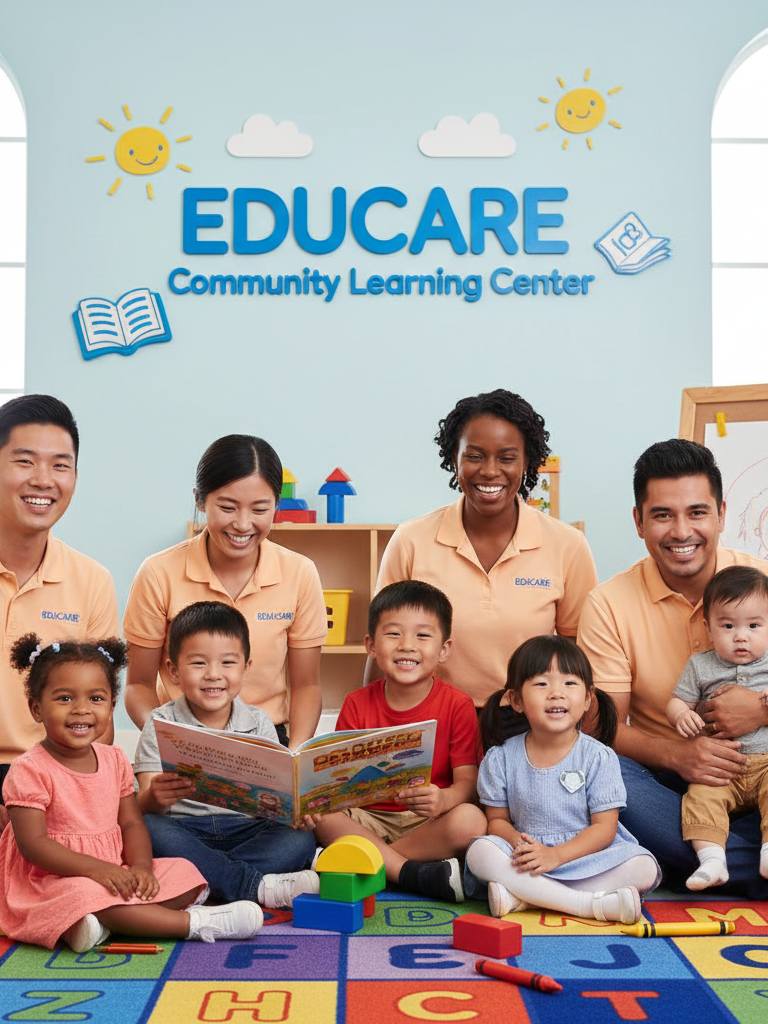
Have you ever wondered how teachers make classrooms feel safe? Teachers make classrooms safe by helping children feel cared for and listened to.
When students feel safe, they can learn better. They can play, talk, and make friends without fear.
Educare courses teach teachers how to guide children kindly and safely. A classroom where children feel protected is a happy classroom. When students are happy and safe, learning becomes fun and exciting.
How Can Teachers Help Students Feel Included?
Feeling included makes children feel brave and happy. Teachers help students feel part of the group by including everyone.
Educare courses show teachers how to welcome all children so no one feels left out.
Welcoming New Students
New students often feel nervous. Teachers can help them feel safe and happy.
- Say hello every day
- Introduce them to classmates
- Pair them with a buddy
- Invite them to play games
- Answer their questions
Encouraging Participation
When children join in activities, they feel important and valued.
- Share ideas in class
- Listen to others carefully
- Take turns helping
- Join group projects
- Try new activities
Celebrating Differences
Differences make life interesting and fun. Teachers show students how to enjoy and respect differences.
- Talk about different cultures
- Respect everyone
- Learn from each other
- Include all abilities
- Be kind to all friends
Feeling included makes school exciting and safe. Teachers help every student feel welcome and part of the class.
How Can Teachers Build Trust With Students?
Children feel safe when they can trust their teachers. Teachers build trust by being honest, fair, and kind.
Educare courses teach teachers how to guide children with care and respect.
Listening Carefully
Listening shows children that teachers care.
- Look at the speaker
- Repeat what they say
- Do not interrupt
- Ask questions
- Show interest
Being Fair
Fairness helps children feel safe and valued.
- Treat all students equally
- Explain the rules clearly
- Be calm with mistakes
- Praise good behaviour
- Share classroom responsibilities
Keeping Promises
Promises build trust between teachers and students.
- Always do what you say
- Admit mistakes openly
- Praise honesty
- Encourage children to tell the truth
- Be reliable
Trust makes children feel confident. Teachers who listen and keep promises create a safe and happy classroom.
How Can Teachers Use Clear Rules To Ensure Safety?
Clear rules help children know what is safe. Teachers use simple rules to prevent confusion and accidents.
Educare courses show how to make rules that are easy for children to remember.
Explaining Rules
Simple rules are easy to follow.
- Tell the rules on the first day
- Use short sentences
- Give examples
- Repeat rules often
- Show rules on a board
Following Rules
Following the rules keeps everyone safe and calm.
- Use rules every day
- Reward students who follow rules
- Remind gently when needed
- Avoid changing rules often
- Include children in making rules
Encouraging Responsibility
Responsibility helps children grow and feel safe.
- Give small chores
- Let children help with tasks
- Teach self-checking
- Praise efforts
- Set small goals
Rules make classrooms calm and safe. Children feel secure when teachers explain rules clearly.
How Can Teachers Encourage Respectful Behaviour?
Respect helps classrooms stay calm and friendly. Teachers guide children to use kind words and show patience.
Educare courses teach how to model polite and gentle behaviour.
Using Kind Words
Kind words make everyone feel happy.
- Say please and thank you
- Speak softly
- Praise compliments
- Encourage friendly talk
- Greet classmates warmly
Listening to Others
Listening shows respect and care.
- Let others speak
- Ask questions politely
- Repeat what is said
- Look at the speaker
- Pay attention carefully
Solving Conflicts Calmly
Sometimes children disagree. Teachers guide them to solve problems safely.
- Let children explain their feelings
- Teach sharing and fairness
- Encourage problem-solving
- Praise compromise
- Show patience
Respect makes classrooms calm. Children feel safe when teachers guide them gently.
How Can Teachers Support Emotional Safety?
Children need to feel safe with their feelings. Teachers notice emotions and help children manage them.
Educare courses teach teachers to guide emotions safely.
Recognising Emotions
Noticing emotions helps children feel understood.
- Look at faces and body language
- Ask how they feel
- Name feelings for them
- Let children talk
- Watch for changes
Providing Comfort
Comfort helps children calm down and feel safe.
- Sit with upset children
- Use gentle words
- Offer a quiet space
- Read a story
- Give hugs if allowed
Encouraging Expression
Expressing feelings helps children feel safe.
- Draw emotions
- Act out feelings
- Talk in groups
- Teach safe ways to release anger
- Celebrate sharing
Emotional safety helps children grow. Teachers help children manage feelings with care.
How Can Teachers Make Classrooms Physically Safe?
Physical safety prevents accidents and injuries. Teachers arrange classrooms and supervise carefully.
Educare courses teach safety rules and classroom layouts.
Organising Furniture
Classrooms should have clear spaces for movement.
- Keep paths clear
- Space desks carefully
- Store materials safely
- Avoid sharp corners
- Check furniture
Checking Equipment
Equipment must be safe for all children.
- Inspect toys before use
- Remove broken items
- Keep a first aid kit ready
- Label materials
- Teach safe use
Teaching Safety Rules
Safety rules protect children from harm.
- Playground safety
- Fire drills
- Lifting rules
- Hand washing
- Boundaries for safe play
Physical safety keeps classrooms calm. Teachers prevent accidents with careful planning.
How Can Teachers Promote Friendship And Teamwork?
Friendship makes school fun. Teachers guide students to work together safely.
Educare courses show activities to help children cooperate.
Group Activities
Activities help children bond and feel included.
- Group projects
- Rotate teams
- Share ideas
- Praise teamwork
- Play games
Pair Work
Pairing students helps with cooperation.
- Assign partners
- Rotate partners
- Listen to each other
- Praise cooperation
- Celebrate success
Encouraging Inclusion
Include shy or new students.
- Invite everyone
- Model kindness
- Share tasks
- Support friendships
- Celebrate teamwork
Friendship makes classrooms enjoyable. Teachers guide students to play and learn together.
How Can Teachers Guide Learning While Keeping Students Safe?
Learning is fun when it is safe. Teachers give clear instructions and supervise activities.
Educare courses teach safe ways to explore and learn.
Clear Instructions
Instructions help children understand.
- Use short sentences
- Show examples
- Repeat instructions
- Check understanding
- Give simple steps
Supervised Activities
Supervision keeps children safe.
- Walk around the classroom
- Watch playground
- Help quickly
- Ask questions
- Prevent accidents
Encouraging Independence
Independence builds confidence safely.
- Let children try tasks
- Give guidance
- Praise attempts
- Teach problem-solving
- Encourage safe exploration
Guided learning helps children succeed. Teachers balance learning and safety in every activity.
How Can Teachers Manage Behaviour Positively?
Positive guidance helps children follow rules. Teachers encourage good choices with kindness.
Educare courses teach safe ways to manage behaviour.
Rewarding Good Behaviour
Rewards make learning fun.
- Praise often
- Give stars or stickers
- Celebrate small wins
- Encourage teamwork
- Show results
Using Gentle Guidance
Gentle words help children correct mistakes.
- Explain consequences
- Offer choices
- Stay calm
- Give time to think
- Avoid yelling
Consistent Consequences
Consistency teaches safety.
- Same rules for everyone
- Logical consequences
- Simple explanations
- Review outcomes
- Praise improvements
Positive behaviour guidance keeps classrooms calm. Children feel safe with clear and gentle rules.
How Can Teachers Encourage Creativity Safely?
Creativity makes learning fun. Teachers guide students to explore ideas safely.
Educare courses show how to be creative while staying safe.
Art and Craft
Art activities are fun and safe.
- Use safe materials
- Encourage imagination
- Display artwork
- Guide scissors
- Rotate activities
Music and Dance
Music helps children express themselves safely.
- Use safe instruments
- Rhythm games
- Supervise dancing
- Praise performance
- Rotate leaders
Roleplay and Drama
Drama builds confidence and teamwork.
- Set clear limits
- Encourage imagination
- Teamwork games
- Praise participation
- Guide safely
Creativity makes learning exciting. Teachers guide safely so children can explore and grow.
How Can Teachers Involve Parents To Support Safety?
Teachers and parents work together to keep children safe. Parents help children feel secure at home and school.
Educare courses teach family involvement strategies.
Regular Communication
Communication keeps everyone informed.
- Send newsletters
- Call when needed
- Share behaviour tips
- Arrange meetings
- Celebrate achievements
Sharing Safety Tips
Safety tips help children learn rules.
- Playground safety
- Healthy routines
- Homework rules
- Emotional support
- Learning activities
Encouraging Participation
Parents joining classroom life helps safety.
- Help with events
- Volunteer tasks
- Give feedback
- Attend celebrations
- Share ideas
Parents and teachers together make children safe. Everyone helps children learn happily and confidently.
How Can Teachers Prepare For Emergencies?
Being ready keeps children calm. Teachers prepare for accidents with drills and first aid.
Educare courses teach emergency readiness.
Practising Drills
Drills teach children how to respond.
- Fire drills
- Lockdown drills
- Exit routes
- Practice calmly
- Review lessons
First Aid Readiness
First aid prevents harm.
- Keep the kit ready
- Learn basic first aid
- Teach safety
- Replace old supplies
- Check readiness
Clear Emergency Plans
Plans show what to do in emergencies.
- Post emergency contacts
- Assign helpers
- Explain roles
- Review plans
- Practice with students
Being ready makes classrooms safe. Teachers guide calmly during emergencies.
How Can Teachers Use Educare Knowledge In The Classroom?
Educare courses give teachers the skills to create safe classrooms. Teachers use knowledge to understand children and guide learning safely.
Lessons from Educare help classrooms stay happy and safe.
Applying Lessons Learned
Teachers can use what they learned in Educare courses to make classrooms safe and fun.
- Use course activities
- Understand child growth
- Teach safe routines
- Encourage teamwork
- Use hygiene practices
Monitoring Children
Teachers watch children closely every day to guide and protect them.
- Watch behaviour daily
- Help quickly
- Guide learning
- Notice feelings
- Encourage talking
Planning Lessons
Teachers plan lessons carefully so children can learn safely and happily.
- Make lessons interactive
- Include safety steps
- Rotate activities
- Set small goals
- Celebrate success
Educare knowledge helps teachers guide safely. Children grow confidently in caring classrooms.
Conclusion
Teachers make classrooms safe with care, guidance, and kindness. Educare courses teach how to help children feel happy and secure.
Safe classrooms let children play, learn, and make friends. Teachers who care help children enjoy school every day.
By creating a safe classroom, teachers give children the confidence to try new things and ask questions. When students feel protected, they can focus on learning, make friends, and enjoy every day at school.
Safe classrooms also help children practice kindness, share ideas, and solve problems together. With guidance from teachers, every child can grow, explore, and feel proud of what they can do.
Frequently Asked Questions
How do teachers make students feel included?
Teachers invite all students to join activities and make sure nobody feels left out. They listen carefully to what each child says and show that every idea is important.
Feeling included helps children feel safe, happy, and confident to participate in class every day.
How do teachers build trust with students?
Teachers are honest and fair with every child and always explain things clearly. They keep promises and listen carefully when children share their thoughts or worries.
Trust helps children feel safe, confident, and ready to learn new things.
How do teachers use rules to keep students safe?
Teachers create simple and easy-to-understand rules that children can remember. They remind students gently when rules are forgotten and praise those who follow them.
Clear rules help children feel secure, behave safely, and enjoy learning without worry.
How do teachers encourage respectful behaviour?
Teachers show respect by using kind words and listening carefully to students. They teach children to solve problems calmly and treat each other fairly.
Respect helps children feel safe, happy, and confident in the classroom.
How do teachers support emotional safety?
Teachers notice children’s feelings and respond in a kind and caring way. They help students calm down and express their emotions safely.
Emotional safety allows children to focus, feel secure, and enjoy learning.
How do teachers make classrooms physically safe?
Teachers arrange furniture and materials carefully so children can move around safely. They supervise activities closely and teach safety rules clearly.
Physical safety helps children feel secure and move freely without accidents.
How do teachers encourage friendship and teamwork?
Teachers guide children to work together and share tasks fairly. They include shy students and celebrate moments of cooperation.
Friendship and teamwork help children feel safe, happy, and supported in class.
How do teachers guide learning safely?
Teachers give clear instructions and show examples before children start activities. They supervise learning closely and encourage children to explore safely.
Safe guidance helps children feel confident and enjoy learning.
How do teachers manage behaviour positively?
Teachers praise good choices and correct mistakes gently without anger. They apply rules consistently so children understand expectations.
Positive behaviour guidance keeps classrooms calm and safe for everyone.
How do teachers encourage creativity safely?
Teachers provide safe materials for art, music, and play activities. They guide children carefully and celebrate creative ideas and efforts.
Creativity helps children grow, explore, and learn safely.
Author: Janice van der Westhuizen
Leave a Reply