Category: Educare

  • How Can Employers Support Continuous Learning In The Educare Workplace?

    Introduction

    Do you know how employers can help workers keep learning? Employers support continuous learning in the Educare workplace by giving time, help, and chances to study. 

    When workers keep learning, they care better for children. Educare courses teach new skills that help workers do their jobs well. 

    This article shows simple ways employers can help their teams learn and grow.

    Why Is Continuous Learning Important In The Educare Workplace?

    Continuous learning helps workers improve every day. It makes sure their skills stay fresh. 

    Learning helps workers feel ready and excited to care for children.

    What Does Continuous Learning Mean?

    Continuous learning means always trying to learn more.

    • Keep practising new skills
    • Try new ideas at work
    • Ask questions
    • Learn from others
    • Keep growing

    How Does Learning Help Children?

    Better skills mean better care for children.

    • Keep children safe
    • Help children learn
    • Understand children’s needs
    • Play with children
    • Solve problems

    Why Is Learning Fun?

    Learning new things is interesting and fresh.

    • Discover new ideas
    • Meet new friends
    • Use fun games
    • Share stories
    • Feel proud

    Continuous learning is very important to help teams grow strong. Encourage your team to start learning with Educare courses today!

    How Can Employers Give Time For Continuous Learning?

    Employers can help by giving workers time to study. This shows they care and helps workers learn better.

    Why Give Time To Learn?

    Workers need time to focus on learning.

    • Schedule learning times
    • Let workers have study breaks
    • Avoid too much work during learning
    • Provide quiet places
    • Allow online learning hours

    How Does Time Help Learning?

    More time means better understanding.

    • Practice skills
    • Read and watch lessons
    • Ask questions
    • Repeat important points
    • Take notes

    How To Plan Learning Time?

    Planning helps make learning easy.

    • Create a learning timetable
    • Set goals for study
    • Check progress often
    • Help workers stay on track
    • Reward learning efforts

    Giving time for learning helps workers get better and feel supported. Talk to your team about making time for Educare courses now!

    How Can Employers Give Help To Keep Learning?

    Support means helping workers when they need it. This makes learning easier and more fun.

    What Is Support In Learning?

    Support means listening and helping when needed.

    • Answer questions
    • Give advice
    • Share study materials
    • Help with technology
    • Encourage teamwork

    Why Is Support Important?

    Support helps workers feel safe and happy to learn.

    • Reduce worries
    • Build confidence
    • Make learning fun
    • Fix problems quickly
    • Keep motivation high

    How Can Employers Give Support?

    Employers can give many kinds of help.

    • Offer mentors or coaches
    • Help with study tools
    • Encourage group learning
    • Give feedback kindly
    • Celebrate learning wins

    Support helps workers keep learning without feeling lost. Be a helper and supporter for your team’s learning journey!

    How Can Learning Be Part Of Daily Work?

    Learning does not stop when work starts. It can happen every day during work.

    How Can Learning Fit Into Work?

    Learning can happen in small steps during the day.

    • Share quick lessons
    • Talk about challenges
    • Use stories from work
    • Watch videos together
    • Ask questions

    How Can Workers Practice New Skills?

    Practice helps workers remember and improve.

    • Try new games with children
    • Practice talking and listening
    • Use new toys and tools
    • Work with a partner
    • Show what you learned

    How Can Learning Be Fun At Work?

    Learning is easier when it is fun.

    • Play learning games
    • Have team challenges
    • Give small rewards
    • Sing songs or rhymes
    • Laugh and enjoy

    Learning at work keeps skills fresh and fun every day. Start simple learning activities with your team today!

    Why Should Employers Choose Educare Courses?

    Choosing the right Educare courses helps workers learn important skills fast. Good courses help workers care for children better.

    What Are Educare Courses?

    They teach how children grow and how to care for them.

    • Learn about child growth
    • Study child safety
    • Understand child behaviour
    • Know how to teach children
    • Practice care skills

    Why Are Educare Courses Good?

    They give knowledge and confidence to workers.

    • Help workers solve problems
    • Teach teamwork skills
    • Improve communication
    • Build patience and kindness
    • Show how to handle emergencies

    How To Pick The Right Educare Course?

    Choose courses that fit your team’s needs.

    • Find courses online or nearby
    • Check course content
    • Ask for advice from experts
    • Look for certificates
    • Choose courses that fit work hours

    Educare courses help workers learn what they need to be great carers. Find a good Educare course and start learning today!

    How Can Employers Check Learning Progress?

    Checking progress helps employers see how well workers are learning. It helps plan better support.

    Why Check Learning Progress?

    To know what workers have learned and what they still need.

    • Use quizzes or tests
    • Watch workers at work
    • Talk to workers about learning
    • Get feedback from others
    • Set learning goals

    How To Check Progress Easily?

    Use simple ways to keep track.

    • Short quizzes
    • Daily observations
    • Regular chats
    • Written notes
    • Team meetings

    What To Do After Checking Progress?

    Help workers improve and celebrate wins.

    • Give helpful feedback
    • Plan extra help if needed
    • Praise successes
    • Adjust learning plans
    • Keep workers motivated

    Checking progress helps learning stay on track and improve. Make a plan to check learning in your team today!

    How Can Employers Make Learning Fun And Exciting?

    Fun learning keeps workers happy and wanting to learn more. It helps build a strong team.

    What Makes Learning Fun?

    Games, rewards, and teamwork make learning better.

    • Use quizzes and games
    • Give small prizes
    • Have team challenges
    • Celebrate learning
    • Use songs and stories

    Why Is Fun Learning Important?

    Happy workers learn faster and stay longer.

    • Build good team spirit
    • Reduce stress
    • Encourage sharing
    • Boost energy
    • Keep focus

    How To Add Fun To Learning?

    Try new ways to make learning interesting.

    • Play role-play games
    • Use colourful materials
    • Create learning competitions
    • Use videos or pictures
    • Organise fun talks

    Fun learning makes the workplace a happy place to grow. Add fun to your team’s learning today with simple ideas!

    How Can Employers Help Workers Use New Skills?

    Using new skills at work helps workers learn better and feel proud. It gives them a chance to grow and show what they can do. 

    This also helps the team work better and do their jobs with more care.

    Why Use New Skills?

    Practice helps keep skills fresh and strong.

    • Try new ways to care for children
    • Use new communication skills
    • Solve problems with new ideas
    • Help team members
    • Show kindness and patience

    How To Support Skill Use?

    Employers can make it easy to try new skills.

    • Let workers try new tasks
    • Give chances to lead activities
    • Provide feedback
    • Encourage teamwork
    • Recognise good work

    What Happens When Skills Are Used?

    Workers feel proud, and children get better care.

    • Build confidence
    • Improve teamwork
    • Create a happy workplace
    • Help children learn more
    • Keep learning going

    Using new skills helps workers and children grow happy. Encourage your team to practise new skills every day!

    How Can Employers Reward Learning Efforts?

    Rewarding learning makes workers feel valued and want to keep learning. It shows that their hard work matters and helps them feel proud of what they know. 

    This also builds a happy team that wants to grow together.

    Why Reward Learning?

    Rewards show workers that their hard work matters.

    • Give praise and thanks
    • Offer certificates
    • Provide small gifts
    • Organise celebrations
    • Share successes with the team

    How To Reward Simply?

    Rewards do not need to be big or costly.

    • Say “Well done” often
    • Give extra breaks
    • Allow flexible hours
    • Write thank-you notes
    • Share stories of success

    What Are The Benefits Of Rewards?

    Rewards keep workers happy and motivated.

    • Build team spirit
    • Encourage more learning
    • Improve work quality
    • Reduce stress
    • Keep workers loyal

    Rewarding learning helps keep the team strong and happy. Start rewarding learning in your workplace today!

    How Can Employers Make Learning A Team Activity?

    Learning as a team helps workers help each other. It makes learning easier and fun.

    Why Learn As A Team?

    Team learning builds friendship and sharing.

    • Work together on tasks
    • Help each other understand
    • Share ideas and tips
    • Solve problems together
    • Celebrate team wins

    How To Plan Team Learning?

    Plan simple activities for the whole team.

    • Group discussions
    • Team games
    • Study groups
    • Role-play exercises
    • Team quizzes

    What Happens When Teams Learn Together?

    Teams grow stronger and care better.

    • Build trust
    • Improve teamwork
    • Create a happy workplace
    • Learn faster
    • Support each other

    Learning as a team makes the workplace friendly and strong. Organise team learning sessions with your staff today!

    How Can Employers Keep Learning Going Long-Term?

    Keeping learning going helps teams grow every day and in the future. It keeps skills fresh and helps workers feel ready for new tasks.

    Why Keep Learning Going?

    Long-term learning keeps skills sharp and workers happy.

    • New ideas often come
    • Workers stay excited
    • Skills improve over time
    • Teams stay strong
    • Care for children gets better

    How To Keep Learning Going?

    Make learning part of your work every day.

    • Set learning goals yearly
    • Encourage ongoing study
    • Give chances for new courses
    • Keep checking progress
    • Celebrate learning often

    What Happens With Long-Term Learning?

    Teams become expert and confident.

    • Better care for children
    • More teamwork
    • Strong workplace culture
    • Happy workers
    • Proud teams

    Long-term learning builds a great workplace and great carers. Plan for ongoing learning in your Educare workplace today!

    Conclusion

    Employers who support continuous learning in the Educare workplace help their workers and children succeed. Giving time, help, fun, and rewards makes learning easy and exciting. 

    Learning every day as a team and long-term keeps skills fresh and teams strong. Are you looking for ways to improve your Educare team? 

    Start supporting learning today and watch your workplace grow!

    Frequently Asked Questions 

    Why is continuous learning important in Educare?

    Continuous learning helps workers stay up to date with the best ways to care for children. It builds new skills that make everyday tasks easier. 

    It also keeps staff confident, motivated, and ready for change.

    How can employers support staff learning during work hours?

    Employers can give workers time during the week to learn. They can also help by providing tools like books, videos, and short courses. 

    Support from managers shows that learning is part of the job.

    What are the best ways to make learning fun in the workplace?

    Group games, quizzes, and role-play activities make learning more enjoyable. Fun learning keeps workers interested and helps them remember new things. 

    When learning is fun, workers want to do it more often.

    How does learning as a team help Educare workers?

    Team learning builds trust and improves teamwork. Workers can learn from each other and solve problems together. 

    It also creates a happy workplace where everyone grows together.

    What kind of rewards can motivate workers to keep learning?

    Rewards like small gifts, praise, certificates, or time off can encourage learning. These rewards show that learning is noticed and valued. 

    They help workers feel proud and stay motivated.

    How does long-term learning improve child care?

    Workers gain better skills to care for children in safe and loving ways. They learn to notice each child’s needs and act quickly and kindly. 

    Over time, this leads to happier and healthier children.

    Can learning really change the culture in an Educare workplace?

    Yes, regular learning helps create a culture of growth, support, and respect. It shows that everyone is working to improve. 

    A learning culture also builds strong teams and happy workers.

    What role does fun play in adult learning?

    Fun lowers stress and makes people open to new ideas. When learning feels like play, it becomes easier and more enjoyable. 

    This helps workers keep learning without feeling bored or tired.

    How can employers measure if learning is working?

    Employers can check learning by watching work improve over time. They can ask workers what they have learned and what has helped them. 

    Keeping track of progress helps make learning better.

    Where can I find good Educare courses for my staff?

    Look for trusted training providers that focus on Educare and early childhood skills. Make sure the courses are recognised by education bodies like SAQA or the Department of Higher Education and Training

    You can also ask for course links to get started today.

    Author: Janice van der Westhuizen
  • In What Ways Can Ongoing Training Boost Teamwork In Early Childhood Settings?

    Introduction

    Ongoing training boosts teamwork by helping staff learn how to work together better, support each other, and care for children as a team. When everyone knows what to do, they feel more confident. 

    They talk more and share ideas. They trust each other more and do their jobs better. Are you looking for a way to work well with others while caring for young children? 

    Do you want to know how Educare courses can help you grow your teamwork skills? Learning more helps everyone in a team do their part better. 

    Let us take a closer look at how you can use training to become a great team player in a child care setting.

    How Does Training Help Team Members Understand Each Other Better?

    Training teaches team members how to talk and listen in a kind and clear way. It shows them how to respect each other’s roles and ideas. 

    This helps everyone feel like they belong and matter.

    Why Is It Good To Learn Together As A Team?

    Learning together helps people feel like a real team. They learn the same rules and ways of doing things.

    They work better when they understand the same goals.

    • Builds strong friendships
    • Makes it easier to solve problems
    • Helps people trust each other
    • Teaches how to share work fairly
    • Encourages everyone to help each other

    What Can You Learn About Communication?

    Training shows how to speak in a calm voice. It also helps you listen and understand others.

    Good communication keeps the team working smoothly.

    • Use kind words
    • Ask for help when needed
    • Listen carefully
    • Give clear answers
    • Say thank you often

    How Does Respect Grow Through Training?

    Respect grows when people understand each other. Training teaches how to be patient and kind.

    This makes the workplace a happy space.

    • Say kind things to others
    • Wait for your turn
    • Respect everyone’s work
    • Do your part well
    • Support your friends

    Training creates a shared understanding among team members, helping them work together more effectively and with greater respect for each other’s strengths. 

    Enrol in an Educare course and grow your career today.

    How Can Training Make Roles In A Team More Clear?

    Educare courses show who does what in a team. This makes sure everyone knows what their job is. 

    It also helps them support each other without getting confused.

    Why Is It Good To Know Your Role?

    Knowing your role helps you focus. It keeps the team on track.

    Everyone knows who to ask for help.

    • Stay in your lane
    • Help when asked
    • Respect the leader
    • Ask questions
    • Finish your tasks

    How Does Role-Clarity Stop Confusion?

    Training gives clear rules. It helps teams avoid doing the same job twice.

    It stops people from stepping on each other’s toes.

    • Clear lists of jobs
    • Shared goals
    • One task per person
    • Better planning
    • More free time

    How Can You Support Your Team With A Clear Role?

    You can help more when you know your place. You will be ready when someone needs help.

     Your team will feel safe and strong.

    • Watch what others need
    • Be ready to help
    • Do not take over
    • Offer support
    • Stay calm

    Training helps each team member know their job and how it fits with others, so everyone works better together.

    How Does Ongoing Learning Build Confidence?

    Learning often helps people feel smart and strong. They know what to do and how to do it well.

    This makes teams feel safe and happy.

    Why Does Confidence Matter In A Team?

    Confident people try new things. They share ideas without fear.

    They help others feel brave too.

    • Speak up
    • Try hard things
    • Take charge when needed
    • Help others shine
    • Smile more

    How Can Training Help You Trust Yourself?

    When you know what to do, you feel calm. You will not be scared to try again.

    You will feel proud of your skills.

    • Repeat your training
    • Learn from mistakes
    • Ask questions
    • Do your best
    • Be kind to yourself

    How Can A Confident Team Help Children?

    Happy teams help children feel safe. They play and learn with joy.

    They know the adults will look after them.

    • Be calm
    • Show joy
    • Offer hugs and smiles
    • Listen to the children
    • Keep things in order

    Ongoing learning helps people believe in themselves more as they grow and learn new things.

    Why Does Training Help With Problem Solving?

    Educare courses teach how to fix things when they go wrong. They give steps to solve problems in a smart way.

    This helps teams stay calm and work together.

    What Can You Learn About Solving Problems?

    Training shows the right steps. It teaches how to listen to ideas.

    Everyone learns how to work it out.

    • Stay calm
    • Listen first
    • Share ideas
    • Pick the best plan
    • Try again if needed

    How Can You Solve Problems Together?

    Teamwork means solving things together. No one feels alone.

    Everyone takes part.

    • Share your thoughts
    • Use kind words
    • Respect all ideas
    • Make a plan
    • Try as a group

    Why Is This Good For The Children?

    Children copy what they see. When they see adults work together, they learn to do the same.

    They feel safer when adults stay calm.

    • Be a good role model
    • Work with others
    • Fix problems kindly
    • Help the children learn
    • Be patient

    Training helps with problem-solving because it teaches people new ways to think and act when problems come up.

    Keep learning so that solving problems becomes easier and faster every day.

    How Do Educare Courses Teach Patience?

    Educare courses help team members learn how to stay calm. They teach ways to wait without getting upset.

    This helps the whole team stay peaceful.

    Why Is Patience Important In A Team?

    Working with children takes time. Teamwork needs slow and kind thinking.

    Patience keeps things smooth.

    • Take turns
    • Wait your turn to talk
    • Stay calm
    • Do not rush others
    • Think before acting

    How Does Training Build Patience?

    Training gives time to practise. It helps people breathe and think.

    It teaches slow, kind actions.

    • Breathe slowly
    • Count to ten
    • Step back
    • Ask for help
    • Be gentle

    How Does Patience Help Children?

    Children need time. Patience makes them feel loved.

    It helps them grow strong.

    • Listen to them
    • Let them try
    • Help gently
    • Use soft words
    • Give time to learn

    Educare courses teach patience by helping students learn how to stay calm and focused while working with young children. 

    They show how to listen, wait, and understand each child’s needs without rushing.

    How Does Ongoing Training Keep Rules Clear?

    Educare courses update the team with new rules. They remind staff how to follow the right way.

    This makes the centre safe for all.

    Why Do Rules Matter In A Team?

    Rules keep people safe. They show the right way to do things.

    They help the team stay fair.

    • Follow the same steps
    • Know the rules
    • Keep things safe
    • Be fair
    • Help each other

    How Does Training Share New Rules?

    Training shows new ways. It explains changes clearly.

    It lets people ask questions.

    • Read the updates
    • Join the class
    • Practise the new way
    • Ask the teacher
    • Help others learn

    What Happens If Everyone Follows Rules?

    The team runs well. There are fewer problems.

    Everyone knows what to do.

    • Less stress
    • Fewer mistakes
    • Happier staff
    • Safer children
    • Better teamwork

    Ongoing training helps keep rules clear by reminding team members what to do and how to follow the same steps every day. It shows the best ways to work safely, fairly, and kindly with others.

    Learn with Educare courses and keep your team strong by following clear, simple rules together.

    How Can Regular Learning Keep Everyone Motivated?

    Ongoing training helps team members feel excited. They enjoy learning new things.

    This keeps them happy in their work.

    Why Is Motivation Good For A Team?

    Happy people do their jobs well. They help others.

    They enjoy their day more.

    • Smile often
    • Share joy
    • Stay busy
    • Help friends
    • Be proud

    How Does Training Bring Joy?

    Training brings something new. It feels fresh and fun.

    It gives a break from the usual work.

    • Try something new
    • Learn a new skill
    • Play team games
    • Laugh and talk
    • Celebrate wins

    How Does A Happy Team Help Children?

    Children feel the mood. Happy teams make happy kids.

    They learn in a joyful space.

    • Smile together
    • Use happy words
    • Play together
    • Sing and dance
    • Be kind

    Regular learning helps everyone feel excited and ready to do their best. It brings new ideas, builds energy, and makes each person feel proud of what they know.

    Stay positive and keep growing by joining Educare courses that help your whole team feel happy, focused, and ready to learn together.

    Where Can You Study An Educare Course?

    You can study Educare courses in places that are easy to reach and fun to learn in. Some places let you study at home using the internet, while others offer classrooms with friendly teachers. 

    Choose a study space that helps you feel ready and happy to learn.

    What Is The Best Way To Learn Educare?

    Learning is easy when you find the right style for you. Some students like reading online, others enjoy being in a class. 

    Think about where you learn best and go with that.

    • Online learning is flexible
    • Classrooms are great for group work
    • Some places offer both
    • Choose what suits your life
    • Always ask for help when stuck

    What Should You Look For In A Good Study Place?

    The best study places are safe, helpful, and filled with people who care. They help you grow and give you the right support. 

    A good learning place makes learning fun.

    • Friendly teachers
    • Clear lessons
    • Help when you need it
    • Fun learning activities
    • Time to practise skills

    Why Should You Start Studying Educare Now?

    Learning now means you are ready sooner. You can grow faster and feel proud sooner too. The earlier you start, the more you learn.

    • Builds your confidence
    • Helps you grow quickly
    • Opens new doors
    • Makes you feel ready
    • Gets you closer to your dream

    You can find simple and fun Educare courses that match your needs. Look for trusted schools that support you every step of the way.

    Start your learning journey today and become the caring, skilled person children will look up to.

    Conclusion

    Ongoing training helps teams work better together by teaching them how to talk, share, solve problems, and stay calm. These skills help children feel safe and happy in their care. 

    Educare courses give you the tools to grow into a strong team member and kind child carer. Start learning today and see how teamwork grows stronger with every step.

    When team members train often, they build trust and understand how to support each other. This creates a happy space for both the carers and the children. 

    With every new skill learned, you become more ready to help your team shine.

    Frequently Asked Questions

    What is an Educare course?

    An Educare course teaches you how to care for young children. You learn about child growth, play, and safety. It helps you work in a crèche or daycare.

    Who can take an Educare course?

    Anyone over 16 who can read and write can join. You do not need a matric. You just need a love for helping children.

    How long is the course?

    It takes about 8 months to complete. You study at home and send in your work. You do not need to write exams.

    Do I need a computer for online study?

    Yes, a phone or computer with the internet will help. You also need email. This helps you get your lessons and send your work.

    Can I work after finishing the course?

    Yes, you can work in many places. Crèches, play groups, and aftercare centres need helpers. You can also work as an au pair.

    Is the course hard?

    It is simple and made for beginners. You learn step by step. Teachers help if you get stuck.

    Can I study while working?

    Yes, the course is flexible. You can study in your own time. It is great for busy people.

    What subjects do I learn?

    You learn about first aid, planning fun lessons, and helping children grow. The course also teaches teamwork and safety.

    Will I get a certificate?

    Yes, you will get a certificate at the end. It shows that you passed the course. You can use it to find work.

    What makes Educare courses special?

    Educare courses help you learn in a fun way. They are simple and helpful. You feel ready to care for children after you finish.

    Author: Janice van der Westhuizen

  • How Do Updated First Aid Skills Benefit Educare Centres And Staff?

    Introduction

    Are you looking for ways to keep children safer at your Educare centre? Updated first aid skills are a key part of quality care. 

    When staff know how to respond to injuries, sickness, or emergencies, they protect children, support parents, and build trust. 

    First aid training also boosts teamwork and confidence in everyday care. So take a look at how these valuable skills can make a big difference in your centre today.

    Why Are First Aid Skills Important At Educare Centres?

    First aid skills help Educare staff act fast when children are hurt or sick. These skills stop small problems from becoming big. 

    They also help keep everyone calm and safe.

    What Do First Aid Skills Help With?

    First aid skills help staff respond quickly when a child is hurt or feels unwell.

    • Help stop bleeding
    • Calm a scared child
    • Call for more help if needed

    Why Are These Skills Needed Every Day?

    Children often get small cuts, bumps or feel sick during play or learning.

    • Children trip and fall
    • Some children may have allergies
    • Quick care makes children feel safe

    How Do These Skills Help Staff?

    Trained staff feel ready to help and keep the centre calm.

    • Stay calm in emergencies
    • Know what steps to take
    • Help the child and inform the parent

    First aid skills are a must for every Educare centre. Make sure your staff is trained and ready to help.

    How Do First Aid Skills Keep Children Safe?

    First aid skills keep children safe by stopping small injuries from getting worse. Staff can give the right care quickly. 

    This keeps children calm and helps them feel safe.

    What Can Go Wrong Without First Aid?

    Without quick help, small injuries can become big problems.

    • A small cut can get infected
    • A bee sting can cause swelling
    • Children may panic if no one helps

    How Do Staff Prevent Bigger Injuries?

    Quick care stops pain from getting worse.

    • Clean wounds fast
    • Give ice for bumps
    • Use correct bandages

    What Role Does Staff Confidence Play?

    Confident staff act fast and calm others.

    • Speak calmly to the child
    • Help others stay calm too
    • Make safe choices

    Safety starts with knowing what to do. Enrol your staff today in an Educare course and build a safer classroom.

    How Do First Aid Skills Help In Emergencies?

    First aid skills help staff know what to do in serious moments. Fast care can save lives. It also helps keep others safe and calm.

    What Is an Emergency in Educare?

    Emergencies can be choking, burns, or allergic reactions.

    • A child swallows a toy
    • A child touches a hot object
    • A child eats food they should not have

    What Should Staff Do Right Away?

    Quick steps save lives in these moments.

    • Stay calm and take charge
    • Use first aid steps learned
    • Call emergency help if needed

    What Tools Help in Emergencies?

    Educare staff use first aid kits and training.

    • Bandages and gloves
    • Ice packs and antiseptic
    • EpiPens (for allergies)

    When every second counts, first aid skills matter most. Get the training and tools your centre needs.

    How Do First Aid Skills Build Staff Confidence?

    Learning first aid helps staff feel ready to help. This confidence makes care better. 

    It also helps children feel calm and safe.

    How Does Training Help Staff Feel Ready?

    Training helps staff know what to do.

    • Practice makes it easier
    • Learn step-by-step actions
    • See real-life examples

    How Does Confidence Help Children?

    Children feel safer when adults are sure of themselves.

    • Calm words from adults
    • Fast help feels caring
    • Trust is built

    What Happens When All Staff Are Confident?

    The centre runs smoothly and safely.

    • Less panic in emergencies
    • More teamwork
    • Faster response times

    Confidence comes from training and practice. Give your team the chance to grow with a first aid course.

    How Do First Aid Skills Improve Daily Care?

    Daily care includes little hurts and small sickness. First aid helps staff handle these well. 

    It keeps the day running smoothly.

    What Happens on a Normal Day?

    Even a normal day can have little injuries.

    • Children trip while playing
    • Someone feels dizzy
    • Minor nosebleeds can happen

    How Do Staff Respond Quickly?

    Fast help means less stress.

    • Wipe and clean the area
    • Offer water or comfort
    • Watch the child closely

    How Does This Help the Whole Class?

    Quick care keeps the day on track.

    • Less time away from learning
    • Less worry for others
    • Shows care and kindness

    First aid skills support everyday care. Help your staff feel ready for anything.

    How Do First Aid Skills Support Teamwork?

    When staff work together, help is faster. Teamwork makes first aid smoother. 

    Everyone knows their role.

    How Do Staff Work Together?

    Team members help each other during an emergency.

    • One gets the kit
    • One stays with the child
    • One calls for help

    Why Is Teamwork So Important?

    Working together makes help faster and better.

    • No time is wasted
    • Each person has a job
    • Everyone feels supported

    How Can Teams Practice Together?

    Practice makes teamwork smoother.

    • Role-play situations
    • Review emergency plans
    • Practice using the kit

    Teamwork saves time and lives. Train your team together to make care stronger.

    How Do First Aid Skills Help With Parent Trust?

    Parents want to know their children are safe. First aid training shows staff are ready. 

    It helps parents feel at ease.

    Why Do Parents Worry?

    Parents want to know their child is safe.

    • Worry about allergies
    • Worry about accidents
    • Want trusted staff

    How Does First Aid Training Build Trust?

    Trained staff can explain what happened.

    • Give clear reports
    • Show calm actions
    • Provide care updates

    What Reassures Parents Most?

    Knowing staff are trained makes parents feel better.

    • They see the training certificates
    • They hear confident answers
    • They feel their child is in safe hands

    Parent trust grows with good care. Show your centre cares by offering first aid training.

    How Do First Aid Skills Add To The Centre’s Reputation?

    A safe centre is a trusted centre. Trained staff make families feel secure. 

    It helps your centre grow.

    What Makes a Centre Stand Out?

    Centres known for safety are more popular.

    • Parents talk about them
    • Good reviews are shared
    • More children are enrolled

    How Do Skills Make Staff Look Professional?

    Trained staff show they care and know what to do.

    • Use the right words
    • Handle emergencies well
    • Act calmly

    Why Do Families Choose Safe Centres?

    Safety is the first thing parents ask about.

    • It shows care for children
    • It means fewer worries
    • It gives peace of mind

    A safe reputation brings more families. Invest in first aid training to grow your centre.

    How Do Educare Courses Teach First Aid Skills?

    Educare courses include first aid for real-life needs. They help staff learn what to do in simple ways. 

    Courses make it easy to practise.

    What Is Covered in a Course?

    Courses teach basic and emergency care.

    • Treating wounds
    • Helping with choking
    • Dealing with fevers

    Why Are These Courses So Helpful?

    They include practice and simple steps.

    • Learn with real tools
    • Ask questions
    • Practice with others

    Who Should Take the Course?

    All staff should be trained.

    • Teachers
    • Helpers
    • Cleaners who work near kids

    Educare courses prepare staff for real life. Find a course today and keep learning.

    How Can You Keep First Aid Skills Updated?

    Skills must be updated to stay useful. New tools and rules are added often. 

    Staying updated keeps everyone safe.

    Why Do Skills Need Updating?

    New tips and tools come out all the time.

    • New safety rules
    • Better tools
    • More ways to help

    How Often Should Training Be Done?

    Courses should be repeated every year or two.

    • Refresh memory
    • Learn new things
    • Stay confident

    Where Can You Get Updated Training?

    Look for trusted Educare courses providers.

    • Government programs
    • Trusted training centres
    • Online and in-person courses

    Updated training keeps everyone ready. Keep learning and stay prepared by booking your next training now.

    Where Can You Study First Aid For Educare?

    There are many places to learn first aid skills. You can choose online, in-person, or blended learning. 

    It is best to study with a trusted provider who understands Educare needs.

    What Should You Look for in a Training Provider?

    Choose a provider that offers practical and clear lessons.

    • Courses focused on child care settings
    • Trainers with real experience
    • Certificates that are recognised

    What Are the Best Places to Study First Aid?

    There are a few trusted options to choose from.

    • Government-accredited centres offer certified training
    • Private training centres with good reviews
    • Online platforms that allow flexible learning

    Why Is It Best to Choose an Educare-Focused Course?

    Courses for Educare prepare you for real classroom needs.

    • Lessons use child-based examples
    • Tools and topics match daily risks
    • Practice for both minor and serious injuries

    The right training makes all the difference. Choose a trusted first aid course that suits your Educare centre.

    Conclusion

    First aid training is more than a skill—it is a smart investment in your centre’s future. From safer children to confident staff and stronger parent trust, updated first aid skills support every part of Educare. 

    Enrol your team today in a trusted Educare course and help them stay prepared, calm, and capable.

    Frequently Asked Questions

    What is first aid and why is it needed in Educare centres?

    First aid is the help given right after an injury or health scare. It is needed in Educare centres because young children often get small cuts, bumps, or feel unwell. 

    Staff need to act fast and help calmly until medical help arrives.

    How often should first aid training be updated?

    First aid skills should be updated every 1 to 2 years. This helps staff remember what to do and learn about any new rules or tools. 

    Regular training keeps care safe and up to date.

    Who in the Educare centre should have first aid training?

    All staff who care for or are near children should be trained. This includes teachers, teaching assistants, and even cleaners or kitchen workers. 

    Everyone plays a part in keeping children safe.

    What is included in a typical Educare first aid course?

    Educare first aid courses teach how to treat wounds, choking, burns, and fevers. They also cover how to use tools like EpiPens and first aid kits. 

    Courses use easy steps and give staff time to practise.

    How does first aid training improve staff confidence?

    Training helps staff feel sure of what to do in different situations. When staff are confident, they can act quickly and stay calm. 

    This also helps children feel safe and cared for.

    Can first aid training help build trust with parents?

    Yes, trained staff make parents feel more at ease. Parents want to know their children are safe and that staff know how to respond. 

    Showing proof of training and speaking clearly helps build strong trust.

    How does first aid training help in everyday classroom care?

    First aid helps staff deal with small cuts, dizziness, and minor injuries quickly. This keeps the day running smoothly and stops problems from getting worse. 

    It also shows children that staff care.

    Why is teamwork important when giving first aid?

    First aid works best when staff support each other. One person may fetch the kit, another stays with the child, and another calls for help. 

    This makes care faster, smoother, and safer.

    How does first aid training improve the centre’s reputation?

    Centres with trained staff are seen as safe and caring. This builds trust with parents and helps attract more families. 

    A good reputation helps the centre grow and succeed.

    Where can Educare centres find trusted first aid training?

    Trusted training can be found through government programmes, certified training centres, or Educare course providers. 

    Many offer online and in-person options. Always check that the course fits your centre’s needs.

    Author: Janice van der Westhuizen

  • What Role Does Emotional Support Play In Educare Training Programmes?

    Introduction

    Have you ever felt better after someone gave you a kind word or a hug? That is called emotional support, and it is very important for young children. Educare training programmes help staff learn how to give this kind of support every day. 

    Children feel safe, happy, and ready to learn when someone cares about their feelings. This article will show you how emotional support works in Educare training programmes and why it matters so much.

    How Does Emotional Support Help Learners Stay Confident?

    In Educare training programmes, emotional support helps learners feel calm and brave. It gives you the strength to keep going, even when the work feels hard. 

    When someone listens and cares, you believe in yourself more.

    What Makes You Feel Safe When Learning?

    To learn well, you need:

    • A kind tutor
    • Clear help and guidance
    • Friendly study groups
    • A quiet place to work
    • Time to practise new skills

    How Do Tutors Support You Emotionally?

    Tutors show care by:

    • Listening to your worries
    • Giving kind feedback
    • Helping you step by step
    • Encouraging you often
    • Reminding you to take breaks

    Why Does Confidence Matter In Childcare?

    Confidence helps you:

    • Make safe choices
    • Talk to children clearly
    • Stay calm in problems
    • Plan good lessons
    • Be a good team member

    Be brave and trust yourself. Let Educare training programmes help you build your confidence and care for others.

    How Can Emotional Support Reduce Study Stress?

    When you feel worried, learning becomes harder. With emotional support, your mind feels clear and ready. 

    Educare training programmes teach you how to manage feelings and stay calm.

    What Feelings Can Stress Cause?

    Stress may make you:

    • Forget your work
    • Feel scared or tired
    • Lose focus
    • Get headaches or feel sick
    • Want to give up

    How Do Programmes Help You Relax?

    They help by:

    • Giving study tips
    • Sending kind messages
    • Letting you ask questions
    • Offering flexible times
    • Reminding you to rest

    Why Is It Good To Ask For Help?

    Asking for help is:

    • A smart choice
    • A way to learn faster
    • Good for your feelings
    • Something teachers like
    • Helpful for tough tasks

    Feel strong and ready for anything. Choose a course that helps your heart and mind grow.

    Why Is Emotional Support Important For Working With Children?

    Children feel safer with adults who understand feelings. In Educare training programmes, you learn to care with kindness. 

    This helps you build strong bonds with children.

    What Does Caring Mean In Educare?

    Caring means:

    • Being patient
    • Using kind words
    • Giving hugs or smiles
    • Listening with love
    • Helping each child feel special

    How Can You Understand Children’s Feelings?

    You can understand them by:

    • Watching how they act
    • Asking gentle questions
    • Giving them time to talk
    • Staying calm when they cry
    • Being near when they need you

    Why Do Children Need Emotional Support?

    They need it to:

    • Feel safe at school
    • Learn how to talk about feelings
    • Make good friends
    • Trust their teachers
    • Grow strong inside

    Help children grow strong and happy. Learn how to give care from the heart.

    How Do Educare Programmes Teach Kindness?

    Educare training programmes include lessons about kindness. You learn to treat children and others with respect and care. 

    These lessons help you work better with people.

    What Is Kindness In The Classroom?

    Kindness means:

    • Helping others
    • Sharing what you know
    • Using kind words
    • Giving praise
    • Being fair

    How Can You Show Respect To Others?

    Show respect by:

    • Listening quietly
    • Saying “thank you”
    • Waiting for your turn
    • Keeping promises
    • Being honest

    Why Is Kindness A Skill?

    Because it:

    • Makes children feel safe
    • Helps you work in teams
    • Solves problems
    • Builds happy classrooms
    • Makes you a better carer

    Be the reason someone smiles. Study a course that teaches care and kindness every day.

    How Can Learners Support Each Other Emotionally?

    Students in Educare training programmes often form friendships. They help each other through talks, tips, and teamwork. 

    Together, they grow stronger.

    What Makes A Good Study Friend?

    A good friend:

    • Helps you stay calm
    • Shares notes
    • Says kind things
    • Reminds you of due dates
    • Believes in you

    How Can Group Work Build Support?

    Group work lets you:

    • Learn from others
    • Practice talking kindly
    • Share ideas
    • Solve problems together
    • Feel like a team

    Why Are Friendships Good For Learning?

    Friendships help you:

    • Feel less alone
    • Stay happy during study
    • Ask for help easily
    • Share your dreams
    • Celebrate wins

    Make friends and learn together. Join a course that brings learners close.

    What Happens When You Learn With Emotional Support?

    Learning becomes joyful and easier. You stay focused and excited about new things. 

    Educare training programmes give you both knowledge and care.

    What Makes Learning Fun?

    Learning is fun when:

    • You feel calm
    • Lessons are clear
    • Teachers are kind
    • You get praise
    • You can ask questions

    Why Do Feelings Matter In Learning?

    Feelings matter because:

    • Happy learners do better
    • Calm minds remember more
    • Kind spaces feel safe
    • Support grows confidence
    • You enjoy the journey

    How Does Support Help You Finish Your Course?

    Support helps you:

    • Keep going
    • Ask for help
    • Stay on track
    • Believe in success
    • Feel proud of your work

    Feel ready and supported. Start learning in a place that truly cares for you.

    How Do Educare Training Programmes Build Kindness In Learning?

    Educare training programmes teach you to be kind to yourself and others. When everyone is kind, learning feels warm and happy. 

    Kindness makes it easier to grow together.

    Learning to care for each other

    This part teaches how to show care in small, helpful ways.

    • Share your toys or tools
    • Help someone who is stuck
    • Say kind things when others try
    • Listen when someone talks
    • Smile to make a friend feel good

    Saying kind words in class

    Words can help everyone feel strong and safe.

    • Say “Well done” when someone learns
    • Use “Please” and “Thank you”
    • Tell others they can do it
    • Speak in a soft voice
    • Give praise for trying

    Creating a friendly space to learn

    The classroom feels better when it is full of kindness.

    • Help keep the room neat and safe
    • Let everyone join the game
    • Say sorry when needed
    • Take turns during lessons
    • Be gentle with others

    Kindness makes learning gentle, friendly, and full of joy. Be part of kind classrooms with Educare training programmes.

    What Happens When Teachers Show They Care?

    When teachers show they care, learning feels like home. Educare training programmes teach teachers to listen, help, and guide gently. 

    This helps students feel special and ready to learn.

    Feeling seen and heard

    This lesson shows how being noticed makes you feel safe.

    • The teacher says your name
    • They ask how your day is going
    • They help when you need it
    • They smile and look at you
    • They say they believe in you

    Getting help when you need it

    You feel strong when someone helps you understand.

    • The teacher explains again if needed
    • They give you extra time
    • They work with you one-on-one
    • They say, “You are doing well”
    • They never make you feel bad

    Learning in a safe space

    Feeling safe helps you try new things.

    • You are allowed to ask questions
    • You can try without fear
    • No one laughs when mistakes happen
    • Everyone gets a chance
    • You know, help is always near

    Caring teachers help you learn with joy and confidence. Learn with caring teachers in Educare training programmes.

    Why Is Feeling Safe So Important When You Learn?

    Feeling safe helps you learn without fear. Educare training programmes build safe learning spaces where everyone feels protected. 

    When you feel safe, your mind opens up and learning becomes easier.

    Safe feelings mean better learning

    When you feel safe, you are not scared to try.

    • You can ask for help
    • You do not feel judged
    • You enjoy group work
    • You stay calm and ready
    • You do your best each day

    Teachers help make things feel safe

    This part shows how teachers help you feel protected.

    • They stop unkind behaviour
    • They check how you feel
    • They listen to worries
    • They make the rules clear
    • They keep routines the same

    Your classroom becomes a happy place

    Learning happens best in happy, safe places.

    • You trust the people around you
    • You enjoy being there each day
    • You feel excited to try new work
    • You can speak up any time
    • You look forward to tomorrow

    Feeling safe makes learning smoother, happier, and braver. Build safe learning with Educare training programmes.

    How Can You Help Others Feel Good While Learning?

    Helping others feel good also helps you grow. Educare training programmes teach you to notice, care, and support your classmates. 

    When everyone feels good, everyone learns more.

    Saying kind words to friends

    Kind words make learning light and fun.

    • Say “You can do it!”
    • Tell them they are smart
    • Thank them for helping
    • Say “Good try” when they make a mistake
    • Cheer when they do well

    Helping someone who is struggling

    You can be a helper during hard lessons.

    • Offer to sit beside them
    • Help explain a small part
    • Remind them to take a deep breath
    • Stay calm and kind
    • Celebrate small wins

    Being a good team player

    Working together helps everyone feel strong.

    • Take turns
    • Share ideas
    • Include everyone
    • Listen before speaking
    • Say “Well done” to the group

    Helping others feel good makes your learning journey shine brighter. Learn how to lift others with Educare training programmes.

    Conclusion

    Emotional support is the heart of all Educare training programmes. It helps learners feel calm, safe, and excited to grow every day. When students feel cared for, they learn better, play better, and become their best selves.

    You can now see how important kindness, support, and gentle teaching really are. These skills help children trust their teachers, stay focused, and feel happy in class. 

    With emotional support, learning becomes more than just school—it becomes a place where children feel loved.

    Start your journey today and become the kind of teacher who brings smiles, safety, and strong learning to every child. Choose a learning path that supports you so you can support others.

    Frequently Asked Questions

    Why is emotional support important in Educare training programmes?

    Emotional support helps children feel safe and happy. When children feel loved, they are ready to learn and grow. Educare training programmes teach staff how to give this kind of support every day.

    How do Educare training programmes teach emotional support?

    These programmes include lessons about kindness, listening, and care. Teachers learn how to support children’s feelings during learning. This makes every classroom a warm and friendly place.

    Can emotional support help me finish my Educare course?

    Yes, it can help a lot. When you feel supported, you stay strong and do not give up. You also feel proud and excited to keep learning.

    What if I feel scared or shy during learning?

    It is normal to feel that way sometimes. With emotional support, you learn how to feel brave and calm. Teachers are trained to help you feel safe and ready.

    Do feelings really affect how we learn?

    Yes, they do. Happy and calm students learn better and remember more. That is why emotional support is part of Educare training programmes.

    How does emotional support help in group learning?

    It helps students work together with kindness and respect. You learn to listen, share, and help each other. This makes teamwork strong and fun.

    Can I use emotional support skills at home too?

    Yes, you can. These skills help you care for family and friends. You become a kind helper in every part of life.

    Are teachers trained to give emotional support?

    Yes, they are trained in many ways through Educare training programmes. They learn how to notice feelings and help students through them. This helps children feel cared for every day.

    Why does kindness matter in the classroom?

    Kindness makes the classroom feel safe and welcoming. When students are kind, everyone learns better and feels happy. It helps you enjoy learning more.

    How do I start learning in an Educare training programme?

    You can choose to join the course online. It is made simple and fun, so you can enjoy learning every day. With support and care, you will grow with confidence.

    Author: Janice van der Westhuizen

  • How Can Educare Staff Apply Training To Improve Child Safety Daily?

    Introduction

    Educare staff can use their training every day to keep children safe and happy by using what they have learnt in their Educare online course.

    Do you want to make your Educare centre a safer and better place for children? Are you ready to learn how to use your skills to help children every day?

    Learning to apply your training in real life is a big step forward. You will see how small things can make a big difference. 

    Let us look at how your learning from the Educare online course can help you work better and protect children more.

    How Does The Educare Online Course Help You Keep Children Safe?

    The Educare online course gives you the right tools to protect children in your care. You will learn about safety rules, healthy habits, and child behaviour. 

    These skills help you build a safe and caring place for children.

    What Safety Rules Do You Learn?

    Knowing safety rules helps you stay ready and careful.

    • Keep sharp objects out of reach
    • Always watch children during playtime
    • Lock away cleaning products
    • Teach children about dangers
    • Check the area for broken toys

    Why Is Supervision Important?

    Watching children helps stop accidents before they happen.

    • Stay close to children at all times
    • Count children often
    • Guide them to play safely
    • Help them use play areas the right way
    • Watch for signs of injury or danger

    How Do You Use Safety Tools?

    Safety tools are part of daily work to stop harm.

    • Use safety gates near stairs
    • Keep fire exits clear
    • Use plug covers on sockets
    • Place mats on wet floors
    • Wear gloves when changing nappies

    By using what you learn, you help children feel safe and cared for every day. Start applying your new skills now to make a difference in their lives.

    How Can You Teach Children To Be Safe Too?

    Children can learn to look after themselves when you teach them in simple ways. The Educare online course helps you explain safety rules to children using fun and easy steps. 

    They become more aware and careful.

    What Are Easy Ways to Teach Safety?

    Make lessons fun and easy to understand.

    • Use role play
    • Sing safety songs
    • Tell stories about being safe
    • Show them how to walk safely indoors
    • Praise them for safe actions

    Why Should You Repeat Safety Lessons?

    Children remember more when you teach often.

    • Repeat daily safety tips
    • Use the same words and signs
    • Review rules at circle time
    • Ask questions to check understanding
    • Talk about what to do in an emergency

    How Do You Model Safe Behaviour?

    Children copy what you do.

    • Wash your hands often
    • Use calm words and actions
    • Walk, do not run indoors
    • Use safety gear properly
    • Say “stop” when you see danger

    Teaching children safety helps them grow strong and smart. Use what you have learnt to guide them daily.

    What Must You Know About Food Safety?

    The Educare online course helps you keep food clean and safe for young children. This means less illness and more happy smiles.

    You will learn to store, prepare, and serve food the right way.

    How Should You Store Food?

    Good storage keeps food fresh.

    • Use clean containers
    • Label and date food
    • Keep cold food in the fridge
    • Store dry food in sealed boxes
    • Check expiry dates often

    What Makes Food Prep Safe?

    Clean hands and tools stop germs.

    • Wash your hands before and after
    • Use clean chopping boards
    • Keep raw meat away from veggies
    • Wear gloves or use tongs
    • Clean up spills right away

    How Can You Serve Food Safely?

    Serving food the right way prevents accidents.

    • Serve warm food at safe temperatures
    • Use small, child-sized portions
    • Keep food at the table, not on the floor
    • Avoid foods that can choke
    • Sit with children while they eat

    Every meal is a chance to keep children healthy and safe. Use your food safety skills every day.

    Why Is Cleanliness Important For Safety?

    Clean spaces keep children safe from germs and illness. The Educare online course teaches you how to clean classrooms and toys. 

    Children stay well when their world is clean.

    How Do You Keep Classrooms Clean?

    Tidy spaces make it easier to move and play safely.

    • Sweep floors daily
    • Clean tables before and after use
    • Wipe down shelves and chairs
    • Take out the rubbish
    • Keep storage areas neat

    Why Must Toys Be Washed Often?

    Toys collect dirt and germs.

    • Wash plastic toys in soapy water
    • Wipe soft toys with safe sprays
    • Rinse and dry well
    • Sort broken toys to fix or toss
    • Clean shared items every day

    What About Bathroom Areas?

    Clean bathrooms stop the spread of germs.

    • Disinfect toilet seats
    • Wipe down taps and handles
    • Restock toilet paper and soap
    • Mop the floors
    • Teach children proper bathroom use

    Clean places help children play safely. Clean up often to make your centre shine.

    How Can You Help Children Stay Calm And Safe Emotionally?

    Children need to feel safe inside and out. Your Educare online course teaches you how to care for their feelings. 

    When children feel loved, they learn better and play well.

    Why Do Feelings Matter in Safety?

    Happy children make safer choices.

    • Help them talk about feelings
    • Notice signs of worry
    • Comfort them when upset
    • Listen when they need help
    • Teach words for emotions

    How Can You Build Trust?

    Trust makes children feel safe with you.

    • Greet each child warmly
    • Follow routines every day
    • Say kind words often
    • Be patient and calm
    • Let them know you are there

    What If a Child Is Upset?

    Help them calm down in a safe way.

    • Give them space to breathe
    • Offer a quiet corner
    • Talk softly and slowly
    • Ask what is wrong
    • Stay close until they feel better

    Your kind words help children feel safe. Speak gently and guide with care.

    Why Should You Talk To Parents About Child Safety?

    Parents and Educare staff work as a team. The Educare online course shows you how to share helpful safety tips. 

    This helps keep children safe both at home and at school.

    How Can You Share Safety Tips?

    Make it simple and useful for parents.

    • Send safety notes home
    • Chat during drop-off
    • Share posters on the wall
    • Give handouts on safe play
    • Remind them about safe clothes

    Why Should You Listen to Parents Too?

    They know their child best.

    • Ask about allergies or fears
    • Learn about home routines
    • Work together to set rules
    • Respect their choices
    • Keep open communication

    How Do You Involve Parents in Safety Routines?

    Make them part of your plan.

    • Ask them to check in daily
    • Invite them to safety days
    • Share safety updates
    • Thank them for their support
    • Let them suggest safety ideas

    Talk to parents often. Share your tips and help them build safety at home too.

    How Can You Make Daily Routines Safer for Children?

    Routines help children know what to expect. The Educare online course shows you how to plan routines that keep children safe. 

    A clear routine keeps things calm and well managed.

    What Makes a Routine Safe?

    Safe steps make the day smoother.

    • Use a clear timetable
    • Keep busy times calm
    • Help children line up safely
    • Move slowly between activities
    • Keep exits clear

    Why Do Children Need Rules?

    Rules help children feel secure.

    • Use simple words
    • Repeat rules often
    • Explain why rules matter
    • Praise them when they follow
    • Make rules fair and kind

    How Can You Fix Unsafe Routines?

    Watch and improve where needed.

    • Change busy times to quiet ones
    • Add more helpers if needed
    • Remove tripping hazards
    • Use signs or pictures
    • Keep reviewing your day

    Use safe routines to guide your day. Follow your training and keep each moment safe.

    What Are Signs That A Child May Be Unsafe?

    The Educare online course helps you notice small signs that a child may not be safe. Being aware means you can act early. 

    Children feel safer when adults watch out for them.

    What Changes in Behaviour Should You Watch For?

    Look for things that do not feel right.

    • Sudden sadness or fear
    • Avoiding certain people
    • Trouble sleeping or eating
    • Acting out
    • Being quiet all the time

    What Physical Signs Could Be a Warning?

    Marks or bruises can be signs.

    • Unexplained bruises
    • Cuts or burns
    • Limping or pain
    • Dirty or torn clothes
    • Bad body smell

    What Should You Do If You Suspect Danger?

    Follow the right steps to report.

    • Tell your supervisor
    • Write down what you saw
    • Stay calm with the child
    • Follow school safety rules
    • Keep the child safe

    Keep your eyes open and your heart ready. Use your training to protect every child.

    How Can You Stay Ready For Emergencies?

    Being ready saves lives. The Educare online course teaches you how to act fast and keep children safe. 

    Emergencies happen, and being trained helps you stay calm.

    What Emergency Plans Should You Know?

    Know them by heart.

    • Fire escape plan
    • Evacuation route
    • Emergency numbers
    • Lockdown steps
    • Meeting points

    How Do You Practise for Emergencies?

    Drills help you and children stay ready.

    • Do monthly fire drills
    • Practise walking safely
    • Talk about what to do
    • Use alarms for real practice
    • Keep records of drills

    What Safety Items Should Be Ready?

    Keep them nearby.

    • First aid kit
    • Fire extinguisher
    • Whistle or alarm
    • Flashlight
    • Emergency contact list

    Learn the steps now so you can act fast later. Be the one who knows what to do.

    How Can You Keep Learning About Child Safety?

    The Educare online course is just the beginning. You must keep learning to stay strong in safety skills. 

    Training helps you do more and be better.

    Where Can You Find New Safety Ideas?

    Look for new knowledge.

    • Online courses
    • Books and magazines
    • Staff workshops
    • Safety podcasts
    • Government guidelines

    Why Should You Share What You Learn?

    Help others stay safe too.

    • Tell your team
    • Share safety posters
    • Lead a team meeting
    • Start a safety notebook
    • Plan a learning day

    How Can You Grow in Your Career?

    Use learning to reach new goals.

    • Take more courses
    • Earn safety certificates
    • Become a leader
    • Teach others what you know
    • Apply for new roles

    Never stop learning. Keep growing to help every child feel safe.

    Conclusion

    Every lesson from your Educare online course can help keep children safe. From clean play areas to calm routines, your training makes a big difference every day. 

    You can grow, learn, and help even more when you use your training.Take the next step today. Keep learning, keep caring, and keep every child safe.

    Frequently Asked Questions

    What is the Educare online course about?

    The Educare online course teaches you how to care for young children. It covers safety, learning, health, and emotional care. You learn to support children every day.

    Who can study the Educare online course?

    Anyone who wants to work with young children can join. You do not need a job yet. If you love helping children, this course is for you.

    What jobs can I get after the course?

    You can work at a preschool, daycare, or Educare centre. You may help in classrooms or support teachers. Some people start their own centres too.

    Can I learn at home?

    Yes, you can study online at your own pace. This helps you balance your time. You can learn from anywhere.

    How long does the course take?

    The course can take a few months to complete. You will work through each part slowly. You can take more time if needed.

    Do I need a computer?

    A phone, tablet, or computer will work. You just need internet to study. The lessons are simple to follow.

    Will I get a certificate?

    Yes, you will get a certificate when you finish. This shows that you are trained. You can use it to apply for work.

    What will I learn about safety?

    You will learn how to keep children safe indoors and outdoors. This includes health, food, and emotional safety. You will also learn about emergencies.

    Can I get help if I do not understand something?

    Yes, there are people to help you. You can ask questions online. Support is always there for you.

    Is this course good for my future?

    Yes, it helps you start or grow your career. Safety is always needed. You can also keep learning after this.

    Author: Janice van der Westhuizen

  • Why Is Ongoing Educare Training Important For A Safe And Happy Work Environment?

    Introduction

    Ongoing Educare training is important because it helps everyone stay safe and feel happy at work. When we keep learning, we know how to care for children better and work well with others. 

    This makes our workplace a good place for everyone. Learning together helps us understand each other and do our jobs well. 

    With online Educare courses, we can keep learning in a fun and easy way.

    What Is Ongoing Educare Training?

    Ongoing Educare training means we keep learning new things to help us do our jobs better. It helps us care for children safely and happily. 

    With online Educare courses, we can learn anytime and anywhere.

    Learning New Skills

    We learn how to care for children in the best way.

    • How to keep children safe
    • Fun ways to teach and play
    • Helping children feel happy
    • Talking kindly to children
    • Keeping things clean and tidy

    Working Together

    We learn how to be good team members.

    • Listening to others
    • Sharing ideas
    • Helping each other
    • Solving problems together
    • Being kind and fair

    Staying Safe

    We learn how to keep everyone safe at work.

    • Knowing what to do in emergencies
    • Using tools safely
    • Keeping the workplace clean
    • Watching out for dangers
    • Following safety rules

    Ongoing Educare training helps us be better at our jobs and makes work a happy place.

    How Does Training Help Us Care For Children Better?

    Training teaches us the best ways to look after children. We learn how to keep them safe, happy, and learning. Online Educare courses make learning easy and fun.

    Understanding Children’s Needs

    We learn what children need to grow and learn.

    • What makes children happy
    • How children learn best
    • Helping children feel safe
    • Listening to children’s feelings
    • Supporting children’s growth

    Creating Fun Activities

    We learn how to make learning fun for children.

    • Games that teach
    • Stories that help children learn
    • Art and music activities
    • Outdoor play ideas
    • Activities for all ages

    Keeping Children Safe

    We learn how to protect children from harm.

    • Watching children carefully
    • Knowing safety rules
    • Keeping dangerous things away
    • Helping children play safely
    • Being ready for emergencies

    Training helps us be the best carers for children.

    Why Is It Important To Keep Learning At Work?

    Learning helps us do our jobs well and feel good about our work. It keeps us ready for new things and helps us grow. Online Educare courses help us learn all the time.

    Getting Better at Our Jobs

    We learn new ways to do our work better.

    • New ideas for teaching
    • Better ways to talk to others
    • Tips for staying organised
    • Ways to solve problems
    • Learning from others

    Feeling Happy at Work

    Learning makes us feel proud and happy.

    • Feeling good about our skills
    • Enjoying our work more
    • Being confident
    • Feeling part of a team
    • Loving what we do

    Being Ready for Change

    Learning helps us handle new things at work.

    • Trying new tools
    • Learning new rules
    • Helping with new tasks
    • Being open to change
    • Growing with the job

    Keeping learning makes work better for everyone.

    How Do Online Educare Courses Make Learning Easy?

    Online Educare courses let us learn in simple and fun ways. We can learn at our own pace and in our own space. This makes learning easy and enjoyable.

    Learning Anytime

    We can choose when to learn.

    • Morning or evening
    • Weekdays or weekends
    • Short or long sessions
    • At our own speed
    • When we feel ready

    Learning Anywhere

    We can choose where to learn.

    • At home
    • At work
    • In a quiet place
    • On a computer or tablet
    • Wherever we feel comfortable

    Learning in Fun Ways

    Courses use fun tools to help us learn.

    • Videos and pictures
    • Quizzes and games
    • Stories and examples
    • Easy-to-read notes
    • Helpful tips

    Online courses make learning simple and fun.

    How Does Training Help Us Work Well With Others?

    Training teaches us how to be good team members. We learn to listen, share, and help each other. Online Educare courses show us how to work together happily.

    Communicating Clearly

    We learn to talk and listen well.

    • Speaking kindly
    • Listening carefully
    • Sharing ideas
    • Asking questions
    • Giving feedback

    Helping Each Other

    We learn to support our team.

    • Sharing tasks
    • Offering help
    • Encouraging others
    • Celebrating success
    • Being a good friend

    Solving Problems Together

    We learn to fix problems as a team.

    • Talking about issues
    • Finding solutions
    • Making plans
    • Working together
    • Staying positive

    Training helps us be a strong and happy team.

    How Does Training Keep Us Safe At Work?

    Training teaches us how to stay safe and keep others safe. We learn to see dangers and know what to do. Online Educare courses help us learn safety rules easily.

    Knowing Safety Rules

    We learn the rules that keep us safe.

    • What to do in emergencies
    • How to use tools safely
    • Keeping things clean
    • Wearing safety gear
    • Following guidelines

    Spotting Dangers

    We learn to see what might be unsafe.

    • Wet floors
    • Sharp objects
    • Broken toys
    • Unlocked doors
    • Hot surfaces

    Acting Quickly

    We learn what to do when something goes wrong.

    • Helping someone hurt
    • Calling for help
    • Using first aid
    • Staying calm
    • Keeping others safe

    Training keeps us and others safe every day.

    How Does Training Help Us Grow In Our Jobs?

    Training helps us learn new things and take on new roles. We become better at our jobs and ready for more. Online Educare courses help us grow step by step.

    Learning New Skills

    We gain skills that help us do more.

    • Leading activities
    • Planning lessons
    • Managing time
    • Helping others
    • Solving problems

    Taking on New Roles

    We get ready for bigger jobs.

    • Becoming a team leader
    • Training new staff
    • Organising events
    • Making decisions
    • Leading projects

    Feeling Confident

    We feel sure about our abilities.

    • Trusting ourselves
    • Trying new things
    • Speaking up
    • Helping others grow
    • Being proud

    Training helps us reach our goals.

    How Does Training Make Work A Happy Place?

    Training helps us enjoy our work and feel good. We feel valued and part of a team. Online Educare courses make learning joyful.

    Feeling Valued

    We know our work matters.

    • Getting praise
    • Being trusted
    • Having support
    • Being listened to
    • Feeling important

    Enjoying Work

    We have fun and feel happy.

    • Doing interesting tasks
    • Learning new things
    • Working with friends
    • Seeing children smile
    • Feeling proud

    Being Part of a Team

    We feel connected to others.

    • Sharing goals
    • Helping each other
    • Celebrating together
    • Supporting one another
    • Growing as a team

    Training makes work a place we love.

    How Do Online Educare Courses Help Us Learn Better?

    Online Educare courses help us learn in ways that suit us. We can choose how and when to learn. This makes learning better and easier.

    Choosing Our Time

    We pick the best time to learn.

    • Early morning
    • During breaks
    • After work
    • On weekends
    • When we feel ready

    Choosing Our Place

    We pick the best place to learn.

    • At home
    • In a quiet room
    • At the library
    • In the garden
    • Anywhere we like

    Learning Our Way

    We learn in the way that suits us.

    • Watching videos
    • Reading notes
    • Doing quizzes
    • Listening to stories
    • Practising skills

    Online courses fit our learning style.

    What Support Do We Get In Online Educare Courses?

    Online Educare courses give us the help we need while we learn. We are never alone. There is always someone or something to guide us and make learning easier.

    Support From Educare Tutors

    Tutors help us understand what we are learning.

    • They answer our questions
    • They explain lessons in simple ways
    • They check our work and help us improve
    • They give kind feedback
    • They guide us when we are stuck

    Help From Other Students

    We are part of a learning team.

    • Talk to others in group chats
    • Share tips and learning tricks
    • Ask and answer questions together
    • Make learning fun with friends
    • Help each other stay on track

    Learning Tools We Can Use

    These tools make learning simple and fun.

    • Videos to explain topics
    • Notes to read anytime
    • Quizzes to test what we know
    • Extra practice sheets
    • Learning apps and guides

    Online Educare courses give us many kinds of support to help us succeed.

    What Can We Do After Finishing Online Educare Courses?

    Online Educare courses open new doors for us. After we finish, we can do many good things with what we have learned. We are ready to help, grow, and reach for more.

    Start Working In Educare

    We are ready to begin helping children learn and grow.

    • Work at a daycare centre
    • Help teachers in classrooms
    • Take care of young children
    • Plan fun learning activities
    • Keep children safe and happy

    Study More And Go Further

    We can keep learning if we want to grow more.

    • Join a higher-level Educare course
    • Study for a diploma or degree
    • Learn about teaching young children
    • Train for more roles in education
    • Become a leader in a learning centre

    Use Our Skills In Other Places

    The things we learn can help in many kinds of work.

    • Work with children in hospitals
    • Help at children’s homes or community centres
    • Plan safe play and learning spaces
    • Guide young learners at events
    • Teach basic care and learning to parents

    Online Educare courses help us do more in the future. We can use what we learn to find new work, study more, or help others. Learning gives us more choices in life.

    Conclusion

    Ongoing Educare training is important because it helps us stay safe, smart, and happy in the places where we work and learn. When we keep learning new things, we become better at helping children, working with others, and solving problems. 

    It makes us feel good inside because we know we are doing something right. Learning gives us power, and that power helps us grow into strong, kind, and confident people.

    When we take time to learn, we open new doors. We can find new chances to help more, lead better, and dream bigger. Training is not only about books and lessons—it is also about becoming the best version of ourselves.

    Are you ready to take that first step? Start an online Educare course today and build a brighter, safer, and happier future for you and those around you. Learning can change everything. Let it begin with you.

    Frequently Asked Questions

    What is an online Educare course?

    An online Educare course is a learning programme you can do from home using the internet. It teaches you how to care for children in a safe and fun way. You learn by watching videos, reading notes, and doing quizzes.

    Who can join an online Educare course?

    Anyone who wants to work with young children can join. You do not need a lot of experience to start. These courses are made for all levels.

    How long does it take to finish the course?

    You can learn at your own pace. Some people finish faster, others take more time. You choose what works best for you.

    Do I need to attend a school to take the course?

    No, you can study online from anywhere. All you need is a phone or computer with internet. You can learn at home or any quiet place.

    Is the course easy to follow?

    Yes, it is made for students who want simple and clear lessons. Everything is explained step by step. You also get help when you need it.

    What will I learn in an Educare course?

    You will learn how to keep children safe, teach them, and help them grow. You also learn how to plan activities and speak kindly. It helps you become a caring and skilled helper.

    Will I get help from teachers?

    Yes, online tutors are there to help. You can message them or ask questions. They give advice and check your work.

    How does this course help me in real life?

    It gives you skills you can use at work and at home. You learn how to care, lead, and stay calm. It also helps you get ready for new jobs or roles.

    Can this course help me get a better job?

    Yes, it helps you grow in your career. You learn new things that make you a better worker. Many people move into better roles after this course.

    What happens when I finish the course?

    You get a certificate that shows you completed the course. This can help you apply for jobs or study more. You feel proud and ready for the next step.

    Author: Janice van der Westhuizen

  • How Do Employers Benefit From Supporting Staff In Online Learning?

    Introduction

    Are you looking for ways to help your business grow while also supporting your staff? One of the best ways to do this is by helping employees learn through online Educare courses

    These courses offer flexible, affordable learning that staff can complete at their own pace. Online learning helps workers gain new skills, become more confident, and stay happy in their roles. 

    When employers invest in staff development, they build stronger teams and reduce costs over time. 

    In this article, we explore how supporting online learning benefits both employees and employers—and why now is the perfect time to get started.

    What Is Online Learning and How Does It Work?

    Online learning lets you gain new skills from anywhere. It gives you the chance to learn in your own way, at your own pace, using your own space.

    Learning at Your Own Pace

    You can manage your time and learn without pressure.

    • Study during times that work for you
    • Learn in a quiet space
    • Re-watch lessons anytime
    • Take breaks when needed
    • Complete tasks at your own speed

    Access to Many Resources

    Get all the tools you need to understand and remember.

    • Videos and pictures to explain topics
    • Quizzes to check your knowledge
    • Notes you can save and read later
    • Forums to ask questions
    • Links to extra reading

    Support from Teachers Online

    Help is always available when you need it.

    • Send messages when you have questions
    • Get feedback and advice
    • Join live chats or calls
    • Feel supported by your teacher
    • Learn with help when needed


    Online learning is flexible, supportive, and full of useful tools. It gives every learner the power to succeed. See how to enrol in an Educare course today!

    How Does Online Learning Help Employees Grow?

    Online learning builds confidence and real-world skills. Staff feel more prepared to take on new roles and improve their daily tasks.

    Learning New Skills

    Gain useful knowledge that makes daily work easier.

    • Learn how to care for children
    • Plan fun and safe activities
    • Improve how you talk and listen
    • Use your time better
    • Stay calm in tough situations

    Gaining Confidence

    Feel stronger and more secure in what you do.

    • Feel proud of what you know
    • Take on new tasks with courage
    • Share your ideas
    • Try better ways of working
    • Trust in your own skills

    Preparing for Promotions

    Get ready to grow in your career.

    • Get ready for higher roles
    • Take on more responsibility
    • Help and guide new team members
    • Make smart choices
    • Lead projects with success

    Online Educare training helps employees do better and feel better at work. Growth starts with the right support.

    Support your team with an Educare course today.

    Why Should Employers Support Staff Learning?

    Helping your team learn leads to strong business results. A smart, skilled, and happy team helps your company succeed.

    Building a Skilled Team

    Skilled workers are more effective and work better together.

    • Do tasks better and faster
    • Make fewer mistakes
    • Work well with others
    • Solve problems as a team
    • Reach goals more easily

    Keeping Employees Happy

    Learning helps staff feel valued and stay longer.

    • Staff feel supported and valued
    • Stay longer with the company
    • Speak well of their jobs
    • Recommend the company to others
    • Enjoy a positive workplace

    Saving Money in the Long Run

    Training boosts performance and reduces costs.

    • Train staff instead of hiring new people
    • Reduce costly errors
    • Improve customer service
    • Work faster and smarter
    • Boost company profits

    Staff learning creates a stronger team and saves your company time and money. Explore how online training can benefit your business

    What Are The Benefits Of Online Educare Courses For Employers?

    These courses are designed to meet modern business needs. They offer practical tools and flexible learning that help teams thrive.

    Flexible Learning Options

    Staff can learn without leaving their jobs behind.

    • Learn during quiet work hours
    • Balance work and learning
    • No travel needed
    • Study anytime
    • Fit lessons into busy days

    Up-to-Date Knowledge

    Keep your team informed and ready.

    • Learn the latest ideas
    • Keep up with trends
    • Use new methods at work
    • Adapt to changes in the field
    • Give better service

    Encouraging Lifelong Learning

    Ongoing learning keeps staff sharp and motivated.

    • Always looking to improve
    • Welcome new ideas
    • Adjust to change
    • Teach others what you learn
    • Stay engaged and motivated

    Online Educare courses help employers build smarter, faster, and more future-ready teams. Start building your team’s future with flexible online learning.

    How Does Supporting Learning Improve Teamwork?

    When people learn together, they work together better. Learning builds trust, cooperation, and team spirit.

    Shared Learning Experiences

    Learning together builds strong connections.

    • Talk about lessons with co-workers
    • Help each other understand
    • Solve problems together
    • Celebrate small wins
    • Build stronger relationships

    Developing Communication Skills

    Good learning builds good communication.

    • Listen carefully to others
    • Speak clearly and kindly
    • Give helpful feedback
    • Work through issues peacefully
    • Be part of a helpful team

    Creating a Supportive Environment

    Support helps everyone grow.

    • Cheer each other on
    • Share useful resources
    • Offer help when needed
    • Notice each other’s efforts
    • Grow stronger together

    Team learning leads to team success. It creates unity, support, and better results. Encourage group learning to improve teamwork in your workplace.

    Can Online Learning Lead To Innovation?

    Learning opens the door to new and better ways of working. Staff use their knowledge to improve, create, and grow your business.

    Thinking Outside the Box

    Creative thinking starts with new learning.

    • Try different ways of working
    • Improve old methods
    • Mix ideas to find new answers
    • Test out new ideas
    • Think creatively every day

    Applying Knowledge to Real Situations

    What is learned is used to solve real work problems.

    • Make work faster and easier
    • Improve services or products
    • Meet customer needs
    • Save time and money
    • Stay ahead of the competition

    Encouraging a Culture of Innovation

    Support learning and watch ideas grow.

    • Accept change as good
    • Keep learning and improving
    • Support new ideas
    • Reward creativity
    • Become a leader in your field

    Training your team leads to fresh ideas and better results. Use online learning to drive innovation at work.

    How Does Learning Affect Employee Retention?

    When staff feel supported, they stay. Learning makes employees feel proud and excited about their future.

    Feeling Valued and Supported

    Staff who feel supported are more loyal.

    • Boost morale
    • Build trust in leadership
    • Make the workplace feel positive
    • Show that staff matter
    • Keep the team strong

    Career Growth Opportunities

    Clear goals keep staff motivated.

    • Clear paths to promotion
    • Take on more important roles
    • Get praise for achievements
    • Grow personally and professionally
    • Stay motivated to succeed

    Reducing Turnover Costs

    Keep your best people and avoid costly changes.

    • Spend less on hiring
    • Keep skilled team members
    • Avoid starting over with new staff
    • Keep team systems in place
    • Hold on to company knowledge

    Investing in staff learning means keeping loyal, motivated people. Support employee learning and keep your team strong.

    What Is The Impact On Company Reputation?

    Good training leads to good reviews. A company that values learning attracts better staff and more respect.

    Being an Employer of Choice

    People want to work where learning is supported.

    • Attract skilled job seekers
    • Be known as a great workplace
    • Get positive reviews
    • Build a strong brand
    • Get more staff referrals

    Demonstrating Commitment to Development

    Show the world you care about your team.

    • Show you invest in your team
    • Encourage constant growth
    • Match modern work values
    • Gain trust from others
    • Be seen as a caring employer

    Building Community Trust

    Learning creates lasting community impact.

    • Help your community grow
    • Support local education
    • Work with schools and training groups
    • Take part in community projects
    • Show strong social responsibility

    Strong training builds a strong name. Everyone sees the difference. Build your company’s reputation through staff learning today.

    How Does Online Learning Support Diversity And Inclusion?

    Learning should be for everyone. Online courses help all people grow, no matter who they are.

    Accessible Learning for All

    Courses are designed to meet many needs.

    • Courses in different languages
    • Fit different learning styles
    • Work with support tools
    • Fit many schedules
    • Affordable for more people

    Encouraging Equal Opportunities

    Everyone gets a fair chance to grow.

    • Give everyone a fair chance
    • Help people from all walks of life
    • Create fair chances for growth
    • Reduce unfair gaps in training
    • Build a fair workplace culture

    Celebrating Diverse Perspectives

    New ideas come from many voices.

    • Welcome different ideas
    • Solve problems in new ways
    • Understand customer needs
    • Work better as a team
    • Drive change and innovation

    Inclusive learning makes everyone feel seen and supported. Promote fairness and growth with online learning.

    How Can Managers Use Online Learning To Promote Inclusion In Teams?

    Managers play a key role in building fairness. Online tools can help them lead with respect and care.

    Training Leaders in Inclusive Practices

    Managers learn how to support every team member.

    • Learn about bias and fairness
    • Manage teams with respect
    • Use inclusive language
    • Make everyone feel safe
    • Know how to respond to problems

    Using Data to Track Inclusion Progress

    Learning shows where teams can grow.

    • Track who is taking part
    • See where engagement is low
    • Use feedback to improve
    • Adjust content to suit all
    • Set and reach fairness goals

    Creating Safe Spaces for Learning

    Learning must be safe for all.

    • Allow for private feedback
    • Respect personal information
    • Keep forums safe and fair
    • Use kind and clear examples
    • Respect all cultures and values

    When leaders support learning, everyone wins. Train managers to lead with fairness through online learning.

    Conclusion

    When you support your team through online Educare courses, you help your whole company grow. You build teams that are skilled, confident, and ready for new challenges. 

    You save money, improve teamwork, and make your workplace a better place to be. Online learning is more than just training—it is an investment in your people. 

    It brings out their best, builds loyalty, and keeps your business ahead of the curve. See how you can enrol your staff in an online course today and start building a stronger future.

    Frequently Asked Questions 

    What are Educare online courses?

    They are courses about working with and caring for young children. You study online, which means you can learn from home or work. 

    These courses help you grow your skills while still doing your job.

    How do online courses benefit employees?

    Online learning helps you improve your skills and grow your confidence. You can study in your own time. 

    It also helps you feel better about your work.

    Why should employers invest in staff education?

    It helps staff become better at their jobs. When workers learn, they stay longer and do better work. 

    This saves money for the business.

    What skills do employees learn through Educare courses?

    They learn how to care for children, plan activities, and work well with others. Time management and communication are also taught. 

    These skills are useful in many jobs.

    Can online learning improve employee retention?

    Yes, people stay longer when they feel supported. Learning shows that the employer cares. 

    It also helps workers feel more motivated.

    How does online learning affect teamwork?

    When people learn together, they work better together. They understand each other more. 

    This makes the workplace friendlier and stronger.

    Is online learning cost-effective for employers?

    Yes, it is cheaper than in-person classes. There are no travel costs and no time off work. 

    It helps improve skills without extra spending.

    How can online learning support diversity and inclusion?

    Anyone can learn online, no matter where they are. People can learn in their own time and at their own pace. 

    This makes learning fair for everyone.

    What role do managers play in promoting learning?

    Managers should support their teams and encourage learning. They can help create a safe space to ask questions. 

    When leaders learn too, others will follow.

    How do Educare courses help companies grow?

    Educare courses build useful skills and better work habits. Staff become more confident and work better as a team. 

    This helps the whole company do well.

    Author: Janice van der Westhuizen

  • Can Online Educare Training Help Build Leadership Skills?

    Introduction

    Have you ever thought about how leadership skills are built? Do you believe online training can help you become a better leader? The answer is yes. 

    Online Educare courses can teach you leadership skills while you care for children. These courses offer a unique way to learn and grow as a leader in your personal and professional life.

    How Can Online Educare Courses Build Leadership Skills?

    Online Educare courses teach you the core skills needed to be a strong leader. You will learn how to take care of children and guide others. 

    These courses focus on developing leadership qualities like patience, organisation, and communication. Start today and watch your leadership skills grow.

    What Leadership Skills Can You Learn In An Online Educare Course?

    In an online Educare course, you will learn skills such as communication, decision-making, and problem-solving. These are the building blocks of great leadership. 

    By the end of your course, you will be ready to lead others with confidence.

    Developing Good Communication Skills

    Clear communication is key to leadership. You will learn how to speak and listen effectively to guide others.

    • Speak kindly to others
    • Use simple words to explain ideas
    • Listen actively
    • Encourage open communication
    • Be clear in your instructions

    Learning to Make Decisions

    Making decisions is an important skill in leadership. Online Educare courses teach you how to make smart choices.

    • Think about the options
    • Choose what is best for everyone
    • Be confident in your decisions
    • Ask for advice when needed
    • Reflect on your choices

    Solving Problems Like a Leader

    Being a good leader means solving problems calmly and fairly. You will learn how to deal with difficult situations.

    • Identify the problem
    • Think of possible solutions
    • Choose the best option
    • Stay calm under pressure
    • Ask for help if needed

    How Does An Online Educare Course Help You Lead Children?

    Online Educare courses show you how to care for and lead children. You will learn how to plan fun activities and manage different situations. 

    This training helps you guide children with patience and understanding, building your leadership skills.

    Planning Fun and Safe Activities for Children

    Leaders know how to create engaging and safe activities. You will learn to plan lessons and activities that children enjoy.

    • Choose safe games
    • Keep children entertained
    • Plan learning activities
    • Encourage group play
    • Follow safety rules

    Managing Children in a Calm and Organised Way

    Good leaders manage people well. You will learn how to stay calm and organised while working with children.

    • Stay organised with schedules
    • Manage time well
    • Be calm when things get busy
    • Handle disruptions effectively
    • Lead with a clear plan

    Building Trust and Respect with Children

    Trust is an important part of leadership. You will learn how to gain the trust of children by being caring and fair.

    • Be consistent in your actions
    • Treat all children equally
    • Keep promises
    • Be patient and kind
    • Listen to their needs

    What Makes Online Educare Courses A Great Leadership Tool?

    Online Educare courses are a great way to build leadership skills while learning to care for children. These courses offer flexibility, so you can study at your own pace. 

    You can improve your leadership skills without leaving the comfort of your home.

    Flexibility in Learning

    Studying online lets you learn when and where you want. This makes it easier to balance your studies with your other responsibilities.

    • Learn at your own pace
    • Study from home
    • Choose your study times
    • Stay comfortable while learning
    • Plan your studies around your life

    Ongoing Support from Instructors

    Throughout your studies, you will have the support of expert instructors. They will help you when you have questions or need guidance.

    • Ask questions whenever you need
    • Get feedback on your work
    • Learn from experienced educators
    • Feel supported every step of the way
    • Receive encouragement and guidance

    Access to a Wealth of Resources

    Online Educare courses offer a variety of learning materials. These resources help you gain the knowledge needed for strong leadership.

    • Access videos and readings
    • Use interactive learning tools
    • Learn through discussions
    • Get helpful course materials
    • Use additional resources for deeper learning

    How Can Online Educare Courses Help You Manage Time Effectively?

    Time management is a key leadership skill. In an online Educare course, you will learn how to organise your time and tasks. You will also learn how to stay focused and avoid distractions.

    Creating a Simple Study Schedule

    One of the first skills you will learn is how to set a study schedule. This helps you stay organised and manage your time better.

    • Plan your study sessions
    • Stick to your schedule
    • Break tasks into smaller steps
    • Use reminders for deadlines
    • Avoid procrastination

    Staying Focused While Learning

    Online Educare courses teach you how to focus on your work. You will develop skills to avoid distractions and stay on track.

    • Set up a quiet study space
    • Take short breaks to stay refreshed
    • Limit distractions
    • Prioritise your tasks
    • Stay organised to work efficiently

    Using Tools to Keep You Organised

    Learning how to stay organised is essential in leadership. You will be taught how to use tools to manage your time.

    • Use calendars to plan tasks
    • Keep a to-do list
    • Organise materials clearly
    • Set reminders for deadlines
    • Keep track of progress

    How Does Online Educare Training Improve Your Problem-Solving Skills?

    Problem-solving is an essential leadership skill. Through online Educare courses, you will learn how to approach problems with a clear mind and find solutions. 

    You will learn to stay calm and think logically, making decisions that benefit everyone.

    Approaching Problems Calmly

    When problems arise, good leaders stay calm. You will learn how to control your emotions and think clearly.

    • Take deep breaths
    • Think before reacting
    • Look at the problem from different angles
    • Stay positive and patient
    • Do not rush to conclusions

    Finding Creative Solutions

    Leaders need to think outside the box. In online Educare courses, you will be taught to come up with creative solutions.

    • Brainstorm different ideas
    • Think of new ways to fix things
    • Ask for advice from others
    • Learn from past experiences
    • Keep an open mind

    Learning to Be Flexible

    Being a flexible leader is important. You will learn to adapt to new situations and change plans when necessary.

    • Stay open to new ideas
    • Change plans when needed
    • Be willing to try new solutions
    • Adjust to unexpected changes
    • Work well under pressure

    How Does Caring For Children Teach You To Be Patient?

    Patience is a key trait of good leaders. In online Educare courses, you will learn how to be patient when working with children. 

    You will develop the ability to wait and guide, even when things are not going as planned.

    Learning to Be Patient with Children

    When you work with children, patience is essential. You will learn to give children the time they need to learn and grow.

    • Give children time to finish tasks
    • Help children work at their own pace
    • Understand that learning takes time
    • Encourage children gently
    • Be patient when they make mistakes

    Remaining Calm in Difficult Situations

    Good leaders stay calm when things get tough. In online Educare courses, you will learn how to remain steady in difficult moments.

    • Breathe deeply when stressed
    • Stay composed in emergencies
    • Avoid getting frustrated
    • Lead calmly in chaos
    • Be the rock for your team

    Setting a Positive Example for Others

    As a leader, your actions speak louder than words. You will learn how to lead by example, showing patience and calmness.

    • Be the first to remain patient
    • Show others how to handle challenges
    • Demonstrate kindness and respect
    • Treat everyone equally
    • Encourage calm behaviour in others

    What Role Does Teamwork Play In Leadership?

    Online Educare courses help you learn how to work well with others. You will develop teamwork skills that are essential for good leadership. 

    Working together with a team is one of the most important aspects of being a leader.

    Learning to Work Well with Others

    As a leader, working with a team is important. You will learn how to support others and make sure everyone has a role to play.

    • Share tasks fairly
    • Help others when needed
    • Communicate openly with your team
    • Celebrate group achievements
    • Be inclusive and respectful

    Encouraging Team Members

    Leaders motivate their teams. You will learn how to cheer for your team and help them stay focused.

    • Praise others for their efforts
    • Support others in their work
    • Offer encouragement
    • Show appreciation for hard work
    • Celebrate team wins together

    Handling Group Challenges

    Every team faces challenges. Online Educare courses teach you how to deal with these challenges and keep your team moving forward.

    • Solve problems together
    • Stay positive during tough times
    • Work through disagreements
    • Ask for feedback
    • Adapt to changing situations

    How Can Online Educare Courses Help You Develop Emotional Intelligence?

    Emotional intelligence is a vital leadership skill. In online Educare courses, you will learn how to understand and manage your own emotions. 

    You will also learn how to recognise and manage the emotions of others.

    Understanding Your Emotions

    Good leaders are aware of their emotions. You will learn how to recognise your feelings and handle them effectively.

    • Know what triggers your emotions
    • Stay calm when angry or upset
    • Manage stress in healthy ways
    • Take breaks when feeling overwhelmed
    • Express your feelings clearly

    Empathising with Others

    Leaders need to understand how others feel. You will learn how to show empathy and support others in tough times.

    • Listen carefully to others
    • Offer support when needed
    • Understand others’ points of view
    • Show kindness in difficult situations
    • Be patient with others’ feelings

    Responding to Emotions in the Right Way

    Managing others’ emotions is key to being a good leader. You will learn how to respond to emotions in a helpful and supportive way.

    • Offer a listening ear
    • Remain calm when others are upset
    • Provide comfort to others
    • Offer solutions in stressful situations
    • Give positive feedback

    How Can Online Educare Courses Improve Your Conflict Resolution Skills?

    Conflict resolution is a crucial leadership skill that helps maintain a positive and productive environment. 

    Through online Educare courses, you will develop the ability to handle disagreements and conflicts effectively, ensuring that everyone’s needs are met while maintaining respect and understanding.

    Recognising the Source of Conflict

    To resolve conflict effectively, you need to understand where it comes from. Online Educare courses teach you how to identify the root causes of issues in a calm and organised way.

    • Identify misunderstandings early
    • Understand personal and group dynamics
    • Address issues before they escalate
    • Recognise common triggers of conflict
    • Maintain objectivity in identifying the problem

    Navigating Difficult Conversations

    Leaders must have the ability to guide tough conversations. In an online Educare course, you will learn how to communicate in a way that de-escalates tension.

    • Stay calm during disagreements
    • Choose words carefully to avoid escalating issues
    • Focus on solutions, not problems
    • Listen actively during tough talks
    • Keep your body language neutral

    Mediating Between Parties

    As a leader, you will often be called upon to mediate between individuals or groups. You will learn how to facilitate discussions and find common ground for a fair resolution.

    • Provide a neutral space for discussion
    • Encourage open dialogue
    • Ensure everyone feels heard and understood
    • Guide the conversation towards compromise
    • Offer balanced solutions

    How Can Online Educare Courses Help You Enhance Your Teamwork And Collaboration Skills?

    Being a strong team player is a vital part of leadership. Online Educare courses teach you the importance of collaboration and how to work effectively with diverse groups. 

    By learning these skills, you can build stronger teams that are more effective in achieving shared goals.

    Understanding the Importance of Collaboration

    Leadership is not just about managing individuals but about working as part of a team. You will learn why collaboration is key to achieving success.

    • Promote teamwork to reach shared goals
    • Recognise the value of different perspectives
    • Encourage group discussions and brainstorming
    • Foster mutual respect among team members
    • Ensure all voices are heard in decision-making

    Building a Supportive Team Environment

    Leaders need to create an environment where team members feel supported and valued. Online Educare courses teach you how to cultivate this kind of atmosphere.

    • Offer encouragement and positive feedback
    • Provide constructive criticism in a respectful way
    • Share responsibility and recognition
    • Create opportunities for everyone to contribute
    • Foster an inclusive and open environment

    Resolving Team Conflicts

    Conflict within a team is inevitable, but good leaders know how to manage it. You will learn strategies for resolving issues within your team.

    • Address problems early before they escalate
    • Use compromise and negotiation skills
    • Stay impartial and guide the team towards solutions
    • Create a safe space for team members to express concerns
    • Keep team goals in mind when resolving disputes

    Conclusion

    Online Educare courses can indeed help build leadership skills. You will learn how to care for children while developing patience, problem-solving, and emotional intelligence. 

    These courses offer a flexible and supportive learning environment that will prepare you to lead with confidence and kindness.

    Frequently Asked Questions

    What is an Online Educare course?

    Online Educare courses teach you how to care for children and develop leadership skills. They offer flexible learning, allowing you to study at your own pace. You can learn from home while gaining valuable knowledge.

    Can I become a leader with an Online Educare course?

    Yes, online Educare courses help you develop leadership skills. You will learn how to manage children, communicate well, and work with teams. These are all key skills for good leadership.

    How long does it take to finish an Online Educare course?

    The duration of an online Educare course depends on your schedule and how fast you study. Most courses can be completed in a few months. You can study at your own pace.

    Is it possible to work while studying an Online Educare course?

    Yes, you can work while studying an online Educare course. These courses are flexible and allow you to balance work and studies. You can choose when and where to study.

    Do Online Educare courses teach real-life skills?

    Yes, online Educare courses teach real-life skills. You will learn how to solve problems, manage your time, and care for children. These are valuable skills in both personal and professional life.

    How can an Online Educare course improve my career?

    Completing an online Educare course can improve your career by providing you with leadership skills. You will learn how to manage teams, communicate better, and solve problems. These skills are in demand in many jobs.

    Can I teach others after completing an Online Educare course?

    Yes, after completing an online Educare course, you will have the knowledge to guide and teach others. You will learn how to care for children and lead in a supportive way. This is useful in many teaching and leadership roles.

    What are the benefits of taking an Online Educare course?

    The benefits include gaining leadership skills, learning to manage children, and developing emotional intelligence. You will also gain flexibility in your studies. These courses help you grow both personally and professionally.

    Do I need prior experience to take an Online Educare course?

    No, you do not need prior experience. Online Educare courses are designed to help beginners learn. You can start with no experience and develop your skills as you go.

    Can I study an Online Educare course from anywhere?

    Yes, you can study from anywhere. Since the course is online, you can access the materials from your home, work, or wherever you feel comfortable.

    Author: Janice van der Westhuizen

  • What Makes Educare Graduates Better At Caring For Children In The Workplace?

    Introduction

    Do you want to learn how to care for children and help them grow? Online Educare courses teach you how to look after young children and make them feel safe and happy. 

    You will learn how to talk to children, play with them, and help them learn new things. These courses also show you how to work with other adults and keep children safe. 

    By learning these skills, you can become someone who helps children every day.

    What Do You Learn In Online Educare Courses?

    In online Educare courses, you learn how to care for young children. You also learn how to keep them safe and help them learn. These skills help you become a good caregiver.

    Learning About Children

    You will learn how children grow and change.

    • Understand how children think
    • Learn about their feelings
    • Know how they play and learn
    • See how they grow each year
    • Help them feel safe

    Helping Children Learn

    You will learn how to teach children in fun ways.

    • Use games to teach
    • Read stories together
    • Sing songs with actions
    • Draw and paint with them
    • Make learning fun

    Keeping Children Safe

    You will learn how to protect children from harm.

    • Watch them carefully
    • Know what to do in emergencies
    • Keep play areas clean
    • Teach them safe habits
    • Help them when they are hurt

    By learning these things, you can care for children in a kind and safe way.

    How Do Educare Courses Help You Work With Others?

    Online Educare courses teach you how to work well with other adults. You learn to share ideas and help each other. This makes the workplace better for everyone.

    Talking to Other Adults

    You will learn how to speak clearly and kindly.

    • Listen when others talk
    • Share your thoughts
    • Ask for help when needed
    • Say thank you
    • Be polite

    Working in a Team

    You will learn how to be a good team member.

    • Help others with tasks
    • Share ideas in meetings
    • Take turns doing jobs
    • Support your teammates
    • Celebrate team success

    Solving Problems Together

    You will learn how to fix problems in a calm way.

    • Talk about the problem
    • Listen to each other
    • Think of good solutions
    • Choose the best idea
    • Work together to fix it

    These skills help you work happily with others and care for children as a team.

    Can You Study Educare Without Going To School?

    Yes, you can! Online Educare courses let you learn from home. You can study at your own pace and still get the skills you need.

    Learning at Home

    You can study using a computer or phone.

    • Watch lessons online
    • Read digital books
    • Do assignments at home
    • Ask questions by email
    • Learn in your own time

    No Need to Travel

    You do not have to go to a classroom.

    • Save time on travel
    • Learn in your own space
    • Study when it suits you
    • Avoid busy places
    • Stay comfortable at home

    Getting Help Online

    You can still get help from teachers.

    • Send messages to tutors
    • Join online chats
    • Get feedback on your work
    • Ask for advice
    • Learn with support

    Studying online makes learning easy and fun.

    What Jobs Can You Get After Studying Educare?

    After finishing online Educare courses, you can work with children in many places. You can help them learn and grow every day.

    Working in a Daycare

    You can care for young children during the day.

    • Play games with them
    • Help them eat meals
    • Teach simple lessons
    • Keep them safe
    • Talk to their parents

    Helping in a Preschool

    You can assist teachers in the classroom.

    • Set up learning activities
    • Read stories to children
    • Help with art projects
    • Guide children during play
    • Support the main teacher

    Caring for Children at Home

    You can look after children in their homes.

    • Prepare snacks
    • Help with homework
    • Take them to the park
    • Play educational games
    • Keep them safe

    These jobs let you make a difference in children’s lives.

    How Long Does It Take To Finish An Educare Course?

    Online Educare courses can be completed in a few months. You can study at your own pace. This makes learning flexible for you.

    Short Courses

    Some courses take about four months.

    • Learn basic child care
    • Understand child development
    • Get quick skills
    • Start working sooner
    • Good for beginners

    Certificate Courses

    These courses take around eight months.

    • Learn more about teaching
    • Study first aid
    • Understand classroom management
    • Prepare for more jobs
    • Build strong skills

    Comprehensive Courses

    These take about twelve months to finish.

    • Learn advanced topics
    • Study child psychology
    • Prepare for leadership roles
    • Gain deep knowledge
    • Become a top caregiver

    You can choose the course that fits your goals and time.

    What Subjects Will You Study In Educare?

    In online Educare courses, you will study different subjects to help you care for children. Each subject teaches you something important.

    Child Development

    Learn how children grow and change.

    • Understand physical growth
    • Learn about emotions
    • See how they think
    • Know their needs
    • Support their learning

    Teaching Methods

    Learn how to teach children in fun ways.

    • Use songs and stories
    • Plan fun activities
    • Encourage questions
    • Make learning exciting
    • Help them explore

    Health and Safety

    Learn how to keep children safe and healthy.

    • Teach hygiene habits
    • Prepare healthy snacks
    • Watch for dangers
    • Handle emergencies
    • Keep the environment clean

    These subjects help you become a great caregiver.

    Do You Need Special Tools To Study Online?

    No, you do not need many tools for online Educare courses. A few simple things will help you learn well.

    Using a Computer or Phone

    You can study with devices you already have.

    • Access lessons online
    • Read digital books
    • Watch videos
    • Do assignments
    • Communicate with tutors

    Internet Connection

    You need the internet to access materials.

    • Download study guides
    • Submit assignments
    • Join online discussions
    • Ask questions
    • Get feedback

    Study Materials

    Materials are provided digitally.

    • Receive via email
    • Download from website
    • No need for printed books
    • Easy to access
    • Always available

    With these tools, you can study comfortably at home.

    How Do Educare Courses Help You Grow Personally?

    Online Educare courses help you grow as a person. You learn to be patient, kind, and responsible. These qualities help you in all parts of life.

    Becoming More Patient

    You learn to wait and understand others.

    • Listen to children’s needs
    • Handle challenges calmly
    • Give time for learning
    • Stay calm in busy times
    • Support others gently

    Being More Responsible

    You learn to take care of important tasks.

    • Keep children safe
    • Follow schedules
    • Complete assignments
    • Be on time
    • Take care of materials

    Showing Kindness

    You learn to be kind to everyone.

    • Speak gently
    • Help those in need
    • Share with others
    • Encourage children
    • Smile often

    These personal skills make you a better caregiver and friend.

    How To Build Better Communication Skills?

    Online Educare courses help you express yourself clearly and listen to others with care. These skills make it easier to connect with children, co-workers, and families.

    Speak Clearly

    When you speak clearly, others can understand you better.

    • Use simple words that children know
    • Give clear instructions so tasks are easy to follow
    • Ask helpful questions to guide learning
    • Say what you mean in a kind voice
    • Speak slowly when children need help

    Listen Actively

    Good listening shows you care about what others say.

    • Look at the person talking so they know you are listening
    • Wait your turn before you speak
    • Show interest by nodding or smiling
    • Let children finish before you talk
    • Ask questions to show you understand

    Use Positive Words

    Positive words help build trust and make others feel good.

    • Praise good behaviour often
    • Offer support with kind words
    • Avoid using harsh or mean language
    • Encourage children to try again
    • Say thank you and well done often

    Good communication helps you build strong and happy relationships. Let your voice be kind and helpful by starting your course today.

    How To Become More Organised?

    Online Educare courses teach you how to plan, stay tidy, and manage your time. These habits help you work better and feel less stressed.

    Plan Your Day

    Planning helps you feel ready and calm.

    • Use a daily schedule to stay on track
    • Set clear goals for each activity
    • Prepare all your materials early
    • Make time for breaks and learning
    • Know what you will do next

    Manage Time Well

    Time management means getting things done in a smart way.

    • Finish tasks before moving on
    • Balance work and rest to stay focused
    • Avoid distractions that waste time
    • Use a timer if needed
    • Help children follow time routines

    Keep Spaces Tidy

    A clean space makes learning easier.

    • Clean up after each activity
    • Keep toys and tools in the right place
    • Teach children how to tidy up too
    • Label boxes and shelves
    • Wipe tables and chairs often

    Being organised helps you feel calm and ready to care for children. Learn how to stay on top of things with your own Educare course.

    Conclusion

    Online Educare courses help you learn how to care for children in kind, smart, and fun ways. You grow into someone who is calm, friendly, and ready to help. 

    These courses show you how to talk clearly, work with others, and keep children happy and safe. You learn new skills that make you feel strong and proud. 

    When you know more, you do more. And when you do more, you feel good inside. The more you learn, the better you care.

    Start your learning journey today and become someone who makes every child feel special.

    Frequently Asked Questions 

    What is an online Educare course?

    An online Educare course is a study programme that teaches you how to care for young children. You learn about child growth, safety, play, and learning. 

    It helps you get ready to work in a place that supports children.

    Can I study an Educare course from home?

    Yes. You can study from home using the internet. Online courses let you learn at your own pace and time. 

    You do not need to go to a school building every day.

    Do I need to have Grade 12 to study an Educare course?

    You do not need a Matric to start. Some Educare courses let you join with lower school levels. 

    You can build your way up as you go.

    How does this course help me care for children better?

    The course teaches you how to keep children safe, happy, and learning. You learn how to plan fun lessons and help with daily needs. 

    It also teaches you how to speak kindly and listen well.

    What jobs can I do after finishing the course?

    You can work at a crèche, daycare, nursery school, or as a child minder. Some people work in homes or play centres. 

    You can also use it to grow into other learning jobs.

    How long does it take to finish an online Educare course?

    The course can take about one year. You can take your time if you need to go slower. Many students finish while still working.

    Can I use what I learn at home with my own children?

    Yes, you can use the skills at home. You will know how to help your children learn, play, and grow. 

    The course helps you become a better parent or family helper.

    Will I get a certificate when I finish?

    Yes, you will get a certificate once you pass. This shows that you have learned all the important skills. 

    You can use it to find work or study further.

    Is online learning hard to do?

    No. It is simple and made to help you. You get help from tutors and guides. 

    You can go slowly and learn step by step.

    Why should I start this course now?

    Now is a good time to grow and learn. The sooner you start, the sooner you will gain new skills. 

    You will feel proud and ready to help children in your care.

    Author: Janice van der Westhuizen

  • How Do Online Educare Courses Improve Teamwork And Communication At Work?

    Introduction

    Have you ever wondered how learning online can help you talk better and work well with others? 

    Online Educare courses help improve teamwork and communication by teaching you how to listen, speak kindly, and work well with others. 

    These courses show you simple ways to understand people and work together to solve problems. 

    You will learn how to share ideas, take turns, and stay calm when things get hard. These skills make your work day better and help your team grow stronger.

    Are You Learning How To Work With Others?

    Online Educare courses show you how to be a good team member. You learn how to share, listen, and help. These are the first steps to working well with others.

    Sharing Jobs With Others

    Learning to share jobs is important in a team.

    • Take turns doing tasks
    • Ask for help when you need it
    • Help others when they ask
    • Make sure no one is left out
    • Work together to finish jobs

    Helping Your Team

    Being helpful makes your team strong.

    • Say kind words
    • Ask what others need
    • Be ready to do your part
    • Cheer your friends on
    • Be proud of your team

    Saying Thank You

    Saying thank you is part of teamwork.

    • Say “thank you” when others help
    • Smile and mean it
    • Show you are happy with the team
    • Make others feel good
    • Thank people often

    Working with others feels good. Start learning with online Educare courses today.

    Do You Learn How To Listen And Speak Kindly?

    Online Educare courses teach you to listen well and speak with care. This helps everyone feel heard and happy. It also stops fights before they start.

    Listening With Care

    It is important to really listen to others.

    • Look at the person talking
    • Do not interrupt
    • Nod or smile to show you are listening
    • Try to understand their feelings
    • Wait your turn to talk

    Using Kind Words

    Kind words make a big difference.

    • Use gentle words
    • Say nice things to others
    • Ask nicely when you need something
    • Say sorry when you hurt someone
    • Be polite and respectful

    Talking So Others Understand

    Speaking clearly helps others know what you mean.

    • Use simple words
    • Speak slowly and clearly
    • Look at the person you are talking to
    • Make your message easy to follow
    • Check that they understand you

    Good talking and listening help your whole team. Let online Educare courses show you how.

    Can You Learn To Be A Leader?

    Online Educare courses help you grow into a leader. You learn to guide others, help in hard times, and make fair choices. Being a leader means being kind and strong.

    Helping Others In A Good Way

    Leading means helping others do their best.

    • Be kind to others
    • Show how to do things
    • Offer help when needed
    • Be calm and steady
    • Stay friendly

    Making Good Choices

    Good leaders make fair and kind choices.

    • Think before you act
    • Be fair to everyone
    • Do not pick sides
    • Ask others what they think
    • Always try to do the right thing

    Keeping Everyone Together

    A leader keeps the group happy and working.

    • Help everyone feel included
    • Make peace if people argue
    • Keep the team talking and sharing
    • Remind others of the goal
    • Cheer the team on

    You can learn to lead. Begin with online Educare courses and grow your skills.

    Will You Learn To Solve Problems Together?

    Online Educare courses help you learn how to solve problems in a kind and fair way. You learn to listen, share ideas, and find answers together. This makes your team stronger.

    Talking About The Problem

    Talking helps everyone understand the problem.

    • Let everyone speak
    • Listen with care
    • Say what is wrong without blame
    • Ask questions to learn more
    • Keep calm and kind

    Thinking Of Ideas

    More ideas help you find a better answer.

    • Share your thoughts
    • Ask others what they think
    • Be open to new ways
    • Write down all ideas
    • Talk about each one

    Finding A Fair Answer

    Choose the answer that works best for all.

    • Pick the kindest way
    • Make sure no one is left out
    • Let everyone agree
    • Keep it fair and clear
    • Try it and see if it works

    Solving problems together feels good. Learn how with online Educare courses.

    Do You Learn To Be A Good Helper?

    Online Educare courses show you how to help your team. You learn to be kind, ready, and happy to help. Helping others makes you feel proud too.

    Looking For Ways To Help

    Good helpers do not wait to be asked.

    • Watch what others need
    • Offer your help
    • Be ready with a smile
    • Do small things to make it easy
    • Help even when it is not your job

    Being Ready To Work

    A helper is always ready to do their part.

    • Be on time
    • Bring what you need
    • Be willing to try
    • Keep a good attitude
    • Say “I can help!”

    Feeling Happy To Help

    Helping feels good inside.

    • Smile when you help
    • Think of how you make others happy
    • Know you are part of something big
    • Feel proud of your work
    • Keep helping every day

    You can be a good helper. Get started with online Educare courses today.

    Can You Use These Skills At Home?

    Yes, you can use teamwork and talking skills at home too. Online Educare courses teach skills that help you in every part of life. When home feels kind, everyone is happy.

    Talking With Family

    Kind talking keeps your home happy.

    • Say kind words
    • Listen with love
    • Talk about your day
    • Ask how others feel
    • Say sorry when you must

    Helping With Chores

    Working together makes chores easier.

    • Share jobs
    • Take turns
    • Help each other
    • Make a list
    • Praise good work

    Being A Good Brother Or Sister

    Siblings can be great teammates.

    • Play fair
    • Share your things
    • Talk nicely
    • Say “thank you”
    • Be kind every day

    Teamwork at home starts with you. Learn more with online Educare courses.

    Will These Skills Help Me Get A Job?

    Yes, they will. Online Educare courses help you grow strong soft skills. These are the skills many jobs look for.

    Being A Good Worker

    Workers who listen and help are loved at work.

    • Follow rules
    • Be on time
    • Work with others
    • Help when asked
    • Finish what you start

    Getting Along With Others

    Jobs need people who get along.

    • Be kind
    • Listen well
    • Solve problems
    • Stay calm
    • Work as a team

    Showing That You Can Learn

    Learning is key at work.

    • Try new things
    • Ask questions
    • Keep learning
    • Show what you know
    • Be proud of learning

    Get ready for work with online Educare courses and grow your future.

    Can This Course Help Me Work With Children?

    Yes, it can. Online Educare courses teach how to speak kindly and listen well to children. These skills help you be a better carer.

    Talking To Children Kindly

    Children need kind words and smiles.

    • Use simple words
    • Smile when you talk
    • Be calm
    • Listen to their thoughts
    • Use gentle tone

    Helping Children Feel Safe

    Feeling safe helps children grow.

    • Be kind
    • Stay calm
    • Give hugs or kind words
    • Say you are there for them
    • Keep promises

    Working With Other Carers

    You may need to talk to other carers.

    • Share what you learn
    • Listen to their tips
    • Help each other
    • Be a good team
    • Talk about the children’s needs

    Use your skills to care for children better. Join online Educare courses now.

    Is It Easy To Learn Online?

    Yes, it is. Online Educare courses are made simple. You can study from home and learn at your pace.

    Using A Phone Or Computer

    You can study on a device you already have.

    • Use your phone
    • Use your computer
    • No travel needed
    • Study at your desk or bed
    • Learn when you like

    Learning In Your Own Time

    You can study when it suits you.

    • Pick your best time
    • Learn at your speed
    • No rush
    • Set your own goals
    • Keep track of progress

    Getting Help When Needed

    Help is always there.

    • Ask questions
    • Get tutor help
    • Read easy guides
    • Get support
    • Feel proud of doing your best

    Learning online is fun and simple. Try online Educare courses and see.

    Can You Feel More Confident With These Skills?

    Yes, you can. Online Educare courses help you feel good about yourself. When you can talk and work well, you feel strong inside.

    Speaking Up In A Group

    Confidence grows when you speak.

    • Say your ideas
    • Ask questions
    • Share in meetings
    • Smile while talking
    • Feel proud

    Helping Others Be Brave Too

    You can help others shine.

    • Cheer for friends
    • Say kind things
    • Help when they feel shy
    • Say “you can do it!”
    • Be a team buddy

    Feeling Good About Learning

    Learning gives you strength.

    • Be happy to know more
    • Show what you learned
    • Use your new skills
    • Talk about the course
    • Keep growing

    Grow your confidence with online Educare courses. Start learning today.

    Can These Skills Help You Become A Leader One Day?

    Yes, they can. Online Educare courses give you skills that leaders use every day. When you learn to speak kindly, work in teams, and stay calm. You are on your way to becoming a great leader.

    Leading By Example

    Good leaders show others the right way to act. When you work hard and stay kind, others follow your lead.

    • Be on time
    • Finish your tasks
    • Say “please” and “thank you”
    • Help when someone needs it
    • Always try your best

    Making Fair Choices

    Leaders make good and fair choices. You learn how to think before acting and treat others kindly.

    • Listen to everyone
    • Think about what is fair
    • Stay calm when things go wrong
    • Choose kind actions
    • Say sorry if you make a mistake

    Helping Your Team Work Together

    A leader helps people feel happy and work well as a team. You learn to keep peace and help everyone do their part.

    • Let everyone have a turn
    • Say nice things
    • Help solve small fights
    • Keep people smiling
    • Cheer for your team

    You are learning the first steps of leadership. Keep going with your online Educare course and grow into someone who can lead and guide others.

    Conclusion

    Online Educare courses help you grow strong in teamwork and talking. These skills help at work, home, and with friends. 

    You will learn to help others, solve problems, and be a leader. You will feel proud of your learning. You will be ready for new chances and jobs. 

    Your team will be better because of you. You can use these skills every day. Start your online Educare course now and see how far you can go.

    Frequently Asked Questions

    What do you learn in an online Educare course?

    You learn how to care for children and help them grow. You also learn how to work in a team and speak clearly. 

    The course shows you how to be kind and helpful at work.

    Can I take this course from home?

    Yes, you can study from home using a phone or computer. You do not need to go to class. It is easy and flexible.

    How does this course help with teamwork?

    It teaches you to listen to others and share ideas. You learn to work together in a kind way. This helps you do better at work.

    Is it hard to study online?

    No, the course uses simple words and examples. You get help when you need it. It is made to be easy for everyone.

    Will I get something when I finish?

    Yes, you will get a certificate. You can show it to your boss or add it to your CV. It proves that you worked hard and learned new skills.

    Who can take this course?

    Anyone who cares for children or wants to help them can take the course. It is great for teachers, parents, and helpers. No special training is needed to start.

    Can I use what I learn in other jobs too?

    Yes, these skills help in many jobs. Teamwork and talking kindly are needed everywhere. This course helps you in school, at work, and at home.

    How long does it take to finish the course?

    You can work at your own pace. Some people finish in a few weeks. Others take more time, and that is okay.

    Is there someone who helps me if I get stuck?

    Yes, you can ask your tutor for help. They will guide you and answer your questions. You are never alone.

    Why do employers like this course?

    Employers know that teamwork and good communication are very important. This course shows that you can work well with others. It makes you a stronger part of any team.

    Author: Janice van der Westhuizen

  • What You Need To Know Before Starting An Educare Course

    Introduction

    Are you interested in helping children learn and grow? Starting an Educare Course is the perfect way to begin. 

    The course teaches you how to care for young children and help them learn in fun and safe ways. It is a very rewarding job, as you get to make a difference in children’s lives every day. 

    Before you start, it is important to understand what the course involves and how it can help you in the future.

    What Is An Educare Course And What Does It Teach?

    An Educare Course teaches you how to care for and educate young children. You will learn about how children grow, how to keep them safe, and how to make learning fun for them. 

    The course will also show you how to create a safe and enjoyable classroom environment.

    What Will You Learn in an Educare Course?

    In an Educare Course, you will learn important things like how children grow and what they need to learn. You will also learn how to talk to children and help them with their activities. 

    The course helps you understand what makes learning exciting for young children.

    • How children grow and learn
    • How to talk to children and explain things clearly
    • How to organise fun activities for children
    • How to manage a classroom
    • How to help children with their emotions

    What Skills Will You Gain From an Educare Course?

    When you take an Educare Course, you will develop skills that help you work well with children. You will learn how to manage a classroom, keep children engaged, and solve problems. 

    You will also learn how to talk to both children and adults effectively.

    • Communicating clearly with children
    • Solving problems in the classroom
    • Being patient and understanding
    • Creative lesson planning
    • Organising the classroom and activities

    Why Should You Take an Educare Course?

    Taking an Educare Course gives you the confidence and skills you need to work with children. It helps you understand how children learn and grow. 

    The course can also open doors to exciting job opportunities in childcare and education.

    • Learn how to teach and care for children
    • Prepare for a rewarding career in childcare
    • Make a difference in children’s lives
    • Gain valuable skills for your future career
    • Open new career opportunities

    How Long Will The Educare Course Take To Complete?

    The length of an Educare Course depends on the school and the course you choose. Some courses can be finished in as little as 8 months. 

    You will need to study and complete assignments, but with effort, you can finish the course in a reasonable amount of time.

    How Can You Manage Your Time for the Educare Course?

    To do well in your Educare Course, it is important to manage your time carefully. You will need to set aside time each week to study and complete your assignments. 

    Remember to take breaks so you do not get too tired.

    • Set up a study schedule
    • Study a little each day
    • Take breaks to stay refreshed
    • Stay organised with tasks
    • Ask for help if needed

    Can You Study an Educare Course Part-Time?

    Yes, many schools offer part-time Educare Courses. If you have a busy schedule or need to work, a part-time course can be a great option. 

    You can still complete the course, but at a pace that suits you.

    • Study at your own pace
    • Take the course in your free time
    • Perfect for people with other commitments
    • Work while studying
    • Balance work and learning

    Can You Take an Educare Course Online?

    Yes, you can take an Educare Course online, which means you can study from home. This gives you more flexibility to study when it is most convenient for you. 

    It is a great choice if you have a busy life or live far from a school.

    • Study from home anytime
    • Learn at your own pace
    • No need to travel to school
    • Flexible study options
    • Get help from online teachers

    What Are The Entry Requirements For The Educare Course?

    You do not need a lot of experience to start an Educare Course. Most schools just require that you can read and write in English. 

    Some schools may ask for a high school certificate, but it is not always necessary.

    Do You Need a High School Diploma for the Educare Course?

    Most schools do not require you to have a high school diploma to start an Educare Course. However, you should have a good understanding of basic English. 

    Check with your school for their specific entry requirements.

    • Basic English skills are required
    • A high school diploma is not always needed
    • Each school has different rules
    • Make sure to ask about the requirements
    • Some schools may have special entry options

    Are There Age Limits for the Educare Course?

    There are no age limits for the Educare Course. People of all ages can take the course and learn how to work with children. 

    Whether you are young or older, you can start learning to become an educator.

    • No age restrictions
    • Perfect for young and older learners
    • Anyone can start learning to work with children
    • A great option for people starting a new career
    • Open to anyone who enjoys working with kids

    Do You Need Experience to Start the Educare Course?

    No, you do not need any experience to start the Educare Course. The course is for beginners and teaches you everything you need to know about working with children. 

    If you enjoy being around kids, this is a great choice for you.

    • No experience needed
    • Learn everything from the start
    • A perfect course for beginners
    • Ideal for people who love working with children
    • The course will teach you all the basics

    What Will The Educare Course Cost?

    The cost of the Educare Course depends on the school you choose. Some schools offer payment plans to make it easier to pay for the course over time. 

    It is important to check the cost and ask about any extra fees before you start.

    Are There Any Extra Costs in the Educare Course?

    Some Educare Courses may have extra costs for materials like books or exams. Before you sign up, ask the school if there are any additional fees. 

    Knowing the full cost helps you plan ahead.

    • Course fees may vary
    • Extra costs for books and materials
    • Check for any hidden fees
    • Ask about exam fees
    • Make sure to know the full cost

    Can You Get Financial Help for the Educare Course?

    Many schools offer financial help to students. You can ask about scholarships or payment plans to make the course more affordable. 

    Some schools even offer discounts.

    • Look for scholarships or discounts
    • Ask about payment plans
    • Some schools have funding options
    • Financial aid may be available
    • Always check for help with fees

    Is the Educare Course Affordable?

    The Educare Course is usually affordable, especially with financial help or payment plans. You can find courses that fit your budget. 

    Always check the cost before signing up.

    • Affordable courses are available
    • Look for financial aid or scholarships
    • Payment plans can help with the cost
    • Some schools offer lower-cost options
    • Check the price before committing

    What Job Opportunities Can You Get After Completing The Educare Course?

    After completing an Educare Course, you will be ready to work in various roles in the childcare and education fields. You could work in preschools, daycares, or even as a nanny or au pair. 

    The course provides the skills and knowledge needed to care for and educate young children.

    What Types of Jobs Can You Do After Completing the Educare Course?

    There are several jobs you can apply for after completing an Educare Course. You can work as a preschool teacher, childcare worker, or daycare assistant. 

    The course will give you the skills you need to work with children of all ages.

    • Preschool teacher
    • Daycare assistant
    • After-school care worker
    • Nanny or au pair
    • Childcare centre coordinator

    Can You Work in Other Countries After Completing the Educare Course?

    Many countries value qualifications in early childhood education, so you could work in other places as well. 

    However, you may need to check if your course is recognised in those countries. Some countries have specific requirements for childcare workers.

    • Look for job opportunities abroad
    • Check if your qualification is accepted in other countries
    • Consider additional training if needed
    • Learn about international childcare standards
    • Gain experience and grow your career globally

    How Can the Educare Course Help with Career Growth?

    Completing an Educare Course is just the beginning of your career in childcare. The course opens up opportunities for further training and growth. 

    It can help you move up in your career and take on higher roles in education.

    • Further training and development
    • Opportunities for leadership roles
    • Access to specialised childcare certifications
    • Build your resume with valuable experience
    • Gain skills to advance in your career

    What Are The Key Benefits Of An Educare Course For Your Career?

    The Educare Course offers many benefits that can help your career. You will learn how to care for children in a way that supports their development. 

    This knowledge is highly valued in the childcare sector and can lead to many career opportunities.

    How Can an Educare Course Help You Gain Confidence in Your Career?

    Completing the Educare Course will give you the knowledge and skills you need to feel confident in your job. You will learn how to manage children and handle different situations. 

    This will help you build trust with your employers and parents.

    • Learn how to manage difficult situations
    • Gain confidence in your teaching and caregiving skills
    • Understand child development better
    • Become a reliable and skilled childcare worker
    • Improve your ability to support children’s growth

    How Does an Educare Course Prepare You for Working with Children?

    The Educare Course teaches you the basics of working with children. It helps you understand their needs and how to support them in learning. 

    You will learn how to create fun activities and educational programs for young children.

    • Learn child development theories
    • Get tips on how to create a fun and safe learning environment
    • Understand the importance of play in learning
    • Know how to teach basic skills to children
    • Learn how to support children’s emotional and social growth

    How Can the Educare Course Open More Career Paths?

    Taking the Educare Course can help you gain the qualifications needed to enter various childcare roles. 

    This could include teaching, managing childcare centres, or even setting up your own daycare. The skills you gain can be applied in many different jobs.

    • Start your own childcare business
    • Move into managerial roles in childcare centres
    • Specialise in early childhood education
    • Work in schools, hospitals, or community programmes
    • Provide private tutoring or daycare services

    What Qualifications Can You Gain From The Educare Course?

    The Educare Course provides you with qualifications that will help you get a job in childcare. These qualifications are recognised by many employers in the childcare sector. 

    They show that you have the skills needed to work with young children.

    What Certifications Do You Receive After Completing the Educare Course?

    When you finish an Educare Course, you will receive a certification that proves you have the skills and knowledge to work with children. 

    Some courses may offer additional certifications that specialise in certain areas, such as child safety or special needs.

    • Get a certificate in early childhood education
    • Specialise in child safety or first aid
    • Gain certifications in managing child behaviour
    • Learn about special education needs
    • Build a strong portfolio of childcare qualifications

    How Do Qualifications from the Educare Course Help with Getting a Job?

    Having the right qualifications from an Educare Course will help you stand out when applying for jobs. 

    Employers will see that you have the skills and experience needed to work with children. This can increase your chances of being hired.

    • Employers prefer certified workers
    • Show that you have been trained properly
    • Stand out in job applications
    • Gain trust from parents and employers
    • Increase your earning potential

    Can You Study Further After Completing the Educare Course?

    Yes, after completing an Educare Course, you can continue your studies in education or childcare. 

    Further qualifications can lead to better job opportunities or specialisation in areas like special education. Continuing education helps you stay updated with the latest practices in childcare.

    • Continue studying to specialise in early childhood education
    • Take additional courses in child development
    • Stay updated with the latest childcare techniques
    • Apply for higher-level positions in education
    • Increase your job satisfaction with advanced qualifications

    How Does the Educare Course Support Personal Growth?

    Taking the Educare Course is not only great for your career, but it can also help you grow personally. 

    You will develop skills such as patience, creativity, and communication. These skills will not only help you in your work but also in your personal life.

    How Will an Educare Course Improve Your Communication Skills?

    The Educare Course teaches you how to communicate effectively with both children and adults. 

    You will learn how to explain things clearly to young children and how to communicate with parents and colleagues. This is a vital skill for any educator.

    • Learn how to explain ideas clearly
    • Improve your listening and speaking skills
    • Build positive relationships with parents
    • Develop teamwork skills with other educators
    • Learn how to address concerns or issues clearly

    How Will an Educare Course Help You Become More Patient?

    In the Educare Course, you will learn how to be patient and understanding when working with children. 

    Children learn at different speeds and may need extra support. Patience is important to help them grow and feel supported.

    • Learn how to stay calm in difficult situations
    • Practice patience when dealing with children’s challenges
    • Develop strategies for managing stress in the classroom
    • Gain techniques to help children who need more time
    • Build emotional resilience for your career

    How Can the Educare Course Help You Develop Problem-Solving Skills?

    The Educare Course helps you develop problem-solving skills that will be useful both in the classroom and in your daily life. 

    You will learn how to handle conflicts between children and find creative ways to keep them engaged. These skills are vital for any childcare professional.

    • Learn how to deal with classroom conflicts
    • Find creative solutions to engage children
    • Develop strategies to manage challenging behaviour
    • Think critically to make decisions quickly
    • Build your problem-solving abilities for future roles

    What Tools And Resources Will You Use During The Educare Course?

    In an Educare Course, you will use many tools and resources to help you learn. These can include books, online materials, and practical tools to help you manage a classroom. 

    These resources will give you everything you need to succeed in the course.

    What Kind of Books and Materials Will You Need for the Educare Course?

    You will need textbooks and other study materials to complete the Educare Course. These resources will help you understand the theories and practices of early childhood education. 

    Some schools may provide these materials, while others may require you to buy them.

    • Textbooks on child development and education
    • Access to online resources or eBooks
    • Study guides and workbooks
    • Practical tools for classroom management
    • Handouts and course materials provided by the school

    How Will Technology Be Used in the Educare Course?

    Technology is often used in the Educare Course to help you learn. Some schools may offer online classes or use digital tools for classroom management. 

    Learning through technology makes it easier to access information and complete assignments.

    • Online classes and webinars
    • Digital tools for managing student progress
    • Using apps and software for classroom activities
    • Access to digital lesson plans and resources
    • Virtual classroom settings for distance learning

    How Can You Use Practical Tools in the Educare Course?

    During the Educare Course, you will learn to use practical tools such as toys, games, and teaching materials. 

    These tools will help you create an interactive and fun learning environment for children. You will also learn how to organise these tools for different activities.

    • Learn to use toys for educational purposes
    • Set up safe learning environments with the right tools
    • Use games to teach children important skills
    • Organise materials for lessons and activities
    • Apply practical tools to everyday classroom activities

    How Can You Balance Your Educare Studies With Other Commitments?

    Balancing your Educare Course with other responsibilities, like work or family, can be challenging. However, with proper planning, it is possible to manage your time. 

    Learning how to balance your schedule will help you succeed in the course and your other commitments.

    How Can You Create a Study Schedule for the Educare Course?

    One of the best ways to balance your studies is to create a clear study schedule. This will help you set aside time each day for your coursework. 

    Be sure to stick to the schedule and set reminders to stay on track.

    • Set specific times to study each day
    • Break study sessions into manageable chunks
    • Use a calendar or planner to organise your time
    • Prioritise your assignments and tasks
    • Avoid distractions during your study time

    Can You Work While Studying the Educare Course?

    Yes, many students work while studying the Educare Course. If you need to work, try to find flexible job hours that allow you to attend your classes and study. 

    Many students take evening or weekend courses to fit their schedules.

    • Look for part-time work or flexible hours
    • Use online or evening courses to fit your job schedule
    • Balance your job and study commitments effectively
    • Take breaks when needed to avoid burnout
    • Plan ahead for busy periods in the course

    Conclusion

    Starting an Educare Course is an exciting first step if you want to work with children. It will teach you everything you need to know to care for and educate young learners. 

    Remember to check the costs, time commitment, and entry requirements before you begin. If you are ready to make a positive impact on children’s lives, the Educare Course is a great choice for you. 

    Get started today and take the first step towards your rewarding future in childcare!

    Frequently Asked Questions

    What does an Educare Course involve?

    An Educare Course teaches you how to care for and educate young children. You will learn how children grow. How to make learning fun and how to create a safe classroom. 

    It prepares you for a career in childcare and early education.

    How long does the Educare Course take?

    The length of an Educare Course can vary. Some courses are completed in as little as 8 months, while others may take longer. 

    It depends on whether you study full-time or part-time.

    Do I need previous experience to start the Educare Course?

    No, you do not need any experience to start the Educare Course. The course is designed for beginners and will teach you all the basics. 

    If you enjoy working with children, this course is a great place to start.

    What are the entry requirements for the Educare Course?

    You do not need a high school diploma to start an Educare Course in many schools. Basic English skills are required, but the rest will be taught in the course. 

    Always check with the school for specific requirements.

    Can I take the Educare Course online?

    Yes, many schools offer online Educare Courses. You can study from home, which is great if you have a busy schedule. 

    Online courses let you learn at your own pace.

    How much does an Educare Course cost?

    The cost of an Educare Course can vary. Some schools offer payment plans to make it easier to pay for the course. 

    Be sure to ask about any additional costs, such as books or exams.

    Is the Educare Course open to all ages?

    Yes, the Educare Course is open to people of all ages. Whether you are young or older, you can start the course if you enjoy working with children. 

    It is a great career option for anyone passionate about childcare.

    Can I work while studying the Educare Course?

    Yes. Many people study the Educare Course part-time, which allows you to work while learning. 

    This makes it easier to balance your studies with other responsibilities.

    Will I get a job after completing the Educare Course?

    While completing an Educare Course does not guarantee a job. It will give you the skills needed to work in childcare. 

    It opens up many job opportunities in the education and childcare fields.

    What skills will I learn in an Educare Course?

    In an Educare Course, you will learn important skills such as communication. Classroom management and how to create engaging lessons for young children. 

    You will also learn how to help children develop emotionally and socially.

    Author: Janice van der Westhuizen

  • The Impact Of Educare Professionals On Community Upliftment

    Introduction

    Have you ever wondered how Educare professionals help improve communities? Educare professionals play an important role in making communities better by helping children grow and learn. 

    They help children develop socially, emotionally, and in their education, which benefits everyone around them. When children are supported in the right way, it makes the whole community stronger. 

    Educare courses teach people the skills to do this important job, making a big difference in children’s lives.

    How Do Educare Professionals Help Children Grow?

    Educare professionals help children grow in many ways. They support the emotional, social, and educational development of children.

    By providing a safe and happy environment, children are ready to learn and develop.

    Supporting Emotional Growth

    Educare professionals help children express their feelings and learn to manage them. This makes children feel confident and helps them with their friendships.

    • Listening to children
    • Encouraging children to talk about their feelings
    • Giving praise and encouragement

    Encouraging Social Skills

    Children learn to share, work together, and be kind to others in educare settings. These skills help children build positive relationships in their community.

    • Playing group games
    • Learning teamwork
    • Showing respect to others

    Building Educational Foundations

    Educare professionals introduce children to learning through fun activities. This prepares children for school and helps them start their education journey.

    • Singing songs
    • Playing educational games
    • Reading books together

    What Is The Role Of Educare Professionals In The Community?

    Educare professionals make a big difference in their communities. They help children grow in safe and supportive environments, which helps improve the whole community. 

    Their work reduces problems in the community and helps build a strong, caring place for everyone.

    Providing a Safe Learning Environment

    Educare professionals make sure that children are safe while they learn. A safe place to learn helps children feel comfortable and secure.

    • Checking classrooms for dangers
    • Setting safety rules
    • Keeping play areas safe

    Building Community Connections

    They also help families come together, which builds stronger communities. When families connect, they can support each other and work together for the common good.

    • Holding family events
    • Encouraging parents to be involved
    • Organising community activities

    Promoting Respect for Diversity

    Educare professionals teach children to respect and appreciate people from different backgrounds. This helps create peaceful and united communities.

    • Celebrating different cultures
    • Teaching about other traditions
    • Encouraging kindness and inclusivity

    How Do Educare Courses Support Community Development?

    Educare courses help people learn the skills needed to support children and improve their communities. These courses teach the basics of child development and how to help children learn and grow. 

    By taking these courses, people are ready to make a positive impact in their communities.

    Learning the Basics of Child Development

    Educare courses teach how children grow and what they need at each stage of their development. This helps professionals support children in the best way possible.

    • Stages of child development
    • Recognising when children need help
    • The role of play in learning

    Preparing for Real-Life Work

    These courses prepare people to work with children in schools, daycares, and other places. By learning practical skills, graduates are ready to work in the community and make a difference.

    • How to manage a classroom
    • How to keep children safe
    • How to work with families

    Creating Lifelong Learners

    Educare courses encourage people to continue learning throughout their careers. This helps make communities strong by having more people improve their skills.

    • Encouraging more education
    • Helping people think critically
    • Learning new teaching methods

    How Do Educare Professionals Improve Family Life?

    Educare professionals work closely with families to help them provide the best care for their children. By offering support, they make family life easier and better. 

    Their work helps parents raise healthy, happy children.

    Helping Parents Learn to Support Their Children

    Educare professionals teach parents ways to care for their children and support their learning at home.

    • Offering parenting advice
    • Giving tips on managing children’s behaviour
    • Providing resources for parents

    Encouraging Parent Involvement

    Educare professionals encourage parents to get involved in their children’s learning. This helps create a strong partnership between parents and educators.

    • Holding parent meetings
    • Encouraging parents to attend school events
    • Creating learning activities for home

    Giving Emotional Support to Families

    Educare professionals provide emotional support to families who may be facing challenges. This makes family life better and helps parents feel confident in their ability to care for their children.

    • Providing a listening ear
    • Helping parents with stress management
    • Offering guidance during tough times

    How Do Educare Professionals Help Build Stronger Communities?

    Educare professionals help build strong communities by supporting children and families. When children grow up in a safe and loving environment, they are more likely to become positive members of society. 

    This creates a stronger, more caring community for everyone.

    Creating Safe Spaces for Children

    Educare professionals make sure children have safe spaces to play, learn, and grow. This ensures children develop in a healthy environment.

    • Ensuring safe classrooms
    • Providing secure play areas
    • Setting clear rules for safety

    Encouraging Positive Relationships

    By teaching children how to work with others, Educare professionals help build better relationships within the community. 

    When children learn to care for others, it helps create a more respectful society.

    • Encouraging teamwork
    • Promoting kindness
    • Teaching problem-solving skills

    Fostering Strong Communities Through Education

    Educare professionals play a key role in building strong communities by promoting education. Educated children are more likely to contribute positively to their communities when they grow up.

    • Providing quality early education
    • Teaching important life skills
    • Encouraging lifelong learning

    How Do Educare Professionals Make a Difference in Children’s Lives?

    Educare professionals are a big part of shaping children’s futures. They provide the care, support, and education that children need to grow up happy and successful. 

    This has a long-lasting impact on the children, their families, and their communities.

    Helping Children Learn and Grow

    Through fun and educational activities, educare professionals help children develop important skills. This sets them up for success in school and in life.

    • Teaching basic skills like reading and counting
    • Helping children explore the world
    • Building confidence in their abilities

    Supporting Children’s Emotional Well-Being

    Educare professionals also help children develop emotional skills that will last a lifetime. By learning to manage their feelings, children become more resilient and confident.

    • Helping children manage stress
    • Encouraging emotional expression
    • Providing comfort and reassurance

    Giving Children the Tools to Succeed

    Educare professionals help children build the skills they need to succeed in school and in their future careers. This has a lasting effect on their lives.

    • Teaching problem-solving skills
    • Encouraging critical thinking
    • Preparing children for future learning

    How Do Educare Professionals Encourage Social Responsibility?

    Educare professionals help children understand their role in society. They teach children to care for their environment and the people around them. 

    This promotes social responsibility in young children, which they carry with them into adulthood.

    Teaching About Caring for Others

    Educare professionals encourage children to look after their friends, family, and even strangers. This teaches children kindness and empathy from an early age.

    • Learning to share
    • Helping others in need
    • Showing respect to all people

    Promoting Environmental Awareness

    Children are taught to care for the environment through activities that help them understand nature. This teaches them the importance of looking after the world around them.

    • Learning about recycling
    • Planting trees
    • Caring for animals and plants

    Encouraging Community Service

    Educare professionals also encourage children to give back to their communities. This teaches them the value of helping others and contributing to society.

    • Participating in community projects
    • Helping with local events
    • Volunteering time to help others

    How Do Educare Professionals Foster Empathy And Compassion In Children?

    Educare professionals teach children the importance of understanding others’ feelings and showing kindness. They encourage children to put themselves in other people’s shoes, helping them develop empathy and compassion. 

    This emotional development is key to building a more caring and supportive community.

    Understanding Others’ Feelings

    Children learn to listen to others and respond with kindness. This helps them connect emotionally with their peers and family.

    • Teaching children to recognise emotions
    • Encouraging empathy in daily activities
    • Discussing feelings and how to handle them

    Showing Support for Others

    Educare professionals guide children to offer help when others are in need. This creates a sense of responsibility and caring.

    • Helping a friend in need
    • Supporting classmates who are upset
    • Celebrating others’ successes

    Learning the Importance of Kindness

    By focusing on small acts of kindness, Educare professionals help children develop a habit of showing care and love.

    • Sharing toys and resources
    • Offering a smile or hug
    • Saying kind words to others

    How Do Educare Professionals Teach Children About Responsibility?

    Educare professionals teach children the importance of being responsible for their actions. They encourage children to take care of their belongings and help around the home and school.

    This teaches children to be reliable, responsible individuals as they grow older.

    Taking Care of Personal Belongings

    Children learn to care for their toys, clothes, and other personal items. This helps them understand the value of looking after things.

    • Cleaning up after playtime
    • Organising their own things
    • Keeping their spaces tidy

    Helping with Household Chores

    Educare professionals teach children to help with simple household tasks. This gives children a sense of responsibility and helps them contribute to their family.

    • Setting the table
    • Putting away their belongings
    • Helping with basic cleaning

    Being Responsible for Their Actions

    Teaching children to take responsibility for their actions helps them understand the consequences of their behaviour. This builds character and accountability.

    • Apologising when they make mistakes
    • Making up for their wrongs
    • Accepting the outcomes of their actions

    How Do Educare Professionals Promote Respect For Diversity?

    Educare professionals introduce children to different cultures, languages, and ways of life. They teach children to appreciate and respect diversity, fostering a community that values inclusion and understanding. 

    This early exposure helps children grow into open-minded adults.

    Celebrating Different Cultures

    Children learn about different cultures and traditions, which helps them appreciate diversity. This broadens their understanding of the world.

    • Learning about different festivals
    • Exploring traditional foods and clothing
    • Listening to stories from various cultures

    Encouraging Acceptance of Differences

    Educare professionals help children understand that it is okay to be different. This builds tolerance and reduces prejudice.

    • Teaching respect for unique abilities
    • Celebrating different skin colours and backgrounds
    • Encouraging inclusive play with everyone

    Teaching the Importance of Inclusion

    Educare professionals promote inclusive behaviour, ensuring every child feels accepted and valued. This encourages a community where everyone belongs.

    • Inviting all children to join activities
    • Addressing exclusion and bullying
    • Encouraging teamwork among diverse groups

    Conclusion

    Educare professionals play a key role in improving communities by helping children grow and develop in a safe, caring environment. 

    Through their work, they help build stronger families and communities. If you want to make a difference, enrolling in Educare courses can help you become part of this important work.

    Start your journey to becoming an Educare professional today and help create a better future for children and their communities.

    Frequently Asked Questions

    What is the role of an educare professional? 

    Educare professionals help children learn and grow in a safe environment. They support children emotionally, socially, and educationally. Their work prepares children for future learning and life.

    How can educare professionals impact families? 

    Educare professionals help families by offering support and guidance. They teach parents how to care for and support their children. This improves family life and helps parents raise confident children.

    What skills do you learn in Educare courses? 

    In educare courses, you learn about child development and how to support children’s learning. The courses teach you how to manage classrooms and work with families. You also learn how to create a safe and positive environment for children.

    Why is early childhood education important? 

    Early childhood education helps children develop basic skills that are important for future learning. It gives children a strong start in life. It also helps children become confident and ready for school.

    How do Educare professionals help children’s emotional development? 

    Educare professionals help children understand and manage their emotions. They provide a safe space for children to express themselves. This helps children become emotionally strong and resilient.

    What is the importance of social skills in early education? 

    Social skills help children learn how to work and play with others. These skills are important for building relationships and making friends. Educare professionals teach children how to share, cooperate, and show respect.

    How do educare professionals create a safe learning environment? 

    Educare professionals make sure classrooms and play areas are safe. They check for hazards and set rules to keep children safe. This allows children to learn without worry.

    How do educare professionals support community development? 

    By working with children and families, educare professionals help build strong communities. They provide support, encourage involvement, and create positive relationships. This strengthens the whole community.

    What benefits do Educare courses offer? 

    Educare courses provide the skills needed to work with children. They teach you about child development, classroom management, and how to support families. These courses help you become a skilled and confident Educare professional.

    How can I become an educare professional? 

    To become an educare professional, you need to take educare courses. These courses will teach you everything you need to know to support children and families. After completing the courses, you can start working in schools, daycares, and other childcare settings.

    Author: Janice van der Westhuizen

  • How Educare Qualifications Open Doors to Better Career Options

    Introduction

    A great Educare professional is someone who is caring, patient, and understands how children grow and learn. They use their knowledge to create safe and fun places for children to play and learn. 

    By studying online Educare courses, you can learn these important skills. These courses teach you how to care for children and help them learn new things. 

    Let us explore what makes someone great at this job and how you can become one.

    What Is An Educare Professional And What Do They Do?

    An Educare professional works with young children to help them learn and grow. They make sure children are safe, happy, and learning every day. 

    They use fun games and activities to teach important skills.

    Helping Children Learn

    Educare professionals use play to teach children.

    • They read stories to children
    • They play games that teach numbers and letters
    • They help children learn to share and take turns

    Keeping Children Safe

    Safety is very important in childcare.

    • They watch children closely
    • They make sure toys and equipment are safe
    • They know what to do in emergencies

    Working with Families

    Educare professionals talk to parents about their children.

    • They share what the child did during the day
    • They listen to parents’ concerns
    • They work together to help the child

    Being an Educare professional means caring for children and helping them learn every day. Start your journey by enroling in online Educare courses.

    How Do Online Educare Courses Support Your Childcare Journey?

    Online Educare courses teach you how to care for and teach young children. You can study from home and learn at your own pace. 

    These courses give you the skills needed to work in childcare.

    Learning at Home

    You can study without going to a classroom.

    • Use a computer or tablet to access lessons
    • Study when it suits you
    • No need to travel

    Gaining Practical Skills

    The courses teach real-life skills.

    • How to plan fun activities for children
    • How to keep children safe
    • How to manage a group of children

    Preparing for Work

    After the course, you can start working in childcare.

    • Work in a daycare or preschool
    • Help teachers in classrooms
    • Look after children in their homes

    Online Educare courses make it easy to learn the skills needed for a childcare job. They guide you from the basics to real-world readiness.

    What Skills Do You Learn In Online Educare Courses?

    The course teaches you how to care for children and help them learn. You also learn how to keep them safe and work with others. 

    These skills are important for any childcare job.

    Child Development

    Understand how children grow and learn.

    • Learn about different stages of development
    • Know what activities are right for each age
    • Help children reach their milestones

    Health and Safety

    Keep children healthy and safe.

    • Learn basic first aid
    • Understand hygiene practices
    • Create a safe environment

    Communication

    Talk and listen to children and adults.

    • Use simple language with children
    • Listen to children’s needs
    • Communicate with parents and colleagues

    These skills help you become a confident and caring Educare professional. All of this is possible through online Educare courses.

    Who Can Study Online Educare Courses And Get Started?

    Anyone who loves working with children can study these courses. You do not need previous experience. The courses are designed for beginners.

    School Leavers

    Start your career after school.

    • No need for a matric certificate
    • Learn new skills quickly
    • Begin working in childcare soon

    Career Changers

    Switch to a job you love.

    • Use your life experience
    • Learn at your own pace
    • Find a rewarding new career

    Parents and Caregivers

    Improve your childcare skills.

    • Understand child development
    • Learn new activities to do at home
    • Gain confidence in caring for children

    Online Educare courses are open to everyone who wants to learn about childcare. There is no better time to begin your journey.

    Where Can You Work After Completing Online Educare Courses?

    Once you finish your Educare course, you can find work in many places. These jobs let you work with children and help them learn and grow. 

    The skills you gain will open many doors.

    Daycare Centres

    Care for young children while parents are at work.

    • Supervise play and nap times
    • Feed and change children
    • Run learning activities

    Preschools and Nursery Schools

    Help prepare children for formal school.

    • Teach basic numbers and letters
    • Organise creative activities
    • Support emotional development

    Home-Based Childcare

    Look after children in their homes.

    • Offer care to small groups
    • Provide one-on-one attention
    • Follow routines set by parents

    With online Educare courses, you can build a career in many exciting places that support children.

    How Long Does It Take To Finish Online Educare Courses?

    You can study at your own pace, which means you can finish faster or take more time if needed. This makes it easy to fit study into your life. 

    There is no pressure, just steady progress.

    Short Courses

    Great for learning the basics quickly.

    • Finish in 6 to 12 months
    • Focus on key topics
    • Perfect for beginners

    Full Qualifications

    Take more time but offer more knowledge.

    • Complete in 12 to 24 months
    • Learn deeply about childcare
    • Gain recognised skills

    Flexible Study

    Choose what works for your life.

    • Study part-time or full-time
    • Balance study with work or family
    • Set your own schedule

    Online Educare courses allow you to learn at your own speed. Take the next step when you are ready.

    What Are The Top Benefits Of Studying Through Online Educare Courses?

    Studying online gives you many advantages. It helps you learn in a way that fits your lifestyle. You stay in control while gaining valuable skills.

    Study Anywhere

    Learn from home or anywhere with internet.

    • No need to move or travel
    • Study in comfort
    • Use any device

    Save Money

    Online study is often cheaper.

    • No transport costs
    • No need for textbooks
    • Budget-friendly learning

    Get Support

    You still get help while studying.

    • Talk to tutors online
    • Join chat groups with other students
    • Access support services anytime

    Online Educare courses help you grow your future while saving time and money.

    What Qualities Help You Succeed In Educare Work?

    Being good at childcare needs more than just skills. It also needs the right attitude and personality. These qualities make you stand out.

    Patience

    Work calmly with young children.

    • Handle tantrums and tears
    • Repeat instructions with kindness
    • Wait as children learn

    Creativity

    Make learning fun.

    • Use art, music, and games
    • Keep children interested
    • Find fun ways to teach new ideas

    Responsibility

    Keep children safe and happy.

    • Be on time and prepared
    • Follow safety rules
    • Act professionally always

    Online Educare courses help you grow these important personal skills.

    How Can You Grow Your Career After Completing Online Educare Courses?

    Your first Educare course is just the beginning. You can keep learning and move into better roles. There are many paths to success.

    Get More Qualifications

    Study further to build your knowledge.

    • Take advanced childcare courses
    • Learn about teaching or special needs
    • Keep up with new methods

    Gain Experience

    Work with different age groups.

    • Try working in different centres
    • Learn from experienced staff
    • Build your confidence

    Take on Leadership Roles

    Move into senior positions.

    • Become a team leader
    • Manage a class or group
    • Train new staff members

    Online Educare courses are a strong foundation for long-term success.

    How Do You Choose The Right Online Educare Courses?

    Pick a course that matches your goals and learning style. It should fit your needs and help you succeed. Take your time to choose the best one.

    Check the Course Content

    Make sure it covers what you want to learn.

    • Look at the subjects taught
    • Check if it includes practical skills
    • Ask if it suits beginners

    Find a Trusted Provider

    Choose a course from a good college.

    • Read reviews
    • Ask about support services
    • Check if it is recognised

    Think About Your Future

    Choose a course that helps you reach your goals.

    • Do you want to work in a centre or from home?
    • Do you want to study further later?
    • Do you want a short course or a full qualification?

    Start by exploring trusted online Educare courses that match your future plans.

    How Do You Get Started With Online Educare Courses?

    Once you have chosen the right course, it is time to begin. Getting started is easy, and support is available every step of the way. 

    Follow these simple steps to begin your journey.

    Enrol in the Course

    Sign up and begin your learning journey.

    • Fill out the online application form
    • Submit the needed documents
    • Wait for confirmation and start dates

    Set Up Your Study Space

    Create a space that helps you focus.

    • Find a quiet place at home
    • Keep your materials ready
    • Set a regular study schedule

    Stay Motivated and Ask for Help

    Make the most of your learning experience.

    • Set goals for each week
    • Reach out to tutors when needed
    • Join student groups to stay encouraged

    Starting your online Educare course is a big step towards a rewarding career. Take that first step with confidence.

    Conclusion

    If you are looking for a career where you can truly make a difference, becoming an Educare professional is a great choice. Children need people who can guide, support, and care for them in their early years. 

    With the right training, you can become one of those people. Online Educare courses give you the skills and knowledge you need, all from the comfort of your home. 

    These courses are flexible, affordable, and suited to all kinds of learners. Whether you are starting out, changing careers, or want to grow your childcare skills, there is a course for you.

    By learning online, you save time and money while getting access to expert support. So take the first step today and begin your journey toward a rewarding career in childcare.

    Frequently Asked Questions 

    What does an Educare professional do every day?

    An Educare professional works with young children, helping them learn and stay safe. They create fun learning activities that support development. 

    They also speak to parents and update them on the child’s progress.

    Can I study Educare online without a matric certificate? 

    Yes, many online Educare courses accept students without matric. These courses are perfect for beginners who want to start working in childcare. 

    You can still build strong skills and gain confidence in the field.

    How long does it take to finish an Educare course?

    This depends on the type of course you choose. Short courses take about 6 to 12 months, while full qualifications may take up to 24 months. 

    You can study at your own pace to fit your lifestyle.

    Will I be able to get a job after studying Educare online?

    Yes, online Educare courses prepare you for real jobs. You can work at daycare centres, preschools, or even provide care from home. 

    The skills you learn are in demand in many workplaces.

    What tools do I need to study Educare online?

    You will need a smartphone, tablet, or computer with internet access. You may also want a notebook and study space at home. 

    Most courses provide digital resources, so there is no need to buy textbooks.

    Can I continue studying after my first Educare course?

    Yes, you can build on your first course by doing advanced training. Some students go on to study teaching or early childhood development. 

    Learning never stops, and you can grow your career with each step.

    Is online learning hard without a teacher in front of you?

    Online learning offers support in different ways. You get help from tutors, chat with other students, and access course content anytime. 

    With good time management, online study can be just as effective.

    What age group will I work with in Educare?

    Educare professionals usually work with children aged 0 to 6 years. You help babies, toddlers, and preschoolers learn and grow. 

    Some may also care for slightly older children before or after school.

    Are Educare courses recognised in South Africa?

    Yes, many online Educare courses are accredited and recognised. It is important to choose a provider that offers recognised qualifications. 

    This helps you apply for jobs and continue studying if you want.

    How do I start my online Educare course today?

    First, choose the course that fits your goals. Then apply online through a trusted college or education provider. 

    Once enroled, you can begin learning and building your career in childcare.

    Author: Janice van der Westhuizen

  • What Makes A Great Educare Professional In Today’s Workplaces?

    Introduction

    A great Educare professional is someone who is caring, patient, and understands how children grow and learn. They use their knowledge to create safe and fun places for children to play and learn. 

    By studying online Educare courses, you can learn these important skills. These courses teach you how to care for children and help them learn new things. 

    Let us explore what makes someone great at this job and how you can become one.

    What Is An Educare Professional And What Do They Do?

    An Educare professional works with young children to help them learn and grow. They make sure children are safe, happy, and learning every day. 

    They use fun games and activities to teach important skills.

    Helping Children Learn

    Educare professionals use play to teach children.

    • They read stories to children
    • They play games that teach numbers and letters
    • They help children learn to share and take turns

    Keeping Children Safe

    Safety is very important in childcare.

    • They watch children closely
    • They make sure toys and equipment are safe
    • They know what to do in emergencies

    Working with Families

    Educare professionals talk to parents about their children.

    • They share what the child did during the day
    • They listen to parents’ concerns
    • They work together to help the child

    Being an Educare professional means caring for children and helping them learn every day. Start your journey by enroling in online Educare courses.

    How Do Online Educare Courses Support Your Childcare Journey?

    Online Educare courses teach you how to care for and teach young children. You can study from home and learn at your own pace. 

    These courses give you the skills needed to work in childcare.

    Learning at Home

    You can study without going to a classroom.

    • Use a computer or tablet to access lessons
    • Study when it suits you
    • No need to travel

    Gaining Practical Skills

    The courses teach real-life skills.

    • How to plan fun activities for children
    • How to keep children safe
    • How to manage a group of children

    Preparing for Work

    After the course, you can start working in childcare.

    • Work in a daycare or preschool
    • Help teachers in classrooms
    • Look after children in their homes

    Online Educare courses make it easy to learn the skills needed for a childcare job. They guide you from the basics to real-world readiness.

    What Skills Do You Learn In Online Educare Courses?

    The course teaches you how to care for children and help them learn. You also learn how to keep them safe and work with others. 

    These skills are important for any childcare job.

    Child Development

    Understand how children grow and learn.

    • Learn about different stages of development
    • Know what activities are right for each age
    • Help children reach their milestones

    Health and Safety

    Keep children healthy and safe.

    • Learn basic first aid
    • Understand hygiene practices
    • Create a safe environment

    Communication

    Talk and listen to children and adults.

    • Use simple language with children
    • Listen to children’s needs
    • Communicate with parents and colleagues

    These skills help you become a confident and caring Educare professional. All of this is possible through online Educare courses.

    Who Can Study Online Educare Courses And Get Started?

    Anyone who loves working with children can study these courses. You do not need previous experience. The courses are designed for beginners.

    School Leavers

    Start your career after school.

    • No need for a matric certificate
    • Learn new skills quickly
    • Begin working in childcare soon

    Career Changers

    Switch to a job you love.

    • Use your life experience
    • Learn at your own pace
    • Find a rewarding new career

    Parents and Caregivers

    Improve your childcare skills.

    • Understand child development
    • Learn new activities to do at home
    • Gain confidence in caring for children

    Online Educare courses are open to everyone who wants to learn about childcare. There is no better time to begin your journey.

    Where Can You Work After Completing Online Educare Courses?

    Once you finish your Educare course, you can find work in many places. These jobs let you work with children and help them learn and grow. The skills you gain will open many doors.

    Daycare Centres

    Care for young children while parents are at work.

    • Supervise play and nap times
    • Feed and change children
    • Run learning activities

    Preschools and Nursery Schools

    Help prepare children for formal school.

    • Teach basic numbers and letters
    • Organise creative activities
    • Support emotional development

    Home-Based Childcare

    Look after children in their homes.

    • Offer care to small groups
    • Provide one-on-one attention
    • Follow routines set by parents

    With online Educare courses, you can build a career in many exciting places that support children.

    How Long Does It Take To Finish Online Educare Courses?

    You can study at your own pace, which means you can finish faster or take more time if needed. This makes it easy to fit study into your life. There is no pressure, just steady progress.

    Short Courses

    Great for learning the basics quickly.

    • Finish in 6 to 12 months
    • Focus on key topics
    • Perfect for beginners

    Full Qualifications

    Take more time but offer more knowledge.

    • Complete in 12 to 24 months
    • Learn deeply about childcare
    • Gain recognised skills

    Flexible Study

    Choose what works for your life.

    • Study part-time or full-time
    • Balance study with work or family
    • Set your own schedule

    Online Educare courses allow you to learn at your own speed. Take the next step when you are ready.

    What Are The Top Benefits Of Studying Through Online Educare Courses?

    Studying online gives you many advantages. It helps you learn in a way that fits your lifestyle. You stay in control while gaining valuable skills.

    Study Anywhere

    Learn from home or anywhere with internet.

    • No need to move or travel
    • Study in comfort
    • Use any device

    Save Money

    Online study is often cheaper.

    • No transport costs
    • No need for textbooks
    • Budget-friendly learning

    Get Support

    You still get help while studying.

    • Talk to tutors online
    • Join chat groups with other students
    • Access support services anytime

    Online Educare courses help you grow your future while saving time and money.

    What Qualities Help You Succeed In Educare Work?

    Being good at childcare needs more than just skills. It also needs the right attitude and personality. These qualities make you stand out.

    Patience

    Work calmly with young children.

    • Handle tantrums and tears
    • Repeat instructions with kindness
    • Wait as children learn

    Creativity

    Make learning fun.

    • Use art, music, and games
    • Keep children interested
    • Find fun ways to teach new ideas

    Responsibility

    Keep children safe and happy.

    • Be on time and prepared
    • Follow safety rules
    • Act professionally always

    Online Educare courses help you grow these important personal skills.

    How Can You Grow Your Career After Completing Online Educare Courses?

    Your first Educare course is just the beginning. You can keep learning and move into better roles. There are many paths to success.

    Get More Qualifications

    Study further to build your knowledge.

    • Take advanced childcare courses
    • Learn about teaching or special needs
    • Keep up with new methods

    Gain Experience

    Work with different age groups.

    • Try working in different centres
    • Learn from experienced staff
    • Build your confidence

    Take on Leadership Roles

    Move into senior positions.

    • Become a team leader
    • Manage a class or group
    • Train new staff members

    Online Educare courses are a strong foundation for long-term success.

    How Do You Choose The Right Online Educare Courses?

    Pick a course that matches your goals and learning style. It should fit your needs and help you succeed. Take your time to choose the best one.

    Check the Course Content

    Make sure it covers what you want to learn.

    • Look at the subjects taught
    • Check if it includes practical skills
    • Ask if it suits beginners

    Find a Trusted Provider

    Choose a course from a good college.

    • Read reviews
    • Ask about support services
    • Check if it is recognised

    Think About Your Future

    Choose a course that helps you reach your goals.

    • Do you want to work in a centre or from home?
    • Do you want to study further later?
    • Do you want a short course or a full qualification?

    Start by exploring trusted online Educare courses that match your future plans.

    How Do You Get Started With Your Chosen Online Educare Course?

    Once you have chosen the right course, it is time to begin your learning journey. Getting started is easy and exciting when you know the steps.

    Enrol in the Course

    Sign up with the training provider.

    • Visit the college website
    • Fill in the application form
    • Submit your documents

    Prepare for Your Studies

    Get ready to learn from home.

    • Set up a quiet study space
    • Make a study schedule
    • Get a notebook or digital tools

    Meet Your Support Team

    Connect with the people who will help you.

    • Speak to your tutor online
    • Join student groups or forums
    • Ask questions when you need help

    Starting your online Educare course is your first step toward a brighter future in childcare. Get ready to learn and grow with support every step of the way.

    Conclusion

    Becoming a great Educare professional starts with the right training and a love for helping children learn and grow. Online Educare courses give you the skills, confidence, and flexibility to begin or advance your career in childcare. 

    They make learning simple and accessible for people from all walks of life.Whether you are new to the field or looking for a fresh start, these courses can help you succeed. 

    With the right knowledge and support, you can make a real difference in children’s lives every day. So take the first step and enrol in a course that helps you reach your goals.

    Frequently Asked Questions 

    What is the difference between Educare and teaching?

    Educare focuses on the early stages of a child’s development before formal schooling begins. Teaching usually refers to working in primary or high schools with set curriculums. 

    Educare professionals help children learn through play, care, and emotional support.

    Can I study Educare without a matric certificate?

    Yes, many online Educare courses are open to students without matric. These courses are designed for beginners and offer entry-level qualifications. 

    You can start learning and working in childcare even without a matric certificate.

    Are online Educare courses recognised in South Africa?

    Yes, if you choose a course from a reputable and accredited provider, it will be recognised. Look for courses aligned with SAQA or offered by respected institutions. 

    Always check if the provider is registered and the course is accredited.

    How much do online Educare courses cost?

    Costs vary depending on the course and provider. Some short courses are affordable and can be paid off monthly. 

    Always compare prices and ask about payment plans or financial support.

    What equipment do I need for online learning?

    You need a computer, tablet, or smartphone with internet access. Most online Educare courses run on simple platforms that are easy to use. 

    You may also need basic stationery for taking notes and completing assignments.

    Can I work while studying an online Educare course?

    Yes, one of the best things about these courses is the flexible study time. You can work and learn at the same time by setting your own schedule. 

    This makes it easier to balance study with your daily responsibilities.

    What career options are available after completing the course?

    You can work at daycare centres, preschools, nursery schools, or as a home-based carer. Some students also go on to open their own childminding services. 

    These roles allow you to support children’s growth while building your own career.

    How do I enrol in an online Educare course?

    Choose a course and visit the provider’s website or contact their team. Fill in an application form and submit your details. 

    They will guide you through the next steps, including payment and starting your course.

    What kind of support will I get during my studies?

    Most providers offer tutor support, student groups, and help with your studies. You can ask questions by email or join online sessions for guidance. 

    This means you are never alone during your learning journey.

    Can I upgrade from a short course to a full qualification?

    Yes, many providers let you start with a short course and then move to a full qualification. Your credits may carry over, making it faster to finish. 

    This is a great way to build your career step by step.

    Author: Janice van der Westhuizen

  • Can Online Educare Courses Help You Start A Career In Childcare?

    Introduction

    Are you thinking of starting a career in childcare? An online Educare course could be the best way to begin. 

    These courses offer flexible learning, useful skills, and a path to real job opportunities. If you enjoy working with children, this may be your first step into a rewarding career.

    What Is An Online Educare Course?

    An online Educare course teaches you how to care for and guide young children. It covers the basics of child development and early learning.

    You can study from home and finish at your own pace. The course is ideal for beginners or those changing careers.

    Why is online learning a flexible option?

    Online learning lets you choose when and where to study.

    • Study after work or on weekends
    • No need to travel to a campus
    • Learn at your own pace
    • Study on your phone, tablet, or laptop

    This makes it easy for busy adults or parents to study.

    What do you learn in an Educare course?

    Educare courses teach practical and useful childcare skills.

    • Understanding child behaviour
    • Creating learning activities
    • Managing routines and schedules
    • Teaching through play and stories

    You learn how to support children as they grow and learn.

    Who can take this type of course?

    This course is open to many different people.

    • School leavers with Grade 10
    • Adults wanting a career change
    • Parents who want formal childcare knowledge
    • Anyone with a passion for working with children

    If you enjoy helping children, this course is a good fit.

    How Does Educare Prepare You For A Childcare Career?

    Educare courses give you the foundation you need to work with children. You will learn how to support learning, growth, and safety.

    The course also gives you confidence and structure. It prepares you for real-life work environments.

    What roles can you work in after studying?

    The course leads to entry-level childcare positions.

    • Assistant in a crèche
    • Preschool helper
    • Classroom support staff
    • Daycare centre assistant

    These roles help you gain experience and grow.

    How does the course prepare you for the job?

    The training gives you real skills used daily in childcare.

    • Safety and hygiene training
    • Early learning strategies
    • Planning daily activities
    • Basic first aid knowledge

    You will be ready to work with children right away.

    Is this course enough to start working?

    Yes, it is a strong first step.

    • Opens doors to childcare work
    • Builds practical experience
    • Makes further studies easier
    • Gets your foot in the door

    You can begin working while continuing to learn.

    Why Is Educare A Good Career Choice?

    A career in childcare is meaningful and rewarding. You get to shape the early years of a child’s life.

    It offers personal growth and job satisfaction. You can also grow into higher roles over time.

    What makes this career fulfilling?

    You play an important role in children’s lives.

    • Help children feel safe and happy
    • Support their learning journey
    • Watch them grow and develop
    • Build trust with families

    Your work makes a real difference every day.

    Does Educare offer career growth?

    Yes, you can keep moving forward in your career.

    • Start in assistant roles
    • Gain experience over time
    • Study advanced courses later
    • Become a lead teacher or supervisor

    There’s always room to grow in this field.

    Is childcare the right fit for you?

    If you enjoy helping others, it may be perfect for you.

    • You are patient and kind
    • You enjoy being creative
    • You are good with routines
    • You love working with children

    This path suits people who care deeply.

    What Skills Will You Learn In This Course?

    Educare teaches both soft and technical skills. You will learn to manage young children and guide their development.

    You will also learn to organise, plan, and communicate clearly. These skills are helpful in many areas of life.

    What soft skills do you gain?

    Soft skills help you work well with others.

    • Patience and understanding
    • Good communication
    • Teamwork and cooperation
    • Emotional awareness

    These are useful in both work and life.

    What practical skills will you learn?

    These help you do your job with confidence.

    • Activity planning
    • Managing daily routines
    • Keeping children safe
    • Communicating with parents

    You will be ready for the daily tasks of childcare.

    How do these skills help your career?

    They make you a strong and reliable employee.

    • Help you stand out in job interviews
    • Build trust with your team
    • Make your work more efficient
    • Show your professional value

    The right skills make you job-ready.

    How Does Studying Online Save You Time?

    Online courses give you more control over your schedule. You do not need to attend live classes or travel.

    You can balance work, family, and studies. This makes it easier to stay committed and focused.

    Why is flexibility important?

    It helps you fit studying into your life.

    • Study anytime you are free
    • Adjust your pace as needed
    • Avoid late nights or long commutes
    • Take breaks without pressure

    You are in charge of your own progress.

    Can you still get support while studying online?

    Yes, most courses offer help when you need it.

    • Tutor guidance
    • Online forums or groups
    • Study materials and summaries
    • Regular feedback

    Support helps you stay motivated.

    Does studying at home work for everyone?

    It works well for many people.

    • Great for parents
    • Ideal for part-time workers
    • Good for independent learners
    • Helps reduce costs

    You can learn without changing your whole life.

    What Can You Do After Finishing The Course?

    After completing the course, you will have many options. You can start working right away or continue studying.

    Your certificate gives you access to new paths. It shows employers that you are serious.

    What job roles can you apply for?

    There are many beginner roles in childcare.

    • Assistant teacher
    • Daycare helper
    • Early learning support staff
    • Crèche worker

    These roles help you gain practical experience.

    Can you study further later on?

    Yes, you can grow your qualifications.

    • Move to a diploma level
    • Specialise in early education
    • Study classroom management
    • Train to become a lead teacher

    Each step brings new opportunities.

    Is the certificate recognised by employers?

    Yes, it proves your readiness.

    • Shows you have basic training
    • Demonstrates your interest in the field
    • Prepares you for the workplace
    • Adds value to your CV

    Your qualification opens doors.

    How Can This Course Build Your Confidence?

    Learning new skills helps you feel prepared. It gives you the tools to manage children and situations.

    You will feel proud of your progress. Confidence grows with each topic you master.

    How does learning build self-esteem?

    Knowledge reduces fear and boosts belief.

    • You feel ready for tasks
    • You trust your decisions
    • You handle challenges better
    • You feel proud of your work

    Confidence comes from knowing what to do.

    Will you feel more ready to work?

    Yes, the course prepares you for real roles.

    • You have practised key tasks
    • You know safety steps
    • You can manage young children
    • You are calm in daily duties

    Preparation makes you more capable.

    Can this confidence help in life too?

    Yes, you grow as a person.

    • Better communication
    • More patience
    • Better time management
    • Higher self-worth

    Confidence helps in every part of life.

    What Kind Of Person Succeeds In Educare?

    People who care, listen, and stay patient do well in this field. You do not need to be perfect—just committed.

    Kindness and curiosity go a long way. A calm, positive attitude is key.

    What personality traits are helpful?

    Some traits make this work easier.

    • Patience
    • Kindness
    • Creativity
    • Reliability

    These traits help build trust with children.

    Can introverts do well in Educare?

    Yes, everyone brings different strengths.

    • Quiet listening
    • Calm energy
    • Thoughtful planning
    • Strong observation skills

    All types of people can thrive.

    What helps you stay motivated?

    Clear goals and support make a difference.

    • A passion for helping children
    • A routine study plan
    • Family or mentor encouragement
    • Setting small weekly targets

    Motivation grows with purpose.

    How Can You Balance Study With Other Duties?

    Online courses make it easier to balance your life. You can study when you have time.

    This helps you stay focused without stress. Planning is the key to success.

    How can you manage your time well?

    Good habits lead to success.

    • Use a calendar
    • Set reminders
    • Break study into small tasks
    • Avoid last-minute cramming

    Time management builds consistency.

    Can you work while studying?

    Yes, many people do both.

    • Choose study hours around your job
    • Study during quiet evenings
    • Use weekends for assignments
    • Ask for family support

    You do not have to give up work to learn.

    What if life gets busy?

    You can pause and return when needed.

    • Take study breaks
    • Catch up at your own pace
    • Get help if stuck
    • Keep long-term goals in mind

    You can always adjust your learning plan.

    How Can You Get Started With An Educare Course?

    Taking the first step is easier than you think. Check the entry requirements and get your documents ready.

    Find the right level and start when you are ready. This could be the beginning of a new career.

    What should you do before applying?

    Plan ahead for success.

    • Check you meet the entry level
    • Gather your ID and results
    • Choose a course that fits your life
    • Ask questions if unsure

    Preparation makes things smoother.

    How can you stay focused once enroled?

    Staying on track keeps you moving forward.

    • Create a study routine
    • Set small goals
    • Celebrate progress
    • Ask for help when needed

    Small steps lead to big changes.

    What will you gain after the course?

    A lot of value comes from this short course.

    • A recognised certificate
    • Confidence and skills
    • Job-ready knowledge
    • A new path to follow

    Your new career starts with this course.

    Conclusion

    Online Educare courses are a great way to start a career in childcare. They offer flexible learning, allowing you to study at your own pace and from home. 

    Through these courses, you can develop the practical skills and knowledge needed to work with children. The flexibility also makes it easier for people with busy schedules to start their education. 

    Whether you are looking for a career change or to enhance your existing skills, these courses provide the foundation needed to succeed in the childcare industry. 

    After completing the course, you will have the confidence to work in a childcare setting. Take the first step towards a fulfilling career by enroling today!

    Frequently Asked Questions 

    What is an online Educare course?

    An online Educare course teaches you the basics of childcare and early childhood development. It is designed for people who want to work with children in educational or caregiving settings. 

    The course covers important topics such as safety, child behaviour, and early learning methods.

    How long does it take to complete an Educare course online?

    The duration of an online Educare course depends on the course level and your personal pace. Most courses can be completed within a few months. 

    However, the flexible nature of online learning allows you to take longer if needed.

    Can I work while studying an online Educare course?

    Yes, online courses offer flexibility that allows you to work at your own pace. Many people study part-time while working full-time or managing other responsibilities. 

    The ability to study when you have free time makes it possible to balance both work and education.

    What job opportunities can I access after completing an Educare course?

    After completing an online Educare course, you can apply for various entry-level childcare positions. These may include roles such as daycare assistant, preschool worker, or classroom support. 

    The course equips you with practical skills that are highly valued in the childcare sector.

    Are online Educare courses suitable for people with no prior childcare experience?

    Yes, online Educare courses are designed for beginners and people with no prior experience. They cover the basics of child development and caregiving. 

    The course helps you build a strong foundation in childcare, even if you are just starting out.

    What skills will I learn in an online Educare course?

    You will learn important skills for working with children, such as behaviour management, planning educational activities, and ensuring child safety. 

    The course also teaches communication skills to interact with both children and parents effectively. You will develop the knowledge to create a positive learning environment.

    How can I apply for an online Educare course?

    To apply, you will typically need to visit the course provider’s website, check the entry requirements, and submit your application. 

    Most courses require a Grade 10 certificate or equivalent. Once enroled, you can start studying at your convenience.

    Do I need any qualifications before enrolling in an online Educare course?

    Generally, you need a basic educational background, such as a Grade 10 certificate. However, some courses may have different requirements depending on the level. 

    It is important to check the course details to ensure you meet the entry requirements.

    Will I be able to work immediately after finishing the course?

    Yes, after completing the course, you will have the skills and knowledge needed for entry-level childcare roles. Many employers look for candidates with formal education in childcare. 

    The certificate you receive will make you job-ready and help you stand out in the job market.

    Can I continue my education after completing an online Educare course?

    Yes, after completing the basic course, you can continue your education with advanced courses in childcare or early childhood education. 

    Many learners choose to pursue a diploma or further certifications to enhance their career prospects. There are various pathways for career advancement in the childcare industry.

    Author: Janice van der Westhuizen

  • The Role Of Educare Professionals In Creating Safe Learning Spaces

    Introduction

    Do you want to feel confident while caring for young children? Educare courses teach you how to look after children safely and kindly. 

    You learn step by step, so nothing feels too hard. With each lesson, you become better at helping children grow and learn. This training makes you feel proud and ready to work with kids every day.

    How Do Educare Courses Help You Prepare For Childcare Jobs?

    Educare courses teach you how to care for young children. You learn about their needs, safety, and how to help them learn. 

    This training makes you feel sure and ready to work with kids.

    What Will You Learn in Educare Courses?

    In this part, you learn the basics of child care.

    • How to feed and dress children
    • Keeping children safe and clean
    • Playing and learning activities

    Why Is Learning These Skills So Important?

    This training helps you understand children better.

    • Know what children need
    • Learn how to talk to children
    • Help children feel happy and safe

    How Does Educare Training Build Your Confidence?

    Learning step by step makes you feel sure.

    • Practice what you learn
    • Get help from teachers
    • Feel ready to work with children

    Educare courses help you feel strong and ready to care for kids.

    Who Can Join Educare Training And How Can You Start?

    Anyone who loves children can join Educare courses. You do not need special skills or a matric certificate. 

    If you are 16 or older and can read and write English, you can start learning.

    What Are the Requirements to Join?

    Here, you find out what you need to start.

    • Be at least 16 years old
    • Understand English
    • Have a love for children

    Do You Need Matric to Enrol in Educare?

    You can join without matric.

    • Open to many students
    • No formal qualifications needed
    • Focus on passion for children

    How Do You Get Started with Educare?

    Enroling is easy and quick.

    • Sign up online
    • Choose your course
    • Start learning right away

    Starting Educare courses is simple and easy for anyone who loves children.

    What Skills Will You Gain From Educare Training?

    With Educare training, you will learn many new skills. These skills will help you take care of children and help them grow. 

    From safety to fun learning activities, you will gain everything you need.

    How Does Educare Teach You Childcare Skills?

    You learn through lessons and practice.

    • Study how children learn
    • Understand child behaviour
    • Discover fun activities for children

    Why Are These Skills Important for Childcare Workers?

    These skills help you do your job well.

    • Make children feel safe
    • Support learning in fun ways
    • Help children grow their skills

    How Do These Skills Make You More Confident?

    Knowing what to do makes you feel sure.

    • You know how to help kids
    • You can solve problems
    • You feel ready for any task

    The skills learned in Educare courses will give you the confidence to care for children properly.

    Why Is Confidence Important In Childcare Jobs?

    Confidence helps you feel comfortable while working with children. If you feel sure of yourself, you can take better care of the kids. 

    It also helps you make important decisions.

    How Does Confidence Improve Your Job Performance?

    Being confident helps you do your job well.

    • Handle problems calmly
    • Give clear instructions
    • Make better choices for children

    What Are the Benefits of Being Confident?

    Confidence improves your connection with children.

    • Builds trust with kids
    • Helps you communicate better
    • Makes you more enjoyable to work with

    How Do Educare Courses Build Your Confidence?

    The training builds confidence step by step.

    • Learn everything you need
    • Get support and feedback
    • Feel prepared for every situation

    Educare courses teach you the skills that help build your confidence in childcare.

    How Can Educare Training Improve Your Job Readiness?

    With Educare courses, you gain practical skills that make you job-ready. You will be ready to work in nurseries, schools, and other childcare centres. 

    You will also learn how to deal with everyday situations in the workplace.

    How Does Educare Prepare You for Real Work?

    You practice real-life situations in your training.

    • Learn to work with other childcare staff
    • Understand safety rules
    • Get hands-on experience in real settings

    What Job Roles Can You Apply for After Educare?

    With Educare training, many job options are available.

    • Nursery worker
    • Childcare assistant
    • Pre-school teacher

    How Do Educare Courses Boost Your Career?

    This training helps you build a strong career in childcare.

    • Makes you more employable
    • Provides you with recognised qualifications
    • Opens more job opportunities

    Completing Educare courses makes you ready for many exciting childcare roles.

    How Do Educare Courses Help You Build Trust With Children?

    Building trust with children is key to being a great caregiver. Educare courses teach you how to create a safe, welcoming environment for children. 

    When children feel safe, they can learn and grow better.

    Why Is Trust Important for Childcare Workers?

    Trust makes children feel safe and secure.

    • Helps children feel comfortable
    • Encourages positive behaviour
    • Builds strong connections with children

    How Do Educare Courses Teach You to Build Trust?

    You will learn how to interact with children kindly.

    • Understand their needs
    • Use positive communication
    • Be a good role model

    How Can Trust Improve Your Confidence?

    When children trust you, you feel confident.

    • You know you are making a difference
    • Builds your ability to care
    • Helps you connect better with children

    Trust is essential, and Educare courses will teach you how to build it.

    What Are The Long-Term Benefits Of Educare Training?

    Educare training has long-term benefits for your career. It can help you grow in your job, earn promotions, and increase your confidence. 

    It gives you the foundation for a successful career in childcare.

    What Career Growth Can You Expect After Educare?

    The training opens the door to many opportunities.

    • Career advancement options
    • Higher-level childcare roles
    • Leadership positions in childcare

    How Does Educare Training Improve Your Job Satisfaction?

    This training helps you enjoy your job.

    • Learn valuable skills
    • Build confidence in your work
    • Feel proud of your career

    What Are the Personal Benefits of Educare Training?

    Apart from job benefits, you also grow personally.

    • Build strong problem-solving skills
    • Improve your communication
    • Feel proud of your work with children

    Educare courses offer lasting benefits that make your career fulfilling.

    How Do Educare Courses Help You Interact With Parents?

    Interacting with parents is a big part of childcare. Educare courses teach you how to communicate with parents in a friendly and professional way. 

    This helps create a positive relationship with families.

    Why Is Communication with Parents Important?

    Good communication builds strong relationships with families.

    • Keep parents updated
    • Work together to support children
    • Solve problems with parents calmly

    How Does Educare Training Improve Parent Communication?

    You learn how to speak clearly and respectfully.

    • Learn effective listening
    • Communicate confidently
    • Provide helpful feedback

    How Can You Be More Professional with Parents?

    Professionality builds trust with parents.

    • Be polite and respectful
    • Stay calm and friendly
    • Always follow through with promises

    Educare courses teach you how to communicate confidently with parents.

    How Do Educare Courses Teach You About Child Safety?

    Child safety is very important. Educare courses teach you everything you need to know to keep children safe. 

    You learn how to deal with emergencies and how to prevent accidents.

    What Safety Skills Will You Learn?

    Educare training covers all safety aspects.

    • Prevent accidents
    • Learn first aid basics
    • Protect children from harm

    How Does Safety Training Make You Feel More Confident?

    When you know how to keep kids safe, you feel better.

    • You can react in emergencies
    • You make safe choices for children
    • Children trust you more

    Why Is Safety Important for Childcare Workers?

    Keeping children safe is the most important job.

    • Children need to feel secure
    • Safety prevents harm
    • Confidence grows when you can protect children

    Child safety training in Educare courses makes you a confident and responsible childcare worker.

    How Do Educare Courses Prepare You For A Successful Career In Childcare?

    Educare courses are the perfect starting point for a fulfilling career in childcare. They teach you everything you need to know, from childcare basics to advanced skills. 

    You will feel prepared to succeed in the industry.

    What Will You Learn About the Childcare Industry?

    You will learn about the ins and outs of childcare.

    • What employers expect
    • How the industry works
    • Childcare rules and regulations

    How Does Educare Prepare You for Future Challenges?

    It gives you the tools to face challenges confidently.

    • Helps you deal with difficult situations
    • Prepares you for different children’s needs
    • Builds problem-solving skills

    How Can You Use Your Educare Training in the Future?

    With Educare training, you can advance your career.

    • Apply for better roles
    • Continue learning in the field
    • Enjoy long-term job satisfaction

    The knowledge gained in Educare courses prepares you for a successful career in childcare.

    Conclusion

    Educare courses are the best way to build your confidence as a childcare worker. You learn the skills you need to care for children, communicate with parents, and keep children safe. 

    With each lesson, you grow more confident and job-ready, preparing you to handle real-life situations in childcare settings. 

    The training also helps you understand the emotional and developmental needs of children, giving you the tools to provide the best care. 

    As you progress through your course, you will develop a deeper understanding of the role and become more comfortable in your ability to perform confidently in any childcare environment.

    Are you ready to start your journey in childcare? Enrol in Educare courses today and become the confident professional you want to be. 

    Your future in childcare starts now, and the skills you gain will set you up for long-term success in a fulfilling career.

    Frequently Asked Questions

    What is an Educare course?

    An Educare course teaches you how to care for and educate young children. It includes lessons on safety, learning activities, and working with children. 

    You can use these skills to become a professional childcare worker.

    Who can enrol in Educare courses?

    Anyone over the age of 16 who loves working with children can enrol. You do not need special qualifications to start. 

    Simply have an interest in childcare and a love for children.

    Do I need matric to join an Educare course?

    No, you do not need matric to start an Educare course. Anyone with a passion for children can enrol. 

    The courses are designed to teach you everything you need to know.

    How long does it take to complete an Educare course?

    The length of the course depends on the type of training. Most Educare courses can be completed within a year. 

    You can study at your own pace and take time to understand the lessons.

    Is there practical training in Educare courses?

    Yes, practical training is part of Educare courses. You will get hands-on experience working with children. 

    This helps you feel more confident when you start your childcare career.

    Can I work as a teacher after finishing an Educare course?

    Yes, after completing an Educare course, you can work as a teacher assistant, childcare worker, or even a pre-school teacher. 

    The training prepares you for different roles in childcare.

    What are the benefits of doing an Educare course?

    The benefits include gaining confidence, learning important childcare skills, and improving your job prospects. 

    It also prepares you to work in various childcare settings.

    Do Educare courses teach about child safety?

    Yes. Safety is a major part of the course. You will learn how to keep children safe in all situations, from basic care to emergency response.

    Can I study Educare online

    Yes. There are online options available for Educare courses. You can study from home at your own pace.

    What jobs can I get with an Educare qualification?

    With an Educare qualification, you can apply for positions in nurseries. Daycare centres. Or schools as a childcare worker, assistant, or educator.

    Author: Janice van der Westhuizen

  • How Educare Training Builds Confidence In Childcare Workers

    Introduction

    Are you thinking about working with children and want to feel more confident doing it?

    Educare courses are a great way to learn how to care for children and feel good about your skills. 

    They teach you step by step, so you never feel lost. You build your knowledge, improve your thinking, and grow your confidence every day. 

    With the right training, you can become someone who makes a real difference in a child’s life.

    How Does Educare Training Help You Feel More Confident In Childcare?

    Educare courses teach you step-by-step how to work with young children. You learn important skills like communication, planning, and safety. These skills help you feel ready to do your job well.

    With the right training, you grow your confidence and feel proud of your role. Take the first step in building your childcare career with Educare courses today.

    What Can You Learn About Child Development?

    This part of the course shows how children grow and learn.

    • Understand how children develop at different ages
    • Learn how to help children reach milestones
    • Use simple methods to support learning

    Why Are Safety Skills Important?

    Safety is one of the most important parts of caring for children.

    • Learn first aid for young children
    • Keep the classroom and play area safe
    • Follow health and hygiene rules

    How Do You Communicate With Children?

    Talking and listening helps children feel safe and happy.

    • Use clear, friendly words
    • Listen to children’s needs
    • Help children express feelings

    When you learn more, you become more confident in what you do. Start learning with Educare courses to become the childcare worker every parent trusts.

    Why Is Confidence Important For Childcare Workers?

    Confidence helps you stay calm and in control when caring for children. It allows you to solve problems and support the children better. When you feel sure of yourself, others trust you more.

    Being confident makes your job easier and more enjoyable. See how Educare courses can boost your confidence today.

    How Can Training Make You Feel Ready?

    Feeling prepared means you are ready for real work.

    • Practice what you learn
    • Get support from your tutors
    • Learn in a step-by-step way

    What If You Are Nervous?

    It is normal to feel unsure when you start something new.

    • Learn at your own pace
    • Ask questions when needed
    • Get better each day

    How Do You Deal With New Challenges?

    Training gives you tools to handle tough situations.

    • Learn how to manage stress
    • Find support from teachers
    • Use training to solve problems

    Confidence grows with training, practice, and support. Join the Educare course and become confident in your childcare career.

    How Do Educare Courses Prepare You For Real Childcare Work?

    Educare courses teach you real skills that you can use in everyday work. You learn how to care for children and support their learning. 

    You also learn how to follow safety and care rules. You are ready to work in daycares, preschools, or at home. Enrol in Educare training and get job-ready with real skills.

    What Is A Daily Routine Like?

    You learn how to plan a fun and safe day for children.

    • Create learning games
    • Plan snack and nap times
    • Keep children active and happy

    How Do You Work With Others?

    You often work with teachers, parents, and other staff.

    • Talk clearly and kindly
    • Share ideas and plans
    • Work as part of a team

    How Do You Help Children Learn?

    Children learn through play and activities.

    • Use songs and stories
    • Teach colours and numbers
    • Help children build confidence

    When you know what to do, you can do it well and with confidence. Choose Educare courses to prepare for your future in childcare.

    What Important Skills Will You Learn In Educare Courses?

    You will learn both soft and practical skills. These help you care for children and support their learning. You also become better at solving problems and helping others.

    Your skills help you become a great childcare worker. Study Educare courses and grow your skill set today.

    What Are Soft Skills?

    Soft skills help you work with people and stay calm.

    • Be patient
    • Listen carefully
    • Stay positive

    What Are Practical Skills?

    Practical skills are the things you do every day.

    • Change nappies safely
    • Feed young children
    • Keep play areas clean

    What Are Thinking Skills?

    Thinking helps you solve problems and plan your day.

    • Make smart choices
    • Spot what children need
    • Solve small problems

    The more skills you have, the more confident you will be. Let Educare training guide you to become your best.

    How Do Educare Courses Help You Handle Children’s Needs?

    Children need care, attention, and support. You learn how to understand what each child needs. This helps you take better care of them.

    Meeting children’s needs helps them feel safe and happy. Join Educare courses to support every child with care.

    How Do You Spot What A Child Needs?

    Each child is different.

    • Watch how they behave
    • Ask them how they feel
    • Talk to parents or carers

    How Do You Meet Emotional Needs?

    Feelings matter in early years.

    • Give comfort when sad
    • Cheer them when upset
    • Help them feel safe

    How Do You Meet Learning Needs?

    Children learn in many ways.

    • Use pictures and play
    • Repeat key ideas
    • Give them time to try

    Understanding children helps you care with kindness and skill. Find out how Educare courses can guide you step-by-step.

    What Confidence-Building Activities Are Part Of The Course?

    You take part in activities that let you practice real work. These include planning lessons and caring for children. You get better with each task.

    Doing more helps you feel ready and confident. Explore hands-on training with Educare courses today.

    What Are Role-Plays?

    Role-plays let you act out real-life tasks.

    • Plan a lesson
    • Handle a child’s needs
    • Talk with a parent

    What Is Reflection?

    You think about what went well and what you can do better.

    • Write short notes
    • Ask for help
    • Try again

    What Is Peer Practice?

    You practise with others on your course.

    • Share feedback
    • Help each other learn
    • Learn from group work

    Practice builds your confidence step by step. Sign up for Educare courses and grow with each lesson.

    How Can Educare Training Improve Your Job Chances?

    Educare courses show that you are serious about childcare work. They give you the skills and proof of learning that employers look for. 

    This makes you stand out when applying for jobs. Training opens new doors in childcare. Start your career path today with trusted Educare courses.

    Why Do Employers Like Educare Graduates?

    They know you are trained and ready.

    • You understand child safety
    • You can follow rules
    • You know how to teach

    What Kinds Of Jobs Can You Do?

    You can work with young children in many places.

    • Daycare
    • Nursery school
    • Playgroup

    Can This Course Lead To More Study?

    Yes, it can help you study further.

    • Move to higher levels
    • Get better job roles
    • Learn more in the same field

    With the right training, your career begins strong. Enrol in Educare courses to get started now.

    How Does Learning At Your Own Pace Help Build Confidence?

    You learn better when you can go at your own speed. The Educare courses are designed to be flexible and clear. This gives you time to understand everything.

    Going at your own pace helps you learn with less stress. Choose Educare for flexible and friendly training.

    What If You Need More Time?

    You can take longer to finish your work.

    • Learn at your own speed
    • Ask for help anytime
    • Review lessons when needed

    What If You Learn Quickly?

    You can move faster if you like.

    • Work ahead
    • Take extra tasks
    • Ask for new ideas

    How Do You Stay On Track?

    You get help from tutors and support staff.

    • Ask questions
    • Get feedback
    • Use your study plan

    Learning your way helps you stay confident and in control. Get started with Educare courses and enjoy flexible learning.

    What Support Is Given To You During The Course?

    Support helps you stay on track and learn well. You get help from tutors and course advisors. You are never alone while learning.

    With strong support, you can learn with confidence. Get full support every step of the way with Educare training.

    What Do Tutors Do?

    They help you understand your lessons.

    • Answer questions
    • Give feedback
    • Help you improve

    What Is Study Support?

    Support staff help with planning and problems.

    • Help with forms
    • Remind you of deadlines
    • Solve study issues

    What If You Get Stuck?

    You can ask for help anytime.

    • Call the support line
    • Email your tutor
    • Use learning guides

    Good support keeps you moving forward. Study Educare courses and get the help you need.

    How Do Educare Courses Make Learning Fun?

    Fun learning helps you enjoy the course more. You learn through games, songs, and activities. This helps you remember better.

    Fun learning makes you love what you do. Join Educare courses to learn with joy and ease.

    What Games Do You Use?

    Games make lessons exciting.

    • Learning puzzles
    • Role-playing
    • Memory games

    How Does Music Help?

    Songs make it easier to learn.

    • Teach language
    • Teach rhythm
    • Teach counting

    How Do Stories Help?

    Stories build thinking and imagination.

    • Read together
    • Ask questions
    • Link to real life

    When learning is fun, you want to do more. Make learning a joy with Educare courses.

    Conclusion

    Educare training builds real confidence in childcare workers. It teaches practical and soft skills, builds self-belief, and prepares you for the real world. You learn at your own pace with full support, making it easy and enjoyable.

    This training is more than just a course—it is a pathway to a fulfilling and respected career. Whether you are starting out or returning to work, Educare gives you the tools to succeed. 

    Many students find the experience life-changing because it empowers them with both confidence and competence.

    Are you ready to begin your childcare journey? Enrol in Educare courses now and grow into a confident, skilled professional.

    Frequently Asked Questions

    What is Educare training?

    Educare training is a programme that teaches childcare skills for working with young children. It includes practical lessons, theory, and personal development. 

    The aim is to prepare students for work in early childhood education.

    Who can study Educare?

    Anyone with a passion for working with children can apply. You do not need to have previous experience, but a love for teaching and care is helpful. 

    Many students start straight after school or as adults looking for a new career.

    What jobs can I get with an Educare qualification?

    With an Educare qualification, you can work in daycares, crèches, preschools, or as a nanny. Some students also work as assistants in early childhood development centres. 

    It is a great step into a lifelong career in childcare.

    How long does Educare training take?

    The duration depends on the level of the course you choose. Most courses are between 6 months and 3 years long. 

    You can learn part-time or full-time, depending on your schedule.

    Do I need a Matric to study Educare?

    Not always—some courses allow you to start without Matric, especially foundation or short courses. However, having a Matric helps if you want to advance to higher levels later. 

    It is best to check the course requirements before applying.

    Can I study Educare from home?

    Yes, many institutions offer distance learning options. This makes it easier for you to study while working or looking after your family. 

    You get support online and study materials sent to you.

    Is Educare training accredited?

    Most reputable Educare courses are accredited by South African education authorities like QCTO or SETA. Accreditation ensures that your qualification is recognised nationally. 

    Always confirm the accreditation before you enrol.

    How much does it cost to study Educare?

    The cost depends on the course and the institution. Some places offer payment plans or financial assistance. 

    It is a good idea to compare providers and choose one that fits your budget.

    What skills will I learn in Educare training?

    You will learn how to care for children, create learning activities, and manage daily routines. You also learn soft skills like communication, problem-solving, and confidence-building. 

    These are all vital for success in childcare.

    Why should I choose Educare as a career path?

    Educare is a rewarding career that allows you to shape young minds and make a difference. There is always demand for trained childcare workers. 

    If you enjoy helping children grow, this career is perfect for you.

    Author: Janice van der Westhuizen

  • What Employers Look For In Qualified Educare Professionals

    Introduction

    Employers want Educare professionals who are trained, caring, and ready to support children’s early learning. 

    They look for people who have studied Educare courses and can apply their skills at work. This article will help you understand what makes you stand out in the job market.

    If you want to be the best choice for the job, completing an Educare course is the smartest way to start.

    Why Is A Love For Children So Important?

    Loving children is the heart of Educare work. Employers look for people who truly care, because that care shows in how you treat every child. 

    Being kind and patient makes children feel safe and helps them learn.

    What Does It Mean To Care For Children?

    Caring means giving attention and support to every child’s needs.

    • Comforting a child when they cry
    • Giving praise when they try something new
    • Making sure each child feels safe and welcome

    How Can You Show Kindness At Work?

    You can show kindness every day through your words and actions.

    • Use warm, gentle tones
    • Smile often and make eye contact
    • Help children work through small problems

    Why Do Employers Value This?

    A kind worker builds trust with families and coworkers.

    • Parents want to leave their children with someone loving
    • Teams feel better when everyone is kind
    • Children behave and learn better when they feel cared for

    If you are someone who truly enjoys working with children, your passion will shine through, and employers will notice.

    How Do Educare Courses Help You Get Job-Ready?

    Educare courses teach the skills you need for real work. Employers want people who are trained and know what to do from day one. 

    Studying shows that you are serious and ready to learn.

    What Do You Learn In These Courses?

    You get hands-on skills that help in real situations.

    • Planning lessons and fun activities
    • Understanding how young children grow and think
    • Learning how to keep children safe and healthy

    Why Does Training Matter?

    Training gives you confidence and direction.

    • You know what to do in an emergency
    • You feel sure when helping children
    • You become more trusted at work

    What Can You Do After Studying?

    You can begin work or study further.

    • Work in a daycare or preschool
    • Apply for assistant positions
    • Continue with higher-level Educare courses

    Educare courses prepare you for work and give you the confidence to do your job well. Start learning today!

    What Skills Do Employers Want You To Have?

    Employers want skilled people who can teach, lead, and support. Educare courses help build these important abilities. 

    They make sure you are work-ready.

    What Are The Most Important Skills?

    Key skills show that you are ready to help children every day.

    • Planning group activities
    • Helping children learn through play
    • Watching children’s progress

    How Can You Build These Skills?

    These skills grow through practice and study.

    • Do role-play and real-life tasks in your course
    • Practise teaching at home with games or stories
    • Ask your tutor for tips and feedback

    Why Do These Skills Matter?

    Good skills make the work easier and better.

    • You become a leader in the classroom
    • You help children more effectively
    • You are trusted with more responsibility

    The more skills you have, the more confident you become—and employers will see that you are ready to lead.

    Can You Be A Good Team Member?

    Employers want people who are friendly and helpful. Being part of a team means working with others and supporting each other. 

    Educare courses show you how to be a strong team member.

    What Makes A Good Team Player?

    Team players share, support, and care for coworkers.

    • Listen when others speak
    • Offer help when someone is struggling
    • Share ideas for activities

    Why Do Teams Matter?

    Strong teams create better learning spaces.

    • Children get more attention
    • Teachers work more smoothly
    • The whole centre feels happier

    How Can You Learn Team Skills?

    You practise team skills during your course.

    • Do group tasks
    • Share notes and ideas
    • Solve problems with your classmates

    A team that works well helps everyone do their best—be the team member others can count on.

    Why Is Communication So Important?

    Talking and listening are important every day. You will speak to children, parents, and staff. 

    Educare courses help you build clear and confident communication.

    How Do You Speak Clearly?

    Speaking clearly helps others understand you.

    • Use simple, kind words
    • Speak slowly and with care
    • Repeat things gently when needed

    Why Is Listening Just As Important?

    Listening shows that you respect others.

    • Hear what children need
    • Understand parents’ concerns
    • Learn from coworkers

    How Can You Practise?

    The more you practise, the better you become.

    • Take part in course discussions
    • Watch and learn from your tutor
    • Record yourself and listen back

    Good communication builds trust and helps the whole team work better—speak clearly and listen carefully every day.

    Can You Stay Organised Every Day?

    Organisation is key when working with children. Employers want someone who is ready and prepared. 

    Educare courses teach you how to plan and stay on track.

    Why Is Planning So Important?

    Planning helps your day run smoothly.

    • Know what activities are coming next
    • Be ready for meal or nap times
    • Keep track of each child’s needs

    How Can You Stay Organised?

    Little steps each day can help.

    • Write down your schedule
    • Pack and prepare the night before
    • Keep your space tidy

    What Happens When You Are Prepared?

    You feel calm and in control.

    • Children respond better
    • Your team depends on you
    • Parents are impressed

    Being organised makes the day easier for everyone—start building strong habits in your Educare course.

    Why Is Safety Always A Top Priority?

    Employers trust you to keep children safe. You need to know how to handle accidents or problems. 

    Educare courses teach first aid and how to spot risks.

    What Safety Skills Do You Need?

    You must be alert and ready at all times.

    • Know basic first aid
    • Watch for danger (like wet floors or sharp objects)
    • Follow safety rules every day

    How Can You Keep Children Safe?

    Stay focused and act quickly when needed.

    • Never leave children alone
    • Keep toys and play areas clean
    • Learn the centre’s emergency plans

    Why Do Employers Care About This?

    Safety builds trust.

    • Parents want their children safe
    • You avoid accidents
    • Children learn better in safe spaces

    Safety is one of the most important skills—make it your top priority from day one.

    Are You Able To Support Learning Through Play?

    Employers want people who can turn fun into learning. In Educare courses, you learn how to teach using play. 

    This helps children enjoy their time and learn faster.

    What Does Learning Through Play Look Like?

    Children learn while they play with others.

    • Use puzzles for thinking skills
    • Tell stories to build language
    • Dance and sing to teach rhythm

    How Can You Guide Learning?

    Use your voice and actions to support the lesson.

    • Ask questions during games
    • Join in and model behaviour
    • Talk about what they are doing

    Why Is This So Effective?

    Play helps children enjoy learning.

    • They learn without pressure
    • They build friendships
    • They feel proud when they master something

    Learning through play makes every day fun—use your Educare training to guide joyful learning.

    Are You Open To Learning And Growing?

    Employers like people who keep learning. Every day is a chance to grow in your role. Educare courses give you a strong start, but your journey does not stop there.

    Why Keep Learning?

    Learning helps you stay fresh and excited.

    • New ideas keep the job fun
    • Children change, and you grow with them
    • You gain confidence in yourself

    How Can You Keep Improving?

    Keep your mind open and stay curious.

    • Read books or watch videos
    • Ask for feedback from others
    • Take more Educare courses

    What Does This Say About You?

    It shows you care about doing your best.

    • Employers notice hard workers
    • You become a role model
    • You inspire others

    Never stop learning—your future in Educare depends on how much you grow. Keep going and keep learning.

    How Can You Build A Long-Term Career In Educare?

    If you want a strong and lasting career, you need to plan for the future. Employers value people who are focused on long-term growth and leadership. 

    With the right mindset and support, Educare can offer you more than just a job—it can become your career.

    Why Plan For The Future?

    Planning helps you move forward with confidence.

    • You know what to aim for next
    • You can choose further study wisely
    • You stay motivated at work

    What Steps Can Help You Grow?

    Small steps now can lead to big success later.

    • Set career goals (like becoming a supervisor or opening your own centre)
    • Talk to your manager about growth opportunities
    • Keep track of your progress and skills

    What Role Do Employers Play?

    Employers support staff who want to succeed.

    • They may offer training or mentorship
    • They are more likely to promote you
    • They see your value and want you to stay

    Your Educare career can grow with you—stay focused, keep learning, and plan your next big step. Employers are looking for people who want to go far.

    Conclusion

    Educare courses offer more than just skills—they build strong, caring professionals. Employers want people who understand children and work well with others. 

    They look for patience, kindness, and the ability to manage daily tasks with care. If you have studied Educare courses, you already have what they need. 

    But do not stop there—stay open to learning and growing. A positive attitude and passion for helping others will set you apart. 

    Keep asking questions, keep showing up, and keep getting better. Employers notice when someone puts in effort and shows true interest in the job. 

    Start strong, grow daily, and let your love for children lead the way.

    Frequently Asked Questions

    What is an Educare course?

    An Educare course teaches you how to care for and support young children. You learn about child development, play, learning, and safety. 

    It prepares you for work in early childhood settings like creches or day-care centres.

    What skills do I gain from Educare courses?

    You learn how to plan fun and educational activities for children. You also learn how to keep children safe and how to help them grow and develop. 

    These skills are useful in many early childhood education jobs.

    What jobs can I get with an Educare qualification?

    You can work as a childminder, teacher assistant, or day-care staff member. Some also help with after-school care or work at early learning centres. 

    Your skills make you helpful in many child-focused settings.

    How long does an Educare course take to finish?

    It depends on the course level and your pace. Some may take a few months, while others can take up to a year. Most courses are flexible and allow you to study while working.

    Can I study Educare courses online?

    Yes, many Educare courses are offered online. This means you can study from home at times that suit you. 

    It is a great option if you are already working or taking care of your family.

    What kind of person should study Educare?

    You should be caring, patient, and enjoy being around children. If you want to help children learn and grow, this course is for you. 

    Employers love people who show kindness and respect in their work.

    Why do employers value Educare courses?

    Educare courses show that you are trained to care for children properly. Employers know you understand child safety, play, and learning. 

    This makes you a better fit for jobs in early childhood care.

    Can I grow my career with Educare?

    Yes, you can start small and grow your career over time. With experience and more learning, you can move into higher roles. 

    Many people go on to open their own centres or lead teams.

    What makes a great Educare worker?

    Great Educare workers are kind, calm, and always willing to help. They put children first and support their learning and development. 

    Employers look for people who work well with others and care about their job.

    How can I stand out to employers after studying Educare?

    Show that you are excited to learn and grow. Be helpful, ask questions, and always give your best. 

    Employers notice when someone truly wants to make a difference.

    Author: Janice van der Westhuizen

  • Why Practical Skills Matter In Educare Training Programmes

    Introduction

    An Educare Certificate course helps you learn how to care for and teach young children.
    Are you looking for a way to start a career in early childhood development? 

    Do you want to understand how to support and guide young children while they grow and learn? This course gives you the basic knowledge you need to become a confident and caring childcare worker. 

    It helps you build the right skills to create fun and safe learning spaces. Let us look at what this course offers and how it can help you succeed.

    What Is An Educare Certificate Course?

    An Educare Certificate course is a short learning programme that teaches you how to care for children. You will learn the steps to keep children safe, happy, and learning every day. 

    This course is perfect for people who want to start working in childcare. This course gives you the basics to begin a fulfilling and practical career in early childhood care.

    Start your childcare journey today with this simple and supportive course.

    What Subjects Do You Study?

    This course includes four subjects that help you build strong skills. You will study child care, first aid, and how to grow your own workplace skills.

    • Educare Didactics
    • First Aid Concepts
    • Management in Early Childhood Development 101

    These subjects give you the tools to understand, teach, and protect children every day. Explore these subjects and build the skills you need for a real childcare role.

    What Will You Learn from Each Subject?

    Each subject is there to help you do your job well. The course explains each topic in a simple way so you can understand and apply what you learn.

    • Teach and care for young children
    • Handle child emergencies safely
    • Understand how children grow and develop

    You will finish each subject knowing how to use your skills confidently. See how each lesson prepares you for real childcare work.

    Who Can Study This Course?

    Anyone who wants to work with children can start this course. It is best for students who want to help children learn in fun and safe ways.

    • People aged 16 and older
    • Must understand basic English
    • Must have access to the internet

    You do not need Matric to apply – so this course is open to many people. If you are ready to make a difference, this course is a great place to start.

    How Long Does It Take To Finish The Course?

    The Educare Certificate course can be completed in 8 months. You study from home, which means you can take your time and finish when you are ready. The course is flexible and easy to manage.

    You can move through the course at your own speed, with no rush or pressure. Apply today and complete your course on a schedule that suits you.

    Can You Study at Your Own Pace?

    Yes, the course is designed to be flexible. You do not need to attend in-person classes or follow a fixed timetable.

    • No set classroom hours
    • Study when it suits you
    • Learn in your own space

    This makes it easy for you to study around your daily life and responsibilities. Study when and where it works best for you – enrol now.

    What If You Need Help While Studying?

    Support is available when you need it. You can get help from friendly tutors to guide you during the course.

    • Help with your work
    • Feedback on your progress
    • Answers to your questions

    You are never alone – someone is always ready to assist you. Need help while studying? Our team is just a message away.

    How Do You Know You Are Progressing?

    You will complete simple tasks for each subject. There are no exams, which helps reduce pressure and stress.

    • Two short assignments per subject
    • Multiple-choice questions
    • Results sent back quickly

    You will always know how well you are doing and where you can improve. Track your progress easily and grow step by step.

    What Is The Main Purpose Of This Course?

    The Educare Certificate course helps you understand and support young children’s learning and safety. It gives you the right skills and knowledge to do your job well in childcare.

    You gain both practical and personal skills to help you succeed. Learn how to support young children and start a career that matters.

    Why Is Educare Important?

    Educare helps young children grow during their early years. It is important to know how to help them learn safely.

    • Create a happy space
    • Teach new things
    • Keep children safe

    This work is important because early learning shapes a child’s future. Be part of a child’s growth – start with Educare.

    How Will This Help in Real Life?

    You will learn how to handle real situations with children. This gives you confidence when you start working.

    • Solve problems calmly
    • Care for children in emergencies
    • Talk to parents clearly

    The course helps you feel ready and confident in your role. Gain real-life skills that make you job-ready.

    What Are the Soft Skills You Learn?

    You also grow personal skills that help in any job. These skills help you work well with others.

    • Teamwork
    • Good communication
    • Patience and care

    These soft skills are valued by employers and make your work easier. Learn the people skills that help in every workplace.

    Do You Need Matric To Study This Course?

    No, you do not need a Matric certificate to study this course. It is open to students aged 16 or older who understand English.

    This makes it accessible for many people looking to begin their studies. No Matric? No problem. Start learning today.

    Why Is This a Good Option Without Matric?

    It gives a clear path to start working in child care. You can still grow your career without finishing school.

    • Study from home
    • Start your journey early
    • Open doors to more learning

    It is a smart and simple way to start working and studying again. Take your first step today, even without a Matric certificate.

    What Are the Entry Requirements?

    The course has simple entry rules. You only need a few things to begin.

    • Must be 16 years or older
    • Must understand English
    • Must have internet access

    Most students can apply easily and begin right away. If you meet these steps, you are ready to apply.

    Can You Study Further After This Course?

    Yes, this course gives you the foundation for more learning. You can move on to higher courses or take more subjects.

    • Upgrade to advanced levels
    • Join new training programmes
    • Grow your skills over time

    This is the first step toward a bigger future in early education. Use this course as your stepping stone to more opportunities.

    What Are The Career Options After The Course?

    The Educare Certificate opens doors to early childhood careers. You can start working in different roles where children need care and support.

    You will be ready for real jobs in education and care settings. Start your career in early childhood development today.

    What Jobs Can You Apply For?

    There are many jobs in the early childhood field. You can choose what suits your interests and skills.

    • Childcare assistant
    • Teacher’s aide
    • Daycare worker

    These roles are important and rewarding in the lives of young children. Apply for real jobs that match your new skills.

    Can You Work from Home?

    Some roles allow you to start your own business. You can help children learn from your own space.

    • Start a home daycare
    • Work as an au pair
    • Offer after-school help

    This makes it easier to work while still staying at home. Turn your home into a place of learning and care.

    Will You Work with Children Only?

    You will also work with parents and other staff. Working in a team is a big part of this job.

    • Communicate with parents
    • Plan with teachers
    • Follow safety rules

    This course prepares you for teamwork in a childcare environment. Get ready to join a team that makes a difference every day.

    How Is The Course Delivered?

    This Educare course is taught completely online. You can study from your phone, tablet, or computer. It is easy to follow and gives you all the materials you need.

    Online learning means you can start anytime and learn from anywhere. Enjoy the ease of online learning made just for you.

    What Study Tools Are Provided?

    You get everything online for free. There is no need to buy books.

    • Free learning material
    • Easy-to-use platform
    • Access to all resources

    Everything is designed to help you succeed without extra costs. Use free tools to help you learn without stress.

    Do You Need to Go to a Classroom?

    No, you study from home. There are no in-person lessons.

    • Save on travel
    • Learn in comfort
    • Study anytime

    This makes the course perfect for busy students. Start learning from the comfort of your home today.

    How Do You Submit Your Work?

    You complete short tasks online. This keeps the course simple.

    • Online assignments
    • Email or portal submissions
    • Quick feedback

    You will know exactly what to do and how to submit it. Enjoy stress-free submissions with fast support.

    Is There Any Support For Students?

    Yes, you get full support throughout the course. Friendly tutors are available to help you. You can ask questions anytime.

    Support is here when you need it, from start to finish. Reach out to your tutors any time for guidance.

    How Do Tutors Help?

    They guide you and check your work. This makes learning easier.

    • Answer your questions
    • Mark your tasks
    • Give useful tips

    Tutors are there to support your learning, step by step. Get expert help to make your studies smooth and simple.

    Can You Talk to Other Students?

    Yes, some platforms allow group learning. You can connect and learn together.

    • Chat online
    • Share ideas
    • Learn as a group

    Studying with others makes learning fun and social. Join a learning group and share your experience.

    What If You Fall Behind?

    You can catch up easily. There is no rush to finish.

    • Study in your own time
    • Ask for extra time
    • Keep learning at your own pace

    You stay in control of your learning at all times. Take your time and learn when you are ready.

    Is This Course Affordable?

    Yes, this Educare course is budget-friendly. It helps you save money while gaining skills. You do not need to buy any extra materials.

    You can study without worrying about extra costs. Affordable learning made easy for you.

    What Costs Are Involved?

    You pay for the course and nothing more. All tools and learning materials are free.

    • No textbooks
    • No transport fees
    • Online-only study

    This makes it a smart and low-cost way to gain real skills. Pay less and gain more with this online course.

    Can You Pay in Parts?

    Yes, many courses offer payment plans. This makes it easier for you to afford it.

    • Monthly options
    • Low deposit
    • Flexible payments

    You can budget your learning without stress. Choose a payment plan that fits your lifestyle.

    Why Is Online Study Cheaper?

    You do not need to travel or buy books. Online learning saves time and money.

    • Learn from home
    • No extra costs
    • Use free resources

    Save money while gaining skills that matter. Get quality education at a price you can afford.

    What Skills Will You Gain?

    This course builds your knowledge, confidence, and childcare skills. It prepares you for work and for helping children grow. You will be job-ready and full of useful skills.

    What Practical Skills Do You Learn?

    You will handle real-life tasks with confidence. This helps you work safely.

    • Apply first aid
    • Care for young children
    • Organise learning games

    What Thinking Skills Do You Build?

    You learn to plan and solve problems. This helps in any childcare job.

    • Think clearly
    • Plan lessons
    • Manage tasks

    What Personal Skills Will Improve?

    You will grow your confidence. This helps you enjoy your job more.

    • Speak clearly
    • Show patience
    • Be kind and calm

    The Educare Certificate gives you real-world skills and personal growth. These skills are helpful in childcare and beyond.

    Learn, grow, and succeed in childcare.

    Can This Course Help You Study More Later?

    Yes, this is a good first step in early education. You can move to more advanced learning once you complete it. 

    It opens the door to bigger goals and more training.

    What Can You Study Next?

    You can study further courses. This helps you reach new goals.

    • Advanced Educare courses
    • ECD Diplomas
    • Childcare specialisations

    With this course, you begin a path that can lead to more skills and higher qualifications. It is the perfect place to start.

    Begin here and keep learning for a brighter future.

    Will This Certificate Help You Qualify For More Jobs?

    Yes, it gives you a better CV. Employers see that you are trained. It shows that you have the right training and are ready to work.

    How Does It Improve Your Job Options?

    It shows employers you are ready. Your certificate proves your skills.

    • Show your skills
    • Add to your CV
    • Be ready to apply

    With this certificate, you are more qualified and prepared for the world of work. It gives you an edge in early childhood careers.

    Make your CV stand out with this certificate.

    Why Start With This Course?

    It is short, simple, and opens many doors. You learn what you need without stress. This is your chance to begin something new and exciting.

    What Makes This Course a Good Start?

    It is easy to begin and full of value. You gain important skills in a short time.

    • Easy to begin
    • Step-by-step learning
    • Clear outcomes

    Starting with this course makes learning simple and stress-free. It is your pathway into a career you will enjoy.

    Take the first step into a childcare career today.

    How Can You Enrol In The Educare Certificate Course?

    To start, you need to apply for the course online. It is a simple process with help available if you need it. You can apply easily in just a few steps.

    What Do You Need to Apply?

    You need just a few things to start. The course is open to most people.

    • ID or passport
    • Internet access
    • Time to study

    What Steps Must You Follow?

    You must fill in a short form. Then, wait for your approval.

    • Complete the form
    • Submit your details
    • Get started

    Who Can Help You Apply?

    Friendly staff can assist you. They will guide you through each step.

    • Answer your questions
    • Give support
    • Help you register

    Enroling is easy and support is available every step of the way. You can begin your learning journey in no time.

    Apply now and begin your Educare journey today.

    Conclusion

    This Educare Certificate course is the perfect way to start your career in early childhood care. It is flexible, simple, and full of useful lessons that will help you grow your skills. 

    It also gives you a great first step into the world of learning and caring for young children. If you are ready to support young learners and start working in child care, now is the best time to enrol.

    Frequently Asked Questions

    Can I do this course without Matric?

    Yes, you can take an Educare course even if you do not have a Matric certificate. It is open to anyone aged 16 and older. 

    All you need is basic English and access to the internet.

    How long does it take to finish?

    Most Educare courses take about 8 months to complete. You can study at your own pace, so you may finish sooner or later. 

    The flexible schedule makes it easy to learn in your own time.

    Are there any exams?

    No, there are no exams in these Educare courses. You complete short written assignments and answer multiple-choice questions. 

    This makes the course easier to manage, even if you have a busy day.

    Can I study from anywhere?

    Yes, this is an online course, so you can study from home or any place with internet access. You do not need to attend physical classes. 

    That means you can work and study at the same time.

    Will I get a certificate?

    Yes, once you complete the course, you will receive an Educare certificate. It shows that you have the skills needed to work with young children. 

    This can help you start or grow your career in early education.

    Do I need to buy textbooks?

    No, all your learning materials are included online at no extra cost. You do not have to buy any textbooks. Everything you need to study will be provided through the Educare course platform.

    What can I do after this course?

    After completing the course, you can apply for entry-level jobs in childcare. You may also continue with more advanced Educare courses

    This is a great first step toward a career in early childhood development.

    Is this course hard?

    No, the course is simple and easy to follow, even for beginners. The lessons are clear, and you can get help from a tutor when needed. 

    These Educare courses are made for people who are new to online learning.

    Can I work with children after this?

    Yes, the course prepares you for roles in childcare, such as working at a crèche or preschool. You will learn how to support and care for young children. 

    It gives you both knowledge and confidence to work in early education.

    How do I sign up?

    You can sign up by filling out the online form on the course website. Once you do, a course advisor will help you get started. 

    They will explain everything you need to know about joining the Educare course.

    Author: Janice van der Westhuizen

  • How Trained Educare Workers Improve Early Childhood Development

    Introduction

    Do trained Educare workers help children grow better? Yes, trained Educare workers play a vital role in helping young children develop important skills. 

    They create safe and fun places where children can learn and grow. Their training helps them understand how to support each child’s needs. 

    They build strong foundations that shape how children think, behave, and relate to others.

    Early support from trained workers gives children the best chance to succeed later in life.

    What Do Educare Workers Do?

    Educare workers care for young children and help them learn. They make sure children are safe, happy, and learning new things every day.

    Their role helps children feel secure, supported, and confident as they grow.

    Keeping Children Safe

    Educare workers watch over children to keep them safe.

    • Check play areas for dangers
    • Teach children about safety rules
    • Help children when they need it

    By keeping children safe, they create a place where children can explore without fear.

    Helping Children Learn

    They plan fun activities that help children learn.

    • Read stories to improve language skills
    • Play games that teach numbers and letters
    • Encourage questions and exploration

    Learning through play helps children grow mentally, emotionally, and socially.

    Supporting Feelings

    Educare workers help children understand their feelings.

    • Talk about emotions
    • Teach ways to express feelings
    • Comfort children when they are upset

    Understanding emotions early helps children manage stress and build healthy relationships.

    How Does Training Help Educare Workers?

    Training gives Educare workers the skills they need to support children.  It teaches them how to care for children and help them learn.

    Trained workers can meet each child’s needs with knowledge and care.

    Learning About Child Development

    Training explains how children grow and change.

    • Understand different age stages
    • Recognise normal behaviours
    • Support each child’s growth

    This helps workers respond to children’s needs at every stage of development.

    First Aid Skills

    Educare workers learn how to help in emergencies.

    • Treat small cuts and bruises
    • Know when to call for help
    • Keep calm during accidents

    With these skills, they keep children safe and respond quickly to emergencies.

    Planning Activities

    They learn to create fun and educational plans.

    • Choose age-appropriate games
    • Set learning goals
    • Include all children in activities

    Good planning makes learning fun and suitable for every child.

    Why Is Early Childhood Development Important?

    Early childhood is when children learn the most. Helping them during this time sets the stage for future success.

    Early learning experiences shape the rest of a child’s life.

    Building the Brain

    Young children’s brains grow quickly.

    • Learn language and numbers
    • Develop thinking skills
    • Form memories

    This is why stimulating activities in early years are so important.

    Learning Social Skills

    Children learn how to interact with others.

    • Share and take turns
    • Listen and respond
    • Make friends

    Social skills help children connect with others and work as part of a group.

    Developing Emotions

    They understand and manage feelings.

    • Recognise emotions
    • Express feelings appropriately
    • Build confidence

    Emotional growth leads to stronger self-esteem and resilience.

    How Do Educare Workers Create Safe Spaces?

    Safe spaces help children feel secure and ready to learn. Educare workers make sure the environment is welcoming and safe.

    These spaces help children feel relaxed and focused on learning.

    Clean and Organised Areas

    They keep the spaces tidy and clean.

    • Regularly clean toys and surfaces
    • Organise materials
    • Ensure clear walkways

    Clean and organised areas reduce the risk of illness and accidents.

    Safe Equipment

    Use child-friendly furniture and tools.

    • Rounded edges on furniture
    • Non-toxic materials
    • Age-appropriate toys

    This ensures children can explore safely while building new skills.

    Emergency Preparedness

    Be ready for unexpected situations.

    • Have first aid kits
    • Know emergency contacts
    • Practice safety drills

    Being prepared gives children and staff peace of mind during the day.

    What Activities Do Educare Workers Use?

    They use fun activities that help children learn and grow. These activities are designed to be both enjoyable and educational.

    Children develop best when they are having fun while learning.

    Arts and Crafts

    Encourage creativity and fine motor skills.

    • Drawing and painting
    • Cutting and gluing
    • Building with blocks

    Art helps children express themselves and build important hand skills.

    Story Time

    Improve language and listening skills.

    • Read-aloud sessions
    • Discuss stories
    • Encourage storytelling

    Listening to stories boosts imagination and communication skills.

    Outdoor Play

    Promote physical health and social interaction.

    • Running and jumping games
    • Group play activities
    • Nature exploration

    Outdoor time helps children stay active, healthy, and connected to the world around them.

    How Do Educare Workers Support Different Learning Styles?

    Every child learns differently, and Educare workers adapt to each one. They use various methods to reach all learners.

    This makes sure no child is left behind in their learning journey.

    Visual Learning

    Use pictures and visual aids.

    • Flashcards
    • Illustrated books
    • Charts and diagrams

    Seeing ideas helps visual learners make strong connections.

    Auditory Learning

    Incorporate sounds and music.

    • Songs and rhymes
    • Listening games
    • Verbal instructions

    Sounds and rhythm help children remember and understand new ideas.

    Kinesthetic Learning

    Include movement and hands-on activities.

    • Role-playing
    • Building projects
    • Physical games

    Active learning helps children stay engaged and build real-world skills.

    How Do Educare Workers Communicate With Parents?

    They keep parents informed about their child’s progress. Good communication helps support the child’s development.

    Working together with parents helps children feel supported at home and at school.

    Daily Updates

    Share information about the day’s activities.

    • Notes or reports
    • Brief conversations
    • Highlight achievements

    Daily feedback keeps parents connected to their child’s learning.

    Meetings

    Discuss the child’s development in detail.

    • Scheduled conferences
    • Address concerns
    • Set goals together

    These meetings help parents and Educare workers work as a team.

    Sharing Resources

    Provide materials for home learning.

    • Activity suggestions
    • Educational materials
    • Reading lists

    Resources at home keep learning going beyond the classroom.

    What Qualifications Do Educare Workers Need?

    They need proper training to understand and support children. Qualifications ensure they are prepared for the role.

    Trained workers offer better care and learning experiences for children.

    Educare Certificates

    Complete courses focused on child care.

    • Learn child development
    • Study health and safety
    • Understand educational techniques

    This training gives them a strong foundation for helping young learners.

    Practical Experience

    Gain hands-on experience with children.

    • Internships
    • Supervised practice
    • Real-world application

    Experience builds confidence and improves problem-solving skills.

    Continuous Learning

    Keep skills updated.

    • Attend workshops
    • Take additional courses
    • Stay informed on best practices

    Ongoing learning ensures they always offer the best care and support.

    How Do Educare Workers Handle Challenges?

    They use their training to manage difficult situations calmly. Challenges are part of the job, and they are prepared to handle them.

    Being prepared makes Educare workers more confident and effective.

    Behavioural Issues

    Address inappropriate behaviours constructively.

    • Set clear rules
    • Use positive reinforcement
    • Redirect attention

    Managing behaviour calmly helps children learn the right way to act.

    Health Concerns

    Manage illnesses and health emergencies.

    • Recognise symptoms
    • Follow health protocols
    • Communicate with parents

    Proper care prevents illness from spreading and keeps children healthy.

    Emotional Support

    Help children cope with emotions.

    • Provide comfort
    • Encourage expression
    • Seek additional help if needed

    Emotional support helps children feel safe and understood.

    How Can You Become An Educare Worker?

    Start by enroling in an Educare training programme. This will provide the knowledge and skills needed.

    Educare is a rewarding career where you can truly make a difference. If you are looking to study Educare and support young learners, see how to enrol in a course.

    Choose a Course

    Find a suitable Educare course.

    • Research options
    • Consider course content
    • Check entry requirements

    Choosing the right course helps you get started on a path that fits your goals.

    Complete Training

    Finish the required coursework.

    • Attend classes
    • Pass assessments
    • Gain practical experience

    Completing your training gives you the confidence and skills to work with children.

    Start Working

    Begin your career in child care.

    • Apply for positions
    • Continue learning
    • Make a difference in children’s lives

    Starting your career means joining a field that shapes the future every day.

    What Career Paths Can You Follow After Studying Educare?

    An Educare qualification opens the door to many career options in early childhood development.

    It also builds a strong foundation if you want to grow your skills in education or care services.
    So, take a look at the different directions your Educare journey can lead you.

    Preschool Teacher

    Work with young children in a structured classroom setting.

    • Plan daily learning activities
    • Guide emotional and social development
    • Help children reach early learning milestones

    Becoming a preschool teacher allows you to shape learning experiences during the most important years.

    Daycare Centre Assistant or Manager

    Support or run a childcare facility.

    • Supervise daily routines
    • Manage staff and parent communication
    • Ensure safety and learning standards

    Working in daycare management builds leadership while supporting early childhood education.

    Au Pair or Private Child Carer

    Work one-on-one with families to support children’s development.

    • Assist with daily routines
    • Plan learning and play activities
    • Build close bonds with children and parents

    This career path gives you the chance to provide personal care in a home environment.

    Early Childhood Development Support Worker

    Support children with special learning or emotional needs.

    • Assist educators in inclusive settings
    • Help children build confidence and skills
    • Create a nurturing, patient environment

    This role is ideal if you want to help all children succeed, no matter their challenges.

    Further Studies and Specialisation

    Use your Educare qualification to study further.

    • Study teaching or social work
    • Take courses in special needs education
    • Gain advanced child psychology knowledge

    Continuing your studies opens more opportunities to grow and lead in early childhood education.

    Conclusion

    Trained Educare workers are essential for early childhood development. They provide care, education, and support to help children grow into healthy and happy individuals. 

    By creating safe environments and using effective teaching methods, they lay the foundation for lifelong learning.

    Ready to make a difference? Start your journey as an Educare worker today and help shape the future of young children.

    Frequently Asked Questions

    What is early childhood development?

    Early childhood development is how children grow, learn, and change from birth to about age six. It includes learning to talk, move, think, and understand feelings. 

    This time is very important for a child’s future.

    Who can become an Educare worker?

    Anyone who enjoys working with young children can train to become an Educare worker. You do not need past experience, just a caring heart and willingness to learn. 

    Training will teach you everything step by step.

    What do Educare workers learn during training?

    They learn how to support children’s learning and safety. The training covers child development, play, health, and communication. 

    It helps them understand how to work with children of different ages.

    Where can an Educare worker find work?

    Educare workers can work at crèches, nursery schools, and day care centres. They may also work in homes or community groups. 

    There are many places where children need care and learning.

    Why is it important to create safe learning spaces?

    Children learn better when they feel safe and happy. A safe space helps them explore, play, and make friends. 

    It also builds trust between the child and the Educare worker.

    How do Educare workers help children grow?

    They plan activities that build thinking, talking, and moving skills. They also help children with emotions and behaviour. 

    Their daily support helps children feel strong and confident.

    Is an Educare course hard to understand?

    No, it is made for people of all learning levels. The course uses clear words and simple steps. 

    Help is always available if you need it.

    Can I study Educare online?

    Yes, many Educare courses can be done online. This means you can study at home at your own pace. Online learning is flexible and easy to manage.

    How long does it take to finish an Educare course?

    Most people complete the course in a few months. You can study faster or slower, depending on your time. 

    The course is designed to fit into your life.

    Will this course help me get a job?

    Yes, having an Educare certificate shows you are trained to care for children. Employers look for people with the right skills and knowledge. 

    It makes you ready to work with young children.

    Author: Janice van der Westhuizen

  • Unlocking Career Success In Child Care: How An Educare Course Shapes Your Future

    Introduction

    Are you ready to start a career in child care? An Educare course will give you the skills and knowledge to thrive in this rewarding field. 

    This course teaches you how to care for children, guide their learning, and provide a safe environment. If you love helping children grow, an Educare course is a great choice for you.

    What Will You Learn In An Educare Course?

    An Educare course equips you with essential skills for child care. You will understand child development, improve your communication, and learn to create safe, welcoming spaces for children. 

    This course sets you up for success in a variety of child care roles.

    Understanding Child Development

    In an Educare course, you will learn about how children grow and change. This knowledge helps you understand their needs and how to support them at each stage.

    • Stages of emotional and social development
    • How children learn and explore
    • Helping children through challenges

    Creating Safe Spaces for Children

    The course teaches you how to ensure children are safe and comfortable. You will know how to manage any risks and create an environment that encourages learning and play.

    • Keeping the space clean and secure
    • Supporting children’s emotional well-being
    • Making sure play areas are safe

    Communicating Effectively with Children

    Clear communication is key in child care. You will learn to communicate with children in ways that help them understand and feel supported.

    • Using simple language
    • Listening to children’s needs
    • Giving clear instructions

    Begin your journey today! Sign up for an Educare course to develop these important skills.

    How Will An Educare Course Prepare You For Different Child Care Roles?

    An Educare course opens up many job opportunities in child care. It provides you with the knowledge and practical skills needed to work in daycare centres, schools, or as a nanny. 

    You will be ready for various roles in child care settings.

    Working in Daycare Centres

    With an Educare course, you can assist in daycare centres, providing care and educational support to young children. Your role will involve creating fun and learning-rich activities.

    • Supervising playtime and learning
    • Helping with meals and routines
    • Ensuring children’s safety and well-being

    Teaching in Preschools

    If you love teaching, the Educare course prepares you to work in preschools. You will learn how to plan fun, educational activities for children under five years old.

    • Creating engaging lessons
    • Teaching basic skills like colours and numbers
    • Encouraging children’s social development

    Being a Private Nanny

    The Educare course also prepares you to become a private nanny. You will care for children in their homes, focusing on their emotional and physical needs while supporting their learning.

    • Providing one-on-one care
    • Creating a daily schedule
    • Fostering emotional support

    Ready to explore your career options? Join an Educare course today and discover your potential!

    How Does An Educare Course Help You Develop Teaching Skills?

    The Educare course teaches you not only how to care for children but also how to guide them in their learning journey. 

    You will develop valuable teaching techniques that help children grow academically and socially.

    Planning Fun Learning Activities

    An Educare course helps you plan fun and educational activities that keep children engaged. These activities promote important skills like problem-solving and creativity.

    • Activities for motor skills development
    • Storytelling to improve language skills
    • Hands-on learning through play

    Managing Classroom Behaviour

    A key part of the Educare course is learning how to manage children’s behaviour in a positive way. You will learn how to handle challenges calmly and fairly.

    • Setting clear expectations
    • Using positive reinforcement
    • Redirecting negative behaviour

    Encouraging Group Learning

    The course teaches you how to foster teamwork and cooperation among children. Group learning activities help children develop social skills and learn from each other.

    • Promoting sharing and communication
    • Working together on tasks
    • Encouraging mutual respect among children

    Want to be a great teacher? Start an Educare course today and enhance your teaching skills!

    What Can You Expect From An Educare Course?

    An Educare course provides a hands-on learning experience. You will learn both in the classroom and through practical work in child care settings. 

    This combination ensures that you are well-prepared for your career.

    Classroom Learning

    You will start by learning the basics of child care in a classroom setting. This theory-based learning forms the foundation for your practical experience.

    • Understanding child development
    • Learning educational strategies
    • Gaining knowledge about health and safety

    Practical Work Experience

    In addition to classroom learning, you will gain hands-on experience. This practical learning helps you apply what you’ve learned in real-world child care environments.

    • Observing children in daycares or schools
    • Assisting experienced child care workers
    • Practising your skills in a real setting

    Ongoing Support from Trainers

    Throughout the course, you will receive guidance from experienced trainers. They will help you with any challenges and ensure you are on the right track.

    • One-on-one guidance
    • Regular feedback and encouragement
    • Support in building your confidence

    Get started today! Sign up for an Educare course and experience a blend of classroom and hands-on learning.

    How Will An Educare Course Improve Your Communication Skills?

    The ability to communicate well with children, parents, and colleagues is key in child care. An Educare course focuses on developing your communication skills so you can interact effectively in all situations.

    Talking to Children

    An important part of the Educare course is learning how to talk to children in ways they can understand. 

    You will learn to listen, give clear instructions, and provide emotional support.

    • Using simple and clear language
    • Encouraging children to express themselves
    • Listening to what children need

    Working with Parents

    You will also learn how to communicate with parents. This involves giving updates about their children’s progress and discussing any concerns or achievements.

    • Sharing information clearly and respectfully
    • Building positive relationships with parents
    • Keeping parents informed about their child’s needs

    Collaborating with Co-workers

    The Educare course teaches you how to work well with your colleagues. You’ll learn to share responsibilities and support each other in providing the best care for children.

    • Offering support to colleagues
    • Working together on activities
    • Communicating about children’s needs

    Improve your communication skills! Join an Educare course and start building meaningful relationships.

    How Can An Educare Course Help You In A Child Care Career?

    Completing an Educare course can make you stand out in the child care industry. You will gain the skills and qualifications needed to find work in various child care roles. 

    This course helps you build a successful career that allows you to make a positive impact on children’s lives.

    Building a Strong Foundation

    An Educare course provides the foundation for a successful career. You will be equipped with the knowledge to thrive in any child care role.

    • Gaining qualifications that employers value
    • Understanding how to care for children of all ages
    • Learning best practices in early childhood education

    Opening Doors to New Opportunities

    With the skills gained from an Educare course, you can explore various child care jobs. These opportunities allow you to continue growing your career.

    • Working in daycares, schools, or as a nanny
    • Advancing in child care management
    • Training in specialised child care areas

    Building a Rewarding Career

    Child care is a fulfilling career where you can make a difference. The Educare course sets you up to enjoy a rewarding role that offers personal and professional growth.

    • Helping children develop life skills
    • Playing a key role in early childhood education
    • Making a difference in the community

    Ready for a fulfilling career? Enrol in an Educare course today and start shaping your future!

    How Does An Educare Course Support Your Growth As A Child Care Professional?

    An Educare course is designed to help you grow both personally and professionally. 

    As you learn new skills, you will become more confident in your abilities and more capable of providing excellent care for children.

    Personal Growth

    The course encourages you to develop a strong sense of responsibility and care. You will gain the confidence to handle various situations that arise in child care settings.

    • Building your confidence
    • Developing a caring attitude
    • Taking responsibility for children’s well-bein

    Professional Growth

    As you gain new skills, your ability to work with children will improve. You will learn how to manage children’s behaviour, plan activities, and communicate effectively.

    • Enhancing your teaching techniques
    • Learning to handle challenging situations
    • Becoming more efficient in your work

    Lifelong Learning

    An Educare course sets you on a path of lifelong learning. The field of child care is always evolving, and continuing education helps you stay current with the latest trends and techniques.

    • Attending workshops and seminars
    • Pursuing further qualifications
    • Staying updated on new child care methods

    Start your journey today! Take the first step toward professional growth by enrolling in an Educare course.

    How Does An Educare Course Foster Emotional Intelligence In Child Care?

    An Educare course teaches you to manage emotions effectively, both your own and those of the children in your care. 

    By improving emotional intelligence, you can create a positive environment for children to develop socially and emotionally.

    Recognising Children’s Emotional Needs

    Understanding and responding to children’s emotional cues is key in child care.

    • Identify signs of distress
    • Provide comforting responses
    • Offer emotional support during difficult moments

    Recognising these needs ensures that children feel understood and safe.

    Managing Stress and Emotions in Child Care

    Child care can be challenging, and managing stress is essential.

    • Stay calm in high-pressure situations
    • Use deep breathing or mindfulness techniques
    • Maintain a balanced emotional state for effective problem-solving

    Emotional regulation enables you to be a positive role model for children.

    Promoting Emotional Growth in Children

    Helping children express and manage their emotions is vital.

    • Encourage open communication
    • Teach emotional vocabulary
    • Provide a safe space for expression

    Supporting emotional development helps children form healthier relationships.

    How Does an Educare Course Prepare You for Leadership in Child Care?

    An Educare course helps develop leadership qualities needed to guide others in child care settings. You will learn how to supervise, mentor, and provide direction to other staff members.

    Leading by Example

    Children learn by observing adults, so setting a good example is crucial.

    • Model positive behaviour
    • Show empathy and respect
    • Demonstrate problem-solving skills

    Being a role model inspires others to follow your lead.

    Supervising and Mentoring Others

    As you gain experience, you will support and guide less experienced colleagues.

    • Provide feedback and support
    • Help new staff members adapt to the workplace
    • Share knowledge and expertise

    Mentorship builds a supportive team environment where everyone grows.

    Developing Strong Decision-Making Skills

    Effective leadership requires strong decision-making.

    • Analyse situations before making decisions
    • Take children’s needs into account
    • Prioritise safety and well-being

    Being decisive helps create a structured and organised child care setting.

    How Can An Educare Course Enhance Your Problem-Solving Skills?

    An Educare course equips you with essential problem-solving skills to address everyday challenges in child care. 

    You will learn how to resolve issues calmly and effectively, ensuring a safe and supportive environment for children.

    Solving Behavioural Challenges

    Managing children’s behaviour can be challenging, but it is an essential skill.

    • Use positive reinforcement
    • Set clear boundaries and expectations
    • Be consistent with discipline

    Addressing behaviour issues calmly helps maintain a peaceful environment.

    Creative Solutions for Learning Activities

    You will also learn how to adapt learning activities to engage children at different stages.

    • Use hands-on activities for better engagement
    • Modify lessons to suit each child’s learning style
    • Create activities that promote creativity

    Tailoring activities ensures that all children benefit from the learning experience.

    Conflict Resolution in Child Care Settings

    Conflicts may arise, but resolving them is part of your role as a child care professional.

    • Listen to all parties involved
    • Encourage open dialogue and understanding
    • Mediate solutions that focus on mutual respect

    Good conflict resolution skills contribute to a harmonious atmosphere.

    Conclusion

    A career in child care can be incredibly rewarding, and an Educare course provides you with the skills needed to succeed. 

    From gaining hands-on experience to developing communication skills, this course prepares you for a fulfilling role. 

    Ready to make a difference in children’s lives? Sign up for an Educare course today and take the first step toward your new career.

    Frequently Asked Questions 

    What is an Educare course?

    An Educare course teaches you how to care for children and help them learn. It covers topics like child development, safety, and teaching skills. 

    By completing the course, you will be ready to work in various child care jobs.

    How long does an Educare course take?

    The duration of an Educare course depends on the level you choose. Generally, it can take anywhere from a few months to a year. 

    Some courses offer part-time options to suit your schedule.

    Can I work as a teacher after an Educare course?

    Yes! An Educare course gives you the skills to work as a preschool or daycare teacher. 

    You will learn how to plan lessons and teach young children effectively.

    Where can I study for an Educare course?

    You can study for an Educare course at local colleges, universities, or online learning platforms. 

    Many institutions offer flexible options to fit your needs.

    Do I need previous experience to take an Educare course?

    No. Previous experience is required to start an Educare course

    The course will teach you all the skills you need to succeed in child care, from the basics to advanced knowledge.

    What jobs can I get after completing an Educare course?

    After completing an Educare course, you can work in daycare centres, preschools, as a nanny, or even as a child care manager. The course opens up many career paths in child care.

    What makes an Educare course different from other child care courses?

    An Educare course focuses not only on child care. But also on educational techniques. You will learn how to teach children and support their development in a structured way.

    How much can I earn with an Educare qualification?

    Your earnings will vary depending on the role and location. However, child care professionals with an Educare qualification often earn competitive wages in the industry.

    Can I specialise after completing an Educare course?

    Yes! After completing an Educare course, you can choose to specialise in areas like special needs education, child psychology, or early childhood education management.

    Is an Educare course recognised by employers?

    Yes. Most employers recognise Educare courses as qualifications that equip you with the skills needed for child care roles. The course provides practical and valuable training that is highly regarded in the industry.

    Author: Janice van der Westhuizen

  • How An Educare Course Can Kickstart Your Career In Child Care

    Introduction

    Are you interested in working with children? An Educare course can help you start your journey in child care. This course teaches you essential skills needed to care for and educate children. 

    By completing an Educare course, you will be well-prepared for various roles in the child care industry. In this article, we will explore how an Educare course can set you up for success.

    What Is An Educare Course?

    An Educare course teaches you the basics of child care and early childhood education. This course is designed to give you the skills and knowledge needed to work with children from a young age. 

    By completing this course, you will have a solid foundation in child care.

    What Topics Will You Learn?

    In the Educare course, you will study several important topics related to child development and care.

    • Child growth and development
    • Learning and teaching strategies
    • Effective communication with children

    What Skills Do You Gain?

    The course will also help you develop the skills needed to care for children in a professional setting.

    • Ability to manage a classroom
    • Understanding of child behaviour
    • Practical skills in child care

    Why Is The Course Important?

    The Educare course gives you the qualifications to work in child care, setting you up for a successful career.

    • Increases your job opportunities
    • Gives you confidence in child care roles
    • Prepares you for challenges in child care

    The Educare course is essential for anyone who wants to work in child care.

    Enrol in an Educare course today to start your career in child care!

    How Does The Educare Course Prepare You For Child Care Jobs?

    The Educare course prepares you for various jobs in the child care industry. You will learn about child development, teaching techniques, and how to manage children effectively.

    These skills will help you stand out when looking for work.

    What Job Roles Can You Apply For?

    After completing the Educare course, you will be ready to apply for many different positions in child care.

    • Nursery teacher
    • Child care assistant
    • Early childhood educator

    How Does The Course Help You Stand Out?

    The knowledge and skills you gain in the Educare course make you a more competitive candidate.

    • Demonstrates your commitment to child care
    • Provides you with professional qualifications
    • Prepares you for a wide range of roles

    What Are The Benefits of Completing The Course?

    Completing the Educare course offers many long-term benefits.

    • Better job prospects
    • Increased earning potential
    • Opportunity for career advancement

    The Educare course helps you qualify for various child care roles and makes you more attractive to employers.

    Start your journey to a rewarding career in child care with an Educare course!

    What Skills Will You Learn In An Educare Course?

    An Educare course teaches you practical skills that you can use every day in child care. These skills are essential for creating a positive and safe environment for children. 

    The course will provide you with a broad set of skills to handle various challenges.

    How Do You Manage Children’s Behaviour?

    The course will teach you how to deal with difficult situations calmly.

    • Handling tantrums
    • Encouraging positive behaviour
    • Setting clear rules and expectations

    How Do You Create Learning Opportunities?

    The Educare course shows you how to plan educational activities for children.

    • Planning fun learning activities
    • Encouraging creativity in children
    • Supporting children’s emotional development

    How Do You Ensure Safety in Child Care?

    Safety is a top priority in child care, and this course will help you ensure a safe environment.

    • Childproofing spaces
    • First aid and emergency procedures
    • Recognising signs of abuse or neglect

    The Educare course equips you with all the skills you need to provide high-quality care and education for children.

    Enrol in the Educare course to gain valuable child care skills today!

    How Does The Educare Course Help You Work With Parents?

    An important part of working in child care is building good relationships with parents. 

    The Educare course teaches you how to communicate effectively with parents to ensure children’s needs are met.

    How Do You Communicate Effectively With Parents?

    The course helps you improve your communication skills to work better with parents.

    • Listening actively
    • Offering helpful advice
    • Sharing children’s progress

    How Do You Build Trust With Parents?

    Trust is key to a successful relationship with parents, and the Educare course shows you how to earn it.

    • Being consistent
    • Keeping parents informed
    • Providing support when needed

    How Do You Address Parent Concerns?

    You will learn how to address and manage any concerns that parents might have.

    • Offering solutions to challenges
    • Staying calm and professional
    • Handling difficult conversations

    The Educare course teaches you how to build strong, trusting relationships with parents.

    Improve your communication skills with an Educare course today!

    How Does The Educare Course Teach You To Create Safe Learning Environments?

    Creating a safe and supportive learning environment is essential for children’s development. The Educare course will show you how to design and maintain a safe space for children to learn and play.

    What Does A Safe Learning Environment Include?

    The course teaches you the basic principles of creating a safe and welcoming space.

    • Safe play areas
    • Safe materials and equipment
    • Supervision of children

    How Can You Encourage Positive Behaviour?

    Positive behaviour is essential in a learning environment, and the Educare course helps you achieve this.

    • Setting clear expectations
    • Reinforcing positive actions
    • Using praise and rewards

    What Are The Safety Standards You Must Follow?

    The Educare course teaches you how to meet safety regulations in your child care setting.

    • Following health and safety guidelines
    • Ensuring child-proofed spaces
    • Understanding child protection laws

    The Educare course ensures that you can create a safe and nurturing environment for children.

    Take the first step towards becoming a child care expert by studying an Educare course today!

    What Are The Career Opportunities After Completing An Educare Course?

    Completing an Educare course opens the door to various career paths in the child care sector. You will have the skills and qualifications needed to apply for multiple roles in both private and public settings. 

    The demand for qualified child care professionals is growing, which increases your chances of finding employment.

    What Types of Jobs Can You Apply For?

    The Educare course qualifies you for several roles in child care.

    • Child care worker
    • Early childhood educator
    • Day care manager

    How Do You Increase Your Chances Of Getting Hired?

    Completing an Educare course gives you an edge in the job market.

    • Gain hands-on experience
    • Build a professional network
    • Keep your skills up-to-date

    What Are The Benefits Of A Career In Child Care?

    A career in child care offers personal and professional rewards.

    • Emotional satisfaction from helping children grow
    • Opportunities for job stability and growth
    • Competitive salaries in the child care industry

    Completing an Educare course opens up many exciting career opportunities.

    How Does An Educare Course Prepare You For Working With Children?

    The Educare course provides you with the tools needed to work with children in a variety of settings. It covers child development, teaching methods, and effective communication strategies. 

    By the end of the course, you will be well-equipped to handle the challenges that come with working with young children.

    How Does The Course Teach You About Child Development?

    Understanding how children grow and develop is essential in child care.

    • Learn about the stages of child growth
    • Understand emotional and cognitive development
    • Develop age-appropriate learning activities

    How Does The Course Help You Manage Children’s Behaviour?

    The course provides strategies to help you manage children’s behaviour effectively.

    • Techniques for discipline
    • Methods to encourage positive behaviour
    • Ways to handle tantrums and other challenges

    How Will The Course Help You Engage With Children?

    Engagement is key to child development. The Educare course shows you how to connect with children in meaningful ways.

    • Developing engaging activities
    • Encouraging creativity in children
    • Building positive relationships with children

    The Educare course prepares you to work with children by teaching you about child development, behaviour management, and engagement techniques.

    Get started on your journey to becoming an expert in child care with all you will learn from an Educare course!

    What Are The Main Benefits Of An Educare Course For Child Care Providers?

    An Educare course offers numerous benefits to those who want to become child care professionals. It provides you with essential skills and qualifications to thrive in the child care industry. 

    By completing the course, you can gain job stability, personal satisfaction, and career growth opportunities.

    How Does The Course Benefit Employers?

    Employers in the child care industry value well-trained staff.

    • Shows a commitment to quality child care
    • Increases employee reliability
    • Provides employees with up-to-date skills

    How Does The Course Help You Provide Better Child Care?

    The Educare course teaches you the best practices for child care.

    • Learn effective teaching strategies
    • Improve communication with parents
    • Ensure a safe and supportive environment

    How Does The Course Impact Your Career Progression?

    The Educare course offers long-term career benefits.

    • Increases your job opportunities
    • Prepares you for advanced positions
    • Enhances your earning potential

    The Educare course offers a range of benefits for both you and your future employer.

    How Can An Educare Course Help You Work With Diverse Groups of Children?

    An important part of working in child care is understanding and working with children from different backgrounds. The Educare course helps you gain the skills needed to support a wide range of children. 

    You will learn how to provide inclusive education that meets the needs of all children, regardless of their background.

    How Does The Course Teach You About Diversity?

    The course covers how to understand and work with children from different cultural backgrounds.

    • Appreciate cultural differences
    • Implement inclusive teaching strategies
    • Create a welcoming environment for all children

    How Does The Course Prepare You To Support Special Needs?

    You will learn how to support children with special needs, ensuring every child gets the best education.

    • Recognise signs of developmental delays
    • Tailor your approach to individual needs
    • Work with special education teachers

    How Can You Use The Skills To Foster Inclusion?

    Creating an inclusive environment is essential for all children’s growth. The Educare course teaches you how to support diverse children effectively.

    • Use inclusive teaching materials
    • Adapt teaching methods to suit diverse learners
    • Encourage teamwork and understanding among children

    The Educare course equips you with the knowledge to work with diverse children and create inclusive learning environments.

    Become an inclusive child care provider today!

    How Does The Educare Course Help You Develop Professional Relationships?

    An important part of working in child care is building professional relationships with parents, colleagues, and children. 

    The Educare course provides you with the skills needed to foster these important relationships. It teaches you how to communicate effectively and work well in teams.

    How Does The Course Improve Communication Skills?

    Effective communication is key to building strong professional relationships.

    • Learn how to speak clearly and professionally
    • Understand non-verbal communication
    • Build rapport with children and parents

    How Does The Course Prepare You for Teamwork?

    Working in child care often involves working with others. The Educare course helps you become a team player.

    • Learn how to collaborate with colleagues
    • Work effectively in group settings
    • Support each other in the child care environment

    How Can You Build Trust With Parents?

    Trust is essential in child care. The Educare course helps you build and maintain trust with parents.

    • Keep parents informed about their child’s progress
    • Offer helpful advice when needed
    • Be consistent and reliable in your work

    The Educare course helps you develop strong professional relationships, ensuring you provide the best care for children.

    Conclusion

    An Educare course can be your first step to a rewarding career in child care. It gives you the skills and knowledge you need to work with children. 

    Whether you want to teach, manage a child care centre, or work with special needs children, the possibilities are endless. This course helps you gain confidence and prepares you for different roles in child care. 

    By completing it, you open doors to career growth and further studies. Start your journey today and create a bright future in child care.

    Frequently Asked Questions

    What is an Educare course?

    An Educare course teaches you about child care and early childhood education. You learn how to care for children and help them grow. The course helps you get ready for a career working with children.

    How long does the Educare course take?

    The Educare course usually takes 6 months to 2 years, depending on the type and your schedule. You can choose to study part-time or full-time. Online courses also give flexibility to balance work and study.

    What qualifications do I need to start the Educare course?

    You usually need a high school diploma or equivalent. Some courses may accept students with a Grade 10 education. Check with the institution for specific requirements.

    What skills will I learn in an Educare course?

    You will learn how to care for children, plan activities, and manage a classroom. Communication and teamwork skills are also important. These skills will help you in a child care setting.

    Can I work while studying for an Educare course?

    Yes, many Educare courses offer flexible study options. You can study online or part-time while working. Just make sure to balance your time.

    How can an Educare course help my career?

    An Educare course helps you get better jobs in child care. You can move into higher positions or earn a better salary. You may also have the option to study more advanced courses.

    What jobs can I get after completing the Educare course?

    After completing the Educare course, you can work as a child care worker, assistant, or even a centre manager. You may also work in schools or as an educator for young children.

    Is the Educare course recognised outside of South Africa?

    Yes, the Educare course is recognised in many countries. It is especially recognised in Southern Africa. If you want to work in other countries, always check with employers or institutions.

    Can I study further after completing an Educare course?

    Yes, after finishing an Educare course, you can continue studying. Options include studying a degree in early childhood education or taking courses in special education or child development.

    Is there financial support for Educare courses?

    Some institutions offer financial aid or payment plans. You can also check for government grants or bursaries that support education. Always ask the institution about available options for financial support.

    Author: Janice van der Westhuizen

  • Starting Your Child Care Career: The Benefits Of Enroling In An Educare Course

    Are you thinking about starting a career in child care? Enroling in an Educare course is one of the best ways to build the skills you need. 

    This course will help you understand children’s needs, handle challenges, and develop key abilities for a successful career. It provides practical knowledge that prepares you for the real world of child care. 

    In this article, we will explore the benefits of Educare courses and how they help you grow professionally.

    What Is Involved In An Educare Course?

    An Educare course covers many important aspects of child care. You will be learning the basics of child development, how to support children’s learning, and how to create a safe and happy environment for them. 

    It is a comprehensive course that helps you become skilled in all areas of child care.

    Key Topics Covered in an Educare Course

    An Educare course includes various topics related to child development and care. These will help you build the skills you need for working with children.

    • Child development and learning
    • How to create engaging learning activities
    • Managing a classroom environment

    Practical Skills You Will Gain

    You will learn skills that you can apply in real-life child care situations. These skills are necessary for both working in a daycare or running your own child care business.

    • Communication with children
    • Time management and organisation
    • Problem-solving in child care settings

    How an Educare Course Sets You Up for Success

    The course helps you feel ready to work with children of all ages. You will be prepared for the challenges of child care and be confident in your abilities.

    • Builds self-confidence
    • Prepares you for a range of child care jobs
    • Helps you understand children’s needs

    An Educare course gives you a strong foundation in child care. Start your learning journey today and build essential skills for your future!

    Begin your career in child care by enroling in an Educare course today!

    How Can An Educare Course Help You Get Ready For A Child Care Job?

    An Educare course helps you develop practical skills that are necessary for a successful child care career. 

    You will gain experience in managing children, planning activities, and working in a team. These are all skills that employers in child care settings are looking for.

    Skills You Will Learn for a Child Care Job

    The Educare course provides hands-on experience in various child care tasks, from managing children’s behaviour to developing learning plans.

    • Managing groups of children
    • Creating age-appropriate learning activities
    • Using positive discipline techniques

    How the Course Prepares You for Child Care Work

    You will also learn how to handle challenges in the workplace and work well with parents and other professionals.

    • Dealing with difficult situations calmly
    • Building relationships with parents and colleagues
    • Understanding child care policies and procedures

    Job Opportunities After an Educare Course

    Once you finish the course, you will have the qualifications to apply for a range of child care jobs. 

    Whether you want to work in a daycare or as a teacher’s assistant, you will be ready to start your career.

    • Work as a daycare assistant
    • Manage your own child care business
    • Become a child care supervisor

    Completing an Educare course prepares you for real-life child care jobs. Get ready for a rewarding career in child care.

    Start your child care career with an Educare course today and unlock a world of job opportunities.

    What Kind Of Jobs Can You Get After Finishing An Educare Course?

    After completing an Educare course, you can pursue many different job opportunities in child care. 

    The course opens the door to working in a variety of settings, such as daycares, schools, and after-school programmes. It gives you the qualifications needed for a successful career.

    Types of Jobs Available After the Course

    You can choose from many different roles once you finish your Educare course. Whether you prefer working in a daycare or starting your own business, the opportunities are endless.

    • Daycare assistant
    • Preschool teacher
    • Child care business owner

    How an Educare Course Helps You Get Hired

    The course teaches you practical skills that employers want. This increases your chances of finding a job quickly after you finish.

    • Build a strong CV with hands-on experience
    • Learn interview skills for child care jobs
    • Gain practical knowledge employers seek

    Long-Term Career Opportunities in Child Care

    The Educare course also helps you advance in your career. As you gain more experience, you can take on higher roles and increase your salary.

    • Child care centre manager
    • Child development specialist
    • Child care consultant

    The Educare course gives you many job options. Start your career today and take the first step towards success.

    Take an Educare course and start working in the child care industry!

    How Does An Educare Course Make You Better At Talking To Children?

    Effective communication is a key skill in child care. The Educare course teaches you how to talk to children in ways that help them understand and feel comfortable. 

    You will learn how to build trust and engage with children through meaningful conversations.

    How to Communicate Clearly with Children

    Clear communication helps children understand what you expect from them. The course will teach you how to speak in a way that makes sense to children.

    • Use simple language
    • Speak slowly and clearly
    • Be patient while listening

    Building Trust through Communication

    You will also learn how to build trust with children. This is important for creating a strong connection with them.

    • Listen carefully to children
    • Encourage children to speak up
    • Show empathy and understanding

    How Communication Helps in Child Care Settings

    Good communication with children leads to a better work environment. It helps manage behaviour and ensures that children feel heard.

    • Set clear boundaries
    • Reinforce positive behaviours
    • Foster a healthy child care environment

    Effective communication helps you build trust and manage children’s behaviour. Learn these essential skills in an Educare course.

    Develop strong communication skills and become a better child care provider today.

    How Can You Handle Tricky Child Behaviour After An Educare Course?

    Handling tricky behaviour in children can be challenging, but the Educare course prepares you to manage it effectively. 

    You will learn strategies for dealing with difficult situations, staying calm, and helping children express their emotions in positive ways.

    How to Handle Difficult Behaviour

    The Educare course teaches you how to deal with challenging behaviours like tantrums or disobedience. You will learn practical ways to respond without losing control.

    • Use calm and firm responses
    • Redirect negative behaviour
    • Set clear and consistent rules

    Managing Emotions in Children

    Children often need help managing their emotions. The course shows you how to help children understand and express their feelings properly.

    • Teach children to express themselves
    • Help children calm down during emotional moments
    • Encourage positive behaviour

    Staying Calm in Difficult Situations

    One of the most important skills you will learn is how to stay calm during stressful situations. This helps you manage the classroom and maintain a positive atmosphere.

    • Take deep breaths and stay composed
    • Use calming techniques with children
    • Lead by example and remain positive

    The Educare course teaches you effective strategies to manage child behaviour. Handle difficult situations with confidence and ease.

    Learn to manage tricky behaviours and create a calm, positive environment for children.

    How Can An Educare Course Help You Become More Organised?

    Organisation is an essential skill in child care. The Educare course teaches you how to stay organised in the classroom, plan activities, and manage your time effectively. 

    Being organised helps you create a smooth and productive environment for both you and the children.

    Time Management Skills in Child Care

    The Educare course will teach you how to manage your time and prioritise tasks. This ensures that everything runs smoothly throughout the day.

    • Create schedules for activities
    • Plan lessons in advance
    • Set aside time for breaks and play

    Organising a Child Care Space

    You will also learn how to organise the space where children learn and play. An organised environment helps children feel safe and comfortable.

    • Set up a safe and stimulating learning area
    • Keep toys and learning materials in order
    • Create accessible areas for children’s needs

    How Organisation Helps in Child Care Jobs

    Being organised in your daily tasks makes child care work more efficient. This helps you focus on the children’s needs and ensures their well-being.

    • Keep track of children’s progress
    • Create organised routines for children
    • Manage paperwork and records

    Organisation is key to running a successful child care environment. Learn how to stay organised and efficient in an Educare course.

    Improve your organisation skills today and create a well-structured child care environment.

    How Does An Educare Course Help You Develop Leadership Skills?

    Leadership is important in child care. Whether you want to be a supervisor or manage your own business, the Educare course helps you build strong leadership abilities. 

    You will learn how to lead teams, manage resources, and create a positive atmosphere for children.

    How to Lead a Team in Child Care

    The Educare course teaches you how to supervise and lead a team effectively. You will learn the best ways to guide and support your colleagues.

    • Delegate tasks to team members
    • Provide feedback and guidance
    • Encourage teamwork and collaboration

    Problem Solving and Decision Making

    You will also learn how to make good decisions and solve problems that may arise in child care. Strong decision-making skills are essential for leadership roles.

    • Think critically when faced with challenges
    • Make decisions that support children’s needs
    • Solve problems in a calm and organised manner

    How Leadership Improves Child Care

    Strong leadership improves the overall environment and quality of care. When you lead by example, others will follow.

    • Set high standards for care and learning
    • Foster a positive and supportive work environment
    • Lead with confidence and empathy

    Leadership skills are crucial for success in child care. The Educare course helps you become a strong, effective leader.

    Build your leadership skills and start leading in child care today.

    How Does An Educare Course Improve Your Teaching Methods?

    An Educare course teaches you how to be an effective teacher. You will learn how to create lesson plans, keep children engaged, and support their learning. 

    It prepares you to become a well-rounded educator.

    Teaching Techniques for Children

    You will learn various teaching methods that are effective for young children. These techniques help children learn in fun and meaningful ways.

    • Use games and activities to teach concepts
    • Develop creative learning plans
    • Encourage children to ask questions

    Engaging Children in Learning

    Keeping children engaged is important for their development. The Educare course helps you learn how to keep kids focused and interested in learning.

    • Use interactive learning tools
    • Foster curiosity and exploration
    • Adapt lessons based on children’s interests

    How to Evaluate Children’s Progress

    The course teaches you how to assess children’s learning and development. This helps you understand where they need help and how to support them.

    • Observe children’s behaviour and skills
    • Provide feedback and encouragement
    • Adjust learning plans as needed

    The Educare course helps you become an effective and engaging teacher. Improve your teaching methods today.

    Enhance your teaching skills with an Educare course and make a difference in children’s lives.

    How Does An Educare Course Enhance Your Career Growth?

    Completing an Educare course opens up many opportunities for career advancement. You will gain qualifications that make you more competitive in the child care industry, leading to higher-paying roles and more job options.

    Career Advancement Opportunities

    The Educare course helps you move up in your career by giving you the qualifications to take on more senior roles.

    • Become a child care supervisor
    • Take on managerial roles in child care centres
    • Open your own child care business

    Further Education After an Educare Course

    The course also sets you up for further study. If you want to specialise in certain areas, there are advanced qualifications you can pursue.

    • Study for a degree in early childhood education
    • Complete certification in child development
    • Take courses in educational leadership

    How Career Growth Benefits You

    A career in child care can be very rewarding. As you grow in your career, you will earn more money and enjoy greater job satisfaction.

    • Increase your earning potential
    • Build a successful career in a growing industry
    • Find new job opportunities with your new skills

    An Educare course helps you grow in your career and offers long-term benefits. Take the next step in your career today.

    Start your journey to career growth by enroling in an Educare course.

    How Does An Educare Course Support Your Personal Development?

    An Educare course does not just help with your career; it also plays a key role in personal growth. The skills you develop during your studies can improve your confidence, problem-solving abilities, and emotional intelligence. 

    These skills help you become a better child care professional and a more effective individual in other areas of life.

    Building Confidence Through Learning

    The Educare course helps you become more confident in your abilities. By gaining new knowledge and practical skills, you will feel more equipped to handle challenges in both personal and professional settings.

    • Gain confidence in your child care abilities
    • Learn to make decisions confidently
    • Handle challenges with self-assurance

    Developing Emotional Intelligence

    Working in child care requires a high level of emotional intelligence. The Educare course teaches you how to understand and manage emotions, which is crucial when working with children and parents.

    • Recognise and manage your emotions
    • Respond empathetically to children and colleagues
    • Develop strong relationships with those around you

    Improving Problem-Solving Skills

    The course helps you become a better problem solver by encouraging creative thinking and practical decision-making. 

    This skill will serve you well, not only in child care but in everyday life situations.

    • Develop critical thinking and analytical skills
    • Apply problem-solving techniques in real-life scenarios
    • Think creatively when faced with challenges

    An Educare course helps you grow personally and professionally. The skills you develop will improve your confidence and emotional intelligence, making you better equipped to handle various life situations.

    Boost your personal growth and confidence today by enroling in an Educare course!

    Conclusion

    Taking an Educare course gives you many benefits for your career and personal growth. You will learn important skills to work with children and have more job opportunities. 

    This course helps you grow in your career and make a bigger impact in child care. Whether you want to progress in your job or learn new things, the Educare course is a great step. 

    Start today and unlock a rewarding career in child care. Take the next step towards a brighter future by enroling in an Educare course today!

    Frequently Asked Questions

    What is an Educare course?

    An Educare course teaches you how to work in child care. It covers child development, teaching methods, and behaviour management. 

    After completing it, you will be ready to work in various child care settings.

    What jobs can I get with an Educare course?

    With an Educare course, you can work in schools, daycares, or even run your own child care business. You may also be able to take on leadership roles like a child care supervisor. 

    This course opens up many job opportunities in the child care field.

    Do I need any experience to join an Educare course?

    No, you do not need any experience to join the Educare course. The course teaches you everything you need to know, even if you’re new to child care. 

    It is perfect for beginners and those who want to expand their knowledge.

    How long will it take to finish an Educare course?

    The time it takes to complete an Educare course depends on the type of course and study method. Some courses can be finished in a few months, while others may take a year. 

    The pace is flexible, and you can choose what works best for you.

    Will an Educare course help me with child behaviour problems?

    Yes, an Educare course teaches you how to handle difficult child behaviour. You will learn strategies to manage emotions and promote positive behaviour in children. 

    These skills will help you create a better learning environment.

    Can I work in any child care setting after completing the course?

    Yes, an Educare course prepares you for various child care settings. You can work in schools, daycares, after-school programs, or even start your own business. 

    The skills you learn will make you ready to work with children of all ages.

    What skills will I learn in the Educare course?

    The Educare course teaches you important skills like child development, communication, behaviour management, and teaching techniques. 

    You will also learn how to create a safe and nurturing environment for children. These skills are essential for working in child care.

    Is an Educare course recognised by employers?

    Yes, most Educare courses are recognised by employers in the child care industry. The qualifications you earn will make you a more competitive candidate for child care jobs. 

    Having a recognised qualification can help you find better job opportunities.

    How much can I earn after completing an Educare course?

    Salaries in child care vary, but having an Educare course qualification can increase your earning potential. You may be able to earn more as you take on senior roles or run your own child care business. 

    The course helps you grow your career and earn more money in the long run.

    Can I continue my education after completing an Educare course?

    Yes, after finishing an Educare course, you can continue your studies in child care. You may choose to specialise in areas like child development or early childhood education. 

    Further education will help you grow in your career and open up more job opportunities.

    Author: Janice van der Westhuizen

  • Building A Strong Foundation In Child Care: Why An Educare Course Is Essential

    Introduction

    An Educare course is essential because it helps you build a strong foundation for working in child care. It provides you with the necessary skills and knowledge to work in various child care settings. 

    This course opens up many opportunities in the child care industry, making it easier for you to grow in your career.

    How Does The Educare Course Help You Get A Job?

    Completing an Educare course helps you find a job in child care. You will learn practical skills needed by employers in daycares, schools, or after-school programmes. 

    This makes you more attractive to employers looking for skilled professionals.

    Opening career opportunities

    With the Educare course, your career options expand. You will be able to work in schools, daycares, and other child care environments. 

    You will also be prepared for a career in teaching or child care management.

    • Work in a variety of child care settings
    • Gain skills to work with children of different ages
    • Prepare for managerial or teaching roles

    The Educare course opens many doors for job opportunities across the child care field.
    Start exploring your options today and step into the world of child care with confidence.

    Building confidence for career success

    After completing the course, you will feel more confident in your skills. This confidence will help you perform well in job interviews. 

    Employers value confident professionals in child care settings.

    • Feel more confident in your abilities
    • Gain trust from employers
    • Handle challenges effectively

    Confidence is key to standing out in your child care career.
    Invest in your professional growth and let your confidence shine through your work.

    Continuing education for growth

    The Educare course encourages lifelong learning. Once you finish the course, you will be ready to continue improving your skills. 

    This ongoing education helps you stay up-to-date with the latest techniques in child care.

    • Continue learning new techniques
    • Stay ahead in the field with additional training
    • Improve your knowledge over time

    Ongoing education ensures that you remain competitive and well-prepared in the child care industry.

    Take the first step toward lifelong learning and career advancement.

    What Skills Will You Gain From An Educare Course?

    The Educare course teaches you important skills like child development, safety procedures, and how to create a positive environment for children. 

    These skills are essential for success in any child care setting. They also make you more valuable to employers.

    Child development skills

    You will learn about child development, including how children grow and learn. This knowledge is crucial for supporting children’s growth. 

    Understanding these stages helps you care for children in the best possible way.

    • Understand how children learn and develop
    • Know how to support children at each stage
    • Create effective activities for children

    Understanding child development is crucial for providing the best care. Enhance your ability to nurture and support children through deep knowledge of development.

    Safety and health knowledge

    The Educare course will teach you important safety rules and procedures. Keeping children safe is a top priority in any child care job. 

    You will also learn about health and hygiene practices for the well-being of children.

    • Learn how to keep children safe
    • Understand health and hygiene practices
    • Respond to emergencies effectively

    Safety and health knowledge are vital for ensuring a child’s well-being. Make a lasting impact by becoming an expert in child care safety.

    Communication and behaviour management

    You will learn how to communicate with children and manage their behaviour. These skills are necessary for creating a peaceful and productive environment. 

    Good communication helps children feel comfortable and understood.

    • Communicate effectively with children
    • Manage children’s behaviour in a positive way
    • Build strong relationships with children

    Effective communication and behaviour management are essential for building trust and creating a positive child care environment.

    Develop strong communication skills to foster a better relationship with children.

    How Does The Course Help You Grow As A Professional?

    An Educare course helps you grow as a professional in the child care field. The skills and knowledge you gain make you more capable of handling your duties. 

    You will be more prepared to take on leadership roles in your career.

    Professional growth opportunities

    Once you complete the course, you will have the chance to take on more responsibility. You can move into supervisory or managerial roles within child care. 

    This growth is supported by the skills you gain from the course.

    • Take on higher roles in child care centres
    • Move into teaching or managing positions
    • Develop leadership skills

    Your career can grow with the knowledge and skills gained from this course. Take charge of your future by developing leadership skills today.

    Personal development

    The Educare course encourages personal growth. You will learn how to become more organised and effective in your work. 

    These skills not only help you in your career but also in your personal life.

    • Improve organisational skills
    • Build time management abilities
    • Learn to handle stress effectively

    The course nurtures your personal development, which benefits both your work and daily life.

    Invest in your personal growth to become a more balanced professional.

    Job satisfaction and fulfilment

    The Educare course also leads to greater job satisfaction. As you gain more confidence and skills, you will feel more fulfilled in your role. 

    Helping children grow and succeed brings a sense of purpose and pride.

    • Experience greater job satisfaction
    • Feel proud of your work with children
    • Find purpose in your career

    Job satisfaction is a key part of a successful and rewarding career in child care.

    Begin your journey toward a fulfilling career and make a difference in children’s lives.

    What Career Paths Are Available After Completing The Course?

    With an Educare course, you can pursue many different career paths. This includes working in schools, daycares, preschools, or even setting up your own child care centre. 

    You will be equipped with the skills to work in diverse child care roles.

    Career options in schools

    You can work in primary schools or other educational institutions. The skills gained in the course make you an ideal candidate for child care roles within these environments.

    • Work in early childhood education
    • Support teachers and staff in classrooms
    • Facilitate learning in different age groups

    The course prepares you for a wide range of opportunities in schools.

    Pursue a career in education and child care with the right training and experience.

    Career options in daycares

    Working in daycares is another popular career option after completing an Educare course. Daycare workers play an important role in children’s development and learning.

    • Take care of children in a safe, structured environment
    • Help children build essential skills
    • Support parents and families in their child-rearing journey

    Daycare work offers a rewarding career helping children grow and thrive. Make a positive impact by caring for children in daycare settings.

    Starting your own child care business

    If you are entrepreneurial, the Educare course prepares you to start your own child care business. 

    With the knowledge gained, you can open a daycare or other child care service in your community.

    • Learn about the business side of child care
    • Set up your own daycare or after-school programme
    • Manage staff and create an enriching environment

    Starting your own business is an exciting option after the course. Take the first step toward entrepreneurship in child care today.

    How Does The Course Prepare You For Child Care Challenges?

    The Educare course prepares you for many of the challenges faced in child care. You will learn how to manage different situations, from dealing with difficult behaviour to ensuring the safety of the children in your care. 

    These skills are essential for success in this field.

    Handling difficult behaviours

    One of the key skills you will learn is how to manage challenging behaviours in children. 

    The course gives you practical methods for dealing with these issues in a calm and effective manner.

    • Learn techniques for managing challenging behaviour
    • Build strategies to help children manage emotions
    • Create a calm and positive environment

    Effective behaviour management is essential for a successful child care career. Gain the skills to manage any child care challenge confidently.

    Promoting positive child development

    You will also learn how to encourage positive child development. This includes understanding how children grow physically, emotionally, and socially, and how to support them through each stage.

    • Foster a supportive environment for development
    • Encourage learning through fun activities
    • Promote positive social interactions

    Encouraging healthy development is essential for every child’s success. Help children reach their full potential with the right training.

    Creating a safe and nurturing environment

    The Educare course teaches you how to create a safe and nurturing environment. You will learn how to ensure children feel comfortable and protected while they learn and grow.

    • Ensure the physical and emotional safety of children
    • Create activities that promote learning and creativity
    • Build a supportive environment for children’s well-being

    Safety and nurturing environments are the foundation of good child care. Take the first step towards making a positive difference in children’s lives.

    How Does The Course Improve Your Problem-Solving Skills?

    Child care professionals face many unexpected challenges daily. The Educare course helps you develop problem-solving skills to handle different situations effectively.

    Developing Critical Thinking in Child Care

    You will learn to assess situations and make quick, informed decisions that ensure children’s safety and well-being.

    • Analyse problems and find practical solutions
    • Stay calm under pressure in child care settings
    • Make informed decisions based on children’s needs

    Problem-solving skills are key to managing everyday challenges in child care. Gain the confidence to handle any situation with ease.

    Handling Emergency Situations with Confidence

    Emergencies can arise in any child care setting. The course prepares you to respond quickly and effectively.

    • Learn first-aid basics and emergency response
    • Understand child safety protocols
    • Communicate effectively during emergencies

    Being prepared for emergencies is crucial in child care. Get the skills you need to handle emergencies like a professional.

    Encouraging Creative Problem-Solving in Daily Activities

    Creativity is important when solving everyday child care challenges. The course teaches you how to think outside the box to engage and support children.

    • Use fun and interactive methods to solve problems
    • Encourage children to find their own solutions
    • Adapt to different learning styles and needs

    Creative problem-solving helps make learning fun and effective. Learn how to use creativity to overcome challenges in child care.

    How Does The Course Help You Work Effectively In A Team?

    Teamwork is essential in child care settings, and the Educare course teaches you how to collaborate with colleagues and parents.

    Building Strong Communication Skills

    Effective communication helps create a positive work environment and ensures children receive the best care.

    • Improve interactions with colleagues and supervisors
    • Develop strong listening and conflict-resolution skills
    • Foster positive relationships with parents

    Good communication strengthens teamwork in child care. Learn to communicate effectively and build strong professional relationships.

    Collaborating with Other Child Care Professionals

    The course prepares you to work in a team to ensure the best learning and care experience for children.

    • Work together to create effective lesson plans
    • Coordinate activities with other caregivers
    • Share responsibilities for a smooth-running child care environment

    Teamwork ensures children receive the best possible care. Develop teamwork skills and become a valuable part of any child care team.

    Supporting a Positive Team Environment

    A strong team creates a better learning space for children. The course teaches you how to contribute to a supportive and friendly work culture.

    • Encourage teamwork and respect among colleagues
    • Stay flexible and adaptable in different situations
    • Help create a positive and motivating workplace

    A healthy team environment improves child care quality. Become a supportive team player and enhance your work experience.

    How Does The Educare Course Prepare You For Leadership Roles?

    If you want to advance in your child care career, leadership skills are essential. The Educare course prepares you for supervisory and management roles.

    Developing Leadership Skills in Child Care

    The course teaches you how to lead a team and guide children’s development.

    • Learn to manage and supervise child care staff
    • Develop decision-making and problem-solving abilities
    • Create a positive and productive work environment

    Strong leadership makes a difference in child care settings. Gain the skills needed to take on leadership roles with confidence.

    Managing a Child Care Centre

    If you dream of running your own child care business, the Educare course gives you the foundation to succeed.

    • Learn the basics of business and child care management
    • Understand budgeting, scheduling, and staff management
    • Create policies that promote quality care and learning

    Managing a child care centre requires strong leadership and organisation.

    Take the first step towards running your own successful child care business.

    Inspiring and Mentoring Others

    Great leaders motivate and mentor their teams to ensure success. The course teaches you how to support and develop others in child care.

    • Guide and train new child care professionals
    • Foster teamwork and encourage professional growth
    • Set a strong example through effective leadership

    Leaders inspire others to perform their best in child care settings.

    Become a mentor and help shape the next generation of child care professionals.

    How Does The Course Help You Support Children With Special Needs?

    Every child is unique, and some require extra support. The Educare course teaches you how to assist children with special needs effectively.

    Understanding Different Learning and Developmental Needs

    You will learn about various learning difficulties and how to provide the right support.

    • Identify different special needs in children
    • Adapt learning activities for different abilities
    • Provide emotional support and encouragement

    Children with special needs thrive with the right guidance and support. Gain the skills to make a difference in the lives of children with special needs.

    Creating an Inclusive Child Care Environment

    The course teaches you how to create an environment where every child feels valued and included.

    • Use inclusive teaching methods
    • Encourage acceptance and understanding among children
    • Ensure every child receives equal learning opportunities

    Inclusivity is key to a successful child care setting. Learn how to support all children and create a welcoming environment.

    Communicating with Parents and Specialists

    Supporting children with special needs requires collaboration between caregivers, parents, and specialists.

    • Work closely with parents to understand children’s needs
    • Collaborate with therapists and educators for tailored support
    • Keep detailed records to track progress and development

    Effective communication ensures the best care for children with special needs. Develop the skills to work as part of a supportive care team.

    What Are The Long-Term Benefits Of Completing The Educare Course?

    The Educare course does more than prepare you for immediate job opportunities—it sets you up for a lasting, rewarding career.

    Career Growth and Advancement

    With this qualification, you can continue growing in the child care industry and take on more responsibilities.

    • Opportunities for promotions in child care settings
    • Pathways to further education in child development
    • Increased earning potential with additional qualifications

    The right training can lead to long-term career success. Invest in your future with a course that offers lasting benefits.

    Making a Positive Impact on Children’s Lives

    Few careers are as rewarding as child care. The Educare course allows you to shape young lives in a meaningful way.

    • Help children develop essential life skills
    • Provide care and guidance during their formative years
    • Be a trusted and influential figure in children’s lives

    A career in child care offers personal and professional fulfilment. Start your journey today and make a lifelong impact on children’s futures.

    Gaining Stability and Job Security

    The demand for qualified child care professionals remains high, ensuring long-term career stability.

    • Work in a field with steady job opportunities
    • Build strong relationships within the child care community
    • Gain skills that are always in demand

    A stable and rewarding career starts with the right education. Secure your future by gaining a qualification that lasts a lifetime.

    Conclusion

    The Educare course is a great way to start or grow your career in child care. It teaches essential skills, builds confidence, and prepares you for real-world challenges. 

    With this qualification, you can work in schools, daycares, or even start your own child care business. The course also encourages lifelong learning, helping you stay up to date in the industry. 

    Employers value skilled professionals, making this a smart career move. Most importantly, it allows you to make a positive impact on children’s lives. Start your journey today and build a rewarding future in Educare.

    Frequently Asked Questions

    What jobs can I get with an Educare qualification?

    An Educare qualification allows you to work in schools, daycare centres, or early childhood development programmes. 

    You can also become a child care assistant or start your own child care business. This course gives you the skills needed to succeed in different child care settings.

    Can I run my own child care business with this course?

    Yes, the course provides the knowledge and skills to start your own child care business. You will learn about child safety, development, and business management. 

    With the right planning, you can create a successful child care centre.

    What skills will I learn in the Educare course?

    You will learn about child development, behaviour management, and how to create a safe learning environment. 

    The course also teaches communication and leadership skills. These skills help you provide quality care and support for children.

    Will this course help me find a stable job?

    Yes, child care professionals are always in demand, making this a stable career choice. Completing the course improves your chances of getting a job. 

    Employers prefer trained professionals who understand child development and safety.

    Can I work overseas with an Educare qualification?

    Many child care skills are recognised worldwide, but some countries may require extra qualifications. 

    Your Educare training gives you a strong foundation to meet different requirements. Check the regulations in the country where you want to work.

    How long does the course take?

    The course length depends on the institution, but most students complete it in one to two years. Full-time students finish faster, while part-time options allow for more flexibility. 

    Check with your training provider for exact details.

    Is there practical training included?

    Yes, many Educare courses include hands-on training in a real child care setting. This helps you gain experience and apply what you learn. 

    Practical training is valuable when applying for jobs.

    What are the entry requirements?

    Entry requirements vary by institution. Some courses accept students with basic high school qualifications, while others may require a matric certificate. 

    Always check with your chosen provider before applying.

    Can I study Educare online?

    Yes, many institutions offer online courses, allowing you to study from home. Online learning is flexible and helps students balance work and studies. 

    Make sure to choose an accredited course.

    How does this course help my personal growth?

    The Educare course improves communication, leadership, and problem-solving skills. It builds confidence and teaches patience—important qualities when working with children. 

    These skills also benefit your everyday life and future career growth.

    Author: Janice van der Westhuizen

  • The First Step Towards Child Care Success: Enroling In An Educare Course

    Introduction

    Are you looking to start a career in child care? Enroling in an Educare course is the first step to a successful career. It equips you with the essential skills to care for children and work in various child care environments. 

    With this course, you will gain the confidence and knowledge needed for your career in child care. 

    Whether you aim to work in a nursery, after-school programme, or day-care centre, the Educare course prepares you to make a difference in children’s lives.

    What Does An Educare Course Teach You?

    An Educare course covers a range of important skills you need to care for children effectively. It helps you understand child development, manage a classroom, and create a safe environment. 

    With this knowledge, you will be ready to work in child care settings.

    Key Skills You Will Learn

    This section focuses on the key skills you will develop throughout the course. These skills will be essential when caring for children and working in any child care setting.

    • Understanding how children grow and learn
    • Managing children in group settings
    • Ensuring the health and safety of children

    Start your journey in child care by enroling in an Educare course today.

    How the Course Helps You Grow

    As you progress through the Educare course, you will experience personal growth, learning how to handle different situations with confidence. 

    You will develop problem-solving skills and become more adaptable in various child care settings.

    • Building confidence in your child care skills
    • Developing effective problem-solving skills
    • Becoming more adaptable in child care situations

    The Benefits of an Educare Course

    Completing an Educare course opens doors to many career opportunities in child care. 

    You will gain a recognised qualification that enhances your employability and provides a foundation for future growth.

    • Gaining a recognised qualification
    • Improving your chances of getting hired
    • Opening doors to further professional development

    How Can You Use an Educare Course to Improve Your Child Care Career?

    An Educare course helps improve your career prospects by teaching you skills that are in demand in child care.

    With the right qualification, you can explore many career opportunities, such as working in schools or managing a child care centre.

    Career Opportunities After Completing the Course

    Once you complete the course, you will be ready to take on various roles in child care. 

    These roles could include working in day-care centres, pre-schools, or even running your own child care business.

    • Working in nurseries and child care centres
    • Becoming a supervisor or manager in child care
    • Starting your own child care business

    Unlock your potential in the child care industry by taking an Educare course now!

    Advancement Opportunities

    Completing the Educare course can also help you advance in your career. 

    You can move into leadership roles or specialise in areas like child development or special needs care.

    • Advancing to leadership positions
    • Specialising in child development
    • Moving into roles that require additional responsibility

    Starting Your Own Business

    With the right skills from an Educare course, you can start your own child care business. 

    This could include opening a day-care centre or providing specialised child care services in your community.

    • Setting up your own child care business
    • Managing a team of child care workers
    • Providing after-school care services

    How Does An Educare Course Prepare You For Real-Life Challenges?

    The Educare course prepares you to face challenges that come with caring for children. 

    You will learn how to manage difficult behaviours, respond to emergencies, and create a safe and nurturing environment for children.

    Handling Challenging Situations

    An important part of child care is knowing how to manage challenging behaviours. 

    The course helps you develop strategies to handle difficult situations while maintaining a positive environment.

    • Managing difficult behaviours in children
    • Dealing with conflicts and disagreements
    • Handling children with special needs

    Be ready to tackle any challenge in child care..

    Responding to Emergencies

    The Educare course also teaches you how to respond in emergencies, ensuring the safety of children. 

    You will learn basic first aid and how to stay calm in stressful situations.

    • Learning first aid and emergency procedures
    • Staying calm during emergencies
    • Ensuring children’s safety in any situation

    Building Resilience in Child Care

    Child care can be challenging, but the Educare course prepares you to be resilient. 

    You will learn how to stay motivated, adapt to changes, and handle the stresses of the job.

    • Building problem-solving skills
    • Developing emotional resilience
    • Handling pressure in demanding situations

    Why Is An Educare Course Important For Working With Children?

    The Educare course is crucial for anyone planning to work with children. It teaches you how to understand child development and how to provide the right support at every stage. 

    This knowledge ensures you can create a positive environment for children’s growth.

    Understanding Child Development

    One of the key areas covered in the Educare course is child development.

    You will learn the different stages of growth and how to support children at each stage of their life.

    • Learning the stages of child development
    • Understanding the physical, emotional, and social changes in children
    • Providing age-appropriate care

    Take the first step towards making a difference in children’s lives with what you learn in an Educare course.

    Promoting Positive Learning

    The Educare course teaches you how to encourage positive behaviours and foster a love of learning in children. 

    You will learn how to create an engaging and safe environment for children.

    • Creating a positive and engaging environment
    • Encouraging children’s curiosity and creativity
    • Helping children learn through play and exploration

    Supporting Special Needs

    You will also learn how to work with children who have special needs. 

    The Educare course helps you understand how to provide tailored support for children with additional requirements.

    • Identifying special needs in children
    • Learning how to adapt teaching methods
    • Providing additional support for children with special needs

    What Makes An Educare Course Different From Other Child Care Courses?

    An Educare course offers a comprehensive approach to child care. 

    It covers everything from child development to safety and behaviour management, making it a well-rounded choice for those looking to work in child care.

    Comprehensive Curriculum

    The Educare course provides a wide range of topics that prepare you for any situation in child care. 

    This curriculum ensures that you are ready to handle various aspects of child care.

    • Understanding child development
    • Learning about child behaviour
    • Knowing how to create safe and engaging environments

    Enrol in an Educare course today to gain a well-rounded education in child care.

    Focus on Practical Skills

    The Educare course is designed to give you hands-on experience. 

    You will learn practical skills that can be immediately applied in a child care setting.

    • Gaining hands-on experience
    • Learning through real-life examples
    • Building confidence through practice

    Flexibility in Learning

    An Educare course offers flexibility, allowing you to study at your own pace. 

    You can balance your studies with other commitments while still gaining the knowledge and skills you need.

    • Study online or attend classes in person
    • Learn at your own pace
    • Fit the course into your schedule

    How Can An Educare Course Help You In Your Daily Life?

    An Educare course does not only prepare you for a career in child care—it also teaches skills that are useful in your daily life. 

    You will learn how to communicate better, manage time, and solve problems effectively.

    Communication Skills

    The Educare course helps you develop excellent communication skills, which are essential when working with children and adults. 

    You will learn how to express yourself clearly and listen to the needs of others.

    • Effective communication with children and adults
    • Listening actively to others
    • Using positive language to guide behaviour

    Improve your communication skills and start your child care career by studying Educare.

    Time Management

    In child care, managing time is crucial. The Educare course teaches you how to prioritise tasks, stay organised, and ensure that everything runs smoothly in a child care setting.

    • Organising daily schedules
    • Managing multiple tasks effectively
    • Prioritising children’s needs

    Problem-Solving Skills

    Throughout the course, you will develop problem-solving skills that can be applied in both child care and everyday situations. 

    This will help you handle challenges in a calm and efficient manner.

    • Solving problems effectively
    • Developing creative solutions
    • Staying calm under pressure

    How Can An Educare Course Lead To Long-Term Success?

    Completing an Educare course sets you up for long-term success in the child care industry. 

    It provides you with the qualifications, skills, and confidence to advance in your career and make a meaningful impact in children’s lives.

    Building a Strong Foundation

    The Educare course gives you a strong foundation for a long and successful career. It prepares you for many opportunities within the child care industry.

    • Gaining a recognised qualification
    • Learning core child care skills
    • Building a strong career path

    Take the first step towards long-term success in child care.

    Opportunities for Career Growth

    Completing the Educare course opens up many career opportunities. 

    As you gain more experience, you can move into higher roles, such as management or specialisation in child development.

    • Advancing to leadership positions
    • Moving into management roles
    • Specialising in child development

    Continuing Education

    As the child care industry grows, there are always opportunities for further education and development. 

    The Educare course encourages lifelong learning, allowing you to keep up with new practices and techniques.

    • Continuing education in child care
    • Attending workshops and seminars
    • Gaining advanced qualifications

    How Does An Educare Course Prepare You For Working With Diverse Groups Of Children?

    An Educare course helps you understand how to work with children from various backgrounds and with different needs. It teaches you how to adapt your care and communication to meet the needs of all children. 

    Whether working with children from diverse cultural backgrounds or those with special requirements, the course provides the knowledge to ensure every child receives the best care.

    Understanding Cultural Sensitivity

    The course teaches you how to be aware of cultural differences and how to care for children from various backgrounds.

    • Recognising cultural diversity in children
    • Learning respectful communication practices
    • Creating inclusive environments for all children

    Expand your ability to work with diverse groups by enroling in an Educare course today.

    Supporting Children with Special Needs

    Working with children with special needs is a key part of the course. You will learn how to provide tailored support and make adjustments to your approach.

    • Identifying special needs in children
    • Adjusting teaching methods for different needs
    • Offering emotional support to children with challenges

    Promoting Inclusion in Child Care Settings

    The Educare course teaches you how to make sure every child feels included. 

    You will learn how to promote inclusion in all activities, helping every child develop and succeed.

    • Encouraging participation from all children
    • Creating a supportive and inclusive environment
    • Using inclusive activities and games

    What Are The Real-World Applications Of An Educare Course?

    An Educare course gives you real-world skills that can be used immediately in child care. You will learn how to handle everyday situations, from managing children’s behaviour to setting up learning activities. 

    These practical skills ensure that you are ready for anything that comes your way.

    Managing Behaviour in Child Care Settings

    Learning to manage children’s behaviour is an essential part of the course. You will gain techniques to handle challenging behaviours calmly and effectively.

    • Using positive reinforcement strategies
    • Addressing difficult behaviours in a constructive way
    • Creating clear behaviour expectations for children

    Learn how to handle behaviour challenges with the skills you learned in an Educare course.

    Creating Engaging Activities for Children

    The Educare course teaches you how to develop activities that children will enjoy and learn from. 

    You will learn how to make learning fun and interactive.

    • Designing educational games for children
    • Creating activities that support developmental milestones
    • Encouraging creativity and learning through play

    Setting Up a Safe and Stimulating Environment

    You will also learn how to create a safe environment for children to play and learn. 

    The course teaches safety protocols and ways to enhance a child’s surroundings.

    • Following health and safety guidelines
    • Setting up stimulating and safe learning spaces
    • Ensuring equipment is safe for use by children

    How Does an Educare Course Help You Build a Career in Child Care?

    By completing an Educare course, you will gain the skills and qualifications needed for a rewarding career in child care. 

    It opens up many job opportunities, from working in day-care centres to becoming a child care manager. The course provides you with the tools to build a strong career path.

    Exploring Job Opportunities in Child Care

    The course prepares you for many roles within the child care industry. You can work in schools, nurseries, or other child-focused organisations.

    • Working in early childhood education
    • Becoming a child care centre manager
    • Providing after-school care services

    Take the first step in building your child care career today.

    Advancing Your Career with Additional Qualifications

    Once you complete the Educare course, you can continue your education to specialise in certain areas of child care, such as special needs or child development.

    • Further specialising in child care
    • Gaining certifications for advanced child care roles
    • Moving into leadership roles in child care organisations

    Joining a Growing Industry

    The child care industry is constantly growing, and completing an Educare course ensures you are part of this expanding field. 

    With more demand for skilled child care professionals, this course can help you secure long-term employment.

    • Meeting the increasing demand for child care professionals
    • Being part of an essential, growing industry
    • Ofering stability and job security in child care

    Conclusion

    Studying an Educare course is the first step towards a successful career in child care. This qualification opens up job opportunities, provides hands-on experience, and equips you with the necessary skills to work effectively with children of all ages. 

    By completing this course, you will be well-prepared for a rewarding career that makes a real difference in the lives of children. 

    Start your journey today and begin building a fulfilling career in child care by enroling in an Educare course.

    Frequently Asked Questions 

    What is an Educare course?

    An Educare course is a training program that teaches essential child care skills. It covers areas like child development, safety, and behaviour management. 

    Completing this course helps you gain a qualification that is recognised in the child care industry.

    Why should I enrol in an Educare course?

    Enroling in an Educare course provides you with the skills needed to work in various child care settings. It prepares you for a rewarding career and offers job opportunities in schools, nurseries, and more. 

    It is the first step towards a long-lasting career in child care.

    What will I learn in an Educare course?

    In an Educare course, you will learn how to care for children, manage behaviour, and create engaging activities. 

    The course also covers child development, health and safety, and inclusion. These skills are essential for working effectively with children.

    How long does an Educare course take?

    The duration of an Educare course depends on the specific program you choose. Some courses can be completed in a few months, while others may take up to a year. 

    The course is flexible and designed to suit your pace and schedule.

    Is the Educare qualification recognised?

    Yes, the Educare qualification is recognised by employers in the child care industry. It demonstrates that you have received proper training and are ready to work with children. 

    This qualification is valued by nurseries, schools, and other child care organisations.

    Can I work while studying for an Educare course?

    Yes, many Educare courses offer flexible study options that allow you to work while completing the program. 

    You can often study at your own pace, making it easier to balance work and study. Some courses even offer part-time or online learning options.

    What jobs can I get with an Educare certificate?

    With an Educare certificate, you can work as a nursery assistant, child care worker, or in after-school care programs. 

    You can also work in various child-focused environments, such as schools and day-care centres, or even start your own child care business.

    Is an Educare course suitable for people with no prior experience in child care?

    Yes, an Educare course is suitable for beginners. The course is designed to teach you everything you need to know, from child development to safety practices. 

    Whether you have prior experience or not, you will gain the skills needed to succeed in child care.

    Are there any age restrictions to enrol in an Educare course?

    There are typically no strict age restrictions for enroling in an Educare course. However, you must meet certain educational requirements, such as having a high school diploma or equivalent. 

    It is always best to check the specific entry requirements of the course you are interested in.

    How can an Educare course help me in my career?

    An Educare course equips you with the knowledge and skills needed to advance in the child care industry. 

    It opens up job opportunities and helps you gain the experience required for higher-level positions. The course also supports your personal and professional growth in child care.

    Author: Janice van der Westhuizen

  • Why An Educare Course Is The Perfect Start For Your Child Care Career

    Introduction

    If you are thinking about a career in child care, an Educare course is the perfect way to begin. It helps you learn essential skills needed to take care of children and provides the foundation for a rewarding job. 

    The course covers many important areas like child development, communication, and safety. 

    By the end of the course, you will feel confident and ready to work in child care settings such as nurseries or after-school clubs.

    What Will An Educare Course Teach You?

    An Educare course teaches you everything you need to know about caring for and educating children. You will learn how children grow and develop, how to manage their behaviour, and how to keep them safe. 

    This course also helps you communicate well with children, parents, and other staff.

    Child Development and Learning

    Understanding how children develop is key to supporting their learning. The course shows you how children grow at different ages and how to support each stage of their development. 

    You will also learn how to help children learn and express themselves.

    • How children develop at different ages
    • Encouraging children to learn new skills
    • Identifying children’s needs and abilities

    Creating a Safe Space for Children

    Your job is to make sure that children are safe. An Educare course teaches you how to create a safe and caring environment. You will also learn what to do if something goes wrong and how to prevent accidents.

    • Recognising and removing safety risks
    • First aid basics for child care
    • Creating a safe learning space

    Managing Behaviour in a Positive Way

    Children can sometimes behave in difficult ways, but you will learn how to handle these situations calmly. 

    The course gives you strategies for managing behaviour and encouraging positive actions. You will learn how to deal with challenges without getting stressed.

    • Setting clear rules for behaviour
    • Using rewards and consequences
    • Handling challenging behaviour calmly

    The Educare course gives you a solid foundation for working with children.
    Ready to start learning? Enrol in an Educare course today!

    How Does an Educare Course Prepare You for the Job?

    An Educare course prepares you for work in child care settings like schools, nurseries, and daycares. 

    It teaches you practical skills that you can use in real-life situations. You will also gain confidence and experience to handle the demands of the job.

    Gaining Real-Life Experience

    The best way to learn is by doing. The Educare course includes practical experience in child care. 

    This hands-on experience will help you understand how to work with children and apply what you have learned.

    • Working in a real child care setting
    • Gaining hands-on experience
    • Learning by observing professionals

    Building Confidence for Child Care Jobs

    Confidence is important when working with children. This course will help you build the skills you need to feel confident in your role. You will be ready to manage any situation that comes your way.

    • Feeling prepared for real-life challenges
    • Becoming confident in child care
    • Learning to work with different age groups

    Understanding What Employers Expect

    Working in child care means you need to be professional. The Educare course shows you what employers expect from child care workers. 

    You will learn how to work well with other staff and how to meet the needs of children and their families.

    • Knowing the duties of a child care worker
    • Learning to communicate with parents and staff
    • Being professional in the workplace

    The Educare course provides the experience and confidence you need to excel in your job.
    Start your journey in child care today by signing up for an Educare course.

    How Does an Educare Course Improve Your Communication Skills?

    An Educare course helps you learn how to communicate effectively. You will learn how to talk to children, parents, and other staff in a clear and helpful way. Good communication is key to providing great care.

    Communicating with Children

    In child care, it is important to speak to children in a way they can understand. You will learn how to give clear instructions and listen to their needs. 

    The course also teaches you how to encourage children to express themselves.

    • Giving simple, clear instructions
    • Encouraging children to speak up
    • Helping children feel heard

    Talking to Parents and Other Staff

    As a child care worker, you will need to talk to parents about their child’s progress. You will also work with other staff members. This course helps you learn how to communicate effectively with both.

    • Discussing a child’s progress with parents
    • Talking to colleagues about children’s needs
    • Writing progress reports

    Listening and Understanding Children’s Needs

    Listening carefully to children is an important skill. The Educare course teaches you how to listen to children and respond to their needs. 

    This will help you build trust and create a positive environment.

    • Listening to what children say
    • Understanding the feelings behind their words
    • Responding in a caring way

    Strong communication skills are essential for success in child care.

    Improve your communication and relationship-building skills by enroling in an Educare course.

    Why Should You Take An Educare Course?

    Taking an Educare course will give you a qualification that is recognised in child care. It opens up many job opportunities and allows you to make a difference in children’s lives. 

    This course will set you on the path to a successful career in child care.

    Gain a Recognised Qualification

    Completing an Educare course gives you a certificate that employers value. This qualification is recognised in the child care industry. 

    It will help you stand out and show employers that you are ready to work with children.

    • Gaining a respected certificate
    • Increasing your chances of employment
    • Being recognised in the industry

    Open Up More Job Opportunities

    An Educare course gives you the skills needed to work in many child care settings. You can work in nurseries, after-school programmes, or even set up your own child care business. 

    The course opens many doors for future career growth.

    • Finding work in different child care settings
    • Starting your own child care business
    • Advancing in your career

    Build Job Satisfaction and Personal Growth

    Child care is a rewarding job. By taking an Educare course, you will be ready to make a positive impact in children’s lives. 

    You will also have the chance to keep learning and growing in your career.

    • Helping children grow and learn
    • Experiencing job satisfaction
    • Continuing your personal growth

    Completing an Educare course helps you gain qualifications and job-ready skills.

    Start your career in child care today by enroling in an Educare course.

    How Does An Educare Course Enhance Your Understanding Of Child Development?

    An Educare course gives you the knowledge to understand how children grow and learn at different stages. You will learn about developmental milestones and how to support children in their early years. 

    This will help you create better learning environments and interact with children more effectively.

    Stages of Child Development

    The course teaches you about the physical, cognitive, and emotional development of children. You will learn what to expect as children grow. This helps you to better care for them.

    • Understanding developmental milestones
    • Supporting each stage of growth
    • Recognising developmental delays

    Creating Learning Environments

    An Educare course helps you design spaces that support children’s learning. You will understand how to organise activities and resources. 

    This ensures children can thrive in the classroom or nursery.

    • Planning educational activities
    • Using materials to encourage learning
    • Creating a stimulating environment

    Promoting Emotional Development

    Helping children manage their emotions is an important part of their growth. You will learn techniques to help children express themselves and cope with their feelings.

    • Teaching emotional awareness
    • Supporting social skills development
    • Helping children manage emotions

    Understanding child development is crucial for providing the best care. Want to understand children better? Sign up for an Educare course today!

    What Key Skills Will You Gain From An Educare Course?

    An Educare course helps you build many important skills. These skills are essential in child care settings and will help you be effective at your job. 

    You will learn skills like communication, organisation, and problem-solving.

    Communication Skills

    Being able to communicate clearly with children, parents, and colleagues is vital. The course teaches you how to express yourself effectively. You will also learn how to listen to others.

    • Talking to children in simple ways
    • Listening to parents and colleagues
    • Writing clear reports

    Problem-Solving Skills

    You will face many challenges in child care. This course will teach you how to solve problems quickly and calmly. It will help you handle situations with confidence.

    • Finding solutions to daily challenges
    • Managing time effectively
    • Dealing with unexpected situations

    Organisational Skills

    Organisation is key when working with children. You will learn how to plan activities and manage your time well. This helps keep things running smoothly in any child care setting.

    • Planning daily schedules
    • Organising activities and resources
    • Managing children’s routines

    Gaining these skills will make you a great child care professional. Improve your skills by enroling in an Educare course today!

    How Does an Educare Course Support Children’s Learning?

    An Educare course helps you develop the skills to support children’s learning in a fun and engaging way. 

    You will learn how to make learning enjoyable, allowing children to grow through play. It focuses on building both academic and social skills.

    Encouraging Creative Learning

    Children learn best when they can express themselves. The course teaches you how to encourage creative play and activities. 

    This helps children use their imagination and develop their cognitive skills.

    • Using art and play in learning
    • Supporting creative thinking
    • Encouraging problem-solving through play

    Promoting Early Literacy and Numeracy

    Two of the most important skills you can help children develop is literacy and numeracy. You will learn how to introduce these skills in a fun way. 

    This builds a strong foundation for future learning.

    • Teaching basic reading and writing
    • Using fun games to teach numbers
    • Helping children understand simple concepts

    Building Social Skills

    The Educare course also focuses on helping children develop social skills. You will learn how to teach children how to share, communicate, and work together. 

    These skills will help children build strong relationships with others.

    • Encouraging teamwork and cooperation
    • Teaching children how to solve conflicts
    • Supporting positive peer interactions

    Supporting children’s learning helps them develop into confident individuals. Help children grow through studying an Educare course today!

    Why Is An Educare Course Ideal For Building Career Progression?

    Taking an Educare course sets you up for long-term success in your career. The course not only prepares you for a job but also helps you climb the career ladder. 

    You will gain knowledge and experience that can lead to promotions and new opportunities.

    Career Growth in Child Care

    The child care industry offers many opportunities for career advancement. An Educare course can help you take on more responsibilities. 

    You can move from being a child care assistant to a team leader or manager.

    • Advancing to higher roles
    • Gaining more responsibilities
    • Moving into management positions

    Specialisation Opportunities

    After completing an Educare course, you can specialise in areas like special education or early childhood development. 

    Specialising allows you to focus on specific aspects of child care, making you a valuable expert.

    • Focusing on special education
    • Learning more about early childhood
    • Becoming a subject matter expert

    Networking and Career Support

    The course helps you build connections in the child care industry. Networking with other professionals and gaining advice can open new doors for your career. 

    You can also get career advice and support from your instructors.

    • Building industry connections
    • Accessing career support services
    • Learning from industry experts

    An Educare course lays the groundwork for long-term career growth.

    Invest in your future with an Educare course and take the next step in your career.

    How Does An Educare Course Help You Manage Stress In Child Care?

    Child care can sometimes be stressful, but an Educare course teaches you how to handle stress effectively. 

    You will learn strategies to stay calm in difficult situations and keep children’s best interests in mind. This will help you stay focused and provide excellent care.

    Stress-Relief Strategies

    The course helps you learn how to manage your own stress. You will discover ways to relax and recharge when needed. This ensures you stay calm and focused during busy days.

    • Deep breathing and relaxation techniques
    • Taking breaks when necessary
    • Finding balance in your work

    Handling Difficult Situations Calmly

    Working with children can sometimes be challenging. An Educare course teaches you how to stay calm and handle difficult situations in a positive way. 

    You will learn how to de-escalate situations and manage stress effectively.

    • Dealing with challenging behaviour
    • Staying calm under pressure
    • Using positive reinforcement

    Keeping a Positive Mindset

    The course encourages you to maintain a positive mindset. When you approach your work with a positive attitude, it helps you handle challenges better. 

    This mindset also creates a positive environment for the children.

    • Maintaining a positive attitude
    • Finding solutions instead of focusing on problems
    • Building resilience and confidence

    Managing stress is important for your well-being and for providing the best care.

    Learn stress-management techniques in an Educare course to stay calm and focused.

    How Will An Educare Course Improve Your Professional Relationships?

    An Educare course teaches you how to work well with others in a child care setting. You will learn how to communicate effectively with your team, children, and parents. 

    Building positive relationships helps create a harmonious environment.

    Working with Other Child Care Professionals

    You will work with other staff members in a child care setting. The course shows you how to collaborate and share responsibilities. This ensures a smooth, cooperative work environment.

    • Sharing tasks with colleagues
    • Communicating with other staff members
    • Working as part of a team

    Building Trust with Parents

    Parents trust child care workers to care for their children. An Educare course teaches you how to build and maintain trust. This is vital for a successful relationship between parents and carers.

    • Establishing trust through clear communication
    • Keeping parents informed about their child’s progress
    • Addressing parents’ concerns with respect

    Creating a Positive Learning Environment

    An Educare course helps you create a positive, supportive atmosphere. This is crucial for children’s development and helps maintain good relationships with colleagues. 

    Everyone in the setting benefits from a positive environment.

    • Promoting a supportive atmosphere
    • Encouraging teamwork and collaboration
    • Building a positive relationship with children and parents

    Strong professional relationships lead to a better work environment and improved care for children.

    Improve your professional relationships by enroling in an Educare course today.

    How Does An Educare Course Help You Adapt To Different Child Care Settings?

    An Educare course gives you the flexibility to work in various child care settings. You will learn how to adjust to different environments and meet the needs of children in different age groups. 

    The course prepares you for diverse child care roles.

    Working with Children of Different Ages

    The course helps you understand the needs of children at different stages of development. You will learn how to adapt your care and teaching methods to suit different age groups.

    • Adapting teaching methods for different ages
    • Meeting developmental needs of various age groups
    • Providing age-appropriate activities

    Adjusting to Different Work Environments

    Each child care setting is unique, and an Educare course teaches you how to adjust to different environments. 

    Whether you work in a nursery, school, or after-school programme, you will be ready to take on any setting.

    • Working in various child care settings
    • Adapting to different work cultures
    • Understanding the needs of different institutions

    Understanding the needs of different institutions

    It is important to understand the specific needs of the child care institution where you work. Each setting will have its own requirements, rules, and goals for the children in its care.

    By learning how to adapt to these needs, you will be able to provide better care and ensure you are meeting the expectations of your employers and the children you serve.

    • Identify the specific needs of the institution you are working with
    • Learn how to implement policies effectively
    • Gain insight into the rules and regulations that govern different child care institutions

    Adaptability is key to working successfully in different child care settings.

    Become adaptable and ready for any child care setting by signing up for an Educare course today!

    Conclusion

    Taking an Educare course is the perfect way to start your career in child care. Not only will you gain valuable knowledge and skills, but you will also earn a recognised qualification that employers seek. 

    The course offers a pathway to various job opportunities in the child care sector and provides personal growth as you help shape children’s lives. 

    If you are passionate about working with children and making a difference, an Educare course is the ideal foundation for your future career.

    Begin your journey today and enrol in an Educare course to unlock exciting career opportunities in child care.

    Frequently Asked Questions

    What is an Educare course?

    An Educare course is a training programme designed to equip you with the skills and knowledge to work in child care. It covers key areas such as child development, behaviour management, and health and safety. 

    By completing the course, you gain a recognised qualification that enhances your job prospects in child care.

     How long does it take to complete an Educare course?

    The length of an Educare course depends on the type of course and the study method chosen. Some courses can be completed in a few months, while others may take longer depending on your schedule. 

    Most online courses offer flexibility, allowing you to study at your own pace.

    Can I work while studying for an Educare course?

    Yes, many Educare courses are offered online or part-time, so you can balance studying with work. The flexible nature of the course makes it possible to learn while gaining practical experience in child care. 

    This helps you apply what you learn in real-life settings.

    Do I need previous qualifications to start an Educare course?

    No, you do not need any prior qualifications to start an Educare course. Most courses are designed for beginners and provide all the necessary training. 

    However, having a basic understanding of child care can be helpful.

    Is an Educare course recognised by employers?

    Yes, an Educare course is highly recognised by employers in the child care industry. Completing the course will give you a valuable certification that demonstrates your ability to work with children. 

    It improves your chances of getting hired and advancing in the field.

    What skills will I gain from an Educare course?

    An Educare course teaches essential skills such as child development, communication, behaviour management, and how to create a safe and nurturing environment. 

    You will also learn how to manage diverse needs and challenges in a child care setting. These skills will prepare you for a variety of roles in child care.

    Can I work in different child care settings after completing the course?

    Yes, once you complete an Educare course, you can work in various child care settings. These include nurseries, preschools, after-school care centres, and even your own child care business. 

    The skills you gain are transferable to many environments where children need care and guidance.

    What job opportunities can I expect after completing an Educare course?

    After completing an Educare course, you can apply for a range of child care roles such as daycare assistant, early childhood educator, or childcare manager. 

    The course opens up job opportunities in both public and private child care sectors. You can also pursue roles in child development or education support.

    Can I set up my own child care business after completing an Educare course?

    Yes, completing an Educare course can give you the knowledge needed to start your own child care business. 

    The course covers essential topics like business management, child care laws, and health and safety regulations. With this knowledge, you can set up and run a successful child care service.

    How does an Educare course contribute to personal growth?

    An Educare course helps you grow personally by improving your communication skills, decision-making abilities, and patience. 

    As you learn to work with children, you develop empathy and confidence. The course also provides opportunities for continuous learning and self-improvement in the child care profession.

    Author: Janice van der Westhuizen

  • Gain The Skills To Succeed: What You Will Learn In An Educare Course

    Introduction

    Are you interested in working with young children? Educare courses teach you important skills to help children grow, learn, and feel safe. These courses show you how to care for kids in daycares, preschools, or at home. 

    You will learn how to create fun learning activities, handle emergencies, and work well with parents and other teachers. If you want to help children grow in a safe and fun way, this course is for you.

    What Practical Skills Will You Learn In An Educare Course?

    In Educare courses, you will learn how to care for children, create safe spaces, and help them learn. 

    You will also understand how to handle different situations, such as accidents or challenges in the classroom.

    How To Care For Young Children

    Taking care of children is one of the most important skills you will learn. You will discover how to take care of their needs every day.

    • Help with feeding and hygiene
    • Comforting children when they are upset
    • Encouraging them to play and learn

    Learning how to care for children in a safe and loving way will help you build a strong foundation for your career in child care. 

    Start your journey today by enroling in an Educare course to learn how to make a difference in the lives of young children.

    How To Create A Safe Environment

    A safe space is very important for children. You will learn how to make sure they are safe at all times.

    • Keeping play areas clean and safe
    • Recognising dangers and stopping them
    • Teaching children to follow safety rules

    A safe environment is essential for children to feel comfortable and confident. Get started with an Educare course today and learn how to keep children safe in your care.

    How To Support Learning And Growth

    Helping children learn new things is exciting! You will learn how to help them develop important skills.

    • Planning fun and educational activities
    • Supporting language and social skills
    • Watching and helping children grow

    Supporting a child’s learning helps them grow into confident and capable individuals. Learn how to guide children through their learning journey by enroling in an Educare course.

    How Do Educare Courses Prepare You For The Workplace?

    Educare courses teach you everything you need to know to work with children. You will learn how to manage a classroom and communicate with parents. 

    These skills will help you in many child care jobs.

    Managing A Classroom Or Daycare

    An important part of child care is keeping the classroom or daycare organised. You will learn how to keep children busy and happy.

    • Making sure the day runs smoothly
    • Keeping children interested in activities
    • Managing different age groups of children

    Classroom management is key to running a successful child care environment. Discover how to manage your own daycare or classroom by signing up for an Educare course today.

    Communicating With Parents

    Parents want to know how their children are doing. You will learn how to talk to parents about their children’s progress.

    • Keeping parents updated on their child’s day
    • Talking about any concerns or problems
    • Sharing ideas on how to help at home

    Communication with parents helps build trust and ensure the best care for children. Develop your communication skills with an Educare course and learn how to keep parents informed and involved.

    Supporting Child Development

    Understanding how children grow and learn is important. You will learn how to help each child based on their needs.

    • Recognising how children develop at different ages
    • Helping children who might need extra support
    • Encouraging them to learn and grow in different ways

    Supporting each child’s unique development is crucial for their growth. Enrol in an Educare course today to learn more about child development and how to support every child’s individual needs.

    What Subjects Are Covered In Educare Courses?

    In Educare courses, you will study several subjects that teach you how to take care of and educate young children.

    Educare Didactics

    This subject shows you how children learn best. You will discover how to make lessons interesting and fun.

    • Planning lessons and activities for children
    • Using fun ways to teach them new things
    • Encouraging children to take part in activities

    Learning how children learn and creating fun lessons is key to their success. Start your Educare course today and learn how to create engaging lessons for children.

    First Aid And Safety

    Safety is very important when working with children. You will learn basic first aid to help in emergencies.

    • How to deal with injuries or sickness
    • Knowing how to perform CPR
    • Teaching children how to stay safe

    Knowing first aid ensures that you are ready to handle any emergency. Gain the skills to manage emergencies with confidence by studying an Educare course.

    Early Childhood Development

    This subject helps you understand how children grow. You will learn about the different stages of development and how to help them at each stage.

    • How children grow and develop
    • Supporting children’s learning and emotions
    • Helping children build social skills

    Understanding early childhood development is vital for providing the best care. Enrol in an Educare course to learn more about how to support children’s growth and development at every stage.

    Why Is First Aid Training Important In Educare Courses?

    First aid training is a key part of Educare courses. It teaches you what to do in emergencies to keep children safe.

    Responding To Emergencies

    Knowing what to do in an emergency can save a child’s life. First aid training will show you how to react quickly.

    • How to perform CPR
    • What to do if a child is choking
    • When to call for help

    Being prepared for emergencies helps protect children and gives you confidence. Make sure you are ready for any emergency by including first aid training in your Educare course.

    Treating Minor Injuries

    Children often get small cuts or bruises. You will learn how to treat them properly.

    • Cleaning and bandaging wounds
    • Keeping children calm when they are hurt
    • Knowing when to get medical help

    Minor injuries are common, and knowing how to treat them is important. Learn how to take care of injuries quickly and efficiently by signing up for an Educare course.

    Preventing Accidents

    It is important to stop accidents before they happen. You will learn how to make the environment safe.

    • Teaching children how to play safely
    • Keeping toys and equipment safe
    • Watching children carefully to avoid accidents

    Preventing accidents before they happen keeps children safe. Learn how to keep children safe every day.

    How Can Educare Courses Help You Build Confidence?

    When you learn new skills, you feel more confident. Educare courses help you build that confidence and feel ready to take care of children.

    Handling Different Situations

    In child care, every day is different. You will learn how to deal with different challenges and feel prepared for anything.

    • Dealing with difficult behaviour
    • Helping children who learn in different ways
    • Keeping children interested and involved

    Dealing with different situations will help you feel confident in your work. Build your confidence and learn how to handle any situation with an Educare course.

    Improving Communication Skills

    Being able to talk clearly is important. Educare courses will help you speak to children, parents, and other teachers.

    • Giving clear instructions to children
    • Talking to parents about their child’s needs
    • Listening and understanding others

    Communication is key in child care. Improve your communication skills and build better relationships with children and parents by taking an Educare course.

    Making Good Decisions

    In child care, you will need to make decisions quickly. Learning through Educare courses helps you make the best choice.

    • Staying calm in tricky situations
    • Solving problems with children
    • Trusting your knowledge to make good decisions

    Good decision-making is essential for success in child care.De velop your decision-making skills and become a confident child care professional with an Educare course.

    Improving Communication Skills

    Clear communication is essential in child care. Educare courses will teach you how to speak with children, parents, and fellow caregivers effectively.

    Giving Clear Instructions to Children

    Being able to explain things simply helps children understand what they need to do. Educare courses show you how to give instructions that children can follow easily.

    • Using simple language
    • Giving clear, step-by-step instructions
    • Checking understanding by asking questions

    Talking to Parents About Their Child’s Needs

    Communicating with parents is crucial for understanding a child’s progress and needs. Educare courses guide you in having these important conversations.

    • Sharing positive feedback about a child’s progress
    • Discussing concerns and ways to help a child develop
    • Keeping parents informed and involved

    Listening and Understanding Others

    Good listening skills help you understand both children and adults better. Educare courses teach you how to listen carefully and respond thoughtfully.

    • Showing you understand by repeating back information
    • Paying attention to body language
    • Beingpatient and attentive in conversations

    Communication is key in child care. Improve your communication skills and build stronger relationships with children and parents by taking an Educare course.

    Making Good Decisions

    In child care, making decisions quickly is important. Educare courses help you develop the ability to make the best choices in any situation.

    Staying Calm in Tricky Situations

    Sometimes, you may face stressful moments in child care. Educare courses teach you how to remain calm and focused when things get difficult.

    • Managing your emotions in stressful situations
    • Using deep breathing to stay calm
    • Thinking clearly to solve problems

    Solving Problems with Children

    In child care, problems can arise with children at any time. Educare courses provide you with practical solutions for resolving conflicts.

    • Encouraging children to express their feelings
    • Offering fair solutions to disagreements
    • Helping children learn problem-solving skills

    Trusting Your Knowledge to Make Good Decisions

    Trusting your training and instincts helps you make sound decisions. Educare courses give you the knowledge and confidence to make the right choices.

    • Relying on what you have learned
    • Using your experience to guide your decisions
    • Being confident in your ability to make good choices

    Good decision-making is essential for success in child care. Develop your decision-making skills and become a confident child care professional with an Educare course.

    Understanding Child Development Stages

    In child care, it is important to know how children grow and develop. Educare courses teach you about the stages of child development, helping you understand how children change as they grow.

    Learning How Babies Develop Motor Skills

    Babies need time to develop their physical skills, such as crawling and walking. Educare courses show you how to help babies develop these abilities.

    • Encouraging tummy time to strengthen muscles
    • Supporting babies as they learn to roll over and sit up
    • Helping babies practice crawling and standing

    Understanding How Toddlers Start to Form Language

    Toddlers begin to speak and understand words at different stages. Educare courses teach you how to support toddlers as they start to communicate.

    • Speaking clearly and slowly to help toddlers learn words
    • Encouraging toddlers to use words instead of gestures
    • Listening and responding to help toddlers feel understood

    Recognising the Emotional Needs of Preschool Children

    Preschool children are learning to express their feelings. Educare courses help you recognise and respond to their emotional needs.

    • Encouraging children to talk about their feelings
    • Offering comfort when children are upset
    • Helping children understand and manage their emotions

    Understanding child development stages helps you provide the right care for each child.

    Learn about child development and how to support children’s growth by enroling in an Educare course.

    Creating Engaging Learning Activities

    Keeping children engaged in learning is important. Educare courses show you how to create fun and educational activities that help children learn through play.

    Using Games to Teach Basic Skills

    Children love to play, and games are a great way to help them learn. Educare courses teach you how to use games to develop important skills.

    • Playing memory games to improve focus
    • Using counting games to teach numbers
    • Encouraging role-play to teach social skills

    Setting Up Creative Play Areas

    A well-designed play area can encourage learning and creativity. Educare courses show you how to set up spaces where children can explore and learn.

    • Organising areas for art, reading, and building
    • Using colourful materials to inspire creativity
    • Setting up safe spaces for free play

    Planning Educational Activities That Fit Children’s Needs

    Each child learns in their own way, so it is important to plan activities that meet their needs. Educare courses teach you how to plan lessons that engage all types of learners.

    • Adapting activities for different age groups
    • Planning hands-on activities for tactile learners
    • Using visual aids to support learning for visual learners

    Creating engaging activities helps children learn while having fun. Learn how to design fun and educational activities by enroling in an Educare course.

    Promoting Positive Behaviour In Children

    In child care, promoting positive behaviour is essential. Educare courses provide you with strategies to encourage good behaviour and deal with challenges effectively.

    Setting Clear Expectations for Children

    Children need to know what is expected of them. Educare courses show you how to set clear rules and boundaries.

    • Explaining the rules in simple terms
    • Reminding children of the rules regularly
    • Being consistent in applying the rules

    Using Rewards and Positive Reinforcement

    Positive reinforcement encourages children to behave well. Educare courses teach you how to use rewards to promote good behaviour.

    • Offering praise for good behaviour
    • Using stickers or small rewards as motivation
    • Celebrating achievements to encourage progress

    Dealing with Challenging Behaviour Calmly and Effectively

    Sometimes, children act out. Educare courses show you how to manage challenging behaviour in a calm and fair way.

    • Staying calm and composed when a child misbehaves
    • Redirecting children to more positive activities
    • Offering clear consequences for inappropriate behaviour

    Promoting positive behaviour helps create a better environment for children to learn.
    Learn how to encourage positive behaviour in children with an Educare course.

    Conclusion

    Educare courses provide you with the skills, knowledge, and confidence you need to succeed in child care. 

    From understanding child development to creating engaging learning activities, these courses will prepare you for every situation. 

    Whether you want to improve your communication skills or learn how to handle challenging behaviour, an Educare course will give you the tools to be a successful child care professional.

    Start your journey towards becoming a confident and skilled child care professional by enroling in an Educare course today.

    Frequently Asked Questions 

    What is an Educare course?

    An Educare course teaches you how to care for and educate young children. It covers topics such as child development, health and safety, communication, and behaviour management. 

    These courses are designed to help you work effectively in child care settings.

    Who can take an Educare course?

    Anyone interested in working with children can take an Educare course. Whether you are a beginner or have some experience, these courses are open to all. 

    They are especially useful for those looking to work in nurseries, daycares, and other child care environments.

    How long does an Educare course take?

    The duration of an Educare course depends on the specific programme you choose. Some courses can be completed in a few months, while others may take a year or more. 

    The flexible nature of these courses allows you to learn at your own pace.

    What are the benefits of taking an Educare course?

    Taking an Educare course helps you build a strong foundation in child care. It will improve your knowledge of child development, boost your confidence, and give you the skills to manage various situations. 

    Additionally, it enhances your employability in the child care sector.

    Can I work while studying an Educare course?

    Yes, many Educare courses are designed to be flexible so you can work while studying. Some courses are available online, allowing you to learn at your own pace. 

    This makes it easier to balance work, life, and studies.

    Do Educare courses include practical experience?

    Yes, many Educare courses include practical experience as part of the curriculum. You may be required to complete work placements or internships in real child care settings. 

    This hands-on experience helps you apply what you have learned in a real-world environment.

    Are there any exams in an Educare course?

    Yes, most Educare courses have assessments, which may include written exams, practical tasks, or projects. These assessments help test your understanding of the material. 

    Successful completion of these assessments is necessary to pass the course.

    How can an Educare course improve my career prospects?

    Completing an Educare course can significantly improve your career prospects in child care. It provides you with recognised qualifications that are valued by employers. 

    This can help you find work in daycares, schools, and other child-related roles.

    Is an Educare course only for people who want to work in daycares?

    No, an Educare course is not limited to daycares. It is suitable for anyone who wants to work with children in various settings, such as schools, after-school programmes, and even at home as a nanny or babysitter. 

    The skills you learn can be applied in many child care roles.

    How much does an Educare course cost?

    The cost of an Educare course can vary depending on the provider and the level of qualification you are pursuing. Some courses are more affordable, while others may cost more due to additional resources or certifications. 

    It is important to research different options and choose one that fits your budget and career goals.

    Author: Janice van der Westhuizen

  • A Career In Childcare Awaits: Why You Should Enrol In An Educare Course Today

    Introduction

    A career in childcare is both rewarding and fulfilling, and enroling in an Educare course is the perfect way to start. If you enjoy working with children and want to help them grow, this course provides the right foundation. 

    It gives you the skills and knowledge needed to succeed in various childcare roles. Whether you are interested in teaching or managing a childcare facility. 

    Or, working with children in their early years, an Educare course prepares you for these challenges.

    Why Is An Educare Course A Great Investment For Your Career?

    An Educare course helps you develop the skills necessary to work effectively with children. You will be prepared to handle different challenges in early childhood education. 

    Whether you choose to work in a daycare centre or become an early childhood teacher, the course will open many career doors.

    What Are The Key Skills Gained From An Educare Course?

    The course teaches essential skills like child development, health, and communication. You will also learn practical skills like managing behaviour and planning educational activities. 

    This knowledge prepares you to create a safe and positive learning environment for children.

    • Learn to recognise developmental milestones
    • Understand the importance of emotional support
    • Develop communication techniques for children and parents

    The skills gained from an Educare course will make you an effective childcare professional. Enrol today to start learning these essential skills.

    How Does The Course Teach About Child Development?

    Child development is a core component of the Educare course. You will learn how children grow and how to support them at each stage. 

    Understanding their physical, emotional, and social development will help you create the best learning environment.

    • Learn about cognitive development
    • Understand the role of play in learning
    • Support children’s emotional and social growth

    Understanding child development is crucial for working with children. Join the Educare course to gain this important knowledge.

    How Does The Educare Course Improve Communication Skills?

    Good communication is key when working with children and parents. The course helps you learn how to effectively communicate with children, colleagues, and parents. 

    This skill ensures that everyone in the child’s care is informed and involved.

    • Develop clear and simple communication techniques
    • Build strong relationships with parents and children
    • Address challenges in communication positively

    Strong communication skills will set you apart in your career. Enrol in the Educare course and enhance your communication skills.

    What Job Opportunities Are Available After Completing An Educare Course?

    An Educare course can open the door to many exciting career opportunities. You can work in various settings such as schools, daycare centres, and even start your own business. 

    The course prepares you for a range of roles in early childhood education.

    Where Can You Work After Completing the Course?

    Once you finish the Educare course, you will have the qualifications to work in schools, daycare centres, and more. 

    Many graduates also start their own childcare businesses. With the right skills, the possibilities are endless.

    • Daycare centres
    • Preschools
    • Private childcare businesses

    Completing an Educare course gives you the flexibility to work in many places. Start your career today by enroling in the course.

    What Are Some Specific Job Roles For Educare Graduates?

    Graduates can take on various roles, such as teaching assistants, daycare workers, or childcare managers. 

    You may also find work as a childcare support officer or a special needs assistant. These roles allow you to contribute to the development of children.

    • Preschool teacher
    • Teaching assistant
    • Childcare manager

    With an Educare course, you can enter a variety of childcare roles. Choose the path that excites you and take the first step by enroling today.

    How Can You Gain Experience In Childcare During The Course?

    The Educare course includes practical training and hands-on experience. You will work in real childcare settings, giving you the experience needed to succeed. 

    This ensures that you are prepared for the job market once you finish the course.

    • Work placements in childcare settings
    • Learn from experienced professionals
    • Gain real-world experience

    Gaining practical experience is key to becoming a skilled childcare professional. Start gaining experience by enroling in the Educare course today.

    How Does An Educare Course Prepare You For Leadership Roles?

    The Educare course helps you develop the leadership skills needed to guide others. It teaches you how to manage a classroom, supervise staff, and support children’s growth. 

    Leadership roles are a great way to advance in your career.

    How Can Leadership Skills Benefit You In Childcare?

    Effective leadership ensures that children receive the best care and education. Strong leadership also creates a positive environment for both children and staff. 

    Developing these skills will make you stand out in your career.

    • Manage classrooms effectively
    • Lead teams of educators
    • Create supportive learning environments

    Leadership skills are essential in childcare. Take the first step towards a leadership role by enroling in an Educare course today.

    How Can You Improve Your Decision-Making Skills In Childcare?

    Being able to make good decisions is essential when working with children. The Educare course will teach you how to make decisions that benefit the children’s learning and development. 

    Good decision-making helps ensure a safe and supportive environment for everyone.

    • Learn to handle challenges effectively
    • Make decisions that support children’s growth
    • Create strategies to improve childcare practices

    Developing your decision-making skills will help you grow as a childcare professional. Start by enroling in the Educare course to build these valuable skills.

    How Does The Course Teach Classroom Management?

    Classroom management is a key aspect of any childcare job. The Educare course provides you with techniques to keep children engaged and maintain a structured learning environment. 

    You will learn how to handle difficult situations and create a calm classroom atmosphere.

    • Set clear rules and expectations
    • Encourage positive behaviour
    • Use effective conflict resolution strategies

    Learning to manage a classroom effectively is essential for childcare professionals. Improve your skills by enroling in an Educare course today.

    What Support Is Available After Completing An Educare Course?

    Once you complete your Educare course, you will have access to various support resources. These resources help you find a job, continue your studies, or even start your own childcare business. 

    Support is available to guide you throughout your career.

    How Can You Find Job Opportunities After the Course?

    Many institutions offer career services that can help you find job openings. The course provider may also have connections with schools and daycare centres that are looking for qualified staff. 

    You can also reach out to local childcare businesses for job openings.

    • Job search assistance
    • Career fairs and networking events
    • Job placement services

    Finding a job after completing an Educare course is easier with the right support. Take advantage of these services and start your career today.

    What Continuing Education Options Are Available?

    After completing the course, you may want to continue your education to specialise in specific areas. There are many advanced courses in areas like special needs education, teaching, and management. 

    Continuing education helps you build on your skills and knowledge.

    • Advanced Educare courses
    • Specialised child development courses
    • Leadership and management training

    Continuing your education will help you advance in your career. Enrol in further courses to enhance your qualifications and career opportunities.

    How Can You Start Your Own Childcare Business?

    The Educare course gives you the skills to open your own childcare centre. You will learn about business management, staff recruitment, and financial planning. 

    This course is the perfect starting point if you dream of running your own childcare business.

    • Understand childcare regulations
    • Create a business plan
    • Manage staff and finances

    Starting your own childcare business is possible with the right skills. Get started by enroling in the Educare course today.

    How Can An Educare Course Help You Understand Child Behaviour?

    An Educare course provides in-depth knowledge of child behaviour, helping you understand how children act and why. 

    You will learn to manage challenging behaviours, set appropriate boundaries, and encourage positive actions. 

    This course equips you with strategies to handle different behaviour situations effectively.

    What Will You Learn About Behavioural Development?

    Understanding how children develop and change helps you manage their behaviour better. The course explores behavioural milestones and how children express themselves at different ages. 

    You will also learn about the emotional triggers behind certain actions.

    • Learn behavioural expectations for each age group
    • Understand how environment influences behaviour
    • Identify signs of emotional distress

    Mastering child behaviour is crucial for childcare professionals. Gain this skill by enroling in the Educare course today.

    How Does An Educare Course Help With Conflict Resolution?

    Conflict is common when working with children, and the Educare course teaches you how to handle these situations. 

    You will learn various methods to de-escalate arguments, prevent conflict, and help children understand how to express their feelings. These skills will make you more effective in any childcare setting.

    • Learn to mediate between children
    • Use positive discipline techniques
    • Promote healthy communication and problem-solving

    Conflict resolution is a key part of working with children. Get the skills you need by enroling in the Educare course today.

    How Will The Course Teach You About Social Skills?

    An important part of the Educare course is teaching children to interact socially. You will learn how to encourage sharing, cooperation, and respect among children. 

    This course provides methods to help children develop strong social skills, which are crucial for their future success.

    • Foster teamwork and group activities
    • Teach communication skills for cooperation
    • Help children understand emotions and empathy

    Teaching social skills is an essential part of early childhood development. Enrol in the Educare course to enhance your teaching methods.

    How Does The Educare Course Include Health and Safety Training?

    A crucial aspect of any childcare career is maintaining a safe environment for children. The Educare course offers in-depth training on health and safety protocols. 

    You will learn how to prevent accidents, manage emergencies, and promote hygiene among children.

    What Health and Safety Skills Will You Learn?

    The Educare course teaches you the basics of child health, including first aid and safe play practices. 

    You will also learn about safe environments and how to reduce the risk of injury. Health and safety knowledge is essential in any childcare setting.

    • First aid and CPR
    • Preventing and managing accidents
    • Keeping children’s environment clean and safe

    Health and safety are fundamental in childcare. Learn these vital skills by enroling in an Educare course today.

    How Does The Course Teach Emergency Procedures?

    In case of an emergency, knowing what to do can save lives. The Educare course includes practical training on how to react in different emergency situations. 

    You will learn the procedures to follow, from fires to medical emergencies.

    • Emergency evacuation procedures
    • Basic life-saving techniques
    • Handling medical emergencies calmly

    Being prepared for emergencies is essential. Take the first step by enroling in the Educare course to learn how to handle emergencies confidently.

    How Does The Course Address Child Health and Nutrition?

    The Educare course helps you understand how to ensure children are healthy and well-nourished. 

    You will learn about childhood nutrition, dietary requirements, and how to manage children’s health. This knowledge ensures that you can provide a holistic care approach for children.

    • Understanding children’s dietary needs
    • Teaching healthy eating habits
    • Managing allergies and special dietary requirements

    Knowledge of child health and nutrition is key to providing the best care. Enrol in the Educare course to become an expert in this area.

    How Does The Educare Course Prepare You For Teaching?

    Teaching young children requires creativity, patience, and the right skills. The Educare course gives you the tools to teach children effectively, including lesson planning and classroom management. 

    It focuses on how to make learning fun and engaging for children.

    How Can You Plan Effective Lessons?

    The Educare course will teach you how to plan lessons that are both educational and enjoyable. You will learn how to structure activities based on children’s developmental stages. 

    A good lesson plan engages children and fosters a love for learning.

    • Develop age-appropriate lesson plans
    • Use creative activities to teach concepts
    • Balance play with structured learning

    Planning lessons is a crucial teaching skill. Master lesson planning by enroling in the Educare course today.

    How Does The Course Teach Classroom Management?

    Classroom management is essential for a productive learning environment. The Educare course helps you understand how to manage children’s behaviour and create a structured classroom setting. 

    You will learn strategies to keep children focused and engaged.

    • Set clear rules and routines
    • Use positive reinforcement techniques
    • Manage disruptive behaviour effectively

    Managing a classroom is a key skill for every childcare professional. Improve your classroom management skills by enroling in the Educare course today.

    How Will The Course Help You Teach Through Play?

    Play is a vital learning tool for young children. The Educare course shows you how to incorporate play into teaching to make learning fun. 

    It teaches you to use games, art, and music as educational tools.

    • Encourage learning through creative play
    • Understand the educational value of play
    • Use play to develop motor skills and creativity

    Play is essential for children’s development. Learn how to use play effectively by enroling in the Educare course today.

    How Does The Educare Course Help You Work With Parents?

    Building strong relationships with parents is important in childcare. The Educare course teaches you how to communicate effectively with parents and keep them informed about their child’s progress. 

    You will also learn how to handle sensitive topics in a professional and supportive way.

    What Will You Learn About Parent Communication?

    The Educare course helps you develop skills to build trust and communicate openly with parents. It teaches you how to share positive feedback as well as address concerns. 

    Building this rapport ensures that parents feel comfortable and involved in their child’s education.

    • Share progress and developmental milestones
    • Discuss sensitive issues with care
    • Offer support and resources to parents

    Strong communication with parents improves childcare. Enhance your parent communication skills by enroling in the Educare course today.

    How Does The Course Teach You to Handle Parent-Teacher Meetings?

    Parent-teacher meetings can sometimes be challenging. The Educare course helps you prepare for these meetings by teaching you how to discuss children’s progress, set goals, and address concerns professionally. 

    These skills help foster good relationships with parents.

    • Prepare clear progress reports
    • Set mutual goals for the child’s development
    • Address concerns in a constructive way

    Parent-teacher meetings are crucial for children’s success. Learn how to manage them by enrolling in the Educare course today.

    How Does The Course Help You Support Parents of Children With Special Needs?

    The Educare course teaches you how to work with parents of children who have special needs. You will learn how to offer emotional support, provide resources, and communicate effectively. 

    This makes it easier to create a collaborative environment for the child’s development.

    • Understand special needs and challenges
    • Offer emotional and practical support
    • Guide parents in accessing additional resources

    Supporting parents of children with special needs is essential. Get the knowledge to assist parents by enroling in the Educare course today.

    How Does The Educare Course Support Career Growth?

    The Educare course sets the foundation for career growth by equipping you with essential skills. As you gain experience, you can take on more responsibilities and progress in your career. 

    The course also provides opportunities to specialise in areas like special education or early childhood development.

    What Career Opportunities Are Available After Completing The Course?

    Completing an Educare course opens up various job opportunities, including roles in schools, daycare centres, and more. 

    With additional qualifications, you can move into management positions or specialise in areas like child psychology or special education.

    • Work in early childhood education
    • Take on managerial roles
    • Specialise in child development or special needs

    The Educare course helps you advance your career in childcare. Begin your journey to career growth by enroling today.

    How Does The Course Help You Progress In Your Career?

    The Educare course provides you with the skills that are in high demand in the childcare sector. 

    These skills will help you stand out when applying for promotions or new positions. Continuous learning is also encouraged, allowing you to keep progressing.

    • Develop key professional skills
    • Improve your resume with recognised qualifications
    • Learn about career advancement opportunities

    Career progress is possible with the right training. Take the next step in your career by enroling in the Educare course today.

    How Can You Specialise Further After Completing The Course?

    Once you complete your Educare course, you can specialise in areas like early childhood education, special needs teaching, or childcare management. 

    Specialisation allows you to focus on a specific area and increase your expertise. This helps you stand out in the job market.

    • Specialise in special education
    • Focus on early childhood education techniques
    • Explore management and leadership training

    Specialisation allows you to become an expert in your field. Enrol in the Educare course and take the first step toward specialisation.

    How Does An Educare Course Prepare You For Working With Diverse Groups Of Children?

    An Educare course equips you with the skills needed to work with children from diverse backgrounds and with varying needs. 

    You will learn to respect cultural differences and provide inclusive learning environments for every child. This knowledge is essential for creating a supportive, positive space for all children.

    How Will You Learn to Address Diverse Cultural Needs?

    In an Educare course, you will gain understanding of how children from different cultural backgrounds may have varied learning needs. 

    You will learn to integrate diverse cultural perspectives into your teaching. This ensures that every child feels valued and understood in your care.

    • Understand cultural diversity in early childhood
    • Promote inclusive activities that reflect different cultures
    • Encourage respect and understanding of different backgrounds

    Working with diverse groups of children enriches your teaching experience. Equip yourself with the skills needed by enroling in the Educare course today.

    How Does The Course Help You Support Children With Special Needs?

    The Educare course includes modules on how to support children with special needs. It provides you with the tools to create an inclusive environment where every child, regardless of their abilities, can thrive. 

    Learning how to accommodate these children is an important skill in early childhood education.

    • Learn techniques to support children with special educational needs
    • Understand the importance of inclusion in the classroom
    • Create learning materials for children with various needs

    Supporting children with special needs is an important part of being an educator. Learn how to make a difference by enroling in the Educare course today.

    How Will The Course Teach You to Foster Social Inclusion?

    An Educare course helps you create an environment where all children feel welcome, safe, and supported. 

    You will learn strategies to promote social inclusion and ensure that no child feels isolated. This fosters better communication and cooperation among children.

    • Encourage group activities and cooperative learning
    • Address issues of bullying and exclusion promptly
    • Celebrate diversity and uniqueness in every child

    Social inclusion is vital for a child’s development. Gain the skills to foster inclusion by enroling in the Educare course today.

    Conclusion

    Enroling in an Educare course is the first step to building a rewarding career in childcare. It provides you with essential skills, from understanding child development to managing classrooms and supporting diverse needs. 

    Start your journey to becoming a qualified and capable childcare professional today.

    Frequently Asked Questions

    What is an Educare course?

    An Educare course is a professional training program that focuses on early childhood education. It covers key topics such as child development, behaviour management, health and safety, and effective teaching strategies. 

    The course prepares individuals to work in nurseries, daycare centres, and schools.

    How long does it take to complete an Educare course? 

    The duration of an Educare course depends on the type of programme you choose. It can take anywhere from a few months to one or two years to complete. 

    Some courses are full-time, while others can be done part-time or online for greater flexibility.

    What qualifications do I need to start an Educare course? 

    Generally, you need a high school diploma or equivalent to start an Educare course. Some courses may also require a basic understanding of child development or other foundational subjects. 

    Check with your course provider for specific entry requirements.

    Is an Educare course available online? 

    Yes, many institutions offer Educare courses online, making it easier to study from home. Online courses provide flexibility, so you can learn at your own pace while still gaining the necessary skills. 

    Make sure to check that the course is accredited and recognised in your area.

    What job opportunities are there after completing an Educare course? 

    Upon completing an Educare course, you can work as a childcare worker, nursery assistant, or early childhood educator. 

    Other roles include daycare management or even teaching roles in primary schools, depending on the qualifications you gain. The course opens doors to a wide range of opportunities in the childcare field.

    Can I work with children with special needs after completing the course? 

    Yes, the Educare course includes modules that teach how to support children with special needs. 

    You will learn about inclusive teaching practices and how to create a supportive learning environment for all children, including those with disabilities.

    Do I need experience in childcare to enrol in an Educare course? 

    No prior experience is generally needed to enrol in an Educare course. The course is designed for beginners and will teach you everything you need to know. 

    However, having a genuine interest in working with children can be beneficial.

    Are there any exams in the Educare course? 

    Yes, most Educare courses require assessments to ensure you have understood the material. These may include written exams, practical assessments, or assignments. 

    Successful completion of these assessments is necessary to earn your certification.

    Can I specialise in a particular area of childcare after the course? 

    Yes, after completing the general Educare course, you can specialise in areas such as special education, early childhood development, or child psychology. 

    Specialisation allows you to focus on a specific area of interest and further enhance your career.

    How can an Educare course help me with career advancement? 

    An Educare course provides you with valuable qualifications and skills that can help you progress in the childcare field. 

    With experience, you may move into management roles, specialise in specific areas, or even open your own daycare centre. Continuing education helps you stay competitive in the industry.


    Author: Janice van der Westhuizen

  • Take The First Step Towards A Fulfilling Career In Early Childhood Education With Educare

    Introduction

    Are you looking for a rewarding career that allows you to make a real difference in the lives of young children? Educare courses provide the perfect opportunity to begin a career in early childhood education. 

    These courses teach you essential skills and knowledge to create a safe, positive, and supportive learning environment for young minds. Whether you want to work in day care, preschool, or even start your own child care business, an Educare course is the first step towards achieving your dream. 

    By enroling in an Educare course, you can set yourself on the path to a fulfilling career helping children grow and develop.

    How Can Educare Courses Kickstart Your Career In Child Care?

    Educare courses offer a perfect starting point for anyone interested in working with children. These courses equip you with the necessary knowledge and skills to thrive in child care roles. 

    By completing an Educare course, you will be prepared to make a positive impact in the lives of young children.

    What Are The Advantages Of Starting Your Career With Educare?

    Beginning your career with an Educare course gives you a clear understanding of early childhood education. The courses teach you essential skills, such as creating safe learning environments and developing strong communication with children. 

    This foundation helps you feel confident when working with children in different settings.

    • Develop key child care skills
    • Build a strong career foundation
    • Learn to connect with children of all ages

    How Does Educare Training Prepare You For Practical Work?

    An Educare course includes hands-on experience, helping you apply the knowledge you’ve learned in real situations. 

    You will gain practical skills by interacting with children and learning how to manage day-to-day tasks in a child care setting. 

    This training ensures you are ready to handle the challenges of a child care career.

    • Practical experience with children
    • Learn to manage child care tasks effectively
    • Gain confidence for real-world scenarios

    Can Educare Courses Help You Specialise In A Child Care Field?

    Yes, Educare courses offer pathways to specialise in different areas of child care. Whether you want to work with infants, toddlers, or preschool-aged children, there are specific courses that focus on these groups. 

    Specialising in a specific age group allows you to gain more in-depth knowledge and better serve the needs of children at various developmental stages.

    • Specialise in age group-focused training
    • Deepen your knowledge in a specific child care area
    • Increase job opportunities in specialised fields

    Enrol in an Educare course today to kickstart your career in child care and set yourself up for success in a growing industry.

    What Skills Will You Gain From An Educare Course?

    In an Educare course, you will gain a wide range of essential skills. These include communication skills, child development knowledge, and practical child care techniques. 

    You will also learn how to manage children’s behaviour and create positive learning experiences.

    How Will You Learn To Communicate With Children?

    You will learn how to communicate effectively with children of all ages. The course teaches you how to use simple, clear language and how to listen to children. 

    This communication helps you build trust and strong relationships with the children in your care.

    • Use age-appropriate language
    • Understand non-verbal communication
    • Build strong rapport with children

    How Does The Course Teach Behaviour Management?

    Educare courses focus on how to manage children’s behaviour in a positive way. You will learn techniques to keep children engaged and ensure they follow the rules. 

    The course also teaches you how to handle challenging behaviours calmly and effectively.

    • Learn positive reinforcement strategies
    • Understand behavioural triggers
    • Develop effective discipline methods

    How Can You Support Children’s Emotional Development?

    Supporting emotional development is an important part of child care. You will learn how to recognise emotions in children and help them deal with their feelings. 

    You will also be taught how to create an emotionally safe and nurturing environment.

    • Recognise and support emotional needs
    • Teach children how to manage emotions
    • Build children’s self-esteem

    The skills you gain from an Educare course will help you thrive in a child care role. Enrol today to start your journey toward a fulfilling career.

    How Can Educare Courses Improve Your Understanding Of Child Development?

    Understanding child development is key to providing the best care. Educare courses give you an in-depth look at how children grow physically, emotionally, and mentally. 

    This knowledge helps you create an effective learning environment that supports children’s development at each stage.

    What Are The Stages Of Child Development?

    In an Educare course, you will learn about the different stages of child development, from infancy to preschool years. 

    Each stage has its own developmental milestones, and the course will help you understand what to expect.

    • Learn about cognitive, emotional, and physical milestones
    • Understand developmental delays and how to support them
    • Create age-appropriate learning activities

    How Does Understanding Child Development Help In Child Care?

    Knowing about child development allows you to provide the best care at each stage. By understanding what children need at different ages, you can tailor activities to promote growth and learning. 

    This helps children reach their full potential.

    • Develop age-appropriate lesson plans
    • Adapt teaching methods to different learning needs
    • Support children’s growth in a nurturing environment

    How Can You Use Child Development Knowledge In Your Career?

    Having a deep understanding of child development makes you a better caregiver. You will be able to identify children’s needs and provide the right support. 

    This knowledge also helps in assessing developmental progress.

    • Identify areas for improvement
    • Recognise and encourage strengths
    • Offer targeted support

    Gain a better understanding of child development through an Educare course. This knowledge will make you a more effective educator and caregiver.

    How Do Educare Courses Teach Classroom Management?

    Classroom management is a crucial skill in child care. Educare courses teach you how to maintain a positive and structured classroom environment. 

    You will learn how to manage a group of children, keep them engaged, and encourage good behaviour.

    What Are The Key Principles Of Classroom Management?

    Classroom management starts with setting clear expectations and routines. An Educare course teaches you how to develop these principles and maintain a calm atmosphere.

    • Set clear rules and routines
    • Encourage respect and responsibility
    • Maintain a positive classroom environment

    How Can You Handle Behavioural Challenges?

    You will be taught strategies for managing difficult behaviours in a classroom setting. The course focuses on using positive discipline techniques and providing support for children with specific needs.

    • Understand triggers for misbehaviour
    • Implement strategies for redirecting behaviour
    • Create a supportive environment

    How Do You Keep Children Engaged and Focused?

    Keeping children focused and engaged is a key part of classroom management. Educare courses show you how to use creative activities and interactive lessons.

    • Plan interactive lessons
    • Use hands-on activities
    • Encourage participation and enthusiasm

    Learn the essential classroom management skills in an Educare course. These skills will help you manage any child care setting with confidence.

    How Can An Educare Course Prepare You For A Leadership Role?

    Leadership skills are essential in child care. Educare courses provide you with the skills to manage teams, make decisions, and take charge of child care settings.

    With this training, you can progress into higher-level roles like supervisor or manager.

    Why Are Leadership Skills Important?

    Leadership is about guiding others and making informed decisions. In child care, good leadership ensures smooth operations and a supportive environment for children.

    • Build teamwork and collaboration
    • Encourage growth in others
    • Make confident decisions

    What Leadership Roles Can You Pursue?

    Upon completing your Educare course, you can pursue various leadership roles in child care. This could include becoming a team leader or managing a child care centre.

    • Preschool supervisor
    • Day care manager
    • Senior teaching assistant

    How Do Leadership Skills Benefit Your Career?

    Leadership skills help you stand out and open doors for new job opportunities. They also give you the confidence to take on more responsibility and advance in your career.

    • Increase job opportunities
    • Lead a team effectively
    • Enhance career growth

    Enrol in an Educare course today to develop leadership skills that will help you advance in your career.

    What Role Does Creativity Play In Early Childhood Education?

    Creativity is essential in early childhood education. Educare courses help you understand how to encourage creativity in children. 

    Creative activities foster problem-solving skills, self-expression, and emotional growth.

    How Can Creative Activities Benefit Children?

    Creative activities engage children and help them learn in fun, hands-on ways. The course shows you how to use arts, crafts, and play to stimulate children’s imaginations.

    • Encourage creativity through art and music
    • Help children express themselves
    • Foster problem-solving skills

    What Are Some Examples of Creative Activities?

    You will learn many creative activities that help children develop a variety of skills. These activities could include drawing, storytelling, and role-playing.

    • Drawing and painting
    • Storytelling and drama
    • Sensory play

    How Does Creativity Help Children Learn?

    Creative activities support cognitive development and emotional growth. They give children the opportunity to explore, experiment, and understand the world around them.

    • Build cognitive skills through hands-on play
    • Support emotional development
    • Enhance language skills through creative expression

    Develop your creative teaching skills through an Educare course and help children learn in a fun and meaningful way.

    How Do Educare Courses Teach First Aid And Safety?

    First aid and safety are essential in child care. Educare courses include training on basic first aid and how to keep children safe. 

    This training prepares you to handle emergencies and create a safe environment for the children in your care.

    Why Is First Aid Important In Child Care?

    First aid knowledge helps you respond quickly to accidents and injuries. In child care, accidents can happen, so knowing what to do can save lives.

    • Learn CPR and basic first aid
    • Know how to handle common injuries
    • Understand emergency response protocols

    How Does The Course Teach Safety Practices?

    Safety is a top priority in child care. You will learn how to ensure the environment is free of hazards and how to prevent accidents.

    • Identify and remove hazards
    • Teach children about personal safety
    • Create a safe, secure environment

    What Are The Legal Requirements For Safety In Child Care?

    In child care, there are legal requirements for safety that must be followed. You will learn about these regulations in your Educare course.

    • Understand health and safety laws
    • Ensure compliance with regulations
    • Know the legal responsibilities

    Learn first aid and safety skills in an Educare course to create a safe environment for the children in your care.

    How Can Educare Courses Help You Understand Child Psychology?

    Understanding child psychology is crucial in child care. Educare courses provide insights into how children think, feel, and behave. 

    This knowledge helps you connect with children and address their needs effectively.

    How Does Child Psychology Affect Child Care?

    Knowing child psychology allows you to respond to children’s behaviours appropriately. It also helps you recognise and address any emotional or developmental issues.

    • Understand how children think and feel
    • Tailor your approach to individual needs
    • Support children’s emotional well-being

    What Are The Key Areas Of Child Psychology?

    You will study areas such as cognitive development, emotional regulation, and social behaviour. Understanding these aspects helps you build a strong relationship with the children.

    • Cognitive and intellectual development
    • Emotional regulation and attachment
    • Social skills and peer interaction

    How Can Understanding Psychology Improve Behaviour Management?

    Child psychology helps you understand why children behave the way they do. With this knowledge, you can use more effective strategies to guide children’s behaviour and create a harmonious learning environment.

    • Recognise emotional and behavioural cues
    • Respond to children’s needs
    • Prevent conflicts and misbehaviour

    Deepen your understanding of child psychology by enrolling in an Educare course and improve your skills in child care.

    How Can An Educare Course Help You Build A Strong Professional Network?

    Networking is important for career growth. Educare courses offer opportunities to meet and connect with professionals in the early childhood education field. 

    These connections can help you find job opportunities and mentors.

    How Do Educare Courses Connect You With Professionals?

    You will meet fellow students, instructors, and guest speakers during your Educare course. These interactions provide opportunities to build valuable professional relationships.

    • Collaborate with fellow students
    • Connect with industry professionals
    • Gain insights from experienced educators

    How Can Networking Benefit Your Career?

    Networking can open doors to job opportunities and professional growth. By building relationships with others in the industry, you can stay informed about trends and job openings.

    • Access job opportunities
    • Gain insights into industry trends
    • Build long-term professional relationships

    What Are The Benefits Of Learning From Others In The Industry?

    Learning from experienced professionals can help you grow faster in your career. You will gain valuable insights, tips, and advice that can help you become a better child care worker.

    • Learn from industry experts
    • Get advice on career progression
    • Enhance your knowledge and skills

    Take the opportunity to build a professional network through your Educare course and boost your career prospects.

    How Can Educare Courses Lead To Career Advancement?

    Completing an Educare course can significantly boost your career in child care. With the right qualifications, you can advance into leadership roles, become a child care trainer, or even start your own business.

    What Career Paths Can You Pursue After Completing An Educare Course?

    After completing your Educare course, there are many career paths you can explore. You could become a preschool teacher, child care centre manager, or even a child care consultant.

    • Preschool teacher
    • Child care centre manager
    • Child care consultant

    How Can Educare Courses Help You Gain Promotion Opportunities?

    Having an Educare qualification improves your chances of promotion. Employers value trained professionals who are dedicated to ongoing learning and development.

    • Improve your qualifications
    • Demonstrate commitment to professional growth
    • Increase promotion opportunities

    How Does Continuing Education Impact Career Growth?

    Continuing education allows you to stay up to date with the latest trends in child care. This knowledge can lead to new career opportunities and increased job satisfaction.

    • Stay updated with industry trends
    • Open doors to new roles
    • Keep learning and growing professionally

    Advance your career in child care by enroling in an Educare course today.

    Conclusion

    An Educare course is an excellent way to gain the skills and qualifications needed to pursue a rewarding career in early childhood education. 

    Whether you are looking to improve your knowledge of child development, enhance your professional network, or advance in your career, these courses offer valuable insights and hands-on experience. 

    By completing an Educare course, you will be well-equipped to make a positive impact in the lives of children and thrive in the child care industry.

    Frequently Asked Questions 

    What are Educare courses?

    Educare courses focus on early childhood education and provide the knowledge and skills required to care for and educate young children. These courses cover essential topics such as child development, safety, and behaviour management. 

    Completing an Educare course will prepare you to work in various child care settings, such as preschools, daycares, and more.

    How long does it take to complete an Educare course?

    The length of an Educare course depends on the level of qualification and the provider. Some courses are designed to be completed in a few months, while others may take up to a year or longer. 

    You can choose the duration that suits your schedule and career goals.

    Do I need previous experience to enrol in an Educare course?

    No, previous experience is not required to enrol in an Educare course. These courses are designed for beginners who want to start a career in child care. 

    A passion for working with children and a commitment to learning are the key qualities that will help you succeed.

    Are Educare courses recognised by employers?

    Yes, Educare courses are recognised by employers in the child care industry. They are accredited and meet the standards set by professional organisations and government regulations. 

    Completing an accredited Educare course enhances your employability and career prospects.

    What job opportunities can I get with an Educare qualification?

    With an Educare qualification, you can pursue various roles in child care, such as a preschool teacher, daycare assistant, or child care manager. 

    You could also choose to start your own child care business. There is a wide range of career opportunities available to qualified professionals in early childhood education.

    What is the cost of an Educare course?

    The cost of an Educare course varies depending on the provider and level of qualification. Some courses offer flexible payment plans, while others may offer financial aid or scholarships. 

    It is important to research different providers to find an option that fits your budget.

    Can I study Educare part-time?

    Yes, many institutions offer part-time Educare courses to help you balance your studies with other responsibilities. Part-time study is an excellent option if you are already working or have family commitments. 

    You can complete your studies at your own pace while gaining valuable skills for your career.

    How can I apply for an Educare course?

    To apply for an Educare course, you need to contact the course provider directly. Most institutions offer online applications, making it easy to apply from anywhere. 

    Be sure to check the entry requirements and deadlines before submitting your application.

    Is financial aid available for Educare courses?

    Yes, some course providers offer financial aid or scholarships to help cover the cost of an Educare course. Financial aid options can vary by institution, so it’s worth asking the provider about available funding. 

    Scholarships can help make education more accessible for those who meet specific criteria.

    Will I be able to find work after completing an Educare course? 

    Yes, there is strong demand for qualified child care professionals, and completing an Educare course will open up various job opportunities. Many child care centres and educational institutions actively seek skilled workers. 

    Completing a reputable course increases your chances of finding meaningful work in the early childhood education field.

    Author: Janice van der Westhuizen

  • Unlock Your Potential: Why An Educare Course Could Be The Key To Your Future Career

    Introduction

    Are you passionate about working with children and helping them grow? Educare courses can give you the skills to start a meaningful career in child care. 

    These courses teach you how to create a safe and supportive learning space for young children. By learning about child development, health, and education, you will be prepared to work in schools, day care centres, or even run your own child care business. 

    With an Educare course, you can turn your love for children into a rewarding career.

    How Can An Educare Course Help You Start A Career?

    An Educare course gives you the knowledge and skills to work in early childhood education. It prepares you for different roles in child care, from teaching assistants to day care providers. 

    This qualification helps you stand out when applying for jobs in the industry.

    What Career Opportunities Are Available?

    There are many paths you can take after completing your course.

    • Work in a nursery or preschool
    • Become a teaching assistant
    • Start your own child care business

    Who Can Enrol In An Educare Course?

    Anyone interested in child care can apply.

    • No previous qualifications needed
    • Suitable for school leavers and adults
    • Perfect for career changers

    What Are The Benefits Of Studying Educare?

    The course prepares you for the real world.

    • Learn about child development
    • Gain practical skills
    • Improve your job prospects

    An Educare course is the first step to a fulfilling career in child care. If you want to start a rewarding job where you can make a difference, enrol today.

    What Skills Will You Gain From An Educare Course?

    You will develop essential skills to work with children and support their growth. These include communication, problem-solving, and child care techniques. 

    The course also teaches you how to create a positive and safe learning space.

    How Does The Course Improve Communication Skills?

    You will learn how to interact with children and parents.

    • Use clear and simple language
    • Listen and respond effectively
    • Build strong relationships with families

    How Can You Support A Child’s Emotional Development?

    You will gain skills to help children feel safe and confident.

    • Teach them how to express feelings
    • Create a supportive environment
    • Help them develop social skills

    What Practical Skills Will You Learn?

    The course includes hands-on training.

    • First aid basics
    • Activity planning
    • Behaviour management

    The skills you gain in an Educare course will help you succeed in child care. Take the first step towards building your skills by enroling today.

    How Can Educare Courses Improve Your Understanding of Child Development?

    An Educare course teaches you about how children grow and learn. Understanding child development helps you create the best learning environment for them. 

    You will learn about different stages of growth and how to support children at each stage.

    Why Is Child Development Knowledge Important?

    Knowing how children grow helps you guide them.

    • Understand physical, emotional, and cognitive growth
    • Recognise developmental milestones
    • Support learning at different stages

    How Does Educare Cover Early Learning?

    You will learn how children develop from birth to school age.

    • Early language development
    • Social and emotional skills
    • Encouraging creativity and play

    How Can This Knowledge Help In A Career?

    You will be better prepared to work with children.

    • Adapt to different learning needs
    • Identify challenges early
    • Provide the right support

    Learning about child development is key to becoming a great child care provider. Start learning today with an Educare course.

    How Do Educare Courses Teach Classroom Management?

    Managing a classroom is a vital skill in early childhood education. Educare courses teach you how to create a positive and structured learning environment. 

    You will learn how to maintain order while keeping children engaged.

    What Are The Basics Of Classroom Management?

    A structured classroom helps children learn better.

    • Setting clear rules and routines
    • Encouraging positive behaviour
    • Managing group activities effectively

    How Can You Handle Challenging Behaviour?

    The course gives you strategies to manage different situations.

    • Identify causes of behaviour issues
    • Use positive discipline techniques
    • Support children with special needs

    How Does A Well-Managed Classroom Benefit Children?

    A calm environment helps children feel safe and focused.

    • Encourages learning and creativity
    • Reduces stress and anxiety
    • Builds confidence in children

    Learning classroom management skills will help you become a confident educator. Enrol in an Educare course to gain these essential skills.

    How Can An Educare Course Prepare You For A Leadership Role?

    Leadership skills are important in early childhood education. Educare courses teach you how to manage teams, make decisions, and guide children effectively. 

    With these skills, you can take on leadership roles in schools or child care centres.

    Why Are Leadership Skills Important?

    Good leadership ensures a well-run classroom.

    • Encourages teamwork
    • Helps with decision-making
    • Builds confidence in staff and children

    What Leadership Roles Can You Pursue?

    Your qualification can open doors to higher positions.

    • Preschool supervisor
    • Day care manager
    • Senior teaching assistant

    How Can Leadership Skills Benefit Your Career?

    Strong leadership makes you stand out in the job market.

    • Increases job opportunities
    • Leads to career growth
    • Builds confidence in handling responsibilities

    Leadership skills can take your career to the next level. Enrol in an Educare course today and start building your future.

    How Does Creativity Play A Role In Early Childhood Education?

    Creativity is essential in engaging children and fostering their development. An Educare course teaches you how to use creative activities to support learning. 

    This includes using art, music, and imaginative play to help children express themselves.

    Why Is Creativity Important In Child Development?

    Creativity helps children think independently and develop problem-solving skills.

    • Encourages self-expression
    • Builds critical thinking skills
    • Promotes emotional growth

    How Can You Foster Creativity In Children?

    You will learn how to create fun and inspiring activities.

    • Use arts and crafts to stimulate imagination
    • Encourage role-play and pretend play
    • Provide open-ended materials for exploration

    How Does Creativity Enhance Learning?

    Creative activities help children learn through play and discovery.

    • Increases engagement
    • Strengthens memory and recall
    • Encourages team collaboration

    Creativity is a key part of child development and learning. Start enhancing your teaching skills today by enroling in an Educare course.

    How Do Educare Courses Teach First Aid And Safety?

    Safety is crucial when working with children. Educare courses include first aid training and safety procedures to ensure a safe environment for children. 

    You will learn how to handle emergencies and prevent accidents in your care.

    What First Aid Skills Will You Learn?

    First aid is essential for dealing with minor injuries.

    • Treat cuts, bruises, and burns
    • Manage choking incidents
    • Administer CPR

    Why Is Safety Training Important?

    Safety skills help protect children and prevent accidents.

    • Identify hazards in the classroom
    • Follow health and safety guidelines
    • Respond to emergencies efficiently

    How Does Safety Training Benefit Your Career?

    Employers value safety skills in child care professionals.

    • Increases job security
    • Enhances your qualifications
    • Shows responsibility and professionalism

    First aid and safety skills are essential for working with children. Gain these skills today with an Educare course and make a difference in your workplace.

    How Can Educare Courses Help You Work Effectively With Parents?

    Building strong relationships with parents is key to a child’s success. An Educare course will teach you how to communicate and work with parents to support children’s well-being. 

    You will learn how to involve parents in their child’s learning journey.

    Why Is Parent Communication Important?

    Clear communication helps build trust between you and parents.

    • Share progress updates regularly
    • Listen to parents’ concerns
    • Offer suggestions for improvement

    How Can You Engage Parents In Their Child’s Learning?

    You will learn how to make parents feel involved and valued.

    • Organise parent meetings
    • Provide resources for home learning
    • Encourage feedback from parents

    How Does Building Parent Relationships Help Children?

    When parents are involved, children feel supported and confident.

    • Creates a strong support system
    • Promotes positive learning experiences
    • Builds a sense of security for children

    Effective parent communication is crucial for a child’s development. Start improving these skills by enroling in an Educare course today.

    How Does An Educare Qualification Improve Job Security?

    An Educare qualification increases your chances of securing a stable job in child care. With the right skills and certification, you can stand out to employers in a competitive field. 

    This qualification ensures that you are prepared for various roles in the industry.

    What Job Roles Can You Pursue With An Educare Qualification?

    An Educare qualification opens the door to many job opportunities.

    • Preschool teacher
    • Day care supervisor
    • Special needs assistant

    How Does An Educare Qualification Boost Your Employability?

    Having a formal qualification shows employers that you are committed to the profession.

    • Demonstrates professional knowledge
    • Improves your chances of promotion
    • Provides access to higher-paying roles

    Why Is Job Security Important In Child Care?

    Job security allows you to focus on your work and professional growth.

    • Reduces stress and uncertainty
    • Provides long-term career stability
    • Increases job satisfaction

    An Educare qualification can help you secure a stable and rewarding job in child care. Enrol today to improve your job security and career prospects.

    What Are The Next Steps After Completing An Educare Course?

    After completing an Educare course, you will be ready to take on a variety of roles in child care. 

    The next steps involve gaining practical experience and furthering your qualifications. You can also choose to specialise in certain areas of child care.

    How Can You Gain Practical Experience?

    Hands-on experience is crucial to apply your skills.

    • Volunteer or intern in local schools
    • Join a child care centre or nursery
    • Work as a teaching assistant

    Should You Consider Further Education?

    You can continue to develop your career by taking advanced courses.

    • Specialise in child psychology
    • Take a leadership or management course
    • Study special needs education

    What Career Opportunities Can You Explore After Completing The Course?

    There are many opportunities to grow in the child care industry.

    • Become a child care director
    • Teach at an early childhood education centre
    • Start your own child care business

    Completing an Educare course is just the beginning of your journey. Take the next step by gaining experience and furthering your education today.

    Conclusion

    An Educare course is a stepping stone towards a rewarding career in child care. It equips you with the necessary skills and knowledge to thrive in various child care roles, from teaching to leadership positions. 

    By enroling today, you are taking the first step towards a brighter future, where you can make a real difference in the lives of children.

    Frequently Asked Questions 

    What Is An Educare Course?

    An Educare course is a programme designed to equip you with the skills and knowledge needed to work in early childhood education. It covers child development, safety, communication, and learning strategies. 

    The course prepares you for a variety of roles in child care settings.

    Who Can Enrol In An Educare Course?

    Anyone interested in working with children can enrol in an Educare course. It is open to school leavers, adults seeking a career change, or anyone passionate about early childhood education. 

    No prior qualifications are usually needed, making it accessible for everyone.

    What Skills Will I Learn From An Educare Course?

    You will gain practical skills in child development, classroom management, and communication. The course teaches you how to create a safe and positive learning environment for young children. 

    You will also learn about first aid, behaviour management, and working with parents.

    How Long Does It Take To Complete An Educare Course?

    The length of the course depends on the level and the institution. Most Educare courses take between six months to two years to complete. 

    Some courses may also offer flexible learning options to suit your schedule.

    What Career Opportunities Are Available After An Educare Course?

    After completing an Educare course, you can pursue roles such as preschool teacher, teaching assistant, child care supervisor, or even open your own child care business. 

    You can also take on leadership roles in child care centres and schools. The career paths are varied and offer many opportunities for growth.

    How Does An Educare Course Improve Job Security?

    An Educare qualification increases your chances of finding a stable job in child care. With formal certification, you are more likely to stand out to employers. 

    It also enhances your employability, offering opportunities for career progression and job stability.

    Can I Work While Studying An Educare Course?

    Yes, many Educare courses offer flexible schedules that allow you to work while studying. Some courses are available online or in part-time formats, so you can balance work and study. 

    Gaining practical experience while studying is also beneficial.

    Are There Any Specialisations In Educare Courses?

    Yes, you can specialise in different areas such as special needs education, child psychology, or child care management. Specialisation can help you focus on areas that interest you most. 

    It also provides more career opportunities in niche fields within the education sector.

    How Can I Get Hands-On Experience During An Educare Course?

    Many Educare courses include practical placements in schools, nurseries, or child care centres. 

    This allows you to apply the knowledge you have learned in a real-world setting. You may also gain experience through volunteering or internships.

    What Are The Benefits Of Completing An Educare Course?

    Completing an Educare course gives you the qualifications to work in child care. It enhances your skills, builds your confidence, and opens doors to various career opportunities. 

    You will also gain valuable insights into child development, which will help you provide high-quality care and education.

    Author: Janice van der Westhuizen

  • Can Small Classroom Adjustments Make Learning Happier And More Focused?

    Introduction

    Yes, a small classroom adjustments make learning happier and more focused, these tiny changes really do help everyone feel better and work harder. 

    When a room feels right, students find it much easier to listen. Teachers also feel more relaxed when the space is tidy and bright. 

    Small shifts in how we sit or speak can change the whole day. It is wonderful to see how a little care goes a long long way.

    People who enjoy helping children often look for Educare courses online to learn more. These studies provide the best tools to manage a classroom and help every child shine. 

    Does A Bright Room Help Us Think Better?

    A bright and sunny room makes everyone feel more awake and ready to learn. Natural light helps our eyes stay strong and our brains stay sharp. 

    You will notice that students smile more when they can see clearly.

    Why is sunlight very good?

    Sunlight provides a natural boost that helps children stay energetic throughout the morning.

    • Helps eyes stay healthy
    • Makes the room warm
    • Saves on electric power
    • Boosts our natural mood
    • Makes us more productive

    Can lights help on cloudy days?

    Warm lights can make a dark corner feel safe and cozy for reading.

    • Soft light reduces stress
    • Fills in dark spots
    • Helps with detailed work
    • Creates a calm mood
    • Matches the time of day

    Do clean windows change things?

    Clear glass lets the outside world feel like a part of the lesson.

    • Shows the blue sky
    • Lets in more warmth
    • Reduces the need for bulbs
    • Makes the space feel big
    • Helps plants grow inside

    Lighting is a simple tool that changes how a student feels about their desk. Good light keeps the mind from getting tired too quickly.

    Why Is A Tidy Desk Important?

    A clean desk gives the mind more space to think about new and exciting ideas. When pencils and books have a home, nobody has to hunt for them. 

    This keeps the lesson moving forward without any stops.

    Where should the pencils go?

    Keeping tools in one place means we are always ready to start writing.

    • Saves a lot of time
    • Prevents losing favourite pens
    • Keeps the surface flat
    • Looks very neat
    • Reduces messy spills

    Does clearing paper help focus?

    Moving old papers away makes room for the next big project.

    • Prevents piles from falling
    • Makes finding notes easy
    • Keeps the mind calm
    • Shows what is finished
    • Creates a fresh start

    Can labels help everyone out?

    Labels tell us exactly where things belong so the room stays perfect.

    • Helps everyone find things
    • Teaches us about order
    • Speeds up cleaning time
    • Makes things look professional
    • Stops confusion during lessons

    Tidiness helps students feel in control of their own learning space. A clear desk leads to a clear and happy path to success.

    How Does Music Change The Mood?

    Soft music can act like a gentle hug for the mind while we work. It fills the quiet gaps and helps students stay in their own creative bubbles. 

    Choosing the right sound can make a tough task feel like a fun game. Tools like this will help you make adjustments in your classroom. Learn more tools to us in an online Educare course.

    Does quiet music help concentration?

    Low sounds can block out noisy distractions from the hallway or the street.

    • Calms the nervous system
    • Drowns out tapping feet
    • Sets a steady rhythm
    • Encourages quiet voices
    • Makes the time fly

    Can fast songs give energy?

    Quick tunes are perfect for when it is time to tidy up the room.

    • Makes cleaning feel fast
    • Gets the heart pumping
    • Signals a change in time
    • Brings out happy smiles
    • Encourages teamwork and speed

    When should we have silence?

    Silence is a special tool for when we need to listen very carefully.

    • Focuses the inner ear
    • Respects the speaker
    • Allows deep thinking
    • Creates a serious mood
    • Helps us hear instructions

    Sound is a powerful way to guide the energy of a classroom. It can turn a busy room into a peaceful library in seconds.

    Is Sitting Comfortably Really That Essential?

    When our bodies feel good, our minds are free to explore and learn. Stiff chairs can make students wiggle and lose their place in a book. 

    Providing different ways to sit can make the school day much more pleasant.

    Are floor cushions a good idea?

    Sitting on the floor can make story time feel like a special event.

    • Soft on the knees
    • Allows for easy stretching
    • Creates a close circle
    • Feels less like work
    • Easy to move around

    Do higher desks help some?

    Some people find they think better when they are standing on their feet.

    • Keeps the blood moving
    • Prevents feeling too sleepy
    • Great for active kids
    • Offers a different view
    • Strong for building posture

    Should we move our chairs?

    Changing where we face can help us see the teacher more clearly.

    • Prevents sore necks
    • Improves our line of sight
    • Helps with group talk
    • Refreshes the room look
    • Matches the current task

    Comfort is a key part of staying focused on a long lesson. A happy body makes for a very happy student. Teachers who want to improve their skills can do so with Educare studies.

    What Benefits Do Plants Bring?

    Plants bring a touch of the outside inside and help the air feel fresh. Looking at green leaves is a known way to help the eyes rest after reading. 

    They also teach us how to be gentle and how to care for living things.

    • Fresh air for breathing
    • Pretty green colours
    • Teaches about nature
    • Calms the whole room
    • Reduces loud echoing sounds

    Do plants need much care?

    Learning to water a plant helps us understand how to be responsible.

    • Daily checks are fun
    • Watching new leaves grow
    • Learning about water needs
    • Feeling proud of growth
    • Simple tasks for students

    Which plants are the best?

    Some plants are very tough and do not mind living in a classroom.

    • Spider plants grow fast
    • Ferns like the shade
    • Peace lilies look elegant
    • Succulents need little water
    • Ivy climbs up walls

    Can we grow our own?

    Starting a plant from a tiny seed is a magical way to learn.

    • Shows how life starts
    • Requires lots of patience
    • Science in real life
    • Gives a sense of achievement
    • Costs very little money

    Nature has a way of making a built room feel more like home. Plants are quiet friends that help us learn and breathe better.

    Can Wall Colours Affect Our Learning?

    The colours on the walls can tell our brains if it is time to rest or work. Soft blues and greens are often used to keep everyone feeling peaceful and kind. 

    Bright reds might be too loud for a place where we need to study.

    Why is blue so popular?

    Blue is the colour of the sky and helps us feel very steady.

    • Lowering the heart rate
    • Feels very cool
    • Encourages quiet study
    • Reminds us of water
    • Widely liked by many

    Does yellow make us happy?

    Yellow is like a splash of sunshine that wakes up our creative side.

    • Brightens up dark halls
    • Speeds up our thinking
    • Feels very friendly
    • Draws the eye quickly
    • Great for art areas

    Should we avoid grey walls?

    Grey can sometimes feel a bit dull if there are no other colours.

    • Needs bright pictures
    • Can feel quite cold
    • Might seem a bit sad
    • Hard to stay excited
    • Better for storage rooms

    Choosing the right paint can change the energy of the whole school. Colour is a silent language that helps us feel the right way.

    There is a lot more to the use of colours, you can further your Educare course studies to learn more tools to use for a creative classroom.

    How Does Fresh Air Help?

    Opening a window lets the old air out and brings in a fresh breeze. Fresh air is full of oxygen which is exactly what our brains need to function. 

    It can stop us from feeling sluggish during the middle of the afternoon.

    Why open windows every day?

    A cool breeze can blow away the germs and the dusty smells.

    • Clears out stuffy air
    • Brings in sweet scents
    • Cools down hot rooms
    • Lets you concentrate better
    • Connects us to outside

    Do fans help in summer?

    Moving air keeps the skin cool so we do not feel itchy or hot.

    • Pushes away the heat
    • Creates a gentle white noise
    • Cheap to run daily
    • Stops sweat from bothering you in class
    • Makes the air move and create white noise

    Is outdoor learning a choice?

    Sometimes the best classroom adjustment is to simply go outside for a while.

    • Infinite space for moving
    • Real world examples
    • Change of scenery
    • Natural light everywhere
    • Very exciting for students

    We should never forget that we need to breathe well to think well. Air is the fuel that keeps our mental engines running smoothly.

    Why Should We Display Work?

    Seeing our own drawings and writing on the wall makes us feel very proud. It shows that our hard work is valued and that our ideas are important. 

    A room full of student work tells a story of all the things we have learned.

    Does it build our confidence?

    Walking past a piece of your own work gives you a happy glow inside.

    • Celebrates every small win
    • Shows personal progress
    • Encourages trying harder
    • Makes the room ours
    • Display your Educare cerrtificate

    Can we learn from others?

    Looking at a friend’s project can give us new ideas for our next one.

    • Sharing different styles
    • Asking helpful questions
    • Learning new facts
    • Seeing different viewpoints
    • Building a kind community

    How often should it change?

    Changing the walls keeps the room looking fresh and exciting for everyone.

    • Matches the new theme
    • Shows the latest skills
    • Keeps students interested
    • Prevents bordeom
    • Gives everyone a creative space

    A classroom should be a gallery of the wonderful things that happen inside it. Celebrating our efforts makes us want to learn even more every day.

    Is A Reading Space Helpful?

    A special corner for books makes reading feel like a treat instead of a task. It should be the softest and quietest part of the entire classroom space. 

    Having a place to hide away with a story is very important for many.

    What makes a space cozy?

    Pillows and blankets turn a simple corner into a magical reading land.

    • Soft things to touch
    • A little bit hidden
    • Very quiet and still
    • Full of great books
    • Safe and warm feeling

    Should books be easy to reach?

    Low shelves mean that even the smallest student can pick a story.

    • Promotes independent choice
    • Keeps books tidy
    • Shows the pretty covers
    • Easy to put back
    • Safe for everyone to use

    Can we have book themes?

    Changing the books to match the season keeps the corner very interesting.

    • Holiday stories are fun
    • Animal books for spring
    • Space themes for science
    • Mystery books for winter
    • New books every month

    A reading space is a sanctuary for the mind and a home for the imagination. It encourages a lifelong love for words and wonderful adventures.

    How Do Breaks Change Focus?

    Short breaks give our minds a chance to rest before they take in more info. Moving our bodies helps get rid of the “wiggles” that make sitting still hard. 

    After a quick break, students are often much more ready to listen.

    Are mind breaks fast?

    A two-minute stretch is all it takes to reset the whole class.

    • Quick and easy
    • Needs no equipment
    • Gets everyone laughing
    • Wakes up the muscles
    • Clears the mind fast

    Does water help us focus?

    Taking a small sip of water keeps us hydrated and feeling very fresh.

    • Cool for the throat
    • Good for the mind
    • Helps us stay awake
    • Simple to do
    • Healthy for the body

    Can we play a game?

    A very short game can build teamwork and make everyone feel happy.

    • Builds many friendships
    • Practice following rules
    • High energy fun
    • Easy to stop
    • Lowers the stress

    Taking a moment to pause is not a waste of time at all. It is a smart way to make the next hour of learning even better.

    Why Do Clear Rules Help?

    Knowing exactly what to do makes students feel safe and very much at ease. Rules are like the guardrails on a bridge that keep us on the right path. 

    When everyone follows the same plan, the room stays fair and calm.

    Should rules stay simple?

    Using just a few words makes it easy for everyone to remember them.

    • Easy to say
    • Hard to forget
    • Clear for everyone
    • Fair for all
    • Positive and kind

    Do pictures help us see?

    A picture of a tidy shelf shows us exactly how to clean up.

    • No reading needed
    • Very quick to see
    • Great for visual kids
    • Removes all the doubt
    • Stays there all day

    Is being kind a rule?

    The most important rule is to always treat others with a lot of love.

    • Creates a safe home
    • Stops mean words
    • Encourages helping hands
    • Makes everyone feel welcome
    • Builds a big family

    Structure is the foundation upon which a happy classroom is built for all. Clear expectations mean less worry and more time for fun learning.

    Conclusion

    These small classroom adjustments make learning happier and more focused for every student. We have seen how light, air, and even the colour of a wall can change our day. 

    Educare courses online teach adults how to create these wonderful spaces for young learners. When we take care of the room, the room takes care of the people inside it. 

    Teachers who understand these tips help their students grow taller and stronger every single year. You can start with just one small change today and see the magic happen right away.

    It is so exciting to think about all the ways we can make school a better place. Let us work together to build classrooms that are full of joy and great focus.

    You have the power to turn a plain room into a world of wonder and discovery. Learning is a journey that never ends, and it starts with a single happy thought.

    Frequently Asked Questions

    Can anyone study Educare courses online?

    Yes, these courses are designed for anyone who loves working with young children. You can study from the comfort of your own home at your own pace. 

    This makes it very easy to balance your learning with your daily life.

    How long does it take to change a classroom?

    Most small adjustments can be made in just a few minutes or hours. You can move a desk or add a plant during a short lunch break. 

    The results are often seen by the students as soon as they walk back inside.

    Is natural light better than electric light?

    Natural light is usually much better because it matches our body’s natural clock. It is softer on the eyes and helps us stay in a better mood. 

    However, good lightss are a great backup for dark or rainy days.

    Do plants really make the air cleaner?

    Yes, plants act like tiny filters that take in bad air and give out good air. They are a natural and beautiful way to keep a classroom feeling very fresh. 

    They also help to reduce the amount of dust that floats around the room.

    Why is music used in many classrooms?

    Music is used to set the energy level and help students focus on their tasks. It can calm a busy group or give energy to a group that feels a little bit sleepy. 

    It is a very flexible tool for any teacher to use.

    Can colour really change how I feel?

    Many studies show that different colours send different signals to the human brain. Blue and green are very calming, while yellow and orange are very high in energy. 

    Choosing the right wall colour can help a student feel either relaxed or excited.

    What is the best way to display student work?

    The best way is to hang it at the eye level of the students themselves. Use bright borders and clear labels to make each piece of work look like a masterpiece. 

    This shows the students that you are truly proud of what they have done.

    Why are breaks so important for focus?

    Breaks allow the mind to process what it has just learned and get ready for more. Without a break, the mind can get overloaded and start to wander away from the lesson. 

    Even a short stretch can make a big difference in how much someone remembers.

    Are simple rules better than long lists?

    Simple rules are much better because they are easier for a child to understand and follow. A long list can be confusing and might make some students feel a bit overwhelmed. 

    Stick to the most important things like kindness and safety for the best results.

    Where can I find Educare courses online?

    You can find these courses by searching on the internet for reputable distance learning colleges. These courses will teach you all about child development and how to manage a happy classroom. 

    It is a wonderful way to start a career in education and childcare.

    Author: Janice van der Westhuizen

  • How Does Creating A Safe Emotional Space Benefit Social Skills?

    Introduction

    Creating a safe emotional space benefits social skills by allowing people to feel secure enough to share their feelings and practice talking with others. 

    When a person feels protected, they are more likely to listen and show kindness to those around them. This special environment helps everyone learn how to handle their big emotions in a healthy way. 

    You will find that being in a calm place makes it much easier to make new friends. Enrol in an Educare course to learn more about how to create a safe emotional space.

    Why Is A Happy Classroom Important For Learning?

    A happy classroom helps students feel brave enough to try new things every single day. When the air is filled with joy, your mind can focus better on the lessons being taught. 

    This positive feeling makes everyone want to help each other succeed during their studies.

    Making Friends In Class

    It is much easier to talk to people when you feel relaxed and happy in your surroundings.

    • Smiling at your desk
    • Sharing your colourful pencils
    • Listening to your teacher
    • Helping a classmate
    • Laughing at funny jokes

    Feeling Brave To Speak

    Students who feel safe are often the first ones to raise their hands and answer questions.

    • Asking for help
    • Sharing a cool idea
    • Reading a story aloud
    • Talking about your day
    • Joining a new group

    Loving The School Day

    Waking up and feeling excited about school is a wonderful way to start your morning.

    • Running to the gate
    • Greeting your best friends
    • Learning something brand new
    • Playing games at break times
    • Feeling proud of yoiurself

    A happy classroom makes learning feel like a wonderful and exciting adventure for everyone. You will find that being happy helps you remember your lessons much better every day.

    How Do Safe Spaces Help People Listen?

    Listening is a very big part of being a good friend and a smart student. When a space is quiet and safe, you can hear what people are actually saying with their hearts. 

    This helps you understand how others feel and makes the whole group much stronger.

    Hearing Every Single Word

    Being in a calm spot allows you to focus on the person speaking to you.

    • Looking at the speaker
    • Keeping your hands still
    • Thinking about the story
    • Waiting for your turn
    • Nodding your head slowly

    Understanding Your Good Friends

    A safe space gives you the time to think about why your friend might be sad or glad.

    • Noticing a small frown
    • Seeing a happy spark
    • Asking if they are okay
    • Giving a high five
    • Remembering their favourite things

    Learning From Other People

    Every person has a different story to tell that can teach you something very special.

    • Hearing about far places
    • Learning a new game
    • Discovering a secret talent
    • Listening to older adults
    • Sharing a family tradition

    Safe spaces give your ears and heart the quiet time they need to listen properly. This helps you learn new things and makes all your friendships much deeper and kinder.

    Educators can also learn more by furthering their studies in Educare. This will help you a lot when you are creating a safe emotional space for children.

    Can Being Calm Make You A Leader?

    Leaders are often the people who know how to keep everyone around them feeling calm and steady. When you create a peaceful spot, others will look to you for guidance and support. 

    This is a brilliant skill that you can improve while you take an online Educare course.

    Helping Others Stay Quiet

    A true leader knows how to help the group settle down when things get too loud.

    • Using a soft voice
    • Taking a deep breath
    • Setting a good example
    • Sitting down very neatly
    • Pointing to the book

    Making Fair Group Choices

    Safe spaces allow everyone to have a turn to say what they think is the best idea.

    • Counting all the votes
    • Letting everyone speak 
    • Picking a fun game
    • Being kind to the losing team 
    • Cheering for the winner

    Building A Strong Team

    Teams work best when every single member feels like they are an important part of the puzzle.

    • Working together on art projects
    • Building an architecture project
    • Solving a hard problem
    • Supporting a tired friend
    • Celebrating a big win

    Being calm helps you lead others with kindness and a very steady hand. People will trust you more when you show them how to be peaceful and fair.

    How Does Trust Change The Way We Play?

    Trust is like a golden thread that holds all your friendships together while you are playing games. When you trust your friends, you do not have to worry about being teased or left out of the fun. 

    This makes your social skills grow because you feel free to be exactly who you are.

    Playing Fair In Games

    Trusting that everyone will follow the rules makes every game much more enjoyable for the group.

    • Following the simple rules
    • Being honest about scores
    • Waiting for your start
    • Passing the round ball
    • Saying “good game” always

    Sharing Your Best Toys

    You feel much more comfortable letting a friend borrow your things when you know they are safe.

    • Lending a favourite book
    • Trading shiny play cards
    • Taking turns on swings
    • Keeping toys very clean
    • Returning things on time

    Keeping Special Secrets

    A safe emotional space means your friends will keep your secrets.

    • Whispering in the ear
    • Keeping a pinky promise
    • Telling a funny dream
    • Trusting your best friend
    • Feeling very close to others

    Playing with trust makes every game much more fun and full of happy laughter. You can be a better friend when you know everyone is being honest and kind.

    Does Safety Help Us Handle Big Feelings?

    Sometimes we all have very big feelings like anger or sadness that can feel a bit overwhelming. A safe space acts like a soft pillow that catches those feelings and helps them go away quietly. 

    This helps you stay calm so you can keep talking to your friends without any shouting.

    Cooling Down Your Anger

    When you feel a bit cross, a safe spot helps you stay quiet until the anger goes out.

    • Counting slowly to ten
    • Closing your tired eyes
    • Drawing a dark picture
    • Walking in the garden
    • Squeezing a soft ball

    Turning Sadness Into Peace

    Having a safe place to cry or be quiet helps you feel much better very quickly.

    • Getting a big hug
    • Sitting in a corner
    • Writing in a diary
    • Looking at the clouds
    • Playing with a pet

    Finding Your Inner Joy

    Safety allows you to jump for joy and be silly without feeling shy or embarrassed.

    • Dancing to the music
    • Singing a loud song
    • Hopping like a frog
    • Wearing a funny hat
    • Pulling a silly face

    A safe space is the best place to turn big feelings into calm thoughts. It helps you stay in control so you can keep being a wonderful friend.

    Why Should Educators Create Soft Spaces?

    Educators are the wonderful people who build the world where students learn how to grow up. By making a soft and kind space, they help students become the best versions of themselves. 

    This is a key part of what you learn when you sign up for an online Educare course.

    Designing A Pretty Room

    The way a room looks can make a person feel either very busy or very peaceful.

    • Hanging colourful student art
    • Using soft blue lights
    • Putting rugs on floor
    • Keeping the shelves tidy
    • Adding green leafy plants

    Using Very Kind Words

    The words a teacher chooses can make a student feel like they are a superhero.

    • Saying “well done” often
    • Using a gentle tone
    • Calling names with care
    • Offering a bright smile
    • Giving clear helpful tips

    Setting A Daily Routine

    Knowing exactly what happens next helps students feel safe and ready for the next task.

    • Checking the wall clock
    • Following the board list
    • Cleaning up after lunch
    • Having a quiet time
    • Preparing for home time

    Soft spaces created by teachers help every student feel protected and ready to learn. These kind environments are the foundation for building strong social skills in every child.

    How Does Kindness Spread To Others?

    Kindness is very much like a light that gets brighter whenever you share it with someone else. In a safe space, one small act of kindness can travel through the whole room very fast. 

    This makes the social skills of every person in the group much better because they want to be kind too.

    Helping A New Student

    When a new person joins the group, a safe space makes them feel welcome right away.

    • Showing the coat hook
    • Inviting them to sit
    • Sharing a tasty snack
    • Explaining the classroom rules
    • Being a tour guide

    Giving Sincere Compliments

    Saying something nice about a friend’s work makes them feel very special and happy inside.

    • Liking a pretty drawing
    • Praising a fast runner
    • Noticing a new haircut
    • Complimenting a clever answer
    • Cheering for a goal

    Being A Good Helper

    Small jobs around the room can show everyone that you care about your shared home.

    • Picking up fallen paper
    • Wiping the white board
    • Watering the plants
    • Sharpening the blunt pencils
    • Holding the door

    When you are kind to one person, they will likely be kind to someone else. This creates a circle of friendship that makes the whole world much better.

    Can Safety Make You Better At Solving Problems?

    When you are not worried about being in trouble, your mind can think of very clever solutions. Safe spaces encourage people to talk through their problems instead of getting into a big argument. 

    This is a very important social skill that helps you keep your friends for a long time.

    Talking Through A Fight

    Instead of shouting, a safe space lets you use your words to explain what is wrong.

    • Using “I feel” words
    • Staying in your seat
    • Listening to the story
    • Saying “I am sorry”
    • Making a fair deal

    Finding A Middle Ground

    Compromise is when two people find a way to make both of them feel happy.

    • Splitting the orange fruit
    • Taking five minute turns
    • Playing a new game
    • Mixing two bright colours
    • Working as one team

    Asking For An Adult

    Sometimes a safe space means knowing when to ask a teacher to help settle things.

    • Walking to the desk
    • Explaining the big problem
    • Following the wise advice
    • Shaking a friend’s hand
    • Moving on to play

    Safety helps you stay calm so you can find a smart way to fix problems. You will learn that talking is always better than fighting with your friends.

    Does A Safe Space Help You Try Hard Things?

    Many things in life are a bit difficult to learn at first, like long maths or hard spelling. A safe space makes it okay to make a mistake because nobody will laugh at you for trying. 

    This builds huge confidence that stays with you even after you finish your online Educare course.

    Learning From A Mistake

    Mistakes are just little steps that help you get closer to the right answer.

    • Using a big eraser
    • Trying the sum again
    • Laughing at the error
    • Learning the right way
    • Feeling much smarter now

    Practice Makes You Perfect

    A safe environment gives you the time to practice until you are an absolute expert.

    • Reading the same book
    • Practising the piano keys
    • Writing the letter “S”
    • Kicking the soccer ball
    • Spelling the long words

    Feeling Proud Of Effort

    Even if you do not win, working hard is something that should make you feel very tall.

    • Showing the gold star
    • Hanging work on fridge
    • Telling your proud mum
    • Grinning from ear to ear
    • Trying your best always

    Trying hard things is much easier when you know it is okay to make mistakes. Your confidence will grow every time you try your best in a safe place.

    How Does Safety Change Your Future?

    The lessons you learn about being kind and feeling safe will stay in your heart forever. People who grow up in safe spaces often become the kindest adults in the whole wide world. 

    They know how to listen and how to lead because they had a great start in their studies.

    Growing Into A Teacher

    You might want to help other children feel safe by becoming a teacher yourself one day.

    • Studying very hard now
    • Learning about little kids
    • Reading many big books
    • Helping your younger sister
    • Being a good role model

    Working In A Big Office

    Being good at social skills helps you work well with lots of different people in a job.

    • Being very polite 
    • Arriving on time daily
    • Solving many work tasks
    • Helping the office team
    • Being a friendly boss

    Having A Happy Family

    Creating a safe space at home will make your own family feel very loved and protected.

    • Cooking a nice dinner
    • Reading a bedtime story
    • Tucking the kids in
    • Giving lots of kisses
    • Playing in the park

    The kindness you learn today will help you build a very bright and happy future. You will have all the skills you need to be a great adult and friend.

    Why Is Everyone Different And Special?

    A safe space celebrates the fact that no two people are exactly the same in this world. When you feel safe, you can show your true colours without being afraid of what others think. 

    This teaches you to respect everyone, no matter how different they might seem to be.

    Celebrating Different Cultures

    Learning about how other people live is a very exciting part of being in a diverse group.

    • Eating newfoods
    • Learning a greeting word
    • Wearing traditional bright clothes
    • Hearing different music sounds
    • Seeing world map locations

    Respecting Different Talents

    Some people are good at sports, while others might be very good at drawing or singing.

    • Cheering for the runner
    • Clapping for the singer
    • Admiring the artist’s work
    • Helping the math whiz
    • Loving the quiet reader

    Being Kind To Everyone

    Safety means that every person is treated like a king or a queen in the classroom.

    • Using nice polite words
    • Including the quiet child
    • Sharing the big playground
    • Being a loyal friend
    • Respecting the school rules

    A safe space lets every person shine in their own very special and unique way. You will find that the world is much more beautiful when everyone is respected.

    Conclusion

    You have learned so much today about how safe spaces make your life much better. It is very exciting to think about all the friends you can make when you are kind. 

    Every person deserves to feel safe and loved while they are learning new things. You can be the one to start a safe space in your own classroom today. 

    Just remember to use kind words and listen with your whole heart to everyone. Being a good friend is a skill that grows every time you practice it. 

    If you want to learn more about helping children, you could look into an online Educare course. It is a brilliant way to gain more confidence and help others grow up to be happy too. Start your journey today and see how many smiles you can create!

    Frequently Asked Questions

    What is an online Educare course?

    An online Educare course is a special way for adults to learn how to look after young children properly. It teaches them how to make sure kids are safe, happy, and learning new things every day. 

    People can study these lessons on their computers while they are at home.

    How can I make a safe space?

    You can make a safe space by using very kind words and listening when your friends are speaking to you. It also helps to keep your area tidy and to always follow the rules of the game. 

    When you are calm, the people around you will start to feel calm and safe too.

    Why do we need social skills?

    Social skills are the tools we use to talk to other people and make new friends in our lives. They help us share our toys, solve arguments, and work together as a team to finish a big project. 

    Having good social skills makes your life much happier and more full of fun adventures.

    Can adults study these courses?

    Yes, these courses are made for adults who want to become teachers or work in a place that cares for kids. It helps them understand how a child’s brain works and what they need to feel very secure. 

    Many parents also take these courses to be the best mums and dads they can be.

    Is learning online very hard?

    Learning online is actually very convenient because you can choose the best time of day to do your work. You get all the books and lessons on your screen so you do not have to carry heavy bags. 

    If you get stuck, there are always helpful teachers you can message for some extra guidance.

    Do safe spaces help with bullying?

    A safe space makes it very hard for bullying to happen because everyone is taught to be kind and respectful. When people feel safe, they do not feel the need to be mean to others to feel strong. 

    It creates a shield of kindness that protects every person in the group from being hurt.

    What is emotional safety?

    Emotional safety means feeling like you can say how you feel without anyone making fun of you or being mean. It is like having a warm blanket around your heart that makes you feel brave enough to be yourself. 

    This is the best way for people to grow up feeling confident and very happy.

    How long does the course take?

    Most of these courses take a few months to finish if you study a little bit every single day. You can go fast or slow depending on how much free time you have after your other daily jobs. 

    Finishing the course is a very big achievement that you should feel very proud of doing.

    Can kids help create safety?

    Children are actually the best people at creating safe spaces because they are so good at being kind. You can help by inviting someone who is sitting alone to come and play a fun game with you. 

    Small acts of love like this make the whole school feel like a much better place.

    Why is listening so important?

    Listening is important because it shows the other person that you truly care about what they have to say. It helps you learn things you never knew before and prevents mistakes from happening in the classroom. 

    When everyone listens, the room becomes a very peaceful place for everyone to study and grow.

    Author: Janice van der Westhuizen

  • Can Teaching Children Self-Soothing Techniques Boost Their Confidence?

    Introduction

    Yes, teaching children self-soothing techniques boosts their confidence by giving them the power to manage their own feelings. This special skill helps a child feel brave when they face a big or scary challenge. 

    It allows them to stay calm even when things do not go as planned during the day. Learning these methods makes a young person feel very proud of their inner strength. 

    If you want to help children find this peace, you can start an Educare course today. Every educator can help a child find this peace by sharing simple tools for relaxation. 

    It is a wonderful way to build a classroom filled with happy and steady learners.

    What Is The Meaning Of Self-Soothing?

    Self-soothing is the ability a child has to calm their own body and mind. This process involves using quiet actions to feel better when emotions become very loud or heavy. 

    It is a vital part of growing up and feeling safe within oneself.

    Finding Inner Quiet Time

    Every child needs to know how to find a soft place inside their mind.

    • Taking slow, deep breaths
    • Closing eyes for peace
    • Thinking of happy places
    • Sitting very still now
    • Listening to quiet heartbeats

    Using The Five Senses

    Focusing on what we can feel helps us stay in the present moment.

    • Touching a soft blanket
    • Smelling a sweet flower
    • Seeing a bright star
    • Hearing a gentle hum
    • Tasting a cool drink

    Understanding Big Heavy Feelings

    Knowing that feelings come and go is a very important lesson for kids.

    • Naming the sad feeling
    • Watching the anger fade
    • Waiting for the calm
    • Accepting a little worry
    • Feeling the joy return

    Teaching a child to soothe themselves is a gift that lasts for a whole lifetime. It creates a foundation for emotional health that supports every new thing they learn.

    Why Does Calmness Create Better Confidence?

    Confidence grows when a child knows they can handle a difficult situation without panicking. Being calm allows the brain to think clearly and find a good solution to any problem. 

    This steady feeling makes a young student feel like they can conquer the world. Study an Educare course to use more skills to help build confidence. 

    Thinking Before Acting Out

    A calm mind has the time to make a very smart and kind choice.

    • Stopping for one second
    • Choosing a soft voice
    • Walking away from trouble
    • Planning the next step
    • Keeping hands very still

    Feeling Brave During Tests

    Confidence helps a student show exactly what they have learned in class.

    • Reading the page slowly
    • Remembering the right answer
    • Holding the pencil steady
    • Breathing through the worry
    • Smiling and think happy thoughts

    Trying New Hard Things

    When a child is not afraid of being upset, they try much harder.

    • Climbing a tall ladder
    • Speaking in front of friends
    • Painting a big picture
    • Joining a new game
    • Fixing a small mistake

    A quiet heart leads to a brave spirit that is ready for any big adventure. This inner peace is the secret ingredient for building a truly confident and happy child.

    How Do Breathing Exercises Help Kids?

    Breathing exercises help kids by slowing down their racing hearts and relaxing their tight muscles. This physical change tells the brain that everything is going to be perfectly okay. 

    It is a simple tool that a child can use anywhere at any time of the day.

    The Balloon Breathing Method

    Imagining a balloon in the tummy makes breathing a very fun activity.

    • Filling the tummy with air
    • Letting the air out of the balloon
    • Blowing away the grey
    • Making a big space
    • Floating like a cloud

    Counting To Four Slowly

    Numbers help the mind focus on the rhythm of the gentle air.

    • Breathe in for four seconds
    • Hold for a second
    • Breathe out for four seconds
    • Wait for your turn
    • Repeat the cycle now

    Using The Cooling Breath

    This method helps a child cool down when they feel very hot or cross.

    • Sucking in cool air
    • Feeling the tongue get cold
    • Exhaling the warm air
    • Relaxing the jaw now
    • Dropping the heavy shoulders

    Educators can learn about these methods through a professional Educare course to support their students. Proper breathing is the most natural way to bring balance back to a busy classroom.

    Can Soft Textures Provide Quick Comfort?

    Soft textures provide comfort by giving the sense of touch something pleasant to focus on. A fuzzy toy or a smooth stone can act as a physical anchor for a worried child. 

    These items help a young person feel grounded when the world feels a bit too fast.

    Holding A Worry Stone

    A smooth stone feels very steady and solid in a small shaking hand.

    • Rubbing the flat surface
    • Feeling the cool weight
    • Keeping it in the pocket
    • Shifting the bad thoughts
    • Focusing on the touch

    Hugging A Plush Friend

    Soft toys offer a sense of friendship and safety during a lonely moment.

    • Squeezing the soft fluff
    • Feeling the warm velvet
    • Whispering a little secret
    • Resting on the toy
    • Sharing a silent hug

    Wearing Comfortable Cotton Clothes

    What we wear on our skin affects how we feel inside our hearts.

    • Choosing soft knitted shirts
    • Avoiding the itchy tags
    • Feeling the light fabric
    • Moving with total ease
    • Staying warm and cosy

    Physical objects can be wonderful helpers when a child is learning to manage their own moods. Providing these simple tools ensures that every student has a way to find their own comfort.

    What Role Does The Environment Play?

    The environment plays a huge role in how easily a child can settle their own mind. A quiet and tidy room helps a person feel organised and much less overwhelmed by noise. 

    Creating a peaceful space is a key task for any teacher or parent who cares. Use all the tools from your Educare studies to create a safe space for children.

    Reducing Loud Sudden Noises

    Quiet spaces allow the ears to rest from the busy sounds of school.

    • Closing the windows and the doors
    • Turning off the music
    • Using soft velvet curtains
    • Walking on thick rugs
    • Speaking in low tones

    Using Gentle Natural Lighting

    Soft light from a window is much better than bright or flickering bulbs.

    • Letting the sun in
    • Using a small lamp
    • Dimming the overhead lights
    • Watching the shadows move
    • Resting the tired eyes

    Organising The Toy Shelves

    A tidy room helps the mind feel like everything is in its right place.

    • Putting blocks in bins
    • Lining up the books
    • Clearing the messy desk
    • Sorting the craft pens
    • Creating a clean floor

    A peaceful room is the perfect stage for a child to practice their new self-soothing skills. When the world outside is quiet, it is much easier to find the quiet inside.

    Does A Routine Help Children Settle?

    A routine helps children settle by letting them know exactly what is going to happen next. Predictability removes the fear of the unknown and replaces it with a sense of security. 

    Knowing the plan allows a child to prepare their feelings for the day ahead.

    Starting With A Song

    Music can signal that it is time to transition to a new activity.

    • Singing a morning tune
    • Clapping a steady beat
    • Moving with the music
    • Learning the happy lyrics
    • Ending with a smile and a song

    Setting A Visual Schedule

    Pictures help a child see the path of their entire school day.

    • Looking at the clock
    • Seeing the lunch icon
    • Checking the play time
    • Following the tidy task
    • Knowing the home time is close

    Ending With A Reflection

    Taking a moment to look back helps a child process their daily experiences.

    • Naming a kind deed
    • Sharing a fun story
    • Drawing a quick picture
    • Saying a polite goodbye
    • Thinking of tomorrow’s plan

    Steady routines build a bridge of trust between the teacher and the young student. This structure allows a child to feel confident because they are never surprised by a big change.

    How Can Positive Self-Talk Change Moods?

    Positive self-talk changes moods by replacing a mean thought with a very kind and helpful one. It is like having a little cheerleader living inside the mind at all times. 

    This habit helps a child believe in themselves even when a task is very tricky.

    Repeating Brave Simple Phrases

    Words have the power to make a person feel very strong and capable.

    • I can do this
    • I am very brave
    • I will try again
    • I am a helper
    • I am doing well

    Identifying The Helpful Truth

    Sometimes a child needs help to see that they are actually doing a great job.

    • You finished the task
    • You were very kind
    • You stayed so calm
    • You used your words
    • You are getting smarter

    Reframing A Hard Mistake

    A mistake is just a chance to learn something new and very interesting.

    • It is only paper
    • We can fix this
    • Errors help us grow
    • Try a different way
    • Mistakes are okay here

    Learning to speak kindly to oneself is a major part of any quality Educare course for teachers. Encouraging this habit ensures that children remain their own best friends throughout their lives.

    Why Is Identifying Emotions So Important?

    Identifying emotions is important because it takes the mystery out of why a child feels upset. When a child can name a feeling, it becomes much smaller and easier to manage. 

    This clarity helps them choose the right self-soothing tool for the specific situation.

    Using A Feeling Chart

    Pictures of faces help kids match their inside feelings with a name.

    • Pointing to the smile
    • Seeing the sad eyes
    • Finding the angry face
    • Spotting the surprised mouth
    • Picking the tired look

    Describing The Body Sensation

    Feelings often start as a flutter in the tummy or a tight chest.

    • My tummy feels tight
    • My hands are shaky
    • My face is hot
    • My legs feel heavy
    • My heart is fast

    Talking About The Why

    Understanding the reason for a feeling helps a child solve the actual problem.

    • I lost my pen
    • I miss my mum
    • The room is loud
    • I am very hungry
    • I want to play

    Naming a feeling is the first step toward taming it and finding a peaceful resolution. This knowledge empowers a child to act with confidence instead of reacting with a loud cry.

    Can Mindful Movement Ease A Worry?

    Mindful movement eases worry by letting the body release any extra energy or tension. Gentle stretching or slow walking helps a child focus on their muscles instead of their fears. 

    This active form of self-soothing is perfect for kids who find it hard to sit still.

    Stretching Like A Tree

    Reaching for the sky helps a child feel tall and very powerful.

    • Stretching arms up high
    • Wiggling the long fingers
    • Standing on tiptoes
    • Swaying in the wind
    • Feeling the strong roots

    Walking In Slow Motion

    Slow steps help the mind focus on the balance of the whole body.

    • Placing the heel down
    • Rolling to the toe
    • Lifting the other foot
    • Looking at the floor
    • Moving like a snail

    Doing The Jellyfish Shake

    Shaking the limbs helps let go of any tight or nervous feelings.

    • Wiggling the soft arms
    • Shaking the loose legs
    • Bouncing the heavy head
    • Letting the body flop
    • Resting in a heap

    Movement is a natural way for children to process their big emotions healthily. These exercises turn a restless moment into a time of physical and mental discovery.

    How Does Art Help With Expression?

    Art helps with expression by giving a child a way to show their feelings without using any words. Colours and shapes can tell a story about what is happening inside a young heart. 

    This creative outlet is a peaceful way to soothe the mind after a long day.

    Painting With Soft Colours

    Blue and green paints often help a child feel very cool and relaxed.

    • Swirling the wet brush
    • Mixing the light shades
    • Making a wavy line
    • Covering the white page
    • Watching the paint dry

    Moulding With Clay Dough

    Squeezing dough is a great way to work out any hidden anger or stress.

    • Poking the soft dough
    • Rolling a round ball
    • Flattening the big piece
    • Making a small shape
    • Feeling the squishy texture

    Drawing The Happy Memory

    Putting a good thought on paper helps it stay in the mind for longer.

    • Using a yellow pen
    • Drawing a bright sun
    • Sketching a funny dog
    • Adding a big smile
    • Colouring the whole scene

    Art provides a safe space for children to explore their world and their own unique identity. It is a vital tool for building the confidence needed to share their ideas with others. 

    As a teacher, you can expand your skills and enrol in an Educare course to learn what children need to feel more confident. 

    Why Should Adults Model These Skills?

    Adults should model these skills because children learn more from what they see than what they hear. When a teacher stays calm during a mess, it shows the students that peace is possible. 

    This example provides a living map for the children to follow in their own lives.

    Narrating The Calm Process

    An adult can talk through their own self-soothing steps out loud for kids.

    • I feel quite frustrated
    • I will breathe now
    • I am sitting down
    • I feel better already
    • Now I can help

    Staying Patient During Spills

    A calm reaction to a mistake teaches a child that errors are not scary.

    • Grabbing a dry cloth
    • Smiling at the mess
    • Saying we can clean
    • Helping with the mop
    • Starting the task again

    Using A Kind Voice

    The tone of an adult’s voice sets the emotional temperature of the whole room.

    • Speaking very softly now
    • Using very gentle words
    • Listening to every child
    • Giving a warm nod
    • Keeping the face happy

    Teachers who take a professional Educare course learn the best ways to guide their students. Being a calm leader is the most effective way to foster a confident and peaceful classroom.

    Conclusion

    Teaching children self-soothing techniques boosts their confidence by empowering them to be the masters of their own emotions. It is clear that when a child knows how to find peace, they become much more willing to explore and learn. 

    These simple tools, like breathing and positive talk, are the building blocks of a very strong character. Every small step a child takes toward self-soothing is a big leap toward a happy and successful future. 

    This journey of learning brings joy to both the teacher and the young student alike. Let us commit to being the calm guides that our children need to thrive and grow.

    If you want to help children in this way, then you should think about how to grow your own skills. Taking an Educare course is a fantastic way to learn more about child development and emotional health. 

    This knowledge will allow you to create the best possible environment for every child in your care. There is nothing more rewarding than seeing a child look in the mirror and feel truly proud of themselves. 

    You can be the person who helps them find that inner sparkle and keeps it shining bright. Every child deserves to feel brave and capable every single day of their young lives.

    Frequently Asked Questions

    What are some self-soothing tools?

    Self-soothing tools are simple actions like deep breathing or holding a soft object to feel better. They help a child lower their stress and feel calm without needing an adult to fix everything. 

    These tools are very easy to learn and can be used anywhere at any time.

    How do I teach breathing?

    You can teach breathing by asking a child to imagine they are smelling a flower and blowing out a candle. This simple story helps them understand how to move the air in and out slowly. 

    It is a fun way to practice a very important skill for staying calm.

    Why does confidence matter now?

    Confidence matters because it helps a child try new things and make friends with a happy heart. When a child believes in themselves, they are much more likely to succeed in their school lessons. 

    It is the foundation for a life filled with joy and very brave adventures.

    Can a toddler learn this?

    Yes, even very young children can start to learn simple ways to comfort themselves during the day. They might use a special blanket or a thumb to find a sense of safety and peace. 

    As they grow, they will learn more complex ways to handle their big feelings.

    Is this good for school?

    Self-soothing is excellent for school because it helps students stay focused on their work even when it is hard. It reduces the number of big tantrums and helps everyone get along much more nicely. 

    A calm classroom is a place where every student can do their very best work.

    Do I need expensive toys?

    You do not need any expensive toys to teach a child how to settle their own mind and body. Simple things like a smooth stone or a piece of soft fabric are often all that is needed. 

    The most important tool is the knowledge of how to use the breath and thoughts.

    How long does it take?

    Learning to self-soothe is a journey that happens over many months and years as a child grows. Some techniques work quickly while others take a bit of practice to master perfectly every time. 

    Patience is the key to helping a child become a steady and confident person.

    Where can I learn more?

    You can find many books and articles about child psychology or take a professional Educare course. These resources provide expert advice on how to support the emotional growth of the children in your care. 

    Learning more helps you become a better guide for the next generation.

    Does it help with sleep?

    Yes, self-soothing techniques are very helpful for children who find it difficult to fall asleep at night. Using quiet thoughts and slow breathing helps the body prepare for a long and restful sleep. 

    A well-rested child is a happy child who is ready for a new day of learning.

    Can parents help at home?

    Parents are the best people to help a child practice these skills in a safe and loving environment. By using a routine and positive talk at home, you reinforce the lessons learned at school. 

    This consistent support builds a very strong sense of confidence in every young child.

    Author: Janice van der Westhuizen

  • Why Does Encouraging Mindful Moments Improve Classroom Behaviour?

    Introduction

    Why does encouraging mindful moments improve classroom behaviour by giving children a special tool to manage their big feelings? This simple practice acts as a quiet bridge between a busy mind and a peaceful heart. 

    It helps every young student stop and think before they react to things that happen around them. Taking a few seconds to breathe can change a grumpy mood into a very happy one. 

    This creates a wonderful space where everyone can learn and grow together with smiles on their faces. It is a fantastic way to build a classroom that feels like a safe and loving home. 

    Many people choose to study Educare to learn how to lead these peaceful sessions. You can even find an Educare course online to begin your journey.

    What Is A Mindful Moment Exactly?

    A mindful moment is a short time where a child stops everything to focus on the now. It means paying attention to what they can see, hear, and feel right in that second. 

    This helps the brain take a tiny holiday from all the noise of a busy school day.

    Noticing The Five Senses

    Using the five senses helps a child feel very grounded and calm.

    • Counting three pretty bird songs
    • Touching the smooth wooden desk
    • Seeing the bright blue sky
    • Tasting a fresh, juicy apple
    • Smelling the green summer grass

    Focusing On The Breath

    Breathing is a powerful anchor that always stays with every single child.

    • Taking deep and slow breaths
    • Feeling the tummy go up
    • Watching the shoulders drop down
    • Counting each breath very quietly
    • Making the air feel cool

    Being Kind To Thoughts

    Mindfulness means looking at your thoughts without being cross with yourself.

    • Watching thoughts like fluffy clouds
    • Saying hello to every feeling
    • Letting the sad thoughts float
    • Keeping the happy thoughts close
    • Staying gentle with your mind

    A mindful moment is a simple way to help a child feel calm and connected to the world. It turns a busy classroom into a place of focus and gentle thoughts.

    How Does Breathing Help Young Minds?

    Breathing helps young minds by sending a message of safety to the whole body. When a child breathes slowly, their heart begins to beat at a much calmer pace. 

    This tells the brain that there is no need to worry or feel scared right now. Help children with your skills from an Educare course to stay mindful.

    Slowing Down The Heart

    A quiet heart helps a child feel much more relaxed in their chair.

    • Placing hands on the chest
    • Feeling the steady rhythmic beat
    • Using the four-square breath
    • Letting the muscles feel soft
    • Resting the tired, heavy head

    Clearing The Mental Fog

    When the body is calm, the mind can see things much more clearly.

    • Finding the right answers easily
    • Listening to the teacher better
    • Remembering the daily school rules
    • Finishing the hard maths sums
    • Feeling smart and very ready

    Reducing The Stress Response

    Mindful breathing stops the body from wanting to run or hide.

    • Keeping the voice very soft
    • Staying calm during a test
    • Relaxing the tight, angry fists
    • Smiling at a nearby friend
    • Taking a gentle, peaceful seat

    Taking slow breaths is a wonderful trick to help the body feel safe and happy. This practice makes it much easier for students to focus on their school work.

    Why Is Self-Control A Superpower?

    Self-control is a superpower because it allows a child to choose how they act. Instead of shouting when they are cross, they can choose to use their kind words. 

    This makes them feel very strong and proud of the choices they make every day.

    Thinking Before Acting Out

    Pausing for a second gives the mind time to make a good plan.

    • Stopping the fast, angry feet
    • Keeping the cross words inside
    • Counting slowly to five first
    • Thinking of a better way
    • Choosing a very helpful path

    Managing The Big Frustrations

    Everyone gets stuck sometimes, but mindful children know what to do next.

    • Asking for help very politely
    • Trying the task once more
    • Taking a tiny water break
    • Using a soft, quiet voice
    • Breathing through the hard parts

    Building A Proud Heart

    Making good choices makes a child feel like a real-life hero.

    • Getting a gold star 
    • Helping a sad lonely friend
    • Following the line very well
    • Tidying up the messy toys
    • Being a great class leader

    Self-control helps children become the bosses of their own feelings and actions. It builds a classroom filled with pride and very successful students.

    Managing emotions in children can be improved when you know what to do. Study an Educare course that will give you all the tools needed to do your best.

    Can Quiet Time Stop Classroom Fights?

    Quiet time can stop classroom fights by cooling down tempers before they get too hot. It provides a sanctuary where a child can go to let their anger melt away. 

    This prevents small disagreements from turning into big and loud arguments that hurt feelings.

    Creating A Peace Corner

    A special spot in the room can be a place for peace.

    • Adding a very soft rug
    • Putting out many picture books
    • Using a small sand timer
    • Keeping the area very quiet
    • Allowing only one child inside

    Learning To Share 

    Mindfulness helps children remember that sharing makes everyone feel much better.

    • Waiting for a fair turn
    • Offering a toy to others
    • Saying thank you very much
    • Playing a game together nicely
    • Using hands for helping only

    Solving Problems With Words

    Talking about feelings is much better than using hands to show anger.

    • Saying I feel quite sad
    • Asking for a little space
    • Explaining why I am cross
    • Listening to the other person
    • Finding a way to agree

    Quiet moments give children the chance to settle down before problems get too big. This leads to a much kinder classroom where everyone gets along well.

    How Do Teachers Use Mindful Bells?

    Teachers use mindful bells to signal a time for everyone to be still and quiet. The sound of a bell is a gentle reminder to stop talking and start breathing. 

    It helps the whole class move from a loud game to a quiet lesson very smoothly.

    Listening Until The End

    Focusing on a single sound helps the mind become very sharp.

    • Ringing a soft silver bell
    • Closing the eyes very tight
    • Waiting for the sound fade
    • Raising a hand when quiet
    • Enjoying the lovely silent room

    Moving Between Different Lessons

    The bell acts as a bridge between playtime and serious study time.

    • Putting the pens down slowly
    • Folding the hands on the desks
    • Looking at the teacher 
    • Taking one big group breath
    • Clearing the busy, active mind

    Creating A Calm Habit

    Using the bell every day makes mindfulness a normal part of school.

    • Knowing exactly what to do
    • Feeling excited for the quiet space
    • Respecting the silver bell sound
    • Teaching others the silent rule
    • Loving the peaceful classroom vibe

    The sound of a bell is a friendly signal that it is time to be still. It helps everyone in the room feel calm and ready for the next lesson.

    Does Mindfulness Help Children With ADHD?

    Mindfulness is very helpful for children with ADHD because it trains their attention like a muscle. It gives them simple ways to bring their focus back when their mind starts to wander. 

    This helps them feel more successful and less frustrated during their long school lessons.

    Practising The Body Scan

    A body scan helps a child notice where they feel very wiggly.

    • Starting at the tiny toes
    • Moving up to the knees
    • Checking the wiggling busy fingers
    • Feeling the soft quiet tummy
    • Relaxing the whole busy body

    Using Anchors For Focus

    An anchor is something a child can always go back to when they feel lost.

    • Holding a small smooth stone
    • Watching a ticking wall clock
    • Feeling the chair under them
    • Listening to a quiet hum
    • Following the moving second hand

    Breaking Tasks Into Bits

    Mindful moments help a child focus on just one small thing at a time.

    • Doing just one single sum
    • Writing one very neat word
    • Reading one short little line
    • Drawing one pretty red flower
    • Tidying one small blue block

    Training the mind to focus helps students with extra energy feel much more in control. It turns hard school days into happy times of learning and success.

    Why Do Happy Teachers Make Better Classes?

    Happy teachers make better classes because their calm energy spreads to all the students. When a teacher is mindful, they do not get cross or shout when things go wrong. 

    They stay patient and kind, which helps every child feel safe and ready to learn. This is why an Educare eduction is so handy, learn the skills to be the best teacher when you enrol in an Educare course.

    Leading By Great Example

    Children love to copy what their favourite teachers are doing in class.

    • Watching the teacher breathe slowly
    • Hearing the teacher speak softly
    • Seeing a warm happy smile
    • Noticing a very patient heart
    • Following a calm steady walk

    Staying Patient During Mess

    A mindful teacher knows that mistakes are just a part of learning.

    • Helping clean the spilt paint
    • Giving a second chance 
    • Speaking with a gentle voice
    • Finding the lesson in the mess
    • Staying cool and very calm

    Building A Stronger Bond

    Kindness creates a bridge of trust between the teacher and the student.

    • Listening to every little story
    • Giving a gentle high five
    • Remembering a student’s birthday 
    • Praising the very hard work
    • Being a true best friend

    A teacher who stays calm helps every child in the room feel peaceful, too. This creates a strong bond that makes going to school a wonderful adventure.

    How Long Should A Mindful Moment Be?

    A mindful moment should be very short so that children do not get bored or wiggly. Usually, one to three minutes is the perfect amount of time for a young mind to rest. 

    It is much better to have many short breaks than one very long and tiring one.

    Using A Simple Timer

    A timer helps children know exactly when the quiet time will end.

    • Watching the blue sand fall
    • Seeing the digital numbers change
    • Waiting for a soft beep
    • Checking the big wall clock
    • Using a pretty light signal

    Morning Greeting Rituals

    Starting the day with a quiet minute sets a happy tone for everything.

    • Saying hello to the sun
    • Wishing everyone a great day
    • Taking three big group breaths
    • Visualising a very happy classroom
    • Feeling ready for the work

    End Of The Day Reflections

    Thinking about the day helps children leave school feeling very peaceful.

    • Naming one thing learned today
    • Sharing a very kind moment
    • Thinking of a funny joke
    • Saying goodbye to the desks
    • Walking out with a smile

    Short breaks are the best way to keep young minds feeling fresh and ready to learn. These quick moments of peace make the whole school day go much more smoothly.

    Can Mindful Games Be Very Fun?

    Mindful games can be very fun while teaching children how to be still and quiet. These games do not feel like work because they are full of imagination and gentle movements. 

    Children learn best when they are laughing and having a wonderful time with their friends.

    Playing The Statue Game

    Being a statue teaches a child how to keep their body very still.

    • Standing on one strong leg
    • Freezing like a tall mountain
    • Staying quiet as a stone
    • Holding a very silly pose
    • Breathing like a sleeping dragon

    The Secret Sound Hunt

    A sound hunt encourages children to listen for tiny noises they usually miss.

    • Hearing a distant car horn
    • Listening to a clock tick
    • Finding the sound of the wind
    • Hearing a tummy go grumble
    • Noticing a tiny floor creak

    Spreading The Loving Kindness

    A kindness game helps children send happy thoughts to everyone they know.

    • Imagining a warm golden light
    • Wishing a friend great joy
    • Sending love to the family
    • Thinking of a sick pet
    • Smiling at the whole world

    Games are a fantastic way to learn how to be quiet and very thoughtful. They help children enjoy being mindful while they play and laugh with their friends.

    Is Mindfulness Good For Making Friends?

    Mindfulness is very good for making friends because it teaches children to be more empathetic. They learn to notice how their friends are feeling just by looking at their faces. 

    This helps them be more helpful and caring, which makes everyone want to play with them.

    Recognising Different Emotions

    Looking closely helps a child understand if a friend is sad or happy.

    • Seeing the drooping, sad eyes
    • Noticing a big, wide smile
    • Watching for a lonely sitter
    • Hearing a very shaky voice
    • Finding a shy, quiet look

    Sharing And Caring Daily

    Mindful children are the first to help when someone has a small problem.

    • Handing over a spare pencil
    • Inviting a new kid play
    • Carrying a heavy book bag
    • Saying you are doing great
    • Giving a very big hug

    Listening Without Interrupting

    Being a good listener is the best way to be a truly great friend.

    • Waiting for the whole story
    • Looking at the person speaking
    • Keeping the mouth very shut
    • Nodding the head in agreement
    • Asking a very kind question

    Being mindful helps children understand the feelings of others much better. This kindness leads to strong friendships and a very happy time at school.

    Why Should Schools Teach Mindfulness?

    Schools should teach mindfulness because it prepares children for the ups and downs of life. It is just as important as reading or writing because it helps the heart stay healthy. 

    A school that uses mindfulness is a place where every child can truly shine and be happy.

    Creating A Positive Culture

    When everyone is mindful, the whole school feels like a peaceful park.

    • No more loud, angry shouting
    • Many more smiles inthe  halls
    • Helping hands at every turn
    • Respect for every single person
    • A very happy learning vibe

    Improving The Test Scores

    Calm children do much better when it is time for exams.

    • Feeling brave and very smart
    • Remembering all the hard facts
    • Keeping the focus on paper
    • Not worrying about the clock
    • Doing the very best work

    Helping For The Future

    The skills learned in school will help these children even when they grow up.

    • Being a calm working adult
    • Handling the big life changes
    • Staying happy during hard times
    • Being a kind, caring parent
    • Changing the world with Educare studies

    Mindfulness gives students the tools they need to be happy and successful forever. It is a wonderful gift that every school can give to its young learners.

    Conclusion

    Why does encouraging mindful moments improve classroom behaviour by creating a peaceful space for every child to succeed? It is because mindfulness gives children the power to choose kindness over anger and focus over distraction. 

    These tiny moments of quiet add up to make a huge difference in how a classroom feels and works. Every child deserves to feel calm and safe while they are learning new things at school. 

    By teaching them to breathe and be present, we are giving them a treasure they will keep forever. Teachers and parents can work together to make these mindful habits a part of every single day. 

    You will soon see more smiles and fewer frowns in your classroom or your home. This is the secret to a happy school life where everyone feels respected and very well loved.

    If you feel inspired to bring more peace to your students, then you should study Educare today. Let us start this peaceful journey together and make every classroom a place of magic and calm. 

    You will find that being a teacher is much more fun when everyone is smiling.

    Frequently Asked Questions

    What are some mindful moments?

    Mindful moments are short breaks where you focus on your breath or your senses for a minute. You might listen to a bell or feel the air go in and out of your nose. 

    These little breaks help your brain feel very fresh and ready to learn more.

    How do I start mindfulness?

    You can start by just sitting still and closing your eyes for a few slow breaths. Try to listen for three sounds that are far away and three very close sounds. 

    This is a simple way to bring your mind back to the present moment.

    Can 9-year-olds do mindfulness?

    Yes, 9-year-olds are actually very good at mindfulness because they have great imaginations and open hearts. They enjoy games that involve being still or using their “Spidey-senses” to find hidden sounds. 

    It is a very fun and easy activity for them to do every day.

    Is it hard to learn?

    It is not hard to learn at all because it is just about being your natural and quiet self. You do not need to be perfect at it, and it is okay if your mind wanders off. 

    You just gently bring your focus back to your breathing whenever you notice it.

    Do I need special tools?

    You do not need any special tools to be mindful other than your own wonderful body and mind. Sometimes a small bell or a soft cushion can make it feel more special and fun. 

    most important thing is just finding a quiet spot where you can be still.

    How often should we do it?

    Doing it two or three times every day is a great way to make it a healthy habit. You can do it when you wake up or just before you start a hard school lesson. 

    Consistency is the key to making your brain feel stronger and much more peaceful.

    Does it make you smarter?

    It helps you feel smarter because it clears away the “brain fog” that makes it hard to think. When you are calm, you can remember things much better and focus on your work easily. 

    This leads to better marks and feeling very proud of your school success.

    Can adults do it too?

    Adults definitely need mindfulness just as much as children do because they also have busy lives. Many teachers and parents find that taking mindful breaks helps them stay patient and very kind. 

    If an adult wants to learn more, they can find an Educare course online to help.

    Is mindfulness the same as nap?

    No, because when you are mindful, you are very much awake and paying close attention to things. A nap is for resting your body but mindfulness is for resting and training your busy mind. 

    Both are good for you, but they work in very different and special ways.

    What if I feel wiggly?

    It is perfectly okay to feel wiggly, and you can even do “mindful wiggling” to help you settle. You can stretch your arms up high like a tree and then let them fall softly. 

    Moving slowly and mindfully is a great way to get rid of extra energy.

    Author: Janice van der Westhuizen

  • How Can A Quiet Space Help Children Manage Their Emotions?

    Introduction

    How can a quiet space help children manage their emotions by providing a safe place to breathe and think? This special area acts as a gentle hug for a child who feels overwhelmed or sad. 

    It gives them the time they need to understand their big feelings without any distractions. Creating such a spot helps a young person feel much more in control of themselves. 

    It is a wonderful way to teach them how to stay calm and happy. Every school and home can benefit from having a small corner dedicated to peace. 

    Many people choose to enrol in a study programme to learn these skills. You can start with an Educare course online to help kids grow.

    Why Is A Calm Corner Important For Learning?

    A calm corner is important because it helps a child reset their mind when things feel too loud. It provides a dedicated space where they can feel safe and relaxed. 

    This helps them return to their lessons with a much brighter and focused attitude.

    Building A Sense Of Safety

    Children need to feel secure before they can focus on their school books.

    • Soft cushions for sitting
    • Warm and gentle lighting
    • Clear boundaries for privacy
    • Quiet sounds of nature
    • No loud or scary noises

    Helping Minds To Focus Better

    When the mind is quiet, it can soak up new information like a sponge.

    • Removing busy wall posters
    • Organising toys and books
    • Keeping the air fresh
    • Using simple calming colours
    • Limiting the number of people

    Encouraging Self-Control Early On

    Learning to stop and think is a huge step for every growing child.

    • Thinking before acting out
    • Taking slow, deep breaths
    • Counting slowly to ten
    • Choosing to walk away
    • Finding peace inside themselves

    A calm corner is a vital tool for helping children find their inner peace during a busy day. It sets the stage for a successful and happy learning experience for everyone involved.

    What Should You Put In A Peace Area?

    Choosing the right items for a peaceful area makes it feel truly special and inviting. You want to pick things that feel soft to the touch and look very pretty. 

    These items should help a child feel grounded and steady when they are upset.

    Soft Textures For Comfort

    Touch is a very powerful sense that can help a person feel safe.

    • Fluffy blankets for snuggling
    • Smooth stones to hold
    • Squishy pillows for resting
    • Silky ribbons to touch
    • Soft knitted toy friends

    Visual Aids For Breathing

    Sometimes seeing a rhythm helps a child match their own breathing to it.

    • Bubbles rising in water
    • Slow-moving sand timers
    • Pictures of calm clouds
    • Lava lamps with bubbles
    • Drawing pads for doodling

    Books About Managing Feelings

    Reading stories about characters who feel the same way can be very helpful.

    • Picture books about kindness
    • Stories about brave children
    • Tales of finding calm
    • Books with happy endings
    • Poetry about the world

    The items in a peaceful area should be carefully selected to provide comfort and gentle distraction. These tools empower a child to navigate their emotions with much more confidence and ease. 

    Support children with your skills from an online Educare course.

    How Does Silence Help A Busy Mind?

    Silence allows the mind to rest from all the talking and noise of the classroom. It is like a short nap for the mind that helps everything feel clear again. 

    Without noise, a child can finally hear their own thoughts and feel much better.

    Reducing Too Much Noise

    Too many sounds can make a child feel grumpy or very tired.

    • Turning off loud music
    • Closing the doors
    • Using soft ear muffs
    • Walking on soft carpets
    • Whispering instead of shouting

    Processing The Daily Events

    A quiet moment helps a child think about what happened during their morning.

    • Thinking about a lesson
    • Remembering a kind word
    • Planning the next game
    • Solving a small problem
    • Feeling proud of work

    Connecting With Inner Thoughts

    Being still helps a person understand why they might be feeling a bit sad.

    • Listening to heartbeats
    • Feeling the tummy move
    • Noticing itchy or tired spots
    • Recognising a hidden worry
    • Finding a happy memory

    Silence is a powerful gift that helps a child organise their thoughts and lower their stress. It creates a bridge between feeling overwhelmed and feeling ready to try again.

    Can A Quiet Space Prevent Big Meltdowns?

    A quiet space can prevent big meltdowns by giving a child a place to go before they lose their temper. It acts as a safety net, catching them before their feelings get too loud. 

    Be proactive and know what to do if a child has a meltdown. Learn to be the best support with your Educare studies.

    Spotting The Early Signs

    Educators can watch for small clues that a child might need some quiet time.

    • Fidgeting in the chair
    • Rubbing tired red eyes
    • Speaking in cross voices
    • Hiding under the desk
    • Clenching small tight fists

    Walking Away To Rest

    Choosing to leave a loud group is a very smart and brave thing to do.

    • Standing up very slowly
    • Moving to the corner
    • Staying for five minutes
    • Reading a quiet book
    • Returning when feeling ready

    Learning To Use Words

    When a child is calm, they find it much easier to say how they feel.

    • Speaking slowly and clearly
    • Explaining the big worry
    • Asking for some help
    • Saying sorry if needed
    • Sharing a better idea

    By using a quiet space early, a child avoids the exhaustion of a major emotional outburst. This practice builds a strong foundation for emotional intelligence that lasts a whole lifetime.

    Why Should Educators Study Child Emotions?

    Educators should study child emotions to better support the little people in their care every day. Understanding why a child cries or gets angry helps a teacher stay patient and kind. 

    It is a wonderful skill that makes the classroom a much better place for everyone.

    Understanding Growing Minds

    Little minds work differently from adult minds and need extra special care.

    • Learning about brain growth
    • Knowing about feeling centres
    • Understanding why kids cry
    • Seeing how sleep helps
    • Watching how food affects

    Creating Better Lesson Plans

    When a teacher knows about feelings, they can make lessons that are not too stressful.

    • Adding breaks for play
    • Using many fun colours
    • Keeping instructions very short
    • Giving praise for trying
    • Making the room cosy

    Building Stronger Bonds

    A student who feels understood will work much harder and feel very happy.

    • Listening
    • Smiling at every child
    • Giving a high five
    • Remembering their favourite toy
    • Helping with hard tasks

    Studying how children feel allows adults to be the best guides and mentors possible. Enrol in an Educare course to learn more about these amazing developmental stages.

    How Do You Introduce The Space?

    Introducing the space correctly ensures that children see it as a reward and not a punishment. It should be presented as a magical space where they can go to recharge their batteries. 

    This makes them excited to use it whenever they feel a bit shaky or tired.

    Making It Sound Exciting

    The way you talk about the quiet corner will change how the children use it.

    • Using a happy voice
    • Calling it a retreat
    • Showing the soft toys
    • Letting them help decorate
    • Making a pretty sign

    Setting Simple Ground Rules

    Having rules helps everyone know how to treat the space with lots of respect.

    • One person at a time
    • Using very quiet voices
    • Leaving things tidy inside
    • Staying for short times
    • Respecting the person inside

    Practising During Happy Times

    It is best to visit the quiet spot when everyone is already feeling good.

    • Sitting there for fun
    • Reading a story together
    • Testing the soft pillows
    • Looking at the pictures
    • Feeling the calm vibe

    Introducing the quiet space with a positive attitude makes it a beloved part of the daily routine. It becomes a helpful tool that children reach for whenever they need a moment of peace.

    Is This Useful For Students With Anxiety?

    This space is incredibly useful for students with anxiety because it removes the pressure of being watched. It provides a sanctuary where they can simply exist without having to perform or answer questions. 

    This reduces the heavy feeling in their chests and helps them feel light again.

    Lowering The Heart Rate

    Sitting in a dark or quiet spot helps the body physically slow down and relax.

    • Closing the tired eyes
    • Leaning back against walls
    • Feeling the floor beneath
    • Waiting for the heart to calm down
    • Letting the hands rest

    Escaping The Social Pressure

    Sometimes being around too many friends can feel quite tiring for a nervous child.

    • Being alone for a bit
    • Not having to talk
    • Ignoring the loud games
    • Focusing on one toy
    • Feeling safe and hidden

    Regaining A Sense Of Control

    Anxiety makes a child feel like things are messy, but a quiet space is tidy.

    • Arranging the small toys
    • Choosing the next book
    • Deciding when to leave
    • Picking a comfortable spot
    • Managing their own time

    For a child who worries a lot,t a quiet space is a vital resource for staying in school. It provides the necessary relief that allows them to continue their day with a smile.

    How Long Should A Child Stay There?

    A child should stay in the quiet space for as long as they need to feel better. Usually, ten to fifteen minutes is plenty of time for a little heart to stop racing. It is important not to rush them, so they feel truly calm before they come back. 

    In your Educare course, you will learn how to handle any situation and have the tools to support children in many different situations. 

    Using Timers For Guidance

    A visual timer can help a child know when it is time to rejoin the class.

    • Watching the time
    • Seeing the watch hands move
    • Waiting for the beep
    • Checking the light change
    • Observing the water drip

    Checking In With Feelings

    The child can decide if they are ready by thinking about how their body feels.

    • Is the tummy soft
    • Are the hands loose
    • Is the face smiling
    • Is the mind ready
    • Are the legs steady

    Returning To The Group

    Coming back to the class should be a smooth and very happy transition for them.

    • Tidying the quiet spot
    • Walking back very slowly
    • Joining a small group
    • Starting a simple task
    • Finding a friendly face

    Monitoring the time spent in the quiet area ensures it remains a helpful tool rather than a place to hide. It teaches children that breaks are good, but coming back to learn is also very important.

     If you want to master these techniques, you can look for an Educare course online to gain more professional insight.

    Does A Quiet Space Improve Behaviour?

    A quiet space improves behaviour by teaching children how to handle their frustrations healthily. Instead of shouting, they learn to take a moment to breathe and think things through clearly. 

    This leads to a much more peaceful and cooperative classroom for everyone to enjoy.

    Reducing Physical Aggression

    When a child has a place to go, they are less likely to hit or push.

    • Keeping hands to oneself
    • Moving away from trouble
    • Sitting down to rest
    • Finding a soft pillow
    • Letting the anger go

    Improving Listening Skills

    A calm child is much better at hearing instructions and following the daily rules.

    • Hearing the teacher clearly
    • Remembering the next step
    • Waiting for a turn
    • Nodding in simple agreement
    • Answering with kind words

    Encouraging Kind Interactions

    Children who are not stressed are much nicer to their friends and their teachers.

    • Sharing the colourful toys
    • Helping a sad friend
    • Using a polite voice
    • Giving a warm smile
    • Playing fair in games

    Good behaviour starts with a calm heart and a mind that feels safe and very well supported. A quiet space is the foundation for a respectful and loving school environment for all students.

    CanParents Create This At Home Too?

    You can definitely create a quiet space at home to help your child after school. It is a wonderful way to bridge the gap between a busy school day and a relaxing evening. 

    Having a consistent spot at home reinforces the lessons they learn about managing their feelings.

    Choosing An Area

    You do not need a big room to create a perfect space for peace.

    • Under a sturdy table
    • In a bedroom corner
    • Behind a soft sofa
    • Inside a play tent
    • Near a sunny window

    Personalising The Space

    Letting your child choose the decorations makes them feel very proud of their area.

    • Adding their best drawings
    • Picking a fuzzy rug
    • Bringing a lucky charm
    • Choosing a night light
    • Hanging a pretty star

    Making It A Family Rule

    Everyone in the house should respect the quiet space when it is being used.

    • No knocking on doors
    • Walking past very quietly
    • No loud TV sounds
    • Waiting for their turn
    • Giving lots of space

    A home quiet space supports the emotional growth of a child outside of the classroom walls. It provides a sanctuary where they can always go to feel safe and loved by their family.

    What Do Professionals Say About Quiet Time?

    Professionals believe that quiet time is essential for the healthy development of a child’s growing mind. They often suggest that giving children space to think is just as important as teaching them math. 

    It is a key part of modern education that helps create well-rounded and happy individuals.

    Supporting Mental Health

    Early habits of finding calm lead to better mental health as the children grow up.

    • Building a strong mind
    • Lowering the daily stress
    • Feeling happy and safe
    • Learning to be brave
    • Developing a kind heart

    Improving Academic Success

    Children who can manage their emotions often get much better marks in their school work.

    • Studying with more focus
    • Finishing the hard tasks
    • Enjoying the long books
    • Solving the tricky sums
    • Asking many great questions

    Promoting Lifetime Skills

    The ability to find peace is a skill that will help them even when they are adults.

    • Staying calm at work
    • Being a good friend
    • Handling the big changes
    • Living a balanced life
    • Teaching others the same

    Experts agree that a quiet space is a fundamental right for every child in a modern learning environment. It is a simple solution that provides massive benefits for their future success and overall happiness.

    Conclusion

    A quiet space helps children manage their emotions by offering a calm sanctuary away from the busy world. It is a simple yet powerful tool that fosters emotional growth and better learning for every young student.

    Creating these spaces requires knowledge and a heart that truly wants to help children. By understanding the magic of silence, we can build a brighter and more peaceful future for the next generation.

    Teaching a child to find their own calm is a gift that keeps on giving throughout their entire life. It builds their confidence and helps them realise they have the power to change how they feel. 

    Every educator and parent should consider how a small corner can make such a huge difference in a child’s day. It is about more than just peace; it is about building a strong and resilient spirit.

    When children feel supported, they are more likely to take risks and learn new things with excitement.  If you feel inspired to create these wonderful spaces then you should enrol in a learning programme today. 

    You can find an Educare course online that will teach you all the best ways to support young learners. Every step you take toward learning helps a child find their own path to a happy and successful life.

    Frequently Asked Questions

    What is a quiet space for kids?

    A quiet space is a small and comfortable area where a child can go to relax and think. It is filled with soft things and is kept away from loud noises and busy crowds. 

    This spot helps them feel safe when the world feels a bit too much for them.

    How does a calm corner work?

    It works by giving the child’s mind a break from too much information and loud sounds. When they sit in the quiet, they can focus on their breathing and let go of their anger. 

    This process helps them reset their mood so they can go back to playing or learning.

    Can any child use a quiet space?

    Yes, every child can benefit from having a special place to sit and be still for a while. It is helpful for those who are sad and those who are just feeling a bit tired. 

    Even happy children enjoy having a cozy space to read a book or dream.

    Do I need a lot of money to build one?

    You do not need much money at all to create a wonderful and effective peace corner. You can use old pillows and blankets from around your house to make it very soft. 

    Even a simple cardboard box can become a magical cave for a child who needs quiet.

    How do I tell a child to go there?

    You should always suggest it as a kind choice rather than a mean punishment for bad behavior. You can say that it looks like they need a little rest and offer the space. 

    This helps the child see the corner as a helpful friend rather than a scary place.

    Should I stay with the child in the space?

    Usually, it is best to let the child be alone so they can really focus on their own feelings. You can stay nearby so they know you are there if they need a quick hug. 

    If they ask you to join them, then sitting quietly together can also be very nice.

    What if the child refuses to go?

    If a child does not want to go, you should not force them because that causes more stress. Instead, you can sit in a quiet spot by yourself to show them how relaxing and nice it is. 

    They will likely follow you once they see how calm and happy you look.

    How do I learn more about this?

    You can read books about child development or take a special class to learn new teaching skills. Many people choose to enrol in an Educare course that focuses on early childhood and emotional health. This gives you the best tools to help the children in your life grow up well.

    Is this the same as a time-out?

    No, a quiet space is different because it is a positive choice made to help the child feel better. A time-out is often used as a punishment, which can make a child feel even more upset. 

    A calm corner is all about love and learning how to manage big and scary emotions.

    Can teachers use these spaces too?

    Teachers can definitely use the quiet space for a minute if they are feeling a bit overwhelmed. It shows the students that adults also need to take breaks and look after their own feelings. 

    This sets a great example for the whole class to follow every single day.

    Author: Janice van der Westhuizen
  • Is Creating A “Calm Corner” The Secret To A Happy Classroom?

    Introduction

    Creating a calm corner helps children manage their feelings so everyone can learn to be happy in the classroom. 

    It is a quiet spot where a student can sit and feel safe. Teachers find that a small break in this area makes the whole day go much smoother. 

    You can help your students thrive by adding this wonderful tool to your daily routine. Learn the value of creating a calm corner so that your students can be happy in your classroom. 

    Enrol in an online Educare course to further your studies. And make sure you have all the needed skills to make sure children stay happy. 

    Why Do We Need A Quiet Space?

    A quiet space gives children a chance to rest their minds when they feel overwhelmed. It acts as a soft landing spot for anyone who needs a moment of peace. 

    Using this area helps students return to their lessons with a fresh and happy heart.

    Creating A Soft Environment

    This area should feel very different from the busy and loud parts of the school.

    • Soft pillows for sitting
    • Warm and gentle lighting
    • Cosy blankets for comfort
    • Quiet and private location
    • Neutral and soothing colours

    Helping With Big Emotions

    Children often need a little help when they feel sad or frustrated during the day.

    • Learning to breathe deeply
    • Taking time to think
    • Finding a peaceful state
    • Reducing stress and worry
    • Building a happy mind

    Improving Focus In Class

    When a child is calm, they are much more ready to listen to their teacher.

    • Better attention during lessons
    • Ready to learn more
    • Increased energy for tasks
    • Clearer thinking for work
    • Improved memory for facts

    A quiet space is a wonderful tool that helps every child feel calm and safe. Using this area makes the whole classroom a much happier place to learn.

    How Does A Calm Corner Work?

    This corner works by giving a student a choice to step away and reset. It is not a place for punishment but a helpful tool for self-care. 

    Because it is always there, children know they have a safe place to go whenever they need it.

    Setting Simple Room Rules

    Everyone needs to know how to use the quiet area in the right way.

    • One person at a time
    • Use quiet inside voices
    • Keep the area tidy
    • Respect the special place
    • Set a short timer

    Choosing The Best Spot

    The location of your corner is very important for making it work well.

    • Away from the door
    • In a sunny corner
    • Near the bookshelf
    • Behind a small screen
    • Far from noisy toys

    Introducing The New Area

    You must show the students how to enjoy the space before they use it.

    • Explain the main purpose
    • Demonstrate how to sit
    • Show the calming toys
    • Practice taking deep breaths
    • Answer all their questions

    This special spot works best when everyone follows the simple rules you set. It gives students a helpful choice to rest their minds whenever they need it.

    Can This Help You Study Online?

    Learning about these tools is a big part of what you do when you study online. You can find many new ways to help your students by looking at different teaching methods. 

    It is very exciting to see how your new skills make the classroom a better place for everyone.

    Benefits Of Online Learning

    You can learn about child care from the comfort of your own home.

    • Study at your speed
    • Use your own computer
    • Plan your daily schedule
    • Access lessons anytime
    • Learn in quiet places

    Growing Your Teaching Skills

    Every new thing you learn helps you become a much better and kinder educator.

    • Study an Educare course online
    • Understand child growth better
    • Manage classrooms with ease
    • Build stronger student bonds
    • Find clever teaching ideas

    Starting Your New Journey

    It is very easy to begin your path toward becoming a professional teacher.

    • Pick a fitting course for your level
    • Enrol online
    • Join a study group
    • Ask for help often
    • Celebrate every small win

    You will find many brilliant ideas like this when you choose to study online. Learning new ways to help children is a great way to grow your skills.

    What Should Go Inside The Corner?

    You should fill the corner with things that feel good to touch and look at. These items help the child focus on their senses instead of their worries or anger. 

    Selecting the right tools makes the space feel very special and helpful for every single student.

    Using Helpful Sensory Toys

    Sensory toys are great for keeping hands busy while the mind starts to relax.

    • Squishy foam stress balls
    • Jars with glitter water
    • Soft pieces of fabric
    • Smooth and round stones
    • Plastic popping bubble toys

    Adding Books About Feelings

    Reading a story can help a child understand why they feel the way they do.

    • Stories about being brave
    • Books on making friends
    • Pictures of happy faces
    • Stories about kindness
    • Guides on deep breathing

    Including Drawing Materials

    Sometimes a child can draw what they feel better than they can say it.

    • Paper and wax crayons
    • Bright coloured pencils
    • Blank journals for doodling
    • Simple patterns to colour
    • Washable markers and pads

    Filling the space with soft toys and books makes it feel very inviting for everyone. These special items help children turn their big worries into quiet thoughts.

    Who Benefits From This Idea?

    The entire school community feels the positive effects of having a dedicated quiet zone. Students feel supported, while teachers find it easier to keep the class on track and happy. 

    Because of this balance, the school becomes a place where everyone loves to spend their time.

    Supporting Every Young Learner

    Each child feels like they have a voice and a place where they belong.

    • Builds great self-confidence
    • Encourages being very kind
    • Teaches how to share
    • Helps with making friends
    • Supports a healthy mind

    Helping The Busy Teacher

    A teacher can spend more time teaching when the students are calm and ready.

    • Less time managing noise
    • More time for fun
    • Happier days in the classroom
    • Better lesson planning
    • Stronger trust with kids

    Creating A Happy School

    When classrooms are peaceful, the whole school feels like a wonderful and bright place.

    • Fewer loud hallway noises
    • Parents feel very happy
    • Principals see great results
    • Playgrounds stay safe
    • Learning becomes a joy

    Every student and teacher feels much better when the classroom stays peaceful and kind. It is a fantastic way to make sure that everyone enjoys their school day.

    Is It Easy To Start?

    Starting a calm corner is a simple task that does not require a lot of money. You can use things you already have in your classroom or home to make it work. 

    Once you begin, you will see that even small changes can lead to very big smiles.

    Gathering Your First Supplies

    You can find most of what you need by looking around your own storage.

    • Old rugs or mats
    • Cardboard for a sign
    • Plastic bins for toys
    • Extra pillows 
    • Baskets for your books

    Making The Space Pretty

    A little bit of decoration makes the corner look inviting and very warm.

    • Hang some fairy lights
    • Draw a happy picture
    • Use a plush rug
    • Add a green plant
    • Use a privacy screen

    Testing The New Space

    Let a few students try the area first to see how they like it.

    • Ask for their feedback
    • Watch how they sit
    • Check if they feel safe
    • Move things if needed
    • Listen to their feedback

    You can start your own corner today by using simple things you already have at home. It is very easy to create a pretty space that makes children smile.

    Should You Use A Timer?

    Using a timer helps children understand that the calm corner is for a quick break. It ensures that everyone gets a fair turn to use the special quiet space. 

    This simple rule teaches students about time and how to share with their classmates.

    Learning About Fair Sharing

    Timers help children wait their turn without getting upset or feeling left out.

    • Wait for the bell
    • See the sand move
    • Check the digital clock
    • Listen for the beep
    • Pass the turn over

    Knowing When To Return

    A timer tells the child when it is time to go back to work.

    • Five minutes is enough
    • Finish the last drawing
    • Stand up very slowly
    • Tidy up the pillows
    • Walk back to your desk

    Keeping The Class Moving

    When breaks are timed, the whole class stays on schedule and learns more things.

    • Follow the daily plan
    • Keep the lessons going
    • No interruptions in class
    • Stay on schedule
    • Finish work on time

    A timer is a great helper that teaches children how to share and be fair. It ensures that the whole class stays on track with their fun daily lessons.

    What Are The Best Colours?

    The colours you choose can change how a child feels when they enter the corner. Soft and cool shades like blue or green are usually the best choice for relaxation. 

    Avoiding very bright or neon colours helps to keep the brain quiet and the heart calm.

    Choosing Blue

    Blue is the colour of the sky and the ocean, which feels very peaceful.

    • Pale blue wall paint
    • Navy blue floor mats
    • Sky blue soft cushions
    • Blue jars for toys
    • Light blue paper pads

    Bringing Nature In With Green

    Green makes people think of grass and trees, which helps them feel very grounded.

    • Leafy green indoor plants
    • Soft green velvet chairs
    • Sage green storage bins
    • Green stripes on rugs
    • Forest green book covers

    Using Soft Warm Tones

    Some warm colours like pale yellow or peach can feel like a warm hug.

    • Sunny yellow felt stars
    • Peach coloured soft throws
    • Creamy white silk drapes
    • Light tan wicker baskets
    • Soft pink stress balls

    Choosing soft blue and green tones helps to make the corner feel like a peaceful forest. These lovely colours are the best choice for helping a busy mind relax.

    How Do You Keep It Tidy?

    A tidy corner stays a peaceful corner because there is no mess to worry about. You should teach the children to put things back exactly where they found them. 

    This habit helps them learn about responsibility and respect for their shared school environment.

    Organising The Toy Bins

    Labels help everyone know exactly where each toy belongs after they are finished.

    • Picture labels for bins
    • Colour coded toy boxes
    • Small trays for stones
    • Hooks for heavy bags
    • Low shelves for books

    Making Tidying Up Fun

    You can make a game out of cleaning so that children enjoy being helpful.

    • Sing a cleaning song
    • Count the items back
    • Race against the clock
    • Give a high five
    • Award a star sticker

    Checking The Area Daily

    The teacher should check the corner every afternoon to make sure it is ready.

    • Fluff up the pillows
    • Dust the bookshelf
    • Check for broken toys
    • Replace used-up paper
    • Wash the dirty blankets

    Teaching students to tidy up makes them feel very responsible and helpful in class. A clean corner is always ready to welcome the next person who needs a break.

    Why Is This Important For Adults?

    Adults who take an Educare course learn that emotional health is just as vital as physical health. When you study online, you see that caring for a child means looking at the whole person. 

    This knowledge makes you a leader in the world of early childhood education and care.

    Building A Strong Career

    Professional training gives you the tools to succeed in any school or daycare.

    • Earn a higher salary
    • Gain a better title
    • Lead a small team
    • Create your own school
    • Inspire other new teachers

    Understanding Human Growth

    You will learn how the brain grows and what makes children feel very safe.

    • Study how kids think
    • Learn about social skills
    • Understand physical growth stages
    • Research how language starts
    • Find ways to help

    Making A Lasting Impact

    The work you do today will help children grow into happy and healthy adults.

    • Teach kindness and love
    • Show how to share
    • Give kids great tools
    • Be a positive hero
    • Change the whole world

    Learning these professional skills helps you build a very successful and bright career. You can become a leader who knows exactly how to make a classroom thrive.

    Conclusion

    Creating a calm corner is a wonderful step toward making your classroom a truly happy and peaceful place. It shows that you care about how children feel and want to help them succeed. 

    When you use these simple ideas, you build a space where learning is a joy for every student. You can start this journey today by looking into Educare courses to improve your skills. 

    It is very rewarding to see your students grow in confidence and kindness every day. By choosing to study online, you can learn all the best secrets for running a great school. 

    You will find that you have so much to offer the world of education. Please take the next step and further your Educare studies today to reach your biggest goals. 

    Frequently Asked Questions

    Is creating a “calm corner” the secret to a happy classroom?

    Yes, it is a very effective way to help children manage their feelings and stay focused on learning. This space reduces stress for both the teacher and the students during a busy school day. 

    It creates a culture of peace and understanding that makes everyone feel more comfortable.

    What is the best age for a calm corner?

    These spaces work very well for children between the ages of three and twelve years old. Younger children enjoy the soft toys while older students appreciate having a quiet place to think and breathe. 

    You can change the items inside to fit the age of the children in your group.

    How much does it cost to make one?

    You can build a great quiet area for very little money by using things you already have. Simple items like old pillows, a used rug, and a few books are all you need to start. 

    Many teachers find that parents are happy to donate toys and blankets to help the class.

    How long should a child stay in the corner?

    Most teachers find that five to ten minutes is the perfect amount of time for a quick reset. This is long enough to feel calm but short enough to get back to the main lesson. 

    Using a timer helps the child know exactly when it is time to join the group again.

    Can I learn about this in an Educare course?

    Yes, when you study online, you will learn many different ways to manage a classroom and support children. These courses give you the knowledge to handle big emotions and create safe environments for your students. 

    It is a great way to further your Educare course and become a real expert in your field.

    Where is the best place for the corner?

    The best spot is a quiet area away from the main door and the noisy play equipment. A corner in the back of the room or near a bookshelf usually works the best for peace. 

    You want to make sure it feels private but remains easy for the teacher to see.

    Should the corner be used as a punishment?

    No, the calm corner must always be seen as a positive and helpful place to go. If a child thinks it is a “time-out” for being bad, they will not want to use it to relax. 

    It should be a choice that the child makes to help themselves feel better.

    What if two children want to use it at once?

    You should have a small sign-up sheet or a waiting chair near the corner for the next person. This teaches children how to be patient and wait their turn for something special. 

    Usually, the wait is very short because students only stay for a few minutes.

    How do I introduce it to my students?

    You should gather the class and explain that everyone sometimes feels a bit overwhelmed or tired. Show them the pillows and the toys and explain the rules for keeping the area quiet and tidy. 

    Let them practice sitting in it one by one so they feel very comfortable with the new space.

    Can I use a calm corner at home?

    Yes, many parents find that having a quiet spot at home helps children handle homework stress or sibling arguments. It works the same way as the classroom version by providing a safe retreat for big emotions. 

    It is a wonderful tool for any environment where children spend their time.

    Author: Janice van der Westhuizen

  • Can Playing Together Help Children Become Better Problem Solvers?

    Introduction

    Yes, playing with others is a wonderful way for children to learn how to fix problems and share new ideas. 

    This special kind of teamwork makes their minds grow strong and happy. Every game is a chance for a child to try something different. 

    You can be the person who helps them learn these important life skills. Enrol in an online Educare course and learn more to support children’s development.

    Does Playing Games Teach Children To Think Fast?

    Playing fast games helps children learn how to make choices in a hurry. They must look at what is happening and decide what to do next. 

    This practice makes their minds very sharp and ready for any challenge.

    Fast Thinking In Team Games

    Group games require children to react quickly to the movements of their friends.

    • Watch the ball move
    • Run to open spaces
    • Shout to your teammates
    • Change your plan quickly
    • Stay focused on winning

    Solving Puzzles With Friends

    Working on a puzzle together teaches children to look for shapes and patterns.

    • Find matching corner pieces
    • Look for bright colours
    • Sort pieces by size
    • Talk about the picture
    • Put the middle together

    Choosing The Best Path

    Racing games or tag teach children to find the quickest way to reach a goal.

    • Look for the shortest route
    • Avoid any big obstacles
    • Keep running very fast
    • Plan the next turn
    • Reach the finish line

    Playing games is a brilliant way to help children think on their feet. These quick choices build a foundation for being clever and alert in every situation.

    Can Sharing Toys Help Solve Real Problems?

    Sharing is not just about being kind because it also involves talking and finding a fair balance. When children share, they have to figure out how everyone can be happy at the same time. 

    This is a very big step in learning how to manage feelings and objects. Teach children how to solve problems with what you learn in your online Educare studies.

    Talking About Fairness

    Children learn to use their words to explain why they want a specific toy.

    • Ask for a turn
    • Wait for the timer
    • Offer a different toy
    • Explain the game rules
    • Listen to your friend

    Trading Items For Success

    Trading one item for another helps children understand the value of different things.

    • Swap a blue block
    • Offer a shiny car
    • Make a fair deal
    • Show a happy face
    • Keep the game going

    Working With Limited Tools

    Using only a few toys forces children to be creative and work together.

    • Create a game
    • Take turns sharing
    • Choose team players
    • Help each other draw
    • Use imagination for more games

    Learning to share is a core part of being a great problem solver. It teaches children that working together is often better than working all alone.

    Is Building Blocks A Way To Learn Logic?

    Building with blocks is like a science experiment for young children. They have to decide which block goes at the bottom so the tower does not fall over. 

    This teaches them about balance and how things fit together in the real world.

    Creating A Strong Base

    A steady foundation is the first thing a child must plan when building.

    • Use the widest blocks
    • Place them flat
    • Check for any wobbles
    • Keep the edges straight
    • Support the heavy parts

    Planning The Tallest Tower

    Reaching high into the air requires a child to think about gravity and height.

    • Stack blocks very carefully
    • Use light pieces higher
    • Reach up slowly 
    • Balance the top part
    • Celebrate done structure

    Fixing A Mistake

    When a tower falls, children must think about why it happened and try again.

    • Look at the mess
    • Find the weak spot
    • Pick up every block
    • Try a new shape
    • Build it even stronger

    Blocks are simple tools that teach very big lessons about how the world works. An Educare online course shows you how to guide children through these building stages.

    Does Roleplay Help Children Understand People?

    Roleplay allows children to pretend they are someone else like a doctor or a chef. By doing this they learn to see the world through the eyes of another person. 

    This helps them solve problems that involve feelings and different points of view.

    Playing As A Doctor

    Pretending to be a doctor helps children learn how to care for others.

    • Listen to a heartbeat
    • Use a toy bandage
    • Speak in soft tones
    • Make the patient better
    • Keep the clinic clean

    Working In A Kitchen

    Acting as a chef teaches children how to follow steps and finish a task.

    • Stir the pretend soup
    • Set the little table
    • Serve the plastic food
    • Clean the play dishes
    • Follow a simple recipe

    Being A Kind Leader

    Taking the lead in a story helps children learn how to give directions.

    • Tell a fun story
    • Assign roles to friends
    • Lead the group forward
    • Help friends stay calm
    • Make the game exciting

    Pretending is a powerful way for children to practice real-life situations in a safe way. It builds their confidence and helps them understand how to interact with the world.

    Why Is Teamwork Important For Finding Solutions?

    Working in a team means that many brains are thinking about the same problem. Children learn that their friends might have an idea that they did not think of themselves. 

    This is a vital skill that an Educare online course teaches adults to encourage in the classroom.

    Group Goal Setting

    • Decide on a goal
    • Write a simple list
    • Pick a team leader
    • Start the first task
    • Check the final result

    Supporting Each Other

    • Give a high five
    • Say well done often
    • Help a tired friend
    • Share the heavy lifting
    • Smile at your team

    Combining Different Ideas

    • Listen to every plan
    • Mix two ideas together
    • Try the newest suggestion
    • Change the old way
    • See what works best

    Learning From Mistakes

    • Stop and look back
    • Talk about the mistake
    • Find a better way
    • Try the task again
    • Never give up 

    Celebrating The Win

    • Cheer for the team
    • Clean up the area
    • Take a group photo
    • Talk about the fun
    • Plan the next game

    Teams are stronger when everyone helps and shares their best thoughts. It turns a big problem into a small task that is easy to finish.

    How Does Social Playing Improve Mental Health?

    Playing with friends makes children feel like they belong to a happy group. This sense of belonging is very important for keeping their minds peaceful and strong. 

    When children feel loved and included they are much more likely to be brave and try new things.

    Feeling Safe With Friends

    Being part of a group helps a child feel protected and very calm.

    • Sit close to friends
    • Laugh at funny jokes
    • Hold hands in games
    • Share a secret story
    • Feel a warm hug

    Reducing Stress Through Fun

    Laughter and movement release happy feelings in the brain that stop sadness.

    • Run in the sun
    • Jump with pure joy
    • Giggles with your pals
    • Play a silly game
    • Feel light and free

    Building Emotional Strength

    Coping with a lost game teaches children how to stay strong inside.

    • Take a deep breath
    • Shake a winner’s hand
    • Say I am okay
    • Smile through the loss
    • Try again very soon

    Social play is like vitamins for the mind because it keeps children happy and confident. It creates a beautiful space where they can grow without any fear.

    Can Art Projects Help With Creative Decisions?

    Art is all about making choices, such as which colour to use or where to draw a line. Every stroke of a brush is a solution to a creative question in the child’s mind.

    This freedom to choose builds a very confident and imaginative spirit.

    Mixing New Colours

    Combining paints teaches children about cause and effect in a beautiful way.

    • Add blue to yellow
    • See the green appear
    • Stir the paint slowly
    • Paint a big leaf
    • Wash the messy brush

    Selecting The Right Tools

    Choosing between a pencil and a crayon helps a child plan their final artwork.

    • Pick a sharp pencil
    • Use a thick crayon
    • Grab a fuzzy pipe-cleaner
    • Find the sticky glue
    • Cut the silver paper

    Fixing An Art Mistake

    When a drawing does not look right a child they must decide how to change it.

    • Turn a smudge into a pattern
    • Draw a bigger sun
    • Use brighter glitter
    • Paint over the mistake
    • Start a new design

    Art teaches children that there are many ways to solve a problem and all of them can be right. It is a wonderful way to express thoughts that are hard to say with words.

    Does Outdoor Play Encourage Better Social Skills?

    Playing outside often requires more talking and cooperation than playing alone inside. Children have to decide who goes down the slide first or how to build a sandcastle together. 

    These small chats build very strong friendships and teach children how to be polite.

    Managing The Play Space

    Children learn to respect each other’s physical space while running around outside.

    • Leave room for others
    • Wait for your turn
    • Help a friend who fell
    • Share the big ball
    • Play in teams

    Communicating In Big Areas

    Shouting and waving helps children learn how to get attention from far away.

    • Call a friend’s name
    • Wave your hands high
    • Point to the goal
    • Direct the team play
    • Celebrate a long run

    Negotiating Game Rules

    Playing in nature often means making up new rules for the trees and grass.

    • Define the baseline
    • Agree on the tag
    • Change the hiding spot
    • Choose the next seeker
    • Start the game fairly

    The playground is a giant classroom for learning how to get along with everyone. It turns strangers into friends through the simple magic of running and playing.

    Is Musical Play Linked To Pattern Solving?

    Music is full of patterns and rhythms that children can learn to recognise and repeat. Finding the beat is a form of solving a mathematical puzzle using sound instead of numbers. 

    It helps the brain organise information in a very neat and rhythmic way.

    Keeping The Beat

    Clapping to a song teaches children to follow a steady and reliable pattern.

    • Clap your hands twice
    • Stomp your feet once
    • Tap the wooden desk
    • Follow the drum sound
    • Keep the same speed

    Learning Simple Instruments

    Playing a shaker or a bell requires a child to coordinate their hands and ears.

    • Shake the silver bells
    • Hit the drum softly
    • Ring the loud triangle
    • Play a fast rhythm
    • Stop when the music ends

    Making Up Songs

    Creating a new tune helps children understand how different sounds fit together.

    • Hum a low note
    • Sing a high sound
    • Make a silly rhyme
    • Use a loud voice
    • End with a smile

    Music fills the air with patterns that help a child’s brain grow more organised. It is a joyful way to learn about structure and sequence through sound.

    Can Games With Rules Improve Self-Control?

    Games like hide-and-seek have rules that children must follow to keep the game fair. Following rules is a way of solving the problem of how to play together without fighting.

    It teaches children to wait their turn and respect the boundaries of the group.

    Waiting For A Turn

    Learning to wait is a big challenge that helps children develop strong patience.

    • Stand in a line
    • Count to ten slowly
    • Let a friend go first
    • Watch the game happen
    • Take your turn now

    Following The Leader

    Rules provide a guide that makes the game fun for everyone involved.

    • Listen to the rules
    • Stay inside the lines
    • Use the right words
    • Stop when told to
    • Play the game fairly

    Honesty In Play

    Being honest about winning or losing helps children build a good character.

    • Tell the true score
    • Say if you tripped
    • Accept the final result
    • Shake a friend’s hand
    • Try again next time

    Rules are the tracks that keep the train of play moving in the right direction. They help children understand that structure makes everything work much better for the whole group.

    Does Teaching Others Help A Child Learn?

    When a child explains a game to a friend, they are practicing sharing knowledge. This helps them understand the problem even better because they have to teach it. 

    It builds great confidence and makes them feel like a helpful leader.

    Explaining The Game

    Using simple words to describe a task helps a child organise their thoughts.

    • Say the first step
    • Show how to move
    • Answer a friend’s question
    • Repeat the hard parts
    • Give a big smile

    Helping A Struggling Friend

    Assisting someone else creates a sense of community and shared problem-solving.

    • Hold a friend’s hand
    • Show the right way
    • Give a gentle hint
    • Wait for them patiently
    • Cheer when they finish

    Setting A Good Example

    Being a role model teaches a child to be careful with their actions and words.

    • Tidy up the toys
    • Use kind words only
    • Follow all the rules
    • Share the best snacks
    • Be a great friend

    Teaching is one of the best ways to master a new skill and help others at the same time. It turns every child into a capable and confident little teacher.

    Conclusion

    You have now seen how play is a secret tool for learning very big things. It helps children talk, share, and think in ways that make them very clever indeed. 

    When you choose to study further, you gain the power to guide these young minds toward success. An Educare online course is a fantastic way to start your own journey in education. 

    It gives you the skills to make every day a fun adventure for the children in your care. Imagine being the person who helps a child solve their very first big puzzle. 

    That feeling of pride is something you can experience every day in your new career. Learning is a gift that stays with a child forever, and you can be the one to give it. 

    Start your studies today and see how much of a difference you can truly make. You have the talent and the heart to be an amazing educator for the next generation.

    Frequently Asked Questions

    What is an Educare online course?

    An Educare online course is a special programme for adults who want to learn how to look after and teach young children. It covers many topics like health, safety, and how to help children learn through fun play. 

    You can study this course from your own home using a computer or a tablet.

    How does play help a child’s brain?

    Play helps a child’s brain by creating new paths for thinking and solving different types of problems. It encourages them to be curious and to try new things without being afraid of making a mistake. 

    This makes their minds very flexible and ready to learn hard subjects later in life.

    Can I study while I am working?

    Yes, you can definitely study while you are working because online courses are very flexible for busy people. You can choose to read your lessons in the evening or during the weekend when you have free time. 

    This allows you to keep your job while you prepare for a brand new career in education.

    Why is teamwork important for children?

    Teamwork is important because it teaches children that they can achieve more when they work with their friends. It helps them learn how to listen to others and how to share their own brilliant ideas. 

    These social skills are vital for being happy and successful in school and at home.

    Do I need any special tools to play?

    You do not need expensive toys to help a child learn because simple things like sticks or boxes work very well. The most important tool is your own imagination and the way you encourage the children to explore. 

    An Educare online course will give you many ideas for using everyday items for learning.

    Is first aid part of the study?

    Yes, learning how to keep children safe and healthy is a very important part of your training as an educator. You will learn what to do if a child gets a small scrape or feels a bit unwell. 

    Knowing these skills helps you feel very confident and keeps the children in your care very safe.

    How long does the course take?

    The time it takes to finish can vary, but most people find a rhythm that works best for their own life. You can move through the lessons at a speed that feels comfortable and helps you remember everything you learn. 

    Taking your time ensures that you become the best teacher you can be.

    Can I start a daycare with this?

    Learning the basics of childcare is a great first step toward opening your own small centre for young learners. You will gain the knowledge needed to manage a group of children and keep them happy and busy. 

    It is a wonderful way to serve your community and have a job you love.

    Are there exams in the course?

    Many courses use assignments and fun tasks to see how much you have learned instead of just big, scary exams. This helps you show what you know in a practical way that relates to working with real children.

    It is a very supportive way to study and build your confidence as a student.

    Who can enrol in these studies?

    Anyone who has a heart for children and a desire to learn can look into starting their educational journey today. You do not need to be a genius because the course is designed to be easy to follow and very helpful. 

    If you enjoy helping others grow, then this path is perfect for you.

    Author: Janice van der Westhuizen

  • Why Is Listening To A Child’s Story The Best Way To Build Trust?

    Introduction

    You build a lot of trust when you listen to a child telling you a story. When you stop what you are doing to listen, you show that their voice is truly valuable. 

    This simple act makes a child feel seen and heard in a very busy world. It helps them feel safe enough to share their big dreams and small worries with you. 

    Choosing to enrol in an Educare course helps adults learn the best ways to connect with young hearts. 

    Being a supportive adult helps every student reach their goals with joy and confidence.

    How Can You Grow Trust Daily?

    You build a lot of trust when you listen to a child telling you a story because it proves you care. When you give them your time, you are giving them a very special gift that they will always remember. 

    This makes every child feel supportive and full of joy as they grow.

    Respect starts with listening

    A quiet adult allows a child to find their own words.

    • Eyes look very bright as they tell a story
    • Laughter fills the room
    • Happiness shows
    • Spirits soar 
    • Faces glow 

    Every word feels very special

    When you listen, the child knows that their story is worth telling.

    • Small stories become big adventures
    • Ideas receive a warm welcome
    • Words carry a lot of weight
    • Secrets are shared
    • Sharing brings a lot of fun

    Friendships starts

    A good listener is always the best kind of friend a child can have.

    • Trust starts with respect
    • Kindness flows between people
    • Stories are shared
    • Bonds become very strong 
    • Love shows in every look

    Growing trust happens when you show a child that you are happy to hear their voice. This positive energy helps everyone feel like they belong in the group today.

    Educators and adults can learn more how to make a child feel heard with skills from an Educare course.

    How Should You Listen Correctly?

    Proper listening involves using your eyes and your heart to show that you are truly interested. It is much more than just hearing the sounds that come from a small mouth. 

    Adults who engage in Educare studies learn that body language is the key to successful communication.

    Use your eyes to see

    Looking at a child while they speak tells them that they have your full attention.

    • Watch the moving small hands
    • Notice the happy dancing eyes
    • See the big wide smile
    • Look at the pointing finger
    • Focus on the small face

    Keep your body very still

    A still body shows the child that you are not in a big hurry to leave.

    • Sit on a low chair
    • Lean in very slightly
    • Stay in the present moment
    • Do not look away
    • Wait for the whole story

    Give a very gentle nod

    A small nod tells the child to keep going because you are enjoying the story.

    • Move your head very slowly
    • Show that you understand well
    • Keep the quiet
    • Encourage the next big sentence
    • Stay present

    Adults who wish to lead should study an Educare course to master these helpful skills. Correct listening is an art that makes every child feel like a hero.

    How To Use Stories To Teach?

    Stories are like magic tools that help children understand the world around them much better. When you use a story to teach, you make the lesson feel like an exciting adventure. 

    This makes it much easier for a student to remember the facts you want them to learn.

    Tone shows the hidden mood

    Changing how your voice sounds helps a child feel the emotion of the story.

    • Use a very happy tone
    • Speak with a sad voice
    • Sound very brave and strong
    • Use a mysterious quiet whisper
    • Make a very silly sound

    Rhythm keeps the story moving

    The way you time your words helps a child follow the action of the tale.

    • Speed up for exciting parts
    • Slow down for important facts
    • Pause for a big surprise
    • Keep a steady calm pace
    • Wait for the child response

    Expressions bring the tale alive

    Your face can tell as much of the story as the words in the book.

    • Widen your eyes in shock
    • Wrinkle your nose in fun
    • Smile 
    • Look very serious for a lessons
    • Raise your eyebrows in wonder

    Using stories to teach is and ask them to tell you a story too. This is a skill that you can learn more of if you enrol in an Educare course. 

    Can Listening Help With Learning?

    When a child knows you will listen, they are more likely to ask questions about their lessons. This curiosity is the engine that drives all great learning in the school. 

    A trusting child is a brave student who is ready to try difficult things.

    Questions lead to new facts

    A child who trusts you will ask how the world works without any fear.

    • Why is the sky blue
    • How do the birds fly
    • Where does the sun go
    • What makes the rain fall
    • When do the flowers sleep

    Bravery starts with a voice

    Speaking up in class requires a child to feel that their voice is very strong.

    • Hands go up very high
    • Answers come out very clear
    • Trying feels very good 
    • Mistakes do not feel scary
    • Courage grows with every word

    Memory works better with trust

    A relaxed mind can remember new words and numbers much easier than a worried one.

    • Brains soak up the facts
    • Focus stays on the page
    • Lessons stay in ahead
    • Thoughts move very fast 
    • Success comes to the brave

    Listening creates a bridge that allows information to travel from the teacher to the student. Trusting the teacher makes every lesson feel like a fun game to play.

    Does Listening Stop Frustration?

    Many children feel frustrated when they cannot explain how they feel inside their hearts. Listening gives them a way to let those big feelings out in a safe and quiet way. 

    This prevents small upsets from turning into big and loud tantrums.

    Calm voices quiet the room

    When you speak softly and listen well, the child will copy your calm manner.

    • Voices stay very low 
    • Breathing becomes very slow 
    • Emotions are controlled
    • Children feel safe
    • Stress leaves the small body

    Feelings find a safe home

    Giving a name to a feeling helps a child understand why they feel a certain way.

    • Say how you feel
    • Talk about why you feel like that
    • Find the happy feeling 
    • Share the feelings
    • Teach how to express feelings in a good way

    Solutions appear 

    Often a child just needs to say what is wrong to feel much better again.

    • Problems seem much smaller now
    • Talking about feelings help a lot
    • Hugs follow the long talk
    • Smiles return to the face
    • Tears dry up very quickly

    Listening a and sharing feelings are very important skills for both adults and children. Learn the best skills to help children feel heard with your Educare studies. 

    Why Is A Routine Helpful?

    Having a special time to listen every day helps a child know when they can talk. A routine creates a sense of order that makes the world feel very predictable and safe. 

    This structure is a big part of what you learn when you study an Educare course.

    Morning news starts the day

    Sitting in a circle to share news helps everyone feel part of the group.

    • Tell about the weekend fun
    • Share a new funny joke
    • Talk about the pet 
    • Show a pretty artwork
    • Wave to all your friend

    Quiet corners encourage private sharing

    A special spot for talking helps a child feel safe to share a secret story.

    • Sit on the soft cushions
    • Keep the voices very low
    • Listen without any loud noise
    • Give your very full attention
    • Share a private happy thought

    Daily journals capture special memories

    Drawing or writing a story helps a child remember the best parts of their day.

    • Pick a bright blue pen
    • Draw a very happy sun
    • Write about the fun game
    • Tell what made you laugh
    • Keep the story for later

    Routines give a child a map of their day so they never feel lost or alone. Trust grows when the day follows a very kind and steady plan.

    Can Listening Build Big Confidence?

    When an adult listens, the child starts to believe that their ideas are very clever. This belief is the foundation of confidence that stays with them as they grow up. 

    A confident child is ready to lead and help others in their community.

    Pride grows 

    Hearing your own story being valued makes you feel special.

    • Stand proud
    • Walk with a sure step
    • Feel very important
    • Know that you are smart
    • Shine like a bright star

    Trying new things feels easier

    A confident child is not afraid to pick up a new book or a hard puzzle.

    • Try the big red blocks
    • Read the long new words
    • Paint a very bold picture
    • Dance to the fast music
    • Be a very brave 

    Leadership starts with a voice

    Children who are heard grow up to be adults who listen to others too.

    • Confidence grows when someone listens to your story
    • Share more stories
    • Share the best new ideas
    • Tell a story in the class
    • Listen to other children telling stories

    Confidence is a flame that is lit by the attention of a kind and caring adult. Listening is the fuel that keeps that flame burning bright and warm.

    How Do Stories Help Empathy?

    Listening to a child’s story helps the adult understand exactly how the child feels. This is called empathy, and it is the key to a very kind and gentle classroom. 

    When we have empathy, we treat every child with the respect they deserve.

    Walk in their small shoes

    Try to imagine how the world looks from a much lower height today.

    • Tables look very tall 
    • Steps feel very big
    • Adults look very big
    • Books are full of wonder
    • Magic is in every corner

    Hearts beat with same rhythm

    We all feel the same things even if we are different ages and sizes.

    • Fear feels cold and dark
    • Joy feels warm and light
    • Love feels safe and soft
    • Anger feels hot and loud
    • Peace feels quiet and still

    Kindness is a choice

    Choosing to listen is choosing to be a very kind and supportive person.

    • Pick the gentle words 
    • Use the softest touch 
    • Keep the mean thoughts away
    • Help everyone feel good
    • Spread the love around room

    Empathy makes us better teachers and better humans in a very busy world. It allows us to connect with the heart of a child through their stories.

    How Can Adults Stay Calm?

    To be a good listener, an adult must first learn how to stay calm and patient. If you are rushing, the child will feel that their story is not important. 

    Staying peaceful helps the child feel that they can take their time to speak.

    Take a very deep breath

    Slow breathing helps you stay in the moment with the small child.

    • Feel the air go in
    • Let the air go out
    • Relax your tired stiff shoulders
    • Clear your busy heavy mind
    • Focus on the child telling the story

    Set aside time

    Put down your phone or your pen so the child sees you are ready.

    • Ignore your  phone 
    • Bend down to the child`s level
    • Turn away from the computer
    • Pay attention to the child
    • Stay present

    Listen with a very soft heart

    Let your feelings guide you as you hear the child’s tiny voice.

    • Feel the joy in the story tlling
    • Understand and make sure to praise the child
    • Laugh at  the funny joke
    • Be a very kind 
    • Show love with your face

    Adults who want to improve their patience can start Educare studies to learn more. A calm teacher is a lighthouse that guides children through the day.

    Can Listening Help With Speech?

    The more a child talks to a good listener, the better their speech becomes. They learn new words and how to put them together in a very clear way. 

    This makes them better at expressing themselves to everyone they meet.

    New words 

    Listening allows you to gently introduce new words into the child’s story.

    • Say the word new big word
    • Use the word in the story
    • Let the child practice saying the word
    • Learn more new words
    • Speak with confidence

    Sentences grow

    A child will try to explain more if they know you are truly interested.

    • Give a very long detail feedback
    • Tell why you like the story
    • Ask for more stories
    • Explain the rules of game
    • See the childs happiness

    Pronunciation becomes much clearer

    Hearing an adult speak clearly helps the child learn the right sounds.

    • Sound out the hard letters
    • Repeat the funny new names
    • Speak slowly and very clearly
    • Listen to the vowel sounds
    • Practice makes the speech perfect

    Speech is a tool that allows a child to interact with the whole wide world. A good listener helps that tool become very sharp and very useful.

    Conclusion

    You have learned why listening to a child’s story is the best way to build trust today. You build a lot of trust when you listen to a child telling you a story. 

    Helping children grow is a very noble journey for any adult to choose to take. You can make a big difference by deciding to enrol in an Educare course

    Education is a powerful tool that helps everyone build a much better future together. Every child deserves to have a guide who is always ready to listen to their story. 

    Frequently Asked Questions

    Why do kids like stories?

    Children love stories because they allow them to explore new worlds and use their imagination. Sharing a story with an adult makes them feel safe and very connected to someone they love. 

    It is a fun way to learn about the world while feeling very happy.

    Is online study very hard?

    An Educare course is designed to be very simple and clear for adults who want to learn. You can read your lessons at home and do your tasks whenever you have a quiet moment. 

    It is a great way to gain new skills without leaving your house.

    How can I be a better listener?

    You can be a better listener by putting down your phone and looking at the child’s eyes. Try to wait until they have finished speaking before you start to give your own answer. 

    This shows that you truly value what they have to say to you.

    What are Educare studies?

    Educare studies are special lessons that teach you how to look after and educate very young children. You learn about health, safety, and how to make a classroom a fun place to be. 

    It is the first step toward a very rewarding career in schools.

    Can listening help with maths?

    Yes, because a child who feels heard is more likely to ask for help when they are stuck. Trust allows them to admit when they do not understand a number or a hard problem. 

    Then you can help them find the right answer together with a smile.

    Why use a gentle nod?

    A gentle nod is a silent way to tell a child that you are still listening and interested. It encourages them to keep talking without you having to say anything and interrupting their flow. 

    It is a very kind and simple way to support a young speaker.

    Do babies need listening to?

    Even though babies cannot speak yet, they still need you to listen to their small sounds and cries. This helps them feel that their needs are important and that someone is looking after them. 

    It is how trust begins at the very start of a life.

    Can I work in a daycare?

    After you finish your Educare course, you will have the skills needed to work in a daycare center. You will know how to keep children safe and how to lead them in fun daily activities. 

    It is a job that is full of laughter and purpose.

    Is trust important for adults?

    Trust is important for everyone because it makes our relationships feel very strong and very safe. When adults listen to each other, they can solve problems much faster and work better as a team. 

    It makes the whole world a much kinder place to live in.

    How do I sign up?

    You can look for information about an Educare course on the internet to see how to join today. Once you sign up, you will get all the books and help you need to succeed. 

    It is a very easy process that leads to a wonderful new future.

    Author: Janice van der Westhuizen

  • Does Having a Daily Routine Help Children Feel More Powerful?

    Introduction

    Daily routines are great for helping a child feel more powerful, and they also build confidence. So, in other words,s if you have a set daily routine, children will feel more secure. 

    When you study an Educare course, you learn that a predictable world is a happy world for a young mind. 

    A clear plan helps a child feel brave when they face new challenges during the school day. Using structure makes the learning process a lot easier and much more enjoyable for everyone involved. 

    Educare studies teach you the best ways to build these habits to help children grow. Being a supportive adult helps every student reach their goals with joy and certainty.

    Why Do Routines Build Inner Strength?

    Daily routines are great to help a child feel more powerful because they remove the fear of the unknown. When a child knows exactly what to do, they feel like the master of their own space. 

    This sense of ownership leads to a very strong and positive self-image.

    Knowing what comes next today

    Children feel very smart when they can tell you what happens after lunch.

    • Morning tasks start the day
    • Circle time brings everyone near
    • Art follows the morning snack
    • Clean up happens before noon
    • Stories end the busy day

    Control stops the scary feelings

    A set schedule makes the world feel smaller and much easier to handle.

    • Worries fade away very fast
    • Smiles stay on every face
    • Calm minds think very well
    • Hearts feel very safe 
    • Peace fills the whole room

    Confidence grows with every habit

    Doing the same things every day makes a child feel very capable.

    • Get ready for school
    • Find your seat in class
    • Open your bright workbooks
    • Sit and listen to the teacher
    • Start your work with pride

    Daily routines are great to help a child feel more powerful and secure in their classroom. This balance helps children feel confident when they try new things today.

    How Do Routines Help All Ages?

    Children of any age feel secure with a routine because it provides a steady anchor. Whether a student is very small or a bit older, they need to know their world is stable. 

    This consistency helps everyone stay focused on their personal growth and happiness.

    Babies love a steady rhythm

    Even the smallest infants feel much better when their needs are met on time.

    • Nap time is very quiet
    • Bottles arrive on time
    • Bath time follows
    • Time for a bedtime story
    • Bedtime

    Toddlers need a firm routine

    Young children who are learning to walk need a routine to guide them.

    • Be patient
    • Walk with them
    • Eat a snack and walk on
    • Wash the small sticky hands
    • Read a very short book

    Older kids want clear goals

    Students who are growing up feel powerful when they manage their own time.

    • Finish the maths homework first
    • Pack the school bag early
    • Set the morning alarm 
    • Choose the next library book
    • Help with the dinner table

    Children of any age feel secure with a routine that respects their growing needs. Stability is the most important thing for any student who wants to grow.

    You can grow your career when you further your studies in an Educare course.

    How Can You Build A Routine?

    Building a great routine starts with looking at the most important parts of the day. You should start with simple steps and slowly add more tasks as the child gets used to it. 

    It is a creative process that makes the home or school a much better place.

    Start with the morning wake-up

    The way a child starts their day sets the mood for everything else.

    • Open the blue curtains wide
    • Make the bed very neatly
    • Eat a very yummy breakfast
    • Put on the school shoes
    • Smile at the new morning

    Include plenty of active play

    A good routine must have time for kids to run and use their energy.

    • Play in the green garden
    • Kick the big round ball
    • Run in the fresh air
    • Play with the friendly dog
    • Feel the warm sun

    End with a calm evening

    The final part of the routine should help the child relax for a good sleep.

    • Dim the bright lights
    • Take a very bubbly bath
    • Wear pajamas
    • Read a favorite bedtime story
    • Say goodnight with a hug

    Creating a routine is a wonderful way to show a child that you care about their day. This order helps children feel brave and respected every single day.

    Can Routines Improve School Work?

    A routine helps the brain get ready to soak up new and exciting information. When the body follows a habit, the mind is free to solve difficult problems. 

    It is much easier to focus on a lesson when you are not wondering about what happens next.

    Habits prepare the young mind

    Following a set path every day trains the brain for hard work.

    • Concentration stays very high 
    • Memory works much better in a routine
    • Listening skills grow quickly
    • Thoughts flow in a line
    • Attention does not wander 

    Focus improves during quiet times

    Specific times for quiet study help children dive deep into their books.

    • Reading happens in the corner
    • Voices stay very low 
    • Pages are turned very slowly 
    • Words become very clear 
    • Stories come alive 

    Practice leads to great success

    Doing the same helpful tasks every day makes skills grow very fast.

    • Writing letters becomes very easy
    • Counting numbers 
    • Spelling words feels very natural
    • Drawing shapes looks very neat
    • Skills improve

    Predictable patterns allow the brain to rest and learn at the same time. Stability is the most important thing for any student who wants to grow.

    Why Is Consistency The Main Key?

    Consistency means doing the same thing at the same time almost every single day. This repetition is how children learn that they can trust the adults around them. 

    When you stay consistent, you are building a bridge of trust that never breaks.

    Trust is built on repeats

    Doing a kind act every day shows a child that they are truly loved.

    • Always say a kind hello
    • Help others
    • Always listen 
    • Keep the same rules
    • Be a steady friend

    Rules make the world fair

    When the routine is the same for everyone, children feel that life is fair.

    • Everyone waits for their turn
    • Everyone shares the wooden toys
    • Everyone tidies the messy room
    • Everyone follows the same clock
    • Everyone gets a fair chance

    Safety lives in the known

    A child who knows what to expect is a child who is not afraid of the day.

    • No scary changes happens
    • The routine is very clear
    • The teacher is very steady
    • The room is very familiar
    • You stay calm

    Consistency ensures that every child starts the day with a full battery of confidence. Reliability is a special gift that helps children stay powerful and smart.

    Does Timing Help With Behavior?

    Consistent timing helps children learn how to manage their own big feelings. When transitions are smooth, there is less stress for the students and the teacher. 

    Everyone stays much happier when they know that playtime is definitely coming soon.

    Transitions become very smooth 

    Moving from one activity to another is easier with a clear signal.

    • Bells ring for the end
    • Songs mean it is time to go
    • It is time for a nap
    • Have starts for the new task
    • Everyone work together 

    Waiting becomes a useful skill

    A routine teaches children that good things come to those who wait.

    • Patience grows while standing still
    • Turn taking feels very fair
    • Sharing happens with a smile
    • Everone feels secure
    • Kindness fills the waiting line

    Respect grows for the clock

    Learning to follow a schedule teaches children to value their own time.

    • Arrive at school very early
    • Finish tasks before the home time
    • Use every minute very wisely
    • Value the hard work done
    • Stick to the routine

    Regular timing creates a peaceful atmosphere where everyone can behave their best. This order helps children feel brave and respected every single day.

    How Does Health Fit In?

    A healthy routine includes good food and plenty of water to keep the body strong. When a child eats well, they have the power to stay focused on their difficult lessons. 

    Adults who study an Educare course know that nutrition is a big part of a successful day.

    Meals give the brain fuel

    Eating a healthy lunch helps a child think about their schoolwork.

    • Carrots are very healthy
    • Water is refreshing
    • Bread makes the tummy full
    • Fruit gives a sweet boost
    • Energy stays high all day

    Exercise keeps the heart happy

    Moving the body every day is a vital part of a powerful routine.

    • Stretch everyday
    • Touch your toes
    • Spin in a big circle
    • Dance to a happy song
    • Feel strong in your skin

    Cleanliness keeps the germs away

    Washing hands before eating is a small but very important daily habit.

    • Use the bubbly white soap
    • Rub your hands together
    • Rinse with cool water
    • Dry with a soft towel
    • Stay healthy and strong

    Healthy habits ensure that every child starts the day with a full battery of energy. Good health is a special gift that helps you stay powerful and smart.

    Can Routines Make Kids Leaders?

    Children who follow a routine often start to lead others in the same habits. They become the helpers who show new students where to put their coats and books. 

    This leadership makes them feel very proud and useful in their busy classroom.

    Helpers know the right way

    Small leaders feel great when they can assist their kind teacher.

    • Hold the door for friends
    • Pass out the red crayons
    • Lead the line to lunch
    • Help a friend find shoes
    • Show where the paper stays

    Confidence shines through every task

    Knowing what to do makes a child feel like an expert in school.

    • Voices sound very confident 
    • Stay proud
    • Steps feel very helpful
    • Success is expected 
    • Pride shows in every smile

    Responsibility is a big lesson

    Following a routine teaches children to take care of their own things.

    • Clean the desk every
    • Pack the bag very neatly
    • Keep the books safe
    • Water the small green plant
    • Check the daily chore 

    Leadership starts with knowing how to manage yourself and your daily schedule. You will feel very proud when you see a child succeed.

    What Do Educare Studies Teach?

    Educare studies provide adults with the knowledge to create these empowering routines for kids. You learn about how children grow and what makes their environments feel safe and happy. 

    It is a brilliant way to prepare for a career in helping young learners.

    Learning about child safety first

    Creating a safe space is the first thing you learn in your lessons.

    • Remove any sharp toy edges
    • Keep the floor very dry
    • Watch the children play nicely
    • Use soft mats for falling
    • Check the room for danger

    Building the perfect daily plan

    You learn how to balance active play with quiet learning and rest.

    • Mix art with some maths
    • Add music to the morning
    • Save time for outdoor fun
    • Include a very healthy snack
    • End with a quiet story

    Understanding how young hearts feel

    Emotional support is a very big part of what you learn in your course.

    • Listen to every little story
    • Wipe away the sad tears
    • Give a very big hug
    • Celebrate every small birthday 
    • Make every child feel loved

    Educare studies give you the tools to help kids feel strong and protected. You learn how to keep them safe and how to teach them well.

    Why Study An Educare Course?

    When you study an Educare course, you gain the skills to change a child’s life forever. You become a professional who knows how to build confidence and strength in every student. 

    This path is perfect for anyone who loves working with children and making a difference.

    Professional skills help your career

    Learning the right way to teach opens many doors for your future.

    • Work at a good school
    • Start your own daycare center
    • Become a special needs assistant
    • Lead a team of teachers
    • Earn a very good living

    Expert knowledge builds better homes

    Parents can also use these skills to make their own houses more peaceful.

    • Bedtime becomes very easy
    • Mornings feel very calm 
    • Dinners are very happy times
    • Play is much more creative
    • Everyone feels very loved

    Practical tasks make learning fun

    The course includes tasks that show you exactly how to work with kids.

    • Design a colorful play area
    • Write a fun lesson plan
    • Make a safe first aid
    • Create a weekly food menu
    • Practice telling exciting stories

    To study an Educare course is to invest in the future of our youngest citizens. It is a noble journey that brings joy to many people every day.

    Why Use Simple Leading Words?

    Leading words act like a bridge that connects one idea to the next very smoothly. They make a story easy to read and very simple for a nine-year-old to follow. 

    Using these words ensures that the message of power and routine is never lost.

    First you set the scene

    Every explanation begins with a clear sentence that tells us the start.

    • Begin with the morning 
    • Share the first task
    • Open the classroom door
    • Start the day with joy
    • Look at the bright clock

    Then you add the middle

    The middle of the story is where the most important learning takes place.

    • Next comes the work
    • Then we have our lunch
    • Soon we go outside 
    • Afterwards we read a book
    • Look at the busy class

    Finally you reach the end

    The end of the story brings a sense of peace and completion to the day.

    • Lastly we pack our bags
    • Finally the day is over
    • Now we say our goodbyes
    • Smile and wave
    • Everyone goes home very happy

    Leading words help children to understand a routine better. It makes the instructions very clear and easy to understand.

    Conclusion

    You have learned that daily routines are great to help a child feel more powerful. When you have a set daily routine, children will feel more secure and confident. 

    It is a wonderful gift to give a young student a world that is steady and kind. If you want to learn more about this, you should study an Educare course. This path helps you become a hero for children who need a strong and supportive guide. 

    Education is a journey that starts with a good plan and a very big smile. You can start your own Educare studies right now from your own home. 

    Every child deserves to feel like they are the master of their own happy day. Your kindness and structure will lead them to a very bright and successful future. 

    Always remember that a steady routine helps a small heart grow very strong.

    Frequently Asked Questions

    Why do kids like routines?

    Children love routines because they make the world feel safe and very easy to understand. When they know what is coming next, they do not feel scared or worried about surprises. 

    This comfort allows them to play and learn with a very happy and calm heart.

    Is it hard to study?

    To study an Educare course is a very rewarding and exciting experience for any adult. The lessons are clear and teach you everything you need to know about helping young children grow. 

    You can learn at your own pace and feel very proud of your new skills.

    Can parents use routines?

    Yes, parents can create routines at home to make mornings and bedtimes much more peaceful. Having a set time for meals and play helps children behave better and feel more loved.

     It is a great way to make a happy home for the whole family.

    What if we miss a day?

    It is okay to change the routine for special days like birthdays or fun family trips. The most important thing is to return to the normal plan as soon as you can. 

    Children are very flexible and will enjoy the special treat before going back to their habits.

    How do routines help teachers?

    Teachers find that routines make the classroom much easier to manage and keep very quiet. When students know what to do, the teacher has more time to help people with their work. 

    It creates a team feeling where everyone knows their own important job.

    Do babies need routines?

    Babies benefit greatly from a routine of sleeping and eating at the same time every single day. It helps them stay healthy and happy while their tiny bodies grow very fast. 

    A calm baby is much easier for a parent or a caregiver to look after.

    Are routines very boring?

    Routines are not boring because they provide a safe base for very exciting adventures and new games. Think of a routine as the sturdy floor that allows you to dance and jump around.

    It gives you the freedom to be creative without any unnecessary stress.

    What are Educare studies?

    Educare studies are special lessons for adults who want to work in preschools or daycare centers. You learn about health, safety, and how to teach children through many fun activities. 

    It is a perfect start for a career filled with joy and meaning.

    Can I study online?

    Yes, you can study an Educare course online from your own desk at home. This makes it very easy to improve your education while you are still working or busy. 

    Online learning is a fast and modern way to get a professional certificate.

    Will kids feel powerful?

    A child with a routine feels powerful because they are the masters of their own daily life. They know how to handle their tasks and how to be a good friend to others. 

    This confidence stays with them as they grow up into very strong adults.

    Author: Janice van der Westhuizen

  • Can A Kind Smile Help A Child Learn To Read Faster?

    Introduction

    An encouraging smile is one of the best tools to use to get a child to read better and even a bit faster. When you enrol in an Educare course, you learn that a kind smile is the best tool for any teacher. 

    A warm look helps a child feel brave when they see new words on a page. Using kindness makes the reading a lot easier for children. 

    Building their confidence and helping them read faster and have better comprehension of what they read. Educare studies teach you the best tools to use when you teach children how to read. 

    Being a supportive adult helps every student reach their goals with joy.

    Why does kindness matter?

    Kindness helps to make a nervous child feel they can read better. When a child sees a friendly face, they do not worry about making a small mistake. 

    This happy feeling allows their mind to focus on the story and the letters.

    Smiles make learning feel safe

    A happy face tells a child that they are doing a great job.

    • Eyes look very happy
    • Fear goes away 
    • Hearts feel quite calm 
    • Children want to try reading more
    • Confidence grows

    Patience helps a slow learner

    Every child learns at a different speed and needs a patient teacher.

    • Wait for the right word
    • Listen with a soft heart
    • Give them time to think
    • Speak with a gentle voice
    • Keep a very calm atmosphere

    Praise builds confidence

    Telling a child they are doing well helps them work even harder.

    • Good job sounds very nice
    • Clapping makes everyone feel supported
    • High fives are fun rewards
    • Success feels very sweet 
    • Pride grows deep inside them

    A happy teacher makes the classroom feel safe and full of support for everyone. This joy helps children feel brave when they try to read new words.

    When you use kindness you encourage a child to be a life long learner and reader. Enrol in an Educare course to learn the best skills to grow more young readers.

    How Do Feelings Affect Reading?

    If a child feels sad or scared, they cannot remember the sounds of the letters. Feelings are like a door that can either open or close to new information. 

    A supportive adult keeps that door open by being very encouraging and helpful.

    Joy opens up the mind

    A joyful heart is ready to learn about the big world.

    • Laughing helps the mind focus
    • Fun stories stay in the memory
    • Interest grows with every page
    • Thinking is triggered with a story
    • Reading openes up a new world

    Calmness helps with tough words

    When a child is calm, they can read so much better.

    • Take a very deep breath
    • Look at the page
    • Sound out the letters slowly
    • Stay very relaxed and still
    • Start reading

    Support stops the crying fits

    Sometimes reading is hard, but a kind adult stops the frustration.

    • Hold a small warm hand
    • Say it is okay and try again
    • Help them read
    • Be a very strong support
    • Turn tears into happy smiles

    When a child feels safe, their brain can focus on the sounds of letters. Safety is the most important thing for any student who wants to grow.

    What Makes A Story Exciting?

    A story is like a magic carpet that takes a child to a new and pretty place. When you read with a child, you are showing them how to find adventures in books. 

    This excitement makes them want to learn how to read all by themselves.

    Funny voices bring characters alive

    Using different voices for animals makes the story feel very real and fun.

    • Squeak like a tiny mouse
    • Roar like a big lion
    • Whisper like the soft wind
    • Sing like a happy bird
    • Talk like a silly giant

    Pictures tell a hidden tale

    Looking at the drawings helps a child understand what is happening in the words.

    • Match the pictures to the words
    • Point to the green trees
    • Find the hidden meaning
    • Watch the characters move 
    • Colours make the book pretty

    Questions keep the mind busy

    Asking a child what happens next helps them think about the story.

    • Who is the hero here?
    • Where did the dog go?
    • Why is the sun yellow?
    • What will happen very soon?
    • How does the story end?

    Reading starts with simple sounds that slowly turn into big and exciting words. Practice and patience help every child become a great reader over time. 

    With Educare studies you can be the best support system to readers of any age.

    How Can Adults Stay Positive?

    Adults must remember to stay positive even when a child is struggling to learn. Your energy is what the child feels when they are sitting right next to you. 

    Being calm, smile and encourage the child to try again.

    Take a moment to breathe

    A calm teacher helps create a very calm and happy student.

    • Slow down the busy day
    • Focus on the small child
    • Let the stress go
    • Be present in this moment
    • Smile to offer support

    Remember your own young days

    Think back to when you were learning how to read your first book.

    • Reading was new to you
    • Someone helped you learn then
    • Practice took a long time
    • Enrol in an Educare course to learn skills
    • Lessons builds the confidence

    Focus on the small wins

    Every single word a child reads correctly is a reason to celebrate.

    • One word is a start
    • Two words make a sentence
    • Three words tell a fact
    • Four words start a story
    • Progress begins

    Adults must stay calm and focus on the small wins a child makes. Your positive energy helps the student stay encouraged and ready to try.

    Can You Learn Teaching Skills?

    You can learn how to be a better guide by taking an Educare course you can study online. These lessons teach you how to support a child’s mind and heart at the same time. 

    It is a wonderful way for parents and teachers to grow their own skills.

    Study while the kids sleep

    You can study your own books when the house is quiet.

    • Open your laptop at night
    • Read about how kids think
    • Learn about new teaching ways
    • Finish your work with ease
    • Create a routine

    Use your heart to lead

    The best teachers are those who lead with love and a kind spirit.

    • Care for every single student
    • Show them you are kind
    • Help them feel very special
    • Be a friend and guide
    • Love makes the lessons stick

    Gain a very helpful certificate

    Finishing your Educare studies shows that you are ready to help children.

    • Display your certificate with pride
    • Show people what you know
    • Open a new career door
    • Help more children learn
    • Feel great about your hard work

    An Educare course you can study online gives you the tools to help kids. You learn how to keep them safe and how to teach them well.

    Why Is Reading Aloud Helpful?

    When an adult reads aloud, the child hears how the words should sound. It is like a beautiful song that teaches them the rhythm of the language. 

    This helps them understand how to speak and read with a lot of confidence.

    Hearing words helps the ears

    The ears must learn the sounds before the eyes can see them.

    • Listen to the soft sounds
    • Hear the ending of words
    • Notice the pauses in speech
    • Follow the flow of talk
    • Sounds become very familiar

    Tracking words with your finger

    Moving your finger under the words helps the child see where you are.

    • Follow the little black marks
    • Move from left to right
    • Stop at the little dots
    • Start a new line below
    • Point to the big letters

    Sharing a book builds love

    Sitting together with a book is a great way to bond with a child.

    • Sit very close together
    • Feel the warmth of love
    • Share a very special time
    • Create a memory that lasts
    • Books bring people very close

    Reading aloud teaches a child the rhythm and sounds of their language. It is also a special way to bond and share love with students.

    What Is A Supportive Approach?

    A supportive approach means you are always there to catch a child if they stumble. You act like a safety net that allows them to take big risks in their learning. 

    This makes a child feel powerful and ready to take on any new challenge.

    Always use encouraging words 

    The words you choose can make a child feel like a superhero.

    • You are doing very well
    • I like how you try again
    • Keep going you are great
    • You are a smart student
    • I am very proud of you

    Create a cozy reading spot

    A soft place to sit makes reading feel like a special treat for everyone.

    • Find a very soft chair
    • Use a warm fuzzy blanket
    • Put on a small lamp
    • Keep the room very quiet
    • Enjoy the peace and books

    Let the child choose books

    A child will work harder if they are reading about something they love.

    • Pick a book about cars
    • Find a story about space
    • Read about big hungry bears
    • Choose a tale of magic
    • Interests lead to great learning

    A supportive approach means always using kind words and providing a cozy space. Letting a child choose their own books makes them very happy.

    Does A Routine Help Reading?

    Having a special time for reading every day helps a child know what to expect. Routine creates a sense of order that makes the world feel very safe and predictable. 

    It turns reading into a natural part of a happy and healthy life. Educators and parents can learn more when the study an Educare course online.

    Read before the stars appear

    Bedtime stories are a classic way to end a day with love.

    • Put on your soft pyjamas
    • Brush your teeth
    • Climb into the warm bed
    • Open a favorite story book
    • Fall asleep with happy dreams

    Morning reading starts the day

    Starting the day with a book can make a child feel very smart.

    • Wake up with the sun
    • Read while eating your breakfast
    • Talk about the new day
    • Feel ready for the school
    • Minds feel fresh and ready to learn

    Weekend library trips 

    Visiting a place full of books is a big adventure for a child.

    • Walk to the big building
    • See the rows of books
    • Pick out five new stories
    • Meet other friends who read
    • Books are free for everyone

    Having a set time for reading makes it a natural part of the day. Routine helps a child feel secure and ready for their lessons.

    How To Handle The Hard Days?

    Some days a child might not want to read, and that is perfectly okay. It is important to be kind and not force the lesson when a child is tired. 

    A gentle approach ensures that the child still loves to read the next day.

    Stop when they are tired

    It is better to stop and rest than to make a child cry.

    • Close the book 
    • Go play outside in sun
    • Have a nice cool drink
    • Do something different
    • Try again to read after the break

    Change the game for fun

    If reading is boring, turn it into a fun game with toys.

    • Hide words around the room
    • Find the letters 
    • Build words with plastic blocks
    • Draw words in the sand
    • Make learning and reading fun

    Talk instead of just reading

    If a child is frustrated, just talk about the pictures in the book.

    • What do you see here?
    • Is the dog feeling happy?
    • Look at the pretty flowers
    • Tell me a story 
    • Talking is also very good

    It is okay to take a break when a child is feeling tired or sad. Being gentle ensures that they will still want to read tomorrow morning.

    Why Is Confidence So Important?

    Confidence is the belief that you can do something even if it is very hard. A confident child will not give up when they see a word they do not know. 

    They will take a breath and try their best because they trust themselves.

    Trust comes from your support

    A child trusts themselves because you showed them that you trust them first.

    • Believe in them
    • Show them they are strong
    • Stand by their side 
    • Give them constant support
    • Build their confidence

    Small steps lead to big jumps

    Doing a little bit every day builds up a mountain of skill.

    • Read one page today 
    • Read two pages tomorrow morning
    • Soon you read the book
    • Later you read the library
    • Progress happens one step at a time

    Success 

    Being brave means trying even when you are a little bit scared.

    • Be a very brave reader
    • Face the big long words
    • Start slowly
    • Keep reading
    • Courage is build

    Confidence allows a child to face hard words without being afraid of mistakes. Your support is what helps that confidence growl.

    How Does Playing Help Learning?

    Playing is the way children explore the world and learn how things work. It is not just for fun; it is a very important part of school. 

    When children play, they are actually practicing their thinking and social skills.

    Playing with blocks teaches maths

    Building a tall tower helps a child understand balance and many numbers.

    • Count the blocks one by one
    • Keep the tower straight
    • Shapes fit together quite well
    • Maths is in every toy
    • Measure how high it goes

    Playing together teaches kindness

    When kids play in a group, they learn how to share and be nice.

    • Take turns with the ball
    • Wait for your friends
    • Share the bright red crayons
    • Help a friend who falls
    • Say please and thank you

    Drawing pictures teaches focus

    Holding a crayon helps a child prepare their hand for writing letters.

    • Pick a very pretty colour
    • Stay inside the dark lines
    • Draw a happy yellow sun
    • Move the hand very slowly
    • Art is a great skill

    Playing is a way for children to practice maths, art, and being very kind. It is an essential part of every school day for young kids.

    Conclusion

    You have learned so much about how kindness helps children learn to read. It is wonderful to see how a simple smile can change a child’s life. Helping kids grow is a very special journey for any adult to take. 

    You can make a big difference by choosing to enrol in an Educare course. This path is full of joy and many exciting things to learn. 

    Education is a powerful tool that helps everyone build a better future together. Please remember that your support can help a child feel very brave. 

    You can start your own journey by looking into an Educare course you can study online right now. Every single smile you share helps a child reach their goals. Kindness is the best way to lead the way to success.

    Frequently Asked Questions

    Can I study while I work?

    Yes, you can balance your job and your studies very easily at home. Many adults choose to study at night or during the weekends when it is quiet. 

    An Educare course you can study online is designed to fit into your busy life.

    Is reading hard for children?

    Reading can be a bit difficult at first because there are many sounds to remember. However, with a kind teacher and lots of practice, every child can learn. 

    A smile makes the hard parts feel much easier for the little students.

    How long are the lessons?

    The lessons are usually short so that you can finish them without feeling very tired. You can take breaks whenever you need to rest your mind or get water. 

    This helps you stay focused on the important information in your books.

    Do I need a computer?

    Yes, you will need a computer and the internet to see your lessons online. You can use it to read stories and send your work to your tutors. 

    It is a very fast and easy way to learn new skills.

    What do children like most?

    Children usually love stories that have magic, animals, and very funny characters in them. They also enjoy playing games and drawing pictures with their friends at school. 

    A happy classroom is a place where they feel most at home.

    Are tutors very helpful?

    Tutors are there to answer your questions and help you if you feel stuck. You can send them a message whenever you need someone to explain a lesson. 

    They want to see you succeed and finish your course with a smile.

    Can I help my community?

    By learning how to teach, you are helping the families who live near you. Good teachers are needed in every town to help children grow up smart. 

    Your work will make your whole community a much better place for everyone.

    Is first aid important?

    First aid is a very important skill that helps you keep children safe from harm. You learn how to help if a child falls down or feels a bit sick. 

    Being prepared makes you a very responsible and trusted teacher for the kids.

    How do I start?

    You can start by looking for information about Educare studies on the internet today. Once you find the right course, you can sign up and begin your journey. 

    It is a very simple process that leads to a great career.

    Will I get a certificate?

    Yes, you will receive a certificate once you have finished all your lessons and tasks. This paper shows everyone that you have worked hard and learned how to teach. 

    It is something you can be very proud of for many years.

    Author: Janice van der Westhuizen

  • Why Is “Wait Time” A Teacher’s Secret Weapon For Quiet Learners?

    Introduction

    Wait time is a teacher’s secret weapon for quiet learners because it gives every child the chance to think before they speak. 

    This simple pause allows a student to find the right words in their head. It helps them feel brave enough to share their ideas with the whole class. 

    Many teachers find that waiting just a few seconds longer makes a huge difference. You can learn more about these helpful tricks when you study Educare courses online. 

    This method makes the classroom a happy and safe place for everyone.

    What Exactly Is Wait Time In A Classroom?

    Wait time is the silence that happens after a teacher asks a question to the class. It is a very special moment where nobody is talking or making any noise. 

    This quiet space is important for students who need a little extra time to process information.

    Give Time To Think

    This pause helps students gather their thoughts before they have to give an answer.

    • Thinking takes a little time
    • The mind needs a quiet space
    • Ideas grow during the silence
    • Every child processes things differently
    • Patience helps a student succeed

    Reducing The Feeling Of Rush

    When a teacher waits, the children do not feel like they must hurry.

    • Hurry causes a lot of stress
    • Calm students learn much better
    • Wait time stops the panic
    • Children feel much more relaxed
    • Slow learning is still learning

    Building A Better Answer

    Wait time allows a student to make their answer much more detailed.

    • Sentences become much longer now
    • Words are chosen carefully
    • The meaning is very clear
    • Students explain their ideas better
    • Confidence grows with every word

    Wait time is a pause that gives every child the chance to get their brain ready for learning.

    Why Do Quiet Students Need This Silence?

    Quiet students often have many wonderful ideas, but they might be a bit shy. They need to feel that the teacher is not in a big hurry. 

    Silence shows them that their thoughts are valuable and worth waiting for today.

    Feeling Safe To Speak

    A quiet room makes it feel safer for a shy child to talk.

    • Quiet rooms feel very peaceful
    • Noise can be quite scary
    • Feeling safe to talk  
    • Fear goes away with silence
    • Shy students start to take part

    Processing Complex New Information

    Some lessons are a bit harder and require more time to understand fully.

    • New facts need time to learn
    • Information must sink in deep
    • Learning is a slow journey
    • Big ideas need extra time
    • Wait time supports hard work

    Encouraging The Slower Thinkers

    Not every student thinks at the same speed as the rest.

    • Speed is not always best
    • Deep thinkers take more time
    • Everyone gets a fair turn
    • Slow answers are often good answers
    • Teachers value every single try

    A quiet room makes shy students feel very safe and gives them the courage to share their big ideas.

    How Does Waiting Build Student Confidence?

    Confidence grows when a student knows they will not be interrupted by others. Waiting sends a message that the teacher believes the student has the right answer. 

    This trust helps a person feel like a real leader in their own learning.

    Proving That Thoughts Matter

    The teacher shows that they really want to hear what the student thinks.

    • Waiting is a kind act
    • It shows a lot of respect
    • Students feel very important 
    • Listening is a powerful tool
    • Every voice is heard

    Removing The Fear Factor

    When there is no rush, the fear of making a mistake starts to fade.

    • Mistakes are part of learning
    • Quiet time reduces the pressure
    • Children feel braver
    • Testing ideas becomes fun
    • Success feels within reach

    Strengthening The Student Voice

    Using wait time helps a child find their own unique way of speaking.

    • Voices grow much more stronger
    • Children speak with more pride
    • The message is very clear
    • Other students listen much better
    • Wait time creates young leaders

    Confidence grows much stronger when a student knows their teacher is happy to wait for their clever answer.

    Can Wait Time Improve Class Results?

    Yes, waiting can actually lead to much better grades and a better understanding. Students who have time to think will remember the lesson for a longer period. 

    This is a key skill you can master when you study Educare courses online to help others.

    Improving The Quality Of Work

    Answers become more correct when students have a moment to check them.

    • Better thinking leads to success
    • Quality is better than speed
    • Students check their own work
    • Mistakes are caught very early
    • Hard work pays off well

    Increasing Class Participation

    More children will raise their hands if they have time to get ready.

    • Hands go up 
    • More voices join the chat
    • The whole class stays busy
    • Quiet kids join the fun
    • Everyone wants to take part

    Memory And Long-Term Learning

    Information stays in the brain longer when it is processed during a pause.

    • Facts stay inside the mind
    • Learning becomes very strong 
    • Reviewing happens in the quiet
    • Brain connections grow much tougher
    • Memory becomes a great tool

    Students who have time to think will often get better marks and understand their school work much more deeply.

    What Happens When Teachers Rush?

    Rushing can make a student feel very confused and even a little bit sad. It often means only the fastest students get to answer all the questions. 

    This leaves the quiet learners behind, which is not good for a happy classroom.

    Creating High Stress Levels

    A fast classroom can feel like a very stressful place for children.

    • Stress stops the mind working
    • Hearts beat much too fast
    • Worry fills up the room
    • Thinking becomes very difficult 
    • Relaxation is key for school

    Leaving Quiet Learners Behind

    If the teacher moves too fast, some children might feel quite lonely.

    • Nobody should feel left out
    • Quiet kids need a friend
    • Speed can be very lonely
    • Every child needs a chance
    • Waiting keeps the group together

    Missing Out On Great Ideas

    Some of the best ideas come from the children who think the longest.

    • Quick answers are often short
    • Good ideas take time
    • The class misses great thoughts
    • Quiet minds have many thoughts
    • Patience pays off

    Moving too fast can make children feel worried and causes the class to miss out on many wonderful thoughts.

    How Long Should A Teacher Wait?

    Most experts say that three to five seconds is the perfect amount of time. This might feel like a long time when everyone is quiet and looking around. 

    However, those few seconds are exactly what a young mind needs to get ready. Learn more skills with an Educare course and become a better teacher.

    The Three Second Rule

    Counting to three in your head is a great way to start.

    • One two three stay quiet
    • Give the brain a start
    • It feels like encouragement
    • Short pauses work very well
    • Patience is a quiet strength

    Watching For Body Language

    A teacher can look at the students to see if they are thinking.

    • Eyes look up at the ceiling
    • Fingers tap on the desk
    • Mouths move without a sound
    • Foreheads wrinkle with hard thought
    • Children show they are busy

    Extending The Wait Time

    Sometimes a very hard question needs even more than five whole seconds.

    • Hard questions need more time
    • Ten seconds can be better
    • The silence is very helpful
    • Do not be afraid of it
    • Wait until a hand moves

    Counting slowly to five is the best way to make sure every child has enough time to find their words.

    Does This Technique Work For Adults Too?

    Wait time is not just for children because adults also need time to process. When you study Educare courses online, you will see how important this is for everyone. 

    It helps people of all ages feel more confident when they are learning something new.

    Respecting The Adult Learner

    Adults appreciate having a moment to consider a very professional response today.

    • Grown ups like quiet too
    • Respect is shown through waiting
    • Meetings become much more productive
    • Everyone feels very well heard
    • Adult minds work hard

    Developing Better Professional Skills

    Taking a pause helps a person become a much better communicator at work.

    • Listening is a top skill
    • Pausing makes you look wise
    • Wait time helps in interviews
    • Communication becomes very clear
    • Professionals use this secret weapon

    Learning New Complex Tasks

    When learning a new job, a pause helps the new steps stick.

    • Work steps need a pause
    • New skills take some time
    • Training is better with silence
    • Adults learn at different speeds
    • Wait time supports new careers

    Grown ups also enjoy having a moment of silence to think carefully when they study Educare courses online today.

    How Can You Practice Wait Time Today?

    You can start practicing wait time in your very next conversation with a friend. Try to wait a few seconds after they finish talking before you start your turn. 

    This shows that you are really listening to what they have to say to you.

    Counting Silently In Your Head

    Using a mental clock helps you stay quiet for the right amount.

    • Count slowly to five 
    • Stay silent
    • Focus on the other person
    • Let the silence feel good
    • Be a master of timing

    Taking A Deep Breath

    Breathing helps you stay calm while you wait for the student to speak.

    • Air fills up your lungs
    • Calmness spreads through your body
    • The wait feels very natural
    • Focus on the present moment
    • Peace helps the student wait

    Encouraging With A Smile

    A kind smile tells the student that you are happy to wait for them.

    • Smiles build a lot of trust
    • Kindness is showing support
    • Waiting becomes a good thing
    • Students feel encouraged
    • Support is shown through silence

    You can practice being a great listener by waiting for a few seconds before you speak to your friends.

    Is Wait Time Useful For Parents At Home?

    Parents can use wait time to help their children talk more about their day. It helps a child feel that their parents are truly interested in their little lives. 

    This builds a strong bond between the parent and the child at home.

    Improving Family Talk Time

    Dinner time can be a great place to use the secret weapon.

    • Everyone gets a fair turn to talk
    • Stories become much more detailed
    • Parents listen 
    • Children share their feelings
    • Talk time becomes special

    Solving Problems Together

    When a child is upset, waiting helps them explain what is truly wrong.

    • Big feelings need a pause
    • Words come out much better
    • Problems find a quick solution
    • Wait time stops the shouting
    • Calm homes are very happy

    Teaching Patience To Kids

    Children learn how to wait for others by watching their parents do it.

    • Kids copy what they see
    • Patience is a great skill
    • Waiting is a polite habit
    • Families grow much closer
    • Good manners start with silence

    Using this secret weapon at home helps families talk more and makes every child feel very loved and heard.

    Why Is This Called A Secret Weapon?

    It is called a secret weapon because it is powerful but simple. Most people do not even notice when a teacher is using this special trick. 

    It works quietly in the background to make the whole classroom feel much better.

    The Power Of Simplicity

    You do not need fancy tools or expensive toys to use this.

    • Silence is free for everyone
    • Simple tools are often best
    • Anyone can learn this trick
    • It works in every school
    • Power comes from being quiet

    Creating An Instant Change

    The mood of the room changes as soon as the teacher starts waiting.

    • Noise turns into quiet focus
    • Stress turns into happy learning
    • Shyness turns into brave talk
    • The energy feels very different
    • Change happens in a second

    Empowering Every Single Learner

    Every child gets the same chance to be the star of the lesson.

    • Equality lives in the silence
    • Every mind is special
    • Wait time helps every child
    • No one is left out
    • Success is for the whole class

    It is a secret weapon because it is a simple way to help every child become a star in class.

    How Does Wait Time Help With Testing?

    Wait time helps students feel less scared when they have to do a test. It teaches them that they have the power to stop and think before they write. 

    This leads to much better marks and a very happy student at the end.

    Reducing Test Day Anxiety

    Students feel much more in control when they know they can pause.

    • Anxiety goes away with time
    • The clock is a friend
    • Thinking time is given
    • Deep breaths help the mind think
    • Confidence wins the test day

    Encouraging Careful Reading

    Waiting helps a student read the whole question before they start to answer.

    • Read every word very carefully
    • Do not rush the start
    • Understand the goal first 
    • Wait time improves the focus
    • Reading skills grow much stronger

    Checking Work For Mistakes

    A final pause at the end helps a student find any small errors.

    • Look over the page again
    • Wait before you hand work in
    • Find the little hidden slips
    • Make the work look perfect
    • Finish with a proud smile

    Taking a slow breath and waiting helps students stay calm so they can do their very best on tests.

    Conclusion

    Wait time is a teacher’s secret weapon for quiet learners because it gives every child the chance to think before they speak. This method turns a fast room into a place where deep learning can truly happen for everyone.

    Silence is a wonderful tool that helps students feel brave and smart in their lessons. It allows the quietest voices to be heard and the deepest ideas to be shared.

    Confidence grows when a person has the space to find their own words. Waiting is a sign of respect that helps every student feel like a success.

    Learning should never be a race where only the fastest people get to win. It is a journey that everyone should take together at a comfortable and happy pace.

    Quiet moments allow information to settle into the mind and stay there for a long time. This is why teachers love using this secret trick to help their classes.

    If you want to help children grow, you should learn how to use these special skills. You can find out so much more when you study Educare courses online today.

    Helping others learn is one of the most rewarding things a person can do. Using wait time is just the start of becoming a truly amazing and kind teacher.

    Practice your waiting skills and watch how the people around you start to shine. It is a simple gift that makes a massive difference in the lives of learners.

    Frequently Asked Questions

    Why Is Wait Time A Teacher’s Secret Weapon For Quiet Learners?

    Wait time is a teacher’s secret weapon for quiet learners because it gives every child the chance to think before they speak. This silence helps a student feel much more comfortable and ready to share their unique ideas. 

    It is a simple way to make sure that no child feels left out during a lesson.

    How long should a teacher wait for an answer?

    A teacher should usually wait for about three to five seconds after asking a question. This amount of time is perfect for allowing the mind to process what was just asked. 

    Some harder questions might even need a little bit more time for a good answer.

    Does wait time help students get better grades?

    Yes, using wait time often leads to much better grades and a better understanding of the work. It gives students the chance to think deeply and provide a more detailed and correct response. 

    This habit also helps them remember the facts for a much longer time.

    Can parents use this trick at home with their kids?

    Parents can certainly use wait time to help their children feel more heard during daily chats. It encourages children to talk more about their feelings and what they did at school. 

    This simple pause builds a strong and happy bond within the whole family.

    Is wait time good for shy people?

    Wait time is especially good for shy people because it removes the pressure to speak instantly. It creates a safe space where they do not have to compete with louder students. 

    Shy learners often find their voice when they know the teacher is patiently waiting for them.

    What are the benefits of studying Educare courses online?

    When you study Educare courses online, you learn many helpful ways to support young children in their learning journey. These courses teach you about patience, communication, and how to create a very positive classroom environment. 

    It is a great way to start a career that truly helps the next generation.

    Why does rushing make learning more difficult for students?

    Rushing creates a lot of stress, which can make the brain shut down and stop thinking clearly. It often leaves quiet students behind and makes the classroom feel like a very scary place. 

    Taking things slowly helps everyone stay calm and focused on the lesson.

    Does wait time work for older students and adults?

    Wait time works very well for people of all ages including older students and working adults. It shows that the person asking is really interested in a thoughtful and wise answer. 

    Everyone appreciates having a moment to collect their thoughts before they have to speak.

    How can a teacher show they are waiting patiently?

    A teacher can show patience by keeping a calm face and giving a small, encouraging smile. They should avoid tapping their feet or looking at their watch while the student is thinking. 

    This body language tells the student that the teacher is happy to wait for them.

    Can wait time be used during a test?

    Wait time is a very useful skill for students to use while they are taking a test. It reminds them to slow down and read the questions very carefully before they start writing. 

    This leads to fewer mistakes and much better results on the final paper.

    Author: Janice van der Westhuizen

  • What Should You Do When A Shy Child Refuses To Join The Game?

    Introduction

    What should you do when a shy child refuses to join the game is a common situation that requires a very gentle touch. 

    Every student learns at a different speed, and some feel nervous when a room gets loud. It is vital to stay patient while the child watches the fun from a distance. 

    You can offer a kind hand to show that the space is safe for them. Learning how to handle these moments is a big part of any Educare course online today.

    Why Do Some Children Feel Scared?

    What should you do when a shy child refuses to join the game? Start by knowing their feelings. Some children find big groups of people very loud and a bit scary at first. 

    They often prefer to stand back and see how the other kids play before they try it themselves.

    Understanding Different Personality Types

    Every child has a unique way of looking at the world around them.

    • Personalities vary between every student
    • Quietness is a natural trait
    • Some prefer watching to doing
    • Listening is a great skill
    • Patience helps shy children grow

    Noticing Sensitivities To Loud Noises

    Busy rooms can sometimes feel a bit heavy for a very sensitive student.

    • Loud sounds cause some stress
    • Large groups feel quite crowded
    • Quiet spaces provide much comfort
    • Calm voices help kids relax
    • Peace makes learning much easier

    Waiting For The Right Moment

    Shy children usually wait until they feel completely safe before they want to participate.

    • Safety builds a brave heart
    • Thinking time is very necessary
    • Trust takes a while to grow
    • Comfort leads to better talking
    • Rushing a child creates worry

    Understanding why a child stays back is the first step toward helping them succeed. We must respect their pace while providing a warm and welcoming space for growth.

    How Can You Offer Gentle Support?

    What should you do when a shy child refuses to join the game, involves giving them in a choice. You can sit near the child and talk about what the other kids are doing. 

    This helps the student feel like they are part of the group, even if they are not moving yet.

    Using Soft And Kind Words

    The way you speak can make a child feel very brave and happy.

    • Speak in a low voice
    • Use many encouraging words daily
    • Tell them they are safe
    • Ask small and simple questions
    • Give them time to answer

    Staying Physically Close But Relaxed

    Being near a child gives them a sense of protection from the crowd.

    • Sit at their eye level
    • Do not crowd their space
    • Keep a very calm posture
    • Smile often to show warmth
    • Offer a quiet helping hand

    Watching The Game Together

    Looking at the fun from the side helps the child learn the rules.

    • Point out the happy smiles
    • Explain what happens next easily
    • Name the different game pieces
    • Cheer quietly for the players
    • Talk about the funny moments

    Offering support without pressure allows a child to feel valued and heard. It shows them that you are a friend who will wait until they are ready.

    Should You Use Smaller Play Groups?

    What should you do when a shy child refuses to join the game? Often, it means changing the size of the group. 

    A big circle can feel like a mountain that is too high to climb for a little person. Breaking the class into tiny teams makes the world feel much smaller and safer.

    Creating Pair Work Tasks

    Working with just one friend is much easier than a whole class.

    • Partners build very strong trust
    • Conversations happen more easily now
    • Sharing ideas feels quite private
    • Friendships grow through one-on-one
    • Feedback is quick and gentle

    Mixing Different Student Characters

    Putting a quiet child with a very kind leader can work wonders.

    • Kind peers encourage shy friends
    • Balanced groups share the work
    • Diverse skills help solve tasks
    • Leaders learn to listen well
    • Patience spreads through the team

    Keeping Team Sizes Very Small

    Teams of three or four students are usually the most productive for learning.

    • Everyone has a clear job
    • No one sits back alone
    • Voices carry across small tables
    • Tasks are shared very equally
    • Eye contact happens more naturally

    Small groups ensure that no student is left sitting in the shadows of the room. It creates tiny communities where every child has an important role to play.

    What Role Does Routine Play Here?

    What should you do when a shy child refuses to join the game is easier when the day is the same. Children feel more confident when they know exactly what is going to happen next. 

    A steady schedule takes away the fear of the unknown and helps them relax.

    Using A Visual Daily Plan

    A chart on the wall shows the plan for the whole day.

    • Pictures represent every single lesson
    • Arrows show the current time
    • Lunch breaks are clearly marked
    • Home time is easy see
    • Changes are explained very early

    Keeping Consistent Morning Starts

    Starting the day the same way every morning builds a lot of trust.

    • Saying hello at the door
    • Putting bags in the cubby
    • Reading a book quietly first
    • Checking the weather outside today
    • Writing the date on boards

    Ending Lessons With Much Calmness

    A peaceful finish helps students move to the next task without stress.

    • Tidying up toys very quickly
    • Deep breathing for one minute
    • Singing a soft goodbye song
    • Lining up in a quiet way
    • High fives for great work

    Strong routines provide a safety net that catches any student who feels a bit overwhelmed. It creates a steady rhythm that makes the school day feel much more manageable.

    Can Specific Learning Tools Help?

    What you do when a shy child refuses to join the game can involve using special items. Some children find it easier to hold a toy or a book while they watch others play. 

    These tools act as a bridge that connects the quiet child to the rest of the classroom.

    Giving Them A Special Job

    A small task can make a child feel very important and helpful.

    • Holding the game timer well
    • Giving out the blue cards
    • Choosing the next fun song
    • Keeping the score on boards
    • Checking the game rules often

    Using Hand Signals Daily

    Simple signs allow a child to communicate their needs without using words.

    • Thumbs up means I understand
    • Raising one finger for help
    • Holding up a red card
    • Pointing to a specific picture
    • Shaking heads for no thanks

    Bringing In Comfort Items

    Sometimes a familiar object helps a child feel brave enough to stand.

    • Small soft toys for comfort
    • Favourite storybooks to hold
    • A special seat for watching
    • Colourful pencils for busy hands
    • Stress balls for quiet squeezing

    Using tools helps a child interact with the world at their own pace. It proves that there are many ways to be part of the group without being loud.

    How Can Praise Build Real Confidence?

    What should you do when a shy child refuses to join the game? It can be improved with the right praise. You should notice the small things the child does, like standing a bit closer to the group. 

    This helps them see that you are proud of their bravery and effort.

    Giving Private Verbal Encouragement

    A quiet whisper of “well done” can mean more than a loud shout.

    • Bend down to eye level
    • Positive feedback
    • A gentle pat on the back
    • Giving a quick high five
    • Smiling from across the room

    Celebrating Effort Not Just Results

    Focusing on how hard a child tries helps them feel very brave.

    • Trying again is worth celebrating
    • Focusing well earns a smile
    • Helping a friend is great
    • Staying calm is a win
    • Participating at all is fantastic

    Sharing Success With The Parents

    Telling a mother or father about a win makes a child feel proud.

    • Sending home a happy email
    • Writing in a daily diary
    • Making a quick phone call
    • Giving a special merit sticker
    • Showing art to the family

    The right kind of praise acts as a fuel for a child’s inner confidence and happiness. It encourages them to keep trying new things even when they feel nervous.

    Is An Educare Course Online Helpful?

    What should you do when a shy child refuses to join the game is a skill you can learn. If you want to help children grow, you can choose to study this subject more deeply. 

    An Educare course online teaches you how to handle many different classroom situations.

    Learning About Child Growth

    Understanding how a child thinks helps you guide them through every struggle.

    • Minds grow with every lesson
    • Feelings are very important things
    • Play is a way of learning
    • Stages of growth happen slowly
    • Support helps kids reach goals

    Managing A Happy Classroom

    A well-run room is a place where every child feels like a star.

    • Organised space helps kids focus
    • Routine makes the day predictable
    • Rules keep every student in line
    • Fun activities spark new interests
    • Balance creates a calm space

    Improving Your Professional Skills

    Gaining more knowledge makes you a more confident leader for your pupils.

    • Better ways to explain things
    • New games for busy hands
    • Stronger ways to communicate well
    • Understanding different learning styles better
    • Building a professional career path

    Taking the time to study helps you become the best support system for young students. It gives you the tools to build confidence in every student you meet.

    How Do You Encourage Peer Kindness?

    What should you do when a shy child refuses to join a game that involves the other students, too? You can teach the loud children how to be gentle and how to invite friends to play. 

    A kind classroom makes it much easier for a shy child to feel like they belong.

    Teaching The Value Of Inclusion

    Children need to learn why it is good to include everyone in play.

    • Everyone plays in our games
    • Ask someone to join you
    • Look for the lonely child
    • Share your toys with friends
    • Be a kind playground buddy

    Assigning Special Buddy Roles

    Pairing a confident child with a shy child can create a great bond.

    • Buddies walk to lunch together
    • Helpers show the way around
    • Friends explain the game rules
    • Older kids guide the younger
    • Support happens on the field

    Modelling Kindness Every Hour

    Students will always copy the way their teacher treats other people in the room.

    • Speak nicely to every person
    • Use “please” and “thank you”
    • Show patience with every mistake
    • Smile at everyone you see
    • Help those who are struggling

    Peer support turns a classroom into a team where no one ever feels left behind. It empowers every child to be a leader of kindness and a friend to all.

    What If A Child Never Joins?

    What should you do when a shy child refuses to join the game for a long time, requires deep patience. Some children might take weeks or even months before they feel ready to step into the circle. 

    It is important to never force them, as this can make the fear much stronger.

    Working With Special Experts

    Sometimes we need to ask for extra help from people who know a lot.

    • Speech therapists give great tips
    • Doctors check for any issues
    • Counsellors talk about big feelings
    • School leaders provide extra staff
    • Training helps teachers understand more

    Finding Alternative Communication Ways

    If words are too hard, we can use other ways to share ideas.

    • Pointing to a choice board
    • Using a tablet for typing
    • Writing notes on small paper
    • Using sign language for basics
    • Blinking for yes or no

    Staying Patient For Many Months

    Confidence can take a long time to grow in a very quiet child.

    • Every small step is good
    • Never give up on them
    • Keep providing a safe space
    • Wait for the first word
    • Celebrate the silence with love

    Even if a child does not speak, they are still learning and growing every single day. Our job is to stay by their side until they are ready to find their voice.

    Why Is Continuous Learning Vital?

    What you do when a shy child refuses to join the game is something you can always improve on. The world of education is full of new ideas and better ways to help children feel brave. 

    Staying curious about your work helps you stay excited and ready for every challenge.

    Reading The Latest Educational Books

    Books are full of wonderful stories and tips from teachers all over the world.

    • New ideas for busy classrooms
    • Stories about shy historical leaders
    • Tips for managing loud groups
    • Ways to build inner strength
    • Research on how kids learn

    Joining Online Teacher Communities

    Talking to other educators helps you feel supported in your important work.

    • Sharing what works for you
    • Asking for advice on shyness
    • Finding new games to play
    • Celebrating wins with your peers
    • Making friends across the globe

    Attending Virtual Training Workshops

    Short classes can teach you a lot of new skills in just one afternoon.

    • Learning about special needs care
    • Practising how to give praise
    • Studying new teaching ways
    • Improving your own leadership skills
    • Staying up to date always

    Learning never truly ends when you work with young and growing minds. It is a path that leads to more wisdom and much better teaching skills.

    How Can You Study Online Effectively?

    What should you do when a shy child refuses to join the game is a topic you can master from home. Studying online allows you to gain a qualification while you look after your own family or work. 

    It is a modern way to reach your goals and help more children.

    Creating A Quiet Study Space

    A tidy corner in your house is the perfect spot for your books.

    • Clear tables hold heavy books
    • Good lights help tired eyes
    • No noise means better focus
    • Pens and paper stay ready
    • Comfortable chairs help with long study

    Using Digital Learning Tools

    Computers and tablets make getting your lessons very fast and simple.

    • Videos show how to teach
    • Emails send your work quickly
    • Online chats help with questions
    • E-books are easy carry
    • Websites offer many extra tips

    Setting Simple Study Goals

    Breaking your work into small bits makes the whole course feel easy.

    • One chapter every few days
    • Short notes help memory work
    • Weekly tasks stay on track
    • Rewarding yourself after hard work
    • Planning ahead saves much time

    Choosing to study online gives you the freedom to grow while staying at home. It is a brilliant way to gain a new Educare course online certificate.

    Conclusion

    Helping a quiet student feel comfortable is one of the most rewarding parts of teaching. We must always remember that silence does not mean a lack of intelligence or creativity. 

    You can start your own journey by taking an Educare course online to master these kind methods today. Always keep your heart open to the needs of the children who do not speak loudly. 

    You have the power to make a real difference in a child’s life, starting right now. Keep learning and keep growing so you can help others do the very same thing. 

    Your dedication to your students is a wonderful gift to the future of our world. It is time to take that first step and see where your new skills lead you.

    Frequently Asked Questions

    Can a shy child become a leader?

    Yes, many of the greatest leaders in the world were once very shy children. They often lead with a lot of kindness and deep thought for others. 

    Shyness can actually be a big strength in a good leader.

    How do I know if a child is lost?

    A child might be “lost” if they never participate or look sad during games. You might notice them sitting alone or avoiding eye contact with their friends. 

    It is important to watch for these small signs every day.

    Is it okay to force a child to speak?

    No, you should never force a child to speak if they are feeling very nervous. Forcing them can make their fear much worse and stop them from trusting you. 

    It is always better to wait and be very patient.

    Why should I take an Educare course online?

    Taking an Educare course online helps you learn scientific ways to help every child grow. It gives you the confidence to manage your classroom with more skill and love. 

    You can also study while you are at home.

    Do small groups really help with shyness?

    Yes, small groups take away the scary feeling of having too many people watching. It allows a quiet child to talk to just one or two friends at a time. 

    This is much less overwhelming for their nervous systems.

    Can parents help with shyness at home?

    Parents can help by encouraging their children to speak to relatives or friendly neighbours. They can also play games that involve taking turns and sharing ideas at home. 

    This builds a strong bridge between home and school.

    What is the best way to use keywords?

    You can include keywords like Educare course online naturally by talking about your own career growth. This shows that you are a professional who cares about learning new things. 

    It fits perfectly in sections about your future.

    How long does an online course take?

    Most courses are designed to fit into your busy life and take a few months. You can choose how fast you want to work through the different modules. 

    This makes it a very easy way to get a new qualification.

    Should I use more visual tools?

    Using more visual tools is a great idea for every single student in the class. It helps those who might struggle with language or those who are very shy. 

    Everyone learns better when they can see what is happening.

    How do I stay positive every day?

    Focusing on the small wins of your students will help you stay very happy. Even a tiny smile from a shy child is a reason to feel great. 

    Remind yourself that you are doing very important work every day.

    Author: Janice van der Westhuizen

  • How Do You Make Sure A Shy Student Does Not Get “Lost” In A Loud Group?

    Introduction

    Make sure a shy student does not get “lost” in a loud group is a so important for every teacher. Here is why; every classroom has children with different types of energy. 

    Some kids like to talk a lot, while others like to listen quietly. It is our job to make sure every voice feels important. 

    We can use gentle ways to help a quiet child feel brave. If you want to learn these skills, you can start an online Educare course to gain more knowledge.

    Why Do Some Students Stay Very Quiet?

    Every child has a unique way of meeting new people and being in busy places. Some students feel worried when there is too much noise or fast movement. 

    They often need more time to think before they are ready to speak.

    Understanding Different Personality Types

    Each student brings a special kind of magic to the class.

    • Every child is very different
    • Being quiet is perfectly okay
    • Some kids like to watch
    • Listening is a great skill
    • Patience helps shy kids grow

    Noticing Sensitivities To Loud Noises

    Busy rooms can feel a bit scary for a sensitive student.

    • Loud sounds cause some worry
    • Big groups feel very crowded
    • Quiet spaces give much comfort
    • Soft voices help kids relax
    • Peace makes learning very easy

    Waiting For The Right Moment

    Shy children wait until they feel safe before they join in.

    • Safety builds a brave heart
    • Thinking time is very helpful
    • Trust takes time to grow
    • Feeling good leads to talking
    • Rushing a child creates stress

    Understanding why a child is quiet is the first step to helping them. We must respect their speed and give them a warm place to grow. 

    Support them by using the skills you learn in an online Educare course.

    How Can Teachers Create Safe Spaces?

    Teachers can turn a room into a happy home for every learner. They can make clear rules for kindness so it is safe to speak. 

    This stops the loud students from taking all the time.

    Setting Clear Classroom Rules

    Good rules make sure every student gets a fair turn.

    • Do not interrupt other people
    • Kindness is the main goal
    • Everyone gets a fair turn
    • Listen well to your friends
    • Keep your body very calm

    Using Gentle Body Language

    The way a teacher stands and smiles tells a child they are safe.

    • Sit down at eye level
    • Give a big friendly smile
    • Use a soft quiet voice
    • Nod to show you listen
    • Keep a very relaxed pose

    Creating Small Learning Nooks

    A big room can feel friendly with tiny areas for work.

    • Reading corners are very peaceful
    • Small tables help kids talk
    • Floor mats allow for play
    • Privacy boards help kids focus
    • Quiet zones stop loud noise

    A safe space helps a quiet child stop worrying about the loud group. It gives them the strength to feel more confident every single day.

    What Are The Best Grouping Methods?

    Putting children into groups is a great way to help them learn. The size of the group changes how a shy student feels about joining. 

    Smaller groups make it much easier for a quiet voice to be heard.

    Using The Power Of Pairs

    Working with just one other person is not scary at all.

    • Partners build a lot of trust
    • Talking is much more easy
    • Sharing ideas feels very private
    • Friends grow during play time
    • Helping each other is fun

    Mixing Different Personality Types

    Putting a quiet child with a kind leader works very well.

    • Kind kids help shy friends
    • Groups share all the work
    • Different skills solve hard tasks
    • Leaders learn to listen now
    • Patience helps the whole team

    Keeping Group Sizes Very Small

    Teams of three or four kids are the best for learning.

    • Everyone has a small job
    • No one sits alone today
    • Voices reach across the table
    • Tasks are shared very fairly
    • Eye contact happens very naturally

    Smart grouping makes sure no student is left alone in the shadows. It creates tiny teams where every child has an important part to play.

    Can Visual Tools Help Shy Learners?

    Many students find it easy to show what they know with pictures. Visual tools let a child join in without the pressure of a big crowd. 

    These ways help build confidence slowly over a long time.

    Using Hand Signals Daily

    Simple signs let a child say what they need without words.

    • Thumbs up means I know
    • Raise one finger for help
    • Hold up a red card
    • Point to a pretty picture
    • Shake your head for no

    Drawing Pictures To Explain

    Art is a wonderful way for every child to speak.

    • Sketches show very deep thoughts
    • Colours show many different feelings
    • Drawings show how things work
    • Posters show new learning goals
    • Doodles keep the mind busy

    Writing On Individual Whiteboards

    Giving every child a board lets them answer questions at once.

    • Writing feels safer than shouting
    • Rub out mistakes very easily
    • Everyone shows work together now
    • Teachers see the progress fast
    • Confidence grows with every word

    Visual tools help quiet students share their ideas with the teacher. They prove that a child is learning even if they are not loud.

    Should You Consider Studying Further?

    Adults who want to help children can find a lot of help. Taking an online Educare course gives you tips for a busy classroom. 

    You can learn how to help every child while you stay at home.

    Learning About Child Psychology

    Understanding the mind helps you see why a child is shy.

    • Minds react to loud stress
    • Feelings drive what kids do
    • Every child thinks very differently
    • Kindness is a vital tool
    • Support builds very strong minds

    Mastering Classroom Management Skills

    A good room is the best place for a child.

    • Move desks for better focus
    • Plan lessons for high energy
    • Help loud kids stay kind
    • Make routines that feel safe
    • Balance play and hard work

    Developing Better Communication Tools

    Learning how to talk to kids makes a big difference.

    • Use happy and encouraging words
    • Ask questions to help thinking
    • Give praise for small jobs
    • Listen with your whole heart
    • Explain tasks very clearly now

    Joining an online Educare course is a great way to improve your skills. It gives you the power to make every student feel seen.

    How Does Praise Impact Quiet Students?

    Praise is a strong tool that makes a child feel like a winner. Quiet students often do not like everyone looking at them at once. 

    Learning how to give praise the right way is very important for teachers.

    Giving Private Verbal Encouragement

    A quiet whisper can mean more than a loud shout.

    • Whisper at the child’s desk
    • Leave nice notes on work
    • Give a gentle high five
    • Give a quick thumbs up
    • Smile from across the room

    Celebrating Effort Not Just Results

    Focusing on how hard a child tries helps them feel brave.

    • Trying again is very good
    • Focus well and earn smiles
    • Helping a friend is great
    • Staying calm is a win
    • Joining in is always fantastic

    Sharing Success With The Parents

    Telling a mom or dad about a win makes kids proud.

    • Send home a happy email
    • Write in a schoolbook
    • Make a quick phone call
    • Give a special gold sticker
    • Show art to the family

    The right praise helps a child feel happy and strong inside. It helps them try new things even if they feel a bit shy.

    What Role Does Routine Play?

    Knowing what happens next helps a shy child feel very relaxed. When the day is the same, there are no scary surprises to worry about. 

    This calm feeling helps the student focus on their work.

    Using A Visual Timetable

    A chart on the wall shows the plan for the day.

    • Pictures show every single lesson
    • Arrows show the time now
    • Lunch time is clearly shown
    • Home time is easy see
    • Changes are told very early

    Keeping Consistent Morning Starts

    Starting the day the same way builds a lot of trust.

    • Say hello at the door
    • Put bags in the box
    • Read a book quietly first
    • Check the sun outside today
    • Write the date on boards

    Ending Lessons With Calmness

    A peaceful finish helps kids move to the next task easily.

    • Tidy up toys very fast
    • Breathe deep for one minute
    • Sing a soft goodbye song
    • Line up in a quiet way
    • High fives for great work

    Good routines are like a safety net for every student. They create a steady beat that makes the school day feel very safe.

    Why Is Listening So Important?

    Teachers must listen well to understand a quiet student. Sometimes a child talks through their art or their play instead of words. 

    We must look for the small clues they leave every day.

    Watching For Non-Verbal Clues

    The way a child sits tells you if they are happy.

    • Tapping feet show some nerves
    • Looking away means feeling shy
    • Big smiles show pure joy
    • Busy hands need a task
    • Head down needs some love

    Asking Gentle Open Questions

    Questions that need more than one word help kids talk.

    • What was the best part
    • Tell me about your art
    • How did you do this
    • What do you think next
    • Why did you pick blue

    Validating Every Child’s Feelings

    Telling a child their feelings are okay builds a lot of trust.

    • It is okay feel shy
    • Everyone gets nervous sometimes today
    • Your voice is very important
    • Thank you for sharing that
    • I am here for you

    Listening well proves to a child that their thoughts are important. It helps them share more because they know you are paying attention.

    How Do You Encourage Peer Support?

    The other kids in the class can be the best helpers. By teaching the loud kids to be kind, the teacher makes a happy room. 

    This builds a team where everyone looks out for each other.

    Teaching The Value Of Inclusion

    Kids need to learn to include everyone in their fun.

    • Everyone plays in our games
    • Ask a friend to join
    • Look for the lonely child
    • Share your toys with others
    • Be a kind playground buddy

    Assigning Special Buddy Roles

    Pairing a brave child with a shy child is great.

    • Buddies walk to lunch together
    • Helpers show the way around
    • Friends tell the game rules
    • Older kids help the younger
    • Support happens on the grass

    Modelling Kindness Every Hour

    Students will copy how their teacher treats other people.

    • Speak nicely to every person
    • Use please and thank you
    • Be patient with every mistake
    • Smile at everyone you see
    • Help those who find work hard

    Peer support turns a class into a team where no one is left out. It helps every child be a leader of kindness.

    What If A Child Never Speaks?

    Sometimes a student may stay completely silent for a long time. This needs a lot of extra patience from the teacher. 

    We must never force a child to talk if they are not ready.

    Working With Special Experts

    Sometimes we need to ask for help from experts.

    • Speech experts give great tips
    • Doctors check for any problems
    • Helpers talk about big feelings
    • School leaders give extra help
    • Training helps the teacher learn

    Finding Alternative Communication Ways

    If words are too hard, use other ways to share.

    • Point to a choice board
    • Use a tablet for typing
    • Write notes on small paper
    • Use hands for simple signs
    • Blink for yes or no

    Being Patient For Many Months

    Confidence can take a long time to grow in kids.

    • Every small step is good
    • Never give up on them
    • Keep giving a safe space
    • Wait for the first word
    • Love the silence for now

    Even if a child is quiet, they are still learning every day. Our job is to stay by them until they find their voice.

    Why Should You Grow Your Career?

    If you love helping kids feel brave, you can learn even more. There are many ways to gain knowledge. 

    This lets you be a hero for the quiet students in your town. It is a great time to further your Educare studies online to make a difference.

    Reading The Latest Educational Books

    Books are full of stories and tips from other teachers.

    • New ideas for busy rooms
    • Stories about shy great leaders
    • Tips for loud group tasks
    • Ways to build inner strength
    • Learn how kids grow today

    Joining Online Teacher Communities

    Talking to other teachers helps you feel supported in work.

    • Share what works for you
    • Ask for advice on shyness
    • Find new games to play
    • Celebrate wins with your team
    • Make friends around the world

    Attending Virtual Training Workshops

    Short classes can teach you new skills in one day.

    • Learn about special needs care
    • Practice how to give praise
    • Study new art teaching ways
    • Improve your own leader skills
    • Stay up to date always

    Keeping your mind busy helps you be the best teacher for your kids. It shows them that learning is a fun adventure for everyone.

    Conclusion

    Helping a quiet child feel good is a very happy part of teaching. We must remember that being quiet does not mean a child is not smart. 

    Every child has a bright light inside them that needs some warmth to shine. By using small groups and kind words, we make school a better place. 

    You can start your journey by taking an online Educare course to learn these ways. Always keep your heart open to the kids who do not talk loudly. 

    Your patience and care will help them feel brave enough to stand tall soon. Let us build rooms where every voice is happy and no one is ever lost. The world needs quiet thinkers just as much as it needs loud leaders. 

    You have the power to help a child starting today. Keep learning and keep growing so you can help others do the same. 

    Your hard work for your students is a wonderful gift to the world. Start to further your Educare studies online and enjoy your happy new career.

    Frequently Asked Questions

    Can a shy child become a leader?

    Yes, many great leaders were once very shy children. They lead with a lot of kindness and think about others. 

    Being shy can be a very big strength for a good leader.

    How do I know if a child is lost?

    A child might be “lost” if they do not join in or look sad. You might see them sitting alone or looking away from their friends. 

    It is important to watch for these signs every day.

    Is it okay to force a child to speak?

    No, you should never force a child to speak if they are nervous. Forcing them can make their fear worse and stop them from trusting you. 

    It is always better to wait and be patient.

    Why should I take an online Educare course?

    Taking an online Educare course helps you learn ways to help every child. It gives you the confidence to lead your class with more love. 

    You can also study while you are at home.

    Do small groups really help with shyness?

    Yes, small groups take away the fear of many people watching. It lets a quiet child talk to just one or two friends. 

    This is much better for their feelings during the day.

    Can parents help with shyness at home?

    Parents can help by letting kids talk to kind neighbours. They can also play games where everyone takes a turn and shares ideas. 

    This builds a bridge between home and school.

    What is the best way to use keywords?

    You can use keywords like online Educare course when you talk about your work. This shows that you are a professional who loves to learn new things. 

    It fits well in sections about your future.

    How long does an online course take?

    Most courses fit your busy life and take a few months. You can choose how fast you want to work through the lessons. 

    This makes it an easy way to get a new qualification.

    Should I use more visual tools?

    Using more visual tools is a great idea for every student. It helps those who find words hard or those who are shy. 

    Everyone learns better when they can see the work.

    How do I stay positive every day?

    Look at the small wins of your students to stay happy. Even a tiny smile from a shy child is a big win. 

    Remind yourself that you are doing very important work every day.

    Author: Janice van der Westhuizen
  • Can “Small Wins” Help A Quiet Child Build More Confidence?

    Introduction

    Can “small wins” help a quiet child build more confidence is a question that many kind teachers and parents ask. Every little success acts like a sturdy brick in a tall tower of self-belief. 

    When a child finishes a tiny task, they feel a great sense of pride. These happy moments encourage them to try even more new things without feeling scared. 

    It is truly wonderful to watch a shy student begin to shine through steady progress. If you want to help these children, choose an Educare course to learn more.

    Why Is Confidence Important For Young Learners?

    Confidence helps children feel brave enough to share their bright ideas with the world. It allows them to stand tall even when a task feels a bit tricky or new. 

    Having a strong heart makes going to school a much more joyful adventure every single day.

    Feeling Safe At School

    A happy classroom makes every student feel like they truly belong in the group.

    • Safe spaces encourage brave talk
    • Friends help each other grow
    • Kind words build strong minds
    • Laughter makes learning very fun
    • Teachers give gentle helping hands

    Trying New Skills Daily

    Learning something different every morning keeps the mind very sharp and active.

    • Painting pictures uses bright colours
    • Reading stories opens new worlds
    • Counting blocks makes maths easy
    • Singing songs brings big smiles
    • Writing letters starts great journeys

    Making New Best Friends

    Talking to others helps a quiet child feel much less alone during playtime.

    • Sharing toys builds kind hearts
    • Taking turns teaches great patience
    • Playing games creates happy bonds
    • Listening well shows true respect
    • Helping peers feels good

    Confidence gives children the power to enjoy their lessons and make many happy memories. It turns a quiet room into a place of wonder and exciting growth.

    How Do Small Wins Change A Child?

    Small wins show a child that they are capable of doing great things. These tiny victories prove that hard work leads to a very successful result. 

    Slowly, the quiet child begins to believe in their own special talents and gifts.

    Building Positive Inner Thoughts

    The way a child speaks to themselves determines how brave they will be.

    • I can do this task
    • My work is good
    • I like learning new things
    • Mistakes help me get better
    • Today is a great day

    Reducing Fear Of Mistakes

    Small successes help a student realise that getting something wrong is perfectly okay.

    • Trying again is smart
    • Practice makes everything much easier
    • Errors are just tiny lessons
    • Moving forward is always best
    • Bravery grows with every attempt

    Increasing Daily Motivation Levels

    Feeling proud of a finished job makes a student want to start the next one.

    • High energy for new lessons
    • Smiling while doing hard work
    • Looking forward to school mornings
    • Cheering for every small goal
    • Setting targets feels like fun

    Little achievements help a child move from being scared to being very excited. They learn that every step forward is a reason to celebrate their own journey.

    Can Educators Use Specific Teaching Tools?

    Teachers have many special ways to help a quiet student find their voice. They can create simple goals that are easy for a child to reach. 

    This helps the student feel like a winner from the very start of the day.

    Using Visual Progress Charts

    Seeing how much they have done helps children understand their own amazing growth.

    • Gold stars show great effort
    • Bright stickers mark finished tasks
    • Colourful bars track new skills
    • Photos capture happy learning moments
    • Checklists make goals clear

    Giving Clear Verbal Praise

    Kind words from a teacher can make a child feel like a superhero.

    • You did a great job
    • Your drawing is very beautiful
    • Thank you for helping others
    • I like your bright ideas
    • You are a wonderful student

    Creating Small Group Tasks

    Working with just one or two friends feels much safer for a shy child.

    • Small teams build big trust
    • Everyone gets a fair turn
    • Quiet voices are heard easily
    • Partners solve puzzles together quickly
    • Friendship grows through shared work

    Educators play a big role in helping students feel brave and ready for the world. Skills you will need for this is so important, and you can study online for an Educare course to learn more. 

    What Role Does Patience Play Here?

    Confidence does not grow overnight like a magical beanstalk in a fairy tale. It takes many days of gentle care and steady support from everyone around the child. 

    We must wait and watch as the student finds their own pace to grow.

    Giving Time To Think

    Quiet children often need a few extra moments to gather their beautiful thoughts.

    • Silence is a thinking space
    • Waiting shows a lot of respect
    • No rush means no stress
    • Steady breathing calms the mind
    • Answers come when ready naturally

    Celebrating Tiny Progress Steps

    Even the smallest move forward is a big deal for a shy learner.

    • Holding a pencil correctly now
    • Saying hello to a friend
    • Raising a hand in class
    • Cleaning up a messy desk
    • Finishing one short reading page

    Staying Calm And Kind

    A peaceful teacher helps a student feel relaxed and ready to learn more.

    • Soft voices keep hearts happy
    • Gentle smiles remove all worry
    • Patient eyes show deep care
    • Quiet rooms help focus well
    • Kindness is a great teacher

    Being patient allows a child to bloom whenever they feel truly ready and safe. It creates a steady path for long-term success in and out of school.

    Should You Study Online Today?

    Adults who want to help children often choose to study to gain more knowledge. Learning about child growth helps you become the best support system for young students. 

    You can gain many new ideas by choosing to study Educare online from your own home.

    Learning About Child Growth

    Understanding how a child thinks helps you guide them through every little struggle.

    • Brains grow with every lesson
    • Feelings are very important things
    • Play is a way to learn
    • Stages of growth happen slowly
    • Support helps kids reach goals

    Managing A Happy Classroom

    A well-run room is a place where every child feels like a star.

    • Organised desks help kids focus
    • Routine makes the day predictable
    • Rules keep every student safe
    • Fun activities spark new interests
    • Balance creates a calm space

    Improving Your Own Skills

    Gaining more knowledge makes you a more confident leader for your young pupils.

    • Better ways to explain things
    • New games for busy hands
    • Stronger ways to communicate well
    • Understanding different learning styles better
    • Building a professional career path

    Taking the time to study an Educare online is a brilliant way to help the children in your care. It gives you the tools to build confidence in every student you meet.

    Why Further Your Educare Studies Online?

    Improving your education is a fantastic way to make a bigger impact on kids. When you learn more, you can offer better support to the quiet students who need you. 

    It is a great step to take for your future and for the children to further your Educare studies online now.

    Gaining More Expert Knowledge

    Being an expert means you always know exactly how to help a child.

    • Advanced tips for shy kids
    • Understanding brain development much better
    • New methods for teaching reading
    • Handling difficult days with ease
    • Knowing all the safety rules

    Earning A Better Certificate

    Having a qualification proves that you are very serious about your important job.

    • Shows you are a professional
    • Opens doors to better schools
    • Builds trust with worried parents
    • Proves you have great skills
    • Makes your CV look amazing

    Supporting Your Local Community

    Well-trained educators make the whole neighbourhood a better place for young families.

    • Helping more kids succeed daily
    • Sharing tips with other teachers
    • Starting new play groups easily
    • Providing safe care for all
    • Building a brighter future together

    When you further your Educare studies online, you are investing in your own bright future. This path leads to more joy and better opportunities for everyone involved.

    How Does Environment Affect A Child?

    The room where a child spends their day should feel like a warm hug. When the surroundings are calm and beautiful, a quiet child feels much more relaxed. 

    This peace allows their inner confidence to grow without any loud or scary distractions.

    Using Soft Natural Colours

    Bright lights can sometimes feel a bit overwhelming for a very sensitive student.

    • Blues and greens calm minds
    • Soft pillows make cosy spots
    • Nature photos bring the outside in
    • Warm lamps create gentle light
    • Tidy shelves reduce brain stress

    Displaying Student Work Proudly

    Seeing their own art on the wall makes a child feel very important.

    • Frames make drawings look special
    • Low walls let kids see
    • Name tags show who the artist is
    • Changing art keeps things fresh
    • Bright boards celebrate every win

    Organising Easy Activity Zones

    Having specific places for different tasks helps a child know what to do.

    • Reading corners are quiet
    • Art tables allow for mess
    • Block areas are for building
    • Science desks spark new curiosity
    • Mat time is for sharing

    A thoughtful environment is a silent teacher that supports every single student. It makes the classroom a sanctuary where confidence can bloom naturally and safely.

    Can Parents Help Build Confidence Too?

    The home is the first place where a child learns how to feel brave. Parents can use the same “small wins” method to help their children shine at home. 

    This partnership between home and school creates a strong safety net for the child.

    Encouraging Daily Chores

    Giving a child a small job helps them feel like a helpful member of the family.

    • Setting the dinner table nicely
    • Feeding the hungry family pet
    • Watering the thirsty garden plants
    • Folding small piles of laundry
    • Putting away all the toys

    Listening To Their Stories

    Giving a child your full attention shows them that their words are very valuable.

    • Looking at their bright eyes
    • Putting away your mobile phone
    • Asking about their school day
    • Nodding and smiling while listening
    • Saving time for bedtime chats

    Playing Together Every Evening

    Simple games at home build a strong bond between parents and children.

    • Board games teach fair play
    • Hiding objects creates fun hunts
    • Baking cookies teaches the following steps
    • Walking outside explores the world
    • Singing songs makes everyone laugh

    Parents are the most important support system in a quiet child’s life. Their constant love and support make every small win feel like a giant victory.

    Does Play Help Build Real Confidence?

    Playing is the natural way that children learn about the world and themselves. It allows them to act out big dreams and try on different roles safely. 

    Through play, a quiet child can become a brave explorer or a kind doctor.

    Using Toys For Learning

    Blocks and puzzles help a child feel smart when they fit together.

    • Building towers teaches balance skills
    • Sorting shapes helps logic grow
    • Puzzle pieces solve big mysteries
    • Coloured beads make pretty patterns
    • Tool kits encourage fixing things

    Acting Out Story Tales

    Pretending to be a character helps a shy child speak more clearly.

    • Puppets tell very funny stories
    • Costumes change how kids feel
    • Drama builds a loud voice
    • Role play teaches real-life social skills
    • Imagination has no limited bounds

    Running And Jumping Outside

    Moving the body helps a child feel strong and very capable physically.

    • Climbing frames build arm strength
    • Running races boost heart health
    • Ball games teach great teamwork
    • Swinging high feels like flying
    • Sand pits offer creative fun

    Play is a powerful tool that turns learning into a wonderful and happy game. It helps children discover their strengths while they have the best time ever.

    What Are The Best Practical Steps?

    Taking the first step is often the most exciting part of a new journey. You can start today by looking for ways to support the little ones in your life. 

    Always remember that you have the power to change a child’s entire life by being kind.

    Finding The Right Path

    Look for an Educare course that covers all the topics you find most interesting.

    • Check the list of subjects
    • Read about the online tutors
    • Look at the time needed
    • Find easy ways to pay
    • Choose a reputable study school

    Starting Your Study Journey

    Once you begin, you will feel a great sense of excitement for your future.

    • Register with your basic details
    • Download your first study guide
    • Join a group of students
    • Ask your tutor many questions
    • Start your very first assignment

    Applying What You Learn

    Use your new skills immediately to help the quiet children in your classroom.

    • Try a new praise method
    • Organise a small group game
    • Watch how the kids react
    • Adjust your teaching style daily
    • Smile as the kids grow

    Taking action is the best way to ensure you reach your big career goals. Your journey to help children starts with one simple and brave decision today.

    Why Is Continuous Learning So Vital?

    The world of education is always changing with new and better ideas for kids. Staying informed helps you stay excited about your daily work with young learners. 

    It shows that you care about providing the very best support possible.

    Keeping Your Mind Fresh

    Reading new books helps you stay creative and full of energy for class.

    • New stories for carpet time
    • Fresh games for playground fun
    • Better ways to handle stress
    • Modern tips for classroom layout
    • Inspiration for art projects daily

    Understanding New Research Daily

    Science helps us understand how a child’s brain grows every single year.

    • Why sleep is very important
    • How food affects mood levels
    • The power of physical exercise
    • Digital tools for young minds
    • New ways to teach maths

    Setting A Good Example

    When you study, you show children that learning is a lifelong adventure.

    • Kids copy what adults do
    • Reading books inspires young readers
    • Hard work shows great value
    • Solving problems encourages brave kids
    • Curiosity is a wonderful trait

    Learning never truly ends when you work with young and growing minds. It is a path that leads to more wisdom and much better teaching skills.

    Conclusion

    Building confidence in a quiet child is a beautiful process that requires a lot of heart. Every small win is a step toward a much brighter and bolder future for them. 

    By using gentle words and patient actions, we can help every student feel like a star. Adults can also grow by choosing to study online and learning new ways to help.

    The Educare course you choose today can change many lives for the better tomorrow. Always remember to celebrate the tiny things because they lead to big dreams. 

    A quiet child has a lot to say, and we are here to listen carefully. Keep encouraging every effort and watch how the world opens up for them. 

    It is time to take that first step and see where your new skills lead you. Your future is bright and full of many happy possibilities.

    Frequently Asked Questions

    Can small wins really help a shy child?

    Yes, small wins are the best way to help a shy child feel brave. They prove that the child can finish tasks and be very successful. 

    This builds a strong foundation for them to try even bigger things later.

    How long does it take to see a change?

    Every child is different and will grow at their own special pace. Some might feel brave in a week, while others take a few months. 

    Being patient and kind is the most important part of the whole process.

    What is the best way to praise a student?

    The best way is to be very specific about what they did well. Instead of just saying “good,” say “I like how you used blue for the sky.” 

    This helps them understand exactly why their work is so special.

    Why should I choose to study online?

    Choosing to study online is a very flexible way to gain new and useful skills. You can keep your current job while you learn how to be a better teacher. 

    It is a modern choice for busy people who love to learn.

    Do I need a computer to study a course?

    You will need a device like a tablet or a computer to see your lessons. This allows you to read your books and send your assignments to your kind tutors. 

    Most online courses are very easy to use on any device.

    Can I help my child at home?

    You can definitely help your child by giving them small and easy tasks to do. Praise them when they finish and show them that you are very proud. 

    This makes them feel confident both at home and at their school.

    Is an Educare course hard to finish?

    These Educare courses are designed to be very simple to follow and understand for everyone. You get a lot of help from tutors who want you to succeed. 

    Breaking the work into small steps makes it feel very easy to do.

    What jobs can I get after I study?

    You can work in a daycare, a pre-school, or even start your own play group. Many people become professional nannies or classroom assistants after they finish their studies. 

    It opens up many happy career paths for you.

    How do I know if a child is confident?

    A confident child will smile more and try new activities without crying or hiding. They might start talking to friends or asking the teacher some interesting questions.

    You will see a bright light in their eyes when they feel good.

    Can I start my studies today?

    Most online schools allow you to start as soon as you are ready to learn. You just need to sign up, and you can begin your first lesson right away. 

    It is a quick and exciting way to start a new career.

    Author: Janice van der Westhuizen

  • Is Being Shy The Same Thing As Being An Introvert?

    Introduction

    Is being shy the same thing as being an introvert is a question that many people ask when they think about how they talk to others. 

    While these two traits might look the same from the outside, they actually come from very different feelings inside the heart. 

    Shyness is often about feeling nervous or worried when you are around new people. Introversion is more about how you gain your energy and how you like to spend your quiet time. 

    It is very useful to learn these differences if you want to study Educare online to help children grow. Knowing how people feel helps you become a much kinder teacher for every young learner. 

    You can support every student better when you see their true personality clearly.

    What Is The Main Difference Here?

    The idea that being shy is the same thing as being an introvert is not true because shyness is a fear, while introversion is a choice. Shyness means a person might want to join the fun but feels too scared to try. 

    Introverts simply enjoy being alone and feel happy when they are playing or working by themselves.

    Shyness is about feeling nervous

    People who are shy often worry about what others think of them during a talk.

    • Fear of being judged
    • Feeling quite nervous
    • Wanting to stay hidden
    • Worrying about mistakes
    • Heart beats very fast

    Introversion is about your energy

    Being an introvert means that spending time alone helps you feel strong and fresh.

    • Loving quiet time
    • Recharging your battery
    • Thinking very deeply
    • Choosing small groups
    • Feeling calm alone

    Both traits are perfectly fine

    It does not matter if you are shy or an introvert because both are normal.

    • Everyone is unique
    • Quietness is a strength
    • Diversity is very good
    • Personalities are special
    • Kindness matters most

    Learning these facts helps us see that we do not need to change who we are. It is important to know this when you start an Educare course to work with kids.

    Why Do Shy People Feel Nervous?

    Shy people often feel nervous because they are afraid of making a mistake in front of others. This feeling can make them stay quiet even when they have a very clever idea to share. 

    They might need a little bit of extra time to feel safe before they start to talk to someone new.

    Fear of being judged

    Many shy people worry that others might laugh if they say something wrong.

    • Afraid of someone laughing at them
    • Perfection
    • Staying quiet
    • Avoiding eye contact
    • Feeling small

    Needing time to adjust

    A shy person likes to watch from a distance until they feel safe enough to join.

    • Watching from afar
    • Observing the group
    • Waiting for safety
    • Slowly joining in
    • Finding a friend

    Growing out of shyness

    Many people find that their shyness goes away as they practice talking to others more.

    • Practice helps shyness go away
    • Confidence grows daily
    • Trying new things
    • Speaking up more
    • Feeling less scared

    Shyness can be a feeling that changes as a person gains more confidence in life. You can help children if you have the skills to do so. 

    How Do Introverts Gain Energy?

    Introverts gain energy by spending time in a quiet place where they can think and relax. Unlike people who love big parties, introverts feel tired after being around many people for a long time. 

    Learning about this helps you if you decide to study Educare online for your career.

    The power of solitude

    Quiet time lets an introvert think and feel very peaceful inside their mind.

    • Thinking clearly
    • Resting the brain
    • Enjoying a book
    • Painting a picture
    • Feeling peaceful

    Small groups are better

    An introvert usually likes to have one or two close friends rather than a large group.

    • Deep long talks
    • Close loyal friends
    • Meaningful shared time
    • Quality over quantity
    • Trusting a few

    Avoiding too much noise

    Loud places can feel too much and can make an introvert want to go home.

    • Seeking soft sounds
    • Loving the silence
    • Avoiding loud music
    • Finding a corner
    • Staying very calm

    Introversion is a natural part of a person, and it does not need to be fixed. They do not feel scared of others, but they simply need a break to feel like themselves again.

    Can You Be Both At Once?

    You can be both at once because a person might enjoy being alone and also feel nervous. This means they are an introvert who also feels shy when they meet new people at school. 

    It is very common for people to have a mix of traits that make up who they are.

    The shy introvert person

    This person loves quiet time but also finds it hard to speak up in a group.

    • Quiet and nervous
    • Staying in background
    • Loving solo work
    • Avoiding the stage
    • Feeling quiet

    The confident introvert person

    Some introverts are very brave and can speak to crowds, but they still need rest later.

    • Speaking with power
    • Leading the team
    • Needing rest after
    • Confident but quiet
    • Managing energy well

    The outgoing shy person

    Some people love being around others, but still feel very nervous inside.

    • Joining every party
    • Feeling shy inside
    • Trying very hard
    • Seeking more friends
    • Hiding the nerves

    People are complex, and you cannot always tell how they feel just by looking. An Educare course teaches you how to see the needs of every person you meet.

    Why Is Quietness A Strength?

    Quietness is a strength because it lets a person listen well and notice small details. People who are quiet often think before they speak, so their words are very kind. 

    They are often very good at solving puzzles because they focus so well on the task.

    Listening to every detail

    Quiet people are great listeners who make their friends feel special.

    • Hearing the truth
    • Noticing small changes
    • Paying great attention
    • Remembering the facts
    • Making friends happy

    Thinking before acting now

    Taking a moment to think ensures that the choices made are smart.

    • Avoiding silly errors
    • Planning the steps
    • Using deep logic
    • Staying very calm
    • Reaching the goal

    Creative and deep thoughts

    Being alone often leads to wonderful ideas in art, science, and writing.

    • Painting great art
    • Writing long stories
    • Solving hard maths
    • Inventing new tools
    • Dreaming of big things

    The world needs quiet people to make things work well. You will see this when you mix with them.

    How Can We Support Shy Kids?

    We can support shy kids by being very patient and giving them time to feel safe. It is helpful to encourage them with kind words and never force them to talk too soon. 

    When a shy child feels safe, they will start to show their talents to the world.

    Offering a gentle hand

    Kindness goes a long way in helping a nervous person feel like they belong.

    • Using soft words
    • Giving warm smiles
    • Being very patient
    • Showing much love
    • Staying very near others

    Small steps build bravery

    Encouraging a child to try one small thing helps them build courage slowly.

    • Saying one hello
    • Holding a toy
    • Joining one game
    • Sharing one thought
    • Feeling very proud

    Celebrating every small win

    When a shy person speaks up, it is a big deal that deserves praise.

    • Clapping for courage
    • Giving high-fives
    • Saying well done
    • Noticing the effort
    • Building more hope

    Helping a child feel brave is a great thing to do as a teacher. This is a big part of the lessons when you study Educare online.

    What Do Introverts Need Most?

    Introverts need their own space where they can be alone without anyone stopping them. They also need friends who know they are not being rude when they stay home. 

    Having a quiet corner to work in helps them do their very best work.

    Space for quiet thought

    A private desk is like a safe place for a person who loves quiet time.

    • No loud talking
    • Calm music only
    • Soft warm light
    • Tidy work area
    • Peace and quiet

    Understanding from good friends

    True friends know that an introvert might need a break to feel better.

    • Giving them space
    • Not taking offence
    • Respecting the choice
    • Staying loyal
    • Checking in on them

    Tasks that suit them

    Giving an introvert a project to do alone lets their focus shine bright.

    • Writing long reports
    • Doing deep research
    • Organising the files
    • Solving the puzzles
    • Finishing the work

    When an introvert has what they need, they can do outstanding things. You will learn to create these spaces if you work with introverted kids.

    Can Personality Change Over Time?

    Personality can change as we learn new skills and meet many different people. A child who is very shy might grow up to be a brave adult who leads. 

    However, a person who is an introvert will usually still like to have quiet time.

    Learning to be brave

    As we get older, we learn tricks to help us manage nerves and speak clearly.

    • Gaining new skills
    • Facing the fears
    • Building the muscle
    • Growing strong
    • Changing the habits

    Staying true to you

    While we can learn to be social, our need for quiet often stays the same.

    • Knowing your heart
    • Accepting your core
    • Loving your style
    • Staying very real
    • Being yourself

    Growth is always possible

    Every day is a new chance to learn about yourself and the world.

    • Trying new paths
    • Seeing new views
    • Meeting new folks
    • Learning new things
    • Growing every day

    It is exciting to see how people grow as they move through life. You can watch this happen if you enrol in an Educare certificate course online to work.

    Why Is Empathy So Important?

    Empathy is important because it lets us know how others feel without them saying a word. When we have empathy, we can tell if a friend is shy or just needs rest. 

    This kindness makes every classroom a much happier place for every single person.

    Feeling what others feel

    Empathy helps you connect with people and builds a strong trust.

    • Understanding the heart
    • Seeing the worry
    • Feeling the joy
    • Sharing the mood
    • Being a friend

    Helping without any words

    Sometimes a person just needs you to sit with them to feel safe.

    • Sitting very still
    • Holding a hand
    • Giving a nod
    • Being right there
    • Silence is giving support

    Solving fights with love

    When we know why a person acts a certain way, it is easy to be kind.

    • Avoiding big fights
    • Speaking with grace
    • Forgiving the slips
    • Finding the peace
    • Loving the person

    Being a great teacher means having a lot of empathy for your students. You will find many lessons on this when you study Educare online for your future career.

    How To Find Your Balance?

    Finding your balance means knowing when to be social and when to take a rest. It is a good idea to try new things while making sure you have time to recover. 

    Everyone has a different balance that makes them feel their very best every day.

    Trying one new thing

    Try to speak to one new person each week to help your social skills grow.

    • Say hello
    • Ask a question
    • Share a snack
    • Smile at someone
    • Be very brave

    Scheduling your quiet rest

    Make sure you have time for being alone so you do not get too tired.

    • Book the time to rest
    • Close the door
    • Turn off  the phone
    • Breathe very deeply
    • Enjoy the rest

    Listening to your body

    Your body will tell you when you have had too much noise and need quiet time.

    • Feeling tired
    • Noticing the mood
    • Moving to a quiet space
    • Taking a break
    • Feeling much better after rest

    Balance is the secret to staying happy, no matter your personality type. You can teach this to others if you take an Educare course to learn more about it.

    Conclusion

    Learning the difference between shyness and introversion is a big step toward being kind. It helps you see that every person has a different way of being happy. Whether you love big crowds or quiet corners, you have so much value to offer. 

    Learning about people is a journey that never ends. If you love helping others study Educare online to start your career. Working with children lets you see these traits grow in beautiful ways. 

    Your kindness and knowledge will help many people find their own path to success. Always be proud of who you are and keep learning every single day. 

    Frequently Asked Questions

    Is being shy the same thing as being an introvert?

    Is being shy the same thing as being an introvert is a common question because shyness is a fear. Introverts are people who find that being alone helps them feel fresher and happier. 

    You can be one or the other, or even a little bit of both at the same time.

    Can an introvert be a teacher?

    Yes, introverts make great teachers because they are very good at listening to their students. They plan very kind lessons that help every child feel safe in the classroom. 

    You can learn these skills when you study Educare online for your new job.

    How do I help a shy child?

    You help a shy child by being very patient and giving them small chances to win. Kind words and a safe place will help them feel brave enough to share their ideas. 

    Kindness is always the best tool for helping someone feel like they belong.

    Is it okay to be quiet?

    Being quiet is a big strength because it lets you think deeply and notice things. Many successful people were quiet and used their focus to change the world. 

    You should feel proud of your quiet heart and your thoughtful mind.

    What is an Educare course?

    An Educare course is a program that teaches you how to look after and teach young children. You learn how children grow, how to keep them safe, and how to help them learn. 

    It is a great choice for anyone who loves working with people.

    How do introverts make friends?

    Introverts make friends by having deep talks with one person at a time instead of a crowd. They are very loyal friends who value honesty and kindness very much. 

    Their friendships often last for a long time because they are so sincere.

    Can shyness go away?

    Yes, shyness often goes away as a person gets more experience and sees that people are kind. By taking small steps and practicing speaking up, anyone can build their confidence. 

    It is a journey that happens a little bit every day.

    Why enrol in an Educare certificate course online?

    You should enrol in an Educare certificate course online because it is a flexible way to learn for your future. It lets you study from home while you prepare for a job helping others. 

    You will gain the confidence to lead and teach with love.

    Do introverts hate people?

    No, introverts do not hate people; they just find that being social uses up their energy. They love their friends very much, but they need time alone to feel good again. 

    It is all about how their brain works during the day.

    How do I find my personality type?

    You can find your type by thinking about what makes you feel the happiest and most relaxed. Pay attention to if you feel tired after a big party or if you like working alone. 

    Understanding yourself is the first step toward a happy life.

    Author: Janice van der Westhuizen

  • What Are The Best Ways To Help a Very Shy Child?

    Introduction

    The best ways to help a very shy child are to use patience and give them small tasks that build their confidence. 

    These methods are a big part of what people learn about in Educare courses because they help children feel brave. Teachers use these simple steps to show that joining in is a normal part of growing up. 

    Children feel much safer when they have a gentle guide to help them through their school day. Working together creates a calm moment for everyone to share their feelings.

    Why Do Stories Help Children Feel Safe?

    Stories act as a gentle guide for children who feel worried about new things. They provide a clear picture of how a new daily routine might look.

    Reading helps little ones understand that their feelings are very important.

    Helping Kids Understand Big Feelings

    A good story shows that it is okay to feel a little bit shy at first.

    • Characters share their honest emotions
    • Readers see others feel nervous
    • Feelings get a special name
    • Nervousness turns into quiet bravery
    • Children feel less alone 

    Showing How To Solve Problems

    Books give children ideas on how to handle things that feel difficult or strange.

    • Characters try new things
    • Mistakes are shown as normal
    • Friends help each other out
    • Problems have many solutions
    • Success comes with a smile

    Building A Strong Daily Routine

    Stories often follow a timeline that helps children predict what happens next.

    • Morning circles start the day
    • Snack time follows a pattern
    • Clean up happens together 
    • Story time brings everyone together
    • Home time ends the day

    Stories create a sense of safety by showing children that their emotions are normal. They help build a predictable world even when physical surroundings change.

    How Can Teachers Model Healthy Self-Correction?

    Teachers model healthy self-correction by showing students that making a mistake is just a way to learn something new. They speak out loud when they miss a step, so the children can hear their thoughts. 

    This practice makes the classroom a place where it is safe to try and fail.

    Using Voice To Show Thinking

    The teacher talks through the process of fixing a mistake out loud.

    • Words describe the small error
    • Thoughts show a calm mind
    • Solutions are suggested clearly
    • Everyone listens to the plan
    • Calm voices keep kids happy

    Encouraging A Growth Mindset Daily

    A teacher shows that being smart means trying again after a small slip.

    • The effort receives a big cheer
    • Trying hard is very important
    • Brains get stronger with practice
    • New skills take time
    • Success follows many small tries

    Fixing Simple Classroom Daily Tasks

    Little mistakes during a craft or lesson are great moments to teach.

    • Spilled paint becomes a lesson
    • Wrong dates get fixed fast
    • Missing steps are found easily
    • Tools are used correctly
    • Order returns to the room

    Teachers use their own actions to show that mistakes are not scary things. This helps every child feel brave enough to fix their own work, too.

    What Are The Best Ways To Help A Child Who Is Very Shy?

    The best ways to help a child who is very shy involve using patience and small steps to build their social trust. You should give them a special job that makes them feel helpful without being the centre of attention. 

    This gentle support allows them to grow at a pace that feels comfortable for them.

    Giving Small Leadership Roles Daily

    A shy child feels more confident when they have a clear and helpful task.

    • Handing out the soft balls
    • Placing name tags on desks
    • Holding the classroom door open
    • Watering the plants
    • Turning the book pages slowly

    Creating Quiet Areas For Play

    Some children need a calm space to feel safe before they join the big group.

    • Soft pillows in the corner
    • Books for quiet reading time
    • Small toys for one person
    • Low lights for calm moods
    • Headphones for a peaceful break

    Using Partners For Social Growth

    Pairing a shy child with one kind friend helps them learn how to talk.

    • Two children share one toy
    • Friends walk together in line
    • Partners work on a puzzle
    • Best friends share a snack
    • Pairs play a simple game

    Supporting a shy child requires a mix of quiet spaces and small responsibilities. These methods help children find their own voice in a busy classroom.

    How Do You Find A Safe And Positive Online Learning Community?

    You find a safe and positive online learning community by looking for groups that have clear rules and friendly leaders. These spaces should encourage everyone to share ideas without fear of being teased. 

    A good community always puts the safety of the students first.

    Checking For Helpful Group Rules

    Every safe space needs a list of ways to behave well online.

    • Kind words are used always
    • Respect is shown to everyone
    • No mean comments are allowed
    • Help is given to others
    • Rules are easy to follow

    Looking For Active Teacher Support

    A good online group has a leader who watches the chats and helps out.

    • Questions get a fast answer
    • Mean talk is stopped quickly
    • Positive posts get a like
    • Guidance is always close by
    • Leaders stay very active daily

    Finding Places For Shared Learning

    The best groups let you talk to other students about your school work.

    • Sharing ideas helps everyone learn
    • New friends answer your posts
    • Study tips are traded daily
    • Group work happens on screen
    • Everyone feels like a team

    Safe online communities are built on respect and strong leadership from teachers. Finding these spaces helps students enjoy their studies and make new friends.

    What Skills Are Taught In A Professional Educare Course?

    A professional Educare course teaches you how to care for children while helping them learn and grow. You will find out how to keep kids safe and how to run a schoolroom effectively. 

    These courses provide the foundation for a very rewarding career in education.

    Understanding Child Growth And Health

    Students learn how a child’s body and mind change as they get older.

    • Brains develop through active play
    • Healthy food helps kids grow
    • Sleep is vital for learning
    • Muscles get strong during gym
    • Feelings change at every age

    Mastering Basic First Aid Skills

    Every educator must know how to help if a child gets a small bump.

    • Cleaning a small finger scratch
    • Using a cold ice pack
    • Keeping a calm face 
    • Calling for extra help fast
    • Making the child feel safe

    Learning How To Manage People

    Running a daycare means knowing how to work with a team of adults.

    • Giving clear and kind orders
    • Solving problems between staff members
    • Organising the weekly work plan
    • Training new helpers with care
    • Keeping the team spirit high

    Educare courses provide a mix of health knowledge and leadership skills. This training ensures that every child is in safe and capable hands.

    Why Is Observation Important In Early Childhood Education?

    Observation is important because it allows you to see exactly what a child needs to learn next. By watching quietly, you can understand how they play and how they solve problems. 

    This information helps you plan better lessons that match their interests.

    Watching How Children Use Tools

    Looking at how a child holds a pen or toy shows their physical skill.

    • Fingers grip the thick crayon
    • Hands build a tall tower
    • Scissors cut the blue paper
    • Blocks stay in a line
    • Toys are shared with friends

    Noticing Social Patterns During Play

    You can see who leads the group and who needs help joining in.

    • Leaders start the new game
    • Helpers bring the extra toys
    • Talkers explain the game rules
    • Listeners follow the group plan
    • Friends play together very nicely

    Tracking New Learning Milestones Daily

    Writing down what a child does helps you see their progress over time.

    • New words are spoken clearly
    • Numbers are counted to ten
    • Shapes are named with ease
    • Colours are matched very well
    • Stories are told with energy

    Watching children helps educators understand their growth and social needs. It is the best tool for creating a classroom that works for everyone.

    How Do Stories Prepare Children For New Teachers?

    Stories prepare children for new teachers by introducing the idea that different people have different ways of being kind. They show that a new face in the classroom can become a wonderful friend. 

    Reading about new teachers helps children feel excited rather than worried.

    Introducing The Idea Of Change

    Books show that teachers sometimes move to new schools or rooms.

    • Stories explain why teachers leave
    • New teachers arrive with smiles
    • Change is part of school
    • Everyone says a kind goodbye
    • Hello becomes a happy word

    Describing Different Teaching Styles

    Children learn that every teacher has their own special way of doing things.

    • Some teachers love loud music
    • Others enjoy quiet reading time
    • Games vary from room to room
    • Rules might change a little
    • Every style helps kids learn

    Highlighting Similarities Between Teachers

    Stories help kids see that all teachers want them to be safe and happy.

    • Every teacher loves a story
    • Smiles look happy
    • Help is always given freely
    • Kindness is a shared goal
    • Safety is the priority

    Literature helps children understand that a new teacher is an opportunity for a new friendship. It bridges the gap between the familiar and the new.

    What Are The Benefits Of Group Story Time?

    The benefits of group story time include building a sense of community and improving listening skills. It is a time when the whole class sits together to focus on one single idea. 

    This shared experience helps children feel like they belong to a group.

    Improving Concentration And Listening

    Sitting still and listening helps the brain focus on important information.

    • Ears listen to every word
    • Eyes watch the colourful pictures
    • Minds follow the story path
    • Bodies stay still and calm
    • Focus grows stronger every day

    Developing Language And New Words

    Hearing stories helps children learn how to speak and use big words.

    • New sounds are heard clearly
    • Sentences show how to talk
    • Meanings are explained with pictures
    • Vocabulary grows very fast 
    • Rhymes make learning fun

    Encouraging Class Discussion And Ideas

    Talking about the book helps children share their own thoughts and dreams.

    • Questions lead to smart answers
    • Everyone has a different idea
    • Sharing thoughts feels very good
    • Friends listen to each other
    • Stories start a conversation

    Group reading builds social bonds and makes the brain sharper. It is a key part of the day for any student or educator.

    How Can Parents Support Classroom Transitions At Home?

    Parents can support classroom transitions by talking about the change in a very positive way. They can read the same stories at home that the teacher uses in the classroom. 

    This creates a link between home and school that makes the child feel secure.

    Talking About The New Room

    Using positive words at home helps the child feel brave about school.

    • Excitement fills the morning talk
    • New friends are mentioned often
    • The teacher’s name is used
    • Questions are answered 
    • Tomorrow sounds like a fun day

    Reading The School Books Together

    Shared stories make the new classroom feel like a familiar place.

    • Pictures look just like school
    • Characters act like school friends
    • Plot lines feel very safe
    • Reading happens before bedtime 
    • Stories stay in the mind

    Keeping A Steady Home Routine

    A predictable home life helps children handle changes at their school.

    • Breakfast happens at the same time
    • Shoes are found in the same spot
    • Bedtime remains is at the same time
    • Hugs are given every morning
    • Routines provide a safe base

    When parents and teachers use the same stories, children feel more stable. Home support is the secret to a smooth move to a new class.

    Why Is Patience Vital When Working With Children?

    Patience is vital because every child learns and adapts at a different speed. It allows the educator to stay calm when things do not go according to plan. A patient teacher creates a peaceful room where children feel happy to try new things.

    Allowing Time For Slow Tasks

    Children need extra minutes to finish things like putting on their coats.

    • Fingers move slowly with zips
    • Shoes take time to tie
    • Cleaning up is a process
    • Waiting shows you really care
    • Rushing is not allowed 

    Staying Calm During Loud Moments

    A peaceful leader helps the children settle down without using anger.

    • Deep breaths keep you steady
    • Quiet voices carry very far
    • Peace starts with the teacher
    • Anger stays outside the door
    • Calmness spreads to the kids

    Supporting Repeated Learning Steps

    Some kids need to hear the same instruction many times before they know it.

    • Directions are given with kindness
    • Help is offered every day
    • Learning is not a race
    • Every step is worth taking
    • Progress happens with time

    Being patient shows children that they are valued for who they are. It is the most important skill for anyone who wants to study further in the field.

    How Does Play Help Children Adjust To Change?

    Play helps children adjust to change by letting them act out their worries safely. They can pretend to be the teacher or a new student to see how it feels. 

    Playing makes the unknown feel much more familiar and fun.

    Using Role Play For Practice

    Acting out the first day of school helps kids feel ready for it.

    • Dolls go to a pretend school
    • Children play as the leader
    • Rules are practiced during games
    • Goodbyes are acted out happily
    • Hellos are said to toys

    Releasing Stress Through Physical Movement

    Running and jumping helps the body let go of nervous energy.

    • Playing tag burns off worry
    • Swings make the heart light
    • Climbing builds a sense of power
    • Games make everyone laugh and have fun
    • Motion brings a happy mood

    Creating Art About The Future

    Drawing pictures of the new classroom helps children visualise their space.

    • Colours show a bright room
    • Crayons draw the new desk
    • Pictures show a happy space
    • Art makes the future real
    • Pictures hang on the wall

    Play is the natural language of children and helps them process big life events. It turns a scary change into an exciting game.

    These are just some of the skills you will learn in an Online Educare Course, enrol today!

    Conclusion

    The best stories to read before a big classroom change provide a map for a child’s emotions. Using these stories helps everyone in the school feel more connected and prepared. 

    You will see that children become much braver when they have a story to follow. Educators play a huge role in making these transitions feel like an adventure. 

    Every book you share is a step toward a happier and more stable classroom. Learning how to support children through these changes is a wonderful way to grow your own skills. 

    If you want to study further, you will find many ways to help little ones succeed. You can become the leader who makes every child feel safe and loved. 

    People who take Educare courses learn all the best ways to use stories in class. Your passion for helping children will lead you to a bright and successful future. 

    Start your learning today and make a real difference in the lives of young learners!

    Frequently Asked Questions

    What are the best stories to read before a big classroom change?

    The best stories to read before a big classroom change are books that show characters moving to new places. These tales help children see that feeling nervous is normal, but everything will turn out well. 

    Teachers love these books because they make the transition feel like a fun story.

    How do stories help with a daily routine?

    Stories show children a step-by-step guide of what happens during a normal school day. This helps them predict what comes next so they do not feel surprised or scared. 

    A clear routine makes every child feel much more relaxed.

    Why should I study Educare courses?

    Educare courses give you the skills to help children learn and stay safe every day. You will find out how to manage a classroom and support shy children with kindness. 

    It is a great way to start a career that truly helps people.

    Can a student learn about child psychology?

    Yes, anyone can learn the basics of how children think and feel through simple books and lessons. Understanding why kids act the way they do makes you a much better helper. 

    It is a very interesting subject to study as you grow up.

    What is a growth mindset in a classroom?

    A growth mindset means believing that you can get smarter by trying hard and fixing your mistakes. Teachers show this by being happy to correct their own errors in front of the class. 

    This makes students feel brave enough to try new things.

    How do I help a child who will not talk?

    You can help a quiet child by giving them small jobs and a very kind partner to play with. Never force them to speak but always leave the door open for them to join in. 

    Patience is the best tool for helping a shy child find their voice.

    Is online learning safe for students?

    Online learning is very safe when you find a group that has a teacher and clear rules for being kind. You should always look for a positive community where everyone helps each other learn. 

    Safe spaces make studying online a happy experience.

    What does a daycare supervisor do?

    A daycare supervisor looks after the children and the other teachers to make sure the school runs well. They plan the lessons and ensure that every child is safe and having fun. 

    It is a big job that requires a lot of leadership skills.

    How long does it take to learn first aid?

    Basic first aid for children can be learned in a short time as part of a more advanced certificate course in Educare. You will learn how to help with small cuts and keep kids calm during accidents. 

    These skills stay with you for your whole life.

    Why is storytelling better than just talking?

    Stories grab a child’s attention and help them remember important lessons through fun characters and pictures. They make difficult ideas like “change” or “fear” much easier to understand. 

    A good story stays in a child’s heart for a long time.

    Author: Janice van der Westhuizen

  • How Do You Use A Peace Table For Quiet Problem Solving?

    Introduction

    You use a peace table by inviting two children to sit together in a calm space to talk about their feelings. 

    This special area helps them listen to each other without any shouting or anger. It serves as a safe spot where friends can find a kind way to fix a mistake. 

    Learning how to set up this area is a wonderful part of an online Educare course. By using this tool, you help children grow into very wise and patient leaders.

    Why Is A Peace Table Useful?

    A peace table provides a quiet corner where children feel safe to share their private thoughts. It acts as a neutral zone where no one is in trouble, and everyone is equal. 

    This structure allows the teacher to step back and let the students try to solve things on their own.

    Building A Calm Environment

    Creating a peaceful atmosphere helps children lower their voices and open their hearts to others.

    • Soft cushions for comfort
    • Neutral colours on the wall
    • Small plants for calmness
    • Very gentle lighting
    • Quiet spot away from other kids

    Encouraging Independent Thinking

    When children sit at the table, they learn how to think about solutions without needing an adult to decide.

    • Making one’s own smart choices
    • Finding new ways forward
    • Thinking before acting out
    • Solving puzzles together
    • Trusting their own minds

    Developing Emotional Strength

    Facing a problem directly helps a child feel brave and much more confident in their social skills.

    • Feeling proud of talking
    • Learning to be brave
    • Managing big feelings
    • Standing up for oneself
    • Helping others feel better

    The peace table is a vital tool because it turns a loud argument into a quiet moment of growth. It gives children the space they need to become better friends and deeper thinkers.

    Where Should You Place The Table?

    Finding the perfect spot for your peace table is very important for making it work well. It should be a place that feels very inviting and not like a scary corner for punishment. 

    You can study these classroom layouts in an online Educare course to get the best results.

    Choosing A Quiet Corner

    The area must be far away from the busy and loud parts of the schoolroom.

    • Away from the door
    • Near a sunny window
    • Tucked behind a bookshelf
    • Isolated from group play
    • Protected from high traffic

    Making It Visible

    Teachers need to see the table from across the room to ensure everyone stays safe and kind.

    • Clear line of sight
    • No tall barriers
    • Open and airy space
    • Easy to monitor
    • Accessible for all kids

    Ensuring Easy Access

    Every child should feel that they can go to the table whenever they feel a big emotion.

    • No locks or gates
    • Open during all hours
    • Simple to reach quickly
    • Low chairs for kids
    • Welcoming for every student

    A well-placed table ensures that the environment supports the goal of quiet and calm talking. When the location is right, children will naturally move toward it when they feel a conflict.

    What Items Belong On The Table?

    The objects you put on the table help guide the children through the steps of making peace. Each item should have a special purpose that helps the students stay focused and very relaxed. 

    Many educators learn about these sensory tools during an online Educare course.

    The Peace Rose

    A silk flower or a pretty rose acts as a talking stick so only one person speaks at a time.

    • Holding the flower gently
    • Taking turns to speak
    • Listening while others hold the object
    • Showing respect 
    • Passing it back and forth

    A Calming Timer

    A sand timer or a liquid bubbler helps children wait patiently for their turn to share.

    • Watching the sand fall
    • Feeling the slow rhythm
    • Taking time to breathe
    • Waiting for the finish
    • Keeping the talk steady

    Feeling Cards Or Pictures

    Pictures of faces help children identify exactly how they are feeling inside their hearts.

    • Happy or sad faces
    • Identifying hidden anger
    • Pointing to the truth
    • Connecting words to feelings
    • Understanding a friend’s face

    These simple tools act as silent guides that keep the conversation moving in a positive direction. They turn a difficult talk into a structured activity that feels safe and very helpful.

    How Do Children Start The Talk?

    The process begins when one child asks another to join them at the special peace table. It is important that this invitation is seen as a kind gesture and not as a demand. 

    You can teach these leading words to your students so they know exactly what to say.

    The Kind Invitation

    Students learn to say “Would you please meet me at the peace table?” in a soft voice.

    • Using a polite tone
    • Asking with a smile
    • Waiting for an answer
    • Walking there together
    • Choosing to be kind

    Sitting Down Together

    Once they arrive, the children sit opposite each other so they can see each other’s eyes.

    • Eye contact shows care
    • Feet tucked under chairs
    • Hands resting on laps
    • Taking a deep breath
    • Being ready to listen

    Holding The Peace Object

    The child who asked for the meeting usually holds the peace rose first to begin the story.

    • Gripping the stem lightly
    • Beginning with “I feel”
    • Be very honest
    • Focusing on the problem
    • Keeping a calm voice

    Starting the talk correctly sets the tone for the entire problem-solving session. These first few moments determine if the outcome will be peaceful and happy for both friends.

    What Is The First Step?

    The first step is for the person holding the rose to explain why they are feeling upset or sad. They must use “I” statements to make sure they are not pointing fingers or being mean to their friend. 

    This method is a core part of what you learn when you further your studies in Educare Online.

    Using I Statements

    • I feel very sad
    • I felt left out
    • I am quite frustrated
    • I want to play
    • I need some space

    Speaking The Truth

    Honesty is very important because it helps the other person understand what really happened.

    • Telling the whole story
    • Not hiding any parts
    • Being brave with words
    • Speaking from the heart
    • Keeping things very simple

    Describing The Event

    The child explains the specific action that made them feel a certain way during their play time.

    • When the toy broke
    • During the lunch break
    • While we were running
    • On the blue rug
    • When shouting started

    Clearly stating feelings helps remove the mystery of why an argument started in the first place. This step builds a bridge of understanding between the two children sitting at the table.

    How Does The Other Child Listen?

    While one child speaks, the other child must listen with their whole body and stay very quiet. They do not interrupt or make faces because they are waiting for their turn to hold the rose. 

    Learning to listen is a skill that helps everyone.

    Showing Full Attention

    Listening means looking at the friend and keeping the body still while they share their thoughts.

    • No wiggling in chairs
    • Looking at the speaker
    • Keeping eye contact
    • Staying quiet and still
    • Nodding to show care

    Waiting For The Rose

    The listener knows that their turn is coming soon and they do not need to shout.

    • Patience is key
    • Respecting the talking stick
    • Letting the friend finish
    • Keeping hands to oneself
    • Trusting the process

    Understanding The Message

    The goal of listening is to truly hear how the other person is feeling inside their heart.

    • Thinking about the words
    • Seeing the friend’s pain
    • Feeling a bit sorry
    • Wanting to make peace
    • Putting yourself in their shoes

    Listening is just as important as speaking when it comes to fixing a broken friendship. It shows the other person that their feelings are valued and respected by their peers.

    What Happens When They Swap?

    After the first child finishes, they gently pass the peace rose over to their friend for their turn. Now the second child has the chance to share their side of the story in the same way. 

    This balance ensures that both children feel heard and respected during the meeting.

    Passing The Rose

    The physical act of handing over the flower is a symbol of giving the other person a turn.

    • Moving with gentle hands
    • Making a smooth swap
    • Signs of mutual respect
    • Keeping the flow going
    • Staying in the chair

    Sharing The Second Story

    The second child now uses their “I” statements to explain how the situation looked to them.

    • Explaining their own view
    • Sharing their feelings
    • Being honest and kind
    • Using a quiet voice
    • Following the same rules

    Reflecting On The Words

    Both children now have a better picture of what happened because they have heard both sides.

    • Seeing the whole puzzle
    • Understanding the mix-up
    • Feeling a shift happen
    • Thinking of a fix
    • Staying very calm 

    Swapping roles allows both children to release their feelings and start looking for a solution together. It removes the “he said, she said” drama and replaces it with real facts.

    How Do They Find A Solution?

    Once both stories are told, the children start to think of a way to make things right again. This is the most exciting part because they are acting like little inventors of peace and kindness. 

    You can learn how to facilitate these moments in an online Educare course.

    Brainstorming Fair Ideas

    The children suggest different ways to fix the problem so that both of them feel happy.

    • Sharing 
    • Playing a new game
    • Taking five minute turns
    • Build on teamwork
    • Asking for more toys

    Agreeing On A Path

    Both friends must agree that the solution is fair and that they both want to follow it.

    • Shaking hands on it
    • Giving a high five
    • Saying “yes” to ideas
    • Feeling a shared joy
    • Making a pinky promise

    Planning For Next Time

    They talk about what they will do if the same problem happens again tomorrow or next week.

    • Remembering the new rule
    • Asking for help sooner
    • Using communication 
    • Sharing more toys 
    • Being a better helper

    Finding a solution together empowers children to take responsibility for their own social lives. It teaches them that they have the power to fix things when they go wrong.

    When Should The Teacher Step In?

    Usually, the teacher stays nearby but does not talk unless the children are getting very stuck or angry. The goal is for the students to be the ones who do the hard work of making peace. 

    Understanding your role as a guide is a big part of an online Educare course.

    Providing Gentle Guidance

    If the children are silent for too long, the teacher might ask a small question to help.

    • “How can we fix?”
    • “What do you need?”
    • “Is there a way?”
    • “Can we share this?”
    • “What feels fair now?”

    Managing High Emotions

    If a child starts to cry or shout, the teacher helps them take a few deep breaths to calm down.

    • Breathing in and out
    • Counting to ten slowly
    • Giving a warm hug
    • Using a soothing voice
    • Staying present

    Celebrating The Success

    When the children finish, the teacher gives them a big smile and praises their hard work and kindness.

    • “I am so proud”
    • “You are great friends”
    • “Wonderful problem solving today”
    • “Thank you for talking”
    • “You did it yourself”

    The teacher acts like a safety net that is always there but rarely needs to be used. This allows the children to feel the true pride of solving their own arguments.

    How Does This Help The Whole Class?

    When a few children use the peace table, the rest of the class sees how well it works. Soon, everyone wants to use their words instead of fighting over toys or being mean to friends. 

    You can see this positive change happen in your lessons.  

    Setting A Good Example

    Other students watch the peace table and learn that talking is the best way to handle trouble.

    • Watching friends be kind
    • Learning the quiet ways
    • Copying good behaviour
    • Seeing the smiles return
    • Feeling the room calm

    Reducing Daily Noise

    A classroom with a peace table is often much quieter because children are not shouting for help.

    • Less yelling for teacher
    • Fewer interruptions
    • More focused study time
    • Peaceful play for all
    • Calm voices everywhere

    Creating A Kind Culture

    Kindness becomes the normal way to act when everyone knows how to solve problems with peace.

    • Helpfulness is a habit
    • Caring for all friends
    • Respecting everyone’s space
    • Building a happy team
    • Love is in every corner

    One small table can change the heart of an entire schoolroom for the better. It builds a culture where peace is more important than being the winner of an argument.

    Conclusion

    Using a peace table is a beautiful way to teach children that their words have great power. It shows them that they can be the masters of their own feelings and their own friendships. 

    When you choose to further your studies in Educare Online, you learn many ways to bring peace to your classroom. These lessons are gifts that children will take with them for the rest of their lives as they grow. 

    Watching two friends walk away from the table with smiles on their faces is the best reward a teacher can have. You are helping to build a world where people listen to each other with kindness and respect. 

    Keep encouraging your students to use their voices for good and to always seek peace first. Your dedication to their emotional growth is making a massive difference in the world today.

    Frequently Asked Questions

    What if only one child wants to go?

    If only one child is ready, you can let them sit at the table alone to calm their own heart first. Sometimes a person needs a few minutes of quiet before they are ready to talk to a friend nicely. 

    You can encourage the other child to join when they feel a bit more relaxed and ready.

    How long should the meeting last?

    Most peace table talks only need about five to ten minutes to reach a very happy and fair solution. Children have a great way of getting to the point quickly when they are given the right tools to use. 

    If it takes longer, the teacher can check in to see if they need a little extra help.

    Can 3-year-olds use a peace table?

    Yes, even very young children can use a peace table if you use more pictures and fewer complex words for them. You might need to sit with them and help them pass the rose until they learn the rhythm of the talk. 

    It is a wonderful way to start teaching them about feelings and sharing from a very early age.

    What if they cannot find a solution?

    If the children are stuck, the teacher can offer two fair choices for them to pick from together. This still gives them the power to choose while helping them move past a difficult block in their thinking. 

    Most of the time, they will pick one of your ideas and be very happy to start playing again.

    Do I need an expensive table?

    No, you can use any small table or even a nice rug on the floor to be your special peace spot. The most important thing is the feeling of the space and the rules that you teach the children to follow. 

    A simple wooden stool and a silk flower are all you really need to get started today.

    Should I use a peace table for hitting?

    Fights that involve hitting should be handled by the teacher first to make sure everyone is safe and unhurt. Once everyone is calm and the danger is gone, the children can then go to the table to talk about why it happened. 

    The table is for the talk that follows the big emotions so it does not happen again.

    Can I learn this in an online Educare course?

    Yes, learning about classroom management and peace education is a big part of an online Educare course. These courses give you the confidence to lead your students through many different types of social challenges with great success. 

    You will find many more ideas to make your schoolroom a very happy place.

    How do I introduce it to the class?

    You can gather everyone in a circle and show them the new table and the special peace rose. Act out a small “pretend” argument with another teacher or a puppet so the children can see how it works. 

    They will be very excited to try it out for themselves when they see how fun it is.

    What if they play with the items?

    It is normal for children to be curious about the rose or the timer when they first see them on the table. You can give everyone a turn to hold the items during a group lesson so the “newness” wears off quickly. 

    Remind them that these are special tools for special times when we need to help our friends.

    Does it work for older students too?

    Older students often find the peace table even more helpful because they have more words to express their complex feelings. They can use the space to discuss deeper problems like hurt feelings or feeling left out of a group. 

    It teaches them adult skills that will help them in high school and beyond.

    Author: Janice van der Westhuizen

  • Can Setting Clear Classroom Rules Prevent Most Daily Fights?

    Introduction

    Yes, setting clear classroom rules can prevent most daily fights because children feel safe when they know exactly what to do. 

    When everyone follows the same path, there is less room for confusion or anger. 

    Rules act like a friendly guide that keeps every student on the same team. Learning how to create these rules is a wonderful way to further your studies in Educare Online

    You can help children grow into kind and helpful friends by showing them the way.

    Why Do Rules Help Children Feel Safe?

    Rules give children a clear picture of how to behave so they do not feel lost. When children understand the boundaries, they feel much more relaxed and happy in their space. 

    This sense of peace helps everyone get along without any unnecessary shouting.

    Knowing What To Expect

    Children feel very calm when they know what will happen next in their day.

    • Daily routines provide comfort
    • Clear boundaries reduce anxiety
    • Predictable patterns build trust
    • Stability helps children focus
    • Safety comes from structure

    Fairness For Everyone

    Every child needs to see that the rules apply to everyone equally.

    • Equal treatment builds respect
    • Shared goals create unity
    • No one feels left out
    • Justice prevents small arguments
    • Kindness grows through fairness

    Building A Happy Space

    A classroom with good rules is a place where every child wants to be.

    • Laughter replaces loud shouting
    • Sharing becomes a habit
    • Helpful hands are everywhere
    • Smiles show deep comfort
    • Learning is fun together

    Rules create a solid foundation where children feel protected and valued. This stability is the first step toward a classroom that stays peaceful all day long.

    How Does Communication Stop Simple Arguments?

    Talking to one another is a powerful tool that helps children solve problems with words. When a teacher uses leading words, students learn how to express their feelings properly. 

    You can learn these special talking skills when you choose to look into Educare courses.

    Using Kind Words

    Teaching children to use soft voices helps them stay calm during a disagreement.

    • Soft tones stop anger
    • Polite words show respect
    • Greetings start the day
    • Praise encourages good choices
    • Listening shows real care

    Expressing True Feelings

    It is helpful when children can say why they are feeling sad or frustrated.

    • Names for different emotions
    • Talking instead of pushing
    • Sharing worries with teachers
    • Honesty builds strong bonds
    • Understanding leads to peace

    Listening To Others

    Learning to wait and listen is a big part of becoming a great friend.

    • Waiting for a turn
    • Hearing every single word
    • Looking at the speaker
    • Showing that you understand
    • Valuing what others say

    Communication allows children to bridge the gap between their feelings and their actions. Most fights end quickly when children know how to speak and listen with love.

    Can Positive Rewards Change Bad Habits?

    Focusing on the good things children do makes them want to keep doing those things. When a teacher notices a kind act, it encourages every other child to be kind too. 

    This is a very smart way to manage a group without using any harsh words.

    Noticing Kind Acts

    Giving a small cheer for a child who shares makes a big difference.

    • Stickers for good work
    • Clapping for helpful friends
    • High fives for trying
    • Warm smiles for sharing
    • Verbal praise for waiting

    Building Self-Esteem

    Children who feel good about themselves are much less likely to start a fight.

    • Confidence grows successfully
    • Small wins lead to big joy
    • Every child feels special
    • Pride in good behaviour
    • Strength comes from support

    Setting Great Examples

    The way a teacher acts is the best lesson for any young student to watch.

    • Teachers stay very calm
    • Showing how to share
    • Acting with great patience
    • Speaking with kindness
    • Leading with a smile

    Positive rewards turn the focus away from trouble and toward being a wonderful person. Children naturally move toward praise and away from conflict.

    Do Busy Hands Lead To Fewer Squabbles?

    Keeping children engaged with fun activities leaves no time for them to get bored or grumpy. A busy classroom is usually a quiet and productive place where everyone is learning. 

    You might find new ways to keep kids busy when you decide to further your studies in Educare Online.

    Fun Learning Games

    Games that require teamwork help children learn how to work together toward a goal.

    • Puzzles for quiet thinking
    • Building blocks for teams
    • Art projects for groups
    • Music for moving together
    • Stories for shared imagination

    Active Play Time

    Running and jumping helps children use up all the extra energy.

    • Outdoor play builds health
    • Team sports teach rules
    • Fresh air clears minds
    • Movement reduces stress levels
    • Games improve physical skills

    Creative Art Moments

    Painting and drawing allow children to show their ideas peacefully.

    • Colours express inner thoughts
    • Quiet time for focus
    • Sharing art materials teaches patience
    • Creating something new together
    • Pride in a finished art project

    Boredom is often the reason why children start to pick on one another during the day. Keeping the day full of exciting things to do ensures that every child stays happy.

    What Should Be In A Good Rule List?

    A good list of rules should be simple enough for a small child to remember easily. Using pictures next to the words can help the youngest students understand what is expected. 

    This is a topic often covered in an online Educare course for new teachers.

    Respect For The Space

    Teaching children to look after their things helps them learn about being responsible.

    • Cleaning up after play
    • Handling books with care
    • Putting items back neatly
    • Keeping the space clean and tidy
    • Asking before taking toys

    Only Walking Inside 

    Running inside can lead to accidents and sudden bumps that make children cry.

    • Walking slowly in the halls
    • Keeping your hands to yourself
    • Staying safe on stairs
    • Watching where you go
    • Avoiding any fast running

    Using Inside Voices

    Shouting can be very loud and make it hard for other people to think or rest.

    • Whispering during nap time
    • Talking softly at desks
    • Saving shouts for outside
    • Using a gentle tone
    • Being quiet during story time

    Simple rules like these are the building blocks of a very successful and calm classroom. When everyone knows the list, the whole group can work like a well-oiled machine.

    How Does Space Layout Prevent Conflict?

    The way a room is set up can actually stop fights before they even begin to start. If there is enough room for everyone, children do not feel like they are being crowded. 

    Proper layout is a key skill you can gain through Educare course studies.

    Defined Play Areas

    Having specific spots for different activities helps children stay focused on their current task.

    • Rug for story time
    • Table for messy art
    • Corner for quiet naps
    • Space for block building
    • Desks for working

    Enough Materials

    Fights often start because there are not enough toys for every child to play with.

    • Plenty of art materials
    • Multiple sets of blocks
    • Extra paper for drawing
    • Enough chairs for all
    • A variety of storybooks

    Easy Traffic Flow

    Clear paths around the room mean that children do not bump into each other.

    • Wide spaces between tables
    • No clutter on floors
    • Direct paths to doors
    • Clear view of the teacher
    • Safe zones for resting

    A well-organised room makes it easy for children to move and play without any stress. Design is a silent teacher who helps keep the peace throughout the entire day.

    Can Teachers Stay Calm Under Pressure?

    A teacher who remains calm helps the children stay calm even when things get a bit messy. If the adult in the room is peaceful, the children will mirror that behaviour. 

    Staying steady is a big part of what it means to further your studies in Educare Online.

    Taking Deep Breaths

    Stopping for a moment to breathe helps a teacher think clearly before they speak.

    • Patience in every moment
    • Steady and calm voice
    • Calm movements
    • Leading by quiet example
    • Refusing to get angry

    Using Soft Tones

    A soft voice is often much more powerful than a loud shout when children are noisy.

    • Whispering to get attention
    • Speaking with deep care
    • Remaining gentle and firm
    • Comforting a crying child
    • Guiding with kind words

    Thinking Before Acting

    Waiting a few seconds allows a teacher to choose the best way to solve a problem.

    • Looking at the whole scene
    • Fairly judging the situation
    • Choosing help over punishment
    • Finding a smart solution
    • Acting with care

    The teacher is the heart of the classroom and sets the mood for the whole group. When you stay calm, you teach the children how to handle their own big feelings.

    Why Is Consistency The Best Secret?

    Doing the same thing every single day helps children feel very safe and very sure. If the rules change all the time, children become confused and might start to act out. 

    Consistency is an important lesson found in almost every online Educare course.

    Same Rules Daily

    It is helpful for children when the expectations stay the same from morning until home time.

    • Monday is like Tuesday
    • Rules never ever change
    • Trust grows with time
    • Expectations are always clear
    • Children know the limits

    Same Consequences Always

    A teacher must make sure that every action has a result that is predictable and fair for everyone.

    • Fairness is very steady
    • Actions have clear results
    • No surprises for anyone
    • Learning from every mistake
    • Growth through regular habits

    Same Rewards Weekly

    Giving out happy rewards on a regular schedule keeps the students excited about following the classroom path.

    • Praise is always there
    • Success is celebrated often
    • Good work is noticed
    • Effort is rewarded daily
    • Smiles are always given

    Consistency builds a bridge of trust between the teacher and every single student in the room. When children know what is coming, they can focus on being their very best selves.

    Can Peer Mediators Help Older Kids?

    Sometimes, children can help each other solve problems without an adult having to step in. Teaching children how to be little leaders is a great way to build a strong community. 

    This level of leadership is a wonderful goal when you further your studies in Educare Online.

    Training Little Leaders

    You can show older students how to guide their younger friends by using calm and helpful words.

    • Showing how to help
    • Teaching how to listen
    • Giving kids big roles
    • Building pride in helping
    • Creating a team spirit

    Solving Problems Together

    Children feel very proud when they find a way to fix a disagreement all by themselves.

    • Talking out the trouble
    • Finding a middle ground
    • Shaking hands after talks
    • Learning to say sorry
    • Making up with friends

    Building A Community

    A classroom becomes a much happier place when every child looks out for the person sitting next to them.

    • Everyone looks out for others
    • Kindness is a group goal
    • Stronger bonds form
    • Unity in the classroom
    • Love for the whole group

    Letting children help each other creates a sense of belonging that stops fights from growing. Peer support turns a classroom into a family where everyone takes care of one another.

    How Do Parents Help From Home?

    When parents follow the same rules at home, the children learn even faster and stay much calmer. Working together with families is a very important part of taking Educare courses.

     It ensures the child has a steady life both at school and at home.

    Sharing School Rules

    Teachers can send home small notes to let parents know which rules are being used in the classroom.

    • Letters sent to parents
    • Meetings to discuss goals
    • Home and school match
    • Double the support given
    • Unity for the child

    Encouraging Kind Habits

    Parents play a huge role by teaching their children to be helpful and polite during the evening.

    • Practising sharing at home
    • Using kind words 
    • Respecting elders and friends
    • Helping with chores
    • Being a good student

    Building Strong Links

    Keeping the lines of communication open helps both the teacher and the parent support the child perfectly.

    • Teachers and parents talk
    • Give frequent updates on progress
    • Working as one team
    • Supporting the child together
    • Celebrating wins at home and in school

    A child who hears the same message from everyone will feel very confident and very safe. This teamwork between adults is the best way to ensure a child grows up happy.

    Is Every Fight A Chance To Learn?

    Every small disagreement is actually a moment where a child can learn a very big lesson. Instead of just being a problem, a fight is a classroom moment for teaching real kindness. 

    This positive outlook is what makes furthering your studies in Educare Online so exciting.

    Turning Problems Into Lessons

    A teacher can use a small mistake to show a child a much better way to handle their anger.

    • Learning what went wrong
    • Finding a better way
    • Growing from the experience
    • Changing behaviour for good
    • Smart choices for next time

    Teaching New Skills

    Fights usually happen because a child does not yet know the right way to ask for a toy.

    • How to share toys
    • How to wait patiently
    • How to use words
    • How to stay calm
    • How to be helpful

    Watching Kids Grow

    It is a wonderful feeling to watch your students become more patient and loving as the year goes by.

    • Seeing the change happen
    • Noticing more kind acts
    • Feeling proud of students
    • Enjoying a peaceful day
    • Loving the teaching journey

    When we see fights as lessons, we can stay positive and help children become better people. Every day is a new chance to build a world full of peace and understanding.

    Conclusion

    Following these steps will help you create a classroom that is full of joy and empty of fights. You have the power to guide young hearts toward kindness and respect every single day. 

    Taking the time to further your studies in Educare Online is a beautiful gift to yourself and the children. You will learn so many wonderful ways to keep your students happy and safe while they learn. 

    Remember that rules are not just for order, but for the comfort of every little soul in your care. Your smile and your steady hand are the most important tools you will ever use. 

    Stay positive and keep encouraging the little ones to be their very best. The world needs more people who care about teaching children how to live in peace together.

    Frequently Asked Questions

    How do I start making rules?

    You should start by thinking about what makes a classroom safe and happy for every child. Write down three simple ideas that everyone can follow easily, like sharing and being kind. 

    Show these ideas to the children and explain why they are so important for a fun day.

    What if a child breaks a rule?

    You must stay very calm and remind the child of the rule with a gentle and soft voice. Explain how their action might have made a friend feel sad or hurt in some way. 

    Help them find a way to fix the problem so they can get back to playing happily.

    Can 9-year-olds help make the rules?

    Yes, children are very smart, and they love to feel like they are part of the team. Ask them what they think would make the classroom a better place for everyone to work. 

    They will be much more likely to follow rules that they helped create with their own ideas.

    How many rules should I have?

    It is best to keep the list very short so that no one gets confused or forgets them. Having five clear and simple rules is usually enough to cover everything important in the day. 

    Too many rules can make a child feel overwhelmed and a bit nervous about making mistakes.

    Where should I put the rule list?

    You should put the list in a place where every child can see it throughout the whole day. Using bright colours and fun pictures helps the children remember the rules even if they cannot read well. 

    A big poster near the door is a great spot for everyone to look at often.

    Do rules make children bored?

    No, rules actually give children the freedom to play without worrying about someone being mean or unfair. When children feel safe, they are much more likely to try new things and have a lot of fun. 

    Rules provide the playground where creativity and laughter can truly grow and bloom.

    How can I learn more about rules?

    You can choose to further your studies in Educare Online to find many expert tips on group management. Many books and courses show you how to lead a classroom with total confidence and grace. 

    Learning more helps you become the best teacher you can be for your students.

    Can rules prevent all fights?

    While rules prevent most fights, children are still learning and might have small disagreements from time to time. These moments are just extra chances for you to teach them about forgiveness and solving problems. 

    Rules make these moments much rarer and easier to handle when they do happen.

    Is praise better than punishment?

    Praise is a much more powerful tool because it shows children exactly what they are doing right. When you notice the good, children want to do more of it to make you and themselves feel proud. 

    Punishment often just makes a child feel sad, but praise makes them want to be better.

    How long does it take to see results?

    You will usually see a big change in just a few days if you are very consistent with your new rules. Children adapt quickly to a peaceful environment and will start to copy your calm and kind behaviour. 

    Be patient and keep smiling as you watch your classroom transform into a happy place.

    Author: Janice van der Westhuizen
  • Why Is It Important To Teach Children About Forgiveness?

    Introduction

    It is important to teach children about forgiveness because it helps them build happy and healthy relationships with others. When a child learns to let go of anger, they feel much lighter and more peaceful inside. 

    This lesson allows them to move forward from small mistakes without holding on to bad feelings. It creates a kind classroom where everyone feels safe to try again. 

    Every student can become a better friend by practicing this very special skill every day. If you want to help young learners grow, you might choose to study Educare online to gain better tools for your work.

    What Does Forgiveness Mean For A Young Child?

    Forgiveness means deciding to be kind to someone even if they did something that made you feel sad. It is a choice to stop feeling grumpy about a mistake and to start a fresh chapter together. 

    This process shows that people are more important than the errors they might make while playing.

    Letting go of grumpy feelings

    Choosing to release anger helps your heart feel warm and happy once again.

    • Breathe in slowly
    • Release the tight muscles
    • Smile at your friend
    • Think of happy thoughts
    • Start a new game

    Starting a fresh new day

    A new day is a chance to leave old arguments behind and be a great partner.

    • Forget yesterday’s slip
    • Say a bright hello
    • Offer a shared toy
    • Look for a fun game
    • Walk together to class

    Understanding that people make mistakes

    Everyone forgets a rule sometimes and needs a little bit of grace from friends.

    • Accept the honest apology
    • Nobody is perfect
    • Stay calm and quiet
    • Be a patient listener
    • Give a second chance

    Teaching this concept helps children stay focused on their learning instead of their worries. You can learn more about children’s feelings when you enrol in an Educare course to improve your skills.

    How Does Forgiveness Help Build Strong Friendships?

    Forgiveness helps build strong friendships by creating a deep bond of trust between two playmates. When friends know they can be forgiven, they feel braver about sharing their true thoughts and ideas. 

    This makes the friendship last for a very long time because small problems do not turn into big walls.

    Creating a circle of trust

    Trust grows when you know your friend will stay by your side through tricky times.

    • Keep your promises 
    • Share your snacks
    • Support their new ideas
    • Be a loyal protector
    • Stay honest and kind

    Making play much more fun

    Games are better when everyone is laughing, and nobody is sitting out because of a fight.

    • Invite everyone to join in
    • Play by the rules
    • Cheer for every win
    • Help a slower friend
    • Keep the spirit high

    Learning to talk through problems

    Using your words to explain your feelings is the best way to resolve a problem.

    • Speak in soft tones
    • Use clear words
    • Tell the true story
    • Ask for a fix
    • Listen to the answer

    Strong friendships are the foundation of a happy school life for every single student. Understanding these social links is a big part of what you need when you work with children.

    Can Forgiveness Make The Classroom A Safer Place?

    Forgiveness can make the classroom a safer place by reducing the amount of mean words and unkind actions. When students choose to forgive, the room fills with peace and a sense of shared belonging for everyone. 

    This allows every child to focus on their lessons without feeling scared of being judged by others.

    Stopping the mean words

    Choosing kind language prevents feelings from getting hurt during a busy school day.

    • Pick gentle words 
    • Think before you speak
    • Say something very nice
    • Avoid any loud shouting
    • Be a peacemaker

    Helping everyone feel welcome

    A welcoming room is a place where every student knows they have a special seat.

    • Open the group circle
    • Smile at the newcomer
    • Share the best seat
    • Include the quiet child
    • Offer a helping hand

    Building a peaceful school zone

    Peace starts with one child deciding to be calm even when things get a little messy.

    • Stay very steady 
    • Respect the shared space
    • Follow the teacher’s lead
    • Keep the noise down
    • Be a quiet leader

    A safe classroom helps every brain work at its very best speed. This environment is something you can create after you study Educare online and learn about group dynamics.

    Does Forgiveness Help Children Control Their Emotions?

    Forgiveness helps children control their emotions by teaching them how to manage big feelings like anger or sadness. Instead of acting out, a child learns to pause and think about the best way to react to a situation. 

    This self-control is a powerful tool that helps them succeed in all parts of their life.

    Managing anger

    Anger can feel very hot, but forgiveness is good for the mind.

    • Count to ten slowly
    • Walk to a quiet place
    • Squeeze a soft ball
    • Tell a trusted adult
    • Wait to be calm again

    Turning sadness into hope

    Sadness does not have to stay if you look for the good things in your day.

    • Draw a bright sun
    • Sing a happy song
    • Read a funny book
    • Hug a fluffy toy
    • Find a new goal

    Learning to stay calm

    Staying calm allows you to make smart choices that you will be proud of later.

    • Keep your hands still
    • Relax your heavy shoulders
    • Soften your focused eyes
    • Breathe out the worry
    • Stay in the moment

    Emotional control is a skill that takes practice every single day at home and at school. You can gain more insight into this by choosing to study this year.

    Why Is Empathy Important For Learning To Forgive?

    Empathy is important because it allows a child to see the world through the eyes of another person. When you understand why a friend was grumpy, it becomes much easier to forgive their unkind action. 

    You will study these important human links when you further your online Educare studies.

    Seeing through a friend’s eyes

    Understanding another person’s story helps you feel closer to them during a hard time.

    • Imagine their long day
    • Note their tired face
    • Recall their recent loss
    • Think of their struggle
    • Be a caring observer

    Feeling what others feel now

    Sharing a feeling makes the burden much lighter for the person who is struggling.

    • Sit quietly with them
    • Hold their hand gently
    • Share a sad moment with them
    • Offer a warm hug
    • Listen to them

    Acting with a kind heart

    Kindness is the natural result of feeling empathy for the people who live around you.

    • Bring a fresh flower
    • Write a nice note
    • Share your warm coat
    • Give a sweet treat
    • Be a true helper

    Empathy makes a child a better leader and a more reliable friend to everyone they meet. This connection helps children become more compassionate and helpful members of their local community.

    How Do Teachers Model Forgiveness In The Classroom?

    Teachers model forgiveness by showing the class how to handle their own mistakes with grace and a smile. When a teacher says they are sorry for an error, they show that being honest is very brave. 

    This example teaches the students that they can also be forgiven when they make a slip-up.

    Admitting a small teacher error

    Teachers prove that learning never stops, even when you lead the room.

    • Admit your mistakes
    • Find a way to fix them
    • Laugh at the slip
    • Show the right way
    • Be humble 

    Forgiving a student’s loud outburst

    A teacher who stays calm helps a frustrated child find their way back to peace.

    • Wait for a quiet moment
    • Offer a fresh start
    • Speak in soft tones
    • Move to the next game
    • Be patient

    Showing a very positive attitude

    Staying positive ensures that the whole class feels encouraged to keep trying their best work.

    • Smile at every try
    • Praise the hard effort
    • Keep a bright face
    • Use happy words 
    • Lead with confidence

    A teacher’s example is the most powerful lesson a child will ever receive in school. Many educators choose to study Educare online to refine these important leadership skills.

    Can Forgiveness Help Children Solve Problems Better?

    Forgiveness can help children solve problems better by keeping their minds clear and ready for smart thinking. When a child is not busy being angry, they can use their energy to find a clever solution. 

    This leads to faster fixes for arguments and better results for group projects in the classroom.

    Finding a clever team fix

    Groups work faster when everyone is focused on the goal instead of an old fight.

    • List the task steps
    • Assign the fair roles
    • Share the heavy work
    • Check the final work
    • Cheer for the team

    Listening to every smart idea

    Every person has a unique thought that might be the key to winning a game.

    • Value the quiet friends idea
    • Note the new plan
    • Try a different way
    • Combine the best bits
    • Be a fair judge

    Staying focused on the task

    Keeping your eye on the prize helps you finish your work on time every day.

    • Block out the noise
    • Follow the main rule
    • Keep your head down
    • Work until the bell rings
    • Reach the finish line

    Problem solving is a vital life skill that every student needs to master for their future. Use problem solving to encourage your class to work as a team.

    Does Forgiveness Improve A Child’s Mental Health?

    Forgiveness improves a child’s mental health by reducing stress and helping them feel more confident and happy. A child who forgives often sleeps better and has more energy for running and playing with their friends. 

    This inner peace is very important for a child’s overall growth and success in their education.

    Feeling light and happy

    A happy heart makes the whole world look much brighter and more exciting for a child.

    • Play in the park
    • Laugh at a joke
    • Sing a song
    • Play a fun game
    • Enjoy the fresh air

    Reducing the heavy brain stress

    Less stress means the brain can grow stronger and learn new facts much more easily.

    • Relax the busy mind
    • Sleep enough
    • Eat a healthy meal
    • Play outdoors
    • Breathe the clean air

    Building a high self esteem

    Knowing you are a kind person makes you feel proud of who you are becoming.

    • Stand up tall now
    • Look in the mirror
    • Say I am kind
    • Believe in your worth
    • Be a proud student

    Mental health is just as important as physical health for a growing child in school today. Professionals learn to support this when they further their online Educare studies.

    Why Should Children Learn To Forgive Themselves?

    Children should learn to forgive themselves so that they do not get stuck feeling bad about a past mistake. Self-forgiveness allows a child to try again with a brave heart and a focused mind on the next task. 

    It stops them from being too hard on themselves when a lesson feels a little bit difficult.

    Accepting a personal school slip

    Errors are just signs that you are trying to learn something brand new today.

    • Circle the wrong sum
    • Write the right one
    • Erase the mistake
    • Try the spelling again
    • Be a patient learner

    Being a kind inner friend

    Talking nicely to yourself helps you stay motivated to keep reaching for your big goals.

    • Use kind inner words
    • Say I can do
    • Forgive the slow start
    • Praise the small win
    • Keep a hopeful heart

    Trying a hard task again

    A second try is often much more successful than the first because you know more now.

    • Pick up the pen
    • Open a fresh page
    • Read the rule twice
    • Start with a smile
    • Reach the high mark

    Self-forgiveness is the secret to staying resilient even when school life gets a bit tricky for you. You can study these mental habits this year.

    How Does Forgiveness Prepare Children For The Future?

    Forgiveness prepares children for the future by teaching them the soft skills needed for a successful career. Most jobs require people to work in teams where disagreements will happen from time to time. 

    Learning to move past these issues early on makes a person a very valuable and respected leader.

    Working in a large team

    Big projects need many people to work together in a very smooth and kind way.

    • Share a desk
    • Listen more
    • Help the new worker
    • Keep the goal clear
    • Be a team player

    Becoming a great local leader

    Leaders are people who can fix a problem and keep the group moving forward.

    • Speak with a calmness
    • Act with fairness
    • Guide the struggling peer
    • Protect the weak friend
    • Lead by good example

    Staying very resilient always

    Resilience means you can bounce back from a hard day and keep a positive attitude.

    • Face the big problem
    • Wait for the results
    • Keep your head high
    • Try a new path
    • Never give up

    The world needs more people who can lead with kindness and a spirit of total forgiveness. This is a primary goal for those who want to help others.

    What Is The Best Way To Teach Forgiveness?

    The best way to teach forgiveness is through stories, role-play, and showing a great example every single day. Children learn best when they can see how forgiveness works in a real and very practical situation. 

    This makes the lesson feel more like a fun game and less like a boring school lecture.

    Reading a book

    Books are full of characters who learn to be kind after a big and loud argument.

    • Turn the paper page
    • Look at the art
    • Discuss the hero’s choice
    • Learn the moral lesson
    • Share the book with others

    Acting out a school scene

    Role-play allows children to practice the words they need to use when they feel hurt.

    • Use a pretend toy
    • Say the sorry word
    • Act out the fix
    • Swap the player roles
    • Laugh at the fun

    Giving a big hug

    A hug is a physical way to show that the argument is over, and the love is back.

    • Reach out your arms
    • Squeeze very gently 
    • Give a pat on the back
    • Say it is okay
    • End with a smile

    Teaching forgiveness is a journey that takes time, patience, and a lot of love from the teacher. You will gain these tools and more when you further your online Educare studies.

    Conclusion

    Teaching children about forgiveness is one of the most important gifts an educator can give. It helps young learners build strong friendships and stay very happy in their daily school environment. 

    When children learn to forgive, they become much better at solving problems and controlling their big emotions. This skill prepares them for a bright future where they can lead others with kindness and total respect. 

    Every mistake is a chance to practice being a better person and a more helpful classmate to everyone. You can start your own journey of learning by choosing to study Educare online to help the next generation. 

    These courses are designed to give you the knowledge to guide children through their most important years of growth. Education is a powerful tool that can change the world if we lead with a forgiving heart and a steady mind. 

    Remember to always be patient with your students as they learn this very tricky but rewarding life skill. Your hard work will help create a classroom full of confident, brave, and very kind young people. Take the next step today and see how you can make a real difference in the lives of children everywhere.

    Frequently Asked Questions

    Is forgiveness the same as forgetting?

    No, it is not about forgetting what happened but choosing to be kind anyway. You can remember the lesson you learned while still letting go of the anger in your heart. 

    This allows you to stay safe in the future while being a peaceful friend today.

    Can a child be too young to learn this?

    Children as young as three can start learning the basics of sharing and saying sorry. They learn mostly by watching the adults around them act with kindness and total fairness. 

    Simple words and actions are the best way to start this very long and happy journey.

    What if a child does not want to forgive?

    It is important not to force a child, but to give them time to cool down first. You can talk about the feelings and explain why forgiveness will make them feel much better inside. 

    Patience is the key to helping a child reach this choice on their own.

    How does this help with schoolwork?

    A child who is not worried about a fight can focus all their energy on their reading and maths. It keeps the brain clear and ready to soak up all the new facts the teacher shares. 

    A happy student is always a much more successful student in every single class.

    Can I study Educare online to learn more?

    Yes, choosing to study Educare online is a brilliant way to learn about child development and social skills. You will find many helpful tips on how to guide young learners through their emotional growth. 

    It is a rewarding path for anyone who loves working with children.

    Does forgiveness mean the rules do not matter?

    Rules are still very important for keeping everyone safe and happy in the schoolroom. Forgiveness means we fix the mistake and follow the rule even better the next time we play. 

    It is a way to learn from our slips without feeling ashamed of ourselves.

    Should parents teach this at home too?

    Parents are a child’s first teachers and have many chances to show forgiveness every day. When a family practices kindness at home, the child brings those good habits into the classroom. 

    It creates a strong link between home and school for the student’s success.

    What are some good words to use?

    Simple phrases like “I forgive you” or “Let’s try again” are very powerful for young children. You can also say, “I am sorry I was grumpy,” to show that you are taking responsibility. 

    These words are the keys to opening a heart and starting a new game.

    Can role-play be done in a large group?

    Role-play works very well when the whole class watches and then discusses the choices made. It gives everyone a chance to see different ways to handle a tricky and loud argument. 

    This shared learning makes the whole room a much more supportive place for everyone.

    How long does it take to learn this skill?

    Learning to forgive is a lifelong journey that even adults are still practicing every single day. The goal is to make small steps toward kindness each time a problem happens in the class. 

    With time and a lot of practice, it becomes a natural habit.

    Author: Janice van der Westhuizen
  • How Can Group Games Teach Children To Work Together?

    Introduction

    How can group games teach children to work together by creating a fun and safe space to practice teamwork? This process helps young learners understand that helping a friend is the best way to win. 

    When children play in teams, they learn to listen and share their best ideas. It is a wonderful way to build strong friendships and social skills from a very early age. 

    Every game played is a chance to grow as a kind and helpful person. If you want to learn more about this, an Educare course you can study online is a great choice.

    Why Is Playing Together Good For Young Children?

    Playing together is good for young children because it teaches them how to share and be fair. It creates a happy environment where everyone feels like they belong to a special group.

    This interaction helps their brains grow as they figure out how to solve fun puzzles with their peers.

    Learning to share toys

    Sharing toys helps children understand that everyone should have a turn to play.

    • Take turns with blocks
    • Give friends a ball
    • Wait for your turn
    • Share the bright crayons
    • Be kind sharing tools

    Building new friendships

    Group games allow children to meet new people and find friends who like the same things.

    • Say hello to others
    • Ask for a name
    • Smile at your partner
    • Play a game
    • Help a new friend

    Developing happy social skills

    Social skills are the tools that help us talk and play nicely with everyone around us.

    • Use very polite words
    • Listen to the rules
    • Follow the group leader
    • Stay calm and happy
    • Be a good sport

    Learning through play is a key part of early childhood development. It is a topic that you can study deeply when you enrol in an online Educare course.

    How Does Communication Help A Team Win?

    Communication helps a team win by making sure that every player knows exactly what the plan is. When children talk to each other, they can avoid mistakes and work much faster. 

    It ensures that no one is left behind or feels confused during the activity.

    Speaking clearly to friends

    Using simple and direct words helps your teammates understand your ideas right away.

    • Speak in soft tones
    • Use short clear sentences
    • Explain the next step
    • Give helpful tips
    • Shout for joy together

    Listening to the plan

    Listening is just as important as speaking because it shows that you respect your friends.

    • Keep your ears open
    • Look at the speaker
    • Wait for the end
    • Nod your head yes
    • Follow every single instruction

    Solving problems with words

    Instead of getting upset, children can use their words to find a smart solution.

    • Stay very calm now
    • Tell the true problem
    • Ask for a suggestion
    • Pick the best idea
    • Move forward with peace

    Teams that talk well together often finish their tasks with big smiles on their faces. You can learn how to teach these skills.

    Can Games Help Children Build Self Confidence?

    Games can help children build self confidence by showing them that they have special talents to share. Every time a child finishes a difficult task, they feel proud of their hard work. 

    This makes them feel brave enough to try even harder things the next day.

    Trying very hard things

    When children try a new game, they prove to themselves that they are very brave.

    • Start a new challenge
    • Practice the hard parts
    • Keep trying every day
    • Do not give up
    • Reach the finish line

    Feeling proud of the effort

    It is important to feel good about how hard you tried even if you do not win.

    • Be proud
    • Smile at your work
    • High five your team
    • Celebrate the big try
    • Feel happy inside today

    Encouraging each other now

    Hearing a friend say “you can do it” makes a child feel powerful and strong.

    • Give a big cheer
    • Clap for a friend
    • Say well done often
    • Support a stuck peer
    • Be a fan of success

    Confidence is a gift that stays with a child as they grow into a successful adult. Teachers learn how to foster this through an Educare course you can study online.

    What Role Does Fair Play Have In Games?

    Fair play has a very important role in games because it makes sure that everyone has a good time. It teaches children that following the rules is more important than just winning a trophy. 

    When everyone plays fairly, the game stays safe and fun for every single person.

    Following all the rules

    Rules are like a guide that helps everyone stay on the right path during play.

    • Read the rules first
    • Stay inside the lines
    • Play by the book
    • Be honest 
    • Respect the judge

    Being a good sport

    A good sport is someone who is kind whether they win or lose the match.

    • Shake hands at end
    • Say a good game
    • Keep a positive face
    • Accept the final score
    • Be a humble winner

    Taking turns fairly now

    Waiting for your turn shows that you are a patient and very mature person.

    • Watch the clock tick
    • Let others go first
    • Stay in the queue
    • Be happy for others
    • Wait for your signal

    Fair play builds a strong character that people will respect for a long time. This is a vital lesson that is covered in Educare studies online.

    How Do Physical Games Help The Body?

    Physical games help the body by making muscles strong and keeping the heart very healthy. Running and jumping with friends is a great way to stay fit while having a lot of fun. 

    It also helps children learn how to move their bodies with balance and grace.

    Running and jumping around

    Moving quickly helps the legs get stronger and improves how fast a child can move.

    • Run to the tree
    • Jump over the log
    • Hop on one foot
    • Race your best friend
    • Stay very active 

    Building strong healthy muscles

    Every game of tag or catch is a workout that helps the body grow big and powerful.

    • Lift the heavy ball
    • Pull the long rope
    • Climb the wooden wall
    • Stretch your arms wide
    • Be a strong player

    Improving balance and grace

    Learning to stay steady while moving is a skill that helps children in many different ways.

    • Walk on the line
    • Stand on your toes
    • Carry a full spoon
    • Do a slow turn
    • Work on your balance

    A healthy body leads to a happy and focused mind that is ready to learn new things. You can study the benefits of physical play.

    Can Games Teach Children To Follow Leaders?

    Games can teach children to follow leaders by showing them that a group needs a guide to succeed. Following instructions helps the whole team move in the same direction toward a big goal.

    This is an important part of any Educare course you can study online.

    Listening to the captain

    The captain is the person who helps the team stay organised and focused on the task.

    • Do what they say
    • Watch their hand signs
    • Stay close to team
    • Trust the lead person
    • Be a good team player

    Following the teacher’s lead

    Teachers use games to show children how to listen and react to important signals.

    • Stop at the whistle
    • Sit when told to
    • Start at the green line
    • Follow the line leader
    • Listen to the instructions

    Learning to be patient

    Waiting for the leader to speak teaches children how to control their excitement during fun times.

    • Keep your mouth closed
    • Stand very still now
    • Wait for the word
    • Be a calm student
    • Show your best manners

    It also gives children a chance to see what makes a leader helpful and kind. Learning to follow is the first step toward learning how to lead others effectively. 

    Why Is Problem Solving Better In A Group?

    Problem-solving is better in a group because many heads can think of many different and clever ideas. When one person gets stuck, a friend might know exactly how to fix the problem. 

    This teamwork makes difficult puzzles feel like easy and fun tasks for everyone.

    Combining your best ideas

    Putting all your thoughts together creates a super plan that is very hard to beat.

    • Share your secret tips
    • Draw a big map
    • Talk about the fix
    • Use everyone’s input
    • Make a team plan

    Helping a stuck friend

    If a teammate is confused, the group can stop and explain the steps very slowly.

    • Show the right way
    • Give a little hint
    • Be very patient 
    • Try the step together
    • Encourage the slow learner

    Finding a faster way

    Teams can test different methods to see which one gets them to the goal the quickest.

    • Try the short path
    • Use a new tool
    • Clock the fast try
    • Pick the best route
    • Save time with friends

    Solving problems together builds a sense of unity that makes the classroom feel like a family. You can learn more about these methods through Educare studies online.

    How Do Games Manage Big Emotions?

    Games manage big emotions by giving children a safe way to experience winning and losing. It is normal to feel excited or a bit sad, but games teach us how to stay calm. 

    This emotional control is a very important skill for every child to learn.

    Handling losing game

    Feeling a little bit sad is okay, but we must learn to be brave and try again.

    • Take a deep breath
    • Wipe away the tear
    • Smile at your friend
    • Plan for next time
    • Stay positive 

    Controlling the big excitement

    Winning a game is very fun, but we must remember not to boast or be mean.

    • Give a small cheer
    • Be a kind winner
    • Thank the other team
    • Keep a friendly attitude
    • Share the joy 

    Staying calm under pressure

    Sometimes a game gets very fast, and we must learn to keep our minds very steady.

    • Count to three 
    • Focus on your task
    • Relax your tight hands
    • Speak in soft words
    • Be a team player

    Managing emotions helps children stay focused on their learning and their friendships. It is a good skill to learn for any team player.

    Can Creative Games Help The Imagination?

    Creative games help the imagination by allowing children to pretend they are in a different world. They can be kings, explorers, or even space travellers while they play in the garden. 

    This type of play helps the brain think in new and very exciting ways.

    Pretending to be heroes

    Acting out stories helps children understand different roles and how to be very brave.

    • Wear a red cape
    • Save a tiny toy
    • Speak like a knight
    • Fight the pretend dragon
    • Be a hero 

    Building an imaginary world

    Using blocks or sand to create a city helps children visualise big and grand ideas.

    • Build a tall tower
    • Dig a deep moat
    • Make a small house
    • Design a secret road
    • Create a toy park

    Making up new rules

    Sometimes children can invent their own games with rules that they create themselves.

    • Pick a new goal
    • Choose the winning word
    • Name the safe spot
    • Invite your best friends
    • Start the new fun game

    A strong imagination is the foundation for being a great problem solver and a creative thinker. You can learn more with Educare studies online.

    What Is The Best Way To Start A Game?

    The best way to start a game is to make sure that everyone understands the rules and feels included. A positive start sets the tone for a fun and successful activity for the whole group. 

    It ensures that every child is ready to play their part and have a good time.

    Explaining the rules clearly

    Using simple words and showing the actions helps everyone know what to do.

    • Speak very slowly and clearly
    • Show the game moves
    • Ask for any questions
    • Repeat the main goal
    • Check if they get it

    Choosing the team fairly

    Making sure that the teams are balanced helps the game stay exciting and competitive.

    • Mix the fast runners
    • Group the quiet thinkers
    • Use a fair count
    • Ensure everyone is picked
    • Start with even sides

    Giving a signal

    A clear and joyful start signal gets everyone excited to begin the fun journey.

    • Blow a loud whistle
    • Shout the word go
    • Wave a bright flag
    • Clap your hands once
    • Smile at the players

    A good start leads to a happy game where everyone feels respected and ready to try. This leadership skill.

    How Do We End A Game With Kindness?

    We end a game with kindness by thanking every player for their hard work and their time. It is important to leave the game feeling like friends, no matter what the final score was. 

    This positive ending makes everyone want to play together again very soon.

    Thanking the other team

    Saying thank you shows that you value the effort that your friends put into the game.

    • Give a high five
    • Look in their eyes
    • Say a kind word
    • Give a cheer
    • Be a grateful friend

    Tidying up the toys

    Cleaning up the game area shows respect for the school and the next group of children.

    • Pick up the balls
    • Put away the blocks
    • Clear the messy floor
    • Tidy the play box
    • Be a helpful student

    Talking about the fun

    Sharing your favourite part of the game helps everyone remember the joy of the activity.

    • Tell a funny story
    • Mention a great movie
    • Praise a friend’s try
    • Laugh about the fun
    • End with a smile

    Ending a game well ensures that the classroom stays a peaceful and very happy place to learn. You can learn more about ending activities positively in Educare studies online.

    Conclusion

    Group games are a fantastic tool that helps children learn how to work together with kindness. They teach important skills like listening, sharing, and being a very good sport during fun times. 

    Every game played helps a child become more confident and brave in their daily school life. Working in a team shows young learners that they are never alone, and that help is always near. 

    These lessons are very important for building a successful future as a helpful adult. If you want to help children grow in this way, you can enrol in an online Educare course today. 

    You will learn how to guide young minds and create a happy learning environment for everyone. Education is a wonderful journey that starts with a single step toward helping others. 

    Keep playing, keep learning, and always remember to be a kind and supportive friend to those around you. 

    Your efforts will help create a world full of happy and very clever people. Start your Educare studies online now and see the big difference you can make in the life of a child.

    Frequently Asked Questions

    Can group games help shy children?

    Yes, games provide a structured and fun way for quiet children to interact with their peers. They can join in at their own pace and feel supported by their teammates. 

    Over time, this builds the confidence they need to speak up more in class.

    How long should a group game last?

    A good game for young children should last about fifteen to twenty minutes to keep them focused. It is better to have a short and exciting game than a very long and tiring one. 

    This ensures that everyone stays happy and engaged until the very end.

    Do I need expensive toys for these games?

    You do not need many fancy tools to play great group games with your students. Simple items like a ball, some rope, or even just a few chairs can create endless fun. 

    The most important part is the imagination and the teamwork of the children.

    What if children start to argue?

    If an argument starts, it is best to stop the game and talk about the feelings involved. Use it as a learning moment to show how words can solve problems better than shouting. 

    Then, you can restart the game with a fresh and positive attitude.

    Is an Educare course you can study online hard?

    The course is designed to be easy to follow and very practical for everyone involved. You can study at your own pace and learn outstanding skills to help young children grow. 

    It is a rewarding way to further your education and start a great career.

    Can games help with school subjects like maths?

    Many games involve counting points or keeping track of turns, which is great for maths. Children learn these concepts while they are having fun, so it does not feel like hard work. 

    It is a brilliant way to make learning feel like a grand adventure.

    How do I pick the right game for my class?

    Think about the age of the children and what skills you want them to practice today. If they are very energetic, a running game might be the best choice for the group. 

    If they are quiet, a puzzle or a drawing game would be perfect.

    Can parents play these games at home too?

    Parents are encouraged to play group games with their children to build strong family bonds. It is a wonderful way to spend time together and teach important life lessons outside of school. 

    Every home can be a place of learning and great fun.

    What is the most important rule in group games?

    The most important rule is to always be kind and respectful to every single player. When kindness comes first, the game will always be a success for everyone involved. 

    This is the foundation of a happy and healthy learning environment.

    Where can I find more game ideas?

    You can find many creative ideas by looking at Educare studies online or by asking other teachers. There are many books and websites dedicated to fun activities for young learners. 

    Always look for games that inspire cooperation and high self-esteem.

    Author: Janice van der Westhuizen

  • How To Teach Conflict Resolution Skills To Young Children?

    Introduction

    You can teach conflict resolution skills to young children by showing them how to use their words and stay calm when they feel upset. This process helps little ones understand that problems can be solved without shouting or fighting. 

    When children learn these skills, they feel much more confident in their social world. Teachers play a very big role in guiding these early conversations with kindness. 

    This is a wonderful topic that you will learn about in an online Educare course.

    Why Is Staying Calm The First Step?

    How to teach conflict resolution skills to young children starts with helping them keep their bodies and voices very quiet. A calm child can think more clearly about what happened during a disagreement. 

    You can help them reach this peaceful state by taking slow breaths together.

    Using deep breathing techniques

    Taking slow breaths helps a child feel more relaxed and ready to talk.

    • Breathe in very slowly
    • Count to three softly
    • Let the air out
    • Keep your shoulders very relaxed
    • Repeat the slow breaths

    Creating a peaceful space

    A quiet area in the classroom gives children a place to sit and think.

    • Use soft floor cushions
    • Add a small rug
    • Keep the lights low
    • Remove loud noisy toys
    • Sit away from others

    Modelling gentle body language

    Children watch how adults move and try to act in the same way.

    • Keep hands at your sides
    • Use a soft smile
    • Relax your facial muscles
    • Sit at their level
    • Move very slowly indeed

    Staying calm prepares the mind for solving a problem in a smart way. It is the best foundation for any successful talk between friends.

    Can Children Learn To Identify Their Feelings?

    Naming an emotion is a powerful way for a child to gain control over how they feel. When a child can say they are sad, they do not need to show it by acting out. 

    This step helps everyone understand the reason behind a conflict at school.

    Using emotion picture cards

    Picture cards show different faces, so children can point to how they feel.

    • Show a happy face
    • Show a sad face
    • Look at angry eyes
    • Point to surprised faces
    • Discuss a worried look

    Talking about heart feelings

    You can encourage children to describe the sensation they feel inside their chests.

    • Ask about heart speed
    • Talk about tummy knots
    • Describe hot red cheeks
    • Mention heavy tired eyes
    • Discuss shaky hand feelings

    Linking actions to emotions

    Helping a child see why they acted a certain way builds great self-awareness.

    • Ask why they cried
    • Discuss the loud shouting
    • Explain the stomping feet
    • Talk about the hitting
    • Look at the hiding

    Identifying feelings turns a big mystery into a simple problem that we can solve. Children feel much braver when they know exactly what they are feeling inside.

    How Do We Encourage Honest Talking?

    Speaking the truth in a kind way is a vital part of fixing any friendship. You must teach children to use an ” I “ statement to explain their own personal view. 

    This prevents them from blaming others and helps the listener stay very calm and open.

    Practicing simple I statement

    Using the word I help a child take responsibility for their own feelings.

    • I feel very sad
    • I want that toy
    • I do not like
    • I am feeling cross
    • I need a turn

    Using a talking stick

    A talking stick ensures that only one person speaks at a precise time.

    • Hold the wooden stick
    • Wait for your turn
    • Listen to your friend
    • Pass the stick gently
    • Stay quiet while waiting

    Describing the problem clearly

    Children should try to say exactly what happened without adding any mean words.

    • He took my ball
    • She pushed me down
    • I wanted the paint
    • They said no games
    • We both want blocks

    Honest talking opens the door to understanding what each child needs to be happy. It is a key skill taught in an online Educare course for future teachers.

    Is Active Listening A Taught Skill?

    Listening is just as important as talking when we want to settle a busy disagreement. You can show children how to look at their friends while they are speaking. 

    This shows respect and helps the child understand the other person’s side of the story.

    Making soft eye contact

    Looking at a person shows them that you are paying very close attention.

    • Turn your whole body
    • Look at their eyes
    • Keep hands very still
    • Do not look away
    • Wait for the end

    Nodding to show understanding

    A small nod is a great way to signal that you hear what is being said.

    • Move head up down
    • Keep a quiet mouth
    • Show a kind face
    • Stay in one spot
    • Wait for your turn

    Repeating what was said

    Saying a friend’s words back proves that you were really listening to the story.

    • Use their exact words
    • Start with you said
    • Check if you heard
    • Keep the tone sweet
    • Ask if that is right

    Active listening makes the other child feel valued and very important in the classroom. It helps to lower the tension and brings friends closer together again.

    What Are Simple Brainstorming Solutions?

    Coming up with ideas together helps children feel like they are part of the solution team. You can ask them what they think would be a fair way to end the fight. 

    This builds their creative thinking and teaches them how to compromise with their peers.

    Sharing the favourite toys

    Sharing is a classic way to make sure everyone gets a chance to play.

    • Set a sand timer
    • Use a loud bell
    • Trade for another toy
    • Play with it together
    • Take five minute turns

    Taking turns with games

    Waiting for a turn teaches patience and respect for the rules of the group.

    • Make a line list
    • Use a name chart
    • Count to ten slowly
    • Switch after one round
    • Cheer for your friend

    Playing a brand new game

    Sometimes it is best to leave the old toy and start something totally different.

    • Go to the swings
    • Start a block tower
    • Draw a big sun
    • Read a storybook
    • Run a fun race

    Brainstorming gives children the power to fix their own problems without always needing help. It is a wonderful way to boost their confidence in their own bright minds.

    How Do We Pick Fair Solutions?

    A fair solution makes both children feel happy and respected at the same time. You can guide them to look for a win-win result where nobody feels left out. 

    This teaches the value of fairness and justice in a very simple and easy way.

    Checking for two smiles

    A good solution usually ends with both children having a happy face.

    • Look at both faces
    • Ask if they happy
    • Check for any tears
    • See if they play
    • Wait for a laugh

    Testing the new plan

    Sometimes a plan sounds good, but it needs a little test to see if it works.

    • Try it for now
    • Watch how they play
    • Ask how it goes
    • Be ready to change
    • Give a big thumbs up

    Asking about the heart

    Ask each child if their heart feels light and happy after the new plan starts.

    • Do you feel better?
    • Is your heart glad?
    • Are you still sad?
    • Do you like this?
    • Is this very fair?

    Picking fair solutions helps to maintain a peaceful and loving classroom for every student. Fairness is a big lesson that children will remember for a very long time.

    Why Should Teachers Step Back?

    Stepping back allows children to practice the skills they have learned in their classroom. If an adult always fixes everything, the children will not learn how to do it themselves. 

    You should only step in if someone is about to get hurt or very upset.

    Watching from a distance

    Staying close but not too close gives children a sense of safe independence.

    • Stand two steps away
    • Keep a quiet mouth
    • Watch the body signs
    • Listen to the words
    • Wait for the result

    Giving small gentle prompts

    Sometimes a child just needs a tiny reminder of what to say to their friend.

    • Say use your words
    • Remind about the stick
    • Ask about the feelings
    • Suggest a deep breath
    • Prompt an I statement

    Praising the successful fix

    When children solve a problem on their own, you must celebrate their great success.

    • Say well done today
    • Give a high five
    • Clap your hands softly
    • Tell them they are smart
    • Smile very big indeed

    Letting children lead the way helps them grow into strong and capable problem solvers. This independence is a major goal of every online Educare course.

    Can Role-Play Help Practice Skills?

    Role play is a fun way to practice how to handle a fight before one actually happens. You can act out a scene where two children want the same red tricycle. 

    This allows everyone to see the right way to act in a safe and silly environment.

    Acting out a toy fight

    You can pretend to be a child who is sad because a toy was taken away.

    • Use a pretend toy
    • Make a sad face
    • Ask for help nicely
    • Use the right words
    • Find a good solution

    Using puppets for stories

    Puppets are great because children find them very funny and easy to talk to during class.

    • Move the puppet mouth
    • Use a silly voice
    • Show a puppet problem
    • Ask kids for help
    • Let puppets be friends

    Practicing the breathing steps

    Doing the breathing steps as a game makes it easier to remember when things get hard.

    • Pretend to be angry
    • Stop and stay still
    • Take the three breaths
    • Feel the calm body
    • Smile at the class

    Practice makes these skills stay in the brain so they are ready to use every day. Role play turns a serious lesson into a game that children really love to play.

    How Do Stories Teach Resolution?

    Reading books about friends who argue helps children see that they are not alone in their feelings. You can stop the story and ask the class what the character should do next. 

    This helps them think about problems from a safe distance while they sit on the rug.

    Selecting books about friendship

    Choose books that show children working together to solve a difficult problem.

    • Look for bright pictures
    • Find kind story words
    • Choose diverse characters
    • Look for happy ends
    • Pick simple short tales

    Asking what happens next

    Stop the reading to let the children guess how the characters will fix their fight.

    • What will she say?
    • How does he feel?
    • What is the plan?
    • Is that a fair?
    • Can they be friends?

    Drawing the happy ending

    After the story, children can draw a picture of the characters playing together again.

    • Use bright crayon colours
    • Draw two happy faces
    • Show them sharing toys
    • Add a big sun
    • Write their names down

    Stories provide a mirror for children to see their own lives and learn better ways to act. They are a wonderful tool for any teacher who wants to inspire a kind and loving class.

    Why Is Consistency Very Vital?

    Doing the same thing every time a conflict happens helps children know what to expect. They will start to follow the steps automatically because they have done them so many times before. 

    This routine makes the classroom feel very stable and safe for every single child.

    Using the same words

    Using the same phrases helps the children learn the language of peace very quickly.

    • Use your calm voice
    • What is the problem?
    • How do you feel?
    • Is that very fair?
    • Let us find ideas

    Following the same steps

    A clear routine for solving fights takes the stress out of the situation for everyone.

    • Stop and breathe first
    • Talk and listen next
    • Think of new ideas
    • Pick the best one
    • Go back to play

    Keeping the same rules

    Rules must be the same for every child so that no one feels treated unfairly.

    • Be kind to friends
    • Use your soft words
    • Keep hands to yourself
    • Listen to the teacher
    • Share all the toys

    Consistency builds a sense of security and helps children master their new skills much faster. A predictable environment is the best place for a young mind to learn and grow.

    What Are The Long Term Benefits?

    Children who learn to solve conflicts grow up to be adults who can work well with others. They will have stronger friendships and feel more successful in their future jobs and lives. 

    These early lessons are some of the most important things a child will ever learn at school.

    Building strong social bonds

    Good communication skills help children make and keep many wonderful friends.

    • Play well with others
    • Join in new games
    • Be a kind leader
    • Help a sad friend
    • Work in a team

    Improving self-esteem levels

    Solving a problem makes a child feel very smart and capable of doing hard things.

    • Feel proud of yourself
    • Know you are kind
    • Be a brave helper
    • Stand up for others
    • Trust your own mind

    Reducing school stress levels

    A classroom where everyone knows how to get along is a much happier place to be.

    • More time for play
    • Less shouting and noise
    • Happy smiles every day
    • Safe feeling for all
    • Fun times with friends

    Teaching these skills is an investment in a child’s entire future happiness and success. It is a noble task that starts with a single online Educare course for dedicated adults.

    Conclusion

    Teaching children how to solve their own problems is a gift that will last a lifetime. Every time you help a child take a deep breath, you are building a more peaceful world. 

    It is so rewarding to see two friends shaking hands and playing together after a small fight. You have the power to guide these young hearts with patience, love, and very clear words. 

    Learning these methods is a big part of your journey as a professional and caring educator. If you stay positive and consistent, your students will follow your lead and become great friends. 

    Your classroom will become a beacon of kindness where every child feels heard and very safe. This is why studying an online Educare course is such a brilliant idea for your career. 

    You will gain the confidence to lead and the skills to change lives for the better. Keep up the amazing work you are doing for the next generation of bright thinkers.

    It is a wonderful way to learn more about child behaviour and how to manage a happy crèche. You are doing a great job, and your students are very lucky to have you as their teacher!

    Frequently Asked Questions

    Why do young children find it hard to share their toys?

    Young children are still learning that toys do not disappear forever when someone else plays with them for a while. Their brains are focused on what they want right now, which makes waiting for a turn feel very difficult. 

    With your help and lots of practice, they will eventually understand that sharing makes playing much more fun for everyone.

    How many breaths should a child take to stay calm?

    Taking three slow and deep breaths is usually enough to help a child start to feel much more relaxed and ready to talk. You should do the breaths with them so they can follow your lead and feel supported during the process. 

    This simple act tells the brain that the danger is over, and it is time to think.

    What is the best age to start teaching these skills?

    You can start teaching basic conflict resolution skills as soon as a child begins to interact and play with other children. Even very young toddlers can learn to use simple words like mine or no instead of pushing or hitting. 

    The earlier you start, the more natural these peaceful habits will become for the children as they grow.

    Should I force a child to say sorry?

    Forcing a child to say sorry often does not work because they might not truly mean the words in their heart. It is much better to focus on how the other child is feeling and ask what can be done to make them feel better. 

    This helps the child develop real empathy and a genuine desire to fix the friendship on their own.

    How long does a typical resolution talk take?

    A talk to solve a small problem usually only takes two or three minutes if everyone stays calm and follows the steps. You want to keep it short so that the children can get back to their play while the solution is still fresh in their minds. 

    Quick and effective talks are the best way to keep the day moving along happily.

    What if the children cannot think of a solution?

    If the children are stuck, you can offer two fair choices and let them pick the one they like the most. This still gives them the power to make a decision while providing a little bit of extra help from an adult. 

    Over time, they will start to remember these choices and suggest them on their own without your help.

    How does an online Educare course help teachers?

    An online Educare course provides you with a scientific and practical understanding of how a child’s brain develops over time. You will learn specific phrases and activities that have been proven to help children manage their big emotions. 

    This training makes you feel much more professional and capable when handling busy classroom disagreements every day.

    Can I use a timer for taking turns?

    Using a visual timer is a fantastic idea because it shows the children exactly how much time is left before they switch. It takes the pressure off the teacher because the timer is the one that says when the turn is finally over. 

    This makes the process feel very fair and easy for even the youngest children to follow.

    What should I do if a child hits a friend?

    If a child hits a friend, you must stop the play immediately and make sure the hurt child is okay and safe. Then, you should speak to the child who hit in a firm but calm voice about why we use our words instead of our hands. 

    This is a vital moment to practice the breathing and feeling steps to prevent it from happening again.

    Why is role play better than just talking about rules?

    Role play is better because children learn best by doing and physically moving their bodies during a lesson. It allows them to feel what it is like to be in a conflict without the actual stress of a real fight happening. 

    Practicing the right actions in a game makes it much more likely they will do the same in real life.

    Author: Janice van der Westhuizen
  • Why Is Clear Communication With Parents Vital During A Crisis?

    Introduction

    Clear communication with parents is vital during a crisis because it keeps everyone calm and safe. When a problem happens at school, parents need to know their children are okay. 

    Sharing the truth quickly stops people from feeling scared or confused. This helps families trust the teachers and the school much more. 

    Learning how to talk to parents is a big part of an online Educare certificate course for new teachers.

    How Does Honesty Build Strong Trust?

    Clear communication with parents is vital during a crisis because it shows that you are a person of your word. When you tell the truth, parents feel much more secure about leaving their children with you. 

    This trust makes the school a happy place where everyone feels respected and cared for daily.

    Sharing facts about the day

    You should tell parents exactly what is happening without using any confusing or big words.

    • Stick to the facts
    • Use very simple sentences
    • Give updates on time
    • Be honest about mistakes
    • Stay very calm and clear

    Showing care for the kids

    It is important to show parents that you love and protect every child in your care.

    • Put child safety first
    • Speak with a kind heart
    • Use a very soft voice
    • Offer hugs and smiles
    • Listen to the child’s fears

    Keeping every single promise

    Trust grows when you do what you said you would do for the families at your school.

    • Call when you promised
    • Follow the school rules
    • Be there on time
    • Do not change plans
    • Always offer help

    Being honest is the best way to make sure parents feel good about your school. Truth builds a strong bond between the teachers and the families they serve every day.

    Why Should News Be Shared Fast?

    Speed is very important when an unexpected event occurs during the school day. If parents have to wait too long for news, they might start to feel very anxious or worried.

    Sending a quick message shows that you are a brave leader who is in total control of the room.

    Using quick phone apps

    Technology allows you to send a message to every parent at the exact same time very easily.

    • Send short text alerts
    • Use a group chat
    • Email the whole class
    • Update the main website
    • Call the main office

    Stopping silly school rumours

    Sharing the truth quickly stops people from making up stories that are not true at all.

    • Correct wrong news fast
    • Be the first talker
    • Give only the facts
    • Stop gossiping at once
    • Speak with total truth

    Helping parents feel relaxed

    When a mother or father gets a message from you, they feel much better about their child.

    • Answer the questions
    • Provide instant relief news
    • Keep notes very short
    • Stay very steady 
    • Focus on the good

    Sharing news quickly keeps the school peaceful and stops parents from feeling extra stress. It is a sign of a professional teacher who knows how to handle a busy day.

    Can A Calm Voice Stop Panic?

    The way you sound can change how people feel during a difficult time at the crèche. If you speak in a quiet and steady way, the parents will feel much more relaxed and safe. 

    A calm leader helps everyone stay focused on the best way to help the children.

    Speaking with a steady tone

    A firm and gentle voice helps people hear your words without feeling any extra fear or worry.

    • Take a deep breath
    • Speak at a slow speed
    • Keep your volume low
    • Sound confident
    • Use a kind tone

    Picking very positive words

    Using words that sound helpful can make a scary situation feel much easier to manage for everyone.

    • Use safe words
    • Be clear
    • Talk about the solution
    • Avoid using harsh language
    • Focus on the help

    Being a confident role model

    When you act like a leader, parents will believe in your ability to keep their kids safe.

    • Stand up very straight
    • Make soft eye contact
    • Move with great purpose
    • Smile 
    • Stay confident

    Your calm mood will help parents stay grounded even when things feel a bit messy or strange. Staying peaceful is a key skill you can learn in an online Educare certificate course.

    How Do Clear Rules Save Time?

    When something goes wrong, everyone needs to know exactly what they should do next. Clear rules take away the guesswork so that people can act fast to stay safe and happy. 

    This saves time that you can use to give the children more love and attention.

    Writing a simple list

    Giving parents a list of steps makes it very easy for them to follow your new plan.

    • Use numbers for steps
    • Keep sentences very short
    • Start with action words
    • Have a clear point
    • Make it easy to read

    Showing parents where to go

    If families need to come to the school, you must tell them which door to use.

    • Label every single door
    • Use bright floor arrows
    • Show the parking spots
    • Point to meeting zones
    • Keep directions clear

    Explaining the next step

    Parents feel much better when they know what the plan is for the rest of the week.

    • Describe the pickup plan
    • List the closing times
    • Share the safety checks
    • Have a morning routine
    • Give the next update

    Clear directions ensure that no one gets confused during a busy time at the school. It helps everyone work together as a team to keep the little ones safe.

    What Are The Best Ways To Listen?

    Communication is not just about talking because you also need to hear what parents are feeling. Listening shows that you care about their thoughts and want to help them feel much better. 

    This makes families feel like they belong to a very supportive and kind school community.

    Asking helpful open questions

    Asking questions that need more than a yes or no helps you understand a parent’s heart.

    • How do you feel?
    • What do you need?
    • Can I help more?
    • Tell me your thoughts
    • How is your child?

    Showing that you understand

    Repeating what a parent said back to them proves that you were really paying attention to them.

    • Say their words back
    • Use a gentle nod
    • Give a kind smile
    • Show that you care
    • Acknowledge all their fears

    Making time for each person

    Even when you are busy, you must give each parent a small moment of your time.

    • Stand near the gate
    • Have a short chat
    • Give a quick wave
    • Listen to every story
    • Be present and kind

    Listening builds a bridge between you and the families so that everyone feels heard and loved. It is a big part of being a great teacher who cares for the whole family.

    Why Is A Written Plan Good?

    A written plan means you do not have to think of new ideas when a crisis happens. You can just look at your paper and follow the steps you already wrote down before. 

    This makes you look very professional and helps you stay on track during a stressful day.

    Making a phone number list

    You should keep a list of every parent’s number in a very safe and easy place.

    • Update numbers every month
    • Have a paper copy
    • Save on a tablet
    • Sort by child names
    • Have two emergency contacts

    Having messages ready to go

    Writing your notes before you need them saves you a lot of time during a rush.

    • Write the safety texts
    • Prep the weather news
    • Draft the closure notes
    • Keep the tone right
    • Save them as drafts

    Giving jobs to other teachers

    Every teacher should have a special job, so the school runs like a happy little clock.

    • Pick a head leader
    • Name a gate guard
    • Choose a phone person
    • Select a first aider
    • Give everyone a task

    A written plan keeps your school on the right path. Being prepared is an important part of any educator. Enrol in an online Educare certificate course to study all these skills.

    Can Modern Tools Make Life Easier?

    Apps and websites make it much faster to talk to parents whenever you have some news. You can share pictures and alerts with everyone at the same time with just one click. 

    Technology helps keep everyone connected, even if parents are busy at work or far away.

    Using school mobile apps

    Apps made for schools allow you to share news in a private and very secure way.

    • Post daily photo news
    • Send instant push alerts
    • Share the weekly diary
    • Chat with parents safely
    • List the lunch menu

    Sending group email letters

    Email is a great way to send long letters that parents might want to keep.

    • Create a parent list
    • Send news every week
    • Attach school rule forms
    • Share event invite cards
    • Keep a record log

    Updating the school website

    A website is a place where anyone can go to find general news about the school.

    • Post a banner message
    • List emergency phone numbers
    • Show the school map
    • Share health advice pages
    • List school holiday dates

    Technology is a wonderful helper that makes talking to parents quick and very simple for you. Learning these tools will make your job much more modern and fun to do every day.

    How Do Different Languages Matter?

    Some parents might speak a different language, so you must make sure your news is easy to read. If a parent does not understand you, they might feel extra worried about their little child. 

    Using simple English and pictures helps everyone feel included and safe at your school.

    Using very simple English

    Using short words makes your messages much easier for every person in your group to read.

    • Use short common words
    • Avoid using slang words
    • Keep sentences very basic
    • Stick to one point
    • Be very direct

    Using bright pictures and icons

    A simple picture can often tell a whole story without needing any words for the parent.

    • Use a red cross
    • Show a green tick
    • Draw a happy sun
    • Use a phone icon
    • Add a stop sign

    Finding a helper to translate

    Sometimes it is best to ask another person to help you explain things in a home language.

    • Ask a bilingual teacher
    • Use a phone app
    • Find a parent helper
    • Print out translated signs
    • Speak slowly and clearly

    Making sure everyone understands the news is vital for keeping the whole school community happy. Showing respect for different cultures is a beautiful part of being a kind and fair teacher.

    Why Is Empathy Vital For Success?

    Empathy means trying to feel what another person is feeling inside their own heart today. When a crisis happens, parents are scared for their kids and need to know that you care. 

    Showing empathy helps parents feel supported and calms down any big or angry feelings they have.

    Putting yourself in their shoes

    Thinking about how you would feel if it were your own child helps you be more kind.

    • Imagine their deep worry
    • Think about their love
    • Feel their high stress
    • Understand their many fears
    • Know their high hopes

    Telling parents their feelings matter

    Telling a parent that it is okay to feel worried helps them feel much more relaxed.

    • Say I hear you
    • Say it is okay
    • Use a soft voice
    • Show a kind face
    • Be very patient 

    Offering extra gentle support

    Some parents might need a glass of water or a longer chat to feel brave again.

    • Offer a glass of water
    • Give a soft tissue
    • Pull up a chair
    • Stay a little longer
    • Check in later in the day

    Empathy is a powerful tool that turns a simple chat into a real connection between people. It is a heart skill that makes you a great leader in early childhood education.

    How Does Daily News Stop Gossip?

    If you do not talk to your parents often, they might start to guess what is happening at school. Daily updates keep the truth at the front, so there is no room for silly rumours. 

    Being consistent is the best way to keep your school feeling professional and very well managed.

    Sending daily check-in notes

    A note every day tells parents that everything is going well, and their child is happy.

    • Mention a fun game
    • Note a good lunch
    • Share a new drawing
    • Tell a funny story
    • Keep it very brief

    Meeting parents once a month

    Meeting in person helps you build a strong friendship with the families you serve every day.

    • Set a date
    • Provide small tea snacks
    • Talk about new goals
    • Listen to parent ideas
    • Show off new work

    Creating a school newsletter

    A weekly paper filled with news keeps everyone excited about what the children are learning.

    • Highlight a star student
    • Show photos of art
    • List the upcoming dates
    • Share a teacher tip
    • Include a big thank you

    When you talk to parents all the time, they will not feel the need to guess the news. Regular talk builds a wall of truth that protects your school’s name and your hard work.

    What Should You Do Last?

    Once the crisis is over, it is important to talk to the parents one last time to finish the story. This final step helps everyone move on and feel that the problem has been solved for good. 

    It is also a great time to say thank you to the families for being so helpful.

    Holding a final meeting

    A meeting after the event lets everyone talk about what happened and how they feel now.

    • Explain the final result
    • Answer any last questions
    • Share what was learned
    • Look at future plans
    • Be very open 

    Sending a thank you note

    A small card thanking parents for their trust helps build a very strong bond for the future.

    • Write a kind letter
    • Send a group text
    • Use a smiley face
    • Praise their calmness and understanding
    • Show your support

    Updating the school rules

    If you learned something new, you should add it to your school plan for the next time.

    • Add a new rule
    • Change a safety step
    • Update the contact list
    • Share the new plan
    • Keep getting better always

    Closing the loop ensures that everyone feels a sense of peace and can go back to normal life. Constant learning is what makes a teacher stay successful and happy for many long years.

    Conclusion

    Communicating with parents is a wonderful skill that helps you become a better teacher every day. It is so important to stay calm and tell the truth when things feel a bit scary or difficult. 

    When you speak with a kind heart, families will trust you and feel safe leaving their children in your care. Studying an online Educare certificate course is a great way to learn these important life lessons for your career. 

    You have the power to create a peaceful school by using your voice in a very positive and brave way. Always remember that a few kind words can make a huge difference in a parent’s busy morning. 

    Keep practicing your listening skills and always be ready to help a family who feels a bit worried. Your dedication to your students is something to be very proud of as you grow in your job!

    If you want to improve your skills even more, enrol in an online Educare certificate course. This will give you the confidence to handle any situation. You are doing a fantastic job, and your community is very lucky to have such a caring teacher!

    Frequently Asked Questions

    Why is a quiet voice better during a school crisis?

    A quiet voice is better because it helps the children and parents around you feel much more relaxed. When you scream, other people will start to panic too, which makes the problem much harder to fix. 

    Staying calm shows everyone that you are a brave leader who knows exactly what to do next.

    How can I talk to a parent who is very angry?

    The best way to talk to an angry parent is to listen quietly and let them finish saying everything. Use a very gentle voice and tell them that you understand why they are upset, so they feel heard. 

    Staying kind will eventually help them calm down, so you can work together on a good solution.

    What should I put in a quick emergency text?

    A quick text should include the main fact of the situation and a clear instruction on what to do. Keep the message very short so it is easy to read. 

    Always end with a promise to send another update very soon, so they do not have to worry.

    Is it okay to say I do not know the answer?

    Yes, it is perfectly okay to tell a parent that you do not have all the news yet. Being honest is much better than making up a story that might be wrong later. 

    Parents will respect you for being truthful while you work hard to get the real facts for them.

    How do I handle gossip between parents at the gate?

    You can handle gossip by stepping in and sharing the real facts in a very friendly and open way. Providing a written update or a quick talk helps to clear up any confusion before it grows too big. 

    Being a source of truth keeps the school feeling very professional and safe for everyone.

    Should I use social media for school news?

    Social media can be helpful, but it is best to use a private group so that only the parents can see. This keeps the children’s privacy safe while allowing you to post quick photos and daily news for families. 

    Make sure you have a clear rule about what can be shared to keep everyone safe.

    Why does an online Educare certificate course help with talking?

    An online Educare certificate course gives you the right words and steps to use when talking to different parents. You will learn about how children think and how to manage a school. 

    Which helps you feel much more prepared. 

    How can I make my school emails look more professional?

    You can make your emails look professional by using a clear subject line and checking your spelling. Use a friendly greeting and a polite closing to show that you value the person you are writing to. 

    Adding the school logo at the top also makes your new look official and well-planned.

    What is the best time to send a school update?

    The best time to send an update is as soon as you have clear and real news to share. During a crisis, try to send a message every hour, even if nothing has changed much.

    This constant flow of news keeps parents from feeling forgotten or left in the dark.

    How do I help a child who sees their parent is worried?

    If a child sees that their parent is worried, you should stay very cheerful and play a fun game with them. Tell the child that everything is fine and that the adults are just having a serious talk for a moment. 

    Your happy mood will help the child feel secure and protected while the parents relax.

    Author: Janice van der Westhuizen
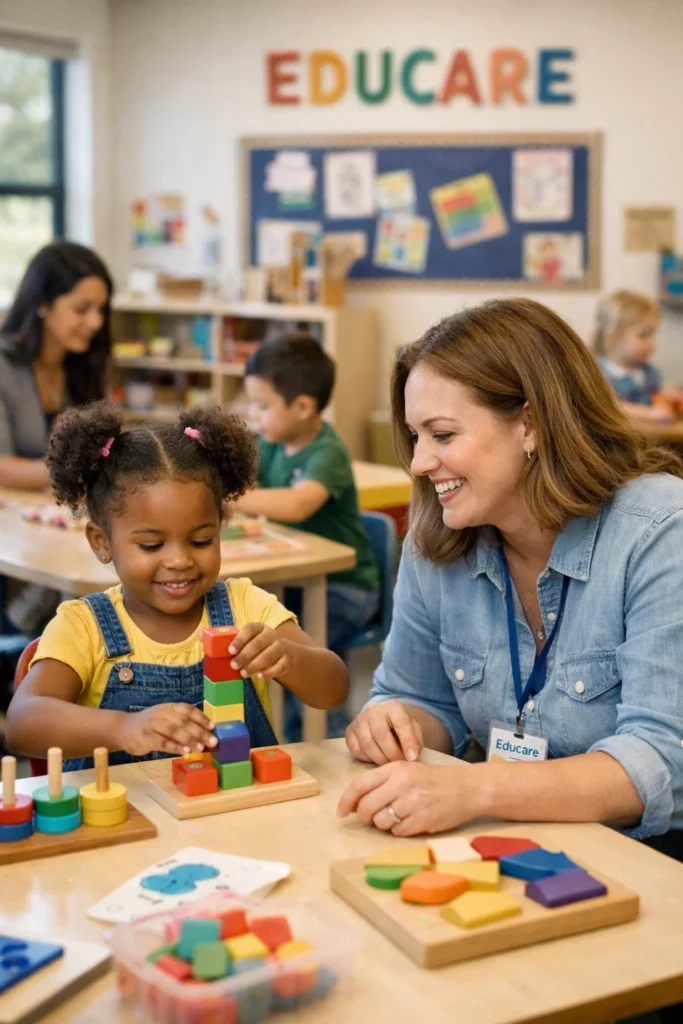
  • How Does The Layout Of Your Crèche Affect Child Behaviour?

    Introduction

    The layout of your crèche affects child behaviour by creating a sense of order and safety that guides how children move and interact. When a room is tidy and open, children feel calm and ready to learn. 

    A well-planned space helps little ones know exactly where to go for different activities. This structure reduces confusion and helps prevent children from feeling overwhelmed during the day. 

    Setting up your classroom with care shows the children that you value their comfort and growth. Taking an Educare course is a brilliant way to learn more about how a room layout can help children feel happy and safe.

    Does A Quiet Corner Help Children Stay Calm?

    A quiet corner provides a soft space where a child can go to feel peaceful and safe. This area is very helpful when a student feels tired or needs a break from a loud group. 

    You can use this space to help children learn how to manage their feelings in a positive way.

    How to set up soft areas

    Soft items make a room feel very cosy and welcoming for small children.

    • Large fluffy floor cushions
    • Soft knitted blankets
    • Thick woven rugs
    • Small plush chairs
    • Gentle cotton bean bags

    Why low noise levels matter

    Low noise levels help children focus on their tasks without getting distracted easily.

    • Curtains to dampen sound
    • Small groups for play
    • Soft background music
    • Rubbery mats on floors
    • Low voices from teachers

    Where to place the corner

    The location of your quiet space determines how effective it will be for the children.

    • Away from the door
    • Near a bookshelf
    • In a sunlit spot
    • Far from toy boxes
    • Beside a soft wall

    Quiet corners give children a place to rest and think. These areas help keep the whole classroom feeling very steady and relaxed.

    Can Open Spaces Encourage Better Physical Play?

    Open spaces allow children to move their bodies freely without bumping into furniture or walls. Having enough room to run and jump helps children use up their extra energy in a good way. 

    It is important to keep the middle of the room clear so that everyone can play together safely.

    Benefits of large floor areas

    Large floor areas give children the freedom to build big things with blocks.

    • Space for group circles
    • Room for crawling games
    • Safety for running around
    • Easy view for teachers
    • Space for dance moves

    How to manage high energy

    High energy can be directed into fun physical activities that build strong muscles.

    • Jumping over soft pads
    • Walking on taped lines
    • Stretching like tall trees
    • Rolling on gym mats
    • Tossing light bean bags

    Safety tips for open zones

    Safety is the most important thing to consider when you have a lot of movement.

    • No sharp table corners
    • Non-slip floor surfaces
    • Clear paths to exits
    • Sturdy wall mirrors
    • Soft padding on poles

    Open spaces make children feel happy and active during their school day. Proper planning ensures that physical play remains safe and enjoyable for every child.

    Why Are Specific Activity Stations Important?

    Specific activity stations help children understand that different parts of the room are for different jobs. When a child moves to the art table, they know it is time to be creative and messy. 

    This clear boundary helps them switch their focus from one type of learning to another very easily.

    Creating a messy art zone

    Art zones are perfect for letting children use their hands to make beautiful things.

    • Easy to clean floors
    • Low plastic tables
    • Drying racks for paper
    • Bright paint pots
    • Aprons on low hooks

    Setting up a block area

    The block area is where children learn about building and how shapes fit together.

    • Large wooden blocks
    • Plastic stacking bricks
    • Cardboard box houses
    • Toy cars and trucks
    • Firm flat floor mats

    Organising a reading nook

    A reading nook encourages a love for stories and helps children develop language skills.

    • Brightly coloured picture books
    • Face-out book displays
    • Small wooden benches
    • Good overhead lighting
    • Posters of alphabet letters

    Stations give the day a clear structure that children can follow with confidence. These zones help children focus on one skill at a time while they play.

    How Does Storage Impact The Way Children Tidy?

    Low storage bins make it very easy for children to put their toys away when they finish. When children can reach the shelves, they feel proud because they can help clean up the room. 

    Using labels with pictures shows every child exactly where each toy belongs after playtime.

    Using low open shelves

    Low shelves allow even the smallest children to see and reach the toys they want.

    • Sturdy wooden shelves
    • Open front bins
    • Clear plastic tubs
    • Wicker storage baskets
    • Low height for reach

    Benefits of picture labels

    Picture labels act as a guide for children who are still learning how to read.

    • Photos of toy cars
    • Drawings of building blocks
    • Images of art brushes
    • Silhouettes of dolls
    • Icons for puzzle pieces

    Rotating toys for interest

    Rotating toys keeps the classroom fresh, so children do not get bored with the same items.

    • Monthly toy swaps
    • Hidden storage boxes
    • Seasonal play themes
    • Variety in toy types
    • Different puzzles each week

    Good storage helps children learn how to be responsible for their own environment. It turns cleaning time into a simple and successful part of the daily routine.

    Does Natural Light Change The Mood Of The Room?

    Natural light makes a classroom feel bright and full of life for the students. Bright rooms help children stay awake and feel excited about the lessons you have planned. 

    Sunlight also helps everyone see their work clearly, which makes learning much more fun and easy.

    Positioning desks near windows

    Putting desks near windows gives children a nice view of the world outside while they work.

    • Natural sun on paper
    • View of green trees
    • Fresh air from vents
    • Brightness for drawing
    • Warmth on the floor

    Using mirrors to reflect light

    Mirrors can make a small room look much larger and catch the light from the sun.

    • Wall-mounted safety mirrors
    • Small handheld mirrors
    • Reflective shiny surfaces
    • Mirrors near the door
    • Low mirrors for toddlers

    Choosing light wall colours

    Light colours on the walls help the room feel very clean and open to everyone.

    • Soft cream paint
    • Pale blue tones
    • Light yellow shades
    • Gentle white walls
    • Pastel green trim

    Sunlight creates a positive atmosphere that helps children feel energetic and happy. Using light well is a key part of any good Educare course for new teachers.

    Can Room Dividers Prevent Distractions During Tasks?

    Room dividers create small “rooms” inside a big hall, so children can focus on their work. These barriers stop children from looking at what others are doing across the room. 

    Using dividers makes the space feel more private and helps children feel safe while they explore.

    • Low wooden bookshelves
    • Colourful fabric screens
    • Large plant pots
    • Rows of chairs
    • Soft foam blocks

    Types of low dividers

    Low dividers allow teachers to see over the top while keeping the children focused.

    • Wooden display units
    • Plastic mesh screens
    • Low storage cupboards
    • Soft play tunnels
    • Potted indoor plants

    Creating private work spots

    Private spots are great for children who like to work on puzzles or read alone.

    • Single child desks
    • Small pop-up tents
    • High backed chairs
    • Corner floor mats
    • Cardboard desk screens

    Managing traffic flow

    Traffic flow is the path children take to walk from one side of the room to the other.

    • Clear walking paths
    • No blocked exits
    • Wide aisles for groups
    • Curves around furniture
    • Directional floor arrows

    Dividers help manage the energy of the room by separating loud and quiet activities. This layout choice makes the day go much more smoothly for everyone in the crèche.

    Why Should The Entryway Feel Welcoming To Parents?

    A welcoming entryway helps children feel brave when they say goodbye to their parents in the morning. When the door area is bright and friendly, it sets a good tone for the whole day. 

    Parents also feel much more comfortable leaving their little ones in a place that looks cared for.

    Adding a coat rack

    A coat rack gives children a special place to hang their bags and jackets every day.

    • Low wooden hooks
    • Name tags for hooks
    • Benches for shoes
    • Baskets for hats
    • Rails for raincoats

    Displaying child artwork

    Displaying artwork on the walls shows the children that their hard work is very important.

    • Colourful finger paintings
    • Paper plate masks
    • Glitter glue drawings
    • Leaf rubbings from trees
    • Handprint art posters

    Providing parent info boards

    Information boards keep parents informed about what their children are learning each week.

    • Weekly lunch menus
    • Daily activity lists
    • Photos of fun times
    • Teacher contact notes
    • Upcoming event flyers

    The entryway is the first thing a child sees, so it must feel very warm and safe. A happy start leads to a happy day of learning and playing together.

    How Does Furniture Size Affect Independence?

    Furniture that is the right size for a child makes them feel like the room was built just for them. When a child can sit in a chair with their feet on the floor, they feel very stable. 

    This independence helps them learn how to do things for themselves without asking for help.

    Choosing child sized chairs

    Chairs must be small enough so that children can sit down and stand up safely.

    • Light plastic frames
    • Smooth wooden seats
    • Bright primary colours
    • Stackable for storage
    • Sturdy four leg base

    Using low height tables

    Low tables are the perfect height for drawing, eating, and playing with small toys.

    • Round safety edges
    • Easy wipe surfaces
    • Height for tiny knees
    • Space for four kids
    • Solid non-wobble legs

    Benefits of floor seating

    Floor seating is a fun way to bring everyone together for a story or a group song.

    • Circular carpet mats
    • Individual sit spots
    • Soft wedge cushions
    • Low floor benches
    • Braided grass rugs

    Small furniture gives children the power to move and act on their own throughout the day. Building this confidence is a big goal for any student taking an Educare course.

    Can Colour Choices Influence Child Emotions?

    Colours have a secret way of making people feel different things, like calm or excitement. Using soft blues and greens can help children stay relaxed during their quiet work time. 

    Brighter colours like red and orange are great for areas where you want children to be active and playful.

    Using blue for calm

    Blue is a very peaceful colour that reminds children of the sky and the cool ocean.

    • Pale blue curtains
    • Navy blue rugs
    • Sky blue pillows
    • Teal storage bins
    • Blue painted trim

    Using yellow for energy

    Yellow is a happy colour that helps children feel bright and ready to learn new things.

    • Bright yellow sunflowers
    • Lemon coloured bins
    • Golden floor mats
    • Yellow craft paper
    • Sunny wall decals

    Avoiding too much red

    Red is a very strong colour that can sometimes make children feel a bit too excited.

    • Red accent pillows
    • Small red toys
    • Red border tape
    • Thin red stripes
    • Single red chairs

    Picking the right colours helps you create the perfect mood for every part of your crèche. A balanced room makes children feel both safe and ready to explore their world.

    Does A Nature Zone Improve Learning Outcomes?

    Bringing a little bit of the outdoors inside helps children feel connected to the natural world. Seeing plants and touching stones can be very relaxing for a child who feels a bit stressed. 

    Nature zones also provide wonderful ways to learn about how things grow and change over time.

    Caring for indoor plants

    Indoor plants teach children how to be gentle and how to look after living things.

    • Small green ferns
    • Potted spider plants
    • Herbs for smelling
    • Succulents on windows
    • Watering cans for kids

    Using natural materials

    Natural materials like wood and stone feel very different from plastic and are fun to touch.

    • Smooth river stones
    • Dried autumn leaves
    • Small pine cones
    • Polished wood slices
    • Sand in trays

    Observing life cycles

    Watching a small seed grow into a plant is a magical experience for any young child.

    • Beans in glass jars
    • Caterpillars in mesh
    • Flowers in vases
    • Grass growing in pots
    • Roots in water tubes

    Nature zones bring a sense of wonder and peace into the classroom every single day. They are a great tool for teachers who want to inspire a love for the environment.

    Why Is A Clear Routine Reflected In The Layout?

    A clear routine helps children feel like they know what is coming next in their busy day. If the snack table is always in the same spot, the children will walk there when they feel hungry. 

    This predictability makes children feel very secure and reduces any worry they might have about their schedule.

    Marking the lunch area

    The lunch area should be a clean and happy place where children can sit and talk.

    • Cleanable floor mats
    • Napkins in holders
    • Small water jugs
    • Low food trays
    • Chairs for friends

    Creating a nap space

    A nap space needs to be dark and quiet so that children can get the rest they need.

    • Foldable nap mats
    • Dimmer light switches
    • Soft sleep music
    • Personal fleece blankets
    • Individual cubbyholes

    Defining the circle time

    Circle time is when everyone gathers to listen to the teacher and talk about the day.

    • Large round carpet
    • Marked sitting spots
    • Teacher’s low stool
    • Calendar on the wall
    • Weather chart display

    A layout that follows a routine helps children become more independent as they grow. When they know where to go, they can lead themselves through their daily tasks with a smile.

    Conclusion

    Learning how to set up a crèche is a wonderful journey that helps you become a better educator. Every choice you make with furniture and colour helps a child feel more at home in your care. 

    By following the tips in an Educare course, you can create a space that truly changes lives. Remember that your classroom is a place of magic and growth for every little person who walks through the door.

    You have the power to make a real difference by simply moving a shelf or adding a plant. When you build a space with love, the children will respond with joy and curiosity. Keep learning and trying new things to make your crèche the best place it can be. 

    Your dedication to your students is what makes you a fantastic teacher. Studying these ideas will give you the confidence to lead and inspire the next generation.

    If you want to learn more about managing a school, consider starting an Educare course today. It is a great way to gain new skills while you work with children. You are doing an amazing job, and your students are lucky to have you in their lives!

    Frequently Asked Questions

    How does a tidy room help a child learn?

    A tidy room helps a child learn by removing distractions that might take their focus away from their work. When toys are put away in bins, the child can see the one task they are meant to do. 

    This leads to better concentration and a much calmer mind during school hours.

    Can I set up a crèche in a small room?

    Yes, you can set up a crèche in a small room by using multipurpose furniture and very smart storage. Use vertical shelves and light colours to make the space feel much bigger than it actually is. 

    Keeping the middle of the floor clear will also give children more room to play.

    Why is first aid important in a crèche layout?

    First aid is important because the layout must allow you to reach a hurt child and your medical kit very quickly. You should always have a clear path to your supplies and enough space to help a child on the floor. 

    Safety should be the first thing you think about when moving your furniture around.

    What is the best colour for a sleeping area?

    The best colour for a sleeping area is a soft, pale blue or a very gentle lavender tone. These colours help the brain relax and tell the child that it is time to close their eyes. 

    Avoid bright yellows or reds in this zone because those colours make the heart beat faster.

    How do I stop children from running inside?

    You can stop children from running inside by placing furniture in a way that breaks up long, straight paths. When there is a shelf or a table in the way, children will naturally slow down to walk around it. 

    Creating specific zones for quiet work also encourages a slower pace of movement.

    Should I let children help design the room?

    Letting children help design the room is a great way to make them feel like they belong there. You can ask them where they think the dolls should live or which pictures should go on the wall. 

    This builds their confidence and teaches them how to take care of their surroundings.

    How often should I change the room layout?

    You should change the room layout only when you notice that a certain area is not working well for the children. Moving things too often can make children feel confused because their routine has been broken. 

    It is usually best to keep the main areas the same and only change small things.

    What are the benefits of an Educare course?

    An Educare course teaches you the best ways to look after children and how to manage a safe classroom. You will learn about child health, how to plan fun lessons, and how to talk to parents. 

    This knowledge helps you feel more prepared and professional in your daily work.

    How can I make a dark room feel brighter?

    You can make a dark room feel brighter by using large mirrors and painting the walls a very crisp white. Adding bright lamps in the corners can also help get rid of dark shadows that might feel scary. 

    Light coloured rugs and curtains will also help catch any natural light from the windows.

    Where should I keep the art supplies?

    Art supplies should be kept on low shelves near the art table so that children can get what they need. Make sure the bins are easy to open and that everything has a picture label on it. 

    This helps children learn how to prepare for their own creative projects.

    Author: Janice van der Westhuizen
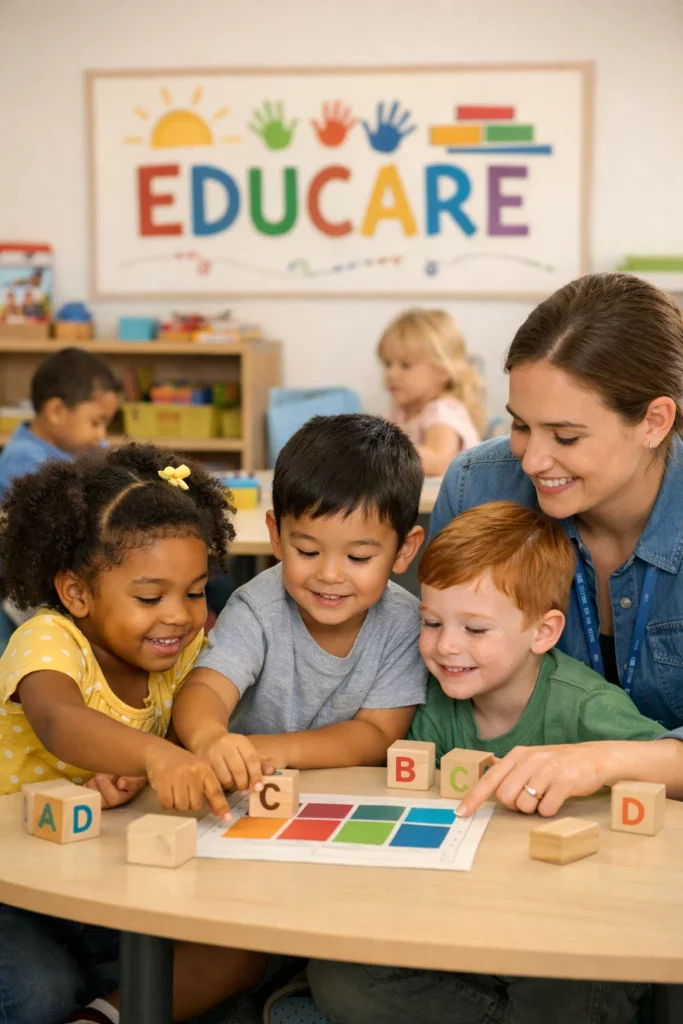
  • What Are The Best De-Escalation Techniques For Toddler Tantrums?

    Introduction

    Do you need the best de-escalation techniques for toddler tantrums? It is very important to know how to help a child who is feeling overwhelmed and upset. 

    Many people study Educare courses because they want to make kids feel safe and happy every day. Learning these special skills can help you become a great teacher or a wonderful parent to young children. 

    You will see that staying patient and quiet is the very first step to having a happy and peaceful day. If you love helping children grow and want to learn new skills, you should enrol in an Educare course today. 

    This will help you understand how to guide little ones through their most difficult moments with kindness. It is a wonderful way to start a career that makes the world a much better place for families.

    Why Do Toddlers Have Big Emotions?

    Toddlers are still learning how to tell people exactly what they need or want at any time. Sometimes they feel very frustrated because they cannot find the right words to say to their teachers. 

    This is a very common part of growing up for every little person in the world.

    Understanding young children

    Children often feel big feelings when they are very tired or perhaps very hungry after playing.

    • Little kids get tired fast
    • Hunger makes them feel grumpy
    • They want to be independent
    • Words are hard to find
    • Emotions are very new things

    The role of brain growth

    The brain of a child is growing and changing every single day.

    • Brains develop very slowly now
    • Logic is hard for toddlers
    • Emotions change very quickly 
    • Control takes a long time to learn
    • Learning happens through many mistakes

    Helpful learning for students

    Taking Educare courses can teach you exactly why children act the way they do in class.

    • Courses explain child brain growth
    • You learn about infant needs
    • Teachers learn new skills
    • Lessons teach you helpful teaching ways
    • Understanding brings understanding

    Young children experience big emotions because their little minds are still developing and growing. You can learn much more about this when you choose to further your studies in the future.

    How Can You Remain Calm And Patient?

    When a child is shouting, it is very easy to feel a bit stressed or worried yourself. You must remember that you are the adult who needs to lead the way with kindness. 

    If you stay calm, then the child will eventually start to feel calm and safe, too.

    Controlling your own feelings

    Taking a deep breath helps you stay quiet and very peaceful during a loud moment.

    • Breathe in very slowly
    • Count to ten in your head
    • Keep your voice soft
    • Relax your shoulders and hands
    • Wait for a quiet moment

    The power of a smile

    A kind face tells a child that they are safe and loved even when they cry.

    • Smile with your eyes first
    • Look very friendly and kind
    • Do not look angry
    • Show love
    • Stay very close to them

    Waiting for the right time

    Sometimes you just need to wait for the loud noise to stop before you speak.

    • Patience is a great skill
    • Silence can be very helpful
    • Give the child some space
    • Do not rush the child
    • Watch them with kind eyes

    Staying calm is a choice that helps the child feel much better after a big cry. It is a very important skill to master.

    Why Is A Safe Space Very Helpful?

    A toddler who is upset might need a place where they can be quiet and still. This space should be soft and filled with things that make them feel happy and relaxed. 

    It is not a place for punishment, but a place for finding peace again, slowly.

    Choosing a quiet corner

    A corner with some cushions is a perfect spot for a child to have a rest.

    • Find a very soft chair
    • Use many colourful pillows 
    • Keep the lights very low
    • Ensure the area is safe
    • Make it a happy place

    Using soft toys for peace

    Teddy bears can be great friends when a child is feeling sad or very lonely.

    • Pick a very fuzzy toy
    • Soft blankets feel very nice
    • Toys provide a lot of comfort
    • Children love to hug things
    • Textures help kids feel grounded

    Removing loud noises nearby

    Too much noise can make a tantrum feel much worse for everyone in the room.

    • Turn off the loud music
    • Close the door
    • Ask others to speak softly
    • Move away from busy rooms
    • Create a very still room

    Creating a safe space allows a child to calm down at their own time. This is a technique that many people learn when they enrol in a course.

    How Does Using Short Sentences Help?

    When a toddler is crying, they cannot understand long or complicated stories about their actions. You should use very simple words so they can hear what you are saying to them. 

    This makes it much easier for them to follow your kind instructions without getting more confused.

    Keeping your words simple

    Using only a few words helps the child listen to you and follow along.

    • Say things like “I see”
    • Use words like “it is okay”
    • Keep the sentences very short
    • Speak slowly and very clearly
    • Do not use big words

    Giving very clear choices

    Giving two simple choices helps a child feel in control.

    • Ask “apple or pear today”
    • Say “shoes or a hat”
    • Limit choices to only two
    • Make the choices very easy
    • Let the child pick one

    Avoiding long and loud lectures

    Long talks do not work well when a child is very upset and crying.

    • Save talks for later 
    • Keep the moment very brief
    • Listen more than you speak
    • Use a very quiet voice
    • Wait until they are happy

    Short sentences make communication much easier during a very difficult time for a little child. You will find that children respond better this way.

    Can You Use Toys To Help Kids?

    Distraction is a wonderful way to move a child away from their anger and sadness. If you show them something interesting, they might forget why they were shouting at you. 

    It is like a little magic trick that brings back the happy smiles very quickly.

    Bringing out a new puzzle

    A puzzle can focus the mind on a very fun task that requires thinking.

    • Show the bright red pieces
    • Start the puzzle yourself first
    • Invite the child to help
    • Make it look very exciting
    • Celebrate when pieces fit well

    Using bubbles for fun

    Bubbles are very pretty, and they make children want to laugh and play together.

    • Blow many tiny clear bubbles
    • Watch them float 
    • Encourage the child to pop them
    • See the colours in them
    • Laugh as the bubbles burst

    Reading a favourite story

    A book can take a child to a far away and happy place instantly.

    • Open a very colourful book
    • Point at the funny pictures
    • Make funny voices of characters
    • Sit very close to them
    • Let them turn the pages

    Toys and games are great tools for changing the mood in a classroom or home. Using these fun items is something you study when you pick Educare for your career.

    Why Are Daily Routines So Very Important?

    Children like to know exactly what is going to happen next in their busy day. A routine acts like a guide that makes them feel safe and very confident indeed. 

    When they know it is time for a nap, they are less likely to cry.

    Setting a regular mealtime

    Eating at the same time keeps little tummies very full and happy all day.

    • Serve breakfast at eight o’clock
    • Keep snacks ready at ten
    • Lunch happens at the table
    • Offer water very often today
    • Stick to the same times

    Planning a nap schedule

    Rest is the best way to prevent a child from feeling grumpy or sad.

    • Dim the lights after lunch
    • Play very soft quiet music
    • Use a favourite sleep toy
    • Keep the room very cool
    • Allow for a long sleep

    Following a bedtime story

    Ending the day with a story helps the brain get ready for deep sleep.

    • Put on soft warm pyjamas
    • Brush teeth 
    • Pick one very special book
    • Tuck the blankets in tight
    • Say goodnight with a hug

    Routines provide a sense of order that helps toddlers feel very calm and very safe. If you follow a plan, then the children will feel much more relaxed every day.

    How Can Naming Feelings Help A Toddler?

    Sometimes a child does not know that they are feeling angry or very sad. If you give the feeling a name, then it becomes less scary for them. 

    This is a topic that you will learn about when you further your Educare studies.

    Identifying the emotion clearly

    You can say the name of the feeling out loud for them to hear.

    • Say “you feel very sad”
    • Ask “are you feeling angry”
    • Use words for every feeling
    • Be very gentle with words
    • Look at their little face

    Validating how they feel

    It is okay for a child to feel a bit upset sometimes during play.

    • Tell them it is okay
    • Show that you truly understand
    • Do not say “stop it”
    • Listen to their cries
    • Hold their hand

    Teaching words for next time

    Helping them learn the words will stop future tantrums from happening so very often.

    • Practice saying “I am mad”
    • Use drawings of happy faces
    • Talk about feelings every day
    • Make it a fun game
    • Encourage them to speak up

    Naming feelings is a powerful way to build a child’s emotional intelligence and their happiness. It helps them understand their own heart and minds much better than they did before.

    How Does A Soft Hug Help A Child?

    Physical touch can be very healing when a child is in the middle of a storm. A hug sends a message of love directly to their little heart and their mind. 

    It tells them that you are there, and you will not leave them alone.

    Offering a gentle squeeze

    A squeeze can help a child feel their own body again during a cry.

    • Wrap your arms around them
    • Hold them very close now
    • Rock them back and forth
    • Whisper very kind soft words
    • Wait for them to relax

    Sitting on the floor together

    Getting down to their level makes you look less scary to a small child.

    • Sit on the soft rug
    • Open your arms very wide
    • Let them come to you
    • Stay at their eye level
    • Look at them with love

    Using a calming touch

    Rubbing their back in circles can help them breathe much more slowly and feel better.

    • Use very light circular motions
    • Keep your touch very steady
    • Do not use any pressure
    • Follow their own body rhythm
    • Stop if they pull away

    Physical comfort is one of the fastest ways to lower the stress in a child. It is a wonderful skill to practice.

    Can You Praise A Child For Trying?

    Positive words can make a child want to do the right thing more often. When they stop crying, you should tell them how proud you are of them. 

    This builds their confidence and makes them feel like a real hero in the room.

    Celebrating the small wins

    Every tiny good thing is worth a big happy cheer from the teacher.

    • Clap your hands 
    • Say “well done for trying”
    • Give them a high five
    • Show a big happy smile
    • Reward them with a sticker

    Focus on the good actions

    Tell them exactly what they did that made you very happy today.

    • Say “you used your words”
    • Mention their very quiet voice
    • Notice when they share toys
    • Praise their very kind heart
    • Be very specific with praise

    Encouraging a positive attitude

    Help them see that they are a very good and kind child.

    • Tell them they are helpful
    • Use words like “very brave”
    • Remind them of their strength
    • Build their self-esteem today
    • Make them feel very special

    Praise is a tool that changes how a child thinks about themselves and others. You can learn how to use praise when you have a child who is upset.

    How Do Breathing Games Help Little Kids?

    Teaching a child how to breathe can give them a tool for their whole life. You can make it fun so they do not even know they are learning. 

    It is a great way to cool down a hot temper very quickly.

    Pretending to blow out candles

    Imagining a birthday cake makes breathing out a fun game for a toddler.

    • Hold up your index finger
    • Pretend it is a candle
    • Blow the air out hard
    • Do it five times now
    • Laugh after every single puff

    Smelling a beautiful flower

    Deep breaths in help the body feel very calm and still inside.

    • Imagine a big pink rose
    • Sniff the air very deeply
    • Hold your breath 
    • Let it out very slowly
    • Repeat this three more times

    Using a bubble wand

    Blowing bubbles requires a very steady and slow breath out of the mouth.

    • Dip the wand in soap
    • Blow a very long breath
    • See how big it gets
    • Keep the breath very even
    • Watch the bubble float away

    Breathing exercises are like a secret weapon against big and scary feelings in kids. This is something very interesting that relaxes a child.

    Why Should You Study More About Children?

    Learning how to care for kids is a journey that never truly ends. There is always a new way to help a child feel happy and safe. 

    If you study more, you will become a leader in the world of care.

    Gaining expert knowledge fast

    Experts can teach you secrets that make your job much easier and better.

    • Read books about child growth
    • Watch videos of great teachers
    • Listen to many helpful talks
    • Take notes on every lesson
    • Apply what you learn today

    Building a rewarding career

    Working with children is a job that fills your heart with joy always.

    • Become a preschool teacher soon
    • Open your own daycare centre
    • Help many families every day
    • Earn a living with love
    • Make a real big difference

    Joining a community of learners

    Meeting other people who love kids helps you stay very inspired and happy.

    • Join a local study group
    • Share stories with your friends
    • Ask many questions to experts
    • Feel supported in your work
    • Help each other grow daily

    Studying children is the best way to ensure they have a wonderful and happy future. If you want to start, you should enrol in an Educare course right now.

    Conclusion

    Helping a child with a tantrum is a sign of a very kind heart. You are teaching them how to be calm and happy for their whole lives.

    You have learned many ways to help a child with their big emotions today in this article. It is wonderful to know that you can make a difference in a young life. 

    Staying calm and using simple words are the best ways to start helping a toddler. You can also use routines and fun toys to keep things peaceful in the room. 

    Every child deserves a teacher who understands their heart and their growing mind. If you want to help more kids, then you can further your Educare studies to gain more skills. 

    It is a very exciting time to start learning about child care and development. You will become a hero to every little person you meet in your new career. 

    Start your journey today and enrol in an Educare course to see how much you can grow. Your future in helping children is going to be very bright and happy.

    Frequently Asked Questions

    What is a toddler tantrum?

    A tantrum is when a little child has very big feelings that they cannot control yet. It often involves crying or shouting because they are frustrated or very tired from playing. 

    It is a normal part of being a young child in a big world.

    Are tantrums a normal thing?

    Yes, they are a very normal part of growing up for every child you will meet. Most toddlers will have them as they learn how to talk and act with others. 

    It shows that they are trying to be independent and strong.

    How long do they usually last?

    Most tantrums only last for a few minutes if you stay calm and quiet. Some might be longer if the child is very tired or very hungry. 

    They usually stop once the child feels safe and loved again by you.

    Can I stop them immediately?

    It is hard to stop a tantrum the second it starts in a room. You must wait for the child to finish their big cry first and breathe. 

    Then you can use your new skills from Educare courses to help them.

    Should I get angry too?

    You should try your best to stay very calm and quiet for the child. If you get angry, then the child might feel more scared and cry more. 

    Being the calm leader is always the best choice for a teacher.

    What is the best technique?

    Staying calm and using simple words is the best technique for everyone to use. It helps the child feel that you are in control and they are safe. 

    This brings calmness back to the room very fast for everyone.

    When should I seek extra help?

    If the tantrums happen many times every day, you might want to ask a doctor. They can check if the child is feeling okay or needs extra support from experts. 

    It is always good to ask for advice when you are worried.

    Do Educare courses help with this?

    Yes, taking Educare courses will give you many tools to handle these difficult moments. You will learn about child psychology and how to manage a classroom with many kids. 

    It makes you a very confident and skilled teacher for the future.

    Is a routine really necessary?

    A routine is very helpful because it tells the child what to expect next in their day. It reduces the number of surprises that might make a toddler feel upset or scared. 

    It creates a very stable and happy environment for learning.

    Can food affect a child’s mood?

    Being hungry can make a child feel very grumpy and prone to crying loudly. Giving them healthy snacks throughout the day can keep their mood very steady and happy. 

    A full tummy often leads to a happy heart for a child.

    Author: Janice van der Westhuizen

  • How Can A Solid Daily Routine Prevent Classroom Chaos?

    Introduction

    A solid daily routine can prevent classroom chaos by giving every child a clear and predictable schedule to follow throughout the day. When children know exactly what to do next, they feel safe and much more relaxed in their learning environment. 

    This sense of peace stops many problems before they even begin to grow. Educators who use a strong plan can spend more time teaching and less time fixing small upsets. 

    Following a consistent path makes the classroom a happy place for everyone involved. It is a vital skill that many people learn when they study a professional Educare course to improve their management abilities.

    Why Is A Morning Greeting Helpful?

    A solid daily routine can prevent classroom chaos because it starts the day with a very positive and friendly connection. 

    This special moment tells every child that they are welcome and valued in the room. It sets a cheerful tone that lasts from the very first bell until the students go home.

    Creating a warm welcome

    A kind smile at the door helps children feel ready to learn and play.

    • Smile at every student
    • Say a cheerful hello
    • Use a gentle voice
    • Listen to small stories
    • Make every child feel special

    Setting the daily mood

    The way a teacher starts the morning often decides how the whole day will go.

    • Keep the energy high
    • Use very positive words
    • Show a calm face
    • Be a happy leader
    • Encourage a fresh start

    Checking in with students

    Teachers can see how a child feels before the main lessons start for the day.

    • Notice every quiet face
    • Offer a kind word
    • Help the nervous children
    • Build a strong bond
    • Understand every unique heart

    A morning greeting builds a bridge of trust between the teacher and the students. This simple act ensures that the day begins with peace and a lot of happy smiles.

    How Does A Visual Schedule Work?

    A visual schedule helps children see what will happen during their busy day at school. It uses pictures or simple words to show the order of every single activity. 

    This tool removes the worry of not knowing what the teacher wants them to do next.

    Using clear simple pictures

    Bright images help even the youngest children understand the plan without needing to read.

    • Choose very bold colours
    • Use real-life photos
    • Place them at eye level
    • Show the main tasks
    • Keep the icons simple

    Explaining the time order

    When a child sees the sequence, they can move through the day with great confidence.

    • Point to the cards
    • Use a steady arrow
    • Show the next step
    • Follow the line down
    • Keep the order the same

    Encouraging student independence

    Children like to check the wall to see when it is time for lunch or play.

    • Let students check the boards
    • Empower their own choices
    • Build a self-reliant mind
    • Reduce the constant questions
    • Give them the lead

    A visual schedule is a powerful guide that keeps the classroom moving in the right direction. It provides a silent way to keep everyone on the same track without any confusion.

    Why Is Transition Time So Important?

    Moving from one activity to another can be a time when chaos starts to happen. A solid routine uses special signals to tell children that it is time to tidy up or move. 

    This makes the changes feel smooth and very easy for every person in the room.

    Using musical sound signals

    A soft bell or a happy song can tell children that a change is coming soon.

    • Play a quiet chime
    • Sing a tidy song
    • Use a gentle rhythm
    • Keep the sound soft
    • Signal the next task

    Giving a five-minute warning

    Telling children that play will end soon helps them prepare their minds for a change.

    • Speak very clearly now
    • Count the minutes down
    • Use a calm timer
    • Allow a final turn
    • Prepare for the shift

    Moving in a line

    Having a specific way to walk to the playground keeps everyone safe and very orderly.

    • Walk with quiet feet
    • Keep a safe space
    • Follow the leader now
    • Stay in the group
    • Move with soft steps

    Transitions are the secret parts of a day that keep the peace between the big lessons. Managing these moments well is a core skill taught in every Educare course for new teachers.

    How Do Group Rules Help?

    Group rules provide a set of fair boundaries that help every child know how to behave. When the rules are simple and kind, children find it very easy to follow them every day. 

    These rules protect the feelings and the safety of every single student in the class.

    Keeping the language positive

    Rules should tell children what to do instead of only saying what is wrong.

    • Use “walk” not “run”
    • Say “use kind words”
    • Encourage “soft indoor voices”
    • Focus on helpful acts
    • Be a good friend

    Making the rules together

    Children are more likely to follow a plan if they helped to create it at the start.

    • Ask for their ideas
    • Write the rules down
    • Vote on the best
    • Sign the class poster
    • Feel like a team

    Reminding with soft words

    A kind reminder of a rule is often better than a loud or angry voice.

    • Whisper the rule now
    • Give a gentle nudge
    • Praise the good choices
    • Stay very calm here
    • Be a fair coach

    Clear rules act like a safety net that catches any problems before they become too big. They help everyone understand how to live and learn together in a very respectful way.

    What Is The Role Of Play?

    Play is a vital part of a daily routine because it allows children to use their energy. A solid routine makes sure there is plenty of time for both active play and quiet rest. 

    Balancing these two things keeps the children from becoming too tired or too excited.

    • Physical outdoor running time
    • Creative building with blocks
    • Imaginative dress-up games
    • Group games with balls
    • Quiet solo puzzle time

    Burning off high energy

    Running and jumping outside helps the body stay healthy and the mind stay very sharp.

    • Run on the grass
    • Jump very high now
    • Play a tag game
    • Climb on the frames
    • Use the big muscles

    Learning to share toys

    Playing with others is a great way to practice being kind and taking fair turns.

    • Pass the red ball
    • Wait for your turn
    • Share the blue blocks
    • Help a small friend
    • Talk about the game

    Developing a creative mind

    Giving children free time to imagine helps them become clever and very confident thinkers.

    • Paint a bright picture
    • Build a tall tower
    • Tell a funny story
    • Make a new world
    • Use your big brain

    Play is not just for fun but is a serious way for children to learn about the world. A routine that values play will always have a much happier and calmer classroom environment.

    How Does Mealtime Stay Calm?

    Eating together is a wonderful time for children to practice their social skills and manners. A solid routine ensures that mealtime is a quiet and very organised part of the daily schedule. 

    This prevents the mess and noise that can happen when children are too hungry or rushed.

    Washing hands before eating

    Clean hands are a very important step to keep everyone in the classroom healthy.

    • Use plenty of soap
    • Scrub the small fingers
    • Rinse with warm water
    • Dry with soft towels
    • Line up for food

    Using polite table manners

    Teaching children to say please and thank you makes the meal feel very special.

    • Sit down very quietly
    • Wait for the food
    • Say a kind thanks
    • Use the right spoon
    • Chew with closed mouths

    Talking in soft voices

    Mealtimes should be a time for gentle talk rather than loud shouting or running around.

    • Share a quiet story
    • Listen to a friend
    • Keep the noise low
    • Stay in your seat
    • Enjoy the healthy snack

    A calm meal helps children refuel their bodies so they are ready for the next lesson. It provides a peaceful break in the day when everyone can feel very relaxed and happy.

    Why Is Nap Time Necessary?

    Rest is just as important as active learning for a child who is growing very fast. A solid daily routine includes a quiet time when children can close their eyes and recharge. 

    This prevents the grumpy feelings that come when a student is too tired to listen.

    Creating a dark space

    Dimming the lights helps the brain understand that it is time to be very still.

    • Close the window blinds
    • Turn off the lights
    • Keep the room cool
    • Use soft floor mats
    • Find a cosy spot

    Playing very quiet music

    Soft sounds can help a restless child fall into a deep and peaceful sleep quickly.

    • Use a slow rhythm
    • Play a piano song
    • Keep the volume low
    • Listen to the rain
    • Calm the busy mind

    Respecting the quiet time

    Even children who do not sleep should learn how to rest their bodies in silence.

    • Lie down very still
    • Breathe in and out
    • Think of happy things
    • Rest the tired legs
    • Stay very quiet now

    Nap time ensures that every child has enough energy to finish the day with a smile. It is a vital part of keeping the classroom chaos away by managing the energy levels.

    How Do Stories Build Focus?

    Reading a book together is a great way to gather the whole group and settle down. A solid routine often uses story time to transition from high energy back to quiet learning. 

    This helps children develop their listening skills while they enjoy a wonderful and magical tale.

    Listening 

    A good story captures the imagination and helps children sit very still for a while.

    • Sit on the rug
    • Look at the book
    • Listen to the words
    • Stay very focused now
    • Keep your hands still

    Discussing the main characters

    Talking about a story helps children understand different feelings and ways of living.

    • Ask a smart question
    • Predict the next part
    • Share a favourite hero
    • Think about the plot
    • Learn a new word

    Building a love for books

    When a teacher reads with joy, the students start to love the world of reading.

    • Use funny character voices
    • Show the bright pictures
    • Turn the pages slowly
    • Enjoy the magic now
    • Be a book lover

    Story time is a golden moment in the day that brings everyone together in a shared dream. It is a peaceful way to calm the room and prepare for the next activity.

    What Is The Value Of Tidying?

    Teaching children to put their toys away helps them take pride in their classroom space. A solid routine makes tidying up a regular part of the day rather than a big chore. 

    This keeps the room safe and prevents the chaos of stepping on blocks or losing tools.

    Sorting the toys correctly

    Putting things in the right bins helps the classroom stay very neat and professional.

    • Match the toy bins
    • Place the cars together
    • Sort the coloured pens
    • Stack the wooden blocks
    • Clean the art table

    Working as a team

    When everyone helps to clean, the job is finished in a very short amount of time.

    • Pick up the floor
    • Help a busy friend
    • Work together very fast
    • Share the heavy load
    • Finish the job well

    Feeling pride in the room

    A clean classroom is a place where every student can feel very proud and happy.

    • Look at the shelves
    • See the tidy floor
    • Smile at the space
    • Keep the room bright
    • Be a good helper

    Tidying up teaches children responsibility and respect for the things that they use at school. It ensures that the classroom is always ready for the next group of excited learners.

    How Does A Routine Help Adults?

    A solid routine is not just for children but also helps the teachers stay very calm. When an adult has a plan, they do not have to worry about what to do next. 

    This is a topic that is often covered when you enrol in an Educare course to become a leader.

    Reducing the teacher’s stress

    A clear schedule allows the teacher to focus on the children rather than the clock.

    • Follow the written list
    • Know the next step
    • Feel very prepared now
    • Stay calm and steady
    • Avoid the last rush

    Managing the classroom time

    Using time wisely ensures that every important lesson gets the attention that it deserves.

    • Track the lesson hours
    • Stick to the plan
    • Finish on time today
    • Balance the big tasks
    • Use every single minute

    Building a professional career

    Adults who can manage a classroom routine are very successful in their work lives.

    • Be a strong leader
    • Show great expert skills
    • Get a better job
    • Help the school grow
    • Lead a happy team

    Adults find that a routine gives them the freedom to be more creative and fun with their students. It provides the structure that allows every person in the building to do their best.

    Why should you never skip the routine?

    A routine works best when it happens the same way every single day of the week. Skipping a step can confuse and make the children feel a little bit worried or lost. 

    Staying consistent is the key to preventing chaos and keeping the classroom a safe place.

    Building a sense of safety

    Children feel very secure when they can predict exactly what the teacher will do.

    • Keep the same order
    • Follow the daily clock
    • Stay very steady now
    • Be a reliable guide
    • Build a firm trust

    Avoiding the sudden surprises

    Sudden changes can make a classroom feel chaotic and very loud in a short time.

    • Warn about any change
    • Stick to known paths
    • Keep the day simple
    • Avoid the messy shifts
    • Stay on the track

    Strengthening the good habits

    Doing the same positive things daily helps a child build a very strong and healthy character.

    • Practice the kind acts
    • Repeat the tidy steps
    • Follow the group rules
    • Listen to the songs
    • Grow a little daily

    Consistency is the secret ingredient that makes a routine truly work for the whole classroom. It ensures that every day is a success story for both the teacher and the students.

    Conclusion

    You have learned how a solid daily routine can prevent classroom chaos and create a very happy space for learning. It is amazing to see how a simple plan can help every child feel safe and ready for a big adventure. 

    When everyone knows what to do, the room stays quiet and full of the sounds of successful work and play. You can be a leader who brings this peace to a group of children in the future. 

    If you want to help young learners grow, you might want to start an Educare course soon. Taking this step will help you learn the skills to manage a classroom and make a real difference in the world. 

    Every kind word and every tidy bin helps to build a better future for the students in your care. Keep a positive heart and always believe in the power of a good and steady daily plan. 

    Your classroom will be a place where dreams grow, and every child can shine like a bright star!

    Frequently Asked Questions

    Why do routines make children feel safe?

    Routines make children feel safe because they remove the worry of not knowing what will happen next. When a child can predict the day, their brain can relax and focus on learning and having fun. 

    This stability is the foundation of a very calm and happy classroom for every student.

    How do I start a routine in a loud room?

    You can start a routine by using a very soft signal like a bell or a quiet song to get attention. Once the children are listening, you can explain the first simple step of your new and exciting daily plan. 

    It is important to stay very calm and patient while everyone learns the new way of moving.

    Can adults enrol in an online Educare course?

    Yes, many adults choose to enrol in an online Educare course to start a new and very rewarding professional career. These courses are designed to be flexible so you can study at home while you manage your busy family life. 

    It is a wonderful way to learn the skills needed to lead a classroom.

    What if a child does not want to follow the plan?

    If a child struggles with the routine, you can use a kind word and a visual picture to show them the way. Sometimes a little bit of extra time and a gentle nudge is all they need to feel comfortable again. 

    Staying positive and patient helps the child learn to trust the schedule you have made.

    Is play time as important as lesson time?

    Play time is just as important because it helps children learn social skills and how to solve problems with friends. A solid routine ensures there is a balance between sitting still and moving the body in a very active way. 

    Both parts of the day are needed for a child to grow up strong and smart.

    How often should I update the visual schedule?

    A visual schedule should stay mostly the same so that the children can build a strong habit over many weeks. You can update small parts if there is a special event like a birthday or a trip to the park. 

    Always explain the change to the children so they do not feel surprised or worried.

    Why is tidying up a part of the routine?

    Tidying up is a part of the routine because it teaches children to respect their tools and their learning space. It also keeps the room safe from accidents like tripping over toys or slipping on a messy floor. 

    A tidy room is a professional and happy place for every student and teacher.

    Do routines help children learn faster?

    Yes, routines help children learn faster because they do not waste time or energy being confused or upset. When the classroom is orderly, the mind is free to soak up new information and ask very smart questions. 

    A calm environment is the best place for a brain to grow and succeed.

    How can I make nap time easier for everyone?

    You can make nap time easier by keeping a very steady habit of dimming the lights and playing soft music. Using the same calm words every day helps the children understand that it is time to rest their bodies. 

    Even a short rest can make the afternoon much more fun and productive for the team.

    What is the best way to end the school day?

    The best way to end the school day is with a positive summary and a kind goodbye to every student. You can talk about the best parts of the day and remind them of the fun plan for tomorrow. 

    This sends everyone home with a happy heart and an excited mind for the next day.

    Author: Janice van der Westhuizen
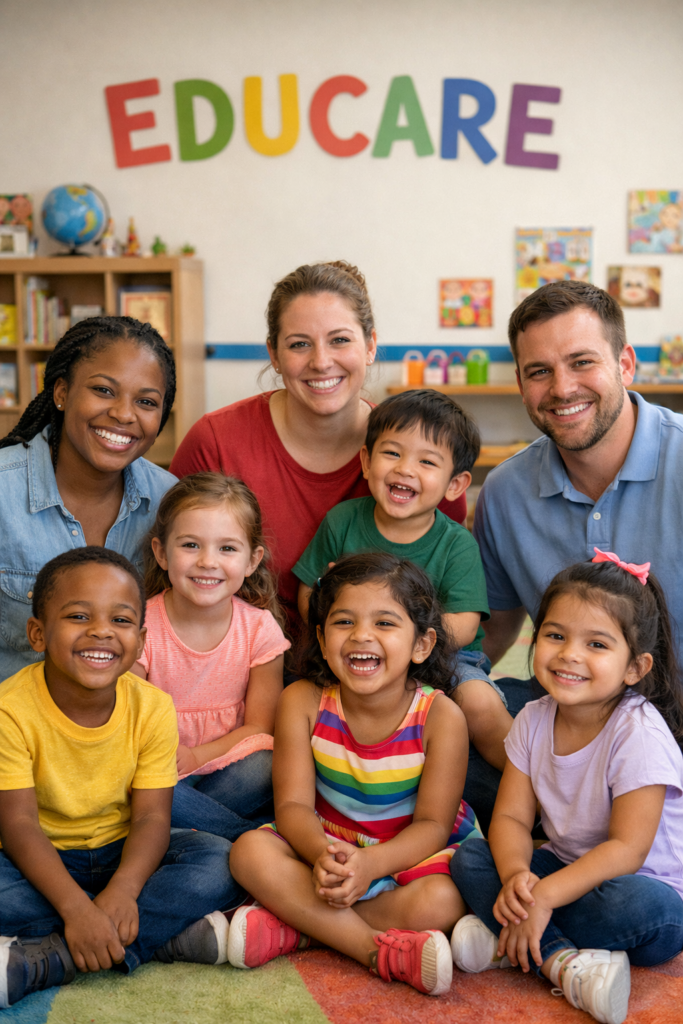
  • How Do You Solve A Problem When Working In A Busy Crèche?

    Introduction

    Solving a problem when working in a busy crèche starts by staying calm and thinking about the safest way to help every child. Working with many little children means you must be very patient and kind. 

    It is helpful to have a plan so that everyone knows exactly what to do next. When you are prepared, you can fix any small trouble with a big smile on your face. 

    This positive attitude makes the whole school feel like a very happy place to learn. You can learn these smart ways to manage a class by choosing to study an online Educare course from your own home. 

    Being a teacher is a big job. It is also full of joy. Every day brings a new chance to help a child grow.

    Why Is Staying Calm The Very First Step?

    Staying calm is the first step because it helps children feel safe when things go wrong. Little children look at their teachers to see if everything is okay. 

    If the teacher is peaceful, the students will feel much more relaxed. They will be ready to help, too.

    How does your voice help?

    A soft and steady voice can make a noisy room feel quiet and calm very quickly.

    • Speaking in a low and gentle tone
    • Using kind words to explain what is happening
    • Taking deep breaths before you start to speak
    • Looking at each child with a friendly smile
    • Standing tall to show you are in control

    What happens when you stop and think?

    Taking a moment to pause allows your brain to find the best way to fix a situation.

    • Counting to three silently in your head
    • Looking around to see who needs help first
    • Checking that everyone is standing in a safe spot
    • Remembering what you learned in your training
    • Choosing a solution that is fair for every child

    Why do children copy your mood?

    Children act the same way as the adults they see every day. They learn by watching you.

    • They learn to be patient when you are patient
    • Their little hearts feel happy when you look happy
    • They stop crying when they see you are not worried
    • They learn to use quiet voices when you whisper
    • Their confidence grows because you are a steady leader

    Staying calm is a powerful tool for any morning in a busy room. It builds a foundation of trust that makes every problem feel much smaller.

    Can A Good Routine Stop Problems Before They Start?

    A good routine can stop problems because children feel happy when they know what is coming next. When there is a clear schedule, students do not get confused. 

    They do not get upset during the day. This steady flow makes the crèche run smoothly. It keeps everyone busy with fun tasks.

    Why is a morning circle helpful?

    Starting the day with a group chat helps every child feel included.

    • Saying hello to every friend by their name
    • Talking about the fun games planned for the day
    • Singing a happy song to wake up our bodies
    • Checking the weather outside the big window
    • Setting simple rules for playing nicely together

    How do transitions work smoothly?

    Moving from one activity to another can be easy if you use a fun signal.

    • Ringing a small bell to show play time is over
    • Singing a tidy-up song while everyone puts toys away
    • Clapping a rhythm for the children to copy
    • Using a timer to show how much time is left
    • Telling a short story while the kids sit on the rug

    Does having a snack time help?

    Regular breaks for food and water keep children from getting tired or grumpy.

    • Sitting together at the table to share a meal
    • Learning how to wait for our turn to be served
    • Drinking enough water to stay healthy and strong
    • Talking quietly about our favourite healthy fruits
    • Cleaning our own spots to learn about being tidy

    A steady routine is a wonderful way to keep the peace in a busy class. It helps the children feel secure because they always know what to expect.

    How Do You Handle A Disagreement Over Toys?

    You handle a disagreement over toys by teaching children how to share and take turns. Learning to be kind to toys is a very important lesson for every student. 

    A teacher can guide them to find a solution. This makes both children feel happy and heard.

    Why is a timer a great helper?

    Using a sand timer or a clock shows children that everyone will get a turn.

    • Watching the sand fall to know when time is up
    • Agreeing that the first child plays for five minutes
    • Letting the second child hold the toy next
    • Cheering for the children when they swap nicely
    • Explaining that sharing makes our friendships stronger

    Can we find another fun toy?

    Sometimes the best answer is to find a second toy that is just as exciting.

    • Looking in the toy box for a similar car or doll
    • Suggesting a game where both children can play together
    • Trading a blue block for a red block happily
    • Showing the children how to build a bigger tower as a team
    • Making a new game using two different items

    How do we talk about our feelings?

    Teaching children to use their words helps them explain why they are feeling sad.

    • Asking the child to say please when they want a toy
    • Encouraging them to tell their friend they are sad
    • Learning to listen when someone else is speaking
    • Using a “talking stick” to take turns in the conversation
    • Giving a hug or a high five to settle a small upset

    Solving toy troubles is a chance to teach children about kindness. These small lessons help build a classroom full of friends who care for each other.

    Is It Important To Check For Tiredness Or Hunger?

    It is important to check for tiredness or hunger because little bodies get overwhelmed fast. Often, a child acts out because they need a rest or a snack. 

    A smart teacher looks for these signs. This solves the problem before it grows into a big fuss.

    What are the signs of a tired child?

    Recognising when a child needs a nap helps you provide the right care.

    • Seeing a student rub their eyes or yawn
    • Noticing when a child becomes unusually quiet
    • Watching for small stumbles when they are walking
    • Helping a child who starts to feel a bit clingy
    • Providing a soft pillow and a quiet corner for rest

    Why is a regular water break vital?

    Drinking water helps children stay focused. It keeps their energy levels at a healthy point.

    • Reminding every child to take a small sip of water
    • Keeping colourful water bottles where kids can reach them
    • Explaining that water helps our brains think clearly
    • Watching for children who look a bit flushed or hot
    • Making water breaks a fun part of the playtime

    How does a healthy snack help?

    Giving a child a piece of fruit can often fix a grumpy mood very fast.

    • Offering a slice of apple or a sweet banana
    • Eating at the same time every single day
    • Using snack time to sit and talk about our feelings
    • Teaching children about the vitamins in their food
    • Watching as their energy returns for more fun games

    Taking care of basic needs solves many classroom problems instantly. Healthy and rested children are much more likely to play nicely and learn.

    Can Your Online Educare Course Teach You Safety?

    Your online Educare course will teach you how to keep every child safe during the day. Learning the right safety rules gives you confidence. 

    You will handle any busy situation with total ease. These courses are designed to help adults become the best educators.

    What safety rules will you learn?

    Studying helps you understand how to spot dangers before they hurt a child.

    • Checking that all toys are clean and not broken
    • Learning how to keep the floor clear of small trips
    • Finding the best way to store cleaning supplies safely
    • Understanding how to watch the whole playground at once
    • Learning about the right way to lift a small child

    How do you learn about first aid?

    Knowing how to help a child who has a small scratch is a vital skill.

    • Learning how to clean a tiny cut with care
    • Understanding when to call a parent for help
    • Keeping a first aid kit ready in the classroom
    • Knowing how to keep a child calm after a fall
    • Learning about common childhood allergies and food safety

    Why is a certificate important for you?

    Having a qualification shows parents and schools that you are a professional.

    • Proving that you have studied hard to be a teacher
    • Gaining the trust of the families in your community
    • Feeling proud of the new skills you have acquired
    • Opening doors to better jobs in busy crèches
    • Showing that you are dedicated to helping children grow

    Safety is the most important part of working in any busy crèche. An online Educare course provides the knowledge you need to be a hero for children.

    How Do You Manage A Very Noisy Classroom?

    You manage a very noisy classroom by using fun games and quiet signals. Sometimes children get very excited. Their voices get a little too loud for a small space. 

    A teacher can lead them back to a peaceful mood without ever needing to shout.

    What is a “whisper game”?

    Turning quiet time into a game makes children want to listen carefully.

    • Asking the children if they can hear a tiny secret
    • Whispering directions for the next fun activity
    • Seeing who can be the quietest mouse in the room
    • Rewarding quiet behaviour with a special sticker
    • Using a soft puppet to speak for the teacher

    How do hand signals help?

    Using your hands to speak allows you to get attention without more noise.

    • Putting a finger to your lips for a “shh” sign
    • Raising one hand to show it is time to listen
    • Using a “thumbs up” to show you are happy with the quiet
    • Doing a funny hand dance for the children to copy
    • Making a heart shape to show you love the peaceful mood

    Can music change the volume?

    Playing soft and gentle music in the background helps children stay calm while they play.

    • Choosing piano music or the sounds of nature
    • Turning the music down to signal a change in task
    • Humming a sweet tune while you tidy the books
    • Learning that loud music is for outside and soft music is for inside
    • Using a specific song to gather everyone on the rug

    Managing noise is about leading children toward a calm state of mind. With the right tricks, you can keep the classroom peaceful and perfect for learning.

    What Should You Do If A Child Is Very Sad?

    You should listen to the child and offer a kind hug or a comforting word. Sometimes children miss their parents. They might feel a little bit overwhelmed by the noise. 

    Being a gentle teacher means you are always there for them.

    How do you offer comfort?

    Sitting down at the child’s level shows them that you care.

    • Giving a gentle pat on the back or a soft hug
    • Handing them a favourite teddy bear to hold tight
    • Wiping away tears with a soft and clean tissue
    • Telling them that their parents will be back very soon
    • Sitting quietly with them until they feel brave again

    Can a “calm down jar” help?

    Using a jar full of glitter and water can give a sad child something pretty to see.

    • Shaking the jar to see the glitter swirl around
    • Watching the sparkles slowly settle at the bottom
    • Taking deep breaths as the water becomes clear again
    • Talking about the pretty colours in the jar
    • Letting the child hold the jar while they feel better

    Why is distraction a good tool?

    Sometimes shifting a child’s focus to a new toy can help them forget their sadness.

    • Asking if they want to help feed the class fish
    • Inviting them to be the special helper for the day
    • Showing them a brand new book with bright pictures
    • Suggesting they draw a beautiful picture for their mummy
    • Starting a fun bubble game in the garden area

    Kindness is the best solution for a sad heart in a busy crèche. When children feel loved, they find the courage to jump back into the fun.

    How Can You Organise Toys To Prevent Mess?

    You can organise toys by using clear bins and bright labels. A tidy classroom is much safer. It helps children learn how to be responsible. 

    When every toy has a home, the room stays beautiful and ready for the next lesson.

    Why use clear plastic bins?

    Seeing what is inside a box helps children find the toy they want quickly.

    • Keeping blocks in one big transparent container
    • Putting all the puzzle pieces in a small zipped bag
    • Grouping the plastic animals in a medium-sized tub
    • Stacking the bins neatly on low shelves for kids to reach
    • Making sure the lids are easy for small hands to open

    Do picture labels work best?

    Using a picture of the toy on the outside helps children who cannot read yet.

    • Sticking a photo of a car on the car box
    • Using a drawing of a crayon for the art bin
    • Placing a label of a book on the reading shelf
    • Helping the children match the toy to the correct picture
    • Making it a game to find the right house for every item

    How do you teach tidy-up time?

    Making cleaning a part of the daily fun ensures that the room stays organised.

    • Setting a timer to see how fast we can clean up
    • Assigning a “Tidy Captain” to help lead the group
    • Singing a special song about being helpful and neat
    • Giving praise for every toy put back in its correct home
    • Explaining that a tidy room is a happy room for everyone

    Organisation is a simple way to keep a busy crèche running like a dream. It teaches children great habits and makes your job much easier.

    Why Is Talking To Parents A Big Part Of Solving Problems?

    Talking to parents is vital because they know their children better than anyone else. When teachers and families work together, the child succeeds. 

    Building a strong friendship with parents makes the whole school community much stronger.

    How do you share good news?

    Always telling parents about the wonderful things their child did, build trust.

    • Sending a small note about a beautiful painting
    • Telling the father how well the child shared their toys
    • Sharing a photo of the child smiling and playing outside
    • Mentioning a new word the child learned to say clearly
    • Giving a “Star of the Day” sticker for the child to wear home

    What is the best way to discuss a struggle?

    If a child had a hard day, it is important to talk about it in a kind way.

    • Meeting in a quiet spot where others cannot hear
    • Starting with a positive comment about the child’s spirit
    • Explaining the situation clearly and without being cross
    • Asking the parents if they see the same thing at home
    • Working together to find a plan that helps the child feel better

    Can a daily diary help communication?

    Writing down small details about the day helps parents feel connected.

    • Recording how much the child ate for lunch
    • Noting down how long the child slept during nap time
    • Listing the favourite games the child played that day
    • Asking parents to write back with any news from home
    • Using a digital app to send quick and happy updates

    Communication is the bridge that connects the home to the classroom. When adults talk with kindness, children feel supported in both places.

    How Do You Handle An Emergency Quickly?

    You handle an emergency quickly by following your safety plan. Being prepared means you do not have to guess what to do. 

    A calm and fast response ensures that everyone stays protected. The situation is settled safely for everyone.

    Why is an evacuation drill important?

    Practising how to leave the building safely helps children learn the rules.

    • Walking quietly in a straight line to the exit
    • Meeting at the designated “Safe Spot” in the garden
    • Counting every child to make sure the whole class is there
    • Keeping a register of names, ready at all times
    • Teaching the kids that the fire bell means “stop and listen”

    How do you use a first aid kit?

    Knowing where your supplies are kept, allows you to help an injured child fast.

    • Keeping the kit in a high place that is easy to reach
    • Checking that you have clean plasters and bandages
    • Using gloves to stay safe and hygienic while helping
    • Comforting the child with a steady and kind voice
    • Recording any incident in the school’s safety book

    Who should you call for help?

    Having a list of emergency numbers by the phone is a vital step.

    • Keeping the local doctor’s number in a clear spot
    • Having the contact details for every parent nearby
    • Knowing how to call for an ambulance or the fire station
    • Informing the school manager as soon as the children are safe
    • Asking a fellow teacher to help watch the other students

    Speed and preparation save the day when a real emergency occurs. Your training and your calm heart are the most important tools you have.

    Can Studying Further Build Your Confidence?

    Studying further can build your confidence by giving you new ideas. The more you know, the more you will enjoy your daily work. 

    You can enrol in an online Educare course to start this exciting journey today. It is a great way to grow.

    How does learning keep you inspired?

    Finding out about new games and teaching styles keeps your job feeling fun.

    • Reading about creative ways to teach science to toddlers
    • Discovering how to use music for better classroom control
    • Learning about the way a child’s brain grows and learns
    • Finding new art projects that use recycled materials
    • Understanding different cultures to celebrate every child

    Why is it easy to study online?

    Online learning allows you to gain a qualification while you are still working.

    • Choosing your own hours to read and study the material
    • Accessing your lessons from a computer or a tablet
    • Taking as much time as you need to understand a topic
    • Skipping the travel time to a physical school or college
    • Having support from digital tutors whenever you need help

    Can you help more children with a certificate?

    A qualified teacher has more tools to help children with different needs.

    • Identifying when a child needs extra help with their speech
    • Creating special activities for very active students
    • Understanding how to support a child with a physical disability
    • Knowing the best ways to teach social skills to shy kids
    • Being a mentor to other teachers who are just starting out

    Education is a gift that you give to yourself and every child you teach. By choosing to study, you make the world a better place.

    Conclusion

    Working in a busy crèche is a very rewarding job. It requires a kind heart and a smart mind. How do you solve a problem when working in a busy crèche? 

    You solve it by staying calm and using your clever routine. You must always put the safety of the children first. 

    Every small challenge is a chance to teach a child something new. You can gain the skills to handle any classroom situation by choosing to study an online Educare course

    These studies will help you build your confidence. You will become a leader in the world of early childhood education. 

    Frequently Asked Questions

    How do you solve a problem when working in a busy crèche?

    You solve a problem by staying calm and using a clear plan to help the children. It is important to think about safety first and use kind words to guide the students. 

    Being prepared for the day helps you fix any trouble before it becomes a big fuss.

    Can an online Educare course help me get a job?

    Yes, having a certificate from an online Educare course shows employers that you have the right skills. It proves that you are professional and that you know how to take care of young children. 

    Many busy crèches prefer to hire teachers who have taken the time to study and learn.

    Is it hard to manage a room full of toddlers?

    It can be busy, but using a good routine and fun games makes the day run very smoothly. Toddlers love to know what is happening next, so a clear schedule keeps them happy. 

    If you stay patient and use a gentle voice, the children will listen and follow your lead.

    What should I do if a child will not share?

    You can use a timer to show the child that they will get a turn very soon. It is also helpful to suggest a game where both children can play together as a team. 

    Teaching children that sharing makes everyone happy is a very important lesson in preschool.

    How long does an online Educare course take?

    The time it takes depends on the course you choose, but many can be finished in a few months. Since you are studying online, you can go as fast or as slow as you want to go. 

    This flexibility allows you to learn while you are still working or looking after your family.

    What is the most important skill for a crèche teacher?

    Patience is the most important skill because children are still learning how to manage their feelings. A patient teacher creates a safe space where kids feel comfortable trying new things. 

    When you are patient, you can solve any problem with a calm and kind heart.

    How do I keep the classroom safe?

    You keep the classroom safe by checking the floor for trips and ensuring all toys are in good condition. It is also vital to keep cleaning supplies in a high place where children cannot reach them. 

    Always following your safety plan ensures that every child stays protected all day long.

    Do I need to be good with technology to study online?

    You only need basic computer skills to access your lessons and send in your assignments. Most online platforms are very easy to use and offer help if you get stuck with a button. 

    Studying this way is a modern and simple path to gaining a great new qualification.

    Can I start my own crèche one day?

    Yes, studying further gives you the knowledge you need to manage your own childcare business safely. You will learn about the rules of running a school and how to lead a team of staff. 

    Many successful crèche owners started their journey by taking a simple course at home.

    Why is music good for the classroom?

    Music helps set the mood and can make children feel very calm during quiet play times. It is also a fun way to teach new words and help kids remember the steps of a routine. 

    Singing together builds a sense of community and makes the school day feel like a party.

    Author: Janice van der Westhuizen

  • How Can Different Teaching Styles Make A Preschool Better?

    Introduction

    Different teaching styles make a preschool better because they help every child learn in a way that feels right for them. Some children love to listen to stories. 

    Other children want to touch and move things. A good school uses many ways to teach. This ensures that no child feels left behind or bored. 

    This variety makes the classroom a happy place. Every student can succeed in this type of room. When teachers use different styles, the school becomes a warm home for learning. 

    You can learn these methods when you begin your online Educare studies and prepare for a bright future. 

    By understanding that every mind works differently, you become a leader in the classroom. This knowledge helps you build a school where children feel safe to try new things and grow.

    Why Does Using Many Styles Help Every Child?

    Using many styles helps every child because each little person has a different way of learning. Some children learn fast with words. 

    Other children might be better at building with blocks. Teachers who use many styles make sure that every student feels smart during the day.

    How do children learn with their eyes?

    Visual learners need to see pictures and colours to understand what the teacher is saying to the class.

    • Looking at bright posters on the walls
    • Watching a teacher draw shapes on a board
    • Seeing the pages of a colourful storybook
    • Following a daily schedule with small icons
    • Using flashcards to learn the names of fruits

    Can children learn by using their hands?

    Many young children need to touch and hold objects to find out how things work.

    • Building tall towers with wooden blocks
    • Playing with soft sand in a big tray
    • Using clay to make small animals and letters
    • Sorting colourful beads into groups by size
    • Putting together a puzzle of a sunny garden

    Is listening a good way to learn?

    Some children are very good at remembering things they hear during the school day.

    • Listening to a story about space and stars
    • Hearing the sounds of musical instruments like drums
    • Learning the lyrics to a happy morning song
    • Following spoken directions for a fun game
    • Repeating new words after the teacher speaks them

    A preschool is better when the teacher knows how to reach every child. This makes sure that every student enjoys their time in the classroom every day.

    Do Different Styles Make Lessons More Fun?

    Different teaching styles make lessons more fun because they keep the school day exciting. Children do not like to sit still for too long. 

    They need new things to do. When a teacher changes the way they teach, the children stay awake and ready to learn.

    Why is variety good for energy?

    Moving from a quiet story to a loud game helps children stay happy and active.

    • Shifting from sitting to standing for a dance
    • Going outside to look for green leaves
    • Changing a reading task into a fun play
    • Mixing a serious lesson with a funny puppet show
    • Moving between indoor tasks and outdoor playtime

    How can games help with learning?

    Using games is a teaching style that turns hard work into a fun adventure.

    • Playing a matching game to find pairs of socks
    • Using a ball to learn how to count to ten
    • Running to a specific colour when called out
    • Competing in a friendly way to tidy up fast
    • Using a treasure map to find hidden letters

    Does music help children focus?

    Teachers often use songs and rhythms to help children move between different parts of the day.

    • Singing a song while everyone washes their hands
    • Using a slow drum beat to signal nap time
    • Dancing to a fast song to get rid of energy
    • Clapping a rhythm to get everyone to look
    • Making up a rhyme to remember a coat

    Fun lessons happen when a teacher is brave enough to try different styles. This variety keeps the children smiling and eager to come back to school.

    Can Teachers Help Children Become More Confident?

    Teachers can help children become more confident by letting them choose how they want to learn. When a child is good at a specific style, they feel proud of their work. 

    This pride helps them try harder in things as they grow older.

    How does choice build pride?

    Giving a child a choice makes them feel like their ideas are important to the school.

    • Choosing between using crayons or paint for art
    • Picking which book the class should read together
    • Deciding which game to play during morning break
    • Selecting a partner to help with a building task
    • Finding a quiet spot to look at a book alone

    Why is praise important for growth?

    A teacher who uses many styles can find more reasons to say kind words to every child.

    • Telling a child they are a great builder
    • Praising a student for being a good listener
    • Saying well done to someone who shared toys
    • Cheering for a child who finished a hard puzzle
    • Giving a high five for learning a new word

    Does a safe space help kids try new things?

    When children know their teacher supports them, they are not afraid to make a mistake.

    • Trying to draw a bird for the first time
    • Attempting to count higher than they did yesterday
    • Joining in a song even without knowing the words
    • Building a bridge with blocks that might fall
    • Speaking up in front of the whole class

    Confidence grows when a teacher celebrates the different ways that children learn. A school that builds confidence is a school where children feel very happy.

    Is It Good To Use Nature As A Classroom?

    Using nature as a classroom is a wonderful teaching style that helps children learn about the world. Being outside allows children to see and touch the beauty of the earth.

    This style makes a preschool better because it connects learning to the real world.

    How can trees teach us?

    Children can learn about seasons and life by watching how trees change over the year.

    • Watching leaves change from green to brown
    • Feeling the rough bark of a tall oak tree
    • Finding small acorns on the grass below
    • Seeing how birds build nests in the branches
    • Counting how many trees are in the garden

    What can we learn from little bugs?

    Looking at insects helps children learn to be gentle and curious about small lives.

    • Watching an ant carry a tiny piece of food
    • Seeing how a spider spins a beautiful web
    • Finding a ladybird hiding under a large green leaf
    • Learning that bees are important for flowers
    • Being quiet so as not to scare a butterfly

    Why is fresh air good for the brain?

    Spending time outside helps children feel calm and ready to think about their lessons.

    • Feeling the sun on their faces while they play
    • Listening to the wind blow through the long grass
    • Smelling the fresh scent of rain on the ground
    • Having space to run and jump safely
    • Watching the white clouds move across the sky

    Nature is a great teacher that provides many lessons for young minds. Teachers who go outside often help children appreciate the world while they learn.

    Can You Learn These Styles In An Online Educare Course?

    You can learn these styles in an online Educare course, where experts teach you the best ways to work. These courses show you how to manage a classroom and how to keep children safe. 

    You will find that studying online is a very easy way to learn while you stay at home.

    What will you find in the lessons?

    The lessons are written in simple words so you can understand everything clearly as you study.

    • Learning how to plan a full day of learning
    • Finding out about the best toys for different ages
    • Reading about how to talk to parents with kindness
    • Learning how to set up a safe classroom
    • Seeing how to use different teaching styles for kids

    Is it hard to study from home?

    Studying at home is a great way to learn because you can choose when to start your work.

    • Reading your course material while you drink tea
    • Doing your assignments when the house is quiet
    • Taking a break whenever you feel a little tired
    • Saving time because you do not have to travel
    • Having all your notes in one place on a computer

    Why should you enrol today?

    If you enrol in an online Educare course now, you will be ready to start your new job soon.

    • You can start your journey toward a new career
    • Learning new things helps you feel smart and proud
    • You will gain skills that help you get a better job
    • Taking the first step is the most important part
    • You can help many children have a better school life

    Studying online is a fast and flexible way to gain the knowledge you need. You can further your career with online Educare studies and make a real difference.

    Does Teamwork Between Teachers Help The School?

    Teamwork between teachers helps the school because it allows adults to share their best styles. When teachers talk to each other, they find new ways to help students who might be struggling. 

    This makes the preschool a better place for the staff and the children.

    How do teachers share their skills?

    Teachers can show their friends how they teach a specific subject, like art or numbers.

    • Swapping ideas for a fun craft project
    • Showing a teammate how to use a new program
    • Sharing a book that the children really loved
    • Helping a new teacher find the best way to line up
    • Talking about how to solve a problem in class

    Why is it good for kids to see adults working together?

    Children learn how to be kind by watching how their teachers treat each other every day.

    • Seeing teachers smile and say please and thank you
    • Watching teachers help each other carry heavy toys
    • Hearing teachers speak in a gentle and polite tone
    • Learning that it is okay to ask for help
    • Understanding that a team is always stronger

    Can a group plan be better than a lone plan?

    When many people think together, the plan for the day becomes much more exciting.

    • Having more ideas for a special school party
    • Planning a big sports day with many fun games
    • Making sure all the classes learn the same things
    • Finding more ways to keep the school clean
    • Creating a long-term plan for the whole school year

    Teamwork makes a preschool a happy place for everyone who plays there. A school with a strong team is a school that provides the best care.

    Is It Important To Listen To What Children Want?

    It is important to listen to what children want because their interests can guide the teaching. If children love dinosaurs, the teacher can use them to teach how to count or read. 

    This style makes a preschool better because it puts the children’s happiness first.

    How can a teacher find out what kids like?

    A teacher can spend time watching and talking to the children while they play.

    • Asking a child what their favourite animal is
    • Seeing which toys the children pick first
    • Listening to the stories children make up
    • Watching what children draw in their free time
    • Noticing if the kids like to be loud or quiet

    Why does interest make learning easier?

    Children pay much more attention when they are learning about things they love.

    • Counting toy cars is more fun than dots on paper
    • Learning the letter B by looking at bears
    • Reading a story about a fast train for a traveller
    • Building a house for a doll to learn shapes
    • Using space stickers as a reward for hard work

    Can children help plan the school day?

    Allowing children to have a say in the day makes them feel like leaders.

    • Voting on which game to play outside after lunch
    • Choosing the music for a dance session
    • Suggesting a new theme for the play corner
    • Helping the teacher decide where to put new books
    • Picking which fruit the class should eat for a snack

    Listening to children is a teaching style that shows respect and love. A school that listens is a place where children feel very important.

    Does A Quiet Teaching Style Help Some Children?

    A quiet teaching style helps some children who feel overwhelmed by loud noises. These children need a calm place to think and learn without feeling scared. 

    This style makes a preschool better by providing a peaceful corner for every quiet soul.

    What is a quiet corner?

    A quiet corner is a soft and peaceful place in the room where a child can go to relax.

    • Having soft pillows and a fuzzy rug for comfort
    • Placing a shelf of interesting books nearby to read
    • Providing small toys that do not make any noise
    • Using soft lights instead of bright ceiling lights
    • Making sure the area is away from the loud corner

    How can a teacher speak softly?

    Using a gentle voice helps children feel calm and safe when they are learning.

    • Whispering a story to a small group on the rug
    • Using a soft bell to signal that it is time to be quiet
    • Giving directions in a slow and steady manner
    • Kneeling to talk to a child at eye level
    • Using hand signals instead of shouting across the room

    Why is quiet time good for everyone?

    Even loud children need a few minutes in the day to rest their active minds.

    • Listening to the sound of a ticking clock
    • Focusing on their own breathing for a minute
    • Resting their heads on their desks after lunch
    • Looking out of the window at the birds
    • Drawing a picture in silence to help focus

    A quiet style is just as important as a loud style in a good preschool. It ensures that every child can find a moment of peace.

    Can Different Styles Help Children Learn To Share?

    Different teaching styles help children learn to share by creating tasks that require working together. Sharing is a big part of growing up, and it helps children make friends. 

    This style makes a preschool better because it builds a community of little helpers.

    How do group projects help with sharing?

    Working on one big thing together forces children to take turns with the toys.

    • Painting a giant mural on a long piece of paper
    • Building a huge castle using all the blocks together
    • Planting a small garden in a single big pot
    • Making a paper chain that stretches across the class
    • Cooking a simple snack where everyone adds one thing

    What games teach us to wait?

    Games with rules are a great teaching style for learning how to wait.

    • Waiting for the dice to roll in a board game
    • Standing in line to have a go on the big slide
    • Being the person who gets to hold the ball next
    • Listening while another child is speaking
    • Taking turns to wear the sparkly crown

    Can we share our feelings too?

    Learning to talk about feelings helps children understand each other well.

    • Saying sorry if we accidentally bump into a friend
    • Telling a teacher if we feel a little bit sad
    • Sharing a happy story about a pet at home
    • Helping a friend who has fallen on the grass
    • Smiling at someone who is new to the classroom

    Sharing is a skill that stays with a child for their whole life. Teachers who focus on sharing create a kind world for their students.

    Does Using Technology Make A Preschool Modern?

    Using technology is a modern teaching style that prepares children for the world of computers. While children still need to play with blocks, using a tablet can add a new way to learn. 

    This style makes a preschool better because it uses the tools of the future.

    How can tablets help with letters?

    There are many fun apps that help children learn the sounds and shapes of letters.

    • Tracing a letter with a finger on a touch screen
    • Playing a game where letters make funny sounds
    • Matching a letter to a picture of an animal
    • Winning stars for finding all letters in a word
    • Hearing a story being read aloud by a computer

    Can we see the world on a screen?

    Technology allows children to see animals and places that are very far away.

    • Watching a video of a lion in a big forest
    • Seeing how an astronaut floats in space
    • Looking at pictures of ice in the North Pole
    • Hearing the sound of a whale under the sea
    • Seeing how a flower grows from a tiny seed

    Is it important to use screens safely?

    Teachers must show children how to use technology in a healthy way at school.

    • Setting a timer so children do not spend too long
    • Making sure the games are for learning only
    • Sitting together to talk about what they see
    • Keeping the tablets in a safe place when not in use
    • Reminding children that playing outside is vital

    Technology is a helpful tool when it is used with care by a trained teacher. It adds a spark of magic and helps children learn digitally.

    Why Is Constant Learning Good For Teachers?

    Constant learning is good for teachers because it helps them find even more styles to use. A teacher who keeps studying will always have new ideas for their students. 

    This makes the preschool better because the teacher is always getting better at their job.

    How can you start your studies?

    You can enrol in an online Educare course and begin learning about new styles today.

    • Looking at the different courses available online
    • Picking a topic that sounds exciting to learn about
    • Setting a goal to finish one part of the work each week
    • Finding a friend to study with to help each other
    • Asking a mentor for advice on how to be a better teacher

    Why is an online Educare course flexible?

    Online learning fits into your life so you can still work and look after your family.

    • Studying while the children are taking their nap
    • Reading your lessons early before you go to work
    • Doing your homework on a quiet Saturday
    • Moving through the course at your own speed
    • Accessing your lessons from your home computer

    Can you help more children if you study?

    When you have more knowledge, you can help children with many different needs.

    • Understanding how to help a child who cannot sit still
    • Finding ways to support a very shy student
    • Learning how to teach children with different languages
    • Knowing how to keep every child safe from falls
    • Being a leader who inspires other teachers to do well

    Teachers who love to learn are the best teachers for young children. You can further your career with online Educare studies and become a great leader.

    Conclusion

    Using different teaching styles is the best way to make a preschool a wonderful place. How can different teaching styles make a preschool better? 

    They make the school better by making sure that every child feels loved and excited to learn. When you use many styles, you create a classroom where everyone can find their own way to shine. 

    You can learn all about these amazing methods when you enrol in an online Educare course. Your online Educare studies will provide you with the tools to build a happy career. 

    Remember that every child is unique. They deserve a teacher who is ready to help them grow. 

    Frequently Asked Questions

    How can different teaching styles make a preschool better?

    Different teaching styles help children learn in the way that fits them best. Some kids like to move, while others like to listen to stories. 

    Using many ways to teach makes every child feel smart and happy at school.

    Can I study to be a teacher from my home?

    Yes, you can study from your own home when you enrol in an online Educare course. This is a very easy way to learn because you do not have to travel to a school building. 

    You can do your work in a quiet spot and take breaks when you need them.

    Is an online Educare course hard to finish?

    The courses are written in simple words so that they are easy to read and understand. You can take your time to finish each part of the work without feeling stressed. 

    There are also people who can help you if you have a question about your studies.

    Do I need to be a teacher already to start?

    No, you do not need to be a teacher yet to begin your online Educare studies today. These courses are made for people who want to start a new career in childcare. 

    Anyone who loves children and wants to help them grow can join and start learning.

    How long does it take to learn these styles?

    Most courses take a few months to finish, but you can go at a speed that feels right. If you are very busy, you can take a longer time to read and do your assignments. 

    The best part is that you can fit your learning into your daily life.

    Will I learn about first aid in these courses?

    Yes, most courses will teach you how to keep children safe and what to do if there is an accident. Learning about first aid is a very important part of becoming a professional teacher. 

    You will feel much more confident knowing that you can protect the children in your care.

    Can men also study to be preschool teachers?

    Yes, everyone is welcome to study and become a great educator for young children. Men and women both have special skills that can help a preschool become a better place. 

    The most important thing is a kind heart and a desire to help children.

    What toys are best for learning?

    Toys like blocks, puzzles, and art supplies are great because they let children use their imagination. A good teacher knows how to pick the right toys for the style they are using that day. 

    You will learn all about the best resources when you start your studies.

    Is it expensive to study online?

    Online courses are often cheaper than going to a big university because you save money on travel. You can find a course that fits your budget and helps you reach your goals. 

    It is a very smart investment in your career and your own happiness.

    How do I get my first job in a preschool?

    Once you finish your studies, you can show your certificate to local schools and tell them about your skills. Most schools are looking for people who are trained and who love to work in a team. 

    You can start as an assistant and work your way up to being a leader.

    Author: Janice van der Westhuizen

    How Can Different Teaching Styles Make A Preschool Better?

  • Why Is It Important For Teachers To Plan Lessons Together?

    Introduction

    Lesson planning is vital for teachers because they can share their best ideas to help every student succeed in class. When educators work as a team, they feel more confident and less lonely in their daily work. 

    This teamwork creates a happy school where everyone learns from each other. Working together ensures that every child receives the same high-quality education regardless of their classroom. 

    By sharing the workload, teachers have more energy to focus on the needs of their students. Taking the time to enrol in an online Educare course will help you master these skills. 

    Starting your Educare studies today is a great way to build a bright career in teaching.

    Does Planning Together Help Teachers Share Good Ideas?

    Teachers who work together talk about the best ways to teach. They bring different skills to their weekly meetings. 

    This sharing makes every lesson much more fun for the children.

    How do new ideas grow?

    Sharing thoughts helps teachers find new ways to explain hard topics to young students.

    • Using bright pictures to explain big numbers
    • Playing games to help kids learn new words
    • Telling stories that make history feel real
    • Setting up fun science tasks in the class
    • Singing songs to learn about wild animals

    Why is variety good for students?

    Every teacher is good at something different, which helps the whole group.

    • One teacher might be very good at art
    • Another teacher may know a lot about music
    • Some teachers love planning fun outdoor games
    • A few teachers are experts at using tablets
    • Every child gets to learn in many ways

    Can teamwork prevent simple mistakes?

    When two people look at a plan, they spot things that might be confusing.

    • Checking if the steps are easy to follow
    • Making sure the lesson is not too long
    • Ensuring the words are simple and clear
    • Checking that all the toys are ready
    • Fixing errors before the lesson starts

    Teachers share their best tricks when they plan as a group. This leads to better lessons and a more exciting school for the kids.

    Can Teamwork Make Teachers Feel More Confident?

    Working as a team gives teachers the strength to try new things. They know their friends will help them if a lesson is hard. 

    This helps make educators feel happy while they work with young children.

    How does support reduce stress?

    Knowing you have a friend to help makes the school day feel easier.

    • Teachers can talk about hard days together
    • They find answers to problems as a group
    • Friends offer a hand when things get busy
    • Sharing work makes the day feel light
    • Kind words build a person’s spirit

    Why does confidence help the children?

    A teacher who feels brave will help their students feel the same way.

    • Happy teachers smile more at their pupils
    • Brave teachers are more patient with kids
    • Teachers who feel supported are always kind
    • A good mood makes the room feel safe
    • Kids love learning from a happy person

    Does planning together build a community?

    When teachers talk and plan, they become a strong school family.

    • They learn to trust each other with their thoughts
    • Everyone feels like part of a winning team
    • The school becomes a place of true respect
    • Teachers cheer for each other’s big wins
    • Working together makes the staff feel proud

    Feeling brave comes from working with other great people. Teachers who plan together build a strong base for their careers.

    Is Learning Consistent When Teachers Work Together?

    Planning as a group makes sure all kids in a grade learn the same things. This means no child is left behind or doing work that is too hard. 

    It creates a fair way for every Educare student to do well in their Educare studies.

    Why is fairness important in school?

    Every child should have the same chance to learn, no matter which room they sit in.

    • All students use the same school books
    • Every class follows the same plan for the day
    • Kids can talk to friends about the same topics
    • No one feels sad because their work is different
    • Fairness helps kids feel that school is good

    How does a shared plan help parents?

    Parents find it easier to help with homework when all the teachers teach the same way.

    • Moms and dads know what to expect each week
    • Families share tools if kids are in the same grade
    • Talking between school and home is very clear
    • Parents feel more part of the learning trip
    • The school looks very professional to the town

    Can moving between classes be easier?

    If a child moves to a new room, they will not feel lost if the plan is the same.

    • Lessons stay the same even if the teacher changes
    • Students feel good because the rules are familiar
    • Learning goes on without any gaps in knowledge
    • Kids feel safe knowing what comes next
    • New kids catch up fast with the rest of the group

    Same-level teaching is the key to a fair school. Group planning makes sure teaching stays high in every single room.

    Does Group Planning Save Time For Busy Teachers?

    It takes time to meet, but group planning saves many hours later on. Instead of one person doing it all, the team splits the work. 

    This lets teachers have more time to rest or get their rooms ready.

    How does sharing tasks work?

    Each teacher can plan a different subject for the whole group.

    • One person plans the maths for the week
    • Another person finds the best story books
    • A third person finds fun art tasks for kids
    • Someone else makes the worksheets for all rooms
    • This way the work feels much lighter for all

    Why is extra time helpful?

    Having more time means teachers can focus on kids who need extra help.

    • Teachers can sit with kids who are struggling
    • They have time to grade books more carefully
    • Teachers can make their rooms look pretty
    • There is time to talk to parents about kids
    • Teachers can rest so they have high energy

    Can shared resources reduce costs?

    Planning as a team helps the school use supplies in a smart way.

    • Everyone uses paper and pens very wisely
    • Books are shared between the different rooms
    • Teachers swap toys for special fun lessons
    • The school does not waste money on extra stuff
    • Saving money helps the school buy better toys

    Saving time is a great win that comes from trusting your team. Teachers who work together find they have more freedom to be great.

    What Skills Do You Gain From Educare Studies?

    When you start your Educare studies, you learn how to work with adults and kids. These courses teach you how to talk clearly and be a good team member. 

    This is the first step to becoming a leader in early childhood teaching.

    Why is communication a top skill?

    Being able to talk and listen is very important when you plan with friends.

    • You learn to say ideas without being bossy
    • Listening helps you see what others need
    • Good talkers stop fights before they start
    • Clear talk makes the meeting go much faster
    • You learn to give kind tips to your friends

    How do you learn to be a leader?

    Taking an online Educare course shows you how to lead a project.

    • Leaders know how to cheer up tired people
    • They help the team stay on the lesson goals
    • Good leaders make sure everyone gets a turn
    • You learn to make big choices that help the school
    • Skills in leading help you get a better job

    Can you learn about child development?

    Studying helps you see how a child’s brain works so you plan better lessons.

    • You learn what babies need to feel safe
    • Courses teach how toddlers learn to speak
    • You see the best ways to teach kids to share
    • Knowing about growth helps you pick right toys
    • You learn how to spot if a child is feeling sick

    Educare studies give you the tools you need for a busy school. These skills help you support students and the other staff.

    How Does Team Planning Improve Student Results?

    Students do much better in tests when their teachers plan as a group. This happens because the lessons are better and have more fun ways to learn. 

    When teachers are ready, the kids find it easier to focus on their work.

    Why do lessons become more interesting?

    A group of teachers will think of more fun ways to teach than one person alone.

    • They might add a puppet show to a story
    • Lessons might include a walk to look at trees
    • Teachers plan a dress-up day for a fun theme
    • Fun quizzes can be made as a team effort
    • Students love school because it is never boring

    Does it help children with different needs?

    Team planning lets teachers talk about kids who learn at different speeds.

    • They can make easy work for those who struggle
    • Harder tasks are made for very smart kids
    • Teachers share tips on how to help a shy child
    • The team plans games for kids who move a lot
    • No child is left out of the school fun

    How does preparation lead to success?

    Being ready means the teacher does not have to stop to find stuff.

    • The lesson flows well from start to stop
    • Kids stay busy and do not get into trouble
    • There is more time for kids to ask questions
    • Teachers have all the right answers ready
    • Success becomes a habit for the whole class

    Better grades come from a team that puts kids first. Students feel the win of this teamwork every time they walk into class.

    Can Teachers Learn New Methods From Each Other?

    Every teacher has a special way of doing things that might be new to others. By planning together, they teach each other clever tricks. 

    This keeps teaching exciting and helps everyone stay up to date.

    What are teaching tricks?

    These are easy ways to keep a class quiet or help a kid with maths.

    • Using a hand sign to get everyone’s attention
    • A fun way to line up at the door quietly
    • Using rhymes to learn how to spell hard words
    • Good ways to keep pens from getting lost
    • Setting up a calm corner for kids who are sad

    Why is staying modern important?

    The world changes fast, and teachers must learn about new tools.

    • Learning how to use a tablet for classwork
    • Finding out about new books that kids love
    • Learning how to keep kids safe on the internet
    • Finding better ways to teach about nature
    • Keeping the school modern helps kids for later

    Does this help young teachers grow?

    New teachers learn so much from teachers who have worked a long time.

    • Young teachers get tips on talking to parents
    • Old teachers share stories of what works best
    • New staff feel less scared with a mentor
    • The whole team stays fresh with new ideas
    • Everyone grows as a professional teacher

    Learning never stops for a teacher who listens to their team. Group planning is like a short lesson for the adults.

    Should Schools Provide Time For Group Planning?

    School leaders must make sure there is time each week for teachers to meet. Without this time, it is hard for teachers to share their plans. 

    A school that likes teamwork is usually a very successful place.

    When can teachers meet to plan?

    Schools find ways to give teachers an hour or two each week to sit together.

    • Meeting early before the kids get to school
    • Staying for a short time after school ends
    • Using time when kids are at gym or sports
    • Having a special plan day once every few months
    • Short lunch meetings can also work well

    Why is a quiet space needed?

    A quiet room helps teachers focus without being stopped.

    • It lets them think deep thoughts about kids
    • A quiet room helps people feel very creative
    • They can spread out books on a big table
    • Having tea makes the meeting feel friendly
    • It is a place where secrets can be shared safely

    How does leadership support teamwork?

    The principal must show that group planning is a very important task.

    • They give the tools that the teachers need
    • Leaders join meetings to offer their own help
    • They praise teams that work well together
    • Principals help solve any big team problems
    • Strong leaders make teamwork part of the school

    Giving time for teamwork is a smart choice for any school. When leaders help staff, the whole school feels the good vibes.

    Is Planning Together Good For School Spirit?

    When everyone works for the same goal, the school feels happy. This good spirit spreads to the kids and the parents, too. 

    A united school is strong and can face any hard task with a smile.

    How does joy spread in a school?

    Teachers who like working together laugh more while they do their jobs.

    • Kids see teachers being friends and they copy them
    • The halls of the school feel light and happy
    • People help each other with small daily tasks
    • The school is a place where people want to be
    • Joy makes learning feel like a fun trip for all

    Can teamwork help during hard times?

    If things go wrong, a team can fix the problem much faster than one person.

    • They help a teacher who has to stay home sick
    • The team helps if school tools break down
    • Everyone works to stop a big team fight
    • Help from friends makes big problems feel small
    • Strength is built through school friendships

    Why do parents like a united school?

    Families are happy when they see teachers working for their kids.

    • It builds trust between families and the staff
    • Parents feel the school is a safe and steady place
    • The school gets a very good name in the town
    • It is easy to plan big school fairs and shows
    • A happy school brings more families to join

    You can feel school spirit as soon as you walk in the gate. Teamwork turns a building into a warm home for learning.

    Can Online Courses Teach You About Teamwork?

    You can enrol in an online Educare course to learn about working in a team. These courses are for busy adults who want to get better at their jobs. 

    Learning online is a great way to meet others who love teaching.

    What is online learning like?

    Studying on the internet lets you do your work when you have free time.

    • You can study in your own home in your comfy clothes
    • There are no costly buses to catch to a class
    • You can read the lessons many times if you want
    • Online chats let you talk to students in other towns
    • It is a modern way to get a new school paper

    How do you practice teamwork online?

    Courses have group tasks where you work with others on the computer.

    • You learn to send clear mail to your team
    • Group chats help you pick who does each part
    • You practice being a leader in a digital room
    • Working with people far away teaches you patience
    • You learn to use new tools to share your thoughts

    Is it easy to start your studies?

    The first step is simple, and it opens new doors for your job.

    • You just need a computer and the internet
    • Lessons are written in a way that is easy to read
    • You can pick a course that fits what you like
    • Most courses have people to help if you get stuck
    • Starting today means you are close to a dream job

    Online learning is a great way to learn to be a team player. It is a flexible path for anyone who wants to grow their skills.

    Why Should You Start Your Educare Journey Today?

    Right now is the best time to learn how to be a great teacher. By seeing why group planning matters, you are already thinking like a pro. 

    Taking action today will help you build a bright future for you and your kids.

    How does learning change your life?

    New knowledge gives you the power to change your job and earn more.

    • You feel proud of finishing a hard school course
    • New skills make you very useful to your boss
    • You might get a better job or more pay later
    • Learning keeps your brain very active and fit
    • You set a good example for your own kids at home

    Can you make a difference in the world?

    Teachers have the big job of helping the next group of leaders.

    • You help kids find their own special talents
    • Your kindness might be the best part of a kid’s day
    • Teaching teamwork helps make the world kinder
    • You play a part in helping your town grow well
    • Every lesson you teach is a gift to the future

    Is it fun to be a student again?

    Many adults enjoy the task of learning new things after a long time.

    • It is fun to find facts you never knew before
    • You meet new people who love kids as you do
    • Finishing a task gives you a sense of victory
    • Learning keeps your life full of fun variety
    • You are never too old to learn something great

    Your trip into teaching starts with one choice to learn more. Every bit of work you do today will pay off in the years to come.

    Conclusion

    Working as a team is the best way to give every child a great education. Why is it important for teachers to plan lessons together? It is the secret to a school that is fair, fun, and full of big wins. 

    When you enrol in an online Educare course, you become part of this great team. Your Educare studies will give you the guts to stand tall in any class. 

    Learning is a trip that brings joy to your heart. You have the power to help young minds reach for the stars. Take the leap and start your trip to becoming a team teacher right now. 

    The world needs more people who are ready to work together for our kids. Starting now is a promise to the future to be a great mentor. This path leads to a job where you watch kids grow under your care.

    Frequently Asked Questions

    Why is it important for teachers to plan lessons together?

    Planning as a group lets teachers share their best ideas and help each other. It makes sure every kid in the grade learns the same things at the same speed.

     This teamwork makes the school a happy place for teachers and kids to do their best.

    Can I study Educare while I am working?

    Yes, you can study while you have a job because online courses are very flexible. You can read your lessons at lunch or in the quiet hours of the night. 

    This lets you earn money while you get ready for a better job in the future.

    What do I need to start an online Educare course?

    To start your studies, you need a good computer or tablet and the internet. It helps to have a quiet spot at home where you can focus on your reading. 

    You also need a good mood and a wish to help young kids learn and grow.

    How long does it take to finish a certificate?

    The time it takes to finish depends on the course you pick and how much you study. Some finish in a few months, while others take a year to go slowly. 

    The best part of distance learning is that you are the boss of your own time.

    Will I learn how to handle difficult children?

    Educare studies include lessons on how to lead a class and help kids who move a lot. You will learn kind ways to help a child stay on task and follow the rules. 

    These skills make you a very brave teacher when you stand in front of your class.

    Is teamwork used in every school?

    Most good schools want their staff to work together because it helps the kids get better grades. When you look for a job, tell your new boss that you like to plan with others. 

    Bosses love to hire teachers who are ready to be a helpful part of a team.

    Can I start my own daycare after studying?

    Finishing your courses gives you the guts and the skills to open your own center for kids. You will learn about the laws and safety rules you need to keep a school running well. 

    Being your own boss is a great way to use the skills you worked hard to get.

    Do online courses have real teachers to help me?

    Even if you learn on a computer, there are always nice tutors to answer your questions. They know a lot about teaching, and they want to see you win in every part of the course. 

    You are never alone because help is just a short message away.

    Is the language in the course easy to understand?

    The books are written in clear and simple words, so every student can follow the lessons easily. Hard words are explained well, so you can learn them at your own pace. 

    This makes learning a fun and easy way to grow your knowledge every single day.

    Why should I choose Educare over other studies?

    Educare is a great choice because it focuses on the most important years of a child’s life. You get to play a big part in helping little ones learn to walk, talk, and play. 

    It is a job full of love and the joy of knowing you are helping the world.

    Author: Janice van der Westhuizen

  • What Is The Best Way To Give Positive Feedback To A Teammate?

    Introduction

    What is the best way to give positive feedback to a teammate involves using clear words and choosing a kind time to speak. 

    Every person feels more sure of themselves when their hard work is noticed by others. Good talk ensures that the whole school team stays happy and strong all day long. 

    You can learn these vital skills when you choose to study Educare online for your career. Professional teachers use these ways to build a helpful space for both staff and children.

    Why Is Positive Feedback Essential In A School?

    Positive feedback is vital in a school because it builds trust and makes teachers feel happy. When staff feel valued, they give better care to the young children in their charge. 

    This mood makes the school a nice and busy spot for everyone involved in teaching.

    How does encouragement help teachers?

    Encouragement gives the energy needed to handle a busy room with a big smile.

    • Teachers feel that their special skills are seen by others
    • It lowers stress during long and active school days
    • Drive stays high even when tasks are a bit hard
    • A happy teacher passes that joy on to the little kids
    • It stops people from feeling alone in their work roles

    What happens to a team that shares praise?

    A team that shares praise becomes a group that can solve any problem together.

    • Trust grows between the different members of the staff
    • People become more willing to share their smart ideas
    • Helping each other becomes a natural habit for everyone
    • Fights happen less often because everyone feels liked
    • The school becomes a place where people love to work

    Why does the environment improve for children?

    Children notice when the surrounding adults are happy and work well together.

    • Little ones feel safer in a calm and positive building
    • Teachers have more patience for games and stories
    • The room feels full of love and steady support
    • Stable teams provide a better routine for growing minds
    • Kindness is shown to the children to copy every day

    Sharing kind words makes the whole school a better place for adults and kids. It ensures that every person feels like a vital part of the team.

    When Should You Speak To Your Teammate?

    Choosing the right time to speak is just as vital as the words you use. You should find a moment when the other person is relaxed and ready to listen. 

    This ensures that your message is received with a happy and open heart.

    Why is immediate praise effective?

    Immediate praise links the good work directly to the happy feeling of being seen.

    • It shows that you are paying attention to the work
    • The teammate knows exactly which act was successful
    • It creates a quick burst of pride for the worker
    • Waiting too long can make the praise feel less important
    • A fast “well done” can brighten a hard morning at once

    When is a private talk better?

    Private talks allow for a deeper talk about a person’s growth and skills.

    • It stops the other person from feeling shy or nervous
    • You can explain your thoughts without any noise
    • A quiet space makes the message feel more real
    • It shows that you took extra time for them
    • The bond of friendship grows stronger in a private talk

    How do you find a gap in a busy day?

    Finding a gap requires you to watch the school plan and the needs of the kids.

    • Wait until the children are having their afternoon nap
    • Use a few minutes during the staff lunch break
    • Speak briefly while tidying up the classroom toys
    • Send a kind note if you cannot find time to talk
    • Catch them for a second after the final bell rings

    Timing is a key skill that you can learn when you study Educare online for your future. It ensures that your praise has the best impact on your team.

    What Specific Words Should You Choose?

    Using specific words helps the other person know exactly what they did well. Instead of just saying “good job,” you should describe the helpful act. 

    This makes the feedback a useful tool for learning and growing at work.

    Why is detail important in praise?

    Detail proves that you truly see the hard work needed to teach kids well.

    • It shows a specific skill the teammate used right
    • The person learns which acts they should do again tomorrow
    • It makes the compliment feel more honest and true
    • Vague words can sometimes feel like just being polite
    • Clarity helps in keeping a high standard of teaching

    How do you mention a child’s progress?

    Mentioning a child’s progress shows that the teammate is reaching their goals.

    • Tell them how much a certain kid liked their lesson
    • Note how a child has improved their sharing skills
    • Mention that a parent was very happy with the report
    • Praise the way a tricky moment with a toddler was handled
    • Highlight the growth you see in the room every week

    What are some professional phrases to use?

    Professional phrases show that you respect your teammate as an expert.

    • I really liked the way you ran that art project
    • Your patience with the babies today was very good
    • Thank you for your help during the busy snack time
    • I noticed how well you got the lesson items ready
    • Your new ideas made the morning circle very fun

    Choosing the right words turns a simple talk into a lesson in pride. It shows that you value the skills of your teaching partners.

    How Can You Use Body Language To Help?

    Body language says a lot even before you speak a single word to your friend. A warm smile and a friendly look show that you have a kind heart. 

    This makes the other person feel safe and ready to hear your good news.

    Why is a smile a powerful tool?

    A smile is a sign of friendship that makes people feel relaxed and happy.

    • It sets a good mood for the whole talk
    • A smile shows that you are happy with the team
    • It makes you look more friendly to your peers
    • Smiling spreads and helps others feel more cheerful
    • It calms the mood in a busy or loud classroom

    What does eye contact communicate?

    Eye contact shows that you mean what you say and are paying attention.

    • It builds a sense of truth between the two people
    • Your teammate feels that they are being truly heard
    • It stops the person from feeling like you are in a rush
    • Focused eyes show that the message is very vital
    • It helps in making a respectful connection at work

    How does a relaxed posture help?

    A relaxed posture shows that there is no reason to feel stressed or worried.

    • Keep your arms open instead of folded tight
    • Stand at a nice distance to give them space
    • Use gentle hand moves to show your kind points
    • Lean in a bit to show that you are interested
    • Staying calm helps the other person stay calm too

    Your body speaks as loudly as your voice when you give praise to a peer. Using these skills helps you become a better leader in any school.

    Should You Praise A Teammate In Front Of Others?

    Praising a teammate in front of the group can build pride and set a good example. It shows everyone what success looks like in your school. 

    But you must be careful to ensure that no one else feels left out or less vital.

    When is public praise a good idea?

    Public praise is good during a staff meeting when everyone is there.

    • It lets the whole team cheer for a big win together
    • Other staff can learn from the success of their friend
    • It makes the person being praised feel very special
    • Public notice feels very good for many people
    • It strengthens the goals of the Educare centre

    How do you stay fair to everyone?

    Staying fair means making sure that every person gets noticed over time.

    • Look for something good to say about every staff member
    • Do not always praise the same person every day
    • Notice the small tasks that keep the school running
    • Ensure that quiet helpers are seen as much as loud ones
    • Balance your praise so the team feels like equals

    What should you avoid in a group setting?

    You should avoid making others feel like they are failing compared to the winner.

    • Never use one person’s win to show another’s slip
    • Avoid using words that sound like you have a favourite
    • Keep the praise focused on the work and the goals
    • Do not spend too much time on one person in a meeting
    • Keep your tone professional and not too emotional

    Group praise can be a great way to lift the spirits of the whole school. It ensures that good work is seen and shared by the whole team.

    How Does Feedback Improve The Care Of Children?

    Feedback improves care by ensuring that teachers are always learning in their roles. When a teammate gets praise, they become more aware of their own habits. 

    This growth leads to better safety and learning for every child.

    How do better skills help the babies?

    Better skills mean that the smallest kids get the most gentle and expert care.

    • Teachers learn the best ways to calm a crying baby
    • Meals and nap times become more tidy and calmer
    • Staff become more careful about health and safety
    • The bond between the teacher and the baby grows
    • Parents feel more sure about leaving kids at school

    Why does shared knowledge lead to better play?

    Shared knowledge lets the team make more fun and smart games for toddlers.

    • One teacher can share a new song or a craft idea
    • Feedback helps in making the rules of a game better
    • The team can work better during outside playtime
    • Fun tasks become more varied and interesting
    • Kids are pushed to learn new things every day

    How do routines become more stable?

    Stable routines come from a team that talks well and helps each other.

    • Moving between tasks happens more smoothly
    • Every staff member knows their job during the day
    • Kids feel safe when the adults follow the same plan
    • Feedback helps in finding where a plan is failing
    • A calm plan allows for more focused learning time

    The main goal of all teacher feedback is to help the children. When adults work well together, the children are the ones who win.

    Can Positive Feedback Help Solve Problems?

    Positive feedback can help solve problems by building trust before a hard talk is needed. If you always notice the good, your friend will listen when you ask for a change. 

    It creates a work bond where growing is a good thing.

    How do you build a trust bank?

    A trust bank is built by making many small acts of kindness and praise over time.

    • Every compliment makes the bond more secure
    • Your teammate sees you as a helpful friend
    • Trust allows for more honest and direct talk
    • It makes the school feel like a safe spot to learn
    • People stay loyal to those who treat them well

    Why is it easier to fix mistakes?

    It is easier to fix slips when the person knows that you still value them.

    • The fix feels like a helpful tip instead of a mean attack
    • The teammate stays focused on the fix instead of feeling sad
    • You can use past wins to show they can handle the fix
    • Positive people are more open to trying new ways
    • Fights are avoided because the tone stays helpful

    How does the team become more resilient?

    A strong team can handle busy days or sudden changes without losing focus.

    • Members help each other when a task becomes hard
    • Positive talk keeps the group mood high in busy times
    • Everyone feels that they have a cheerleader in the office
    • Failure is seen as a chance to learn as a team
    • The school stays a happy place even when things are hard

    Kindness is a smart tool that helps in running a busy school well. It ensures that the team stays together through every hard time.

    What Role Does Active Listening Play?

    Active listening is a vital part of giving feedback because it helps you see the other side. Before you give praise, you should listen to how your friend feels. 

    This ensures that your praise is helpful and real to them.

    How do you practice active listening?

    Active listening means giving the person your full focus and showing you understand.

    • Put away your phone and stop what you are doing
    • Nod your head to show that you are following the story
    • Use short words like “I see” or “that is good”
    • Wait for the person to finish before you speak
    • Ask a question to find out more about their day

    What can you learn by being quiet?

    Being quiet lets you find the hidden talents and worries of your partners.

    • You might find out that a teacher is nervous about a task
    • You can learn which parts of the day they like most
    • It helps you see where they might need more help
    • Listening shows that you respect their expert view
    • You get a better feel for how the room works

    How does listening build a better team?

    Listening builds a better team by making every person feel heard and vital.

    • It stops small mix-ups from turning into big fights
    • Staff feel that their ideas are liked by the group
    • A culture of respect starts with a boss who listens
    • It allows for a more shared way of working together
    • Everyone feels more tied to the school’s goals

    Giving feedback is a two-way street that needs talking and listening with a kind heart. It ensures that the team grows together in a good way.

    How Do You Encourage A Teammate Who Is Struggling?

    Encouraging a friend who is struggling needs a lot of patience and a gentle touch. You should remind them of their past wins and show that you are there to help. 

    This support can be the reason they find the strength to keep trying.

    What should you say to a tired friend?

    When a friend is tired, your words should be like a warm hug for their mind.

    • I saw how hard you worked during the morning lesson
    • Please remember that you are doing a very vital job
    • Can I help you with any of your tasks this afternoon?
    • You handled that busy group of kids so bravely today
    • Take a deep breath and know that I am on your side

    How do you help them find their confidence again?

    Helping someone find their pride involves showing the small wins they missed.

    • Remind them of a time they solved a similar problem
    • Show them the happy faces of the kids in their class
    • Point out one specific thing they did right today
    • Tell them that everyone has hard days in teaching
    • Tell them to focus on one small step at a time

    Why is a helping hand important?

    A helping hand shows that the team is a group where no one works alone.

    • It lowers the workload on the teacher
    • Your teammate feels they have a solid partner
    • Working together makes big tasks feel much smaller
    • It sets an example of kindness for the whole school
    • The kids see that adults help each other with a smile

    Supporting a struggling peer is the most noble thing a leader can do. It ensures that the team stays strong and no one is left behind.

    Why Should You Keep A Record Of Positive Moments?

    Keeping a record of good times helps you remember the many small wins each week. You can use these notes during reviews or to give a surprise praise on Friday. 

    It ensures that good work is never forgotten in the busy school term.

    How do you track team wins?

    Tracking team wins can be done in a notebook or a file on your computer.

    • Write down the date and the name of the staff member
    • Note exactly what they did that was good or helpful
    • Keep track of how the children liked a new game
    • Record any kind words you heard from a parent
    • Use these notes to write a thank you card later

    Why is this helpful for professional growth?

    A record of wins gives clear proof of a teacher’s skills over time.

    • It helps in writing good and honest school reports
    • Teachers can see their own growth throughout the year
    • It gives a list of strengths to cheer during meetings
    • Notes make the feedback feel more professional
    • It shows that the boss is truly looking at the staff

    How does this build long-term morale?

    Long-term morale is built when staff know their hard work is valued.

    • People feel that their career is moving in the right way
    • The school becomes known as a place that cheers for success
    • It encourages a culture of being the best in the building
    • Staff are more likely to stay with the school for years
    • Everyone feels a sense of shared pride in the team

    Notes turn a quick moment of success into a lasting win. It ensures that every teammate feels like a hero in their work story.

    How Do You Become A Master Of Communication?

    Becoming a master of talk takes a lot of practice and a promise to keep learning. You should always look for new ways to improve your voice and ears. 

    Taking Educare courses online is a great way to get the knowledge you need.

    Why is education a lifelong journey?

    Education never stops because there are always better ways to help kids and peers.

    • New facts show us how to talk more effectively
    • Studying keeps your mind sharp and full of new ideas
    • You can learn from what other experts have done
    • Training gives you the pride to lead others
    • It shows that you want to be the best teacher you can be

    How do you practice your new skills?

    Practice means trying out your new ways every day in the room.

    • Start with small praise to your closest friends
    • Watch how people act when you use a kind tone
    • Try different ways of giving feedback to see what works
    • Ask your teammates what they think of your lead
    • Be patient with yourself as you learn these new habits

    Why should you enrol in an online Educare course?

    You should enrol in an online Educare course because it gives you the base for your career.

    • You learn about how teams and kids grow
    • Online study lets you learn while you are still working
    • You gain a certificate that bosses respect
    • The lessons are made by experts who know the job
    • It is an easy way to move up in your work life

    Great leaders are those who never stop learning how to be better. Investing in your own learning is the best gift for your school.

    Conclusion

    Understanding what is the best way to give positive feedback to a teammate is a skill for life. Every kind word you say helps to build a stronger and more successful school. 

    When you choose to see the good in others, you create a circle of joy that touches everyone. It is a great feeling to know that your praise has made a friend feel more sure and brave. 

    To truly be the best, you should look into how to enrol in an online Educare course for more tips. Studying Educare courses online lets you grow while you still help the kids in your care. 

    Remember that your teammates are your best friends in the journey of teaching. By treating them with respect and praise, you ensure the school stays a place of joy. 

    Your voice has the power to push others to reach their best every single day. Start today by seeing one small thing a friend has done well and tell them with a big smile!

    Frequently Asked Questions

    What is the best way to give positive feedback to a teammate?

    What is the best way to give positive feedback to a teammate is to be clear, kind, and fast with your praise. You should describe exactly what they did well and how it helped the team. 

    Choosing a quiet time and using a warm tone ensures that your message is heard with joy.

    Can I study Educare online?

    Yes, you can certainly study Educare online from your own home or office. This easy way of learning lets you gain a certificate while you are still working in a school. 

    It is a great choice for adults who want to improve their skills and move up.

    Why are Educare courses online a good choice?

    Educare courses online are a good choice because they give you the latest facts easily. You can see your lessons at any time and move through the work at your own speed.

    It is a modern way to stay fresh on the best ways to care for kids.

    How do I enrol in an online Educare course?

    To enrol in an online Educare course, you just need to find a good school and follow their sign-up steps. Most courses need some basic info and a promise to finish the work. 

    Once you are signed up, you can start your journey to being an expert.

    Is positive feedback important for babies?

    Babies do not know words yet, but they feel the good energy and calm voices of their teachers. When staff are happy and help each other, the care they give to infants is much more gentle. 

    A good mood helps a baby’s brain grow in a healthy and happy way.

    How often should I praise my coworkers?

    You should look for chances to praise your coworkers every day to keep the team spirit high. Small, regular praise is much better than waiting for one big day to say something nice. 

    It ensures that everyone feels valued for the little tasks they do each week.

    What if I am shy about speaking up?

    If you are shy, you can start by writing a short and kind note to your friend instead of speaking. Over time, as you see how much they like your words, you will feel more sure to speak to them directly. 

    Remember that everyone loves to hear they are doing a great job!

    Do managers need feedback too?

    Yes, managers also like to hear that their lead and support are helping the team win. A kind word from a staff member can help a boss feel more sure and tied to the group. 

    It creates a work bond where everyone supports each other’s growth.

    How does feedback help with parent meetings?

    When teachers are used to giving and getting good feedback, they are better at talking to parents. They can describe a kid’s progress with more detail and pride during a school talk. 

    This professional way helps parents trust the school and the staff.

    What is the first step to becoming a leader?

    The first step to becoming a leader is to show that you care about the success and joy of those around you. By practicing good talk and kindness, you show that you are ready for more duties. 

    Studying and getting a certificate is the next step in your work life.

    Author: Janice van der Westhuizen

    What Is The Best Way To Give Positive Feedback To A Teammate?

  • Why Educare Courses Are The Perfect Choice For A Career In Children’s Mental Health

    Introdcution

    Are you interested in working in children’s mental health? Educare courses are a perfect choice for anyone who wants to pursue a career in this field. 

    These courses help you understand children’s emotional needs and teach you how to support their mental well-being. By focusing on child development, emotional support, and care strategies, you will be prepared to work in environments that foster healthy emotional growth. 

    This article will show you how Educare courses can help you build a successful career in children’s mental health.

    How Do Educare Courses Help You Understand Children’s Emotional Needs?

    Educare courses teach you how to identify emotional needs and milestones in children. This understanding allows you to offer the right kind of support when needed. 

    By knowing the signs of emotional challenges, you can help children navigate difficult feelings and situations.

    What Are Emotional Milestones in Child Development?

    Educare courses help you understand the stages of emotional growth. Knowing these milestones helps you identify when a child may need help.

    • Learn about how children form attachments
    • Understand normal emotional reactions
    • Spot signs of emotional struggles early

    Why Is Emotional Awareness Important for Mental Health?

    Emotional awareness helps you spot when a child is facing challenges. Early support is key to preventing bigger problems later.

    • Act quickly when you see signs of emotional stress
    • Teach children how to manage their feelings
    • Give children tools to stay emotionally strong

    How Do You Provide Emotional Support to Children?

    Educare courses teach you how to create a supportive environment for children. A safe space lets children express their feelings.

    • Be a good listener
    • Offer encouragement and praise
    • Help children understand their emotions

    Understanding emotional needs through Educare courses gives you the tools to provide essential support for children’s mental health.

    Explore Educare courses today to start learning how to support children’s emotional well-being.

    What Are The Benefits Of Early Mental Health Intervention?

    Educare courses highlight the importance of early intervention in children’s mental health. Acting early helps children manage emotions before issues become bigger. 

    This can make a significant difference in their future well-being.

    How Does Early Intervention Prevent Future Issues?

    When mental health concerns are caught early, they can be managed more easily. Educare courses show you how to intervene at the right time.

    • Prevent serious emotional problems
    • Address anxiety and depression early
    • Encourage healthy emotional habits

    What Are the Key Signs of Mental Health Issues in Children?

    Being able to spot early signs of mental health issues is essential. Educare courses help you recognise these signs so that you can help quickly.

    • Watch for signs of sadness or anxiety
    • Look for changes in behaviour or mood
    • Notice if a child withdraws from others

    How Can You Support Children During Difficult Times?

    Supporting children through difficult times requires patience and understanding. Educare courses teach you the skills to guide children through tough emotional situations.

    • Provide comfort during stressful times
    • Encourage positive ways to handle stress
    • Help children build confidence in handling challenges

    Early intervention helps children develop healthy coping skills.

    Learn how early mental health intervention can change lives by enroling in an Educare course today.

    How Can Educare Courses Improve Your Communication Skills?

    Good communication is key when working with children and families. Educare courses teach you how to talk to children in a way that supports their emotional needs. 

    This skill is essential in understanding and responding to a child’s feelings.

    How Do You Communicate Effectively with Children?

    Learning to talk to children in a way they understand is important. Educare courses show you how to use age-appropriate language to support emotional development.

    • Speak in a calm and soothing voice
    • Use simple language that is easy to understand
    • Listen carefully to children’s concerns

    Why Is Listening So Important in Children’s Mental Health?

    Listening to children helps you understand their emotional needs. Educare courses teach the value of active listening to support their mental well-being.

    • Show children you care by listening attentively
    • Respond to their feelings with empathy
    • Make them feel heard and understood

    How Do You Build Trust with Children and Parents?

    Trust is essential for a healthy relationship with both children and parents. Educare courses teach you how to create an atmosphere of trust and security.

    • Be consistent in your actions
    • Be open and honest with children and parents
    • Follow through on promises and commitments

    Clear communication helps build trust and understanding between you and children.

    Enhance your communication skills with an Educare course to better support children’s mental health.

    How Can Educare Courses Help You Develop Patience?

    Working in children’s mental health requires a lot of patience. Educare courses help you develop the patience needed to deal with challenging situations. 

    This skill is important for providing calm, consistent care.

    Why Is Patience Important in Educare?

    Patience helps you handle difficult situations calmly. Educare courses show you how to stay composed when challenges arise.

    • Help children feel safe and calm
    • Address issues without frustration
    • Give children the time they need to grow

    How Does Patience Help in Managing Behaviour?

    Managing children’s behaviour can be difficult, but patience makes it easier. Educare courses teach strategies to handle behaviour calmly.

    • Provide gentle guidance when children misbehave
    • Use positive reinforcement to encourage good behaviour
    • Stay patient when children need more time

    How Can You Stay Calm in Stressful Situations?

    Staying calm in stressful moments helps you manage difficult situations better. Educare courses teach you how to remain composed even under pressure.

    • Take deep breaths and pause before reacting
    • Focus on solving the problem, not the stress
    • Use positive self-talk to stay calm

    Patience is key to supporting children’s emotional growth.

    Strengthen your patience and become a better support system for children with an Educare course.

    How Do Educare Courses Help You Understand Child Behaviour?

    Understanding child behaviour is essential in managing children’s mental health. Educare courses provide insight into the reasons behind different behaviours. 

    This knowledge allows you to handle situations more effectively.

    Why Do Children Act the Way They Do?

    Children act out for many reasons, including emotional distress. Educare courses teach you the causes of different behaviours.

    • Understand the emotional triggers behind behaviours
    • Learn to identify when a child is upset
    • Recognise the need for attention or comfort

    How Can You Handle Challenging Behaviour?

    Challenging behaviour can be difficult, but Educare courses teach you strategies to manage it. These methods help children learn how to behave appropriately.

    • Set clear boundaries and expectations
    • Use positive reinforcement to encourage good behaviour
    • Stay calm and consistent in your responses

    How Does Behaviour Affect Children’s Mental Health?

    A child’s behaviour can reflect their mental health. Educare courses help you understand the link between behaviour and emotional well-being.

    • Behaviours can be a sign of emotional distress
    • Positive behaviour can boost mental health
    • Negative behaviour can signal underlying issues

    Understanding behaviour helps you respond to children’s needs appropriately.

    Explore how to better understand and manage children’s behaviour by enroling in an Educare course.

    How Can Educare Courses Teach You To Create A Safe Environment?

    A safe environment is essential for children’s mental well-being. Educare courses teach you how to create a space where children feel secure and supported. 

    This is crucial for their emotional and psychological growth.

    What Makes an Environment Safe for Children?

    A safe environment is one where children feel protected and cared for. Educare courses show you how to create this atmosphere.

    • Ensure physical safety in the classroom
    • Create a welcoming and comforting space
    • Provide emotional security through routine and consistency

    How Do You Ensure Emotional Safety for Children?

    Emotional safety is just as important as physical safety. Educare courses teach you how to support children emotionally.

    • Be aware of children’s feelings and emotional needs
    • Offer reassurance and support when children are upset
    • Help children feel valued and understood

    Why Are Consistency and Routine Important in Creating Safety?

    Children feel more secure when there is consistency in their environment. Educare courses help you establish routines that make children feel safe.

    • Stick to regular schedules and activities
    • Be consistent in your responses to children
    • Provide predictability in daily tasks

    A safe environment encourages emotional development.

    Learn how to create safe and supportive spaces for children with an Educare course.

    How Can Educare Courses Help You Work Effectively with Parents?

    Working with parents is an important part of children’s mental health. Educare courses teach you how to build strong partnerships with parents to support their children’s emotional well-being. 

    Effective communication is the key to successful teamwork.

    How Do You Build Strong Relationships with Parents?

    Building trust with parents is essential for supporting children. Educare courses teach you how to communicate effectively with parents.

    • Keep open lines of communication
    • Offer updates on children’s progress and well-being
    • Provide guidance and advice when needed

    Why Is It Important to Share Information with Parents?

    Sharing information with parents keeps them involved in their child’s development. Educare courses help you communicate what is happening in the classroom.

    • Inform parents about their child’s emotional needs
    • Offer suggestions for supporting their child at home
    • Build a partnership for the child’s mental health

    How Can You Support Parents in Managing Their Child’s Mental Health?

    Supporting parents helps them better care for their child’s mental health. Educare courses give you the tools to provide guidance and advice.

    • Share helpful resources with parents
    • Offer strategies for dealing with emotional issues at home
    • Help parents understand their child’s emotional needs

    Working with parents helps you create a strong support system for children.

    Start learning how to work better with parents by enroling in an Educare course today.

    How Can Educare Courses Help You Handle Challenging Conversations with Parents?

    Difficult conversations with parents can arise when discussing a child’s emotional or behavioural concerns. 

    Educare courses teach you how to approach these situations with empathy and professionalism. Clear communication can ease tensions and build trust.

    How Do You Approach Sensitive Topics with Parents?

    Handling sensitive issues requires patience and understanding. Educare courses show you how to navigate these discussions.

    • Use a calm and reassuring tone
    • Focus on the child’s well-being
    • Provide practical solutions and support

    Why Is Active Listening Important When Talking to Parents?

    Listening to parents helps them feel heard and valued. Educare courses teach you how to engage in active listening.

    • Show empathy and understanding
    • Reflect on what parents are expressing
    • Ask open-ended questions to encourage dialogue

    How Can You Encourage Positive Parent Engagement?

    Encouraging parents to take an active role in their child’s development strengthens partnerships. Educare courses help you foster engagement.

    • Create a welcoming environment for discussions
    • Provide practical advice and encouragement
    • Recognise and appreciate parental efforts

    Handling tough conversations with parents takes patience and clear communication. With the right skills, you can build trust and work together for the child’s well-being.

    Learn how to manage difficult talks with parents—enrol in an Educare course today.

    How Can Educare Courses Help You Support Parents Through Difficult Times?

    Parents may face personal challenges that affect their child’s well-being. Educare courses equip you with the skills to offer compassionate support and guidance. 

    A supportive approach helps families navigate tough situations.

    How Do You Recognise When Parents Need Extra Support?

    Understanding signs of stress in parents allows you to offer help when needed. Educare courses guide you in identifying these signs.

    • Notice changes in parental involvement
    • Pay attention to emotional distress in conversations
    • Offer reassurance and appropriate resources

    Why Is It Important to Connect Parents with Support Networks?

    Helping parents access support networks can make a difference in their ability to cope. Educare courses show you how to direct them to the right resources.

    • Recommend community services and professional help
    • Encourage peer support among parents
    • Provide information on stress management

    How Can You Promote a Positive Home Environment for Children?

    A stable home environment helps children thrive. Educare courses teach you how to guide parents in fostering a positive space.

    • Encourage consistent routines and structure
    • Suggest ways to manage stress as a family
    • Promote healthy communication between parents and children

    Helping parents through challenges creates a stable environment for children. Knowing when to offer support makes a real difference.

    Gain the skills to support parents—start an Educare course today.

    Conclusion

    Working with parents helps support children’s well-being and learning. Educare courses teach you how to communicate, build trust, and offer guidance. 

    Strong parent-educator partnerships create a positive impact on children’s growth.

    Frequently Asked Questions

    Why is working with parents important in education?

    Parents shape their child’s learning and development. When educators and parents work together, children get better support. This teamwork improves their confidence and success.

    How do Educare courses improve communication with parents?

    These courses teach you to listen, share information, and discuss concerns clearly. Better communication builds trust between parents and educators. Strong relationships help children feel supported.

    How can educators build trust with parents?

    Being honest, showing empathy, and keeping parents informed builds trust. Regular updates help parents stay involved. Offering guidance strengthens the connection.

    How can educators support parents with their child’s emotions?

    Sharing tips and resources helps parents handle emotional challenges. Encouraging open talks with their child strengthens relationships. Support from educators makes parents more confident.

    Why is sharing information with parents important?

    It keeps parents involved and aware of their child’s needs. Understanding their child’s progress helps them provide the right support at home. This leads to better learning outcomes.

    How can educators handle tough conversations with parents?

    Using a calm and respectful tone helps keep discussions positive. Focusing on solutions makes parents feel supported. Active listening ensures their concerns are heard.

    How can educators encourage parents to get involved?

    Creating a welcoming space makes parents feel comfortable. Regular updates and invitations to school events encourage participation. Recognising their efforts keeps them engaged.

    How can educators help parents manage stress?

    Offering advice on time management and self-care can help. Recommending support groups gives parents extra help. Open conversations make them feel supported.

    Why does a positive home environment matter?

    A stable home helps children feel safe and learn better. Structure and encouragement boost confidence. Educators can guide parents in creating a good routine.

    How do Educare courses help both educators and parents?

    Educators learn to communicate and support families better. Parents gain skills to help their children succeed. Strong teamwork benefits the child’s growth.

    Author: Janice van der Westhuizen

  • How Do Group Activities Help Young Children Learn To Share?

    Introduction

    How group activities help young children learn to share involves creating fun moments where they must work together to reach a goal. These special times allow children to see that playing with friends is much better than playing alone. 

    Every small child needs to learn that taking turns is a kind way to show respect to others. You can learn how to plan these moments by choosing to study for an online Educare course to improve your teaching skills. 

    Great leaders know that helping children get along is the first step to a happy classroom.

    Why Are Group Games Important For Social Growth?

    Group games are the best way for little children to learn how to be part of a team. When they play together, they start to understand that every person is important. 

    This is a key lesson that helps them grow into kind and helpful people.

    How do games teach cooperation?

    Games show children that they need their friends to finish a task successfully.

    • Children learn to wait for their specific turn to move
    • They see that following the rules keeps the game fun for all
    • Working together helps them reach the finish line faster
    • Success feels better when it is shared with a group
    • They learn to cheer for their friends during the play

    What happens when children talk while playing?

    Talking helps children express their feelings and ideas to their peers clearly.

    • They learn the right words to ask for a toy
    • Friendships grow when children share happy stories while busy
    • Listening to others becomes a natural part of the fun
    • Small arguments are solved by using kind and calm words
    • They feel more confident when they speak in a group

    Why does teamwork build a happy heart?

    Teamwork ensures that no child ever feels lonely or left out of the fun.

    • Everyone feels like they belong to a special group
    • Helping a friend makes a child feel very proud
    • Laughter is shared when the whole team does something silly
    • Children learn to trust that their friends will help them
    • The classroom feels safe and full of love for everyone

    Playing together teaches children that being kind is the most rewarding way to live. Group games are a wonderful tool for building a strong and united classroom.

    How Do Children Learn To Wait Their Turn?

    Waiting is a very difficult skill for small children to master without a lot of help. Group activities provide a structure where they can practice patience safely. 

    Teachers use these moments to show that everyone gets a chance to shine eventually.

    How do timers help with sharing?

    Timers provide a clear and fair way for children to see when it is time to swap.

    • The ticking sound tells them that a change is coming soon
    • They feel safe knowing that the swap is happening fairly
    • Visual clocks help them understand the concept of time passing
    • Waiting feels like a game instead of a punishment
    • They learn to respect the buzzer when it finally rings

    What is the role of the teacher during waiting?

    The teacher acts as a gentle guide who encourages the children to stay patient.

    • You can sing a song while the children wait
    • Giving praise to those who wait quietly is very effective
    • You show them exactly how to pass a toy safely
    • Calm voices help the children stay relaxed and happy
    • Explaining why we wait helps them understand the logic

    Why is patience a valuable life skill?

    Patience helps children handle frustrations without getting cross or sad.

    • It prepares them for the rules of the real world
    • Calm children are better at solving tricky problems
    • They learn that good things come to those who wait
    • Patience makes them more pleasant friends to play with
    • It builds a steady mind that can focus on learning

    Learning to wait ensures that every child feels that the rules are fair and kind. This practice builds a foundation of respect that lasts a very long time.

    What Activities Encourage Children To Give And Take?

    Specific tasks like building blocks or painting a big mural require children to share tools. When there is only one blue brush, they must learn to ask and wait politely. 

    This is a central theme you will study when you take an Educare course for your career.

    How does building blocks together work?

    Building a tall tower requires every child to contribute their special blocks.

    • They must decide together where the next block goes
    • Balancing the pieces teaches them to move with great care
    • Sharing the different shapes leads to a more interesting tower
    • They learn to be careful not to knock down a friend’s work
    • Success is reached when the tower stays up high

    Why Is A Giant Art Project Helpful?

    Art allows children to see how their small part fits into a big and beautiful picture.

    • They share the paint pots and the long paper roll
    • Different colours are passed from one hand to another
    • They see that their friends have unique and lovely ideas
    • Working side by side builds a sense of community
    • The final masterpiece belongs to everyone in the room

    What can we learn from a play kitchen?

    A play kitchen is a perfect spot for children to practice real-life sharing.

    • They take turns being the chef and the customer
    • Sharing the toy food helps them learn about being a host
    • Cleaning up together is a vital part of the kitchen game
    • They use polite words like “please” and “thank you”
    • Setting the table requires everyone to help out equally

    Hands-on activities turn the idea of sharing into a real and exciting experience. These moments help children see that giving is just as much fun as taking.

    How Does Sharing Toys Build Better Friendships?

    Sharing is the primary way that children show they care about their peers. When a child offers a toy, it is like they are offering a hand in friendship. 

    This bond makes the school day feel bright and full of exciting possibilities.

    How do children react to kindness?

    Kindness creates a warm feeling that makes children want to be closer.

    • A smile is usually the first result of a shared toy
    • They start to look for other ways to help their friends
    • The “thank you” they receive makes them feel very special
    • They learn that being mean leads to playing alone
    • Generous children are always the most popular in the class

    Why is empathy part of sharing?

    Empathy means understanding how a friend feels when they have no toys.

    • Children learn to notice when a peer looks a bit sad
    • They imagine how they would feel in that same spot
    • Offering a toy is a way to fix a friend’s sadness
    • They learn to be happy when they see a friend smile
    • Caring for others becomes a habit they use every day

    How does sharing reduce classroom fighting?

    When everyone knows how to share, there is no reason to be cross or loud.

    • Grabbing toys happens less often in a kind room
    • Children trust that they will get a turn very soon
    • Peace allows the teacher to focus on fun lessons
    • The atmosphere stays quiet and very productive
    • Everyone feels safe and respected by their peers

    Friendships are the heart of a successful preschool environment. Sharing ensures that these bonds stay strong and happy throughout the year.

    Can An Online Educare Course Teach You These Skills?

    An online Educare course is a wonderful way for adults to learn how to guide young children. You will study the best methods for managing a classroom and teaching social skills. 

    This training ensures that you are ready to handle any situation with a calm and wise heart.

    What does the curriculum cover?

    The curriculum is designed to give you a complete understanding of child growth.

    • You learn about the stages of a child’s brain growth
    • Management skills help you keep the classroom organised
    • First aid training ensures that every child is safe
    • Lesson planning shows you how to make sharing fun
    • Personnel development helps you work with other teachers

    Why is online study a good choice?

    Online study allows you to gain a qualification while you are still working or busy.

    • You can read your lessons from your favourite quiet spot
    • Digital files keep all your learning very neat and tidy
    • You can go back and review tricky parts many times
    • Distance learning saves you time on travelling every day
    • You become an expert in using modern technology to learn

    How does a certificate help your career?

    A certificate proves to employers that you are a serious and trained teacher.

    • You will feel more confident during your job interviews
    • Parents will trust you more with their precious children
    • You can apply for higher roles in big preschools
    • Your knowledge will help you start your own daycare
    • Learning new things keeps your career exciting and fresh

    Choosing to study for an online Educare course is a smart move for your future. It provides the academic foundation you need to be a brilliant educator.

    Why Is It Vital To Praise Children Who Share?

    Praise acts like a bright light that shows children they are doing the right thing. When a teacher notices a kind act, the child feels encouraged to do it again and again. 

    Positive reinforcement is the most powerful tool in an educator’s kit.

    What are the best words of praise?

    The best words are specific and show the child exactly what they did well.

    • I really liked how you gave that block to Sarah
    • You are being such a patient and kind friend today
    • Thank you for waiting so nicely for your turn
    • It makes me happy to see you sharing the crayons
    • You are a wonderful leader in our group games

    When should you give praise?

    Praise should be given the very moment you see a child being generous.

    • Immediate feedback helps the child link the act to the feeling
    • A quick nod or a thumbs-up works very well too
    • Praise them in front of the group to set a good example
    • Make sure your voice sounds very proud and happy
    • End the day by reminding them of their kind acts

    How does praise change a child’s mind?

    Praise builds a self-image of a person who is kind and helpful to others.

    • They start to see themselves as a “good sharer”
    • Confidence grows because they know they are pleasing you
    • The fear of doing something wrong starts to fade away
    • They look for more chances to earn your happy words
    • Kindness becomes a natural part of who they are

    Kind words from a teacher can change the way a child sees the world. Praise ensures that sharing becomes a joyful habit instead of a chore.

    How Do You Handle Children Who Do Not Want To Share?

    It is very normal for some children to find sharing a bit scary at first. A teacher must be patient and show them that they will not lose their toys forever. 

    Handling this with a calm heart is a skill you will learn in an Educare course.

    Why do some children struggle to share?

    Children often feel that a toy is a part of themselves and are afraid to let go.

    • They might be tired or feeling a little bit hungry
    • At home, they might not have siblings to play with
    • The concept of “borrowing” is still very new to them
    • They might be worried that the toy will get broken
    • Some children just need a little more time to feel safe

    What is a gentle way to intervene?

    Intervening means helping the children find a solution without getting cross.

    • Use a soft voice to explain how the friend is feeling
    • Offer a different but equally fun toy to the child
    • Sit on the floor and play with both of them together
    • Suggest a game where they can both use the toy
    • Remind them that the toy belongs to the whole school

    How do you teach the concept of “later”?

    Teaching “later” helps children understand that they will get the toy back.

    • Use a physical list to show who is next in line
    • Give them a “waiting job” to do while they stay patient
    • Reassure them that their turn is coming very soon
    • Show them that the other child is taking good care of it
    • Celebrate the moment they finally get their turn back

    Helping a child overcome the fear of sharing requires a lot of love and time. With your guidance, they will soon see that sharing brings more joy than holding on.

    Why Is A Consistent Routine Helpful For Sharing?

    A consistent routine helps children feel safe because they know what is coming next. When sharing is a part of everyday life, it stops being a surprise and starts being a rule. 

    Predictability lowers stress and makes everyone feel much more relaxed.

    How does a daily schedule help?

    A schedule shows children that there is a time for everything in school.

    • They know that group play happens every morning
    • Clean-up time is a shared task that they expect to do
    • Snack time is a moment for passing plates and napkins
    • Knowing the plan helps them stay calm and ready
    • Rules stay the same, so there is no confusion

    What are “sharing rituals”?

    Rituals are small things you do every day to celebrate being a team.

    • Starting the day with a “friendship circle” is lovely
    • Passing a “talking stone” ensures everyone is heard
    • Singing a sharing song while tidying up is fun
    • High-fives for kind acts can be a daily ritual
    • Reading a story about sharing before nap time works well

    Why does a stable environment build trust?

    Trust grows when children know that the teacher will always be fair.

    • They trust that you will make sure they get a turn
    • A calm room makes it easier to be a kind friend
    • Stable rules mean they do not have to worry about changes
    • They feel respected by the adults in the building
    • Trust is the foundation of every good relationship

    A steady routine makes the classroom a peaceful place for learning. It ensures that sharing is a natural part of the children’s daily lives.

    How Can Parents Help Children Learn To Share At Home?

    Learning to share should happen at home as well as at the preschool. When parents and teachers work together, the child learns the lesson twice as fast. 

    This partnership is a key part of what you study in an online Educare course.

    What can parents do during playtime?

    Parents can act as a play partner to show the child how to take turns.

    • You can play a simple board game together at night
    • Parents can ask, “May I have a turn with that car?”
    • Showing how to be a “good loser” is a great lesson
    • Praise your child when they offer you a snack or a toy
    • Model kind behaviour in your own daily actions

    Why is talking about feelings important?

    Talking helps children understand the impact of their actions on others.

    • Ask your child, “How do you think your friend felt?”
    • Explain your own feelings when you share something
    • Use books to show characters who are kind to friends
    • Help them find the words to express their own needs
    • Make sure they know that their feelings are heard too

    How do siblings teach sharing skills?

    Siblings are the first peers a child usually meets in their life.

    • They have to share a bedroom or a toy box daily
    • Older children can learn to be leaders for the little ones
    • Small arguments at home are chances to learn fixes
    • They see that sharing leads to longer and better games
    • The bond between siblings is built on giving and taking

    Sharing is a lesson that starts in the heart of the family. When home and school teach the same thing, the child becomes a sharing expert.

    What Role Does The Physical Space Play In Sharing?

    The way a classroom is set up can either help or hinder how children get along. A well-planned room has enough space for group play and quiet spots for rest. 

    This layout is something you will learn to design in an Educare course.

    How do open play areas help?

    Open areas allow many children to work on a big project together easily.

    • There is enough room for a giant train track on the floor
    • Children can move around without bumping into others
    • It is easier to see where help is needed in the room
    • Large spaces encourage big, active, and social games
    • Every child can find a spot to join in the fun

    Why are “interest centres” useful?

    Interest centres group toys together, so children focus on one theme.

    • All the blocks are in one corner for building teams
    • The art table has enough chairs for four friends
    • The book nook is a quiet spot for sharing a story
    • These zones help children choose what they want to do
    • It prevents the room from feeling too messy or busy

    How does the number of toys affect sharing?

    Having just the right number of toys encourages children to work together.

    • Too many toys might mean children play all alone
    • A few special toys require children to take turns
    • Sharing one big set of tools is a great group task
    • It teaches them to value and care for the school’s items
    • Quality is often better than quantity in a classroom

    A smart classroom layout is a silent teacher that guides children to be kind. It makes sharing a natural choice for every child in the room.

    How Do You Become A Master Of Teaching Sharing?

    Becoming a great teacher takes a lot of practice and a heart full of love. You must be a role model for the children by showing them kindness every day.

    Choosing to study for an online Educare course is the best way to start this journey.

    What are the traits of a great educator?

    A great educator is patient, creative, and very observant of children.

    • You must love seeing children grow and succeed
    • Staying calm during busy times is a vital skill
    • You need to be a good storyteller to keep them interested
    • Being organised helps the school day run smoothly
    • A big smile is your most important teaching tool

    How do you stay updated on new ideas?

    The world of education is always changing with new and better ways to teach.

    • Read books about child growth and social skills
    • Talk to other teachers to share your best secrets
    • Take a new module in your Educare course often
    • Watch how children play to learn what they like
    • Never stop being a student yourself in your heart

    Why is this work so rewarding?

    There is no better feeling than seeing a child learn to be a kind friend.

    • You are helping to build the future of the world
    • Every day is full of hugs, laughter, and fun
    • You see the direct result of your hard work in a smile
    • Your skills are valued by families and the community
    • You make a real difference in the life of a little person

    Teaching children to share is a gift that stays with them forever. It is a noble career that brings a lot of joy to your own life, too.

    Conclusion

    Understanding how group activities help young children learn to share is the key to a happy and successful classroom. Every game, art project, and building task is a chance for a child to grow into a kind and generous person. 

    As a teacher, you have the special job of guiding these little hearts toward teamwork and respect. It is a wonderful journey that requires patience, wisdom, and a lot of encouragement. 

    By praising kind acts and setting a good example, you show children that giving is the best way to live. If you are passionate about helping children, you should look into an Educare course to gain the professional skills you need. 

    This study will give you the confidence to lead and the tools to make learning fun for every child. You can choose to study for an online Educare course to fit your learning into your own busy life. 

    Remember that every small step a child takes toward sharing is a big win for the whole world. Keep teaching with love and always believe in the power of a kind heart. 

    Your future as a brilliant educator is waiting for you to begin today!

    Frequently Asked Questions

    How do group activities help young children learn to share?

    How group activities help young children learn to share involves creating fun tasks where they must work as a team to succeed. By playing together, children see that taking turns is a fair way to make sure everyone has fun. 

    Teachers use these moments to praise kindness and show children the value of being a good friend.

    What is an Educare course?

    An Educare course is a professional programme that teaches adults how to care for and educate young children. You learn about child growth, safety, and how to manage a preschool classroom effectively. 

    This qualification is perfect for anyone who wants a career helping little ones learn and bloom.

    Can I study for an online Educare course?

    Yes, you can certainly study for an online Educare course from the comfort of your own home. This allows you to learn at your own pace while you are still working or looking after your own family. 

    Online study is a modern and flexible way to gain a certificate in early childhood development.

    What age groups does Educare focus on?

    Educare focuses on children from birth up to the age of five years old. This is the most important time for a child’s brain to grow and for them to learn social skills like sharing. 

    Teachers in this field play a vital role in preparing children for their future school years.

    Is it hard to teach a toddler to share?

    Teaching a toddler to share can be a challenge because they are still learning about their own feelings. However, with a lot of patience and clear rules, they will soon understand that sharing is a kind act. 

    Using timers and praise makes the process much easier for both the teacher and the child.

    What are the benefits of a certificate in Educare?

    A certificate proves that you have the knowledge and skills to keep children safe and help them grow. It opens up many job opportunities in preschools, crèches, and as a private au pair. Being a trained educator means you can provide the highest quality of care to the children in your charge.

    How do I manage a classroom of active children?

    Managing a classroom requires a steady routine and a lot of fun activities to keep the children busy. You should set clear and simple rules that everyone understands and follows every day. 

    Staying calm and using positive words will help the children feel safe and ready to learn.

    Why is play-based learning so effective?

    Play-based learning is effective because children are most interested when they are having fun. They learn about maths, language, and social skills without even realising they are in a lesson. 

    Play allows them to explore the world in a way that feels natural and exciting to their curious minds.

    Do I need to write exams for an Educare course?

    Many modern courses allow you to show your knowledge through assignments instead of scary exams. This is a great way for adults to learn without feeling too much pressure or stress. 

    You can finish your tasks at home and send them to your teacher for helpful feedback.

    How do I start my own daycare centre?

    To start your own daycare, you should first finish an Educare course to learn the legal and management rules. You will need a safe building, fun toys, and a big heart to care for the children. 

    Having a professional qualification will help parents feel confident in choosing your centre for their little ones.

    Author: Janice van der Westhuizen

  • How Does Working With Peers Improve Understanding?

    Introduction

    Working with peers helps students understand lessons better. When students study together, they can share ideas, ask questions, and learn from each other.

    Working with classmates lets students explain what they know and hear different points of view. Educare courses are a great way to practise teamwork while learning new skills.

    Studying with peers makes learning easier, more interesting, and more fun. Students feel confident and motivated when they study together. Peers help each other solve problems and understand lessons clearly.

    Each student has unique skills, and sharing these skills makes learning faster. Working in teams teaches patience, respect, and teamwork. Students feel proud when they succeed together.

    How Does Sharing Ideas Improve Understanding?

    Sharing ideas helps students see different ways of thinking. When classmates talk about topics, they learn faster.

    Sharing ideas also makes students curious, confident, and excited to learn more.

    How Does Talking Help Students Learn?

    Talking with classmates improves understanding in many ways:

    • Students can ask questions about things they do not understand
    • Others explain lessons in simple words
    • Talking helps students remember lessons better
    • Students learn new solutions from each other
    • Discussions make learning fun and active

    When students talk together, learning feels easier and more exciting.

    How Does Explaining Ideas Help Peers?

    Explaining ideas helps both the person talking and the person listening:

    • Students strengthen what they know
    • Peers learn new ways to think
    • Speaking boosts confidence
    • Students practise clear communication
    • Learning becomes interactive and enjoyable

    Explaining to others makes knowledge stronger and learning more fun.

    How Does Listening Improve Understanding?

    Listening carefully helps students understand lessons better:

    • Students hear new ideas
    • They follow instructions more easily
    • Listening teaches respect
    • Misunderstandings are reduced
    • Students remember more information

    Sharing ideas improves knowledge and confidence. Students gain new insights when they study together in an Educare course. 

    Learning together makes lessons fun and effective.

    How Can Peer Discussions Enhance Problem-Solving?

    Peer discussions help students solve problems because different ideas come together. Working as a team helps tackle tricky tasks.

    Discussions also improve creativity and critical thinking, helping students find better solutions together.

    How Does Brainstorming Help Solve Problems?

    Brainstorming helps students think of many solutions:

    • Students share ideas freely
    • Peers combine ideas for better solutions
    • Creative thinking is encouraged
    • Teams evaluate what might work best
    • Collaboration creates stronger plans

    Brainstorming in teams makes problem-solving faster and more effective.

    How Does Explaining Problems Clarify Thinking?

    Talking about problems makes them clearer:

    • Students explain problems carefully
    • Peers ask questions to improve solutions
    • Mistakes are easier to spot
    • Different views guide decisions
    • Students learn logical problem-solving

    Explaining challenges together helps students think more clearly.

    How Does Collaborating Increase Success?

    Working together improves results:

    • Students share the workload
    • Everyone uses their strengths
    • Tasks are completed faster
    • Feedback from peers makes solutions stronger
    • Students feel supported and motivated

    Working with peers makes problem-solving easier and more enjoyable. Teams find solutions better and gain confidence together.

    How Does Feedback From Peers Improve Learning?

    Feedback helps students see what is correct and what needs work. Constructive feedback builds skills and understanding.

    How Does Receiving Feedback Help Students?

    Receiving feedback supports learning and growth:

    • Students notice what needs improvement
    • Suggestions guide learning
    • Mistakes are corrected safely
    • Understanding becomes clearer
    • Students feel encouraged to try again

    How Does Giving Feedback Help Learning?

    Giving feedback also helps students learn more deeply:

    • Students explain ideas clearly
    • Kind communication is practised
    • Reviewing peers’ work strengthens knowledge
    • Critical thinking improves
    • Confidence grows when guiding others

    How Does Discussing Feedback Lead to Improvement?

    Talking about feedback helps students improve together:

    • Students clarify questions with peers
    • Solutions are improved as a group
    • Learning becomes interactive
    • Teamwork skills are practised
    • Knowledge is applied correctly

    Feedback from peers improves learning. Students understand lessons better, and teamwork builds confidence and skills.

    Why Does Working Together Boost Confidence?

    Working together boosts confidence because students see their ideas matter. Group work encourages participation and self-belief. 

    Confidence grows when students support each other and reach goals together.

    How Does Helping Peers Build Confidence?

    Helping classmates increases self-belief:

    • Students feel proud when explaining ideas
    • Teaching strengthens understanding
    • Problem-solving skills improve
    • Peer appreciation encourages effort
    • Team success feels rewarding

    How Does Being Supported Boost Confidence?

    Support makes learning feel safe and positive:

    • Students learn safely from mistakes
    • Guidance reduces stress
    • Encouragement motivates participation
    • Confidence grows with teamwork
    • Students try new tasks bravely

    How Does Achieving Together Build Confidence?

    Team success strengthens self-belief:

    • Each student sees their contribution
    • Challenges feel achievable
    • Teamwork inspires effort
    • Confidence grows through success
    • Students take on new tasks willingly

    Teamwork helps students feel confident and capable. Peer support shows the power of collaboration.

    How Can Peer Learning Teach Responsibility?

    Peer learning teaches responsibility because students are accountable to their group. Tasks must be finished on time, and students learn that their actions affect others.

    How Does Completing Tasks on Time Help?

    Meeting deadlines builds responsibility:

    • Work is finished promptly
    • Groups rely on each member
    • Projects run smoothly
    • Self-discipline develops
    • Teams work efficiently

    How Does Following Group Rules Strengthen Responsibility?

    Rules help groups work fairly and smoothly:

    • Students respect boundaries
    • Everyone understands their role
    • Safety and fairness are maintained
    • Work stays organised
    • Expectations are clear

    How Does Caring About Team Members Improve Responsibility?

    Caring builds accountability and teamwork:

    • Students notice when help is needed
    • Tasks are shared fairly
    • Everyone feels valued
    • Motivation increases
    • Pride grows in group success

    Peer learning strengthens responsibility. Students learn that their actions matter to others.

    How Does Working With Peers Encourage Creativity?

    Working with peers encourages creativity because students share ideas. Teamwork allows new solutions to grow. 

    Students feel safe trying new approaches when supported.

    How Does Brainstorming With Peers Boost Creativity?

    Brainstorming creates many ideas:

    • Ideas are shared without fear
    • Peers combine ideas creatively
    • Confidence grows in sharing thoughts
    • Teams explore more options

    How Does Feedback Inspire Creativity?

    Feedback helps improve creative ideas:

    • Peers suggest helpful changes
    • Different viewpoints are considered
    • Mistakes become learning tools
    • New ideas develop

    How Does Trying New Methods Encourage Innovation?

    Trying new ways leads to innovation:

    • Students experiment safely
    • Peer support reduces fear
    • Teams find unique solutions
    • Problem-solving improves
    • Learning stays exciting

    Teamwork makes learning creative and enjoyable. Collaboration inspires innovation.

    How Does Peer Collaboration Develop Leadership Skills?

    Peer collaboration develops leadership because students take turns guiding the group. Leadership teaches organisation and responsibility. 

    Students practise decision-making and supporting others.

    How Do Students Lead Small Tasks?

    Leading small tasks builds confidence:

    • Students plan steps clearly
    • Roles are shared fairly
    • Progress is monitored
    • Problems are solved together
    • Leadership confidence grows

    How Does Team Support Build Leadership?

    Support helps leaders grow:

    • Feedback improves leadership skills
    • Listening and respect are practised
    • Trust develops in teams

    How Does Responsibility Strengthen Leadership Skills?

    Responsibility shapes strong leaders:

    • Leaders take ownership
    • Fair decisions are made
    • Problem-solving improves
    • Teams rely on leaders
    • Pride grows in contributions

    Peer collaboration prepares students for leadership roles. Leadership develops naturally through teamwork.

    How Can Peer Learning Make Lessons Enjoyable?

    Peer learning makes lessons fun because students participate actively. Group work brings energy to tasks. Using group studying in Educare course studies helps learning.

    How Do Group Activities Increase Engagement?

    Group activities keep students involved:

    • Projects are completed together
    • Everyone shares ideas
    • Teamwork encourages effort
    • Learning feels interactive
    • Success is shared

    How Does Sharing Stories Make Lessons Fun?

    Stories make learning memorable:

    • Students share real examples
    • Peers learn from each other
    • Understanding improves
    • Connections are built

    How Does Solving Problems Together Make Learning Rewarding?

    Solving problems as a team feels exciting:

    • Challenges are shared
    • Everyone contributes ideas
    • Mistakes become lessons
    • Success is celebrated
    • Motivation increases

    Peer learning keeps lessons enjoyable and exciting.

    How Does Working With Peers Improve Time Management?

    Working with peers improves time management because tasks are shared and organised. Students learn to plan efficiently. 

    Teams use time well while finishing projects.

    How Does Dividing Tasks Save Time?

    Dividing work makes tasks faster:

    • Each student has a role
    • Progress is tracked together
    • Deadlines are met calmly
    • Work is not repeated
    • Balance is maintained

    How Does Planning Together Help Students?

    Planning keeps work organised:

    • Goals are clear
    • Everyone knows their task
    • Schedules guide progress
    • Tasks finish on time
    • Learning feels calm

    How Does Focus Improve Time Management?

    Focus increases efficiency:

    • Students concentrate better
    • Distractions decrease
    • Progress is monitored
    • Goals are achieved
    • Students feel successful

    Peer teamwork builds strong time-management skills for school and life.

    How Does Peer Collaboration Build Social Skills?

    Peer collaboration builds social skills because students interact positively. Skills include communication, empathy, and teamwork, which are important in learning and life.

    How Does Listening Improve Relationships?

    Listening builds trust:

    • Ideas are heard fully
    • Everyone feels valued
    • Conflicts reduce
    • Understanding improves
    • Teams feel connected

    How Does Sharing Ideas Promote Respect?

    Sharing ideas teaches respect:

    • Thoughts are shared politely
    • Responses are thoughtful
    • Trust grows
    • Teamwork improves

    How Does Resolving Conflicts Teach Skills?

    Conflict resolution builds empathy:

    • Fair solutions are found
    • Patience is practised
    • Compromise is learned
    • Social skills grow

    Working with peers builds strong social skills and confidence.

    How Does Peer Learning Prepare Students For Real-Life Challenges?

    Peer learning prepares students for real life because teamwork is needed in jobs and communities. Students practise communication, problem-solving, and responsibility.

    How Does Peer Learning Help in Careers?

    Teamwork supports workplace success:

    • Students collaborate well
    • Projects finish efficiently
    • Leadership skills develop
    • Communication improves

    How Does Peer Collaboration Benefit Communities?

    Working together strengthens communities:

    • Tasks are completed faster
    • Knowledge is shared
    • Cooperation solves problems
    • Relationships improve

    How Does Peer Learning Support Lifelong Learning?

    Learning together encourages growth:

    • Curiosity stays strong
    • Skills are practised
    • Confidence grows
    • Learning stays enjoyable

    Teamwork equips students with lifelong skills.

    How Can Students Use Peer Learning In Educare Courses?

    Students use peer learning in Educare courses to practise caring for children together. Collaboration makes lessons practical and fun. Peer support builds skills for teaching and childcare.

    How Does Peer Learning Improve Teaching Skills?

    Teamwork strengthens teaching ability:

    • Activities are planned together
    • Creative ideas are shared
    • Feedback improves teaching
    • Children are supported better

    How Does Peer Learning Build Confidence in Classrooms?

    Confidence grows through practice:

    • Students lead lessons
    • Encouragement builds skills
    • Mistakes are corrected safely
    • Stress is reduced

    How Does Peer Learning Prepare Students for Childcare Careers?

    Collaboration prepares students for real jobs:

    • Tasks are managed together
    • Communication improves
    • Responsibility is shared
    • Experience is gained

    Peer learning in Educare courses prepares students for success. Collaboration makes learning practical, supportive, and rewarding.

    Conclusion

    Working with peers improves understanding because students share ideas and learn from each other. Peer learning builds problem-solving, creativity, confidence, and responsibility.

    Students gain communication and social skills through teamwork. Peer discussion and feedback enhance knowledge and understanding. Working together prepares students for real-life challenges and careers.

    Practising teamwork in Educare courses ensures practical skills for teaching and childcare. Students should engage in peer learning regularly to grow in confidence and motivation. Learning with peers makes study enjoyable and effective.

    Frequently Asked Questions

    What is peer learning?

    Peer learning is working with classmates to share knowledge and solve problems together. Students help each other understand lessons. 

    Learning with peers is fun and effective.

    Why is peer learning important?

    It develops communication, teamwork, and social skills. Students learn from each other and gain confidence. 

    Collaboration improves understanding and makes learning enjoyable.

    How does peer discussion improve understanding?

    Students explain concepts to each other, which clarifies ideas. Listening to peers introduces new perspectives. 

    Understanding improves through shared knowledge.

    How can peer feedback help students?

    Receiving feedback shows strengths and areas to improve. Giving feedback reinforces knowledge. 

    Peer discussion encourages growth and confidence.

    What skills are gained from peer learning?

    Students develop leadership, responsibility, problem-solving, and social skills. They learn communication and teamwork. 

    These skills help in school and life.

    How does peer learning support confidence?

    Students see their contributions matter. Encouragement motivates participation. 

    Confidence grows as students achieve tasks together.

    Can peer learning be used in online courses?

    Yes. Students communicate through chats, calls, and teamwork online. 

    Online teamwork builds similar skills to in-person collaboration.

    How does teamwork prepare students for future careers?

    Students learn organisation and problem-solving. Communication and leadership skills improve. 

    These skills are valuable in any job.

    How can students practise peer learning at home?

    Students can work on projects with siblings or friends. Tasks are shared, and ideas are discussed. 

    Teamwork at home improves cooperation.

    How does an Educare course use peer learning

    An Educare course uses peer learning to practise teaching children together. Activities are done as a group. 

    Collaboration prepares students for childcare careers.

    Author: Janice van der Westhuizen

  • Why Is Teamwork Important For Learning?

    Introduction

    Teamwork is important for learning because it helps students share ideas, solve problems, and grow together. When students study together, they can help each other understand new topics. 

    A good way to start is by joining an Educare course, where teamwork is a key skill. Teamwork makes learning easier and more enjoyable. It also helps students build confidence and make new friends.

    Working with others encourages listening and sharing. Students learn that everyone has different strengths. 

    This can make tasks simpler and more fun. Teamwork teaches patience and respect. Students can feel proud when they achieve goals together.

    How Does Teamwork Improve Learning Skills?

    Teamwork improves learning skills by helping students practice communication and problem-solving. Students learn faster when they ask questions and share ideas. 

    Teamwork also teaches responsibility.

    How Does Talking Help Learning?

    Talking with others helps students understand lessons better.

    • Students can ask questions they do not know
    • Others can explain ideas in simple words
    • Talking helps remember facts longer
    • Students learn new ways to solve problems
    • Discussions make learning active and fun

    How Does Sharing Work Make Tasks Easier?

    Sharing tasks helps everyone learn together.

    • Students can divide big projects into smaller parts
    • Each person can focus on their strength
    • Work gets finished faster
    • Everyone learns new skills
    • Students feel supported by their group

    How Does Listening Improve Skills?

    Listening to classmates helps learning in many ways.

    • Students learn new ideas from others
    • They understand instructions more clearly
    • Listening teaches patience
    • Students can avoid mistakes
    • Everyone feels respected and included

    Teamwork builds confidence and improves learning skills. Students see how working together makes tasks simpler. 

    Collaboration is a key step in growing as a learner.

    Why Does Teamwork Build Confidence?

    Teamwork builds confidence because students feel supported. Being part of a group shows that everyone’s ideas matter. 

    Students learn to trust themselves and others.

    How Does Helping Others Increase Confidence?

    Helping classmates can boost self-esteem.

    • Students feel proud when they explain ideas clearly
    • Teaching others reinforces knowledge
    • It shows students they can solve problems
    • Helping peers builds strong friendships
    • Students enjoy seeing others succeed

    How Does Receiving Help Boost Confidence?

    Receiving help is also important for growth.

    • Students learn faster with guidance
    • Mistakes are easier to correct
    • Confidence grows when challenges are overcome
    • Students feel less stressed learning together
    • Support encourages trying new tasks

    How Does Achieving Together Strengthen Confidence?

    Success as a team makes students feel capable.

    • Students celebrate group achievements
    • Each person knows they contributed
    • Achieving together shows skills in action
    • Students feel more ready for future challenges
    • Confidence encourages taking on new projects

    Teamwork allows students to feel confident and capable. They learn that collaboration leads to success. 

    Confidence grows when students work well together.

    How Can Teamwork Improve Problem-Solving?

    Teamwork improves problem-solving because multiple ideas are shared. Students can find solutions faster when they combine strengths. 

    Working together encourages creativity and planning.

    How Do Teams Generate More Ideas?

    Teams produce better solutions than one student alone.

    • Students suggest different methods
    • Each idea can be improved by others
    • Creative thinking is encouraged
    • Discussions highlight potential problems
    • Teams can try multiple solutions

    How Does Collaboration Lead To Better Decisions?

    Collaboration helps students make choices wisely.

    • Group discussions show pros and cons
    • Students listen to different points of view
    • Decisions are made with more information
    • Mistakes are reduced
    • Confidence grows in making choices

    How Does Teamwork Encourage Critical Thinking?

    Teamwork strengthens critical thinking skills.

    • Students analyse ideas together
    • They compare solutions carefully
    • Questions are asked to improve results
    • Peer feedback guides thinking
    • Students become more independent thinkers

    Teamwork turns challenges into learning opportunities. Students see problems from different angles. 

    Collaboration makes thinking stronger and clearer.

    Why Is Communication Important In Teamwork?

    Communication is important in teamwork because ideas must be shared clearly. Good communication prevents mistakes. 

    It also makes learning enjoyable and organised.

    How Does Speaking Clearly Help Learning?

    Clear speaking is a key teamwork skill.

    • Students explain ideas everyone understands
    • Instructions are followed correctly
    • Classmates ask questions easily
    • Misunderstandings are reduced
    • Students express thoughts confidently

    How Does Listening Carefully Improve Teamwork?

    Listening is as important as speaking.

    • Students understand tasks correctly
    • Feedback is received effectively
    • Discussions are productive
    • Students feel respected
    • Learning becomes smoother

    How Does Non-verbal Communication Help Teams?

    Body language can help teamwork too.

    • Students show understanding through gestures
    • Eye contact shows attention
    • Smiles encourage cooperation
    • Students signal when they need help
    • Teams feel more connected

    Good communication is key to teamwork. Students learn faster and work better together. 

    Everyone feels included and motivated.

    How Can Teamwork Teach Responsibility?

    Teamwork teaches responsibility because each student has a role. Students learn that their actions affect others. 

    Being responsible helps groups succeed.

    How Does Completing Tasks On Time Help Teams?

    Meeting deadlines shows responsibility.

    • Students finish their work promptly
    • Teams can rely on each member
    • Projects move smoothly
    • Students develop self-discipline
    • Others feel supported

    How Does Following Rules Strengthen Responsibility?

    Rules guide group success.

    • Students understand boundaries
    • Safety is maintained
    • Work is fair for everyone
    • Students learn respect for others
    • Teams function efficiently

    How Does Caring About Others Improve Responsibility?

    Responsibility includes helping classmates.

    • Students notice when peers need help
    • Work is shared fairly
    • Everyone feels valued
    • Team members motivate each other
    • Students take pride in contributing

    Teamwork builds strong responsibility. Students learn that their actions matter. 

    Being responsible leads to group success.

    How Does Teamwork Encourage Creativity?

    Teamwork encourages creativity because students share different ideas. Working together shows new ways to solve problems. 

    Students feel safe to try new methods when supported by a team.

    How Does Brainstorming Boost Creativity?

    Brainstorming allows everyone to contribute ideas freely.

    • Students write down all ideas without judging
    • Others can combine ideas for better solutions
    • Creative thinking is encouraged
    • Students feel confident suggesting new things
    • Teams generate more options than one student alone

    How Does Feedback Improve Creativity?

    Feedback helps ideas grow stronger.

    • Students learn what works and what can improve
    • Suggestions to guide creative thinking
    • Mistakes are used as learning tools
    • Peer opinions inspire new approaches
    • Teams refine solutions together

    How Does Trying New Methods Encourage Innovation?

    Trying new ways builds innovative thinking.

    • Students explore multiple solutions
    • They learn from trial and error
    • Creative risks are encouraged safely
    • Teams gain confidence in ideas
    • Learning becomes more dynamic

    Teamwork makes learning creative and enjoyable. Students develop new ways of thinking. 

    Collaboration inspires innovation in all tasks.

    Why Is Teamwork Important For Developing Leadership?

    Teamwork is important for developing leadership because students take turns guiding the group. Leadership helps students manage tasks and support others. 

    Students learn responsibility and decision-making.

    How Do Students Lead Small Projects?

    Leading small projects teaches leadership skills.

    • Students plan steps carefully
    • They assign tasks to team members
    • Progress is monitored by the leader
    • Problems are solved with guidance
    • Students gain confidence in leading

    How Does Team Support Develop Leadership?

    Teamwork helps leaders grow with support.

    • Peers offer advice and encouragement
    • Leaders learn from team feedback
    • Collaboration teaches listening and respect
    • Students see how leadership affects outcomes
    • Leaders build trust with their group

    How Does Responsibility Grow Leadership Skills?

    Responsibility is key to leadership.

    • Leaders take ownership of tasks
    • Students make fair decisions for the group
    • Problem-solving skills improve
    • Teams rely on leaders for guidance
    • Students feel proud of their contributions

    Leadership grows naturally in teamwork. Students learn to guide others with care.

    Collaboration strengthens leadership skills for future learning.

    How Can Teamwork Make Learning Fun?

    Teamwork makes learning fun because students interact and share ideas. Lessons feel exciting when everyone participates. 

    Games, projects, and discussions make learning enjoyable.

    How Do Group Activities Increase Enjoyment?

    Group activities make learning lively.

    • Students play learning games together
    • Projects allow creativity and teamwork
    • Everyone can contribute ideas
    • Friendly competition encourages effort
    • Students laugh and enjoy lessons

    How Does Sharing Stories Make Learning Fun?

    Stories engage imagination and ideas.

    • Students share experiences and ideas
    • Listening helps classmates understand
    • Everyone learns different perspectives
    • Stories build connection and teamwork
    • Students remember lessons better

    How Does Collaborative Problem-Solving Keep Learning Interesting?

    Solving problems together is exciting.

    • Students work on challenges as a team
    • Each person contributes a solution
    • Mistakes are part of learning
    • Teams celebrate solving problems together
    • Learning feels rewarding and fun

    Teamwork turns lessons into enjoyable experiences. Students look forward to learning each day. 

    Collaboration inspires energy and motivation.

    How Does Teamwork Help With Time Management?

    Teamwork helps with time management because tasks are shared. Students learn to plan and organise activities. 

    Time is used efficiently when students cooperate.

    How Does Dividing Work Save Time?

    Dividing work allows tasks to finish faster.

    • Each student focuses on specific tasks
    • Progress is tracked together
    • Deadlines are met without stress
    • Teams avoid repeating tasks
    • Students learn to balance work

    How Does Planning Together Help Students?

    Planning makes teamwork organised.

    • Students set goals and priorities
    • Schedules guide progress clearly
    • Everyone knows what to do next
    • Teams can predict challenges
    • Learning becomes structured and calm

    How Does Staying Focused Improve Time Management?

    Focus increases efficiency.

    • Students concentrate on their part of the project
      Distractions are reduced
    • Progress is monitored
    • Tasks are completed faster
    • Teams achieve goals effectively

    Good teamwork teaches students to manage time wisely. Planning and focus help everyone succeed. 

    Students gain skills useful in all areas of learning.

    How Can Teamwork Build Social Skills?

    Teamwork builds social skills because students interact positively. Students learn to communicate, cooperate, and show respect. 

    Social skills are important for school and life.

    How Does Listening Improve Friendships?

    Listening strengthens relationships.

    • Students pay attention to peers’ ideas
    • Everyone feels valued
    • Conflicts are reduced
    • Understanding is improved
    • Team bonds become stronger

    How Does Sharing Ideas Promote Respect?

    Sharing ideas encourages mutual respect.

    • Students express thoughts politely
    • Classmates respond thoughtfully
    • Everyone learns from each other
    • Collaboration builds trust
    • Teams work more smoothly

    How Does Resolving Conflicts Teach Skills?

    Conflict resolution is a key social skill.

    • Students find fair solutions
    • Everyone learns patience
    • Compromises are made for progress
    • Misunderstandings are prevented
    • Students develop empathy

    Teamwork develops strong social skills. Students feel connected and confident. 

    Positive interactions help learning every day.

    How Does Teamwork Prepare Students For Real-Life Challenges?

    Teamwork prepares students for real-life challenges because collaboration is used in work and the community. Skills learned through teamwork apply beyond school. 

    Students learn responsibility, communication, and leadership.

    How Does Teamwork Apply To Jobs?

    Teamwork is useful in many careers.

    • Students coordinate with colleagues
    • Projects are completed efficiently
    • Problem-solving is shared
    • Communication improves workplace success
    • Leadership skills are valued

    How Does Teamwork Help In Community Activities?

    Collaboration benefits local communities.

    • Students volunteer together
    • Group tasks are completed faster
    • Students share knowledge and skills
    • Cooperation solves challenges
    • Positive relationships are built

    How Does Teamwork Support Lifelong Learning?

    Learning with others continues beyond school.

    • Students gain curiosity and motivation
    • New skills are practiced together
    • Teamwork encourages ongoing growth
    • Students develop confidence to ask questions
    • Lifelong learning becomes enjoyable

    Teamwork equips students for life. Skills from school help in real-world situations. 

    Collaboration builds practical experience and confidence.

    How Can Students Use Teamwork In An Educare Course?

    Teamwork is essential in an Educare course because students work together to help children learn and grow. 

    Practicing teamwork prepares students for childcare environments. Collaboration ensures lessons are effective and enjoyable.

    How Does Teamwork Improve Teaching Skills?

    Working together enhances teaching ability.

    • Students plan lessons with peers
    • Ideas are shared for creative activities
    • Guidance is given and received
    • Feedback improves teaching methods
    • Students learn to support children effectively

    How Does Teamwork Build Confidence In Classrooms?

    Confidence grows with teamwork.

    • Students practise leading activities
    • Peer encouragement strengthens skills
    • Mistakes are corrected safely
    • Team support reduces stress
    • Students feel proud of their progress

    How Does Teamwork Prepare For Careers In Childcare?

    Teamwork develops professional skills.

    • Students manage tasks with others
    • Communication skills are strengthened
    • Responsibility is shared and practiced
    • Problem-solving is enhanced
    • Students gain experience for future roles

    Teamwork in an Educare course helps students succeed. Collaboration ensures learning is meaningful. 

    Skills gained are valuable for teaching and childcare careers.

    Frequently Asked Questions 

    What is teamwork in learning?

    Teamwork in learning means working with others to achieve shared goals. Students share ideas, help each other, and solve problems together. 

    It makes learning easier and more enjoyable.

    Why is teamwork important for students?

    Teamwork teaches communication, responsibility, and problem-solving. It also builds confidence and social skills. 

    Students learn from each other and feel supported.

    How does teamwork improve learning outcomes?

    Students who work together retain information better. They can solve tasks more efficiently and think creatively. 

    Collaboration strengthens understanding of topics.

    Can teamwork help in exams?

    Yes, teamwork can help students revise and explain ideas to each other. Discussing lessons helps with memory and understanding. 

    Peer support also reduces stress before exams.

    What skills do students learn from teamwork?

    Students learn leadership, communication, problem-solving, and social skills. They also gain responsibility and time management abilities. 

    These skills are useful in school and life.

    How do teachers encourage teamwork?

    Teachers assign group projects and activities. They guide students to share and listen to ideas. 

    Positive feedback motivates students to collaborate.

    Can teamwork be used in online courses?

    Yes, online courses allow teamwork through discussions and group projects. Students communicate using chats, calls, and shared tasks. 

    Collaboration online builds similar skills to in-person teamwork.

    How does teamwork benefit confidence?

    Working in teams shows students their contributions matter. Positive reinforcement from peers encourages participation. 

    Confidence grows as students achieve goals together.

    How can a student practise teamwork at home?

    Students can complete projects with siblings or friends. They can plan tasks together and share responsibilities. 

    Practising teamwork at home strengthens cooperation skills.

    How does an Educare course use teamwork?

    An Educare course uses teamwork to teach students how to care for children together. Students plan activities, solve childcare problems, and share ideas. 

    Collaboration prepares them for real teaching environments.

    Conclusion

    Teamwork is important for learning because it improves skills, confidence, and creativity. Students learn to communicate, solve problems, and lead. 

    Collaboration makes lessons fun and efficient. Teamwork teaches responsibility and social skills. Skills gained in teamwork are useful in school, at home, and in future careers. 

    Using teamwork in an Educare course prepares students for teaching and childcare roles. Working together encourages growth, motivation, and confidence. 

    Students should practise teamwork daily and enjoy learning with peers. Learning with others builds strong abilities and prepares students for lifelong success.

    Author: Janice van der Westhuizen

  • How Can Teachers Encourage Collaborative Problem-Solving?

    Introduction

    How Can Teachers Encourage Collaborative Problem-Solving? Teachers encourage collaborative problem-solving by guiding students to work together, share ideas, and solve tasks as a team while studying Educare courses

    Students learn to communicate, listen, and think critically when they solve problems together. Teachers show how to plan, discuss, and try different ideas safely. 

    Group work builds confidence and positive study habits. Students also enjoy learning more when they help each other.

    How Do Teachers Create A Supportive Learning Environment?

    Teachers build a supportive environment by making students feel safe to share ideas. Students are encouraged to ask questions. They support students who want to study further, like enrol in an Educare course.

    A positive space allows creativity and teamwork.

    How Do Teachers Encourage Open Communication?

    Open communication helps everyone participate.

    • Ask students for their ideas
    • Listen carefully to each answer
    • Use simple words when explaining
    • Repeat key points for clarity
    • Encourage polite responses

    How Do Teachers Promote Respect Among Students?

    Respect keeps teams working smoothly.

    • Set rules for listening
    • Praise polite interactions
    • Show patience when answering questions
    • Encourage sharing ideas equally
    • Model respectful behaviour

    How Do Teachers Make Students Feel Safe to Try Ideas?

    Feeling safe boosts confidence.

    • Praise effort, not only results
    • Allow mistakes as learning chances
    • Avoid criticism in front of others
    • Give time to think before answering
    • Encourage risk-taking in ideas

    A supportive environment helps students participate confidently. They feel safe to share and try new ideas.

    How Can Teachers Encourage Teamwork Skills?

    Teachers help students work together by assigning tasks that require cooperation. Teamwork teaches listening, sharing, and problem-solving. 

    Students learn to rely on each other.

    How Do Students Learn to Listen to Each Other?

    Listening improves understanding.

    • Take turns speaking
    • Focus on classmates’ ideas
    • Ask clarifying questions
    • Repeat points to confirm
    • Show interest with gestures

    How Do Students Share Tasks Fairly?

    Sharing keeps the group organised.

    • Assign roles based on strengths
    • Divide tasks evenly
    • Check progress together
    • Support classmates who need help
    • Adjust roles if needed

    How Do Students Solve Conflicts Together?

    Conflict can teach problem-solving.

    • Identify the problem calmly
    • Encourage each person to speak
    • Discuss solutions as a team
    • Agree on fair actions
    • Move forward positively

    Teamwork grows when students share and listen. Students learn to work together and solve small disagreements.

    How Do Teachers Guide Critical Thinking?

    Critical thinking grows when students are guided to question and analyse ideas. Teachers encourage students to consider options carefully. 

    Students learn to choose the best solution together.

    How Do Students Analyse Problems Clearly?

    Analysing helps find solutions.

    • Break tasks into smaller steps
    • Identify the main issue
    • Look for possible causes
    • Compare different ideas
    • Ask questions about results

    How Do Students Evaluate Different Solutions?

    Evaluation improves decision-making.

    • List the advantages of each idea
    • List the disadvantages of each idea
    • Discuss options as a group
    • Choose the best solution together
    • Revise plan if needed

    How Do Students Make Decisions Confidently?

    Decision-making builds confidence.

    • Use clear steps to choose
    • Listen to group input
    • Think about possible outcomes
    • Agree on a solution together
    • Review results and improve

    Critical thinking is stronger when students analyse, evaluate, and decide together. They feel more confident in their choices.

    How Can Teachers Encourage Creative Problem-Solving?

    Creative thinking grows when teachers allow students to try different ideas. Students learn to combine ideas and create solutions. 

    Creativity makes problem-solving fun.

    How Do Students Brainstorm Ideas?

    Brainstorming helps generate many ideas.

    • Suggest all ideas without judging
    • Write down each idea
    • Build on classmates’ ideas
    • Try unusual ideas
    • Vote on the most useful ideas

    How Do Students Combine Ideas for Solutions?

    Combining ideas makes solutions stronger.

    • Mix different suggestions
    • Discuss how ideas work together
    • Ask peers for improvements
    • Test combined ideas in practice
    • Select the best approach

    How Do Students Improve Ideas Through Feedback?

    Feedback helps refine ideas.

    • Listen to classmates’ opinions
    • Ask questions about improvements
    • Make changes based on suggestions
    • Try new methods
    • Reflect on what works best

    Creative problem-solving grows when students brainstorm and improve ideas together. Feedback makes solutions stronger.

    How Do Teachers Support Responsibility In Problem-Solving?

    Responsibility grows when students take roles in tasks. Teachers show the importance of completing tasks carefully. 

    Students learn to finish work and support each other.

    How Do Students Take Charge of Their Roles?

    Ownership develops responsibility.

    • Complete tasks on time
    • Understand assigned roles
    • Check work before submission
    • Help peers when needed
    • Accept feedback

    How Do Students Track Their Progress?

    Tracking improves accountability.

    • Make simple plans
    • Note completed tasks
    • Share progress with peers
    • Adjust tasks if needed
    • Reflect on achievements

    How Do Students Support Team Goals?

    Supporting goals helps the team succeed.

    • Remind others of tasks
    • Encourage classmates politely
    • Offer help when needed
    • Celebrate small achievements
    • Work together to finish tasks

    Responsibility grows when students complete tasks and support the team. They learn to be accountable and helpful.

    How Can Teachers Teach Time Management During Group Tasks?

    Time management improves when teachers set clear steps and deadlines. Students learn to plan and complete tasks efficiently. 

    Organised work reduces stress.

    How Do Students Plan Task Steps?

    Planning makes tasks manageable.

    • List all required steps
    • Set deadlines for each step
    • Assign roles to each student
    • Check progress regularly
    • Adjust plan if needed

    How Do Students Work Efficiently?

    Efficiency helps finish tasks on time.

    • Follow schedules
    • Avoid distractions
    • Share tools and materials
    • Help classmates who fall behind
    • Review work together

    How Do Students Track Deadlines in Groups?

    Tracking deadlines keeps students on track.

    • Use a shared calendar
    • Set reminders
    • Check progress daily
    • Update completed tasks
    • Celebrate milestones

    Time management grows when students plan and track tasks. They finish work efficiently and stay organised.

    How Can Teachers Encourage Empathy In Problem-Solving?

    Empathy grows when teachers show students how to understand others’ feelings. Students learn to respect opinions and cooperate. 

    Teamwork improves when everyone listens and cares.

    How Do Students Recognise Emotions in Others?

    Recognising emotions helps understanding.

    • Watch classmates’ expressions
    • Listen to the tone of voice
    • Ask politely how others feel
    • Offer support when needed
    • Show kindness in discussions

    How Do Students Show Understanding?

    Understanding builds trust.

    • Praise classmates’ efforts
    • Share helpful advice
    • Respect different opinions
    • Offer assistance politely
    • Encourage classmates to speak

    How Does Empathy Improve Problem-Solving?

    Empathy makes teamwork smoother.

    • Reduce arguments quickly
    • Include everyone in decisions
    • Listen carefully to ideas
    • Cooperate to complete tasks
    • Celebrate team successes

    Empathy improves teamwork. Students feel supported and help each other solve problems.

    How Can Teachers Promote Creative Thinking In Teams?

    Creative thinking is stronger when students are encouraged to try new ideas. Teachers give time for brainstorming and testing solutions. 

    Students enjoy finding different ways to solve problems.

    How Do Students Generate New Ideas?

    New ideas help problem-solving.

    • Suggest many possibilities
    • Write down all ideas
    • Build on classmates’ suggestions
    • Think of unusual solutions
    • Vote for the best ideas

    How Do Students Combine Ideas Effectively?

    Combining ideas gives stronger results.

    • Mix suggestions carefully
    • Discuss how ideas fit together
    • Test combined solutions
    • Ask for feedback
    • Select the most practical approach

    How Do Students Refine Ideas Through Feedback?

    Feedback improves solutions.

    • Listen to classmates’ thoughts
    • Ask questions to clarify
    • Adjust ideas according to suggestions
    • Try different methods
    • Learn from outcomes

    Creativity grows when students share and improve ideas together. Feedback strengthens their solutions.

    How Can Teachers Develop Leadership Skills In Problem-Solving?

    Leadership skills grow when students take responsibility and guide peers. Teachers encourage shared leadership in tasks. 

    Students learn to make fair decisions and motivate the team.

    How Do Students Take Initiative?

    Initiative helps groups succeed.

    • Volunteer for tasks
    • Suggest ideas for the team
    • Solve small problems
    • Motivate classmates
    • Take responsibility for results

    How Do Students Make Decisions?

    Decision-making helps teamwork.

    • Compare possible solutions
    • Discuss options with classmates
    • Choose fair actions
    • Review results and adjust
    • Learn from mistakes

    How Do Students Encourage Others?

    Encouragement improves participation.

    • Praise effort
    • Support classmates politely
    • Celebrate team success
    • Offer help when needed
    • Include everyone in tasks

    Leadership grows as students guide, make decisions, and motivate others. They build confidence in their abilities.

    How Can Teachers Teach Organisation During Group Problem-Solving?

    Organisation improves teamwork and success. Teachers guide students to plan, manage tasks, and track progress. 

    Organised students complete tasks efficiently.

    How Do Students Plan Tasks?

    Planning helps finish work effectively.

    • Set clear goals
    • Break tasks into steps
    • Assign roles fairly
    • Gather materials in advance
    • Check progress often

    How Do Students Coordinate With Peers?

    Coordination avoids confusion.

    • Agree on deadlines
    • Share information clearly
    • Give regular updates
    • Help classmates stay on track
    • Adjust plans when necessary

    How Do Students Manage Resources?

    Resources include time, materials, and skills.

    • Use materials carefully
    • Share tools fairly
    • Track progress of tasks
    • Avoid wasting time
    • Support peers with resources

    Organisation improves in teamwork. Students plan, coordinate, and manage resources successfully.

    How Does Collaborative Problem-Solving Prepare Students For The Future?

    Problem-solving skills help in school and life. Students learn teamwork, communication, and decision-making. 

    These skills are valuable in jobs and daily activities.

    How Do Students Apply Skills Beyond School?

    Skills learned in teamwork help in life.

    • Solve problems at home or work
    • Communicate clearly with others
    • Take leadership roles in projects
    • Support teams in tasks
    • Keep learning new skills

    How Do Students Continue Learning Together?

    Learning in teams encourages growth.

    • Ask questions
    • Share ideas
    • Give feedback politely
    • Try new methods
    • Reflect on outcomes

    How Do Students Build Confidence for the Future?

    Confidence grows with practice.

    • Solve tasks independently
    • Support peers
    • Take initiative in groups
    • Celebrate achievements
    • Trust in personal abilities

    Collaborative problem-solving prepares students for school, work, and life. Students develop teamwork, communication, and confidence.

    Conclusion

    Collaborative problem-solving is essential for learning. Teachers guide students to communicate, share ideas, and solve tasks together. 

    Students build teamwork, empathy, creativity, and leadership. Responsibility, organisation, and time management improve in group work. 

    Problem-solving also increases confidence and motivation. These skills are useful in school, jobs, and everyday life. 

    Students enjoy learning when they work together. To strengthen these skills further, consider enroling in Educare courses. Teamwork prepares students for success in learning and life positively.

    Frequently Asked Questions 

    What is collaborative problem-solving?

    Collaborative problem-solving is when students work together to solve tasks. They share ideas and listen to each other. 

    This helps find better solutions and learn teamwork.

    How do teachers guide students in teamwork?

    Teachers give instructions, assign roles, and encourage discussion. They help students stay organised and focused. 

    Guidance ensures the group works well together.

    How does teamwork improve communication?

    Teamwork helps students express ideas clearly. They also learn to listen carefully to others. 

    Communication improves confidence and understanding.

    Can collaborative problem-solving build creativity?

    Yes, working together allows students to suggest new ideas. Combining ideas leads to creative solutions. 

    Feedback helps improve these ideas.

    How does empathy help in problem-solving?

    Empathy helps students understand feelings and opinions. It reduces conflicts and makes teamwork smoother. 

    Students cooperate better when they care for others’ ideas.

    How can students become leaders in group tasks?

    Leadership grows when students take responsibility. They guide peers and make fair decisions. 

    Motivating classmates improves teamwork.

    How does an organisation help in collaborative tasks?

    The organisation ensures tasks are done efficiently. Students plan, track progress, and manage resources. 

    This leads to success in teamwork.

    How do collaborative skills help in the future?

    These skills are useful in school, jobs, and life. Students communicate, lead, and solve problems effectively. 

    Teamwork prepares students for challenges ahead.

    Can students improve problem-solving with practice?

    Yes, practice builds confidence and skills. Students learn from mistakes and adjust strategies. 

    Regular teamwork strengthens problem-solving abilities.

    Why should someone enrol in Educare courses?

    Enroling in Educare courses helps students practise teamwork and problem-solving. They learn communication, creativity, and leadership. 

    These skills support learning and future opportunities.

    Author: Janice van der Westhuizen

  • What Skills Do Students Develop When Working Together?

    Introduction

    What Skills Do Students Develop When Working Together? Students learn many important skills when they work together, especially if they enrol in an Educare course

    They practise talking, listening, and solving problems. Working in groups helps students understand each other and work as a team. 

    It also builds confidence and good study habits. Learning with others makes studying fun and interesting.

    How Does Working Together Improve Communication Skills?

    Working together helps students speak and listen better. Students share ideas and ask questions. 

    They also learn to explain things clearly.

    How Do Students Learn to Listen Carefully?

    Listening carefully is very important.

    • Pay attention to what others say
    • Wait for your turn to speak
    • Take notes of important points
    • Repeat ideas to check understanding
    • Show interest with your actions

    How Do Students Express Their Ideas Clearly?

    Clear ideas help others understand.

    • Use simple words
    • Speak slowly and clearly
    • Give examples
    • Ask for feedback
    • Change words if needed

    How Does Asking Questions Help?

    Questions make learning stronger.

    • Clear up confusion
    • Help others explain ideas
    • Learn from classmates
    • Understand tasks better
    • Show you are curious

    Communication improves in group work. Students learn to listen, speak, and ask questions.

    How Does Teamwork Build Problem-Solving Abilities?

    Teamwork helps students solve problems together. Students think of new ideas and learn from each other. 

    Working in a group makes solving problems easier.

    How Do Students Share Ideas to Solve Problems?

    Sharing ideas helps the team.

    • Suggest possible solutions
    • Talk about pros and cons
    • Listen to all classmates
    • Combine ideas into one plan
    • Respect everyone’s opinion

    How Does Cooperation Improve Solutions?

    Working together gives better results.

    • Give tasks based on strengths
    • Encourage teamwork, not competition
    • Ask for help if needed
    • Test ideas together
    • Change plans if they do not work

    How Do Students Learn from mistakes?

    Mistakes help students improve.

    • Find out what went wrong
    • Talk about solutions
    • Think positively
    • Try new ways
    • Celebrate small wins

    Teamwork teaches problem-solving. Students share, cooperate, and learn from mistakes.

    How Does Collaboration Increase Creativity?

    Working together helps students create new ideas. Different ideas combine to make better solutions. 

    Sharing ideas in groups inspires creativity.

    How Do Students Brainstorm Together?

    Brainstorming gives many ideas fast.

    • Suggest ideas without judging
    • Write down all ideas
    • Build on classmates’ ideas
    • Encourage unusual thoughts
    • Vote for the best solutions

    How Do Groups Encourage Original Thinking?

    Groups show new ways to think.

    • Try different ways to do tasks
    • Compare methods to improve work
    • Use feedback to change ideas
    • Try creative exercises
    • Praise unique approaches

    How Does Feedback Boost Creativity?

    Feedback helps students improve ideas.

    • Listen to others’ opinions
    • Ask questions
    • Change ideas after suggestions
    • Try new methods
    • Find what works best

    Creativity grows in groups. Students combine ideas and make them better with help.

    How Does Working Together Teach Responsibility?

    Teamwork teaches students to take care of tasks. Each person has a role. 

    Students learn to finish work on time.

    How Do Students Manage Their Tasks?

    Managing tasks is important.

    • Set clear goals
    • Plan steps to finish work
    • Check progress often
    • Help classmates if needed
    • Meet deadlines

    How Do Students Take Ownership of Their Work?

    Ownership means taking pride.

    • Accept assigned tasks
    • Finish work without reminders
    • Check work before giving it in
    • Fix mistakes on your own
    • Share successes with the group

    How Do Students Learn Accountability?

    Accountability builds trust.

    • Admit mistakes
    • Talk about how to improve
    • Support team goals
    • Keep promises
    • Help classmates stay responsible

    Responsibility grows in groups. Students manage tasks and take care of their work.

    How Does Collaboration Improve Time Management?

    Teamwork helps students plan and use time wisely. Groups set goals and deadlines together. 

    This helps students finish work on time.

    How Do Students Prioritise Tasks in a Group?

    Prioritising helps complete important work first.

    • List all tasks
    • Pick urgent tasks
    • Plan time for each task
    • Reassign tasks if needed
    • Check progress regularly

    How Do Students Work Efficiently?

    Efficiency saves time in groups.

    • Follow schedules
    • Avoid distractions
    • Share resources smartly
    • Help classmates behind
    • Adjust speed as needed

    How Do Teams Track Deadlines?

    Tracking deadlines keeps work on time.

    • Use a shared calendar
    • Set reminders
    • Check progress daily
    • Update completed tasks
    • Celebrate milestones

    Time management improves in groups. Students plan, track, and finish work on time.

    How Does Working Together Encourage Leadership Skills?

    Leadership grows when students take turns leading. Students learn to guide and make fair decisions. 

    Leadership teaches confidence and responsibility.

    How Do Students Take Initiative?

    Initiative helps teams move forward.

    • Volunteer for tasks
    • Suggest new ideas
    • Solve small problems
    • Motivate classmates
    • Make confident choices

    How Do Students Learn Decision-Making?

    Making decisions guides the group.

    • Look at options carefully
    • Talk about results
    • Ask classmates for advice
    • Make fair choices
    • Check results and improve

    How Do Students Motivate Others?

    Motivating classmates improves teamwork.

    • Praise effort
    • Encourage shy students
    • Share responsibilities
    • Celebrate team success
    • Support peers

    Leadership grows in teamwork. Students learn to guide, motivate, and make decisions.

    How Does Teamwork Build Empathy?

    Working together helps students care about others. They understand classmates’ feelings. 

    Empathy makes teamwork easier and friendships stronger.

    How Do Students Recognise Emotions in Others?

    Noticing feelings helps students connect.

    • Watch classmates’ expressions
    • Listen to how they speak
    • Ask how they feel
    • Show concern politely
    • Help when someone is upset

    How Do Students Show Understanding?

    Showing understanding builds trust.

    • Encourage classmates
    • Say kind words about ideas
    • Offer help
    • Share own experiences respectfully
    • Celebrate classmates’ effort

    How Does Empathy Improve Group Work?

    Empathy helps groups work smoothly.

    • Solve conflicts quickly
    • Respect different opinions
    • Cooperate on tasks
    • Celebrate success together
    • Include everyone in activities

    Empathy grows when students work together. They become caring and understanding.

    How Does Working Together Develop Critical Thinking?

    Teamwork helps students think carefully. They learn to make better choices and solve problems. 

    Critical thinking improves learning.

    How Do Students Analyse Information?

    Analysing makes ideas clearer.

    • Find key points in tasks
    • Compare classmates’ ideas
    • Ask questions
    • Discuss with peers
    • Organise facts clearly

    How Do Students Evaluate Solutions?

    Checking ideas gives better results.

    • See if solution works
    • Think about pros and cons
    • Ask classmates for advice
    • Change plan if needed
    • Test carefully

    How Do Students Make Informed Decisions?

    Good decisions help teams succeed.

    • Gather all information
    • Consider advantages and disadvantages
    • Ask the group for ideas
    • Choose wisely
    • Learn from results

    Critical thinking improves in teamwork. Students analyse, check, and decide carefully.

    How Does Collaboration Promote Self-Confidence?

    Teamwork boosts confidence. Students feel proud when they help the team. 

    Support from classmates encourages them to try new things.

    How Do Students Gain Confidence in Speaking?

    Speaking in groups helps students.

    • Share ideas openly
    • Use simple words
    • Listen to feedback
    • Ask questions
    • Encourage classmates to listen

    How Do Students Trust Their Abilities?

    Trust in yourself grows with practice.

    • Complete tasks successfully
    • Learn from mistakes
    • Support classmates
    • Notice own strengths
    • Celebrate small wins

    How Do Students Feel Comfortable in Teams?

    Comfort helps confidence grow.

    • Be friendly to others
    • Respect classmates’ ideas
    • Let everyone participate
    • Accept help when needed
    • Enjoy learning together

    Self-confidence grows in groups. Students speak, trust themselves, and feel safe.

    How Does Group Work Improve Academic Performance?

    Teamwork helps students understand lessons better. They learn from classmates and remember more. 

    Sharing ideas improves learning.

    How Do Students Share Knowledge?

    Sharing helps everyone learn.

    • Explain ideas simply
    • Give examples
    • Correct mistakes politely
    • Encourage questions
    • Summarise lessons together

    How Do Students Solve Difficult Tasks Together?

    Working together makes tasks easier.

    • Break tasks into steps
    • Assign roles fairly
    • Talk about different solutions
    • Help each other with hard parts
    • Check results as a group

    How Do Students Reinforce Learning?

    Repeating ideas helps memory.

    • Discuss lessons often
    • Test each other
    • Explain topics to peers
    • Give positive feedback
    • Practice tasks

    Academic performance improves in teamwork. Students understand lessons better and learn together.

    How Does Working Together Encourage Lifelong Learning?

    Teamwork teaches skills useful for life. Students stay curious and enjoy learning. 

    Skills learned in groups help in school, jobs, and life.

    How Do Students Stay Curious?

    Curiosity keeps learning fun.

    • Ask questions
    • Try new topics together
    • Learn from classmates
    • Test ideas
    • Read and discuss

    How Do Students Adapt to New Situations?

    Adaptability helps students in life.

    • Accept different opinions
    • Try new roles
    • Change plans if needed
    • Learn from feedback
    • Stay positive

    How Do Students Apply Skills Beyond School?

    Group skills help outside school too.

    • Solve problems at home or work
    • Communicate clearly
    • Take leadership roles
    • Help in projects
    • Keep learning new things

    Lifelong learning grows in teamwork. Students stay curious, adaptable, and ready for life.

    How Do Students Develop Organisational Skills?

    Organisation improves in group work. Students plan, coordinate, and manage tasks. 

    Good organisation helps success.

    How Do Students Plan Tasks?

    Planning helps finish work.

    • Set goals clearly
    • Break tasks into steps
    • Assign responsibilities
    • Gather needed tools
    • Check progress often

    How Do Students Coordinate with Peers?

    Coordination avoids confusion.

    • Agree on deadlines
    • Share information
    • Give updates quickly
    • Help classmates stay on track
    • Adjust plans when needed

    How Do Students Manage Resources?

    Resources include time, materials, and skills.

    • Use materials carefully
    • Share tools fairly
    • Track tasks
    • Avoid wasting time
    • Share knowledge

    Organisational skills improve in groups. Students plan, coordinate, and use resources well.

    How Does Teamwork Help Students Stay Motivated And Handle Challenges?

    Teamwork helps students keep trying, even when tasks are hard. Students support each other and stay positive. 

    Working in groups builds determination and focus.

    How Do Students Encourage Each Other?

    Encouragement helps the group succeed.

    • Praise classmates for effort
    • Offer help when someone struggles
    • Say kind and positive words
    • Celebrate small successes
    • Listen and give attention

    How Do Students Manage Difficult Tasks Together?

    Groups make hard work easier.

    • Break tasks into smaller steps
    • Share roles based on strengths
    • Discuss different strategies
    • Help each other with tricky parts
    • Review progress as a team

    How Do Students Stay Focused and Positive?

    Focus and positivity improve results.

    • Set clear short-term goals
    • Take breaks when needed
    • Remind each other of team goals
    • Think about solutions, not problems
    • Encourage everyone to participate

    Teamwork helps students stay motivated and handle challenges. Students support each other, stay focused, and keep trying until they succeed.

    Conclusion

    Working together helps students develop many skills. Students learn to talk, listen, and solve problems. Creativity, responsibility, and leadership grow in groups. 

    Empathy and critical thinking improve. Teamwork builds confidence and better learning. Organisational skills and curiosity increase. 

    Students feel supported and ready to try new things. If you want to develop these skills, consider enrolling in an Educare course

    Learning with others prepares students for school, work, and life positively.

    Frequently Asked Questions 

    What skills are most important when working in groups?

    Important skills include speaking, listening, problem-solving, and caring about others. Students also need to manage time and tasks. 

    Practising these skills helps learning and friendships.

    How can students improve their teamwork skills?

    Students can improve by listening carefully, sharing ideas, and helping classmates. Being patient and polite is important. 

    Practice makes teamwork stronger.

    Can working together make students more confident?

    Yes, teamwork increases confidence. Students feel proud when they help the group. 

    They learn their ideas are valuable.

    How does collaboration affect learning outcomes?

    Collaboration improves understanding. Students explain ideas and listen to classmates. 

    Group work helps students remember lessons better.

    Why is empathy important in group work?

    Empathy helps students care about others. It stops arguments and improves teamwork. 

    Students work better when they understand feelings.

    How do students develop leadership skills in teams?

    Students take turns leading and making decisions. They learn to guide and encourage others. 

    Leadership grows with practice.

    How can teamwork improve problem-solving abilities?

    Teamwork mixes different ideas to solve problems. Students share, discuss, and test solutions. 

    Learning from mistakes makes problem-solving better.

    Does working in groups help with organisation?

    Yes, teamwork helps students plan tasks and use resources. Students check progress and meet deadlines. 

    Organisation improves with practice.

    How can teamwork encourage lifelong learning?

    Teamwork encourages curiosity and learning from others. Students adapt to new ideas and keep learning. 

    These skills help in school and life.

    What is the benefit of enrolling in an Educare course?

    Enroling in an Educare course helps students practise teamwork and develop skills. Students learn communication, leadership, and problem-solving. 

    These skills help in school, work, and life.

    Author: Janice Van Der Westhuizen

  • Why Do Students Learn Better In Groups?

    Introduction

    Why Do Students Learn Better In Groups? Students learn better in groups because shared learning builds understanding, confidence, and steady progress.

    Especially when supported by Educare courses that guide group learning step by step. Learning with others helps students feel calm and supported.

    It also helps them practise speaking and listening skills. Many students gain confidence when they see others learning too.

    Group study creates habits that last for life. Students often feel unsure when learning alone.

    Groups reduce this feeling by creating a sense of belonging. Clear guidance and shared goals help everyone stay focused.

    This article explains how group learning works in simple ways. It also shows how students of all ages can benefit.

    How Does Learning In Groups Support Understanding?

    Group learning helps students understand work more clearly.  Ideas become easier when shared with others.

    Learning feels less confusing when questions are welcomed. Group learning works because students explain ideas to one another.

    Listening to others helps the brain process information. This prepares students for deeper learning through discussion.

    Why does talking help learning?

    Talking helps students organise their thoughts.  Speaking ideas aloud strengthens memory.

    • Words help thoughts become clearer
    • Shared talk builds stronger meaning
    • Questions improve focus
    • Simple explanations help others
    • Speaking builds confidence
    • Listening improves attention

    How does peer explanation improve memory?

    When students explain ideas, they remember them longer. Teaching others builds stronger understanding.

    • Memory improves through repetition
    • Simple language supports recall
    • Shared answers stay clearer
    • Mistakes become learning moments
    • Confidence grows through practice

    Why do questions matter in group learning?

    Questions guide learning in the right direction. They help students think carefully.

    • Curiosity increases understanding
    • Thinking becomes deeper
    • Listening skills improve
    • Learning gaps become visible
    • Answers feel more meaningful

    Group learning builds strong understanding over time. Each voice adds value and clarity.

    Why Do Students Feel More Confident In Groups?

    Confidence grows when students feel supported. Groups create a safe learning space. This helps students take part more often.

    Students feel less pressure when they are not alone. Mistakes feel normal and helpful. Encouragement from others builds steady confidence.

    How does shared learning reduce fear?

    Fear reduces when support is present. Groups help students feel accepted.

    • Friendly faces ease stress
    • Support builds courage
    • Errors become learning steps
    • Confidence grows through teamwork
    • Participation feels safer

    Why does encouragement matter?

    Encouragement keeps students motivated. Positive words build belief.

    • Praise increases effort
    • Support improves focus
    • Kind words boost confidence
    • Group trust strengthens learning
    • Motivation stays strong

    How do group successes build belief?

    Success feels stronger when shared. Group wins inspire continued effort.

    • Shared goals feel achievable
    • Team effort brings pride
    • Progress feels visible
    • Learning feels rewarding
    • Confidence builds steadily

    Confidence grows through shared learning moments. Group support creates brave learners.

    How Do Groups Improve Communication Skills?

    Communication grows through regular practice. Groups give students chances to speak and listen. These skills help learning in many subjects.

    Clear communication supports better understanding. Students learn how to express ideas calmly. This prepares them for future learning paths.

    Why is listening important in groups?

    Listening builds respect and understanding. It helps students learn from others.

    • Attention improves understanding
    • Respect grows naturally
    • Ideas become clearer
    • Focus stays steady
    • Learning becomes shared

    How does speaking build learning skills?

    Speaking strengthens thinking skills. It helps ideas become organised.

    • Confidence grows through speech
    • Thoughts become clearer
    • Ideas improve with feedback
    • Language skills develop
    • Understanding deepens

    Why do discussions help learning flow?

    Discussions guide learning smoothly. They keep students engaged.

    • Learning stays active
    • Interest increases
    • Ideas connect easily
    • Focus improves
    • Understanding grows

    Group learning improves communication step by step. Strong communication supports lifelong learning.

    Why do groups help students stay motivated?

    Motivation grows when students learn together. Groups create shared goals. This encourages steady effort.

    Students feel inspired by group progress. Support helps them stay focused. Learning feels purposeful and active.

    How do shared goals support effort?

    Shared goals keep students focused. They give learning clear direction.

    • Purpose feels stronger
    • Focus improves daily
    • Effort stays consistent
    • Progress feels shared
    • Learning feels meaningful

    Why does teamwork increase commitment?

    Teamwork builds responsibility. Students feel accountable.

    • Commitment stays steady
    • Effort feels valued
    • Learning becomes cooperative
    • Support strengthens focus
    • Success feels shared

    How does routine improve motivation?

    Routine helps learning stay consistent. Groups create healthy study habits.

    • Regular learning feels easier
    • Focus improves over time
    • Study habits strengthen
    • Confidence grows steadily
    • Learning feels manageable

    Group motivation supports long-term success. Shared effort builds lasting habits.

    How Do Groups Support Problem-Solving Skills?

    Problems feel easier when shared. Groups offer many ways to think. This strengthens thinking skills.

    Students learn to approach problems calmly. Different ideas bring new solutions. Learning becomes flexible and clear.

    Why do different ideas help learning?

    Different views bring clarity. They help students think carefully.

    • Thinking becomes broader
    • Solutions improve
    • Understanding deepens
    • Creativity grows
    • Learning feels engaging

    How does group thinking improve accuracy?

    Group thinking checks mistakes. Accuracy improves naturally.

    • Errors become visible
    • Answers feel reliable
    • Confidence increases
    • Learning becomes precise
    • Understanding strengthens

    What skills grow through shared problem-solving?

    Problem-solving builds life skills. Groups support steady growth.

    • Patience develops
    • Thinking improves
    • Confidence increases
    • Focus strengthens
    • Learning feels rewarding

    Group problem-solving builds strong thinking habits. These skills support learning success.

    How Do Students Stay Motivated in Group Learning?

    Group learning helps students stay motivated. When students work together, they feel supported. 

    Motivation increases because peers encourage each other.

    How Does Friendly Competition Help?

    Friendly competition can improve focus.

    • Students set goals to do their best
    • Small challenges make learning fun
    • Peers celebrate achievements together
    • Motivation grows with each success
    • Healthy rivalry encourages regular study

    How Do Group Rewards Work?

    Rewards in groups keep students active.

    • Praise motivates students to participate
    • Stickers or points make learning enjoyable
    • Recognition builds confidence
    • Groups can share small celebrations
    • Encouragement helps students stay on track

    How Does Peer Encouragement Boost Learning?

    Positive words from friends improve focus.

    • Peers explain ideas in simple ways
    • Support helps students try difficult tasks
    • Sharing progress feels rewarding
    • Feedback inspires improvement
    • Students feel confident asking questions

    Students gain energy from working in groups. Motivation rises when peers encourage each other.

    Can Students Learn Faster in Groups?

    Learning together helps students understand quickly. Talking about ideas makes memory stronger. 

    Groups allow students to study at a good pace.

    How Does Explaining Ideas Help?

    Explaining ideas makes learning stick.

    • Students teach others what they know
    • Talking aloud improves memory
    • Questions clarify confusion
    • Ideas are shared in simple ways
    • Group discussion reinforces learning

    How Do Students Fill Knowledge Gaps?

    Groups help students learn missing points.

    • Peers cover topics that someone missed
    • Notes are shared for clarity
    • Students ask questions freely
    • Everyone learns from each other
    • Learning gaps shrink quickly

    How Does Sharing Examples Improve Learning?

    Examples make ideas easier to understand.

    • Students use daily life examples
    • Peers give creative illustrations
    • Stories help recall concepts
    • Practical examples to increase engagement
    • Students relate learning to reality

    Groups make learning faster and easier. Students understand more when they work together.

    How Do Group Discussions Improve Thinking Skills?

    Discussing ideas in a group builds critical thinking. Students learn to listen and respond. 

    Thinking becomes sharper with practice.

    How Do Students Learn to Listen?

    Listening improves understanding.

    • Students focus on peers’ points
    • Silence allows careful thought
    • Questions help clarify ideas
    • Listening shows respect for others
    • Understanding grows with attention

    How Do Students Solve Problems Together?

    Group problem-solving enhances reasoning.

    • Students share possible solutions
    • Ideas are analysed carefully
    • Challenges are broken into steps
    • Teams choose the best answer
    • Students feel proud of the results

    How Does Debate Strengthen Thinking?

    Debates develop logical thinking.

    • Students give reasons for their opinions
    • Listening to counter-arguments helps
    • Evidence is used to support ideas
    • Respectful debate encourages reflection
    • Thinking becomes structured and clear

    Discussions make thinking strong. Students become confident in sharing ideas.

    What Role Does Feedback Play in Group Learning?

    Feedback is vital in groups. Students improve when they hear helpful advice. 

    It guides learning in the right direction.

    How Do Students Give Feedback?

    Giving feedback teaches care and clarity.

    • Peers point out strengths politely
    • Suggestions are clear and kind
    • Students ask questions for clarity
    • Honest advice helps improve
    • Positive feedback builds confidence

    How Do Students Receive Feedback?

    Receiving feedback grows knowledge/

    • Students listen without fear
    • Notes are revised with guidance
    • Feedback highlights improvement areas
    • Constructive comments encourage effort
    • Students track progress easily

    How Does Feedback Encourage Participation?

    Feedback motivates active learning.

    • Students speak more in discussions
    • Corrective advice prevents mistakes
    • Recognition inspires consistent effort
    • Students support each other’s learning
    • Engagement becomes a habit

    Feedback strengthens learning. Students gain confidence through guidance.

    Can Group Learning Build Confidence?

    Working in a group boosts confidence. Sharing knowledge helps students believe in themselves. 

    Confidence grows when peers support learning.

    How Do Students Gain Confidence by Helping Others?

    Helping others builds self-belief.

    • Students explain simple ideas
    • Others appreciate the effort
    • Teaching improves understanding
    • Success motivates repeated effort
    • Confidence grows naturally

    How Do Public Speaking Skills Improve?

    Speaking in a group reduces fear.

    • Small presentations are practice
    • Peers give gentle applause
    • Students learn to voice their ideas
    • Mistakes are corrected kindly
    • Comfort in front of peers grows

    How Do Challenges Increase Confidence?

    Challenges in groups encourage growth.

    • Difficult tasks push learning
    • Students try without fear
    • Mistakes are seen as lessons
    • Teamwork provides support
    • Confidence increases steadily

    Groups make students confident. Confidence helps students try new learning tasks.

    How Do Students Develop Social Skills In Groups?

    Group learning develops social skills. Communication and teamwork improve naturally. 

    Students learn to cooperate and respect others.

    How Do Students Improve Communication?

    Talking in groups enhances speech.

    • Ideas are shared clearly
    • Questions are asked politely
    • Listening shows respect
    • Students respond with care
    • Clarity improves with practice

    How Do Students Learn Teamwork?

    Teamwork teaches responsibility.

    • Tasks are divided fairly
    • Everyone contributes ideas
    • Collaboration strengthens results
    • Support is offered when needed
    • Team success builds pride

    How Do Students Respect Differences?

    Groups teach acceptance.

    • Different ideas are valued
    • Students listen to everyone
    • Opinions are discussed kindly
    • Conflicts are resolved calmly
    • Respect becomes a habit

    Group learning improves social skills. Students grow as communicators and team players.

    Can Students Retain Knowledge Longer In Groups?

    Group learning helps memory. Repetition and discussion make ideas stick. 

    Students remember lessons better when they study together.

    How Does Repetition in Groups Work?

    Repetition reinforces memory.

    • Students review notes together
    • Key points are repeated aloud
    • Questions prompt recall
    • Peers correct misunderstandings
    • Memory is strengthened naturally

    How Do Students Use Visual Aids?

    Visual aids support memory.

    • Diagrams make ideas clear
    • Charts summarise important points
    • Flashcards help with recall
    • Posters highlight key concepts
    • Students remember faster

    How Does Teaching Others Improve Retention?

    Teaching others locks in knowledge.

    • Students explain in their own words
    • Peers ask questions to check understanding
    • Concepts are repeated naturally
    • Students correct mistakes together
    • Learning becomes permanent

    Knowledge stays longer in groups. Students remember lessons with support.

    How Do Educare Courses Support Group Learning?

    Educare courses give guidance on group learning. They show students how to study together. 

    Courses include skills for communication, teamwork, and confidence.

    What Skills Do Educare Courses Teach?

    Educare courses prepare students for groups.

    • Communication is practised regularly
    • Teamwork is encouraged in projects
    • Problem-solving strategies are shared
    • Confidence-building exercises are included
    • Feedback techniques are explained

    How Do Educare Courses Encourage Participation?

    Participation is taught in practical ways.

    • Small group activities engage learners
    • Students are guided to speak confidently
    • Sharing ideas is reinforced positively
    • Collaborative tasks increase involvement
    • Active learning is encouraged

    How Do Educare Courses Build Positive Study Habits?

    Positive habits are taught step by step.

    • Daily learning routines are suggested
    • Study goals are set clearly
    • Group revision is promoted
    • Reflection on learning is included
    • Motivation is supported regularly

    Educare courses support group learning. Students gain skills and confidence in every session.

    Conclusion

    Why do students learn better in groups? Group learning helps students stay motivated, confident, and engaged. 

    Students understand lessons faster and remember ideas longer. Working with peers improves communication and teamwork. 

    Feedback and encouragement build confidence. Group challenges inspire problem-solving skills. Positive study habits grow naturally in supportive groups.

    Educare courses help students learn how to study together successfully. Keep studying, asking questions, and supporting peers. Learning together is fun and rewarding.

    Frequently Asked Questions

    What is group learning?

    Group learning is when students study together. They share ideas and help each other. 

    This makes learning easier and more enjoyable.

    Why is motivation higher in groups?

    Motivation grows because peers encourage each other. Students feel supported. 

    Friendly competition makes learning exciting.

    How do groups improve understanding?

    Talking about ideas makes them clear. Students ask questions freely. 

    Different viewpoints give deeper insights.

    Can group learning improve memory?

    Yes. Repetition and discussion help knowledge stick. Teaching others strengthens memory.

    How does feedback work in groups?

    Students give and receive advice. Suggestions are kind and clear. 

    This guides learning and builds confidence.

    Does group learning build confidence?

    Yes. Helping others and sharing ideas boosts self-belief. Challenges are easier with peer support.

    How do social skills improve?

    Students practise communication and teamwork. Differences are respected. Collaboration becomes natural.

    What are the benefits of Educare courses?

    Educare courses teach skills for group learning. Students learn communication, teamwork, and positive study habits. 

    Courses support confidence and active participation.

    Can group learning make studying faster?

    Yes. Explaining ideas and sharing examples speeds understanding. Learning gaps are filled quickly.

    Are group discussions useful for problem-solving?

    Absolutely. Students analyse problems together. Collaboration leads to better solutions.

    Author: Janice van der Westhuizen

  • Why Studying Educare Helps You Build Positive Relationships With Children And Families

    Introduction

    Have you ever wondered how Educare courses can help you connect better with children and their families? Studying Educare allows you to build strong, positive relationships with both children and their families, enhancing your ability to support their growth and development. 

    By learning child care techniques, understanding their emotional needs, and developing strong communication skills, you will create an environment of trust and care. 

    This helps foster positive relationships where children feel safe and valued, and families feel supported in their role. 

    In this article, we will explore how Educare courses can improve these relationships, making you a more effective educator.

    How Can Educare Courses Help You Understand Children Better?

    Educare courses teach you how to recognise and understand children’s behaviour. This knowledge helps you to respond to their needs with care and patience. 

    By learning about child development, you can tailor your approach to suit each child’s unique needs and abilities.

    What Does Child Development Mean in Educare?

    Child development refers to the stages that children go through as they grow. Educare courses provide you with the skills to support children at each stage of their development.

    • Early childhood development
    • Social and emotional growth
    • Cognitive development

    How Does Child Development Affect Learning?

    Understanding development stages helps you create the right learning environment. This ensures that each child can progress at their own pace.

    • Adapt learning activities
    • Use age-appropriate teaching methods
    • Build confidence through learning

    Why Is It Important to Recognise Emotional Needs?

    Recognising emotional needs helps you offer emotional support. This builds trust and strengthens the bond between you and the child.

    • Identify emotional cues
    • Offer comfort when needed
    • Promote self-esteem in children

    Are you looking to start your career in early childhood education? Find out how you can enrol in an Educare course and begin your journey today!

    How Do Educare Courses Help You Build Communication Skills?

    Communication is key when working with children and families. Educare courses teach you effective ways to communicate with both children and their parents. 

    This helps ensure that everyone is on the same page and that the child’s needs are met.

    What Is Effective Communication in Educare?

    Effective communication means listening carefully and speaking clearly. It allows you to connect with children and adults in a meaningful way.

    • Listen attentively
    • Use simple language
    • Be patient and clear

    How Do You Communicate With Parents Effectively?

    In Educare, you learn how to talk to parents about their child’s progress. This builds trust and creates a partnership between you and the family.

    • Provide regular updates
    • Share successes and challenges
    • Be open to feedback

    Why Is Positive Reinforcement Important?

    Positive reinforcement is a key tool in communication. It encourages good behaviour and motivates children to keep learning.

    • Praise effort and achievements
    • Use encouraging words
    • Create a positive atmosphere

    How Does Educare Help You Build Trust With Families?

    Trust is essential when working with families. By studying Educare, you learn how to earn and maintain this trust. 

    Your understanding of child development and care makes parents feel confident in your ability to look after their children.

    What Are The Key Elements of Trust in Educare?

    Trust is built through honesty, transparency, and consistency. Parents need to know their children are in good hands.

    • Be honest about progress
    • Follow through on commitments
    • Maintain confidentiality

    How Can You Show Parents You Care?

    Through Educare, you learn how to show genuine care for both the child and their family. This helps develop a strong, trusting relationship.

    • Show empathy
    • Be available for support
    • Be understanding of family dynamics

    Why Is Consistency Important in Building Trust?

    Consistency is key in child care. Parents trust educators who are consistent in their actions and approach.

    • Provide regular routines
    • Set clear expectations
    • Follow through on promises

    How Can Educare Courses Help You Handle Challenging Situations?

    Every child is different, and challenges can arise in any setting. Educare courses teach you how to handle difficult situations with patience and understanding. 

    This helps build a positive, supportive environment for both children and families.

    What Is the Role of Patience in Educare?

    Patience is crucial when working with young children. It allows you to manage challenges calmly and effectively.

    • Stay calm in difficult situations
    • Provide support when needed
    • Remain positive and understanding

    How Do You Handle Behavioural Challenges?

    In Educare, you learn strategies to deal with challenging behaviours. These strategies help you redirect negative behaviours in a constructive way.

    • Set clear boundaries
    • Encourage positive behaviours
    • Offer rewards for good behaviour

    What Role Does Flexibility Play in Child Care?

    Flexibility helps you adapt to different situations. It allows you to meet the unique needs of each child.

    • Adjust to each child’s needs
    • Be open to change
    • Provide individual support

    How Can You Support Children’s Emotional Well-Being?

    Supporting emotional well-being is a vital part of Educare. By understanding and meeting children’s emotional needs, you help them feel secure and confident.

    What Is Emotional Well-Being in Educare?

    Emotional well-being means feeling safe, loved, and valued. It allows children to develop a strong sense of self-worth.

    • Provide emotional support
    • Foster a safe environment
    • Promote positive self-image

    How Can You Encourage Positive Self-Esteem?

    By recognising children’s strengths, you help them build their confidence. This encourages them to take on challenges and develop a sense of pride.

    • Praise achievements
    • Encourage independence
    • Support problem-solving skills

    How Do You Create a Supportive Environment?

    Creating a supportive environment helps children feel comfortable. This environment encourages learning and personal growth.

    • Provide comfort and security
    • Offer encouragement
    • Create a sense of belonging

    How Does Educare Teach You To Work In Teams?

    Working with other educators is an important part of Educare. Through teamwork, you can provide better care and learning experiences for children.

    What Is Teamwork in Educare?

    Teamwork involves collaborating with others to achieve a common goal. In Educare, teamwork helps create a well-rounded learning experience for children.

    • Share ideas and strategies
    • Support one another in challenges
    • Build a strong team spirit

    How Can Teamwork Benefit Children?

    When educators work together, children benefit from consistent and diverse support. This enhances their overall development.

    • Provide a variety of perspectives
    • Ensure consistent care
    • Offer broader learning opportunities

    Why Is It Important to Communicate in Teams?

    Good communication ensures that everyone is working towards the same goal. This makes sure that children’s needs are fully met.

    • Share information about children
    • Address concerns together
    • Maintain open communication channels

    How Can Educare Help You Support Children’s Learning?

    In Educare, you learn how to support children’s learning through play and structured activities. These methods enhance their development and create positive learning experiences.

    What Are the Best Teaching Methods in Educare?

    In Educare, play-based learning is encouraged. It allows children to explore, learn, and develop at their own pace.

    • Use play to teach new skills
    • Provide hands-on learning experiences
    • Create engaging and fun activities

    How Do You Promote Independent Learning?

    Promoting independent learning helps children develop confidence in their abilities. It encourages them to think for themselves.

    • Encourage problem-solving
    • Allow for self-directed play
    • Praise independent efforts

    What Are the Benefits of Group Learning?

    Group learning encourages social interaction. It also helps children develop communication and teamwork skills.

    • Promote group activities
    • Encourage peer interactions
    • Support collaborative tasks

    How Can Educare Courses Help You With Time Management?

    Time management is essential in any education or care setting. Through Educare courses, you will learn how to organise your time effectively, allowing you to focus on what matters most.

    What Is Time Management in Educare?

    Time management involves planning and organising your tasks. It ensures that children’s needs are met without feeling rushed.

    • Prioritise tasks
    • Use time wisely
    • Plan your day effectively

    How Can Good Time Management Benefit Children?

    When you manage your time well, you can provide better care and learning experiences for children. This creates a more organised and effective environment.

    • Ensure all children receive attention
    • Offer consistent learning activities
    • Allow for breaks and relaxation

    Why Is It Important to Stay Organised in Educare?

    Staying organised helps you manage your responsibilities more effectively. It also ensures that all aspects of child care and education are covered.

    • Keep materials and resources ready
    • Create schedules for activities
    • Maintain a tidy and safe space

    How Can Educare Courses Improve Your Decision-Making Skills?

    Educare courses teach you how to make well-informed decisions in a fast-paced environment. As an educator, being able to evaluate situations and choose the best course of action is crucial. 

    You will learn how to assess children’s needs and respond appropriately in various scenarios, ensuring that your decisions positively impact both the children and the learning environment.

    What Role Does Decision-Making Play in Educare?

    Decision-making in Educare involves identifying children’s needs and deciding how to best meet them. Good decision-making ensures that children receive the support they need to thrive.

    • Evaluate children’s progress
    • Assess their emotional and physical needs
    • Choose the best response in different situations

    How Does Good Decision-Making Benefit Children?

    By making informed decisions, you can create a safe and supportive environment for children. This leads to better developmental outcomes and a positive learning experience.

    • Enhance children’s emotional and social growth
    • Ensure consistent care and attention
    • Address issues promptly and effectively

    How Can You Make Effective Decisions Under Pressure?

    In an Educare setting, challenges may arise unexpectedly. Learning how to make effective decisions under pressure helps you handle situations calmly and confidently.

    • Prioritise urgent needs
    • Stay calm and focused
    • Use available resources to support decisions

    How Can Educare Courses Help You Foster Positive Behaviour In Children?

    Educare courses provide strategies to encourage positive behaviour in children, which is essential for a productive learning environment. 

    By learning how to set clear expectations and use positive reinforcement techniques, you will help children develop respect, responsibility, and self-discipline.

    What Are Positive Behaviour Strategies in Educare?

    Positive behaviour strategies focus on reinforcing good actions rather than punishing bad behaviour. 

    These strategies help children understand what is expected of them and motivate them to behave appropriately.

    • Set clear rules and expectations
    • Use rewards and praise to reinforce good behaviour
    • Create a consistent and predictable environment

    How Does Positive Behaviour Impact the Learning Environment?

    When children display positive behaviour, the learning environment becomes more productive and harmonious. 

    This allows educators to focus on teaching, while children can engage in learning without distractions.

    • Reduce classroom disruptions
    • Foster a respectful atmosphere
    • Promote cooperative interactions among children

    How Can You Encourage Positive Behaviour at Home?

    In addition to using positive behaviour strategies in the classroom, Educare courses teach you how to involve families in reinforcing positive behaviour at home.

    • Share behaviour strategies with parents
    • Encourage consistency between home and school
    • Support children in practicing positive behaviour at home

    Conclusion

    Studying Educare courses gives you the tools to build positive, supportive relationships with children and their families. 

    Through effective communication, emotional support, and understanding of child development, you will create a safe and nurturing environment. 

    If you want to learn more about how Educare can improve your ability to connect with children and families, now is the perfect time to start your journey.

    Frequently Asked Questions 

    What is the purpose of studying an Educare course?

    An Educare course helps you develop the skills needed to care for and educate young children. 

    It provides knowledge about child development, teaching methods, and communication skills. This ensures you can create a safe and supportive environment for children.

    What are the benefits of studying Educare?

    Studying Educare improves your ability to build strong relationships with children and families. You will also gain a deeper understanding of how children develop and how to support their emotional and educational needs. 

    This knowledge helps you create a positive learning environment.

    How long does an Educare course take?

    The duration of an Educare course varies, but most are designed to be completed in a few months. Online courses often offer flexible learning schedules. 

    It is essential to check the specific course details for accurate time frames.

    Can I study Educare online?

    Yes, many Educare courses are available online. This allows you to study at your own pace and from the comfort of your home. 

    Online courses are ideal for those who need flexibility in their learning schedule.

    Do I need any prior qualifications to study Educare?

    Most Educare courses do not require prior qualifications. However, basic literacy and numeracy skills are often recommended. 

    Some courses may have specific entry requirements, so it is important to check before enrolling.

    What types of jobs can I get with an Educare certificate?

    With an Educare certificate, you can work as a nursery assistant, preschool teacher, daycare provider, or child minder. 

    This qualification also opens opportunities for roles in child development and education-related positions.

    How does an Educare course help me understand children’s emotional needs?

    Educare courses teach you how to recognise and respond to emotional cues in children. 

    By understanding these needs, you can provide the support and care children require to develop emotionally. This leads to healthier, more positive relationships.

    Is it easy to get a job after completing an Educare course?

    Completing an Educare course increases your chances of getting a job in early childhood education. 

    It provides you with the necessary skills and qualifications that employers look for. However, job availability can vary by location.

    What skills will I learn in an Educare course?

    An Educare course teaches skills in child development, communication, time management, and emotional support. 

    These skills help you care for and educate children effectively, creating a safe and nurturing environment.

    How do Educare courses improve my relationship with parents?

    Educare courses teach you how to communicate effectively with parents. You will learn how to provide updates on children’s progress, address concerns, and work together to support the child’s development. 

    This strengthens the partnership between you and the family.

    Author: Janice van der Westhuizen

  • How Educare Prepares You For Careers In Youth Mentoring And Coaching

    Introduction

    Are you looking to make a real difference in the lives of young people? The Educare course is the perfect path for anyone who wants to help children and teenagers grow, learn, and succeed. 

    If you are interested in becoming a youth mentor or coach, this course will give you the right tools and knowledge. It is designed to help you understand the needs of young people and develop key skills. 

    By completing the Educare course, you will be ready to take on a role where you guide and support the younger generation.

    How Does The Educare Course Help You Understand Youth Development?

    The Educare course teaches you about the stages of youth development, helping you understand how children and teenagers grow. 

    This is important because each stage comes with different needs and challenges. 

    The course helps you recognise what children and teenagers need at different ages, so you can offer better support.

    Understanding Growth and Development

    The Educare course helps you learn how children grow emotionally, physically, and mentally. You will learn how to support each stage of growth.

    • Emotional growth
    • Cognitive development
    • Physical changes

    How Youth Develop Social Skills

    You will learn how young people start to interact with others and form friendships. Understanding these skills helps you support their social development.

    • Friendship building
    • Peer influence
    • Teamwork and cooperation

    Recognising Challenges at Different Ages

    Each age group faces unique challenges. The Educare course helps you spot these challenges and guide the young person through them.

    • Teenage rebellion
    • Self-esteem issues
    • Academic pressure

    The Educare course gives you the knowledge to understand how youth develop, helping you support them more effectively.

    What Skills Will You Learn In The Educare Course?

    The Educare course helps you build the skills needed for working with young people. These skills will help you in many ways, from managing a group to providing emotional support. 

    By learning these skills, you will be more confident when working with children and teenagers.

    Classroom Management Skills

    Effective classroom management is important for keeping young people focused and engaged. The Educare course teaches you the best ways to handle a group.

    • Setting clear rules
    • Managing classroom behaviour
    • Encouraging active participation

    How To Offer Emotional Support

    Emotional support is key for helping young people through tough times. The course teaches you how to listen and guide them with empathy.

    • Active listening
    • Building trust
    • Helping with personal struggles

    Planning Fun and Educational Activities

    The course helps you design activities that are both fun and educational. These activities help children and teenagers learn while also enjoying themselves.

    • Educational games
    • Creative art projects
    • Group discussions and debates

    The Educare course equips you with essential skills like classroom management, emotional support, and engaging activities that are important in any mentoring or coaching role.

    How Does The Educare Course Prepare You For A Career In Coaching?

    The Educare course provides the perfect foundation for anyone wanting to become a youth coach. It focuses on teaching you how to motivate young people and guide them toward their goals. 

    Through this course, you will gain the knowledge and confidence to help youth face challenges and succeed.

    How To Set Goals With Young People

    As a coach, setting goals is a big part of the job. The course teaches you how to set achievable goals and help young people stay motivated to reach them.

    • Setting realistic goals
    • Creating step-by-step plans
    • Tracking progress

    Motivation Techniques for Youth Coaching

    Motivating young people can sometimes be difficult, but the Educare course gives you tools to inspire them. 

    You will learn how to create a positive environment where youth feel encouraged to work hard.

    • Praise and recognition
    • Positive reinforcement
    • Creating a growth mindset

    Developing Personal Relationships

    Strong relationships between a coach and a young person are key to success. The course helps you learn how to build trust and open communication.

    • Active listening
    • Being approachable
    • Providing constructive feedback

    The Educare course helps you develop the coaching skills you need, from setting goals to motivating and building strong relationships with young people.

    How Will The Educare Course Benefit Your Career?

    The Educare course can open many doors to exciting career opportunities. Once you complete the course, you can apply for jobs that involve helping young people, like youth mentor or childcare leader

    This course is a great way to gain the qualifications and experience employers are looking for.

    Job Opportunities After Completing The Course

    After finishing the Educare course, you can find work in various roles. These jobs allow you to use your new skills to support and mentor young people.

    • Youth mentor
    • Childcare worker
    • Early childhood educator

    Gaining Practical Experience

    The course gives you opportunities to practice what you learn in real-life situations. This experience will make you more prepared for a job in the field.

    • Internships
    • Volunteer work
    • Job shadowing opportunities

    Strengthening Your Resume

    Completing the Educare course gives you an accredited qualification that looks great on your resume. It shows future employers that you have the knowledge and skills needed for the job.

    • Certificate of completion
    • Experience in the field
    • References from mentors or instructors

    The Educare course can help you get hired in many roles, giving you practical experience and the qualifications you need to succeed in youth coaching and mentoring.

    How Can The Educare Course Help You Work In Youth Mentoring?

    If you are passionate about youth mentoring, the Educare course provides everything you need to start.

    This course teaches you how to understand and support young people through challenging times. 

    The knowledge you gain will help you guide others and make a real difference in their lives.

    Building Trust With Young People

    Trust is a key part of mentoring. The Educare course teaches you how to earn and keep a young person’s trust.

    • Being consistent
    • Offering support
    • Being reliable

    Helping With Personal Challenges

    Many young people face personal struggles. The course will teach you how to offer advice and emotional support to help them overcome these issues.

    • Managing emotions
    • Building resilience
    • Problem-solving strategies

    Offering Guidance on Life Choices

    As a mentor, you will help young people make decisions about their futures. The Educare course helps you guide them in making good choices.

    • Providing advice
    • Encouraging self-reflection
    • Helping with goal setting

    The Educare course gives you the skills to build trust, offer support, and guide young people through difficult times, making you a better mentor.

    How Will The Educare Course Improve Your Communication Skills?

    Strong communication is one of the most important skills for anyone working with young people. The Educare course helps you improve both verbal and non-verbal communication. 

    You will learn how to listen carefully, speak clearly, and understand body language.

    Verbal Communication Skills

    The course focuses on how to communicate with young people in a way that is easy for them to understand. You will learn how to speak clearly and confidently.

    • Clear explanations
    • Active listening
    • Using a friendly tone

    Non-Verbal Communication

    Non-verbal communication is just as important. The Educare course teaches you how to use your body language and facial expressions to support your words.

    • Eye contact
    • Smiling
    • Gestures and posture

    Conflict Resolution Skills

    You will also learn how to handle disagreements and conflicts in a calm and respectful way, which is important in any mentoring or coaching role.

    • Staying calm
    • Finding solutions
    • Encouraging peaceful resolution

    The Educare course will help you improve your communication skills, making you a better mentor and coach, especially when working with young people.

    What Are The Key Benefits Of The Educare Course For Youth Coaches?

    The Educare course provides many benefits for anyone interested in youth coaching. It teaches you how to motivate, support, and guide young people through challenges. 

    Completing this course prepares you for a rewarding career where you can truly make a difference in the lives of others.

    Coaching Techniques for Youth Success

    The Educare course shows you how to use coaching techniques that help young people reach their full potential.

    • Positive encouragement
    • Setting clear goals
    • Fostering a sense of accomplishment

    Building Effective Coaching Relationships

    The course teaches you how to build trust and develop strong coaching relationships with your mentees.

    • Respecting boundaries
    • Being supportive
    • Creating a safe space for growth

    Overcoming Coaching Challenges

    Coaching is not always easy, but the Educare course gives you the tools to handle challenges.

    • Handling resistance
    • Dealing with setbacks
    • Finding creative solutions

    The Educare course gives you all the tools you need to be an effective youth coach, helping you develop key skills and build strong relationships with those you mentor.

    How Does The Educare Course Prepare You For Leadership?

    Leadership is an important part of being a youth mentor or coach. The Educare course helps you develop leadership skills that will allow you to guide and inspire young people. 

    You will learn how to lead by example and provide guidance when needed.

    Key Leadership Skills for Youth Mentors

    The Educare course teaches you how to lead with empathy, patience, and understanding.

    • Confidence
    • Patience
    • Being adaptable

    Leading by Example

    As a mentor or coach, you need to lead by example. The course will help you learn how to demonstrate positive behaviours.

    • Showing respect
    • Maintaining a positive attitude
    • Being reliable and consistent

    Inspiring Young People to Lead

    You will also learn how to inspire young people to take on leadership roles themselves.

    • Encouraging independence
    • Building confidence
    • Helping them find their voice

    The Educare course helps you develop strong leadership skills, preparing you to lead and inspire young people in a positive way.

    How Can The Educare Course Improve Your Career Prospects?

    The Educare course can significantly improve your career prospects by giving you the right skills and qualifications. 

    Whether you want to become a youth mentor, coach, or childcare worker, this course opens doors to exciting roles. Completing the course makes you more competitive in the job market.

    Increasing Your Job Opportunities

    Having a recognised qualification in Educare increases your chances of getting hired.

    • Youth coach
    • Childcare worker
    • Early childhood educator

    Building a Strong Professional Network

    The course provides opportunities to connect with other professionals in the field.

    • Networking events
    • Job fairs
    • Mentoring programs

    Developing Career Advancement Opportunities

    Completing the Educare course can help you move up in your career.

    • Promotions
    • Leadership roles
    • Specialised positions

    The Educare course boosts your career by giving you valuable qualifications and opportunities for advancement.

    How Does The Educare Course Prepare You For Real-World Challenges?

    The Educare course not only equips you with essential knowledge but also prepares you for the real-world challenges you will face in youth mentoring, coaching, and childcare roles. 

    Through hands-on experience and practical applications, you will learn to navigate the complexities of working with young people, empowering them to succeed.

    Gaining Practical Experience

    The course includes practical components that allow you to apply what you’ve learned in real-world settings.

    • Internships
    • Volunteer opportunities
    • Work-based learning

    Learning to Handle Complex Situations

    The course prepares you to deal with challenging situations that can arise when working with children or young people.

    • Conflict resolution
    • Behavior management
    • Supporting diverse needs

    Building Problem-Solving Skills

    Through case studies and scenarios, you’ll develop problem-solving skills that are essential for success in the field.

    • Critical thinking exercises
    • Decision-making strategies
    • Creative solutions for common challenges

    By completing the Educare course, you will gain the hands-on experience and problem-solving skills necessary to succeed in youth mentoring, coaching, and childcare careers.

    Conclusion

    The Educare course is the perfect choice for anyone who wants to make a real difference in the lives of young people. It equips you with the knowledge, skills, and confidence to work in youth mentoring, coaching, and childcare

    You will gain practical experience, develop leadership skills, and build strong connections in the industry. 

    By completing this course, you open the door to rewarding career opportunities that allow you to guide, support, and inspire the next generation.

    Are you ready to start your journey in youth mentoring and coaching? Enrol in the Educare course today and take the first step towards a fulfilling career!

    Frequently Asked Questions

    What is the Educare course about?

    The Educare course focuses on teaching essential skills for working with children and young people. It covers areas like mentoring, coaching, and child development. 

    This course prepares you for a meaningful career in youth support and education.

    Who should take the Educare course?

     Anyone who enjoys working with young people and wants to support their growth should consider this course. 

    It is ideal for future youth mentors, coaches, and childcare workers. No prior experience is needed to enrol.

    What career opportunities does the Educare course provide?

    The course prepares you for roles such as youth mentor, childcare worker, and early childhood educator

    It also provides the foundation to advance into leadership positions in youth development. Completing this course increases your employability.

    How long does it take to complete the Educare course?

    The duration of the course depends on your study pace and the programme you choose. Most students complete it within a few months. 

    The flexibility allows you to balance your studies with other responsibilities.

    Can I study the Educare course online?

    Yes, the Educare course is available online, allowing you to study at your own pace. This makes it easier to fit your learning into a busy schedule. 

    Online learning also gives you access to valuable digital resources.

    What skills will I gain from the Educare course?

    You will learn communication, leadership, problem-solving, and child development skills. These skills will help you work effectively with young people. 

    The course also teaches you how to handle real-world challenges in youth mentoring and coaching.

    Do I need previous experience to enrol in the Educare course?

    No, you do not need any prior experience to start this course. It is designed for beginners and those looking to develop their skills. 

    The course provides step-by-step guidance to help you succeed.

    Will the Educare course help me advance my career?

    Yes, completing this course improves your job prospects and career growth. It qualifies you for new roles and helps you stand out in the job market. 

    You can also pursue further studies in youth development.

    What support will I receive during the Educare course?

    You will have access to study materials, experienced tutors, and online support. There are also opportunities for networking and mentorship. 

    This support ensures you have everything you need to succeed.

    How do I enrol in the Educare course?

    Enroling is simple – visit the course provider’s website and complete the registration process. You can also contact them for guidance on course requirements. 

    Start today and take the first step towards a rewarding career!

    Author: Janice van der Westhuizen
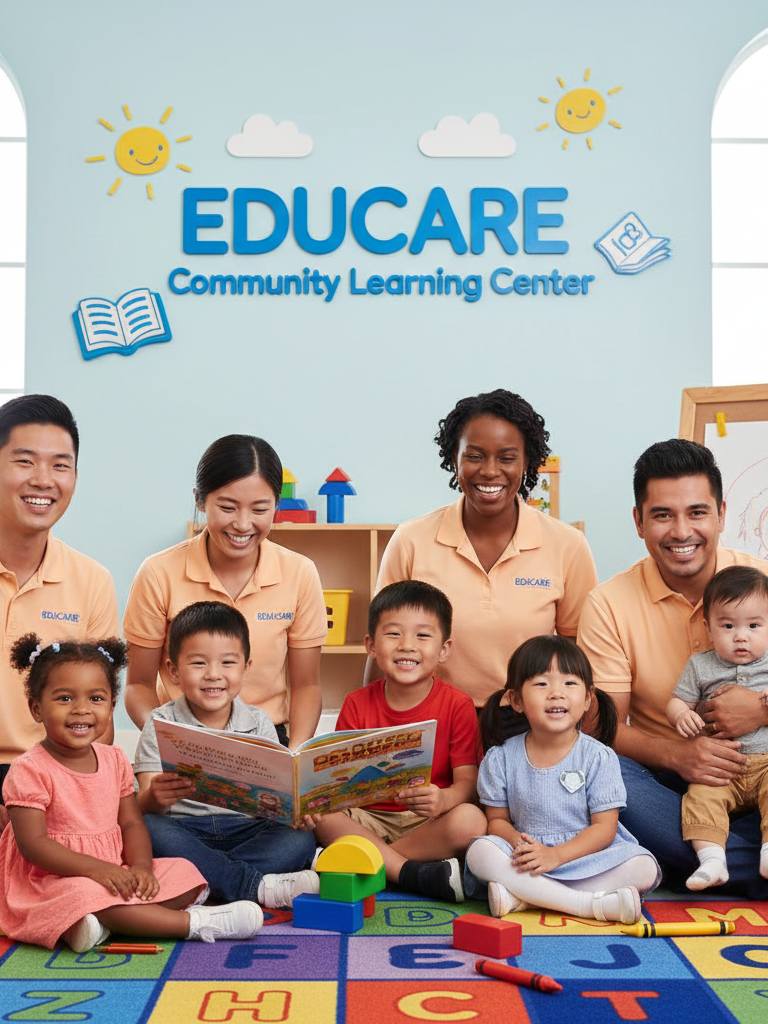
  • Why Educare Is A Perfect Fit For Anyone Passionate About Working With Children

    Introdcution 

    If you have a passion for working with children, Educare courses are a great way to turn that passion into a fulfilling career. These courses help you gain the skills and knowledge to work with children in various settings, including daycares, schools, and community centres. 

    Whether you want to become a teacher, caregiver, or manager, Educare courses prepare you for success in the early childhood education field. 

    With Educare courses, you can make a real difference in the lives of children while growing professionally. 

    This article will explore why Educare courses are the perfect fit for those who enjoy working with children.

    What Are Educare Courses?

    Educare courses are designed to teach you about early childhood education and care. These courses focus on the physical, emotional, and intellectual development of children. 

    By taking Educare courses, you will learn how to create safe and effective learning environments for young children.

    What Do Educare Courses Cover?

    Educare courses cover a range of topics to ensure you are prepared to work with children effectively. You will learn about child development, health and safety, and educational practices.

    • Child development
    • Health and safety
    • Educational practices

    Why Are Educare Courses Important?

    These courses are important because they provide you with the skills to care for and teach children. 

    With a strong understanding of child development, you can better support the growth of children in your care.

    • Understanding child needs
    • Supporting emotional growth
    • Encouraging cognitive development

    How Can Educare Courses Help Your Career?

    Educare courses open the door to various career opportunities in early childhood education. You will be prepared for roles in daycares, schools, or as a private tutor.

    • Childcare worker
    • Preschool teacher
    • Special education assistant

    Educare courses provide a solid foundation for working with children, making them a perfect choice for those passionate about helping children learn and grow.

    Start your journey today with Educare courses to turn your passion for children into a rewarding career.

    How Do Educare Courses Help You Build Skills For Working With Children?

    Educare courses are designed to equip you with essential skills for working with children. These skills include understanding developmental milestones, creating engaging lessons, and managing classroom behaviour. 

    With these abilities, you can make a real difference in the lives of children.

    What Skills Will You Gain from Educare Courses?

    Educare courses teach you key skills to support children’s growth. These skills include understanding how children learn, how to create safe spaces, and how to promote social interaction.

    • Creating engaging activities
    • Promoting social skills
    • Ensuring safety in the classroom

    How Do You Learn About Child Development in Educare Courses?

    You will learn about different stages of child development, from infancy to early school age. This knowledge helps you tailor your care and teaching methods to meet the needs of each child.

    • Stages of child growth
    • Emotional and cognitive development
    • Importance of play in learning

    How Can These Skills Improve Your Effectiveness in the Classroom?

    With the skills gained from Educare courses, you will be able to manage classrooms effectively. 

    This ensures that children are in a supportive and stimulating environment where they can thrive.

    • Classroom management techniques
    • Behavioural management strategies
    • Encouraging positive social interaction

    The skills learned in Educare courses will enable you to work confidently with children, whether you are in a classroom, daycare, or private care setting.

    Enhance your skills and prepare for a rewarding career with Educare courses.

    What Career Opportunities Are Available After Completing Educare Courses?

    After completing Educare courses, many exciting career opportunities open up. These roles allow you to work directly with children in various environments, including daycares, schools, and community centres. 

    You will be equipped to take on roles that make a significant impact on children’s development.

    Can You Work as a Teacher with an Educare Qualification?

    With an Educare qualification, you can work as a teacher in pre-schools or childcare centres. You will be responsible for guiding young children through early learning experiences.

    • Preschool teacher
    • Childcare centre worker
    • Special education teacher

    Can You Start Your Own Daycare?

    Educare courses also provide the skills to start your own daycare business. You will be able to manage a childcare facility and create a safe, nurturing environment for children.

    • Daycare owner
    • Childcare centre manager
    • Early learning program director

    Are There Other Opportunities in Schools or Community Centres?

    You can also work in schools or community centres, supporting children’s learning and development in these settings. 

    These positions often involve working with diverse groups of children, including those with special needs.

    • Teacher’s assistant
    • Community support worker
    • After-school programme coordinator

    Educare courses open the door to various career paths in early childhood education, allowing you to choose the path that best aligns with your interests and skills.

    Explore your career options today with Educare courses and begin your journey in early childhood education.

    How Can Educare Courses Lead To Career Advancement?

    Educare courses offer not only initial job opportunities but also pathways for career advancement. As you gain experience and further qualifications, you can take on more responsibilities and roles within your chosen field. 

    With the right training, you can move into leadership positions or specialise in areas like child psychology or education management.

    What Leadership Opportunities Can You Pursue with Educare?

    After gaining experience in childcare, you may be able to take on leadership roles such as managing a daycare centre or leading a team of educators. 

    These positions require a combination of teaching experience and leadership skills.

    • Centre manager
    • Team leader
    • Educational coordinator

    Can You Specialise in Specific Areas After Completing Educare?

    Once you complete your Educare course, you can specialise in areas such as special education or child development. 

    These specialisations allow you to become an expert in specific areas of early childhood education.

    • Special education teacher
    • Child development specialist
    • Early interventionist

    How Can Further Qualifications Improve Your Career?

    Educare courses provide a foundation for further studies. You can pursue advanced degrees or certifications to expand your qualifications and increase your earning potential.

    • Advanced diploma in Educare
    • Bachelor’s degree in Education
    • Certification in child psychology

    By advancing your qualifications and gaining leadership experience, Educare courses can help you grow your career and increase your opportunities.

    Take the first step towards career advancement by enrolling in Educare courses today.

    How Does Educare Help You Understand Child Development?

    Educare courses provide an in-depth understanding of child development, a critical aspect of working with children. 

    These courses teach you how children grow emotionally, socially, and intellectually. With this knowledge, you can support children’s development in a more targeted and effective way.

    What Are the Stages of Child Development in Educare?

    You will learn about the different stages of child development, from birth to early childhood. Understanding these stages will help you provide appropriate care and learning experiences for children at each stage.

    • Infancy
    • Toddlerhood
    • Early childhood

    How Does Educare Teach You to Support Children’s Emotional Growth?

    In Educare courses, you will learn techniques to support children’s emotional and social development. 

    You will be able to help children express their feelings, build relationships, and manage emotions.

    • Encouraging emotional expression
    • Fostering social skills
    • Managing difficult emotions

    How Can You Support Cognitive Development in Children?

    Educare courses also teach you how to support children’s cognitive development through play and learning activities. This helps children develop problem-solving skills and creativity.

    • Encouraging curiosity
    • Providing educational games
    • Promoting problem-solving skills

    Understanding child development is crucial for anyone working with children, and Educare courses provide the knowledge you need to support their growth.

    Start your journey towards understanding child development with Educare courses today.

    How Do Educare Courses Prepare You For Leadership?

    Educare courses help develop leadership skills that are essential in many roles in the field of early childhood education. 

    These skills are necessary for managing teams, working with parents, and making decisions that impact children’s education.

    How Do You Manage a Team of Educators?

    In Educare courses, you will learn how to manage a team of educators. These skills include providing feedback, offering guidance, and promoting effective communication within a team.

    • Leading team meetings
    • Setting team goals
    • Encouraging collaboration

    How Do You Deal with Parents and Caregivers?

    Effective communication with parents is a key part of working in early childhood education. Educare courses teach you how to build positive relationships with parents and caregivers.

    • Holding parent-teacher meetings
    • Sharing child progress
    • Discussing challenges and solutions

    How Do You Develop Your Leadership Skills?

    To be a successful leader, you need to develop specific skills, such as problem-solving, decision-making, and conflict resolution. 

    Educare courses give you the tools to become an effective leader in your chosen career.

    • Conflict management
    • Decision-making skills
    • Motivating others

    Educare courses provide the leadership skills you need to succeed in early childhood education, whether you are managing a team or working with parents.

    Enhance your leadership abilities with Educare courses and take the next step in your career.

    How Can Educare Courses Help You Manage Classroom Behaviour?

    Educare courses equip you with effective strategies to manage classroom behaviour and create a positive learning environment. 

    These skills are vital for maintaining order and ensuring children can focus on learning.

    What Are the Key Strategies for Classroom Management?

    In Educare courses, you will learn various techniques for managing classroom behaviour. These strategies include setting clear expectations, offering praise, and maintaining consistency.

    • Setting clear rules
    • Positive reinforcement
    • Maintaining consistency

    How Can You Prevent Behavioural Issues in the Classroom?

    A major part of managing classroom behaviour is preventing issues before they arise. 

    Educare courses teach you proactive approaches, such as creating engaging lessons and building strong relationships with children.

    • Engaging activities
    • Building trust
    • Encouraging positive behaviours

    How Can You Address Disruptive Behaviour Effectively?

    Sometimes, despite your best efforts, disruptive behaviour may occur. 

    In Educare courses, you will learn how to handle disruptions with patience and fairness, ensuring all children can learn in a respectful environment.

    • Identifying triggers
    • Handling conflict
    • De-escalation techniques

    Classroom management is a vital skill for any educator, and Educare courses provide you with the tools to handle behaviour effectively, creating a positive and productive learning space.

    Improve your classroom management skills and foster a better learning environment with Educare courses.

    How Do Educare Courses Foster Emotional And Social Growth In Children?

    One of the most important aspects of Educare courses is learning how to support children’s emotional and social growth. 

    These courses teach you how to create environments that help children develop strong relationships, manage their emotions, and interact positively with others.

    How Can You Support Emotional Development in Children?

    Educare courses help you understand the emotional needs of children and give you the skills to support their emotional development. 

    You will learn how to help children express their feelings and develop emotional resilience.

    • Encouraging emotional expression
    • Building emotional resilience
    • Supporting self-regulation

    How Do Educare Courses Teach Social Skills Development?

    Social skills are crucial for children’s success in school and life. Educare courses teach you how to facilitate the development of these skills by encouraging cooperation, communication, and empathy.

    • Encouraging sharing and turn-taking
    • Promoting positive interactions
    • Fostering empathy

    How Can You Create an Inclusive Environment for Emotional and Social Growth?

    An inclusive environment is essential for helping children feel accepted and supported. 

    Educare courses teach you how to create spaces where all children, regardless of background or ability, feel valued.

    • Inclusive teaching practices
    • Understanding diverse needs
    • Adapting activities for inclusion

    Educare courses equip you with the knowledge and skills to promote emotional and social growth in children, helping them thrive both in and out of the classroom.

    Learn how to nurture emotional and social development in children with Educare courses and make a lasting impact on their lives.

    How Do Educare Courses Help You Promote Safe Learning Environments?

    Safety is a top priority in early childhood education, and Educare courses teach you how to create safe, secure, and stimulating environments for children. 

    These courses cover important aspects such as child protection, safety procedures, and creating hazard-free spaces.

    What Safety Measures Are Taught in Educare Courses?

    In Educare courses, you will learn essential safety measures to prevent accidents and ensure the wellbeing of children. 

    You will be taught about child protection laws, emergency procedures, and how to maintain a clean and safe environment.

    • First aid and emergency procedures
    • Child protection laws
    • Safety protocols

    How Can You Ensure Physical Safety in the Classroom?

    You will learn how to make the classroom a physically safe space for children. This includes child-proofing areas, ensuring equipment is safe to use, and preventing physical harm.

    • Safe furniture and equipment
    • Hazardous material management
    • Supervision and monitoring

    How Do You Address Emotional and Psychological Safety?

    Educare courses also teach you how to support children’s emotional safety by creating a nurturing and supportive environment. 

    You will learn how to help children feel safe to express themselves and seek support when needed.

    • Creating a nurturing environment
    • Encouraging open communication
    • Providing emotional support

    Safety is fundamental to a child’s growth and development, and Educare courses prepare you to create safe and secure learning environments that foster both physical and emotional wellbeing.

    Start building a safer learning environment today with Educare courses and ensure the safety of every child you work with.

    How Do Educare Courses Help You Stay Up-To-Date With Best Practices?

    The field of early childhood education is constantly evolving, and Educare courses help you stay current with the latest educational trends, research, and teaching techniques. 

    These courses ensure you are always equipped with the best practices to help children learn and grow.

    How Do Educare Courses Teach You About New Educational Approaches?

    Through Educare courses, you will be introduced to innovative teaching methods and new research in the field of child development. 

    These methods can enhance your approach to teaching and improve learning outcomes for children.

    • Modern teaching methods
    • Research-based approaches
    • Creative learning strategies

    Why Is It Important to Stay Updated in Early Childhood Education?

    Staying up-to-date with new trends and research ensures that you provide the highest quality education to children. 

    It helps you adapt to changing educational needs and provides children with the best opportunities to succeed.

    • Improving teaching effectiveness
    • Adapting to new challenges
    • Incorporating new learning tools

    How Can You Continue Your Learning After Completing an Educare Course?

    Educare courses emphasise the importance of lifelong learning. 

    After completing a course, you can continue to expand your knowledge by attending workshops, pursuing further qualifications, or participating in professional development programs.

    • Attending workshops and seminars
    • Pursuing further qualifications
    • Networking with professionals

    Educare courses keep you at the forefront of early childhood education, ensuring you are equipped with the latest tools and techniques to enhance children’s learning experiences.

    Stay ahead in your career and continue learning with Educare courses, and bring the latest teaching methods to the classroom.

    Conclusion

    If you are passionate about working with children, Educare courses are the perfect choice for you. These courses equip you with the knowledge, skills, and confidence needed to create safe, nurturing, and stimulating learning environments. 

    You will learn how to support children’s growth, manage classrooms effectively, and build positive relationships with parents and caregivers. 

    Educare courses also prepare you for leadership roles and help you stay up to date with the latest teaching practices.

    Take the next step in your career and enrol in Educare courses today to make a real difference in children’s lives!

    Frequently Asked Questions

    What is an Educare course?

    An Educare course is a qualification that prepares you for a career in early childhood education and childcare. It teaches you how to support children’s learning, growth, and development. 

    The course covers key areas such as child safety, classroom management, and effective communication with parents.

    Who can study Educare courses?

    Anyone with a passion for working with children can study Educare courses. These courses are suitable for those who want to become teachers, childcare workers, or start their own daycare business. 

    No prior experience is needed, as the course teaches you all the necessary skills.

    What career opportunities are available after completing an Educare course?

    Graduates of Educare courses can work as childcare assistants, early childhood educators, or daycare managers. 

    The qualification also opens doors to positions in preschools, after-school programmes, and educational support services. Some students choose to start their own childcare businesses.

    Do Educare courses include practical training?

    Yes, most Educare courses include practical training to give students hands-on experience. This helps you apply what you have learned in a real childcare setting. 

    Practical training is essential for developing confidence and gaining workplace skills.

    How long does it take to complete an Educare course?

    The length of Educare courses depends on the level of the qualification and the study method. Some courses can be completed in a few months, while others may take a year or more. 

    Studying part-time or online allows flexibility for students with other commitments.

    Are Educare courses available online?

    Yes, many institutions offer Educare courses online, allowing students to study at their own pace. Online courses provide access to study materials, virtual lessons, and tutor support. 

    This option is ideal for those who need to balance work, family, and studies.

    What skills will I learn in an Educare course?

    Educare courses teach essential skills such as child development, classroom management, and first aid. You will also learn how to plan lessons, communicate with parents, and create safe learning environments. 

    These skills prepare you for a successful career in early childhood education.

    Can I start my own daycare after completing an Educare course?

    Yes, an Educare course can equip you with the knowledge needed to start your own daycare. You will learn about business management, safety regulations, and child development. 

    Many graduates use their qualification to open and run successful childcare centres.

    How do Educare courses prepare me for leadership roles?

    Educare courses teach leadership skills such as team management, conflict resolution, and decision-making. These skills help you lead a team of educators, manage childcare centres, or supervise early learning programmes. 

    Leadership training is essential for career growth in the education field.

    Why should I choose an Educare course?

    Educare courses provide a strong foundation for a rewarding career working with children. They offer valuable knowledge, hands-on experience, and career opportunities in early childhood education. 

    If you want to make a positive impact on young learners, an Educare course is the perfect choice.

    Author: Janice van der Westhuizen

  • The Long-Term Career Benefits Of Studying Educare

    Introduction

    Are you interested in a career that offers both personal satisfaction and job security? Studying Educare courses can open up many doors to a fulfilling career in early childhood education. 

    By gaining skills in child development, education, and care, you can make a real difference in children’s lives. Let us explore how Educare courses can help you achieve long-term career success.

    What Skills Do You Gain From Educare Courses?

    Educare courses help you gain the essential skills needed to care for and educate young children. You will learn about child development, safety, and teaching strategies. 

    These skills help you prepare for a variety of roles in early childhood education.

    What is Child Development?

    Child development is crucial in Educare training. You will learn how children grow emotionally, physically, and mentally. This helps you create effective learning environments.

    • Learn how children develop in stages
    • Understand key milestones in child growth
    • Apply this knowledge to support children’s learning

    Understanding child development ensures that you provide the best care for children. Start learning about child development with an Educare course today!

    How Do You Ensure a Safe Learning Environment?

    Creating a safe space for children is important. Educare courses teach you how to ensure the children’s safety while encouraging learning. You will learn about health and safety standards, including safe play areas.

    • Learn safety measures for classrooms
    • Set up secure environments for children
    • Understand the importance of first aid and emergency plans

    Safety is a priority in early childhood education. Make sure you are prepared to create safe environments by enroling in an Educare course.

    How Do You Support Emotional Growth in Children?

    Educare courses help you learn how to support children’s emotional needs. You will understand how to offer emotional support and build trust. 

    This is crucial for children’s social and emotional growth.

    • Provide emotional support for children
    • Help children express their feelings
    • Build strong, positive relationships

    Supporting emotional growth builds children’s confidence and social skills. Learn how to help children grow emotionally with an Educare course.

    What Career Opportunities Are Available After Studying Educare?

    Upon completing Educare courses, there are numerous job opportunities in the childcare sector. 

    You can work as a daycare worker, preschool teacher, or child development specialist. This offers you a wide range of career paths.

    Can You Work in Daycares?

    Educare courses open doors to working in daycares, where you can directly impact children’s daily lives. Daycares need qualified workers who know how to engage children in learning activities.

    • Work as a daycare teacher
    • Engage children in educational play
    • Create routines for children’s daily care

    Daycares offer excellent career opportunities for Educare graduates. Explore the possibility of working in daycares by enroling in an Educare course.

    Can You Become a Preschool Teacher?

    Another option is to become a preschool teacher, where you can teach children before they enter formal schooling. 

    Educare courses give you the skills to teach children essential skills like reading and socialising.

    • Teach early reading and writing skills
    • Guide children in group activities
    • Prepare children for school

    Preschool teaching is a rewarding career option for Educare graduates. Begin your journey to becoming a preschool teacher with an Educare course.

    Can You Work in Special Needs Education?

    Special needs education is another field that Educare courses can prepare you for. You will learn how to support children with different needs, creating inclusive learning environments for all children.

    • Learn how to support children with special needs
    • Create inclusive learning plans
    • Work with other educators to support children

    Working with special needs children can be a very rewarding career. Discover how you can make a difference in special needs education with an Educare course.

    How Does Studying Educare Help Your Career Growth?

    Studying Educare courses helps you advance in your career. With the right qualifications, you can apply for higher positions, earn better salaries, and take on more responsibilities.

    How Do You Gain Promotion Opportunities?

    Educare courses can help you qualify for higher positions in childcare settings. With experience and further qualifications, you can move into leadership roles.

    • Move into supervisory or management positions
    • Take on more responsibility in childcare centres
    • Lead teams of childcare professionals

    Educare courses help you advance your career by gaining additional qualifications. Ready for promotion? Start with an Educare course today!

    Can You Take on More Responsibilities?

    As you progress in your Educare career, you will gain the skills needed to take on more responsibility. You will become capable of managing classrooms, leading teams, and organising activities.

    • Supervise other childcare workers
    • Organise learning programs for children
    • Lead parent-teacher meetings

    More responsibilities bring more career growth and satisfaction. Take on more responsibility in your career with an Educare course.

    How Do You Increase Your Earnings?

    With an Educare course, you can increase your earning potential. Higher qualifications and more experience in early childhood education can lead to better-paid positions.

    • Apply for higher-paying jobs in education
    • Earn more with advanced qualifications
    • Specialise in areas like child psychology or management

    Educare courses help you earn a better salary by opening doors to higher-paying jobs. Increase your earnings with an Educare course and move towards a higher-paying career.

    Can You Specialise In Educare?

    After completing an Educare course, you can specialise in certain areas of childhood education. This allows you to further enhance your career and focus on areas you are passionate about.

    How Can You Specialise in Child Psychology?

    One option for specialisation is child psychology. Studying child psychology helps you understand children’s behaviour, emotional needs, and learning patterns.

    • Learn how to support children with emotional challenges
    • Understand children’s behavioural issues
    • Provide better support for children’s mental health

    Specialising in child psychology improves your ability to support children’s emotional development. Specialise in child psychology with further studies in Educare.

    How Can You Work in Educational Management?

    Educare courses also allow you to specialise in educational management. You can learn how to manage childcare centres, schools, and other educational environments.

    • Learn to manage budgets and resources
    • Oversee the training of staff members
    • Implement educational policies

    Specialising in educational management can lead to leadership roles in education.

    Take your career to the next level with a specialisation in educational management through Educare courses.

    How Can You Work with Special Needs Education?

    Specialising in special needs education prepares you to work with children who require extra support. You will learn how to create inclusive learning plans and provide personalised care.

    • Learn how to teach children with disabilities
    • Develop individual education plans (IEPs)
    • Work with families to provide support

    Specialising in special needs education helps you make a difference in children’s lives.

    Start specialising in special needs education with an Educare course.

    How Does Educare Support Emotional Intelligence?

    Studying Educare courses helps you develop emotional intelligence. This is important in understanding children’s feelings and behaviours. 

    By becoming emotionally aware, you can provide better care and support.

    How Do You Recognise Children’s Emotions?

    Recognising children’s emotions is essential for supporting their emotional development. Educare courses teach you how to identify when children are happy, sad, frustrated, or scared.

    • Learn to identify emotional cues in children
    • Respond to children’s emotional needs
    • Offer comforting and supportive words

    Recognising and responding to children’s emotions builds strong relationships. Learn to recognise children’s emotions with an Educare course.

    How Can You Teach Emotional Self-Regulation?

    Emotional self-regulation is another important skill that Educare courses teach. You will learn how to help children manage their feelings and develop self-control.

    • Teach children how to calm down when upset
    • Provide strategies for managing anger and frustration
    • Encourage children to express their emotions in healthy ways

    Teaching emotional self-regulation helps children develop better coping skills.

    Help children manage their emotions with the skills you learn in an Educare course.

    How Do You Encourage Empathy in Children?

    Encouraging empathy is another vital aspect of Educare courses. You will learn how to teach children to understand and care for others’ feelings.

    • Teach children to recognise other people’s emotions
    • Encourage sharing and helping others
    • Promote kindness and caring behaviour

    Teaching empathy fosters kindness and cooperation in children. Learn how to encourage empathy in children by enroling in an Educare course.

    How Does Studying Educare Prepare You for Leadership?

    Leadership is an important part of many roles in the Educare field. Whether you work as a teacher, manager, or business owner, Educare courses can prepare you to lead effectively.

    How Do You Manage a Team of Educators?

    If you move into leadership, Educare courses will teach you how to manage a team of educators. You will learn how to provide guidance, support, and feedback to other staff members.

    • Lead meetings and training sessions
    • Offer guidance on best practices in childcare
    • Provide constructive feedback

    Leading a team requires strong skills in communication and organisation. Start developing your leadership skills with an Educare course.

    How Do You Deal with Parents and Caregivers?

    Educare courses also help you learn how to communicate effectively with parents and caregivers. You will be able to discuss children’s progress and any concerns with parents.

    • Conduct parent-teacher meetings
    • Share children’s progress reports
    • Work together to support children’s development

    Effective communication with parents helps build trust and cooperation. Learn how to communicate with parents and caregivers in an Educare course.

    How Do Educare Courses Help You Adapt To Different Learning Styles?

    Every child learns differently, and Educare courses teach you how to adapt your teaching methods. Understanding different learning styles helps you support children in a way that suits their needs.

    What Are the Different Learning Styles?

    Children learn in various ways, such as visually, through listening, or by doing. Knowing this helps you create lessons that match their preferred learning style.

    • Visual learners understand through pictures and diagrams
    • Auditory learners learn by listening and speaking
    • Kinesthetic learners learn through hands-on activities

    Adapting to different learning styles ensures all children receive the support they need.
    Learn how to personalise learning with an Educare course.

    How Can You Make Learning Fun and Engaging?

    Children learn best when they enjoy the process. Educare courses teach you how to create fun and interactive lessons.

    • Use games and creative activities
    • Encourage group participation
    • Create a positive learning environment

    Keeping learning fun helps children stay engaged and motivated. Discover new ways to make learning exciting with an Educare course.

    How Can You Support Children Who Struggle to Learn?

    Some children need extra support to grasp new concepts. Educare courses help you develop strategies to assist them.

    • Identify learning challenges early
    • Provide additional learning tools
    • Offer one-on-one support

    With the right approach, every child can succeed. Get the skills to support struggling learners by enroling in an Educare course.

    How Do Educare Courses Improve Your Problem-Solving Skills?

    Working with children often presents unexpected challenges. Educare courses teach you how to think critically and solve problems effectively.

    How Can You Handle Classroom Challenges?

    You will learn how to address behavioural issues and ensure a smooth learning environment.

    • Manage disruptive behaviour calmly
    • Set clear rules and expectations
    • Create a structured and supportive space

    Handling challenges well helps create a positive learning atmosphere. Develop strong classroom management skills with an Educare course.

    How Can You Solve Problems in a Childcare Setting?

    Problem-solving is essential for dealing with unexpected situations. Educare courses help you stay calm under pressure.

    • Identify the problem quickly
    • Find practical solutions
    • Work with others to resolve issues

    Effective problem-solving leads to a safer and happier learning space. Gain essential problem-solving skills by studying Educare.

    How Can Critical Thinking Improve Decision-Making?

    Making informed decisions is an important skill in childcare. Educare courses help you evaluate situations carefully.

    • Analyse different options before deciding
    • Consider the impact on children and staff
    • Make confident and informed choices

    Strong decision-making skills lead to better outcomes for children. Learn how to make smart choices with an Educare course.

    How Do Educare Courses Help You Build A Professional Network?

    Networking is key to career growth. Educare courses give you opportunities to connect with educators, childcare professionals, and mentors.

    Why Is Networking Important in Educare?

    A strong network helps you stay informed and find new career opportunities.

    • Meet professionals in the field
    • Learn from experienced educators
    • Discover new job opportunities

    Networking helps you grow in your career and learn from others. Start building your professional network with an Educare course.

    How Can You Find Mentors in the Educare Industry?

    Having a mentor can guide you in your career. Educare courses introduce you to professionals who can offer advice.

    • Connect with experienced educators
    • Get guidance on career decisions
    • Learn from real-life experiences

    A good mentor can help shape your career path. Find a mentor and gain valuable insights through an Educare course.

    How Can Professional Relationships Help You Find Jobs?

    Many jobs in Educare come through personal recommendations. Building strong relationships can open career doors.

    • Get job referrals and recommendations
    • Learn about new career opportunities
    • Build a strong professional reputation

    Professional connections can help you secure great job opportunities. Expand your career opportunities by enroling in an Educare course.

    How Can Educare Courses Help You Gain Confidence In Your Abilities?

    Confidence is essential for success in any career. Educare courses help you develop the skills and knowledge needed to feel more self-assured in your role.

    How Do Educare Courses Build Self-Confidence?

    Learning new skills gives you the confidence to handle responsibilities effectively.

    • Gain hands-on experience
    • Learn from industry experts
    • Develop a strong knowledge base

    Confidence allows you to perform better and take on new challenges. Build your confidence by enroling in an Educare course today.

    How Can Confidence Improve Your Teaching Skills?

    Confident educators create a positive learning environment where children feel supported and encouraged.

    • Communicate clearly with students and parents
    • Handle classroom challenges effectively
    • Inspire children to learn and grow

    Confident educators make a lasting impact on children’s development. Strengthen your teaching skills with an Educare course.

    How Does Confidence Help in Career Growth?

    Confidence allows you to take on leadership roles and advance in your career.

    • Apply for higher job positions
    • Take on more responsibilities
    • Develop leadership qualities

    A confident professional is more likely to achieve career success. Gain the confidence to advance your career with an Educare course.

    Conclusion

    Studying Educare courses helps you gain essential skills to work with children and advance in your career. These courses teach you not just how to educate but also how to lead, communicate, and problem-solve effectively. 

    Completing Educare courses opens doors to various opportunities, giving you the confidence to excel. 

    Whether you want to manage a childcare centre or work directly with children, Educare is the path to a fulfilling career. Start your journey today with an Educare course.

    Frequently Asked Questions 

    What Are Educare Courses?

    Educare courses teach you how to care for and educate young children. They focus on child development and how to create a safe, learning environment. 

    After finishing, you will be ready to work in daycare centres or schools.

    How Long Does It Take to Complete an Educare Course?

    Educare courses can take between 6 to 12 months, depending on the course level and if you study full or part-time. Some courses may take longer if they are more advanced. 

    The time depends on how quickly you learn and complete assignments.

    What Are the Benefits of Studying Educare?

    Studying Educare helps you understand children’s development better. You will gain skills that make you a good teacher and caregiver. 

    Completing these courses opens up career opportunities in education and childcare.

    Can I Work While Studying Educare Courses?

    Yes, you can work while studying Educare courses, especially if you choose part-time study. Many students work at daycare centres or as teaching assistants while they learn. 

    It gives you practical experience alongside your studies.

    Do I Need Any Previous Experience to Start Educare Courses?

    No, you do not need previous experience to start Educare courses. These courses are designed to teach you everything you need to know. 

    Whether you have experience or not, you will learn the necessary skills to work with children.

    What Job Opportunities Are There After Completing Educare Courses?

    After completing Educare courses, you can work in daycares, schools, or even start your own business. You can become a teacher, childcare worker, or even a centre manager. 

    There are many job roles available in the field of early childhood education.

    Is Financial Aid Available for Educare Courses?

    Yes, some institutions offer financial aid or payment plans for Educare courses. It is worth checking with the course provider to see if they have any scholarships or funding options. 

    This can help make the courses more affordable.

    How Do Educare Courses Help My Career?

    Educare courses help you build a solid foundation for a career in early childhood education. They teach you the skills needed to support children’s development. 

    With this qualification, you can gain better job opportunities and higher pay.

    Can I Continue Studying After Completing an Educare Course?

    Yes, after completing an Educare course, you can study further to specialise in areas like child psychology or special needs education. 

    Many graduates choose to advance their studies for career growth. There are many options available for further education.

    How Do Educare Courses Improve My Communication Skills?

    Educare courses teach you how to communicate effectively with children, parents, and colleagues. You will learn to explain things clearly and listen carefully. 

    These skills will help you work better with others in educational and childcare settings.

    Author: Janice van der Westhuizen

  • Turn Your Love For Children Into A Profession With Educare Courses

    Introduction

    Do you have a passion for working with children? Do you want to turn that passion into a rewarding career? Educare courses can help you make this dream come true. 

    These courses teach you how to care for and educate young children, preparing you for various roles in early childhood education. 

    Whether you want to become a caregiver or an educator, Educare courses provide the knowledge and skills you need to succeed.

    What Are Educare Courses?

    Educare courses are designed to teach you how to care for and educate young children. The courses cover a wide range of topics, including child development, classroom management, and first aid. They are perfect for anyone who wants to make a difference in a child’s life.

    What is the Focus of Educare Courses?

    The main focus of Educare courses is to teach students how to care for children in a safe, supportive, and educational environment. 

    You will learn about child development and how to support children through their early years.

    • Child development basics
    • Creating safe learning environments
    • How to engage children in meaningful activities

    How Do Educare Courses Prepare You for Working with Children?

    Educare courses teach you to care for children, create lesson plans, and manage a classroom. You will gain the skills needed to support children’s education and well-being in daycare or school settings.

    • Managing children in group settings
    • Developing age-appropriate lesson plans
    • Creating a fun and educational environment

    Who Can Benefit from Educare Courses?

    Anyone who loves working with children can benefit from Educare courses. Whether you want to work in daycare, schools, or other educational settings, these courses provide essential skills for success.

    • Those interested in childcare careers
    • People wanting to change their career path
    • Individuals aiming to open their own childcare business

    What Will I Learn In Educare Courses?

    Educare courses teach practical skills you can use every day. You will learn how to manage a classroom, understand child development, and provide support to children in need. The courses also cover important topics like first aid and safety.

    How Will Educare Courses Teach Classroom Management?

    Classroom management is an important skill that is covered in Educare courses. You will learn strategies to manage children’s behaviour, create routines, and ensure a smooth classroom environment.

    • Setting clear rules and expectations
    • Managing classroom behaviour
    • Creating a positive learning space

    What is the Role of Child Development in Educare Courses?

    Educare courses focus heavily on child development. You will learn how children grow physically, emotionally, and cognitively, and how to support them through each stage of their development.

    • Understanding developmental milestones
    • Tailoring activities for different age groups
    • Supporting children’s emotional and social growth

    Why is First Aid Important in Educare Courses?

    First aid is an essential part of Educare courses. You will learn how to handle emergency situations, ensure the safety of children, and respond to health issues in a childcare setting.

    • Basic first aid and emergency response
    • Preventing accidents in educational settings
    • Teaching children safety practices

    Are Educare Courses Right For Me?

    If you love working with children and want to help them grow, Educare courses are perfect for you. These courses do not require previous experience, so anyone with a passion for early childhood education can enrol. 

    They are flexible and can be completed online, making them ideal for busy people.

    Do I Need Prior Experience to Enrol in Educare Courses?

    No, prior experience is not required to enrol in Educare courses. These courses are designed for beginners who are passionate about working with children and want to learn how to become professionals in the field.

    • No previous education needed
    • Ideal for beginners with a passion for child care
    • Learn at your own pace with online courses

    What Are the Admission Requirements for Educare Courses?

    The admission requirements for Educare courses are simple. You need to be eager to learn and have an interest in early childhood education. The courses are designed to be accessible to everyone.

    • Open to anyone passionate about working with children
    • No formal qualifications required
    • Online application process for easy access

    Are Educare Courses Only for Adults?

    While Educare courses are mainly for adults looking to start or advance their careers, they can also be suitable for older teens interested in pursuing a career in early childhood education.

    • Primarily for adults
    • Open to motivated teenagers
    • Ideal for career changers or those starting fresh

    How Long Do Educare Courses Take To Complete?

    Most Educare courses take about 8 months to complete. During this time, you will complete assignments and study at your own pace. 

    Some courses allow you to finish faster if you dedicate more time, while others offer support throughout the learning journey.

    What is the Duration of an Educare Course?

    The duration of Educare courses is typically 8 months, allowing you to learn at your own pace. This flexible format gives you the time to manage your studies alongside your other commitments.

    • Standard duration is 8 months
    • Study at your own pace with flexible learning options
    • Complete at a faster pace if you have more time available

    Can I Complete Educare Courses Faster?

    If you are dedicated and have extra time to study, you can complete your Educare courses faster. Some online courses allow you to finish sooner by increasing your study hours each week.

    • Accelerate your learning with additional study hours
    • Option to complete the course sooner than 8 months
    • Self-paced courses give flexibility in learning speed

    Can I Extend My Educare Course Duration?

    If needed, you can extend the duration of your Educare course. Most courses offer flexible timelines so you can complete assignments when it works best for you.

    • Flexible timelines available
    • Option to extend course duration
    • Learn at your own pace to fit your lifestyle

    What Support Will I Receive During The Course?

    Throughout your Educare course, you will receive support from experienced tutors. They will guide you through assignments, provide feedback, and answer any questions you may have. The online format also allows you to access course materials at any time.

    What Kind of Tutor Support is Available?

    Your Educare course will include support from experienced tutors. They are available to answer your questions and help you understand difficult concepts, ensuring you stay on track throughout your studies.

    • Tutors are available for questions and guidance
    • Online support for easy access to help
    • Regular feedback on assignments to track progress

    Are There Online Resources for Educare Courses?

    Yes, there are online resources to help you through your Educare course. You will have access to course materials, activities, and additional resources to deepen your learning.

    • Access to course materials online anytime
    • Interactive learning resources
    • Additional reading and video content to enhance understanding

    How Does Peer Support Work in Educare Courses?

    Many online Educare courses have forums or discussion groups where students can connect. These peer support systems allow you to ask questions, share experiences, and help each other learn.

    • Discussion forums for student interaction
    • Peer support from others in the course
    • Collaborative learning opportunities

    How Do Educare Courses Help My Career?

    After completing Educare courses, you will be equipped with the skills and knowledge needed for a career in early childhood education. This can lead to a variety of jobs, including daycare workers, child caregivers, or teachers. 

    You will also have the opportunity to work in schools, childcare centres, or even start your own business.

    What Career Opportunities Are Available After Completing Educare Courses?

    Once you complete an Educare course, you will be qualified for many career opportunities in early childhood education. You could work in daycares, schools, or other educational environments, providing care and learning support to young children.

    • Work as a daycare worker, teacher, or caregiver
    • Manage childcare services or start your own daycare business
    • Opportunities in schools, community centres, or hospitals

    How Can Educare Courses Lead to Career Advancement?

    An Educare course can also help you advance in your career. By gaining a formal qualification, you will have more opportunities for promotions and higher-paying positions in the childcare sector.

    • Gain a qualification for career advancement
    • Take on more responsibilities in childcare roles
    • Increase your earning potential in early childhood education

    Can I Further My Studies After an Educare Course?

    After completing an Educare course, you can continue your studies by pursuing advanced qualifications. There are many specialisation options to choose from, such as child psychology or education management.

    • Further studies in child psychology or education
    • Specialisation courses to enhance your skills
    • Career growth through higher education

    How Can Educare Courses Improve Job Satisfaction?

    Educare courses not only enhance your skills but can significantly improve your job satisfaction. By obtaining a formal qualification, you will gain the confidence to take on more responsibilities and advance in your career. 

    Being well-prepared for the challenges of childcare leads to better outcomes, job security, and a greater sense of accomplishment.

    How Does Confidence Impact Job Satisfaction in Childcare?

    With more knowledge, you gain confidence in your work, leading to a greater sense of fulfillment and satisfaction in your job.

    • Increased confidence in managing children
    • Ability to handle challenging situations effectively
    • Positive impact on career growth and personal satisfaction

    How Do Educare Courses Foster a Positive Work Environment?

    Completing Educare courses helps you contribute positively to a work environment. You learn essential communication and interpersonal skills, fostering better relationships with colleagues and children.

    • Creating a supportive and nurturing environment
    • Learning teamwork and conflict resolution skills
    • Strengthening bonds with children, parents, and colleagues

    How Does Educare Training Help with Stress Management?

    An important skill taught in Educare courses is stress management. The course provides strategies for handling difficult situations, maintaining composure, and staying calm under pressure.

    • Techniques for managing workplace stress
    • Maintaining a positive attitude during challenges
    • Developing resilience in high-pressure situations

    How Can Educare Courses Help In Starting Your Own Business?

    Many people who complete Educare courses find opportunities to start their own businesses, such as opening a daycare or after-school care program. 

    With the skills gained, you will have the foundation to successfully run a childcare service and provide high-quality care to children.

    How Can Educare Courses Help in Business Planning?

    Educare courses provide the knowledge needed for planning and running a childcare business. You will learn about safety regulations, marketing, and financial management.

    • Developing a solid business plan
    • Understanding childcare laws and regulations
    • Budgeting and financial management for your business

    How Does Educare Training Prepare You for Entrepreneurship?

    Entrepreneurship in childcare requires both business acumen and child education expertise. Educare courses teach you the essentials of starting and growing a business.

    • Learning to balance educational and business needs
    • Building a brand and customer base
    • Managing and growing your childcare business

    What Resources Are Available for Childcare Entrepreneurs?

    After completing your Educare course, you can access resources that help you start and run a childcare business. These resources can include mentorship, financial support, and marketing tools.

    • Accessing funding and grants for childcare businesses
    • Getting advice from experienced childcare professionals
    • Marketing strategies for growing your business

    What Are The Benefits Of Specialisation In Early Childhood Education?

    By completing an Educare course, you can further specialise in specific areas of child development, such as special needs education, child psychology, or educational leadership. 

    This allows you to tailor your career to your interests and become an expert in a particular field.

    How Can Specialisation Improve Your Career Prospects?

    Specialising in areas like special needs education or child psychology can open doors to high-demand roles. Employers value candidates with specific expertise, making you a competitive candidate.

    • Becoming an expert in a niche area of child education
    • Higher demand for specialists in early childhood education
    • Opportunities for leadership roles in childcare settings

    What Are the Specialisation Options in Early Childhood Education?

    There are several options for specialisation after completing an Educare course. These include working with children with disabilities, child development, and even educational management.

    • Child psychology and emotional development
    • Special education and working with children with disabilities
    • Leadership roles such as educational coordinator or supervisor

    How Does Specialisation Enhance Your Earning Potential?

    Specialisation often leads to higher-paying jobs. By furthering your studies in a specific area, you increase your expertise and earning potential in the field of early childhood education.

    • Higher salaries for specialised roles
    • Greater career advancement opportunities
    • More competitive job market positioning

    How Do Educare Courses Contribute To Lifelong Learning?

    Lifelong learning is a core principle in early childhood education. Educare courses equip you with the tools to continue growing throughout your career, helping you stay updated on the latest developments in the field.

    Why is Lifelong Learning Important in Childcare?

    Lifelong learning ensures that you remain competent and knowledgeable in your field. Early childhood education is constantly evolving, and keeping up with new techniques and approaches is crucial.

    • Staying updated on new educational theories
    • Learning new strategies for teaching and care
    • Adapting to changes in educational policies and technologies

    How Can Continuing Education Improve Your Job Performance?

    Continual education helps you apply the latest research and best practices in childcare, improving the quality of care and education you provide.

    • Enhancing your teaching methods
    • Implementing innovative educational strategies
    • Improving outcomes for children under your care

    What Are the Opportunities for Further Learning After an Educare Course?

    After completing your Educare course, there are many opportunities for further education. You can pursue additional certifications, workshops, or even a degree in child development or education.

    • Postgraduate courses in child development or psychology
    • Attending workshops on emerging educational techniques
    • Pursuing leadership or management courses in education

    Conclusion

    Educare courses offer a fantastic opportunity to turn your passion for children into a career. With flexible online learning and valuable skills, you can become a professional in the field of early childhood education. 

    If you want to make a positive impact on young lives, consider enroling in an Educare course today!

    Frequently Asked Questions 

    What qualifications do I need to enrol in an Educare course?

    You do not need any prior qualifications to enrol in an Educare course. All you need is a passion for working with children. The courses are designed for beginners who are eager to learn.

    How long does an Educare course take?

    An Educare course typically takes about 8 months to complete. However, you can finish sooner if you dedicate more time to studying or extend your learning period if needed.

    Is there support available during the Educare course?

    Yes, you will receive support from experienced tutors throughout your Educare course. Tutors will help with assignments and answer any questions you may have.

    Can I study an Educare course online?

    Yes, Educare courses are delivered online. Allowing you to study at your own pace. This flexible format makes it easier for you to balance your studies with other commitments.

    What career opportunities are available after completing an Educare course?

    After completing an Educare course, you can work as a caregiver. Teacher or childcare manager. You can also open your own daycare service or work in schools and community centres.

    How much does an Educare course cost?

    The cost of Educare courses varies depending on the provider. Most courses offer flexible payment options to make them affordable for everyone.

    Do I need to attend classes for an Educare course?

    No, Educare courses are online, so you can study from anywhere. You do not need to attend in-person classes, and all course materials are available online.

    Are Educare courses suitable for beginners?

    Yes, Educare courses are perfect for beginners. They do not require prior experience or education, and the content is designed to teach you everything you need to know.

    Can I complete an Educare course while working?

    Yes, Educare courses are flexible and can be completed while working. The online format allows you to study at your own pace, making it easier to balance work and study.

    How can I enrol in an Educare course?

    To enrol in an Educare course, simply visit the course provider’s website and complete the online application. You will be able to start your studies once you are registered.

    Author: Janice van der Westhuizen

  • The Skills You Will Gain From Educare Courses That Can Change The Lives Of Children

    Introduction

    Have you ever wondered how Educare courses can help you make a difference in children’s lives? These courses teach you essential skills that allow you to support young children in their learning and development. 

    You will learn how to create a safe and nurturing environment where children can grow. Understanding child behaviour and development will help you guide them in positive ways. 

    By studying Educare courses, you gain valuable skills that help shape children’s futures.

    What Practical Skills Will You Learn In Educare Courses?

    Educare courses provide hands-on training to help you care for and teach young children. You will learn how to support their learning, ensure their safety, and encourage healthy development.

    How To Create A Safe Learning Environment

    • Understanding childproofing techniques
    • Managing classroom safety
    • Setting up play areas effectively

    Creating a safe space ensures children can learn and play without risks. You will know how to prevent accidents and make classrooms secure. 

    Take action now to learn the best safety practices!

    How To Handle Emergencies In Childcare Settings

    • Performing basic first aid
    • Responding to medical emergencies
    • Managing crisis situations calmly

    Being prepared for emergencies can save lives. You will gain confidence in handling medical issues and urgent situations. 

    Start your training today to be ready for any emergency!

    How To Support Emotional Development

    • Encouraging positive behaviour
    • Helping children express feelings
    • Building strong relationships with children

    Supporting emotional growth helps children build confidence and trust. You will guide them to understand their emotions and interact positively. 

    Begin your journey to nurture children’s emotional well-being!

    How Do Educare Courses Teach Child Development?

    Educare courses cover key aspects of child growth to help you support young learners effectively. You will learn how children develop physically, mentally, and emotionally.

    Understanding Physical Growth Stages

    • Monitoring motor skill development
    • Encouraging healthy movement
    • Supporting good nutrition

    Children need proper care to grow strong and healthy. You will learn how to support their physical development through nutrition and movement. 

    Gain these skills today to help children thrive!

    Understanding Cognitive Development

    • Encouraging problem-solving skills
    • Supporting early language learning
    • Using creative activities for learning

    Cognitive growth shapes how children think and learn. You will explore ways to improve their problem-solving and language skills. 

    Get started now to help children develop strong minds!

    Understanding Emotional and Social Development

    • Teaching children how to communicate
    • Helping them form friendships
    • Supporting confidence-building activities

    Social skills are key for a child’s future. You will learn how to guide children in making friends and expressing themselves. 

    Take this step to help children build lasting connections!

    What Teaching Strategies Will You Learn In Educare Courses?

    You will gain knowledge on how to teach young children in ways that suit their learning styles. Educare courses focus on interactive and engaging methods.

    Using Play-Based Learning

    • Creating fun educational games
    • Encouraging creative expression
    • Incorporating music and movement

    Play is essential for learning. You will understand how to create fun activities that teach important skills. 

    Start learning today to make education enjoyable for children!

    Supporting Early Literacy

    • Teaching basic reading skills
    • Encouraging storytelling activities
    • Using visual aids to enhance learning

    Early literacy is the foundation of education. You will explore ways to develop children’s reading and storytelling abilities. 

    Take action now to inspire young learners!

    Encouraging Active Participation

    • Using hands-on activities
    • Engaging children in group learning
    • Encouraging curiosity through exploration

    Children learn best when they are involved. You will discover strategies to keep them engaged and curious. 

    Gain these skills today to create an exciting learning environment!

    How Can Educare Courses Improve Communication Skills?

    Good communication is essential when working with children. Educare courses teach you how to interact with young learners and their families effectively.

    Communicating With Children

    • Using simple language
    • Encouraging active listening
    • Teaching children to express themselves

    Clear communication helps children feel understood. You will gain techniques to improve their listening and speaking skills. 

    Enrol today to become a better communicator!

    Communicating With Parents

    • Providing feedback on child progress
    • Discussing concerns with sensitivity
    • Offering guidance on child development

    Strong parent-teacher relationships benefit children. You will learn how to keep parents informed and involved. 

    Start now to develop meaningful connections with families!

    Communicating With Colleagues

    • Working as a team
    • Sharing ideas and resources
    • Supporting each other in childcare settings

    Collaboration creates a positive work environment. You will understand how to work well with others in childcare settings. 

    Take the next step towards a fulfilling career in childcare!

    How Do Educare Courses Prepare You For A Childcare Career?

    Studying Educare courses equips you with the skills needed to work in childcare settings. You will gain the confidence to manage daily tasks and responsibilities.

    Preparing For A Professional Childcare Role

    • Understanding workplace responsibilities
    • Learning about childcare regulations
    • Developing leadership skills

    Knowing your role ensures you provide quality care. You will learn essential workplace skills and regulations. 

    Take this opportunity to build a strong foundation for your career!

    Managing A Childcare Centre

    • Organising daily routines
    • Handling administrative tasks
    • Ensuring compliance with safety regulations

    Good management keeps a childcare centre running smoothly. You will gain skills to handle responsibilities effectively. 

    Start learning today to take on leadership roles!

    Supporting Continuous Learning

    • Staying updated on childcare practices
    • Attending professional workshops
    • Engaging in lifelong learning

    Education does not stop after the course. You will discover ways to keep improving your skills. 

    Begin now to stay ahead in your childcare career!

    How Do Educare Courses Build Confidence In Childcare Professionals?

    Studying Educare helps you develop the confidence needed to handle daily challenges. You will learn to trust your skills and make informed decisions in childcare settings.

    Developing Problem-Solving Skills

    • Handling unexpected situations
    • Making quick and effective decisions
    • Staying calm under pressure

    Confidence comes from being prepared. You will learn how to solve problems efficiently. Take the first step towards becoming a reliable childcare professional!

    Enhancing Communication with Children and Parents

    • Using clear and effective language
    • Listening actively to concerns
    • Building trust with families

    Good communication ensures strong relationships. You will gain skills to connect with children and parents. 

    Start now to improve your interactions in childcare settings!

    Gaining Leadership Qualities

    • Taking responsibility in childcare environments
    • Guiding and supporting other staff members
    • Encouraging teamwork and collaboration

    Leadership skills help you take charge when needed. You will learn how to support colleagues and ensure smooth childcare operations. 

    Strengthen your leadership abilities today!

    How Do Educare Courses Help You Adapt To Different Childcare Environments?

    Childcare settings vary, and Educare courses teach you to adapt to different environments. You will learn how to provide quality care in various workplaces.

    Working in Home-Based Childcare

    • Creating a structured routine
    • Engaging children in small-group activities
    • Managing responsibilities independently

    Home-based childcare requires flexibility. You will develop skills to organise activities and manage daily tasks. 

    Learn how to excel in home-based settings!

    Adapting to Larger Childcare Centres

    • Managing groups of children effectively
    • Following structured policies and procedures
    • Coordinating with a team of caregivers

    Larger centres require teamwork and efficiency. You will gain experience in handling multiple responsibilities. 

    Get ready to work in professional childcare environments!

    Supporting Children with Special Needs

    • Understanding inclusive education
    • Adapting activities for diverse learning needs
    • Providing emotional and behavioural support

    Inclusivity is key in childcare. You will learn how to support children with different abilities. 

    Take action now to create a nurturing space for every child!

    What Are The Career Opportunities After Completing Educare Courses?

    Educare courses open doors to various career paths. You can work in different childcare roles or even start your own business.

    Becoming a Childcare Assistant

    • Assisting in daycare centres
    • Supporting early childhood educators
    • Engaging children in daily learning activities

    A childcare assistant role is a great starting point. You will gain hands-on experience working with young children. 

    Begin your journey in childcare today!

    Managing Your Own Daycare Centre

    • Setting up a childcare business
    • Managing staff and daily operations
    • Ensuring compliance with childcare regulations

    Running a daycare gives you independence and responsibility. You will learn the essentials of managing a childcare facility. 

    Start preparing to lead your own daycare centre!

    Advancing to Early Childhood Education

    • Studying further in childhood education
    • Becoming a preschool teacher
    • Specialising in specific areas of child development

    Further studies can boost your career. You will have the opportunity to specialise in early childhood education. 

    Explore your options for continued growth in this field!

    How Can Educare Courses Help You Foster Positive Behaviour In Children?

    Guiding children’s behaviour is an essential part of childcare. Educare courses teach you effective strategies for promoting positive behaviour.

    Understanding Child Psychology

    • Learning about behaviour patterns
    • Identifying triggers for negative behaviour
    • Encouraging emotional regulation

    Understanding why children behave in certain ways helps you respond effectively. You will gain insights into child psychology. Begin learning today to guide children’s behaviour positively!

    Implementing Positive Reinforcement

    • Rewarding good behaviour
    • Using praise and encouragement
    • Setting clear expectations

    Positive reinforcement shapes behaviour in a constructive way. You will learn how to encourage good habits in children. 

    Master these techniques to create a positive learning environment!

    Managing Challenging Behaviour

    • Redirecting negative actions
    • Handling conflicts calmly
    • Using effective discipline techniques

    Challenging behaviour can be managed with the right approach. You will develop skills to guide children gently and effectively. Take the next step to become a skilled childcare professional!

    How Can Educare Courses Prepare You For Teamwork In Childcare?

    Working in childcare often involves teamwork. Educare courses help you develop strong collaboration skills.

    Understanding Your Role in a Team

    • Recognising responsibilities
    • Supporting colleagues effectively
    • Maintaining a positive work environment

    Teamwork makes childcare more efficient. You will learn how to contribute to a supportive work environment. Join the childcare field and collaborate with other professionals!

    Coordinating With Other Childcare Professionals

    • Working with teachers and assistants
    • Communicating with healthcare providers
    • Collaborating with social workers

    Effective coordination improves childcare services. You will gain the skills to work alongside different professionals. Learn how to build strong professional relationships!

    Handling Workplace Challenges as a Team

    • Resolving conflicts professionally
    • Managing workload distribution
    • Supporting each other in stressful situations

    A strong team overcomes challenges together. You will develop skills to handle workplace difficulties. Build your teamwork abilities today to excel in childcare settings!

    Conclusion

    By enroling in Educare courses, you will gain valuable skills that can transform the lives of children. These courses provide practical knowledge, helping you create a safe, engaging, and supportive learning environment. 

    You will be prepared for real-world challenges, from managing daily activities to handling emergencies. Strong communication skills will allow you to work effectively with children, parents, and colleagues. 

    Continuous learning ensures you stay updated with the best childcare practices. With these skills, you can positively impact children’s development. 

    Start your journey today and build a rewarding career in childcare!

    Frequently Asked Questions

    What qualifications do I need to enrol in an Educare course?

    Most Educare courses do not require previous experience or qualifications. They are designed to provide foundational knowledge. Anyone passionate about working with children can enrol.

    How does an Educare course help with career advancement?

    These courses equip you with skills that can lead to promotions in childcare roles. You can progress to leadership positions in early childhood education. Further study can also open doors to higher qualifications.

    What is the difference between Educare and teaching?

    Educare focuses on the overall development and care of young children. Teaching is more structured and follows a set curriculum. Educare combines caregiving with education to support early childhood growth.

    Can I study an Educare course part-time?

    Yes, many institutions offer part-time and online Educare courses. This allows you to balance studies with other commitments. Flexible learning makes it easier to complete the course at your own pace.

    Is there a demand for Educare professionals?

    Yes, there is a high demand for skilled childcare professionals. Many parents require qualified caregivers for early childhood education. This makes Educare courses a great career choice.

    Author: Janice van der Westhuizen

  • The Transformative Power Of Studying Educare For Your Professional Journey

    Introduction

    Have you ever thought about how Educare courses can change your career? Studying Educare courses gives you the skills to teach and care for young children. 

    You will learn how to create a safe and fun learning space. These courses will also help you grow as a person, making you more confident and skilled. 

    If you love working with children, this path is for you. Let us explore how Educare courses can shape your future.

    What Are Educare Courses?

    Educare courses teach you everything you need to know about caring for and teaching young children. They focus on child development, safety, and learning activities. 

    You will gain the knowledge to support children in their early years.

    What Do These Courses Cover?

    To succeed, you need to understand what you will be learning.

    • Child development and learning stages
    • Health and safety practices
    • How to create fun and educational activities

    Studying these topics will prepare you for your role. Start your journey with an Educare course today.

    Why Are Educare Courses Important?

    Understanding early childhood education is key to becoming a great educator.

    • Helps children grow and develop
    • Teaches you how to support learning
    • Prepares you for real work situations

    By learning these skills, you will become a better caregiver. Take the first step and enrol in an Educare course.

    Who Should Take Educare Courses?

    These courses are designed for people who enjoy working with children.

    • Future teachers and caregivers
    • Parents who want to learn more
    • Anyone passionate about early education

    If you love teaching and guiding young minds, this is for you. Get started with an Educare course today.

    How Do Educare Courses Build Your Confidence?

    Confidence is key when working with children. When you feel prepared, you will do your job better. Educare courses help you develop the skills you need to succeed.

    How Do These Courses Prepare You?

    When you know what to do, you feel more confident.

    • Practical lessons and hands-on training
    • Learning how to communicate with children
    • Problem-solving techniques for different situations

    The right training makes a big difference. Gain the confidence you need with an Educare course.

    How Does Confidence Affect Your Work?

    Feeling sure of yourself helps you perform better.

    • Makes you a better leader
    • Helps children trust and listen to you
    • Reduces stress in challenging situations

    The more confident you are, the better you will teach. Build your confidence with an Educare course today.

    How Can You Improve Your Confidence?

    Confidence grows with experience and learning.

    • Practice what you learn
    • Stay updated on childcare techniques
    • Get feedback and improve

    Gaining new skills makes you feel ready for anything. Take the next step with an Educare course.

    What Career Opportunities Do Educare Courses Offer?

    With the right training, many career paths open up. Educare courses prepare you for a variety of roles in early childhood education.

    What Jobs Can You Get?

    These courses lead to rewarding careers.

    • Daycare teacher
    • Preschool assistant
    • Childcare centre manager

    These jobs allow you to make a difference in children’s lives. Find the perfect career with an Educare course.

    What Skills Make You Stand Out?

    Employers look for well-trained professionals.

    • Strong communication skills
    • Creativity in teaching
    • Knowledge of child behaviour

    Having these skills will help you succeed. Start developing them with an Educare course.

    How Do You Choose The Right Role?

    Different jobs require different skills and interests.

    • Think about what excites you
    • Consider working with different age groups
    • Look at long-term career growth

    Choosing the right path is important. Explore your options with an Educare course.

    How Do Educare Courses Help You Support Children?

    One of the main goals of Educare courses is to help you support children’s development. These courses teach you how to guide children through their early learning journey.

    How Do You Support Children’s Development?

    Supporting children’s growth is a big responsibility.

    • Teach children basic skills like speaking and listening
    • Help children develop social skills
    • Encourage creativity through activities

    You will be able to make a real difference in their lives. Enrol in an Educare course to learn how to help children thrive.

    How Can You Create A Safe Learning Environment?

    A safe environment is crucial for children to grow and learn.

    • Understand health and safety standards
    • Keep the learning area clean and organised
    • Promote emotional safety for children

    Safety allows children to focus on learning. Learn to create a safe space with an Educare course.

    What Are Key Childcare Techniques?

    Effective techniques help children learn and feel secure.

    • Set routines and rules for children
    • Use positive reinforcement for good behaviour
    • Plan learning activities to stimulate growth

    With the right approach, children will develop faster. Take the next step by enroling in an Educare course.

    How Do Educare Courses Teach You Leadership Skills?

    Leadership is important when managing children in a group. Educare courses can help you build these skills to become a strong leader.

    How Do These Courses Teach Leadership?

    Learning to lead starts with understanding child behaviour.

    • Learn how to manage a classroom
    • Develop good communication techniques
    • Build relationships with parents and children

    You will become an effective leader. Start leading with confidence by enroling in an Educare course.

    How Can You Encourage Positive Behaviour?

    Positive behaviour makes for a better learning environment.

    • Use praise and rewards
    • Set clear expectations for children
    • Be a positive role model

    Encouraging good behaviour makes teaching easier. Learn more in an Educare course.

    What Are The Benefits of Being A Leader?

    Great leaders influence children’s development.

    • Inspire children to follow rules
    • Foster a supportive and nurturing environment
    • Create a positive classroom culture

    Develop your leadership skills with an Educare course today.

    How Do You Balance Teaching And Caring For Children?

    Balancing both teaching and caring is challenging but achievable. Educare courses teach you how to manage both aspects effectively.

    How Do You Plan For Both Teaching and Caring?

    Effective planning ensures success.

    • Set clear goals for learning
    • Plan activities that encourage development
    • Give children enough time for play and rest

    With the right plan, you will succeed. Get started with an Educare course today.

    How Can You Manage Your Time?

    Time management is essential in your role.

    • Prioritise tasks based on importance
    • Set time limits for activities
    • Use quiet time for focus

    Balancing time ensures everything gets done. Learn time management with an Educare course.

    How Do You Take Care of Yourself?

    Taking care of yourself helps you perform better.

    • Ensure you have regular breaks
    • Practice self-care outside of work
    • Stay organised to reduce stress

    Caring for yourself is part of being a great educator. Take care of your well-being with an Educare course.

    How Can You Improve Your Teaching Techniques?

    Your teaching techniques will evolve with experience. Educare courses provide you with the tools to improve your teaching methods.

    How Do You Know What Works?

    Understanding what works comes with practice.

    • Get feedback from colleagues and supervisors
    • Observe experienced teachers
    • Try different techniques to see what fits best

    Your teaching will improve as you gain more experience. Explore new techniques with an Educare course.

    How Can You Make Learning Fun?

    Children learn best when they enjoy the process.

    • Use games and interactive lessons
    • Introduce new and exciting materials
    • Get creative with lesson plans

    Make learning enjoyable for both you and the children. Get creative with an Educare course.

    How Do You Handle Challenging Situations?

    Challenges are part of the job, but they can be managed.

    • Stay calm and focused
    • Use positive reinforcement strategies
    • Seek support when needed

    Handling challenges is easier with the right skills. Learn to manage difficult situations with an Educare course.

    How Can Educare Courses Help You Grow Personally?

    Aside from professional skills, Educare courses help you grow personally. These courses improve your patience, empathy, and communication.

    How Do You Become More Patient?

    Patience is a key skill for working with children.

    • Take time to understand children’s needs
    • Avoid reacting impulsively
    • Give children space to express themselves

    Being patient helps you build strong relationships. Grow your patience with an Educare course.

    How Do You Improve Your Communication?

    Clear communication is essential for teaching.

    • Learn how to listen and respond effectively
    • Speak in a way children can understand
    • Use non-verbal communication like gestures

    Good communication is key to being a successful educator. Improve your communication with an Educare course.

    How Do You Show Empathy?

    Empathy helps you understand and support children better.

    • Be kind and understanding
    • Support children when they face challenges
    • Recognise and respect children’s emotions

    Empathy strengthens your relationship with children. Become more empathetic with an Educare course.

    How Can Educare Courses Help You Build Stronger Relationships?

    Building strong relationships is essential in any caregiving or educational role. Educare courses provide you with the tools to form meaningful connections with children, parents, and colleagues.

    How Do You Build Trust with Children?

    Trust is the foundation of any positive relationship with children.

    • Be consistent with rules and routines
    • Keep promises and be reliable
    • Show genuine interest in each child’s needs

    By building trust, you can help children feel secure and supported. Start developing trust with an Educare course today.

    How Do You Strengthen Relationships with Parents?

    Your relationship with parents is crucial for a child’s development.

    • Maintain open and honest communication
    • Offer regular updates on children’s progress
    • Be supportive and approachable when parents have concerns

    Stronger relationships with parents lead to better support for the child. Learn how to improve your communication with parents through an Educare course.

    How Do You Connect with Colleagues in a Learning Environment?

    Good teamwork is key in any educational setting.

    • Practice active listening with your colleagues
    • Share ideas and collaborate on activities
    • Support your colleagues in challenging situations

    Effective teamwork creates a positive working environment. Strengthen your teamwork skills with an Educare course.

    How Do Educare Courses Help You Adapt To Different Learning Environments?

    Every child and setting is unique. Educare courses teach you how to adapt to different learning environments, ensuring you can meet diverse needs effectively.

    How Do You Adapt Your Teaching Methods?

    Adaptability is key when working with children from different backgrounds.

    • Adjust lesson plans based on children’s individual needs
    • Use a variety of teaching materials and activities
    • Be flexible and open to change

    Adapt your approach for better learning experiences. Learn to adapt effectively with an Educare course.

    How Do You Manage Different Age Groups?

    Working with children of different ages requires different strategies.

    • Plan age-appropriate activities and lessons
    • Be mindful of developmental stages
    • Adjust your expectations to suit different age groups

    Tailor your approach for the children you work with. Learn more about managing different age groups with an Educare course.

    How Can You Create an Inclusive Environment?

    Inclusion is essential for helping all children feel welcome.

    • Recognise and respect each child’s background
    • Use activities that cater to various learning styles
    • Promote equality and fairness in the classroom

    Inclusion helps all children thrive. Learn how to create an inclusive environment with an Educare course.

    Conclusion

    Studying Educare courses can transform your future. You will gain confidence, skills, and new career opportunities. 

    Whether you want to work in a day care or start your own childcare business, these courses will prepare you. Now is the time to take action. 

    Start your journey with an Educare course today.

    Frequently Asked Questions

    What is an Educare course?

    An Educare course teaches you how to care for and educate young children. You will learn about child development, safety, and teaching methods.

    These skills help you succeed in childcare careers.

    How long does an Educare course take?

    The length of the course depends on the programme. Some courses take a few months, while others may take a year or more. 

    Choose a study plan that fits your schedule.

    Can I study Educare online?

    Yes, many institutions offer Educare courses online. This allows you to study at your own pace from home. 

    Online learning makes it easier to balance studies with other commitments.

    What jobs can I get with an Educare qualification?

    You can work as a daycare assistant, preschool teacher, or childcare centre manager. These jobs allow you to support young children’s learning and development. 

    The right qualification opens many doors in childcare.

    Do I need previous experience to take an Educare course?

    No, you do not need experience. Educare courses are designed for beginners and will teach you everything you need to know. 

    Starting the course gives you the foundation to begin your career.

    Are Educare courses expensive?

    Costs can vary depending on the course provider. There are options available for different budgets, including flexible payment plans. 

    Look for a course that fits your financial situation.

    How do I get started with an Educare course?

    Start by researching available courses in your area. You can enrol in a course at an accredited institution. 

    Once you are enrolled, begin learning and gaining experience.

    Can I work while studying Educare?

    Yes, many students work part-time while studying. Educare courses often have flexible study schedules. 

    This allows you to gain experience and earn while learning.

    What skills will I learn in an Educare course?

    You will learn how to care for children, plan activities, and create a safe learning environment. Educare courses also teach communication, patience, and leadership skills. 

    These skills are essential for any career in childcare.

    How does an Educare course help with career growth?

    An Educare course prepares you for a variety of roles in childcare. It gives you the skills needed for career advancement. 

    As you gain experience, you can move into higher positions and earn a better salary.

    Author: Janice van der Westhuizen

  • From Compassion To Action: How Educare Courses Transform Your Approach To Child Development

    Introduction

    Have you ever wondered how Educare courses can help you care for children in the best way possible? These courses teach you how to support children as they grow and learn. 

    You will gain the skills to create a safe and happy space for children. Educare courses also help you understand their needs and guide their development. 

    If you want a career working with children, this is the perfect place to start.

    How Do Educare Courses Improve Child Development?

    Educare courses give you the tools to help children grow and learn. You will understand how to guide them through important stages of their early years. 

    These skills will help you shape their future in a positive way.

    Helping children develop well gives them a strong foundation for life. By learning these skills, you will be able to support children in their journey. 

    If you want to make a difference, an Educare course is the way to go.

    What Are The Core Skills Taught In Educare Courses?

    These skills help you understand how to care for children

    • Basics of early childhood development
    • Teaching methods for young learners
    • Effective communication with children

    With these skills, you will be ready to work in different childcare settings. Learning how to care for children properly makes a big difference. 

    Start your journey today by enroling in an Educare course.

    How Does Learning About Child Psychology Help?

    Understanding how children think helps you support them better

    • Learn about the different stages of child growth
    • Understand how children react to the world around them
    • Help children develop emotionally and socially

    Knowing child psychology helps you build stronger relationships with children. It also improves how you teach and guide them. 

    Take the next step in your career with an Educare course.

    Why Is A Safe Learning Environment Important?

    A safe space helps children feel happy and ready to learn

    • Set up classrooms that encourage learning
    • Ensure children feel safe and supported
    • Reduce risks and keep children protected

    Creating a safe space helps children focus and enjoy learning. When children feel secure, they learn better. Learn how to create the best environment with an Educare course.

    What Practical Skills Do Educare Courses Offer?

    These courses give you hands-on experience working with children. You will learn how to manage young learners and support their growth. Practical training gives you confidence in real-life situations.

    When you have practical experience, you will feel ready for any childcare setting. These skills will prepare you for the real world. Get started today with an Educare course.

    How Do These Skills Apply In A Real Classroom?

    You will use these skills to improve how you teach and care for children

    • Plan fun and educational activities
    • Encourage children to explore and learn
    • Develop problem-solving techniques

    Practical skills help you create a fun and engaging learning environment. When children enjoy learning, they grow better. Gain these skills by enroling in an Educare course today.

    How Can You Improve Classroom Management?

    Good management helps children stay focused and happy

    • Keep a structured daily routine
    • Set clear classroom rules
    • Handle challenges with patience and understanding

    A well-managed classroom helps children learn in an organised way. This makes teaching easier and more effective. Learn classroom management skills with an Educare course.

    What Role Does First Aid Play In Childcare?

    Knowing first aid keeps children safe in any situation

    • Learn how to handle minor injuries
    • Understand emergency procedures
    • Ensure children get quick medical help when needed

    First aid knowledge is important in any childcare setting. It helps keep children safe at all times. Learn essential first aid skills in an Educare course.

    How Can Educare Courses Boost Your Confidence?

    These courses prepare you with the right knowledge and skills. When you feel prepared, you will be more confident in your abilities. Confidence helps you become a better caregiver.

    Feeling confident allows you to do your job better. Children will feel more secure in your care. Build your confidence with an Educare course.

    How Do These Courses Prepare You For Real Work?

    They give you the right tools to succeed

    • Hands-on training for real situations
    • Lessons in communication and leadership
    • Practical strategies for handling children’s behaviour

    When you are well-prepared, you can handle any challenge. You will feel ready to work in any childcare environment. Take the first step by enroling in an Educare course.

    Why Is Confidence Important In Early Childhood Education?

    A confident educator creates a positive learning environment

    • Helps children feel safe and secure
    • Encourages better teaching and communication
    • Builds trust with children and parents

    Confidence helps you create a better experience for children. When you feel prepared, your teaching improves. Start your journey with an Educare course today.

    How Can Practical Training Help You Grow?

    Practice makes learning easier and more effective

    • Gain experience through real-life examples
    • Learn by applying skills in a real setting
    • Understand how to improve your teaching style

    Practical training helps you apply what you learn. It prepares you for your future career. Get hands-on experience with an Educare course.

    What Soft Skills Will You Develop In An Educare Course?

    These courses help you develop essential interpersonal skills. Soft skills make it easier to communicate and connect with children. 

    Strong soft skills improve your ability to manage a classroom effectively.

    How Does Effective Communication Improve Childcare?

    Good communication skills help you explain things clearly to children and parents. They also allow you to build trust and create a positive learning environment.

    • Learn how to express ideas in a way children understand
    • Improve listening skills to respond to children’s needs
    • Build strong relationships with parents and colleagues

    Communication is key to being a great educator. An Educare course teaches you how to connect with children and families.

    Why Are Problem-Solving Skills Important in Early Childhood Education?

    Every day in a childcare setting presents new challenges. Being able to solve problems quickly and calmly ensures a positive learning environment.

    • Learn how to handle conflicts between children
    • Find creative solutions to keep children engaged
    • Stay calm under pressure when dealing with unexpected situations

    Problem-solving skills help you become a confident and capable educator. Develop these skills with an Educare course.

    How Does Teamwork Help You Succeed in a Childcare Career?

    Working with colleagues, parents, and children requires strong teamwork. Learning how to collaborate ensures a smooth and supportive environment.

    • Understand the importance of cooperation in child care settings
    • Learn how to delegate tasks and work efficiently with others
    • Support colleagues to create a nurturing atmosphere for children

    Teamwork makes child care more effective and enjoyable. Build your collaboration skills with an Educare course today.

    How Does An Educare Course Improve Your Career Prospects?

    An Educare qualification helps you stand out to employers. It shows that you have the right skills and knowledge for child care. 

    Gaining this qualification can open up new career opportunities.

    How Can an Educare Qualification Help You Get Hired?

    Employers look for candidates with the right skills and training. Completing an Educare course proves that you are well-prepared for the role.

    • Gain a recognised qualification in child care
    • Learn industry-relevant skills that employers value
    • Increase your chances of securing a rewarding job

    An Educare course helps you take the first step towards a stable career. Enrol today and enhance your job prospects.

    What Career Paths Can You Follow After Completing an Educare Course?

    This qualification opens doors to various roles in the childcare sector. Whether you want to work in a daycare or become a teaching assistant, an Educare course prepares you.

    • Work as a preschool or daycare assistant
    • Become a nanny or private childcare provider
    • Use the qualification to further your studies in education

    There are many exciting career opportunities in early childhood education. Start your journey with an Educare course.

    How Can an Educare Course Lead to Career Growth?

    With experience and further training, you can advance in your career. Many childcare professionals use their Educare qualification to move into leadership roles.

    • Gain the confidence to apply for higher-paying positions
    • Use additional training to specialise in areas like special needs education
    • Build experience to start your own childcare business

    An Educare qualification is just the beginning. Take the first step towards career success by enroling today.

    How Can Understanding Child Development Boost Your Teaching Skills?

    Understanding how children grow and learn is key to being a great educator. These courses teach you how to support children’s learning at every stage. 

    With this knowledge, you can provide better care and guidance.

    Why Is Knowledge of Child Development Important?

    Each stage of childhood comes with different learning needs. Educare courses help you understand these needs and how to meet them.

    • Learn about cognitive, social, and emotional development
    • Discover the best ways to teach different age groups
    • Recognise signs of developmental delays and know how to support children

    When you understand child development, you become a more effective educator. Gain this knowledge with an Educare course.

    How Can You Adapt Teaching Methods to Support Growth?

    Not all children learn the same way. Knowing different teaching approaches helps you provide better support.

    • Learn play-based teaching methods for younger children
    • Understand how to create structured learning for older kids
    • Use observation skills to adjust teaching techniques

    Adapting your teaching style helps children thrive. Learn how with an Educare course.

    What Role Does Emotional Development Play in Learning?

    Children need emotional support to learn effectively. Educators play a key role in helping them feel secure.

    • Learn how to create a nurturing and safe learning space
    • Recognise and respond to children’s emotions appropriately
    • Support social skills development through guided interactions

    Emotional well-being is essential for learning. An Educare course teaches you how to support children in this way.

    What Role Does Creativity Play In Educare?

    Creativity is an essential part of early childhood education. It allows children to express themselves and learn in fun and engaging ways.

    How Can You Use Art and Music to Engage Children?

    Art and music help children develop important cognitive and motor skills. Using creative activities makes learning fun.

    • Introduce painting, drawing, and crafts to encourage self-expression
    • Use songs and rhythm to improve language and memory skills
    • Create hands-on activities that make learning more interactive

    Art and music bring excitement to education. Learn how to integrate them effectively with an Educare course.

    Why Is Play-Based Learning Beneficial for Young Children?

    Children learn best through play. Educators use structured play to teach essential skills.

    • Learn how to use storytelling to teach lessons
    • Encourage problem-solving through interactive games
    • Develop activities that enhance fine and gross motor skills

    Play-based learning helps children develop naturally. Gain the skills to use this method with an Educare course.

    How Can Creativity Improve Problem-Solving Skills?

    Creative thinking helps children find new ways to solve challenges. Educators encourage this by using fun and engaging methods.

    • Teach children to think outside the box through creative challenges
    • Encourage curiosity and exploration in learning activities
    • Use open-ended questions to promote independent thinking

    Creativity builds confidence and problem-solving abilities. Learn how to nurture this skill with an Educare course.

    How Does an Educare Course Improve Your Teaching Strategies?

    Educare courses equip you with essential teaching techniques. These strategies help you create an engaging and supportive learning environment. 

    Learning effective methods makes teaching easier and more enjoyable.

    What Teaching Methods Work Best in Early Childhood Education?

    Different teaching approaches help children understand concepts better. Educare courses teach you how to adapt your strategies based on children’s needs.

    • Learn how to use hands-on and interactive learning activities
    • Discover how to balance structured lessons with free play
    • Understand how to adjust teaching methods for different learning styles

    Using the right teaching methods helps children learn effectively. Build your skills with an Educare course.

    How Can Classroom Management Improve Learning?

    A well-managed classroom helps children focus and feel safe. Educare courses provide strategies to create a positive learning space.

    • Learn how to set clear rules and expectations for children
    • Discover techniques for handling disruptions calmly and effectively
    • Create a structured environment that supports learning and growth

    Good classroom management leads to a productive learning experience. Develop these skills with an Educare course.

    Why Is Reflection Important for Teaching Improvement?

    Reflecting on your teaching methods helps you grow as an educator. Evaluating what works and what does not leads to continuous improvement.

    • Learn how to assess your own teaching performance
    • Discover ways to adjust lessons based on children’s responses
    • Use feedback from colleagues and parents to improve your approach

    Self-reflection helps you become a better educator. Strengthen your teaching skills with an Educare course.

    How Can An Educare Course Help You Build Stronger Relationships With Children?

    Building strong relationships with children creates a positive and supportive learning environment. 

    Educare courses teach you how to connect with children effectively. A good bond makes teaching easier and more enjoyable.

    How Does Trust Improve the Teacher-Child Relationship?

    Trust helps children feel comfortable and safe in your care. When children trust you, they are more likely to engage in learning activities.

    • Learn how to establish trust through consistent interactions
    • Discover ways to create a safe and welcoming learning environment
    • Use positive reinforcement to encourage children’s participation

    Trust is the foundation of strong relationships. Learn how to build it with an Educare course.

    Why Is Active Listening Important in Child Care?

    Listening to children helps them feel valued and understood. It also allows educators to respond to their needs effectively.

    • Learn how to listen attentively to children’s thoughts and concerns
    • Discover how to encourage open communication with children
    • Use body language and tone to show you are engaged in conversations

    Active listening strengthens relationships and improves communication. Develop this essential skill with an Educare course.

    How Can Emotional Support Improve a Child’s Development?

    Children need emotional support to build confidence and resilience. Educators play a key role in helping them manage emotions.

    • Learn how to recognise and respond to children’s emotional needs
    • Discover techniques for comforting and reassuring children
    • Create a positive environment that encourages emotional growth

    Providing emotional support helps children thrive. Gain these skills with an Educare course.

    How Can An Educare Course Help You Work With Parents And Colleagues?

    Collaboration with parents and colleagues is essential in childcare. Educare courses teach you how to communicate effectively with others. 

    Strong teamwork leads to a better learning experience for children.

    How Can You Communicate Effectively with Parents?

    Clear communication with parents helps build trust and partnership. Keeping parents informed about their child’s progress strengthens relationships.

    • Learn how to provide regular feedback to parents
    • Discover techniques for addressing parental concerns professionally
    • Use positive communication to create a supportive relationship

    Working with parents creates a better experience for children. Improve your communication skills with an Educare course.

    Why Is Teamwork Important in a Childcare Setting?

    Working with colleagues ensures a smooth and well-organised environment. Educare courses teach you how to collaborate effectively.

    • Learn how to share responsibilities with your team
    • Discover ways to support and encourage your colleagues
    • Use teamwork to create a positive learning environment for children

    Teamwork makes childcare more efficient and enjoyable. Strengthen your collaboration skills with an Educare course.

    How Can Conflict Resolution Skills Help You Work with Others?

    Conflicts can arise in any workplace. Knowing how to handle them professionally creates a better working environment.

    • Learn how to address misunderstandings calmly and respectfully
    • Discover ways to mediate disagreements between parents, colleagues, or children
    • Use problem-solving strategies to resolve issues effectively

    Conflict resolution skills make you a more effective educator. Develop these skills with an Educare course today.

    Conclusion

    An Educare course gives you the skills and knowledge needed to succeed in early childhood education. It helps you build confidence, improve teaching strategies, and work better with children and parents. 

    With the right training, you can create a positive learning environment and make a real difference in children’s lives.

    Are you ready to start your journey? Enrol in an Educare course today and take the first step toward a rewarding career!

    Frequently Asked Questions 

    What is an Educare course?

    An Educare course teaches you how to care for and educate young children. It covers topics like child development, communication, and behaviour management. 

    This course is ideal for anyone wanting to work in childcare or early learning.

    How does an Educare course help with confidence?

    The course prepares you with knowledge and hands-on experience, so you feel ready for the job. When you know what to do, you feel more confident in your abilities. 

    This confidence helps you provide better care and support for children.

    What skills will I learn in an Educare course?

    You will learn teaching methods, child behaviour management, and communication skills. These skills help you create a structured and supportive learning environment. 

    The course also teaches teamwork and leadership, which are important in childcare.

    Is practical training included in an Educare course?

    Yes, hands-on training is a key part of the course. You will get to apply your skills in a real childcare setting. 

    This helps you gain experience and feel more prepared for your career.

    How can an Educare course help my career?

    An Educare qualification can help you find work in daycares, preschools, and early learning centres. It can also help you move into leadership roles in child

    care. 

    Further learning can open even more career opportunities.

    Can I study an Educare course while working?

    Yes, many Educare courses offer flexible study options. You can study part-time or online, making it easier to balance learning with work. 

    This allows you to gain a qualification without disrupting your job.

    Why is confidence important for early childhood educators?

    Confident educators create a safe and supportive space for children. When you believe in your skills, you can teach more effectively and handle challenges better. 

    Confidence also helps build trust with parents and colleagues.

    How does an Educare course improve teaching?

    The course teaches effective teaching strategies that make learning fun and engaging. You will learn how to manage a classroom, support children’s development, and improve communication. 

    These skills help you become a better educator.

    How does Educare training help in real-life situations?

    You will learn how to handle different challenges in a childcare setting. Training includes real-life examples and practical exercises. 

    This helps you feel prepared and confident when working with children.

    How can I start an Educare course?

    You can start by choosing the right course based on your career goals. Many courses are available online or in-person, making it easy to find one that suits you. 

    Enrol today to begin your journey in early childhood education!

    Author: Janice van der Westhuizen

  • Educare: The Hidden Benefits Of Teaching The Future

    Introduction

    Educare courses help you teach and care for young children. By learning how to help kids grow, you can make a big difference in their lives. 

    These courses give you the skills to work in schools and daycare centres, opening up many career opportunities.

    What Is An Educare Course?

    An Educare course teaches you how to care for and teach young children. You will learn how children grow and how to keep them safe. 

    These courses help you become a skilled educator and caregiver.

    Understanding Child Development

    Knowing how children grow helps you teach them better.

    • Learn how children’s minds and bodies develop
    • Understand what is normal for each age
    • Help children reach their full potential

    The Importance of Health and Safety

    Health and safety are very important when working with children.

    • Make sure the learning environment is safe
    • Know first aid for children
    • Teach kids healthy habits like washing hands

    Learning Through Play

    Children learn best when they are having fun.

    • Use games to teach skills
    • Help children solve problems during play
    • Build creativity by using fun activities

    Start your Educare journey today to build a bright future in early childhood education.

    What Skills Will You Gain From An Educare Course?

    An Educare course will teach you many skills, such as communicating with children and managing a classroom. 

    You will also learn how to handle difficult situations calmly. These skills will help you become a better teacher.

    Communication in the Classroom

    Talking clearly helps children understand better.

    • Explain things in simple ways
    • Encourage children to ask questions
    • Be a good listener

    Classroom Management Strategies

    Managing a classroom is important for a good learning environment.

    • Set rules and routines
    • Handle challenges with patience
    • Reward good behaviour

    Understanding Child Psychology

    Understanding how children think helps you teach them.

    • Learn how children’s brains work
    • Help children build social and emotional skills
    • Encourage positive behaviour

    Gain the skills to make a real difference in a child’s life by taking an Educare course.

    How Can An Educare Course Advance Your Career?

    An Educare course can open doors to many jobs in child care. By becoming a trained professional, you will increase your chances of getting a well-paid job. 

    These courses also help you grow your career with further learning opportunities.

    Career Paths in Early Childhood Education

    An Educare course can lead to many different jobs.

    • Preschool teacher
    • Child care worker
    • Special needs support

    Further Study Opportunities

    After completing the course, you can study more.

    • Get a diploma in childhood development
    • Study a degree in education
    • Learn more about child psychology

    Workplace Skills That Employers Value

    Employers need teachers with the right skills.

    • Problem-solving and decision-making
    • Ability to work in a team
    • Flexibility in teaching styles

    Start your career in early childhood education today with an Educare course.

    Who Should Enrol In An Educare Course?

    Educare courses are great for anyone who loves working with children. If you want to learn how kids grow and learn, this course is for you. 

    No special skills are needed—just a passion for helping children succeed.

    Ideal Candidates for Educare Courses

    This course is perfect for people of all backgrounds.

    • People who love working with children
    • Parents who want to learn more about child development
    • Adults looking for a new career

    Benefits for Parents and Guardians

    Parents can learn useful skills too.

    • Understand how children develop at each age
    • Improve your parenting skills
    • Build a better relationship with your child

    How to Get Started

    It is easy to get started on your journey.

    • Choose the right Educare course
    • Sign up for online learning
    • Start learning today

    Get started and make a difference in children’s lives with an Educare course.

    What Are The Benefits Of Online Educare Courses?

    Online Educare courses are a flexible and affordable way to learn. You can study at your own pace and from the comfort of your home. 

    It is an easy way to gain skills for your future career.

    Flexibility in Learning

    You can choose when and where to study.

    • Study anytime that fits your schedule
    • Learn from home
    • Watch online lessons at your own pace

    Affordability of Online Courses

    Online courses are usually cheaper than in-person courses.

    • Lower fees for online learning
    • No travel costs to attend classes
    • Access to free resources online

    Developing Self-Discipline

    Studying online helps you improve your time management skills.

    • Stick to your study schedule
    • Learn to be independent
    • Stay organised with your coursework

    Take advantage of the flexibility and affordability of online Educare courses today.

    How Does An Educare Course Help Build Stronger Communities?

    Graduates of Educare courses help build stronger communities. You can teach children valuable skills, which makes the community better. 

    This course helps you become a leader and role model.

    Educators as Role Models

    Teachers shape the way children behave and learn.

    • Be a good example for children
    • Show kindness and respect
    • Teach children how to be good citizens

    The Importance of Early Education

    Early education helps children succeed in life.

    • Develop children’s emotional and social skills
    • Prepare kids for school
    • Set a strong foundation for learning

    Creating Safe Learning Environments

    A safe and welcoming classroom is important for learning.

    • Keep the classroom safe for everyone
    • Build trust with children and their families
    • Make everyone feel welcome and respected

    Become a leader in your community and start making a difference today with an Educare course.

    How Can An Educare Course Help Improve Your Personal Growth?

    An Educare course helps you grow as a person. You will gain confidence, learn to solve problems, and develop leadership skills. 

    These qualities will help you in both your career and personal life.

    Developing Confidence

    Confidence helps you perform better in life.

    • Speak up and share your ideas
    • Trust in your abilities
    • Face challenges with courage

    Learning Problem-Solving Techniques

    You will learn how to handle tough situations.

    • Find solutions to challenges
    • Make decisions wisely
    • Stay calm in stressful situations

    Improving Interpersonal Skills

    Learning how to get along with others is important.

    • Build good relationships with children and co-workers
    • Understand other people’s feelings
    • Work well in teams

    Invest in your personal growth today and start your journey with an Educare course.

    What Role Do Parents Play In An Educare Course?

    Parents play a key role in their children’s education. By learning alongside your child, you can help them grow and succeed. 

    Educare courses also help parents understand how to support their children’s learning at home.

    Parent Involvement in Education

    Parents are very important in a child’s education.

    • Support your child’s learning at home
    • Stay connected with teachers
    • Be part of school activities

    Understanding Developmental Milestones

    Educare courses help you track your child’s progress.

    • Learn what skills children should learn at each age
    • Help your child through any challenges
    • Encourage emotional and social development

    Creating a Learning Environment at Home

    Parents can help make their home a place for learning.

    • Read books together
    • Play educational games
    • Set routines for schoolwork

    Start supporting your child’s learning today by taking an Educare course.

    How Does An Educare Course Affect Your Financial Growth?

    An Educare course can lead to many job opportunities in early childhood education. The demand for trained teachers is high, and this qualification can help you earn a steady income.

    Job Security in Early Childhood Education

    The childcare industry is growing and needs more teachers.

    • Many jobs are available in schools and childcare centres
    • The need for educators is increasing
    • It is a stable career with job security

    Higher Earning Potential

    With the right qualifications, you can earn a good salary.

    • Better pay with your Educare qualification
    • Opportunities for raises and promotions
    • Job benefits, like paid holidays

    Job Satisfaction and Benefits

    Working with children can be very rewarding.

    • Make a real difference in children’s lives
    • Enjoy flexible working hours
    • Feel proud of your work

    Take the first step towards a better financial future with an Educare course today.

    How Can An Educare Course Enhance Your Leadership Skills?

    An Educare course helps you become a better leader. You will learn how to manage a classroom and work with others to create a positive environment.

    Leadership skills are important for both teaching and life.

    Leading with Confidence

    Confidence is key to being a good leader.

    • Set clear rules for children
    • Make decisions with confidence
    • Lead by example

    Building Teamwork in the Classroom

    Being a leader means working well with others.

    • Encourage teamwork among children
    • Work together with other teachers
    • Build a supportive classroom environment

    Conflict Resolution Skills

    Leaders must know how to solve problems.

    • Handle disputes calmly
    • Encourage children to talk through their problems
    • Work with parents and staff to find solutions

    Become a leader in your field by enrolling in an Educare course today.

    Conclusion

    Educare courses provide you with the skills to teach and care for young children. By becoming an Educare professional, you can make a lasting impact on children and your community. 

    Start your journey today and help shape the future!

    Frequently Asked Questions

    What is an Educare course?

    An Educare course teaches you how to care for and teach young children. It covers topics such as child development, health, safety, and communication. 

    This course prepares you to work in schools, daycare centres, and other early childhood education settings.

    How long does it take to complete an Educare course?

    The time to complete an Educare course depends on the programme you choose. Some courses can be completed in a few months, while others may take up to a year. 

    The course duration also depends on whether you choose to study full-time or part-time.

    What qualifications do I need to enrol in an Educare course?

    You typically need a matric certificate or an equivalent qualification to enrol in an Educare course. Some courses may have specific entry requirements, but generally, if you have completed school, you can apply. 

    There are also options for adult learners or those without formal qualifications to join in.

    What career options can I pursue after completing an Educare course?

    After completing an Educare course, you can pursue a career as a preschool teacher, childcare worker, or support staff for children with special needs. Many graduates also find jobs in private homes as nannies or tutors. 

    There are also opportunities to move into management positions in daycare centres or educational organisations.

    Can I study Educare online?

    Yes, many Educare courses offer online study options. This allows you to learn at your own pace and from the comfort of your home. 

    Online learning is a flexible option for those with busy schedules or those who do not have access to in-person classes.

    Are Educare courses expensive?

    The cost of an Educare course can vary depending on the institution and the level of study. Generally, online courses are more affordable than in-person ones. 

    You may also be able to access financial aid or scholarships to help with the cost of your studies.

    Is there a high demand for Educare professionals?

    Yes, there is a growing demand for trained Educare professionals. With the increasing number of children attending preschool and daycare centres, the need for qualified educators is high. 

    This demand provides job security and many career opportunities in early childhood education.

    What skills will I gain from an Educare course?

    An Educare course will teach you essential skills such as child development knowledge, effective communication, and classroom management. You will also gain practical skills like first aid, organising activities, and supporting children with different needs. 

    These skills will prepare you to work in a variety of childcare and educational settings.

    Can I work while studying an Educare course?

    Yes, many students choose to work while studying an Educare course, especially if it is offered part-time or online. This allows you to gain practical experience in childcare while completing your studies. 

    Some courses may even offer internships to help you gain real-world experience.

    How can an Educare course help my personal growth?

    An Educare course not only builds your professional skills but also helps you grow as a person. You will develop communication, problem-solving, and leadership skills. 

    These qualities will boost your confidence and help you become a better teacher, parent, or community member.

    Author: Janice van der Westhuizen

  • What Happens When Students Solve Science Problems Together?

    Introduction

    What happens when students solve science problems together is that they learn more, share ideas, and discover solutions faster. Working together helps children see problems in new ways. 

    Talking, listening, and asking questions make experiments easier to understand. Students notice more details when they cooperate. Sharing thoughts helps everyone feel included. 

    Using teamwork also builds confidence. Adults who study Educare courses understand how to guide children in working together. Practising these skills makes science fun, exciting, and successful.

    Why Do Students Work Better In Teams?

    Students work better in teams because everyone can help and share ideas. Teams make experiments smoother. 

    Cooperation helps students understand problems quickly.

    How Can Students Share Ideas?

    Sharing ideas makes experiments clearer.

    • Speak slowly so everyone can follow
    • Explain what you plan to do
    • Share guesses politely
    • Ask for help if confused
    • Use simple words to describe thoughts

    How Can Students Listen Carefully?

    Listening helps students notice details.

    • Focus on what friends say
    • Repeat instructions quietly in your mind
    • Ask questions if unsure
    • Watch carefully for changes
    • Follow each step carefully

    How Can Students Solve Problems Together?

    Teams solve problems faster when everyone contributes.

    • Listen to all ideas politely
    • Suggest different solutions
    • Divide tasks so everyone helps
    • Encourage friends to try
    • Review steps and adjust if needed

    Working in teams helps students solve problems faster. Sharing and listening make learning enjoyable.

    How Can Students Explain Their Observations?

    Students explain observations, so friends can understand. Using words, drawings, and actions makes experiments clear. 

    Simple explanations help everyone follow.

    How Can Students Describe What They See?

    Descriptions help friends understand experiments.

    • Name colours, shapes, and sizes
    • Notice changes carefully
    • Point out patterns
    • Compare results with predictions
    • Explain anything surprising

    How Can Students Use Simple Words?

    Simple words make ideas easy to understand.

    • Avoid confusing terms
    • Repeat important points slowly
    • Use short sentences
    • Speak calmly and clearly
    • Check that friends understand

    How Can Students Show Actions?

    Actions help explain ideas clearly.

    • Demonstrate each step slowly
    • Use gestures to show tools
    • Show reactions carefully
    • Point to important parts
    • Repeat actions if needed

    Explaining observations clearly helps friends follow experiments. Using words and actions together makes learning easier.

    How Can Students Plan Experiments Together?

    Planning experiments helps students work smoothly. Teams organise steps and share tasks. 

    Planning prevents mistakes and makes learning faster.

    How Can Students Share Tasks?

    Sharing tasks makes teamwork organised.

    • Decide who measures, mixes, or records
    • Take turns using tools
    • Check each other’s work politely
    • Explain your part to the team
    • Help friends when needed

    How Can Students Discuss Ideas?

    Discussing ideas helps everyone understand.

    • Share what worked before
    • Compare measurements carefully
    • Ask why results differ
    • Suggest improvements politely
    • Celebrate successes together

    How Can Students Solve Problems in Planning?

    Problem-solving makes planning easier.

    • Listen to all ideas
    • Try different solutions
    • Divide tasks fairly
    • Encourage friends politely
    • Adjust plans if needed

    Planning and teamwork improve experiments. Students enjoy learning more when they share ideas and tasks.

    Why Is Asking Questions Important?

    Questions help students understand experiments better. Asking questions clarifies instructions. 

    It also helps children explore ideas and notice details.

    How Can Students Clarify Steps?

    Questions make instructions easier to follow.

    • Ask what materials to use
    • Check each step before starting
    • Repeat instructions quietly if unsure
    • Ask about safety rules
    • Confirm tools and measurements

    How Can Students Explore Ideas?

    Questions guide thinking and ideas.

    • Wonder what might happen next
    • Ask why results change
    • Suggest alternative methods politely
    • Compare results with friends
    • Connect observations to ideas

    How Can Students Reflect on Learning?

    Reflection improves understanding.

    • Ask how to do better next time
    • Check if results match predictions
    • Discuss mistakes and successes
    • Share answers with friends
    • Plan what to try next

    Asking questions helps students explore and understand. Teams learn more when everyone participates.

    How Can Students Use Visuals In Experiments?

    Visuals help children explain results easily. Pictures, charts, and models make ideas clear. 

    Using visuals with words improves understanding.

    How Can Students Draw Observations?

    Drawing makes ideas easy to follow.

    • Sketch shapes and changes
    • Label parts clearly
    • Show differences or surprises
    • Use colours to highlight details
    • Compare drawings with notes

    How Can Students Make Tables and Charts?

    Tables organise results clearly.

    • Record measurements carefully
    • Show patterns in columns
    • Compare multiple trials
    • Highlight important numbers
    • Review tables together

    How Can Students Use Models and Props?

    Models make experiments easy to see.

    • Build simple versions of tools or plants
    • Demonstrate reactions slowly
    • Show steps clearly
    • Repeat demonstrations if needed
    • Link models to real results

    Visuals make experiments easier to understand. Friends can follow ideas quickly and remember results.

    How Can Students Give And Receive Feedback?

    Feedback helps students see successes and improvements. Giving kind feedback supports friends. 

    Listening to suggestions helps children learn.

    How Can Students Give Helpful Feedback?

    Feedback strengthens teamwork.

    • Point out successes politely
    • Suggest small improvements
    • Use kind words for corrections
    • Encourage friends to try again
    • Celebrate teamwork achievements

    How Can Students Receive Feedback?

    Listening helps improve experiments.

    • Accept advice calmly
    • Ask questions to understand
    • Apply suggestions carefully
    • Reflect on needed changes
    • Repeat steps to practise

    How Can Feedback Improve Learning?

    Feedback strengthens skills and teamwork.

    • Discuss what worked as a team
    • Plan next steps carefully
    • Adjust methods if needed
    • Celebrate small improvements
    • Share results with friends

    Giving and receiving feedback improves learning. Students notice successes and solve problems better.

    How Can Students Build Confidence In Communication?

    Confidence helps students share ideas and listen carefully. Practising speaking and encouraging friends improves skills. 

    Confident students feel included.

    How Can Students Practise Speaking?

    Small steps build confidence.

    • Share ideas with friends first
    • Explain observations clearly
    • Ask questions politely
    • Repeat instructions aloud
    • Speak calmly and slowly

    How Can Students Encourage Friends?

    Supporting friends boosts confidence.

    • Praise effort and care
    • Remind friends of progress
    • Offer help when needed
    • Share positive feedback
    • Celebrate small achievements

    How Can Students Reflect on Communication?

    Reflection improves speaking and listening.

    • Think about what went well
    • Ask how to explain better
    • Note successes
    • Plan next attempts
    • Learn from mistakes

    Practising, supporting friends, and reflecting improve communication. Teams work better, and learning is more enjoyable.

    How Can Educare Studies Help Students In Science?

    Educare studies teach teamwork, listening, and helping others. Adults who use Educare skills guide children safely. 

    Students become confident and organised.

    How Can Adults Lead by Example?

    Adults guide learning and safety.

    • Demonstrate steps clearly
    • Encourage teamwork
    • Show patience
    • Model careful observation
    • Guide friends politely

    How Can Adults Teach Listening?

    Listening helps everyone succeed.

    • Pay attention to instructions
    • Ask questions if needed
    • Repeat steps carefully
    • Give feedback kindly
    • Respect everyone’s ideas

    How Can Adults Support Others?

    Helping friends improves learning.

    • Share materials fairly
    • Assist with tricky steps
    • Celebrate successes
    • Encourage participation
    • Offer advice politely

    Educare studies make teamwork stronger. Children learn safely and confidently.

    How Can Students Reflect On Learning?

    Reflection helps students improve. Thinking about successes, mistakes, and methods makes learning stronger. 

    Reflection builds confidence.

    How Can Students Think About Success?

    Reflection highlights achievements.

    • Recall good steps
    • Celebrate completing tasks
    • Share results
    • Note improvements
    • Feel proud

    How Can Students Learn From Mistakes?

    Mistakes teach lessons.

    • Identify errors
    • Ask how to improve
    • Try corrected steps
    • Discuss solutions
    • Apply lessons

    How Can Students Plan Next Steps?

    Planning guides learning.

    • Decide next experiment
    • Use friends’ ideas
    • Organise materials
    • Predict results
    • Set small goals

    Reflection improves understanding. Students learn more with practice.

    How Can Students Share Their Learning With Others?

    Sharing learning helps students teach and inspire friends. Talking about what they learned makes ideas stronger. 

    Showing results helps everyone understand.

    How Can Students Present Their Ideas?

    Presenting ideas makes learning clear.

    • Explain steps clearly
    • Use simple words
    • Show diagrams or drawings
    • Speak slowly and calmly
    • Repeat important points

    How Can Students Demonstrate Experiments?

    Demonstrating experiments helps friends follow.

    • Show each step carefully
    • Use gestures to explain
    • Point out changes or patterns
    • Repeat difficult parts slowly
    • Let friends try parts themselves

    How Can Students Encourage Friends to Share?

    Encouraging friends builds teamwork.

    • Ask friends to explain observations
    • Praise effort and creativity
    • Offer support if unsure
    • Listen carefully to ideas
    • Celebrate everyone’s contributions

    Sharing learning helps friends understand experiments. Students feel proud and confident teaching others.

    How Can Students Apply Learning To New Experiments?

    Applying learning helps students use knowledge in new ways. Thinking about past experiments guides the next steps. 

    Using what they learned makes future experiments easier.

    How Can Students Use Past Observations?

    Past observations guide new experiments.

    • Review notes carefully
    • Compare results with predictions
    • Identify what worked well
    • Notice mistakes to avoid
    • Think about improvements

    How Can Students Plan New Experiments?

    Planning improves success.

    • Decide goals clearly
    • Gather materials carefully
    • Write step-by-step instructions
    • Predict results
    • Set small targets

    How Can Students Test New Ideas Safely?

    Testing safely helps learning.

    • Follow safety rules
    • Try small changes at a time
    • Observe results closely
    • Record data clearly
    • Reflect on what works

    Applying learning helps students grow. Each new experiment becomes easier and more fun.

    How Can Students Stay Motivated In Science?

    Motivation helps children stay focused and enjoy learning. Celebrating successes and helping friends keeps energy high. 

    Motivation encourages careful experiments.

    How Can Students Celebrate Success?

    Celebrating achievements boosts energy.

    • Praise effort and teamwork
    • Show completed experiments proudly
    • Reward trying new ideas
    • Share results with friends
    • Remember small achievements

    How Can Students Support Friends?

    Helping friends keeps learning positive.

    • Encourage politely
    • Offer help
    • Share ideas calmly
    • Listen carefully
    • Celebrate progress together

    How Can Students Keep Energy for Experiments?

    Energy helps children focus on experiments.

    • Take short breaks
    • Stay organised
    • Follow steps carefully
    • Ask questions if unsure
    • Keep a positive attitude

    Motivation makes learning fun. Teams enjoy science when children stay positive and focused.

    Conclusion

    Students solve science problems better when they work together. Talking, listening, and asking questions help everyone understand. Explaining observations clearly makes experiments easier. 

    Using visuals and models strengthens learning. Giving and receiving feedback improves teamwork. Reflection builds confidence and helps plan new experiments. 

    Applying learning makes future experiments easier and more fun. Motivation keeps students focused and excited. Educare courses help adults guide children safely and effectively. 

    Practising these skills makes learning science enjoyable. Teams work smoothly when everyone shares ideas. Students feel proud and confident when they teach friends. 

    Learning becomes fun, rewarding, and memorable. Children gain curiosity and a love for science.

    Frequently Asked Questions

    Why do students solve problems better in teams?

    Students share ideas and learn from each other. Teams understand experiments faster. 

    Working together makes learning more enjoyable.

    How do students explain observations clearly?

    Students describe what they see in simple words. They use drawings and actions. 

    This helps friends understand results easily.

    Why is asking questions important?

    Questions clarify steps and guide thinking. Students explore ideas safely. 

    Teams discover more together when everyone asks.

    How does teamwork improve science projects?

    Teamwork combines many ideas and skills. Friends share roles, divide tasks, and check results. 

    Collaboration strengthens confidence and understanding.

    How can feedback help students?

    Feedback shows what worked and what can improve. Students correct mistakes carefully. 

    Feedback strengthens teamwork and learning.

    Why is listening important?

    Listening helps students follow instructions carefully. Teams perform experiments accurately. 

    Friends learn from each other and notice small details.

    How do visual aids help?

    Drawings, tables, and models make ideas clear. Students show results clearly. 

    Visuals help teamwork and learning.

    Can confidence improve communication?

    Confidence helps students speak clearly and ask questions. Practising builds strong skills. 

    Teams work better together when everyone participates.

    How do Educare courses help adults guide students?

    Educare courses teach adults to guide children safely. Adults help children work together and learn new skills. 

    Students gain confidence and feel supported.

    How do students stay motivated in science?

    Celebrating successes makes learning fun. Encouraging friends builds energy. 

    Motivation helps students finish experiments carefully and happily.

    Author: Janice van der Westhuizen
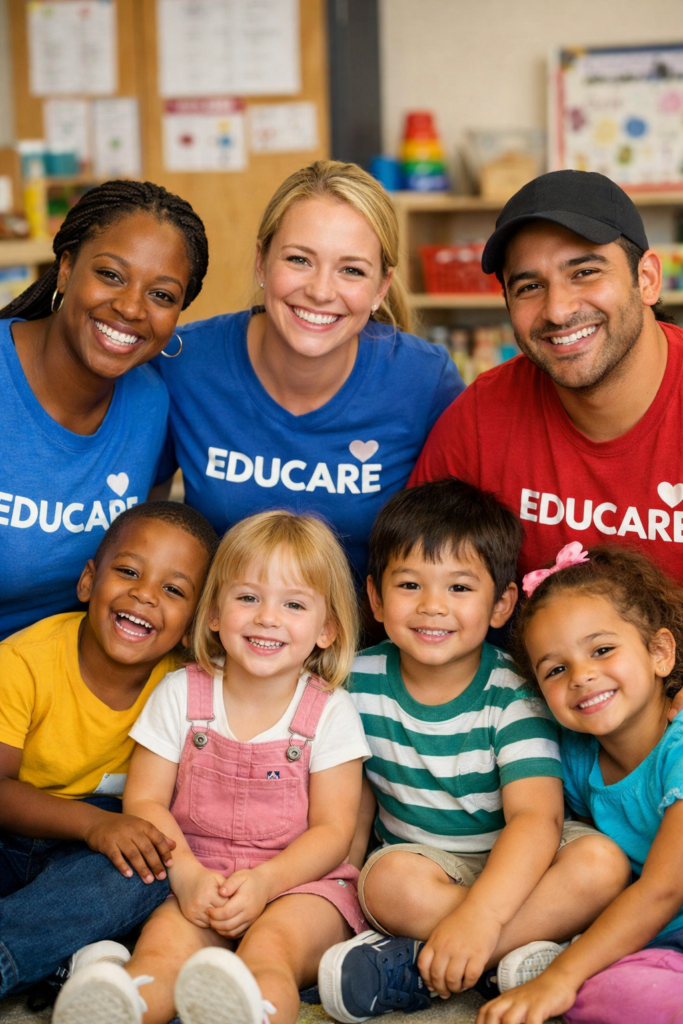
  • How Can Students Use Communication Skills In Science Activities?

    Introduction

    Students use communication skills in science activities to share ideas and work together. These skills help children explain their thoughts clearly and listen carefully. 

    Talking, asking questions, and observing experiments make learning easier. When students communicate well, everyone understands better. 

    Adults studying an Educare course learn how to guide children in teamwork and learning new skills.

    Why Are Communication Skills Important In Science?

    Communication skills help students understand experiments. Talking helps friends plan together. Listening helps notice small details. 

    Asking questions solves problems. Explaining results clearly makes learning easier.

    How Does Talking Help Share Ideas?

    Talking helps students explain and plan.

    • Speak slowly for friends to follow
    • Describe what you will do
    • Share guesses politely
    • Ask for help if unclear
    • Use simple words

    How Does Listening Improve Understanding?

    Listening helps students notice details.

    • Focus on what friends say
    • Repeat instructions quietly
    • Ask questions if unsure
    • Watch for changes
    • Follow each step

    How Do Questions Improve Learning?

    Questions help students think better.

    • Ask what will happen next
    • Wonder why results change
    • Check steps politely
    • Suggest ideas calmly
    • Share your thoughts

    Talking, listening, and asking questions make science easier. Friends notice details and enjoy learning together.

    How Can Students Explain Their Observations Clearly?

    Students explain what they see so everyone understands. They use simple words and show actions when needed. 

    Comparing results with expectations helps friends follow experiments.

    How Do Students Describe What They See?

    Clear descriptions help friends understand.

    • Name colours, shapes, and sizes
    • Notice changes over time
    • Point out patterns
    • Compare with predictions
    • Explain surprises

    Why Should Students Use Simple Words?

    Simple words make ideas clear.

    • Avoid confusing terms
    • Repeat important points slowly
    • Use short sentences
    • Speak calmly
    • Check understanding

    How Do Actions Help Explain Ideas?

    Actions support words and help learning.

    • Show steps slowly
    • Demonstrate reactions
    • Use gestures
    • Point to important parts
    • Repeat if needed

    Words and actions together help friends understand. Learning becomes easier and fun.

    How Do Teams Work Better With Communication?

    Teams work best when everyone shares ideas. Clear roles, discussing results, and solving problems together make experiments smoother. 

    Communication helps children feel included.

    How Can Roles Help Teamwork?

    Roles make teamwork organised.

    • Decide who measures, mixes, or records
    • Take turns using tools
    • Check each other’s work politely
    • Explain your tasks
    • Help friends when needed

    How Can Discussing Results Help?

    Talking about results helps everyone.

    • Share what worked and what did not
    • Compare measurements
    • Ask why results differ
    • Suggest improvements politely
    • Celebrate together

    How Can Teams Solve Problems?

    Teams solve challenges faster together.

    • Listen to all ideas
    • Try different solutions
    • Divide tasks fairly
    • Encourage friends
    • Adjust steps if needed

    Sharing ideas and solving problems together improves teamwork. Experiments are easier and more fun.

    Why Is Asking Questions An Important Skill?

    Questions help students understand experiments better. They clarify steps, explore ideas, and guide learning. 

    Sharing questions with friends helps everyone discover more.

    How Can Students Clarify Instructions?

    Questions make steps clear.

    • Ask which materials to use
    • Check each step
    • Repeat instructions if unsure
    • Ask about safety rules
    • Confirm tools

    How Can Students Explore Ideas?

    Questions help thinking.

    • Ask what will happen
    • Wonder why results change
    • Suggest alternatives politely
    • Compare with friends
    • Connect observations

    How Can Students Reflect on Learning?

    Reflection improves experiments.

    • Ask how to do better next time
    • Check if results match predictions
    • Discuss mistakes and successes
    • Share answers
    • Plan next steps

    Asking questions helps learning. Students discover more and enjoy science together.

    How Can Students Use Visual Aids To Communicate?

    Visual aids help friends understand experiments. Drawings, charts, and models make ideas clear. 

    Using visuals with words helps learning.

    How Do Drawings Help?

    Pictures make ideas clear.

    • Sketch shapes and changes
    • Label parts
    • Show surprises
    • Colour for clarity
    • Compare with notes

    How Do Charts and Tables Help?

    Tables organise results.

    • Record measurements
    • Show patterns
    • Compare trials
    • Highlight numbers
    • Review together

    How Do Models and Props Help?

    Models make ideas easy to see.

    • Build simple tools or plants
    • Show reactions
    • Demonstrate steps slowly
    • Repeat if needed
    • Link to real results

    Visuals help to understand better. Friends learn and remember results better.

    How Do Students Give And Receive Feedback?

    Feedback helps students notice successes and improvements. Giving kind feedback supports friends. 

    Receiving tips helps children improve quickly.

    How Can Students Give Helpful Feedback?

    Feedback guides learning.

    • Point out successes
    • Suggest small improvements
    • Use kind words
    • Encourage friends
    • Celebrate teamwork

    How Can Students Receive Feedback?

    Listening helps students improve.

    • Accept advice calmly
    • Ask questions
    • Apply suggestions
    • Reflect on changes
    • Repeat steps

    How Can Feedback Improve Learning?

    Feedback improves teamwork.

    • Discuss what worked
    • Plan next steps
    • Adjust methods
    • Celebrate small improvements
    • Share results

    Giving and receiving feedback improves teamwork. Students learn from mistakes and succeed together.

    How Can Students Build Confidence In Communication?

    Confidence helps children share ideas and listen. Practising speaking, encouraging friends, and reflecting improve skills. 

    Confident students feel included.

    How Can Students Practise Speaking?

    Small steps build confidence.

    • Share ideas with friends
    • Explain observations
    • Ask questions politely
    • Repeat instructions
    • Speak calmly

    How Can Students Encourage Friends?

    Helping friends boosts confidence.

    • Praise effort
    • Remind progress
    • Offer help
    • Share feedback
    • Celebrate achievements

    How Can Students Reflect on Communication?

    Reflection improves skills.

    • Think about what went well
    • Ask how to explain better
    • Note successes
    • Plan next attempts
    • Learn from mistakes

    Practising, encouraging, and reflecting help students communicate. Teams work smoothly, and learning is fun.

    How Can Educare Skills Help Students In Science?

    Educare skills teach adults to guide children. Adults who study an Educare course support learning safely. 

    These skills help children communicate and work together confidently.

    How Can Adults Lead by Example?

    Adults guide children safely.

    • Demonstrate steps clearly
    • Encourage teamwork
    • Show patience
    • Model careful observation
    • Guide politely

    How Can Adults Teach Listening?

    Listening helps everyone succeed.

    • Pay attention
    • Ask questions
    • Repeat steps
    • Give feedback kindly
    • Respect ideas

    How Can Adults Support Others?

    Helping friends improves learning.

    • Share materials
    • Assist with tricky steps
    • Celebrate successes
    • Encourage participation
    • Offer advice

    Educare skills strengthen teamwork and communication. Children learn safely and confidently.

    How Can Students Stay Motivated In Science?

    Motivation keeps children focused and interested. Celebrating successes and encouraging friends makes learning fun. 

    Motivation helps children complete experiments carefully.

    How Can Students Celebrate Success?

    Celebrating achievements helps learning.

    • Praise effort
    • Show completed work
    • Reward trying new ideas
    • Share results
    • Remember small wins

    How Can Students Support Friends?

    Helping friends boosts motivation.

    • Encourage politely
    • Offer help
    • Share ideas
    • Listen carefully
    • Celebrate progress

    How Can Students Keep Energy for Experiments?

    Energy helps students focus.

    • Take breaks
    • Stay organised
    • Follow steps
    • Ask questions
    • Keep positive

    Motivation keeps learning fun. Teams enjoy science when children stay positive and focused.

    How Can Students Use Communication To Solve Problems?

    Communication helps solve challenges. Talking, asking questions, and sharing ideas guide teamwork. 

    Clear communication improves results.

    How Can Students Identify Problems?

    Finding problems is the first step.

    • Watch carefully
    • Compare results
    • Ask friends for opinions
    • Note surprises
    • Think of solutions

    How Can Students Discuss Solutions?

    Sharing ideas finds answers.

    • Listen to suggestions
    • Speak politely
    • Try methods
    • Divide tasks
    • Agree on the approach

    How Can Students Test Solutions?

    Testing helps improve experiments.

    • Follow steps
    • Record results
    • Adjust actions
    • Reflect on what worked
    • Share findings

    Communication helps problem-solving. Students enjoy science more when they work together.

    How Can Students Reflect On Learning?

    Reflection helps students improve. Thinking about successes, mistakes, and methods makes learning stronger. 

    Reflection builds confidence.

    How Can Students Think About Success?

    Reflection highlights achievements.

    • Recall good steps
    • Celebrate completing tasks
    • Share results
    • Note improvements
    • Feel proud

    How Can Students Learn From Mistakes?

    Mistakes teach lessons.

    • Identify errors
    • Ask how to improve
    • Try the corrected steps
    • Discuss solutions
    • Apply lessons

    How Can Students Plan Next Steps?

    Planning guides learning.

    • Decide next experiment
    • Use friends’ ideas
    • Organise materials
    • Predict results
    • Set small goals

    Reflection improves understanding. Students learn more with practice.

    How Can Students Share Their Learning With Others?

    Sharing learning helps students teach and inspire friends. Talking about what they learned makes ideas stronger. 

    Showing results and discoveries helps everyone in the group understand better.

    How Can Students Present Their Ideas?

    Presenting ideas makes learning clear to others.

    • Explain what you did step by step
    • Use simple words so everyone understands
    • Show diagrams or drawings to support your points
    • Speak clearly and slowly
    • Repeat important details to make sure friends follow

    How Can Students Demonstrate Experiments?

    Demonstrating experiments helps friends see results clearly.

    • Show each step carefully
    • Use gestures to explain actions
    • Point out important changes or patterns
    • Repeat difficult parts slowly
    • Let friends try parts themselves when possible

    How Can Students Encourage Friends to Share?

    Encouraging friends builds confidence and teamwork.

    • Ask friends to explain their observations
    • Praise effort and creativity politely
    • Offer support if someone is unsure
    • Listen carefully to their ideas
    • Celebrate everyone’s contributions

    Sharing learning helps friends understand experiments. Students feel proud and confident when they teach and inspire others.

    How Can Students Apply Learning To New Experiments?

    Applying learning helps students use their knowledge in new ways. Thinking about past experiments guides the next steps. 

    Using what they learned makes future experiments easier and more successful.

    How Can Students Use Past Observations?

    Past observations guide new experiments.

    • Review notes from previous experiments
    • Compare results with predictions
    • Identify what worked well before
    • Notice mistakes to avoid them
    • Think about how results can be improved

    How Can Students Plan New Experiments?

    Planning helps experiments succeed.

    • Decide the goal of the new experiment
    • Gather all materials carefully
    • Write step-by-step instructions
    • Predict what might happen
    • Set small targets to reach

    How Can Students Test New Ideas Safely?

    Testing safely helps learning continue.

    • Follow safety rules carefully
    • Try small changes one at a time
    • Observe results closely
    • Record data clearly
    • Reflect on what works best

    Applying learning helps students grow and improve. Each new experiment becomes easier and more fun when students use what they have learned before.

    Conclusion

    Students use communication skills to share ideas, ask questions, and work together. Talking, listening, and asking questions make experiments easier. 

    Describing observations and using visuals helps friends understand. Giving and receiving feedback improves teamwork. Confidence grows with practise. 

    Educare courses guide adults to support children safely. Motivation and reflection make science enjoyable. Practising these skills helps students become confident, curious, and successful learners.

    Frequently Asked Questions

    Why are communication skills important in science?

    Communication helps students share ideas clearly with their friends. Teams understand experiments faster when everyone talks and listens. 

    Working together is more fun and makes learning easier for everyone.

    How do students explain observations clearly?

    Students describe what they see in simple and easy words. They also use drawings, actions, or gestures to show their ideas. 

    This helps friends understand results and follow the experiment carefully.

    Why is asking questions useful?

    Questions help students understand each step of an experiment more clearly. Students explore ideas safely by asking polite and thoughtful questions. 

    Teams discover more together when everyone shares their questions and thoughts.

    How does teamwork improve science projects?

    Teamwork allows children to combine many different ideas and skills. Friends share roles, divide tasks fairly, and check each other’s results carefully. 

    Working together builds confidence and makes experiments more successful.

    How can feedback help students?

    Feedback shows students what worked well and what can be improved. Students can correct mistakes carefully by listening to suggestions. 

    Feedback also strengthens teamwork and helps everyone do better next time.

    Why is listening important?

    Listening helps students follow instructions step by step. Teams perform experiments accurately when everyone listens carefully. 

    Friends also learn from each other by noticing small details.

    How do visual aids help?

    Drawings, tables, and models make ideas easier to understand. Students can show results clearly and share information with friends. 

    Visuals support teamwork and make learning more fun and simple.

    Can confidence improve communication?

    Confidence helps students speak clearly, explain their thoughts, and ask questions. Practising these skills builds strong communication and learning abilities. 

    Teams work better together when everyone feels confident and included.

    How do Educare courses help adults guide students?

    Educare courses teach adults how to guide children safely and kindly. Adults help children learn new skills and work together as a team. 

    Students gain confidence and feel supported during experiments.

    How do students stay motivated in science?

    Celebrating successes makes learning more fun and exciting. Encouraging friends helps everyone feel happy and energised. 

    Motivation helps students finish experiments carefully and enjoy the learning process.

    Author: Janice van der Westhuizen

  • How To Pass Educare Courses – A Fresh Approach

    Introduction

    Are you wondering how to pass Educare courses? With the right approach and attitude, you can easily understand and complete your course. 

    This article will show you simple tips and strategies to help you succeed. Educare courses are focused on giving you the skills to work with young children, teaching them and ensuring they are safe. 

    With these steps, you will be on your way to passing and learning valuable skills for your career.

    What Are Educare Courses?

    Educare courses teach you the basics of caring for children in early childhood education settings. These courses focus on child care, safety, and first aid. 

    You will also learn how to create safe, engaging environments for children to grow and develop.

    What Topics Are Covered in Educare Courses?

    In Educare courses, you will learn about different aspects of child care. Some of the main topics include child development, safety, and health. 

    By studying these topics, you will become well-prepared to work with children.

    • Child development and milestones
    • Teaching through play and creativity
    • Importance of a safe environment for children

    Understanding these key areas will prepare you for the work ahead and help you succeed in your Educare course.

    How Are Educare Courses Structured?

    Educare courses are usually structured to be completed online or in person. The course content is broken down into different modules. 

    This makes it easier to focus on one thing at a time.

    • Self-paced learning for flexibility
    • Practical assignments to help apply your knowledge
    • End-of-module assessments to track progress

    By following the course structure and staying organised, you can complete your assignments on time.

    How Do Educare Courses Benefit Your Career?

    Taking Educare courses can open up a wide range of job opportunities. These courses equip you with essential skills to work in daycare centres, schools, or as a private caregiver. You will also gain the qualifications needed to grow in the field.

    • Opportunities to work in schools or daycare centres
    • Gaining valuable skills in child care
    • Ability to pursue further qualifications in education

    With the skills gained in your Educare course, you can take your career to the next level.

    What Skills Do You Gain From Educare Courses?

    When you take Educare courses, you will gain a variety of useful skills. These skills will help you work confidently with children, manage classrooms, and respond to emergencies. 

    The main focus is on child care, learning, and safety.

    How Do Educare Courses Teach Child Care?

    Child care is one of the most important parts of Educare courses. You will learn how to manage children and make sure they are safe, happy, and cared for. 

    You will also understand their emotional and physical needs.

    • Learning to manage children’s behaviour
    • Ensuring children are in a safe environment
    • Providing support to children with special needs

    These skills are key to becoming a good child care worker and excelling in your Educare course.

    How Are First Aid Skills Taught?

    In your Educare courses, you will also learn first aid skills. Knowing how to help in an emergency is essential. 

    These skills will help you feel confident when taking care of children in case of an accident.

    • Basic first aid for children
    • Responding to medical emergencies
    • How to handle accidents calmly

    First aid training is a vital part of the course, ensuring you are prepared for any situation.

    How Do Educare Courses Teach Child Development?

    Understanding child development is a key part of Educare courses. You will learn how children grow at different stages and how to support their development. 

    Knowing this helps you create activities that fit their needs.

    • Milestones in early childhood development
    • Activities to encourage learning and growth
    • Identifying developmental delays and offering support

    By understanding child development, you can better support children in their learning journey.

    How Can You Stay Organised To Pass Educare Courses?

    Staying organised is the secret to passing Educare courses with ease. Managing your time, assignments, and study schedule will keep you on track. 

    Organisation helps you avoid stress and stay motivated.

    How Can You Plan Your Study Time?

    To do well in Educare courses, set aside regular study time. Creating a study schedule helps you stay organised. Make sure you balance study with breaks to avoid getting overwhelmed.

    • Set a daily study routine
    • Use a calendar to track deadlines
    • Break up tasks into smaller, manageable steps

    Planning your study time ensures you stay focused and organised throughout your Educare course.

    How Can You Keep Track of Your Progress?

    Tracking your progress helps you stay on top of your work. It also allows you to see how much you have learned. 

    You can track your grades and assignments to make sure you do not fall behind.

    • Keep a list of tasks to complete
    • Track assignment deadlines and grades
    • Celebrate your progress to stay motivated

    Monitoring your progress keeps you motivated and helps you focus on your goals in the Educare course.

    How Can You Avoid Procrastination?

    Procrastination is a common challenge for many students. To avoid it, break large tasks into smaller, easier parts. 

    Staying on top of your work will help you avoid feeling stressed later on.

    • Set short, achievable goals
    • Focus on one task at a time
    • Reward yourself after completing tasks

    Avoiding procrastination will help you finish your work on time and stay ahead in your Educare course.

    How Can You Get Support While Studying?

    Asking for help is important when you are studying. Support from your teacher, classmates, or family can make a big difference. 

    You should never hesitate to reach out for help if you do not understand something.

    How Can You Ask for Help from Your Teacher?

    If you are struggling with a topic, do not be afraid to ask your teacher for help. Teachers are there to support you and help you understand the material better.

    • Reach out by email or in person
    • Ask for extra help with difficult topics
    • Attend extra classes if available

    Asking for help when needed ensures you do not fall behind in your Educare course.

    How Can You Work with Classmates?

    Working with classmates can make studying more enjoyable and easier. You can help each other understand difficult concepts and stay motivated. 

    Group work allows you to learn from others.

    • Form study groups to discuss lessons
    • Share notes and resources
    • Help each other with assignments

    Working together with classmates can make learning more fun and easier to understand.

    How Can You Get Support from Your Family?

    Your family can also be a big help while you study. They can encourage you and help you stay focused. They can also assist with any challenges you face while learning.

    • Ask family to help you with study time
    • Get their support to stay motivated
    • Let them know when you need encouragement

    Family support helps you stay focused and motivated throughout your Educare course.

    How Do You Stay Motivated?

    Staying motivated throughout your Educare course can sometimes be difficult. However, by setting clear goals and reminding yourself of why you started, you can keep going. 

    Motivation helps you stay on track and finish your course successfully.

    How Can You Set Clear Goals?

    Setting goals gives you something to work towards. Break down your long-term goal into smaller steps. 

    This helps you see the progress you make along the way.

    • Set realistic, small goals
    • Keep your big goal in mind
    • Track your achievements regularly

    Setting and achieving small goals will keep you motivated and moving forward in your Educare course.

    How Can You Celebrate Your Progress?

    Celebrating small victories along the way helps you stay motivated. Every time you finish a task or assignment, take a moment to feel proud. 

    This encourages you to keep working hard.

    • Reward yourself after completing tasks
    • Celebrate small achievements regularly
    • Stay proud of your hard work

    Celebrating your progress helps you stay motivated throughout your Educare course.

    How Can You Stay Positive?

    It is important to keep a positive attitude, even when studying gets tough. When you face challenges, remember that they are part of the learning process. 

    Stay positive and keep pushing forward.

    • Focus on the positives, not the challenges
    • Think about how far you have come
    • Stay confident in your ability to succeed

    Staying positive will help you keep going even when things get tough in your Educare course.

    How Can You Balance Study And Personal Life?

    Balancing your studies with your personal life is key to staying healthy and successful in your Educare course

    Managing time wisely and setting boundaries between study time and relaxation helps you avoid burnout.

    How Can You Set a Balanced Schedule?

    Creating a balanced schedule is important to make sure you have enough time for everything. This helps you avoid stress and ensures you are productive without feeling overwhelmed.

    • Set specific study hours
    • Include breaks to avoid burnout
    • Plan personal activities to relax

    A balanced schedule is essential to keep your mind fresh while completing your Educare course.

    How Can You Manage Stress?

    Studying for Educare courses can be stressful, but with the right tools, you can manage it. Stress management helps you stay calm and focused on your studies.

    • Practice relaxation techniques like deep breathing
    • Stay active to relieve stress
    • Talk to someone when feeling overwhelmed

    Managing stress will help you stay focused and productive throughout your Educare course.

    How Can You Avoid Burnout?

    Preventing burnout is important for staying motivated in your Educare course. Ensure you take time for rest and avoid overloading yourself with too many tasks.

    • Take regular breaks during study time
    • Prioritise self-care activities
    • Set realistic goals to avoid pressure

    Preventing burnout will help you stay healthy and motivated while studying for your Educare course.

    How Can You Stay Focused During Online Learning?

    Online learning can sometimes be distracting, but staying focused is crucial for success in your Educare course

    Having a structured environment can help you concentrate.

    How Can You Create a Distraction-Free Study Space?

    A quiet, organised study space can boost your focus and productivity. Find a spot that is free from distractions to get the most out of your study sessions.

    • Set up a clean, quiet workspace
    • Avoid using your phone while studying
    • Keep all study materials within reach

    Creating a distraction-free space helps you stay focused and be more productive during online learning.

    How Can You Stay Disciplined?

    Discipline is key when learning online. Without a teacher present, it is easy to lose focus. However, discipline will keep you on track to complete your Educare course.

    • Stick to your study schedule
    • Avoid multitasking while studying
    • Set clear goals for each study session

    Staying disciplined ensures you complete tasks on time and maintain progress throughout your Educare course.

    How Can You Stay Engaged in Online Lessons?

    Engaging with your course material is important for deep learning. Active participation in lessons makes it easier to understand the topics and perform well in assessments.

    • Take notes during lessons
    • Ask questions if something is unclear
    • Join online study groups for discussions

    Staying engaged in online lessons will help you retain information and succeed in your Educare course.

    How Can You Prepare For Educare Exams?

    Exams can be stressful, but preparing well can ease your nerves. Good preparation helps you feel confident and ready to do your best.

    How Can You Plan for Your Exam?

    Planning ahead for your Educare exam will give you a clear idea of what to focus on. 

    A well-structured plan helps you cover all topics and avoid last-minute stress.

    • Break down your study material into smaller sections
    • Review past exam papers for practice
    • Set realistic study goals for each day

    Planning ahead ensures you feel ready for the exam and reduces stress.

    How Can You Review Effectively?

    Effective review is essential for retaining what you have learned. Spending time revisiting key points will help you remember them during your exam.

    • Review notes regularly
    • Create flashcards for key terms
    • Teach someone else what you’ve learned

    Regularly reviewing your work helps improve retention and boosts your confidence during exams.

    How Can You Stay Calm During the Exam?

    Staying calm during your Educare exam will help you think clearly and answer questions accurately. Relaxation techniques can keep your mind focused.

    • Take deep breaths to calm nerves
    • Read through the exam before starting
    • Manage your time wisely during the exam

    Staying calm during exams ensures you perform at your best and reduces anxiety.

    How Can You Improve Your Study Techniques?

    Improving your study techniques will help you learn more efficiently. With the right techniques, you can understand complex concepts better and retain information longer.

    How Can You Use Active Learning?

    Active learning involves engaging with the material rather than passively reading or listening. This method helps you retain information more effectively.

    • Summarise lessons in your own words
    • Create mind maps to link ideas
    • Test yourself regularly on the material

    Active learning makes studying more engaging and effective, helping you retain what you learn in your Educare course.

    How Can You Use Visual Aids to Study?

    Using visual aids like charts and diagrams helps break down information. Visual learning can make complex ideas easier to understand.

    • Use charts to track child development
    • Draw diagrams to understand processes
    • Colour-code notes for easy recall

    Visual aids are a great way to enhance your understanding and retention in your Educare course.

    How Can You Stay Organised with Notes?

    Organising your notes is essential to effective study. Well-organised notes help you find important information quickly and stay on top of your studies.

    • Use folders or digital tools to organise notes
    • Highlight key points to focus on
    • Keep notes organised by topic

    Staying organised with your notes helps you study more efficiently and keeps you on track in your Educare course.

    How Can You Apply What You Learn In Educare?

    Applying the knowledge from your Educare course in real-life situations will help you retain the information better. 

    Hands-on experience allows you to understand how to use your skills practically.

    How Can You Observe Childcare Settings?

    Observation in child care settings is a great way to apply what you have learned. Watching professionals at work helps you see how theories are put into practice.

    • Spending time in a daycare or school
    • Observe how educators interact with children
    • Take notes on the activities that engage children

    Observing real-life situations helps you see how your learning applies to everyday settings.

    How Can You Volunteer to Gain Experience?

    Volunteering in a child care setting will give you hands-on experience. It is a great way to put your knowledge into action while learning from professionals.

    • Volunteer at a local daycare centre
    • Offer to help in after-school programmes
    • Join community-based child care projects

    Volunteering helps you gain practical experience and strengthen your skills for future employment.

    How Can You Reflect on Your Experiences?

    Reflecting on your experiences will help you improve and grow. Taking time to think about your strengths and areas for improvement helps you become better at what you do.

    • Keep a journal of your experiences
    • Identify areas where you can improve
    • Set goals for personal growth

    Reflecting on your experiences allows you to develop better skills and improve your practice in Educare.

    Conclusion

    Passing your Educare course is achievable with the right approach. Stay motivated, set clear goals, and celebrate your progress. 

    A positive mindset is key to overcoming challenges. Balancing your study time with personal life will help you avoid burnout. Always stay focused and disciplined to stay on track. 

    Apply what you learn through real-life experience to reinforce your knowledge. Make use of study techniques like active learning to improve retention. 

    Keep pushing forward and enjoy the journey towards completing your Educare course.

    Frequently Asked Questions

    What is an Educare course?

    An Educare course focuses on child care and education. It teaches you how to work with children in various settings. 

    You will learn how to support child development and create a safe learning environment.

    How long does it take to complete an Educare course?

    The duration of an Educare course depends on the level and study method. It can take anywhere from six months to a few years. 

    You can complete it part-time or full-time based on your schedule.

    Can I study Educare online?

    Yes, many Educare courses are available online. Online study offers flexibility, allowing you to learn at your own pace. It is a great option for those who need to balance work and study.

    What qualifications do I need to start an Educare course?

    To start an Educare course, you typically need a matric certificate. Some courses may have additional entry requirements, such as a passion for child care. 

    Always check with the provider for specific entry criteria.

    How can I stay motivated during my Educare course?

    Staying motivated involves setting clear, achievable goals. Break down large tasks into smaller steps to track your progress. 

    Celebrate small wins along the way to keep your spirits high.

    What can I do if I struggle with my studies?

    If you struggle with your studies, consider asking for help. Reach out to your tutor or join online study groups. 

    Practising regularly and seeking support can help you overcome difficulties.

    Can I work while studying for an Educare course?

    Yes, many students work while studying for an Educare course. You can opt for part-time study or flexible schedules. 

    Just make sure to manage your time well and balance work with study.

    How will an Educare course help me in my career?

    An Educare course gives you the skills needed to work in child care and education. It opens career opportunities as a teacher’s assistant, daycare worker, or even an early childhood educator. 

    The qualification is recognised in various educational settings.

    What is the difference between Educare and other child care qualifications?

    Educare courses focus on early childhood development, teaching methods, and safety. Other child care qualifications may be more general or focus on different age groups. 

    Educare is more specific to young children.

    Is there support available during an Educare course?

    Yes, support is often available in Educare courses. Many providers offer online tutoring, study materials, and forums. 

    You can also connect with peers for additional support.

    Author: Janice van der Westhuizen

  • Why Consistent Study And Practice Are Key To Passing Educare Courses

    Introduction

    Success in Educare courses needs more than just attending classes. It requires regular study, consistent practice, and good time management. 

    These steps will help you understand the course material and build confidence. With focus and effort, you will be better prepared for assignments and exams. 

    This article will guide you on how to study effectively and stay on track in your Educare studies.

    Why Is Consistency Important In Educare Courses?

    Consistency is the key to success in any course, including Educare courses. When you study regularly, you reinforce your learning and build strong foundations. 

    Without this steady effort, it can be easy to forget important information and fall behind.

    How does regular study help you remember information?

    By studying regularly, you help your brain store information for the long term. This makes it easier to recall during exams or practical tasks.

    • Review lessons weekly
    • Make short notes for quick reference
    • Study small amounts each day

    How does consistency improve your confidence?

    When you keep up with your studies, you feel more prepared. The more you study, the more confident you become about your knowledge and abilities.

    • Set study goals for each session
    • Reward yourself for completing tasks
    • Review your progress regularly

    How can regular study prevent stress?

    Staying on top of your studies means you will not have to rush or cram before exams. This reduces the pressure and helps you manage your time better.

    • Plan study times in advance
    • Break study sessions into manageable parts
    • Take short breaks during study time

    Make a study schedule and stick to it for steady progress. Consistency is the foundation of your success in Educare courses.

    How Does Practice Improve Your Performance?

    Practice is where theory turns into skill. In Educare courses, you need to regularly practice what you learn to become truly skilled at applying it. 

    The more you practice, the better you will perform.

    How does practice help in skill development?

    Hands-on practice helps you understand how to use your knowledge in real-life situations. This is crucial for Educare courses, where both theoretical and practical skills are important.

    • Do practical exercises regularly
    • Use real-life scenarios to test your knowledge
    • Take part in role-playing activities

    How does practice prepare you for assessments?

    In Educare courses, assessments test both your knowledge and practical skills. Practicing helps you become familiar with the assessment format and types of questions.

    • Use mock exams for practice
    • Create flashcards for important topics
    • Write answers to potential questions

    How does consistent practice boost problem-solving skills?

    Regular practice allows you to think critically and find solutions quickly. This is helpful in Educare courses, where problem-solving is a key skill.

    • Try solving practice questions
    • Work on case studies
    • Discuss problems with classmates

    Make time for daily practice to improve your skills. Practice is essential to mastering the key skills for Educare courses.

    Why Is Time Management Essential For Success?

    Good time management helps you organise your studies and avoid feeling rushed. When you plan your time effectively, you can balance study, practice, and relaxation. 

    This makes studying more efficient and less stressful.

    How can a study schedule improve your time management?

    A study schedule ensures you focus on important topics and helps you stay organised. By planning ahead, you can tackle each subject with enough time.

    • Set specific study times each day
    • Prioritise difficult subjects first
    • Use a planner to track deadlines

    How can time management reduce stress during exams?

    When you manage your time well, you have enough time to revise everything before exams. You will not need to cram at the last minute, reducing stress.

    • Break study sessions into manageable chunks
    • Review lessons regularly
    • Leave time for relaxation

    How can proper time management help with assignments?

    Managing your time wisely means you will not leave assignments until the last minute. You can work steadily and ensure your work is thorough and well-researched.

    • Start assignments as soon as they are given
    • Set deadlines for each section of the assignment
    • Review your work before submitting it

    Create a study timetable to stay organised and stress-free. Time management is a powerful tool for success in Educare courses.

    How Can Group Study Help You Learn More Effectively?

    Group study can make your learning experience much richer. By studying with others, you can share ideas, solve problems together, and learn new things. 

    Group study helps you stay motivated and excited about the material.

    How does discussing topics with others improve understanding?

    When you talk to others, you see different viewpoints. This helps you understand the material better and in new ways.

    • Form study groups with classmates
    • Share notes and study tips
    • Explain concepts to others

    How does group study make studying more fun?

    Studying with a group is more enjoyable than studying alone. It becomes interactive, social, and engaging, which makes learning easier.

    • Organise study sessions with classmates
    • Have fun debates and discussions
    • Play educational games together

    How can group study help you stay motivated?

    Group study helps keep you on track. When you study with others, you feel responsible for your progress, which motivates everyone in the group.

    • Set group study goals
    • Encourage each other to keep going
    • Celebrate your achievements together

    Join a study group to enhance your learning and stay motivated. Group study is a fun and effective way to boost your learning in Educare courses.

    Why Is It Important To Review Your Work Regularly?

    Reviewing your work helps you identify mistakes and improve your knowledge. Regular reviews allow you to keep your learning fresh and catch errors before they become problems.

    How does reviewing help identify mistakes?

    By reviewing your work regularly, you can spot mistakes or gaps in your understanding. This helps you correct errors before they become major issues.

    • Review notes after each study session
    • Check for spelling and factual errors
    • Use quizzes to test your knowledge

    How does reviewing improve long-term memory?

    When you regularly review what you have learned, you reinforce it in your mind. This makes it easier to remember information for exams and assignments.

    • Review notes regularly
    • Test yourself to strengthen your memory
    • Use repetition to remember key points

    How can reviewing help you understand complex topics?

    Regular review helps you break down difficult topics and understand them better. It makes complex concepts easier to manage and remember.

    • Break topics into smaller parts
    • Use diagrams and charts to explain complex ideas
    • Focus on one topic at a time

    Set aside time each week to review your work. Regular review is vital for success in Educare courses.

    How Can Seeking Help Improve Your Studies?

    Asking for help is a smart way to overcome challenges. Tutors, classmates, and online resources can all support your learning and help you understand difficult concepts.

    How can tutors provide support for your studies?

    Tutors offer personalised guidance and can explain difficult topics in a way that is easy to understand. They help you stay on track and improve your work.

    • Ask tutors for clarification on topics
    • Schedule extra sessions for difficult subjects
    • Take notes on their feedback

    How can classmates assist with your learning?

    Your classmates are valuable resources. They can share study materials, discuss ideas, and explain things you might not understand.

    • Discuss topics together
    • Share notes and study resources
    • Help each other with assignments

    How can online resources help with learning?

    Online resources offer a wealth of extra materials to support your learning. You can access tutorial videos, articles, and discussion forums that provide valuable insights.

    • Watch educational videos online
    • Read blogs and articles for deeper understanding
    • Use online quizzes to test your knowledge

    Do not hesitate to ask for help when you need it. Seeking help is a great way to ensure you succeed in Educare courses.

    How Can Staying Organised Improve Your Studies?

    Staying organised helps you keep track of your progress and ensures you are on top of your assignments and study materials. 

    With a well-structured plan, you will be able to manage your time more effectively and stay focused on your learning goals.

    How does having a study plan help you stay organised?

    A study plan helps you allocate specific times for each subject or task. This ensures you stay on track and complete assignments before deadlines.

    • Create a daily or weekly study plan
    • Break down tasks into manageable chunks
    • Review and adjust your plan regularly

    How can keeping track of progress improve learning?

    Tracking your progress shows how much you have learned and where you need to focus more. It helps you feel accomplished and stay motivated.

    • Use a study journal or progress tracker
    • Celebrate small wins along the way
    • Identify areas that need more attention

    How can being organised reduce stress?

    An organised study routine reduces the last-minute rush and helps you manage your time wisely. This leads to less stress, especially before exams.

    • Keep your study space tidy
    • Prioritise tasks by deadline or importance
    • Set realistic goals each week

    Staying organised allows you to manage your time and learning effectively, ensuring you stay on top of your studies with less stress.

    Conclusion

    Consistent study and practice are essential for success in Educare courses. By setting regular study goals, practising often, and managing your time well, you build confidence and retain information. 

    Staying organised and reviewing material regularly helps you stay on track and perform well in exams and assignments. 

    With dedication and focus, you can achieve your goals and excel in your studies. Keep up with your studies, and success will follow!

    Frequently Asked Questions

    Why is consistent study important for Educare courses?

    Regular study helps you remember important information and understand concepts better. It also builds a strong foundation for both theoretical knowledge and practical skills. 

    Staying consistent makes it easier to recall key information during assessments.

    How does practice improve your performance in Educare courses?

    Regular practice allows you to apply what you have learned in real-world situations. It boosts confidence by reinforcing both theoretical and practical skills. 

    Practising frequently ensures you are well-prepared for exams and hands-on assessments.

    Can group study help me succeed in Educare courses?

    Yes, group study encourages discussion and deeper understanding of complex topics. It also helps you stay motivated by learning from your peers and sharing different perspectives. 

    Working with others makes studying more engaging and interactive.

    How can I manage my time effectively for Educare courses?

    Creating a study plan helps you balance coursework, assignments, and revision. Effective time management prevents last-minute cramming and reduces stress. 

    Prioritising tasks allows you to stay organised and complete work on time.

    Why should I review my work regularly?

    Reviewing your work helps identify mistakes before submitting assignments. It reinforces what you have learned, making it easier to remember information for exams. 

    Going over past material improves your overall understanding of the subject.

    How can seeking help improve my performance?

    Asking for help from tutors or classmates clears up confusion and strengthens understanding. Learning from different perspectives can make difficult topics easier to grasp. 

    Seeking support when needed ensures you do not fall behind in your studies.

    What is the best way to practice for Educare courses?

    Hands-on activities, mock exams, and using flashcards are effective study methods. These techniques reinforce learning and improve memory retention. 

    Practising regularly builds confidence and enhances exam performance.

    How can a study schedule help with time management?

    A study schedule keeps you focused and ensures that all topics are covered. It prevents last-minute stress by dividing tasks into manageable sections. 

    Following a structured plan helps maintain a steady learning pace.

    Why is group study more effective than studying alone?

    Group study allows you to learn from different viewpoints and gain new insights. It also provides accountability, making it easier to stay motivated. 

    Discussing concepts with peers improves understanding and retention.

    How can reviewing my work improve my grades?

    Regular revision helps you catch errors and correct misunderstandings. It strengthens your knowledge, making it easier to recall information during exams. 

    Reviewing your work consistently leads to better performance in assignments and tests.

    Author: Janice van der Westhuizen

  • How To Overcome Common Challenges When Studying Educare

    Studying Educare courses can be an exciting journey, but like any course, it may come with its challenges. Understanding these challenges and knowing how to overcome them can help you stay on track and succeed. 

    In this article, we will explore some common hurdles students face when studying Educare courses and provide simple tips to make the learning process smoother. 

    Whether it is time management, balancing study with work, or understanding complex concepts, we have got you covered. Let us dive in and discover how to overcome these obstacles.

    How Can You Stay Organised While Studying?

    Staying organised is crucial for success in any course, especially in Educare courses. A clear study plan and good organisation can help you manage your time and tasks effectively. 

    To stay organised, you should create a timetable, set reminders, and keep track of deadlines.

    How Can A Study Plan Help You?

    A study plan outlines what you need to do and when you need to do it. It helps break your work into manageable chunks.

    • Set realistic goals
    • Allocate time for each topic
    • Keep track of your progress

    Why Is Time Management Important?

    Time management helps you balance study and personal life. It prevents stress and ensures you have enough time for everything.

    • Use tools like calendars or planners
    • Break tasks into smaller steps
    • Prioritise your most important tasks

    How Can You Avoid Procrastination?

    Procrastination can slow your progress. To avoid this, start small and tackle tasks right away.

    • Set a timer for short study sessions
    • Break tasks into easier steps
    • Reward yourself after completing tasks

    Staying organised will help you manage your studies better. Take the time to plan and stick to your schedule for success.

    How Can You Manage Your Time Effectively?

    Time management is one of the most important skills you will need in your Educare course. You may have other responsibilities, such as work or family, which can make it hard to find time for studying. 

    By following some simple strategies, you can make sure that you use your time wisely.

    How Can You Balance Work And Study?

    Finding time for both work and study is challenging, but it is possible with careful planning. Consider setting study hours during quieter moments in your day.

    • Set specific study hours each day
    • Use free time at work or between tasks
    • Make use of weekends

    How Can You Prioritise Your Tasks?

    Prioritising helps you focus on the most important tasks first. It will ensure that you complete your work on time.

    • Make a list of tasks for the day
    • Tackle the hardest tasks first
    • Leave simpler tasks for later

    What Tools Can Help You Manage Time?

    There are many tools available to help manage time, such as apps or physical planners. These tools can keep you on track.

    • Use a digital calendar or app
    • Set reminders for key tasks
    • Use a timer for focused study periods

    Managing your time well ensures that you meet deadlines without feeling rushed. Plan ahead to stay on top of your studies.

    How Can You Stay Motivated Throughout Your Studies?

    Staying motivated during your Educare course can sometimes be difficult, especially when the workload feels heavy. 

    However, by setting goals and reminding yourself of your purpose, you can maintain your motivation throughout the course.

    How Can Setting Goals Help You Stay Motivated?

    Setting goals gives you something to work towards. By achieving small goals, you feel accomplished and motivated to keep going.

    • Set both short-term and long-term goals
    • Celebrate your achievements
    • Break larger goals into smaller steps

    How Can You Remind Yourself Of Your Purpose?

    Reminding yourself why you started the course can reignite your passion. Think about the impact it will have on your career and life.

    • Write down your reasons for studying
    • Keep a visual reminder of your goals
    • Share your progress with family or friends

    How Can Rewards Keep You Motivated?

    Rewards can act as incentives to stay on track. Give yourself something enjoyable once you complete a task.

    • Treat yourself after finishing an assignment
    • Take breaks when you reach milestones
    • Celebrate when you pass a module

    Staying motivated is key to finishing your course. Keep your eyes on the goal and reward yourself along the way.

    How Can You Improve Your Understanding Of Complex Topics?

    Some Educare courses may include difficult topics that are hard to understand. The key to mastering these subjects is practice, extra study, and asking for help when you need it.

    How Can You Use Additional Learning Materials?

    Using extra resources like books, videos, and online tutorials can help explain difficult concepts in simpler ways.

    • Watch videos for visual learning
    • Read additional textbooks or articles
    • Use online resources to deepen your knowledge

    How Can You Ask For Help When You Struggle?

    If you do not understand something, it is okay to ask for help. Teachers, fellow students, and online forums can provide the support you need.

    • Ask questions during lessons or tutorials
    • Join study groups for peer support
    • Use online forums to discuss difficult topics

    How Can Practice Help You Improve?

    Regular practice is essential for understanding difficult topics. The more you practice, the easier it becomes.

    • Solve practice problems regularly
    • Test yourself on key concepts
    • Use past exam papers for revision

    Improving your understanding of complex topics requires effort. Use extra resources and ask for help to succeed.

    How Can You Stay Focused During Study Sessions?

    Staying focused during study sessions is crucial for completing your Educare course

    Distractions can make studying less effective, but with the right environment and habits, you can stay focused.

    How Can A Quiet Study Environment Help?

    A quiet study space without distractions allows you to concentrate better. Choose a location where you can focus fully.

    • Find a quiet room or area
    • Keep your study space organised
    • Limit digital distractions, such as social media

    How Can A Study Routine Help You Stay Focused?

    A routine makes it easier to stay on track. It helps you develop good study habits.

    • Set a regular time for studying each day
    • Create a ritual before studying, like a short walk
    • Break your study into focused blocks

    How Can You Minimise Distractions?

    Minimising distractions helps you stay focused. When you concentrate, you will complete tasks faster and more accurately.

    • Turn off notifications on your phone
    • Study away from noisy areas
    • Use apps to block distracting websites

    Staying focused will help you study more effectively. Keep your environment distraction-free to improve your results.

    How Can You Keep Track Of Your Progress?

    Tracking your progress is important in Educare courses. It helps you see how far you have come and what areas need more work.

    How Can A Progress Tracker Help You?

    A progress tracker shows what tasks you have completed and what is still to be done. It gives you a clear picture of your progress.

    • Use a checklist to mark off completed tasks
    • Track your marks and results in each module
    • Set milestones to reach as you go

    How Can Regular Self-Assessment Help?

    Regularly assessing yourself helps you identify areas where you need to improve. It also boosts your confidence when you see progress.

    • Take self-quizzes to test your knowledge
    • Review your work after each lesson
    • Seek feedback from your teachers or peers

    How Can You Celebrate Small Wins?

    Celebrating small achievements keeps you motivated. It shows that you are making progress and encourages you to keep going.

    • Reward yourself after completing assignments
    • Celebrate when you master a difficult topic
    • Share your success with friends or family

    Tracking your progress helps you stay motivated and focused. Use a tracker to monitor your improvements.

    How Can You Improve Your Memory For Better Learning?

    Memory plays a key role in your ability to learn and recall information. Improving your memory helps you retain the knowledge gained during your Educare courses.

    How Can Repetition Help With Memory?

    Repeating information helps you store it in your long-term memory. It makes recalling facts easier when needed.

    • Review notes regularly
    • Use flashcards for key terms
    • Repeat what you have learned aloud

    How Can You Use Mnemonics For Memory?

    Mnemonics are simple tricks to help remember complex ideas. These can be fun and helpful for remembering important concepts.

    • Create rhymes or phrases to remember lists
    • Use acronyms to recall important terms
    • Draw pictures or diagrams to remember concepts

    How Can Healthy Habits Improve Memory?

    Good physical health is linked to better memory. Exercise, sleep, and a healthy diet all improve brain function.

    • Get regular exercise
    • Eat brain-boosting foods, like nuts and fish
    • Get enough sleep each night

    Improving your memory helps you retain more information. Use these tips to improve your learning.

    How Can You Avoid Stress During Your Studies?

    Studying can be stressful, but there are ways to manage stress effectively. Reducing stress allows you to focus and enjoy your Educare course more.

    How Can Deep Breathing Help Reduce Stress?

    Deep breathing helps relax your body and calm your mind. It is an easy way to deal with stress in moments of pressure.

    • Practice deep breathing for 5 minutes
    • Focus on your breathing and calm your thoughts
    • Use breathing exercises before exams

    How Can Exercise Relieve Stress?

    Physical activity helps reduce stress and increase your focus. Regular exercise will also improve your overall well-being.

    • Go for a walk or jog regularly
    • Try yoga or stretching exercises
    • Take short breaks for exercise during study sessions

    How Can Taking Breaks Help You Manage Stress?

    Taking regular breaks helps your brain relax and recharge. It reduces the feeling of being overwhelmed.

    • Take a break every hour or so
    • Use breaks to relax or do something fun
    • Avoid long, non-stop study sessions

    Managing stress is key to staying healthy during your studies. Use these techniques to reduce stress and focus on your learning.

    How Can You Connect With Other Students?

    Connecting with other students can help you feel supported. Study groups and online forums are great ways to exchange ideas and gain new insights.

    How Can Study Groups Help You Learn?

    Study groups allow you to work together and learn from others. You can discuss difficult topics and solve problems as a team.

    • Join a local or online study group
    • Work together on assignments or projects
    • Share notes and resources

    How Can Online Forums Support Your Learning?

    Online forums provide a space to ask questions and get answers from peers and experts. It’s a good way to find additional help.

    • Join forums or discussion groups
    • Ask questions about unclear topics
    • Share your knowledge with others

    How Can Group Discussions Improve Your Understanding?

    Group discussions allow you to hear different viewpoints. These conversations can improve your understanding of complex topics.

    • Take part in group chats or meetings
    • Discuss what you have learned with others
    • Listen to how others explain concepts

    Connecting with others helps you stay motivated and gain new insights. Join study groups and online forums to expand your knowledge.

    How Can You Stay Positive Throughout Your Course?

    Staying positive is important when studying Educare courses. A positive attitude can keep you motivated and make the learning process enjoyable.

    How Can Positive Thinking Help You?

    Positive thinking helps you stay focused and confident. When you believe in your ability to succeed, you will do better.

    • Focus on your strengths
    • Remind yourself of your goals
    • Look for the positive side in challenges

    How Can Encouragement From Others Help?

    Encouragement from friends, family, and teachers can help keep you motivated. They can provide support when you feel discouraged.

    • Talk to family or friends about your progress
    • Ask for feedback from your teachers
    • Surround yourself with positive influences

    How Can You Celebrate Your Success?

    Celebrating your success helps you stay motivated. It boosts your confidence and reminds you of how much you have achieved.

    • Reward yourself after completing a big task
    • Celebrate your exam results or milestones
    • Share your success with others

    Stay positive and motivated throughout your course to succeed. Celebrate your progress and keep your eyes on the goal.

    Conclusion 

    Studying for your Educare course can be challenging at times, but with the right strategies, you can overcome any obstacle. Stay organised, manage your time well, and remember to ask for help when needed. 

    Keep a positive attitude and focus on your goals to achieve success. Take small steps each day, and you will be on your way to finishing your course successfully.

    Frequently Asked Question

    What is Educare?

    Educare refers to the education and care provided to young children. It covers a range of practices aimed at developing children’s cognitive, social, emotional, and physical skills. 

    It is vital for fostering early learning environments that lay the foundation for lifelong learning.

    How long does an Educare course take?

    The length of an Educare course depends on the programme level and institution. Entry-level courses may take a few months, while more advanced qualifications could span a year or more. 

    Always check with the institution for specific timelines and course details.

    Can I study Educare online?

    Yes, many institutions offer online Educare courses. Online study provides flexibility, allowing you to learn at your own pace. 

    You will still have access to course materials and support from your instructors.

    What qualifications do I need to start an Educare course?

    Most Educare courses require a matric certificate or equivalent. Some entry-level courses may have fewer requirements, such as a grade 10 qualification. 

    Check with your institution to confirm specific prerequisites for each course.

    What skills will I gain from an Educare course?

    Educare courses help you develop essential skills in child development and care. You will also learn communication, teaching techniques, and classroom management strategies. 

    These skills are crucial for working effectively with young children in various settings.

    Is it difficult to study Educare?

    Studying Educare can be challenging, especially when managing practical assignments alongside theory. However, with the right support and time management, most students succeed. 

    It is important to stay organised, focused, and seek help whenever necessary.

    What careers can I pursue with an Educare qualification?

    With an Educare qualification, you can work as a preschool teacher, child care worker, or educational assistant. Other options include working in child care centres or schools as an educational support staff member. 

    There are also opportunities in community-based programmes and daycare centres.

    Are there exams in Educare courses?

    Yes, Educare courses typically include exams as part of the assessment process. You may also need to complete assignments and practical assessments to demonstrate your skills. 

    Make sure to prepare thoroughly and review your material regularly.

    Can I work while studying Educare?

    It is possible to work part-time while studying Educare, especially if you manage your time well. Many students balance their studies with work by following a set schedule. 

    Look for flexible job options that will not interfere with your coursework.

    How do I succeed in an Educare course?

    To succeed in an Educare course, stay organised and manage your time effectively. Participate actively in class and seek help when needed. 

    Keep a positive attitude and remain focused on your end goal of working in early childhood education.


    Author: Janice van der Westhuizen

  • Top Resources To Help You Succeed In Your Educare Course

    Introduction

    Are you looking for ways to succeed in your Educare course? With the right tools and resources, you can make your studies more manageable. 

    In this article, we will discuss some of the top resources that can help you stay on track and succeed. These tools will help you focus on key areas and improve your learning experience. 

    Let us explore these resources and how they can make your journey easier.

    How Study Guides Can Help You Succeed

    Study guides are helpful because they provide a clear outline of what you need to learn. They simplify complex topics, making them easier to understand. 

    By using a study guide, you stay focused on the key points.

    What are the benefits of study guides?

    Study guides focus on important material and save time. They offer a summary of the most essential topics, so you do not waste time on less important information.

    • Focus on the most relevant topics
    • Avoid wasting time on unnecessary content
    • Simplify complex subjects into easy-to-understand points

    How can study guides improve exam preparation?

    Study guides help you prepare by organising your studies. With their help, you can set goals and monitor your progress towards exams.

    • Keep track of your progress
    • Create a study schedule based on the guide
    • Stay organised with clear study goals

    How do study guides help with long-term learning?

    Study guides help you retain information by giving you a clear and manageable structure. They allow you to review key topics without feeling overwhelmed.

    • Review content at regular intervals
    • Focus on areas where you need improvement
    • Track progress to understand what is learned

    Study guides are a great way to keep your learning on track and organised. Start using one today to help you prepare for your exams.

    How Online Platforms Support Your Learning

    Online platforms are another great resource for Educare courses. They offer flexible learning options, allowing you to study at your own pace. 

    You can access course materials, watch videos, and take quizzes from the comfort of your home.

    How can online platforms help with time management?

    Online platforms allow you to set your own schedule. You can study whenever you have time, which helps you balance your life with your studies.

    • Learn at your own pace
    • Access materials anytime
    • Set your own deadlines and goals

    How do online platforms offer interactive learning?

    Many online platforms include videos, quizzes, and interactive exercises that make learning fun. You can test yourself and track your progress to stay engaged.

    • Watch videos and tutorials
    • Take quizzes to test your knowledge
    • Engage with interactive exercises to improve learning

    How can you use online platforms to stay motivated?

    By using online platforms, you can stay motivated with regular challenges, quizzes, and feedback. These platforms often have communities that offer support and encouragement.

    • Join communities for support
    • Track your progress with quizzes
    • Get feedback to improve your skills

    Online platforms offer flexible and engaging learning options that fit your schedule. Explore the platform that works best for you.

    How Online Communities Can Boost Your Learning

    Joining an online community can improve your learning experience. These communities allow you to interact with fellow students and professionals. 

    You can share knowledge, ask questions, and get support.

    How can asking questions in communities help?

    Asking questions in online communities helps you clear doubts quickly. You can receive different perspectives that help you better understand the material.

    • Ask questions for clarification
    • Get different viewpoints from other learners
    • Share your understanding to help others

    How can online communities keep you motivated?

    When you interact with other students, you stay motivated. Support from fellow learners can keep you on track during tough times.

    • Share your progress and challenges
    • Receive encouragement from others
    • Help others stay motivated as well

    How can communities help with tough topics?

    If you are struggling with a difficult topic, online communities provide a safe space for help. 

    You can find people who have already mastered the topic and get tips from them.

    • Find help with difficult topics
    • Share tips to make learning easier
    • Learn from others’ experiences and advice

    Being part of an online community keeps you connected, motivated, and on track. Join one today to make your learning journey more enjoyable.

    How Practice Tests Improve Your Results

    Practice tests are a great tool to measure your knowledge. They help you prepare for exams by mimicking the actual test experience. 

    Regularly taking practice tests boosts your confidence and highlights areas that need more focus.

    How can practice tests improve exam performance?

    By practising with mock exams, you get used to the format and timing of the real test. This helps you feel more confident and reduce exam stress.

    • Familiarise yourself with test formats
    • Manage your time during exams
    • Build confidence with repeated practice

    How can practice tests help with memory retention?

    When you take practice tests, you reinforce what you have already learned. This helps you remember key information for the long term.

    • Reinforce important concepts
    • Improve recall through repetition
    • Focus on weak areas for better retention

    How can practice tests show areas to improve?

    After completing a practice test, you can identify areas where you need more practice. This helps you focus your study sessions on weak spots.

    • Identify areas needing improvement
    • Focus study efforts on difficult topics
    • Track progress over time to see growth

    Regular practice tests are crucial for improving exam performance and boosting your confidence. Start practising today to see better results.

    How Library Resources Can Enhance Your Studies

    Library resources are full of useful materials like books, journals, and research articles. 

    Using these resources helps you learn more in-depth about various topics in your Educare course.

    How can books deepen your understanding?

    Books give you detailed information on topics, helping you understand them more thoroughly. They provide different examples and explanations that expand your knowledge.

    • Find books related to course subjects
    • Use books for extra examples and explanations
    • Dive deeper into complex topics

    How do journals and research papers help?

    Journals and research papers provide the latest information on Educare topics. These resources help you stay updated with new research and trends in the field.

    • Access up-to-date research
    • Learn from the latest studies and findings
    • Use research papers for deeper insights

    How can library resources support critical thinking?

    Library resources encourage you to think critically and question the information you learn. This helps you develop a deeper understanding of Educare concepts.

    • Challenge your thinking with different perspectives
    • Learn to analyse and evaluate information
    • Deelop critical thinking skills for better decision-making

    Library resources are invaluable for expanding your knowledge and improving your studies. Make sure to use these materials to enhance your learning.

    How To Make The Most Of Your Online Courses

    Online courses offer flexibility and convenience, making them a great option for students pursuing Educare courses

    With the right strategies, you can maximise your learning experience and gain the most from these resources.

    How can you manage your time effectively?

    Time management is key to online learning. Set a study schedule that works for you and stick to it.

    • Set realistic goals and deadlines
    • Break study sessions into manageable chunks
    • Use reminders to stay on track

    How can online courses support self-paced learning?

    Online courses let you learn at your own pace, allowing you to spend more time on difficult areas.

    • Learn at your own speed
    • Review materials as needed
    • Skip over familiar topics to focus on new ones

    How do online courses help with flexible learning environments?

    You can learn from anywhere, making it easier to balance work, study, and other responsibilities.

    • Study from home or anywhere with an internet connection
    • Take courses at any time that fits your schedule
    • Access materials whenever you need them

    Online courses provide great flexibility and support for self-paced learning. Start your online course today to make learning fit your lifestyle.

    How Can Study Groups Improve Your Learning Experience?

    Joining a study group helps you stay focused and learn from others. In a study group, everyone shares knowledge, helping each other understand difficult topics in the Educare course.

    How can study groups help with problem-solving?

    Working with others allows you to tackle challenging problems together. This boosts your problem-solving skills and deepens your understanding.

    • Collaborate with others on difficult topics
    • Solve problems with multiple perspectives
    • Share your knowledge to help others

    How do study groups increase motivation?

    When you are in a study group, you feel accountable to others. This encourages you to stay on track and complete tasks.

    • Set group study goals and deadlines
    • Encourage each other to stay motivated
    • Celebrate small wins together

    How can study groups help with exam preparation?

    Study groups offer a great way to prepare for exams. You can quiz each other and help review key topics before the big day.

    • Test each other with practice questions
    • Discuss important exam topics together
    • Review material in a group setting

    Study groups can boost your motivation and help you solve problems more effectively. Join a study group today to improve your learning experience.

    How Does Active Learning Boost Your Retention?

    Active learning involves engaging with the material, which improves your ability to remember it. 

    When you actively participate in your learning, you retain the information longer and understand it better.

    How does taking notes improve learning?

    Taking notes while studying helps you focus on key points. It forces you to actively engage with the material, which enhances retention.

    • Write down key ideas while reading
    • Summarise material in your own words
    • Revisit your notes regularly

    How can group discussions help you retain information?

    Group discussions allow you to talk about the material and hear different viewpoints. This can help you see the topic in a new light and make it easier to remember.

    • Discuss key points with classmates
    • Share your understanding and hear others’ perspectives
    • Focus on difficult topics during discussions

    How can teaching others help you learn?

    Explaining what you have learned to others helps reinforce your knowledge. Teaching forces you to simplify the information, which improves your understanding.

    • Teach classmates what you have learned
    • Use different teaching methods to explain concepts
    • Test your knowledge by explaining it out loud

    Active learning helps improve your understanding and retention. Start practising active learning techniques to boost your performance.

    How Can Feedback Help You Improve?

    Feedback is one of the most valuable resources you can get. Whether it is from teachers, peers, or assignments, feedback helps you identify areas where you can improve.

    How can feedback help you identify strengths and weaknesses?

    Feedback gives you insights into what you are doing well and where you can improve. It helps guide your study efforts towards areas of weakness.

    • Understand what you are doing right
    • Focus on areas where you need to improve
    • Use feedback to create a personalised study plan

    How can you use feedback to set goals?

    You can use feedback to set realistic learning goals. When you know what you need to work on, you can create specific goals to improve those areas.

    • Set clear, measurable goals based on feedback
    • Track your progress and adjust goals as needed
    • Celebrate improvements and adjust your strategy if needed

    How can feedback improve your confidence?

    Receiving feedback on your work helps boost your confidence. You will feel more assured in your abilities as you see areas of improvement.

    • Build confidence by seeing progress
    • Learn from mistakes without feeling discouraged
    • Stay motivated to keep improving

    Feedback is an essential tool for improving your performance. Seek feedback regularly to guide your learning and boost your confidence.

    How Can Practical Experience Enhance Your Learning?

    Practical experience is essential for deepening your understanding of Educare concepts. 

    Hands-on learning through internships or projects helps you apply what you have learned in real-world settings.

    How can internships help with learning?

    Internships provide a great opportunity to gain real-world experience. They allow you to apply your knowledge and skills in a professional setting.

    • Gain hands-on experience in a related field
    • Learn from professionals in the industry
    • Apply classroom knowledge to real-life situations

    How can volunteering enhance your Educare skills?

    Volunteering lets you practice your skills while helping others. This experience boosts your confidence and improves your ability to work with children.

    • Work with children in different settings
    • Improve your teaching and caregiving skills
    • Learn from experienced professionals

    How can practical projects improve your understanding?

    Practical projects help you gain experience in planning, executing, and evaluating Educare activities. These projects provide valuable insight into the real challenges of the field.

    • Plan and execute projects based on what you’ve learned
    • Evaluate the effectiveness of your activities
    • Work on long-term projects to improve planning skills

    Practical experience is a great way to reinforce your learning. Look for internships, volunteer opportunities, and projects to gain hands-on experience.

    Conclusion

    To succeed in your Educare course, using the right resources is key. Whether it is study guides, online platforms, practice tests, or practical experience, there are many tools that can enhance your learning. 

    Make sure to take advantage of all the resources available to you and stay committed to your goals. Start using these tools today to see how they can help you succeed in your studies!

    Frequently Asked Questions 

    How do study guides help with exam preparation? 

    Study guides help you focus on the most important topics. They simplify complex information and keep you on track. 

    This makes preparing for exams more manageable.

    What are the advantages of online courses? 

    Online courses are flexible, allowing you to study at your own pace. They also offer a variety of materials, such as videos and quizzes, to enhance your learning. 

    You can access them anytime, anywhere.

    How do study groups improve learning? 

    Study groups allow you to collaborate and share knowledge with others. They help you stay motivated and focused on your goals. 

    Discussing topics with others can also help you understand difficult concepts better.

    What is active learning, and how does it help? 

    Active learning involves engaging directly with the material by taking notes, discussing, or teaching others. This method improves memory retention and understanding. 

    It keeps you focused and helps reinforce your knowledge.

    How can feedback improve my performance? 

    Feedback helps you identify areas where you need improvement. It allows you to set goals and adjust your study strategies. 

    By using feedback, you can build confidence and stay motivated.

    How can practical experience enhance learning? 

    Practical experience allows you to apply what you have learned in real-world situations. This experience helps you develop skills that textbooks cannot teach. 

    It gives you a deeper understanding of the subject.

    What is the best way to manage my time while studying online? 

    Set a study schedule and stick to it. Break up your study time into smaller, manageable chunks. 

    Use reminders to keep you on track and avoid distractions.

    How can I stay motivated while studying alone? 

    Stay connected with classmates or online study groups. Set small goals and reward yourself when you achieve them. 

    Remember your long-term goals to keep you focused.

    Why is it important to read books for my course? 

    Books provide detailed explanations and examples that help you understand your course material more deeply. They also offer different perspectives on topics. 

    Reading books helps you build a strong foundation in your subject.

    What can I do if I do not understand something in my course? 

    Ask for help from your teacher, classmates, or an online community. Review the material again and break it into smaller parts. 

    Do not hesitate to seek additional resources to clarify your understanding.

    Author: Janice van der Westhuizen

  • How To Stay Organised And On Track Throughout Your Educare Studies

    Staying organised and on track during your Educare course is key to success. With the right time management and clear goals, you can easily manage your studies. 

    Keeping everything in order will also reduce stress and make your learning experience enjoyable. 

    This article will guide you with simple tips to help you stay organised and succeed in your Educare course

    By following these tips, you will stay focused and complete your studies with ease.

    Why Is Time Management Important In Educare Courses?

    Time management helps you make the most of your study time. When you manage your time well, you can balance studying with your personal life. 

    This makes it easier to meet deadlines and avoid rushing through your work.

    Create a study schedule

     A study schedule can help you organise your tasks and avoid last-minute stress.

    • Plan study time for each subject
    • Set reminders for deadlines
    • Stick to your schedule to build a habit

    Prioritise your tasks

     Focus on the most important tasks first to avoid wasting time.

    • Tackle difficult assignments early
    • Break larger tasks into smaller steps
    • Keep track of progress as you go

    Use time management tools

    There are many tools available to help you stay organised.

    • Use a digital calendar for deadlines
    • Set alarms for study sessions
    • Use apps to track your to-do list

    Proper time management will help you stay organised. Be sure to stick to a routine and use helpful tools to plan your day.

    How Can Setting Realistic Goals Help You Stay Organised?

    Setting realistic goals allows you to stay focused. By breaking down your goals into smaller tasks, you make them more achievable. 

    This will help you stay on track and motivate you to continue your studies.

    Set specific goals

    Make your goals clear and specific to avoid confusion.

    • Define what you want to achieve each week
    • Write down the steps needed to complete each goal
    • Be clear about your long-term and short-term goals

    Break down large goals into small steps

    Large goals can be overwhelming, so break them into manageable tasks.

    • Split your goals into smaller, weekly tasks
    • Focus on one step at a time
    • Celebrate completing each step

    Track your progress

    Tracking your progress helps you stay motivated.

    • Check off tasks as you complete them
    • Review your goals regularly
    • Adjust your goals if necessary to stay on track

    Setting clear and realistic goals will help you stay organised and focused. Keep track of your progress to stay motivated throughout your Educare course.

    How Can I Stay Motivated Throughout My Educare Course?

    Staying motivated is important to keep going, even when the work gets tough. To stay motivated, remind yourself why you started your Educare course in the first place. 

    Keeping the end goal in mind will keep you excited about learning.

    Focus on your reasons for studying

    Remember why you chose this course and how it can help you.

    • Think about your career goals
    • Picture how you will feel when you finish
    • Keep your long-term goals in sight

    Reward yourself

    Rewarding yourself for completing tasks can keep you motivated.

    • Celebrate small wins with a treat
    • Give yourself time for fun after studying
    • Acknowledge your hard work and progress

    Find inspiration from others

    Connect with others who are also studying.

    • Join online study groups or forums
    • Share experiences with fellow students
    • Find mentors who can guide and inspire you

    Staying motivated is key to finishing your Educare course. Keep your reasons for studying in mind and reward yourself along the way.

    How Does Staying Organised Improve Your Studying?

    Staying organised makes studying easier and more efficient. When you know where your materials are, you can focus better. 

    Organised study habits also help you manage your time wisely, leading to better results.

    Keep your study materials organised

    Keep your notes, textbooks, and assignments in order.

    • Use folders or binders for easy access
    • Label all your study materials clearly
    • Organise materials by topic or date

    Maintain a tidy study space

    A clean, quiet study space helps you focus better.

    • Keep your desk free from distractions
    • Make sure your study area is well-lit
    • Organise your workspace daily

    Use digital tools to stay organised

    Technology can help you stay organised and on top of tasks.

    • Use digital files to store your notes
    • Set reminders for upcoming tasks
    • Organise your online resources by topic

    Organising your materials and study space will make learning easier and more effective. Stay organised to improve your focus and productivity.

    What Tools Can I Use To Stay On Top Of My Studies?

    Using the right tools can make a huge difference in your studies. Digital tools, such as apps and calendars, can help you manage your time and tasks. 

    Physical tools, such as planners and notebooks, can also help you stay organised.

    Use a planner or calendar

    A planner helps you see all your tasks and deadlines in one place.

    • Write down all assignments and deadlines
    • Schedule study time and review sessions
    • Update your planner regularly

    Try study apps

    Many apps can help you organise your study tasks.

    • Use apps to set reminders and alarms
    • Track your progress on assignments
    • Organise study notes and materials

    Keep physical study tools

    Sometimes, a paper planner or notebook can be helpful.

    • Use notebooks to take clear, organised notes
    • Keep folders or binders for each subject
    • Write down important reminders in a physical calendar

    Choose the tools that work best for you and stick to them. With the right tools, you will stay organised and on top of your studies.

    How Can I Deal With Stress During My Educare Course?

    Stress can affect your studies, but it can be managed. Finding ways to relax and take care of yourself will help you stay focused and calm. Take breaks and do activities that reduce stress.

    Take regular breaks

    Taking breaks during study sessions can help you stay refreshed.

    • Take a 5-minute break every 30 minutes
    • Stretch, walk, or have a snack during breaks
    • Step away from your work to clear your mind

    Practice relaxation techniques

    Relaxation techniques can help you manage stress.

    • Try deep breathing or meditation
    • Listen to calming music
    • Take a walk outside to reset

    Get enough sleep

    A good night’s sleep is crucial for staying alert and focused.

    • Try to sleep for at least 7-8 hours each night
    • Set a sleep schedule and stick to it
    • Avoid studying too late to get enough rest

    Managing stress will help you stay organised and focused. Take care of yourself and find ways to relax to stay on track with your Educare course.

    What Are The Benefits Of Studying In A Group?

    Studying in a group can help you learn faster and stay organised. You can share ideas, help each other, and stay motivated. Group study also makes studying more fun and social.

    Share ideas with others

    Studying in a group allows you to learn from each other.

    • Discuss difficult topics together
    • Teach each other new concepts
    • Get different perspectives on the material

    Stay motivated together

    A group study session can help you stay on track.

    • Hold each other accountable
    • Set goals together and check progress
    • Celebrate achievements as a group

    Learn new study methods

    You can discover new study methods by working with others.

    • Try different ways of taking notes
    • Experiment with study techniques
    • Learn from other students’ strategies

    Study groups are a great way to stay organised and motivated. Find a group to work with and share ideas for success.

    How Can I Stay Organised With My Assignments?

    Staying organised with assignments is important for keeping up with deadlines. Use a checklist or planner to keep track of what you need to do. 

    Break down large tasks into smaller steps to make them easier to manage.

    Use a checklist for assignments

     A checklist can help you stay on top of your tasks.

    • Write down all your assignments
    • Check off tasks as you complete them
    • Organise tasks by priority

    Set deadlines for each task

    Deadlines help you stay focused and avoid last-minute work.

    • Set your own deadlines before the actual due date
    • Stick to your deadlines to avoid stress
    • Keep track of each task’s due date

    Work on assignments daily

    Working on your assignments every day will help you stay on track.

    • Spend a few minutes each day reviewing your work
    • Break larger assignments into smaller, manageable tasks
    • Work in short, focused study sessions

    Staying organised with your assignments will help you stay on track. Use checklists and set deadlines to manage your tasks better.

    How Can I Stay On Track With My Study Schedule?

    Sticking to your study schedule is important to keep progressing. Set aside regular time each day to study, and try to stick to it. 

    This will help you stay on track and finish your Educare course on time.

    Create a study routine

    A study routine helps you stay organised and build habits.

    • Study at the same time each day
    • Make a list of what you need to study
    • Stick to your schedule as much as possible

    Stay flexible

    Life happens, and sometimes you need to adjust your schedule.

    • Be prepared to change your schedule if needed
    • Don’t stress if things do not go exactly as planned
    • Adjust your routine to fit your needs

    Track your progress

    Tracking your progress helps you stay motivated.

    • Keep track of your study hours
    • Mark off completed tasks
    • Reflect on your progress to stay motivated

    Stick to your study schedule and adjust it as needed. A routine will help you stay on track and finish your course successfully.

    How Can I Balance My Personal Life With My Studies?

    Balancing study time and personal time is important for your well-being. Schedule time for both studying and relaxing. 

    This will help you stay organised and prevent burnout.

    Set time for relaxation

    Relaxation is key to staying balanced.

    • Set aside time for fun activities
    • Spend time with family and friends
    • Take breaks to recharge

    Create boundaries between study time and personal time

    Set clear boundaries to avoid mixing study and personal life.

    • Do not study during personal time
    • Use a calendar to separate study time from other activities
    • Stick to your schedule for both work and play

    Keep a healthy balance

     A healthy balance will help you stay motivated and focused.

    • Make sure to get enough rest and exercise
    • Avoid overloading yourself with too many activities
    • Stay positive and enjoy both studying and relaxing

    Balance is key to staying organised and happy. Create a schedule that works for both your studies and personal life.

    Conclusion

    Staying organised throughout your Educare course is essential to ensure success. By managing your time effectively, setting realistic goals, and using the right tools, you can stay on track and reduce stress. 

    Remember, motivation plays a crucial role, and balancing your studies with personal time will keep you refreshed. 

    Stay focused, use the strategies shared in this article, and you will reach your educational goals while maintaining a balanced and productive lifestyle.

    Frequently Asked Questions

    How can I improve my time management skills during my Educare course?

    To improve time management, create a clear study schedule. Break your tasks into smaller steps and prioritise them. 

    This will help you stay focused and on top of deadlines throughout your course.

    What are the best study techniques for staying organised in my Educare course?

    Using a combination of digital tools and physical planners helps organise your study tasks. Group similar tasks together, and break down big assignments into smaller, manageable ones. 

    Review your progress regularly to ensure you’re on track.

    How can I stay motivated when studying for my Educare course?

    Remind yourself of why you started and how completing the course will help your future. Set small, achievable goals and reward yourself when you reach them. 

    Staying connected with peers can also keep you motivated and provide support.

    Is it important to take breaks while studying for my Educare course?

    Yes, taking breaks is crucial to maintain focus. Short breaks help prevent burnout and allow your mind to reset. 

    Try using techniques like the Pomodoro method, where you study for 25 minutes and take a 5-minute break.

    How can I deal with stress during my Educare course?

    Managing stress starts with staying organised and setting realistic goals. Practice relaxation techniques, like deep breathing or short walks, to stay calm. 

    Make sure to get enough sleep and maintain a balanced lifestyle.

    What tools can I use to help me stay organised during my studies?

    You can use a physical planner or digital calendar to keep track of deadlines. Apps for task management and reminders can also be helpful.

    Staying organised will make it easier to balance your studies with your personal life.

    Can studying in a group help with staying organised in my Educare course?

    Yes, studying in a group can be beneficial. It allows for the exchange of ideas and ensures accountability. 

    Group study sessions can help keep you motivated and organised by sharing study resources and tips.

    How can I stay on top of my assignments during my Educare course?

    Use a checklist to keep track of assignments and their deadlines. Set mini-deadlines to avoid procrastination and break assignments into smaller tasks. 

    Regularly review your work to ensure you’re on track with your assignments.

    What is the best way to balance studying with my personal life?

    Create a study schedule that includes time for relaxation and personal activities. Prioritise your tasks, but ensure you’re setting time aside to recharge. 

    A good balance between work and relaxation will help you stay organised and motivated.

    How can I stay on track with my study schedule during my Educare course?

    Stick to a routine by setting specific times for studying each day. Stay flexible but try not to miss any study sessions. 

    Tracking your progress and adjusting your schedule when needed will help you stay organised and achieve your goals.

    Author: Janice van der Weshtuizen

  • Why Do Team Projects Make Science Feel More Exciting?

    Introduction

    Why team projects make science feel more exciting is that students can work together and share ideas. Talking, asking questions, and trying experiments as a team makes learning lively and interesting. 

    Every student can help, watch the results, and explain what they think. Team projects also teach responsibility, as each person has a role and every task matters. 

    Sharing discoveries with friends makes science feel real and fun. Skills from Educare courses show how teamwork and communication are important for anyone who wants to work with children or become an educator.

    What Makes Team Projects Feel So Energetic?

    Team projects feel energetic because everyone joins in. Students bring ideas and mix them. 

    The work becomes active, bright, and full of teamwork.

    Sharing Ideas Builds Energy

    Sharing ideas lifts the project.

    • Many voices add new thoughts
    • Different views shape the task
    • Friends help one another
    • Talking builds confidence
    • Ideas join to form solutions

    Working Together Builds Excitement

    Teamwork makes the task feel alive.

    • Group tasks need many hands
    • Each person helps the project
    • Small steps feel easier
    • Helping one another feels good
    • Teams move the project forward

    Seeing Results Together Brings Joy

    Teams enjoy progress as one.

    • Groups test ideas together
    • Everyone watches the results
    • Success feels shared
    • Mistakes feel lighter
    • Learning grows stronger

    Team projects feel full of energy because students work together. Shared ideas and shared moments make science feel exciting.

    How Do Teams Build Confidence In Science?

    Teams help students feel safe to speak. They feel supported by friends. They learn that ideas matter.

    Talking Builds Courage

    Speaking becomes easier.

    • Students speak in small groups
    • Friends listen kindly
    • Questions feel welcome
    • Ideas grow stronger
    • Practice makes talking simple

    Support From Friends Encourages Learning

    Support helps students feel calm.

    • Encouraging words matter
    • Mistakes are handled kindly
    • Teams help with tricky tasks
    • Friends guide one another
    • Learning becomes steady

    Shared Thinking Makes Problems Easier

    Thinking together feels lighter.

    • Students pass ideas around
    • Hard steps become simple
    • Teams solve puzzles
    • Friends explain steps
    • Many minds make progress

    Teams build confidence by giving students a safe place to speak. Friendly support makes science easier to understand.

    Why Does Sharing Roles Make Science Fun?

    Sharing roles makes tasks fair. Every student has a place in the work. Jobs feel clear and organised.

    Clear Roles Guide the Project

    Roles help everyone know what to do.

    • Leaders guide the team
    • Recorders write results
    • Helpers support the group
    • Testers follow steps
    • Observers watch changes

    Different Jobs Create Interest

    Varied jobs keep minds active.

    • Students rotate roles
    • New skills grow
    • Curiosity builds
    • Tasks feel fresh
    • Each job holds value

    Responsibility Builds Pride

    Roles help students feel proud.

    • Students work harder
    • Tasks are done with care
    • Friends rely on one another
    • Responsibility grows
    • Pride builds confidence

    Sharing roles keeps projects fair and fun. Roles make teamwork clear and bring pride to each student.

    How Does Talking Through Ideas Help Learning?

    Talking through ideas helps students understand each step. It makes thinking clear. 

    It helps students slow down and focus.

    Talking Helps Students Remember Steps

    Speaking makes steps stick.

    • Students repeat steps aloud
    • Friends explain each action
    • Task order becomes clear
    • Confusion becomes rare
    • Memory grows stronger

    Questions Help Students Understand More

    Questions open minds.

    • Students ask for clarity
    • Friends help explain
    • Tough ideas soften
    • Answers guide thinking
    • Curiosity leads learning

    Discussion Builds Deeper Thinking

    Discussion adds meaning.

    • Students share reasons
    • Ideas connect
    • Steps gain purpose
    • Thoughts grow wider
    • Learning becomes richer

    Talking through ideas builds strong learning. Students understand science more clearly when they share their thoughts.

    What Makes Hands-On Tasks Better In Teams?

    Hands-on tasks feel lively when done in teams. Students see science happen right before them. 

    They watch reactions, changes, and actions together.

    Group Tasks Keep Everyone Busy

    Busy hands make learning active.

    • Students mix materials
    • Friends measure steps
    • Someone records notes
    • Another checks tools
    • A student watches reactions

    Team Tools Make Work Easy

    Tools become simple to manage.

    • Groups share equipment
    • Each student handles something
    • Tasks move smoothly
    • Tools stay safe
    • Work stays organised

    Shared Results Build Excitement

    Results feel more exciting in teams.

    • Everyone sees changes
    • Students talk about what happens
    • Teams celebrate progress
    • Mistakes turn into lessons
    • Science feels alive

    Hands-on science feels more exciting in teams. Shared tools and shared results make the project bright and enjoyable.

    How Can Teams Solve Problems Faster?

    Teams solve problems faster because many minds work together. Each student notices different things. 

    Students share ideas and steps to find answers more quickly.

    Brainstorming Ideas

    Thinking together speeds solutions.

    • Students suggest multiple ideas
    • Friends listen and refine suggestions
    • Groups select the best ideas
    • Each mind adds insight
    • Notes record all thoughts

    Dividing Tasks Helps Efficiency

    Breaking tasks into steps saves time.

    • Students choose specific roles
    • Each person handles a part
    • Tasks are completed together
    • Mistakes are spotted early
    • Progress moves quickly

    Checking Each Other’s Work

    Reviewing together avoids errors.

    • Friends watch for mistakes
    • Students explain steps clearly
    • Teams correct small problems
    • Work stays accurate
    • Learning becomes stronger

    Teams solve problems faster because they share ideas and roles. Checking work together makes science clearer and simpler.

    Why Does Listening To Friends Improve Science Skills?

    Listening helps students understand new ideas. Teams grow when everyone pays attention. 

    Friends teach each other without pressure.

    Active Listening Helps

    Listening keeps ideas clear.

    • Students focus on the speaker
    • Notes capture key points
    • Questions show understanding
    • Friends explain kindly
    • Lessons are remembered

    Learning Different Approaches

    Friends show new ways to think.

    • Students compare ideas
    • Friends suggest different steps
    • Teams try new methods
    • Mistakes teach lessons
    • Problem-solving improves

    Respecting Opinions Matters

    Respect keeps teams happy.

    • Students listen quietly
    • Everyone’s idea is valued
    • Feedback is shared politely
    • Conflicts are reduced
    • Learning stays positive

    Listening carefully helps students understand science. Teams improve when all voices are heard.

    How Can Feedback Make Science Projects Better?

    Feedback helps students know what works. Friends give helpful tips. 

    Teams improve results when everyone shares thoughts.

    Giving Helpful Advice

    Feedback guides learning.

    • Students point out strong points
    • Friends suggest improvements
    • Tips are explained kindly
    • Mistakes become lessons
    • Everyone grows skills

    Receiving Feedback

    Listening to advice improves results.

    • Students note suggestions
    • Ideas are applied in experiments
    • Adjustments are tested
    • Success increases
    • Confidence grows

    Reflection and Action

    Reflection strengthens understanding.

    • Teams discuss what worked
    • Students plan next steps
    • Actions improve outcomes
    • Experiments feel smoother
    • Results become reliable

    Feedback makes projects better and more fun. Using tips helps students learn quickly and confidently.

    How Does Planning Together Help Science Work?

    Planning together gives a clear path. Students know what to do next. 

    Planning reduces mistakes and confusion.

    Setting Goals

    Goals make the project clear.

    • Teams decide what to finish
    • Each step is written down
    • Time is planned wisely
    • Tasks are shared fairly
    • Progress is tracked

    Preparing Materials

    Getting ready improves work.

    • Students gather needed tools
    • Groups check safety
    • Materials are organised
    • Everyone knows their role
    • Projects start smoothly

    Scheduling Tasks

    Time management helps teams.

    • Each role has deadlines
    • Steps follow a clear order
    • Groups adjust when needed
    • Everyone stays focused
    • Experiments finish on time

    Planning together keeps projects organised. Teams achieve more when goals and roles are clear.

    Why Does Trying New Ideas Work Better in Teams?

    Teams try new ideas with courage. Friends support risk-taking. 

    Science feels exciting when experiments are creative.

    Sharing Creative Thoughts

    New ideas improve projects.

    • Students suggest experiments
    • Friends explore options
    • Ideas combine into plans
    • Everyone contributes
    • Success becomes more likely

    Testing Different Methods

    Trying methods helps learning.

    • Students use varied approaches
    • Friends observe results
    • Teams compare outcomes
    • Mistakes teach lessons
    • Progress is faster

    Encouraging Experimentation

    Support makes students brave.

    • Friends cheer new ideas
    • Students feel safe to try
    • Teams accept mistakes kindly
    • Learning grows confidently
    • Curiosity is encouraged

    Trying new ideas works better in teams. Shared courage and support make science enjoyable.

    How Can Students Keep Improving When Sharing Ideas?

    Improvement comes from reflection. Sharing ideas helps students grow. 

    Thinking about lessons helps them do better next time.

    Reflecting on Work

    Looking back improves learning.

    • Discuss what went well
    • Note mistakes or problems
    • Ask how to improve
    • Share reflections with friends
    • Keep a learning journal

    Trying New Approaches

    Changing methods helps learning.

    • Test different ways
    • Listen to friends’ suggestions
    • Combine ideas for better results
    • Adjust the steps that did not work
    • Repeat tasks to improve

    Setting Goals

    Goals encourage progress.

    • Choose a target for each task
    • Write goals clearly
    • Check progress regularly
    • Celebrate small successes
    • Plan next steps carefully

    Reflection and new approaches improve learning. Students become better at sharing ideas and using skills.

    How Does Teamwork Prepare Students For The Future?

    Teamwork teaches skills useful later. Sharing ideas and helping friends builds confidence. 

    Students practise working together as adults do.

    Communication Skills

    Talking clearly helps in school and work.

    • Share ideas politely
    • Listen to friends carefully
    • Explain thoughts simply
    • Ask questions to learn
    • Practice makes skills stronger

    Collaboration Skills

    Working with others builds teamwork.

    • Support each other
    • Divide tasks fairly
    • Respect everyone’s opinion
    • Solve problems together
    • Celebrate success as a group

    Leadership and Responsibility

    Taking charge builds skills.

    • Lead small parts of a project
    • Encourage friends kindly
    • Check that tasks are done well
    • Make decisions as a group
    • Guide the team carefully

    Teamwork prepares students for the future. Skills from Educare courses show how to lead and cooperate with others.

    How Can Students Stay Motivated In Group Projects?

    Motivation keeps students working. Team projects are fun when students enjoy tasks.

    Excitement grows as friends achieve goals together.

    Celebrate Small Wins

    Achievements inspire progress.

    • Applaud each step
    • Share successful results
    • Praise effort and care
    • Reflect on improvements
    • Encourage one another

    Encourage Participation

    Everyone joins the learning.

    • Ask questions kindly
    • Include every voice
    • Give friends time to answer
    • Rotate roles regularly
    • Praise contributions

    Keep Goals Visible

    Goals remind students of progress.

    • Post a list of steps
    • Check off finished tasks
    • Compare results with goals
    • Adjust tasks if needed
    • Plan the next experiment

    Staying motivated keeps projects lively. Teams enjoy science when everyone takes part and celebrates effort.

    Why Do Team Projects Make Science More Memorable?

    Team projects make memories last. Students see, hear, and do together. 

    Learning feels stronger when shared.

    Hands-On Experience

    Doing experiments helps remember steps.

    • Mix materials together
    • Observe reactions closely
    • Record results carefully
    • Discuss findings aloud
    • Repeat the steps to learn

    Shared Stories

    Talking about results makes learning stick.

    • Explain experiments to friends
    • Ask questions about results
    • Remember funny or surprising moments
    • Listen to friends’ experiences
    • Use stories to teach others

    Reflection and Journals

    Writing down learning strengthens memory.

    • Record results in a notebook
    • Note mistakes and successes
    • Share reflections with friends
    • Plan improvements
    • Review notes before next experiment

    Team projects make science more memorable. Seeing and doing together helps students remember better.

    Conclusion

    Team projects make science exciting, energetic, and fun. Sharing ideas and working together builds confidence and skills. 

    Students learn responsibility, communication, and problem-solving. Hands-on tasks and discussions make lessons lively and memorable. 

    Trying new approaches and reflecting improves learning. Motivation and teamwork help students feel proud of their achievements. 

    Using skills from Educare courses prepares future educators and anyone who wants to work with children. Science is more enjoyable when students help, listen, and learn as a team.

    Frequently Asked Questions 

    Why are team projects more fun than working alone?

    Team projects feel lively because friends share ideas. Students help each other with experiments. They enjoy learning together more than alone.

    How do roles make teamwork easier?

    Roles give each student a clear job. Tasks are shared fairly. Everyone knows what to do next.

    Can talking about ideas improve understanding?

    Yes, talking helps students remember steps. Questions clarify lessons. Discussion adds depth to learning.

    How does listening to friends help learning?

    Listening allows students to understand new ideas. They see different ways to solve problems. Teams learn from each other.

    How can feedback improve projects?

    Feedback guides improvement. Students adjust mistakes. Success grows when suggestions are followed.

    What does reflection do for students?

    Reflection shows what worked and what did not. Students plan next steps. Lessons become stronger.

    How do team projects build confidence?

    Speaking, sharing, and helping friends makes students feel proud. Confidence grows with repeated practice. Teams support each other kindly.

    Can trying new ideas in groups help learning?

    Yes, creativity grows when friends suggest experiments. Mistakes teach lessons. Curiosity leads to new discoveries.

    Why is motivation important in teams?

    Motivation keeps students working. Small successes inspire progress. Celebration makes learning fun.

    How do Educare courses relate to teamwork?

    Skills from Educare courses teach adults how to guide children. Teamwork, communication, and problem-solving are practiced. These skills help future educators succeed.

    Author: Janice van der Westhuizen

  • How Does Sharing Ideas Help Students Learn Science Better?

    Introduction

    How does sharing ideas help students learn science better? Sharing ideas helps students learn science better because talking with friends makes thinking easier. 

    Explaining your ideas helps you remember them. Listening to others gives new ways to solve problems. Working together makes science more fun. 

    Learn the skills from an Educare course to help students practise sharing ideas safely and kindly. Sharing ideas also grows curiosity. 

    It helps students feel more confident. Students try experiments together. Learning becomes exciting when friends share knowledge. Helping others makes students feel proud.

    Why Should Students Share Ideas In Science?

    Sharing ideas is important because it helps children think clearly. Talking with friends makes lessons easier to understand. 

    Working together shows different ways to solve problems.

    Benefits of Sharing Ideas

    Sharing ideas has many advantages.

    • Memory improves when students explain what they know
    • Confidence grows after speaking in front of friends
    • Teamwork skills become stronger
    • Thinking becomes faster and organised

    Skills That Grow

    Sharing ideas helps children learn important skills.

    • Listen carefully to understand others
    • Ask questions to make thinking clearer
    • Organise thoughts step by step
    • Respect friends’ opinions
    • Plan experiments together
    • Take an Educare course to learn how to help kids share ideas

    Feelings That Improve

    Sharing ideas changes how students feel.

    • Pride when helping friends succeed
    • Excitement when discovering new things
    • Curiosity to learn more
    • Happiness from working in a group
    • Motivation to keep learning

    Sharing ideas helps students understand science better. It also builds confidence, skills, and teamwork.

    How Can Students Share Ideas Safely?

    Students must share ideas safely so everyone feels included. Respecting each other is very important. 

    Taking turns makes sharing easier.

    Rules for Sharing Ideas

    Simple rules help students share safely.

    • Wait for your turn before speaking
    • Use kind and polite words
    • Respect friends’ opinions and ideas
    • Do not interrupt
    • Ask questions to understand better

    Tools to Help

    Using tools makes sharing easier.

    • Write ideas on whiteboards or paper
    • Draw pictures to explain thoughts
    • Use cards with questions or ideas
    • Record ideas to check later
    • Work in small groups

    Encouraging Everyone

    Helpers can include all students.

    • Invite quiet friends to speak
    • Praise good ideas
    • Give simple instructions
    • Offer help when needed
    • Make learning fun

    Safe sharing helps everyone feel included. Students can work confidently in groups. You can further your studies and enrol in an Educare course for more skills.

    How Does Sharing Ideas Improve Understanding?

    Sharing ideas helps students understand lessons better. Talking shows if ideas are correct. 

    Listening gives new ways to think and solve problems.

    Explaining Helps Memory

    Talking helps students remember ideas.

    • Repeat main points aloud
    • Describe experiments step by step
    • Draw diagrams to explain clearly
    • Teach a friend what you learned
    • Compare notes with friends

    Listening Adds Knowledge

    Listening teaches new ways of thinking.

    • Hear other solutions
    • Ask questions to make things clearer
    • Notice small details
    • Record important points
    • Connect different ideas

    Group Thinking

    Working together improves problem-solving

    • Discuss problems first
    • Suggest different ways to try things
    • Check results with friends
    • Test ideas step by step
    • Choose the best solution

    Sharing ideas helps students understand science better. Using tips from Educare courses, students can think more clearly and solve problems.

    How Can Students Work Together Effectively?

    Working together is easier when students cooperate. Planning helps groups stay focused. 

    Listening and sharing help teamwork succeed.

    Planning Before Tasks

    Planning keeps groups organised.

    • Decide who does each task
    • Make a list of steps
    • Gather all materials
    • Discuss safety rules
    • Set simple learning goals

    Sharing Roles

    Clear roles make teamwork easier.

    • One writes notes
    • Another collects materials
    • One explains ideas
    • Another check results
    • Everyone joins discussions

    Checking Progress

    Looking back helps groups improve.

    • Compare results with plans
    • Ask if tasks are complete
    • Fix mistakes together
    • Celebrate small successes
    • Talk about how to do better

    Planning and sharing roles help students work well together. Teamwork becomes easier.

    How Can Asking Questions Help Students Learn?

    Asking questions helps students think clearly. Questions make lessons more interesting. 

    They guide students to find answers.

    Types of Questions

    Different questions help learning.

    • Why does this happen
    • How can I try it myself
    • What if we change something
    • Can a friend explain it differently
    • Which method works best

    Asking Questions Carefully

    Questions work best when polite.

    • Listen first
    • Use clear words
    • Ask one question at a time
    • Repeat if needed
    • Thank friends for answers

    Learning From Answers

    Answers teach new ideas.

    • Compare answers with your ideas
    • Try suggestions in experiments
    • Note important points
    • Share tips with friends
    • Think of new questions

    Asking questions helps students understand better. It also grows curiosity and problem-solving skills. You can learn more how to guide students through Educare studies. 

    Why Is Listening Important When Sharing Ideas?

    Listening is as important as speaking. It helps students learn from friends. 

    Listening also shows respect and builds trust.

    Ways to Listen Well

    Good listening improves learning.

    • Look at the person talking
    • Avoid interrupting
    • Repeat main points quietly
    • Nod to show understanding
    • Ask follow-up questions

    Listening for Details

    Paying attention improves experiments.

    • Notice numbers and measurements
    • Watch demonstrations carefully
    • Record small observations
    • Compare results with others
    • Check instructions carefully

    Listening Builds Teamwork

    Hearing others helps groups work well.

    • Recognise different opinions
    • Offer suggestions politely
    • Discuss ideas step by step
    • Encourage quiet friends
    • Work together to finish tasks

    Listening helps students learn from friends. It also improves teamwork and group learning.

    How Can Sharing Ideas Boost Confidence?

    Sharing ideas helps students feel confident. Explaining thoughts makes them proud. 

    Positive feedback encourages students to try more.

    Speaking Up

    Talking helps students feel confident.

    • Share ideas in small groups
    • Take turns to explain
    • Show experiments to friends
    • Present results clearly
    • Answer questions politely

    Receiving Feedback

    Feedback helps students improve.

    • Listen to suggestions
    • Thank friends for the advice
    • Fix mistakes carefully
    • Try new methods next time
    • Celebrate improvement

    Practising Regularly

    Practice makes students more confident.

    • Discuss topics every day
    • Role-play experiments
    • Teach friends small lessons
    • Repeat tasks until comfortable
    • Invite friends to join activities

    Confidence grows when students share ideas. Practising and feedback help students feel proud of learning.

    How Can Students Use Notes To Share Ideas?

    Notes help students explain ideas clearly. They make remembering easier. 

    Sharing notes helps friends understand experiments.

    Taking Clear Notes

    Good notes guide learning.

    • Write short sentences
    • Draw diagrams or charts
    • Highlight keywords
    • Use bullet points
    • Keep notes organised

    Sharing Notes

    Sharing notes helps friends.

    • Swap notes in pairs
    • Read them aloud
    • Discuss confusing points
    • Combine notes into one sheet
    • Keep notes for later

    Using Notes for Revision

    Notes help check understanding.

    • Review key points
    • Test yourself with notes
    • Explain notes to a friend
    • Compare notes with group results
    • Add new ideas

    Notes make sharing simple and easy. They help students remember lessons and practise what they learned.

    How Can Students Solve Problems Together?

    Problem-solving is easier with friends. Talking about ideas helps find solutions. 

    Sharing shows many ways to fix challenges.

    Identifying Problems

    Knowing the problem comes first.

    • Read instructions carefully
    • Note mistakes or issues
    • Discuss with friends
    • Decide what needs fixing
    • Write the problem clearly

    Suggesting Solutions

    Ideas from friends create options.

    • Offer different approaches
    • Ask “what if” questions
    • Test solutions in small steps
    • Share reasoning
    • Listen carefully

    Choosing the Best Solution

    Picking the right solution is teamwork.

    • Compare results
    • Pick the best method
    • Make a plan to try it
    • Check results carefully
    • Celebrate solving the problem

    Working together helps solve problems. Teamwork becomes stronger when students share ideas and use skills learned in Educare courses.

    How Can Sharing Ideas Encourage Creativity?

    Sharing ideas sparks creativity. Friends inspire each other. Students think of new experiments.

    Using Imagination

    Ideas grow with imagination.

    • Think of unusual experiments
    • Combine different ideas
    • Draw or model results
    • Use materials in new ways
    • Suggest fun challenges

    Brainstorming Together

    Group brainstorming produces many ideas.

    • Say every idea aloud
    • Write ideas on a board
    • Build on friends’ suggestions
    • Test exciting ideas
    • Discuss what works best

    Trying New Things

    Creativity needs action.

    • Experiment with small changes
    • Take safe risks
    • Record unexpected results
    • Share surprising outcomes
    • Reflect on what worked

    Creativity grows when students share ideas. Experimenting makes science exciting.

    How Can Sharing Ideas Prepare Students For The Future?

    Sharing ideas prepares students for school and work. Collaboration and communication are key. 

    Teamwork builds confidence.

    Learning Work Skills

    Practice teaches useful skills.

    • Take responsibility for group tasks
    • Plan experiments carefully
    • Explain ideas clearly
    • Follow instructions correctly
    • Give and receive feedback

    Building Relationships

    Working together helps social growth.

    • Respect friends’ opinions
    • Support others when needed
    • Encourage teamwork
    • Share achievements
    • Solve disagreements calmly

    Preparing for Learning Careers

    Sharing ideas helps future educators.

    • Practice explaining concepts
    • Learn patience and kindness
    • Organise lessons step by step
      Encourage questions
    • Gain confidence to lead

    Sharing ideas helps social and academic growth. Students also learn more skills for the future with Educare courses.

    How Can Students Keep Improving When Sharing Ideas?

    Improvement comes from reflection. Sharing ideas helps students grow. 

    Thinking about lessons helps them do better next time.

    Reflecting on Work

    Looking back improves learning.

    • Discuss what went well
    • Note mistakes or problems
    • Ask how to improve
    • Share reflections with friends
    • Keep a learning journal

    Trying New Approaches

    Changing methods helps learning.

    • Test different ways
    • Listen to friends’ suggestions
    • Combine ideas for better results
    • Adjust steps that did not work
    • Repeat tasks to improve

    Setting Goals

    Goals encourage progress.

    • Choose a target for each task
    • Write goals clearly
    • Check progress regularly
    • Celebrate small successes
    • Plan next steps carefully

    Reflection and new approaches improve learning. Students become better at sharing ideas and using skills.

    How Can Students Use Feedback To Learn More?

    Feedback helps students see what works and what needs improvement. Listening to suggestions helps them grow. 

    Using ideas from friends or teachers makes learning stronger.

    Understanding Feedback

    Feedback shows where to improve.

    • Listen carefully to what others say
    • Ask questions to understand suggestions
    • Take notes on helpful points
    • Think about how it applies to experiments
    • Use tips from Educare courses to practise skills

    Applying Feedback

    Using feedback helps students do better.

    • Try the suggested changes in the experiments
    • Compare the results before and after
    • Ask friends to check your work
    • Make small adjustments step by step
    • Keep track of what worked well

    Sharing Feedback With Friends

    Sharing feedback helps everyone learn.

    • Give kind and helpful comments
    • Encourage friends to improve
    • Discuss results together
    • Praise effort, not just results
    • Learn new ideas from each other

    Feedback helps students grow and improve their learning. Using suggestions and practising skills from Educare courses makes sharing ideas even stronger.

    Conclusion

    Sharing ideas helps students learn science better. Talking about ideas makes memory stronger. Listening gives new ways to think. Working together builds teamwork skills.

    Asking questions encourages curiosity. Notes help students remember lessons. Sharing ideas also boosts creativity. Using skills from Educare courses, students can become confident learners. Practising sharing ideas every day helps students improve. 

    Encouraging friends to join discussions makes learning fun. Students feel proud when they help each other. Small steps and practice lead to big success. 

    Sharing ideas prepares students for school and future learning. Students enjoy science more when they share, listen, and experiment together.

    Frequently Asked Questions

    Why is sharing ideas important?

    Sharing ideas helps students understand lessons better. It allows them to learn from friends.

     It also builds confidence in speaking and thinking.

    How does group work help?

    Groups let students discuss experiments together. They can compare results and solve problems. 

    Working together also improves teamwork skills.

    Can asking questions improve science skills?

    Yes, questions make students think carefully. They encourage curiosity. 

    Students also discover new ways to experiment.

    How do notes help learning?

    Notes make ideas clear and easy to follow. They help students remember steps in experiments. 

    Sharing notes also teaches friends useful tips.

    Does listening matter?

    Listening is important. It helps students understand others’ ideas. 

    It also builds respect in teams.

    How can students stay confident?

    Confidence grows by practising sharing ideas. Positive feedback from friends helps. Repeating tasks makes speaking easier. Learn new skills with an Educare course.

    How does sharing boost creativity?

    Sharing sparks new ideas. Friends inspire each other. 

    Students try different experiments and solutions.

    Can sharing prepare students for future jobs?

    Yes, teamwork and communication are key skills. Skills from Educare courses help students in education careers. 

    Students also learn organisation and leadership.

    How often should students share ideas?

    Students should share ideas in every experiment. Regular discussion improves learning. 

    It also builds confidence.

    How do reflection and feedback help?

    Reflection shows mistakes and successes. Feedback encourages improvement. 

    Students learn to plan better next time.

    Author: Janice van der Westhuizen

  • What Makes Group Experiments Easier To Understand?

    Introduction

    What makes group experiments easier to understand is that students work together and share ideas. First, students help each other when doing experiments. 

    Then, they can see different ways to solve problems. Also, working in groups makes students feel confident. 

    Next, it helps students enjoy learning. If you study an Educare course, you will see how sharing ideas makes learning easier. Group experiments are fun and exciting.

    What Is A Group Experiment?

    A group experiment is when students work together to test an idea. First, each student has a job. Then, everyone shares what they find. 

    Group experiments help students learn faster and feel supported.

    Understanding Roles

    Every student has a job to keep experiments organised.

    • First, choose a task you like
    • Then, write down your observations
    • Next, handle materials safely
    • Also, record results for the group
    • Finally, try new roles sometimes

    Sharing Ideas

    Talking about ideas makes experiments easier.

    • First, ask questions if unsure
    • Then, explain your ideas clearly
    • Next, compare solutions with friends
    • Also, talking helps you remember steps
    • Finally, sharing encourages trying new things

    Learning Together

    Working as a team makes experiments more fun.

    • First, help each other if there is a problem
    • Then, celebrate small successes together
    • Next, practise listening and patience
    • Also, see different ways to solve the same problem
    • Finally, teamwork builds confidence

    Group experiments help students learn faster. Also, they make learning fun.

    Why Do Students Work In Groups?

    Students work in groups to share ideas and solve problems. First, it makes learning easier. Then, it is more fun. 

    If you study an Educare course, you will learn more about how teamwork helps students learn better.

    Sharing Knowledge

    Working in a group helps students teach each other.

    • First, explain what you know
    • Then, learn new things from friends
    • Next, correct mistakes together
    • Also, everyone can take part
    • Finally, sharing helps the whole group

    Solving Problems

    Groups help students find answers faster.

    • First, talk about different solutions
    • Then, suggest new ideas
    • Next, test steps together
    • Also, think carefully about problems
    • Finally, working together reduces mistakes

    Building Confidence

    Being in a group helps students feel able to do tasks.

    • First, try tasks without fear
    • Then, friends can help
    • Next, teamwork makes students proud
    • Also, confidence grows when ideas are accepted
    • Finally, group work encourages asking questions

    Groups make learning easier. Also, students gain confidence and share knowledge.

    How Do Students Stay Focused?

    Students stay focused by listening carefully and paying attention. First, focus helps finish tasks. Then, it helps understand experiments. 

    Learn more ways to stay on track.

    Preparing Materials

    Being ready helps students concentrate.

    • First, collect all materials
    • Then, check everything is safe
    • Next, arrange items in order
    • Also, read instructions carefully
    • Finally, keep the area tidy

    Following Steps

    Step-by-step work keeps experiments organised.

    • First, follow the plan carefully
    • Then, do each task in order
    • Next, record results after each step
    • Also, ask questions if unsure
    • Finally, check results with the group

    Avoiding Distractions

    Distractions make experiments harder.

    • First, keep toys and phones away
    • Then, stay seated and focused
    • Next, watch what others are doing
    • Also, listen carefully to friends
    • Finally, stay calm and patient

    Staying focused helps students finish experiments correctly. Also, attention makes learning easier.

    How Can Students Ask Good Questions?

    Students ask good questions by thinking first and speaking clearly. First, questions help everyone understand. 

    Then, they improve learning. Asking questions helps learning.

    Thinking First

    Good questions start with thinking.

    • First, notice what is confusing
    • Then, decide what you want to know
    • Next, write your question down
    • Also, make the question clear
    • Finally, explain why you ask

    Listening to Others

    Questions are better when students listen first.

    • First, hear what others say
    • Then, notice different ideas
    • Next, ask questions about what was shared
    • Also, be polite and patient
    • Finally, use answers to ask new questions

    Speaking Clearly

    Clear questions help the group understand.

    • First, speak slowly
    • Then, use simple words
    • Next, ask one question at a time
    • Also, say please and thank you
    • Finally, repeat if needed

    Good questions make experiments easier. Also, listening, thinking, and speaking clearly help everyone.

    What Skills Do Students Learn?

    Students learn teamwork, thinking, and problem-solving. First, teamwork helps students work with friends. Then, thinking and solving problems help in school. 

    Educators can study an Educare course that shows how to practise these skills.

    Teamwork Skills

    Working with others develops social skills.

    • First, take turns and share tasks
    • Then, listen to friends
    • Next, help others when needed
    • Also, encourage everyone to join
    • Finally, respect different ideas

    Thinking Skills

    Experiments help students think clearly.

    • First, watch carefully
    • Then, ask why things happen
    • Next, make predictions
    • Also, compare results with expectations
    • Finally, discuss what worked and what did not

    Problem-Solving Skills

    Group work helps students solve problems.

    • First, try different ways to fix mistakes
    • Then, work together to find answers
    • Next, learn from mistakes
    • Also, think carefully before acting
    • Finally, try ideas in other activities

    Students learn teamwork, thinking, and problem-solving. Also, practising these skills makes experiments easier.

    How Do Students Record Results?

    Students write notes, use tables, or draw pictures to remember experiments. First, writing clearly helps everyone understand. 

    Then, sharing results helps the group learn.

    Using Tables

    Tables organise results.

    • First, write each step in a column
    • Then, write observations in the next column
    • Next, keep notes clear
    • Also, check spelling and labels
    • Finally, use colours if needed

    Drawing Pictures

    Pictures show results clearly.

    • First, draw diagrams
    • Then, label parts
    • Next, show changes
    • Also, colour objects
    • Finally, compare pictures with notes

    Discussing Results

    Talking helps everyone learn.

    • First, share findings with the group
    • Then, ask questions about results
    • Next, explain what data shows
    • Also, compare with friends’ observations
    • Finally, decide what the experiment teaches

    Recording results helps students remember experiments. Also, notes, tables, and talking improve learning.

    How Can Students Work Safely?

    Safety is important in experiments. First, it keeps students healthy. Then, it helps experiments succeed. 

    Handling Materials Carefully

    Students must be careful with tools.

    • First, hold scissors or sharp objects correctly
    • Then, wear protective clothing if needed
    • Next, check materials are clean
    • Also, never share dangerous tools
    • Finally, follow instructions

    Keeping Workspace Clean

    A tidy area reduces accidents.

    • First, put items back after use
    • Then, wipe spills
    • Next, keep floors clear
    • Also, arrange materials
    • Finally, throw away waste

    Watching Each Other

    Students help each other stay safe.

    • First, remind friends about rules
    • Then, alert teacher if unsure
    • Next, watch each step
    • Also, stay calm
    • Finally, encourage everyone

    Safety is very important. Also, careful attention makes experiments easier.

    How Do Students Share Responsibilities?

    Sharing jobs makes experiments run smoothly. First, each student has a task. Then, everyone helps the group. 

    Sharing teaches teamwork and fairness.

    Dividing Tasks

    Students take special jobs.

    • First, assign roles like recorder, measurer, helper
    • Then, rotate tasks
    • Next, choose jobs based on strengths
    • Also, make sure everyone knows their role
    • Finally, help friends

    Checking Work

    Students check each other’s tasks.

    • First, look at results
    • Then, check steps
    • Next, ask questions if unsure
    • Also, help politely
    • Finally, celebrate accurate work

    Supporting Friends

    Helping friends is part of teamwork.

    • First, encourage friends who are unsure
    • Then, share materials
    • Next, explain steps to new learners
    • Also, be patient
    • Finally, praise effort

    Sharing tasks makes experiments easier. Also, helping each other builds confidence.

    Why Is Observation Important?

    Observation helps students notice changes. First, watching carefully improves understanding. 

    Then, asking questions helps learning. 

    Watching Details

    Notice small changes.

    • First, look at colour, shape, or size
    • Then, check movements or reactions
    • Next, compare results
    • Also, take notes
    • Finally, watch patiently

    Using Senses

    Senses help students observe.

    • First, see changes
    • Then, hear sounds
    • Next, touch safely
    • Also, smell if needed
    • Finally, record observations

    Asking Questions

    Questions improve learning.

    • First, ask why the changes happened
    • Then, compare with friends
    • Next, think about causes
    • Also, discuss politely
    • Finally, use observations

    Observation helps students understand experiments. Also, asking questions improves learning.

    How Do Students Analyse Results?

    Analysing results helps find answers. First, it shows what happened. Then, it shows why changes occurred. 

    Using the skills that you learn from an Educare course shows that analysis is important.

    Comparing Data

    Students check differences and similarities.

    • First, look at results
    • Then, note patterns
    • Next, compare with predictions
    • Also, check if results match expectations
    • Finally, find mistakes

    Drawing Conclusions

    Students decide what the experiment shows.

    • First, summarise results
    • Then, explain why changes happened
    • Next, link results to ideas
    • Also, use observations
    • Finally, share findings

    Learning for Next Time

    Analysing results helps students improve.

    • First, think how to do better
    • Then, remember steps
    • Next, adjust methods
    • Also, write tips
    • Finally, celebrate success

    Analysing results completes learning. Also, students learn for the future.

    How Do Group Experiments Prepare Students For The Future?

    Group experiments teach teamwork, thinking, and problem-solving. First, these skills help in school. 

    Then, they help in life. Teamwork helps students succeed.

    Teamwork Skills

    Teamwork is important.

    • First, listen to others
    • Then, work together
    • Next, encourage everyone
    • Also, respect ideas
    • Finally, help friends

    Thinking Skills

    Experiments improve thinking.

    • First, watch carefully
    • Then, make predictions
    • Next, compare results
    • Also, ask questions
    • Finally, decide solutions

    Problem-Solving Skills

    Experiments teach problem-solving.

    • First, try different ways
    • Then, work with friends
    • Next, learn from mistakes
    • Also, think carefully
    • Finally, use skills in other activities

    Group experiments help students build skills for the future. Also, teamwork, thinking, and problem-solving prepare children for school and life.

    How Do Group Experiments Help Students Enjoy Learning?

    Group experiments make learning more fun and interesting. First, students enjoy working with friends. Then, experiments feel exciting because everyone can try different ideas. 

    Sharing and teamwork make learning easier. Studying an Educare course shows how enjoying learning helps students do better.

    Sharing Fun

    Working with friends makes learning enjoyable.

    • First, laugh and talk with group members
    • Then, celebrate when something works
    • Next, take turns with exciting tasks
    • Also, share materials and ideas
    • Finally, try new experiments together

    Trying New Things

    Experiments let students explore safely.

    • First, test ideas you have
    • Then, see what happens with each step
    • Next, learn from mistakes without fear
    • Also, be curious about results
    • Finally, ask friends for suggestions

    Feeling Proud

    Success makes students feel good.

    • First, notice what you did well
    • Then, share your results with the group
    • Next, celebrate small achievements
    • Also, praise friends for their effort
    • Finally, enjoy the learning process

    Group experiments help students enjoy learning. Also, fun and teamwork encourage curiosity and confidence in every experiment.

    Conclusion

    Group experiments are easier to understand when students share ideas. First, they teach teamwork and problem-solving. Then, following instructions helps students succeed. 

    Next, recording results improves memory. Also, safety and responsibility make learning smooth. Analysing results teaches lessons for the future. 

    Finally, students gain confidence. If you want to further your Educare studies, practising group experiments is fun and helpful.

    Frequently Asked Questions

    What is a group experiment?

    A group experiment is when students work together to test an idea. First, each student has a role. 

    Then, everyone shares what they find. Learn to lead a group experiment with Eudcare studies.

    Why do students work in groups?

    Students work in groups to share ideas and solve problems. First, it makes learning easier. 

    Then, it is more fun.

    How do students stay focused?

    Staying focused helps students finish experiments. First, listen carefully. 

    Then, follow each step.

    How can students ask good questions?

    First, think carefully. Then, listen to friends. Finally, speak clearly so everyone understands.

    What skills do students learn?

    Students learn teamwork, thinking, and problem-solving. First, these skills help in school. 

    Then, they help in life.

    How do students record results?

    Students write notes, use tables, or draw pictures. First, this helps remember experiments. 

    Then, sharing results improves learning.

    How can students work safely?

    Safety keeps students healthy. First, handle tools carefully. 

    Then, follow rules and watch each other.

    How do students share responsibilities?

    Students divide jobs and help friends. First, sharing makes experiments easier. 

    Then, it teaches teamwork.

    Why is observation important?

    Observation helps students see changes. First, watch carefully. 

    Then, ask questions to understand.

    How do students analyse results?

    Analysing results helps students learn. First, compare data. 

    Then, draw conclusions.

    Author: Janice van der Westhuizen

  • Why Is Observing Carefully Important In Science?

    Introduction

    Now, observing carefully is important in science because it helps you see small details that change results. Watching closely teaches you how things work. 

    It helps you make good choices and avoid mistakes. Careful observation also builds skills that are useful in life and work. 

    You might even want to further your Educare education with another Educare course to use these skills in real jobs.

    When you watch carefully, you notice patterns. You understand cause and effect. You become patient and confident. Small discoveries feel exciting. You learn to solve problems safely.

    How Can You Start Observing Carefully?

    First, start by looking at one thing at a time. Notice what happens slowly. This helps you understand each step. 

    Writing notes helps you remember what you see. Some learners continue with Educare studies to improve their skills.

    What Should You Focus On?

    Pay attention to important details.

    • Watch colours change gradually in liquids
    • Notice shapes and sizes carefully
    • Look for reactions or movements of objects
    • See how materials mix and separate
    • Record small differences in what happens
    • Check timing and sequence of changes

    Careful observation helps you see things you might have missed. You learn more by paying attention.

    Why Use a Notebook?

    Writing helps you remember.

    • Note each step clearly
    • Draw pictures of changes and results
    • Write unexpected results to review later
    • Compare new results with old observations
    • Review notes for planning future experiments
    • Keep observations safe and organised for learning

    How Can You Track Progress?

    Tracking shows you how you improve.

    • Look at older notes to spot progress
    • Highlight patterns you notice
    • Find areas to improve in the next experiment
    • Adjust next steps carefully
    • Prepare to further your Educare education with another Educare course
    • Celebrate small achievements to stay motivated

    Observing carefully makes learning stronger. You become more accurate and confident. You start to enjoy small discoveries every day.

    How Can Observation Help You Learn Science?

    Next, observation helps you understand what really happens. You notice small details and see patterns. Watching carefully prevents mistakes and makes experiments fun. 

    You also learn to explain results clearly to others. Observation builds skills that are useful in everyday life and work.

    What Can You Learn From Observing?

    Observing teaches important skills for science.

    • Watch plants grow and note every change
    • See how liquids mix or separate
    • Notice how materials float or sink
    • Record changes in colour, shape, or texture
    • Track timing of events carefully
    • Compare results with previous experiments

    Careful observation helps you see things you might have missed. You learn more by paying attention.

    Why Is Accuracy Important?

    Being accurate makes your results reliable.

    • Measure and record carefully
    • Double-check each step
    • Avoid guessing or rushing
    • Compare results with past experiments
    • Keep notes clear and organised
    • Look for patterns to understand cause and effect

    Accuracy ensures your experiments teach correct lessons. You gain confidence and trust in your results.

    How Can Observation Help in Life?

    Observation is useful beyond experiments.

    • Notice small details at home or work
    • Understand why things happen
    • Solve small problems carefully
    • See changes in children or plants
    • Plan steps before acting
    • Use skills later in Educare courses

    Observing carefully in experiments also helps you make safer and better decisions in everyday life. You practise patience and thinking carefully.

    How Can You Improve Observation Skills?

    Later, practising observation makes it stronger. You see more details each time. 

    Small habits can make learning easier and more exciting. You feel proud when you notice things others might miss.

    What Habits Build Observation?

    Simple routines improve your attention.

    • Take notes every time you experiment
    • Draw what you see to remember details
    • Use timers to watch changes carefully
    • Compare results with old experiments
    • Reflect on what surprises or interests you
    • Discuss findings with peers to learn more

    Habits help your brain focus and remember better. You get faster at noticing important details.

    Why Check Your Work?

    Checking your work keeps results safe and correct.

    • Look over each step
    • Watch for mistakes early
    • Compare outcomes with expected results
    • Correct errors before continuing
    • Keep a record of changes carefully
    • Plan next experiments more safely

    Checking ensures you learn the right lessons. You avoid mistakes and feel more confident.

    How Can Observation Be Fun?

    Observation can be exciting and enjoyable.

    • Play games spotting colours, shapes, or patterns
    • Watch leaves, water, or small animals closely
    • Draw or photograph changes
    • Set mini-challenges to practise skills
    • Share results with friends

    Watching carefully can turn learning into a fun adventure. You enjoy discovering small details each day.

    How Does Observation Prevent Mistakes?

    Soon, careful observation helps you stop errors. You notice problems before they get bigger. 

    This keeps experiments safe and results correct. Watching closely also makes you more confident when trying new experiments.

    How Can You Spot Mistakes Early?

    Watch each step carefully.

    • Check amounts and measurements each time
    • Watch reactions closely for changes
    • Compare results with what you expected
    • Adjust steps quickly when needed
    • Keep safety in mind and act carefully
    • Ask a peer to check the steps for safety

    Why Is Reflection Important?

    Thinking about results helps learning.

    • Look at what went right or wrong each time
    • Note surprising or unusual results
    • Learn from mistakes to improve next experiments
    • Plan safer steps for future activities
    • Keep a clear record of observations

    How Can You Learn From Mistakes?

    Mistakes can teach important lessons.

    • Write them down carefully
    • Think about why it happened
    • Correct and try again safely
    • Ask for advice if unsure
    • Build better skills over time
    • Gain confidence for more advanced experiments

    Careful observation helps you avoid problems and learn more. Mistakes do not feel scary when you watch closely.

    How Can Patterns Help You Learn?

    Now, observation helps you see patterns. Patterns show how things work. They help you guess what will happen next. 

    Patterns make experiments more fun because you start to see the logic behind them.

    What Patterns Can You See?

    Patterns show links in science.

    • Reactions that happen in the same way
    • Colour changes that repeat each time
    • Shapes forming in similar ways
    • Repeating sequences in nature like plants or weather
    • Objects that behave the same under similar conditions
    • Compare your patterns to previous experiments

    Why Are Patterns Useful?

    Patterns make experiments clear.

    • Help you understand cause and effect
    • Show what to do next safely
    • Reduce mistakes in experiments
    • Teach thinking skills step by step
    • Support learning in Educare courses
    • Make predictions easier and more accurate

    How Can You Use Patterns in Life?

    Patterns help in daily tasks too.

    • Plan routines and schedules
    • Predict children’s behaviour and needs
    • Solve problems faster by noticing repeated events
    • Spot early problems before they become bigger
    • Prepare for Educare studies in teaching and childcare
    • Build habits for careful and thoughtful work

    Seeing patterns helps you think better, act safely, and enjoy your learning.

    How Can You Record Observations?

    Next, writing notes makes observations useful. Notes help you remember and compare results. 

    You can also look back to see what worked well and what did not. Recording carefully keeps experiments safe.

    Why Keep Notes?

    Notes make learning easier and clearer.

    • Record steps in order
    • Include materials you use
    • Draw pictures of the results
    • Note timing and changes
    • Keep unusual results safe
    • Review notes for next experiments

    What Tools Can You Use?

    Tools make recording simple.

    • Paper journals for drawings and writing
    • Digital notebooks for easy updates
    • Cameras or phone photos for changes
    • Graphs to show patterns
    • Highlighters for important points
    • Prepare notes 

    How Can Recording Improve Learning?

    Writing notes strengthens memory and skills.

    • See differences in repeated trials
    • Plan next steps carefully
    • Reflect on results to learn more
    • Share findings with friends or mentors
    • Prepare for Educare courses

    Recording helps you remember important details. You become confident and organised.

    How Can Observation Build Problem-Solving Skills?

    Soon, careful observation helps you solve problems. You learn what to fix when experiments go wrong. 

    Problem-solving grows with every careful look.

    What Steps Help Solve Problems?

    Breaking problems into small steps makes solutions easier.

    • Find what went wrong
    • Think of solutions one at a time
    • Test one idea carefully
    • Note what worked well
    • Try another way if needed
    • Reflect on results before the next step

    Why Is Trial and Error Useful?

    Trying different ways builds skill and confidence.

    • Mistakes become lessons
    • Improve skills gradually
    • Understand materials better
    • Build confidence for the next experiment
    • Prepare for Educare courses

    How Can You Use Problem-Solving in Life?

    Problem-solving works everywhere, not just in experiments.

    • Plan daily tasks safely
    • Make careful and thoughtful decisions
    • Solve small challenges step by step
    • Think carefully before acting

    Problem-solving skills make you confident and ready for challenges. You learn safely and think clearly.

    How Can Technology Help Observation?

    Then, technology makes observing easier and safer. You can watch, measure, and record results with digital tools.

    Which Tools Are Useful?

    Technology helps beginners and experts alike.

    • Apps to record experiments quickly
    • Digital notebooks to keep results organised
    • Online guides to check the steps
    • Sensors for temperature or light
    • Simulation software to try ideas safely
    • Build skills before trying experiments in real life

    Why Is Remote Observation Helpful?

    Watching online keeps experiments safe.

    • See experiments without touching chemicals
    • Replay steps multiple times to learn properly
    • Compare results with others safely
    • Learn new techniques before trying
    • Build confidence for real experiments

    How Can Technology Improve Learning?

    Digital tools make learning faster and easier.

    • Analyse results in real time
    • Test ideas safely without risk
    • Replay experiments to practise
    • Get feedback quickly to improve
    • Prepare for Educare courses

    Technology makes learning safe, clear, and fun. You can practise without worrying about mistakes.

    How Can Collaboration Help Observation?

    Next, learning with others improves safety and accuracy. Working together teaches new ways to notice details. 

    Sharing ideas also makes experiments more fun.

    Why Work With Peers?

    Peers give support and advice.

    • Share observations and compare results
    • Check each other’s steps for safety
    • Discuss surprises and ideas
    • Encourage careful and safe work
    • Build teamwork skills
    • Prepare for Educare studies

    How Does Communication Help?

    Talking clearly prevents mistakes and confusion.

    • Explain what you plan to do
    • Ask questions if unsure
    • Warn others about risks
    • Confirm instructions for safety
    • Record results together carefully
    • Help each other understand patterns

    How Can Teamwork Build Skills?

    Teamwork develops important life skills.

    • Learn patience and listening
    • Practice leadership in small tasks
    • Think critically about results
    • Organise tasks better
    • Prepare for Educare courses

    Collaboration makes observation easier, safer, and more enjoyable.

    How Can Observation Help Careers?

    Finally, observing carefully gives skills for jobs. Noticing details is important in teaching, child care, and science work. 

    Practising now makes you ready for real opportunities.

    Which Skills Transfer?

    Observation helps develop many useful skills.

    • Notice small details carefully
    • Record results clearly
    • Analyse cause and effect safely
    • Plan tasks step by step

    Why Is Experience Important?

    Practice builds confidence and skill.

    • Handle tasks safely and correctly
    • Solve problems carefully
    • Work well in teams
    • Record accurate results

    How Can Observation Improve Job Readiness?

    Careful observation makes you reliable.

    • Avoid mistakes before they happen
    • Solve problems quickly
    • Make safe decisions
    • Communicate results clearly
    • Get ready for work or study opportunities

    Observation helps you learn, grow, and succeed in life and your career.

    Conclusion

    Observing carefully in science teaches attention, patience, and problem-solving. You notice patterns, record results, and prevent mistakes. Technology and teamwork make learning easier and more fun. 

    Motivation keeps you engaged and curious. Practising observation strengthens skills for life, learning, and work. 

    You can use these skills in everyday situations and professional roles. Learners can also study an Educare course to develop practical and career-ready skills. 

    Careful observation is a life skill that makes learning safe, enjoyable, and rewarding. Every small discovery helps you grow, and each note you take builds your confidence.

    Frequently Asked Questions

     Why is careful observation important?

    It helps you see small details clearly. You can avoid mistakes and understand results better. 

    Observation builds attention and confidence in experiments.

    How can I improve my observation skills?

    Practice often and take notes. Draw pictures of what you see. 

    Compare old results with new ones to notice patterns.

    Can technology help observation?

    Yes, apps and simulations make experiments safer. You can watch results without touching chemicals. 

    Technology also helps you learn faster and more accurately.

    Why should I keep a notebook?

    It helps you remember steps and results. Notes show patterns and mistakes. 

    Writing clearly makes learning easier and more organised.

    How does teamwork help observation?

    Peers check your work and give ideas. You learn new ways to watch carefully. 

    Teamwork improves safety and makes learning fun.

    Can observation help my career?

    Yes, noticing details helps at work. You make better decisions and solve problems. 

    These skills are useful in teaching, childcare, and other jobs.

    What is the role of reflection in observation?

    Reflection teaches lessons from mistakes. It helps you plan safer experiments. 

    Thinking about results makes learning stronger and more reliable.

    How does observation prevent mistakes?

    Noticing changes early stops errors from growing. You can fix issues quickly. 

    Experiments remain safe and correct.

    Can observing patterns help problem-solving?

    Yes, patterns show cause and effect. They guide solutions and decisions. 

    Observing carefully helps you plan better in school and life.

    What keeps learners motivated

    Curiosity and small successes keep you trying. Sharing results helps others learn too. 

    Motivation encourages learners to enrol in an Educare course for further growth.

    Author: Janice van der Westhuizen

  • How Do Experiments Teach You About The World Around You?

    Introduction

    Now, experiments teach you about the world around you by showing what happens when you try something new. When you mix, measure, or test things carefully, you start to understand how life works. 

    Experiments help you see patterns, solve problems, and learn skills that are useful every day. When you practise experiments safely, you can gain confidence and curiosity. 

    You may even want to enrol in an Educare course to turn your hands-on skills into professional knowledge. Learning through experiments is exciting. 

    You notice small details that you never saw before. You can see cause and effect in action. Every small success makes you feel proud. And each observation is a chance to understand the world better.

    How Can You Start Learning Through Experiments?

    First, you can begin with simple experiments using things you find at home or outside. Even a small experiment can teach big lessons. 

    When you enjoy learning this way, you may think about continuing with Educare studies to build more skills.

    What Simple Experiments Can You Try?

    Starting small helps you learn safely.

    • Watch how seeds grow in sunlight and shade
    • Mix baking soda and vinegar to see fizzing
    • Drop objects of different sizes to see how they fall
    • Test which items float or sink in water
    • Observe ice melting at different temperatures

    Why Start Small?

    Small experiments let you focus on learning.

    • You can understand one idea at a time
    • You feel confident as you succeed
    • Mistakes are easy to fix
    • You can repeat experiments to learn more
    • It prepares you for bigger challenges

    How Can You Record Your Results?

    Recording helps you see what really happens.

    • Write down what you notice each step
    • Draw diagrams to explain changes
    • Take photos or short videos
    • Note surprises or mistakes
    • Compare results to see patterns

    Starting small and keeping notes makes learning fun and safe. You grow your skills and your curiosity.

    How Do Experiments Show Cause And Effect?

    Next, experiments let you see how one thing leads to another. You can notice how actions create results. 

    Understanding cause and effect helps you plan, predict, and solve problems.

    What Are Examples of Cause and Effect?

    Even simple activities teach big ideas.

    • Drop a ball to see how it bounces
    • Mix two liquids to see a reaction
    • Plant seeds to watch growth
    • Heat water to see it boil
    • Test magnets to see how they attract or repel

    Why Should You Record Observations?

    Writing down what you see helps you understand it.

    • Compare your predictions with results
    • Learn why things happen differently
    • Make your next experiment better
    • Notice patterns and connections
    • Build confidence as you see results

    How Can You Apply Cause and Effect?

    You can use cause and effect in many ways.

    • Predict outcomes for daily tasks
    • Solve problems at home or work
    • Make decisions safely
    • Watch how children or pets react
    • Consider enroling in an Educare course to strengthen these skills

    When you notice cause and effect, learning becomes meaningful. You can use these skills in life and in future studies.

    How Can Experiments Improve Your Thinking?

    Soon, experiments help you think carefully. You learn to ask questions, test ideas, and observe results. 

    Thinking step by step makes problem-solving easier.

    How Can Questions Help You Learn?

    Questions guide your experiments.

    • Ask what might happen before you start
    • Wonder why a result is different from what you expected
    • Think about how materials interact
    • Test different ways to get results
    • Reflect on what you discover

    Why Compare Predictions with Results?

    Comparing shows you what you understand.

    • Check if your ideas match what really happened
    • Analyse why differences occur
    • Learn to adjust your approach
    • See patterns in your results
    • Build confidence in your learning

    How Can You Use Thinking Skills?

    Your thinking skills help in real life.

    • Plan tasks carefully at home or work
    • Solve problems safely and logically
    • Observe children or others closely
    • Try new methods without fear
    • Prepare for Educare studies to formalise your skills

    Thinking carefully makes your learning stronger and more useful.

    How Does Safety Help You Learn?

    Beforehand, safety keeps you protected and confident. Using the right equipment lets you focus on learning. 

    Feeling safe means you can try new experiments without worrying.

    What Safety Gear Do You Need?

    Using the correct items prevents accidents.

    • Gloves to protect your hands
    • Goggles to protect your eyes
    • Aprons to keep clothes clean
    • Masks for dust or fumes
    • Closed shoes for protection

    When Should You Wear Safety Gear?

    You should always wear gear when needed.

    • Handling chemicals or hot liquids
    • Mixing powders or liquids
    • Doing messy activities
    • Cleaning up experiments
    • Using heating equipment

    How Does Safety Encourage Experimenting?

    Feeling safe lets you try new ideas.

    • You can attempt more challenging experiments
    • Mistakes feel less risky
    • Observation becomes the main focus
    • Creativity grows naturally
    • Skills for childcare and learning, like Educare studies, improve

    Safety makes learning fun, confident, and productive.

    How Can Observation Improve Your Learning?

    Later, careful observation shows details you might not notice otherwise. Watching closely helps you understand what is really happening. 

    Observing carefully also strengthens memory and attention.

    How Can You Record Observations?

    Writing down what you see helps learning.

    • Note each step clearly
    • Draw diagrams or sketches
    • Take photos or videos
    • Record unexpected results
    • Compare outcomes over time

    Why Use Tools to Observe?

    Tools help you see more clearly.

    • Magnifying glasses reveal small details
    • Thermometers show temperature changes
    • Rulers measure size or distance
    • Sensors detect light, sound, or motion
    • Timers track how long things take

    How Can Observation Help in Real Life?

    Observation skills are useful everywhere.

    • Watch children grow or behave
    • Analyse results safely
    • Spot differences in experiments
    • Plan better experiments next time
    • Prepare for professional opportunities or to enrol in an Educare course

    Careful observation turns simple activities into meaningful lessons. You learn skills that help you in life and learning.

    How Can Experiments Teach Problem-Solving?

    Next, experiments teach you to solve problems when results are not what you expect. Thinking about solutions encourages creativity and persistence. 

    You practise fixing mistakes safely.

    How Can You Approach Challenges?

    Step-by-step strategies help.

    • Break a problem into smaller parts
    • Think about what might be causing it
    • Test one solution at a time
    • Try other methods if needed
    • Reflect on what worked

    Why Is Trial and Error Helpful?

    Trial and error teaches resilience.

    • Mistakes become lessons, not failures
    • Adjust techniques to improve results
    • Build understanding of materials
    • Strengthen problem-solving skills
    • Prepare for further learning

    How Can You Use Problem-Solving Skills?

    Problem-solving is useful beyond experiments.

    • Plan tasks at home or work
    • Make safe and careful decisions
    • Analyse cause and effect
    • Solve real-life challenges
    • Consider Educare courses to formalise your knowledge

    Learning to solve problems makes you confident and capable.

    How Can Technology Help You Learn Safely?

    Now, technology can make experiments safer and more exciting. You can try ideas without risk and see results clearly. 

    Digital tools also let you practice repeatedly, building confidence and understanding.

    What Tools Can You Use?

    Using the right tools helps you learn safely.

    • Simulation software to test chemical or physical reactions
    • Online tutorials that guide you step by step
    • Digital notebooks for recording observations
    • Sensors to measure temperature, light, or motion
    • Apps that track progress and safety alerts

    Why Is Virtual Practice Useful?

    Practising digitally keeps you safe while learning.

    • Test experiments without handling dangerous materials
    • Replay steps to fully understand a concept
    • Compare methods safely
    • Observe results from different examples
    • Gain confidence before doing real-life experiments

    How Can Technology Reinforce Learning?

    Technology helps you practise and improve skills.

    • Review demonstrations multiple times
    • Record results for reflection
    • Analyse outcomes with digital tools
    • Get instant feedback to adjust methods
    • Prepare for further study or Educare courses

    Technology makes learning fun, interactive, and safe.

    How Can Teamwork Make Experiments Safer And More Fun?

    Next, working with others can improve safety and learning. Sharing tasks reduces risks and encourages observation. 

    Teamwork also makes experiments more enjoyable and helps you learn from different ideas.

    Why Work in Teams?

    Teams offer support and different perspectives.

    • Share responsibility for safety
    • Observe others’ techniques
    • Compare observations
    • Solve problems together
    • Encourage creativity and discussion

    How Can Communication Prevent Accidents?

    Talking clearly keeps everyone safe.

    • Explain your steps before starting
    • Confirm instructions are understood
    • Alert teammates to hazards
    • Ask questions if uncertain
    • Record outcomes together

    How Does Collaboration Improve Skills?

    Working with others builds important abilities.

    • Develop leadership and teamwork skills
    • Enhance critical thinking
    • Practice patience and listening
    • Learn organisational strategies
    • Support further learning, such as Educare studies

    Teamwork boosts safety, confidence, and learning enjoyment.

    How Can Reflection Strengthen Your Skills?

    Soon, reflecting on experiments helps you understand results and mistakes. Thinking about what worked and what did not improves your learning. 

    Reflection makes you a careful and thoughtful learner.

    Why Is Reflection Important?

    Reflection helps you learn from experience.

    • Notice patterns in results
    • Recognise successful methods
    • Identify errors and fix them
    • Understand how materials react
    • Build long-term skills

    How Can Notes Help You Reflect?

    Writing observations supports learning.

    • Record each step of the experiment
    • Include unexpected outcomes
    • Compare results over time
    • Track improvements
    • Prepare for more advanced experiments 

    How Can Reflection Be Applied in Life?

    Reflection improves learning beyond experiments.

    • Plan daily tasks more carefully
    • Make safer decisions
    • Solve problems logically
    • Analyse cause and effect in activities
    • Support future career or study goals

    Reflection turns each experiment into a valuable learning opportunity.

    How Can You Apply Your Knowledge In Real Life?

    Finally, applying what you have learned strengthens your skills. Practising experiments in safe settings shows you how science works every day. 

    You can use these lessons at home, at work, or in child-care settings.

    How Can Safe Practice Help?

    Practising safely makes learning effective.

    • Start with controlled, small experiments
    • Use proper equipment every time
    • Follow step-by-step instructions
    • Avoid rushing or skipping steps
    • Check your results carefully

    Why Apply Knowledge Gradually?

    Gradual application builds confidence.

    • Test one idea at a time
    • Observe outcomes closely
    • Adjust methods as needed
    • Improve skills steadily
    • Prepare for larger tasks or formal study

    How Can Skills Connect to Careers?

    Experiments teach skills that help in real life.

    • Problem-solving and observation skills
    • Planning and organisation abilities
    • Confidence in taking safe risks
    • Competence in child care or teaching
    • Motivation to enrol in an Educare course for professional growth

    Applying your knowledge safely ensures practical skills and prepares you for further learning and career opportunities.

    Conclusion

    Experiments teach you about the world by showing cause and effect, testing ideas, and letting you observe results. Planning, safety, and reflection make learning safe and fun. 

    You can improve problem-solving and thinking skills. Using technology and teamwork helps you learn more efficiently. 

    Recording results and learning from mistakes builds confidence. Experiments give you skills that are useful for work, daily life, and childcare. 

    You can even consider enroling in an Educare course to turn your learning into professional skills. Every experiment is a chance to understand something new. Enjoy the process, stay curious, and keep learning.

    Frequently Asked Questions

    Can you start experimenting without experience?

    Yes, start with simple tasks at home. Safety and planning are important. 

    Small steps help you gain confidence and learn more.

    What safety gear do you need?

    Gloves, goggles, aprons, masks, and closed shoes. Wear them every time you experiment. 

    Safety prevents accidents.

    How can mistakes help learning?

    Mistakes teach lessons if handled carefully. Writing notes and reflecting turns errors into understanding. 

    You build problem-solving skills.

    Why is observation important?

    Watching carefully shows patterns and surprises. Recording what you see strengthens memory. 

    Observation improves understanding.

    How can technology help?

    Digital tools let you practise safely. Online simulations show processes clearly. 

    Technology allows you to repeat and learn from experiments.

    Why is teamwork helpful?

    Working with others shares responsibility. Communication reduces mistakes. 

    You learn new ideas from your peers.

    How should you record experiments?

    Write steps, observations, and results. Recording prevents repeating mistakes. 

    Notes help you see patterns and plan next steps.

    Can experiments help your career?

    Yes, practical skills show readiness for jobs. Learning safely builds competence. 

    You can consider Educare studies for professional growth.

    How can you stay focused?

    Remove distractions, plan steps, and take short breaks. Calm spaces help attention. 

    Focus improves learning and safety.

    How can you stay motivated?

    Celebrate small successes, try different experiments, and share results. Encouragement from friends or mentors helps. 

    Motivation makes learning safe and fun.

    Author: Janice van der Westhuizen

  • What Are The Best Ways To Explore Science Safely?

    Introduction

    Now, the best ways to explore science safely involve careful planning, the right tools, and clear steps. Science is exciting, and adults who want to study further can enjoy it without risk. 

    With the right approach, experiments and observations become meaningful learning experiences. Following safety rules and using protective equipment makes science fun. 

    Science can teach skills that link directly to practical jobs or Educare courses later in life.

    How Can Adults Start Exploring Science At Home?

    Next, adults can try simple experiments using things they have at home. Safety is the most important rule. 

    Small, easy projects help learners understand science ideas. Some people who enjoy these experiments may later take Educare courses to learn more skills to teach.

    What Equipment Should Be Used?

    It is important to have the right tools.

    • Wear gloves when handling liquids or powders
    • Use goggles to protect your eyes
    • Keep your workspace clean
    • Have emergency numbers nearby
    • Prepare all your materials before starting

    How Can Simple Observations Teach More?

    Even simple things can show science patterns.

    • Watch how plants grow in different light
    • See what happens when ice melts
    • Mix liquids and note changes
    • Test which objects float or sink
    • Write your observations in a notebook

    Why Is Planning Experiments Important?

    Planning keeps experiments safe and clear.

    • Decide what you want to learn first
    • Gather all your materials
    • Guess what might happen
    • Think about risks and plan for them
    • Take your time and do not rush

    Good planning helps adults feel confident. It also teaches skills like those in Educare courses.

    How Can Safety Gear Protect Learners?

    Beforehand, using the right gear keeps experiments safe. Gloves, goggles, and aprons protect you from harm. 

    Knowing how to use them makes science worry-free.

    Which Gear Is Essential?

    Some basic items stop accidents.

    • Goggles for your eyes
    • Lab coat or apron for clothes
    • Gloves for chemicals or hot liquids
    • Mask for dust or fumes
    • Closed shoes to protect your feet

    When Should Gear Be Worn?

    Always wear safety gear when needed.

    • When handling chemicals
    • While using heat
    • During messy experiments
    • Mixing powders or liquids
    • Cleaning up after experiments

    How Does Gear Improve Confidence?

    Wearing safety gear helps learners feel brave.

    • They try new experiments safely
    • Mistakes become lessons, not fear
    • Observation becomes the focus
    • Creativity grows with confidence

    Safety gear keeps learners safe and confident.

    What Role Does Supervision Play In Safe Science?

    Later, supervision is very important. Guidance from an experienced person keeps experiments safe. 

    Watching proper techniques helps avoid mistakes.

    How Can Mentors Assist?

    Mentors show and explain steps.

    • Demonstrate safe handling
    • Answer questions slowly
    • Suggest safer ways to try experiments
    • Give helpful feedback
    • You can become a mentor with your skills from an Educare course

    Why Is Peer Observation Useful?

    Watching others teaches by example.

    • Compare techniques with friends
    • Notice small safety habits
    • Learn how to stay organised
    • Spot mistakes early
    • Solve problems together

    When Should Adults Ask for Help?

    It is always okay to ask questions.

    • Before tricky experiments
    • If unsure about materials
    • After unexpected results
    • While writing reports

    Supervision makes science safer and more enjoyable.

    How Can Experiments Be Designed To Avoid Risk?

    Soon, experiments can be made safe by careful design. Testing a little first prevents big mistakes. 

    Small steps give control and confidence.

    What Makes a Low-Risk Experiment?

    Simple changes keep experiments safe.

    • Use small amounts of materials
    • Avoid open flames if possible
    • Keep liquids in containers
    • Work on stable surfaces
    • Make sure the room is well-ventilated

    How Can Risk Assessment Help?

    Knowing risks helps planning.

    • List what could go wrong
    • Check for dangerous materials
    • Plan how to handle spills or burns
    • Adjust methods to reduce risk
    • Keep safety tools close

    How Does Incremental Testing Work?

    Step-by-step testing keeps experiments safe.

    • Try one step at a time
    • Watch the results carefully
    • Record anything unusual
    • Change methods if needed
    • Repeat safely to build skills

    Careful planning helps adults learn safely. You can learn a lot about safety in an Educare course.

    How Can Adults Keep A Safe Work Area?

    Here, a clean and tidy space keeps learners safe. Mess can cause accidents. 

    Clear surfaces, good lighting, and organised tools make experiments easy. 

    What Are the Best Organising Tips?

    Simple rules prevent problems.

    • Store chemicals and tools separately
    • Label containers
    • Wipe surfaces after experiments
    • Arrange equipment before starting
    • Keep safety items handy

    Why Is Cleanliness Important?

    Clean spaces protect learners.

    • Prevents accidents with chemicals
    • Stops slips or falls
    • Reduces dust and dirt
    • Protects materials
    • Helps accurate observations

    How Can Adults Maintain Focus?

    A calm space helps learning.

    • Remove distractions like phones
    • Plan experiment steps first
    • Take short breaks
    • Keep notes organised
    • Focus on the task at hand

    A tidy area makes experiments safe and learning fun.

    What Methods Make Learning From Mistakes Safe?

    Later, mistakes can be helpful if handled carefully. Learning safely means thinking about what went wrong and fixing it. 

    Mistakes can teach important lessons. Learn how to handle mistakes with what you learn in an Educare course.

    How Should Mistakes Be Handled?

    It is important to stop and think.

    • Stop right away if something goes wrong
    • Stay calm and think about what happened
    • Write down what you learned
    • Look at the steps that caused the mistake
    • Plan a safer way to try again

    Why Reflection Matters?

    Thinking about mistakes helps learners improve.

    • Shows patterns or problems in your method
    • Helps you watch more carefully next time
    • Makes learning safe
    • Builds confidence and patience
    • Connects to skills taught in formal courses

    How Can Documentation Help?

    Writing things down keeps learning clear.

    • Note each step of the experiment
    • Record surprising results
    • Include what you saw with materials
    • Track progress over time
    • Compare notes to lessons from Educare courses

    Learning from mistakes safely helps adults grow skills and confidence.

    How Can Technology Support Safe Science?

    Now, technology can make science experiments safer and fun. Digital tools let adults practice without risk. 

    Using tech also gives ideas about structured learning.

    Which Tools Are Most Useful?

    Tech can help both beginners and experts.

    • Simulation programmes for chemical reactions
    • Online videos that show step-by-step experiments
    • Digital notebooks to record observations
    • Sensors for measuring temperature, pH, or light
    • Apps to track results and safety

    Why Is Remote Observation Helpful?

    Watching experiments online is safe.

    • See reactions without touching dangerous materials
    • Learn new skills before doing them in real life
    • Compare methods with other learners
    • Practice safely at home
    • Build confidence without risk

    How Can Digital Tools Improve Learning?

    Technology helps learners practise and check results.

    • Watch demonstrations again and again
    • Test ideas safely
    • Analyse data quickly
    • Get fast feedback
    • Prepare for structured learning

    Tech keeps learning safe, fun, and effective.

    How Can Collaboration Enhance Safe Science?

    Next, working with others makes experiments safer. Teamwork spreads responsibility and helps learners notice more.

    Why Work in Teams?

    Teams make experiments safer and more fun.

    • Share responsibility for safety
    • Compare observations
    • Talk about unexpected results
    • Solve problems together
    • Think about what worked and what did not

    How Can Communication Prevent Accidents?

    Clear talking helps avoid mistakes.

    • Explain your plan before starting
    • Make sure everyone understands instructions
    • Warn others about hazards
    • Ask questions if unsure
    • Write down results together

    How Does Teamwork Improve Skills?

    Working with others builds many skills.

    • Learners practice leadership
    • Thinking carefully improves
    • Safety rules are reinforced
    • Patience and listening skills grow
    • Adults get ready for professional learning

    Teamwork helps learners feel confident, safe, and successful.

    How Can Adults Apply Scientific Learning Safely?

    Soon, applying what you learn makes skills stronger. Doing experiments carefully helps learners gain knowledge and confidence. 

    Applying science safely prepares adults for professional opportunities, including Educare courses.

    How to Plan Safe Applications?

    Planning keeps learning safe.

    • Choose a controlled space
    • Prepare materials ahead
    • Know the hazards
    • Follow step-by-step instructions
    • Get supervision if needed

    Why Practice Gradually?

    Small steps make learning safe.

    • Start with tiny experiments
    • Watch results carefully
    • Change methods if needed
    • Build skills slowly
    • Avoid rushing

    How to Connect Learning to Careers?

    Science skills can help adults in jobs.

    • Keep notes for reference
    • Think about what you learned
    • Find areas to improve
    • Ask for advice from mentors
    • Consider Educare courses for career growth

    Applying skills safely helps adults learn more and prepares them for work and further study.

    How Can Adults Stay Motivated While Learning Safely?

    Then, motivation makes learning easier. Enjoyment and curiosity help adults keep trying. Small successes encourage learners to continue. 

    Some may even want to study Educare courses to develop careers.

    What Strategies Maintain Interest?

    Simple ideas keep learning fun.

    • Set small, clear goals
    • Celebrate achievements
    • Try different experiments
    • Draw or write findings
    • Share results with others

    How Can Reflection Reinforce Motivation?

    Thinking about progress helps adults keep going.

    • Notice skills that improved
    • Compare results over time
    • Look at what worked well
    • Adjust challenges for growth
    • Recognise personal achievements

    Why Is Support Important?

    Support from others keeps learners going.

    • Talk with experienced learners
    • Join study groups
    • Ask for feedback
    • Help others and get help
    • Take extra training, like Educare courses, if interested

    Motivation makes learning safe, fun, and rewarding.

    How Can Adults Build Confidence While Learning Safely?

    Now, building confidence helps adults enjoy science even more. Feeling capable encourages learners to try new experiments. 

    Confidence grows when safe habits are followed and progress is noticed. Adults who develop confidence may be inspired to pursue Educare courses to improve professional skills.

    What Small Steps Build Confidence?

    Taking gradual steps makes learning less scary.

    • Start with simple experiments before moving to harder ones
    • Repeat tasks to improve skills
    • Celebrate each small success
    • Ask questions when unsure
    • Try similar experiments to reinforce learning

    How Can Positive Feedback Help?

    Encouragement from others strengthens confidence.

    • Praise effort, not just results
    • Share observations with peers or mentors
    • Discuss improvements calmly
    • Recognise how mistakes become lessons
    • Get support from structured programmes like Educare courses

    Why Is Self-Reflection Important?

    Thinking about achievements shows learners how far they have come.

    • Write down progress regularly
    • Compare current skills to past attempts
    • Identify strengths and areas to improve
    • Plan the next steps for experiments
    • Connect personal growth to professional goals and further study

    Adults who practise confidence-building feel safer, more capable, and motivated. Safe learning becomes enjoyable, and taking structured learning like Educare courses becomes a natural next step.

    Conclusion

    Adults can explore science safely by planning carefully, using the right gear, and asking for help. Technology, teamwork, and reflection make learning easier. 

    Learning from mistakes and keeping a clean workspace builds confidence. Safe practice prepares learners for more advanced study. 

    Adults can formalise skills with training like Educare courses. Safe science not only teaches knowledge but also builds skills for careers. 

    With curiosity, planning, and support, exploring science is fun and rewarding. Take every chance to learn and grow.

    Frequently Asked Questions

    Can adults start science experiments without experience?

    Yes, adults can begin with simple, safe experiments at home. Planning and safety are important. 

    Later, learners may take Educare courses to grow skills.

    What safety equipment is needed?

    Goggles, gloves, lab coats, masks, and stable surfaces are essential. Use them every time experiments are done. 

    Following safety habits prevents accidents.

    How does supervision improve safety?

    Supervision guides learners and reduces mistakes. Mentors or experienced peers can show the correct way to do experiments. 

    Adults feel safer when someone is watching and helping.

    Are mistakes dangerous in learning science?

    No, mistakes are normal and helpful if handled safely. Reflection and notes turn errors into lessons. 

    Learning from mistakes builds skill and confidence.

    How can technology help experiments?

    Digital tools let learners practise without risk. Watching experiments online or using simulations reduces danger. 

    Technology helps learners repeat steps safely and check results.

    Why is teamwork important in science?

    Working together shares responsibility and keeps experiments safe. Talking and listening reduce mistakes. 

    Teamwork also helps learners see new ideas and ways to solve problems.

    How should experiments be recorded?

    Write down each step, observations, and results. Recording prevents repeating mistakes. Notes help learners remember what worked and what to improve next time.

    Can science learning help careers?

    Yes, practical science skills show readiness for jobs. Safe experiments build competence and understanding. 

    Learning skills carefully helps adults in work and personal projects.

    How can adults stay focused?

    Remove distractions, take short breaks, and plan each step. Calm spaces help learners observe carefully. 

    Practising these habits makes experiments safer and more enjoyable.

    What keeps adults motivated?

    Celebrate small successes, try different experiments, and share results with others. Support from friends, mentors, or peers helps learners keep going. 

    Enjoyment and curiosity make learning safe and fun.

    Author: Janice van der Westhuizen

  • How Can Asking Questions Help You Understand Science Better?

    Introduction

    Asking questions helps you understand science better because it makes you think, explore, and learn new things. Questions show curiosity and help you notice details that you might miss. 

    They also help you remember what you learn and connect ideas. People who study Educare courses can use this same curiosity to learn about children and how they grow. 

    Asking questions keeps learning fun and helps you gain useful knowledge for future jobs or further studies. When you ask questions, you are practising thinking clearly. 

    You learn to find answers carefully. Questions help you understand science in small steps. They also help you feel more confident when trying experiments. 

    Students who complete Educare studies develop skills that last a lifetime.

    Why Is Asking Questions Important In Science?

    Asking questions is important because it makes learning active. You do not just read or listen, you explore. 

    Curiosity leads to discoveries and a better understanding.

    How Do Questions Help You Think?

    Questions make your brain work. You plan experiments and think about results. 

    They guide your learning in small steps.

    • Look for reasons behind what happens
    • Compare ideas carefully
    • Predict outcomes before testing
    • Record what you notice
    • Think about what you could do differently

    Questions guide your thinking. They help you notice important details.

    How Do Questions Encourage Experimenting?

    Questions make experiments meaningful. You try ideas to see what works. 

    Experiments become exciting when you have a goal.

    • Test ideas safely
    • Write down what you observe
    • Repeat experiments to check results
    • Use simple tools carefully
    • Share findings with others

    Experiments become easier and more fun. Questions make learning hands-on.

    How Do Questions Help Remember Facts?

    Questions help you focus on key points. You remember better when you search for answers. 

    Notes and observations stay in your mind longer.

    • Ask about the main ideas
    • Use simple diagrams
    • Repeat answers in your own words
    • Teach someone else what you learned
    • Make short summaries

    Asking questions improves memory. Learning becomes more useful.

    How Can Observation Improve Science Skills?

    Observation helps you understand what you see. Careful looking gives more accurate answers. 

    Observing teaches attention to detail.

    What Can You Notice in Experiments?

    You see how things change over time. Small differences give big clues. 

    Observing helps explain why things happen.

    • Watch colours, shapes, and sizes
    • Note movements or sounds
    • Measure quantities carefully
    • Compare results with predictions
    • Record findings clearly

    Observation gives clear information. Questions become easier to answer.

    How Does Observation Connect to Questions?

    Observing makes questions smarter. You see what needs to be asked next. 

    It helps plan better experiments.

    • Check what works and what does not
    • Find patterns or trends
    • Think about why changes happen
    • Suggest new experiments
    • Reflect on what you learned

    Observation and questions work together. Learning becomes deeper.

    How Can Observation Build Confidence?

    Seeing results makes you feel capable. You trust your ideas more. 

    Confidence grows as skills improve.

    • Try tasks step by step
    • Test small ideas first
    • Check progress regularly
    • Celebrate small successes
    • Ask for advice when unsure

    Observation builds skill and self-belief. Questions are easier when confident.

    How Can Group Work Help Answer Questions?

    Working with friends helps share ideas. Everyone sees different answers. 

    Teamwork makes science more fun and successful.

    How Do Peers Give New Ideas?

    Friends notice things you may miss. They ask different questions. 

    You learn by listening to others.

    • Discuss observations together
    • Suggest experiments as a team
    • Solve problems with help
    • Share notes clearly
    • Respect all opinions

    Peers expand your thinking. Questions become more complete.

    How Can Collaboration Improve Understanding?

    Working together checks ideas. You compare results with friends. 

    Collaboration teaches patience and communication.

    • Explain your reasoning
    • Listen carefully to others
    • Repeat experiments if needed
    • Use diagrams to share ideas
    • Summarise results together

    Collaboration improves answers. Learning is stronger with teamwork.

    How Does Group Work Encourage Curiosity?

    Friends ask questions you might not think of. Curiosity grows as you explore together. 

    Group work makes science exciting.

    • Ask why things happen differently
    • Test more ideas with friends
    • Think creatively
    • Try small challenges safely
    • Keep learning new things

    Teamwork increases curiosity. Questions become natural.

    How Can Asking Questions Support Career Skills?

    Questions teach planning and problem-solving. You learn to find answers carefully. 

    Skills transfer to work with children, teams, or projects.

    How Does Questioning Develop Thinking Skills?

    Thinking about answers makes you logical. You practise planning steps and testing results. 

    Questions guide clear reasoning.

    • Plan experiments carefully
    • Identify problems early
    • Try step-by-step solutions
    • Reflect on results
    • Adjust plans as needed

    Questioning strengthens logic. Skills help in many careers.

    How Can Questions Improve Communication?

    Explaining questions and answers builds talking skills. You practise listening and responding. 

    Teams communicate better.

    • Share ideas clearly
    • Listen to others patiently
    • Use simple examples
    • Ask for clarification
    • Present results confidently

    Questions improve speaking skills. Communication grows in all jobs.

    How Do Questions Help Leadership Skills?

    Leading experiments or discussions shows responsibility. You guide others politely. 

    Leadership skills develop naturally.

    • Encourage team participation
    • Suggest ideas and listen
    • Motivate peers with guidance
    • Assign tasks in a fair way
    • Reflect on team progress

    Questions help lead teams. Skills transfer to real work or Educare studies.

    How Can You Keep Asking Questions Every Day?

    Practice asking questions daily. Small observations lead to big learning. Curiosity never stops.

    How Can You Start a Question Habit?

    Notice things carefully each day. Ask simple questions first. Build curiosity step by step.

    • Look for new patterns
    • Ask why or how
    • Record short notes
    • Test ideas safely
    • Discuss with friends or family

    Daily questions grow learning. Curiosity becomes a habit.

    How Can You Ask Better Questions Over Time?

    Reflect on past answers. Think about what you want to know next. Improve questions gradually.

    • Compare previous results
    • Ask more detailed questions
    • Link questions to experiments
    • Seek advice when stuck
    • Keep a small science notebook

    Better questions lead to stronger learning. Skills improve with practice.

    How Can Asking Questions Inspire New Ideas?

    Questions create new experiments. Curiosity leads to creativity. You think of ways to solve challenges.

    • Suggest unique experiments
    • Try different approaches
    • Test safe variations
    • Explore unusual results
    • Share creative ideas

    Curiosity inspires creativity. Questions open new paths for learning.

    How Can Questions Improve Problem-Solving Skills?

    Asking questions improves problem-solving because it helps you see problems clearly. You think of different ways to fix challenges. 

    Problem-solving becomes easier when you ask the right questions.

    How Do Questions Help Identify Problems?

    Questions help notice what is going wrong. You focus on details that matter. This makes solving problems faster and more accurate.

    • Look for patterns in results
    • Ask why mistakes happen
    • Break tasks into small steps
    • Note what worked and what did not
    • Compare results with predictions

    Questions make problems clear. Solutions become easier to find.

    How Do Questions Suggest Solutions?

    Questions guide you to possible fixes. You explore different ways to solve tasks. Trying ideas carefully helps learning.

    • Suggest step-by-step fixes
    • Test simple ideas first
    • Ask friends for advice
    • Observe what works best
    • Reflect on results

    Questions guide solutions. Teams act more confidently.

    How Does Problem-Solving Benefit Learning?

    Solving problems makes learning active. You remember what you tried and learned. Skills grow as challenges are tackled.

    • Apply ideas safely
    • Check results carefully
    • Adjust plans as needed
    • Record lessons learned
    • Share findings with peers

    Problem-solving helps learning. Questions make experiments effective.

    How Can Curiosity Encourage Teamwork?

    Curiosity encourages teamwork because people share ideas and ask questions together. Teams notice details faster. 

    Collaboration becomes fun and meaningful.

    How Do Questions Promote Sharing Ideas?

    Questions, invite others to speak. Everyone contributes different thoughts. Sharing improves understanding.

    • Ask peers for suggestions
    • Listen to all answers
    • Discuss results as a group
    • Compare observations
    • Repeat experiments together

    Questions bring ideas together. Teamwork improves.

    How Can Curiosity Make Teams Creative?

    Curiosity sparks new ways to solve tasks. Team members think of unusual solutions. 

    Creativity grows when everyone is involved.

    • Try different methods
    • Suggest unique approaches
    • Test safe experiments
    • Discuss creative solutions
    • Record successful ideas

    Curiosity boosts creativity. Teams find better solutions.

    How Does Teamwork Improve Learning?

    Working with friends helps remember lessons. You see mistakes and successes together. 

    Collaboration strengthens skills and confidence.

    • Share tips and skills
    • Support peers during tasks
    • Encourage respectful discussion
    • Summarise findings
    • Celebrate small wins

    Teamwork improves understanding. Learning is stronger together.

    How Can Asking Questions Build Confidence?

    Questions build confidence because you learn to solve tasks by yourself. Finding answers shows that you can think carefully. 

    Confidence grows with each success.

    How Do Questions Help You Try New Ideas?

    Questions give safe ways to experiment. You can test ideas step by step. Trying new approaches teaches resilience.

    • Start with small experiments
    • Check results carefully
    • Adjust ideas as needed
    • Record progress
    • Share outcomes

    Trying new ideas builds courage. Confidence grows steadily.

    How Can Feedback Boost Confidence?

    Asking questions often leads to feedback. Positive advice shows what you did well. Constructive feedback points out ways to improve.

    • Listen carefully to suggestions
    • Apply helpful tips
    • Reflect on improvements
    • Ask for clarification
    • Keep practising skills

    Feedback strengthens confidence. Questions guide growth.

    How Does Confidence Encourage Curiosity?

    Confidence makes you ask more questions. You feel safe exploring new topics. Curiosity grows as learning becomes enjoyable.

    • Test new experiments
    • Observe carefully
    • Record ideas
    • Share discoveries
    • Celebrate achievements

    Confidence fuels curiosity. Learning becomes fun.

    How Can Questions Prepare You For Future Careers?

    Asking questions prepares you for careers by building problem-solving, planning, and teamwork skills. These skills are useful in any workplace. 

    Students who complete Educare courses or Educare studies develop habits employers value.

    How Do Questions Develop Skills?

    Questions teach planning and logical thinking. You practice finding solutions step by step. Skills become useful in real work situations.

    • Plan tasks carefully
    • Think of alternatives
    • Solve problems logically
    • Work with a team
    • Reflect on results

    Skills from questions transfer to work. Learning is practical.

    How Can Questions Improve Communication?

    Explaining questions and answers teaches clear speaking. Listening to responses improves understanding. 

    Teams communicate better when curiosity is encouraged.

    • Share ideas simply
    • Listen carefully to others
    • Ask for clarification
    • Present results clearly
    • Support teammates politely

    Communication skills improve. Questions strengthen teamwork.

    How Do Questions Boost Leadership?

    Leading experiments with questions shows responsibility. You help peers learn and organise tasks. Leadership skills grow naturally from curiosity.

    • Guide team tasks
    • Motivate others
    • Suggest safe experiments
    • Encourage discussion
    • Reflect on team progress

    Leadership grows with curiosity. Questions are prepared for future roles.

    How Can Curiosity Make Learning Fun?

    Curiosity makes learning fun because questions turn lessons into exploration. Students enjoy finding answers. 

    Learning becomes an exciting adventure.

    How Do Questions Make Lessons Interesting?

    Questions create challenges and puzzles. You test ideas and watch results. Curiosity keeps attention high.

    • Ask why things happen
    • Try different solutions
    • Observe results closely
    • Record discoveries
    • Discuss findings

    Questions make learning exciting. Curiosity keeps students engaged.

    How Can Experiments Inspire Joy?

    Trying experiments based on questions is rewarding. Small successes motivate learners. 

    Joy comes from discovering answers.

    • Plan experiments carefully
    • Follow the steps safely
    • Note observations
    • Celebrate the correct result
    • Share outcomes with friends

    Experiments make learning fun. Questions bring excitement to science.

    How Does Curiosity Encourage Lifelong Learning?

    Curiosity helps students keep learning beyond school. Questions make studying a habit. Skills continue to grow with each exploration.

    • Observe carefully each day
    • Ask questions often
    • Record thoughts and answers
    • Test ideas safely
    • Reflect on learning

    Curiosity supports lifelong learning. Questions lead to continuous growth.

    Conclusion

    Asking questions helps you understand science better because it makes learning active, exciting, and meaningful. Questions improve thinking, observation, teamwork, communication, and leadership. 

    People who study Educare courses can use curiosity to help children learn and grow. Practising questions daily builds confidence and skill. 

    Teamwork and discussion make answers stronger and learning fun. Observing and reflecting helps remember ideas clearly. 

    You can further your learning by applying these skills in real projects. Enrol in an Educare course or continue your Educare studies to practise curiosity, planning, and problem-solving every day.

    Frequently Asked Questions

    Why should I ask questions in science?

    Questions help you understand what is happening. They show curiosity and guide learning. 

    You notice details and remember better.

    Can asking questions make experiments safer?

    Yes, questions make you plan carefully. You think before trying. 

    Small mistakes are avoided.

    How do questions help teamwork?

    Questions let you share ideas. Friends offer new perspectives. 

    Teams solve problems faster.

    Can questions improve my memory?

    Yes, searching for answers helps you remember. Notes and repetition strengthen memory. 

    Reflecting on answers makes recall easier.

    Are questions useful in leadership?

    Yes, guiding experiments with questions shows responsibility. You help peers understand tasks. 

    Leadership skills grow naturally.

    How do questions build curiosity?

    Questions make you notice new things. Curiosity grows as you explore answers.

    Daily practice keeps learning fun.

    Can asking questions improve communication?

    Yes, explaining questions and answers helps speaking skills. Listening carefully improves understanding. 

    Teams work better together.

    How can I ask better questions?

    Reflect on past answers. Make questions more specific. 

    Practice linking questions to experiments.

    Can questions help in future jobs?

    Yes. Skills like planning, problem-solving, and teamwork transfer to many careers. 

    Educare studies prepare you for working with children or projects.

    How can I keep asking questions every day?

    Notice small details daily. Write down questions. 

    Discuss them with friends or teachers to keep learning active.

    Author: Janice van der Westhuizen

  • How Do Fun Science Projects Build Confidence In Young Learners?

    Introduction

    How do fun science projects help children feel brave and confident? They show children that trying new things is safe and fun. 

    Each experiment gives a small win that makes them proud. When children try ideas, watch what happens, and make choices, they see that they can solve problems. 

    Mistakes are not scary; they are lessons. Science projects also make children curious, creative, and happy to learn. Look at Educare courses today to help children enjoy learning and grow in confidence.

    How Do Hands-On Science Activities Grow Courage?

    Hands-on activities help children try new things without fear. They touch, mix, or build to take real steps in learning. 

    These projects show children the results of their choices. Each small experiment teaches that trying hard brings progress. Children begin to trust themselves as learners.

    How Do Small Experiments Help Children Keep Trying?

    Small experiments show that effort matters. Children learn patience as they repeat steps. 

    Each new attempt makes them stronger and more confident.

    • Finishing a small project builds pride
    • The following steps improve focus
    • Watching results teaches careful thinking
    • Doing tasks again strengthens determination
    • Trying different ways develops problem-solving skills

    Children see that challenges can be solved. They feel proud of what they do.

    Why Does Using Hands-On Materials Make Learning Better?

    Hands-on materials make ideas real for children. They see, touch, and sometimes smell what they are learning. 

    This makes lessons fun and easier to remember.

    • Using hands helps memory
    • Seeing changes sharpens observation
    • Touching objects keeps attention
    • Moving pieces sparks creativity
    • Doing experiments increases involvement

    Children remember more when they do things themselves. They feel confident trying ideas on their own.

    How Does Trial-and-Error Help Problem-Solving?

    Trial-and-error shows that mistakes are part of learning. Children find new ways to reach a goal. 

    Each attempt teaches a small lesson.

    • Mistakes show different solutions
    • Watching outcomes encourages thinking
    • Changing methods improves flexibility
    • Testing ideas builds independence
    • Completing tasks reinforces success

    Children learn that mistakes are normal. They feel brave to try new challenges.

    Why Does Playful Learning Make Children Feel Strong?

    Playful learning helps children feel strong because it mixes learning with fun. Tasks are not scary. Children feel free to try ideas. 

    Play encourages imagination, creativity, and curiosity. Through enjoyable experiences, children grow confidence in themselves. 

    Educare courses will teach you the best ways to create playful learning safely.

    How Do Enjoyable Activities Inspire Participation?

    Fun activities make children want to join in. They try willingly without worry. 

    Engaging in activities helps them remember more.

    • Fun tasks capture attention
    • Interactive games spark curiosity
    • Creative exercises build excitement
    • Group challenges encourage teamwork
    • Joyful moments strengthen involvement

    Children learn that learning can be fun. They feel proud to be part of the activity.

    Why Does Freedom Encourage Independent Thinking?

    Freedom encourages independent thinking because children make choices on their own. They try different ways to solve problems. 

    Independence helps them believe in themselves.

    • Choice develops responsibility
    • Independent steps build self-trust
    • Exploration enhances decision-making
    • Creativity grows with options
    • Self-led activities develop curiosity

    Children feel brave enough to make decisions. They grow confident in their own ideas.

    How Does Imagination Enhance Early Learning?

    Imagination helps children think in new ways. They invent ideas and try them out. 

    This makes learning exciting and personal.

    • Imagining results sparks interest
    • Creative thinking improves problem-solving
    • Pretending helps understanding
    • Drawing ideas strengthens memory
    • Making stories enhances learning

    Children enjoy thinking in their own way. They feel proud of creating new ideas.

    How Does Curiosity Help Build Confidence?

    Curiosity helps children ask questions and look at things closely. It encourages them to try and see what happens. 

    When children are curious, they want to learn more and take part actively.

    How Does Asking Questions Grow Bravery?

    Questions help children try new things. They are not afraid to find out answers. 

    Each answer gives a small sense of achievement.

    • Asking questions builds thinking skills
    • Listening helps understanding
    • Looking for answers strengthens focus
    • Trying answers builds self-belief
    • Sharing ideas encourages confidence

    Children start to trust their thoughts. They feel brave to ask and try.

    Why Does Finding Out Things on Their Own Help Children?

    Finding out things on their own makes children feel capable. They see that their effort leads to results. This makes them proud of learning. 

    Educare courses teach adults how to encourage curiosity safely.

    • Searching carefully improves attention
    • Solving puzzles grows reasoning
    • Observing closely builds memory
    • Trying solutions strengthens skills
    • Completing a task creates pride

    Children enjoy learning by themselves. They feel strong and independent.

    How Do Simple Discoveries Encourage Participation?

    Simple discoveries make children want to try more. They feel safe to do small experiments. 

    Each success encourages them to continue learning.

    • Small wins boost happiness
    • Achievements create motivation
    • Sharing results improves teamwork
    • Solving problems develops patience
    • Completing tasks grows confidence

    Children feel capable when they see results. They enjoy being part of learning.

    How Do Group Science Projects Build Social Confidence?

    Group science projects help children speak, listen, and share ideas. They learn teamwork while doing experiments. 

    Working together helps children feel supported and confident.

    How Does Teamwork Make Tasks Easier?

    Teamwork makes tasks easier because children help each other. They feel less worried when sharing tasks. 

    This support makes learning fun.

    • Sharing ideas builds friendship
    • Helping friends encourages bravery
    • Listening strengthens focus
    • Completing tasks together improves skills
    • Encouragement motivates children

    Children enjoy working with others. They feel proud when the group succeeds.

    Why Does Working With Others Encourage Speaking Skills?

    Children learn to express their ideas clearly when working together. They practise words and explain thoughts. 

    This builds confidence in communication.

    • Speaking helps understanding
    • Asking questions improves clarity
    • Listening carefully supports learning
    • Explaining ideas strengthens skills
    • Responding politely boosts courage

    Children become confident in sharing their thoughts. They feel safe speaking in groups.

    How Do Shared Goals Build Trust?

    Shared goals help children rely on each other. They learn to cooperate and support peers. 

    Achieving goals together gives pride and confidence.

    • Working together improves cooperation
    • Completing group tasks builds trust
    • Encouraging each other increases confidence
    • Solving problems together strengthens teamwork
    • Celebrating success inspires motivation

    Children feel confident when they contribute. They enjoy helping and learning with friends.

    How Do Mistakes Help Children Learn?

    Mistakes help children understand that learning is not perfect. They teach new ways to solve problems. 

    Children see that errors are chances to try again and improve.

    How Do Mistakes Teach Problem-Solving?

    Mistakes show children that there are different ways to succeed. Children try again with new ideas. 

    Each attempt improves skills.

    • Errors show alternative solutions
    • Trying again builds resilience
    • Observing results improves thinking
    • Changing approach develops flexibility
    • Completing tasks teaches patience

    Children learn that mistakes are normal. They feel brave to keep trying.

    Why Do Mistakes Build Confidence?

    Mistakes build confidence because children see that effort matters more than being perfect. They learn that practice helps. 

    Take an Educare course to learn more about how to support children after mistakes.

    • Learning from errors develops courage
    • Overcoming challenges strengthens skills
    • Repeating tasks builds persistence
    • Solving problems increases pride
    • Achieving small wins boosts morale

    Children see that they can succeed after mistakes. They enjoy learning without fear.

    How Do Children Learn Resilience From Mistakes?

    Mistakes teach children to stay calm and try again. They develop patience and perseverance. 

    This makes them confident to face new challenges.

    • Accepting errors grows self-belief
    • Trying again builds courag
    • Small wins increase confidence
    • Learning carefully strengthens skills
    • Repeated practice fosters independence

    Children feel ready for bigger tasks. They see that challenges are opportunities.

    How Do Science Projects Encourage Creativity?

    Science projects encourage children to think in new ways. They can test ideas, make experiments, and try different solutions. 

    Creativity helps children enjoy learning and feel capable.

    How Does Trying New Ideas Build Confidence?

    Trying new ideas lets children see that their thoughts matter. They can experiment and find their own solutions.

    • Experimenting encourages imagination
    • Testing ideas improves problem-solving
    • Making choices builds independence
    • Drawing plans strengthens understanding
    • Sharing creations inspires pride

    Children enjoy thinking in their own way. They feel proud of creating new ideas.

    Why Does Designing Experiments Improve Focus?

    Designing experiments teaches children to plan and pay attention to details. They concentrate on each step.

    • Planning carefully improves attention
    • Following steps builds discipline
    • Observing changes increases understanding
    • Checking results reinforces memory
    • Completing tasks encourages pride

    Children feel capable when they finish plans. They enjoy seeing the results of their work.

    How Does Creating Solutions Encourage Participation?

    Creating solutions gives children a role in experiments. They feel important and motivated.

    • Problem-solving develops thinking
    • Sharing ideas inspires teamwork
    • Completing tasks builds pride
    • Encouraging others motivates action
    • Solving challenges grows self-belief

    Children enjoy contributing. They feel confident being part of learning.

    How Does Teamwork Boost Confidence?

    Working with peers helps children learn to communicate and cooperate. Group projects give support and help them feel capable. 

    Teamwork teaches children that everyone can succeed together.

    How Does Collaboration Improve Problem-Solving?

    Collaboration shows children different ways to solve problems. They learn to listen and add their ideas.

    • Sharing thoughts improves reasoning
    • Listening helps understand others
    • Brainstorming encourages new solutions
    • Helping friends builds confidence
    • Completing tasks together teaches teamwork

    Children learn that working together brings success. They feel proud to be part of a team.

    Why Does Helping Others Make Children Feel Capable?

    Helping friends shows children that their actions matter. They see the results of teamwork.

    • Encouraging others increases motivation
    • Teaching friends strengthens understanding
    • Supporting tasks builds pride
    • Sharing responsibilities boosts confidence
    • Cheering successes inspires joy

    Children feel valuable when helping others. They feel proud of their contributions.

    How Do Group Challenges Teach Patience?

    Group challenges teach children to wait, listen, and take turns. They learn that success requires cooperation.

    • Taking turns strengthens patience
    • Listening carefully improves focus
    • Discussing ideas teaches respect
    • Working together develops problem-solving
    • Completing group goals gives pride

    Children see that teamwork leads to results. They feel confident contributing.

    How Does Asking Questions Build Confidence?

    Asking questions helps children explore and understand ideas. It shows them that it is safe to seek answers and try new things. 

    Children learn that curiosity is part of learning.

    How Does Questioning Encourage Thinking?

    Questions make children pause and think carefully. They find answers and understand ideas better.

    • Asking “why” builds reasoning
    • Looking closely improves observation
    • Trying answer develops thinking skills
    • Sharing questions sparks discussion
    • Listening to responses strengthens understanding

    Children learn to think for themselves. They feel proud when they find answers.

    Why Does Being Curious Help Learning?

    Curiosity helps children notice new things. They want to try and see what happens.

    • Observing closely encourages focus
    • Investigating results builds understanding
    • Trying small experiments increases confidence
    • Learning from results improves skills
    • Exploring safely encourages joy

    Children feel brave to try new things. They enjoy learning by themselves.

    How Do Questions Encourage Problem-Solving?

    Questions help children work through problems. They see different solutions and choose the best.

    • Asking questions reveals options
    • Testing solutions teaches flexibility
    • Comparing results strengthens understanding
    • Adjusting methods builds resilience
    • Completing tasks improves pride

    Children feel capable solving challenges. They enjoy trying different ways to succeed.

    How Do Reflection Activities Help Learners?

    Reflection activities let children think about what they learned. They review successes and mistakes. 

    This helps children understand their own learning and feel confident.

    How Does Talking About Experiences Build Awareness?

    Sharing experiences helps children see what worked and what did not. They understand learning better.

    • Discussing tasks improves memory
    • Listening to others gives ideas
    • Comparing results increases understanding
    • Sharing mistakes teaches lessons
    • Celebrating achievements builds pride

    Children learn from what they try. They feel proud of their progress.

    Why Does Writing or Drawing About Learning Help?

    Writing or drawing helps children organise their thoughts. They can see successes and areas to improve.

    • Drawing results improves understanding
    • Writing steps strengthens memory
    • Explaining learning boosts confidence
    • Highlighting successes inspires pride
    • Noting mistakes encourages growth

    Children feel confident when they see their progress. They enjoy looking back at what they did.

    How Does Reviewing Goals Encourage Confidence?

    Reviewing goals shows children how much they have achieved. They see that effort leads to results.

    • Checking goals builds responsibility
    • Seeing progress encourages motivation
    • Completing steps develops patience
    • Comparing results improves focus
    • Achieving targets increases pride

    Children feel capable when reaching goals. They are motivated to try new challenges.

    How Does Celebrating Successes Build Self-Belief?

    Celebrating successes helps children feel proud of their efforts. It shows that learning is rewarding and fun. 

    Recognising achievements builds self-belief.

    How Does Rewarding Effort Encourage Motivation?

    Rewarding effort shows children that trying hard is important. They are motivated to keep going.

    • Giving praise boosts confidence
    • Sharing results increases pride
    • Highlighting achievements encourages participation
    • Rewarding persistence builds motivation
    • Celebrating creativity inspires joy

    Children feel proud when their work is recognised. They enjoy learning more.

    Why Does Recognition Build Confidence?

    Recognition helps children see the value of their actions. They feel respected and capable.

    • Acknowledging effort strengthens self-belief
    • Noticing improvements encourages persistence
    • Sharing successes promotes pride
    • Showing progress inspires motivation
    • Highlighting teamwork increases joy

    Children feel capable and valued. They enjoy participating actively.

    How Do Small Wins Lead to Bigger Achievements?

    Small wins show children that effort leads to results. They build confidence step by step.

    • Completing tasks gradually increases skill
    • Small achievements build resilience
    • Each success motivates further effort
    • Recognising progress reinforces learning
    • Celebrating wins encourages participation

    Children see that they can achieve more. They feel confident to tackle bigger challenges.

    Conclusion

    Fun science projects build confidence by showing children that learning is safe, exciting, and full of small wins. Children learn to try, make choices, and see results. 

    Mistakes become lessons, not worries. Working with others helps them speak, share, and trust themselves. Hands-on activities make ideas real, enjoyable, and memorable. 

    Educare courses guide teachers, parents, and learners to create positive learning experiences. Children who participate feel proud, capable, and curious to learn more. 

    Start simple science tasks today to grow confident, happy learners.

    Frequently Asked Questions

    Why are science projects good for confidence?

    Science projects give children small wins. They show that trying new things is safe. Educare courses guide adults on how to encourage learning with confidence.

    How do hands-on tasks help children?

    Hands-on tasks let children touch and do experiments. They see the results of their choices. 

    This helps children feel capable.

    Why is curiosity important for learning?

    Curiosity encourages children to ask questions. It makes them interested in finding answers. 

    Curious children enjoy learning more.

    How do mistakes help learners?

    Mistakes show children that errors are normal. They learn new ways to solve problems. 

    This teaches patience and resilience.

    Why do group projects help confidence?

    Working in a group encourages children to speak and share. They learn teamwork. 

    Helping each other builds pride.

    How does trying new ideas improve learning?

    Trying new ideas shows children they can solve problems. They see results of their efforts. 

    This grows self-belief.

    How does completing small tasks help?

    Finishing tasks gives children a sense of achievement. They feel proud of themselves. 

    It encourages them to try more.

    Why is imagination important in science projects?

    Imagination allows children to think differently. They invent ideas and try them. 

    This makes learning fun and personal.

    How can teachers guide science projects?

    Teachers give steps and support when needed. They create safe ways to try experiments. 

    Guidance builds confidence and curiosity.

    What is the role of fun in learning?

    Fun makes learning enjoyable. Children are excited to take part. 

    Joyful learning increases participation and confidence.

    Author: Janice van der Westhuizen

  • What Can Children Learn From Nature And Outdoor Science Activities?

    Introduction

    Children learn many things from nature and outdoor science. They can see plants grow, watch insects, and notice weather changes. 

    These experiences help children ask questions and solve problems. Being outside makes learning fun. Adults can enrol in Educare studies to learn how to guide children safely.

    How Can Nature Inspire Curiosity In Children?

    Nature makes children curious because it is full of surprises. They like to explore leaves, rocks, and insects. 

    Asking questions helps them learn more about the world.

    How Can Teachers Encourage Exploration?

    Teachers can plan short walks outside.

    • Look closely at plants and insects
    • Draw or write what they see
    • Talk about discoveries with friends
    • Use magnifying glasses for small details

    What Activities Help Curiosity?

    Children can dig in the soil and watch worms.

    • Watch water move in puddles or streams
    • Compare the shapes and colours of leaves
    • Make simple charts of findings
    • Play group games with natural items

    How Can Educare Courses Help?

    Adults can use what they learn in an Educare course to plan fun activities.

    • Give small challenges for exploration
    • Ask questions to guide learning
    • Encourage children to try new ideas
    • Make outdoor learning exciting

    Curiosity grows when children explore nature.

    How Do Children Learn About Life Cycles Outdoors?

    Children learn life cycles by watching plants and animals change. Seeds sprout, caterpillars turn into butterflies, and birds hatch. 

    Adults can explain these changes in simple ways.

    How Can Educators Show Plant Growth?

    Teachers can plant seeds in pots or soil.

    • Measure plant height each week
    • Count leaves or buds
    • Make charts to show changes
    • Talk about sunlight and water

    How Can Children Observe Animals?

    Children can watch tadpoles turn into frogs.

    • Look at butterflies grow from caterpillars
    • See chicks grow in bird nests
    • Draw or write what they notice
    • Compare changes over time

    How Can Adults Guide Learning?

    Adults can plan simple activities.

    • Ask questions to guide children
    • Encourage drawing or journaling
    • Make mini projects about growth
    • Help children notice patterns

    Life cycles teach children how living things grow.

    How Can Outdoor Science Develop Problem-Solving Skills?

    Outdoor science helps children solve small problems. They can build shelters, move water, or test objects. 

    Adults guide them to try, see, and try again.

    How Can Teachers Encourage Solutions?

    Teachers can give simple experiments.

    • Children try ideas and see results
    • Record what works and what does not
    • Talk about solutions together
    • Suggest improvements

    What Activities Promote Thinking?

    Children can build mini shelters or boats.

    • Test what floats in water
    • Sort leaves or stones
    • Guess results before testing
    • Compare outcomes with friends

    How Can Adults Guide Problem-Solving?

    Adults can plan easy challenges.

    • Encourage trial and error
    • Support teamwork and discussion
    • Ask questions to guide thinking
    • Help children reflect on results

    Children learn to think and solve problems outdoors.

    How Does Outdoor Learning Support Physical Development?

    Outdoor learning helps children grow strong and healthy. Running, climbing, and carrying things improve muscles and balance. 

    Adults can guide activities to keep them safe.

    Which Activities Build Strength?

    Children can climb small trees or low walls.

    • Jump over small obstacles
    • Carry sticks or small buckets
    • Run and play games
    • Balance on logs or rocks

    How Can Fine Motor Skills Improve?

    Children can thread leaves or handle soil.

    • Draw outdoor observations
    • Sort small stones or seeds
    • Use sticks to write in dirt
    • Craft with natural materials

    How Can Adults Guide Movement?

    Adults can plan safe activities.

    • Combine play and learning
    • Encourage daily outdoor activity
    • Help children practise control and balance
    • Make exercise fun

    Moving and playing outdoors helps children grow strong and skilled.

    How Can Nature Enhance Social Skills?

    Nature helps children learn to share and cooperate. Playing in groups improves listening and teamwork. 

    Adults can guide children to work together and be kind.

    How Can Teachers Encourage Teamwork?

    Teachers can plan group games and tasks.

    • Take turns observing or recording
    • Share discoveries with friends
    • Solve small challenges together
    • Help peers understand instructions
    • Use what you learn in an Educare course to guide teamwork

    What Activities Teach Cooperation?

    Children can build shelters together.

    • Sort natural materials as a group
    • Take part in scavenger hunts
    • Share tools safely
    • Record group results

    How Can Adults Guide Social Skills?

    Adults can support sharing and teamwork.

    • Encourage helping friends
    • Give small group responsibilities
    • Guide discussions after activities
    • Celebrate cooperation

    Playing and learning together make children better friends.

    How Can Children Understand Science Concepts Outdoors?

    Children understand science better when they see it. Water, weather, and motion become real lessons. 

    Adults can explain in simple ways to help them understand.

    How Can Teachers Explain Forces?

    Children can roll stones or push sticks.

    • Watch how far objects move
    • Measure angles or distance
    • Compare results with friends
    • Talk about what happened

    How Can Children Learn About Water and Weather?

    Children can measure rainfall or puddle evaporation.

    • Watch clouds and predict weather
    • See how sun warms water
    • Track changes over days
    • Draw charts or graphs

    How Can Adults Guide Science Learning?

    Adults can plan simple experiments.

    • Make lessons hands-on
    • Use drawing or charts
    • Repeat experiments for understanding
    • Ask children questions

    Outdoor science helps children see how the world works.

    How Can Outdoor Science Support Emotional Growth?

    Outdoor science supports feelings because children feel calm and proud. Nature reduces stress and builds confidence. 

    Adults guide children to notice and reflect on feelings.

    How Can Teachers Promote Confidence?

    Children can lead small experiments.

    • Share results with the group
    • Solve challenges on their own
    • Try new activities
    • Receive praise

    What Activities Support Calmness?

    Children can watch plants or insects quietly.

    • Listen to birds or water sounds
    • Take slow nature walks
    • Write or draw thoughts in journals
    • Take mindful breaths

    How Can Adults Guide Emotions?

    Adults can plan calm activities.

    • Encourage self-expression
    • Help children manage emotions
    • Praise patience and effort
    • Reflect on experiences

    Nature helps children feel calm and proud.

    How Does Outdoor Science Encourage Creativity?

    Outdoor science encourages creativity because children invent games, designs, and experiments. They explore, build, and imagine freely. 

    Adults can offer small challenges to spark ideas.

    How Can Teachers Spark Imagination?

    Children can make stick sculptures or leaf art.

    • Draw natural objects
    • Tell stories about what they see
    • Invent outdoor games
    • Sketch discoveries

    How Can Children Invent Experiments?

    Children can test floating leaves.

    • Compare soil for plant growth
    • Watch rainfall effects
    • Record observations with drawings
    • Share ideas with friends

    How Can Adults Guide Creativity?

    Adults can suggest fun tasks.

    • Encourage experimenting with natural materials
    • Help children reflect on results
    • Praise imagination and effort
    • Celebrate new ideas

    Outdoor science helps children be imaginative and creative.

    How Do Outdoor Activities Teach Responsibility?

    Outdoor activities teach children to care for plants, insects, and materials. They learn routines and follow simple rules. 

    Adults can guide and model responsibility. Use what you learn in an Educare course to teach responsibility.

    How Can Teachers Promote Care?

    Children can water plants regularly.

    • Observe insects carefully
    • Take care of tools and materials
    • Help with cleanup
    • Follow simple instructions

    What Tasks Build Responsibility?

    Children can sort materials or track plant growth.

    • Record results in journals
    • Lead small groups
    • Make charts of progress
    • Reflect on actions

    How Can Adults Guide Responsibility?

    Adults can plan simple tasks.

    • Give clear instructions
    • Show routines
    • Encourage reflection and care
    • Children gain pride and independence

    Children learn to care and be responsible outdoors.

    How Can Outdoor Science Connect Children To The Environment?

    Outdoor science connects children to the environment because they see plants, animals, and weather up close. They learn about ecosystems and caring for nature. 

    Adults guide them to notice and protect the world.

    How Can Teachers Guide Environmental Awareness?

    Children can observe plants and animals.

    • Discuss human effects on nature
    • Participate in small conservation tasks
    • Make charts or drawings
    • Reflect on sustainable habits

    What Activities Foster Care for Nature?

    Children can plant trees.

    • Pick up litter on walks
    • Study water or soil quality
    • Build bird feeders or bug hotels
    • Map nearby green spaces

    How Can Adults Guide Eco-Learning?

    Adults can plan eco-friendly activities.

    • Show how to care for Earth
    • Encourage children to act responsibly
    • Connect activities to real life
    • Teach respect for nature

    Children learn to care for nature and the world.

    How Do Outdoor Science Activities Improve Observation Skills?

    Outdoor science improves observation because children notice details and changes. They can record what they see and share it with friends. 

    Adults guide observation to help children learn more.

    What Tools Enhance Observation?

    Children can use magnifying glasses, rulers, or notebooks.

    • Measure growth and changes
    • Record findings
    • Draw diagrams or pictures
    • Compare objects

    How Can Group Observation Help?

    Children can watch in teams and talk.

    • Compare findings with friends
    • Discuss what they notice
    • Work together to record outcomes
    • Share charts or drawings

    How Can Adults Guide Observation?

    Adults can plan simple tasks.

    • Encourage drawing and note-taking
    • Reflect on what is seen
    • Teach children to spot patterns
    • Make learning fun and active

    Observation outdoors teaches children to notice and think.

    How Do Outdoor Activities Build Communication Skills?

    Outdoor activities build communication because children share ideas and results. They practise explaining and listening. 

    Adults guide discussions to help children speak clearly.

    How Can Teachers Encourage Speaking?

    Children can show results to the group.

    • Explain experiments
    • Talk about differences in findings
    • Share discoveries with peers
    • Discuss ideas

    How Can Writing Support Communication?

    Journals, charts, and drawings let children explain their thoughts.

    • Share work with friends or teachers
    • Summarise discoveries clearly
    • Write simple notes
    • Compare results with group members

    How Can Adults Guide Communication?

    Adults can guide discussions outdoors.

    • Encourage asking and answering questions
    • Praise clear explanations
    • Help children share ideas confidently
    • Make learning social and fun

    Children learn to talk and explain ideas clearly outdoors.

    Conclusion

    Nature and outdoor science activities teach children many skills. They develop curiosity, observation, problem-solving, creativity, responsibility, and communication. 

    They also learn about life cycles, the environment, and emotions. Outdoor learning combines fun, movement, and discovery. 

    Adults can enrol in Educare studies to learn how to guide children. They can use what they learn in an Educare course to make safe and fun activities. 

    Journals, drawings, and experiments make learning exciting. Outdoor science helps children enjoy learning while connecting with the world.

    Frequently Asked Questions

    Why is outdoor learning important?

    It helps children explore and learn from real life. They practise observation and problem-solving. 

    It also teaches teamwork and creativity.

    How can adults guide outdoor learning?

    Teachers or parents plan activities and supervise children. They ask questions and help children notice details. 

    Educare courses provide useful guidance.

    What experiments can children do outside?

    Children can plant seeds, test floating objects, or observe animals. They can record results in simple journals. 

    Experiments should be safe and fun.

    How does outdoor learning build social skills?

    Children share tasks, talk about findings, and cooperate. They learn to listen and help others. 

    Reflection strengthens friendships and teamwork.

    Can outdoor activities support emotional growth?

    Yes, nature calms children and builds confidence. They feel proud of discoveries and learn to manage feelings. 

    Reflection guided by adults helps growth.

    What tools help observation outdoors?

    Magnifying glasses, rulers, and notebooks help record findings. Drawing charts improves memory. 

    Tools teach children to focus on details.

    How does outdoor science boost creativity?

    Children invent games, draw, and create experiments. They imagine and test ideas. 

    Guided tasks enhance creativity naturally.

    How can parents support outdoor learning?

    Provide safe spaces and materials. Encourage children to observe and ask questions. 

    Join in activities for extra fun.

    How do outdoor activities connect children to the environment?

    They see ecosystems, plants, and animals up close. Children learn to care for nature. 

    Adults guide them to protect the world.

    Why should adults take Educare courses?

    Adults learn how to plan and guide activities safely. They gain skills to make outdoor learning meaningful. 

    Enrol in Educare studies to improve teaching.

    Author: Janice van der Westhuizen

  • How Can Parents Encourage Scientific Thinking At Home?

    Introduction

    Parents can encourage scientific thinking at home by asking questions and trying small experiments. Children begin to notice things and ask why they happen. 

    When adults guide them safely, children feel proud of their discoveries. Look at everyday life, and children can find small ways to enjoy science. 

    Children who are supported develop curiosity, problem-solving skills, and a love for learning. Taking Educare courses helps parents guide children safely. 

    Children enjoy learning more when adults support their efforts. Science becomes exciting when children feel confident to try new ideas.

    Why Should Parents Ask Questions Every Day?

    Asking questions helps children think and learn. Children become curious about the world around them. Adults need to show examples of how to ask questions. 

    Looking at simple things around the home provides ideas for questions. Children start to notice patterns and connections when guided gently.

    How to Ask Questions Together

    Parents can ask questions with children to show curiosity.

    • Observe small details in the room
    • Ask “Why does this happen?” about simple events
    • Make a list of questions together
    • Encourage children to find their own questions
    • Keep questions for later experiments

    Encourage Children to Ask Questions

    Children feel proud when they ask questions themselves.

    • Ask “What do you think will happen?”
    • Listen carefully to their answers
    • Give hints without giving the answers
    • Show excitement about their ideas
    • Praise curiosity and effort

    Turn Questions into Experiments

    Questions can lead to simple experiments.

    • Pick one question each week
    • Use safe items at home to test ideas
    • Watch carefully what happens
    • Record results in a notebook
    • Discuss what surprised you

    Children who ask questions feel more curious. Asking questions every day makes learning fun. Parents can enrol in an Educare course to guide children and teach them at home.

    How Can Parents Show Science In Daily Life?

    Science is all around the home. Children notice patterns and changes everywhere. Adults can help children understand what they see. 

    By looking at cooking, gardening, or play, parents can find simple science lessons. Children then see that science is part of life.

    Use Nature as a Classroom

    Nature gives children lessons in science.

    • Watch the weather and describe changes
    • Observe plants growing in pots or garden
    • Collect leaves, stones, or shells
    • Talk about insects or birds
    • Draw or photograph observations

    Cooking and Science

    Cooking can teach science at home.

    • Measure ingredients and notice changes
    • Talk about why dough rises or water boils
    • Compare results at different temperatures
    • Taste and discuss changes in flavour
    • Ask children to predict outcomes

    Science During Walks or Play

    Playtime can also teach science.

    • Notice patterns in the playground
    • Count steps or jumps
    • Look at shadows and light
    • Compare sounds and textures
    • Talk about surprises together

    Showing science in daily life helps children notice more. Children enjoy learning when science is part of play.

    How Can Parents Make Experiments Safe?

    Experiments are fun when they are safe. Children feel confident when adults guide them. Choosing simple materials prevents accidents. 

    Look at instructions carefully, and children can find safe ways to experiment. Children enjoy learning more when safety is included.

    Choose Safe Materials

    Use items that are safe for children.

    • Water, sugar, or flour
    • Food colouring or soap
    • Plastic cups and spoons
    • Paper or card
    • Small toys

    Supervise Carefully

    Parents guide children during experiments.

    • Watch each step closely
    • Help measure materials
    • Do not let children taste unsafe items
    • Give warnings about sharp objects
    • Explain rules clearly
    • Use safety skills from Educare courses

    Teach Safety Steps

    Children learn responsibility from safety.

    • Wash hands before and after experiments
    • Keep area tidy
    • Put materials away safely
    • Wear protective clothing if needed
    • Ask for help if unsure

    Safe experiments help children feel confident. Following rules makes science fun.

    How Can Parents Encourage Observation Skills?

    Observation helps children notice details. Children understand the world better when they watch carefully. Adults can guide children to describe what they see. 

    Looking at small changes helps children find patterns. Then, children develop strong science habits.

    Watch Plants and Animals

    Nature teaches observation.

    • Look at leaves growing on plants
    • Count flowers or seeds
    • Watch insects or birds
    • Draw or photograph observations
    • Talk about patterns

    Observe Everyday Objects

    Home items can teach science too.

    • Watch water freeze
    • Notice how sand moves
    • Test magnets and metal
    • Compare colours and shapes
    • Discuss differences

    Record Observations

    Writing or drawing helps memory.

    • Keep a notebook or chart
    • Draw pictures of experiments
    • Write what happens each day
    • Compare old and new observations
    • Share findings with family

    Observation helps children think like scientists. Recording ideas strengthens learning.

    How Can Parents Encourage Hypothesis Thinking?

    Children can guess what will happen. Making predictions helps children understand cause and effect. Adults can guide children to test ideas safely. 

    Looking at results helps children find answers. Trying experiments builds problem-solving skills.

    Make Simple Predictions

    Children enjoy guessing.

    • Ask “What do you think will happen?”
    • Encourage explanations
    • Compare different guesses
    • Write predictions in notebook
    • Praise careful thinking

    Test Predictions

    Testing ideas makes learning real.

    • Perform experiments step by step
    • Watch results carefully
    • Take notes on changes
    • Compare results with predictions
    • Repeat tests if needed

    Discuss Results

    Talking about results builds understanding.

    • Ask “Why did this happen?”
    • Discuss surprises together
    • Suggest improvements for next time
    • Compare with previous experiments
    • Celebrate learning

    Predictions help children think ahead. Testing ideas builds problem-solving.

    How Can Parents Use Everyday Materials?

    Science does not need expensive tools. Children enjoy using simple items. Adults can guide children to use what is around the house safely. 

    Looking at objects helps children find new ways to experiment. Children enjoy learning when materials are familiar.

    Use Water and Ice

    Water teaches science.

    • Freeze water to make ice
    • Melt ice in sunlight
    • Mix water with safe colours
    • Pour into different containers
    • Measure changes

    Test Household Items

    Small objects teach science.

    • Roll balls of different sizes
    • Compare which floats or sinks
    • Test paper shapes
    • Stack cups or blocks
    • Discuss results

    Reuse Materials

    Recycling teaches science too.

    • Use jars, bottles, or boxes
    • Build towers from card
    • Make boats from foil
    • Test objects safely
    • Record results

    Using home items teaches problem-solving. Reusing materials makes learning practical.

    How Can Parents Encourage Hands-On Learning?

    Children learn best by doing. Trying experiments and building models helps understanding. Adults can guide children safely while encouraging creativity. 

    Looking at crafts and science activities helps children find connections. Children feel proud when they create and test ideas.

    Build Models

    Models teach science.

    • Make volcanoes from paper and baking soda
    • Construct bridges from sticks
    • Create boats from card or foil
    • Test which shapes float
    • Record what happens

    Try Simple Experiments

    Children enjoy testing ideas.

    • Mix water with oil to see separation
    • Watch baking powder react
    • Compare magnets and metal
    • Measure shadows
    • Note changes

    Make Science Crafts

    Crafts teach observation.

    • Draw diagrams of plants or animals
    • Build simple solar ovens
    • Make charts for experiments
    • Create wheels or pulleys
    • Share crafts with family

    Hands-on learning makes science fun. Children feel proud when they make and test things.

    How Can Parents Encourage Reflection?

    Reflection helps children understand better. Thinking about experiments improves learning. Adults can guide children to look at results carefully. 

    Observing what worked and what did not builds curiosity. Reflection helps children ask better questions next time.

    Think About Learning

    Reflection improves understanding.

    • Ask “What did I learn today?”
    • Talk about surprises
    • Draw or write results
    • Discuss with friends or family
    • Plan improvements

    Compare Experiments

    Looking back shows patterns.

    • Compare new and old experiments
    • Note differences in results
    • Discuss what changed
    • Ask why results differed
    • Make charts to see patterns

    Ask Questions

    Questions build deeper thinking.

    • Write new questions from experiments
    • Discuss possible answers
    • Guess what might happen next
    • Record ideas for future tests
    • Celebrate learning

    Reflection helps children learn from experience. Thinking carefully builds curiosity.

    How Can Parents Promote Teamwork?

    Working together helps children learn faster. Children enjoy sharing ideas and experiments. Adults can guide teamwork safely. 

    Looking at friends’ ideas helps children find new ways to experiment. Teamwork makes science social and fun.

    Share Experiments

    Sharing helps understanding.

    • Show findings to friends
    • Explain steps clearly
    • Ask friends to guess outcomes
    • Talk about surprises
    • Celebrate results

    Discuss Ideas

    Talking builds knowledge.

    • Listen to friends’ thoughts
    • Compare results
    • Ask questions about differences
    • Suggest new ideas
    • Encourage cooperation

    Solve Problems Together

    Teamwork improves problem-solving.

    • Try solutions as a group
    • Test new ideas together
    • Record results collaboratively
    • Discuss successes and failures
    • Learn from mistakes

    Teamwork makes learning social. Sharing ideas builds understanding.

    How Can Parents Encourage Lifelong Learning?

    Curiosity helps children keep learning. Children enjoy asking questions and trying new things. Adults can guide learning safely using Educare courses

    Looking for small science lessons every day helps children grow. Lifelong learning starts with curiosity and practice.

    Read About Science

    Books help children learn.

    • Choose simple science books
    • Look at diagrams and pictures
    • Ask questions about what is read
    • Share ideas with family
    • Take notes on surprises

    Watch Safe Shows

    Learning can be fun with videos.

    • Watch child-friendly science programmes
    • Notice experiments and facts
    • Try simple experiments at home
    • Ask questions about results
    • Discuss surprises

    Try New Activities

    Activities make learning active.

    • Conduct safe experiments
    • Test ideas carefully
    • Try different approaches
    • Compare results with friends
    • Record and discuss findings

    Curiosity helps children enjoy learning for life. Safe guidance makes exploring exciting.

    Conclusion

    Parents can encourage scientific thinking by asking questions, observing, and trying experiments at home. Children feel proud when they find answers for themselves. 

    When adults guide children safely, learning becomes fun and exciting. Look at simple things around the home, and children can find science everywhere. Trying new experiments helps children solve problems and think creatively. 

    Discussing results with friends and family makes learning social and enjoyable. Taking Educare courses helps adults guide children safely while encouraging curiosity. Children enjoy learning more when adults are supportive. 

    Frequently Asked Questions

    What Is Scientific Thinking?

    Scientific thinking is noticing things, asking questions, and testing ideas. Children use their curiosity to find answers. 

    Thinking this way helps them understand the world better.

    How can I encourage my child to ask questions?

    Talk about what you see at home and outdoors. Ask “Why do you think this happens?” Children feel proud when they answer. 

    Listening carefully helps children develop confidence.

    What are safe experiments for children?

    Use items like water, flour, or plastic cups. Avoid sharp or dangerous tools. 

    Children learn best when adults guide experiments carefully.

    How can observation help children?

    Watching carefully helps children notice details. They learn about changes and patterns. 

    Recording observations makes learning stronger.

    Can predictions help children learn science?

    Yes, guessing what will happen helps children think ahead. They learn cause and effect by testing predictions. 

    Discussing results improves understanding.

    How do hands-on activities help learning?

    Doing experiments and building models makes science real. Children enjoy learning when they touch and create. 

    Hands-on activities make problem-solving easier to understand.

    How can parents use everyday items for science?

    Look at water, ice, jars, or cardboard. Children can test floating, sinking, or melting. 

    Everyday items make learning practical and fun.

    How can teamwork improve scientific thinking?

    Working with friends helps children share ideas. They test new solutions together. 

    Teamwork makes learning social and enjoyable.

    Can children learn science without expensive tools?

    Yes, safe household items are enough. Adults can guide children to use simple materials. 

    Children find joy in small experiments at home.

    How can adults support lifelong learning in science?

    Encourage curiosity every day. Take Educare courses to learn safe ways to guide children. 

    Children keep learning when supported and inspired.

    Author: Janice van der Westhuizen

  • Why Is Curiosity Important When Learning About Science?

    Introduction

    Why is curiosity important when learning science? Curiosity helps children notice small things, ask questions, and discover how the world works. 

    It makes watching experiments, plants, animals, and the weather exciting. Every day becomes an adventure of learning new things. 

    Children feel proud of what they learn and enjoy discovering more. Curiosity keeps children excited about learning. 

    Adults, like parents and teachers, can take Educare courses to learn safe ways to guide children. This support helps children grow confident, happy, and eager to try new things.

    How Can Curiosity Make Science Fun?

    Curiosity turns learning into an adventure. Children enjoy seeing how things work. 

    Teachers who take Educare courses can learn safe ways to help children ask questions and try experiments. 

    Watching nature, noticing changes, and testing ideas make science exciting. Sharing discoveries with friends makes learning even more fun.

    Asking Questions Freely

    Children learn best when they ask questions.

    Ways to encourage questions:

    • Look carefully at the world before asking
    • Draw or write questions to remember them
    • Talk about questions with friends or adults
    • Listen to new ideas and think of more questions
    • Adults can give hints without giving answers
    • Ask “why” and “how” about small things
    • Think about questions while observing

    Trying Experiments Safely

    Doing experiments helps children understand how things work.

    Tips for safe experiments:

    • Follow steps slowly and carefully
    • Watch what happens step by step
    • Write or draw what you see
    • Repeat experiments to check results
    • Adults can suggest safe experiments
    • Test ideas in small steps
    • Use safe materials for every experiment

    Talking About What You See

    Explaining what children notice makes learning stronger:

    • Describe what you looked at or tested
    • Draw pictures to show ideas
    • Listen to friends’ ideas and reply
    • Discuss what might happen next
    • Celebrate small achievements together
    • Ask friends questions about their findings
    • Explain ideas to adults to check understanding

    Curiosity makes science fun. Children feel proud when they explore safely and enjoy noticing new things every day.

    Why Do Questions Help Young Scientists Learn?

    Questions make learning deeper. Children think carefully about why and how things happen. Helping children ask questions improves memory. 

    Adults can take Educare courses to learn how to support children safely. Children enjoy finding answers to their questions. Asking and answering questions builds confidence.

    Writing Down Questions

    Writing questions helps children organise their thoughts:

    • Keep a notebook or journal
    • Draw pictures to explain ideas
    • Track which questions have answers
    • Look back at notes often
    • Adults can help explain tricky questions
    • Write new questions after each activity
    • Keep old notes to see progress

    Finding Answers

    Searching for answers builds problem-solving skills:

    • Read books for children about science
    • Watch safe videos or shows
    • Compare explanations from different sources
    • Talk about findings with friends or adults
    • Adults can guide without giving answers
    • Check more than one source for answers
    • Ask friends if they have ideas too

    Experimenting to Find Answers

    Doing experiments makes ideas clearer:

    • Plan simple experiments with adult help
    • Guess what might happen first
    • Watch results carefully
    • Write or draw what you see
    • Share findings with friends
    • Test different ways to see what works best
    • Talk about what surprised you

    Curiosity leads children to explore and experiment. Asking questions and finding answers builds understanding. Children enjoy learning when they are curious.

    How Does Curiosity Build Problem-Solving Skills?

    Curiosity helps children think and try solutions. They learn from mistakes and see what works. 

    Adults can take Educare studies to learn safe ways to help children solve problems. Children feel proud when they solve challenges. 

    Trying ideas helps them find the best solution. Problem-solving gives children confidence and joy.

    Finding Problems

    Children learn to notice challenges:

    • Look at what is unclear or tricky
    • Think about what is needed to understand
    • Write down what you know
    • Talk through ideas with friends
    • Adults can give ideas for solving problems
    • Observe problems in small steps
    • Ask “what will happen if I try this?”

    Testing Solutions

    Trying solutions helps children learn:

    • Think of safe ideas to try
    • Test one idea at a time
    • Watch results carefully
    • Record successes and failures
    • Change ideas and try again
    • Ask friends to help test ideas
    • Repeat steps until it works

    Learning From Mistakes

    Mistakes help children learn:

    • Understand mistakes are normal
    • Think about why things went wrong
    • Try new approaches carefully
    • Talk about ideas with friends or adults
    • Celebrate when a solution works
    • Look for patterns in mistakes
    • Learn one small lesson each time

    Curiosity helps children feel confident solving problems. Adults can guide children to make learning safe and fun.

    How Can Curiosity Inspire Creativity In Science?

    Curiosity helps children imagine new ideas. Asking “what if” or “why not” leads to exciting experiments. 

    Adults can take Educare courses to learn how to support creative thinking. Trying experiments, combining ideas, and exploring solutions makes science exciting. 

    Children enjoy testing new ways to solve problems. Creativity grows when children feel safe to try.

    Thinking of New Ideas

    Imagination helps children explore:

    • Ask how something could be done differently
    • Draw or write ideas in a notebook
    • Share ideas with friends
    • Try safe ways to test ideas
    • Adults can give tips without giving answers
    • Think of small changes to improve results
    • Try one new idea at a time

    Combining Ideas

    Mixing ideas helps children learn:

    • Connect old ideas with new ones
    • Test combined approaches safely
    • Talk about what works best
    • Notice helpful patterns
    • Try more combinations
    • Compare results with friends
    • Adjust ideas if needed

    Planning Experiments

    Planning experiments helps creativity:

    • Decide what to test step by step
    • Use safe materials
    • Watch results carefully
    • Change ideas if needed
    • Share results with friends or adults
    • Take notes for future experiments
    • Plan a new experiment after success

    Curious children become creative learners. Safe guidance helps ideas grow. Trying new ideas makes learning exciting.

    How Can Curiosity Encourage Lifelong Learning?

    Curiosity helps children want to learn every day. Asking questions and trying new things keep learning exciting. 

    Children who explore enjoy discovering new ideas every day. They keep learning as a fun habit. Curiosity helps children ask questions, try experiments, and learn more.

    Reading About Science

    Books help curiosity grow:

    • Pick books about science that are easy to read
    • Look at pictures and diagrams
    • Ask questions about what you read
    • Talk about ideas with friends or adults
    • Write down interesting points
    • Re-read books to find new details
    • Share favourite parts with friends

    Watching Science Shows

    Watching shows makes learning exciting:

    • Choose safe programmes for children
    • Take note of experiments or facts
    • Try simple experiments at home
    • Ask questions about what happens
    • Share observations with friends or adults
    • Talk about surprises in the show
    • Watch again to check ideas

    Trying New Activities

    New experiences help learning:

    • Explore safe science experiments
    • Watch carefully and write or draw results
    • Think about why things happen
    • Try different ways to test ideas
    • Discuss what was learned with adults
    • Ask for help when needed
    • Try another activity to compare results

    Curiosity helps children enjoy learning for life. Safe guidance makes exploring fun. Children feel proud when they discover new things.

    How Can Children Use Curiosity Safely?

    Curiosity is fun, but children need to be safe. Following rules keeps learning enjoyable. 

    Adults can take Educare courses to learn safe ways to help children try experiments. Safety makes exploring fun. Children can learn more when adults guide them.

    Following Safety Rules

    Safety keeps experiments safe:

    • Wear gloves or goggles if needed
    • Follow instructions step by step
    • Ask a teacher or adult for help
    • Keep the area tidy
    • Handle materials carefully
    • Make sure there is enough space
    • Check everything before starting

    Asking for Guidance

    Guidance helps children learn safely:

    • Talk to adults before experiments
    • Listen carefully to instructions
    • Ask questions if unsure
    • Watch an adult first
    • Follow the steps properly
    • Ask for advice about materials
    • Do not rush experiments

    Choosing Safe Experiments

    Safe experiments help children explore:

    • Use plants, water, or safe household items
    • Avoid chemicals or dangerous tools
    • Test in a safe area
    • Watch carefully and slowly
    • Write down what happens
    • Try small experiments before big ones
    • Ask adults for ideas about safety

    Following rules makes curiosity fun. Children can explore safely with support. Adults can guide children while letting them be curious.

    How Can Children Share What They Learn?

    Sharing learning makes it more exciting. Talking, drawing, or showing experiments helps children explain ideas. 

    Sharing also helps children remember discoveries.

    Talking About Science

    Talking improves understanding:

    • Explain what you saw or tested
    • Use simple words
    • Answer friends’ questions
    • Listen to their ideas
    • Repeat key points
    • Ask friends what they think
    • Share exciting discoveries

    Drawing or Writing

    Drawing and writing strengthen memory:

    • Draw what happened in experiments
    • Write steps and results
    • Share drawings with friends
    • Compare notes
    • Add new observations
    • Make simple charts or diagrams
    • Keep notes to check later

    Showing Experiments

    Demonstrating experiments is fun:

    • Show experiments safely
    • Explain each step clearly
    • Let friends watch carefully
    • Ask friends to guess outcomes
    • Talk about the results together
    • Repeat steps for practice
    • Celebrate achievements

    Sharing helps children remember learning. Explaining ideas makes science more fun. Children enjoy showing what they know.

    How Can Children Keep Learning After Sharing?

    Sharing what they learn helps children remember, but learning can continue. Children can explore, try new ideas, and discover more.

    Thinking About Learning

    Thinking about what they learned helps children understand better:

    • Ask, “What did I learn today?”
    • Think about what was most interesting
    • Draw or write what worked and what did not
    • Talk with friends or adults about discoveries
    • Think about how to improve experiments next time
    • Write new questions that came from exploring

    Planning New Experiments

    Planning new experiments makes learning fun:

    • Pick an idea or topic to explore
    • Decide step by step what to test
    • Gather safe materials
    • Guess what might happen before starting
    • Write the plan in a notebook
    • Ask an adult to check the plan for safety

    Exploring More

    Trying new things keeps science exciting:

    • Make small changes to see what happens
    • Combine old ideas with new ones
    • Compare results with friends
    • Read books, watch videos, or use safe websites for ideas
    • Take notes on surprises
    • Ask questions about how things could be different

    Learning Together

    Learning with others makes it stronger:

    • Share results with friends or classmates
    • Ask questions about their experiments
    • Celebrate interesting findings
    • Talk about how experiments could be improved
    • Take ideas from friends to plan new experiments
    • Remember that learning is fun and never stops

    Continuing to explore after sharing helps children grow as little scientists. Thinking, planning, trying, and learning together makes science an exciting adventure. 

    Safe guidance from adults keeps children curious and confident.

    Conclusion

    Curiosity helps children explore, ask questions, and learn about the world. Observing, experimenting, teamwork, and sharing make learning exciting. 

    Children feel proud and confident when guided safely. Adults can take Educare courses to learn how to support curiosity. Children enjoy exploring more when adults help them. Curiosity makes science fun every day. 

    Learning becomes a happy adventure when children are supported. Safe guidance makes curiosity exciting and rewarding.

    Frequently Asked Questions

    What is curiosity in science?

    Curiosity is wanting to ask questions and find out how things work. Children notice small details and try experiments. 

    Being curious makes learning exciting and fun. Educare courses teach adults how to guide children safely.

    How can I help my child be curious?

    Encourage questions about the world. Let children try safe experiments. 

    Talk about what they see and explore.

    Why is asking questions important?

    Questions help children think carefully. They help remember what is learned. 

    Curious children enjoy learning more.

    Can curiosity improve memory?

    Yes, curiosity helps children remember what they explore. Taking notes and repeating experiments helps. 

    Talking about learning strengthens memory.

    How does curiosity help problem-solving?

    Curious children try solutions and learn from mistakes. They feel proud when they solve problems. 

    Problem-solving encourages careful thinking.

    Can curiosity make children creative?

    Yes, curiosity helps children imagine new ways to explore. They try different ideas safely. 

    Creativity grows when adults guide learning.

    How can teamwork help curiosity?

    Working with friends encourages sharing ideas. Children learn faster and enjoy science more. 

    Listening to others improves understanding.

    Is it safe to be curious?

    Yes, if children follow rules and ask for guidance. Safe materials should be used. 

    Learning becomes fun and confident.

    How can children share what they learn?

    Children can talk, draw, or show experiments. Sharing helps them remember and explain ideas. 

    Adults can guide safely while children share.

    Can curiosity help lifelong learning?

    Yes, curiosity makes children want to keep exploring. They continue asking questions and observing. 

    Lifelong learning starts with curiosity.

    Author: Janice van der Westhuizen

  • How Can Everyday Objects Teach Children About Science?

    Introduction

    Everyday objects can teach children about science because they show how things work. Children can use items from home to try small experiments safely. 

    Trying new activities makes learning fun and exciting. Because of this, children become curious and ask many questions. Small discoveries help them feel proud and happy. 

    Watching things carefully teaches cause and effect and problem-solving. Adults who study an Educare course can help children learn in safe ways. 

    Children learn naturally when they explore and watch what happens. Each experiment can help children build skills for school and life. Science does not need special tools to be fun and useful.

    Why Should Children Learn Science With Everyday Objects?

    Children should use everyday objects for science because it connects learning to daily life. Using normal items makes lessons easy to understand. 

    It also helps children think, ask questions, and try new ideas. Learning this way makes them more confident. Curiosity grows naturally when children explore.

    Learning Through Doing

    Children understand better when they try experiments themselves.

    • Pouring water from one cup to another
    • Watching ice melt
    • Mixing flour and water
    • Testing which toys float
    • Stacking blocks to learn balance

    Doing experiments helps children remember. It also makes learning fun.

    Seeing Patterns

    Everyday objects show children how things connect.

    • Watching how plants grow
    • Seeing shadows change
    • Mixing paint colours
    • Testing which objects roll faster
    • Measuring ingredients in recipes

    Seeing patterns improves thinking. Children learn to notice details.

    Asking Questions

    Curiosity grows when children explore.

    • Asking why water flows
    • Guessing which objects float
    • Trying new ways to stack blocks
    • Seeing what magnets do
    • Comparing weights of objects

    Questions make learning exciting. An Educare course helps adults guide children safely.

    How Do Simple Activities Make Science Fun?

    Simple activities make science fun because children can experiment safely. They enjoy learning while playing. These activities also build focus and confidence. 

    Children like activities they can do at home easily. Small successes make them want to try more experiments.

    Using Home Items

    Many experiments use things from home.

    • Cups, spoons, and bottles
    • Leaves, flowers, and soil
    • Salt and sugar for mixing
    • Paper and crayons
    • Small toys for balance tests

    Children see that science is everywhere. Learning becomes part of daily life.

    Working Together

    Science activities teach children to share and cooperate.

    • Sharing materials
    • Talking about what they see
    • Helping each other
    • Completing tasks together
    • Celebrating discoveries

    Working together improves friendships. Children enjoy learning more when they cooperate.

    Learning by Trying

    Trying different ways teaches problem-solving.

    • Mixing colours in paint
    • Changing how they build with blocks
    • Testing which objects sink
    • Adjusting steps in experiments
    • Watching what happens next

    Trying helps children solve problems. It also encourages them to explore new ideas.

    How Can Adults Support Science Learning At Home?

    Adults can make science fun and safe. They can guide children without doing everything for them. 

    This helps children feel independent. Adults also show that learning is exciting.

    Making a Special Space

    A small area encourages exploration.

    • A table for experiments
    • Jars and containers for materials
    • Safe tools for mixing
    • A place for drawings and notes
    • Easy access to cleaning supplies

    A prepared space makes children ready to learn. It inspires creativity and focus.

    Planning Simple Activities

    Simple steps help children succeed.

    • Small experiments that take little time
    • Activities for children’s age
    • Easy instructions
    • Time for breaks
    • Celebrating achievements

    Clear guidance helps children finish tasks. Children feel proud when they complete experiments.

    Showing Enthusiasm

    Adults who enjoy learning inspire children.

    • Joining in experiments
    • Asking questions together
    • Sharing interesting facts
    • Encouraging guesses
    • Praising effort

    Children enjoy science more when adults join. Adults who study an Educare course can plan better activities.

    What Do Children Learn From Everyday Science?

    Children gain many skills through simple science. They improve observing, problem-solving, and creativity. 

    They also learn to think and talk about what they see. Each small success builds confidence.

    Observation Skills

    Observation teaches children to notice details.

    • Watching plants grow
    • Seeing shadows change
    • Noticing colour changes
    • Counting items
    • Comparing shapes

    Observation improves focus. Children learn to see things carefully.

    Problem-Solving Skills

    Science helps children find solutions.

    • Guessing what will happen
    • Trying different ways to solve problems
    • Fixing mistakes
    • Following steps in order
    • Thinking about results

    Problem-solving teaches children to think. It also makes them brave to try new ideas.

    Talking and Sharing

    Science helps children explain ideas.

    • Talking about what they see
    • Sharing discoveries with friends
    • Describing steps
    • Asking questions politely
    • Drawing or writing results

    Talking helps children work with others. Sharing results makes learning more exciting.

    Can Science Build Life Skills?

    Science helps children gain skills they can use every day. Watching, trying, and solving problems makes thinking stronger. 

    These activities also help children feel confident and patient.

    Patience and Focus

    Experiments teach children to wait and pay attention.

    • Measuring ingredients slowly
    • Watching ice melt
    • Repeating experiments to see changes
    • Following steps carefully
    • Writing down results

    Patience helps children do tasks better. Focus grows when they practise regularly.

    Confidence and Independence

    Children feel proud when experiments succeed.

    • Trying tasks without help
    • Explaining findings to friends
    • Testing ideas on their own
    • Solving challenges in new ways
    • Helping others

    Confidence makes children want to try more. Independence helps them take charge of learning.

    Caring for Nature

    Science teaches children to look after the environment.

    • Watching plants grow safely
    • Recycling materials
    • Saving water during experiments
    • Cleaning up after activities
    • Appreciating nature

    Children learn responsibility. Respect for nature grows as they explore.

    How Does Science Help In School?

    Science connects to subjects like maths, reading, and art. It helps children understand ideas better. 

    Lessons become fun and exciting when science is part of learning.

    Maths Skills

    Experiments teach counting, measuring, and comparing.

    • Adding or subtracting objects
    • Comparing sizes
    • Measuring lengths or volumes
    • Guessing outcomes
    • Recording results

    Math feels useful and fun. Children see how it works in real life.

    Reading and Writing

    Science improves literacy.

    • Reading instructions
    • Writing observations
    • Labeling drawings
    • Talking about results
    • Making simple charts

    Reading and writing grow while experimenting. Children practise sharing ideas.

    Art and Creativity

    Experiments encourage imagination.

    • Drawing what they see
    • Mixing paint colours
    • Making patterns
    • Building small models
    • Designing charts

    Art helps children show understanding. Creativity grows naturally through science.

    Why Is Observation Important In Science?

    Observation teaches children to notice small details. Watching carefully helps them understand how things work. 

    It also improves memory and thinking.

    Watching Closely

    Children learn by looking carefully.

    • Seeing plants grow
    • Watching shadows move
    • Noticing colours change
    • Counting objects
    • Comparing shapes

    Observation improves patience. Children learn to pay attention.

    Recording Results

    Writing or drawing helps children remember.

    • Drawing experiments
    • Writing notes
    • Taking photos
    • Comparing results over time
    • Listing findings

    Recording improves thinking. Children also learn organisation.

    Asking Questions

    Observing inspires new questions.

    • Why does this happen
    • What if I change it
    • How long will it take
    • What will happen next
    • Can I try another way

    Questions make children curious. Curiosity grows as they explore.

    How Can Science Strengthen Friendships?

    Science is fun when shared with friends. Working together builds social skills and teamwork.

    Cooperation

    Children learn to share and help.

    • Dividing tasks fairly
    • Taking turns
    • Explaining ideas
    • Helping each other
    • Encouraging friends

    Cooperation improves friendships. Children enjoy learning together.

    Sharing Discoveries

    Talking about results makes learning social.

    • Showing experiments to friends
    • Discussing what worked or failed
    • Asking for opinions
    • Listening to ideas
    • Suggesting improvements

    Sharing encourages confidence. Children enjoy teaching each other.

    Celebrating Learning

    Recognising achievements motivates children.

    • Applauding success
    • Displaying drawings or charts
    • Taking photos
    • Giving small rewards
    • Praising effort

    Celebration makes learning fun. Children feel proud and motivated.

    How Can Teachers Make Science Exciting?

    Teachers can make science fun using everyday objects. Creative lessons keep children interested.

    Hands-On Learning

    Children remember lessons better when they do experiments.

    • Using home items
    • Watching demonstrations
    • Doing group experiments
    • Following steps carefully
    • Discussing results

    Hands-on learning helps understanding. Lessons are interactive and fun.

    Encouraging Curiosity

    Teachers guide children to ask questions.

    • Suggesting “what if” ideas
    • Discussing predictions
    • Testing new ways
    • Asking reflective questions
    • Supporting without giving answers

    Curiosity builds thinking skills. Children gain confidence as they explore.

    Linking Science to Life

    Relating lessons to daily life makes learning meaningful.

    • Cooking to show reactions
    • Gardening to watch plants grow
    • Using classroom objects
    • Observing weather
    • Recycling and caring for the environment

    Real-life connections make learning relevant. Adults who study an Educare course can plan lessons even better.

    What Role Does Play Have In Science Learning?

    Play is a natural way to learn. It makes learning fun and stress-free.

    Hands-On Play

    Children learn better when they play.

    • Building towers
    • Sorting objects
    • Mixing liquids
    • Using magnets
    • Exploring sound

    Play encourages creativity. It also builds motor skills.

    Imaginative Play

    Pretend activities teach problem-solving

    • Acting experiments
    • Creating make-believe labs
    • Making pretend recipes
    • Designing inventions
    • Testing results

    Imagination improves thinking. Children explore safely while playing.

    Social Play

    Playing with friends teaches communication

    • Taking turns
    • Working together
    • Talking about results
    • Solving small problems
    • Celebrating success

    Social play builds empathy. Children enjoy learning more together.

    How Can Everyday Experiments Make Learning Exciting?

    Everyday experiments make learning exciting because children see results quickly. They can test ideas using simple items from home or school. 

    This helps children feel proud and curious about science. Adults who have completed an Educare course can guide experiments safely. 

    Children enjoy learning more when they see changes happen right before their eyes.

    Simple Experiments at Home

    Small experiments help children understand science easily.

    • Mixing water and food colouring
    • Seeing which objects float or sink
    • Testing how ice melts
    • Making simple vinegar and baking soda reactions
    • Observing plants grow in jars

    Simple experiments make learning fun. Children feel happy when experiments work.

    Learning From Mistakes

    Mistakes teach children to try new ideas.

    • Seeing what did not work
    • Trying again in a different way
    • Asking for advice
    • Thinking of solutions
    • Keeping calm while experimenting

    Mistakes help children learn without fear. They also grow more confident.

    Making Observations

    Watching carefully helps children understand science.

    • Noticing colour or size changes
    • Timing how long reactions take
    • Writing or drawing results
    • Comparing outcomes with friends
    • Talking about what they saw

    Observation improves focus and attention. Children enjoy learning more when they notice details.

    Conclusion

    Everyday objects can teach children science in simple, fun ways. They help children understand how the world works. 

    Watching, trying, and asking questions builds confidence, patience, and focus. Science also improves maths, reading, writing, and creativity. 

    Learning becomes fun when it connects to life. Adults can guide children safely and encourage curiosity. Studying an Educare course helps adults plan activities that children enjoy. 

    Small experiments can spark a love for learning. Children grow into confident, curious thinkers. Start today using simple objects and watch children explore, learn, and enjoy science.

    Frequently Asked Questions

    What are everyday objects in science?

    Everyday objects are things at home or school children can use for experiments. They include cups, blocks, paper, or plants. 

    Children learn about science safely by using it.

    Why is hands-on learning important?

    Hands-on learning helps children understand better. They learn by doing, not just watching. 

    It also makes science fun.

    How does curiosity help children in science?

    Curiosity makes children ask questions and explore. It helps them think and solve problems. 

    Curious children enjoy learning new ideas.

    Can science build confidence?

    Yes, finishing experiments makes children proud. They learn to try again after mistakes. 

    Confidence grows as they explore safely.

    How can parents support science learning?

    Parents can give safe materials and help. They can join activities and ask questions together. 

    Encouragement helps children try more.

    What skills do children learn from experiments?

    Children improve observing, communicating, and problem-solving. They also learn patience, focus, and creativity. 

    These skills help at school and home.

    How can teachers make science fun?

    Teachers can use home objects for experiments. They can encourage questions and teamwork. 

    Relating science to daily life keeps lessons interesting.

    What is the role of play in science?

    Play makes learning fun and easy. It encourages imagination and social skills. 

    Children learn better when they play.

    How does observation help learning?

    Observation teaches children to notice details. It helps them understand cause and effect. 

    Writing or drawing results improves focus.

    Can adults guide children in science?

    Yes, studying an Educare course helps adults plan safe activities. They learn how to encourage curiosity. 

    Adults can support learning at home or school.

    Author: Janice van der Westhuizen

  • What Are Simple Science Experiments Families Can Do At Home?

    Introduction

    Simple science experiments at home help children explore the world. They learn by seeing what happens and asking questions. 

    Families can have fun while learning together. Adults can guide children safely using ideas from Educare courses. These activities develop curiosity, observation, and problem-solving skills. 

    Children enjoy discovering how things change and react. Learning with hands-on experiments turns a normal day into an exciting adventure.

    Why Are Science Experiments Important For Children?

    Science experiments encourage children to ask questions and explore. They practise observation, reasoning, and problem-solving. 

    Experiments show that learning can happen anywhere, not only at school. Families enjoy celebrating discoveries together. Simple experiments spark curiosity and imagination.

    How Can Observing Help Children Learn?

    Observing helps children notice small details.

    • Watch vinegar react with baking soda
    • See how colours mix in water
    • Observe ice melting slowly
    • Notice plant growth each day
    • Examine magnets attracting and repelling

    How Can Cause and Effect Be Taught?

    Cause and effect teach that one action leads to another.

    • Add salt to ice and watch results
    • Drop objects in water to see which float
    • Mix oil and water and watch separation
    • Light a candle safely and watch wax melt
    • Shake a soda bottle and see fizz

    Why Is Safety Important in Experiments?

    Safety helps children feel confident.

    • Wear safety goggles if needed
    • Use only safe household items
    • Explain rules before starting
    • Supervise all steps carefully
    • Keep the area clean and tidy

    Families who want to guide children safely can enrol in Educare courses to learn practical ways.

    How Can Experiments With Water Teach Science?

    Water experiments show movement, mixing, and reactions. Children enjoy pouring, stirring, and observing changes. Water teaches floating, sinking, and density. 

    Adults can ask questions to help children think. Simple materials make experiments easy and enjoyable.

    How Can Floating and Sinking Teach?

    Floating and sinking show how weight and materials affect behaviour.

    • Place corks in water to see them float
    • Drop coins and toys to see which sink
    • Place leaves on water to observe floating
    • Make paper boats and test them
    • Compare objects to see which float fastest

    How Can Mixing Liquids Teach?

    Mixing liquids shows how substances interact.

    • Mix water with food colouring
    • Pour oil and water together
    • Shake water with glitter
    • Add vinegar to coloured water
    • Observe how liquids separate

    Why Is Measurement Important?

    Measuring teaches numbers, accuracy, and comparison.

    • Measure cups of water or milk
    • Count drops of colouring carefully
    • Observe results with different amounts
    • Record findings in a notebook
    • Compare outcomes

    Children see patterns clearly and feel proud. Educators can do more experiments safely with the knowledge from Educare courses.

    How Can Plant Experiments Teach Children?

    Plant experiments teach about growth, care, and responsibility. Children practise observation and patience. Watching seeds sprout shows life cycles. 

    Families enjoy seeing progress together. Adults can ask questions and guide learning.

    How Can Plant Growth Teach Observation?

    Plant growth helps children notice small changes.

    • Plant seeds and watch them sprout
    • Water plants daily and observe growth
    • Compare plants in sunlight and shade
    • Record growth in a notebook
    • Observe roots and stems

    How Can Water and Sunlight Teach Science?

    Water and sunlight show children what plants need to grow.

    • Give some plants more water than others
    • Place plants in different light conditions
    • Watch leaves change colour
    • Compare growth of plants
    • Discuss why sunlight and water are important

    Why Is Recording Results Important?

    Recording results helps children notice patterns.

    • Draw pictures of growth
    • Note differences between plants
    • Keep a simple chart
    • Compare weekly observations
    • Talk about results together

    Families can explore more creative plant experiments.

    How Can Experiments With Air Teach Children?

    Air experiments teach invisible forces and movement. Children learn that air can push, lift, and move objects. Simple experiments show how wind affects items. 

    Further your Educare studies to teach science to all ages.

    How Can Balloons Show Air Movement?

    Balloons show how air moves and creates pressure.

    • Blow up a balloon and let it go
    • Hold a balloon near a fan
    • Rub a balloon on hair to attract paper
    • Place a balloon under a cup and lift it
    • Make a balloon rocket with string

    How Can Fans and Paper Teach Science?

    Fans and paper show air movement.

    • Hold paper in front of a fan
    • Blow air across a paper sail
    • Make paper helicopters spin
    • Drop paper planes and watch flight
    • Compare heavy and light papers

    Why Is Observation Important With Air?

    Observation helps children notice invisible forces.

    • Watch which objects move faster
    • Note how paper behaves in wind
    • Compare balloon sizes and distance
    • Measure how far paper planes fly
    • Record patterns

    Families can explore more ideas and do more fun things with children.

    How Can Experiments With Magnets Teach Science?

    Magnets help children learn about attraction and repulsion. Children see that magnets can pull or push without touching. 

    Families enjoy predicting what will happen. Adults can guide questions and explanations. These experiments make forces visible and easy to understand.

    How Can Different Materials Teach Magnetism?

    Different materials show which objects are magnetic.

    • Test coins and buttons with a magnet
    • Try paper clips and rubber bands
    • Compare metal spoons and plastic toys
    • Observe nails and screws
    • Record which objects stick

    How Can Magnet Strength Be Tested?

    Strength shows how magnets attract differently.

    • Use small and large magnets
    • Test how many paper clips each can lift
    • Stack magnets and see if they hold
    • Compare distances magnets attract objects
    • Record observations

    Why Is Prediction Important With Magnets?

    Prediction helps children think scientifically.

    • Guess which objects will stick
    • Predict distances magnets attract
    • Discuss ideas before testing
    • Check results afterwards
    • Learn from mistakes

    Families can learn more and discover new magnetic experiments.

    How Can Experiments With Sound Teach Science?

    Sound experiments show children that vibrations make noise. Children learn how movement creates sound. Simple experiments help them hear and see sound. 

    Families can explore and record results. Adults can explain vibrations clearly.

    How Can Homemade Instruments Teach Sound?

    Instruments show vibration and pitch.

    • Tap a glass with a spoon
    • Stretch rubber bands over a box
    • Blow into bottles with water
    • Clap hands and feel vibrations
    • Strike a ruler on a desk

    How Can Pitch and Volume Be Tested?

    Pitch and volume show sound differences.

    • Compare high and low sounds from bottles
    • Test loud and soft clapping
    • Stretch rubber bands to change pitch
    • Measure how far sounds travel
    • Record observations

    Why Is Observation Important With Sound?

    Observation helps children notice differences.

    • Watch how strings vibrate
    • Feel changes in bottle sounds
    • Note reactions to different volumes
    • Record pitch changes
    • Discuss why sounds differ

    Educators can guide learning creatively using what they learn in Educare courses.

    How Can Everyday Items Teach Science?

    Learning can happen anywhere with everyday items. Children can explore, question, and test objects around the home.

    Families enjoy making experiments with ordinary materials. Adults can guide children with questions. Children practise comparing, observing, and explaining ideas.

    How Can Food Experiments Teach Science?

    Food experiments show chemical reactions.

    • Mix baking soda and vinegar
    • Observe yeast in warm water
    • See how sugar dissolves in water
    • Test oil and water mixing
    • Make simple slime from cornflour

    How Can Household Materials Teach Science?

    Household items show physical properties.

    • Test which objects float or sink
    • Compare elasticity with rubber bands
    • Observe magnets on metals
    • Check water absorption in paper
    • Make ramps to roll objects

    Why Is Recording Results Important?

    Recording results helps children understand patterns.

    • Note observations daily
    • Draw pictures of changes
    • Compare outcomes between items
    • Track progress over time
    • Discuss results together

    Families can learn how to explore more experiments safely.

    How Can Colour Experiments Teach Science?

    Colour experiments show mixing and changes.

    • Mix food colouring in water
    • Combine primary colours to see new ones
    • Observe colour diffusion in milk
    • Test layering liquids by colour
    • Use paint to show patterns

    How Can Light and Colour Teach Science?

    Light affects colour perception.

    • Shine light through prisms
    • Observe shadows on different surfaces
    • Compare natural and artificial light
    • Look at reflections in mirrors
    • Notice colours changing in sunlight

    Why Is Observation Important With Colour?

    Observation helps children see subtle changes.

    • Watch colours mix carefully
    • Note how shadows move
    • Record differences in reflection
    • Track patterns over time
    • Discuss results together

    Children enjoy seeing how colours change. Adults can use Educare courses to learn creative ways to explore colour with children.

    How Can Motion Experiments Teach Science?

    Motion experiments help children understand how things move. They see forces in action and learn about push and pull. Children enjoy rolling, dropping, and spinning objects. 

    Families can explore together and ask questions. Adults guide children safely while explaining observations.

    How Can Rolling Objects Teach Motion?

    Rolling objects show how weight and surface affect movement.

    • Roll balls down ramps of different heights
    • Compare heavy and light objects on slopes
    • Use toy cars to test speed
    • Observe friction on different surfaces
    • Track which objects reach the end fastest

    How Can Gravity Be Explored?

    Gravity shows how objects fall to the ground.

    • Drop different-sized balls and compare
    • Use paper sheets to slow falling objects
    • Observe how feathers fall compared to coins
    • Test weight differences in small objects
    • Record results to see patterns

    Why Is Observation Important With Motion?

    Observation helps children understand movement.

    • Watch objects carefully
    • Note which rolls faster
    • Record results in a notebook
    • Compare different experiments
    • Discuss findings together

    Families can discover new motion activities to get creative ideas.

    How Can Temperature Experiments Teach Science?

    Temperature experiments teach children how heat and cold change materials. They see melting, freezing, and expansion. 

    Children enjoy hands-on activities and learning about states of matter. Adults can ask questions to encourage thinking. Families can explore these changes safely.

    How Can Ice and Heat Teach Science?

    Ice and heat show changes in matter.

    • Melt ice with different methods
    • Freeze water in various containers
    • Observe ice cream melting
    • Compare snow or ice cubes in sunlight
    • Note the differences carefully

    How Can Thermometers Help?

    Thermometers measure temperature changes.

    • Measure water in hot and cold cups
    • Track air temperature over the day
    • Compare fridge and room temperature
    • Record changes in different liquids
    • Discuss findings together

    Why Is Observation Important With Temperature?

    Observation shows how heat affects materials.

    • Watch ice melting slowly
    • Note which substances freeze faster
    • Record patterns in a notebook
    • Discuss results with family
    • Track repeated experiments

    Adults can guide children further to learn more about temperature experiments.

    How Can Sound Experiments Teach Science?

    Sound experiments show children how vibrations create noise. They learn how sound travels through different materials. 

    Children enjoy tapping, stretching, and clapping to hear results. Families can explore sound together. Adults explain vibrations clearly and safely.

    How Can Homemade Instruments Teach Sound?

    Instruments show pitch and volume.

    • Tap glasses with spoons
    • Stretch rubber bands over boxes
    • Blow into bottles with water
    • Clap hands and feel vibrations
    • Strike rulers on desks

    How Can Pitch and Volume Be Tested?

    Pitch and volume show differences in sound.

    • Compare high and low sounds from bottles
    • Test loud and soft clapping
    • Stretch rubber bands to change pitch
    • Measure how far sounds travel
    • Record observations carefully

    Why Is Observation Important With Sound?

    Observation helps children notice patterns.

    • Watch string vibrations
    • Feel changes in bottles
    • Note reactions to volume
    • Record differences in pitch
    • Discuss why sounds differ

    Explore sound experiments safely by enroling in Educare courses.

    Conclusion

    Simple science experiments at home make learning fun and exciting. Children practise observation, patience, and problem-solving. 

    Families can explore together and celebrate discoveries. Experiments with water, plants, magnets, air, sound, colour, motion, and temperature show that science is everywhere. 

    Adults can guide children safely and creatively. Recording results helps children remember and understand changes. Children feel proud when they learn by doing. 

    By enroling in Educare courses today, you will learn how to do experiments with kids too!

    Frequently Asked Questions

    Why are home experiments good for children? 

    Home experiments make learning fun and hands-on. Children practise thinking and observing. Families can enjoy learning together.

    Do experiments need special equipment?

    No, simple household items work well. Children learn from everyday things. Adults guide safely.

    How do experiments teach cause and effect?

    Children see how one action produces a reaction. They predict results and compare outcomes. Adults ask questions to help understand.

    Can young children do these experiments?

    Yes, with supervision and simple tasks. Experiments can be adapted for all ages. Safety and guidance are important.

    How can children record results?

    Children can write notes or draw pictures. Charts or tables help them compare. Recording shows patterns and progress.

    Are water experiments safe at home?

    Yes, with supervision. Use small amounts and safe containers. Children learn while staying safe.

    How do magnets teach science?

     Magnets show forces like attraction and repulsion. Children test different objects. They learn by observing patterns.

    Can food teach science?

    Yes, baking, mixing, and dissolving show reactions. Children see changes in real time. Adults explain why.

    How can families make learning exciting?

    By exploring together and asking questions. Children predict and test ideas. Celebrating results makes learning fun.

    How do Educare courses help parents?

    They teach adults how to guide children safely. Parents learn techniques to explain experiments. They discover creative ways to make learning exciting.

    Author: Janice van der Westhuizen

  • How Can Everyday Chores Be Turned Into Learning Opportunities?

    Introduction

    Everyday chores can be turned into learning opportunities because children can practise skills while helping at home. Children learn counting, sorting, and teamwork while doing simple tasks. 

    Educare courses teach adults how to guide children during chores so that learning is fun. Chores can become games that improve thinking and confidence. 

    Children feel proud when they contribute to family work. Learning while helping creates joy and curiosity in everyday life.

    Why Are Chores Important For Learning?

    Chores are important for learning because they teach responsibility and practical skills. Children learn to manage time and tasks. 

    They understand how their actions affect others. Chores help children build independence and problem-solving skills. Doing small jobs turns ordinary days into opportunities to learn. 

    Taking an Educare course will teach you new techniques and show you how to teach the importance of chores.

    How Can Sorting Teach Skills?

    Sorting helps children understand categories and organisation.

    • Place all red clothes together and all blue clothes together
    • Separate building blocks by size or type
    • Arrange storybooks by height or theme
    • Put cutlery into different trays
    • Choose items for recycling bins carefully

    How Can Counting Be Practised?

    Counting helps children learn numbers in real life.

    • Count the number of spoons on the table
    • Take steps while moving toys to their place
    • Work out coins while helping pay at home
    • Check how many fruits are in a bowl
    • Find the number of items in a basket together

    Why Is Following Instructions Useful?

    Following instructions improves focus and memory.

    • Listen carefully to fold laundry correctly
    • Complete each step of a recipe in order
    • Clean each area as directed
    • Tick off items on a checklist
    • Build a toy following instructions

    Children feel proud when they follow instructions successfully. Families can practise these skills while learning together. 

    How Can Cooking Turn Into A Learning Opportunity?

    Cooking can turn into a learning opportunity because children use maths, science, and creativity. Measuring ingredients teaches fractions and numbers. 

    Mixing and observing changes teaches science in action. Cooking together encourages teamwork and responsibility. Children enjoy tasting the results of their learning.

    How Can Measuring Teach Maths?

    Measuring teaches children how to understand amounts.

    • Use cups to measure flour or sugar carefully
    • Check the weight of vegetables or fruits
    • Pour liquids slowly to avoid spills
    • Add a specific number of teaspoons of spices
    • Compare the sizes of ingredients visually

    How Can Cooking Teach Science?

    Cooking shows science through changes in food.

    • Watch bread rise in the oven
    • Observe the chocolate turn from solid to liquid
    • Notice eggs changing as they boil
    • Mix liquids and powders to see reactions
    • Feel temperature changes while stirring

    Why Is Following Recipes Important?

    Following recipes improves memory and focus.

    • Read each instruction carefully before starting
    • Gather all ingredients before cooking
    • Follow the steps in the correct order
    • Check how long the food needs to cook
    • Clean up while following the recipe

    Children feel successful when they complete recipes correctly. Families can enjoy shared cooking time. 

    Take what you learn in an Educare course and use creative ways to involve children.

    How Can Cleaning Be Educational?

    Cleaning can be educational because children learn responsibility and organisation. Children practise planning and decision-making. 

    They also improve coordination and teamwork. Turning chores into games makes cleaning fun. Children feel proud when spaces are tidy and organised.

    How Can Sorting While Cleaning Help?

    Sorting teaches children organisation and categorisation.

    • Arrange laundry by type and colour
    • Put toys into boxes by their purpose
    • Stack books neatly on shelves
    • Separate rubbish into bins correctly
    • Keep shoes paired together

    How Can Cleaning Teach Counting?

    Counting makes cleaning measurable and fun.

    • Count the number of plates to wash
    • Keep track of toys while putting them away
    • Count steps while vacuuming or sweeping
    • See how many items are on a shelf before tidying
    • Count books or papers being organised

    Why Is Teamwork Important?

    Teamwork teaches children to cooperate and share tasks.

    • Give each child a small job to do
    • Work together on big tasks to finish faster
    • Share cleaning tools and supplies
    • Help each other when needed
    • Celebrate finished work together

    Teamwork makes chores fun and social. Adults should learn more ways to teach cooperation through everyday tasks.

    How Can Gardening Teach Children?

    Gardening can teach children because they learn about nature and responsibility. Children observe plant growth and changes in the environment. 

    They practise patience while waiting for plants to grow. Gardening teaches care, attention, and planning. Children enjoy the reward of seeing plants grow and thrive.

    How Can Planting Teach Science?

    Planting shows children how living things grow.

    • Put seeds in soil and watch them sprout
    • Observe how leaves and roots develop
    • Track plant growth over several days
    • Water plants regularly and notice changes
    • Write down observations in a garden journal

    How Can Gardening Teach Responsibility?

    Gardening teaches children to care for something regularly.

    • Give water to plants every day
    • Remove weeds carefully to keep plants healthy
    • Check sunlight and soil conditions
    • Keep gardening tools organised
    • Harvest fruits and vegetables at the right time

    Why Is Observation Important?

    Observation teaches attention and learning.

    • Watch how the weather affects plants
    • Notice differences between plant types
    • Record which plants grow faster
    • See how insects and animals interact with the garden
    • Discuss findings with family members

    Observing nature builds thinking skills and curiosity. Teachers who complete an Educare course will know how to use creative ways for observation activities for children.

    How Can Laundry Be A Learning Task?

    Laundry can be a learning task because children learn sorting, folding, and responsibility. They practise matching, sequencing, and coordination. 

    Laundry teaches practical life skills that are useful every day. Children enjoy seeing clean clothes neatly organised. Families can turn this chore into a game that teaches skills and focus.

    How Can Matching Teach Children?

    Matching clothes teaches organisation and observation.

    • Match socks by colour and size
    • Pair shoes together
    • Match hats and gloves
    • Arrange outfits for different days
    • Sort towels by use or size

    How Can Folding Teach Patience?

    Folding helps children practise patience and neatness.

    • Fold T-shirts carefully
    • Neatly fold pants and shorts
    • Fold towels and sheets
    • Stack folded clothes in drawers
    • Organise laundry baskets

    Why Is Team Effort Useful?

    Working together makes chores faster and enjoyable.

    • Assign each family member a folding task
    • Fold clothes together while chatting
    • Take turns sorting and stacking
    • Encourage helping each other
    • Celebrate finished laundry with a small reward

    Teamwork makes laundry a fun learning opportunity. Learn ways to make teamwork part of everyday chores.

    How Can Setting The Table Be Educational?

    Setting the table can be educational because children learn counting, patterns, and organisation. It teaches responsibility and focus. 

    Children practise coordination while placing plates, cutlery, and glasses. This chore can become a fun game of arranging and sorting. 

    Family meals become learning opportunities for children. Complete your Educare courses to learn how to use mealtime for practical learning.

    How Can Counting Be Practised?

    Counting helps children practise numbers naturally.

    • Count plates for each person
    • Count spoons and forks
    • Count cups or glasses
    • Check napkins for everyone
    • Count condiments or serving dishes

    How Can Patterns Be Taught?

    Patterns help children recognise sequences and order.

    • Alternate coloured plates or cups
    • Place cutlery in repeating arrangements
    • Arrange chairs in a pattern around the table
    • Fold napkins in the same style
    • Decorate table with repeating designs

    Why Is Responsibility Important?

    Responsibility grows when children help with family tasks.

    • Make sure everyone has a place
    • Check that all items are clean
    • Ensure the table is safe and ready for eating
    • Encourage care with fragile items
    • Praise children for completing the task

    Helping with meals gives children confidence and pride. Learn techniques to develop responsibility through chores.

    How Can Shopping Be A Learning Adventure?

    Shopping can be a learning adventure because children practise maths, budgeting, and planning. They learn about money, counting, and comparing items. 

    Shopping teaches organisation and decision-making. Children enjoy picking out items and helping carry groceries. Everyday errands become lessons in practical life skills. 

    The skills you get from your Educare course, you will teach maths without children overthinking it. 

    How Can Budgeting Teach Maths?

    Budgeting shows children how to use money wisely.

    • Count coins or notes when paying
    • Compare prices of items
    • Add totals to check the budget
    • Decide how many items to buy within a limit
    • Practice giving the correct change

    How Can Planning Help Children?

    Planning helps children organise their thoughts and tasks.

    • Make a shopping list together
    • Check items at home before buying
    • Decide the order of items in the trolley
    • Plan meals based on ingredients
    • Pack items carefully for home

    Why Is Comparison Useful?

    Comparison helps children make smart choices.

    • Compare sizes, colours, and prices
    • Check quality of products
    • Decide between brands or options
    • Learn to choose what is needed
    • Discuss reasons for preferences

    Children practise decision-making skills through comparison. Planning teaches children foresight and responsibility. 

    How Can Bedtime Routines Teach Skills?

    Bedtime routines can teach children organisation, time management, and responsibility. Children learn sequencing, independence, and calm habits. 

    They understand the importance of preparing for the next day. Bedtime becomes a structured and learning-filled part of the day.

    How Can Sequencing Help?

    Sequencing teaches children the order of tasks.

    • Brush teeth before pajamas
    • Lay out clothes for the next day
    • Read a short story before sleep
    • Put toys away before bed
    • Check school bag for needed items

    How Can Time Management Be Practised?

    Time management teaches children to plan and prioritise.

    • Set times for each bedtime activity
    • Encourage children to finish tasks without rushing
    • Use a timer to track routine duration
    • Discuss how long each task takes
    • Help children plan the order of activities

    Children feel proud when routines are completed on time. 

    Why Is Responsibility Important?

    Responsibility helps children prepare for independent life.

    • Make their bed each morning
    • Choose clothes for the day
    • Pack the school bag ready for the next day
    • Keep the bedroom tidy
    • Check that everything is in place

    Bedtime routines give children structure and confidence. Children feel proud when routines are completed on time. 

    Families can practise responsibility every day, and adults can complete their Educare courses to learn creative ways to teach these skills.

    Conclusion

    Everyday chores can teach children counting, sorting, patience, responsibility, and teamwork. Cooking, cleaning, gardening, laundry, and bedtime routines all become learning opportunities. 

    Children gain confidence and independence while having fun. Families can make daily life educational and exciting. 

    Enroling in an Educare course to learn creative ways to turn everyday tasks into lessons. Children will feel proud when they help and learn naturally. 

    Learning while helping prepares children for school and life.. Start today and turn simple chores into fun learning adventures.

    Frequently Asked Questions

    How can chores be turned into learning?

    Chores become learning when children practise counting, sorting, or organising. Adults can guide them while explaining steps. 

    This makes learning fun and practical.

    Can cooking really teach maths?

    Yes, measuring ingredients and counting portions teach numbers. Children learn without realising they are doing maths. 

    Cooking makes learning exciting.

    How does cleaning improve skills?

    Cleaning helps children develop responsibility and organisation. Children also practise teamwork and focus. 

    Tasks become learning experiences when guided.

    Can gardening be educational?

    Yes, gardening teaches observation, patience, and responsibility. Children see how plants grow and change. 

    They learn about nature in a hands-on way.

    How does setting the table teach patterns?

    Placing plates, cutlery, and cups in order shows sequences and repetition. Children notice patterns and organisation. 

    This develops thinking skills.

    Can shopping teach decision-making?

    Yes, children practise comparing items and prices. They learn to make choices wisely. This builds practical thinking skills. 

    Teachers can learn how everyday shopping teaches children practical skills and decision-making when they enrol in an Educare course.

    How do bedtime routines help learning?

    Routines teach time management and sequencing. Children learn responsibility and independence. 

    Structured habits make children feel confident.

    What skills do children gain from chores?

    Children learn maths, organisation, observation, and patience. They also practise teamwork and following instructions. 

    Chores give practical skills for life.

    Are chores suitable for all ages?

    Yes, chores can be adapted for toddlers, young children, and older kids. Tasks can grow with children’s abilities. 

    Everyone can learn while helping.

    How can parents make chores fun?

    Parents can turn chores into games, competitions, or challenges. Praise and rewards motivate children. 

    Learning feels exciting and positive.

    Author: Janice van der Westhuizen

  • How Can Family Reading Time Make Learning More Exciting?

    Introduction

    Family reading time makes learning more exciting because it turns learning into a fun and shared adventure. Children enjoy listening to stories and imagining the characters. 

    Online Educare courses can help adults learn how to guide children and make reading time special. Reading together strengthens bonds and encourages children to explore new ideas. 

    Stories teach new words, spark imagination, and create curiosity. When families read together, children see learning as fun, not work. Reading can become a daily adventure filled with discovery.

    Why Is Family Reading Important?

    Family reading is important because children learn best when adults are involved. They feel supported and safe exploring new ideas. 

    Reading together helps children understand words and sentences. It teaches them patience and focus. Sharing stories makes learning more memorable.

    How Does Listening to Stories Help Children?

    Listening to stories improves attention and understanding.

    • Listen carefully to each sentence
    • Ask questions about the story
    • Repeat favourite words or phrases
    • Act out small parts of the story
    • Talk about what happens next

    How Does Reading Encourage Imagination?

    Stories encourage children to picture events in their minds.

    • Imagine the story setting
    • Draw pictures of favourite scenes
    • Pretend to be story characters
    • Make up new endings
    • Create puppets for characters

    Why Do Children Remember Stories Better?

    Memory improves when reading is shared and interactive.

    • Discuss the main events after reading
    • Retell the story in their own words
    • Use flashcards for new words
    • Repeat simple rhymes
    • Encourage children to act out stories

    Reading together helps children improve listening, imagination, and memory. They feel confident and curious to explore more books. 

    Start today and look at online Educare courses to learn how to make reading exciting for children.

    How Can Reading Make Learning Fun?

    Reading makes learning fun because stories can include games and creativity. Children do not feel like they are learning if reading is playful. 

    Families can make activities connected to the story. Stories can inspire drawing, acting, and problem-solving. Children start to love learning when it feels exciting.

    What Games Can Make Reading Exciting?

    Games help children enjoy reading and remember stories.

    • Play “guess the next word”
    • Act out favourite parts
    • Draw story characters
    • Use story cubes for ideas
    • Make simple board games from a story

    How Can Storytelling Encourage Learning?

    Storytelling helps children think and speak confidently.

    • Retell the story in their own words
    • Invent alternate endings
    • Make up new characters
    • Tell stories using voices and gestures
    • Record stories for later listening

    Why Is Drawing Stories Helpful?

    Drawing helps children understand and remember stories.

    • Draw favourite characters
    • Make story maps of events
    • Illustrate problem-solving scenes
    • Colour illustrations from books
    • Keep a story journal

    Games, storytelling, and drawing make reading more exciting. Children enjoy learning and use their imagination every day.

    What Role Do Parents Play in Reading Time?

    Parents are important in reading because they guide and support children. They show that books are fun and valuable. 

    Reading together teaches curiosity and patience. Family reading helps children feel confident and motivated. Parents can make reading a positive and regular habit.

    How Can Parents Encourage Curiosity?

    Parents help children explore ideas in stories.

    • Ask “what if” questions about the story
    • Praise creative answers
    • Encourage predicting outcomes
    • Explore new topics inspired by the story
    • Share ideas about characters and events

    How Can Parents Make Reading Fun?

    Parents make reading enjoyable by adding excitement.

    • Use funny voices for characters
    • Act out scenes together
    • Choose colourful or interactive books
    • Celebrate completing stories with small rewards
    • Create a cosy reading space

    Why Is Consistency Important?

    Consistency helps children develop reading habits.

    • Read at the same time each day
    • Keep sessions short at first
    • Include weekends and holidays
    • Repeat favourite activities
    • Track progress with praise

    Parents who guide and encourage children make reading exciting. Consistent, enjoyable reading helps children love learning.

    How Can Reading Improve Language Skills?

    Reading improves language because children hear new words and sentence structures. They practise speaking and writing through discussion and retelling. 

    Family reading helps children speak clearly and confidently. Listening and repeating improve pronunciation. Reading also supports spelling and comprehension.

    What Words Should Children Learn?

    Children learn words through repetition and context.

    • Highlight new vocabulary in stories
    • Repeat new words together
    • Use words in sentences
    • Create flashcards for tricky words
    • Play “find the word” in books

    How Can Reading Improve Speaking?

    Speaking improves when children talk about stories.

    • Summarise chapters in their own words
    • Discuss characters’ feelings
    • Describe objects or settings
    • Act out dialogues
    • Share ideas with family members

    Why Is Writing Connected to Reading?

    Writing develops when children copy or create stories.

    • Keep a story journal
    • Write alternate endings
    • Make small storybooks
    • Copy poems or rhymes
    • Label drawings with words

    Reading improves vocabulary, speaking, and writing. Children become confident communicators and enjoy learning.

    How Can Family Reading Inspire Creativity?

    Family reading inspires creativity because children imagine, act, and invent new ideas. Stories encourage drawing, drama, and problem-solving. 

    Creative activities make reading interactive and memorable. Children connect ideas in their own ways. Reading together sparks imagination and fun projects.

    How Can Art Connect to Reading?

    Art helps children express story ideas visually.

    • Draw scenes or characters from stories
    • Make puppets to act out stories
    • Create collage illustrations
    • Paint backgrounds from the story
    • Use clay to model favourite characters

    Parents can encourage creativity while reading. You can study online for your Educare course to learn more fun ways to combine reading and art.

    How Can Drama Help Learning?

    Drama brings stories to life and builds confidence.

    • Act out chapters together
    • Use props and costumes for fun
    • Perform short story skits
    • Practice reading dialogue aloud
    • Encourage creative gestures

    Story-based drama encourages children to express ideas. Adults can learn how to make these activities even more exciting to encourage reading!

    Why Are Creative Challenges Important?

    Creative challenges encourage problem-solving and thinking.

    • Invent new story endings
    • Solve story-inspired puzzles
    • Make games from books
    • Design a book cover
    • Write short poems about stories

    Family reading combined with art, drama, and challenges grows creativity. Children enjoy learning and exploring new ideas.

    How Can Reading Improve Concentration?

    Reading improves concentration because children follow stories carefully. They learn to focus on events and remember details. 

    Answering questions helps children practise attention. Family reading makes learning feel calm and enjoyable. Children develop habits that support study and learning.

    How Can Parents Help Focus?

    Parents help children focus by making reading calm and engaging.

    • Read in a quiet, comfortable space
    • Turn off distractions like television or phones
    • Keep short sessions at first
    • Praise children for listening carefully
    • Ask questions about details in the story

    Reading can be more fun when focus is guided. Further your studies online in Educare to learn ways to make reading sessions engaging.

    How Can Story Games Improve Focus?

    Games linked to stories make concentration exciting.

    • Guess what happens next in the story
    • Spot details in pictures
    • Match words to pictures
    • Put events in order with cards
    • Play memory games based on stories

    Adding small games makes focus feel like play. You can also use interactive story games for children.

    Why Is Patience Important in Reading?

    Patience improves when children read regularly.

    • Read slowly and clearly
    • Encourage children to ask questions
    • Pause to explain new words
    • Reread favourite parts
    • Celebrate small achievements

    Practising patience strengthens concentration. Families who read together daily see children become more confident learners.

    How Can Family Reading Build Confidence?

    Family reading builds confidence because children feel proud when they understand stories. They enjoy sharing ideas and answering questions. 

    Children feel capable when they finish books or activities. Adults who encourage children help them trust their abilities. Confidence grows with praise and participation.

    How Can Praise Boost Confidence?

    Praise strengthens children’s belief in themselves.

    • Celebrate completing each story
    • Highlight new words learned
    • Encourage retelling stories aloud
    • Give small rewards for effort
    • Talk about favourite story moments

    Using praise naturally helps children try new things. Parents can take an online Educare course  to learn effective ways to encourage children.

    How Can Storytelling Improve Speaking Skills?

    Storytelling helps children speak clearly and confidently.

    • Retell stories in their own words
    • Act out characters together
    • Create short dialogues for characters
    • Perform mini plays
    • Share stories with family members

    Storytelling gives children chances to practise speaking. Adults can learn new techniques for storytelling sessions.

    Why Is Repetition Helpful?

    Repeating stories builds mastery and pride.

    • Reread favourite books several times
    • Repeat rhymes and key phrases
    • Act out repeated parts
    • Review important vocabulary
    • Make flashcards for new words

    Repetition helps children feel successful and secure. 

    How Can Reading Develop Social Skills?

    Reading develops social skills because children discuss stories with family. They learn to listen, take turns, and share ideas. 

    Acting out stories helps them understand emotions. Family reading teaches teamwork and kindness. Children learn empathy while enjoying stories together.

    How Can Discussion Improve Social Skills?

    Discussion helps children practise listening and speaking.

    • Ask what they would do in a character’s place
    • Compare choices of characters with their own
    • Share favourite story moments
    • Encourage polite disagreements
    • Explore character feelings

    Families can guide discussions naturally. Adults can improve reading-based social activities.

    How Can Acting Out Stories Help?

    Acting out stories teaches children to work together.

    • Assign roles for each family member
    • Plan the scene together
    • Solve small story problems
    • Perform for another family member
    • Create mini family plays

    Drama improves communication skills. You can learn how to make story acting more engaging.

    Why Is Empathy Important?

    Empathy grows when children imagine how others feel.

    • Talk about characters’ emotions
    • Think of different endings with kind actions
    • Compare character feelings to real life
    • Encourage children to consider others’ perspectives
    • Praise thoughtful answers

    Empathy develops naturally through stories. Parents and caregivers can look into online Educare courses to discover ways to guide empathy during reading.

    How Can Technology Support Family Reading?

    Technology supports reading when it is used in the right way. Reading apps and audiobooks make stories fun. 

    Children can hear words and see pictures at the same time. Parents can mix screen-based reading with shared reading. Technology can make stories exciting and interactive.

    What Are Useful Reading Apps?

    Apps make reading playful and interactive.

    • Interactive storybooks with read-aloud features
    • Vocabulary games for new words
    • Matching words with pictures
    • Story quizzes or puzzles
    • Audiobooks with text highlighting

    Technology can add excitement to learning. Adults can study online for your Educare course to learn how to combine apps and shared reading effectively.

    How Can Audiobooks Help Learning?

    Audiobooks teach listening and imagination.

    • Listen and follow along in the book
    • Repeat sentences for memory
    • Act out scenes heard in the story
    • Discuss characters and events
    • Play “guess what happens next”

    Audiobooks allow children to practise focus and imagination. 

    Why Should Screen Time Be Balanced?

    Screen time works best when combined with reading aloud.

    • Limit sessions to short periods
    • Mix with offline reading activities
    • Talk about what is learned
    • Encourage acting or drawing based on the story
    • Take movement breaks between reading

    Balanced screen time keeps reading exciting and interactive. Adults can look at online Educare courses to learn practical strategies for technology use.

    Conclusion

    Family reading makes learning fun, exciting, and creative. It improves concentration, confidence, social skills, and empathy. 

    Stories spark imagination and inspire art, drama, and problem-solving. Technology can enhance reading when used wisely. Daily reading builds habits that make children lifelong learners. 

    Parents and caregivers guide, encourage, and praise children during reading. You can study online for your Educare course to learn strategies to make family reading more effective.

    Start reading together today and make every story a shared adventure.

    Frequently Asked Questions

    How often should families read together?

    Families should read together every day if possible. Even short sessions help children enjoy stories. 

    Daily reading helps children learn faster and remember more.

    At what age should children start family reading?

    Children can start family reading as toddlers. Picture books and simple stories work best. 

    Reading together at any age helps children develop a love for books.

    How does family reading improve imagination?

    Stories let children picture characters and settings in their minds. Acting out stories or drawing pictures makes imagination stronger. 

    Children can also invent new endings or characters.

    Can technology replace family reading?

    No, technology should not replace reading with family. Apps and audiobooks make reading fun, but shared reading is more effective. 

    Children benefit most when technology is combined with family interaction.

    How do rewards help children enjoy reading?

    Rewards make reading exciting and encourage participation. Stickers, praise, or small treats motivate children. 

    They feel proud and want to read more.

    How can routines improve reading habits?

    Routines help children know when to expect reading time. Short, regular sessions are easier for young children. 

    Consistent reading builds lifelong learning habits.

    How does storytelling build confidence?

    Storytelling helps children speak clearly and share ideas. Retelling stories makes them feel capable. 

    Adults praising effort also boost children’s confidence.

    Can family reading help children make friends?

    Yes, family reading teaches social skills like listening and sharing ideas. Acting out stories encourages teamwork. 

    Children learn to understand feelings and cooperate with others.

    What type of books are best for family reading?

    Books should match the child’s age and interests. Picture books and short stories are good for young children. 

    As children grow, longer stories and chapter books are great.

    How can parents support reading at home?

    Parents can read daily with children and discuss stories. They can act out parts and ask questions about characters. 

    Praise and encouragement make reading fun and effective.

    Author: Janice van der Westhuizen

  • What Are The Best Educational Activities For Different Age Groups?

    Introduction

    The best educational activities help children grow and learn. Educare courses show adults which activities fit each age. Children learn by playing, exploring, and using their imagination. 

    Activities help them feel confident and curious. They also teach teamwork, listening, and problem-solving. 

    Adults can make learning fun with simple ideas. Learning from an early age helps children succeed in life.

    Why Are Activities For Toddlers Important?

    Toddlers need activities to explore and learn safely. They touch, move, and play to understand the world. Simple games teach cause and effect. 

    Toddlers also learn communication and coordination. These activities make toddlers confident and happy.

    How Can Toddlers Explore Safely?

    Toddlers need safe and guided play.

    • Stack soft blocks
    • Crawl through tunnels or tents
    • Touch safe toys and textures
    • Sing short songs
    • Dance to gentle music

    What Are the Benefits of Creative Play?

    Creative play helps toddlers use imagination.

    • Finger paint with safe colours
    • Build towers with blocks
    • Make shapes with playdough
    • Draw with crayons
    • Dress up and pretend

    How Do Songs and Rhymes Help Toddlers Learn?

    Songs and rhymes improve memory and language.

    • Say nursery rhymes
    • Sing action songs
    • Clap hands with music
    • Play small instruments
    • Tell short musical stories

    Toddlers who play safely and creatively grow confident. Play makes learning fun every day. Start learning how to guide toddlers safely with Educare courses.

    How Should Pre-Schoolers Learn Through Play?

    Pre-schoolers learn best with fun, guided play. They enjoy teamwork, stories, and simple crafts. Games teach problem-solving and sharing. 

    Group play builds social skills. Structured activities make children feel safe and happy.

    What Are the Best Group Activities for Pre-Schoolers?

    Group play teaches sharing and working together.

    • Build block towers together
    • Make group art projects
    • Play team games
    • Act out role plays
    • Take part in storytelling

    How Can Arts and Crafts Support Learning?

    Arts and crafts improve creativity and hand skills.

    • Colour pictures
    • Cut and paste paper
    • Make clay models
    • Paint with brushes
    • Create greeting cards

    Why Is Storytelling Important?

    Storytelling helps children imagine and speak.

    • Read picture books
    • Retell stories in their own words
    • Act out stories with puppets
    • Ask questions about the story
    • Make storybooks with drawings

    Pre-schoolers grow well through structured play. These activities help creativity, confidence, and social skills.

    What Educational Activities Help Early Primary Children?

    Early primary children like activities that make them think and create. Puzzles, experiments, and arts are fun. Activities improve focus and confidence. 

    Team projects teach sharing and teamwork. Music, arts, and stories keep learning interesting.

    Which Problem-Solving Games Work Best?

    Games that make thinking fun help children.

    • Simple puzzles
    • Board games with rules
    • Memory matching games
    • Find patterns in games
    • Treasure hunts

    How Can Hands-On Experiments Boost Learning?

    Experiments teach science and observation.

    • Plant seeds and watch them grow
    • Mix safe ingredients
    • Observe daily weather
    • Explore magnets
    • Make water experiments

    Why Should Arts and Music Be Included?

    Arts and music help children express themselves.

    • Draw and paint
    • Learn simple songs
    • Model with clay
    • Dance and move to music
    • Play simple instruments

    Early primary activities improve thinking and creativity. Children gain confidence when they explore.

    How Can Older Primary Children Benefit From Learning Activities?

    Older primary children enjoy challenges that make them think and create. They can work on projects alone or with friends. 

    Activities should encourage planning, problem-solving, and creativity. Arts, music, and storytelling help children express ideas. 

    Reading and writing improve language skills. Find the best ways to support early learners with Educare courses.

    What Are the Best Team Projects?

    Team projects teach cooperation and responsibility.

    • Build a small garden together
    • Create a group art mural
    • Perform short plays as a team
    • Write and illustrate a small class newspaper
    • Solve challenges in groups

    How Do Science Activities Help Older Children?

    Science activities teach observation and thinking.

    • Conduct small experiments
    • Explore plants, animals, or bugs
    • Make charts of plant or weather changes
    • Test magnets and simple forces
    • Record and discuss results

    Why Are Reading and Writing Activities Important?

    Reading and writing improve thinking and communication.

    • Keep a daily journal
    • Read short stories aloud
    • Write poems or short stories
    • Discuss books with friends or family
    • Make storyboards of favourite tales

    Older primary children grow when activities are challenging. They learn problem-solving, creativity, and teamwork. Adults can support and celebrate their efforts.

    How Can Teenagers Benefit From Educational Activities?

    Teenagers benefit from activities that build independence. They can take on bigger projects and solve harder problems. Activities also improve teamwork and communication. 

    Creative arts and experiments inspire ideas. Games and group projects teach responsibility. Teenagers feel proud when they complete challenges. Every activity helps them gain new skills for life.

    What Are the Best Independent Projects?

    Independent projects help teenagers focus and decide.

    • Write short stories or essays
    • Keep a journal with daily notes
    • Research topics they are curious about
    • Create art projects alone
    • Conduct small science experiments

    How Do Group Challenges Help Teens?

    Group challenges improve teamwork and problem-solving.

    • Plan small community or school projects
    • Conduct science experiments together
    • Organise short performances
    • Work on music or art pieces as a group
    • Present projects to friends or classmates

    Why Are Creative Arts Important?

    Creative arts help teenagers express themselves and grow confidence.

    • Learn a musical instrument
    • Paint or draw at home or school
    • Act in short plays
    • Write poems or songs
    • Try photography projects

    Teenagers grow when activities develop independence. They learn responsibility while having fun and expressing themselves.

    What Activities Support Children With Special Needs?

    Children with special needs grow with activities suited to them. Structured play makes them feel safe. Sensory activities help learning. 

    Games should include all children. Adults can use Educare courses to find suitable ideas. Every child can enjoy learning.

    How Can Sensory Play Help?

    Sensory play helps children focus and notice details.

    • Touch sand, rice, or safe textures
    • Play with water to explore movement
    • Use toys with different textures
    • Listen to music and sounds
    • Explore safe scents

    What Are Adaptive Games?

    Adaptive games let all children join.

    • Play modified board games
    • Try simple relay races
    • Solve puzzles with help
    • Play story games with support
    • Do guided movement activities

    Why Is Routine Important?

    Routine helps children feel safe and learn.

    • Follow simple daily schedules
    • Include short learning sessions
    • Use pictures or charts to show tasks
    • Repeat favourite activities often
    • Track progress

    Children with special needs grow when activities match their skills. Guided play helps them gain confidence.

    How Can Parents Choose The Right Activities?

    Parents should choose activities that suit the child’s age and interest. Activities must be safe, fun, and easy to do. Watching children helps adults see what works. 

    Start with small challenges and add more later. Educare courses can teach you to choose suitable activities. Planning activities helps children enjoy learning. Every child benefits when adults guide play.

    What Should Parents Look For?

    Parents should watch how engaged children are.

    • Does the child enjoy the activity
    • Is it suitable for their age
    • Are they learning new skills
    • Is it safe to do at home or school
    • Does it encourage creativity

    How Can Parents Encourage Participation?

    Encouragement helps children try new things.

    • Join activities together
    • Praise effort, not just results
    • Give small rewards for milestones
    • Offer choices for independence
    • Make learning playful

    Why Is Observation Important?

    Observation helps adults adapt activities.

    • Watch reactions and engagement
    • Note progress over time
    • See which activities need changes
    • Change games to match abilities
    • Keep children interested

    Choosing the right activities helps children enjoy learning. Watching and encouraging children improves growth.

    How Do Outdoor Activities Help Children?

    Outdoor activities help children explore, move, and learn. They improve fitness, balance, and teamwork. Children solve problems while playing. 

    Games can be simple or structured. Nature inspires curiosity and imagination. Outdoor learning makes children happy and active.

    What Are Fun Outdoor Games?

    Outdoor games keep children active and social.

    • Play tag or chase games
    • Hopscotch or skipping
    • Team ball games
    • Treasure hunts with small rewards
    • Mini obstacle courses

    How Does Nature Exploration Support Learning?

    Nature activities teach observation and curiosity.

    • Collect leaves and learn names
    • Watch birds, insects, or small animals
    • Plant seeds and track growth
    • Observe clouds, wind, or weather
    • Go for short nature walks

    Why Are Physical Activities Important?

    Physical activities improve strength and coordination.

    • Run and jump in games
    • Practice balancing exercises
    • Cycle or scooter safely
    • Dance and move to music
    • Stretch before and after play

    Outdoor activities help children stay healthy and curious. They combine learning, exercise, and fun.

    How Do Technology-Based Activities Help Learning?

    Technology helps children learn when used carefully. Educational games teach problem-solving and creativity. Screen time should be balanced with offline play. 

    Coding, puzzles, and apps give children new skills. Technology makes learning fun. Children can explore new ideas that are hard offline.

    What Are the Best Educational Apps?

    Apps teach skills in maths, reading, and logic.

    • Maths puzzles
    • Reading and comprehension games
    • Word matching challenges
    • Memory and attention games
    • Beginner coding games

    How Can Coding Games Help?

    Coding games build logic and creativity.

    • Simple drag-and-drop coding
    • Solve coding puzzles
    • Make animations or mini games
    • Programme simple projects
    • Work in pairs or groups

    Why Should Screen Time Be Balanced?

    Balanced screen time keeps learning healthy.

    • Limit sessions to short periods
    • Mix online and offline activities
    • Talk about what they learn
    • Make sure content is safe
    • Take breaks for exercise

    Technology supports learning and creativity. Children gain skills while having fun if screen time is limited.

    How Can Reading Activities Boost Learning?

    Reading helps children improve vocabulary and imagination. It also teaches focus and thinking skills. Reading together builds communication and bonding. 

    Stories teach empathy and creative thinking. Daily reading encourages children to enjoy books. Reading can be shared with family for fun.

    What Are the Best Reading Practices?

    Daily reading helps literacy grow.

    • Read aloud together daily
    • Encourage independent reading
    • Talk about stories and characters
    • Ask questions about the plot
    • Make a small home library

    How Can Storytelling Encourage Learning?

    Storytelling improves imagination and thinking.

    • Make up stories together
    • Act out favourite tales
    • Use puppets or props
    • Retell daily events as a story
    • Record stories for later listening

    Why Is Reading Aloud Important?

    Reading aloud improves understanding and listening.

    • Read aloud every day
    • Explain new words
    • Ask questions about what might happen next
    • Encourage predictions of the ending
    • Discuss the lesson learned

    Reading makes learning fun and meaningful. Stories help children imagine, communicate, and think creatively. Take an Educare course to find the best way to encourage reading among all ages.

    Conclusion

    Educational activities help children grow, explore, and enjoy learning. Activities matched to age and interests improve confidence and skills. 

    Safe play, arts, outdoor activities, and technology all support growth. Adults can encourage learning by watching and joining in. Daily reading and storytelling improve language and imagination. 

    Structured activities develop problem-solving and independence. Educare courses guide adults to make good activity choices. 

    Start trying new activities today. Children can enjoy learning and develop new skills every day.

    Frequently Asked Questions

    What is the best activity for toddlers?

    Toddlers enjoy safe, simple play. Blocks and finger painting teach skills. 

    Short songs and rhymes also help learning.

    How can pre-schoolers learn through play?

    Pre-schoolers learn best with fun, guided play. Crafts and group games help creativity. 

    They also learn social and motor skills.

    What activities support older primary children?

    Older children enjoy puzzles, experiments, and creative arts. Teamwork teaches cooperation. 

    Reading and writing improve language.

    How can teenagers benefit from activities?

    Teenagers grow through independent and group projects. Creative arts help expression. 

    Learn how to plan exciting activities for older children, the knowledge you will get from an Educare course. 

    What activities help children with special needs?

    Children with special needs enjoy sensory and adaptive games. Structured routines support learning. 

    Observation ensures activities are suitable.

    How should parents choose activities?

    Choose activities that match age, interest, and skill. Watch how children respond. 

    Encourage participation to increase learning.

    How do outdoor activities help learning?

    Outdoor play improves fitness, coordination, and teamwork. Children explore and solve problems. 

    Nature inspires curiosity.

    How can technology support learning?

    Educational apps and coding games teach skills. Problem-solving and creativity improve. 

    Balance screen time with offline play.

    How does reading help children?

    Reading improves vocabulary, understanding, and imagination. Stories teach empathy and thinking. 

    Daily reading builds a love of learning.

    Why are creative arts important for children?

    Creative arts help expression and confidence. Music, drawing, and drama build skills. 

    They also teach problem-solving and imagination.

    Author: Janice van der Westhuizen

  • How Can Playtime Boost Learning And Development At Home?

    Introduction

    Playtime can boost learning and development at home because it helps children look at new things, read up on ideas, and practise skills while having fun. As a result, children feel happy and confident when they find out about something new. 

    However, playtime also helps children solve problems and work with others. Above all, it supports physical growth by helping children build strong muscles and balance. Meanwhile, play helps children understand feelings and share with others. 

    Because play can be guided, it works well with learning from Educare courses. Children can use what they learn during games and simple activities. In fact, playful learning makes daily routines exciting and full of joy. 

    Next, families can plan simple play tasks that teach sharing, patience, and creativity. Children grow smarter and more confident while having fun.

    What Are The Benefits Of Playtime At Home?

    Playtime at home is important because it helps children learn skills naturally. As a result, children practise thinking and imagination while having fun. 

    However, it also helps them understand emotions. Above all, play teaches children to talk and share with family or friends. Meanwhile, it makes children more confident and independent.

    How Does Play Improve Thinking Skills?

    Thinking skills improve because children solve games and puzzles. Therefore, they practise remembering steps and rules. 

    For example, stacking blocks helps them plan and organise ideas.

    • Solve puzzles with shapes and colours
    • Count objects while playing
    • Remember steps in simple tasks
    • Learn colours and shapes
    • Follow rules in games

    Children feel clever and enjoy learning. They like trying new ways to solve problems.

    How Does Play Teach Emotions?

    Play teaches emotions because children act out feelings in games. Meanwhile, they learn to notice how others feel. 

    However, they also practise staying calm when things go wrong.

    • Pretend with dolls and toys
    • Talk about happy or sad moments
    • Comfort friends or family during play
    • Share toys and take turns
    • Celebrate small successes

    Children develop kindness. They enjoy helping and understanding others.

    How Does Play Help Physical Growth?

    Play helps physical growth because children move and strengthen their bodies. Next, it improves balance and coordination. 

    In fact, play keeps children healthy and active.

    • Run and jump safely
    • Balance on beams or stepping stones
    • Throw, catch, and kick balls
    • Dance or move to music
    • Build and stack blocks or toys

    Children feel strong. They enjoy being active every day.

    How Does Playtime Support Social Skills?

    Playtime supports social skills because children learn to share and work with others. As a result, they practise taking turns and listening. 

    However, play also helps children follow rules and understand fairness.

    How Do Children Learn Cooperation?

    Children learn cooperation by playing group games. Meanwhile, they practise helping friends. 

    For example, taking turns teaches fairness.

    • Play board games with siblings
    • Build structures together
    • Take turns in role play
    • Help friends with tasks
    • Solve problems together

    Children enjoy teamwork. They feel proud when helping others.

    How Can Play Teach Communication?

    Play teaches communication because children describe ideas and stories. As a result, they practise speaking clearly. 

    Next, they learn to listen carefully to instructions.

    • Talk about the story during play
    • Explain game rules to friends
    • Ask questions politely
    • Listen to instructions
    • Share ideas in groups

    Children express thoughts better. They enjoy talking and listening.

    How Does Play Encourage Teamwork?

    Play encourages teamwork because children complete tasks together. Meanwhile, they learn to respect others’ ideas. 

    However, they also practise solving problems as a group.

    • Complete puzzles with friends
    • Share roles in games
    • Build something together
    • Plan group activities
    • Encourage each other

    Children feel proud of teamwork. They enjoy helping others.

    How Does Imagination Help Learning?

    Imagination helps learning because children create stories and ideas. As a result, it improves creativity and thinking. 

    However, children also learn to solve problems while imagining new ways to play.

    How Does Play Boost Creativity?

    Play boosts creativity because children invent games and stories. Meanwhile, they enjoy drawing and building. 

    Next, they experiment with new ideas.

    • Draw and paint freely
    • Pretend to be characters
    • Build with blocks and Lego
    • Make new games
    • Act out stories

    Children enjoy being creative. They learn to invent ideas.

    How Does Play Improve Problem-Solving?

    Play improves problem-solving because children try to find solutions in games. As a result, they practise thinking carefully. 

    However, they also gain confidence when they succeed.

    • Build towers and structures
    • Solve puzzles
    • Complete mazes or paths
    • Experiment with blocks
    • Plan steps in activities

    Children feel clever. They enjoy solving challenges.

    How Can Imagination Help Focus?

    Imagination helps focus because children pay attention to stories and games. Meanwhile, they notice small details. 

    Next, children practise patience while finishing tasks.

    • Listen to stories carefully
    • Remember steps in play
    • Finish art projects fully
    • Follow game rules
    • Concentrate on tasks

    Children learn focus easily. They enjoy completing tasks.

    How Does Playtime Prepare Children For School?

    Playtime prepares children for school because it teaches basic skills naturally. As a result, children feel confident about learning. 

    However, play also helps children follow routines and rules.

    How Does Play Build Academic Skills?

    Play builds academic skills because children practise counting, reading, and memory. Meanwhile, they also learn to solve simple problems. 

    Next, they develop organisation skills.

    • Count toys and objects
    • Recognise letters and words
    • Solve simple puzzles
    • Sort and classify items
    • Remember steps in games

    Children enter school ready to learn. They feel excited about learning new things

    How Can Play Encourage Responsibility?

    Play encourages responsibility because children take care of toys and follow rules. As a result, they practise finishing tasks. 

    However, they also understand that actions have consequences.

    • Clean up after playtime
    • Follow simple rules in games
    • Take care of plants or pets
    • Complete assigned tasks
    • Help siblings in activities

    Children feel proud of achievements. Responsibility becomes part of life.

    How Does Play Develop Self-Confidence?

    Play develops self-confidence because children succeed in challenges. Meanwhile, praise helps them feel capable. 

    Next, children enjoy learning new skills.

    • Master new activities
    • Try new games
    • Share ideas without fear
    • Celebrate small victories
    • Encourage themselves to continue

    Children grow confident. They enjoy trying new things.

    How Can Parents Guide Playtime?

    Parents can guide playtime because they help children learn safely. As a result, children feel supported. 

    However, guidance also teaches rules and sharing.

    How Should Parents Set Up Playtime?

    Parents should set up playtime by choosing safe toys. Meanwhile, they can join games sometimes. 

    Next, they can suggest activities that teach skills.

    • Choose age-appropriate toys
    • Make safe play areas
    • Join games occasionally
    • Encourage creativity
    • Set simple rules

    Children play safely. They enjoy having guidance.

    How Can Parents Encourage Learning?

    Parents can encourage learning by asking questions and helping children think. As a result, children practise problem-solving. 

    However, they also enjoy praise and support.

    • Ask what children are making
    • Suggest new ideas for games
    • Help with counting and sorting
    • Encourage role play
    • Give positive feedback

    Children learn faster. They enjoy trying new things.

    How Can Play Support Family Time?

    Play supports family time because everyone joins in. Meanwhile, children practise social skills. 

    Next, families build happy memories together.

    • Play board games
    • Do simple arts and crafts
    • Tell stories together
    • Share toys
    • Celebrate successes

    Families feel closer. Children enjoy playing with loved ones.

    How Can Play Boost Creativity?

    Play boosts creativity because children invent stories and games. As a result, imagination grows. 

    However, children also gain confidence when creating.

    How Does Role-Play Help Creativity?

    Role-play helps creativity because children act as different characters. Meanwhile, they practise storytelling. 

    Next, children learn empathy.

    • Pretend to be teachers or doctors
    • Act out fairy tales
    • Make up new characters
    • Create scenarios with toys
    • Share ideas with friends

    Children enjoy imagining. They become more creative.

    How Can Art Play Boost Ideas?

    Art play boosts ideas because children draw and build freely. As a result, they see new solutions. 

    However, they also improve hand-eye coordination.

    • Draw with pencils or crayons
    • Paint with colours
    • Build models
    • Make crafts
    • Mix materials to create

    Children enjoy art. They learn to think creatively.

    How Does Music and Movement Help?

    Music and movement help learning because children use rhythm to focus. Meanwhile, they develop coordination. 

    Next, it improves mood and confidence.

    • Dance to music
    • Clap rhythms
    • Play instruments
    • Move with songs
    • Learn songs and rhymes

    Children enjoy music. They feel happy and active.

    How Does Storytelling Help Creativity?

    Storytelling helps creativity because children invent ideas and imagine new worlds. As a result, they learn to organise thoughts. 

    However, storytelling also improves communication and confidence. Children enjoy creating stories from their experiences or from books they have read.

    How Can Children Make Up Stories?

    Children can make up stories by using toys, drawings, or imagination. Meanwhile, they practise thinking in order and describing events. 

    Next, they learn to connect ideas logically.

    • Use toys to create a story scene
    • Imagine adventures for favourite characters
    • Start a story with “Once upon a time”
    • Add twists or surprises to the plot
    • Draw scenes to show parts of the story

    Children enjoy telling stories. They feel proud when they finish a tale.

    How Can Storytelling Improve Words?

    Storytelling improves words because children practise new vocabulary and phrases. As a result, they communicate more clearly. 

    However, they also learn to express feelings through words.

    • Describe characters and actions
    • Explain the setting of a story
    • Talk about what happens next
    • Use new words they have learned
    • Share stories with family or friends

    Children enjoy sharing words. They grow confident in talking.

    How Can Stories Teach Lessons?

    Stories teach lessons because children imagine consequences for actions. Meanwhile, they learn about right and wrong. 

    Next, storytelling encourages problem-solving and thinking ahead.

    • Create a story with a problem and solution
    • Talk about what characters learn
    • Discuss feelings in the story
    • Show how actions affect outcomes
    • Make stories that help others understand kindness

    Children enjoy learning through stories. They understand ideas better.

    How Does Building And Construction Play Help Creativity?

    Building and construction play helps creativity because children make structures and inventions. As a result, imagination and problem-solving grow. 

    However, it also improves planning and coordination. Children enjoy using blocks, Lego, or household items to create something new.

    How Can Children Plan Their Builds?

    Children can plan builds by thinking about shapes, sizes, and steps. Meanwhile, they practise patience and organisation. 

    Next, they learn how to improve their creations.

    • Decide what to build before starting
    • Arrange blocks or items by size
    • Choose colours or patterns
    • Think about stability of structures
    • Plan steps in advance

    Children enjoy planning. They feel proud when their ideas work.

    How Can Building Improve Problem-Solving?

    Building improves problem-solving because children face challenges when constructing. As a result, they try different solutions. 

    However, they also learn to be patient and persistent.

    • Adjust structures that fall down
    • Combine pieces in new ways
    • Test balance and strength
    • Experiment with different materials
    • Solve problems creatively

    Children enjoy overcoming challenges. They feel clever and capable.

    How Can Construction Play Encourage Teamwork?

    Construction play encourages teamwork because children can build together. Meanwhile, they learn to share ideas and materials. 

    Next, children practise listening and cooperating with friends.

    • Build a tower or project together
    • Take turns adding pieces
    • Share tools and materials
    • Suggest ideas and improvements
    • Celebrate group successes

    Children enjoy building with others. They feel proud of shared creations.

    Conclusion

    Playtime is very important for children at home. It helps children look at and read up on ideas while learning new skills. Children grow emotionally, socially, physically, and mentally. 

    Play teaches problem-solving, teamwork, and confidence. Families can guide play to make it safe and fun. Using simple games and role-play supports learning naturally. 

    Parents can use playtime to build happy memories. Above all, combining play with lessons from Educare courses helps children enjoy learning every day. Encourage your child to play, create, and learn today

    Frequently Asked Questions

    Why is playtime important for children?

    Playtime helps children learn skills naturally. It improves thinking, creativity, and emotions. 

    Children also gain confidence and strength.

    Can playtime improve school skills?

    Yes, children practise counting, memory, and problem-solving. They also learn to follow rules and routines. 

    Play makes school learning easier.

    How does play help emotions?

    Play allows children to act out feelings. They practise understanding their own and others’ feelings. 

    It helps children stay calm in challenges.

    What games help teamwork?

    Group games, building projects, and role-play are good for teamwork. They teach sharing and problem-solving. 

    Children learn to respect others.

    How can parents guide playtime?

    Parents can choose safe toys and join games. They can suggest ideas and encourage creativity. 

    Guidance helps children learn safely.

    Does play improve physical health?

    Yes, running, jumping, dancing, and building strengthen muscles. Play improves balance and coordination. 

    Children stay healthy while having fun.

    Can play support creativity?

    Yes, role-play, art, and music help imagination. Children invent stories and solutions. 

    They also gain confidence while creating.

    How do children learn responsibility?

    Play teaches children to follow rules and take care of toys. They complete tasks and understand consequences. 

    Responsibility grows with practice.

    Can playtime improve social skills?

    Yes, children learn to share, take turns, and communicate. They practise teamwork and empathy. 

    Play helps children make friends.

    Why combine play with learning?

    Play makes learning fun and natural. It supports lessons from Educare courses

    Children enjoy practising new skills.

    Author: Janice van der Westhuizen

  • What You Can Expect From An Educare Certificate Programme

    Introduction

    Are you thinking about studying an Educare course? An Educare certificate prepares you to work with children in a range of educational settings. 

    It provides knowledge and skills that will help you support young children’s growth. This course is ideal for anyone who wants to make a positive difference in a child’s life. 

    You will learn practical and valuable skills that you can apply in real-life situations.

    What Is An Educare Certificate Programme?

    An Educare certificate is a qualification that prepares you for a career in child care. The programme teaches you how to care for and educate young children. 

    By the end, you will be able to apply essential teaching methods in real-life situations.

    What will you learn in the Educare course?

    The course covers key topics related to child care and early education. You will learn how to care for children, teach them basic skills, and understand their emotional and physical needs.

    • Child development
    • Classroom management techniques
    • Early learning strategies

    How will the course benefit your career?

    By completing the Educare course, you will have the knowledge to work in various child care settings. This certificate can open doors to job opportunities in schools, daycares, and after-school programmes.

    • Develop essential skills for childcare
    • Gain confidence in your ability to teach children
    • Enhance your chances for career advancement

    What types of jobs can you get with an Educare certificate?

    After completing the Educare course, you can work in many childcare roles. This includes jobs in preschools, daycare centres, and education organisations.

    • Early childhood educator
    • Teaching assistant
    • Childcare supervisor

    If you are ready to start a rewarding career in child care, consider enroling in an Educare course today!

    The Educare certificate is a great starting point for anyone passionate about working with children.

    What Are The Entry Requirements For An Educare Course?

    Before enroling in an Educare course, you need to meet certain requirements. These include basic skills in reading and writing. 

    It is essential to have a genuine interest in working with children.

    Do you need previous qualifications?

    No, you do not need any specific qualifications to enrol in an Educare course. However, basic literacy and numeracy skills will help.

    • Basic understanding of English
    • Basic maths knowledge
    • Passion for teaching children

    Are there age requirements?

    Some institutions may have age limits for enroling in the Educare course. However, many courses are open to all adults who wish to pursue a career in child care.

    • Age limits may vary by institution
    • Open to adults who meet entry-level criteria
    • Ideal for those wanting a career change

    Can you study if you have no previous childcare experience?

    Yes, you can start an Educare course without prior experience in child care. The course is designed for beginners and teaches you everything you need to know.

    • Suitable for beginners
    • No experience necessary
    • Learn step-by-step

    Ready to dive in? Start your journey towards an Educare certificate today and begin your new career path!

    No prior experience is needed to begin the Educare course, just a passion for working with children.

    How Is The Educare Certificate Programme Structured?

    The Educare certificate programme is structured to guide you through different stages of child development and education. 

    It focuses on practical teaching methods and theory. The course also includes assignments and exams to assess your understanding.

    What subjects are covered in the course?

    You will learn a variety of subjects to help you become a skilled child care worker. The course includes topics like child psychology, health, and safety.

    • Child development
    • Teaching methods
    • Health and safety practices

    How is the course delivered?

    Most Educare courses are available in both online and classroom formats. You can choose the delivery method that best suits your needs.

    • Flexible online learning
    • Classroom-based courses
    • Self-paced study options

    Are there any practical components in the course?

    Yes, the Educare course includes practical training where you can gain hands-on experience working with children.

    • Work placements in schools or daycares
    • Opportunities to apply what you learn
    • Practical experience in real-life settings

    Do not wait any longer. Enrol in an Educare course and start gaining practical experience today!

    The Educare certificate offers a structured learning environment to help you gain the skills needed for your career.

    What Are The Benefits Of Completing An Educare Certificate?

    Completing an Educare certificate brings many advantages. It enhances your skills, boosts your employability, and gives you the confidence to work with children. 

    The course opens doors to numerous career opportunities.

    How will it improve your career prospects?

    Completing the Educare certificate makes you more attractive to employers in the child care industry. It shows that you have the knowledge and skills to support children’s development.

    • Increased job opportunities
    • Ability to work in various childcare settings
    • Potential for career growth

    What skills will you gain?

    The Educare course equips you with valuable skills that are essential for working with children. You will learn how to communicate effectively and manage a classroom.

    • Communication and listening skills
    • Classroom management strategies
    • Conflict resolution techniques

    How does it help you support children?

    With an Educare certificate, you will be better prepared to support children in their emotional, social, and educational growth.

    • Understanding of child development
    • Ability to recognise children’s needs
    • Strategies for fostering a positive learning environment

    Ready to make a difference in a child’s life? Start your Educare course today!

    The Educare certificate will give you the skills to support children and open doors to exciting career opportunities.

    What Are The Career Opportunities After Completing An Educare Certificate?

    After completing an Educare certificate, many career options are available. You can work in child care centres, preschools, and even schools. 

    The certificate helps you advance your career in education and child care.

    What types of jobs can you get with an Educare certificate?

    You can work as a child care assistant, preschool teacher, or even a daycare centre manager. The Educare course opens up many job opportunities in the child care field.

    • Childcare assistant
    • Preschool teacher
    • Childcare manager

    Can you work in schools or nurseries?

    Yes, you can work in schools or nurseries with an Educare certificate. This qualification gives you the skills needed to support children’s learning in educational settings.

    • Nursery worker
    • Teaching assistant
    • Classroom support staff

    Can the Educare certificate lead to further study?

    Yes, completing the Educare certificate can also lead to further study. You can pursue higher qualifications in child care or education to advance your career.

    • Diploma in Education
    • Higher certificate in Early Childhood Development
    • Further study options in teaching

    Do not miss out on amazing career opportunities. Enrol in an Educare course and take the first step today!

    The Educare certificate opens many doors in education and child care, leading to a fulfilling career.

    What Is The Duration Of The Educare Certificate Course?

    The duration of the Educare certificate course can vary depending on whether you are studying full-time or part-time. 

    Most courses take between 6 to 12 months to complete. Some institutions offer flexible study options to suit your schedule.

    How long is the full-time Educare course?

    The full-time Educare course usually lasts between 6 and 12 months.

    • Flexible study options available
    • Ideal for students who can dedicate time to study

    How does part-time study work?

    If you choose part-time study, you can balance your work and family commitments while studying.

    • Part-time study offers more flexibility
    • You can study at your own pace

    What options are available for online study?

    Many institutions offer online study options for the Educare certificate.

    • Study from home at your own pace
    • Flexible schedules to fit your lifestyle

    Begin your study journey today and choose a flexible study option that works for you.
    The duration of the Educare certificate gives you the flexibility to learn at your own pace.

    Can I Study The Educare Certificate Course Online?

    Yes, you can study the Educare certificate online. Many institutions offer this course online to make it easier for students to learn at their own pace. 

    Online study offers flexibility, allowing you to balance your education with other commitments.

    What are the benefits of online learning?

    Online study offers many benefits, such as flexibility and convenience.

    • Learn from home
    • Study at your own pace

    Is the online Educare course the same as in-class study?

    The content and assessments are the same, but online study gives you the freedom to manage your time.

    • Learn through interactive materials
    • Submit assignments online

    How do I access online study materials?

    Your course provider will give you access to a learning platform with all your study materials.

    • Access learning resources 24/7
    • Submit assignments and communicate online

    Start your online learning journey today and take the first step toward your Educare certificate!

    Online study makes it convenient for you to pursue a career in child care from the comfort of your own home.

    Are There Any Practical Assessments During The Educare Certificate Course?

    Yes, the Educare certificate programme includes practical assessments. You will need to complete tasks such as working with children in a real-life setting. 

    These assessments help you apply the knowledge and skills learned in the course.

    What type of practical work is involved?

    You will need to gain real-life experience by working with children in child care settings.

    • Practical assignments
    • Real-world experience in classrooms or daycare centres

    Are the practical assessments required to complete the course?

    Yes, the practical assessments are a required part of the course.

    • You will be graded on your ability to apply what you have learned
    • Hands-on practice is essential for success

    Where can I complete my practical assessments?

    You can complete your practical assessments in a variety of childcare settings.

    • Preschools
    • Daycares and nurseries

    Get hands-on experience in child care today by enroling in an Educare certificate programme!

    The practical assessments ensure that you gain real-world experience while studying for your Educare certificate.

    What Qualifications Can You Earn After Completing The Educare Certificate?

    Upon completing the Educare certificate, you will receive a qualification that demonstrates your ability to work in early childhood education. 

    This qualification opens doors to various job opportunities in child care and education.

    What type of certificate will I receive?

    You will receive a formal certificate that proves your qualifications.

    • National recognised certification
    • Proof of competence in childcare

    What jobs can I apply for with the Educare certificate?

    With your certificate, you can apply for jobs such as early childhood educator or day care assistant.

    • Work in preschools, nurseries, and daycare centres
    • Opportunities for career growth in childcare

    Does this certificate help with career advancement?

    Yes, this certificate can enhance your career prospects in early childhood education.

    • Opens doors to higher positions
    • Improves job security in childcare

    Take the first step towards earning your Educare certificate and start your child care career today!

    The Educare certificate will equip you with a qualification that enhances your career in the child care field.

    Is Financial Aid Available For The Educare Certificate Course?

    Some institutions offer financial aid or payment plans to help students pay for their Educare certificate course. 

    Be sure to check with the course provider for details about available financial support options.

    What are the payment options for the course?

    Many institutions offer payment plans to help you pay for the Educare certificate course.

    • Installment payment options available
    • Payment flexibility

    Are there scholarships or bursaries available?

    Some institutions offer scholarships or bursaries for students.

    • Apply for financial assistance
    • Help reduce the cost of your studies

    How do I apply for financial aid?

    Contact your course provider to learn about the financial aid options available.

    • Submit your financial aid application
    • Check eligibility for discounts or scholarships

    Do not let finances stop you from pursuing your dreams. Check for financial aid options and enrol in the Educare certificate course today!

    Financial aid may be available to help you fund your Educare certificate course, so you can start your child care career without worrying about the cost.

    Conclusion

    An Educare certificate is an excellent way to start or advance your career in child care and education.

    It provides you with the skills and knowledge to support young children and create positive learning environments. 

    If you are passionate about working with children, this qualification will help you take the first step towards your dream career.

    Frequently Asked Questions 

    What is an Educare certificate?

    An Educare certificate is a qualification that teaches you how to care for and educate children. 

    It covers child development, behaviour management, and how to create a learning environment. This qualification is ideal for those looking to work in the child care and education sectors.

    How long does it take to complete an Educare course?

    The time to complete an Educare course depends on whether you study full-time or part-time. 

    On average, the course can take from 6 months to a year. You can study at your own pace, especially if you choose an online option.

    What do you learn in an Educare course?

    In an Educare course, you will learn about child development, behaviour management, and educational activities. 

    The course also covers health and safety, communication skills, and how to support children with special needs. You will gain practical skills for working with children.

    Is the Educare course suitable for beginners?

    Yes, the Educare course is suitable for beginners. No prior childcare experience is needed. It is also great for those with some experience in child care who want to improve their skills.

    Can I work while studying the Educare course?

    Yes, you can work while studying for the Educare certificate. The course is flexible, especially if you study online. 

    This allows you to fit your studies around your other commitments.

    What is the duration of an Educare certificate programme?

    The duration of an Educare certificate programme varies, but it typically takes between 6 months and 1 year to complete. 

    The course is designed to be flexible, so you can study at your own pace. Some institutions may offer accelerated programmes.

    Do I need any prior qualifications to study Educare?

    No specific prior qualifications are needed to start an Educare course. However, having a basic understanding of English and maths can be helpful. 

    The course is suitable for those who are passionate about working with children and want to develop their skills.

    Can I study Educare online?

    Yes, many institutions offer online Educare courses. This allows you to study at your convenience and from the comfort of your home. 

    Online courses are designed to be interactive, with video lessons, assignments, and support from tutors.

    What career opportunities are available with an Educare certificate?

    With an Educare certificate, you can work in various childcare settings, such as day

    cares, pre-schools, and after-school programmes. 

    You may also pursue roles in early childhood education, such as a teaching assistant or childcare supervisor. The qualification opens doors for further study in education.

    Is an Educare certificate recognised nationally?

    Yes, an Educare certificate is recognised in many countries. The course is accredited by education authorities, ensuring that your qualification meets industry standards. 

    This recognition helps you find employment in educational institutions and childcare centres.

    Author: Janice van der Westhuizen