Introduction
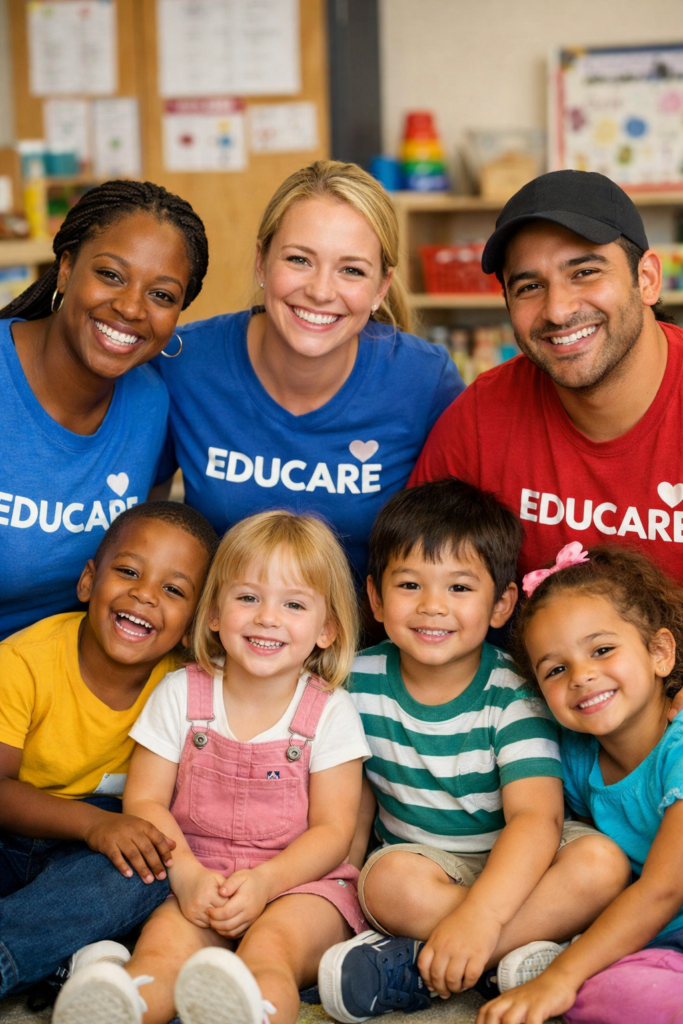
You can teach conflict resolution skills to young children by showing them how to use their words and stay calm when they feel upset. This process helps little ones understand that problems can be solved without shouting or fighting.
When children learn these skills, they feel much more confident in their social world. Teachers play a very big role in guiding these early conversations with kindness.
This is a wonderful topic that you will learn about in an online Educare course.
Why Is Staying Calm The First Step?
How to teach conflict resolution skills to young children starts with helping them keep their bodies and voices very quiet. A calm child can think more clearly about what happened during a disagreement.
You can help them reach this peaceful state by taking slow breaths together.
Using deep breathing techniques
Taking slow breaths helps a child feel more relaxed and ready to talk.
- Breathe in very slowly
- Count to three softly
- Let the air out
- Keep your shoulders very relaxed
- Repeat the slow breaths
Creating a peaceful space
A quiet area in the classroom gives children a place to sit and think.
- Use soft floor cushions
- Add a small rug
- Keep the lights low
- Remove loud noisy toys
- Sit away from others
Modelling gentle body language
Children watch how adults move and try to act in the same way.
- Keep hands at your sides
- Use a soft smile
- Relax your facial muscles
- Sit at their level
- Move very slowly indeed
Staying calm prepares the mind for solving a problem in a smart way. It is the best foundation for any successful talk between friends.
Can Children Learn To Identify Their Feelings?
Naming an emotion is a powerful way for a child to gain control over how they feel. When a child can say they are sad, they do not need to show it by acting out.
This step helps everyone understand the reason behind a conflict at school.
Using emotion picture cards
Picture cards show different faces, so children can point to how they feel.
- Show a happy face
- Show a sad face
- Look at angry eyes
- Point to surprised faces
- Discuss a worried look
Talking about heart feelings
You can encourage children to describe the sensation they feel inside their chests.
- Ask about heart speed
- Talk about tummy knots
- Describe hot red cheeks
- Mention heavy tired eyes
- Discuss shaky hand feelings
Linking actions to emotions
Helping a child see why they acted a certain way builds great self-awareness.
- Ask why they cried
- Discuss the loud shouting
- Explain the stomping feet
- Talk about the hitting
- Look at the hiding
Identifying feelings turns a big mystery into a simple problem that we can solve. Children feel much braver when they know exactly what they are feeling inside.
How Do We Encourage Honest Talking?
Speaking the truth in a kind way is a vital part of fixing any friendship. You must teach children to use an ” I “ statement to explain their own personal view.
This prevents them from blaming others and helps the listener stay very calm and open.
Practicing simple I statement
Using the word I help a child take responsibility for their own feelings.
- I feel very sad
- I want that toy
- I do not like
- I am feeling cross
- I need a turn
Using a talking stick
A talking stick ensures that only one person speaks at a precise time.
- Hold the wooden stick
- Wait for your turn
- Listen to your friend
- Pass the stick gently
- Stay quiet while waiting
Describing the problem clearly
Children should try to say exactly what happened without adding any mean words.
- He took my ball
- She pushed me down
- I wanted the paint
- They said no games
- We both want blocks
Honest talking opens the door to understanding what each child needs to be happy. It is a key skill taught in an online Educare course for future teachers.
Is Active Listening A Taught Skill?
Listening is just as important as talking when we want to settle a busy disagreement. You can show children how to look at their friends while they are speaking.
This shows respect and helps the child understand the other person’s side of the story.
Making soft eye contact
Looking at a person shows them that you are paying very close attention.
- Turn your whole body
- Look at their eyes
- Keep hands very still
- Do not look away
- Wait for the end
Nodding to show understanding
A small nod is a great way to signal that you hear what is being said.
- Move head up down
- Keep a quiet mouth
- Show a kind face
- Stay in one spot
- Wait for your turn
Repeating what was said
Saying a friend’s words back proves that you were really listening to the story.
- Use their exact words
- Start with you said
- Check if you heard
- Keep the tone sweet
- Ask if that is right
Active listening makes the other child feel valued and very important in the classroom. It helps to lower the tension and brings friends closer together again.
What Are Simple Brainstorming Solutions?
Coming up with ideas together helps children feel like they are part of the solution team. You can ask them what they think would be a fair way to end the fight.
This builds their creative thinking and teaches them how to compromise with their peers.
Sharing the favourite toys
Sharing is a classic way to make sure everyone gets a chance to play.
- Set a sand timer
- Use a loud bell
- Trade for another toy
- Play with it together
- Take five minute turns
Taking turns with games
Waiting for a turn teaches patience and respect for the rules of the group.
- Make a line list
- Use a name chart
- Count to ten slowly
- Switch after one round
- Cheer for your friend
Playing a brand new game
Sometimes it is best to leave the old toy and start something totally different.
- Go to the swings
- Start a block tower
- Draw a big sun
- Read a storybook
- Run a fun race
Brainstorming gives children the power to fix their own problems without always needing help. It is a wonderful way to boost their confidence in their own bright minds.
How Do We Pick Fair Solutions?
A fair solution makes both children feel happy and respected at the same time. You can guide them to look for a win-win result where nobody feels left out.
This teaches the value of fairness and justice in a very simple and easy way.
Checking for two smiles
A good solution usually ends with both children having a happy face.
- Look at both faces
- Ask if they happy
- Check for any tears
- See if they play
- Wait for a laugh
Testing the new plan
Sometimes a plan sounds good, but it needs a little test to see if it works.
- Try it for now
- Watch how they play
- Ask how it goes
- Be ready to change
- Give a big thumbs up
Asking about the heart
Ask each child if their heart feels light and happy after the new plan starts.
- Do you feel better?
- Is your heart glad?
- Are you still sad?
- Do you like this?
- Is this very fair?
Picking fair solutions helps to maintain a peaceful and loving classroom for every student. Fairness is a big lesson that children will remember for a very long time.
Why Should Teachers Step Back?
Stepping back allows children to practice the skills they have learned in their classroom. If an adult always fixes everything, the children will not learn how to do it themselves.
You should only step in if someone is about to get hurt or very upset.
Watching from a distance
Staying close but not too close gives children a sense of safe independence.
- Stand two steps away
- Keep a quiet mouth
- Watch the body signs
- Listen to the words
- Wait for the result
Giving small gentle prompts
Sometimes a child just needs a tiny reminder of what to say to their friend.
- Say use your words
- Remind about the stick
- Ask about the feelings
- Suggest a deep breath
- Prompt an I statement
Praising the successful fix
When children solve a problem on their own, you must celebrate their great success.
- Say well done today
- Give a high five
- Clap your hands softly
- Tell them they are smart
- Smile very big indeed
Letting children lead the way helps them grow into strong and capable problem solvers. This independence is a major goal of every online Educare course.
Can Role-Play Help Practice Skills?
Role play is a fun way to practice how to handle a fight before one actually happens. You can act out a scene where two children want the same red tricycle.
This allows everyone to see the right way to act in a safe and silly environment.
Acting out a toy fight
You can pretend to be a child who is sad because a toy was taken away.
- Use a pretend toy
- Make a sad face
- Ask for help nicely
- Use the right words
- Find a good solution
Using puppets for stories
Puppets are great because children find them very funny and easy to talk to during class.
- Move the puppet mouth
- Use a silly voice
- Show a puppet problem
- Ask kids for help
- Let puppets be friends
Practicing the breathing steps
Doing the breathing steps as a game makes it easier to remember when things get hard.
- Pretend to be angry
- Stop and stay still
- Take the three breaths
- Feel the calm body
- Smile at the class
Practice makes these skills stay in the brain so they are ready to use every day. Role play turns a serious lesson into a game that children really love to play.
How Do Stories Teach Resolution?
Reading books about friends who argue helps children see that they are not alone in their feelings. You can stop the story and ask the class what the character should do next.
This helps them think about problems from a safe distance while they sit on the rug.
Selecting books about friendship
Choose books that show children working together to solve a difficult problem.
- Look for bright pictures
- Find kind story words
- Choose diverse characters
- Look for happy ends
- Pick simple short tales
Asking what happens next
Stop the reading to let the children guess how the characters will fix their fight.
- What will she say?
- How does he feel?
- What is the plan?
- Is that a fair?
- Can they be friends?
Drawing the happy ending
After the story, children can draw a picture of the characters playing together again.
- Use bright crayon colours
- Draw two happy faces
- Show them sharing toys
- Add a big sun
- Write their names down
Stories provide a mirror for children to see their own lives and learn better ways to act. They are a wonderful tool for any teacher who wants to inspire a kind and loving class.
Why Is Consistency Very Vital?
Doing the same thing every time a conflict happens helps children know what to expect. They will start to follow the steps automatically because they have done them so many times before.
This routine makes the classroom feel very stable and safe for every single child.
Using the same words
Using the same phrases helps the children learn the language of peace very quickly.
- Use your calm voice
- What is the problem?
- How do you feel?
- Is that very fair?
- Let us find ideas
Following the same steps
A clear routine for solving fights takes the stress out of the situation for everyone.
- Stop and breathe first
- Talk and listen next
- Think of new ideas
- Pick the best one
- Go back to play
Keeping the same rules
Rules must be the same for every child so that no one feels treated unfairly.
- Be kind to friends
- Use your soft words
- Keep hands to yourself
- Listen to the teacher
- Share all the toys
Consistency builds a sense of security and helps children master their new skills much faster. A predictable environment is the best place for a young mind to learn and grow.
What Are The Long Term Benefits?
Children who learn to solve conflicts grow up to be adults who can work well with others. They will have stronger friendships and feel more successful in their future jobs and lives.
These early lessons are some of the most important things a child will ever learn at school.
Building strong social bonds
Good communication skills help children make and keep many wonderful friends.
- Play well with others
- Join in new games
- Be a kind leader
- Help a sad friend
- Work in a team
Improving self-esteem levels
Solving a problem makes a child feel very smart and capable of doing hard things.
- Feel proud of yourself
- Know you are kind
- Be a brave helper
- Stand up for others
- Trust your own mind
Reducing school stress levels
A classroom where everyone knows how to get along is a much happier place to be.
- More time for play
- Less shouting and noise
- Happy smiles every day
- Safe feeling for all
- Fun times with friends
Teaching these skills is an investment in a child’s entire future happiness and success. It is a noble task that starts with a single online Educare course for dedicated adults.
Conclusion
Teaching children how to solve their own problems is a gift that will last a lifetime. Every time you help a child take a deep breath, you are building a more peaceful world.
It is so rewarding to see two friends shaking hands and playing together after a small fight. You have the power to guide these young hearts with patience, love, and very clear words.
Learning these methods is a big part of your journey as a professional and caring educator. If you stay positive and consistent, your students will follow your lead and become great friends.
Your classroom will become a beacon of kindness where every child feels heard and very safe. This is why studying an online Educare course is such a brilliant idea for your career.
You will gain the confidence to lead and the skills to change lives for the better. Keep up the amazing work you are doing for the next generation of bright thinkers.
It is a wonderful way to learn more about child behaviour and how to manage a happy crèche. You are doing a great job, and your students are very lucky to have you as their teacher!
Frequently Asked Questions
Why do young children find it hard to share their toys?
Young children are still learning that toys do not disappear forever when someone else plays with them for a while. Their brains are focused on what they want right now, which makes waiting for a turn feel very difficult.
With your help and lots of practice, they will eventually understand that sharing makes playing much more fun for everyone.
How many breaths should a child take to stay calm?
Taking three slow and deep breaths is usually enough to help a child start to feel much more relaxed and ready to talk. You should do the breaths with them so they can follow your lead and feel supported during the process.
This simple act tells the brain that the danger is over, and it is time to think.
What is the best age to start teaching these skills?
You can start teaching basic conflict resolution skills as soon as a child begins to interact and play with other children. Even very young toddlers can learn to use simple words like mine or no instead of pushing or hitting.
The earlier you start, the more natural these peaceful habits will become for the children as they grow.
Should I force a child to say sorry?
Forcing a child to say sorry often does not work because they might not truly mean the words in their heart. It is much better to focus on how the other child is feeling and ask what can be done to make them feel better.
This helps the child develop real empathy and a genuine desire to fix the friendship on their own.
How long does a typical resolution talk take?
A talk to solve a small problem usually only takes two or three minutes if everyone stays calm and follows the steps. You want to keep it short so that the children can get back to their play while the solution is still fresh in their minds.
Quick and effective talks are the best way to keep the day moving along happily.
What if the children cannot think of a solution?
If the children are stuck, you can offer two fair choices and let them pick the one they like the most. This still gives them the power to make a decision while providing a little bit of extra help from an adult.
Over time, they will start to remember these choices and suggest them on their own without your help.
How does an online Educare course help teachers?
An online Educare course provides you with a scientific and practical understanding of how a child’s brain develops over time. You will learn specific phrases and activities that have been proven to help children manage their big emotions.
This training makes you feel much more professional and capable when handling busy classroom disagreements every day.
Can I use a timer for taking turns?
Using a visual timer is a fantastic idea because it shows the children exactly how much time is left before they switch. It takes the pressure off the teacher because the timer is the one that says when the turn is finally over.
This makes the process feel very fair and easy for even the youngest children to follow.
What should I do if a child hits a friend?
If a child hits a friend, you must stop the play immediately and make sure the hurt child is okay and safe. Then, you should speak to the child who hit in a firm but calm voice about why we use our words instead of our hands.
This is a vital moment to practice the breathing and feeling steps to prevent it from happening again.
Why is role play better than just talking about rules?
Role play is better because children learn best by doing and physically moving their bodies during a lesson. It allows them to feel what it is like to be in a conflict without the actual stress of a real fight happening.
Practicing the right actions in a game makes it much more likely they will do the same in real life.
Author: Janice van der Westhuizen
Leave a Reply