Introduction
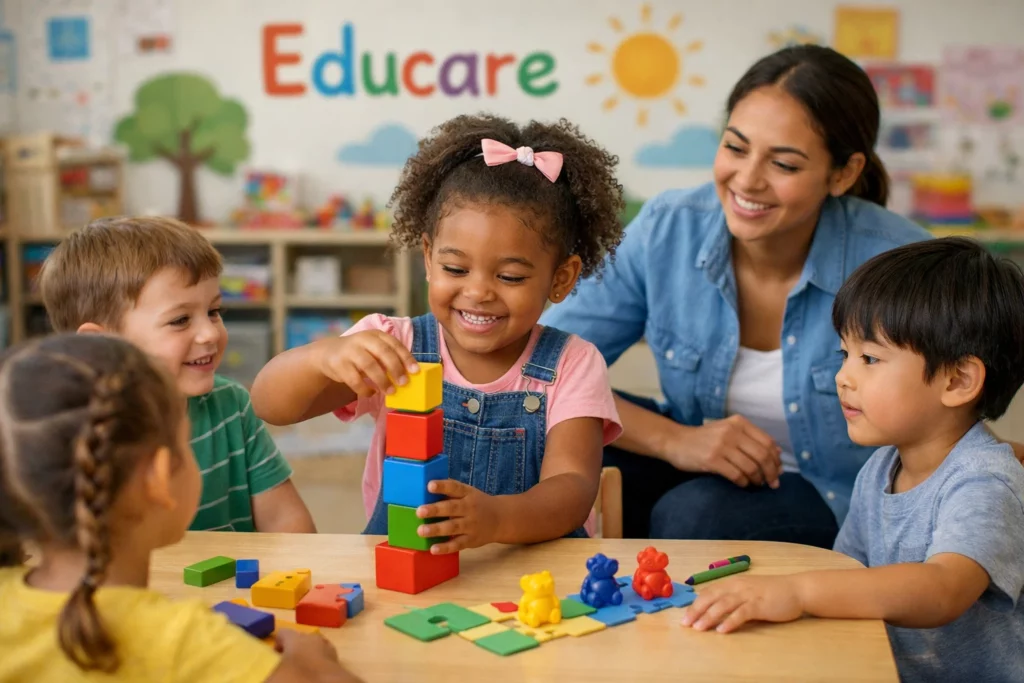
Educare staff can use their training every day to keep children safe and happy by using what they have learnt in their Educare online course.
Do you want to make your Educare centre a safer and better place for children? Are you ready to learn how to use your skills to help children every day?
Learning to apply your training in real life is a big step forward. You will see how small things can make a big difference.
Let us look at how your learning from the Educare online course can help you work better and protect children more.
How Does The Educare Online Course Help You Keep Children Safe?
The Educare online course gives you the right tools to protect children in your care. You will learn about safety rules, healthy habits, and child behaviour.
These skills help you build a safe and caring place for children.
What Safety Rules Do You Learn?
Knowing safety rules helps you stay ready and careful.
- Keep sharp objects out of reach
- Always watch children during playtime
- Lock away cleaning products
- Teach children about dangers
- Check the area for broken toys
Why Is Supervision Important?
Watching children helps stop accidents before they happen.
- Stay close to children at all times
- Count children often
- Guide them to play safely
- Help them use play areas the right way
- Watch for signs of injury or danger
How Do You Use Safety Tools?
Safety tools are part of daily work to stop harm.
- Use safety gates near stairs
- Keep fire exits clear
- Use plug covers on sockets
- Place mats on wet floors
- Wear gloves when changing nappies
By using what you learn, you help children feel safe and cared for every day. Start applying your new skills now to make a difference in their lives.
How Can You Teach Children To Be Safe Too?
Children can learn to look after themselves when you teach them in simple ways. The Educare online course helps you explain safety rules to children using fun and easy steps.
They become more aware and careful.
What Are Easy Ways to Teach Safety?
Make lessons fun and easy to understand.
- Use role play
- Sing safety songs
- Tell stories about being safe
- Show them how to walk safely indoors
- Praise them for safe actions
Why Should You Repeat Safety Lessons?
Children remember more when you teach often.
- Repeat daily safety tips
- Use the same words and signs
- Review rules at circle time
- Ask questions to check understanding
- Talk about what to do in an emergency
How Do You Model Safe Behaviour?
Children copy what you do.
- Wash your hands often
- Use calm words and actions
- Walk, do not run indoors
- Use safety gear properly
- Say “stop” when you see danger
Teaching children safety helps them grow strong and smart. Use what you have learnt to guide them daily.
What Must You Know About Food Safety?
The Educare online course helps you keep food clean and safe for young children. This means less illness and more happy smiles.
You will learn to store, prepare, and serve food the right way.
How Should You Store Food?
Good storage keeps food fresh.
- Use clean containers
- Label and date food
- Keep cold food in the fridge
- Store dry food in sealed boxes
- Check expiry dates often
What Makes Food Prep Safe?
Clean hands and tools stop germs.
- Wash your hands before and after
- Use clean chopping boards
- Keep raw meat away from veggies
- Wear gloves or use tongs
- Clean up spills right away
How Can You Serve Food Safely?
Serving food the right way prevents accidents.
- Serve warm food at safe temperatures
- Use small, child-sized portions
- Keep food at the table, not on the floor
- Avoid foods that can choke
- Sit with children while they eat
Every meal is a chance to keep children healthy and safe. Use your food safety skills every day.
Why Is Cleanliness Important For Safety?
Clean spaces keep children safe from germs and illness. The Educare online course teaches you how to clean classrooms and toys.
Children stay well when their world is clean.
How Do You Keep Classrooms Clean?
Tidy spaces make it easier to move and play safely.
- Sweep floors daily
- Clean tables before and after use
- Wipe down shelves and chairs
- Take out the rubbish
- Keep storage areas neat
Why Must Toys Be Washed Often?
Toys collect dirt and germs.
- Wash plastic toys in soapy water
- Wipe soft toys with safe sprays
- Rinse and dry well
- Sort broken toys to fix or toss
- Clean shared items every day
What About Bathroom Areas?
Clean bathrooms stop the spread of germs.
- Disinfect toilet seats
- Wipe down taps and handles
- Restock toilet paper and soap
- Mop the floors
- Teach children proper bathroom use
Clean places help children play safely. Clean up often to make your centre shine.
How Can You Help Children Stay Calm And Safe Emotionally?
Children need to feel safe inside and out. Your Educare online course teaches you how to care for their feelings.
When children feel loved, they learn better and play well.
Why Do Feelings Matter in Safety?
Happy children make safer choices.
- Help them talk about feelings
- Notice signs of worry
- Comfort them when upset
- Listen when they need help
- Teach words for emotions
How Can You Build Trust?
Trust makes children feel safe with you.
- Greet each child warmly
- Follow routines every day
- Say kind words often
- Be patient and calm
- Let them know you are there
What If a Child Is Upset?
Help them calm down in a safe way.
- Give them space to breathe
- Offer a quiet corner
- Talk softly and slowly
- Ask what is wrong
- Stay close until they feel better
Your kind words help children feel safe. Speak gently and guide with care.
Why Should You Talk To Parents About Child Safety?
Parents and Educare staff work as a team. The Educare online course shows you how to share helpful safety tips.
This helps keep children safe both at home and at school.
How Can You Share Safety Tips?
Make it simple and useful for parents.
- Send safety notes home
- Chat during drop-off
- Share posters on the wall
- Give handouts on safe play
- Remind them about safe clothes
Why Should You Listen to Parents Too?
They know their child best.
- Ask about allergies or fears
- Learn about home routines
- Work together to set rules
- Respect their choices
- Keep open communication
How Do You Involve Parents in Safety Routines?
Make them part of your plan.
- Ask them to check in daily
- Invite them to safety days
- Share safety updates
- Thank them for their support
- Let them suggest safety ideas
Talk to parents often. Share your tips and help them build safety at home too.
How Can You Make Daily Routines Safer for Children?
Routines help children know what to expect. The Educare online course shows you how to plan routines that keep children safe.
A clear routine keeps things calm and well managed.
What Makes a Routine Safe?
Safe steps make the day smoother.
- Use a clear timetable
- Keep busy times calm
- Help children line up safely
- Move slowly between activities
- Keep exits clear
Why Do Children Need Rules?
Rules help children feel secure.
- Use simple words
- Repeat rules often
- Explain why rules matter
- Praise them when they follow
- Make rules fair and kind
How Can You Fix Unsafe Routines?
Watch and improve where needed.
- Change busy times to quiet ones
- Add more helpers if needed
- Remove tripping hazards
- Use signs or pictures
- Keep reviewing your day
Use safe routines to guide your day. Follow your training and keep each moment safe.
What Are Signs That A Child May Be Unsafe?
The Educare online course helps you notice small signs that a child may not be safe. Being aware means you can act early.
Children feel safer when adults watch out for them.
What Changes in Behaviour Should You Watch For?
Look for things that do not feel right.
- Sudden sadness or fear
- Avoiding certain people
- Trouble sleeping or eating
- Acting out
- Being quiet all the time
What Physical Signs Could Be a Warning?
Marks or bruises can be signs.
- Unexplained bruises
- Cuts or burns
- Limping or pain
- Dirty or torn clothes
- Bad body smell
What Should You Do If You Suspect Danger?
Follow the right steps to report.
- Tell your supervisor
- Write down what you saw
- Stay calm with the child
- Follow school safety rules
- Keep the child safe
Keep your eyes open and your heart ready. Use your training to protect every child.
How Can You Stay Ready For Emergencies?
Being ready saves lives. The Educare online course teaches you how to act fast and keep children safe.
Emergencies happen, and being trained helps you stay calm.
What Emergency Plans Should You Know?
Know them by heart.
- Fire escape plan
- Evacuation route
- Emergency numbers
- Lockdown steps
- Meeting points
How Do You Practise for Emergencies?
Drills help you and children stay ready.
- Do monthly fire drills
- Practise walking safely
- Talk about what to do
- Use alarms for real practice
- Keep records of drills
What Safety Items Should Be Ready?
Keep them nearby.
- First aid kit
- Fire extinguisher
- Whistle or alarm
- Flashlight
- Emergency contact list
Learn the steps now so you can act fast later. Be the one who knows what to do.
How Can You Keep Learning About Child Safety?
The Educare online course is just the beginning. You must keep learning to stay strong in safety skills.
Training helps you do more and be better.
Where Can You Find New Safety Ideas?
Look for new knowledge.
- Online courses
- Books and magazines
- Staff workshops
- Safety podcasts
- Government guidelines
Why Should You Share What You Learn?
Help others stay safe too.
- Tell your team
- Share safety posters
- Lead a team meeting
- Start a safety notebook
- Plan a learning day
How Can You Grow in Your Career?
Use learning to reach new goals.
- Take more courses
- Earn safety certificates
- Become a leader
- Teach others what you know
- Apply for new roles
Never stop learning. Keep growing to help every child feel safe.
Conclusion
Every lesson from your Educare online course can help keep children safe. From clean play areas to calm routines, your training makes a big difference every day.
You can grow, learn, and help even more when you use your training.Take the next step today. Keep learning, keep caring, and keep every child safe.
Frequently Asked Questions
What is the Educare online course about?
The Educare online course teaches you how to care for young children. It covers safety, learning, health, and emotional care. You learn to support children every day.
Who can study the Educare online course?
Anyone who wants to work with young children can join. You do not need a job yet. If you love helping children, this course is for you.
What jobs can I get after the course?
You can work at a preschool, daycare, or Educare centre. You may help in classrooms or support teachers. Some people start their own centres too.
Can I learn at home?
Yes, you can study online at your own pace. This helps you balance your time. You can learn from anywhere.
How long does the course take?
The course can take a few months to complete. You will work through each part slowly. You can take more time if needed.
Do I need a computer?
A phone, tablet, or computer will work. You just need internet to study. The lessons are simple to follow.
Will I get a certificate?
Yes, you will get a certificate when you finish. This shows that you are trained. You can use it to apply for work.
What will I learn about safety?
You will learn how to keep children safe indoors and outdoors. This includes health, food, and emotional safety. You will also learn about emergencies.
Can I get help if I do not understand something?
Yes, there are people to help you. You can ask questions online. Support is always there for you.
Is this course good for my future?
Yes, it helps you start or grow your career. Safety is always needed. You can also keep learning after this.
Author: Janice van der Westhuizen
Leave a Reply