Introduction
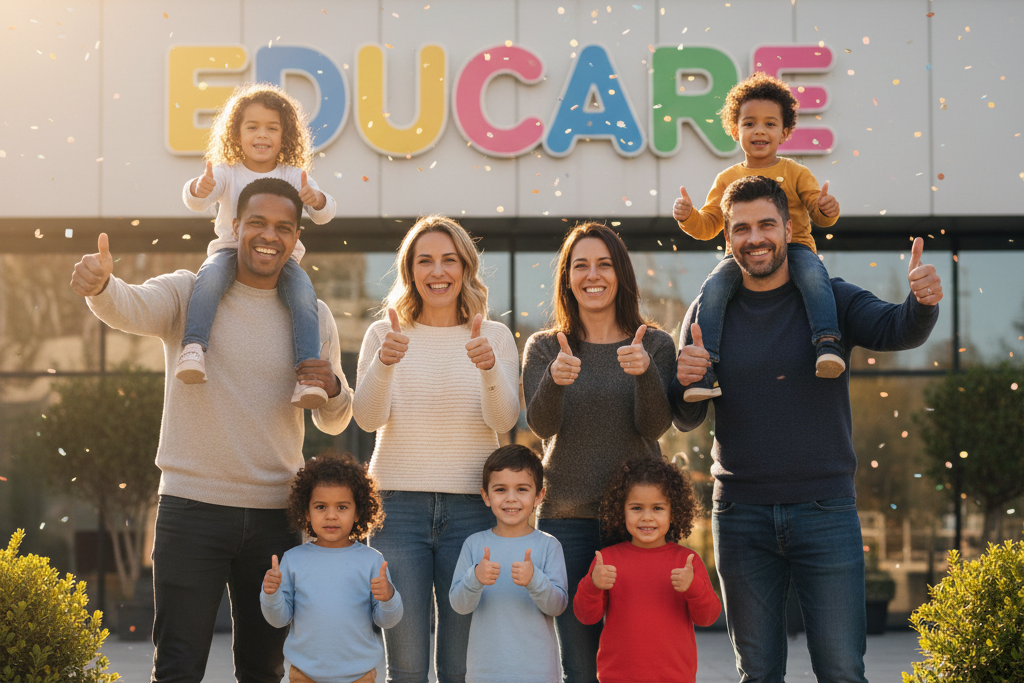
Working with peers helps students understand lessons better. When students study together, they can share ideas, ask questions, and learn from each other.
Working with classmates lets students explain what they know and hear different points of view. Educare courses are a great way to practise teamwork while learning new skills.
Studying with peers makes learning easier, more interesting, and more fun. Students feel confident and motivated when they study together. Peers help each other solve problems and understand lessons clearly.
Each student has unique skills, and sharing these skills makes learning faster. Working in teams teaches patience, respect, and teamwork. Students feel proud when they succeed together.
How Does Sharing Ideas Improve Understanding?
Sharing ideas helps students see different ways of thinking. When classmates talk about topics, they learn faster.
Sharing ideas also makes students curious, confident, and excited to learn more.
How Does Talking Help Students Learn?
Talking with classmates improves understanding in many ways:
- Students can ask questions about things they do not understand
- Others explain lessons in simple words
- Talking helps students remember lessons better
- Students learn new solutions from each other
- Discussions make learning fun and active
When students talk together, learning feels easier and more exciting.
How Does Explaining Ideas Help Peers?
Explaining ideas helps both the person talking and the person listening:
- Students strengthen what they know
- Peers learn new ways to think
- Speaking boosts confidence
- Students practise clear communication
- Learning becomes interactive and enjoyable
Explaining to others makes knowledge stronger and learning more fun.
How Does Listening Improve Understanding?
Listening carefully helps students understand lessons better:
- Students hear new ideas
- They follow instructions more easily
- Listening teaches respect
- Misunderstandings are reduced
- Students remember more information
Sharing ideas improves knowledge and confidence. Students gain new insights when they study together in an Educare course.
Learning together makes lessons fun and effective.
How Can Peer Discussions Enhance Problem-Solving?
Peer discussions help students solve problems because different ideas come together. Working as a team helps tackle tricky tasks.
Discussions also improve creativity and critical thinking, helping students find better solutions together.
How Does Brainstorming Help Solve Problems?
Brainstorming helps students think of many solutions:
- Students share ideas freely
- Peers combine ideas for better solutions
- Creative thinking is encouraged
- Teams evaluate what might work best
- Collaboration creates stronger plans
Brainstorming in teams makes problem-solving faster and more effective.
How Does Explaining Problems Clarify Thinking?
Talking about problems makes them clearer:
- Students explain problems carefully
- Peers ask questions to improve solutions
- Mistakes are easier to spot
- Different views guide decisions
- Students learn logical problem-solving
Explaining challenges together helps students think more clearly.
How Does Collaborating Increase Success?
Working together improves results:
- Students share the workload
- Everyone uses their strengths
- Tasks are completed faster
- Feedback from peers makes solutions stronger
- Students feel supported and motivated
Working with peers makes problem-solving easier and more enjoyable. Teams find solutions better and gain confidence together.
How Does Feedback From Peers Improve Learning?
Feedback helps students see what is correct and what needs work. Constructive feedback builds skills and understanding.
How Does Receiving Feedback Help Students?
Receiving feedback supports learning and growth:
- Students notice what needs improvement
- Suggestions guide learning
- Mistakes are corrected safely
- Understanding becomes clearer
- Students feel encouraged to try again
How Does Giving Feedback Help Learning?
Giving feedback also helps students learn more deeply:
- Students explain ideas clearly
- Kind communication is practised
- Reviewing peers’ work strengthens knowledge
- Critical thinking improves
- Confidence grows when guiding others
How Does Discussing Feedback Lead to Improvement?
Talking about feedback helps students improve together:
- Students clarify questions with peers
- Solutions are improved as a group
- Learning becomes interactive
- Teamwork skills are practised
- Knowledge is applied correctly
Feedback from peers improves learning. Students understand lessons better, and teamwork builds confidence and skills.
Why Does Working Together Boost Confidence?
Working together boosts confidence because students see their ideas matter. Group work encourages participation and self-belief.
Confidence grows when students support each other and reach goals together.
How Does Helping Peers Build Confidence?
Helping classmates increases self-belief:
- Students feel proud when explaining ideas
- Teaching strengthens understanding
- Problem-solving skills improve
- Peer appreciation encourages effort
- Team success feels rewarding
How Does Being Supported Boost Confidence?
Support makes learning feel safe and positive:
- Students learn safely from mistakes
- Guidance reduces stress
- Encouragement motivates participation
- Confidence grows with teamwork
- Students try new tasks bravely
How Does Achieving Together Build Confidence?
Team success strengthens self-belief:
- Each student sees their contribution
- Challenges feel achievable
- Teamwork inspires effort
- Confidence grows through success
- Students take on new tasks willingly
Teamwork helps students feel confident and capable. Peer support shows the power of collaboration.
How Can Peer Learning Teach Responsibility?
Peer learning teaches responsibility because students are accountable to their group. Tasks must be finished on time, and students learn that their actions affect others.
How Does Completing Tasks on Time Help?
Meeting deadlines builds responsibility:
- Work is finished promptly
- Groups rely on each member
- Projects run smoothly
- Self-discipline develops
- Teams work efficiently
How Does Following Group Rules Strengthen Responsibility?
Rules help groups work fairly and smoothly:
- Students respect boundaries
- Everyone understands their role
- Safety and fairness are maintained
- Work stays organised
- Expectations are clear
How Does Caring About Team Members Improve Responsibility?
Caring builds accountability and teamwork:
- Students notice when help is needed
- Tasks are shared fairly
- Everyone feels valued
- Motivation increases
- Pride grows in group success
Peer learning strengthens responsibility. Students learn that their actions matter to others.
How Does Working With Peers Encourage Creativity?
Working with peers encourages creativity because students share ideas. Teamwork allows new solutions to grow.
Students feel safe trying new approaches when supported.
How Does Brainstorming With Peers Boost Creativity?
Brainstorming creates many ideas:
- Ideas are shared without fear
- Peers combine ideas creatively
- Confidence grows in sharing thoughts
- Teams explore more options
How Does Feedback Inspire Creativity?
Feedback helps improve creative ideas:
- Peers suggest helpful changes
- Different viewpoints are considered
- Mistakes become learning tools
- New ideas develop
How Does Trying New Methods Encourage Innovation?
Trying new ways leads to innovation:
- Students experiment safely
- Peer support reduces fear
- Teams find unique solutions
- Problem-solving improves
- Learning stays exciting
Teamwork makes learning creative and enjoyable. Collaboration inspires innovation.
How Does Peer Collaboration Develop Leadership Skills?
Peer collaboration develops leadership because students take turns guiding the group. Leadership teaches organisation and responsibility.
Students practise decision-making and supporting others.
How Do Students Lead Small Tasks?
Leading small tasks builds confidence:
- Students plan steps clearly
- Roles are shared fairly
- Progress is monitored
- Problems are solved together
- Leadership confidence grows
How Does Team Support Build Leadership?
Support helps leaders grow:
- Feedback improves leadership skills
- Listening and respect are practised
- Trust develops in teams
How Does Responsibility Strengthen Leadership Skills?
Responsibility shapes strong leaders:
- Leaders take ownership
- Fair decisions are made
- Problem-solving improves
- Teams rely on leaders
- Pride grows in contributions
Peer collaboration prepares students for leadership roles. Leadership develops naturally through teamwork.
How Can Peer Learning Make Lessons Enjoyable?
Peer learning makes lessons fun because students participate actively. Group work brings energy to tasks. Using group studying in Educare course studies helps learning.
How Do Group Activities Increase Engagement?
Group activities keep students involved:
- Projects are completed together
- Everyone shares ideas
- Teamwork encourages effort
- Learning feels interactive
- Success is shared
How Does Sharing Stories Make Lessons Fun?
Stories make learning memorable:
- Students share real examples
- Peers learn from each other
- Understanding improves
- Connections are built
How Does Solving Problems Together Make Learning Rewarding?
Solving problems as a team feels exciting:
- Challenges are shared
- Everyone contributes ideas
- Mistakes become lessons
- Success is celebrated
- Motivation increases
Peer learning keeps lessons enjoyable and exciting.
How Does Working With Peers Improve Time Management?
Working with peers improves time management because tasks are shared and organised. Students learn to plan efficiently.
Teams use time well while finishing projects.
How Does Dividing Tasks Save Time?
Dividing work makes tasks faster:
- Each student has a role
- Progress is tracked together
- Deadlines are met calmly
- Work is not repeated
- Balance is maintained
How Does Planning Together Help Students?
Planning keeps work organised:
- Goals are clear
- Everyone knows their task
- Schedules guide progress
- Tasks finish on time
- Learning feels calm
How Does Focus Improve Time Management?
Focus increases efficiency:
- Students concentrate better
- Distractions decrease
- Progress is monitored
- Goals are achieved
- Students feel successful
Peer teamwork builds strong time-management skills for school and life.
How Does Peer Collaboration Build Social Skills?
Peer collaboration builds social skills because students interact positively. Skills include communication, empathy, and teamwork, which are important in learning and life.
How Does Listening Improve Relationships?
Listening builds trust:
- Ideas are heard fully
- Everyone feels valued
- Conflicts reduce
- Understanding improves
- Teams feel connected
How Does Sharing Ideas Promote Respect?
Sharing ideas teaches respect:
- Thoughts are shared politely
- Responses are thoughtful
- Trust grows
- Teamwork improves
How Does Resolving Conflicts Teach Skills?
Conflict resolution builds empathy:
- Fair solutions are found
- Patience is practised
- Compromise is learned
- Social skills grow
Working with peers builds strong social skills and confidence.
How Does Peer Learning Prepare Students For Real-Life Challenges?
Peer learning prepares students for real life because teamwork is needed in jobs and communities. Students practise communication, problem-solving, and responsibility.
How Does Peer Learning Help in Careers?
Teamwork supports workplace success:
- Students collaborate well
- Projects finish efficiently
- Leadership skills develop
- Communication improves
How Does Peer Collaboration Benefit Communities?
Working together strengthens communities:
- Tasks are completed faster
- Knowledge is shared
- Cooperation solves problems
- Relationships improve
How Does Peer Learning Support Lifelong Learning?
Learning together encourages growth:
- Curiosity stays strong
- Skills are practised
- Confidence grows
- Learning stays enjoyable
Teamwork equips students with lifelong skills.
How Can Students Use Peer Learning In Educare Courses?
Students use peer learning in Educare courses to practise caring for children together. Collaboration makes lessons practical and fun. Peer support builds skills for teaching and childcare.
How Does Peer Learning Improve Teaching Skills?
Teamwork strengthens teaching ability:
- Activities are planned together
- Creative ideas are shared
- Feedback improves teaching
- Children are supported better
How Does Peer Learning Build Confidence in Classrooms?
Confidence grows through practice:
- Students lead lessons
- Encouragement builds skills
- Mistakes are corrected safely
- Stress is reduced
How Does Peer Learning Prepare Students for Childcare Careers?
Collaboration prepares students for real jobs:
- Tasks are managed together
- Communication improves
- Responsibility is shared
- Experience is gained
Peer learning in Educare courses prepares students for success. Collaboration makes learning practical, supportive, and rewarding.
Conclusion
Working with peers improves understanding because students share ideas and learn from each other. Peer learning builds problem-solving, creativity, confidence, and responsibility.
Students gain communication and social skills through teamwork. Peer discussion and feedback enhance knowledge and understanding. Working together prepares students for real-life challenges and careers.
Practising teamwork in Educare courses ensures practical skills for teaching and childcare. Students should engage in peer learning regularly to grow in confidence and motivation. Learning with peers makes study enjoyable and effective.
Frequently Asked Questions
What is peer learning?
Peer learning is working with classmates to share knowledge and solve problems together. Students help each other understand lessons.
Learning with peers is fun and effective.
Why is peer learning important?
It develops communication, teamwork, and social skills. Students learn from each other and gain confidence.
Collaboration improves understanding and makes learning enjoyable.
How does peer discussion improve understanding?
Students explain concepts to each other, which clarifies ideas. Listening to peers introduces new perspectives.
Understanding improves through shared knowledge.
How can peer feedback help students?
Receiving feedback shows strengths and areas to improve. Giving feedback reinforces knowledge.
Peer discussion encourages growth and confidence.
What skills are gained from peer learning?
Students develop leadership, responsibility, problem-solving, and social skills. They learn communication and teamwork.
These skills help in school and life.
How does peer learning support confidence?
Students see their contributions matter. Encouragement motivates participation.
Confidence grows as students achieve tasks together.
Can peer learning be used in online courses?
Yes. Students communicate through chats, calls, and teamwork online.
Online teamwork builds similar skills to in-person collaboration.
How does teamwork prepare students for future careers?
Students learn organisation and problem-solving. Communication and leadership skills improve.
These skills are valuable in any job.
How can students practise peer learning at home?
Students can work on projects with siblings or friends. Tasks are shared, and ideas are discussed.
Teamwork at home improves cooperation.
How does an Educare course use peer learning
An Educare course uses peer learning to practise teaching children together. Activities are done as a group.
Collaboration prepares students for childcare careers.
Author: Janice van der Westhuizen
Leave a Reply