Introduction
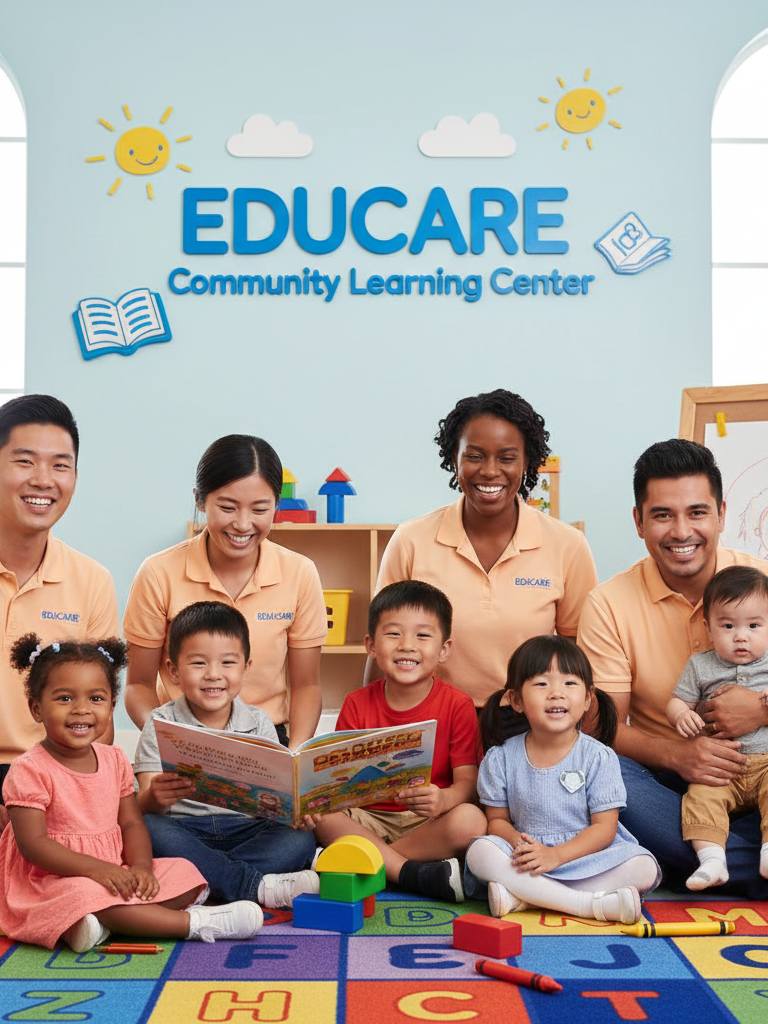
Students use communication skills in science activities to share ideas and work together. These skills help children explain their thoughts clearly and listen carefully.
Talking, asking questions, and observing experiments make learning easier. When students communicate well, everyone understands better.
Adults studying an Educare course learn how to guide children in teamwork and learning new skills.
Why Are Communication Skills Important In Science?
Communication skills help students understand experiments. Talking helps friends plan together. Listening helps notice small details.
Asking questions solves problems. Explaining results clearly makes learning easier.
How Does Talking Help Share Ideas?
Talking helps students explain and plan.
- Speak slowly for friends to follow
- Describe what you will do
- Share guesses politely
- Ask for help if unclear
- Use simple words
How Does Listening Improve Understanding?
Listening helps students notice details.
- Focus on what friends say
- Repeat instructions quietly
- Ask questions if unsure
- Watch for changes
- Follow each step
How Do Questions Improve Learning?
Questions help students think better.
- Ask what will happen next
- Wonder why results change
- Check steps politely
- Suggest ideas calmly
- Share your thoughts
Talking, listening, and asking questions make science easier. Friends notice details and enjoy learning together.
How Can Students Explain Their Observations Clearly?
Students explain what they see so everyone understands. They use simple words and show actions when needed.
Comparing results with expectations helps friends follow experiments.
How Do Students Describe What They See?
Clear descriptions help friends understand.
- Name colours, shapes, and sizes
- Notice changes over time
- Point out patterns
- Compare with predictions
- Explain surprises
Why Should Students Use Simple Words?
Simple words make ideas clear.
- Avoid confusing terms
- Repeat important points slowly
- Use short sentences
- Speak calmly
- Check understanding
How Do Actions Help Explain Ideas?
Actions support words and help learning.
- Show steps slowly
- Demonstrate reactions
- Use gestures
- Point to important parts
- Repeat if needed
Words and actions together help friends understand. Learning becomes easier and fun.
How Do Teams Work Better With Communication?
Teams work best when everyone shares ideas. Clear roles, discussing results, and solving problems together make experiments smoother.
Communication helps children feel included.
How Can Roles Help Teamwork?
Roles make teamwork organised.
- Decide who measures, mixes, or records
- Take turns using tools
- Check each other’s work politely
- Explain your tasks
- Help friends when needed
How Can Discussing Results Help?
Talking about results helps everyone.
- Share what worked and what did not
- Compare measurements
- Ask why results differ
- Suggest improvements politely
- Celebrate together
How Can Teams Solve Problems?
Teams solve challenges faster together.
- Listen to all ideas
- Try different solutions
- Divide tasks fairly
- Encourage friends
- Adjust steps if needed
Sharing ideas and solving problems together improves teamwork. Experiments are easier and more fun.
Why Is Asking Questions An Important Skill?
Questions help students understand experiments better. They clarify steps, explore ideas, and guide learning.
Sharing questions with friends helps everyone discover more.
How Can Students Clarify Instructions?
Questions make steps clear.
- Ask which materials to use
- Check each step
- Repeat instructions if unsure
- Ask about safety rules
- Confirm tools
How Can Students Explore Ideas?
Questions help thinking.
- Ask what will happen
- Wonder why results change
- Suggest alternatives politely
- Compare with friends
- Connect observations
How Can Students Reflect on Learning?
Reflection improves experiments.
- Ask how to do better next time
- Check if results match predictions
- Discuss mistakes and successes
- Share answers
- Plan next steps
Asking questions helps learning. Students discover more and enjoy science together.
How Can Students Use Visual Aids To Communicate?
Visual aids help friends understand experiments. Drawings, charts, and models make ideas clear.
Using visuals with words helps learning.
How Do Drawings Help?
Pictures make ideas clear.
- Sketch shapes and changes
- Label parts
- Show surprises
- Colour for clarity
- Compare with notes
How Do Charts and Tables Help?
Tables organise results.
- Record measurements
- Show patterns
- Compare trials
- Highlight numbers
- Review together
How Do Models and Props Help?
Models make ideas easy to see.
- Build simple tools or plants
- Show reactions
- Demonstrate steps slowly
- Repeat if needed
- Link to real results
Visuals help to understand better. Friends learn and remember results better.
How Do Students Give And Receive Feedback?
Feedback helps students notice successes and improvements. Giving kind feedback supports friends.
Receiving tips helps children improve quickly.
How Can Students Give Helpful Feedback?
Feedback guides learning.
- Point out successes
- Suggest small improvements
- Use kind words
- Encourage friends
- Celebrate teamwork
How Can Students Receive Feedback?
Listening helps students improve.
- Accept advice calmly
- Ask questions
- Apply suggestions
- Reflect on changes
- Repeat steps
How Can Feedback Improve Learning?
Feedback improves teamwork.
- Discuss what worked
- Plan next steps
- Adjust methods
- Celebrate small improvements
- Share results
Giving and receiving feedback improves teamwork. Students learn from mistakes and succeed together.
How Can Students Build Confidence In Communication?
Confidence helps children share ideas and listen. Practising speaking, encouraging friends, and reflecting improve skills.
Confident students feel included.
How Can Students Practise Speaking?
Small steps build confidence.
- Share ideas with friends
- Explain observations
- Ask questions politely
- Repeat instructions
- Speak calmly
How Can Students Encourage Friends?
Helping friends boosts confidence.
- Praise effort
- Remind progress
- Offer help
- Share feedback
- Celebrate achievements
How Can Students Reflect on Communication?
Reflection improves skills.
- Think about what went well
- Ask how to explain better
- Note successes
- Plan next attempts
- Learn from mistakes
Practising, encouraging, and reflecting help students communicate. Teams work smoothly, and learning is fun.
How Can Educare Skills Help Students In Science?
Educare skills teach adults to guide children. Adults who study an Educare course support learning safely.
These skills help children communicate and work together confidently.
How Can Adults Lead by Example?
Adults guide children safely.
- Demonstrate steps clearly
- Encourage teamwork
- Show patience
- Model careful observation
- Guide politely
How Can Adults Teach Listening?
Listening helps everyone succeed.
- Pay attention
- Ask questions
- Repeat steps
- Give feedback kindly
- Respect ideas
How Can Adults Support Others?
Helping friends improves learning.
- Share materials
- Assist with tricky steps
- Celebrate successes
- Encourage participation
- Offer advice
Educare skills strengthen teamwork and communication. Children learn safely and confidently.
How Can Students Stay Motivated In Science?
Motivation keeps children focused and interested. Celebrating successes and encouraging friends makes learning fun.
Motivation helps children complete experiments carefully.
How Can Students Celebrate Success?
Celebrating achievements helps learning.
- Praise effort
- Show completed work
- Reward trying new ideas
- Share results
- Remember small wins
How Can Students Support Friends?
Helping friends boosts motivation.
- Encourage politely
- Offer help
- Share ideas
- Listen carefully
- Celebrate progress
How Can Students Keep Energy for Experiments?
Energy helps students focus.
- Take breaks
- Stay organised
- Follow steps
- Ask questions
- Keep positive
Motivation keeps learning fun. Teams enjoy science when children stay positive and focused.
How Can Students Use Communication To Solve Problems?
Communication helps solve challenges. Talking, asking questions, and sharing ideas guide teamwork.
Clear communication improves results.
How Can Students Identify Problems?
Finding problems is the first step.
- Watch carefully
- Compare results
- Ask friends for opinions
- Note surprises
- Think of solutions
How Can Students Discuss Solutions?
Sharing ideas finds answers.
- Listen to suggestions
- Speak politely
- Try methods
- Divide tasks
- Agree on the approach
How Can Students Test Solutions?
Testing helps improve experiments.
- Follow steps
- Record results
- Adjust actions
- Reflect on what worked
- Share findings
Communication helps problem-solving. Students enjoy science more when they work together.
How Can Students Reflect On Learning?
Reflection helps students improve. Thinking about successes, mistakes, and methods makes learning stronger.
Reflection builds confidence.
How Can Students Think About Success?
Reflection highlights achievements.
- Recall good steps
- Celebrate completing tasks
- Share results
- Note improvements
- Feel proud
How Can Students Learn From Mistakes?
Mistakes teach lessons.
- Identify errors
- Ask how to improve
- Try the corrected steps
- Discuss solutions
- Apply lessons
How Can Students Plan Next Steps?
Planning guides learning.
- Decide next experiment
- Use friends’ ideas
- Organise materials
- Predict results
- Set small goals
Reflection improves understanding. Students learn more with practice.
How Can Students Share Their Learning With Others?
Sharing learning helps students teach and inspire friends. Talking about what they learned makes ideas stronger.
Showing results and discoveries helps everyone in the group understand better.
How Can Students Present Their Ideas?
Presenting ideas makes learning clear to others.
- Explain what you did step by step
- Use simple words so everyone understands
- Show diagrams or drawings to support your points
- Speak clearly and slowly
- Repeat important details to make sure friends follow
How Can Students Demonstrate Experiments?
Demonstrating experiments helps friends see results clearly.
- Show each step carefully
- Use gestures to explain actions
- Point out important changes or patterns
- Repeat difficult parts slowly
- Let friends try parts themselves when possible
How Can Students Encourage Friends to Share?
Encouraging friends builds confidence and teamwork.
- Ask friends to explain their observations
- Praise effort and creativity politely
- Offer support if someone is unsure
- Listen carefully to their ideas
- Celebrate everyone’s contributions
Sharing learning helps friends understand experiments. Students feel proud and confident when they teach and inspire others.
How Can Students Apply Learning To New Experiments?
Applying learning helps students use their knowledge in new ways. Thinking about past experiments guides the next steps.
Using what they learned makes future experiments easier and more successful.
How Can Students Use Past Observations?
Past observations guide new experiments.
- Review notes from previous experiments
- Compare results with predictions
- Identify what worked well before
- Notice mistakes to avoid them
- Think about how results can be improved
How Can Students Plan New Experiments?
Planning helps experiments succeed.
- Decide the goal of the new experiment
- Gather all materials carefully
- Write step-by-step instructions
- Predict what might happen
- Set small targets to reach
How Can Students Test New Ideas Safely?
Testing safely helps learning continue.
- Follow safety rules carefully
- Try small changes one at a time
- Observe results closely
- Record data clearly
- Reflect on what works best
Applying learning helps students grow and improve. Each new experiment becomes easier and more fun when students use what they have learned before.
Conclusion
Students use communication skills to share ideas, ask questions, and work together. Talking, listening, and asking questions make experiments easier.
Describing observations and using visuals helps friends understand. Giving and receiving feedback improves teamwork. Confidence grows with practise.
Educare courses guide adults to support children safely. Motivation and reflection make science enjoyable. Practising these skills helps students become confident, curious, and successful learners.
Frequently Asked Questions
Why are communication skills important in science?
Communication helps students share ideas clearly with their friends. Teams understand experiments faster when everyone talks and listens.
Working together is more fun and makes learning easier for everyone.
How do students explain observations clearly?
Students describe what they see in simple and easy words. They also use drawings, actions, or gestures to show their ideas.
This helps friends understand results and follow the experiment carefully.
Why is asking questions useful?
Questions help students understand each step of an experiment more clearly. Students explore ideas safely by asking polite and thoughtful questions.
Teams discover more together when everyone shares their questions and thoughts.
How does teamwork improve science projects?
Teamwork allows children to combine many different ideas and skills. Friends share roles, divide tasks fairly, and check each other’s results carefully.
Working together builds confidence and makes experiments more successful.
How can feedback help students?
Feedback shows students what worked well and what can be improved. Students can correct mistakes carefully by listening to suggestions.
Feedback also strengthens teamwork and helps everyone do better next time.
Why is listening important?
Listening helps students follow instructions step by step. Teams perform experiments accurately when everyone listens carefully.
Friends also learn from each other by noticing small details.
How do visual aids help?
Drawings, tables, and models make ideas easier to understand. Students can show results clearly and share information with friends.
Visuals support teamwork and make learning more fun and simple.
Can confidence improve communication?
Confidence helps students speak clearly, explain their thoughts, and ask questions. Practising these skills builds strong communication and learning abilities.
Teams work better together when everyone feels confident and included.
How do Educare courses help adults guide students?
Educare courses teach adults how to guide children safely and kindly. Adults help children learn new skills and work together as a team.
Students gain confidence and feel supported during experiments.
How do students stay motivated in science?
Celebrating successes makes learning more fun and exciting. Encouraging friends helps everyone feel happy and energised.
Motivation helps students finish experiments carefully and enjoy the learning process.
Author: Janice van der Westhuizen
Leave a Reply