Introduction
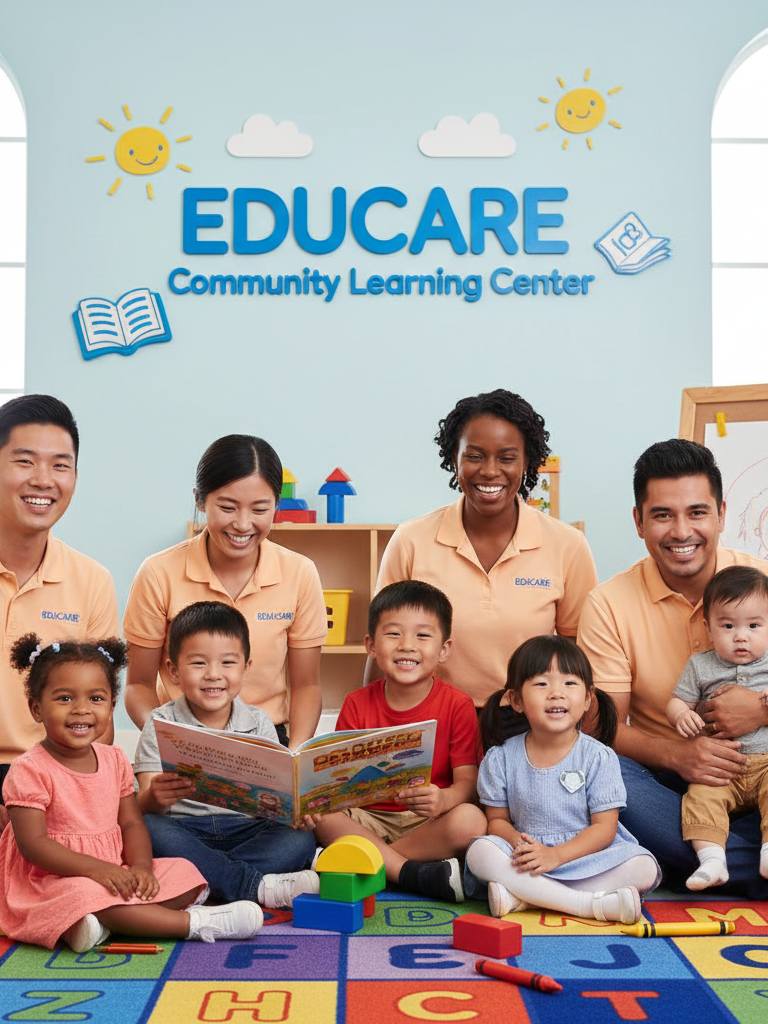
Have you ever noticed how children behave better when they feel cared for? When teachers are kind and understanding, children feel safe. Safe children are happier and more ready to learn.
They are also more likely to follow rules. Learning how to build connections with children is an important part of Educare studies. Teachers who know how to guide children kindly can make classrooms calm and focused.
Building relationships is more than just being friendly. It means helping children feel understood, supported, and respected. When children know their teacher cares about them, they enjoy learning more.
They also try harder to do the right thing. Strong relationships give teachers tools to guide behaviour in a positive way.
When teachers build good connections, children feel safe to ask questions. They share ideas and feelings more freely.
This makes learning more fun for everyone. Good relationships also help children manage their emotions. They learn to cooperate with others and follow classroom rules.
How Do Strong Relationships Influence Behaviour?
Strong relationships help children feel safe, understood, and valued. When students trust their teacher, they are more likely to behave well.
Educare courses explain that trust is the basis for good classroom behaviour.
How Does Trust Affect Students?
Children behave better when they trust adults.
- They listen carefully to instructions
- They follow classroom rules
- They share feelings safely with teachers
- They cooperate with other children
- They ask for help when they do not understand
Why Do Students Respond to Caring Teachers?
Caring teachers make children feel valued and supported.
- Encouragement helps children work harder
- Praise builds confidence
- Support reduces fear of making mistakes
- Guidance becomes easier to follow
- Positive energy spreads across the classroom
How Does Respect Encourage Good Behaviour?
Respect teaches children to treat others kindly.
- Use polite words with everyone
- Wait patiently for their turn
- Help classmates when needed
- Share classroom materials
- Listen carefully during lessons
Trust and respect help children behave better. Strong relationships make classrooms calm and happy.
How Can Teachers Build Positive Connections?
Teachers can build connections by listening, supporting, and guiding children. Educare studies show that children respond well to care and attention.
When teachers show genuine interest, children are more willing to follow rules and try their best.
Why Is Listening Important?
Listening shows children their words matter.
- Focus on what each child says
- Repeat or explain instructions clearly
- Answer questions kindly
- Notice children’s worries
- Encourage children to share ideas
How Does Support Help Behaviour?
Support gives children confidence to follow rules and try new tasks.
- Help children with tricky tasks
- Praise small successes
- Give clear directions
- Offer encouragement for effort
- Give gentle reminders without scolding
Why Should Teachers Guide Gently?
Gentle guidance helps children learn without fear.
- Use calm explanations for rules
- Give step-by-step instructions
- Correct behaviour positively
- Show good behaviour as an example
- Encourage children to think about their actions
Positive connections help children trust teachers. Gentle guidance makes children feel safe and willing to learn.
How Do Relationships Reduce Behaviour Problems?
Good relationships stop problems before they start. Children who feel noticed and supported are less likely to act out.
Educare courses teach ways to guide behaviour through trust, care, and clear expectations.
How Does Attention Prevent Misbehaviour?
Children behave better when they feel noticed.
- Greet each child every day
- Check progress on tasks
- Praise effort and hard work
- Encourage children to join activities
- Notice children’s feelings and concerns
Why Does Positive Interaction Matter?
Friendly words and actions reduce conflicts.
- Smile and use kind words
- Work together in teams
- Communicate clearly
- Give calm reminders about behaviour
- Recognise children’s good actions
How Do Relationships Promote Cooperation?
Children cooperate more when they feel included and respected.
- Praise teamwork and helping others
- Encourage children to share tasks
- Give shared responsibilities
- Respect each child’s ideas
- Celebrate group successes
Strong relationships prevent behaviour problems. Children cooperate more and follow rules naturally.
How Does Consistency Strengthen Relationships?
Consistency helps children trust teachers. When rules and guidance are steady, children feel safe.
Educare studies show that consistent teachers create calm classrooms.
How Do Consistent Rules Help?
Clear rules make behaviour predictable and fair.
- Keep the same rules for everyone
- Give equal rewards and praise
- Remind children calmly about the rules
- Handle mistakes fairly
- Follow clear daily routines
Why Does Teacher Reliability Matter?
Children follow rules better when teachers are reliable.
- Listen patiently to children
- Keep promises made to students
- Apply rules fairly for everyone
- Provide support consistently
- Stay calm even when children act out
How Does Predictability Reduce Stress?
Predictable classrooms feel safe.
- Children know what will happen each day
- Less worry about making mistakes
- More focus on learning tasks
- Better interactions with classmates
- A stable learning environment helps everyone
Consistency builds trust. Steady rules make behaviour management easier.
How Do Positive Reinforcement And Relationships Work Together?
Rewarding good behaviour strengthens connections. Children feel valued and want to repeat positive actions.
Educare courses teach how praise combined with relationship-building improves behaviour.
Why Does Praise Build Connection?
Praise helps children feel appreciated.
- Recognise effort and hard work
- Celebrate small achievements
- Use kind words regularly
- Give smiles, stickers, or tokens
- Share progress with the class
How Do Rewards Motivate Students?
Rewards encourage children to follow rules.
- Extra playtime for good behaviour
- Special activities for teamwork
- Stickers or points for focus
- Recognition of progress in front of peers
- Certificates for achievements
Why Does Encouragement Matter?
Encouragement makes children feel capable.
- Give positive reminders
- Support children when they make mistakes
- Guide children without scolding
- Notice personal growth
- Build confidence for new challenges
Positive reinforcement strengthens relationships. Encouragement motivates children to try their best.
How Can Educare Courses Prepare Teachers For Relationship-Building?
Educare courses teach students how to connect with children. Students learn theory and practical skills for guiding behaviour with care.
Enrol in an Educare course to gain skills for happy classrooms.
What Skills Do Students Learn?
Students understand child behaviour and needs.
- Watch children carefully
- Listen actively
- Guide behaviour calmly
- Praise effort effectively
- Keep children safe
How Do Practical Lessons Help?
Practice builds confidence.
- Role-play scenarios
- Watch classroom examples
- Study case examples
- Try exercises safely
- Receive feedback from tutors
Why Is This Training Important?
Training prepares students for real teaching challenges.
- Build strong teacher-student relationships
- Manage classrooms better
- Motivate children to behave well
- Develop empathy
- Gain hands-on experience
Educare courses teach practical skills. Students are ready to manage behaviour effectively.
How Can Teachers Maintain Relationships Over Time?
Relationships stay strong when teachers are consistent, kind, and caring. Children feel supported all year.
Strong connections help children stay confident and motivated.
Why Is Consistency Important?
Consistent actions build trust over time.
- Keep promises
- Follow rules fairly
- Praise regularly
- Offer support when needed
- Maintain a calm tone
How Do Teachers Handle Challenges?
Strong relationships make challenges easier to manage.
- Address behaviour calmly
- Listen to concerns
- Offer guidance without anger
- Reflect on solutions
- Stay patient
How Can Teachers Celebrate Progress?
Celebrating achievements strengthens connections.
- Recognise small improvements
- Praise effort daily
- Share successes with the class
- Encourage teamwork
- Give small rewards
Relationships grow stronger with care. Celebrating progress makes children feel valued.
How Do Relationships Improve Classroom Cooperation?
Good relationships help children work together respectfully. Students who trust each other and their teacher cooperate more.
Respectful behaviour spreads naturally.
How Does Trust Encourage Cooperation?
Trust makes children willing to help.
- Share materials
- Help others with tasks
- Listen carefully in groups
- Follow group rules
- Take turns politely
Why Do Students Respect Each Other?
Respect grows from strong teacher-student connections.
- Praise teamwork regularly
- Encourage kind words
- Recognise supportive actions
- Model fairness
- Handle conflicts calmly
How Can Group Activities Build Relationships?
Group activities help children learn to cooperate.
- Collaborative projects
- Games that focus on teamwork
- Group problem-solving tasks
- Role-play exercises
- Joint art or storytelling activities
Healthy relationships improve cooperation. Students learn to support and respect each other.
How Can Teachers Use Communication To Strengthen Behaviour Management?
Clear, caring communication helps children understand rules. Words and actions matter.
Educare courses teach how to use communication effectively.
Why Are Verbal Cues Important?
Words help children understand instructions.
- Give clear instructions
- Praise good behaviour often
- Ask questions to check understanding
- Give gentle reminders
- Provide feedback on behaviour
How Do Non-Verbal Cues Help?
Non-verbal cues show care.
- Smile to encourage
- Use calm gestures
- Make eye contact
- Nod for approval
- Use visual charts for expectations
How Does Active Listening Build Trust?
Listening shows children they are valued.
- Focus on what children say
- Repeat instructions to check understanding
- Respond thoughtfully
- Encourage sharing feelings
- Validate emotions
Good communication strengthens relationships. Children behave better when they understand expectations.
How Do Relationships Support Emotional Development?
Relationships help children manage feelings and develop confidence. Supported children are calmer and more cooperative.
They also learn empathy.
Why Is Emotional Support Important?
Emotional support helps children feel safe.
- Respond kindly to feelings
- Praise emotional control
- Encourage expression of thoughts
- Offer comfort when upset
- Model calm behaviour
How Do Teachers Promote Self-Regulation?
Children manage behaviour better with trusted guidance.
- Provide clear expectations
- Offer gentle reminders
- Teach coping strategies
- Recognise successes
- Encourage problem-solving
How Does Empathy Develop in Students?
Children learn to understand others’ feelings.
- Praise helping behaviour
- Encourage listening to peers
- Discuss emotions openly
- Role-play understanding others
- Reward kind actions
Strong relationships support emotional growth. Children learn self-control and empathy.
How Can Teachers Reflect And Improve Their Relationship Skills?
Teachers reflect to grow stronger connections. Checking what works helps them improve.
Why Is Self-Reflection Important?
Reflection helps teachers improve strategies.
- Review daily interactions
- Identify successes and challenges
- Adjust guidance techniques
- Seek feedback from mentors
- Observe student responses
How Do Peer Discussions Help?
Talking with other teachers provides new ideas.
- Share experiences
- Discuss challenges
- Exchange solutions
- Learn new strategies
- Build support networks
Why Is Continuous Learning Key?
Learning new methods keeps relationships strong.
- Attend workshops
- Complete refresher courses
- Read child development studies
- Practice new strategies
- Update classroom plans
Reflecting helps teachers improve relationships. Continuous learning keeps classrooms calm and cooperative.
Conclusion
Building strong relationships helps children feel safe, confident, and motivated. Children participate, ask questions, and help classmates.
Classrooms become filled with respect, kindness, and cooperation. Using skills from Educare courses, teachers guide children effectively.
Strong relationships improve behaviour and prepare students for success in school and life.
Frequently Asked Questions
Why is relationship-building important for managing behaviour?
Strong relationships make children feel safe and valued. Children trust teachers more.
They follow rules and behave better.
How do Educare courses help teachers build relationships?
Courses teach theory and practice for connecting with children. Students learn to guide behaviour respectfully.
They practice skills for real classrooms.
Can positive reinforcement improve relationships with students?
Yes, it shows children they are noticed. Praise encourages children to repeat good behaviour.
It strengthens trust and connection.
How do strong relationships affect classroom cooperation?
Children cooperate more when they trust their teacher. They work better in groups.
Respectful behaviour becomes natural.
What strategies can teachers use to build trust?
Teachers can listen, praise, and support children. Be fair and gentle.
Model respectful behaviour.
How does communication strengthen teacher-student relationships?
Clear words and actions help children understand rules. Smiles and gestures show attention.
Listening makes children feel valued.
Can relationships support emotional development in students?
Yes, children manage feelings better when supported. They learn empathy and self-control.
They become more confident.
How can consistency help maintain relationships?
Consistent rules build trust. Children feel safe and know what to expect.
Behaviour improves when guidance is steady.
What role do practical lessons play in relationship-building?
Practice lets students try strategies safely. Role-play and case studies help.
They prepare teachers for real classrooms.
Why should teachers reflect on their relationship skills?
Reflection helps teachers see what works and what needs improvement. Adjusting methods improves results.
Continuous learning keeps relationships strong.
Author: Janice van der Westhuizen
Leave a Reply