Introduction
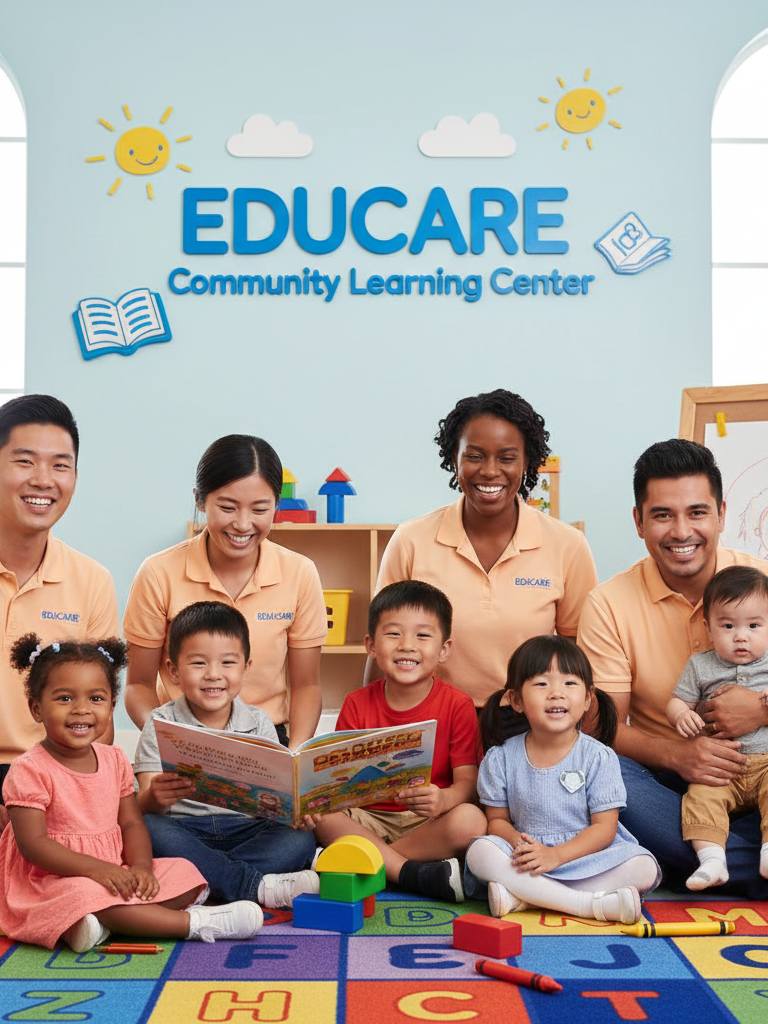
Have you ever noticed that some classrooms feel happy and calm, while others are noisy and confusing? Practical strategies help teachers make classrooms where students show respect and work well together.
First, students learn the rules. Next, they learn to help each other. Educare courses teach teachers how to do all these things step by step. Then, teachers use rewards and routines to guide students.
Finally, students learn to behave and cooperate every day. This article will show simple ways to encourage respect and cooperation in class.
How Can Teachers Show Respect To Students?
First, teachers can show respect by listening to students and being fair. When students feel respected, they also respect others.
Educare courses teach teachers how to speak kindly and treat all students the same.
Listening Carefully
Listening helps students feel important
- First, look at the student
- Next, nod your head to show understanding
- Then, repeat what they said
- After that, do not interrupt
- Finally, ask questions about their ideas
Using Polite Words
Polite words show good behaviour
- First, say please and thank you
- Next, speak calmly
- Then, do not use mean words
- After that, encourage students to use polite words
- Finally, praise polite actions
Showing Fairness
Being fair helps students trust teachers
- First, treat all students the same
- Next, do not have favourites
- Then, explain rules clearly
- After that, listen to everyone
- Finally, reward good behaviour
Respect starts with teachers. Students follow the teacher’s example.
Why Is Setting Rules Important In Class?
First, rules help students know what to do. Rules make classrooms calm and organised. Educare courses teach teachers why rules are important.
Next, students understand the consequences of breaking rules. Then, teachers use rewards to help students follow them.
Finally, students know the classroom is fair for everyone.
Making Simple Rules
Simple rules are easy to follow
- First, keep rules short
- Next, use easy words
- Then, post rules on the wall
- After that, review rules often
- Finally, make rules positive
Explaining Why Rules Matter
Students follow rules when they understand
- First, explain why each rule is important
- Next, show right and wrong behaviour
- Then, ask students to repeat rules
- After that, show how rules keep everyone safe
- Finally, explain what happens if rules are broken
Rewarding Good Behaviour
Rewards help students follow rules
- First, praise students
- Next, give stickers or stars
- Then, offer small privileges
- After that, let students help each other
- Finally, celebrate class achievements
Rules make class calm. Students cooperate better with rules.
How Can Teamwork Encourage Cooperation?
First, teamwork helps students learn to work together. When students help each other, the class becomes happy and calm. Educare courses show teachers how to use teamwork activities.
Next, students enjoy working with partners or groups. Then, they learn to share and take turns. Finally, students see that working together is fun.
Group Projects
Group work helps students share ideas
- First, give each student a role
- Next, listen to each other
- Then, solve problems together
- After that, take turns
- Finally, celebrate group success
Pair Activities
Pairs help students cooperate
- First, change partners often
- Next, share tasks
- Then, help each other
- After that, talk before acting
- Finally, praise each other
Classroom Games
Games teach teamwork and respect
- First, play team games
- Next, do fun challenges
- Then, reward teams
- After that, include everyone
- Finally, play fairly
Teamwork teaches cooperation. Activities make class happy and friendly.
How Can Positive Reinforcement Help Students?
First, positive reinforcement helps students behave well. Praise and rewards make students feel proud. Educare courses teach teachers how to use rewards.
Next, teachers encourage students to try hard. Then, students repeat good behaviour naturally. Finally, students feel confident and happy in class.
Verbal Praise
Praise helps students behave
- First, say “well done”
- Next, praise actions
- Then, use kind words
- After that, notice effort
- Finally, praise in front of class
Stickers And Certificates
Rewards make students proud
- First, give stickers
- Next, give certificates
- Then, reward teamwork
- After that, encourage improvement
- Finally, keep a chart
Privileges And Responsibilities
Extra jobs make students feel trusted
- First, let students help
- Next, give small jobs
- Then, let students choose some activities
- After that, give extra playtime
- Finally, encourage leadership
Praise improves behaviour. Rewards help students cooperate and feel confident.
How Can Teachers Handle Conflicts Fairly?
First, conflicts happen when students argue. Fair handling teaches respect. Educare courses teach teachers to solve problems calmly.
Next, students learn to listen to each other. Then, they learn to find fair solutions. Finally, students see that problems can be solved peacefully.
Listening To Both Sides
Hear all students
- First, let each student speak
- Next, do not interrupt
- Then, repeat what is said
- After that, ask questions
- Finally, stay calm
Finding Solutions Together
Solve problems together
- First, ask for solution ideas
- Next, discuss choices
- Then, help students agree
- After that, praise fair solutions
- Finally, check later
Staying Calm And Neutral
Teachers show how to act
- First, speak softly
- Next, avoid shouting
- Then, stay neutral
- After that, show understanding
- Finally, focus on solving the problem
Fair conflict handling teaches respect. Students learn to solve problems calmly.
How Can Routine Encourage Respect?
First, routines help students know what happens next. They reduce chaos. Educare courses teach teachers how to make routines.
Next, routines help students be ready for learning. Then, students know what to expect every day. Finally, the classroom feels safe and calm.
Morning Routine
Start the day calmly
- First, greet students
- Next, check homework
- Then, explain the day
- After that, organise materials
- Finally, start activities on time
Transition Routine
Smooth transitions reduce noise
- First, give warnings before activity
- Next, explain what is next
- Then, move calmly
- After that, praise smooth transitions
- Finally, keep signals same
End-of-Day Routine
End the day peacefully
- First, review lessons
- Next, assign homework
- Then, pack quietly
- After that, reflect on behaviour
- Finally, say goodbye
Routines make class calm. Students behave better with routines.
How Can Encouraging Participation Help Students?
First, participation helps students feel included. Sharing ideas teaches cooperation. Educare courses show teachers how to involve everyone.
Next, shy students learn to speak up. Then, confident students learn to listen. Finally, students learn that every voice is important.
Asking Questions
Questions help students speak
- First, ask open questions
- Next, give time to answer
- Then, encourage everyone
- After that, praise answers
- Finally, include shy students
Group Discussions
Discussions teach listening
- First, let each student speak
- Next, respect opinions
- Then, summarise points
- After that, encourage polite debate
- Finally, ask thinking questions
Hands-On Activities
Activities make learning fun
- First, use experiments
- Next, explore ideas
- Then, work in groups
- After that, share materials
- Finally, celebrate work
Participation grows respect. Everyone should join activities.
How Can Teachers Model Respect?
First, students copy teachers. Modelling respect teaches children. Educare courses show how teachers guide students. Next, students see examples of kind behaviour.
Then, they copy polite and fair actions. Finally, students understand how to behave well.
Being Polite
Polite teachers inspire students
- First, use kind words
- Next, listen carefully
- Then, greet warmly
- After that, avoid shouting
- Finally, be patient
Showing Empathy
Empathy teaches caring
- First, notice feelings
- Next, respond kindly
- Then, show understanding
- After that, encourage empathy
- Finally, praise caring acts
Being Honest
Honest teachers build trust
- First, admit mistakes
- Next, explain choices
- Then, keep promises
- After that, treat all fairly
- Finally, encourage honesty
Teachers guide students. Modelling respect helps cooperation.
How Can Clear Communication Help Students?
First, clear communication helps students understand rules. Students respect teachers who explain well. Educare courses show how to communicate clearly.
Next, students understand what to do. Then, they follow instructions without confusion. Finally, they feel confident in class.
Simple Instructions
Easy instructions reduce confusion
- First, use short sentences
- Next, give one instruction at a time
- Then, repeat if needed
- After that, check understanding
- Finally, use gestures
Visual Aids
Visuals help students understand
- First, use charts
- Next, show pictures
- Then, label materials
- After that, demonstrate tasks
- Finally, use colours
Feedback And Guidance
Feedback helps students improve
- First, give clear comments
- Next, be specific
- Then, encourage progress
- After that, guide gently
- Finally, avoid harsh words
Clear communication helps respect. Speak simply to encourage cooperation.
How Can Kindness Encourage Respect?
First, kindness makes the classroom feel warm. Students who are kind learn to care for each other. Educare courses guide teachers in showing kindness daily.
Next, kindness spreads from one student to another. Then, everyone feels safe and supported. Finally, kindness becomes part of the classroom routine.
Acts Of Helping
Helping shows kindness
- First, hold doors open
- Next, share materials
- Then, help a classmate with work
- After that, comfort a friend
- Finally, offer support when needed
Using Kind Words
Words can make others happy
- First, say thank you
- Next, compliment others
- Then, avoid teasing
- After that, encourage friends
- Finally, speak gently
Respecting Differences
Differences make us unique
- First, accept everyone
- Next, learn about each other
- Then, celebrate cultures
- After that, include everyone
- Finally, never laugh at others
Kindness creates respect. A kind classroom is a happy place.
How Can Celebrations Build Cooperation?
First, celebrations bring students together. They create joy and teamwork. Educare courses teach teachers to plan class celebrations.
Next, celebrations reward good behaviour. Then, they help students feel proud. Finally, they build a sense of belonging.
Celebrating Achievements
Praise success together
- First, clap for others
- Next, display work
- Then, give awards
- After that, celebrate effort
- Finally, share success stories
Celebrating Birthdays
Birthdays bring joy
- First, sing for the student
- Next, share kind messages
- Then, give a card
- After that, let the student feel special
- Finally, celebrate together
Celebrating Teamwork
Team effort deserves praise
- First, thank the group
- Next, cheer together
- Then, display group projects
- After that, reward teamwork
- Finally, reflect on cooperation
Celebrations build teamwork. They make students proud and happy.
Conclusion
Practical strategies encourage respect and cooperation in class. Teachers can use rules, routines, kindness, teamwork, and rewards to guide students.
With these steps, classrooms become peaceful places where students feel safe. Educare courses help teachers learn how to use these strategies every day.
When respect and cooperation are strong, everyone can learn and grow happily.
If you want to understand more about how teachers create calm and respectful classrooms, exploring Educare courses is the perfect next step.
Frequently Asked Questions
What does respect mean in class?
Respect in class means being polite and fair to teachers and friends. It is about listening and caring for others.
Respect makes learning easier for everyone.
Why do we need rules in school?
Rules help us know what to do and how to behave. They keep classrooms safe and calm.
Without rules, learning becomes noisy and confusing.
How do teachers teach cooperation?
Teachers teach cooperation through teamwork activities. They encourage students to share and take turns.
Cooperation helps everyone learn together.
What is positive reinforcement?
Positive reinforcement means praising or rewarding good behaviour. It makes students proud and happy.
This helps them repeat good actions.
How do routines help in class?
Routines give students a clear plan for the day. They stop confusion and make learning smooth.
Routines help everyone feel calm and ready.
Why is kindness important in school?
Kindness makes the classroom safe and friendly. Students feel cared for when others are kind.
It helps build respect among everyone.
How do teachers handle conflicts?
Teachers solve conflicts by listening to both sides. They help students find fair solutions.
This teaches students to solve problems peacefully.
What is participation in class?
Participation means joining activities and sharing ideas. It helps students feel included and confident.
Everyone learns better when all voices are heard.
How do celebrations help students?
Celebrations make students feel proud of their work. They bring joy and teamwork to the classroom.
Celebrations encourage students to try harder.
What can students do to show respect?
Students can use polite words, help others, and listen carefully. They should follow rules and be kind.
Showing respect makes the classroom happy.
Author: Janice van der Westhuizen
Leave a Reply