Introduction
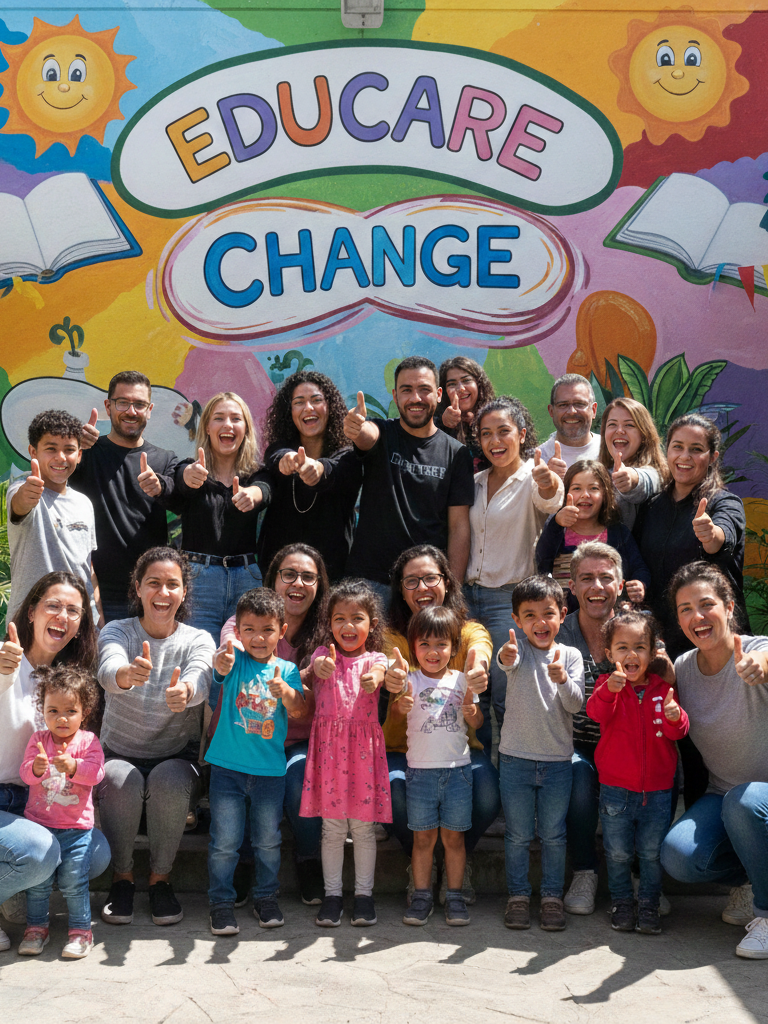
Creating a collaborative school environment helps students succeed because everyone works together. When teachers, students, and parents help each other, learning is easier and more fun.
Educare courses can teach teachers how to guide teamwork. Collaboration brings trust, kindness, and respect at school. A school where everyone helps each other is a happy school.
How Can Teachers Encourage Collaboration?
Teachers help students work together from the start. Educare courses show teachers simple ways to make teamwork happen. Teachers guide students to share, listen, and help each other.
How Can Lessons Be Planned for Teamwork?
Planning lessons with teamwork gives students practice sharing ideas. Group activities make learning fun.
- Create fun group tasks
- Let everyone speak
- Give clear instructions
- Use games for teamwork
- Celebrate group success
How Can Teachers Model Positive Behaviour?
Teachers show students how to act kindly. Students copy what they see. Smile and greet students
- Show patience when helping
- Praise kind actions
- Encourage listening
- Share ideas openly
How Can Teachers Use Praise to Build Teamwork?
Praise helps students feel proud of teamwork. Teachers highlight achievements. Educare courses teach how to give positive feedback.
- Give specific praise
- Focus on effort
- Highlight helpful actions
- Share successes with the class
- Encourage peer praise
Teachers who praise teamwork see students helping each other more. Collaboration becomes natural when teachers guide students well.
Why Is Parent Involvement Important?
Parents support learning at school and home. Educare courses show teachers how to include parents. Parents and teachers together make learning strong.
How Can Schools Invite Parents?
Schools can invite parents to events. This makes parents and students feel proud. Send friendly invitations
- Share learning updates
- Encourage volunteering
- Organise family learning days
- Hold short workshops
How Can Parents Help at Home?
Parents help by reading with children or checking homework. They guide students gently.
- Set a quiet study space
- Read together daily
- Encourage questions
- Help with school projects
- Celebrate learning
How Can Schools Communicate Effectively?
Good communication keeps parents involved. Emails, calls, or newsletters work well. Educare courses teach simple ways to communicate.
- Send weekly updates
- Share important dates
- Invite feedback
- Use clear language
- Give home learning tips
Parents help the whole school succeed. Students feel supported and confident when teachers and parents work together.
How Can Students Learn To Work Together?
Students learn collaboration by practising teamwork every day. Educare courses help teachers create fun exercises. Children see that helping each other is fun and useful.
What Games Teach Teamwork?
Games help students share and solve problems. They learn to communicate and be fair.
- Play group puzzles
- Do team challenges
- Share role-play activities
- Encourage fair play
- Play board games together
How Can Students Solve Conflicts?
Conflicts teach students to listen and talk calmly. They learn to find fair solutions. Learn simple ways to solve problems.
- Teach calm breathing
- Use kind words
- Listen to both sides
- Suggest fair solutions
- Praise peaceful outcomes
How Can Students Celebrate Team Success?
Celebrating teamwork shows that students’ efforts matter. Rewards can be small and fun.
- Give stickers or stars
- Share work with the class
- Clap for effort
- Make a teamwork board
- Say thank you to helpers
Practising collaboration every day makes it a habit. Games, problem-solving, and celebration teach teamwork naturally.
How Can Classroom Layout Support Collaboration?
The classroom layout can make teamwork easier. Educare courses show teachers how to arrange spaces. Flexible, clear spaces help students work together.
How Should Desks Be Arranged?
Small groups let students see and talk to each other. Everyone can take part in activities. Research ideas for friendly classroom layouts.
- Arrange desks in circles
- Make learning corners
- Leave open spaces
- Use shared tables
- Allow movement between areas
How Can Learning Corners Help?
Learning corners give students places to explore together. They can share books, art, or games. Educare courses show how to set up corners.
- Set up reading corners
- Create art stations
- Make science discovery areas
- Provide shared materials
- Rotate between corners
How Can Teachers Keep Classrooms Organised?
Organisation helps students focus and work well together. Clear spaces make teamwork easier. Use simple ways to stay organised.
- Label shelves and bins
- Keep materials tidy
- Store personal items separately
- Rotate materials regularly
- Keep safety in mind
A well-organised classroom helps students work together naturally. Flexible spaces support teamwork every day.
How Can Communication Skills Be Taught?
Communication helps students share ideas clearly. Educare courses teach teachers how to improve speaking and listening. Good communication builds friendships.
How Can Listening Be Practised?
Listening is important for teamwork. Students learn by hearing and repeating ideas. Include listening activities.
- Play listening games
- Repeat what friends say
- Ask questions politely
- Take turns speaking
- Show attention
How Can Speaking Skills Be Improved?
Speaking clearly helps students share ideas. Short talks or group discussions work well.
- Share ideas with a partner
- Use short sentences
- Speak kindly
- Speak loudly enough
- Take turns
How Can Writing Help Collaboration?
Writing helps students plan and share ideas. Group writing projects improve teamwork.
- Make storyboards together
- Write class newsletters
- Create posters as a team
- Keep journals for projects
- Share writing with class
Learning communication skills makes students confident. Students learn to speak, listen, and write together.
How Can Technology Support Collaboration?
Technology helps students work together even apart. Educare courses explain simple tools for schools. Technology can make learning fun and interactive.
What Tools Can Be Used in Class?
Apps and programmes help students share ideas. Teachers guide students safely. Educare courses suggest easy-to-use tools.
- Use group presentation apps
- Share ideas on interactive boards
- Play online educational games
- Work on shared documents
- Send safe group messages
How Can Online Collaboration Be Safe?
Students need rules for safety online. They learn to be careful with information.Teach simple safety tips.
- Never share passwords
- Ask before sharing pictures
- Use teacher-approved sites
- Report problems
- Respect privacy
How Can Technology Make Learning Fun?
Digital tools make lessons lively and exciting. Students enjoy interactive projects. Show how to use technology for teamwork.
- Use quizzes and polls
- Watch educational videos
- Create digital art together
- Try simple coding projects
- Play problem-solving games
Technology helps students connect ideas and work together safely.
How Can School Leadership Promote Collaboration?
Leaders help create a culture of teamwork. Leadership shapes collaboration at school.
How Can Principals Support Teachers?
Principals give resources and encouragement. Teachers feel confident and motivated. Offer teamwork workshops
- Give teaching materials
- Encourage idea sharing
- Give feedback
- Celebrate achievements
How Can Policies Encourage Teamwork?
Rules can support fairness and respect. Policies guide student and teacher behaviour. Use simple ways to encourage collaboration.
- Include teamwork in values
- Reward cooperative actions
- Set clear expectations
- Encourage peer mentoring
- Review rules with staff
How Can Leaders Involve Students?
Students feel important when they have a voice. Leadership roles teach responsibility.
- Create student councils
- Invite project suggestions
- Give small roles
- Celebrate contributions
- Include students in planning
Good leadership helps everyone work together. Leaders guide teachers and students to success.
How Can Assessment Support Collaboration?
Assessment can encourage teamwork. Educare courses teach positive ways to evaluate students. Students feel proud when teamwork is valued.
How Can Group Projects Be Assessed?
Group work shows cooperation. Assessment can focus on teamwork. Use ideas for simple group evaluation.
- Observe discussions
- Check contributions
- Give effort feedback
- Highlight helpful actions
- Reward creativity
How Can Peer Assessment Help?
Students learn from each other. Peer assessment builds responsibility. Explain easy methods for peer feedback.
- Use friendly comment sheets
- Encourage kind feedback
- Rotate reviewers
- Praise constructive suggestions
- Track progress
How Can Self-Assessment Encourage Growth?
Students reflect on their teamwork. Self-assessment builds responsibility. Provide simple reflection forms.
- Check personal contribution
- Set improvement goals
- Identify strengths
- Keep teamwork journals
- Celebrate progress
Assessment helps students feel proud. Teamwork is valued when students reflect and grow.
How Can Diversity Be Celebrated In Schools?
Diversity makes schools interesting. Educare courses teach teachers how to include everyone. Respecting differences improves teamwork.
How Can Different Cultures Be Shared?
Students can teach each other about their traditions. Learning about others builds respect. Give ideas for cultural activities.
- Celebrate festivals
- Share stories and music
- Invite parents to talk
- Display artwork
- Try international games
How Can Special Needs Be Included?
All students can join activities. Inclusion teaches empathy. With an Educare courses you will learn easy inclusion strategies.
- Adapt lessons
- Use visual aids
- Give extra guidance
- Pair students for support
- Celebrate achievements
How Can Language Differences Be Respected?
Students speak many languages. Respecting language helps teamwork. Educare courses will teach you tips for multilingual classrooms.
- Label objects in multiple languages
- Share words with friends
- Celebrate language skills
- Use simple instructions
- Pair students for practice
Celebrating diversity makes everyone feel valued. Inclusive schools build happy, collaborative learners.
How Can Extracurricular Activities Help?
Activities outside class teach teamwork. Educare courses link these to learning. Clubs, sports, and arts bring students together.
How Can Sports Encourage Teamwork?
Sports teach students to cooperate. Team games improve communication. Play small team games
- Rotate positions
- Cheer for others
- Teach fair play
- Celebrate victories
How Can Clubs Build Collaboration?
Clubs give students shared goals. Students learn responsibility. Art and craft club
- Science club
- Reading club
- Gardening club
- Music and drama club
How Can Community Projects Involve Students?
Projects teach teamwork and empathy. Students help others together. Use community project ideas.
- Collect food for charity
- Clean parks
- Plant trees
- Visit seniors
- Raise funds
Extracurricular activities strengthen teamwork skills. Students learn responsibility, empathy, and cooperation.
How Can Teachers Reflect On Collaboration?
Teachers reflect to improve teamwork. Educare courses teach you reflection techniques. Reflection helps teachers guide students better.
How Can Journals Help Teachers?
Journals let teachers record successes and problems. They plan improvements. Educare courses will teach you easy journaling methods.
- Write daily reflections
- Note student reactions
- Record teamwork success
- Identify problems
- Plan next steps
How Can Feedback from Students Help?
Students can share what works for them. Feedback helps teachers plan better. Educare courses explain safe feedback methods.
- Ask simple questions
- Use smiley charts
- Encourage honest answers
- Discuss feedback
- Adjust lessons
How Can Peer Observation Support Teachers?
Teachers watch each other to learn ideas. Sharing helps everyone. Educare courses suggest observation methods.
- Visit other classrooms
- Take notes
- Share ideas
- Try new activities
- Celebrate improvements
Reflection helps teachers grow. They guide students better when they learn from experience.
Conclusion
Creating a collaborative school environment helps students learn and succeed. Teachers, students, and parents feel happy and supported.
Teamwork teaches kindness, respect, and cooperation. Simple strategies build a strong school community. Educare courses help teachers create teamwork naturally.
Classrooms become fun, safe, and inspiring. Every student feels valued. Start working together and make your school shine
Frequently Asked Questions
What is a collaborative school environment?
It is a place where everyone works together. Students, teachers, and parents help each other. It is safe and positive
Why is teamwork important for students?
Teamwork helps students share ideas. It builds confidence and respect. Students learn to listen and help each other
How can teachers encourage collaboration?
Teachers plan group activities. They show kindness and praise teamwork. They guide students to share ideas
Can parents help create collaboration?
Yes, parents can support learning at home. They attend events and talk to teachers. Their help makes school stronger
How can games help teamwork?
Games teach students to share and cooperate. They make learning fun. Students practise listening and helping friends
How can technology support collaboration?
Technology helps students share ideas. It makes projects interactive. Students must follow safety rules
How does classroom layout affect teamwork?
Flexible spaces help students work together. Group desks and learning corners make sharing easy. Clear spaces support collaboration
What role does leadership play in collaboration?
Leaders guide teachers and students. They set a good example. Leadership builds a teamwork culture
How can assessment encourage teamwork?
Assessment can reward group work. Peer review helps students learn. Reflection helps improve teamwork skills
Why is diversity important in schools?
Diversity teaches respect for differences. Students learn from others. Inclusive schools are happier and collaborative
Author: Janice van der Westhuizen
Leave a Reply