A Qualification That Opens Childcare Doors
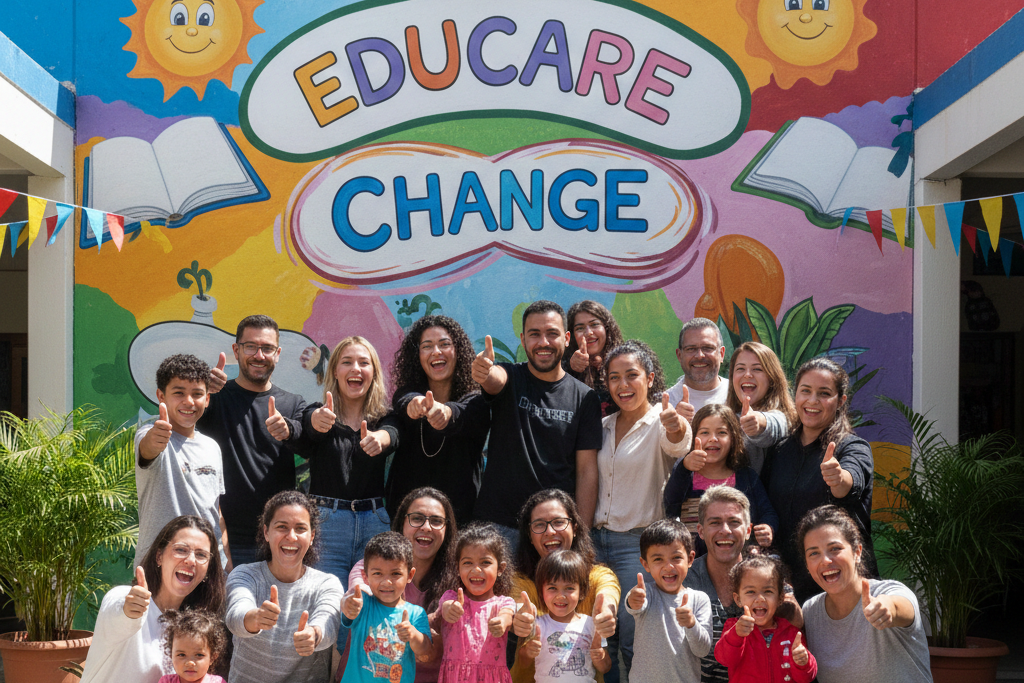
Earning an Educare certificate is much more than simply receiving a document; it represents a key that unlocks numerous opportunities in the world of childcare. This qualification shows that you have gained valuable knowledge about child development, safety, and learning techniques. It proves your dedication to understanding and supporting young children in their early years. More than a piece of paper, it signals to employers that you are prepared and serious about working in a professional childcare environment. This certificate can help you stand out in a competitive job market and is the foundation on which you can build a meaningful career. It marks the beginning of a journey that combines passion with practical skills.
Turn What You’ve Learned Into Real Work Opportunities
Completing your Educare course means you’re ready to apply what you’ve learned in real-life settings. The skills and understanding you have gained equip you to care for children safely and support their development effectively. Employers seek individuals who can translate theory into practice, and your certificate demonstrates that ability. Whether you aim to work in a crèche, aftercare centre, or a playgroup, your qualification opens doors to these environments. This is the moment when your study transforms into valuable work experience. Taking this step allows you to grow your confidence and develop your professional skills while making a positive impact on children’s lives.
Your First Step Into a Career With Purpose and Growth
Choosing to pursue an Educare qualification is a commitment to a career filled with purpose and continual growth. Early childhood development is a field where your work truly matters, influencing the future of countless children. This course sets you on a path where you can constantly learn and improve, whether through further study, gaining experience, or taking on new challenges. The childcare sector offers many chances to advance, from entry-level roles to supervisory positions and specialised fields. Your qualification is the essential first step in this evolving journey. It helps you build the foundation for a career that is both fulfilling and full of opportunities.
From Study to Salary—What Comes Next
After completing your Educare course, the natural next question is, “What comes next?” This phase involves finding ways to turn your qualification into a stable source of income. Starting with entry-level positions allows you to build experience and prove your capability in childcare settings. Alongside work, many choose to continue studying to broaden their expertise and improve job prospects. Whether you decide to gain practical experience, specialise, or even open your own childcare service, your qualification is the springboard. With dedication and effort, the transition from study to salary becomes a rewarding reality. Your career journey in Educare begins here.
Can You Get a Job in a Crèche or Preschool?
Yes, obtaining an Educare certificate significantly improves your chances of securing a job in a crèche or preschool. Early learning centres often look for candidates with recognised qualifications because they want staff who understand how to support children’s development safely and effectively. The certificate proves that you have studied essential childcare topics, including health, safety, and age-appropriate educational activities. While some positions may require additional experience, many entry-level roles are open to qualified graduates. Crèches and preschools value staff who are eager to learn and capable of working as part of a team. This qualification makes you a strong candidate ready to contribute to a positive learning environment for young children.
Are Educare Graduates in Demand at Early Learning Centres?
Educare graduates are in steady demand at early learning centres due to the growing recognition of quality childcare’s importance. Parents and institutions alike want trained professionals who can provide safe and nurturing care while fostering early development. The certificate signals to employers that you have the knowledge and skills to help children thrive in their critical early years. As government policies and regulations continue to emphasise professional qualifications, the need for qualified Educare staff is expected to grow. This demand offers good opportunities for graduates to enter the workforce and build a rewarding career. Centres value graduates who combine qualification with passion and dedication.
What Roles Can You Start In With a Certificate?
With an Educare certificate, you can start in several foundational roles within early childhood settings. Positions such as childcare assistant, classroom helper, or aftercare worker are typical starting points. These roles involve supporting lead educators by supervising children, assisting with daily activities, and helping maintain a safe and stimulating environment. The certificate equips you with the practical skills and theoretical understanding to perform these tasks confidently. Starting in these roles provides invaluable experience and often leads to opportunities for growth and promotion. It’s a chance to develop your professional skills while making a positive difference in children’s lives.
How Do You Fit Into the Day-to-Day Running of a Crèche?
In a crèche, your role as an Educare graduate is vital to the smooth and effective running of daily activities. You might assist in organising playtime, helping with meals, and supporting children during rest periods. Ensuring safety and hygiene is a constant priority, along with encouraging positive behaviour and social skills. Your training helps you understand how to create learning opportunities through structured and spontaneous activities. Collaboration with other staff members ensures that children receive consistent care and attention throughout the day. Your contribution is essential to fostering a nurturing environment where children feel secure and valued. By fulfilling these responsibilities, you help the centre operate efficiently and maintain high standards.
Are There Opportunities in Aftercare and Playgroup Settings?
Aftercare centres and playgroups offer excellent opportunities for Educare graduates looking to expand their career options beyond traditional crèche or preschool roles. These settings cater to children outside regular school hours, providing supervision, homework assistance, and enrichment activities. Many aftercare and playgroup programmes actively seek trained staff to ensure children are engaged safely and positively. Your Educare qualification demonstrates that you understand child development and can create supportive environments tailored to children’s needs. Working in these settings often involves more flexibility and varied daily routines, which some graduates find rewarding. The demand for qualified staff in aftercare and playgroups is growing, making these viable and fulfilling career choices.
Can You Work With Older Children in Structured Programmes?
Yes, working with older children in structured programmes like aftercare or holiday clubs is a common path for Educare graduates. These programmes focus on providing safe, stimulating activities that support children’s learning and social development outside of school hours. Your training equips you to plan and facilitate activities that encourage creativity, teamwork, and personal growth. You may assist with homework supervision or organise sports, arts, and educational games suited to different age groups. Working with older children requires good communication skills and the ability to adapt to changing needs and energy levels. These roles allow you to broaden your experience and work with a wider age range, enhancing your professional versatility.
What Skills Make You Valuable in After-School Care?
Several skills make Educare graduates especially valuable in after-school care settings. Strong organisational abilities help you manage multiple activities and transitions smoothly throughout the day. Patience and empathy enable you to support children who may be tired after school or dealing with personal challenges. Your knowledge of child development guides you in creating age-appropriate programmes that promote learning and social interaction. Good communication skills are essential for building trust with children and liaising with parents or guardians. Additionally, your ability to work as part of a team ensures a collaborative and consistent care environment. These skills combine to make you an effective and trusted caregiver in after-school settings.
How Do Educare Skills Apply to These Environments?
The skills gained through an Educare course are highly applicable to aftercare and playgroup environments. You learn how to observe and respond to children’s developmental needs, which helps you tailor activities and support accordingly. Understanding behaviour management techniques allows you to maintain a positive, safe atmosphere. Your training in health and safety ensures that the children’s wellbeing is always a top priority. Educare skills also emphasise creating inclusive spaces where every child feels valued and respected. Whether encouraging teamwork during games or supporting individual children with extra attention, your knowledge enhances the quality of care. These transferable skills make you adaptable and effective across various childcare settings.
Can You Start Your Own Childcare Business?
Starting your own childcare business is an exciting possibility for Educare graduates who want to create a nurturing environment based on their values and expertise. Whether it’s a small babysitting service, a home-based daycare, or a full crèche, owning your own business gives you control over how care is provided. It also allows you to build a community of families who trust you with their children’s wellbeing. While the qualification provides essential knowledge of child development and safety, running a business requires additional skills in management, organisation, and customer service. Being self-employed means you are responsible not only for the children’s care but also for the success of your enterprise. With passion, dedication, and careful planning, starting a childcare business is a rewarding way to apply your Educare training.
Is It Possible to Open a Babysitting or Daycare Service?
Yes, opening a babysitting or daycare service is a realistic and achievable goal with an Educare certificate. Many graduates begin by offering care from their own homes or by providing babysitting services within their communities. This approach allows you to start small while building experience and a client base. Running a daycare service requires setting up a safe, child-friendly space and creating structured daily routines that support children’s growth and development. Babysitting services can be more flexible but still require a professional attitude and adherence to safety standards. Both options demand clear communication with parents and compliance with regulations. Starting a small service is often the first step towards growing a larger childcare business.
What Are the First Legal and Safety Steps?
Before launching your childcare business, it is crucial to understand and follow all legal and safety requirements. This includes registering your business with the appropriate local authorities and obtaining any necessary licenses or permits. You must ensure that your premises meet health and safety standards, including fire safety, sanitation, and secure play areas. Familiarity with child protection laws and emergency procedures is essential to safeguard the children in your care. Keeping accurate records and maintaining clear policies on issues such as medication, attendance, and behaviour management are also part of running a compliant service. Consulting with local government departments or childcare organisations can help you navigate these steps properly. Taking legal and safety measures seriously builds trust with parents and protects your business.
How Does an Educare Certificate Support Entrepreneurship?
An Educare certificate provides the foundation of knowledge and skills needed to deliver quality childcare, which is essential for any childcare business. It signals to parents and regulators that you are trained in child development, health, safety, and educational activities. This qualification helps you design programmes that meet children’s developmental needs and ensures you understand professional standards. Beyond caregiving, your training encourages professionalism, responsibility, and ethical practice, all crucial traits for business owners. Having formal education also boosts your confidence when dealing with parents and managing your team. Ultimately, the certificate supports entrepreneurship by combining childcare expertise with the credibility needed to succeed as a childcare provider.
Can You Use the Certificate to Work at Home or as a Nanny?
Yes, having an Educare certificate can open doors for working from home or as a professional nanny. Many families seek caregivers who have formal training to ensure their children receive safe, nurturing, and educational care. Working from home as a registered daycare provider or offering nanny services allows you to provide personalised attention in a familiar environment. Your qualification assures parents that you understand child development, safety protocols, and stimulating activities, setting you apart from untrained caregivers. This professional edge often leads to better job opportunities and greater trust from families. Whether running a small home-based service or working directly in a family’s home, your certificate is a valuable asset.
Do Families Value Formal Childcare Training in Nannies?
Families increasingly recognise the importance of formal childcare training when choosing a nanny. Parents want someone who not only looks after their children but also supports their learning, emotional wellbeing, and physical safety. An Educare certificate demonstrates that you have studied essential topics such as child development stages, health and hygiene, and behaviour management. This formal training gives families peace of mind, knowing their child is in capable hands. Certified nannies are often seen as more reliable and professional, which can lead to longer-term engagements and better working conditions. Formal qualifications show commitment to quality care, making you a preferred choice for many families.
How Can Your Skills Set You Apart From Informal Childminders?
Your Educare qualification provides a range of skills that distinguish you from informal or untrained childminders. You understand the theory behind child development, enabling you to plan age-appropriate activities that stimulate learning and growth. Your knowledge of safety standards and health practices ensures children are protected and cared for properly. You are also trained in behaviour management techniques that promote positive interactions and social skills. Additionally, you are familiar with professional ethics and communication, which helps you build trusting relationships with both children and parents. These skills create a more structured, educational, and safe environment, which families highly value.
Are There Agencies or Platforms That Prefer Certified Workers?
Yes, many childcare agencies and online platforms prefer to work with nannies and caregivers who hold formal qualifications like an Educare certificate. These organisations often require certifications to meet their standards and those set by regulatory bodies. Being certified improves your chances of being listed on reputable platforms and getting matched with families seeking professional care. Agencies appreciate that qualified workers bring a higher level of expertise and reliability, which reflects well on their service. Additionally, some platforms offer training resources and support for certified caregivers, helping you further develop your career. Having your certificate increases your visibility and attractiveness in the competitive childcare job market.
Does This Certificate Let You Work in ECD Centres?
An Educare certificate is a valuable qualification for those seeking employment in Early Childhood Development (ECD) centres. These centres focus on providing educational and developmental support to young children, usually from birth to school entry age. Having this certificate demonstrates that you have the essential knowledge and skills to contribute to such environments safely and effectively. While some roles in ECD centres may require additional qualifications or experience, your certificate generally qualifies you for entry-level positions. This makes it a recognised starting point for a career in the sector, allowing you to work alongside teachers and other professionals in nurturing children’s early learning.
What Are ECD Centres and What Roles Do They Offer?
ECD centres are specialised facilities dedicated to early childhood education and care. They offer structured programmes designed to promote children’s cognitive, social, emotional, and physical development before they start formal schooling. These centres employ a range of staff including lead teachers, assistants, caregivers, and support personnel. Roles in ECD centres vary from classroom assistants who help manage groups of children, to coordinators who oversee programmes, and even administrators. The focus is on creating a safe, stimulating environment that encourages learning through play and interaction. For Educare graduates, these centres provide diverse opportunities to contribute in meaningful ways.
Is Educare a Recognised Entry Point Into These Spaces?
Yes, an Educare certificate is widely recognised as a suitable entry-level qualification for many roles in ECD centres. It provides the fundamental knowledge required to support early childhood education programmes and ensures that staff understand child development principles and safety requirements. While higher-level teaching positions may demand additional credentials, the certificate allows you to begin working in the sector and gain valuable experience. Many employers view the Educare qualification as a mark of professionalism and readiness, making it easier for graduates to enter the workforce and progress within ECD centres over time.
Can You Support Teaching and Learning Without Being a Teacher?
Absolutely, many roles within ECD centres involve supporting teaching and learning without holding a formal teaching qualification. As an Educare graduate, you can assist lead teachers by preparing learning materials, supervising children during activities, and helping manage the classroom environment. You play a crucial role in observing and responding to children’s developmental needs, ensuring they are engaged and supported throughout the day. This support enables teachers to focus on planning and delivering lessons while you help maintain a positive and productive atmosphere. Your contribution is essential to the success of early childhood programmes, demonstrating that you can make a significant impact even without being a certified teacher.
Can the Certificate Be Used to Study Further?
An Educare certificate often serves as a valuable stepping stone for further study within the childcare and early childhood development (ECD) fields. It provides the foundational knowledge and skills required to progress into more advanced courses. Many higher-level programmes recognise this qualification as meeting their entry requirements, making it easier to continue your education. Pursuing further study builds on what you have learned, deepening your expertise and opening doors to a wider range of career opportunities. This certificate is not an endpoint but rather a bridge that supports lifelong learning and professional growth.
Is It a Bridge to Higher-Level Courses in Childcare or ECD?
Yes, this certificate acts as a bridge to higher-level courses that offer more specialised training or broader qualifications in childcare and ECD. For example, it can lead to diplomas or advanced certificates focusing on early childhood teaching, management of ECD centres, or special needs education. By completing the initial certificate, you demonstrate your readiness to handle more complex concepts and responsibilities. Educational institutions often view this qualification as evidence that you possess the essential groundwork needed to succeed in further studies. This pathway enables you to enhance your qualifications systematically and strategically.
What Kind of Further Qualifications Can You Pursue Next?
After completing an Educare certificate, you can pursue various further qualifications depending on your career goals. These include advanced diplomas in Early Childhood Development, specialised training in special needs education, or qualifications in ECD centre management. Some may choose to study teaching qualifications to become registered educators, while others might focus on related fields such as child psychology or social work. Each additional qualification expands your skill set and can make you eligible for higher-paying or leadership roles. Continuing education also allows you to specialise in areas that match your interests and strengths within the childcare sector.
How Do These Paths Lead to Senior or Specialised Roles?
Further qualifications prepare you for senior and specialised roles by equipping you with the knowledge and credentials employers seek for leadership and expert positions. Roles such as ECD centre manager, lead educator, or specialist in inclusive education often require advanced study and experience. As you progress, you develop skills in administration, curriculum development, and child assessment, enabling you to take on greater responsibilities. Specialised training also opens opportunities to work with children who have specific needs, such as learning difficulties or developmental delays. These career paths offer increased job satisfaction, higher salaries, and the chance to make a broader impact on children’s lives and the childcare sector as a whole.
Are There Job Opportunities in NGOs or Community Projects?
Yes, many non-governmental organisations (NGOs) and community projects offer job opportunities for Educare graduates interested in supporting children and families beyond traditional childcare settings. These organisations often focus on improving early childhood development, health, nutrition, and education in under-resourced communities. Working for an NGO or community project allows you to apply your skills in environments where support is urgently needed, making a real difference in children’s lives. Roles may be project-based or ongoing, with varied responsibilities depending on the organisation’s focus. These opportunities can be deeply rewarding, combining professional work with social impact and community development.
Can You Work in Child-Focused Non-Profit Organisations?
Absolutely. Child-focused non-profit organisations regularly seek individuals with childcare qualifications to assist in delivering programmes and services designed to benefit young children. These may include parenting workshops, early learning initiatives, health awareness campaigns, or support groups for vulnerable families. Your Educare certificate provides you with the knowledge to understand children’s developmental needs and the skills to contribute effectively to these programmes. Roles in non-profits can involve direct work with children, supporting caregivers, or community outreach. Such positions often require compassion, flexibility, and a strong commitment to social causes.
What Roles Involve Supporting Families and Young Children?
In NGOs and community projects, roles that support families and young children vary widely. You might work as a community educator, helping parents understand child development and effective caregiving practices. Other roles could include organising playgroups, assisting with early literacy programmes, or coordinating health and nutrition initiatives. Some positions focus on advocacy, raising awareness about children’s rights and access to services. Your skills in observation, communication, and developmental support are crucial in these roles. By working closely with families, you help create environments where children can thrive both at home and in the community.
How Can You Use Your Skills to Give Back to Your Community?
Your Educare training equips you with valuable skills that can be used to make a positive impact in your community. Volunteering or working in local projects allows you to share your knowledge of child development, safety, and learning activities with families who might not have access to formal childcare. You can organise educational workshops, support early intervention efforts, or mentor other caregivers. Using your skills in this way helps raise awareness about the importance of early childhood care and strengthens community support networks. Giving back not only benefits children and families but also enriches your own professional experience and personal fulfilment.
Does the Certificate Make You Eligible for Teaching Assistant Roles?
An Educare certificate often qualifies you to work as a teaching assistant in preschools and early learning centres. This role supports lead educators by helping manage the classroom, supervising children, and assisting with daily activities. While it may not be a formal teaching position, the certificate demonstrates that you have the knowledge and skills to contribute effectively. Many employers see this qualification as meeting the basic requirements for such roles, making it a common entry point into the education sector. It provides a valuable opportunity to gain hands-on experience and learn from experienced teachers.
What Is the Role of a Teaching Assistant in Preschools?
A teaching assistant in a preschool supports the lead teacher by helping with the organisation and delivery of educational activities. They supervise children during lessons and playtime, ensuring safety and positive behaviour. Teaching assistants often prepare learning materials, assist individual children who need extra support, and help maintain a structured, nurturing environment. Their role is crucial in creating a calm and organised classroom where children can explore and learn. They also observe children’s progress and communicate with the teacher to contribute to planning. The role involves teamwork, patience, and a strong understanding of child development principles.
Are Educare Graduates Seen as a Good Fit for These Jobs?
Yes, Educare graduates are highly valued as teaching assistants because their training provides them with a solid foundation in early childhood development and care. Employers appreciate that these graduates understand child safety, learning processes, and behaviour management, which are essential for effective support in preschools. Having completed formal education gives graduates an edge over those without qualifications, as they are more likely to follow best practices and maintain professional standards. Educare graduates bring enthusiasm, knowledge, and a caring approach, making them excellent candidates for teaching assistant positions.
Can This Role Lead to Formal ECD Teaching Later?
Absolutely, working as a teaching assistant can be a stepping stone to becoming a fully qualified ECD teacher. This role allows you to gain practical experience, understand classroom dynamics, and develop your skills under the guidance of experienced educators. Many teaching assistants choose to further their studies, using their experience as a foundation to enrol in formal teaching qualifications. The insight and confidence gained from this role are invaluable when pursuing higher-level courses. Over time, with additional education and experience, you can progress into lead teaching positions or specialised roles within early childhood development.
What If You Want to Specialise in a Niche Area of Childcare?
Specialising in a niche area of childcare is a great way to deepen your expertise and stand out in the sector. Fields like special needs care, infant care, or learning support require specialised knowledge and skills that go beyond the basics covered in an Educare certificate. Choosing to focus on one of these areas allows you to meet specific developmental or educational needs, offering tailored support to children who require extra attention. This kind of specialisation can make your work even more rewarding, as you play a critical role in helping children overcome challenges and thrive.
Can You Go Into Special Needs, Infant Care, or Learning Support?
Yes, pursuing specialisation in areas such as special needs education, infant care, or learning support is a natural progression for many Educare graduates. Special needs care involves working with children who have physical, cognitive, or behavioural challenges, requiring patience, understanding, and additional skills. Infant care focuses on the unique developmental requirements of babies, including feeding, sleep routines, and early stimulation. Learning support roles assist children who face difficulties with literacy, numeracy, or social skills, often collaborating closely with teachers and therapists. These specialised roles often demand a deeper understanding and a compassionate approach.
How Do You Build on Your Certificate to Enter These Fields?
Building on your Educare certificate to enter specialised fields typically involves pursuing further training or qualifications tailored to your area of interest. This might include courses in special needs education, early infant development, or remedial teaching. Gaining hands-on experience through internships, volunteering, or work placements in relevant settings also strengthens your skills and employability. Networking with professionals in your chosen niche and joining specialised associations can provide support and open doors to job opportunities. Combining your foundational Educare knowledge with targeted education and experience prepares you well for specialised roles.
Is Additional Training Needed, and Where Can You Get It?
Additional training is usually necessary to specialise effectively in niche childcare areas. Many colleges and training centres offer short courses, diplomas, or certificates focusing on special needs, infant care, or learning support. Some programmes are available online, providing flexibility for working professionals. Community organisations and non-profits may also provide specialised workshops or practical training. It’s important to choose accredited and recognised courses to ensure your qualifications are valued by employers. Continued professional development in your specialisation keeps your skills current and enhances your career prospects.
Frequently Asked Questions About What You Can Do With an Educare Certificate
Can I work with children immediately after finishing the course?
After completing your Educare certificate, you are generally ready to start working with children, especially in entry-level roles like childcare assistant or classroom helper. However, many employers also look for some practical experience, which you can gain through volunteering or internships. Your certificate proves you have the essential knowledge, but hands-on experience will build your confidence and employability.
What’s the difference between working in a crèche and an ECD centre?
A crèche primarily provides basic care and supervision for young children while parents are at work, focusing on safety, meals, and play. An Early Childhood Development (ECD) centre usually offers a more structured educational programme, preparing children for school through learning activities. ECD centres often employ qualified educators and may have a broader curriculum than crèches.
Do I need workplace experience as well as the certificate?
While the certificate equips you with foundational knowledge, workplace experience is highly valuable and often required by employers. Practical experience helps you apply theory to real situations, develop interpersonal skills, and understand daily childcare routines. Gaining experience through volunteering or internships can improve your job prospects significantly.
Can I start my own small daycare with this qualification?
Yes, starting a small daycare or babysitting service is possible with an Educare certificate. It shows you have the knowledge to provide safe and nurturing care. However, you will need to comply with local regulations, including legal registration, safety standards, and child protection policies. Proper planning and understanding of these requirements are essential for success.
Will this help me if I want to work in private childcare settings?
Absolutely. Private childcare providers often look for qualified staff who can ensure high standards of care and education. Your certificate demonstrates professional training, making you a strong candidate for private crèches, aftercare centres, or home-based childcare. Private settings may also offer more competitive salaries and better working conditions.
Can I earn a stable income in these types of roles?
Entry-level childcare roles typically offer modest salaries, but income can become more stable and increase with experience and further qualifications. Some employers provide benefits, and self-employment through running a daycare can offer more control over earnings. Stability often grows as you build your reputation and advance your skills.
Are there government-funded childcare jobs I can apply for?
Yes, government-funded childcare centres and community projects employ Educare graduates. These roles may come with structured salaries and benefits. Working in such centres can provide valuable experience and opportunities for career growth. Availability may vary by region, so it’s important to research local openings.
Is this qualification recognised across South Africa?
The Educare certificate is generally recognised nationwide, allowing you to seek employment in various provinces and towns. However, some regions may have additional requirements or preferences for certain roles. Always check local regulations and employer criteria when applying for jobs.
What kind of jobs let me work flexible or part-time hours?
Roles such as nannying, babysitting, or working in aftercare centres often offer part-time or flexible hours. Many Educare graduates choose these options to balance work with further study or family commitments. Flexibility varies by employer, so discussing your availability during applications is important.
Can I study further without a Matric if I have this certificate?
In many cases, an Educare certificate allows you to pursue further training or specialised courses in childcare without needing a Matric qualification. It serves as an entry point for higher-level studies in early childhood development, special needs education, or ECD management. This opens doors to career advancement even if you don’t have a Matric.
Conclusion: One Certificate, Many Career Options
Completing your Educare certificate marks the beginning of a wide range of career possibilities rather than any limitation. This qualification opens doors to numerous roles within childcare and early childhood development, providing a solid foundation on which to build. Whether you choose to start working immediately, specialise further, or explore self-employment, the path ahead is full of potential. The certificate is your launchpad, not a final destination, allowing you to shape a career that fits your passions and goals. It is the first step in a journey of lifelong learning and growth.
From Employment to Entrepreneurship, the Path Is Yours
Your Educare training prepares you for both employment in various childcare settings and the possibility of starting your own business. You can find work in crèches, preschools, aftercare centres, or community projects, gaining valuable experience and contributing to children’s development. Alternatively, you might choose to open a daycare or babysitting service, using your skills to create a childcare environment that reflects your vision. The flexibility of this qualification means you have the freedom to explore different paths, combining work, study, and entrepreneurship as you see fit. The career choices are diverse and adaptable to your personal ambitions.
Real Skills That Lead to Real Work With Children
The certificate equips you with practical knowledge and skills that are directly relevant to working with young children. From understanding developmental stages and safety practices to planning activities and managing behaviour, your training prepares you for the realities of childcare work. These skills give employers confidence in your abilities and enable you to make a meaningful difference in children’s lives. The combination of theory and practical insight means you’re ready to step into roles that require both care and professionalism. Your qualification is a testament to your readiness and commitment.
Your Educare Certificate Is the Start of Something Bigger
While earning your Educare certificate is a significant achievement, it is only the start of a rewarding career and ongoing professional development. Many graduates choose to further specialise, take on leadership roles, or expand their knowledge through continued study. The certificate lays a strong foundation, but your dedication and choices will determine how far you go. Every step you take builds on this beginning, leading to greater opportunities and personal fulfilment. Your journey in early childhood development is just beginning, and the future holds exciting possibilities.
Author: North
Leave a Reply