The Growing Importance of Project Management in Various Industries
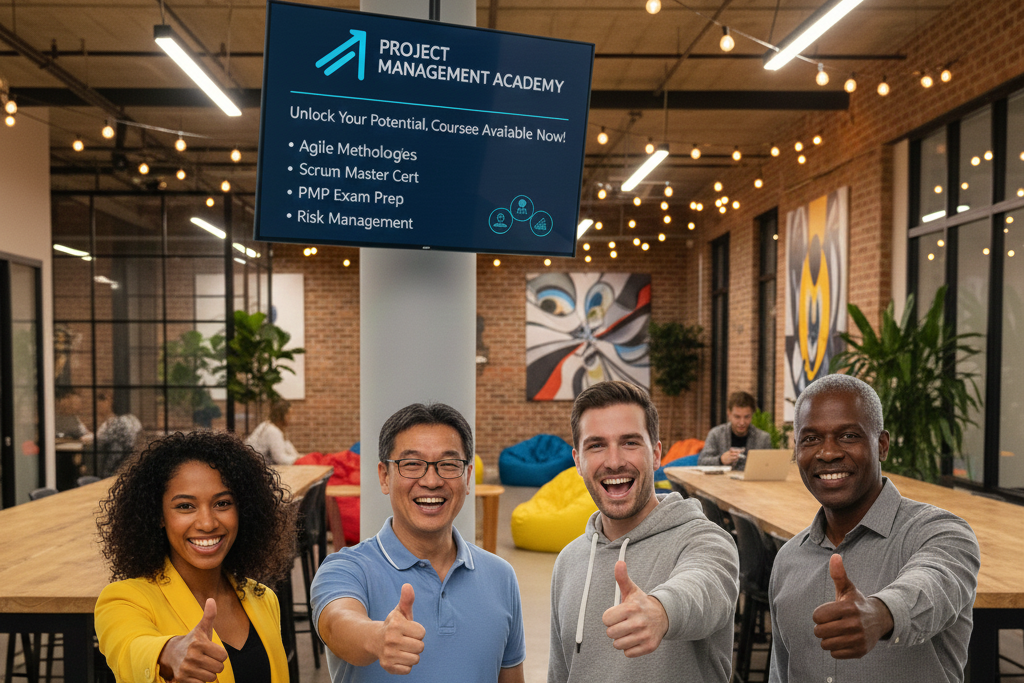
In today’s fast-paced and competitive business world, the importance of project management has never been greater. Project management plays a crucial role in ensuring that businesses meet their goals, deliver projects on time, and maintain a competitive edge. As industries continue to grow and diversify, the need for structured, efficient management of projects across sectors—from healthcare to technology to construction—has become even more vital.
Enrolling in an online project management course equips professionals with the skills to streamline processes, allocate resources effectively, manage risks, and ensure that every phase of a project aligns with broader business objectives. With businesses relying more heavily on project managers to drive success, innovation, and growth, obtaining an online project management certificate can help individuals stand out in a rapidly evolving job market.
Why Project Management Skills Are in High Demand
Project management skills are in high demand across various industries due to the increasing complexity of projects and the need for organisations to deliver results efficiently. With businesses striving for operational excellence, strong project management skills are essential for navigating tight deadlines, managing resources effectively, and adapting to unexpected challenges. As technology advances and project scopes grow larger, the expertise required to manage such projects effectively has become more specialised. Project managers who are proficient in using modern project management methodologies, such as Agile and Scrum, are highly sought after by employers looking to stay competitive in a rapidly changing environment. Moreover, the ability to manage remote teams and handle multi-faceted projects in diverse industries further elevates the demand for skilled professionals in the field.
What This Article Will Cover to Demonstrate the Value of Investing in a Project Management Course
This article will explore the increasing significance of project management across various industries, highlighting how businesses rely on skilled project managers to drive project success. It will also discuss why project management skills are more in demand than ever before, as organisations recognise the benefits of structured and efficient project execution. By examining the growing opportunities in the project management field, we will demonstrate why investing in a project management course is a wise decision for anyone looking to enhance their career prospects and remain competitive in today’s job market. The article will provide valuable insights into the skills, methodologies, and tools taught in project management courses, illustrating how they can help you advance in the profession.
The Increasing Demand for Skilled Project Managers
The demand for skilled project managers is on the rise as businesses across various industries recognise the value of structured project execution. Companies are continuously looking for professionals who can lead teams, manage budgets, and deliver results efficiently. With industries evolving at a rapid pace, the ability to handle complex projects, mitigate risks, and adapt to changing environments has become a crucial skill. Businesses, both large and small, need project managers who can oversee operations, ensure deadlines are met, and maintain quality standards—all while managing resources effectively.
Why Project Managers Are Essential in Every Industry
Project management is no longer confined to construction or IT; it has become a fundamental aspect of every industry. From healthcare and finance to education and marketing, organisations depend on project managers to bring structure to their operations. In sectors such as technology and manufacturing, where innovation is constant, project managers ensure that new initiatives are implemented smoothly. Even creative fields, such as media and entertainment, require structured project management to coordinate productions, campaigns, and events. No matter the industry, businesses need professionals who can plan, execute, and oversee projects with precision.
How Businesses Rely on Effective Project Management for Success
Success in business is largely dependent on how well projects are managed. Companies that invest in strong project management practices benefit from increased efficiency, reduced costs, and better risk management. An effective project manager ensures that projects are completed on time, within budget, and in alignment with the company’s goals. Without clear direction and proper planning, businesses risk missed deadlines, overspending, and wasted resources. The presence of a skilled project manager helps organisations remain competitive by driving innovation and ensuring smooth execution of strategies.
The Career Opportunities That Open Up with Project Management Skills
Having project management skills can significantly enhance career prospects, offering opportunities across multiple industries. With businesses seeking individuals who can handle strategic planning and execution, project managers enjoy career stability and professional growth. Those with expertise in Agile methodologies, digital project management, or sustainability-focused project planning are especially in demand. A background in project management can lead to roles such as programme manager, operations manager, or even executive leadership positions. By gaining project management qualifications, professionals open doors to diverse career paths, higher earning potential, and greater job security in an ever-changing job market.
Expanding Your Career Options with Project Management Skills
Project management skills are among the most versatile and valuable in today’s job market. Whether you are looking to advance in your current role, switch industries, or take on leadership responsibilities, understanding project management principles can open the door to countless career opportunities. Businesses across various sectors actively seek individuals who can manage timelines, budgets, and resources effectively while ensuring projects meet their objectives. Developing strong project management skills not only boosts employability but also allows professionals to navigate an ever-evolving job landscape with confidence.
How Project Management Courses Open Doors to New Roles
Completing a project management course equips individuals with the knowledge and practical skills needed to take on more responsibility in their careers. Many organisations prefer to hire candidates who understand project management principles, even for roles that are not traditionally labelled as “project management” positions. Skills such as strategic planning, risk management, stakeholder communication, and problem-solving are highly valued across industries. A recognised qualification in project management can provide access to new roles such as operations manager, programme coordinator, business analyst, and even executive leadership positions.
The Flexibility of Project Management Across Different Sectors
One of the biggest advantages of project management is its adaptability to multiple industries. Whether in technology, healthcare, finance, construction, or creative industries, project managers are needed to drive efficiency and ensure successful project delivery. A well-trained project manager can work in diverse environments, from launching new software in the tech sector to coordinating large-scale infrastructure projects. The skills gained in project management are transferable, allowing professionals to shift between industries without the need for entirely new qualifications. This flexibility makes project management a valuable career choice for those looking for stability and growth.
Transitioning into Project Management from Other Career Paths
Many professionals find themselves naturally transitioning into project management without realising it. Those with experience in coordinating teams, overseeing deadlines, or managing business objectives may already possess core project management skills. By formalising this knowledge through a project management course, individuals from fields such as administration, marketing, engineering, or customer service can move into specialised project management roles. Training in project methodologies such as Agile or Waterfall helps professionals refine their approach, making them more effective leaders and decision-makers in their organisations. A structured project management qualification can bridge the gap between experience and formal recognition, making it easier to transition into a dedicated project management career.
Enhancing Your Earning Potential with Project Management Qualifications
Pursuing a project management qualification can significantly impact your earning potential. As industries increasingly rely on skilled project managers to oversee critical initiatives, professionals with formal training and recognised qualifications stand out in the job market. Employers value project management expertise because it directly contributes to business efficiency, cost savings, and successful project completion. As a result, those with project management certifications often have greater negotiating power when it comes to salary, benefits, and career advancement opportunities.
The Impact of Project Management Certifications on Salary
Holding a recognised project management certification demonstrates to employers that you have the necessary skills and knowledge to manage complex projects effectively. Many businesses are willing to offer higher salaries to certified project managers because they reduce risks, improve productivity, and drive business success. Industries such as finance, healthcare, IT, and construction especially prioritise hiring professionals with formal project management training. In competitive job markets, having a project management qualification can give candidates an edge, leading to better salary prospects and greater long-term earning potential.
How a Project Management Course Can Lead to Better Compensation Packages
Beyond increasing base salaries, a project management qualification can also lead to better overall compensation packages. Certified project managers are often in line for promotions, bonuses, and leadership opportunities. Many organisations offer additional benefits, such as performance-based incentives, professional development funding, and the ability to take on high-profile projects. Companies understand that investing in skilled project managers leads to higher success rates for their initiatives, making it more likely that they will reward professionals who have demonstrated their commitment to continuous learning and improvement.
Comparing Earnings: Certified vs. Non-Certified Project Managers
While experience plays a role in determining salary, project management qualifications can be the deciding factor in securing higher pay. Certified project managers tend to earn more than their non-certified counterparts because they bring proven expertise to the table. Employers see certified professionals as lower-risk hires who can handle challenges effectively, making them more willing to offer competitive salaries. Additionally, as organisations increasingly standardise their project management practices, having a recognised qualification becomes an essential requirement for higher-paying roles. Investing in a project management course not only enhances career prospects but also ensures that professionals remain competitive in a job market that values efficiency, leadership, and strategic thinking.
Building a Strong Professional Network Through Project Management Courses
A project management course does more than just provide theoretical knowledge—it also offers the opportunity to build a strong professional network. In today’s competitive job market, connections can be just as valuable as skills. Whether studying online or in person, project management students gain access to industry professionals, experienced instructors, and like-minded peers, all of whom can contribute to career growth. A well-established network can lead to mentorship, job opportunities, and insights into industry trends, giving professionals a competitive edge in the field.
The Power of Networking with Industry Professionals
Networking is a key aspect of career success, and project management courses create an ideal environment for developing meaningful professional relationships. Many courses involve guest speakers, industry panels, and collaborations with professionals who have extensive experience in the field. Engaging with these individuals can provide valuable guidance, career advice, and potential job referrals. By interacting with experts who have navigated the challenges of project management, students gain insights that can help them advance more quickly in their own careers.
How Project Management Courses Connect You to Key Players in the Field
Project management courses often provide access to industry networks that might otherwise be difficult to reach. Many institutions have partnerships with businesses, allowing students to connect with hiring managers, senior project managers, and recruiters. Some courses include internship opportunities or real-world projects where students work alongside professionals in their chosen industries. These experiences not only help students apply their skills in practical settings but also position them as strong candidates for future employment. A well-connected student can use these relationships to explore new job opportunities and stay informed about emerging trends in project management.
Building Long-Term Relationships with Fellow Students and Instructors
The relationships formed during a project management course can last far beyond graduation. Fellow students often come from diverse professional backgrounds, and these connections can lead to job collaborations, business partnerships, or even mentorship opportunities. Instructors, who are typically experienced project managers, can also serve as long-term mentors, offering career advice and professional support. Staying engaged with classmates and educators through professional networks, online forums, or industry events ensures continued learning and career growth. These relationships can prove invaluable when seeking job opportunities, professional recommendations, or insights into new developments in project management.
Mastering In-Demand Project Management Tools and Techniques
Project management is no longer just about timelines and task delegation—it requires mastery of advanced tools and methodologies that enhance efficiency and collaboration. Businesses today rely on structured project management frameworks and digital solutions to manage complex projects, making it essential for professionals to stay up to date with industry trends. A project management course provides hands-on training in essential tools and techniques, ensuring that learners are well-prepared to take on real-world challenges.
Learning Industry-Standard Tools for Project Tracking and Collaboration
Modern project management heavily depends on digital tools designed to improve productivity, organisation, and communication. Software such as Microsoft Project, Trello, Asana, and Monday.com allows project managers to plan, assign tasks, and monitor progress seamlessly. Collaboration platforms like Slack and Microsoft Teams help teams stay connected, especially in remote or hybrid work environments. A project management course introduces students to these essential tools, ensuring they can confidently navigate project tracking, resource allocation, and team coordination in professional settings.
How a Project Management Course Prepares You to Manage Complex Projects
Managing large-scale projects requires a structured approach to planning, execution, and risk management. A project management course teaches fundamental principles such as project lifecycle management, stakeholder engagement, and budgeting strategies. Students gain insights into scheduling techniques like the Critical Path Method (CPM) and Earned Value Management (EVM), which are widely used in industries such as construction, IT, and finance. By applying these concepts in simulated or real-world scenarios, learners develop the skills needed to handle complex projects from initiation to completion.
Staying Ahead with New Project Management Methodologies and Technologies
The field of project management is continuously evolving, with new methodologies and technologies emerging to improve efficiency. Agile and Scrum frameworks have become widely adopted in industries that require flexibility, while traditional approaches like Waterfall remain relevant for structured, sequential projects. A project management course provides an understanding of these different methodologies, helping students choose the best approach based on project needs. Additionally, the integration of Artificial Intelligence (AI) and data analytics in project management is shaping the future of the profession. Learning how to leverage these advancements allows project managers to enhance decision-making, optimise workflows, and predict project outcomes with greater accuracy.
By mastering industry-standard tools and methodologies, professionals can position themselves as valuable assets in any organisation. A project management course equips learners with the expertise needed to navigate modern project challenges, ensuring they remain competitive in an increasingly technology-driven industry.
Boosting Your Leadership and Team Management Skills
Successful project management goes beyond planning and execution—it requires strong leadership and the ability to guide teams toward achieving common goals. A project management course not only teaches technical skills but also helps develop essential leadership qualities that make a project manager effective. Whether managing a small team or overseeing large-scale projects, the ability to inspire, communicate, and resolve conflicts is crucial for delivering successful outcomes.
How Project Management Courses Improve Your Leadership Abilities
Leadership is at the heart of project management. A course in project management provides training in key leadership areas such as decision-making, problem-solving, and strategic thinking. Learning how to set clear objectives, delegate tasks, and motivate teams ensures that projects run smoothly. Many courses include real-world case studies and simulations, allowing students to apply leadership techniques in practical settings. This hands-on approach builds confidence in handling challenges and making critical decisions that impact a project’s success.
Managing Teams Effectively with Project Management Knowledge
Leading a team requires more than just assigning tasks—it involves fostering collaboration, managing diverse personalities, and ensuring that everyone remains focused on project goals. A project management course teaches techniques for effective communication, conflict resolution, and stakeholder engagement. Understanding different working styles and team dynamics allows project managers to create an environment where productivity and innovation thrive. With the rise of remote and distributed teams, learning how to manage virtual collaboration tools and cross-functional teams has become more important than ever.
Building Confidence in Leading and Delivering Successful Projects
Confidence is a key trait of effective project managers. By gaining a deep understanding of project frameworks, risk management strategies, and performance tracking methods, professionals become more equipped to handle complex challenges. Project management courses provide structured learning experiences that reinforce leadership skills, enabling managers to take charge of projects with greater certainty. The ability to stay calm under pressure, make informed decisions, and guide teams through obstacles is what sets great project managers apart.
A strong foundation in leadership and team management enhances career prospects and opens doors to senior project management roles. Investing in a project management course ensures that professionals are well-prepared to lead with confidence, drive project success, and adapt to the ever-evolving demands of the industry.
Gaining Credibility and Professional Recognition
Project management is a highly competitive field, and having the right qualifications can significantly enhance your professional credibility. Employers look for candidates who not only have practical experience but also demonstrate a commitment to professional growth. Completing a project management course signals to employers, clients, and colleagues that you have the skills and knowledge needed to lead projects successfully.
The Value of Certification in Enhancing Your Professional Profile
A recognised project management qualification can set you apart in the job market. It shows that you have been trained in industry-standard methodologies and best practices. While experience is valuable, certification provides formal recognition of your expertise and ensures that your skills align with industry expectations. Many employers prioritise candidates who have completed relevant courses because they know these individuals are equipped with the latest project management techniques.
How Employers Recognise the Importance of Project Management Qualifications
Businesses across industries rely on structured project management to improve efficiency and profitability. Employers understand that hiring certified project managers reduces project risks, ensures better resource allocation, and improves overall project outcomes. A recognised qualification reassures employers that you have a strong foundation in planning, execution, and risk management. In many cases, project management training can be a deciding factor when hiring for leadership roles or promoting employees within an organisation.
Demonstrating Your Commitment to Professional Growth
Investing in a project management course highlights your dedication to career development. It shows that you are proactive about improving your skills and staying updated with industry trends. Employers and clients respect professionals who take the initiative to enhance their knowledge, as it demonstrates a willingness to adapt and grow within their field. A project management qualification not only boosts your credibility but also increases your confidence in handling complex projects, leading teams, and making strategic decisions.
By gaining professional recognition through project management training, you improve your career prospects and position yourself as a valuable asset in any organisation. Whether you are looking to advance in your current role or explore new job opportunities, a formal qualification in project management strengthens your professional reputation and opens doors to greater career success.
Developing Problem-Solving and Critical Thinking Skills
Project management is all about solving problems and making informed decisions under pressure. Every project comes with unexpected challenges, from shifting deadlines to resource constraints. The ability to think critically and make sound decisions is what separates effective project managers from the rest. A project management course provides the tools and techniques needed to sharpen these essential skills, ensuring that professionals can confidently handle complex project scenarios.
How Project Management Courses Sharpen Your Decision-Making Abilities
Effective decision-making is a core competency in project management. A well-structured course teaches students how to assess situations, weigh different options, and choose the best course of action. Techniques such as risk analysis, cost-benefit evaluations, and stakeholder impact assessments help project managers make informed choices that align with business goals. Case studies and practical exercises included in many courses allow learners to practise making decisions in real-world project settings, refining their ability to think quickly and strategically.
Learning to Anticipate and Address Challenges in Projects
Projects rarely go exactly as planned. Budget overruns, scope changes, and team conflicts are common obstacles that require quick and effective resolution. A project management course trains individuals to anticipate potential risks before they become major problems. Learning about contingency planning, issue tracking, and conflict resolution ensures that professionals are equipped to manage setbacks with confidence. By developing proactive problem-solving skills, project managers can keep projects on track and maintain team morale even in high-pressure situations.
The Role of Critical Thinking in Navigating Complex Project Scenarios
Critical thinking allows project managers to analyse challenges from multiple perspectives and develop innovative solutions. Instead of relying on rigid, one-size-fits-all approaches, skilled project managers adapt their strategies based on the specific needs of each project. A project management course enhances analytical thinking by introducing students to frameworks like SWOT analysis (Strengths, Weaknesses, Opportunities, and Threats) and root cause analysis. These techniques help professionals break down complex problems, identify underlying issues, and implement effective solutions.
By strengthening problem-solving and critical thinking abilities, project management training prepares professionals for the realities of managing projects in dynamic and fast-paced industries. These skills not only improve project outcomes but also enhance career prospects, making individuals more valuable to employers and clients.
Enhancing Job Security in a Competitive Job Market
In an ever-changing job market, having a strong set of skills can make the difference between career stability and uncertainty. Project management is a field that continues to grow, with businesses across industries recognising the need for skilled professionals to lead projects effectively. As companies prioritise efficiency, innovation, and adaptability, those with project management expertise are more likely to remain valuable and in demand.
Why Project Management Skills Provide Long-Term Career Stability
Industries are evolving rapidly, and organisations require professionals who can manage change, navigate uncertainty, and deliver successful projects. Project management skills are not limited to one sector—they are essential across industries, from construction and healthcare to finance and IT. This broad applicability provides long-term career security, as project managers can transfer their expertise between different fields. Additionally, project managers play a crucial role in helping businesses stay competitive, ensuring that their skills remain relevant even as industries evolve.
How Having Certification Can Protect You from Job Market Instability
While experience is important, formal certification adds an extra layer of credibility that can help professionals stand out in uncertain job markets. Employers are more likely to retain and promote individuals who have recognised qualifications in project management, as they demonstrate a commitment to professional growth and industry best practices. A certified project manager is also more adaptable to shifting industry trends, as many courses cover emerging project management methodologies, digital tools, and leadership strategies that keep professionals ahead of the curve.
The Growing Demand for Qualified Project Managers in the Global Workforce
As businesses expand globally and projects become more complex, the need for skilled project managers is rising. Organisations are looking for professionals who can manage resources, control risks, and ensure project success in an increasingly interconnected world. With digital transformation accelerating across industries, project managers who understand how to integrate technology, manage virtual teams, and drive efficiency are becoming even more sought after.
Investing in a project management course enhances job security by equipping professionals with the skills, knowledge, and certification needed to thrive in a competitive workforce. Whether seeking career advancement, job stability, or the ability to transition between industries, project management expertise provides a strong foundation for long-term success.
Continuous Professional Growth and Learning in Project Management
Project management is a dynamic and evolving field where the ability to adapt and grow is essential for long-term success. Unlike some professions that remain relatively static, project management encourages continuous learning to stay ahead of changing methodologies, technologies, and industry needs. The pursuit of lifelong learning in this field not only keeps professionals relevant but also enhances their ability to manage increasingly complex and diverse projects.
Why Project Management is a Field That Promotes Lifelong Learning
Project management is not just a job—it is a constantly evolving discipline. New tools, techniques, and frameworks are regularly introduced, and project managers must continually update their skills to stay competitive. As businesses face new challenges such as globalisation, digital transformation, and increased focus on sustainability, project managers must evolve their approach to meet these demands. Whether it’s adopting Agile methods, integrating new software, or refining leadership strategies, ongoing education is key to staying at the top of your game.
The Importance of Staying Updated on Industry Trends and Best Practices
Project managers who remain stagnant risk falling behind as industries evolve. Staying updated on the latest industry trends, best practices, and emerging technologies is critical for maintaining a competitive edge. Project management courses are designed to keep professionals informed about these developments, ensuring they are equipped to tackle contemporary challenges. By learning about new project management methodologies, risk management tools, and strategies for managing remote teams, project managers can lead more effectively and deliver better results.
How a Project Management Course Sets the Foundation for Ongoing Development
A project management course provides the foundational knowledge necessary for continuous professional growth. Not only does it teach core concepts such as planning, budgeting, and risk management, but it also introduces professionals to the resources and networks they need to keep learning. Through access to industry experts, peer networks, and ongoing educational opportunities, a project management course helps professionals stay engaged in their development long after completing the programme. Many courses offer certification renewals or advanced training options that keep individuals informed of the latest project management strategies and technologies.
Project management is a career that rewards those who embrace lifelong learning. By committing to continuous education, project managers position themselves for sustained success, adapting to evolving market needs and remaining highly competitive in the job market.
Frequently Asked Questions
How long does it take to complete a Project Management course?
The length of a Project Management course depends on several factors, including the type of course, whether it is online or in-person, and the pace at which you choose to study. Generally, courses range from short-term certifications that take just a few weeks to complete, to more comprehensive programmes that can span several months. Online courses often offer more flexibility, allowing students to work at their own pace. On average, a basic certification course can take 6-12 weeks, while more advanced courses such as the Project Management Professional (PMP) may require several months of study, with preparation time for exams.
Will a Project Management course help me advance in my current role?
Yes, enrolling in a Project Management course can significantly impact your career progression, especially if you are looking to take on more leadership responsibilities or expand your role within your current organisation. The skills you learn, such as effective communication, team management, budgeting, and risk assessment, are directly applicable to many industries. By acquiring these competencies, you’ll be able to manage projects more efficiently, increase productivity, and contribute to the company’s bottom line. Employers are often more inclined to promote employees who have demonstrated a commitment to professional growth, and a Project Management qualification is an effective way to showcase your readiness for advancement.
How does taking a Project Management course impact my career growth?
Taking a Project Management course can accelerate your career growth in several ways. First, it adds a valuable skill set to your professional profile that is widely recognised across industries. Project managers are essential to the successful execution of projects, making this role highly sought after. Gaining certification demonstrates your commitment to mastering industry-standard practices and makes you a more competitive candidate for senior roles. Additionally, acquiring project management skills opens doors for transitioning into different industries, as the core principles of project management apply universally—from technology and healthcare to construction and finance. The leadership and strategic thinking skills you develop are essential for climbing the career ladder, and the knowledge gained from a project management course can lead to opportunities for higher pay, promotions, and more responsibilities.
What certifications are recognised in the Project Management industry?
In the Project Management industry, there are several highly regarded certifications that can make you stand out to potential employers. The Project Management Professional (PMP) certification, offered by the Project Management Institute (PMI), is one of the most recognised and sought-after qualifications worldwide. This certification demonstrates your ability to lead and direct projects successfully. Other certifications include the Certified Associate in Project Management (CAPM) from PMI, which is ideal for individuals just starting in project management. Additionally, PRINCE2 (Projects IN Controlled Environments) is a widely respected certification, especially in the UK and Europe, that provides in-depth knowledge of process-based project management. Each of these certifications validates your skills and shows that you are qualified to manage projects at various levels, whether you are just starting or you are an experienced professional looking to take your career to the next level.
How can Project Management courses increase my job security?
Project Management courses can enhance job security in multiple ways. As businesses become more project-driven, the need for skilled project managers continues to grow across industries. With a Project Management qualification, you can ensure your relevance in the workforce, making you a key asset to any organisation. A qualified project manager is often seen as someone who can deliver projects on time, within budget, and to the desired standard, which is crucial for a company’s success. Certifications, in particular, provide added assurance to employers that you are proficient in managing the complexities of projects. Additionally, certification helps you stand out in competitive job markets and provides protection against job instability. When businesses are faced with economic uncertainty, they tend to retain highly skilled professionals who can drive growth, streamline operations, and reduce risks. Therefore, by investing in your skills through project management training, you’re not only enhancing your career prospects but also ensuring job security for the long term.
Are Project Management courses suitable for someone with no prior experience?
Yes, Project Management courses are often suitable for individuals with no prior experience in the field. Many training programmes are designed to provide foundational knowledge for beginners. These courses typically start with basic concepts such as project initiation, planning, execution, monitoring, and closing. They also cover essential skills like budgeting, scheduling, and stakeholder management, all of which are fundamental to successful project execution. Some programmes specifically cater to entry-level learners and progress step-by-step, introducing them to industry tools and methodologies such as Agile and Waterfall. Additionally, these courses are structured to ensure that you gain practical, real-world knowledge that you can apply immediately, making them ideal for those who are new to project management.
How can I leverage my Project Management qualifications for better job opportunities?
Project Management qualifications provide an immediate competitive edge in the job market. By obtaining a certification such as PMP or PRINCE2, you demonstrate to employers that you have the essential skills to successfully manage projects and lead teams. This is especially valuable as companies are increasingly looking for skilled project managers who can help them achieve their goals efficiently and effectively. Having these qualifications can also make you eligible for senior-level roles, which often come with better compensation and benefits. Additionally, certifications help expand your professional network, as many industry associations host networking events, conferences, and seminars where you can meet other project management professionals, exchange ideas, and discover new job opportunities. To leverage your qualifications, make sure your resume highlights your certification, and don’t forget to seek out job roles that align with your skills, such as project manager, programme manager, or operations manager.
What are the best Project Management tools taught in these courses?
Project Management courses often introduce students to a variety of industry-standard tools and software that are essential for tracking, managing, and collaborating on projects. Some of the most widely taught tools include Microsoft Project, which is used for scheduling, tracking, and resource management; Asana and Trello, which are popular for task management and team collaboration; and Jira, which is particularly useful for software development and Agile project management. These tools enable project managers to effectively organise and monitor tasks, track project progress, and communicate with team members and stakeholders. Additionally, modern courses often introduce Monday.com and Basecamp, which are designed for seamless collaboration, especially for remote teams. Learning how to use these tools not only helps you manage projects more efficiently but also makes you more proficient in the day-to-day tools that employers expect project managers to be comfortable with.
Is it possible to work while completing a Project Management course?
Yes, many Project Management courses are designed with flexibility in mind, allowing you to work while studying. Online and part-time courses, in particular, offer the flexibility to balance your professional and personal commitments. These courses typically allow you to complete assignments and lessons at your own pace, often through an online platform, so you can study during evenings or weekends, without the need to take time off work. If you’re already in a project management role, you may also find that the course enhances your job performance in real time, as you can apply the lessons you are learning immediately to your work. However, if you are studying full-time, some courses may require more intensive dedication and fewer work hours.
How can I ensure that the Project Management course I choose offers value for my investment?
Choosing the right Project Management course requires careful consideration of several factors to ensure that it offers value for your investment. First, check if the course is accredited by reputable institutions like PMI or if it offers recognised certifications. Accreditation ensures that the course meets industry standards and will be acknowledged by potential employers. Look for courses that offer practical, hands-on training in addition to theoretical knowledge. The best courses will equip you with real-world tools, methodologies, and case studies that you can immediately apply in your career. Also, consider the course’s reputation by reading student reviews or speaking with alumni about their experiences. Finally, evaluate whether the course provides access to networking opportunities, career support, and ongoing learning resources to keep your skills up-to-date even after you’ve completed the programme. By ensuring the course meets these criteria, you can be confident that your investment will pay off in the form of enhanced career prospects.
Conclusion: Recap of the key reasons why Project Management courses are a wise investment
Project Management courses offer a comprehensive foundation for anyone seeking to progress in their career. These courses equip you with the practical skills, tools, and methodologies required to manage projects effectively. Whether you’re looking to lead projects, enhance team collaboration, or optimise resource allocation, a Project Management qualification enables you to address the challenges faced by businesses today. Through acquiring certification, you demonstrate your commitment to professional development, gain credibility in your industry, and increase your competitiveness in the job market.
Encouragement to invest in your career through continuous learning
In an ever-evolving job market, investing in your education through Project Management courses is essential for staying ahead. The field of project management is constantly adapting, and staying updated with new trends and technologies will help you maintain relevance and adaptability in your career. Embracing continuous learning means you are better equipped to take on leadership roles, manage complex projects, and solve real-world problems effectively. Therefore, making an investment in education today will reap long-term benefits for your career growth.
Final thoughts on how Project Management qualifications can lead to long-term success and professional growth
Project Management qualifications offer long-term value by giving you the tools to succeed in various industries. As organisations increasingly recognise the importance of effective project management, having the right skills is crucial to advancing your career. Certification not only enhances your professional credibility but also opens doors to new career opportunities, higher salaries, and leadership positions. By investing in a Project Management course, you are setting yourself up for sustainable success and professional growth, ensuring you are well-positioned to tackle the challenges of tomorrow’s business landscape.
Author: North
Leave a Reply