Category: Project Management

  • How Online Project Management Courses Are Helping Career Changers Succeed

    Are you thinking of starting a new career but do not know where to begin? Online project management courses are helping people change their careers by teaching them useful planning and leadership skills. 

    These courses show how to manage time, stay organised, and work well with teams. If you are starting fresh, this training can give you the confidence and tools you need. 

    It is simple to follow and gives you skills that work in any job. Learn step by step and feel ready to grow in a new role.

    Why Are Online Project Management Courses Good For Career Changers?

    Online project management courses give you skills that apply to many jobs. They teach how to plan tasks, lead teams, and finish work on time. 

    These skills help you move into a new role without starting from zero.

    Learn Skills That Fit Any Industry

    You can use project management in many jobs.

    • Health
    • Business
    • Construction
    • Education

    Get Confidence to Try Something New

    Feel ready to start again.

    • Learn slowly
    • Practise with examples
    • Build step by step

    Feel Supported in Your Journey

    You are not alone when you learn.

    • Talk to tutors
    • Join study groups
    • Ask for help

    Take the first step towards a better career by learning online. With the right training, changing your career becomes easier and less scary.

    How Can You Start Without Any Experience?

    You do not need to know anything before starting. These courses start from the beginning and teach you what you need to know. 

    You will learn by doing and grow your knowledge each day.

    Learn Step by Step

    Take it one lesson at a time.

    • Watch videos
    • Read notes
    • Do short tests

    Build a Good Study Habit

    Good habits make learning easier.

    • Set study times
    • Find a quiet space
    • Keep your notes organised

    Ask for Help When You Need It

    It is okay to ask questions.

    • Message your tutor
    • Use the chat
    • Join a help group

    Just begin with a beginner course and keep learning. The more you try, the more you grow.

    What Will You Learn From A Project Management Course?

    You will learn how to plan, organise, and lead. The course also teaches how to solve problems and work with a team. 

    These are skills that help in any workplace.

    Plan and Complete Tasks

    Know what to do and when to do it.

    • Set goals
    • Make a list
    • Follow each step

    Work with a Team

    Know how to be a team player.

    • Share ideas
    • Listen to others
    • Help each other

    Solve Work Problems

    Fix issues fast and stay on track.

    • Stay calm
    • Think of solutions
    • Keep moving forward

    Use what you learn in any job. Start building your new future today.

    Can You Study While Working?

    Yes, you can learn and work at the same time. Online courses let you study at your own pace. You can study when you have free time.

    Study in Your Free Time

    Choose when to study.

    • After work
    • On weekends
    • During breaks

    Use Your Work Skills in Class

    Bring your job skills to the course.

    • Real-life examples
    • Past job tasks
    • Talk about your work

    Balance Your Time Well

    Keep your time in order.

    • Make a plan
    • Stick to it
    • Stay focused

    Fit your learning around your job. Even busy people can succeed with the right course.

    How Do Online Courses Help You Stay Organised?

    These courses teach you how to plan and track your tasks. You will learn to follow steps and finish work on time. This helps you feel in control.

    Use Simple Tools

    Learn tools to keep track.

    • To-do lists
    • Charts
    • Timetables

    Break Tasks Into Steps

    Make big jobs smaller.

    • One thing at a time
    • Use short goals
    • Check off each task

    Set Clear Goals

    Know what success looks like.

    • Make goals simple
    • Write them down
    • Check your progress

    Organisation skills make work feel easy and clear. Start learning to stay on top of your tasks.

    How Can These Courses Make You a Better Leader?

    You will learn how to guide a team and help others succeed. These skills show managers that you are ready for more. 

    You will learn to listen, give help, and lead with care.

    Support Your Team

    Be someone others trust.

    • Be kind
    • Share ideas
    • Stay calm

    Make Good Choices

    Know what to do next.

    • Think clearly
    • Look at facts
    • Choose wisely

    Share the Work

    Let others help too.

    • Give tasks
    • Explain clearly
    • Say thank you

    Leadership starts with learning how to support others. Grow your leadership skills today.

    Will You Be Able To Find Work After The Course?

    Yes, many companies want people with project skills. These skills show that you can plan and get work done. It helps your CV stand out.

    Show Your Certificate

    Your training will show on paper.

    • Add it to your CV
    • Show it at interviews
    • Talk about it with pride

    Show You Can Work Well

    Your new skills make a big difference.

    • Teamwork
    • Time management
    • Solving problems

    Be Ready for Many Jobs

    Use your training anywhere.

    • Office jobs
    • Shops
    • Projects

    Your new skills can help you find new job chances. The course can open the door to better work.

    Are These Courses Easy To Access?

    Yes, you only need a phone, tablet, or computer. You can learn from home or anywhere else. All the lessons are online.

    Use Any Device

    No special tools needed.

    • Laptop
    • Smartphone
    • Tablet

    Study from Anywhere

    Choose your space.

    • Home
    • Library
    • Coffee shop

    Easy to Follow

    Lessons are simple.

    • Short videos
    • Clear notes
    • Practice tasks

    Start learning from the comfort of your home. Learning has never been easier.

    How Long Do The Courses Take?

    You can finish some courses in a few weeks. Others may take longer, but you learn at your own speed. Take breaks when you need them.

    Short Courses

    Quick learning paths.

    • A few weeks
    • Short lessons
    • Fast progress

    Long Courses

    Deep learning options.

    • More details
    • Extra tasks
    • Big lessons

    Learn Your Way

    Pick what suits you.

    • Flexible times
    • Pause when needed
    • Repeat lessons

    Learn fast or take it slow – the choice is yours. Find the pace that works for you.

    What Jobs Can You Get After This Course?

    You can get roles that need planning and teamwork. These include jobs in offices, shops, and projects. Your skills are useful in many fields.

    Office Assistant

    Help plan and organise.

    • Handle tasks
    • Work with staff
    • Keep things on time

    Team Leader

    Guide a small team.

    • Share jobs
    • Solve problems
    • Meet goals

    Project Helper

    Help run projects.

    • Track steps
    • Talk to teams
    • Check progress

    Be job-ready with project skills. Step into a better future.

    What Makes Online Learning So Helpful?

    It is flexible, simple, and easy to follow. You can learn anywhere and anytime. You are in control of your learning.

    You Choose the Time

    Learn when you can.

    • Early morning
    • Late at night
    • On weekends

    Learn at Your Own Speed

    No need to rush.

    • Go slow
    • Review often
    • Skip ahead if ready

    Learn What Matters

    Only useful lessons.

    • Clear goals
    • Simple language
    • Helpful skills

    Take charge of your career by learning online. It is your time to grow.

    What Should You Do After Finishing The Course?

    After you finish the course, you will have new skills and a certificate. This is the right time to use what you have learned and take the next step. 

    You can look for a job, talk to employers, or keep studying to grow even more.

    Update Your CV

    Show what you have learned.

    • Add your certificate
    • List your skills
    • Share your course projects

    Look for New Job Roles

    Use your new skills in real work.

    • Search online for jobs
    • Apply with confidence
    • Talk to employers about your training

    Keep Learning More

    Learning does not stop with one course.

    • Try advanced courses
    • Learn other useful skills
    • Set new goals for your learning

    Use your learning to move forward. Your new skills can help you start a better career.

    Conclusion

    Online project management courses are a smart way to grow in a new career. They teach real skills that help you work better and feel more confident. 

    If you are ready to take a new step, these courses are a great start. Take the first step today and see where your learning journey takes you.

    You do not need to be an expert to begin. These courses are made for people who want a fresh start and want to feel in control of their work. Each lesson is clear and easy to follow, so you can learn at your own pace. 

    You will build strong skills like time planning, teamwork, and task management. These are all useful in many jobs and will help you feel proud of your progress.

    Frequently Asked Questions

    Can I do this course without any experience?

    Yes, you can start with no experience at all. These courses begin with the basics, so you learn everything from the start. 

    You will be shown how to plan, manage time, and work in a team. Each step is easy to follow, and you can practise as you go. This makes it great for beginners who want to try something new.

    Is online learning hard to follow?

    No, online learning is simple and well explained. The lessons are short and use clear words. You also get videos and easy notes to help you understand. 

    If you get stuck, you can ask for help at any time. The course is built to make learning easy and stress-free.

    How long does it take to finish the course?

    Some courses are short and can take a few weeks. Others are longer and offer more detail and practice. You can choose how fast or slow you go. 

    There is no rush, and you can repeat lessons if needed. This makes it great for people with busy schedules.

    What kind of jobs can I apply for after this?

    You can apply for many different jobs. These include roles in offices, shops, events, and team-based projects. 

    Any job that needs planning or teamwork will value your new skills. Employers like people who can stay organised and work with others. This course helps you show that you are ready.

    Will I get a certificate at the end?

    Yes, you will get a certificate once you complete the course. This shows that you have learned project management skills. 

    You can add it to your CV or use it when you apply for new roles. The certificate proves that you can manage tasks and work with a team. It helps you stand out from others.

    Can I study while I work full time?

    Yes, you can study even if you have a full-time job. The course is flexible, so you can learn in your own time. 

    Many people study at night or over the weekend. You can pause and continue when it suits you. This makes it easy to balance work and study.

    Do I need a computer for this course?

    No, you do not need a computer. You can also use a smartphone or tablet to study. As long as you have internet, you can access the lessons. 

    The course works on many devices, so you can learn wherever you are. This makes it easy to get started.

    What do I need to start?

    You only need a device like a phone or laptop and an internet connection. You do not need to buy books or special tools. 

    The course gives you everything you need to begin. Just sign up, log in, and start learning. It is quick and simple.

    How will this help in a new career?

    This course gives you real skills like planning and leading tasks. These are useful in many different types of work. It helps you feel more confident and ready to do well in a new role. 

    You can show employers that you are prepared and reliable. It is a strong step forward in your career.

    Is there support during the course?

    Yes, you will get help whenever you need it. Tutors are ready to answer your questions and explain things clearly. 

    You can message them or join online groups for support. You are never alone while learning. Help is always just a click away.

    Author: Janice van der Westhuizen

  • Why Even Entry-Level Employees Can Benefit From Project Management Training

    Introduction

    Are you wondering if project management training is only for managers? It is not. Even if you are just starting your job, this training can help you. 

    It teaches simple but important skills like being organised, meeting deadlines, and working well with others. These skills help you do better at work and grow in your career.

    Let us look at how project management training helps people in entry-level jobs.

    What Is Project Management Training?

    Project management training teaches simple steps to get work done on time and with less stress. It helps new employees stay focused, plan their work, and work well with others.

    Introduction to Basic Skills

    Start with the basics.

    • Break big tasks into smaller ones
    • Plan your time for each task
    • Keep track of what you finish
    • Tick off completed tasks

    These simple steps make work easier to manage.

    Introduction to Scheduling

    Learn how to stick to a plan.

    • List tasks in the right order
    • Set goals that you can reach
    • Finish each task on time
    • Use calendars or checklists to stay on track

    Good scheduling helps you stay on top of your work.

    Introduction to Teamwork

    Work well with others.

    • Know your job in the group
    • Talk clearly with your team
    • Help others and meet deadlines
    • Share updates often

    Working together helps everyone do better.

    Why Should Entry-Level Employees Get Project Management Training?

    Project management training gives beginners the tools to do well at work. It helps you manage time, finish tasks, and stay calm under pressure.

    Introduction to Time Management

    Use your time well.

    • Set small goals each day
    • Avoid wasting time
    • Finish work before it is due
    • Review your day to improve

    Good time habits reduce stress.

    Introduction to Problem Solving

    Fix problems quickly.

    • Think calmly when problems happen
    • Find simple solutions
    • Keep the project moving
    • Ask for help when unsure

    Solving problems keeps things on track.

    Introduction to Multi-Tasking

    Handle many tasks at once.

    • Focus on what matters first
    • Ask for help if needed
    • Track each task as you go
    • Avoid distractions 

    This makes it easier to do many jobs at the same time.

    How Does Project Management Training Improve Efficiency?

    If you want to get more done in less time, this training is for you. It helps you plan tasks, avoid delays, and use your tools wisely.

    Introduction to Task Organisation

    Stay on top of your tasks.

    • Break down big jobs into small steps
    • Set a time limit for each one
    • Keep a list of what needs doing
    • Use colour codes or folders

    Being organised helps you get more done.

    Introduction to Resource Management

    Use tools and time wisely.

    • Plan what you need to finish tasks
    • Do not waste time or tools
    • Share tools with your team
    • Keep backup supplies

    This helps save time and money.

    Introduction to Delegation

    Share tasks with your team.

    • Know who can help
    • Give tasks to the right people
    • Make sure everyone knows their job
    • Trust your team to do their part 

    Good teamwork means faster results.

    How Does Project Management Training Help Entry-Level Employees Grow?

    This training helps employees learn and grow. It builds confidence and prepares them for more responsibility.

    Introduction to Career Advancement

    Get ready for the next step.

    • Learn how to manage tasks
    • Gain confidence in your work
    • Show that you are ready for more
    • Build your work portfolio

    These skills help you earn promotions.

    Introduction to Leadership Skills

    Start becoming a leader.

    • Help and guide your team
    • Make smart choices
    • Stay calm under pressure
    • Encourage others to do their best

    These skills help you stand out at work.

    Introduction to Adaptability

    Be ready for change.

    • Stay calm when things shift
    • Try new ways to solve problems
    • Think fast when plans change
    • Learn from mistakes

    Being flexible is a big plus in any job.

    How Can Project Management Training Improve Communication?

    Good communication makes work easier and faster. This training helps you speak clearly and listen well.

    Introduction to Clear Communication

    Say what you mean.

    • Explain your tasks simply
    • Ask if others understand
    • Speak in a calm, clear voice
    • Avoid using jargon

    Clear messages help teams work better.

    Introduction to Active Listening

    Really listen to others.

    • Focus on what others say
    • Ask questions to be sure
    • Respect different views
    • Repeat what you heard to confirm

    Good listening helps avoid confusion.

    Introduction to Feedback

    Give and take advice.

    • Share feedback that helps
    • Take advice without feeling upset
    • Use it to grow and do better
    • Say thank you for helpful tips

    Feedback makes everyone stronger.

    What Are The Key Benefits Of Project Management Training For Entry-Level Employees?

    Training builds skills that are useful now and later. It helps you stay organised, be productive, and take on more tasks.

    Introduction to Organisation

    Stay tidy and prepared.

    • Keep your tasks in order
    • Use a to-do list
    • Plan ahead
    • Avoid last-minute rush 

    Being organised reduces stress.

    Introduction to Increased Productivity

    Get more done every day.

    • Focus on one thing at a time
    • Avoid distractions
    • Meet your deadlines
    • Take short breaks to recharge

    More work done means more value to your team.

    Introduction to Future Opportunities

    Get ready for growth.

    • Learn new skills
    • Take on bigger tasks
    • Show your manager what you can do
    • Be open to new projects

    Training today leads to better jobs tomorrow.

    How Does Project Management Training Improve Problem-Solving Skills?

    When problems come up, it is best to stay calm and fix them fast. This training helps you do that with simple steps.

    Introduction to Critical Thinking

    Think before acting.

    • Look at the problem closely
    • Think of different ways to fix it
    • Pick the best one
    • Stay calm and take your time

    Clear thinking leads to better choices.

    Introduction to Risk Management

    Be ready for problems.

    • Spot problems before they happen
    • Make a backup plan
    • Keep projects on track
    • Learn from past mistakes

    Planning ahead helps avoid delays.

    Introduction to Decision-Making

    Make smart choices.

    • Get the facts first
    • Think about your options
    • Choose the best one quickly
    • Stick with your decision

    This helps things move forward.

    How Can Project Management Training Boost Teamwork Skills?

    Strong teams need training to work well together. This helps people know their roles and solve problems as a group.

    Introduction to Role Clarity

    Know your part in the team.

    • Understand your job
    • Ask if you are unsure
    • Do your part well
    • Respect others’ roles

    Clear roles stop confusion.

    Introduction to Conflict Resolution

    Fix problems with others.

    • Talk about issues early
    • Listen to each other
    • Find a fair solution
    • Stay calm during talks 

    Good teamwork needs peace and respect.

    Introduction to Collaboration Tools

    Use tools that help teams.

    • Try project software like Trello or Asana
    • Share updates with your team
    • Keep everyone on the same page
    • Use group chats for quick answers

    These tools help teams work better.

    How Can Project Management Training Improve Communication Skills?

    Learning how to speak and write clearly is key to doing well at work. This training helps with that.

    Introduction to Active Listening

    Pay close attention.

    • Focus on the speaker
    • Ask questions
    • Show you understand
    • Do not interrupt 

    Listening builds trust.

    Introduction to Written Communication

    Write clearly.

    • Use short sentences
    • Be clear and to the point
    • Use bullet points
    • Avoid spelling errors

    Good writing makes work easier.

    Introduction to Public Speaking

    Speak with confidence.

    • Practice your message
    • Use simple words
    • Stay calm when talking
    • Keep eye contact 

    Speaking well helps others understand you.

    How Does Project Management Training Help Build Leadership Skills?

    You do not have to be a manager to lead. This training helps you lead by example and support your team.

    Introduction to Team Motivation

    Inspire your team.

    • Say kind words
    • Celebrate small wins
    • Lead by example
    • Keep a positive attitude

    Motivated teams do better.

    Introduction to Delegation

    Share the work.

    • Choose the right task for each person
    • Give clear steps
    • Check in often
    • Trust your team to do their job

    Sharing tasks saves time and builds trust.

    Introduction to Conflict Management

    Handle team issues.

    • Deal with problems early
    • Listen to all sides
    • Help find a fair solution
    • Follow up afterwards

    This keeps the team happy and working well.

    How Does Project Management Training Support Independent Thinking?

    You learn to think for yourself and make smart choices. This training gives you the tools to solve problems and take action without always needing help.

    Introduction to Self-Confidence

    Trust your own ideas.

    • Believe in your choices
    • Speak up when needed
    • Try new things
    • Learn from mistakes 

    Feeling confident helps you grow at work.

    Introduction to Initiative

    Take the first step.

    • Start tasks without being told
    • Offer to help your team
    • Look for ways to improve
    • Do more than just the basics

    Taking initiative shows you are ready to lead.

    Introduction to Independent Problem-Solving

    Find answers on your own.

    • Look at the problem carefully
    • Think of a few easy solutions
    • Try the best one
    • Ask for help only if needed

    Solving problems on your own builds strength and skill.

    Conclusion

    Project management training helps you at any stage of your career. It teaches you how to plan tasks, stay on track, and work with others. You will learn how to finish your work better and faster. These skills help you feel more confident.

    If you are new to work, this training is a smart first step. It shows that you are serious about doing well. You do not need a lot of experience to begin. Learning now can help you grow your career later.

    Frequently Asked Questions

    What is project management training?

    It teaches you how to plan and finish tasks. You learn to manage your time, set goals, and work with others. This training helps you stay on track and get more done at work. 

    It is useful in almost any job.

    Can entry-level employees take this training?

    Yes, anyone can take it. You do not need to be a manager or have experience. It is made for beginners and teaches easy steps to help you work better. 

    It is a great way to start learning and growing in your role.

    Does project management training help with promotions?

    Yes, it helps you stand out. When you know how to plan, solve problems, and lead a team, managers notice. 

    These skills show that you are ready for more responsibility and career growth.

    Is this training only for managers?

    No, it is for everyone. You do not have to be in charge to benefit. Entry-level staff, interns, and support workers can all use project management tools to stay organised and work better.

    How does it help with communication?

    You learn to speak clearly and listen well. Good communication helps you explain your work, understand others, and avoid confusion. 

    This training teaches you how to give and receive helpful feedback.

    Will it help me stay organised?

    Yes, you learn to plan your work and follow steps. You will use to-do lists, time schedules, and checklists. 

    This helps you remember tasks, stay focused, and complete your work more easily.

    Can it improve my productivity?

    Yes, you finish more work in less time. You learn to set small goals, avoid distractions, and manage many tasks. 

    It helps you stay focused and get your work done faster and better.

    What leadership skills will I learn?

    You learn how to guide others and share tasks. You will know how to keep a team motivated, solve problems calmly, and help others stay on track. 

    These are small steps that show strong leadership, even if you are new at work.

    How long does the training take?

    Some courses take a few hours. Others take a few weeks. You can choose short lessons or a full course. 

    Many options are online, so you can learn at your own speed.

    Why should I take this training now?

    It is a good time to start learning. The sooner you learn project skills, the sooner you can use them. 

    It makes your work easier and helps you grow in your career from the start.

    Author: Janice van der Westhuizen

  • How An Online Project Management Course Can Help You Start A Side Hustle

    Introduction

    Have you ever thought about earning extra money by starting a small business on the side? An online project management course can teach you the skills to plan, organise, and run your own projects. 

    These skills are useful for managing your time, setting goals, and making sure your side hustle is successful. Whether you want to sell products, offer services, or start a new venture. 

    Learning project management can guide you every step of the way. With the right knowledge, your side hustle can grow into something big.

    What Is A Side Hustle?

    A side hustle is a job or activity you do in your free time to earn extra money. It can also be a way to turn your hobbies into income. Many people use side hustles to try out new business ideas without quitting their main job. 

    It gives you a chance to explore different passions while earning money. Starting a side hustle can be fun and rewarding, especially if you choose something you love.

    Examples of Side Hustles:

    Side hustles can take many forms, depending on your interests. Some people turn hobbies into a source of income, while others explore entirely new business ideas.

    • Selling handmade crafts online
    • Tutoring students after school
    • Walking dogs in your neighbourhood

    Why People Start Side Hustles:

    People start side hustles for various reasons, such as for extra income or to explore their passions. A side hustle can also provide valuable experience.

    • To save money for special goals
    • To explore a hobby or passion
    • To gain experience in a new field

    Benefits of Having a Side Hustle:

    Side hustles offer more than just extra money. They can improve your skills and open new opportunities.

    • Extra income
    • Learning new skills
    • Meeting new people

    Starting a side hustle can be fun and rewarding. With the right tools, you can manage your side hustle effectively and grow it into something successful.

    What is Project Management?

    Project management is the process of planning and organising tasks to achieve a goal. It involves managing time, people, and resources to ensure the project is completed successfully. 

    Having a clear project plan helps you stay on track and reach your goals on time. Good project management also involves adjusting plans when things change. 

    By learning project management, you can handle tasks more efficiently and reduce stress.

    Key Parts of Project Management:

    The main elements of project management focus on staying organised and on track. They involve breaking down the project into manageable parts and assigning deadlines.

    • Setting clear goals
    • Creating a step-by-step plan
    • Checking progress along the way

    Why It is Important:

    Project management is crucial because it helps you stay on track and meet deadlines. It also helps you manage your resources wisely.

    • Helps you stay organised
    • Ensures you meet deadlines
    • Keeps your project on track

    How It Helps in Daily Life:

    You can apply project management skills to various aspects of your life. Whether at work or in personal projects, these skills will keep you organised.

    • Planning a school project
    • Organising a family event
    • Managing your time effectively

    Learning project management gives you the tools to handle tasks efficiently. This is especially useful when juggling multiple activities for your side hustle.

    How Can Project Management Help Your Side Hustle?

    Project management skills can make your side hustle more successful. They help you plan each task step by step, making sure you don’t miss anything. 

    You can use project management to stay organised and track progress. Knowing when to adjust your plans is key to overcoming any challenges you face. 

    With proper project management, your side hustle will have a better chance of growing.

    Benefits for Your Side Hustle:

    Project management offers clear benefits that can help you organise your side hustle better. By applying these principles, you can maximise your productivity and success.

    • Better planning and organisation
    • Improved time management
    • Clearer goal setting

    Real-Life Applications:

    You can apply project management to different aspects of your side hustle. From scheduling to budgeting, it helps you stay organised.

    • Scheduling your work hours
    • Tracking your earnings and expenses
    • Meeting customer expectations

    Staying on Track:

    Staying on track is essential for the success of your side hustle. You can use project management tools to monitor your progress and adjust if needed.

    • Regularly reviewing your progress
    • Adjusting plans as needed
    • Celebrating small achievements

    Using project management in your side hustle helps you work smarter, not harder. Keep refining your skills to grow your side hustle into a larger business.

    Why Choose An Online Project Management Course?

    Online courses offer flexibility and convenience for learning. You can study at your own pace, which makes it easier to balance with other responsibilities. 

    With online courses, you can learn valuable skills without worrying about attending classes in person. This gives you the freedom to manage your time according to your schedule. 

    Plus, online courses often have interactive materials to help you learn.

    Flexible Learning:

    Online project management courses let you learn whenever and wherever you want. You do not need to worry about strict schedules, and you can fit your study time around your side hustle.

    • Study from home
    • Learn at your own pace
    • Fit lessons into your schedule

    Affordable Option:

    Online courses tend to be more affordable than traditional classes. You can gain valuable skills without breaking the bank.

    • Low-cost learning
    • Access to discounts
    • No travel expenses

    Interactive Content:

    Many online project management courses include interactive elements. These activities can help you grasp key concepts and improve your learning.

    • Video lessons
    • Quizzes and assignments
    • Peer discussions

    An online project management course is a flexible and affordable way to gain essential skills for your side hustle. Take advantage of this opportunity to learn at your own pace.

    What Will You Learn In An Online Project Management Course?

    An online project management course covers a variety of skills. You will learn how to plan and organise tasks, manage teams, and handle resources efficiently. 

    These skills can be applied directly to your side hustle to ensure that it runs smoothly and successfully.

    Core Skills You Will Learn:

    In a project management course, you will focus on the core skills necessary for managing a project. These skills will make it easier to manage any side hustle.

    • Setting project goals
    • Creating detailed plans
    • Managing risks and problems

    Advanced Skills for Success:

    As you progress through the course, you will learn advanced skills that can make your side hustle more successful.

    • Delegating tasks
    • Tracking progress
    • Adjusting plans as needed

    Real-World Applications:

    You will learn how to apply project management skills to your own side hustle. This will help you stay organised, track progress, and reach your goals.

    • Managing multiple tasks
    • Working with customers
    • Managing your finances

    By taking an online project management course, you will gain the skills to manage your side hustle effectively. It’s the first step toward turning your ideas into a successful business.

    How Can You Improve Time Management Through Project Management?

    Time management is a key part of project management. Learning how to manage your time wisely can help you be more productive in your side hustle. 

    With proper planning and prioritising, you can accomplish more in less time.

    Setting Priorities:

    Knowing what to prioritise can make a huge difference in how well you manage your time. Project management teaches you how to focus on the most important tasks first.

    • Identify high-priority tasks
    • Set deadlines for each task
    • Avoid distractions

    Creating Schedules:

    Creating a schedule is a great way to stay on track. This helps you balance your side hustle with other responsibilities.

    • Break down large tasks
    • Create daily or weekly schedules
    • Set aside dedicated time for work

    Tracking Progress:

    Regularly tracking your progress ensures that you stay on top of your time. It also helps you make adjustments when things aren’t going as planned.

    • Use time-tracking tools
    • Review progress regularly
    • Adjust your schedule if needed

    Improving your time management through project management will help you stay organised and productive. Focus on these skills to boost your side hustle’s success.

    How Does an Online Project Management Course Help with Risk Management?

    Risk management is an important part of any project, and it is especially crucial when starting a side hustle. 

    By identifying potential risks and creating a plan to handle them, you can ensure your business runs smoothly. 

    Learning about risk management through an online project management course can help you avoid common problems.

    Identifying Risks Early:

    Recognising potential risks early allows you to take steps to avoid them. By learning to assess risks, you can protect your side hustle from unexpected setbacks.

    • Evaluate potential challenges
    • Look at possible outcomes
    • Create strategies to avoid risks

    Planning for the Unexpected:

    Having a plan for unexpected situations is crucial. It gives you the tools to handle challenges that may arise in your side hustle.

    • Prepare for disruptions
    • Create backup plans
    • Have emergency contacts ready

    Handling Problems Effectively:

    Knowing how to deal with problems quickly will keep your side hustle moving forward. A clear strategy will help you stay calm and solve issues faster.

    • Address issues immediately
    • Communicate openly with clients
    • Focus on solutions

    Risk management is key to avoiding problems in your side hustle. Learn to identify and handle risks to keep things running smoothly.

    Can Project Management Help You Budget Your Side Hustle?

    A project management course can help you learn how to create and manage a budget for your side hustle. 

    Budgeting ensures you know how much money is coming in and going out. It also helps you plan for the future and avoid overspending.

    Creating a Budget Plan:

    Creating a budget is an essential part of managing any side hustle. A project management course teaches you how to make a plan and stick to it.

    • Track your income and expenses
    • Set a budget for each project
    • Review your finances regularly

    Tracking Your Spending:

    Tracking your spending helps you stay within budget. You can spot areas where you might be overspending and make adjustments.

    • Keep receipts and records
    • Use budgeting tools
    • Look for ways to cut costs

    Saving for Growth:

    Saving money for your business allows you to reinvest and expand. A well-managed budget gives you the confidence to take your side hustle to the next level.

    • Save a percentage of your income
    • Set aside money for growth
    • Reinvest in your business

    By learning how to budget effectively, you can ensure your side hustle remains financially healthy. Keep track of your finances to help your business grow.

    How Can You Use Project Management Tools For Your Side Hustle?

    Project management tools can make organising your side hustle much easier. These tools help you keep track of tasks, deadlines, and progress. 

    They also allow you to stay organised, even if you have multiple tasks to manage at once.

    Types of Project Management Tools:

    There are many tools available to help you manage your side hustle. Some tools focus on task management, while others help with budgeting and scheduling.

    • Task management tools like Trello
    • Scheduling tools like Google Calendar
    • Budgeting tools like Mint

    How These Tools Help:

    Using project management tools makes it easier to stay on track. They help you organise your tasks, set deadlines, and communicate with clients.

    • Organise tasks into manageable steps
    • Set clear deadlines for each task
    • Keep track of completed and pending work

    Choosing the Right Tool:

    Choosing the right project management tool depends on your needs. You can start with simple tools and upgrade as your side hustle grows.

    • Consider your business needs
    • Test different tools
    • Choose the one that works best for you

    Project management tools can help you stay organised and productive. Explore different options to find the one that works best for your side hustle.

    How Will An Online Project Management Course Benefit Your Side Hustle In The Long Run?

    Taking an online project management course can provide long-term benefits for your side hustle. These skills will help you not only manage your current projects but also grow your business. 

    As you expand, these skills will help you manage a larger team, bigger projects, and a growing client base.

    Building Long-Term Success:

    The skills you learn in a project management course will continue to benefit you as your side hustle grows. These tools help you plan for future challenges and make better decisions.

    • Plan for long-term goals
    • Learn how to scale your business
    • Focus on sustained growth

    Developing Leadership Skills:

    Project management courses teach leadership skills that are essential as your side hustle expands. These skills help you guide a team, make decisions, and stay organised.

    • Communicate effectively
    • Lead your team with confidence
    • Inspire others to achieve goals

    Improving Efficiency:

    Efficiency is key to the long-term success of your side hustle. The project management tools you learn can help you stay organised, saving time and money in the future.

    • Delegate tasks effectively
    • Set realistic deadlines
    • Streamline your workflow

    Learning project management, you are setting your side hustle up for long-term success. These skills will continue to pay off as your business grows and evolves.

    Conclusion

    Taking an online project management course offers numerous benefits for anyone looking to start a side hustle. It provides essential skills that help you stay organised, meet deadlines, manage risks, and budget effectively. 

    With the right tools and knowledge, your side hustle can thrive and grow into a full-time business. 

    So, if you are ready to take the next step, consider enroling in an online project management course and start building your side hustle today.

    Frequently Asked Questions 

    What is a side hustle?

    A side hustle is any job or business that you do in addition to your primary job. It can be a way to earn extra money or explore a passion. 

    Many people use side hustles to test business ideas or learn new skills without fully committing to a new career path.

    How can project management help my side hustle?

    Project management helps you plan, organise, and execute tasks efficiently. It helps you stay on track and ensures that you meet deadlines and achieve your goals. 

    With project management, you can handle multiple tasks and minimise stress, making it easier to grow your side hustle.

    What are the benefits of taking an online project management course?

    An online project management course offers flexibility and affordability. You can learn valuable skills at your own pace without the need to attend classes in person. 

    These courses often include interactive materials, making learning engaging and practical for real-world applications.

    Do I need prior experience to take an online project management course?

    No, most online project management courses are designed for beginners. They start with the basics and gradually cover more advanced topics. 

    Whether you are just starting or looking to improve your skills, these courses are suitable for everyone.

    How can project management improve my time management?

    Project management helps you create schedules, set deadlines, and prioritise tasks effectively. By learning how to break large projects into smaller tasks, you can manage your time better. 

    This ensures that your side hustle stays on track and you can meet your goals on time.

    What tools are available to help manage my side hustle?

    There are many tools available to help manage a side hustle, such as Trello, Google Calendar, and Mint. These tools assist with task management, scheduling, and budgeting. 

    Choosing the right tool depends on the specific needs of your side hustle.

    How can I budget for my side hustle using project management principles?

    Project management principles help you set financial goals, track expenses, and allocate resources effectively. 

    By learning to create a detailed budget, you can ensure that your side hustle remains financially healthy. It also helps you plan for the future and avoid unexpected costs.

    What types of side hustles can benefit from project management skills?

    Any side hustle can benefit from project management skills, whether it is a service-based business or selling products online. 

    Project management helps you stay organised, track progress, and meet deadlines in any industry. It is particularly useful for managing multiple tasks and clients.

    Can project management skills help me grow my side hustle?

    Yes, project management skills are crucial for scaling a side hustle. They help you plan for growth, delegate tasks, and manage larger projects or teams. 

    These skills allow you to stay organised as your business expands and becomes more complex.

    How can project management help with customer satisfaction in my side hustle?

    Project management ensures that you meet deadlines, deliver quality work, and communicate effectively with clients. It helps you stay organised and ensures that you are on top of customer expectations. 

    When you consistently deliver on time and within budget, customer satisfaction increases.

    Author: Janice van der Westhuizen

  • Project Management For Entrepreneurs: Why Business Owners Need This Skill

    Introduction

    Are you looking for ways to improve how your business works every day? Project management for entrepreneurs is a key skill that helps you complete tasks more effectively. 

    It helps you use your time, energy, and resources wisely. With this skill, you can plan, lead, and check your work to reach business goals faster. 

    Learning project management gives you more control and helps your business succeed.

    What Is Project Management And Why Is It Important For Entrepreneurs?

    Project management is the process of planning and completing tasks in a smart and structured way. It helps business owners manage their time, money, and team more easily. 

    With this skill, you can reach your goals with less stress and more success.

    Learn To Plan Projects

    Planning is the first step in every project. It helps you break big tasks into smaller ones.

    • Set clear goals
    • Make step-by-step plans
    • Assign work to the right people
    • Set timelines
    • Prepare for delays or problems

    Manage Time And Resources

    Time and materials are valuable in any business. Use them wisely to avoid waste.

    • Use a calendar or planner
    • Track deadlines
    • Reduce time lost on tasks
    • Use what you have wisely
    • Stay within your budget

    Reach Business Goals Faster

    Project management helps you stay focused and complete projects on time.

    • Stay on track with tasks
    • Improve teamwork
    • Avoid delays
    • Increase success rates
    • Finish projects correctly

    Start learning project skills today to manage your business with less stress and more success.

    How Does Project Management Help You Organise Your Work?

    Project management helps you stay organised by showing you what to do and when to do it. When your work is in order, your day is easier to manage.

    Create Task Lists

    A task list helps you know what needs to be done each day.

    • Write down your tasks
    • Sort them by importance
    • Tick off finished tasks
    • Keep your list short
    • Update it every day

    Use Tools To Track Work

    Work tools help you see what is done and what is still left.

    • Use online charts or apps
    • Follow your plan
    • Set alerts for tasks
    • Track who is doing what
    • Share updates with your team

    Know What Comes Next

    When your work is organised, you avoid wasting time.

    • Stay focused
    • Avoid delays
    • Take the next step with ease
    • Make decisions faster
    • Reach goals sooner

    Use simple project tools today to make your workday smoother and more productive.

    Why Do Business Owners Need Time Management Skills?

    Time is one of your most valuable business tools. With project management, you learn how to use time better, so you can get more done in fewer hours.

    Plan Your Day

    A clear plan helps your day run well.

    • Start with a simple plan
    • Use a notebook or calendar
    • Add time for breaks
    • Do the most important tasks first
    • Avoid doing too much at once

    Avoid Wasting Time

    Time wasters stop you from getting things done. Learn to spot them.

    • Say no to tasks that are not useful
    • Keep meetings short
    • Focus on one task at a time
    • Track time spent on each task
    • Limit time on social media or calls

    Meet Deadlines Easily

    Meeting deadlines builds trust with your customers and team.

    • Stick to your schedule
    • Finish early when possible
    • Keep your team informed
    • Review your tasks often
    • Make changes as needed

    Learn time skills today to help your business run more smoothly every day.

    How Can Entrepreneurs Handle More Than One Task At A Time?

    Business owners often need to do many tasks each day. Project management helps you stay balanced and in control.

    Use A Project Board

    A board helps you see all tasks in one place.

    • Use an online tool or whiteboard
    • Add tasks and steps
    • Show progress clearly
    • Use colours to group tasks
    • Track where each task is

    Set Clear Priorities

    Knowing what is most important saves you time.

    • Rank tasks from most to least urgent
    • Focus on high-priority work
    • Avoid tasks with low value
    • Say no when needed
    • Stay focused on business goals

    Share Work With Others

    You do not need to do everything alone. Let others help you.

    • Give tasks to team members
    • Train them well
    • Check their progress often
    • Let them make small decisions
    • Appreciate their support

    Start learning how to balance tasks today so you can get more done without feeling overwhelmed.

    What Are The Steps Of A Project Plan?

    A project plan is a simple guide to help you reach your business goal. It breaks the work into steps so you know what to do and when.

    Start With The Goal

    Know what you want to achieve before you begin.

    • Write down your main goal
    • Make it clear and easy to measure
    • Share it with your team
    • Check if it fits your business
    • Keep it short and simple

    Break It Into Tasks

    Smaller tasks are easier to manage.

    • List all steps
    • Put them in order
    • Note what tools or help you need
    • Assign tasks to people
    • Add start and end dates

    Track And Adjust

    Check progress often and make changes as needed.

    • Use charts or apps to track work
    • Talk with your team each week
    • Fix problems early
    • Review the plan often
    • Keep improving the process

    Use these steps today to start your next business project with confidence.

    What Project Tools Can Help You Work Better?

    Project tools help you stay on track. They make your job easier and help your team work together better.

    Use Online Planners

    Online tools help you plan and share tasks.

    • Try tools like Trello or Asana
    • Add all your tasks and due dates
    • Share with your team
    • Use labels and colours to sort work
    • Set reminders for updates

    Try Time Tracking Apps

    These apps help you understand how you spend your time.

    • Use a timer for each task
    • Check how much time tasks take
    • Plan better for the future
    • Focus on one task at a time
    • Review reports to see progress

    Make Use Of Calendars

    Calendars show your full schedule in one view.

    • Add tasks, deadlines, and meetings
    • Plan your weeks in advance
    • Match tasks to the best days
    • Use mobile reminders
    • Keep your calendar updated

    Use tools today to manage your time, tasks, and team more effectively.

    How Can A Project Timeline Help You Finish Work Faster?

    A project timeline shows you when each task should start and end. It helps you finish work on time and avoid rushing.

    Plan From The End Date

    Start by knowing when the project must be done.

    • Set your final date
    • Break the work into smaller steps
    • Add time for each task
    • Plan for any delays
    • Leave space for checking work

    Follow A Daily Schedule

    A daily plan keeps you focused and less stressed.

    • Make a simple to-do list
    • Plan work in short blocks
    • Take breaks during the day
    • Start with the hardest task
    • End with small, easy wins

    Check Time Progress Often

    Keep track of time as you work.

    • Review how long tasks take
    • Ask your team for updates
    • Change your schedule if needed
    • Check progress weekly
    • Keep records for the next project

    Use a timeline today to finish your work faster and more smoothly.

    How Do You Lead A Team In A Project?

    Leading a team means helping everyone work toward the same goal. With project management, you guide the group and support their success.

    Set A Clear Goal For The Team

    Everyone needs to know the goal.

    • Share the goal clearly
    • Write it down for the team
    • Remind them often
    • Explain why it matters
    • Check how they are doing

    Give Tasks To The Right People

    Each person brings something useful. Give them tasks that match their skills.

    • Learn what your team is good at
    • Match jobs to strengths
    • Spread the work evenly
    • Help them grow their skills
    • Let them take the lead on small tasks

    Motivate The Team

    A happy team gets more done.

    • Thank your team often
    • Celebrate small wins
    • Listen to their ideas
    • Help solve problems early
    • Be fair and clear

    Start building your leadership skills today to guide your team to success.

    How Can You Build Trust Within Your Team?

    Building trust in a team is key to fostering collaboration and efficiency. It ensures that everyone works towards the goal with confidence and mutual respect.

    Be Transparent and Honest

    Honesty forms the foundation of trust in any team.

    • Share relevant information openly
    • Be clear about challenges and expectations
    • Acknowledge mistakes and learn from them
    • Keep promises and follow through

    Show Consistency in Your Actions

    Consistency builds reliability, making it easier for your team to trust you.

    • Set clear and predictable expectations
    • Treat all team members equally
    • Stay calm and steady in difficult situations
    • Make decisions based on fair principles

    Be Supportive and Encouraging

    Supportive leadership helps build trust and motivates your team.

    • Offer help when needed
    • Acknowledge team members’ strengths
    • Encourage them through challenges
    • Recognise and celebrate their achievements

    By building trust, you create an environment where everyone feels secure and valued. Start focusing on trust today to strengthen your team’s cooperation and commitment.

    How Can You Encourage Team Collaboration?

    Collaboration ensures that everyone’s ideas are heard, leading to better decision-making and more creativity. Encouraging teamwork helps to achieve goals faster and more effectively.

    Promote Open Communication

    Open communication encourages everyone to share ideas freely.

    • Hold regular team meetings to discuss progress
    • Create a space where feedback is welcomed
    • Encourage active listening among team members
    • Ensure clarity in all discussions

    Foster a Positive Team Environment

    A positive environment supports collaboration and helps overcome challenges.

    • Encourage respect and inclusivity
    • Create opportunities for team-building activities
    • Recognise and celebrate collective achievements
    • Support a culture of helping one another

    Set Clear Roles and Responsibilities

    Clear roles help avoid confusion and ensure that everyone knows what they are responsible for.

    • Define tasks and responsibilities early
    • Be clear about expectations for each team member
    • Make sure everyone understands the overall project goal
    • Adjust roles as needed to fit individual strengths

    When teams collaborate well, they can reach higher levels of performance. Start encouraging collaboration now to boost your team’s efficiency and creativity.

    Conclusion

    Leading a team is about guiding them towards a shared goal and supporting their success. By setting clear goals and assigning tasks based on strengths, everyone knows what to do. 

    Motivating your team through praise and recognition helps them stay focused. Trust is key, and it is important to be open and consistent as a leader. Addressing conflicts early keeps the team working well together. 

    Encouraging collaboration brings new ideas and solutions. With these strategies, you can help your team perform at their best. Start using these tips today to see your team’s progress.

    Frequently Asked Questions 

    How Do You Build a Strong Team?

    To build a strong team, start by setting a clear goal for everyone. Encourage open communication so everyone feels heard. Focus on developing each person’s skills and building good relationships.

    What Are The Key Traits of A Good Leader?

    A good leader is honest, empathetic, and clear. They listen, make fair decisions, and support their team. They help the team achieve goals and grow.

    How Can I Keep My Team Motivated?

    To keep your team motivated, celebrate their wins and offer helpful feedback. Set goals that challenge them without overwhelming them. Give them chances to learn and improve.

    What Is The Best Way To Handle Team Conflicts?

    When conflicts arise, address them quickly. Make sure everyone’s opinion is heard. Work together to find a solution that keeps the team focused on the goal.

    How Can I Improve My Team’s Communication?

    Hold regular meetings to discuss ideas and progress. Use different tools like emails and apps to keep everyone in touch. Set clear guidelines for communication to avoid confusion.

    How Do You Assign Tasks Effectively?

    Assign tasks based on what each team member does best. Make sure the workload is fair, and check in regularly. Be ready to adjust if needed.

    How Do You Create a Positive Team Culture?

    Promote respect and teamwork. Celebrate small wins and help each other out. Encourage open conversations where everyone feels valued.

    What Is The Importance of Setting Clear Goals?

    Clear goals give your team direction and focus. It helps everyone know what to work on and how to measure success. Goals also show where improvement is needed.

    How Can I Encourage Creativity in My Team?

    Give your team space to share new ideas. Let them try out different ways of doing things. Reward creative ideas to encourage more innovation.

    How Can I Support My Team’s Development?

    Support your team by offering training and chances to learn. Discuss their career goals, and provide helpful resources. Give feedback and celebrate their progress.

    Author: Janice van der Westhuizen

  • How To Prepare For Online Project Management Assessments Like A Pro

    Introduction

    The answer is to use smart, simple steps that build your skills and your confidence. Preparing well makes you feel ready and calm when the test day comes. With good preparation, you will understand your lessons better and perform your best. 

    Let us discover the best ways to get ready and succeed in your assessments! When you plan ahead, you give yourself the best chance to succeed. 

    Step by step, you will see your progress grow and feel proud of your hard work. Studying in the right way helps you feel less stressed and more confident. 

    Together, we will explore easy and helpful tips that will guide you to success. Get ready to start this journey and feel fully prepared for your assessment!

    Why Is Preparation Important For Online Project Management Assessments?

    Being well prepared gives you the confidence to answer questions well. It helps you understand what is expected in the assessment. 

    Good preparation also lowers stress and improves your performance.

    Builds Confidence

    When you prepare, you feel more sure about your knowledge. Confidence helps you stay calm and think clearly during the assessment. It also helps you manage your time better.

    • Review notes daily
    • Practise with mock tests
    • Stay positive about your progress

    Reduces Stress

    Preparation helps you feel in control and ready. When you are prepared, stress levels drop. Lower stress means you can focus better.

    • Start studying early
    • Use calming techniques
    • Take regular breaks

    Improves Results

    The better you prepare, the better your results will be. Preparation helps you understand questions and answer them correctly. 

    It also helps you complete the assessment on time.

    • Understand the exam format
    • Review past papers
    • Practise time management

    How Can You Understand The Assessment Format?

    Knowing the format of your Project Management online assessment is key. When you know what to expect, you will feel less nervous. 

    Understanding the format helps you plan your answers better.

    Read All Guidelines

    Guidelines tell you what is expected. They explain how questions will be asked and how they will be marked. Knowing the rules helps you avoid mistakes.

    • Review assessment instructions
    • Ask your tutor questions
    • Understand the marking scheme

    Practise With Sample Papers

    Sample papers show you the style of questions. They help you get familiar with the format. Practising improves your speed and accuracy.

    • Time yourself during practice
    • Check your answers after practise
    • Note areas to improve

    Learn About Different Question Types

    Assessments may have different question types. Understanding these helps you plan your answers. Practice answering each type confidently.

    • Study multiple-choice questions
    • Practise short written answers
    • Prepare for case studies

    What Study Tools Can Help You Prepare?

    Using the right study tools makes learning easier. Good tools help you understand and remember your work better. They also keep you organised.

    Use Study Guides

    Study guides explain topics clearly. They highlight key points and simplify complex ideas. Use them to review important concepts.

    • Follow the course study guide
    • Summarise key points
    • Use highlighting for focus

    Watch Video Lessons

    Video lessons explain topics in a fun way. They help visual learners understand better. Watching videos also breaks up reading time.

    • Watch lessons from trusted sources
    • Take notes during videos
    • Rewatch difficult topics

    Use Flashcards

    Flashcards help you memorise key facts. They make revision quick and easy. Use them to test yourself daily.

    • Write down key terms
    • Review flashcards often
    • Practise with a friend

    How Can You Manage Your Time Effectively?

    Good time management is essential for online Project Management assessments. It helps you balance your studies with other parts of life. 

    Managing your time well reduces last-minute stress.

    Create A Study Schedule

    A schedule keeps you organised. It helps you cover all topics before the assessment. Follow your plan to stay on track.

    • Plan daily study times
    • Set deadlines for each topic
    • Review your plan weekly

    Prioritise Important Topics

    Focus on topics that carry more marks. Prioritising helps you study smart. Spend extra time on difficult sections.

    • Identify key topics early
    • Spend time on weaker areas
    • Revise high-weight sections

    Avoid Procrastination

    Procrastination delays your progress. It makes you rush at the last minute. Stay focused and stick to your schedule.

    • Start studying early
    • Remove distractions
    • Reward yourself for completing tasks

    How Can You Practise Answering Questions?

    Practising answering questions helps you get familiar with the style of the assessment. It improves your confidence and speed. 

    The more you practise, the better prepared you will be.

    Do Mock Tests

    Mock tests simulate the real assessment. They help you practise under exam conditions. Use them to check your readiness.

    • Time your answers
    • Review your mistakes
    • Practise regularly

    Answer Practice Questions Daily

    Daily practise keeps information fresh. It also helps you spot areas for improvement. Make practising a daily habit.

    • Use course practice questions
    • Set a daily goal for practise
    • Check answers after practise

    Review Past Assessments

    Past assessments show common question patterns. Reviewing them helps you understand what examiners look for. Learn from previous examples.

    • Study marking schemes
    • Note common topics
    • Practise writing clear answers

    How Can You Stay Organised Before Assessments?

    Being organised helps you feel in control. It ensures you have everything ready for your assessment. 

    Organisation also saves time and reduces stress.

    Prepare Study Materials

    Gather all your study materials early. Keep them in one place for easy access. Review them regularly.

    • Organise notes and textbooks
    • Prepare stationery
    • Use folders for each topic

    Set Reminders

    Reminders keep you on track. They help you remember important dates and tasks. Use them to manage your time well.

    • Use calendar alerts
    • Set daily study reminders
    • Plan revision sessions

    Check Technical Requirements

    For online assessments, check your equipment. Make sure everything works well before the day. This avoids last-minute problems.

    • Test your computer and internet
    • Check login details
    • Prepare a quiet study space

    How Can Staying Healthy Help Your Preparation?

    Good health supports clear thinking. It keeps your energy levels high. Healthy habits make studying easier and more effective.

    Eat Healthy Meals

    Healthy food fuels your brain. It helps you stay focused and alert. Avoid heavy meals before study sessions.

    • Eat fruits and vegetables
    • Stay hydrated
    • Avoid too much sugar

    Get Enough Sleep

    Sleep helps your brain process information. It improves memory and concentration. Aim for enough rest each night.

    • Sleep for at least 8 hours
    • Maintain a regular sleep schedule
    • Avoid screens before bedtime

    Exercise Regularly

    Exercise boosts energy and reduces stress. It keeps your mind sharp. Include short activities in your routine.

    • Take daily walks
    • Stretch during breaks
    • Try light exercises

    How Can You Stay Motivated During Preparation?

    Staying motivated keeps you moving forward. It makes preparation more enjoyable. Motivation pushes you to do your best.

    Set Personal Goals

    Personal goals give you something to aim for. They keep you focused on your progress. Celebrate when you reach them.

    • Write your goals down
    • Review them daily
    • Reward yourself for progress

    Visualise Success

    Picture yourself doing well. This positive image encourages you. It builds confidence for your assessment.

    • Imagine answering confidently
    • Picture receiving good results
    • Use positive thoughts daily

    Stay Connected With Classmates

    Talking to classmates keeps you motivated. You can share tips and support each other. Group study can also be helpful.

    • Join online study groups
    • Share revision tips
    • Encourage each other

    How Can Support From Tutors Help?

    Tutors guide you through your learning journey. They provide help when you feel stuck. Tutors also offer valuable advice.

    Ask Questions

    Never be afraid to ask questions. It clears up confusion and helps you learn better. Tutors are there to support you.

    • Prepare questions before asking
    • Write down tutor advice
    • Apply feedback to improve

    Attend Online Sessions

    Live sessions offer extra learning. They allow you to interact with tutors in real time. Attend regularly for best results.

    • Join all scheduled sessions
    • Participate actively
    • Take notes during lessons

    Use Tutor Feedback

    Feedback shows you what to improve. Use it to strengthen your skills. It helps you avoid future mistakes.

    • Review feedback carefully
    • Apply suggestions
    • Track your improvements

    What Should You Do On The Day Of The Assessment?

    The day of the assessment is important. Stay calm and follow your plan. Trust in your preparation.

    Prepare Early

    Get ready early to avoid rushing. Check all your materials and equipment. Be ready before the start time.

    • Test your computer
    • Gather notes and tools
    • Sit in a quiet place

    Stay Calm

    Keep calm to think clearly. Take deep breaths if you feel nervous. Focus on doing your best.

    • Breathe deeply
    • Think positive thoughts
    • Focus on the task

    Manage Your Time

    Use your time wisely. Keep track of how long you spend on each question. Leave time to check your answers.

    • Check the time often
    • Pace yourself
    • Review your answers

    Conclusion

    Preparing for your online Project Management assessment like a pro is simple when you follow the right steps. Stay focused, use helpful resources, and believe in your ability to succeed. 

    Start your preparation today and see how confident you will feel on assessment day! Remember, every small step you take brings you closer to success. 

    Practice regularly, stay positive, and never hesitate to ask for help when needed. With good planning and determination, you can manage your time well and handle your assessments with ease. 

    Keep reminding yourself of your goals and celebrate your progress along the way. Stay motivated, stay organised, and you will be ready to succeed!

    Frequently Asked Questions

    What is the best way to study for online project management assessments?

    The best way is to follow a clear study plan that guides you every day. Make sure you understand each topic before moving to the next. 

    Practice with past assessments to feel more prepared.

    How much time should I spend studying every day?

    It is good to study for at least one to two hours daily. Short, regular study times help you remember better. 

    Always take small breaks to keep your mind fresh.

    Can I get help if I do not understand something in the course?

    Yes, you can always ask your tutors for help when you feel stuck. Many online courses also offer student support services. 

    Never be afraid to reach out and ask questions.

    Are online project management courses recognised by employers?

    Yes, many employers respect online project management qualifications. It shows that you are committed and willing to learn new skills. 

    Always check that your course is from a trusted provider.

    How do I manage stress during online assessments?

    Take deep breaths and give yourself time to prepare properly. Try practising with mock tests to reduce stress. 

    Stay positive and remember you have prepared well.

    What if I fail an online assessment?

     If you fail, do not feel discouraged. Learn from your mistakes and try again with better preparation. 

    Many courses allow you to retake assessments to improve your results.

    Can I work and study at the same time?

    Yes, online courses are flexible, so you can balance work and study. Plan your time well to keep up with both. 

    Use weekends and evenings for extra study when needed.

    How important is time management in online learning?

    Time management is very important because it keeps you on track. Without it, you may fall behind in your studies. 

    Use a calendar or planner to help organise your time.

    What skills will I gain from an online project management course?

    You will learn how to plan, manage, and complete projects successfully. You will also gain problem-solving and communication skills. 

    These skills are useful for many jobs.

    How can I stay motivated until the end of the course?

    Set small goals and celebrate your progress along the way. Remind yourself why you started the course. Surround yourself with positive support from family and friends.


    Author: Janice van der Westhuizen

  • Common Mistakes To Avoid When Studying Project Management Online

    Introduction

    Have you ever wondered why some people struggle with their online project management studies? Many students start with excitement but face small mistakes that slow their learning. 

    These small errors can make studying feel harder than it should be. But the good news is, you can easily avoid them if you know what to look out for. 

    In this article, we will explore these mistakes together so you can learn smoothly, feel confident, and enjoy your journey.

    Why Do Students Make Mistakes In Online Learning?

    Many students make mistakes in online learning because they are not used to this way of studying. 

    Learning from home or anywhere else feels very different from sitting in a classroom. When there is no teacher watching, it is easy to lose focus or forget about your tasks.

    Lack Of A Study Plan

    Without a clear plan, you may feel confused and unsure about what to do next. A study plan helps you stay organised every day. 

    Following a routine makes it easier to stay motivated.

    • Set clear goals for your learning journey
    • Create a daily or weekly study timetable
    • Track your progress to see how far you have come

    Underestimating The Course

    Some students think that online courses are simple, but they require effort just like classroom learning. You must give your full attention to every lesson. 

    Take the course seriously to get the most out of it.

    • Treat the course like a regular classroom lesson
    • Stay focused during study time
    • Commit to finishing all your tasks

    Ignoring Support Tools

    Many helpful tools are available to make studying easier. These tools can guide you and make learning more enjoyable. 

    Make use of every resource offered.

    • Use planners and study guides
    • Join online study groups for support
    • Contact your tutor when you need help

    How Can Poor Time Management Affect You?

    When you do not manage your time well, you may feel stressed and overwhelmed. Deadlines come quickly if you delay your work. 

    Good time management helps you stay calm and organised.

    Missing Deadlines

    Deadlines are there to help you complete your tasks on time. Missing them can slow your progress. Keep track of all due dates carefully.

    • Mark all deadlines on your calendar
    • Set alarms to remind you of tasks
    • Try to complete work before the due date

    Last-Minute Studying

    Leaving studying to the last minute causes panic and rushed work. This can lead to lower grades and frustration. 

    Spreading out your study sessions is a better approach.

    • Study a little each day
    • Review your notes often
    • Avoid cramming everything at once

    Feeling Overwhelmed

    Poor time management can make you feel like you cannot keep up. But with a good plan, you will feel in control. 

    Remember, small steps each day lead to big success.

    • Break large tasks into smaller steps
    • Take short breaks to rest your mind
    • Celebrate each small achievement

    What Happens If You Ignore Support?

    Support is there to help you succeed, but some students forget to use it. Ignoring support can make learning feel lonely and difficult. 

    When you use the support provided, you will feel more connected and confident.

    Missing Out On Tutor Help

    Your tutor is ready to answer your questions. Never be afraid to ask for help. Tutors want to see you succeed.

    • Reach out when you feel stuck
    • Ask for feedback on your work
    • Use their advice to improve

    Not Joining Study Groups

    Study groups make learning more enjoyable. You can share ideas and solve problems together. 

    Learning with others also keeps you motivated.

    • Join or create a study group
    • Share notes and tips
    • Help each other with tough topics

    Forgetting About Study Materials

    Study materials are there to guide you. Use them to understand the lessons better. 

    They can help you learn faster and with more clarity.

    • Review all the provided materials
    • Use guides and examples to learn
    • Follow your course outline carefully

    How Important Is Self-Discipline?

    Self-discipline means staying focused even when it is hard. Online learning needs you to manage your time and tasks on your own. 

    Building self-discipline will help you succeed in your studies and beyond.

    Staying Focused

    Distractions are everywhere, but you can stay focused. Create a quiet study space. 

    Stay away from your phone and social media during study time.

    • Find a quiet place to study
    • Keep your study area neat
    • Stay off social media while studying

    Keeping Motivated

    Some days you might not feel like studying. Remind yourself why you started. 

    Small rewards can help keep you motivated.

    • Set small goals to stay motivated
    • Reward yourself after finishing tasks
    • Think about your future success

    Building Good Habits

    Good habits lead to great success. Start with small, positive actions every day. Soon, these actions will become part of your routine.

    • Study at the same time daily
    • Review notes before bed
    • Prepare for the next day every evening

    How Can Poor Communication Hold You Back?

    Good communication is key to learning well online. If you do not ask questions or share ideas, you might feel lost. 

    Always stay in touch with your teachers and classmates.

    Not Asking Questions

    Questions help you understand better. If something is not clear, ask about it right away. Teachers are there to help you.

    • Write down your questions
    • Ask them during lessons or by email
    • Never feel shy about asking

    Avoiding Feedback

    Feedback helps you improve your work. Accept it with a positive attitude. 

    Use it to do better next time.

    • Read feedback carefully
    • Learn from your mistakes
    • Apply feedback to future tasks

    Staying Silent In Group Discussions

    Group discussions are a great way to learn from others. Share your thoughts and listen to others, too. You will learn more when you engage.

    • Join group chats and forums
    • Share your ideas openly
    • Respect and learn from others

    What Role Does A Study Environment Play?

    Your study environment plays a big role in how well you learn. A noisy or messy space makes it hard to focus. 

    Create a peaceful area for your studies.

    Choosing The Right Spot

    Find a place where you can concentrate. Avoid studying in places with too many distractions. A quiet corner works best.

    • Choose a quiet area at home
    • Keep your desk clean
    • Use a comfortable chair

    Keeping Supplies Handy

    Having all your supplies nearby saves time. You will not need to stop your work to look for things. Keep everything organised.

    • Keep pens, notebooks, and chargers nearby
    • Use folders for your papers
    • Check supplies before starting

    Staying Comfortable

    Comfort helps you stay focused longer. Make sure your chair and lighting are good. A comfortable setup supports better learning.

    • Adjust your chair and table
    • Use good lighting
    • Take stretch breaks

    How Can Setting Goals Help?

    Setting goals gives you direction and purpose. When you know what you want to achieve, you work harder to get there. 

    Goals keep you focused and motivated.

    Making Clear Goals

    Clear goals help you understand what to do. Write them down to remind yourself daily. Seeing your progress feels rewarding.

    • Write clear and simple goals
    • Review them often
    • Celebrate small wins

    Breaking Goals Into Steps

    Big goals can feel overwhelming, so break them into smaller steps. This makes them easier to achieve. 

    Step by step, you will reach your goal.

    • Break tasks into small actions
    • Focus on one step at a time
    • Track your steps with a checklist

    Sticking To Your Goals

    Stay committed to your goals, even when it feels hard. Remind yourself why they matter. Keep pushing forward.

    • Remind yourself of your goals daily
    • Stay positive through challenges
    • Reward your progress

    Why Is Time Management Important?

    Good time management makes your studies more productive and less stressful. When you plan your time well, you avoid rushing and complete tasks on time. 

    Let us learn how to manage your time better!

    Planning Your Study Time

    Planning helps you balance learning with other parts of your life. A good study plan shows you what to do each day. 

    This keeps you organised and focused.

    • Use a calendar for deadlines
    • Set daily study times
    • Plan extra time for review

    Avoiding Distractions

    Distractions take your focus away from studying. Finding a quiet space helps you stay on task. 

    Try to remove distractions before you start.

    • Turn off your phone while studying
    • Study in a quiet place
    • Tell family when you are studying

    Using Time Wisely

    Using your time wisely helps you finish tasks sooner. When you focus well, you make better progress. 

    Make the most of every study session.

    • Focus on one task at a time
    • Take short breaks to rest
    • Review your work at the end of the session

    How Does Staying Organised Help?

    Being organised helps you stay in control of your learning. When your materials are neat, you can find what you need quickly. 

    Let us see how you can stay organised!

    Keeping Study Materials Neat

    Neat study materials save you time and stress. When everything is in its place, you study better. Start by organising your notes and books.

    • Use folders for each subject
    • Label your files clearly
    • Keep your study space tidy

    Following Your Study Plan

    Your study plan is your guide to success. Following it daily keeps you moving forward. Trust your plan to help you reach your goals.

    • Check your plan every morning
    • Tick off tasks as you finish them
    • Adjust the plan if needed

    Tracking Your Progress

    Tracking progress shows you how far you have come. It helps you feel proud and motivated. Keep track of small wins to stay encouraged.

    • Use a progress chart
    • Write down completed tasks
    • Review your progress weekly

    What Should You Do When You Feel Stuck?

    Sometimes, studying gets difficult, and you might feel stuck. This is normal, and there are ways to get back on track. 

    Let us explore how to keep going when you face challenges.

    Asking For Help

    Asking for help makes learning easier. There is always someone who can support you. Do not be shy to reach out.

    • Contact your course tutor
    • Join online study groups
    • Ask family or friends for support

    Taking Breaks

    Taking breaks helps your mind rest and refresh. Short rests give you new energy to continue. Plan your breaks to help you stay strong.

    • Take a short walk during breaks
    • Stretch to relax your muscles
    • Drink water to stay hydrated

    Staying Positive

    A positive mindset keeps you moving forward. Even if things are tough, stay hopeful. Believe in your ability to succeed.

    • Remind yourself of your goals
    • Celebrate your progress
    • Think about how far you have come

    Conclusion

    Learning project management online is an exciting journey, but it comes with its own set of challenges. 

    By avoiding these common mistakes, you will stay on track and enjoy the learning experience. 

    Take control of your learning path, use all the tools available, and watch how you grow. Start today and take the first step towards your brighter future.

    Frequently Asked Questions

    What is the benefit of studying Project Management online? 

    Studying Project Management online is flexible and fits your schedule. It allows you to learn at your own pace. 

    You can balance study with work and personal life.

    How can I manage my time better during the course? 

    You can manage your time by creating a clear timetable. Stick to your schedule and set reminders. 

    Make sure to include breaks to rest your mind.

    What if I do not understand the lessons? 

    If you do not understand the lessons, ask your tutor for help. Join study groups to learn from classmates. 

    Review your notes and use extra resources.

    How do I avoid feeling isolated in online learning? 

    Join online study groups to connect with others. Take part in class discussions and forums. 

    Reach out to your tutors for support.

    What tools are most helpful for online learning?

    Online calendars and study apps are very helpful. Use learning platforms to access materials easily. 

    Block distractions with helpful apps.

    How can I stay motivated during the course? 

    Set small, clear goals and reward yourself for progress. Keep a list of your achievements to stay positive. 

    Join study groups for support.

    What should I do if I face technical problems? 

    Check your internet connection and restart your devices. Keep your software updated and ask for technical help early. 

    Always save and back up your work.

    How important is feedback in online courses? 

    Feedback helps you improve and learn better. Ask for feedback from tutors and classmates. 

    Use feedback to grow your skills.

    Can online Project Management courses help my career? 

    Yes, they teach valuable skills employers look for. You will learn to plan, organise, and manage tasks. 

    This shows you are ready for more responsibility.

    How do I prepare well for exams? 

    Start studying early and review your notes regularly. Use practice tests to check your knowledge. 

    Stay calm and rested before your exams.

    Author: Janice van der Westhuizen

  • How To Manage Your Time Effectively In An Online Project Management Course

    Introduction

    Are you wondering if the Online Certificate in Project Management is the right course for you? If you want to learn how to plan, organise, and lead projects with more confidence, this is a great place to start. 

    This course will guide you step by step, helping you understand the basics of project management in a simple way. You will build skills that you can use in your job and everyday life, making you feel more prepared and capable. 

    Let us explore how this course can help you grow and open up exciting new opportunities for your future.

    Is The Online Certificate In Project Management A Good Choice?

    Yes, the Online Certificate in Project Management is a very good choice if you want to learn how to plan and manage projects better. 

    It helps you build important skills that can be used at work and in daily life. This course is a simple and clear way to grow your knowledge step by step.

    What Will You Learn In This Course?

    This course teaches you the key parts of managing a project from start to finish.

    • Planning your tasks carefully
    • Managing your time well
    • Working with teams successfully

    How Does It Help Your Career?

    Learning project management opens doors to better job chances.

    • Employers value these skills
    • It shows you are organised
    • It helps you manage work tasks better

    Why Is It Easy To Follow?

    The course is designed to be simple and clear for everyone.

    • Step-by-step lessons
    • Friendly learning style
    • Easy to understand examples

    Who Can Take The Online Certificate In Project Management?

    Anyone who is interested in learning project management can take this course. It is perfect for students, workers, or anyone wanting to change careers. 

    No matter your background, this course welcomes you!

    Is It Good For Beginners?

    Yes, it is great for beginners with no experience.

    • Starts with basic lessons
    • Builds your skills slowly
    • Supports you throughout the course

    Can Working Adults Join?

    Absolutely! It fits well with busy work schedules.

    • Study in your free time
    • Balance work and learning
    • No fixed study hours

    Is It Suitable For Career Changers?

    Yes, it is perfect if you want to try a new career path.

    • Learn new skills
    • Boost your CV
    • Increase job opportunities

    How Do You Start Learning This Course?

    Getting started is simple and quick. You just need to follow a few easy steps online. 

    Soon, you will begin your journey towards learning project management skills.

    Where Do You Sign Up?

    You sign up directly on the course website.

    • Visit the official page
    • Click on “Register now”
    • Fill in your details

    What Happens After You Register?

    After registering, you can start learning right away.

    • Access your course material
    • Start your first lesson
    • Learn at your own speed

    Can You Learn From Anywhere?

    Yes, you can study from any place that suits you best.

    • Study at home
    • Learn during lunch breaks
    • Use your laptop or phone

    How Long Does The Course Take To Finish?

    The course is designed to fit your own pace. Most students finish it in a few months. 

    You can take your time and learn comfortably.

    Can You Learn At Your Own Pace?

    Yes, you can learn whenever it suits you.

    • No fixed deadlines
    • Study when you have time
    • Go back to lessons if needed

    How Fast Can You Finish?

    Some students finish quickly, in just a few months.

    • Depends on your schedule
    • Faster if you study regularly
    • Flexible to fit your life

    What If You Need More Time?

    You can take as long as you need.

    • No pressure to rush
    • Review lessons again
    • Learn comfortably

    What Skills Will You Gain?

    This course teaches you very useful life and work skills. You will become better at planning, leading, and solving problems. 

    These skills help you succeed in many areas of life.

    Can You Learn Time Management?

    Yes, you will become better at managing your time.

    • Plan your tasks well
    • Avoid last-minute stress
    • Stay organised every day

    Will You Improve Teamwork Skills?

    Yes, the course helps you work better with others.

    • Share tasks fairly
    • Communicate clearly
    • Reach goals as a team

    Can You Learn Problem-Solving?

    Yes, you will learn to solve problems quickly.

    • Think calmly under pressure
    • Find smart solutions
    • Stay positive with challenges

    What Makes This Course Special?

    The Online Certificate in Project Management is designed to be simple, flexible, and helpful. It gives you all the tools you need to learn project management easily.

     Plus, it keeps learning enjoyable and rewarding.

    Is The Course Flexible?

    Yes, you can learn anytime and anywhere.

    • Fits around your life
    • Study at your own speed
    • No fixed class times

    Does It Offer Support?

    Yes, you will get great support throughout.

    • Helpful guidance
    • Answers to your questions
    • Encouragement to keep going

    Is The Course Enjoyable?

    Yes, learning is made fun and interesting.

    • Easy to follow lessons
    • Useful everyday examples
    • Step-by-step progress

    How Much Support Will You Get?

    You will receive helpful support every step of the way. This keeps you motivated and confident. 

    Whenever you need help, it is always available.

    Who Can You Ask For Help?

    You can reach out to the support team.

    • Quick replies
    • Friendly support staff
    • Ready to help anytime

    Is There Help With Lessons?

    Yes, if you find lessons tricky, support is there.

    • Clear explanations
    • Easy-to-follow advice
    • Helpful examples

    Does Support Continue Until The End?

    Yes, you will be supported throughout your journey.

    • Support from start to finish
    • Help with final steps
    • Encouragement to succeed

    Is The Course Recognised?

    Yes, the Online Certificate in Project Management is recognised by many employers. It proves that you have learned valuable skills. 

    This can help you grow your career.

    Do Employers Value This Certificate?

    Yes, employers respect this qualification.

    • Shows your skills
    • Proves your dedication
    • Boosts your CV

    Can It Improve Job Chances?

    Yes, it opens new job opportunities.

    • Adds to your achievements
    • Makes your CV stand out
    • Shows you are career-focused

    Does It Help With Promotions?

    Yes, it can help you move forward in your job.

    • Shows your growth
    • Supports promotion goals
    • Increases your value at work

    How Will This Course Boost Your Career?

    This course helps you gain skills that employers want. It gives you confidence to handle projects at work. 

    You will feel ready to take on new tasks.

    Can It Lead To Better Jobs?

    Yes, it can help you find better roles.

    • More job options
    • Higher earning potential
    • Opportunities for growth

    Will It Increase Your Confidence?

    Yes, you will feel more confident.

    • Know what to do
    • Handle tasks better
    • Be proud of your skills

    Can It Help In Different Industries?

    Yes, project management works everywhere.

    • Construction
    • Events planning
    • Office management

    How Do You Stay Motivated During The Course?

    Staying motivated is easy with this course. Progress happens step by step, and you will see your improvement. 

    Celebrate small wins to keep going!

    Can You Track Your Progress?

    Yes, you can see how far you have come.

    • Lesson by lesson
    • Task by task
    • Certificate at the end

    How Do You Keep Going?

    Set small goals to stay on track.

    • Weekly targets
    • Daily tasks
    • Celebrate achievements

    What If You Feel Stuck?

    Use support when you need help.

    • Ask questions
    • Take short breaks
    • Stay positive

    Is The Course Worth It?

    Yes, the Online Certificate in Project Management is definitely worth it. It builds valuable skills for work and life. 

    The investment in your learning pays off with better job chances and confidence.

    What Do You Gain?

    You gain new skills and knowledge.

    • Time management
    • Team leadership
    • Problem-solving

    Is It A Good Investment?

    Yes, it brings long-term value.

    • Skills for life
    • Career growth
    • Personal growth

    How Does It Improve Your Life?

    It makes you more capable and prepared.

    • Handle challenges
    • Reach your goals
    • Enjoy learning

    Can You Learn From Home?

    Yes, you can learn from the comfort of your home. The course is fully online, so no need to travel. 

    Learning at home is flexible and convenient.

    What Do You Need To Learn From Home?

    You only need a few basic things.

    • A computer or smartphone
    • Internet access
    • A quiet place to study

    Is Home Learning Comfortable?

    Yes, you can create your own learning space.

    • Choose your study hours
    • Wear what you like
    • Learn in your own way

    Can You Balance Learning With Home Life?

    Yes, balance is easy with this course.

    • Study around family time
    • Take breaks when needed
    • Stay relaxed while learning

    Conclusion

    The Online Certificate in Project Management is a smart choice for anyone wanting to build new skills and grow their career. It is simple, clear, and full of helpful support. 

    You will enjoy every step of the journey as you learn how to manage projects successfully. Start today and take control of your future. Sign up now and see how far this course can take you!

    Frequently Asked Questions

    What is the Online Certificate in Project Management?

    The Online Certificate in Project Management is a course that teaches you how to manage projects from start to finish. 

    You will learn how to plan tasks, work with teams, and complete goals on time. It is simple to follow and helps you build skills that are useful for work and daily life.

    Who can join this course?

    Anyone who wants to learn project management can join this course. It is perfect for students, working adults, or people looking for a career change. 

    No matter your background, this course is open to you and easy to start.

    How long does the course take?

    The course is flexible, so you can study at your own pace. Most people finish it in a few months, depending on how much time they have. 

    You can choose your study times and learn when it suits you best.

    Do I need experience to start?

    No, you do not need any experience to join this course. The lessons begin with the basics and guide you step by step. 

    Even if you are new to project management, you will find it easy to follow and understand.

    What skills will I learn in this course?

    You will learn how to plan projects, manage time, and work well in teams. The course also teaches you how to solve problems and stay organised. 

    These are skills that can help you at work and in your everyday life.

    Can this course help me find a job?

    Yes, this course can improve your job opportunities. Many employers look for people with project management skills because they are very valuable. 

    Completing the course shows your commitment and can make you stand out when applying for jobs.

    How do I sign up for the course?

    You can easily sign up by visiting the course website. The registration process is simple, and you can start learning right after you join. 

    Once you are signed up, all the course materials will be ready for you to begin.

    Is the course recognised by employers?

    Yes, this course is well recognised and trusted by many employers. Earning the certificate shows you have completed professional training in project management. 

    It helps you build a strong CV and shows your dedication to learning.

    Can I study while working?

    Yes, you can study while working because the course is very flexible. You can study in the evenings, on weekends, or whenever you have free time. 

    This way, you can balance your work and studies easily.

    What support do I get during the course?

    You will receive full support throughout the course to help you succeed. There are helpful resources and people ready to answer your questions. 

    You will never feel alone in your learning journey, as help is always available.

    Author: Janice van der Westhuizen

  • The Ultimate Guide To Completing Your Online Project Management Course Successfully

    Introduction

    Do you want to learn how to manage tasks and lead projects with ease? The Online Certificate in Project Management is here to help you! 

    This course will teach you step by step how to plan, organise, and finish projects well. You will learn at your own pace and from anywhere. 

    Let us walk through this together and see how this course can open new doors for your future.

    What Is This Course All About?

    The Online Certificate in Project Management teaches you how to run projects successfully. You will learn skills to help you plan, manage time, and work with others. 

    It is simple and easy to follow. This course helps you understand every part of a project, from start to finish.

    Why Learn Online?

    Learning online is flexible and comfortable.

    • Study at your own pace
    • Learn from home
    • No need for travel

    How Do You Study?

    The course is easy to manage.

    • Follow step-by-step lessons
    • Complete tasks online
    • Get your certificate at the end

    What Skills Will You Build?

    You will gain helpful skills for life and work.

    • Planning and organising
    • Team leadership
    • Problem-solving

    If you want to grow your skills in a simple way, this course is the right step for you. Start learning today and enjoy every moment of your journey!

    Who Can Take This Course?

    This course is open to everyone, no matter your background. Whether you are new to project management or want to sharpen your skills, you can join. 

    It is made for anyone who wants to learn and grow. No matter your job or goals, this course can help you.

    New Learners Are Welcome

    The course starts with basics for beginners.

    • Easy lessons for a good start
    • Friendly support along the way
    • Clear steps to follow

    Perfect For Working Adults

    Working people can balance learning with their jobs.

    • Study after work hours
    • Use your new skills at work
    • Improve your job performance

    Great For Career Changers

    Change your path with this course.

    • Learn new skills
    • Open new job options
    • Gain confidence in your new field

    No matter where you are in life, this course welcomes you. Take your chance today and see how far you can go!

    How Does This Course Help Your Career?

    The course gives you skills that employers value. You will be ready to take on tasks and grow in your job. Learning project management opens new doors in many industries. 

    Employers see you as someone who can handle responsibility.

    Gain Work Skills

    Learn skills that you can use daily.

    • Plan tasks better
    • Lead teams successfully
    • Finish projects on time

    Improve Job Opportunities

    The course makes your CV stronger.

    • Show your certificate to employers
    • Stand out in job applications
    • Prove your commitment to learning

    Prepare For Promotions

    Be ready to move up in your job.

    • Take on bigger roles
    • Lead more projects
    • Show your leadership skills

    Your career will benefit from this course. Start now and get ready for new job chances and growth!

    What Will You Learn In This Course?

    You will learn the steps to manage any project. The course covers everything from planning to completing tasks. These lessons help you feel prepared and confident. 

    By the end, you will know how to run a project smoothly.

    Learn To Plan Projects

    Planning is key to success.

    • Set clear goals
    • Make a simple plan
    • Follow steps to complete tasks

    Manage Teams Well

    Working with people is important.

    • Guide your team
    • Communicate clearly
    • Keep the team focused

    Solve Problems

    Learn to handle challenges.

    • Stay calm under pressure
    • Find good solutions
    • Keep projects on track

    These lessons will help you every day. Start your learning today and enjoy using these skills in real life!

    Is The Course Easy To Access?

    Yes, the course is simple to access. You only need a device and internet connection. You can start learning right from your home. It fits well into any routine.

    Learn From Anywhere

    Study where you feel comfortable.

    • At home
    • At a library
    • On the go

    Easy To Use Platform

    The course system is user-friendly.

    • Simple navigation
    • Easy-to-find lessons
    • Helpful online tools

    Study Any Time

    Choose times that suit you.

    • Early mornings
    • During lunch breaks
    • In the evenings

    Learning is made easy with this course. Join today and enjoy studying from anywhere at your own pace!

    How Do You Sign Up?

    Signing up is fast and simple. Visit the website and follow the easy steps. You will be guided all the way to starting your course. Registration only takes a few minutes.

    Visit The Website

    Go to the official course page.

    • Read about the course
    • Check the details
    • Get ready to register

    Fill In Your Details

    Enter your information to sign up.

    • Add your name
    • Give your contact details
    • Create your account

    Start Learning!

    Once signed up, you can begin.

    • Access your lessons
    • Meet your tutor online
    • Enjoy your learning journey

    Start today by signing up easily. Begin your learning journey with just a few simple steps!

    What Makes This Course Worth It?

    This course offers great value for your time. You learn skills that you can use in many jobs. It also boosts your personal growth and confidence. The lessons you learn stay with you forever.

    Practical Skills

    Use your skills in real life.

    • Work smarter
    • Manage tasks well
    • Lead teams confidently

    Boost Confidence

    Feel proud of your progress.

    • See your improvements
    • Take on new tasks
    • Believe in your abilities

    Career Growth

    Move forward in your career.

    • Better job chances
    • Prepare for promotions
    • Grow your professional network

    The course gives you long-lasting value. Start today and see how this course benefits your future!

    What Support Do You Get?

    You will get helpful support throughout the course. Friendly tutors are there to guide you. There are also online tools to help you learn. You will never feel lost.

    Helpful Tutors

    Tutors are ready to help.

    • Answer your questions
    • Give feedback
    • Keep you motivated

    Online Resources

    Use helpful materials.

    • Course guides
    • Practice activities
    • Learning videos

    Student Community

    Learn with others.

    • Join online groups
    • Share your progress
    • Support each other

    You are never alone in this course. Get the support you need and feel confident in your learning journey!

    Can This Course Help Me Get A Job?

    Yes, it can! Employers value project management skills. This course shows that you are serious about learning and growing. It helps you stand out when applying for jobs.

    Stand Out To Employers

    Show your skills to employers.

    • Add to your CV
    • Prove your abilities
    • Show your certificate

    Gain New Opportunities

    Open doors to new roles.

    • Apply for project jobs
    • Try different industries
    • Grow your career path

    Build Your Confidence

    Feel ready for job interviews.

    • Speak about your skills
    • Share your experience
    • Show your readiness

    This course helps you move closer to your dream job. Take the first step and make yourself job-ready today!

    How Does The Course Build Your Confidence?

    As you learn, you become more sure of your abilities. Each lesson helps you feel more prepared. You will soon trust yourself to manage tasks well. Confidence grows step by step.

    Learn By Doing

    Practice builds confidence.

    • Complete exercises
    • Try real examples
    • See your improvement

    Understand Tasks Clearly

    Know what to do and when.

    • Follow clear lessons
    • Use simple tools
    • Stay on track

    See Your Progress

    Watch your skills grow.

    • Track your learning
    • Celebrate milestones
    • Feel proud of your work

    Your confidence will grow with every lesson. Start today and enjoy seeing your progress!

    Why Should You Start Now?

    There is no better time to begin than today. Start now and enjoy learning something new. The sooner you start, the faster you reach your goals.

    Take The First Step

    Starting is easy.

    • Sign up today
    • Access your course
    • Begin your journey

    Do Not Wait

    Waiting delays success.

    • Start learning today
    • Move towards your goals
    • Make progress now

    Enjoy The Benefits

    Gain rewards from learning.

    • Build new skills
    • Grow your career
    • Boost your confidence

    Start your journey today and see your future brighten. Do not wait any longer; begin now and enjoy every step!

    Conclusion

    The Online Certificate in Project Management is your gateway to learning useful, everyday skills. It helps you grow in your job and boosts your personal confidence. The course is easy to follow and full of support. 

    You will enjoy learning and see your progress with every lesson. With each new skill, you will feel more ready to take on exciting challenges.

    This course does not just teach you; it also inspires you to keep moving forward. You will discover how much you can achieve when you have the right guidance. 

    Step by step, you will build your knowledge and grow your abilities. Your future becomes brighter with every task you complete.

    Take this step towards a brighter future today. Do not miss this chance to grow and learn something valuable. 

    Start your learning journey and open new doors. Sign up now and see how far you can go! Your success story begins the moment you choose to start.

    Frequently Asked Questions

    What is the Online Certificate in Project Management?

    It is an online course that teaches you how to plan, manage, and complete projects successfully. You will learn useful skills like time management, teamwork, and problem-solving. 

    The course is simple and easy to follow for anyone. By the end, you will feel confident to manage different types of projects.

    Who can join this course?

    Anyone who wants to learn project management skills can join. Whether you are a beginner or looking to improve, this course is for you. 

    It is perfect for students, working adults, and career changers. No matter your background, you will find this course helpful.

    How long does the course take?

    The course is flexible, so you can learn at your own pace. Most students complete it in a few months. You can choose your own schedule and study when it suits you. 

    This means you can balance learning with your daily life.

    Do I need any experience to start?

    No, you do not need any experience to start this course. The lessons begin with the basics and guide you step by step. 

    Even if you are completely new, you will find it easy to follow. The course is designed to support learners at every level.

    What will I learn in this course?

    You will learn how to plan projects, manage tasks, and lead teams. The course also covers problem-solving and staying organised. 

    These skills are helpful in work and daily life. You will be ready to handle real-world project challenges.

    Can this course help me get a job?

    Yes, it can! Many employers value project management skills. Completing this course shows your dedication and can open job opportunities for you. 

    It gives you an advantage when applying for roles.

    How do I sign up for the course?

    You can sign up easily by visiting the course website. Just follow the simple steps to register. After signing up, you can start learning right away! 

    The process is quick and beginner-friendly.

    Is the course recognised?

    Yes, the course is recognised and trusted by many employers. Earning the certificate shows you have learned important project management skills. 

    It adds value to your qualifications. Employers will see that you are serious about your learning.

    Will I get help during the course?

    Yes, you will get help from friendly support staff and tutors. If you have questions, you can easily reach out for guidance. 

    This means you will never feel stuck or alone while studying.

    Can I study if I have a full-time job?

    Yes, you can! The course is flexible, so you can study after work or on weekends. It is designed to fit your busy life, helping you learn without stress.

    Author: Janice van der Westhuizen

  • How To Keep Your Project Management Skills Updated Online

    Introduction

    Keeping your project management skills updated online is important to stay good at planning, leading, and finishing projects. When you keep learning new skills, you can handle new challenges better. 

    Online learning helps you study at your own pace and from any place. It also gives you the chance to learn from experts and work with others who share your goals. 

    This article will show you easy ways to keep your skills fresh and strong through online learning.

    What Are Project Management Skills?

    Project management skills help you plan and finish work on time. They include skills like organising, solving problems, and working with others. 

    Good project managers make sure everything runs smoothly and on time.

    Why Planning Is Important

    Planning helps you know what to do first. It keeps work on track. It saves time and effort.

    • Set clear goals
    • Make a step-by-step plan
    • Think about what you need
    • Check your progress often
    • Change the plan if needed

    How Problem Solving Helps

    Problems happen in every project. Solving problems fast stops delays. It helps the team keep working well.

    • Look at the problem carefully
    • Think of different solutions
    • Ask others for ideas
    • Choose the best solution
    • Learn from the problem

    Why Teamwork Matters

    Working well with others helps the project succeed. Good teamwork means sharing ideas. It makes work easier and more fun.

    • Listen to others
    • Help when needed
    • Share your ideas kindly
    • Respect everyone’s work
    • Celebrate team success

    Project management skills help you lead projects well and finish tasks on time. Keep practising these skills while you study an online Project Management course to grow into a strong and caring leader.

    How Can Online Learning Help You Update Your Skills?

    Online learning lets you study anytime and anywhere. It gives you access to the latest project management methods. 

    You can learn from experts and join groups with other learners.

    Why Study Anytime Is Good

    You can learn when it suits you best. No need to travel to a school. You can take breaks if you need them.

    • Choose your study time
    • Learn from home or anywhere
    • Go back to lessons if you forget
    • Learn with your own speed
    • Use your phone, tablet, or computer

    How To Learn From Experts

    Online courses have teachers who know a lot. They explain things clearly. You can ask questions and get answers.

    • Watch videos from teachers
    • Join live classes
    • Read lessons carefully
    • Send questions by email
    • Join discussions with teachers

    Why Join Online Groups

    Learning with others helps you stay motivated. You share ideas and tips. You get help when stuck.

    • Join study groups
    • Talk about your work
    • Help friends with their problems
    • Share what you learn
    • Celebrate success together

    Online learning is a great way to keep your project skills fresh and strong. Look for good courses and start learning today.

    What Tools Can Help You Practice Project Management Online?

    There are special tools online that help you organise and track your work. These tools make managing projects easier and clearer. 

    Using these tools gives you practice and helps you learn fast.

    Why Use Organising Tools

    They help you see all tasks in one place. You know who is doing what and when. They stop things from being forgotten.

    • Use calendars
    • Make to-do lists
    • Use project boards
    • Set reminders
    • Track deadlines

    How Communication Tools Help

    Talking with your team is easy with online tools. You can share files and messages quickly. 

    It helps everyone stay connected.

    • Use chat apps
    • Share files online
    • Have video calls
    • Send group emails
    • Use discussion boards

    Why Use Learning Apps

    Some apps teach you project skills. They have quizzes and games to help you learn. They make studying fun and easy.

    • Download study apps
    • Take quizzes
    • Watch lesson videos
    • Track your progress
    • Get badges or rewards

    Using online tools helps you practise what you learn and get better fast. Try one new tool every week to improve your skills.

    How Do Online Courses Keep You Up To Date?

    Online courses change often to include new ideas. They teach the newest ways to manage projects. You learn skills that work for today’s jobs.

    Why Updated Courses Matter

    Project rules change with time. Old methods may not work anymore. New ways can save time and money.

    • Study courses with recent dates
    • Look for updates in lessons
    • Ask teachers about new skills
    • Use current examples
    • Apply new ideas in your work

    How Courses Teach New Skills

    Courses have videos, readings, and tasks. You learn step by step. You practise new skills in activities.

    • Watch lesson videos
    • Read course books
    • Do practice tasks
    • Take tests to check yourself
    • Get feedback from teachers

    Why Certificates Help

    Certificates show you learned the new skills. They make your resume stronger. Employers like to see them.

    • Get a course certificate
    • Add it to your resume
    • Show it when you apply for jobs
    • Use it to get better jobs
    • Keep certificates safe

    Taking online courses helps you learn new skills and show them to others. Find a course that fits your goals and start now.

    Why Is Practice Important In Learning Project Management Online?

    Practice helps you remember what you learn. It builds your confidence in using new skills. The more you practise, the better you get.

    How To Practice Planning

    Make simple plans for your daily tasks. Try to follow your plan every day. Fix mistakes and try again.

    • Plan your schoolwork
    • Plan chores at home
    • Use a calendar
    • Set goals for each day
    • Check if you finished tasks

    How To Practice Leading Others

    Help family or friends with projects. Try to guide them kindly. Listen to their ideas.

    • Lead a group game
    • Help with a school project
    • Encourage others to share
    • Solve problems together
    • Say thank you for help

    Why Repeating Helps

    Doing things again makes skills stronger. You learn from mistakes. You feel ready for bigger projects.

    • Repeat practice tasks
    • Fix errors each time
    • Try harder challenges
    • Ask for feedback
    • Celebrate small wins

    Practice turns your learning into real skills. Look for ways to practise every day.

    How Can You Stay Motivated When Learning Online?

    Staying motivated helps you keep learning even when it is hard. Setting goals and rewards helps you stay excited. 

    Joining study groups makes learning more fun.

    Why Setting Goals Works

    Goals give you something to reach for. They help you focus on what is important. You feel proud when you reach them.

    • Set small goals
    • Write your goals down
    • Check your goals daily
    • Reward yourself for success
    • Share goals with a friend

    How Rewards Help

    Rewards make learning fun. They encourage you to keep going. They show you that hard work pays off.

    • Take breaks after study
    • Have a treat after finishing tasks
    • Play games as rewards
    • Celebrate with friends or family
    • Keep a progress chart

    Why Study Groups Help

    Learning with others keeps you excited. You get help when you are stuck. You share your ideas and feel part of a team.

    • Join online study groups
    • Talk about lessons
    • Ask questions
    • Help others when you can
    • Celebrate group success

    Motivation helps you keep learning and growing. Set a goal today and take the first step to reach it.

    What Are The Best Ways To Manage Your Time When Studying Online?

    Good time management helps you study without feeling rushed. It keeps your work organised and on schedule. 

    You finish tasks on time and have free time to relax.

    Why Making A Study Schedule Helps

    A schedule shows you when to study and when to rest. It stops last-minute rushes. It helps you balance school and fun.

    • Write down your study times
    • Include breaks and playtime
    • Stick to your plan
    • Adjust if needed
    • Review your schedule weekly

    How To Avoid Distractions

    Distractions make it hard to learn. Keeping a quiet place helps you focus. Turning off phones can stop interruptions.

    • Study in a quiet room
    • Turn off notifications
    • Use headphones if noisy
    • Tell family your study time
    • Keep study tools ready

    Why Taking Breaks Is Important

    Short breaks help your brain rest. They keep you fresh and alert. Breaks help you study longer.

    • Take a 5-minute break every 25 minutes
    • Stretch or walk around
    • Drink water
    • Relax your eyes
    • Do a quick fun activity

    Managing your time well helps you study better and feel happy. Make a study schedule and follow it this week.

    How Do You Get Help When Studying Project Management Online?

    Getting help makes learning easier and faster. Teachers and classmates can support you. Asking questions is a smart way to learn.

    Why Asking Questions Is Good

    Questions help you understand better. They show teachers you want to learn. They clear up confusion.

    • Write down questions
    • Ask in online chats
    • Send emails to teachers
    • Join live Q&A sessions
    • Talk to study friends

    How Teachers Support You

    Teachers give tips and explain things clearly. They check your work and guide you. They help you stay on track.

    • Attend live lessons
    • Read teacher feedback
    • Ask for extra help
    • Join teacher forums
    • Follow teacher advice

    Why Study Friends Help

    Friends studying with you make learning fun. They share ideas and cheer you on. They help you stay motivated.

    • Form study groups
    • Share notes
    • Quiz each other
    • Discuss lessons
    • Celebrate success together

    Getting help makes learning easier and more fun. Do not be afraid to ask for help when you need it.

    How Can You Balance Study And Other Responsibilities?

    Balancing study with work, family, and other activities can be challenging. Planning your time well and setting clear priorities helps you manage everything. 

    Learning to say no to distractions is also important to keep on track.

    Why Time Management Is Key

    Good time management helps you fit study into your busy day. It prevents stress and missed deadlines.

    • Make a weekly schedule
    • Set study blocks in your calendar
    • Prioritise important tasks
    • Avoid multitasking
    • Use timers to stay focused

    How To Set Clear Priorities

    Knowing what is most important helps you focus on the right things first. It keeps you from feeling overwhelmed.

    • List your tasks by importance
    • Focus on one thing at a time
    • Break big tasks into smaller steps
    • Review your priorities daily
    • Adjust when new tasks come up

    Why Saying No Helps

    Saying no to extra tasks or distractions protects your study time. It helps you finish your work well and on time.

    • Politely decline extra activities
    • Turn off phone notifications
    • Avoid social media during study
    • Set boundaries with family or friends
    • Plan fun time after study

    Balancing study and life needs effort but is very possible with good habits. Start by making a simple plan this week.

    How Can You Use Feedback To Improve Your Project Management Skills?

    Feedback is advice you get from teachers, peers, or your own review. It shows you what you do well and where you can improve. 

    Using feedback helps you grow your skills faster.

    Why Feedback Is Valuable

    Feedback helps you see things you might miss on your own. It guides you to do better next time.

    • Listen carefully to feedback
    • Ask for examples
    • Avoid taking feedback personally
    • Thank the person giving feedback
    • Use feedback as a learning tool

    How To Apply Feedback

    Put the advice into action by changing how you work or think. Practice the new ways often.

    • Make a list of changes to try
    • Focus on one change at a time
    • Ask for feedback again later
    • Reflect on what worked well
    • Keep improving step by step

    Why Self-Reflection Matters

    Thinking about your own work helps you spot strengths and weaknesses. Self-reflection makes you a better learner and leader.

    • Keep a journal of your progress
    • Ask yourself what went well
    • Think about what to improve
    • Set personal goals
    • Celebrate your successes

    Using feedback wisely helps you become a stronger project manager. Try to get feedback regularly and keep growing.

    Conclusion

    Keeping your project management skills updated online helps you grow as a leader and a planner. By learning new methods, practising often, and using helpful tools, you stay ready for any project. 

    Stay motivated, manage your time well, and ask for help when you need it. Online learning is a great way to improve your skills at your own pace. 

    Start today and see how your project skills get better and better.

    Frequently Asked Questions

    What is project management?

    Project management is the skill of planning, organising, and finishing tasks on time. It helps teams work together to reach a goal. 

    Good project management keeps work running smoothly.

    Why should I update my project management skills?

    Skills can get old as new ways come out. Updating your skills helps you do your job better and solve new problems. 

    It also helps you get better jobs.

    Can I learn project management online?

    Yes, online courses let you study anytime from home. You can learn from teachers and practice with tools. 

    Online learning is flexible and easy to fit into your day.

    What tools help with project management?

    Tools like calendars, to-do lists, and chat apps help organise and talk with your team. They keep everyone on the same page. 

    Using tools makes project work easier.

    How can I practise project management skills?

    You can practise by planning your daily tasks, leading small groups, and repeating tasks. The more you practise, the better you get. 

    Try to use your skills in real life often.

    How do I stay motivated when studying online?

    Set small goals, reward yourself, and study with friends. These things make learning fun and keep you going. 

    Motivation helps you finish your course.

    How do I manage time when learning online?

    Make a study schedule, avoid distractions, and take breaks. Good time management helps you learn without stress. 

    It makes your study time better.

    What if I do not understand something?

    Ask questions to your teachers or classmates. Getting help quickly stops confusion. 

    Do not wait—ask as soon as you need it.

    Why is practice important in learning?

    Practice helps you remember and use what you learn. It builds your confidence and skills. 

    Without practice, learning is harder to keep up.

    What is the benefit of getting a certificate?

     A certificate shows you finished a course and learned skills. It helps you get noticed by employers. 

    Certificates can open doors to new jobs or projects.

    Author: Janice van der Westhuizen

  • Can You Really Learn Project Management Online? Yes! Here Is How

    Introduction

    The Online Certificate in Project Management is a course that teaches you how to plan and manage projects step by step. 

    If you want to lead tasks and work with a team, this course is for you. You will learn from your own home and study at your own pace. 

    The course will help you understand how to reach your goals in work and life. Let us take a look at this course together and see how it can grow your future.

    What Will You Learn In This Course?

    In this course, you will learn the basics of project management. You will discover how to plan, manage time, and lead a team. These skills will help you in many areas of life.

    How Do You Plan A Project?

    Planning is the first step to success.

    • Break your work into clear steps
    • Set easy-to-follow timelines
    • Gather the right tools and resources

    How Can You Manage Your Time?

    Good time management keeps you on track.

    • Use calendars to plan tasks
    • Focus on important activities
    • Avoid wasting time

    How Can You Lead A Team Well?

    Leading a team means helping everyone do their best.

    • Share jobs fairly with your team
    • Listen to ideas from others
    • Help each other reach the goal

    This course is for anyone who wants to grow and do better in work and life. No matter your background, you will find this course easy to follow. 

    Do not wait to build your future — enrol now and begin your journey.

    Who Should Choose This Course?

    Anyone wanting to grow their planning and teamwork skills should take this course. It suits people starting their careers or looking to improve. 

    Even if you are new, this course will guide you step by step.

    Can Beginners Take This Course?

    Yes, beginners are welcome here.

    • Start with simple lessons
    • Learn at your own speed
    • Build skills slowly over time

    Will It Help Experienced Workers?

    Even experienced people can learn more.

    • Refresh your project skills
    • Add new knowledge
    • Grow in your role

    Is This Course Good For Career Growth?

    Yes, this course opens doors for you.

    • Show new skills to employers
    • Take on bigger roles
    • Feel ready for new tasks

    This course is perfect for anyone ready to build their future with strong project skills. Take the first step today and see how far you can grow!

    How Long Does The Course Take?

    The Online Certificate in Project Management fits your schedule. You can study at your own pace, which is very helpful. Most people finish the course in a few months.

    Can You Learn Quickly?

    Yes, you can move fast if you wish.

    • Study every day
    • Finish tasks early
    • Stay focused on your goal

    Can You Take Your Time?

    You can study slowly if needed.

    • Balance learning with life
    • Take breaks when needed
    • Enjoy learning at your pace

    Is There A Deadline?

    There is flexibility for you.

    • Set your own deadlines
    • Finish in your own time
    • Stay in control of your learning

    The course is flexible, so you can finish it at your own pace. Many students complete it in a few months.

    Enjoy learning in your own time and reach your goals at a steady pace.

    Do You Need Experience To Start?

    No, you do not need past experience for this course. The course starts from the beginning and builds your skills. 

    You will feel confident as you learn each part.

    Will You Learn From Scratch?

    Yes, lessons start at the very beginning.

    • Learn basic terms
    • Understand each step
    • Grow your knowledge

    Can Anyone Join?

    Yes, the course welcomes everyone.

    • No experience needed
    • Open to all ages
    • Good for all backgrounds

    How Does The Course Help Beginners?

    It makes learning simple and clear.

    • Easy-to-follow steps
    • Friendly lessons
    • Help along the way

    No experience is needed to begin this course. It starts with the basics and grows your knowledge step by step.

    Start today, even if you are a beginner, and see how far you can go.

    How Can This Course Help You Find A Job?

    This course helps you build skills that many employers want. When you show you have project management skills, you will stand out. It helps you find job opportunities in many fields.

    Do Employers Like These Skills?

    Yes, they do.

    • Shows you can lead tasks
    • Proves you work well with teams
    • Shows problem-solving skills

    Can You Work In Different Industries?

    These skills work in many jobs.

    • Offices and businesses
    • Events and marketing
    • Construction and services

    Will It Grow Your Job Choices?

    Yes, it will expand your options.

    • Apply for more roles
    • Try new career paths
    • Grow your job chances

    Yes, many employers value project management skills. This course shows you are serious about your growth.

    Improve your job chances by enroling today and learning skills employers want.

    How Does This Course Help In Life?

    The lessons help you manage daily tasks better. You will be more organised and confident in everyday life. These skills go beyond just work.

    Can You Plan Personal Projects?

    Yes, the skills are useful at home.

    • Plan family events
    • Manage home tasks
    • Organise your time

    Will You Save Time Daily?

    Good planning saves time.

    • Make clear schedules
    • Avoid rushing
    • Stay calm each day

    Can You Work Better With Others?

    Yes, teamwork helps everywhere.

    • Plan together
    • Share tasks
    • Help each other

    The course helps you stand out by giving you strong project skills. You will feel more ready to take on new roles and challenges.

    Let this course guide you to more job success and career growth.

    How Will This Course Boost Your Confidence?

    The course builds your confidence by showing what you can achieve. You will feel proud of what you learn. Each step forward makes you stronger.

    Can Learning New Skills Build Confidence?

    Yes, learning helps you feel sure of yourself.

    • Know what to do
    • Trust your abilities
    • Face tasks with courage

    Will Practice Make You Stronger?

    Practice makes a big difference.

    • Try new skills daily
    • See your progress
    • Keep improving

    Can Success In Small Tasks Help?

    Yes, small wins matter.

    • Finish small tasks
    • Celebrate progress
    • Grow step by step

    This is a recognised Online Certificate in Project Management. It gives you proof of your learning and skills.

    Earn a trusted certificate and show your abilities to employers.

    What Support Do You Get?

    You are not alone in this journey. The course gives you support when you need help. This makes learning easier and more fun.

    Are There Helpful Resources?

    Yes, you get helpful tools.

    • Study guides
    • Helpful notes
    • Extra materials

    Can You Ask Questions?

    You can always ask for help.

    • Reach out to tutors
    • Get clear answers
    • Learn better with guidance

    Will You Feel Supported?

    Support makes learning smoother.

    • Help at every step
    • Friendly guidance
    • Encouragement along the way

    You will never feel alone in this course because help is always ready when you need it. 

    Reach out anytime and get the support that keeps you moving forward!

    Is The Course Easy To Access?

    Yes, it is very easy to join and use this course. You only need the internet to get started. You can learn from anywhere you feel comfortable.

    Can You Study From Home?

    Yes, enjoy learning at home.

    • Study in your own space
    • Stay comfortable
    • Learn anytime

    Do You Need Special Tools?

    No, simple tools are enough.

    • Computer or tablet
    • Internet connection
    • Study materials

    Can You Study Anywhere?

    Yes, study from any place.

    • Home
    • Library
    • Quiet spaces

    You can start learning from anywhere, making this course simple to access every day. Take the first step today and enjoy learning at your own pace!

    How Do You Sign Up?

    Signing up is quick and easy. You can do it all online. Start your learning journey today.

    What Are The Steps To Join?

    Follow simple steps to enrol.

    • Visit the course page
    • Fill out the form
    • Start learning

    Can You Get Help When Signing Up?

    Yes, help is always ready.

    • Ask for guidance
    • Get quick answers
    • Start with ease

    Is It Easy To Begin?

    Yes, beginning is simple.

    • Fast sign-up
    • Easy access
    • Friendly start

    Signing up is quick and easy using the website. You just fill in your details and follow the clear steps.

    Start your learning journey by signing up today. The sooner you enrol, the sooner you can begin building your new skills.

    What Makes This Course Worth It?

    The course is valuable for your career and personal growth. It teaches you useful skills for every day. The time and effort you invest will reward you in many ways.

    Will The Course Improve Your Skills?

    Yes, it will sharpen your abilities.

    • Learn project skills
    • Improve teamwork
    • Grow your knowledge

    Can It Help Your Future?

    Yes, it opens new paths.

    • Prepare for work
    • Manage personal goals
    • Reach success

    Does It Offer Lifelong Value?

    Yes, use the skills forever.

    • Apply in many areas
    • Keep improving
    • Build a bright future

    This course is worth your time because it teaches you skills that last a lifetime. You will feel proud as you learn and grow each day.

    Invest in yourself today and see the difference it makes. Your future success starts with this simple step forward.

    Conclusion

    The Online Certificate in Project Management is a smart step for your future. It teaches you valuable skills that will help in work and life. 

    With simple lessons and good support, you can learn at your own pace. You will feel more confident, more prepared, and ready for new tasks. 

    Take the first step today and unlock your potential. Sign up now and start your learning journey!

    Frequently Asked Questions

    What is the Online Certificate in Project Management? 

    The Online Certificate in Project Management teaches you how to manage projects from start to finish. You learn skills like planning, teamwork, and problem-solving. 

    It is a fully online course, so you can study from anywhere.

    Who can take this course? 

    Anyone who wants to grow their planning and teamwork skills can take this course. Beginners and experienced workers are welcome. 

    The course is easy to follow and supports every student.

    How long will the course take? 

    You can study at your own pace with this course. Most students finish in a few months, but you can go faster or slower. 

    The course is flexible to fit your time.

    Do I need any experience to join? 

    No experience is needed to start this course. Lessons start with the basics and build as you go. 

    You will learn everything step by step.

    Will this course help me get a job? 

    Yes, this course teaches skills that many employers want. It shows you are serious about learning and growing. 

    These skills can open doors to new job opportunities.

    Is this course recognised? 

    Yes, the course is recognised and trusted. It adds value to your qualifications. 

    Employers respect project management training.

    Can I study while working? 

    Yes, you can study while you work. The flexible schedule helps you balance work and learning. 

    You choose the pace that suits you.

    What support will I get? 

    You will get support through study guides and tutor help. Questions are answered quickly to help you learn better. 

    Support makes learning smooth and stress-free.

    Is it easy to sign up? 

    Yes, signing up is simple and quick. You just need to visit the course page and follow the steps. 

    Help is available if you need it.

    What will I gain from this course? 

    You will gain useful project management skills. These skills will help in your job and daily life. 

    You will also build your confidence and open new opportunities.

    Author: Janice van der Westhuizen

  • How Project Management Certifications Boost Your Career Opportunities

    Introduction

    Have you ever wondered how to make your career grow faster? Getting a project management certification can help you find better jobs. It shows employers that you have the skills to lead and finish tasks well. 

    Taking online project management courses is a smart way to learn these skills. Let us explore how this can help you.

    Why Do Certifications Help You Get Better Jobs?

    A project management certification tells employers you can handle projects. It shows you are ready to plan, lead, and finish tasks. 

    This makes you stand out when applying for jobs.

    How Do Employers See Certified People?

    Employers trust people with certifications. They believe you have learned important skills. 

    This can help you get hired faster.

    • Trusted by companies
    • Shows you can lead
    • Proves you finished training
    • Makes your CV stronger
    • Helps you get interviews

    What Jobs Can You Get?

    With a certification, you can apply for many jobs. These include project assistant, team leader, or manager. 

    You can work in different fields like business or health.

    • Project assistant
    • Team leader
    • Office planner
    • Event organiser
    • Customer service leader

    Can It Help You Change Careers?

    Yes, it can help you move to a new job area. The skills you learn can be used in many types of work. 

    This makes it easier to try something new.

    • Learn new skills
    • Try different jobs
    • Use skills in many fields
    • Grow your career
    • Find new interests

    Getting a certification opens many doors. Start your journey with an online project management course today.

    How Do Certifications Increase Your Pay?

    People with certifications often earn more money. Employers pay more for proven skills. 

    This means your hard work can lead to better pay.

    Why Do Certified People Earn More?

    They have skills that help companies succeed. Employers value this and offer higher pay. 

    It shows you can do the job well.

    • Skills that help businesses
    • Trusted by employers
    • Can lead teams
    • Finish tasks on time
    • Save company money

    How Much More Can You Earn?

    Some people earn up to 33% more with a certification. This depends on the job and company. 

    But it often leads to better pay.

    • Higher starting salary
    • More chances for raises
    • Bonuses for good work
    • Better job offers
    • Pay grows over time

    Does It Help in All Jobs?

    Yes, many jobs value these skills. From offices to hospitals, planning is needed. Your certification shows you can help.

    • Business projects
    • Health care planning
    • Event management
    • School projects
    • Community work

    A certification can boost your income. Take an online project management course to start earning more.

    What Skills Do You Learn In These Courses?

    Online project management courses teach you how to plan and lead. You learn to manage time, people, and tasks. 

    These are skills that help in many jobs.

    What Are the Key Skills?

    You learn to set goals and make plans. You also learn to work with teams. 

    This helps you finish projects well.

    • Goal setting
    • Time management
    • Teamwork
    • Problem-solving
    • Communication

    How Do These Skills Help at Work?

    They help you keep tasks on track. You can lead others and solve problems. 

    This makes you a valuable worker.

    • Finish tasks on time
    • Lead team meetings
    • Solve issues quickly
    • Keep everyone informed
    • Meet company goals

    Can You Use These Skills Outside Work?

    Yes, they help in daily life too. Planning events or managing time becomes easier. 

    These skills are useful everywhere.

    • Plan family events
    • Manage school projects
    • Organise home tasks
    • Help in community work
    • Lead group activities

    These courses teach skills for work and life. Learn these skills with an online project management course.

    Why Are Online Courses a Good Choice?

    Online project management courses let you learn from home. 

    You can study at your own pace. This makes learning easy and flexible.

    What Are the Benefits?

    You can learn anytime, anywhere. This helps you balance work and study. 

    It fits into your life.

    • Study at your own pace
    • Learn from home
    • Balance with work
    • Save travel time
    • Access materials anytime

    Are Online Courses Recognised?

    Yes, many are well-known. Employers accept these certifications. 

    They value the skills you learn.

    • Trusted by companies
    • Shows you completed training
    • Adds to your CV
    • Helps in job applications
    • Recognised worldwide

    How Do You Stay Motivated?

    Set small goals each week. Celebrate your progress. 

    Remember why you started.

    • Make a study plan
    • Take breaks
    • Ask for help
    • Join study groups
    • Keep your goal in mind

    Online courses make learning simple and flexible. Start an online project management course and learn at your own pace.

    How Do Certifications Show Your Commitment?

    Getting a certification shows you care about your career. It proves you are willing to learn and grow. 

    Employers see this as a good sign.

    Why Does This Matter?

    It shows you take your job seriously. You want to do your best. 

    This makes employers trust you more.

    • Shows dedication
    • Willingness to learn
    • Commitment to growth
    • Serious about career
    • Trusted by employers

    How Does It Affect Your Team?

    Your team sees you as a leader. They know you have skills. 

    This builds trust and respect.

    • Lead by example
    • Share knowledge
    • Help others grow
    • Build team trust
    • Improve teamwork

    Can It Inspire Others?

    Yes, others may follow your lead. They see your success and want to learn too. 

    This creates a learning culture.

    • Encourage learning
    • Motivate teammates
    • Share experiences
    • Support others
    • Build a strong team

    Certifications show you are committed to success. Show your dedication by starting an online project management course.

    How Do Certifications Help You Stand Out?

    In a group of job seekers, a certification makes you shine. It shows you have extra skills. 

    This can help you get the job.

    Why Is This Important?

    Many people apply for the same job. A certification gives you an edge. 

    It shows you are ready.

    • Stand out in applications
    • Show extra effort
    • Prove your skills
    • Gain employer trust
    • Increase job chances

    How Does It Affect Interviews?

    Interviewers see your certification and ask about it. You can share what you learned. 

    This shows your knowledge.

    • Talk about your training
    • Share project examples
    • Show your learning
    • Answer questions well
    • Impress interviewers

    Can It Lead to Promotions?

    Yes, it can help you move up. Your skills are noticed. 

    This can lead to new roles.

    • Get noticed by leaders
    • Take on more tasks
    • Lead bigger projects
    • Earn promotions
    • Grow in your job

    Certifications help you stand out and grow. Shine brighter by enroling in an online project management course.

    How Do Certifications Support Career Growth?

    Certifications do more than help you get a job. They help you grow your career over time

    With the right training, you can aim for leadership roles and long-term success.

    Why Does Career Growth Matter?

    Growing in your career brings more freedom and better opportunities. It also helps you build a strong future.

    • Reach higher job levels
    • Gain more work choices
    • Build a strong career path
    • Learn new roles
    • Enjoy job satisfaction

    How Do Certifications Lead to Career Growth?

    A certification adds to your skills. It shows you are ready for more.

    • Adds to your knowledge
    • Keeps your skills fresh
    • Shows you want to grow
    • Opens new doors
    • Helps you stay up to date

    What Can You Do After Gaining Experience?

    Once you grow, you can aim for new challenges. You may even help others grow.

    • Become a team leader
    • Train new workers
    • Manage big projects
    • Offer new ideas
    • Lead in your field

    A certification is the first step to a stronger career. Take that step with an online project management course today.

    How Can Certifications Build Leadership Skills?

    To lead, you need trust and skill. Certifications help you learn how to lead others and guide your team.

    Why Is Leadership Important?

    Good leaders support their team and help everyone succeed. Leadership is a skill employers look for.

    • Help teams grow
    • Solve problems
    • Guide others
    • Earn team trust
    • Make strong decisions

    What Leadership Skills Will You Learn?

    Project management courses teach how to plan, lead, and solve problems.

    • Team communication
    • Time planning
    • Goal setting
    • Conflict handling
    • Motivation techniques

    Can You Use These Skills in Real Life?

    Yes, these leadership skills help at work and in daily life.

    • Organise group events
    • Lead community work
    • Support school projects
    • Guide teams at work
    • Take charge of tasks

    Learn to lead by building your skills through training.  Become a confident leader—enrol in an online project management course.

    How Do Certifications Help You Work Better In Teams?

    Working well in a team is a key skill. Project management courses teach how to work with others to reach goals.

    Why Is Teamwork Important?

    Most jobs need teamwork. Employers look for people who can cooperate and support others.

    • Reach team goals
    • Share tasks
    • Communicate clearly
    • Solve problems together
    • Support your teammates

    What Skills Help You Work in a Team?

    The course teaches how to plan and work with others.

    • Group planning
    • Task sharing
    • Listening to others
    • Giving feedback
    • Team building

    How Does This Improve Your Job?

    Better teamwork means smoother work. You get more done and enjoy the process.

    • Projects run faster
    • Fewer mistakes
    • Better communication
    • Happier team members
    • More success for everyone

    Teamwork is better when everyone has the right skills. Learn how to work better with others by taking an online project management course.

    How Do Certifications Help You Handle Challenges?

    Every job has challenges. A certification helps you solve problems and stay calm under pressure.

    What Kinds of Problems Can You Face?

    From tight deadlines to confused tasks, challenges happen at work.

    • Missed deadlines
    • Confused roles
    • Lack of time
    • Team stress
    • Project changes

    How Does Training Help?

    Courses teach how to manage stress, fix issues, and stay focused.

    • Problem-solving tools
    • Clear planning
    • Stress control
    • Time-saving steps
    • Smart decisions

    Why Is This Valuable at Work?

    Being calm and prepared makes you reliable. Employers need people who can fix issues fast.

    • Stay calm under stress
    • Act fast and smart
    • Help your team
    • Save time and money
    • Show leadership

    Challenges become easier when you are trained to handle them. Be ready for anything—start an online project management course today.

    Conclusion

    Getting a project management certification can open many doors. It helps you build strong skills that work in any job, not just in management. You learn how to plan, lead, solve problems, and work well with others.

    These skills help you grow your career, shine in interviews, and handle challenges with confidence. If you are ready to grow, then it is time to take the next step.

    Start building your future today with an online project management course that helps you succeed.

    Frequently Asked Questions

    What is a project management certification?

    A project management certification is proof that you have learned how to plan and manage projects. It shows that you have important skills like time management and teamwork. 

    Employers trust these skills and value certified workers.

    Do I need to be a manager to study project management?

    No, you do not need to be a manager. These skills are useful in many jobs, such as office support, sales, or team roles. 

    You can use what you learn in many areas of work and life.

    How long does it take to finish an online project management course?

    It depends on the course, but most are short and flexible. You can study at your own pace, which makes it easy to fit into your day. 

    Some courses are finished in a few weeks.

    Will I get a certificate after the course?

    Yes, you will get a certificate when you complete the course. This shows that you finished the training and learned key skills. 

    You can add it to your CV or job profile.

    Can this certification help me find a job?

    Yes, it can help you stand out when you apply for jobs. Employers look for people with extra skills and training. 

    A certificate shows that you are serious about your work.

    What will I learn in an online project management course?

    You will learn how to plan tasks, manage time, and lead a team. The course also teaches how to solve problems and stay organised. 

    These skills are useful for all jobs.

    Is online learning easy to follow?

    Yes, it is made for people who are new to the topic. The lessons are clear and simple. 

    You can go over parts again if you need more time to understand.

    Can I study while I work or go to school?

    Yes, online courses are made to be flexible. You can study when it suits you—during lunch, after work, or on weekends. 

    This makes it easier to fit learning into your life.

    Do employers trust online project management courses?

    Yes, they do. Employers know that project management is a real skill, and they look for it in job seekers. 

    A certificate shows that you are ready to take on more.

    What should I do after I finish the first course?

    You can take a second course or use what you learned in real life. Try small projects and practise your skills. 

    You can also join study groups or learn more about your career field.

    Author: Janice van der Westhuizen

  • What Employers Look For In Project Management Professionals Today

    Introduction

    Employers look for project management professionals who are well-organised, good with people, and can finish tasks on time. They want someone who can plan work, solve problems, and help teams succeed. 

    Many of these skills are taught in online project management courses. These courses are a good way to learn step by step from home. 

    If you are thinking about your future, this is one way to grow your skills and feel more confident.

    Why Do Employers Need Project Management Professionals?

    Employers need people who can lead a team and make sure work is done the right way. These workers help businesses run smoothly and meet their goals. 

    Online project management courses help students learn how to be strong leaders.

    What Is A Project Manager?

    A project manager is someone who makes sure a job is done well and on time. They check what work needs to be done and who should do it. 

    They also keep track of the plan and make changes if needed.

    • Organise projects from start to finish
    • Help the team stay on task
    • Solve problems along the way
    • Work with people in many roles
    • Keep track of time and money

    What Does A Project Manager Do Each Day?

    A project manager works on plans and checks progress. They talk with others to fix problems and make decisions.

    They also help the team understand what to do.

    • Plan daily goals
    • Update progress with the team
    • Hold meetings
    • Set up tasks and timelines
    • Make changes when needed

    Who Hires Project Managers?

    Many types of companies hire project managers. They work in places like schools, hospitals, shops, and offices.

    Good skills can help you work in many fields.

    • Construction companies
    • IT and software companies
    • Health and care organisations
    • Schools and education centres
    • Government and local services

    Employers need project managers to help teams stay on track and finish work on time. Project managers make sure jobs run smoothly and goals are met. 

    Their skills help the business do better. Start learning with an online project management course and become someone employers can count on.

    What Skills Make You A Good Project Manager?

    To be a great project manager, you need both people skills and planning skills. You also need to stay calm when things go wrong. 

    These skills can be built through online project management courses.

    How Do You Learn Teamwork?

    Teamwork is about helping others and listening well. You learn this by working in groups and sharing ideas.

    Online project management courses show you how to be a kind leader.

    • Listen to others
    • Share your ideas clearly
    • Support your team
    • Work toward a shared goal
    • Solve problems together

    How Do You Learn To Stay Organised?

    Being organised helps you know what to do each day. You learn to make lists and follow steps.

    This helps projects finish on time.

    • Use a planner
    • Break big jobs into small steps
    • Check your progress often
    • Set clear goals
    • Use tools to stay on track

    How Do You Solve Problems?

    Problem-solving means thinking of new ways to fix something. You learn to stay calm and look for simple answers.

    Good managers think before they act.

    • Understand the problem
    • Stay calm
    • Think of ideas
    • Choose the best one
    • Try again if needed

    Good project managers know how to lead, plan, and talk to others clearly. These skills help teams work better and finish tasks on time. 

    Learning these skills can make you strong and ready to take on more work. Build your skills with an online project management course and become a great team leader.

    Why Are Online Project Management Courses A Good Idea?

    Online project management courses are a smart way to learn new skills. You can study from home and go at your own speed. These courses help many people prepare for real jobs.

    How Does Online Learning Work?

    You get your lessons on a computer or phone. You read or watch videos and do your work when ready.

    There are teachers who can help if you get stuck.

    • Study anywhere
    • Learn in your own time
    • Watch helpful lessons
    • Get feedback from tutors
    • Ask questions anytime

    How Long Do These Courses Take?

    Most courses take about 8 to 12 months. You can move faster or slower, based on your time.

    You do not need to rush.

    • Flexible time
    • Set your own pace
    • Finish early if you work hard
    • Take breaks when needed
    • Go back and review if unsure

    What Will You Learn In A Course?

    You will learn how to plan, lead, and finish projects. You will learn to talk to teams and check tasks.

    You will also learn to stay calm and work smart.

    • Planning a project
    • Working with people
    • Leading a team
    • Using simple tools
    • Checking if goals are met

    Online project management courses are a smart way to learn useful skills from home. They are easy to join, flexible, and let you study at your own pace. 

    These courses help you get ready for real work. Choose an online project management course today and start building your future one step at a time.

    What Makes A Course Student-Friendly?

    Good online project management courses are made to be easy to follow. They are clear, simple, and fun. This helps you feel proud and ready to grow.

    What If You Do Not Like Tests?

    Some courses use assignments instead of big tests. You can show what you know in your own way.

    This makes it easier to succeed.

    • Use short tasks
    • No need for final exams
    • Get support as you go
    • Focus on learning, not testing
    • Show skills through projects

    What If You Work Or Have A Busy Life?

    Online learning works well if you have other things to do. You can fit study into your day.

    There is no set time, so you can learn when free.

    • Learn at night or early morning
    • Pick your own study time
    • Study on weekends
    • Take breaks when needed
    • Stay in control of your time

    What Help Will You Get?

    Friendly tutors guide you step by step. You can ask questions if something is hard.

    There are also online groups where you can chat.

    • Talk to your tutor
    • Join student groups
    • Ask for help
    • Use study tips
    • Feel supported always

    A student-friendly course is easy to follow, clear to understand, and gives support when needed. It helps you learn step by step without feeling lost. 

    This kind of course makes learning simple and fun. Pick an online project management course that is made for students like you and enjoy learning in a way that works best for you.

    Why Is Project Management A Growing Career?

    More companies now need help running big jobs. This is why project managers are important. Taking online project management courses now can open many doors for you.

    What Jobs Can You Get?

    You can work in many fields, like business, health, and events. Your role may be big or small.

     As you grow, you can take on more work.

    • Junior project planner
    • Assistant project manager
    • Team leader
    • Project coordinator
    • Office planner

    How Can You Grow Your Career?

    You start with small jobs. Then you get better with practice.

    Later, you can lead big projects.

    • Start with training
    • Gain work experience
    • Learn from mistakes
    • Take more courses
    • Ask for more duties

    Will You Earn Good Pay?

    Project managers are paid well. The more you learn, the more you can earn.

    Your work helps the whole team.

    • Good starting pay
    • Pay grows with time
    • Bonus for big jobs
    • Paid for your skills
    • Job rewards hard work

    Project management is growing because more companies need help to run their work well. Project managers keep things organised, solve problems, and help teams reach their goals. 

    This makes their role very important in many industries. Start your journey with an online project management course and get ready for a career with many new chances.

    How Can Project Management Help You In Any Job?

    You do not need to be a full-time manager to use project management skills. These skills are helpful in many roles, including junior or support positions.

    How Do These Skills Help In Daily Work?

    Project management skills help you stay organised. They make sure tasks get done on time. These skills also make it easier to work well with others.

    • Help you stay organised
    • Make sure tasks are finished on time
    • Make it easier to talk to co-workers
    • Help plan small events or tasks
    • Keep your team running smoothly

    What Types Of Jobs Use These Skills?

    Many jobs need project management skills. You can use these skills in office work or sales. They are useful for helping teams in different jobs.

    • Office assistants
    • Sales teams
    • Event helpers
    • Team leaders
    • Customer support staff

    Why Do Employers Like These Skills?

    Employers like these skills because they show you can lead. They prove you think ahead and plan well. These skills help the team work better and save time.

    • Shows you can lead when needed
    • Shows you think ahead
    • Makes your team stronger
    • Helps save time and money
       

    Even if you are not a project manager, these skills help you shine in any job. Take your first step with a project management course that works for any job.

    What Are The Top Qualities Of A Great Project Manager?

    Good project managers are more than just planners—they are leaders. If you want to stand out, work on both your soft skills and planning skills.

    What Soft Skills Should You Build?

    Soft skills help you connect with your team. They make it easier to lead and solve problems. You can learn to listen and stay calm under pressure.

    • Communication
    • Leadership
    • Empathy and listening
    • Flexibility
    • Calm thinking under pressure

    What Planning Skills Are Needed?

    Good planning helps projects finish on time. You need to manage your time well and set clear tasks. You also must track progress and change plans when needed.

    • Time management
    • Task setting
    • Tracking progress
    • Setting clear goals
    • Adapting plans when things change

    Can These Be Learned?

    Yes, these skills can be learned and improved. Practice helps you get better every day. Online courses give you real examples and ways to practise.

    • Yes, these are all skills you can grow
    • Practice makes it easier
    • Online learning gives real-life examples and activities


    If you work on your personal and planning skills, you will be ready to lead teams with confidence. 

    Start learning how to lead by joining a beginner-friendly course in project management.

    How Can You Keep Learning After Your First Course?

    Learning does not stop with one course. You can grow by gaining more experience, learning new methods, or taking advanced lessons.

    What Are Ways To Keep Learning?

    You can take more courses to learn new skills. Reading and joining online groups helps you stay updated. Volunteering for projects gives you useful practice.

    • Take a second, more advanced course
    • Learn about your industry (like tech or healthcare)
    • Join online groups or forums
    • Read books or blogs on project skills
    • Volunteer for team planning

    Why Is Continued Learning Important?

    Keeping your skills fresh helps you stay useful. Learning new things helps you adjust to change. It also builds your confidence and opens new chances.

    • Keeps your skills fresh
    • Helps you adapt to changes
    • Builds your confidence
    • Opens doors to higher roles
    • Shows you are serious about your career

    How Do You Find The Right Path?

    Think about the kind of work you want. Ask your teachers or mentors for advice. Try small projects to practice and build your confidence.

    • Think about where you want to work
    • Ask your tutor for advice
    • Try small projects to build confidence
    • Choose topics that match your job goals

    The more you learn, the more you grow. Every step you take builds a better future. Keep going with your learning—start with one course and build from there.

    How Can Networking Help Your Project Management Career?

    Meeting new people in your field can help you learn and find better chances. Talking to others helps you share ideas and get advice. 

    Building good connections can open doors to new jobs and projects.

    Why Should You Connect With Other Project Managers?

    Talking to others who do project management helps you learn new tips. You can ask questions and hear real stories. 

    It is a good way to stay updated on what works best.

    • Learn new project tips and tricks
    • Share your own ideas
    • Get advice from experienced people
    • Find mentors who can help you grow
    • Stay updated on industry news

    How Can Online Communities Support You?

    Online groups let you meet project managers anywhere in the world. You can join chats, ask questions, and share resources. 

    These groups are good for learning and support.

    • Join forums or social media groups
    • Participate in discussions
    • Ask for help when stuck
    • Share what you learn
    • Find study partners

    What Are The Benefits Of Attending Workshops And Events?

    Workshops and events help you meet people in person. They also teach new skills and ideas quickly. 

    Events give you chances to practise what you learn.

    • Meet project managers face to face
    • Learn from experts
    • Try new tools and methods
    • Build confidence presenting ideas
    • Find new job opportunities

    Networking helps you grow faster and find new chances. Talking to others makes learning easier and more fun. 

    Start building your network by joining online groups or going to a local workshop today.

    How Can Real Work Experience Boost Your Skills?

    Doing real projects helps you put what you learn into action. Practice helps you get better at solving problems and leading teams. 

    Experience shows employers that you can handle real work.

    Why Is Practical Experience Important?

    Hands-on work teaches you things books cannot. You learn how to fix problems and make quick decisions. 

    This helps you feel ready for bigger tasks.

    • Learn by doing actual projects
    • Solve real challenges
    • Improve decision-making skills
    • Understand teamwork better
    • Gain confidence in your role

    How Can You Get Experience Without A Full-Time Job?

    You can volunteer or help with small projects at your school or community. Internships or part-time jobs give you a chance to practise. 

    Even helping friends with their work counts.

    • Volunteer for local projects
    • Take internships or part-time roles
    • Help friends or family with tasks
    • Join clubs or groups with projects
    • Look for short-term work experiences

    What Skills Do You Build Through Experience?

    Working on projects helps you learn planning, teamwork, and time management. You also get better at talking with people and handling problems. 

    These skills are important for every project manager.

    • Planning and organising
    • Teamwork and leadership
    • Time management
    • Communication skills
    • Problem-solving

    Real work experience makes your skills stronger and shows employers you are ready. Practising what you learn is the best way to grow.

    Look for chances to work on projects, volunteer, or intern to build your skills now.

    Conclusion

    If you are ready to learn something new, project management may be the right step for you. Online project management courses make it easy to study, grow, and succeed. 

    Take the first step today and find a course that helps you build your future.

    Frequently Asked Questions

    What is a project manager?

    A project manager is someone who makes sure a job is planned and finished well. They work with teams to reach goals. 

    They help others know what to do and when.

    Why do people study project management online?

    Online learning is flexible and easy to use. You can study from home at your own time. 

    It is good for people who are busy or work in the day.

    Do I need any skills to start the course?

    You do not need any special skills to start. The course teaches you what you need to know. 

    It starts simple and grows step by step.

    How long does the course take?

    It can take around 8 to 12 months. You can finish faster or slower based on your time. 

    There is no rush, and you learn at your own pace.

    What will I do in the course?

    You will read lessons and complete small tasks. You will also get help from tutors. 

    You will learn how to plan, lead, and finish projects.

    Will I get help if I do not understand something?

    Yes, there are tutors to help you. You can ask questions anytime. 

    You can also join student groups for support.

    Is this course hard?

    The course is made to be simple and clear. It is built for people who want to learn from the start. 

    You learn one step at a time.

    Can I get a job after this course?

    Yes, many jobs need project managers. This course teaches useful skills that employers want. 

    It helps you prepare for work.

    What kind of jobs can I get?

    You can work in places like offices, shops, hospitals, and schools. You may be a planner or a team leader. 

    As you grow, you can lead big projects.

    Will this course help me in the future?

    Yes, it builds strong skills for work and life. You learn to plan, lead, and solve problems. These are skills that last a long time.

    .Author: Janice van der Westhuizen

  • How To Apply Online Project Management Skills In Real Work Situations

    Introduction

    Have you ever wondered how the things you learn in a course help you at work? Learning how to plan, manage, and finish tasks is very useful in real life. 

    The answer to the question is: You can apply what you learn in online project management courses by using the skills every day at work. 

    These courses help you learn how to handle tasks, solve problems, and reach goals. They also teach you how to work with others and manage your time well.

    How Can Planning Skills Help You At Work?

    Planning helps you know what to do first. It makes work easier because you can follow steps. You stay on track and finish tasks on time.

    Breaking Big Tasks Into Small Ones

    Taking big tasks and making them smaller helps you not feel overwhelmed.

    • Focus on one small task at a time
    • Feel proud when finishing each small part
    • Make progress quickly
    • See work become easier
    • Stay calm while working
    • Do not feel stuck

    Setting Clear Deadlines

    Having deadlines shows you when things need to be done.

    • Know when to start your work
    • Stay on track with your goals
    • Keep tasks moving forward
    • Avoid rushing at the end
    • Plan your day better
    • Learn how long things take

    Using To-Do Lists

    To-do lists remind you of what needs to be done, so nothing is forgotten.

    • Keep your tasks in order
    • Check off things as you go
    • Feel proud when you complete something
    • See all your work in one place
    • Plan your next steps easily
    • Stay focused all day

    Planning helps you work in a calm and smart way. You finish more and feel proud. Improve your planning with online project management courses and take control of your tasks.

    Why Is Time Management Important In Work Situations?

    Time management helps you use your time wisely. It stops you from rushing or being late. You can do more in less time.

    Making A Daily Schedule

    Having a schedule helps you know what comes next during your day.

    • Start your day with a clear plan
    • Know what to do at each time
    • Stay calm and focused
    • Avoid forgetting anything
    • Make time for fun and rest
    • Finish on time

    Setting Time Limits For Tasks

    Giving each task a time limit helps you work better and faster.

    • Stop spending too long on one thing
    • Use timers to stay focused
    • Get more done in less time
    • Keep your day moving
    • Feel good about finishing
    • Make space for other tasks

    Taking Short Breaks

    Breaks help your brain rest and make you feel ready to learn again.

    • Rest your eyes and hands
    • Get up and stretch
    • Eat a snack to feel better
    • Come back ready to learn
    • Feel happy while working
    • Keep going for longer

    Using your time well helps you work better and feel good. Learn smart time skills through online project management courses and enjoy your work more.

    How Do Communication Skills Help In The Workplace?

    Good communication makes teamwork easier. You can share ideas clearly and listen better. This helps everyone understand and work together.

    Speaking Clearly

    Speaking clearly helps others know what you are saying.

    • Use short, simple words
    • Speak slowly and calmly
    • Look at the person you talk to
    • Repeat if needed
    • Ask if they understand
    • Use kind words

    Listening Well

    Listening helps you learn and respond better.

    • Look at the speaker
    • Stay quiet while they speak
    • Nod or smile to show you understand
    • Ask questions if unsure
    • Remember what they said
    • Do not interrupt

    Asking The Right Questions

    Asking questions shows you care and want to learn more.

    • Ask what you do not understand
    • Use “why” and “how” questions
    • Be polite
    • Wait for answers
    • Take notes
    • Say thank you

    Communication builds strong teams and helps you grow. Improve your talking and listening with online project management courses and become a better team member.

    How Can Teamwork Make Work Easier?

    Working with others helps you finish tasks quicker. It also teaches you how to share and support. Teamwork builds trust and fun at work.

    Sharing Tasks

    Sharing work helps you do more without getting tired.

    • Give everyone a job
    • Choose tasks that match skills
    • Help each other
    • Finish faster
    • Learn new ways
    • Feel proud as a group

    Helping Others

    Helping makes your team strong and friendly.

    • Ask who needs help
    • Offer your skills
    • Be kind and patient
    • Learn by teaching
    • Build friendships
    • Grow confidence

    Solving Problems Together

    Solving problems together brings good ideas.

    • Talk as a group
    • Share your thoughts
    • Listen to others
    • Try new ways
    • Stay calm
    • Work as one

    Teamwork makes big tasks easier and more fun. Build your teamwork skills with online project management courses and work better with others.

    What Role Does Leadership Play In Project Work?

    Leadership helps guide the team. A leader supports others and makes sure tasks are done well. You do not need a title to lead.

    Taking The Lead

    Leading means showing others the way.

    • Start tasks early
    • Stay positive
    • Help others keep going
    • Share ideas
    • Encourage your team
    • Take responsibility

    Making Decisions

    Good decisions keep projects moving.

    • Think before choosing
    • Ask for advice
    • Choose what is fair
    • Stick to your plan
    • Learn from mistakes
    • Help others follow

    Giving Support

    Helping your team shows strong leadership.

    • Check if anyone needs help
    • Share your tools
    • Cheer them on
    • Say kind words
    • Stay calm under pressure
    • Solve small problems

    Leadership helps projects run smoothly and keeps everyone happy. Grow your leadership through online project management courses and be a role model at work.

    How Do You Stay Organised At Work?

    Being organised saves time and stress. It helps you find things fast and know what to do next. A good organisation brings peace of mind.

    Keeping A Tidy Space

    A clean space makes it easy to focus.

    • Keep your desk neat
    • Use folders or boxes
    • Label your things
    • Throw away old items
    • Wipe your space often
    • Put things back

    Using Checklists

    Checklists remind you what to do.

    • Write down tasks
    • Use a notebook or app
    • Tick off each item
    • Add new ones
    • Use numbers or colours
    • Keep it nearby

    Following Routines

    Routines help you do things the same way every day.

    • Start work at the same time
    • Do easy tasks first
    • Take planned breaks
    • Finish strong
    • End the day neatly
    • Get ready for tomorrow

    Being organised helps you feel calm and in control. Stay on track by learning organisation in online project management courses.

    How Can You Use Problem-Solving At Work?

    Problem-solving helps you fix things fast. You can find good solutions and keep working smoothly. Thinking clearly brings better results.

    Finding The Real Problem

    Knowing the real issue helps you fix it the right way.

    • Ask what is wrong
    • Look at what caused it
    • Talk to others
    • Think of past problems
    • Write it down
    • Stay calm

    Thinking Of New Ideas

    New ideas can bring better answers.

    • Ask “what if?”
    • Try new ways
    • Look at it differently
    • Work with your team
    • Test your idea
    • Learn what works

    Choosing The Best Way

    Pick the idea that helps most.

    • Think of the outcome
    • Ask for help
    • Try small changes
    • Check if it works
    • Improve your way
    • Move forward

    Solving problems makes work smoother and more fun. Learn smart solutions with online project management courses and shine at work.

    How Can Online Courses Help You Work Better?

    Online project management courses give you skills to use every day. They are simple and fit your time. They teach you how to grow.

    Learning Anytime

    Online learning fits your schedule.

    • Choose when to learn
    • Study in the morning or night
    • Go at your speed
    • Pause when needed
    • Fit lessons into your life
    • Learn when you feel ready

    Learning From Anywhere

    You do not need to go to class.

    • Learn at home
    • Use a phone or laptop
    • Study on the bus
    • No travel costs
    • Save time
    • Learn in comfort

    Learning With Support

    You are never alone.

    • Ask teachers questions
    • Get help when stuck
    • Join chats or groups
    • Learn from others
    • Feel supported
    • Share ideas

    Online learning makes it easy to grow your skills. Start your journey today with online project management courses.

    What Can You Do After Learning Project Management?

    You can do many things once you finish your course. It gives you tools for many jobs. Your knowledge will stand out.

    Manage Projects

    You can lead and manage tasks at work.

    • Plan steps
    • Set goals
    • Track progress
    • Fix problems
    • Talk to your team
    • Reach success

    Work In A Team

    You become a better team player.

    • Share work
    • Support others
    • Join meetings
    • Speak up
    • Help with tasks
    • Stay friendly

    Grow Your Career

    Your new skills open doors.

    • Get noticed
    • Learn new things
    • Take on more roles
    • Feel confident
    • Try new jobs
    • Keep growing

    Project management opens paths to success. Grow your future with online project management courses now.

    What Soft Skills Do You Learn In Online Courses?

    You learn more than facts. You build strong personal skills. These help you in all kinds of work.

    Confidence

    You feel stronger when you learn.

    • Finish tasks
    • Speak up
    • Try new things
    • Take chances
    • Ask for help
    • Lead others

    Focus

    You learn how to stay on task.

    • Set goals
    • Avoid distractions
    • Take short breaks
    • Follow your plan
    • Finish what you start
    • Feel proud

    Responsibility

    You take charge of your learning.

    • Plan your study
    • Ask questions
    • Do your best
    • Learn from mistakes
    • Help others
    • Keep trying

    Soft skills make you ready for real life. Build your soft skills with online project management courses today.

    How Can You Use Project Skills In Everyday Life?

    The skills you learn from online project management courses are not just for work. You can also use them at home, at school, or in your daily tasks. 

    They help you stay organised, calm, and ready for anything.

    Planning Your Day

    You can use planning skills to stay in control of your time.

    • Make a to-do list
    • Set daily goals
    • Break big tasks into small ones
    • Use a calendar
    • Follow your routine
    • Avoid rushing

    Solving Family or School Problems

    Problem-solving helps you stay calm and fix things at home or school.

    • Listen to others
    • Stay polite
    • Think of different ways
    • Pick the best idea
    • Try it out
    • Talk about what worked

    Managing Your Own Projects

    You can run small projects like events or tasks with your new skills.

    • Plan ahead
    • Set a clear goal
    • Ask others to help
    • Follow a timeline
    • Check your progress
    • Celebrate the result

    Project skills are helpful everywhere in life, not just at work. Use what you learn from online project management courses to make your daily life smoother and more organised.

    Conclusion

    You now know how to apply online project management courses to real-life work. These skills help you plan, work in teams, solve problems, and grow. They give you the confidence to do your best.

    Start your learning journey today and see how much you can achieve. As you grow, you will see these skills help in all areas of your life.

    They can make learning easier, friendships stronger, and your future brighter. Learning project management is not only smart—it is something that stays with you forever.

    Frequently Asked Questions

    Can I do a project management course if I am still at school?

    Yes, you can start learning early. It helps you grow new skills while still studying. Many online courses are made for beginners.

    Do I need a computer to do online courses?

    No, you can also use a phone or tablet. Online courses work on many devices. Choose what works best for you.

    Will someone help me if I get stuck?

     Yes, you will get support. Teachers and tutors can help you. You can ask questions at any time.

    Is online learning better than classroom learning?

    It depends on what you like. Online learning is flexible and easy to use. Many students enjoy learning at their own pace.

    Can I get a job with these skills?

    Yes, project skills are used in many jobs. They show that you can plan and work well. Employers value these skills.

    How long do these courses take?

     Each course is different. Most take a few months. You can go faster or slower if needed.

    Will I get a certificate after the course?

    Yes, many online courses give certificates. You can show these to schools or jobs. They prove what you have learned.

    Do I need to take tests?

    Some courses have small tests or tasks. These help you practise what you learn. They are easy to follow.

    Can I study with a friend or family member?

    Yes, learning together is fun. You can help each other. You will stay motivated.

    Are these skills useful outside of work?

    Yes, they help in daily life too. You learn to plan, stay calm, and work with others. These are great life skills.


    Author: Janice van der Weshuizen

  • Why Soft Skills Matter In Online Project Management Success

    Introduction

    Do you want to know why some people do well in project management even when it feels hard? Soft skills matter in online project management success because they help you stay calm, work well with others, and finish your work with care. 

    These skills are not about maths or facts. They are how you talk, plan, and solve problems. You use them every day without even knowing. 

    Let us take a closer look at how they help you learn and grow.

    What Are Soft Skills In Project Management?

    Soft skills are everyday people skills. They help you talk, listen, plan, and work in a team. 

    These skills are just as important as learning facts or using tools.

    Why Communication Is A Key Soft Skill

    Talking and listening the right way helps everyone understand what to do. You can stop problems before they start when you explain things clearly.

    You also feel better when you know how to say what you need.

    • Listen when others talk
    • Speak slowly and clearly
    • Ask if you do not understand
    • Repeat key points so they are not missed
    • Be polite when giving ideas

    These skills make sure your team understands and feels heard. Start practising by explaining today’s tasks to a friend or family member.

    Why You Need To Stay Organised

    When your work is in order, everything feels easier. Planning ahead stops you from feeling rushed.

    It helps you finish tasks on time and with care.

    • Write your tasks down
    • Use a wall chart or planner
    • Pack your tools before you start
    • Break big jobs into smaller ones
    • Keep your learning area neat

    Being organised makes you feel ready and in control. Try setting up your study plan for the week now.

    Why Teamwork Makes Learning Better

    Working with others helps you learn faster. You can share ideas and solve problems together.

    It also makes online learning feel more fun and friendly.

    • Ask your classmate for help
    • Take turns during group chats
    • Be kind when someone shares
    • Say thank you often
    • Let others lead too

    Teamwork builds trust and makes hard work feel lighter. Join a study group and practise working as a team today.

    How Do Soft Skills Help You Learn Online?

    When you study online, no one stands over you all the time. Soft skills help you manage your day and keep going even when no one is watching. 

    They help you feel strong and ready to learn a project management course.

    Why Self-Motivation Is Important

    You need to start your work even if you feel tired. Pushing yourself helps you reach your goals.

    You feel good when you finish something on your own.

    • Set a goal each day
    • Tick off tasks as you do them
    • Tell yourself, “Well done.”
    • Take breaks to rest your mind
    • Do something fun after hard work

    Self-motivation makes learning feel rewarding. Write down one goal and work towards it today.

    Why Time Management Keeps You On Track

    Using your time well means less stress. You get more done when you plan ahead.

    You have time to relax, too, when work is spaced out.

    • Use a clock or timer
    • Do the hard tasks first
    • Make a simple daily list
    • Keep play and study time separate
    • Do a little each day

    Good time skills give you balance and peace of mind. Plan your next study session before the end of the day.

    Why Emotional Control Helps Learning

    Learning can feel hard sometimes, and that is okay. When you stay calm, it is easier to keep going. It helps you think clearly and solve problems better.

    • Count to ten when you feel upset
    • Take a short walk
    • Tell someone how you feel
    • Remind yourself that it is okay to make mistakes
    • Try again with fresh eyes

    Staying calm helps you keep learning without giving up. Think of one way to calm yourself when you feel stuck.

    Why Do Soft Skills Matter More Than You Think?

    Many people focus only on schoolwork or tools. But soft skills help you use what you know. 

    They help you keep going and work better with others, even when things feel hard.

    Why Confidence Helps You Keep Going

    When you believe you can do it, you try more. Confidence helps you learn from mistakes.

     It makes asking for help feel okay too.

    • Think of something you did well
    • Say nice things to yourself
    • Be brave and ask questions
    • Smile and stand tall
    • Keep learning from small steps

    Confidence gives you the power to try and try again. Say “I can do this” before your next task.

    Why Being Flexible Helps With Change

    Sometimes plans change, and that is alright. Being flexible helps you try new ways. 

    It keeps you going when things do not go as planned.

    • Take a deep breath
    • Look at the problem in a new way
    • Ask for help
    • Change your steps, not your goal
    • Help others who feel unsure too

    Flexibility helps you move forward even when things shift. Think of one time you stayed calm during change—celebrate that.

    Why Kindness Helps Everyone Learn

    Kind words make online spaces feel safe and happy. People work better when they feel respected. 

    Kindness builds friendships and trust.

    • Say hello in chats
    • Give kind feedback
    • Share when someone needs help
    • Say “thank you”
    • Be patient with others

    Kindness makes online learning friendly and fun. Send a kind message to a classmate or tutor today.

    How Do Soft Skills Make You A Better Leader?

    A project manager is also a leader. Soft skills help you lead with care, listen to your team, and keep things moving. 

    They help others trust you and follow your plan.

    Why A Leader Must Be A Good Listener

    Listening helps you understand your team. It shows others you care. 

    You learn more when you listen well.

    • Look at the person talking
    • Do not interrupt
    • Repeat what you heard
    • Ask questions
    • Take notes if needed

    Listening helps you lead with kindness and understanding. Try listening without talking for one full minute today.

    Why A Leader Must Stay Calm

    Teams look to you when things go wrong. If you stay calm, your team will too. 

    Being calm helps you fix problems fast.

    • Count slowly before you answer
    • Use soft words
    • Focus on finding answers
    • Stay hopeful
    • Help your team feel safe

    Calm leaders make strong teams. Practise calm breathing before you lead your next task.

    Why A Leader Must Respect Others

    Respect helps teams feel strong and happy. It builds trust between team members. 

    It makes sure everyone feels heard.

    • Use polite words
    • Take turns
    • Listen with care
    • Say “thank you” often
    • Treat all ideas fairly

    Respect helps teams work well and reach goals together. Show respect by saying something kind today.

    Why A Leader Must Be Honest

    When you tell the truth, your team trusts you. Honesty shows that you are fair and real. 

    People will feel safe to share with you too.

    How Truth Builds Trust

    When you are honest, people believe in you. It makes them want to follow your lead. 

    It helps fix problems quickly.

    • Admit when something goes wrong
    • Do not make up stories
    • Share both good and bad news
    • Be open about what you can do
    • Let others know they can trust you

    Honesty helps teams feel safe and strong. Start by being open about how you feel today.

    Why Clear Promises Matter

    When you keep your word, others feel sure. It shows that you mean what you say. 

    It also makes teams run better.

    • Do not say “yes” to everything
    • Only promise what you can do
    • Let people know if you need more time
    • Follow through on tasks
    • Tell your team the truth kindly

    Keeping your word makes you a leader people can count on.  Make one promise today—and keep it.

    How Being Honest Helps Fix Mistakes

    Mistakes are okay when you talk about them. You learn faster when you face them. 

    Others will help you when they know what is wrong.

    • Say “I made a mistake”
    • Ask how to fix it
    • Stay calm when others make mistakes
    • Help turn errors into lessons
    • Be kind to yourself too

    Being honest about mistakes helps teams grow together. Think of one mistake you learned from—and share what it taught you.

    Why A Leader Must Be Patient

    Sometimes work takes time, and people make mistakes. Patience helps you stay calm and wait kindly. 

    It makes others feel less scared and more ready to try.

    How Patience Makes Others Feel Safe

    When you are patient, people relax. They do not feel rushed or judged. 

    They do their best because they feel safe.

    • Give time for answers
    • Do not rush people
    • Let someone try again
    • Smile even if things go slowly
    • Say “take your time”

    Patience helps teams learn and grow without fear. Try letting someone finish their sentence without jumping in.

    Why You Should Wait For Results

    Good work can take time. Not all answers come right away. Waiting shows you care about doing it right.

    • Ask “How long will this take?”
    • Make time to think before acting
    • Do not change the plan too fast
    • Let the team try their ideas
    • Trust that things will come together

    Waiting helps build strong and steady progress. Write down one goal you are willing to wait for.

    How Patience Builds Better Leaders

    Leaders who wait show strength. They help others stay calm too. They set a kind example for all.

    • Be still when you feel rushed
    • Breathe slowly
    • Think before you speak
    • Watch how others feel
    • Choose quiet words

    Patience helps leaders bring peace and focus. Practise patience by giving others time to finish today.

    Why A Leader Must Solve Problems With Care

    Problems will come, but how you solve them matters. Soft skills help you stay calm and kind. 

    They also help your team feel brave when things go wrong.

    Why Problem-Solving Needs A Cool Head

    A calm leader sees more clearly. Rushing makes things worse. Taking a moment helps you fix it better.

    • Take a deep breath
    • Ask what went wrong
    • Think before you speak
    • Look at the facts
    • Try one step at a time

    Staying calm helps you solve things faster and smarter. Try solving a small problem today with a quiet mind.

    How To Work Together On Solutions

    Good teams fix things as one. Sharing ideas makes it easier. Everyone feels proud when they help.

    • Ask for ideas
    • Listen before you choose
    • Let others share their way
    • Say “thank you” for trying
    • Build the answer together

    Teamwork turns big problems into easy ones. Ask someone to help you fix something today.

    How To Learn From Every Problem

    Each problem is a chance to learn. When you solve it, you grow stronger. You can help others next time too.

    • Think about what worked
    • Write down what you learned
    • Share with your team
    • Do better next time
    • Keep trying

    Problems are not the end—they are the start of learning. Write down one thing you learned from solving a problem.

    Why A Leader Must Show Gratitude

    Saying “thank you” can change the whole team. It makes others feel seen and valued. It helps people want to keep doing their best.

    How Gratitude Makes People Happy

    Kind words make people feel good. It shows you see their hard work. It keeps teams smiling and strong.

    • Say “thank you” often
    • Tell others they did well
    • Send a note or message
    • Say kind words in front of others
    • Smile when you thank them

    Gratitude builds happy and caring teams. Think of one person to thank today.

    Why Leaders Should Thank Everyone

    Each person matters, even in small ways. When leaders say thanks, others notice. It makes the whole team feel stronger.

    • Thank the quiet helpers
    • Thank someone who made a mistake but tried
    • Thank someone for trying again
    • Thank those who stay calm
    • Thank new team members too

    Thanking everyone shows great leadership. Say “thank you” to someone who may not expect it.

    How Gratitude Keeps The Team Going

    Feeling seen helps people try harder. It stops teams from feeling tired. It gives energy to do more.

    • Notice the good
    • Celebrate small wins
    • Speak kindly
    • Clap for each other
    • Say “well done” often

    Gratitude is a gift that keeps giving. Give that gift today with your words.

    Why A Leader Must Stay Focused

    Leaders need to keep their eyes on the goal. When you are focused, the team stays on track. It helps you get things done the right way.

    How Focus Helps The Team Finish Tasks

    Focus keeps work clear and on time. It helps you say no to distractions. Everyone feels steady and sure.

    • Know the goal
    • Block out distractions
    • Keep your eyes on one task
    • Use short breaks
    • Come back to the goal often

    Focus helps the team win step by step. Pick one task and give it your full attention today.

    Why Leaders Must Set The Example

    If you stay focused, others will too. You show that the goal matters. You teach by what you do.

    • Be on time
    • Finish your part
    • Stay off your phone
    • Say “let us get this done”
    • Keep going even when it is slow

    Leaders who focus help the whole team shine. Show the team how to stay focused today.

    How To Grow Focus Every Day

    Focus is a habit that grows. Small steps help you build it. You get better with practice.

    • Start with short tasks
    • Use a timer
    • Take breaks in between
    • Stretch or walk
    • Rest your eyes

    Focus grows stronger with use. Practise today by doing one job without stopping.

    Why A Leader Must Give Clear Directions

    Good leaders help others know what to do. Clear steps make work easier and faster. It keeps the team working together well.

    Why Clear Steps Help Teams Feel Ready

    People do better when they know the plan. It stops confusion and mistakes. It makes work feel simple.

    • Break tasks into small steps
    • Use easy words
    • Check that others understand
    • Give examples
    • Repeat when needed

    Clear steps make teams feel calm and strong. Practise by giving someone clear steps today.

    How To Make Instructions Easy To Follow

    Not everyone learns the same way. Good leaders use many ways to show the task. This helps everyone feel included.

    • Write it down
    • Say it aloud
    • Use pictures
    • Let others ask questions
    • Use gentle words

    Easy instructions help every team member do their best. Try showing someone a task in two different ways today.

    How To Check That Everyone Understands

    Sometimes people nod but do not know. Good leaders ask and listen. It keeps the team on track.

    • Ask “Can you tell me what to do next?”
    • Say “Show me your plan”
    • Watch faces and signs
    • Ask for a thumbs-up
    • Repeat if needed

    Checking understanding helps stop mistakes early. Ask your team to explain the task back to you.

    Conclusion

    Soft skills are the heart of project management success. They help you plan, talk, listen, stay calm, and lead others. 

    You can grow these skills with simple steps each day. Start small, keep going, and you will see big changes in your learning and life.

    If you are ready to grow and learn new skills that help you every day, this course is a great place to begin.

    Frequently Asked Questions

    What are soft skills?

    Soft skills are personal skills like talking, listening, and planning. They help you work better with others. You use them every day without even thinking.

    Why are soft skills important in this course?

    You need them to work in teams, manage your time, and stay calm. They help you finish tasks and feel proud of your work. They make online learning smoother.

    Can I learn soft skills if I am shy?

    Yes, anyone can learn soft skills with practice. You do not need to be loud to be a good team member. Even small steps help you grow.

     Are soft skills more important than hard skills?

    They work together. Soft skills help you use your hard skills better. Without soft skills, tasks can become harder to finish.

    Will I use soft skills outside of this course?

    Yes, you will use soft skills at home, school, and in life. They help you make friends, solve problems, and stay calm. They are useful everywhere.

    Do I need soft skills to become a project manager?

    Yes, project managers need soft skills to lead, plan, and help their teams. They help things run smoothly. They are just as important as tools or knowledge.

    How can I practise soft skills at home?

    You can talk kindly to your family, help with chores, and plan your day. These small actions grow soft skills. Do them often and they will get stronger.

    What if I am not good at soft skills?

    That is okay. Everyone starts somewhere. You will get better the more you practise.

    Can children learn soft skills early?

    Yes, children can learn soft skills from a young age. Talking nicely, sharing, and listening are great ways to start. These skills grow as you grow.

    What if I forget to use soft skills sometimes?

    That is normal. Just try again next time. Every time you try, you improve.

    Author: Janice van der Westhuizen

  • How Online Project Management Knowledge Makes You Stand Out

    Introduction

    Have you ever wanted to be the person who makes a plan and stands out if you sees it work? That is what project management teaches you to do. It helps you stay on track, think ahead, and get things done with confidence. 

    You will learn to work well with others and use your time wisely, which is helpful at school, at home, or in a job. 

    Online project management courses make this learning easy, fast, and fun. You also build leadership skills, solve problems, and feel proud when the job is done well.

    Why Should I Learn Project Skills Online?

    Online learning makes it easier to grow skills at home. You choose your time and go step by step. Online project management courses help you learn without stress.

    You study when you want

    • You go at your own pace
    • You take breaks when needed
    • You repeat lessons if unsure
    • You plan your own time
    • You feel more relaxed

    You learn skills for life

    • You learn to plan tasks
    • You manage time and people
    • You lead a small group
    • You write clear steps
    • You solve problems

    You practise your new skills

    • You plan a task
    • You work with others
    • You finish a full project
    • You learn by doing
    • You feel ready to try again

    Start with online project management courses today so you can learn at your own pace and build useful skills for school and work.

    What Will I Learn In A Course Like This?

    You will learn how to start, run, and finish a project. Online project management courses teach real steps that help you stay in control. These lessons are easy to follow.

    You learn how to plan

    • You break work into steps
    • You know who does what
    • You set the time for each step
    • You check tools needed
    • You stay on track

    You learn how to lead

    • You guide your group
    • You share tasks fairly
    • You help solve small problems
    • You give feedback
    • You stay calm

    You learn how to finish

    • You check if all is done
    • You fix small mistakes
    • You share results with others
    • You feel proud
    • You look back and learn

    If you want to understand how to start and finish tasks better, then take online project management courses to learn simple steps and lead with ease.

    Can This Help Me In School?

    Yes, you can use these skills in class. Online project management courses show you how to plan group work and manage school tasks. It helps you do better in all subjects.

    You manage school tasks

    • You plan projects
    • You guide group work
    • You meet deadlines
    • You share the work
    • You stay focused

    You study better

    • You set study goals
    • You know what to do first
    • You use your time well
    • You take good notes
    • You feel less stressed

    You get better marks

    • You hand in work on time
    • You answer all parts
    • You check your work
    • You learn from feedback
    • You try again if needed

    If you want to do better in your studies, online project management courses will help you stay on track and finish schoolwork the smart way.

    Will This Help Me Get Ready For Work?

    Yes, the skills you learn are useful at work too. You learn how to lead, plan, and talk with others. Online project management courses prepare you for many kinds of jobs.

    You get work-ready

    • You write plans
    • You lead small teams
    • You follow steps
    • You finish tasks
    • You talk clearly

    You build your future

    • You grow your skills
    • You show good habits
    • You stay organised
    • You set work goals
    • You feel proud

    You stand out to employers

    • You solve problems
    • You manage time well
    • You take the lead
    • You get things done
    • You work well with others

    Build the skills that employers need by joining online project management courses and show that you are ready for the working world.

    Do I need anything special to start?

    No, it is easy to get started. You just need a phone, tablet, or laptop. Online project management courses work with basic tools.

    You need a device

    • You can use a phone
    • You can use a tablet
    • You can use a computer
    • You need internet
    • You keep it charged

    You need a place to study

    • You choose a quiet spot
    • You keep your things nearby
    • You take short breaks
    • You sit comfortably
    • You avoid noise

    You need to try your best

    • You follow the steps
    • You keep going
    • You ask for help
    • You learn from mistakes
    • You enjoy learning

    If you have a device and a place to sit, you are ready to start online project management courses and build great skills.

    Is Online Learning Fun?

    Yes, it is made to be fun and easy. You watch videos, answer questions, and do projects. Online project management courses keep learning simple and exciting.

    You watch and learn

    • You watch short clips
    • You see real tasks
    • You hear clear steps
    • You learn by seeing
    • You remember better

    You do tasks

    • You plan mini projects
    • You work in groups
    • You take action
    • You learn by doing
    • You solve small problems

    You feel good

    • You reach your goals
    • You see your progress
    • You earn a certificate
    • You get praise
    • You feel proud

    If you enjoy fun ways to learn, join online project management courses and learn while doing.

    Can I Learn From Home?

    Yes, you can learn from any place that has internet. You do not need to travel or go to class. Online project management courses let you learn in your own space.

    You learn at home

    • You save time
    • You stay safe
    • You study in comfort
    • You use your things
    • You take breaks

    You set your pace

    • You go fast or slow
    • You choose the time
    • You study when you want
    • You stop when tired
    • You feel free

    You stay close to family

    • You study with help
    • You share what you learn
    • You ask questions
    • You get support
    • You feel happy

    If you want to learn in your own space, start with online project management courses and study from the comfort of home.

    How Long Does It Take To Finish?

    These courses are short and simple. You can finish them in a few weeks. Online project management courses fit into your daily life.

    You go step-by-step

    • You do small lessons
    • You build slowly
    • You finish when ready
    • You stay focused
    • You learn better

    You choose your speed

    • You study each day
    • You skip no steps
    • You take your time
    • You review when needed
    • You take control

    You finish with a reward

    • You get a certificate
    • You feel proud
    • You show your progress
    • You can share it
    • You can use it

    If you want to learn fast but well, start online project management courses and earn your reward soon.

    Do I Need To Be Good At School To Join?

    No, anyone can join. These courses are made for all skill levels. Online project management courses are clear, simple, and helpful.

    You learn from the start

    • You learn what a project is
    • You see how to plan
    • You take small steps
    • You ask questions
    • You grow every day

    You do not need to be perfect

    • You try your best
    • You get help
    • You check your work
    • You fix mistakes
    • You move forward

    You learn in a new way

    • You do not just read
    • You also watch and do
    • You follow easy tips
    • You learn by doing
    • You enjoy the process

    If you want to grow your skills without stress, join online project management courses and start your journey today.

    Can This Help Me Work With Others?

    Yes, it helps you work as a team. You learn how to share ideas and plan together. Online project management courses teach group skills.

    You talk and listen

    • You share ideas
    • You hear others
    • You learn to speak up
    • You work together
    • You stay kind

    You lead and follow

    • You take turns
    • You help others
    • You follow the plan
    • You give feedback
    • You show respect

    You work toward a goal

    • You all plan together
    • You all do your part
    • You all finish
    • You all learn
    • You all feel proud

    If you want to be a better team player, take online project management courses and build strong group skills.

    Where Can I Study Online Project Management Courses?

    You can study online project management courses at trusted colleges that offer easy-to-follow lessons. 

    These places help you learn from home and at your own pace. You get support, clear lessons, and real skills to help you grow.

    Choose A Trusted College

    It is best to pick a college that cares about your learning. A good college gives you support and simple lessons. They also help you understand your course better.

    • Friendly support team
    • Step-by-step guides
    • Easy enrolment process
    • Helpful study material
    • Answers to your questions

    Learn From Home 

    Online study lets you learn anywhere. You just need a device and the internet. This means you can study while working or doing other things.

    • No travel needed
    • Learn at your own pace
    • Study after school or work
    • Use your phone or laptop
    • Fit studying into your day

    Get Skills That Help You Grow

    The course helps you get better at planning and leading. You also get better at working in groups. These are useful skills at school and work.

    • Learn to organise tasks
    • Talk and listen well
    • Lead and follow in teams
    • Solve problems
    • Finish tasks on time

    If you want to study with ease and build skills, look for online project management courses from trusted schools. Start your journey today and grow into a strong team player.

    Conclusion

    Online project management courses help you learn how to plan, lead, and finish tasks. These skills make you shine in school and at work. 

    Start learning today and stand out with new skills. You will build confidence as you handle real projects with ease. Learning at your own pace means you can fit studying into your busy life. 

    Employers value people who can organise tasks, solve problems, and meet deadlines. If you are looking to grow your career, taking a project management course is a smart step forward.

    Frequently Asked Questions 

    Can I start a course now?

    Yes, most courses let you start right away. You just need to sign up online. You can begin today from your phone or computer.

    Is it hard to learn project management?

    No, the courses are made to be simple. You learn step-by-step. They are made for people of all levels.

    What if I get stuck?

    You can ask for help anytime. Most courses have support or tips. You can also review lessons.

    Can I do the course on my phone?

    Yes, many courses work on phones. You can also use a tablet or laptop. Make sure you have internet.

    Do I get something at the end?

    Yes, you get a certificate. It shows that you have completed the course. You can use it for school or work.

    Can I learn with friends?

    Yes, you can invite friends to join. You can learn together. Group learning makes it more fun.

    Will it help me get a job?

    Yes, it builds skills that employers like. It shows you can lead and plan. It makes your CV stronger.

    How much time do I need?

    Just a little each day. You can finish in weeks. You can go faster or slower.

    Are there tests?

    Some courses have short tests. They help you check what you know. They are not too hard.

    What if I do not like it?

    You can stop any time. But most people enjoy learning. It is simple and fun.

    Author: Janice van der Westhuizen

  • How Online Project Management Learning Grows Your Confidence

    Introduction

    Have you ever felt unsure about starting or leading a task? Online project management courses can help you feel confident. 

    They teach you how to plan and finish projects well. Learning these skills makes you feel proud and ready. With each step, your confidence grows stronger.

    What Are Online Project Management Learning Courses?

    Online project management learning means studying how to plan and complete projects using the internet. These courses show you how to organise tasks and work well with others. 

    They help you in school, work, and daily life. These courses give you the basic skills you need to build confidence.

    Learning at Your Own Speed

    Online learning lets you study when it suits you best. This makes learning easier and less stressful.

    • Study in the morning or at night
    • Take breaks when needed
    • Repeat lessons to better understand
    • Learn from any place you want
    • Move at a pace that feels right

    Using Simple Tools for Learning

    You do not need special equipment to learn online. A phone, tablet, or computer with internet is enough.

    • Use a device you have
    • Watch videos and read notes
    • Join online chats
    • Send your work through the internet
    • Get help online when stuck

    Getting Help When Learning Online

    Help is always there when you need it. Teachers and classmates can answer your questions.

    • Ask questions anytime
    • Get feedback on your work
    • Join study groups
    • Share ideas
    • Receive encouragement

    Getting help online keeps you motivated and improves your learning experience. Reach out for support whenever you need it to make your learning journey smoother.

    How Does Online Project Management Learning Build Confidence?

    Learning to manage projects online helps you believe in yourself. It shows you can plan, lead, and finish projects well. 

    Each success you have makes you more confident. Online learning helps you feel ready and proud of your skills.

    Achieving Small Goals in Online Learning

    Completing small steps helps you feel successful. Each win builds your confidence more.

    • Finish a lesson
    • Complete a task
    • Join discussions
    • Get positive comments
    • Move on to the next step

    Learning From Mistakes Builds Confidence

    Mistakes are part of learning. They help you improve and try again.

    • Find what went wrong
    • Learn how to fix it
    • Try with new ideas
    • Celebrate your progress
    • Keep going forward

    Gaining New Skills Online

    Learning new skills makes you feel capable. You can handle challenges better.

    • Plan projects
    • Work in teams
    • Manage your time
    • Solve problems
    • Lead others

    Gaining new skills online prepares you to take on challenges with confidence. Explore new project management skills today to improve your future.

    Why Is Confidence From Online Project Management Learning Important?

    Confidence helps you make choices and lead a team. It keeps you calm and strong when things get hard. With confidence, you can finish any project well. Confidence makes you a strong leader and helper.

    Making Decisions with Confidence

    Confident people make choices without worry. They trust what they decide.

    • Think about options
    • Pick the best choice
    • Stick to your choice
    • Change plans if needed
    • Learn from results

    Leading Teams with Confidence

    Confidence helps others follow you. It creates a happy team that works well.

    • Set clear goals
    • Talk openly
    • Support team members
    • Solve problems quickly
    • Celebrate wins together

    Handling Problems Confidently

    Confident people face problems without fear. They find ways to fix issues.

    • Spot the problem
    • Think of solutions
    • Choose the best fix
    • Do the plan
    • Learn from what happened

    Handling problems confidently makes you a reliable and strong team member. Next time you face a problem, use your project management skills to solve it calmly.

    How Can Online Project Management Learning Help In Daily Life?

    These courses teach you skills for school and life. They help you organise your time and work well with others. These skills make daily tasks easier. 

    Learning project management online helps you in many parts of your life.

    Organising Daily Tasks with Confidence

    Planning helps you manage your day better. You feel less worried and get more done.

    • Make to-do lists
    • Plan your homework
    • Set goals for the day
    • Check what you have done
    • Fix problems fast

    Managing Time Confidently

    Good time use means you can do what matters. It stops you feeling rushed.

    • Set timers for tasks
    • Take short breaks
    • Avoid distractions
    • Prioritise important work
    • Finish one task before starting another

    Working Well with Others at Home or School

    Project skills help you listen and share. This builds trust and respect.

    • Help friends with their work
    • Share ideas clearly
    • Listen carefully
    • Say thank you
    • Solve problems kindly

    Working well with others creates a positive and supportive environment. Practice sharing your ideas clearly in your next group activity.

    How Does Online Project Management Learning Improve Problem-Solving Skills?

    Online project management courses teach you how to find good solutions. You learn to stay calm and think clearly when problems happen. This helps you fix things faster in school and life.

    Spotting Problems Early

    It is important to see problems before they get bigger.

    • Watch for signs of trouble
    • Ask questions if unsure
    • Talk with others about issues
    • Take notes on what you find
    • Stay aware of changes

    Thinking of Possible Solutions

    Good problem solvers think of many ideas to fix problems.

    • Brainstorm ideas
    • List the pros and cons
    • Choose the best options
    • Talk to others for advice
    • Keep an open mind

    Acting on the Best Solution

    Putting your plan into action helps solve the problem.

    • Make a step-by-step plan
    • Ask for help if needed
    • Take small steps at a time
    • Check if the problem is fixed
    • Learn from what you did

    Learning problem-solving through online project management helps you act smart and quickly. Try using problem-solving steps in your next school or home task today.

    How Can Online Project Management Learning Teach You To Set Goals?

    Setting goals is a big part of managing projects online. It helps you know what to do next and feel proud when you finish. Clear goals guide you to success.

    Choosing What to Achieve

    Decide what you want to finish first.

    • Pick important tasks
    • Think about what matters most
    • Write down your goals
    • Make goals clear and simple
    • Set a time to finish

    Making a Plan for Your Goals

    Plans help you reach your goals step by step.

    • Break big goals into small steps
    • Use a calendar or planner
    • Check progress often
    • Change plans if needed
    • Celebrate small wins

    Keeping Focus on Your Goals

    Stay strong and keep working toward your goals.

    • Avoid distractions
    • Remind yourself why goals matter
    • Reward yourself for progress
    • Ask for support when stuck
    • Stay positive and patient

    Online project management learning teaches you how to set and reach goals easily. Write your next goal today and start planning with confidence.

    How Does Online Project Management Learning Help You Manage Stress?

    Learning to manage projects helps you stay calm and organised. When you know what to do next, you feel less worried. This makes you happier and ready to work.

    Planning to Avoid Stress

    Good planning stops stress before it starts.

    • Write down what needs to be done
    • Break tasks into small parts
    • Set realistic deadlines
    • Prepare for challenges
    • Keep your workspace tidy

    Taking Breaks to Relax

    Rest is important to feel good and stay focused.

    • Take short breaks during work
    • Breathe deeply when stressed
    • Do a fun activity
    • Stretch or move around
    • Listen to calm music

    Asking for Help When Overwhelmed

    It is okay to ask others for support.

    • Talk to a teacher or friend
    • Share your worries
    • Get advice on tasks
    • Work together on problems
    • Remember, you are not alone

    Managing stress through project learning keeps you calm and ready. Use a plan to organise your tasks and take breaks to feel less stressed today.

    How Can Online Project Management Learning Help You Work Better in Teams?

    Project management teaches you how to work with others nicely. You learn to share ideas, listen well, and help each other. This makes teamwork fun and easy.

    Sharing Ideas Clearly

    Good teamwork needs clear sharing of thoughts.

    • Speak up in meetings
    • Use simple words
    • Write down ideas
    • Ask if others understand
    • Listen when others speak

    Listening Carefully to Others

    Listening helps you understand and respect your team.

    • Pay full attention
    • Nod or say “I understand”
    • Ask questions for clarity
    • Avoid interrupting
    • Think before replying

    Helping Your Team Succeed

    Helping each other makes the team stronger.

    • Offer to do tasks
    • Give positive feedback
    • Solve problems together
    • Celebrate team wins
    • Encourage shy members

    Online project management learning builds strong teamwork skills. Practice sharing and listening in your next team activity.

    How Does Online Project Management Learning Teach You to Use Time Wisely?

    Using time well is key to success in projects. You learn how to avoid wasting time and focus on what matters. This helps you finish tasks faster and feel good.

    Planning Your Day Effectively

    Good plans help you use your time smartly.

    • Make a schedule
    • List your tasks
    • Set time limits for jobs
    • Start with the hardest tasks
    • Check your progress

    Avoiding Time Wasters

    Learn what stops you from finishing work.

    • Turn off phone notifications
    • Avoid TV or games during work
    • Say no to distractions
    • Work in a quiet place
    • Take breaks only when planned

    Using Tools to Track Time

    Tools can help you stay on track.

    • Use timers or alarms
    • Keep a diary of your work
    • Use apps to track tasks
    • Review how you spend time
    • Adjust plans if needed

    Managing time through online project management helps you get more done. Start by planning your day and using a timer to focus on your tasks.

    How Can Online Project Management Learning Prepare You for the Future?

    These courses teach skills that help you later in school and work. You learn to be organised, solve problems, and lead teams. These skills make you ready for new challenges.

    Building Skills for School Success

    Project management skills help you finish schoolwork well.

    • Plan projects and homework
    • Work with classmates
    • Manage your study time
    • Solve school problems
    • Present your ideas clearly

    Preparing for Work and Careers

    Learning to manage projects gets you ready for jobs.

    • Work well with others
    • Lead small teams
    • Meet deadlines
    • Use technology confidently
    • Handle work challenges

    Growing Your Confidence for New Challenges

    Feeling confident helps you try new things.

    • Believe in your skills
    • Take on new projects
    • Learn from mistakes
    • Ask questions
    • Keep practicing

    Online project management learning gives you the skills for a bright future. Start your course now and prepare for success in school and work.

    Conclusion

    Online project management courses help you grow your confidence step by step. They teach you to plan, lead, and finish projects. These skills make you feel ready for school, work, and life. 

    When you learn online, you move at your own pace with plenty of support. Start your learning today and watch your confidence grow!

    Frequently Asked Questions

    What are online project management courses?

    They are lessons you take on the internet to learn how to plan and complete projects. You learn important skills like working with others and managing time. 

    These courses help you in school, work, and life.

    How do online project management courses build confidence?

    They show you how to reach small goals and improve every day. When you finish tasks, you feel proud and ready for more. 

    This helps you believe in yourself.

    Can I study online project management at my own speed?

    Yes, you can choose when and how fast to study. This helps you learn without feeling rushed or stressed. 

    You can take breaks and review lessons as many times as you want.

    What skills will I gain from these courses?

    You will learn to plan projects, manage time, work in teams, and solve problems. These are important skills that help you in school and life. 

    They also make you a good leader.

    Do I need special tools to study online?

    No, just a phone, tablet, or computer with internet is enough. You can watch lessons, send work, and get help all online. 

    This makes learning easy from anywhere.

    How does online learning help with making decisions?

    It teaches you to think about options and choose the best one. You learn to trust your choices and change plans if needed. 

    This builds confidence in your decisions.

    Can these courses help me work better with others?

    Yes, you learn to share ideas, listen carefully, and support your team. This makes working with others easier and more fun. 

    Good teamwork builds trust and respect.

    How do online courses help me manage time better?

    They show you how to plan your day and finish tasks on time. You learn to avoid distractions and focus on what matters. 

    This helps reduce stress and get more done.

    Are mistakes okay when learning online?

    Yes, mistakes help you learn and get better. You can try again and find new ways to solve problems. 

    This helps you grow your confidence.

    How can I start online project management courses?

    Look for courses that are easy to follow and offer support. You can start from home and learn at your own pace. 

    Begin today to build your confidence and skills.

    Author: Janice van der Westhuizen

  • How Online Project Management Studies Improve Your Career

    Introduction

    Have you ever wanted to become a leader at work? Online project management courses help you learn how to plan, guide, and finish tasks.

    These skills make it easier for you to grow in your job. You can study at your own pace and from your own home.

    Let us see how these studies can help your career.

    What Are Online Project Management Studies?

    Online project management courses teach you how to plan and run projects. You learn how to work with others and finish work on time. You also learn to be a good team leader.

    What You Learn in These Studies

    You learn the steps to run a project.

    • Making a plan
    • Setting tasks
    • Using tools
    • Managing time
    • Working in teams

    Why Online Learning Is Easy

    You can learn from home, at your own pace.

    • No need to travel
    • Simple lessons
    • You can ask questions
    • Help is always there
    • You can go back and revise

    Who Can Study Project Management

    These courses are open to everyone.

    • School leavers
    • People who want a new job
    • Workers who want a better job
    • Team leaders
    • Business owners

    These studies are for everyone who wants to grow. Start your online project management course today and open more career doors.

    Where Can You Study Online Project Management Courses?

    Online project management courses are easy to find. You can study from home and still get good skills. These courses help you learn at your own pace and grow in your own time.

    Study from a Trusted Online College

    Many trusted schools offer online project management courses that are made for students like you. They help you feel supported and ready to learn.

    • Easy sign-up process
    • Study with your phone or computer
    • Clear and simple lessons
    • Friendly support team
    • Get a certificate when you finish

    Learn from Home with Online Tools

    You do not need to go to a classroom to study project skills. You can use simple tools at home to learn and grow.

    • Watch videos that explain each topic
    • Read fun, easy notes online
    • Ask for help through email or chats
    • Do your tasks when it suits you
    • Learn at your own speed

    Pick a Course That Matches Your Goals

    Not all courses are the same. Choose a course that fits your needs and what you want to learn.

    • Look for one with beginner-friendly content
    • Make sure it teaches real-life skills
    • Find out if it gives a certificate
    • Choose one you can afford
    • See if you can get help while studying

    You can find the right online course to match your life and your dreams. Start your learning with an online project management course and build your future from home.

    How Do These Studies Help You Lead A Team?

    Online project management courses show you how to be a strong team leader. You learn to guide people, solve problems, and work together. This helps you become more trusted at work.

    Skills You Use to Lead a Team

    You become a better leader with clear steps.

    • Giving clear tasks
    • Listening to others
    • Helping your team
    • Making fair choices
    • Solving problems

    Ways to Build Team Trust

    Teams work best when they trust each other.

    • Being honest
    • Being kind
    • Saying thank you
    • Asking for ideas
    • Keeping promises

    How You Grow as a Leader

    You feel proud and more sure of yourself.

    • More respect at work
    • People ask you for help
    • You stay calm in tough times
    • You help others grow
    • You feel happy in your work

    You can become a leader by learning simple team skills. Take a step forward with an online project management course.

    How Do Online Courses Teach You To Plan Projects?

    Planning is one of the most important skills in project work. Online project management courses teach you how to plan each step. Good planning helps your work run smoothly.

    What Good Planning Looks Like

    You follow clear steps to get things done.

    • Set a clear goal
    • Make a list of tasks
    • Give tasks to others
    • Set deadlines
    • Keep checking progress

    Why Planning Saves Time

    You waste less time and finish faster.

    • No rushing
    • No missed steps
    • Everyone knows what to do
    • Work is smoother
    • You feel in control

    Planning Tools You Will Learn About

    You will use tools that help with planning.

    • Calendars
    • Task lists
    • Charts
    • Online boards
    • Reminders

    Good planning makes projects easier. Learn to plan well in your online project management course.

    How Do These Studies Help You Stay Organised?

    Being organised means you know what needs to be done. Online project management courses teach you to keep your work clear and simple. This helps you stay on track and meet your goals.

    Why Being Organised Matters

    It helps you feel ready and in control.

    • Less stress
    • Work is faster
    • You remember tasks
    • You make fewer mistakes
    • You meet deadlines

    How to Stay Organised Each Day

    There are simple things you can do daily.

    • Start with a task list
    • Keep your space tidy
    • Use a calendar
    • Check your progress
    • Plan for the next day

    Organising Your Team Work

    You can also help your team stay organised.

    • Give clear tasks
    • Set weekly check-ins
    • Share files online
    • Use shared tools
    • Talk about what is working

    Being organised helps you do your best every day. Learn how to stay organised with an online project management course.

    How Can You Improve Communication With These Courses?

    Good talk makes good teamwork. Online project management courses help you talk clearly and kindly. You learn how to listen and how to give good feedback.

    Ways to Improve Talking in Teams

    Talking well helps everyone feel heard.

    • Be clear
    • Be kind
    • Ask questions
    • Listen carefully
    • Say thank you

    How to Listen Well

    Listening is as important as talking.

    • Look at the person
    • Let them finish
    • Repeat what you heard
    • Ask if you understood
    • Show you care

    When and How to Share News

    Keeping everyone updated helps the team.

    • Share updates weekly
    • Use group chats
    • Keep messages short
    • Add the task deadline
    • Ask if anyone needs help

    Good talking makes teams stronger. Improve your voice and ears with online project management courses.

    How Do You Learn To Use Time Wisely?

    Time is very important in every job. Online project management courses show you how to use time well. This helps you do more and feel less stress.

    What Time Skills You Will Learn

    You learn how to plan your time.

    • Make a schedule
    • Do the hard tasks first
    • Take breaks
    • Use a timer
    • Track your hours

    Why Time Management Is Helpful

    It makes your day feel easier.

    • Less rushing
    • More done
    • More rest time
    • Feel calmer
    • You meet goals

    Tools to Help You with Time

    There are many tools to use.

    • Phone timers
    • Apps
    • Online planners
    • Calendars
    • Sticky notes

    Learning time skills will help in every job. Learn time tips in your online project management course today.

    How Do You Become Better At Solving Problems?

    Problems happen in all jobs. Online project management courses show you how to fix them. This skill makes you strong and calm at work.

    Steps to Solve Problems

    There is a way to fix things.

    • Find the problem
    • Think of options
    • Choose the best one
    • Try it
    • Check if it worked

    How to Stay Calm in Problems

    Staying calm helps you think better.

    • Breathe deeply
    • Count to 10
    • Write down the problem
    • Ask for help
    • Take a short break

    Helping Others Solve Problems

    You can also help your team.

    • Ask what happened
    • Listen to all sides
    • Give a kind idea
    • Work together
    • Say “We will fix it”

    Solving problems helps you grow fast. Learn to solve problems with online project management courses.

    How Do These Studies Help You Get A Better Job?

    You can grow your career with more skills. Online project management courses make your CV stronger. You will feel ready to apply for better jobs.

    Skills That Help You Get Hired

    Employers like skilled people.

    • Planning
    • Teamwork
    • Time use
    • Talking clearly
    • Problem solving

    How This Course Looks on a CV

    It shows you are learning and growing.

    • Looks professional
    • Shows your work ethic
    • Shows real skills
    • Adds to your education
    • Makes you stand out

    Jobs You Can Apply For

    There are many job types.

    • Project assistant
    • Team leader
    • Office worker
    • Admin staff
    • Event planner

    You will feel ready to take the next step. Join an online project management course and boost your CV.

    How Can These Studies Help You At School Too?

    These skills help at work and school. Online project management courses teach you how to study better. You feel more in control of your school tasks.

    Skills That Help with School Work

    You can use project tips in school.

    • Plan homework
    • Use time well
    • Work in study groups
    • Keep a calendar
    • Ask for help

    Why These Skills Are Good for Life

    They help in many areas.

    • At home
    • In sports
    • With friends
    • With teachers
    • In hobbies

    School Projects Become Easier

    You know how to manage your school work.

    • Split big tasks
    • Share group work
    • Meet deadlines
    • Use online tools
    • Write task lists

    What you learn helps in school too. Start an online project management course and grow in every way.

    How Do You Use These Studies At Home Or In Life?

    Project skills help everywhere. Online project management courses show you how to handle daily life. This helps you feel more ready and happy.

    Planning at Home

    You can use planning skills at home.

    • Plan meals
    • Set chores
    • Track family plans
    • Set budgets
    • Help siblings

    Time Use in Daily Life

    Use time well at home too.

    • Plan weekends
    • Balance fun and work
    • Sleep early
    • Do one task at a time
    • Track your goals

    Teamwork with Family

    Family is also a team.

    • Help each other
    • Share jobs
    • Say thank you
    • Listen well
    • Solve problems together

    These skills help in life, not just work. Try an online project management course and grow at home too.

    Conclusion

    Online project management courses help you learn how to lead, plan, and finish tasks well. You gain skills for work, school, and life.

    These studies make you feel more confident and ready to grow in your career. The lessons are simple, clear, and easy to follow.

    It is a great way to build a better future. If you are ready to improve your skills and take the next step, start your online project management course today.

    Frequently Asked Questions

    What is an online project management course?

    An online project management course is a study programme that teaches you how to plan and run projects. You learn how to manage time, work with teams, and lead tasks from start to finish.

    You can study from home at your own pace.

    Who can take online project management courses?

    Anyone who wants to grow their skills can take this course. It is good for school leavers, workers, or people looking for a better job.

    You do not need any special background to start.

    How long does an online project management course take?

    The course length can change depending on where you study. Some courses take a few weeks, while others may take a few months.

    You can learn at your own pace and finish in your own time.

    Do I need a computer to study online?

    Yes, you need a computer or phone with internet to join the course. You also need an email address and a way to read your lessons online.

    Most courses are easy to follow with simple tools.

    Will this course help me get a better job?

    Yes, it gives you skills that many employers are looking for. You learn how to plan, lead, and manage time well.

    This can help you grow in your current job or apply for new roles.

    What do I learn in a project management course?

    You learn how to plan projects, lead teams, and manage your time. You also learn to solve problems and talk well with others.

    These skills help in work, school, and home life.

    Is an online course as good as one in a classroom?

    Yes, online courses can be just as helpful as classroom ones. You can study from anywhere and at any time.

    They are often more flexible and easier to manage.

    Can I study if I am working full-time?

    Yes, online project management courses are made for busy people. You can learn during evenings or weekends.

    You can study at your own pace and choose when to do your work.

    Do I get a certificate after the course?

    Yes, most courses give you a certificate when you finish. This shows that you have learned the skills.

    You can add it to your CV to help with job applications.

    How do project management skills help in real life?

    They help you plan better, use time well, and work nicely with others. You can use them at work, in school, and at home.

    They make everyday tasks easier and less stressful.

    Author: Janice van der Westhuizen

  • How Online Project Management Training Builds Your Skills

    Introduction

    Have you ever wondered how to plan and complete tasks successfully? Online project management courses teach you how to organise, lead, and finish projects. These skills help you in school, work, and daily life. 

    By learning project management, you become more confident and ready for challenges. Let us explore how these courses build your skills.

    How Does Online Project Management Training Build Your Planning Skills?

    Online project management courses teach you to plan tasks step by step. You learn to set goals, make schedules, and organise resources. This helps you complete projects on time and within budget.

    Setting Clear Goals

    You learn to define what needs to be done.

    • Identify project objectives
    • Break down tasks
    • Assign responsibilities
    • Set deadlines
    • Monitor progress

    Creating Effective Schedules

    You learn to allocate time wisely.

    • Use calendars
    • Prioritise tasks
    • Avoid overlaps
    • Adjust timelines
    • Meet milestones

    Organising Resources

    You learn to manage tools and people.

    • List required materials
    • Assign team members
    • Manage budgets
    • Coordinate efforts
    • Ensure availability

    Planning skills help you organise tasks and resources effectively. Start an online course to enhance your planning abilities.

    How Does Online Project Management Training Build Your Communication Skills?

    Online project management courses teach you to share ideas clearly. You learn to listen, speak, and write effectively. This helps you work well with others.

    Listening Actively

    You learn to understand others better.

    • Pay attention
    • Ask questions
    • Clarify doubts
    • Show empathy
    • Provide feedback

    Speaking Clearly

    You learn to express ideas confidently.

    • Use simple words
    • Stay on topic
    • Maintain eye contact
    • Use appropriate tone
    • Encourage dialogue

    Writing Effectively

    You learn to convey messages in writing.

    • Use clear language
    • Organise content
    • Check grammar
    • Be concise
    • Tailor to audience

    Communication skills help you collaborate and share ideas effectively. Enrol in an online course to improve your communication skills.

    How Does Online Project Management Training Build Your Leadership Skills?

    You will learn how to guide teams when you study a project management course. You learn to motivate, delegate, and make decisions. This helps you become a strong leader.

    Motivating Team Members

    You learn to inspire others.

    • Set clear goals
    • Recognise achievements
    • Provide support
    • Encourage growth
    • Celebrate successes

    Delegating Tasks

    You learn to assign work effectively.

    • Understand strengths
    • Match tasks to skills
    • Set expectations
    • Provide resources
    • Monitor progress

    Making Decisions

    You learn to choose the best options.

    • Gather information
    • Evaluate choices
    • Consider impacts
    • Consult stakeholders
    • Act confidently

    Leadership skills help you guide teams to success. Join an online course to develop your leadership abilities.

    How Does Online Project Management Training Build Your Time Management Skills?

    Learn the much-needed time management skills with an online project management course. You learn to prioritise tasks and avoid delays. This helps you meet deadlines.

    Prioritising Tasks

    You learn to focus on important work.

    • Identify urgent tasks
    • Set deadlines
    • Avoid distractions
    • Allocate time slots
    • Review progress

    Avoiding Procrastination

    You learn to stay on track.

    • Set clear goals
    • Break tasks into steps
    • Use timers
    • Reward progress
    • Stay motivated

    Meeting Deadlines

    You learn to complete work on time.

    • Plan ahead
    • Monitor timelines
    • Adjust schedules
    • Communicate delays
    • Deliver results

    Time management skills help you complete projects efficiently. Start an online course to master time management.

    How Does Online Project Management Training Build Your Problem-Solving Skills?

    Online project management courses teach you to handle challenges. You learn to identify issues and find solutions. This helps you overcome obstacles.

    Identifying Problems

    You learn to spot issues early.

    • Monitor progress
    • Gather feedback
    • Analyse data
    • Recognise patterns
    • Ask questions

    Finding Solutions

    You learn to resolve issues effectively.

    • Brainstorm ideas
    • Evaluate options
    • Choose best approach
    • Implement changes
    • Assess outcomes

    Learning from Mistakes

    You learn to improve continuously.

    • Reflect on actions
    • Identify lessons
    • Apply knowledge
    • Share experiences
    • Adapt strategy

    Problem-solving skills help you navigate challenges confidently. Enrol in an online course to enhance your problem-solving abilities.

    How Does Online Project Management Training Build Your Risk Management Skills?

    This course will teach you to anticipate and manage risks. You learn to identify potential issues and plan responses. This helps you safeguard projects

    Identifying Risks

    You learn to foresee challenges.

    • Analyse project plans
    • Consult stakeholders
    • Review past projects
    • List potential issues
    • Assess likelihood

    Planning Responses

    You learn to prepare for uncertainties.

    • Develop contingency plans
    • Allocate resources
    • Set triggers
    • Communicate plans
    • Train team members

    Monitoring Risks

    You learn to track and adjust.

    • Regularly review risks
    • Update plans
    • Report changes
    • Implement controls
    • Learn from outcomes

    Risk management skills help you protect projects from potential issues. Join an online course to strengthen your risk management capabilities.

    How Does Online Project Management Training Build Your Decision-Making Skills?

    Online project management courses teach you how to make smart, informed choices. You learn to gather data, consider options, and choose the best path forward. This helps you lead projects with confidence.

    Analysing Information

    You learn to look at the facts before making decisions.

    • Collect relevant data
    • Interpret reports and feedback
    • Spot trends and patterns
    • Compare outcomes
    • Identify gaps or risks

    Weighing Options

    You learn to think through the choices you have.

    • List all possible options
    • Discuss pros and cons
    • Ask for expert input
    • Think about short- and long-term effects
    • Choose the most effective route

    Making Clear Decisions

    You learn to act with confidence and clarity.

    • Set decision deadlines
    • Communicate choices clearly
    • Explain your reasoning
    • Stay accountable
    • Follow up on results

    Decision-making skills help you act confidently and lead teams effectively. Learn to make better choices with a structured project management course.

    How Does Online Project Management Training Build Your Conflict Management Skills?

    Project management training helps you handle disagreements and problems at work. You learn to solve issues calmly and keep the team working well together. This leads to better teamwork and stronger results.

    Understanding Conflict

    You learn to spot the cause of tension early.

    • Observe team interactions
    • Identify signs of disagreement
    • Listen to different viewpoints
    • Stay calm and open-minded
    • Recognise emotional triggers

    Managing Disagreements

    You learn to handle conflicts in a fair way.

    • Speak with respect and honesty
    • Guide a balanced discussion
    • Focus on facts, not feelings
    • Find common ground
    • Agree on solutions together

    Restoring Team Harmony

    You learn to build trust again after conflict.

    • Acknowledge emotions
    • Reinforce team goals
    • Encourage teamwork
    • Check in with team members
    • Celebrate cooperation

    Conflict management skills help you build stronger, more respectful teams. Strengthen your ability to manage people by taking a course in project management.

    How Does Online Project Management Training Build Your Adaptability Skills?

    Online project management teaches you to be flexible when things change. You learn to adjust plans quickly and keep moving forward. This helps you stay productive, even when facing the unexpected.

    Responding to Change

    You learn to stay calm and think clearly.

    • Stay informed about changes
    • Stay open to new ideas
    • Keep a positive attitude
    • Adjust goals or timelines
    • Reassess priorities quickly

    Updating Plans

    You learn to shift direction without losing control.

    • Review new information
    • Redefine tasks if needed
    • Communicate clearly with others
    • Update tools or systems
    • Assign new responsibilities

    Learning to Pivot

    You learn to grow through change.

    • Reflect on what worked
    • Learn from mistakes
    • Apply new methods
    • Encourage team input
    • Celebrate flexibility

    Adaptability helps you stay on track even when things change. Boost your flexibility by joining an online course in project management.

    How Does Online Project Management Training Build Your Collaboration Skills?

    Online project management courses show you how to work well with others. You learn how to build trust, share tasks, and meet goals as a team. This makes projects run smoothly and keeps everyone involved.

    Building Team Trust

    You learn to create a safe and open space for all.

    • Listen actively
    • Be honest and respectful
    • Support each other’s ideas
    • Value everyone’s input
    • Keep promises

    Working Together Effectively

    You learn to divide work and stay aligned.

    • Share responsibilities
    • Define team roles
    • Use shared

    Achieving Shared Goals

    You learn to keep the team focused and productive.

    • Set clear, common objectives
    • Align personal goals with team goals
    • Motivate each other
    • Celebrate small wins
    • Reflect on team performance

    Collaboration skills help you create strong teams and deliver successful projects together. Improve your teamwork and leadership by starting an online project management course today.

    Finding Work With Your Project Management Qualification

    Having a project management qualification can open doors to many job opportunities. Employers value your skills in planning, organising, and leading teams. Knowing how to manage projects makes you stand out in the job market.

    How Can a Project Management Qualification Help You Find Work?

    • Shows you have practical skills employers want
    • Proves you can handle responsibilities and deadlines
    • Makes your CV stronger and more attractive
    • Gives you confidence to apply for better roles
    • Opens up career options in many industries

    Where Can You Use Your Project Management Skills?

    • In construction, IT, marketing, and more
    • For small businesses or large companies
    • Managing events, product launches, or teams
    • Working with diverse groups of people
    • Leading projects from start to finish

    How to Present Your Qualifications to Employers

    • Include it clearly on your CV and LinkedIn profile
    • Explain how you managed projects or teams in past roles
    • Share certificates and course details if asked
    • Show how your skills match the job requirements
    • Prepare to give examples of your teamwork and problem-solving

    A project management qualification is a valuable tool to help you find work. Take the next step by enroling in an online course and boost your career chances now.

    Conclusion

    Online project management courses help you build strong skills for real projects. You learn to lead, plan, solve problems, and work well with others. These skills help you feel more confident and ready to manage any task.

    Take the first step to build your project skills today by joining an online course made just for you.

    Frequently Asked Questions

    What is a project management course?

    A project management course teaches you how to plan, lead, and complete projects. It covers topics like time, cost, tasks, and teamwork. You learn the steps to manage projects from start to finish.

    Who can take online project management courses?

    Anyone can take online project management courses, even if you are just starting. You do not need to have a job or experience first. These courses are made for beginners and adults who want to improve their skills.

    Why is project management important?

    Project management helps work get done on time and in the right way. It brings people together to reach a common goal. Without it, projects can become confusing and delayed.

    How do online project management courses help build skills?

    They teach real skills like planning, leading teams, and solving problems. You also learn how to manage time, costs, and risks. These skills help you do better in school, work, and future careers.

    Can I study project management if I work full time?

    Yes, online learning is flexible, so you can study in your free time. You can log in after work or on weekends. This means you can learn without leaving your job.

    How long does an online project management course take?

    The course can take a few months, depending on your pace. Some people finish faster if they study often. You can go slowly if needed and take your time.

    What will I learn in an online project management course?

    You will learn how to set goals, make plans, and lead teams. You will also learn how to manage time, tasks, budgets, and risks. The course helps you feel ready to manage any type of project.

    Will I get a certificate after the course?

    Yes, when you complete the course, you will receive a certificate. This shows you have learned the skills. You can use the certificate when applying for jobs or promotions.

    Are online project management courses easy to follow?

    Yes, they are made to be clear and simple. Lessons are broken into small steps and include examples. You can also ask for help if you get stuck.

    How can these courses help me in the future?

    Online project management courses give you skills you can use in many jobs. They show that you are organised, responsible, and a good team worker. These skills make you ready for better opportunities.

    Author: Janice van der Westhuizen

  • How Online Project Management Courses Help You Get Ahead

    Introduction

    Are you looking for a smart way to learn new skills and grow? Online project management courses help you learn how to plan, manage, and finish tasks better. 

    They show you how to work with others and lead with confidence. These courses teach you real skills you can use every day. 

    When you take an online project management course, you learn to get ahead in life and work.

    What Are Online Project Management Courses?

    Online project management courses are lessons you do online to learn how to start and finish a project. You will learn how to plan, lead, and manage work in a simple and clear way. 

    These courses are great for anyone who wants to be more organised and confident.

    What Do You Learn First?

    You start with the basics of how to plan a project.

    • What a project is
    • How to make a plan
    • Who to work with
    • What tools to use
    • How to set goals

    Start your learning by understanding what a project is and how to begin. Start your course and learn the first steps to success.

    What Comes Next in the Course?

    You learn how to manage the work and help your team. This means checking tasks, fixing problems, and making sure everything stays on track. 

    You also learn how to talk to others and make good choices.

    • How to lead a team
    • How to check progress
    • How to stay on time
    • How to solve problems
    • How to talk clearly with others

    Learn to lead and manage with confidence. Keep learning to become a strong project leader.

    How Do You Finish a Project Well?

    The course shows you how to end your project the right way. You will check your work, share your results, and learn what went well. 

    This helps you do better next time.

    • How to check the work
    • What to do last
    • How to share results
    • How to learn from mistakes
    • How to write a final report

    Ending a project is just as important as starting it. Take the next step and learn how to finish strong.

    Why Do These Courses Help You Learn Fast?

    Online project management courses help you learn quickly because they are easy to follow and do at your own pace. You get to learn step by step without feeling rushed. 

    Each lesson builds your knowledge in a way that makes sense.

    Why Is Online Learning Easy?

    You can learn at home in your own time. You can pause, play again, or take breaks. This helps you understand better.

    • No travel needed
    • Learn at your speed
    • Watch lessons again
    • Study when ready
    • Learn in a quiet space

    Learning from home makes it easier to stay focused. Join now and enjoy learning your way.

    Do You Get Help Along the Way?

    Yes, there is support to help you with your learning. If you have questions, you can ask a tutor. 

    This means you always have help when you need it.

    • Ask your tutor questions
    • Get clear answers
    • Learn with help
    • Talk to your teacher
    • Feel guided and not alone

    You are never alone when learning online.  Start learning with support you can count on.

    Can You Learn on Any Device?

    Yes, you can study on many different tools like a phone or a computer. This makes it easy to learn anywhere, anytime. You can study in a way that works best for you.

    • Use a phone
    • Use a tablet
    • Use a laptop
    • Use a desktop
    • Learn anywhere

    You can learn no matter what device you have. Use what you have and start today.

    How Can These Courses Help You At Work?

    Online project management courses help you do better at work by teaching you real job skills. You learn how to plan, stay on time, and work well with others. 

    These are all skills that help you grow.

    How Do These Skills Help?

    They help you do tasks faster and with fewer mistakes. You become more confident and your work improves. You feel more ready for any job.

    • Be more organised
    • Finish work on time
    • Talk better with others
    • Make fewer mistakes
    • Feel proud of your work

    These skills will help you every day at work. Get skills that help you shine at your job.

    Can You Become a Team Leader?

    Yes, this course teaches you how to lead others. You learn to give tasks, help your team, and guide the project. 

    These skills can help you become a leader at work.

    • Guide your group
    • Help others do their part
    • Make strong choices
    • Plan good tasks
    • Solve problems

    Learning project skills makes you a leader. Grow your future by learning how to lead.

    Will You Learn To Stay On Time?

    Yes, you will learn how to follow a time plan. You will learn to break your work into smaller tasks and finish each one in time. 

    This helps you feel calm and stay ahead.

    • Make a plan
    • Track your steps
    • Follow a timeline
    • Do not rush
    • Stay on task

    Being on time makes everything easier. Join the course and take control of your time.

    Can You Handle Stressful Tasks Better?

    Online project management courses help you stay calm when things get busy. You learn to think clearly, stay steady, and keep going even when things are tough.

    These skills help you feel in control.

    Stay calm when things change

    Changes happen all the time. Learn to keep cool and carry on with your work.

    • Take deep breaths
    • Think before you act
    • Do one task at a time
    • Do not worry about mistakes
    • Ask for help if you feel stuck

    Think clearly during busy times

    You will learn how to keep your mind clear when there is a lot to do.

    • Make a list of tasks
    • Focus on one thing
    • Follow your plan
    • Stay away from distractions
    • Check your work as you go

    Finish tasks without stress

    You can learn to finish work without feeling rushed or upset.

    • Start early
    • Break big tasks into small steps
    • Take short breaks
    • Drink water and eat well
    • Keep a happy mindset

    Learning to manage stress makes tough tasks easier. Use these skills to stay strong and focused at work.

    Do These Courses Help You Solve Problems?

    Yes, online project management courses teach you how to fix problems fast. You learn to spot small issues before they grow big. 

    You also learn new ways to solve things.

    See problems before they grow

    You will learn to watch out for things that may go wrong.

    • Ask questions
    • Double-check your work
    • Stay alert
    • Watch your time
    • Talk to your team

    Fix things quickly

    You can fix things fast if you act early and stay calm.

    • Stay focused
    • Use your plan
    • Try different ideas
    • Ask for help
    • Keep trying until it works

    Use new ways to solve issues

    You will learn to think of smart ways to fix things.

    • Try new ideas
    • Be creative
    • Learn from past mistakes
    • Listen to others
    • Think about what works best

    Problem-solving skills make you more useful at work. Take the course and be ready to fix any problem.

    Will You Work Better With Your Team?

    Yes, online project management courses help you get along better with others. You learn how to share ideas, listen well, and help each other. 

    Good teamwork makes work easier.

    Listen to your team

    Listening helps you learn and stay on track with others.

    • Look at the speaker
    • Do not talk over others
    • Ask questions
    • Repeat what you heard
    • Be kind and patient

    Share your ideas

    You will feel safe and ready to speak up.

    • Speak clearly
    • Say what you think
    • Give good examples
    • Use a calm voice
    • Respect other views

    Help others when they need it

    Helping your team shows you care.

    • Offer your help
    • Show how to do a task
    • Say kind words
    • Work together
    • Be a team player

    Teamwork makes your job easier and more fun.  Learn to work well with others in this course.

    Can You Grow In Your Career With These Skills?

    Yes, online project management courses help you move forward. You learn to take charge, stay ready, and handle more work. 

    These skills make you stand out.

    Be trusted with big tasks

    People will trust you when they see you work well.

    • Be on time
    • Follow the rules
    • Ask when unsure
    • Finish what you start
    • Be helpful

    Show you are ready for more

    You will look ready for the next step.

    • Take on new work
    • Learn more each day
    • Help lead a team
    • Do your best
    • Keep learning

    Stand out at work

    Your work will shine when you use your new skills.

    • Share good ideas
    • Stay positive
    • Help your team
    • Be kind to others
    • Work hard every day

    These skills help you grow and get ahead in your job. Learn with this course and grow in your work life.

    Can These Courses Help You Reach Your Dreams?

    Yes, online project management courses help you reach big dreams. You get real skills that help you in many jobs. 

    You learn to believe in yourself and aim high.

    Set goals for yourself

    Goals help you move forward.

    • Pick something you want
    • Make a simple plan
    • Take small steps
    • Ask for support
    • Keep going

    Believe in your future

    This course shows you what you can do.

    • Learn something new
    • Finish what you start
    • Keep a strong mind
    • Think about your next step
    • Stay proud of yourself

    Use your new skills anywhere

    You can use these skills in many jobs.

    • Work in an office
    • Help manage a team
    • Do planning work
    • Help in a school or business
    • Start your own project

    This course can help you reach your dreams. Start your journey with project skills today.

    Conclusion

    Online project management courses are a great way to learn skills that help you grow. They are simple, helpful, and fun to do. You will be proud of what you learn.

    If you want to get ahead, now is the time to join an online project management course and build your future!

    Frequently Asked Questions

    Who can do online project management courses?

    Anyone who wants to learn project skills can do these courses. You do not need past experience. It is made for beginners too.

    How long does the course take?

    Most courses take about 8 months to finish. You can go faster or slower. It depends on your pace.

    Do I get a certificate at the end?

    Yes, you will get a certificate when you finish all the lessons. This shows what you have learned. You can use it to apply for jobs or promotions.

    Can I study on my phone?

    Yes, you can learn on your phone or tablet. You only need internet. It is simple and easy.

    Will someone help me if I get stuck?

    Yes, there are tutors who can help. You can ask questions and get support. You will not feel lost.

    What do I need to start?

    You need internet and a device like a phone or laptop. You should also be ready to learn. No extra tools are needed.

    Will this course help with my job?

    Yes, it teaches skills that you can use at work. You will feel more ready and confident. Employers like people who take this course.

    Can I study in the evening?

    Yes, you can study anytime. You choose your time. It works around your life.

    Is this course hard?

    No, it is made to be simple and easy to follow. Each part is small. You learn step by step.

    What will I be able to do after the course?

    You will be able to plan, lead, and finish projects. You can help a team and use your new skills at work. You will be proud of what you have done.

    Author: Janice van der Westhuizen

  • The Career Benefits Of Studying Project Management Online

    Introduction

    Have you ever wondered how to get better at leading projects and reaching your goals? An Online Certificate in Project Management is a great way to learn these important skills. 

    It teaches you how to plan, manage time, and guide a team successfully. With this course, you will feel more confident about handling tasks and responsibilities. 

    Let us explore how this course can help you build your future.

    What Is An Online Certificate In Project Management? 

    An Online Certificate in Project Management teaches you how to manage projects from start to finish. You will learn about planning, organising, and finishing tasks on time. 

    This course is perfect for anyone who wants to understand project management basics.

    What Does This Course Cover?

    The course gives you important knowledge to manage projects well.

    • Planning each step of the project
    • Managing time and resources
    • Handling risks and challenges

    How Is The Course Delivered?

    The course is online and very flexible.

    • Study at your own pace
    • Access lessons from anywhere
    • Learn using easy-to-follow materials

    Who Can Benefit From This Course?

    Anyone who wants to improve their skills can join.

    • Students starting their careers
    • Workers aiming for promotion
    • Business owners wanting better control

    Why Should You Choose An Online Course?

    Online learning makes it easy for you to fit studying into your life. You do not need to travel or give up your job. 

    It is a simple and smart way to learn new skills.

    What Are The Benefits Of Online Learning?

    There are many good reasons to learn online.

    • Study from anywhere
    • Save time and money
    • Learn when it suits you best

    Can You Work While Studying?

    Yes, you can work and study at the same time.

    • Study during your free time
    • Balance work and learning
    • Use work experience in your studies

    How Does Online Study Help You Focus?

    Online courses are designed to keep you interested.

    • Clear and simple lessons
    • Support from friendly tutors
    • Helpful materials and tools

    How Does This Course Improve Your Skills? 

    The Online Certificate in Project Management helps you build useful skills. You will learn to stay organised, lead teams, and complete tasks on time. 

    These skills are valuable in every job.

    What Skills Will You Learn?

    The course focuses on practical skills.

    • Planning and organising work
    • Leading and working with people
    • Solving problems quickly

    How Can These Skills Help You At Work?

    These skills make you a better worker.

    • Finish tasks successfully
    • Help your team succeed
    • Stay calm under pressure

    Why Do Employers Value These Skills?

    Employers look for workers with these abilities.

    • Handle tasks with care
    • Lead projects to success
    • Manage time well

    Can This Course Help You Get A Better Job? 

    Yes, it can open new job opportunities for you. Employers like to hire people who have completed project management courses

    It shows that you are ready for bigger responsibilities.

    What Types Of Jobs Can You Get?

    There are many jobs for project managers.

    • Project assistant
    • Project coordinator
    • Team leader

    How Does Certification Help Your CV?

    Having a certificate makes your CV stronger.

    • Shows your skills clearly
    • Makes you stand out to employers
    • Proves your dedication to learning

    Can This Course Lead To Promotions?

    Yes, it can help you move up in your career.

    • Gain leadership skills
    • Show your value to the company
    • Prepare for management roles

    How Long Does It Take To Finish The Course? 

    The course is designed to fit your schedule. You can study at your own pace, so there is no need to rush. Most students finish in a few months.

    Can You Study Part-Time?

    Yes, part-time study is possible.

    • Learn during evenings or weekends
    • Balance with your other duties
    • Progress at your own speed

    Is There A Set Schedule?

    No, you can set your own timetable.

    • Study when you feel ready
    • Take breaks when needed
    • Keep learning at your pace

    What If You Need More Time?

    You can take as long as you need.

    • No strict deadlines
    • Study comfortably
    • Finish when you are prepared

    Do You Need Any Experience To Start? 

    No, you do not need any experience to join this course. It is open to beginners and those wanting to improve their knowledge. You will learn everything step by step.

    Can Beginners Join?

    Yes, beginners are welcome.

    • Simple explanations
    • Step-by-step lessons
    • Support from tutors

    What If You Have Some Experience?

    Even with experience, you will learn more.

    • Refresh your knowledge
    • Learn new methods
    • Improve your skills

    Is There Any Age Limit?

    No, the course is open to all ages.

    • Young learners welcome
    • Adults can join too
    • Lifelong learning is encouraged

    What Support Will You Get During The Course? 

    You will have support every step of the way. Tutors and support teams are ready to help you succeed. You will never feel alone in your studies.

    Who Can Help You?

    Friendly tutors are always available.

    • Answer your questions
    • Guide you through lessons
    • Give helpful feedback

    Are There Helpful Resources?

    Yes, you will have many learning tools.

    • Easy-to-read materials
    • Practice activities
    • Online resources

    How Does Support Help You Succeed?

    Support makes learning easier.

    • Keep you on track
    • Help you understand lessons
    • Encourage you to do your best

    How Will This Course Boost Your Confidence? 

    Learning new skills builds your confidence. You will feel proud as you complete each part of the course. Confidence helps you face challenges at work.

    Can Confidence Help You At Work?

    Yes, confidence is very important.

    • Speak up in meetings
    • Lead your team well
    • Handle tasks with ease

    How Does Learning Build Confidence?

    As you learn, you feel stronger.

    • Understand your role
    • Trust your skills
    • Take on new projects

    Will Confidence Open New Opportunities?

    Yes, it leads to new chances.

    • Try for new roles
    • Ask for promotions
    • Show your abilities

    What Makes This Course Worthwhile? 

    The course is valuable for your career and personal growth. It teaches you skills that you can use every day. The time and effort you invest will reward you in many ways.

    How Does It Help Your Future?

    It prepares you for many situations.

    • Handle work challenges
    • Grow in your career
    • Reach your goals

    Can It Help In Other Areas Of Life?

    Yes, these skills are useful everywhere.

    • Plan personal projects
    • Manage your time well
    • Work better with people

    Why Should You Enrol Today?

    Now is the perfect time to start.

    • Take charge of your future
    • Learn new skills
    • Build your confidence

    How Will This Course Boost Your Confidence?

    This course will make you feel more sure of yourself at work and in life. You will learn how to handle tasks with ease and speak up with new ideas. With each lesson, your confidence will grow.

    How Does It Build Self-Belief?

    The course helps you trust your skills and decisions.

    • Understand project steps clearly
    • Practise managing tasks well
    • See your progress over time

    How Will You Feel More Prepared?

    Feeling prepared helps you face any challenge.

    • Know what to do in different situations
    • Use tools and methods you have learned
    • Stay calm when things get tough

    How Does It Encourage You To Take Action?

    Taking action moves you closer to success.

    • Start using your skills right away
    • Tackle projects with energy
    • Keep learning as you go

    With this growth, you will step into new roles and tasks with more courage and belief in yourself.

    How Will This Course Help You Become A Leader?

    This course teaches you the skills that leaders use every day. You will learn how to guide a team, make smart choices, and inspire others. With these lessons, you can grow into a trusted leader.

    How Does It Teach Leadership Skills?

    You will gain the tools to lead with confidence.

    • Learn how to set clear goals
    • Guide your team to work together
    • Make decisions that help projects succeed

    How Can You Inspire Others?

    Inspiring others builds strong teams.

    • Share your ideas with confidence
    • Support your team through challenges
    • Celebrate progress and successes

    How Does It Prepare You For Bigger Roles?

    Preparing for bigger roles opens new doors.

    • Handle more responsibility at work
    • Show your value to your employer
    • Grow towards management positions

    With these leadership skills, you will feel ready to take charge and guide your team towards success.

    Conclusion

    Choosing the Online Certificate in Project Management is a smart step for your future. It gives you skills that will help in your job and in your personal life. 

    You will learn how to manage tasks, lead projects, and work well with others. These lessons will make you feel more confident every day. The course is simple to follow and fits into your busy life. 

    As you learn, you will see your progress and feel proud of your growth. Take this chance to invest in yourself and start building a better future today!

    Frequently Asked Questions

    What is the Online Certificate in Project Management?

    It is a course that teaches you the basics of managing projects. You will learn how to plan, organise, and finish projects well. 

    The course is done fully online, so you can learn from anywhere. It helps you build skills that you can use in many careers.

    Who should study this course?

    Anyone who wants to improve their planning and teamwork skills can study this course. It is great for people starting their careers or those who want to grow. 

    Even if you have no experience, this course will guide you step by step. It is perfect if you enjoy learning in a flexible and supportive way.

    How long does the course take to complete?

    The course is designed to fit into your schedule. You can complete it at your own pace, which makes it flexible. 

    Most students finish in a few months, depending on their time. This means you can balance your studies with work or family life easily.

    Do I need any experience to start?

    No, you do not need any previous experience to start this course. It begins with the basics and builds your knowledge as you go. 

    You will learn everything you need along the way. The course welcomes beginners and supports you from start to finish.

    What will I learn in this course?

    You will learn how to manage time, lead a team, and solve problems. The course also teaches you how to plan and track projects. 

    These skills will help you at work and in everyday life. You will also discover how to communicate better and manage tasks smoothly.

    Can this course help me get a job?

    Yes, many employers look for project management skills. This course shows that you are serious about learning and growing. 

    It can open doors to new job opportunities. Employers value candidates who are organised and can manage tasks well.

    How will this course help my career?

    The course helps you stand out by building strong skills. You will feel more prepared to take on bigger tasks at work. 

    It can also lead to promotions and new roles. Your confidence will grow as you complete projects successfully.

    Is the course recognised?

    Yes, the Online Certificate in Project Management is a recognised course. 

    It gives you a real qualification to add to your CV. Having this certificate shows you have the knowledge to manage real-world projects.

    Can I study while working full-time?

    Yes, the course is designed to suit people who work full-time. You can study at your own pace and fit it around your job. This way, you can learn new skills without leaving your current role.

    What support will I get during the course?

    You will have access to helpful resources and support from the course team. If you have questions, there is guidance to help you stay on track. You will never feel alone as support is always available when you need it.

    Author: Janice van der Westhuizen

  • Why Now Is The Best Time To Start A Project Management Course

    Introduction

    Take charge of your career today! By choosing project management courses, you open the door to exciting growth and fresh opportunities. 

    These courses give you the skills to lead projects, manage teams, and stand out in the workplace. If you are ready to step into your future with confidence, start your journey now.

    How Can Project Management Courses Boost Your Job Skills?

    Project management courses help you become more organised and effective at work. They teach you how to handle tasks with confidence and improve your everyday performance.

    By learning to plan properly, you will avoid last-minute stress and stay in control. These skills also make teamwork smoother and help you meet deadlines with ease.

    What will you learn in these courses?

    The courses cover essential tools to manage work effectively:

    • Planning projects from start to finish
    • Setting clear goals for your team
    • Managing time and meeting deadlines
    • Solving problems before they grow

    How will you improve your daily work?

    These lessons turn everyday tasks into easy wins:

    • Creating simple and clear task lists
    • Prioritising important work early
    • Tracking progress with simple tools
    • Avoiding last-minute rushes

    How do these courses build your confidence?

    Feeling in control boosts your self-belief at work:

    • Knowing exactly what steps to take next
    • Staying calm under pressure
    • Gaining respect from your colleagues
    • Handling challenges with a clear mind

    By building these skills, you will feel ready to handle your workload with greater ease and confidence.

    Why Do Employers Value Project Management Skills?

    Employers trust people with strong project skills because they keep teams focused and efficient. When projects run smoothly, the whole company benefits from saved time and reduced stress. 

    You become a key player, helping your employer reach goals faster. These skills also show leadership potential, which can lead to promotions.

    How do these skills help the company?

    Your project management abilities keep work flowing smoothly:

    • Finishing tasks on time
    • Helping teams work well together
    • Keeping costs under control
    • Spotting and solving problems early

    How do they reduce stress at work?

    Better planning means fewer last-minute surprises:

    • Clear schedules for everyone
    • Early warnings when things go off track
    • Fewer delays and missed deadlines
    • Better communication across teams

    How do they show leadership potential?

    Employers spot future leaders by their ability to manage projects:

    • Taking responsibility for results
    • Supporting team members effectively
    • Making smart decisions
    • Leading by example

    With these qualities, you will quickly become someone your employer relies on.

    Can Project Management Courses Improve Teamwork?

    Yes, they help you build strong teams that work well together. You will learn how to understand people’s strengths and support them to succeed. 

    This leads to better communication and fewer misunderstandings. Strong teamwork means happier teams and better results.

    How do they build stronger team connections?

    You will discover simple ways to bring your team together:

    • Creating shared goals
    • Encouraging open communication
    • Respecting each person’s role
    • Celebrating team successes

    How do they solve team problems early?

    Spotting issues early keeps your team on track:

    • Regular team check-ins
    • Quick responses to challenges
    • Clear responsibilities for all
    • Positive feedback loops

    How do they encourage collaboration?

    Good teamwork comes from working well together:

    • Sharing ideas openly
    • Helping each other meet goals
    • Respecting different viewpoints
    • Building trust within the team

    With these skills, your team will enjoy working together and achieving great results.

    How Do Project Management Courses Prepare You For The Future?

    They get you ready for whatever comes next in your career or life. The world of work is always changing, and these skills help you stay ahead. 

    You will feel more confident when facing new challenges. Plus, you will be ready to grab new opportunities as they arise.

    How do they prepare you for changes at work?

    You will learn to adapt quickly when things shift:

    • Managing new projects with ease
    • Learning new tools and technologies
    • Working with different teams
    • Adjusting to new goals smoothly

    How do they future-proof your career?

    Stay ahead in a fast-changing world:

    • Gaining skills that employers need
    • Keeping up with industry trends
    • Expanding your knowledge daily
    • Growing your professional network

    How do they build long-term success?

    Long-term growth starts now with smart choices:

    • Setting clear career goals
    • Building a path towards leadership
    • Committing to lifelong learning
    • Investing in your future wisely

    With these tools, you will feel ready for anything the future holds.

    How Do Project Management Courses Help You Become A Better Leader?

    They teach you how to guide teams and make confident decisions. Good leadership keeps projects moving and builds trust with your team. 

    You will learn how to inspire others and set clear directions. These skills will help you grow into leadership roles naturally.

    How do they grow your leadership skills?

    Leadership is about clear guidance and strong direction:

    • Communicating openly and honestly
    • Making decisions with confidence
    • Keeping projects on course
    • Motivating your team daily

    How do they improve teamwork?

    Strong leaders create great team environments:

    • Building positive relationships
    • Supporting team growth
    • Sharing successes
    • Respecting everyone’s contributions

    How do they build respect and trust?

    Respect is earned through fair and thoughtful leadership:

    • Listening to team feedback
    • Recognising hard work
    • Leading by example
    • Handling conflicts calmly

    With these skills, you will become the leader your team looks up to.

    How Do Project Management Courses Open New Career Doors?

    They reveal exciting paths you might not have seen before. With these skills, you will qualify for a wider range of jobs. 

    Employers everywhere value strong project managers. You will also discover roles that fit your talents and passions.

    What new roles can you explore?

    Your new skills will open doors in many industries:

    • Project coordinator positions
    • Operations manager roles
    • Team leadership opportunities
    • Event and campaign planning

    How do they help you stand out in the job market?

    Employers notice when you bring valuable skills:

    • Showing you can manage teams
    • Proving you meet deadlines
    • Highlighting your problem-solving abilities
    • Demonstrating strong organisation

    How do they support career changes?

    Even if you switch careers, these skills stay valuable:

    • Applying your skills to new industries
    • Bringing fresh ideas to new roles
    • Adapting to different work environments
    • Staying competitive in any job market

    With these advantages, new opportunities will always be within your reach.

    Can Project Management Courses Increase Your Salary Potential?

    Yes, they often lead to better-paying jobs. When you manage projects well, you bring great value to any company. 

    Employers are willing to pay more for skilled project managers. These courses can be an investment that pays off for years to come.

    How do they show your value to employers?

    Your abilities make you stand out as a high-value employee:

    • Delivering successful projects
    • Leading productive teams
    • Saving the company time and money
    • Handling complex tasks smoothly

    How do they prepare you for promotions?

    You will be ready when opportunities arise:

    • Taking on higher-level responsibilities
    • Showing your leadership qualities
    • Building a strong professional reputation
    • Proving your commitment to growth

    How do they help with salary negotiations?

    With your skills, you will feel confident asking for more:

    • Demonstrating proven project success
    • Showing your impact on business results
    • Backing up your value with achievements
    • Negotiating from a position of strength

    With these benefits, you will have a stronger case for higher pay.

    How Do Project Management Courses Improve Your Time Management?

    They teach you how to use your time wisely every day. You will learn to prioritise tasks and stay focused on what matters most. 

    Good time management reduces stress and helps you get more done. This means you will enjoy better work-life balance too.

    How do they help you plan your day?

    Daily planning keeps you on track:

    • Setting clear daily goals
    • Using task lists effectively
    • Blocking time for important work
    • Avoiding unnecessary distractions

    How do they prevent work overload?

    Smart planning helps you manage your workload:

    • Breaking big tasks into small steps
    • Delegating when needed
    • Setting realistic deadlines
    • Keeping track of progress

    How do they improve focus and productivity?

    Focus leads to better results at work:

    • Reducing multitasking
    • Working in focused time blocks
    • Prioritising high-impact tasks
    • Reviewing your progress regularly

    With better time management, your workday will feel less stressful and more productive.

    Do Project Management Courses Build Problem-Solving Skills?

    Yes, they help you tackle problems with confidence and creativity. You will learn to spot issues early and solve them before they grow. 

    These skills are useful in any job, helping you become a go-to person in your team. Problem-solvers are always valued by employers.

    How do they teach you to spot problems early?

    Catching problems early keeps projects on track:

    • Regularly checking progress
    • Asking the right questions
    • Noticing warning signs quickly
    • Keeping communication open

    How do they improve your decision-making?

    Better decisions mean better outcomes:

    • Weighing different solutions
    • Thinking through risks and rewards
    • Involving the right people
    • Acting confidently when needed

    How do they encourage creative thinking?

    Creative problem-solving finds new answers:

    • Brainstorming fresh ideas
    • Looking at challenges from new angles
    • Trying different approaches
    • Learning from past experiences

    With these skills, you will be ready to handle any challenge with ease.

    Can Project Management Courses Strengthen Your Communication Skills?

    Yes, project management courses help you become a clearer and more confident communicator. In any project, communication is key to keeping everyone informed and moving in the same direction. 

    You will learn how to share ideas clearly, listen to others, and prevent misunderstandings. Good communication helps your team work together smoothly and avoid confusion along the way.

    How do they improve the way you share information?

    You will discover simple ways to get your message across effectively:

    • Using clear and simple language
    • Sharing updates regularly with your team
    • Making sure everyone understands the plan
    • Using helpful tools like emails and reports

    How do they help you become a better listener?

    Listening is just as important as speaking when managing a project:

    • Paying attention to team concerns
    • Understanding different points of view
    • Asking questions to clarify ideas
    • Showing respect for others’ opinions

    How do they build stronger teamwork through communication?

    Good communication brings teams together and builds trust:

    • Encouraging open and honest talks
    • Sharing successes and challenges openly
    • Supporting your team members
    • Keeping everyone focused on shared goals

    With stronger communication skills, you will help your team stay connected and reach success together.

    Conclusion

    Choosing project management courses is a smart step for your career growth. These courses give you the tools to lead with confidence, manage your time, and solve problems quickly. 

    You will learn how to adapt to changes and stay ahead in a fast-moving world. By improving your communication and teamwork skills, you’ll help your projects succeed and keep your team motivated. 

    Whether you are just starting or looking to step into leadership, these courses support your journey. Employers love people who are prepared and proactive, and these skills make you stand out. 

    Take the first step today and unlock your full potential with project management courses.

    Frequently Asked Questions

    What is a project management course?

    A project management course teaches you how to plan, manage, and complete projects successfully. It covers essential skills like time management, leadership, and teamwork. 

    These courses help you feel more confident and organised at work.

    Who should take a project management course?

    Anyone looking to improve their work skills can benefit from a project management course. It is perfect for new managers, team leaders, or anyone handling tasks and deadlines. 

    Even experienced professionals gain fresh ideas and strategies.

    Are project management courses hard?

    No, they are designed to be easy to follow and practical. Lessons are broken down step by step so you can learn at your own pace. 

    With support from tutors and plenty of resources, you will feel well guided throughout the course.

    How long does a project management course take?

    Course lengths can vary, but many take only a few weeks to complete. You can often study part-time or at your own pace to suit your schedule. 

    Quick learning means you can start applying your new skills straight away.

    Can a project management course help me get promoted?

    Yes, having these skills can definitely help you move up in your career. Employers value people who can manage tasks, lead teams, and meet goals. 

    It shows you are ready for more responsibility.

    What jobs can I get with project management skills?

    Project management skills open doors to many roles, like project coordinator, operations manager, and team leader. These roles exist in industries like construction, marketing, IT, and more. 

    Having these skills makes you a strong candidate for many opportunities.

    How much do project management courses cost?

    The cost depends on the course provider and level. Many affordable options are available, and some employers may even cover the fees. 

    It is a smart investment in your future career growth.

    Do I need experience before starting a project management course?

    No, most courses are designed for beginners as well as experienced professionals. They start with the basics and build up your skills gradually. 

    You will learn everything you need along the way.

    Can I study project management online?

    Yes, many project management courses are available online, giving you the flexibility to learn from anywhere. Online learning fits around your work and personal life. 

    It is a convenient way to gain valuable skills.

    Will project management courses stay useful in the future?

    Definitely, these skills will always be in demand across many industries. As workplaces continue to change, managing projects well is more important than ever. 

    These courses keep your skills fresh and future-proof your career.

    Author: Janice van der Westhuizen

  • How Learning Project Management Can Make You A Stronger Leader

    Introduction

    Have you ever wondered how big projects are planned and done successfully? If you are looking to grow your skills, the Project Management Online Certificate is a smart choice. 

    You will learn how to plan, guide, and finish projects in a simple and clear way. This course teaches you how to manage time, people, and resources for success. 

    So, take a look at this course today and start your journey towards better job opportunities and valuable skills.

    What Is The Project Management Online Certificate About?

    The Project Management Online Certificate teaches you how to lead a project from the first step to the last. You will learn clear ways to manage people, time, and tasks. 

    The course makes project work simple and easy to understand.

    What Do You Learn in the Course?

    You will learn how to manage any project with step-by-step lessons.

    • How to plan a project from the start
    • How to manage time and teams
    • How to reach the goals of a project

    How is the Course Structured?

    You can study online at your own pace.

    • Study using easy-to-follow notes
    • Complete fun tasks and tests
    • Get helpful support from tutors

    Who Is This Course For?

    This course is great for beginners and those with some experience.

    • Students who want to learn new skills
    • Workers who want to grow in their jobs
    • Anyone who wants to become a project leader

    If you want to learn simple project management skills, this course is perfect for you. Start learning today and move closer to becoming a project expert!

    How Can This Course Help You Get A Job?

    This online course in project management teaches skills that many employers look for. You will learn how to guide teams and complete tasks on time. 

    These skills help you apply for many different jobs.

    What Types of Jobs Can You Get?

    After the course, you can apply for entry-level jobs.

    • Project assistant
    • Team leader
    • Office coordinator

    What Skills Do Employers Want?

    Employers look for people with planning and teamwork skills.

    • Good time management
    • Clear communication
    • Organised and goal-focused

    How Does the Course Show Your Value?

    Completing this course shows you are serious about your career.

    • Proves you can manage tasks
    • Shows you can finish what you start
    • Makes your CV stronger

    By finishing this course, you can open the door to many new job chances. So, take a step forward today and improve your career!

    Is The Course Easy To Start?

    Yes, starting the Project Management Online Certificate is simple. You do not need past experience or high school results. 

    Anyone ready to learn can join.

    Do You Need a Matric to Join?

    No, you do not need a matric certificate.

    • Open to everyone
    • No past studies needed
    • Beginner-friendly

    What Happens After You Apply?

    After you apply, you get everything to begin.

    • Study guide and notes
    • Support from friendly tutors
    • Your first lesson to start learning

    Can You Study from Anywhere?

    Yes, the course is fully online.

    • Study at home
    • Use your phone or computer
    • Learn at your own time

    If you are ready to start learning, this course is waiting for you. It is best to apply today and begin your exciting journey!

    How Long Does It Take To Finish The Course?

    You can finish this online course in project management in just a few months. You can go at your own speed, making it fit your life. Most students study part-time and still finish in a short time.

    Can You Learn While Working?

    Yes, this course fits well with busy schedules.

    • Flexible lessons
    • Study after work hours
    • No need to attend classes

    What If You Miss a Lesson?

    You will not miss anything important.

    • Lessons are saved online
    • Easy to review anytime
    • Learn at your pace

    Can You Repeat Tests or Tasks?

    Yes, you can try again if needed.

    • Practice tasks more than once
    • Get tutor feedback
    • Improve your work easily

    The course is easy to manage and does not rush you. So, take your time, enjoy learning, and reach your goals!

    What Do You Learn About Project Planning?

    Planning is the first step in project success. In this course, you learn how to set clear goals and plan each step of the project. 

    Good planning helps you avoid mistakes and delays.

    Why Is Planning Important?

    Planning keeps your project on the right path.

    • Helps reach your goal
    • Avoids confusion
    • Saves time and effort

    How Do You Break Big Tasks into Small Ones?

    You learn to make big tasks easier.

    • List each step
    • Set small deadlines
    • Share tasks with the team

    How Do You Set a Project Goal?

    You will learn to write simple, clear goals.

    • Use easy words
    • Make goals easy to check
    • Focus on what is needed

    With strong planning skills, you can manage any project well. Start learning how to plan today for better success!

    What Do You Learn About Teamwork?

    Teamwork is a big part of project success. You will learn how to guide a team and work well with others. 

    The course shows you how to be a helpful leader.

    How Do You Guide a Team?

    You will learn to lead with kindness.

    • Give clear roles
    • Support your team
    • Solve problems together

    How Do You Keep Everyone Informed?

    Good leaders share updates often.

    • Hold simple meetings
    • Use clear messages
    • Listen to feedback

    How Do You Build Team Spirit?

    A happy team works better.

    • Celebrate small wins
    • Share success stories
    • Encourage everyone

    Learning teamwork skills will help you lead strong projects. Take the chance to grow as a leader today!

    What Do You Learn About Time Management?

    Time management helps you complete projects on time. The course teaches you how to plan your hours well. 

    Good time use means fewer delays.

    Why Is Time Management Important?

    Time is a key resource in projects.

    • Keeps the project on track
    • Reduces stress
    • Helps meet deadlines

    How Do You Make a Project Schedule?

    You learn to make clear schedules.

    • Set deadlines
    • Plan daily tasks
    • Track progress

    What Tools Help with Time Management?

    The course shows useful tools.

    • Simple calendars
    • Checklists
    • Reminder apps

    By learning time management, you will finish projects faster and better. Use your time wisely and see great results!

    How Does The Course Support You?

    The course gives you strong support as you learn. You will not feel alone during your studies. 

    Tutors are ready to help you at every step.

    What Help Do You Get from Tutors?

    Tutors guide you when you need help.

    • Answer your questions
    • Explain lessons
    • Give helpful feedback

    Are There Study Resources?

    Yes, you get helpful study tools.

    • Study guides
    • Practice tasks
    • Notes and summaries

    How Do You Get Help Online?

    Online support is always there.

    • Chat with tutors
    • Use email support
    • Join student groups

    With full support, you can learn with confidence. Start your learning journey today and enjoy helpful guidance!

    What Qualification Will You Get?

    After you finish the course, you will get a recognised certificate. This shows that you have completed your learning. 

    It can help you when applying for jobs.

    What Does the Certificate Show?

    The certificate shows your new skills.

    • Project management knowledge
    • Planning and teamwork skills
    • Proof of learning

    How Can You Use the Certificate?

    Use it to grow your career.

    • Add to your CV
    • Show at job interviews
    • Use for promotion

    Is the Certificate Recognised?

    Yes, it is recognised and trusted.

    • Valued by employers
    • Accepted in many jobs
    • Shows real skills

    Your certificate will open new paths for you. Complete the course and earn your certificate proudly!

    What Are the Course Costs?

    The course is made to be affordable. This means you can learn valuable skills without high costs. 

    Payment options are also flexible.

    Is the Course Affordable?

    Yes, the price is fair.

    • Good value for money
    • Learn at a lower cost
    • Worth the investment

    Are There Payment Options?

    Flexible payment plans are offered.

    • Pay in parts
    • Spread the cost
    • Budget-friendly

    Does the Cost Cover Everything?

    Yes, all resources are included.

    • Study materials
    • Tutor support
    • Tests and tasks

    Learning does not need to be costly. Apply now and start learning at a price that suits you!

    What Are The Next Steps After Finishing The Course?

    After you complete the course, new chances open up. You can look for a job or continue learning. Your future will be bright with new skills.

    Can You Study Further?

    Yes, you can study more courses.

    • Move to advanced courses
    • Grow your knowledge
    • Keep learning new skills

    Can You Start Working?

    Yes, you can apply for jobs right away.

    • Entry-level jobs
    • Office work
    • Team leader roles

    Can You Start Your Own Project?

    Yes, you can lead your own projects.

    • Plan personal projects
    • Help in your community
    • Build your own team

    This course is just the start of your success. Take your next step today and see where it leads!

    Conclusion

    The Project Management Online Certificate is a great way to grow your skills. It helps you understand how to plan and complete projects with confidence. 

    You will learn step by step, making each part of the course easy to follow. The lessons are simple and clear, so you never feel lost while studying. With this knowledge, you can manage tasks, lead teams, and complete projects successfully.

    This course is perfect if you are looking for flexible learning. You can study at your own speed, from anywhere, using your phone or computer. There is no need to worry about previous experience, as anyone can join and learn. With support from helpful tutors, you will never feel alone in your learning journey.

    By completing this course, you make your CV stronger and improve your job chances. You show employers that you are serious about your future and ready to succeed. 

    If you are ready to take a step towards better opportunities, it is best to start this course today. So, take a look at the Project Management Online Certificate and begin your path to success!

    Frequently Asked Questions

    Is the Project Management Online Certificate difficult?

    No, the course is designed for easy learning. It uses simple lessons and helpful guides. Anyone can complete it with support. Step by step, you will build your skills with ease.

    Can I work and study at the same time?

    Yes, the course is flexible. You can study during your free time. It fits well with busy schedules. This way, you do not have to pause your work to study.

    Do I need a matric certificate to join?

    No, matric is not needed. The course is open to everyone. Beginners are welcome. You can start learning right away, no matter your background.

    How long will it take to complete the course?

    You can finish in a few months. Study at your own pace. Learn comfortably. Your progress depends on your own speed and free time.

    What support will I get during the course?

    Tutors are always ready to help. You also get study guides and resources. Help is always available. You will never feel alone while you are learning.

    Is this course recognised by employers?

    Yes, it is recognised and valued. Employers respect the skills you will gain. It boosts your job chances. You will stand out when you apply for new roles.

    What jobs can I apply for after the course?

    You can apply for project assistant or team leader jobs. Office coordinator roles are also open. Many paths await you. This course opens doors to many exciting careers.

    Can I study online from anywhere?

    Yes, the course is fully online. Study from home or on the go. Learn wherever you are. All you need is an internet connection to get started.

    Are there payment plans available?

    Yes, payment is flexible. You can pay in parts. It makes learning more affordable. This helps you manage your studies without financial stress.

    Will I get a certificate after the course?

    Yes, you will receive a certificate. It proves your skills. You can use it to apply for jobs. Your certificate shows that you are ready for new opportunities.

    Author: Janice van der Westhuizen

  • Why Project Management Is The Perfect Skill For Any Industry

    Introduction

    Have you ever wanted to be the person who keeps everything running smoothly in a big project? With a project management course, you can learn how to plan, organise, and finish projects like a pro. 

    Let us take a look at all the great things this course can do for you!

    What Does Project Management Really Mean?

    Project management is the process of making sure tasks and goals are completed on time and successfully. 

    It involves planning, leading, and finishing projects well. You use project management skills to guide your team and make sure everyone works together smoothly.

    Understanding What You Are Aiming For

    When you start a project, it is important to know what you’re trying to achieve. Setting clear goals helps everyone stay on track.

    • Know your project’s goal from the start
    • Make sure the team understands what they need to do
    • Keep goals simple and easy to follow
    • Break big goals into smaller tasks
    • Review your goals to stay focused

    This will help you stay on the right path and finish your project with success.

    First Steps to Start Your Project

    Starting a project requires careful planning. You need to know what to do first to make the job easier for everyone.

    • Plan the project step-by-step
    • Identify the tasks that need to be done
    • Set deadlines for each task
    • Choose the team members for each task
    • Make sure everyone knows their role

    By following these steps, you are ready to begin with confidence.

    How to Stay Neat and Organised

    Being organised is key to managing projects well. It helps you stay on top of your work and keep everyone on track.

    • Use lists or schedules to stay organised
    • Keep track of all important dates
    • Make sure you know who is responsible for each task
    • Use tools like calendars or apps to manage your time
    • Regularly check progress to avoid surprises

    With good organisation, your project will run smoothly from start to finish.

    Why Would Learning Project Management Be Helpful?

    Learning project management gives you skills to manage anything, big or small. It teaches you how to lead, make plans, and solve problems. 

    These skills are useful in many jobs and industries.

    Useful Skills You will Pick Up

    When you learn project management, you gain important skills for both work and life. These skills help you become more organised and efficient.

    • Learn how to plan every task properly
    • Develop leadership skills for guiding teams
    • Manage resources like time and people
    • Understand how to solve problems quickly
    • Improve your communication skills with others

    These skills help you get ahead in any career!

    Planning Projects Like a Pro

    Project management helps you learn to plan effectively. Good planning makes it easier to meet deadlines and avoid mistakes.

    • Break projects into smaller tasks
    • Set realistic goals and deadlines
    • Organise tasks based on their importance
    • Use tools like timelines or charts to see your progress
    • Always have a backup plan if something goes wrong

    By planning well, you will always stay on track.

    Solving Problems Quickly

    Sometimes, problems come up during a project. Learning how to handle them fast is a big part of project management.

    • Spot problems early before they get bigger
    • Look for quick solutions to keep things moving
    • Communicate with your team about problems
    • Adjust your plan if things change unexpectedly
    • Do not be afraid to ask for help when needed

    By solving problems quickly, you help your project stay on course.

    Does Project Management Helps In Every Job?

    Project management is useful no matter what job you have. It helps you organise tasks, manage time, and keep things on track. 

    These skills make you a better worker in any industry.

    Why Every Workplace Needs Managers

    Project management skills are needed in almost every workplace. Having a person who knows how to manage work makes the job easier for everyone.

    • Project managers lead teams and keep everyone on track
    • They help solve problems and remove obstacles
    • Managers make sure tasks are finished on time
    • They keep the team focused on the goal
    • They keep the work organised and clear

    Being a good project manager makes your team more efficient.

    Working Better with Teams

    Project management teaches you how to work well with teams. Learning how to communicate and share ideas leads to better teamwork.

    • Share information clearly with your team
    • Make sure everyone understands their role
    • Listen to your team members’ ideas
    • Encourage teamwork and cooperation
    • Lead by example and stay positive

    Good teamwork is essential to getting the job done right.

    Keeping Tasks on Track

    When you manage a project, it is important to stay on schedule. Project management skills help you keep everything running on time.

    • Use calendars or apps to track deadlines
    • Keep an eye on the progress of tasks
    • Adjust deadlines if things fall behind
    • Make sure everyone knows what to do next
    • Celebrate when tasks are completed on time

    By staying organised, you ensure everything gets done as planned.

    How will it Make Workplaces Work Better?

    Project management keeps businesses running smoothly. It helps everyone know what to do, when to do it, and how to work together. 

    This makes the workplace less stressful and more efficient.

    Sharing Plans Clearly

    It is important to share your project plans with everyone involved. When everyone knows the plan, the work gets done faster and more easily.

    • Write down clear project plans
    • Make sure everyone understands the steps
    • Communicate regularly to stay on track
    • Use simple language to explain tasks
    • Hold regular meetings to check progress

    Clear communication helps everyone work well together.

    Meeting Deadlines Together

    In project management, deadlines are very important. Learning to meet them helps keep projects organised and successful.

    • Set realistic deadlines that you can meet
    • Remind your team about upcoming deadlines
    • Track how much time each task takes
    • Be flexible and adjust deadlines if needed
    • Celebrate when you meet deadlines on time

    Sticking to deadlines is key to finishing your project successfully.

    Helping Teams Succeed

    Project management helps you lead your team to success. By guiding your team and offering support, you help everyone reach their goals.

    • Encourage your team to stay motivated
    • Recognise the hard work of team members
    • Offer help when someone is stuck
    • Provide regular feedback to improve work
    • Make sure everyone feels valued

    With strong leadership, your team can achieve great things.

    Can You Growing Your Career With Project Management?

    Project management skills help you grow in your career. Knowing how to lead and finish projects opens up new opportunities for higher-paying jobs and promotions.

    Why Employers Value These Skills

    Employers love people who know how to manage projects. These skills make you valuable to any company.

    • Project management helps employers finish projects faster
    • It makes work more organised and less stressful
    • Employers trust project managers to get things done
    • It shows you can take on responsibility
    • Employers see you as a leader in your field

    Having these skills makes you stand out to employers.

    Moving Up In Your Career

    Learning project management skills can help you get promoted. Employers see your ability to manage projects and give you bigger roles.

    • Show that you can handle more tasks
    • Prove you can lead bigger teams
    • Take on new challenges to grow your skills
    • Show your dedication to improving at work
    • Gain experience by working on different projects

    Your career will grow when you prove you can lead and finish projects well.

    Gaining Respect At Work

    When you know how to manage projects, people respect you. Project managers are trusted to lead and deliver results.

    • Show your expertise in completing projects
    • Help others solve problems at work
    • Always meet deadlines and keep promises
    • Be a role model for others
    • Stay confident and calm under pressure

    By leading projects, you will gain the respect of your colleagues.

    How Will You Manage Projects In The Real World?

    Managing projects is something we all do in real life, even outside of work. Whether it is planning a party or building something, these skills help you stay organised and get things done efficiently.

    Getting Started with a Plan

    Before you start a project, it is essential to have a good plan. It helps everyone know what needs to be done and when.

    • Write down all the steps you need to take
    • Make a list of what you’ll need to complete each task
    • Set a clear deadline for every task
    • Organise your tasks in the right order
    • Assign roles to people, so they know what to do

    With a solid plan, your project will run smoothly.

    How to Keep Track of Everything

    When managing a project, it is easy to lose track of things. Keeping organised will help you stay on top of everything.

    • Use a calendar or schedule to track deadlines
    • Keep a notebook or app to write down important details
    • Regularly check if the team is on track
    • Use charts or lists to monitor your progress
    • Do not forget to review and adjust the plan if needed

    Stay organised to make sure nothing is forgotten.

    Staying on Budget and Time

    In every project, you need to manage your time and money wisely. This helps keep the project on track without running into issues.

    • Set a budget before you begin
    • Track how much you spend as you go
    • Make sure you stick to the timeline
    • Look for ways to save time and money
    • Always check your progress to stay on track

    Good time and budget management ensure success.

    Does Working With Teams  Help To Get Things Done?

    Project management is nott a one-person job. You need to work with others to make the project a success. Knowing how to work together is an important skill.

    Building a Strong Team

    Having the right team is important to the success of any project. Each person should have the skills they need to contribute.

    • Choose team members who have the right skills
    • Make sure everyone knows their role and responsibilities
    • Build trust among team members
    • Encourage open communication
    • Set clear goals for the team to achieve

    A strong team makes the project easier to manage.

    Communicating Effectively

    Communication is key in project management. It helps everyone understand what’s happening and prevents misunderstandings.

    • Have regular meetings to check in on progress
    • Use simple language to explain tasks
    • Listen to everyone’s ideas and feedback
    • Be clear when assigning tasks and deadlines
    • Make sure everyone feels heard and understood

    Good communication makes the team stronger.

    Keeping Everyone Motivated

    Motivation is what keeps the team going, especially when things get tough. As a project manager, it is your job to keep the energy up.

    • Recognise team members for their hard work
    • Encourage each other to stay positive
    • Break big tasks into smaller, more manageable ones
    • Celebrate small successes to keep the mood high
    • Be supportive when someone is struggling

    Motivation helps the team reach the finish line.

    How To Solve Problems As A Team?

    In every project, problems will come up. The key is knowing how to solve them quickly and keep moving forward. This is a big part of project management.

    Spotting Problems Early

    If you spot a problem early, it is easier to fix. Look for issues as soon as they arise, so you do not waste time.

    • Check on the project regularly to spot problems
    • Listen carefully to team members’ concerns
    • Look for signs that things are not going as planned
    • Ask questions if something seems off
    • Keep an eye on the timeline and budget

    Early problem-solving keeps your project on track.

    Working Together to Find Solutions

    Two heads are better than one when it comes to solving problems. A good project manager knows how to ask the right questions and get the team involved.

    • Brainstorm solutions with your team
    • Encourage everyone to think creatively
    • Stay calm and focus on finding a solution
    • Keep the team informed about what is happening
    • Take responsibility for any problems that arise

    Working together leads to better ideas.

    Staying Positive When Things Go Wrong

    It is important to stay positive, even when things are not going as planned. This helps your team stay focused and keeps spirits high.

    • Do not panic; stay calm and focused
    • Encourage your team to look for solutions
    • Remind everyone of the project goals
    • Keep your energy positive to inspire others
    • Learn from mistakes and use them to improve

    Positivity helps the team bounce back and succeed.

    How Will You Learn And Grow From Each Project?

    Every project is an opportunity to learn something new. By looking back at your work, you can figure out what went well and what needs to be better.

    Reviewing Your Work

    Once the project is finished, it is important to look at how things went. This helps you understand what worked and what did not.

    • Look at the goals you set and if you met them
    • Ask for feedback from your team and others
    • Identify what you could have done better
    • See what worked well and repeat it
    • Learn from the mistakes to do better next time

    Reviewing your project helps you grow as a manager.

    Improving Your Skills

    After each project, focus on improving your skills. This will make you even better at managing future projects.

    • Take note of lessons learned
    • Practice your skills by managing more projects
    • Ask for feedback to improve
    • Work on your communication and leadership
    • Stay up to date with project management tools

    Improving your skills makes you a better manager.

    Setting New Goals for the Future

    Once you have learned from your past projects, it is time to set new goals. This helps you continue growing and becoming better at what you do.

    • Set challenging but achievable goals
    • Use what you have learned to improve your work
    • Take on bigger projects to grow your experience
    • Focus on areas where you want to improve
    • Challenge yourself to do better each time

    Setting new goals keeps you moving forward.

    How Does Project Management Benefits Your Career?

    Project management is a valuable skill that can help you in any job. It shows you how to be organised, lead teams, and finish tasks on time. These skills make you an important asset to any company.

    Gaining Leadership Skills

    Project management helps you develop leadership skills. Being able to lead a team is a key part of many jobs.

    • Learn how to guide others toward success
    • Make decisions that affect the team and project
    • Help others solve problems and stay motivated
    • Lead by example with positive behaviour
    • Take responsibility for the outcomes of the project

    Leadership skills will help you in many jobs.

    Standing Out in the Job Market

    Having project management skills on your resume makes you stand out. Employers want people who can manage projects and work well with others.

    • Project management shows you can handle challenges
    • It shows you can lead teams and meet deadlines
    • Employers trust you to take charge and get results
    • You can use these skills in any industry
    • Having this skill will make you more attractive to employers

    Project management makes you a valuable employee.

    Climbing the Career Ladder

    With project management skills, you can rise to higher positions in your career. Being good at managing projects often leads to promotions.

    • You will be trusted with bigger, more important projects
    • People will look to you for leadership
    • Your ability to manage projects shows you are reliable
    • You will have opportunities to take on bigger roles
    • Project management opens the door for career growth

    Project management can lead to amasing career opportunities.

    Conclusion

    Project management is a key skill that can improve your career. It helps you organise and lead projects successfully. 

    Whether you want a promotion or a higher salary, project management skills can open up many career opportunities. This skill is valuable in nearly every industry, and taking a course can help you grow professionally. 

    Do not miss out on learning these essential skills. Start today and boost your potential in the workplace.

    Frequently Asked Questions 

    What is a project management course?

    A project management course teaches you how to plan and lead projects. You will learn how to manage a team, meet deadlines, and solve problems. 

    This is useful in almost any job and can help you progress in your career.

    How long does a project management course take?

    The duration of a project management course depends on the type of course you choose. Some courses can be completed in a few weeks, while others may take a few months. 

    The flexibility of online courses allows you to study at your own pace.

    Do I need prior experience to take a project management course?

    No, you do not need previous experience. Project management courses are designed to help beginners learn the basics. 

    If you already have some experience, you can still benefit by building on your knowledge.

    What are the benefits of project management skills?

    Project management skills can improve your career in many ways. These skills help you organise tasks, meet deadlines, and work effectively with others. 

    They also show employers that you are organised and reliable.

    Can project management skills help me get a promotion?

    Yes, project management skills can help you demonstrate your ability to handle more responsibility. This can increase your chances of promotion. 

    Employers often look for staff who can manage projects successfully and lead teams.

    Is a project management certificate worth it?

    A project management certificate can add credibility to your resume. It shows potential employers that you are committed to improving your skills. 

    Having a recognised certification can help you stand out in the job market.

    Can I learn project management online?

    Yes, many courses are available online, allowing you to learn from anywhere. Online courses provide flexibility to study at your own pace. 

    This is perfect for busy individuals who want to improve their skills without attending traditional classes.

    What industries use project management?

    Project management is used in many industries, including construction, IT, healthcare, and marketing. Almost every business requires project management to succeed. 

    Learning this skill can help you work in a variety of fields.

    What will I learn in a project management course?

    In a project management course, you will learn how to plan, execute, and oversee projects. You will also learn about budgeting, managing resources, and working with a team. 

    These skills are valuable for leading projects to successful completion.

    Is project management suitable for everyone?

    Yes, project management is a useful skill for everyone. Whether you are just starting your career or have years of experience, it can help you grow. 

    Learning how to manage projects well is an important skill in today’s workplace.

    Author: Janice van  der Westhuizen

  • How Project Management Builds Stronger Teams And Better Results

    Have you ever wondered how teams can become stronger and reach their goals faster? Project management helps people work better together. 

    It teaches how to plan, organise, and complete tasks. With the right skills, teams become more focused and finish their work on time. 

    Learning project management is a great way to build confidence and teamwork.

    What Does Project Management Really Mean?

    Project management is the skill of planning and completing work in steps. It helps teams stay on track and finish tasks correctly. These steps make work easier to handle.

    Step-by-Step Planning Makes Things Clear

    Planning helps everyone know what comes next.

    • Break the work into small steps
    • Give each person a task
    • Set a time to finish
    • Add extra time for delays
    • Use a simple list or chart

    Keeping Everything Organised

    A clear plan helps people stay focused.

    • Use simple tools like lists
    • Share updates often
    • Track progress as a team
    • Keep notes in one place
    • Remind the team of next steps

    Finishing Strong With Teamwork

    When the team works together, the job is done well.

    • Review the work
    • Fix small mistakes
    • Celebrate the win
    • Say “thank you” to your team
    • Talk about what worked well

    Learning how to manage a project helps teams do better. It gives structure and support. Join a project management course today and guide your team to success.

    How Does Project Management Help Teams Work Together?

    Project management brings people together with a shared goal. It shows each team member what to do. This stops confusion and helps the team stay strong.

    Sharing the Same Goal

    Clear goals keep everyone moving in the same direction.

    • Write down the team’s goal
    • Talk about it often
    • Make sure everyone agrees
    • Check if the team is on the same page
    • Update the goal if needed

    Talking and Listening Well

    Good teams talk openly and listen closely.

    • Have regular check-ins
    • Let everyone speak
    • Solve problems quickly
    • Ask clear questions
    • Listen with care

    Trusting Each Other

    When people trust each other, they work better.

    • Be honest and kind
    • Help others when needed
    • Celebrate team efforts
    • Give support when things go wrong
    • Keep promises

    Project management helps teams build trust and stay on the same path. It makes working together easier and more fun. Use project skills to make your team stronger today.

    Can Project Management Make Tasks Easier To Complete?

    Yes, project management breaks work into small steps. It shows what to do first and what comes next. This makes big tasks feel smaller.

    Doing One Thing at a Time

    Focus helps teams avoid feeling stressed.

    • Start with the easiest job
    • Finish one step before the next
    • Take short breaks
    • Avoid jumping between tasks
    • Stay focused on one task at a time

    Setting Time for Each Task

    Time planning helps teams stay on track.

    • Use a timer for tasks
    • Avoid rushing at the end
    • Share time plans with the team
    • Block out quiet time
    • Plan for breaks

    Checking Work Along the Way

    Checking helps find problems early.

    • Review tasks as they are done
    • Ask for help if needed
    • Fix issues quickly
    • Use a checklist to stay on track
    • Make changes if needed

    Breaking work into steps helps everyone do better. It keeps things simple and less stressful. Learn project planning and complete work with ease.

    How Can Project Management Help Solve Problems Faster?

    Project management teaches how to notice problems early. It helps teams fix issues before they grow. This saves time and effort.

    Spotting Problems Quickly

    Seeing trouble early helps stop big mistakes.

    • Watch the progress
    • Ask if anyone needs help
    • Stay alert to changes
    • Keep an eye on small signs
    • Check in often

    Working Together on Solutions

    Teams that talk solve problems fast.

    • Talk about the issue
    • Share ideas
    • Pick the best solution
    • Test ideas before using them
    • Listen to everyone

    Learning from Mistakes

    Each mistake is a chance to grow.

    • Think about what went wrong
    • Plan to avoid it next time
    • Stay positive
    • Write notes for next time
    • Share what you learned

    Problem-solving is easier with project skills. It keeps your team focused and ready. Use project methods to fix problems fast.

    Can Project Management Make the Workplace Calmer?

    Yes, it can. Project management gives teams a clear path. This helps people feel calm and in control.

    Clear Plans Reduce Stress

    Knowing what to do makes people feel better.

    • Plan the day early
    • Use a checklist
    • Keep things simple
    • Mark off finished tasks
    • Avoid too many changes

    Time for Everyone to Speak

    Feeling heard helps people stay happy.

    • Let each person share
    • Write down ideas
    • Use ideas from the team
    • Give each person a turn
    • Say “thank you” for input

    Less Confusion, More Peace

    Clear rules keep things easy.

    • Give short instructions
    • Use simple words
    • Repeat when needed
    • Avoid long talks
    • Keep the goal in mind

    A peaceful team is a happy team. Project tools keep stress low. Use project planning to keep your team calm and clear.

    How Does Project Management Help Reach Goals Faster?

    Project management makes big goals easier to reach. It keeps teams focused on what matters. This speeds up success.

    Start With the End in Mind

    Knowing the goal keeps the team on track.

    • Write the goal down
    • Talk about it often
    • Remind the team why it matters
    • Use a chart to show the goal
    • Keep the goal in sight

    Track Progress Step by Step

    Watching the plan helps the team stay on time.

    • Use charts or lists
    • Update steps daily
    • Say well done often
    • Check off each task
    • Spot delays early

    Make Quick Changes if Needed

    Plans can change and that is okay.

    • Check what is working
    • Change what is not
    • Stay flexible
    • Talk before making big changes
    • Do not wait to fix problems

    Clear planning helps reach goals faster. Teamwork and focus make it possible. Use these skills and reach your goals sooner.

    What Makes Project Teams Work Better Together?

    Project management builds teamwork. It teaches trust, support, and shared goals. These things help teams work well together.

    Everyone Has a Role

    Clear jobs stop confusion.

    • Say who does what
    • Write it down
    • Give support when needed
    • Do not double up on tasks
    • Make sure roles are fair

    Helping Each Other Matters

    Kindness builds strong teams.

    • Ask if someone needs help
    • Work in pairs
    • Say thank you
    • Be patient with others
    • Share your skills

    Stay Positive Together

    Happy teams do better work.

    • Cheer each other on
    • Smile and laugh
    • Take small breaks together
    • Talk kindly
    • Keep energy up

    Good teamwork comes from good planning. Project management helps teams feel strong and supported. Use project tools to grow your team spirit.

    How Can Project Management Improve Leadership Skills?

    Project management teaches people how to guide a team. It builds confidence and decision-making. These are strong leadership skills.

    Lead With Clear Plans

    Leaders show the way.

    • Share the goal
    • Show the steps
    • Stay calm
    • Use simple tools
    • Keep the team focused

    Support Your Team

    Good leaders listen and help.

    • Ask for ideas
    • Give kind feedback
    • Stand by your team
    • Solve problems together
    • Be there when needed

    Learn and Grow

    Great leaders keep learning.

    • Read new things
    • Take feedback
    • Try new ways
    • Ask for tips
    • Keep improving

    Leadership grows with project skills. These tools help anyone become a great guide. Learn to lead with project planning today.

    Can Project Management Help In Daily Life Too?

    Yes, it can! Project management is not just for work. It helps plan school, home, and personal tasks too.

    Plan Your Day Better

    Daily plans make life easier.

    • List your tasks
    • Do one thing at a time
    • Rest when needed
    • Plan breaks
    • Keep your space tidy

    Stay Focused and Calm

    Less stress means better choices.

    • Turn off distractions
    • Take small breaks
    • Stick to the plan
    • Write reminders
    • Avoid doing too much

    Get More Done

    Planning helps you finish more.

    • Use your time well
    • Set simple goals
    • Keep going
    • Tick off tasks
    • Celebrate wins

    Project planning works everywhere. Try it at home, school, or work. Start using project skills in your daily routine.

    Why Should You Learn Project Management Today?

    Learning project management helps in many ways. It makes you a better worker, teammate, and leader. It is a skill for life.

    It Is Easy to Learn

    Start small and grow your skills.

    • Take a short course
    • Try new tools
    • Ask for help
    • Practise each day
    • Watch simple videos

    You Will Feel More Confident

    Planning gives you power.

    • Know what to do
    • Stay calm
    • Make smart choices
    • Handle stress better
    • Trust yourself

    It Opens New Doors

    Good skills bring new chances.

    • Get better jobs
    • Lead teams
    • Finish tasks well
    • Stand out at work
    • Try new projects

    Learning project management helps you grow. It is a smart step for your future. Start your project management journey today.

    How Does Project Management Help Build Better Problem-Solving Skills?

    Project management improves problem-solving by helping you stay organised and focused. It encourages you to break down issues and find solutions step by step. 

    By applying project tools, you will feel more capable of solving challenges in any area of your life.

    Breaking Down Problems into Smaller Parts

    When you break down a problem, it is easier to understand and fix.

    • Identify the main issue
    • Split it into smaller parts
    • Focus on solving one part at a time
    • Do not try to fix everything at once
    • Keep it simple

    Thinking Ahead to Avoid Problems

    Planning in advance can help avoid common mistakes.

    • Make a list of possible challenges
    • Plan for unexpected issues
    • Stay flexible if things change
    • Talk about risks early
    • Have backup ideas

    Learning from Mistakes

    Each mistake is a chance to improve.

    • Review what went wrong
    • Find ways to avoid it in the future
    • Stay positive and keep learning
    • Share lessons with others
    • Try again with new steps

    Project management gives you the tools to solve problems better. It teaches how to focus, plan, and adapt. Learn how to improve your problem-solving skills with project management today.

    Conclusion

    Project management helps teams work better together. It makes it easier to plan, stay organised, and finish tasks on time. 

    When everyone knows what to do, they can focus and avoid mistakes. This helps the team feel more confident and work faster.

    Project management also builds trust and teamwork. People learn how to share ideas, solve problems, and support each other. 

    These skills help the team get better results. If you want a stronger team that works well and reaches goals, learning project management is a smart place to start.

    Frequently Asked Questions

    What is project management in simple words?

    It is the way we plan. Organise, and finish tasks as a team. It helps people work well together and makes the work easier to complete.

    Can I learn project management without a job?

    Yes, you can learn it at home in your own time. Anyone can use project skills in daily life. You can start by joining a simple course.

    Is project management only for big companies?

    No, it is useful for small groups too. You can use it at school, at home, or in any kind of work. It helps with all types of tasks.

    Will project management help me in my job?

    Yes. It will help you do your tasks better and faster. It also shows your boss that you can lead and work well in a team.

    Do I need to be good at maths?

    No, you do not need strong maths skills. You just need to be good at planning and staying organised. It is more about teamwork than numbers.

    Can children learn project management?

    Yes, children can learn easy parts of it. They can plan their homework or daily chores. It helps them become more responsible.

    How long does it take to learn project skills?

    You can learn the basics in just a few weeks. Start with small lessons and keep practising. You will get better as you go.

    Is project management boring?

    No, it can actually be fun. You get to plan things, solve problems, and see great results. It feels good when a task is done well.

    What is the first step in project planning?

    The first step is to choose a clear goal. Then, make a list of tasks and steps to follow. It helps to share this plan with your team.

    Can I be a project leader without experience?

    Yes. You can start by leading small tasks or groups. Use what you already know and keep learning. Helping others is a great way to grow.

    Author: Janice van der Westhuizen

  • How Project Management Skills Improve Team Communication And Workflow

    Introduction

    Have you ever wanted to take charge of a project and lead a team? Learning project management helps you do that. 

    This course teaches you the steps to start, manage, and finish projects. You will gain useful skills you can use at work. It is a great way to grow your knowledge and confidence.

    What Is A Project Management Course?

    A project management course teaches you how to lead and finish projects. You learn how to plan tasks, manage time, and guide a team. The course is helpful in many jobs.

    What Is the Main Focus of the Course?

    The course helps you understand how to manage a project from start to end.

    • Start and plan a project
    • Set clear goals and tasks
    • Make sure the team works well

    Who Can Take This Course?

    This course is made for anyone who wants to manage projects at work or in daily life.

    • School leavers
    • People with work experience
    • Adults wanting to learn more

    What Skills Will You Build?

    You will learn skills to work better, faster, and smarter.

    • Organising tasks and teams
    • Solving problems quickly
    • Keeping projects on track

    This course gives you clear steps to run a project. You will feel more confident at work. Start your learning journey today and grow your skills.

    Why Is Project Management Useful In Any Job?

    Project management is a skill that helps in many kinds of work. You can use it in offices, shops, schools, or even at home. It helps you complete tasks on time.

    How Can These Skills Help You at Work?

    You will become better at planning and meeting goals.

    • Set up your tasks better
    • Manage time wisely
    • Keep work neat and clear

    Do All Jobs Use Project Planning?

    Most jobs need people who can organise and lead tasks.

    • Team leaders
    • Office workers
    • Event planners

    Is This Course Good for Any Career?

    Yes, the course works for many jobs and industries.

    • Business
    • Education
    • Health care

    Learning project management makes you a strong worker. You will stand out from others. Use your new skills to improve your work life.

    How Long Does the Course Take?

    The online project management course takes 4 to 12 months to finish. You can study in your own time and from anywhere. This helps you learn while working or taking care of other duties.

    Can You Study Full-Time or Part-Time?

    You can choose how fast or slow you want to study.

    • Learn part-time in the evenings
    • Study full-time if you have free time
    • Take short breaks when needed

    Do You Need to Attend Classes?

    No, you do not need to go to a classroom.

    • Learn online
    • Use your phone or computer
    • Study from home

    Can You Work and Study at the Same Time?

    Yes, the course is made to fit into your life.

    • Learn after work
    • Study on weekends
    • Set your own pace

    The flexible study plan helps you learn without stress. You can grow your skills without leaving your job. Start when you are ready and move at your speed.

    What Topics Will You Cover In The Course?

    You will learn all the steps in running a project. These steps guide you from planning to finishing. Each topic builds your knowledge.

    What Are the Main Subjects?

    You will study different areas of project work.

    • Project planning
    • Risk management
    • Cost control

    Will You Learn Team Management?

    Yes, the course covers how to lead a team.

    • Giving tasks to others
    • Solving team problems
    • Keeping the group on track

    Do You Learn How to Handle Problems?

    Yes, problem-solving is a big part of the course.

    • Spot issues early
    • Fix things quickly
    • Keep the project moving

    These topics help you think clearly and act fast. You will know what to do in each step. Build your skills and be ready for real projects.

    What Certificate Will You Receive?

    You will receive a certificate in project management after passing the course. This shows that you have the skills to manage projects. It is useful for your CV and job search.

    Is the Certificate Recognised?

    Yes, it is accepted by many employers.

    • Trusted by businesses
    • Useful in many jobs
    • Shows your new skills

    Do You Need to Write Tests?

    Yes, but the course helps you prepare.

    • Easy-to-understand content
    • Practice questions
    • Support from tutors

    What Happens After You Pass?

    You will receive your certificate by post or email.

    • Add it to your CV
    • Share it in interviews
    • Use it for new job roles

    Your certificate proves what you know. It helps you move forward in your career. Earn your certificate and show your value.

    Who Should Study This Course?

    Anyone who wants to lead projects can study this course. It is for students, workers, and adults who want new skills. You do not need past experience.

    Is This Course for Beginners?

    Yes, it is simple and easy to follow.

    • Step-by-step learning
    • Support all the way
    • No hard maths

    Can Adults Study This Too?

    Yes, adults can study and learn at their pace.

    • Learn in your free time
    • Use your life experience
    • Enjoy flexible learning

    What If I Have a Job Already?

    You can still study and learn while working.

    • Evening lessons
    • No classroom needed
    • Keep your job

    This course is for everyone. You can grow your skills at any age. Start learning today and see where it takes you.

    What Tools Do You Need For The Course?

    You need a phone or computer and internet to study online. The course is easy to access. Everything is done online.

    Is the Course Material Online?

    Yes, all your lessons are on the internet.

    • Videos and notes
    • Downloadable tasks
    • Online help

    Do You Need to Buy Books?

    No, all learning tools are included.

    • Digital notes
    • Practice tasks
    • Online guides

    How Do You Get Help?

    You will have support from the college team.

    • Ask questions
    • Get quick answers
    • Stay on track

    You can learn easily with the right tools. Everything you need is ready for you. Start now and enjoy simple online learning.

    How Will You Be Marked?

    You will be marked through tests and assignments. These check what you have learned. They are simple and clear.

    What Kinds of Tests Are Given?

    You will take written tests and answer questions.

    • Short quizzes
    • Topic tests
    • Final project

    Will There Be Assignments?

    Yes, you will do projects during the course.

    • Real-life tasks
    • Simple steps
    • Good practice

    Can You Ask for Help During Tests?

    Yes, you can ask questions if you are unsure.

    • Contact your tutor
    • Get clear answers
    • Stay confident

    Marking helps you grow and learn better. It shows how much you understand. Pass your tests and earn your certificate.

    Can You Use This Course to Grow Your Career?

    Yes, this course helps you get better jobs or promotions. It builds useful skills that many employers want. You will become more confident in your work.

    Does It Help You Get a Better Job?

    Yes, it adds value to your CV.

    • Show your skills
    • Get more interviews
    • Stand out

    Can It Help You Start a New Career?

    Yes, it is a great way to begin in project management.

    • Learn from the basics
    • Build confidence
    • Take your first step

    Will Employers Value Your Certificate?

    Yes, they look for workers with project skills.

    • Prove your ability
    • Show you can lead
    • Add to your role

    This course makes you job-ready. It opens doors in many fields. Use your new skills to grow your future.

    What Makes This Course A Good Choice?

    This course is easy to understand, flexible, and useful. It fits into your life and helps you learn at your pace. It also builds your confidence.

    Is the Course Easy to Follow?

    Yes, the steps are simple and clear.

    • Easy lessons
    • Support all the way
    • Practice tasks

    Can You Learn at Your Own Speed?

    Yes, you choose when to study.

    • No rush
    • Set your time
    • Learn your way

    Will You Feel More Confident After the Course?

    Yes, you will feel ready to lead.

    • Know what to do
    • Take charge
    • Trust your skills

    This course is a great way to start learning. You will grow your skills and feel proud. Join today and take your first step.

    Conclusion

    The online certificate in project management is a smart and easy way to grow your skills. You do not need any past experience to get started, and the course teaches you step by step. You will learn how to plan, lead, and manage projects in many kinds of work. 

    It is made for anyone who wants to improve and move forward in their career. You can study from anywhere in South Africa, and you can learn at your own pace.

    This course helps you feel more confident and ready to take on new challenges. The lessons are clear, simple, and easy to follow. 

    You will get support from your tutors and can ask for help when you need it. With your certificate, you can apply for new roles, improve in your current work, or even start your own small project. 

    Online project management courses like this one open doors and give you real-world skills.

    Are you ready to build your future? Enrol now and start learning today. Take the first step and see how far you can go.

    Frequently Asked Questions

    Can I study this course without any experience?

    Yes, you can study this course even if you have never done project work before. It is made for people who are just starting out and want to learn the basics. 

    The lessons explain each topic clearly so you will not feel lost.

    Do I need to be good at maths for this course?

    No, you do not need to be good at maths to study this course. It focuses more on planning and people skills than on numbers. 

    The maths used is simple and explained in a way that is easy to understand.

    Can I work and study at the same time?

    Yes, this is one of the best things about the course. It is online, so you can choose when to study—after work, on weekends, or even during your lunch break. 

    This makes it perfect for people who have busy lives.

    Will I get a certificate at the end?

    Yes, you will receive a certificate when you finish and pass the course. This certificate shows you have the skills to help with or lead a project. 

    You can use it to apply for new work or grow in your current job.

    Is this course only for young people?

    No, this course is not just for young people. It is for anyone who wants to learn, no matter their age. 

    Many adults take this course to improve or change their career path.

    Can I study from anywhere in South Africa?

    Yes, the course is fully online, so you can study from home or anywhere with internet. You do not need to go to a classroom. 

    This makes it easy for people in cities and small towns.

    What if I need help with my work?

    You will get support from your tutor during the course. If you do not understand something, you can ask questions and get answers. 

    There is always someone there to help you.

    Will this course help me in business?

    Yes, it will help you a lot. Project management is used in almost every kind of business. You will learn how to plan work better, lead a team, and finish tasks on time.

    What kind of jobs can I get after this course?

    This course can help you get jobs like project assistant, admin support, team leader, or junior project manager. These roles are found in many industries. 

    Your project management certificate shows you have real skills.

    How do I know if project management is for me?

    If you enjoy helping others, making plans, and staying organised, this course is a good fit. It teaches you how to take a project from start to end. 

    You can try the course and see how it feels—many people are surprised by how much they enjoy it.

    Author: Janice van der Westhuizen

  •  How An Online Project Management Course Can Boost Your Salary

    Introduction

    Are you looking to increase your salary? Taking project management courses can help you grow your career and boost your earnings

    These courses equip you with valuable skills that are in high demand. With training in managing teams and projects, you can be a key player in your company’s success. 

    Let us explore how these courses can increase your salary and improve your career prospects.

    How Can A Project Management Course Boost My Salary?

    A project management course helps you learn skills that can raise your salary. It teaches you how to manage projects well, which makes you more valuable. 

    With better skills, you can apply for higher-paying jobs.

    The Value of Project Management Skills

    When you take a project management course, you learn important skills for handling big tasks. These skills make you a great asset to your company.

    • Understand the full project lifecycle
    • Gain the ability to handle multiple stakeholders
    • Learn how to manage project risks

    Good project management skills can help you earn more and get noticed by employers.
    Take a step today and boost your salary with a project management course!

    Increased Demand for Project Managers

    There is a growing need for people who can manage projects well. A project management course prepares you for these roles.

    • The rise of complex business needs creates more demand
    • Industries are seeking specialised project managers
    • Growth in technology and digital transformation fuels the need for skilled project managers

    With more jobs opening, your new skills will be in high demand. Do not wait – get started with a project management course and open new doors!

    How Certification Helps You Stand Out

    Getting a certificate from a project management course shows employers you are serious. It helps your CV shine in job applications.

    • It demonstrates your commitment to professional development
    • Employers see certification as a mark of credibility
    • It shows you have up-to-date knowledge in industry best practices

    Certification makes you stand out and increases your chances of getting hired. Start your project management course and show employers your potential!

    What Skills Do You Gain From A Project Management Course?

    A project management course teaches you many skills to manage projects well. These skills help you become more organised and confident. With better skills, you can lead projects to success.

    Improved Project Planning

    Planning is key to any project. A project management course shows you how to plan step by step.

    • Learn to develop clear project goals
    • Master the art of creating realistic timelines
    • Understand how to identify and manage risks early

    Good planning makes projects smoother and more successful. Start your project management course today and become a great planner!

    Leadership Skills

    A project management course teaches you how to be a strong leader. You will learn how to guide and support your team.

    • Learn to motivate and guide a team
    • Gain skills to handle conflict and foster collaboration
    • Develop the ability to make quick, effective decisions

    Strong leadership skills help your team succeed. Take a project management course and become a confident leader!

    Budget Management

    Every project needs a good budget. A project management course teaches you how to manage money wisely.

    • Learn how to allocate resources effectively
    • Understand how to track and adjust the project budget
    • Develop strategies for staying within financial limits

    Good budget management keeps projects on track and on time. Enrol in a project management course and master your budgets!

    Can Project Management Courses Help You Secure A Promotion?

    A project management course can help you move up at work. Employers like to promote people with strong skills. With the right training, you can show you are ready for the next step.

    Demonstrating Your Skills

    A project management course proves you can handle more responsibility. It shows you have the knowledge to lead big projects.

    • Show you are ready for leadership roles
    • Prove you can handle complex tasks
    • Display confidence in managing teams

    With these skills, you will be ready for a promotion. Boost your promotion chances by enroling in a project management course!

    Proving Your Commitment

    Completing a project management course shows you care about your career. Employers notice when you invest in yourself.

    • Show your employer you are serious about growth
    • Prove you are ready to take on bigger challenges
    • Stand out among your colleagues

    Your hard work and commitment will pay off with new opportunities. Show your dedication – start your project management course today!

    Stepping Into Bigger Roles

    A project management course opens the door to bigger jobs. You’ll be ready to lead teams and projects.

    • Prepare for roles like team leader or project manager
    • Gain the skills needed to manage larger projects
    • Position yourself for higher salaries and responsibilities

    Big roles bring big rewards. Take a project management course and step into your next role!

    How Do Employers Value Project Management Skills?

    Employers really value the skills you gain from a project management course. These skills help the company complete projects on time and within budget. Strong skills make you a trusted team member.

    Trusted Team Member

    When you finish a project management course, you become someone your team trusts. You know how to solve problems and lead projects.

    • Help your team meet deadlines
    • Manage tasks and responsibilities smoothly
    • Support your team in reaching goals

    Being trusted by your team boosts your value at work. Become a trusted team member – join a project management course!

    Better Job Security

    The skills from a project management course can make your job safer. Companies keep people who manage projects well.

    • Reduce project risks to keep your company happy
    • Stay important to your employer by managing success
    • Be seen as a reliable employee

    Job security is a great reason to build your skills. Secure your future with a project management course!

    Stand Out in Job Applications

    A project management course makes your job applications stronger. Employers notice your qualifications.

    • Make your CV more attractive
    • Show you have real-world project management skills
    • Increase your chances of getting interviews

    Standing out means better job opportunities. Make your CV shine with a project management course!

    How Can Project Management Courses Improve Your Career Prospects?

    Taking a project management course helps you improve your career by making you more skilled and more employable. It opens new job opportunities that you might not have had access to before.

    Expanding Your Career Opportunities

    A project management course helps you qualify for a wide range of jobs. The skills you learn can apply to many different industries.

    • Apply for roles like project manager, team leader, or coordinator
    • Work in various industries like IT, healthcare, or construction
    • Improve your chances of getting hired in competitive fields

    New opportunities will come your way once you finish your course. Start your journey today and expand your career opportunities!

    Building a Strong Professional Network

    When you take a project management course, you meet other people in the field. Networking helps you connect with future colleagues and employers.

    • Meet other students and professionals
    • Join online groups or forums to learn from others
    • Build relationships that might help you find jobs

    A strong network can support you throughout your career. Enrol in a project management course and grow your professional connections!

    Gaining Industry-Relevant Knowledge

    A project management course teaches you skills that are highly relevant to today’s job market. You will learn modern project management methods that employers are looking for.

    • Understand the latest tools and techniques used in project management
    • Learn how to manage projects more efficiently
    • Gain knowledge of industry-specific standards

    Industry-relevant knowledge will make you stand out to employers. Get ahead by enroling in a project management course today!

    How Does Project Management Benefit Your Team?

    A project management course helps you manage teams effectively. By learning how to lead and organise, you can make your team more successful.

    Improving Team Collaboration

    By learning project management, you’ll understand how to get your team to work better together. Good teamwork is essential for success.

    • Encourage open communication within the team
    • Resolve conflicts quickly to keep the team focused
    • Foster a positive, cooperative work environment

    A well-coordinated team achieves more. Improve your team’s success by taking a project management course!

    Assigning Tasks and Responsibilities

    A project management course shows you how to assign tasks clearly. You will know how to delegate work to the right people.

    • Break projects into smaller, manageable tasks
    • Ensure everyone knows their role and responsibilities
    • Set clear deadlines and expectations

    Clear task assignments help teams stay on track. Start learning how to manage tasks effectively with a project management course!

    Monitoring Progress and Performance

    With a project management course, you learn how to monitor the progress of your projects. You’ll know how to keep your team on track and adjust if needed.

    • Set up regular check-ins to track progress
    • Adjust timelines and goals based on progress
    • Ensure the team is working efficiently towards the end goal

    Monitoring progress ensures that projects are completed on time. Get the skills to track and lead projects with a project management course!

    What Are The Benefits Of Learning Project Management Online?

    An online project management course gives you the flexibility to learn at your own pace. It is perfect for people who want to study while balancing work or other commitments.

    Learn from Anywhere

    With an online project management course, you can study from anywhere that suits you. This flexibility helps you learn when and where you want.

    • Study from home or on the go
    • Choose a learning space that works for you
    • Access lessons at any time, day or night

    Learning anywhere makes studying easier and more convenient. Start your flexible learning journey with an online project management course today!

    Flexible Study Schedule

    An online project management course allows you to set your own study hours. You don’t need to worry about attending classes at set times.

    • Study during your free time
    • Work through materials at your own pace
    • Take breaks when you need to

    Set your own schedule to balance your life with your studies. Take control of your learning by signing up for an online project management course!

    Cost-Effective Learning

    Online project management courses often cost less than traditional classroom courses. They also save you money on travel and accommodation.

    • Save money on course fees
    • No need for transport or parking fees
    • Learn from anywhere in the world

    Online learning is an affordable and smart choice. Sign up for an online project management course today and start saving!

    How Can Project Management Skills Help You Work More Efficiently?

    Learning project management helps you organise tasks and manage time better. It allows you to get more done in less time.

    Time Management Skills

    A project management course teaches you how to plan your time well. You will learn to make the most of your workday.

    • Prioritise important tasks
    • Set realistic deadlines
    • Avoid distractions and stay focused

    Good time management helps you achieve more every day. Improve your time management with a project management course!

    Organising Tasks and Projects

    In a project management course, you learn how to organise all parts of a project. It helps you divide big tasks into smaller steps.

    • Break projects into manageable stages
      Set clear goals for each stage
    • Track your progress regularly

    Organisation makes it easier to meet your goals. Start organising your tasks better with a project management course!

    Managing Multiple Projects

    A project management course teaches you how to handle more than one project at a time. You will learn to juggle tasks without missing deadlines.

    • Work on several projects at once
      Keep track of all project deadlines
    • Balance time and resources effectively

    Managing multiple projects successfully increases your efficiency. Learn how to manage multiple projects with ease – enrol in a project management course!

    How Does Project Management Training Help You Adapt to Change?

    A project management course helps you deal with change more easily. You will learn how to adjust plans when things don’t go as expected.

    Dealing with Unexpected Problems

    A project management course prepares you to handle problems as they come up. You wll learn how to stay calm and find solutions quickly.

    • Develop problem-solving strategies
    • Stay focused on the end goal
    • Be flexible and adjust as needed

    Being able to solve problems helps keep projects moving forward. Learn to solve problems quickly with a project management course!

    Managing Changes in Project Scope

    Sometimes, projects change as they progress. A project management course shows you how to handle these changes without disrupting the whole project.

    • Learn how to adjust project goals and timelines
    • Keep your team informed about changes
    • Work with stakeholders to manage expectations

    Managing changes helps projects stay on track. Adapt to change with ease by taking a project management course!

    Building Resilience in Your Team

    A project management course helps you build a resilient team that can adapt to challenges. You’ll learn how to support your team through tough times.

    • Train your team to stay positive in difficult situations
    • Teach them to embrace change and adapt
    • Encourage problem-solving and innovation

    A resilient team can handle anything that comes its way. Strengthen your team’s ability to adapt by taking a project management course!

    How Can Project Management Courses Help You Gain Leadership Skills?

    Learning project management is a great way to develop leadership skills. It teaches you how to guide teams, make decisions, and solve problems effectively.

    Becoming a Confident Leader

    A project management course teaches you how to be a strong, confident leader. You will learn how to inspire and motivate your team.

    • Lead by example and set a positive tone
    • Make important decisions with confidence
    • Encourage others to step up and take responsibility

    Confidence as a leader is key to a team’s success. Become a confident leader by enroling in a project management course!

    Building Trust with Your Team

    Leadership is also about trust. A project management course shows you how to earn the trust of your team.

    • Communicate openly and honestly with your team
    • Provide clear instructions and expectations
    • Be consistent and reliable

    Trust helps teams work better together. Build trust and lead effectively by taking a project management course!

    Developing Decision-Making Skills

    A project management course helps you make tough decisions quickly. You’ll learn how to choose the best options for your team and project.

    • Learn how to weigh the pros and cons
    • Make decisions based on data and facts
    • Know when to seek input from others

    Conclusion

    Good decision-making is a key leadership skill. Start improving your decision-making today with a project management course!

    Enroling in project management courses can significantly boost your salary and career growth. By developing essential skills in leadership, budgeting, and project execution, you become more valuable to employers. 

    Take the first step today and watch your career soar. Invest in your future now by enroling in a project management course and take control of your career today!

    Frequently Asked Questions 

    What is a project management course? 

    A project management course teaches you how to manage projects from start to finish. You will learn about planning, budgeting, and leading teams. 

    These courses help you gain the skills needed for a successful career in project management.

    How long does it take to finish a project management course? 

    The time it takes depends on the course, but most project management courses take around 8-12 months to complete. 

    You can study at your own pace, making it flexible for your schedule. You can complete the course faster if you dedicate more time to it.

    Do I need experience to enrol in a project management course? 

    No, you do not need prior experience to start a project management course. However, having basic knowledge of project management can help. 

    Many courses are designed for beginners as well as those with some experience.

    What skills will I learn in a project management course? 

    You will learn how to plan, lead, and execute projects. The course teaches you about budgeting, risk management, and teamwork. 

    You will also learn how to use project management tools and software.

    Will a project management course help me get a higher salary? 

    Yes, completing a project management course can lead to higher-paying jobs. Employers value trained project managers who can manage projects efficiently. 

    This course will increase your skills and make you a more attractive candidate for higher positions.

    What are the key benefits of project management courses?

    Project management courses help you gain valuable skills that are essential in many industries. You will learn how to manage time, resources, and teams effectively. 

    These skills make you more competitive in the job market and can lead to higher-paying roles.

    How do project management courses improve job performance?

    These courses teach you how to manage projects more efficiently and effectively. You will learn to plan, execute, and deliver projects on time and within budget. 

    This improves your work performance by giving you the tools to handle tasks more efficiently.

    Can a project management certificate help with career advancement?

    Yes, having a project management certificate shows employers that you have the skills to manage complex tasks. 

    It can help you move up in your current job or open doors to higher positions. This can lead to increased responsibilities and higher salaries.

    How long does it take to complete a project management course?

    The duration of a project management course can vary depending on the provider. On average, online courses may take anywhere from a few weeks to several months. 

    The flexibility of online learning allows you to complete the course at your own pace.

    Are project management courses suitable for beginners?

    Yes, project management courses are designed to cater to individuals at all levels, including beginners. These courses start with the basics and gradually build up to more advanced concepts. 

    Anyone interested in improving their organisational and leadership skills can benefit from taking the course.

    Author: Janice van der Westhuizen

  • Why Project Management Skills Are In High Demand

    Introduction

    Have you ever wondered why so many people talk about project management? Project management skills are in high demand because every business needs good planning and teamwork to succeed. 

    With these skills, people can complete tasks on time and keep projects running smoothly. Learning project management can help you feel more confident in your job. Let us explore why project management courses are such a smart choice for your future!

    What Are Project Management Skills?

    Project management skills are the abilities that help you plan, organise, and complete tasks. These skills make sure work is done well and on time. 

    Learning them through project management courses will prepare you for real jobs.

    How Do Project Management Skills Help?

    These skills keep you in control of work from start to finish.

    • Plan tasks properly
    • Work well with teams
    • Manage time effectively

    What Can You Learn In Project Management Courses?

    Project management courses teach you all the important tools and methods.

    • Understand project steps
    • Learn to set goals
    • Solve problems quickly

    Why Are These Skills Important?

    They help you stay organised and avoid mistakes.

    • Keep track of tasks
    • Manage project risks
    • Lead teams with confidence

    When you understand project management skills, you can work better every day. These skills help you feel more prepared and confident in any task. 

    Start learning today and see how far you can go! Take the first step and explore project management courses to grow your skills!

    How Can Project Management Courses Help Your Career?

    When you study project management courses, you gain skills that are needed in many jobs. These skills show employers you can handle important tasks. 

    Start learning today to grow your career!

    Will Project Management Make You More Employable?

    Yes, companies love to hire people with these skills!

    • Show you can lead projects
    • Prove you are reliable
    • Help you get better job offers

    Can These Courses Help You Change Careers?

    Project management courses open new career paths for you.

    • Move into leadership roles
    • Enter different industries
    • Gain new experiences

    Do Employers Look For Project Management Skills?

    Employers want workers who can manage projects well.

    • Handle big tasks easily
    • Keep projects on time
    • Make smart decisions

    Learning project management gives you the power to grow in your job. It shows employers you are ready for big tasks. Let your career reach new heights!

    Do not wait, enrol in project management courses and build your future today!

    Why Do Companies Need Project Managers?

    Companies need project managers to keep work organised. Without them, projects can get confusing. Start your journey with project management courses to fill this important role!

    How Do Project Managers Help Teams?

    They guide teams to finish projects properly.

    • Give clear instructions
    • Support team members
    • Solve team problems

    Why Is Good Planning Important?

    Planning helps projects run smoothly and avoid problems.

    • Set clear goals
    • Manage time well
    • Prepare for risks

    Can Project Managers Save Companies Money?

    Yes, they stop projects from going over budget.

    • Avoid extra costs
    • Use resources wisely
    • Keep projects within limits


    Project managers keep companies running smoothly. With their help, teams finish work on time and reach goals. You can be the person who makes projects succeed!

    Get started with project management courses and become the leader companies need!

    What Can You Do With Project Management Courses?

    When you complete project management courses, many doors open for you. You can work in different industries and take on exciting roles. Take this step to grow your future!

    What Jobs Can You Get?

    These skills prepare you for many careers.

    • Project manager
    • Team leader
    • Operations coordinator

    Can You Start Your Own Business?

    Yes, these skills help you run your own company.

    • Plan your work well
    • Manage your team
    • Reach your goals

    Are These Courses Useful For Any Industry?

    Project management courses fit many industries.

    • Construction
    • IT and technology
    • Marketing

    Project management skills open many career doors. From leading teams to starting your own projects, the choices are exciting. Make your career journey a great one!

    Explore project management courses and discover the job that fits you best!

    How Long Does It Take To Learn Project Management?

    Learning through project management courses is flexible. You can study at your own pace. Start today and move closer to your goals!

    Can You Learn Quickly?

    Yes, you can learn the basics fast.

    • Study part-time
    • Learn at home
    • Understand quickly

    Is It Hard To Learn?

    No, it is simple with the right course.

    • Step-by-step lessons
    • Helpful study materials
    • Support from tutors

    Can You Keep Learning After The Course?

    Yes, you can keep building your skills.

    • Take advanced courses
    • Learn from work experience
    • Stay updated

    Learning project management does not take too long, and you can start seeing results quickly. With practice, you will grow your skills step by step. 

    Stay focused, and you will become confident in managing projects! Start your journey today with project management courses and learn at a pace that suits you!

    What Makes Project Management Courses Special?

    These courses are easy to follow and are practical. They teach you useful skills for real jobs. Choose project management courses to improve your future!

    Do They Teach Real-Life Skills?

    Yes, you learn what is used at work every day.

    • Manage projects
    • Work in teams
    • Meet deadlines

    Are The Courses Flexible?

    Yes, you can study from anywhere.

    • Learn online
    • Study at your own pace
    • Balance work and study

    Will You Get Support During The Course?

    Yes, you will have help all the way.

    • Friendly tutors
    • Helpful advice
    • Easy-to-understand lessons

    Project management courses are special because they are clear, helpful, and full of real-world lessons. They make learning simple and prepare you for real success. 

    Step by step, you will gain skills that truly matter! Enrol in project management courses today and start learning useful skills for your future!

    Can Project Management Courses Build Confidence?

    Absolutely! Learning these skills will make you feel ready for any job. Take the step to build your confidence with project management courses.

    How Do These Courses Boost Confidence?

    They prepare you to handle work tasks well.

    • Understand your role
    • Lead teams effectively
    • Complete tasks successfully

    Will You Feel Ready For New Challenges?

    Yes, you will be prepared for new tasks.

    • Learn problem-solving
    • Gain leadership skills
    • Handle pressure calmly

    Can You Use These Skills Outside Of Work?

    Yes, they help in daily life too.

    • Organise your tasks
    • Plan events
    • Manage time better

    Project management courses help you grow your confidence. You will learn how to lead, solve problems, and stay on top of tasks. This confidence can help you handle any challenge that comes your way.

    Start building your confidence today by enroling in project management courses and take the first step toward a brighter future!

    Why Should Students Consider Project Management Courses?

    Students can benefit greatly from project management courses. These courses prepare them for the future. Start now and build your success!

    Will Students Learn Useful Skills?

    Yes, they gain helpful life and work skills.

    • Manage study projects
    • Work in groups
    • Plan their time

    Can These Courses Help With Future Jobs?

    They give students a head start in their careers.

    • Build their CV
    • Show responsibility
    • Impress employers

    Are The Courses Easy For Students?

    Yes, they are made for beginners.

    • Step-by-step guidance
    • Simple language
    • Fun learning

    Project management courses offer students valuable skills that will help them succeed in their future careers. These courses teach time management, teamwork, and problem-solving, all essential for any job. 

    Starting early gives students a head start in the competitive job market. Do not wait! Enrol in project management courses today and give yourself the tools for a successful future.

    How Do Project Management Courses Help Businesses?

    Businesses grow with trained project managers. Studying project management courses prepares you to help companies succeed.

    Can Project Managers Improve Business Success?

    Yes, they keep projects on track.

    • Meet business goals
    • Save time and money
    • Improve teamwork

    Do Companies Value Training?

    Yes, they want trained staff.

    • Increase productivity
    • Avoid mistakes
    • Stay competitive

    How Do Trained Managers Support Growth?

    They help businesses grow and improve.

    • Manage big projects
    • Lead teams to success
    • Create better plans

    Project management courses help businesses grow by training individuals to manage projects well. These courses ensure tasks are done on time, resources are used wisely, and teams work together effectively, leading to business success.

    Invest in project management courses today and see your business and team thrive!

    Are Project Management Courses Worth It?

    Yes, they are a smart investment. By choosing project management courses, you invest in your future. Start learning today!

    Will You See Real Benefits?

    Yes, you will notice improvements quickly.

    • Handle tasks better
    • Grow your career
    • Gain respect at work

    Are They Affordable?

    Many courses are budget-friendly.

    • Good value for money
    • Flexible payment plans
    • Save on travel costs

    Do They Offer Long-Term Value?

    Yes, the skills last a lifetime.

    • Useful in all careers
    • Help in daily life
    • Keep improving over time

    Project management courses are a smart investment. They provide valuable skills that boost your career, improve your job performance, and help businesses thrive.

    Start learning today! Enrol in project management courses to enhance your skills and open up new career opportunities!

    Can Anyone Study Project Management Courses?

    Yes, anyone can join project management courses. No special skills are needed. Take this chance to learn something new!

    Do You Need Experience?

    No, beginners are welcome.

    • Start from basics
    • Learn step by step
    • Grow your knowledge

    Are These Courses Good For All Ages?

    Yes, they are perfect for anyone.

    • Simple lessons
    • Clear instructions
    • Friendly learning

    Can You Study From Anywhere?

    Yes, you can learn online.

    • Study at home
    • Learn at your pace
    • Access materials anytime

    Project management courses are a valuable investment that enhances career growth, boosts job performance, and contributes to business success.

    Take the first step today! Enrol in project management courses to sharpen your skills and unlock exciting career opportunities!

    Conclusion

    Project management courses teach essential skills like organisation, leadership, and problem-solving. These skills help you manage tasks, meet deadlines, and become more confident at work. 

    They also open up career opportunities and help businesses succeed. Companies with trained project managers are more efficient and can optimise resources. 

    Whether you are starting your career or looking to advance, project management is a valuable skill. These courses are available for all skill levels and can be done online. Investing in them benefits both individuals and businesses.

    Frequently Asked Questions

    What is project management?

    Project management involves planning and overseeing tasks to achieve specific goals. It ensures that projects are completed on time and within budget. 

    Project management courses teach these skills to help you succeed.

    Who can take project management courses?

    Anyone, from beginners to experienced professionals, can take these courses. They are designed to help people at all stages of their career. 

    You can gain skills no matter your background.

    How long do project management courses last?

    The length of the course depends on the level. Some are short, taking a few weeks, while others can take several months. You can choose one based on your needs.

    What skills do project management courses teach?

    These courses teach organisation, leadership, time management, and problem-solving. You’ll also learn how to manage budgets and resources. 

    These are key skills for successful project management.

    Are project management courses good for beginners?

    Yes, project management courses are perfect for beginners. They start with the basics and gradually build up your skills. You can learn at your own pace and improve over time.

    Can project management courses help change careers?

    Yes, these courses can open up new job opportunities. Project management skills are in demand in many industries. It helps you move into leadership or managerial roles.

    Do employers value project management skills?

    Yes, employers highly value project management skills. These skills show you can manage tasks and lead teams effectively. Having these skills can make you more attractive to employers.

    Can I take project management courses online?

    Yes, online courses are available for flexibility. You can learn at your own pace and from anywhere. Online options make it easy to balance your schedule.

    How do project management courses help businesses?

    They help businesses stay organised and complete tasks efficiently. Trained project managers help companies save time and money. Investing in these courses benefits both employees and employers.

    Are project management courses affordable?

    Yes, many project management courses are affordable. There are options for different budgets and flexible payment plans. It is a great investment in your career and skills.

    Author: Janice van der Westhuizen

  • Why Is Being Organised The Best Way To Help Your Whole Team?

    Introduction

    Being organised is the best way to help your whole team because it ensures everyone knows exactly what to do. 

    When you use digital tools to track your work, your team can see progress in real time. This clarity helps every person feel very calm and ready to do their best work. 

    Staying tidy with your digital files makes big tasks feel much smaller and easier to manage. This professional skill brings a lot of success to the people working alongside you.

    Master these skills with an online project management course.

    How Does A Digital Plan Create Order?

    A digital plan shows the team that there is a clear route to follow. It stops people from feeling worried about what happens next during the working day. 

    Everyone feels good when they know their hard work is being tracked accurately.

    Setting clear digital goals

    Using software helps you see the finish line before you even start.

    • Enter your main tasks online
    • Focus on one small step
    • Mark completed the jobs as done
    • Track your progress every hour
    • Keep moving forward 

    Sharing information with others

    Sending digital updates makes sure that no one feels left out.

    • Send messages to every person
    • Speak with a professional voice
    • Ask very helpful questions online
    • Give others a turn
    • Build a strong digital bond

    Keeping your desktop tidy

    A clean computer screen helps your brain focus on the learning journey.

    • Close all unused windows
    • Put files in named folders
    • Clear your screen completely
    • Find documents very quickly
    • Respect your shared digital area

    Having a plan makes everyone happy because it removes the stress of the unknown. Knowing what to do next allows the whole group to enjoy the process of learning.

    Can Digital Folders Help You Work Faster?

    Digital folders mean you do not waste time looking for lost files. When every document is in its right place, you can start your work immediately. 

    This efficiency helps the whole team reach their goals much sooner than expected.

    Saving time 

    Using your computer wisely allows you to get more results later.

    • Open your files early
    • Avoid searching for lost data
    • Finish your tasks on time
    • Use every single minute well
    • Enjoy your free time

    Finding files very easily

    If you know where your folders are, you can learn much faster.

    • Label all your digital files
    • Keep your desktop organised
    • Save items promptly
    • Help others find documents
    • Maintain a great digital system

    Focusing on one screen

    Digital order helps your eyes stay on the most important work.

    • Look at your active window
    • Ignore the notification distractions
    • Stay on your track
    • Complete the difficult parts
    • Achieve your best results

    Being tidy helps you finish faster by removing the obstacles that slow you down. It can also help you when you study a project management course.

    Why Is Online Communication Vital For Groups?

    Online communication allows everyone to share their brilliant thoughts with the rest of the team. It prevents mistakes because people can type questions for help whenever they need it. 

    Good digital words act like a bridge that connects every person in the room.

    Simplify content

    Using simple words helps everyone understand the project.

    • Explain your ideas 
    • Use a calm tone
    • Be very open to input from your team
    • Describe the steps clearly
    • Help everyone understand

    Reading updates from team members

    Paying attention to digital messages shows that you value their work.

    • Read the person’s message
    • Keep your notifications open
    • Wait for your turn
    • Reply to show understanding
    • Learn from their ideas

    Storing helpful notes online

    Saving notes ensures that important details are never forgotten.

    • Keep a digital notebook
    • Write the dates clearly
    • Use a clear font style
    • Review your notes daily
    • Share the best points

    Communication is vital because it builds a strong foundation of trust among team members. When people talk and listen well, the whole project becomes a wonderful success.

    How Do Digital Leaders Stay Calm?

    Leaders stay calm by preparing for everything well before the work begins. They understand that being organised is an advantage that keeps everyone feeling safe. 

    This quiet confidence helps the entire team stay focused on the task at hand.

    Thinking ahead of time

    Looking into the future helps you get ready for any challenge.

    • Predict the next step
    • Prepare your digital files early
    • Imagine a great result
    • Stay one step ahead
    • Keep a steady pace

    Managing your big emotions

    Staying cool helps you make the best decisions for your friends.

    • Take a deep breath
    • Send a positive email
    • Staypositive 
    • Handle changes with ease
    • Be a steady leader

    Trusting the system

    Believing in your digital strategy gives you the strength to keep going.

    • Follow the steps
    • Trust your own skills
    • Support your team’s effort
    • Stay loyal to goals
    • Celebrate every small win

    Leaders stay calm because they rely on their preparation and their team. Their calm nature makes the environment a great place for everyone to learn.

    What Are The Best Digital Tools?

    The best tools are the ones that help you see your progress clearly. Using a project management course can teach you exactly how to use these tools effectively. 

    These items act as a guide to keep your team moving in the right direction.

    Using a shared calendar

    A calendar helps you remember when important things are due to happen.

    • Mark the deadline clearly
    • Use different digital colours
    • Check the date daily
    • Plan for the week
    • Never miss a meeting

    Making a digital list

    An online list is a wonderful way to see all your jobs at once.

    • Put tasks in order
    • Use very short sentences
    • Group similar jobs together
    • Check off your wins
    • Keep the list short

    Creating a cloud folder

    Sharing your work online helps everyone stay on the same page.

    • Upload your files safely
    • Name the documents well
    • Give everyone access 
    • Save your work often
    • Keep the files tidy

    The right tools make organisation feel like a fun and easy game. They provide the structure needed to handle any project with total confidence.

    Why Should You Support A Digital Team Member?

    Supporting a team member who is lost ensures that the whole team stays together. When you share your organised notes, you give them the map they need to succeed. 

    It builds a kind atmosphere where everyone feels like they truly belong.

    Offering a helping hand

    Supporting others online makes the whole team much stronger than before.

    • Notice when someone struggle
    • Give very clear directions
    • Share your own tips
    • Be patient and kind
    • Encourage their hard work

    Explaining the steps again

    Sometimes people just need to read the plan one more time.

    • Repeat the main goal
    • Break down the steps
    • Use very simple language
    • Show them the way
    • Answer every question

    Building a kind team

    Kindness is the key to a very successful group.

    • Say thank you often
    • Praise a job well done
    • Send a kind message
    • Help without being asked
    • Encourage a positive attitude

    Supporting a team member keeps the momentum of the group going forward. It shows that you care about the success of others as much as your own.

    Can Studying Help You Lead Better?

    Learning new things gives you the knowledge to guide your team through difficult times. When you study, you find better ways to keep everyone organised and happy. 

    It opens up many doors to exciting opportunities in the future.

    Reading about new systems

    Digital books are full of secrets on how to manage big projects.

    • Read 
    • Learn from famous leaders
    • Take in new information
    • Grow your mind daily
    • Share your knowledge

    Taking a course

    A project management course provides the skills needed to handle any task.

    • Enrol
    • Join an online study group
    • Practice your new skills
    • Ask for expert advice
    • Complete the course

    Practicing your digital skills

    Doing the work is the best way to become an expert.

    • Try a new method
    • Learn from your mistakes
    • Improve every single day
    • Show what you know
    • Lead by example

    Learning allows you to stay ahead and provide the best support for your team. It builds the confidence required to take on even bigger challenges.

    How Do You Manage Digital Changes?

    Managing change requires you to stay flexible and keep your head held high. When the plan changes, being organised allows you to adjust your files very quickly. 

    This keeps the team moving without stopping for too long.

    Staying flexible 

    Being able to change your mind is a sign of a great leader.

    • Accept the new news
    • Adjust your schedule quickly
    • Keep a positive mind
    • Find a new way
    • Stay very calm throughout

    Updating the team fast

    Everyone needs to know the new plan as soon as possible.

    • Send a quick notification
    • Call a short meeting
    • Explain the new steps
    • Reassure your worried teams
    • Start on a new plan

    Staying focused on success

    Even when things change, the final goal remains the same.

    • Keep your eyes on the end goal
    • Believe in the team
    • Work through the shift
    • Maintain your high energy
    • Finish in the timeline

    Handling change with an organised mind prevents panic and keeps the project alive. It demonstrates that your team can overcome any hurdle together.

    What Is The Secret To A Great Team?

    The secret to a great team is having a group of people who trust each other. When everyone stays organised, that trust grows because everyone does what they promised. 

    This harmony makes the work feel like an exciting adventure.

    Building deep mutual trust

    Trust is the glue that holds all the team members together.

    • Do what you say
    • Be there for others
    • Share information
    • Support the group’s choice
    • Keep promises

    Respecting every single person

    Treating everyone with respect makes them want to work harder.

    • Value every different opinion
    • Use very polite words
    • Appreciate the unique skills
    • Be fair to all
    • Create a safe space

    Working toward one goal

    When everyone moves in the same direction, great things happen.

    • Agree on the target
    • Combine your best efforts
    • Help each other win
    • Stay on the track
    • Celebrate the group’s success

    A great team thrives on the organisation and respect provided by every member. This unity ensures that the journey is just as fun as the destination.

    Why Celebrate Wins On The Screen?

    Celebrating wins keeps the team’s spirit high and makes everyone feel appreciated. It reminds every person that their hard work is noticed and very important. 

    This joy encourages everyone to keep being organised for the next big task.

    Saying well done often

    Small words of praise can make a person’s whole day better.

    • Send a digital badge
    • Write a kind note
    • Say “great job” loudly
    • Mention the specific effort
    • Make people smile

    Sharing the final success

    When the job is done, take a moment to enjoy it together.

    • Have a digital meeting
    • Look at the results
    • Talk about the journey
    • Thank every team member
    • Feel the pride

    Looking at your growth

    Seeing how much you have learned is a wonderful feeling.

    • Compared to the start
    • Notice your new skills
    • Be proud of learning
    • Plan the next win
    • Stay very motivated 

    Celebrating wins builds a culture of happiness and continued success for the future. It proves that being organised leads to results that are worth cheering for.

    How To Start Organising Today?

    You can start being organised by making one small choice to tidy your digital life. Beginning right now will help you become a better student and a fantastic teammate. 

    It is the first step on a very rewarding and successful path.

    Taking the first step

    Starting is often the hardest part, but it is very exciting.

    • Delete one old file
    • Write one single goal
    • Take a deep breath
    • Begin with a smile
    • Move forward with grit

    Staying consistent 

    Doing a little bit every day leads to massive results over time.

    • Repeat your tidy habits
    • Check your list daily
    • Stay on your path
    • Keep your screen clean
    • Build a strong routine

    Helping your team begin

    Invite your friends to join you on this digital journey.

    • Show them your list
    • Explain the great benefits
    • Work together right now
    • Lead the way forward
    • Make it a team goal

    Starting today ensures that you are ready for all the amazing things tomorrow will bring. Being organised is a gift you give to yourself and everyone around you.

    Conclusion

    Being organised is the best way to help your whole team because it brings peace and clarity. When you work with a clear digital plan, you allow your friends to shine and succeed together. 

    Using helpful digital tools and learning from a project management course can make you a leader. Leaders who stay calm and kind are the ones who build the most successful teams in the world. 

    Helping your team when they are confused shows that you are a true friend and a great worker. Kindness and organisation go hand in hand to create an environment where everyone can learn and grow. 

    Always remember to stay flexible and positive when things change during your busy day. Your ability to adapt and stay organised will inspire those around you to do their very best work.

    Start your journey now and watch as you and your team achieve great things together with total confidence.

    Frequently Asked Questions

    Why is digital organisation helpful for students?

    Digital organisation helps students because it allows them to find their homework and notes without any stress. When your computer files are tidy, you can focus on your lessons and learn much faster. 

    This leads to better results and a much calmer study environment for every person.

    Can a project management course improve my career?

    Yes, a project management course teaches you the specific skills needed to lead a team to success. You will learn how to use digital tools, manage time, and solve problems with a calm mind. 

    These skills are very valuable for anyone who wants to become a respected leader in their field.

    What should I do if my digital files are messy?

    If your digital files are messy, you should start by creating a few folders with very simple names. Move your documents into these folders one by one until your desktop looks clean and tidy. 

    Doing this for just ten minutes every day will help you stay organised for a long time.

    How do I help a teammate who is struggling with software?

    You can help a teammate by sharing your screen and showing them the simple steps to follow. Explain the process slowly and encourage them as they try to do it themselves. 

    Being a patient digital helper makes the whole team stronger and much more unified.

    Is it important to use a digital calendar every day?

    Using a digital calendar is very important because it reminds you of deadlines and meetings automatically. It helps you plan your week so that you never feel rushed or overwhelmed by your work. 

    This simple habit ensures that you always stay on top of your important tasks.

    What are the benefits of sharing folders with a team?

    Sharing folders allows every team member to see the latest version of a document at the same time. This prevents confusion and ensures that everyone is working with the correct information. 

    It is a very efficient way to keep the whole group moving in the same direction.

    How does a leader handle a digital emergency?

    A leader handles a digital emergency by staying very calm and looking for a logical solution. They communicate with the team immediately to explain the situation and give new instructions. 

    This steady approach prevents panic and helps the team fix the problem quickly.

    Why should we use short sentences in digital messages?

    Short sentences are better for digital messages because they are very easy for everyone to read and understand quickly. They prevent misunderstandings and help the team follow directions without any confusion. 

    This clear communication is the key to a very successful and happy project.

    Can being organised reduce my stress at work?

    Being organised reduces stress because it gives you a clear map of what needs to be done. You do not have to worry about forgetting tasks or losing important files. 

    This feeling of being in control helps you stay calm and enjoy your working day much more.

    How do I start a project management course?

    You can start a project management course by looking for an online class that fits your schedule. Once you enrol, you will receive all the digital materials you need to begin your learning journey. 

    This is a wonderful way to build your confidence and prepare for a bright future.

    Author: Janice van der Westhuizen

  • Can Asking “Why” Before You Start Save Time And Effort?

    Introduction

    Can asking “why” before you start save time and effort? Yes, asking this small question helps you understand the goal and makes every task faster.

    When you know the reason for your work, you do not get lost along the way. It helps you to stay focused and far more productive. 

    This is exactly what you will learn in an online project management course. Knowing the “why” is what will make you successful.

    What Does Asking “Why” Really Mean?

    Understanding the reason behind a task helps you focus on the most important parts. It means you look for the goal before you pick up your tools or books. 

    This simple step ensures that your hard work actually leads to the right result.

    Finding the goal

    Before you start any project, you should find out what the final result needs to look like.

    • Check the main instructions
    • Identify the final purpose
    • Look at the big picture
    • Think about the ending
    • Speak to your teacher

    Knowing the main reason

    Knowing the reason for a task helps you decide which steps are truly necessary to take.

    • Ask about the benefits
    • See how it helps
    • Find he true meaning
    • Learn the hidden value
    • Understand the core aim

    Seeking a clear vision

    A clear vision acts as a guide that keeps you moving in the right direction throughout the day.

    • Imagine the finished work
    • Describe the perfect result
    • Draw a simple mental picture
    • Share your ideas
    • Keep the target visible

    Asking why means you care about the result and want to do your very best. This approach makes you a much better student because you work with a clear purpose in mind.

    How Does Asking “Why” Save Time?

    Asking why allows you to skip steps that do not help you reach your main goal. You will spend less time doing things that do not matter and more time on the right work. 

    This method helps you finish your tasks much faster than people who just rush into things.

    Cutting out extra steps

    When you know the goal, you can remove any parts of the job that are not needed.

    • Remove the tiny distractions
    • Skip the unnecessary chores
    • Focus on vital parts
    • Simplify your daily list
    • Choose the shortest path

    Working much faster 

    Knowing the purpose helps your mind settle on one task so you can work very quickly.

    • Move with high speed
    • Finish your work early
    • Use every minute well
    • Avoid stopping for breaks
    • Keep a steady pace

    Beating the ticking clock

    You can beat the clock by only doing the things that get you closer to the finish line.

    • Watch the time closely
    • Set a quick timer
    • Beat your old records
    • Stay ahead of schedule
    • Complete tasks before lunch

    By asking why, you protect your precious time and use it for things you truly enjoy doing. It is a brilliant way to become more efficient.

    Can It Prevent Mistakes Before You Start?

    Asking why helps you spot problems before they even happen so you can avoid making errors. It allows you to check if your plan makes sense for the job you need to finish. 

    This careful thinking keeps your work neat and correct from the very first minute you begin.

    Spotting errors early on

    You can see where things might go wrong if you take a moment to think first.

    • Look for tricky parts
    • Find the hidden traps
    • Check your basic tools
    • Notice the small gaps
    • Fix problems right away

    Following the right path

    A clear reason stops you from wandering off into the wrong direction.

    • Stay on the track
    • Follow the correct signs
    • Keep the rules handy
    • Listen to good advice
    • Learn with an online project management course

    Making fewer messy blunders

    When you understand the task, you are less likely to make a mess that needs cleaning.

    • Work with a goal in sight
    • Keep to your schedule
    • Double check the facts
    • Move with confidence
    • Avoid the quick rush

    Preventing mistakes is much easier than fixing them after you have already finished the entire project. This habit ensures that your first attempt is usually your very best attempt at the work.

    How Does It Help You Plan Better?

    Knowing the purpose of your work helps you organise your steps in a logical and smart order. It allows you to decide which tools you need and how much time each part will take. 

    Good planning starts with a deep understanding of why the project is important to you or others.

    Sorting your task list

    You can put your tasks in the best order when you know which ones are most important.

    • Rank your top tasks
    • Group the similar jobs toegether
    • Order the steps to follow
    • Start with the basics task
    • Update your team

    Gathering your best tools

    A clear goal tells you exactly what suppliesyou need to have on your desk.

    • Pick the right tools for the task
    • Make sure what the project is based on
    • Clear your schedule
    • Create team to help you finish the project
    • Check your list and start the project

    Setting a smart schedule

    You can decide how long to spend on each part of the project to finish on time.

    • Give yourself enough time
    • Plan for in case
    • Update your schedule
    • Give tasks to your team
    • Track your daily progress

    Planning with a purpose makes the entire journey much smoother and less stressful for everyone involved. You will feel very prepared and ready to tackle even the biggest challenges that come your way.

    These are the skills you need to use if you want to exel as a project manager. Enrol today to study an online project management course.

    Does Asking “Why” Improve Focus?

    Asking why helps your mind stay on one thing because you understand the value of the task. It stops your thoughts from drifting away to other things like toys or games while you work. 

    This strong focus makes it much easier to learn new things and remember them for a long time.

    Focus on the task

    When you have a strong reason to work, the noises around you do not seem to matter.

    • Block out the sound
    • Sit in quiet spots
    • Stay in your zone
    • Keep your eye on the end goal
    • Finish one task before moving to the next one

    Keeping working

    Your mind will stay focused because you are excited to see the final result soon.

    • Watch your progress
    • Check off the tick box
    • Look at the details
    • Stay on the line
    • Check for mistakes

    Strengthening your mind

    Focusing on the purpose helps your mind build strong connections that make you smarter every day.

    • Focus then take a short break 
    • Use your memory well
    • Solve the puzzles fast
    • Grow your mental power
    • Practise your deep logic

    Focus is like a superpower that helps you finish your work with great quality and speed. You will find that tasks feel much shorter when you are truly paying attention to the goal.

    Can It Reduce Wasted Effort?

    Asking why ensures that you do not spend energy on parts of a project that no longer matter. It helps you save your strength for the most important pieces of the puzzle you are building. 

    You will feel less tired at the end of the day because you worked in a smart way.

    Saving your physical energy

    You do not have to work twice as hard if you do the right thing the first time.

    • Use your energy wisely
    • Move with purpose
    • Sit with good posture
    • Take deep calm breaths
    • Rest when you need to then carry on working

    Avoiding the wrong work

    Sometimes people do work that is not asked for, but asking why stops this from happening.

    • Read the prompt twice
    • Ask for more details
    • Stop the extra work
    • Focus on the brief
    • Keep things very simple

    Using resources very wisely

    You will not waste when you know exactly what you are making.

    • Count your tasks
    • Use only enough resources
    • Share the schedule and tasks with your team
    • Recycle if you can
    • Keep your area tidy

    Reducing wasted effort means you have more energy left over for the project. It is the smartest way to manage your day and keep your spirit high.

    Why Does Knowing The Purpose Matter?

    The purpose is the heart of every project and it tells you why the work is worth doing. It gives you a reason to keep trying even when a task feels a little bit difficult at first. 

    Without a purpose, work can feel boring, but with a purpose, it feels doable and exciting.

    Giving work a meaning

    Work feels much more special when you know it will help someone or teach you something.

    • Help your team member
    • Teach your recruits
    • Please your boss
    • Improve your own skills
    • Study further with a project management course

    Staying on the path

    Knowing the purpose keeps you from getting lost or giving up when you feel very tired.

    • Remember the main goa;
    • Think of the finished project
    • Stay focused and work harder
    • Support your team
    • Follow up on progress

    Finding the hidden joy

    There is a lot of joy in finishing a task that has a clear and helpful purpose.

    • Smile as you work
    • Feel the inner pride
    • Enjoy the busy process
    • Celebrate every small win
    • Share your happy results

    Knowing the purpose changes the way you look at your daily chores. It turns every small action into a meaningful step toward a very bright and successful future.

    Leading a team and making sure they enjoy their work is key to success. With a project management course you will know how to be the best leader you can be.

    How Can “Why” Make Tasks Easier?

    Asking why breaks big jobs into smaller parts that are much easier for you to handle. It clears away the confusion that often makes people feel stuck or worried about their work. 

    You will find that you know exactly where to start once you understand the reason for the job.

    Breaking down the work

    You can split a big goal into smaller goal that do not feel heavy or hard.

    • Start with one step
    • Do the easy bits fisrt
    • Take it slowly to avoid mistakes
    • Build the base first
    • Add the small details

    Clearing up the muddle

    Confusion disappears when you ask questions that help you see the task more clearly than before.

    • Ask for more help
    • Listen to the explanation of the team
    • Read the guide again and follow the instructions
    • Clarify the details of the project
    • Simplify the hard tasks

    Finding the easiest way

    There is often a simple way to do things that you only see when you know the goal.

    • Look for the shortcuts
    • Use the best tools
    • Copy the good models used before
    • Follow what works
    • Follow the logical route to success

    Tasks become much lighter when you do not have to guess what you are supposed to be doing. This clarity gives you the freedom to work with confidence.

    Does It Help You Make Smarter Decisions?

    Asking why gives you the information you need to choose the best option from a list of ideas. It helps you decide what to do first and what can wait until later in the week. 

    Making smart choices is a big part of becoming a great leader in your field.

    Choosing the best idea

    You can pick the idea that matches your goal perfectly

    • Weigh the good options
    • Pick the top choice
    • Trust your planning
    • Test the best theory
    • Select the right path

    Deciding what comes first

    Knowing the reason helps you pick the most important task to start on right this minute.

    • Pick the urgent job
    • Do the vital parts
    • Start the main work first 
    • Taks jobs to the team
    • Focus on the core project

    Solving the puzzles

    You can solve problems quickly because you know what the final answer is supposed to look like.

    • Find the missing piece to complete your project succesfully
    • Match the right parts
    • Think about the logic answer to problems
    • Use your time well
    • Track the progress

    Smarter decisions lead to better work and more time for the things that make you really happy. You will feel like a boss of your own time when you make these clever choices every day.

    Can Asking “Why” Increase Motivation?

    Asking why makes you feel excited because you can see how your work will help you grow. It gives you a boost of energy that helps you start your work without any grumbling or complaining. 

    Motivation is what keeps the team going until the very end of the project.

    Feeling very excited 

    You will feel a spark of joy when you realise how cool your finished project will be.

    • Jump at the opportuinty
    • Start with a great plan
    • Feel the inner creativity
    • Seethe success
    • Act with great cheer

    Beating the lazy feeling

    It is hard to feel lazy when you have a very important reason to get your work finished.

    • Take short breaks then start again
    • Shake off the midday slum[
    • Move with high energy
    • Focus on the goal
    • Push through the tiredness

    Reaching for success

    A clear purpose makes you want to do the best work possible and reach for high goals.

    • Aim for the top
    • Do your best work
    • Try your hardest now
    • Reach for the end goal
    • Be successful

    Motivation turns work into play and makes you want to learn as much as you possibly can. You will find that you are much more successful when you are excited about the reason for your tasks.

    How Does It Lead To Better Results?

    Asking why ensures that your work meets all the requirements and looks exactly how it should look. It helps you focus on quality so that everything you produce is something you can be proud of. 

    Better results lead to higher quality and a lot of praise.

    Creating high quality work

    You will take more care when you know it really matters.

    • Create a great plan
    • Draw a diagram bright colours
    • Check all your facts
    • Polish the final project
    • Make it look great

    Impressing your client

    Clients love it when project managers understand the goal and produce work that shows a lot of effort.

    • Show your planning
    • Make sure it is what the client wants
    • Answer every single question
    • Follow all the tips
    • Use your best skills

    Feeling proud of yourself

    The best result is the feeling of pride you get when you know you did a great job.

    • Accept the compliments
    • Share your great work on social media
    • Celebrate your big win
    • Update your team on the success
    • Start your next project

    Better results are the natural outcome of working with a clear purpose and a very focused mind. You will be amazed at how much you can achieve by simply asking one small question before you start.

    Conclusion

    Asking why is the best way to ensure that your final results are high quality and correct. It helps you understand what is expected so you can exceed those expectations with your hard work.

    Better results make learning much more rewarding and help you build a very strong foundation for the future. When you see your success, you will want to keep asking why for every new project you begin.

    You have learned that asking why is a very powerful tool for any student or adult. It saves a lot of time and helps you avoid making silly mistakes that slow you down. 

    Taking charge of your learning will make you feel very confident and ready for the world. You are a clever person with a lot of potential to do great things in life. 

    Keep asking questions and looking for the purpose in everything you choose to do. Would you like to start your online project management course by asking why right now?

    Frequently Asked Questions

    What is a project management course? 

    A project management course is where people learn how to lead teams and finish big tasks. It teaches you how to plan steps and use your time very wisely so nothing goes wrong. 

    Many adults take this course to become better at their jobs and help their companies succeed.

    Why is asking questions good? 

    Asking questions helps you gather information so you do not have to guess what to do next. It clears up any confusion and makes you feel more sure of yourself while you are working. 

    You will learn much faster when you are not afraid to ask for a little bit of help.

    How do I find the purpose? 

    You can find the purpose by thinking about who the work is for and how it will help them. You can also look at the instructions to see what the main goal is. 

    Once you see the benefit, the purpose will become very clear.

    Can children manage projects too? 

    Yes, children can manage small projects like building a Lego tower or cleaning a messy bedroom. You just need to plan your steps and make sure you have all the right tools first. 

    Using these skills now will help you become a great leader when you grow up.

    How does why prevent errors? 

    Asking why helps you check if your plan matches the goal before you make a mistake. It allows you to think about the rules and the steps before you start the actual work. 

    This pause gives your mind time to spot any problems that might be hiding in the shadows.

    What if I forget the reason? 

    If you forget the reason, it is always okay to stop and ask your team leader again. They will be happy to help you remember the goal so you can get back to work. 

    Keeping a small note on your desk can also help you stay on the right track.

    Does this work for homework? 

    This method works perfectly for homework because it helps you finish your pages much faster and neater. You will understand the questions better and find the right answers without getting frustrated or tired. 

    It makes studying feel like a much more positive experience every single afternoon.

    Why is planning very helpful? 

    Planning is helpful because it shows you exactly what you need to do from the start to the end. It prevents you from feeling overwhelmed by a big task that looks too hard to finish alone. 

    A good plan makes everything feel manageable and very simple to achieve with a bit of effort.

    Can I teach this to friends? 

    You can definitely teach your friends to ask why so they can also become better at their work. It is fun to work together on projects when everyone knows exactly what the big goal is. 

    Helping others learn is a great way to practise your own leadership skills every day.

    Is working fast always better? 

    Working fast is good, but working smart is even better because you avoid making messy mistakes. Asking why helps you find the balance between being quick and being very careful with your work. 

    You want to finish early, but you also want your work to be the best it can be.

    Author: Janice van der Westhuizen

  • How Does Linking Tasks To Bigger Outcomes Increase Motivation?

    Introduction

    Linking tasks to bigger outcomes increase motivation, connecting your daily work to a goal gives every small action a special meaning. 

    When you see that a small job helps build a big result, you feel much more excited to start. This clear vision helps you stay focused even when the work feels a bit long. 

    You will notice that your energy stays high because you know exactly where you are going. Understanding this connection is a wonderful. 

    It is a great way to build your confidence and your skills through an online project management course.

    What Does Linking Tasks To Big Goals Mean?

    Linking tasks means you connect a small job to a very large and exciting result. You stop seeing a chore as a lonely task and see it as a piece of a puzzle. 

    This mental bridge helps you understand why your hard work is important for the future.

    Connecting the dots

    Every small action is a bridge to a much larger and better place.

    • Link the daily work
    • See the invisible string
    • Join the small parts
    • Connect your bright ideas
    • Build the long chain

    Seeing the hidden value

    Even a simple task has a hidden value that helps the whole project.

    • Find the secret worth
    • Value the little bits
    • Know the true power
    • Respect every single task
    • See the big worth

    Thinking like a leader

    A leader understands how every small movement helps the team reach the end.

    • Think of the team
    • Look at the finish goal
    • Plan the big moves
    • Lead the team with a vision
    • Guide the small steps

    Linking tasks means seeing the value in every small thing you do during your day. You will feel much more appreciated when you see how your work helps reach a big goal.

    Why Do Small Tasks Feel Exciting With A Bigger Goal?

    A small task feels like a victory when you know it leads to a prize. You do not feel bored because you know you are making real and steady progress. 

    This excitement keeps you happy while you work through your project management course.

    Finding joy 

    Doing a small job becomes a fun part of a much larger task.

    • Smile at the task
    • Enjoy the quick win
    • Feel the happy spark
    • Love the small steps
    • Finish the task

    Earning a special prize

    Every finished task brings you one step closer to the final reward.

    • Move toward the end goal
    • Get closer to success
    • Earn a reward
    • Finish the task in time
    • Work towards the next goal

    Chasing the big dream

    Your dreams feel much closer when you finish a task that helps them grow.

    • Keep the dream alive
    • Make the goal real
    • Study an online project management course
    • Reach your educational goals
    • Dream of a better future

    Small tasks are exciting because they are the building blocks of your most wonderful dreams. You will find that you have more energy when you work for a special reason.

    How Does Seeing The Big Picture Boost Motivation?

    Looking at the big picture helps you remember why you started your project management studies. It acts like a bright light that shines on a dark or confusing path today. 

    This view keeps you moving forward even when the middle part feels a bit slow.

    Keeping the end goal

    Keep your eyes on the final result to stay very motivated and strong.

    • Watch the final scene
    • Keep the end clear
    • Keep working hard
    • Reach the end goal
    • Set a new goal

    Staying on the track

    A big picture helps you see if you are moving in the right direction.

    • Follow the straight line
    • Stay on the path
    • Watch the road ahead
    • Keep the right way
    • Never loos the way

    Lifting your tired spirit

    When you feel a bit weary the big picture gives you fresh power.

    • Get a new boost of energy
    • Feel confident
    • Lift your sporits
    • Find your new strength
    • Rise up and carry on

    Seeing the big picture ensures that you never lose sight of your ultimate success. You will feel a burst of motivation whenever you look at how far you will go.

    Can linking tasks help you focus?

    Linking your tasks helps your mind stay focused on the job right in front of you. You do not get distracted by other things because you know this task is vital. 

    This focus allows you to finish your online project management course with great excellence.

    Blocking out all noise

    Focus acts like a shield that keeps all the loud distractions away from you.

    • Block the loud sounds
    • Stay in the zone
    • Keep your mind focused
    • Work in the quiet moments
    • Find a routine

    Doing your best work

    When you focus you make fewer mistakes and the work looks very neat.

    • Work with great care
    • Make sure there are no mistakes
    • Check the facts
    • Do the job right
    • Be a master worker

    Finishing the work fast

    A focused mind can finish a job much faster than a distracted one.

    • Move with great speed
    • Finish the task now
    • Use your time well
    • Save your energy
    • Reach the end fast

    Linking tasks to a goal gives you the concentration needed to work very effectively. You will be amazed at how quickly you finish when you focus on the purpose.

    How Does Knowing A Task’s Purpose Reduce Procrastination?

    Procrastination happens when a task feels like it has no real meaning or use. Once you know the purpose you want to start the work right away today. 

    Purpose turns a “have to do” into a “want to do” for every student.

    Starting without any delay

    Knowing why you work makes you want to jump into the task immediately.

    • Start the work 
    • Jump in an plan ahead
    • Never wait for later
    • Begin the next task
    • Update the plan

    Beating the lazy feeling

    Purpose gives you the energy to fight off any feelings of being tired.

    • Kick the lazy thoughts
    • Keep your fucus
    • Find something to motivate you
    • Stay very busy 
    • Work with will power

    Building a strong habit

    Doing your work right away builds a habit that makes life very easy.

    • Create a routine
    • Stick to the plan
    • Work every single day
    • Keep the flow going
    • Be consistant

    Knowing the purpose of your work is the best way to stop waiting and start doing. You will find that your project management studies become a natural part of your day.

    Why do small wins feel rewarding?

    Small wins feel rewarding because they prove that you are moving in the right direction. They are like little high-fives from yourself for doing a very good job today. 

    These wins build a sense of pride that stays with you for a long time.

    Feeling proud of yourself

    Every finished task is a reason to hold your head up very high.

    • Feel self pride
    • Glow with your achievement
    • Stay motivated
    • Know you did well
    • Trust your own skills

    Marking the daily progress

    During your project management studies you can see how much you have learned.

    • Check the study list
    • See the many ticks of what you have done
    • Count the daily wins
    • Watch the chart grow 
    • Keep studying

    Getting a little treat

    Small wins are the perfect time to give yourself a tiny reward.

    • Have a healthy snack
    • Take a break
    • Play a short game
    • Go for a walk
    • Rest for five minutes

    Small wins provide the encouragement you need to keep working toward your much larger goal. You will feel very successful as you collect these tiny victories one by one.

    Can Connecting Tasks To Goals Improve Energy And Mood?

    Connecting your work to a goal makes you feel much more energetic and very happy. You do not feel bored because you are on an exciting mission for success. 

    A happy mood makes it much easier to learn new things and remember them.

    Feeling a burst of power

    Motivation gives your body the power to work without feeling very tired at all.

    • Feel the new energy
    • Move with big strength
    • Keep a fast pace
    • Stay very motivated
    • Work with a goal in sight

    Keeping a bright smile

    A goal gives you a reason to be happy even during the hard work.

    • Smile at your study books
    • Think of passing your project management course
    • Keep studying to be prepared
    • Be very happy 
    • Laugh with your growing confidence

    Spreading the good vibes

    When you are happy you help everyone else in your course feel good too.

    • Help a sad friend
    • Be supportive
    • Share the happy news
    • Cheer for the team
    • Create a positive space

    A clear goal improves your mood and gives you the stamina to finish any project. You will find that being happy makes you a much better student and leader.

    How Does Meaning Make Tasks Easier?

    A task with meaning feels much lighter than a chore that has no point. You do not mind the effort because you know the result is very important. 

    Meaning turns hard work into a labor of love for your bright future.

    Lightening the heavy load

    Tasks feel light when you know they are helping you reach greatness.

    • Lift the light work
    • Feel the easy flow
    • Carry the small bits
    • Move with no stress
    • Enjoy the light feelings

    Finding the simple way

    Meaning helps you see the simplest way to finish a job with excellence.

    • See the clear way
    • Find the easy path
    • Work in a flow
    • Keep it very simple
    • Follow the easy logic

    Enjoying the steady work

    You start to enjoy the process of working because the meaning is so clear.

    • Love the daily work
    • Enjoy every module of your course
    • Find peace in tasks
    • Work hard
    • Stay in the flow

    Meaning removes the struggle from your work and replaces it with a sense of ease. You will find that your project management course feels like a natural and happy journey.

    Does Linking Tasks Make Hard Work Easier?

    Linking your tasks makes even the hardest work feel like a simple and easy step. You see the difficulty as a challenge that you can definitely beat with a plan. 

    This mindset helps you finish your project management studies.

    Beating the tough parts

    Hard work becomes a fun challenge that you can solve with your mind.

    • Climb the high wall
    • Solve the hard puzzle
    • Beat the tricky parts
    • Win the tough game
    • Stand very strong 

    Using your clever skills

    You use the tools from your online project management course to fix any problem.

    • Use the smart tools
    • Think of a fix
    • Apply the new rules
    • Work like a pro
    • Master the hard bit

    Staying very calm today

    A plan helps you stay calm even when the work looks a bit difficult.

    • Take a deep breath
    • Keep a cool head
    • Trust the easy plan
    • Stay very steady now
    • Work through the fog

    Linking tasks makes hard work easier by turning it into a series of solvable puzzles. You will feel very powerful when you see how easily you can finish a hard job.

    How Can Visualising The End Goal Help Motivation?

    Visualising your success helps you stay motivated by showing you what is possible for you. It is like a movie in your head where you are the hero of the story. 

    This image pulls you toward the finish line with a very strong and steady force.

    Creating a mental movie

    Imagine yourself finishing the course and getting a wonderful new job in the future.

    • See yourself winning now
    • Watch the happy scene
    • Hear the loud cheers
    • Feel the happiness
    • Hold the big prize

    Holding the bright vision

    A bright vision in your mind keeps you warm even when the work is long.

    • Keep the light bright
    • Hold the image close
    • Never let it go
    • Watch the dream grow
    • Believe in the sight

    Inspiring your daily actions

    Your vision tells you exactly how to act today to reach that wonderful goal.

    • Do the right thing
    • Act like a winner
    • Move toward the dream job
    • Follow up with more courses
    • Be the best student

    Visualisation is a powerful tool that helps you stay on track toward your very big outcomes. You will find that your motivation stays high when you can see the prize clearly.

    Can Linking Tasks To Goals Give Better Results?

    Linking tasks to goals ensures that every part of your work is done with a purpose. This leads to better results because you are not wasting any time on things that do not matter. 

    Your projects will look professional and be finished with great care and high quality.

    Producing the best work

    Every part of your project will be excellent because you know why it is there.

    • Do the best work
    • Make it very high quality
    • Reach for the top
    • Show your best skill
    • Be a top student

    Reaching a perfect finish

    Your final result will be exactly what you wanted because you followed a clear plan.

    • Reach the perfect end
    • Finish with a bang
    • Get the best result
    • Stand by the work
    • Be proud of all you did

    Getting the highest marks

    Teachers will see your hard work and give you the very best scores in class.

    • See the high marks
    • Get the best grade
    • Win the top prize
    • Show the smart work
    • Be the best today

    Linking tasks to goals is the secret to getting the very best results in your project management studies. You will be a successful student who always does the most amazing work for every project.

    Conclusion

    You have learned that linking your tasks to bigger outcomes is a wonderful way to increase your motivation. By understanding the purpose of your work, you can stay focused and happy every single day. 

    Using the tools from an online project management course will help you build a bright and successful future. Always remember to break your work into small wins and celebrate every single victory along the way. 

    Your energy and your mood will stay high as you work toward your most exciting dreams. You are a smart and capable student who can achieve any goal with a clear plan and a positive heart. 

    Keep your eyes on the big picture and enjoy the steady progress you make during your project management studies. Start your journey today and watch as you reach the stars with your amazing hard work and dedication. Why not begin by looking at a new course right now?

    Frequently Asked Questions

    How does linking tasks to bigger outcomes increase motivation?

    Linking tasks to bigger outcomes increases motivation because it shows you the value of your hard work. When you see how a small job helps finish a giant project, you feel much more excited. 

    This connection gives you a reason to keep going until the very end of your work.

    What is an online project management course like?

    An online project management course allows you to study from your own home using a computer. You will learn how to plan projects, lead teams, and use cool digital tools to stay organised. 

    It is a very flexible way to learn new skills at a pace that feels right for you.

    Why are project management studies good for adults?

    Project management studies are excellent for adults because they teach skills that are useful in every single job. You learn how to manage time, talk to people, and solve difficult problems with a clear plan. 

    These skills can help you get a better job or lead a team at work more effectively.

    Can a nine year old understand project management?

    Yes, a nine year old can certainly understand the basic ideas of planning and finishing tasks to reach a goal. It is all about making lists, staying focused, and working together with friends to finish a big project. 

    Learning these habits early helps a child become a very successful and organised student.

    How do I stay focused on my online project management course?

    To stay focused you should find a quiet place to work where there are no loud noises or toys. You can also use a timer to work for a short time and then take a fun break. 

    Having a clear goal in your mind will also help you stay on the right track.

    What should I do if a task feels too hard?

    If a task feels too hard you should try to break it into even smaller pieces that are easy. You can also ask a teacher or a friend for a little bit of help to understand it. 

    Never be afraid to ask questions because that is how every smart student learns new things.

    Do I need a team to do project management studies?

    While you can study many things on your own, working with a team is a great way to learn leadership. You get to share ideas and help each other finish the big tasks in your project management course

    Teamwork makes the whole experience much more exciting and teaches you how to be a kind friend.

    How long does it take to see progress in my studies?

    You will see progress almost immediately when you start finishing your very first small tasks and ticking them off. Every day you learn something new your brain gets a little bit stronger and more capable. 

    Over time these small gains add up to a very big and impressive result.

    Is it expensive to study project management online?

    Many online courses are very affordable and offer a great way to learn without spending too much money. You can find many options that fit your budget and provide excellent tools for your future success. 

    Investing in your education is always a very smart choice for your career.

    What is the best way to celebrate finishing a big project?

    The best way to celebrate is to do something fun that makes you feel very happy and relaxed. You could go for a walk, play a game, or share a nice meal with your family and friends. 

    Celebrating your hard work helps you feel ready to take on your next big adventure.

    Author: Janice van der Westhuizen

  • Can Breaking A Task Into Smaller Steps Make It Less Overwhelming?

    Introduction

    Yes, breaking a task into smaller steps makes it less overwhelming and easier to manage. Since you are only looking at one tiny piece, you will find that your mind stays very calm. 

    Consequently, you can see exactly what to do next without feeling any confusion at all. 

    Therefore, using project management online skills is a wonderful way to build your confidence as you finish each little job. 

    Soon, you will notice that the entire project is done because you stayed steady on your path.

    Why Does A Large Task Feel Heavy At First?

    A big project often looks like a lot of work when you see it all at once. Perhaps you feel a bit stuck because you do not know which part to start with. 

    Since the whole mountain of work looks so big, your energy might feel a bit low.

    Seeing too much at one time

    Focusing on the final result can make the start feel very far away.

    • Projects look very big indeed
    • Many parts move quite fast
    • Thinking feels a bit heavy
    • Success seems hard to reach
    • Focus starts to wander away

    Lacking a clear starting point

    Not knowing where to begin can make you stay still for too long.

    • The first step is hidden
    • Ideas feel a bit messy
    • Time passes without any action
    • Questions fill your mind
    • Progress feels very slow 

    Carrying the weight of many jobs

    Trying to do everything at once is a very difficult way to work.

    • Shoulders feel a bit tight
    • Minds get tired very quickly
    • Energy levels drop down low
    • Nothing gets finished properly 
    • Work starts to pile up

    Large tasks feel heavy because the mind tries to process everything at once. However, you can make the work feel lighter by looking at only one small piece today.

    How Do Small Steps Change Your Perspective?

    Small steps change how you see your work by making it look very simple. Because a task is small, you know exactly how to finish it without any trouble. 

    Therefore, this helps you feel more in control of your time and your learning.

    Creating a clear path forward

    Dividing your work shows you the next step.

    • The way looks very simple
    • You see the next move
    • Confusion goes away 
    • Paths become very straight 
    • Goals stay in your sight

    Making the work feel manageable

    Small jobs are easy to fit into a busy or full day.

    • Five minutes is enough time
    • Small wins happen every hour
    • Effort feels very light indeed
    • Tasks fit your daily schedule
    • Progress happens in little bits

    Focusing on the present moment

    You only need to think about what you are doing right now.

    • Tomorrow stays in the future
    • Yesterday is already finished
    • Now is the only focus
    • Minds stay very quiet 
    • Concentration becomes much easier here

    Small steps help you see your project as a collection of easy wins rather than one big chore. Then, this perspective keeps you moving forward with a project management course.

    How To Use Digital Devices To Make Your Tasks Easier?

    Using modern devices is a brilliant way to learn how to handle big jobs. Since these gadgets teach you how to stay neat, your work will always be very tidy. 

    Because of this, you can use a project management online course to learn to be the boss of your own schedule and goals.

    Learning to use digital lists

    Digital devices help you keep your tasks in a very safe place.

    • Computers remember every detail
    • Lists stay neat
    • Apps send you helpful reminders
    • Screens show your great work
    • Everything stays in one spot

    Understanding how time works best

    You can use your devices to divide your day into very productive blocks.

    • Morning is for hard work
    • Afternoon is for light tasks
    • Breaks keep your mind fresh
    • Schedules guide your every move
    • Time becomes a helpful tool

    Setting goals that you can reach

    Learning how to set realistic goals on a screen is a vital life skill.

    • Targets stay within your reach
    • Dreams turn into real plans
    • Success becomes a regular thing
    • Aiming high feels very good
    • Every goal has a date

    Good tools give you the skills to turn any big dream into a simple plan. You will feel much more prepared to take on any challenge that comes your way.

    What Are The Steps To Break Down A Task?

    Breaking down a task is a process that you can learn to do very well. First, you start by looking at the finish line, and then you walk backwards to the start. 

    Thus, this helps you see every little thing that needs to happen along the way.

    Writing down the final goal

    You must know exactly what you want to achieve before you begin.

    • The end is very clear
    • Success has a clear goal
    • Pictures help you see the results
    • Words describe the finished work
    • Purpose stays in your focus

    Listing every single small action

    Write down every tiny thing that needs to happen to reach the end.

    • Nothing is too small here
    • Every move gets a line
    • Detail makes the plan strong
    • Lists grow long but easily
    • Actions are very clear 

    Putting the actions in order

    Decide which job must happen first and which one comes right after.

    • First things always come first
    • Steps follow a logical line
    • Order brings a lot of peace
    • Numbers show the way forward
    • Flow makes the work simple

    Following these steps will help you create a map for your entire project. After that, you can work towards your goal with a very calm and steady mind.

    How Do You Feel Less Overwhelmed Immediately?

    You can feel better right away by choosing to do just one small thing. Since taking action is the best way to stop feeling stuck, you should begin now. 

    Even a very small start can change your whole mood for the better. So, enrol in an online project management course to start learning how to make tasks less overwhelming.

    Breathing through the busy moments

    Deep breaths help your body stay calm when you have a lot to do.

    • Air makes you feel steady
    • Shoulders stay very relaxed 
    • Minds slow down a bit
    • Calmness spreads through your limbs
    • Keep calm and stay focused

    Clearing away all the distractions

    A quiet space helps you focus on your small steps without stopping.

    • Stay in a quiet space
    • Clear your schedule and put phones off
    • Make a routine to stick to
    • Focus on the task
    • Quiet helps you work fast

    Talking to yourself with kindness

    Being a good friend to yourself makes the work feel much easier.

    • Kind words build you up
    • Encouragement helps you try again
    • Smiles make the day bright
    • Patience is a great gift
    • Love makes you feel strong

    Feeling less overwhelmed is possible when you take care of your mind and your space. Overall, small actions and kind thoughts will always lead you to a better and calmer place.

    Why Is A Step-By-Step Plan Helpful For Adults?

    Adults often have many different responsibilities to handle at the same time. Since a step-by-step plan keeps things separate, you can focus on your project management studies more easily. 

    This way, you can give your full attention to your learning when it is time to work.

    Separating work from your home life

    A plan tells you exactly when it is time to be a student.

    • Boundaries keep you feel good
    • Study time is for books
    • Home time is for rest
    • Balance makes life feel good
    • Focus stays on your studies

    Reducing the mental load 

    You do not have to carry your whole to-do list in your head.

    • Put heavy thoughts on paper
    • Minds stay light and free
    • Make time to relax
    • Lists are very reliable so use it
    • Stress leaves lowers

    Increasing your daily productivity levels

    Doing one thing at a time actually helps you finish work much faster.

    • Speed grows with steady focus
    • Quality stays very high 
    • Mistakes does not happen that often
    • Finishes tasks on time
    • Success becomes a daily habit

    Step-by-step plans are vital for adults who want to study a project management course while managing a busy life. Moreover, they provide the structure you need to succeed without feeling pulled in too many directions.

    Can You Make Your Steps Even Smaller?

    If a step still feels a bit difficult, you have the power to make it even smaller. Because there is no limit to how small a step can be, you can keep shrinking it. 

    Remember that little progress is still progress, and it all adds up eventually.

    Finding the smallest possible move

    Sometimes the first step is just opening your book or turning on your light.

    • Opening a book is easy
    • Writing one word is good
    • Reading one line is fine
    • Small starts are very brave
    • Every bit counts for you

    Using the ten-minute rule often

    Tell yourself that you will only work for ten minutes at a time.

    • Time feels very short 
    • You can do anything briefly
    • Timers help you stay on track
    • Stops feel very well earned
    • Starting feels much simpler

    Celebrating every tiny little victory

    Be proud of yourself for every single step you take on your journey.

    • Stick up a progress chart on the wall
    • Smiles follow every small win
    • Pride grows with every tick in your box
    • Joy is part of work
    • Success is a series of wins

    You are the boss of your plan, so make the steps as small as you need them to be. Thus, taking tiny steps is a smart way to ensure that you never stop moving.

    How Does A Learning Structure Build Confidence?

    Learning how to structure your day teaches you that you are capable of handling complex work. As you learn to use these new skills, you will feel much more powerful and ready for mmore tasks. 

    Eventually, this confidence will help you in your project management studies and in your career too.

    Proving your skills to yourself

    Every finished assignment shows that you have what it takes to win.

    • Evidence of work is clear
    • Skills grow with every page
    • Mastery comes with steady practice
    • Ability is easy to see
    • Results make you feel great

    Learning to lead a project team

    You will learn how to help other people stay organised and happy too.

    • Leaders help their friends succeed
    • Guidance is a helpful gift
    • Support makes a team strong
    • Sharing makes the work light
    • Respect grows in the group

    Preparing for a brighter career path

    Organised people are very helpful in every kind of job in the world.

    • Careers grow with good habits
    • Employers love a clear plan
    • Opportunities come to ready minds
    • Future looks very bright 
    • Success is waiting for you

    Building confidence is a natural result of learning how to manage your work effectively.Also, you will feel like a brand-new person when you use project management online techniques.

    What Should You Do When You Finish A Step?

    When a step is done, it is time to pause and acknowledge your hard work. Since this helps you stay motivated, you should take a moment to celebrate. 

    Taking a moment to be happy will help you keep your energy high for the whole day.

    Ticking the box on your list

    Marking a task as finished is a very satisfying thing to do.

    • Ink shows the job is over
    • Lists look better with ticks
    • Progress is seen
    • Records are kept
    • Winning feels very real 

    Taking a quick and refreshing break

    Stand up and stretch your body to keep your blood moving well.

    • Water keeps you hydrated
    • The air feels fresh and cool
    • Muscles feel much looser
    • Eyes take a rest from work
    • Energy returns to help you focus

    Looking ahead to the next small bit

    Check your list to see what simple task is coming up next.

    • Preparation makes you feel ready
    • Transition is very smooth now
    • Flow stays in your work
    • Next steps look very easy
    • Momentum carries you forward

    Handling the end of a step with care helps you stay in a good rhythm. Because of this, you will find that your day goes much faster.

    Why Is A Positive Attitude Very Important?

    A positive attitude acts like fuel that keeps your engine running toward your goal. When you believe in yourself, the work feels much more like a fun adventure. 

    Furthermore, you will find that you can solve problems more easily when you are happy.

    Choosing to stay is very encouraging

    Decide to look for the good things in every part of your study.

    • Hope stays in your mind
    • Good thoughts lead to wins
    • Smiles change how you feel
    • Confidence comes from a positive outlook
    • Success follows

    Learning from mistakes

    Mistakes are just small lessons that show you how to do better next time.

    • Mistakes are helpful 
    • Growing happens when you try
    • Fixing mistakes makes the work stronger
    • Knowledge comes from every turn
    • Resilience is a great power

    Sharing your joy with other people

    When you are happy, it helps the people around you feel good too.

    • Laughter is a good stress reliever
    • Kindness spreads to everyone
    • Support returns to you
    • Teams stay very happy together
    • Light fills the room

    Staying positive is a choice that makes your journey much more enjoyable and successful. Therefore, you have the strength to keep going.

    How Will Your Life Change With These Skills?

    Using these skills will make your daily life feel much more peaceful and productive. Since you no longer feel overwhelmed, you can enjoy your work much more. 

    This is a gift that will help you for the rest of yourproject management career.

    Finding more time for your family

    Organised work means you have more free time to spend with loved ones.

    • Evenings stay open for family time
    • Weekends are for fun times
    • Stay present 
    • Relationships grow very strongly
    • Love has more room to grow

    Reaching your big dreams 

    Small steps are the quickest way to reach a goal.

    • Speed comes from steady moves
    • Efficiency makes the path short
    • Arrival happens sooner than thought
    • Dreams become your daily reality
    • Success is a sure thing

    Feeling a deep sense of peace

    Knowing that you have a plan brings a lot of quiet to your mind.

    • Calm stays in your mind
    • Worry has no home here
    • Peace is your constant friend
    • Confidence grows every day
    • Life feels very balanced 

    These organisational skills will change your world by bringing order and joy to everything you do. Indeed, you will be amased at how much you can achieve.

    Conclusion

    You now know that breaking a task into smaller steps is the best way to succeed. Because this simple method makes any project feel light and easy, you can start today. 

    By using project management online skills, you can become a master of your own time. Always remember to keep your steps small and your mind full of positive thoughts. 

    You have all the tools you need to finish your online project management course and reach your biggest dreams. Since every small action is a building block, your future looks very bright indeed. 

    Therefore, keep moving forward with a steady pace and a very brave spirit. You will feel so proud when you see how much you can do.

    Frequently Asked Questions

    Can breaking a task into smaller steps make it less overwhelming?

    Yes, it makes the work look much simpler and easier to start right away. You focus on one small thing instead of a whole big project at once. 

    Consequently, this keeps your mind very calm and helps you feel much more in control.

    How do I begin breaking down a big job?

    Start by writing down exactly what the finished project should look like at the end. Then, work backwards and list every single action needed to get to that final goal. 

    This creates a clear map that you can follow one step at a time.

    Why is project management online useful for students?

    Project management online teaches you how to plan your studies and manage your time like a professional. Because it gives you helpful tools, you can finish your assignments without any stress. 

    You will feel much more confident as you learn these important life skills.

    What if I still feel a bit stuck on my list?

    If you feel stuck, try to make your next step even smaller than it is now. Sometimes just sitting at your desk or opening a file is enough of a start. 

    Furthermore, you can also ask a friend or a teacher for a little bit of help.

    Do small steps really lead to big results?

    Yes, every big achievement in the world is made of thousands of tiny little steps. By being steady and patient, you will reach the end of your project before you know it. 

    Small moves are the secret to finishing the most difficult jobs in life.

    How often should I take a break from my work?

    It is a good idea to take a short break every time you finish a small step. This helps your brain stay fresh and keeps your body feeling very energetic and ready. 

    Therefore, a five-minute stretch or a glass of water can make a big difference.

    Can adults use these steps for their daily chores too?

    These skills are perfect for any part of your life, from studying to cleaning your home. Once you know how to break down a task, you can apply it to everything you do. 

    Indeed, it makes every part of your day feel much more peaceful.

    Why should I use a digital checklist for my goals?

    Digital checklists are great because they are easy to change and they never get lost. Since they keep your tasks very tidy, you will always know what needs to happen next. 

    It is a very modern and smart way to stay on top of your work.

    How does finishing a task help my confidence grow?

    Every time you finish a job, you prove that you are a person who gets things done. Consequently, this makes you feel very proud and helps you believe in your own amazing abilities. 

    Success breeds more success as you keep taking your small steps.

    What is the most important thing to remember?

    The most important thing is to keep a positive attitude and focus on only one step at a time. You do not have to finish everything today to be a very successful student. 

    Just keep moving forward and enjoy the journey as you grow and learn.

    Author: Janice van der Westhuizen

  • Why Does Clarifying Your Goals Make Tasks Easier To Handle?

    Introduction

    Clarifying your goals makes tasks easier to handle because it gives you a specific map to follow so you do not get lost. 

    When you know exactly what the end looks like, your mind can focus on the work without feeling worried. This clear vision helps you move from one small job to the next with total confidence. 

    Understanding your target ensures that every bit of energy you spend is moving you closer to your big success. If you are very goal-oriented, set your sights on a project management course. 

    How Do You Start Clarifying A Goal?

    Starting with a clear idea is the best way to make sure your work stays simple and fun. You must take a moment to think deeply about what you want to achieve before you begin. 

    This quiet time at the start will save you many hours of confusion later on.

    Picking One Main Idea

    Choosing just one thing to focus on helps your mind stay very sharp and ready.

    • Focus on one result
    • Write it down clearly
    • Keep words very simple
    • Avoid adding extra jobs
    • Make the goal specific

    Writing the Goal Down

    Putting your thoughts on paper makes the goal feel real and very important to do.

    • Use bright colours 
    • Place it on the wall
    • Read it every morning
    • Use big bold letters
    • Keep reminding yourself of the goal

    Talking About Your Plan

    Sharing your goal with others helps you hear the idea aloud.

    • Explain the main task
    • Listen to their thoughts
    • Describe the final prize
    • Ask for their support
    • Set yourself up for success

    Taking the time to define your path makes the whole journey feel much lighter. You will find that starting is easy when you know exactly where you are going.

    Is Everyone On The Same Page?

    Working with a group is only easy when every person understands the same final goal. You must make sure that your friends and team members are not picturing a different result. 

    This prevents mistakes and helps everyone work together in a very happy and organised way.

    Checking with Your Teammates

    Asking your friends what they think the goal is ensures that no one is confused.

    • Ask a simple question
    • Listen to every friend
    • Agree on the plan
    • Clear up any doubt
    • Shake hands on it

    Sharing the Main Vision

    Showing everyone the same picture of success helps the team move as one unit.

    • Draw a group chart
    • Show the final design
    • Point to the target
    • Explain the big “why”
    • Keep everyone feeling excited

    Using Simple Team Words

    Using words that everyone understands makes the project move much faster for the group.

    • Use very short sentences
    • Avoid using tricky words
    • Be patient
    • Repeat the main steps
    • Confirm that others understand

    Success happens when a team moves together like a well-trained team. You will reach the finish line quickly when everyone knows the goal.

    How To Use Digital Devices?

    Digital tools can help you show your goals to your team in a very clear way. You can use a tablet or a computer to make your plan look professional and easy to read. 

    Study a project management course online to learn about these cool tools.

    Sending a Quick Message

    Using an email or a chat app helps you remind your team about the goal.

    • Type a short note
    • Include the main goal
    • Send it to everyone
    • Ask for a reply
    • Keep the tone positive

    Making a Digital List

    Creating a list on a screen allows you to change steps without making a mess.

    • Open a new file
    • List all the tasks
    • Colour code the work
    • Share the digital link
    • Share the updated list daily

    Showing Pictures on Screens

    Using photos and bright charts helps your team see exactly what the goal looks like.

    • Find a helpful photo
    • Upload it for others
    • Draw a digital map
    • Use bright neon colours
    • Visualise the goal

    Technology is a wonderful helper that keeps everyone connected to the main project. Your goals will be shared with your team when you use digital devices well.

    What Is the Final Deadline?

    A deadline is a date that tells you when the work must be finished. Knowing this date helps you decide how much work to do. 

    Learn to never miss a deadline when you study a project management course online.

    Finding the Finish Date

    You must check your calendar to see exactly when the project must be completed.

    • Look at the calendar
    • Mark the date red
    • Count the remaining days
    • Circle the big day
    • Keep the date visible

    Working Backwards from the End

    Starting from the deadline helps you see when you need to finish each small part.

    • Look at the end
    • Move one step back
    • Set mini finish dates
    • Plan the middle part
    • Find the start date

    Respecting the Due Time

    Giving yourself enough time to finish means you will not have to rush at the end.

    • Respect the client’s timeline
    • Avoid leaving work for later
    • Start your tasks early 
    • Check the time daily
    • Make sure you have enough material

    The deadline is a helpful tool that keeps your project on a steady and fast track. You will feel very relaxed when you know you have plenty of time left to complete your project.

    How To Finish On Time?

    Finishing your work on time is a skill that makes you very reliable. You must manage your time carefully so that you reach the deadline without any stress. 

    You can study a project management course online to find more tips on finishing tasks.

    Doing the Hardest Work

    Starting with the biggest part of the project makes the rest of the work feel easy.

    • Pick the tough task
    • Do it right now
    • Plan your project well
    • Make sure you have the material
    • Finish in the time line

    Keeping a Steady Pace

    Walking at a steady speed is better than running and then getting too tired to finish.

    • Work on the project daily
    • Stay very consistent 
    • Avoid skipping a day
    • Keep your energy high
    • Motivate your team

    Checking Your Time

    Looking at how much time you have left helps you stay focused.

    • Create a digital calendar
    • Check the deadline
    • Track your working hours
    • Take very short rests
    • Get back to work

    Finishing on time is the best way to show that you are a true master of your goals. You will have a big smile on your face when the deadline finally arrives.

    How Do You Handle Large Tasks?

    A large task can look intimidating if you do not know how to break it into small pieces. Clarifying your goal helps you see the small steps that make up the one big job. 

    This is an important tool to finish any project on time. Study project management to become a successful project manager.

    Dividing the Job

    Cutting a big project into sections makes it very easy to start and finish.

    • Break the work up
    • Label each small part
    • Focus on one section of the project
    • Focus on that 
    • Give the team sections to finish

    Winning One Small Battle

    Each time you finish a part of the project, you are winning a small victory.

    • Tick the box
    • Update the schedule
    • Move to the next bit
    • Keep your team informed
    • Encourage them to finish on time

    Building the Final Result

    Putting all the small pieces together creates the project you dreamed of at the start.

    • Join the finished parts
    • Check the whole project
    • Look for any gaps
    • Fix the loose ends
    • Admire the result

    Large tasks are just a collection of small jobs waiting for a good project manager to finish them. You can do anything when you take it one tiny step at a time.

    Why Should You Be Organised?

    Being organised means you spend less time looking for things and more time doing your work. When your desk and your goals are tidy, your mind can think much more clearly about the task. 

    This neatness leads to better work and a much happier time while you are studying.

    Cleaning Your Workspace

    A tidy desk helps you stay focused on the task.

    • Clear away the old projects
    • Arrange your schedule
    • Stack your books neatly
    • Create a timeline to stick to
    • Personalise your space

    Sorting Your Goal Papers

    Keeping your plans in a special folder ensures that you never lose your big ideas.

    • Create a folder
    • File your notes away
    • Label the folder clearly
    • Keep it updated
    • Check the notes daily

    Creating a Daily Routine

    Having a set time for work helps your mind get ready for the project every day.

    • Pick a study time
    • Stick to your schedule
    • Work for thirty minutes
    • Take a break
    • Create a routine

    Organisation is the secret key to staying calm and successful in life. You will feel like a professional project manager when everything is in its right place.

    How Does Focus Make Work Easy?

    Focus is like a magnifying glass that makes your energy very strong and very powerful. When you clarify your goals, you remove all the “noise” that tries to distract you from your work. 

    You can study a project management course online to learn how to keep your focus sharp.

    Turning Off the Noise

    Getting rid of loud sounds helps your mind listen to your own clever thoughts and ideas.

    • Switch off devices
    • Close the window to block noise
    • Find a silent room
    • Use noise-cancelling headphones
    • Ask for quiet time

    Looking Only at the Goal

    Keeping your eyes on the task prevents you from getting distracted.

    • Start the planning
    • Ignore incoming calls
    • Focus on what you can do
    • Finish the current task
    • Keep to your schedule

    Breathing for Better Focus

    Taking slow and deep breaths helps your mind stay calm.

    • Breathe in very slowly
    • Count to three now
    • Breathe out
    • Relax your tired shoulders
    • Start the work again

    A focused project management student can finish a big job in half the time it takes for a distracted one. Your focus will lead you to the finish line faster than you ever thought possible.

    Can You Fix A Mistake Quickly?

    Everyone makes mistakes, but a clear goal helps you see how to fix them without any worry. If you know where you are going, a small wrong turn is easy to correct with a new plan. 

    Being a confident  problem solver is a part of being a great project manager.

    Finding the Mistake Quickly

    Looking at your goal list helps you see exactly where the project went off the track.

    • Compare work to lists
    • Spot the wrong step
    • Circle the mistake 
    • Find a solution and fix the problem
    • Update the schedule

    Asking for a Helping Hand

    Sometimes another person can see a solution that you might have missed by yourself.

    • Askfor your team’s input
    • Show the broken part
    • Listen to their ideas
    • Try their new idea
    • Give thanks

    Trying a Different Way

    If the first plan does not work, you can always try a second or third way to finish.

    • Change your old method
    • Use a different tool
    • Look at new books
    • Draw a fresh diagram
    • Keep trying

    Mistakes are just lessons that help you become a much better and stronger project leader. You have the power to fix anything when you stay positive and keep moving.

    Why Is Keeping A Diary Good?

    A project diary is a good way to keep track of your work. It helps you see how much you have learned since the first day you started the task. 

    In your project management course, you can learn how to keep great records.

    Tracking Your Daily Success

    Writing down one win every day makes you feel like a champion who is winning.

    • Get a diary book
    • Write today’s big win
    • Date the page clearly
    • Use bright colours
    • Look back at  your wins

    Remembering New Lessons

    A diary keeps your new ideas safe, so you do not forget them when you are busy.

    • Note a new fact
    • Record a clever tip
    • Write a “must-do” list
    • Keep your ideas safe
    • Save for the future

    Seeing Your Own Growth

    Looking at old projects shows you how much smarter you have become over the last month.

    • Flip to page one
    • Read your first goal
    • See your progress
    • Feel very proud 
    • Smile at your growth

    Your project diary is full of your own hard work and very clever ideas. It tells the story of how you reached your goal with focus and determination.

    How To Celebrate Your Finish?

    Reaching the finish line is a very special moment that deserves a big celebration. You should be proud of yourself for clarifying your goal and working hard until the very end. 

    This final step gives you the energy to start your next big adventure soon.

    Sharing Your Success

    Showing your finished project to your team makes the victory feel even more wonderful.

    • Call your whole team together
    • Show the final result
    • Explain how you did it
    • Take a group photo
    • Enjoy the moment

    Giving Yourself a Treat

    Rewarding your hard work is a great way to say “well done” to your own clever mind.

    • Pick a fun activity
    • Go for a walk
    • Eat at a restaurant
    • Read a book
    • Plan a holiday

    Dreaming of the Next Goal

    Now that you know how to reach one target, you are ready to pick an even bigger one.

    • Think of new ideas
    • Pick a harder task
    • Start a new list
    • Believe in your talent
    • Get ready for more projects

    Every finished goal is a stepping stone to a bright and very exciting future for you. Celebrate your win today and get ready to shine even brighter tomorrow!

    Conclusion

    You have learned that clarifying your goals is the best way to make any task feel easy. Setting a clear target helps you stay focused and keeps your team working together. 

    Using digital tools and keeping a diary will make you a very organised and smart leader. You have the power to handle large tasks by breaking them into tiny and fun steps. 

    It is a wonderful idea to study a project management course online to grow your skills even more. Your future is full of amazing projects that are waiting for you to start them today. Keep being brave and always look toward your next big goal!

    Frequently Asked Questions

    Why does a goal make work easy?

    A goal makes work easy because it shows you exactly what you need to finish. You do not have to guess what to do next because your plan tells you the way. 

    This prevents you from feeling confused or worried about projects.

    How do I talk to my team?

    You should talk to your team by using very simple and kind words so everyone understands. Share your digital list with them so everyone can see the main goal on their screens. 

    Listening to their ideas is also a very important part of being a leader.

    What is a project deadline?

    A project deadline is the final date and time when your work must be handed in. It helps you plan your days so that you are never rushing at the last minute. 

    Knowing the deadline keeps you moving at a steady and very happy pace.

    How can I finish in time?

    You can finish in time by doing a little bit of work every single day after school. Starting with the hardest part of the project is also a very smart way to save time later. 

    You can study a project management course online to learn how to beat the clock.

    Can I use a tablet for goals?

    Yes, using a tablet or a computer is a great way to make your goals look neat. You can use special apps to draw charts and send messages to your friends about the work. 

    Digital tools help you keep your information organised and make it very easy to find.

    What if the goal changes?

    If the goal changes, you simply need to update your list and tell your teammates right away. Being flexible is a very important skill for every successful student and project manager. 

    You can always make a new plan that leads to a great result.

    Why is a desk tidy-up important?

    A tidy desk is important because it removes distractions that might stop you from focusing on your work. When your space is clean, your brain feels calm and ready to solve any hard problem. 

    It also helps you find your tools much faster when you need them.

    How do small steps help?

    Small steps help by making a big project feel like a lot of tiny and very easy jobs. Each time you finish one step, you feel more confident and ready to do the next one. 

    This is the easiest way to reach a very big and important goal.

    Should I keep a project diary?

    Keeping a project diary is a wonderful idea because it records your progress and your clever thoughts. You can look back at your notes to see how much you have learned during the project. 

    It also helps you remember any mistakes so you do not make them again.

    Who can help me with goals?

    Your team members are the best people to help you clarify your goals. They can give you great advice and support you when a task feels a little bit tricky. 

    Never be afraid to ask for a helping hand when you are working hard.

    Author: Janice van der Westhuizen

  • How Can Understanding The Purpose Behind A Task Improve Your Results?

    Introduction

    Understanding the purpose behind a task improves your results because it allows you to see the big goal at the end of your hard work. 

    When you know why you are doing something, you feel much more motivated to finish it well. This clear vision helps you make better choices during every step of your project. 

    You will find that your mind stays focused on the most important details when the meaning is clear. Having a strong “why” turns a difficult chore into an exciting mission that you want to complete perfectly.

    If you want to learn more about the “why,” enrol in a project management course and study online.

    Why Is Knowing Your Goal Helpful?

    Knowing your goal helps you stay on the right path without getting lost or confused along the way. It gives you a reason to keep going even when the work feels a little bit tricky or long. 

    You can measure your progress much more easily when you know exactly where you are trying to go.

    Visualising the Final Outcome

    Seeing the finished work in your mind makes the current steps feel much smaller and easier.

    • Picture the final result
    • Imagine the success
    • See the completed project
    • Think about the win
    • Focus on the end

    Staying Motivated Every Day

    A clear reason for your work keeps your energy high from morning until evening.

    • Feel very excited
    • Keep trying
    • Maintain your drive
    • Stay very positive
    • Push through the hard times

    Making Smart Decisions

    Understanding the main aim helps you choose the best tools for your specific job.

    • Pick the right tools
    • Choose the best path
    • Save your time
    • Work much faster
    • Focus on the essentials

    Knowing your destination is a great way to start your online project management course with total confidence. You will find that a clear target leads to much better marks.

    Can Meaning Make You Faster?

    Meaning makes you faster because you do not waste time on things that do not help your big plan. You can move quickly through the work because every step has a very clear and useful place. 

    This efficiency helps you finish your tasks on time and gives you more room to rest and play.

    Removing Unnecessary Work

    When you know the reason for a task, you can skip the bits that do not matter.

    • Ignore the fluff
    • Cut out extra steps
    • Keep it simple
    • Stay flexible
    • Focus on the core goal

    Improving Your Mental Speed

    Your mind works much faster when it does not have to guess what happens next.

    • Think much quicker
    • Solve problems fast
    • React with speed
    • Connect ideas easily
    • Process facts rapidly

    Beating the Deadline 

    Completing your work before the time runs out is much easier when you are focused.

    • Finish work early
    • Beat the deadline
    • Save your minutes
    • Keep a steady pace
    • Make time for your project management studies

    Speed and accuracy are important skills that you will learn when you want to be a project manager. You will become a master of your time by understanding the “why” behind every single minute.

    Does Purpose Build Stronger Confidence?

    Purpose builds stronger confidence by showing you that your efforts are valuable and very useful to others. You feel like a hero because you know your work is helping to build something great and lasting. 

    This inner strength helps you stand tall and speak clearly about your achievements and your goals.

    Trusting Your Own Skills

    Knowing the reason for your work helps you trust that you are doing the right thing.

    • Believe in yourself
    • Trust your choices
    • Feel very steady
    • Stay very firm
    • Own your power

    Facing Difficult Challenges

    You will feel brave enough to try hard things when the purpose is big enough to matter.

    • Tackle the hard work first
    • Stay consistent
    • Face the challenges
    • Try new things
    • Never give up

    Celebrating Your Progress

    Confidence grows every time you see how your small tasks help the main purpose grow.

    • Cheer for yourself
    • Mark the wins
    • Feel confident
    • Watch the growth
    • Smile at success

    Building confidence is a wonderful part of your journey through an online project management course. You will find that you are capable of much more than you ever thought possible before.

    How Does Planning Change Everything?

    Planning changes everything by turning a giant mountain into a set of small and easy steps. It allows you to organise your thoughts and your tools before you even begin the first task. 

    A good plan ensures that you never feel lost or unsure about what to do next.

    Creating a Clear Map

    A written plan shows you the order of events so you can follow them one by one.

    • Write the steps down
    • Follow the order of the steps
    • Check the list off
    • Stay on track
    • See the end goal

    Preparing Your Tools

    Gathering what you need early prevents you from stopping in the middle of your work.

    • Get your devices ready
    • Find your books
    • Set your desk
    • Keep tools ready
    • Save your energy

    Saving Your Mental Energy

    A plan lets your mind relax because the thinking part is already finished and written down.

    • Rest your mind
    • Lower your stress levels
    • Focus on doing one task at a time
    • Stay very calm and keep your focus
    • Feel confident

    Good planning is a core lesson in any project management course for students of all ages. You will see that a tiny bit of preparation leads to a massive amount of success later on.

    What Tools Make Projects Better?

    The right tools make projects better by helping you stay organised and keeping your work very neat. You can use many different things to help you manage your time and your information more effectively. 

    Choosing the best tool for each specific job is a sign of a very smart and clever student.

    Using Digital Task Lists

    Computer lists are great because you can change them easily and they never get lost.

    • Use your phone
    • Save your notes
    • Update the list
    • Set loud alarms
    • Stay connected

    Drawing Simple Diagrams

    Pictures can help you see how different parts of a project fit together like a puzzle.

    • Draw the circles
    • Connect the lines
    • Use bright colours
    • Show the flow
    • Make it clear

    Managing Your Time Blocks

    Using a timer helps you stay focused on one task for a set amount of quiet time.

    • Set a timer
    • Focus for twenty minutes
    • Take a break
    • Start again fresh
    • Watch the clock

    Learning to use these tools is a good way to succeed in your studies. You will find that technology and paperwork work together to make your life much simpler.

    Can Questions Lead To Success?

    Asking questions leads to success by making sure you understand every detail before you start your work. It is very smart to ask “why” or “how” whenever you feel a bit confused about a specific task. 

    Great project management students are always the ones who are curious and want to know more about the world.

    Clarifying the Instructions

    Asking for help ensures that you do not make simple mistakes because you misunderstood a rule.

    • Talk to tutors
    • Ask for clarity
    • Check the rules
    • Listen very well
    • Confirm the end goal

    Finding Better Ways

    Questions help you find faster ways to do things that might have been very slow before.

    • Seek better ways
    • Try new ideas
    • Ask for tips
    • Learn from others
    • Study further

    Building Your Knowledge

    Every answer you get is a new piece of information that makes your brain much stronger.

    • Take an online project management course
    • Gather the facts
    • Remember the answers
    • Grow much smarter
    • Keep on asking questions

    Curiosity is what drives your progress. You will become an expert by never being afraid to seek the truth behind your work.

    Why Is Teamwork Very Important?

    Teamwork is very important because it allows different people to share their best skills and ideas. When you understand the purpose of a team, you can help others reach the big goal much faster. 

    Working with a group teaches you how to be a kind leader and a helpful friend to everyone.

    Sharing the Heavy Load

    Splitting the tasks among many people makes the whole project feel very light and easy.

    • Divide the work in smaller chunks
    • Help your friends
    • Share the tasks
    • Work together on a project
    • Finish much faster

    Learning From Your Peers

    Other students might have clever tricks that you can learn and use in your own work.

    • Watch your friends work
    • Listen to their ideas 
    • Try their ways out
    • Share your tips with them
    • Grow as one team

    Communicating Very Clearly

    Talking about the purpose of the project keeps everyone moving in the same bright direction.

    • Use clear words
    • Speak with respect
    • Listen to others
    • Stay on topic
    • Solve group problems together

    You will learn how to lead and help others when you take an online project management course. Teamwork makes the dream work, and it makes every project a lot more fun for everyone.

    How Does Quality Improve Results?

    Quality improves results by ensuring that your work is done correctly and looks very professional to others. When you care about the purpose, you will want to make sure every small detail is perfect. 

    High-quality work is something you can be proud of for a very long time after you finish.

    Checking Every Small Detail

    Taking the time to look over your work helps you catch tiny errors before they become big.

    • Read it again to check for mistakes
    • Check the spelling
    • Look at dates
    • Fix the mistakes
    • Make it perfect

    Following the Best Standards

    Using the right rules for your project management course ensures that it meets the expectations of your teachers.

    • Reach the high standards
    • Match the goals
    • Keep it neat
    • Follow the guide rules
    • Aim for high marks

    Taking Pride in Effort

    Putting your best heart into your work makes the final result feel much more special and unique.

    • Give your best
    • Work with love
    • Focus on excellence
    • Stay passionate
    • Feel proud of yourself

    Achieving high quality is a major goal. You will see that being careful and precise leads to the most wonderful rewards and success.

    Will Feedback Help You Grow?

    Feedback helps you grow by showing you what you did well and what you can do better next time. It is a gift from your tutors and friends that helps you become a much more skilled student. 

    Listening to advice with a happy heart is the best way to improve your results very quickly.

    Listening to Helpful Tips

    When someone gives you advice, they are helping you find a shortcut to your next big success.

    • Listen to the advice
    • Take notes
    • Try the advice out
    • Thank the giver
    • Learn the lesson

    Fixing Your Small Mistakes

    Feedback allows you to see the mistakes that your own eyes might have missed during the work.

    • See the mistakes
    • Change the approach
    • Learn the right way
    • Do better now
    • Stay very sharp

    Building Better Future Habits

    Using what you learn from feedback helps you start your next project with even more wisdom.

    • Change your ways
    • Use new skills
    • Start much stronger
    • Avoid old traps
    • Grow every day

    You will receive lots of helpful feedback during your studies. This support ensures that you are never alone and that you are always getting better at your work.

    Can Projects Help Your Future?

    Projects help your future by teaching you how to handle big responsibilities and solve difficult problems. These skills are very useful when you want to get a great job or study at a big college. 

    Learning how to manage tasks now will make your adult life much easier and more successful.

    Preparing for Real Jobs

    The way you manage a school project is very similar to how people manage big businesses.

    • Learn work skills
    • Be a leader
    • Handle money
    • Manage the time
    • Get ready to start working

    Getting Into Great Colleges

    Showing that you can finish complex tasks helps you get accepted into the best schools later.

    • Build your record
    • Show your work
    • Impress the teachers
    • Earn your spot
    • Reach your goals

    Being a Lifelong Learner

    The habits you build today will help you learn new things for the rest of your life.

    • Keep studying
    • Keep on growing
    • Enrol in courses
    • Try new things
    • Be a lifelong student

    Your online project management course is a stepping stone to a very bright and exciting future. You are building a wonderful life by learning these important lessons today.

    Conclusion

    Understanding the purpose behind a task is the secret key to getting the best possible results. When you know why you are working, you stay motivated, confident, and very focused on your big goals. 

    Planning, teamwork, and quality become much easier when the meaning of the work is clear to your mind. You will find that you can finish your tasks faster.

    Every step you take with purpose brings you closer to being the successful person you want to be. It is a great time to start your online project management course and see how much you can grow. 

    You will find that the lessons are interesting and the support is always there when you need it. This is your chance to take control of your learning and build a path to a very successful career. 

    Believe in yourself and stay curious about the world around you as you move forward. You are on the way to greatness, and the journey is going to be truly wonderful.

    Frequently Asked Questions

    What is the purpose of project management?

    The purpose of project management is to help people finish big tasks on time and with great quality. It teaches you how to plan, lead a team, and solve problems using very smart and organised steps. 

    You will learn how to turn a big idea into a real and finished result.

    Can a child learn project management?

    Yes, anyone can learn these skills because they are mostly about being organised and thinking ahead clearly. It helps you with school work, hobbies, and even planning a fun party for your friends. 

    You are never too young to start being a great manager of your time.

    How long is an online project management course?

    Most courses take a few months to finish, but you can often go at your own pace at home. This means you can study fast or take your time, depending on how you feel. 

    It fits into your life perfectly, whether you are at school or working.

    Do I need a computer for the course?

    Having a computer or a tablet is very helpful because many of the tools are digital and easy to use. You can watch videos, read books, and talk to your tutors all through your screen. 

    Technology makes learning much more interactive and exciting for students of all ages.

    What if I find a task too hard?

    If a task feels difficult, you should stop and ask your tutor for help or look at the purpose again. Sometimes seeing the big picture helps the small parts make much more sense to your brain. 

    Never be afraid to ask questions because that is how you grow smarter.

    Can I work with my friends?

    Yes, working with friends is a great way to practice teamwork and share the fun of learning. You can help each other with tricky parts and celebrate your wins together as a happy group. 

    Helping a friend also helps you remember the work much better yourself.

    Will I get a certificate at the end?

    Most courses will give you a certificate to show that you have finished the work and learned the skills. This paper is something you can show to colleges or jobs to prove how hard you have worked. 

    It is a wonderful reward for all your dedication and focus.

    How do I stay focused on my tasks?

    You can stay focused by using a quiet study space and setting a timer for short bursts of work. Knowing the purpose of the task also keeps your mind from wandering to other things. 

    Taking small breaks helps your brain stay fresh and ready for more.

    Is project management useful for life?

    Yes, it is one of the most useful things you can ever learn because every big thing in life is a project. From building a house to planning a holiday, these skills will help you stay calm and successful. 

    You will use these lessons for the rest of your whole life.

    How do I start my studies today?

    You can start by finding an online project management course that looks interesting and signing up for it. Once you have your books and your login, you can begin your first lesson right away. 

    Your bright future is just a few clicks and a lot of happy work away.

    Author: Janice van der Westhuizen

  • Is Knowing The “Why” Behind A Task The Key To Doing It Well?

    Introduction

    Knowing the “why” behind a task is the key to doing it well, and it gives your hard work a clear purpose. 

    Understanding the reason for your actions helps you stay very focused on the final result. You will find that having a goal makes every small step feel more meaningful. 

    This knowledge allows a person to solve problems with a much more creative mind. Every successful student knows that a deep understanding leads to much better results.

    Study a project management course online to better understand the “why” in project management.

    Does Knowing The Goal Help You Start?

    Knowing the goal helps you start because it removes the fear of the unknown. When you see the final result in your mind, the first step feels much smaller and easier. 

    You will feel a burst of energy to begin the work immediately.

    Seeing the final result

    Visualising the end of the project helps you stay very excited.

    • Picture the finished job
    • Imagine the team’s success
    • Think of the reward
    • Focus on the win
    • Start with a smile

    Setting clear daily targets

    A target acts as a guide that keeps your feet moving forward.

    • Write one main goal
    • Keep it very simple
    • Check it every hour
    • Stay on the track
    • Finish the tasks on time

    Finding your work energy

    Motivation grows when you understand the value of your specific effort.

    • Believe in your skills
    • Value your hard work
    • Stay very positive 
    • Keep a steady pace
    • Be an online project management student

    Knowing the goal provides the spark needed to turn a big idea into real action. It ensures that you are always moving in the right direction from the very first minute.

    How Does Purpose Stop People From Quitting?

    Purpose stops people from quitting by giving them the strength to handle difficult moments. When a task gets hard, remembering the “why” helps you keep trying instead of giving up. 

    This determination is a special trait that every great leader shares with their team.

    Handling the hard parts

    Sticking to the plan is easier when the reason is very important.

    • Take a deep breath
    • Remember the final goal
    • Try a new way
    • Do not give up
    • Stay very focused

    Staying grounded during change

    Knowing the reason helps you accept changes without feeling very worried.

    • Listen to the new news
    • Adjust your daily plan
    • Keep a cool head
    • Help your nervous team members
    • Reach your goals

    Building a lasting habit

    Doing work with purpose helps you build a routine that feels natural.

    • Repeat your best work
    • Stay very consistent 
    • Follow the set rules
    • Keep your focus sharp
    • Reach the finish line

    Purpose acts like a shield that protects your motivation from being lost when things go wrong. It keeps the team united and strong until the whole project is finally complete.

    Why Is Digital Clarity Vital For Teams?

    Digital clarity is vital because it shows every person exactly how their work fits together. Using an online project management course helps you learn how to use these systems to stay connected. 

    Seeing the plan on a screen makes the purpose of every job feel very real.

    Using a shared screen

    A shared screen allows every member to see the same big plan.

    • Open the project app
    • View the team list
    • Check the live updates
    • Share your own data
    • Stay very clear always

    Tracking the digital progress

    Watching the progress bar move helps everyone feel like they are winning.

    • Monitor the status bar
    • See the tasks vanish
    • Feel the group pride
    • Reach the next level
    • Celebrate the small wins

    Naming files with a purpose

    Clear names help people understand why a document is important for the project.

    • Use simple folder names
    • Add the current date
    • Describe the file content
    • Avoid using messy codes
    • Save the work 

    Digital clarity ensures that no one is left in the dark about the project goals. It makes sure the “why” is visible to every person, no matter where they are working.

    Can asking questions improve your work?

    Asking questions improves your work by giving you the facts you need to be successful. When you ask about the purpose of a task, you avoid making mistakes that waste time. 

    This curiosity is a brilliant habit that will help you grow in your career.

    Speaking to your leader

    A leader can explain the deep reason behind a specific project requirement.

    • Use the correct terminology
    • Ask about the goal
    • Listen to instructions
    • Take some neat notes
    • Follow through

    Finding the hidden details

    Looking for more information helps you do a much more thorough job.

    • Search for the facts
    • Read the extra guides
    • Double-check the data
    • Ask questions if you are uncertain
    • Make sure you understand

    Clarifying the next steps

    Knowing exactly what to do next keeps your momentum very high.

    • Confirm the next task
    • Check the digital list
    • Ask for a demonstration
    • Follow the prompts
    • Start the project

    Questions are the tools that unlock a deeper understanding of the world around you. They show that you are a serious student who cares about doing things perfectly.

    Does Understanding The Why Reduce Stress?

    Understanding the “why” reduces stress because it makes your daily workload feel more manageable. When you see how your tasks help the team, you feel valued. 

    This feeling of belonging keeps your mind calm.

    • Focus on the reason
    • Forget the small worries
    • Feel the team support
    • Stay relaxed
    • Smile at your progress

    Organising 

    A tidy mind is a direct result of knowing your specific role.

    • Clear your mind and focus on the tast
    • Group your tasks in order of urgency 
    • Focus on one task at a time
    • Take a short break
    • Feel in control

    Trusting the final result

    Believing in the plan allows you to work without any constant doubt.

    • Trust the expert guide
    • Follow the proven path
    • Stay in control
    • Believe in the team
    • See the win coming

    Helping others

    Sharing the purpose of a task can help a team memeber feel calm.

    • Use a gentle voice
    • Explain the main goal
    • Be a kind listener
    • Offer help
    • Boost the team spirit

    Reducing stress is a great benefit of working with total clarity and a clear purpose. It makes the project feel like an exciting journey instead of a heavy burden.

    How Do Pros Explain The Plan?

    Pros explain the plan by breaking down the big “why” into small, easy steps. They make sure every person understands their duty before the first task even begins. 

    You can study an online project management course to learn these communication skills.

    Using very simple words

    Clear language is the best way to ensure that everyone is listening.

    • Speak with clarity
    • Avoid using hard jargon
    • Keep the message short
    • Repeat the main point
    • Check for a nod

    Creating a visual guide

    A picture can often explain a reason better than a long speech.

    • Draw a simple chart
    • Use bright digital colours
    • Show the task links
    • Highlight the main goal
    • Share the image

    Listening to team feedback

    A good pro knows that the team might have even better ideas.

    • Give others a turn
    • Value the different thoughts
    • Make a fair choice
    • Include the new idea
    • Stay open to input

    Explaining the plan well is the first step toward a very successful and happy project. It builds a foundation of trust that keeps everyone moving in the right direction.

    Why Should You Check The Details?

    Checking the details ensures that the final result matches the original purpose of the work. When you care about the “why,” you want every small part to be done perfectly. 

    This high standard shows that you are a true professional who respects the team.

    Using a digital checklist

    A checklist is a wonderful tool to make sure nothing is forgotten.

    • Tick off every item
    • Check the spelling 
    • Verify the file names
    • Look for small slips
    • Be very thorough 

    Comparing to the brief

    The brief is the rule book that reminds you of the main reason.

    • Read the rules again
    • Check the final work
    • Match the goal exactly
    • Fix any missing parts
    • Stay on the track

    Seeking a second opinion

    A team memeber can often see a small mistake that you might have missed.

    • Ask for a review
    • Listen to the advice
    • Make the final changes
    • Thank your team
    • Feel very confident 

    High quality work is only possible when you understand the reason behind every single detail. It is a sign of a student who takes total pride in their learning journey.

    CAN LEARNING SKILLS BUILD YOUR CONFIDENCE?

    Learning skills builds your confidence by giving you the tools to handle any big project. When you know how to lead a team, you feel ready to take on the world. 

    This inner strength will help you reach your goals in school and in life.

    Mastering a new system

    Learning how to use a digital tool.

    • Practice the new app
    • Learn the tips
    • Use your new skills
    • Help your team members learn
    • Feel very proud of your progress

    Earning a new certificate

    A certificate is a physical proof of all your hard work and study.

    • Finish the whole project management course
    • Pass the final task
    • Receive feedback
    • Share the feedback with your team
    • Stay ambitious 

    Leading a small project

    Taking charge of a task helps you practice being a kind leader.

    • Pick a team goal
    • Explain the why
    • Guide your team members
    • Finish before the deadline
    • Be a good example

    Confidence is something that grows every time you learn a new way to help your team. It is a gift that you earn through your dedication to furthering your project management studies.

    How Do You Manage A Change?

    Managing a change requires you to stay flexible and remember the main goal of the project. Even if the path changes, the “why” usually stays the same for the whole group. 

    This positive attitude helps the team stay on track during a busy day.

    Adapting to new news

    Accepting a change quickly is the best way to keep moving forward.

    • Listen to the update
    • Change your digital list
    • Stay confident
    • Find the best solution
    • Start fresh

    Communicating the shift fast

    Everyone needs to know the new plan as soon as it is decided.

    • Send a quick message
    • Call a short meeting
    • Explain the new steps
    • Reassure the team members
    • Start working towards the new deadline

    Keeping the end in sight

    Even with a change, the final success is still the main target.

    • Check your progress
    • Believe you will finish in the timeline
    • Work through the shift
    • Maintain your high energy
    • Reach the goal together

    Being flexible is a vital skill for any person who wants to lead a successful project. It shows that you can handle any challenge with a calm mind and a clear purpose.

    Why Is Teamwork The Secret Key?

    Teamwork is the secret key because no one can reach a massive goal all by themselves. When a group of people shares the same “why,” they become a powerful force for success. 

    You will find that helping others is the best way to help yourself.

    Supporting the team

    Helping a team member who is lost keeps the whole team moving forward together.

    • Notice the small struggle
    • Offer your expert help
    • Explain the task’s purpose
    • Be very patient 
    • Cheer for their progress

    Sharing the heavy load

    Dividing the work makes the big project feel much lighter for everyone.

    • Assign the daily tasks
    • Use your digital board
    • Check the team balance
    • Help with hard parts
    • Finish the work on time

    Celebrating as a group

    Sharing the joy of a win makes the team much stronger for next time.

    • Give a high five
    • Say a kind word
    • Have a small celebration
    • Look at the results
    • Give praise to the team

    Teamwork turns a simple job into a wonderful adventure that you will always remember. It is the heart of every successful project and every happy learning experience.

    How To Finish With Total Pride?

    Finishing with total pride means looking back at your work and knowing you did your best. You must check that the final result satisfies the original reason for the project. 

    This final step is the most rewarding part of your entire learning journey today.

    Reviewing the initial goal

    Look at your first plan to see how much you have achieved.

    • Read the first goal
    • Look at the work
    • See the massive growth
    • Be productive
    • Praise the progress

    Thanking every team member

    A kind word to your friends is the best way to end a project.

    • Send a thank you email
    • Mention a specific job
    • Smile when you praise your team
    • Build a loyal bond
    • End on high note

    Planning the next adventure

    Success in one project makes you ready to start the next big thing.

    • Think of a goal
    • Find a new course to study
    • Keep your mind sharp
    • Stay very motivated 
    • Lead the way forward

    Finishing a project with purpose gives you a feeling of success that lasts a very long time. You are now a much more capable and confident leader for your next big challenge.

    Conclusion

    Knowing the “why” behind a task is the key to doing it well because it gives your hard work a clear purpose. When you understand the goal, you can use digital tools to lead your team toward a wonderful success. 

    Studying an online project management course is a brilliant way to learn how to keep your projects organised and happy. Always remember to ask questions and stay curious about the reasons for your work every single day. 

    This positive attitude will help you build a very bright and successful future in any career you choose. Your ability to work with purpose will inspire everyone around you to do their very best work as well. 

    Take the first step today by looking for the “why” in your daily tasks and watch as your results improve. Being a student who understands the reason for their work is the fastest way to become a true hero. 

    Start your journey now and see how much better your life becomes when you work with total clarity. Your team is waiting for a leader who knows the way and has learned all the skills and tools in a project management course to be the best.

    Frequently Asked Questions

    Why is an online project management course useful?

    An online project management course is a wonderful way to learn how to lead teams and finish big projects on time. You will learn about digital tools, planning, and how to stay very organised during your busy working day. 

    It builds your confidence and prepares you for a very successful and happy career in the future.

    How does knowing the reason help me work faster?

    Knowing the purpose helps you avoid doing the wrong work or making mistakes that need to be fixed later. You can move directly toward the goal because you understand exactly what the final result should look like for the team. 

    This efficiency allows you to finish your tasks much faster and with a lot less stress.

    What should I do if I forget the project goal?

    If you forget the goal, you should stop your work and ask your leader or a teacher to explain the purpose again. Asking questions is a sign of a very clever student who wants to do a perfect job for their team members. 

    Once you understand the reason, you will feel brave enough to start the task with a smile.

    Can I use these skills for school projects?

    Yes, you can use these skills to manage your homework, plan a school event, or work on a group science project. Being organised and understanding the goal will help you get better grades and feel more relaxed during your classes. 

    It is a very versatile skill that will help you in every part of your learning journey.

    What are the best digital tools for a student?

    The best tools are shared calendars and digital task boards that help you see your progress and your upcoming deadlines clearly. These systems keep all your information in one tidy place so you never lose your important files or messages. 

    Using them daily will help you become a much more professional and reliable person for your team.

    How do I stay motivated when a task is difficult?

    You stay motivated by reminding yourself of the “why” and looking at the big rewards that come from finishing the job. Think about how proud you will feel and how your work helps the whole team reach a very successful result. 

    Taking short breaks and celebrating small wins along the way will also keep your energy very high.

    Why is teamwork so important for success?

    Teamwork is vital because it allows different people with unique skills to combine their efforts to solve very big problems together. When everyone understands the goal, they can support each other and finish the work much faster than one person alone. 

    A happy team is the foundation of every successful project in the modern working world.

    How long does it take to learn leadership skills?

    You can start learning the basic ideas in just one day, but it takes practice to become a true expert at managing projects. Taking a formal course will guide you through the process and help you build your skills in a very logical and easy way. 

    Every bit of time you spend learning will pay off with a much easier and more successful life.

    What makes a person a great project leader?

    A great leader is someone who is kind, honest, and very good at explaining the “why” behind every single task for the team. They inspire others by staying positive and showing how everyone’s hard work contributes to a much bigger and better goal. 

    Being a leader means helping others shine and reach their own full potential every single day.

    Can I study while I am still working?

    Yes, many people choose to study further by taking online courses that fit around their busy work and family schedules. This allows you to grow your skills and prepare for a better job without having to stop your current daily activities. 

    It is a very flexible and smart way to build a much brighter future for yourself and your loved ones.

    Author: Janice van der Westhuizen

  • Can Watching A Pro Work Help You Save A Lot Of Time?

    Introduction

    Can watching a pro work help you save a lot of time by showing you the fastest way to finish a task? 

    Observing an expert allows you to see the best methods for handling complex jobs. You can learn how to avoid common mistakes that usually slow people down. 

    This experience builds your confidence because you see that big goals are possible to reach. Every person can benefit from seeing how a master organises their daily schedule.

    If you want to master skills like a pro, enrol in an online project management course.

    How Does An Expert Plan Their Day?

    Experts use a very specific order to make sure they complete every single job on time. They often use a digital system to track their progress from start to finish. 

    This careful planning ensures that no energy is wasted on tasks that do not matter.

    Setting clear daily goals

    Having a target helps you stay focused throughout the entire morning.

    • Write your goals down
    • Pick the most important task
    • Check your list often
    • Finish one job first
    • Feel very proud 

    Using a digital calendar

    Technology is a brilliant way to remember exactly when things are due.

    • Mark your deadlines clearly
    • Send out invites to meetings
    • Colour code your meetings
    • Share your time slots
    • Avoid being 

    Organising your workspace 

    A tidy desk allows your brain to think about the work ahead.

    • Put away your pens
    • File your papers neatly
    • Clear your computer screen
    • Keep your space neat
    • Save much more time

    Planning the day helps experts stay calm even when they have a lot of work. You will find that order is the secret to a happy and productive team.

    Can You Learn By Simply Observing?

    Watching a professional allows you to understand the flow of a successful project. You notice how they handle difficult situations without getting upset or confused. 

    This is why many people choose to study a project management course to gain these insights.

    Watching the master work

    Paying close attention helps you pick up very useful secret tips.

    • Watch their steady hands
    • Listen to their words
    • Notice their quiet focus
    • Follow their exact steps
    • Copy their best habits

    Asking very smart questions

    Information is easy to find when you speak to someone who knows the way.

    • Be very polite 
    • Wait for a break
    • Ask about the tools
    • Listen to the answer
    • Take some short notes

    Copying a great example

    Doing what the pro does will help you reach the same high level.

    • Practice the same methods
    • Use the same software
    • Keep a positive mind
    • Repeat the successful steps
    • Build your own skills

    Observing others is a fast way to grow your own knowledge and abilities. It provides a clear picture of what success looks like in the real world.

    Why Is Digital Order So Helpful?

    Digital order means that you can find any file in just a few seconds. Pros keep their computers very tidy, so they never lose important work or messages. 

    You can further your project management studies by learning how to use these digital tools correctly.

    Creating helpful named folders

    Giving your folders clear names helps you stay organised every single day.

    • Use a simple word
    • Group similar files together
    • Delete the old versions
    • Keep the screen clean
    • Find things instantly 

    Saving your work often

    Protecting your progress ensures that you never have to start over again.

    • Click the save button
    • Use a cloud drive
    • Backup your files weekly
    • Keep your data safe
    • Stay organised

    Using professional software tools

    Great tools help you manage a whole team of people from one place.

    • Open the project app
    • Assign tasks to others
    • View the progress bar
    • Update the status daily
    • Work together much better

    Keeping your digital world tidy is a modern way to show you are ready for big tasks. It allows everyone on the team to see the same information at the same time.

    How Do Pros Handle Sudden Changes?

    Experts stay very calm when something does not go according to the original plan. They look at their data and find a new way to reach the same goal. 

    This flexibility is a skill that you can learn by watching how they react to news.

    Staying calm under pressure

    Keeping a cool head helps you make the best decisions for the team.

    • Take a deep breath
    • Think before you speak
    • Look at the facts
    • Smile at your friends
    • Keep moving forward slowly

    Finding a new path

    There is always another way to finish a job if you stay creative.

    • Brainstorm some new ideas
    • Talk to the group
    • Change the digital schedule
    • Try a different tool
    • Reach the end goal

    Updating the whole team

    Communication is the best way to make sure everyone is still safe.

    • Send a quick email
    • Call a short meeting
    • Explain the new steps
    • Reassure the worried people
    • Stay very united 

    Handling change well proves that you are a strong and capable leader for your group. Pros know that change is just another part of the journey toward success.

    What Makes A Team Work Well?

    A great team works well because every person knows their specific role and duty. Professionals make sure that everyone understands the plan before the work starts. 

    You might find that an online project managent course is the best way to learn about teamwork.

    • Communicate with every member
    • Share the same vision
    • Help those who struggle
    • Listen to new ideas
    • Celebrate every small win

    Helping your friends succeed

    Supporting others makes the entire group much stronger and faster.

    • Offer your expert help
    • Share your digital files
    • Give a kind word
    • Be a good listener
    • Work hard together 

    Respecting the project leader

    Following the guide helps the whole group stay on the right track.

    • Listen to the instructions
    • Do your best work
    • Meet every single deadline
    • Be respectful
    • Trust the main plan

    Solving problems as one

    Working together means that no problem is ever too big to solve.

    • Talk about the issue
    • Combine your thoughts
    • Find a fair solution
    • Fix the error quickly
    • Learn from the mistake

    Teamwork is the foundation of every big project that has ever been finished. When people help each other, the work becomes much easier and more fun for everyone.

    Can Mistakes Actually Help You Learn?

    Mistakes are often the best teachers because they show you exactly what to change. Professionals do not fear mistakes but they use them to improve their future plans. 

    This positive attitude is a sign of a very successful and mature student.

    Finding the root cause

    Looking at why something went wrong helps you avoid doing it again.

    • Check the old notes
    • Look at the digital data
    • Ask for honest feedback
    • Be consistant
    • Find a solution

    Fixing the error fast

    Taking action immediately shows that you are a responsible and kind leader.

    • Correct the wrong file
    • Tell the team quickly
    • Make a new plan
    • Stay very focused 
    • Get back to work

    Preventing future project errors

    Creating a new system ensures that the same mistake does not stay in the past.

    • Update the rule book
    • Use better tools
    • Teach your team members new skills
    • Monitor the progress 
    • Feel much more secure

    Every mistake is a chance to grow your brain and become a better expert. You should always feel encouraged to try your best even if things go wrong.

    Why Is Time Management So Important?

    Time management allows you to finish your work and still have time for fun. Pros value every minute because they know that time is something you cannot get back. 

    Learning this skill will help you feel much less stressed during your busy day.

    Using atimer

    Breaking your work into small chunks helps you stay very focused.

    • Set the timer
    • Work for twenty minutes
    • Take a short break
    • Drink some fresh water
    • Start the next task

    Avoiding common daily distractions

    Turning off your phone helps your mind stay on the most important job.

    • Put the phone away
    • Find a quiet room
    • Close the social apps
    • Focus on your work
    • Complete the task

    Prioritising your hardest tasks

    Doing the difficult work first makes the rest of the day feel easy.

    • Pick the hardest job
    • Start it right away
    • Do not give up
    • Ask for help early
    • Enjoy the easier tasks

    Managing your time is a gift you give to yourself and your future self. It ensures that you are always ready for the next exciting adventure in your life.

    How Do You Lead Others Kindly?

    Leading others with kindness makes everyone want to do their very best work for you. Pros use polite words and always say thank you when a job is done well. 

    This creates a happy atmosphere where every person feels valued and very important.

    Using very polite words

    Speaking with respect shows that you care about the feelings of others.

    • Say please and thanks
    • Use a gentle tone
    • Be very patient always
    • Encourage your team
    • Build a happy team

    Listening to every opinion

    Every person has a unique idea that could help the project succeed.

    • Look at the speaker
    • Wait for your turn
    • Nod your head slowly
    • Value the different thoughts
    • Make everyone feel included

    Giving helpful positive feedback

    Telling someone they did a good job makes them feel appreciated

    • Mention a specific person
    • Be sincere
    • Smile while you speak
    • Offer a hand of applause
    • Keep the spirit high

    Kind leadership is the most effective way to reach a big goal with a group. It proves that you are not just a boss but a true friend to your team.

    What Are The Best Digital Habits?

    Having good digital habits means that your computer is always ready for work. Pros never leave their files in a mess because they know it slows down the whole team. 

    You can study a project management course to learn about these professional habits.

    Naming your files correctly

    Clear names help everyone find the information they need in a hurry.

    • Use the current date
    • Add your own name
    • Describe the file content
    • Avoid using long codes
    • Save in the folder

    Cleaning your email inbox

    Deleting old messages keeps your communication path very clear and open.

    • Read every new email
    • Reply fast
    • Delete the junk mail
    • Use folders for mail
    • Stay organised 

    Updating your system software

    Keeping your tools current ensures that they work perfectly every single time.

    • Check for the updates
    • Click the install button
    • Protect your computer 
    • Use the latest features
    • Avoid any slow crashes

    Digital habits are just as important as physical ones in our modern world. They show that you are a serious student who cares about doing a great job.

    Why Should You Never Stop Learning?

    The world is always changing, and there are always new things for you to learn. Pros read books and take courses to make sure they are always the very best. 

    You can further your project management studies at any age to keep your mind sharp.

    Reading about new ideas

    Books are like a treasure chest of knowledge waiting for you to open them.

    • Pick a non-fiction book
    • Read one page daily
    • Think about the words
    • Share a cool fact
    • Keep studying

    Joining an online class

    Classes allow you to meet new people and learn from expert teachers.

    • Sign up for lessons
    • Attend every single class
    • Do your homework early
    • Ask the teacher questions
    • Earn a new certificate

    Trying a new hobby

    Learning something different helps your brain stay healthy and very active.

    • Pick a new skill
    • Practice every single weekend
    • Join a group
    • Have a lot of fun
    • Become a well-rounded person

    Learning is a lifelong journey that brings a lot of joy and excitement to your life. Every new thing you learn is a tool you can use to help your team.

    How Do You Finish A Project?

    Finishing a project requires a lot of focus and a final check of all the work. Pros make sure that every detail is perfect before they say the job is done. 

    This final step is what separates a good worker from a great professional.

    Checking the final details

    Looking over your work one last time prevents small errors from staying.

    • Read the whole report
    • Check all the dates
    • Fix any spelling mistakes
    • Ask a friend’s view
    • Be very thorough 

    Delivering the work on time

    Being punctual shows that you respect the people who are waiting for you.

    • Send the file early
    • Confirm the receipt now
    • Be ready for questions
    • Stay very professional 
    • Feel a great relief

    Reflecting on the journey

    Thinking about what you learned helps you do even better next time.

    • Write a short summary
    • Note the best parts
    • Think about the hard parts
    • Plan for the future
    • Celebrate with your team

    Finishing strong is just as important as starting well for any successful project. You should always be proud of the hard work you put into your studies.

    Conclusion

    Observing a pro is a wonderful way to see how being organised saves you a lot of time. You can learn how to use digital tools and lead a team with a kind heart. 

    This knowledge will help you feel more confident in your school work and your future career. Studying a project management course is a brilliant step for anyone who wants to lead others toward a big goal. 

    Always remember to stay positive and keep your digital workspace tidy so you can work faster. Helping your teammates and learning from your mistakes will make you a very respected person.  

    Start your journey now and see how much time you can save by following a great example. Your future is very bright when you choose to learn and work hard with your friends.

    Frequently Asked Questions

    Can anyone study a project management course?

    Yes, any person who wants to learn how to lead a team can take these lessons. It is a wonderful way to learn about planning and staying organised with your daily tasks. 

    You will gain a lot of confidence as you learn how to handle big projects from start to finish.

    How does watching a pro help me save time?

    Watching a pro shows you the most efficient way to use your tools and manage your digital files. You see the shortcuts they use and the mistakes they avoid, so you do not have to repeat them. 

    This allows you to finish your own work much faster and with fewer errors.

    What is the best digital tool for a student?

    The best tool is usually a simple digital calendar that helps you track your homework and project deadlines. It keeps your schedule in one place so you never forget when a task is due for school. 

    You can also use it to plan your fun time with your family and friends.

    Why do I need to further my project management studies?

    Learning more helps you stay up to date with the latest digital tools and leadership methods. It gives you more skills to help your team and handle complex problems with a calm mind. 

    Continuous learning is the best way to ensure you have a very successful and happy career.

    Is an online project management course difficult for beginners?

    Most project management courses are designed to start with the basics and lead you slowly toward the more difficult parts. You will have a teacher to help you and simple materials to read at your own pace. 

    It is a very encouraging way to learn new skills from the comfort of your own home.

    How do I stay organised on my computer?

    The best way to stay organised is to use named folders for every different subject you study. Make sure to delete files you no longer need and keep your desktop screen very clean and tidy. 

    This habit will help you find your work instantly and save a lot of time every day.

    What should I do if my team has a big disagreement?

    A good leader will listen to both sides and help the team find a solution that is fair for everyone. You should use kind words and stay focused on the main goal of the project instead of the argument. 

    Working together to solve the issue will make your team much stronger in the end.

    How long does it take to learn these skills?

    You can start learning basic organisation skills in just one day, but becoming an expert takes practice. Taking a course will help you learn much faster because you are following a proven path to success. 

    Every hour you spend studying will help you save many hours in your future working life.

    Why is it important to say thank you to your team?

    Saying thank you shows that you value the hard work and time your friends have given to the project. It builds a positive atmosphere and makes everyone feel very happy to work with you again. 

    Kind leaders are always the most successful because they have the support of their whole team.

    Can I use project management skills at home?

    Yes, you can use these skills to plan a family party, organise your room, or even manage your hobby time. The principles of planning and staying tidy work for any task that has a beginning and an end. 

    It is a very versatile skill that will help you in every part of your daily life.

    Author: Janice van der Westhuizen

  • Does Breaking Big Tasks Into Tiny Steps Help You Stay Calm?

    Introduction

    Yes, breaking big tasks into tiny steps helps you stay calm because it makes a giant goal look much simpler to finish. 

    This is a vital skill you can learn when you enrol and study online for your project management course to improve your work. 

    When you look at one small piece of work, your mind does not feel overwhelmed. You can focus on doing your best on that single part right now. 

    This method gives you a clear path to follow every single day. Taking small steps allows you to feel proud of your progress as you move forward.

    Why Is A Clear Plan Better?

    A clear plan acts like a quiet guide for your busy thinking process. It helps you to see what needs to be done first, so you do not waste any time. 

    In fact, you will feel much more ready when you know your exact destination.

    Small Steps Build Daily Trust

    Doing one small task proves that you can reach the end.

    • Finish one job at a time
    • Trust your own work
    • Feel calm and in control
    • Mark the list done
    • Check the progress of the project

    Heavy Tasks Turn Into Light Work

    Breaking things down removes the weight of a massive project.

    • Break the project down into smaller tasks
    • Feel more in control
    • Work with the right tools
    • Move with great speed
    • Enjoy the simpler tasks

    Planning Stops The Mental Meltdown

    Arranging your tasks in a row stops your minds from feeling cluttered.

    • Sort your daily schedule
    • Stick to the daily schedule
    • Follow the steps
    • Keep your focus sharp
    • Stay on track to finish the project on time

    A clear plan helps your mind stay quiet and removes the heavy weight of large projects. It ensures that you always know the next step, so you never feel overwhelmed.

    How Does Organisation Help?

    Being organised means you have a place for every task and every thought. This structure allows you to move through your day without any sudden surprises. 

    However, to master these professional habits, you need to study online for your project management course.

    Order Leads To Faster Results

    Knowing where everything is helps you to finish your work much earlier.

    • Find your tools fast
    • Save precious time
    • Stay on schedule
    • Reach the end quickly
    • Finish your day early

    Modern Systems 

    Following a set system means you never have to guess what to do.

    • Use a daily routine
    • Follow the set rules
    • Trust the simple way
    • Stay up to date with the latest technology
    • Keep your focus on the end goal

    Lists 

    Seeing a neat list makes you feel much more excited to start working.

    • Read the list
    • See what you can tick off as done
    • Fill the worksheets
    • Update the schedule
    • Keep the team members informed

    Organisation helps you work faster and removes any doubt about what you should do next. In fact, a tidy system is the best way to keep your project management studies on course, too.

    Does Monitoring Your Daily Wins Improve Your Self-Esteem?

    Monitoring your daily wins allows you to see the factual proof of your hard work. When you record every finished task, your mind begins to trust your own ability to succeed. 

    You will find that viewing your data makes a long project feel much more manageable.

    Visual Records Prove Your Hard Work

    Keeping a record helps you to see exactly how far you have come today.

    • Use bright colour markers
    • Note every finished item
    • Watch the list grow
    • See your physical proof
    • Track your own speed

    Frequent Checks Ensure High Quality

    Looking over your progress helps you to catch small mistakes very quickly.

    • Review your daily notes
    • Spot the tiny glitches
    • Correct the small errors
    • Stay on schedule
    • Keep the standards high

    Mini Victories Build Internal Motivation

    Celebrating every small achievement gives you the energy to tackle the next task.

    • Give a quiet cheer
    • Reward your steady effort
    • Feel the inner strength
    • Be proud of the steps taken
    • Stay excited for more projects to come

    Monitoring your daily wins is a brilliant way to see your growth and stay very motivated. In fact, checking your own progress often is the secret to producing work that is always of a very high quality.

    Why Is Centred Concentration The Key To Perfect Results?

    Centred concentration ensures that all of your mental energy goes into one specific action. When you stop trying to do everything at once, the quality of your work improves almost immediately. 

    In fact, choosing to do one job well is the most professional way to handle a busy afternoon.

    Dedicated Attention Sharpens Your Final Output

    Giving your full attention to a single task helps you notice every tiny detail.

    • Direct your team
    • Block out the world
    • Aim for success
    • Review the fine points
    • Take great personal pride

    One Task At A Time 

    Trying to juggle too many jobs at once makes your mind feel very drained.

    • Complete the current item
    • Finish the priority tasks
    • Protect your mental strength
    • Keep your thinking sharp
    • Move to the next task

    Peaceful Environments Help You Reach Targets

    Finding a quiet place to work allows you to finish your steps much faster.

    • Find a silent corner
    • Silence your digital pings
    • Concentrate
    • Work hard and progress
    • Finish with high standards

    Concentrating on a single job helps you produce excellent work while keeping your mind fresh and strong. So, you will find that a peaceful workspace is a great tool for reaching your project management targets.

    How Can Modern Technology Support Your Daily Plan?

    Modern technology puts your entire schedule onto a small screen that you can carry anywhere. It allows you to check your steps while you are travelling or busy on a project. 

    Using these smart tools is a wonderful way to keep your professional goals right in front of you.

    Handheld Software Keeps You On Track

    Using a device for your lists means you always know exactly what to do next.

    • Open your portable screen
    • Update your digital notes
    • Receive your daily reminders
    • Check plans while walking
    • Stay linked to goals

    Smart Systems Handle Your Simple Chores

    You can use clever software to do the small, boring tasks that take up your time.

    • Use automatic message tools
    • Fill in digital sheets
    • Let apps do the maths
    • Reduce your paperwork
    • Use your time wisely

    Online Backups Keep Your Data Safe

    Storing your plans on the web ensures that you never lose your hard work.

    • Store files on web
    • Login from any device
    • Protect your private info
    • Send links to your team
    • Keep every page safe

    Digital tools make your planning much easier by doing the small jobs for you and keeping your lists safe. Using a mobile device helps you reach your finish line with total ease.

    You can also use digital tools when you enrol in a project management course online. This makes it much easier to finish your course.

    Why Does A Calm Leader Succeed More?

    A calm leader helps the whole team to think clearly and work together well. When you use small steps, you do not get angry or worried when problems happen. 

    By the end of the day, a calm leader is a very successful leader.

    Lead Your Team

    Your quiet and steady style will encourage others to act the same.

    • Smile at your team
    • Speak in soft tones
    • Show how to handle difficult situations
    • Keep a positive attitude
    • Lead the team like a professional

    Clarity Helps Group Problem Solving

    A calm mind can find the answer to a hard problem much faster.

    • Look at the facts
    • Talk about the issue
    • Find the best answer
    • Work as one group
    • Solve the problems as a team

    Teams Finish More Work Together

    When everyone is relaxed and knows their steps, the project moves fast.

    • Help your work collegue
    • Share the heavy load
    • Move in one direction
    • Reach the big target
    • Celebrate the group win

    Staying calm helps your entire team work better and solve problems without any stress. In fact, your peace is the greatest tool you have as a professional leader.

    How Does Flexibility Improve Your Results?

    Flexibility means you can change your plan if a new problem comes up suddenly. A good leader knows that goals are fixed, but the path can change if needed. 

    So, being flexible helps you to finish the job no matter what.

    Adaptability Solves Unforeseen Project Issues

    Being able to change your mind helps you get past surprises.

    • Switch to plan B
    • Stay calm under pressure
    • Find a new way
    • Keep moving forward 
    • Carry on working to reach your deadline

    Find Better Solutions

    Sometimes you need the find a solution quickly.

    • Try a new method
    • Look for better ways
    • Be open to change
    • Find a faster route
    • Improve the final result

    Quick Changes Prevent Failure

    Changing a small part of the plan can save the whole project.

    • Catch errors very early
    • Pivot your team fast
    • Stay on the track
    • Fix the small breaks
    • Stay on track

    Flexibility allows you to fix problems and find better ways to reach your final target. By the end of the day, an open mind ensures that you always reach your goal.

    Why Is Consistency The Secret To Success?

    Consistency means doing your small steps every day until the big job is finished. It is better to do a little bit of work every day that is of high quality 

    This steady pace keeps your energy high and your stress low.

    Small Habits Lead To Success

    Doing small tasks every morning helps you to build a strong work habit.

    • Start at the same time
    • Use your favourite desk
    • Follow your daily schedule
    • Stick to the plan
    • Have the end goal in sight

    Routine Removes the Hard Choices

    When you have a routine, you do not have to think about whether to work.

    • Trust your set routine
    • Move with the flow
    • Avoid the long pauses
    • Keep your focus high
    • Enjoy the steady pace

    Small Rewards Keep You Moving

    Giving yourself a tiny treat after a week of work helps you stay happy.

    • Eat a healthy snack
    • Play a short game
    • Meet up with colleagues after work
    • Rest and recover
    • Reward your hard work

    Consistency is the key to finishing any large project without feeling tired or bored. Doing a little bit every day is the easiest way to reach the finish line.

    Can Better Communication Ease Your Work?

    Clear communication ensures that every person on your team knows the goal. When everyone talks clearly, the work moves much faster, and mistakes disappear. 

    Just like that, a hard job becomes a very fun team activity.

    Save Time

    Speaking clearly stops people from making errors that take time to fix.

    • Use very simple instructions
    • Give direct work orders
    • Answer questions very fast
    • Share the main plan
    • Update your team daily

    Listening Improves Your Project Strategy

    Listening to your team helps you to find better ways to reach your goal.

    • Hear every new idea
    • Learn from your team members
    • Adjust the r plan
    • Fix problems together 
    • Build a stronger team spirit

    Digital Tools Connect Your Team

    Using apps and email helps everyone stay in touch, no matter where they are.

    • Send a quick message
    • Share files on phones
    • Update the group chat
    • Meet on video calls
    • Keep everyone very informed

    Clear communication and listening help your team work together to reach the goal quickly. However, you should use digital tools to keep everyone connected throughout the day.

    What Is The Best Way To Start A Project?

    The best way to start a project is to take the very first step, which is planning. You do not have to worry about the end of the project yet because that is still far away. Enrol and study online for your project management course to learn how to begin a project.

    The First Step 

    Once you start moving, it is much easier to keep going until you finish.

    • Pick a project
    • Start your planning
    • Get the team ready
    • Enrol in a course
    • Begin your journey today

    Small Actions Lead To Results

    Every big result in the world started with someone taking a small action.

    • Plant a tiny seed
    • Lay one single brick
    • Write a short note
    • Make a quick call
    • Start your project management studies

    You Have The Power 

    You do not need to wait for a special day to begin reaching for your dreams.

    • Trust your own choice
    • Study for a new career
    • Act with great courage
    • Begin the work now
    • See your future success

    Taking the first small step is the most important part of reaching any big professional goal. So, start right now and watch how easily you can stay calm and successful.

    Are You Ready To Reach Your Goal?

    You are ready to reach your goal because you now know the secret of taking tiny steps. This knowledge will help you to stay calm and focused no matter how big the job seems. 

    You should enrol and study online for your project management course to sharpen your skills.

    Believe In Your Own Potential

    You have all the talent you need to finish any project you decide to start.

    • Trust your inner voice
    • Use your clever minds
    • Stand by your plan
    • Reach for your study goals
    • Be a great leader

    Success Is Waiting For You

    A bright future is just a few small steps away if you start working now.

    • See the bright future
    • Start towards a new career
    • Follow the course plan
    • Reach the high grades
    • Enjoy the end results

    Join A Community Of Learners

    When you study, you are joined by many other people who also want to succeed.

    • Meet new study friends
    • Share your best tips
    • Learn from other people
    • Help a fellow student
    • Grow together as one

    You are fully prepared to succeed because you understand how to break big tasks into manageable steps. By the end of the day, you will be well on your way to achieving your dreams.

    Conclusion

    Does breaking big tasks into tiny steps help you stay calm? You now know that the answer is a very big yes for every student and professional. 

    Breaking a massive goal into small pieces keeps your mind quiet and your hands busy. Enrol and study online for your project management course to master these helpful skills. 

    Taking small steps allows you to feel proud of every victory along the way. It stops you from feeling tired and helps you to finish your work perfectly. 

    You are a very smart person with a bright future ahead of you. Start your first small step today and enjoy the peace that comes with a good plan. Success is waiting for you to take action right now.

    Frequently Asked Questions

    Why do small steps stop me from feeling stressed?

    Small steps make a big job look much easier because you only focus on one thing. When you see that a task is simple, your mind stays very calm and quiet. 

    It helps you to avoid feeling overwhelmed by a giant pile of work.

    Can I use these steps for school projects?

    Yes, you can use tiny steps for every kind of project you have at school. It works very well for writing long reports or preparing for tests. 

    You will find that you finish your homework much faster when you have a clear list.

    Is it hard to learn project management?

    Learning project management is actually quite simple when you follow a good study guide. You will learn how to organise your thoughts and lead other people with great confidence. 

    It is a very fun way to become a better student and leader.

    Do I need a computer to stay organised?

    While a computer is very helpful, you can also use a simple notebook and a pen. The most important part is writing down your steps so you do not forget them. 

    However, using digital tools can make it much easier to share your plans.

    How long does it take to see results?

    You will see results almost as soon as you finish your very first tiny task on your list. Each tick on your paper will make you feel more powerful and ready for the next job. 

    By the end of the first day, you will feel much more successful.

    Can adults use this method at work?

    Many adults use this method to handle very big and important jobs in large companies. It is a professional way to ensure that nothing is forgotten during a busy day. 

    Using small steps helps bosses to stay calm and lead workers.

    What if I get stuck on a tiny step?

    If you get stuck, you can break that tiny step into even smaller pieces of work. You can also ask a teacher or a work friend for a little bit of help. 

    Remember that every problem has a simple answer if you look closely.

    How do I enrol and study online for my project management course?

    You can visit the official website and fill out a simple form to start your learning journey. The process is very quick, and you will get all your study materials sent to your device. 

    It is the best way to gain new skills.

    Is it okay to take breaks between steps?

    Taking short breaks is a very smart thing to do because it keeps your mind fresh. You should walk around or have a glass of water after you finish a task. 

    This helps you to stay focused when you start the next step.

    Will this help me become a better leader?

    Yes, being organised and calm is the best way to show others that you are a great leader. People trust a person who has a clear plan and knows how to reach a goal. 

    You will inspire your team to do their best work.

    Author: Janice van der Westhuizen

  • Can Having A Clear Goal Make A Hard Job Feel Much Easier?

    Introduction

    Yes, having a clear goal makes a hard job feel much easier because you know exactly where you are going. 

    This is why you should enrol and study online for your project management course to learn how to set these targets. 

    In fact, a good goal acts like a digital map for your professional work. Just like that, you can see exactly what to do next on your tablet or phone. 

    So, having a target helps your mind stay focused on the finish line while you work and study. It makes every big project feel like a small and easy task that you can manage from anywhere.

    Why Is A Clear Goal So Important?

    A clear goal gives you a simple plan for your busy workday. It helps you to see which jobs are most important, so you do not waste any time. 

    In fact, you will feel much more ready when you know your exact destination.

    Targets: Define Your Digital Workflow

    Setting a target helps you to stay on the right track every single day.

    • Pick one specific target
    • Track your daily progress
    • Stay on the right path
    • Watch your results grow
    • Reach your finish line

    Defined Goals Increase Professional Status

    Knowing exactly what you want to achieve makes you feel much more capable.

    • Trust your own skills
    • Feel proud of the results
    • Maintain a strong focus
    • Make very smart choices
    • Plan for future success

    Planning Leads To Successful Delivery

    A solid plan is necessary to ensure that your goals are met on time.

    • Write down every step
    • Check your work often
    • Keep moving forward daily
    • Stay very well organised
    • Achieve the desired outcome

    Having a goal helps you to lead projects with total confidence. Points of interest include how a good plan ensures that you reach success by staying focused. 

    Make an online project management course on of your future goals to grow your career.

    How Does Planning Help You?

    Planning helps you because it breaks your thoughts into small and easy pieces. This stops your thinking from feeling messy during a long day of work. 

    Just like a tidy computer desktop, a structured mind allows you to work much faster.

    Organisation Supports Modern Critical Thinking

    Being organised allows your minds to stay sharp while you handle many tasks.

    • Calm your busy thoughts
    • Sort your different ideas
    • Remove all mental clutter
    • Focus on one thing
    • Maintain a quiet mind

    Digital Lists Help Information Retention

    Writing things down helps your minds to remember every important detail of your job.

    • Track every single task
    • Order details by importance
    • Support your thinking process
    • Use lists for help
    • Recall every specific step

    Structure Reduces Virtual Work Stress

    When you have a structured plan, you do not have to worry about the unknown.

    • Maintain a positive attitude
    • Work without any stress
    • Keep your focus steady
    • Meet every daily target
    • Stay calm and steady

    Planning makes your mind feel calm and helps you to remember all your important tasks. By the end of the day, it removes stress so that you can work well.

    What Are The Benefits Of Logical Order?

    Using a logical order ensures that every part of your job fits together perfectly. It allows you to see the start and the end of a project before you even begin the first task. 

    However, this structure is exactly what makes a very hard job feel very light.

    Systems Create A Faster Workflow

    Using a system helps you to finish your work much earlier than before.

    • Use a set routine
    • Follow the main steps
    • Speed up your delivery
    • Remove the extra work
    • Save your valuable energy

    Order Improves Your Professional Image

    When your work is in order, other people see you as a leader they can trust.

    • Present very neat work
    • Show your clear logic
    • Help your team members
    • Lead by example
    • Earn much more respect

    Clear Steps Prevent Daily Confusion

    Breaking a job into steps means you never have to guess what happens next.

    • Know the next move
    • Remove all the doubt
    • Follow a clear sequence
    • Stay on the line
    • Finish with total ease

    Logical order helps you to work faster and makes you look like a very strong professional. In fact, following clear steps removes any confusion from your busy day.

    Learn more skills when you study project management online.

    How Does Visualising Success Help You?

    Visualising success means seeing the finished project in your mind before it is done. This mental picture helps you to stay excited even when the work gets a little bit difficult. 

    So, by the end of the day, you stay motivated to reach your target.

    Vision Keeps Your Focus Sharp

    Keeping your eyes on the result stops you from getting distracted by small things.

    • See the final result
    • Ignore negative feelings 
    • Focus on the goals
    • Keep working to reach the timeline
    • Reach the end goal

    Positive Thinking Drives Better Results

    When you believe you will succeed, your work quality usually goes up very high.

    • Expect success
    • Work with high energy
    • Aim for the top jobs
    • Solve problems with ease
    • Create a better future

    Mental Maps Guide Your Decisions

    A mental map helps you to choose the best path when you reach a crossroads.

    • Pick the right direction
    • Make very fast choices
    • Trust your inner plan
    • Navigate through hard tasks
    • Arrive at the finish

    Visualising your win helps you stay focused and drives you to produce much better work. Points of interest include how mental maps guide you through every hard decision you face.

    Why Is Communication Key To Goals?

    Communication ensures that every person on your team knows exactly what the goal is. When everyone talks clearly, the work moves much faster, and mistakes disappear. 

    Just like that, a hard job becomes a fun team activity.

    Clear Words Save Valuable Time

    Speaking clearly stops people from making errors that take a long time to fix.

    • Use very simple words
    • Give direct work orders
    • Answer questions clearly
    • Share the main plan
    • Update your team daily on the progress

    Listening Improves Your Project Strategy

    Listening to your team helps you to find better ways to reach your big goal.

    • Hear every new idea
    • Learn from your peers
    • Adjust the master plan
    • Fix problems together
    • Build a stronger team

    Digital Tools Connect Your Team

    Using apps and email helps everyone stay in touch, no matter where they are.

    • Send a quick message
    • Share files on phones
    • Update the group chat
    • Meet on video calls
    • Keep everyone very informed

    Clear communication saves time and helps your team work together to reach the goal. However, you must use digital tools to keep everyone connected and informed.

    How Does Flexibility Help Goal Setting?

    Flexibility means you can change your plan if a new problem comes up suddenly. A good leader knows that goals are set in stone, but the way can change if needed. 

    By the end of the day, being flexible helps you to finish the job no matter what happens.

    Adaptability Solves Unforeseen Project Issues

    Being able to change your mind helps you to get past any surprise hurdles.

    • Switch to plan B
    • Stay calm under pressure
    • Find a new way
    • Keep moving forward always
    • Solve the problems quickly

    Open Minds Find Better Ways

    Sometimes the second path you find is actually better than the first one you planned.

    • Try a new method
    • Look for better ways
    • Be open to change
    • Find a faster route
    • Improve the final result

    Quick Changes Prevent Total Failure

    Changing a small part of the plan can save the whole project from coming to a stop.

    • Catch errors very early
    • Pivot your team fast
    • Stay on the track
    • Fix the small breaks
    • Win the whole game

    Flexibility allows you to solve problems and find better ways to reach your final target. In fact, an open mind is good for staying successful during hard times.

    Projects need a strong leader to meet the deadlines. With the skills from an online project management course, you can be a great leader.

    Can Tracking Your Progress Ease Stress?

    Tracking your progress shows you how much you have already achieved each day. When you see your wins on a chart, the rest of the work does not look so bad. 

    So, you can feel very proud of every step you take toward the end.

    Visual Charts Show Real Growth

    A chart on your screen proves that you are getting closer to your big goal.

    • Watch the bar rise
    • See your wins daily
    • Check off your tasks
    • View the whole journey
    • Feel your own progress

    Regular Reviews Keep You Safe

    Checking your work often means you find mistakes before they become very big problems.

    • Look at work weekly
    • Scan for tiny errors
    • Stay within the budget
    • Meet every single deadline
    • Keep the quality high

    Milestones Create Small Victories

    Breaking a goal into milestones gives you many chances to celebrate your hard work.

    • Reach the first marker
    • Celebrate a small win
    • Recharge your work energy
    • Start the next phase
    • Keep the team happy

    Tracking your progress on charts helps you stay safe and shows you how far you have come. Just like that, milestones give you the energy to keep moving toward success.

    Why Should You Focus On One Goal?

    Focusing on one goal at a time stops your mind from feeling pulled in too many directions. When you give all your energy to one task, you finish it much faster and much better. 

    In fact, this is the best way to handle an online project management course, too.

    Deep Focus Improves Work Quality

    Giving a task your full attention ensures that the result is absolutely perfect.

    • Lock in your focus
    • Ignore the outside noise
    • Do your best work
    • Check every single detail
    • Finish with total pride

    Single Tasks Save Brain Energy

    Switching between many jobs makes your mind feel very tired and slow.

    • Do one thing at a time
    • Finish the first job
    • Move to the next
    • Save your mental power
    • Stay fresh all day

    Clarity Prevents Serious Work Overload

    Knowing exactly what to do right now stops you from feeling too busy or stressed.

    • Pick the main job
    • Clear your desk space
    • Set a short timer
    • Work with total intent
    • See how you progress

    Focusing on one goal helps you produce better work and saves your mental energy for the whole day. So, you should always aim to finish one task before starting the next.

    Does Technology Make Goals More Attainable?

    Technology gives you smart tools that do the heavy lifting for your online project planning. You can use your phone or tablet to keep your goals right in your pocket at all times. 

    By the end of the day, digital tools make your hard jobs feel like a breeze.

    Mobile Apps Organise Your Life

    Having a planning app on your phone means you can check your goals anywhere you are.

    • Use your mobile device
    • Sync all your files
    • Get helpful work alerts
    • Plan on the move
    • Stay very well connected

    Automation Speeds Up Repetitive Tasks

    You can use computers to do the boring jobs so you can focus on the big goals.

    • Set an auto-reply
    • Use smart digital forms
    • Let the app count
    • Save your manual work
    • Work much smarter 

    Cloud Storage Protects Your Work

    Saving your goals online means you can never lose your important project plans.

    • Save to the cloud
    • Access from any desktop
    • Keep your data safe
    • Share with your team
    • Never lose a file

    Technology helps you stay organised on your phone and automates the boring parts of your job. In fact, digital tools are the best way to make goals easy to reach.

    How Does Goal Setting Build Leadership?

    Goal setting shows everyone that you have a vision and a plan for the future. People love to follow a leader who knows exactly where the team is going and how to get there. 

    Just like that, setting goals makes you a much more powerful professional.

    Leaders Create Clear Team Visions

    A great leader paints a picture of success that makes everyone want to work hard.

    • Share your big dream
    • Inspire your team 
    • Show the winning path
    • Build a bright future
    • Lead by example

    Responsibility Grows Your Career Skills

    Taking charge of a goal helps you to learn how to handle big responsibilities with ease.

    • Own the whole project
    • Make the final call
    • Stand by your team
    • Learn an online project management course
    • Grow your career

    Integrity Comes From Reaching Targets

    When you do what you said you would do, your professional reputation grows very strong.

    • Keep your work word
    • Deliver on every promise
    • Finish every single task
    • Build a trusted name
    • Be a true professional

    Setting goals makes you a better leader and helps you build a very strong professional name. By the end of the day, people will trust you to lead them to success.

    Are You Ready To Start Your Journey?

    You are ready to start now because you have the drive and the mind of a winner. Taking the first step towards your project management course is a very exciting and smart move. 

    Your journey to success begins with a single click on your computer today.

    Master Your Modern Learning Platform

    You have everything you need inside of you to become a very successful person.

    • Login to your portal
    • Use your skills
    • Accept the learning challenge
    • Lead your own progress
    • Build your professional strength

    Use Your Device For Success

    A wide world of new jobs is waiting for you once you have the right training.

    • Download your study app
    • Move toward your goals
    • Imagine your new role
    • Prepare for your promotion
    • Reach for higher targets

    Build A Virtual Support Network

    When you enrol in an online project management course, you join many other people who also want to learn and grow.

    • Make new study friends
    • Share your best tips
    • Work with other people
    • Feel the team spirit
    • Grow together as one

    You are truly ready to start your journey because you are strong and your future is very bright. By the end of the day, you will feel supported by your community.

    Conclusion

    Having a specific target helps you to stay focused and calm during your busy professional day. You can enrol and study online for your project management course to learn these essential skills. 

    This decision will help you to become a highly effective leader in your future career. Learning new professional methods is a very wise thing to do for your future. 

    You should feel very confident in your desire to study and improve your skills today. Take your first step now and observe how your career prospects improve. 

    Your professional future is waiting for you to begin this new and exciting learning journey.

    Frequently Asked Questions

    Can anyone study a project management course?

    Yes, any professional who wants to learn how to lead can take this course. It is designed to help you become very organised and successful in a work environment. 

    You will learn many practical skills that help you finish big projects with great results.

    Is online learning hard to do?

    Online learning is actually very simple because you can do it from your home or phone. You only need a device and a quiet place to sit and read your lessons. 

    Most students find that they enjoy the freedom of picking their own study time.

    How long does it take to finish?

    The time it takes depends on how fast you want to move through your modules. Many students finish the work in a few months by studying a small amount every day. 

    However, you can go faster or slower depending on your own work schedule.

    Will I get a certificate after I finish?

    Yes, you will receive an official certificate once you have passed all your assignments. This document is a formal recognition of your hard work and new professional skills. 

    It proves to employers that you are a qualified and dedicated project manager.

    Do I need to be good at maths?

    You do not need to be a maths genius to succeed in this professional course. The focus is mostly on being organised and knowing how to talk to your team. 

    In fact, you will learn the simple counting and budgeting skills you need as you progress.

    Can I study on my mobile device?

    Yes, you can access your lessons and materials from your mobile phone or tablet anywhere. This allows you to turn your commute or break time into a productive study session. 

    Many people choose to enrol and study online for your project management course because of this flexibility.

    What if I get stuck on a lesson?

    There are always helpful tutors who are ready to answer your questions through email or chat. You can also talk to other students who are learning the same project management topics online. 

    You are always supported throughout your entire journey to gaining a new qualification.

    How do I enrol and study online for my project management course?

    You can enrol by visiting the official website and filling out the registration form today. The process is very quick, and you can start your first module almost immediately on your computer. 

    It is the first logical step towards a much more exciting and rewarding career.

    Will this help me earn more money?

    Gaining new skills often leads to getting a better job with a higher monthly salary. Bosses like to hire people who have taken the time to study and improve themselves. 

    It is a very smart investment in your own future and your professional growth.

    Is project management a fun career?

    Yes, it is very interesting because you get to work with many different people. You feel a great sense of pride when a big project is finished perfectly using your new skills. 

    Every day is a new adventure when you are the leader of a successful professional team.

    Author: Janice van der Westhuizen

  • Does “Trial and Error” take longer than getting it right the first time?

    Introduction

    Does trial and error take longer than getting it right the first time is a question that depends on how much you learn from each small mistake. 

    While fixing errors might seem slow, it often builds a much deeper understanding of the task. Most people find that a solid plan helps them avoid repeating the same silly blunders. 

    If you want to master these skills, you should choose a good project management course to guide you. Learning the best methods will save you plenty of time in the future.

    Why Do We Use Trial And Error?

    Trial and error is a natural way to learn when we do not have a set of instructions. It allows us to test different ideas to see which one works the best for our specific goal. 

    This method helps us find creative solutions that we might not find in a regular book.

    Finding out what works well

    Testing different options helps you see the results of your choices quickly.

    • Try many different ideas
    • Watch the results closely
    • Keep the best parts
    • Change the weak areas
    • Build a better way

    Learning through your own actions

    Doing the work yourself helps your brain remember the steps much better than just reading.

    • Do the task yourself
    • Think about each move
    • Remember the successful turns
    • Practice makes you better
    • Skills grow 

    Developing a curious mind

    Asking questions about why things work leads to many exciting new thoughts and breakthroughs.

    • Ask why things happen
    • Look for hidden answers
    • Stay eager to learn
    • Challenge the old ways
    • Find new paths daily

    Using this method teaches us to be brave when we face a new and difficult task. It is a brilliant way to build your basic knowledge before you start to study online for your project management certificate.

    Does Planning Save More Time?

    Planning saves more time because it helps you identify potential problems before they even happen in real life. A clear list of steps keeps you focused so that you do not wander off in the wrong direction. 

    Having a goal in mind ensures that every bit of effort you spend moves you closer to the finish.

    Setting a clear main goal

    Knowing exactly where you want to go makes it easier to choose the right path.

    • Write down your target
    • Focus on the goal
    • Stay on the track
    • Avoid many unnecessary tasks
    • Reach the goal sooner

    Identifying risks early on

    Looking for things that might go wrong helps you prepare a backup plan just in case.

    • Spot the tricky parts
    • Think of a fix
    • Stay safe from errors
    • Keep the work moving
    • Lower your stress

    Organising your daily tasks

    A tidy list helps you manage your energy so that the most important jobs get done first.

    • Rank your big jobs
    • Finish the hard parts
    • Use a simple timer
    • Stay organised
    • Feel very proud 

    Preparation is the secret tool that experts use to ensure their projects are a big success. It is a core part of what you learn when you further your project management studies.

    How Do Mistakes Help Us?

    Mistakes help us by showing us exactly where our current plan needs a little bit of improvement. Each error is a piece of information that tells us to try a different and better approach. 

    Instead of feeling upset about a slip, we should see it as a chance to grow much smarter.

    Building a stronger brain

    Solving a problem that you created yourself helps your logic skills become much sharper.

    • Think through the mess
    • Find the root cause
    • Use your skills from your project management course
    • Strengthen your memory
    • Become a smart thinker

    Creating a resilient heart

    Learning to try again after a fail makes you a strong and brave person.

    • Stand up again
    • Keep smiling
    • Never give up
    • Build a tough spirit
    • Face the next day

    Improving the final result

    Fixing a small blunder often leads to a result that is much better than the original plan.

    • Polish the rough edges
    • Add better new parts
    • Aim for very high results
    • Make things look great
    • Achieve a grand win

    Errors are actually secret lessons that prepare us for much bigger challenges in our lives. They are the building blocks that help you succeed in any project.

    Can We Avoid Every Mistake?

    Avoiding every mistake is almost impossible because the world is full of surprises that we cannot always predict. Even the best experts in the world find themselves facing unexpected hurdles from time to time. 

    The goal is not to be perfect, but to be ready to handle whatever happens with a calm mind.

    Staying calm under pressure

    Keeping a cool head helps you think clearly when things do not go as you expected.

    • Breathe in very slowly
    • Think before you act
    • Speak in soft tones
    • Keep your focus sharp
    • Find the right fix

    Using a flexible plan

    A plan that can change helps you adapt to new situations without losing your forward momentum.

    • Be ready for change
    • Shift your main focus
    • Adjust the small steps
    • Keep the goal alive
    • Be flexible

    Asking for expert help

    Talking to someone who has more experience can help you skip the most common mistakes.

    • Find a wise mentor
    • Listen to good advice
    • Share your own worries
    • Learn from their stories
    • Get back to work

    Accepting that slips might happen makes the journey feel much more relaxed and enjoyable for everyone. This balanced view is very helpful when you study online for your project management certificate.

    Is Speed Always The Best?

    Speed is not always the best because rushing through a task often leads to many more mistakes. Doing a job slowly and carefully ensures that the quality stays very high and the result is perfect. 

    Taking your time allows you to enjoy the process and learn as much as possible as you go.

    Quality is very important

    A result that is done well lasts a long time and makes everyone feel very proud.

    • Check the fine details
    • Use the best tools
    • Take your sweet time
    • Aim for a masterpiece
    • Please the whole team

    Safety comes first today

    Moving too fast can be dangerous if you forget to check the safety rules of your project.

    • Follow the rules
    • Keep a tight schedule
    • Watch your own step
    • Protect your good team
    • Stay safe 

    Understanding the whole process

    Going slow helps you see how each small part fits into the much bigger picture.

    • Study the steps
    • See the whole plan
    • Learn how things work
    • Connect the different dots
    • Become a true master

    Doing things right the first time is often faster than having to redo the whole job from the start. You will learn the value of quality when you finish a project on time.

    How Do We Track Progress?

    Tracking progress helps us see how far we have come and how much work is still left to do. It provides a sense of accomplishment that keeps our motivation levels very high throughout the entire project. 

    Using simple tools to record your wins makes the journey feel much more organised and professional.

    Writing in a journal

    Keeping a daily record of what you did helps you remember the lessons you learned along the way.

    • Note the daily wins
    • Record the tricky spots
    • Draw a simple chart
    • Keep a clear history
    • Look back with pride

    Checking off a list

    Ticking a box when a task is finished is a very satisfying way to show your own success.

    • Mark the done jobs
    • See the list shrink
    • Feel a big relief
    • Move to next step
    • Celebrate the small wins

    Using a visual board

    A board with colourful notes helps the whole team see what is happening at a single glance.

    • Use bright sticky notes
    • Move notes to done
    • Share the same view
    • Keep everyone very happy
    • Track the team effort

    Seeing your progress in a physical way builds the confidence you need to tackle the next big task. This is a very popular method taught in a project management course.

    Who Benefits From Planning?

    Everyone benefits from planning because it reduces the amount of confusion and worry in a group project. When people know exactly what their job is, they can work with much more speed and accuracy. 

    Planning creates a peaceful environment where everyone feels valued and useful to the final goal.

    The leaders of teams

    Leaders find it much easier to guide their teams when there is a clear map to follow.

    • Give very clear tasks
    • Support the whole team
    • Watch the timeline
    • Keep the peace 
    • Lead with a smile

    The hardworking students

    Students who plan their studies find that they have much more time for planing and rest.

    • Finish the work on time
    • Have more spare time
    • Study without any stress
    • Get very good grades
    • Feel smart

    The busy working adults

    Adults use planning to manage their home and work lives so that everything runs very smoothly.

    • Handle the daily chores
    • Balance the big tasks
    • Stay very organised 
    • Save plenty of money
    • Enjoy a quiet life

    A good plan is like a helping hand that makes every part of your life feel much more simple. It is a great reason to study online for your project management certificate.

    When Should We Stop?

    Knowing when to stop a trial and error process is a very important skill for any successful person. Sometimes it is better to take a break and rethink your strategy before you waste any more energy. 

    Stopping allows you to look at the situation with fresh eyes and find a much better way forward.

    Feeling too much frustration

    If you feel very angry or upset, it is time to step away and breathe for a bit.

    • Put down the tools
    • Go for a walk
    • Drink some cool water
    • Calm your busy mind
    • Return when you feel in control

    Running out of resources

    When you run low on time or materials, you must stop and make a brand new plan.

    • Check your supply box
    • Watch the setting sun
    • Save what is left
    • Rethink the big goal
    • Ask for more help

    Finding a better method

    If you see a way that is much faster and easier, you should stop the old way immediately.

    • Switch to what works best
    • Use a new trick
    • Listen to advice
    • Save your precious time
    • Move forward to reach the goal

    Choosing to stop is not a failure, but a very smart move to protect your project. You will master this timing as you do more projects.

    Can Teamwork Reduce Errors?

    Teamwork can reduce errors because more people are looking at the task and spotting small mistakes early. Each person brings a different set of skills and a unique point of view to the group. 

    When we work together, we can catch mistakes before they cause any real trouble for the project.

    Sharing the heavy load

    Dividing the work into smaller parts makes the whole task feel much lighter and easier.

    • Give everyone a part
    • Help your struggling team
    • Work as a team
    • Finish the job on time
    • Share the big reward

    Checking each other’s work

    Having a friend look at your task helps ensure that everything is done to a very high standard.

    • Spot the hidden slips
    • Give a kind tip
    • Correct the small mistakes
    • Aim for the best
    • Trust your team

    Combining different clever ideas

    More brains mean more creative ways to solve the puzzles that stand in our way.

    • Talk about the plan
    • Listen to everyone
    • Pick the best idea
    • Build a solution
    • Win as a team

    A strong team is the best defence against the problems that come with trial and error. This is a main theme in any project.

    Why Is Learning Constant?

    Learning is constant because the world is always changing, and new tools are being made every single day. We must stay curious and keep building our skills so that we can handle the challenges of tomorrow. 

    Every new project is a fresh chance to learn something that we did not know before.

    New technology is fun

    Using new gadgets and software makes our work much faster and more exciting for everyone.

    • Learn the new tools
    • Use a fast computer
    • Stay very up to date
    • Find better ways online
    • Enjoy the digital age

    People change their needs

    Understanding what other people want helps us create results that make them very happy.

    • Listen to the users
    • Change the final design
    • Stay very helpful 
    • Grow with the market
    • Keep a kind heart

    Personal growth is great

    Building your own knowledge makes you feel more confident and ready for any grand adventure.

    • Read many good books
    • Take a new class
    • Challenge yourself
    • Grow a little every day
    • Be proud of yourself

    Staying a student for life is the best way to ensure that you are always successful and happy. It is a wonderful goal to study online.

    How Do We Reach Success?

    Reaching success happens when we combine our learned lessons with a solid plan and a very positive attitude. It takes time and effort, but the result is always worth the hard work we put into the task. 

    Success is not just reaching the finish line, but also the growth we experience along the way.

    Staying very positive today

    A happy mind finds solutions much faster than a mind that is full of dark thoughts.

    • Smile at the challenge
    • Think of the win
    • Stay hopeful
    • Encourage your team
    • Keep the positivity going

    Following the set plan

    Sticking to your steps ensures that you do not get lost or waste your valuable energy.

    • Review the daily list
    • Stay on the path
    • Move one step at a time
    • Reach the goals
    • Finish in the timeline

    Celebrating the final win

    Taking the time to cheer for your success makes all the hard work feel very rewarding.

    • Throw a small celebration
    • Thank the whole team
    • Look at the result
    • Share the win
    • Plan the next win

    Success is a journey that you can start right now by deciding to learn more about your goals. You can start this journey when you further your project management studies.

    Conclusion

    The choice between trial and error or getting it right the first time is one you will often face. Both ways have a special place in helping you grow into a very smart and capable leader. 

    By learning to plan well, you save time and make the world a much easier place to navigate. You will find that your confidence grows every time you finish a task with great care and attention. 

    Taking a project management course is a brilliant way to gain these life skills and help others do the same. It is a journey that leads to many happy days and very successful projects for your whole team. 

    Remember that every small bit of learning adds up to a big and wonderful change in your life. Keep a happy heart and stay focused on the bright path that is waiting for you today. 

    You can achieve anything when you study online for your project management certificate. Start your adventure now and see how far your hard work and planning can truly take you.

    Frequently Asked Questions

    Does trial and error take longer?

    Does trial and error take longer than getting it right the first time depends on the complexity of your task. While trying things out is a good way to learn, it can lead to many redoes that waste your time. 

    A plan helps you move much faster toward the end of your project.

    Why is planning very important?

    Planning is important because it shows you the best way to reach your goal without getting lost. It helps you see problems early so that you can avoid them and stay very safe. 

    You will feel much calmer when you have a clear list to follow.

    Can mistakes be good things?

    Yes, mistakes are great because they teach you exactly what you need to change to be better. Each error makes your brain smarter and helps you find a much more creative solution for the future. 

    You should see every mistake as a secret lesson for success.

    How do I learn to plan?

    You can learn to plan by taking a project management course that shows you the best steps to follow. These classes teach you how to organise your tasks and work well with a big team of friends. 

    You will become a much more efficient worker quickly.

    Is teamwork better for projects?

    Teamwork is much better because you can share the hard work and catch each other’s small slips. Team members bring many different and clever ideas that make the project look much more professional in the end. 

    Working together is also a lot more fun than working alone.

    What is a project risk?

    A risk is something that might go wrong and slow down the progress of your important work. Identifying these risks early helps you make a backup plan so that you stay very safe today. 

    Planning for risks is a smart way to protect your final result.

    How do I stay motivated?

    You stay motivated by checking off your small wins and celebrating the progress you make every single day. Seeing your list shrink gives you a big boost of energy to keep moving forward toward the finish. 

    Positive thoughts will keep you positive and happy.

    Why study online for a certificate?

    You should study online for your project management certificate because it allows you to learn at your own pace at home. It is a very flexible way to build your skills while you handle your other daily tasks and chores. 

    You will feel very proud when you finish.

    When should I rethink a plan?

    You should rethink a plan if you find that you are stuck or if a better way becomes very clear. Being flexible helps you adapt to new situations and stay successful even when things change around you. 

    A smart leader always knows when to try a new trick.

    Can anyone learn these skills?

    Yes, anyone can become a great leader with a bit of practice. These skills are useful for people of all ages who want to be more organised and successful in their daily lives. 

    You have the talent to learn and win.

    Author: Janice van der Westhuizen

  • How Do You Tell Your Team You Made A Mistake Without Feeling Embarrassed?

    Introduction

    You tell your team you made a mistake without feeling embarrassed by speaking with honesty and focusing on a new solution right away. This choice shows that you are a brave leader who cares about the success of the whole group. 

    Being open about errors helps everyone feel safe to share their own thoughts later on. It is a very helpful way to build trust within your team or work partners. 

    If you want to learn these leadership skills, you should enrol in an online project management course today. 

    This simple act of truth makes the entire project much stronger and more successful. It shows you are ready to fix things and move on.

    Why Is Being Honest Better Than Hiding?

    Being honest is better than hiding because it allows the team to fix the problem before it becomes too big to handle. Truth creates open communication for everyone to follow without any secrets slowing up later on. 

    When you share the facts, you give your teammates the power to help you succeed.

    Honesty creates a safe space

    A safe space encourages every person to speak their mind without any fear of being judged by others.

    • Trust grows 
    • Team members feel much closer
    • Ideas flow freely
    • Fear goes away 
    • Everyone feels happy

    Hiding causes much more stress

    Keeping a secret about a mistake makes you feel very heavy and worried during the day.

    • Secrets are stressful
    • Worry ruins your mood
    • Problems grow much larger
    • Stress stops your focus
    • Trust is a problem

    Truth helps the project

    Sharing the news right away means the team can find a way to finish the work on time.

    • Plans stay clear
    • Time is used well
    • Errors get fixed 
    • Progress keeps going 
    • Success is still possible

    Choosing truth over secrets helps everyone stay calm and focused on the main goal. It is the first step toward becoming a person that others can truly rely on. These are important skills to learn in a project management studies.

    How Can You Prepare Your Words?

    You can prepare your words by thinking about what happened and choosing simple ways to explain it clearly. Writing down a few notes helps you stay calm so that you do not forget the most important parts of the story. 

    This preparation makes you feel much more confident before you sit down with your group.

    Use simple clear language

    Using easy words ensures that every person in the room understands exactly what you are trying to say.

    • Clarity helps the team
    • Big words confuse people
    • Speak slowly and softly
    • Keep the point short
    • Accuracy is very important

    Focus on the current facts

    Stick to the details of what occurred so that the team can look at the situation with logic.

    • Facts stay neutral
    • Emotions stay under control
    • Logic leads the way
    • Details provide helpful clues
    • Evidence helps find fixes

    Practice your speech first

    Saying the words out loud to yourself helps you get used to the sound of your own voice.

    • Confidence builds up slowly
    • Tone stays very positive
    • Voice becomes steady
    • Mistakes sound less scary
    • Honesty becomes easy

    Planning what to say takes away the sting of embarrassment and replaces it with a sense of purpose. It shows that you have taken the time to respect your teammates’ time and effort.

    When Is The Best Time To Speak?

    The best time to speak is as soon as you notice the mistake so that the team has plenty of time to fix it. Waiting too long can make the situation much more difficult for everyone involved in the work. 

    Finding a quiet moment during a break or a meeting allows you to have a peaceful conversation.

    Morning meetings are very good

    Starting the day with the truth helps everyone adjust their plans before they get too busy.

    • Schedules change easily 
    • Energy is very high
    • People are open minded
    • Support starts early on
    • Goals stay in sight

    Find a quiet private place

    Talking in a calm area helps you feel more relaxed and keeps the conversation between friends.

    • Noise does not distract
    • Privacy builds deep trust
    • Focus stays on you
    • Calmness helps everyone listen
    • Comfort is given

    Do not wait until Friday

    Sharing errors at the end of the week can make people feel worried until Monday.

    • Weekends stay relaxing
    • Tension does not grow
    • Fixes problems when they come up
    • Stress does grow
    • Teams work better together

    Timing is a very smart tool that helps you manage the feelings of your team while you solve the problem. It proves that you are thinking about the well-being of the whole team.

    How Do You Start The Conversation?

    You start the conversation by being direct and taking full responsibility for your actions without making any excuses. Using a kind tone helps your team listen with an open and a helpful mind. 

    A simple opening sentence makes it much easier for the rest of the team to join the talk.

    Start with a direct sentence

    Beginning with the main news shows that you are ready to be brave and handle the situation now.

    • Courage shows in speech
    • Words hit the point
    • Honesty is felt instantly
    • Respect is gained quickly
    • Stress stops

    Avoid making long silly excuses

    Trying to blame the weather or other people makes you look much less professional to your team.

    • Blame hurts your image
    • Excuses waste precious time
    • Trust is broken
    • Ownership shows great power
    • Character builds from an online project management course

    Use a very calm voice

    A steady and soft voice prevents other people from feeling panicked or upset by the news.

    • Calmness spreads very fast
    • You are being heard
    • People are reassured
    • Panic does not start
    • Stability is back

    The way you begin the talk sets the mood for how the team will react to your mistake. If you stay positive, they will likely offer their help with a smile.

    Can You Offer A Fix Right Away?

    You can offer a fix right away by suggesting a few ideas that might fix the problem quickly. This shows the team that you have already spent time thinking about how to make things right again. 

    It changes the focus of the meeting from the past mistake to the future success of the team.

    Bring a list of ideas

    Having options ready helps the team choose the best path forward without having to start from zero.

    • Choices help the group
    • Creativity is useful
    • Thinking has been done
    • Focus stays on fixing the problem
    • Progress feels real

    Ask for their expert help

    Inviting your friends to add their own ideas makes the fix even stronger and more complete.

    • Collaboration builds a bridge
    • Brains storm as a team
    • Solutions are given
    • Everyone adds advice
    • Teamwork saves the day

    Show that you are ready

    Being eager to do the extra work required to fix the problem shows your dedication to the goal.

    • Effort is seen clearly
    • Work begins right
    • Action follows the words
    • Determination is very high
    • Success is the target

    Giving a solution shows that you are a person who looks forward instead of looking back. It is a skill you can learn when you take an online project management course.

    How Does Your Team Feel?

    Your team likely feels supportive and relieved that you were honest enough to tell them the whole story. Most people understand that mistakes are a normal part of learning and working on difficult tasks together. 

    They will often feel more connected to you because you showed them your true self today.

    Teammates value your honesty

    People prefer to work with someone who tells the truth rather than someone who tries to hide a lie.

    • Character is very valued
    • Lies cause big problems
    • Truth builds a bond
    • Integrity is very rare
    • Teams stay very loyal

    They want the project to win

    Your group is on your side and they want to see the final result look as good as possible.

    • Everyone shares the goal
    • Help is given freely
    • Winning is the focus
    • Unity makes things easy
    • Support is there

    Mistakes happen to every person

    Remembering that your friends make errors too helps you feel much less alone in your situation.

    • Empathy is very common
    • Grace is given often
    • Learning is for everyone
    • Perfection is not real
    • Growth is the point

    Understanding the feelings of others helps you realise that there is no reason to feel embarrassed at all. Your team is a circle of support that wants to help you climb every hill.

    Why Should You Listen To Feedback?

    You should listen to feedback because it gives you the information you need to avoid the same mistake later. Teammates can often see things that you might have missed while you were busy working on your task. 

    Listening shows that you are humble and willing to learn from the people around you.

    Feedback is a great gift

    Hearing the thoughts of others helps you sharpen your skills and become a much better worker.

    • Advice builds you up
    • Wisdom is shared
    • Skills get much better
    • Knowledge stays with you
    • Growth is very positive

    Stay open to new methods

    Sometimes a mistake happens because there is a better way to do the work that you have not tried.

    • Change is very healthy
    • Systems get much smoother
    • Efficiency grows every day
    • Habits become routine
    • Work feels simpler

    Thank them for their time

    Showing gratitude for their advice makes your team members feel respected and happy to help you again.

    • Kindness is always best
    • Gratitude builds a bridge
    • Respect is given back
    • Manners show respect
    • People feel safe

    Listening is just as important as speaking when you are trying to move past a difficult moment. It turns a conversation about a mistake into a masterclass on how to do things perfectly.

    How Do You Move Past Shame?

    You move past shame by forgiving yourself and remembering that one mistake does not define who you are as a person. Focusing on the work that still needs to be done helps your mind stay busy and positive. 

    Taking an online project management course can teach you that errors are just data points on a map to success.

    Forgive yourself 

    Holding on to bad feelings about the past only slows down your ability to do great work today.

    • Peace is very important
    • Guilt does not fix anything
    • Move on right 
    • Smile at your progress
    • Stay positive

    Keep your head held high

    Walking with confidence shows everyone that you have learned your lesson and are ready to lead again.

    • Bravery is a choice
    • Posture shows your mood
    • Strength is seen easily
    • Pride returns to work
    • You are capable

    Look at your many wins

    Remind yourself of all the times you did a perfect job and helped the team reach a big goal.

    • See past successes 
    • Talent is still there
    • Wins count the most
    • Memory holds the good results
    • You are very smart

    Shame is a shadow that disappears as soon as you step into the light of action and new plans. You are a valuable member of the team and your contributions still matter very much.

    What Can You Learn For Next Time?

    You can learn for next time by looking at the steps that led to the error and making a better plan. Creating a checklist or a new schedule can help you stay on the right path when the work gets busy. 

    Every time you learn something new, you become a more powerful and skilled member of the group. Learn more skills with an online project management course.

    Create a simple new checklist

    Writing down the steps ensures that you do not miss a small detail while you are working fast.

    • Lists keep things tidy
    • Memory increase
    • Order is good
    • Errors are caught early
    • Work stays very safe

    Change your daily work habits

    Sometimes a small change in how you start your morning can prevent a big mistake in the afternoon.

    • Routine builds great strength
    • Focus stays very sharp
    • Habits protect your results
    • Discipline is very good
    • Life becomes more easy

    Share your lessons with others

    Telling your friends what you learned helps them avoid the same puzzle in their own work.

    • Teaching builds your team
    • Wisdom spreads to all
    • Mistakes are fixed
    • Unity grows 
    • Group intelligence goes up

    Learning is the most exciting part of working on a project because it keeps your mind fresh and eager. It turns a negative moment into a very positive leap forward for your entire career.

    How Do You Rebuild Your Confidence?

    You rebuild your confidence by taking small steps and finishing tasks perfectly to prove your skill to yourself. As you see your successes pile up, you will start to feel as strong as you did before the mistake occurred. 

    It is helpful to study project management online to gain new tools that make you feel even more prepared.

    Finish small tasks very well

    Completing little jobs with great care reminds you that you are a very talented and capable person.

    • Wins build up slowly
    • Care shows in work
    • Results look good
    • Trust returns to you
    • You feel very proud

    Set very clear daily goals

    Knowing exactly what you want to achieve each day helps you stay focused and avoid any confusion.

    • Targets are easily met
    • Focus stays on the now
    • Mind stays very busy
    • Progress is seen
    • Success feels good

    Surround yourself with positivity

    Talking to friends who encourage you helps your mood stay bright while you work on your new tasks.

    • Words lift you up
    • Smiles give you energy
    • Friends keep you going
    • Support is given
    • Hope is offered 

    Confidence is like a muscle that gets stronger every time you use it to do something good. Before you know it, you will be leading the team with more power and wisdom than ever before.

    Why Is A Team Like A Family?

    A team is like a family because you look out for one another and help each other grow through every challenge. Families do not stay angry when someone makes a mistake because they care more about the person than the mistake. 

    This kind of love and support makes a team the best place to learn and achieve big dreams.

    Support is always available now

    Knowing that your friends will catch you if you fall makes it much easier to try big things.

    • Help is a call away
    • Friends are always there
    • Support never ends 
    • Safety is given
    • Teamwork makes you feel good

    Celebrate the big wins together

    Sharing the joy of a finished project is much more fun when you have a family of friends by your side.

    • Cheers ring out loud
    • Happiness is felt
    • Goals are reached
    • Pride is felt deeply
    • Success is shared 

    Grow together as a unit

    Watching your whole group become smarter and faster is a beautiful and rewarding experience.

    • Evolution happens to all
    • Skills grow 
    • Bonds form
    • Future looks very bright
    • Unity is the prize

    Being part of a team means you never have to face a mistake alone or feel embarrassed for long. You are part of something much bigger than yourself, and that is a very wonderful thing to be.

    Conclusion

    Telling your team you made a mistake is a very brave act that builds deep and lasting trust. It shows that you are a person of great character who values the truth above all else. 

    When you speak with honesty, you open the door for everyone else to be their true selves as well. This creates a happy and healthy place where the very best work can happen every day. 

    Do not let embarrassment hold you back from being the fantastic leader you were born to be. Every error is just a stepping stone on your path to reaching big and exciting goals. 

    You can study project management online to learn even more ways to handle challenges with grace and skill. Your future is full of hope and many wonderful successes are waiting for you just around the corner.

    Frequently Asked Questions

    Why is honesty better than hiding?

    Honesty is better than hiding because it allows the team to fix problems before they become very large. Truth creates a safe space where everyone can work together without any secrets slowing them down. 

    It builds a very strong bond of trust that lasts for a long time.

    How do I stop feeling embarrassed?

    You stop feeling embarrassed by realising that every person makes mistakes and that errors are just lessons. Focusing on the solution instead of the past helps your mind stay positive and active. 

    Your team will respect your bravery much more than they will mind the mistake.

    When should I tell my team?

    You should tell your team as soon as possible so that there is plenty of time to find a fix. Waiting too long can lead to more stress and make the problem much harder to fix for everyone. 

    A quick conversation keeps the project moving in the right direction.

    What if my team gets angry?

    If your team gets angry, stay very calm and listen to their feelings with a kind heart. Usually, anger comes from worry about the project and it will go away as soon as a fix is found. 

    Continue to focus on the next right step to show them you are responsible.

    Can an online project management course help?

    Yes, an online project management course can teach you special skills for leading teams and solving puzzles. It gives you the confidence to handle difficult moments with logic and a very clear plan. 

    You will learn how to turn any challenge into a great success.

    How do I prepare for the talk?

    You prepare by writing down the facts and thinking of a few ways that you might fix the error. Practising your words out loud helps you stay steady and calm during the actual meeting with your group. 

    Being prepared shows that you respect your teammates very much.

    Should I offer a solution right away?

    Yes, offering a solution shows that you are a proactive leader who is already thinking about the future. It helps the team shift their energy from the mistake to the new path that leads to victory. 

    Having ideas ready makes the whole process much faster and easier.

    Is feedback actually helpful for me?

    Feedback is a wonderful because it shows you things that you might not have noticed on your own. It provides you with the wisdom you need to become much better at your job every single day. 

    Listening to your team makes you a very smart and humble partner.

    How do I get my confidence back?

    You get your confidence back by finishing small tasks perfectly and celebrating those tiny wins. As you see your good work again, you will remember that you are a very talented person. 

    Surround yourself with positive friends who encourage you to keep trying.

    Is every team like a family?

    The best teams act like a family by supporting each other through both the good times and the difficult moments. They care about your well-being and want to see you grow into the best version of yourself. 

    This kind of unity makes achieving big dreams very possible.

    Author: Janice van der Westhuizen

  • Why Is “Fixing The Problem” Better Than “Finding Someone To Blame”?

    Introduction

    Fixing the problem is better than finding someone to blame because it allows a team to move forward and achieve success together. 

    When something goes wrong, it is very helpful to look for a solution right away. This approach keeps everyone feeling positive and ready to do their best work. 

    You can enrol in a project management course online to learn how to lead teams with this kind of kindness. 

    It is a wonderful way to build your confidence while helping others stay happy. It helps you focus on the future instead of the past. Choosing to fix things makes you a very helpful friend.

    Why Should We Look For A Solution First?

    Looking for a solution first ensures that the work continues without any long delays or unhappy feelings. It helps everyone stay focused on the main goal instead of worrying about old mistakes. 

    This positive choice makes the entire room feel safe.

    Helping others builds strong trust

    A team that helps each other will always feel more comfortable sharing new ideas.

    • Trust makes work easy
    • Friends feel very safe
    • Ideas grow much faster
    • Kindness helps everyone succeed
    • Group bonds become strong

    Speed helps finish the task

    Focusing on the fix means that the job gets done much sooner for everyone.

    • Time is saved daily
    • Progress happens very quickly
    • Results appear much faster
    • Goals are reached easily
    • Efficiency helps the team

    Happiness keeps spirits very high

    Working on a fix prevents people from feeling worried about errors.

    • Making teamwork fun
    • Laughter makes work enjoyable
    • Spirits stay high
    • Energy levels remain high
    • Everyone enjoys the day

    Fixing things early keeps the momentum going and protects the feelings of every team member. It is the best way to ensure that the project stays on the right track.

    How Does Teamwork Improve Our Results?

    Teamwork improves results because many people can share their different skills to find a great answer together. When people work as a unit, they can solve much bigger puzzles than one person acting alone. 

    This is why many adults choose to study project management online to become better partners.

    Many brains find better ways

    Different people think of unique ways to mend things that are broken or stuck.

    • Diverse thoughts help 
    • Creative answers appear often
    • Clever tricks are shared
    • Logic becomes clearer
    • Everyone adds a piece

    Shared work feels much lighter

    Dividing a big job into small parts makes the whole task feel simple.

    • Burdens are shared well
    • Tasks are finished soon
    • Nobody feels too tired
    • Support is always offered
    • Effort is spread out

    Group success feels good

    Reaching a goal with your friends is a very exciting and proud moment.

    • Pride fills the room
    • Teams grow stronger
    • Victory belongs to all
    • Pride in a job well done
    • Team members feel appreciated

    Working together allows us to combine our strengths and overcome any hurdle that stands in our way. It proves that a united group is much more powerful than a single person.

    Can We Learn From Our Mistakes?

    We can learn from our mistakes by looking at what went wrong and deciding how to act differently next time. Every error is actually a lesson that helps us become much smarter and more capable in the future. 

    Enrol in a project management course online to see how professionals use lessons to grow.

    Mistakes show a better path

    Seeing a wrong turn helps you understand exactly where the right path begins.

    • Facts become very clear
    • Direction is easy to find
    • Wisdom comes from trying
    • Errors teach us
    • Paths are mended fast

    Brains grow with every challenge

    Trying to solve a tricky problem makes your thinking skills much stronger every single day.

    • Intelligence builds up slowly
    • Memory gets much better
    • Logic feels very natural
    • Problems become easy to fix
    • Creative thinking improves

    Confidence comes from trying again

    Knowing that you can fix a mistake gives you the courage to try very new things.

    • Bravely take the first step
    • Fear goes away with confidence
    • Believe in your abilities
    • Strength is found easily
    • You are capable of success

    Mistakes are not bad things, but are instead the building blocks of becoming a real expert. They give us the information we need to do a perfect job during our next attempt.

    Why Does Blame Stop All Progress?

    Blame stops all progress because it makes people feel too scared to try anything new or helpful. When a person is worried about being shouted at, they spend their time hiding instead of working. 

    If you study project management online, you will learn that a fearful team is never a successful team.

    Fear keeps ideas quiet

    People will not share their thoughts if they think they will be judged.

    • Quiet team members stay stuck
    • Innovation stops 
    • Nobody voices ideas
    • Progress hits a wall
    • Inspiration is gone

    Time is wasted on arguments

    Shouting about who is wrong takes up many hours that could be used for fixing the problem.

    • Time keep ticking away
    • Work stays unfinished 
    • Anger uses up energy
    • Lost of trust
    • Goals move further away

    Friendships can break easily

    Pointing fingers at a teammate makes them feel lonely and very upset with the group.

    • Feelings get hurt deeply
    • Trust is lost quickly
    • Kindness disappears
    • Unity starts to fade
    • Teamwork becomes very hard

    Blame is like a heavy weight that prevents the team from moving forward towards their bright future. It is much better to drop the weight and start working on a solution together.

    What Makes A Great Leader?

    A great leader stays very calm and focuses on helping the team find the next right step. They use kind words to encourage everyone to keep trying even when the work gets a little bit difficult. 

    It is a brilliant idea to enrol in a project management course online to learn these important leadership habits.

    Calm voices help people think

    When a leader is peaceful, the rest of the team can focus their minds on the solution.

    • Thinking becomes clearer
    • Panic stops
    • No raised voices
    • Focus returns to work
    • Everyone feels safe

    Encouragement builds a strong team

    Saying “we can do this” gives everyone the energy they need to finish the job.

    • Hope stays 
    • The team feels empowered
    • Spirits lift high
    • Effort is praised 
    • Work can start again

    Listening is a superpower

    A leader who listens to every idea will find the best fix much faster than others.

    • Everyone feels heard
    • Useful tips are found
    • Respect grows 
    • Answers come from listening
    • The plan stays solid

    Great leaders understand that their main job is to support their friends and keep the project moving. They choose to be helpful and kind instead of being bossy or mean when things go wrong.

    How Do We Stay Positive?

    We stay positive by remembering that every problem has an answer waiting to be found by us. Keeping a smile on your face makes the work feel like a fun instead of a boring chore. 

    You can study project management online to find new ways to keep your team feeling supported and motivated.

    Looking for the bright side

    Finding something good in a bad situation helps you keep your energy high.

    • Hope stays 
    • Light fills the mind
    • Joy is found easily
    • Goodness is always there
    • Teams work well together

    Smiling makes others feel happy

    A simple smile can change the way your whole team feels about a difficult task.

    • Laughter spreads fast
    • The atmosphere is lighter
    • People are more relaxed
    • Work feels good again
    • Everyone feels supported

    Believing in a good result

    When you believe you will win, you work much harder to make that victory happen.

    • Success feels within reach
    • Dreams become real
    • Effort is rewarded
    • People stay confident
    • Winning is a choice

    Positivity is a tool that makes any job easier to handle. It ensures that the team stays together and keeps trying until the very end of the day.

    Is Project Management For Everyone?

    Project management is for everyone because it teaches us how to organise our lives and our goals. Whether you are at school or at work, these skills help you get things done with much less stress. 

    If you enrol in a project management course online, you will see how these rules apply to everything you do.

    Organising your school homework

    Learning how to plan means your school work is always finished on time.

    • Lists keep tasks tidy
    • Books are always ready
    • Time is managed well
    • Stress stays away 
    • Grades become better

    Planning a fun birthday party

    Using management skills helps you make sure there is enough cake and games for everyone.

    • Invitations go out early
    • Snacks are ready 
    • Games are very fun
    • Friends arrive on time
    • The party is perfect

    Helping with family chores

    You can use your new skills to help your parents keep the house looking very neat.

    • Rooms stay very clean
    • Everyone has a job
    • Help is given freely
    • Time is saved daily
    • Family is happy

    These skills are useful for people of all ages who want to be more productive and helpful in their daily lives. They turn big, scary tasks into small, easy steps that anyone can follow with a bit of practice.

    Why Is A Clear Plan Helpful?

    A clear plan is helpful because it shows everyone exactly what they need to do next. It prevents people from getting confused, making the same job mistake twice. 

    Many students study project management online so they can create the best plans for their future careers.

    Knowing the next step

    A plan acts like a guide that tells you which way to take to reach the finish line.

    • Direction are clear
    • Move with purpose
    • Eyes stay on target
    • Worry leaves the mind
    • Progress is steady

    Keeping all tools ready

    Good planning ensures that you have everything you need before you even start the work.

    • Pencils are all sharp
    • Paper is ready
    • Tools are within reach
    • Nothing is missing 
    • Work flows smoothly

    Saving energy for the finish

    When you have a plan, you do not waste your strength on things that do not matter.

    • Power is used wisely
    • Rest happens when needed
    • Focus stays very sharp
    • Strength lasts all day
    • The end is easy

    Having a plan makes you feel much more in control of your day and helps you achieve more than you thought possible. It is the secret ingredient to making any big dream come true with a little bit of effort.

    Can Fixing Things Be Fun?

    Fixing things can be fun because it feels like solving a very exciting mystery or a puzzle. There is a great sense of joy when you finally see something working perfectly because of your hard work. 

    You can enrol in a project management course online to learn how to make problem-solving a fun part of your life.

    Finding a hidden answer

    Searching for a solution is like being a detective looking for a very important clue.

    • Curiosity leads the way
    • Clues are found daily
    • Mystery is solved 
    • Brain feels very sharp
    • Finding solutions is great fun

    Seeing the mended result

    Watching something go from broken to fixed is one of the most satisfying feelings in the world.

    • Beauty returns to work
    • Function is restored 
    • Effort shows in results
    • Eyes see the change
    • Teams feel proud

    Sharing the joy of fixing

    Helping a friend mend their work creates a happy moment that you both can share.

    • High fives are common
    • Smiles are broad
    • Friendship is offered
    • Success is shared 
    • Fixing is a game

    Turning challenges into a game makes the time pass quickly and keeps everyone interested in the final result. It changes the way you look at problems and makes you eager to find the next one to solve.

    How Do We Stop The Blame?

    We stop the blame by choosing to speak with kindness and focusing only on what can be done right now. It is important to remind our friends that we are a team and that mistakes happen to everyone. 

    You will learn how to create a culture of support and helpfulness.

    Using kind and soft words

    Choosing to say “how can I help?” instead of “why did you do that?” changes everything.

    • Voices stay very calm
    • People feel safe
    • Peace fills the room
    • Friendly atmosphere
    • Words build people up

    Reminding the team of goals

    Keeping everyone looking at the finish line helps them forget about pointing fingers at each other.

    • Look forward now
    • Past is left behind
    • Future looks bright
    • Goal is the focus
    • Unity is the key

    Leading by a good example

    When you focus on the fix, others will see your great attitude and start to do the same.

    • Actions speak louder than words
    • Others follow your lead
    • Kindness becomes the rule
    • Blame stops 
    • You are a good project manager

    Stopping blame starts with one person deciding to be more helpful than hurtful. Once the blame stops, the team can reach their goals. Study a project management course to further your career.

    Why Is Fixing Better Than Blame?

    Fixing is better than blame because it builds a better world where everyone feels supported and ready to grow. It turns bad days into a great chance to learn something new and valuable. 

    Every day choose to be a part of this positive change.

    Building a brighter future

    Focusing on solutions creates a world where big problems are solved with ease and kindness.

    • Peace grows 
    • Work becomes much better
    • People feel happy
    • Future looks bright
    • Fixing the problem is easy

    Protecting our lovely friends

    Choosing to fix instead of blame keeps our friendships strong and our teams working perfectly together.

    • Bonds stay very tight
    • Love is felt by all
    • Trust remains solid
    • Friends help each other
    • Team stays as one

    Achieving big dreams

    A team that fixes things can reach much higher goals than a group that spends time arguing.

    • Goals are reached 
    • No missed deadlines
    • Success is big
    • Limits are all gone
    • You can do anything

    Choosing to be a fixer is the smartest choice you can make for your own happiness and for the success of your team. It is a path that leads to great adventures, strong friendships, and a very proud team.

    Conclusion

    Fixing a problem is the very best way to keep a team happy and moving forward together. It shows that you care more about your friends and the goal than about being right or angry. 

    When you choose to look for a solution, you are acting like a true leader who everyone wants to follow. This approach makes every challenge feel like a fun puzzle that you can solve. 

    Staying positive and helpful ensures that you always reach the finish line with a big smile on your face. You can study project management online to gain even more skills for your bright and successful future. 

    It is a wonderful journey that starts with the choice to be a fixer every single day. Always remember that a kind heart and a steady plan will lead you to amazing results in everything you do. 

    Be proud of the hard work you put into every single day. You have the power to change things for the better. Your future is very bright and full of hope. Helping others is the best path to follow.

    Frequently Asked Questions

    Why is fixing better than blaming?

    Fixing the problem is better because it allows the work to continue and keeps the team happy. Blaming others only makes people feel sad and stops them from trying their best. 

    A focus on solutions ensures that everyone stays focused on the important goal.

    How can I help my team fix things?

    You can help by staying calm and asking your friends what they need to succeed. Offering a helping hand makes the work go much faster for every person involved. 

    It is a great way to show that you are a supportive and kind teammate.

    Is it hard to learn project management?

    It is not hard at all because you can study project management online at your own pace from home. The lessons are broken down into small, easy steps that anyone can understand and follow. 

    You will feel more confident with every new thing that you learn.

    Can a nine year old be a leader?

    Yes, anyone can be a leader by setting a good example and helping others when they are stuck. Leadership is about being kind and finding ways to make the work easier for the group. 

    You can start being a great leader today just by choosing to fix problems.

    What should I do if I make a mistake?

    The best thing to do is to be honest about it and ask your team for help with the fix. Everyone makes mistakes sometimes, and it is a great chance to learn a new lesson. 

    Taking responsibility shows that you are very brave and ready to grow.

    Does a plan make work more fun?

    A clear plan makes work feel like an exciting game where you know exactly how to win. It removes the confusion and lets you focus on the parts of the task that you enjoy most. 

    You will find that you finish your work much faster when you have a plan.

    Why is teamwork so important for success?

    Teamwork is important because it combines many different talents to create a strong result. When friends work together, they can solve much bigger problems than they could ever do alone. 

    It also makes the whole journey much more fun and exciting.

    How do I stay positive during a problem?

    You can stay positive by remembering that there is always a solution if you keep looking for it. Taking a deep breath and smiling helps your brain think much more clearly about the next step. 

    A positive attitude is like a light that guides you through the dark.

    Can I study project management online?

    Yes, you can enrol in a project management course online to learn all the best tricks for leading. These courses are designed to help you organise your time and work well with other people. 

    It is a brilliant way to prepare for all the big things you will do.

    What is the first step to becoming a fixer?

    The first step is deciding that you will always look for an answer instead of looking for someone to blame. Once you make this choice, you will start to see solutions everywhere you look in your daily life. 

    It is a very exciting way to live and work with your friends.

    Author: Janice van der Westhuizen

  • Can A “Post-Mortem” Meeting Actually Save Your Next Group Project?

    Introduction

    A “post-mortem” meeting can actually save your next group project because it helps you see what went well and what did not go well. 

    These meetings are a special time for everyone to sit down and talk after a job is finished. You will find that looking back is the best way to move forward with confidence. 

    It is a wonderful way to learn skills in an online project management course and to learn more about how people work together. Learning these skills early will help you become a great leader in the future.

    What Is A Post-Mortem Meeting?

    A post-mortem meeting is a chat that happens at the very end of a project. It is a time to celebrate your hard work and look at your results. 

    You can use this time to talk about the things that made the team happy.

    The Meeting Meaning

    This meeting is a simple review of all the work your team did together.

    • Looking at the final result
    • Checking the project management goals
    • Talking about the timeline
    • Sharing the finished work
    • Celebrating your big success

    Timing Your Talk

    You should hold this meeting right after the project is officially done.

    • Scheduling the chat quickly
    • Keeping the ideas fresh
    • Gathering the whole team
    • Picking a quiet room
    • Setting a clear time

    Why We Look Back

    Looking back helps you understand the steps of your project.

    • Seeing the completed project
    • Understanding the many steps
    • Remembering the hard parts
    • Noticing the easy tasks
    • Valuing the team effort

    It helps the team understand their work and celebrate their big success. This meeting sets the stage for a much better performance on your next big task.

    How Does Reviewing Help Teams?

    Reviewing helps teams because it turns every mistake into a helpful lesson. When you talk about your work, you start to understand each person’s role better. 

    This makes the next project feel much smoother and more organised for everyone involved. Lead your team better when you study an online project management course.

    Building Strong Bonds

    Talking openly makes every person on the team feel very important.

    • Listening to everyone
    • Showing kindness to others
    • Supporting your project workers
    • Building trust between members
    • Working as one unit

    Improving Group Skills

    You will notice that your team gets better at talking every single time.

    • Sharing ideas more clearly
    • Asking very good questions
    • Explaining the work steps
    • Giving helpful feedback
    • Speaking with confidence

    Finding Better Ways

    A team review helps you find faster ways to finish your tasks.

    • Searching for easy methods
    • Cutting out slow steps
    • Using better tools 
    • Making a new plan
    • Saving time later on

    Reviewing helps teams work better by turning mistakes into useful lessons. It builds stronger bonds and helps everyone speak with more confidence. 

    You can learn more skills with a project management course online.

    Why Is Honesty So Important?

    Honesty is important because you cannot fix a problem if you do not talk about it. Being truthful helps everyone learn how to do a better job next time. 

    It creates a safe space where students and adults can grow their skills together.

    Speaking The Truth

    It is vital to say exactly what happened during the project hours.

    • Sharing what happened
    • Being confident with communication
    • Sharing the true facts
    • Avoiding any unclear communication
    • Keeping the record straight

    Learning From Mistakes

    Mistakes are just steps that lead you toward a better result.

    • Finding where things slipped
    • Admitting when work failed
    • Fixing the errors fast
    • Growing from the slips
    • Staying positive about errors

    Creating Safe Spaces

    A safe space allows everyone to speak without feeling any fear.

    • Keeping the mood calm
    • Protecting every team member
    • Staying friendly and kind
    • Valuing every single opinion
    • Making sure people are happy 

    Honesty is the key to fixing problems and growing your skills. It creates a safe place where everyone feels comfortable sharing their thoughts. 

    Truthful talking ensures that your project results keep getting better and better.

    Can You Fix Future Problems?

    You can fix future problems by spotting patterns in the work you just finished. If something was difficult today, you can plan to make it easier tomorrow. 

    This is a clever way to stay ahead of any trouble that might come your way.

    Spotting The Patterns

    You will start to see the same types of hurdles appearing.

    • Watching for repeat issues
    • Noticing the slow spots
    • Tracking the common errors
    • Identifying the tricky parts
    • Learning the danger signs

    Planning For Success

    A good plan uses the lessons from the past to stay safe.

    • Creating a better list
    • Checking the tools 
    • Preparing for the bumps
    • Set clear expectations
    • Thinking ahead and a study project management course

    Staying One Step Ahead

    Being prepared means you are ready for anything that might happen.

    • Watching the project clock
    • Keeping the supplies ready
    • Talking before trouble starts
    • Staying very alert daily
    • Leading with a vision

    You can stop future trouble by looking for patterns in your old work. This helps you stay ahead of any hurdles and plan for a win. 

    Solving problems early makes the entire work process feel much lighter and faster.

    Who Should Attend The Meeting?

    Every person who helped with the project should attend the final meeting. Each person saw the work from a different point and has an objective view.

    Having everyone there ensures that no part of the project is forgotten or left out.

    Including The Leaders

    The leaders help guide the talk and keep everything on track.

    • Leading the group talk
    • Taking the main notes
    • Keeping the peace 
    • Watching the meeting time
    • Encouraging the quiet students

    Inviting The Helpers

    The people who did the small tasks have very important thoughts.

    • Sharing the detailed work
    • Explaining the small steps
    • Reporting on the tools
    • Giving a helper a view
    • Feeling part of the team

    Welcoming Every Voice

    A project is a big puzzle, and every piece matters a lot.

    • Hearing the quiet ones
    • Valuing the shy thinkers
    • Gathering the whole group
    • Making sure everyone is included
    • Listening to every idea

    Every person on the team should be at the meeting to share their story. This ensures that every part of the project is understood by everyone. 

    Diversity in thoughts leads to the most creative and helpful project solutions.

    What Questions Should You Ask?

    You should ask questions that help the team think about their actions and results. Start with simple questions about what made the team feel proud of their work. 

    Then move on to questions about how the team can work faster or better next time.

    Starting With Wins

    It is always best to begin by talking about the things that worked.

    • What went very well?
    • Which part was fun?
    • Who helped the most?
    • What was our victory?
    • Did we finish early?

    Discussing The Hurdles

    You must also talk about the parts that were hard to finish.

    • What was too difficult?
    • Where did we stop?
    • Why was it slow?
    • Who needed more help?
    • What caused the delay?

    Looking To Tomorrow

    The last questions should focus on the very next project you start.

    • What will we change?
    • Which tool is better?
    • How can we work faster?
    • Who takes which role?
    • Can we do better?

    Asking the right questions helps the team think about their actions. Start with the wins and then talk about how to get even better when you study a project management course. 

    These questions act as a guide for your growth as a student and worker.

    How Do You Stay Positive?

    Staying positive is easy when you focus on learning instead of blaming others. You should treat every project as a chance to grow your brain and your skills. 

    A happy team is a team that wants to keep working together on new things.

    Avoiding The Blame

    Blaming people makes them feel sad and stops them from learning.

    • Focusing on the task
    • Staying kind to friends
    • Looking at the process
    • Keeping a friendly face
    • Helping those who struggled

    Focusing On Growth

    Growth happens when you decide to get better every single day.

    • Building your brain power
    • Learning a new skill
    • Reaching for higher goals
    • Becoming a better worker
    • Growing as a leader

    Encouraging Your Peers

    Your friends will work harder when you tell them they did well.

    • Saying a big thanks
    • Cheering for the team
    • Giving a high five
    • Noticing the hard work
    • Being a good friend

    Staying positive means you focus on learning rather than blaming your friends. A happy team is more likely to succeed on the next task. 

    Kindness is just as important as the actual work you do together.

    Does This Build Better Leaders?

    This process builds better leaders because it teaches people how to listen and plan. A leader is someone who knows how to take a team through a hard time. 

    By reviewing your work, you learn how to guide others toward a very successful finish.

    Learning To Listen

    Great leaders spend a lot of time hearing what others have to say.

    • Listening actively
    • Have no interruptions
    • Taking in the advice
    • Understanding the team’s needs
    • Showing that you care

    Taking Responsibility

    A leader looks after the project and the people who are working.

    • Checking the work quality
    • Helping the team finish
    • Standing by the results
    • Owning the team’s choices
    • Leading by good example

    Mastering The Plan

    Leading a team requires you to know the plan inside and out.

    • Knowing every single step
    • Explaining the big goal
    • Adjusting the work plan
    • Keeping the team safe
    • Reaching the end goal

    These meetings help you become a leader by teaching you how to listen. You learn how to guide others and take responsibility for the work. 

    Strong leadership is built through constant practice and honest self-reflection.

    Can Notes Change Your Future?

    Notes can change your future by keeping the lessons safe for a long time. If you do not write things down, you might forget the clever ideas you had. 

    Keeping a project management course diary is a smart way to track how much you are learning.

    Writing It Down

    You should always have a pen ready to catch the best ideas.

    • Create a worksheet
    • Using a clear ideas and points
    • Listing the main points in bold
    • Marking the big wins
    • Saving the team thoughts

    Saving The Lessons

    Stored lessons act like a template for your future project management work.

    • Filing the notes 
    • Keeping a digital copy
    • Making a project folder
    • Sharing the saved info
    • Reading the old tips

    Using Your Records

    When you start a new job, you should look at your old notes.

    • Checking the past wins
    • Avoiding the old traps
    • Following the best path
    • Starting with a head start
    • Using the proven ways

    Writing down your lessons ensures that you do not forget the best ideas. You can use these notes to give yourself a head start next time. 

    Your notes are like a personal textbook that grows with every new project.

    Is It Like A Course?

    A post-mortem is like a mini-lesson that you give to yourself. It is very similar to an online project management course because it teaches you professional habits. 

    You are practicing the same things that experts do in big offices all over the world.

    Training Your Mind

    You are training your brain to think like a professional project manager.

    • Practicing the daily focus
    • Thinking about the steps
    • Solving the hard puzzles
    • Staying very well-organised
    • Learning how things work

    Learning The Steps

    Every project has a start, a middle, and a very important end.

    • Starting with a goal
    • Doing the middle work
    • Finishing the last task
    • Reviewing the whole project
    • Preparing for next time

    Gaining Real Skills

    The things you learn in these meetings are skills you will use forever.

    • Managing your own time
    • Leading a small group
    • Communicating with many people
    • Fixing errors 
    • Finishing what you start

    This process is like a mini online project management course for your team. It teaches you the same skills that professionals use in their jobs. 

    Practicing these steps prepares you for a very successful career in any field.

    What Is The Final Step?

    The final step is to take everything you learned and start something new. A post-mortem is not just an ending, but it is also a brand-new beginning. 

    You should feel excited to try your improved skills on a different challenge very soon.

    Closing The Folder

    Closing the folder means you have finished one journey and are ready.

    • Finishing the last report
    • Cleaning up the desk
    • Saying a final goodbye
    • Feeling very proud 
    • Checking the box “done”

    Choosing New Goals

    Now you can pick a bigger and more exciting goal for yourself.

    • Looking for new tasks
    • Aiming for higher peaks
    • Picking a harder project
    • Trying a different role
    • Pushing your own limits

    Starting The Cycle

    The project cycle begins again with even more knowledge than before.

    • Beginning the new plan
    • Meeting the next client
    • Setting the first date
    • Using the new skills learned in your course
    • Winning the next job

    The final step is to use your new knowledge to start a fresh project. Each ending is just a way to make your next beginning even better. Moving forward with new wisdom is the most exciting part of learning.

    Conclusion

    You have learned that a post-mortem meeting is a very powerful tool for any team. It is a simple way to make sure that every project you do is better than the last one. 

    By looking back, you are actually making your future much brighter and easier. You will find that talking to your team is the best way to build a strong and happy group. 

    Every time you finish a task, take a moment to sit down and share your thoughts. This habit will help you grow into a very smart and capable leader. 

    You should be proud of your desire to learn and improve your skills every day. If you want to learn even more, you might enjoy taking an online project management course to help you.

    Frequently Asked Questions

    What does post-mortem mean?

    The word post-mortem means “after death,” but in projects, it just means “after the work is done.” It is a way to look at the project once it has finished its life. 

    This helps us see what we can do better when we start a new project.

    How long should the meeting last?

    A good meeting should be short enough to keep everyone interested but long enough to hear everyone. Usually, thirty to sixty minutes is plenty of time for a school or group project. 

    You want to make sure you stay focused on the project story.

    Do we need a leader for the meeting?

    Yes, having one person to lead the talk helps keep the group on the right track. This person makes sure everyone gets a turn to speak and that no one is left out. 

    The leader also helps the group stay positive and friendly.

    What if someone is mean during the meeting?

    The leader should remind everyone that the meeting is for learning and not for being unkind. It is important to talk about the work and the tasks rather than the people. 

    Staying kind helps the team stay strong and ready for the next job.

    Can I do a post-mortem by myself?

    You can certainly look back at your own individual work to see how you can improve. Thinking about your own habits is a great way to grow your brain and your skills. 

    It helps you become a much better student and a more organised person.

    Where should we hold the meeting?

    You should find a quiet and comfortable place where your team can sit in a circle. This makes it easier to see everyone and hear what they have to say. 

    A calm environment helps everyone think clearly about the project they just finished.

    What is the most important question to ask?

    The most important question is usually “What can we do better next time?” This question turns your past work into a plan for a future victory. 

    It helps the team focus on moving forward with new and better ideas.

    Should we take notes on a computer or paper?

    You can use whichever tool makes you feel the most comfortable and organised. Paper is great for quick sketches, while a computer is good for sharing the notes later. 

    The main goal is to keep the information safe so you can read it again.

    How does this help with an online project management course?

    Practicing these meetings gives you a head start on the topics covered in an online project management course for students. You will already know how to review work and lead a team talk. 

    This makes the course much easier and more fun to finish.

    When will I see the results of these meetings?

    You will likely see the results as soon as you start your very next group project. You will notice that the team communicates better and follows the plan more closely. 

    Each meeting makes the next project feel more like a fun game.

    Author: Janice van der Westhuizen

  • What Do You Do When Your Team’s “Perfect Plan” Falls Apart?

    Introduction

    What you do when your team’s “perfect plan” falls apart is stay calm and look for a new way to solve the problem together. 

    It is very common for big projects to change even when you have worked very hard on them. 

    Many adults learn how to handle these surprises when they take a project management course to improve their skills. 

    You can turn a difficult moment into a great success by listening to your team and thinking clearly. 

    Every challenge is just a chance to learn something new and become a better leader for your group.

    Why Do Plans Change During A Project?

    Plans change because the world around us is always moving and bringing new information to our attention. Even the most careful person cannot predict every single thing that might happen in the future. 

    You will find that being flexible is a very important part of your study project management journey.

    Dealing with unexpected weather

    Sometimes the physical environment makes it impossible to follow the steps you originally wrote down.

    • Rain stops outdoor building work
    • Heavy storms block the roads
    • Extreme heat slows down workers
    • Wind knocks over tall signs
    • Lightning makes the electricity go off

    Finding out about missing tools

    A project might stop because a specific machine or material did not arrive at the right time.

    • Computers might stop working suddenly
    • Trucks can get stuck elsewhere
    • Supplies can run out quickly
    • Special parts might be broken
    • Delivery drivers might get lost

    Hearing about new client needs

    The person you are helping might change their mind about what they want the final result to look like.

    • They want a different colour
    • The size must be bigger
    • A new feature is needed
    • The date moved earlier today
    • They have less money now

    Plans change for many different reasons, like the weather, missing tools, or new ideas from clients. You must be ready to adapt so that you can keep moving forward toward your goal.

    How Can You Stay Calm When Things Go Wrong?

    Staying calm is the most helpful thing you can do for your team when a plan stops working. If the leader remains calm, then the rest of the workers will feel safe and ready to help. 

    You can learn these emotional skills when you begin your project management course studies online at your own pace.

    Taking a very deep breath

    Oxygen helps your brain think much faster, so you can find a solution.

    • Close your eyes 
    • Breathe in through your nose
    • Count slowly to five now
    • Let the air out softly
    • Feel your heart slow down

    Looking at the facts only

    It is best to ignore the feelings and focus on what is actually happening right now.

    • Write a list of facts
    • Check what is still working
    • See what is needed
    • Look at the remaining time
    • Find the one true problem

    Talking in a calm voice

    Using a soft and steady voice helps everyone else feel that everything will be alright soon.

    • Avoid shouting
    • Say please and thank you
    • Explain the problem very simply
    • Listen to the team ideas
    • Keep your face very friendly

    Staying calm involves breathing deeply and looking at facts while talking in a very quiet and gentle voice. This peaceful attitude makes you a strong leader that people want to follow during a hard time.

    Who Should You Talk To First?

    Talking to your team immediately is the best way to make sure everyone knows what is happening. You do not have to have all the answers by yourself because your team is there to support you. 

    Communication is a very big part of any project management course that students study to get better jobs.

    Gathering the whole project team

    Bringing everyone together ensures that no one is left behind or feels confused about the next step.

    • Call a quick group meeting
    • Make sure everyone can hear
    • Ask everyone to be quiet
    • Share the news very honestly
    • Let everyone see the problem

    Speaking with your trusted mentor

    A mentor is a person with more experience who can give you very wise advice when you are stuck.

    • Explain the situation very clearly
    • Ask for their best suggestion
    • Listen to their past solutions
    • Follow their expert guidance 
    • Thank them for their time

    Informing the project manager’s boss

    The person in charge needs to know about the change so they can help you manage the timeline.

    • Send a very short email
    • Give a quick phone call
    • Tell them about the delay
    • Show them your new idea
    • Wait for their final approval

    You should talk to your team, your mentor, and your boss as soon as the plan starts to fail. Sharing information quickly helps the whole group stay on the right track and find a new way forward.

    What Is A Backup Plan?

    A backup plan is a second set of instructions that you keep ready just in case the first one fails. Having this extra path helps you feel much more confident because you know you have another option. 

    You will learn how to create these clever sets of rules in a course.

    Thinking about the “what if”

    Imagine all the things that could go wrong before you even start your big project work today.

    • What if it rains tomorrow?
    • What if a worker leaves?
    • What if the price rises?
    • What if time runs out?
    • What if the power fails?

    Creating a simple Plan B

    Plan B is the alternative route that leads you to the same finish line using different steps.

    • Use different tools for work
    • Change the order of tasks
    • Find a new workspace
    • Ask for extra helping hands
    • Work at a different time

    Keeping the backup plan safe

    Your second plan should be written down, so that everyone can see it if they need to use it.

    • Print it on bright paper
    • Save it on the computer
    • Save it in a folder
    • Tell the team about it
    • Check it once every week

    A backup plan is a second option that you create by thinking about problems and keeping a Plan B safe. It gives you a feeling of safety because you are prepared for almost anything that might happen.

    How Do You Find A New Solution?

    Finding a new solution requires everyone to use their imagination and their knowledge of the project. You can look at the problem from many different sides to see a path that you did not notice before. 

    This creative thinking is an important skill if you want to be a good project manager.

    • Brainstorm many different ideas together
    • Draw a simple new picture
    • Ask the youngest team member
    • Look at what others did
    • Try a very small test

    Brainstorming with the whole group

    When many people think together, they can find an answer much faster than one person acting alone.

    • Write every idea on the board
    • Do not say no yet
    • Be very positive and kind
    • Mix two ideas into one
    • Pick the best three options

    Testing the new idea fast

    It is smart to try your new plan on a small scale before you tell everyone to do it.

    • Use a tiny bit material
    • Try it for one hour
    • Watch the results 
    • Make small changes if needed
    • Check if it is safe

    Asking for help from experts

    Sometimes you need to talk to someone who knows a lot about a specific part of the work.

    • Call a smart builder
    • Ask a computer expert 
    • Speak to a maths teacher
    • Get help from a scientist
    • Listen to the specialist’s advice

    You find a new solution by brainstorming and testing ideas and asking experts for their very best help. This process helps you overcome the obstacle and get back to the work that you love doing.

    Why Is Teamwork So Important Now?

    Teamwork is the secret ingredient that makes a project successful, even when the initial plan falls apart completely. Teamwork is important because it provides support and shares the workload while allowing everyone to use their special skills. 

    When people work together, they can carry heavy loads and solve very difficult puzzles much more easily. 

    Supporting your friends at work

    Being kind to your coworkers makes them want to work harder and help you reach the goal together.

    • Say something very nice
    • Bring a snack to share
    • Help with a heavy workload
    • Listen to the team
    • Offer support

    Sharing the heavy workload fairly

    A project feels much lighter when everyone does their fair share of the difficult and easy tasks.

    • Give everyone a small job
    • Do not do everything alone
    • Trust your work
    • Check on each other often
    • Balance the time for everyone

    Learning from each other’s skills

    Every person on your team knows something special that can help the group finish the task well.

    • The artist draws the plan
    • The writer tells the story
    • The builder makes the walls
    • The leader keeps the time
    • Everyone adds their own talent

    Working as a unit makes the project stronger and more likely to succeed in the end. Your project management course studies online will show you how to be a great teammate every single day.

    How Do You Manage Your Time Better?

    Managing your time means making sure you have enough time to finish every part of your new plan. When a plan falls apart, you might feel like you are in a big rush to finish. 

    Learn about the importance to plan projects to finish on time. 

    Making a new daily schedule

    A schedule is a list of what you will do and when you will do it during the project.

    • Write the times very clearly
    • Put the hardest job first
    • Include time for a rest
    • Set a loud timer alarm
    • Stick to your new list

    Learning to say no sometimes

    You cannot do every single thing at once, so you must choose the most important tasks to finish first.

    • Focus on the main goal
    • Leave the small stuff for later
    • Politely refuse extra work
    • Keep your eyes on the prize
    • Stay on schedule

    Using a big wall calendar

    A calendar helps you see how many days you have left before the project must be finished.

    • Mark the final due date
    • Count the workdays
    • Use bright stickers for goals
    • Cross off every finished day
    • Look at the whole month

    Managing time involves making a schedule and saying no to extra work while using a big wall calendar. It keeps you organised so that you do not feel stressed as the deadline gets closer.

    What Should You Do With Mistakes?

    Mistakes are not bad things, but they are actually very valuable lessons that help you grow much smarter. If a plan falls apart because of a mistake, you should be honest about it and learn from it. 

    This honesty is a key part of your experience as an adult learner.

    Admitting when you are wrong

    Being honest shows that you are a brave person who cares more about the truth than being perfect.

    • Say I am very sorry
    • Explain what you did wrong
    • Do not blame others
    • Ask how to fix it
    • Feel the weight lift off

    Fixing the error right away

    Once you know about a mistake, you should try to make it right as fast as you can.

    • Stop the current work now
    • Use the right tool correctly
    • Follow the instructions 
    • Ask for help
    • Check your work twice more

    Writing down the lesson learned

    Keeping a record of mistakes helps you and your team avoid doing the same thing ever again.

    • Use a special notebook 
    • Describe the error very simply
    • Write down the new better way
    • Share it with the group
    • Keep it for future use

    You should admit your mistakes and fix them quickly and write down the lessons so you can remember them later. Turning a mistake into a lesson is a sign of a very successful and wise project leader.

    How Do You Keep The Team Motivated?

    Keeping the team motivated means making sure everyone feels happy and excited to keep working on the project. Even when the plan changes you can still have a lot of fun and feel very proud of your efforts. 

    Motivation is a topic you will often see in your project management course.

    Celebrating the small wins daily

    You do not have to wait until the very end of the project to feel happy about your progress.

    • Cheer for a finished work
    • Give updates on the progress
    • Say good job to everyone
    • Take a break
    • Look at what must be done

    Telling a very positive story

    Remind your team about why this project is important and how it will help other people in the world.

    • Imagine the happy result
    • Talk about the big benefits
    • Focus on the good parts
    • Be a very cheerful voice
    • Inspire others with your words

    Giving prizes for hard work

    A small reward can make a big difference in how someone feels about their difficult daily tasks.

    • Give praise
    • Hand out a bonus
    • Write a very kind note
    • Grant an early finish time
    • Say thank you for finishing on time

    Keeping a team motivated involves celebrating small wins and telling positive stories while giving small prizes for hard work. It creates a happy workplace where everyone wants to do their absolute best for the group.

    When Is The Project Truly Finished?

    A project is finished when you have reached your goal and the client is pleased with the final result. You will feel a sense of pride when you look at the work you have done with your team. Finishing well is a goal of every project manager.

    Checking the final result carefully

    Before you say you are done, you must look at every part of the project to be sure it is perfect.

    • Read the plan
    • Check all the boxes
    • Test everything once more
    • Compare it to original plan
    • Ensure it is very safe

    Handing it over to client

    The moment you give your work to the person who asked for it is very exciting and special.

    • Wrap it up very neatly
    • Deliver it on time 
    • Explain how it works clearly
    • Listen to their feedback
    • Shake their hand with pride

    Cleaning up the workspace

    A good leader always makes sure that the tools are put away and the premises are left very tidy.

    • Store all the tools and equipment
    • Sweep the floor very clean
    • Turn off the bright lights
    • Lock the door behind you
    • Leave the space ready for the next project

    A project is finished after you check the results, hand it over, and clean up the workspace completely. It marks the end of a long journey and the start of a new celebration for your whole team.

    How Do You Prepare For Next Time?

    Preparing for the next project starts as soon as the current one is finished and put away safely. You can use everything you have learned to make the next plan even better and stronger than the last one. 

    Preparation is a lifelong skill that you grow over the years.

    Looking at the whole journey

    Think about the start and the middle and the end of your project to see what happened.

    • What was the best part?
    • What was the hardest part?
    • Did the team stay happy?
    • Was the budget enough money?
    • Did we finish on time?

    Updating your big master plan

    Use the new facts you learned to make your future instructions much more accurate and helpful for others.

    • Add the new safety rules
    • Change the time for tasks
    • Include the new better tools
    • Rewrite the difficult steps 
    • Make the plan very clear

    Staying curious and learning more

    The best project leaders never stop looking for new ways to improve their skills and help their teams.

    • Read a new study on project management
    • Watch a helpful teaching video
    • Talk to other great leaders
    • Join a new online group
    • Keep your mind open

    You prepare for the next time by looking at the journey and updating your plan while staying very curious about learning. This continuous growth ensures that you will always be ready for the next “perfect plan” that comes your way.

    Conclusion

    You are a wonderful leader who can handle any surprise that comes your way during a big project. Remember that a plan falling apart is just a normal part of life and learning new things. 

    When you take a project management course, you gain the power to turn every problem into a success. Your team looks to you for a clear mind when the work gets difficult. 

    Stay positive and keep your eyes on the goal that you have set for yourself. Every single day is a chance to practice being kind, organised, and very brave. 

    You have all the tools inside you to lead people and finish great tasks successfully. Be proud of your journey and never stop asking questions about how to improve. 

    The world needs people like you who can stay steady when things change unexpectedly. Go out there and start your next project with a very big smile and a brave heart!

    Frequently Asked Questions

    What is a project management course?

    A project management course is a set of lessons that teaches adults how to lead teams and finish big tasks. You learn about planning and budgets and how to talk to people in a very professional way. 

    It is a great way to get a better job and feel much more confident.

    Can anyone study project management?

    Yes, any student who wants to learn how to be a better leader can study this very exciting subject. You do not need any special experience to start because the lessons start with the very basic facts. 

    It is a wonderful choice for people who love to organise and help others succeed.

    How long does a project last?

    A project can last for a very short time, like one day, or a very long time, like many years. The length depends on how big the goal is and how many people are helping you work on it. 

    Every project has a clear start and a clear end point.

    What if I feel stressed?

    If you feel stressed, you should take a break and talk to a friend or a mentor right away. Everyone feels a bit overwhelmed, and it is okay to ask for a helping hand. 

    Taking a walk or drinking water can help your brain feel much more relaxed.

    Do I need a computer to study?

    You can study project management using books or a computer, or even by talking to other experts in person. Most people today use the internet because it allows them to learn from their own quiet home. 

    You can pick the way that feels most comfortable for your own special learning style.

    Why is a plan so important?

    A plan is important because it tells everyone what to do and when to do it to reach the goal. Without a plan people might feel very confused and the work might take much longer than it needs to. 

    It is the foundation that holds the whole project together safely.

    Can I work while I study?

    Many adults choose to take a project management course while they are also working at their normal daily jobs. These courses are often very flexible, so you can study in the evenings or on the weekends. 

    It is a smart way to grow your skills without stopping your income.

    What is a project manager’s boss?

    A project manager is the person who is in charge of the whole project and the entire team of workers. They make sure that the plan is followed and that the money is spent very wisely every day. 

    They are the leader that everyone talks to when they need help.

    Is maths used in project management?

    Yes, you will use some simple maths to help you count the time and the money for your project tasks. You do not need to be a maths genius, but you should be able to add and subtract numbers carefully. 

    It helps you stay on track and avoid any big financial mistakes.

    How do I join a study group?

    You can join an online study group on platforms like Telegram to talk to other students who are learning. It is a great way to share ideas and ask questions when you are feeling a bit stuck. 

    Friends in a group make learning feel like a fun social activity.

    Author: Janice van der Westhuizen

  • How Do You Use A Reflection Journal To Track Personal Growth?

    Introduction

    How do you use a reflection journal to track personal growth by writing down your daily thoughts and successes? 

    This simple habit allows you to look back at how much you have learned over time. 

    You can see the ways you have become smarter and kinder each week. Writing in a journal helps your brain stay organised and happy while you study. 

    It is a fantastic tool for anyone who wants to become a great leader in the future. 

    If you want to start your journey today, you can enrol in an online course to get your certificate in project management and learn even more about progress.

    Why Should You Start A Reflection Journal Today?

    Starting a reflection journal today gives you a special place to record your big wins and small steps. It helps you understand your feelings better as you work through difficult school tasks. 

    This practice makes your mind stronger and helps you focus on your long-term goals.

    Finding a quiet space

    You need a peaceful spot where you can think clearly without any loud noises around you.

    • Pick a soft chair
    • Clear your desk
    • Turn off the music
    • Keep your stationery ready
    • Stay in one place

    Choosing your favourite book

    A beautiful notebook makes you feel excited to write your thoughts down every single evening.

    • Look for bright colours
    • Feel the smooth paper
    • Check for many pages
    • Pick a sturdy cover
    • Find a light size

    Setting a regular time

    Writing at the same time every day helps you build a strong and healthy habit.

    • Try early morning hours
    • Write before your bedtime
    • Set a timer
    • Keep it very short
    • Do it every day

    Starting a journal is the first step toward understanding your own path to success. It prepares you for big responsibilities, like an online project management course later on.

    What Do You Write In Your First Entry?

    You use a reflection journal to track personal growth by starting with your current feelings and your biggest dreams. This first page sets the tone for your whole journey of self-improvement and learning. 

    You can write about what you hope to achieve during the next few months of school.

    Listing your current skills

    Writing down what you are already good at helps you feel very confident and proud.

    • Mention your fast reading
    • Note your maths wins
    • List your kind acts
    • Count your sports goals
    • Praise your tidy work

    Naming your big dreams

    Sharing your future goals on paper makes them feel much more real and possible.

    • Dream of big jobs
    • Plan a grand trip
    • Think of new hobbies
    • Aim for higher grades
    • Write about your future

    Describing your happy day

    Telling a story about a day that went well reminds you of what makes you smile.

    • Detail the sunny weather
    • Recall a funny joke
    • Mention a tasty snack
    • Describe a game played
    • List helpful friends

    Your first entry is a wonderful beginning to a very long story about your own life. It shows that you are ready to take control of your learning and grow.

    How Does Writing Help Your Brain Grow?

    Writing helps your brain grow by making you think deeply about the things you have done. It forces your mind to slow down and process the lessons you learned in class. 

    This makes the information stick in your memory for a much longer time than usual.

    Improving your daily focus

    Putting words on paper helps you stay on track with your most important school tasks.

    • Stop the wandering mind
    • List your main jobs
    • Check the time spent on writing
    • Finish one task first
    • Fill the page

    Strengthening your clever memory

    The act of writing creates a strong link in your brain for new facts.

    • Spell new words carefully
    • Record the science facts
    • Draw a simple map
    • Re-read your old notes
    • Practise your neat writing

    Solving tricky school problems

    Writing out a problem often leads you to a clever solution that you missed.

    • Outline the main issue
    • List of possible smart fixes
    • Try a new way
    • Ask yourself why 
    • Find the best path

    Your brain becomes much more active when you take the time to reflect on your work. This mental strength is very helpful when you enrol in an online course.

    Can You Track Your Success Every Week?

    You use a reflection journal to track personal growth by looking at your weekly progress and celebrating small victories. Comparing this week to last week shows you exactly where you are getting much better. 

    It is a visual way to see your hard work turning into real results.

    Marking your high grades

    Recording your test scores allows you to see your academic growth over the term.

    • Write the date clearly
    • Circle the best marks
    • Note the easy parts
    • Plan for harder sums
    • Feel very proud 

    Noticing your new habits

    It is wonderful to see how often you have remembered to be helpful or tidy.

    • Track your bedtime
    • Count your blessings
    • Note your daily reading
    • List your morning tasks
    • Tick the boxes

    Reviewing your past pages

    Looking back at your old writing shows you how much your handwriting has improved.

    • Flip the pages back
    • See the old dates
    • Compare the long words
    • Notice the neater lines
    • Smile at your progress

    Checking your progress every week keeps you motivated to keep trying your very best. It proves that you are moving forward even when the steps feel small.

    How Do You Handle Mistakes In Your Journal?

    You use a reflection journal to track personal growth by treating every mistake as a secret lesson for next time. Instead of feeling upset about a slip-up, you can write about what you will do differently. 

    This turns a bad moment into a very powerful tool for your future success.

    Writing down the lesson

    Describe exactly what went wrong so that your brain understands the error clearly.

    • State the simple fact
    • Be very honest 
    • Keep a calm attitude
    • Focus on the truth
    • Avoid any negative words

    Planning a better way

    Think of a new strategy that will help you avoid the same mistake tomorrow morning.

    • List three new ideas
    • Pick the easiest one
    • Set a clear reminder
    • Ask for expert help
    • Try again very soon

    Forgiving yourself on paper

    It is important to tell yourself that making mistakes is a normal part of learning.

    • Say it is okay
    • Be a kind friend to yourself
    • Let the anger go
    • Focus on next steps
    • Stay very positive 

    Handling mistakes with a journal makes you a very resilient and brave student. You will learn that failure is just okay. 

    Use this as a way to further your online project management course skills later.

    Why Is Honesty Important For Personal Growth?

    Honesty is important because you cannot fix a problem if you pretend that it does not exist. Writing the truth in your journal helps you see your real strengths and your weak spots. 

    This clarity allows you to focus your energy on the areas that need the most work.

    Admitting when things are hard

    Being brave enough to say a task is difficult is the first step to getting help.

    • Share your true struggle
    • Name the hard parts
    • Admit the tired feelings
    • Be real with yourself
    • Stay open to change

    Recognising your real effort

    Sometimes you work hard but do not get the result you wanted right away.

    • Note the hours spent
    • Detail the hard tries
    • Value the long process
    • Praise the steady work
    • Keep a positive attitude

    Being true to yourself

    Your journal is a private place where you can be exactly who you really are.

    • Write your hidden thoughts
    • Share your quiet fears
    • List your private joys
    • Be your own hero
    • Keep the book private and safe

    Being honest in your writing builds a strong character that people will respect. It helps you become a person who can lead others with truth and kindness.

    Can A Journal Help You Feel Less Worried?

    A journal can help you feel less worried by calming your worried mind. When you put your worries on paper, they often seem much smaller and easier to manage. 

    This leaves more room in your mind for happy thoughts and exciting new lessons.

    Venting your daily frustrations

    Writing about a bad day helps the negative feelings leave your body and mind.

    • Share all your feelings
    • Describe what upset you
    • Highlight the positive feelings
    • Breathe in and out very slowly
    • Close the book now and let go of the negative thoughts

    Finding the silver lining

    Looking for one good thing in a bad situation helps you stay hopeful.

    • Search for the positive side of things
    • Note a kind gesture
    • Find a small win
    • Focus on the light side of life
    • Keep a positive outlook

    Calmly breathing while writing

    The slow movement of your hand across the page helps you relax.

    • Move the pen slowly
    • Feel the paper texture
    • Relax your tight shoulders
    • Soften your focused eyes
    • Stay in the moment

    Journals act like a quiet friend who always listens to your problems without judging you. This peace of mind helps you succeed in what you have your mind set on.

     This positive attitude will help you a lot when you want to study a project management course.

    Does Reflecting Help You Build Better Friendships?

    Reflecting helps you build better friendships by making you think about how you treat other people. You can write about your interactions and see if you were a kind and helpful classmate. 

    This self-check ensures that you are always trying to be the best friend possible.

    Thinking about your words

    Recall what you said to a friend and think if it made them feel happy.

    • Remember the short chat
    • Note the happy smile
    • Check for any frowns
    • Fix any mean words
    • Plan a kinder approach

    Helping a struggling peer

    Recording the times you helped someone else reminds you of the power of kindness.

    • Describe the helpful act
    • Detail the friend’s joy
    • Note the shared laughter
    • List the team goal
    • Feel the happiness

    Learning to listen better

    Reflect on whether you gave your friends a chance to speak their own minds.

    • Count the quiet moments
    • Recall the friend’s story
    • Note your attentive eyes
    • Practice your waiting skills
    • Be a good listener

    Better friendships make school a much more enjoyable place for every single student. Using a journal to track your kindness will help you grow into a very popular leader.

    How Do You Use Prompts To Keep Writing?

    You use a reflection journal to track personal growth by using fun questions to spark new ideas. Sometimes it is hard to know what to write, so a prompt gives you a great start. 

    These questions challenge your mind to think about things in a brand new way.

    Asking about your day

    Simple questions about what happened can lead to a very long and interesting story.

    • What was very positive?
    • Who helped you today?
    • What did you achieve?
    • Where did you go?
    • How did you feel?

    Thinking about your future

    Prompts about what you want to be help you stay focused on your long-term education.

    • What is the job you want?
    • Where do you live?
    • How do you lead?
    • What do you learn?
    • Who are your friends?

    Exploring your feelings

    In-depth questions help you understand why you react to things in a certain way.

    • Why were you sad?
    • What makes you brave?
    • How do you relax?
    • What makes you proud?
    • Who do you love?

    Prompts ensure that you never run out of things to say in your special book. They keep the habit of writing fresh and exciting every single time you open the cover.

    Can You Use Drawings In Your Growth Journal?

    You use a reflection journal to track personal growth by adding colourful pictures to represent your big achievements. Sometimes a drawing can explain a feeling better than a long list of difficult words. 

    It makes your journal look like a vibrant piece of art that reflects your life.

    Sketching your big wins

    Draw a gold medal or a big star next to the tasks that you finished perfectly.

    • Use bright yellow ink
    • Draw a happy face
    • Sketch a tall trophy
    • Add some shiny glitter
    • Colour the whole page

    Using colours for moods

    Different colours can show how you felt during the various parts of your school day.

    • Pick blue for calm
    • Use red for energy
    • Choose green for growth
    • Select pink for joy
    • Paint a bright future

    Creating a vision board

    Draw pictures of the things you want to achieve to keep your motivation high.

    • Sketch a big school
    • Draw a graduation cap
    • Paint a large office
    • Sketch a world map
    • Draw a happy team

    Adding art to your journal makes the process of reflection much more creative and fun. It is a visual record of your journey that you will love to see years from now.

    What Is The Best Way To Review Your Growth?

    The best way to review your growth is to sit down once a month and read everything. You will be surprised at how much you have changed in such a short amount of time. 

    This review gives you the confidence to take on even bigger challenges in your future.

    Comparing the start and end

    Look at your first page and compare it to your most recent entry to see the change.

    • Check the word size
    • Read the old dreams
    • See the new skills
    • Notice the deeper thoughts
    • Praise the long journey

    Finding your common patterns

    You might notice that you always feel happy on days when you finish your homework early.

    • Spot the repeating patterns
    • Find the happy days
    • Note the stress triggers
    • See the best times
    • Learn your own rhythm

    Celebrating your total progress

    Throw a small party for yourself to mark the completion of a full month of writing.

    • Eat a sweet treat
    • Tell a proud parent
    • Show the teacher
    • Buy a new pen
    • Keep going forward always

    Reviewing your journal is the most rewarding part of the whole reflection process. It proves that your effort is working and that you are becoming a truly wonderful person.

    Conclusion

    Using a reflection journal is a brilliant way to see yourself grow and learn every day. It keeps your mind organised and helps you stay positive during your busy school weeks. 

    You will find that writing down your thoughts makes you a much more confident and helpful friend. This habit prepares you for the world of work and helps you handle big responsibilities with ease. 

    If you want to take your skills to the next level, you can further your online project management course studies as you grow older. Every page you fill is a step toward a brighter and more successful future for yourself. 

    Remember to be honest, stay kind, and keep writing in your special book every evening. Your story is important, and your growth is something that should be celebrated by everyone. 

    Start your journal today and discover how wonderful it feels to track your own amazing progress through life. 

    Frequently Asked Questions

    Is a reflection journal good for young students?

    Yes, it is a perfect way for young people to understand their feelings and school work. It helps them build a strong habit of thinking before they act in the classroom. 

    Writing every day also improves their spelling and grammar skills very quickly.

    How many pages should I write every day?

    You only need to write one or two short paragraphs to see a big difference in your growth. It is more important to be consistent than to write a very long story every night. 

    Even a few bullet points about your day are very helpful for your brain.

    Can I share my journal with my teacher?

    You can share your journal if you feel comfortable, but it is usually a private book just for you. Sharing your successes can help your teacher see how hard you are working to improve. 

    It is always your choice who gets to read your special thoughts and dreams.

    What if I forget to write for a few days?

    Do not worry if you miss a few days because you can always start again this evening. Simply write about why you were busy and what you learned during your short break. 

    The most important thing is to keep coming back to your journal over time.

    Can this help me with an online project management course?

    Learning to track your own progress is a key skill that professionals use in an online project management course. It teaches you how to stay organised and meet your goals on time every single week. 

    These habits will make you a very successful adult in any job you choose.

    Do I need a special pen for my journal?

    You can use any pen or pencil that feels comfortable in your hand while you write. Some students like to use different colours to make their pages look more exciting and bright. 

    The tools you use are less important than the honest words you put on the paper.

    Should I write about bad things, too?

    Writing about things that made you sad or angry is a great way to let those feelings go. It helps you find a solution and makes your mind feel much lighter and happier again. 

    Always try to end your entry with something positive to stay encouraged.

    How long does it take to see personal growth?

    You might start to feel more confident and organised after only one or two weeks of writing. Real change takes time, but your journal will show you the small steps you are taking every day. 

    Be patient with yourself and enjoy the journey of becoming a better person.

    Can I use a computer for my journal?

    Writing by hand is usually better for your brain, but a computer can also work well for some. Using a digital journal allows you to type quickly and keep your thoughts very neat and tidy. 

    Choose the method that makes you feel the most excited to share your daily story.

    What is the best time of day to reflect?

    Many people find that writing just before bed is the best time to review the whole day. It helps you clear your mind so that you can sleep peacefully and wake up ready for school. 

    Experiment with different times to see what works best for your own busy schedule.

    Author: Janice van der Westhuizen

  • Can Peer Feedback Help Students Become More Helpful Friends?

    Introduction

    Can peer feedback help students become more helpful friends by teaching them how to support their classmates with kindness? 

    This practice allows everyone to share useful thoughts about the work of others in a safe way. When you listen to what your friends say, you learn how to be a better teammate. 

    It is a wonderful way to grow and build a happy classroom together. Every student can feel more confident when they know how to give and receive helpful advice. 

    If you want to master these skills, you might enjoy an online project management course to learn about leading teams.

    Why Is Sharing Ideas With Friends Important?

    Sharing ideas with your friends helps everyone learn how to work together in a kind way. It creates a space where every person feels like their voice truly matters. 

    This practice turns a normal classroom into a place of great support and learning.

    Listening to your friends

    Listening carefully is the first step to understanding how to help others succeed.

    • Look at the speaker
    • Wait for your turn
    • Think about their words
    • Nod to show interest
    • Stay quiet while listening

    Learning to speak kindly

    Using soft and helpful words makes it easier for friends to accept your advice.

    • Use a gentle voice
    • Choose positive words only
    • Smile while you talk
    • Focus on the work
    • Say thank you often

    Building a strong team

    Working as a team means that every student helps the group reach a goal.

    • Share your best tools
    • Help a stuck friend
    • Celebrate every small win
    • Stay focused on tasks
    • Encourage those who struggle

    Sharing your thoughts helps the whole group do better work. It makes the classroom a friendlier place for everyone to learn.

    How Does Giving Feedback Build Better Friendships?

    Giving feedback helps friends understand each other much better through honest and polite talk. It shows that you care about the success of the people around you every day. 

    Friends who help each other improve usually stay friends for a very long time.

    Showing that you care

    When you give feedback, you are telling your friend that their progress is important.

    • Offer help with tasks
    • Notice their hard work
    • Give a high five
    • Stay patient and calm
    • Be a loyal partner

    Creating trust between peers

    Trust grows when students know that their friends are trying to be helpful.

    • Keep your promises 
    • Be honest but kind
    • Protect your friend’s feelings
    • Stay reliable and steady
    • Support their new ideas

    Making everyone feel safe

    A safe classroom is a place where no one is afraid to make mistakes.

    • Stop mean words quickly
    • Cheer for every effort
    • Keep a calm environment
    • Be a confident helper
    • Respect different opinions

    Helping a friend improve their work is a great way to show you are a good friend. It creates a strong bond that makes working together very easy.

    Can We Learn From Our Classmates?

    We can learn so much from our classmates because everyone has a different way of thinking. Seeing how a friend solves a problem might give you a brilliant new idea. 

    It is like having many teachers in one room who all want to help.

    Watching how others work

    You can pick up great habits by observing how your friends organise their school day.

    • Note their tidy desk
    • Watch their focus skills
    • See their creative drawings
    • Learn their good habits
    • Copy their polite manners

    Asking for a hand

    Asking for help is a brave thing to do, and it makes your friends feel useful.

    • Say please every time
    • Explain what is hard
    • Listen to the answer
    • Try the new way
    • Give thanks for help

    Sharing what you know

    Teaching a friend something you are good at makes both of you much smarter.

    • Explain things simply 
    • Show the steps clearly
    • Let them try it
    • Be a patient teacher
    • Answer every question

    Everyone has a special talent that they can share with the rest of the class. Learning from each other is a fast way to become very clever.

    Is Helping Others A Way To Be A Leader?

    Helping others is a wonderful way to show that you can be a great leader. Leaders are people who look out for the group and make sure everyone is happy. 

    When you assist a friend, you are leading by a very good and kind example.

    Setting a good example

    Doing the right thing shows others how they should behave in the classroom.

    • Be on time 
    • Follow every single rule
    • Work hard on tasks
    • Help without being asked
    • Stay very positive 

    Motivating your school friends

    Encouraging words can give a friend the energy they need to finish their work.

    • Say you can do it
    • Point out their strengths
    • Give a big smile
    • Clap for their progress
    • Remind them of goals

    Staying calm under pressure

    A leader stays quiet and thoughtful even when a task feels a little bit difficult.

    • Take a deep breath
    • Think before you act
    • Speak in soft tones
    • Find a quick solution
    • Keep the peace 

    Good leaders always make sure that no one is left behind during a lesson. They use their skills to make the whole team feel brave and strong.

    Does Positive Talk Change The Way We Learn?

    Positive talk changes the way we learn by making our brains feel happy and ready. When we hear nice things, we want to try harder and do our very best work. 

    It turns a difficult lesson into an exciting challenge that we can surely win.

    Using happy words daily

    Choosing to use bright and cheerful language makes the whole day feel much lighter.

    • online project management course skills
    • Start with a greeting
    • Mention something good
    • Use words like brilliant
    • Avoid using “no” often
    • End with a positive tone

    Thinking about the bright side

    Focusing on what went right helps us forget about the tricky parts.

    • Count your wins 
    • Look for the bright side
    • Find the hidden lesson
    • Stay hopeful and focused on the results
    • Share a happy story

    Encouraging a tired friend

    Sometimes a friend just needs to hear that they are doing a great job.

    • Offer a short break
    • Bring a fresh outlook
    • Sit quietly with them
    • Remind them of success
    • Be a steady support

    Being positive helps you and your friends stay focused on your goals. It is a powerful tool that improves every school day.

    What Happens When We Accept Advice?

    Accepting advice helps us grow because it shows us things we might have missed alone. It is a sign of being intelligent to listen to what others suggest. 

    When we take advice, we become better at our tasks and more helpful to our friends.

    Listening without arguing first

    Giving the other person a chance to finish speaking shows that you respect them.

    • Keep your hands still
    • Look at the advisor
    • Take a deep breath
    • Clear your busy mind
    • Prepare to learn something

    Trying the new suggestion

    Testing out a different way of doing things can lead to a much better result.

    • Follow the new steps
    • Compare the two ways
    • See the difference
    • Use the better method
    • Keep an open mind

    Improving the final work

    Taking advice usually means that your project will look more professional and neat.

    • Fix the small errors
    • Add more detail
    • Make the colours bright
    • Polish the final edges
    • Feel proud of the results

    Listening to advice is a skill that will help you if you ever take an online project management course. It shows that you are ready to learn and grow every single day.

    Can Feedback Make School Projects Easier?

    Feedback makes school projects easier because it prevents us from making the same mistakes twice. It allows us to fix small problems before they become big ones that are difficult to solve. 

    Working with feedback means the final result will be something we are proud of.

    Checking the plan together

    Looking at the plan with a friend ensures that no important steps are forgotten.

    • Read the instructions twice
    • List all the parts
    • Check the time left often
    • Mark off finished tasks
    • Update the group leader

    Finding better ways forward

    A friend might know a faster or easier way to finish a difficult drawing.

    • Swap your best ideas
    • Test a new method
    • Compare the two results
    • Pick the strongest one
    • Save time for fun learning activities

    Fixing errors early on

    Catching a mistake at the start saves a lot of work at the end.

    • Proofread the short text
    • Check the maths sums
    • Look at the colours
    • Fix the spelling 
    • Make sure that your name is added

    Working together makes a big project feel like a small and easy task. It is much more fun to reach a goal when you have friends helping you.

    Why Should We Be Specific When We Help?

    Being specific when we help ensures that our friends know exactly what they need to do. Vague words can be confusing and might make a friend feel a bit lost or unsure.

    Clear instructions are the kindest way to guide someone toward a successful finish line.

    Giving clear and direct tips

    Using simple and direct sentences helps a friend follow your advice without any trouble.

    • Use short clear steps
    • Point to the spot
    • Say exactly what’s wrong
    • Show the right way
    • Check they understand you

    Focusing on one thing

    Trying to fix everything at once is too much for anyone to handle at school.

    • Pick the biggest task
    • Finish it first
    • Move to the next
    • Keep it very simple
    • Stay on one topic

    Explaining the reason why

    When a friend knows why a change is good, they will remember it for next time.

    • Tell of the benefit
    • Show the best result
    • Explain the simple rules
    • Give a real example
    • Make the reason clear

    Clear communication is a very important part of being a helpful friend and student. It helps everyone stay on the right track without getting worried.

    How Does Peer Support Create Confidence?

    Peer support creates confidence by making students feel that they are never alone in their struggles. Knowing that a friend is there to catch you makes you feel much more powerful. 

    Confidence allows you to take on bigger tasks and dream of a bright future.

    Feeling confident together

    Having a partner by your side makes a big presentation feel very supportive.

    • Support your friend
    • Take a deep breath
    • Look at your friend
    • Start with a smile
    • Speak clearly

    Overcoming the fear of errors

    Errors are just stepping stones that help us climb higher toward our big goals.

    • Laugh at small slips
    • Fix it and continue
    • Learn the lesson well
    • Forget the bad parts
    • Focus on the next task

    Celebrating every small success

    Noticing the little wins builds a ladder that leads to victory.

    • Give a joyful cheer
    • Write a nice note
    • Tell the teacher 
    • Put it on display
    • Feel proud of yourself

    When you feel supported, you are more likely to try new and exciting things. This confidence will help you succeed in any online project management course you choose later.

    Can Helping Friends Help You Learn Too?

    Helping friends helps you learn because it forces you to think about the topic. You must understand something very well before you can explain it to someone else clearly. 

    This process makes the information stay in your own mind for a much longer time.

    Strengthening your own memory

    Repeating the facts to a friend acts like a workout for your brain.

    • Say the facts aloud
    • Draw a simple diagram
    • Use your own words
    • Answer the friend’s questions
    • Review the main points

    Becoming a better communicator

    Practising how to talk to others makes you a person that everyone wants to listen to.

    • Practice your clear speaking
    • Choose the best words
    • Watch for their reaction
    • Adjust your tone 
    • Become a great speaker

    Finding new ways to think

    A friend might ask a question that makes you see the lesson in a new way.

    • Listen to their question
    • Think about the answer
    • Look at the work again
    • Find a new link
    • Grow your own mind

    Teaching others is one of the best ways to become an expert in any subject. It helps you remember the most important parts of every lesson you learn.

    What Is The Best Way To End A Feedback Session?

    The best way to end a feedback session is with a smile and a very kind word. This ensures that the friend feels happy and ready to start working on their new goals. 

    Ending on a high note keeps the friendship strong and the learning atmosphere very positive.

    Ending with a compliment

    Always find something wonderful to say about the work your friend has done today.

    • Praise their hard effort
    • Mention a good point
    • Note a clever idea
    • Appreciate their input
    • Thank them for listening

    Setting a new goal

    Giving your friend a small and easy task to do next keeps them moving forward.

    • Pick one small step
    • Make it very easy
    • Set a quick timer
    • Offer to check again
    • Wish them good luck

    Giving a friendly farewell

    A warm goodbye makes the friend look forward to working with you again.

    • Wave a happy goodbye
    • Say “see you later”
    • Offer a final smile
    • Leave them feeling good
    • Walk away feeling positive

    Ending a session kindly makes everyone feel like they have done a great job. It keeps the classroom full of happy students who want to help each other.

    Conclusion

    Peer feedback is a powerful way to become a more helpful friend every day. It teaches you how to listen and how to give great advice. 

    You will find that working together makes every school project much easier to finish. Helping others also builds your own confidence and helps you learn your lessons better. 

    These skills are perfect for anyone who wants to study an online project management course in the future. You can start being a leader right now by being kind to your classmates. 

    Every small bit of help you give makes the world a better place. Start your journey of learning today and see how far you can go with your friends.

    Frequently Asked Questions

    Can peer feedback make me a better student?

    Yes, it helps you see your work from a different point of view. You learn how to fix mistakes and make your projects much better. 

    It also teaches you how to listen to others with respect.

    How do I give feedback without being mean?

    You should always start by saying something nice about the work first. Then, use gentle words to suggest a small change that might help. 

    Always smile and stay calm while you are talking to your friend.

    What if my friend does not like my advice?

    That is okay because everyone has their own way of doing things at school. You can just say that you wanted to help and then move on.

     It is important to stay friends even if you disagree on a task.

    Why is it important to be a good teammate?

    Being a good teammate ensures that everyone finishes their work on time and feels happy. It makes the classroom a fun place to be for every single student. 

    You will also make many great friends by being helpful and kind.

    Can adults use peer feedback too?

    Adults use feedback every day in their jobs to make sure they are doing great work. Many people take an online project management course to learn how to give feedback to their teams. 

    It is a skill that is useful for your whole life.

    How long does it take to learn these skills?

    You can start learning how to be a helpful friend right now in your class. It takes a little bit of practice every day to become a great leader. 

    The more you do it, the easier and more natural it will feel.

    Do I need special tools to give feedback?

    You only need a kind heart and a clear voice to help your friends. Sometimes, a pencil and paper can help you write down a small tip. 

    Most of the time, just talking and listening is the best way to help.

    Can feedback help with group projects?

    Feedback is the secret to making group projects successful and fun for everyone. It helps the group stay on track and ensures that no one is confused. 

    Every member of the team will know exactly what their job is.

    What is the best part of peer support?

    The best part is knowing that you have friends who want you to succeed. It makes you feel safe and happy while you are learning new things. 

    You also get to feel proud when you help a friend reach their goal.

    How can I start being a more helpful friend today?

    You can start by asking a classmate if they need a hand with their current task. Listen to their answer and offer a small and kind suggestion if they want it. 

    Always remember to be positive and encouraging during your talk.

    Author: Janice van der Westhuizen

  • Why Should Mistakes Be Celebrated In A Creative Classroom?

    Introduction

    Mistakes should be celebrated in a creative classroom because they will help us understand how we truly grow and learn new things. 

    Celebrating mistakes means that we see every little slip as a chance to find a better way to solve a problem. 

    It creates a space where every student feels confident enough to try something new without any fear. This kind of classroom makes everyone feel very happy and excited about their school work. 

    You will find that being confident with your ideas is the best way to prepare for a course. 

    When you feel safe to make errors, you are much more likely to enrol in a project management course and study online to build your future.

    What Does It Mean To Celebrate Errors?

    Celebrating errors means that we treat every wrong answer as a very helpful clue. It is the act of looking at a mistake with a big smile and a curious mind. 

    This helps us to stay positive even when a task feels a bit difficult at first.

    Finding the hidden lesson

    Every time something goes wrong, you can find a positive.

    • Look for the lesson
    • Ask what happened here
    • Find a better way
    • Take a deep breath
    • Start your work again

    Building a happy heart

    Being kind to yourself about mistakes makes your heart feel very light and calm.

    • Smile at the page
    • Use very gentle words
    • Be your own friend
    • Stay very calm now
    • Feel the inner peace

    Helping your fellow students

    When you show that you are not afraid of mistakes, you help others feel brave too.

    • Share your own slips
    • Give a kind cheer
    • Work with your friends
    • Be a good example
    • Build a strong team

    Celebrating errors turns every challenge into a happy moment of learning for the whole class. It ensures that students stay excited and curious about their daily lessons.

    How Does Bravery Change Your Learning?

    Bravery changes your learning by giving you the power to try things that you have never done before. It allows you to step into new subjects with a sense of wonder and a lot of courage. 

    This is a very important skill for anyone who wants to further your project management studies online.

    Testing out new ideas

    You can try different ways to solve a maths problem.

    • Use a new pen
    • Try a different path
    • Think of unique ideas
    • Be very creative 
    • Test your own limits

    Asking big smart questions

    Being brave means you are not afraid to raise your hand and ask for more help.

    • Speak with clear words
    • Ask why it works
    • Seek out new facts
    • Listen to the teacher
    • Learn something new

    Stepping out of the comfort zone

    Learning happens best when you try things that feel a bit tricky or new today.

    • Do the hard task
    • Pick a new book
    • Reach for the stars
    • Be bold
    • Believe in your abilities

    Bravery is the engine that keeps your learning moving forward at a very fast pace. It helps you become a student who is ready for any big opportunity that comes your way.

    Why Is Curiosity Better Than Fear?

    Curiosity is a wonderful tool that helps you look for answers with a very busy and happy mind. Fear makes the world feel small, but curiosity makes every lesson feel like a grand adventure. 

    It is much better to wonder “how” than to worry about being wrong in front of others.

    Wondering about the world

    Asking how things work keeps your brain active and ready for many new facts.

    • Look at the details
    • Wonder about the why
    • Read all the information
    • Study every single part
    • Be a great researcher

    Letting go of worry

    Worry takes away your energy, but curiosity gives you the power to keep going.

    • Drop the fear
    • Choose positivity
    • Focus on the fun parts
    • Stay focused
    • Trust your own path

    Seeking out new paths

    Curiosity leads you to find different ways to finish your online project management course tasks.

    • Look for new tools
    • Try a fresh way
    • Follow a new path
    • Find a better result
    • Enjoy the search

    Choosing curiosity over fear opens up a world of endless possibilities for every student. It turns the classroom into a positive place where everyone wants to learn and grow.

    Can Mistakes Make You Smarter?

    Mistakes can make you smarter because they force your brain to think much harder about a problem. When you get something wrong, your mind has to search for the correct answer with more focus. 

    This helps the information to stay in your memory for a very long time.

    Training your active brain

    Solving a problem after a mistake is like a workout for your mind.

    • Think of a different approach
    • Stretch your mental power
    • Focus 
    • Find the right answer
    • Grow your brain power

    Remembering the right way

    You are much more likely to remember a fact if you had to fix it before.

    • Note the old slip
    • Learn the new fact
    • Keep it in mind
    • Never forget the lesson
    • Stay smart

    Solving the big puzzles

    Every mistake you fix is like putting a piece of a giant puzzle in place.

    • Connect the tiny dots
    • See the whole picture
    • Solve the tricky part
    • Feel the big win
    • Finish the whole task

    Mistakes are the building blocks that help you construct a strong and smart mind. They ensure that you truly understand your work before you move on to the next level.

    What Does A Creative Space Need?

    A creative space needs plenty of room for new ideas and lots of kindness for every student. It should be a place where you can draw, write, and plan without feeling like you must be perfect. 

    This kind of environment is perfect for those who enrol in a project management course and study online.

    Using many bright colours

    Colours help to spark your imagination and make your school work look very exciting.

    • Pick a red pen
    • Draw a blue line
    • Use a green brush
    • Make a yellow mark
    • Create a bright page

    Having many tools

    A good classroom has many different things that help you to learn and plan.

    • Use a sturdy ruler
    • Get a sharp pencil
    • Find a clean piece of paper
    • Open your new book
    • Ready your school bag

    Creating a kind group

    Kindness is the most important tool of all for a happy and creative study room.

    • Chat to the group members
    • Help a friend
    • Share your best tools
    • Be a good team member
    • Smile at everyone 

    A creative space is built on a foundation of tools, colours, and very kind hearts. It is the best place for students to reach their goals and enjoy their daily studies.

    How Do Teachers Help Celebrate?

    Teachers help to celebrate mistakes by showing that they value your effort more than a perfect score. They can give you the words and the support you need to try again with a happy heart. 

    A good teacher will always notice when you are being confident with your new ideas.

    Giving very kind feedback

    Teachers can use words that help you see exactly how to make your work better.

    • Read the teacher notes
    • Listen to the tips
    • Use the new advice
    • Fix the small errors
    • Feel proud of yourself

    Cheering for your effort

    A cheer from a teacher can make you feel like you have won a prize.

    • Accept the praise
    • See the big smile
    • Feel the teacher joy
    • Keep working very hard
    • Be a star student

    Guiding your next steps

    Teachers know exactly how to lead you to the next part of your online project management course.

    • Follow the clear path
    • Listen to the guide
    • Do the next task
    • Stay on the track
    • Reach the finish line

    Teachers are the guides who help you turn your mistakes into powerful learning moments. Their support is a vital part of making every student feel confident and very successful.

    Why Is Planning Part Of Creativity?

    Planning is part of creativity because it helps you to organise your big ideas into small steps. When you have a plan, you can be much more creative because you know exactly what to do next. 

    This is why many people choose to further your project management studies online to learn these skills.

    Listing your goals

    Writing down what you want to achieve helps your mind stay focused on the work.

    • Write a goal list
    • Pick the main job
    • See the big dream
    • Keep it in your mind
    • Start the first task

    Breaking down the work

    A large project is much easier to finish if you do it one small bit at a time.

    • Do the first part
    • Finish the second task
    • Move to the next
    • Keep a steady pace
    • Complete the whole job

    Managing your study time

    Using your time well gives you more space to be creative and think of new things.

    • Set a small clock
    • Work for one hour
    • Take a short break
    • Start the work again
    • Be very productive

    Planning gives you the freedom to be as creative as you want while you finish your school work. It is a vital skill that helps every student succeed in their professional life later on.

    Can You Learn From Your Peers?

    Learning from your peers is a great way to see how other people solve problems and make mistakes. You can talk to your friends and find out what they did when a lesson felt a bit too hard. 

    This makes the whole class feel like a strong team that is working toward a big win.

    Watching a friend try

    You can see how a friend handles a mistake and learn from their actions too.

    • Watch the friend work
    • See the progress
    • Learn a new way
    • Give support
    • Be a good partner

    Sharing your group work

    Working together on a project allows everyone to share their best and most creative ideas.

    • Speak up
    • Listen to the team
    • Combine the best bits
    • Build a giant project
    • Share the group joy

    Giving a helping hand

    If a friend feels sad about an error, you can be the one to help them smile.

    • Say a kind word
    • Show an easier way
    • Offer a fresh perspective
    • Be a true friend
    • Cheer for their progress

    Peers are your partners on the journey toward gaining new skills and finishing your school courses. Together, you can create a classroom where everyone feels safe to make mistakes and grow.

    Does Persistence Build Your Confidence?

    Persistence is the act of keeping on with your work even when things feel a bit tricky or slow. Every time you try again after a mistake, you build a little more confidence in your own power. 

    This strength will help you when you enrol in a project management course and study online.

    Trying one more time

    Refusing to give up is the best way to prove to yourself that you are strong.

    • Stay positive
    • Keep making progress
    • Try the task again
    • Never stop the work
    • Be a strong student

    Seeing your own growth

    You will notice that you are getting much better at your lessons the more you persist.

    • Look at old work
    • See the big change
    • Feel the new power
    • Trust in your skills
    • Watch your marks grow

    Reaching the hard goals

    Persistence is the only way to finish the long and difficult parts of your school modules.

    • Keep the goal near
    • Walk the long path
    • Finish the hard work
    • Reach the end
    • Be successful 

    Persistence turns a quiet student into a very confident person who can handle any challenge in the world. It is a quality that is highly valued in an online project management course.

    Why Is A Growth Mindset Helpful?

    A growth mindset is the belief that you can always get smarter and better if you work hard. It helps you to see that your brain is like a muscle that gets stronger with every lesson. 

    This way of thinking makes every mistake feel like a very helpful exercise for your mind.

    Believing you can improve

    Knowing that you can always learn more helps you to stay positive about your future goals.

    • Say I can learn
    • Think I will grow
    • Believe in your mind
    • Trust the hard work
    • Be very hopeful

    Enjoying the whole process

    When you have a growth mindset, you enjoy the learning journey just as much as the win.

    • Read every single word
    • Enjoy the daily task
    • Smile at the lessons
    • Love the study time
    • Have a positive outlook

    Choosing the hard path

    You are not afraid of hard work because you know it is the best way to get smarter.

    • Pick the tough tasks first
    • Do the work
    • Seek out a challenge
    • Stay very busy 
    • Grow your smart mind

    A growth mindset is the key to unlocking your full potential as a student and as a professional leader. It makes every day in the classroom feel like a chance to become a better version of yourself.

    How Do You Celebrate At Home?

    Celebrating your school wins and your brave mistakes at home helps your family feel proud of you, too. You can talk to your parents about what you learned and how you fixed a tricky error today. 

    This builds a happy support network that stays with you even when you are not at your desk.

    Telling your family stories

    Sharing your day with your family makes everyone feel like they are part of your journey.

    • Speak about the lesson
    • Tell of how you tried
    • Share the happy win
    • Listen to their praise
    • Feel the support

    Showing your neat work

    Putting your best pages on a wall helps you feel proud every time you look.

    • Pick the best page
    • Use a small magnet
    • Put it on display
    • See your own success
    • Smile at the work

    Planning for the next day

    Thinking about what you will learn tomorrow helps you stay excited and ready for more books.

    • Pack your school bag
    • Set a morning goal
    • Think of the lesson
    • Sleep soundly 
    • Be ready for more

    Home is where your confidence is built and where your dreams are cheered on by the people you love. It is the perfect place to further your project management studies online and reach for the stars.

    Conclusion

    We have seen how errors are just tiny lessons that help our brains grow much stronger every single day. Bravery and curiosity are the best tools for any student who wants to succeed in their future career. 

    Teachers and peers are there to support you as you turn your mistakes into powerful wins. A growth mindset and a lot of persistence will ensure that you reach the very top of your school goals. 

    It is a wonderful choice to enrol in a project management course and study online to build these skills. You have the power to be a great leader and a brilliant student in everything you choose to do today.

    Your future is bright and full of opportunities for those who are not afraid to learn and grow. Start your journey with an online project management course today and feel the joy of being a creative student!

    Frequently Asked Questions

    Why should mistakes be celebrated in a creative classroom?

    When we celebrate mistakes, we take away the fear of being wrong and replace it with a lot of happy curiosity. This helps every student feel brave enough to try new ideas. 

    And find the best ways to solve hard school problems.

    Is it hard to be brave?

    Being brave gets much easier every time you try something new and see that a mistake is not a bad thing. You can start with small steps and use kind words to help yourself feel much more confident and strong. 

    Soon, you will find that you enjoy the challenge of learning a tricky subject in your online project management course.

    Can adults enrol in a project management course and study online?

    Adults can definitely enrol in a project management course and study online to improve their skills and find better jobs. These courses are designed to be very flexible so that people can learn at their own pace from their own homes. 

    It is a wonderful way for grown-ups to gain new knowledge and become great leaders in their professional life.

    How do mistakes make you smarter?

    Mistakes make you smarter by forcing your brain to look for new and better ways to solve a problem on the page. When you fix an error, the right answer stays in your memory much longer than if you had just read it once.

     This process builds a strong and active mind that is ready for any difficult school task.

    What is a growth mindset?

    A growth mindset is the belief that you can always get better and smarter if you keep trying and work very hard. It helps you to see every challenge as a chance to grow your brain and become more successful in your daily studies. 

    People with this mindset are usually very happy and very confident about their own future goals and dreams.

    Can I further your project management studies online?

    You can easily further your project management studies online by choosing a course that teaches you how to plan and lead big projects. These studies help you to organise your ideas and manage your time in a very professional and clever way. 

    It is a great step toward becoming a team leader or a project manager in a big company.

    How do teachers help with errors?

    Teachers help by giving you kind tips and cheering for all the hard work you put into your daily school lessons. They show you that it is okay to be wrong as long as you are willing to learn and try the task again. 

    Their support builds a very safe and happy space for every student to grow their own skills.

    Why is planning part of creativity?

    Planning helps you to turn your wild and wonderful ideas into a real project that you can finish on time. When you have a clear plan, you feel much more confident because you know exactly what to do at every single step. 

    This is one of the most important things you learn when you study for a professional certificate.

    Do peers help you learn?

    Your peers are a great source of support and new ideas when you are working on a group project or a hard lesson. You can learn from their brave mistakes, and they can learn from your clever solutions as you work as a team. 

    Sharing your work with friends makes the whole learning journey feel much more fun and exciting.

    Where do I find the best tools?

    The best tools are found in a well-equipped classroom and on the web, where you can access your online schoolbooks. You can find pencils, paper, and digital guides that will help you to plan your work and reach your big dreams. 

    Start today by looking for a course that makes you feel excited about your own professional future!

    Author: Janice van der Westhuizen

  • How Can Positive Self-Talk Improve A Student’s Daily Confidence?

    Introduction

    Positive self-talk will improve a student’s daily confidence because it starts with the kind way you speak to yourself in your own mind. When you use positive words, you begin to believe in your own power to learn new things. 

    This way of thinking helps you stay calm when a task feels a bit difficult or new. You can even use these positive thoughts build your confidence to help you finish your educational goals. 

    It is a wonderful tool that makes every student feel ready for a bright future. If you want to change your life, you should start using positive words.  

    And join an online project management course today to build your skills.

    Why Is Your Inner Voice So Powerful?

    Your inner voice is the stream of thoughts that stays with you from morning until night. These thoughts have the power to change how you feel about your ability to solve hard problems. 

    If you choose to think good things, your brain becomes much more ready to take in new facts.

    Understanding your own thoughts

    You can choose to listen to the words that make you feel motivated.

    • Notice your quiet thoughts
    • Listen for kind words
    • Catch any negative feelings
    • Think about your wins
    • Choose a happy mindset

    Changing your mental focus

    Focusing on what you can do helps you move forward with much more energy.

    • Look for the good in things
    • Focus on your progress
    • Forget about small slips
    • See your future success
    • Build a bright future

    Building a mental shield

    Positive words act like a shield that protects you from feeling sad or worried.

    • Block out mean thoughts
    • Keep your heart safe
    • Stay positive
    • Trust in your skills
    • Feel more confident

    Your inner voice is a tool that you can use to shape your daily happiness and success. By choosing kind words, you create a peaceful space where your mind can grow and flourish.

    How Does Self-Talk Help With Studies?

    Using positive words helps you stay focused when you are working on a tricky lesson or a long assignment. It allows you to look at a problem and believe that you have the power to fix it. 

    This makes your time spent on an online project management course feel much more rewarding and productive for your career.

    Facing a difficult subject

    When a lesson feels hard, you can tell yourself that you are learning something very valuable.

    • Say I can learn
    • Try the task again
    • Read the words slowly
    • Ask a smart question
    • Keep moving forward

    Staying calm during tests

    Telling yourself that you are prepared helps your brain remember all the facts you studied before.

    • Take a deep breath
    • Trust your good memory
    • Read questions with care
    • Stay very focused
    • Finish with confidence

    Finishing your daily homework

    Positive thoughts give you the energy to complete all your tasks before the day ends.

    • Start with small tasks
    • Celebrate every finished goal
    • Keep a steady pace
    • Feel proud of your work
    • End the day with confidence

    Self-talk turns studies into a series of small wins that build your overall knowledge. It is a great way to manage your time and your feelings while you study at home.

    Can You Learn To Be Kinder?

    Learning to be kind to yourself is a practice that gets easier every time you try it. You can start by replacing a sad thought with a positive one as soon as you notice it. 

    This change helps you become a more confident student who is ready for any new challenge in life.

    Spotting negative thoughts

    You should notice when you are being a bit too hard on your own progress today.

    • Catch the negative words
    • Stop worrying
    • Take a quiet moment to rest
    • Think of reaching your goals
    • Stay positive

    Practising new positive words

    Using words like “I will try” helps you feel more adventurous about your study modules.

    • Use I will try
    • Say I am smart
    • Speak with a positive attitude
    • Believe in yourself
    • Repeat the good phrases

    Forgiving your own mistakes

    Everyone makes a mistake now and then, and it is a normal part of learning things.

    • Mistakes help you grow
    • Let the error go
    • Start afresh
    • Learn from the slip-up
    • Be gentle with yourself

    Being kind to yourself is a choice that makes your educational journey much more enjoyable. It builds a foundation of love that helps you reach your goals.

    Does Confidence Help You Lead?

    Confidence is a key part of becoming a leader who can help others reach their goals, too. When you believe in yourself, other people feel more comfortable following your lead and sharing their ideas. 

    This is very useful when you are working with a team on a big project.

    Speaking with a clear voice

    A confident student can share their ideas in a way that is easy for everyone to understand.

    • Use a steady tone
    • Look at your friends
    • Speak your true thoughts
    • Listen to other ideas
    • Be a clear guide

    Helping your study team

    You can use your positive energy to encourage your friends when they feel a bit stuck.

    • Offer a helping hand
    • Say a kind word
    • Share your best tip
    • Cheer for their wins
    • Work as one group

    Taking charge of tasks

    Believing in your skills helps you step up and manage a project from start to finish.

    • Pick a big task
    • Plan the next steps
    • Guide the whole team
    • Check the final work
    • Feel like a leader

    Confidence turns a student into a leader who can inspire others to do their best work. It opens doors to exciting roles where you can manage people and projects successfully.

    How Do You Start Each Day?

    Starting your morning with a positive thought sets a happy tone for all the hours that follow. You can choose a special phrase to say to yourself as soon as you wake up from your sleep. 

    This simple habit prepares your mind for a day of learning in your online project management course.

    Waking up with a smile

    Choosing to be happy as soon as you open your eyes makes the day feel exciting.

    • Stretch your arms 
    • Say today is great
    • Think of one goal
    • Smile at the sun
    • Feel ready for the day

    Setting a daily intention

    Deciding what you want to achieve helps you stay focused on your most important work.

    • Pick one main task
    • Write it down neatly
    • Say, I will finish this
    • Keep a steady focus
    • Stay on the track

    Eating a healthy breakfast

    Feeding your body well gives your brain the fuel it needs to think of positive thoughts.

    • Drink some fresh water
    • Eat a healthy meal
    • Fuel your active brain
    • Feel strong and awake
    • Start your first lesson

    A positive morning routine is the secret to staying confident and productive throughout the entire day. It helps you approach your studies with a fresh mind and a happy heart.

    Why Is Practice So Important?

    Practice is how you turn a new skill into a habit that stays with you forever. The more you use positive self-talk, the more natural it will feel to think brave thoughts every day. 

    You will find that your confidence grows bit by bit until you feel positive and confident every day. 

    Doing it every day

    Consistency is the way to make your inner voice a permanent friend to your learning path.

    • Speak kind to yourself daily
    • Never skip a day
    • Make a mantra
    • Keep the words flowing
    • Build your mental strength

    Noticing the small changes

    You will start to see that you feel less worried about hard subjects as you keep practising.

    • Feel a bit braver
    • Notice the calm mind
    • See the high marks
    • Watch your progress grow
    • Smile at the change

    Sharing the habit with others

    Telling your friends about positive self-talk helps them become more confident students as well.

    • Explain the kind words
    • Show them what you did
    • Practice together as friends
    • Cheer for their change
    • Build a happy group

    Regular practice will make sure that your confidence becomes a natural part of who you are as a student. It is a lifelong gift that will help you succeed in an online project management course.

    Can Teachers Help You Grow?

    Teachers and educators are there to support your journey and help you build your self-belief. They can give you the tools and the words you need to feel more capable in your lessons. 

    A good teacher will always notice when you are trying your best and will cheer for your wins.

    Listening to teacher feedback

    A teacher can point out the things you are doing well so you can feel proud.

    • Read the tutor notes
    • Listen to their praise
    • See your own growth
    • Ask for more tips
    • Trust their expert words

    Asking for brave phrases

    Your teacher might have some special words that help you when you feel a bit confused.

    • Ask what to say
    • Learn a new phrase
    • Use it in class
    • Feel the teacher’s support
    • Be a positive student

    Working together on goals

    Teachers can help you set small goals that are easy for you to reach and celebrate.

    • Pick a small step
    • Work with your tutor
    • Finish the little job
    • Get a gold star
    • Plan the next win

    Educators are powerful partners who can help you turn positive self-talk into a reality in the classroom. Their support makes the path toward your certificate feel much more supported and clear.

    How Does Self-Talk Reduce Worry?

    Worry is often caused by thinking about things that might go wrong in the future or in tests. Positive self-talk helps you stay in the present moment and focus on the work you do right now. 

    This reduces the heavy feeling of worry and replaces it with a light feeling of hope.

    Focus on the now

    Thinking about the page you are reading helps you forget about the big exam next month.

    • Read the current line
    • Do the today task
    • Stay on this page
    • Forget the negative days
    • Breathe in and out

    Using the word “yet”

    Adding the word “yet” to a sentence changes a failure into a chance to learn more later.

    • Say I cannot yet
    • Believe you will learn
    • Keep trying
    • See the future win
    • Stay patient 

    Remembering your past wins

    Thinking about a time you succeeded before helps you believe you can do it again today.

    • Think of old marks
    • Recall a proud day
    • Remember your previous successes
    • Feel that old joy
    • Use that same motivation

    Replacing worry with positive words allows your brain to function at its very best level for your studies. It is a practical way to manage stress and keep your mind clear for new information.

    Can You Use It In Groups?

    Using positive talk in a group setting helps everyone feel more excited and ready to work. When you speak kindly to yourself and others, the whole team becomes much more productive and happy. 

    This is a vital skill for anyone who wants to succeed in an online project management course.

    Encouraging your group members

    Your kind words can help a friend feel much more confident about their part of the work.

    • Say a great job
    • Use a happy cheer
    • Be a kind friend
    • Help a quiet person
    • Build a strong team

    Solving team problems fast

    A positive attitude helps you find solutions instead of grumbling about a difficult school task.

    • Look for the way
    • Talk with a smile
    • Share a clever idea
    • Listen to the group
    • Fix the error fast

    Making class time fun

    Groups that use positive words have a much better time learning and sharing their school books.

    • Share a positive story
    • Smile at your team
    • Enjoy the group work
    • Make learning a game
    • Support your group members

    Positive talk creates a wonderful atmosphere where every student feels valued and ready to contribute. It turns a study group into a powerful force that can achieve any big goal.

    Does It Help You Stay Healthy?

    A happy and confident mind helps your body feel much more energetic and ready for a busy day. When you are not worried, you can sleep better and have more focus for your long-term educational projects. 

    This balance between a healthy mind and a healthy body is very important for all students.

    Sleeping with a quiet mind

    Thinking of three good things before you sleep helps you rest deeply and wake up fresh.

    • Think of three wins
    • Say I did well
    • Close your eyes and visualise success
    • Sleep very soundly 
    • Wake up feeling refreshed

    Having more study energy

    A positive outlook gives you the stamina to keep reading even when the module is very long.

    • Feel energetic
    • Keep your head high
    • Read the whole book
    • Finish in time
    • Stay focused

    Enjoying your free time

    When you are confident in your work, you can relax and have fun without feeling negative.

    • Close the study books
    • Take a break
    • Do a fun activity
    • Rest to be ready for your studies
    • Enjoy your downtime

    Self-talk is a key part of staying healthy and happy throughout your entire educational journey. It ensures that you have the energy to reach the finish line of your certificate course.

    How Do You Choose Your Words?

    The words you choose should be simple, honest, and filled with a sense of hope for your future. You can build a list of your favourite phrases to use whenever you feel a bit tired. 

    Choosing your words with care is like picking the best tools for a very important job.

    Using short simple phrases

    Short words are easy for your brain to remember and repeat when you are in a rush.

    • Say I am ready
    • Use I can do this
    • Say I am confident in myself
    • Repeat I will win
    • Keep it very simple

    Being honest with yourself

    It is okay to say that a task is hard, but you must add that you are trying.

    • Say this is hard
    • Add I am trying
    • Admit the big challenge
    • Believe in your confidence
    • Keep trying 

    Finding words that fit

    Different words work for different people, so you should find the ones that make feel positive.

    • Try new words
    • See how it feels
    • Keep the best ones
    • Make a little list
    • Use them every day

    Selecting the right words is a personal journey that helps you understand yourself much better as a student. These words become your constant companions on the road to professional success.

    Conclusion

    We have seen how your inner voice can change your life and help you become a great leader. By being kind to yourself and choosing positive words, you can reduce worry and stay focused on your goals. 

    Teachers and friends are there to support you as you practice this new habit every single day. Staying healthy and happy is much easier when you have a shield of positive thoughts to protect your mind. 

    It is a wonderful skill that will help you excel in an online project management course or any other study path. You have the power to change your life just by changing the way you speak to yourself in the quiet of your mind.  

    Keep your thoughts positive and full of hope, and your mind full of kind words as you move forward. Start your journey with an online project management course and see how much you can achieve with a positive mind!

    Frequently Asked Questions

    How can positive self-talk improve a student’s daily confidence?

    When you tell yourself that you can do it. Your brain starts to believe it, and you become much more ready for your studies. 

    It helps you stay calm during tests and feel proud of all the hard work you do every day.

    Can adults use this skill too?

    Adults find that positive self-talk is very helpful for managing a busy job and a home life at the same time. It helps you stay focused when you are taking a long online project management course after a long day of work. 

    Being kind to yourself is a skill that helps people of all ages feel more successful and happy.

    Is it hard to change my thoughts?

    Changing your thoughts takes a bit of practice, but it gets much easier as you do it every single day of your life. You just have to notice when a negative thought pops up and replace it with a kind one as fast as you can. 

    Soon, your brain will start to think of positive and happy things all by itself without you even trying.

    What are some good words to say?

    Good words are short and simple, like “I can do this” or “I am learning something new and exciting today.” You can also say “I will try my best” or “I am proud of my hard work” to give yourself a big boost of energy. 

    Finding the words that make you feel happy and strong is a very fun part of the process.

    Does it help with big projects?

    Positive self-talk is a secret tool that many successful leaders use to manage big projects and lead their teams well. It helps you stay organised and calm, even when there is a lot of work to finish before the big deadline. 

    Using positive words makes a giant project feel like a series of small and easy steps to the finish.

    Will my marks get better?

    Many students find that their marks improve when they start to believe in their own skills and stop worrying so much. A calm and confident mind is much better at remembering facts and solving hard problems. 

    You will find that you enjoy your studies much more when you are being kind to your mind.

    Can my friends join in?

    Your friends can definitely join you in practising positive self-talk to build a very happy and supportive study group together. You can cheer for each other and use kind words to make the whole team feel positive and ready for the next module. 

    It is much more fun to learn when everyone is being a good friend to themselves and to others.

    Do teachers like self-talk?

    Teachers love it when students use positive self-talk because it makes the whole classroom a much more energetic and happy place to learn. They will notice when you are being positive, and they will be very proud of the way you handle difficult tasks with a smile. 

    It shows that you are a serious student who is ready to grow and succeed.

    Is it okay to be a bit negative sometimes?

    It is perfectly okay to feel a bit negative or sometimes tired because everyone has days that feel a little bit tougher than others. The important thing is to use your positive words to help you get back up and try again when you are ready to start. 

    Positive self-talk is there to help you through the hard days so you can find the motivation again.

    Where can I learn more?

    You can learn more by talking to your educators or by reading books about how the human brain works and how thoughts are made. There are many wonderful guides that show you how to build your confidence and become a successful leader in your chosen career. 

    Start today by looking for an online project management course and good software.

    Author: Janice van der Westhuizen

  • How Can You Encourage Students To Give Themselves Kind Feedback?

    Introduction

    You can encourage students to give themselves kind feedback by teaching them to speak to themselves like a supportive best friend. 

    This positive habit helps people stay brave when they learn something new or difficult. Every person has a quiet voice in their head that narrates their daily progress. 

    If that voice is gentle and helpful, the student will feel much more confident. Building this inner strength is a wonderful way to prepare for a successful future. 

    It is a great skill for anyone who wants to enrol in an online project management course to reach their career goals.

    Why Is Kind Self-Talk Important For Learners?

    Kind self-talk is important because it protects a student from feeling sad when they make a small mistake. 

    It keeps the mind open to new ideas and helps the body stay relaxed during a lesson. People who are nice to themselves often find that they can solve problems much faster.

    Building strong inner confidence

    A confident mind is ready to tackle any challenge that comes its way during the day.

    • Trust your own brain
    • Feel proud of your effort
    • Believe in your skills
    • Stand tall every morning
    • Know you are smart

    Reducing the fear of mistakes

    When you are kind to yourself, a mistake feels like a simple step toward success.

    • Try again with hope
    • Smile at small errors
    • Keep a calm mind
    • Learn from the slip
    • Stay brave and steady

    Improving the focus on goals

    Kind thoughts help a person stay on the right path toward their big dreams.

    • See the finish line
    • Stay very calm now
    • Keep a clear mind
    • Follow the daily plan
    • Focus on the win

    Kind self-talk ensures that every learner feels safe and happy while they study. It creates a solid foundation for a lifetime of successful and joyful learning.

    How Do You Start A Positive Conversation?

    You start a positive conversation by noticing one tiny thing that went well during your study time. This first step helps you look for the good instead of only seeing what went wrong. 

    It changes the mood from being worried to being very excited about the next task.

    Finding a small success

    Look closely at your work to find a part that is already perfect.

    • Spot the right answer
    • Praise your neat writing
    • Note a met goal
    • Cheer for a win
    • See your hard work

    Choosing gentle speaking words

    The words you pick in your head should be soft and very encouraging.

    • Use happy words now
    • Say well done often
    • Speak with real love
    • Be a good friend
    • Choose helpful short phrases

    Opening the mind to grow

    A positive start makes it easier to listen to new and interesting information.

    • Feel ready to listen
    • Open your bright eyes
    • Stay very curious now
    • Welcome to the new lesson
    • Build a happy space

    Starting with a positive thought makes the whole study session feel like a great adventure. It helps you build the energy needed to finish every job with a smile.

    What Is The Best Way To Handle Errors?

    The best way to handle errors is to look at them as useful clues that show you how to improve. Instead of being angry, you can ask yourself what the error is trying to teach you today. 

    This keeps you moving forward so you can complete your online project management studies.

    Viewing errors as helpful guides

    An error shows you a different path that might be much better for your project.

    • Track the wrong turn
    • Find a better way
    • Use the new clue
    • Stay very smart now
    • Fix the small part

    Staying calm and very patient

    Patience is a superpower that helps you stay steady when things feel a bit confusing.

    • Breathe slowly and deeply
    • Wait for the answer
    • Keep a quiet mind
    • Take a steady step
    • Stay very peaceful here

    Trying a different method

    If one way does not work, you have the power to try something completely new.

    • Change your main plan
    • Test a fresh idea
    • Look at other options
    • Be a clever thinker
    • Find the right tool

    Errors are simply part of the process of becoming a master at any subject you choose. Staying positive through the hard parts helps you reach the end of your journey.

    Can You Teach Students To Use Rewards?

    You can teach students to use rewards by giving them a small treat after they finish a task. This helps the brain remember that hard work leads to a very happy and fun result. 

    It is a great way to stay motivated when you decide to enrol in an online project management course.

    Setting a reward goal

    Knowing that a treat is coming helps you stay focused on the work in front of you.

    • Pick a fun prize
    • Choose a short break
    • Name the goal now
    • Work for the reward
    • Stay on the track

    Celebrating the tiny wins

    Even finishing one small page is a victory that deserves a celebration.

    • Clap for yourself
    • Give a high five
    • Say a big hooray
    • Dance for a minute
    • Feel very proud now

    Making study feel fun

    When you add rewards to your day, the work feels more like a game than a chore.

    • Play a quick game
    • Read a favourite book
    • Eat a healthy snack
    • Go to the gym
    • Laugh with a friend

    Rewards help build a positive habit that makes learning something to look forward to every day. They remind you that your effort is valuable and deserves to be recognised.

    How Does Kind Feedback Improve Future Projects?

    Kind feedback improves future projects by helping you remember what worked well the last time you tried. It gives you a clear list of your strengths so you can use them again in the future. 

    This is very helpful when you want to further your project management studies to get a better job.

    • Remember your past wins
    • Use your best skills
    • Plan with total hope
    • Build on old success
    • Grow stronger every day

    Learning from the past

    Looking back at your old successes helps you feel very ready for the new tasks ahead.

    • Review your best work
    • Note the good parts
    • See your own growth
    • Check your old notes
    • Use what you know

    Planning for big success

    A positive mind can see a bright future where every project finishes perfectly on time.

    • Dream of great results
    • Write a clear plan
    • Set your main targets
    • Trust the process now
    • Expect a big win

    Staying very motivated now

    Motivation stays high when you know that you are getting better at your work every day.

    • Keep focussing 
    • Stay positive
    • Look for new chances
    • Be a great leader
    • Move toward the goal

    Kind feedback acts like a map that shows you exactly how to reach your big goals. It keeps you feeling strong and capable throughout your whole learning career.

    Why Should Tutors Model Kind Feedback?

    Tutors should model kind feedback, so students can see exactly how to be nice to themselves. When a teacher uses gentle words, it sets a wonderful example for everyone in the room to follow. 

    It creates a kind environment where every single person feels they are very important.

    Using gentle speaking voices

    A soft and steady voice helps everyone feel calm and ready to do their best work.

    • Speak with a smile
    • Use a warm tone
    • Keep the room quiet
    • Be a kind colleague
    • Be helpful 

    Showing real and true care

    Students feel much braver when they know their tutors is really on their side today.

    • Listen to their stories
    • Ask how they feel
    • Give a big thumbs-up
    • Be a safe person
    • Share a happy laugh

    Highlighting the best efforts

    It is important to notice when a student tries their hardest on a very difficult task.

    • Praise the long hours
    • See the focused eyes
    • Note the steady work
    • Value the try
    • Cheer for the effort

    When tutors model kindness, the whole classroom becomes a place of joy and steady growth. Students learn to value themselves because they see that their teacher values them too.

    What Are The Steps For A Self-Review?

    The steps for a self-review include looking at your work, finding the wins, and picking one tip. This simple routine helps you stay organised while you check your own progress throughout the week. 

    It is a key skill that you will learn in a project management course as an adult.

    Looking at the work

    Take a moment to sit quietly and look over everything you have finished today.

    • Open your study book
    • Read your own words
    • Look at the details
    • Take a deep breath
    • Be very still now

    Spotting the golden wins

    Search for the parts of your project that make you feel very proud and happy inside.

    • Find the best part
    • Circle the right sums
    • Note a neat header
    • See a great idea
    • Highlight a big success

    Choosing one helpful tip

    Pick only one small thing that you would like to do better the next time you try.

    • Select a tiny goal
    • Keep it very simple
    • Write the tip down
    • Think of the future
    • Plan the next step

    A self-review helps you take control of your own learning in a very positive and structured way. It reminds you that you are the boss of your own progress and success.

    How Do You Stop A Mean Inner Voice?

    You stop a mean inner voice by replacing negative thoughts with helpful and kind sentences instead. If you think you cannot do something, you should tell yourself that you are still learning. 

    This changes the story from a sad one to a tale of bravery and steady improvement.

    Catching the mean thoughts

    You must listen carefully to your mind to notice when it is being a bit unkind.

    • Listen to your mind
    • Spot the dark words
    • Stop the sad story
    • Say no to meanness
    • Be very alert 

    Using the word “yet”

    Adding the word “yet” to a sentence turns a failure into a promise for the future.

    • Say “not finished yet”
    • Think “learning it yet”
    • Use “not perfect yet”
    • Keep the hope alive
    • Stay very patient now

    Being your own hero

    You have the power to protect your own heart by being the kindest person you know.

    • Stand up for you
    • Be your own fan
    • Cheer for your heart
    • Protect your bright spark
    • Love your own effort

    Stopping mean thoughts allows your brain to stay focused on the fun parts of your lessons. It clears away negativity so that you can focus on your own success.

    Why Is A Growth Mindset So Powerful?

    A growth mindset is powerful because it tells you that your brain can get smarter with practice. It means that you are not stuck where you are, but can grow as much as you want. 

    This belief helps people succeed when they choose to study project management online as a career.

    Knowing you can grow

    Your brain is like a muscle that gets stronger every time you try a difficult new task.

    • Exercise your mind
    • Try a hard task
    • Enrol to study
    • Practice a new skill
    • Grow constantly

    Staying persistent 

    Persistence means you keep going even when the path feels a little bit steep or rocky.

    • Never give up now
    • Keep climbing the career ladder
    • Hold onto your dream
    • Stand strong
    • Move toward the finish

    Embracing the big challenge

    Challenges help you learn how to be a clever problem solver.

    • Say yes to hard tasks
    • Tackle the big job
    • Find a smart way
    • Be a better student
    • Win the tough round

    A growth mindset turns every day into a chance to become a better and more capable version of yourself. It ensures that you never stop learning and reaching for the very best things in life.

    Can Adults Benefit From Kind Self-Feedback?

    Adults benefit from kind self-feedback because they often have very busy lives and many big responsibilities. Being kind to themselves helps them stay calm while they learn new skills for their professional careers. 

    Enrol in an online project management course to help grow your career.

    Balancing work and study

    Adults must be very patient with themselves as they manage their time and their energy daily.

    • Plan your busy day
    • Be kind to yourself
    • Take a break
    • Manage your life well
    • Be consistent

    Building a new career

    Kind feedback helps an adult feel brave enough to switch to a more exciting job role.

    • Dream of a new career
    • Trust your skills
    • Learn the new tools
    • Be a great leader
    • Reach for the top

    Staying positive as a parent

    Adults who are kind to themselves set a wonderful example for their children to follow at home.

    • Show the kind way
    • Lead with a smile
    • Be a happy leader
    • Share the joy 
    • Build a loving home

    Kindness is a tool that works for every person, regardless of how old or young they might be. It makes the world a much softer and more successful place for everyone to live and work.

    How Can We Practice Kindness Every Day?

    We can practice kindness by making it a habit to say one nice thing to ourselves every morning. This starts the day with a happy heart and sets a positive tone for all the work ahead.

     It is a simple practice that leads to a very big and wonderful change in your whole life.

    Starting the day right

    A kind word in the morning is a positive start.

    • Wake up with peace
    • Say “I am ready”
    • Smile at colleagues
    • Think a good thought
    • Be very hopeful now

    Keeping a kind journal

    Writing down your successes helps you remember all the good things that happen during your busy week.

    • Use an app
    • Write one win daily
    • Collect tokens
    • Keep the score
    • Look back and smile

    Helping a study friend

    Being kind to others helps you remember to be just as kind to yourself.

    • Give a warm cheer
    • Help a friend
    • Share your best tips
    • Be a good team member
    • Win the day together

    Practicing kindness every day ensures that you stay happy and motivated throughout your whole learning journey. It makes every lesson feel like a special gift that helps you grow into a wonderful person.

    Conclusion

    You have learned how you can encourage students to give themselves kind feedback to build a very bright future. It is important to remember that you are your own best friend on this wonderful journey of learning. 

    Every small step you take is a big victory that deserves a happy cheer and a warm smile. You have the power to stay positive even when the lessons feel a bit difficult or confusing. 

    Staying positive helps you grow into a strong and capable person who can achieve any big dream. You can choose to enrol in an online project management course to build your professional skills whenever you are ready. 

    Being kind to your own heart is the most important lesson of all because it gives you the strength to keep going. Always look for the good in your work, and never stop believing in your own amazing power to succeed. 

    Your future is full of exciting secrets, and you have the clever mind to find them all. Keep a happy spirit and enjoy every single moment of your wonderful learning adventure!

    Frequently Asked Questions

    Why is kind feedback better than being mean?

    Kind feedback is better because it helps your brain stay open and ready to learn new and difficult things. Being mean makes the heart feel sad and can make a student want to stop trying altogether. 

    Kindness builds the confidence you need to reach your big goals and finish every project successfully.

    How do I start being nice to myself?

    You can start by picking one small thing you did well today and saying “well done” in your head. It could be as simple as sitting down to study or writing a very neat sentence in your book. 

    This small habit builds over time until your inner voice is always helpful and very supportive.

    Can kind feedback help me with my project management course?

    Yes, using kind self-talk is a great way to stay organised and calm when you enrol in an online project management course. It helps you handle the planning and the deadlines with a clear and happy mind. 

    Successful project managers often use positive thoughts to lead their teams toward a big win.

    What should I do if I feel like failing?

    If you feel like you are failing, you should remind yourself that you are just learning something new. Use the word “yet” to tell yourself that you have not mastered the skill quite yet, but you will soon. 

    This keeps the hope alive and gives you the energy to try one more time.

    Why do tutors want us to be kind?

    Tutors want you to be kind because they know that happy students are the very best learners in the world. When you feel safe and valued, your brain can solve puzzles much faster and with more creativity. 

    A kind classroom is a place where every person can reach their full potential and shine.

    How often should I give myself feedback?

    It is a good idea to give yourself a little bit of kind feedback every single time you finish a task during the day. This keeps your motivation high and helps you stay focused on your main study goals. 

    Even a tiny “good job” after a short lesson can make a huge difference in your mood.

    Is it okay to reward myself?

    Yes, giving yourself a small reward after hard work is a very smart way to stay excited about your lessons. It could be a five-minute break to play or a yummy snack that you really enjoy eating. 

    Rewards help your brain look forward to the next study session with a lot of joy.

    What if my inner voice is very loud and mean?

    If your inner voice is mean, you can imagine turning down the volume like you would with a loud radio. Replace the mean sound with a calm and gentle voice that tells you how brave you are for trying. 

    You are in charge of your own thoughts, and you can choose to be a hero.

    How does kindness help adults study project management?

    Kindness helps adults stay calm when they manage their busy schedules and online project management studies. It prevents them from feeling overwhelmed by the many tasks they have to complete for their careers. 

    A positive attitude is a key part of being a successful professional in the modern work world.

    What is the secret to staying motivated forever?

    The secret to staying motivated is to always find joy in the process of learning and growing every day. If you are kind to yourself, the journey feels like an adventure rather than a long and boring road. 

    Always celebrate your progress and keep your eyes on the bright stars of your future.

    Author: Janice van der Westhuizen

  • Why Does Comparing Students To Each Other Damage Motivation?

    Introduction

    Comparing students to each other damages motivation because it makes individuals feel like their own progress is not good enough. Every person has a different way of learning new things at their own speed. 

    When we look only at who is first, we forget to see how much everyone else has grown. This can make people feel very sad, and they might want to stop trying altogether. 

    It is much better to celebrate every small win as you work toward your big dreams. Enrol in an online project management course and take control of your future success.

    How Does Comparison Change The Way We Learn?

    Comparing students to each other damages motivation because it shifts the focus away from personal growth and toward a race. This creates a stressful environment where people feel they must be perfect to be valued. 

    Learning becomes a task to finish rather than a journey to enjoy.

    Losing the joy of discovery

    When you only care about being better than a friend, you stop enjoying the lesson.

    • Focus on the success
    • Forget the fun parts
    • Stop asking curious questions
    • Feel rushed to finish
    • Miss the small details

    Fearing the wrong answers

    A person who is always compared to others might become too afraid to make mistakes.

    • Hide your true thoughts
    • Avoid trying new things
    • Worry about being last
    • Stay in safe zones
    • Keep your ideas quiet

    Missing our own success

    If you only look at the leader, you will not see your own bright steps forward.

    • Ignore your hard work
    • Doubt your special skills
    • Feel like a failure
    • Forget your past wins
    • Stop cheering for yourself

    Comparison changes learning from a happy path into a scary contest. People forget that their own improvement is the most important thing of all.

    Why Is Every Student Unique In Their Journey?

    Every person has a special set of talents that belong only to them. Some people are very fast at reading, while others are brilliant at solving maths problems. 

    You might find that you are great at leading a team when you study project management online later in life.

    Having different natural strengths

    We are all born with different gifts that help us do certain things very well.

    • Artistic and creative minds
    • Logical and maths skills
    • Kind and helpful hearts
    • Strong and active bodies
    • Fast and clear thinkers

    Learning at different speeds

    Some lessons take a long time to understand, while others feel very easy for you.

    • Patiently waiting for ideas
    • Taking slow steady steps
    • Racing through easy tasks
    • Practising until it clicks
    • Needing more quiet time

    Growing in different directions

    Every student grows toward their own strengths.

    • Building a specific career
    • Learning a new hobby
    • Developing a strong character
    • Helping other people grow
    • Finding a true passion

    Every student is unique because they have their own rhythm and special way of thinking. Accepting these differences helps everyone feel like they belong in the classroom.

    Can Comparison Make Students Want To Give Up?

    When a student feels they can never be the best, they might decide to stop trying. This happens because the goal feels too far away and impossible to reach. 

    It is very hard to stay excited when you feel that your best effort is never quite enough.

    Feeling like it is impossible

    If the bar is set by someone else, you might feel you can never jump that high.

    • Setting goals too high
    • Losing your inner spark
    • Seeing no way forward
    • Giving up too early
    • Feeling very tired inside

    Thinking effort does not matter

    A student might think that working hard is a waste of time if they still lose.

    • Working without a reward
    • Missing the final prize
    • Failing to see growth
    • Feeling very invisible now
    • Doubting the long process

    Choosing the easy path

    People who are compared often pick simple tasks so they do not fail in public.

    • Playing it very safe
    • Avoiding a big challenge
    • Doing only what is needed
    • Scared of hard work
    • Sticking to known things

    Comparison can drain the energy out of a person and make them feel very small. We must encourage everyone to keep going even when the path feels a bit steep.

    How Does Focusing On Yourself Build True Confidence?

    Confidence comes from seeing that you are better today than you were yesterday. When you focus on your own path, you start to notice all the amazing things you can do. 

    This is why people choose to enrol in an online project management course to build their own professional skills.

    Setting your own goals

    You feel very powerful when you reach a target that you set for yourself.

    • Write a daily list
    • Tick off small tasks
    • Plan for next week
    • Choose a personal dream
    • Follow your own rules

    Tracking your own progress

    Seeing how far you have come since the start is a very happy feeling.

    • Keep a learning journal
    • Save your old work
    • Look at your growth
    • Measure your own speed
    • Celebrate every single step

    Being proud of effort

    True confidence is knowing that you gave your very best in every single lesson.

    • Try your hardest daily
    • Stand up very tall
    • Smile at your work
    • Be kind to yourself
    • Trust your own brain

    Focusing on yourself allows you to see your own worth without needing to look at anyone else. This inner strength helps you stay brave as you learn new and difficult things.

    What Are The Best Ways To Encourage A Student?

    Encouragement should be about the effort and the process, rather than just the final grade. Using kind words helps a person feel that they are valued for who they are. 

    This positive energy is helpful for adults who want to further their project management studies to get a better job.

    • Use very kind words
    • Notice the hard work
    • Listen to their stories
    • Cheer for small wins
    • Be a patient friend

    Praising the hard work

    It is important to notice when a student spends a lot of time on a task.

    • Say well done often
    • Watch their focused eyes
    • Appreciate the long hours
    • Value the steady practice
    • Highlight the messy starts

    Showing genuine care

    A student feels much better when they know someone is really on their side.

    • Ask how they feel
    • Offer a helping hand
    • Share a happy smile
    • Spend time together now
    • Be a safe person

    Building a safe space

    People grow best when they feel they can fail without being judged by others.

    • Make mistakes feel okay
    • Laugh at the bloopers
    • Try again with hope
    • Keep the room quiet
    • Promote a soft heart

    Encouragement acts like a warm light that helps a student find their way through the dark. It builds a foundation of love that makes learning feel like a wonderful adventure.

    Why Is A Positive Mindset Important For Future Success?

    A positive mindset helps you stay strong when things get a little bit difficult or confusing. It allows you to see a problem as a puzzle that you can solve with a bit of time. 

    People who think positively are more likely to succeed in a project management course because they keep going.

    Seeing a bright future

    When you believe in yourself, you can imagine a life full of great success.

    • Dream of big things
    • Plan for happy days
    • Visualise your own win
    • Stay very hopeful now
    • Expect a good result

    Solving problems with ease

    A calm and positive mind can find answers that a worried mind might miss.

    • Look for the exit
    • Think of new ideas
    • Stay very calm inside
    • Try a different way
    • Ask for simple advice

    Keeping a strong spirit

    Staying positive helps you bounce back after a day that did not go as planned.

    • Dust off your knees
    • Start again tomorrow morning
    • Find the silver lining
    • Keep a brave face
    • Hold onto your joy

    A positive mindset is a powerful tool that helps you navigate through all the ups and downs of life. It gives you the courage to reach for the stars and never stop believing in your power.

    How Can We Celebrate Every Small Victory?

    Small victories are the building blocks that lead to a very big and happy success later on. Celebrating them keeps your motivation high and makes the journey feel much shorter and easier. 

    You should always take a moment to be happy about the little things you have learned today.

    Noticing the tiny wins

    Every single time you learn a new word or solve a sum, you have won.

    • Circle the right answers
    • Give a high five
    • Say a big hooray
    • Dance a little bit
    • Write it down now

    Sharing the good news

    Telling a friend or a teacher about your success makes the joy feel even bigger.

    • Call a family member
    • Tell your best friend
    • Show your tutor now
    • Post a happy note
    • Speak with pride

    Rewarding your own effort

    Giving yourself a small treat helps your brain remember that learning is a very good thing.

    • Take a short break
    • Play a fun game
    • Read a favourite book
    • Eat a healthy snack
    • Go for a walk

    Celebrating small wins keeps the path bright and helps you stay excited about your next big lesson. It reminds you that you are making progress every single day of the week.

    Does Competition Ever Help A Student Grow?

    Competition can be fun if it is treated like a game where everyone learns something new. It only helps when it makes people want to try harder without making anyone feel bad. 

    The best kind of competition is when you try to be better than you were yesterday.

    Playing for fun

    When the goal is to enjoy the game the pressure to win goes away.

    • Keep the rules fair
    • Laugh with your team
    • Enjoy the fast pace
    • Play with a smile
    • Be a good sport

    Learning from each other

    Watching a friend succeed can show you a new way to solve a hard problem.

    • Observe the clever moves
    • Ask for a tip
    • Share your own ideas
    • Work together as one
    • Learn a new trick

    Improving your own record

    Racing against your own pastime is a great way to see how much you grow.

    • Beat your old score
    • Reach for a bigger goal
    • Read one more page
    • Learn a bit more
    • Set a new personal best

    Competition should be a tool for excitement rather than a way to judge who is better or worse. It works best when everyone leaves the game feeling like they have gained something useful.

    How Can Adults Stay Motivated When They Study?

    Adults often have many responsibilities, like work and family, which can make studying feel hard. Remember to be kind to themselves and stay focused on their own career goals.

    Choosing to study project management online is a great to learn at their own pace.

    Balancing work and life

    Learning how to manage your time is a big part of being a successful adult student.

    • Make a weekly schedule
    • Study in quiet times
    • Ask family for help
    • Take small breaks often
    • Stay very organised now

    Focusing on the career

    Knowing that your studies will help you get a better job is a great motivator.

    • Imagine a new office
    • Think of higher pay
    • Learn a new skill
    • Lead a bigger team
    • Be a professional boss

    Finding a study group

    Talking to other adults who are learning the same things can make you feel less alone.

    • Join a chat group
    • Share your hard days
    • Give each other tips
    • Meet for a coffee
    • Study together online now

    Adults stay motivated by keeping their eyes on the prize and taking care of their own mental health. It is a brave thing to keep learning even when you are already a grown-up.

    What Is The Role Of A Tutor In Motivation?

    A tutor shows you the way and cheers for you at every turn. They help you see your own potential, even when you are feeling a bit stuck or tired. 

    A great tutor knows that every student needs a different kind of support to succeed.

    Providing a clear map

    Teachers help you understand what you need to learn and how you can get there.

    • Give clear simple steps
    • Explain the hard parts
    • Show the final goal
    • Provide the right tools
    • Check the progress often

    Being a positive coach

    A tutor who believes in you can make you believe in yourself much more.

    • Say you can do it
    • Watch with proud eyes
    • Encourage a second try
    • Be very patient now
    • Share a warm laugh

    Adapting to every need

    Good tutors change their style to help every student feel like they can win.

    • Slow down for some
    • Speed up for others
    • Use pictures and sounds
    • Tell a funny story
    • Wait for the answer

    Tutors play a huge part in helping students feel brave enough to tackle the most difficult lessons. Their support is the foundation that allows everyone to reach their full potential.

    Why should you never stop learning new things?

    The world is full of amazing skills that are waiting for you to find them. Learning keeps your mind sharp and helps you stay curious about the big world around you. 

    You can always choose to enrol in an online project management course to start a new adventure.

    Keeping your brain active

    Learning is like exercise for your mind, and it makes you much smarter every day.

    • Think of new ideas
    • Solve a tricky puzzle
    • Read a difficult book
    • Learn a new language
    • Keep your memory strong

    Finding new opportunities

    The more you know, the more doors will open for you in your future life and career.

    • Get a dream job
    • Travel to new places
    • Meet interesting new people
    • Start your own business
    • Help your own community

    Feeling a sense of wonder

    There is always something beautiful to find when you look closely at the world.

    • Look at the stars
    • Study a tiny bug
    • Learn how planes fly
    • Understand the deep ocean
    • Be amazed by life

    Never stopping the journey of learning ensures that your life is always full of excitement and growth. It is the best way to stay young at heart and ready for any challenge that comes your way.

    Conclusion

    You have learned that comparing students to each other damages motivation by taking away the joy of personal growth. It is much better to focus on your own bright path and celebrate every single step you take forward.

    Every person has a special talent that makes them a vital part of the world. You should feel very proud of the hard work you do every day to reach your big goals. 

    Remember to stay positive and keep a hopeful heart even when the lessons feel a bit difficult. There are so many amazing things to find, and you are brave enough to find them all. 

    Enrol in an online project management course to build your professional skills further. Taking control of your own learning journey is the best way to ensure you have a very bright and happy future. 

    Keep trying your best and never forget that your progress is a wonderful thing to see. Your future is waiting for you, and it is going to be absolutely brilliant!

    Frequently Asked Questions

    Why does comparison hurt motivation?

    Comparing students to each other damages motivation because it makes them feel that their own work is not good enough. It creates a stressful race where people forget to enjoy the process of learning new things. 

    Focusing on personal growth is a much better way to stay happy and productive.

    How can I stop comparing myself to others?

    You can stop comparing yourself by keeping a journal of your own wins and setting your own small goals. Look at how much you have learned since last month, rather than looking at what a friend is doing. 

    Remind yourself that your journey is special and belongs only to you.

    What is the best way to encourage a friend?

    The best way to encourage a friend is to notice their hard work and use very kind words. Tell them that you are proud of how much they have improved lately. 

    Being a supportive friend helps everyone feel brave enough to keep trying their best.

    Can adults enrol in an online project management course?

    Yes, adults can easily enrol in an online project management course to help them grow their professional careers. These courses are designed to be flexible so you can study while you are working or taking care of your family. 

    It is a great way to gain new skills for a better job.

    Why are small wins important?

    Small wins are important because they show you that you are making real progress every single day. They act like little steps that eventually lead you to a very big and happy success. 

    Celebrating them keeps your energy high and makes you want to keep learning.

    How do teachers help students stay motivated?

    Teachers help by giving clear instructions and cheering for their students when they do a great job. They provide a safe space where making a mistake is just another way to learn something new. 

    A positive teacher can make a huge difference in how a student feels about their work.

    Is it okay to make mistakes while learning?

    Yes, making mistakes is a very normal and healthy part of the learning journey for everyone. It shows that you are trying something new and pushing yourself to grow bigger. 

    You should always be kind to yourself when things do not go perfectly the first time.

    How does a positive mindset help in a career?

    A positive mindset allows you to see challenges as opportunities to learn a new and useful skill. It helps you stay calm under pressure and find clever solutions to difficult problems at work. 

    Professionals with a hopeful attitude are often very successful in their chosen fields.

    Why should I study project management online?

    You should study project management online because it gives you the freedom to learn from the comfort of your own home. It allows you to manage your own schedule and focus on the topics that interest you the most. 

    This path is perfect for anyone who wants to reach their goals quickly.

    What is the secret to lifelong success?

    The secret to lifelong success is to never stop being curious and to keep learning new things every day. If you stay positive and focus on your own growth, you will find that any goal is possible. 

    Always believe in your own power and keep moving toward your very bright future.

    Author: Janice van der Westhuizen

  • How To Use The “Sandwich Method” To Give Constructive Feedback?

    Introduction

    You can learn how to use the “Sandwich Method” to give constructive feedback by placing a helpful tip between two very kind compliments. This simple way of talking helps people feel happy while they learn how to do things better. 

    It is a vital skill for anyone who wants to lead a team or help a colleague. When you use this method, you make sure the other person feels supported and ready to try again. 

    Mastering these skills is a great part of project management courses you can study online.

    Why Is The Sandwich Method Effective For Leaders?

    The Sandwich Method works well because it stops people from feeling upset when they hear a critique. This style of talking builds trust, so everyone can work together as a team. 

    It turns a difficult talk into a chance to grow and get much stronger.

    Setting a professional mood

    A calm start helps the person feel safe and ready to listen.

    • Start with a smile
    • Say something very nice
    • Use a quiet voice
    • Find a common goal
    • Set a friendly tone

    Keeping the team engaged

    Happy workers are more likely to listen and try their best.

    • Praise their hard work
    • Build a strong trust
    • Show ways to grow
    • Support their big goals
    • Listen to their ideas

    Strengthening the team bond

    Good feedback acts like a bridge that leads to a better result.

    • Focus on team goals
    • Show respect to all
    • Help the project succeed
    • Keep the advice simple
    • Be an honest leader

    The Sandwich Method is a wonderful way to keep everyone feeling happy and supported. It ensures that every student gets the help they need while keeping their confidence high.

    How Do You Start With A Compliment?

    You start with a compliment by noticing something great the person has already finished. The first part of the sandwich must be true, so the person knows you see their effort. 

    It sets a positive mood and helps them listen to your next point.

    Finding a good point

    Look closely at the work to see what part is perfect.

    • Pick a small win
    • Note the good work
    • Be very honest now
    • Use supportive words here
    • Highlight their best effort

    Using clear and kind words

    The words you choose will help the person feel like a winner.

    • Speak with kindness
    • Use simple short words
    • Say thank you first
    • Note a met goal
    • Praise their natural talent

    Making them feel valued

    Every professional likes to know that their hard work is seen.

    • Mention their unique skills
    • Point out their skills
    • Value their time spent
    • Respect their deep knowledge
    • Give credit to them

    Starting with praise opens the mind and makes a person ready to hear your tips. It is the most important step to building a bridge of trust with your team.

    What Is The Best Way To Give Advice?

    The best way to give advice is to speak clearly about what needs to change. This is the middle part of the sandwich where you share a tip to help. 

    You should focus on the task and not the person, so they stay excited.

    Sharing a helpful tip

    A good tip explains exactly how to fix a problem simply.

    • Define the clear goal
    • List the next steps
    • Use simple work words
    • Keep the tip short
    • Focus on future work

    Staying focused on goals

    It is important to talk about the work and keep moving.

    • Look at project plans
    • Use simple work facts
    • Be very direct now
    • Avoid any personal talk
    • Stay on the topic

    Supporting new skill growth

    Advice is a tool that helps a student reach for success.

    • Suggest a new way
    • Offer a training link
    • Show a clear example
    • Encourage a better process
    • Make the goal clear

    Giving advice should always be about helping the work improve for the next time. Direct and kind words make the path to success very easy for everyone to follow.

    Why Should You End With A Positive Thought?

    You should end with a positive thought so the person feels ready for action. This final part of the sandwich shows that you believe in their success. 

    It ensures the whole talk feels like a success story for the team.

    Finishing with future goals

    The last thing you say helps the person stay on track.

    • Show your total trust
    • Talk about the next tasks
    • Remind them of goals
    • Use a firm voice
    • End with a summary

    Giving the team a boost

    A little bit of extra courage helps a person finish hard tasks.

    • Say you trust them
    • Believe in their skills
    • State that they can win
    • Offer a final smile
    • Leave them feeling motivated

    Looking at the vision

    The end of the talk is the start of a new journey.

    • Discuss the next phase
    • Predict a great result
    • Wait for the win
    • Plan the next meeting
    • Close the talk professionally

    Ending with a positive thought leaves the person feeling like a real winner. This encourages them to work hard and try their best on the very next task.

    How Does Feedback Help In Project Management?

    Feedback helps in project management by making sure everyone knows the main plan. In project management courses you can study online, students learn that talking well is a key skill. 

    It keeps the project moving and helps the team reach the finish line.

    Working well as a team

    A team that talks well can finish any big job easily.

    • Align the whole team
    • Help each other daily
    • Talk clearly and often
    • Support the same goals
    • Win the race together

    Leading with professional skills

    Great leaders know that being kind is just as important as being smart.

    • Listen to your team
    • Guide with clear words
    • Be a fair leader
    • Help others to shine
    • Lead by a good example

    Checking on the project

    Looking at the work often helps the manager stay on track.

    • Check the tasks daily
    • Update the big plan
    • Fix the small errors
    • Celebrate every big win
    • Keep a steady pace

    Project management depends on the clear exchange of information to ensure that all goals are met. Leaders who use the sandwich style create teams that are resilient and highly productive.

    Can Educators Use This Method For Adult Students?

    Educators can use this method for adult students to help them learn new skills. It creates a mature space where feedback is seen as a way to improve. 

    By using this style, a teacher helps students reach their career goals faster.

    Creating a safe space

    A classroom where everyone feels safe is a place where ideas grow.

    • Set a high standard
    • Use logic and facts
    • Build a kind culture
    • Respect all past work
    • Make the room professional

    Teaching how to listen

    Students learn to be better managers when they see a kind teacher.

    • Model the sandwich style
    • Practice very deep listening
    • Wait for a reply
    • Understand the hard parts
    • Show a real interest

    Making lessons more valuable

    When feedback is helpful, students want to work harder and learn more.

    • Link tips to careers
    • Use real work stories
    • Keep a high spirit
    • Remove the hard parts
    • Add value to lessons

    Educators who provide constructive feedback help adult students reach their full professional potential quickly. It turns every assessment into a valuable opportunity for career development and skill mastery.

    What Are The Steps To Build A Feedback Sandwich?

    The steps involve picking a compliment, choosing a tip, and finding a happy thought. You should follow this order to make sure the message is heard well. 

    This is a basic step taught in project management courses.

    Step one is praise

    The first step is to find something that is going well.

    • Name a clear win
    • State the fact simply
    • Be very specific now
    • Use a confident voice
    • Start the talk professionally

    Step two is change

    The second step is where you explain how to be even better.

    • Target the main issue
    • Offer a better way
    • Keep the tip short
    • Ask for a change
    • Stay very calm now

    Step three is cheer

    The third step is a final boost to keep the person moving.

    • Give a final praise
    • Reconfirm the big goal
    • Offer your full support
    • End with a smile
    • Conclude the meeting now

    Following the three simple steps of the sandwich ensures your message is always clear. It is a recipe for being a great leader in any school or workplace.

    How Do You Maintain A Professional Tone?

    You keep a professional tone by using calm words and keeping your face friendly. It is important to focus on the work and the standards of your team. 

    A professional tone ensures that your advice is taken seriously by your colleagues.

    Watching your body language

    Your body often tells a story before you even begin to speak.

    • Keep your face neutral
    • Maintain soft eye contact
    • Use small hand signs
    • Sit in an attentive way
    • Keep a steady posture

    Choosing the right words

    The words you pick can change how the feedback feels to others.

    • Use words like “growth”
    • Talk about “success”
    • Avoid the word “but”
    • Use “and” or “however”
    • Keep the words professional

    Using a steady voice

    A quiet and steady voice helps the other person stay very calm.

    • Speak with clear authority
    • Keep the tone even
    • Use a moderate pace
    • Avoid any loud sounds
    • Pause to let them think

    A professional tone keeps the mood light and helps people stay calm while they learn. Your voice and body can show kindness just as much as your spoken words.

    Why Is Direct Communication Vital For Career Growth?

    Direct communication is vital because it helps fix problems very quickly and easily. When you speak with clarity, you show that you are a strong and fair leader. 

    This is a main theme in many online project management courses.

    Removing all the confusion

    Clear talk is like a light that shows the way forward.

    • State the goal clearly
    • Use standard work terms
    • Avoid any vague words
    • Be precise with dates
    • Provide facts without drama

    Saving a lot of time

    Direct tips allow the team to fix things and get back to work.

    • Skip the small talk
    • Focus on the task
    • Provide a solution fast
    • Keep the talk short
    • Respect the work time

    Improving the team results

    Removing confusion allows for a much higher level of work and output.

    • Clarify the hard steps
    • Use simple direct labels
    • Give one instruction only
    • Check the goals again
    • Confirm they understand well

    Direct language stops confusion and helps students know exactly what to do next. It saves time and makes the learning process much smoother for the whole team.

    How Can You Practice Professional Feedback Delivery?

    You can practice by talking to a mentor or writing your points down first. The more you use this method, the more natural it will feel for you. 

    Practice helps you become a great leader who can handle any difficult talk.

    Using a work mentor

    A mentor can help you test your words before you speak to a group.

    • Ask for a session
    • Practice your talk aloud
    • Ask for a critique
    • Try different leader styles
    • Refine your delivery daily

    Writing your thoughts down

    Seeing the words on paper helps you pick the very best ones.

    • Write the three parts
    • Read the draft aloud
    • Remove any mean words
    • Simplify the technical tips
    • Check the first praise

    Practicing on small tasks

    You can practice on minor things before a big project starts up.

    • Correct a small email
    • Praise a daily task
    • Practice every single day
    • Build a good habit
    • Watch the better results

    Practising your feedback skills makes you a better communicator and a stronger leader. Small daily habits lead to big changes in how you work with other people.

    What Happens When Feedback Is Integrated Well?

    When feedback is heard well, the standards of the whole team go up. The team feels stronger because everyone knows how to talk to each other. 

    This creates a culture of success where everyone is learning and growing together.

    Seeing the great results

    Good tips lead to good actions that show up in the work.

    • Watch the quality rise
    • Track the better speed
    • See fewer errors
    • Note the fast finish
    • Celebrate the final result

    Building a deep trust

    Friends who help each other grow stay close for a long time.

    • Build a great reputation
    • Work for common success
    • Value the direct style
    • Keep a strong network
    • Support the team journey

    Finding a positive outlook

    Work is more fun when you know how to reach your goals.

    • Feel a sense of pride
    • Enjoy the daily tasks
    • Prepare for a promotion
    • Celebrate every group win
    • Keep a focused mind

    Good communication leads to better work and happier people who want to succeed. It is the secret ingredient to finishing any big project with a giant smile.

    Conclusion

    Using the Sandwich Method is a brilliant way to help your team and students grow. You have the power to make someone feel valued while showing them how to improve. 

    This kind way of talking is a tool that helps you for your whole life. It is very useful if you decide to take project management courses; you can study online

    Great leaders always look for ways to talk better and help their teams win. You can start practicing this today with your team or in your studies. 

    Every talk is a chance to build up a friend and get a better result. Stay focused and keep learning because your career will benefit from your clear voice. 

    Take the first step now and see how much faster you can reach your dreams!

    Frequently Asked Questions

    What is the Sandwich Method for feedback?

    The Sandwich Method is a way of giving advice between two happy compliments. It helps the person feel good about their work while they learn to improve. 

    This style makes communication much easier for everyone on a team.

    Is the Sandwich Method good for professional development?

    Yes, it is an excellent way to talk to employees because it protects their motivation. Professionals feel more capable when they hear what they did right first. 

    It helps them focus on the project needs without feeling personal failure.

    How do I give feedback without causing conflict?

    You can give feedback without causing conflict by using the Sandwich Method and professional words. Focus only on the project results and stay very positive from the start to the end. 

    Always remember to maintain a calm voice to show you are there to help.

    Can I use this in my corporate job?

    Adults use this method every day in major corporations, and when they take an online project management course. It works for senior managers just as well as it works for new team members. 

    It keeps the work environment professional and very productive for every person involved.

    Why do we need to give feedback in business?

    Feedback is how we learn to optimise our performance and reach project goals faster. Without it, a team might continue making the same technical errors over and over again. 

    It is a vital tool for growth that helps every employee reach their potential.

    How long should the feedback session last?

    A professional feedback session should be very short and only take a few minutes of time. This keeps the employee from feeling overwhelmed or losing focus on their current tasks. 

    Get straight to the point and end with professional encouragement to keep progress moving.

    What if the employee has no positive points?

    There is always a positive aspect to find if you review their effort and intent carefully. Even if the project failed, you can praise their dedication or their willingness to learn from the situation. 

    Being a good manager means finding value in every single team member.

    Should I prepare my feedback in writing?

    Writing it down can help you stay professional and remember all three parts of the sandwich method. It is a great way to prepare before you meet with a colleague in person. 

    This ensures you do not forget to include the positive layers of the message.

    Does the Sandwich Method always work in management?

    It works most of the time because people appreciate being recognised for their hard work. It creates a positive cycle where everyone feels safe to learn and improve their technical skills. 

    It is one of the most effective communication strategies in the world of business.

    Where can I learn more about leading projects?

    You can learn about leading projects by looking for project management courses you can study online today. These courses teach you how to manage resources and how to talk to your team. 

    It is a wonderful way to study further and build a very successful career.

    Author: Janice van der Westhuizen

  • What Is The Difference Between Helpful Advice And Personal Criticism?

    Introduction

    The difference between helpful advice and personal criticism is that advice focuses on how to improve a task, while criticism often attacks your character. Learning to tell these two things apart will help you grow as a student and a leader. When a teacher or a boss gives you feedback, they want to see you succeed. Good advice feels like a tool you can use to build something better. Personal criticism feels like a weight that makes it hard to move forward. Understanding this allows you to stay positive while you work through an online project management course.

    Why is it important to know the difference?

    Knowing the difference helps you protect your feelings while you learn new things. It ensures that you do not take every comment to heart when you try to master a hard subject. You can stay focused on your work when you know a suggestion is meant to help your project.

    Protecting your own confidence

    Confidence is the fuel that keeps your mind moving toward big goals.

    • Listen to the specific facts
    • Ignore any mean words used
    • Keep a very happy heart
    • Believe in your own skills
    • Stay brave during every lesson

    Improving your school work

    Good feedback allows you to see small errors that you might have missed.

    • Check your spelling errors now
    • Fix your maths logic steps
    • Update your project plan details
    • Follow the teacher’s new guide
    • Reach for a higher mark

    Building better work relationships

    Respect grows when people know how to speak with kindness.

    • Use very polite words always
    • Listen without getting angry fast
    • Ask for clearer details
    • Say thank you for the help
    • Support your fellow study friends

    Knowing the intent behind a message makes your study journey much smoother. You can handle any challenge when you understand why people speak to you.

    How can you spot helpful advice quickly?

    Helpful advice usually sounds like instructions that tell you exactly what to do next. It focuses on the action you took rather than the person you are inside. This type of feedback is very valuable when you start an online project management course.

    Looking for the specific action

    Advice points to a thing you did that can be fixed easily.

    • Notice the specific task mentioned
    • Read the clear step list
    • Focus on the work result
    • Find the one error point
    • See the suggested fix path

    Listening for a positive tone

    A person giving advice wants to encourage you to keep trying.

    • Hear the soft calm voice
    • Feel the kindness in words
    • Notice the encouraging smile used
    • Look for the helping hand
    • Detect the helpful goal intent

    Finding the future solution

    Helpful words always look forward to a time when the work is done well.

    • Plan for the next time
    • Use the new better tool
    • Apply the clever logic rule
    • Prepare for the final test
    • Aim for a great finish

    Helpful advice is like a lamp that shows you the path to a better result. It gives you the power to change your work without making you feel bad.

    What does personal criticism sound like?

    Personal criticism often uses words that label you negatively instead of helping. It can feel sharp and may not give you any ideas on how to fix a problem. You must learn to recognise these words so they do not stop your progress.

    Detecting labels and mean names

    Criticism uses words that describe you rather than your school assignments.

    • Watch for the word “lazy”
    • Avoid the word “always” here
    • Spot the word “never” used
    • Listen for hurtful personal labels
    • Identify the blaming tone used

    Noticing the lack of help

    Critics often tell you something is wrong without explaining how to do it right.

    • Find no clear fix steps
    • Hear only the bad news
    • See no helping hand offered
    • Received no useful study tips
    • Since a dead-end feeling

    Feeling the negative energy

    Personal attacks usually leave you feeling sad rather than ready to work.

    • Feel a heavy heart today
    • Notice a drop in energy
    • Experience a desire to stop
    • Since a cloudy mind now
    • Lose your inner study spark

    Personal criticism focuses on the past instead of the future. Learning to ignore this will help you stay strong and focused on your certificate.

    Can feedback help you manage projects?

    Feedback is a vital part of any online project management course because it helps you stay on time. In the world of projects, many people must work together. Good communication ensures that every piece of the puzzle fits together perfectly in the end.

    Coordinating with a large team

    A team leader must listen to advice from experts to make the best choices.

    • Update the group chat daily
    • Listen to every team member
    • Adjust the shared work plan
    • Fix the timing errors fast
    • Work as one single unit

    Tracking your project quality

    Feedback shows you if your work meets the high standards required for success.

    • Check every single task detail
    • Compare to the master list
    • Fix the quality gaps now
    • Improve the final product’s look
    • Match the customer’s high needs

    Managing the project risks

    Advice from others can help you see dangers before they cause a big problem.

    • Spot the hidden budget traps
    • Listen to the warning signs
    • Change the path for safety
    • Protect the project’s big goal
    • Follow the expert’s safety plan

    Using advice turns a good project manager into a great leader. It allows you to steer your team through hard times with confidence.

    How should you react to advice?

    The way you react to advice shows how ready you are to learn. You should listen with an open mind and try to see the value in what is said. This is a very important skill when you study an online project management course.

    Listening with a quiet mind

    Taking a moment to hear the full message prevents you from making a quick mistake.

    • Stay quiet while they speak
    • Breathe in very slowly now
    • Keep your face very calm
    • Listen to every single word
    • Avoid jumping to an answer

    Asking for more clear details

    If you do not understand the advice, it is smart to ask for more information.

    • Say “could you explain more”
    • Ask for a clear example
    • Request a written list now
    • Check if you heard right
    • Show you want to learn

    Putting the advice into action

    The best way to show you listened is to use the help to improve your work.

    • Start the new fix today
    • Change the old bad habit
    • Update your study notes now
    • Show the teacher your fix
    • Feel the improvement in marks

    Responding well to advice helps you build a reputation as a clever student. It shows that you are committed to your future career.

    Why do teachers give feedback?

    Teachers give feedback because they want to see every student reach their best. They use their experience to guide you away from mistakes that can slow you down. Their words are like a map that leads you to the top of your class.

    Guiding you through the subjects

    A teacher knows which parts of the course are the most difficult.

    • Follow the lesson plan order
    • Focus on the core facts
    • Use the suggested reading books
    • Prepare for the hard tests
    • Learn the expert study tricks

    Correcting the small errors

    Little mistakes can become big problems if they are not fixed early.

    • Fix the small grammar slips
    • Correct the simple maths sums
    • Align the project dates properly
    • Update the bibliography list now
    • Polish the final essay look

    Encouraging your unique talents

    Teachers also give feedback to tell you when you have done something wonderful.

    • Notice the great bright ideas
    • Applaud the hard work done
    • Cheer for the high marks
    • Celebrate the creative thinking used
    • Highlight the fast progress made

    Feedback from a teacher is a gift that helps you navigate the world of learning. It ensures you stay on the right track toward your certificate.

    Can you give yourself helpful advice?

    You can give yourself helpful advice by looking at your own work with a fair eye. This is called self-reflection. It is a powerful way to grow without needing others. It helps you become a strong learner in your online project management course.

    Checking your own work results

    Reviewing your assignments helps you catch errors before you send them in.

    • Read every single page twice
    • Use a bright red pen
    • Mark the logic steps carefully
    • Check against the rubric list
    • Find the hidden spelling slips

    Tracking your daily study goals

    Self-advice helps you adjust your schedule so you can finish all your tasks.

    • Look at your time chart
    • Decide to work faster today
    • Plan for more quiet focus
    • Cut out the fun distractions
    • Set a new study record

    Rewarding your own hard effort

    Telling yourself that you did a good job keeps your spirits high.

    • Say “I worked hard today”
    • Give yourself a small prize
    • Feel proud of the marks
    • Visualise your big success soon
    • Stay happy with your growth

    Being your own coach helps you maintain a steady pace. It builds the discipline you need to succeed in a career later.

    How do you handle unfair criticism?

    Handling unfair criticism requires a calm heart and the ability to look past hurtful words. You must remind yourself that mean comments are often about the other person and not you. Staying focused on your goal will help the noise fade away.

    Filtering the incoming messages

    You can choose which words to keep and which words to throw away.

    • Keep the useful work facts
    • Delete the mean personal names
    • Filter out the angry tone
    • Save the one good tip
    • Ignore the loud shouting noise

    Staying focused on the goal

    Remind yourself that you study to build a better life for you and your family.

    • Look at your dream board
    • Read your mission statement now
    • Think about the final certificate
    • Focus on the next lesson
    • Keep moving forward always now

    Speaking up for yourself politely

    If someone is being very mean, you can ask them to speak with more respect.

    • Use a very calm voice
    • Say “please use kind words”
    • Ask for professional talk only
    • Walk away from the anger
    • Stay professional at all times

    You have the power to protect your mind from comments that do not help. By staying calm, you remain the leader of your own journey.

    Does advice help in the workplace?

    Advice is a big part of working in a professional office. In a job, you will often work on a team where everyone must help each other. Learning how to take advice now will make you a much better employee in the future.

    Working with a senior manager

    A manager gives you advice to help you learn the rules of the business.

    • Follow the office safety rules
    • Use the company email style
    • Meet the project’s big deadline
    • Report the daily work progress
    • Learn the new software fast

    Collaborating with your office peers

    Your work friends can give you tips on how to handle tasks more quickly.

    • Share the best shortcuts now
    • Help with the heavy work
    • Discuss the client’s new needs
    • Practice the big presentation together
    • Support the whole team’s goal

    Improving the customer service

    Advice from customers helps a company make better products that people want to buy.

    • Read the client feedback notes
    • Listen to the customer’s worry
    • Fix the product error fast
    • Make the service very friendly
    • Build a very loyal brand

    Professional growth happens when you are willing to listen to the people around you. It turns a simple job into a successful career.

    How can you advise others?

    Advising a friend is a skill that requires kindness. You should try to be the kind of helper you would like to have for yourself. This builds a strong community of learners who want to see each other succeed.

    Starting with a positive comment

    Always tell the person what they did right before you mention a fix.

    • Find the one great part
    • Say “I like this idea”
    • Start with a warm smile
    • Praise the hard effort seen
    • Build the person up first

    Offering clear and simple steps

    Make sure your advice is easy to follow so the other person is not confused.

    • Give one small step now
    • Use very simple direct words
    • Show them how you do it
    • Provide a clear example case
    • Check if they understand you

    Ending on a high note

    Finish your talk by telling the person that you believe they can do great work.

    • Say “you can do this”
    • Offer a friendly high five
    • Look forward to the fix
    • Stay a helpful study friend
    • Encourage the next big try

    Being a good advisor helps you develop leadership skills. It creates a positive place where everyone feels brave enough to try new things.

    Why does tone of voice matter?

    The tone of voice can change a helpful tip into a personal attack. Even if the words are correct, a mean voice can make a student feel very sad. You must be careful with how you speak so your message is received well.

    Using a calm and steady voice

    A calm voice helps the listener stay relaxed so they can think about your advice.

    • Speak at a normal speed
    • Keep your volume quite low
    • Use a gentle rising tone
    • Avoid a sharp angry edge
    • Sound like a helpful friend

    Watching your body language

    Your body can tell a story even when you are not saying words.

    • Keep your arms very open
    • Stand with a relaxed posture
    • Maintain a friendly eye contact
    • Nod to show you listen
    • Avoid a grumpy folded arms

    Choosing the right words carefully

    Using “I” statements instead of “you” statements can change how advice feels.

    • Say “I suggest this way”
    • Avoid saying “you are wrong”
    • Use words like “perhaps” now
    • Try saying “let us see”
    • Keep the words very professional

    Communication is more than just words. By using a kind tone and body, you ensure your advice is taken with a happy heart.

    What are the long-term benefits of advice?

    Taking advice leads to a lifetime of learning and a mind that grows stronger. It helps you avoid making the same mistakes as you move through life. This open attitude is the secret to reaching the top of your career.

    Reaching your goals faster

    Advice acts like a shortcut that helps you learn in months what others learn in years.

    • Master the coursework fast
    • Earn your certificate very soon
    • Gain deep professional expert skills
    • Advance in your job role
    • Reach your big life goals

    Building a very strong character

    Learning to take feedback with a smile makes you a resilient person.

    • Stay calm under big pressure
    • Bounce back from every fail
    • Keep a very humble heart
    • Learn from every single person
    • Grow into a wise leader

    Creating a successful life story

    A person who listens to advice is often a person who achieves great things.

    • Win the best job roles
    • Lead a happy work team
    • Build a very safe home
    • Inspire the younger students now
    • Leave a great legacy behind

    Every piece of good advice you take is a block for a successful life. It is the base on which you build your future as a professional.

    Conclusion

    Telling the difference between helpful advice and personal criticism is a skill for life. It allows you to take the best parts of every message and leave the hurtful parts behind. This positive mindset is exactly what you need to finish an online project management course. Remember that you are a smart student who is always growing. Every person you meet has something to teach you if you are willing to listen. Stay focused on your goal and do not let mean words slow you down. You have the bravery to face any challenge and the wisdom to use feedback. Be proud of the hard work you do every single day. Your future is bright and full of opportunities. If you want to take the next step, enrol in an online project management course today!

    Frequently Asked Questions

    What is the main difference between advice and criticism?

    Advice focuses on giving you tools to improve a task. Criticism often focuses on making you feel bad about who you are. Helpful advice looks forward to a solution, while criticism looks backward at a fault.

    How do I stay calm when someone is mean?

    Stay calm by taking a deep breath and remembering your goals. Remind yourself that the other person’s anger is not your problem. Focus only on the facts of the work and ignore the sharp emotional edge.

    Can an online project management course help me lead?

    Yes, an online project management course teaches you how to communicate with a team. You will learn how to give and receive professional feedback. These skills make you a strong and respected leader.

    Should I always listen to every piece of advice?

    You should listen to every piece of advice, but you do not have to follow all of it. Use your own logic to decide which tips will truly help you. Always be polite, even if you decide not to use a certain tip.

    Why does feedback feel so scary sometimes?

    Feedback can feel scary because we all want to do a good job. It is natural to feel nervous when someone points out an error. Remember that a fix now prevents a bigger problem later in the project.

    How can I tell if my teacher is helping me?

    Your teacher is helping you if they give you clear steps on how to fix a mistake. They will use professional words that focus on your subjects and assignments. A good teacher wants to see you earn your certificate.

    What if I am the one giving advice?

    When you give advice, start with a kind word to make the listener feel safe. Give simple steps that are easy to follow and avoid hurtful labels. Your goal is to be a helper who makes the team stronger.

    How do I handle a boss who is a critic?

    If your boss is a critic, try to ask for specific work examples they want you to change. Stay very professional and focus on the results of your project. You can show them you are a top employee by delivering great work.

    Does taking advice make me look weak?

    Taking advice makes you look very strong and ready for a promotion. It shows that you are humble enough to learn and smart enough to use every tool. Leaders look for people who are willing to grow every day.

    Where can I practice these skills?

    Practice these skills in your study groups and with your family at home. Try to use “I” statements and listen when your friends are speaking. These daily habits will turn you into a master of communication very soon.

    Author: Janice van der Westhuizen

  • How Can Positive Reinforcement Change A Struggling Learner’s Day?

    Introduction

    How can positive reinforcement change a struggling learner’s day by turning a difficult morning into a successful afternoon of growth? Starting a project management course is a professional way to build new skills and advance your career today. 

    This method uses clear and helpful words to guide a person toward their next big success. It helps a person feel brave when they face a big challenge in the workplace. 

    Small wins start to feel like steady steps toward a new job or a promotion. Every bit of praise acts like a useful guide on the path to reaching your goals.

    Why Is Positive Feedback A Useful Tool?

    Positive feedback gives a student the energy they need to complete a difficult task. Consequently, this approach makes the person feel valued for the professional work they do. 

    It creates a productive environment where learning becomes a steady and predictable process for everyone.

    Improving daily productivity

    Next, a person can finish more work when they feel good about their progress.

    • Higher energy levels help
    • Focus stays very sharp
    • Work becomes much easier
    • Speed improves with praise
    • Tasks are finished sooner

    Building professional pride

    Therefore, noticing a job well done helps a person take pride in their skills.

    • Pride brings better results
    • Work quality stays high
    • Effort is seen clearly
    • Skills grow every day
    • Success becomes a habit

    Reducing workplace stress

    Similarly, a calm mind is much better at solving problems during a busy day.

    • Stress levels go down
    • Calmness helps the brain
    • Errors happen much less
    • Focus is very steady
    • Peace helps with logic

    Positive feedback ensures that a learner stays on the right track without feeling overwhelmed. It builds a foundation of trust between the teacher and the adult student.

    How Does Praise Help With Daily Focus?

    Praise acts as a direct signal that shows a learner they are moving in the right direction. It highlights the correct actions, so the student can repeat them in the future. 

    This clear guidance makes the workday feel much more organised and less confusing for the person.

    Staying on the task

    First, a student is more likely to stay busy when they hear good news.

    • Attention stays very strong
    • Boredom is not a problem
    • Mind stays on work
    • Progress is easy to see
    • Interest remains very high

    Understanding the next steps

    Then, hearing what you did right helps you know what to do next.

    • Directions become very clear
    • Confusion goes away fast
    • Steps follow a plan
    • Logic guides every move
    • Growth is very steady

    Reaching a project goal

    Consequently, finishing a project management course brings a sense of deep satisfaction.

    • Goals are met sooner
    • Projects finish on time
    • Plans work out well
    • Success is very real
    • Winners feel very strong

    Using praise helps a person focus on the details that matter most for their career. It ensures that every hour spent studying is used in a very productive way.

    Can Small Steps Lead To Big Career Wins?

    Small steps are the building blocks of a very successful and long career path. Every tiny victory proves that the learner is capable of handling more responsibility tomorrow. 

    These moments gather together to form a very strong and reliable history of success.

    Starting the journey

    Moreover, the first step toward a new skill is the most important choice.

    • Action starts the growth
    • Moves lead to change
    • Choice brings new hope
    • Power begins right now
    • Motion creates more wins

    Growing at a steady pace

    Subsequently, a person becomes an expert by learning one new fact at a time.

    • Steady work brings results
    • Patience is very useful
    • Facts build the mind
    • Logic grows very strong
    • Skill increases every day

    Aiming for a promotion

    Finally, your hard work will lead to better opportunities in your professional life.

    • Better jobs are coming
    • Pay can go up
    • Status grows with skill
    • Future looks very bright
    • Goals are within reach

    Small successes tell the learner that they are moving toward a much better future. They provide the mental strength needed to keep working through the most difficult lessons.

    What Happens When A Learner Feels More Confident?

    A confident learner is willing to take on new challenges that once seemed too hard. They look at a project management course as a set of problems they can solve. 

    This bravery turns a wall of difficulty into a door of opportunity for the student.

    Speaking with more authority

    Next, a sure heart leads to a voice that others want to hear.

    • Words are very clear
    • Tone is very steady
    • Ideas reach the team
    • Truth is easily shared
    • Confidence helps the voice

    Handling a hard problem

    Therefore, a brave person does not stop when a task gets very tough.

    • Logic beats the fear
    • Solutions are found quickly
    • Problems become simple tasks
    • Mind stays very calm
    • Effort stays very strong

    Asking for better feedback

    Similarly, a confident person is not afraid to ask for more helpful advice.

    • Questions show a mind
    • Growth needs more data
    • Help is a tool
    • Words clear the path
    • Trust builds a career

    Confidence changes the way a person looks at their own potential in the world. It allows them to dream of bigger things and work hard to make them real.

    Why Is Honest Praise Better Than Simple Correction?

    Honest praise highlights the correct path instead of just pointing out a small error. It encourages a student to repeat the good work they have already produced. 

    This method makes the learning environment feel much more like a team effort for everyone.

    Focusing on the correct work

    First, it is better to look at what is going very well.

    • Good work is repeated
    • Logic shows the way
    • Flow stays very strong
    • Accuracy is very high
    • Pride is very real

    Building a positive habit

    Then, a student will continue to work hard when they feel successful daily.

    • Habits grow with praise
    • Effort stays very high
    • Mind stays on winning
    • Success is a choice
    • Power is very steady

    Improving the team bond

    Consequently, a happy group of people will finish more work together every week.

    • Teams work much better
    • Love of work grows
    • Help is shared easily
    • Unity brings big wins
    • Support is for all

    Feedback that focuses on strength helps a learner feel like a professional. It turns the struggle into triumph and very steady progress.

    How Does A Steady Schedule Build Lasting Trust?

    A steady schedule tells the learner exactly what to expect during their busy day. It creates a rhythm that makes even a project management course feel very manageable. 

    Trust grows when the instructor remains kind and consistent every single time they speak.

    Creating a daily routine

    Moreover, having a plan makes the day feel safe and very well organised.

    • Time is used well
    • Order brings deep peace
    • Clocks show the way
    • Rules keep things fair
    • Space is for thinking

    Trusting the expert guide

    Subsequently, a student will listen more when the teacher is calm and helpful.

    • Leaders show the path
    • Kindness is very strong
    • Guides are very smart
    • Trust is a key
    • Patience is a gift

    Feeling comfortable at work

    Finally, a person who feels safe will take more risks to learn something.

    • Safety helps the brain
    • Comfort brings better focus
    • Calmness beats the worry
    • Mind stays very open
    • Growth is very fast

    Routine removes the stress of the unknown from a person who is struggling to learn. It lets them spend all their energy on the actual work of growing their skills.

    Can Stories Of Success Change A Person’s Mind?

    Stories show that other people have faced the same problems and won their battles. They give a learner an idea of how to get through a very difficult time. 

    A direct and factual story makes the lessons feel like a real journey toward success.

    Learning from a leader

    Next, seeing how a manager succeeds helps an adult student learn the way.

    • Leaders tell their truth
    • Paths are shown clearly
    • Steps are easy followed
    • Results are very real
    • Wisdom is shared now

    Seeing the final result

    Therefore, knowing the end goal helps a person stay motivated during the middle.

    • Vision keeps you going
    • End is very bright
    • Prize is worth work
    • Hope stays very strong
    • Success is the end

    Avoiding the common traps

    Similarly, a good story teaches a student which mistakes they should avoid today.

    • Errors are not made
    • Time is saved daily
    • Logic beats the trap
    • Mind sees the hole
    • Path stays very safe

    Narratives help a student see themselves as the person who will win the next big promotion. They start to believe that they can reach the same level of success.

    What Is The Value Of A Project Management Course?

    A project management course helps adults learn how to lead others with skill and logic. It teaches them how to plan big things so that every task stays very productive. 

    This training is essential for those who want to build a much better career.

    Leading a productive team

    First, leadership is about helping every person do their very best work today.

    • Teams finish the work
    • Leaders help the group
    • Unity brings the win
    • Help is for everyone
    • Goals are met fast

    Organising complex career ideas

    Then, the organisation turns a busy desk into a clear plan for victory.

    • Lists show the way
    • Folders keep data safe
    • Thoughts are very sharp
    • Logic rules the day
    • Plans are very neat

    Solving professional business puzzles

    Consequently, every project has puzzles that need a smart and very calm mind.

    • Pieces fit together now
    • Answers come to us
    • Logic finds the way
    • Mindset is the key
    • Win is very near

    Adults who study these skills become leaders who can help their own teams succeed. They show that learning never stops and always brings a great reward.

    How Does Success Change The Way People Talk?

    Success makes the voice steady and the words very clear for others to hear. A student who feels reinforced will speak up more often during a group meeting. 

    They are not afraid to share a thought that might help the whole company.

    Using a professional voice

    Moreover, a clear voice helps the truth reach the ears of the team.

    • Sound is very sure
    • Words flow very well
    • Speech is very strong
    • Hope is in voice of the tutor
    • Talk is for bold impact

    Sharing a useful idea

    Subsequently, ideas grow into useful knowledge.

    • Thoughts spark ideas
    • Ideas turn into projects
    • Sharing helps the plan for the project
    • Voices bring the dream
    • Groups learn as a team

    Listening for the facts

    Finally, a person with confidence is also very good at hearing the truth.

    • Ears hear the data
    • Quiet is very polite
    • Wait for the team
    • Needs are being met
    • Stay open-minded 

    Speaking well is a sign that the learner feels very good about their daily progress. It shows the world that they are ready to lead and to help others.

    Why Is Patience Important For A Good Teacher?

    Patience gives the learner the time they need to catch up with the lesson. It proves that the teacher believes the student will reach the goal. 

    This waiting period is where the most important growth often takes place for a person.

    Waiting for the logic

    Next, sometimes the brain needs a moment for the facts to click together.

    • Time is good
    • Waiting shows deep trust
    • Space helps the thought
    • Slow is often better
    • Slower pace is better to find the answer

    Offering a steady hand

    Therefore, a steady hand helps a student who is feeling a bit unsure.

    • Support is very constant
    • Hold is very firm
    • Care is very real
    • Guide the work now
    • Support the student

    Maintaining a positive hope

    Similarly, hope is the anchor that keeps a person from giving up today.

    • Future is very bright
    • Win is coming soon
    • Trust stays very strong
    • Love for learning stays
    • Success is within reach

    Patience turns a stressful moment into a time of quiet and very steady work. It allows the learner to find their own pace without feeling any sense of shame.

    Can A Positive Culture Change The Workplace?

    If every worker felt supported, the whole office would be a much kinder place. Work environment is positive and supportive. 

    This cycle of praise creates a ripple that goes far beyond the office walls.

    Spreading the good news

    First, one kind word can travel from person to person very quickly now.

    • Smiles pass to others
    • Cheer moves very fast
    • Joy is very catching
    • Uplifting words give support
    • Improves positive teamwork

    Building a better office

    Then, people who feel confident grow into leaders who build very great things.

    • Tomorrow starts right now
    • Team building with support
    • Goals grow from words
    • The work environment is positive
    • Success is reachable

    Creating a strong bond

    Consequently, a chain of support is stronger than any hard test or trial.

    • Praise builds the link
    • Supporting hands in teamwork
    • Strength is in a group
    • Bond lasts for a lifetime
    • Peace is the goal of a successful team

    The world becomes a much brighter place when we choose to see the best in others. Positive reinforcement is the tool that makes this professional vision come true for everyone.

    Positive feedback ensures that a learner stays on the right track without feeling overwhelmed. It builds a foundation of trust between the tutor and the adult student.

    Conclusion

    Positive reinforcement creates a world where every learner feels like a success. Positive reinforcement is a wonderful way to change a life for the better. 

    You can start today by saying one kind thing to someone who is trying their best. This simple act can turn a grey day into a story of success and hope. Every learner deserves to feel like they are capable of doing great things in the workplace.

    Study hard and always remember to be kind to your own mind as you learn new things. A project management course is just one way to start this amazing journey of personal growth. 

    Sign up today and see how much you can achieve when you believe in yourself. Taking that first step toward a new skill is the best gift you can give your future career.

    Frequently Asked Questions

    How can positive reinforcement help a student who is very sad?

    Kind words act like helpful support for the mind when a person feels down. They remind the person that they have many strengths even when things feel very hard. 

    This boost in mood helps them start their work with a fresh outlook.

    Is it hard to learn about a project management course?

    A project management course is very easy to understand if you take it one step at a time. It uses simple rules to help you organise your big ideas and work well with a team. 

    Anyone who is willing to listen and practice can become very good at this skill.

    Why do some learners struggle more than others do?

    Every person has a unique way of seeing the world and processing new facts today. Some people need a little more time or a different type of explanation to understand. 

    Using praise helps these learners stay motivated while they find the path that works for them.

    Can adults benefit from positive reinforcement too?

    Adults need to feel valued just as much as younger students do in a classroom environment. When an adult gets praise for their hard work, they feel more excited to finish their studies. 

    It builds the confidence they need to lead others in their future jobs and lives.

    What is the best way to give a kind word?

    The best way is to be very specific about what the person did well today. Instead of just saying good job, you could say that they used very neat and clear logic. 

    This shows the learner that you are truly watching and that you care about their effort.

    How long does it take for a student to feel more confident?

    Confidence can start to grow after just one single moment of honest and helpful praise. While it takes time to build a very strong spirit, every small win makes a difference. 

    If you keep using positive words, the student will feel more supported. 

    Should we ignore mistakes when we use positive reinforcement?

    Mistakes should not be ignored, but they should be handled with a very gentle touch. You can point out what was done right first before you help them fix the error. 

    This keeps the student feeling positive while they learn the correct way to do the task.

    Can I use these ideas at home with my own family?

    Yes, these ideas work perfectly for parents and siblings who want to help each other grow. Giving cheers for small chores or kind acts makes the whole house feel much happier. 

    It creates a family team where everyone feels like they are winning together every day.

    What if a student does not react to the praise at first?

    Some students may be shy and might not show their joy right away when you cheer. Keep being kind and steady because they are still hearing your words.

    Eventually, the trust will build, and they will start to smile back at you and try harder.

    Is learning always supposed to be this much fun?

    Learning can be a lot of fun when you focus on the growth and the small victories. While some tasks are hard, the joy of succeeding makes the effort feel very worthwhile. 

    Using positive reinforcement ensures that the journey is just as happy as the final destination.

    Author: Janice van der Westhuizen

  • What Kind Of Feedback Can Actually Hurt Confidence?

    Introduction

    What kind of feedback can actually hurt confidence, involves using words that are too sharp or not giving enough detail to help a person. Many workers feel sad or worried when they do not know how to fix a mistake in their work. 

    Leaders need to learn professional skills, so their words build up the team. You can gain these vital leadership skills by enroling in an online project management course to help your career. 

    Great leaders use direct and helpful language to make every team member feel strong and focused.

    Why Is Professional Feedback Important For A Team?

    Professional feedback is the main tool that keeps a team on the right path. When a leader speaks clearly, the employees understand their jobs much better. 

    Managers who use good communication skills ensure that the work reaches a successful end.

    How does direct language help workers?

    Direct language removes any doubt about what a person needs to do.

    • Clear instructions stop people from making simple mistakes
    • Specific details help a worker focus on the main tasks
    • Honest talk builds a professional space based on truth
    • Direct sentences save time during busy mornings
    • Accurate info allows a person to finish work with high quality

    What results come from high confidence?

    High confidence leads to a team that is more productive and faster.

    • Employees finish their work with a lot of pride
    • Team members offer smart solutions to hard problems
    • Workers stay loyal to a boss who values their effort
    • Production speed goes up when people feel sure of themselves
    • The workplace becomes a stable spot for everyone

    Why should leaders study communication?

    Leadership requires constant learning to keep up with new standards.

    • Training helps a manager see which words work best
    • Education gives you a plan for hard conversations
    • Courses teach the logic behind helping different people
    • Professional skills make a leader more respected
    • Formal study ensures that feedback is fair for all

    Professional communication is the base of a successful and driven group. It ensures that every talk adds value to the work and the person.

    What Kind Of Comments Cause Employees To Worry?

    What kind of feedback can actually hurt confidence involves comments that are unpredictable or too critical. If a worker is only told about their failures, they may lose the drive to try new things. 

    A leader must balance corrections with a focus on goals and growth.

    Why is vague feedback a risk?

    Vague feedback creates doubt and leads to many mistakes.

    • Workers might guess the wrong way to fix a problem
    • Uncertainty causes the work pace to slow down
    • Lack of detail makes it hard to see progress
    • Confusion often results in frustration for the group
    • Employees feel unsupported when directions are not clear

    How does harsh language impact productivity?

    Harsh language creates a stressful mood that stops clear thinking.

    • High stress levels lead to more errors in the work
    • People become afraid to ask for help
    • Aggressive tones damage the bond between staff
    • Fear stops new ideas during team meetings
    • Mental fatigue increases when the workplace feels mean

    What is the danger of public correction?

    Correcting an employee in front of others often makes them feel ashamed.

    • Public criticism lowers the mood of the entire office
    • Trust between the manager and the worker are lost fast
    • It creates a culture of fear instead of learning
    • Private meetings are better for professional growth
    • Respect is kept when you handle corrections quietly

    Avoiding negative talk is vital for keeping a high standard of work. Managers must protect the feelings of their team to ensure success.

    How Does An Online Project Management Course Improve Leadership?

    An online project management course provides a structured way to learn about leading people. It offers practical lessons on how to give info that helps a project move forward. 

    By studying these ways, a leader can ensure their feedback is always helpful.

    What technical skills are taught?

    Technical skills help a manager organise the work using facts.

    • You learn to use data to show where fixes are needed
    • Resource management helps you give the right tasks to people
    • Risk assessment teaches you to plan for errors early
    • Quality control ensures that the final result is perfect
    • Time tracking helps you give feedback on speed

    How are communication strategies developed?

    Communication plans are built by studying how groups work together.

    • Managers learn to write clear reports for their teams
    • Presentation skills are refined for better meetings
    • Conflict resolution ways are used to solve fights fairly
    • Feedback loops are built to keep info flowing
    • Active listening is used to understand employee worries

    Why is this education valuable for adults?

    Education allows adults to gain the proof needed for higher roles.

    • Online learning fits into a busy work schedule
    • New skills can be used at the office right away
    • A certificate proves you have mastered leadership tools
    • Learning from experts provides a broader view of the job
    • Career growth is more likely with a qualification

    Enroling in an online project management course is a smart move for any leader. It provides the base needed for building a confident and capable team.

    Why Is It Important To Highlight Successes?

    Highlighting successes ensures that employees know which actions to do again. If a manager only speaks during bad times, the team will link feedback with failure. 

    Regular positive talk is a key part of modern management.

    How does praise drive project goals?

    Praise serves as a sign that the team is moving the right way.

    • It reinforces the correct ways for finishing a task
    • Employees feel driven to keep a high standard
    • Positive comments increase the speed of the work
    • Team members feel they own the final result
    • High morale leads to fewer people staying home sick

    What is the impact of a thank you?

    A simple thank you shows that you see the person behind the job.

    • It builds a culture where effort is valued
    • Personal drive stays high during long projects
    • The workplace feels like a community of experts
    • Small acts of thanks improve the office mood
    • Respect is earned when a manager notices hard work

    How do you reward a job well done?

    Rewarding work ensures that the best employees want to stay.

    • Praise in a team meeting builds group spirit
    • Written notes can be placed in a work file
    • Giving more responsibility shows that the leader trusts them
    • Chances for more training can be offered as a prize
    • Positive reviews lead to better career paths for staff

    Noticing success is just as vital as finding areas for improvement. A balanced way of giving feedback keeps the team feeling strong.

    How Can You Provide A Constructive Correction?

    Providing a constructive correction involves focusing on the task rather than the person. This ensures that the person feels able to fix the error instead of feeling attacked. 

    You can use the logic learned in an online project management course to lead these talks.

    What are the parts of constructive advice?

    Constructive advice must be helpful and based on work standards.

    • Identify the exact step where the error happened
    • Explain the impact the error has on the project time
    • Provide a clear example of the right way to do it
    • Offer the tools needed to complete the fix
    • Set a fair deadline for the new work

    Why should corrections be objective?

    Objective corrections are based on facts rather than personal feelings.

    • It removes emotion from the professional talk
    • The employee can see exactly why a change is needed
    • Everyone on the team is treated the same way
    • It prevents any feelings of unfairness or bias
    • Logic makes the advice much easier to follow

    How do you conclude a correction meeting?

    The end of a meeting should leave the worker feeling ready to start again.

    • Summarise the agreed steps for the next part of the work
    • Express trust in the worker’s ability to fix the issue
    • Ask if any more help is needed from the manager
    • Remind them why the task is vital to the big goal
    • End the talk on a professional and positive note

    Correcting work is a normal part of every project that requires a fair hand. Using a professional method ensures that the team remains focused.

    Why Is Listening A Fundamental Management Skill?

    Listening is a basic skill because it allows a manager to get information from the staff. Employees often have ideas about the work that a leader might miss from far away. 

    A manager who listens can give more accurate and helpful feedback.

    How do you practice active listening?

    Active listening involves giving the speaker your full attention.

    • Keep professional eye contact during the talk
    • Avoid stopping the worker while they are explaining
    • Take notes on details to show you are serious
    • Say back what was said to ensure you understand
    • Keep a relaxed posture to show you are friendly

    What can a leader learn from the team?

    The team can provide info on the daily reality of the work.

    • You can learn about bugs in new software
    • Staff can see if the work schedule is too tight
    • Team members often have ideas for saving money
    • You find out which tasks cause the most stress
    • Employees can suggest better ways to work as a group

    How does listening reduce conflict?

    Listening reduces fights by ensuring that every person feels heard.

    • It prevents small mix-ups from becoming big fights
    • Employees feel that their views are valued by the boss
    • Trust is built when a leader hears the truth
    • It allows for a fair talk about different ideas
    • Better solutions are found when everyone helps

    A manager who listens is better able to guide a project to a win. It is the best way to avoid giving feedback that does not match the facts.

    How Do You Establish A Positive Workplace Culture?

    A positive culture is created through steady and professional leadership. When every person knows that feedback is a tool for growth, the mood stays good. 

    You can start these shifts by using the ideas from an online project management course.

    Why is consistency important for culture?

    Consistency ensures that every worker knows exactly what to expect.

    • Fair feedback prevents feelings of being left out
    • Reliable leadership creates a sense of safety for staff
    • Clear rules help the team act as one unit
    • Expectations stay the same even during busy times
    • A stable culture leads to long-term success

    How do you encourage peer support?

    Peer support happens when team members help each other reach goals.

    • Groups are told to share their best ways of working
    • Working together is rewarded over fighting to be the best
    • Senior staff are asked to help new employees learn
    • A culture of helping reduces stress for everyone
    • Team unity makes big projects much easier to finish

    What is the role of professional development?

    Professional development shows that the firm cares about the staff’s future.

    • Regular training keeps the team’s skills fresh
    • Employees feel driven to move up in the company
    • New knowledge brings better ideas to the project
    • The staff feel valued when the manager supports learning
    • Education is the key to staying ahead of others

    A strong workplace culture is the result of kind and planned management. It ensures that the team stays strong even when things get hard.

    Why Is Educational Training Effective For Managers?

    Educational training works because it provides a proven way to manage people. Instead of guessing, a trained manager uses methods that are known to work. 

    This professional way prevents the types of feedback that can hurt confidence.

    How does research impact management?

    Research provides facts on how people act at work.

    • Studies show that praise leads to better results
    • Managers learn to avoid common mental traps
    • Data helps in making schedules that prevent fatigue
    • Proven methods ensure choices are based on facts
    • Research helps in meeting the needs of all workers

    What are the benefits of a formal curriculum?

    A formal course covers all the vital areas of modern management.

    • Students learn about money, time, and people
    • The lessons follow a logical path from easy to hard
    • Every part builds on what you learned before
    • Assessment proves you have mastered the work
    • A structured course saves time by focusing on useful skills

    Why should you choose an online project management course?

    Choosing an online course offers the freedom that busy workers need.

    • You can study the work from any spot with the web
    • Lessons can be seen many times to help you learn
    • Online sites often have the latest industry info
    • Digital learning prepares you for managing remote teams
    • It is a smart way to earn a high-level certificate

    Formal training is the most reliable way to become a leader who builds others. It provides a standard that helps the boss and the whole team.

    Why Is Patience A Required Skill For Leadership?

    Patience is a needed skill because learning and progress take time. A manager must stay calm when a project faces delays or when a worker is learning. 

    This calm way ensures that the feedback given is thoughtful and helpful.

    How do you manage a project delay patiently?

    Managing a delay requires a focus on fixing the issue rather than blaming.

    • Check the project time to find a new finish date
    • Tell the news to others with professional honesty
    • Find the cause of the delay without getting cross
    • Offer the team more tools to help catch up
    • Keep a positive mood to keep the team moving

    Why should you wait for the right moment for feedback?

    Timing ensures that the feedback is heard by a ready mind.

    • Avoid giving fixes when a worker is clearly too busy
    • Find a private time when there are no big tasks due
    • Make sure you are calm before you start speaking
    • Choose a moment when the person can fix the work right away
    • Good timing prevents the feedback from feeling like an attack

    How do you support a person learning a new skill?

    Supporting a learner involves giving constant and patient help.

    • Allow for a time when mistakes are expected
    • Provide step-by-step help until the task is easy
    • Praise the effort, even if the work is not yet perfect
    • Be there to answer questions during the day
    • Show that you believe in the worker’s future

    Patience is the sign of a mature and effective project leader. It ensures that the team stays focused without feeling too much pressure.

    What Happens When A Manager Takes Responsibility?

    When a manager takes responsibility for the work, it builds a lot of trust. It shows the workers that the leader is part of the team and not just there to order people around. 

    This shared duty is a powerful drive for everyone.

    How do you handle a team error?

    Handling a group error involves looking at the plan rather than the people.

    • Check the project plan to see where directions failed
    • Solve the issue as a challenge for the whole group
    • Take duty for any lack of clarity in the first talk
    • Work together to find a fix that solves the problem
    • Use the event as a way to learn for next time

    Why is accountability important for leaders?

    Accountability shows that the manager holds themselves to a high bar.

    • It sets a professional example for the rest of the staff
    • Trust goes up when a leader admits to their own slips
    • It stops a culture of blame from starting in the office
    • Employees feel safer when the boss supports them
    • Shared wins feel more vital to the entire group

    How do you rebuild confidence after a failure?

    Rebuilding confidence involves focusing on the next steps and wins.

    • Remind the team of their past great work
    • Set a small and easy goal for the next day
    • Show that you still have total faith in the team
    • Update the project plan to stop the same slip
    • Celebrate the moment the team gets back to work

    A leader who takes responsibility creates a secure and loyal team. It is the best way to keep confidence high during hard project times.

    How Do You Identify The Strengths Of Your Staff?

    Identifying strengths allows a manager to give work that a person is good at. When people work in their best areas, they feel more confident. 

    You can learn how to do these checks in an online project management course.

    How do you observe professional talent?

    Observing talent requires watching the quality and speed of different work.

    • Notice which staff finishes work with the most accuracy
    • See who naturally leads in group talks
    • Watch who is the most organised during the plan phase
    • See who stays calm when a problem pops up
    • Listen to what other teammates say about their peers

    How do you align tasks with skills?

    Matching tasks ensures that the project moves with the most speed.

    • Give data tasks to the most logical thinkers
    • Give creative tasks to the most innovative staff
    • Put the best talkers in charge of client work
    • Allow the organised staff to manage the time
    • Create teams that have a balance of different skills

    Why does skill-matching build confidence?

    Skill-matching ensures that workers are in roles where they can win.

    • Success in a role leads to higher job joy
    • Employees feel that their special talents are used
    • The work feels more natural and less stressful
    • Good results lead to more frequent and honest praise
    • The person becomes an expert in their specific area

    Matching people to the right tasks is a key plan for any boss. It ensures that the project is finished by a team of confident experts.

    Conclusion

    Understanding what kind of feedback can actually hurt confidence is a vital part of professional management. Every word a leader speaks can either help a project or cause a team to slow down. 

    By choosing to be direct, kind, and specific, you can build a group that is ready for any hard task. Enroling in an online project management course is a wonderful way to gain the skills needed to guide others with care. 

    These courses offer the latest info on how to manage people and project time well. Remember that your employees are your most prized resource in any business. 

    Frequently Asked Questions

    What kind of feedback can actually hurt confidence?

    What kind of feedback can actually hurt confidence is talk that is rude, unclear, or done in front of other people. Workers need to feel safe and respected to learn from their slips and improve their work. 

    Professional leaders always choose their words with care to keep the team driven.

    How can an online project management course help my career?

    An online project management course gives you a formal certificate that is valued by bosses everywhere. It teaches you how to plan work, manage money, and lead teams using modern ways. 

    This study gives you the confidence to apply for bigger roles and handle more work.

    Why is constructive criticism better than negative feedback?

    Constructive criticism is better because it offers a clear fix to a problem instead of just pointing out a fail. It helps the worker understand exactly how to fix their work and avoid the same slip again. 

    This keeps the work moving while keeping staff happy.

    Is it hard to manage a team for the first time?

    Managing a team can be a challenge at first, but it gets much easier with the right training. Learning to listen to your staff and setting clear goals are the two most vital steps for any new boss. 

    Practice and study will help you become a natural and respected leader.

    How do I stay calm when a project is late?

    Staying calm requires focusing on the facts and looking for a way to catch up. You should talk to your team to find out why the delay happened and what is needed to fix it. 

    A calm leader helps the team stay focused instead of worrying during busy times.

    What are the benefits of online learning for adults?

    Online learning allows adults to gain new skills without leaving their current jobs. You can study at the times that suit you best and move through the work at your own speed. 

    It is a very easy and modern way to upgrade your work skills.

    How often should I give feedback to my staff?

    You should give feedback often so that staff always know how they are doing. Short and frequent talks are much better than waiting months for a formal check. 

    This ensures that any issues are caught early and wins are cheered right away.

    Why is a positive office culture important?

    A positive culture is vital because it lowers staff stress and raises job joy. People are much more productive and creative when they feel they are part of a helpful team. 

    A good culture also helps a firm find and keep the best workers.

    What is a project management lifecycle?

    A project management lifecycle is a set of steps that every project goes through from start to end. It usually includes starting, planning, doing, and closing the project once the goal is hit. 

    Knowing these steps helps a boss stay organised and keep the work on track.

    Can anyone become a great leader?

    Yes, anyone can become a great leader if they are willing to learn and practice the right skills. Leadership is a set of traits that can be built through work and formal study. 

    Starting with a choice to be kind and fair is the best base for any leader.

    Author: Janice van der Westhuizen

  • How Should Managers Give Advice To Different Personality Types?

    Introduction

    How managers should give advice to different personality types involves listening carefully and choosing the right words for each person. This is a skill you can master when you choose to enrol in a project management course to help your career. 

    Every person has a special way of thinking and feeling about their daily work. Good leaders learn how to talk to everyone so that the whole team feels happy. 

    When you understand people, you can help them do their very best every single day. This makes the workplace a kind and productive place for everyone involved.

    Why Is It Important To Know Your Team Members?

    Managers need to know their team because every person is unique and special in their own way. When a leader knows a person, they can give much better advice. 

    This creates a friendly space where everyone feels like they truly belong.

    What are personality traits?

    Personality traits are the little things that make you who you are today.

    • The way you talk to your friends
    • How do you feel when you solve problems
    • If you like to work in a quiet room
    • Whether you enjoy leading a big group
    • How you react to a brand-new challenge

    How does knowing people help?

    Knowing people helps a manager choose the perfect way to offer support.

    • It stops people from feeling confused
    • It makes the team feel very safe
    • It helps everyone finish their tasks faster
    • It allows the leader to be extra kind
    • It ensures that no one feels left out

    Why do we celebrate differences?

    We celebrate differences because a team needs many different skills to succeed.

    • Different ideas make the work more exciting
    • Some people are great at drawing plans
    • Others are wonderful at speaking to crowds
    • Variety helps the team find clever solutions
    • Everyone feels proud of their own special talents

    Knowing your team helps you become a much better and kinder leader. Learn these skills with an online project management course.

    How Do You Talk To Someone Who Is Very Shy?

    Talking to a shy person requires a gentle voice and a lot of patience. These team members often have brilliant ideas, but might feel a bit nervous to share them. 

    A good manager makes sure they feel safe and heard without any pressure at all.

    Where should you talk?

    It is often best to find a quiet and peaceful corner for a private chat.

    • A calm office with soft lighting
    • A gentle tone
    • Somewhere away from loud and busy noises
    • A place where no one will interrupt
    • A spot that feels very cosy and safe

    What words should you use?

    You should use words that are soft and full of encouragement.

    • I really like your quiet focus
    • Your ideas are very important to me
    • Please take your time to speak
    • I am here to listen to you
    • You are doing a wonderful job

    How can you build their trust?

    Building trust takes time and many small acts of kindness.

    • Smile whenever you see them working
    • Ask them for their opinion in private
    • Give them a small note of praise
    • Never rush them when they are thinking
    • Show them that you are a loyal friend

    Shy people have a lot to share when they feel comfortable. Being gentle helps them open up and do a better job.

    What Is The Best Way To Guide A Bold Leader?

    A bold leader is someone who loves to take charge and move very fast. These people are full of energy and usually want to get things done right away. 

    To help them, a manager must be direct and show them how to use their focus for the task at hand.

    How do you give feedback?

    You should be very clear and honest with a person who is bold.

    • Tell them exactly what is going to happen
    • Use strong and confident words
    • Focus on the big goals of the project
    • Explain how they can help the team
    • Give them a new and exciting challenge

    How do you handle their energy?

    Managing high energy means giving them a clear path to follow.

    • Set very big targets for them to reach
    • Allow them to lead a small group
    • Teach them how to listen to others
    • Give them tasks that require lots of movement
    • Show them how to slow down when needed

    Why is respect so important?

    Respect is the bridge that connects a manager to a bold leader.

    • It shows that you value their strength
    • It helps them listen to your advice
    • It creates a bond of mutual trust
    • It makes them want to work harder
    • It turns a fast worker into a great teammate

    Bold leaders can do amazing things when they have a steady hand to guide them. Giving them clear goals keep them focused.

    How Should You Help Someone Who Worries A Lot?

    Some people feel a bit scared when things change or when tasks look too big. A manager is there to shows them that there is nothing to fear. 

    By breaking things into small steps, you can help them feel much more confident.

    How do you explain a task?

    You should explain a task by making it look very simple and easy.

    • Use a list of small things to do
    • Show them exactly where to start
    • Tell them that it is okay to ask for help
    • Explain that mistakes are just ways to learn
    • Give them a plan

    What kind of support is best?

    The best support is being there whenever they feel a little bit lost.

    • Check on them with a friendly smile
    • Tell them they are doing exactly right
    • Provide them with all the right tools
    • Remind them of their past successes
    • Be a steady rock they can lean on

    How do you calm their mind?

    Calming the mind involves focusing on the present moment and the next step.

    • Take a deep breath together before starting
    • Talk about one small thing at a time
    • Remind them that they are very smart
    • Focus on the progress they have made
    • Celebrate every tiny victory along the way

    People who worry just need a little extra support and a very clear plan. 

    Can A Project Management Course Help You Lead?

    A project management course is a fantastic way for adults to learn how to guide different people. It teaches you the best skills for organising tasks. 

    Studying this subject makes you feel ready for a step up in your career.

    What do you learn first?

    The first thing you learn is how to start a big project properly.

    • How to pick a great team
    • Setting a goal that everyone understands
    • Finding the right tools for the job
    • Making a list of everything you need
    • Thinking about the finish line from the start

    How do you manage time?

    Time management is key.

    • Making sure no one is too rushed
    • Creating a schedule that is easy to follow
    • Giving everyone enough time to rest
    • Using a calendar to mark important days
    • Learning how to be punctual and ready

    Why is communication a big part?

    Communication is what makes every project work well.

    • Learning how to write clear emails
    • Knowing how to speak in front of people
    • Understanding how to listen
    • Using words that build people up
    • Solving arguments with kindness and logic

    Taking a project management course gives you the skills needed to be a leader. It turns a regular student into a confident guide for any team you choose to lead.

    How Do You Advise Someone Who Likes Details?

    Detail-oriented people like to make sure every single “i” is dotted and every “t” is crossed. They are very careful and want everything to be absolutely perfect for the team. 

    A manager should praise their hard work while helping them see the whole picture.

    How do you show appreciation?

    You show appreciation by noticing the small things they do so well.

    • Thank them for their very neat work
    • Point out a specific detail they fixed
    • Tell them their accuracy is very helpful
    • Let them know they are a reliable person
    • Show their work as a good example

    How do you give them advice?

    Giving advice means being just as careful and detailed as they are.

    • Provide clear instructions in writing
    • Use numbers and facts to explain things
    • Be very specific about what needs changing
    • Give them time to check their work again
    • Explain why the details matter so much

    How do you help them move faster?

    Sometimes people get stuck on small things, so you must help them zoom out.

    • Remind them of the main goal
    • Show them which parts are most important
    • Tell them when “good” is actually “great”
    • Help them set a timer for small tasks
    • Encourage them to trust their first try

    Careful people keep the team from making mistakes. By guiding them, you ensure the work is both fast and very high quality.

    What Do You Say To A Creative Dreamer?

    Creative dreamers are full of wonderful and wild ideas that can change the world. They might find it hard to stick to a boring schedule, so they need a fun manager. 

    You can help them by turning their dreams into a real plan that everyone can see.

    How do you listen to their ideas?

    You should listen with an open mind and a very big smile.

    • Ask them to draw their ideas for you
    • Say “Yes, and…” to their suggestions
    • Let them talk without stopping them
    • Show excitement for their unique vision
    • Write down their best thoughts on a board

    How do you keep them on track?

    Keeping a dreamer on track involves making the plan feel like a game.

    • Use colourful charts to show progress
    • Give them tasks that let them be messy
    • Set small milestones that feel like prizes
    • Check in often to see their new ideas
    • Help them focus on one dream at a time

    Why do they need freedom?

    Freedom allows a creative person to find solutions that no one else can see.

    • It keeps their brain feeling happy
    • It leads to brand-new inventions
    • It makes the workplace feel more fun
    • It stops them from feeling bored
    • It encourages them to be their true selves

    Dreamers bring the magic and the “wow” factor to every single project. A good manager helps those dreams land safely on the ground.

    How Do You Help A Very Logical Team Member?

    Logical people like things to make sense and follow a very clear set of rules. They do not usually like big surprises or plans that change for no reason at all. 

    To advise them, you must use your brain and show them the “why” behind every choice.

    What is the best way to explain changes?

    You should explain changes by showing the logic and the facts.

    • Show them the data you have found
    • Explain the steps that led to the choice
    • Answer all of their “why” questions
    • Prove that the new way is better
    • Use a calm and steady voice

    How do you give them tasks?

    Giving tasks to a logical person requires a very orderly approach.

    • Use a step-by-step instruction manual
    • Give them a clear beginning and end
    • Allow them to organise their own space
    • Let them use logic puzzles to solve problems
    • Provide them with all the facts they need

    How do you earn their respect?

    You earn their respect by being consistent and very fair.

    • Always do what you say you will do
    • Be honest when you do not know the answer
    • Treat everyone with the same set of rules
    • Show that you have thought things through
    • Keep your promises every single time

    Logical people are the foundation of a strong and sturdy team. When they understand the plan, they work with incredible focus and skill.

    How Do You Talk To Someone Who Is Always Happy?

    A happy person brings a lot of positivity to the office and makes everyone feel good. Sometimes they might talk a lot and forget to finish their chores on time. 

    A manager can use that happiness to keep the whole team’s spirits very high.

    How do you give them advice?

    You should keep the advice positive and very light-hearted.

    • Start with a big compliment
    • Use a friendly and cheerful tone
    • Frame the advice as a way to help friends
    • Keep the conversation very upbeat
    • End with a high-five or a big smile

    How do you help them focus?

    Helping them focus means gently bringing them back to the work at hand.

    • Give them a quiet place for a little while
    • Remind them of the deadline in a fun way
    • Use a checklist to help them remember
    • Pair them with a very focused partner
    • Break the work into small “sprints”

    Why is their joy important?

    Their joy is like a battery that powers the rest of the team.

    • It makes hard days feel much easier
    • It helps people get along better
    • It lowers the stress for everyone
    • It creates a culture of kindness
    • It makes coming to work a treat

    Cheerful people are the heart of a happy and healthy workplace. Guiding them correctly keeps the office bright and full of laughter.

    What Should You Do For Someone Who Is Very Fast?

    Fast workers like to finish their tasks as quickly. Sometimes they might go so fast that they forget to check for small errors. 

    A manager helps them stay speedy while making sure everything is done perfectly.

    How do you give them more work?

    You should give them work that is challenging and keeps them busy.

    • Offer them a second task to start early
    • Give them something that requires speed
    • Let them help others who are slower
    • Ask them to find faster ways to work
    • Provide them with advanced tools

    How do you teach them to check?

    Teaching them to check means showing them the value of a job well done.

    • Ask them to be the “quality inspector”
    • Show them how one mistake affects the team
    • Give them a special checklist for the end
    • Praise them for being both fast and right
    • Set a “review time” after every task

    How do you keep them excited?

    Keeping them excited involves giving them new challenges.

    • Change their tasks often so they do not get bored
    • Let them compete against their own records
    • Give them more responsibility each week
    • Celebrate their amazing speed
    • Encourage them to learn new skills

    Fast workers are like the engines that keep the project moving forward. With a little guidance, they can reach the finish line in record time.

    How Do You Guide Someone Who Is Very Helpful?

    Helpful people are always looking for ways to support their friends and the manager. They are very kind, but might forget to do their own work because they are so busy helping. 

    You must teach them how to take care of themselves while being a good friend.

    How do you say thank you?

    You should say thank you often and in front of the whole team.

    • Mention their kindness in a meeting
    • Write them a special “thank you” card
    • Tell the team how much they helped you
    • Give them a small token of gratitude
    • Ensure they know they are a hero

    How do you help them prioritise?

    Helping them prioritise means showing them which task is the most important.

    • Tell them it is okay to say “no” sometimes
    • Show them their own list of work first
    • Explain that finishing their work helps too
    • Give them specific times to help others
    • Help them manage their big, kind heart

    Why is their balance important?

    Balance ensures that they do not get too tired or feel unhappy.

    • It keeps them from feeling burnt out
    • It makes sure their own tasks get done
    • It allows them to stay helpful for longer
    • It teaches them how to be a leader
    • It makes them feel strong and capable

    Helpful people are the glue that holds a project together. By teaching them balance, you help them stay happy and productive forever.

    Conclusion

    Learning how to advise on different personality types is a skill that makes you a wonderful project manager. When you use your heart and your head, you can lead any team to victory. 

    Studying a project management course is a great way to start this journey. It gives you the confidence to talk to anyone and the tools to plan amazing things. 

    You will feel so proud when you see your team working happily together. Remember that every person you meet has something special to offer the world. 

    If you want to help people reach their goals, then a project management course is the perfect choice for you.

    Frequently Asked Questions

    What is a project management course?

    A project management course is a special set of lessons for adults who want to lead. It teaches you how to plan, organise, and finish big jobs with a team. 

    You learn how to talk to different people and solve problems quickly.

    How do I know my personality type?

    You can discover your personality type by thinking about what you enjoy doing most. Some people love talking, while others love quiet time and thinking about facts. 

    You can also take fun quizzes that tell you more about your special traits.

    Can anyone become a manager?

    Yes, anyone can become a manager if they practice being kind and organised. It takes a bit of study and a lot of listening to become a great leader. 

    Learning from others is the best way to start your journey to the top.

    Why do personality types matter at work?

    Personality types matter because they change how people feel and how they work. When a manager knows these types, they can make sure everyone is happy and busy. 

    It helps the whole team get along without any big arguments or sadness.

    Is it hard to give advice?

    Giving advice can be easy if you remember to be helpful and very gentle. You just need to think about the other person’s feelings before you start speaking. 

    A good course can give you the right words to use every time.

    What if someone does not like my advice?

    If someone does not like your advice, you can ask them how they would like to be helped. Sometimes you just need to try a different way of explaining your ideas. 

    Being a good listener is just as important as being a good talker.

    How long does it take to learn leadership?

    Learning to be a leader is a journey that lasts for a very long time. You will learn something new every day by watching people and trying your best. 

    Each step you take makes you a little bit wiser and more confident.

    Do I need to be bossy to be a manager?

    No, you do not need to be bossy at all to be a successful manager. In fact, the best managers are those who are kind and listen to their team. 

    People want to follow a leader who makes them feel brave and important.

    Can I study leadership online?

    Yes, many adults choose to study leadership and project management on their computers. It is a very convenient way to learn new things while you are at home. 

    You can go at your own pace and enjoy every single lesson.

    Why should I start learning now?

    Starting your learning today helps you build a very bright and exciting future. The more you know, the more you can help the people around you succeed. 

    It is a wonderful feeling to grow your brain and your heart at the same time.

    Author: Janice van der Westhuizen

  • Can Encouragement Really Change How Employees See Themselves?

    Introduction

    Encouragement really can change how employees see themselves. Slowly, people begin to see their own skills. They try new things and feel more confident. 

    Imagine you are trying something new at work or school. You feel nervous at first. Then someone says, “I know you can do this.” You will notice a change in how you feel. 

    With support, students, teachers, and adults can grow. Online project management courses show that learning with guidance makes you stronger. 

    Little by little, everyone can become more capable when they feel encouraged.

    How Does Encouragement Affect Confidence At Work?

    Picture a worker who doubts themselves. A simple word of support can make them try again. Encouragement helps people feel stronger. 

    Students and adults see improvement bit by bit when someone supports them.

    Words That Build Strength

    Words can lift people up. Imagine hearing, “You did a great job today.” 

    You will feel proud and ready to try again.

    • Say “I believe in you” often
    • Celebrate even small wins
    • Praise effort, not only results
    • Ask questions to show interest
    • Encourage learning new skills

    Actions That Inspire Growth

    Actions make a difference too. Picture someone giving a small task and guiding you.

    • Give tasks step by step
    • Show clear instructions
    • Give responsibilities to show trust
    • Be present to help along the way
    • Let people practise safely

    Habits That Support Confidence

    Daily habits build confidence slowly. Just think when you are starting each day by celebrating one small success.

    • Begin meetings with kind words
    • Note progress every day
    • Reflect on achievements
    • Share success stories
    • Praise improvements

    Encouragement builds confidence. Words, actions, and habits help employees see their strength.

    Why Do Employees Doubt Their Skills?

    Sometimes people feel unsure of themselves. Picture starting a new project and feeling nervous. Past mistakes can make people hesitate. 

    Fear can stop learning. With encouragement, doubt can slowly fade.

    Past Experiences Can Hold People Back

    Mistakes can make people stop trying. Thinking failing once and thinking you cannot do it again.

    • Remember failures too much
    • Compare yourself to others
    • Avoid asking for help
    • Worry about criticism
    • Focus on limits

    Workplace Culture Influences Doubt

    The environment matters. Working in a place where no one says kind words.

    • Leaders who do not encourage
    • Harsh feedback without guidance
    • Achievements not recognised
    • Stressful deadlines
    • Teams that do not support each other

    Personal Beliefs and Thinking

    Your thoughts affect confidence. Telling yourself you cannot do something before trying.

    • Believe mistakes define you
    • Think you are not smart enough
    • Fear new tasks
    • Avoid learning skills
    • Focus on weaknesses

    Doubts come from mistakes, culture, and thoughts. Encouragement helps people feel ready and capable.

    Can Encouragement Help People Learn New Skills?

    Imagine trying a new skill. With support, it feels easier. Encouragement makes learning fun. Students and adults learn faster with guidance. 

    It helps to practise regularly.

    Motivation to Start Learning

    Encouragement helps people begin. Starting a new online project management course. 

    Someone encouraging you makes it less scary.

    • Remind yourself of past successes
    • Show clear steps
    • Say mistakes are okay
    • Suggest small challenges
    • Praise curiosity and effort

    Support During Practice

    Practice is easier with guidance. Someone showing you first, then letting you try.

    • Give kind feedback
    • Demonstrate before asking
    • Repeat tasks to build confidence
    • Celebrate small improvements
    • Provide helpful tips

    Rewards for Progress

    Recognition keeps people motivated. Getting a small certificate after finishing a task.

    • Praise completed tasks
    • Give small awards
    • Share positive stories
    • Give extra responsibilities
    • Encourage teaching others

    Encouragement helps people start, practise, and grow. Learning becomes easier with support.

    How Can Managers Use Encouragement Effectively?

    Managers can shape how employees feel. Imagine a manager who listens and praises effort. 

    That support helps employees feel confident.

    Clear and Positive Communication

    Words matter.  Also, receiving instructions that are simple and kind.

    • Use kind words
    • Explain tasks clearly
    • Check understanding
    • Listen carefully
    • Give examples

    Setting Achievable Goals

    Goals guide people. Picture finishing a small task and celebrating it. 

    You will feel ready for the next one.

    • Break big projects into small tasks
    • Celebrate milestones
    • Encourage planning
    • Give realistic deadlines
    • Adjust goals as skills grow

    Leading by Example

    Actions teach too. When your manager staying calm during a problem. You might feel calm too.

    • Show patience and kindness
    • Take responsibility for mistakes
    • Demonstrate problem-solving
    • Encourage teamwork
    • Show confidence

    Managers guide with words, goals, and actions. Supportive leadership helps people grow and feel capable.

    Does Encouragement Improve Teamwork?

    Encouragement helps teams work better. A team cheering each other on. People feel safe and try new ideas. 

    Shared confidence improves results.

    Open Communication

    Teams succeed when people share and listen. Imagine a meeting where everyone speaks freely.

    • Invite questions
    • Listen without judging
    • Give respectful feedback
    • Encourage discussion
    • Celebrate team achievements

    Sharing Responsibilities

    Confidence grows when work is shared. Helping a teammate and learning something new.

    • Assign roles by strengths
    • Rotate tasks
    • Support each other
    • Recognise contributions
    • Encourage teamwork

    Celebrating Success Together

    Success motivates everyone. Picture celebrating a team project.

    • Praise milestones
    • Celebrate achievements
    • Recognise effort, not only results
    • Encourage peer recognition
    • Share success stories

    Encouragement strengthens teamwork. Support helps people work together and feel valued.

    How Does Learning Online Change Confidence?

    Online learning builds skills and self-belief. And learning at your own pace and seeing progress. Adults and students feel confident when they succeed. 

    Online project management courses show guided learning helps people grow.

    Flexibility to Learn at Your Own Pace

    Online learning gives control. Imagine studying when you feel ready.

    • Study at times that suit you
    • Pause or repeat lessons
    • Practise without pressure
    • Set personal goals
    • Track progress

    Access to Resources

    Courses give helpful tools. And having guides, videos, and examples all in one place.

    • Download guides and templates
    • Watch clear videos
    • Follow step-by-step examples
    • Ask questions in forums
    • Test understanding

    Encouragement Through Feedback

    Feedback builds confidence. Imagine a tutor praising your effort.

    • Tutors guide assignments
    • Give positive reinforcement
    • Offer advice to improve
    • Encourage sharing ideas
    • Recognise progress

    Online learning gives flexibility and feedback. Encouragement helps students feel capable and motivated.

    Can Encouragement Change Work Habits?

    Encouragement improves habits. Someone guiding you while organising your work. 

    Routines feel easier and smoother.

    Building Consistency

    Support helps people stay on track. Doing a small task every day.

    • Encourage daily planning
    • Remind to follow routines
    • Praise steady effort
    • Suggest small changes
    • Reward persistence

    Promoting Organisation

    Organisation builds good habits. Picture writing a checklist every morning.

    • Keep workspace tidy
    • Use checklists
    • Plan projects step by step
    • Teach prioritising tasks
    • Review goals regularly

    Reinforcing Positive Behaviour

    Positive reinforcement strengthens habits. Think of when you are being praised each time you do something well.

    • Praise improvements immediately
    • Encourage reflection
    • Suggest repeating what works
    • Recognise helpful actions
    • Reward dedication

    Encouragement improves habits. Support helps people stay organised and consistent.

    How Can Encouragement Reduce Stress At Work?

    Encouragement makes work easier and calmer. Someone guiding you when tasks feel hard. Employees feel calmer and focused. 

    Students in online project management courses see that guidance lowers stress.

    Calm Through Positive Words

    Kind words reduce tension. Someone reminding you mistakes are okay.

    • Remind employees they are doing well
    • Reassure mistakes are normal
    • Encourage breaks
    • Highlight progress
    • Use supportive phrases

    Structured Support

    Organisation reduces stress. Imagine having a clear plan.

    • Give clear instructions
    • Share deadlines early
    • Provide step-by-step guidance
    • Offer helpful resources
    • Encourage asking for help

    Encouraging Problem-Solving

    Confidence grows when solutions are guided. Then brainstorming with support.

    • Suggest ways to solve challenges
    • Encourage discussion
    • Recognise creative solutions
    • Teach ways to manage obstacles
    • Reward initiative

    Encouragement reduces stress. Support makes work easier and calmer.

    Does Encouragement Boost Creativity?

    Encouragement helps people be creative. Imagine trying a new idea without fear. Support makes people feel safe. 

    Students and adults see how praise helps ideas grow.

    Freedom to Experiment

    Support lets people try new ideas safely. Picture experimenting and being praised.

    • Try new approaches
    • Avoid harsh criticism
    • Share ideas freely
    • Praise efforts
    • Give chances to test small projects

    Sharing Ideas Confidently

    Confidence grows when ideas are valued. Suggesting a solution and being listened to.

    • Listen carefully to ideas
    • Give helpful feedback
    • Recognise contributions
    • Encourage discussion
    • Reward creative thinking

    Combining Learning and Creativity

    Learning inspires new solutions. Using a skill from an online course in a real task.

    • Apply lessons to work
    • Encourage creative use of tools
    • Share examples
    • Practise skills in new ways
    • Celebrate unique ideas

    Encouragement grows creativity. Support helps people try, share, and use new ideas.

    Can Encouragement Improve Problem-Solving Skills?

    Encouragement helps people face challenges. Support makes solving problems easier. 

    Students in online project management courses see that learning works best with encouragement.

    Confidence to Tackle Challenges

    Encouragement gives courage. Doing a tricky task and someone says, “You can do this.”

    • Reassure people they can find answers
    • Praise attempts
    • Give guidance, not only answers
    • Encourage persistence
    • Celebrate solutions

    Learning from Mistakes

    Mistakes help people learn. And making a small error and being guided kindly.

    • Discuss what went wrong calmly
    • Highlight lessons
    • Avoid blame
    • Suggest alternatives
    • Encourage reflection

    Team Problem-Solving

    Teams work better with support. A team where everyone encourages each other.

    • Encourage teamwork
    • Assign roles by skills
    • Share ideas
    • Recognise contributions
    • Praise team solutions

    Encouragement improves problem-solving. Support and confidence help people succeed.

    How Does Encouragement Affect Motivation?

    Motivation grows when people feel supported. Positive words encourage effort. 

    Adults and students in online project management courses see motivation rise with support.

    Intrinsic Motivation

    Internal drive grows with encouragement. Imagine feeling proud of learning on your own.

    • Highlight achievements
    • Encourage personal goals
    • Recognise effort
    • Praise learning new skills
    • Show belief in abilities

    Extrinsic Motivation

    External rewards reinforce effort. Imagine getting a small reward after finishing a task.

    • Give recognition
    • Offer small rewards
    • Celebrate milestones
    • Give feedback
    • Encourage friendly competition

    Maintaining Motivation Over Time

    Long-term encouragement keeps motivation steady. Imagine hearing praise regularly while practising.

    • Give regular feedback
    • Recognise steady effort
    • Set small goals
    • Encourage reflection
    • Guide to overcome challenges

    Encouragement fuels motivation. Support inspires people to keep learning and improving.

    Can Encouragement Change The Way Employees See Themselves?

    Encouragement changes self-belief. Believing in your abilities for the first time. Positive support helps people see their strengths. 

    Students and adults in online project management courses learn to trust themselves.

    Developing Self-Belief

    Support helps people believe in themselves. Imagine being reminded of small successes each day.

    • Praise achievements
    • Remind of strengths
    • Encourage new challenges
    • Celebrate victories
    • Share success stories

    Strengthening Skills Through Guidance

    Guidance builds competence. Imagine practising skills with help.

    • Give feedback
    • Offer practise opportunities
    • Recognise improvement
    • Encourage responsibilities
    • Teach ways to overcome obstacles

    Reflecting on Progress

    Reflection shows improvement. Imagine looking back at what you learned last month.

    • Keep notes or journals
    • Review achievements
    • Highlight improvements
    • Praise lessons from challenges
    • Celebrate milestones

    Encouragement changes self-belief. Guidance and reflection help employees see their true abilities.

    Conclusion

    Encouragement really can change how employees see themselves. Supportive words help people grow. Confidence grows when effort is noticed. 

    Teams get stronger when encouragement is shared. Motivation rises with praise. Creativity and problem-solving skills improve. 

    Learning becomes easier with support. Adults and students in online project management courses feel more capable. 

    Encouragement builds better habits, lowers stress, and grows self-belief. Everyone can achieve more with guidance and praise. 

    Start encouraging yourself and others today and notice the difference in skills and confidence.

    Frequently Asked Questions

    Can encouragement really improve confidence?

    Yes. Positive support makes employees feel capable. It helps them try new tasks and improve. 

    Confidence grows with recognition.

    How does encouragement affect teamwork?

    Encouragement helps teams work better. Teams share ideas and listen. 

    People feel valued and motivated.

    Can encouragement reduce stress at work?

    Yes. Supportive words lower tension. Employees feel calmer. 

    Tasks feel easier with guidance.

    Does encouragement boost creativity?

    Yes. Support helps employees try new ideas. It builds confidence to experiment. 

    Students and adults see creativity grow.

    Can encouragement improve problem-solving skills?

    Encouragement gives courage to tackle challenges. Guidance helps find solutions. 

    Mistakes become learning chances.

    How does encouragement affect motivation?

    Motivation rises with support. Recognition and guidance encourage effort. 

    People keep learning and growing.

    Can encouragement change self-perception?

    Yes. Support helps people see abilities. Reflection and practice grow confidence.

    Can adults learn better with encouragement?

    Adults learn faster when supported. Encouragement makes them feel capable. 

    Online project management courses help build skills.

    How can managers encourage employees effectively?

    Managers can give praise, guidance, and goals. Leading by example inspires confidence. 

    Recognition builds skills.

    Can encouragement help students in online courses?

    Yes. Support keeps students motivated. Encouragement improves understanding and skill-building. 

    Online project management courses become easier.

    Author: Janice van der Westhuizen

  • Why Does One-On-One Coaching Help People Perform Better?

    Introduction

    Why does one-on-one coaching help people perform better? It helps because learning becomes personal and focused. A coach works with one learner at a time. 

    This creates a calm and supportive space. Learners feel safe to ask questions, make mistakes, and improve step by step without pressure.

    One-on-one coaching works for students, teachers, and adults. It is very helpful for people studying online courses like project management. 

    Lessons can feel hard without guidance. Personal support keeps learners on track, allows them to go at a comfortable pace, and builds confidence over time.

    How Does Personal Guidance Improve Learning?

    Personal guidance improves learning by focusing on the learner. The coach sees what the learner already knows and what help is needed. 

    This makes learning easier, clearer, and less stressful.

    How Does Feedback Help Students?

    Feedback helps learners understand what they are doing. It gives direction instead of criticism. 

    Over time, feedback helps learners improve with confidence.

    • Shows learners what to do
    • Explains what is correct
    • Shows what needs fixing
    • Gives clear next steps
    • Encourages learners to try again
    • Builds confidence slowly

    How Can a Coach Motivate Learners?

    Motivation grows when learners feel seen and supported. 

    • Motivation grows with support
    • Breaks big goals into small tasks
    • Praises effort and progress
    • Notices improvement
    • Helps during difficult moments
    • Encourages steady practice

    How Does Personal Attention Build Skills?

    Personal attention helps skills grow at the right pace. 

    • Focuses on one task at a time
    • Explains ideas using simple words
    • Gives extra practice when needed
    • Fixes mistakes early
    • Repeats important steps

    Personal guidance makes learning feel steady and clear. Coaching supports growth without pressure.

    Why Does Confidence Grow Faster With Coaching?

    Confidence grows faster because learners never feel alone. Help is always available when they struggle. 

    Mistakes feel like part of learning, not failure.

    How Does Encouragement Help Learners?

    Encouragement helps learners believe in their ability to improve. 

    • Praises effort
    • Shows progress
    • Uses positive words
    • Supports learners after mistakes

    How Do Small Wins Help Confidence?

    Small wins let learners see progress clearly. 

    • Break learning into simple steps
    • Celebrate each step
    • Show progress clearly
    • Encourage learners to continue

    How Can Practice Improve Confidence?

    Practice makes learners comfortable with new skills. 

    • Repeats tasks until ready
    • Allows safe learning
    • Gives guidance during practice
    • Clears confusion
    • Builds strong habits

    Confidence grows with steady support. Learners feel ready to try and improve.

    How Does Coaching Encourage Focus?

    Coaching encourages focus by giving structure to learning. 

    How Do Clear Instructions Help?

    Clear instructions guide learners without overwhelming them. They remove confusion.

    Learning feels simpler and controlled.

    • Explain tasks simply
    • Show steps in order
    • Avoid extra details
    • Give examples
    • Repeat key ideas

    How Does Planning Help Focus?

    Planning helps learners manage time and energy. 

    • Creates simple study plans
    • Sets clear goals
    • Manages time well
    • Tracks progress
    • Adjusts plans when needed

    How Can Coaches Reduce Distractions?

    Coaches help learners create better learning spaces. 

    • Suggest quiet spaces
    • Remove unnecessary items
    • Encourage short breaks
    • Help set priorities
    • Check progress regularly

    Focus improves with structure. Learners stay on task with clarity.

    Why Do Students Learn Faster With Coaching?

    Students learn faster because help is immediate. 

    How Does Fast Feedback Help?

    Fast feedback corrects mistakes right away. 

    • Corrects mistakes quickly
    • Reinforces correct actions
    • Explains ideas clearly
    • Answers questions immediately
    • Encourages practice

    How Do Examples Help Learning?

    Examples make lessons easier to understand. 

    • Show how lessons work
    • Connect learning to daily life
    • Explain steps clearly
    • Encourage trying tasks

    How Does Repetition Support Learning?

    Repetition helps memory. 

    • Practise key ideas
    • Repeat steps
    • Reinforce learning
    • Build confidence
    • Improve recall

    Coaching speeds up learning. Understanding develops faster.

    How Does One-On-One Coaching Help People Use Skills In Real Life?

    Coaching helps learners apply skills outside lessons. Learning feels practical and familiar. 

    This prepares learners for real situations.

    How Does Coaching Improve Problem-Solving?

    Coaching teaches learners to handle problems calmly.

    • Shows how to find problems
    • Helps think of solutions
    • Reviews outcomes
    • Builds clear thinking
    • Improves decisions

    How Is Time Management Taught?

    Time management is taught with simple planning. 

    • Plans tasks clearly
    • Sets realistic deadlines
    • Breaks work into steps
    • Tracks time
    • Adjusts schedules

    How Does Coaching Support Teamwork?

    Coaching improves teamwork by building understanding. 

    • Explains roles clearly
    • Encourages communication
    • Supports cooperation
    • Solves issues calmly
    • Builds respect

    Coaching prepares learners for real tasks. Skills feel useful and practical.

    How Does Coaching Build Resilience?

    Coaching helps learners recover from setbacks and stay strong under pressure. It teaches that mistakes are part of learning, not failures. 

    Learners develop confidence in facing challenges calmly.

    Learners Learn from Mistakes

    Learners are guided to see mistakes as opportunities for growth.

    • Reframes failures as learning opportunities
    • Encourages persistence after setbacks
    • Develops problem-solving confidence
    • Shows how to learn from errors
    • Helps identify what can improve
    • Teaches reflection after challenges

    Emotional Strength Grows

    Coaching helps learners control their emotions during stressful situations.

    • Teaches coping with stress
    • Builds patience and self-control
    • Encourages positive thinking
    • Develops emotional regulation
    • Helps manage frustration calmly
    • Builds confidence under pressure

    Builds Long-Term Perseverance

    Coaching helps learners keep trying even when things are hard.

    • Develops habits for handling challenges
    • Prepares learners for high-pressure situations
    • Promotes steady progress despite obstacles
    • Encourages consistency over time
    • Supports long-term goal setting
    • Builds determination to keep going

    Coaching strengthens learners’ resilience, helping them handle challenges and bounce back with confidence.

    How Is Critical Thinking Developed?

    Coaching encourages learners to think deeply and make better decisions. It helps learners analyse situations instead of acting on impulse. 

    Learners become more independent in solving problems.

    Analysing Information

    Learners learn to break down information to understand it fully.

    • Breaks down complex ideas
    • Questions assumptions
    • Evaluates evidence clearly
    • Looks at multiple perspectives
    • Highlights patterns in information
    • Identifies errors or gaps

    Logical Decision-Making

    Learners practise making decisions based on facts and reason.

    • Avoids purely emotional decisions
    • Recognises cause-and-effect patterns
    • Connects related ideas effectively
    • Weighs pros and cons before acting
    • Predicts outcomes of choices
    • Supports reasoned problem-solving

    Independent Thinking

    Learners are encouraged to rely on their own judgment when solving problems.

    • Solves problems without constant help
    • Forms original opinions
    • Uses reasoning before taking action
    • Encourages self-confidence in choices
    • Builds creativity in decision-making
    • Reduces reliance on external approval

    Critical thinking skills help learners make logical decisions and rely on their own judgment.

    How Does Coaching Enhance Leadership?

    Coaching prepares learners to lead by example. It teaches responsibility, motivation, and how to guide others effectively. 

    Learners learn to inspire their team through consistent action.

    Leading by Example

    Learners discover that leadership starts with their own behaviour.

    • Demonstrates consistent effort
    • Shows integrity and ethics
    • Sets high standards
    • Maintains professionalism under pressure
    • Encourages accountability in others
    • Inspires peers through actions

    Taking Ownership

    Learners learn to take responsibility for their successes and mistakes.

    • Accepts responsibility for outcomes
    • Manages projects from start to finish
    • Learns from successes and mistakes
    • Admits and fixes errors promptly
    • Tracks progress against goals
    • Makes decisions confidently

    Supporting Others

    Learners develop skills to help and guide their team effectively.

    • Encourages team growth
    • Recognises contributions
    • Provides guidance when needed
    • Promotes collaboration
    • Offers constructive feedback
    • Builds trust and respect

    Coaching helps learners become confident leaders who motivate and guide others successfully.

    How Is Effective Communication Taught?

    Coaching helps learners speak clearly and listen carefully. Learners practise expressing ideas without confusion. 

    Good communication builds stronger relationships and teamwork.

    Active Listening

    Learners learn to listen carefully to understand others fully.

    • Focuses on understanding the speaker
    • Asks clarifying questions
    • Notices non-verbal cues
    • Summarises key points
    • Maintains eye contact and attention
    • Avoids interrupting

    Clear Speaking

    Learners are taught to speak in a way that everyone can understand.

    • Uses simple, direct language
    • Organises ideas before speaking
    • Matches tone to the situation
    • Avoids jargon or confusing words
    • Keeps explanations brief and clear
    • Highlights main points

    Confidence in Sharing

    Learners build confidence to speak up and share ideas.

    • Participates in discussions
    • Expresses needs and ideas
    • Handles difficult conversations calmly
    • Contributes ideas during meetings
    • Speaks in public with assurance
    • Shares constructive opinions

    Coaching improves communication, making learners confident in sharing ideas and understanding others.

    How Does Coaching Improve Adaptability?

    Coaching teaches learners to handle change confidently. They learn to stay productive even in uncertain situations. 

    Adaptability helps learners thrive in new environments.

    Accepting Change

    Learners learn to see change as an opportunity rather than a threat.

    • Views new rules as opportunities
    • Reduces resistance to transitions
    • Stays open and positive
    • Learns from feedback
    • Embraces new methods
    • Adjusts mindset quickly

    Flexible Planning

    Learners practise changing plans when circumstances shift.

    • Adjusts goals quickly
    • Finds alternate ways when blocked
    • Maintains productivity under disruption
    • Re-prioritises tasks as needed
    • Plans for unexpected events
    • Stays organised despite obstacles

    Thriving in New Environments

    Learners develop confidence in unfamiliar situations.

    • Learns new tools and systems faster
    • Connects easily with new people
    • Applies existing skills in new contexts
    • Integrates into teams quickly
    • Builds confidence in unfamiliar situations
    • Reduces anxiety when learning new processes

    Coaching builds adaptability, helping learners adjust smoothly and succeed in changing situations.

    How Does Coaching Build Creativity?

    Coaching encourages learners to explore ideas and think outside the box. Learners are guided to experiment safely and learn from mistakes. 

    Creativity grows when learners practise generating and applying new solutions.

    Generating Ideas

    Learners are taught to think broadly and come up with multiple ideas.

    • Encourages brainstorming without judgement
    • Explores multiple solutions
    • Combines different perspectives
    • Notes all ideas for evaluation
    • Inspires out-of-the-box thinking
    • Builds a habit of creativity

    Experimentation and Innovation

    Learners practise testing new ideas in safe ways.

    • Tests ideas in a safe environment
    • Learns from trial and error
    • Adjusts strategies based on results
    • Encourages risk-taking responsibly
    • Explores alternative methods
    • Finds unique solutions to problems

    Applying Creativity in Real Life

    Learners learn to use creative ideas in practical situations.

    • Uses creative thinking at work or school
    • Designs new approaches to tasks
    • Improves problem-solving efficiency
    • Innovates processes and projects
    • Encourages teamwork through creative input
    • Builds confidence in creative decisions

    Coaching nurtures creativity, helping learners generate new ideas and apply them successfully.

    Conclusion

    One-on-one coaching helps people perform better by giving personal, focused support. Learners gain confidence, improve focus, and build practical skills step by step. 

    Adults and students both benefit. Learning becomes clear, steady, and useful. Skills are reinforced through practice, progress is visible.

    And learners feel ready for challenges. Coaching turns learning into a structured, supportive, and positive experience that lasts beyond the course.

    Frequently Asked Questions

    What is one-on-one coaching?

    It is a learning method where a coach works with one learner at a time. The coach focuses on the learner’s needs, pace, and goals. 

    Learning feels clear and guided.

    Why does coaching improve confidence?

    Coaching gives steady encouragement and feedback. Learners feel safe to practise and make mistakes. 

    Progress becomes visible and belief grows.

    Can adults benefit from coaching?

    Yes. Lessons fit adult responsibilities. They focus on practical, real-life skills. 

    Learning becomes manageable and useful.

    How does coaching help online project management courses?

    Coaching explains lessons clearly. Tools and processes are easier to understand. 

    Learners gain confidence using skills in real projects.

    Why is feedback important?

    Feedback shows learners what is good and what needs improvement. It guides learners and avoids confusion. 

    Learning becomes stronger with clear guidance.

    Does coaching improve focus?

    Yes. Structure and clear goals help learners stay on task. Planning and support reduce distractions.

    Can coaching build long-term skills?

    Yes. Learners develop skills like planning, communication, and time management. These skills last beyond the course.

    How often should coaching happen?

    Regular sessions work best. Weekly. Or monthly check-ins keep learning steady.

    Why are small wins important?

    Small wins show progress. They build confidence and motivation. 

    Learners are encouraged to continue.

    How does reflection improve learning?

    Reflection shows learners what they achieved. It highlights growth and areas to improve. 

    Skills develop steadily.

    Author: Janice van der Westhuizen

  • How Can Simple Feedback Make Employees Feel More Confident?

    Introduction

    How can simple feedback make employees more confident? Simple feedback shows you what you do well and what you can improve. 

    Also, it helps you grow your skills and see your progress. Then, you can try new tasks without fear. 

    For example, learning through an online project management course can teach you how to give feedback clearly and lead projects. Finally, using helpful tips makes learning easier and your skills stronger.

    Understanding Feedback And Confidence

    Simple feedback is clear advice to help you improve. It is not about criticising you. 

    Instead, it guides you kindly and helps you grow.

    Why Feedback Matters

    Feedback shows your strengths.

    • Helps you see what you achieve
    • Gives small tips to improve
    • Encourages you to try again
    • Builds trust with your team
    • Makes learning easier

    How Feedback Builds Confidence

    Confidence grows when you notice progress.

    • Recognise good work
    • Celebrate small wins
    • Give advice in kind words
    • Ask questions to understand better
    • Follow guidance carefully

    Types of Simple Feedback

    Feedback can come in many forms.

    • Praise in meetings
    • Short emails or notes
    • Friendly messages
    • Suggestions after tasks
    • Personal recognition

    Simple feedback is here to help you learn. It shows you what works and what you can do better. 

    When you use it, you will feel more confident each day.

    How Does Feedback Help In Learning?

    Feedback helps you notice mistakes gently. Also, it shows you how to improve and try again. 

    It gives a clear path to learn new skills.

    Spotting Mistakes Early

    Early feedback prevents repeated errors.

    • Point out mistakes kindly
    • Explain the correct way
    • Give examples to follow
    • Repeat instructions slowly
    • Ask for help when needed

    Encouraging Progress

    Seeing progress motivates you.

    • Celebrate each step achieved
    • Track small wins
    • Reward effort, not just results
    • Encourage taking small risks
    • Remind yourself of improvements

    Connecting Feedback to Skills

    Feedback develops important work skills.

    • Communication improves
    • Time management becomes easier
    • Teamwork strengthens
    • Problem-solving grows
    • Leadership skills appear

    If you listen carefully, you will see your skills getting stronger. An online project management course teaches you the skills for better feedback.

    Can Feedback Reduce Fear At Work?

    Feedback makes work less scary because it tells you what to do. It helps you feel safe and ready. 

    Also, it encourages you to try tasks you may not have tried before.

    Creating Safe Spaces

    You learn best when you feel safe.

    • Encourage questions
    • Avoid harsh criticism
    • Use gentle words
    • Recognise effort
    • Support trying again

    Making Mistakes Normal

    Mistakes are part of learning.

    • Show that everyone makes mistakes
    • Use real work examples
    • Discuss solutions calmly
    • Encourage fixing errors
    • Praise courage to try

    Supporting Growth

    Feedback supports long-term growth.

    • Guide improvement step by step
    • Offer regular updates
    • Give small rewards
    • Encourage independent thinking
    • Show how skills help

    Feedback makes tasks clearer and less scary. It helps you feel safe and ready. 

    When you use it, you will enjoy learning and working more.

    How Can Leaders Give Feedback Effectively?

    Leaders give feedback by being kind, clear, and consistent. They help you understand what to do next. 

    Also, they make it safe to ask questions and improve.

    Listen Before Speaking

    Listening improves feedback.

    • Understand the person’s work
    • Ask about challenges
    • Respond kindly
    • Observe calmly
    • Encourage sharing

    Speak Clearly

    Clear words guide learning.

    • Use short sentences
    • Give examples
    • Avoid long explanations
    • Focus on one point
    • Repeat instructions if needed

    Follow Up

    Following up ensures growth.

    • Check progress regularly
    • Give extra tips
    • Encourage small goals
    • Recognise improvement
    • Offer support

    Good leaders are here to guide you. They show you what you do well and where to grow. 

    When you listen, you will feel more capable and ready for new tasks.

    How Can Feedback Help In Projects?

    Feedback keeps projects on track. It helps you work better with others. 

    Also, it teaches you new skills while keeping you confident.

    Correcting Tasks Early

    Early corrections prevent mistakes.

    • Review work daily
    • Give hints for improvement
    • Show correct examples
    • Encourage asking for help
    • Celebrate good choices

    Sharing Ideas

    Feedback invites creativity.

    • Ask opinions
    • Discuss better methods
    • Praise new ideas
    • Include everyone
    • Try new approaches

    Improving Skills

    Project work improves skills.

    • Practice time management
    • Learn to prioritise tasks
    • Build problem-solving skills
    • Develop teamwork
    • Grow leadership

    Learning to plan projects in an online project management course. 

    When you use it, your projects will become easier and more successful.

    Why Is Positive Feedback Important?

    Positive feedback makes you feel valued and proud. It reminds you that your effort matters, not just results. 

    This encouragement helps you keep trying new things.

    Praise Effort

    Recognising effort motivates you.

    • Notice every step you complete
    • Highlight hard work
    • Encourage trying again
    • Show appreciation for consistency
    • Celebrate dedication

    Celebrate Success

    Celebrations boost your morale.

    • Share achievements with the team
    • Give small rewards
    • Recognise milestones
    • Encourage public appreciation
    • Motivate continued effort

    Strengthen Belief

    Belief in yourself grows with support.

    • Remind yourself of past success
    • Set new goals
    • Accept reassurance
    • Show trust in your abilities
    • Highlight improvements

    Positive feedback can make a big difference. It reminds you that you are doing well. 

    When you notice your successes, your confidence grows every day.

    Can Students Apply Feedback In Learning?

    Students can use feedback to improve skills in school and future jobs. It guides you step by step. 

    When you practice feedback, your confidence grows naturally.

    Taking Notes

    Writing down feedback helps you remember it.

    • Keep a notebook
    • Record positive points
    • List suggestions
    • Review notes daily
    • Track improvements

    Asking Questions

    Questions help you understand clearly.

    • Request explanations kindly
    • Ask for examples
    • Confirm understanding
    • Discuss with friends
    • Repeat to remember

    Practising Skills

    Practice makes feedback effective.

    • Complete exercises
    • Try tasks repeatedly
    • Review past mistakes
    • Seek guidance from teachers
    • Apply feedback to improve

    Feedback is a tool for students, too. Using it helps you learn faster. 

    When you apply it carefully, you will see your skills and confidence grow.

    How Does Feedback Improve Teamwork?

    Feedback improves teamwork because it helps everyone work together. It helps teams communicate better. 

    With guidance, your group can succeed more easily.

    Sharing Suggestions

    Good ideas grow when everyone shares.

    • Discuss tasks openly
    • Offer kind advice
    • Respect all opinions
    • Combine strengths
    • Encourage participation

    Solving Conflicts

    Feedback helps settle disagreements.

    • Speak calmly
    • Listen to others
    • Suggest compromises
    • Avoid blaming
    • Focus on solutions

    Boosting Team Confidence

    Teams feel stronger with support.

    • Celebrate group success
    • Encourage helping each other
    • Recognise team effort
    • Share responsibilities
    • Build trust and respect

    Feedback is key to strong teamwork. It shows you how to work better with others. 

    When your team uses it, projects become smoother and more enjoyable.

    How Can Online Project Management Course Support Feedback Skills?

    An online project management course helps you learn how to give and receive feedback. It teaches clear communication and teamwork. 

    With practice, you gain confidence while learning.

    Learning Communication

    Communication skills are important

    • Write clear messages
    • Speak politely in meetings
    • Give constructive advice
    • Listen actively
    • Respond thoughtfully

    Practising Leadership

    Leadership grows with experience.

    • Guide small groups
    • Assign tasks fairly
    • Motivate team members
    • Give feedback kindly
    • Lead by example

    Applying Skills in Work

    Skills can be used immediately.

    • Manage small projects
    • Track progress of tasks
    • Use feedback to improve
    • Help your team succeed
    • Build confidence

    This course can improve your feedback skills. You learn to lead and communicate clearly. 

    With these skills, you will feel ready for real projects.

    Can Feedback Encourage Lifelong Learning?

    Feedback keeps you curious and helps you grow. It shows what to improve next. When you practise it, learning becomes easier and more exciting.

    Setting New Goals

    Feedback helps you plan better.

    • Identify areas to improve
    • Plan small steps
    • Track progress
    • Adjust goals when needed
    • Celebrate milestones

    Staying Motivated

    Motivation grows with guidance.

    • Praise persistence
    • Remind yourself of past success
    • Encourage challenges
    • Show benefits of learning
    • Ask for support when needed

    Reflecting on Learning

    Reflection makes feedback useful.

    • Think about what worked
    • Note lessons learned
    • Identify challenges
    • Celebrate improvements
    • Apply lessons next time

    Feedback encourages learning throughout life. It helps you stay curious and try new things. 

    When you follow it, your skills and confidence will keep improving.

    How Can Feedback Prepare For Future Careers?

    Feedback prepares you for the jobs you will do. It teaches teamwork, planning, and confidence. 

    When you use it well, your career skills grow naturally.

    Practising Skills Early

    Start learning early.

    • Use guidance to improve tasks
    • Try different methods
    • Complete tasks fully
    • Ask for advice
    • Build self-confidence

    Connecting Learning to Jobs

    Feedback shows what is needed at work.

    • Learn project management basics
    • Improve communication
    • Strengthen teamwork
    • Develop problem-solving skills
    • Gain leadership experience

    Applying Lessons in Life

    Feedback helps outside work too.

    • Make small improvements daily
    • Take the advice kindly
    • Keep trying new tasks
    • Notice personal growth
    • Encourage continuous learning

    Feedback teaches skills you can use in life and work. It helps you get better each day. 

    When you practise it, your confidence and readiness for the future increase.

    How Can Teams Keep Using Feedback Daily?

    Using feedback every day helps your skills grow naturally. It also makes teamwork smoother. 

    When you practise daily, your confidence improves steadily.

    Routine Check-Ins

    Regular feedback keeps progress steady.

    • Meet each day briefly
    • Share small successes
    • Discuss challenges kindly
    • Give positive tips
    • Encourage teamwork

    Recognising Achievements

    Daily recognition motivates you.

    • Celebrate small wins
    • Highlight improvements
    • Show appreciation for effort
    • Encourage repeating good practices
    • Praise creativity

    Continuous Learning

    Feedback encourages constant growth.

    • Try new skills gradually
    • Apply lessons immediately
    • Seek advice when needed
    • Practice regularly
    • Build lasting confidence

    Daily feedback makes teams stronger. It helps everyone work together better. 

    When you use it every day, learning becomes easier and more fun.

    How Can Students Use Feedback With Online Project Management Course?

    Students can apply feedback lessons in an online project management course. It teaches you to communicate, lead, and organise tasks. 

    Using feedback helps you complete projects confidently.

    Planning Projects

    Plan step by step.

    • Break tasks into smaller steps
    • Set deadlines for each step
    • Note areas for improvement
    • Ask for advice when stuck
    • Review progress regularly

    Working in Teams

    Feedback improves teamwork.

    • Share tasks fairly
    • Listen to suggestions
    • Encourage group decisions
    • Recognise team effort
    • Support each other

    Applying Knowledge

    Use what you learn immediately.

    • Apply feedback to tasks
    • Track improvements over time
    • Practice leadership skills
    • Communicate clearly with the team
    • Build confidence for real projects

    Feedback is your tool to plan and lead. An online project management course helps you practise it. 

    When you follow guidance, you feel ready for real work and projects.

    Conclusion

    Simple feedback guides learning and growth. It helps you feel confident and ready for challenges. Using it every day improves teamwork, problem-solving, and leadership. 

    Celebrating progress keeps you motivated. Feedback teaches planning and organisation for real projects. 

    Practising these skills builds confidence and success. An online project management course can help you learn feedback skills faster. 

    When you use these lessons, your abilities and confidence will keep growing.

    Frequently Asked Questions

    What is simple feedback?

    Simple feedback is clear advice that helps you improve. It is kind and focuses on learning. 

    It shows what works and what can be better.

    How does feedback improve confidence?

    Feedback shows achievements and areas to grow. It helps you feel proud of small wins. 

    Confidence grows when guidance is clear and consistent.

    Can students use feedback in school?

    Yes, students can learn from feedback. It helps them complete tasks better. 

    They can improve skills and gain confidence.

    How often should feedback be given?

    Feedback should be given regularly. Small daily tips work best. 

    It keeps learning on track and motivates you.

    Does feedback help teamwork?

    Yes, feedback improves communication. Teams work better together. 

    Conflicts reduce, and confidence grows.

    How can leaders give feedback?

    Leaders give feedback clearly and kindly. They listen first, then guide improvement. 

    Consistency is important.

    Can feedback reduce fear at work?

    Yes, feedback reduces fear because it shows direction. Employees know what to do. 

    They try tasks confidently.

    How does feedback connect to projects?

    Feedback helps keep projects on track. Employees learn skills and correct mistakes early. 

    It improves outcomes.

    Can feedback encourage lifelong learning?

    Yes, feedback guides continuous improvement. People set new goals and keep learning. 

    An online project management course can help practise these skills.

    Why is positive feedback important?

    Positive feedback motivates and encourages growth. It strengthens belief in abilities. 

    Employees feel valued and confident.

    Author: Janice van der Westhuizen

  • How Do Feedback And Coaching Improve Employee Confidence?

    Introduction

    Feedback and coaching improve employee confidence by showing employees exactly what they do well and where they can get better. This support helps learners feel safe when they try new things. 

    It removes the fear of making a mistake. When a person knows they have help, they feel brave. They are willing to take on hard tasks. 

    This guidance turns a workplace into a school for adults. It makes learning a normal part of every day. If you want to further your studies, enrol in a project management course today!

    What Is Feedback And Why Is It Important?

    Feedback is clear information about how a person is doing. It acts like a map that shows the right way to go. 

    Without feedback, a learner might feel lost or unsure.

    Different Types Of Feedback

    Feedback comes in many shapes to help people learn.

    • Written notes give a record to keep
    • Spoken words help correct things quickly
    • Peer advice shares a friend’s view
    • Manager reviews look at the big picture
    • Self-checks help us think about our work

    How Feedback Encourages Learning

    Feedback makes a person want to do better.

    • Makes trying new skills feel safe
    • Shows exactly what was done right
    • Points out the specific things to fix
    • Takes away the worry of guessing
    • Builds a strong feeling of belief

    The Right Time For Feedback

    When feedback happens is very important for success.

    • Fast feedback stops bad habits from forming
    • Regular chats keep the learner happy
    • Helpful tips to guide better actions
    • Planned talks show long progress
    • Quick hints keep the work moving

    Feedback turns the unknown into the known. It gives the learner solid ground to stand on.

    What Is Coaching And How Does It Help?

    Coaching is when a teacher or leader walks beside the learner. It provides a steady hand during hard times. 

    This support builds skills slowly and surely.

    One-On-One Coaching

    Private coaching focuses only on one person.

    • Looks at personal strengths and needs
    • Builds a strong trust with the coach
    • Creates a plan just for that person
    • Allows for safe practice of new steps
    • Keeps the person moving forward

    Group Coaching Sessions

    Learning with a team helps everyone grow together.

    • Let’s people share their best stories
    • Teaches how to work well in a team
    • Helps everyone speak clearly to others
    • Builds trust through shared hard work
    • Shows that everyone has similar goals

    Long-Term Benefits Of Coaching

    Coaching helps a person for a long time.

    • Teaches how to solve hard problems
    • Helps the person know themselves better
    • Stops the same mistakes from happening
    • Prepares the person to lead others
    • Makes the person ready for big changes
    • Learn these skills in project management studies

    Coaching is a partnership that builds strength. It ensures no one has to learn alone.

    How Does Feedback Build Confidence?

    Feedback proves to an employee that they are seen. It highlights the good work they have done. 

    This makes them feel proud and ready to do more.

    The Power Of Positive Feedback

    Good words make a person feel happy and strong.

    • Shines a light on a job well done
    • Makes the person want to try again
    • Creates a happy feeling about work
    • Shows the right behaviour to repeat
    • Fills the learner with deep pride

    The Value Of Constructive Feedback

    Helpful advice fixes problems without hurting feelings.

    • Shows the exact part to improve
    • Gives a clear way to fix the error
    • Stops the learner from feeling angry
    • Turns a mistake into a smart lesson
    • Makes the person strong for next time

    Consistency Builds Trust

    Regular feedback makes the world feel safe.

    • Offers support that comes on time
    • Helps improvement happen every single day
    • Builds good habits that last long
    • Keeps the good actions going strong
    • Stops doubt from creeping in

    Feedback is the fuel for self-belief. It empowers you and encourages further studies.  

    How Does Coaching Improve Confidence?

    Coaching gives a learner the tools they need to win. It provides a safety net for difficult tasks. 

    This encouragement builds the courage to act.

    Developing New Skills

    Coaching teaches the hands and minds new tricks.

    • Breaks hard tasks into small steps
    • Makes sure the basics are strong
    • Uses practice to make things perfect
    • Shows how to use skills in real life
    • Adds new abilities one by one

    Providing Support And Encouragement

    A coach lifts the spirit when things are hard.

    • Gives comfort when work is tough
    • Cheers for every little win
    • Tells the learner to keep going
    • Helps the mind stay happy and bright
    • Takes away the fear of the unknown

    Tracking The Progress Made

    Seeing growth makes a person feel capable.

    • Shows how far the person has come
    • Points to the mountains climbed
    • Keeps the person true to their word
    • Makes the effort feel worth it
    • Proves that they are getting better

    Coaching supports you and helps you to transform fear into action. It builds a foundation of capability.

    What Are The Benefits Of Combining Feedback And Coaching?

    Using both tools together creates a powerhouse for learning. Feedback tells you where to go, and coaching helps you get there. 

    This combination makes confidence grow very fast.

    Boosting Work Performance

    Work gets better when guidance is clear.

    • Makes the goal very easy to see
    • Stops errors before they are finished
    • Locks in the new things learned
    • Helps find answers to puzzles quickly
    • Ensures the job gets done right

    Increasing Motivation To Try

    Support makes people want to join in.

    • Makes the learner excited to start
    • Helps them learn on their own too
    • Builds a spirit that does not quit
    • Helps bounce back from a hard day
    • Creates a love for doing the work
    • Support project management course students

    Rapid Growth Of Confidence

    Belief grows strong when support is all around.

    • Makes the person ask for hard tasks
    • Chases away the little voice of doubt
    • Makes the person stand tall at work
    • Keeps the improvement going forever
    • Sparks the desire to lead new projects

    The mix of feedback and coaching is the secret to success. It covers every part of the learning journey.

    How Can Project Management Courses Support Confidence?

    Project management courses give learners a set of rules to handle chaos. They teach how to organise thoughts and actions. 

    These courses act as a workout for the mind.

    Learning To Plan Ahead

    Planning takes the stress out of work.

    • Splits big jobs into tiny pieces
    • Sets goals that are easy to reach
    • Keeps an eye on how time is used
    • Stops the panic of too much work
    • Makes the day feel calm and ordered

    Developing Leadership Abilities

    Courses teach how to guide a team.

    • Shows how to share work fairly
    • Teaches how to speak so others listen
    • Helps make the team feel excited
    • Finds ways to fix team arguments
    • Creates moments to celebrate the wins

    Applying Knowledge In Real Life

    Doing the task is the best way to learn.

    • Copies real life in a safe place
    • Uses tools to solve fake problems
    • Look at what happened after the task
    • Gets advice on how it went
    • Builds belief through doing the work

    Project management courses add structure to talent and grow your career. They turn raw energy into skilled action.

    How Does Regular Practice Improve Confidence?

    Doing something over and over makes it easy. Practice takes the scary mystery out of a task. 

    It builds a habit of success.

    Daily Application Of Skills

    Using skills every day makes them stick.

    • Repeats the action until it is natural
    • Fixes little slips right away
    • Notes the small steps forward
    • Makes the brain understand better
    • Adds to the feeling of being able

    Reflection After The Practice

    Thinking back helps the lesson sink in.

    • Sees the parts that were excellent
    • Finds the spots that need more work
    • Change the plan for the next try
    • Sets a new target for tomorrow
    • Feels good about the effort made

    Continuous Improvement Journey

    Improvement is a path that never ends.

    • Keeps the growth moving steadly
    • Uses advice to get better daily
    • Listens to the coach and tries again
    • Adds new layers of skill slowly
    • Makes the person trust their hands

    Practice is the discipline of skills and using them to improve your career. It is the bridge between knowing and doing.

    How Can Team Support Build Confidence?

    A kind team makes everyone feel brave. When friends help friends, fear goes away. 

    The group becomes a safety net for each person.

    Sharing Knowledge Freely

    Learning from a friend is easy and fun.

    • Swaps good ideas and smart tricks
    • Talks about ways to fix a problem
    • Gives help without being asked
    • Thanks to others for their good help
    • Invites everyone to say their part

    Emotional Support At Work

    Kindness gives strength to the heart.

    • Says it will be okay when things are hard
    • Claps for the hard work done
    • Builds a happy gang of friends
    • Lowers the worry in a big task
    • Makes the person tough inside

    Learning Together As A Group

    The team grows smarter side by side.

    • Talks clearly to avoid mistakes
    • Fixes the puzzle as a unit
    • Shares the weight of the job
    • Helps new leaders rise up
    • Teaches skills to one another

    Team support turns a lonely job into a shared win. It surrounds the learner with care.

    How Can Reflection Strengthen Confidence?

    Reflection is when a person looks back at a successfully completed project. It helps them see the truth of their progress. 

    This quiet time builds deep understanding.

    Identifying Personal Strengths

    Looking back shows the gold in the work.

    • Remembers the tasks done perfectly
    • Thinks about the smart choices made
    • Smiles at the small victories
    • Locks in the right way to act
    • Feels proud of the learning path

    Recognising Areas To Improve

    Honesty shows where to put more effort.

    • Admits the error without being sad
    • Picks the exact skill to practise
    • Asks the mentor for a new tip
    • Plans how to do it better
    • Builds a strong will to win

    Planning The Next Actions

    Thinking ahead makes the path clear.

    • Decides on the next clear goal
    • Puts the most important things first
    • Uses the old lesson for new work
    • Watches the steps as they happen
    • Feels ready for the next hill

    Reflection turns experience into knowledge that will lead to more success. It quiets the mind and builds certainty.

    How Do Recognition And Rewards Boost Confidence?

    Everyone likes to be told they did good work. Prizes and praise help to make the team feel they did a good job. 

    They help the learner grow tall and strong.

    Praise For Achievements

    Kind words fuel the desire to work.

    • Points out the win to everyone
    • Cheers when a big step is done
    • Says thank you with a smile
    • Tells the person to keep it up
    • Shows that good work matters

    Tangible Rewards And Gifts

    Small prizes make the work fun.

    • Gives a progress report that says well done
    • Offers a small treat or gift
    • Claps for the person in a meeting
    • Gives a prize for working hard
    • Makes the person want to learn more

    Encouragement From Leaders

    A boss who cares builds a strong team.

    • Gives good feedback all the time
    • Opens doors to learn new things
    • Trusts the person to do well
    • Sparks the fire to do more
    • Pushes for new skills to grow

    Recognition makes the effort feel visible. It confirms that the learner is valuable.

    How Can Setting Goals Improve Confidence?

    Goals are the destination on the map. They give the learner a place to aim for. 

    Reaching a goal is the best proof of ability.

    Setting Short-Term Goals

    Small steps make the journey easy.

    • Looks at tasks for just one day
    • Ticked off the list quickly
    • Has a mini party for each step
    • Change the plan if it is too hard
    • Makes the learning stick fast

    Planning Long-Term Goals

    Big dreams guide the long road.

    • Marks big spots on the calendar
    • Keeps going even when tired
    • Matches work with life dreams
    • Teaches how to wait and work
    • Fills the person with belief

    Using Feedback To Reach Goals

    Advice helps hit the target straight.

    • Changes the method if it fails
    • Checks the distance to the goal
    • Sees when the job is fully done
    • Keep eyes on the prize
    • Grows bravery with every win
    • Use the skills you learn in a project management course

    Goals turn a wish into a plan. They provide the evidence of success.

    Conclusion

    Feedback and coaching improve employee confidence by acting as a constant support system. They guide the learner through the dark spots of not knowing. 

    When a person understands their strengths, they feel safe. Constructive feedback points out the problems and what needs to be fixed. Coaching stands by to help when the road gets steep. 

    Project management courses give the tools to build a strong future. Support from a team makes the journey less lonely. 

    Everyone needs a guide to feel brave. Start your journey of learning today and watch your confidence grow.

    Frequently Asked Questions

    What is the role of feedback in building confidence?

    Feedback acts as a mirror to show progress. It tells a person exactly what they did right. 

    This knowledge removes doubt and builds strong belief.

    How does coaching help employees feel capable?

    Coaching breaks hard tasks into small, safe steps. The coach provides help, so the learner is never alone. 

    This safety makes the learner brave enough to try.

    Can making mistakes actually improve confidence?

    Yes, mistakes are just lessons in disguise. Fixing a mistake teaches a person how to solve problems. 

    Overcoming the error makes the person feel stronger.

    Why is goal setting important for confidence?

    Goals give a clear target to aim for. Hitting the target proves that the person is able. 

    Each success adds a brick to the wall of confidence.

    How do project management courses support confidence?

    Project management courses give a clear plan for how to work. Knowing how to organise removes the stress of chaos. 

    When you have a plan, you feel in control.

    How does team support strengthen self-assurance?

    A team shares the heavy lifting of a job. Knowing you have backup makes you less afraid. 

    Friends cheer you on and keep your spirits high.

    Why is recognition important for confidence?

    Recognition tells the learner that they matter. It confirms that they are on the right path. 

    Feeling valued creates a deep sense of security.

    How can reflection boost employee confidence?

    Reflection lets a person see their own growth over time. It helps them own their success. 

    Understanding the journey builds pride in the effort.

    How does continuous learning affect confidence?

    Learning keeps the mind sharp and ready. It ensures the person is never left behind. 

    Knowing you are prepared makes you feel safe.

    Can combining feedback and coaching make a difference?

    Yes, using both creates the fastest growth. One gives direction, and the other gives power. Together, they build an unstoppable sense of ability.

    Author: Janice van der Westhuizen

  • How Do Feedback And Coaching Improve Employee Confidence?

    Introduction

    Feedback and coaching build confidence by helping workers understand what they do well. When people get guidance, they feel safe using their skills. 

    Feedback shows them their strong points and where they can grow. Coaching helps them try new tasks without fear. 

    A project management course can also add to this by teaching clear steps for success. When employees keep learning, they feel ready for anything. Good advice creates a habit of getting better and believing in yourself.

    Learning through feedback makes a job less stressful. Coaching shows the right path to take. It helps people see hard tasks as chances to learn. 

    Confidence grows when you know it is okay to ask for help. Training, like a project management course, supports this by teaching useful tools.

    What Is Feedback And How Does It Help?

    Feedback is information about how you work. It tells employees if they are on the right track. 

    It points out good work and things to fix.

    Types Of Feedback

    Feedback comes in different shapes. Each one helps in its own way.

    • Written notes: These give clear instructions to read
    • Verbal comments: These explain actions right away
    • Peer feedback: Friends at work give a new view
    • Manager reviews: Bosses find ways for you to grow
    • Self-assessment: You think about your own progress

    How Feedback Encourages Learning

    Feedback creates a path for learning.

    • Makes you want to try new skills
    • Shows you the right way to do things
    • Spot areas that need care
    • Stops the fear of making errors
    • Builds self-belief

    Timing Of Feedback

    When you get advice matters a lot.

    • Fast feedback: Helps you fix things quickly
    • Regular chats: Keep you wanting to work hard
    • Helpful advice: Guides how you act
    • Planned reviews: Track growth over a long time
    • Casual talks: Keep communication easy

    Feedback guides people in a good way. It builds trust by showing clear steps to get better.

    What Is Coaching And Why Is It Important?

    Coaching helps workers see their goals. It gives a learning plan. 

    Coaching makes work better one step at a time.

    One-On-One Coaching

    Personal coaching gives you special attention.

    • Look at your specific skills
    • Builds trust with the coach
    • Gives a learning plan just for you
    • Let you try things safely
    • Keeps you moving forward

    Group Coaching

    Group coaching helps teams learn together.

    • Shares stories with friends
    • Helps everyone work as a team
    • Makes talking to others easier
    • Builds trust in the group
    • Reminds everyone of the main goal

    Long-Term Coaching Benefits

    Coaching over time makes skills strong.

    • Teaches how to solve problems
    • Helps you know yourself better
    • Lowers the number of mistakes
    • Finds future leaders
    • Prepares you for hard jobs

    Coaching improves what you know and what you can do. It gives workers the heart to use their skills.

    How Does Feedback Build Confidence?

    Feedback makes employees aware of their power. It shows them their wins. 

    It also points out ways to upgrade their work.

    Positive Feedback

    Kind words make people feel proud.

    • Shows success clearly
    • Makes you want to keep trying
    • Supports a learning mind
    • Locks in good habits
    • Creates pride in the job

    Constructive Feedback

    Helpful advice guides change.

    • Finds exact spots to grow
    • Offers real answers
    • Stops you from feeling angry
    • Teaches you to learn from errors
    • Helps you bounce back

    Consistent Feedback

    Regular advice builds trust.

    • Gives guidance you can count on
    • Supports steady growth
    • Creates strong work routines
    • Makes you open to change
    • Keeps confidence high

    Feedback makes belief strong. Workers grow when they see they are moving forward.

    How Does Coaching Improve Confidence?

    Coaching builds trust by leading people through hard times. It gives clear rules and help. 

    Coaching makes it safe to take risks.

    Skill Development

    Coaching helps you learn useful tricks.

    • Gives a plan to study
    • Helps you master jobs slowly
    • Shows how to use skills in real life
    • Uses practice to learn
    • Makes you good at your tasks

    Encouragement And Support

    Coaches give help with work and feelings.

    • Cheer you on when things are tough
    • Calms you down when needed
    • Claps for your wins
    • Keeps thoughts positive
    • Lowers worry in hard moments

    Monitoring Progress

    Tracking growth helps you see that you are better.

    • Shows results you can measure
    • Points out where you grew
    • Keeps you on track
    • Makes you work hard every day
    • Builds long-lasting belief

    Coaching makes confidence solid. It shows that getting better is possible.

    What Are The Benefits Of Feedback And Coaching Together?

    Feedback and coaching combine to make strong habits. They lead workers clearly. 

    Both help with skill and belief.

    Improved Performance

    People work better with both types of help.

    • Know exactly what to do
    • Make fewer errors
    • Use new tools well
    • Stay excited to work
    • Reach targets faster

    Enhanced Motivation

    Guidance makes workers want to try new things.

    • Makes them care more about tasks
    • Starts active learning
    • Creates a happy mood
    • Supports growth for years
    • Takes away the fear of failing

    Stronger Confidence

    Belief grows when support is always there.

    • Makes you trust your skills
    • Helps you take on big jobs
    • Stops you from doubting yourself
    • Supports getting better forever
    • Makes you stand out at work

    Mixing feedback and coaching speeds up growth. Employees feel backed up and able.

    How Can Project Management Courses Support Confidence?

    Project management courses teach how to organise and lead. They give exercises to practice new tools. 

    These classes fit well with feedback and coaching.

    Learning Planning Skills

    Planning helps keeps you neat and tidy.

    • Split big jobs into small steps
    • Pick goals you can reach
    • Watch your progress well
    • Lower stress by organising
    • Use time wisely

    Developing Leadership Skills

    Courses help students lead teams with care.

    • Give out jobs fairly
    • Speak clearly about what is needed
    • Cheer up the team
    • Solve fights calmly
    • Celebrate team wins

    Applying Knowledge Practically

    Students use skills right away in real projects.

    • Act out real-world stories
    • Practice solving puzzles
    • Look at how projects end
    • Get helpful advice
    • Build trust through experience

    A project management course boosts skills and belief. Learners get real tools to win.

    How Does Regular Practice Improve Confidence?

    Confidence grows when you practice. You feel able when you repeat tasks. 

    Practice makes learning stick naturally.

    Daily Application

    Using skills every day makes habits strong.

    • Rehearse tasks often
    • Fix errors fast
    • Watch growth over time
    • Build muscle memory
    • Get better at your job

    Reflection After Practice

    Thinking about work makes learning deep.

    • Spot strengths clearly
    • Note things to fix
    • Change plans if needed
    • Pick future goals
    • Be happy about small wins

    Continuous Improvement

    Non-stop practice ensures belief lasts.

    • Keep working steadily
    • Use lessons from feedback
    • Listen to coaching tips
    • Learn new things slowly
    • Boost self-worth

    Regular practice locks in skills. Confidence grows steadily over time.

    How Can Team Support Build Confidence?

    Team support makes workers feel special. Working together creates trust.

    Cheers from friends boost happiness.

    Sharing Knowledge

    Team members learn from each other.

    • Swap tips and tricks
    • Talk about how to fix problems
    • Give advice freely
    • Cheer for wins together
    • Ask everyone to join in

    Emotional Support

    Work friends can give hope.

    • Offer comfort during hard times
    • Notice hard work
    • Keep tasks happy
    • Stop you from feeling alone
    • Help you bounce back

    Collaborative Learning

    Teams learn while finishing jobs together.

    • Practice talking clearly
    • Solve puzzles as a group
    • Share the workload
    • Grow leadership skills
    • Strengthen belief at work

    Team support encourages bravery. You feel stronger when others have your back.

    How Can Reflection Strengthen Confidence?

    Thinking about what happened teaches good lessons. Reflection lets you check your progress. 

    It builds wisdom and assurance.

    Identifying Strengths

    Reflection shows what you do best.

    • Spot jobs done well
    • Remember good answers you used
    • Enjoy small victories
    • Do the right things again
    • Build pride in yourself

    Recognising Areas To Improve

    Reflection highlights hard parts to work on.

    • Note mistakes without anger
    • Pick skills to practice
    • Ask a mentor for tips
    • Set goals you can hit
    • Grow your will to succeed

    Planning Future Actions

    Reflection helps you plan the next moves.

    • Pick clear learning targets
    • Put important jobs first
    • Use lessons from the past
    • Check progress often
    • Build trust in new tasks

    Reflection strengthens understanding. You grow by learning from what you did.

    How Do Recognition And Rewards Boost Confidence?

    Recognition makes employees want to work. Rewards urge them to keep trying. 

    Both show that the work matters.

    Praise For Achievements

    Noticing success builds belief.

    • Point out finished projects
    • Celebrate hitting a target
    • Say thank you in public
    • Encourage steady work
    • Back up good behavior

    Tangible Rewards

    Small prizes make people improve.

    • Give certificates for winning
    • Offer extra money for good work
    • Give small gifts
    • Honor years of hard work
    • Support personal growth

    Encouragement From Leaders

    Kind bosses make confidence strong.

    • Give good feedback often
    • Help with career plans
    • Support learning for work
    • Build trust by guiding
    • Spark long-term drive

    Recognition and rewards boost spirits. Confidence grows when you feel liked.

    How Can Setting Goals Improve Confidence?

    Clear goals give you a path. Goals give you something to shoot for. 

    Reaching goals makes you believe in yourself.

    Short-Term Goals

    Small targets help you move.

    • Focus on easy tasks
    • Track wins every day or week
    • Celebrate each step done
    • Change targets if needed
    • Learn from every job

    Long-Term Goals

    Big targets guide your total growth.

    • Plan steps over months
    • Match work with career plans
    • Stay driven through hard times
    • Build patience
    • Grow self-belief slowly

    Using Feedback To Achieve Goals

    Feedback keeps goals real.

    • Change plans based on advice
    • Measure how much you improved
    • See achievements clearly
    • Stay focused on learning
    • Build trust with every win

    Goals guide learning. Confidence grows as you hit the mark.

    How Can Learning From Mistakes Build Confidence?

    Mistakes are chances to learn. You grow when you understand errors. 

    Feedback and coaching help fix them.

    Accepting Mistakes

    Admitting errors is the first step.

    • Spot the error calmly
    • Do not be mean to yourself
    • Look at what went wrong
    • Learn how to improve
    • Ask for help

    Learning Lessons

    Mistakes give clues for getting better.

    • Find a better way
    • Fix it next time
    • Make problem-solving strong
    • Understand tasks better
    • Develop toughness

    Using Mistakes To Improve Performance

    Fixing errors boosts belief.

    • Use the lesson in new spots
    • Build skill by repeating
    • Get helpful tips
    • Be ready for challenges
    • Trust your abilities more

    Mistakes are steps to confidence. Learning from them builds stronger skills.

    How Does Continuous Learning Maintain Confidence?

    Learning all the time keeps skills sharp. It encourages growth. 

    Confidence stays high when you keep improving.

    Expanding Knowledge

    Learning new things adds power.

    • Join training classes
    • Read books and guides
    • Use knowledge in work
    • Find a mentor
    • Go to workshops

    Practising Regularly

    Steady practice locks in learning.

    • Use skills in daily life
    • Check what you know often
    • Test yourself with exercises
    • Fix errors right away
    • Track progress constantly

    Seeking Feedback While Learning

    Feedback makes the learning process strong.

    • Ask mentors for tips
    • Check how you did often
    • Change your approach
    • Celebrate getting better
    • Build belief step by step

    Continuous learning keeps abilities strong. Confidence grows when you keep moving forward.

    Conclusion

    Feedback and coaching improve employee confidence. They provide help and support. Employees feel able when they know their strengths. 

    Helpful advice shows where to fix things. Coaching urges practice and growth. Mixing both with a project management course makes skills stronger. 

    Team support, rewards, and thinking back build self-belief too. Constant learning ensures confidence grows over time. 

    Mistakes become lessons. Setting goals creates a path. Rewards drive effort. Learning every day makes employees ready for hard tasks. 

    Students can use these lessons to grow and get ready for more study. Good learning habits lead to winning. Start building skills today to feel sure of yourself tomorrow.

    Frequently Asked Questions

    What is the role of feedback in building confidence? 

    Feedback shows what you do well and what to fix. It guides learning. 

    Confidence grows as you see progress.

    How does coaching help employees feel capable? 

    Coaching gives help and direction. Workers try new tasks safely. 

    Support boosts self-belief.

    Can mistakes actually improve confidence? 

    Yes, learning from mistakes teaches new skills. You understand how to fix errors. 

    Confidence grows by trying again.

    Why is goal setting important for confidence? 

    Clear goals give focus. Reaching targets creates self-belief. 

    Progress makes you want to keep learning.

    How do project management courses support confidence? 

    A project management course teaches how to plan. Students use lessons in real life. 

    Confidence grows as skills get better.

    How does team support strengthen self-assurance? 

    Teams share tips and cheer each other on. Working together builds trust. 

    You feel safe with support.

    Why is recognition important for confidence? 

    Recognition shows your effort matters. Praise makes you want to work hard. 

    Rewards back up good actions.

    How can reflection boost employee confidence? 

    Reflection lets you check your strong points. You learn from what happened. 

    Confidence grows when you use those lessons.

    How does continuous learning affect confidence? 

    Always learning keeps skills fresh. You feel ready. 

    Regular practice ensures you get better.

    Can combining feedback and coaching make a difference? 

    Yes, mixed guidance speeds up growth. You feel supported and able. 

    Confidence gets stronger every day.

    Author: Janice van der Westhuizen

  • Why Do Recognition Programmes Boost Workplace Morale?

    Introduction

    Why do recognition programmes boost workplace morale? Recognition programmes boost morale because learners feel happy when their work is noticed.

    When learners are recognised, they feel safe and supported. As a result, they trust teachers and leaders more.

    They keep trying even when tasks are hard. Plus, recognition also helps learners grow skills in project management courses.

    What Does Workplace Morale Mean For Learners And Workers?

    Workplace morale is how learners feel at school or work. It shows in their effort, behaviour, and attitude.

    Good morale helps learners do their best every day.

    How Do Feelings Affect Daily Learning?

    This means that feelings guide how learners think and act. Positive feelings make learning easier.

    • Calm feelings help learners think clearly
    • Happy learners focus for longer
    • Confidence grows with effort
    • Safety reduces fear of mistakes
    • Pride grows with success

    Why Does Attitude Matter in Shared Spaces?

    Attitude shapes how learners treat tasks and friends. A good attitude helps learners do better each day.

    • Respect helps learners work together
    • Patience helps solve problems
    • Willingness helps learning
    • Curiosity helps growth
    • Responsibility builds trust

    What Happens When Morale Is Weak?

    In fact, low morale slows learning and teamwork. It can appear slowly without people noticing.

    • Learners lose interest
    • Effort drops
    • Confidence fades
    • Frustration grows
    • Teamwork suffer

    Morale affects learning and effort. So, recognition keeps learners motivated and happy.

    Why Do Recognition Programmes Help People Feel Valued?

    Recognition shows learners their work matters. It helps learners feel important.

    Feeling valued grows confidence and trust.

    How Does Feeling Valued Support Confidence?

    Confidence grows when effort is noticed. Recognition sends a clear message.

    • Progress feels real
    • Strengths become visible
    • Mistakes feel easier to fix
    • Courage grows
    • Self-belief improves

    Why Is Appreciation Important for Growth?

    Appreciation helps learners improve. It shows that effort is meaningful.

    • Effort feels worthwhile
    • Goals feel reachable
    • Learning feels supported
    • Improvement feels possible
    • Pride grows naturally

    How Does Recognition Build Trust?

    Trust grows when learners are treated fairly. Recognition shows respect.

    • Effort is noticed fairly
    • Feedback is kind
    • Leaders are reliable
    • Rules feel fair
    • Communication improves

    Feeling valued builds confidence. Furthermore, recognition shows learners that effort matters.

    How Do Recognition Programmes Encourage Positive Behaviour?

    Recognition guides behaviour. It shows learners what is good and expected.

    Good behaviour grows when effort is noticed.

    How Do Rewards Guide Actions?

    Rewards give clear guidance. They help learners focus on what matters.

    • Rewards to show correct effort
    • Guidance reminds learners of rules
    • Praise builds good habits
    • Positive actions repeat
    • Effort receives quick feedback
    • Encourage project management studies

    Why Does Fair Recognition Improve Behaviour?

    Fair recognition makes learners feel respected. It encourages everyone to cooperate.

    • Everyone feels noticed
    • Rules feel fair
    • Cooperation grows
    • Respect increases
    • Honesty is encouraged

    How Does Recognition Sustain Good Behaviour?

    Recognition helps learners keep doing good actions. It builds long-term habits.

    • Encourages steady effort
    • Promotes patience
    • Builds reliability
    • Strengthens teamwork
    • Supports leadership development

    This helps learners behave positively. It builds habits that last.

    Can Recognition Improve Teamwork And Cooperation?

    For instance, recognition improves teamwork. It shows that every effort matters.

    Cooperation grows when learners feel appreciated.

    How Does Shared Recognition Build Unity?

    Recognition brings learners together. It helps them feel they belong.

    • Encourages mutual respect
    • Builds trust between learners
    • Supports shared goals
    • Reduces conflicts
    • Promotes friendly collaboration
    • Teamwork is important in project management

    Why Do Teams Learn Faster With Recognition?

    Learning improves when effort is valued. Recognition encourages helping and sharing.

    • Encourages peer teaching
    • Strengthens communication
    • Builds confidence to ask questions
    • Reduces fear of mistakes
    • Supports problem-solving together

    How Does Recognition Support Long-Term Cooperation?

    Cooperation lasts when learners feel included. Recognition strengthens teamwork over time.

    • Encourages helping others
    • Supports joint planning
    • Builds accountability
    • Promotes leadership skills
    • Reinforces shared responsibility

    Teamwork improves with recognition. Cooperation becomes easier and stronger.

    How Do Recognition Programmes Support Learning Goals?

    As a result, recognition links effort to clear goals. It helps learners understand what to achieve.

    It supports skills taught in project management courses.

    How Do Rewards Clarify Learning Goals?

    Rewards show learners what is important. They guide focus and effort.

    • Highlights important tasks
    • Supports step-by-step learning
    • Encourages planning skills
    • Reinforces study habits
    • Helps track progress

    Why Do Goals Feel Achievable With Recognition?

    Goals feel easier when effort is noticed. Recognition builds confidence.

    • Encourages persistence
    • Promotes steady effort
    • Strengthens focus
    • Improves planning skills
    • Increases self-belief

    How Does Recognition Encourage Skill Development?

    Skills improve through repeated effort. Recognition reinforces learning.

    • Builds organisation skills
    • Encourages responsibility
    • Supports teamwork
    • Strengthens leadership skills
    • Promotes problem-solving 

    Recognition links effort to success. It helps learners reach goals.

    What Role Does Motivation Play In Boosting Morale?

    Motivation drives effort and learning. It improves attitude and encourages action.

    So, recognition strengthens motivation naturally.

    How Does Praise Increase Motivation?

    Praise encourages learners to try. It helps them keep going.

    • Builds excitement for learning
    • Supports steady effort
    • Encourages focus
    • Reduces fear of failure
    • Improves task completion

    Why Does Motivation Support Confidence?

    Motivation grows belief in ability. Recognition boosts self-assurance.

    • Confirms progress
    • Encourages problem-solving
    • Builds courage
    • Supports responsibility
    • Promotes persistence

    How Does Motivation Improve Outcomes?

    Motivation improves results over time. Recognition helps learners achieve more.

    • Encourages finishing tasks
    • Builds time management
    • Strengthens collaboration
    • Improves learning habits
    • Promotes leadership skills

    Motivation improves morale and achievement. Recognition keeps learners trying.

    How Can Recognition Shape Future Leaders?

    First, recognition helps learners learn leadership skills. It shows that responsibility and planning are important.

    Positive feedback guides growth.

    How Does Recognition Teach Responsibility?

    Responsibility grows when effort is noticed. Recognition encourages learners to take charge.

    • Encourages ownership of tasks
    • Builds careful decision-making
    • Promotes consistent effort
    • Strengthens problem-solving
    • Supports planning skills

    Why Do Leaders Need Positive Feedback?

    Leaders learn from guidance. Recognition shows what works.

    • Confirms correct choices
    • Encourages reflection
    • Builds confidence
    • Supports teamwork
    • Reinforces fairness

    How Does Leadership Start in Learning?

    Leadership begins with daily habits. Recognition shapes early skills.

    • Encourages helping others
    • Supports shared planning
    • Builds accountability
    • Promotes patience
    • Strengthens communication

    Recognition supports leadership growth. It teaches responsibility, planning, and teamwork.

    How Do Recognition Programmes Encourage Creativity?

    While recognition encourages new ideas. It gives learners confidence to try solutions.

    Positive feedback inspires problem-solving.

    How Does Recognition Inspire New Ideas?

    Effort being noticed motivates creativity. Learners feel safe to experiment.

    • Encourages brainstorming
    • Supports trial and error
    • Builds confidence to test ideas
    • Promotes curiosity
    • Reduces fear of mistakes

    Why Is Creative Thinking Important?

    Creative thinking helps learners grow. Recognition shows new ideas are good.

    • Strengthens problem-solving skills
    • Supports independent thinking
    • Encourages unique solutions
    • Builds planning skills
    • Improves teamwork

    How Does Recognition Support Learning Innovation?

    Innovation grows when effort is noticed. Recognition encourages trying new ways.

    • Encourages exploration
    • Builds confidence in choices
    • Supports safe experimenting
    • Promotes constructive feedback
    • Reinforces creative habits

    Recognition motivates learners to be creative. It encourages problem-solving and new ideas.

    Can Recognition Improve Communication Skills?

    In fact, recognition improves speaking and listening. It helps learners share ideas clearly.

    Positive feedback encourages good communication.

    How Does Recognition Strengthen Speaking?

    Speaking improves when effort is noticed. Recognition encourages clear expression.

    • Builds confidence in presenting ideas
    • Encourages polite dialogue
    • Supports clarity and precision
    • Promotes patience
    • Reinforces respectful conversation

    Why Do Listening Skills Improve With Recognition?

    Recognition helps learners listen better. They pay attention when effort is valued.

    • Encourages understanding of instructions
    • Builds empathy
    • Promotes cooperation
    • Reduces mistakes
    • Strengthens teamwork

    How Does Communication Affect Learning?

    Good communication improves success. Recognition helps learners work together.

    • Improves collaboration
    • Encourages sharing knowledge
    • Builds leadership skills
    • Supports problem-solving
    • Promotes respect for others

    Recognition improves communication skills. It helps learners learn and work together.

    How Do Recognition Programmes Build Confidence?

    Confidence grows when learners feel appreciated. Recognition shows learners that effort matters.

    It encourages trying new things without fear. Like enrolling in a project management course.

    Why Does Confidence Improve Learning?

    Confident learners take safe risks. Recognition strengthens self-belief.

    • Encourages problem-solving
    • Supports persistence
    • Promotes curiosity
    • Builds leadership skills
    • Strengthens resilience

    How Does Recognition Reduce Fear of Mistakes?

    Recognition makes mistakes less scary. Learners feel safe to try again.

    • Encourages learning from errors
    • Reduces anxiety
    • Promotes experimenting
    • Builds patience
    • Supports steady improvement

    How Can Confidence Support Future Skills?

    Confidence prepares learners for challenges. Recognition helps learners develop skills.

    • Strengthens decision-making
    • Builds responsibility
    • Encourages teamwork
    • Supports creativity
    • Promotes goal achievement

    Confidence grows naturally with recognition. Learners take initiative and succeed.

    How Do Recognition Programmes Encourage Lifelong Learning?

    Plus, recognition shows that learning is valuable. It encourages learners to keep improving.

    Feedback connects effort to results.

    How Does Recognition Promote Curiosity?

    Curiosity grows when effort is noticed. Learners ask more questions.

    • Encourages exploring
    • Builds problem-solving skills
    • Supports sharing knowledge
    • Promotes planning skills
    • Strengthens persistence

    Why Do Learners Keep Practising Skills?

    Recognition motivates repeated practice. It builds strong learning habits.

    • Reinforces planning skills
    • Improves task management
    • Encourages attention to detail
    • Supports teamwork
    • Builds leadership potential

    How Does Recognition Inspire Study Choices?

    Learners choose to continue learning. Recognition shows effort leads to growth.

    • Encourages new subjects
    • Builds interest in advanced skills
    • Supports project management courses
    • Promotes career awareness
    • Strengthens goal setting 

    Recognition encourages ongoing learning. It helps learners grow skills for the future.

    How Do Recognition Programmes Support Goal Achievement?

    Also, recognition links effort to success. It helps learners see progress.

    Goals feel easier when effort is noticed.

    How Does Recognition Highlight Progress?

    Progress is easier to see with recognition. Learners can track improvement.

    • Reinforces completed tasks
    • Encourages steady work
    • Builds confidence
    • Promotes reflection
    • Supports planning next steps

    Why Do Recognised Learners Set New Goals?

    Recognition motivates learners to aim higher. It helps them plan better.

    • Encourages planning future tasks
    • Supports persistence
    • Builds responsibility
    • Strengthens confidence
    • Promotes creativity

    How Does Recognition Help Complete Goals?

    Recognition makes achieving goals possible. Effort connects to reward.

    • Encourages finishing tasks fully
    • Supports teamwork for shared goals
    • Builds leadership habits
    • Reinforces learning skills
    • Promotes problem-solving

    Recognition supports goal achievement. It makes success clear and motivating.

    How Do Recognition Programmes Improve Overall Morale?

    And recognition raises spirits and confidence. It improves learning, teamwork, and behaviour.

    Learners feel happier and more capable.

    Why Does Recognition Boost Energy?

    Acknowledging effort encourages learners. It creates motivation.

    • Encourages active participation
    • Promotes engagement
    • Strengthens focus
    • Builds cooperation
    • Supports learning habits

    How Does Recognition Build Community?

    Recognition connects learners and peers. It encourages respect and support.

    • Encourages helping others
    • Promotes fairness
    • Builds trust
    • Strengthens collaboration
    • Supports problem-solving

    Why Is Overall Morale Important for Learning?

    High morale improves learning. Learners achieve more when they feel positive.

    • Supports long-term persistence
    • Improves confidence
    • Encourages responsibility
    • Promotes teamwork
    • Builds leadership skills

    Recognition improves morale in all areas. It makes learning and working more enjoyable.

    How Can Recognition Encourage Continuous Improvement?

    Continuous improvement grows with feedback. Recognition highlights progress and next steps.

    Learners see where to try harder or improve.

    How Does Feedback Guide Learning?

    Feedback shows what works. It helps learners improve steadily.

    • Reinforces good habits
    • Highlights areas to improve
    • Builds confidence
    • Encourages persistence
    • Supports responsibility

    Why Do Learners Try Harder With Recognition?

    Recognition motivates learners to do more. It encourages higher standards.

    • Supports completing tasks fully
    • Promotes creative solutions
    • Builds leadership skills
    • Encourages careful planning
    • Strengthens problem-solving

    How Does Continuous Improvement Build Skills?

    Learning grows when progress is recognised. Recognition supports long-term skill development.

    • Reinforces study habits
    • Builds project management skills
    • Supports teamwork
    • Encourages responsibility
    • Promotes goal achievement

    Recognition drives continuous improvement. Learners develop skills steadily and confidently.

    Conclusion

    Recognition programmes boost morale. They build confidence, motivation, and teamwork.
    Learners feel valued when their work is noticed.

    Positive feedback encourages creativity and leadership. Morale grows when recognition is fair and regular. Continuous recognition supports goal achievement and lifelong learning.

     Skills from project management courses improve naturally. Learners are inspired to study, improve, and succeed every day.

    Frequently Asked Questions

    What is a recognition programme?

    It notices and rewards effort. It shows learners that their work matters.

    Likewise, it helps learners feel confident and motivated.

    How does recognition improve morale?

    Recognition makes learners feel valued. It encourages effort and builds confidence.

    Learners work better when their effort is noticed.

    Who benefits from recognition programmes?

    Learners, workers, and teams all benefit. Everyone feels supported and appreciated.

    It helps build trust and cooperation.

    Can recognition help learners succeed in school?

    Yes, recognition motivates learners to try. It helps learners stay focused.

    Acknowledged effort improves learning outcomes.

    How does recognition encourage teamwork?

    Recognition promotes sharing and helping. Learners feel part of a group.

    It builds trust and respect.

    Can recognition help with leadership skills?

    Yes, it encourages responsibility and decision-making. Recognition shows what works well.

    Learners develop leadership habits.

    How is motivation connected to recognition?

    Recognition rewards effort. It keeps learners persistent and confident.

    Motivated learners achieve more.

    How does recognition relate to project management courses?

    Recognition supports skills used in project management courses. It helps learners plan, organise, and work in teams.

    These skills help in school and future careers.

    How often should recognition be given?

    Recognition works best regularly. It keeps learners motivated and confident.

    Even small achievements should be noticed.

    Can recognition inspire lifelong learning?

    Yes, learners keep studying. Recognition shows that effort leads to success.

    It builds curiosity, skills, and confidence.

    Author: Janice van der Westhuizen

  • What Role Does Communication Play In Employee Satisfaction?

    Introduction

    Communication plays an important role in employee satisfaction. This means people feel happy when they can share thoughts and ideas. 

    Clear communication helps teams work together. Also, it helps students understand teamwork. Learning to communicate well improves studies. 

    It encourages students to enrol in a course to further their skills. When communication is clear, employees feel valued. 

    They can follow instructions easily. Students who practise communication in project management courses gain confidence. 

    Then, they are ready for challenges. Clear communication builds trust. It lowers mistakes. Also, it makes the workplace safe and friendly.

    How Does Communication Affect Teamwork?

    Communication helps teamwork. This means everyone knows what to do. Also, it lets people share ideas safely. 

    Good communication helps teams reach goals faster. Students learn that working together brings success.

    Sharing Ideas Clearly

    Sharing ideas clearly helps the team.

    • First, use simple words everyone understands
    • Speak slowly so others can follow
    • Ask questions if something is not clear
    • Encourage classmates or team members to speak
    • Write important points to remember

    Giving and Receiving Feedback

    Feedback helps people improve. This makes teamwork stronger.

    • Say something positive first
    • Listen carefully without interrupting
    • Take notes to remember advice
    • Try using feedback to improve work
    • Thank people for helping

    Encouraging Everyone to Participate

    Participation makes the team stronger.

    • Invite quiet members to share ideas
    • Recognise everyone’s efforts
    • Rotate tasks so everyone gets a turn
    • Use hand signals or messages to help
    • Celebrate group successes

    Clear communication helps teamwork. Students and employees feel included and confident. This makes working together fun and easy.

    Why Is Listening Important For Employee Satisfaction?

    Listening is part of communication. It makes students and employees feel respected. Also, it improves relationships. 

    Listening carefully reduces mistakes. This helps students follow instructions and learn faster.

    Active Listening Skills

    Active listening helps people feel understood.

    • Look at the person speaking
    • Nod or show you are listening
    • Repeat key points in your own words
    • Avoid distractions like phones
    • Ask questions politely

    Understanding Emotions

    Listening helps understand feelings.

    • Notice voice tone and body movements
    • Show care when someone has a problem
    • Use kind words
    • Avoid judging quickly
    • Offer help when needed

    Responding Thoughtfully

    Responding shows respect and care.

    • Think before answering questions
    • Speak calmly and clearly
    • Give advice only if asked
    • Repeat what was said to check understanding
    • Appreciate the person’s view

    Listening improves employee satisfaction. Students learn to be patient and kind. 

    So this helps everyone work better together.

    How Can Communication Build Trust?

    Communication builds trust when it is honest. Students and employees feel safe with truthful messages. 

    Trust allows people to share ideas freely. It helps people take responsibility for tasks.

    Being Honest and Transparent

    Honest communication helps people feel confident.

    • Share important information openly
    • Admit mistakes and learn from them
    • Do not hide problems
    • Be clear about what to do
    • Give updates that are correct

    Keeping Promises

    Promises show reliability.

    • Finish tasks on time
    • Confirm deadlines with the team
    • Tell others if plans change
    • Do the work you promised
    • Be consistent in actions

    Respecting Privacy

    Respecting privacy strengthens trust.

    • Keep personal information safe
    • Do not share private topics
    • Ask before sharing ideas
    • Support teammates quietly
    • Follow rules about privacy

    Honest communication builds trust. Students and employees feel safe and valued. 

    Trust helps everyone share ideas without fear.

    How Does Feedback Improve Satisfaction?

    Feedback helps people grow. This shows what is done well and what needs improvement. 

    Students and employees learn faster.  Feedback makes people feel proud.

    Giving Positive Feedback

    Positive feedback motivates people.

    • Say what was done well first
    • Use kind words to praise
    • Celebrate small successes
    • Recognise effort as well as results
    • Encourage learning more

    Correcting Mistakes Kindly

    Correcting mistakes helps learning.

    • Point out mistakes gently
    • Explain how to improve
    • Give examples to show the way
    • Avoid blaming people
    • Suggest ways to practice

    Encouraging Self-Reflection

    Reflection helps people grow.

    • Ask students or employees to think about work
    • Highlight lessons learned
    • Take notes on successes
    • Talk about improvements openly
    • Set personal goals

    Feedback helps people grow and gain confidence. Students and employees feel motivated to learn more.

    You can enrol in a project management course to learn more skills.

    How Can Clear Instructions Enhance Productivity?

    Clear instructions make tasks easier. Students and employees understand what to do. This lowers mistakes. 

    This helps students finish tasks and learn better.

    Breaking Tasks into Steps

    Step-by-step instructions make work simple.

    • First, list tasks in order
    • Use numbers or bullets
    • Show examples of finished tasks
    • Assign responsibilities clearly
    • Repeat steps if needed

    Using Simple Words

    Simple words reduce confusion.

    • Avoid hard words
    • Use short sentences
    • Give pictures or examples
    • Check understanding with questions
    • Repeat main points

    Checking Understanding

    Checking understanding prevents mistakes.

    • Ask others to repeat instructions
    • Clarify doubts immediately
    • Give feedback on answers
    • Allow time for questions
    • Offer support

    Clear instructions improve work. Students learn confidently. Employees finish tasks successfully.

    How Does Communication Support Leadership?

    Communication helps leaders guide and inspire teams. This means everyone knows what to do. Students and employees learn to give clear instructions. 

    Good leaders share tasks fairly. Clear communication makes leadership easier. 

    Explaining Goals Clearly

    Clear goals help everyone understand.

    • First, tell the team exactly what to do
    • Explain why each goal is important
    • Break big goals into small steps
    • Use simple words for instructions
    • Repeat goals often to stay on track

    Motivating Team Members

    Communication encourages effort.

    • Praise achievements in front of the group
    • Give private encouragement when needed
    • Recognise progress often
    • Share short inspiring stories
    • Set challenges that can be completed

    Solving Conflicts Quickly

    Leaders solve problems with communication.

    • Listen to everyone calmly
    • Stay fair when deciding solutions
    • Ask questions to understand problems
    • Suggest ways to fix issues
    • Check later to make sure solutions worked

    Good communication strengthens leadership. Teams feel guided and confident. 

    Leaders can support students that are studying project management courses.

    How Does Communication Reduce Stress At Work?

    Communication reduces stress because tasks are clear. Students and employees feel safer. 

    They feel more confident. Stress is lower when everyone knows what to do.

    Sharing Concerns Openly

    Talking about worries helps people feel better.

    • Encourage questions and doubts
    • Give time to explain problems
    • Listen carefully without judging
    • Offer help when needed
    • Share useful tips

    Explaining Changes Early

    Early communication prevents surprises.

    • Tell people about new tasks or rules
    • Give enough time to adjust
    • Use clear instructions
    • Explain in simple words
    • Check if everyone understands

    Encouraging Team Support

    Teamwork reduces stress for everyone.

    • Encourage helping each other
    • Work in pairs or small groups
    • Share tasks fairly
    • Praise cooperation often
    • Celebrate teamwork achievements

    Communication lowers stress. Everyone feels supported and capable. 

    Students and employees can finish tasks with confidence.

    How Can Communication Inspire Learning?

    Communication inspires learning by sharing ideas clearly. Students understand ideas faster. 

    Employees gain new skills. Clear communication builds confidence.

    Asking Questions Freely

    Questions help students learn.

    • Encourage questions without fear
    • Give simple, clear answers
    • Listen carefully to each question
    • Suggest related topics to try
    • Give time to think before answering

    Explaining Ideas Simply

    Simple explanations help learning.

    • Use short sentences
    • Give clear examples
    • Repeat important points
    • Compare new ideas to things students know
    • Check understanding often

    Encouraging Practice

    Practice helps learning and confidence.

    • Assign small, easy tasks
    • Give positive feedback
    • Repeat exercises to improve
    • Encourage reflection after practice
    • Celebrate progress

    Communication inspires learning. Students and employees feel confident. It encourages them to study further.

    How Does Team Communication Improve Decision-Making?

    Team communication helps make better decisions. This means everyone shares ideas. Also, listening carefully helps teams pick the best option. 

    Clear discussion leads to good choices.

    Discussing Options Openly

    Open discussion helps find solutions.

    • Present all ideas clearly
    • Let everyone share thoughts
    • Listen carefully to suggestions
    • Write down important points
    • Review pros and cons together

    Asking for Opinions

    Opinions make decisions fair.

    • Invite everyone to speak
    • Value all contributions
    • Compare ideas respectfully
    • Ask questions to understand
    • Summarise opinions for clarity

    Reaching Agreement Together

    Agreement builds confidence in decisions.

    • Vote for the best choice
    • Make sure everyone understands
    • Adjust decisions if needed
    • Tell all team members clearly
    • Follow through with action

    Team communication improves decisions. Everyone feels included and respected. 

    Students and employees learn to work together.

    How Can Communication Encourage Creativity?

    Communication encourages creativity by sharing ideas. Students and employees feel safe to try new approaches. 

    Creative thinking grows when suggestions are welcomed.

    Brainstorming Together

    Brainstorming helps create ideas.

    • Write down every suggestion
    • Avoid criticism during brainstorming
    • Build on others’ ideas
    • Encourage unusual thoughts
    • Pick the most promising ideas
    • Learn these skills with project management courses

    Sharing Inspiration

    Sharing examples sparks creativity.

    • Show examples of successful projects
    • Explain techniques used in other tasks
    • Talk about challenges and solutions
    • Suggest new ways to solve problems
    • Highlight unique approaches

    Supporting Risk Taking

    Safe risks grow innovation.

    • Allow mistakes without punishment
    • Celebrate learning from errors
    • Give guidance for improvement
    • Try new methods
    • Share success stories

    Communication supports creativity. Students and employees feel inspired. 

    They learn to try new ideas safely.

    How Does Communication Prepare Students And Employees For The Future?

    Communication prepares students and employees for challenges. This means they learn to share ideas and listen carefully. 

    Communication builds confidence, teamwork, and life skills.

    Developing Presentation Skills

    Presentation skills show knowledge clearly.

    • Practice speaking in front of others
    • Use short, simple words
    • Make eye contact
    • Explain ideas step by step
    • Ask for feedback to improve

    Practising Written Communication

    Writing skills help learning and work.

    • Write short, clear sentences
    • Use bullet points to organise ideas
    • Check spelling and grammar
    • Send messages politely and clearly
    • Keep notes for reference

    Building Confidence Through Communication

    Confidence grows with practice.

    • Speak in meetings or study groups
    • Share achievements proudly
    • Ask questions without fear
    • Encourage others
    • Notice your improvements

    Communication prepares students and employees for the future. It helps them further their studies and professional growth.

    Conclusion

    Communication is very important for employee satisfaction. It helps teamwork, listening, trust, and feedback. Clear instructions reduce stress and support leadership. 

    Communication also inspires learning, creativity, and good decision-making. Students and employees gain confidence and skills with project management studies. 

    Also, communication prepares them for the future. Practising communication helps students study and enrol in a course to further their knowledge. 

    Learning to communicate well is an investment in yourself. Clear communication makes studying and working easier. Everyone benefits when communication is simple and positive.

    Frequently Asked Questions 

    What is employee satisfaction?

    Employee satisfaction is how happy and motivated someone feels at work. It helps people do better. 

    Students can also feel satisfied when they succeed in studies.

    How does communication affect teamwork?

    Communication lets people share ideas and work together. It reduces mistakes. 

    Also, teamwork becomes easier and more fun.

    Why is listening important?

    Listening helps people feel heard and respected. It improves understanding. 

    Students learn faster when they listen carefully.

    How does feedback help employees?

    Feedback shows what is done well and what needs improvement. It motivates people to learn more. 

    Students also benefit from feedback for studies.

    Can clear instructions improve productivity?

    Yes, clear instructions reduce confusion and mistakes. Everyone knows what to do. 

    Students can complete assignments successfully.

    How does leadership benefit from communication?

    Good leaders share goals and instructions. Teams feel supported. 

    Leadership skills can improve through project management courses.

    Does communication reduce stress?

    Yes, clear communication makes tasks easier. It lowers pressure and worry. 

    Students feel calmer when instructions are clear.

    How can communication encourage learning?

    Communication shares ideas clearly. It motivates students to study further. 

    Learning becomes easier with guidance.

    How does communication support creativity?

    Sharing ideas sparks creativity. People feel safe to try new methods. 

    Students and employees can make new solutions.

    Why should students practise communication skills?

    Practising communication improves confidence and teamwork. It helps in studies and future careers. Enroling in a course develops these skills further.

    Author: Janice van der Westhuizen

  • How Can Managers Show Appreciation Every Day?

    Introduction

    Managers can show appreciation every day by noticing the good work their team does and speaking kindly about it. When managers recognise effort, people feel respected, valued, and supported. 

    Simple habits of appreciation help teams grow stronger and more confident over time. When appreciation becomes part of daily work, employees are motivated even during hard tasks. 

    People feel safe to share ideas because their effort is noticed. Learning how to appreciate others is a skill that can be practised, just like studying a project management course.

    How Can Saying Thank You Improve The Workplace?

    Saying thank you improves the workplace because it shows respect and kindness. When people hear these words, they feel seen and valued. 

    Simple thanks also create a warm and positive environment where people want to do their best.
    Daily thanks help employees feel proud of their work. 

    They strengthen relationships and make work feel friendly. Managers who thank their team build trust and motivation every day.

    Why Do Small Words Matter?

    Small words can brighten someone’s day.

    • Give thanks for completed tasks
    • Speak kindly during busy moments
    • Write short messages of praise
    • Mention small achievements
    • Smile to show appreciation

    How Can Public Praise Help?

    Public praise encourages everyone to try harder.

    • Share success stories in meetings
    • Highlight team effort in updates
    • Celebrate small steps forward
    • Encourage others to praise peers
    • Recognise teamwork often

    Why Does Personal Acknowledgement Matter?

    Personal recognition makes people feel important.

    • Learn the names of team members
    • Praise people in one-to-one talks
    • Notice personal effort
    • Give clear examples of good work
    • Offer help when needed

    Saying thank you every day builds trust and teamwork. It helps people feel ready for the next challenge.

    How Can Managers Listen Carefully To Team Members?

    Listening carefully shows respect, care, and interest in others. It helps managers understand what team members need and feel. 

    Listening well also helps solve problems quickly and build trust between managers and employees. Good listening makes communication clearer. 

    Employees feel safe to share ideas and ask questions. Managers who listen can guide their team with confidence and understanding.

    Why Should Managers Pay Attention to Words?

    Careful listening improves understanding.

    • Focus on the person speaking
    • Ask gentle questions
    • Repeat important points
    • Make short notes
    • Watch body language

    How Can Managers Show Interest in Ideas?

    Showing interest encourages creativity.

    • Invite ideas in meetings
    • Treat all ideas fairly
    • Thank people for sharing
    • Ask follow-up questions
    • Spot new solutions

    Why Are Thoughtful Responses Important?

    Thoughtful replies build confidence.

    • Give clear feedback
    • Speak calmly
    • Encourage improvement
    • Solve problems together
    • Recognise good thinking

    Listening carefully strengthens relationships. Employees feel supported and valued every day.

    How Can Managers Celebrate Small Wins?

    Small wins show progress and create a sense of achievement. Celebrating these moments encourages teams to keep going. 

    It also helps employees enjoy work and feel motivated. Managers who celebrate small successes make work fun. 

    They show that every effort matters. Teams feel pride in their work and stay engaged longer.

    How Can Managers Spot Achievements Quickly?

    Quick recognition keeps momentum going.

    • Notice finished tasks
    • Recognise steps towards goals
    • Mention progress in meetings
    • Share updates with the team
    • Applaud team support

    What Makes Celebrations Fun?

    Fun celebrations strengthen team bonds.

    • Give small cards or certificates
    • Arrange shout-outs
    • Celebrate birthdays or milestones
    • Hold short gatherings
    • Capture happy moments

    Why Encourage Peer Appreciation?

    Peer recognition builds stronger connections.

    • Create a compliment board
    • Invite team members to share kind words
    • Highlight teamwork
    • Celebrate group success
    • Thank everyone for joining in

    Celebrating small wins energises teams. Recognition creates pride and commitment.

    How Can Managers Give Helpful Feedback?

    Helpful feedback guides learning and shows care. When managers give feedback kindly, employees feel supported and understood. 

    Feedback helps people grow, improve skills, and try new ideas. Clear feedback builds confidence. 

    Frequent feedback helps employees stay on track. Managers who guide their team thoughtfully strengthen both skills and motivation.

    Why Should Feedback Be Clear and Specific?

    Clear feedback gives direction.

    • Focus on one point
    • Use examples
    • Highlight strengths
    • Suggest improvements
    • Avoid unclear words

    Why Give Feedback Often?

    Frequent feedback builds confidence and trust.

    • Hold short weekly check-ins
    • Talk about progress daily
    • Praise good work often
    • Give tips for better results
    • Encourage questions

    How Does Self-Reflection Help?

    Reflection allows people to grow independently.

    • Ask about their experience
    • Discuss lessons learned
    • Set new goals
    • Invite peer feedback
    • Suggest daily practice

    Helpful feedback motivates people. It helps employees feel confident and prepared.

    How Can Managers Build Trust Every Day?

    Trust is the foundation of any strong team. Managers who act honestly and fairly create loyalty. 

    Trust encourages people to share ideas, work hard, and support one another. Trust grows when managers are consistent. 

    It makes employees feel safe to speak up. Honest actions by managers create a positive environment that lasts.

    Why Is Honest Communication Important?

    Honesty builds respect and confidence.

    • Share information clearly
    • Admit mistakes
    • Give correct instructions
    • Avoid hiding problems
    • Keep promises

    How Does Fairness Influence Teams?

    Fair actions make people feel valued.

    • Treat everyone equally
    • Make decisions openly
    • Listen to every voice
    • Value all contributions
    • Follow rules fairly

    How Can Managers Show Support?

    Support encourages effort and growth.

    • Help during hard tasks
    • Encourage learning
    • Provide needed tools
    • Stand by the team
    • Celebrate wins together

    Trust makes teams stronger. Honest and fair managers inspire loyalty.

    How Can Managers Encourage Learning Every Day?

    Encouraging learning shows that employees’ growth is important. Managers who support learning make teams confident and skilled. 

    Daily learning helps teams solve problems and try new ideas. Learning each day improves performance. 

    It motivates people to reach goals. Teams feel ready for future challenges and opportunities.

    How Can Managers Promote Skill Development?

    New skills help teams succeed.

    • Suggest workshops
    • Encourage training
    • Share project management course materials
    • Guide new tasks
    • Praise the learning effort

    Why Support Curiosity?

    Curiosity helps people discover and solve problems.

    • Ask about ideas
    • Give time to practise
    • Allow space for mistakes
    • Share reading or videos
    • Talk about discoveries

    Why Reward Learning?

    Recognition strengthens positive habits.

    • Highlight new skills
    • Celebrate certificates
    • Praise creative problem-solving
    • Encourage peer support
    • Share progress stories

    Supporting learning grows confidence. Managers who encourage skills strengthen the team.

    How Can Managers Recognise Effort Consistently?

    Consistent recognition shows employees that their work matters every day. When appreciation is steady, people feel motivated and inspired. 

    It also builds a friendly and supportive workplace. Regular praise keeps energy high. 

    Employees feel that their contribution counts. Managers who notice effort daily build long-term commitment.

    How Can Managers Notice Small Efforts?

    Every small task deserves attention.

    • Praise punctuality
    • Recognise problem-solving
    • Celebrate teamwork
    • Spot improvements
    • Mention unseen tasks

    What Is Positive Reinforcement?

    Positive reinforcement encourages growth.

    • Say thank you often
    • Send short messages
    • Applaud effort in meetings
    • Reward small successes
    • Encourage peer praise

    Why Track Progress Over Time?

    Tracking shows improvement clearly.

    • Make simple charts
    • Highlight milestones
    • Review achievements together
    • Set new goals
    • Celebrate full journeys

    Consistent recognition inspires daily effort. Employees feel appreciated and motivated.

    How Can Managers Create A Friendly Team Culture?

    A friendly team culture encourages collaboration, creativity, and positivity. Managers guide how people speak and act. 

    Friendly environments make work enjoyable and learning easier. Friendly culture reduces stress. 

    Teams feel safe to try new ideas. Managers set the tone by showing respect and encouragement.

    How Can Open Communication Help?

    Open communication builds trust.

    • Invite ideas freely
    • Listen without interrupting
    • Respect every voice
    • Give calm feedback
    • Promote teamwork

    Why Encourage Collaboration?

    Collaboration strengthens connections.

    • Assign shared tasks
    • Celebrate group success
    • Support peer learning
    • Rotate tasks fairly
    • Discuss challenges together

    Why Celebrate Diversity?

    Diversity brings better ideas and understanding.

    • Respect different backgrounds
    • Include everyone
    • Learn from each other
    • Value unique strengths
    • Share varied success stories

    Friendly culture creates positivity. Teams feel confident and motivated.

    How Can Managers Use Recognition To Motivate?

    Recognition inspires effort and achievement. It helps employees feel proud of their work.

    Motivated teams perform better and enjoy their tasks more. Meaningful recognition boosts confidence. 

    Praise and rewards make learning new skills exciting. Managers who celebrate effort help teams succeed.

    How Can Praise Become Meaningful?

    Meaningful praise guides growth.

    • Be specific
    • Recognise persistence
    • Celebrate creative ideas
    • Notice leadership
    • Give guidance kindly

    What About Rewards and Incentives?

    Rewards make work motivating.

    • Offer tokens of appreciation
    • Celebrate milestones
    • Give certificates
    • Encourage peer rewards
    • Share rewards publicly

    Why Set Achievable Goals?

    Goals give purpose and clarity.

    • Break tasks into steps
    • Set clear expectations
    • Track progress
    • Adjust goals when needed
    • Celebrate goal completion

    Recognition motivates employees. It inspires confidence and teamwork.

    How Can Managers Apply Lessons From A Project Management Course?

    A project management course teaches skills that help managers guide teams effectively. It improves organisation, planning, and leadership. 

    Applying these skills daily strengthens confidence and teamwork. Project management knowledge helps managers plan clearly. 

    It guides them to delegate tasks fairly. Teams feel supported and structured.

    How Can Managers Plan and Organise Tasks Well?

    Organisation keeps teams on track.

    • Make clear schedules
    • Set priorities
    • Share responsibilities
    • Check progress
    • Adjust plans when needed

    How Does Leading by Example Help?

    Managers influence through actions.

    • Show respect
    • Communicate clearly
    • Recognise effort
    • Stay honest
    • Support learning

    Why Encourage Continuous Learning?

    Learning strengthens skills and growth.

    • Share new resources
    • Promote skill building
    • Encourage curiosity
    • Celebrate learning success
    • Guide people to use new ideas

    Project management skills help managers lead thoughtfully. Teams become confident and organised.

    How Can Managers Make Appreciation A Habit?

    Daily appreciation becomes natural when done consistently. Managers who show thanks every day create loyal and motivated teams. 

    Simple routines keep appreciation steady and meaningful. Routines help people feel included. 

    Appreciation grows stronger when it is regular. Teams feel valued and confident.

    How Can Routine Support Appreciation?

    Routines make recognition consistent.

    • Start each day with gratitude
    • Celebrate weekly wins
    • Highlight monthly progress
    • Share quarterly reflections
    • Honour all successes

    Why Include Everyone?

    Inclusivity strengthens culture.

    • Recognise all efforts
    • Praise small and big tasks
    • Encourage peer praise
    • Include remote workers
    • Value different skills

    How Does Positivity Help?

    Positive words build confidence.

    • Focus on effort
    • Avoid harsh words
    • Celebrate learning
    • Share uplifting messages
    • Promote hopeful attitudes

    Daily appreciation shapes workplace positivity. Teams feel valued and ready to grow.

    Conclusion

    Managers can show appreciation every day through kind words, active listening, and consistent routines. Saying thank you, celebrating small wins, and giving helpful feedback builds trust. 

    Encouraging learning and recognising effort strengthens skills. Friendly culture and daily recognition inspire teamwork. 

    Applying lessons from a project management course improves leadership. Regular appreciation creates lasting motivation. 

    Teams feel confident and supported every day. Students who learn these skills now can become strong leaders in the future.

    Frequently Asked Questions 

    Why is daily appreciation important?

    Daily appreciation helps employees feel respected and valued. It motivates them to do their best every day. 

    It also builds teamwork and trust because people know their effort is noticed.

    How can managers show thanks simply?

    Managers can say thank you often, write short messages, or give small praise. Simple actions show that work matters. 

    These gestures improve confidence and happiness in the workplace.

    How does feedback support learning?

    Feedback guides improvement and teaches new skills. It helps people understand strengths and areas to grow. 

    Helpful feedback builds confidence and encourages trying new ideas.

    Why should managers celebrate small wins?

    Small wins show progress and effort. Celebrating these moments gives energy and hope. 

    Teams feel proud and motivated to continue.

    How can listening improve team relationships?

    Listening shows respect and care. It helps solve problems faster and builds trust. 

    Employees feel safe to share ideas and ask questions.

    How does recognition increase motivation?

    Recognition rewards effort and achievement. Motivated employees work harder and feel happier. 

    Praise and rewards boost confidence and positivity.

    What skills can managers learn from a project management course?

    A project management course teaches planning, organisation, and leadership. These skills guide daily team work. 

    Managers learn to lead fairly and encourage growth.

    How can managers build trust every day?

    Trust grows when managers are honest, fair, and supportive. They show loyalty and care consistently. 

    Teams feel safe to contribute ideas and try new tasks.

    How can managers encourage teamwork?

    Teamwork grows through collaboration and open communication. Sharing ideas helps learning. 

    Supported teams perform better and feel connected.

    How does a habit of appreciation improve culture?

    Daily appreciation makes recognition natural. It creates positivity, loyalty, and motivation. 

    Teams feel valued and inspired to do their best.

    Author: Janice van der Westhuizen

  • What Makes Employees Feel Valued And Supported At Work?

    Introduction

    What makes employees feel valued and supported at work is knowing that their voices matter and that their efforts bring real meaning to a team. When people feel safe, respected, and heard, they grow stronger in their work. 

    This idea helps people understand why teamwork matters. It also helps future students see how learning can build their confidence. 

    Many young learners feel inspired when they hear how people work together. This is why learning about teamwork, leadership, a project management courses can guide them towards brighter futures.

    How Do Kind Actions Build Trust At Work?

    Kind actions build trust at work because they show care and respect. When people act kindly, others feel calm. 

    This leads to a friendly workplace where teamwork happens naturally.

    Why Do Small Actions Matter?

    Small actions guide people towards kindness.

    • Smiling at others shows warm energy
    • Helping a team member shows shared strength
    • Listening carefully shows good manners
    • Offering support builds calm spaces
    • Saying thank you shows respect

    How Do Encouraging Words Help Others?

    Encouraging words lead people to feel brave.

    • Positive words lift spirits
    • Calm tones guide better feelings
    • Clear praise shows that efforts count
    • Friendly reminders help learning
    • Supportive phrases strengthen trust
    • Support students studying project management courses

    Why Does Patience Make Work Easier?

    Patience helps people understand each other.

    • Slow steps reduce stress
    • Calm moments allow thinking
    • Honest pauses give space to learn
    • Gentle replies show care
    • Thoughtful actions create comfort

    Kind actions shape teamwork. Kindness helps people feel safe.

    What Makes Communication So Important For Feeling Supported?

    Communication matters because it helps people understand each other clearly. When people share ideas openly, they feel included. 

    This helps teams move forward together.

    How Does Listening Show Respect?

    Listening encourages stronger teamwork.

    • Focused listening shows interest
    • Clear attention builds trust
    • Eye contact creates a connection
    • Quiet patience supports comfort
    • Thoughtful reactions show care

    Why Do Clear Messages Help Everyone?

    Clear messages lead to fewer mistakes.

    • Simple words help to understand
    • Short sentences guide thinking
    • Calm tones reduce confusion
    • Clear instructions support progress
    • Easy explanations keep teamwork strong

    How Do Questions Build Understanding?

    Questions encourage deeper thinking.

    • Helpful questions show care
    • Curious questions inspire learning
    • Gentle questions reveal new ideas
    • Clear questions guide steps
    • Open questions spark teamwork

    Strong communication strengthens teams. Communication helps people feel heard.

    Why Does Fairness Help Employees Feel Valued?

    Fairness helps employees feel valued because it shows that everyone is treated with equal care. Fair rules make people feel safe. 

    This inspires teamwork and trust.

    How Do Fair Rules Support Teams?

    Fair rules guide teams towards balance.

    • Equal rules create comfort
    • Shared expectations reduce stress
    • Clear steps help everyone
    • Fair decisions build unity
    • Steady routines keep work smooth

    Why Does Equal Treatment Matter?

    Equal treatment encourages confidence.

    • Fair actions help people feel respected
    • Equal praise strengthens pride
    • Shared chances support learning
    • Balanced tasks reduce pressure
    • Honest choices show kindness

    How Do Rewards Build Positive Energy?

    Rewards help people feel appreciated.

    • Simple rewards show care
    • Fair praise encourages growth
    • Smart rewards motivate learners
    • Thoughtful rewards spark joy
    • Regular encouragement builds hope

    Fairness creates strong teamwork. Fair actions help people grow.

    How Does A Safe Space Support Healthy Work?

    A safe space supports healthy work because it gives people comfort and confidence. When people feel safe, they think clearly. 

    This helps them focus on their goals.

    Why Does Safety Build Confidence?

    Safety helps people feel brave.

    • Calm spaces allow clear thinking
    • Safe rules protect everyone
    • Gentle voices support calmness
    • Careful actions prevent harm
    • Steady routines build trust

    How Does Comfort Help People Work Better?

    Comfort guides people towards a strong focus.

    • Soft energy helps people stay calm
    • Comfortable areas support thinking
    • Clear pathways prevent stress
    • Organised spaces help the mind
    • Supportive tools help learning

    Why Do Healthy Habits Matter At Work?

    Healthy habits strengthen energy.

    • Fresh air supports clear minds
    • Clean spaces build comfort
    • Calm breaks help thinking
    • Gentle stretching boosts energy
    • Good hydration supports focus

    Safe spaces help people grow. Safety builds trust and strength.

    What Role Does Learning Play In Feeling Supported?

    Learning helps people feel supported because it guides growth and builds confidence. When people learn new skills, they feel capable and valued.

    Supporting those that learn more skills through a project management course helps them reach their study goals.

    Why Does Learning Encourage Confidence?

    Learning helps people feel brave and ready.

    • New skills strengthen knowledge
    • Practice makes tasks easier
    • Step-by-step lessons guide progress
    • Encouraging teachers to support growth
    • Regular study builds strength

    How Do Study Tools Make Learning Easier?

    Study tools help people understand better.

    • Simple notes keep ideas clear
    • Helpful diagrams show steps
    • Learning videos explain gently
    • Practice sheets guide memory
    • Group tasks build teamwork

    Why Do Career Goals Inspire Motivation?

    Career goals guide people towards their dreams.

    • Clear goals show direction
    • Strong goals spark energy
    • Helpful goals build purpose
    • Real goals inspire action
    • Growing goals support learning

    Learning builds strong futures. Learning more skills help people reach their career goals.

    How Does Teamwork Strengthen Support At Work?

    Teamwork strengthens support because people work together towards shared goals. When teams help each other, they feel valued.

    This brings unity and trust.

    Why Do Shared Goals Matter?

    Shared goals guide teams forward.

    • Clear goals give purpose
    • Team goals build unity
    • Shared plans encourage teamwork
    • Simple steps to keep teams aligned
    • Calm discussions guide choices

    How Does Helping Each Other Build Strength?

    Helping each other creates strong bonds.

    • Supportive actions show care
    • Shared tasks build teamwork
    • Helping hands reduce stress
    • Friendly guidance helps learners
    • Caring energy lifts spirits

    Why Do Group Ideas Lead To Better Results?

    Group ideas spark new thinking.

    • Team ideas bring new views
    • Shared ideas encourage creativity
    • Calm discussions reveal solutions
    • Helpful debates guide choices
    • Simple ideas grow into strong plans

    Teamwork shapes strong connections. Working in teams also helps everyone feel included.  

    Why Does Encouragement Make Work Feel Better?

    Encouragement makes work feel better because it brings hope and confidence. When people receive kind words, they feel stronger inside. 

    This helps them work with pride.

    How Do Positive Messages Help People?

    Positive messages guide people forward.

    • Bright words lift spirits
    • Encouraging tones bring calm energy
    • Kind comments strengthen courage
    • Warm messages show support
    • Gentle reminders keep people going

    Why Does Praise Motivate People?

    Praise motivates people by showing that their work matters.

    • Honest praise builds confidence
    • Calm praise supports steady growth
    • Warm praise helps people feel seen
    • Clear praise encourages effort
    • Fair praise inspires courage

    How Does Support Build Happiness?

    Support helps people feel safe.

    • Steady support brings comfort
    • Helpful actions show care
    • Calm guidance keeps people steady
    • Friendly support strengthens trust
    • Simple reassurance builds hope

    Encouragement gives people the strength to do better. It can also make work feel lighter.

    How Do Leaders Help Teams Feel Valued?

    Leaders help teams feel valued by guiding them with care and fairness. Good leaders listen and show understanding. 

    This helps people feel confident in their work.

    Why Do Good Leaders Listen Well?

    Listening leaders build trust.

    • Focused listening shows interest
    • Gentle questions show care
    • Calm attention supports comfort
    • Open ears help learning
    • Caring reactions build trust

    How Do Leaders Guide Teams Kindly?

    Kind leadership builds steady growth.

    • Gentle advice supports learning
    • Clear steps guide action
    • Kind tones keep people calm
    • Helpful ideas encourage teamwork
    • Fair rules create balance

    Why Does Fair Leadership Matter?

    Fair leadership shows respect.

    • Fair choices reduce stress
    • Equal treatment builds unity
    • Honest actions show strength
    • Balanced rules keep teams steady
    • Calm leadership supports trust

    Leaders shape teamwork. Leaders also inspire growth, much like thoughtful lessons found in project management courses.

    What Makes Appreciation So Powerful At Work?

    Appreciation is powerful because it shows that efforts are seen and valued. When people feel appreciated, they work with joy. 

    This helps teams shine together.

    Why Do Thank-You Messages Matter?

    Thank-you messages bring warm feelings.

    • Simple thanks show care
    • Honest thanks build trust
    • Friendly thanks lift energy
    • Clear thanks show respect
    • Kind thanks inspire teamwork

    How Do Tokens Of Appreciation Help Confidence?

    Tokens bring smiles and pride.

    • Small tokens show respect
    • Thoughtful gestures build happiness
    • Friendly gifts create joy
    • Simple actions show gratitude
    • Clear recognition boosts confidence

    Why Does Being Noticed Feel Good?

    Being noticed strengthens self-belief.

    • Clear recognition shows value
    • Honest attention builds pride
    • Gentle praise supports growth
    • Warm words encourage effort
    • Calm acknowledgement builds spirit

    Appreciation builds a strong spirit. And it helps people feel proud.

    How Does Sharing Ideas Build Strong Teams?

    Sharing ideas builds strong teams because everyone brings something different. When ideas flow freely, teamwork becomes brighter and stronger. 

    This makes people feel included.

    Why Do New Ideas Bring Excitement?

    New ideas spark learning.

    • Fresh ideas open new paths
    • Creative thinking builds energy
    • Team ideas encourage curiosity
    • Shared thoughts fuel progress
    • Gentle discussions grow knowledge

    How Do Shared Thoughts Build Unity?

    Shared thoughts bring people together.

    • Calm talks strengthen teams
    • Shared plans guide decisions
    • Friendly voices support comfort
    • Group thinking builds trust
    • Simple discussions reveal solutions

    Why Does Open Thinking Support Teams?

    Open thinking encourages fairness.

    • Fair discussions guide progress
    • Calm talking builds understanding
    • Open sharing shows respect
    • Bright ideas develop teamwork
    • Group voices create balance

    Sharing ideas strengthens unity. Sharing ideas helps teams shine.

    Why Does Respect Hold Teams Together?

    Respect holds teams together because it builds trust and kindness. When people show respect, they create safe and calm spaces. 

    This leads to strong teamwork.

    How Does Respect Shape Good Behaviour?

    Respect guides people towards kindness.

    • Respectful words show care
    • Gentle tones reduce stress
    • Calm actions support trust
    • Fair choices create safety
    • Steady manners build comfort

    Why Do Respectful Actions Inspire Others?

    Respectful actions spark courage.

    • Friendly choices inspire kindness
    • Honest behaviour builds unity
    • Gentle steps support learning
    • Caring actions guide others
    • Calm examples lift spirits

    How Does Respect Strengthen Connections?

    Respect shapes strong bonds.

    • Honest listening builds trust
    • Caring replies show warmth
    • Slow thinking prevents harm
    • Fair treatment supports comfort
    • Friendly energy creates unity

    Respect keeps teams strong. Respect helps people feel safe.

    Conclusion

    A valued and supported employee is someone who feels heard, respected, and encouraged. When people feel safe and guided, their confidence grows. 

    Step by step, kindness builds trust within a team. Clear communication keeps everyone connected. Fairness helps people feel calm and respected. These skills are vital if you want to be a project manager. Learn this and much more by enroling in a project management course.

    Learning brings hope and new skills for the future, with guidance similar to lessons found in project management courses. Teamwork lifts everyone towards shared goals. 

    Respect and appreciation give workplaces bright energy. Young students can use these ideas to guide their own future learning and career paths.

    Frequently Asked Questions

    Why Do Employees Need Support At Work?

    Employees need support because it helps them feel safe and confident. Support shows people they are not alone. 

    This makes work easier and calmer.

    How Does Kindness Improve Workplaces?

    Kindness makes workplaces friendly and happy. Small acts help people feel respected. 

    Kind actions also help teams work well together.

    Why Is Communication Helpful For Teams?

    Communication keeps teams clear about what to do. When people talk and listen, mistakes happen less. 

    Calm talking helps everyone work as one.

    What Makes Employees Feel Appreciated?

    Employees feel appreciated when others notice their work. Honest praise makes people proud. 

    Simple thank-you words bring smiles and joy.

    How Does Learning Improve Confidence?

    Learning gives people new skills and ideas. Knowing more makes them feel able. 

    Practising new skills helps them grow stronger.

    Why Are Leaders Important For Team Success?

    Leaders help by guiding people kindly and fairly. They show the way and make good choices. 

    Good leaders build trust in teams.

    How Does Teamwork Support Growth?

    Teamwork brings people together to help each other. Sharing tasks makes work easier. 

    Helping others creates balance and friendship.

    Why Does Respect Make Work Healthier?

    Respect keeps workplaces safe and calm. Being fair and caring helps people feel good. 

    Respect makes teams stronger and happier.

    How Does Appreciation Change Motivation?

    Appreciation makes people feel noticed and happy. Kind words and praise lift spirits. 

    This encourages people to try their best.

    How Can Students Use These Ideas In Their Future?

    Students can practise kindness, teamwork, and respect every day. These habits help them grow and learn. 

    They also prepare for future study, including project management courses.

    Author: Janice van der Westhuizen

  • How Does Continuous Learning Help Teams Grow And Stay Motivated?

    Introduction

    Continuous learning helps teams grow and stay motivated by giving them new tools to solve problems and keeping their work exciting every single day. 

    When a team learns together, they feel stronger and more ready to face any challenge that comes their way. It is a wonderful feeling to know more today than you did yesterday. 

    Many people choose to study a project management course to begin this exciting journey of improvement. This path leads to better results and a happier group of friends at work.

    What Is Continuous Learning And Why Do We Need It?

    Continuous learning is the act of gaining new knowledge every day without ever stopping. It means that we always look for ways to make our work better and faster. 

    We need this because the world changes quickly, and we must change with it.

    Understanding The Basics

    You must understand that learning does not stop when school ends.

    • Reading books keeps your brain active and sharp
    • Asking questions helps you find the right answers
    • Watching others work teaches you new methods
    • Listening to advice improves your skills greatly
    • Practising every day makes you a master

    Improving Your Skills

    New skills make you a valuable member of any team.

    • Learning to type faster saves you much time
    • Understanding numbers helps you plan the budget
    • Speaking clearly helps everyone understand you
    • Writing well ensures your messages are clear
    • Using new tools makes the job easier

    Adapting To Change

    Change often happens and we must be ready for it.

    • Accepting new rules helps the team move forward
    • Learning new software keeps you up to date
    • Trying a different method can solve old problems
    • Being open to ideas brings fresh energy
    • Adjusting your plan prevents failure

    Continuous learning is the engine that keeps the team moving forward. It ensures that no one is left behind in the race for success.

    How Does Learning Build Stronger Confidence?

    Learning builds stronger confidence by showing you that you are capable of mastering difficult tasks. When you know you have the skills, you do not feel afraid to start a new project. 

    You choose to enrol in a project management course to prove to yourself that you can lead.

    Overcoming Fear

    Knowledge is the light that chases away the shadows of fear.

    • Understanding the task removes the worry
    • Knowing the steps makes the job look small
    • Trusting your training helps you stay calm
    • Remembering past wins gives you courage
    • Preparing well stops you from panicking

    Speaking With Authority

    When you know the facts, people listen to what you say.

    • Sharing facts helps the team make decisions
    • Explaining the plan clearly builds trust
    • Answering questions correctly shows your worth
    • Leading the discussion proves your knowledge
    • Guiding others makes you a true leader

    Taking On Challenges

    Confidence allows you to say yes to big opportunities.

    • Accepting a hard task shows you are brave
    • Leading a new group tests your skills
    • Solving a complex puzzle feels rewarding
    • Trying something new expands your mind
    • Pushing your limits helps you grow tall

    Confidence is the foundation of a successful and happy career. It allows you to walk into any room with your head held high.

    Why Do New Skills Make Work More Fun?

    New skills make work more fun because they stop you from doing the exact same thing every day. When you learn something new, you get to play with new ideas and tools. 

    It keeps the brain happy and interested in the task at hand.

    Breaking The Routine

    Doing the same thing can become boring after a while.

    • Trying a new method wakes up your brain
    • Using a different tool makes work exciting
    • Solving a fresh problem keeps you alert
    • Learning a new role changes your view
    • Teaching a friend breaks the daily pattern

    Creating Better Results

    It is satisfying to see your work get better and better.

    • Finishing faster leaves time for play
    • Making fewer mistakes feels very good
    • Creating a beautiful product makes you proud
    • Receiving praise boosts your happiness
    • Seeing the progress motivates you more

    Working With Others

    Learning often happens when we work with our friends.

    • Sharing a lesson brings people closer
    • Solving a puzzle together is a game
    • Competing to learn helps everyone improve
    • Celebrating success builds a strong bond
    • Laughing at mistakes makes learning light

    Fun at work means that you look forward to starting your day. It turns a boring job into an exciting adventure.

    How Does Knowledge Help Solve Problems?

    Knowledge helps solve problems if you learn the right skills and use them. When you have more information, you can see solutions that others might miss. 

    Analysing The Issue

    You must look closely at the problem to understand it.

    • Breaking the problem down makes it simple
    • Asking why it happened finds the cause
    • Looking for patterns helps you predict
    • Gathering the facts ensures you are right
    • Checking the details prevents errors

    Finding The Solution

    Your brain uses knowledge to create a fix.

    • Brainstorming ideas produces many options
    • Testing a theory shows if it works
    • Comparing solutions helps you choose best
    • Using past lessons saves you time
    • Asking an expert gives you a shortcut

    Preventing Future Issues

    Learning helps you stop the problem from coming back.

    • Fixing the root cause is very smart
    • Creating a new rule protects the team
    • Teaching the team stops them from failing
    • Writing down the fix helps memory
    • Reviewing the plan ensures safety

    Problem-solving is a skill that makes you a hero to your team. It keeps the project running smoothly without any stops.

    Why Is Sharing Knowledge Vital For Growth?

    Sharing knowledge is vital for growth because it multiplies the power of the team. When one person learns something, everyone should benefit from that lesson. 

    It creates a circle of trust where everyone helps each other.

    Teaching Your Teammates

    Helping others learn is a great way to serve the team.

    • Explaining a hard topic clarifies your thoughts
    • Showing them the steps guides their hands
    • Answering their questions builds their confidence
    • Sharing your notes helps them study
    • Recommending project management studies offers a path

    Creating A Library

    The team should keep a record of what they learn.

    • Writing a guide helps future members
    • Saving good articles builds a resource
    • Recording a video explains things well
    • Keeping a list of tips is useful
    • Organising the files makes finding them easy

    Encouraging Open Talk

    People must feel safe to share what they know.

    • Asking for opinions invites new ideas
    • Listening to everyone shows respect
    • Praising good ideas encourages more
    • Discussing the news keeps you updated
    • Debating a topic sharpens your mind

    Sharing knowledge ensures that the team gets smarter every single day. It builds a culture where helping is the normal thing to do.

    How Does Curiosity Lead To Innovation?

    Curiosity leads to innovation by pushing us to ask questions that no one else asks. It is the desire to know more that leads to great inventions. 

    A curious team is always looking for a better way to do things.

    Asking The Big Questions

    You should never be afraid to ask why or how.

    • Ask why we do this challenges habit
    • Ask how to improve sparks ideas
    • Ask what if opens new doors
    • Ask who can help connects people
    • Ask when to start creates action

    Exploring New Paths

    Curiosity takes you off the main road to find treasure.

    • Trying a weird idea can work well
    • Testing a new material changes the result
    • Visiting a new place gives perspective
    • Reading a different book expands thought
    • Meeting new people brings fresh views

    Dreaming Of The Future

    You must imagine a better world before you build it.

    • Drawing a picture of the goal helps
    • Writing a story about success inspires
    • Talking about dreams builds hope
    • Planning for the long term is wise
    • Believing in the impossible creates magic

    Curiosity is the spark that lights the fire of invention. It turns a normal team into a group of pioneers.

    Why Does Learning Reduce Mistakes?

    Learning reduces mistakes because it teaches you the correct way to perform a task. When you know the rules, you are less likely to break them by accident. 

    It saves the team from having to fix broken things.

    Following The Instructions

    Knowing what your tasks are keeps you on track.

    • Reading the manual explains the machine
    • Listening to the teacher clarifies the steps
    • Watching the demo shows the technique
    • Memorising the rules prevents danger
    • Checking the list stops you forgetting

    Practising For Perfection

    Doing it again and again makes you better.

    • Repeating the action trains your muscles
    • Reviewing your work catches small errors
    • Testing the result ensures quality
    • Asking for feedback spots hidden flaws
    • Improving slowly is better than rushing

    Understanding The Why

    Knowing the reason helps you care about the result.

    • Seeing the danger makes you careful
    • Knowing the cost makes you save
    • Understanding the goal keeps focus
    • Valuing the tools makes you gentle
    • Respecting the team makes you honest

    Fewer mistakes mean that the work gets done faster and better. It makes everyone feel proud of the high quality they produce.

    How Do We Learn From Failure?

    We learn from failure by looking at our mistakes and finding the lesson inside them. Failure is not the end of the road but a stepping stone to success. 

    It teaches us what not to do next time.

    Admitting The Error

    You must be brave enough to say you were wrong.

    • Owning the mistake shows great character
    • Saying sorry repairs the trust quickly
    • Hiding the error causes more trouble
    • Blaming others destroys the team bond
    • Facing the truth is the first step

    Finding The Cause

    You need to act like a detective to find the reason.

    • Asking what went wrong starts the search
    • Looking at the steps finds the gap
    • Checking the tools sees if they broke
    • Reviewing the time shows if you rushed
    • Talking to the team gathers clues

    Trying Again Smarter

    You use the new lesson to do it better.

    • Changing the plan avoids the trap
    • Using a new method improves the chance
    • Asking for help supports your weakness
    • Taking more time ensures precision
    • You choose to enrol in a project management course

    Failure is a harsh teacher but it teaches lessons we never forget. It makes the final victory taste much sweeter.

    Why Is Goal Setting Part Of Learning?

    Goal setting is part of learning because it gives you a target to aim for. You cannot learn if you do not know what you want to achieve. 

    Goals give direction to your energy and focus.

    Choosing A Target

    You must pick something specific that you want to learn.

    • Selecting a topic narrows your focus
    • Picking a skill helps your career
    • Choosing a difficulty level challenges you
    • Deciding on a time frame creates urgency
    • Writing the goal down makes it real

    Making A Plan

    You need a roadmap to reach your destination.

    • Listing the steps shows the path
    • Gathering the books prepares the mind
    • Scheduling the study time ensures action
    • Finding a study buddy keeps you going
    • Checking the progress motivates you

    Celebrating The Milestone

    You should be happy when you reach a checkpoint.

    • Finishing a chapter is a win
    • Passing a test shows your growth
    • Understanding a concept feels good
    • Using the skill proves you learned
    • Sharing the news spreads the joy

    Goals act like a compass that guides you through the ocean of knowledge. They keep you moving in the right direction.

    How Does Feedback Fuel Improvement?

    Feedback fuels improvement by letting you see yourself through the eyes of others. It helps you find the blind spots that you cannot see alone. 

    We need honest words to help us become our best selves.

    Listening To Advice

    You must be open to hearing what others say.

    • Listening without anger is very important
    • Asking for details clears up confusion
    • Thanking the speaker shows maturity
    • Thinking about the words helps you grow
    • Accepting the truth makes you strong

    Asking For Help

    You should actively seek out ways to get better.

    • Asking a mentor guides your steps
    • Requesting a review checks your work
    • Surveying the team gathers opinions
    • Testing your skills reveals the gaps
    • Seeking a coach speeds up success

    Making The Change

    Hearing the advice is only useful if you act.

    • Changing your habit fixes the problem
    • Practising the new way locks it in
    • Monitoring the result proves it works
    • Showing the improvement impresses the boss
    • Teaching the new way helps others

    Feedback is the breakfast of champions because it nourishes your talent. It is the fastest way to become an expert.

    Why Is The Future Brighter With Learning?

    The future is brighter with learning because it opens doors to opportunities you cannot yet see. The more you learn, the more choices you have in your life. 

    It guarantees that you will always be ready for tomorrow.

    Preparing For Jobs

    New jobs require new skills that you must learn.

    • Learning technology prepares you for digital work
    • Understanding people prepares you for leadership
    • Managing time prepares you for busy days
    • Solving problems prepares you for challenges
    • Planning well prepares you for success

    Growing As A Person

    Learning changes who you are on the inside.

    • Learning new things shapes who you are on the inside
    • Patience strengthens your relationships with others
    • Gaining wisdom leads to better decision-making
    • Staying curious ensures life remains fun and interesting
    • Showing kindness supports and lifts your community
    • Building confidence gives you the courage to follow your dreams

    Building A Legacy

    You can pass your knowledge on to the next generation.

    • Teaching a child builds the future
    • Writing a book leaves a mark
    • Mentoring a student changes a life
    • Solving a big problem helps the world
    • Inspiring others is the greatest gift

    Learning is the key that unlocks the door to a wonderful life. It ensures that your future is full of hope and promise.

    Conclusion

    We have learned that continuous learning helps teams grow and stay motivated by keeping their minds active and happy. It builds confidence, solves problems, and brings people closer together. 

    When you share what you know, the whole team becomes stronger. You should never stop asking questions and looking for answers. 

    It is a smart choice to study a project management course to secure your success. This step will lead you to a bright and exciting future.

    Frequently Asked Questions

    What is continuous learning?

    Continuous learning means you never stop gaining new knowledge. It is a habit of improving yourself every day. 

    It helps you stay smart and ready.

    Why does learning motivate teams?

    Learning gives the team new challenges to conquer. It makes the work feel fresh and interesting. 

    Progress makes people feel very happy.

    How does it help with growth?

    It gives you the skills to handle bigger tasks. You become capable of doing more than before. 

    It prepares you for a promotion.

    Can anyone start learning?

    Yes, anyone can start learning at any time. You only need a curious mind and effort. 

    It is never too late to begin.

    What is the best way to learn?

    The best way is to practise a little every day. You should also read books and ask questions. 

    A project management course is helpful.

    Does learning reduce stress?

    Yes, it reduces stress by making you feel prepared. When you know what to do, you relax. 

    Knowledge removes the fear of the unknown.

    Why is sharing important?

    Sharing helps the whole team get better together. It builds trust and friendship among workers. 

    It stops people from making the same mistakes.

    How do I find time to learn?

    You can set aside a small time each day. Reading for ten minutes is a good start. 

    You can learn while you work, too.

    What if I make a mistake?

    Mistakes are just lessons that help you improve. You should not be afraid to fail. 

    Try again with the new knowledge.

    Will learning help my career?

    Yes, it will open many new doors for you. Employers love people who want to learn. 

    It is the key to a great job.

    Author: Janice van der Westhuizen

  • How Can Open Communication Reduce Stress And Improve Team Performance?

    Introduction

    Open communication reduces stress and improves team performance by allowing everyone to share their true feelings and clear up any confusion quickly. When we talk openly, no one has to guess what to do next. 

    A project management course teaches us that talking is the best tool for a happy team. It stops people from worrying about making mistakes in the dark. 

    Everyone feels safe to ask for help when the work gets hard. This makes the team move faster and finish the job with a huge smile.

    What Is Open Communication And Why Do We Need It?

    Open communication means speaking your mind freely while being kind to others. It is the golden rule that keeps a team working like a well-oiled machine. 

    We need it because secrets and silence can make people feel very lonely.

    Speaking Without Fear

    You must feel safe to say what you think without being scared.

    • Knowing your friends will listen makes you brave
    • Sharing a new idea helps the team grow
    • Speaking up when you are unsure prevents errors
    • Telling the truth builds a strong bridge
    • Using your voice is a sign of a leader

    Listening With Your Heart

    Hearing the words is only half of the job in communication.

    • Looking at the speaker shows you care
    • Waiting for your turn is polite and wise
    • Nodding your head proves you are paying attention
    • Asking about their day builds a bond
    • Understanding their feelings helps to prevent conflict

    Sharing The Information

    A good team shares all the secrets of the project so no one is lost.

    • Passing on the message keeps everyone updated
    • Reading the notes helps you remember the plan
    • Writing down the steps makes it clear what to do
    • Drawing a map shows the way to go
    • Completing a project management course teaches you this skill

    Open communication is the light that guides us through the tunnel. It ensures that every single person knows exactly what to do.

    How Does Talking Stop The Worrying?

    Talking stops the worrying because it gets the scary thoughts out of your head. When you say your fears out loud, they often sound much smaller. 

    A team that communicates is a team that does not panic and works well together.

    Clearing The Confusion

    Questions are the broom that sweeps away the mess of confusion.

    • Asking for help stops you from freezing
    • Clarifying the task makes it look doable
    • Knowing the deadline helps you focus
    • Checking the rules keeps you on track
    • Hearing the answer gives you peace of mind 

    Sharing The Burden

    You do not have to carry the heavy load all by yourself.

    • Telling a friend you are tired helps
    • Splitting the big job makes it light
    • Asking for a partner is a smart move
    • Swapping tasks can make work fun
    • Resting while others work saves energy

    Finding The Solution

    Two heads are always better than one when solving a puzzle.

    • Talking through the problem helps to find the solution
    • Brainstorming ideas creates magic moments
    • Laughing at the mistake helps with stress
    • Trying a new way removes the block
    • Celebrating the fix boosts your mood

    Communication is the key that turns fear into confidence. It makes the heavy load doable.

    Why Is Trust Built On Honest Words?

    Trust is built on honest words because people need to know you are telling the truth. If you lie, the team will not follow your lead

    Honesty acts like the strong glue that holds the team together.

    Keeping Your Promises

    Doing what you say is the first step to being trusted.

    • Arriving on time shows you respect them
    • Finishing your tasks proves you are reliable
    • Keeping a secret shows you are loyal
    • Returning borrowed items is very important
    • Sticking to the plan helps the team win

    Admitting Your Mistakes

    It takes a brave leader to say they were wrong about something.

    • Saying sorry clears the air quickly
    • Owning the error stops the blame game
    • Fixing the mess shows you are responsible
    • Learning from the mistakes makes you stronger
    • Ask for forgiveness 

    Being Real With Feelings

    You do not have to pretend.

    • Voicing your feelings can be positive
    • Admitting you are scared is very brave
    • Showing your joy spreads happiness around
    • Being your true self invites friendship
    • Hiding nothing makes you a safe person

    Trust is the foundation of good teamwork. Without honesty, the whole team would crumble like a cookie.

    How Can Feedback Help Us Grow?

    Feedback helps us grow by showing us where we can do better next time. 

    We should ask for more feedback because it is a gift of knowledge.

    Giving Kind Advice

    You must choose your words carefully when you help a colleague.

    • Starting with a compliment makes them smile
    • Using a soft voice keeps them calm
    • Focusing on the work and not the person
    • Suggesting a fix is better than complaining
    • Offering to help shows you are kind

    Receiving The Lesson

    Listening to advice is how champions are made in this world.

    • Listening without getting angry is a skill
    • Thanking them for the tip is polite
    • Trying the new way shows you are open to new ways 
    • Asking for more tips shows you want to learn
    • Changing your habits leads to success

    Improving Day By Day

    Every small change adds up to a very big result.

    • Practising the new skill makes it perfect
    • Checking your progress feels very good
    • Celebrating the growth keeps you going
    • Teaching others what you learned is kind
    • Looking back at how far you came matters

    Feedback is what helps your talent grow. It makes for a successful team.

    Why Does Clarity Speed Up The Work?

    Clarity speeds up the work because no one wastes time guessing the rules. When the instructions are clear, the team can run at full speed. 

    It removes the uncertainty so you can see the finish line.

    Writing Clear Lists

    A list helps to show you exactly what to do.

    • Listing the tasks helps you prioritise
    • Numbering the steps keeps order
    • Crossing off items feels very rewarding
    • Checking the list saves you from forgetting
    • Studying a project management course teaches more skills like this

    Giving Direct Orders

    A leader must speak clearly so the team knows the goal.

    • Using simple words prevents confusion
    • Speaking loud enough ensures everyone hears
    • Repeating the main point drives it home
    • Asking if they understand is vital
    • Confirming the details locks it in

    Removing The Distractions

    Clear communication removes the noise that slows us down.

    • Stopping the gossip keeps focus sharp
    • Ignoring the rumours saves your energy
    • Focusing on facts is the best way
    • Keeping the chat on topic helps
    • Clearing the desk helps the mind

    Clarity helps to focus on the task at hand. It helps to get the job done fast and effectively.

    How Do Questions Unlock New Ideas?

    Questions unlock new ideas by opening doors that were closed before. A curious mind is a powerful tool. 

    You should never be afraid to ask why or how.

    Asking The Right Things

    The quality of your question determines the quality of the answer.

    • Asking open questions gets long answers
    • Asking why helps you understand the cause
    • Asking how helps you find the method
    • Asking who helps you find the expert
    • Asking when helps you plan the time

    Creating A Safe Space

    People need to feel safe to ask their silly questions.

    • Promising not to laugh is very important
    • Answering with patience shows respect
    • Encouraging curiosity builds a smart team
    • Rewarding good questions inspires others
    • Creating a question box helps shy people

    Finding The Hidden Gems

    Sometimes the best idea is hiding behind a simple question.

    • Digging deeper finds the root cause
    • Turning the problem around sees new angles
    • Challenging the old ways brings innovation
    • Wondering about the future sparks dreams
    • Testing the answers proves the truth

    Questions are the keys to knowledge. They help you see things from others’ points of view.

    Why Is Body Language A Secret Code?

    Body language is a secret code because your face says things your mouth does not. You can read a person’s feelings just by watching how they stand. 

    It is a superpower that helps you understand the unspoken truth.

    Reading The Signs

    You must be  observant to spot the hidden signals.

    • Watching their eyes tells you the truth
    • Looking at their hands shows their nerves
    • Checking their posture shows their mood
    • Noticing a smile warms your heart
    • Seeing a frown warns of trouble

    Using Your Body

    You can use your own body to make people feel good.

    • Standing tall shows you are confident
    • Opening your arms shows you are welcome
    • Leaning in shows you are interested
    • Smiling widely shows you are friendly
    • Nodding often encourages the speaker

    Matching The Mood

    It helps to match your energy to the person you are with.

    • Sitting quietly with a sad friend helps
    • Jumping for joy with a winner is fun
    • Walking slowly with a tired person is kind
    • Speaking softly to a scared person calms
    • High-fiving a teammate boosts morale

    Body language speaks louder than any words ever could. It connects us without making a single sound.

    How Does Conflict Resolution Bring Peace?

    Conflict resolution brings peace by fixing the cracks in the team wall. Arguments are normal, but we must fix them quickly to stay happy. 

    Open communication is the answer to this.

    Cooling The Heat

    The first step is to stop the shouting and calm down.

    • Taking a deep breath stops the rage
    • Walking away for a moment clears the head
    • Drinking some water cools the body
    • Counting to ten is a classic trick
    • Completing a project management course gives you tools

    Hearing Both Sides

    Every story has two sides that need to be heard.

    • Letting them speak without interruption is fair
    • Listening to understand is the goal
    • Repeating their point shows you listened
    • Acknowledging their pain validates them
    • Refusing to pick sides keeps you neutral

    Finding The Middle Ground

    Compromise is the bridge that helps clear up misunderstandings.

    • Giving up a little gets you a lot
    • Sharing makes everyone happy
    • Taking turns is the fairest way
    • Apologising first shows great strength
    • Shaking hands seals the deal

    Peace is important in helping your team grow. It allows the team to focus on the work and not the fight.

    Why Does Empathy Make Us Stronger?

    Empathy makes us stronger because it binds us together like a family. When you feel what your colleague feels, you want to help them succeed. 

    It turns a group of strangers into a band of brothers.

    Walking In Their Shoes

    You must imagine what it is like to be them.

    • Thinking about their bad day helps
    • Imagining their fear makes you kind
    • Remembering your own struggles connects you
    • Feeling their joy multiplies it
    • Sharing their sadness divides it

    Offering A Helping Hand

    Empathy moves us to take action and help out.

    • Carrying their heavy bag is nice
    • Doing their tasks when they are sick
    • Sharing your lunch 
    • Teaching them the lesson helps them pass
    • Defending them from bullies is brave

    Creating a Kind Culture

    Kindness spreads like a warm fire in a cold room.

    • Smiling at everyone sets the tone
    • Saying thank you changes the mood
    • Complimenting their work boosts confidence
    • Being patient with slow learners helps
    • Forgiving mistakes quickly creates safety

    Empathy is the heartbeat of a healthy and happy team. It makes the workplace a second home for everyone.

    How Does Positive Talk Fuel The Engine?

    Positive talk fuels the engine because words have the power to create energy. When we say good things, our brains believe we can do it. 

    A cheerleader is just as important as the player.

    Using Power Words

    You should choose words that build people up.

    • Saying you can do it gives hope
    • Calling them a champion makes them try
    • Describing the success paints a picture
    • Using words like easy and fun helps
    • Avoiding words like can not and will not work

    Stopping The Complaints

    Complaining can be bad for teamwork.

    • Refusing to whine saves your energy
    • Turning a negative into a positive wins
    • Looking for the silver lining helps
    • Reminding others to be grateful is good
    • Focusing on the solution is smart

    Spreading The Joy

    Happiness is contagious, and you can be the carrier.

    • Telling a funny joke lightens the load
    • Sharing good news wakes everyone up
    • Bringing a treat makes people smile
    • Sending a happy note makes their day

    Positive words are the fuel that powers the team. They turn a hard day into a fun work day.

    Why Is A Unified Team Unstoppable?

    A unified team is unstoppable because many hands make light work. When everyone pushes in the same direction, nothing can stand in their way. 

    Communication is the rope that ties everyone together.

    Moving As One

    The team must move towards the same goal.

    • Following the leader keeps order
    • Staying in formation keeps you safe
    • Moving at the same speed helps
    • Watching out for each other protects
    • Trusting the person next to you works

    Celebrating The Victory

    Winning together is much sweeter than winning alone.

    • Cheering for the whole group is fun
    • Sharing the trophy feels fair
    • Taking a team photo preserves memory
    • Remembering the journey bonds you
    • Planning the next adventure is exciting

    Leaving No One Behind

    A real team makes sure everyone crosses the line.

    • Waiting for the slow worker is kind
    • Teaching the new member is duty
    • Encouraging the team is good
    • Winning means everyone finishes

    Unity is the shield that protects the team from failure. It turns a group of people into a powerful force.

    Conclusion

    We have learned that open communication is the secret to a stress-free life. It helps the team work better and faster. Talking and listening build a strong bridge of trust. 

    When we share our feelings, we become closer friends. You should try to ask more questions and listen with care. 

    It is a great idea to sign up for a project management course to master these skills. This will help you become a leader who brings peace and success.

    Frequently Asked Questions

    What is open communication?

    Open communication is sharing your thoughts and feelings freely. You speak the truth without being afraid. 

    It helps everyone understand the plan.

    How does talking reduce stress?

    Talking gets the worries out of your head. It helps you find solutions to your problems. 

    You feel lighter when you share the load.

    Why is listening important?

    Listening shows respect for your teammates. It helps you learn new things. 

    It stops you from making mistakes.

    Can a project management course help me?

    Yes, it teaches you how to talk to a team. You learn to give clear instructions. 

    It builds your confidence to lead.

    How do I handle an argument?

    You should listen to both sides of the story. Speak kindly and find a middle ground. 

    Apologise if you made a mistake.

    What is body language?

    It is the signals your body sends to others. Your face and hands tell a story. 

    It shows how you are really feeling.

    Why is honesty vital?

    Honesty builds trust between team members. People need to know they can rely on you. 

    Lies break the team apart.

    How can I be more positive?

    Use happy words to encourage your friends. Smile often and look for the good. 

    Stop complaining and start solving.

    What if I am shy?

    You can start by asking small questions. Listen well and smile at others. 

    Practice makes you braver every day.

    Does empathy help the team?

    Yes, it makes everyone feel safe and loved. People work harder when they feel understood. 

    It creates a happy work family.


    Author: Janice van der Westhuizen

  • Why Does Emotional Intelligence Matter In Building Strong Workplace Relationships?

    Introduction

    Emotional intelligence matters because it helps people understand feelings and work better together, which is a key skill you learn in a project management course

    Everyone likes to feel happy and safe when they are at work. When we understand how others feel, we make friends easily. 

    Good friends help each other solve big problems without fighting. This makes the work day fun and easy for everyone involved. You will see that kindness changes everything in a team.

    What Is Emotional Intelligence In The Office?

    It is the ability to know your own feelings and the feelings of others. You might wonder how this fits into a project management course

    We will look at why feelings are so powerful and important.

    Understanding Your Own Feelings

    You must know what makes you happy or sad before you can help anyone else.

    • knowing when you are tired
    • feeling happy about a good job
    • seeing why you are angry
    • understanding your own fears
    • learning what brings you joy

    Understanding Other People

    It is good to look at the people around you and see how they feel.

    • watching their faces for smiles
    • listening to their voice tone
    • seeing if they look tired
    • asking them how they are
    • caring about their bad days

    Using Feelings To Help

    You can use what you know to make the office a better place.

    • smiling at someone who is sad
    • helping a friend with work
    • bringing calmness to a busy room
    • sharing happy news with the team
    • giving hope when things are hard

    This is the first step to being a great leader. It helps everyone feel like they belong in the group.

    How Does Empathy Create Better Teamwork?

    Empathy creates better teamwork by letting people feel safe enough to share their best ideas. Teams that care about each other will always do more work than teams that fight. 

    It is simple to be kind, and it makes a big difference.

    Listening With Your Heart

    You need to hear what people say and also what they do not say.

    • sitting quietly while they speak
    • looking them in the eyes
    • nodding to show you hear
    • asking kind questions about it
    • waiting for your turn to speak

    Caring About Their Problems

    When a team member has a hard time, you can show them you care.

    • asking if they need help
    • bringing them a warm drink
    • giving them time to rest
    • telling them it will be okay
    • staying late to help out

    Working Together As One

    Empathy glues the whole team together so they are strong.

    • sharing the hard work evenly
    • celebrating the wins together
    • fixing mistakes without blame
    • trusting each other completely
    • moving towards the same goal

    Empathy turns a group of strangers into a family. It makes coming to work the best part of the day.

    Why Is Self-Awareness Good For Leaders?

    Self-awareness is good for leaders because it stops them from making mistakes when they are angry. A leader who knows themselves will always treat their team with respect. 

    You can become a better boss by looking inside yourself. Learn to be the best leader with a project management course. 

    Knowing Your Triggers

    You must learn what things make you feel upset or stressed out.

    • Loud Noises In The Office
    • People Who Are Late
    • Too Much Work To Do
    • Getting Bad News Suddenly
    • Feeling Hungry Or Tired

    Staying Calm Under Pressure

    When you know yourself, you can stay calm when things go wrong.

    • taking a deep breath
    • counting to ten slowly
    • walking away for a minute
    • thinking before you speak
    • remembering to be kind

    Being Honest About Weakness

    A good leader knows they are not perfect and admits it.

    • saying sorry for mistakes
    • asking the team for help
    • learning new things daily
    • admitting when you do not know
    • trying to be better

    Leaders who know themselves make the people around them feel safe. It teaches the team that it is okay to be human.

    How Can You Stop Arguments Before They Start?

    You can stop arguments by noticing when people are upset and talking to them gently. Arguments happen when people feel like no one is listening to them. 

    We can fix this by paying attention to feelings.

    Finding Peace Early

    It is best to solve a small problem before it becomes a big fight.

    • noticing when voices get loud
    • seeing when someone frowns
    • asking what is wrong quickly
    • offering a helpful solution
    • keeping the mood light

    Talking Softly And Kindly

    The way you speak can stop a fight or make it worse.

    • using a low and soft voice
    • choosing nice words to use
    • smiling while you talk
    • avoiding mean or bad words
    • speaking slowly and clearly

    Solving The Real Problem

    You must find out why the people are actually fighting.

    • asking each person their side
    • finding a middle ground
    • making sure everyone is happy
    • agreeing on a new plan
    • shaking hands at the end

    Peace in the office means everyone can focus on their work. It stops people from feeling bad about their job.

    What Makes Communication Clearer With Feelings?

    Communication becomes clearer because you understand the person and not just the words. When we use emotional intelligence, we speak in a way that others can understand easily. 

    It stops confusion and helps everyone know what to do.

    Speaking So Others Understand

    You must choose words that fit the person you are talking to.

    • using simple words for everyone
    • checking if they understand
    • explaining things in new ways
    • being patient with questions
    • giving clear examples

    Reading Body Language

    People say a lot with their bodies and faces.

    • watching for crossed arms
    • looking at eye movements
    • seeing if they lean in
    • noticing if they look away
    • checking for a nervous smile

    Writing Kind Emails

    Even when we write, we must be careful with our tone.

    • using polite greetings always
    • saying thank you often
    • keeping sentences short
    • checking for rude words
    • studying a project management course

    Good communication is the key to a happy workplace. It ensures that no one is left in the dark.

    Why Do Positive Attitudes Help Everyone Succeed?

    Positive attitudes help everyone succeed because happiness is contagious and spreads fast. When one person is happy, it makes the person next to them happy too. 

    A happy team will always do a great job.

    Smiling Creates Joy

    A simple smile can change the whole mood of a room.

    • greeting everyone each morning
    • smiling when you make eye contact
    • laughing at funny jokes
    • keeping a happy face
    • looking on the bright side

    Thinking Good Thoughts

    It helps to focus on the good things instead of the bad.

    • looking for the solution
    • believing in the team
    • expecting the best outcome
    • forgetting past mistakes
    • dreaming of success

    Encouraging Your Peers

    You can be the person who makes others feel brave.

    • telling them they did well
    • clapping for their success
    • sending a nice note
    • buying them a coffee
    • saying you are proud

    A positive attitude makes the work feel easy and light. It helps the team get through the hard days.

    How Does Trust Grow Between Co-workers?

    Trust grows when people are honest and keep their promises to each other. Without trust, a team cannot work together because they will always be worried. 

    You build trust by being the same person every day.

    Keeping Your Promises

    You must always do what you say you are going to do.

    • finishing work on time
    • showing up to meetings
    • keeping secrets safe
    • paying back borrowed money
    • calling when you say you will

    Telling The Truth

    Honesty is the most important thing for building trust.

    • admitting when you are late
    • saying if you cannot do it
    • giving honest feedback
    • never telling a lie
    • being open about facts

    Being A Safe Person

    People need to know they are safe with you.

    • never gossiping about others
    • standing up for friends
    • being kind behind backs
    • listening without judging
    • protecting the team

    Trust takes a long time to build, but it is worth it. It is the foundation of every strong relationship.

    Why Is Motivation Higher With Understanding?

    Motivation is higher because people want to work for bosses who care about them. When you feel understood, you want to do your very best work. 

    Feelings are the fuel that keeps the team moving forward.

    Cheering People Up

    You can give energy to the team when they are tired.

    • reminding them of the goal
    • playing some happy music
    • taking a short break
    • giving a pep talk
    • showing high energy

    Setting Goals Together

    People work harder when they choose their own targets.

    • asking what they want
    • planning the steps together
    • making the goal clear
    • writing it down on paper
    • checking in on progress

    Celebrating Every Win

    It is important to be happy when work gets done.

    • having a small party
    • ringing a bell loudly
    • sharing a sweet treat
    • giving high-fives
    • taking a team photo

    Motivated people are happy people who love their jobs. They wake up excited to come to work.

    How Does Social Skill Improve Office Culture?

    Social skill improves office culture by making it easy for people to talk and share. It turns a boring office into a lively and friendly community. 

    Everyone enjoys working in a place where people are nice.

    Making New Friends

    You should try to get to know the people you work with.

    • asking about their hobbies
    • learning their pet’s name
    • eating lunch together
    • finding common interests
    • sharing stories from home

    Networking With Others

    It is good to know people from other teams too.

    • introducing yourself politely
    • visiting other desks
    • joining office clubs
    • attending work events
    • being open to new faces

    Building A Community

    The office should feel like a team of friends.

    • planning fun days out
    • decorating the room
    • remembering birthdays
    • playing games on break
    • sharing snacks and food

    Social skills help everyone feel connected and important. It makes the office a warm and welcoming place.

    Why Is Stress Lower When We Care?

    Stress is lower because we know we have friends who will help us carry the load. When we are alone, work feels heavy and scary. 

    When we are together, the work feels light and manageable.

    Relaxing Our Minds

    We can help each other stay calm when work is busy.

    • taking deep breaths together
    • reminding each other to slow down
    • making jokes to laugh
    • going for a short walk
    • sitting in a quiet place

    Sharing The Workload

    You do not have to do everything by yourself.

    • asking a friend for help
    • splitting a big task
    • working in pairs
    • swapping difficult jobs
    • offering your spare time

    Breathing Deeply

    Simple things can stop stress from taking over.

    • stopping for one minute
    • closing your eyes briefly
    • drinking some water
    • stretching your arms up
    • thinking of a happy place

    A team that cares for each other will not burn out. They stay healthy and happy for a long time.

    How Can You Learn To Be More Emotionally Intelligent?

    You can learn to be more emotionally intelligent by practicing kindness every single day. It is a skill like riding a bike that gets better with time. 

    You just need to want to be a better person.

    Reading Books

    There are many stories that teach us about feelings.

    • reading about brave leaders
    • learning about psychology
    • studying different cultures
    • finding helpful guides
    • looking at pictures

    Practising Daily

    You must try to use these skills every time you speak.

    • trying to listen more
    • pausing before reacting
    • looking for feelings
    • asking for feedback
    • keeping a diary

    Asking For Help

    You can learn from people who are already good at this.

    • watching a kind mentor
    • taking a class online
    • asking a teacher
    • talking to a wise friend
    • joining a study group

    Anyone can become emotionally intelligent if they try. It is the best gift you can give to your career.

    Conclusion

    We have learned so much about feelings and work. It is clear that being kind is very important for success. You can see that listening helps us make good friends. 

    When we control our feelings, we become great leaders. Teams that trust each other will always win. You should try to smile and help your team. 

    It is a smart idea to sign up for a project management course. This will help you learn even more skills. You can start your journey to success today.

    Frequently Asked Questions

    What is emotional intelligence?

    It is the ability to understand your own feelings. It is also about understanding the feelings of others. 

    It helps us work better with people.

    Why is empathy important at work?

    Empathy helps us build trust with our team. It stops fights from happening in the office. 

    It makes everyone feel safe and happy.

    Can I learn emotional intelligence?

    Yes, you can learn it with practice. You can read books or take a class. 

    Like the skills you will learn in a project management course, it is a skill that can be learned.

    How does it help with stress?

    It helps you stay calm when things are hard. You can help your friends relax too. 

    It makes the work feel easier to do.

    Does it make me a better leader?

    Yes, it makes you a very good leader. People like to follow a boss who cares. 

    You will make better choices for the team.

    Will it help me make friends?

    It will help you make many friends. People love to be around kind listeners. 

    You will be popular in the office.

    Is it part of a project management course?

    Yes, it is often a big part of the study. You learn how to manage people and projects. 

    It is a key skill for the job.

    How do I stop an argument?

    You can stop it by listening to both sides. You should speak softly and kindly. 

    Not only that, but you must look for a solution that helps everyone.

    Why is self-awareness good?

    It stops you from getting angry for no reason. You know what makes you tired or sad. 

    It helps you control your actions.

    What is the best way to start?

    The best way is to listen more than you speak. You should also smile at everyone. 

    Try to help someone every day.

    Author: Janice van der Westhuizen

  • How Online Project Management Courses Can Help You Manage Projects Successfully

    Introduction

    Are you looking for a way to improve your project management skills? An online project management course will help you organise tasks, manage time, and lead projects with confidence. 

    These courses teach you step-by-step how to plan, track, and complete projects successfully. Whether you are new to project management or want to improve your skills, an online project management course will give you the knowledge you need. 

    Learning online also gives you the flexibility to study while working or managing other responsibilities. Let us explore how these courses can help you succeed.

    How Does An Online Project Management Course Improve Your Planning Skills?

    Planning is the first step in any successful project. An online project management course teaches you how to set goals, create timelines, and allocate resources effectively. 

    With better planning, you will complete tasks on time and avoid common mistakes.

    How Do You Set Clear Project Goals?

    Knowing what you want to achieve keeps your project on track.

    • Learn how to define clear project objectives
    • Break down big projects into smaller, manageable tasks
    • Set deadlines that help you stay on schedule

    Why Is Time Management Important in Planning?

    Good time management helps you complete projects without delays.

    • Discover tools to track deadlines and progress
    • Prioritise tasks based on urgency and importance
    • Reduce stress by organising your workload efficiently

    How Can You Allocate Resources Efficiently?

    Using the right resources makes projects run smoothly.

    • Learn how to assign tasks to the right team members
    • Manage budgets to avoid unnecessary costs
    • Use project management tools to track progress

    Take control of your projects by learning better planning skills in an online project management course!

    Can An Online Project Management Course Help You Stay Organised?

    Organisation is key to managing projects effectively. An online project management course teaches you how to structure your work and keep track of important details. 

    With the right techniques, you can avoid confusion and keep everything under control.

    What Tools Help Keep a Project Organised?

    Using the right tools makes work easier.

    • Learn to use online project tracking software
    • Organise documents and files properly
    • Set up reminders for important deadlines

    How Can You Avoid Common Mistakes?

    Planning ahead helps prevent problems.

    • Identify potential risks before they cause delays
    • Create checklists to ensure nothing is forgotten
    • Learn problem-solving skills to overcome challenges

    Why Is Clear Communication Important?

    Good communication keeps everyone on the same page.

    • Share project updates with your team regularly
    • Make sure instructions are easy to understand
    • Avoid misunderstandings by setting clear expectations

    Stay organised and take control of your projects with an online project management course!

    How Can An Online Project Management Course Help You Lead A Team?

    Strong leadership is essential for successful project management. An online project management course teaches you how to motivate your team, delegate tasks, and resolve conflicts effectively.

    How Do You Motivate Your Team?

    A motivated team works better and stays focused.

    • Learn ways to encourage and inspire team members
    • Recognise and reward good work
    • Create a positive and supportive work environment

    How Can You Delegate Tasks Effectively?

    Giving the right tasks to the right people improves efficiency.

    • Match tasks to team members’ strengths
    • Give clear instructions for each assignment
    • Trust your team to complete their work independently

    How Do You Handle Conflicts in a Project?

    Resolving conflicts quickly keeps projects moving smoothly.

    • Identify issues before they become major problems
    • Mediate disagreements and find fair solutions
    • Encourage open and honest communication

    Become a confident leader by taking an online project management course!

    What Problem-Solving Skills Can You Learn In An Online Project Management Course?

    Problems can arise in any project. An online project management course helps you develop critical thinking skills to handle challenges and find solutions quickly.

    How Can You Identify Problems Early?

    Spotting issues early prevents delays.

    • Learn how to assess project risks
    • Keep track of progress to identify potential setbacks
    • Develop backup plans for unexpected challenges

    What Are the Best Problem-Solving Techniques?

    Thinking ahead helps solve problems faster.

    • Learn to break problems into smaller steps
    • Use brainstorming techniques to find creative solutions
    • Stay calm under pressure and make informed decisions

    How Can You Turn Challenges Into Opportunities?

    Obstacles can help you grow and improve.

    • Learn from mistakes and adjust strategies
    • Develop a mindset that embraces problem-solving
    • Use challenges as learning experiences for future projects

    Master problem-solving with an online project management course!

    How Does An Online Project Management Course Improve Teamwork?

    Successful projects require strong teamwork. An online project management course teaches you how to communicate, collaborate, and lead effectively.

    How Can You Improve Communication in a Team?

    Clear communication prevents misunderstandings.

    • Learn to give clear instructions
    • Use project management tools to share updates
    • Encourage open discussions to solve problems

    What Are the Best Ways to Build Team Trust?

    Trust helps teams work better together.

    • Encourage honesty and transparency
    • Support and respect team members’ ideas
    • Share responsibilities fairly

    How Can You Handle Team Conflicts?

    Conflicts can slow down a project.

    • Learn conflict resolution strategies
    • Keep discussions professional and focused
    • Find compromises that benefit everyone

    Strengthen teamwork skills with an online project management course!

    How Can These Courses Help You Meet Deadlines?

    Completing tasks on time is crucial for success. An online project management course teaches you time management skills to meet deadlines efficiently.

    What Are the Best Time Management Strategies?

    Good planning helps you stay on track.

    • Create a schedule and stick to it
    • Prioritise tasks based on importance
    • Avoid distractions and stay focused

    How Can You Handle Tight Deadlines?

    Urgent tasks need quick action.

    • Break tasks into smaller steps
    • Use time-saving tools and techniques
    • Stay calm and work efficiently

    What Are Common Causes of Project Delays?

    Understanding delays helps you prevent them.

    • Poor planning or unclear goals
    • Lack of communication among team members
    • Unexpected problems or resource shortages

    Learn how to meet deadlines with an online project management course!

    What Leadership Skills Can You Gain?

    Project managers need strong leadership skills. An online project management course helps you become a confident and capable leader.

    How Can You Become a Better Leader?

    Good leaders inspire and motivate their teams.

    • Lead by example and take responsibility
    • Encourage and support team members
    • Keep a positive attitude during challenges

    What Are the Key Qualities of a Good Leader?

    Strong leaders share similar traits.

    • Confidence and decision-making skills
    • Good communication and problem-solving abilities
    • Ability to adapt to different situations

    How Can Leadership Improve Project Success?

    Good leadership keeps projects running smoothly.

    • Helps teams stay focused and motivated
    • Encourages teamwork and problem-solving
    • Ensures projects are completed on time

    Develop leadership skills with an online project management course!

    How Can You Manage Project Budgets More Effectively?

    Managing project costs is a key skill. An online project management course helps you control spending and stick to your budget.

    How Can You Plan a Project Budget?

    A clear budget prevents overspending.

    • Identify all project costs in advance
    • Set limits for different expenses
    • Monitor spending regularly

    What Are the Common Budget Mistakes to Avoid?

    Understanding mistakes helps you prevent them.

    • Underestimating costs and expenses
    • Failing to track spending throughout the project
    • Ignoring unexpected costs

    How Can You Save Money on a Project?

    Being cost-effective improves project success.

    • Find cost-saving alternatives for resources
      Negotiate better deals with suppliers
    • Use free or low-cost project management tools

    Learn to manage budgets with an online project management course!

    How Can You Improve Project Planning With These Courses?

    Good planning leads to successful projects. An online project management course teaches you how to organise and plan effectively.

    What Are the Steps of Project Planning?

    Following steps keeps projects on track.

    • Define goals and objectives
    • Create a detailed project timeline
    • Assign tasks and responsibilities

    How Can You Avoid Planning Mistakes?

    Avoiding mistakes improves efficiency.

    • Do not skip important planning steps
    • Ensure tasks are clear and realistic
    • Keep track of progress regularly

    How Does Planning Affect Project Success?

    Good planning makes work easier.

    • Helps teams stay organised
    • Reduces confusion and miscommunication
    • Improves efficiency and productivity

    Master planning skills with an online project management course!

    How Can You Use Project Management Tools More Effectively?

    Project management tools help keep work organised. An online project management course teaches you how to use these tools efficiently.

    What Are the Best Project Management Tools?

    Using the right tools makes work easier.

    • Task management software to track progress
    • Communication tools to stay connected
    • Time-tracking tools for better scheduling

    How Can These Tools Improve Team Collaboration?

    Collaboration tools help teams work together.

    • Share updates and documents in one place
    • Assign tasks and monitor progress easily
    • Reduce email overload and confusion

    How Can You Choose the Right Tool for Your Project?

    Different projects need different tools.

    • Identify what your team needs
    • Compare different software options
    • Test tools before using them in projects

    Learn to use project management tools with an online project management course!

    Conclusion

    In conclusion, online project management courses provide valuable skills that can significantly improve how you handle projects. Whether it is managing a team, solving problems, or sticking to a budget, these courses equip you with the tools you need to succeed. 

    With the flexibility of learning at your own pace, you can easily balance your education with work and other commitments. The ability to apply new knowledge immediately to real-world projects makes these courses highly practical. 

    As you progress, you will become more confident in your abilities and can take on more complex projects. By enroling in these courses, you will gain the expertise needed to deliver successful outcomes. 

    If you want to become a more effective project manager, an online project management course is an excellent way to start. Take the first step today and unlock your full potential in the field of project management.

    Frequently Asked Questions 

    What is an online project management course?

    An online project management course teaches the skills and techniques needed to manage projects efficiently. The course covers a range of topics, from planning and budgeting to managing teams and solving problems. 

    By the end, you will be better prepared to handle projects in any industry.

    How long does it take to complete an online project management course?

    The time it takes to complete an online project management course depends on the course provider and your schedule. 

    On average, courses can take from a few weeks to several months. The flexible nature of online learning allows you to complete the course at your own pace.

    What skills will I learn in an online project management course?

    In an online project management course, you will learn how to plan, execute, and close projects. You will also gain skills in managing teams, setting goals, solving problems, and staying within budget. 

    These skills are applicable in various industries, making you a versatile project manager.

    Who should take an online project management course?

    Anyone who wants to improve their project management skills should take this course. Whether you are a student looking to start a career or a professional seeking career advancement, an online project management course is beneficial. 

    Business owners and managers can also enhance their project management abilities through these courses.

    Are online project management courses recognised?

    Yes, many online project management courses are recognised by industry leaders and employers. 

    Reputable course providers offer certifications that are valuable in the job market. Completing a recognised course will improve your chances of landing a project management job.

    How much does an online project management course cost?

    The cost of an online project management course varies depending on the provider and course content. 

    On average, you can expect to pay anywhere from a few hundred to a few thousand rand. Many providers offer payment plans or discounts, so it is worth researching your options.

    What are the benefits of taking an online project management course?

    An online project management course offers flexibility, allowing you to study from anywhere at your own pace. 

    You will also gain valuable skills that can improve your job prospects and career growth. These courses help you learn the best practices for managing projects successfully.

    Do I need prior experience to take an online project management course?

    No, most online project management courses do not require prior experience. These courses are designed to cater to beginners and those looking to improve their skills. 

    As you progress, you will learn the necessary concepts and tools to manage projects effectively.

    Can I use the skills from an online project management course in my current job?

    Yes, the skills gained from an online project management course can be immediately applied to your current job. 

    Whether you are managing small tasks or large projects, the techniques and strategies you learn will help improve your work. Employers will value your newly developed skills.

    What is the best online project management course for beginners?

    The best online project management course for beginners will depend on your learning preferences and career goals. 

    Look for courses that provide a comprehensive introduction to project management, covering topics such as scheduling, budgeting, and team management. Research different providers to find one that suits your needs.

    Author: Janice van der Westhuizen

  • How Can Constructive Feedback Create A Positive Work Culture?

    Introduction

    Constructive feedback creates a positive work culture because it helps employees feel valued and supported. Advice from managers and peers shows what is done well and what can be improved. 

    Teams learn to work together and solve problems. Workers who study project management courses can use feedback to practise skills and grow. 

    Feedback helps everyone feel confident and motivated.

    How Can Feedback Increase Motivation?

    Feedback increases motivation because employees know their work matters. Encouragement helps them try new tasks. 

    Motivation grows when achievements are noticed. Enrol in a project management course to learn motivation strategies.

    How Does Recognition Boost Motivation?

    Recognition shows employees they are valued. Praise for effort and achievements encourages them. 

    Teams feel more energy and focus.

    • Give specific praise for work done
    • Highlight small achievements
    • Encourage trying new challenges
    • Celebrate completed tasks
    • Recognise teamwork contributions

    Recognition makes employees proud. Motivated workers try their best.

    How Can Feedback Encourage Goal-Setting?

    Advice helps employees set goals. Clear guidance shows what to improve. 

    Teams feel focused and inspired.

    • Identify tasks to improve
    • Set short achievable goals
    • Plan steps to reach targets
    • Track progress
    • Adjust goals as needed

    Feedback helps set clear goals. Employees stay focused and organised.

    How Does Motivation Improve Team Success?

    Motivated employees work harder. Projects finish on time and with better quality. 

    Teams achieve stronger results together.

    • Stay focused on objectives
    • Help peers with tasks
    • Use feedback to improve
    • Take initiative
    • Celebrate success

    Motivation helps teams succeed. Employees feel proud of their work.

    How Can Feedback Support Career Growth?

    Feedback supports career growth by showing strengths and areas to improve. Employees gain skills and confidence. 

    Workers are ready for more responsibilities.

    How Can Skills Learned From Feedback Help Careers?

    Skills like communication, problem-solving, and planning grow with advice. Learning from others helps career progress.

    • Practise giving and receiving advice
    • Improve planning and organisation
    • Communicate better with colleagues
    • Solve problems effectively
    • Track achievements

    Learning new skills builds confidence. Employees are ready for new opportunities.

    How Can Feedback Guide Career Decisions?

    Advice helps employees see which skills need focus. Workers plan growth based on guidance. 

    Career goals become clearer.

    • Note strengths and weaknesses
    • Discuss growth with mentors
    • Plan skill development
    • Set short and long-term goals
    • Apply lessons to work

    Feedback guides career paths. Employees feel confident in decisions.

    How Does Career Growth Benefit Motivation?

    Seeing progress motivates employees to learn more. Confidence grows as skills improve. 

    Teams benefit when members develop.

    • Take more responsibilities
    • Help peers
    • Use new skills in projects
    • Ask for advice
    • Share knowledge

    Career growth inspires effort. Employees enjoy learning and improving.

    How Can Feedback Develop Leadership Skills?

    Feedback develops leadership because giving and receiving advice teaches responsibility. Employees practise guiding others and making decisions. 

    Leadership grows when teamwork uses feedback.

    How Can Employees Practice Leadership Through Feedback?

    Workers can guide colleagues. Advice helps teams work well. 

    Mentoring builds confidence.

    • Explain tasks clearly
    • Support peers during work
    • Encourage teamwork
    • Share best methods
    • Model positive behaviour

    Practising leadership builds skills. Employees guide teams confidently.

    What Skills Grow From Leadership Practice?

    Leadership improves communication, problem-solving, and planning. Confidence grows when guiding others. 

    Teams perform better when leadership is shared.

    • Make decisions for the team
    • Listen to suggestions
    • Solve conflicts calmly
    • Plan group tasks
    • Encourage participation

    Leadership skills strengthen teams. Employees grow into stronger roles.

    How Does Leadership Impact Career Growth?

    Leadership shows readiness for bigger roles. Workers earn respect and trust. 

    Teams succeed when members take initiative.

    • Guide peers in challenges
    • Motivate others to achieve
    • Take responsibility for results
    • Show accountability
    • Encourage learning

    Leadership helps employees progress. Teams gain from responsible leaders. 

    Further your project management studies to learn leadership techniques.

    How Can Feedback Improve Problem-Solving?

    Feedback improves problem-solving because employees notice issues early. Advice gives practical solutions. 

    Teams act faster and with confidence.

    How Can Teams Identify Problems Early?

    Feedback helps spot mistakes quickly. Discussing problems stops issues from growing. 

    Team members contribute ideas to fix challenges.

    • Notice mistakes before deadlines
    • Analyse tasks for improvements
    • Discuss issues openly
    • Share solutions
    • Record lessons learned

    Early problem-solving saves time. Teams avoid bigger mistakes.

    How Can Feedback Offer Practical Solutions?

    Advice shows easy ways to solve problems. Peers share successful methods. 

    Solutions become simple to follow.

    • Give step-by-step fixes
    • Suggest alternatives
    • Try ideas safely
    • Guide peers during tasks
    • Share successful examples

    Practical advice makes tasks easier. Employees feel confident to try solutions.

    How Does Problem-Solving Benefit Teams?

    Solving issues early saves time and stress. Teams stay organised. 

    Managers see stronger results.

    • Fix issues efficiently
    • Complete tasks faster
    • Reduce mistakes
    • Work together to solve problems
    • Celebrate success

    Problem-solving strengthens teams. Employees work better and faster.

    How Can Feedback Build A Positive Work Culture?

    Feedback builds a positive culture because it encourages respect and teamwork. Open communication helps employees feel valued. 

    Teams grow when advice is shared politely.

    How Does Feedback Promote Respect?

    Employees listen carefully to each other. Advice is kind and helpful. 

    Everyone feels opinions matter.

    • Encourage polite communication
    • Recognise contributions from all
    • Handle challenges constructively
    • Appreciate effort and results
    • Support learning
    • Study project management courses to improve teamwork and communication

    Respectful feedback builds trust. Teams enjoy working together.

    How Can Collaboration Improve Team Spirit?

    Sharing feedback strengthens teamwork. Employees feel included. 

    Teams work better when members trust each other.

    • Discuss challenges as a group
    • Share skills openly
    • Celebrate achievements
    • Support peers
    • Set shared goals

    Collaboration makes teams stronger. Everyone feels part of success.

    How Does Positive Culture Affect Career Growth?

    Supportive culture motivates learning. Employees gain confidence. 

    Teams keep talented workers engaged.

    • Encourage teamwork
    • Provide chances to lead
    • Give helpful guidance
    • Recognise achievements
    • Keep feedback safe and respectful

    Positive culture supports growth. Employees are motivated to improve.

    How Can Feedback Improve Communication?

    Feedback improves communication because employees learn to speak clearly and listen well. Advice helps explain ideas politely. 

    Teams work better when everyone understands each other.

    How Can Employees Listen Better?

    Listening carefully helps employees understand feedback. It shows respect and helps learning. 

    Teams feel more connected.

    • Focus fully when someone speaks
    • Ask questions to understand clearly
    • Avoid interrupting
    • Repeat important points
    • Show appreciation for ideas

    Good listening improves teamwork. Employees understand and support each other.

    How Can Employees Speak Clearly?

    Clear communication helps feedback make sense. Explaining tasks simply avoids confusion. 

    Everyone can follow advice easily.

    • Use simple words
    • Be polite and respectful
    • Give examples for clarity
    • Share step-by-step instructions
    • Confirm understanding

    Clear speaking makes work smoother. Teams complete tasks faster.

    How Does Communication Benefit Teams?

    Better communication keeps everyone on track. Fewer mistakes happen. 

    Teams solve problems faster.

    • Share information openly
    • Check understanding regularly
    • Listen to suggestions
    • Explain challenges calmly
    • Celebrate good communication

    Strong communication helps teams succeed. Employees feel confident sharing ideas.

    How Can Feedback Encourage Learning?

    Feedback encourages learning because employees see what to improve. Advice gives new ideas and guidance. 

    Teams grow when everyone shares knowledge.

    How Do Employees Apply Feedback?

    Employees use advice to practise skills. They learn from mistakes and try new methods. 

    Growth happens step by step.

    • Follow the advise carefully
    • Try new approaches safely
    • Note improvements
    • Ask for clarification
    • Reflect on lessons learned

    Applying feedback helps learning. Employees improve each day.

    How Can Feedback Build Skills?

    Feedback teaches skills like problem-solving, planning, and teamwork. Employees gain confidence. 

    Teams benefit from stronger abilities.

    • Practise communication skills
    • Solve challenges with support
    • Plan tasks carefully
    • Work well in teams
    • Track progress

    Feedback builds useful skills. Employees are ready for bigger tasks.

    How Does Learning Help Careers?

    Learning from feedback prepares employees for career growth. Skills and confidence increase. 

    Teams complete projects efficiently.

    • Use new skills in projects
    • Take on more responsibilities
    • Help peers with guidance
    • Track skill improvements
    • Seek advice to grow

    Learning through feedback boosts careers. Employees feel ready for new roles.

    How Can Feedback Strengthen Team Trust?

    Feedback strengthens trust because employees feel safe to speak up. Honest and kind advice builds respect. 

    Teams cooperate better when trust is high.

    How Does Honest Feedback Build Trust?

    Employees know they can share opinions safely. Feedback is given with respect. 

    Everyone feels valued.

    • Give feedback politely
    • Be truthful but kind
    • Avoid blaming
    • Encourage questions
    • Support peers

    Honest feedback builds trust. Teams feel secure sharing ideas.

    How Can Supportive Feedback Encourage Trust?

    Supportive advice shows care for improvement. Employees are motivated to learn. 

    Teams feel respected.

    • Offer encouragement
    • Recognise small successes
    • Suggest ways to improve
    • Listen carefully
    • Celebrate progress

    Supportive feedback strengthens relationships. Teams work better together.

    How Does Trust Benefit Teamwork?

    Trust helps teams collaborate confidently. People share ideas openly. 

    Teams solve challenges faster.

    • Rely on each other’s skills
    • Share responsibilities
    • Help when needed
    • Communicate openly
    • Celebrate successes

    Trusted teams are more effective. Employees contribute fully and confidently.

    How Can Feedback Encourage Continuous Improvement?

    Feedback encourages continuous improvement because employees see how to get better. Teams grow when everyone tries to improve. 

    Learning never stops.

    How Can Employees Track Progress?

    Keeping track helps workers see improvements. Feedback guides next steps. 

    Teams stay organised.

    • Record lessons learned
    • Note changes made
    • Measure task success
    • Ask for follow-up advice
    • Reflect on results

    Tracking progress helps improve. Employees grow steadily.

    How Can Feedback Inspire New Ideas?

    Feedback sparks creativity. Employees try better ways to do tasks. 

    Teams innovate together.

    • Suggest alternative methods
    • Discuss ideas openly
    • Experiment safely
    • Learn from attempts
    • Share successful solutions

    New ideas improve work. Teams become more innovative.

    How Does Continuous Improvement Help Careers?

    Improvement boosts skills for future roles. Employees gain confidence. 

    Teams achieve stronger results.

    • Learn new techniques
    • Practise problem-solving
    • Apply skills in projects
    • Accept advice positively
    • Aim for better outcomes

    Continuous improvement supports growth. Employees feel confident in their careers.

    How Can Feedback Promote Leadership Skills?

    Feedback promotes leadership because giving and receiving advice teaches responsibility. Employees learn to guide others. 

    Teams become stronger when everyone develops leadership abilities. Enrol in a project management course to strengthen leadership skills.

    How Can Employees Practice Leadership?

    Employees guide peers using feedback. Advice teaches decision-making. 

    Teams benefit from clear direction.

    • Explain tasks to others
    • Help peers complete work
    • Offer encouragement
    • Model good behaviour
    • Share best practices

    Practising leadership builds skills. Employees guide teams confidently.

    What Skills Grow Through Leadership Practice?

    Leadership develops communication, planning, and problem-solving. Confidence grows when guiding others. 

    Teams perform better when leadership is shared.

    • Make decisions for the team
    • Listen to suggestions
    • Resolve conflicts calmly
    • Plan tasks for the group
    • Support team members actively

    Leadership skills strengthen teams. Employees grow into stronger roles.

    How Does Leadership Benefit Career Growth?

    Leadership experience shows responsibility. Employees are ready for bigger roles. 

    Teams succeed when leaders emerge.

    • Take initiative in projects
    • Guide peers during challenges
    • Accept responsibility for results
    • Motivate team members
    • Demonstrate accountability

    Leadership helps career growth. Teams achieve better results.

    Conclusion

    Constructive feedback creates a positive work culture by helping employees feel valued and supported. It teaches skills like communication, teamwork, and problem-solving. 

    Feedback encourages learning, motivates employees, and helps teams work better together. Workers who study project management courses can use feedback to practise skills and grow in their careers. 

    Sharing advice builds confidence and trust. Employees become ready for bigger responsibilities and stronger teamwork. 

    Frequently Asked Questions

    What is constructive feedback?

    Constructive feedback is advice given politely to help someone improve. It points out what is done well and what can be better. 

    Feedback helps employees learn and grow.

    How does feedback improve teamwork?

    Feedback teaches employees to work together. They share ideas and help each other. 

    Teams become stronger and complete projects better.

    Can feedback motivate employees?

    Yes, feedback shows employees their work is valued. Praise encourages effort and learning. 

    Motivation grows when achievements are recognised.

    How does feedback support career growth?

    Feedback highlights strengths and skills to develop. Employees can practise and improve. 

    Workers who study project management courses use feedback to grow in their careers.

    Who should give feedback at work?

    Both managers and peers can give feedback. Managers guide with strategy, peers share tips on daily tasks. 

    Everyone helps each other learn.

    How often should feedback be given?

    Feedback should happen regularly. Weekly or monthly reviews work well. 

    Consistency helps skills improve.

    How does feedback build trust?

    Honest and kind advice makes employees feel safe. Trust grows when people are respectful. 

    Teams work better when everyone feels valued.

    Can feedback help solve problems faster?

    Yes, feedback helps spot mistakes early. Advice shows ways to fix problems. 

    Teams act faster and reduce stress.

    What skills grow from feedback?

    Feedback improves communication, problem-solving, teamwork, and leadership. Confidence also develops. 

    Advice helps employees perform better.

    Can students practise feedback skills at work?

    Yes, employees can use feedback to learn and improve. Workers who study project management courses practise giving and receiving advice. 

    Skills become useful in real projects.

    Author: Janice van der Westhuizen

  • What Are The Best Ways To Combine Manager And Peer Input?

    Introduction

    The best ways to combine manager and peer input are by listening carefully to both and using their advice to improve work. Manager feedback gives guidance on goals and plans, while peer feedback shows how daily tasks can be done better. 

    Together, they give a complete view that helps employees learn new skills and build confidence. Workers who study a project management course can practise using feedback to lead projects and manage tasks successfully. 

    Combining manager and peer advice helps teams work well, stay organised, and achieve better results.

    Managers focus on big-picture goals. Peers focus on day-to-day tasks. Listening to both helps employees grow faster. Using feedback this way builds skills that support career growth.

    How Can Manager And Peer Input Work Together?

    Manager and peer input work together because each gives a different viewpoint. Managers see strategy, peers see daily tasks. 

    Combining their advice creates a balanced understanding. Workers can apply both types of feedback to improve performance. 

    People who study project management courses can practise using feedback to manage projects effectively.

    How Should Feedback Be Compared?

    Comparing feedback helps workers find patterns. Employees see which suggestions repeat. This shows where improvement is most needed.

    • Look for advice mentioned by both peers and managers
    • Note differences and discuss openly
    • Prioritise feedback that aligns with goals
    • Keep a record of the changes suggested
    • Ask for clarification when unsure

    How Do Employees Apply Combined Feedback?

    Applying feedback means putting advice into action. Workers try suggestions step by step. 

    They track improvements over time.

    • Make small changes first
    • Test new methods
    • Share results with the manager or peers
    • Adjust based on observations
    • Celebrate progress

    How Does Combining Feedback Improve Skills?

    Using input from managers and peers helps workers grow faster. Skills like planning, communication, and teamwork develop. 

    Employees become confident and reliable.

    • Follow advice from different sources
    • Discuss challenges openly
    • Practice new techniques
    • Review what worked and what did not
    • Teach others what was learned

    Combining manager and peer input improves understanding and builds new skills. Employees who practice using feedback regularly become more capable.

    How Can Employees Balance Different Opinions?

    Balancing opinions is important because advice may not always match. Employees learn to listen carefully. 

    They choose what works best.

    How Can Conflicts Be Managed?

    Conflicts happen when advice differs. Discuss disagreements calmly. 

    Focus on solutions, not blame.

    • Stay polite and respectful
    • Ask questions for clarity
    • Look for common goals
    • Try to compromise where possible
    • Record agreements

    How Can Priorities Be Set?

    Prioritising helps employees focus. Feedback may highlight multiple areas. 

    Choosing the most important changes first is effective.

    • Identify urgent tasks
    • Apply high-impact suggestions first
    • Check which feedback helps the goals
    • Avoid doing everything at once
    • Track progress regularly

    How Can Employees Stay Motivated?

    Seeing improvement motivates workers. Small wins build confidence. 

    Combining feedback shows visible growth.

    • Celebrate small successes
    • Share improvements with peers
    • Ask managers for positive input
    • Reflect on learning daily
    • Set short-term goals

    Balancing opinions helps workers use feedback effectively. They grow skills and stay motivated in their career journey.

    How Can Teams Use Feedback To Improve Projects?

    Teams can use combined input to finish projects faster. Problems are spotted early. 

    Everyone understands tasks better.

    How Are Tasks Assigned?

    Assigning tasks becomes easier with feedback. Managers guide priorities. 

    Peers suggest the best ways to complete work.

    • Share responsibilities clearly
    • Use peer advice for task steps
    • Managers approve the final plan
    • Track who does what
    • Adjust assignments as needed

    How Are Progress Reviews Done?

    Progress reviews help teams stay on track. Feedback identifies areas needing attention. 

    Regular reviews keep projects moving smoothly.

    • Hold short team meetings
    • Compare current results to plans
    • Ask peers for suggestions
    • Discuss manager recommendations
    • Update project plan

    How Are Solutions Found?

    Combining feedback helps solve problems quickly. Teams work together to fix issues. 

    Manager guidance ensures solutions align with goals.

    • Brainstorm ideas openly
    • Test solutions carefully
    • Choose practical methods
    • Learn from mistakes
    • Record lessons for next project

    Teams that combine manager and peer input complete projects efficiently. Skills learned during this process support career growth.

    How Can Managers Encourage This Practice?

    Managers can promote using both peer and manager input. They set the tone and give guidance. 

    Supporting a feedback culture improves team performance.

    How Can Managers Set Expectations?

    Managers can explain the importance of feedback. Clear rules make input fair. 

    Employees understand when and how to share advice.

    • Explain the purpose of feedback
    • Set regular times for review
    • Encourage honesty with respect
    • Give examples of helpful advice
    • Check participation from all

    How Can Managers Support Employees?

    Managers can coach workers on using feedback. They encourage practice and reflection. 

    Support helps employees grow faster.

    • Offer advice on skill development
    • Recognise improvements openly
    • Suggest learning opportunities
    • Encourage mentoring
    • Track progress regularly

    How Can Managers Recognise Success?

    Recognition motivates employees to continue improving. Highlighting achievements shows value. 

    Feedback culture becomes positive.

    • Praise effort publicly
    • Share success stories
    • Offer small rewards
    • Encourage peer recognition
    • Celebrate project milestones

    Managers who encourage combining feedback build strong, capable teams.

    How Can Teams Use Feedback To Solve Problems?

    Teams can use feedback to solve problems faster. Combining advice helps find better solutions. 

    Everyone works together to fix challenges.

    How Can Employees Spot Issues Early?

    Noticing small problems early prevents bigger issues. Feedback highlights areas that need attention. 

    Teams act quickly when they see challenges.

    • Watch for mistakes or delays
    • Ask peers for observations
    • Compare with manager’s guidance
    • Track recurring issues
    • Record lessons learned

    How Can Solutions Be Suggested?

    Feedback gives ideas for solving problems. Peers and managers offer practical methods. 

    Teams test and refine solutions together.

    • Share step-by-step solutions
    • Discuss approaches openly
    • Apply safe trial methods
    • Encourage creative thinking
    • Support each other during tasks

    How Does Problem-Solving Improve Teamwork?

    Solving problems together strengthens teamwork. Employees learn to cooperate and communicate. 

    Projects finish smoothly with less stress.

    • Celebrate quick resolutions
    • Learn new ways to solve tasks through project management studies
    • Help peers when challenges arise
    • Discuss solutions as a group
    • Track progress collectively
    • Review what worked

    Combining feedback helps teams solve problems effectively. Teams become confident and capable when advice is shared.

    How Can Employees Give Feedback Effectively?

    Giving feedback properly makes it useful. Clear, kind advice helps peers improve. 

    Employees learn from each other through respectful suggestions.

    How Can Feedback Be Clear?

    Clear feedback is easy to understand. Employees explain ideas simply. 

    Managers guide the tone of messages.

    • Focus on specific tasks
    • Avoid vague comments
    • Use polite language
    • Give examples for clarity
    • Ask for questions

    How Can Feedback Be Positive?

    Positive feedback motivates workers. It highlights achievements and improvements. 

    Employees feel valued and encouraged.

    • Recognise efforts openly
    • Mention improvements seen
    • Encourage trying new methods
    • Balance praise with advice
    • Celebrate small wins

    How Can Feedback Encourage Growth?

    Feedback should help employees develop skills. Suggestions guide learning and planning. 

    Workers feel supported in their growth.

    • Suggest practical steps
    • Show ways to practise
    • Encourage reflection
    • Offer mentoring
    • Follow progress

    Giving feedback effectively helps teams grow. Employees improve faster and feel confident.

    How Can Feedback Improve Communication Skills?

    Feedback improves speaking and listening. Employees learn to explain ideas clearly. 

    Teams communicate more efficiently.

    How Can Listening Be Practised?

    Good listening helps to understand feedback fully. Workers ask questions to clarify. 

    They apply advice accurately.

    • Focus on the speaker
    • Repeat key points to confirm
    • Take notes on suggestions
    • Avoid interrupting
    • Ask for examples

    How Can Speaking Be Improved?

    Employees practise clear, polite communication. They share ideas without causing conflict. 

    Feedback becomes easier to give and receive.

    • Speak calmly and clearly
    • Use simple words
    • Give examples
    • Encourage dialogue
    • Respect opinions

    How Does Communication Benefit Projects?

    Better communication helps projects succeed. Teams understand goals and tasks. 

    Tasks are completed faster and more accurately.

    • Clarify instructions
    • Share updates regularly
    • Discuss challenges openly
    • Coordinate actions
    • Track team progress

    Combining feedback builds strong communication skills. Teams work smoothly and achieve goals.

    How Can Feedback Boost Motivation?

    Feedback boosts motivation because employees feel noticed. Praise and advice make work meaningful. 

    Workers are inspired to improve every day.

    How Does Recognition Encourage Effort?

    Recognition shows employees their work is valued. It highlights strengths and improvements. 

    Motivation grows when employees see progress.

    • Give honest praise
    • Celebrate milestones
    • Encourage risk-taking safely
    • Support new ideas
    • Acknowledge effort

    How Can Feedback Inspire Innovation?

    Advice suggests new ways of thinking. Employees try different approaches safely. 

    Teams become more creative with shared input.

    • Discuss alternative methods
    • Encourage experiments
    • Share successful ideas
    • Learn from mistakes
    • Reward creativity

    How Does Motivation Improve Performance?

    Motivated employees focus better. Teams complete tasks efficiently. 

    Performance improves when feedback is encouraging.

    • Stay committed to tasks
    • Help peers when needed
    • Apply feedback to improve work
    • Track achievements
    • Celebrate team wins

    Feedback that boosts motivation drives growth. Employees work harder and feel proud of their progress.

    How Can Feedback Support Career Growth?

    Feedback supports career growth by showing strengths and areas to improve. Applying advice builds skills for future roles. 

    Employees gain confidence and readiness for bigger responsibilities.

    How Do Skills Learned Apply to Careers?

    Skills like communication, planning, and problem-solving grow from feedback. Employees practise these skills daily. 

    They become ready for more challenges.

    • Practice giving and receiving advice
    • Learn to work in teams
    • Solve challenges effectively
    • Track improvements over time
    • Build confidence for leadership

    How Does Career Growth Affect Motivation?

    Learning new skills makes employees aim higher. Seeing progress motivates them to improve further. 

    Feedback encourages continuous effort.

    • Take on more responsibilities
    • Help others with guidance
    • Use skills in new projects
    • Seek advice to improve
    • Share knowledge to support growth

    How Can Managers Encourage Career Growth?

    Managers guide employees to act on feedback. They suggest opportunities for learning. 

    Supporting growth helps retain talented workers.

    • Recommend courses for learning
    • Offer advice on skill development
    • Recognise achievements openly
    • Encourage mentoring between peers
    • Track career progress regularly

    Feedback that supports career growth helps employees succeed. Workers become capable, confident, and motivated.

    How Can Peer And Manager Input Strengthen Leadership Skills?

    Combined input strengthens leadership by teaching responsibility and decision-making. Employees practise guiding others. 

    Teams benefit when leadership skills grow across members.

    How Can Employees Practise Leading?

    Employees learn to give advice kindly. They guide colleagues on tasks. Leadership is practised safely in small steps.

    • Explain steps to complete work
    • Help peers manage their tasks
    • Offer encouragement and support
    • Share ideas for improvement
    • Model good behaviour

    What Skills Grow From Leadership Practice?

    Communication and decision-making improve. Problem-solving becomes easier. 

    Confidence in guiding others grows.

    • Make decisions that help the team
    • Listen carefully to suggestions
    • Resolve conflicts calmly
    • Plan tasks for the group
    • Support team members actively

    How Does Leadership Benefit Career Growth?

    Leadership experience shows responsibility. Workers are ready for advanced roles. 

    Teams perform better when leadership is shared.

    • Take initiative in projects
    • Guide peers during challenges
    • Accept responsibility for outcomes
    • Motivate team members to succeed
    • Demonstrate accountability

    Leadership skills from feedback help workers grow in their career. Teams become more organised and capable.

    Conclusion

    The best ways to combine manager and peer input involve listening carefully, comparing advice, and taking action. Employees use guidance from managers and peers to improve skills, manage projects, and work confidently. 

    Teams complete tasks faster and solve problems effectively. Workers who study project management courses gain extra tools to handle feedback and lead projects successfully. 

    Applying both types of feedback helps workers grow, stay motivated, and advance in their careers. Managers who support a feedback culture create organised and positive teams. 

    Start combining feedback today and see your career and team grow.

    Frequently Asked Questions

    What is manager feedback?

    Manager feedback is guidance from a manager about tasks and goals. It focuses on strategy, priorities, and overall performance. 

    It helps employees stay aligned with company objectives.

    What is peer feedback?

    Peer feedback is advice from colleagues on daily work. It shows strengths and areas to improve. 

    Peer input helps employees learn practical skills and collaborate.

    Why combine manager and peer input?

    Combining both gives a complete picture. Manager input shows big-picture guidance. 

    Peer input shows day-to-day performance and areas to improve.

    How can employees use combined feedback?

    Workers can compare advice and pick practical steps. They can practise new methods and track improvements. 

    Using combined input boosts skills and confidence.

    How does feedback improve teamwork?

    Sharing advice builds trust and collaboration. Teams communicate better and complete tasks efficiently. 

    Combining inputs ensures everyone works toward the same goals.

    Can feedback help with career growth?

    Yes, using feedback develops planning, communication, and leadership skills. Employees gain confidence and reliability. 

    Workers who study a project management course can apply feedback to real projects.

    How often should feedback happen?

    Feedback should be regular and consistent. Weekly or monthly sessions help keep teams aligned. 

    Regular input allows employees to adjust quickly.

    What if manager and peer feedback differ?

    Differences are normal. Employees should prioritise actions and discuss concerns calmly. 

    Combining viewpoints improves understanding and decision-making.

    How can managers encourage feedback?

    Managers can set clear rules and expectations. They can offer guidance and recognise improvements. 

    Supportive managers promote a positive feedback culture.

    What skills grow from feedback?

    Skills include communication, problem-solving, teamwork, and leadership. Employees gain confidence and practical abilities. 

    Applying feedback helps career growth and project success.

    Author: Janice van der Westhuizen

  • How Can Feedback From Colleagues Support Career Growth?

    Introduction

    Feedback from colleagues can support career growth because it helps people learn new skills, become more confident, and work better with others. When someone gives advice, you can see what you do well and what you can improve. 

    Feedback shows how to solve problems and make better decisions. It also helps workers plan their future steps at work. 

    People who study project management courses can use this advice to grow skills that are useful for projects and jobs. Feedback helps teams share ideas. It teaches communication, planning, and teamwork. 

    Everyone can try new ways safely. Workers learn to help each other and celebrate progress. Feedback also makes work more positive and enjoyable.

    How Does Peer Feedback Help Learning?

    Peer feedback helps learning because it points out what is done well and what can be better. Workers try new methods and see how to improve. 

    Teams become stronger when knowledge is shared.

    How Do Colleagues Share Advice?

    Colleagues can show easier ways to do tasks. They give tips that save time. 

    Everyone learns faster together.

    • Give simple instructions
    • Suggest small improvements
    • Talk calmly about challenges
    • Support each other when mistakes happen
    • Celebrate achievements together

    What Skills Can Be Learned?

    Feedback teaches communication, planning, and solving problems. Trying new advice builds confidence. 

    Teams work better when everyone learns together.

    • Listen carefully
    • Give helpful suggestions
    • Ask questions to understand
    • Plan tasks step by step
    • Use advice to improve results

    How Does Feedback Build Confidence?

    Being noticed for good work makes people feel proud. Advice that helps improve shows progress. 

    Confidence grows as skills develop.

    • Receive positive comments
    • Know strengths clearly
    • Try new ways without fear
    • Follow the advice safely
    • Keep practising every day

    Feedback helps learning because employees gain useful skills. Colleagues help each other grow by sharing advice.

    How Does Feedback Improve Communication?

    Feedback improves communication because it teaches listening and speaking clearly. People understand tasks better. It also helps explain ideas politely. 

    Teams share information more easily. Workers who study project management courses use these skills to lead projects.

    How Can Communication Be Practised?

    Colleagues share their thoughts politely. Listening prevents misunderstandings. 

    Questions help clarify ideas.

    • Speak clearly
    • Listen without interrupting
    • Ask questions to understand
    • Give simple explanations
    • Repeat key points for clarity

    How Does Communication Benefit Teams?

    Good communication helps teams plan and work together. Everyone knows their responsibilities. 

    Problems are solved faster.

    • Share updates regularly
    • Work together on tasks
    • Solve issues calmly
    • Give and follow instructions
    • Celebrate team success

    How Does Feedback Encourage Openness?

    Kind feedback makes people feel safe to speak. Teams become more open and helpful. 

    Workers trust each other more.

    • Give honest advice politely
    • Encourage questions and ideas
    • Listen to everyone
    • Support new suggestions
    • Appreciate all input

    Feedback improves communication because workers practise speaking and listening. Teams work better when everyone shares ideas.

    How Does Feedback Build Problem-Solving Skills?

    Feedback builds problem-solving skills because it shows challenges early. Workers learn to think of solutions. 

    Colleagues give ideas that can be used right away. 

    How Can Problems Be Spotted?

    Colleagues notice small mistakes before they grow. Talking about mistakes helps solve them. 

    Teams find solutions faster together.

    • Watch tasks carefully
    • Discuss problems calmly
    • Suggest step-by-step solutions
    • Brainstorm with colleagues
    • Learn from each challenge

    How Can Solutions Be Developed?

    Feedback shows simple ways to fix mistakes. Trying new ways safely helps learning. 

    Employees can practise better methods.

    • Give step-by-step instructions
    • Share ideas that worked before
    • Suggest different ways to do tasks
    • Try new methods carefully
    • Help each other complete tasks

    How Do Teams Benefit From Problem-Solving?

    Teams finish work faster when problems are solved early. Employees feel capable and organised. 

    Managers see better results.

    • Complete tasks efficiently
    • Reduce mistakes
    • Work together on solutions
    • Track progress carefully
    • Celebrate successes

    Feedback helps problem-solving because colleagues share ideas. People who study project management courses learn how to fix problems step by step.

    How Can Feedback Encourage Career Growth?

    Feedback encourages career growth because it shows what skills to improve. Employees can use advice to take on new roles. 

    Confidence grows when effort is recognised.

    How Do Skills From Feedback Help Careers?

    Communication, planning, and teamwork are important. Solving problems makes employees reliable. 

    Feedback shows willingness to learn.

    • Practise giving and receiving advice
    • Solve challenges with guidance
    • Work well in teams
    • Track improvements
    • Gain skills with a project management course
    • Build leadership confidence

    How Does Career Growth Affect Motivation?

    Career growth motivates workers because they feel valued. Learning new skills encourages effort. 

    Recognition inspires people to aim higher.

    • Take on new responsibilities
    • Help peers with guidance
    • Use skills in projects
    • Ask for feedback to improve
    • Share knowledge

    How Can Managers Support Growth?

    Managers can help employees act on feedback. They suggest learning opportunities. 

    Supportive managers help workers keep learning.

    • Recommend courses to study
    • Offer advice on skills
    • Recognise achievements
    • Encourage peer mentoring
    • Track progress

    Feedback supports career growth because it teaches skills. Employees become ready for new challenges.

    How Can Feedback Develop Leadership Skills?

    Feedback develops leadership because giving advice teaches responsibility. Employees learn to guide others. 

    Teams become stronger when leadership is practised. People who study project management courses can develop leadership skills.

    How Can Employees Practise Leading?

    Workers learn to give instructions politely. They help colleagues complete tasks. 

    Employees understand how to motivate others.

    • Explain the steps clearly
    • Encourage peers
    • Support team tasks
    • Share improvement ideas
    • Show good behaviour

    What Skills Grow From Leadership?

    Decision-making, communication, and problem-solving improve. Confidence in leading grows. 

    Leadership prepares employees for higher roles.

    • Make smart decisions
    • Listen carefully
    • Solve conflicts calmly
    • Plan team tasks
    • Help team members

    How Does Leadership Help Career Growth?

    Leadership experience shows responsibility. Employees are ready for bigger roles. 

    Teams perform better when leadership is shared.

    • Take initiative in projects
    • Guide peers through challenges
    • Accept responsibility
    • Motivate team members
    • Show accountability

    Feedback develops leadership because employees practise guiding others. Teams become stronger.

    How Can Feedback Encourage Learning?

    Feedback encourages learning because employees see what to improve. Advice gives new ideas. 

    How Can Feedback Guide Learning?

    Colleagues show ways to improve skills. Advice gives steps to practise. 

    Learning becomes easier every day.

    • Notice skills to improve
    • Try safe new methods
    • Follow the advice carefully
    • Record lessons learned
    • Plan skill development

    How Does Learning Help Careers?

    New skills make employees capable. Confidence grows with practice. 

    Workers are ready for more tasks.

    • Keep learning new methods
    • Apply skills to tasks
    • Share knowledge with the team
    • Adjust to new challenges
    • Grow expertise for projects

    How Can Managers Encourage Learning?

    Managers suggest learning opportunities. They give advice on skills. 

    Encouragement helps employees stay motivated.

    • Recommend courses
    • Support learning goals
    • Recognise progress
    • Offer mentoring
    • Track learning

    Feedback encourages learning because employees practise skills. Learning helps career growth.

    How Can Feedback Build Confidence?

    Feedback builds confidence because employees see what they do well. Positive advice shows strengths and highlights progress. 

    Confidence grows when employees try new methods safely.

    How Can Praise Improve Confidence?

    Receiving praise makes employees feel valued. It shows that their effort is noticed. 

    Confidence increases when achievements are recognised.

    • Give honest compliments
    • Recognise improvements
    • Encourage risk-taking safely
    • Celebrate small wins
    • Show appreciation for effort

    How Can Advise Reduce Fear of Mistakes?

    Feedback helps people learn from errors. Mistakes become opportunities, not failures. 

    Employees feel safe to try new things.

    • Discuss mistakes calmly
    • Suggest ways to improve
    • Show support during challenges
    • Guide step by step
    • Encourage learning from errors

    How Does Confidence Help Career Growth?

    Confident employees take initiative. They handle challenges better. 

    Confidence helps people reach new roles.

    • Speak up in meetings
    • Try new tasks
    • Take responsibility for outcomes
    • Support team members
    • Apply skills independently

    Feedback builds confidence because employees feel valued and ready to take on challenges.

    How Can Feedback Improve Teamwork?

    Feedback improves teamwork because employees understand each other better. Advice teaches how to cooperate and share responsibilities. 

    Teams work smoothly when everyone contributes.

    How Can Sharing Ideas Help Teams?

    Employees share tips and knowledge with each other. Teams learn faster together. 

    Everyone feels included and supported.

    • Offer suggestions politely
    • Listen to each team member
    • Discuss tasks together
    • Encourage questions
    • Repeat good practices

    How Does Cooperation Grow Skills?

    Working together helps employees learn new approaches. Collaboration builds problem-solving skills. 

    Teams become more capable overall.

    • Divide tasks clearly
    • Plan as a group
    • Solve challenges together
    • Apply different skills
    • Support each other

    How Does Teamwork Improve Results?

    Teams with good cooperation finish tasks faster. Mistakes are fixed early. 

    Projects succeed more often.

    • Coordinate efforts efficiently
    • Encourage collaboration
    • Share responsibilities
    • Track group progress
    • Celebrate team success

    Feedback improves teamwork because employees communicate and cooperate better.

    How Can Feedback Encourage Motivation?

    Feedback encourages motivation because recognition makes employees feel proud. Advice shows that effort matters. 

    Motivated employees work harder and enjoy tasks more.

    How Does Recognition Inspire Effort?

    Compliments and advice show employees their work is valued. Motivation increases when achievements are noticed. 

    Employees feel encouraged to keep improving.

    • Give honest praise
    • Recognise improvements
    • Celebrate milestones
    • Support new ideas
    • Encourage taking initiative

    How Can Feedback Spark New Ideas?

    Advice helps employees think of new approaches. Different viewpoints create innovation. 

    Teams become more creative with shared input.

    • Suggest alternative methods
    • Discuss ideas openly
    • Try new approaches safely
    • Encourage brainstorming
    • Learn from experiments

    How Does Motivation Affect Performance?

    Motivated employees focus better. They complete tasks efficiently. 

    Teams achieve goals more easily.

    • Stay committed to tasks
    • Apply feedback to improve
    • Help peers when needed
    • Complete work on time
    • Celebrate achievements

    Feedback encourages motivation because employees feel valued and ready to do their best.

    How Can Feedback Develop Problem-Solving Skills?

    Feedback develops problem-solving skills because it shows challenges clearly. Employees learn to act quickly and think creatively. 

    Teams finish work efficiently when problems are handled early.

    How Can Mistakes Be Identified Early?

    Colleagues notice small errors before they become bigger problems. Discussing mistakes openly helps find solutions. 

    Employees learn to act quickly.

    • Spot errors early
    • Talk calmly about challenges
    • Analyse tasks together
    • Suggest solutions
    • Learn lessons for next time

    How Can Solutions Be Suggested?

    Feedback provides practical ways to fix mistakes. Advice encourages safe testing of new methods. 

    Employees develop confidence in solving problems.

    • Give step-by-step guidance
    • Share methods that worked before
    • Suggest alternative approaches
    • Encourage careful trial
    • Help peers complete tasks

    How Does Problem-Solving Benefit Teams?

    Teams work faster when problems are solved quickly. Employees feel capable and organised. 

    Managers see better results with less stress.

    • Resolve issues efficiently
    • Complete tasks faster
    • Reduce mistakes across projects
    • Encourage teamwork
    • Celebrate successful problem-solving

    Feedback develops problem-solving skills because employees learn to act and think effectively.

    Conclusion

    Feedback from colleagues can support career growth because it teaches skills, builds confidence, and improves performance. Employees learn to communicate, plan, solve problems, and lead teams. 

    Feedback motivates people to do better and try new tasks. Workers who study project management courses gain skills they can use in real work. 

    Sharing advice makes teams stronger and work smoothly. Managers can guide workers to act on feedback. 

    Feedback creates a positive workplace where everyone grows. Start using peer feedback today to improve skills and your career.

    Frequently Asked Questions

    What is peer feedback?

    Peer feedback is advice from colleagues about work tasks and performance. It shows both strengths and areas that need improvement. 

    This kind of feedback helps employees learn new skills and grow in their work.

    How does feedback support career growth?

    Feedback helps employees know which skills to practise and improve. It encourages learning new methods and getting better every day. 

    Career growth happens when advice is followed and applied to real work situations.

    Can feedback improve communication?

    Yes, feedback teaches clear speaking and careful listening. It helps people explain ideas politely and understand each other. 

    Teams communicate and work better when feedback is shared regularly.

    How does feedback build confidence?

    Positive advice shows employees that their work matters. It also points out simple ways to improve. 

    Confidence grows as people practise and see results from their skills.

    Can feedback improve problem-solving?

    Yes, mistakes are noticed early so they can be fixed quickly. Colleagues suggest simple ways to solve problems. 

    Teams complete tasks faster and more accurately when feedback is used.

    Does feedback help teamwork?

    Yes, sharing advice builds trust between team members. Teams communicate, help each other, and work well together. 

    Cooperation improves when everyone shares their ideas and tips.

    Who can give feedback at work?

    Any colleague can give helpful advice. Managers can guide how feedback is shared and make it useful. 

    Peers support each other and help everyone grow.

    How often should feedback be given?

    Feedback should happen on a regular basis. Weekly or monthly sessions work well for most teams. 

    Consistent feedback helps people improve their skills and work better over time.

    Can feedback guide career planning?

    Yes, feedback shows strengths and areas to develop for the future. Employees can set clear goals for their learning and growth. 

    Workers who study project management courses can use feedback to plan skills and progress for their career.

    What skills grow from feedback?

    Communication, teamwork, leadership, and problem-solving skills improve. Confidence develops as employees practise new abilities. 

    Advice from colleagues also helps career growth and readiness for new tasks.


    Author: Janice van der Westhuizen

  • Why Should Managers Encourage Peer Reviews?

    Introduction

    Managers should encourage peer reviews because they help teams grow, learn, and work better. Feedback helps employees share ideas, solve problems, and build confidence. 

    It also teaches skills like communication, planning, and teamwork that support career growth. Workers who study project management course can use these skills to manage projects and grow their careers. 

    Encouraging peer reviews creates a positive, motivated team and prepares employees for future success.

    How Can Peer Reviews Encourage Team Learning?

    Peer feedback helps people see what they are doing well and what can be better. It gives small tips that make work easier and faster. 

    People learn new ways of doing things from watching their colleagues. Feedback makes work less stressful because problems are fixed early. 

    Teams get stronger when everyone shares advice. If you want to grow your career, study project management course to learn how to manage feedback and tasks better.

    How Do Colleagues Share Helpful Advice?

    Colleagues can explain better ways to do tasks. They can show shortcuts or clever ideas. 

    Everyone learns faster when tips are shared.

    • Watch how others solve problems
    • Give small helpful suggestions
    • Talk about challenges openly
    • Show support when mistakes happen
    • Celebrate achievements together

    What New Skills Can You Learn?

    Feedback helps people speak clearly and listen better. It also teaches planning and problem-solving. 

    Applying advice makes work faster and smarter.

    • Listen to ideas carefully
    • Give advice politely
    • Ask questions to understand
    • Plan tasks step by step
    • Use tips to improve results

    How Does It Make People Feel Confident?

    When someone notices your good work, you feel proud. Advice that helps you improve makes you more sure of yourself. 

    Confidence grows when you know you are learning and getting better.

    • Receive praise for effort
    • Find out what you do well
    • Try new ways without fear
    • Follow the advice safely
    • Keep improving every day

    Peer feedback helps people improve by showing ways to do tasks better. Managers can help teams grow by encouraging everyone to share advice

    Why Should Managers Support Peer Reviews?

    Managers should support peer reviews because they make teams stronger. Reviews help workers feel involved and valued. 

    They also teach employees to work together and solve problems. Teams complete projects faster and with better results. 

    Managers who support reviews help their team members grow their career and skills.

    How Do Managers Make Reviews Work Well?

    Managers can guide workers on how to give advice kindly. They can set clear rules about when and how to share feedback. 

    This makes reviews helpful and friendly.

    • Explain why feedback is important
    • Show examples of helpful advice
    • Set regular times for reviews
    • Encourage honesty in a kind way
    • Check that everyone participates

    How Do Teams Keep Feedback Fair?

    Feedback works best when it is fair and clear. Everyone should have a chance to speak. 

    Fair reviews make people trust each other more.

    • Listen to all opinions
    • Give the same chance to everyone
    • Focus on work, not people
    • Follow rules for sharing advice
    • Celebrate improvements equally

    How Does This Help Projects?

    Projects finish faster when problems are noticed early. Teams are more organised and confident. 

    Managers see better results because workers help each other.

    • Spot problems before they grow
    • Plan tasks clearly
    • Encourage teamwork
    • Celebrate small wins
    • Keep track of progress

    Managers should support peer reviews because they help teams work better. Everyone can grow their career when feedback is shared fairly.

    How Can Peer Reviews Help Solve Problems Faster?

    Peer reviews help solve problems faster because mistakes are noticed early. Workers can ask for advice before issues become big. 

    Teams find solutions quickly when everyone contributes ideas. This makes work less stressful and more organised. 

    How Do Teams Spot Problems Early?

    Team members notice small errors quickly. They discuss what went wrong openly. 

    Mistakes are fixed before they affect the project.

    • Share observations about work
    • Discuss solutions calmly
    • Correct errors immediately
    • Suggest improvements together
    • Learn from each situation

    How Can Feedback Suggest Solutions?

    Feedback gives practical ways to fix problems. Peers share methods that worked before. 

    Advice is simple and easy to follow.

    • Suggest step-by-step fixes
    • Explain successful methods
    • Help avoid repeating mistakes
    • Encourage safe trial of new ideas
    • Guide each other during tasks

    How Does Faster Problem-Solving Benefit Teams?

    Problems solved early save time and effort. Teams stay organised and confident. 

    Managers see better results and less stress.

    • Reduce delays in projects
    • Complete tasks efficiently
    • Encourage teamwork
    • Track progress clearly
    • Celebrate quick wins

    Peer reviews help solve problems faster by catching mistakes early. Teams become more effective when feedback is shared regularly.

    People who study project management course learn strategies for solving problems efficiently.

    How Can Peer Reviews Motivate Employees?

    Peer reviews motivate employees because recognition makes people proud. Praise and advice show that effort matters. 

    Motivation grows when workers feel supported and part of a team. Peer feedback also encourages trying new ways to work. 

    How Does Recognition Encourage Effort?

    Compliments make employees feel valued. Advice highlights strengths and improvement areas. 

    People want to perform better when noticed.

    • Give honest praise
    • Recognise improvements
    • Encourage risk-taking safely
    • Support new ideas
    • Celebrate milestones

    How Can Feedback Inspire New Ideas?

    Feedback suggests new approaches to tasks. Peers share different ways of thinking. 

    Teams become more creative through discussion.

    • Offer alternative methods
    • Discuss ideas openly
    • Experiment safely
    • Encourage innovative thinking
    • Learn from each attempt

    How Does Motivation Improve Performance?

    Motivation boosts focus and energy. Teams achieve goals faster and with quality. Employees feel proud of contributions. 

    Employees can enrol in a project management course to improve motivation and teamwork skills.

    • Stay committed to tasks
    • Complete work on time
    • Help peers when needed
    • Apply feedback to improve work
    • Celebrate achievements

    Peer reviews motivate employees because recognition and advice boost confidence. Managers can strengthen teams by encouraging regular feedback.

    How Can Peer Reviews Support Career Growth?

    Peer reviews support career growth because learning from colleagues builds skills. Sharing feedback teaches communication, planning, and problem-solving. 

    Workers become confident in their abilities. Teams also gain stronger results from shared knowledge. 

    Students who study project management course gain useful skills for their future career.

    How Do Skills Learned in Peer Reviews Apply to Careers?

    Communication, teamwork, and planning are essential. Problem-solving skills make workers reliable. 

    Feedback experience shows ability to grow.

    • Practice giving and receiving advice
    • Learn to work in teams
    • Solve challenges effectively
    • Track improvements over time
    • Build confidence for leadership

    How Does Career Growth Affect Motivation?

    Learning new skills encourages people to aim higher. Seeing progress makes employees feel proud. 

    Motivation increases when skills are recognised.

    • Take on more responsibilities
    • Help others with guidance
    • Use skills in new projects
    • Seek feedback to improve
    • Share knowledge to support growth

    How Can Managers Encourage Career Growth?

    Managers can guide employees to take feedback seriously. They can suggest learning opportunities. 

    Supporting growth helps retain talented workers.

    • Recommend courses for learning
    • Offer advice on skill development
    • Recognise achievements openly
    • Encourage mentoring between peers
    • Track career progress regularly

    Peer reviews support career growth because they teach skills and build confidence. Managers can help employees grow by promoting regular feedback.

    How Can Peer Reviews Improve Leadership Skills?

    Peer reviews improve leadership skills because giving and receiving feedback teaches responsibility. Employees learn how to guide others and make decisions. 

    Teams become stronger when everyone develops leadership abilities. Leadership skills grow when workers practice supporting and motivating each other. 

    Students who study project management course can develop leadership skills through structured feedback.

    How Do Employees Practice Leading?

    Employees learn to give advice kindly. They guide colleagues on completing tasks. 

    Team members understand how to motivate others.

    • Explain steps to complete work
    • Help peers manage their tasks
    • Offer encouragement and support
    • Share ideas for improvement
    • Model good behaviour for others

    What Skills Grow Through Leadership Practice?

    Communication and decision-making improve with practice. Problem-solving skills become stronger. 

    Confidence in guiding others increases.

    • Make decisions that help the team
    • Listen carefully to suggestions
    • Resolve conflicts calmly
    • Plan tasks for the group
    • Support team members actively

    How Does Leadership Benefit Career Growth?

    Leadership experience shows responsibility to managers. Workers are ready for more advanced roles. 

    Teams perform better when leadership is shared.

    • Take initiative in projects
    • Guide peers during challenges
    • Accept responsibility for outcomes
    • Motivate team members to succeed
    • Demonstrate accountability

    Peer reviews improve leadership skills by giving employees responsibility and practice. Managers can help teams grow by encouraging leadership through feedback.

    How Can Peer Reviews Enhance Problem-Solving Skills?

    Peer reviews enhance problem-solving skills because team members discuss challenges openly. Sharing different ideas helps find solutions faster. 

    Workers become more confident in solving issues independently. Teams complete projects more efficiently when problems are addressed early. 

    How Do Teams Identify Problems Together?

    Team members notice mistakes quickly. They discuss what went wrong openly. 

    Everyone contributes ideas to find solutions.

    • Spot errors before deadlines
    • Analyse tasks to find improvements
    • Suggest solutions clearly
    • Help peers brainstorm ideas
    • Record lessons learned for future tasks

    How Does Feedback Suggest Solutions?

    Feedback gives practical ways to fix mistakes. Advice is clear and easy to follow. 

    Feedback encourages creative approaches.

    • Provide step-by-step solutions
    • Explain successful methods from past experience
    • Suggest alternative ways to complete tasks
    • Encourage safe experimentation
    • Guide peers through tasks carefully

    How Does Problem-Solving Benefit Teams?

    Early problem-solving saves time and stress. Teams become more organised and confident. 

    Managers see improved results and fewer delays.

    • Resolve issues efficiently
    • Complete tasks faster
    • Reduce mistakes across the team
    • Encourage collaboration in finding solutions
    • Celebrate successful problem-solving

    Peer reviews enhance problem-solving skills because shared feedback helps teams act quickly. Managers can support employees by promoting open discussion and collaboration.

    Students who study project management course learn practical problem-solving strategies that apply to real work situations.

    How Can Peer Reviews Build A Positive Work Culture?

    Peer reviews build a positive work culture because open communication creates trust. Employees feel respected and valued when feedback is encouraged. 

    Teams work better together when collaboration is emphasised. A positive culture motivates everyone to contribute their best. 

    Workers who study project management course gain tools to foster supportive and respectful work environments.

    How Does Feedback Promote Respect?

    Employees listen carefully to each other. Advice is given in a kind and helpful way. 

    Everyone feels their opinions matter.

    • Encourage polite communication
    • Recognise contributions from all members
    • Address challenges constructively
    • Appreciate effort as well as results
    • Support learning and improvement

    How Does Collaboration Improve Team Spirit?

    Team members work together to solve tasks. Shared advice creates a sense of belonging. 

    Teams enjoy working together more.

    • Discuss challenges as a group
    • Share tips and skills openly
    • Celebrate achievements together
    • Support peers during tasks
    • Create shared goals and responsibilities

    How Does Culture Affect Career Growth?

    A positive culture motivates learning and effort. Employees are more confident and engaged. 

    Managers retain talented workers in supportive environments.

    • Provide encouragement and recognition
    • Offer chances to lead and learn
    • Give constructive guidance
    • Promote teamwork and collaboration
    • Maintain a safe environment for feedback

    Peer reviews build a positive work culture by encouraging respect and teamwork. Managers can strengthen their teams by promoting open communication and collaboration.

    How Can Peer Reviews Support Long-Term Career Planning?

    Peer reviews support long-term career planning because feedback shows strengths and areas for growth. Employees can set goals for the future based on advice from colleagues and managers. 

    Teams also benefit when individuals plan for growth and skill development. 

    How Can Feedback Guide Career Decisions?

    Employees identify what they do well. They learn which skills to improve. Feedback helps set clear personal goals. 

    Workers who study project management course can use these strategies to plan career paths effectively.

    • Note areas to focus on for development
    • Track progress over time
    • Seek advice from peers and managers
    • Set short-term and long-term goals
    • Apply lessons to everyday work

    How Does Planning Improve Skills?

    Planning encourages learning new techniques. Employees practise skills needed for promotion. 

    Teams become more capable when everyone develops.

    • Create action plans for improvement
    • Learn new tasks systematically
    • Track achievements regularly
    • Focus on key skills for growth
    • Adjust plans based on feedback

    How Does Career Planning Benefit Motivation?

    Clear career goals give purpose and drive. Employees feel more confident about their future. 

    Teams are stronger when workers grow in skill and confidence.

    • Take responsibility for personal development
    • Seek mentorship for guidance
    • Apply new skills to projects
    • Motivate peers by example
    • Celebrate progress towards goals

    Peer reviews support long-term career planning because feedback helps employees set and reach goals. 

    Managers can guide workers to grow by encouraging planning and skill development.

    Conclusion

    Managers should encourage peer reviews because they help teams learn, grow, and work better together. Peer feedback helps employees share ideas, solve problems, and build confidence. 

    It also teaches communication, planning, teamwork, and leadership skills that support career growth. Workers who study a project management course can use these skills to manage projects effectively and grow their career. 

    Encouraging peer reviews creates a positive, organised, and motivated team. Sharing advice makes work faster, easier, and more enjoyable. 

    When feedback is guided by managers, teams achieve better results. Peer reviews are a simple tool to build skills, confidence, and stronger teams.

    Frequently Asked Questions

    What are peer reviews?

    Peer reviews are when colleagues give feedback to each other about work. They show strengths and suggest improvements. 

    This helps everyone learn and grow.

    Why are peer reviews important?

    They help people improve faster and learn new skills. Mistakes are noticed early, which saves time. 

    Feedback also motivates employees to do better.

    How do managers use peer reviews?

    Managers guide how feedback should be shared. They ensure it is fair and helpful. 

    Managers also combine peer advice with strategic guidance.

    Can peer reviews help solve problems?

    Yes, mistakes are caught early and corrected. Teams find solutions faster with shared ideas. 

    Projects finish on time and with better quality.

    How do peer reviews build confidence?

    Positive feedback makes people feel valued. Constructive advice shows ways to improve. 

    Confidence grows when progress is seen.

    Do peer reviews improve teamwork?

    Yes, teams communicate and collaborate better. Everyone shares ideas and helps each other. 

    This creates a stronger, more organised team.

    How often should peer reviews happen?

    Regularly, depending on the project or tasks. Weekly or monthly reviews work well. 

    Consistent feedback keeps teams improving.

    Can students apply peer review skills at work?

    Yes, skills like communication and problem-solving are useful everywhere. Feedback helps manage tasks better. 

    Workers can also study project management course to practice these skills.

    How do peer reviews motivate employees?

    Recognition and advice make people feel proud. Motivation increases when achievements are noticed. 

    Employees work harder when supported.

    What skills can grow from peer reviews?

    Communication, teamwork, planning, and problem-solving improve. Confidence and leadership skills also develop. 

    Applying advice helps career growth.

    Author: Janice van der Westhuizen

  • How Can Peer Feedback Improve Team Performance?

    Introduction

    Peer feedback can really improve team performance by helping everyone learn from each other’s strengths and areas for growth. When team members share their honest thoughts kindly, they build trust and help the group work better. 

    Good peer feedback also shows hidden skills that a manager might not always see. With regular feedback, the team stays more focused and improves together. 

    Adults who want to grow in their careers can use this same idea by studying project management courses, where giving and receiving feedback is a key skill.

    Why Does Peer Feedback Matter?

    Peer feedback matters because it gives a different view than only a manager’s opinion. Teammates see daily work, challenges, and small wins. 

    That makes feedback more real and actionable for anyone who wants to grow through practical teamwork, especially when learning through project management courses.

    How Does Peer Feedback Build Awareness?

    Peer feedback builds awareness because it helps each team member notice habits they did not see before. It allows people to understand how their actions affect others. 

    This helps teams work with a clearer focus.

    • Helps reveal unseen work habits
    • Shows how actions affect team flow
    • Builds a stronger understanding
    • Encourages honest thinking
    • Guides better personal choices

    Awareness helps teams improve. Everyone feels more connected.

    How Does Peer Feedback Strengthen Trust?

    Peer feedback strengthens trust because it shows that every voice matters. It creates safety in sharing ideas. 

    This leads to open teamwork.

    • Encourages kind communication
    • Builds shared confidence
    • Helps people feel valued
    • Supports healthy teamwork
    • Creates steady respect

    Trust grows stronger. Teamwork becomes smoother.

    How Does Peer Feedback Support Growth?

    Peer feedback supports growth because it gives clear steps to follow. It helps each person see what they can do next. 

    This keeps progress steady.

    • Gives helpful direction
    • Makes progress easier to track
    • Shows strengths clearly
    • Highlights skills to improve
    • Builds a sense of purpose

    Growth becomes natural. Every team member feels capable.

    How Can Feedback Build Trust?

    Feedback from peers helps build trust in a team when done respectfully. It shows that members care about each other’s growth.

    What Kind of Feedback Builds Trust?

    Honest and kind feedback encourages openness. It shows that teammates value one another.

    • Give praise for good ideas
    • Share thoughts on how to improve gently
    • Focus on work behaviour, not personality
    • Listen carefully when someone responds
    • Thank people for their input

    Trust grows when feedback is real. Teams feel safer and more connected.

    How Does Regular Feedback Help?

    Regular, ongoing feedback makes it normal to give and receive thoughts. It prevents surprises.

    • Hold short team sessions often
    • Encourage “what went well” talk
    • Ask for suggestions for next time
    • Follow up on past feedback
    • Celebrate improvements

    Frequent feedback builds a feedback culture. Teams become stronger and more aligned.

    Why Do Peers See Things Managers Might Miss?

    Peers often see the small details in day-to-day work. These details give insights managers might not have.

    • Notice how a teammate helps others
    • Spot creative ideas peers use
    • See patterns of collaboration
    • Recognise helpful habits daily
    • Share observations in feedback

    Peer insight is powerful. Teams learn in a fuller, richer way. Peers can also compare notes when they study a project management course.

    How Can Peer Feedback Boost Accountability?

    When teammates know they will receive feedback, they feel more responsible for their work. That makes everyone more careful and engaged.

    How Does Accountability Grow Through Feedback?

    Knowing that peers will comment helps individuals stay on track. They take their roles more seriously.

    • Understand that work will be reviewed
    • Known strengths will be noticed
    • Realise there might be room to improve
    • Plan tasks with the team in mind
    • Reflect on feedback received

    Accountability improves. Teams deliver higher quality work.

    Why Does Feedback Make People More Responsible?

    Peer feedback encourages ownership because team members see their impact. It also encourages helpful changes.

    • Accept constructive help
    • Use praise to continue good work
    • Act on suggestions
    • Help others based on their feedback
    • Share responsibility for team success

    Responsibility becomes shared. Team performance rises.

    How Can Feedback Shape Team Culture?

    A culture of peer feedback supports growth and trust. It becomes a habit, not a task.

    • Encourage openness in meetings
    • Celebrate when peers improve
    • Recognise feedback as a gift
    • Encourage questions after reviews
    • Embed feedback in daily routines

    A culture of feedback supports long-term growth. Teams become more resilient and creative.

    How Can Feedback Improve Learning And Growth?

    Peer feedback helps team members grow by learning from each other’s experiences. It encourages ongoing improvement. As well as ongoing studies, like project management courses.

    What Learning Happens Through Peer Reviews?

    Team members often learn new ways to do tasks by hearing how others do them. They also learn about strengths they did not know they had.

    • Share approaches that worked well
    • Highlight clever solutions
    • Point out helpful habits
    • Suggest alternate ways to tackle work
    • Encourage trying new methods

    Learning grows naturally. Teams become more skilful.

    How Can Feedback Guide Career Development?

    Feedback can help peers see leadership potential or other roles they might grow into. These insights shape future paths.

    • Suggest mentoring roles
    • Encourage skill development
    • Highlight leadership abilities
    • Recommend further learning or training
    • Support peer-led projects

    Feedback guides growth. Team members feel seen and supported.

    Why Is Reflection Key to Growth?

    Reflection turns feedback into action. It helps people think about how to improve.

    • Take time after reviews to think
    • Write down ideas for change
    • Plan new ways to work based on feedback
    • Check progress regularly
    • Adjust habits when needed

    Reflection makes feedback meaningful. Teams grow together and become stronger.

    How Can Feedback Support Communication?

    Feedback helps team members talk clearly and work better together. It opens up dialogue and builds understanding.

    What Communication Skills Improve?

    Giving and receiving feedback teaches good listening, clarity, and care. These skills help in all kinds of teamwork.

    • Use polite, clear language
    • Focus on specific actions, not blame
    • Ask questions to understand better
    • Share thoughts kindly and respectfully
    • Offer help to put ideas into action

    Communication improves. Teams talk more openly and respectfully.

    How Can Feedback Reduce Conflict?

    When people give feedback early and with respect, small problems do not become big ones. It keeps tension low.

    • Point out issues kindly
    • Suggest ways to solve them
    • Encourage open discussion
    • Work together on solutions
    • Follow up on progress

    Conflict decreases. Teams stay positive and aligned.

    Why Should Peers Practice Giving Feedback?

    Practising helps make feedback feel normal and safe. It encourages honesty and regard for others.

    • Role‑play feedback sessions
    • Give praise for practising
    • Share feedback frameworks
    • Encourage empathy in feedback
    • Reflect on how it felt to both give and receive

    Practice builds skill. Feedback becomes a natural part of teamwork.

    How Can Peer Feedback Help With Project Performance?

    When team members working on a project give feedback, the project becomes stronger. Everyone feels responsible for success.

    What Role Does Feedback Play in Project Teams?

    Feedback in project teams helps adjust roles, improve planning, and enhance collaboration. It makes the work better.

    • Review tasks with teammates
    • Suggest improvements in plans
    • Encourage responsibility in roles
    • Provide honest comments on progress
    • Celebrate team successes

    Peer feedback makes projects smoother and more successful.

    How Can Feedback Identify Skills Hidden in the Team?

    Some team skills are not obvious. Peers can spot talents like leadership or creative thinking.

    • Notice who leads well
    • See who listens and supports others
    • Recognise who solves problems
    • Highlight who is reliable under pressure
    • Give feedback based on real observations

    Hidden talents come to light. Teams can use everyone’s best strengths.

    How Can Continuous Feedback Improve Project Delivery?

    Continuous feedback helps the team adjust throughout the project, not just at the end. This keeps things on track.

    • Give feedback after project phases
    • Suggest small improvements early
    • Reflect after each task
    • Reward constructive contributions
    • Monitor progress with regular check-ins

    Ongoing feedback supports better delivery. Teams work smarter and grow more together.

    How Can Feedback Encourage Innovation?

    Peer feedback can spark creativity by sharing fresh ideas. When teammates feel safe, they try new ways to do things.

    How Can Feedback Be a Source of New Ideas?

    Teammates often think of creative solutions others might not see. Feedback lets these ideas shine.

    • Share suggestions for improvement
    • Encourage risk‑taking in a safe space
    • Ask peers for “what‑if” ideas
    • Praise creative experiments
    • Discuss possible new approaches

    Innovation grows. Teams become more inventive and flexible.

    How Can Feedback Support Experimentation?

    When peers support each other’s experiments, the fear of failure decreases. Teams try new methods.

    • Agree that mistakes are okay
    • Support experiments even when they fail
    • Give feedback on the journey, not just results
    • Celebrate lessons learned from trials
    • Reflect on what to try next

    Teams learn faster and feel safer to explore. Creativity improves.

    How Can Leaders Encourage Feedback for Innovation?

    Leaders can set the tone by welcoming and rewarding feedback focused on growth.

    • Ask for ideas during meetings
    • Reward experimentation and shared insight
    • Enable cross-team sharing of feedback
    • Encourage collaboration in innovation
    • Model curiosity and growth mindset

    Leaders support growth. Feedback drives innovation and confidence.

    How Can Teams Use Peer Feedback To Solve Problems?

    Feedback helps teams identify issues and fix them together. It also builds solutions that everyone supports.

    What Problem‑Solving Habits Grow with Feedback?

    When feedback is regular, problem-solving becomes a shared effort. Ideas flow more freely.

    • Invite feedback on challenges
    • Brainstorm solutions together
    • Evaluate suggestions kindly
    • Assign action steps collaboratively
    • Reflect on results

    Problem-solving becomes teamwork. Solutions are better and owned by all.

    How Can Feedback Prevent Mistakes?

    Early feedback allows teams to catch issues before they grow. They adjust quickly.

    • Pause and ask for input
    • Listen for concerns or warnings
    • Adjust plans before they fail
    • Encourage safe correction
    • Reflect after changes

    Mistakes reduce. Teams adapt faster and perform stronger.

    How Can Feedback Improve Decisions?

    When peers give honest thoughts, decisions become richer and more considered.

    • Share pros and cons freely
    • Discuss past project outcomes
    • Ask for peer opinions before finalising
    • Review decisions with feedback loops
    • Adjust based on team input

    Decisions grow wiser. Teams move forward together.

    How Can Peer Feedback Complement Managerial Guidance?

    Peer feedback works hand in hand with guidance from a manager. It gives more detail and different viewpoints.

    Why Combine Peer and Manager Feedback?

    Combining both feedback sources gives a fuller picture. Managers see strategy; peers see daily work.

    • Use peer input for soft‑skill observations
    • Ask manager for strategic guidance
    • Compare peer suggestions with manager goals
    • Blend feedback into performance plans
    • Use both for growth checkpoints

    Together, feedback sources strengthen performance. Teams grow in all dimensions.

    How Can Teams Process Combined Feedback?

    Teams can create routines to talk through peer and manager feedback. Reflection helps turn input into action.

    • Hold regular review sessions
    • Document feedback and action points
    • Assign ownership for changes
    • Check on progress at intervals
    • Celebrate improvements and learning

    Processing feedback makes change real. Teams become cohesive and effective.

    How Can Feedback Be Part of Team Growth Culture?

    Embedding feedback in routines builds trust and continuous improvement. Peer and managerial feedback become normal parts of work.

    • Build feedback into project cycles
    • Encourage open dialogues
    • Reward feedback-giving behaviour
    • Reflect as a team regularly
    • Scale feedback practices as team grows

    A culture of feedback supports high performance. Teams stay resilient and aligned.

    How Can Teams Use Feedback To Improve Collaboration?

    Teams can use feedback to improve collaboration by turning shared ideas into clear actions. Peer insights highlight teamwork habits, while managers guide direction. 

    When both are used together, teams communicate with purpose.

    How Does Feedback Strengthen Communication?

    Feedback strengthens communication because it shows how messages are received. It helps team members speak clearly and listen with care. 

    This leads to smoother teamwork.

    • Helps clarify team messages
    • Builds careful listening habits
    • Supports meaningful conversations
    • Reduces confusion in tasks
    • Encourages gentle problem-solving

    Clear communication helps teams work well. Collaboration becomes steady and calm.

    How Does Feedback Improve Shared Responsibilities?

    Feedback improves shared responsibilities because it shows who needs support and where tasks can shift. It helps teams plan better. 

    This keeps workloads fair.

    • Highlights uneven workloads
    • Guides the sharing of tasks
    • Ensures fair support among members
    • Improves task planning
    • Encourages equal contribution

    Shared responsibility grows stronger. Collaboration feels balanced.

    How Does Feedback Build Cooperative Problem-Solving?

    Feedback builds cooperative problem-solving because it allows everyone to add ideas. It helps teams see issues from different angles. 

    This leads to creative solutions.

    • Brings varied viewpoints
    • Helps teams find simple solutions
    • Encourages calm discussion
    • Builds creative thinking
    • Supports joint decision-making

    Team problem-solving becomes easier. Collaboration feels natural and confident.

    Conclusion

    Peer feedback improves team performance by promoting trust, accountability, and continuous learning. It reveals hidden strengths, encourages innovation, and supports problem-solving. When peers share honest thoughts, everyone grows together. 

    Combined with guidance from a manager, feedback becomes even more powerful because it balances daily insights and strategic direction. 

    If adults want to develop their team leadership skills, they can learn how to foster feedback effectively through project management courses

    Studying such courses teaches how to manage feedback loops, lead teams, and improve outcomes. Building a feedback-friendly team helps both individuals and the whole group succeed.

    Frequently Asked Questions

    What is peer feedback?

    Peer feedback is when team members give each other comments about how they work, behave, or contribute. It is not just praise — it also helps point out areas to improve. 

    Used well, it helps the entire team grow.

    How often should teams use peer feedback?

    It is helpful to use peer feedback regularly — not just once a year. Frequent feedback helps correct course quickly and encourages continuous improvement. 

    It also builds a culture where feedback feels normal.

    Is peer feedback better than manager feedback?

    Peer feedback is different from manager feedback — not necessarily better, but complementary. Peers often see daily interactions and behaviours that a manager might miss. 

    Combining both gives a fuller view of team performance.

    How can someone give feedback without offending?

    Good feedback is respectful and specific. You focus on actions rather than personality. 

    It helps to suggest improvements gently and combine positive praise with ideas for growth.

    What if I feel nervous giving feedback to a peer?

    It is normal to feel nervous. You can start by asking permission to give feedback. Use “I noticed …” rather than “you did …” to make it less personal. 

    Practising feedback helps you grow.

    How can peer feedback improve trust in a team?

    When people give and receive honest comments kindly, trust builds. It shows that teammates care about each other’s growth. 

    Over time, feedback becomes a positive, shared habit.

    Does peer feedback work in remote teams?

    Yes — in fact, peer feedback helps remote teams a lot because managers might not see all the daily work. Peers often have a clearer view of what is happening day to day. 

    This builds better mutual understanding.

    How can peer feedback help with career growth?

    Peers can point out strengths and potential that managers may not notice. That feedback can help someone identify where to grow or lead in the future. 

    It supports both personal development and career planning.

    What if peer feedback shows a weakness?

    If feedback shows a weakness, it is not a failure — it is a chance to improve. Use the feedback to set goals, reflect, and ask for help or coaching. 

    Learning skills from project management studies will be a good advantage.

    Can feedback also be positive?

    Yes — positive feedback is just as important. Celebrating good work reinforces strengths and habits. 

    Praise from peers motivates and builds confidence.

    Author: Janice van der Westhuizen

  • How An Online Project Management Course Can Advance Your Career

    Are you looking for a way to grow in your career? An online project management course will help you gain skills to manage tasks, teams, and projects better. 

    These skills make you a strong employee and open doors to better jobs. You can study from home, at your own pace, and learn valuable knowledge. 

    This course is a smart way to move forward in your career.

    What Will You Learn In An Online Project Management Course?

    A project management course teaches you how to plan, manage, and complete projects successfully. 

    You will learn to organise tasks, work with a team, and solve problems quickly. These skills help in any job or business.

    How to Plan a Project

    Good planning makes projects run smoothly.

    • Set clear goals
    • Create a step-by-step plan
    • Assign tasks to the right people

    How to Manage Time Well

    Time management helps meet deadlines.

    • Make a task list
    • Prioritise important work
    • Avoid distractions

    How to Solve Problems in a Project

    Problems can slow down work, but you can fix them.

    • Identify issues early
    • Find solutions quickly
    • Adjust plans if needed

    Project management makes daily tasks easier by improving organisation, teamwork, and time management. 

    It helps you meet deadlines, solve problems efficiently, and reduce work stress. Applying these skills boosts confidence and productivity.

    Start using project management techniques today to work smarter and achieve better results!

    How Does Online Learning Make Studying Easy?

    An online project management course is flexible and allows you to study when it suits you. You do not need to travel or attend classes in person. You can learn from anywhere.

    How to Set a Study Schedule

    A schedule helps you stay on track.

    • Choose a set study time each day
    • Take short breaks while learning
    • Stick to your plan

    How to Stay Focused While Studying

    Focus improves learning.

    • Study in a quiet place
    • Take notes while learning
    • Avoid using your phone

    How to Get Help When Studying Online

    Support is available when you need it.

    • Ask your tutor questions
    • Join online study groups
    • Use learning resources provided

    Can These Skills Help You Earn More Money?

    Yes, project management skills can lead to higher pay. Employers value workers who can manage projects well. Your new skills can help you apply for better jobs.

    How to Show Your Skills to Employers

    Employers need to see your skills.

    • Add project management to your CV
    • Talk about your skills in interviews
    • Show examples of completed projects

    How to Ask for a Salary Increase

    Your new skills can help you earn more.

    • Show how you improved work processes
    • Talk about your new skills with your boss
    • Be confident when asking for a raise

    How to Use Skills to Get a Promotion

    Better skills lead to better job positions.

    • Take on more project work
    • Show leadership in tasks
    • Prove you can handle big responsibilities

    Will You Get A Certificate After Completing The Course?

    Yes! You will receive a certificate after finishing the online project management course. This will help prove your skills to employers.

    How to Choose the Right Course

    Not all courses are the same.

    • Pick a course that is recognised
    • Check if it offers a certificate
    • Look at reviews before enrolling

    How to Use Your Certificate to Find a Job

    A certificate makes you stand out.

    • Add it to your CV
    • Share it on your LinkedIn profile
    • Mention it in job applications

    How to Keep Your Skills Updated

    Learning does not stop after getting a certificate.

    • Take refresher courses
    • Stay informed about new trends
    • Practise skills at work

    How Can Project Management Improve Your Daily Work?

    Project management makes work easier. It helps you stay organised and get things done on time. These skills are useful in any job.

    How to Stay Organised at Work

    Being organised helps complete tasks.

    • Use a to-do list
    • Plan your tasks in advance
    • Keep your workspace tidy

    How to Work Better in a Team

    Teamwork leads to success.

    • Communicate clearly
    • Help team members when needed
    • Share ideas and feedback

    How to Meet Deadlines on Time

    Meeting deadlines keeps work running smoothly.

    • Break tasks into smaller steps
    • Track progress daily
    • Ask for help when needed

    How Can Problem-Solving Skills Make Work Easier?

    Problem-solving helps you handle challenges quickly. It keeps work flowing smoothly. Learning how to solve problems makes you more confident.

    How Can You Identify Problems Early?

     Spotting problems early prevents delays.

    • Pay attention to mistakes or slow progress
    • Ask for feedback from colleagues
    • Keep track of common issues

    What Are the Best Ways to Find Solutions?

    Finding solutions helps you work efficiently.

    • Brainstorm different ideas
    • Look at past experiences for guidance
    • Test small changes to see what works

    How Can You Involve Others in Problem-Solving?

    Working with others leads to better results.

    • Share the problem with your team
    • Ask for advice from experienced colleagues
    • Work together to test solutions

    How Can You Manage Time Better At Work?

    Good time management helps you finish tasks faster. It makes work less stressful. Planning your day well keeps you on track.

    What Are the Best Ways to Prioritise Tasks?

    Doing important tasks first improves productivity.

    • Make a list of tasks in order of importance
    • Focus on urgent deadlines first
    • Set realistic time limits for each task

    How Can You Plan Your Work Schedule?

     A good schedule helps you stay organised.

    • Use a calendar or planner
    • Set specific times for each task
    • Include breaks to avoid burnout

    What Can You Do to Avoid Wasting Time?

    Avoiding distractions helps you get more done.

    • Turn off unnecessary notifications
    • Stay focused on one task at a time
    • Limit time spent on unimportant activities

    How Can You Stay Motivated Throughout The Workday?

    Staying motivated makes work enjoyable. It helps you focus on your goals. Small rewards can keep you going.

    What Are the Best Ways to Stay Focused?

    Staying focused helps you work faster.

    • Set clear goals for the day
    • Remove distractions from your workspace
    • Take short breaks to refresh your mind

    How Can You Keep a Positive Attitude at Work?

    A good attitude makes work easier.

    • Think about what you enjoy in your job
    • Celebrate small achievements
    • Surround yourself with positive people

    What Can You Do When You Feel Unmotivated?

    Everyone loses motivation sometimes.

    • Change your routine to make tasks interesting
    • Remind yourself of your long-term goals
    • Ask for support or advice from colleagues

    How Can You Reduce Work Stress?

    Lowering stress helps you stay productive. It also improves your overall well-being. A calm mindset makes problem-solving easier.

    What Can You Do to Stay Calm Under Pressure?

     Staying calm helps you handle stress better.

    • Take deep breaths when feeling overwhelmed
    • Focus on one thing at a time
    • Step away for a quick break if needed

    How Can You Manage a Heavy Workload?

    Managing workload makes tasks more doable.

    • Break big projects into smaller steps
    • Ask for help when needed
    • Set realistic deadlines

    What Are Simple Ways To Relax At Work?

    Relaxing helps you reset your mind.

    • Stretch or walk around for a few minutes
    • Listen to calming music during breaks
    • Have a quick chat with a colleague

    How Can You Communicate More Effectively?

    Good communication prevents misunderstandings. It makes teamwork easier. Clear messages improve workplace relationships.

    How Can You Improve Listening Skills?

    Listening well helps avoid mistakes.

    • Give full attention when someone speaks
    • Ask questions if something is unclear
    • Repeat key points to confirm understanding

    What Are the Best Ways to Express Yourself Clearly?

    Speaking clearly avoids confusion.

    • Use simple and direct language
    • Think before speaking
    • Keep messages short and to the point

    How Can You Use Communication Tools Effectively?

    The right tools make communication easier.

    • Use email for detailed information
    • Choose calls or meetings for urgent matters
    • Keep messages professional and polite

    How Can You Give and Receive Feedback Effectively?

    Giving and receiving feedback helps improve performance. It creates a positive work environment. Constructive feedback makes teamwork stronger.

    How Can You Give Constructive Feedback?

    Good feedback helps others improve.

    • Focus on specific actions, not personal traits
    • Offer solutions along with criticism
    • Keep your tone positive and respectful

    What Is the Best Way to Receive Feedback?

    Accepting feedback helps you grow.

    • Listen without interrupting
    • Ask questions for clarity
    • Apply the advice to improve your work

    How Can You Create a Feedback-Friendly Workplace?

    A supportive workplace encourages feedback.

    • Promote open communication among colleagues
    • Encourage regular feedback sessions
    • Show appreciation for honest and helpful input

    How Can You Foster A Growth Mindset Through Feedback?

    A growth mindset helps employees see feedback as a chance to improve. It encourages learning and makes employees more adaptable. Creating a learning culture can lead to better performance.

    Encourage Self-Reflection

    Getting employees to think about their own work helps them grow. It encourages accountability and improvement.

    • Ask employees to set goals and track progress.
    • Encourage self-assessments to spot strengths and areas to improve.
    • Use simple questions like, “What went well? What can be better?”

    Promote a Learning Culture

    Giving employees chances to learn, like through workshops, helps them see feedback as a tool for growth.

    • Offer training programs to build new skills.
    • Support mistakes as learning opportunities.
    • Let employees share what they have learned with others.

    Recognise Efforts and Progress

    Recognising even small improvements keeps employees motivated to do better. It shows that growth is ongoing.

    • Celebrate small wins and achievements.
    • Praise employees when they apply feedback to improve.
    • Be specific in your praise, highlighting their efforts and progress.

    Conclusion

    Using project management skills in your daily work helps you stay organised, meet deadlines, and work better with others. It improves problem-solving, time management, and teamwork, making tasks easier and less stressful. 

    By applying these skills, you can become more efficient and confident in your job. Encouraging feedback and a growth mindset helps employees improve continuously. 

    When feedback is constructive, it leads to better job performance, personal growth, and stronger teamwork. This creates a more positive and productive work environment.

    Frequently Asked Questions 

    Why is project management important for daily work?

    Project management helps you stay organised and complete tasks efficiently. It reduces stress by breaking big tasks into smaller steps. These skills help you manage time and work better with others.

    How can staying organised improve productivity?

    Being organised prevents mistakes and saves time. A tidy workspace and a clear to-do list help you focus. Planning ahead allows you to complete work without last-minute stress.

    What is the best way to manage time at work?

    Setting priorities helps you focus on important tasks first. Using a planner or calendar keeps you on track. Avoiding distractions allows you to finish tasks faster.

    How can teamwork improve job performance?

    Working with others helps solve problems quickly. Clear communication ensures everyone understands their role. Supporting team members creates a positive and efficient work environment.

    What are the benefits of meeting deadlines on time?

    Meeting deadlines keeps projects running smoothly. It helps build trust with colleagues and clients. Completing work on time also reduces last-minute stress.

    How can problem-solving skills help at work?

    Good problem-solving helps you overcome challenges quickly. It allows you to find solutions instead of feeling stuck. Being proactive prevents small issues from becoming bigger problems.

    What strategies help with staying motivated at work?

    Setting small goals gives you something to work towards. Celebrating progress keeps you motivated. Finding ways to make tasks interesting helps maintain focus.

    How does managing stress improve work performance?

    Reducing stress helps you stay calm and focused. Taking short breaks allows your mind to reset. A stress-free approach makes problem-solving easier.

    What are the key elements of good workplace communication?

    Listening carefully helps avoid misunderstandings. Clear and direct messages ensure everyone stays informed. Choosing the right communication tools improves efficiency.

    How can employers encourage better project management skills?

    Providing training helps employees develop strong organisation skills. Encouraging teamwork improves collaboration. Recognising good time management boosts productivity and morale.

    Author: Janice van der Westhuizen

  • Benefits Of Studying Project Management Online

    Introduction


    Are you considering a career in project management or looking to improve your skills? An online project management course can provide numerous benefits to help you succeed. 

    These courses offer flexibility, and practical knowledge, and can boost your career prospects. By studying online, you can learn at your own pace and balance other commitments. 

    Let us explore the many reasons why taking an online project management course could be the best decision for your future.

    How Does An Online Project Management Course Offer Flexibility?

    An online project management course provides the flexibility to study from anywhere, at any time. You can work through the lessons at your own pace, allowing you to balance your studies with work and other responsibilities. 

    Whether you prefer studying in the mornings or late at night, online courses can adapt to your schedule.

    How do online courses allow for self-paced learning?

    • You control when and where to study
    • Access course materials anytime
    • Complete assignments at your own speed

    How does this flexibility fit into a busy lifestyle?

    • No need to attend physical classes
    • You can study while working full-time
    • Makes learning accessible for those with family commitments

    How can students make the most of flexible study schedules?

    • Set regular study times that work for you
    • Prioritise learning goals each week
    • Break lessons into smaller, manageable sections

    What Practical Skills Can You Gain From An Online Project Management Course?

    An online project management course helps you gain practical skills that are directly applicable to real-world projects. 

    You will learn how to manage budgets, resources, timelines, and teams. This hands-on experience can make you more confident and ready for the challenges of a project manager role.

    What specific skills will you learn?

    • Time management and scheduling
    • Risk assessment and mitigation
    • Effective team communication

    How do these skills help in project management jobs?

    • You will be able to create detailed project plans
    • You will better manage project budgets and resources
    • You will understand how to deal with unexpected challenges

    How can these skills improve your career prospects?

    • Enhances your ability to lead teams effectively
    • Increases your value to employers
    • Prepares you for more senior roles in the future

    Why Are Online Project Management Courses Cost-Effective?

    Studying an online project management course is often more affordable than traditional classroom-based courses. 

    With no need for commuting, accommodation, or materials, you can save money while gaining valuable skills. Many online courses also offer payment plans and financial support options.

    What are the cost-saving benefits of online courses?

    • No commuting or accommodation costs
    • Often lower tuition fees
    • Access to digital materials instead of physical textbooks

    How do payment plans make courses more affordable?

    • Spread out the cost over time
    • No upfront large payments
    • Easier to fit into a monthly budget

    Are there financial aids available for online project management courses?

    • Scholarships and grants may be offered
    • Discounts for early enrolment
    • Employer sponsorship for professional development

    How Can Online Project Management Courses Improve Time Management?

    A key skill you will learn in an online project management course is how to manage your time effectively. 

    Time management is crucial in project management as it allows you to meet deadlines and keep projects on track. This skill is not only useful in projects but also in everyday life.

    How does the course teach time management?

    • You will learn how to set clear goals and deadlines
    • Time management tools and techniques will be covered
    • You will practice managing multiple tasks at once

    How does effective time management impact project success?

    • Helps ensure that projects are completed on time
    • Reduces the chances of project delays
    • Keeps teams on track and focused

    How can students improve their time management skills?

    • Set specific goals for each study session
    • Break large tasks into smaller steps
    • Use time management apps or tools

    Why Are Online Project Management Courses Accessible To A Global Audience?

    An online project management course is available to anyone with an internet connection, making it accessible to a global audience. 

    You can learn alongside students from different countries, sharing knowledge and perspectives. 

    This exposure to different work cultures can enhance your global understanding of project management.

    What makes online courses accessible to everyone?

    • Available from anywhere in the world
    • Can be taken on various devices such as smartphones or laptops
    • Courses available in multiple languages

    How does global access benefit students?

    • Gain insights from international students
    • Learn how different cultures approach project management
    • Expand your professional network

    How can this global exposure enhance your career?

    • Makes you adaptable to working in diverse environments
    • Opens doors to international job opportunities
    • Prepares you for cross-cultural project management

    How Do Online Project Management Courses Improve Career Opportunities?

    Completing an online project management course can significantly improve your career opportunities. 

    Employers often seek individuals with recognised qualifications in project management. By completing an online course, you will stand out in a competitive job market.

    How does the qualification help job seekers?

    • It provides evidence of your skills and knowledge
    • It increases your chances of landing a project management role
    • Many employers require project management certification

    How can project management skills boost your resume?

    • Demonstrates your ability to manage teams and projects
    • Shows commitment to professional development
    • Signals your readiness for leadership roles

    How can project management certification impact career growth?

    • Opens doors to higher-paying jobs
    • Improves your chances of getting promotions
    • Allows you to take on more responsibility in your career

    What Makes An Online Project Management Course More Engaging?

    An online project management course often includes interactive features like quizzes, discussion boards, and project simulations. 

    These engaging elements help reinforce your learning and keep you motivated. You can also collaborate with fellow students in virtual environments, making the experience more dynamic.

    How do interactive elements enhance learning?

    • Allows you to test your knowledge through quizzes
    • Provides opportunities to discuss ideas with peers
    • Lets you practice skills in real-time simulations

    How do these features keep students motivated?

    • Provides immediate feedback on your progress
    • Keeps the learning process exciting and varied
    • Encourages collaboration and networking with others

    How does engagement improve the learning experience?

    • Helps students retain information better
    • Makes the course feel less like a lecture
    • Allows you to apply your knowledge in different ways

    Why Are Online Project Management Courses Ideal For Busy Professionals?

    For busy professionals, an online project management course is perfect. You can study while maintaining your full-time job, eliminating the need to take time off. 

    This flexibility allows you to advance your career without sacrificing your current role or responsibilities.

    How does the course fit into a busy work schedule?

    • Study whenever you have free time
    • Learn at a pace that suits you
    • Apply new knowledge to your current job

    How does learning online save you time?

    • No need to travel to classes
    • Learning is at your convenience
    • You can integrate studying into your daily routine

    How can professionals make the most of this opportunity?

    • Set clear learning goals for each week
    • Break down lessons into small, manageable sections
    • Balance study with work and family commitments

    How Does An Online Project Management Course Prepare You For Real-World Projects?

    An online project management course teaches you how to apply what you have learned to real-world situations. 

    You will learn how to manage budgets, create schedules, and lead teams, giving you the practical skills needed in a project management role.

    Many courses also offer simulations that mirror actual project scenarios.

    How does the course teach practical project management?

    • Includes real-world examples and case studies
    • Provides hands-on experience through projects
    • Focuses on problem-solving and decision-making skills

    How do these skills benefit your career?

    • Prepare you for actual project management challenges
    • Help you manage teams and resources more effectively
    • Allow you to build a strong portfolio of work

    How does simulation improve your learning?

    • Mimics real project challenges
    • Allows you to test different strategies
    • Provides safe environments to make mistakes and learn

    How Does An Online Project Management Course Help With Networking?

    By joining an online project management course, you have the opportunity to connect with other students, instructors, and industry professionals. 

    Networking with others in the field can help you learn about job opportunities, share ideas, and gain insights from experienced professionals.

    How can networking help in project management?

    • Provides job leads and career advice
    • Helps build relationships with industry experts
    • Allows you to learn about new tools and techniques

    How do online courses facilitate networking?

    • Access to discussion forums and group projects
    • Regular interaction with tutors and peers
    • Opportunities to attend virtual industry events

    How can you make the most of networking?

    • Participate in online discussions
    • Connect with professionals on LinkedIn
    • Stay in touch with classmates and tutors after the course

    Why Is Project Management Certification Important For Career Growth?

    Having a project management certification can set you apart from other candidates. Employers look for evidence that you can handle complex projects and lead teams successfully. 

    An online project management course that offers certification shows that you have the necessary skills to excel.

    How does certification improve career prospects?

    • It proves you have the skills employers need
    • It gives you a competitive advantage in the job market
    • It shows you are committed to professional growth

    How does certification enhance your credibility?

    • It demonstrates that you meet industry standards
    • It boosts your reputation as a qualified professional
    • It can increase your earning potential

    How can certification help with promotions?

    • It may qualify you for leadership roles
    • It can show your ability to handle complex projects
    • It sets you up for long-term career success

    Conclusion

    Taking an online project management course offers many benefits that can enhance your career and help you succeed in the field of project management. 

    The flexibility, practical skills, and networking opportunities make it an ideal choice for anyone looking to improve their project management abilities. 

    If you are ready to take your skills to the next level, enrol in an online project management course today and start your journey toward success!

    Frequently Asked Questions

    What is an online project management course? 

    An online project management course is a programme that teaches you how to plan, execute, and manage projects. It covers topics like team leadership, scheduling, budgeting, and risk management. These courses are available online and can be taken at your own pace.

    How long does it take to complete an online project management course? 

    The length of an online project management course can vary depending on the programme. Some courses are completed in a few months, while others may take up to a year. The flexibility of online courses allows you to complete them at your own pace.

    Can I study project management online while working full-time? 

    Yes, studying an online project management course is ideal for full-time workers. You can study at your own pace and during your free time. This makes it easy to balance work, studies, and other responsibilities.

    How much does an online project management course cost? 

    The cost of an online project management course varies depending on the provider. Many courses offer payment plans and financial aid options to make them more affordable. It is always best to research different options to find the right one for your budget.

    What are the job prospects after completing an online project management course?

     After completing an online project management course, you will be well-equipped to pursue project management roles in various industries. Project managers are in high demand, and completing a certification can open up many career opportunities.

    Is an online project management course recognised by employers? 

    Yes, many employers recognise certifications from online project management courses. It shows that you have the skills and knowledge needed to manage projects successfully. A recognised certification can make you more attractive to potential employers.

    Do I need previous experience to enrol in an online project management course? 

    While some experience can be helpful, many online project management courses are designed for beginners. If you have basic knowledge of business or management, you can still benefit from the course. The curriculum will provide you with all the information you need.

    Can I get certified after completing an online project management course? 

    Yes, many online project management courses offer certifications upon completion. This certification proves your knowledge and expertise in project management. It can help you stand out in the job market.

    What skills will I learn in an online project management course? 

    In an online project management course, you will learn how to manage time, resources, and teams. You will also gain skills in risk management, budgeting, and scheduling. These skills are essential for any project manager.

    How can I enrol in an online project management course? 

    To enrol in an online project management course, simply visit the course provider’s website. You can find information about the course structure, fees, and enrolment process. After completing the application, you will gain access to the course materials.

    Author: Janice Van Der Westhuizen

  • How Can Peer Feedback Complement Managerial Guidance In Development?

    Introduction

    Managers guide learners to reach bigger goals and give clear directions. When learners hear ideas from both friends and mentors, they feel more confident. 

    Working with classmates and managers also helps learners improve teamwork, organisation, and problem-solving skills. Project management courses give learners chances to practise these skills in real ways. 

    Using both types of help makes learning easier, more fun, and more effective.

    How Does Peer Feedback Encourage Learning?

    Peers can see things that teachers or managers might miss. Learners share ideas and help each other correct small mistakes. 

    Listening to classmates helps learners understand better and talk more clearly. Trying new things with friends helps learners feel brave. 

    For example, reviewing each other’s work shows what works well and what needs fixing.

    Observation Skills

    Peers help learners notice important details in tasks.

    • Learners can see mistakes quickly and fix them
    • Strengths are pointed out and celebrated
    • Patterns in errors are easy to spot
    • Planning tasks becomes simpler
    • Observation skills help in teamwork and group projects

    Communication Skills

    Working with peers helps learners talk and listen better.

    • Ideas are explained in simple words
    • Questions are asked politely and clearly
    • Learners listen carefully to understand others
    • Advice is given in a kind way
    • Speaking confidently grows over time

    Motivation

    Encouragement from friends makes learners try harder.

    • Praise shows what learners did well
    • Suggestions guide learners on how to improve
    • Learners feel supported and cared for
    • Effort increases because they feel confident
    • Trying new ideas feels safer and easier

    Peer advice helps learners grow, feel confident, and enjoy learning in a safe space.

    How Can Managers Guide Development?

    Managers give clear directions, goals, and support. Learners understand their tasks better when they have guidance. 

    Managers also provide tools and resources to make learning easier. Watching progress helps learners see what to improve. With guidance, learners feel safe, motivated, and ready to try new things.

    Setting Goals

    Clear goals help learners plan and finish work.

    • Tasks are broken down into small, easy steps
    • Goals are simple and easy to understand
    • Learners know exactly what to do
    • Progress can be tracked step by step
    • Motivation grows as learners complete each goal

    Monitoring Progress

    Checking work regularly helps learners improve.

    • Mistakes are corrected in a kind way
    • Successes are celebrated to boost confidence
    • Learners stay focused on their tasks
    • Helpful tips guide learners to do better
    • Skills grow steadily with regular practice

    Providing Resources

    Tools and materials make learning easier and more fun.

    • Worksheets give learners extra practice
    • Templates make tasks simpler to complete
    • Guides explain ideas in easy words
    • Resources encourage learners to try on their own
    • Skills develop faster when tools are available

    Manager guidance helps learners stay focused, grow their skills, and reach their goals.

    Why Combine Peer Feedback And Managerial Guidance?

    Using advice from friends and managers together works best. Peers notice small mistakes that can be fixed quickly. 

    Managers guide learners to reach bigger goals and help them understand tasks better. Learners feel more confident when they use both types of advice. 

    Project management courses give learners ways to practise combining peer and manager guidance. Using both helps learners improve faster and enjoy learning more.

    Balanced Perspective

    Both types of advice help learners see the full picture.

    • Peers give helpful tips on small mistakes
    • Managers guide learners toward long-term goals
    • Strengths and weaknesses become clear
    • Advice is applied carefully in tasks
    • Confidence grows steadily as learners improve

    Skill Development

    Learning from friends and managers improves many skills.

    • Communication becomes clearer and easier
    • Thinking skills become sharper
    • Teamwork grows stronger
    • Organisation improves for all tasks
    • Problem-solving gets better with practice

    Problem Solving

    Hearing different ideas helps learners find better solutions.

    • Peers suggest new ways to approach problems
    • Managers show step-by-step methods
    • Problems are solved faster and more easily
    • Skills are applied in real tasks
    • Learners learn to think creatively

    Using both peer feedback and managerial guidance makes learners stronger, smarter, and more confident.

    How Can Learners Build Confidence?

    Learners feel proud when they see how much they improve. Small successes make them want to try new tasks. Managers give clear steps to help learners get better. 

    Trying new ideas in a safe way helps learners feel brave. Project management courses let learners practise skills and gain confidence in real situations.

    Recognising Achievements

    Seeing what they have done well motivates learners.

    • Small successes are celebrated and appreciated
    • Effort is noticed and rewarded
    • Motivation grows as learners keep trying
    • Focus improves with clear goals
    • Progress feels satisfying and meaningful

    Encouraging Risk-Taking

    Trying new ideas helps learners learn and grow.

    • Mistakes are safe and teach important lessons
    • New methods improve skills
    • Learners adapt quickly to changes
    • Problem-solving abilities grow
    • Confidence increases with every attempt

    Reducing Anxiety

    Clear steps and guidance reduce worries.

    • Learners know exactly what to do
    • Support from peers and managers lowers stress
    • Tasks feel easier and less confusing
    • Focus stays strong for longer periods
    • Learning becomes more enjoyable and fun

    Learners gain confidence and feel safe to try new challenges when they have both peer and manager support.

    How Can Learners Develop Teamwork?

    Working together helps learners cooperate and share ideas. Peer feedback encourages listening, while managers guide responsibilities and roles. 

    Learners solve problems faster when they work as a team. Sharing ideas makes tasks easier and more enjoyable.

    Collaboration

    Working together improves results.

    • Ideas are shared freely
    • Everyone helps to finish the work
    • Solutions are discussed openly
    • Learners learn to compromise
    • Tasks are completed faster and more efficiently

    Conflict Resolution

    Disagreements can be solved calmly.

    • Learners stay patient and polite
    • Listening helps everyone understand each other
    • Solutions are fair and balanced
    • Relationships improve with respect
    • Leadership skills grow naturally

    Respect

    Respecting others strengthens teamwork.

    • Everyone’s opinions are valued
    • Answers are polite and thoughtful
    • Trust is built in the group
    • Cooperation becomes easier
    • Learning becomes more fun for everyone

    Learners work better when they listen, respect, and cooperate with each other.

    How Can Learners Improve Problem-Solving?

    Learners get better at solving problems when they hear different ideas. Peers can suggest new ways to try, and managers guide them step by step. 

    Thinking carefully helps learners make smart choices. Project management courses give exercises where learners can practise problem-solving in real tasks.

    Spotting Problems

    Learners learn to notice issues quickly.

    • Mistakes are easier to see and fix
    • Peers point out small details that may be missed
    • Managers explain risks and show safer ways
    • Problems are solved faster
    • Solutions become clearer and easier to use

    Generating Ideas

    Sharing ideas helps learners be more creative.

    • Brainstorming gives many possible solutions
    • Peers give new suggestions to try
    • Managers show how to make the best use of ideas
    • Ideas grow and improve when discussed
    • Thinking becomes more flexible and open

    Making Decisions

    Choosing the best option is easier with guidance.

    • Learners compare options carefully
    • Peer advice is considered and valued
    • Managers guide learners on what works best
    • Decisions become stronger and more confident
    • Problem-solving improves with practice

    Learners solve problems faster and make better choices when both peers and managers give advice.

    How Can Learners Reflect On Their Work?

    Looking back at tasks helps learners understand themselves. They notice what they did well and what needs more practice. 

    Managers guide learners on how to improve, and peers give helpful comments. Reflection helps learners plan what to do next.

    Understanding Strengths

    Knowing what is done well builds confidence.

    • Learners see their skills clearly
    • Strengths are used wisely in tasks
    • Confidence grows slowly and steadily
    • Goals are realistic and achievable
    • Good habits are formed for the future

    Spotting Weaknesses

    Seeing what needs improvement helps learners grow.

    • Mistakes are easy to spot
    • Weak points are tracked for better learning
    • Learners learn from errors without feeling bad
    • Progress is clear and rewarding
    • Skills improve step by step

    Planning Growth

    Making a plan helps learners get better over time.

    • Steps are simple and easy to follow
    • Feedback guides what to do next
    • Goals stay realistic and manageable
    • Progress is organised clearly
    • Growth continues with regular practice

    Reflection helps learners understand themselves, plan for improvement, and see how far they have come.

    How Can Learners Develop Leadership Skills?

    Leadership grows when learners help guide others. Peers give advice about fairness, and managers teach responsibility and decision-making. 

    Learners practise leading tasks while encouraging and motivating others.

    Communication

    Clear talking helps teams work well together.

    • Learners explain tasks in simple words
    • Peers understand instructions easily
    • Messages are clear and easy to follow
    • Mistakes happen less often
    • Teams work smoothly with less confusion

    Delegation

    Sharing tasks makes teamwork stronger.

    • Learners give roles to friends or peers
    • Peers follow instructions easily
    • Managers make sure tasks are fair
    • Work becomes more organised
    • Trust grows in the team

    Motivation

    Encouraging others helps build leadership skills.

    • Recognition makes learners try harder
    • Positive words inspire peers to work well
    • Leading by example helps the whole team
    • Motivation increases everyone’s performance
    • Learners feel responsible and confident

    Leadership skills grow when learners practise talking clearly, sharing tasks, and encouraging others.

    How Can Learners Manage Time Better?

    Time management helps learners finish tasks on time. Peers give advice on quicker ways to work, and managers guide which tasks are most important. 

    Learners practise planning and meeting deadlines. Project management courses teach how to plan and use time wisely.

    Planning Tasks

    Planning helps learners organise their work.

    • Tasks are arranged in the right order
    • Peers give advice about which tasks to do first
    • Guidance helps structure work clearly
    • Delays are avoided with proper planning
    • Tasks are finished on time with less stress

    Managing Deadlines

    Meeting deadlines teaches responsibility.

    • Learners understand timelines and due dates
    • Peers remind each other to stay on track
    • Managers keep track of progress
    • Deadlines are completed on time
    • Punctuality improves with practice

    Avoiding Procrastination

    Staying focused helps learners work better.

    • Learners focus on important tasks first
    • Distractions are reduced
    • Guidance encourages steady effort
    • Productivity grows every day
    • Learners feel proud of finishing tasks

    Learners manage time better and complete tasks on time when they plan and follow advice from peers and managers.

    How Can Learners Improve Organisational Skills?

    Being organised helps learners work faster and smarter. Peers give ideas about order, and managers provide clear strategies. 

    Learners practise sorting, prioritising, and recording tasks. Organisation makes learning simpler and more enjoyable.

    Prioritisation

    Focusing on the most important tasks helps learners.

    • Learners do essential work first
    • Less urgent tasks wait for later
    • Peers give helpful advice on what to do first
    • Guidance shows clear steps to follow
    • Productivity grows steadily

    Categorising

    Sorting tasks saves time and effort.

    • Assignments and materials are organised
    • Peers share simple and practical ideas
    • Guidance ensures structure and order
    • Tasks are easy to find and complete
    • Learners stay organised for every project

    Documentation

    Keeping notes helps learners remember and track progress.

    • Progress is recorded clearly
    • Notes are easy to use later
    • Peers check work for mistakes
    • Guidance ensures accuracy in records
    • Organisation improves and tasks are done more efficiently

    Practising prioritising, categorising, and documenting tasks helps learners become more organised.

    How Can Learners Enhance Creativity?

    Trying new ideas helps learners be creative. Peers inspire new ways of thinking, and managers guide learners to use ideas safely. 

    Creativity helps learners solve problems and work better in teams.

    Trying New Ideas

    New ideas make learning more exciting.

    • Different solutions are tried and tested
    • Peer suggestions help learners see new ways
    • Managers show how to apply ideas carefully
    • Mistakes are used as lessons to learn
    • New approaches are discovered

    Combining Ideas

    Mixing ideas gives better results.

    • Different viewpoints are used together
    • Guidance helps learners decide what works best
    • Collaboration teaches learners to be flexible
    • Discussions improve ideas and solutions
    • Creativity grows with practice

    Applying Creativity

    Using ideas in real tasks builds skills.

    • Learners practise creative skills in projects
    • Peer advice helps make work better
    • Guidance structures tasks for success
    • Work becomes more effective and satisfying
    • Confidence grows as learners see results

    Creativity grows when learners try new things, mix ideas, and apply them with guidance.

    Conclusion

    Learners grow best when they have support from both peers and managers. Small improvements and clear guidance build confidence. 

    Teamwork, problem-solving, and communication skills improve naturally. Project management courses give practical ways to practise these skills. 

    Leadership, organisation, and time management also get better with practice. Learners feel ready to take on challenges. 

    Using both types of advice makes learning easier, fun, and more enjoyable. Confidence, creativity, and independence grow steadily, and learning becomes simple, effective, and rewarding.

    Frequently Asked Questions

    What is peer feedback?

    Peer feedback is advice from classmates or friends. It shows what learners do well and what they can improve. 

    It helps learners grow and speak confidently.

    How does managerial guidance help learners?

    Managers give clear steps and instructions. They set goals, check progress. And guide learners to do tasks better.

    Why combine peer feedback with managerial guidance?

    Using both gives learners different ideas. Peers notice small mistakes, and managers give bigger guidance. 

    Learners gain skills and confidence faster.

    Can advice improve problem-solving?

    Yes, it gives new ideas. Peers suggest ways to solve problems. 

    And managers guide learners on the best solutions.

    How does advice build confidence?

    Learners feel proud when praised. Clear steps help learners improve. 

    Confidence grows when help is available.

    Does guidance teach teamwork?

    Yes, learners practise sharing and listening. Peers give ideas, and managers guide responsibilities. 

    Teamwork improves with practice.

    Can learners improve time management?

    Yes, planning and prioritising help. Peers give tips to work faster. 

    And managers show what to do first.

    How do learners develop organisational skills?

    Sorting and recording tasks helps learners stay organised. Peers give advice. 

    And managers provide structure.

    Can learners enhance creativity?

    Yes. Trying new ideas helps learners. Peers suggest, managers guide, and learners practise safely.

    How do project management courses help learners?

    They give practical exercises where learners can use feedback in real tasks. 

    Confidence, teamwork, and organisation improve.

    Author: Janice van der Westhuizen

  • What Are Common Feedback Mistakes Managers Should Avoid?

    Introduction

    What are common feedback mistakes managers should avoid, and why does it matter so much? Common feedback mistakes happen when managers do not explain clearly, speak too harshly, or focus on the person instead of the work. 

    These mistakes can make employees feel upset, worried, or confused. Feedback should help people learn, grow, and stay motivated. 

    When managers give feedback carefully, teams work better, and everyone feels happy and valued. Practising feedback in project management courses helps managers learn how to give advice the right way.

    Feedback is like a map. It shows employees the path to doing their best work. When managers give it kindly and clearly, people feel confident. 

    Learning how to give feedback takes time, patience, and practice. Managers who practise these skills help employees succeed every day.

    Why Do Managers Make Feedback Mistakes?

    Managers sometimes make mistakes because they do not know the best way to help employees. They may be busy or feel nervous about talking about performance. 

    Sometimes, they focus too much on what went wrong instead of explaining how to improve.

    How Can Lack of Training Cause Mistakes?

    Managers who are not trained often make errors.

    • Do not know how to structure feedback
    • Forget to consider employees’ feelings
    • Use unclear words that confuse people
    • Focus on personality instead of actions
    • Miss chances to guide improvement

    Training helps managers give feedback that is clear, kind, and useful. Employees feel supported when managers explain guidance properly. 

    Learning in project management courses shows managers how to practise giving advice and helping teams.

    How Can Stress Lead to Mistakes?

    Stress can make managers rush feedback and make mistakes.

    • Speak quickly without giving examples
    • Forget to check if employees understand
    • Focus only on mistakes instead of successes
    • Avoid listening carefully
    • Give advice that changes too often

    Stress can reduce patience. Employees may feel confused or upset. 

    Practising staying calm in feedback situations is a skill taught in project management courses.

    How Can Poor Planning Cause Errors?

    Planning feedback helps managers make advice clear and useful.

    • Decide which points are most important to discuss
    • Pick a private, calm place for feedback
    • Prepare examples in advance to show clearly
    • Keep feedback focused on improvement
    • Set goals for employees to work toward

    Good planning makes employees understand advice. Teams feel more confident when feedback is organised. 

    Project management courses help managers practise planning real feedback sessions.

    How Does Harsh Feedback Affect Employees?

    Harsh feedback can make employees feel sad or lose motivation. It focuses only on mistakes instead of helping people learn. 

    Learning how to handle yourself calmly in a project management course teaches managers to give feedback in a positive way. Positive guidance works much better for helping employees improve.

    How Can Words Hurt Motivation?

    Words that sound too critical can make employees feel discouraged.

    • Avoid blame or harsh phrases
    • Do not use sarcasm
    • Recognise effort as well as mistakes
    • Suggest actions for improvement
    • Give feedback politely and kindly

    Harsh words reduce confidence. Employees are more willing to improve when managers speak in a kind way.

    How Can Tone Change Impact?

    Tone is how managers say their words, and it matters a lot.

    • Speak calmly and politely
    • Avoid raising your voice or shouting
    • Show understanding and care
    • Encourage employees to ask questions
    • Use friendly and encouraging words

    A gentle tone helps employees feel safe. They focus on learning rather than worrying about mistakes.

    How Can Body Language Support Feedback?

    Non-verbal signals show employees that feedback is supportive.

    • Keep open and friendly gestures
    • Smile at the right moments
    • Make eye contact when speaking
    • Nod to show understanding
    • Avoid frowning or crossing arms

    Positive body language makes feedback easier to accept. Employees feel supported and confident.

    Why Is Feedback Timing Important?

    Feedback works best when it is given at the right time. Late feedback can confuse employees and make it harder to learn. 

    Giving guidance soon after tasks keeps lessons clear and easy to remember.

    How Can Immediate Feedback Help?

    Giving feedback immediately makes it more useful.

    • Share observations right after events
    • Highlight achievements quickly
    • Correct mistakes while they are fresh
    • Reinforce good practices
    • Encourage employees to reflect on what they learned

    Immediate feedback helps employees act on advice. Lessons can be applied to new tasks straight away.

    How Can Delays Cause Confusion?

    Waiting too long makes feedback less effective.

    • Employees forget details of what happened
    • Misunderstand what went wrong
    • Miss chances to improve
    • Feel ignored or undervalued
    • Motivation can drop

    Timely feedback keeps employees focused. Teams stay on track and work better together.

    How Can Scheduling Feedback Improve Results?

    Planning feedback sessions helps manage timing.

    • Set regular check-ins with employees
    • Avoid giving feedback during stressful times
    • Allow enough time for discussion
    • Prepare key points in advance
    • Encourage questions and dialogue

    Scheduled feedback ensures consistency. Employees gain confidence and stay motivated.

    How Can Lack Of Specific Examples Be A Mistake?

    Feedback without examples is unclear. Employees may not understand what to repeat or change. 

    Specific examples make feedback easier to follow and more useful.

    How Can Clear Examples Help?

    Examples show exactly what worked and what needs improvement.

    • Highlight specific tasks or actions
    • Show strategies that were successful
    • Identify errors clearly
    • Link actions to outcomes
    • Encourage repeating what works

    Clear examples help employees learn faster. They feel confident knowing exactly what to do next.

    How Can Ambiguity Confuse Employees?

    Vague feedback leaves employees unsure.

    • Say “do better” without detail
    • Skip instructions on how to improve
    • Avoid explaining why changes are important
    • Do not follow up later
    • Mix up too many points at once

    Ambiguity reduces effectiveness. Employees may repeat mistakes without understanding.

    How Can Visual or Written Examples Help?

    Visual or written examples make feedback easy to follow.

    • Send notes summarising tasks clearly
    • Include charts or diagrams
    • Give step-by-step instructions
    • Show examples of success
    • Let employees review anytime
    • Practise creating examples in project management courses for clarity

    Visual examples help employees remember instructions. They can work confidently and correctly.

    How Can Overloading Feedback Be A Mistake?

    Giving too much feedback at once can confuse employees. It is hard to remember everything. 

    Feedback works best in small, simple parts.

    How Can Prioritising Help?

    Focus on the most important points first.

    • Identify key actions to improve
    • Leave minor points for later
    • Emphasise achievable goals
    • Repeat main points clearly
    • Check progress regularly

    Prioritising helps employees stay focused. Learning is easier when steps are simple.

    How Can Spacing Feedback Improve Learning?

    Giving feedback in stages helps employees remember.

    • Give advice over time
    • Let employees practise each step
    • Review progress in follow-ups
    • Adjust guidance gradually
    • Encourage questions along the way

    Spaced feedback helps employees grow steadily. They can apply advice with confidence.

    How Can Feedback Plans Reduce Overload?

    Planning feedback helps keep it simple.

    • List main points before the session
    • Focus on clear instructions
    • Avoid mixing unrelated topics
    • Provide written summaries
    • Encourage discussion

    A plan helps managers avoid confusing employees. Teams act on guidance more easily.

    How Can Focusing On Personality Be A Mistake?

    Talking about personality can hurt trust. Feedback should focus on actions and behaviour. 

    Behaviour-based feedback is more useful for learning and growth.

    How Can Action-Focused Feedback Help?

    Action-based feedback targets improvement.

    • Point out specific behaviours
    • Suggest better ways to do tasks
    • Give examples of results
    • Encourage repeating successes
    • Recognise effort and achievements

    Employees respond better when feedback is about actions. Motivation and confidence grow.

    How Can Avoiding Personal Criticism Build Trust?

    Avoiding attacks on personality increases trust.

    • Use kind and respectful words
    • Emphasise growth, not blame
    • Keep feedback fair and objective
    • Listen to employees’ views
    • Encourage open dialogue

    Trust grows when feedback is constructive. Employees feel safe sharing ideas.

    How Can Feedback on Skills Support Growth?

    Focus on learning and skills.

    • Show areas to practise
    • Suggest training or mentorship
    • Give guidance for improvement
    • Encourage trying new methods
    • Celebrate achievements

    Skill-focused feedback builds confidence. Employees feel ready to grow.

    How Can Managers Encourage Two-Way Feedback?

    Two-way feedback makes learning interactive. Employees feel listened to and valued. 

    Managers can adjust advice for better results.

    How Can Questions Encourage Dialogue?

    Asking questions makes feedback interactive.

    • Invite opinions on tasks
    • Ask about challenges faced
    • Encourage new ideas
    • Listen carefully to answers
    • Discuss solutions together

    Dialogue increases engagement. Employees feel respected and motivated.

    How Can Follow-Up Sessions Help?

    Follow-ups keep progress on track

    • Review goals and outcomes
    • Check understanding of previous feedback
    • Adjust advice as needed
    • Celebrate improvements
    • Encourage ongoing questions

    Follow-ups make feedback stick. Employees use advice more effectively.

    How Can Peer Feedback Support Growth?

    Peer feedback gives more ideas.

    • Encourage team members to share advice
    • Celebrate successes together
    • Suggest solutions collaboratively
    • Promote discussion
    • Learn from each other’s experiences

    Peer feedback helps teams grow. Everyone learns and improves together.

    How Can Feedback Encourage Self-Reflection?

    Feedback encourages self-reflection by helping employees think about their own work. It gives them a chance to notice what they do well and what they can improve. 

    Managers guide reflection to help employees grow and take responsibility for their learning.

    How Can Guided Questions Promote Reflection?

    Asking the right questions helps employees reflect on their work

    • Ask what went well in a project
    • Encourage thinking about challenges faced
    • Discuss how actions affected outcomes
    • Invite ideas for doing things differently next time
    • Suggest ways to apply lessons learned

    Guided questions help employees understand their progress. They feel empowered to make improvements.

    How Can Self-Evaluation Tools Help?

    Tools like checklists or journals support reflection.

    • Provide simple forms to review tasks
    • Encourage employees to rate their performance
    • Ask them to write what they learned
    • Suggest areas to practise more
    • Review their notes together in follow-ups

    Self-evaluation tools make reflection concrete. Employees can see their growth over time.

    How Can Reflection Improve Learning?

    Reflection strengthens understanding and learning.

    • Connect feedback to real tasks
    • Think about solutions for future challenges
    • Consider strengths to build on
    • Recognise patterns in mistakes
    • Plan small steps for improvement

    Reflection helps employees learn faster and make better decisions. They become more confident and independent in their work.

    Conclusion

    Common feedback mistakes include being unclear, harsh, late, or giving too much at once. Managers should focus on actions, give examples, and plan sessions carefully. 

    Using kind tone and positive body language helps employees understand advice. Two-way feedback and follow-ups improve learning. 

    Prioritising points keeps employees motivated. Practising feedback in project management courses helps managers gain confidence and experience. 

    These courses give managers a safe way to practise listening, giving guidance, and supporting teams. Employees grow, projects succeed, and workplaces become happier. 

    Feedback skills help everyone do their best.

    Frequently Asked Questions

    What is constructive feedback?

    Constructive feedback is guidance that helps employees improve their work. It focuses on actions, not personal traits. 

    It encourages learning, growth, and confidence in new tasks.

    Why should feedback avoid focusing on personality?

    Focusing on personality can hurt trust and confidence. Feedback works best when it targets behaviours or skills. 

    Employees respond better to guidance on actions rather than traits.

    How often should managers give feedback?

    Feedback should be regular and on time. Frequent feedback helps employees learn continuously. 

    Employees feel motivated when guidance is consistent and fair.

    Can harsh feedback be helpful?

    Harsh feedback often reduces confidence. Feedback works best when it is kind, clear, and actionable. 

    Constructive advice helps learning and motivation.

    Why are examples important in feedback?

    Examples explain what to improve or repeat. They make guidance easier to understand. 

    Employees can follow instructions with confidence.

    What is two-way feedback?

    Two-way feedback is a conversation between managers and employees. It allows discussion of challenges and solutions. 

    Everyone feels heard and supported.

    How does timing affect feedback?

    Prompt feedback is more effective. Employees remember events better and can act quickly. 

    Delayed feedback can confuse or discourage them.

    How can managers reduce feedback mistakes?

    Planning sessions, giving examples, and focusing on actions reduce mistakes. Using a kind tone and body language helps. 

    Managers who practise grow confident and skilled.

    Can feedback help career growth?

    Yes, feedback shows employees where to develop skills. Guidance supports learning and prepares for new responsibilities. 

    Regular feedback improves performance and opportunities.

    How can training improve feedback skills?

    Training in communication and leadership helps managers give better feedback. Practising in real situations builds confidence. 

    Project management courses provide a safe place to learn and practise these skills.

    Author: Janice van der Westhuizen

  • How Does Receiving Feedback Influence Employee Motivation And Engagement?

    Introduction

    Have you ever wondered how feedback can make people excited to do their work? Feedback is like a helpful map that shows employees what they are doing well and what they can improve. 

    When someone tells you what you did right, you feel proud. When they give ideas on how to get better, you feel ready to try again. 

    Because employees feel seen and supported, they enjoy their work more and want to do their best. In fact, learning these skills in project management courses can help employees practise giving and receiving feedback while working on real projects.

    Why Does Feedback Make Employees Want To Work Harder?

    Feedback helps employees want to do their best because it shows that someone is paying attention. When people know their efforts matter, they feel proud and happy. 

    Teams that give feedback regularly feel closer and perform better together.

    How Does Praise Encourage Effort?

    Praise is like a little cheer that makes employees keep going.

    • Celebrate even small successes
    • Say thank you for the hard work
    • Recognise efforts during team meetings
    • Encourage trying new ways to do tasks
    • Highlight what went well in projects

    Employees feel proud when they are praised. They want to keep trying and improving.

    How Does Guidance Help Employees Learn?

    Guidance is like a friendly helper showing what to do next

    • Give clear steps for tasks
    • Show examples of good work
    • Suggest ways to practise skills
    • Offer tips to improve
    • Support employees as they try again

    Employees feel confident when they have guidance. They understand how to improve and feel ready for new challenges.

    How Does Encouragement Build Confidence?

    Encouragement is like a boost that makes employees believe in themselves.

    • Cheer successes and milestones
    • Give supportive feedback
    • Remind employees of their strengths
    • Help with challenges or mistakes
    • Motivate by trying creative ideas

    Confidence grows with encouragement. Employees feel brave and ready to take on bigger tasks. 

    If you want to learn more, take a project management course. You can gain skills for leadership, teamwork, and career growth.

    How Does Feedback Keep Employees Engaged?

    Feedback keeps employees engaged because it makes them feel connected to their team. When people know their work matters, they want to participate more. 

    Engagement grows when employees understand their goals and contributions.

    How Does Participation Help Engagement?

    When employees take part, they feel included.

    • Ask for ideas during meetings
    • Invite suggestions on tasks
    • Share project updates
    • Celebrate team achievements
    • Encourage problem-solving together

    Participation makes employees feel important. They contribute more and stay interested in work.

    How Does Clarity Improve Engagement?

    Clear feedback helps employees understand their role.

    • Explain tasks simply
    • Outline steps and goals
    • Show how work affects the team
    • Give examples of success
    • Confirm understanding regularly

    When employees know what to do, they feel confident. They stay engaged and focused.

    How Does Feedback Support Learning?

    Learning is easier when feedback is helpful.

    • Point out skills to practise
    • Suggest ways to improve
    • Provide tips for doing tasks better
    • Encourage trying new ideas
    • Offer advice from experience

    Employees enjoy learning when feedback is clear. Engagement grows as they feel capable and supported.

    How Can Feedback Foster Teamwork?

    Feedback fosters teamwork because it improves communication. Teams work better when everyone knows what to do. 

    Employees feel supported when feedback is kind and helpful.

    How Does Open Communication Help?

    Open communication makes teamwork stronger.

    • Share ideas with the team
    • Listen carefully to others
    • Ask questions politely
    • Respond in a friendly way
    • Solve problems together

    Better communication helps teams cooperate. Everyone understands their role and works smoothly.

    How Can Collaboration Be Encouraged?

    Collaboration improves when feedback is shared.

    • Divide tasks fairly
    • Help each other when needed
    • Work together to solve problems
    • Share progress updates
    • Celebrate team successes

    Teams work better with collaboration. Everyone contributes to the project’s success.

    How Does Feedback Build Trust?

    Feedback builds trust among colleagues.

    • Be honest and kind
    • Follow through on promises
    • Recognise efforts
    • Stay professional
    • Show understanding

    Trust makes teams stronger. Employees feel safe to share ideas and ask for help.

    How Does Feedback Reduce Mistakes?

    Feedback helps prevent mistakes because it shows what went wrong and how to fix it. Employees learn quickly from errors. 

    Teams can adjust their work before problems grow.

    How Can Mistakes Be Spotted Early?

    Spotting mistakes early helps everyone.

    • Check work carefully
    • Review progress with the team
    • Ask for clarification
    • Offer suggestions for improvement
    • Give gentle corrections

    Employees learn faster when mistakes are noticed early. Problems are fixed before they get bigger.

    How Can Feedback Encourage Learning from Mistakes?

    Learning from mistakes makes employees stronger.

    • Explain what happened clearly
    • Suggest ways to improve next time
    • Support trying again
    • Remind them it is okay to make errors
    • Celebrate improvement

    Employees feel less worried about errors. They are more willing to try new things.

    How Can Project Skills Be Practised?

    Practising skills reduces future mistakes.

    • Use lessons from previous tasks
    • Try different approaches
    • Ask for guidance when needed
    • Reflect on what works best
    • Apply skills in new projects

    Employees improve when they practise. Project management courses can provide safe projects to learn and practise these skills.

    How Does Feedback Improve Communication?

    Feedback improves communication because it shows how to express ideas clearly. Employees learn to listen carefully and respond kindly. 

    Teams share ideas more effectively when communication is good.

    How Can Active Listening Help?

    Listening carefully makes feedback better.

    • Focus on what is being said
    • Ask questions to understand
    • Repeat key points to confirm
    • Show interest in ideas
    • Avoid interrupting

    Active listening makes employees feel heard. Communication is clearer and stronger.

    How Can Clear Speaking Help?

    Speaking clearly makes messages easy to follow.

    • Use simple words
    • Give short instructions
    • Explain ideas step by step
    • Check understanding
    • Be polite and friendly

    Clear speaking reduces mistakes. Teams can work together better.

    How Can Written Feedback Help?

    Writing feedback makes it easier to remember.

    • Send notes summarising points
    • Include examples of success
    • Suggest areas to improve
    • Provide clear instructions
    • Encourage questions

    Written feedback keeps everyone on track. Employees can review guidance whenever needed.

    How Can Feedback Help Solve Problems?

    Feedback helps employees solve problems because it gives guidance on what to do next. People understand what works and what does not. 

    Teams can fix challenges faster when feedback is shared clearly.

    How Can Early Feedback Spot Problems?

    Early feedback prevents small issues from becoming bigger.

    • Check work regularly
    • Discuss progress with teammates
    • Ask for help when confused
    • Identify potential risks
    • Suggest corrections early

    Spotting problems early saves time. Teams can act quickly and stay on track.

    How Can Feedback Suggest Solutions?

    Feedback can provide helpful ideas to overcome difficulties.

    • Offer alternative approaches
    • Give step-by-step advice
    • Share examples of previous success
    • Encourage brainstorming
    • Guide decision-making

    Employees feel supported when solutions are suggested. They know how to fix problems confidently.

    How Can Collaboration Improve Problem-Solving?

    Working together makes solving challenges easier.

    • Share knowledge among team members
    • Ask for opinions before deciding
    • Combine strengths for complex tasks
    • Communicate progress openly
    • Celebrate when problems are solved

    Collaboration builds teamwork. Challenges become easier to manage.

    How Can Feedback Encourage Creativity?

    Feedback encourages creativity because it helps employees try new ideas safely. It builds confidence to think differently. 

    Teams become more innovative when feedback is supportive.

    How Can Feedback Inspire New Ideas?

    Good feedback sparks imagination.

    • Suggest areas for improvement
    • Highlight successes to repeat
    • Encourage experimenting with new approaches
    • Ask “what if” questions
    • Support creative thinking

    Employees feel brave to explore new ideas. Creativity improves solutions.

    How Can Safe Feedback Promote Experimentation?

    Feedback should make employees feel safe to try.

    • Emphasise learning from mistake
    • Avoid blaming errors
    • Encourage small tests of new ideas
    • Recognise effort, not just results
    • Support reflection after experiments

    Safe feedback helps teams innovate. Employees take smart risks.

    How Can Sharing Creative Feedback Help?

    Sharing feedback spreads inspiration.

    • Discuss innovative ideas in meetings
    • Offer tips to improve concepts
    • Recognise original solutions
    • Encourage peer feedback
    • Highlight successful experiments

    Sharing creative feedback motivates everyone. Ideas flow more freely across the team.

    How Can Feedback Support Career Growth?

    Feedback supports career growth because it highlights skills to develop. Employees can improve abilities and prepare for bigger responsibilities. 

    Guidance helps plan future steps in a career.

    How Can Goals Be Set With Feedback?

    Feedback helps employees plan clear goals.

    • Identify areas needing improvement
    • Define realistic objectives
    • Suggest learning opportunities
    • Track progress regularly
    • Celebrate milestones achieved

    Clear goals give employees direction. They feel motivated to grow professionally.

    How Can Feedback Identify Skills?

    Feedback shows which skills to focus on.

    • Highlight strengths to develop further
    • Point out skills to improve
    • Suggest training or workshops
    • Recommend real tasks for practice
    • Track skill progress over time

    Employees understand what to practise. They become more confident in their roles.

    How Can Learning Be Applied Professionally?

    Feedback helps employees apply knowledge in work.

    • Test new methods in real tasks
    • Adjust work based on advice
    • Reflect on outcomes
    • Share lessons with the team
    • Continue practising to improve

    Practical application ensures career growth. Employees gain experience and readiness.

    How Can Feedback Reduce Stress?

    Feedback reduces stress by showing employees what to do and how to improve. Clear guidance makes work less confusing. 

    Employees feel calmer when they understand expectations.

    How Can Clear Instructions Reduce Stress?

    Instructions make tasks easier to follow.

    • Break tasks into steps
    • Show examples
    • Confirm understanding
    • Give reminders politely
    • Encourage questions

    Clarity helps employees feel confident. Stress decreases when everyone knows what to do.

    How Can Encouragement Lower Pressure?

    Supportive feedback makes challenges feel manageable.

    • Praise effort and progress
    • Offer advice for tricky tasks
    • Emphasise learning over mistakes
    • Give reassurance
    • Motivate trying again

    Encouragement helps employees relax. They stay focused without feeling overwhelmed.

    How Can Feedback Create a Positive Environment?

    Positive feedback makes the workplace calmer.

    • Recognise contributions
    • Maintain respectful tone
    • Encourage teamwork
    • Share successes
    • Support friendly communication

    A positive environment reduces stress. Employees enjoy their work more.

    How Can Feedback Improve Decision-Making?

    Feedback improves decision-making by showing what worked and what could be better. Employees learn to make smarter choices. 

    Teams perform better when decisions are guided by feedback.

    How Can Feedback Highlight Options?

    Feedback helps employees see all possibilities.

    • Explain potential outcomes
    • Compare methods
    • Give pros and cons
    • Suggest alternatives
    • Encourage discussion

    Seeing options makes decisions clearer. Employees feel confident in choosing the best path.

    How Can Feedback Reduce Mistakes in Decisions?

    Feedback prevents wrong choices.

    • Point out past errors
    • Suggest safer approaches
    • Recommend testing ideas
    • Support learning from mistakes
    • Reinforce correct actions
    • Practise applying lessons from feedback in project management courses

    Employees learn faster with guidance. Mistakes are avoided or fixed quickly.

    How Can Team Decisions Be Strengthened?

    Feedback improves group choices.

    • Encourage sharing of ideas
    • Discuss risks openly
    • Assign responsibilities clearly
    • Promote collaboration
    • Celebrate good outcomes

    Team decisions are stronger when feedback is shared. Everyone feels involved and confident.

    Conclusion

    Receiving feedback is one of the most powerful tools for motivation and engagement. It helps employees feel proud and excited to do their work. 

    Feedback shows what is done well and what can be improved. It builds confidence, skills, and teamwork. Employees learn faster and make fewer mistakes. Teams communicate better and work together more smoothly. 

    Project management courses provide chances to practise giving and receiving feedback in real projects. Feedback is not just advice—it is a way to grow and succeed every day.

    Frequently Asked Questions

    What is feedback in the workplace?

    Feedback is advice or guidance given to employees about their work. It shows what they are doing well and what they can improve. 

    It helps people learn and grow while staying motivated.

    Why is feedback important for employees?

    Feedback helps employees feel noticed and valued. It keeps them motivated to try their best. 

    Teams that share feedback regularly perform better and cooperate more.

    How can feedback motivate employees? 

    Feedback shows employees that their work matters. Positive comments make them proud. 

    Guidance helps them know how to improve and succeed.

    How often should feedback be given?

    Feedback should be regular and timely. Giving advice quickly helps employees adjust faster. 

    Frequent feedback supports learning and engagement.

    Can feedback improve teamwork?

    Yes, feedback improves teamwork by clarifying roles. It encourages cooperation and open communication. 

    Teams perform better when everyone understands expectations.

    How does feedback reduce mistakes?

    Feedback shows errors early and explains how to fix them. Employees learn from mistakes. 

    Teams can prevent repeated problems and improve results.

    How can feedback support career growth?

    Feedback shows employees which skills to develop. It helps them plan learning opportunities. 

    Acting on feedback prepares them for promotions and bigger responsibilities.

    Can feedback boost confidence?

    Yes, feedback highlights achievements and strengths. Employees feel proud and capable. 

    Encouragement makes them try new tasks with more confidence.

    Can feedback be learned?

    Yes, employees can practise giving and receiving feedback. Skills improve in real tasks or through project management courses

    Practising feedback helps in teamwork and leadership.

    Why does feedback improve engagement?

    Feedback makes employees feel part of the team. They understand their role and contribution. 

    Engagement grows when people feel supported and guided.

    Author: Janice van der Westhuizen

  • What Are The Best Ways To Give Constructive Feedback To Colleagues?

    Instructions

    The best ways to give constructive feedback to colleagues are to be clear, kind, and helpful. Feedback should focus on what people do, not who they are, and give advice on how to improve. 

    When feedback is shared carefully, it helps colleagues feel valued and grow. It also makes teamwork stronger and communication easier. Feedback becomes simpler when you know how to listen and respond. 

    If you want to learn these practical skills, you can practise in project management courses and see how feedback works in real projects.

    Giving feedback can feel tricky at first. Some people worry about hurting feelings. Others are unsure what to say. 

    With practice, it becomes easier. Everyone benefits when feedback is clear, helpful, and respectful.

    Why Is Constructive Feedback Important?

    Constructive feedback is important because it helps colleagues improve without feeling criticised. It shows what people are good at and what they can work on. Teams that share feedback politely do better together.

    Giving feedback often creates a positive workplace. People feel supported and respected. They become more willing to try new ideas and take on challenges.

    How Can Feedback Build Trust?

    Feedback builds trust by showing honesty and care.

    • Speak kindly and truthfully
    • Listen carefully
    • Keep promises and follow up
    • Show understanding
    • Encourage openness

    Trust grows when feedback is supportive. Colleagues feel safe to share ideas and thoughts. 

    When trust is strong, people take advice without fear. Teams become more open and cooperative.

    How Can Feedback Encourage Improvement?

    Feedback encourages improvement because it gives clear guidance.

    • Focus on actions, not personality
    • Give simple examples
    • Suggest ways to do better
    • Offer support and help
    • Celebrate small progress

    Improvement happens faster when guidance is clear. People know what to practise next. 

    Feedback acts like a guide, pointing out the steps needed to succeed.

    How Does Feedback Motivate Colleagues?

    Feedback motivates because it shows effort is noticed.

    • Recognise achievements
    • Celebrate progress
    • Encourage trying new ideas
    • Build confidence
    • Lift morale

    Motivation grows when feedback is thoughtful. Colleagues feel proud and inspired. 

    Motivation spreads too—teams work with more energy when everyone feels appreciated.

    How Can Feedback Be Clear And Helpful?

    Feedback must be clear so colleagues understand what to do. It should be helpful and show the steps to improve. 

    Vague comments do not guide learning. Studying a project management course helps you understand how to give clear and useful feedback in workplace situations. 

    This way, feedback is easier to give and easier to follow. Clarity is important because it saves time. 

    When instructions are clear, work gets done faster. People do not waste energy guessing what to do next.

    How Can Specific Examples Help?

    Examples make feedback easier to understand.

    • Show what was done well
    • Highlight what needs attention
    • Avoid general statements
    • Focus on actions, not people
    • Link examples to results

    Clear examples make learning faster. Colleagues know what to repeat and what to change. Examples help make feedback feel real and relatable.

    How Can Feedback Be Balanced?

    Balanced feedback gives praise and advice.

    • Say what went well
    • Show areas for growth
    • Avoid only pointing out mistakes
    • Give suggestions
    • Encourage conversation

    Balanced feedback keeps colleagues motivated. Feedback feels fair and helpful. It prevents people from feeling discouraged.

    How Can Feedback Be Timely?

    Feedback should happen soon after the event.

    • Share it quickly
    • Avoid waiting too long
    • Fix mistakes early
    • Reinforce good habits
    • Support learning right away

    Timely feedback works better. Colleagues can change and improve faster. Quick feedback prevents errors from becoming habits and helps learning stick.

    How Can Listening Improve Feedback?

    Listening makes feedback stronger. It shows respect and helps understand colleagues better. 

    Feedback works best when it is a conversation.

    How Can Active Listening Help?

    Active listening shows care and understanding.

    • Give full attention
    • Do not interrupt
    • Ask questions if unsure
    • Repeat key points to confirm
    • Show interest

    Listening builds relationships. Colleagues feel valued and understood. People are more likely to act on feedback when they feel heard.

    How Can Feedback Be Two-Way?

    Two-way feedback invites conversation.

    • Ask for responses
    • Talk about possible solutions
    • Encourage self-reflection
    • Share ideas
    • Build teamwork

    Two-way feedback gives better results. Everyone feels included. People are more willing to share ideas when they feel part of the process.

    How Can Questions Improve Feedback?

    Questions make feedback interactive.

    • Ask how colleagues felt about tasks
    • Inquire about challenges
    • Encourage problem-solving
    • Promote ownership of work
    • Guide decisions

    Questions help understanding. Feedback becomes helpful and fun. It turns a simple chat into a learning experience.

    How Can Feedback Be Respectful?

    Respectful feedback keeps relationships positive. It avoids blaming people and focuses on helping them improve. Colleagues respond better to kind words.

    How Can Tone Improve Respect?

    Tone affects how feedback is received.

    • Speak calmly
    • Avoid harsh words
    • Show empathy
    • Use encouraging phrases
    • Keep professional language

    Respectful tone increases acceptance. Feedback feels supportive. People are more likely to remember advice when it is shared kindly.

    How Can Body Language Support Feedback?

    Body language strengthens messages.

    • Keep eye contact
    • Use open gestures
    • Smile when appropriate
    • Nod to show understanding
    • Avoid crossed arms or frowning

    Good body language builds confidence. Colleagues feel supported. Positive gestures make feedback feel safe and friendly.

    How Can Timing Support Respect?

    Timing makes feedback considerate.

    • Choose private places
    • Avoid stressful moments
    • Make sure both have time
    • Pick calm settings
    • Be mindful of readiness

    Good timing shows care. Feedback is easier to accept. Feedback shared at the right moment helps people focus and listen better.

    How Can Feedback Encourage Learning?

    Feedback encourages learning because it shows areas to grow. It gives chances to practise new skills. Learning becomes quicker and more focused.

    How Can Skills Be Identified?

    Feedback highlights skills to improve.

    • Point out areas to practise
    • Show strengths to build on
    • Suggest training or workshops
    • Encourage reflection
    • Track progress

    Colleagues learn faster with guidance. Skills improve step by step. Learning feels easier when people know exactly what to work on.

    How Can Feedback Promote Growth Mindset?

    Feedback supports growth mindset by focusing on effort.

    • Praise persistence
    • Encourage new strategies
    • Show learning from mistakes
    • Support trying new methods
    • Highlight continuous improvement

    A growth mindset helps colleagues embrace challenges. They learn to see mistakes as chances to improve.

    How Can Learning Be Applied?

    Feedback helps apply learning in real tasks.

    • Test new methods in projects
    • Adjust work from advice
    • Ask for guidance
    • Reflect on results
    • Track improvements

    Practical application makes learning real. Studying a project management course helps practise these skills in projects and feel ready for work.

    How Can Feedback Reduce Conflicts?

    Feedback reduces conflicts by clarifying expectations. It prevents misunderstandings and helps teams cooperate. Teams work better with open communication.

    How Can Feedback Clarify Expectations?

    Clear expectations prevent disagreements.

    • Explain results clearly
    • Share responsibilities
    • Set deadlines
    • Give step-by-step guidance
    • Confirm understanding

    Clear expectations reduce confusion. Teams work together easily. Everyone knows what is expected.

    How Can Feedback Prevent Misunderstandings?

    Feedback avoids miscommunication.

    • Repeat key points
    • Ask for confirmation
    • Avoid vague words
    • Give examples
    • Use polite reminders

    Misunderstandings decrease. Communication improves naturally. Fewer mistakes happen when everyone understands clearly.

    How Can Feedback Encourage Cooperation?

    Feedback fosters teamwork.

    • Invite ideas
    • Share responsibilities
    • Offer help
    • Recognise contributions
    • Promote shared goals

    Cooperation grows with feedback. Teams achieve results faster. Feedback builds a stronger, happier team.

    How Can Feedback Support Career Development?

    Feedback supports career development by showing what skills to improve. Employees can grow and prepare for bigger roles. Guidance helps plan future success.

    How Can Goals Be Set With Feedback?

    Feedback helps make career goals clear.

    • Find areas to grow
    • Set realistic objectives
    • Suggest learning opportunities
    • Track progress
    • Celebrate achievements

    Goals are easier to reach with guidance. Employees gain confidence and direction. Clear goals help people see their path forward.

    How Can Skills Be Developed?

    Feedback helps grow important skills.

    • Show abilities to improve
    • Encourage practise
    • Recommend workshops
    • Provide resources
    • Support hands-on experience

    Skills grow faster with feedback. Employees become confident and capable. Practice makes learning stick.

    How Can Learning Be Applied Professionally?

    Feedback teaches practical use.

    • Apply feedback in tasks and projects
    • Reflect on lessons
    • Adjust methods
    • Share knowledge with team
    • Keep practising

    Practical application ensures career growth. Employees gain experience and readiness. 

    Studying a project management course helps practise these skills in real projects and build confidence.

    How Can Feedback Improve Team Projects?

    Feedback helps projects by guiding work. Teams coordinate better and achieve higher quality results. Regular feedback keeps everyone on track.

    How Can Progress Be Monitored?

    Monitoring progress ensures success.

    • Track milestones
    • Spot issues early
    • Adjust tasks
    • Share updates
    • Review outcomes

    Monitoring keeps projects on track. Teams finish tasks efficiently. Everyone knows how the project is going.

    How Can Feedback Reduce Mistakes?

    Feedback helps prevent errors.

    • Correct mistakes quickly
    • Avoid repeating problems
    • Encourage learning from errors
    • Reinforce best practices
    • Practise strategies taught in project management courses

    Mistakes are reduced. Teams work more effectively. Learning from errors makes teams stronger.

    How Can Feedback Improve Communication?

    Feedback strengthens team communication.

    • Give clear instructions
    • Ask for updates
    • Listen to ideas
    • Offer suggestions
    • Encourage discussion

    Good communication improves teamwork. Projects succeed more smoothly. Feedback makes ideas easier to share.

    Conclusion

    Giving constructive feedback to colleagues helps teamwork, communication, and motivation. It shows strengths and areas to improve. 

    Feedback encourages learning, reduces mistakes, and builds confidence. Respectful feedback keeps relationships positive. Listening carefully makes messages clear. 

    Feedback helps colleagues practise skills in real tasks. Studying project management courses allows you to learn feedback skills in practical projects.

     Learning how to give and receive feedback prepares you for leadership and career growth. Practising these skills regularly makes you a better colleague and leader. 

    Feedback becomes a tool for success. Teams become happier and more productive. Everyone learns and improves together. Applying feedback makes work more effective.

    Frequently Asked Questions

    What is constructive feedback?

    Constructive feedback is helpful guidance that is shared to support colleagues in improving their work and skills. It focuses on what people do and the actions they take, rather than judging them as individuals. 

    This kind of feedback encourages learning, personal growth, and confidence to try new ideas.

    Why is feedback important at work?

    Feedback is important because it shows employees what they are doing well and highlights areas where they can improve. It helps people stay motivated and feel that their efforts are noticed and valued. 

    Teams work more smoothly and achieve better results when feedback is shared consistently and respectfully.

    How should feedback be given?

    Feedback should always be clear, polite, and specific, so the person understands exactly what to improve. It is important to focus on actions and behaviour rather than personality or character. 

    Timing and tone also matter, as careful delivery makes feedback easier to accept and act on.

    Can feedback motivate employees?

    Yes, feedback motivates because it shows employees that their hard work and effort are being noticed. It encourages people to try new methods, experiment, and improve their performance. 

    Motivation grows when colleagues feel appreciated, supported, and recognised for their contributions.

    How does feedback improve teamwork?

    Feedback helps improve teamwork by clarifying expectations and what everyone should do. It encourages cooperation and helps colleagues understand how they can support one another. 

    Teams perform better and achieve goals more efficiently when guidance is shared openly and respectfully.

    Can feedback reduce mistakes?

    Yes, feedback reduces mistakes because it points out errors early before they become bigger problems. It also helps employees learn from their mistakes and make improvements. 

    Teams can work more effectively and achieve better results when errors are corrected in time.

    Should feedback include positive points?

    Yes, feedback should include positive points to balance constructive criticism. Praising achievements and strengths motivates employees to continue doing well. 

    Recognition also builds confidence and helps people feel valued and encouraged to grow.

    How often should feedback be given?

    Feedback should be given regularly and as soon as possible after an event or task. Frequent feedback works best because it helps employees improve continuously and stay focused. 

    Regular guidance supports learning and ensures people do not repeat mistakes unnecessarily.

    Can feedback support career growth?

    Yes, feedback supports career growth because it highlights skills and areas where employees can improve. It helps people plan learning opportunities and focus on professional development. 

    Acting on feedback prepares employees for promotions and bigger responsibilities in their careers.

    Can feedback be learned?

    Yes, feedback is a skill that can be practised and improved over time. People can practise giving and receiving feedback during real tasks or in project management courses

    Learning how to give helpful feedback strengthens leadership abilities and teamwork skills.

    Author: Janice van der Westhuizen

  • How Can Regular Feedback Improve Workplace Performance?

    Introduction

    Regular feedback helps people do their jobs better because it shows them what they are doing well and what they can improve. It gives them confidence and energy to keep learning. 

    Feedback also helps teams work together and solve problems more easily. When people receive feedback often, they feel valued and supported. 

    If you want to learn how to give and receive feedback effectively, you can study a project management course to practise these skills. This makes work easier, faster, and more fun.

    Why Is Feedback Important At Work?

    Feedback is important because it shows employees what is going well and what needs work. It helps them know their strengths and weaknesses. 

    Teams that share feedback often feel closer and do better.

    How Does Feedback Create Motivation?

    Feedback gives people a reason to try their best. When someone notices your hard work, it makes you want to work harder.

    • Makes people feel appreciated
    • Gives energy to complete tasks
    • Encourages creative ideas
    • Boosts teamwork
    • Inspires focus on goals

    How Can Feedback Improve Clarity?

    Feedback explains exactly what people need to do. It makes work less confusing.

    • Shows what tasks are important
    • Reduces mistakes
    • Helps decide what to do first
    • Guides how to make choices
    • Keeps goals clear

    How Does Feedback Encourage Learning?

    Feedback helps people see what they need to practice. Learning becomes faster and easier.

    • Shows skills to improve
    • Gives helpful tips
    • Encourages thinking about your work
    • Promotes trying again
    • Builds confidence in new skills

    Regular feedback helps people grow. It also keeps work organised and goals clear.

    How Can Feedback Strengthen Teamwork?

    Feedback makes teams stronger because it helps people understand each other. Team members communicate better and help each other. 

    Teams feel happier and work more smoothly.

    How Can Feedback Foster Collaboration?

    Feedback helps teammates share ideas and solve problems together.

    • Builds trust
    • Encourages sharing thoughts
    • Reduces arguments
    • Helps people work together
    • Improves results

    Why Is Mutual Feedback Valuable?

    Feedback from each person helps everyone learn. It makes teams stronger.

    • Helps listen carefully
    • Improves solving problems
    • Builds respect
    • Shows everyone’s role
    • Encourages shared work

    How Does Feedback Boost Team Performance?

    Feedback helps teams reach their goals faster and better.

    • Highlights strengths
    • Fixes weak spots
    • Keeps tasks on track
    • Increases output
    • Creates a positive team spirit

    Open feedback makes teams closer and more productive. It helps everyone do their best work.

    How Can Feedback Help Employees Improve Skills?

    Feedback improves skills because it points out what needs work. People can learn faster when they know what to focus on.

    How Can Feedback Identify Training Needs?

    Feedback shows what someone needs to practise or learn.

    • Finds skills to improve
    • Guides learning choices
    • Helps career growth
    • Builds confidence
    • Prepares for bigger tasks

    How Does Feedback Promote Personal Growth?

    Feedback encourages people to reflect and improve.

    • Builds awareness
    • Helps set personal goals
    • Encourages responsibility
    • Motivates learning
    • Supports career plans

    How Can Learning Feedback Improve Career Opportunities?

    Feedback helps people get ready for promotions and leadership roles.

    • Prepares for advancement
    • Builds expertise
    • Improves problem-solving
    • Encourages flexibility
    • Grows leadership skills

    Regular feedback guides learning. It helps employees gain confidence and new skills.

    How Can Feedback Improve Project Results?

    Feedback helps projects succeed by keeping work on track. People know what is going well and what needs change. Projects are finished faster and better.

    How Does Feedback Help Monitor Progress?

    Feedback shows how the work is going.

    • Tracks goals
    • Spots problems early
    • Helps adjust plans
    • Keeps deadlines
    • Improves project quality

    How Can Feedback Reduce Mistakes?

    Feedback highlights errors and shows how to fix them.

    • Corrects mistakes fast
    • Learn best practices from a project management course
    • Encourages responsibility
    • Promotes problem-solving
    • Reduces repeated errors
    • Supports improvement

    How Can Feedback Improve Team Efficiency?

    Feedback helps people work together more smoothly.

    • Organises tasks
    • Reduces confusion
    • Aligns efforts with goals
    • Uses resources well
    • Strengthens teamwork

    Effective feedback makes projects succeed. It keeps teams focused and productive.

    How Can Feedback Build Leadership Skills?

    Feedback teaches people how to guide and support others. Leaders who listen to feedback grow stronger and help their teams.

    How Does Feedback Teach Leaders?

    Feedback shows future leaders how to make good decisions and help others.

    • Encourages empathy
    • Improves communication
    • Supports smart choices
    • Builds delegation skills
    • Boosts leadership confidence

    How Can Leaders Give Constructive Feedback?

    Good leaders use feedback to help others improve.

    • Focus on strengths and improvements
    • Give clear examples
    • Stay respectful
    • Encourage questions
    • Support growth

    Why Should Leaders Accept Feedback?

    Leaders who accept feedback grow and inspire others.

    • Show openness
    • Encourage team input
    • Promote learning
    • Build trust
    • Improve leadership skills

    Feedback helps people become good leaders. It teaches them how to guide and support their teams.

    How Can Feedback Encourage Motivation And Engagement?

    Feedback encourages motivation because people feel noticed and valued. It inspires them to try harder and do their best. 

    When effort is recognised, work feels more meaningful.

    How Does Feedback Show Appreciation?

    Feedback shows employees that their work matters.

    • Recognises achievements
    • Boosts confidence
    • Encourages responsibility
    • Inspires pride in work
    • Strengthens loyalty

    How Can Feedback Inspire Goals?

    Feedback helps people set targets and reach them.

    • Makes objectives clear
    • Encourages persistence
    • Highlights growth opportunities
    • Guides planning
    • Keeps focus on results

    Why Does Feedback Keep Engagement High?

    Feedback keeps employees interested and involved in their work.

    • Maintains energy and focus
    • Encourages creativity
    • Promotes teamwork
    • Reduces stress
    • Improves overall performance

    Feedback motivates employees. It helps them stay engaged and focused.

    How Can Feedback Help Employees Solve Problems?

    Feedback helps employees solve problems because it gives guidance on what to do. People learn quickly from mistakes. 

    They also find creative solutions faster.

    How Can Feedback Identify Issues Early?

    Feedback shows problems before they grow.

    • Spot mistakes quickly
    • Learn problem-solving techniques in a project management course
    • Prevent repeated errors
    • Encourage careful thinking
    • Highlight risks
    • Support quick solutions

    How Can Feedback Inspire New Ideas?

    Feedback sparks new ways of thinking.

    • Encourages creativity
    • Suggests alternatives
    • Promotes experimenting
    • Builds problem-solving skills
    • Supports teamwork

    How Does Feedback Guide Decision-Making?

    Feedback helps employees make better choices.

    • Gives clarity
    • Helps weigh options
    • Reduces worry
    • Supports planning
    • Builds confidence

    Feedback helps employees solve problems. When you enrol in a project management course you will learn how to think clearly and creatively.

    How Does Feedback Improve Communication Skills?

    Feedback improves communication because it shows how to listen and speak better. Employees share ideas more clearly. 

    This strengthens teamwork and trust.

    How Can Feedback Enhance Listening Skills?

    Feedback teaches people to listen carefully.

    • Encourages active listening
    • Reduces misunderstandings
    • Improves understanding
    • Builds respect
    • Supports teamwork

    How Does Feedback Promote Clear Speaking?

    Feedback helps people express ideas clearly.

    • Organise thoughts
    • Use simple words
    • Adjust tone for listeners
    • Boost confidence in talking
    • Share ideas effectively

    How Can Feedback Improve Written Communication?

    Feedback improves writing skills.

    • Makes messages clear
    • Reduces mistakes
    • Improves reports and emails
    • Enhances professional writing
    • Supports project notes

    Feedback improves communication. Teams work better when everyone listens and shares clearly.

    How Can Feedback Encourage Personal Responsibility?

    Feedback encourages responsibility because people understand how their work matters. Employees learn to take charge and be reliable. 

    This makes teams stronger.

    How Can Feedback Highlight Accountability?

    Feedback shows the results of actions.

    • Identifies strengths and weaknesses
    • Encourages ownership
    • Reduces blaming others
    • Supports taking initiative
    • Builds reliability

    How Does Feedback Promote Self-Discipline?

    Feedback helps people stay focused and meet deadlines.

    • Encourages time management
    • Supports good habits
    • Helps set goals
    • Tracks progress
    • Promotes independence

    How Can Feedback Support Goal Setting?

    Feedback helps employees plan and reach targets.

    • Clarifies priorities
    • Focuses effort on key tasks
    • Tracks progress
    • Celebrates small wins
    • Keeps motivation high

    Feedback teaches responsibility. People learn to be dependable and organised.

    How Can Feedback Support Career Growth?

    Feedback supports career growth because it shows what skills to improve. It helps people reach higher positions and new roles. Those who listen and act on feedback succeed faster. 

    If you want to learn how to apply these skills in real projects, you can look into project management studies to boost your career.

    How Does Feedback Identify Development Needs?

    Feedback shows areas to learn and practise.

    • Highlights skill gaps
    • Suggests training
    • Encourages self-reflection
    • Supports goal-setting
    • Prepares for promotions

    How Can Feedback Encourage Continuous Learning?

    Feedback motivates employees to keep learning.

    • Try new courses
    • Read and research
    • Attend workshops
    • Practice new skills
    • Learn from mentors

    How Can Feedback Enhance Career Planning?

    Feedback helps people plan their career paths.

    • Clarifies ambitions
    • Sets realistic goals
    • Identifies milestones
    • Monitors progress
    • Supports long-term growth

    Feedback helps people grow professionally. It gives confidence and direction for the future.

    How Can Feedback Improve Efficiency?

    Feedback improves efficiency because employees know how to do tasks better. It reduces mistakes and saves time. 

    Teams complete work faster and more accurately.

    How Does Feedback Streamline Processes?

    Feedback shows smarter ways to work.

    • Identify slow steps
    • Suggest improvements
    • Reduce repeated work
    • Improve workflow
    • Use resources wisely

    How Can Feedback Reduce Errors?

    Feedback corrects mistakes quickly.

    • Spot errors early
    • Prevent repeats
    • Focus on details
    • Keep quality high
    • Support reliable work

    How Does Feedback Encourage Prioritisation?

    Feedback helps focus on important tasks first.

    • Distinguish urgent and important work
    • Align tasks with goals
    • Reduce distractions
    • Make decisions easier
    • Increase productivity

    Feedback makes work faster and better. Teams achieve goals more efficiently.

    How Can Feedback Prepare Employees For Projects?

    Feedback prepares employees for projects because it shows what to do and how to improve. Teams complete tasks successfully. 

    Employees feel confident to lead and take part.

    How Does Feedback Improve Project Planning?

    Feedback helps plan projects step by step.

    • Set clear goals
    • Use resources wisely
    • Prepare for challenges
    • Track milestones
    • Plan for unexpected problems
    • Learn planning techniques in a project management course

    How Can Feedback Support Team Collaboration in Projects?

    Feedback helps everyone work together.

    • Define roles
    • Encourage cooperation
    • Track progress
    • Share responsibilities
    • Solve conflicts

    How Can Feedback Improve Project Outcomes?

    Feedback ensures projects meet goals.

    • Monitor progress
    • Adjust plans when needed
    • Learn from mistakes
    • Celebrate successes
    • Improve future projects

    Feedback prepares teams for project success. It builds confidence, skills, and teamwork.

    Conclusion

    Regular feedback is a powerful tool for better performance at work. It motivates employees and helps them grow skills. Feedback makes teams work together more smoothly. 

    It teaches responsibility, communication, and problem-solving. Employees who listen to feedback are ready for leadership and career growth. 

    Feedback also reduces mistakes and improves efficiency. By using feedback, people become confident, reliable, and successful. 

    To learn more, you can enrol in a project management course to practise giving and receiving feedback effectively.

    Frequently Asked Questions

    What is regular feedback?

    Regular feedback is guidance given often to employees. It shows what they do well and what they can improve. 

    Feedback helps them grow and learn.

    Why is feedback important?

    Feedback helps employees understand their strengths and weaknesses. It motivates them to do better. 

    It also makes them feel appreciated.

    How often should feedback be given?

    Feedback should be given quickly after work is done. Frequent feedback works best. 

    It keeps employees informed and involved.

    Can feedback improve teamwork?

    Yes, feedback improves teamwork by helping people communicate. It helps teams work together. 

    Teams reach goals faster.

    How does feedback reduce mistakes?

    Feedback shows mistakes early so they can be fixed. Employees learn from errors or by taking a project management course. It prevents repeated mistakes.

    Can feedback help someone become a leader?

    Yes, feedback teaches leadership skills. Leaders learn to guide and support their team. 

    It builds confidence and decision-making skills.

    Does feedback increase job satisfaction?

    Yes, feedback makes employees feel valued. Positive guidance makes work enjoyable. 

    It motivates people to contribute more.

    How does feedback support career growth?

    Feedback shows which skills to improve. It helps employees prepare for promotions. 

    Acting on feedback leads to success.

    Can feedback improve efficiency?

    Yes, feedback helps people work faster and smarter. It reduces wasted effort. 

    Teams complete projects more effectively.

    Should feedback be positive or constructive?

    Feedback should be balanced and clear. Positive feedback encourages effort. 

    Constructive feedback shows ways to improve.

    Author: Janice van der Westhuizen

  • What Role Does Feedback Play In Employee Development?

    Introduction

    Feedback is important because it helps employees learn, improve, and grow at work. When they know what they do well, they feel proud, confident, and motivated. Feedback also shows what can be improved, giving employees a clear path to develop their skills and reach their goals.

    Feedback encourages employees to learn more and try new things. For example, they may take project management courses to improve their skills for future roles. 

    Step by step, employees gain knowledge, practise new ideas, and enjoy challenges. When they feel supported, work becomes meaningful, exciting, and rewarding.

    Learning through feedback is not just helpful—it is also fun and satisfying. It helps employees feel proud of their achievements and excited about their growth. 

    With regular feedback, employees become stronger, more capable, and more confident in their abilities.

    How Can Employees Learn Better With Guidance?

    Employees learn best when they know what they are doing well and what they can improve. They feel safe to try new things because mistakes are accepted as part of learning. 

    Learning becomes easier, faster, and more enjoyable when it happens in small, manageable steps.

    Seeing Strengths Clearly

    Knowing their strengths helps employees feel confident and capable. 

    Ways to show strengths include:

    • Highlight achievements that help the team succeed
    • Celebrate small successes every day
    • Encourage using strengths in new tasks
    • Show how their skills contribute to team goals
    • Praise creativity and smart ideas

    When employees see their strengths, they feel ready to take on new tasks and challenges. Clear guidance helps them understand what they are good at and how to use it effectively.

    Understanding Areas to Improve

    Feedback helps employees focus on what needs improvement. Guidance should be kind, helpful, and clear. 

    Ways to guide improvement include:

    • Point out tasks that could be done better
    • Suggest small steps to improve
    • Share practical tips and examples
    • Offer help from experienced colleagues
    • Recommend exercises or practice activities

    This makes learning manageable and less stressful. Employees can focus on one area at a time and improve steadily.

    Growing Every Day

    Learning continues even after a task is completed. Employees can practise, develop new skills, and try new ideas every day. 

    Ways to encourage growth include:

    • Set small, achievable goals to practise new skills
    • Track progress and celebrate improvements
    • Encourage experimenting with new ideas safely
    • Introduce project management courses for more advanced learning

    With clear guidance, employees feel confident and motivated. They try new tasks, learn from mistakes, and enjoy their work. 

    Continuous learning helps them grow personally and professionally.

    How Can Encouragement Boost Motivation?

    Employees feel motivated when their work is noticed and appreciated. Positive feedback makes them want to work harder and do their best. 

    Even small guidance or recognition gives energy, determination, and focus.

    Celebrating Success

    Recognising achievements encourages employees to continue performing well. 

    Ways to celebrate success include:

    • Share achievements with the team
    • Praise effort as well as results
    • Encourage repeating positive actions
    • Reward helpful or creative work
    • Highlight improvements regularly

    Celebrating success makes employees feel proud, motivated, and valued. They enjoy their work more and aim to do even better next time.

    Friendly Advice

    Friendly advice helps employees improve without feeling criticised. 

    Ways to give kind guidance include:

    • Suggest improvements gently
    • Break large tasks into smaller, manageable steps
    • Give clear examples and instructions
    • Offer chances to practise again
    • Keep a positive and encouraging tone

    Employees learn faster and feel more supported when guidance is clear, kind, and encouraging.

    Inspiring Personal Drive

    Encouragement helps employees believe in themselves and their abilities. 

    Ways to inspire personal drive include:

    • Set small, achievable challenges
    • Celebrate progress and successes
    • Encourage finding new solutions
    • Allow employees to take initiative
    • Suggest project management courses to develop skills

    When employees feel appreciated and supported, they become motivated, confident, and ready to take on challenges. 

    Positive feedback and encouragement create a cycle of confidence, learning, and growth.

    How Does Guidance Shape Career Paths?

    Guidance helps employees plan and prepare for their future careers. It shows them what skills they need and the opportunities available for growth.

    Planning Career Goals

    Clear career goals give employees direction, focus, and purpose. 

    Ways to plan goals include:

    • Identify short-term steps and long-term career dreams
    • Connect daily tasks to bigger objectives
    • Track progress and adjust plans when necessary
    • Celebrate milestones along the way
    • Encourage continuous learning

    Having clear goals makes work meaningful. Employees can see how today’s efforts contribute to their future success.

    Learning New Skills

    Learning new skills helps employees grow professionally and take on more responsibilities. 

    Ways to learn include:

    • Identify areas for improvement
    • Take online courses or workshops
    • Learn from experienced colleagues
    • Practise new skills in small projects
    • Consider project management courses for long-term growth

    Trying new skills makes employees feel capable, confident, and ready for bigger roles.

    Finding Opportunities

    Guidance can open doors to new tasks, roles, and responsibilities. 

    Ways to provide opportunities include:

    • Suggest tasks that match their strengths
    • Encourage joining team projects
    • Teach ways to develop leadership skills
    • Promote collaboration with colleagues
    • Explore new responsibilities step by step

    Clear guidance helps employees make informed career choices. They gain confidence, experience, and enjoyment from learning new things.

    How Can Guidance Improve Teamwork?

    Teamwork works best when employees understand each other and their roles. Guidance improves communication, problem-solving, and trust within teams.

    Communicating Clearly

    Good communication helps teams stay organised and effective. 

    Ways to communicate well include:

    • Explain each person’s role clearly
    • Ask questions to check understanding
    • Encourage sharing ideas openly
    • Listen carefully to suggestions
    • Recognise helpful contributions

    Clear communication keeps teams on track and makes teamwork smoother.

    Supporting Each Other

    Teamwork improves when employees help each other. 

    Ways to support colleagues include:

    • Offer help when someone struggles
    • Share tips, shortcuts, and resources
    • Encourage collaboration on projects
    • Praise acts of support
    • Teach new skills to colleagues

    Helping each other strengthens team relationships and builds trust.

    Building Trust

    Trust is essential for effective teamwork. 

    Ways to build trust include:

    • Be honest and fair in interactions
    • Keep promises and commitments
    • Respect everyone’s role and contribution
    • Encourage honesty in sharing ideas
    • Recognise effort and results

    Good teamwork helps projects finish faster, reduces stress, and makes work more enjoyable.

    How Can Guidance Help Solve Problems?

    Employees solve problems more effectively with guidance. Step-by-step thinking helps avoid mistakes and ensures better outcomes. 

    Employees also learn from challenges instead of feeling stuck.

    Identifying Problems

    The first step is understanding the problem clearly. 

    Ways to identify problems include:

    • Watch tasks carefully to see what isn’t working
    • Ask questions to understand the issue
    • Gather information from colleagues
    • Break the problem into smaller parts
    • Write down possible causes

    Knowing the problem clearly leads to better solutions and reduces stress.

    Finding Solutions

    Guidance helps employees generate and evaluate solutions. Ways to find solutions include:

    • Brainstorm different ideas without judging them
    • Test small steps first
    • Learn from trial and error
    • Ask for help when needed
    • Adjust plans if necessary

    Guidance ensures problem-solving is easier, faster, and more effective.

    Learning from Mistakes

    Mistakes are valuable lessons if reflected on calmly. 

    Ways to learn from mistakes include:

    • Look calmly at what went wrong
    • Identify what could be done differently next time
    • Try new methods safely
    • Track improvements after corrections
    • Share lessons learned with the team

    Learning from mistakes builds confidence and stronger problem-solving skills. Employees feel more capable of handling bigger challenges.

    How Can Guidance Encourage Creativity?

    Creativity grows when employees feel safe to explore new ideas. Mistakes are seen as learning opportunities rather than failures. 

    Encouragement helps employees find new ways to solve problems.

    Trying New Ideas

    Support helps new ideas develop. 

    Ways to try new ideas include:

    • Suggest different ways to do tasks
    • Experiment with small solutions
    • Test new methods step by step
    • Learn from each attempt
    • Celebrate creative approaches

    Sharing Ideas

    Ideas improve when employees share and discuss them. 

    Ways to share include:

    • Discuss thoughts openly in meetings
    • Listen to everyone’s suggestions
    • Combine ideas for stronger results
    • Recognise inventive thinking
    • Give constructive feedback

    Turning Ideas into Action

    Ideas become real with guidance and support. 

    Ways to act on ideas include:

    • Plan small steps to test ideas
    • Assign tasks for implementation
    • Track results carefully
    • Learn from successes and mistakes
    • Explore project management courses to develop creativity

    Creativity grows naturally with guidance. Employees feel inspired, confident, and motivated to produce innovative work.

    How Can Guidance Build Confidence?

    Confidence grows when employees see that they can succeed. Small wins build self-belief and reduce fear of failure. 

    Knowing they are improving encourages them to try new challenges.

    Celebrating Progress

    Acknowledging progress strengthens confidence. 

    Ways to celebrate include:

    • Highlight improvements regularly
    • Share achievements with the team
    • Encourage repeating good actions
    • Praise effort as well as results
    • Recognise creative approaches

    Encouraging Independence

    Confidence grows when employees are trusted to make decisions. 

    Ways to encourage independence include:

    • Assign small tasks to manage alone
    • Support decision-making with guidance
    • Allow room for trial and error
    • Give gentle feedback
    • Suggest project management courses for growth

    Reducing Fear of Mistakes

    Learning from mistakes builds resilience. 

    Ways to reduce fear include:

    • Remind employees mistakes are normal
    • Discuss lessons calmly
    • Encourage trying again without worry
    • Provide support when needed
    • Celebrate learning from errors

    Confidence grows steadily with guidance. Employees feel safe, motivated, and ready to take initiative.

    How Can Guidance Improve Time Management?

    Employees manage time better when guidance is clear. Advice helps them plan and prioritise tasks. 

    They feel less stressed because they know what is important.

    Planning Tasks

    Planning makes tasks easier and more organised. 

    Ways to plan include:

    • Make a list of tasks
    • Set deadlines for each task
    • Prioritise important activities
    • Check progress during the day
    • Adjust plans if needed

    Using Time Wisely

    Time is used more efficiently with guidance. 

    Ways to use time wisely include:

    • Avoid distractions
    • Break big tasks into smaller steps
    • Focus on one task at a time
    • Take short breaks to stay fresh
    • Review completed tasks to improve

    Meeting Deadlines

    Deadlines are easier to meet with guidance. 

    Ways to meet deadlines include:

    • Set realistic goals daily
    • Track progress with simple charts
    • Ask for help when needed
    • Adjust tasks if necessary
    • Celebrate completed tasks

    Time management reduces stress and increases productivity. Employees gain confidence and prepare for future challenges.

    How Can Guidance Improve Problem-Solving?

    Clear guidance helps employees solve problems more effectively. It shows steps to take and ways to approach challenges. 

    Employees feel confident and capable when they know how to tackle issues.

    Identifying the Problem

    Understanding the problem is the first step. 

    Ways to identify problems include:

    • Observe what is not working properly
    • Ask questions to gather information
    • Break the problem into smaller parts
    • Discuss issues with colleagues
    • Write down the problem clearly to focus

    Finding Solutions

    Guidance helps employees think of possible solutions. 

    Ways to find solutions include:

    • Brainstorm ideas without judging them
    • Research examples or best practices
    • Evaluate pros and cons of each solution
    • Test small solutions first
    • Adjust ideas based on feedback

    Learning from Mistakes

    Guidance shows mistakes are opportunities to learn. 

    Ways to learn from mistakes include:

    • Review what went wrong calmly
    • Identify what could be done differently next time
    • Share lessons learned with team members
    • Keep track of improvements for future problems
    • Celebrate improvements and small successes

    Problem-solving skills improve with guidance. Employees feel more capable, creative, and prepared for bigger challenges.

    Conclusion

    Feedback and guidance are vital for employee development. They help employees learn, stay motivated, and gain confidence. They also improve teamwork, problem-solving, creativity, and time management.

    Employees know what to focus on next. Practising regularly develops skills for any career. Some choose project management courses to grow further. Employers benefit too because teams perform better and achieve more.

    Feedback is a tool to grow every day. Learning and improving is a journey worth taking for both employees and organisations.

    Frequently Asked Questions

    Why is feedback important for employees?

    It shows what employees do well and what can improve. Guidance gives clear direction and support. 

    Employees can focus on practising and growing.

    Can feedback improve teamwork?

    Yes, feedback helps everyone understand their roles. It also improves communication. 

    Team members feel more confident and supported.

    How does feedback build confidence?

    Employees see progress over time. Celebrating small wins reduces fear. 

    They believe in their abilities and grow stronger.

    What is the link between feedback and career growth?

    Feedback shows skills to improve for future roles. It encourages learning and taking courses. 

    Over time, employees advance in their careers.

    How can feedback improve creativity?

    Feedback creates a safe place for ideas. Mistakes become lessons. 

    Creativity grows and new solutions emerge.

    Does feedback help with time management?

    Yes, it shows how to plan and prioritise tasks. Employees know what to focus on. 

    Work becomes organised and efficient.

    Can feedback motivate employees?

    Positive feedback makes employees feel valued. Recognition encourages effort. 

    It boosts motivation and performance.

    How often should employees get feedback?

    Feedback should be regular. Frequent guidance improves learning and motivation. 

    Employees stay on track.

    Can feedback help with problem-solving?

    Yes, it shows steps to solve challenges. Employees gain skills and confidence. 

    Problems are solved more effectively.

    How can feedback encourage learning?

    It shows skills to develop. Employees explore training, like project management courses. 

    Growth becomes continuous and rewarding.

    Author: Janice van der Westhuizen

  • How Do Employers Support Continuous Learning Effectively?

    Introduction

    Employers support continuous learning employees learn by giving chances, guidance, and tools. Learning is easier when help is available. 

    Workshops, online lessons, and mentors make learning simple. Some employers suggest trying project management studies to prepare for bigger tasks. 

    When employees feel supported, they enjoy learning. They like gaining new skills and confidence. Learning becomes part of daily work. Employees feel proud when they grow.

    How Can Employers Make Learning Fun?

    Employers make learning fun using games, challenges, and activities. Lessons that feel like play keep employees interested. 

    Friendly competitions help teamwork. Real-life examples make ideas clear. 

    Rewards and praise make learning exciting. Fun learning keeps employees happy. It helps them want to try new skills.

    Games for Learning

    Games help employees remember lessons.

    • Use quizzes to check knowledge
    • Give points for correct answers
    • Hold team competitions
    • Make learning feel like play
    • Encourage teamwork

    Real-life Projects

    Projects help employees practise skills.

    • Give small tasks to try
    • Let employees solve real problems
    • Celebrate finished projects
    • Show how lessons work in real life
    • Make work exciting

    Incentives and Rewards

    Rewards make learning fun.

    • Give certificates for achievements
    • Highlight progress in meetings
    • Offer small gifts for milestones
    • Share success stories
    • Encourage everyone to join

    Fun activities and rewards make learning enjoyable. Employees like practising new skills. Learning becomes something they look forward to.

    Why Do Employers Encourage Training Regularly?

    Employers often give training to keep skills fresh. Regular learning helps employees stay updated. Short lessons are easier to follow. 

    Guidance after training helps employees improve. Training makes sure everyone can use the newest tools. 

    Regular training builds confidence. Learning becomes part of daily work.

    Weekly Workshops

    Short workshops make learning easy.

    • Hold 30-minute sessions
    • Focus on one topic at a time
    • Include discussions and activities
    • Allow time for questions
    • Make lessons practical

    Online Courses

    Online courses give flexible learning.

    • Share links to lessons
    • Encourage watching videos
    • Give small exercises
    • Allow learning at home or work
    • Track progress

    Progress Check-ins

    Check-ins help track growth.

    • Hold monthly meetings
    • Talk about successes and challenges
    • Suggest next steps
    • Discuss skills to improve
    • Celebrate improvement

    Regular training builds confidence. Employees feel ready for tasks. Learning often helps long-term growth.

    How Do Employers Support Self-Learning?

    Employers help with self-learning by giving guides, videos, and tools. Employees can study at their own speed. Mentors give advice and encouragement. 

    Self-learning helps employees work independently. Resources make learning easy. 

    Self-learning teaches responsibility. Employees enjoy learning on their own.

    Access to Materials

    Materials make learning simple.

    • Give books and manuals
    • Share articles and videos
    • Provide downloadable guides
    • Give examples to try
    • Help employees understand topics

    Mentorship Programmes

    Mentors guide employees.

    • Assign experienced mentors
    • Meet weekly to talk
    • Answer questions
    • Share tips from experience
    • Encourage trying new skills

    Flexible Learning Time

    Time for learning is important.

    • Allow short study breaks
    • Encourage learning during free hours
    • Support personal study goals
    • Give time to practise skills
    • Make learning part of the workday

    Self-learning builds confidence. Employees feel capable. 

    Mentors make learning easier. Employees gain independence and pride.

    How Can Employers Encourage Employees To Take Courses?

    Employers encourage courses by showing benefits. Opportunities to enrol in a project management course improve job skills. 

    Time and money help make learning easier. Courses give practical skills for work. Guidance makes learning possible. 

    Employees feel motivated. Learning becomes easier and fun.

    Highlight Benefits

    Benefits help employees want to learn.

    • Show how courses improve work
    • Share success stories
    • Explain career growth chances
    • Show how learning helps in work
    • Encourage trying new skills

    Cover Costs

    Financial help removes barriers.

    • Pay course fees fully or partly
    • Give books and materials
    • Provide online learning access
    • Make courses affordable
    • Show employees that growth matters

    Time Support

    Time for learning encourages participation.

    • Give set hours for study
    • Avoid heavy workloads
    • Provide space for assignments
    • Let employees balance work and study
    • Showing learning is part of the job

    Encouraging courses builds confidence. Employees feel valued. 

    Learning is easy to access. Employees feel motivated to grow.

    How Do Mentors Help Continuous Learning?

    Mentors guide employees and give support. Employees feel confident with help. Mentors show ways to use skills. 

    They encourage and celebrate progress. Mentors teach problem-solving. Support from mentors makes learning successful.

    One-on-One Support

    Mentors help individuals.

    • Meet weekly to talk
    • Answer questions
    • Share tips
    • Explain ideas simply
    • Help employees feel confident

    Team Mentoring

    Group mentoring helps employees learn together.

    • Guide project teams
    • Run learning activities
    • Promote peer learning
    • Encourage teamwork
    • Build communication skills

    Feedback and Advice

    Feedback helps employees improve.

    • Review completed tasks
    • Suggest better ways
    • Celebrate small successes
    • Encourage trying new approaches
    • Build confidence in skills

    Mentors make learning easier. Employees feel supported. 

    Guidance builds confidence. Learning is fun and rewarding.

    How Can Feedback Improve Learning?

    Feedback shows strengths and areas to improve. Guidance helps focus learning. Friendly advice builds confidence. 

    Feedback helps employees try new opportunities, including project management courses

    Feedback shows progress. Regular feedback keeps motivation high.

    Regular Reviews

    Reviews guide employees.

    • Hold monthly check-ins
    • Show achievements kindly
    • Suggest next steps
    • Discuss skills to improve
    • Help employees plan learning

    Peer Feedback

    Learning from coworkers is helpful.

    • Encourage team discussions
    • Share tips
    • Celebrate teamwork success
    • Learn from mistakes
    • Build cooperation skills

    Feedback Tools

    Tools make feedback simple.

    • Use surveys for reflection
    • Track task completion
    • Watch progress over time
    • Provide visual reports
    • Encourage self-reflection

    Feedback helps employees grow. They feel confident. Guidance keeps learning moving. Employees feel supported.

    Why Should Employers Offer Learning Resources?

    Employers give learning resources so employees can study easily. Resources make learning simple and clear. 

    Videos, guides, and manuals explain ideas in easy steps. Employees can study anytime. Resources encourage curiosity and independent learning. 

    Learning materials make practising new skills fun. Employees feel confident when resources are available.

    Online Libraries

    Online libraries make learning simple.

    • Give e-books and articles
    • Share instructional videos
    • Provide research databases
    • Include examples and exercises
    • Let employees learn anytime

    Study Guides

    Guides make topics easy to understand.

    • Give step-by-step instructions
    • Include practical examples
    • Update materials regularly
    • Help employees practise skills
    • Make learning clear

    Interactive Tools

    Interactive tools make learning fun.

    • Use quizzes and games
    • Give task simulations
    • Encourage problem-solving exercises
    • Make lessons engaging
    • Help employees test knowledge

    Resources make learning easy. Employees feel motivated. 

    Learning becomes fun and enjoyable. They practise skills every day.

    How Do Employers Promote Team Learning?

    Employers encourage team learning by using group work. Working together helps employees share ideas and learn faster. 

    Teams practise communication and problem-solving skills. Team challenges make learning fun. 

    Collaboration builds trust. Learning together helps employees feel connected.

    Group Projects

    Projects teach teamwork.

    • Give small group tasks
    • Encourage planning and cooperation
    • Celebrate finished projects
    • Let employees share ideas
    • Solve problems together

    Team Workshops

    Workshops improve learning.

    • Run interactive sessions
    • Discuss real-life examples
    • Encourage everyone to participate
    • Include games and exercises
    • Show how lessons work at work

    Peer Coaching

    Peer coaching helps employees learn together.

    • Pair employees for guidance
    • Share tips and strategies
    • Review each other’s work
    • Support learning
    • Give advice kindly

    Team learning improves skills and relationships. Employees feel connected. 

    Collaboration makes learning fun. Teams learn faster and enjoy work.

    How Can Technology Help Continuous Learning?

    Technology makes learning flexible and fun. Online platforms and apps let employees learn anytime. 

    Digital tools make lessons more exciting. Employees can explore project management studies with videos or interactive lessons. 

    Technology also tracks progress. Learning becomes easier with digital tools.

    Learning Platforms

    Platforms make learning simple.

    • Offer video lessons and tutorials
    • Provide quizzes and exercises
    • Track employee progress
    • Let employees repeat lessons
    • Help review skills anytime

    Mobile Learning

    Learning on phones or tablets is convenient.

    • Access lessons anywhere
    • Review materials on the go
    • Complete small tasks easily
    • Learn while travelling or at home
    • Check progress anytime

    Virtual Workshops

    Online workshops reach everyone.

    • Run live sessions
    • Answer questions in real time
    • Share recordings for later
    • Encourage interaction
    • Include group activities

    Technology makes learning flexible. Employees can study at their own speed. 

    Digital tools make growth easy. Learning becomes fun and accessible.

    How Do Employers Encourage Lifelong Learning?

    Employers encourage lifelong learning by creating a growth culture. Employees feel inspired when learning is recognised. 

    Lifelong learning improves skills and opens opportunities. Guidance and courses motivate employees to keep learning. 

    Mentorship and resources encourage continuous growth. Employees stay motivated. Lifelong learning becomes part of daily work.

    Learning Culture

    A learning culture motivates employees.

    • Recognise achievements publicly
    • Encourage curiosity and questions
    • Celebrate ongoing learning
    • Reward efforts regularly
    • Make learning part of work

    Career Pathways

    Career guidance helps employees grow.

    • Suggest courses for development
    • Offer mentorship opportunities
    • Track professional growth
    • Share career advice
    • Encourage skill improvement

    Continuous Opportunities

    Regular learning chances support growth.

    • Provide workshops and seminars
    • Share online courses
    • Organise skill challenges
    • Give chances to try new tasks
    • Encourage team learning

    A culture of lifelong learning strengthens employees. Opportunities make learning natural. 

    Staff feel supported and motivated. Growth becomes enjoyable.

    How Do Employees Benefit From Continuous Learning?

    Learning improves confidence, skills, and career chances. It helps employees solve problems and complete tasks better. 

    Courses, including project management courses, give practical skills. Knowledge keeps employees ready for challenges. 

    Continuous learning gives pride and satisfaction. Employees feel happy when they learn. Learning helps employees feel valued at work. It also helps them grow in life.

    Career Growth

    Learning opens doors to new roles.

    • Gain skills for promotions
    • Earn certificates
    • Show readiness for responsibility
    • Prepare for future jobs
    • Build career confidence

    Confidence Building

    Learning boosts self-assurance.

    • Understand tasks better
    • Solve problems independently
    • Communicate clearly
    • Try new challenges
    • Take responsibility for work

    Personal Satisfaction

    Learning gives pride and happiness.

    • Achieve personal goals
    • Celebrate milestones
    • Enjoy the learning process
    • Feel proud of accomplishments
    • See improvement

    Learning builds confidence and skills. Employees feel capable and motivated. 

    Growth benefits both work and life. Employees enjoy progress and feel ready for challenges.

    How Can Companies Measure Learning Success?

    Employers measure learning by tracking progress, course completion, and skill improvement. Observing performance shows if learning works. 

    Feedback helps improve programs. Measurement helps plan opportunities. Tracking success also encourages employees to keep learning.

    Progress Reports

    Reports track learning clearly.

    • Review course completion
    • Check assignments and quizzes
    • Highlight improvements
    • Show progress over time
    • Identify areas to improve

    Employee Feedback

    Feedback shows learning impact.

    • Conduct surveys about satisfaction
    • Discuss experiences after training
    • Suggest future topics
    • Share opinions in meetings
    • Encourage honest answers

    Performance Metrics

    Metrics measure skill growth.

    • Watch task completion
    • Track efficiency and accuracy
    • Compare the results before and after learning
    • Check how employees use skills
    • Identify strengths and weaknesses

    Measuring learning shows what works. It highlights successes and areas to improve. 

    Employees benefit from focused growth. Companies can plan better training.

    How Do Employers Foster Motivation To Learn?

    Employers motivate learning by recognising achievements, giving guidance, and showing growth paths. Encouragement helps employees join learning. 

    Incentives inspire staff to try new skills. Motivation makes learning fun. Opportunities like enrol in a project management course help employees succeed. Motivation builds confidence and keeps learning ongoing.

    Recognition Programmes

    Recognition encourages employees.

    • Celebrate achievements publicly
    • Give certificates and awards
    • Share success stories
    • Highlight effort and improvement
    • Encourage friendly competition

    Learning Incentives

    Incentives make learning engaging.

    • Give small gifts for progress
    • Reward course completion
    • Offer extra learning chances
    • Provide recognition in meetings
    • Encourage participation

    Personal Development Plans

    Plans guide learning clearly.

    • Set goals for skill improvement
    • Review progress regularly
    • Adjust plans when needed
    • Track achievements
    • Encourage personal growth

    Motivated employees learn more. Recognition inspires growth. 

    Learning becomes fun and continuous. Employees feel supported.

    How Do Project Management Courses Help Employees?

    Project management courses teach planning, organisation, and leadership skills. Employees gain confidence in managing projects. 

    Practical skills improve teamwork and problem-solving. Knowledge from project management studies prepares staff for better performance. 

    Learning these skills supports career growth. Employees feel proud of their new abilities.

    Planning Skills

    Planning improves efficiency.

    • Set clear goals
    • Organise resources well
    • Track progress
    • Plan tasks step by step
    • Manage time effectively

    Teamwork

    Teamwork improves collaboration.

    • Communicate with peers
    • Solve conflicts positively
    • Support group objectives
    • Work together on projects
    • Share responsibilities

    Problem Solving

    Problem-solving builds confidence.

    • Analyse challenges carefully
    • Find creative solutions
    • Apply strategies effectively
    • Learn from mistakes
    • Think critically and act

    Project management courses give practical skills. Employees feel confident. 

    Career growth becomes easier. Learning helps with real workplace tasks.

    Conclusion

    Continuous learning helps employees grow and succeed. Employers provide resources, guidance, and opportunities. 

    Staff gain confidence and skills through courses. Project management courses and project management studies prepare employees for challenges. 

    Mentorship and feedback give support. Technology makes learning flexible. Recognition, rewards, and encouragement keep employees motivated. 

    Everyone benefits when learning is shared. Start exploring learning opportunities today. Learning helps employees feel ready, proud, and capable.

    Frequently Asked Questions

    What is continuous learning?

    Continuous learning means always improving skills. It helps employees grow at work and in life. 

    Learning keeps people ready for challenges.

    Why do employers support learning?

    Employers support learning to improve performance. It shows they value employees. 

    Support also helps career growth.

    How can employees enrol in courses?

    Employees can join online or in-person courses. Employers guide them.

    Project management courses suit many skill levels.

    What are project management studies?

    Project management studies teach planning, teamwork, and organisation. They help employees manage work. 

    Learning these skills helps careers.

    How does feedback help learning?

    Feedback shows strengths and areas to improve. It guides employees to grow. 

    Advice keeps learning moving.

    Can technology help learning?

    Yes, it lets employees learn anytime. Apps and platforms make learning interactive. 

    Employees can track progress and practise skills.

    What role do mentors play?

    Mentors give advice and guidance. They help employees understand skills. 

    Mentors build confidence and independence.

    Why is team learning important?

    Team learning improves communication. Employees share ideas and solve problems together. 

    It strengthens teamwork and learning.

    How do incentives encourage learning?

    Incentives reward effort and participation. They can be certificates, gifts, or recognition. 

    Incentives motivate employees to keep learning.

    How do project management courses benefit careers?

    They teach planning, teamwork, and problem-solving. Employees gain confidence and practical abilities. 

    Career growth becomes easier and achievable.

    Author: Janice van der Westhuizen

  • Can Learning New Skills Reduce Job Stress?

    Introduction

    Learning new skills can reduce job stress because it helps people feel confident and ready to handle work challenges. As a result, employees can solve problems more easily. 

    In addition, learning keeps the mind active and curious. However, practising new skills also makes tasks feel easier. 

    Because of this, people worry less and enjoy their work more. Above all, learning gives hope and makes challenges seem smaller. 

    Besides, if employees enrol in a project management course, they can organise tasks better and feel calm at work.

    What Is Job Stress And Why Does It Happen?

    Job stress happens when work feels too hard or too fast. Too many tasks at the same time can make people feel tired or anxious. 

    Because of stress, employees may feel worried, lose focus, or get tired quickly.

    Feeling Overwhelmed

    Overwhelm makes work feel bigger than it is.

    • Too many tasks at once
    • Deadlines that are close together
    • Unclear instructions
    • Lack of support from colleagues
    • Feeling unprepared

    Physical Signs Of Stress

    Stress can affect the body.

    • Headaches
    • Trouble sleeping
    • Stomach discomfort
    • Feeling tired
    • Fast heartbeat

    Emotional Signs Of Stress

    Stress affects feelings too.

    • Feeling worried often
    • Losing patience
    • Feeling sad or frustrated
    • Getting angry quickly
    • Feeling nervous

    Job stress happens when work is too much or too fast. Learning new skills can help reduce stress and make work easier.

    How Can Learning Reduce Stress?

    Learning reduces stress because it gives people tools to handle problems. So, tasks seem simpler. 

    Also, it helps employees feel confident and ready for challenges.

    Understanding Tasks

    Knowing what to do makes work easier.

    • Break tasks into steps
    • Write down instructions
    • Ask questions if unsure
    • Use checklists
    • Plan each day

    Feeling Prepared

    Preparation reduces worry.

    • Practice new skills
    • Study helpful methods
    • Watch how others do tasks
    • Keep notes of tips
    • Review often

    Building Confidence

    Confidence fights stress.

    • Try tasks little by little
    • Celebrate small wins
    • Ask for feedback
    • Repeat lessons if needed
    • Believe in your skills

    Learning helps people feel ready and calm. Confidence and preparation reduce stress at work.

    Why Should Employees Enrol In A Project Management Course?

    Employees should enrol in a project management course because it teaches skills for planning and finishing work. 

    Truly, tasks feel easier. These courses show how to organise teams and meet deadlines.

    Learning To Plan

    Planning makes work simple.

    • Set clear goals
    • Break tasks into steps
    • Make charts or lists
    • Check progress each day
    • Adjust if needed

    Managing Time

    Time management reduces stress.

    • Use a schedule
    • Prioritise tasks
    • Avoid a last-minute rush
    • Take short breaks
    • Track deadlines

    Leading Teams

    Leadership builds confidence.

    • Help colleagues with tasks
    • Share ideas clearly
    • Encourage teamwork
    • Solve small problems together
    • Celebrate team success

    A project management course helps organise work. Planning, time management, and leadership lower stress.

    How Does Practising New Skills Help?

    Practising new skills helps because it turns knowledge into action. Besides, employees feel stronger and more capable. 

    Because of practice, tasks feel easier and less stressful.

    Repetition Builds Mastery

    Repeating tasks helps employees learn.

    • Practice a task daily
    • Start with small steps
    • Focus on one skill at a time
    • Correct mistakes gently
    • Repeat until confident

    Applying Skills At Work

    Using skills on the job makes learning real.

    • Try new methods in tasks
    • Solve problems with learned techniques
    • Share ideas with colleagues
    • Adjust methods if needed
    • Keep practising

    Tracking Improvement

    Seeing progress reduces worry.

    • Keep a notebook of achievements
    • Compare past and present work
    • Celebrate small improvements
    • Review lessons learned
    • Set new practice goals

    Practice makes skills stronger. Stronger skills make employees feel calm and ready.

    How Can Learning Help Manage Deadlines?

    Learning helps manage deadlines because it teaches organisation. When employees know how to plan, work is less stressful. 

    Besides, tasks are completed on time with more confidence.

    Using Checklists

    Checklists organise work.

    • Write each task clearly
    • Tick off completed tasks
    • Include deadlines
    • Review lists daily
    • Adjust tasks if needed

    Breaking Tasks Into Steps

    Small steps reduce pressure.

    • Split big tasks into small parts
    • Focus on one step at a time
    • Set small goals
    • Review progress often
    • Celebrate step completion

    Prioritising Work

    Priorities guide effort.

    • Identify urgent tasks
    • Do important tasks first
    • Leave easy tasks for later
    • Review priorities daily
    • Adjust if things change

    Learning to organise deadlines reduces stress. Small steps and priorities make work manageable.

    Why Does Learning Improve Problem-Solving?

    Learning improves problem-solving because employees know more ways to handle challenges. Besides, it teaches them to stay calm when problems arise. 

    In fact, having solutions ready reduces stress.

    Understanding The Problem

    Clarity makes solving easier.

    • Identify the issue
    • Write down the problem
    • Ask questions
    • Look for patterns
    • Stay patient

    Thinking Of Solutions

    Ideas help tackle challenges.

    • Brainstorm solutions
    • Test simple ideas first
    • Choose the best option
    • Apply the method carefully
    • Adjust if needed

    Learning From Mistakes

    Mistakes are lessons.

    • Analyse what went wrong
    • Try again differently
    • Ask for guidance
    • Record what worked
    • Keep practising

    Learning helps employees handle problems calmly. Solutions reduce stress and build confidence.

    How Can Online Project Management Courses Help?

    Online project management courses help employees learn skills at home. As a result, employees can study at their own pace. 

    These courses teach planning, time management, and teamwork.

    Learning From Home

    Studying online is flexible.

    • Choose a quiet space
    • Follow a schedule
    • Take notes
    • Repeat lessons if needed
    • Practice skills

    Managing Projects

    Courses show how to manage tasks.

    • Plan each step carefully
    • Assign priorities
    • Track progress
    • Use charts or lists
    • Review results

    Working With Teams

    Online studies improve teamwork.

    • Learn how to communicate
    • Share ideas clearly
    • Solve problems together
    • Encourage team members
    • Celebrate success

    Online project management courses teach useful skills. These skills reduce stress and improve confidence.

    How Does Learning New Tools Reduce Stress?

    Learning new tools reduces stress because employees feel prepared. Using the right tools makes work faster. 

    Besides, it helps employees complete tasks without worry.

    Using Digital Tools

    Tools make tasks simpler.

    • Use spreadsheets
    • Try calendars
    • Create charts
    • Track tasks
    • Review updates

    Practising Tools

    Practice makes tools easy to use.

    • Repeat exercises
    • Explore new features
    • Ask for help if stuck
    • Apply tools in small tasks
    • Keep notes

    Applying Tools At Work

    Tools improve real tasks.

    • Plan a project with tools
    • Track progress carefully
    • Solve problems efficiently
    • Share results with the team
    • Adjust methods if needed

    Learning tools reduce worry at work. It makes tasks faster and easier.

    How Can Skills Make Work Enjoyable?

    Learning skills makes work enjoyable because employees feel capable. Besides, tasks feel less heavy when people know how to handle them. 

    So, happy employees are calm and stress-free.

    Trying New Tasks

    New tasks feel easier with skills.

    • Start small
    • Apply learned methods
    • Ask questions
    • Repeat tasks to improve
    • Celebrate success

    Helping Others

    Sharing skills builds confidence.

    • Teach colleagues
    • Solve problems together
    • Give advice kindly
    • Encourage team learning
    • Celebrate group success

    Seeing Results

    Seeing progress brings joy.

    • Track completed tasks
    • Notice improvements
    • Celebrate achievements
    • Review lessons learned
    • Plan next goals

    Learning makes work fun. Happy employees feel calm and confident.

    How Can Daily Learning Keep Stress Low?

    Daily learning keeps stress low because small lessons build strong skills. Practicing a little every day makes tasks easier. 

    In fact, regular learning gives confidence and peace.

    Reading Short Lessons

    Reading helps understand better.

    • Read for 10 minutes
    • Note key points
    • Try tips immediately
    • Review notes
    • Share what you learn

    Practising Skills Daily

    Practice builds memory.

    • Try one task per day
    • Repeat past lessons
    • Apply skills at work
    • Track progress
    • Celebrate small wins

    Joining Learning Groups

    Groups make learning fun.

    • Meet friends weekly
    • Share ideas and tips
    • Solve mini problems together
    • Encourage each other
    • Celebrate teamwork

    Daily learning makes employees calm. Small steps every day reduce stress.

    How Can Employees Stay Motivated To Learn?

    Employees stay motivated by seeing progress. Besides, rewards and recognition make learning fun. 

    Again, curiosity keeps them excited to improve.

    Setting Small Goals

    Small goals are easy to achieve.

    • Write clear tasks
    • Focus on one task at a time
    • Track progress
    • Celebrate small wins
    • Adjust goals

    Rewarding Efforts

    Rewards encourage learning.

    • Treat yourself for completing lessons
    • Take a short break
    • Share success with friends
    • Note achievements
    • Plan the next reward

    Finding Inspiration

    Inspiration keeps motivation high.

    • Read success stories
    • Follow experts
    • Imagine future opportunities
    • Keep motivational notes
    • Encourage peers

    Motivation grows with rewards and inspiration. Small steps make learning enjoyable.

    How Can Learning Skills Build Confidence?

    Learning skills builds confidence because employees feel ready to try new tasks. Besides, practising makes mistakes less scary. 

    Confidence reduces stress and makes work easier.

    Practising Skills

    Practice brings courage.

    • Try small tasks first
    • Repeat lessons often
    • Correct mistakes gently
    • Ask for advice
    • Celebrate improvement

    Applying Knowledge

    Use skills at work.

    • Try new methods
    • Solve problems independently
    • Share ideas
    • Adjust plans if needed
    • Track results

    Receiving Feedback

    Feedback builds confidence.

    • Listen carefully
    • Note what works
    • Fix weak points
    • Apply suggestions
    • Keep practising

    Confidence grows with learning and practice. Confident employees feel less stress.

    How Can Learning Lead To Career Growth?

    Learning leads to career growth because new skills open opportunities. Besides, employees can take on bigger tasks. 

    Skillful workers are valued and trusted.

    Taking On New Responsibilities

    New skills allow bigger roles.

    • Volunteer for projects
    • Help colleagues
    • Manage small teams
    • Solve bigger problems
    • Track success

    Applying Project Management Studies

    Studies teach planning and teamwork.

    • Plan tasks carefully
    • Manage time
    • Lead small teams
    • Track results
    • Review progress

    Earning Recognition

    Skills bring respect.

    • Show improvements
    • Support team success
    • Share ideas
    • Solve problems efficiently
    • Celebrate achievements

    Learning skills leads to new roles. Career growth reduces stress and increases confidence.

    Conclusion

    Learning new skills can reduce job stress by building confidence, planning, and knowledge. Practising daily, joining courses, and trying new tools make work easier. 

    Skills from project management courses help organise tasks and teams. Employees who enrol in a project management course feel ready and calm. 

    Daily learning keeps progress steady and motivation high. Confidence grows with practice and feedback. 

    Happy, skilled employees enjoy work and worry less. Take action today and start learning new skills to feel calm and succeed.

    Frequently Asked Questions

    Why is learning new skills important?

    Learning new skills is important because it helps employees feel confident and ready for tasks. It makes work easier and more enjoyable. 

    It also prepares people for bigger responsibilities and career growth.

    How does learning reduce job stress?

    Learning reduces stress by teaching better ways to handle work tasks. Employees feel prepared and calm. 

    It also helps them organise tasks and work more efficiently.

    What is a project management course?

    A project management course teaches planning, organising, and finishing tasks. It also shows how to manage time and lead a team. 

    These skills help reduce stress and improve performance.

    Can online project management studies help?

    Yes, online project management studies are flexible and easy to follow. They let people learn at their own pace. 

    Skills learned online also improve work efficiency and confidence.

    How can practice reduce stress?

    Practice helps by making skills feel natural. Repeating tasks builds confidence. 

    Employees worry less because they know what to do.

    Why is daily learning important?

    Daily learning keeps skills fresh and strong. It helps employees remember lessons better. 

    Small daily steps reduce stress and improve confidence.

    How do new tools help reduce stress?

    Learning new tools makes work easier and faster. Employees feel prepared to solve tasks. 

    Using tools correctly also prevents mistakes and worry.

    How can teamwork improve with learning?

    Learning teaches communication and collaboration. Teams can solve problems together. 

    Working smoothly reduces stress for everyone.

    How does confidence affect stress?

    Confidence makes employees feel ready to try new tasks. It reduces worry about mistakes. 

    Confident workers handle challenges calmly.

    How can I start learning today?

    Find a course or activity that interests you. Start small and practise each day. 

    Keep learning and enjoy improving skills gradually.

    Author: Janice van der Westhuizen

  • How Does Training Improve Career Growth And Motivation?

    Introduction

    Training improves career growth and motivation because it helps people learn new skills and feel confident about their work. Learning opens doors to better jobs and bigger dreams. In fact, when people study, they feel proud of what they can do. 

    Because of training, they understand how to work smarter, not harder. As a result, they build stronger habits that help them grow. 

    Above all, learning keeps the mind active and full of ideas. Besides, when people choose to enrol in a course to study project management, they take a big step towards success.

    What Is Training And Why Does It Matter?

    Training means learning how to do something better. It can be about your job, your time, or how you work with others. 

    Because training gives you knowledge, you can use it to grow.

    Understanding Training

    Training teaches you to do tasks with care.

    • Learn new methods
    • Try new tools
    • Practise often
    • Improve every week
    • Share what you learn

    Gaining Confidence

    Confidence grows through learning.

    • Feel ready to face challenges
    • Believe in your ideas
    • Speak clearly
    • Work with a plan
    • Help your team

    Staying Motivated

    Motivation keeps you moving forward.

    • Set small goals
    • Celebrate progress
    • Keep trying after mistakes
    • Ask for advice
    • Keep learning every day

    Training matters because it helps people learn, believe in themselves, and stay inspired.

    How Does Training Help People Grow In Their Jobs?

    Training helps people grow because it teaches them how to handle work better. In fact, it gives them a reason to aim higher. 

    New skills bring new chances.

    Building New Skills

    New skills make work easier.

    • Learn how to plan
    • Use tools wisely
    • Follow instructions
    • Solve small problems
    • Stay calm under pressure

    Working Smarter

    Training shows better ways to work.

    • Use time wisely
    • Focus on what matters
    • Make simple plans
    • Ask for help when needed
    • Keep improving

    Opening Career Doors

    Growth brings new chances.

    • Apply for new roles
    • Try leadership tasks
    • Help others learn
    • Work on new projects
    • Gain more trust at work

    Training helps employees move forward in their jobs and discover new opportunities.

    How Does Training Increase Motivation?

    Training increases motivation because learning feels rewarding. When people see their progress, they feel proud and happy. 

    Because of this, they enjoy working more.

    Feeling Proud Of Progress

    Pride comes from hard work.

    • Remember what you have achieved
    • Set new challenges
    • Show your progress
    • Support others
    • Stay positive

    Seeing Real Results

    Results inspire more effort.

    • Notice small wins
    • Keep track of tasks
    • Ask for feedback
    • Fix weak points
    • Keep learning

    Enjoying Work

    Learning makes work exciting.

    • Try fun activities
    • Join team lessons
    • Share ideas
    • Celebrate success
    • Keep smiling

    Motivation grows when people learn, improve, and enjoy their work.

    How Can Online Project Management Courses Help?

    Online project management courses help people learn important skills for planning and leading work. They also teach how to finish tasks on time. 

    Because the courses are online, learning is easy and flexible.

    Learning Planning Skills

    Planning makes work simple.

    • Break tasks into steps
    • Make lists
    • Use charts
    • Check time limits
    • Review progress

    Leading A Team

    Teamwork builds strength.

    • Share ideas
    • Listen to others
    • Be kind and fair
    • Help solve issues
    • Celebrate group success

    Managing Time

    Good timing leads to success.

    • Make a schedule
    • Follow deadlines
    • Rest between tasks
    • Work at a steady pace
    • Ask for support if needed

    Online project management courses teach how to plan, lead, and manage time well.

    Why Is Continuous Learning Important?

    Learning should never stop. Besides, every new lesson helps you grow stronger. 

    In fact, learning new things keeps your mind bright.

    Learning Every Day

    Small lessons add up.

    • Read short articles
    • Watch helpful videos
    • Join group chats
    • Practise at work
    • Reflect on your day

    Keeping Skills Fresh

    Updated skills stay useful.

    • Learn new tools
    • Follow new trends
    • Try better ways
    • Replace old habits
    • Keep practising

    Staying Curious

    Curiosity brings knowledge.

    • Ask questions
    • Explore topics
    • Find answers
    • Enjoy reading
    • Stay open to ideas

    Continuous learning keeps people curious, sharp, and ready for the future.

    How Can Project Management Studies Build Leadership?

    Project management studies teach how to lead people and manage work well. Above all, it builds patience, teamwork, and confidence.

    Leading By Example

    Good leaders show the way.

    • Be kind
    • Work hard
    • Stay calm
    • Help others
    • Share credit

    Communicating Clearly

    Talking well builds trust.

    • Listen first
    • Speak gently
    • Ask questions
    • Give feedback
    • Stay honest

    Managing Teams

    Teamwork makes success possible.

    • Assign clear tasks
    • Respect each idea
    • Support your team
    • Encourage learning
    • Celebrate results

    Leadership grows through learning, caring, and practising teamwork.

    How Does Training Build Confidence?

    Training builds confidence because it helps people feel ready for challenges. Because of knowledge, fear goes away. 

    Confidence grows with practice.

    Learning Through Doing

    Doing brings courage.

    • Try small tasks
    • Learn from mistakes
    • Ask for advice
    • Keep improving
    • Stay calm

    Practising Often

    Practice builds strength.

    • Repeat lessons
    • Track progress
    • Focus on goals
    • Fix weak points
    • Enjoy the process

    Getting Support

    Support boosts confidence.

    • Talk to mentors
    • Join study groups
    • Ask questions
    • Share worries
    • Believe in yourself

    Confidence comes from learning, practising, and believing in yourself.

    How Can Training Help Solve Problems?

    Training helps solve problems by teaching people how to think clearly. It gives steps to handle challenges calmly.

    Understanding The Problem

    Understanding comes first.

    • Look closely
    • Write down what is wrong
    • Find the cause
    • Ask others for ideas
    • Stay patient

    Finding A Solution

    Solutions come with clear thinking.

    • List possible ways
    • Test simple ideas
    • Pick the best one
    • Act quickly
    • Learn from results

    Preventing Future Issues

    Prevention saves time.

    • Record lessons
    • Watch for signs
    • Plan early
    • Keep communication open
    • Review often

    Training makes problem-solving easy and builds smart thinkers.

    How Does Learning Bring Happiness At Work?

    Learning makes people happy because it gives them purpose. As a result, they feel valued. 

    They enjoy each day more.

    Feeling Good About Progress

    Progress feels amazing.

    • Notice growth
    • Praise effort
    • Be proud
    • Share wins
    • Keep smiling

    Enjoying Team Success

    Teamwork makes work fun.

    • Work together
    • Support each other
    • Laugh often
    • Solve tasks
    • Celebrate goals

    Staying Positive

    Positivity spreads.

    • Think kind thoughts
    • Use kind words
    • Encourage others
    • Focus on good things
    • Keep learning happily

    Learning brings joy and helps people love what they do.

    How Can People Stay Motivated While Studying?

    Studying takes time and effort. However, small goals keep motivation high. 

    When people see results, they keep going.

    Setting Small Goals

    Small goals feel easy.

    • Write clear plans
    • Start simple
    • Check progress
    • Reward yourself
    • Stay patient

    Taking Breaks

    Rest helps the mind.

    • Take short pauses
    • Stretch
    • Drink water
    • Relax eyes
    • Breathe deeply

    Celebrating Progress

    Celebrate every win.

    • Smile at success
    • Share it with others
    • Thank supporters
    • Keep improving
    • Stay proud

    Motivation grows when goals are clear, breaks are taken, and effort is rewarded.

    How Does Training Prepare People For The Future?

    Training gets people ready for what comes next. Because new skills are needed, learning helps people stay strong.

    Learning New Technologies

    Technology changes fast.

    • Try new software
    • Join online classes
    • Watch tutorials
    • Practise tools
    • Stay curious

    Adapting To Change

    Change brings growth.

    • Stay flexible
    • Keep calm
    • Learn fast
    • Accept new ideas
    • Move forward

    Thinking About Goals

    Goals guide success.

    • Write future plans
    • Think big
    • Take small steps
    • Ask for advice
    • Stay focused

    Training today prepares people for bright, successful futures.

    How Can You Start Your Own Learning Journey?

    Anyone can start learning at any time. Besides, it is never too late to grow. 

    Taking the first step is the most important part.

    Choosing The Right Course

    Pick what excites you.

    • Follow your passion
    • Choose helpful topics
    • Read about each course
    • Check reviews
    • Ask for help if unsure

    Making A Study Plan

    A plan keeps you on track.

    • Write a timetable
    • Set study times
    • Follow it daily
    • Add breaks
    • Review each week

    Staying Focused

    Focus brings success.

    • Turn off distractions
    • Prepare materials
    • Sit in a quiet space
    • Take notes
    • Keep trying

    Start learning now. Your goals are waiting for you to reach them.

    How Can You Keep Learning Every Day?

    Keeping learning every day helps you grow stronger and remember what you have learned. Besides, small daily steps make big progress. 

    In fact, learning a little often makes it easier and more fun.

    Reading Every Day

    Reading helps you discover new ideas.

    • Read short articles or book chapters
    • Take notes of important points
    • Share ideas with friends or colleagues
    • Try tips you read right away
    • Review key points at the end of the day

    Practising Skills Daily

    Practising keeps your skills strong.

    • Try one new task each day
    • Repeat old lessons to improve
    • Ask for help if needed
    • Track your progress
    • Celebrate small successes

    Joining Learning Groups

    Learning with others is fun and helpful.

    • Meet weekly with classmates or peers
    • Share tips and ideas
    • Solve problems together
    • Encourage each other
    • Celebrate team achievements

    Learning every day helps you grow and remember more. Small steps each day lead to big achievements.

    Conclusion

    Training improves career growth and motivation because it builds skills, confidence, and happiness. When people learn, they open doors to new chances. 

    Every lesson makes them better. In fact, learning helps them find joy and purpose. Above all, training helps people dream big and reach those dreams. 

    Enrol in a course to study project management today and begin your journey to success.

    Frequently Asked Questions

    Why is training important?

    Training is important because it teaches people new skills that they can use at work and in life. It helps them grow, feel confident, and try new tasks without fear. 

    Learning also makes work easier, more enjoyable, and gives people a sense of pride in what they can do.

    How does training build motivation?

    Training builds motivation by showing people how much they are improving. Seeing progress makes them feel proud of their efforts and excited to keep learning. 

    It also encourages them to try new tasks and reach bigger goals step by step.

    What is a project management course?

    A project management course teaches how to plan, organise, and complete tasks successfully. It helps people work better in teams by sharing ideas and managing time wisely. 

    These skills are useful for many jobs and help people grow in their careers.

    Can online learning help my career?

    Yes, online learning is flexible and can fit into any schedule. It allows people to study at their own pace and repeat lessons when needed. 

    Online courses also teach important skills that can improve performance and open new job opportunities.

    How can training improve teamwork?

    Training helps people learn how to listen carefully and share ideas with others. It shows them how to work together and understand different points of view. 

    This makes teamwork smoother and more enjoyable for everyone in the group.

    Why does learning make people happy?

    Learning makes people happy because it gives them goals to work towards. It shows them that they are improving and achieving new things. 

    This brings pride, joy, and confidence in themselves and their abilities.

    How can I keep learning every day?

    You can keep learning by reading short articles, watching videos, or practising small tasks. Doing a little every day helps you remember more and grow stronger skills. 

    It is important to stay curious and always try to learn something new.

    What if I find studying hard?

    If studying feels hard, take small steps and focus on one part at a time. Ask for help from a teacher, mentor, or friend when needed. 

    Stay patient, keep practising, and you will get better each day.

    How does training help the future?

    Training prepares people for new jobs, tools, and challenges that may come later. It helps build confidence to face changes and try new opportunities. 

    Being trained and ready makes it easier to succeed in the future.

    How can I start learning today?

    You can start by finding a course or activity that matches your goals. Begin with simple lessons or tasks and focus on finishing them. 

    Keep learning with joy, curiosity, and excitement for what comes next.

    Author: Janice van der Westhuizen

  • What Are The Best Ways Employees Can Keep Learning At Work?

    Introduction

    Employees can keep learning at work by trying new things and enrolling in a course to study project management. Learning helps them feel confident and makes work fun. 

    Asking questions and practising every day helps employees grow. Learning new tasks makes work interesting. Watching how others do jobs helps too. 

    Learning skills can help employees get better. Curious employees find ways to improve every day.

    How Can Employees Learn While Doing Their Jobs?

    Employees learn at work by watching and trying tasks. Work has small lessons every day. 

    Asking questions helps employees understand faster.

    Watching Others

    Watching others helps employees learn.

    • See how colleagues plan tasks
    • Watch how they solve problems
    • Notice how they manage time
    • Learn how they speak to others
    • Copy useful habits

    Trying New Tasks

    Trying new tasks helps employees practise.

    • Start with easy jobs
    • Ask for help if needed
    • Write down steps
    • Practise each day
    • Try similar tasks again

    Asking Questions

    Questions help employees learn faster.

    • Ask why tasks are done that way
    • Ask for advice to improve
    • Write helpful tips
    • Talk to a colleague
    • Try ideas straight away

    Watching, trying, and asking helps employees learn. Small steps each day make big improvements.

    Why Should Employees Enrol In A Course To Study Project Management?

    Employees should enrol in a course to study project management because it teaches useful skills. Project management studies show how to plan work and work with a team. 

    The course also helps finish tasks on time.

    Planning Skills

    Planning skills help employees organise work.

    • Break tasks into small steps
    • Set clear goals
    • Check progress every day
    • Make lists
    • Use charts to plan

    Leading Teams

    Leading helps employees work with others.

    • Encourage team members
    • Give tasks based on skills
    • Speak clearly
    • Listen to feedback
    • Help solve problems

    Meeting Deadlines

    Meeting deadlines keeps projects on time.

    • Make a simple schedule
    • Check progress every day
    • Ask for help if stuck
    • Change plans if needed
    • Celebrate finishing

    A course to study project management teaches planning, teamwork, and finishing tasks. These skills help employees succeed.

    How Can Employees Use Online Learning To Grow?

    Employees can use online learning because it is easy and flexible. They can study when it suits them. 

    They can pick topics they like and learn at their own speed.

    Finding Good Courses

    Pick courses that are easy and useful.

    • Choose topics that match work
    • Read reviews
    • Pick clear courses
    • Look for exercises
    • Check if certificates are given

    Learning at Home

    Learning at home is simple.

    • Make a quiet space
    • Follow a small schedule
    • Take short breaks
    • Write notes after lessons
    • Review lessons later

    Using Learning at Work

    Use learning at work to practise.

    • Try new ideas in tasks
    • Share tips with colleagues
    • Solve problems with new methods
    • Take part in meetings
    • Keep practising

    Online learning is easy. Using what is learned makes employees better at work.

    What Role Do Mentors Play In Employee Learning?

    Mentors guide employees and give advice. Mentors have experience and show easy ways to do tasks. 

    They help employees feel confident to try new things.

    Getting Guidance

    Guidance helps learning.

    • Ask mentors how to do tasks
    • Talk about problems
    • Write down advice
    • Use tips straight away
    • Ask for more help

    Receiving Feedback

    Feedback shows what to improve.

    • Listen carefully
    • Note what is done well
    • Note what can improve
    • Try suggestions next time
    • Keep practising

    Learning by Example

    Watching mentors teaches good habits.

    • See how they solve problems
    • Notice how they talk and listen
    • Watch how they plan time
    • Copy helpful actions
    • Use examples in work 

    Mentors help employees learn. Following their tips makes employees improve faster.

    How Can Employees Learn From Mistakes?

    Employees learn from mistakes because mistakes show how to do better. Mistakes are normal. 

    Thinking about mistakes helps employees improve.

    Admitting Mistakes

    Admitting mistakes is the first step.

    • Accept the error
    • See what caused it
    • Do not blame others
    • Write lessons learned
    • Share what is learned

    Analysing Mistakes

    Analysing mistakes helps fix problems.

    • Break tasks into small steps
    • Think of better ways
    • Talk with a mentor or colleague
    • Compare options
    • Pick the best method

    Trying Again

    Trying again turns mistakes into learning.

    • Use new ideas
    • Start small
    • Ask for help if needed
    • Watch progress
    • Celebrate improvement

    Mistakes help employees learn. Trying again makes work easier.

    Why Is Reading At Work Important For Learning?

    Reading at work is important because it gives new ideas. Books, articles, and reports explain tasks clearly. 

    Reading also helps employees solve problems.

    Reading Books

    Books teach skills and give advice.

    • Pick books that match work
    • Read a little every day
    • Take notes of important points
    • Share ideas with colleagues
    • Try new methods

    Reading Articles

    Articles help employees learn new tips.

    • Find articles online or in magazines
    • Focus on useful tips
    • Try ideas in work tasks
    • Share tips with colleagues
    • Learn new ways to improve

    Reading Reports

    Reports show how work is going.

    • Look at updates carefully
    • See what worked well
    • Notice what can improve
    • Share ideas in team meetings
    • Suggest better ways to do tasks 

    Reading gives new ideas and knowledge. Using what is read helps employees work better.

    How Can Employees Share Knowledge With Colleagues?

    Sharing knowledge helps everyone learn. Teaching others makes work fun. 

    Sharing also helps employees remember what they learn.

    Informal Talks

    Talking helps share knowledge.

    • Chat during breaks
    • Explain helpful methods
    • Listen to others
    • Give advice politely
    • Ask questions

    Team Meetings

    Team meetings help everyone learn together.

    • Prepare points to share
    • Use examples to explain ideas
    • Invite others to speak
    • Take notes of suggestions
    • Plan next steps together

    Mentoring Peers

    Mentoring helps new employees.

    • Pair with less experienced colleagues
    • Guide them through tasks
    • Give kind feedback
    • Share helpful tips
    • Encourage questions

    Sharing knowledge helps teams grow. Teaching others also improves your skills.

    How Can Employees Set Learning Goals?

    Setting goals helps employees know what to do. Goals show progress and give confidence. 

    Small goals make learning easier.

    Choosing Goals

    Choose goals to focus learning.

    • Pick skills to improve
    • Set clear timelines
    • Write goals down
    • Track progress
    • Check results often

    Breaking Goals Into Steps

    Small steps make goals easier.

    • Divide tasks into simple steps
    • Give each step a deadline
    • Focus on one step at a time
    • Review progress often
    • Change steps if needed

    Celebrating Achievements

    Celebrating makes learning fun.

    • Reward yourself after a goal
    • Share success with colleagues
    • Keep a record of progress
    • Think about lessons learned
    • Plan the next goal

    Setting goals keeps learning on track. Achieving goals builds confidence.

    How Can Employees Use Technology For Learning?

    Technology helps employees learn. Apps, videos, and online groups make learning fun. 

    Technology makes learning faster and easier.

    Learning Apps

    Apps make learning interactive.

    • Download apps for work skills
    • Complete exercises
    • Track progress
    • Set reminders
    • Join challenges

    Video Tutorials

    Videos show steps clearly.

    • Watch short lessons
    • Pause and replay if needed
    • Take notes
    • Practise tasks
    • Share tips with colleagues

    Online Communities

    Online communities connect learners.

    • Join forums or groups
    • Ask questions
    • Share tips
    • Talk about challenges
    • Learn from others

    Technology makes learning fun and easy. Using it at work helps employees improve skills.

    How Can Employees Balance Learning With Work?

    Employees can balance learning and work by planning time carefully. Using short sessions for learning helps. 

    Balancing work and learning keeps employees happy.

    Creating a Schedule

    Schedules help manage time.

    • Plan learning sessions
    • Keep work and study separate
    • Set small goals for each session
    • Include short breaks
    • Check schedule often

    Prioritising Tasks

    Prioritising helps get work done.

    • List tasks by importance
    • Do urgent tasks first
    • Leave time for learning
    • Avoid too many tasks at once
    • Change priorities if needed

    Taking Short Learning Breaks

    Short breaks help employees learn.

    • Spend 10-15 minutes learning
    • Use breaks to read or watch lessons
    • Practise a mini task after break
    • Repeat daily
    • Review learning

    Balancing work and learning helps employees grow. Small sessions every day make learning easy.

    How Can Employees Stay Motivated To Learn?

    Employees stay motivated by seeing progress. Rewards and recognition make learning fun. 

    Curiosity keeps learning exciting.

    Finding Inspiration

    Inspiration keeps learning fun.

    • Read stories about success
    • Follow experts in the field
    • Imagine future opportunities
    • Keep motivational notes nearby
    • Share ideas with friends

    Tracking Progress

    Tracking shows achievements.

    • Keep a journal or notes
    • Mark completed tasks
    • Look at lessons learned
    • Celebrate small wins
    • Plan next steps

    Rewarding Yourself

    Rewards make learning exciting.

    • Treat yourself after finishing a lesson
    • Take a short break
    • Share success with friends
    • Think about improvements
    • Plan next reward

    Motivation helps employees keep learning. Tracking progress and rewards make learning fun.

    How Can Employees Apply Learning Directly At Work?

    Applying learning makes skills real. Using new knowledge helps solve problems. 

    Practising at work makes learning stronger.

    Using Project Management Studies

    Project management studies help employees.

    • Plan tasks clearly
    • Use charts and schedules
    • Organise team work
    • Solve problems step by step
    • Check progress every day

    Improving Communication

    Good communication helps teamwork.

    • Speak clearly
    • Listen carefully
    • Share ideas
    • Ask for feedback
    • Adjust communication if needed

    Taking Initiative

    Taking initiative shows confidence.

    • Volunteer for tasks
    • Offer ideas to solve problems
    • Support colleagues
    • Suggest improvements
    • Finish what is started

    Applying learning at work makes skills real. Practising what is learned helps employees do better work.

    How Can Employees Continue Learning Every Day?

    Employees can continue learning every day by being curious and trying new things. Small steps every day make learning easier. 

    Daily learning builds strong skills.

    Daily Reading

    Reading helps employees learn.

    • Read one article or short chapter
    • Take notes
    • Share interesting points
    • Try tips immediately
    • Review key points at the end of the week

    Practising Skills

    Practising makes skills stronger.

    • Try one new task every day
    • Repeat old tasks
    • Ask colleagues for feedback
    • Keep practising
    • Check progress

    Joining Learning Groups

    Groups make learning fun.

    • Meet weekly with others
    • Share tips
    • Do mini exercises together
    • Talk about challenges
    • Celebrate progress

    Learning a little every day helps employees grow. Small steps every day make a big difference.

    Conclusion

    Learning at work is fun and useful. Employees can grow by trying new tasks and enroling in a course to study project management. 

    Using online learning and reading gives knowledge. Mentors and sharing knowledge make learning stronger. Mistakes are chances to learn. 

    Setting goals keeps employees on track. Using technology and practising at work makes skills real. 

    Being curious and learning every day helps employees succeed. Start learning today and see how far you can go.

    Frequently Asked Questions

    What is the easiest way to start learning at work?

    Start by watching colleagues and asking questions. Try small tasks every day. Doing a little each day helps learning.

    How can I enrol in a course to study project management?

    Look for online or local courses that fit your schedule. Pick courses that are easy to follow. 

    Apply what you learn at work.

    Can online learning replace learning at work?

    Online learning helps but cannot replace real tasks. It works best with practice. 

    Doing tasks after learning makes skills stronger.

    How do mentors help with learning?

    Mentors guide employees through new tasks. They give advice and show good habits. 

    Feedback from mentors helps improve skills.

    Is it important to set learning goals?

    Yes, goals give direction. They make progress easier to see. 

    Reaching goals gives confidence.

    How can mistakes help me learn?

    Mistakes show what needs to improve. Thinking about mistakes helps plan better. Trying again turns mistakes into learning.

    Why is reading at work helpful?

    Reading gives new ideas and knowledge. Books and articles explain tasks clearly. Using what is read improves work.

    How does technology help learning?

    Technology gives apps, videos, and online groups for learning. It makes learning easier and fun. Using technology at work improves skills.

    How can I balance learning and work?

    Plan your time carefully. Use short sessions for learning. Prioritise tasks to avoid stress.

    How can I stay motivated to learn every day?

    Track progress and celebrate small wins. Find inspiration from stories or colleagues. Reward yourself for completing lessons.

    Author: Janice van der Westhuizen

  • Why Does Continuous Learning Lead To Higher Employee Satisfaction?

    Introduction

    How Does Learning Make Knowledge Accessible?

    Learning makes knowledge accessible because staff can get skills anytime. In addition, using online courses, workshops, and project management courses helps everyone learn. 

    Staff feel supported and able to use skills. However, access must be easy. Just as important, guides and tutorials make learning simple.

    How Can Online Learning Help?

    Online learning lets staff study at their own pace.

    • Watch video lessons
    • Take short quizzes
    • Discuss questions in forums
    • Download study materials
    • Get reminders for assignments

    How Can Workshops Support Learning?

    Workshops give hands-on learning.

    • Do short interactive sessions
    • Work in small groups
    • Invite experts to teach
    • Give follow-up materials
    • Ask lots of questions

    How Can Mentorship Help Access Knowledge?

    Mentorship connects staff with guides.

    • Pair new staff with experienced mentors
    • Meet regularly to share ideas
    • Give examples from real work
    • Advice on tasks
    • Encourage questions

    Accessible learning helps staff grow. Opportunities are easy to reach. Employees feel supported in learning.

    How Does Recognition Reinforce Learning?

    Recognition reinforces learning because staff feel their effort matters. In addition, saying well done encourages growth. Staff feel proud when their work is noticed. 

    However, recognition should be fair. Just as important, praise should be public and positive.

    How Can Certificates Motivate Employees?

    Certificates show achievement.

    • Give certificates for finished courses
    • Display certificates publicly
    • Use them for promotion opportunities
    • Encourage pride in learning
    • Inspire others to join courses

    How Can Praise Encourage Participation?

    Praise makes staff feel appreciated.

    • Say well done in meetings
    • Share success stories
    • Encourage peers to praise each other
    • Celebrate small wins
    • Highlight team achievements

    How Can Rewards Reinforce Learning?

    Rewards motivate employees.

    • Give small gifts for completing project management courses
    • Recognise top learners
    • Link rewards to company goals
    • Encourage extra learning
    • Celebrate milestones

    Recognition helps staff feel proud. Employees enjoy learning more. Motivation grows naturally.

    How Does Technology Support Lifelong Learning?

    Technology helps learning by giving tools and platforms. In addition, it makes project management courses easier to access online. 

    Staff can track progress and get feedback. However, tools should be easy to use. Just as important, they must connect to daily work.

    How Can Learning Platforms Help?

    Learning platforms gather resources.

    • Watch lessons and take quizzes
    • Join discussion forums
    • Track personal progress
    • Download guides and materials
    • Get reminders

    How Can Apps Improve Learning?

    Apps make learning mobile.

    • Take short lessons anywhere
    • Study offline
    • Use interactive exercises
    • Get instant feedback
    • Build learning habits

    How Can Virtual Reality Enhance Learning?

    Virtual reality makes learning fun.

    • Practice real situations safely
    • Solve problems in virtual tasks
    • Learn by doing
    • Work in teams
    • Remember lessons better

    Technology makes learning exciting. Staff try new tools with confidence. Learning becomes modern and enjoyable.

    How Does Continuous Feedback Improve Learning?

    Continuous feedback improves learning because staff know what works. In addition, feedback guides improvement. Staff stay motivated to learn. 

    However, feedback must be kind and helpful. Just as important, it should be quick.

    How Can Managers Give Feedback?

    Managers guide learning with advice.

    • Focus on actions and behaviour
    • Give clear suggestions
    • Point out strengths
    • Encourage reflection
    • Meet regularly

    How Can Peer Feedback Help?

    Peers provide new ideas.

    • Review each other’s work
    • Give kind advice
    • Work together on projects
    • Share lessons
    • Celebrate peer learning

    How Can Self-Reflection Promote Growth?

    Self-reflection helps staff improve.

    • Write about learning experiences
    • Set personal goals
    • Check progress often
    • Find areas to improve
    • Adjust ways to work better

    Feedback keeps learning moving forward. Staff feel guided and respected. 

    Improvement becomes normal and fun.

    How Can Training Programmes Build Lifelong Learning?

    Training programmes give structure to learning. In addition, courses like project management courses help staff plan and work in teams. 

    Staff practice what they learn. However, training must be fun. Just as important, follow-up support ensures skills are used.

    How Can Onboarding Programmes Help?

    Onboarding teaches from the start.

    • Provide simple courses
    • Give clear instructions
    • Pair new staff with mentors
    • Allow hands-on tasks
    • Encourage questions

    How Can Regular Workshops Support Learning?

    Workshops practise skills.

    • Do interactive activities
    • Apply skills to real tasks
    • Share ideas in groups
    • Give exercises after sessions
    • Track progress

    How Can External Courses Expand Knowledge?

    External courses give new ideas.

    • Join project management courses
    • Attend seminars or webinars
    • Connect with professional groups
    • Share new ideas with the team
    • Use lessons in work tasks

    Training gives staff confidence. Staff feel capable and supported. Learning becomes part of work life.

    How Can Knowledge Sharing Encourage Lifelong Learning?

    Knowledge sharing helps staff learn from each other. In addition, sharing prevents mistakes. Staff feel part of a friendly community. 

    However, sharing needs trust. Just as important, it should be easy to do.

    How Can Team Meetings Promote Learning?

    Meetings give a place to share.

    • Talk about projects
    • Share lessons learned
    • Ask questions freely
    • Give tips to each other
    • Celebrate success

    How Can Online Forums Facilitate Sharing?

    Forums let staff learn anytime.

    • Post questions
    • Share guides
    • Discuss problems
    • Connect across teams
    • Keep records for future

    How Can Storytelling Enhance Learning?

    Stories make lessons memorable.

    • Share project successes
    • Describe problems and solutions
    • Teach key skills
    • Encourage staff to share stories
    • Make lessons easy to understand

    Sharing knowledge strengthens teamwork. Staff feel connected and proud. Learning becomes fun for everyone.

    Conclusion

    Continuous learning increases employee satisfaction by giving skills, confidence, and support. Project management courses are one way to learn important skills. 

    Leaders inspire growth by recognising achievements. Technology, workshops, and mentoring make learning simple. Feedback, rewards, and daily practice keep learning relevant. 

    Sharing knowledge encourages teamwork. Above all, learning becomes fun and natural. Start exploring courses today and encourage your team to grow and enjoy learning every day.

    Frequently Asked Questions

    What is continuous learning?

    Continuous learning is learning new skills all the time. Companies support it with courses and mentoring. 

    Staff stay confident and ready for challenges.

    Why does learning increase satisfaction?

    Learning gives staff skills and confidence. It makes them feel proud. 

    Satisfaction grows as employees see their progress.

    How do project management courses help?

    Project management courses teach planning and teamwork. Staff learn to manage tasks well. 

    Completing courses builds confidence.

    How does feedback improve learning?

    Feedback shows what works and what needs improvement. Helpful advice supports growth. 

    Quick feedback keeps learning moving.

    How does recognition help satisfaction?

    Recognition makes staff feel valued. Certificates, praise, and rewards motivate learning. 

    Staff feel proud and continue learning.

    How does mentorship support employees?

    Mentorship gives guidance from experienced staff. It builds confidence and skills. 

    Mentors answer questions and give advice.

    How can technology support learning?

    Technology gives access to online courses and apps. Staff can learn anytime and track progress. 

    Tools make learning fun and easy.

    How does teamwork improve satisfaction?

    Teamwork lets staff share skills and ideas. Staff feel supported and connected. 

    Collaboration increases enjoyment and learning.

    How can workshops help learning?

    Workshops give hands-on practice. Staff apply skills in real tasks. 

    Group exercises make learning fun.

    How can daily work support learning?

    Daily tasks allow practice of skills. Reflection helps staff improve. 

    Learning becomes part of everyday work.

    Author: Janice van der Westhuizen
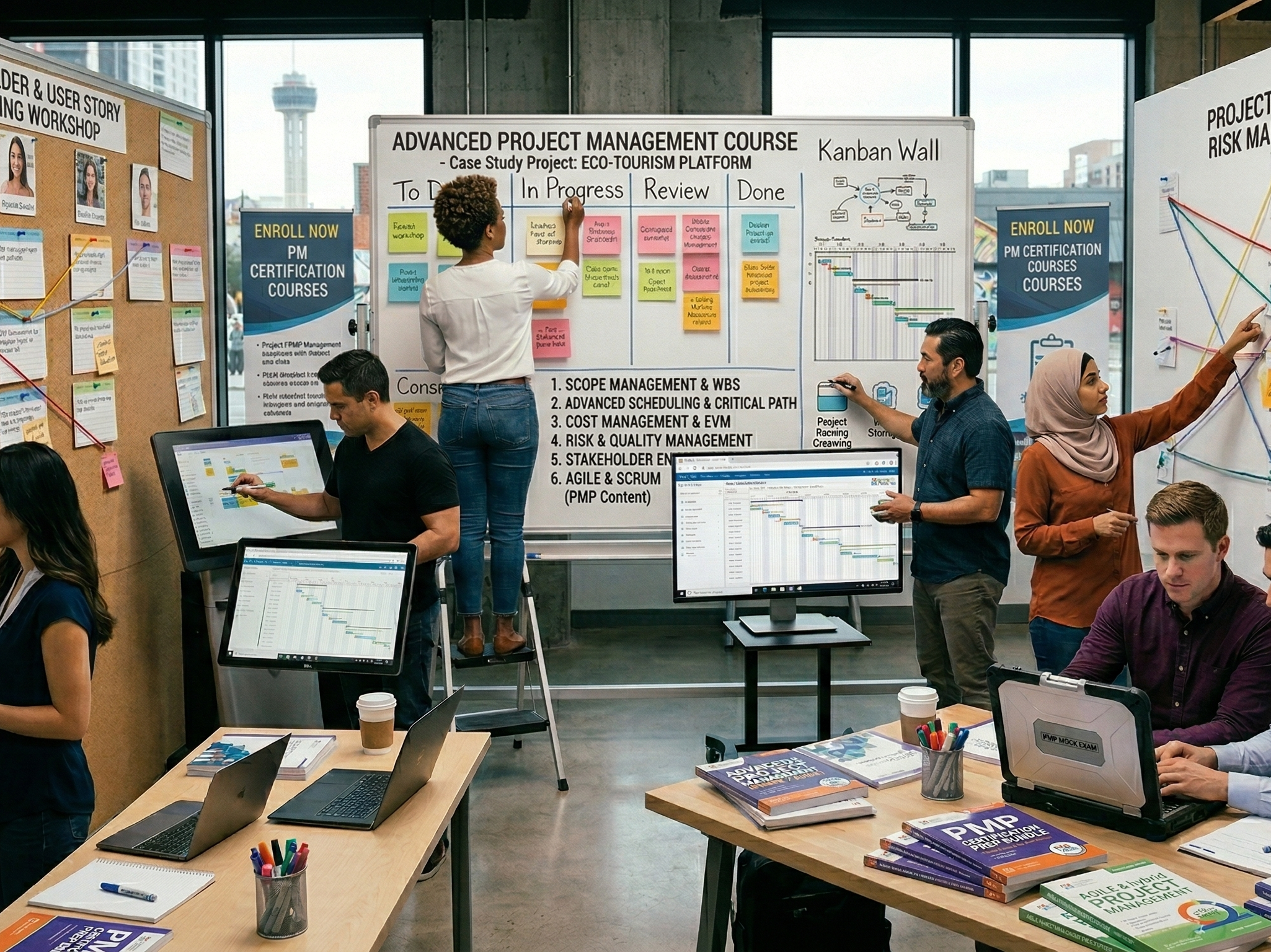
  • How Can Organisations Encourage A Culture Of Lifelong Learning?

    Introduction

    Organisations can encourage a culture of lifelong learning by giving staff chances to learn new skills, like project management courses. This helps employees feel happy and confident at work. 

    In addition, a workplace where questions are welcome makes learning easier. However, offering both online and in-person learning helps everyone fit it into their day. 

    Because learning is important, staff take responsibility for growing their skills. Just as important, recognising achievements motivates people to try even more. Above all, curiosity makes learning fun and exciting.

    How Can Leadership Inspire Lifelong Learning?

    Leaders can inspire lifelong learning by showing that they like to learn too. Taking part in training and project management courses sets a good example. In addition, sharing stories of success helps motivate the team. 

    However, leaders should encourage, not push too hard. Just as important, talking openly about learning makes staff trust their leaders.

    How Can Leaders Model Learning?

    Leaders show others how to learn by practising it themselves.

    • Attend workshops and courses
    • Share new ideas with the team
    • Ask questions and get advice
    • Show excitement for new skills
    • Encourage staff to try new things

    How Can Leaders Reward Learning?

    Rewards help staff feel proud of learning.

    • Give praise in team meetings
    • Give certificates for completed courses
    • Show achievements in newsletters
    • Give small gifts for participation
    • Celebrate learning milestones

    How Can Leaders Create Opportunities?

    Leaders can make learning part of work every day.

    • Plan regular training sessions
    • Encourage projects between departments
    • Let staff shadow experienced colleagues
    • Set up mentoring programmes
    • Support enrolment in project management courses

    Leaders help make lifelong learning normal. By joining in and rewarding staff, leaders create a workplace where learning is fun. Recognition and chances to grow make staff feel motivated.

    How Can Organisations Make Learning Accessible?

    Organisations make learning accessible by giving choices for everyone. Online platforms, workshops, and project management courses make learning possible for all staff. 

    In addition, using different ways to learn helps each person. However, it must be simple and affordable. Just as important, guides and tutorials help employees follow along.

    How Can Online Learning Help?

    Online learning lets staff study at their own speed.

    • Watch webinars and videos
    • Use e-learning websites
    • Join interactive online classes
    • Study on mobile devices
    • Track progress online

    How Can Workshops Encourage Learning?

    Workshops let staff practise skills with hands-on activities.

    • Run short, simple sessions
    • Invite experts to teach
    • Use group exercises
    • Allow questions and discussion
    • Give extra materials after sessions

    How Can Mentorship Support Learning?

    Mentorship helps staff feel confident while learning.

    • Pair beginners with experienced staff
    • Meet regularly to discuss goals
    • Share tips and best practices
    • Give guidance on project management courses
    • Encourage feedback and reflection

    Making learning accessible helps employees feel supported. Staff can easily join online courses, workshops, or mentoring. Learning becomes part of everyday work.

    How Can Organisational Culture Promote Learning?

    A learning culture happens when curiosity is valued. Rewarding effort, not just results, encourages staff to try. In addition, teamwork helps staff learn from each other. 

    However, building culture takes time. Just as important, celebrating small wins keeps staff motivated.

    How Can Collaboration Encourage Learning?

    Collaboration helps people share knowledge.

    • Form mixed-experience project teams
    • Hold brainstorming sessions
    • Give peer-to-peer feedback
    • Share lessons from projects
    • Have meetings across departments

    How Can Curiosity Be Encouraged?

    Curiosity grows when questions are welcome.

    • Give challenging tasks
    • Encourage creative thinking
    • Recognise smart ideas
    • Allow time for research
    • Support attending events

    How Can Recognition Reinforce Learning?

    Recognition shows learning is important.

    • Share achievements in updates
    • Give awards for training
    • Thank employees publicly
    • Share success stories
    • Use certificates and badges

    A supportive culture makes staff feel safe to learn. Teamwork, curiosity, and recognition help lifelong learning grow. Staff see learning as part of their jobs.

    How Can Technology Support Lifelong Learning?

    Technology helps staff learn with tools and online platforms. Project management courses can be done online. In addition, systems track progress and give feedback. 

    However, technology must be easy to use. Just as important, it should connect to daily work.

    How Can Learning Platforms Help?

    Platforms gather learning resources in one place.

    • Watch videos and take quizzes
    • Join discussion forums
    • Track progress
    • Download resources
    • Get reminders

    How Can Apps Improve Learning?

    Apps make learning simple on mobile phones.

    • Provide small lessons
    • Study offline
    • Give interactive exercises
    • Offer instant feedback
    • Help build learning habits

    How Can Virtual Reality Enhance Learning?

    Virtual reality makes learning fun and realistic.

    • Practice real-life tasks safely
    • Try interactive problems
    • Learn by doing
    • Join team simulations
    • Improve memory through engagement

    Technology makes learning easier and fun. Staff gain confidence while using new tools. Learning becomes flexible and exciting.

    How Can Continuous Feedback Encourage Learning?

    Continuous feedback helps staff know what is going well and what needs work. Employees feel guided and supported. In addition, feedback keeps everyone improving. 

    However, feedback should be kind and helpful. Just as important, giving it on time helps lessons sink in.

    How Can Managers Give Effective Feedback?

    Managers help learning by giving clear advice.

    • Talk about specific actions
    • Give steps to improve
    • Praise strengths
    • Ask staff to think about their progress
    • Hold regular check-ins

    How Can Peer Feedback Help?

    Peer feedback gives new points of view.

    • Review each other’s work
    • Give kind suggestions
    • Work together to solve problems
    • Share ideas between teams
    • Celebrate learning together

    How Can Self-Reflection Promote Growth?

    Self-reflection helps employees understand themselves.

    • Write down what they learn
    • Set personal goals
    • Look at achievements regularly
    • Find areas to improve
    • Try new strategies to do better

    Feedback is very important for lifelong learning. Managers, peers, and personal reflection guide growth. 

    Staff grow faster when feedback is helpful and regular.

    How Can Training Programmes Build Lifelong Learning?

    Training programmes give staff clear ways to learn new skills. Project management courses are an example of training that teaches teamwork and planning. 

    In addition, practising what is learned helps understanding. However, training must be interesting and not too hard. 

    Just as important, support after training ensures knowledge is used.

    How Can Onboarding Programmes Help?

    Onboarding programmes teach new employees from the start.

    • Give simple instructions
    • Offer beginner courses
    • Pair with a mentor
    • Let them do tasks with guidance
    • Encourage questions

    How Can Regular Workshops Support Learning?

    Workshops reinforce skills and ideas.

    • Use fun activities
    • Apply learning to real work
    • Discuss ideas with others
    • Give extra exercises to practise
    • Check progress with small tasks

    How Can External Courses Expand Knowledge?

    External courses give wider learning opportunities.

    • Take project management courses
    • Join industry seminars
    • Watch online webinars
    • Join professional groups
    • Share ideas with the team

    Training programmes make learning structured and safe. Staff feel confident because support is available. 

    Employees are more likely to enjoy learning when guidance is clear.

    How Can Mentorship Encourage Lifelong Learning?

    Mentorship connects employees with experienced guides. Mentors give advice and share knowledge. 

    In addition, mentoring builds trust and confidence. However, mentors must care and support learners. Just as important, mentees must be open to advice.

    How Can One-to-One Mentoring Help?

    One-to-one mentoring gives personalised support.

    • Set personal goals
    • Talk about problems and solutions
    • Share experience and tips
    • Give guidance on project management courses
    • Give encouragement regularly

    How Can Group Mentoring Benefit Teams?

    Group mentoring helps several staff at the same time.

    • Solve problems together
    • Learn from peers
    • Share different ideas
    • Build team confidence
    • Discuss experiences

    How Can Reverse Mentoring Inspire Growth?

    Reverse mentoring lets younger staff teach seniors new skills.

    • Introduce modern tools
    • Share new ideas
    • Help different generations understand each other
    • Build confidence in juniors
    • Improve learning culture

    Mentorship makes learning stronger. Staff feel supported and motivated. Learning becomes part of everyday work life.

    How Can Reward Systems Promote Lifelong Learning?

    Reward systems make staff feel proud of learning. Recognising effort encourages staff to join project management courses and other training. 

    In addition, rewards make learning fun. However, rewards must be fair. Just as important, praise should be public and personal.

    How Can Certificates Motivate Employees?

    Certificates show achievements clearly.

    • Give certificates for finished courses
    • Display certificates in the office
    • Use for promotions
    • Make staff proud
    • Encourage others to join

    How Can Bonuses Encourage Participation?

    Bonuses reward effort and commitment.

    • Give small rewards for course completion
    • Recognise top learners
    • Encourage joining extra workshops
    • Support skill improvement
    • Link rewards to company goals

    How Can Public Praise Reinforce Learning?

    Public praise shows learning is valued.

    • Share success stories in meetings
    • Post achievements in newsletters
    • Encourage peer recognition
    • Celebrate milestones
    • Promote appreciation

    Rewards help staff feel their effort matters. Employees are motivated to keep learning. Learning becomes exciting and natural.

    How Can Learning Be Integrated Into Daily Work?

    Learning can be part of everyday work. Staff use skills from project management courses while doing their tasks. In addition, small challenges give chances to practise. 

    However, managers need to plan with learning in mind. Just as important, looking back at work helps staff improve.

    How Can Job Rotation Support Learning?

    Job rotation gives staff new experiences.

    • Move staff to different departments
    • Give new responsibilities
    • Share skills across teams
    • Help staff adapt
    • Teach about the whole company

    How Can Real Projects Teach Skills?

    Real projects give practical learning.

    • Use skills in real tasks
    • Work with team members
    • Solve real problems
    • Reflect on results
    • Learn from mistakes

    How Can Daily Challenges Inspire Growth?

    Daily challenges make learning part of routine.

    • Give problem-solving tasks
    • Encourage creativity
    • Teach time management
    • Recognise improvements
    • Support new ideas

    Integrating learning into work makes skills useful immediately. Staff feel growth is part of their day. Learning becomes ongoing and natural.

    How Can Employee Feedback Shape Learning?

    Feedback helps staff know what works and what needs improving. Organisations that listen make better programmes. In addition, staff feel valued when heard. 

    However, feedback must be acted on. Just as important, a safe place for honesty is needed.

    How Can Surveys Guide Programmes?

    Surveys collect staff opinions.

    • Ask about learning preferences
    • Suggest new topics
    • Find knowledge gaps
    • Check satisfaction
    • Plan future training

    How Can Suggestion Boxes Inspire Ideas?

    Suggestion boxes let staff share ideas safely.

    • Give honest opinions
    • Offer creative solutions
    • Reward good suggestions
    • Track common issues
    • Include everyone

    How Can Discussion Forums Improve Learning?

    Discussion forums let staff talk and share.

    • Share tips and experiences
    • Answer questions quickly
    • Encourage teamwork
    • Exchange knowledge
    • Save discussions for future use

    Feedback keeps learning programmes working well. Staff feel respected. Learning changes to fit everyone’s needs.

    How Can Knowledge Sharing Encourage Lifelong Learning?

    Knowledge sharing helps staff learn from each other. Teams that share make learning easy. In addition, sharing experiences prevents mistakes from repeating. 

    However, trust and openness are needed. Just as important, simple ways to share make it easy for everyone.

    How Can Team Meetings Promote Learning?

    Team meetings are good for sharing ideas.

    • Talk about recent projects
    • Share lessons learned
    • Ask questions
    • Give tips and tricks
    • Celebrate successes

    How Can Online Forums Facilitate Sharing?

    Online forums help staff learn anytime.

    • Post questions and answers
    • Share guides
    • Discuss challenges
    • Connect with colleagues
    • Keep records of tips

    How Can Storytelling Enhance Learning?

    Stories make learning fun and easy to remember.

    • Share success stories
    • Explain problems and solutions
    • Teach skills through stories
    • Let staff tell their experiences
    • Make lessons easy to understand

    Sharing knowledge makes learning a team activity. Staff feel part of a learning community. Knowledge is shared and helps everyone grow.

    Conclusion

    Organisations can encourage lifelong learning by giving support, chances, and rewards. Project management courses help staff learn useful skills. 

    Leaders show how to grow and recognise achievements. Training, mentorship, and technology make learning simple. Collaboration and feedback help staff keep improving. 

    Reward systems and daily tasks make learning part of work. Sharing knowledge and clear policies strengthen learning. 

    Lifelong learning becomes fun, easy, and natural. Start today and help your team grow by learning together.

    Frequently Asked Questions

    What is lifelong learning in organisations?

    Lifelong learning is learning new skills all the time. Organisations support it with training and mentoring. 

    Employees stay ready for new challenges.

    Why are project management courses important?

    Project management courses teach planning and teamwork. They help staff manage tasks. 

    Courses improve confidence and career chances.

    How can leaders support learning?

    Leaders support learning by joining courses themselves. They share experiences and give encouragement. 

    Rewards also motivate staff.

    How can technology help employees learn?

    Technology gives access to online courses and apps. Staff can study at their own pace. 

    It also tracks progress and keeps learning fun.

    How can mentorship help lifelong learning?

    Mentors guide learners and share experience. They answer questions and give advice. Staff gain confidence and skills.

    How can rewards encourage learning?

    Rewards show that learning is important. Certificates and praise motivate staff. 

    Rewards make learning exciting.

    How can daily work support learning?

    Daily work lets staff practise skills. Using new skills helps them learn. Reflection improves knowledge continuously.

    How can collaboration improve learning?

    Working together helps staff share ideas. Projects and discussions teach new skills. Staff learn from each other.

    How can feedback help learning?

    Feedback shows what works and what needs improvement. Helpful advice guides growth. 

    Regular feedback keeps learning consistent.

    How can organisations create a positive learning culture?

    A positive culture values curiosity and learning. Leaders, rewards, and policies help staff grow. 

    Employees enjoy learning and improving.

    Author: Janice van der Westhuizen

  • What Are The Benefits Of Upskilling For Workplace Innovation?

    Introduction

    The benefits of upskilling for workplace innovation are huge when you take a project management course. As a result, you learn new skills that help you think in new ways and solve problems quickly. 

    In addition, people can rely on you for clever ideas. However, learning does not stop in the classroom because you can use what you learn every day. 

    Besides, gaining new skills makes work more fun. Just as important, it helps you become confident and ready to lead small tasks.

    How Can Upskilling Improve Your Daily Work?

    Upskilling makes your daily work easier and more fun. As a result, tasks that once seemed hard become simple. In addition, you start noticing solutions that others might miss. 

    However, it takes practice to get better. A project management course shows you clear steps to organise your work and stay on track.

    What New Skills Can You Learn?

    Learning new skills helps you work smarter and faster. You can plan, schedule, and track your work. 

    Skills also help you talk clearly with your team.

    • Plan simple tasks
    • Break big jobs into small steps
    • Check if work is done correctly
    • Use tools to track progress
    • Organise your time well

    How Can Creativity Be Boosted?

    Upskilling sparks creativity in surprising ways. You start thinking of new ideas to solve problems. 

    A project management course shows how to mix imagination with smart planning.

    • Brainstorm new solutions
    • Use charts to map ideas
    • Share ideas with others
    • Try small experiments
    • Learn from mistakes

    How Does Confidence Grow?

    Confidence grows naturally as you learn. When you know the steps for a task, you feel ready to lead. 

    In fact, confidence helps you inspire your team and make good choices.

    • Take small leadership roles
    • Speak up with ideas
    • Help others understand instructions
    • Solve conflicts calmly
    • Celebrate small successes

    Upskilling improves your work every day. Using what you learn from a project management course makes tasks smoother. 

    As a result, you become a stronger team player and a better problem solver.

    Why Does Learning New Skills Lead To Innovation?

    Learning new skills leads to innovation because it teaches you fresh ways to think. As a result, you can improve old ways of working and find clever shortcuts. 

    In addition, upskilling shows you how to try ideas safely before using them in real projects. However, innovation needs patience because not every idea works at first. 

    Above all, a project management course guides you to experiment while staying organised.

    How Can You See Things Differently?

    Upskilling helps you look at problems in new ways. You notice details that others might miss. 

    In fact, being curious helps you find better solutions.

    • Ask why something is done a certain way
    • Look for better methods
    • Think about what could go wrong
    • Imagine different outcomes
    • Consider team suggestions

    How Do Tools Help With Innovation?

    Tools help you organise tasks and track ideas. They make planning and testing new ideas easier. 

    A project management course introduces these tools.

    • Use Gantt charts to see timelines
    • Make task lists for step-by-step work
    • Use digital calendars to plan activities
    • Create simple charts to measure results
    • Share ideas with apps for teamwork

    How Can Teams Benefit From New Skills?

    When everyone learns, teamwork gets better. You can solve problems faster and work together nicely. 

    Besides, sharing skills makes the workplace friendly and creative.

    • Explain tasks in simple words
    • Help colleagues try new methods
    • Celebrate team achievements
    • Solve conflicts calmly
    • Give helpful feedback

    Upskilling fuels innovation in small and big ways. Using a project management course helps you bring new ideas to life. 

    In addition, it strengthens teamwork and shows how creativity solves real problems.

    How Can Upskilling Help You Solve Problems Faster?

    Upskilling helps you solve problems faster because it gives clear methods. As a result, you feel less stressed when challenges appear. 

    In addition, learning new skills shows how to stay calm and think step by step. However, solving problems takes patience. 

    A project management course teaches you how to break big problems into smaller pieces.

    How Can You Identify Problems Early?

    Learning helps you notice issues before they become big. You pay attention to details others might miss.

    In fact, spotting problems early saves time.

    • Watch tasks carefully
    • Ask questions when unsure
    • Check your work regularly
    • Listen to team feedback
    • Review project progress

    How Can Step-By-Step Thinking Help?

    Step-by-step thinking makes tricky problems easier. You can plan actions and follow them confidently. 

    A project management course shows how to create clear steps.

    • Write down all steps
    • Check one step at a time
    • Adjust plans if needed
    • Ask for help when stuck
    • Celebrate small wins

    How Can Teams Solve Problems Together?

    When everyone shares ideas, problems are solved faster. You learn from each other and avoid mistakes. 

    Besides, teamwork makes everyone feel supported.

    • Hold short meetings to discuss tasks
    • Listen to each team member
    • Share successful strategies
    • Assign tasks based on skills
    • Support each other through challenges

    Upskilling makes problem-solving faster and easier. Practising techniques from a project management course helps you think clearly. 

    As a result, your team works smarter and feels happier.

    Why Is Upskilling Important For Career Growth?

    Upskilling is important for career growth because it opens doors to new opportunities. As a result, you can aim for higher positions at work. 

    In addition, learning new skills gives you confidence to take on bigger challenges. However, career growth requires dedication and practice. 

    Above all, a project management course provides a strong foundation to progress in any field.

    How Can Skills Lead To Promotions?

    New skills make you a valuable team member. Employers notice when you can handle more responsibilities. 

    In fact, showing your skills boosts your chances for promotions.

    • Complete tasks efficiently
    • Offer new ideas
    • Lead small projects
    • Help colleagues learn
    • Take initiative

    How Can You Stand Out At Work?

    Upskilling helps you shine in the workplace. You become a problem solver and a source of inspiration. 

    A project management course gives you tools to organise work and impress managers.

    • Meet deadlines consistently
    • Present ideas clearly
    • Learn new software
    • Communicate with confidence
    • Volunteer for challenges

    How Can Learning Keep You Ahead?

    Learning keeps you ahead because work changes quickly. You stay ready for new trends and technology. 

    Besides, continual learning shows commitment and ambition.

    • Read updates in your field
    • Attend workshops or webinars
    • Practise new techniques
    • Ask for feedback
    • Share knowledge with colleagues

    Upskilling helps you grow in your career. Using a project management course builds skills employers value. 

    In addition, it makes you confident to face challenges and seize opportunities.

    How Does Upskilling Encourage Teamwork?

    Upskilling encourages teamwork because everyone shares what they learn. As a result, the team works more smoothly. 

    In addition, learning together creates trust and respect. However, teamwork takes patience and listening. 

    Just as important, a project management course teaches how to coordinate tasks with others.

    How Can Communication Improve?

    Learning new skills improves communication. You explain ideas clearly and understand others better. 

    In fact, good communication reduces mistakes.

    • Speak clearly
    • Ask questions politely
    • Listen carefully
    • Give helpful feedback
    • Check understanding

    How Can Cooperation Be Strengthened?

    Upskilling teaches how to cooperate well. Everyone contributes and respects each other. 

    A project management course shows how to divide tasks fairly.

    • Share responsibilities
    • Offer help when needed
    • Respect deadlines
    • Support team members
    • Celebrate team wins

    How Can Trust Be Built?

    Trust grows when skills are shared openly. You can rely on each other to finish tasks well. 

    Besides, trust makes the workplace safer and happier.

    • Be honest about challenges
    • Follow through on promises
    • Help others succeed
    • Respect privacy
    • Encourage each other

    Upskilling strengthens teamwork. Using a project management course teaches coordination and communication. 

    As a result, teams become more productive and supportive.

    How Can Upskilling Increase Job Satisfaction?

    Upskilling increases job satisfaction because you feel more capable. As a result, you enjoy completing tasks successfully. 

    In addition, learning makes work less stressful. However, satisfaction comes from effort and practice. 

    Above all, a project management course gives practical skills that make tasks easier and more enjoyable.

    How Does Confidence Affect Satisfaction?

    Confidence improves satisfaction because you trust your abilities. You worry less about mistakes. 

    In fact, confidence makes work more fun.

    • Take on new tasks
    • Share ideas
    • Lead small projects
    • Solve problems calmly
    • Receive positive feedback

    How Can Mastering Skills Help?

    Mastering skills makes tasks faster and easier. You spend less time worrying and more time achieving results. 

    A project management course shows methods for efficiency.

    • Plan tasks clearly
    • Check progress regularly
    • Adjust quickly if needed
    • Use tools effectively
    • Complete tasks on time

    How Can Learning Make Work Enjoyable?

    Learning makes work exciting because every day is a chance to grow. You see progress and feel proud. 

    Besides, sharing learning experiences boosts team morale.

    • Celebrate small achievements
    • Try new ideas
    • Learn from mistakes
    • Help colleagues improve
    • Stay curious

    Upskilling improves happiness at work. Practising skills from a project management course makes work enjoyable. 

    In addition, confidence and competence make every day more rewarding.

    How Can Upskilling Prepare You For Future Challenges?

    Upskilling prepares you for future challenges because you learn to adapt. As a result, you face changes with confidence. 

    In addition, learning new skills helps you stay calm when problems appear. However, preparation needs patience and practice. 

    Just as important, a project management course teaches flexible ways to solve problems.

    How Can You Plan For The Unexpected?

    Learning shows you how to think ahead and avoid mistakes. Planning helps tasks go smoothly. In fact, being prepared saves time and stress.

    • Review tasks ahead of time
    • Identify potential problems
    • Create backup plans
    • Ask experienced colleagues for advice
    • Practise solutions

    How Can Flexibility Help?

    Being flexible allows you to change plans quickly when needed. You do not panic when things go wrong. 

    A project management course teaches how to adapt while staying organised.

    • Adjust timelines
    • Reassign tasks when necessary
    • Use tools to track changes
    • Communicate changes clearly
    • Learn from surprises

    How Can Skills Be Used Everywhere?

    Upskilling gives skills you can use in many situations. You are ready for challenges at work and in life. 

    Besides, using skills builds confidence and independence.

    • Use planning techniques
    • Solve problems efficiently
    • Manage time well
    • Lead small teams
    • Share knowledge with others

    Upskilling helps you meet future challenges calmly. Using a project management course develops flexible skills. 

    As a result, you are ready for anything work throws at you.

    How Can Upskilling Make You A Leader?

    Upskilling makes you a leader because you learn to guide and inspire others. As a result, people trust your decisions. In addition, learning teaches how to take responsibility. 

    However, leadership needs patience and kindness. Above all, a project management course gives you tools to manage teams successfully.

    How Can You Inspire Others?

    Learning helps you motivate people. You show how tasks can be done well. In fact, inspiration spreads energy in the team.

    • Lead by example
    • Share ideas confidently
    • Help team members learn
    • Encourage participation
    • Recognise achievements

    How Can You Make Decisions?

    Upskilling teaches you to make decisions wisely. You think about options and pick the best plan. 

    A project management course shows how to check situations carefully.

    • Weigh pros and cons
    • Ask for team input
    • Check data carefully
    • Act calmly
    • Learn from outcomes

    How Can Leadership Skills Be Practised?

    Leadership skills grow with practice. You try small roles and grow gradually. 

    Besides, practice builds confidence and respect.

    • Volunteer for small projects
    • Help colleagues solve problems
    • Lead team meetings
    • Give guidance kindly
    • Review results for improvement

    Upskilling helps you lead with confidence. Using a project management course teaches skills for guiding teams. 

    As a result, leadership becomes natural and rewarding.

    How Can Upskilling Help You Work With Technology?

    Upskilling helps you use technology well because you learn the tools. As a result, tasks are faster and easier. I

    n addition, technology keeps work organised. However, learning needs patience. 

    Just as important, a project management course teaches ways to use technology in projects.

    How Can Tools Make Work Easier?

    Technology tools help you plan, track, and share tasks. You save time and reduce mistakes. In fact, tools improve teamwork.

    • Use project management software
    • Create digital schedules
    • Track tasks online
    • Share updates instantly
    • Review progress digitally

    How Can You Stay Updated?

    Learning keeps you updated with new technology. You can adapt quickly at work. 

    A project management course introduces important software and methods.

    • Follow software tutorials
    • Practise with new apps
    • Ask for help when stuck
    • Explore new functions
    • Share tips with team

    How Can Teams Benefit From Technology?

    Teams benefit when everyone uses technology well. Communication is faster and projects stay organised. 

    Besides, technology reduces errors and improves results.

    • Assign tasks digitally
    • Share documents online
    • Track deadlines easily
    • Collaborate in real time
    • Monitor team progress

    Upskilling with technology improves productivity. Using a project management course teaches digital tools. 

    As a result, teams become faster and more efficient.

    How Can Upskilling Build Professional Reputation?

    Upskilling builds reputation because you show skills and reliability. As a result, people trust your work. In addition, continuous learning shows dedication. 

    However, reputation grows slowly and needs effort. Above all, a project management course gives you achievements to showcase.

    How Can Others See Your Skills?

    Skills become visible through results. You finish tasks well and on time. 

    In fact, good work speaks louder than words.

    • Finish tasks accurately
    • Meet deadlines
    • Help colleagues
    • Lead projects effectively
    • Share knowledge

    How Can Commitment Be Shown?

    Commitment shows through effort and learning. You take responsibility and stay consistent.

    A project management course shows your willingness to improve.

    • Participate actively
    • Learn continuously
    • Practise new methods
    • Support team goals
    • Stay dependable

    How Can Achievements Be Shared?

    Sharing achievements shows growth and inspires others. You feel proud and motivate your peers. 

    Besides, recognition encourages further learning.

    • Present completed projects
    • Show certificates of achievement
    • Discuss results in meetings
    • Share successes on professional platforms
    • Encourage team celebrations

    Upskilling strengthens your reputation. Using a project management course proves your skills. As a result, you earn respect and trust at work.

    Conclusion

    Upskilling is one of the best ways to improve yourself and your workplace. By taking courses like a project management course, you gain skills that make work easier, faster, and more creative. 

    In addition, it strengthens confidence and teamwork, making each day at work enjoyable. Besides, it prepares you for challenges and future opportunities. 

    Practising what you learn helps you become a problem solver, a leader, and a valued team member. Above all, continuous learning encourages curiosity and personal growth. 

    Do not wait to start learning. Take the step today and see how your workplace skills can transform your career. Your future begins with the choice to upskill now.

    Frequently Asked Questions

    What is a project management course?

    A project management course is a programme where you learn how to plan, organise, and finish projects. It teaches practical skills to manage tasks and teams. 

    In addition, it helps you feel more confident at work.

    Who can take a project management course?

    Anyone who wants to learn how to manage projects can join. Beginners and experienced workers both benefit. 

    A course gives clear steps for all skill levels.

    How long does it take to finish a course?

    Most courses take a few months to complete. You can study at your own speed. 

    In addition, self-paced learning fits busy schedules.

    Can a project management course help with teamwork?

    Yes, it teaches communication and collaboration. You learn how to coordinate tasks well. 

    As a result, teams work more smoothly.

    Will a course help me get a promotion?

    Upskilling makes you more valuable at work. Employers notice new skills and initiative. 

    In addition, it increases your chances for leadership roles.

    What skills will I learn?

    You will learn planning, organisation, problem-solving, and leadership. In addition, you will discover digital tools for tracking projects. 

    Besides, you gain confidence and teamwork skills.

    Is online learning effective?

    Yes, online courses are flexible and easy to follow. You can learn from anywhere. 

    In addition, materials are always available to review.

    How does learning improve innovation?

    Learning encourages new ideas and creative thinking. You start solving problems in unique ways. 

    A course teaches how to test and improve ideas.

    Can I apply skills immediately at work?

    Yes, skills from a course can be used right away. They help with planning, organising, and leading projects. 

    As a result, tasks become smoother and faster.

    Why is lifelong learning important?

    Lifelong learning keeps your mind active and adaptable. You continue growing personally and professionally. 

    In addition, it opens doors to new opportunities.

    Author: Janice van der Westhuizen

  • How Does Employee Training Improve Productivity And Performance?

    Introduction

    Employee training improves productivity and performance by giving employees the skills and confidence to do their work well. When employees know their tasks, they make fewer mistakes, finish work faster, and enjoy their jobs. 

    Training also helps people try new ideas and be creative. Another key point, it teaches teamwork and good communication. 

    This means businesses grow stronger and reach goals faster. Training also encourages learning for life and lets employees try courses like a project management course

    Learning shows employees they are valued and happy.

    Why Is Employee Training Important For Productivity?

    Employee training is important because it shows employees the right way to work. In addition, it helps them feel confident. 

    Mistakes are fewer, and work is faster. Training also helps employees see how their job fits in the bigger picture. 

    Above all, it makes them curious and ready to solve problems.

    How Training Builds Skills

    Training builds skills by showing the right steps for tasks.

    • Learn new techniques
    • Practise problem-solving
    • Develop communication skills
    • Be more creative
    • Understand tools and technology

    How Training Boosts Confidence

    Confidence grows when employees know what to do.

    • Feel ready for new tasks
    • Make decisions faster
    • Handle stress better
    • Help colleagues
    • Take pride in work

    How Training Reduces Mistakes

    Training reduces mistakes by teaching the correct way.

    • Spot errors early
    • Finish tasks correctly
    • Make customers happy
    • Use resources well
    • Teams work smoothly

    Employees gain skills and confidence. Mistakes reduce, and productivity rises.

    How Does A Positive Learning Environment Help Employees?

    A positive learning environment makes learning fun and easy. Do not forget, it encourages questions. In addition, employees feel supported and try new skills. 

    Because learning is fun, they stay motivated. So, work becomes better and more enjoyable.

    Creating Encouragement

    Encouragement helps employees feel confident.

    • Mentors give guidance
    • Praise effort
    • Treat mistakes as lessons
    • Give kind feedback
    • Motivate improvement

    Making Learning Accessible

    Learning is easier when it is simple and reachable.

    • Online courses available
    • Materials are clear
    • Workbooks provided
    • Resources are easy to use
    • Learn at your own pace

    Supporting Collaboration

    Working together helps employees learn from each other.

    • Share ideas in projects
    • Discuss solutions
    • Everyone contributes
    • Skills shared across teams
    • Team confidence grows

    Employees enjoy learning more. Teams work better together.

    What Skills Can Be Gained From Employee Training?

    Employees can learn communication, time management, problem-solving, and technical skills. In addition, they can gain teamwork and leadership. 

    Employees can also take advanced courses, like a project management course. These skills make work easier and employees feel confident. 

    Teams work better and companies succeed.

    Technical Skills

    Technical skills help employees do tasks well.

    • Use software easily
    • Understand tools or machines
    • Follow correct steps
    • Work safely
    • Learn new methods

    Communication Skills

    Communication helps employees share ideas.

    • Write clear emails
    • Speak in meetings
    • Listen to others
    • Explain steps clearly
    • Give helpful feedback

    Leadership Skills

    Leadership helps employees guide others.

    • Manage small projects
    • Help team members
    • Make good decisions
    • Encourage teamwork
    • Solve conflicts calmly

    Employees with these skills work better. Teams succeed and finish work on time.

    How Does Training Affect Employee Motivation?

    Training motivates employees because the company cares. This means that they feel valued. As a result, they work with more energy. 

    Also important, motivated employees help others. Above all, motivated teams enjoy their work and work faster.

    Rewarding Effort

    Rewarding effort inspires learning.

    • Praise achievements
    • Certificates for courses
    • Promotions for skills
    • Recognition in meetings
    • Small rewards for progress

    Encouraging Personal Growth

    Growth shows employees they can do more.

    • Learn new roles
    • Try harder tasks
    • Explore online courses
    • Join workshops
    • Set personal goals

    Connecting Work to Goals

    Employees work better when they see results.

    • See project progress
    • Understand customer needs
    • Track team goals
    • Follow objectives
    • Measure success

    Motivated employees work with pride. They complete tasks and help others.

    How Does Training Improve Teamwork?

    Training improves teamwork because employees learn to talk, share, and help each other. So, they respect other people’s strengths. 

    It also matters, team exercises build trust. Because teamwork is needed for projects, trained employees handle group tasks well. 

    As a result, work is done faster and better.

    Sharing Knowledge

    Sharing knowledge makes the team stronger.

    • Teach colleagues new skills
    • Explain steps clearly
    • Give tips for efficiency
    • Solve problems together
    • Learn from each other

    Building Trust

    Trust grows when employees work together.

    • Complete tasks reliably
    • Help each other
    • Listen carefully
    • Be honest
    • Show respect

    Collaborating on Projects

    Working together helps teams succeed.

    • Plan steps together
    • Share tasks
    • Coordinate schedules
    • Combine ideas
    • Review results

    Teams that train together succeed together. They trust each other and finish work faster.

    How Does A Project Management Course Help Employees?

    A project management course helps employees learn planning, organisation, and leadership. In addition, it teaches time, resources, and team management. 

    Employees feel confident leading projects. Because projects have challenges, planning helps reach goals. 

    Which means, teams finish work on time and successfully.

    Learning Planning Skills

    Planning helps employees organise tasks.

    • Make timelines
    • Set priorities
    • Use planning tools
    • Spot risks
    • Make backup plans

    Learning Leadership Skills

    Leadership helps teams work well.

    • Give tasks wisely
    • Help team members
    • Motivate colleagues
    • Make decisions
    • Solve conflicts

    Managing Resources

    Managing resources keeps projects smooth.

    • Use budgets carefully
    • Use equipment efficiently
    • Manage time well
    • Track progress
    • Adjust resources when needed

    Employees with a project management course work confidently. Teams succeed, and projects finish on time.

    How Does Training Enhance Time Management?

    Training helps employees manage time by showing them how to plan their day. In addition, it teaches how to focus on important tasks. 

    Which means, it helps break big jobs into smaller steps. Because good time management reduces stress, employees feel in control. 

    Because of this, work is done faster and deadlines are met.

    Planning Daily Tasks

    Planning daily tasks keeps work organised.

    • Make to-do lists
    • Set goals
    • Schedule important tasks first
    • Check progress daily
    • Adjust plans if needed

    Avoiding Distractions

    Avoiding distractions keeps employees focused.

    • Turn off notifications
    • Limit social media
    • Keep workspace tidy
    • Focus on one task at a time
    • Take short breaks

    Using Tools Effectively

    Tools help manage time and track work.

    • Calendar apps for deadlines
    • Reminders for tasks
    • Project management software
    • Track progress visually
    • Share updates with the team

    Employees who manage time well work calmly. They finish tasks on time.

    How Does Training Reduce Work Stress?

    Training reduces stress because employees feel ready. They know how to face challenges calmly. 

    That is why, training teaches coping and problem-solving skills. Because stress affects focus, learning these skills helps productivity. 

    As a result, employees are calmer, happier, and more reliable.

    Learning Coping Strategies

    Coping strategies help manage stress.

    • Take deep breaths
    • Short breaks to relax
    • Talk to mentors or colleagues
    • Write down problems
    • Think positively

    Improving Skills

    Better skills increase confidence and reduce worry.

    • Learn new knowledge
    • Practise tasks
    • Learn from mistakes
    • Ask questions
    • Apply successes

    Managing Workload

    Managing workload stops employees feeling overwhelmed.

    • Prioritise tasks
    • Share tasks with others
    • Use planning tools
    • Avoid multitasking
    • Set realistic deadlines

    Employees with stress skills work calmly. They stay productive and help their team.

    How Does Training Support Career Growth?

    Training helps employees grow their careers by giving them skills for promotion. It gives chances to try new roles. 

    Do not forget, it encourages curiosity and learning. Because employees gain confidence, they can take on bigger jobs. 

    As a result, careers improve and employees feel proud.

    Learning New Roles

    Learning new roles prepares employees for growth.

    • Shadow experienced colleagues
    • Join workshops
    • Practise leadership
    • Learn company goals
    • Solve problems

    Expanding Knowledge

    More knowledge makes employees skilled.

    • Attend training sessions
    • Read educational material
    • Take online courses
    • Ask questions
    • Apply skills at work

    Building Confidence

    Confidence grows from learning and experience.

    • Share ideas in meetings
    • Take initiative
    • Get feedback
    • Overcome challenges
    • Celebrate successes

    Employees grow in skills and confidence. Their career path looks bright.

    How Does Training Improve Customer Satisfaction?

    Training improves customer satisfaction by teaching employees to meet customer needs. So, it teaches polite communication and problem-solving. 

    Just as important, it shows employees how to go beyond expectations. Because happy customers return, the business grows. 

    As a result, employees feel proud and customers are happy.

    Communicating Clearly

    Clear communication avoids mistakes.

    • Listen carefully
    • Speak politely
    • Explain solutions
    • Ask questions
    • Follow up

    Solving Problems Quickly

    Quick problem-solving keeps customers happy.

    • Spot problems early
    • Give solutions
    • Act fast
    • Check customer satisfaction
    • Learn from feedback

    Exceeding Expectations

    Exceeding expectations builds trust.

    • Give extra support
    • Offer advice
    • Deliver on time
    • Pay attention to details
    • Show appreciation

    Trained employees make customers happy. Positive experiences build loyalty.

    How Can Employers Support Employee Training?

    Employers support training by giving courses, resources, and mentors. In addition, they encourage participation and celebrate achievements. 

    Because of this, a learning culture shows employees they are valued. Because support helps training work better, employees gain skills and confidence. 

    Teams improve, and productivity rises.

    Providing Resources

    Resources make learning easier.

    • Offer online courses
    • Provide guides and workbooks
    • Give access to learning platforms
    • Organise workshops
    • Allow study time

    Encouraging Participation

    Support helps employees join training.

    • Recognise achievements
    • Reward progress
    • Give mentorship
    • Offer flexible schedules
    • Explain benefits

    Creating a Learning Culture

    A learning culture motivates employees.

    • Share success stories
    • Celebrate skills
    • Encourage curiosity
    • Lead by example
    • Promote teamwork

    Supported employees learn better. Teams work better, and productivity grows.

    How Does A Project Management Course Help Employees?

    A project management course helps employees learn planning, organisation, and leadership. It also teaches how to manage time, resources, and teams.

     It also makes employees feel confident leading projects. Because projects can have challenges, planning helps teams reach their goals. 

    This means teams finish work on time and successfully.

    Learning Planning Skills

    Planning helps employees organise tasks.

    • Make timelines
    • Set priorities
    • Use planning tools
    • Spot risks
    • Make backup plans

    Learning Leadership Skills

    Leadership helps teams work well.

    • Assign tasks wisely
    • Help team members
    • Motivate colleagues
    • Make decisions
    • Solve conflicts

    Managing Resources

    Managing resources keeps projects running smoothly.

    • Use budgets carefully
    • Use equipment efficiently
    • Manage time well
    • Track progress
    • Adjust resources if needed

    Employees who complete a project management course work confidently. Teams succeed, and projects finish on time.

    Conclusion

    Employee training helps employees do their work better. It gives them confidence, skills, and motivation. A positive learning environment makes learning fun and teamwork strong. 

    Courses like a project management course teach planning, leadership, and organisation. Training also improves time management, stress control, and customer service. 

    Continuous learning keeps employees skilled and ready for changes. Supported and self-directed training encourages independence. Lifelong learning keeps employees adaptable, skilled, and confident.

    Invest in your skills by joining a course at Bellview Institute of Distance Learning. Learn, practise, and grow your potential. Start your journey to a better future. 

    Share progress with friends and inspire them. Every skill learned brings you closer to success. Training is not just for work — it makes life better. Begin now and enjoy benefits for years.

    Frequently Asked Questions

    Why is employee training important?

    Employee training teaches new skills. It helps employees work faster and make fewer mistakes. Training also builds confidence and motivation.

    How does training improve teamwork?

    Training teaches employees to talk and help each other. They learn to trust their team. Teams finish projects more smoothly.

    Can online courses help employees?

    Yes, online courses are easy and flexible. Employees can learn at their own speed. Courses like a project management course teach useful skills.

    How does training reduce work stress?

    Training makes employees feel ready for challenges. They can stay calm at work. Coping skills keep them productive.

    What skills do employees gain from training?

    Employees gain technical, communication, leadership, and problem-solving skills. They also learn teamwork and time management. Skills make work easier.

    Does training affect customer satisfaction?

    Yes, employees learn to meet customer needs. They communicate clearly and solve problems. Customers are happy and return.

    How can employers support training?

    Employers can give courses, resources, and mentors. They can reward progress and encourage learning. Supportive culture makes learning work better.

    What is the benefit of self-directed training?

    Self-directed training lets employees learn at their own pace. It teaches independence. Skills learned are useful at work immediately.

    How does continuous training help companies?

    Continuous training keeps employees updated. It encourages creativity and adaptability. Companies stay competitive and grow.

    Why should employees take a project management course?

    A project management course teaches planning, organisation, and leadership. Employees gain confidence to lead projects. Teams finish work on time.

    Author: Janice van der Westhuizen

  • Why Is Continuous Learning Important For Career Growth?

    Introduction

    Continuous learning is important for career growth because it helps you gain new skills and knowledge. As a result, you can complete tasks more easily. 

    In addition, learning helps you try new ideas and explore exciting opportunities. It makes you feel confident and ready for challenges. 

    Above all, continuous learning allows you to grow every day and improve yourself. Some people also take project management courses to learn how to plan and lead projects.

    How Can Continuous Learning Improve Skills?

    Continuous learning improves skills because it teaches you how to do tasks better. In fact, regular practice helps your brain remember new information. 

    In addition, it makes problem-solving easier. Many people enrol in project management courses to strengthen practical skills.

    How Do Practice and Learning Work Together?

    Practice helps you remember and improve what you learn.

    • Repeat small tasks often
    • Try different ways to solve challenges
    • Ask teachers or friends for help
    • Work together with classmates
    • Celebrate small successes

    How Do New Skills Help at Work?

    New skills make tasks easier and faster.

    • Understand instructions clearly
    • Use new tools or methods
    • Share ideas with others
    • Complete tasks without stress
    • Enjoy achievements

    How Do Courses Support Skill Growth?

    Courses give clear steps to learn and practise.

    • Follow lessons in order
    • Take notes to remember points
    • Complete exercises for practice
    • Discuss topics with classmates
    • Apply skills in small projects

    Learning regularly helps you do your tasks more easily and with confidence.  It also allows you to try different ways of completing work successfully. 

    Further your knowledge by enroling in a project management course.

    How Does Continuous Learning Create New Opportunities?

    Continuous learning creates new opportunities because it allows you to try different tasks. In addition, it helps you discover careers you might enjoy. 

    More so, it can lead to promotions or exciting responsibilities. Above all, it connects you with new people and ideas. 

    Taking project management courses can give you practical skills for future jobs.

    How Do Skills Open Career Doors?

    Skills give you the chance to explore different roles.

    • Learn something new every day
    • Take part in small projects
    • Join school or work clubs
    • Ask mentors for advice
    • Accept new challenges

    How Do Opportunities Build Confidence?

    Opportunities show you can handle responsibilities.

    • Volunteer for tasks
    • Solve problems carefully
    • Ask questions when unsure
    • Share achievements with others
    • Reflect on what you did well

    How Do Courses Expand Your Choices?

    Courses help you develop practical skills.

    • Explore topics that interest you
    • Get certificates for your learning
    • Discuss tasks with classmates
    • Try exercises step by step
    • Study at your own pace

    Take a course to open doors to future careers exciting projects. You will learn how to take on challenges you have not tried before.

    Why Is Staying Updated Important In Your Career?

    Staying updated is important because the world changes quickly. In fact, new tools and ideas appear every day. 

    As a result, learning helps you keep up and make better choices. Staying informed can give you new opportunities. 

    Taking project management courses helps you learn the latest skills needed at work.

    How Do Updates Help You at Work?

    Updates make tasks easier and faster.

    • Learn about new tools and methods
    • Understand changes in projects
    • Communicate using modern ideas
    • Use technology to improve tasks
    • Stay confident when things change

    How Does Learning Prevent Mistakes?

    Learning stops small mistakes from happening.

    • Read instructions carefully
    • Ask questions when unsure
    • Check your work step by step
    • Learn from feedback
    • Repeat tasks to improve

    How Do Courses Keep You Current?

    Courses provide updated information.

    • Follow new lessons and examples
    • Apply the latest methods to exercises
    • Discuss ideas with teachers
    • Practice tasks for real-life projects
    • Earn certificates showing skills

    Staying updated keeps your skills useful for today’s jobs. It also helps you adapt when changes happen at work.

    How Can Learning Improve Leadership Skills?

    Learning improves leadership because it shows you how to guide and support others. In addition, it helps you make decisions confidently. 

    Leadership skills inspire people around you. Taking project management courses teaches practical ways to lead projects.

    How Do Skills Help Lead a Team?

    Skills show you how to guide others.

    • Listen carefully to team members
    • Encourage everyone to share ideas
    • Solve problems together
    • Motivate the team to do their best
    • Keep the group focused on goals

    How Does Learning Teach Responsibility?

    Learning teaches responsibility through practice.

    • Take charge of small tasks first
    • Complete assignments on time
    • Learn from mistakes
    • Help others when needed
    • Keep promises

    How Do Courses Build Leadership Knowledge?

    Courses give clear guidance on leading.

    • Study leadership strategies
    • Practice managing small projects
    • Discuss ideas with classmates and teachers
    • Apply lessons in tasks
    • Receive feedback for improvement

    Learning helps you guide others and take responsibility. Practice leading small projects to build confidence

    Why Does Continuous Learning Boost Confidence?

    Continuous learning boosts confidence because it proves you can learn and succeed. In addition, each new skill shows what you can do. 

    Confidence makes it easier to try new challenges. People often take project management courses to feel ready for work responsibilities.

    How Do Achievements Build Confidence?

    Achievements show you are capable.

    • Complete tasks step by step
    • Celebrate small successes
    • Try new things without fear
    • Share your work with friends or teachers
    • Reflect on progress

    How Does Learning Reduce Fear?

    Learning reduces fear by giving knowledge.

    • Know the steps before starting
    • Ask questions to understand fully
    • Practice regularly
    • Prepare for unexpected challenges
    • Seek advice when needed

    How Do Courses Strengthen Self-Belief?

    Courses give structured ways to feel confident.

    • Follow lessons carefully
    • Apply skills in exercises
    • Ask teachers for guidance
    • Complete assignments for experience
    • Gain certificates as proof of skills

    Confidence grows when you practice and achieve new skills. It also encourages you to take on challenges with courage.

    How Can Learning Improve Problem-Solving?

    Learning improves problem-solving because it shows different ways to find solutions. In addition, it teaches you to think clearly. 

    Solving problems makes tasks feel easier. Taking project management courses helps develop practical problem-solving skills.

    How Do Skills Help Solve Problems?

    Skills give steps to find solutions.

    • Analyse the problem carefully
    • Think of several options
    • Ask others for ideas
    • Test each solution
    • Learn from mistakes

    How Does Practice Improve Thinking?

    Practice sharpens your mind.

    • Work on small challenges first
    • Repeat exercises to improve
    • Try new approaches
    • Discuss ideas with friends
    • Reflect on what worked

    How Do Courses Guide Problem Solving?

    Courses teach structured solutions.

    • Learn techniques from lessons
    • Apply steps to exercises
    • Get feedback from instructors
    • Use tools to organise thoughts
    • Share solutions with peers

    Learning helps you solve problems in smart ways. Practise learning regularly to grow in your career.

    How Does Learning Encourage Creativity?

    Learning encourages creativity because it allows your mind to explore new ideas. In addition, trying new tasks inspires imagination. 

    Creativity makes projects more interesting. People often use project management courses to practice creative thinking.

    How Do New Ideas Help Work?

    New ideas make work more exciting.

    • Think of several ways to complete tasks
    • Combine old and new ideas
    • Share ideas with classmates
    • Experiment with different methods
    • Improve solutions gradually

    How Does Learning Spark Imagination?

    Learning sparks imagination through exposure.

    • Read or watch new topics
    • Try practical exercises
    • Draw or write ideas
    • Discuss thoughts with friends
    • Reflect on creative outcomes

    How Do Courses Promote Creativity?

    Courses provide exercises to explore creativity.

    • Solve project tasks in unique ways
    • Participate in group activities
    • Receive feedback on ideas
    • Brainstorm solutions with classmates
    • Present creative work

    Creativity grows when you explore and experiment. Try activities that let your imagination grow.

    How Can Learning Help Manage Time?

    Learning helps manage time because it teaches planning and focus. In addition, it allows you to complete tasks efficiently. 

    Time management reduces stress. Many people take project management courses to practise planning and organising work.

    How Do Skills Organise Time?

    Skills help you plan and use time well.

    • Make a schedule for tasks
    • Prioritise important activities
    • Avoid distractions
    • Set small goals for each day
    • Review your progress regularly

    How Does Practice Improve Timing?

    Practice helps you stay on track.

    • Work on tasks with a timer
    • Follow routines every day
    • Finish activities step by step
    • Reflect on how long tasks take
    • Adjust for better timing

    How Do Courses Teach Planning?

    Courses guide you to manage projects.

    • Learn step-by-step planning
    • Apply lessons to exercises
    • Use checklists to stay organised
    • Track progress with tools
    • Share results with teachers

    Learning teaches you to plan tasks carefully. It also gives more free time for other important activities.

    How Does Learning Improve Teamwork?

    Learning improves teamwork because it teaches cooperation. In addition, it helps you communicate and share ideas. 

    Teamwork builds trust and friendships. Many project management courses include team exercises to practise working together.

    How Do Skills Help Teams?

    Skills guide collaboration with others.

    • Listen carefully to teammates
    • Share your ideas politely
    • Help others when needed
    • Respect differences in opinions
    • Encourage teamwork

    How Does Practice Build Cooperation?

    Practice helps you work smoothly with friends.

    • Participate in group tasks
    • Take turns leading projects
    • Solve disagreements calmly
    • Communicate clearly
    • Celebrate group achievements

    How Do Courses Encourage Teamwork?

    Courses provide team-based learning.

    • Join group exercises
    • Discuss tasks with peers
    • Apply lessons to projects
    • Receive guidance from teachers
    • Present the team results together

    Teamwork skills grow when you learn to share and listen. They also help groups reach goals successfully.

    How Can Learning Make You More Adaptable?

    Learning makes you adaptable because it teaches flexibility. In addition, it helps you adjust to unexpected situations. 

    Adaptability reduces stress and worry. Taking project management courses gives exercises that practise flexibility.

    How Do Skills Improve Flexibility?

    Skills help you respond to changes.

    • Try new methods when needed
    • Adjust plans calmly
    • Learn from mistakes
    • Stay positive in challenges
    • Keep improving

    How Does Practice Develop Adaptability?

    Practice helps you handle changes better.

    • Take on small unexpected tasks
    • Try different solutions
    • Reflect on outcomes
    • Work with friends to adjust
    • Learn new ways of thinking

    How Do Courses Build Resilience?

    Courses teach ways to stay strong.

    • Study flexible project strategies
    • Apply solutions to exercises
    • Receive advice from instructors
    • Practice thinking on your feet
    • Review lessons to improve

    Adaptability grows when you face new situations with practice. It helps you feel calm when changes happen unexpectedly.

    How Can Continuous Learning Lead To Promotions?

    Continuous learning can lead to promotions because it shows skill and dedication. In addition, learning proves you are ready for more responsibilities. 

    Just as important, it makes your work stand out. Many take project management courses to show their abilities at work.

    How Do Skills Impress Employers?

    Skills show that you are capable and reliable.

    • Complete tasks on time
    • Solve problems independently
    • Learn new methods quickly
    • Take initiative on projects
    • Share achievements

    How Does Learning Show Dedication?

    Learning proves you want to grow

    • Join courses regularly
    • Improve skills consistently
    • Participate actively in tasks
    • Take on extra responsibilities
    • Show commitment to work

    How Do Courses Support Career Growth?

    Courses give recognised qualifications.

    • Earn certificates as proof
    • Apply knowledge in projects
    • Discuss skills with managers
    • Participate in practical tasks
    • Build confidence for promotions

    Learning regularly helps you gain new responsibilities. It increases your chances of moving up in your career.

    How Does Continuous Learning Improve Job Satisfaction?

    Continuous learning improves job satisfaction because it makes work more interesting. In addition, it helps you feel proud of your achievements. 

    It shows progress in your career. Many people use project management courses to make learning and work enjoyable.

    How Do Skills Make Work Enjoyable?

    Skills let you do tasks with ease.

    • Understand instructions clearly
    • Solve problems quickly
    • Apply creative ideas
    • Work efficiently
    • Feel proud of the results

    How Does Practice Increase Happiness?

    Practice builds confidence and joy.

    • Complete tasks successfully
    • Try new approaches safely
    • Share success with friends
    • Reflect on improvements
    • Celebrate achievements

    How Do Courses Enhance Satisfaction?

    Courses make learning meaningful.

    • Follow structured lessons
    • Apply skills in real projects
    • Get support from teachers
    • Receive feedback for growth
    • Earn certificates with pride

    Job satisfaction grows when you achieve and learn new skills. Learn new things and feel proud of your achievements.

    How Can Learning Prepare You For The Future?

    Learning prepares you for the future because it teaches the skills you will need. In addition, it helps you make smart career decisions. 

    Learning gives confidence for new challenges. Taking project management courses is a step towards a successful future.

    How Do Skills Prepare You?

    Skills build a strong foundation.

    • Learn tasks required for future jobs
    • Solve problems independently
    • Communicate clearly
    • Manage projects effectively
    • Build leadership qualities

    How Does Practice Ensure Readiness?

    Practice helps you stay prepared.

    • Try exercises similar to real tasks
    • Apply knowledge to small projects
    • Learn from mistakes and improve
    • Reflect on progress
    • Build confidence

    How Do Courses Equip You for Tomorrow?

    Courses teach practical, future-ready skills.

    • Study real-life projects
    • Learn strategies for success
    • Apply lessons with guidance
    • Gain certificates for recognition
    • Build a strong career foundation

    Learning equips you with the skills needed for tomorrow. It also gives confidence to face future challenges successfully.

    Conclusion

    Continuous learning helps you grow in your career. It improves skills, confidence, creativity, and teamwork. It also makes work interesting and rewarding. 

    Learning teaches problem-solving, adaptability, and leadership. Above all, it opens doors to new opportunities and promotions. 

    Taking project management courses can help you develop skills for success. Start learning today to explore new possibilities. 

    Each small achievement adds up to bigger success. Your future can be brighter when you keep learning and growing.

    Frequently Asked Questions

    What is continuous learning?

    Continuous learning is learning every day to improve your skills. It helps you stay ready for new tasks. It also builds confidence for future challenges.

    Why is continuous learning important for career growth?

    It is important because it develops skills needed at work. Learning regularly helps you achieve new opportunities. It also prepares you to handle challenges better.

    How do project management courses help?

    These courses teach how to manage projects successfully. They improve leadership, teamwork, and organisation. They also provide certificates to show your skills.

    Can continuous learning improve confidence?

    Yes, it helps you feel proud of new achievements. Learning teaches problem-solving and decision-making skills. It also makes you ready for new challenges.

    How does learning create new opportunities?

    Learning opens doors to promotions and new roles. It allows you to try exciting tasks. It also helps you meet mentors and colleagues.

    Does learning make work more enjoyable?

    Yes, it makes tasks interesting and fun. You feel proud when you complete tasks. It also encourages creativity and exploration.

    How can learning improve leadership skills?

    It teaches you how to guide and motivate others. Learning develops decision-making and responsibility. It also improves teamwork and communication.

    Can learning help with problem-solving?

    Yes, learning gives ways to find smart solutions. It builds creativity and critical thinking. It also reduces mistakes and improves results.

    How does learning prepare you for the future?

    It teaches practical skills needed for jobs. It makes you adaptable to changes. It also boosts confidence for upcoming challenges.

    How can I start continuous learning today?

    You can join online courses or workshops. Practise new skills every day. Explore project management courses to improve knowledge and career growth.

    Author: Janice van der Westhuizen

  • How Can We Measure The Impact Of Knowledge Sharing On Project Outcomes?

    Introduction

    Have you ever wondered why some projects succeed while others face problems? We can measure the impact of knowledge sharing on project outcomes by looking at how well team members learn from each other and apply what they know. 

    When people share ideas, the team works faster and smarter. Project management courses teach students how to share knowledge in the right way. 

    Learning these skills can make any project easier and more fun to complete.

    What Does Knowledge Sharing Mean In Projects?

    Knowledge sharing is when team members talk and teach each other what they know. It helps everyone understand the project better. 

    Project management studies show that teams that share knowledge make fewer mistakes.

    Team Learning

    Team learning helps everyone understand the project clearly.

    • Talk about what you know
    • Ask questions to learn more
    • Listen carefully to others
    • Share ideas often
    • Remember lessons from past projects

    Using Tools for Sharing

    Tools make knowledge sharing simple and fast.

    • Use project boards
    • Keep notes in shared files
    • Send helpful messages
    • Track progress together
    • Save important ideas for later

    Learning from Feedback

    Feedback teaches you new things.

    • Accept advice kindly
    • Tell others what works
    • Improve your own skills
    • Compare results with others
    • Celebrate improvements

    Sharing knowledge helps the team work better and finish projects faster. Start practising knowledge sharing today to make projects exciting.

    How Do Project Management Courses Teach Knowledge Sharing?

    Project management courses guide students to share knowledge in smart ways. These courses show tools, methods, and strategies that teams use every day. 

    Students can practise sharing and see how it changes project results.

    Step-by-Step Learning

    Students follow clear steps to learn new skills.

    • Understand tasks carefully
    • Practice sharing ideas
    • Apply lessons in real situations
    • Solve small problems together
    • Check your progress often

    Group Activities

    Group work improves knowledge sharing.

    • Discuss project plans
    • Help classmates with tasks
    • Solve problems as a team
    • Teach others what you learn
    • Listen to feedback from peers

    Practical Projects

    Doing real projects teaches the best lessons.

    • Work on small assignments
    • Share what you discover
    • Keep track of results
    • Solve challenges together
    • Present your project to the team

    Project management courses make learning, knowledge sharing fun and practical. Enrol in a project management course to see the difference.

    Why Is Knowledge Sharing Important For Project Success?

    Knowledge sharing prevents mistakes and saves time. Teams that share ideas finish projects more successfully. 

    Project management studies prove that good communication improves results.

    Reducing Mistakes

    Sharing knowledge helps the team avoid errors.

    • Ask questions often
    • Check instructions carefully
    • Teach others what you know
    • Learn from past mistakes
    • Update information regularly

    Saving Time

    Working together speeds up projects.

    • Share ideas quickly
    • Use helpful tools
    • Plan steps clearly
    • Coordinate tasks with the team
    • Keep track of deadlines

    Boosting Confidence

    Knowledge sharing makes team members confident.

    • Speak up in meetings
    • Suggest solutions kindly
    • Encourage classmates
    • Learn from successes
    • Celebrate teamwork

    Sharing knowledge is key to project success. Start sharing what you know and see how your projects improve.

    How Can We Track Knowledge Sharing In Teams?

    Tracking knowledge sharing means watching how ideas move in a team. When everyone shares and learns, projects succeed. 

    Enrol in a project management course to learn tracking methods easily.

    Using Checklists

    Checklists help track learning and tasks.

    • Note important lessons
    • Check completed tasks
    • Record shared ideas
    • Review daily progress
    • Update the checklist often

    Observing Team Interaction

    Watching the team shows how well they share knowledge.

    • Notice who asks questions
    • See who shares solutions
    • Record helpful conversations
    • Track participation in meetings
    • Encourage shy members to speak

    Recording Results

    Results show the impact of knowledge sharing.

    • Track project milestones
    • Compare results with plans
    • Note improvements
    • Celebrate team achievements
    • Adjust plans if needed

    Tracking knowledge sharing shows its value in projects. Practise tracking in your projects to become a better team member.

    What Skills Do Students Gain From Project Management Courses?

    Project management courses teach skills for sharing knowledge, planning, and teamwork. Students become confident and organised. 

    Learning these skills makes project work easier and more exciting.

    Communication Skills

    Good communication helps share ideas clearly.

    • Speak politely
    • Listen carefully
    • Ask questions
    • Explain ideas simply
    • Give helpful feedback

    Planning Skills

    Planning keeps projects on track.

    • Set clear goals
    • Break tasks into steps
    • Assign jobs fairly
    • Track deadlines
    • Adjust plans as needed

    Problem-Solving Skills

    Solving problems helps projects succeed.

    • Identify challenges
    • Think of solutions
    • Test your ideas
    • Ask for help when needed
    • Celebrate solved problems

    Skills from project management courses make projects fun and successful. Enrol in a project management course to learn these valuable skills.

    How Does Knowledge Sharing Affect Team Happiness?

    When students share knowledge, the team feels happy and motivated. Teams that work well together finish projects faster. 

    Project management studies show that happiness improves teamwork.

    Encouraging Team Spirit

    Team spirit grows when members share ideas.

    • Praise others often
    • Help classmates kindly
    • Share interesting tips
    • Include everyone in activities
    • Celebrate small successes

    Reducing Stress

    Sharing knowledge reduces worries and mistakes.

    • Ask for help when needed
    • Share workload evenly
    • Solve problems together
    • Take short breaks
    • Keep a positive attitude

    Celebrating Success

    Celebrating wins encourages more sharing.

    • Recognise helpful ideas
    • Applaud completed tasks
    • Share progress with the team
    • Take photos of achievements
    • Give small rewards

    Knowledge sharing makes teams happier and projects better. Start sharing today to enjoy teamwork.

    How Can Tools Help Measure Knowledge Sharing?

    Tools make it simple to see how knowledge moves in a team. Project management courses teach students which tools work best. 

    Using tools makes projects faster and easier.

    Digital Platforms

    Platforms make sharing ideas easy.

    • Upload notes online
    • Track tasks digitally
    • Communicate with classmates
    • Record project updates
    • Share helpful resources

    Progress Tracking

    Tracking progress shows how well teams share knowledge.

    • Note completed tasks
    • Compare results to plans
    • Record shared ideas
    • Update project charts
    • Review milestones

    Feedback Systems

    Feedback shows improvements in learning.

    • Give feedback politely
    • Accept suggestions
    • Track changes made
    • Ask for new ideas
    • Review improvements regularly

    Tools help measure knowledge sharing in projects. Learn to use these tools in a project management course.

    How Do Students Know Knowledge Sharing Works?

    Students see results when knowledge sharing improves projects. Teams that communicate succeed more often. 

    Enrol in a project management course to practise and observe results.

    Comparing Results

    Comparing results shows improvements.

    • Look at completed tasks
    • Compare project scores
    • Check timelines
    • Note fewer mistakes
    • Review team feedback

    Observing Team Growth

    Watching growth shows knowledge sharing works.

    • See increased participation
    • Notice new ideas
    • Record problem-solving improvements
    • Celebrate teamwork
    • Encourage peer teaching

    Reviewing Completed Projects

    Completed projects show the value of shared knowledge.

    • Analyse final results
    • Identify what worked best
    • Record lessons learned
    • Share successes with the team
    • Plan improvements for projects

    Students know sharing works by seeing results. Start sharing knowledge to see your projects improve.

    How Can Knowledge Sharing Improve Learning?

    Knowledge sharing makes students learn faster. When students teach each other, everyone improves. 

    Project management studies show learning grows with collaboration.

    Explaining Ideas

    Explaining helps both the teacher and listener.

    • Take turns explaining
    • Use simple words
    • Give examples
    • Answer questions kindly
    • Correct mistakes together

    Asking Questions

    Questions help discover new knowledge.

    • Ask for clarification
    • Explore new ideas
    • Encourage peers to ask
    • Note important answers
    • Discuss findings

    Practising Together

    Practising helps knowledge stick.

    • Work on exercises together
    • Share tips while practising
    • Review results as a group
    • Encourage repeated practice
    • Celebrate improvements

    Knowledge sharing improves learning for everyone. Practise sharing knowledge every day.

    How Can Teams Set Goals For Knowledge Sharing?

    Teams can set goals to share knowledge clearly. Goals guide learning and progress. 

    Project management courses show students how to create strong goals.

    Clear Instructions

    Clear instructions help teams follow goals.

    • Write goals simply
    • Explain the steps clearly
    • Share tasks fairly
    • Track who completes what
    • Adjust goals if needed

    Regular Check-Ins

    Check-ins help teams stay on track.

    • Meet often to discuss progress
    • Ask for updates politely
    • Note challenges
    • Celebrate completed steps
    • Plan next tasks

    Rewarding Sharing

    Rewards encourage team participation.

    • Recognise helpful ideas
    • Praise active members
    • Give small treats
    • Encourage friendly competition
    • Celebrate completed goals

    Setting goals improves knowledge sharing. Start with small goals to achieve big results.

    How Do Project Results Show Knowledge Sharing?

    Project results show how knowledge helps success. Teams that share ideas finish faster and with better quality. 

    Enrol in a project management course to learn how to link sharing with results.

    Quality of Work

    Good knowledge sharing improves work quality.

    • Check accuracy
    • Review work together
    • Follow instructions carefully
    • Correct mistakes kindly
    • Apply shared ideas

    Meeting Deadlines

    Sharing knowledge helps finish on time.

    • Plan tasks carefully
    • Coordinate teamwork
    • Track deadlines
    • Adjust plans when needed
    • Celebrate timely completion

    Team Satisfaction

    Sharing increases team happiness.

    • Recognise contributions
    • Praise helpful ideas
    • Share success stories
    • Encourage teamwork
    • Support each other

    Project results reflect knowledge sharing. Start sharing knowledge to see better outcomes.

    How Can Students Apply Knowledge Sharing Outside Projects?

    Students can use sharing skills in school and life. Learning from others helps solve problems everywhere. 

    Project management studies show skills transfer to many situations.

    At School

    Sharing ideas helps classmates learn together.

    • Explain lessons to friends
    • Ask questions politely
    • Work on group tasks
    • Share study tips
    • Help classmates succeed

    At Home

    Knowledge sharing helps at home too.

    • Teach siblings new skills
    • Ask parents for advice
    • Help with chores efficiently
    • Share plans for tasks
    • Solve family problems together

    In the Community

    Sharing improves teamwork in communities.

    • Volunteer and share knowledge
    • Teach new skills
    • Solve community problems
    • Encourage cooperation
    • Celebrate group success

    Knowledge sharing works everywhere. Start practising today to improve your learning and teamwork skills.

    Conclusion

    Knowledge sharing is a key skill for success. Project management courses teach students how to share, track, and apply knowledge effectively. 

    Students who practise knowledge sharing become smarter, happier, and more confident. 

    Enrol in a project management course to learn these important skills today.

    Frequently Asked Questions

    What is a project management course?

    A project management course teaches how to plan, organise, and complete projects. Students learn teamwork and knowledge sharing. 

    It helps students improve skills for school and future work.

    How can knowledge sharing help my projects?

    Knowledge sharing makes projects faster and reduces mistakes. Students learn from each other and apply lessons. 

    Teams that share knowledge finish better projects.

    Can I practise knowledge sharing at home?

    Yes, you can teach siblings or friends new ideas. You can ask for advice from family members. 

    Practising helps your learning grow every day.

    What skills do project management courses teach?

    They teach communication, planning, and problem-solving skills. Students also learn knowledge-sharing techniques. 

    These skills help in school and life.

    How do I know knowledge sharing is working?

    You can track results and see fewer mistakes. Teams finish tasks on time and feel happy. 

    Improved work shows that knowledge sharing is effective.

    Can tools help with knowledge sharing?

    Yes, tools like online boards or notes make sharing easy. Students can track progress and ideas. 

    Tools help teams communicate better.

    How long does a project management course take?

    Courses can vary, usually for a few months. Students learn step by step at their own pace. 

    Practice and exercises are included for better learning.

    Can knowledge sharing improve schoolwork?

    Yes, sharing ideas helps classmates learn faster. Students ask questions and explain lessons to each other. 

    It makes learning easier and more fun.

    Is project management only for adults?

    No, students can learn too. Skills from project management courses work in school projects. 

    Learning early helps prepare for future projects.

    How do I start practising knowledge sharing?

    Start by talking and teaching classmates simple ideas. Ask questions and listen carefully. 

    Practise every day to improve your teamwork skills.

    Author: Janice van der Westhuizen

  • How Can Continuous Learning Boost Employee Engagement And Innovation?

    Introduction

    Continuous learning can boost employee engagement and innovation because it helps employees grow their skills and try new ideas, especially through project management courses

    When employees keep learning, they feel important and excited to help. In addition, learning helps them understand their work better. 

    Just as important, it makes teamwork easier and more fun. Besides, it encourages creativity and curiosity at work. 

    Above all, learning gives employees confidence to share ideas and take on challenges.

    Why Is Continuous Learning Important For Employees?

    Continuous learning is important because it helps employees get better at their jobs. It gives them tools to solve problems and do tasks easily. 

    Learning shows that the company cares about growth. Just as important, it keeps work interesting. Because of learning, employees can face new challenges with confidence.

    How Does Learning Increase Skills?

    Learning helps employees do their jobs well. Project management courses teach them how to plan tasks, manage time, and work with others.

    • Understanding project steps clearly
    • Planning tasks efficiently
    • Working well with team members
    • Managing deadlines carefully
    • Solving problems creatively

    How Does It Encourage Confidence?

    Learning new skills helps employees feel proud. Confidence grows when they see that their ideas are useful.

    • Speaking up in meetings
    • Sharing ideas with the team
    • Trying new tasks
    • Making decisions without fear
    • Encouraging team members

    How Does It Help Adaptability?

    Continuous learning helps employees handle changes easily. They become more flexible and calm.

    • Learning new tools or software
    • Adjusting to new tasks
    • Handling problems calmly
    • Finding different solutions
    • Supporting team changes

    Continuous learning helps employees feel confident. It also prepares them to handle challenges. 

    Learning new things every day makes work exciting and builds confidence, so enrol in project management courses today and start improving your skills.

    How Does Continuous Learning Boost Engagement?

    Continuous learning boosts engagement because employees feel included and important. They enjoy coming to work when they can learn new things. 

    In addition, learning helps them join team discussions. Just as important, it gives excitement and purpose. 

    Because employees are engaged, they share ideas more freely.

    How Does Learning Make Work More Exciting?

    Learning new skills adds fun to work. Employees do not feel bored.

    • Trying new tools and techniques
    • Working on creative projects
    • Learning from experienced mentors
    • Sharing knowledge with peers
    • Setting and reaching goals

    How Does It Encourage Participation?

    Employees join discussions more when they are learning. They share ideas and ask questions.

    • Giving suggestions in meetings
    • Helping peers with tasks
    • Asking questions freely
    • Joining group projects actively
    • Working with excitement

    How Does It Build Motivation?

    Continuous learning makes employees want to do their best. They enjoy seeing their progress.

    • Setting learning goals
    • Celebrating small wins
    • Taking on new challenges
    • Helping the team succeed
    • Feeling proud of the improvement

    Continuous learning makes work exciting. It also keeps employees motivated and active.

    How Does Continuous Learning Promote Innovation?

    Continuous learning helps employees think of new ideas. It encourages them to try different solutions. In addition, it helps teams improve projects step by step. 

    Learning makes companies better and faster. Employees feel safe to share ideas.

    How Does Learning Spark Creativity?

    Learning opens the mind to new ways of thinking. Employees try different strategies. 

    Project management courses help plan projects in smart ways.

    • Generating new ideas
    • Thinking outside the box
    • Trying creative solutions
    • Improving old processes
    • Sharing ideas freely

    How Does It Encourage Problem-Solving?

    Learning gives employees the tools to solve problems faster. They can find smart solutions.

    • Finding the cause of problems
    • Testing possible solutions
    • Making decisions quickly
    • Learning from mistakes
    • Improving processes

    How Does It Support Team Innovation?

    Teams innovate better when everyone keeps learning. Employees share knowledge and ideas. 

    Teams combine skills to make better solutions.

    • Brainstorming together
    • Sharing lessons learned
    • Trying new methods
    • Supporting each other
    • Celebrating successes

    Continuous learning inspires creativity. It also helps teams find better ways to work.

    How Does Training Like Project Management Courses Help?

    Training, like project management courses, helps employees plan work, meet deadlines, and work well in teams. It shows them how to do tasks step by step. 

    Training also gives confidence to lead projects.

    How Does It Improve Planning?

    Employees learn to make schedules and set goals. Projects stay on track. 

    Mistakes are avoided.

    • Creating task lists
    • Setting deadlines
    • Assigning responsibilities
    • Monitoring progress
    • Adjusting plans

    How Does It Build Leadership Skills?

    Training helps employees lead projects. Leadership grows with practice. 

    Employees feel responsible and confident.

    • Leading meetings
    • Encouraging teamwork
    • Making decisions wisely
    • Solving conflicts calmly
    • Motivating colleagues

    How Does It Strengthen Teamwork?

    Employees work better together after training. They understand roles and help each other.

    • Supporting teammates
    • Sharing tasks
    • Communicating ideas
    • Encouraging problem-solving
    • Building trust

    Training improves planning and leadership. It also helps teamwork for better results.

    How Does Continuous Learning Improve Communication?

    Continuous learning helps employees share ideas clearly. It also helps them listen carefully. Communication becomes open and friendly at work. 

    Employees feel safe to ask questions and give feedback.

    How Does It Help Employees Speak Up?

    Learning gives employees the courage to share their thoughts. They feel valued when their opinions are heard.

    • Speaking in team discussions
    • Suggesting new ideas freely
    • Sharing concerns politely
    • Contributing in meetings
    • Asking for help when needed

    How Does It Improve Listening Skills?

    Employees become better listeners through learning. They understand instructions and respect colleagues. 

    Listening helps prevent mistakes.

    • Paying attention to details
    • Asking clarifying questions
    • Following instructions carefully
    • Understanding different perspectives
    • Helping colleagues

    How Does It Keep Communication Flowing?

    Continuous learning keeps communication active. Employees share updates and give feedback. 

    Teams stay connected and work smoothly.

    • Updating teammates on progress
    • Giving constructive feedback
    • Talking about challenges openly
    • Sharing successes with the team
    • Encouraging team discussions

    Continuous learning improves speaking and listening. It also keeps teams connected and friendly.

    How Does Continuous Learning Encourage Reflection?

    Continuous learning encourages reflection because employees think about what they did well and what they can improve. 

    Reflection helps them learn from mistakes. It also builds stronger decision-making skills. Learning helps employees understand themselves better.

    How Does Reflection Support Problem-Solving?

    Reflection helps employees find solutions to problems. They can plan better next time. 

    It makes them confident decision-makers.

    • Looking at past tasks carefully
    • Finding areas to improve
    • Planning solutions for next time
    • Learning from successes and mistakes
    • Sharing lessons with the team

    How Does Reflection Boost Creativity?

    Thinking about work helps employees imagine new ideas. Reflection helps them try different ways to do tasks. 

    Creativity grows with learning.

    • Exploring new methods
    • Trying new tools
    • Thinking outside the box
    • Sharing creative solutions
    • Improving project outcomes

    How Does Reflection Improve Skills?

    Reflection strengthens skills because employees see what they do well. It helps them practise and get better. 

    Continuous improvement is important.

    • Practising techniques repeatedly
    • Focusing on personal growth
    • Improving teamwork skills
    • Building leadership abilities
    • Remembering knowledge learned

    Reflection with learning improves problem-solving and creativity. It also helps employees get better at their skills.

    How Does Continuous Learning Help Team Projects?

    Continuous learning helps team projects because everyone knows what to do. It encourages sharing ideas and working together. 

    Learning also makes teams organised and effective.

    How Does Learning Improve Team Cooperation?

    Learning helps employees work together. They understand each other and help one another. 

    Cooperation makes projects succeed.

    • Sharing responsibilities fairly
    • Communicating clearly
    • Helping teammates with tasks
    • Supporting problem-solving
    • Encouraging teamwork

    How Does Learning Clarify Team Roles?

    Learning helps define each person’s role clearly. Everyone knows what they need to do. 

    Teams avoid confusion and work faster.

    • Assigning tasks based on skills
    • Explaining duties clearly
    • Monitoring task progress
    • Reducing overlap and mistakes
    • Building trust in team

    How Does Learning Prevent Misunderstandings?

    Continuous learning helps employees understand instructions and expectations. Teams work without confusion or conflict.

    • Checking instructions carefully
    • Asking questions when unsure
    • Sharing feedback
    • Following guidelines
    • Resolving conflicts quickly

    Continuous learning improves teamwork and role clarity. It also prevents mistakes and helps teams succeed.

    How Does Continuous Learning Connect Work To Real Life?

    Continuous learning connects work to real life because employees practise skills they can use every day. They can use learning in different situations. 

    Learning helps employees make better choices.

    How Do Employees Apply Learning Outside Work?

    Employees can use skills in daily life and personal projects. Learning teaches problem-solving. 

    Lessons at work can help at home or school.

    • Planning personal projects
    • Using teamwork in activities
    • Solving problems creatively
    • Managing time wisely
    • Making careful decisions

    How Does Learning Improve Workplace Performance?

    Learning makes employees more productive. Tasks are done faster and better. 

    Work becomes smoother and more enjoyable.

    • Meeting deadlines
    • Using tools effectively
    • Improving accuracy
    • Communicating clearly
    • Supporting team projects

    How Does Learning Shape Everyday Choices?

    Learning helps employees make smart choices. They plan before acting and take responsibility. 

    Mistakes are reduced.

    • Thinking before deciding
    • Considering outcomes
    • Planning tasks step by step
    • Avoiding unnecessary errors
    • Taking responsibility

    Continuous learning connects work to real life. It also helps employees make better decisions every day.

    How Does Continuous Learning Support Lifelong Growth?

    Continuous learning supports growth because it shows employees that learning never stops. It encourages curiosity and a love of learning. 

    Employees stay motivated to improve their skills. Learning makes work rewarding.

    How Does Learning Keep Work Fun?

    Learning keeps work interesting. Employees feel excited to try new things. 

    Work becomes more than just tasks.

    • Exploring new tools and methods
    • Practising skills regularly
    • Setting goals and achieving them
    • Learning from mistakes
    • Sharing successes

    How Does Learning Benefit Adults?

    Adults gain from continuous learning too. They improve careers and confidence. 

    Learning helps them adapt to changes.

    • Improving career skills
    • Growing professionally
    • Building confidence
    • Adapting to new challenges
    • Strengthening teamwork

    How Does Learning Keep Minds Active?

    Learning keeps the brain busy. Employees think critically and creatively. 

    Minds stay sharp and curious.

    • Solving problems thoughtfully
    • Exploring new ideas
    • Remembering and focusing
    • Practising thinking skills
    • Being creative

    Continuous learning keeps growth and work fun. It helps employees of all ages stay motivated and capable.

    Conclusion

    Continuous learning helps employees grow skills, be confident, and share ideas. It encourages teamwork, reflection, and creativity. 

    Training, like project management courses, gives tools to plan and lead projects. Employees feel motivated and ready for challenges. 

    Learning improves communication and prevents mistakes. It connects work to real-life skills. Above all, continuous learning prepares employees for lifelong success. 

    Enrol in project management courses today and start your learning journey.

    Frequently Asked Questions

    What is continuous learning?

    Continuous learning means employees keep improving their skills. It includes training and practice. 

    Learning never stops and keeps work fun.

    How does continuous learning boost engagement?

    It makes employees feel valued and included. They enjoy working and sharing ideas. 

    Engagement grows as learning continues.

    How does it promote innovation?

    Learning helps employees think of new ideas. They can try new solutions safely. 

    Innovation grows when ideas are shared.

    What are project management courses?

    These courses teach planning and organising tasks. Employees learn to complete projects well. 

    Courses also improve teamwork and leadership.

    Can adults benefit from continuous learning?

    Yes, adults can learn new skills anytime. Learning improves careers and confidence. 

    Adults can adapt to changes better.

    How does learning improve teamwork?

    Employees understand roles better. They work together easily. 

    Teamwork makes projects successful.

    How does it help communication?

    Learning teaches employees to share ideas clearly. Listening also improves. 

    Teams talk openly and work better.

    How does reflection support growth?

    Reflection shows what worked well and what needs improvement. It encourages problem-solving. 

    Skills get stronger with reflection.

    How does learning connect to real life?

    Employees use skills in daily tasks and projects. Decisions are better, and problems are solved more easily. 

    Learning is useful outside work.

    Why is lifelong learning important?

    It keeps skills up to date. Learning grows curiosity and confidence. 

    Employees are ready for new challenges.

    Author: Janice van der Westhuizen

  • Why Feedback Loops Are Essential For Effective Knowledge Sharing

    Introduction

    Feedback loops are essential for effective knowledge sharing because they help people understand, improve, and share ideas clearly. In fact, when learners give and receive feedback, knowledge grows stronger and more useful. 

    As a result, learners gain confidence and learn to work better with others. Besides, feedback loops make learning active and enjoyable. 

    Above all, they create a habit of learning that lasts a lifetime.

    What Is A Feedback Loop And Why Is It Important?

    A feedback loop is a cycle where ideas are shared, reviewed, and improved. In addition, it allows people to see what works and what can be better. 

    Just as important, it teaches listening, reflection, and teamwork.

    How Does The Loop Start?

    The loop begins naturally when one person shares an idea and another responds. This simple exchange allows learning to begin. 

    When the first person applies changes based on feedback, the cycle continues and knowledge grows.

    Feedback loops help to:

    • Grow clear communication
    • Build teamwork and respect
    • Turn mistakes into lessons
    • Create stronger confidence
    • Keep learning alive

    In conclusion, feedback loops make learning meaningful and enjoyable. They help learners improve step by step.

    Why Is It Easy To Use?

    Feedback loops are simple and friendly. They work in schools, at home, and even at work. 

    Anyone can practise them without special tools or training.

    Benefits include:

    • Easy sharing of ideas
    • Quick understanding of mistakes
    • Building trust among learners
    • Encouraging teamwork
    • Turning small ideas into big lessons

    What Does It Feel Like In Practice?

    When people experience a feedback loop, it feels like a helpful circle of learning. Everyone contributes and listens. 

    This encourages curiosity and enjoyment in every step of learning.

    Benefits include:

    • Feeling valued by peers
    • Understanding tasks clearly
    • Practising kindness in communication
    • Learning faster
    • Growing confidence

    Feedback loops are simple to use and feel positive. They make learning interactive and rewarding.

    How Do Feedback Loops Improve Knowledge Sharing?

    Feedback loops improve knowledge sharing by keeping ideas alive and open to improvement. In fact, they help learners connect one idea with another’s experience. 

    Besides, they encourage listening, clarity, and reflection.

    How Do They Encourage Listening?

    Feedback loops encourage learners to hear others’ thoughts carefully. Listening becomes active, not passive. 

    By doing so, learners understand more and respect one another’s ideas.

    Benefits include:

    • Encouraging active listening
    • Building trust in communication
    • Improving collaboration
    • Enhancing teamwork
    • Strengthening understanding

    How Do They Improve Understanding?

    When learners receive feedback, they gain different perspectives. This allows ideas to become clearer and more complete. 

    Feedback helps them see the bigger picture.

    Benefits include:

    • Reducing confusion
    • Connecting ideas clearly
    • Strengthening memory
    • Increasing engagement
    • Encouraging curiosity

    How Do They Promote Memory And Retention?

    Feedback loops reinforce learning through repetition and correction. Learners recall lessons more easily. 

    This process helps knowledge become long-lasting.

    Benefits include:

    • Strengthening retention
    • Supporting repeated learning
    • Building skill confidence
    • Encouraging practical application
    • Preparing learners for real-life use

    Feedback loops make knowledge sharing active and effective. They help learners understand, remember, and apply ideas.

    Why Are Feedback Loops Important In Online Project Management Courses?

    Feedback loops are very important in online project management courses because they guide learners step by step. 

    In addition, they provide support when planning projects and solving problems. Just as important, feedback strengthens confidence and teamwork.

    How Do Tutors Use Feedback Loops?

    In online project management courses, tutors provide feedback that helps learners improve their projects. 

    Tutors check each learner’s work carefully and offer guidance on how to do better. This ensures progress is steady and learning is meaningful.

    Benefits include:

    • Clear understanding of tasks
    • Improved planning
    • Faster skill development
    • Personalised guidance
    • Greater learner confidence

    How Do Students Benefit?

    Students in online project management courses gain confidence from feedback. They know what they are doing well and what to improve. 

    Feedback encourages them to practise, adjust, and grow.

    Benefits include:

    • Faster understanding of lessons
    • Better problem-solving
    • Growth in confidence
    • Teamwork improvement
    • Skill reinforcement

    How Do Feedback Loops Build Teamwork?

    By giving and receiving feedback, learners learn to work together. They practise listening, sharing ideas, and helping each other. 

    This develops trust and collaboration within teams.

    Benefits include:

    • Improved communication
    • Stronger cooperation
    • Clearer roles in teams
    • Better problem-solving
    • Higher motivation

    Feedback loops in online project management courses create confident, capable, and collaborative learners. They prepare students for real-life project success.

    How Do Feedback Loops Build Confidence?

    Feedback loops build confidence because learners can see their progress clearly. In fact, receiving kind and useful feedback encourages effort and risk-taking. 

    Besides, confidence grows stronger when improvement is noticed and celebrated.

    How Does Kind Feedback Help?

    Kind feedback reassures learners that mistakes are part of learning. It encourages them to keep trying new ideas. 

    Learners feel safe and motivated to explore.

    Benefits include:

    • Encouraging persistence
    • Reducing fear of mistakes
    • Motivating ongoing effort
    • Building self-esteem
    • Supporting personal growth

    How Does Clear Feedback Help?

    Clear feedback shows exactly what needs improvement. Learners can focus on the next steps without confusion. 

    This clarity reduces frustration and supports progress.

    Benefits include:

    • Better understanding of goals
    • Faster progress
    • Reduced frustration
    • Enhanced clarity
    • Reinforced learning habits

    How Does Regular Feedback Help?

    Regular feedback keeps learners aware of progress. It helps them reflect and improve consistently. 

    This steady guidance strengthens confidence over time.

    Benefits include:

    • Continuous encouragement
    • Improved self-awareness
    • Reinforced learning habits
    • Clear skill development
    • Motivation for success

    Confidence grows when feedback is regular and supportive. Learners feel empowered to continue improving.

    How Do Feedback Loops Create Better Communication?

    Feedback loops create better communication because they keep the conversation open and flowing. In addition, they encourage learners to share their thoughts clearly. 

    Just as important, they help people practise listening carefully and responding kindly.

    How Do They Help People Speak Up?

    Feedback loops encourage learners to express ideas without fear. Speaking becomes easier when others listen and respond. 

    Learners gain confidence to contribute in class or in teams.

    Benefits include:

    • Promoting open conversation
    • Reducing fear of sharing ideas
    • Encouraging active participation
    • Building clarity in expression
    • Strengthening teamwork

    How Do They Help People Listen?

    Listening becomes meaningful through feedback. Learners focus on understanding what others mean. 

    This improves collaboration and reduces misunderstandings.

    Benefits include:

    • Enhancing attention to detail
    • Promoting respect for others
    • Improving empathy
    • Supporting problem solving
    • Strengthening relationships

    How Do They Keep Communication Growing?

    Regular feedback ensures conversations do not stop. Learners continue to discuss ideas and reflect on improvements. 

    Communication becomes continuous and dynamic.

    Benefits include:

    • Sustaining dialogue
    • Encouraging constructive input
    • Building long-term understanding
    • Linking ideas together
    • Supporting collaborative learning

    In conclusion, feedback loops develop communication skills steadily. Learners speak clearly, listen actively, and share confidently.

    How Do Feedback Loops Encourage Reflection?

    Feedback loops encourage reflection because they prompt learners to think about their learning steps. In fact, reflection helps learners identify successes and areas for improvement. 

    Besides, reflection deepens understanding and builds wisdom.

    Why Is Reflection Important?

    Reflection allows learners to see how far they have come. It strengthens memory and insight. 

    This awareness helps learners make better choices next time.

    Benefits include:

    • Supporting thoughtful decision-making
    • Encouraging self-assessment
    • Building awareness of strengths
    • Reinforcing learning habits
    • Developing critical thinking

    How Does Feedback Inspire Reflection?

    Feedback gives learners reasons to consider their work. It highlights what worked well and what can be improved. 

    Reflection becomes purposeful and focused.

    Benefits include:

    • Identifying patterns in learning
    • Encouraging curiosity and improvement
    • Strengthening problem-solving skills
    • Supporting goal setting
    • Turning mistakes into lessons

    How Does Reflection Improve Skills?

    Reflecting after feedback allows learners to practise new approaches. Skills become stronger and more confident. 

    Learners build habits that last for life.

    Benefits include:

    • Enhancing self-awareness
    • Encouraging continuous improvement
    • Developing persistence
    • Improving performance
    • Creating lifelong learning skills

    Reflection through feedback strengthens knowledge. Learners become more aware, skilled, and thoughtful.

    How Do Feedback Loops Help In Team Projects?

    Feedback loops help in team projects because they keep all members connected. In addition, they ensure every voice is heard and valued. 

    Just as important, they make teamwork organised and effective.

    How Do Teams Benefit?

    Teams that use feedback solve challenges more quickly. Members understand each other’s strengths. 

    Teams become more productive and motivated.

    Benefits include:

    • Encouraging equal participation
    • Reducing mistakes
    • Building trust and respect
    • Improving collaboration
    • Supporting team goals

    How Does Feedback Shape Team Roles?

    Feedback helps learners discover their strengths. Teams can assign tasks clearly. 

    This reduces confusion and increases efficiency.

    Benefits include:

    • Clarifying responsibilities
    • Enhancing cooperation
    • Improving task management
    • Strengthening leadership skills
    • Encouraging accountability

    How Does Feedback Prevent Misunderstandings?

    Clear feedback ensures everyone knows what is expected. Misunderstandings are reduced, and progress is smoother. 

    Teams stay focused on goals.

    Benefits include:

    • Avoiding confusion
    • Maintaining project timelines
    • Improving communication
    • Supporting problem-solving
    • Strengthening team unity

    Feedback loops make team projects successful. Teams work better, communicate clearly, and achieve goals efficiently.

    How Do Feedback Loops Connect Learning And Real Life?

    Feedback loops connect learning to real life because they turn lessons into action. In fact, learners can practise skills beyond the classroom. 

    Besides, feedback shows what works in real situations.

    How Do Learners Apply Feedback Outside Class?

    Learners take ideas and try them in daily tasks. They see what succeeds and what needs adjusting. 

    This makes knowledge practical and useful.

    Benefits include:

    • Applying skills in real projects
    • Learning from real experiences
    • Developing problem-solving abilities
    • Building confidence
    • Improving decision-making

    How Does Feedback Help At Work?

    Feedback prepares learners for real work. They practise collaboration and leadership. 

    Projects succeed because skills are applied correctly.

    Benefits include:

    • Enhancing workplace readiness
    • Supporting teamwork
    • Building effective communication
    • Improving productivity
    • Reinforcing professional skills

    How Does Feedback Shape Everyday Choices?

    Feedback encourages careful thinking before acting. Learners make wiser decisions. 

    They learn to plan, evaluate, and improve continuously.

    Benefits include:

    • Developing critical thinking
    • Supporting thoughtful decision-making
    • Reducing mistakes
    • Strengthening planning skills
    • Encouraging responsibility

    Feedback turns classroom learning into practical skills. Learners gain experience, confidence, and readiness for life.

    How Do Feedback Loops Support Lifelong Learning?

    Feedback loops support lifelong learning because they show that learning never stops. In addition, they keep curiosity alive. 

    Just as important, they motivate learners to keep improving.

    How Do Feedback Loops Keep Learning Fun?

    Feedback makes each lesson feel interactive and exciting. Learners enjoy seeing their growth. 

    Learning becomes an adventure rather than a task.

    Benefits include:

    • Maintaining motivation
    • Encouraging curiosity
    • Supporting continuous improvement
    • Reinforcing skills
    • Building love for learning

    How Do Feedback Loops Help Adults Too?

    Adults benefit from feedback as much as children. They develop new skills and improve existing ones. 

    Feedback ensures learning is effective at any age.

    Benefits include:

    • Enhancing career skills
    • Supporting professional growth
    • Improving confidence
    • Encouraging adaptability
    • Strengthening lifelong learning habits

    How Do Feedback Loops Keep Minds Active?

    Feedback challenges learners to think critically. New ideas are explored and understood. 

    Minds stay sharp and engaged over time.

    Benefits include:

    • Stimulating thinking
    • Encouraging problem-solving
    • Strengthening memory
    • Supporting creativity
    • Promoting mental growth

    In conclusion, feedback loops make learning ongoing and enjoyable. Learners of all ages stay curious, confident, and capable.

    Conclusion

    Feedback loops are essential for knowledge sharing because they make learning active, connected, and meaningful. They build confidence, communication skills, reflection, teamwork, and real-life application. 

    They enhance online project management courses by guiding learners step by step. Just as important, feedback supports lifelong learning and curiosity. When learners practise giving and receiving feedback, they gain skills that last forever. 

    Besides, feedback helps learners overcome mistakes and turn them into lessons. Above all, learners feel motivated and encouraged to continue studying and improving. 

    If you want to grow your skills, further your studies with an online project management course, practise feedback loops in your learning, and enjoy every step of growth. 

    Enrol in a project management course today and experience the power of feedback.

    Frequently Asked Questions

    What is a feedback loop?

    A feedback loop is a cycle of sharing ideas and improving them. It helps learners see what works and what needs adjusting. 

    Feedback loops strengthen learning and understanding.

    Why is feedback important in learning?

    Feedback guides learners to do better and understand mistakes. It builds confidence and helps knowledge grow. 

    Without feedback, learning can become slow and confusing.

    How do feedback loops help teamwork?

    They encourage communication and listening. Teams understand each other’s strengths better. 

    Feedback loops make collaboration more effective.

    Can children benefit from feedback loops?

    Yes, children learn faster and feel more confident. Feedback helps them reflect on their work. 

    It encourages curiosity and enjoyment in learning.

    How do tutors use feedback in online project management courses?

    Tutors provide guidance and check progress. They suggest improvements for learners’ projects. 

    Feedback keeps learning structured and effective.

    Does feedback improve memory?

    Yes, reflecting on feedback strengthens memory. Learners remember lessons better. 

    Knowledge becomes long-lasting and useful.

    Can feedback loops help in real life?

    Absolutely, learners apply skills to everyday tasks. Feedback teaches problem-solving and planning. 

    It prepares learners for real situations.

    How often should feedback be given?

    Regular feedback works best. It encourages continuous improvement. 

    Learners feel supported and motivated.

    What is the main benefit of feedback loops?

    They improve learning, teamwork, and confidence. Feedback turns mistakes into lessons. 

    It helps learners succeed in school and work.

    Can adults use feedback loops too?

    Yes, adults can develop new skills using feedback. It supports career growth and lifelong learning. 

    Feedback encourages improvement at any age.

    Author: Janice van der Westhuizen

  • What Are The Best Strategies To Encourage Knowledge Sharing In Teams?

    Introduction

    Sharing knowledge in teams is very important for success. The best ways to do this are clear communication, trust, and helpful leaders. Sharing knowledge helps teams solve problems faster. 

    It also helps team members learn from each other and grow together. Team members feel more confident when they can share ideas safely. 

    Managers can guide employees to share knowledge without worry. Above all, it creates a culture where everyone helps improve things. 

    Teams become stronger and more creative. Taking courses like project management courses can help teams share knowledge better.

    How Can Leaders Build Trust To Promote Knowledge Sharing?

    Leaders can build trust by being open, honest, and friendly. When team members feel safe, they share ideas more easily. 

    Trust also makes people less afraid to make mistakes. It encourages teamwork across different roles. Above all, trust makes people feel loyal and involved.

    How Can Transparency Help Teams Share Knowledge?

    Being open and clear helps everyone understand decisions and plans. No information is hidden. 

    Team members are more willing to contribute.

    • Share meeting notes with all team members
    • Explain the reasons behind the decisions
    • Publish project updates regularly
    • Encourage questions about strategies
    • Give clear instructions on tasks

    How Can Recognition Improve Knowledge Sharing?

    Recognising team members makes them feel appreciated. It encourages them to share knowledge again. 

    It shows that knowledge sharing is important for the team.

    • Praise members in meetings
    • Send appreciation emails
    • Offer small rewards for helpful ideas
    • Highlight contributions in newsletters
    • Share success stories publicly

    How Can Leaders Model Knowledge Sharing?

    Leaders who share their own knowledge inspire their team. Team members follow examples naturally. 

    Most importantly, it builds a learning culture.

    • Share lessons from previous projects
    • Explain problem-solving approaches
    • Provide tips for effective communication
    • Demonstrate use of tools for project management
    • Attend and contribute to training sessions

    Leaders who build trust see more open communication. Knowledge flows freely when members feel safe and valued.

    Why Should Teams Use Collaborative Tools For Knowledge Sharing?

    Collaborative tools help teams store and access information easily. They reduce mistakes and save time. 

    Also, they allow remote team members to join in.

    How Can Shared Platforms Encourage Team Learning?

    Shared platforms let everyone see important resources. Learning becomes easier and faster.

    • Use cloud storage for documents
    • Create shared folders for project files
    • Use group calendars for deadlines
    • Upload training videos for team learning
    • Enable version control for edits

    How Can Communication Apps Improve Knowledge Sharing?

    Communication apps let teams share ideas quickly. They reduce delays in decision-making. 

    Sol, they keep everyone connected.

    • Set up team chat channels
    • Use video calls for brainstorming
    • Encourage emoji or sticker feedback
    • Share tips and updates daily
    • Keep important discussions pinned

    How Can Project Management Tools Support Sharing?

    Project management tools track tasks and ideas. They make responsibilities clear. 

    They also show progress openly.

    • Use Gantt charts to track schedules
    • Assign tasks with clear owners
    • Attach relevant files to tasks
    • Enable comment features for discussion
    • Track task completion visibly

    Using collaborative tools makes it easier for team members to share knowledge. Teams become more organised and productive.

    How Can Cloud-Based Document Sharing Boost Knowledge Access?

    Cloud-based sharing lets members see information anytime. Everyone works with the latest version. 

    Above all, it reduces confusion and mistakes.

    How Can File Versioning Improve Accuracy?

    Versioning tracks changes and prevents mistakes. Updates are logged so members can follow progress.

    • Keep previous versions of documents
    • Track who made changes
    • Restore older versions if needed
    • Add comments for context
    • Share updates instantly

    How Can Centralised Repositories Help Teams?

    Centralised repositories store all files in one place. Above all, they make it easy to find documents.

    • Create a main folder for each project
    • Categorise files by type or topic
    • Assign access permissions
    • Use searchable file names
    • Update files regularly

    How Can Access Control Ensure Security?

    Access control keeps important information safe. Only the right people can edit documents.

    • Assign view or edit rights
    • Restrict confidential folders
    • Monitor access logs
    • Update permissions regularly
    • Protect shared links with passwords

    Cloud-based sharing keeps knowledge organised, safe, and easy to access.

    How Can Virtual Whiteboards Enhance Team Collaboration?

    Virtual whiteboards are spaces for brainstorming and idea sharing. They help show ideas clearly. 

    Also, they let remote teams join in.

    How Can Mind Mapping Foster Creativity?

    Mind mapping organises thoughts and connections. Teams can see ideas and work on solutions together.

    • Create central ideas and subtopics
    • Colour-code for clarity
    • Link related concepts
    • Invite team members to add notes
    • Update maps collaboratively

    How Can Sticky Notes Support Team Input?

    Sticky notes let members share ideas quickly. Above all, they make everyone feel involved.

    • Add notes for suggestions
    • Group similar ideas
    • Vote on preferred solutions
    • Move notes to show progress
    • Highlight priorities

    How Can Real-Time Collaboration Speed Up Decisions?

    Real-time editing gives instant feedback. Decisions happen faster because everyone sees changes live.

    • Edit boards simultaneously
    • Comment on ideas immediately
    • Tag members for clarification
    • Share completed boards instantly
    • Track changes and progress

    Virtual whiteboards make brainstorming fun and productive.

    How Can Knowledge Wikis Promote Team Learning?

    Wikis let teams document and share knowledge easily. They store lessons learned. 

    This then helps to encourage continuous sharing.

    How Can Wiki Pages Organise Information?

    Wiki pages divide knowledge into clear sections. This helps members find information quickly.

    • Create pages for each project
    • Include step-by-step guides
    • Use categories and tags
    • Link related pages
    • Update regularly

    How Can Team Members Contribute Effortlessly?

    Everyone can edit and update wikis easily. Participation happens naturally.

    • Enable member editing rights
    • Add tips and tricks
    • Share lessons learned
    • Review contributions for accuracy
    • Highlight popular pages

    How Can Wikis Preserve Organisational Knowledge?

    Wikis save information for the long term. Knowledge is documented, so it does not get lost.

    • Archive completed projects
    • Include important contacts
    • Maintain standard procedures
    • Track updates over time
    • Make wikis searchable

    Knowledge wikis improve learning, teamwork, and the retention of information.

    How Can Social Collaboration Platforms Improve Engagement?

    Social platforms combine communication and sharing. They also encourage casual discussions. 

    In addition, they keep everyone involved.

    How Can Discussion Threads Encourage Ideas?

    Threads let team members share suggestions clearly. Ideas do not get lost.

    • Start topic-specific threads
    • Encourage team input
    • Respond quickly to messages
    • Pin important discussions
    • Highlight useful ideas

    How Can Polls and Surveys Boost Participation?

    Polls and surveys collect feedback quickly. Every member can share their opinion.

    • Create quick polls for decisions
    • Ask for feedback on tools or processes
    • Share survey results with team
    • Use surveys for continuous improvement
    • Encourage anonymous input for honesty

    How Can Social Platforms Support Recognition?

    Social platforms show achievements and contributions. Members feel motivated to participate.

    • Celebrate project milestones
    • Share success stories
    • Highlight top contributors
    • Encourage peer recognition
    • Offer small rewards through platforms

    Social platforms make sharing fun and keep teams engaged.

    How Can Document Annotation Tools Improve Knowledge Quality?

    Annotation tools let members add comments and highlight important parts. They improve understanding and teamwork.

    How Can Comments Help Clarify Ideas?

    Comments explain details and reduce confusion.

    • Add notes to explain details
    • Ask clarifying questions
    • Suggest improvements
    • Tag team members for input
    • Highlight key points

    How Can Highlights Emphasise Important Information?

    Highlights show critical sections quickly.

    • Highlight deadlines and responsibilities
    • Emphasise critical instructions
    • Mark sections needing updates
    • Differentiate highlights by colour
    • Use for quick reference

    How Can Shared Feedback Improve Accuracy?

    Feedback ensures documents are correct. Team contributions improve quality.

    • Review edits collaboratively
    • Track changes with timestamps
    • Confirm corrections before finalising
    • Discuss inconsistencies in comments
    • Keep a log of suggestions

    Annotation tools improve understanding and teamwork.

    How Can Learning Management Systems Support Team Development?

    Learning Management Systems (LMS) provide structured training. They also track learning progress. 

    In addition, they encourage continuous improvement.

    How Can Courses Be Assigned Efficiently?

    LMS assigns courses based on roles. Teams learn the skills they need.

    • Assign mandatory training
    • Include optional courses for development
    • Track completion status
    • Schedule refresher modules
    • Provide learning paths for growth

    How Can Progress Tracking Motivate Teams?

    Tracking progress motivates members. Managers can recognise effort.

    • Monitor course completions
    • Give certificates for achievements
    • Provide leaderboards for motivation
    • Send reminders for pending tasks
    • Encourage discussion around modules

    How Can LMS Encourage Knowledge Sharing?

    LMS includes forums and collaborative spaces. Members can discuss and share learning.

    • Enable discussion boards for each module
    • Share notes and tips
    • Encourage Q&A sessions
    • Provide peer review options
    • Highlight practical applications

    LMS platforms make learning and sharing easier.

    How Can Video Conferencing Tools Strengthen Knowledge Exchange?

    Video tools let teams talk and work together online. They reduce misunderstandings. 

    In fact, they keep remote teams connected.

    How Can Virtual Meetings Encourage Participation?

    Virtual meetings let everyone share ideas. Feedback is immediate.

    • Hold regular team check-ins
    • Encourage everyone to speak
    • Use breakout rooms for smaller groups
    • Share presentation slides
    • Record sessions for later review

    How Can Screen Sharing Improve Understanding?

    Screen sharing shows exactly what is being discussed.

    • Demonstrate processes in real time
    • Walk through project updates
    • Highlight important details
    • Solve technical issues quickly
    • Provide visual guides

    How Can Recording Sessions Preserve Knowledge?

    Recording lets members review later. Knowledge stays accessible.

    • Store recordings securely
    • Share links with the team
    • Index recordings by topic
    • Use for onboarding new members
    • Highlight key insights

    Video conferencing improves understanding and knowledge sharing.

    How Can Knowledge Dashboards Make Information Visible?

    Dashboards show key metrics and updates. They help teams understand progress quickly. 

    Also, they motivate members to act.

    How Can Visual Metrics Encourage Sharing?

    Visual metrics show progress and gaps. Members know where to help.

    • Display project milestones
    • Highlight completed and pending tasks
    • Use graphs for performance tracking
    • Show contribution levels
    • Provide trend analysis

    How Can Real-Time Updates Keep Teams Informed?

    Real-time updates reduce delays. Members stay aligned with goals.

    • Refresh dashboards automatically
    • Send notifications for changes
    • Track assignments in real time
    • Share progress with stakeholders
    • Encourage timely feedback

    How Can Dashboards Support Decision-Making?

    Dashboards give clear data for decisions. Choices become easier and faster.

    • Compare team performance
    • Identify bottlenecks quickly
    • Prioritise urgent tasks
    • Review historical trends
    • Suggest corrective actions

    Dashboards make information clear and easy to use.

    Conclusion

    Sharing knowledge in teams is very important. Every strategy matters, from building trust to using collaborative tools. 

    Training and project management courses improve skills and confidence. Leadership, recognition, and feedback set a good example. 

    Team culture and bonding strengthen relationships. Knowledge storage and learning maintain progress. Incentives keep members motivated. 

    Diversity and communication styles help ideas flow. Start using these strategies today. Share knowledge and celebrate contributions to make your team stronger.

    Frequently Asked Questions

    Why is knowledge sharing important in teams?

    Knowledge sharing helps solve problems. It lets members learn from each other. It makes teams stronger.

    How can leaders encourage knowledge sharing?

    Leaders can show sharing behaviours. They can recognise contributions. They can create a safe environment.

    What tools support knowledge sharing?

    Platforms, wikis, and databases help. Communication apps make sharing easy. Project management tools organise tasks.

    Can training improve knowledge sharing?

    Yes, training builds skills. Workshops and e-learning help. Project management courses teach practical ways.

    How does team culture affect knowledge sharing?

    Positive culture encourages sharing. Inclusivity makes members feel valued. Trust helps collaboration.

    What incentives work best for sharing?

    Rewards, recognition, and career growth motivate members. They maintain consistency. They create positivity.

    Why are feedback loops important? 

    Feedback helps teams improve. Peer and manager feedback guide sharing. Continuous improvement strengthens processes.

    How does leadership style influence knowledge sharing?

    Supportive leaders inspire members. Transformational leaders encourage innovation. Leadership sets the tone.

    How can continuous learning sustain sharing?

    Workshops, e-learning, and courses maintain skills. Continuous learning keeps knowledge updated. It encourages curiosity.

    How can recognition systems help knowledge sharing?

    Recognition rewards contributions. It motivates ongoing participation. Public acknowledgment creates a positive culture.

    Author: Janice van der Westhuizen

  • How Can Continuous Learning Strengthen Knowledge Sharing Practices?

    Introduction

    Continuous learning helps people gain new skills and share them with others. First, it makes learning fun and exciting. 

    Then, it helps friends and classmates work together better. Project management courses show how to plan tasks and help others. 

    Most importantly, learning every day makes ideas grow and teamwork stronger. When students try new things, they discover ideas that can help others. 

    Sharing these ideas makes teamwork easier. Learning often builds patience, creativity, and confidence. 

    It also encourages curiosity and asking questions. Finally, it makes learning fun for everyone.

    What Is Continuous Learning?

    Continuous learning means gaining new knowledge and skills every day. It happens at school, at home, and in hobbies. 

    Project management courses help learners practise organising tasks and sharing ideas. Learning every day makes solving problems easier. It also brings new ideas for everyone.

    Simple Daily Habits

    Small habits make learning easy and fun

    • Read a story every day
    • Ask one new question
    • Draw or write notes
    • Teach a friend something new
    • Keep a small learning journal

    Use Online Courses

    Online courses make learning easy

    • Watch short lessons
    • Take notes of key ideas
    • Join activities online
    • Try small quizzes
    • Apply lessons at home

    Practice with Friends

    Learning with friends is fun

    • Share ideas together
    • Help with tricky tasks
    • Explain concepts in your own words
    • Solve small challenges
    • Celebrate success

    Learning every day keeps your mind active. It also makes sharing ideas easier. 

    Practising builds skills for life. It creates chances to teach and learn together. Every new idea can help others grow.

    Why is Knowledge Sharing Important?

    Sharing knowledge helps everyone learn faster. First, it solves problems quickly. Then, it encourages teamwork. 

    Sharing ideas also helps people understand topics differently. Learning together is more fun and effective.

    Helping Others Learn

    Helping friends makes learning meaningful

    • Explain lessons to classmates
    • Answer questions kindly
    • Give simple examples
    • Encourage friends to ask questions
    • Share tips that worked for you

    Listening to Learn

    Listening helps learning too

    • Focus on what others say
    • Ask questions to understand
    • Repeat ideas in your own words
    • Take notes of suggestions
    • Respect different opinions

    Teaching as a Skill

    Teaching helps you remember better

    • Present lessons to friends
    • Use stories to explain
    • Draw diagrams to show ideas
    • Give easy examples
    • Celebrate success

    Sharing knowledge makes learning fun. It helps friends and builds teamwork. Teaching others improves your understanding. 

    Listening carefully brings new ideas. Sharing creates a happy learning space. Helping others inspires everyone.

    How Can Learning New Skills Help Others?

    Learning skills can help friends because you can show them new ways. First, it gives confidence. Then, it helps teams finish tasks. 

    New skills inspire creativity and ideas. They also make learning fun for everyone.

    Share Your Ideas

    Sharing ideas helps everyone

    • Speak clearly
    • Show steps
    • Draw pictures
    • Give examples
    • Encourage questions

    Lead by Example

    Being a good example helps friends

    • Start tasks yourself
    • Solve problems calmly
    • Include everyone
    • Show patience
    • Celebrate efforts

    Encourage Practice

    Practice helps everyone get better

    • Repeat tasks
    • Suggest easier ways
    • Support friends
    • Try new methods
    • Praise achievements

    Learning skills helps you guide others. It also makes teamwork fun. Sharing knowledge creates trust. 

    It helps everyone grow together. Learning together is always exciting.

    What Are The Benefits Of Sharing Knowledge Daily?

    Sharing knowledge every day helps everyone learn faster. First, it improves teamwork. Then, it builds confidence. 

    Explaining one thing daily makes friends understand better. It also encourages creativity and leadership.

    Build Strong Teams

    Daily sharing helps teams

    • Discuss lessons together
    • Solve problems as a group
    • Celebrate group wins
    • Encourage speaking
    • Share tips

    Improve Understanding

    Teaching often improves memory

    • Explain ideas in your words
    • Repeat lessons
    • Ask questions
    • Make charts or diagrams
    • Discuss tricky parts

    Boost Confidence

    Helping daily increases belief

    • Praise friends
    • Speak positively
    • Try new tasks
    • Encourage others
    • Celebrate efforts

    Sharing knowledge daily makes learning easier. It also creates happy teamwork. Teaching improves memory and skills. 

    Daily practice builds confidence. It inspires creativity.

    How Do Project Management Courses Encourage Team Learning?

    Project management courses help teams learn because they teach planning and communication. First, students plan tasks together. 

    Then, they practise working as a group. Courses give clear steps to make teamwork easy. They also teach problem-solving and time management.

    Plan Together

    Planning helps everyone know what to do

    • Set goals
    • Assign tasks
    • Check progress
    • Adjust plans
    • Celebrate milestones

    Communicate Clearly

    Good communication keeps teams on track

    • Speak politely
    • Ask questions
    • Share updates
    • Give feedback
    • Clarify tasks

    Solve Problems as a Team

    Teamwork helps solve problems

    • Discuss challenges
    • Suggest solutions
    • Try ideas step by step
    • Learn from mistakes
    • Support each other

    Project management courses teach teamwork. They also make sharing knowledge easier. Practising together improves communication. 

    Teamwork builds skills for school and life. Students learn to plan and achieve goals.

    What Tools Can Make Knowledge Sharing Easier?

    Tools make sharing knowledge easier. First, they organise ideas. Then, they make learning fun. 

    Charts, boards, and apps help students share ideas. They also track progress and celebrate success.

    Visual Tools

    Pictures and charts explain ideas clearly

    • Use diagrams
    • Draw pictures
    • Highlight points
    • Create guides
    • Share visuals

    Online Apps

    Apps make learning fun

    • Join virtual classes
    • Post videos
    • Use discussion boards
    • Track progress
    • Collaborate online

    Learning Games

    Games make sharing exciting

    • Play quizzes
    • Solve challenges
    • Use puzzles
    • Reward correct answers
    • Encourage friendly competition

    Tools make learning fun and easy. They also help ideas spread quickly. Using charts, apps, and games improves teamwork. 

    Students enjoy learning more. Tools help everyone participate.

    How Can Students Apply Learning In Real Life?

    Students can apply learning by practising daily. First, they can help at home. Then, they can join school projects or clubs. 

    Applying knowledge makes ideas stick. It also builds confidence and creativity.

    At Home

    Learning at home is practical

    • Help with chores
    • Teach siblings
    • Organise tasks
    • Share tips
    • Keep a journal

    At School

    School projects give practice

    • Lead group work
    • Explain lessons
    • Make charts
    • Present ideas
    • Encourage teamwork

    In the Community

    Community tasks share knowledge widely

    • Join clean-up projects
    • Teach skills
    • Organise events
    • Help volunteers
    • Share achievements

    Using learning in life strengthens skills. It also builds confidence and teamwork. 

    Practising at home, school, and community makes learning real. Students become leaders.

    Why Should You Never Stop Learning?

    Never stop learning because life is always changing. First, it keeps you curious. Then, it gives new skills. 

    Learning helps solve problems and inspires ideas. It also helps students grow into leaders.

    Keep Exploring

    Exploring new topics keeps learning fun

    • Read different subjects
    • Try hobbies
    • Ask questions
    • Watch videos
    • Share discoveries

    Set Small Goals

    Small goals make learning easier

    • Focus on one topic
    • Track progress
    • Celebrate wins
    • Adjust goals
    • Invite friends to join

    Reflect Often

    Reflection helps learning stick

    • Think about lessons
    • Write key points
    • Share ideas
    • Plan improvements
    • Recognise successes

    Learning every day keeps the mind curious. It also builds confidence. 

    Exploring and reflecting make growth easy. Small goals help everyone achieve more.

    How Can Teachers And Mentors Help?

    Teachers and mentors guide students to share knowledge. First, they explain ideas clearly. Then, they encourage questions. 

    Mentors create chances to practice skills. They also celebrate small successes.

    Guide Learning

    Guiding builds confidence

    • Explain the lessons step by step
    • Give examples
    • Answer questions
    • Show problem-solving
    • Give positive feedback

    Encourage Sharing

    Encouragement makes sharing easier

    • Ask students to teach others
    • Praise effort
    • Make group tasks
    • Recognise contributions
    • Motivate learners

    Support Growth

    Support strengthens learning

    • Help with mistakes
    • Give advice
    • Suggest challenges
    • Celebrate wins
    • Inspire curiosity

    Teachers guide learning and sharing. They also make learning fun. Their support builds teamwork. 

    Encouragement motivates practice. Mentors inspire curiosity and leadership.

    What Are The Challenges Of Knowledge Sharing?

    Sharing knowledge can be hard if students feel shy. First, it needs confidence. Then, teamwork and communication help. 

    Mistakes are normal and teach learning. Challenges also strengthen problem-solving.

    Overcome Shyness

    Shyness can be overcome

    • Speak in small groups
    • Share with a friend first
    • Repeat lessons
    • Ask questions
    • Celebrate attempts

    Manage Mistakes

    Mistakes are learning chances

    • Learn calmly
    • Discuss solutions
    • Try again
    • Support friends
    • Reflect

    Improve Communication

    Good communication helps sharing

    • Speak clearly
    • Listen carefully
    • Ask questions
    • Repeat key points
    • Encourage discussion

    Challenges teach important skills. They also make learning stronger. Shyness, mistakes, and communication gaps improve with practice. 

    Overcoming challenges builds confidence. Students become patient and resilient.

    How Can Continuous Learning Make You A Leader?

    Continuous learning helps you become a leader. First, it gives confidence. Then, it encourages helping and teaching others. 

    Leaders practise teamwork and problem-solving. Sharing knowledge inspires action.

    Lead by Example

    Leading shows friends the way

    • Complete tasks carefully
    • Show patience
    • Help classmates
    • Encourage participation
    • Praise effort

    Inspire Others

    Inspiring friends motivates teamwork

    • Share achievements
    • Explain solutions
    • Celebrate success
    • Encourage creativity
    • Guide others

    Keep Learning

    Learning strengthens leadership

    • Try new skills
    • Reflect on progress
    • Ask mentors
    • Share knowledge
    • Set goals

    Learning every day helps you lead. It also encourages helping friends. Leadership grows by practising skills. Sharing and teaching build trust. 

    Leaders plan, guide, and inspire. Students gain confidence and teamwork skills.

    Conclusion

    Continuous learning and sharing make students confident and helpful. Project management courses show how to plan, share, and succeed. 

    Learning daily builds curiosity, creativity, and teamwork. Teaching and practising skills strengthen knowledge. Tools, games, and mentors make learning fun. 

    Applying knowledge in life turns ideas into achievements. Every small step improves skills and confidence. Start learning today, share your ideas, and inspire others!

    Frequently Asked Questions

    What is continuous learning?

    Continuous learning is the process of gaining new skills and knowledge every single day, not just at school but also at home or online. 

    It helps learners understand more about the world around them. Over time, it allows students to grow, become confident, and share their ideas with others.

    Why is knowledge sharing important?

    Knowledge sharing is important because it helps everyone learn faster and understand things more clearly. 

    It also encourages teamwork, where everyone can work together to solve problems. Most importantly, it makes learning more enjoyable and fun for everyone involved.

    How can young students start learning?

    Young students can start learning by building small daily habits, like reading a short story or drawing notes about what they learn. 

    They should ask lots of questions and explore different topics that interest them. Additionally, sharing what they discover with friends helps them remember better and teach others.

    What skills are gained from project management courses?

    Students gain important skills from project management courses, such as planning and organising tasks effectively. They also learn how to work well in a team and solve problems creatively. 

    On top of that, these courses help improve leadership, communication, and decision-making skills, which are useful both in school and in life.

    How can learning help in school projects?

    Learning new skills can help students organise tasks and manage their time when working on school projects. Sharing knowledge with classmates makes teamwork smoother and more productive. 

    It also helps students gain confidence in presenting ideas and solving problems as a group.

    How often should I practise sharing knowledge?

    Practising sharing knowledge every day is the best way to improve. Taking small steps each day, even for a few minutes, can make a big difference over time. 

    Regularly sharing what you know helps you become more confident and skilled in teaching others.

    Can online courses be fun for children?

    Yes, online courses can be very fun for children, especially when they include quizzes, videos, and interactive games. These lessons make learning exciting and enjoyable. 

    They also allow students to learn at their own pace, practise skills independently, and explore new topics safely.

    How do I teach friends what I learn?

    You can teach friends by explaining your ideas in simple and clear words that are easy to understand. Showing examples or drawing pictures can help them visualise what you are teaching. 

    You should also encourage your friends to ask questions and join in discussions so everyone learns together.

    What challenges might I face?

    Sometimes, students may feel shy, make mistakes, or have trouble communicating, which can make sharing knowledge difficult. However, these challenges are valuable because they teach patience, problem-solving, and resilience. 

    By practising and trying again, learners can overcome these challenges and become more confident in themselves.

    How can learning every day make me a leader?

    Learning every day helps you develop the confidence and knowledge needed to guide and inspire others. Teaching and supporting friends builds trust and shows responsibility. 

    Continuous learning also helps you plan carefully, solve problems wisely, and achieve goals, which are all important skills for becoming a good leader.

    Author: Janice van der Westhuizen

  • What Tools And Technologies Improve Knowledge Sharing In The Workplace?

    Introduction

    Tools and technologies improve knowledge sharing in the workplace by helping people connect, learn, and work together easily. When people share what they know, everyone grows stronger. 

    Ideas move faster, mistakes become lessons, and teamwork feels natural. Good tools make learning fun and easy to use. With clear systems, every worker can feel part of something bigger. 

    And when you understand these tools, you can lead with confidence, just like in project management courses that teach how teamwork grows through shared knowledge.

    How Does Digital Communication Improve Knowledge Sharing?

    Digital tools make it easy for people to talk, no matter where they are. They connect teams through messages, calls, and online chats. 

    With the right communication tools, no idea is lost and every voice is heard.

    Instant Messaging Tools

    Instant messaging tools help workers speak quickly and share ideas in real time. They help small questions get big answers fast. 

    They also keep teams connected during busy days.

    • Keep chats short and helpful
    • Share files and photos quickly
    • Create group chats for projects
    • Use emojis to make talks friendly
    • Keep tone polite and clear

    Simple messages make teams closer and work faster.

    Video Meeting Platforms

    Video platforms bring faces to screens and smiles to teamwork. People can talk, plan, and solve problems even from far away. 

    Seeing faces builds trust and helps ideas flow.

    • Join meetings from any place
    • Share screens to show work
    • Record sessions for later learning
    • Keep meetings short and focused
    • Use backgrounds for fun and privacy

    Video tools turn distance into connection and teamwork into action.

    Email Systems

    Email is a strong bridge for professional messages. It helps record what was shared and keeps everyone informed. 

    Teams use emails to share reports, updates, and progress.

    • Write short subject lines
    • Use clear greetings and closings
    • Share links or documents safely
    • Keep messages easy to read
    • Reply kindly and quickly

    Good emails make teams organised and ready to share. Together, digital tools open doors for fast, friendly, and useful communication.

    How Do Knowledge Platforms Help Teams Share?

    Knowledge platforms are digital libraries where people can store and find ideas. They hold guides, lessons, and shared experiences. 

    They make learning open to everyone.

    Online Learning Hubs

    Online hubs give workers a place to study at their own pace. They help teams learn new skills and keep old lessons fresh. 

    This builds confidence and skill.

    • Upload lessons and notes
    • Share learning tips
    • Set up quizzes for fun tests
    • Create study groups
    • Reward learning progress

    When people learn together, they grow together.

    Wiki Pages

    Wiki pages let anyone write and edit shared knowledge. They work like community notebooks that never run out of pages.

    • Add easy guides for tasks
    • Use pictures and charts
    • Keep pages short and updated
    • Link to helpful sources
    • Check for correct facts

    Wiki pages make knowledge easy to find and easy to trust.

    File Sharing Systems

    File sharing tools are like folders everyone can open. They keep work safe, simple, and shared.

    • Save files in shared drives
    • Use clear folder names
    • Update files in one place
    • Share only what is needed
    • Protect private documents

    With good sharing systems, everyone stays on the same page. Knowledge platforms keep information alive and easy to reach.

    How Do Collaboration Tools Build Strong Teams?

    If you want to learn how to use collaboration tools to lead teams successfully, you can enrol in a project management course today

    These courses teach you how to plan, communicate, and work with others like a true team leader. Start building your skills now and see how teamwork can become easier and more fun!

    Shared Workspaces

    Shared workspaces are digital offices. They help teams see what others are doing. 

    They also help track progress and tasks.

    • Plan daily goals
    • Share updates often
    • Add comments and suggestions
    • Use task lists for clarity
    • Celebrate team wins

    Workspaces make teamwork organised and joyful.

    Document Editing Tools

    These tools allow many people to edit one document together. They make writing and reviewing easy.

    • Edit together live
    • Add notes or highlights
    • Save versions safely
    • Use colours to show changes
    • Keep tone kind when editing

    When everyone helps, work becomes lighter.

    Task Boards

    Task boards show what is done, what is next, and what needs help. They help teams stay focused.

    • Use columns like “To Do” and “Done”
    • Move cards as tasks finish
    • Add colours for clear steps
    • Share boards with all members
    • Keep boards tidy

    Visual tools make progress simple to see. Collaboration tools create strong teamwork and shared purpose.

    What Role Do Cloud Technologies Play?

    Cloud technologies store data online. They let people work and share from anywhere.

    Cloud Storage

    Cloud storage keeps files safe and easy to access.

    • Save work automatically
    • Share with one click
    • Restore older versions
    • Use passwords for safety
    • Access from phones or laptops

    The cloud helps teamwork travel anywhere.

    Cloud-Based Apps

    Apps that run on the cloud keep teams updated in real time.

    • Sync across all devices
    • Send quick alerts
    • Work offline and update later
    • Integrate with other tools
    • Keep data secure

    These apps make sharing smooth and smart.

    Backup Systems

    Cloud backups protect work from loss.

    • Schedule auto backups
    • Store copies safely
    • Check regularly
    • Update passwords
    • Delete old data

    Safe data keeps teams calm and confident. Cloud tools give freedom and safety to shared work.

    How Do Project Tools Improve Planning?

    Project tools help teams plan, track, and complete tasks well. They build order and make goals clear.

    Planning Software

    Planning tools let teams set timelines and goals.

    • Add start and end dates
    • Assign tasks to members
    • Add progress bars
    • Use reminders
    • Update regularly

    Good plans make strong results.

    Tracking Dashboards

    Dashboards show how a project is moving.

    • View task completion
    • Spot delays early
    • Compare planned and real time
    • Share updates easily
    • Adjust goals when needed

    Seeing progress builds motivation.

    Report Generators

    Reports show what was done and what can improve.

    • Gather project data
    • Use charts and graphs
    • Add notes for reflection
    • Share reports weekly
    • Keep copies for records

    Reports help teams learn and grow. Planning tools make goals real and teamwork successful.

    How Do AI Tools Help Knowledge Sharing?

    AI tools make sharing smarter. They find, sort, and suggest useful information.

    Smart Search Tools

    AI search tools find answers fast.

    • Use keywords wisely
    • Save search history
    • Highlight key parts
    • Offer related topics
    • Give accurate results

    Smart search saves time and builds focus.

    Chatbots

    Chatbots help answer common questions quickly.

    • Give instant replies
    • Share links or guides
    • Work day and night
    • Learn from feedback
    • Stay friendly

    Chatbots make help easy to find.

    Data Analysis Tools

    These tools study patterns and help teams learn from data.

    • Collect feedback
    • Find trends
    • Share reports
    • Suggest improvements
    • Support decisions

    AI brings insight to every step. AI tools turn knowledge into smart action.

    How Do Mobile Tools Keep Learning On The Go?

    Mobile tools help learning happen anywhere. They let people study, share, and stay connected even when they are not at their desks.

    Learning Apps

    Learning apps make studying fun and easy.

    • Download lessons
    • Set reminders
    • Play learning games
    • Track your progress
    • Share badges

    Learning becomes part of daily life.

    Messaging Apps

    Simple messaging helps share knowledge anytime.

    • Ask quick questions
    • Share voice notes
    • Post updates
    • Use emojis
    • Stay polite

    Easy talk builds connection.

    Calendar Apps

    Calendars help teams stay on track.

    • Mark important dates
    • Set reminders
    • Share schedules
    • Sync with email
    • Update when plans change

    Mobile tools keep teams alert and ready. Learning on the go keeps knowledge alive everywhere.

    How Does Social Media Support Knowledge Sharing?

    Social media connects people through ideas and stories. It helps teams share tips, updates, and learning experiences quickly and easily.

    Workplace Groups

    Groups online help share updates and cheer each other on.

    • Post learning tips
    • Share photos of progress
    • Comment with support
    • Celebrate wins
    • Share event dates

    Groups build team spirit.

    Learning Pages

    Pages share facts and stories from experts.

    • Follow trusted sources
    • Comment kindly
    • Save posts for later
    • Share with friends
    • Ask questions

    Knowledge grows through connection.

    Polls and Surveys

    Polls collect opinions and ideas.

    • Ask short questions
    • Keep it fun
    • Share results
    • Use results to plan
    • Thank everyone

    Social tools make learning interactive. Social media makes sharing joyful and creative.

    How Do Feedback Tools Strengthen Learning?

    Feedback tools help people see what works and what can improve. They guide teams to learn from mistakes and celebrate successes.

    Survey Tools

    Surveys give people a voice.

    • Ask about learning needs
    • Keep it simple
    • Share results openly
    • Listen to suggestions
    • Act on feedback

    Feedback builds trust.

    Review Tools

    Reviews show what people think of projects.

    • Ask for honest opinions
    • Thank reviewers
    • Fix problems fast
    • Share good reviews
    • Keep learning

    Reviews teach valuable lessons.

    Rating Systems

    Ratings show quality at a glance.

    • Use stars or numbers
    • Explain ratings clearly
    • Compare results
    • Reward good effort
    • Keep improving

    Good feedback grows good teams. Feedback tools make workplaces better every day.

    How Do Security Tools Protect Shared Knowledge?

    Security tools keep shared data safe and private. They make sure only the right people can see important information.

    Password Managers

    Password tools keep logins strong.

    • Store passwords safely
    • Use mix of letters and numbers
    • Change often
    • Share only with permission
    • Use two-step checks

    Safety builds trust.

    Encryption Tools

    Encryption locks data from hackers.

    • Protect files
    • Use secure apps
    • Check before sharing
    • Update systems
    • Avoid unsafe links

    Strong locks make safe sharing.

    Access Controls

    Access tools decide who can see what.

    • Set user levels
    • Limit private info
    • Track access logs
    • Update permissions
    • Review monthly

    Safe sharing builds confidence. Security tools protect what matters most — knowledge and trust.

    How Do Gamification Tools Make Sharing Fun?

    Gamification makes learning exciting. It turns sharing knowledge into a game where everyone can earn points, badges, or rewards.

    Points and Badges

    Points reward effort and progress.

    • Earn for sharing ideas
    • Display badges proudly
    • Track levels
    • Reward teamwork
    • Encourage fairness

    Games inspire learning.

    Leaderboards

    Leaderboards show top learners.

    • List names with pride
    • Keep scores visible
    • Celebrate often
    • Rotate challenges
    • Keep it kind

    Friendly fun motivates more sharing.

    Rewards

    Rewards make effort feel special.

    • Offer small prizes
    • Share thank you notes
    • Highlight helpers
    • Give certificates
    • Show appreciation

    Gamification turns knowledge into joy. Fun builds learning energy.

    Conclusion

    Knowledge sharing grows when tools help people talk, learn, and connect. Every message, shared file, or video call builds stronger teams. 

    Digital tools, cloud systems, and AI make work simple and smart. Feedback and fun turn learning into a habit. 

    When people feel safe and valued, they share freely. Workplaces shine brighter with shared knowledge.

    To build these skills and lead teams wisely, explore project management courses that show how sharing makes every project succeed. 

    Learning never ends — it grows with every tool and every person who believes in teamwork.

    Frequently Asked Questions

    What is knowledge sharing?

    Knowledge sharing means giving ideas, skills, and lessons to others so everyone can learn together. It helps teams solve problems faster and work more confidently. 

    Sharing knowledge makes the workplace friendly and helpful.

    Why is knowledge sharing important?

    It saves time and stops mistakes from happening again. Sharing builds trust and teamwork among workers. 

    When people share, the whole organisation grows stronger.

    What are examples of knowledge-sharing tools?

    Messaging apps, video calls, cloud storage, and learning hubs are common tools. They make sharing simple and safe for everyone. 

    These tools connect people even when they are far apart.

    How do tools improve teamwork?

    Tools make communication clear and tasks easier to plan. Everyone can see goals and progress more easily. 

    Teams work faster and more happily with the right tools.

    What makes cloud tools helpful?

    Cloud tools store work safely online and can be accessed from anywhere. They let teams share files quickly without sending emails. 

    Cloud systems save updates automatically so nothing is lost.

    How does AI support learning?

    AI helps find information fast and gives smart suggestions. It turns complicated data into simple ideas. 

    Teams can learn faster and make better decisions.

    Are feedback tools important?

    Feedback tools show what works and what needs improvement. They help people grow and do better each time. 

    Teams learn and improve more quickly with regular feedback.

    Can small teams use these tools?

    Yes, small teams can use free or simple versions of these tools. They help even tiny teams stay connected and organised. 

    Good tools make teamwork easier from the start.

    What makes a tool effective?

    A tool is effective when it is simple, safe, and reliable. It should make teamwork faster and easier. 

    Effective tools help everyone share knowledge smoothly.

    How can I learn more about sharing tools?

    You can read guides about teamwork, communication, and planning online. You can also practise using different tools with friends or colleagues. 

    Or take project management courses to learn how to use tools for strong team success.

    Author: Janice van der Westhuizen

  • How Can Leaders Create A Culture That Encourages Knowledge Sharing?

    Introduction

    Leaders can create a culture that encourages knowledge sharing by being kind, fair, and helpful every day. Mistakes are seen as chances to learn, not reasons to blame. 

    Project management courses show leaders how to guide teams when errors happen. Leaders can show that making mistakes is normal and okay. 

    Teams learn faster and share more when leaders treat mistakes positively. Sharing knowledge becomes easier, and everyone feels safe and included.

    Why Is Knowledge Sharing Important In Teams?

    Knowledge sharing is important because it helps teams work better and solve problems faster. Teams that share ideas learn new skills together. 

    Project management courses show leaders how to help people share knowledge clearly. Sharing ideas builds trust between team members. It also makes work easier and more fun.

    Team Learning

    Teams grow faster when they learn together

    • Listen to each other
    • Ask questions freely
    • Help colleagues
    • Share experiences
    • Celebrate small wins

    Faster Problem Solving

    Teams solve problems faster when they share ideas

    • Discuss challenges openly
    • Try new solutions
    • Work together on tasks
    • Learn from mistakes
    • Use creative thinking

    Building Trust

    Sharing knowledge makes people trust each other

    • Be honest with information
    • Keep promises
    • Respect all ideas
    • Support each other
    • Encourage questions

    Leaders who help people share make teams stronger. Knowledge sharing makes everyone feel valued.

    How Can Leaders Inspire Open Communication?

    Leaders inspire open communication by creating a friendly and safe space. Questions are welcome and mistakes are okay. 

    Project management courses teach leaders how to guide conversations clearly. Open communication lets everyone speak freely. 

    Leaders can encourage chats and meetings to make sharing normal and fun.

    Friendly Environment

    A friendly workplace makes people feel safe to talk

    • Smile and greet colleagues
    • Use kind words
    • Invite everyone to share
    • Listen carefully
    • Celebrate small wins

    Encourage Questions

    Questions help people learn new things

    • Ask questions in meetings
    • Make it safe to ask anything
    • Appreciate curiosity
    • Give clear answers
    • Offer extra support

    Discuss Mistakes

    Mistakes are chances to learn

    • Share own errors
    • Teach lessons from mistakes
    • Avoid blaming anyone
    • Encourage trying again
    • Reward effort

    Open communication grows confidence. Leaders who listen make workplaces happy.

    What Role Does Trust Play In Knowledge Sharing?

    Trust is very important for sharing ideas. Without trust, people may hide ideas or avoid teamwork. 

    Project management courses show how to build trust in teams. Trust helps people share freely. Leaders can build trust by keeping promises and being fair.

    Be Honest

    Honesty helps people feel safe

    • Tell the truth
    • Admit mistakes
    • Share helpful tips
    • Give honest feedback
    • Support others

    Keep Promises

    Promises show you can be trusted

    • Complete tasks on time
    • Follow up on requests
    • Respect deadlines
    • Tell changes quickly
    • Reward commitment

    Support Team Members

    Support makes people confident to share

    • Offer help
    • Encourage learning
    • Praise contributions
    • Check progress
    • Celebrate achievements

    Trust makes sharing easier. Leaders who are fair make teams loyal.

    How Can Leaders Recognise And Reward Sharing?

    Leaders recognise sharing by giving praise and appreciation. This makes people feel happy and motivated. 

    Project management courses teach leaders how to give rewards effectively. Rewards can be small but meaningful. Everyone likes to feel their effort matters.

    Verbal Praise

    Words of encouragement make people proud

    • Say thank you often
    • Compliment effort
    • Celebrate small wins
    • Highlight achievements
    • Encourage teamwork

    Rewards And Incentives

    Rewards make sharing fun

    • Certificates for ideas
    • Extra responsibilities
    • Team outings
    • Small gifts
    • Public recognition

    Feedback And Reviews

    Feedback helps teams improve

    • Offer helpful advice
    • Schedule review talks
    • Praise learning from mistakes
    • Encourage trying new ideas
    • Celebrate progress

    Recognising sharing motivates people. Leaders who appreciate effort create happy teams.

    How Can Leaders Teach Sharing Skills?

    Leaders teach sharing by showing how to share ideas clearly. Project management courses provide ways to teach sharing skills. 

    Teaching sharing makes people confident. It also builds strong teamwork habits.

    Demonstrate Sharing

    Leaders show how to share ideas well

    • Share own ideas
    • Give examples
    • Explain processes simply
    • Use easy words
    • Encourage questions

    Role-Playing Activities

    Role-play helps people practise sharing

    • Act out meetings
    • Solve problems together
    • Discuss challenges
    • Take turns leading
    • Practice talking

    Encourage Peer Learning

    Learning from others is helpful

    • Share experiences
    • Discuss lessons
    • Offer help
    • Ask for advice
    • Celebrate learning

    Teaching sharing makes teams confident. Leaders who teach make teams stronger.

    How Can Leaders Promote Team Collaboration?

    Leaders promote teamwork by helping people work together. Working together makes projects easier and fun. 

    Project management courses show leaders how to make strong teams. Leaders can make projects that need teamwork. This builds trust and communication.

    Assign Group Tasks

    Group tasks make people work together

    • Mix skill levels
    • Share responsibilities
    • Set clear goals
    • Watch progress
    • Celebrate teamwork

    Encourage Idea Exchange

    Sharing ideas makes teams creative

    • Brainstorm sessions
    • Discuss solutions
    • Accept all ideas
    • Encourage listening
    • Highlight good suggestions

    Resolve Conflicts Positively

    Conflicts teach lessons if handled well

    • Listen to both sides
    • Guide fair solutions
    • Avoid blame
    • Encourage compromise
    • Celebrate solutions

    Teamwork improves efficiency and happiness. Leaders who guide teams build success.

    How Can Leaders Use Technology To Help Sharing?

    Leaders use technology to make sharing fast and easy. Tools like chat apps and shared folders help. 

    Project management courses show leaders how to use technology well. Technology helps ideas move quickly. It also keeps everyone informed.

    Use Online Platforms

    Online platforms make sharing simple

    • Share files fast
    • Post updates
    • Comment on tasks
    • Keep records
    • Access anywhere

    Schedule Virtual Meetings

    Meetings keep teams connected

    • Weekly check-ins
    • Discuss goals
    • Share challenges
    • Encourage input
    • Record decisions

    Use Chat Tools

    Chat apps help people talk quickly

    • Quick messages
    • Ask questions
    • Share tips
    • Discuss tasks
    • Give reminders

    Technology supports sharing and saves time. Leaders who use tools wisely help teams succeed.

    How Can Leaders Encourage Continuous Learning?

    Leaders encourage learning by giving training and growth chances. Learning keeps skills strong. 

    Project management courses give ideas for training leaders. Encouraging learning builds confidence. Leaders who support learning help everyone grow.

    Offer Workshops

    Workshops give hands-on learning

    • Practice skills
    • Learn new ways
    • Solve problems together
    • Discuss lessons
    • Build confidence

    Provide Online Training

    Online learning is flexible and easy

    • Study at own pace
    • Access anywhere
    • Interactive lessons
    • Ask questions
    • Receive certificates

    Encourage Mentoring

    Mentors guide team members

    • Share experience
    • Give advice
    • Support skills
    • Build confidence
    • Motivate learning

    Learning makes teams stronger. Leaders who train help everyone succeed.

    How Can Leaders Build A Positive Work Environment?

    A positive workplace makes sharing easy. People feel safe to ask questions. 

    Project management courses show leaders how to create supportive workplaces. Leaders encourage respect and kindness. Positive workplaces increase happiness.

    Promote Respect

    Respect makes people feel valued

    • Listen carefully
    • Accept differences
    • Encourage politeness
    • Praise efforts
    • Value ideas

    Encourage Positivity

    Positive words make work fun

    • Compliment work
    • Celebrate achievements
    • Avoid negative talk
    • Support each other
    • Cheer progress

    Create Safe Spaces

    Safe spaces make sharing simple

    • Encourage open dialogue
    • Protect ideas
    • Avoid blame
    • Listen carefully
    • Reward participation

    Positive workplaces encourage sharing. Leaders who are kind make teams happy.

    How Can Leaders Handle Mistakes Positively?

    Leaders can see mistakes as chances to learn. Mistakes teach lessons without blame. Project management courses show leaders how to guide teams when errors happen. 

    Leaders show that mistakes are normal. Teams learn faster and share more when mistakes are treated well.

    Share Lessons Learned

    Mistakes help everyone learn something new

    • Talk about what went wrong
    • Find solutions together
    • Encourage trying again
    • Record lessons learned
    • Celebrate learning

    Encourage Problem Solving

    Problem-solving makes teams confident

    • Solve challenges together
    • Ask for team ideas
    • Brainstorm solutions
    • Test new methods
    • Celebrate results

    Avoid Blame

    Blame stops people from sharing ideas

    • Focus on learning
    • Recognise effort
    • Guide solutions
    • Support the team
    • Praise attempts

    Leaders who handle mistakes well build trust. Teams feel safe to share ideas.

    How Can Leaders Make Sharing Fun?

    Leaders make sharing fun using games, challenges, and rewards. Fun helps teams want to participate. Project management courses show leaders how to make learning interactive. 

    Fun makes work enjoyable and encourages teamwork. Sharing becomes a happy habit for everyone.

    Play Sharing Games

    Games make learning exciting

    • Brainstorm challenges together
    • Solve puzzles as a team
    • Compete in small groups
    • Give points or rewards
    • Celebrate winners

    Use Creative Challenges

    Challenges spark new ideas

    • Design project solutions
    • Try new ways
    • Share methods
    • Encourage creativity
    • Show results

    Celebrate Achievements

    Celebrations make sharing rewarding

    • Host small team parties
    • Give certificates for effort
    • Display good ideas
    • Praise contributions
    • Encourage repeated effort

    Fun keeps teams motivated. Leaders who make work fun increase participation.

    How Can Leaders Encourage Everyone To Join?

    Leaders can include everyone by inviting ideas and listening to all voices. Everyone has something important to share. 

    Project management courses teach leaders how to involve every team member. Leaders can ask questions and show interest. Inclusive teams share more and work better together.

    Invite Ideas

    Inviting ideas helps everyone feel valued

    • Ask questions openly
    • Encourage different opinions
    • Listen carefully
    • Appreciate contributions
    • Record suggestions

    Recognise Every Contribution

    Every effort matters

    • Praise small ideas
    • Display suggestions publicly
    • Give small rewards
    • Celebrate teamwork
    • Encourage trying

    Support New Voices

    New voices bring fresh ideas

    • Mentor new team members
    • Listen carefully
    • Encourage sharing
    • Avoid criticism
    • Guide gently

    Inclusive leadership makes teams confident. Leaders who involve everyone build strong teams.

    How Can Leaders Connect With Their Teams Daily?

    Daily connection makes sharing normal. Leaders can talk to teams, check progress, and answer questions. 

    Project management courses teach ways to stay connected. Leaders who check in daily inspire confidence. Regular communication strengthens trust and sharing.

    Morning Check-Ins

    Short talks at the start of the day help

    • Share updates
    • Ask questions
    • Discuss tasks
    • Motivate teams
    • Celebrate small wins

    Regular Feedback

    Feedback helps teams improve daily

    • Give praise often
    • Correct gently
    • Recognise learning from mistakes
    • Encourage trying new ideas
    • Celebrate progress

    Casual Conversations

    Friendly chats build trust

    • Talk about ideas informally
    • Listen to concerns
    • Encourage teamwork
    • Celebrate small moments
    • Build stronger bonds

    Daily connection makes teams confident and happy. Leaders who check in help teams share more.

    Conclusion

    Leaders create a culture that encourages knowledge sharing by being kind, fair, and helpful every day. Mistakes are treated as lessons. 

    Sharing ideas is safe and fun. Project management courses help leaders guide their teams. Leaders use recognition, rewards, games, and training. 

    Inclusive workplaces make everyone feel valued. Teams grow stronger and happier. 

    Leaders who communicate, encourage, and connect build confident teams. Knowledge sharing improves teamwork and makes work enjoyable.

    Frequently Asked Questions

    What is knowledge sharing?

    Knowledge sharing is when people exchange ideas and information. It helps teams work better together. Sharing makes everyone feel included and valued.

    Why do leaders need to encourage sharing?

    Leaders set examples for teams. Encouraging sharing builds trust and confidence. Teams work better when leaders guide them.

    How can trust improve knowledge sharing?

    Trust makes people confident to share ideas. It reduces fear of mistakes. Teams collaborate faster and better with trust.

    What are project management courses?

    These courses teach planning, organising, and leading projects. They help leaders guide teams well. Skills learned are useful in school and work.

    Can technology help with knowledge sharing?

    Yes, tools like chat apps and shared folders help teams communicate fast. They make sharing ideas simple. Everyone stays connected and informed.

    How can leaders handle mistakes positively?

    Leaders treat mistakes as lessons, not failures. They avoid blame and guide learning. Teams feel safe and confident to share ideas.

    Why is recognition important?

    Recognition motivates people to continue sharing. Praise and rewards make everyone feel valued. It encourages teamwork and creativity.

    How can leaders involve everyone in sharing?

    Leaders ask for all ideas and listen carefully. They mentor new voices and value contributions. Inclusion builds confidence and participation.

    How can leaders make sharing fun?

    Leaders use games, challenges, and celebrations. Fun activities motivate participation. Teams enjoy learning and working together.

    What are the benefits of knowledge sharing?

    Sharing improves teamwork and problem-solving. Teams gain new skills and confidence. Organisations become more efficient and innovative.

    Author: Janice van der Westhuizen

  • What Are The Biggest Barriers To Effective Knowledge Sharing In Organisations?

    Introduction

    The biggest barriers to effective knowledge sharing in organisations are fear, poor communication, and lack of trust. When people do not share what they know, teams can make mistakes and miss chances to improve. 

    Learning about project management courses can help people share knowledge better and give practical tips. Sharing knowledge makes work easier, faster, and more enjoyable for everyone. 

    It also helps people feel part of a team and encourages learning new skills. Everyone can start learning today and make a difference in their team.

    Why Do People Hesitate To Share Knowledge?

    People may not share knowledge because they feel scared. They worry about making mistakes or what others will think. Some believe keeping information makes them more important or powerful. 

    Sharing knowledge can feel risky at first, especially when people are unsure how it will be received. 

    Learning from project management courses helps people feel confident and safe. These courses show people how to share ideas in a friendly way.

    Fear Of Mistakes

    Fear of mistakes makes people quiet and unsure. They may avoid tasks because they worry about doing something wrong.

    • Worry about others
    • Fear of criticism
    • Unsure of answers
    • Feeling anxious
    • Avoiding tasks

    Lack Of Recognition

    People may hide knowledge if they feel unappreciated. When no one thanks them, they may stop helping.

    • No rewards
    • No praise
    • Feeling ignored
    • Little encouragement
    • Low motivation

    Fear Of Losing Power

    Some think knowledge gives them control over others. They may feel that sharing makes them less important.

    • Keep secrets
    • Avoid teamwork
    • Guard ideas
    • Feel irreplaceable
    • Less collaboration

    People share more when they feel safe and supported. Project management courses help teams learn ways to build trust and confidence. 

    They also show how sharing knowledge benefits everyone, not just one person.

    How Does Poor Communication Affect Sharing?

    Poor communication blocks knowledge from flowing. People may not know who to ask, or messages may get lost. Sometimes, instructions are unclear or confusing. 

    Organisations that teach clear communication work better and make fewer mistakes. Learning from project management courses helps teams speak and share clearly. 

    It also helps people listen better to each other.

    Confusing Messages

    Confusing messages slow teams down. People may misunderstand or do the wrong tasks.

    • Hard words
    • Missing explanations
    • Sharing partly
    • Forget details
    • Unclear notes

    Lack Of Communication Tools

    Teams need the right tools to share knowledge. Without them, sharing becomes slow and hard.

    • No email/chat
    • No file platform
    • No organised database
    • Limited access
    • Missed updates

    Not Listening Carefully

    People may not listen well. This can cause mistakes and frustration.

    • Interrupting others
    • Ignoring ideas
    • Only focus on self
    • Not asking questions
    • Miss advice

    Clear communication makes sharing easier. Project management courses teach speaking, listening, and writing skills that everyone can use.

    What Role Does Trust Play In Knowledge Sharing?

    Trust is very important. People share freely when they feel safe. Organisations with trust share knowledge quickly and confidently. 

    Without trust, people may hide ideas or avoid teamwork. Learning from project management courses helps build trust among teams. 

    Trust makes teams stronger, closer, and able to work better together.

    Trust Among Team Members

    Team members must believe in each other. Trust grows when people are honest and help each other.

    • Be honest
    • Keep promises
    • Help each other
    • Listen well
    • Value all opinions

    Trust In Leadership

    Leaders show how to share knowledge. When leaders act fairly and supportively, it encourages everyone to participate.

    • Encourage honesty
    • Praise efforts
    • Lead by example
    • Be friendly
    • Treat all fairly

    Trust In Systems

    Systems must protect knowledge and make sharing easy. Tools and rules must be clear and reliable.

    • Safe storage
    • Clear rules
    • Keep privacy
    • Easy access
    • Reliable tools

    Trust helps people feel confident to share. Project management courses show step-by-step ways to build trust, making teams feel safe and connected.

    How Can Organisational Culture Stop Knowledge Sharing?

    Culture can stop people from sharing. Some fear mistakes, criticism, or being judged. Organisations should promote learning and curiosity. 

    A positive culture helps teams work together and feel safe. Learning from project management courses helps create supportive cultures. 

    Teams feel more confident to share ideas and help each other when the environment is positive.

    Fear-Based Culture

    Fear stops people from speaking up. A strict or harsh culture can make people hide mistakes instead of solving problems.

    • Avoid mistakes
    • Hide problems
    • Punish errors
    • Stop questions
    • Create stress

    Competition Over Cooperation

    Too much competition blocks sharing. People focus on personal gain instead of teamwork.

    • Keep secrets
    • Seek personal gain
    • Avoid teamwork
    • Focus on rivalry
    • Not help others

    Lack Of Learning Culture

    Without learning, sharing is limited. People do not improve if training or guidance is missing.

    • No training
    • No mentoring
    • No curiosity
    • No feedback
    • No guidance

    Positive culture makes sharing natural. Project management courses help teams grow together and encourage learning at all levels.

    Can Technology Create Barriers?

    Technology can help, but also block sharing. People may not know how to use new tools. Complicated systems slow work. 

    Learning from project management courses shows how to use technology properly. Tools should make sharing fast, simple, and easy for everyone. 

    Training also helps people feel confident using technology.

    Difficult Software

    Hard software confuses and frustrates people. If it is too complicated, tasks take longer.

    • Complicated menus
    • No instructions
    • Hard login
    • Slow updates
    • Frequent errors

    Poor Connectivity

    Bad internet or network slows sharing and causes delays.

    • Slow files
    • Disconnections
    • Missed messages
    • Limited access
    • Delays

    No Training

    People need training to use tools properly. Without it, tools may be ignored.

    • No manuals
    • No guidance
    • No mentor
    • Ignore updates
    • Tools not tested

    Technology helps when it is simple. Project management courses teach teams to use tools confidently and efficiently.

    How Do Personal Attitudes Affect Sharing?

    Attitudes affect sharing knowledge. Some people are shy or nervous. Others may not see the benefits. Project management courses teach positive attitudes. 

    Teams become motivated, confident, and helpful. Attitude also affects teamwork and problem-solving.

    Shyness

    Shy people may stay quiet and not share ideas.

    • Fear talking
    • Avoid groups
    • No questions
    • Hesitant ideas
    • Feeling unnoticed

    Lack Of Motivation

    People may not care to share if they feel it is not their job or useful.

    • Not their job
    • Too busy
    • No reward
    • Ignore tasks
    • Work alone

    Closed Mindset

    Some resist change or new ideas. They may distrust colleagues.

    • Reject ideas
    • Avoid new methods
    • Ignore feedback
    • Distrust others
    • Not try solutions

    Positive attitudes improve sharing. Project management courses help adopt a growth mindset, encouraging curiosity and teamwork.

    What Are The Challenges Of Remote Teams?

    Remote teams struggle with distance and isolation. Knowledge does not flow easily. Project management courses teach remote communication. 

    Teams can work well online and stay connected. Sharing ideas is easier when guidance is given and tools are used properly.

    Lack Of Face-To-Face Interaction

    Distance makes collaboration difficult. Non-verbal cues are missing, which can cause misunderstanding.

    • Miss gestures
    • Misread messages
    • Slow replies
    • Weak bonds
    • Less trust

    Time Zone Differences

    Different schedules slow sharing. Teams must wait for replies or meetings.

    • Wait for replies
    • Hard to schedule
    • Confuse deadlines
    • Miss meetings
    • Less teamwork

    Technology Dependence

    Remote teams rely heavily on tools. If tools fail, sharing stops.

    • Software fails
    • Poor internet
    • Unfamiliar platforms
    • Slow decisions
    • Errors

    Remote barriers reduce knowledge sharing. Project management courses teach strategies to stay connected and organised.

    How Does Workload Affect Knowledge Sharing?

    Busy people may not share knowledge. They feel tired, stressed, or rushed. Organisations should allow time for sharing. 

    Project management courses help manage tasks efficiently. Sharing becomes part of daily work routines, not an extra task.

    Time Pressure

    Too much work leaves no time for sharing. Tight deadlines make people focus on completing tasks only.

    • Tight deadlines
    • Long hours
    • Skip meetings
    • Ignore questions
    • Rushing tasks

    Stress

    Stress reduces willingness to help others. It affects concentration and teamwork.

    • Feel overwhelmed
    • Forget instructions
    • Avoid teamwork
    • Poor communication
    • Irritable

    Poor Planning

    Without planning, sharing is difficult. Teams may miss updates or confuse priorities.

    • No discussions
    • Miss updates
    • Confuse priorities
    • Overlap tasks
    • Lose focus

    Managing workload improves sharing. Project management courses teach ways to balance work, learning, and collaboration.

    Can Organisational Policies Block Sharing?

    Some rules make sharing hard. Bureaucracy slows work. Policies may limit who can access knowledge. 

    Learning project management courses teaches staff to share within rules. Organisations should simplify processes to make knowledge flow easier. 

    When policies are clear and simple, teams can focus on learning, sharing, and solving problems together.

    Too Many Rules

    Rules may stop people from sharing. Extra approvals or paperwork can delay important decisions.

    • Approval delays
    • Extra paperwork
    • Confusing hierarchy
    • Restrict info
    • Slow decisions

    Confidentiality Concerns

    Protecting data is important, butit  can block sharing. Teams may hesitate if access is restricted.

    • Fear leaks
    • Limited access
    • Strict rules
    • Extra steps
    • Hesitation

    Inflexible Procedures

    Rigid rules make it hard to adapt. Old policies may slow innovation and teamwork.

    • Old rules
    • Ignore ideas
    • Slow projects
    • Restrict teamwork
    • Stop initiative

    Simplifying rules encourages sharing. Project management courses show how staff can follow rules and still share knowledge freely.

    What Training Can Help Overcome Barriers?

    Training is key. People gain skills, confidence, and motivation. Project management courses teach practical ways to share knowledge. 

    Teams become organised and work better together. Learning becomes fun and useful, and people feel more confident to help. 

    Training also creates a safe space for questions and mistakes.

    Workshops

    Workshops teach skills in practice. People can try out new ideas and learn by doing.

    • Role-play exercises
    • Team games
    • Problem tasks
    • Communication drills
    • Feedback

    Mentoring

    Mentors guide people to share knowledge. One-on-one support builds confidence and helps people learn faster.

    • One-on-one support
    • Advice on issues
    • Build confidence
    • Share experience
    • Encourage questions

    Online Courses

    Online courses give flexible learning. People can learn at their own pace and repeat lessons when needed.

    • Learn at own pace
    • Accessible anywhere
    • Interactive lessons
    • Clear guidance
    • Certificates

    Training builds confidence. Project management courses guide teams to share better and develop skills for real-life work.

    How Do Leadership Styles Influence Sharing?

    Leaders affect knowledge sharing. Supportive leaders inspire sharing. Autocratic leaders may create fear, which stops people from contributing. 

    Project management courses show leaders how to build open, positive, and collaborative teams. Good leadership encourages everyone to take part and share their knowledge freely.

    Supportive Leadership

    Supportive leaders help sharing. They encourage questions, give praise, and show guidance.

    • Encourage questions
    • Praise work
    • Offer guidance
    • Listen well
    • Be friendly

    Autocratic Leadership

    Autocratic leaders block sharing. They control information and punish mistakes, creating fear.

    • Control info
    • Limit input
    • Punish mistakes
    • Create fear
    • Avoid teamwork

    Participative Leadership

    Participative leaders involve everyone. They listen, share decisions, and promote teamwork and learning.

    • Share decisions
    • Listen ideas
    • Encourage teamwork
    • Promote learning
    • Build trust

    Leadership sets the tone for knowledge sharing. Project management courses teach positive leadership styles to improve teamwork and communication.

    What Are The Benefits Of Overcoming Barriers?

    Removing barriers improves teamwork. Knowledge flows freely. Teams solve problems faster and make fewer mistakes. 

    Organisations grow stronger, more creative, and efficient. Project management courses give tools to remove barriers. 

    Learning and sharing become easy, fun, and natural when teams feel supported.

    Faster Problem Solving

    Sharing helps teams act quickly. Ideas flow freely, and mistakes are avoided.

    • Avoid mistakes
    • Use best ways
    • Work together
    • Learn from others
    • Reduce delays

    Increased Confidence

    People feel confident to contribute. They speak up, share ideas, and help others without fear.

    • Share ideas
    • Help others
    • Make decisions
    • Solve problems
    • Build self-esteem

    Organisational Growth

    Organisations improve with sharing. Projects are better, teamwork is stronger, and staff feel valued.

    • Better projects
    • More innovation
    • Higher efficiency
    • Stronger teamwork
    • Positive culture

    Sharing benefits everyone. Project management courses guide organisations to create an environment where learning and helping each other are natural.

    Conclusion

    Sharing knowledge is very important. Fear, poor communication, and lack of trust can block sharing. Positive culture, training, and leadership make sharing easier. 

    Project management courses help teams learn skills and confidence. Technology should support learning. Remote teams need guidance to stay connected and organised. 

    Encouraging curiosity, teamwork, and recognition boosts sharing. Every organisation can improve if it focuses on learning and helping each other. 

    Start learning today and make your team stronger. Sharing knowledge makes work faster, easier, and more enjoyable for everyone.

    Frequently Asked Questions

    What is knowledge sharing?

    Knowledge sharing is when people exchange ideas or information. It helps teams work better. Everyone learns from each other. 

    Sharing can include tips, experiences, or step-by-step instructions.

    Why do organisations struggle with knowledge sharing?

    Organisations struggle because of fear, poor communication, and low trust. People may feel unsafe to share. 

    Training can help solve these issues and create confidence.

    How can fear stop people from sharing?

    Fear makes people worried about mistakes. They may hide knowledge. 

    Supportive culture and positive leadership reduce fear and build confidence.

    Can technology improve knowledge sharing?

    Yes, technology makes sharing easier. Tools like email, chat, and file platforms help. 

    Training ensures tools are used correctly and efficiently.

    How do leaders influence sharing?

    Leaders set the tone for the whole team. Supportive leaders encourage questions and ideas. Autocratic leaders may create fear. 

    Participative leaders involve everyone and build trust.

    What role does organisational culture play?

    Culture shapes behaviour. Positive cultures encourage learning and teamwork. 

    Fear-based cultures stop people from sharing knowledge and reduce collaboration.

    How can training help teams?

    Training builds skills, confidence, and motivation. People learn to share knowledge effectively. 

    Project management courses are especially helpful for real workplace skills.

    Why is trust important for knowledge sharing?

    Trust makes people feel safe to share ideas. It improves teamwork and collaboration. 

    Teams perform better when they trust each other.

    What are the benefits of sharing knowledge?

    Teams solve problems faster, organisations innovate more, and staff gain confidence and new skills. 

    Sharing also strengthens culture and teamwork.

    How can remote teams share knowledge?

    Remote teams need tools and strategies. Communication platforms, regular check-ins. 

    And training help everyone stay connected and informed.

    Author: Janice van der Westhuizen

  • How Can Organisations Measure The Success Of Knowledge Sharing Practices?

    Introduction

    Organisations can measure the success of knowledge sharing by seeing how well people share and use information. When knowledge is shared clearly, teams work faster and make fewer mistakes. 

    Leaders can check if learning improves in real projects. Using project management courses helps managers know how to track sharing. This makes teams grow and succeed. 

    Measuring success also shows what works well and what needs fixing. Organisations that track knowledge carefully often do better.

    What Is Knowledge Sharing?

    Knowledge sharing is when people give information to help others. It can happen in meetings, emails, or shared files. 

    Students and employees can practise sharing too.

    Why Do Organisations Need It?

    Organisations need knowledge sharing because it helps everyone learn. Teams make fewer mistakes when knowledge is shared. 

    Sharing also encourages new ideas.

    • Helps people understand tasks
    • Reduces repeated errors
    • Improves teamwork
    • Inspires new solutions
    • Builds confidence

    How Can Teams Do It?

    Teams can share knowledge in simple ways. Talking, writing, and using apps help everyone. 

    Sharing makes work faster and easier.

    • Explain ideas in meetings
    • Write instructions or guides
    • Use emails and chat apps
    • Share files online
    • Teach new skills

    How Do Students Benefit?

    Students learn faster when they share knowledge. They understand lessons better. 

    Collaboration also builds teamwork skills.

    • Share notes and tips
    • Work on group projects
    • Discuss lessons with friends
    • Ask questions to learn more
    • Help classmates understand

    Knowledge sharing is the first step to measuring success. It shows what to track and why it is important.

    Why Do Organisations Measure Knowledge Sharing?

    Organisations measure sharing to see if information reaches the right people. It also shows if shared knowledge improves work. Measurement helps leaders know what to improve. 

    Teams that see progress feel motivated. Using project management courses helps leaders track and share clearly.

    What Can Be Measured?

    Organisations measure sharing in many ways. Documents, meetings, and usage show team activity. 

    It also shows if knowledge is useful.

    • Number of shared documents
    • Attendance in meetings or workshops
    • Use of shared information
    • Participation in forums
    • Contributions to projects

    How Does Measurement Help Teams?

    Measurement helps teams see what works. It shows gaps and encourages more sharing. 

    Teams feel proud when work is recognised.

    • Identify missing knowledge
    • Motivate participation
    • Track progress
    • Recognise contributors
    • Improve communication

    How Does It Improve Results?

    Tracking sharing improves results. Teams finish tasks faster. Mistakes happen less.

    • Reduce errors
    • Finish tasks on time
    • Improve teamwork
    • Build confidence
    • Solve problems better

    Organisations measure knowledge sharing to see what works and what needs improving. This helps teams learn faster and achieve better results.

    What Tools Can Organisations Use?

    There are many tools to track knowledge sharing. Apps and platforms show who shares and uses information. 

    Tools make measurement easier and more accurate.

    What Are Digital Tools?

    Digital tools help manage and track knowledge. Dashboards and file systems show activity. They also make collaboration simple.

    • Track contributions in software
    • Monitor downloads
    • Use learning platforms
    • Analyse participation
    • Check updates

    How Do Surveys Help?

    Surveys ask opinions about knowledge sharing. Employees give honest feedback. 

    Surveys also show challenges and ways to improve.

    • Ask how often information is shared
    • Identify obstacles
    • Collect improvement ideas
    • Measure satisfaction
    • Track learning preferences

    How Do Observations Work?

    Managers can watch how teams share knowledge. Observations show strengths and weaknesses. 

    Leaders use results to guide improvements.

    • Attend meetings to see participation
    • Note contributions
    • Observe discussions
    • Identify active and quiet members
    • Suggest better sharing

    Organisations use tools to make tracking knowledge sharing easier and more accurate. The right tools help teams share, learn, and improve together.

    How Can Participation Be Measured?

    Participation shows how many people share and use knowledge. High participation spreads knowledge faster. 

    Measurement helps leaders support everyone.

    What Counts as Participation?

    Participation is attending, sharing, and using resources. Active teams share knowledge better.

    • Join meetings
    • Share guides or tips
    • Use files online
    • Collaborate in projects
    • Teach others skills

    How Can Participation Be Tracked?

    Participation is tracked by observing activity. Digital tools make it easy.

    • Monitor chats and forums
    • Track downloads
    • Note meeting contributions
    • Check project involvement
    • Review teamwork

    Why Does Participation Matter?

    Participation shows how knowledge spreads. Active teams learn faster. 

    Engagement improves communication.

    • Speeds up learning
    • Builds teamwork
    • Reduces mistakes
    • Increases confidence
    • Helps projects succeed

    Participation can be measured by seeing who shares and uses knowledge. High participation helps teams learn faster and work better together.

    How Can Knowledge Quality Be Measured?

    Knowledge quality is how correct and useful the information is. Good knowledge solves problems. 

    Teams rely on it to succeed.

    What Makes Knowledge Good?

    Good knowledge is clear, accurate, and helpful. Everyone can understand it. 

    It also applies to the task.

    • Based on facts
    • Easy to read
    • Relevant to tasks
    • Useful in projects
    • Helps solve problems

    How Can Quality Be Checked?

    Quality is checked by reviewing information. Feedback from employees helps. 

    Testing in real tasks works too.

    • Check for errors
    • Ask employees if it helped
    • Test in projects
    • Monitor results
    • Update resources

    Why Is Quality Important?

    High-quality knowledge reduces mistakes. Teams solve problems faster. It builds trust.

    • Fewer errors
    • Faster task completion
    • Stronger trust
    • Better learning
    • Improved teamwork

    Knowledge quality can be measured by checking how useful and correct the information is. High-quality knowledge helps teams work better and make fewer mistakes.

    How Can Knowledge Use Be Tracked?

    Tracking use shows if people apply knowledge. Using information makes projects succeed. 

    Leaders can reward those who use knowledge well.

    How Can Use Be Measured?

    Use is measured by watching tasks. Observing shows if knowledge is applied. 

    Tools also track usage.

    • Check if tips are applied
    • Review task completion
    • Track learning platform activity
    • Note practical use
    • Monitor problem-solving

    What Shows Knowledge Is Used?

    Signs of use include faster completion. Confidence and fewer mistakes also show use. 

    Teams succeed more when knowledge is applied.

    • Fewer repeated mistakes
    • Tasks finished faster
    • Increased confidence
    • Better teamwork
    • Efficient problem-solving

    How Can Use Be Encouraged?

    Use is encouraged by support and recognition. Feedback motivates employees. 

    Sharing success inspires others.

    • Provide guidance
    • Celebrate success
    • Give feedback
    • Share achievements
    • Encourage peers

    Knowledge use can be tracked by seeing if people apply what they learn. Tracking use helps teams improve skills and complete tasks successfully.

    How Do Feedback And Reviews Help?

    Feedback and reviews improve sharing. They show what works and what does not. 

    Feedback also encourages more contributions.

    How Can Feedback Be Collected?

    Feedback comes from surveys or discussions. Anonymous suggestions help honesty. 

    One-to-one chats also work.

    • Short surveys
    • One-to-one discussions
    • Anonymous suggestions
    • Group feedback
    • Collect opinions regularly

    How Do Reviews Help?

    Reviews look at the whole process. They compare results over time. 

    Reviews highlight strengths and improvements.

    • Compare before and after
    • Identify gaps
    • Spot top contributors
    • Suggest improvements
    • Track progress

    Why Is Feedback Important?

    Feedback keeps sharing effectively. It improves learning and teamwork. 

    Employees feel valued.

    • Keep knowledge relevant
    • Encourage learning
    • Support teamwork
    • Show progress
    • Inspire improvement

    Feedback and reviews help by showing what works and what needs improvement. They encourage more sharing and make learning better for everyone.

    How Can Learning Outcomes Be Measured?

    Learning outcomes show if sharing improves skills. Tracking shows knowledge benefits tasks. 

    It also shows which skills are gained.

    What Are Learning Outcomes?

    Learning outcomes are skills gained. They help solve problems and make better decisions. 

    Teams communicate more clearly after learning.

    • Better problem-solving
    • Faster decision-making
    • Clear communication
    • Better teamwork
    • More confidence

    How Can Outcomes Be Measured?

    Outcomes are measured through tests and reviews. Projects show practical use. 

    Peer and manager feedback also works.

    • Quizzes
    • Review project results
    • Evaluate teamwork
    • Track task efficiency
    • Measure skill gain

    Why Are Learning Outcomes Important?

    Outcomes show progress. They show areas to practice. 

    Leaders can plan better training.

    • Measure improvement
    • Identify gaps
    • Plan training
    • Track growth
    • Support learning

    Learning outcomes can be measured by checking if people gain new skills and knowledge. Measuring outcomes shows if knowledge sharing is helping teams improve.

    How Do Organisational Goals Affect Measurement?

    Organisations must align sharing with goals. Measurement shows that sharing helps success. Teams work better when learning matches goals.

    What Are Organisational Goals?

    Goals are what a team wants. They guide tasks. Goals keep everyone focused.

    • Finish projects on time
    • Stay within budget
    • Improve efficiency
    • Satisfy clients
    • Increase productivity

    How Does Knowledge Support Goals?

    Shared knowledge helps achieve goals. It guides tasks and reduces mistakes. 

    Teams perform better with clear knowledge.

    • Give instructions
    • Reduce delays
    • Improve teamwork
    • Help finish projects
    • Support decisions

    How Can Alignment Be Measured?

    Alignment is measured by comparing results. Leaders review performance. 

    Tracking shows if sharing meets goals.

    • Compare with targets
    • Review performance
    • Track efficiency
    • Monitor projects
    • Evaluate success

    Organisational goals affect measurement by showing if knowledge sharing helps achieve important targets. Aligning sharing with goals ensures teams work effectively and succeed.

    How Can Project Management Courses Help?

    Project management courses teach teams practical skills. They show ways to share knowledge clearly. 

    Courses also teach tracking and measuring methods.

    How Do Courses Teach Sharing Skills?

    Courses explain teamwork and communication. They guide effective sharing. 

    Employees learn to write clear instructions.

    • Show collaboration methods
    • Teach clear reporting
    • Guide communication
    • Provide sharing tools
    • Give practical exercises

    How Do Courses Improve Measurement?

    Courses teach tracking progress. They show dashboards and evaluations. 

    Teams measure outcomes more easily.

    • Monitor tasks
    • Track performance
    • Measure contributions
    • Analyse outcomes
    • Review sharing success

    Why Are Courses Useful for Students?

    Students gain skills early. They learn planning and teamwork. Applying knowledge helps school and work.

    • Manage tasks
    • Improve teamwork
    • Share knowledge
    • Track progress
    • Gain confidence

    Project management courses help by teaching teams to share and track knowledge effectively. They give practical skills that make projects and learning more successful.

    How Can Continuous Improvement Be Measured?

    Continuous improvement is finding ways to get better. Tracking shows if sharing helps growth. 

    Organisations can adjust methods to stay effective.

    What Is Continuous Improvement?

    Continuous improvement means learning from mistakes. Teams update resources regularly. 

    It encourages trying new ideas.

    • Update resources
    • Try new tools
    • Learn from errors
    • Encourage innovation
    • Share strategies

    How Can Improvement Be Measured?

    Improvement is measured by comparing results. Feedback tracks progress. 

    Leaders see what works.

    • Compare results
    • Collect feedback
    • Track project success
    • Identify improvements
    • Monitor teamwork

    Why Is It Important?

    Continuous improvement keeps teams effective. It builds a learning culture. 

    Teams become stronger over time.

    • Encourage learning
    • Reduce mistakes
    • Improve results
    • Support growth
    • Keep motivation

    Continuous improvement can be measured by tracking progress and seeing if teams get better over time. Measuring it helps organisations learn, grow, and improve results continuously.

    Conclusion

    Organisations measure knowledge sharing by tracking participation, quality, use, and learning outcomes. Feedback and alignment with goals make sharing effective. 

    Project management courses teach teams practical ways to share and track knowledge. Tracking ensures everyone benefits and projects succeed. Continuous improvement keeps learning going. 

    Teams grow stronger and more confident. Leaders see what works and plan future training. Measuring knowledge helps teams get better results.

    Frequently Asked Questions

    What is knowledge sharing?

    Knowledge sharing is telling others what you know. It helps everyone learn. Students and employees can practise it.

    Why measure knowledge sharing?

    Measuring shows what works and what does not. It helps improve learning and teamwork. Organisations make better choices.

    What tools help measure sharing?

    Apps, surveys, and observations track sharing. They show who contributes. Tools make measurement easier.

    How is participation measured?

    Participation is attending meetings or discussions. Contribution to projects is also tracked. High participation shows sharing works.

    How is quality measured?

    Quality is measured by checking accuracy and usefulness. Feedback shows if it helped. High-quality knowledge reduces mistakes.

    How do feedback and reviews help?

    Feedback shows what works and what does not. Reviews compare results over time. They encourage more sharing.

    How are learning outcomes measured?

    Quizzes and project results show learning. Peer and manager feedback helps. Outcomes show skills gained.

    How do goals affect sharing?

    Sharing should support goals. Measurement shows if objectives are reached. Alignment makes sharing valuable.

    How do project management courses help?

    Courses teach sharing and tracking. They explain tools and methods. Teams measure success easily.

    What is continuous improvement?

    Continuous improvement is getting better. Feedback helps plan changes. Teams grow stronger and learn faster.

    Author: Janice van der Westhuizen

  • What Are The Challenges In Evaluating Knowledge Sharing Impact?

    Introduction

    Evaluating knowledge sharing impact is tricky. This is because results are not always easy to see. Every team shares knowledge in different ways. Some people learn quickly. 

    Others learn slowly. Furthermore, the tools used to measure knowledge can be confusing. Timing also matters. When teams are busy, it is harder to track results. A project management course teaches practical ways to solve these problems. 

    With the right methods, you can measure improvements clearly. As you can see, observing small changes in daily tasks helps a lot. Celebrate small wins to motivate your team. This builds confidence and helps everyone keep learning.

    Why Is It Difficult To Measure Knowledge Sharing?

    It is difficult because results are often hidden. People learn in different ways. Some learn by watching. Others learn by doing. Some prefer reading. 

    However, a project management course shows how to use different methods to check learning. Using several methods gives a better picture. Surveys, reports, and discussions can all help. Teams need patience to see results. 

    Observation is important. Recording progress keeps proof ready. Teaching and learning take time and care.

    Observing Team Behaviour

    You can learn a lot by watching your team.

    • Watch how often team members ask questions
    • Notice who helps others with tasks
    • Record how problems are solved
    • See if advice is shared freely
    • Track improvement in completing tasks

    Using Surveys Effectively

    Surveys help understand what the team knows.

    • Ask simple and clear questions
    • Repeat surveys after some time
    • Compare answers to see progress
    • Keep surveys short to maintain interest
    • Discuss results with the team

    Combining Methods

    Using more than one method works best.

    • Watch tasks and behaviours
    • Collect survey results
    • Review finished projects
    • Ask for feedback regularly
    • Note improvements over weeks

    Measuring knowledge sharing is tricky. However, patience and careful observation help a lot.

    How Does Timing Affect Evaluation?

    Timing affects evaluation because results appear at different times. Some knowledge shows quickly. Other knowledge takes weeks or months. 

    A project management course teaches how to plan evaluation periods. Check progress early and late. Observe short-term and long-term changes. 

    Timing also affects motivation. Celebrate early success. Adjust plans as needed. Learn to be patient and watch carefully.

    Short-Term Tracking

    Short-term tracking helps catch small wins.

    • Watch daily task performance
    • Note how quickly new methods are used
    • Track small problem-solving improvements
    • Celebrate early achievements
    • Encourage sharing of tips

    Long-Term Observation

    Long-term tracking shows deeper results.

    • Record team progress each month
    • Compare early and current performance
    • Evaluate ongoing collaboration
    • Check repeated behaviours
    • Monitor knowledge retention

    Adjusting Schedules

    Sometimes, schedules must change.

    • Be flexible with deadlines
    • Consider team workload
    • Reassess methods if unclear
    • Use team feedback to adjust plans
    • Keep evaluation continuous

    Timing matters for measuring knowledge sharing. Plan early and review later for best results.

    Can Teamwork Affect Knowledge Sharing Evaluation?

    Teamwork affects evaluation because how people work together changes results. Strong teamwork increases sharing. Weak teamwork slows learning. 

    A project management course shows how to observe collaboration. Watch team interactions. Notice communication patterns. Identify team strengths and weaknesses. 

    Positive teamwork improves evaluation. Leaders play an important role. Supporting others encourages growth. Sharing success stories motivates everyone. Team spirit makes evaluation easier.

    Observing Collaboration

    Teamwork quality shows knowledge sharing.

    • Note team discussions
    • Watch joint problem-solving
    • Track helpful behaviours
    • Observe leadership support
    • Record peer learning

    Encouraging Cooperation

    Cooperation boosts knowledge sharing.

    • Set clear team goals
    • Reward helpful actions
    • Promote friendly communication
    • Give constructive feedback
    • Encourage listening

    Recognising Team Strengths

    Focus on team strengths.

    • Celebrate achievements
    • Identify top helpers
    • Assign roles based on skills
    • Recognise consistent effort
    • Encourage improvement

    Teamwork affects knowledge sharing. Support and recognition make evaluation easier.

    How Do Tools Help Measure Knowledge Sharing?

    Tools help because they give evidence. Simple tools like charts or notes are useful. Advanced tools track progress digitally. 

    A project management course teaches how to use these tools. Tools make evaluation easier. They show what worked well. 

    Teams see improvement clearly. Records help plan next steps. Tools support fair assessment. Choose tools that fit your team.

    Basic Tools

    Simple tools can show progress.

    • Use notebooks for daily notes
    • Create charts for tasks
    • Draw timelines
    • Keep records of discussions
    • Track individual contributions

    Digital Tools

    Digital tools give detailed tracking.

    • Online surveys
    • Task management apps
    • Project tracking software
    • Digital communication tools
    • Automatic progress reports

    Choosing the Right Tool

    Pick the right tools for your team.

    • Match tools to team size
    • Make sure they are easy to use
    • Keep it simple to avoid confusion
    • Train the team to use them
    • Combine tools if needed

    Tools simplify evaluation. The right tools make sharing impact clear.

    Why Are Results Sometimes Confusing?

    Results can be confusing because knowledge is not always visible. People understand things differently. Feedback and observation may not always match.

    A project management course teaches ways to make results clearer. Using several methods gives a better view. Compare feedback with records. 

    Analyse progress carefully. Look for patterns over time. Avoid jumping to conclusions. Clear analysis improves understanding.

    Comparing Feedback

    Feedback shows how knowledge is shared.

    • Collect opinions from all members
    • Note differences in understanding
    • Look for repeated comments
    • Track improvements over time
    • Discuss differences openly

    Analysing Observations

    Observation helps clarify results.

    • Record tasks completed
    • Watch behaviours during projects
    • Note changes over weeks
    • Identify recurring patterns
    • Track consistency

    Combining Evidence

    Evidence from several sources is best.

    • Match feedback with observations
    • Check digital records
    • Compare performance charts
    • Identify trends
    • Discuss findings with the team

    Confusing results are normal. Careful comparison improves clarity.

    How Can Leadership Affect Knowledge Sharing Evaluation?

    Leadership affects evaluation because leaders guide the team. Good leaders encourage sharing. Poor leaders may block knowledge. 

    A project management course shows how leaders influence results. Leaders observe, support, and motivate. They set the tone for teamwork. 

    Leaders provide feedback. Positive leadership improves measurement. They celebrate achievements. They guide learning. Leadership shapes a sharing culture.

    Observing Leadership

    Leaders’ behaviour influences sharing.

    • Watch how leaders communicate
    • Note the encouragement given
    • Record conflict resolution
    • Observe fairness in decisions
    • Track guidance for tasks

    Supporting Teams

    Leaders can boost knowledge sharing.

    • Give clear instructions
    • Provide learning resources
    • Offer mentoring
    • Recognise contributions
    • Encourage collaboration

    Motivating Members

    Motivation strengthens evaluation.

    • Celebrate success
    • Reward helpful behaviour
    • Encourage continuous learning
    • Share positive stories
    • Provide challenges for growth

    Leadership shapes evaluation. Positive guidance improves knowledge sharing.

    How Does Communication Affect Evaluation?

    Communication affects evaluation because clear messages make understanding easier. Miscommunication slows progress.

    A project management course teaches effective communication skills. Teams share information clearly. Feedback loops improve learning. 

    Good communication supports measurement. Teams understand goals. They ask questions freely. They share solutions. They build trust. Trust improves evaluation.

    Listening Carefully

    Listening ensures understanding.

    • Pay attention to instructions
    • Note team questions
    • Record feedback
    • Respond clearly
    • Repeat key points

    Giving Clear Instructions

    Instructions must be simple and clear.

    • Use short sentences
    • Highlight key points
    • Repeat when needed
    • Check understanding
    • Use examples

    Sharing Feedback

    Feedback is important for growth.

    • Give positive remarks
    • Suggest improvements
    • Ask for team input
    • Track changes after feedback
    • Encourage open discussion

    Communication is key. Clear messages improve measurement.

    How Can Technology Affect Knowledge Sharing Evaluation?

    Technology affects evaluation because it makes tracking easier and faster. Digital tools record progress automatically. They help teams see who shares knowledge and how often. 

    A project management course teaches how to choose the right technology. Technology can show patterns clearly. It reduces errors in measurement. 

    Teams can compare data quickly. It supports communication across distances. Technology saves time. It makes the evaluation more accurate. Using the right tools encourages learning.

    Digital Tracking

    Digital tracking makes evaluation simple.

    • Record tasks online
    • Monitor team activity
    • Analyse trends automatically
    • Compare past and current data
    • Share reports with the team

    Communication Tools

    Digital communication supports evaluation.

    • Use chat apps for updates
    • Hold video meetings to discuss progress
    • Share documents online
    • Encourage team feedback digitally
    • Keep records for reference

    Technology Choice

    Choose technology that fits the team.

    • Match software to team size
    • Ensure it is easy to use
    • Avoid unnecessary complexity
    • Provide training for tools
    • Combine tools for better results

    Technology helps measure knowledge sharing. The right digital tools make evaluation simpler.

    How Does Motivation Influence Knowledge Sharing Evaluation?

    Motivation affects evaluation because happy people share knowledge more freely. Encouraged teams perform better. 

    A project management course teaches ways to boost motivation. Recognition and rewards improve sharing. Positive feedback encourages learning. 

    Teams feel appreciated. They are more willing to collaborate. Motivation affects both the quantity and the quality of sharing. Small incentives work well. 

    Stories of success inspire others. Motivated teams improve measurement results.

    Rewarding Efforts

    Rewards encourage knowledge sharing.

    • Recognise helpful team members
    • Give small certificates or badges
    • Share success stories publicly
    • Praise improvements regularly
    • Offer encouragement for participation

    Providing Feedback

    Feedback strengthens motivation.

    • Give clear and positive feedback
    • Suggest improvements kindly
    • Track changes after feedback
    • Ask for team opinions
    • Celebrate progress

    Inspiring Stories

    Stories make learning meaningful.

    • Share examples of project success
    • Explain the real-life benefits of sharing knowledge
    • Encourage team reflection
    • Use storytelling during meetings
    • Show how lessons are applied

    Motivation is key to knowledge sharing. Recognition and feedback improve evaluation.

    How Does Team Size Affect Knowledge Sharing Evaluation?

    Team size affects evaluation because larger teams are harder to track. More people mean more opinions and behaviours. A project management course shows how to manage different team sizes. 

    Small teams are easier to observe. Large teams need structured tracking. Everyone must be included. Too few people may limit ideas. 

    Too many may confuse results. Balance is important. Evaluation methods change with size. Leaders must adapt strategies.

    Small Teams

    Small teams are easier to track.

    • Observe every member
    • Record discussions clearly
    • Give individual feedback
    • Encourage participation
    • Celebrate small wins

    Large Teams

    Large teams need organisation.

    • Use digital tools for tracking
    • Divide members into groups
    • Assign leaders for each group
    • Monitor progress regularly
    • Collect feedback systematically

    Balancing Size

    Adjust methods for each team.

    • Adjust tracking methods
    • Encourage communication
    • Provide resources equally
    • Rotate responsibilities
    • Review methods periodically

    Team size influences evaluation. Adapt methods to track everyone successfully.

    How Do Personal Learning Styles Affect Evaluation?

    Personal learning styles affect evaluation because people learn differently. Some are visual learners. Others are auditory or kinaesthetic. A project management course teaches how to consider these styles. 

    Matching evaluation to learning styles improves accuracy. Observation alone is not enough. Use surveys, discussions, and practical tasks. Personalisation makes sharing easier. 

    Respect differences in learning. Encourage everyone to share in their own way. Combining methods gives clearer results. Adjusting for styles helps all team members.

    Visual Learners

    Visual learners learn best with pictures.

    • Show progress visually
    • Use timelines for tasks
    • Provide illustrated examples
    • Share flowcharts
    • Highlight key points

    Auditory Learners

    Auditory learners learn by listening.

    • Discuss project steps
    • Record instructions
    • Use group discussions
    • Give verbal feedback
    • Repeat key points aloud

    Kinaesthetic Learners

    Kinaesthetic learners learn by doing.

    • Assign practical tasks
    • Encourage hands-on activities
    • Monitor skill application
    • Rotate tasks for experience
    • Observe improvements

    Personal learning styles matter. Tailoring methods improves measurement.

    How Does Culture Affect Knowledge Sharing Evaluation?

    Culture affects evaluation because different beliefs and habits change how people share knowledge. Some people prefer speaking freely, while others wait to be asked. 

    A project management course teaches cultural awareness. Respecting cultural differences improves sharing. Some cultures value hierarchy. Others value openness. Evaluation must consider these differences. 

    Leaders should encourage inclusivity. Understanding culture reduces misunderstandings. Adapting methods helps everyone participate. Awareness improves accuracy.

    Observing Cultural Norms

    Understanding culture helps evaluation.

    • Note communication preferences
    • Respect traditions
    • Encourage inclusive discussion
    • Recognise team rituals
    • Adjust methods for comfort

    Encouraging Inclusivity

    Inclusive teams share better.

    • Ask everyone’s opinion
    • Rotate speaking opportunities
    • Avoid favouring some members
    • Celebrate contributions equally
    • Create a safe space for sharing

    Adapting Methods

    Change methods for culture.

    • Adjust surveys and questions
    • Observe behaviours in context
    • Use culturally sensitive examples
    • Provide translation if needed
    • Encourage feedback in the preferred language

    Culture affects knowledge sharing. Awareness and inclusivity improve measurement.

    How Can Feedback Improve Knowledge Sharing Evaluation?

    Feedback improves evaluation because it shows understanding. Constructive feedback helps teams learn. A project management course shows how to give and receive feedback. 

    Timely feedback strengthens sharing. Teams can correct mistakes early. Feedback encourages collaboration. It clarifies misunderstandings. Teams celebrate improvements. 

    Positive feedback boosts morale. Continuous feedback improves results. Sharing knowledge grows stronger with good feedback.

    Giving Constructive Feedback

    Constructive feedback helps growth.

    • Focus on actions, not people
    • Suggest clear improvements
    • Be kind and encouraging
    • Offer solutions
    • Follow up

    Receiving Feedback

    Receiving feedback helps learning.

    • Listen carefully
    • Take notes
    • Ask questions politely
    • Reflect on suggestions
    • Apply feedback practically

    Continuous Feedback

    Continuous feedback supports sharing.

    • Schedule regular reviews
    • Provide short updates often
    • Discuss lessons learned
    • Encourage team dialogue
    • Celebrate improvements

    Feedback strengthens evaluation. Constructive and continuous feedback improves knowledge sharing.

    How Can Observation Techniques Affect Knowledge Sharing Evaluation?

    Observation techniques affect evaluation because careful watching shows true behaviour. Observing quietly reveals patterns. A project management course teaches observation methods. 

    Observers see who participates. They notice hidden improvements. Observation complements surveys and reports. Notes must be detailed. Watching over time shows progress. 

    Combining methods improves accuracy. Observers provide evidence for decisions. Consistent observation improves evaluation.

    Direct Observation

    Watching directly gives insight.

    • Note who shares information
    • Observe task completion
    • Track problem-solving skills
    • Record helpful interactions
    • Identify patterns

    Indirect Observation

    Indirect observation helps understand context.

    • Review reports and emails
    • Track online discussions
    • Monitor project timelines
    • Analyse task submissions
    • Note team collaboration

    Combining Methods

    Mix observation techniques for the best results.

    • Use both direct and indirect methods
    • Compare results with feedback
    • Track changes over weeks
    • Identify trends and outliers
    • Ensure accuracy

    Observation techniques influence evaluation. Consistent and varied observation improves measurement.

    How Can Data Analysis Affect Knowledge Sharing Evaluation?

    Data analysis helps because numbers reveal trends. Analysing progress shows strengths and gaps. A project management course teaches basic analysis skills. 

    Data supports decision-making. Patterns show hidden improvements. Charts and graphs make results clear. Teams see their growth visually. 

    Data reduces bias. It helps plan future projects. Analyse small and big changes. Accurate analysis improves knowledge sharing.

    Collecting Data

    Collect data carefully.

    • Record task completion rates
    • Track the frequency of knowledge sharing
    • Collect survey responses
    • Keep attendance records
    • Note performance improvements

    Interpreting Data

    Interpret data to see trends.

    • Compare results over time
    • Identify behaviour patterns
    • Highlight successes
    • Recognise areas needing support
    • Discuss findings with the team

    Using Data

    Use data to guide decisions.

    • Plan next steps for improvement
    • Adjust methods if needed
    • Share insights with the team
    • Recognise achievements
    • Support future learning

    Data analysis improves evaluation. Correct interpretation shows knowledge sharing impact.

    Conclusion

    Evaluating knowledge sharing impact is challenging but also very rewarding. As you can see, many factors influence results. Teamwork, leadership, motivation, culture, and learning styles all matter. Tools, technology, observation, feedback, and data analysis all help. 

    Positive leadership and clear communication make evaluation easier. Timing and team size also affect outcomes. A project management course teaches practical ways to measure sharing. With patience, observation, and structured methods, teams can grow confidently. 

    Furthermore, celebrating small successes encourages continued learning. Start with simple steps and build on them. Encourage everyone to participate and share. Use tools and technology wisely. Give constructive feedback regularly. 

    Respect different learning styles. Make evaluation part of your daily routine. Watch improvements carefully. Share results with the team. 

    Celebrate achievements together. Keep learning and growing every day. Knowledge sharing is fun, valuable, and helps everyone succeed.

    Frequently Asked Questions

    What is knowledge sharing?

    Knowledge sharing is when people exchange information and ideas. It helps teams learn faster. Sharing can be verbal, written, or digital.

    Why is evaluating knowledge sharing important?

    Evaluation shows what works and what does not. It helps improve team performance. It ensures knowledge is used effectively.

    Can a project management course help?

    Yes, it teaches ways to measure knowledge sharing. It shows tools and techniques. Students learn practical skills for evaluation.

    How long does it take to see results?

    Some results appear quickly. Others take weeks or months. Patience and observation are very important.

    What tools help with evaluation?

    Tools include surveys, charts, and digital software. They track tasks and team progress. Tools make results clear and organised.

    How does feedback improve evaluation?

    Feedback clarifies understanding. Constructive feedback guides improvement. Continuous feedback encourages sharing.

    Can team size affect evaluation?

    Yes, larger teams are harder to track. Small teams are easier to observe. Methods should adapt to team size.

    How do learning styles affect evaluation?

    People learn differently. Visual, auditory, and kinaesthetic styles affect sharing. Tailored methods improve measurement.

    Why is culture important?

    Culture affects communication and sharing. Respecting differences encourages participation. Inclusive teams share more knowledge.

    How does motivation affect knowledge sharing?

    Motivated teams share more freely. Recognition and rewards encourage learning. Motivation improves evaluation results.

    Author: Janice van der Westhuizen

  • How Does Sharing Knowledge Influence Project Timelines And Results?

    Introduction

    Sharing knowledge is a special part of every learning journey. It teaches students how to listen, support others, and share ideas with confidence. 

    In project management courses, this teamwork becomes the key to success. Students see that when they share, they save time and avoid mistakes. Together, they build a stronger, more successful future.
    Why Is Knowledge Sharing Important?

    Knowledge sharing helps teams finish projects faster and with better results in project management courses

    It brings people together with new ideas and different strengths. Everyone learns from one another and grows.

    Take the first step today and study a project management course to grow your teamwork, leadership, and time management skills. Learning now will shape your bright future ahead.

    What Makes Knowledge Sharing Valuable?

    Sharing helps students understand tasks clearly in project management courses

    It gives each person a role and builds team spirit. When everyone knows what to do, success feels easier.

    • Builds strong teamwork
    • Creates trust
    • Encourages communication
    • Helps planning
    • Improves results

    Knowledge sharing connects people. Students see that working together leads to success.

    How Does Sharing Reduce Delays?

    Sharing information reduces confusion in project management courses

    When students explain their ideas, tasks move faster. Teams avoid mistakes that slow them down.

    • Keeps everyone informed
    • Prevents repeated work
    • Clears up questions
    • Promotes teamwork
    • Boosts time management

    Sharing ideas helps projects stay on track. Students learn to meet deadlines with confidence.

    Why Should Teams Communicate Often?

    Teams that communicate often work better in project management courses

    Talking about goals helps everyone stay focused. Clear communication prevents stress and builds unity.

    • Promotes clear goals
    • Encourages support
    • Solves problems quickly
    • Builds connection
    • Strengthens leadership

    Communication makes every project smoother. Students learn that teamwork brings strong results.

    How Does Sharing Knowledge Improve Results?

    Sharing knowledge leads to better project results in project management courses

    It makes learning faster and more fun. Everyone contributes to success.

    What Happens When Teams Share Ideas?

    When teams share ideas, new solutions appear in project management courses

    Each voice brings a new way of thinking. Together, the best ideas shine.

    • Encourages creativity
    • Builds problem-solving skills
    • Strengthens unity
    • Promotes confidence
    • Improves decision-making

    Sharing ideas makes learning exciting. Students see that every voice matters.

    Why Does Shared Learning Build Confidence?

    Shared learning helps students believe in themselves in project management courses

    They learn from each other’s strengths. Confidence grows when success is shared.

    • Inspires teamwork
    • Builds self-belief
    • Promotes courage
    • Creates motivation
    • Strengthens communication

    Confidence builds through sharing. Students feel proud and ready for new goals.

    How Does Sharing Improve Quality?

    When teams share, the quality of work improves in project management courses

    Everyone checks each other’s progress. Mistakes are found early and fixed easily.

    • Improves accuracy
    • Promotes quality control
    • Encourages focus
    • Reduces stress
    • Builds responsibility

    Sharing builds stronger results. Students see that teamwork makes quality shine.

    What Tools Support Knowledge Sharing?

    Tools help students share ideas easily in project management courses

    Online tools make teamwork possible from anywhere. They also make learning fun and flexible.

    Why Use Online Platforms?

    Online platforms help students connect in project management courses

    They make communication quick and organised. Students share progress and celebrate wins together.

    • Builds connection
    • Promotes fast sharing
    • Keeps records safe
    • Supports teamwork
    • Encourages learning

    Online platforms keep everyone linked. Learning becomes smooth and enjoyable.

    How Do Group Chats Help?

    Group chats help students share updates in project management courses

    Talking daily builds teamwork and trust. Questions are answered quickly and clearly.

    • Builds quick communication
    • Solves small problems fast
    • Keeps teams focused
    • Encourages kindness
    • Strengthens collaboration

    Group chats make teamwork lively. Students feel supported and heard.

    Why Use Shared Documents?

    Shared documents keep work visible to all in project management courses

    Everyone can add ideas or notes. This helps the team stay on the same page.

    • Builds transparency
    • Keeps work updated
    • Promotes trust
    • Encourages cooperation
    • Saves time

    Shared tools bring people together. Students learn to manage projects smoothly.

    How Can Teams Stay Organised While Sharing?

    Staying organised keeps projects on schedule in project management courses

    Organisation means knowing who does what and when. It saves time and energy.

    Why Plan Ahead?

    Planning helps students stay calm in project management courses

    A clear plan shows what to do each day. It turns big goals into small, easy steps.

    • Builds structure
    • Encourages focus
    • Prevents confusion
    • Promotes teamwork
    • Saves time

    Planning brings peace to projects. Students stay on track with confidence.

    How Can Teams Track Progress?

    Tracking progress helps students see success in project management courses

    It shows what is done and what needs work. Progress tracking motivates everyone.

    • Highlights achievements
    • Encourages improvement
    • Builds awareness
    • Keeps projects moving
    • Supports reflection

    Tracking keeps goals clear. Students feel proud as they see growth.

    Why Use Timelines?

    Timelines guide students through tasks in project management courses

    They make deadlines visible and easy to follow. This helps projects run smoothly.

    • Builds time management
    • Prevents delays
    • Keeps focus strong
    • Promotes balance
    • Encourages completion

    Timelines guide success. Students learn the value of steady progress.

    Why Does Knowledge Sharing Save Time?

    Sharing knowledge saves time in project management courses because it prevents confusion. 

    Students do not need to repeat steps or guess. Everyone knows their role.

    How Does Sharing Reduce Mistakes?

    Sharing lessons reduces errors in project management courses

    When one student learns something, all can learn it too. Fewer mistakes mean faster results.

    • Reduces rework
    • Improves understanding
    • Builds clarity
    • Saves resources
    • Increases speed

    Sharing lessons brings efficiency. Students learn the power of teamwork.

    Why Is Time Management Important?

    Time management is key in project management courses

    It helps students finish tasks before deadlines. It also keeps projects stress-free.

    • Builds discipline
    • Encourages organisation
    • Prevents rush
    • Promotes balance
    • Improves performance

    Time management builds confidence. Students learn how to manage tasks wisely.

    How Can Shared Skills Help Deadlines?

    When skills are shared, deadlines become easier in project management courses

    Students help one another with tricky tasks. Together, they achieve more.

    • Promotes teamwork
    • Builds skill-sharing
    • Strengthens support
    • Encourages unity
    • Saves time

    Shared skills bring success. Students finish on time with pride.

    How Can Reflection Improve Results?

    Reflection helps students see how sharing helped them grow in project management courses

    Looking back brings learning forward. It shows what worked best.

    Why Reflect on Each Task?

    Reflecting on tasks helps students remember lessons from project management courses

    It builds understanding for the next project. Reflection makes progress clearer.

    • Builds awareness
    • Promotes understanding
    • Strengthens memory
    • Encourages learning
    • Improves future planning

    Reflection builds wisdom. Students learn more each time they share.

    How Does Reflection Strengthen Teams?

    When teams reflect, they grow together in project management courses

    They celebrate what went well and plan better for next time. Reflection strengthens connection.

    • Builds teamwork
    • Encourages kindness
    • Promotes shared growth
    • Supports development
    • Strengthens unity

    Reflection bonds teams. Students learn to celebrate progress.

    Why Should Reflection Be Regular?

    Regular reflection keeps learning active in project management courses

    It helps students see improvement over time. Reflection makes growth a habit.

    • Tracks progress
    • Keeps motivation high
    • Promotes planning
    • Builds confidence
    • Encourages success

    Reflection inspires growth. Students become stronger with every project.

    How Can Feedback Improve Future Projects?

    Feedback helps students see what they can do better in project management courses

    It gives clear guidance for the next step. Feedback makes progress easier and builds confidence.

    Why Is Feedback Important?

    Feedback shows students what works and what needs improvement in project management courses

    It helps them learn faster and avoid the same mistakes. Positive feedback builds growth.

    • Encourages learning
    • Builds awareness
    • Improves quality
    • Strengthens confidence
    • Promotes progress

    Feedback guides students gently. It helps them grow step by step.

    How Can Teams Give Good Feedback?

    Teams share feedback with kindness in project management courses

    They listen and help each other improve. Helpful words make teamwork stronger.

    • Builds respect
    • Encourages kindness
    • Promotes open talk
    • Strengthens trust
    • Improves teamwork

    Good feedback builds connection. Students learn better when they feel supported.

    Why Should Feedback Be Regular?

    Regular feedback keeps students on track in project management courses

    It shows small improvements every time. Learning becomes a happy habit.

    • Tracks growth
    • Builds motivation
    • Encourages focus
    • Promotes steady learning
    • Strengthens results

    Regular feedback creates confidence. Students feel proud of their journey.

    How Does Leadership Support Knowledge Sharing?

    Leadership guides teams through learning in project management courses

    Good leaders inspire others to share ideas. They help projects move smoothly and successfully.

    Why Are Leaders Important?

    Leaders give direction in project management courses

    They make sure everyone knows their role. Strong leaders bring calm and confidence to every task.

    • Provides guidance
    • Builds trust
    • Promotes unity
    • Encourages teamwork
    • Supports success

    Leadership creates focus. Teams feel supported and safe.

    How Can Students Become Leaders?

    Students become leaders by practising teamwork in project management courses

    They learn to listen and help others. Leadership grows with experience.

    • Encourages responsibility
    • Builds courage
    • Strengthens communication
    • Promotes patience
    • Inspires others

    Leadership skills build strength. Students grow into confident helpers.

    Why Should Leaders Encourage Sharing?

    Leaders help knowledge flow in project management courses

    They make sure ideas are shared openly. This creates trust and balance.

    • Builds inclusion
    • Promotes respect
    • Encourages creativity
    • Strengthens teamwork
    • Improves results

    Sharing makes leadership meaningful. It turns ideas into success.

    How Can Students Measure Their Own Growth?

    Measuring growth helps students see how far they have come in project management courses

    It shows progress clearly. Every small step counts towards success.

    Why Track Personal Progress?

    Tracking progress helps students stay motivated in project management courses

    It shows what they have achieved so far. Progress inspires future effort.

    • Builds confidence
    • Encourages awareness
    • Promotes responsibility
    • Strengthens focus
    • Keeps motivation high

    Tracking shows real progress. Students feel proud of their growth.

    How Can Reflection Tools Help?

    Reflection tools help students see improvement in project management courses

    They can use journals or progress charts. Tools make growth easy to follow.

    • Shows learning progress
    • Keeps records safe
    • Builds structure
    • Encourages self-checks
    • Supports reflection

    Reflection tools guide success. Students see their learning clearly.

    Why Celebrate Small Wins?

    Celebrating small wins keeps students positive in project management courses

    Each win shows effort and growth. It makes learning joyful.

    • Builds motivation
    • Encourages effort
    • Promotes happiness
    • Strengthens teamwork
    • Inspires new goals

    Small wins build big success. Students enjoy each step forward.

    How Do Emotions Affect Knowledge Sharing?

    Emotions shape how students share ideas in project management courses

    A happy team shares freely and learns faster. Feelings create stronger connections.

    Why Does Positivity Matter?

    Positivity helps students feel comfortable sharing in project management courses

    A kind attitude builds trust and teamwork. It makes learning safe and fun.

    • Encourages openness
    • Builds support
    • Strengthens unity
    • Promotes calmness
    • Inspires cooperation

    Positivity keeps learning bright. Students feel welcome to share.

    How Can Teams Manage Stress?

    Teams manage stress by supporting each other in project management courses

    Sharing feelings helps release pressure. Together, they stay focused and calm.

    • Encourages care
    • Builds understanding
    • Reduces tension
    • Promotes teamwork
    • Supports wellness

    Managing stress helps teams stay balanced. Students learn to stay strong under pressure.

    Why Is Kind Communication Important?

    Kind communication keeps teamwork strong in project management courses

    Respectful words build peace. Students learn to listen and share thoughtfully.

    • Builds trust
    • Promotes listening
    • Encourages patience
    • Strengthens connection
    • Supports learning

    Kindness shapes success. Students feel respected and valued.

    How Can Sharing Knowledge Create Future Leaders?

    Sharing knowledge helps students become leaders in project management courses

    It teaches responsibility and vision. Leaders grow by guiding others.

    Why Does Sharing Build Leadership?

    When students share, they learn to lead in project management courses

    Teaching others strengthens understanding. It builds courage to guide.

    • Promotes teaching
    • Builds confidence
    • Strengthens skill
    • Encourages teamwork
    • Inspires others

    Sharing grows leaders. Students become mentors for the future.

    How Do Leaders Inspire Growth in Others?

    Leaders inspire others by setting an example in project management courses

    They share lessons and show kindness. Inspiration spreads through action.

    • Builds encouragement
    • Promotes teamwork
    • Creates motivation
    • Strengthens unity
    • Supports learning

    Leaders lift others higher. Their example lights the way.

    Why Should Students Aim to Lead?

    Students should aim to lead in project management courses because leadership builds confidence. 

    It helps them shape a positive future. Leadership begins with learning.

    • Builds courage
    • Promotes responsibility
    • Encourages sharing
    • Strengthens independence
    • Inspires growth

    Leadership is a journey. Students find their strength through sharing.

    Conclusion

    Sharing knowledge changes everything. It makes project work faster, better, and happier. In project management courses, sharing builds confidence and teamwork. 

    Students learn that open communication saves time and improves results. It turns learning into a joyful journey. Each shared idea brings new strength. 

    Every student becomes part of something bigger. Learning together leads to real success.

    Frequently Asked Questions

    What Is Knowledge Sharing?

    Knowledge sharing means giving ideas, information, and lessons to others. In project management courses, it helps everyone learn faster. It makes teamwork stronger and more successful.

    Why Does Sharing Knowledge Help Projects?

    Sharing keeps everyone informed. It reduces confusion and mistakes in project management courses. Together, teams finish projects faster and with better quality.

    How Can Students Share Knowledge Easily?

    Students can use group chats, meetings, or online tools. In project management courses, these make learning simple and fun. Everyone can join and share ideas freely.

    What Happens When Teams Do Not Share Knowledge?

    Teams become slow and unsure. Without sharing in project management courses, mistakes repeat and goals take longer. Sharing prevents these problems.

    How Does Knowledge Sharing Build Confidence?

    When students share, they feel valued. In project management courses, confidence grows from teamwork. Everyone sees their ideas make a difference.

    What Tools Help with Knowledge Sharing?

    Tools like shared documents, learning apps, and online boards help in project management courses. They keep projects organised and open for everyone.

    How Can Sharing Improve Time Management?

    Sharing saves time because everyone understands tasks clearly in project management courses. It keeps projects running smoothly.

    Why Is Teamwork Important in Knowledge Sharing?

    Teamwork builds trust and support. In project management courses, sharing makes teams stronger. It helps everyone reach goals together.

    How Do Students Stay Motivated to Share?

    Students stay motivated by encouragement and teamwork in project management courses. Success feels better when shared with others.

    How Can Students Learn More About Knowledge Sharing?

    Students can join project management courses to explore teamwork and communication. Learning these skills helps in studies, work, and life.

    Author: Janice van der Westhuizen

  • What Tools Help Measure Knowledge Sharing Success?

    Introduction

    Teams can measure knowledge sharing success by using simple tools to see if everyone learns and applies new ideas from a project management course

    These tools help students understand their progress and know what works best. When teams track learning, it becomes easier to grow together and solve problems. 

    Measuring knowledge makes learning fun and clear. Students feel proud when they see their own achievements.

    How Can Teams Track Learning Progress?

    Teams track progress by checking tasks and learning outcomes from a project management course. It shows what is done and what still needs attention. 

    Tracking keeps learning organised and easy to follow.

    Why Use Checklists?

    Checklists help students mark what they have learned from a project management course. They show small steps and achievements. 

    Checklists make progress easy to see.

    • Simple to follow
    • Shows completed tasks
    • Highlights missing steps
    • Keeps learning organised
    • Encourages focus

    Checklists make learning clear. Students feel confident when they see their progress.

    How Do Digital Dashboards Help?

    Digital dashboards show learning progress from a project management course in charts and graphs. They make results easy to understand. 

    Students can see successes and areas to improve.

    • Provides visual clarity
    • Tracks tasks and results
    • Highlights successes
    • Shows challenges
    • Encourages teamwork

    Dashboards make learning visible. Students can track achievements easily.

    Why Are Reports Useful?

    Reports summarise what students have learned from a project management course. They show growth and areas to improve. 

    Reports guide future learning.

    • Records lessons
    • Shows improvements
    • Highlights challenges
    • Encourages reflection
    • Guides planning

    Reports make learning last. Students know what they have achieved.

    How Can Feedback Measure Knowledge Sharing?

    Feedback helps teams see if knowledge from a project management course is understood and applied. It shows what works and what needs improvement. 

    Feedback guides learning in the right direction.

    Why Should Feedback Be Positive?

    Positive feedback motivates students after a project management course. It helps them feel confident. 

    Students learn from their mistakes in a safe way.

    • Builds confidence
    • Encourages learning
    • Supports improvement
    • Strengthens teamwork
    • Promotes focus

    Positive feedback makes learning enjoyable. Students are motivated to try again.

    How Do Peer Reviews Work?

    Peer reviews let students check each other’s work from a project management course. They give suggestions and praise. 

    Peer reviews help everyone learn together.

    • Encourages teamwork
    • Highlights strengths
    • Shows areas to improve
    • Promotes honesty
    • Builds trust

    Peer reviews make learning practical. Students learn by helping each other.

    Why Use Continuous Feedback?

    Continuous feedback guides learning during a project management course. It shows progress step by step. 

    Students can correct mistakes quickly.

    • Keeps learning on track
    • Supports improvement
    • Encourages focus
    • Builds confidence
    • Strengthens teamwork

    Continuous feedback ensures success. Students stay motivated to improve.

    What Software Tools Help Track Knowledge Sharing?

    Software tools make measuring knowledge sharing easy. They show results from a project management course clearly. 

    Students can check tasks, timing, and learning outcomes.

    How Do Gantt Charts Help?

    Gantt charts organise project tasks and timelines from a project management course. They show which tasks are done and which are next. 

    Gantt charts make planning simple.

    • Tracks task order
    • Shows deadlines
    • Highlights progress
    • Keeps students focused
    • Helps teamwork

    Gantt charts make learning structured. Students can see clear progress.

    Why Use Critical Path Method (CPM)?

    CPM shows the most important tasks in a project management course. It helps teams finish work on time. 

    CPM keeps projects on track.

    • Identifies key tasks
    • Shows dependencies
    • Improves planning
    • Reduces delays
    • Supports organisation

    CPM helps students manage time. It ensures work is completed successfully.

    How Do PERT Charts Support Learning?

    PERT charts estimate the time needed for tasks from a project management course. They help students plan realistically. 

    PERT charts show which tasks need attention.

    • Shows task duration
    • Highlights risks
    • Supports planning
    • Encourages teamwork
    • Promotes efficiency

    PERT charts make planning simple. Students can see which tasks are important.

    How Can Mentoring Support Knowledge Sharing?

    Mentoring helps students learn from experienced guides during a project management course. Mentors share tips and show practical examples. 

    Mentoring makes knowledge easier to understand.

    Why Are Mentors Important?

    Mentors provide guidance from a project management course. They help students practise and apply what they have learned. 

    Mentors give advice and encouragement.

    • Builds confidence
    • Shares experience
    • Supports learning
    • Guides problem-solving
    • Encourages teamwork

    Mentors make learning practical. Students feel confident to try new skills.

    How Can Mentoring Be Measured?

    Mentoring is measured by checking learning progress from a project management course. Goals are reviewed, and outcomes are tracked. 

    Students can see how much they have improved.

    • Shows progress clearly
    • Highlights achievements
    • Identifies areas for improvement
    • Encourages reflection
    • Builds accountability

    Measuring mentoring proves learning works. Students can celebrate successes.

    What Makes a Good Mentor Relationship?

    A good mentor relationship relies on trust during a project management course. Students feel safe to ask questions and share ideas. 

    Both mentor and student benefit from open communication.

    • Builds trust
    • Encourages learning
    • Promotes honesty
    • Strengthens collaboration
    • Supports development

    Strong relationships make knowledge sharing effective. Students learn naturally and confidently.

    How Can Team Culture Improve Knowledge Sharing?

    Team culture helps students share knowledge by creating a positive environment during a project management course

    Respect and support make sharing easy. A friendly culture encourages learning.

    Why Is Trust Important?

    Trust allows students to share ideas safely in a project management course. It removes the fear of mistakes. 

    Students feel valued and included.

    • Builds honesty
    • Encourages collaboration
    • Promotes teamwork
    • Supports learning
    • Strengthens relationships

    Trust makes sharing simple. Students feel safe to express themselves.

    How Does Recognition Boost Culture?

    Recognising effort motivates students in a project management course. Praise encourages learning and participation. 

    Recognition creates positivity.

    • Builds confidence
    • Encourages engagement
    • Strengthens teamwork
    • Promotes effort
    • Increases motivation

    Recognition inspires students. They are proud of their progress.

    Why Celebrate Learning?

    Celebrating learning shows students that effort matters in a project management course. Small rewards make learning enjoyable. 

    Celebration keeps motivation high.

    • Encourages reflection
    • Builds pride
    • Strengthens team bonds
    • Promotes positivity
    • Inspires participation

    Celebration makes learning fun. Students feel encouraged to continue.

    Start your project management course today to practise these tools and grow your knowledge with confidence. Learning becomes easier, enjoyable, and effective.

    How Can Stories Show Knowledge Success?

    Stories help students see knowledge in action from a project management course. Real examples make learning memorable. 

    Stories show how lessons can be used.

    Why Are Stories Powerful?

    Stories connect ideas to real life from a project management course. They make lessons easier to remember. 

    Students understand concepts better through stories.

    • Creates memory links
    • Builds emotional connection
    • Shows practical application
    • Encourages engagement
    • Makes lessons clear

    Stories make learning meaningful. Students enjoy understanding ideas through examples.

    How Can Teams Use Case Studies?

    Case studies give detailed examples from a project management course. They show problems and solutions. 

    Students learn how to apply knowledge step by step.

    • Explains real-life situations
    • Highlights challenges
    • Encourages critical thinking
    • Shows problem-solving
    • Supports teamwork

    Case studies make learning practical. Students can follow real examples.

    How Do Shared Experiences Help?

    Shared experiences improve knowledge sharing in a project management course. Students learn from each other. 

    Sharing experiences builds teamwork and trust.

    • Encourages collaboration
    • Promotes discussion
    • Builds understanding
    • Strengthens relationships
    • Inspires learning

    Shared experiences make learning fun. Students see how teamwork works.

    How Can Teams Track Progress Effectively?

    Teams track progress by measuring learning from a project management course. They check tasks and outcomes. 

    Tracking shows what is done and what needs work.

    Why Set Clear Milestones?

    Milestones give students small goals from a project management course. They show progress step by step. 

    Milestones make achievements visible.

    • Keeps focus
    • Encourages motivation
    • Measures success
    • Provides direction
    • Supports teamwork

    Milestones make progress clear. Students feel proud when tasks are complete.

    How Can Teams Use Regular Reviews?

    Review checks understanding from a project management course. They help students correct mistakes early. 

    Reviews keep learning on track.

    • Supports improvement
    • Encourages reflection
    • Highlights successes
    • Builds accountability
    • Promotes teamwork

    Reviews make learning steady. Students see where they need to improve.

    Why Record Progress?

    Recording progress keeps a history of learning from a project management course. Students can see how far they have come. 

    Records guide future projects.

    • Documents achievements
    • Shows growth
    • Supports reflection
    • Highlights challenges
    • Guides planning

    Recording progress motivates students. It shows their journey clearly.

    How Do Students Apply Knowledge In Practice?

    Students apply learning through real tasks from a project management course. Using knowledge helps understanding stick. 

    Application turns theory into action.

    Why Start with Small Projects?

    Small projects let students practise safely from a project management course. They build confidence. 

    Small wins encourage learning.

    • Reduces risk
    • Builds confidence
    • Encourages experimentation
    • Supports teamwork
    • Develops skills

    Small projects make learning practical. Students gain experience safely.

    How Can Reflection Improve Learning?

    Reflection helps students think about lessons from a project management course. It shows what worked and what can improve. 

    Reflection strengthens understanding.

    • Encourages self-awareness
    • Highlights improvements
    • Supports critical thinking
    • Guides future learning
    • Promotes better results

    Reflection makes learning last. Students see their progress clearly.

    Why Share Outcomes with the Team?

    Sharing outcomes shows students what they learned from a project management course. Others can learn from their success. 

    Sharing builds teamwork and understanding.

    • Encourages discussion
    • Promotes collaboration
    • Shows best practices
    • Builds confidence
    • Strengthens learning

    Sharing outcomes spreads knowledge. Students learn from each other.

    How Can Teams Improve Over Time?

    Teams improve by learning from past tasks in a project management course. Continuous improvement makes students better. 

    They adapt strategies for success.

    Why Analyse Past Projects?

    Analysing projects shows what worked and what can be improved from a project management course. Students learn lessons for next time. Analysis guides better decisions.

    • Highlights successes
    • Reveals challenges
    • Encourages learning
    • Supports planning
    • Strengthens skills

    Analysing projects improves teamwork. Students become more confident.

    How Can Feedback Shape Growth?

    Feedback guides students from a project management course. Constructive advice improves skills. 

    Feedback helps the team grow stronger.

    • Encourages improvement
    • Builds confidence
    • Strengthens understanding
    • Promotes collaboration
    • Supports development

    Feedback ensures progress. Students learn step by step.

    Why Celebrate Improvement?

    Celebrating improvement motivates students in a project management course. It shows that effort is valued. 

    Celebration keeps energy high.

    • Recognises effort
    • Builds confidence
    • Encourages participation
    • Promotes positivity
    • Inspires learning

    Celebration inspires students. They are proud of what they achieve.

    How Can Technology Support Knowledge Growth?

    Technology helps students share and track learning from a project management course. It makes teamwork faster and more organised. 

    Digital tools help students work together easily.

    Why Use Online Platforms?

    Online platforms help students connect and share lessons from a project management course. They allow students to post ideas, ask questions, and get quick answers. 

    Learning becomes interactive and exciting.

    • Encourages teamwork
    • Builds confidence
    • Makes sharing simple
    • Promotes fast feedback
    • Keeps communication open

    Online platforms connect students. They make sharing knowledge quick and enjoyable.

    How Do Learning Apps Help?

    Learning apps support students during a project management course by offering reminders, notes, and practice tasks. Apps make studying easy and flexible. 

    Students can learn anytime and anywhere.

    • Offers reminders
    • Provides study support
    • Encourages daily learning
    • Builds independence
    • Tracks progress

    Learning apps keep students motivated. They help make learning part of everyday life.

    Why Are Collaboration Tools Useful?

    Collaboration tools let students work on shared projects in a project management course. They make group work clear and structured. 

    Everyone can contribute and see results.

    • Organises teamwork
    • Shows updates in real time
    • Keeps tasks visible
    • Builds cooperation
    • Encourages creativity

    Collaboration tools make group learning smooth. Students see teamwork in action.

    How Can Reflection Strengthen Learning?

    Reflection helps students understand what they have learned from a project management course. Thinking about past work makes lessons more meaningful. 

    Reflection helps learning stay in the mind longer.

    Why Reflect After Each Project?

    Reflecting after each task helps students remember lessons from a project management course. It shows what went well and what can be improved. 

    Reflection turns experience into understanding.

    • Highlights success
    • Identifies challenges
    • Builds awareness
    • Encourages self-improvement
    • Strengthens future planning

    Reflection makes learning last. Students grow wiser after each project.

    How Do Reflection Journals Help?

    Reflection journals let students write about their progress in a project management course. Writing thoughts helps make ideas clearer. 

    Journals show how learning improves step by step.

    • Records learning progress
    • Encourages writing
    • Builds focus
    • Promotes mindfulness
    • Supports memory

    Reflection journals make learning personal. Students see how they are growing.

    Why Share Reflections with Others?

    Sharing reflections helps students compare ideas from a project management course. They learn new perspectives. 

    Reflection together builds teamwork and empathy.

    • Encourages discussion
    • Builds connection
    • Promotes understanding
    • Creates shared goals
    • Strengthens communication

    Sharing reflections builds stronger teams. Students learn from one another.

    How Can Success Be Measured Fairly?

    Success can be measured fairly by using clear goals and tools from a project management course. Fair tracking ensures that every student feels valued. 

    It shows progress honestly and equally.

    Why Use Clear Standards?

    Clear standards make measuring progress easy in a project management course. They show what success looks like. 

    Standards help everyone understand what to aim for.

    • Promotes fairness
    • Defines clear goals
    • Encourages focus
    • Supports improvement
    • Builds confidence

    Clear standards guide progress. Students know exactly how to succeed.

    How Do Self-Assessments Help?

    Self-assessments help students reflect on what they have learned in a project management course. They teach responsibility for personal progress. 

    Students see how much they have improved.

    • Builds independence
    • Encourages honesty
    • Highlights personal growth
    • Promotes motivation
    • Supports reflection

    Self-assessments empower students. They help students track their own success.

    Why Include Group Assessments?

    Group assessments show how well students work together in a project management course. They measure teamwork and communication. 

    Group success reflects shared learning.

    • Encourages cooperation
    • Shows shared understanding
    • Highlights teamwork skills
    • Builds group pride
    • Promotes fairness

    Group assessments build unity. They show that success is stronger together.

    Tools like checklists, dashboards, reports, mentoring, and feedback help teams measure knowledge sharing from a project management course

    Tracking progress, reflecting, and celebrating success make learning clear. Students gain confidence and skills when knowledge is shared effectively. 

    Using these tools ensures that learning is fun and practical.

    Conclusion

    Measuring knowledge sharing success helps students see their learning and progress. Tools from a project management course, such as checklists, dashboards, and reports, make learning organised. 

    Mentoring and peer reviews guide students to apply knowledge in real situations. Reflection helps understand mistakes and successes. Celebrating achievements motivates learners. 

    Clear milestones and small projects make learning achievable. Feedback ensures continuous improvement. 

    Frequently Asked Questions 

    What is knowledge sharing?

    Knowledge sharing is giving and receiving information. It helps students learn faster. A project management course teaches how to share ideas correctly.

    Why is measuring knowledge sharing important?

    It shows what students understand. It highlights strengths and areas to improve. Measuring ensures learning is effective.

    What tools help track learning?

    Checklists, dashboards, and reports show progress from a project management course. They make learning visible. Tools make tracking easy and clear.

    How do peer reviews help?

    Peer reviews let students help each other. They show strengths and weaknesses. Peer reviews from a project management course improve learning.

    Why is feedback useful?

    Feedback guides improvement. It shows what works and what does not. Students feel motivated by positive feedback.

    How can mentors help?

    Mentors share experience from a project management course. They guide students and answer questions. Mentoring makes learning practical.

    Why are milestones important?

    Milestones mark progress in a project management course. They help students see achievements step by step. Milestones motivate learners.

    How Do Students Track Their Own Learning Progress?

    Students track their learning by using simple tools like checklists, reports, and dashboards from a project management course. These tools help them see what they have learned and what they still need to study. Tracking progress makes learning more organised and rewarding.

    How Can Students Stay Motivated While Learning?

    Students stay motivated by setting small goals and celebrating achievements during a project management course. Seeing progress keeps learning exciting. Encouragement from teachers and friends helps students stay focused and positive.

    Why Is Measuring Knowledge Sharing Important?

    Measuring knowledge sharing shows how learning grows across the team. It helps students and teachers understand what works best in a project management course. Tracking learning makes everyone feel proud of their progress and ready for new challenges.

    Author: Janice van der Westhuizen