Introduction
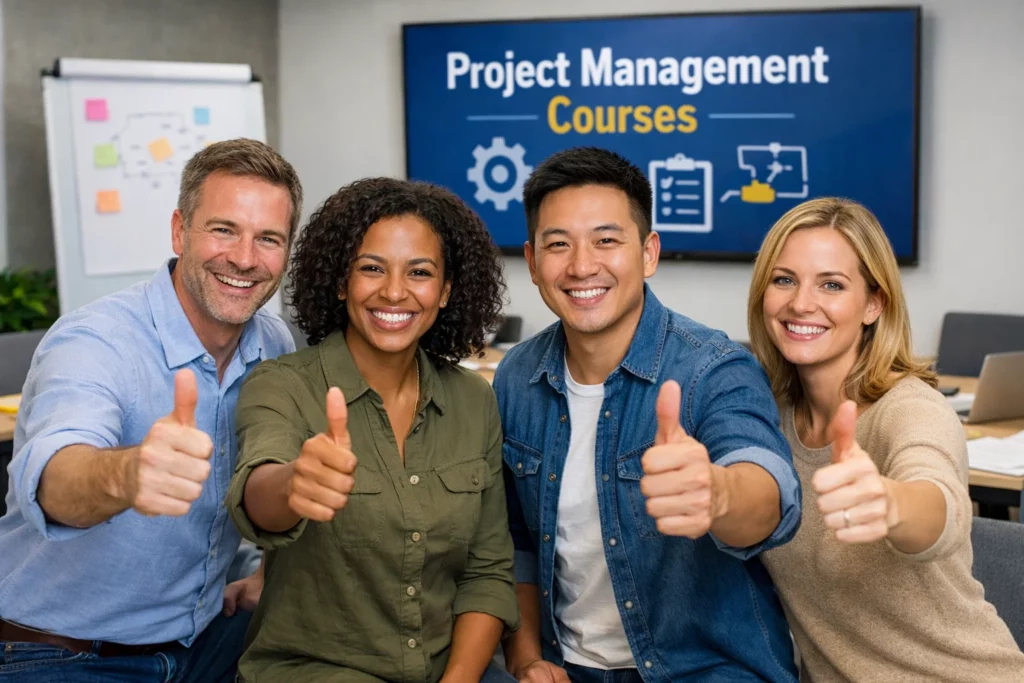
Continuous learning can boost employee engagement and innovation because it helps employees grow their skills and try new ideas, especially through project management courses.
When employees keep learning, they feel important and excited to help. In addition, learning helps them understand their work better.
Just as important, it makes teamwork easier and more fun. Besides, it encourages creativity and curiosity at work.
Above all, learning gives employees confidence to share ideas and take on challenges.
Why Is Continuous Learning Important For Employees?
Continuous learning is important because it helps employees get better at their jobs. It gives them tools to solve problems and do tasks easily.
Learning shows that the company cares about growth. Just as important, it keeps work interesting. Because of learning, employees can face new challenges with confidence.
How Does Learning Increase Skills?
Learning helps employees do their jobs well. Project management courses teach them how to plan tasks, manage time, and work with others.
- Understanding project steps clearly
- Planning tasks efficiently
- Working well with team members
- Managing deadlines carefully
- Solving problems creatively
How Does It Encourage Confidence?
Learning new skills helps employees feel proud. Confidence grows when they see that their ideas are useful.
- Speaking up in meetings
- Sharing ideas with the team
- Trying new tasks
- Making decisions without fear
- Encouraging team members
How Does It Help Adaptability?
Continuous learning helps employees handle changes easily. They become more flexible and calm.
- Learning new tools or software
- Adjusting to new tasks
- Handling problems calmly
- Finding different solutions
- Supporting team changes
Continuous learning helps employees feel confident. It also prepares them to handle challenges.
Learning new things every day makes work exciting and builds confidence, so enrol in project management courses today and start improving your skills.
How Does Continuous Learning Boost Engagement?
Continuous learning boosts engagement because employees feel included and important. They enjoy coming to work when they can learn new things.
In addition, learning helps them join team discussions. Just as important, it gives excitement and purpose.
Because employees are engaged, they share ideas more freely.
How Does Learning Make Work More Exciting?
Learning new skills adds fun to work. Employees do not feel bored.
- Trying new tools and techniques
- Working on creative projects
- Learning from experienced mentors
- Sharing knowledge with peers
- Setting and reaching goals
How Does It Encourage Participation?
Employees join discussions more when they are learning. They share ideas and ask questions.
- Giving suggestions in meetings
- Helping peers with tasks
- Asking questions freely
- Joining group projects actively
- Working with excitement
How Does It Build Motivation?
Continuous learning makes employees want to do their best. They enjoy seeing their progress.
- Setting learning goals
- Celebrating small wins
- Taking on new challenges
- Helping the team succeed
- Feeling proud of the improvement
Continuous learning makes work exciting. It also keeps employees motivated and active.
How Does Continuous Learning Promote Innovation?
Continuous learning helps employees think of new ideas. It encourages them to try different solutions. In addition, it helps teams improve projects step by step.
Learning makes companies better and faster. Employees feel safe to share ideas.
How Does Learning Spark Creativity?
Learning opens the mind to new ways of thinking. Employees try different strategies.
Project management courses help plan projects in smart ways.
- Generating new ideas
- Thinking outside the box
- Trying creative solutions
- Improving old processes
- Sharing ideas freely
How Does It Encourage Problem-Solving?
Learning gives employees the tools to solve problems faster. They can find smart solutions.
- Finding the cause of problems
- Testing possible solutions
- Making decisions quickly
- Learning from mistakes
- Improving processes
How Does It Support Team Innovation?
Teams innovate better when everyone keeps learning. Employees share knowledge and ideas.
Teams combine skills to make better solutions.
- Brainstorming together
- Sharing lessons learned
- Trying new methods
- Supporting each other
- Celebrating successes
Continuous learning inspires creativity. It also helps teams find better ways to work.
How Does Training Like Project Management Courses Help?
Training, like project management courses, helps employees plan work, meet deadlines, and work well in teams. It shows them how to do tasks step by step.
Training also gives confidence to lead projects.
How Does It Improve Planning?
Employees learn to make schedules and set goals. Projects stay on track.
Mistakes are avoided.
- Creating task lists
- Setting deadlines
- Assigning responsibilities
- Monitoring progress
- Adjusting plans
How Does It Build Leadership Skills?
Training helps employees lead projects. Leadership grows with practice.
Employees feel responsible and confident.
- Leading meetings
- Encouraging teamwork
- Making decisions wisely
- Solving conflicts calmly
- Motivating colleagues
How Does It Strengthen Teamwork?
Employees work better together after training. They understand roles and help each other.
- Supporting teammates
- Sharing tasks
- Communicating ideas
- Encouraging problem-solving
- Building trust
Training improves planning and leadership. It also helps teamwork for better results.
How Does Continuous Learning Improve Communication?
Continuous learning helps employees share ideas clearly. It also helps them listen carefully. Communication becomes open and friendly at work.
Employees feel safe to ask questions and give feedback.
How Does It Help Employees Speak Up?
Learning gives employees the courage to share their thoughts. They feel valued when their opinions are heard.
- Speaking in team discussions
- Suggesting new ideas freely
- Sharing concerns politely
- Contributing in meetings
- Asking for help when needed
How Does It Improve Listening Skills?
Employees become better listeners through learning. They understand instructions and respect colleagues.
Listening helps prevent mistakes.
- Paying attention to details
- Asking clarifying questions
- Following instructions carefully
- Understanding different perspectives
- Helping colleagues
How Does It Keep Communication Flowing?
Continuous learning keeps communication active. Employees share updates and give feedback.
Teams stay connected and work smoothly.
- Updating teammates on progress
- Giving constructive feedback
- Talking about challenges openly
- Sharing successes with the team
- Encouraging team discussions
Continuous learning improves speaking and listening. It also keeps teams connected and friendly.
How Does Continuous Learning Encourage Reflection?
Continuous learning encourages reflection because employees think about what they did well and what they can improve.
Reflection helps them learn from mistakes. It also builds stronger decision-making skills. Learning helps employees understand themselves better.
How Does Reflection Support Problem-Solving?
Reflection helps employees find solutions to problems. They can plan better next time.
It makes them confident decision-makers.
- Looking at past tasks carefully
- Finding areas to improve
- Planning solutions for next time
- Learning from successes and mistakes
- Sharing lessons with the team
How Does Reflection Boost Creativity?
Thinking about work helps employees imagine new ideas. Reflection helps them try different ways to do tasks.
Creativity grows with learning.
- Exploring new methods
- Trying new tools
- Thinking outside the box
- Sharing creative solutions
- Improving project outcomes
How Does Reflection Improve Skills?
Reflection strengthens skills because employees see what they do well. It helps them practise and get better.
Continuous improvement is important.
- Practising techniques repeatedly
- Focusing on personal growth
- Improving teamwork skills
- Building leadership abilities
- Remembering knowledge learned
Reflection with learning improves problem-solving and creativity. It also helps employees get better at their skills.
How Does Continuous Learning Help Team Projects?
Continuous learning helps team projects because everyone knows what to do. It encourages sharing ideas and working together.
Learning also makes teams organised and effective.
How Does Learning Improve Team Cooperation?
Learning helps employees work together. They understand each other and help one another.
Cooperation makes projects succeed.
- Sharing responsibilities fairly
- Communicating clearly
- Helping teammates with tasks
- Supporting problem-solving
- Encouraging teamwork
How Does Learning Clarify Team Roles?
Learning helps define each person’s role clearly. Everyone knows what they need to do.
Teams avoid confusion and work faster.
- Assigning tasks based on skills
- Explaining duties clearly
- Monitoring task progress
- Reducing overlap and mistakes
- Building trust in team
How Does Learning Prevent Misunderstandings?
Continuous learning helps employees understand instructions and expectations. Teams work without confusion or conflict.
- Checking instructions carefully
- Asking questions when unsure
- Sharing feedback
- Following guidelines
- Resolving conflicts quickly
Continuous learning improves teamwork and role clarity. It also prevents mistakes and helps teams succeed.
How Does Continuous Learning Connect Work To Real Life?
Continuous learning connects work to real life because employees practise skills they can use every day. They can use learning in different situations.
Learning helps employees make better choices.
How Do Employees Apply Learning Outside Work?
Employees can use skills in daily life and personal projects. Learning teaches problem-solving.
Lessons at work can help at home or school.
- Planning personal projects
- Using teamwork in activities
- Solving problems creatively
- Managing time wisely
- Making careful decisions
How Does Learning Improve Workplace Performance?
Learning makes employees more productive. Tasks are done faster and better.
Work becomes smoother and more enjoyable.
- Meeting deadlines
- Using tools effectively
- Improving accuracy
- Communicating clearly
- Supporting team projects
How Does Learning Shape Everyday Choices?
Learning helps employees make smart choices. They plan before acting and take responsibility.
Mistakes are reduced.
- Thinking before deciding
- Considering outcomes
- Planning tasks step by step
- Avoiding unnecessary errors
- Taking responsibility
Continuous learning connects work to real life. It also helps employees make better decisions every day.
How Does Continuous Learning Support Lifelong Growth?
Continuous learning supports growth because it shows employees that learning never stops. It encourages curiosity and a love of learning.
Employees stay motivated to improve their skills. Learning makes work rewarding.
How Does Learning Keep Work Fun?
Learning keeps work interesting. Employees feel excited to try new things.
Work becomes more than just tasks.
- Exploring new tools and methods
- Practising skills regularly
- Setting goals and achieving them
- Learning from mistakes
- Sharing successes
How Does Learning Benefit Adults?
Adults gain from continuous learning too. They improve careers and confidence.
Learning helps them adapt to changes.
- Improving career skills
- Growing professionally
- Building confidence
- Adapting to new challenges
- Strengthening teamwork
How Does Learning Keep Minds Active?
Learning keeps the brain busy. Employees think critically and creatively.
Minds stay sharp and curious.
- Solving problems thoughtfully
- Exploring new ideas
- Remembering and focusing
- Practising thinking skills
- Being creative
Continuous learning keeps growth and work fun. It helps employees of all ages stay motivated and capable.
Conclusion
Continuous learning helps employees grow skills, be confident, and share ideas. It encourages teamwork, reflection, and creativity.
Training, like project management courses, gives tools to plan and lead projects. Employees feel motivated and ready for challenges.
Learning improves communication and prevents mistakes. It connects work to real-life skills. Above all, continuous learning prepares employees for lifelong success.
Enrol in project management courses today and start your learning journey.
Frequently Asked Questions
What is continuous learning?
Continuous learning means employees keep improving their skills. It includes training and practice.
Learning never stops and keeps work fun.
How does continuous learning boost engagement?
It makes employees feel valued and included. They enjoy working and sharing ideas.
Engagement grows as learning continues.
How does it promote innovation?
Learning helps employees think of new ideas. They can try new solutions safely.
Innovation grows when ideas are shared.
What are project management courses?
These courses teach planning and organising tasks. Employees learn to complete projects well.
Courses also improve teamwork and leadership.
Can adults benefit from continuous learning?
Yes, adults can learn new skills anytime. Learning improves careers and confidence.
Adults can adapt to changes better.
How does learning improve teamwork?
Employees understand roles better. They work together easily.
Teamwork makes projects successful.
How does it help communication?
Learning teaches employees to share ideas clearly. Listening also improves.
Teams talk openly and work better.
How does reflection support growth?
Reflection shows what worked well and what needs improvement. It encourages problem-solving.
Skills get stronger with reflection.
How does learning connect to real life?
Employees use skills in daily tasks and projects. Decisions are better, and problems are solved more easily.
Learning is useful outside work.
Why is lifelong learning important?
It keeps skills up to date. Learning grows curiosity and confidence.
Employees are ready for new challenges.
Author: Janice van der Westhuizen
Leave a Reply