What Role Does Project Management Play in Climbing the Career Ladder?
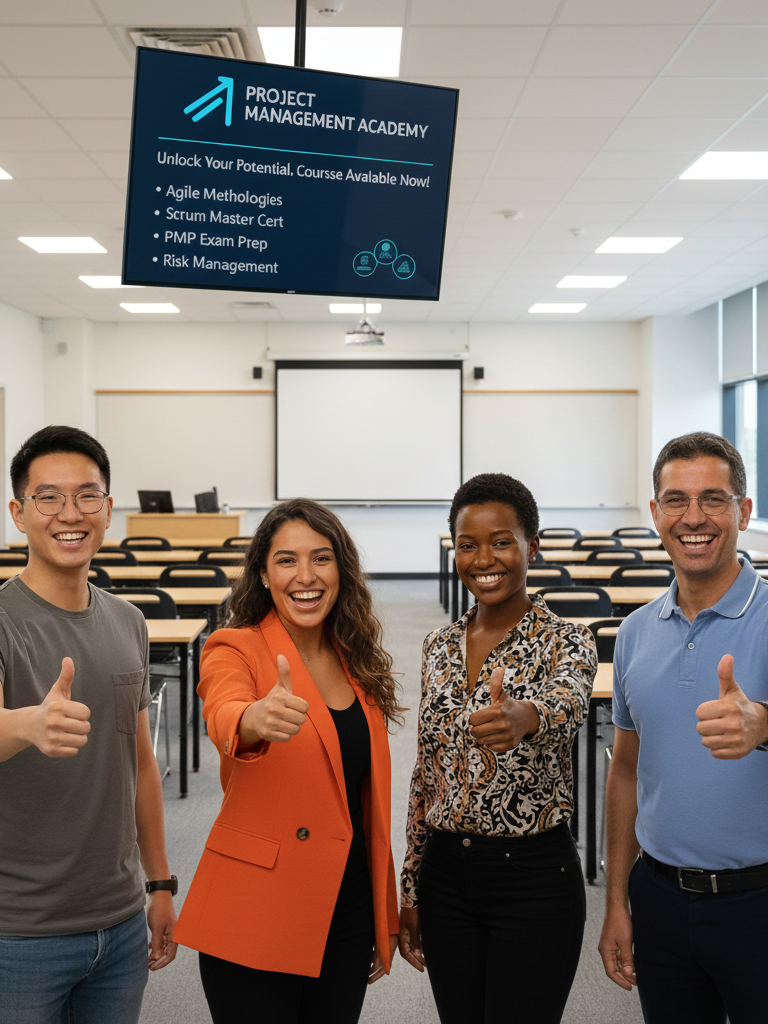
Project management is one of the most valuable skills a professional can possess, particularly when it comes to career advancement. In today’s competitive job market, where organizations are increasingly focused on efficiency, productivity, and meeting deadlines, the ability to manage projects successfully can set you apart from others in your field. Those who pursue an Online Project Management Certificate are well-equipped with the knowledge and skills needed to excel in this vital area, making them more competitive for higher-level roles.
Project managers are responsible for ensuring that tasks are completed on time, within budget, and to the required standard. This requires not only technical expertise but also strong leadership, communication, and problem-solving abilities. Professionals who can demonstrate a thorough understanding of project management principles are often seen as more reliable and capable, making them prime candidates for promotion and leadership opportunities within their organization.
Furthermore, Online Project Management Courses teach professionals how to work with diverse teams, manage resources efficiently, and handle risks—all of which are transferable skills applicable across nearly every industry. These qualities are particularly sought after in today’s fast-paced and ever-evolving business environment, where organizations require leaders who can drive results and adapt to changing circumstances.
For anyone looking to climb the career ladder, gaining expertise in project management can make a significant difference. It can unlock opportunities for leadership roles, higher pay, and greater job security—essential factors when aiming for sustained career growth and success.
Why Are More Professionals Turning to Online Learning for Growth?
In today’s digital world, online learning has become an increasingly popular choice for professionals seeking career growth. The flexibility and accessibility that online courses offer make them an ideal way to continue learning while balancing the demands of work and life.
One of the main reasons why online learning is so appealing is that it allows professionals to learn at their own pace. Unlike traditional in-person classes, online courses offer the flexibility to study when and where it’s convenient. This is especially important for people with busy schedules who might not have the time to commit to fixed classroom hours.
Moreover, online courses tend to be more affordable than traditional education options. They eliminate the need for travel and physical materials, making them a cost-effective alternative. With a wide range of courses available, professionals can easily find programmes that align with their career goals and areas of interest, including project management.
Another reason online learning is gaining traction is that many courses are designed by industry experts and offer practical, up-to-date knowledge. These courses equip professionals with the skills needed to meet the challenges of their field, making them a valuable investment for career growth. Whether it’s learning new tools, refining existing skills, or gaining certification in a specific area, online learning can open doors to new opportunities and promotions.
Can a Course Like This Really Change Your Career Trajectory?
A well-structured online course in project management can absolutely change your career trajectory, especially when you’re looking to move into leadership roles. These courses are designed to teach you essential skills such as budgeting, risk management, and team leadership, all of which are critical for overseeing successful projects.
What makes an online course particularly transformative is the combination of theory and practice. Not only do you learn the fundamentals of project management, but you also have the opportunity to apply this knowledge to real-world situations. This hands-on experience builds confidence and expertise, which are highly valued by employers.
Additionally, many online project management courses offer certifications that are recognised by industry leaders. Having a certification on your resume shows employers that you are dedicated to your professional development and have the expertise to handle complex projects. This can give you a competitive edge in the job market and may even help you secure higher-paying positions or promotions.
In short, enrolling in an online project management course can be a game-changer for your career, providing you with the skills, knowledge, and credentials needed to advance in your field.
What Makes Project Management a Skill Set Every Ambitious Person Needs?
Project management is more than just a career path—it’s a skill set that every ambitious person can benefit from, regardless of their job title or industry. The ability to manage projects efficiently and effectively is a valuable asset that can open doors to leadership roles and greater responsibility.
At its core, project management teaches you how to organise and prioritise tasks, allocate resources, manage time, and lead teams to achieve specific goals. These are skills that are highly transferable and can be applied in virtually any profession. Whether you’re working in marketing, engineering, finance, or healthcare, the ability to manage projects is crucial for success.
For ambitious professionals, mastering project management provides a unique opportunity to demonstrate initiative and leadership. It shows that you’re not just interested in completing tasks, but in driving projects forward and achieving results. This mindset is exactly what employers look for in candidates for higher-level roles.
Moreover, project management involves problem-solving, risk management, and communication—all of which are important for building relationships and achieving long-term career success. In a competitive job market, having these skills will help you stand out and show that you’re ready for greater challenges and responsibilities.
How Does Project Management Give You a Professional Edge?
Project management offers a significant professional edge because it is a skill that applies to virtually every industry and job function. Whether you’re in marketing, healthcare, engineering, or finance, being able to effectively manage a project means you can handle responsibilities with confidence and reliability.
The ability to plan, execute, and oversee projects efficiently demonstrates that you can handle complex tasks, meet deadlines, and manage resources, all of which are critical in today’s fast-paced work environment. By mastering project management, you not only enhance your own productivity but also contribute to the success of your team or organisation. This makes you a highly valuable employee, capable of leading projects and initiatives that drive tangible results.
Additionally, project management provides you with the skills to manage risks, solve problems, and make data-driven decisions, which are essential for overcoming obstacles and ensuring project success. These competencies are often seen as marks of leadership, and having them can make you stand out in a competitive job market.
Ultimately, acquiring project management skills gives you the tools to take on larger projects, lead teams, and demonstrate your ability to deliver consistent results, making you more attractive to current and future employers.
Why Do Employers Value Project Management Expertise So Highly?
Employers value project management expertise because it directly contributes to the efficiency and success of their organisation. When a professional can manage a project from start to finish—ensuring that it is completed on time, within budget, and to the required standard—it reduces the risk of failure and optimises the use of resources.
Project managers bring a structured approach to their work, which helps businesses meet their goals more effectively. They are skilled at defining project scope, setting timelines, coordinating teams, and tracking progress, ensuring that everything stays on track. By managing these complex tasks, project managers help organisations avoid costly mistakes, delays, and missed opportunities.
Employers also recognise that professionals with project management skills are often excellent communicators, collaborators, and problem-solvers. They can navigate the challenges that arise during a project and find solutions quickly, making them invaluable members of any team. Additionally, project management expertise signals to employers that you are committed to your professional growth and can take on more responsibility within the organisation.
In summary, project management expertise is highly prized because it leads to better outcomes, stronger team dynamics, and more efficient use of resources, all of which contribute to an organisation’s bottom line.
How Does It Set You Apart From Other Job Candidates?
In a competitive job market, having project management expertise sets you apart from other candidates because it demonstrates a range of desirable qualities. First, it shows that you possess the organisational skills needed to plan and execute projects successfully. These skills are essential for managing complex tasks, overseeing team efforts, and ensuring deadlines are met—skills that employers find highly valuable.
Moreover, project management is associated with leadership. Even if you are not applying for a managerial position, having the ability to take charge of projects and guide teams towards successful outcomes signals to employers that you have the potential to lead. This makes you an appealing candidate for roles that require a degree of responsibility, whether or not they explicitly involve managing people.
Another factor that sets you apart is your ability to manage risk. Project managers are trained to identify potential problems early and put strategies in place to mitigate them. This proactive approach is a trait that many employers find highly attractive, as it suggests you can navigate uncertainties and challenges with confidence.
Finally, project management expertise demonstrates that you are focused on results. Being able to show that you can take a project from inception to completion and deliver successful outcomes is a quality that will make you stand out in any job search. Employers look for candidates who can not only perform tasks but also deliver value, and project management expertise gives you the tools to do just that.
Can It Help You Lead Even If You’re Not in a Managerial Role?
Yes, project management can absolutely help you lead even if you’re not in a formal managerial role. The essence of project management lies in guiding a project to successful completion, which requires leadership skills such as organisation, decision-making, and team coordination. These skills are not limited to managers—they can be used by anyone overseeing a project or leading a team, regardless of their title.
By learning project management, you gain the ability to take ownership of tasks, motivate others, and ensure that objectives are met. This means that even without the title of “manager,” you can still demonstrate leadership qualities by taking initiative and showing your team how to stay focused, productive, and on track. This ability is often recognised by employers and colleagues alike, as it contributes to a positive and efficient working environment.
Additionally, project management teaches you how to collaborate effectively, communicate clearly, and manage conflicts. These are all essential components of leadership, which are valuable whether or not you hold a formal leadership position. In many cases, employers will notice your leadership potential even before you are officially promoted to a managerial role.
What Career Levels Benefit Most From Project Management Training?
Project management training benefits professionals at various stages of their careers, from entry-level to senior executives. However, some career levels gain more immediate value from project management training due to the nature of their roles and responsibilities.
At the entry level, professionals often find themselves taking on smaller tasks and projects, but learning the fundamentals of project management provides them with a structured approach to handling these duties effectively. This early training helps them to develop organisational skills, set priorities, and manage time, setting them up for career progression as they become more involved in larger projects.
For mid-level professionals, project management training is particularly beneficial. At this stage, individuals are often overseeing teams, managing complex projects, and playing key roles in organisational success. With project management expertise, mid-level professionals can refine their leadership and problem-solving skills, improve communication with stakeholders, and ensure that projects are completed successfully, making them more competitive candidates for senior roles.
Senior professionals and executives also benefit from project management training, albeit in a more strategic context. They may not be involved in the day-to-day management of projects, but understanding project management principles allows them to guide their teams effectively, make informed decisions, and allocate resources efficiently. For senior staff, this knowledge is essential for leading larger initiatives and aligning projects with organisational goals.
In summary, while project management training can benefit professionals at all career levels, those in mid-level roles often experience the most significant immediate impact, as it helps them refine the skills necessary to take on more responsibility and advance within their organisations.
Is This Course Only for Aspiring Managers?
No, an online project management course is not just for aspiring managers. While it is true that project management is closely linked to managerial roles, the skills you acquire from such a course are valuable for professionals in a wide range of positions. Anyone who works on projects, collaborates with teams, or oversees processes can benefit from understanding project management principles.
For example, employees in roles such as marketing, finance, engineering, or IT frequently work on projects that require careful planning, coordination, and execution. A project management course equips them with the tools to organise tasks, manage deadlines, and allocate resources effectively, which are essential skills for success in any industry.
Moreover, even if you don’t aspire to a management role, mastering project management can help you stand out as a team player who understands how to contribute to the completion of projects. It also demonstrates initiative and a willingness to take on responsibility, qualities that are often rewarded in the workplace.
In short, while aspiring managers can certainly benefit from project management training, the course is valuable for anyone looking to improve their efficiency, collaboration, and leadership abilities, regardless of their career trajectory.
Can Mid-Level Professionals Use It to Break Through Plateaus?
Yes, mid-level professionals can significantly benefit from project management training to break through career plateaus. At this stage, individuals often face the challenge of taking on more responsibility without the accompanying guidance or support that they had earlier in their careers. This can lead to stagnation or a sense of being “stuck.”
Project management training offers a way to refresh and expand existing skills. It provides mid-level professionals with the tools to better handle complex projects, improve communication with senior management, and coordinate teams more effectively. These skills can be the key to demonstrating your potential to take on more leadership responsibility and, in turn, break through career plateaus.
By learning advanced project management techniques such as risk assessment, resource allocation, and stakeholder management, mid-level professionals can showcase their ability to manage larger, more challenging projects. This positions them as a valuable asset to their organisation and increases their chances of being considered for promotions or new opportunities.
Furthermore, project management training often involves practical, real-world scenarios that help mid-level professionals refine their problem-solving and decision-making skills. By applying these concepts, they can become more confident in their abilities and take a more active role in shaping the direction of their projects and teams.
In conclusion, project management training is an excellent way for mid-level professionals to gain the skills and confidence necessary to break through plateaus and reach the next stage of their careers.
How Can Senior Staff Use It to Lead with More Impact?
For senior staff, project management training can be an essential tool for leading with more impact. At senior levels, leadership involves not just managing day-to-day operations but also driving the strategic direction of projects and initiatives. Understanding the principles of project management enables senior staff to make more informed, data-driven decisions that align with organisational goals.
Senior professionals often oversee large-scale projects or portfolios of projects, and having a deep understanding of project management principles can help them guide their teams more effectively. For instance, project management training can equip senior staff with the skills to assess risks, optimise resources, and manage budgets, all of which are crucial for ensuring that projects are delivered on time and within budget.
In addition, senior staff can use project management knowledge to mentor and guide lower-level managers and project teams. By providing them with insights into best practices, they can ensure that projects are executed in alignment with company objectives and that team members are working efficiently.
Moreover, project management training teaches senior staff how to manage stakeholder expectations and communicate project progress effectively. These communication skills are vital for maintaining buy-in from key stakeholders and ensuring that the project remains aligned with organisational priorities.
How Do Online Courses Fit Into a Busy Work Schedule?
Online courses are an excellent solution for professionals with busy work schedules. Unlike traditional classroom-based learning, online courses offer the flexibility to study at times that are most convenient for you. Whether it’s during lunch breaks, after work hours, or on weekends, you have the freedom to fit your learning around your other commitments.
The key benefit of online learning is that it removes the rigid structure of in-person classes. Instead of needing to attend fixed sessions at specific times, you can access course materials whenever you have a moment to spare. This makes it easier to integrate learning into your daily routine without disrupting your work or personal life.
Furthermore, many online courses are designed with busy professionals in mind. They typically offer concise lessons that can be completed in manageable chunks, allowing you to make progress without feeling overwhelmed. This flexible, on-demand approach helps you stay on track with your studies while still focusing on your job responsibilities.
For professionals looking to enhance their skills without sacrificing their current work commitments, online courses provide a practical and effective learning solution.
Can You Advance Without Quitting Your Job or Taking Time Off?
Absolutely. One of the greatest advantages of online courses is that they allow you to advance your career without needing to quit your job or take time off. Many working adults choose online courses precisely because they can continue earning a living while acquiring new skills or qualifications.
The ability to learn at your own pace means that you can progress in your studies as your schedule permits, without interfering with your work commitments. Whether you’re aiming for a promotion, switching industries, or gaining specialised knowledge, you can do all of this while continuing to work full-time.
Online courses are often structured to allow professionals to balance work, study, and personal life. Many courses offer flexible deadlines, asynchronous learning, and practical, real-world content that can be applied immediately to your job. This ensures that your professional growth complements your career path, rather than hindering it.
Therefore, online courses provide a clear and accessible pathway for career advancement without the need for a career break or time off from your current job.
How Do Self-Paced Modules Keep You Moving Forward?
Self-paced modules are a central feature of many online courses and are particularly beneficial for working adults. With self-paced learning, you have the flexibility to progress through the course material at your own speed, which allows you to fit study around your busy schedule. Whether you need to dedicate just a few hours a week or several hours a day, you can tailor your learning to suit your personal and professional commitments.
While self-paced learning provides the flexibility to work at your own speed, it also includes mechanisms to keep you moving forward. Many online courses feature regular assessments, quizzes, and deadlines that help you stay on track and monitor your progress. These assessments not only test your understanding of the material but also provide motivation to continue learning and prevent procrastination.
In addition, many courses include discussion forums, group projects, or virtual mentorship opportunities, which provide a sense of community and accountability. This ensures that even though you are learning independently, you are still connected to a support network that encourages progress and keeps you engaged with the content.
Self-paced modules empower learners to manage their own study schedules while ensuring that they stay focused and motivated as they work towards completing the course.
What Makes Online Courses Ideal for Working Adults?
Online courses are particularly well-suited for working adults because they offer the flexibility to learn without having to sacrifice career or personal time. As a busy professional, it can be difficult to commit to a traditional in-person class, especially when balancing work deadlines, family obligations, and other commitments. Online courses solve this problem by allowing you to study at your convenience, whether that’s in the evenings, during weekends, or whenever you have free time.
In addition to flexibility, online courses are often designed to be highly relevant and practical, meaning that what you learn can be applied directly to your current job. Many courses focus on developing skills that are in high demand in the workplace, such as project management, digital marketing, or leadership. This ensures that your learning is aligned with career advancement opportunities and makes your education more valuable.
Moreover, online courses often feature interactive and engaging content, such as videos, discussions, and quizzes, which makes learning more enjoyable and effective. The ability to learn at your own pace, combined with these engaging features, means that you can retain information more effectively and integrate what you learn into your professional life.
Lastly, online courses often provide access to global networks of professionals and experts, giving you the opportunity to broaden your horizons and connect with others in your field. This makes online learning an ideal option for working adults who want to grow their careers without disrupting their current job or lifestyle.
What Do You Actually Learn in an Online Project Management Course?
An online project management course provides a comprehensive understanding of the processes, tools, and techniques necessary to plan, execute, and oversee projects successfully. It covers a range of topics, starting from the basics of project management to more advanced strategies. You’ll learn how to manage timelines, budgets, resources, and stakeholders while also understanding the importance of effective communication and leadership in a project setting.
The course typically begins by introducing the fundamental principles of project management, such as the project life cycle, project scope, and how to initiate, plan, execute, and close projects. You’ll gain practical skills in risk management, project scheduling, and budgeting, ensuring that you can handle the complexities of any project.
Beyond the technical aspects, you’ll also explore interpersonal and leadership skills, such as conflict resolution, team management, and stakeholder communication. The ability to lead diverse teams, manage expectations, and deal with changes is essential in any project environment, and an online course will prepare you for these challenges.
Ultimately, the course equips you with the knowledge and skills to manage projects across various industries, empowering you to take on a leadership role in your career or within your current organisation.
Which Core Skills Are Covered in the Curriculum?
The curriculum of an online project management course covers a variety of core skills essential for managing projects successfully. These skills include both technical and soft skills that will help you lead projects from start to finish.
- Project Planning and Scheduling: You’ll learn how to create detailed project plans, set milestones, and develop schedules that ensure timely project completion. Mastering tools like Gantt charts and project management software is also part of this skill set.
- Risk Management: Understanding how to identify, assess, and mitigate risks is crucial in project management. The course will teach you how to anticipate potential obstacles and develop strategies to overcome them.
- Budgeting and Cost Control: You’ll learn how to estimate project costs, create budgets, and monitor expenses to ensure that the project stays within financial constraints. This includes managing resources efficiently and keeping track of both fixed and variable costs.
- Stakeholder Management and Communication: Effective communication is key to project success. You’ll learn how to manage stakeholder expectations, create regular progress reports, and ensure that all parties are informed and aligned with project goals.
- Team Leadership and Collaboration: As a project manager, you’ll be responsible for leading teams. This module focuses on developing your leadership skills, motivating teams, resolving conflicts, and ensuring that everyone is working towards a common goal.
- Quality Control: Maintaining high-quality standards throughout a project is essential. The course will teach you how to implement quality assurance processes and monitor deliverables to ensure they meet project requirements.
These core skills help you not only plan and execute projects but also handle the complexities and challenges that arise during the process.
Do You Learn Popular Frameworks Like Agile and Waterfall?
Yes, most online project management courses cover popular frameworks like Agile and Waterfall. These methodologies are fundamental to project management and are essential for managing different types of projects effectively.
- Waterfall: The Waterfall methodology is a traditional approach to project management where tasks are completed sequentially. You’ll learn how to apply this method to projects that have a clear, defined structure and where each phase must be completed before moving to the next. Waterfall is often used in industries like construction and manufacturing, where the project scope is well-defined from the beginning.
- Agile: Agile is a more flexible, iterative approach that is ideal for projects that require frequent updates and changes. It focuses on delivering smaller, incremental results throughout the project, with regular feedback loops. You’ll learn how to manage Agile projects through techniques like Scrum or Kanban, making it ideal for industries like software development, marketing, and product management.
Understanding both Agile and Waterfall methodologies enables you to adapt your project management style depending on the needs of the project, the team, and the industry. Many organisations use a hybrid approach, combining elements of both frameworks, and this flexibility is something you’ll learn during the course.
How Are Real-World Scenarios Integrated Into the Lessons?
Real-world scenarios are a critical aspect of online project management courses. These scenarios are designed to ensure that the knowledge you gain is applicable in actual project environments. Through case studies, simulations, and practical exercises, you’ll have the opportunity to apply what you’ve learned to real-life situations.
For instance, you might be presented with a case study involving a project that has gone off track, and you’ll need to develop a plan to get it back on course, applying risk management techniques, adjusting timelines, and communicating with stakeholders. Or, you may be tasked with managing a team through a simulated project, where you have to allocate resources, manage a budget, and deal with unexpected challenges.
Many online courses also incorporate role-playing exercises where you take on the role of a project manager, making decisions based on real-world issues that could arise during a project. These exercises allow you to practice problem-solving, decision-making, and leadership skills in a safe, educational environment.
Moreover, some online courses offer the opportunity to work on live projects with real clients or organisations. This hands-on experience gives you a deeper understanding of the complexities of managing a project and prepares you for the challenges you’ll face in your career.
By integrating these real-world scenarios, online project management courses ensure that the skills you develop are not only theoretical but also practical and ready to be applied in your professional life.
How Does This Training Translate to Real-World Job Growth?
Project management training translates directly into real-world job growth by equipping you with the practical skills needed to handle projects effectively and demonstrate leadership potential. As organisations continue to prioritise efficiency and successful project delivery, individuals who are trained in project management are seen as valuable assets.
By learning how to manage timelines, budgets, and resources, you become more capable of contributing to organisational goals and supporting strategic objectives. You’ll also develop critical soft skills such as problem-solving, communication, and team management, which are essential for growing within your current role or expanding into new opportunities.
Employers value project management training because it signals that you have the knowledge and skills to lead teams, handle complex tasks, and navigate the challenges that come with large-scale projects. As a result, trained project managers are often considered for higher responsibilities and broader roles within organisations, driving both personal and career growth.
In essence, this training gives you the foundation to improve your current job performance, take on more complex projects, and open up opportunities for advancement.
Can It Help You Take on More Responsibility Immediately?
Yes, project management training can help you take on more responsibility immediately. The skills you learn during the course can be applied right away in your current job, enabling you to manage projects more efficiently and with greater confidence. For example, you’ll learn how to break projects down into manageable tasks, allocate resources effectively, and stay on top of deadlines – all of which make you more capable of overseeing larger or more complex initiatives.
Many professionals find that completing a project management course enables them to take on leadership roles within their team, even if their job title doesn’t yet reflect that level of responsibility. By applying project management techniques, you’ll gain the trust of your colleagues and supervisors, showing that you are capable of handling more challenging assignments.
Moreover, organisations often recognise the value of employees who are trained in project management, as they can contribute to the smooth execution of projects and enhance overall productivity. As a result, you may find that you’re given more autonomy or trusted with higher-stakes projects shortly after completing the course.
In short, project management training can empower you to step into more responsible roles quickly, allowing you to demonstrate your potential and add value to your organisation.
Are You More Likely to Be Considered for Promotions?
Yes, completing a project management course significantly increases your chances of being considered for promotions. Organisations value employees who possess project management skills because they are essential for ensuring that projects are delivered on time, within budget, and to the expected quality standards. This makes you a highly sought-after asset, especially if you can apply these skills effectively within your organisation.
Project management training provides you with a structured approach to problem-solving, decision-making, and team coordination, all of which are qualities that senior leaders look for when promoting individuals. Furthermore, as organisations continue to become more project-driven, the demand for skilled project managers increases. Having formal training in project management makes you a prime candidate for promotions, as it shows your commitment to personal growth and your ability to take on higher levels of responsibility.
Moreover, project management training demonstrates leadership capabilities, which are often a key factor in promotion decisions. Whether you’re managing a team or leading a specific project, showcasing your ability to lead successfully can help you stand out among your colleagues and increase your chances of advancement.
Overall, this training not only makes you more competent in your current role but also opens up doors to new opportunities for career progression.
How Does It Prepare You for Cross-Functional Leadership?
Project management training is particularly valuable for preparing you for cross-functional leadership roles. In today’s work environment, projects often require collaboration between different departments or teams, such as marketing, finance, operations, and IT. Effective project managers must be able to coordinate between these various functions, ensuring that everyone is working towards the same goals.
Throughout the course, you will learn how to manage diverse teams, each with its own expertise and objectives. You’ll gain the ability to communicate clearly with different stakeholders, resolve conflicts, and align the objectives of various departments to ensure project success. This is particularly important for cross-functional leadership, where you need to bridge the gaps between different areas of the organisation.
In addition, you’ll learn how to create detailed project plans, track progress, and manage resources across different functions, all while keeping everyone on the same page. This experience in managing and leading cross-functional teams is a vital part of project management and prepares you for higher-level leadership roles that require collaboration across multiple departments.
By gaining these skills, you will be better equipped to lead complex, cross-functional projects, making you a valuable asset to your organisation. This preparation is key to stepping into more senior leadership positions that require coordination and leadership across diverse areas of the business.
What Industries Benefit From Project Management Expertise?
Project management expertise is crucial across a wide range of industries, as it helps organisations deliver projects on time, within budget, and to the required standards. The skills gained from project management courses are transferable and highly valued in virtually every sector. Here are a few industries where project management expertise is particularly beneficial:
- Construction: The construction industry is project-driven by nature, requiring tight schedules, budgets, and coordination between various teams. Project managers in construction ensure that projects run smoothly, comply with regulations, and meet deadlines.
- Information Technology (IT): In the tech industry, managing software development, system integrations, or IT infrastructure projects requires specific project management skills. Agile and Scrum methodologies, in particular, are used extensively in IT to manage rapid changes and iterative development processes.
- Marketing: Marketing campaigns, whether digital or traditional, are often complex projects that need careful planning, execution, and tracking. Project management helps ensure that marketing teams deliver campaigns on time and with the desired impact.
- Healthcare: Healthcare organisations often operate on projects related to patient care, facility management, and regulatory compliance. Project management ensures that these initiatives are coordinated efficiently, with attention to detail, timelines, and cost control.
- Finance: In finance, projects can range from implementing new financial systems to regulatory reporting and client management. Project management in this sector is key to delivering services that meet compliance standards and are completed on time.
- Retail: Retail projects, from store openings to inventory management, require skilled project managers who can handle logistics, deadlines, and customer demands to ensure smooth operations.
- Education: Educational institutions often rely on project managers to oversee curriculum development, facility upgrades, and e-learning projects, ensuring that everything is executed efficiently and within budget.
Project management expertise is not confined to a particular industry; it is an essential skill across all sectors where managing complex projects is a part of daily operations.
Is This Only Relevant for Tech and Construction?
While project management is widely associated with industries like tech and construction, its relevance extends far beyond these fields. Both tech and construction industries benefit greatly from project management due to their complex, large-scale, and time-sensitive nature. However, the principles and tools of project management are highly adaptable and applicable to numerous other sectors.
For instance, marketing, finance, healthcare, education, and manufacturing all benefit from structured project management practices. Each of these industries handles multiple projects simultaneously, from product launches and client deliverables to infrastructure improvements and regulatory requirements. Project management methodologies help coordinate these efforts, manage resources, and ensure that teams stay on track.
The skills learned in a project management course—such as budgeting, scheduling, risk management, and communication—are universal. They can be applied to any industry where projects are carried out, making project management expertise valuable in a variety of contexts.
So, while tech and construction are high-profile examples, project management is relevant to a broad range of sectors, ensuring that projects are executed efficiently and successfully, no matter the industry.
How Is Project Management Used in Healthcare, Finance, and More?
In industries like healthcare, finance, and others, project management plays a crucial role in ensuring that projects are delivered on time, meet objectives, and stay within budget. Here’s how project management is applied in these sectors:
- Healthcare: Healthcare projects often involve complex coordination across different departments, including patient care, administration, and compliance. Project management ensures that initiatives such as building new healthcare facilities, implementing new technologies (like electronic health records), or launching public health campaigns are completed successfully. It also helps in managing patient care projects, regulatory compliance efforts, and staff training, all of which are vital for the effective functioning of a healthcare organisation.
- Finance: In the finance industry, project management is used to manage activities such as implementing new financial systems, preparing for audits, launching new financial products, or ensuring compliance with changing regulations. The role of a project manager in finance is to oversee the planning, execution, and delivery of these projects, ensuring that they meet deadlines, budgets, and compliance standards.
- Retail: In retail, project management is key to ensuring the success of initiatives like new store openings, product launches, inventory management, and marketing campaigns. Project managers ensure that retail projects are delivered on time and meet the strategic goals of the organisation. This includes coordinating with vendors, managing supply chains, and overseeing marketing and merchandising projects.
- Education: Educational institutions rely on project management to implement new curricula, manage school expansions, or introduce new e-learning platforms. Project managers in this sector ensure that educational initiatives align with academic goals, are delivered on time, and comply with regulations.
Project management provides structure and organisation to these diverse fields, helping professionals navigate the complexities of each industry while delivering projects efficiently.
Can You Apply These Skills Across Changing Career Paths?
Yes, one of the greatest strengths of project management training is its versatility. The skills learned in an online project management course are highly transferable and can be applied across various career paths, even if you choose to switch industries.
For instance, if you begin your career in marketing and later decide to transition into healthcare or finance, the project management skills you’ve acquired—such as resource allocation, time management, and team coordination—will still be valuable. The ability to manage complex projects, deal with stakeholders, and lead teams is a universally sought-after skill, regardless of the industry.
Moreover, the adaptability of project management methods such as Agile, Waterfall, and Lean makes it easier to adjust to different project needs, whether in IT, construction, or other sectors. By mastering these frameworks, you can seamlessly transition from one industry to another, taking your project management expertise with you.
As industries evolve and new opportunities arise, the demand for skilled project managers continues to grow. Being trained in project management gives you a competitive advantage and allows you to pursue a wide variety of roles, whether you choose to stay in your current field or explore new career paths. In essence, project management training offers career flexibility and positions you for success in an ever-changing job market.
How Can Project Management Improve Your Current Role?
Project management training can significantly improve your current role by equipping you with essential skills to better manage tasks, meet deadlines, and enhance overall efficiency. Even if your current position doesn’t officially involve managing projects, applying project management techniques can make you a more organised and effective contributor.
For instance, you will learn how to break down complex tasks into smaller, manageable components and set clear goals. This approach helps you stay focused and prioritise effectively. You will also gain the ability to anticipate potential risks and develop strategies to mitigate them, which leads to smoother execution of your responsibilities. The tools and techniques you learn in a project management course, such as Gantt charts, risk assessments, and resource allocation, can improve your ability to stay on top of your work and contribute to your team’s success.
Furthermore, you will become more proactive in managing your time, communicating with colleagues, and handling multiple tasks. This efficiency will make you stand out as someone who consistently delivers high-quality work on time, which will improve your performance and boost your value within your current role.
Do You Become a More Organised and Effective Contributor?
Yes, project management training makes you a more organised and effective contributor to your team and organisation. One of the key components of project management is developing a structured approach to work. You will learn how to plan tasks, set deadlines, and allocate resources, which enhances your ability to stay organised.
For example, using project management tools like task management software or scheduling applications can help you keep track of your responsibilities, ensuring nothing falls through the cracks. You will also become adept at identifying priorities and managing multiple tasks at once, which is particularly valuable in fast-paced work environments.
Additionally, project management courses teach you how to monitor progress and adjust plans when necessary, helping you stay flexible and adapt to changes in your work environment. This structured, flexible approach allows you to perform tasks more efficiently and effectively, making you a more reliable and productive contributor.
By becoming more organised, you will be able to manage your workload better, reduce stress, and consistently meet deadlines. This leads to higher job satisfaction and increased recognition from your colleagues and supervisors.
How Does It Help You Collaborate Better Across Teams?
Project management skills are essential for improving collaboration across teams. A significant part of project management involves communication and coordination between different departments, teams, and stakeholders. Through project management training, you will learn how to manage these relationships effectively, ensuring that everyone is aligned towards common objectives.
For instance, you will develop skills in stakeholder management, which involves understanding and addressing the needs and expectations of different people involved in a project. You will also learn how to facilitate meetings, share information clearly, and resolve conflicts that might arise between teams.
In addition, you will become more comfortable working with cross-functional teams, as project management courses teach you how to navigate different perspectives and integrate various skill sets towards achieving a shared goal. Whether you’re collaborating with a team in marketing, IT, or finance, project management training helps you understand how to communicate effectively and contribute positively to team dynamics.
By developing these collaboration skills, you will foster better teamwork, enhance productivity, and create a more supportive and cooperative work environment, which is essential for the success of any project.
Will You Be Trusted With Bigger Projects and Decisions?
Yes, completing a project management course increases the likelihood that you will be trusted with bigger projects and more significant decisions. As you develop a deeper understanding of project management techniques, you’ll demonstrate to your supervisors and colleagues that you are capable of handling complex, high-stakes projects.
When you apply the project management skills you’ve learned, such as managing resources, creating detailed plans, and keeping stakeholders informed, you prove your ability to lead initiatives and make informed decisions. Employers value project managers who can navigate challenges, manage risks, and keep projects on track. By applying these principles in your current role, you position yourself as someone who is ready to take on more responsibility.
Moreover, project management training shows that you are committed to your professional development, which signals to employers that you are prepared to step into leadership roles. As you prove your ability to manage smaller projects successfully, you will gain more trust and credibility, which can lead to being assigned larger projects with more responsibility.
Ultimately, project management training equips you with the tools and confidence needed to make decisions, solve problems, and lead projects—qualities that are essential for higher-level positions and more significant projects.
What Long-Term Benefits Come From Project Management Training?
Project management training offers a wealth of long-term benefits that can significantly impact your career progression. One of the primary advantages is the ability to enhance your organisational and leadership skills, which are valuable across various industries. Over time, as you apply project management techniques, you’ll see improvements in your ability to handle complex projects, lead teams, and drive initiatives from start to finish.
Furthermore, as organisations continue to adopt project-based structures, having formal project management training makes you a more valuable asset to employers. It can pave the way for promotions and career advancement, as you’re equipped to take on more responsibility and manage higher-level projects.
The versatility of project management training also provides long-term benefits, as the skills you gain are transferable across different sectors. Whether you’re working in healthcare, technology, finance, or any other industry, project management expertise will remain relevant. This adaptability ensures that your career remains robust, even if you decide to switch industries or roles in the future.
Additionally, by mastering project management, you’ll be able to demonstrate the ability to achieve results consistently, manage resources efficiently, and deliver projects on time and within budget. These qualities are highly regarded by employers, ensuring that your career remains on an upward trajectory.
Can This Qualification Future-Proof Your Career?
Yes, project management training can indeed help future-proof your career. As industries evolve and organisations become increasingly project-driven, the demand for skilled project managers continues to grow. Project management is a field that transcends industry boundaries, meaning the qualifications you gain will remain relevant no matter how the job market changes.
Having a project management qualification demonstrates your ability to plan, execute, and manage projects efficiently, which is a skill set that will be needed across virtually every sector for years to come. Moreover, as technology advances and the business environment becomes more complex, project management methodologies such as Agile, Lean, and Waterfall will continue to evolve. By staying up to date with these methodologies through ongoing training and professional development, you ensure that your skill set is adaptable to future demands.
In addition to providing you with valuable project management tools, this training enhances your problem-solving, critical thinking, and leadership abilities. These are timeless skills that will serve you well in various roles throughout your career, whether you remain in a project management role or transition to leadership positions in other fields.
Ultimately, the qualifications you earn through project management training help ensure that your career is adaptable, relevant, and well-positioned for the future.
Does It Open the Door to Freelance or Consulting Work?
Yes, project management training can open the door to freelance or consulting work. As businesses increasingly rely on external expertise to manage specific projects, there is a growing demand for skilled project managers who can take on short-term assignments or offer consulting services. The qualifications and skills you gain through project management training will enable you to offer your services as a freelancer or consultant, helping companies manage projects without the need for full-time in-house staff.
Freelancing or consulting in project management can be highly rewarding, as it allows you to work with a variety of clients across different industries. You will be able to choose projects that interest you, set your own rates, and have greater control over your work schedule. As you gain experience, your reputation as a capable and reliable project manager will lead to more opportunities, including the chance to work on larger, more complex projects.
Moreover, with the rise of remote work and the globalisation of business, many organisations are open to hiring freelance project managers to oversee their projects from anywhere in the world. By having project management expertise, you position yourself to take advantage of these global opportunities.
Ultimately, project management training not only opens the door to freelance or consulting work but also provides the foundation for building a successful, independent career in project management.
How Does It Keep You Competitive in a Shifting Job Market?
Project management training helps keep you competitive in a shifting job market by providing you with the tools and skills needed to stay ahead of trends and meet the demands of evolving industries. As the job market becomes more dynamic, with industries continuously adapting to new technologies and methodologies, project management skills are in high demand. These skills allow you to contribute to the success of organisations, whether you’re managing digital transformation projects, overseeing product launches, or driving operational efficiencies.
The versatility of project management training also makes you more adaptable to change. Whether you’re working in a traditional office setting or transitioning to remote work, the ability to manage projects effectively remains a highly sought-after skill. By mastering project management frameworks such as Agile or Scrum, you position yourself to work in fast-paced, innovative environments, where companies value flexibility and quick decision-making.
In a competitive job market, employers are looking for candidates who can lead teams, manage resources efficiently, and ensure that projects are completed on time and within budget. Project management training provides you with these competencies, giving you an edge over other candidates who may not have the same level of expertise.
Moreover, as organisations increasingly adopt project-based work environments, professionals who can lead and manage projects are seen as invaluable assets. By gaining project management qualifications, you ensure that you’re well-positioned for current job opportunities and future career growth, no matter how the job market shifts.
In essence, project management training keeps you competitive by equipping you with a universally recognised skill set that is in demand across industries, helping you navigate the challenges of a rapidly changing job market.
What Should You Look for in an Online Project Management Course?
When selecting an online project management course, it’s essential to ensure that the course meets your educational needs and career objectives. Here are several key factors to consider when making your decision:
- Accreditation and Recognition: Choose a course that is accredited by recognised industry bodies, ensuring the qualification holds value and is respected by employers. Look for courses that follow industry-standard frameworks like PMI (Project Management Institute), PRINCE2, Agile, or Scrum.
- Comprehensive Curriculum: The course should cover core project management principles, methodologies, and tools that are widely used in the industry. Look for a curriculum that addresses essential skills such as time management, budgeting, risk management, communication, and leadership.
- Instructor Expertise: The course should be taught by experienced instructors who have practical experience in project management. Real-world insights and examples from experts can make the learning experience more valuable and applicable to your career.
- Flexibility and Format: Ensure that the course fits your schedule. Look for courses that offer flexibility, such as self-paced learning, which allows you to balance your studies with your work and personal commitments. Additionally, check if the course includes interactive elements like live sessions, discussions, or forums to enhance engagement.
- Practical Application: A course should provide opportunities to apply what you learn through hands-on projects or real-world scenarios. This helps reinforce the theory and develop practical skills that you can immediately use in your role.
- Student Support: Access to support services, whether it’s tutoring, mentorship, or technical help, is crucial for online courses. Ensure the course provider offers adequate support to help you succeed.
How Do You Choose a Course That Suits Your Career Goals?
To select a course that aligns with your career goals, start by reflecting on your aspirations and the specific project management skills you want to develop. Here’s how to make a choice that suits your career path:
- Identify Your Career Stage: Consider where you currently are in your career. If you’re just starting out, a foundational course in project management may be suitable. However, if you’re aiming for leadership or senior management roles, you may need a more advanced course that covers strategic project management, risk management, and team leadership.
- Assess Your Industry: Different industries may require different project management approaches. For example, if you work in technology, Agile and Scrum methodologies may be more relevant, while traditional project management techniques such as Waterfall are used more commonly in construction or manufacturing. Choose a course that offers methodologies most applicable to your industry.
- Consider Your Learning Style: Everyone learns differently, so select a course format that suits your preferences. If you prefer structured, instructor-led courses, look for ones that offer live lectures or mentor sessions. If you enjoy independent study, a self-paced course may be more appropriate.
- Look for Career Advancement Opportunities: Choose a course that not only imparts knowledge but also offers credentials recognised by potential employers. Some courses offer certification that can boost your resume and increase your job prospects.
- Research Course Outcomes: Find out whether the course helps its graduates land better job opportunities, higher salaries, or promotions. Look for testimonials or success stories from past students to gauge the course’s impact on career growth.
By aligning the course content with your career goals, you’ll ensure that you gain the skills necessary to move forward in your chosen career path.
What Signs Point to a High-Quality Learning Experience?
There are several indicators that point to a high-quality online project management course. Pay attention to these key signs when evaluating your options:
- Well-Structured Curriculum: A high-quality course will have a clear and logical structure, with well-defined learning objectives and modules that build upon each other. The curriculum should cover the full spectrum of project management, from initiation to closure, including risk management, scheduling, budgeting, and communication.
- Experienced Instructors: Quality courses are taught by instructors with real-world project management experience. Their practical insights and examples will make the course more engaging and relevant. Look for instructors with industry certifications and a proven track record of working on significant projects.
- Interactive Content: A great course will include interactive elements such as quizzes, assignments, group discussions, and case studies that encourage you to apply what you’ve learned. This engagement enhances retention and makes the learning process more enjoyable.
- Positive Reviews and Testimonials: Research feedback from past students to gauge the effectiveness of the course. Positive reviews and testimonials from former students who successfully advanced their careers after completing the course are strong indicators of quality.
- Continuous Improvement: A high-quality course provider is committed to staying updated with the latest project management trends, tools, and methodologies. Look for courses that regularly update their content to reflect new best practices and industry standards.
- Comprehensive Support: An excellent course will offer robust student support, whether it’s technical assistance, access to mentors, or career counselling. You should feel supported throughout your learning journey.
- Flexible Learning Options: Flexibility is crucial for busy professionals. Look for courses that offer flexible learning schedules, such as self-paced learning or options to attend live sessions at convenient times.
Should You Look for Industry-Relevant Case Studies and Tools?
Yes, it is essential to look for industry-relevant case studies and tools when choosing an online project management course. Here’s why:
- Real-World Application: Industry-relevant case studies help you understand how project management principles are applied in actual scenarios. They give you the opportunity to work through challenges that project managers face on a daily basis, which prepares you for real-world project management roles.
- Relevant Tools and Software: A good project management course should introduce you to the tools and software commonly used in the industry, such as Microsoft Project, Trello, or Asana. Familiarity with these tools will make you more effective in managing projects and give you a competitive edge in the job market.
- Methodology Alignment: Many industries use specific project management methodologies, such as Agile, Scrum, or Waterfall. A course that integrates these methodologies into its case studies and tools will help you gain a deeper understanding of how to implement these frameworks in various industries.
- Problem-Solving Skills: By working with case studies and tools, you can develop critical problem-solving skills, learning how to handle project risks, conflicts, and unexpected challenges that arise during project execution. These skills are invaluable and will set you apart in your career.
- Career Relevance: Industry-relevant content ensures that the skills and knowledge you acquire are directly applicable to your job or desired role. This makes the course not just an academic exercise but a practical, career-enhancing experience.
In short, industry-relevant case studies and tools ensure that the course is not only educational but also practical, helping you to be job-ready from day one.
Frequently Asked Questions
Is this course only useful if I want to become a project manager?
No, this course is not just for those who want to become project managers. While it provides the necessary skills and knowledge for managing projects, it is equally beneficial for anyone looking to improve their ability to lead teams, handle resources, and meet deadlines. Even if you’re not aiming for a specific project management role, learning these essential skills can help in a variety of positions, including those in leadership, operations, marketing, or even entrepreneurship.
How long will it take to see results in my job after completing the course?
The results you experience after completing the course will depend on several factors, including your current role and the opportunities available within your organisation. However, many individuals begin to notice improvements in their ability to handle projects more efficiently, organise their work better, and take on more responsibility shortly after completing the course. You may also find that you’re entrusted with larger projects or given leadership roles sooner than before. Typically, results can be seen within a few months, particularly if you actively apply what you’ve learned in your current job.
Can I take this course without any prior project experience?
Yes, you can take this course without any prior project management experience. The course is designed to accommodate learners of all levels, including beginners. You will start with foundational principles and progressively build up your knowledge, covering essential project management tools, techniques, and methodologies. It’s an excellent way to gain structured experience and understanding, even if you haven’t been directly involved in project management before.
What industries can I move into with project management skills?
Project management skills are highly transferable and in demand across a variety of industries. Some of the main industries where project management skills are valuable include:
- Construction and Engineering: Managing large-scale infrastructure projects.
- Technology and IT: Leading software development projects, product launches, and digital transformation efforts.
- Healthcare: Coordinating projects like new facility constructions, health programmes, and policy implementation.
- Finance and Banking: Overseeing financial product developments or regulatory change projects.
- Marketing and Advertising: Managing marketing campaigns, product launches, and event planning.
- Manufacturing: Handling supply chain projects and operational improvements.
With project management skills, you can pursue roles in virtually any sector, giving you flexibility as you advance in your career.
Do online courses carry as much weight as in-person training?
Online courses can carry as much weight as in-person training, provided they are well-designed and accredited by recognised industry bodies. Many employers value the flexibility and convenience of online courses, as they often demonstrate a candidate’s self-motivation and discipline. Moreover, online learning platforms today offer interactive, high-quality experiences with expert instructors, and in some cases, they may provide more up-to-date content than traditional in-person courses. When choosing an online course, be sure it’s from a reputable provider and that the certification is recognised by industry leaders.
Can I use this course to negotiate a promotion or raise?
Yes, completing a project management course can be a valuable tool in negotiating a promotion or raise. By acquiring these skills, you demonstrate your ability to handle more responsibilities and lead projects more effectively, which makes you a stronger candidate for career advancement. Be prepared to show how the course has enhanced your ability to contribute to the company’s success and how you’ve applied your newfound skills to improve project outcomes. With these tangible results, you’ll be in a better position to justify a promotion or salary increase.
How often should I refresh or update my project management skills?
It’s important to refresh and update your project management skills regularly to keep up with industry trends, new tools, and evolving methodologies. Typically, it’s a good idea to review or update your skills every 1-2 years. This can be done through short refresher courses, attending webinars, or staying updated with the latest trends in project management. Continuous learning will help you stay competitive and well-equipped to manage increasingly complex projects.
Will this course help if I plan to start my own business?
Yes, this course can be extremely helpful if you plan to start your own business. As an entrepreneur, project management skills are crucial for successfully planning and executing business initiatives, managing budgets, and leading teams. The course will teach you how to structure projects, manage resources efficiently, and communicate effectively with stakeholders, all of which are important skills for running a successful business. Whether you’re launching a new product, setting up operational processes, or managing day-to-day tasks, the skills gained from this course will significantly contribute to your business success.
Is there a demand for project managers internationally?
Yes, there is a significant demand for project managers internationally. As organisations across the globe continue to adopt project-based structures and tackle increasingly complex projects, skilled project managers are in high demand. Industries like technology, construction, finance, and healthcare are consistently seeking qualified project managers to oversee their operations. Many multinational companies prefer to hire individuals with strong project management qualifications, especially those who are capable of handling international projects and managing cross-cultural teams. Additionally, project management certifications are often recognised globally, opening the door to international job opportunities.
What if I don’t want to manage people—does this still apply?
Absolutely! Project management isn’t just about managing people—it’s about overseeing processes, ensuring that projects run efficiently, and delivering results on time and within budget. Even if you don’t want to manage people directly, the skills you gain in organising tasks, managing timelines, mitigating risks, and collaborating with different teams are still incredibly valuable. This training will help you work more effectively with others, manage projects independently, and deliver high-quality results, even if your focus isn’t on people management.
Take Charge of Your Career With Practical Skills That Matter
The working world is shifting. More than ever, employers are looking for individuals who can not only do the job but also lead, adapt, and solve real problems. Project management offers you exactly that—practical skills that translate directly into value. This course doesn’t just teach theory. It gives you step-by-step knowledge on how to handle real work challenges. From planning to execution, you’ll walk away knowing how to take ownership of your tasks and confidently drive results in your workplace.
Learn to Lead Projects That Deliver Real Results
Leadership doesn’t always come with a title. Sometimes, it starts with the ability to run a project smoothly and bring a team together. This course will help you understand how to plan projects from start to finish, manage time, work with others, and solve problems quickly. You’ll learn how to deal with pressure, stay organised, and make clear decisions that move projects forward. With these tools, you’ll stop being a passive worker and start becoming a driver of outcomes your company can rely on.
Equip Yourself With Tools That Work in Every Industry
No matter your career path, projects are everywhere. Whether it’s launching a new product, improving a service, or coordinating a company event—these are all projects. That’s why the tools and techniques taught in this course are not limited to one field. You’ll learn methods that are used in construction, IT, finance, healthcare, marketing, and beyond. Frameworks like Agile, Waterfall, and practical case studies will give you a toolkit you can use now and in future roles, no matter where your career takes you.
Invest in a Course That Moves You Forward Without Holding You Back
Traditional education often demands time off work, fixed schedules, and high costs. This course is different. It’s built to work around your current job and responsibilities. The self-paced modules allow you to learn when it suits you, and the online format means no need to commute or sacrifice your income while studying. You’ll get practical, career-changing education without pausing your life. It’s a smart, forward-thinking choice for professionals who want more from their time and investment.
Discover How One Online Course Can Redefine Your Professional Potential
Every career has a turning point—a moment when you decide to level up and take control. For many, this course becomes that moment. It’s not just about gaining a certificate; it’s about changing how you see your potential and showing employers that you’re ready to lead. Whether you’re feeling stuck, looking for new challenges, or preparing for the next big opportunity, this course gives you the confidence and capability to go after what you really want. It’s the beginning of a more skilled, focused, and future-ready you.
Author: North
Leave a Reply