The Growing Demand for Skilled Project Managers
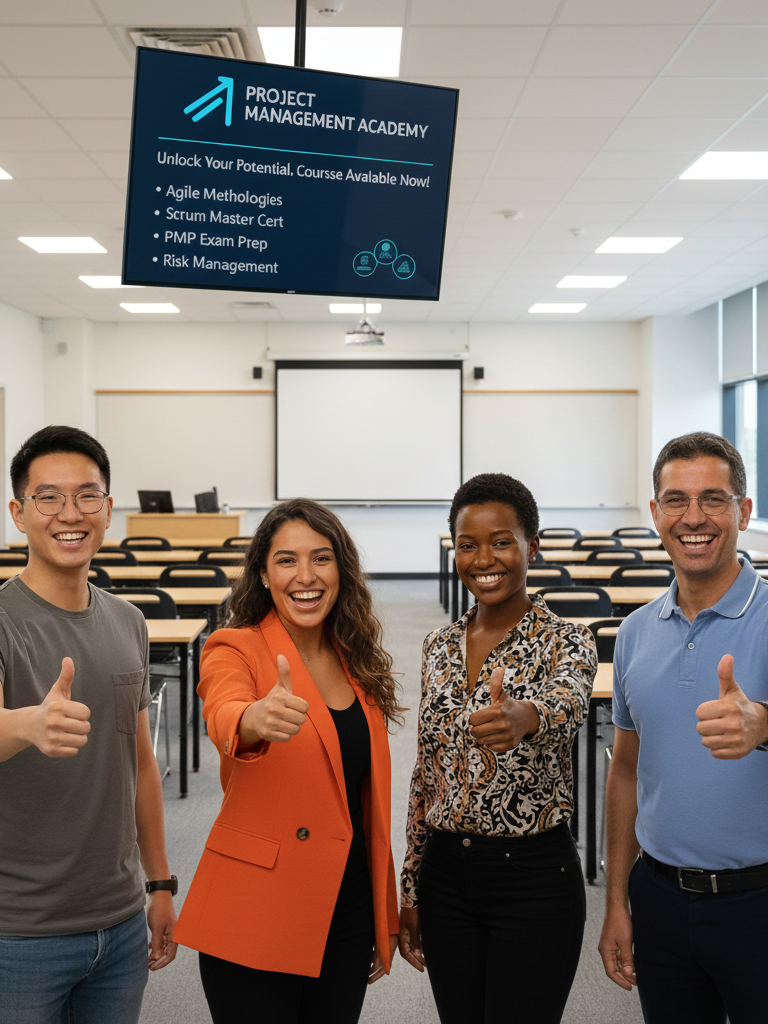
Project managers are increasingly in demand as businesses of all sizes recognise the importance of efficient project delivery. Organisations need professionals who can plan, organise, and oversee projects to ensure they meet deadlines, stay within budget, and achieve objectives. Skilled project managers help reduce risks and improve productivity, making them essential to business success. This rising demand means that those with project management expertise have a competitive advantage in the job market. The growth of complex projects across industries further drives the need for qualified project managers. By developing these skills, you position yourself to take advantage of numerous career opportunities.
How Online Learning Supports Aspiring Managers’ Busy Schedules
Online project management programs offer the perfect solution for aspiring project managers juggling work, family, and other commitments. Unlike traditional classroom settings, online courses allow you to study whenever and wherever it suits you. This flexibility means you can fit your education around your existing responsibilities without sacrificing progress. You can access learning materials, videos, and assessments at your own convenience, making it easier to maintain a steady learning pace. Online project management courses also often provide support through forums and tutors to help you stay motivated. This adaptable approach ensures that even the busiest professionals can develop project management skills effectively.
Why Project Management Skills Are Vital for Career Progression
Project management skills are critical for anyone seeking to advance their career, regardless of industry. These skills demonstrate your ability to lead teams, manage resources, and solve problems efficiently — all qualities that employers value highly. Mastering project management can open doors to higher-level positions with greater responsibility and better pay. It also equips you to handle complex challenges that come with career growth. Employers look for candidates who can deliver results on time and under budget, making project management proficiency a strong advantage. Ultimately, these skills boost your professional reputation and make you a valuable asset in any organisation.
The Flexibility of Online Courses for Busy Professionals
Online project management courses offer unparalleled flexibility, making them ideal for busy professionals seeking to upskill. You can tailor your study schedule to fit around work hours, family life, and other commitments. This self-paced learning environment reduces stress and helps maintain motivation, as you progress at a speed that suits you best. Additionally, online courses often include multimedia content, interactive exercises, and practical case studies to enhance understanding. With no need to commute or attend fixed classes, you save time and money while gaining valuable knowledge. This flexible approach empowers professionals to advance their careers without disrupting their daily lives.
Master the Key Skills Every Manager Needs
Developing core project management skills is essential for anyone aiming to become an effective manager. These skills form the foundation for organising tasks, leading teams, and ensuring projects run smoothly from start to finish. In an online project management course, you will gain expertise in planning, scheduling, budgeting, risk management, and quality control. Learning how to prioritise tasks and allocate resources efficiently helps you meet deadlines and achieve objectives. These skills are transferable across industries, allowing you to adapt to different work environments confidently. By mastering these essentials, you equip yourself to manage projects successfully and lead teams with confidence.
What Core Skills Will You Learn in an Online Project Management Course?
An online project management course teaches a comprehensive set of core skills that are vital for project success. You will learn how to define project goals clearly, develop detailed plans, and manage timelines effectively. Communication skills are emphasised, enabling you to coordinate with stakeholders and team members seamlessly. The course also covers problem-solving techniques to address unexpected challenges swiftly. Additionally, you’ll gain knowledge of risk assessment to anticipate potential issues before they arise. Leadership and team management are integral parts of the curriculum, helping you motivate and guide your team towards shared goals. These well-rounded skills prepare you for the complex realities of managing projects in the workplace.
How Do These Skills Translate to Success in the Workplace?
The skills acquired through project management training directly impact your ability to deliver results at work. Clear planning and organisation reduce the likelihood of missed deadlines and cost overruns. Effective communication ensures everyone involved understands their roles and responsibilities, reducing misunderstandings. Problem-solving and risk management help you navigate challenges with confidence, minimising disruptions. Leadership skills enable you to inspire your team, fostering a collaborative and productive environment. These capabilities lead to higher quality outcomes, satisfied clients, and improved team morale. Overall, possessing strong project management skills makes you an indispensable part of any organisation’s success.
Why Are These Skills Highly Valued by Employers?
Employers place great value on project management skills because they directly contribute to operational efficiency and business growth. Managers who can plan strategically and execute projects effectively reduce waste and maximise resources. Strong communication and leadership skills help maintain team cohesion and motivation, which improves productivity. The ability to anticipate risks and solve problems quickly protects the organisation from costly setbacks. Certified project managers demonstrate professionalism and a commitment to best practices, reassuring employers of their competence. These skills ensure projects are delivered on time and within budget, which is critical to maintaining competitive advantage. Consequently, individuals with these skills are often rewarded with better job prospects and higher salaries.
Learn Project Management Methodologies That Work
Understanding project management methodologies is fundamental to managing projects efficiently and effectively. These methodologies provide structured frameworks that guide how projects are planned, executed, and monitored. By learning proven approaches, you gain the ability to adapt to different project types and organisational needs with confidence. Methodologies help ensure consistency, reduce risks, and improve communication among team members and stakeholders. Becoming well-versed in these techniques equips you to handle projects systematically, leading to successful outcomes. This knowledge not only enhances your managerial skills but also increases your credibility as a project leader.
What Are the Most Common Project Management Methodologies?
Several widely used project management methodologies form the backbone of professional practice. Waterfall is a traditional, linear approach where each phase of a project is completed before moving to the next, ideal for projects with clear, fixed requirements. Agile focuses on flexibility and iterative progress, allowing teams to adapt quickly to change, which is especially popular in software development and creative projects. Scrum, a subset of Agile, uses short, time-boxed cycles called sprints to deliver incremental improvements regularly. Lean methodology emphasises eliminating waste and maximising value, while Kanban visualises work to improve flow and efficiency. Learning these methodologies gives you a versatile toolkit to apply the right strategy to each project’s unique needs.
How Will Understanding These Methodologies Make You a Better Manager?
Familiarity with different project management methodologies allows you to select and tailor the best approach for each project, improving overall effectiveness. It helps you set clear expectations, allocate resources wisely, and establish workflows that suit the team and objectives. Understanding methodologies also enhances your ability to communicate plans and progress to stakeholders transparently and confidently. You become adept at identifying potential pitfalls early and adjusting your strategy to keep projects on track. This adaptability boosts your leadership skills and increases the likelihood of project success, making you a more competent and respected manager.
Why Do Employers Seek Managers Familiar with These Approaches?
Employers value managers who understand project management methodologies because they bring structure, predictability, and efficiency to projects. Familiarity with these approaches ensures managers can deliver results on time and within budget while maintaining quality standards. Such managers are better equipped to lead diverse teams and handle complex projects with competing priorities. Knowledge of multiple methodologies shows that a manager can be flexible and innovative, adapting to changing business environments and client needs. This versatility is a competitive advantage that helps organisations remain agile and successful. Consequently, employers often prioritise candidates with proven skills in recognised project management frameworks.
Build Leadership Skills That Set You Apart
Developing strong leadership skills is essential for anyone aspiring to excel in project management. Online project management training provides a focused environment to cultivate these abilities by combining theoretical knowledge with practical applications. Through this training, you will learn how to inspire and motivate diverse teams, manage conflicts, and foster collaboration, which are all critical leadership qualities. These courses help you understand different leadership styles and when to apply them to maximise team performance. By developing your leadership skills, you position yourself as a confident, decisive manager who can guide projects to successful completion. This sets you apart in a competitive job market and opens up new opportunities for career advancement.
How Does Online Project Management Training Develop Leadership Abilities?
Online project management courses offer a variety of tools and techniques designed to enhance your leadership capabilities. Interactive modules, case studies, and simulations expose you to real-world scenarios where effective leadership is key. You will learn how to delegate tasks appropriately, provide constructive feedback, and build trust within your team. The flexibility of online learning allows you to reflect on leadership principles and practice skills at your own pace. Furthermore, many courses emphasise communication strategies that leaders need to articulate vision clearly and manage stakeholder expectations. This comprehensive approach ensures you develop the confidence and competence to lead teams effectively in any project environment.
What Techniques Will You Learn to Manage Teams Effectively?
Effective team management involves a blend of communication, motivation, and conflict resolution techniques. In online project management courses, you will learn how to set clear roles and responsibilities to avoid confusion and overlap. You will also explore ways to encourage collaboration by creating a positive team culture where everyone feels valued and heard. Techniques for managing conflicts constructively are covered, helping you to resolve disagreements before they affect project progress. Additionally, you will understand how to monitor team performance and provide support to boost productivity. These skills help you build cohesive teams that can work together seamlessly to meet project goals.
Why Is Strong Leadership Crucial in Project Management?
Strong leadership is the backbone of successful project management because it drives direction, motivation, and accountability. A capable leader ensures that everyone understands the project’s objectives and their role in achieving them. Leadership fosters a sense of purpose and commitment, which can significantly improve team morale and productivity. When challenges arise, a strong leader remains calm and decisive, guiding the team through obstacles and keeping the project on track. Leadership also involves managing diverse stakeholders and balancing competing interests to deliver value. Without effective leadership, projects risk delays, cost overruns, and poor outcomes, making leadership skills indispensable for project managers.
Develop Critical Thinking and Problem-Solving Skills
Critical thinking and problem-solving are fundamental skills for anyone looking to succeed in project management. Training in this area equips you to analyse situations objectively, identify potential risks, and develop effective solutions before problems escalate. These abilities enable you to make well-informed decisions that keep projects moving forward smoothly. Through project management courses, you gain practical experience with scenarios that challenge you to think creatively and strategically. Developing these skills not only improves your ability to manage projects but also enhances your overall professional value. Mastering problem-solving techniques ensures you are prepared to handle unexpected obstacles confidently and efficiently.
How Does Project Management Training Improve Problem-Solving Abilities?
Project management training uses real-world examples and exercises to help you sharpen your problem-solving skills. You learn systematic approaches to identify root causes, assess alternatives, and implement solutions in a structured way. Training often includes case studies where you analyse challenges faced by other project managers and propose viable solutions. You also explore risk management strategies, which teach you how to anticipate potential issues and prepare contingency plans. By practising these techniques in a supportive learning environment, you develop the confidence to tackle problems head-on. This hands-on experience is invaluable for translating theory into practical skills that you can apply in your career.
Why Is Critical Thinking Essential for Aspiring Managers?
Critical thinking is crucial because it allows managers to evaluate information logically and make decisions that benefit the entire project and organisation. Without this skill, managers might overlook key details or jump to conclusions that lead to costly mistakes. Aspiring managers who can think critically are better equipped to analyse project data, understand stakeholder needs, and balance competing priorities. This ability helps you remain objective, even under pressure, and ensures your decisions are well-reasoned and evidence-based. Strong critical thinking skills set you apart as a thoughtful leader who can navigate complex challenges successfully.
How Will You Learn to Tackle Complex Project Challenges?
Online project management courses expose you to complex project scenarios that require careful analysis and creative problem-solving. Through interactive modules, you practise breaking down large challenges into manageable parts and prioritising tasks effectively. You will also learn how to collaborate with team members and stakeholders to develop solutions that consider multiple perspectives. The training emphasises adaptability, teaching you to adjust plans quickly in response to changing circumstances. Additionally, you gain skills in conflict resolution and negotiation, which are often essential when dealing with project obstacles. These experiences prepare you to face complex challenges confidently and lead projects to successful outcomes.
Learn to Manage Budgets and Resources Efficiently
Effective budget and resource management are crucial skills for project managers, as they directly impact a project’s success and profitability. Managing budgets means ensuring that the project stays within its financial limits while still delivering quality outcomes on time. Proper resource management involves allocating human, material, and technological resources in the most efficient way possible to avoid waste and delays. Through focused training, you will develop the ability to balance costs and resources while maintaining project goals. Mastering these skills helps you deliver projects that are both cost-effective and high quality, increasing your value to employers and clients.
Why Is Budget Management a Key Skill for Project Managers?
Budget management is essential because it ensures that a project does not exceed its financial limits, which can cause delays or failure. Project managers who can control budgets effectively are able to allocate funds where they are needed most, avoid unnecessary expenses, and make informed financial decisions. This skill also builds trust with stakeholders and sponsors, who expect projects to be delivered within the agreed budget. Furthermore, managing a budget efficiently helps prevent resource shortages and enables smooth progress throughout the project lifecycle. Strong budget management demonstrates professionalism and reliability, making you a sought-after project manager.
How Will You Learn to Optimise Resources and Reduce Costs?
In online project management courses, you will be taught techniques to make the most of available resources while minimising costs. This includes learning how to forecast resource needs accurately, schedule tasks to avoid overlaps, and prioritise activities based on their impact on the project. You will explore strategies for negotiating with suppliers and managing contracts to get the best value. Additionally, courses emphasise continuous monitoring and adjustment of resources to respond to project changes swiftly. These skills allow you to maintain project efficiency and cost-effectiveness, which are highly valued by employers.
What Tools Will You Use to Track Project Budgets Effectively?
Modern project management training familiarises you with industry-standard tools designed to help track budgets and resources precisely. Software like Microsoft Project, Excel budgeting templates, and specialised project management platforms enable you to create detailed financial plans and monitor spending in real time. These tools often provide visual dashboards that highlight cost overruns or resource shortages immediately, allowing timely interventions. You will learn how to use these tools to generate reports, forecast expenses, and communicate budget status clearly to stakeholders. Being proficient in budget-tracking tools enhances your ability to manage projects smoothly and maintain financial control.
Gain Experience with Industry-Standard Tools
Becoming skilled in industry-standard project management tools is an essential part of modern project management training. These tools help you plan, organise, and monitor every aspect of a project, making your work more efficient and transparent. Learning to use these technologies ensures you are well-prepared to meet the expectations of today’s employers, who value candidates familiar with the latest software. Gaining hands-on experience with these tools allows you to automate routine tasks, track progress in real time, and collaborate more effectively with your team. Mastery of these applications significantly boosts your confidence and competence as a project manager. Ultimately, familiarity with industry tools is a strong advantage that can help you stand out in the job market.
What Project Management Tools Will You Learn to Use?
During your online course, you will become proficient in a range of widely-used project management tools that are fundamental to managing tasks and teams. These include scheduling software like Microsoft Project, task management platforms such as Trello or Asana, and communication tools like Slack or Microsoft Teams. You will also learn to use budgeting and resource allocation software to keep financial and human resources on track. Many courses introduce software for risk management and reporting, which are vital for maintaining project health and communicating status to stakeholders. This diverse skill set ensures you can confidently handle all stages of a project using technology that supports modern workflows.
How Do These Tools Help You Streamline Project Tasks?
Project management tools streamline tasks by organising workflows, assigning responsibilities, and tracking deadlines in a clear, visual way. These platforms reduce the need for lengthy meetings and manual updates by centralising information in one accessible location. They allow for easy prioritisation of tasks, enabling teams to focus on what matters most at each stage of the project. Automation features send reminders and alerts, preventing delays and ensuring that all team members are aware of their duties. Collaboration tools foster communication among team members regardless of location, which is especially important in today’s remote or hybrid work environments. This efficiency translates into smoother project execution and higher chances of delivering on time and within budget.
Why Are These Tools Essential for Effective Project Management?
Industry-standard project management tools are essential because they provide structure and clarity to complex projects. Without these tools, managers would struggle to keep track of multiple moving parts, deadlines, and resource allocations. These technologies offer real-time visibility into project progress, enabling proactive decision-making and swift resolution of issues. They also support accountability by clearly showing who is responsible for each task and how work is progressing. By utilising these tools, project managers can improve communication, reduce errors, and increase overall productivity. In today’s competitive environment, being adept with project management software is no longer optional—it is critical for effective leadership and successful project delivery.
Boost Your Confidence as a Future Manager
Project management training plays a crucial role in building your professional confidence by equipping you with the knowledge and practical skills needed to handle projects effectively. Through structured learning, you gain a clear understanding of project processes, tools, and best practices, which removes uncertainty and self-doubt. As you progress through the course and apply what you learn, you become more assured in your ability to plan, organise, and deliver results. This growing confidence translates into your daily work, enabling you to take initiative and make decisions with greater assurance. Training also often includes real-world scenarios and case studies that prepare you for common challenges, helping you feel ready to face any situation. By developing a solid foundation, you become a manager who is trusted by both your team and senior leaders.
Why Is Confidence Important When Leading Teams and Projects?
Confidence is a fundamental trait for anyone leading teams and projects because it influences how others perceive and respond to you. When you lead with confidence, your team members are more likely to trust your decisions and follow your guidance, which promotes cohesion and motivation. Confident leaders can communicate their vision clearly, manage conflicts effectively, and inspire their teams to perform at their best. Without confidence, hesitation or uncertainty can cause delays, miscommunication, and a lack of direction. Moreover, confident project managers are better equipped to handle pressure, navigate setbacks, and maintain composure during difficult situations. This quality not only strengthens your leadership but also positively impacts the overall success of your projects.
How Will Confidence Help You Succeed in the Workplace?
Confidence gained through project management training empowers you to approach your role with a proactive mindset. It enables you to advocate for your ideas, negotiate with stakeholders, and take responsibility for project outcomes without hesitation. In the workplace, this confidence helps you build strong professional relationships, as colleagues and clients respect leaders who demonstrate competence and decisiveness. Furthermore, confident project managers are often considered for promotions and leadership opportunities because they can manage risks and drive projects forward effectively. Ultimately, the confidence you develop will support your career progression, open doors to new challenges, and position you as a reliable and inspiring manager in any organisation.
Stay Ahead of the Curve with Online Learning Flexibility
The flexibility offered by online learning is a game-changer for aspiring project managers, especially those balancing work, family, and other commitments. Unlike traditional classroom courses, online programmes allow you to access learning materials anytime and anywhere, fitting education around your existing schedule. This means you can study during evenings, weekends, or any quiet moments, making continuous professional development more achievable. Flexibility helps reduce stress by removing the pressure to attend fixed classes, allowing you to learn at your own pace and revisit complex topics as needed. This adaptable approach ensures you keep progressing without sacrificing other important areas of your life. Ultimately, online learning empowers busy professionals to stay current with industry knowledge while maintaining their personal and professional responsibilities.
Why Is Online Learning Ideal for Busy Professionals?
For busy professionals aiming to enhance their skills, online learning offers unparalleled convenience and accessibility. It eliminates the need to commute, saving valuable time and money that can be reinvested in studying or personal life. Online courses often include interactive content, videos, and quizzes that make learning engaging and effective, even for those who have limited study time. Additionally, many online programmes provide ongoing support through forums, mentors, or tutors, ensuring you never feel isolated despite the remote setup. This mode of learning also allows you to tailor your studies around unpredictable work demands, making it easier to keep up with both your career and education goals. With the ability to fit education around a busy lifestyle, online learning is perfectly suited to professionals seeking growth without disruption.
How Will You Benefit from the Self-Paced Learning Experience?
Self-paced learning offers the freedom to control your educational journey, allowing you to absorb information thoroughly without feeling rushed. This approach benefits different learning styles, whether you prefer to take your time mastering difficult concepts or accelerate through familiar material. By studying at your own speed, you can balance learning with work deadlines or personal commitments, reducing the risk of burnout. Self-paced courses also encourage deeper retention because you can pause, reflect, and apply knowledge when ready, rather than simply memorising content to meet rigid deadlines. This flexibility builds discipline and time-management skills, which are essential for successful project managers. Ultimately, self-paced online learning helps you gain confidence and competence in project management while accommodating the realities of a demanding career.
The Growing Demand for Skilled Project Managers
The demand for skilled project managers has grown significantly in recent years, driven by industries that rely on efficient project execution to stay competitive. Whether it’s construction, IT, marketing, or healthcare, businesses need professionals who can manage deadlines, budgets, and teams with confidence. As the global economy becomes more interconnected, the ability to coordinate projects across departments and time zones has become essential. Skilled project managers bring structure to complex work, reduce the risk of failure, and ensure that resources are used efficiently. This makes them highly valuable in the eyes of employers. As a result, project management is no longer a niche skill but a core competency required in many roles. Companies are actively seeking individuals who can demonstrate leadership, strategy, and organisation—skills developed through proper training.
How Online Learning Supports Aspiring Managers’ Busy Schedules
Online learning offers unmatched flexibility for aspiring managers who are already balancing jobs, family responsibilities, or other commitments. With self-paced modules and 24/7 access to course content, you can structure your learning around your daily schedule, not the other way around. This approach eliminates the need to sacrifice income or personal time to pursue professional development. It also allows you to revisit lessons or difficult topics without pressure, reinforcing your understanding. Many online courses also feature mobile access, making it easy to learn while commuting or during downtime. For working professionals, this level of convenience makes it feasible to upgrade their qualifications without disrupting their careers. Ultimately, online learning empowers you to take control of your development on your terms.
Why Project Management Skills Are Vital for Career Progression
Project management skills are crucial for anyone looking to advance in their career, regardless of the industry. These skills allow you to take initiative, organise resources, manage time efficiently, and lead teams—all qualities that employers look for in future leaders. As you take on more responsibility, the ability to plan and execute projects becomes a key indicator of your readiness for promotion. Moreover, strong project management skills demonstrate that you can deliver results and handle pressure, which are essential in leadership roles. They also prepare you to identify risks, adapt to change, and make data-driven decisions that impact business outcomes. Even if you don’t carry the title “project manager,” having these capabilities can distinguish you from others in the workplace. It positions you as a proactive professional capable of driving initiatives forward.
The Flexibility of Online Courses for Busy Professionals
One of the biggest advantages of online courses is their adaptability to the lives of busy professionals. Whether you’re working full-time, raising a family, or managing multiple commitments, online learning gives you the freedom to study when and where it’s most convenient. There’s no commuting involved, and you don’t have to attend classes at fixed times. Many courses are designed with modular structures, allowing you to progress in small, manageable segments rather than taking on overwhelming chunks of content. This flexibility helps reduce stress and encourages consistent progress, even with a packed schedule. It also allows you to immediately apply what you’re learning in your current job, reinforcing retention and adding value to your day-to-day tasks. In short, online learning is a practical solution for professionals who are serious about upgrading their skills without stepping away from their responsibilities.
Frequently Asked Questions
What are the key benefits of taking an online project management course?
Online project management courses offer flexibility, convenience, and access to high-quality content from anywhere in the world. These programmes are ideal for working professionals who need to balance their studies with existing commitments. You’ll develop critical skills such as planning, time management, team leadership, and risk assessment, all at your own pace. Online courses often include interactive elements like video tutorials, quizzes, and real-world case studies that help reinforce learning. Additionally, you’ll gain practical knowledge that can be applied immediately in your current role. One of the greatest advantages is that you can upgrade your qualifications without needing to pause your career, making online study a highly efficient investment in your future.
How long does it take to complete an online project management course?
The duration of an online project management course depends on the programme and your pace. Some short certificate courses can be completed in a few weeks, while more comprehensive programmes may take several months. Most self-paced courses allow you to progress as quickly or gradually as your schedule permits. On average, a typical online project management course can be completed in 3 to 6 months if you study consistently. The flexible structure is especially beneficial if you’re working full-time or juggling multiple responsibilities. Keep in mind that taking a bit more time can allow for deeper understanding and better retention of complex concepts like budgeting, team dynamics, and methodology application.
Do I need previous experience to enroll in an online project management course?
Most online project management courses do not require prior experience. They are designed to be accessible to beginners while still offering value to those with some background in project work. If you are new to the field, introductory modules will walk you through the basics of planning, organising, and executing projects. For those with some workplace experience, the course helps refine and formalise existing skills with structured frameworks and best practices. Some advanced or certification-level programmes may recommend previous experience, but many are beginner-friendly and provide all the foundational knowledge you need to get started.
What are the most important project management skills for aspiring managers?
Aspiring managers must master a variety of project management skills to succeed. These include planning and scheduling, budgeting, risk management, communication, leadership, and decision-making. Time management and task prioritisation are also crucial, especially when working on large or overlapping projects. In addition, technical skills like proficiency with project management software, understanding methodologies like Agile or Waterfall, and stakeholder management are highly valued. Online courses are designed to build these skills through hands-on activities and scenario-based learning. The ability to adapt, think strategically, and manage teams effectively will also play a big role in your growth as a future project leader.
How do online project management courses compare to traditional ones?
Online project management courses are comparable to traditional classroom learning in both content and outcomes, with the added advantage of flexibility. You get access to structured modules, qualified instructors, and industry-relevant resources—all without needing to attend in-person sessions. Many online platforms incorporate interactive elements like forums, group discussions, and practical projects to simulate real-world environments. While traditional settings may offer more face-to-face networking, online programmes often provide virtual networking tools and community support. For self-motivated learners, online courses can be just as effective—if not more so—than traditional programmes, especially when supported by high-quality content and responsive instructors.
What tools will I learn to use during my project management course?
Online project management courses often cover a range of industry-standard tools used for planning, tracking, and reporting. You may learn to use platforms such as Microsoft Project, Trello, Asana, Jira, or Monday.com, depending on the course. These tools help you schedule tasks, allocate resources, monitor progress, and collaborate with team members. You’ll also gain experience with communication platforms like Slack or Microsoft Teams and reporting tools like Gantt charts and dashboards. Understanding how to use these tools effectively is essential for staying organised, meeting deadlines, and keeping stakeholders informed. Most online courses offer tutorials, simulations, or real-world scenarios to help you become confident with these platforms.
Can I balance work and study while taking an online project management course?
Yes, balancing work and study is one of the major benefits of online project management courses. The self-paced structure allows you to set your own schedule, making it easier to study around a full-time job or personal responsibilities. Many professionals choose online training specifically because it accommodates their busy lives. You can study during evenings, weekends, or any available downtime. To stay on track, it helps to set clear goals, create a study routine, and take advantage of any support services offered by the course provider. With a little time management and discipline, completing the course while working is not only possible—it’s often highly effective for applying new skills in real time.
What certifications will I earn after completing an online project management course?
The type of certification you receive will depend on the course and institution. Many online courses offer certificates of completion, while others prepare you for globally recognised credentials like the Certified Associate in Project Management (CAPM), PRINCE2, or the Project Management Professional (PMP) certification. These certifications are respected across industries and can significantly boost your credibility as a project manager. Even short courses can enhance your CV by demonstrating your commitment to professional development. Be sure to check if the course you’re enrolling in is aligned with industry standards and whether the certification it offers holds recognition in your target sector.
How will an online course improve my leadership skills?
Leadership development is often integrated into the curriculum of online project management courses. You’ll learn how to motivate teams, delegate tasks, manage conflict, and make strategic decisions. Many courses include modules specifically focused on team dynamics, communication, and stakeholder engagement. You’ll also gain insight into different leadership styles and how to adapt them based on team needs and project goals. Practical activities and case studies help you apply leadership techniques in simulated environments. This kind of training not only builds confidence but also prepares you to lead real-world projects with authority, empathy, and effectiveness.
What career opportunities will become available to me after completing a project management course?
Completing a project management course opens doors to a variety of career paths across multiple sectors. You could qualify for roles such as project coordinator, junior project manager, team leader, or operations supervisor. As you gain experience, opportunities to become a senior project manager, programme manager, or even director of operations may follow. Project management skills are in demand in industries like IT, healthcare, finance, construction, marketing, and non-profit organisations. The skills you learn are transferable, meaning you can move between sectors and apply your knowledge in new contexts. The training you receive will make you more competitive in the job market and can lead to faster career progression and higher salaries.
Conclusion: Why You Should Invest in an Online Project Management Course
Choosing to invest in an online project management course is one of the most impactful decisions you can make for your professional development. The demand for skilled project managers continues to grow across all industries, and having the right training equips you to meet that demand with confidence. Online learning provides the flexibility modern professionals need, allowing you to study around your current job and life commitments. This makes career advancement more accessible, no matter your schedule or background. You gain both theoretical knowledge and hands-on experience that directly translate to success in the workplace. As industries continue to evolve, having project management skills helps you adapt and lead with clarity and purpose.
Advance Your Career by Mastering Project Management Skills
Mastering project management skills can significantly accelerate your career progression. From managing timelines and budgets to overseeing teams and communicating with stakeholders, these abilities make you more effective and efficient. Employers are actively looking for professionals who understand how to drive projects forward and deliver results. With online training, you learn at your own pace while still receiving a comprehensive education that covers real-world applications. This means you not only know what to do—you understand why and how to do it effectively. By the end of your course, you’ll be prepared to step confidently into leadership roles that demand strategic oversight and excellent execution.
Boost Your Leadership Confidence and Capabilities
An often overlooked but critical aspect of project management is leadership. Through your training, you will learn how to lead diverse teams, resolve conflicts, make informed decisions, and keep team members motivated. These skills are essential in any leadership role, and gaining them through structured, goal-oriented learning builds both competence and confidence. The more you practice applying leadership principles to real-world scenarios during your course, the more prepared you will feel in the workplace. You will begin to see yourself as not just a manager, but a leader capable of inspiring and guiding others to achieve shared goals. This confidence is a key driver in helping you take the next step in your career.
Take Advantage of Flexible Learning Opportunities
Flexibility is a major advantage of online project management courses. You have the freedom to learn at your own pace, which is especially valuable if you’re balancing work, family, or other obligations. This self-paced structure means you can spend more time on areas where you need extra support, and move quickly through material you already understand. It also allows you to apply your learning directly to your current job, making your studies immediately practical. With access to digital resources, recorded lectures, and support from course facilitators, your education fits into your life instead of the other way around. This accessibility removes many of the traditional barriers to learning, giving you full control over your professional growth.
Start Your Journey Towards Becoming a Successful Manager Today
Now is the perfect time to take action and start building the future you envision for yourself. An online project management course gives you the tools to become not just a manager, but a leader who drives real impact within an organisation. The sooner you start, the sooner you can begin applying what you’ve learned and reaping the rewards in your career. Whether you want to lead teams, manage complex projects, or transition into a new role, project management training opens the door to endless possibilities. By enrolling in a flexible, practical, and well-structured programme, you’re making a smart investment in your future. Take the first step today and unlock the opportunities that come with being a skilled and confident project leader.
Author: North
Leave a Reply