Introduction
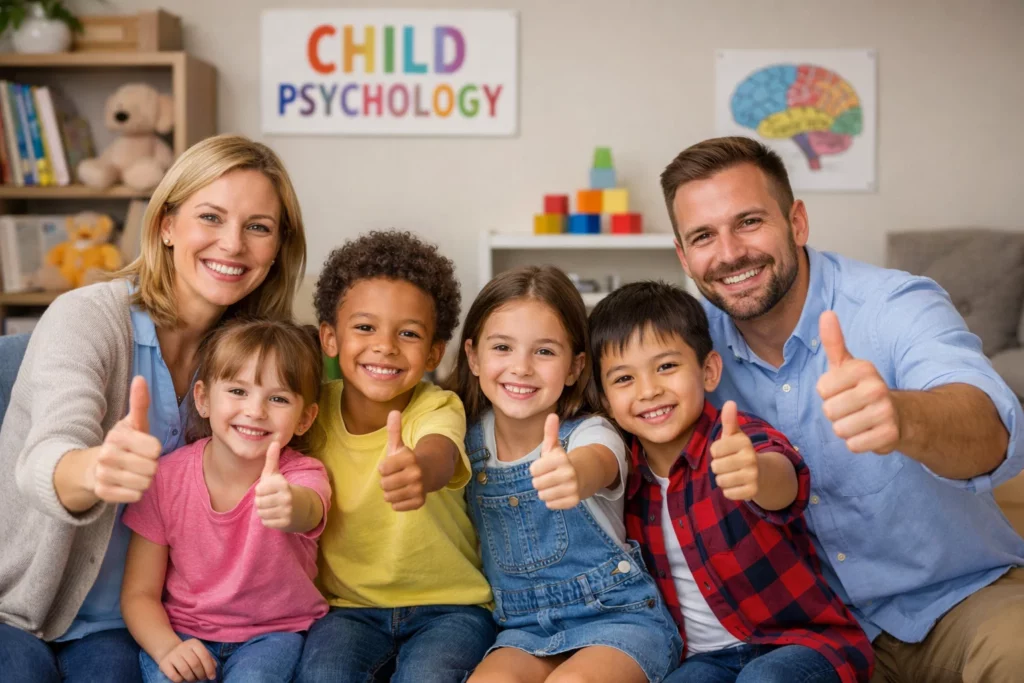
Have you ever wondered what makes children think and behave the way they do? A child psychology course is important because it helps people understand how children grow, learn, and express their emotions.
This knowledge makes it easier to support children in different situations. It also helps create safe, caring environments where children can thrive.
If you want to work with children, studying child psychology will give you the skills to guide them in the best way possible.
How Does A Child Psychology Course Help In Understanding Child Development?
A child psychology course offers valuable insights into how children develop mentally, emotionally, and socially over time.
Understanding these growth stages enables professionals and caregivers to offer appropriate support and guidance at each stage of a child’s development.
Recognising Growth Stages
Knowing what to expect at different ages makes it easier to support children in their development.
- Understanding normal behaviours for each age group
- Noticing when a child is struggling or needs extra help
- Providing the right support at the right time
Recognising these stages helps children grow with confidence, knowing that their needs are met.
Understanding Thinking and Learning
Children’s cognitive abilities grow and change at different rates.
- Discovering how memory improves over time
- Observing how problem-solving skills develop
- Helping children learn in ways that are engaging and fun
This knowledge makes learning more enjoyable and effective, allowing children to thrive academically.
Supporting Emotional and Social Growth
Emotions and social skills play a significant role in a child’s experience.
- Teaching children to understand and manage their feelings
- Encouraging kindness, empathy, and teamwork
- Helping children build lasting friendships
Supporting this growth helps children feel secure, valued, and better equipped to navigate social interactions.
How Can A Child Psychology Course Improve Communication With Children?
Effective communication is essential to building trust and understanding with children. A child psychology course teaches professionals how to speak and listen to children in ways they can understand, fostering a positive relationship.
Using Simple Language
Children respond better when conversations are clear and easy to follow.
- Speaking at a child’s level makes it easier to communicate
- Using simple words and phrases that children understand
- Avoiding complicated terms and explaining things clearly
Simple language helps children feel heard and respected.
Listening with Care
Listening is just as important as speaking.
- Giving children full attention when they speak
- Showing interest in their thoughts and feelings
- Encouraging them to express themselves openly
When children feel heard and understood, they are more likely to communicate openly.
Understanding Body Language
Children often express their emotions through body language.
- Watching facial expressions and body movements
- Noticing changes in behaviour that may indicate discomfort or excitement
- Recognising the tone of voice used by the child
Reading these signs helps adults understand a child’s emotional state and respond effectively.
How Does A Child Psychology Course Help With Managing Behaviour?
Child psychology equips professionals with the tools to manage and guide children’s behaviour in a positive way.
It provides insights into why children act the way they do and how to respond in an effective manner.
Identifying Reasons for Behaviour
Children’s actions often have deeper causes, and understanding them is key to effective guidance.
- Stress, emotional struggles, or changes in the environment
- A child’s stage of development can also influence behaviour
Identifying the root cause helps adults respond to the child in a supportive way.
Encouraging Positive Actions
Instead of focusing on punishing bad behaviour, reinforcing good actions is more effective.
- Praising children for positive efforts and achievements
- Giving rewards that reinforce good behaviour
- Encouraging kindness, responsibility, and teamwork
Positive reinforcement helps children feel motivated and valued.
Setting Clear Rules
Children need to know what is expected of them.
- Making rules simple and easy to understand
- Being consistent and firm with expectations
- Explaining the reasons behind rules
Clear and consistent rules help children feel secure and respected in their environment.
How Does A Child Psychology Course Help Spot Learning Difficulties?
A child psychology course teaches professionals to identify early signs of learning difficulties. Allowing them to offer timely support for children who may need extra help in their academic journey.
Recognising Signs of Struggle
Some children experience challenges in their learning process.
- Difficulty with reading, writing, or numbers
- Short attention span or difficulty staying focused
- Other signs of academic struggle
Recognising these signs early ensures that children receive the necessary support before their difficulties become more pronounced.
Working with Specialists
When needed, experts can provide additional help to children with learning challenges.
- Educational psychologists offer targeted assessments and interventions
- Speech therapists can help with language and communication difficulties
- Occupational therapists can support motor skills and sensory processing
Collaboration with specialists ensures children get the best care and support tailored to their needs.
Creating Special Learning Plans
Each child learns differently, and personalising their education plan can help them succeed.
- Adjusting teaching methods to suit individual learning styles
- Setting small, achievable goals for progress
- Tracking the child’s growth over time
Creating tailored learning plans helps children overcome obstacles and succeed in their education.
How Does Child Psychology Support Emotional Well-Being?
Emotional well-being is key to a child’s happiness and future success. A child psychology course teaches how to support children emotionally, fostering confidence, self-esteem, and resilience.
Helping Children Understand Feelings
Children need guidance in managing their emotions.
- Teaching children how to recognise and express their feelings
- Encouraging them to talk openly about emotions
- Helping them develop self-control in challenging situations
This emotional awareness helps children manage their feelings in a healthy way, leading to better emotional regulation.
Creating Safe Spaces
A safe and supportive environment is essential for a child’s emotional growth.
- Offering comfort and reassurance when needed
- Being patient and kind during difficult moments
- Encouraging children to express themselves freely
Safe spaces allow children to feel secure, building trust and confidence in their emotional growth.
Teaching Coping Skills
Children must learn effective ways to manage stress and challenges.
- Breathing exercises to help calm down
- Relaxation techniques to reduce anxiety
- Positive thinking to overcome setbacks
Teaching coping skills helps children deal with emotional challenges and promotes resilience.
How Does Child Psychology Support Social Development?
Social skills are essential for forming relationships and integrating into society. Child psychology plays a significant role in helping children build these skills.
Building Friendships
Friendships are a vital part of social development for children.
- Encouraging kindness and empathy in interactions
- Helping children understand the importance of sharing and cooperation
- Teaching problem-solving skills for resolving conflicts
Strong friendships support emotional well-being and social growth.
Teaching Respect and Empathy
Respect for others is crucial in social development.
- Teaching children to appreciate differences and be kind
- Encouraging understanding and empathy towards others
- Helping children practice active listening and understanding other people’s feelings
These lessons help children build healthy, positive relationships with others.
Promoting Teamwork
Working together in groups helps children develop teamwork skills.
- Encouraging children to collaborate on tasks
- Teaching them how to share responsibilities and communicate clearly
- Reinforcing the importance of cooperation for achieving common goals
Teamwork builds social bonds and prepares children for future group settings.
How Can A Child Psychology Course Guide Parents And Caregivers?
Understanding child psychology helps parents and caregivers provide the best support at home. A course in child psychology equips adults with knowledge to support their child’s needs effectively.
Managing Expectations
Understanding what is typical at each stage of development helps set realistic expectations.
- Recognising age-appropriate behaviour and abilities
- Setting goals that challenge children without overwhelming them
- Providing support that encourages growth while managing expectations
This creates a positive, supportive environment for both parents and children.
Supporting Emotional Growth
Emotional development is key to a child’s overall well-being.
- Helping children understand their emotions in healthy ways
- Encouraging self-regulation and coping strategies
- Providing emotional support through various challenges
Parents can play a vital role in helping children develop emotional intelligence.
Strengthening Family Bonds
A child psychology course offers tools to improve family relationships.
- Encouraging open communication within the family
- Teaching conflict resolution strategies for family members
- Building a supportive family environment that fosters emotional and social growth
Strong family bonds lead to healthy development and lasting emotional well-being.
How Does A Child Psychology Course Help With Mental Health Awareness?
Mental health is just as important for children as physical health. A course in child psychology helps caregivers and professionals recognise early signs of mental health issues.
Spotting Early Warning Signs
Recognising early signs of mental health struggles can prevent further issues.
- Noticeable changes in mood, behaviour, or social interactions
- Withdrawal from activities or a lack of interest in schoolwork
- Extreme emotional reactions that seem out of proportion to the situation
Identifying these signs early allows for timely intervention and support.
Providing Support for Mental Health
Once mental health issues are recognised, support can be given.
- Referring children to mental health professionals when needed
- Offering coping strategies to help manage stress and anxiety
- Creating a safe, supportive environment where children can talk about their feelings
Support is essential in helping children overcome mental health challenges.
Promoting Mental Well-Being
Teaching children how to take care of their mental health is vital.
- Encouraging mindfulness and self-awareness
- Promoting a positive mindset and emotional resilience
- Supporting open conversations about mental health
By prioritising mental well-being, children can thrive emotionally and academically.
How Does A Child Psychology Course Help With Building Resilience In Children?
Resilience is crucial for children as it helps them cope with challenges and bounce back from setbacks.
A child psychology course teaches caregivers how to build resilience in children by fostering emotional strength and coping skills.
Teaching Problem-Solving Skills
Children need to learn how to handle difficulties independently.
- Encouraging them to find solutions to everyday problems
- Teaching the importance of trial and error
- Reinforcing persistence and not giving up
Problem-solving skills help children feel more confident and capable.
Encouraging Positive Self-Talk
How children view themselves affects their resilience.
- Teaching children to replace negative thoughts with positive ones
- Helping them understand that mistakes are part of learning
- Supporting self-compassion and kindness
Positive self-talk boosts children’s self-esteem and ability to face challenges.
Building a Support Network
Having a support system makes resilience stronger.
- Encouraging relationships with family, friends, and teachers
- Ensuring children know who to turn to for help
- Promoting teamwork and collaboration
A strong support network helps children feel safe and supported during difficult times.
How Does A Child Psychology Course Help With Supporting Children’s Social Development?
Social development is essential for children’s emotional well-being and success in life.
A child psychology course helps professionals understand the social needs of children and teach them how to interact with others effectively.
Teaching Social Skills
Social skills are fundamental for building relationships.
- Teaching children to take turns, share, and cooperate
- Encouraging empathy and understanding others’ feelings
- Helping children express themselves clearly and respectfully
Social skills empower children to form meaningful friendships and work well with others.
Managing Conflict Effectively
Learning how to deal with conflict is an important part of social development.
- Teaching strategies for resolving disagreements calmly
- Encouraging children to listen and consider others’ perspectives
- Teaching the value of compromise and forgiveness
Effective conflict resolution skills foster positive relationships and reduce tension.
Building Emotional Connections with Peers
Children need to understand how to build and maintain friendships.
- Encouraging group activities and teamwork
- Helping children understand social cues and body language
- Supporting children through feelings of loneliness or isolation
Healthy emotional connections with peers are essential for children’s social growth.
Conclusion
In conclusion, child psychology is essential for supporting a child’s emotional well-being and growth. It helps adults understand a child’s feelings and behaviours, providing tools to guide emotional development.
Teaching children how to manage their emotions, build positive habits, and create strong relationships leads to happier and more confident children. Child psychology also helps children develop coping skills to deal with challenges and stresses.
By creating safe spaces, supporting emotional intelligence, and providing encouragement, adults can help children grow into resilient individuals. Emotional support at a young age builds a foundation for a successful future.
With the right guidance, children learn to handle emotions and face challenges with confidence. In the end, child psychology shapes a child’s emotional health and happiness in a positive way.
Frequently Asked Questions
What is the role of child psychology in emotional well-being?
Child psychology helps adults understand a child’s feelings and behaviours. It teaches ways to guide and support children emotionally. This helps children grow emotionally healthy and strong.
How can adults help children manage their emotions?
Adults can teach children how to recognise and express their feelings. Encouraging children to talk about their emotions creates a safe space for them. This helps children develop healthy ways to manage their emotions.
Why is creating a safe space important for children?
A safe space allows children to express their feelings without fear. It builds trust and helps children feel secure. Children who feel safe are more likely to develop healthy emotional skills.
What are the key benefits of teaching children coping skills?
Coping skills help children handle stress and difficult emotions. Techniques like deep breathing and positive thinking help children manage challenges. These skills are important for children to deal with tough situations.
How can child psychology influence a child’s learning ability?
Child psychology helps create a positive mindset for learning. It teaches children to focus and solve problems. These skills are important for children’s success in school and life.
How can I use child psychology to improve my relationship with my child?
Understanding your child’s emotions helps you respond better. Spending quality time and listening helps build a stronger bond. Emotional support strengthens your relationship and trust.
What are the social benefits of child psychology?
Child psychology helps children learn to be kind, respectful, and work with others. It teaches children how to make friends and solve problems with others. These social skills help children build self-confidence.
How can teaching emotional intelligence help children?
Emotional intelligence helps children understand their feelings and the feelings of others. It improves communication and problem-solving. Children with emotional intelligence build stronger relationships and are more confident.
What role does patience play in child psychology?
Patience helps adults calmly support children’s emotions. It shows children their feelings are valid and helps them work through challenges. Patience builds trust and makes children feel secure.
Can child psychology help children with challenging behaviour?
Yes, child psychology teaches ways to manage challenging behaviour. It helps children understand the consequences of their actions and learn self-control. These techniques encourage positive behaviour over time.
Author: Janice van der Westhuizen
Leave a Reply