Introduction
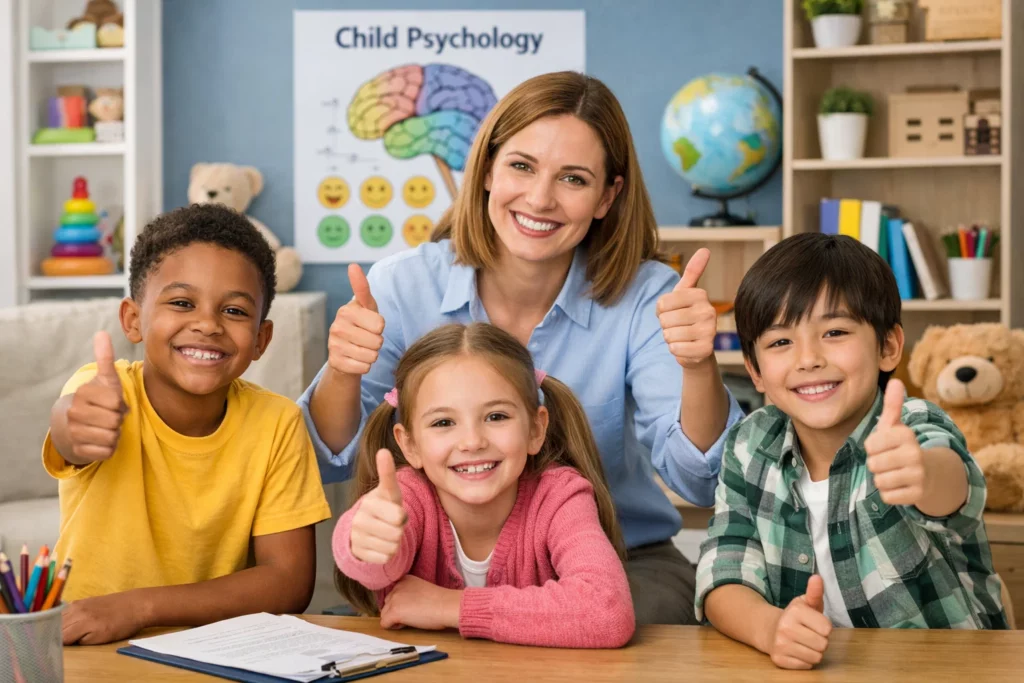
Are you wondering what you will learn in a child psychology course? In this course, you will study how children think, feel, and grow.
You will also learn about the factors that shape their behaviour. Understanding these ideas will help you support children’s learning and well-being.
This course is a great choice if you want to work with children or simply understand them better.
What Is The Purpose Of A Child Psychology Course?
A child psychology course helps you understand children’s mental, emotional, and social development.
You will learn how children grow and what affects their behaviour. This knowledge can help you support children in their daily lives.
By learning about these concepts, you will be able to help children reach their full potential. You will also develop skills to create positive learning environments for them.
This course is ideal for parents, teachers, and anyone who wants to understand child development.
How Does A Child Psychology Course Help You Understand Development?
A child psychology course explains how children grow and change over time.
- Stages of child development
- Physical, emotional, and social growth
- How the environment affects development
Why Is It Important To Study Behaviour In A Child Psychology Course?
A child psychology course teaches how children behave in different situations.
- How emotions influence behaviour
- Ways children express their feelings
- How to respond to different behaviours
How Does A Child Psychology Course Cover Learning And Thinking?
A child psychology course explains how children learn and solve problems.
- How memory works in children
- The role of curiosity in learning
- Different learning styles in children
A child psychology course gives you a better understanding of how children think and grow. If you want to support children’s learning, this course is the right choice.
Enrol today to start learning!
What Are The Stages Of Child Development?
A child psychology course explores the key stages of child development. Each stage focuses on different skills and abilities children gain as they grow.
Understanding these stages helps caregivers and educators provide the right support. It also allows them to recognise when a child may need extra help.
Learning about these stages is essential for guiding children through their early years.
What Are The Main Growth Stages In A Child Psychology Course?
A child psychology course explains how children develop in stages.
- Infancy (0-2 years): Basic learning and motor skills
- Early childhood (3-6 years): Language and social skills
- Middle childhood (7-12 years): Logical thinking and independence
How Do Children Develop Emotionally In A Child Psychology Course?
A child psychology course explores how emotions change over time.
- Recognising and expressing emotions
- Building relationships with others
- Handling stress and challenges
How Does A Child Psychology Course Explain Cognitive Growth?
A child psychology course teaches how thinking develops as children grow.
- How children understand the world
- Problem-solving and decision-making
- How memory improves with age
By learning about child development, you will know how to guide children at different stages. If you want to support a child’s growth, studying this course is a great step forward.
What Factors Influence Child Behaviour?
A child psychology course helps you understand what shapes a child’s behaviour. Many factors affect how a child acts and responds to situations.
These include their home environment, relationships, and emotional well-being. By studying these influences, you will learn how to support positive behaviour.
This knowledge can help create a safe and nurturing space for children to thrive.
How Does Environment Shape Behaviour In A Child Psychology Course?
A child psychology course explains how surroundings influence children.
- Home and family relationships
- School and teachers’ impact
- Friends and social interactions
Why Does Personality Affect Behaviour In A Child Psychology Course?
A child psychology course covers how personality traits shape actions.
- How temperament affects responses
- The role of confidence and self-esteem
- Why some children are more outgoing than others
How Does A Child Psychology Course Explore Emotional Influence?
A child psychology course looks at how emotions guide actions.
- How stress affects children’s behaviour
- The impact of fear and anxiety
- Ways to support emotional well-being
Understanding behaviour is key to supporting children. This course will help you learn how to create a positive space for children to grow. Take the first step and start learning today!
How Do Parenting Styles Affect Child Behaviour?
A child psychology course helps you understand how different parenting styles influence children’s behaviour.
Each style has its strengths and challenges, and knowing how to approach discipline and support can make a positive difference in a child’s actions.
What Are The Types Of Parenting Styles?
This section explains the different types of parenting and their effects on behaviour.
- Authoritative parenting
- Authoritarian parenting
- Permissive parenting
How Do Parenting Styles Influence Discipline?
Discover how discipline methods impact children’s behaviour.
- Strict discipline vs. positive reinforcement
- The importance of consistency
What Impact Does Emotional Support Have On Behaviour?
Learn how emotional support helps guide positive behaviour.
- Trust, safety, and encouragement
- The importance of validation
Understanding parenting styles is key to supporting a child’s growth. A child psychology course helps you learn how to create a positive space for children to thrive.
Want to learn more about parenting and child behaviour? Enrol in a child psychology course today!
How Does Peer Influence Affect Child Behaviour?
A child psychology course explains how friends and peer groups influence a child’s choices and actions.
Children learn a lot from their peers, and understanding this dynamic helps guide them toward healthier relationships and better decision-making.
How Do Friends Impact Behaviour?
Friends play a big role in how children act. Discover how peer relationships shape children’s behaviour.
- Positive vs. negative influence
- Peer support and acceptance
How Does Peer Pressure Influence Decisions?
Learn how peer pressure can affect a child’s choices.
- The effects of positive and negative peer pressure
- How to help children handle peer pressure
How Can Children Develop Social Skills Through Peer Interaction?
Understand how peer interactions help children learn social skills.
- Cooperation, sharing, and conflict resolution
- Developing empathy and understanding
Peer relationships have a big impact on a child’s behaviour. A child psychology course helps you understand how to support positive peer influence.
Ready to understand peer influence better? Enrol in a child psychology course today!
How Do Cultural Factors Influence Child Behaviour?
Cultural factors shape how children see the world and interact with others. This section helps you understand how a child’s culture impacts their behaviour and social interactions.
What Are The Cultural Norms That Shape Behaviour?
Learn how cultural expectations guide children’s actions.
- Gender roles and family traditions
- The influence of religion and values
How Does Culture Affect Communication?
Cultural differences impact how children express themselves.
- Verbal and non-verbal communication
- Language and dialects
How Do Children Learn Cultural Behaviour?
Discover how children learn behaviours from their cultural environment.
- Observing family and community
Cultural traditions and stories
Cultural factors are key in shaping how children behave. A child psychology course will help you understand these influences in detail.
Interested in learning about cultural influences on behaviour? Enrol in a child psychology course today!
How Does Child’s Health Affect Behaviour?
A child’s health directly impacts how they behave. Poor sleep, nutrition, or health conditions can affect a child’s mood and actions. Understanding these links helps support healthier habits for children.
How Does Sleep Affect Behaviour?
Learn how sleep impacts mood and behaviour.
- Effects of sleep deprivation on concentration and mood
- How lack of sleep leads to impulsivity
How Does Poor Nutrition Influence Behaviour?
Find out how poor nutrition affects a child’s actions.
- The link between diet and mood
- The importance of a balanced diet
How Does Illness Affect Behaviour?
Health conditions can cause changes in behaviour. Learn how illness impacts children’s emotions and actions.
- Chronic illness and emotional changes
- How temporary illness affects behaviour
Health plays a big role in a child’s behaviour. A child psychology course helps you understand the links between health and behaviour.
Want to learn more about health and behaviour? Enrol in a child psychology course today!
How Do Stress and Trauma Affect Child Behaviour?
Stress and trauma can have a deep impact on a child’s behaviour. A child psychology course helps you understand how these factors affect actions and how to support children through tough times.
How Does Stress Affect Child Behaviour?
Learn how stress affects a child’s emotions and actions.
- Anxiety, concentration issues, and impulsive behaviour
- Coping strategies for children
What Are The Effects Of Trauma On Behaviour?
Trauma can cause lasting changes in a child’s behaviour. This section explains how to support children who’ve been through traumatic experiences.
- Emotional changes from trauma
- The role of therapy in recovery
How Can Children Recover From Stress And Trauma?
Understand how children can heal and grow after experiencing stress or trauma.
- Building resilience and emotional strength
- Support systems and therapy options
Stress and trauma are major influences on a child’s behaviour. A child psychology course teaches you how to support children through these challenges.
Ready to understand stress and trauma better? Enrol in a child psychology course today!
Conclusion
In conclusion, understanding the factors that influence child behaviour is important for parents, educators, and caregivers. A child’s behaviour is shaped by their environment, personality, emotional health, and relationships.
By learning about these factors through a child psychology course, you will gain insights into how to support positive development. Recognising the impact of family life, peer interactions, culture, and health helps guide better behaviour.
Understanding how stress and trauma affect children is important to provide the right support. This knowledge allows you to help children build stronger social skills, emotional health, and decision-making abilities.
Enroling in a child psychology course gives you the tools to create a positive and supportive space for children to grow. Start learning today to make a real difference in a child’s life.
Frequently Asked Questions
What is child psychology?
Child psychology is the study of how children grow emotionally, socially, and mentally. It looks at the different factors that shape a child’s behaviour, such as family, school, and culture.
By studying child psychology, caregivers and educators can better understand how to meet a child’s needs.
How does environment affect a child’s behaviour?
A child’s environment, including their home, school, and social life, plays a key role in their behaviour. Positive environments, where children feel supported, help them develop good habits.
In contrast, a stressful environment may lead to behaviour problems that need attention.
Why is personality important in child behaviour?
A child’s personality, such as their temperament and emotional sensitivity, affects how they respond to situations.
Some children may be more outgoing, while others are shy and reserved. Understanding a child’s personality helps caregivers respond in a way that suits their individual needs.
How do parenting styles affect a child’s behaviour?
Different parenting styles, like authoritative, authoritarian, or permissive, impact how children behave. For example, authoritative parenting, which is both supportive and firm, helps children behave well.
On the other hand, strict or overly lenient parenting can cause problems in behaviour.
How does peer influence impact a child’s behaviour?
Peer influence can shape a child’s behaviour in both positive and negative ways. Positive friendships encourage good behaviour, while negative peer pressure may lead to poor choices.
Helping children navigate relationships with their peers is important for healthy social development.
What is the role of emotional health in child behaviour?
Emotional health is a key factor in how children behave. Children who feel loved and safe are more likely to act positively.
Addressing any emotional struggles, like anxiety or sadness, can improve a child’s behaviour and mental well-being.
How does stress affect a child’s behaviour?
Stress can lead to changes in a child’s behaviour, such as being moody, withdrawn, or having trouble focusing.
High stress, whether from home or school, can affect a child’s emotional health. Helping children manage stress is important to improve their behaviour.
Can a child’s health impact their behaviour?
A child’s physical health can affect their behaviour. Poor sleep, bad nutrition, or illness can cause a child to act out.
Ensuring a child is healthy can improve their mood, focus, and behaviour.
How does trauma influence a child’s behaviour?
Children who experience trauma may show behavioural changes such as aggression or withdrawal.
These changes are often coping mechanisms for difficult emotions. Providing a safe and supportive environment helps children recover from the effects of trauma.
How can a child psychology course help me understand child behaviour?
A child psychology course teaches you about the different factors that influence a child’s behaviour. You will learn about the role of environment, personality, and emotions in shaping how children act.
This course will give you the skills to create a supportive environment for children and help them grow.
Author: Janice van der Westhuizen
Leave a Reply