The Essential Knowledge Gained from an Online Educare Course
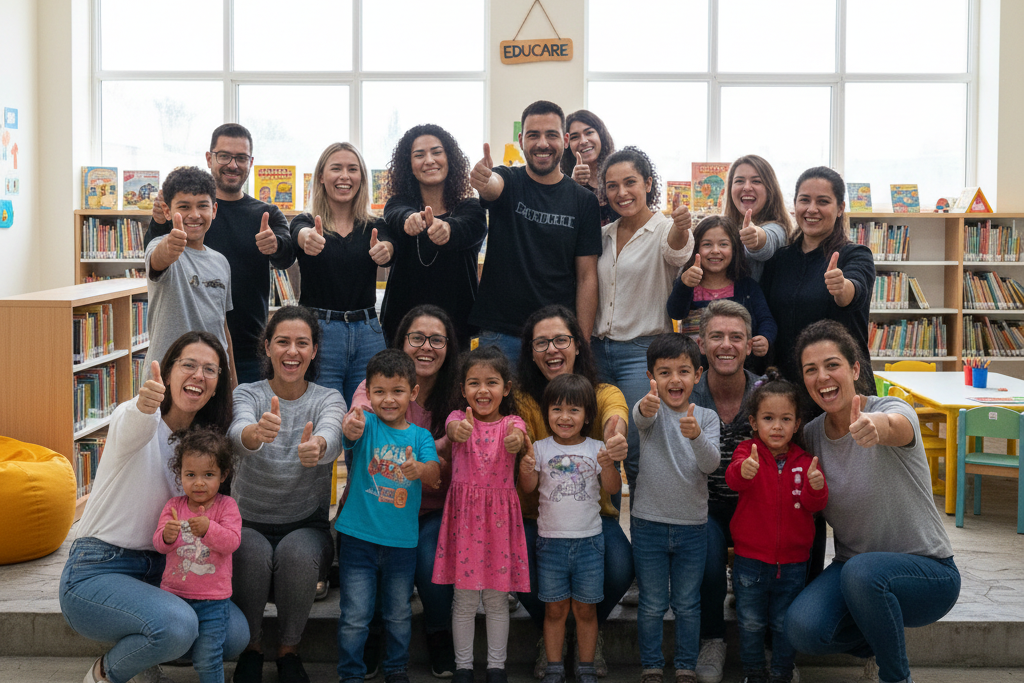
An online Educare certificate provides you with the fundamental knowledge needed to succeed in early childhood education. You will gain a deep understanding of child development, learning strategies, and the essential skills required to support young children in their formative years. The course covers topics such as creating engaging learning environments, ensuring child safety, and understanding the emotional and cognitive needs of young learners. By completing the course, you will be well-prepared to handle the daily responsibilities of working in childcare settings, from planning educational activities to providing nurturing support.
How an Online Educare Course Prepares You for Success in Early Childhood Education
Success in early childhood education requires a combination of theoretical knowledge and practical skills. An online Educare course equips you with both, giving you the confidence to enter the childcare sector with a strong foundation. You will learn about childhood psychology, behaviour management techniques, and effective communication strategies to work with both children and their guardians. The flexible online format allows you to absorb this information at your own pace while applying what you learn in real-life scenarios, ensuring you are ready to excel in any childcare role.
Why Learning About Early Childhood Education is Crucial for Your Career in Childcare
Early childhood education plays a critical role in shaping a child’s future, making it an essential area of study for anyone pursuing a career in childcare. Understanding how children grow, learn, and interact with the world helps you create a supportive and stimulating environment that fosters development. Through an online Educare course, you gain insights into best practices for guiding young minds, supporting social and emotional growth, and preparing children for their next stages of education. This knowledge not only enhances your ability to work with children but also makes you a valuable asset in the childcare industry, where trained professionals are in high demand.
Understanding the Foundations of Early Childhood Education
Early childhood education is the first stage of a child’s learning journey, focusing on their cognitive, emotional, and social development. It provides children with the necessary skills to explore their environment, develop language, and build relationships. By understanding these foundations, you will be better equipped to support young learners in their formative years. An online Educare course will introduce you to the principles of early childhood education, giving you the knowledge and techniques needed to create a positive learning environment for children.
What Early Childhood Education Entails and Its Importance in Child Development
Early childhood education goes beyond teaching basic skills; it plays a vital role in shaping a child’s overall development. It covers a broad spectrum of learning experiences, including structured play, storytelling, music, and interactive activities. These methods help children develop problem-solving skills, improve their communication abilities, and enhance their creativity. Research shows that children who receive quality early education perform better in later academic years, making it a crucial part of their long-term growth. By studying an Educare course, you will learn how to foster a child’s curiosity and help them build a strong foundation for future learning.
Why the First Years of a Child’s Life are Crucial for Future Learning
The early years are a time of rapid brain development, where children absorb information from their surroundings at an incredible rate. During this period, they learn essential skills such as emotional regulation, language development, and social interaction. A supportive and stimulating environment during these formative years helps children build confidence, develop resilience, and establish a love for learning. Understanding this process allows Educare professionals to provide experiences that nurture a child’s natural abilities, setting them up for academic success and personal growth.
How Early Childhood Education Shapes the Learning Experience for Young Children
The way children experience learning in their early years influences their attitude toward education for the rest of their lives. A well-structured early childhood education programme provides opportunities for hands-on learning, encouraging children to explore and discover at their own pace. Educare professionals play a key role in designing activities that promote curiosity, problem-solving, and critical thinking. By completing an online Educare course, you will gain the skills to create engaging, age-appropriate learning experiences that inspire and motivate young minds.
Child Development Theories and How They Apply to Education
Understanding child development is essential for creating effective learning environments that support children’s growth. Educare professionals rely on key theories of child development to shape their teaching methods, ensuring that activities are suited to children’s cognitive, emotional, and social needs. These theories provide insight into how children learn, behave, and interact with the world around them, helping educators design experiences that encourage positive development.
How Key Theories of Child Development Influence Educare Practices
Several influential theories guide early childhood education. Piaget’s theory of cognitive development explains how children progress through different stages of thinking, allowing educators to introduce age-appropriate activities that match their learning abilities. Vygotsky’s sociocultural theory highlights the importance of social interaction in learning, encouraging collaborative activities and guided learning experiences. Erikson’s psychosocial theory focuses on emotional development, helping educators support children in building confidence and resilience. By applying these theories, Educare professionals can create environments that nurture children’s natural curiosity and learning potential.
Why Understanding Child Development Helps Educators Create Effective Learning Environments
Children learn best when their environment is tailored to their developmental stage. Educators who understand child development can adjust teaching strategies to support each child’s individual needs. A well-structured learning environment includes a mix of play-based activities, hands-on experiences, and guided learning to stimulate cognitive growth. Emotional development is also a key factor, as children need a supportive atmosphere where they feel safe and valued. By studying child development, Educare professionals can create spaces that foster creativity, problem-solving, and emotional well-being, leading to a more meaningful learning experience.
How Different Developmental Stages Affect Learning and Behaviour
As children grow, they go through various stages of development that impact how they learn and interact with others. Infants and toddlers rely on sensory experiences to explore their surroundings, while preschoolers begin to develop language and social skills. As they reach early school age, children become more independent thinkers and problem-solvers. Understanding these developmental stages helps Educare professionals adjust their teaching methods to match children’s abilities and challenges. By recognising these differences, educators can provide the right level of support, ensuring that each child progresses at their own pace and reaches their full potential.
Creating a Positive and Stimulating Learning Environment
A well-designed learning environment plays a crucial role in a child’s early development. A space that is safe, supportive, and engaging allows children to explore, interact, and build confidence. Educare professionals understand that young learners thrive in settings that encourage curiosity and creativity. By creating a positive environment, they provide children with the foundation needed for lifelong learning and development.
Why a Safe and Supportive Learning Environment is Essential for Early Childhood Education
Children need to feel secure in their surroundings before they can fully engage in learning. A safe and supportive environment reduces anxiety, builds confidence, and encourages children to participate in activities that develop their skills. Emotional security is just as important as physical safety, which is why Educare professionals foster a welcoming atmosphere where children feel valued. This includes clear routines, warm interactions, and spaces that encourage exploration while maintaining a sense of stability. When children feel supported, they are more likely to engage with their surroundings, ask questions, and develop problem-solving skills.
How Educare Professionals Can Design Engaging, Developmentally Appropriate Spaces
The layout and structure of a learning space can significantly impact a child’s ability to absorb new information. A well-organised classroom with age-appropriate materials allows children to explore at their own pace while ensuring they are challenged in a way that suits their development. Educare professionals arrange learning areas to encourage hands-on experiences, social interaction, and independent thinking. A variety of resources, including books, puzzles, art supplies, and sensory activities, ensures that children remain engaged. The right combination of structure and flexibility helps children develop important cognitive, motor, and social skills.
Why Play-Based Learning is a Powerful Tool for Young Children
Play is one of the most effective ways for children to learn. It allows them to experiment, solve problems, and understand the world around them. Play-based learning helps develop essential skills such as communication, collaboration, and critical thinking. Whether through structured activities or free play, children build confidence while engaging in meaningful learning experiences. Educare professionals incorporate games, storytelling, and role-playing to reinforce educational concepts in a way that feels natural and enjoyable. By making learning fun and interactive, children develop a love for exploration and discovery that stays with them throughout their lives.
Strategies for Encouraging Positive Behaviour in Children
Encouraging positive behaviour in children is about creating an environment where they feel supported, understood, and motivated to make good choices. Young children respond best to guidance that is clear, consistent, and rooted in positive reinforcement. Educare professionals use various strategies to promote good behaviour, helping children develop self-discipline, respect for others, and a sense of responsibility.
How to Use Positive Reinforcement to Promote Good Behaviour
Children thrive on encouragement and recognition. Positive reinforcement is a powerful tool that motivates them to repeat good behaviour. Instead of focusing on what a child is doing wrong, it is more effective to highlight and reward what they do right. Praise, encouragement, and small rewards—such as extra playtime or a favourite activity—reinforce positive actions. Simple acknowledgements like “Well done for sharing with your friend!” or “I love how you helped clean up!” make children feel valued and eager to behave well. This approach not only shapes good habits but also boosts confidence and self-esteem.
Why Understanding Children’s Needs Helps in Managing Behaviour Effectively
Behaviour is often a response to unmet needs. Children may act out when they feel tired, frustrated, or misunderstood. By recognising the reasons behind their actions, Educare professionals can respond with patience and support rather than punishment. Open communication helps children express their emotions, making it easier to guide them towards better choices. Providing opportunities for movement, creative expression, and rest ensures that their physical and emotional needs are met. When children feel heard and understood, they are more likely to cooperate and develop emotional self-regulation.
How to Establish Healthy Boundaries and Expectations for Young Learners
Clear boundaries and expectations help children understand what is acceptable and what is not. Consistency is key—when rules change frequently or are not enforced, children can become confused and frustrated. Educare professionals set simple, age-appropriate expectations and ensure that children understand them. Instead of saying “Don’t run,” they might say, “We walk inside to keep everyone safe.” Visual cues, such as charts or hand signals, can also help reinforce expectations. By setting fair and consistent boundaries, children learn self-discipline, respect for others, and how to navigate social situations with confidence.
Strategies for Encouraging Positive Behaviour in Children
Encouraging positive behaviour in children is about creating an environment where they feel supported, understood, and motivated to make good choices. Young children respond best to guidance that is clear, consistent, and rooted in positive reinforcement. Educare professionals use various strategies to promote good behaviour, helping children develop self-discipline, respect for others, and a sense of responsibility.
How to Use Positive Reinforcement to Promote Good Behaviour
Children thrive on encouragement and recognition. Positive reinforcement is a powerful tool that motivates them to repeat good behaviour. Instead of focusing on what a child is doing wrong, it is more effective to highlight and reward what they do right. Praise, encouragement, and small rewards—such as extra playtime or a favourite activity—reinforce positive actions. Simple acknowledgements like “Well done for sharing with your friend!” or “I love how you helped clean up!” make children feel valued and eager to behave well. This approach not only shapes good habits but also boosts confidence and self-esteem.
Why Understanding Children’s Needs Helps in Managing Behaviour Effectively
Behaviour is often a response to unmet needs. Children may act out when they feel tired, frustrated, or misunderstood. By recognising the reasons behind their actions, Educare professionals can respond with patience and support rather than punishment. Open communication helps children express their emotions, making it easier to guide them towards better choices. Providing opportunities for movement, creative expression, and rest ensures that their physical and emotional needs are met. When children feel heard and understood, they are more likely to cooperate and develop emotional self-regulation.
How to Establish Healthy Boundaries and Expectations for Young Learners
Clear boundaries and expectations help children understand what is acceptable and what is not. Consistency is key—when rules change frequently or are not enforced, children can become confused and frustrated. Educare professionals set simple, age-appropriate expectations and ensure that children understand them. Instead of saying “Don’t run,” they might say, “We walk inside to keep everyone safe.” Visual cues, such as charts or hand signals, can also help reinforce expectations. By setting fair and consistent boundaries, children learn self-discipline, respect for others, and how to navigate social situations with confidence.
The Role of Language Development in Early Childhood
Language development is one of the most crucial aspects of early childhood, shaping the way children interact with the world around them. From the moment they are born, children begin absorbing sounds, words, and sentence structures that help them express their thoughts and emotions. Strong language skills not only support communication but also play a vital role in cognitive development, social interaction, and future learning success.
Why Language Acquisition is Central to Early Learning and Development
A child’s ability to understand and use language influences every aspect of their learning. Language skills help children express needs, build relationships, and make sense of new experiences. In early years, language development is closely linked to brain growth, meaning that a stimulating environment filled with conversation, storytelling, and exposure to new words can significantly enhance a child’s ability to learn. Studies show that children who develop strong language skills early on are more likely to succeed academically and socially later in life.
How to Support Children’s Language Development Through Conversations and Activities
Every interaction with a child is an opportunity to build their language skills. Simple, everyday conversations help expand their vocabulary and improve their ability to express ideas. Asking open-ended questions such as “What do you think will happen next in the story?” encourages children to think and speak in complete sentences. Singing songs, reciting rhymes, and engaging in storytelling introduce rhythm and structure to language, making learning fun and memorable. Providing opportunities for role-playing and pretend play also helps children practise using new words in different contexts. By creating a language-rich environment, Educare professionals help children develop strong communication skills that will benefit them throughout their lives.
How an Online Educare Course Prepares You to Enhance Communication Skills in Young Children
Developing children’s language skills requires an understanding of how they acquire and use language at different stages of development. An online Educare course provides valuable insights into these processes, equipping you with techniques to support language learning effectively. You’ll learn how to encourage active listening, model correct speech, and introduce new words in engaging ways. Additionally, the course covers strategies for supporting children with speech delays or language difficulties, ensuring that every child gets the opportunity to develop strong communication skills. With this knowledge, you’ll be well-prepared to create a nurturing and language-rich environment that fosters confident and expressive young learners.
The Role of Language Development in Early Childhood
Language development is a fundamental part of early childhood education, shaping the way children communicate, think, and understand the world. From infancy, children absorb language through listening and interaction, gradually learning to express their thoughts and emotions. Strong language skills are essential for cognitive growth, social connections, and academic success, making early childhood a crucial period for language acquisition.
Why Language Acquisition is Central to Early Learning and Development
The ability to understand and use language is key to a child’s overall development. Language allows children to express their needs, engage with others, and build relationships. It also supports early literacy skills, as children who develop a strong vocabulary are more likely to succeed in reading and writing later on. During the first few years of life, the brain rapidly forms connections that shape a child’s learning abilities. Exposure to a rich language environment with frequent conversations, storytelling, and reading helps strengthen these connections, preparing children for future learning.
How to Support Children’s Language Development Through Conversations and Activities
Engaging with children in meaningful conversations is one of the best ways to support language growth. Simple activities like reading aloud, singing songs, and playing word games introduce children to new vocabulary and sentence structures in a natural way. Asking open-ended questions encourages children to think critically and form complete responses. Everyday moments, such as mealtimes and playtime, provide valuable opportunities to introduce new words and model correct pronunciation. Interactive activities like role-playing, storytelling, and rhyming games also help reinforce language skills, making learning enjoyable and effective.
How an Online Educare Course Prepares You to Enhance Communication Skills in Young Children
Understanding how children develop language skills is essential for creating a supportive learning environment. An online Educare course provides insights into speech and language development, offering techniques to encourage communication at different developmental stages. You’ll learn how to use storytelling, music, and play to expand children’s vocabulary and improve their listening skills. The course also covers strategies for supporting children with speech delays or language difficulties, ensuring that all learners receive the guidance they need. With the right knowledge and practical skills, you’ll be equipped to help children build strong communication abilities that will benefit them for life.
Supporting Social and Emotional Development
Social and emotional development plays a key role in a child’s overall growth, influencing how they interact with others, manage their emotions, and build relationships. In early childhood, children learn to express feelings, understand others, and develop self-control, all of which lay the foundation for future success in school and life. A well-rounded approach to early childhood education ensures that children gain the emotional resilience and social skills they need to navigate different situations with confidence.
Why Early Childhood Education Focuses on Social Skills and Emotional Intelligence
From a young age, children begin to observe and imitate social behaviours, learning how to share, take turns, and cooperate with others. Early childhood education encourages the development of these skills by providing structured activities that promote teamwork, empathy, and problem-solving. Emotional intelligence—understanding and managing one’s own emotions while recognising those of others—is equally important. Children who develop strong emotional intelligence are better equipped to handle challenges, form healthy relationships, and adjust to new environments. Educators play a crucial role in guiding children through these learning experiences, helping them express their feelings in positive ways.
How You Can Help Children Develop Strong Social Bonds and Self-Regulation Skills
Helping children build friendships and regulate their emotions requires patience, guidance, and a nurturing environment. Encouraging group play, storytelling, and role-playing allows children to practise communication and empathy. Teaching children how to label their emotions, take deep breaths when upset, and resolve conflicts peacefully fosters emotional awareness and self-regulation. Structured routines also provide a sense of security, helping children feel more in control of their emotions. Positive reinforcement, such as praising good behaviour, boosts confidence and encourages children to develop healthy social habits.
Why Early Intervention in Social and Emotional Learning Can Have Lifelong Benefits
Supporting social and emotional development early in life can have lasting effects on a child’s future. Children who learn to manage their emotions and build strong social connections are more likely to thrive in school, develop resilience, and form meaningful relationships as they grow older. Early intervention can also help identify and support children who may struggle with emotional regulation or social interactions, ensuring they receive the guidance they need. By fostering a positive and supportive learning environment, early childhood educators play a vital role in shaping confident, emotionally intelligent individuals who can adapt to life’s challenges with ease.
Learning Through Play: Understanding its Impact
Children learn best when they are engaged, curious, and having fun. Play is not just a way to pass the time—it is one of the most powerful tools for learning and development. Through play, children explore new ideas, develop essential skills, and build confidence in their abilities. Educators who understand the value of play can create enriching learning experiences that support cognitive, social, and emotional growth.
Why Play is a Critical Learning Tool for Young Children
Play is how children make sense of the world around them. It allows them to experiment, test boundaries, and develop independence. When children play, they naturally engage in problem-solving, storytelling, and decision-making. Whether they are building with blocks, engaging in role-play, or exploring outdoor activities, they are developing key skills that will benefit them throughout life. Play also supports emotional well-being, helping children express their feelings, work through challenges, and develop resilience.
How Play-Based Learning Encourages Creativity, Problem-Solving, and Cognitive Growth
Structured and unstructured play experiences help children think critically and creatively. Open-ended activities, such as painting, building, or imaginative storytelling, encourage children to experiment with new ideas and find creative solutions. Play that involves puzzles, matching games, and sorting activities strengthens problem-solving and logical thinking. Through pretend play, children develop communication skills and learn how to navigate social interactions. Play-based learning provides a strong foundation for language development, numeracy, and early literacy, making it an essential part of early childhood education.
How an Educare Course Teaches You to Incorporate Play into Educational Activities
Understanding how to use play as a teaching tool is an important skill for anyone working in early childhood education. An Educare course provides insight into different types of play and how to integrate them into daily learning. You will learn how to create activities that encourage exploration, teamwork, and independent thinking. Whether designing sensory activities, organising group games, or setting up role-play scenarios, you will gain the knowledge and skills to make learning both fun and meaningful. Play-based learning is not just about keeping children entertained—it is about shaping their future by providing opportunities to grow, discover, and develop essential life skills.
Observational Techniques for Understanding Children’s Needs
Observing children is one of the most effective ways to understand their individual needs, strengths, and developmental progress. Every child learns and grows at their own pace, and by carefully watching their behaviour, interactions, and responses, educators can tailor their approach to provide the best possible support. Observation is more than just watching—it is an intentional practice that helps educators identify learning styles, social skills, emotional well-being, and areas where a child may need additional guidance.
How to Use Observation to Tailor Educational Approaches to Each Child’s Needs
No two children are the same, and a one-size-fits-all teaching method does not always work in early childhood education. By using observational techniques, educators can gain valuable insights into how each child learns best. Some children may thrive in hands-on activities, while others may prefer listening and watching before they engage. Observation allows educators to adjust lesson plans, introduce new activities, or offer extra support to ensure that every child is given the best chance to succeed. This approach creates a more inclusive and effective learning environment.
Why Observing Children Helps Educators Understand Developmental Milestones
Children go through various stages of development, from learning to walk and talk to developing social and problem-solving skills. Observing their actions, communication, and emotional responses helps educators track these milestones and ensure that children are progressing as expected. If a child is struggling in a particular area, early identification allows for intervention and support. For example, an educator may notice that a child has difficulty sharing or expressing their emotions, which can then be addressed through guided activities that encourage cooperation and self-expression.
How to Document and Interpret Observations to Inform Teaching Practices
Accurate documentation is an essential part of observational learning. Educators keep notes on children’s progress, behaviour, and interactions to assess their development over time. These records help in planning lessons, discussing progress with parents or guardians, and making informed decisions about how to support each child’s learning journey. Methods such as anecdotal records, checklists, and learning journals allow educators to track trends and patterns, ensuring that teaching practices evolve alongside each child’s unique growth and needs.
By using observational techniques effectively, educators can create a more responsive and nurturing learning environment, giving every child the opportunity to reach their full potential.
Understanding the Role of Parents and Caregivers in Education
Parents and caregivers play a fundamental role in a child’s education and overall development. They are the child’s first teachers and continue to shape their learning experiences throughout their early years. While educators provide structured learning environments, parents and caregivers influence children’s attitudes towards learning, their social behaviours, and even their emotional well-being. Recognising the importance of these relationships enables Educare professionals to understand the broader context of a child’s life and tailor educational approaches that align with their home experiences and needs.
Why Building Strong Partnerships with Parents is Crucial for a Child’s Success
Strong partnerships between educators and parents create a unified support system for children. When parents are engaged in their child’s learning journey, children are more likely to succeed academically and socially. Parents can provide valuable insights into their child’s learning style, interests, and challenges, which helps educators personalise lessons. Furthermore, regular communication between parents and educators builds trust, ensures consistency between home and school, and allows for collaborative problem-solving when issues arise. This partnership leads to better outcomes for children as they feel supported in both environments.
How Educare Professionals Can Foster Collaboration with Families
Educare professionals can take several steps to create strong, collaborative relationships with families. This begins with open, respectful communication. Regular updates on a child’s progress, along with suggestions for reinforcing learning at home, create an atmosphere of cooperation. Educators can also involve parents in the learning process by organising parent-teacher meetings, workshops, and family events that promote shared involvement. Encouraging parents to share their cultural traditions and values enriches the learning environment and helps children see the connection between their education and their family life.
What You Will Learn About Supporting Parents in Their Role as Educators
An online Educare course provides the knowledge and skills to support parents as partners in their child’s education. You will learn how to communicate effectively with parents, build rapport, and provide practical advice for supporting children at home. The course also covers how to educate parents about developmental milestones, the importance of early childhood education, and ways to support learning outside of the classroom. By equipping parents with this knowledge, you’ll help them take an active role in their child’s educational journey, leading to better outcomes for both the child and their family.
By understanding the role of parents and caregivers and fostering positive partnerships, Educare professionals can significantly impact a child’s learning experience, creating a solid foundation for lifelong success.
Ethical and Professional Practices in Early Childhood Education
Ethics and professionalism form the foundation of quality care and education in early childhood settings. In this field, educators have a responsibility not only to teach but also to model positive behaviours, ensure children’s safety, and uphold values of respect and inclusion. Understanding and implementing ethical principles ensures that children are cared for in environments where they feel safe, valued, and supported. Upholding professionalism fosters trust with families and communities and is essential for promoting best practices within the educational setting.
Why Professionalism and Ethics Are Vital in the Field of Early Childhood Education
Professionalism in early childhood education goes beyond qualifications; it encompasses a commitment to the welfare of the children, families, and colleagues you work with. Ethics guide educators in making decisions that protect children’s rights, promote their well-being, and support their development in a positive direction. Ethical practices include respecting confidentiality, being honest and transparent, and ensuring fair treatment of all children, regardless of background. Upholding these values helps create a positive, nurturing environment for children to thrive, and it promotes the credibility and effectiveness of the childcare industry as a whole.
How to Maintain a Safe, Respectful, and Inclusive Environment for All Children
Creating a safe and respectful learning environment is critical in early childhood education. Educators are responsible for ensuring that every child feels emotionally and physically secure. This involves implementing safety protocols, observing children’s behaviours, and addressing potential risks or issues promptly. Inclusivity is also key in fostering a respectful environment, which means embracing diversity and ensuring that all children, regardless of their race, abilities, or family background, feel valued. Educators must encourage mutual respect, acceptance, and cooperation among children, and they should model inclusive practices that make every child feel heard and understood.
What You Will Learn About Handling Ethical Dilemmas and Professional Boundaries
Throughout your online Educare course, you will explore how to handle ethical dilemmas and maintain professional boundaries in challenging situations. You will learn about the importance of making ethical decisions in situations where personal, cultural, or legal considerations may come into play. The course will equip you with the skills to navigate sensitive issues, such as dealing with confidential information, managing interactions with parents and colleagues, and addressing conflicts or concerns that arise within the educational setting. By establishing clear professional boundaries and adhering to ethical guidelines, you’ll be prepared to handle a variety of situations with integrity and professionalism.
By mastering ethical and professional practices, you will contribute to a positive and effective learning environment for children, parents, and colleagues, ensuring that the highest standards of care and education are maintained.
Frequently Asked Questions
What are the key topics covered in an online Educare course?
An online Educare course covers essential topics such as child development, early childhood education theories, language acquisition, behaviour management, play-based learning, and effective communication strategies with children and parents. The course also addresses the importance of ethical practices and professional conduct in the early childhood education sector.
How will an online Educare course help me understand child development?
An online Educare course provides in-depth knowledge of child development theories, milestones, and how to observe and assess children’s growth. You’ll learn how developmental stages affect behaviour and learning and how to tailor your teaching approach to meet each child’s individual needs.
What skills will I gain to support children’s learning and behaviour?
You will develop essential skills in fostering a positive learning environment, managing children’s behaviour with strategies like positive reinforcement, and applying play-based learning to promote cognitive and social development. You’ll also learn to create educational activities that support emotional and social growth.
How does play-based learning fit into early childhood education?
Play-based learning is central to early childhood education as it promotes creativity, problem-solving, and cognitive growth. The course will teach you how to design engaging play activities that support a child’s development in a fun, interactive, and educational way.
Why is understanding children’s language development important for an Educare professional?
Understanding language development is critical because communication skills are key to children’s academic success and social integration. The course will help you learn how to support children’s language development through rich conversations, reading, and activities that stimulate their vocabulary and comprehension.
How can I apply the concepts learned in an online Educare course to real-world settings?
You will learn practical strategies and techniques that can be directly applied in childcare environments. This includes how to create a positive learning atmosphere, use observation to meet individual needs, manage behaviour, and work effectively with children from diverse backgrounds.
What tools and techniques will I learn to help manage a classroom of young children?
The course will equip you with classroom management strategies, including setting clear expectations, using positive reinforcement, creating routines, and implementing techniques to maintain a safe and engaging learning environment. You’ll also learn how to handle conflicts and encourage cooperation among children.
How will I learn to build partnerships with parents and caregivers in an online Educare course?
You’ll be taught strategies for establishing open communication with parents and caregivers, involving them in their children’s learning process, and addressing their concerns. This includes providing regular feedback and building trust to ensure a collaborative approach to a child’s development.
What ethical standards and professional practices are taught in an online Educare course?
The course covers ethical standards related to confidentiality, professionalism, and the respectful treatment of children and families. You’ll learn how to maintain boundaries, handle sensitive situations, and follow best practices to ensure a safe and inclusive environment for children.
How does an online Educare course prepare me to work with children from diverse backgrounds?
The course will teach you how to create an inclusive environment that celebrates diversity and meets the needs of all children, regardless of their cultural, socio-economic, or developmental background. You’ll learn to apply culturally responsive practices and strategies to ensure every child feels valued and supported.
Conclusion: The Value of Learning Early Childhood Education in an Online Educare Course
Learning early childhood education through an online Educare course provides you with essential insights into child development, teaching strategies, and the importance of fostering a positive learning environment. The flexibility of online learning allows you to gain valuable knowledge at your own pace, making it an ideal option for those balancing other commitments.
How an Educare Course Equips You with the Knowledge to Make a Difference in Children’s Lives
An online Educare course provides you with a strong foundation in child development, behaviour management, and early education practices. This equips you with the knowledge to understand children’s needs, address challenges, and create supportive environments that foster learning and growth. By mastering these skills, you can significantly impact a child’s educational journey and well-being.
Why an Online Educare Course is the First Step Towards a Rewarding Career in Childcare
Completing an online Educare course sets you on a path toward a fulfilling career in childcare. It offers the flexibility to study while managing your personal or professional life, providing a practical understanding of how to work with children. This qualification opens doors to a variety of roles in the childcare sector, making it an ideal starting point for a career that’s both rewarding and impactful.
Author: North
Leave a Reply