How Is Online Learning Transforming the Education Landscape?
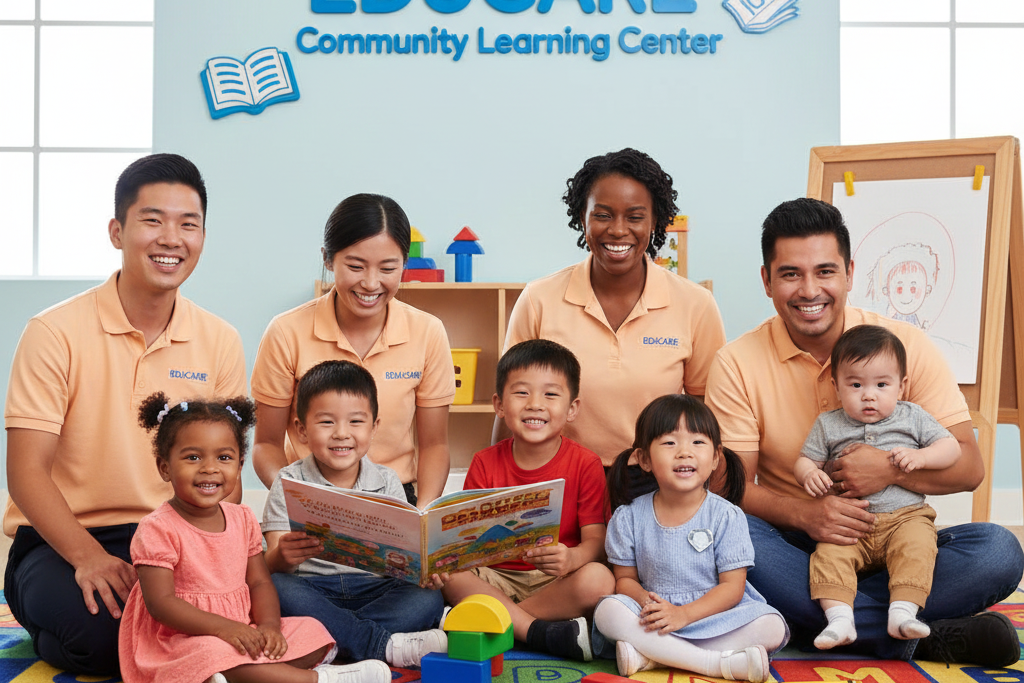
Online learning is revolutionizing the educare course landscape by providing greater accessibility, flexibility, and personalized learning experiences. As technology continues to evolve, online education allows students to learn at their own pace, from anywhere, and on their preferred devices. The traditional classroom model is being redefined, enabling educators to adopt new teaching methods and resources that cater to a wider range of learning styles. Whether through live video lectures, interactive lessons, or self-paced courses, online learning is reshaping how knowledge is delivered and consumed.
What Are the Key Changes Online Learning Has Brought to the Traditional Education System?
Online learning has introduced several key changes to the traditional education system, including:
- Increased Accessibility
- Online learning has made education more accessible to people worldwide, breaking down geographic and financial barriers. Students from remote areas or those with physical disabilities now have the opportunity to pursue education at their own pace without needing to relocate or commute.
- Flexibility in Learning
- Unlike traditional education, where students must adhere to rigid schedules and locations, online learning offers flexibility. Learners can access materials at any time, allowing them to balance education with other commitments such as work or family responsibilities.
- Personalized Learning
- Online learning enables students to progress at their own speed, allowing for self-paced learning. This helps cater to different learning styles and speeds, ensuring that students who need more time on certain concepts can take it, while others can advance faster.
- Technology Integration
- The integration of various digital tools and interactive platforms has made the learning process more engaging and collaborative. Tools like video lectures, virtual classrooms, forums, and quizzes have enhanced student engagement and interaction.
- Cost-Effectiveness
- Online learning often reduces the costs associated with traditional education, such as commuting, textbooks, and classroom-based resources. This makes education more affordable and accessible to a wider population.
How Has the Demand for Online Learning Grown in Recent Years?
The demand for online learning has surged in recent years, driven by several factors:
- Technological Advancements
- The rapid development of the internet and digital tools has made online education more efficient and accessible. Enhanced broadband speeds, mobile devices, and interactive platforms have contributed to making online learning a viable and effective alternative to traditional education.
- Global Events and Pandemic Impact
- The COVID-19 pandemic played a significant role in accelerating the adoption of online learning. Schools, universities, and educational institutions worldwide shifted to virtual platforms to maintain continuity in education. This trend has continued as many institutions now offer a hybrid model, combining online and in-person learning.
- Flexibility and Convenience
- Students and professionals alike are increasingly seeking flexible learning options that fit into their busy lives. Online learning allows learners to balance work, family, and study commitments, leading to a significant rise in its popularity.
- Wider Access to Education
- The ability to offer global access to education has significantly contributed to the rise of online learning. Whether it’s a short certification, a degree program, or a skill-based course, learners from across the world now have access to high-quality education that may have been previously inaccessible due to geographic or financial constraints.
- Support for Lifelong Learning
- As the need for continuous education and upskilling increases, online learning platforms have become the go-to solution for lifelong learning. Professionals in various fields are increasingly turning to online courses to enhance their skills and remain competitive in the job market.
Why Is Online Learning Becoming the Preferred Choice for Many Educators and Students?
Online learning has become the preferred choice for many educators and students for a variety of reasons:
- Increased Flexibility
- Online learning allows students to learn at their own pace and on their own schedule. Educators appreciate the ability to offer content that students can access at any time, whether for review or to accommodate different learning styles and speeds.
- Broader Reach
- Online platforms provide educators with the ability to reach a global audience. This is particularly beneficial for universities and institutions that wish to expand their reach without requiring students to travel or relocate. Students can learn from institutions across the world, broadening their educational opportunities.
- Cost Savings
- For both educators and students, online learning is often more cost-effective. Students save money on travel, textbooks, and other physical materials, while educators can reduce overhead costs related to classroom space, physical resources, and administrative tasks.
- Access to Diverse Learning Tools
- Online learning enables educators to use multimedia resources such as videos, quizzes, interactive activities, and discussion boards. These tools make learning more engaging and can help students retain information more effectively compared to traditional lecture formats.
- Adaptability and Personalization
- The flexibility of online learning allows for a more personalized learning experience. Students can receive tailored learning paths based on their individual needs, whether it’s extra practice on difficult topics or the ability to accelerate through content they are already familiar with.
- Collaboration and Networking
- Online learning environments foster collaboration between students through virtual classrooms, discussion forums, and group projects. This promotes teamwork and the exchange of ideas across different perspectives and backgrounds.
- Continuous Monitoring and Feedback
- Educators can easily track students’ progress in online learning through analytics tools that monitor engagement, assessments, and completion rates. This allows for timely interventions and personalized feedback, helping students stay on track.
Online learning is transforming the educational landscape by offering greater flexibility, accessibility, and personalization. As technology continues to advance and more learners seek flexible options, online learning is expected to remain a preferred choice for both students and educators. With its ability to adapt to the needs of modern learners and provide a broader range of educational opportunities, online education is poised to play a crucial role in the future of global learning.
How Is Online Learning Shaping the Future of Educare?
Online learning is having a profound impact on the educare sector, reshaping the way early childhood educators are trained, how care is delivered, and expanding access to quality education. Here’s how online learning is shaping the future of educare:
- Increased Accessibility
- Online learning eliminates geographic barriers, making it possible for educators and aspiring professionals to access training, courses, and certifications without needing to travel. This has been especially valuable in reaching students in remote or underserved areas, allowing for broader access to educare programs globally.
- Flexible Learning Opportunities
- Online education offers the flexibility that many educare professionals need, particularly those already working in the field. They can take online courses at their own pace, fitting education into their schedules without compromising their day-to-day responsibilities. This flexibility makes lifelong learning and continuous professional development much more achievable.
- Expansion of Learning Formats
- Online learning in educare introduces diverse learning methods, such as interactive modules, video lectures, case studies, virtual simulations, and discussions. This approach caters to different learning styles and helps educators stay engaged, making it easier to understand complex concepts and real-world applications in early childhood education.
- Global Reach of Programs
- Through online platforms, educare programs are not confined to a single region or institution. They can now be shared globally, offering international certifications and the ability to collaborate with peers worldwide. This creates a larger community of professionals who can exchange ideas and share best practices from around the world.
What Role Does Online Learning Play in Preparing Educare Professionals for the Future?
Online learning is playing an increasingly important role in preparing educare professionals for the future of early childhood education. Here’s how:
- Up-to-Date Skills and Knowledge
- The educare field is constantly evolving with new research, methodologies, and regulations. Online learning allows professionals to stay up-to-date with the latest trends and best practices in the field. Courses in areas such as child development, behavioral management, and inclusive education ensure that educators are well-equipped to meet the needs of modern classrooms.
- Access to Specializations
- Online learning provides educare professionals with the opportunity to specialize in specific areas, such as special education, early literacy, or child psychology. These specializations help professionals build their expertise, making them more competitive and better prepared to meet the diverse needs of children.
- Practical Skills Development
- Many online courses in educare incorporate practical learning experiences, such as virtual simulations and interactive activities. These experiences allow students to practice skills such as lesson planning, behavior management, and classroom setup in a virtual setting before applying them in real-world environments.
- Professional Development and Certification
- Online learning provides access to professional development programs and certifications that can be pursued at the learner’s convenience. Many platforms offer recognized certifications that enhance a professional’s credentials, giving them a competitive edge when seeking employment or promotions in the educare field.
- Collaboration and Networking
- Online learning platforms foster collaboration among educare professionals through discussion boards, virtual study groups, and networking events. This helps professionals build connections with others in the field and share valuable insights and experiences.
How Is Online Learning Expanding Access to Educare Programs Worldwide?
Online learning is expanding access to educare programs on a global scale in several ways:
- Breaking Down Geographical Barriers
- Online education allows students from remote areas or developing regions to access high-quality educare training programs without the need for relocation. This is particularly important in countries or regions where traditional education systems may be underdeveloped or where access to professional training in early childhood education is limited.
- Affordability
- Online courses in educare often come with lower tuition costs compared to traditional in-person programs. Additionally, there are fewer associated costs such as commuting, housing, and physical materials, making online learning a more affordable option for students worldwide.
- Access to International Curricula
- Online platforms allow students to access international curricula and certifications that may not be available locally. This is particularly valuable for students who seek to work in different countries or gain global perspectives on early childhood education practices.
- Language Options
- Many online platforms offer courses in multiple languages, making educare programs accessible to a wider audience. Non-native English speakers can benefit from translated or bilingual courses, ensuring that language barriers do not limit access to quality education.
- Partnerships with Global Institutions
- Online learning platforms often partner with universities and educational institutions from various countries, expanding the reach of their programs. These partnerships help to ensure that students receive a high-quality education that is aligned with international standards.
What Are the Benefits of Online Educare Courses for Students and Educators Alike?
Online educare courses offer a range of benefits for both students and educators:
Benefits for Students:
- Flexibility and Convenience
- Students can access course materials at any time, from anywhere, allowing them to study at their own pace. This flexibility is ideal for those who are working or managing other responsibilities while pursuing their studies.
- Cost-Effective
- Many online educare programs are more affordable than traditional in-person programs, making them a cost-effective option for students seeking quality education without the high costs associated with commuting or housing.
- Access to Diverse Learning Materials
- Online courses offer a variety of learning materials, including videos, interactive quizzes, and discussion forums, which cater to different learning styles and help engage students more effectively.
- Personalized Learning Experience
- Students can choose self-paced learning or enroll in courses that best match their interests or career goals. This personalized approach allows for a more tailored educational experience.
- Networking Opportunities
- Online learning platforms often provide opportunities for students to connect with other educare professionals globally, helping them to expand their network and gain diverse perspectives.
Benefits for Educators:
- Professional Development
- Online educare courses allow educators to continue their professional development without the need to attend in-person workshops or training sessions. This makes it easier for educators to stay current with best practices, child development theories, and teaching methods.
- Improved Teaching Skills
- Educators can enhance their teaching skills by learning new digital tools and methods to engage students. This helps them stay relevant in a rapidly changing educational environment, especially with the growing emphasis on technology in classrooms.
- Broader Reach
- Educators can reach a wider audience through online courses, whether they are offering professional development programs or creating content for students worldwide. This allows educators to make a greater impact and share their expertise on a global scale.
- Flexible Teaching Schedules
- Online teaching often allows educators to set their own schedules, giving them the flexibility to balance work with personal responsibilities. This work-life balance contributes to better job satisfaction and reduces burnout.
Online learning is not only transforming how we educate the next generation of educare professionals, but it is also making quality education more accessible, flexible, and cost-effective. For students, online courses provide the opportunity to learn at their own pace while for educators, it offers a chance to continuously improve their skills and expand their teaching horizons. As the educare field grows and evolves, online learning will continue to play a central role in shaping its future by preparing professionals to meet the diverse needs of children worldwide.
What Are the Advantages of Online Learning for Educare Students?
Online learning offers a range of advantages for educare students, making it an increasingly popular option for those pursuing careers in early childhood education. Here are some key benefits:
- Accessibility to a Broader Audience
- Online educare programs break down geographical barriers, providing access to students worldwide, including those in remote areas or those with mobility challenges. This accessibility ensures that students, regardless of location, can pursue a career in educare.
- Increased Flexibility
- One of the primary advantages of online learning is the flexibility it offers. Students can access course materials anytime, anywhere, making it easier to balance their studies with work, family, or other responsibilities.
- Personalized Learning Experience
- Online courses often provide opportunities for self-paced learning, allowing students to focus on areas where they need improvement while advancing quickly in subjects they are already comfortable with. This personalization helps cater to individual learning styles and speeds.
- Variety of Learning Materials
- Online learning platforms often include a wide range of interactive learning materials, such as videos, quizzes, discussion forums, and simulations. This variety makes learning more engaging and accessible to students with different learning preferences.
- Professional Networking and Collaboration
- Despite being remote, online learning enables students to connect with peers, instructors, and professionals in the educare industry. Collaborative tools such as discussion boards and group projects provide opportunities to network, share ideas, and learn from others in the field.
How Does Online Learning Provide Flexibility and Convenience for Educare Students?
Online learning is particularly well-suited for educare students who may have other responsibilities, such as work or family. Here’s how it provides flexibility and convenience:
- Study Anytime, Anywhere
- Online programs allow students to learn from the comfort of their own home or wherever they have access to a computer and the internet. This flexibility means that students can fit their learning around their schedules, whether it’s during lunch breaks, evenings, or weekends.
- Self-Paced Learning
- Many online educare courses are self-paced, meaning students can progress through the course at their own speed. This flexibility is beneficial for those who need extra time to absorb complex concepts or who wish to fast-track their learning in certain areas.
- Balance Work and Studies
- For working adults or parents, online learning provides the opportunity to continue their education without the need for a rigid schedule. They can balance work commitments and family responsibilities while pursuing professional growth in the educare field.
- Customized Learning Approach
- Students can tailor their learning experience to their personal preferences, accessing recorded lectures, reading materials, and online discussions whenever it is convenient for them. This ability to personalize the learning process enhances overall engagement and retention.
- Access to Global Resources
- Online programs often offer a wide variety of resources, including international perspectives and diverse educational materials that may not be available in traditional classroom settings. This allows students to learn from global experts and incorporate a broader range of practices into their studies.
What Are the Cost-Effectiveness and Accessibility Benefits of Online Educare Programs?
One of the most attractive features of online learning is its cost-effectiveness and accessibility, especially for those pursuing educare courses. Here are some of the benefits:
- Lower Tuition and Fees
- Online educare programs typically have lower tuition fees compared to traditional classroom-based education. This is because online programs do not incur the same overhead costs, such as physical classroom space, utilities, or in-person staff.
- No Commuting Costs
- Students enrolled in online educare programs avoid the cost of commuting to a physical campus. This saves both time and money, especially for students who would otherwise need to travel long distances to attend classes.
- Affordable Learning Materials
- Many online programs provide digital textbooks, resources, and materials at a fraction of the cost of printed books. Some courses offer free or low-cost materials online, reducing the financial burden on students.
- Access to Financial Aid
- Online programs often offer access to financial aid, scholarships, or payment plans that make education more affordable for students. Many institutions provide flexible payment options, allowing students to pay for their education in manageable installments.
- Global Access to Quality Education
- Students from around the world, including those in remote or underserved areas, can access high-quality educare education through online platforms. This democratizes education and allows individuals who may not have otherwise been able to afford or travel for traditional schooling to pursue their professional goals.
- No Hidden Costs
- Online learning removes many of the hidden costs associated with traditional education, such as parking fees, administrative charges, and campus-based services. This makes it an appealing option for students looking to minimize their education expenses.
How Does Online Learning Empower Educare Students to Learn at Their Own Pace?
Online learning allows educare students to take control of their education by enabling them to learn at their own pace. Here’s how this empowerment works:
- Self-Paced Courses
- Many online educare programs are designed to be self-paced, allowing students to advance through the material as they master it. This is particularly helpful for those who need more time on certain topics or who wish to accelerate through areas where they have previous knowledge.
- No Pressure of Fixed Deadlines
- While there are often deadlines for assignments and exams, students have the flexibility to manage their own schedules. This alleviates the pressure of strict classroom environments, allowing students to focus on mastering the content without the stress of fitting into a fixed timetable.
- Customizable Learning Path
- Online programs often provide options for students to choose their learning paths based on interest and career goals. This flexibility allows students to delve deeper into areas that interest them most, such as child psychology or educational leadership, while progressing through other core subjects.
- Interactive and Supportive Tools
- Online learning platforms offer interactive tools such as discussion forums, quizzes, and multimedia resources, which students can use at their own pace to review or reinforce learning. This adaptability ensures that students can take the time they need to fully understand concepts before moving on.
- On-Demand Support
- Many online courses offer support through virtual office hours, chatbots, or email communication, allowing students to ask questions or seek help as needed. This gives students the ability to address challenges immediately, without waiting for scheduled class times.
- Self-Reflection and Growth
- Learning at their own pace allows students to engage in more self-reflection and personal growth. They can identify areas where they need improvement and focus on strengthening those skills without feeling rushed by a rigid classroom schedule.
Online learning is a transformative tool for educare students, offering benefits such as flexibility, cost-effectiveness, and the ability to learn at their own pace. It provides a convenient, accessible way for students to gain the knowledge and skills needed to succeed in the field of early childhood education. By empowering students with control over their learning schedules, reducing financial barriers, and expanding access to a variety of programs, online learning is revolutionizing how educare professionals are trained and prepared for the future.
How Does Online Learning Improve the Quality of Educare Training?
Online learning has fundamentally transformed the way educare training is delivered, offering distinct advantages that improve both the quality and reach of early childhood education programs. Here’s how online learning enhances educare training:
- Access to a Broader Range of Resources
- Online courses open the door to a wealth of resources that might not be available in traditional classroom settings. Students can access digital textbooks, recorded lectures, and supplementary materials from around the world. This wealth of materials allows for a more comprehensive learning experience, ensuring that students have a variety of learning tools to deepen their understanding.
- Flexibility in Learning Styles
- Online platforms cater to different learning styles, offering a combination of written materials, video lectures, interactive activities, and quizzes. This multimodal learning helps students engage with the material in various ways, improving understanding and retention. For example, visual learners benefit from videos, while auditory learners can listen to recorded lectures and discussions. This flexible approach enhances learning outcomes, making training more effective for a wide range of students.
- Customizable Learning Paces
- One of the most significant improvements online learning brings is the self-paced nature of many programs. In educare training, this means that students can take the time they need to fully grasp complex concepts, such as child development stages or educational psychology, without feeling rushed. This personalized learning pace allows students to delve deeper into areas where they may need more practice and swiftly move through familiar material, ensuring that every learner is properly prepared.
- Global Reach and Diverse Perspectives
- Online learning enables students to learn from educators and peers from around the world. This exposure to diverse teaching styles, cultural perspectives, and innovative methods enhances the overall quality of training. Students can gain insights into different early childhood education practices from various regions, which they can adapt to their local settings, enriching their understanding of the field.
- Continuous Updates and Innovations
- Unlike traditional learning environments, where course content may become outdated, online learning platforms can continuously update their curriculum. This ensures that educare students are exposed to the latest research, policies, and practices in early childhood education. Whether it’s a new teaching method, a shift in educational standards, or updated safeguarding protocols, online courses provide students with up-to-date, relevant training.
What Tools and Technologies Are Enhancing Online Educare Courses?
The integration of cutting-edge tools and technologies in online educare courses is enhancing both the learning experience and outcomes for students. Here are some examples:
- Learning Management Systems (LMS)
- Platforms like Moodle, Canvas, and Blackboard serve as central hubs for online courses. These LMS provide an organized space where students can access course materials, track their progress, participate in discussions, and submit assignments. These systems offer educators the ability to easily manage and personalize learning paths for students, improving engagement and efficiency.
- Interactive Multimedia Tools
- Tools such as H5P allow educators to create interactive content, including quizzes, games, and interactive videos. These features make learning more engaging and allow students to actively participate in their education, reinforcing concepts as they go. For example, in a child development course, students could watch a video on cognitive milestones and then take an interactive quiz to test their knowledge.
- Virtual Classrooms and Video Conferencing
- Platforms like Zoom, Microsoft Teams, and Google Meet facilitate live, synchronous learning, where instructors can deliver lectures, lead discussions, and interact with students in real-time. These tools allow for face-to-face interactions, even in a virtual space, which is particularly important for fostering a sense of community and connection in online educare programs.
- Simulations and Virtual Environments
- Online programs in educare can use simulations and virtual environments to recreate real-world scenarios. For example, students may participate in a virtual classroom management simulation where they can practice handling various challenging situations with children. These immersive experiences help students develop practical skills and prepare them for the demands of a real classroom.
- Gamification
- Gamification incorporates elements of game design into the learning process to increase motivation and engagement. For instance, students might earn badges, points, or rewards for completing assignments, participating in discussions, or passing quizzes. This approach can make learning more enjoyable and encourage students to stay engaged and motivated throughout the course.
- Mobile Learning Apps
- Many online educare programs offer mobile-friendly platforms or dedicated apps that allow students to learn on the go. These apps enable learners to access course content, take quizzes, and participate in discussions from their smartphones or tablets, making education more accessible and flexible.
- Discussion Forums and Peer Collaboration Tools
- Tools like Padlet, Flipgrid, and Slack promote peer interaction and collaboration by creating spaces for students to engage in discussions, share resources, and work together on projects. These forums encourage students to connect with each other, discuss key concepts, and learn collaboratively, which is especially important in a field like educare, where shared experiences and insights are valuable.
How Can Interactive and Multimedia Learning Help Improve Retention in Educare Training?
Interactive and multimedia learning is essential for improving retention in educare training. Here’s how these methods enhance memory and understanding:
- Engagement Through Interactivity
- Interactive elements, such as quizzes, polls, and hands-on exercises, encourage active participation, which is more effective for retention than passive learning. When students interact with the content, such as answering questions during a video or completing a practice task, they process the information at a deeper level. This active engagement reinforces learning and helps to solidify concepts.
- Visual and Auditory Learning
- Multimedia content, such as videos, infographics, and audio recordings, engages both visual and auditory learners, improving comprehension and retention. For example, a childcare training video demonstrating positive reinforcement techniques provides students with both visual and auditory cues, helping them internalize the teaching methods more effectively.
- Real-World Simulations
- Using virtual simulations allows students to apply what they’ve learned in real-life scenarios. These interactive simulations immerse students in experiences they will face as educators or caregivers, enhancing the practical application of their knowledge. For example, a simulation of managing a child’s behavioral issue allows students to practice problem-solving strategies in a controlled, risk-free environment.
- Immediate Feedback
- Online learning platforms often provide instant feedback on assignments, quizzes, and activities. This allows students to correct misconceptions quickly and reinforces key concepts. Immediate feedback not only boosts motivation but also aids in long-term retention by helping students identify areas where they need improvement.
- Gamified Learning Experiences
- Gamification makes learning fun and rewarding. When students engage in game-like elements, such as earning points for completing modules or unlocking levels for mastery, they are more likely to be motivated and invested in their learning. These features can transform what may be perceived as a routine task into an exciting challenge, making the learning process both enjoyable and effective.
What Are the Best Practices for Ensuring High-Quality Online Educare Education?
Ensuring high-quality online educare education requires a combination of effective strategies, content quality, and consistent evaluation. Here are best practices for achieving this:
- Clear Course Structure and Expectations
- Well-structured courses are essential for student success. Clear learning objectives, detailed syllabi, and regular deadlines keep students on track. Providing an easy-to-navigate platform with organized modules ensures that students can efficiently access the materials they need.
- Interactive and Engaging Content
- Utilize multimedia and interactive tools that encourage active learning, such as quizzes, simulations, and group activities. Keeping content dynamic and engaging helps maintain student interest and improves retention.
- Regular Assessments and Feedback
- Frequent assessments and constructive feedback allow students to gauge their understanding and receive guidance on areas that need improvement. This ongoing feedback loop enhances learning and motivates students to stay engaged.
- Supportive Online Communities
- Building supportive online communities fosters collaboration and peer learning. Encourage students to engage in discussions, peer reviews, and group projects. Creating a sense of community helps combat the isolation that can sometimes occur in online learning environments.
- Accessible and Inclusive Learning Design
- Ensure that online courses are designed with accessibility in mind. This includes offering content in multiple formats (e.g., text, audio, video) and ensuring that the platform is compatible with assistive technologies for students with disabilities.
- Qualified and Engaged Instructors
- Online educare programs require instructors who are not only knowledgeable but also skilled at teaching in a virtual environment. Instructors should be engaging, responsive, and actively involved in course discussions to provide the necessary support to students.
Online learning is fundamentally improving the quality of educare training, offering flexibility, accessibility, and interactive tools that make education more engaging and effective. With the integration of advanced technologies and interactive multimedia, students are better equipped to retain and apply their knowledge. By following best practices in course design and delivery, educators can ensure that online educare programs meet high standards and prepare students for successful careers in early childhood education.
How Are Educare Instructors Adapting to Online Teaching Methods?
Educare instructors are continuously adapting to online teaching methods by embracing new technologies, modifying teaching strategies, and finding innovative ways to engage students in a virtual learning environment. The transition from traditional classroom teaching to online education requires educators to develop new skills, adjust lesson delivery, and ensure that students remain actively involved in their learning process.
Some key ways educare instructors are adapting include:
- Using Digital Platforms for Lesson Delivery
- Educators are leveraging learning management systems (LMS) such as Moodle, Google Classroom, and Blackboard to organize and deliver course content, track student progress, and facilitate communication.
- Incorporating Multimedia and Interactive Tools
- To make online learning engaging, instructors are using videos, animations, virtual whiteboards, and interactive quizzes to keep students actively participating. These tools help bridge the gap between physical and digital classrooms by making lessons more visually and audibly stimulating.
- Providing Real-Time and Asynchronous Learning Options
- Instructors are offering live virtual classes via Zoom, Microsoft Teams, or Google Meet while also providing recorded lectures and discussion forums for students who prefer self-paced learning.
- Developing Online Assessments and Feedback Mechanisms
- Educare instructors are shifting from traditional exams to online quizzes, projects, and portfolio-based assessments. They are also using automated grading tools and AI-based analytics to track student progress and provide personalized feedback.
- Enhancing Communication and Support Systems
- Online learning can sometimes feel isolating for students. To counter this, educators are using email, chat forums, and virtual office hours to maintain open lines of communication and ensure students feel supported.
What Skills and Technologies Do Educare Instructors Need to Excel in Online Teaching?
For educare instructors to be successful in online teaching, they must develop a unique set of skills and become proficient in various technologies that enhance the digital learning experience.
Essential Skills for Online Educare Instructors
- Digital Literacy
- Instructors need to be comfortable navigating LMS platforms, creating multimedia content, and troubleshooting technical issues that may arise in virtual classrooms.
- Adaptability and Problem-Solving
- Online teaching requires educators to be flexible and adjust lesson plans quickly when faced with challenges such as internet connectivity issues, student disengagement, or technical difficulties.
- Engagement and Communication Skills
- Unlike traditional classrooms, online teaching requires instructors to use virtual engagement strategies to ensure students remain interested. This includes using discussion forums, polls, and gamification techniques.
- Time Management and Organization
- Instructors must efficiently manage course schedules, assignments, and student queries while ensuring timely feedback and support.
- Empathy and Supportive Teaching Approaches
- Online learning can be overwhelming for students, especially in an interactive field like educare. Instructors must show empathy, provide motivation, and offer extra support when needed.
Key Technologies for Online Teaching in Educare
- Learning Management Systems (LMS)
- Examples: Google Classroom, Moodle, Blackboard
- Used for organizing course content, tracking student progress, and facilitating discussions.
- Video Conferencing Tools
- Examples: Zoom, Microsoft Teams, Google Meet
- Enables live interactions, lectures, and virtual collaboration among students.
- Interactive Learning Tools
- Examples: Kahoot, Quizizz, Nearpod
- Provides gamified learning experiences and keeps students actively engaged.
- Digital Whiteboards and Annotation Tools
- Examples: Jamboard, Miro, Explain Everything
- Helps instructors visually explain complex concepts to students in an interactive way.
- Collaboration and Communication Platforms
- Examples: Slack, Discord, WhatsApp Groups
- Supports peer interaction, team projects, and quick instructor-student communication.
- Assessment and Feedback Tools
- Examples: Google Forms, Socrative, Turnitin
- Enables automated quizzes, plagiarism detection, and real-time feedback on assignments.
How Are Instructors Maintaining Student Engagement in Virtual Classrooms?
Engaging students in an online learning environment can be challenging, but educare instructors are implementing creative strategies to maintain interest and active participation.
1. Encouraging Interactive Participation
- Instructors are incorporating live polls, Q&A sessions, and breakout group discussions to make online sessions more dynamic.
2. Using Gamification to Motivate Learning
- Gamified elements such as badges, leaderboards, and rewards help make learning fun and encourage students to stay engaged.
3. Incorporating Real-World Scenarios
- Using case studies, role-playing activities, and virtual simulations helps students apply theoretical concepts to real-world educare situations.
4. Providing Personalized Feedback and Support
- Instructors ensure that students feel valued by offering individualized feedback and one-on-one mentoring sessions to address learning challenges.
5. Facilitating Collaborative Learning Experiences
- Group projects, peer reviews, and discussion forums encourage students to interact, share ideas, and build a sense of community despite being in a virtual setting.
6. Offering Flexible Learning Options
- Some students prefer self-paced learning, while others thrive in structured live sessions. By providing a mix of synchronous and asynchronous learning, instructors accommodate different learning preferences.
How Does Online Teaching in Educare Differ from Traditional Classroom-Based Teaching?
While online teaching shares some similarities with traditional classroom-based education, there are key differences that require educare instructors to adapt their teaching methods:
| Aspect | Online Teaching | Traditional Classroom Teaching |
| Learning Environment | Digital/Virtual Classrooms | Physical Classrooms |
| Flexibility | Self-paced or scheduled classes | Fixed schedules |
| Student Engagement | Uses interactive tools, gamification, and multimedia | Face-to-face engagement and group activities |
| Communication | Mostly through emails, chat forums, and video calls | In-person discussions |
| Assessment Methods | Online quizzes, digital assignments, and video projects | Paper-based tests and in-class activities |
| Collaboration | Virtual group projects and discussion boards | Physical classroom discussions and group activities |
| Technical Requirements | Requires internet access, digital devices, and tech literacy | Requires basic classroom resources |
As educare instructors adapt to online teaching, they are embracing new skills, digital tools, and engagement strategies to create meaningful learning experiences. The shift from traditional classrooms to virtual environments presents challenges, but with the right technologies and methodologies, educators can effectively prepare students for careers in early childhood education.
With flexibility, interactivity, and collaboration, online teaching in educare is evolving to meet the needs of modern learners while maintaining the same high-quality educational standards as traditional programs.
How Will the Growth of Online Educare Courses Influence the Workforce?
The growth of online educare courses is significantly influencing the workforce by increasing access to early childhood education training and enabling a more flexible and diverse pool of educators. As online courses continue to expand, they are directly impacting both the supply and demand for skilled childcare professionals.
- Increased Access to Education
- As more online educare programs are made available, students from various backgrounds—including those in remote areas, working adults, and individuals with family commitments—are now able to pursue a career in early childhood education without the limitations of geographical location or rigid schedules. This increase in accessibility ensures that a larger and more diverse group of individuals can enter the workforce.
- Diverse Workforce
- Online learning allows for a more diverse workforce in the educare sector by breaking down barriers related to location, financial constraints, and time commitments. The flexibility of online learning ensures that those from different socio-economic backgrounds or remote areas can pursue careers in childcare and education.
- Upskilling Existing Professionals
- For those already working in the field, online courses provide an opportunity to upskill and gain additional certifications without interrupting their careers. This continuous professional development ensures that the workforce remains competitive and up-to-date with the latest methodologies and regulations in early childhood education.
- Global Workforce Integration
- Online courses have global reach, which means that early childhood education professionals from around the world can collaborate, share best practices, and contribute to the industry’s growth. This global integration helps ensure that educare standards remain consistent and that the workforce is continually improving.
How Are Online Educare Programs Meeting the Needs of a Growing Global Demand for Childcare Professionals?
The growing global demand for childcare professionals is being met through the expansion of online educare programs. These programs are tailored to meet the needs of both students and the early childhood education sector by providing relevant, accessible, and flexible education options.
- Accessible Education
- As the demand for qualified childcare professionals rises, online programs make education accessible to a wider range of learners. These programs allow individuals to study at their own pace and from the comfort of their homes, thus catering to the global need for trained educators in the growing child care sector.
- Flexible and Diverse Course Options
- Online platforms offer a variety of specializations within educare, such as special education, early literacy, child psychology, and behavioral management. This flexibility ensures that students can tailor their learning to meet the specific needs of the local market and the growing demand for specialized skills in early childhood education.
- Global Standards and Recognition
- Many online educare programs are accredited by recognized educational bodies, ensuring that students receive globally recognized certifications. This standardization allows graduates to find work in various countries and meet the increasing global demand for skilled professionals in childcare.
- Cost-Effective Solutions
- The affordability of online programs makes them an attractive option for students worldwide. Since the cost of attending traditional universities or institutions can be prohibitive for many, online educare programs provide an economical alternative that still offers high-quality education, making it easier for more people to enter the profession.
What Impact Will Online Learning Have on Educare Job Opportunities and Career Paths?
The widespread adoption of online learning is set to significantly impact job opportunities and career paths in educare by increasing both the accessibility of the profession and the flexibility of career advancement.
- Opening New Career Pathways
- Online learning allows students to pursue multiple career paths within educare. Whether it’s becoming a preschool teacher, child development specialist, or a childcare director, online courses offer the opportunity to specialize in areas of interest and cater to specific needs in the field of early childhood education.
- Expanding Global Job Opportunities
- As online educare courses become more recognized internationally, graduates have the opportunity to work abroad in different countries. The ability to take online programs from reputable institutions means that students can pursue careers globally without being tied to local education systems.
- Growth in Remote and Flexible Work Options
- The increase in online learning also encourages growth in remote teaching roles, such as online tutoring, virtual child development support, and remote administrative roles in educare settings. This expansion allows professionals to explore flexible working arrangements, making careers in educare more attractive to individuals seeking better work-life balance.
- Increased Earning Potential
- Graduates of online educare programs who earn advanced certifications or specialize in in-demand areas of early childhood education have the opportunity to earn higher salaries. Online learning opens the door to professional growth and leadership roles that would typically require more traditional, in-person qualifications.
How Can Online Educare Courses Help Close the Skills Gap in Early Childhood Education?
Online educare courses play a key role in addressing the skills gap in the early childhood education sector by offering targeted training that meets the evolving needs of the industry. Here’s how they help:
- Targeted Skill Development
- Online educare programs can be customized to focus on the specific skills needed in today’s early childhood education landscape. For example, online certifications can focus on child behavior management, inclusive education practices, or curriculum design, addressing the particular areas where professionals may need additional training.
- On-Demand Training
- Online platforms allow students and current professionals to access training as needed. For example, when the demand for skills such as early literacy or special needs education rises, relevant courses are made available immediately. This responsiveness helps fill specific gaps in expertise and meet the immediate needs of the sector.
- Affordable and Accessible Training for Current Professionals
- Online learning provides an affordable and accessible way for professionals already in the field to upskill or retrain. By offering flexible, online courses, experienced educators can complete additional certifications without needing to take extended leaves or face financial constraints. This upskilling contributes to a better-trained workforce.
- Bridging the Knowledge and Experience Gap
- For individuals entering the educare field for the first time, online learning provides a structured foundation in child development, behavior management, and teaching strategies. These courses help ensure that newcomers are well-prepared to enter the workforce and contribute to filling gaps in the labor market.
- Keeping Up with Emerging Research and Trends
- Online learning platforms can quickly update course materials to reflect the latest research and best practices in early childhood education. This ensures that the workforce remains equipped with up-to-date knowledge and methods, closing the gap between traditional teaching and emerging needs in the sector.
As the global demand for skilled educare professionals continues to rise, online learning is poised to play a crucial role in meeting this need. Through flexible, accessible training, online courses provide educators with the tools and skills required to succeed in the evolving field of early childhood education. With the ability to specialize, gain certifications, and upskill, online educare programs are crucial in closing the skills gap and providing more professionals with the opportunity to contribute to a well-equipped and effective childcare workforce.
How Does Online Learning in Educare Support Lifelong Learning and Professional Development?
Online learning plays a pivotal role in lifelong learning and professional development within the educare industry by offering flexible, accessible, and specialized education that enables professionals to continuously grow throughout their careers. Here’s how online learning supports lifelong learning in educare:
- Flexible Learning Options
- Online learning provides flexible study schedules, allowing educators to pursue professional development without disrupting their careers or personal commitments. This flexibility makes it easier for busy professionals to engage in ongoing learning and continuously improve their skills.
- Customizable Learning Paths
- Online programs often offer a wide range of specializations in areas like child development, special education, behavior management, and early literacy. These customizable paths allow professionals to tailor their learning to their specific interests and career goals, supporting ongoing professional growth.
- Access to Up-to-Date Resources
- Through online learning, professionals gain access to the latest research, tools, and methodologies used in early childhood education. The constantly evolving nature of online courses ensures that educators can stay ahead of the curve and continue learning about emerging pedagogical trends and best practices in the field.
- Cost-Effective and Convenient
- Online learning provides a cost-effective solution for professional development. The ability to access high-quality programs without the need to travel or take time off work makes continuous education more attainable for educators across various levels of experience and financial backgrounds.
What Are the Opportunities for Ongoing Education and Skill Enhancement Through Online Learning?
Online learning offers numerous opportunities for ongoing education and skill enhancement in the educare industry, helping professionals advance their knowledge and expertise in early childhood education:
- Certifications and Specializations
- Many online programs offer certifications and micro-credentials in specific areas of educare, such as special needs education, early childhood literacy, or educational leadership. These certifications help professionals enhance their resumes, make them more competitive in the job market, and allow them to specialize in niche areas of child development.
- Workshops and Short Courses
- Online platforms offer short-term workshops and intensive courses on a variety of topics. These workshops focus on specific skills or challenges, such as classroom management, inclusive teaching, or child behavior modification. They allow professionals to gain targeted skills without committing to long-term programs.
- Professional Development Webinars and Seminars
- Online learning platforms often provide webinars and seminars featuring industry experts, offering insights into the latest trends, research, and practices in the educare field. These events enable professionals to stay updated and engaged with cutting-edge developments.
- Networking Opportunities
- Many online courses and programs facilitate peer interactions, allowing professionals to connect with others in the field. This networking helps foster a community of learners who can share knowledge, experiences, and career opportunities, contributing to professional growth.
- Personalized Learning Plans
- Some online platforms allow students to create personalized learning plans based on their career aspirations and current competencies. This ensures that professionals can focus on the areas they wish to enhance and track their progress as they develop new skills.
How Can Online Educare Programs Help Professionals Stay Up-to-Date with Industry Trends and Best Practices?
Online educare programs are vital in helping professionals stay up-to-date with the latest trends, research, and best practices in the early childhood education sector. Here’s how they contribute to ongoing professional development:
- Access to the Latest Research
- Online educare programs incorporate the latest academic research and findings into their curricula, ensuring that students and professionals are learning from the most current data. Whether it’s new methods of teaching literacy or emerging trends in child behavioral studies, online courses are consistently updated with the most relevant information.
- Continuous Curriculum Updates
- Unlike traditional educational models, online programs can be updated quickly to reflect the latest industry standards, policy changes, or teaching practices. This ensures that professionals are always equipped with the most accurate and up-to-date knowledge.
- Global Exposure to Best Practices
- Online educare programs often include international perspectives on early childhood education, allowing professionals to learn about global best practices. This exposure encourages educators to adopt innovative approaches from other parts of the world and adapt them to their local contexts.
- Guest Lectures and Expert Panels
- Many online educare programs offer guest lectures and expert panels featuring leaders in the field. These sessions provide students with first-hand insights into current trends, developments, and challenges in early childhood education. This kind of exposure helps professionals stay connected to the industry and informed on important issues.
- Practical Applications and Case Studies
- Online programs often use case studies and real-world scenarios that help professionals apply their knowledge to practical situations. By studying and analyzing real-time examples, students are able to stay up-to-date with the kinds of challenges they may face in the field, which enhances their readiness and adaptability.
Why Is Lifelong Learning So Important for Success in the Educare Industry?
Lifelong learning is crucial for success in the educare industry for several reasons, particularly due to the rapid advancements in child development research, teaching methodologies, and regulatory changes. Here’s why ongoing education is essential for educators:
- Adapting to Changing Needs
- The needs of children and families are continuously evolving. By committing to lifelong learning, educare professionals can stay current with the latest tools, techniques, and knowledge in the field, ensuring that they can adapt to changing expectations and provide high-quality care and education.
- Improved Teaching Effectiveness
- Ongoing professional development allows educators to refine and expand their teaching methods. Whether it’s learning new strategies for managing challenging behaviors, incorporating technology in the classroom, or improving communication with parents, lifelong learning ensures that educators are always improving their effectiveness.
- Meeting Professional Standards
- Many regulatory bodies and professional associations require early childhood educators to complete continuing education to maintain certifications or licenses. Lifelong learning ensures that educators remain compliant with these standards and are always prepared to meet industry expectations.
- Career Advancement
- Engaging in lifelong learning can open doors to higher-paying positions and more leadership opportunities in the field of educare. Whether it’s moving into management roles, curriculum development, or specialized areas, continuous education enhances career growth.
- Personal Fulfillment and Passion
- For those working in the educare field, lifelong learning is not just about professional growth—it’s also about maintaining passion and enthusiasm for the work. Ongoing education allows educators to explore new areas of interest, discover innovative teaching methods, and continue to feel motivated and inspired by their work.
Online learning provides an invaluable tool for lifelong learning and professional development in the educare industry. With the ability to access flexible, up-to-date resources, online courses help professionals stay current with industry trends and continue building their skills throughout their careers. Given the importance of adapting to changes in child development and educational practices, ongoing education ensures that educare professionals are equipped to deliver high-quality care and education, while also advancing in their careers and fulfilling their personal and professional goals.
What Are the Challenges and Limitations of Online Educare Learning?
While online educare learning offers numerous benefits, it also presents challenges that both students and educators must navigate. Some of the most significant challenges and limitations include:
- Lack of Face-to-Face Interaction
- Online learning often lacks the personal interaction found in traditional classroom settings. This can make it difficult for students to establish connections with peers and instructors, which is particularly important in a field like educare, where emotional intelligence and communication are key. The absence of in-person guidance may also make it harder for students to ask questions or clarify doubts immediately.
- Technological Barriers
- Access to reliable internet and digital devices can be a significant challenge for some students, especially those in low-income or remote areas. Inadequate access to the technology needed for online learning can limit participation and hinder a student’s ability to fully engage with the course content.
- Self-Discipline and Motivation
- Online learning requires a high level of self-discipline and motivation. Without the structured environment of a physical classroom, some students may struggle to stay on track, especially when balancing study with other responsibilities like work or family. This can affect overall engagement and learning outcomes.
- Practical Experience and Hands-On Learning
- Educare programs often rely on practical, hands-on experiences with children to reinforce theoretical knowledge. While online platforms can offer simulations, videos, and case studies, they cannot fully replicate the hands-on nature of working directly with children in a physical classroom or childcare setting. This limits students’ ability to practice certain skills in real-world situations.
- Instructor Preparedness
- For educators teaching online, adapting to digital teaching methods can be challenging. Not all instructors are familiar with using online tools and may struggle with the technology or online course delivery. This can affect the overall quality of the education provided, especially if the instructors are not well-trained in creating engaging, interactive online content.
How Can Lack of Face-to-Face Interaction Affect the Learning Experience in Educare?
The lack of face-to-face interaction in online educare learning can have several effects on the learning experience, particularly in a field that relies heavily on interpersonal communication and practical skill development. Some of these impacts include:
- Reduced Social Interaction and Collaboration
- Online learning can lead to a sense of isolation for students, particularly in educare, where group work, discussions, and peer collaboration are integral parts of the learning process. Lack of interaction with classmates may limit opportunities for students to share ideas, ask questions, and benefit from the collective knowledge of their peers.
- Difficulty in Building Relationships with Instructors
- In traditional educare settings, educators often play a role not just as instructors, but as mentors and guides. The absence of face-to-face interaction can hinder the development of these important relationships, making it more difficult for students to receive personalized feedback or feel supported throughout their learning journey.
- Missed Non-Verbal Cues
- Non-verbal communication, such as body language, eye contact, and facial expressions, is crucial in educare for building rapport with children and understanding emotional cues. In an online setting, both students and educators may miss these non-verbal signals, which can affect the learning experience, particularly for those aiming to work in child-centered environments.
- Limited Practical Application
- The ability to observe and practice real-time interactions with children is essential in educare. Online learning often cannot replicate the hands-on experience of teaching, guiding, and observing children in a classroom or childcare setting. This makes it harder for students to gain the necessary skills to interact effectively with children in real-world scenarios.
What Technological Barriers Can Hinder Access to Online Educare Programs?
Technological barriers can significantly limit access to online educare programs. These challenges include:
- Limited Internet Access
- In many areas, especially rural or low-income regions, reliable internet access can be a significant barrier to participating in online educare courses. Slow or unreliable connections can disrupt learning, prevent access to course materials, and make it difficult for students to engage in live sessions or participate in group discussions.
- Insufficient Digital Devices
- Not all students have access to the computers, tablets, or smartphones needed for online learning. Without access to these devices, students may struggle to complete assignments, watch instructional videos, or take part in interactive activities. This digital divide can create inequalities in the accessibility of educare programs.
- Lack of Tech Literacy
- Some students may face challenges if they are not familiar with the technologies used in online learning. This includes navigating LMS platforms, using video conferencing tools, or troubleshooting technical issues. For students with limited digital literacy, online learning can become frustrating and overwhelming.
- High Costs of Technology
- The cost of purchasing necessary technology—such as a reliable computer or a high-speed internet connection—can be a barrier for many students, especially those already struggling financially. This can limit the ability of aspiring educare professionals to access quality education.
How Can Students Overcome the Potential Isolation of Online Learning in the Educare Field?
Overcoming the isolation often associated with online learning in the educare field requires students to be proactive in building connections, seeking support, and engaging with the learning process. Here are some strategies to combat isolation:
- Engage in Online Discussions and Collaborative Activities
- Many online educare programs offer discussion forums and group projects, where students can collaborate and share ideas. Actively participating in these activities can foster a sense of community and reduce feelings of isolation. Students should also reach out to classmates and form virtual study groups to enhance peer interaction.
- Regular Communication with Instructors
- Students should take advantage of office hours, email, or chat functions to communicate regularly with instructors. This helps to establish a rapport with the instructor, ensures that students feel supported, and provides an opportunity for individualized feedback.
- Participate in Virtual Networking Events
- Many online programs host virtual conferences, webinars, or networking events where students can interact with professionals in the field. Attending these events provides students with the chance to connect with others in the educare industry, ask questions, and build a professional network.
- Engage in Real-World Practical Experiences
- To balance the theoretical knowledge gained from online learning, students should seek internships or volunteer opportunities in their local communities. Gaining hands-on experience helps students connect with others in the educare field, apply what they’ve learned, and combat the isolation of online study.
- Develop a Support System
- Online learners should create a support system of family, friends, and peers who can help them stay motivated and engaged. Regular check-ins with others can reduce feelings of loneliness and provide the encouragement needed to succeed.
While online educare learning offers many benefits, including flexibility and accessibility, it also comes with challenges, such as lack of face-to-face interaction and technological barriers. However, these challenges can be overcome through proactive engagement, communication with instructors and peers, and the use of available resources. By taking advantage of online forums, maintaining strong personal support systems, and seeking hands-on learning opportunities, students can thrive in online educare programs and continue to grow in their careers.
Frequently Asked Questions
How Are Educational Institutions Responding to the Shift Toward Online Learning in Educare?
Educational institutions are increasingly adapting to the shift toward online learning in the educare field, recognizing the need for flexibility and accessibility in delivering early childhood education programs. Here are some ways these institutions are responding to the changing educational landscape:
- Expansion of Online Educare Programs
- Many universities and colleges are expanding their online offerings in educare to meet the growing demand for flexible learning options. This includes offering bachelor’s, master’s, diplomas, and certifications in early childhood education through fully online or hybrid formats. These programs allow students to study from home and progress at their own pace, making it easier for those with family or work commitments to pursue careers in educare.
- Enhancing Online Pedagogy
- To ensure that online learning is effective, educational institutions are investing in professional development for instructors. This helps educators develop the skills needed to teach in virtual environments, ensuring that courses remain engaging, interactive, and student-centered. Online instructors are also incorporating various digital tools, such as virtual simulations, interactive assignments, and real-time discussions, to maintain student engagement.
- Fostering Blended Learning Models
- Many institutions are moving toward blended learning models that combine online coursework with in-person practical experiences. In the field of educare, this model allows students to access theoretical knowledge online while gaining hands-on experience through internships, volunteering, or supervised classroom practice. This hybrid approach ensures that students receive a well-rounded education, balancing flexibility with practical application.
What Steps Are Universities and Colleges Taking to Expand Their Online Educare Offerings?
Educational institutions are taking several key steps to meet the growing demand for online educare programs, including:
- Developing Specialized Online Programs
- Many universities are designing specialized online programs tailored to the needs of modern educare professionals. These may include courses on topics like child development, special education, language acquisition, and educational leadership. This specialization helps ensure that students gain the specific skills they need for success in the early childhood education sector.
- Investing in Technology and Infrastructure
- To support the growing number of online students, universities are investing in technology infrastructure. This includes upgrading Learning Management Systems (LMS), integrating video conferencing platforms like Zoom or Google Meet, and offering interactive tools for assignments and assessments. These technological upgrades enhance the overall student experience, making learning more accessible and engaging.
- Offering Flexible Learning Pathways
- To accommodate students from diverse backgrounds, educational institutions are offering flexible learning pathways, such as part-time, full-time, and accelerated options. This flexibility allows students to choose a path that aligns with their personal schedules and career goals, making online educare programs more accessible to a wider range of learners.
- Collaborating with Industry Professionals
- Many universities and colleges are collaborating with industry professionals to ensure that online courses reflect the current needs of the educare sector. These partnerships help shape curriculum development and ensure that students are being trained with industry-relevant skills that will enhance their employability.
How Are Educational Institutions Ensuring the Quality and Accreditation of Online Educare Programs?
Ensuring the quality and accreditation of online educare programs is crucial for maintaining their credibility and effectiveness. Here are some steps being taken:
- Adhering to Accreditation Standards
- To ensure that online educare programs are recognized by employers and regulatory bodies, universities are adhering to strict accreditation standards. Many programs are accredited by reputable organizations such as the National Association for the Education of Young Children (NAEYC) or regional accreditation bodies. This ensures that students are receiving a quality education that meets national and international standards.
- Maintaining Consistency in Curriculum Delivery
- Educational institutions are using standardized curriculum frameworks to maintain consistency in the delivery of online educare courses. This includes providing students with access to high-quality instructional materials that are regularly updated to reflect the latest research and best practices in early childhood education.
- Regular Assessments and Evaluations
- Universities are incorporating regular assessments of online programs through student feedback, course evaluations, and peer reviews. This continuous evaluation helps identify areas for improvement and ensures that the courses are meeting both the needs of the students and the expectations of the educare industry.
- Ensuring Access to Support Services
- Instructors and academic staff are providing ongoing support to online students. Tutoring, mentorship, and academic advising are available to help students succeed in their online educare programs. Ensuring access to these services helps maintain the quality of the educational experience and supports students in completing their programs.
What Partnerships Are Forming Between Institutions and Online Platforms to Improve Access to Educare Education?
To improve access to educare education and address the growing demand for online learning, universities and colleges are forming partnerships with online platforms. These partnerships aim to make quality educare programs more widely available and affordable. Here’s how these collaborations are shaping the future of online educare education:
- Collaborations with Massive Open Online Course (MOOC) Providers
- Many universities are partnering with MOOCs like Coursera, edX, and FutureLearn to offer online educare courses to a global audience. These platforms allow students to access free or low-cost courses from accredited institutions, helping bridge the gap between traditional and non-traditional education.
- Partnerships with Industry Leaders
- Universities are collaborating with industry leaders in early childhood education to enhance the relevance of their online programs. These partnerships ensure that course content is aligned with the latest industry trends and equips students with the skills needed to succeed in a competitive job market.
- Collaboration with Workforce Development Agencies
- Educational institutions are also teaming up with workforce development agencies to ensure that online educare programs meet the needs of employers in the sector. These partnerships provide students with real-world experience and help connect graduates with potential employers, thus enhancing job prospects and ensuring that the educare workforce is equipped with the necessary skills.
- Local and International Collaborations
- Institutions are forming global partnerships to extend the reach of online educare programs. By working with local governments, non-governmental organizations (NGOs), and international educational institutions, universities can offer online programs that are accessible to a broader audience and tailored to meet specific regional needs.
As online learning in educare continues to grow, educational institutions are adapting to the changing demands of students and the industry. By expanding online offerings, ensuring high-quality standards, and forming strategic partnerships with online platforms and industry leaders, institutions are making early childhood education more accessible, flexible, and relevant. These efforts are helping to meet the global demand for qualified childcare professionals while ensuring that educare training remains of the highest standard, preparing students for success in their careers.
How Will Online Learning Continue to Evolve in the Educare Sector?
Online learning in the educare sector will continue to evolve with technological advancements and changing educational needs. We can expect increased integration of artificial intelligence (AI), augmented reality (AR), and virtual reality (VR) to provide immersive, interactive learning experiences. These innovations will allow educare students to practice skills in simulated environments and interact with virtual classrooms in real time. Additionally, the shift toward blended learning models, where online courses are combined with in-person practical experiences, will enhance the quality of training and ensure that students gain both theoretical knowledge and hands-on expertise.
Is Online Learning the Future of Educare Training?
Yes, online learning is increasingly becoming a central component of educare training, especially as the demand for flexible education and continuous professional development grows. While in-person experiences are critical for hands-on practice in fields like child development and classroom management, online learning offers flexibility, accessibility, and cost-effectiveness, making it a valuable part of the future of educare education. In the future, online programs will likely coexist with in-person practical experiences, providing an effective hybrid model that meets the needs of a diverse range of learners.
What Skills Should Educare Professionals Develop to Stay Competitive in the Online Learning Era?
To stay competitive in the online learning era, educare professionals should focus on developing the following skills:
- Digital Literacy
- As technology becomes increasingly integrated into early childhood education, educare professionals must be comfortable using learning management systems (LMS), virtual classrooms, and digital assessment tools.
- Self-Discipline and Time Management
- Online learners need excellent self-management skills. Professionals should develop the ability to structure their time, stay motivated without face-to-face supervision, and meet deadlines.
- Adaptability and Flexibility
- The ability to adapt to changing technology, educational tools, and teaching methods is critical. Being open to new digital platforms, teaching strategies, and learning styles will help professionals stay ahead in a competitive field.
- Communication and Collaboration
- Although online learning offers flexibility, effective communication in virtual settings is essential. Educators need to hone their skills in online communication, particularly for collaborating with peers, engaging with students, and interacting with parents.
- Technological Pedagogy
- Online educators need to understand how to integrate technology into their teaching while ensuring that it enhances the learning experience. Familiarity with e-learning tools and interactive technologies will be crucial for success.
How Can Online Learning Prepare Educare Students for Real-World Classroom Scenarios?
While online learning in educare may not provide direct in-classroom experience, it prepares students for real-world scenarios by offering:
- Simulated Classroom Environments
- Through virtual simulations, students can practice classroom management, behavioral interventions, and curriculum delivery in an immersive digital environment, preparing them for real-world situations.
- Interactive Case Studies
- Case studies and real-world scenarios help students apply theoretical knowledge to practical problems. These resources provide opportunities to work through complex child development issues and devise solutions, mimicking the challenges faced in real classrooms.
- Collaborative Virtual Experiences
- Online programs often include virtual group projects and peer interactions, allowing students to collaborate in real-time and engage with diverse perspectives, much like working in a multi-disciplinary team in a real educational setting.
- Mentorship and Supervised Fieldwork
- Many online educare programs integrate virtual mentorship and internship placements, allowing students to gain practical experience in childcare settings while receiving guidance from professionals in the field.
What Are the Key Differences Between Online and Traditional Educare Training?
The key differences between online and traditional educare training include:
| Aspect | Online Educare Training | Traditional Educare Training |
| Flexibility | Highly flexible, allowing students to study at their own pace | Fixed schedules and locations |
| Mode of Interaction | Primarily virtual via video conferencing, forums, and virtual simulations | Face-to-face interactions with instructors and peers |
| Hands-on Experience | Limited, often supplemented by virtual simulations or field placements | Direct, in-person practical experience in classrooms |
| Accessibility | Available to global students, regardless of location | Limited to those in proximity to physical institutions |
| Cost | Generally lower due to fewer logistical expenses | Higher due to costs like commuting and facility usage |
| Course Delivery | Primarily through digital content, e-books, and pre-recorded videos | Live in-person lectures and workshops |
How Can Online Learning in Educare Be More Inclusive and Accessible?
Online learning in educare can be made more inclusive and accessible by:
- Offering Courses in Multiple Languages
- Providing content in multiple languages ensures that non-native speakers can access quality educare programs without language barriers.
- Providing Financial Support and Scholarships
- Offering scholarships, payment plans, or financial aid can help students from underrepresented backgrounds afford online educare courses, increasing access to education.
- Ensuring Accessibility for Students with Disabilities
- Online platforms should ensure that courses are accessible to students with disabilities by providing features like closed captioning, screen reader compatibility, and alternative learning formats.
- Flexible Learning Models
- Offering self-paced learning and hybrid models that combine online content with in-person practical training ensures that a wide range of students, including those with caregiving responsibilities or full-time jobs, can access educare education.
- Affordable Technology and Resources
- Providing low-cost or free access to essential technology, such as computers, tablets, and internet access, ensures that financial barriers don’t prevent students from pursuing online educare programs.
What Are the Best Online Educare Programs for Career Advancement?
Some of the best online educare programs for career advancement include:
- Early Childhood Education (ECE) Certifications
- Many universities and platforms offer specialized certifications in areas like child behavior management, early literacy, and special education, which can help professionals advance in their careers and specialize in high-demand fields.
- Master’s Programs in Educare Leadership
- Online master’s programs in educare leadership or educational administration are ideal for those looking to transition into management or policy-making roles within early childhood education.
- Child Development and Psychology
- Programs focusing on child development and child psychology can help professionals deepen their understanding of how children learn and grow, which is valuable for those working directly with children in educational settings.
- Inclusion and Special Needs Education
- Online courses that specialize in inclusive education or special needs education are highly beneficial for those aiming to work with children who have diverse learning needs.
Can Online Educare Courses Compete with In-Person Training for Quality and Effectiveness?
While online educare courses provide flexibility and accessibility, they can compete with in-person training in terms of quality and effectiveness when they:
- Integrate High-Quality Content
- Online programs that offer up-to-date research, evidence-based practices, and interactive multimedia content can match or even exceed the quality of traditional in-person training.
- Provide Real-World Experience
- Incorporating virtual simulations, internships, or fieldwork placements into online programs ensures that students get practical, hands-on experience similar to what they would receive in a traditional classroom setting.
- Offer Personalized Feedback
- Online courses that provide personalized feedback from instructors and mentors, along with the ability to track progress, ensure that students receive the support they need to succeed.
How Can Online Educare Learning Be Made More Interactive and Engaging?
To make online educare learning more interactive and engaging, instructors and institutions can:
- Incorporate Gamification
- Using game-like elements, such as badges, leaderboards, and reward systems, can increase student engagement and motivation while making learning enjoyable.
- Use Interactive Simulations
- Simulated classroom scenarios, where students can practice classroom management, behavior interventions, and lesson planning in a virtual environment, can enhance engagement and retention.
- Promote Peer Interaction
- Encouraging collaborative projects, peer reviews, and group discussions allows students to engage with one another, share insights, and develop a sense of community.
- Incorporate Multimodal Learning
- Utilizing videos, podcasts, interactive quizzes, and case studies caters to different learning styles and keeps students engaged with diverse learning formats.
What Are the Career Opportunities for Graduates of Online Educare Programs?
Graduates of online educare programs have access to a variety of career opportunities, including:
- Preschool Teacher
- Graduates can become preschool teachers in public or private institutions, leading early childhood education programs for children aged 3 to 5.
- Childcare Center Director
- For those with management training, becoming a childcare center director or program coordinator offers leadership opportunities in administrating early childhood education centers.
- Special Education Teacher
- Online educare programs focused on special needs can lead to careers as special education teachers, working with children who have learning disabilities or developmental challenges.
- Child Development Specialist
- Graduates can work as child development specialists, conducting research, developing programs, or working in policy and advocacy roles to improve early childhood education.
- Educational Consultant
- With expertise in early childhood education, graduates can work as educational consultants, advising schools, parents, or government agencies on the best practices for child development and education.
Final Thoughts
The future of online learning in educare is promising, offering flexibility, accessibility, and the opportunity for lifelong learning. As online programs continue to evolve, educators and students will benefit from increasingly interactive, engaging, and effective training experiences that prepare them for careers in early childhood education.
Author: North
Leave a Reply