Why Are Soft Skills Important in Childcare and Education?
In childcare and education, soft skills are essential for fostering a positive and supportive environment where children can thrive. These skills are not only key to effective communication and teamwork, but they also help build strong, trusting relationships between educators, children, and parents.
The Role of Soft Skills in Creating Positive Learning Environments
Soft skills, such as communication, active listening, and conflict resolution, are foundational to creating a welcoming and constructive learning environment. A positive atmosphere encourages children to engage, explore, and develop at their own pace. Educators who possess strong soft skills can better adapt to the diverse needs of the children in their care, ensuring that each child feels safe, valued, and understood. The ability to navigate challenges with patience and empathy contributes significantly to the overall success of the learning experience, helping children feel motivated to learn. Educare Courses teach you these foundational skills.
How Soft Skills Enhance Interactions with Children and Parents
Educators with well-developed soft skills are better equipped to build meaningful connections with both children and parents. When interacting with children, educators who exhibit kindness, patience, and clear communication can foster trust and create a secure, nurturing environment. For parents, strong interpersonal skills are crucial in establishing open, transparent lines of communication. Being able to listen effectively, offer support, and provide constructive feedback strengthens relationships with parents, who often rely on educators for guidance and insight into their child’s development. Having an Educare certificate may also give parents peace of mind when trusting you with the care of their children. A positive rapport between educators and families contributes to a cohesive support system for the child’s growth.
Building Emotional Intelligence and Empathy
Emotional intelligence and empathy are critical components of soft skills in childcare and education. Emotional intelligence allows educators to recognise and manage their own emotions, as well as understand the emotions of the children in their care. This ability is vital when dealing with situations that require sensitivity, such as comforting an upset child or helping a child navigate a challenging social situation. Empathy, on the other hand, enables educators to connect with children on an emotional level, ensuring that each child’s unique needs are acknowledged and addressed. Together, these soft skills allow educators to respond effectively to the emotional and developmental needs of children, creating an atmosphere of care and support.
Why Are Soft Skills Important in Childcare and Education?
In childcare and education, soft skills are essential for fostering a positive and supportive environment where children can thrive. These skills are not only key to effective communication and teamwork, but they also help build strong, trusting relationships between educators, children, and parents.
The Role of Soft Skills in Creating Positive Learning Environments
Soft skills, such as communication, active listening, and conflict resolution, are foundational to creating a welcoming and constructive learning environment. A positive atmosphere encourages children to engage, explore, and develop at their own pace. Educators who possess strong soft skills can better adapt to the diverse needs of the children in their care, ensuring that each child feels safe, valued, and understood. The ability to navigate challenges with patience and empathy contributes significantly to the overall success of the learning experience, helping children feel motivated to learn.
How Soft Skills Enhance Interactions with Children and Parents
Educators with well-developed soft skills are better equipped to build meaningful connections with both children and parents. When interacting with children, educators who exhibit kindness, patience, and clear communication can foster trust and create a secure, nurturing environment. For parents, strong interpersonal skills are crucial in establishing open, transparent lines of communication. Being able to listen effectively, offer support, and provide constructive feedback strengthens relationships with parents, who often rely on educators for guidance and insight into their child’s development. A positive rapport between educators and families contributes to a cohesive support system for the child’s growth.
Building Emotional Intelligence and Empathy
Emotional intelligence and empathy are critical components of soft skills in childcare and education. Emotional intelligence allows educators to recognise and manage their own emotions, as well as understand the emotions of the children in their care. This ability is vital when dealing with situations that require sensitivity, such as comforting an upset child or helping a child navigate a challenging social situation. Empathy, on the other hand, enables educators to connect with children on an emotional level, ensuring that each child’s unique needs are acknowledged and addressed. Together, these soft skills allow educators to respond effectively to the emotional and developmental needs of children, creating an atmosphere of care and support.
How Will You Improve Your Problem-Solving Skills in an Educare Course?
Problem-solving is a vital skill for those pursuing an Educare course, as it helps educators address a wide range of challenges that arise in the classroom or childcare settings. Whether it’s managing a difficult situation, finding creative solutions to behavioural issues, or fostering a problem-solving mindset in children, honing these skills is crucial for effective teaching and nurturing a positive learning environment.
Dealing with Unexpected Situations in Childcare
In the field of Educare, unexpected situations are common. These could range from a child becoming distressed, to sudden changes in the schedule, or conflicts arising among children. Developing problem-solving skills helps educators remain calm, composed, and quick-thinking in these situations. Educators are trained to assess the situation, consider possible solutions, and choose the best course of action while ensuring the safety and emotional well-being of the children in their care. Learning how to respond to unforeseen events in a constructive manner allows educators to handle challenges with confidence and ease.
Finding Creative Solutions to Classroom and Behavioural Challenges
Educators often face challenges with classroom management and behavioural issues. Children may have different learning styles, temperaments, or social behaviours that need tailored approaches. The problem-solving skills learned in an Educare course equip educators with the ability to identify the root causes of behavioural problems and design creative solutions to address them. Whether it’s adapting teaching methods, creating engaging activities, or using positive reinforcement techniques, being able to think outside the box is key to resolving issues in a way that supports both the child’s development and the classroom’s harmony.
Encouraging Critical Thinking in Young Children
Problem-solving in Educare isn’t just about resolving issues – it also involves nurturing critical thinking in children. Educators can foster problem-solving abilities in young learners by encouraging them to think through challenges, explore different solutions, and consider the consequences of their actions. Through guided activities, role-playing, and open-ended questions, educators can help children develop a mindset that views challenges as opportunities for learning and growth. This encourages children to become independent thinkers and enhances their decision-making skills, which will benefit them in all areas of their lives.
How Does an Educare Course Help You Develop Patience and Resilience?
An Educare course plays a significant role in developing patience and resilience, two essential qualities for anyone working in childcare and education. These skills are particularly important in environments where challenges, setbacks, and high-pressure situations are common. Through training, reflection, and real-life application, educators gain the tools to handle stress, maintain composure, and respond effectively to the emotional and developmental needs of children.
Handling Stress and Setbacks in a Positive Way
Working with children can be emotionally and physically demanding, and setbacks are inevitable. An Educare course teaches strategies for managing stress and overcoming obstacles in a constructive way. Educators learn to stay calm and focused during difficult situations, whether it’s dealing with an upset child, managing a busy classroom, or navigating external challenges such as scheduling conflicts or resource shortages. By developing coping mechanisms and emotional regulation techniques, educators can maintain their well-being while providing the best care and support to the children in their charge. This positive approach to setbacks ensures that educators don’t become overwhelmed and can continue delivering high-quality care.
Practising Patience in Challenging or High-Pressure Moments
Patience is an indispensable trait for those working in childcare, especially during moments of stress or when dealing with challenging behaviours. In an Educare course, educators are taught how to cultivate patience through various techniques, such as deep breathing, mindfulness, and taking a step back to assess situations before reacting. In real-world scenarios, this patience might be tested when a child is upset, when there is a delay in progress, or when expectations are not immediately met. By learning to remain patient, educators create a calm environment where children feel secure and supported, and where their emotional needs are respected. The ability to practice patience also sets a positive example for children, teaching them how to manage their own emotions and responses.
Building Emotional Resilience in Childcare Roles
Emotional resilience is key to maintaining long-term success in childcare and education roles. Educators are constantly exposed to emotionally charged situations, and the ability to bounce back from challenges is crucial. In an Educare course, educators develop emotional resilience by learning how to manage their own feelings and responses, particularly when faced with difficulties such as behavioural challenges, emotional outbursts, or stressful circumstances. Building this resilience enables educators to stay motivated, maintain their passion for teaching, and continue to provide exceptional care despite setbacks. Furthermore, resilience helps educators model strength and perseverance for the children they care for, promoting a growth mindset and the ability to overcome obstacles.
How Will You Strengthen Your Leadership Skills?
Leadership skills are crucial in Educare roles, as they enable educators to guide and support both children and colleagues. Developing effective leadership in childcare settings not only ensures smooth daily operations but also creates a nurturing and organised environment where children can thrive. An Educare course provides the tools and knowledge necessary to strengthen leadership skills, enabling educators to take on supervisory roles, guide young learners, and promote collaboration within a team.
Developing Confidence as a Childcare Leader
Confidence is an essential trait for any leader, and it can be built through practical experience and focused learning. In an Educare course, educators gain knowledge about child development, classroom management, and effective communication, all of which contribute to their ability to lead with confidence. Through hands-on training, role-play, and reflective practices, educators learn how to make informed decisions, assert their authority when needed, and model positive behaviour for both children and colleagues. As they grow in their knowledge and skills, educators become more assured in their ability to lead and inspire others. Confidence also empowers educators to take initiative, resolve conflicts, and implement new strategies that enhance the overall learning experience.
Guiding and Mentoring Young Learners Effectively
A key aspect of leadership in childcare is the ability to guide and mentor young learners. Effective leaders in Educare not only instruct but also support children’s emotional, social, and cognitive development. An Educare course teaches educators how to create developmentally appropriate learning experiences, offer constructive feedback, and provide guidance in ways that foster self-esteem and autonomy. By encouraging children to set goals, solve problems, and think critically, educators help them develop key life skills. Leadership in this context also involves being a role model, demonstrating values like kindness, respect, and responsibility that children can emulate. A strong leader in childcare empowers children to succeed both academically and socially, while nurturing their sense of confidence and independence.
Encouraging Teamwork in a Childcare Setting
Leadership in childcare also extends to creating a positive and collaborative atmosphere among colleagues. Encouraging teamwork is essential for ensuring that the educational environment runs smoothly and efficiently. An Educare course teaches educators how to work together effectively, whether it’s through joint planning, sharing responsibilities, or providing mutual support. Strong leaders know how to communicate clearly with their team, delegate tasks, and foster an inclusive environment where everyone’s contributions are valued. By promoting teamwork, educators not only improve the quality of care and learning in the classroom but also create a more supportive and harmonious workplace. Teamwork also models cooperation and collaboration for the children, reinforcing the importance of working together to achieve common goals.
How Will You Improve Your Time Management in an Educare Certificate Course?
Effective time management is essential for succeeding in an Educare certificate course and in childcare roles. As an educator, balancing daily classroom activities, administrative tasks, and personal commitments requires careful planning and organisation. An Educare course equips educators with the skills to manage their time effectively, ensuring they can meet deadlines, support children’s learning, and maintain a well-structured environment.
Organising Daily Routines for Maximum Efficiency
In the childcare setting, a well-organised daily routine is vital for ensuring that both educators and children can navigate the day smoothly. Time management techniques taught in an Educare course help educators structure their day to maximise productivity while ensuring that children’s needs are met. This includes scheduling specific times for learning activities, breaks, meals, and rest, which provides both children and educators with a sense of structure and stability. Additionally, educators learn how to plan activities that are both engaging and educational, ensuring that learning opportunities are not missed due to poor planning or rushed transitions between tasks. By setting clear expectations and routines, educators can reduce stress, manage time effectively, and create a positive atmosphere in the classroom.
Prioritising Tasks in the Classroom and at Work
A critical aspect of time management is knowing how to prioritise tasks, especially in busy childcare environments where numerous activities must be carried out simultaneously. Educators must learn to identify which tasks are most urgent or important, whether it’s addressing a child’s immediate needs, preparing educational materials, or completing paperwork. An Educare course provides educators with strategies for effective prioritisation, helping them determine which tasks require immediate attention and which can be deferred. This skill not only ensures that essential duties are handled promptly but also prevents feelings of being overwhelmed by the variety of responsibilities that educators face. By learning to prioritise effectively, educators can stay organised, reduce stress, and maintain a calm, focused approach throughout the day.
Balancing Administrative and Care Responsibilities
Educators in childcare settings must juggle both care and administrative duties, which can sometimes feel like competing priorities. An Educare course teaches educators how to balance these responsibilities by providing them with time management strategies tailored to the specific demands of the profession. This includes setting aside designated times for administrative tasks like lesson planning, record-keeping, and communication with parents, while also ensuring that the primary focus remains on the children’s care and development. By learning to allocate time efficiently between these two areas, educators can provide high-quality care to children while still managing the necessary paperwork and reporting. Effective time management ensures that neither administrative duties nor child care is neglected, allowing educators to fulfil both aspects of their role with confidence and efficiency.
What Teamwork Skills Will You Develop in an Educare Course?
Teamwork is at the heart of a successful childcare or early education environment. In an Educare course, educators learn how to collaborate effectively with colleagues, communicate openly, and contribute to a positive working atmosphere. These skills are essential not only for ensuring the smooth running of daily activities but also for providing a supportive and nurturing environment for children. Working well as part of a team ensures that all aspects of the children’s education and care are met with consistency and enthusiasm, helping to create a cohesive and productive workplace.
Collaborating with Other Educators and Childcare Professionals
In an Educare setting, collaboration is key. Educators often work alongside other childcare professionals, such as assistants, coordinators, or special needs specialists. An Educare course teaches how to communicate and collaborate effectively within a team, ensuring that everyone is on the same page regarding lesson plans, children’s development, and other important aspects of childcare. By learning how to share ideas, delegate responsibilities, and support one another, educators can foster a sense of unity and ensure that the children’s needs are addressed from all angles. Collaborative skills not only enhance the quality of care and education provided but also contribute to a more harmonious and supportive work environment.
Supporting Team Goals While Fostering a Positive Atmosphere
A strong team is one that works towards common goals, whether that’s creating a safe and stimulating environment for children or meeting specific developmental objectives. In an Educare course, educators learn how to align their personal goals with the broader goals of the team and organisation, ensuring that everyone is working towards the same vision. Supporting team goals requires a spirit of cooperation and flexibility, especially when there are differences in approaches or challenges that arise. Educators also learn how to foster a positive atmosphere within the team, encouraging open communication, respect, and mutual support. By contributing to a positive team culture, educators can create a more productive, creative, and enjoyable workplace for themselves and their colleagues, which in turn benefits the children they serve.
Understanding Your Role Within a Team
An essential part of teamwork is understanding and accepting your specific role within the group. In an Educare course, educators are taught the importance of recognising their individual strengths and how these contribute to the overall success of the team. This understanding helps educators focus on what they do best while appreciating the unique contributions of their colleagues. Whether working as a lead educator, an assistant, or in another support role, understanding one’s role ensures that responsibilities are clearly defined and tasks are completed efficiently. This clarity allows the team to function seamlessly, minimising conflicts and misunderstandings, and creating a more cohesive, supportive learning environment for both children and staff.
How Will You Develop Adaptability and Flexibility?
Adaptability and flexibility are crucial traits for anyone working in childcare or education. An Educare course prepares educators to handle the dynamic and ever-changing nature of the classroom environment, allowing them to adjust to new situations, address children’s unique needs, and remain calm and effective when unexpected challenges arise. These skills ensure that educators can create an environment where children feel secure, supported, and engaged, regardless of the circumstances. Developing adaptability and flexibility in an Educare course also enhances an educator’s ability to navigate the diverse and often unpredictable world of childcare.
Adjusting to Different Learning Environments
Every learning environment is different, whether it’s a preschool, daycare, or after-school programme. Educators must learn to adjust to varying environments and cater to the specific needs of the children they work with. An Educare course teaches how to adapt teaching methods, strategies, and classroom organisation depending on the setting. For instance, a classroom might have a mix of children with varying developmental levels or different cultural backgrounds, and educators need to be able to modify their approach to ensure that every child’s needs are met. Flexibility in adjusting to different learning environments enables educators to create inclusive, nurturing spaces where children can thrive, regardless of the setting’s particular challenges.
Adapting Your Approach to the Unique Needs of Each Child
Every child is unique, with their own pace of learning, interests, and developmental needs. A key part of working in early childhood education is adapting your teaching approach to meet the individual needs of each child. An Educare course prepares educators to identify and respond to a range of learning styles and challenges, such as emotional, behavioural, or academic needs. This may involve adjusting lesson plans, using different communication techniques, or implementing personalised strategies to support each child’s growth. By being adaptable, educators can ensure that all children feel understood, valued, and motivated to learn, whether they are excelling or facing difficulties.
Being Flexible in Responding to Changes in the Classroom
Childcare settings are often fast-paced, and changes can happen at any time—whether due to unexpected behaviour, shifts in schedules, or new policies. Educators must be prepared to respond quickly and flexibly to these changes without losing their composure or compromising the quality of care. An Educare course teaches how to stay calm and focused when things don’t go according to plan, and how to pivot or adjust strategies as needed. This might involve modifying lesson plans in response to unexpected events, adjusting classroom activities to accommodate different group dynamics, or switching focus when a child needs extra support. Flexibility ensures that educators can maintain a positive and productive classroom environment, no matter what changes arise.
How Will You Improve Your Conflict Resolution Skills?
Conflict is an inevitable part of working in childcare and early education, whether it arises between children, parents, or staff members. Developing strong conflict resolution skills is essential for educators to create a harmonious, productive environment. An Educare course provides educators with the tools to manage and resolve conflicts effectively, promoting positive relationships, cooperation, and understanding in the classroom. These skills help maintain a calm and supportive atmosphere, enabling educators to address issues promptly and constructively, ensuring that the needs of both children and adults are met.
Managing Disagreements Between Children
Disagreements and conflicts between children are a common occurrence in early childhood settings. Whether it’s a disagreement over toys, space, or different perspectives, it’s important for educators to respond with patience, empathy, and fairness. An Educare course teaches educators how to manage such conflicts by providing them with strategies for guiding children through resolving disputes independently. This includes teaching children to express their feelings, listen to others, and find solutions that work for everyone involved. Educators learn how to foster an environment where conflict is seen as an opportunity for learning, helping children develop important social skills like negotiation, empathy, and problem-solving. By managing disagreements effectively, educators contribute to a more positive and cooperative classroom dynamic.
Effectively Resolving Conflicts Between Parents and Staff
Conflict can sometimes arise between parents and staff, particularly when there are disagreements about a child’s progress, behaviour, or care. Educators must be able to handle these situations with professionalism and sensitivity. An Educare course prepares educators to engage in open, respectful communication with parents, addressing concerns calmly and constructively. Educators learn how to listen actively to both sides, validate concerns, and work collaboratively towards a solution. This might involve suggesting strategies to support a child’s development, offering feedback on progress, or facilitating discussions about how to manage challenging behaviours. Effective conflict resolution between parents and staff ensures that the child’s best interests are always at the forefront, and that positive, collaborative relationships are maintained.
Promoting Cooperation and Harmony in the Classroom
A key aspect of conflict resolution is creating an environment where cooperation and harmony thrive. An Educare course helps educators build a classroom culture where respect, mutual understanding, and teamwork are emphasised. Educators are taught strategies for preventing conflicts by fostering positive relationships among children, encouraging inclusive behaviour, and promoting shared activities that require collaboration. By setting clear expectations for behaviour and teaching children how to resolve disagreements in a positive manner, educators can minimise conflict and enhance the overall classroom experience. A cooperative and harmonious classroom atmosphere helps children feel secure, valued, and able to focus on learning, while also making the educator’s job more fulfilling and effective.
How Will You Develop Cultural Awareness and Sensitivity?
In childcare and early education, cultural awareness and sensitivity are vital to creating inclusive, respectful, and supportive learning environments. As educators, understanding and respecting the diverse backgrounds of children and their families enhances the quality of care and education provided. An Educare course helps educators develop the knowledge, skills, and attitudes necessary to promote cultural sensitivity, ensuring that all children feel valued, respected, and understood, regardless of their cultural background. This contributes to a more harmonious and enriching environment, where diversity is celebrated, and children can learn and grow together in an inclusive setting.
Understanding the Diverse Backgrounds of Children and Families
Children come from a variety of cultural backgrounds, each with its unique experiences, beliefs, and values. An Educare course helps educators learn how to understand and appreciate these differences, fostering an environment of respect and acceptance. Educators are trained to recognise how a child’s cultural background can influence their behaviour, communication styles, and learning preferences. By gaining insight into the diverse backgrounds of children and their families, educators can build stronger relationships, address individual needs more effectively, and provide a more tailored approach to each child’s development. This understanding also enables educators to support families in a culturally sensitive manner, acknowledging the importance of cultural values and traditions in shaping a child’s identity.
Creating Inclusive Environments for All Learners
An inclusive environment is one where every child, regardless of their cultural background, feels welcomed, supported, and able to thrive. An Educare course teaches educators how to create such environments by designing activities, curricula, and classroom spaces that reflect and celebrate cultural diversity. This might involve incorporating books, materials, and activities that represent various cultures, traditions, and languages, allowing children to see themselves reflected in the learning environment. Educators also learn how to address potential biases or stereotypes in the classroom, ensuring that all children have equal opportunities to participate and succeed. By promoting inclusivity, educators help children develop a sense of belonging and respect for others, which fosters positive relationships and supports their social and emotional growth.
Promoting Respect and Empathy Across Cultural Differences
Cultural awareness goes hand in hand with promoting respect and empathy for others. In an Educare course, educators learn strategies for encouraging children to recognise and appreciate cultural differences in a positive and respectful way. Educators are taught how to model empathy, teaching children to listen to one another, show understanding, and value diverse perspectives. This might involve facilitating discussions about cultural traditions, holidays, or experiences, helping children recognise both their similarities and differences. By fostering respect and empathy across cultural differences, educators contribute to the development of socially responsible and culturally competent individuals who are capable of forming positive relationships with people from all walks of life.
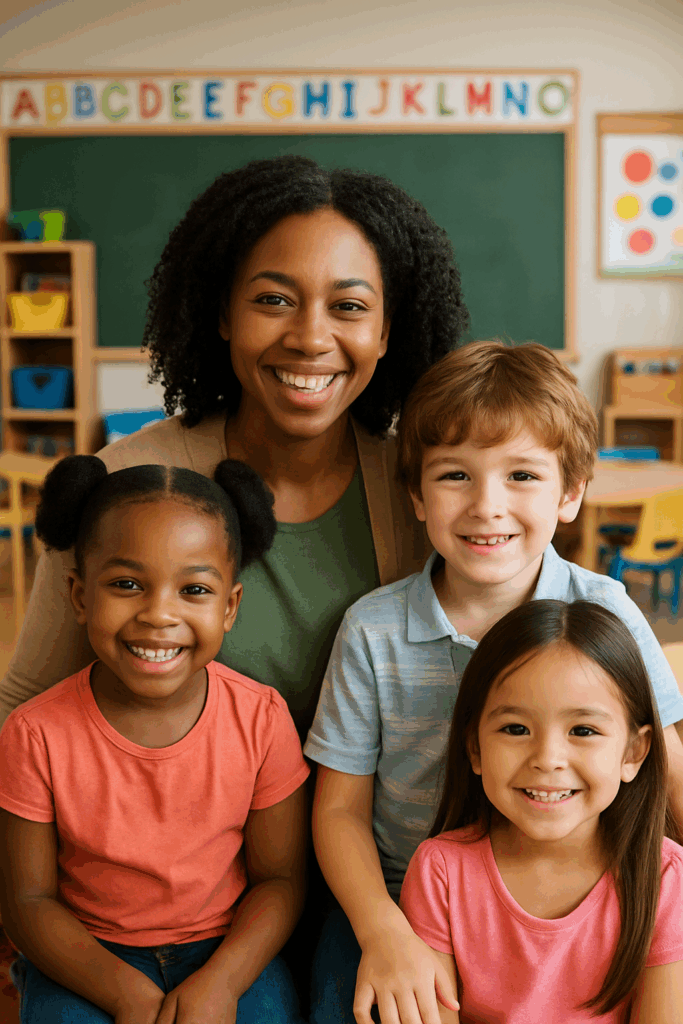
10 Frequently Asked Questions About Soft Skills in an Educare Certificate Course
How can I improve my emotional intelligence through an Educare certificate course?
An Educare certificate course helps you develop emotional intelligence by teaching you how to recognise and manage your own emotions, as well as how to understand and respond to the emotions of children. You will learn to practice empathy, active listening, and self-regulation, which are key elements of emotional intelligence. These skills allow you to connect with children, parents, and colleagues more effectively, creating a supportive and emotionally aware learning environment.
What soft skills are most valued by employers in the childcare industry?
Employers in the childcare industry highly value soft skills such as communication, emotional intelligence, conflict resolution, problem-solving, patience, and adaptability. These skills help educators build positive relationships with children, parents, and colleagues, and manage the dynamic and often unpredictable nature of childcare settings. Employers also look for educators who demonstrate strong teamwork, leadership abilities, and a commitment to professional development.
Can an Educare certificate course help me improve my conflict resolution skills?
Yes, an Educare certificate course will teach you effective conflict resolution strategies, particularly in managing disagreements between children, parents, or colleagues. You will learn how to approach conflict with empathy and patience, resolve disputes in a calm and constructive manner, and foster a harmonious classroom or childcare environment. These skills are essential for maintaining positive relationships and a supportive learning atmosphere.
How do soft skills learned in an Educare course benefit my personal life?
The soft skills developed in an Educare course, such as communication, empathy, problem-solving, and patience, can significantly benefit your personal life. These skills improve your ability to interact with others, manage stress, and resolve conflicts, both at home and in social settings. By practising emotional intelligence, you become more attuned to the needs and emotions of those around you, leading to more fulfilling and harmonious relationships.
Will an Educare certificate course teach me how to manage stress effectively?
Yes, an Educare certificate course provides strategies for managing stress, both in childcare settings and in your personal life. You will learn how to recognise stress triggers, practise mindfulness techniques, and maintain a calm and composed attitude, even in high-pressure situations. By developing these stress management skills, you can remain focused and provide high-quality care to children, while also maintaining your well-being.
How can I develop better communication with parents through an Educare course?
An Educare course teaches you effective communication strategies for engaging with parents in a respectful and empathetic manner. You will learn how to listen actively, provide clear and constructive feedback, and address concerns in a positive way. Building strong communication with parents is essential for creating a collaborative partnership that supports the child’s development and well-being.
How do I learn to handle difficult behaviour in children while maintaining a calm attitude?
An Educare course equips you with strategies for managing challenging behaviours in children, such as tantrums, aggression, or non-compliance. You will learn techniques to maintain a calm and patient attitude while addressing these behaviours in a positive, non-punitive manner. The course teaches you to understand the underlying causes of difficult behaviour and respond in ways that promote emotional regulation and positive behaviour changes.
How can teamwork skills gained in an Educare course help me in other careers?
The teamwork skills you develop in an Educare course—such as collaboration, communication, and mutual support—are valuable in many other careers. Being able to work effectively as part of a team, share responsibilities, and solve problems together is essential in any workplace. These skills make you a more effective colleague, leader, and collaborator in diverse professional settings.
What strategies will the course provide to enhance my adaptability in different childcare settings?
An Educare certificate course offers strategies to enhance your adaptability, such as learning to adjust teaching methods for diverse groups of children, managing different types of childcare settings (e.g., daycare, preschool, after-school programmes), and responding to the needs of each child. You will also learn how to be flexible with your approach in handling unexpected challenges, ensuring that you can work effectively in various environments and situations.
How will the soft skills learned in the Educare certificate impact my ability to lead in a childcare environment?
The soft skills you develop in an Educare course—such as communication, empathy, problem-solving, and leadership—are crucial for becoming an effective leader in a childcare setting. These skills allow you to guide and support other educators, create a positive learning environment, and manage a team effectively. By learning to communicate clearly, resolve conflicts, and make thoughtful decisions, you can provide strong leadership that benefits both staff and children, contributing to the success of the childcare programme.
The Importance of Soft Skills in Your Educare Career
In the field of Educare, soft skills are essential for building meaningful relationships, creating positive learning environments, and empowering your growth as a childcare professional. These skills, including communication, empathy, problem-solving, and adaptability, not only enhance your ability to interact effectively with children, parents, and colleagues but also contribute to your overall success and satisfaction in your career. An Educare course places a strong emphasis on developing these soft skills, equipping you with the tools necessary to navigate the challenges of childcare and education with confidence and professionalism.
Building Strong Relationships with Children, Parents, and Colleagues
Strong relationships are the foundation of successful childcare and education. Soft skills like active listening, empathy, and communication help educators connect with children, understand their needs, and support their development. Building trust with children fosters a secure and nurturing environment, encouraging emotional and social growth. Similarly, developing strong communication skills with parents is key to establishing partnerships that support the child’s learning and well-being. Being able to discuss a child’s progress, share concerns, and collaborate on strategies for development strengthens the bond between parents and educators. Additionally, teamwork skills are vital for working collaboratively with colleagues, fostering a positive and supportive work environment that benefits both staff and children.
Empowering Your Growth as a Childcare Professional
As an Educare professional, your ability to grow and advance in your career relies on the continual development of your soft skills. These skills empower you to take on new responsibilities, manage challenges, and lead with confidence. Whether you are working directly with children or in a leadership or management role, soft skills like problem-solving, resilience, and adaptability are essential for navigating various situations. Developing these abilities allows you to enhance your effectiveness, take initiative, and create a positive impact in the lives of the children you serve. An Educare certificate course provides the foundation for ongoing personal and professional growth, ensuring that you are well-equipped to meet the evolving needs of the childcare sector.
Creating Positive Learning Environments
The ability to create a positive and enriching learning environment is one of the most important aspects of working in Educare. Soft skills like patience, emotional intelligence, and effective communication enable educators to foster an atmosphere where children feel safe, respected, and motivated to learn. These skills help educators respond to challenges calmly and creatively, manage conflicts effectively, and adapt to the diverse needs of each child. By mastering these soft skills, you can ensure that your classroom or childcare setting is a place where children thrive, grow, and develop the social, emotional, and cognitive skills they need for future success. Creating a positive learning environment requires more than just knowledge of educational content—it requires the interpersonal skills that allow you to connect with each child and guide them through their learning journey with care and compassion.
In conclusion, soft skills are integral to a successful career in Educare. They help build strong relationships, empower your growth, and create positive environments where children can flourish. Developing these skills through an Educare certificate course will not only enhance your professional abilities but will also contribute to your personal development, making you a more effective and compassionate educator.
Author: North Du Plessis
Leave a Reply