Why Early Childhood Education Is Evolving Rapidly
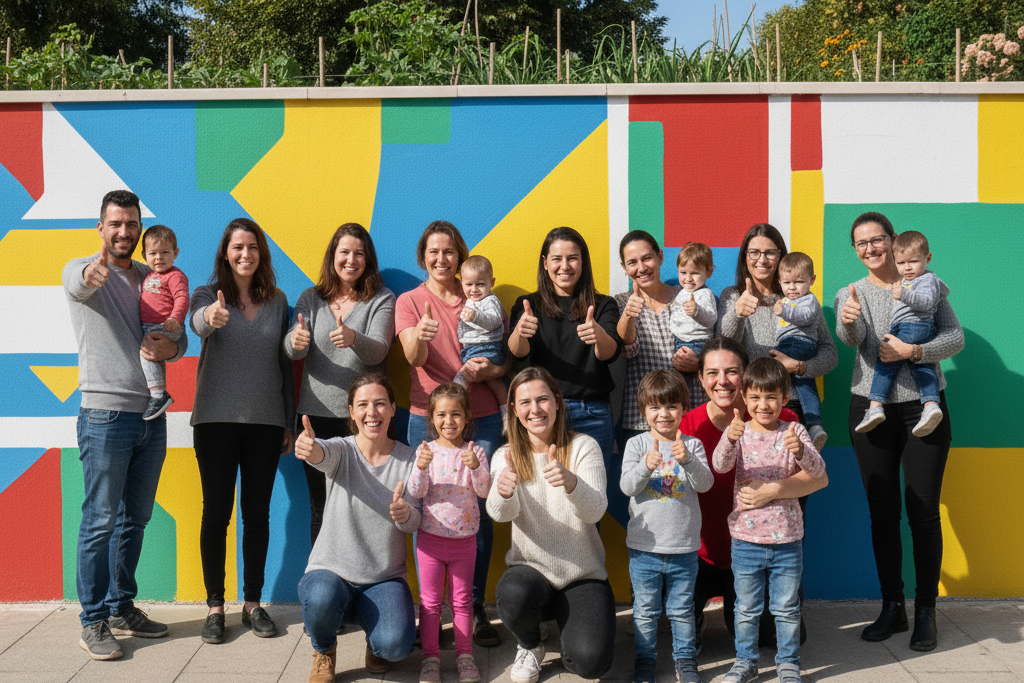
Early childhood education is undergoing a major transformation due to shifting societal needs, technological advancements, and evolving understandings of child development. As more research highlights the importance of the first five years in a child’s life, the demand for qualified, responsive, and well-trained childcare professionals has grown. Families today are looking for more than basic supervision—they expect early learning environments that promote emotional well-being, cognitive development, and social readiness.
Policy changes, increasing professionalisation of the ECD sector, and the integration of new technologies in teaching also play a role. Digital learning tools, interactive resources, and virtual learning environments are reshaping how children learn and how educators teach. These shifts mean that today’s Educare practitioners must be adaptable, informed, and committed to ongoing professional growth. Educare courses that keep pace with these changes prepare students to meet—and exceed—the modern expectations of childcare professionals.
How Educare Courses Prepare You for Future Trends
Online Educare courses are designed to meet the current and future demands of early childhood education. As the industry moves toward more structured learning environments, inclusive education practices, and digitally enhanced classrooms, the training offered in these courses remains practical, relevant, and forward-thinking. Topics such as child development theory, activity planning, inclusive learning strategies, and emotional support methods are all covered in a way that reflects modern best practices.
In addition, online Educare programmes often incorporate modules on adapting to new technologies, engaging with diverse families, and responding to emerging social issues that affect children. This kind of preparation gives graduates a significant edge, making them more effective in modern classrooms and more attractive to forward-thinking employers. As early learning continues to evolve, professionals with updated knowledge and adaptable skills will be in higher demand than ever before.
The Role of Ongoing Learning in Childcare Success
In a field as dynamic and essential as early childhood education, learning doesn’t stop once you earn a certificate. The most successful childcare professionals understand that ongoing education is key to staying effective and relevant. Whether through refresher courses, advanced certifications, or informal workshops, continuing your education ensures that your skills and knowledge remain up to date with the latest research and methodologies.
Ongoing learning also enhances your ability to respond to new challenges—such as behavioural shifts, learning difficulties, or changing educational policies—with confidence and professionalism. Educare courses often plant the seed for this lifelong learning mindset by encouraging reflection, self-improvement, and awareness of current trends. This commitment not only benefits the children in your care but also supports your own personal and career growth over time.
Setting a Strong Foundation for a Lifelong Career
Educare is more than an entry point into the childcare field—it’s a solid foundation for a lasting, rewarding career. The skills you develop in your training—from communication and organisation to child psychology and safety protocols—remain relevant throughout your career journey. With this foundation, you can confidently explore various pathways, including roles in ECD centres, private daycare facilities, aftercare programmes, or even educational leadership and policy.
Furthermore, Educare equips you with transferable skills that can be applied in broader fields such as social work, family support services, and educational coordination. As you grow professionally, you may choose to specialise, pursue further qualifications, or take on supervisory or management roles. Whatever your path, starting with a comprehensive Educare course gives you a strong, adaptable platform to build from. It’s a first step that supports long-term growth, career satisfaction, and meaningful impact.
Why Early Childhood Education Is Evolving Rapidly
Early childhood education is no longer seen as optional or secondary—it is now recognised as a foundational part of a child’s lifelong development. Over the past decade, a wave of new research, shifting family structures, and the rising value placed on emotional and social development have transformed the early learning landscape. Educators, families, and governments alike are placing greater emphasis on creating nurturing, stimulating environments that go beyond basic care.
This evolution is also driven by a growing awareness of the long-term effects of quality early learning. Studies show that children who attend well-structured early childhood programmes are more likely to succeed academically, socially, and emotionally. As a result, there is increasing demand for Educare professionals who can not only meet regulatory standards but also adapt to changing expectations and provide well-rounded care. The field is becoming more professional, more respected, and more central to educational reform than ever before.
New Insights Into Child Development and Learning
The way we understand young children’s learning and development has changed significantly. Modern child psychology and neuroscience have uncovered how experiences in the early years shape brain development, emotional regulation, and future learning capacity. This knowledge has helped redefine the goals of early childhood education—not just preparing children for school, but nurturing their sense of identity, resilience, and curiosity.
As a result, Educare training now places strong emphasis on developmental milestones, attachment theory, and the importance of emotional well-being. Practical skills such as observing behaviour, identifying learning styles, and responding to individual needs are no longer optional—they’re essential. The latest courses are designed to ensure graduates understand how children learn best and can create environments where every child thrives, regardless of background or ability.
The Impact of Technology and Changing Family Dynamics
Technology and family life have changed dramatically, and early childhood education has had to adapt in response. Many children are now exposed to digital media at a young age, and parents often juggle demanding work schedules with family responsibilities. These shifts mean Educare professionals must be equipped to manage a range of modern challenges—from screen time to separation anxiety—and still provide consistent, high-quality care.
Digital tools have also entered the early learning space, offering new opportunities for creative teaching and parental engagement. Online platforms allow Educare providers to share learning updates, track developmental progress, and communicate in real-time with families. Training programmes now include modules on using digital resources effectively and ethically, ensuring graduates can navigate the balance between traditional hands-on care and the digital realities of today’s world.
Growing Demand for Holistic, Inclusive Education
Today’s families and communities are more diverse than ever, and early childhood education must reflect that diversity. There is a growing expectation that early learning programmes should be inclusive of different cultures, languages, abilities, and family structures. The emphasis is shifting from uniform teaching methods to personalised, child-centred approaches that recognise the unique identity and potential of every learner.
This has led to a rise in holistic education models, which focus not just on academic readiness but on emotional, social, physical, and creative development as well. Educare courses are evolving to meet this need by teaching students how to design inclusive learning environments, differentiate instruction, and foster empathy and respect. Professionals trained in these approaches are well-positioned to support all children—especially those who might otherwise fall through the cracks.
How Educare Courses Prepare You for Future Trends
Educare courses are designed to equip students not only for the current needs of childcare but also for the evolving trends that define the future of early childhood education. As the industry shifts toward more inclusive, research-driven, and technologically integrated approaches, modern Educare programmes are updated to reflect these changes. This includes training in emotional development, cultural responsiveness, and digital tools used in educational settings.
These courses are also deeply rooted in understanding child psychology, play-based learning, and developmental theory, which serve as timeless foundations. However, they go a step further by integrating contemporary challenges—such as supporting multilingual learners or navigating family diversity. By staying current with trends in educational policy, brain science, and classroom innovation, Educare learners are empowered to remain adaptable and professionally competitive in a fast-changing field.
Adapting to Modern Approaches in Early Learning
Today’s early learning methods are far more dynamic and child-led than traditional ones. Educare courses reflect this shift by training students in flexible teaching strategies that focus on exploration, curiosity, and the child’s individual pace of development. Rather than rigid routines, these approaches favour responsive care that evolves based on observation and feedback.
Through case studies, scenario-based assignments, and interactive modules, students learn how to apply modern teaching frameworks such as inquiry-based learning and emergent curriculum design. These methods emphasise participation over instruction, allowing children to take an active role in their own development. Educare students are also trained to use documentation and reflective practice to fine-tune their teaching methods continuously—essential skills in keeping up with innovation in the field.
Understanding the Importance of Emotional Intelligence
Emotional intelligence is no longer considered a ‘soft skill’ in childcare—it’s a core professional competency. Educare courses place high importance on self-awareness, empathy, and emotional regulation, all of which are crucial when working with young children. Learners are guided through exercises and modules that focus on managing their own emotions, recognising those of others, and responding with calm and care in high-stress or sensitive situations.
In early childhood environments, emotional intelligence directly impacts a caregiver’s ability to build trust, manage group dynamics, and model healthy behaviour. Whether it’s comforting an upset child, resolving peer conflict, or supporting a struggling parent, emotional literacy shapes the quality of every interaction. Educare training ensures graduates are not only aware of these dynamics but are equipped to handle them with professionalism and sensitivity.
Emphasising Creative Thinking and Problem Solving
Creativity and problem-solving are at the heart of modern Educare training because they mirror the unpredictable, hands-on nature of working with young children. From designing learning activities to navigating daily challenges in the classroom, educators must be resourceful, adaptable, and inventive. Educare courses encourage this mindset by presenting learners with real-life scenarios and requiring them to think on their feet.
This includes using everyday materials to create engaging educational tools, adapting lesson plans on the go, and finding gentle yet firm ways to guide behaviour. Students also learn how to observe a problem, assess what’s behind it, and respond in a way that’s supportive rather than punitive. These are not just educational skills—they’re life skills that position Educare professionals as leaders in early childhood settings.
The Role of Ongoing Learning in Childcare Success
In the field of early childhood development (ECD), learning does not end with a qualification. The most successful childcare professionals are those who understand that ongoing learning is essential to meeting the evolving needs of young children. As research continues to uncover new insights into child development, emotional health, and learning styles, professionals must stay updated to remain effective and relevant in their roles.
Ongoing learning allows Educare professionals to reflect on their own practice, refresh their understanding of key concepts, and adapt to new methods and technologies in early education. Whether through workshops, online courses, or informal reading, continuous education enriches the caregiver’s ability to offer high-quality, responsive care. It also demonstrates a strong commitment to personal and professional growth—something that both employers and families value deeply.
Why Lifelong Learning Matters in Early Childhood Fields
Lifelong learning is especially important in early childhood settings because the field is dynamic and influenced by broader social, educational, and psychological trends. What worked five years ago may not be as effective today. For example, increased awareness of trauma-informed care and neurodiversity has changed how professionals approach behaviour management and developmental support.
By embracing lifelong learning, Educare graduates develop the flexibility and resilience needed to navigate these changes. They become more open to feedback, more engaged in professional conversations, and more proactive about seeking new strategies that benefit the children in their care. Ultimately, lifelong learning helps childcare professionals provide a nurturing, stimulating, and developmentally appropriate environment that keeps pace with the times.
Building Confidence Through Continuous Skill Development
Confidence in childcare doesn’t come from memorising theory—it comes from applying new skills, reflecting on experiences, and growing through practice. Educare courses build this foundation, but continuous skill development strengthens it over time. With every new training module, hands-on workshop, or peer discussion, caregivers gain deeper insight into their own abilities and refine their techniques.
This ongoing process not only boosts confidence but also fosters a sense of autonomy and leadership. Educare professionals who engage in lifelong learning are better able to make informed decisions, manage complex situations, and take initiative in their workplaces. They feel more prepared to meet challenges, offer support to colleagues, and step into more advanced roles within ECD centres or education support teams.
How to Stay Current With ECD Innovations
Staying current in early childhood education doesn’t require a full-time return to study. There are many accessible and flexible ways to remain informed about innovations in the field. Online platforms, webinars, podcasts, and professional networks are excellent sources of information. Subscribing to child development journals or joining ECD forums also helps professionals keep their knowledge fresh.
Many Educare training providers offer alumni access to short courses or refresher modules, allowing graduates to revisit and expand their learning. Participating in community events, attending childcare conferences, or connecting with mentors in the field are also valuable opportunities to grow. By making learning a regular part of their professional routine, Educare graduates ensure they remain adaptable, relevant, and prepared for whatever the future of childcare may bring.
Setting a Strong Foundation for a Lifelong Career
Starting your career in early childhood development (ECD) with a comprehensive Educare course is more than a short-term educational goal—it’s a long-term investment in your future. This type of training gives you a strong and stable starting point, equipping you with essential knowledge and hands-on skills that remain valuable throughout your professional journey. Educare helps shape not only what you know, but how you work, think, and grow in the field of childcare. It offers a career path where you can keep learning, developing, and evolving without needing to start over every few years.
An Educare qualification lays the groundwork for meaningful, flexible career options that stretch across various industries, from preschools and daycares to non-profits and community outreach programmes. With the right foundation, your career in care and education can take many forms—each as purposeful and impactful as the last.
Learning Core Concepts That Never Go Out of Date
The core principles of early childhood development, such as understanding child psychology, promoting safe environments, and encouraging learning through play, are timeless. These concepts remain relevant whether you’re just starting out or have decades of experience in the field. Educare training instils these foundational ideas so thoroughly that they become second nature, guiding every decision you make and every interaction you have with young learners.
These fundamentals serve as anchors as you grow professionally. As teaching methods and technologies evolve, your grasp of these unchanging principles helps you adapt without losing sight of what truly matters: the well-being and development of the child. By mastering these core concepts early in your career, you’ll have a steady base on which to build more specialised knowledge in the years to come.
Gaining Transferable Skills for Diverse Roles
One of the greatest strengths of Educare training is the wide range of transferable skills it teaches. Communication, problem-solving, organisation, teamwork, empathy, and leadership are all integral to the role of a childcare professional—but they’re also highly valued in many other careers. Whether you continue in early childhood development or decide to branch out into social work, healthcare, education, or management, these skills will support your success.
Because Educare encourages both theoretical understanding and practical application, you gain confidence in how to use your skills in real-world scenarios. This means you’re not just learning facts—you’re becoming equipped to work in varied environments and connect with people of all ages. Your training opens doors in childcare and beyond, ensuring your career path can shift and expand as your interests and circumstances change.
Building a Career That Evolves With You
Educare is a gateway, not a destination. It provides the tools and mindset needed for a career that can adapt to different phases of your life. If you begin in an assistant role, your experience and qualifications can eventually lead to supervisory, managerial, or even training positions. You might choose to specialise in inclusive education, infant care, or centre management—or use your foundation to study further and become an ECD teacher or programme coordinator.
What makes this field unique is its capacity to grow with you. Whether you’re working full-time, raising a family, or returning to education after time away, your foundation in Educare keeps your options open. The key is to stay curious, continue learning, and allow your passion for working with children to guide your choices. With Educare as your starting point, you’re building not just a job—but a lifelong, evolving career with purpose.
Embracing Innovation in Early Childhood Education
Early childhood education is undergoing a powerful transformation, driven by the need to prepare children for a world that is more connected, dynamic, and unpredictable than ever before. Innovation in this field is not about replacing foundational methods—it’s about enhancing them with modern tools, fresh perspectives, and more flexible approaches to learning. Educare programmes that embrace innovation are helping students understand not just what to teach young children, but how to teach in a way that meets the needs of today’s learners and tomorrow’s leaders.
Through online platforms and updated curricula, Educare training now integrates modern strategies that blend creativity, technology, and critical thinking. This evolution benefits both the caregiver and the child, offering more opportunities for engagement, skill-building, and curiosity-led growth. Innovation in early childhood education is no longer optional—it is essential for anyone serious about making a lasting impact in the field.
Creative Curriculum Design in the 21st Century
Today’s Educare programmes are moving away from rigid lesson plans and standardised routines, favouring instead a more creative and responsive approach to curriculum design. This means lessons are often built around themes that reflect children’s interests and developmental stages. It encourages educators to think outside the box, using storytelling, music, movement, art, and play to teach foundational concepts in language, science, math, and social skills.
Creative curriculum design doesn’t mean sacrificing structure—it means making that structure flexible and engaging. It also allows educators to adapt lessons on the spot based on how children are responding, creating a more dynamic learning environment. For Educare students, learning how to design and deliver such curriculum helps them develop adaptability and innovation as professional strengths, which are increasingly valued in the ECD sector.
Using Digital Tools to Enhance Learning
Digital tools have become a vital part of modern Educare training, not only as a method of delivering content to students but also as a way to enrich children’s learning experiences. In online Educare programmes, students use educational apps, videos, simulations, and interactive platforms to engage with course material in a practical way. These tools also help model how digital resources can be used in actual childcare settings.
Whether it’s using digital flashcards to teach vocabulary, interactive games to support numeracy, or online storytelling platforms to build literacy, future educators are being equipped to make technology work for them and the children in their care. Importantly, students also learn how to apply these tools in developmentally appropriate ways, ensuring screen time is purposeful and balanced. This understanding is a crucial skill in a world where children are exposed to technology from a very young age.
Encouraging Exploration and Independent Thinking
One of the most exciting shifts in early childhood education is the move toward encouraging children to think independently and explore their world with confidence. Instead of simply instructing children on what to do, modern Educare training teaches how to create environments that invite discovery, experimentation, and curiosity. This can involve setting up activity stations, introducing open-ended questions, and allowing time for imaginative play.
Educare students learn that children are natural learners, and their role is to facilitate rather than control that learning. Encouraging independence builds a child’s self-esteem, problem-solving abilities, and resilience—skills that are critical for success not only in school but in life. Educare graduates who can support this kind of development will find themselves well-prepared for the demands of contemporary ECD roles, where child-led learning is both expected and celebrated.
Growing Into a Leadership Role in Childcare
Leadership in childcare goes beyond simply supervising others—it’s about setting a vision for quality care, inspiring your peers, and creating an environment where both children and practitioners thrive. As you grow in your Educare career, you may find yourself naturally stepping into roles that require greater responsibility. Whether you’re leading a classroom, managing a centre, or coordinating a programme, your ability to lead with confidence, compassion, and competence becomes essential.
Online Educare courses are designed to help you build not only childcare skills but also the leadership mindset needed for advancement. These programmes nurture your understanding of team dynamics, conflict resolution, and professional communication, equipping you to become a trusted figure in any early learning setting. Leadership in ECD is about influence, not authority—and the journey often begins by excelling in the basics and growing through continued learning.
Skills That Position You for Team Leadership
Transitioning into a leadership role requires a set of specific competencies that go beyond day-to-day caregiving. These include organisational skills, the ability to delegate effectively, and a deep understanding of curriculum planning and child development. Educare students are trained to think strategically about classroom management, to identify the individual strengths of their team, and to facilitate collaboration among colleagues.
Equally important is emotional intelligence—leaders must model patience, empathy, and professionalism. A strong Educare foundation ensures you can guide others while maintaining the child-centred focus that defines early childhood education. The ability to lead meetings, communicate expectations clearly, and make informed decisions based on the needs of both children and staff makes you a valuable asset in any childcare setting.
Supporting and Mentoring Other Practitioners
One of the most rewarding aspects of leadership in Educare is the opportunity to support and mentor others. Whether you’re helping a new colleague adjust to their first role or guiding a team through a challenging transition, mentoring is a way to give back to the profession while sharpening your own skills. Online Educare programmes often include content on adult learning principles, effective feedback, and team development—tools that prepare you to take on a coaching role.
Mentorship in childcare also involves fostering a culture of reflective practice. As a mentor, you model continuous improvement by sharing insights, encouraging self-evaluation, and celebrating growth. This not only builds stronger teams but also contributes to better outcomes for children. A supportive leader uplifts others, boosts morale, and ensures that everyone is working toward a shared goal of quality care and education.
Contributing to Policy and Programme Development
As your leadership role expands, you may find yourself influencing broader decisions related to childcare policies and programme design. Whether you’re updating daily schedules to better support children’s routines or contributing to the development of learning frameworks, your voice becomes part of shaping the future of your centre—and possibly the wider sector.
Online Educare courses often include modules that encourage critical thinking about policies, ethics, and best practices. You’ll learn how to evaluate programmes for effectiveness, suggest improvements, and contribute meaningfully to planning processes. Being involved in this level of decision-making shows that you’re not just a practitioner—you’re a changemaker. And as more ECD professionals step into these roles, the quality and consistency of early childhood education across South Africa continues to rise.
Frequently Asked Questions
How do Educare courses keep up with changes in education?
Educare courses are regularly updated to reflect the latest research in early childhood development and education. Institutions that offer these programmes stay in touch with industry standards, government regulations, and best practices in Early Childhood Development (ECD). Online learning, in particular, makes it easier to incorporate new knowledge and techniques quickly. Students are exposed to current topics such as inclusive education, technology use in the classroom, and evolving family dynamics. This ensures that your training remains relevant and equips you with skills that match what today’s childcare environments demand.
Will I learn about new teaching methods in my studies?
Yes, modern Educare courses place a strong emphasis on new and effective teaching methods. These include learning through play, inquiry-based learning, holistic development strategies, and inclusive classroom practices. You’ll also explore how to engage children using diverse, age-appropriate activities that support cognitive, emotional, and physical development. As part of the course, you’ll be encouraged to reflect on these methods and consider how to apply them practically in a variety of settings, preparing you to lead learning in dynamic and innovative ways.
Can this course help me work in future-focused ECD roles?
Definitely. Educare training equips you for a wide range of future-focused roles within ECD, including leadership, mentorship, and programme development. As the childcare sector becomes more structured and recognised, there is a growing demand for professionals who understand both foundational knowledge and emerging trends. This includes roles in inclusive education, policy implementation, community-based ECD projects, and curriculum design. The flexible and forward-thinking nature of the course helps you adapt to evolving professional needs while remaining aligned with national education goals.
What makes Educare a sustainable career choice?
Educare is not only a personally rewarding field, but it’s also a career path with long-term relevance and stability. The need for quality early childhood education is growing in South Africa, and professionals with the right training are in high demand. Since child development is a foundational part of any society, the work of Educare practitioners is both necessary and respected. The course teaches versatile, transferable skills, making it easier for you to find employment in a variety of ECD-related roles and to grow over time without needing to switch career paths entirely.
Is there room for advancement after completing Educare?
Yes, Educare is often just the beginning of a meaningful career path. After completing your course, you can advance into roles such as classroom leader, ECD centre manager, programme coordinator, or even trainer or assessor. With further study, some graduates go on to specialise in areas like special needs education, curriculum development, or community education support. Online Educare training also encourages lifelong learning and helps you build a mindset that prepares you for further qualifications, whether you pursue advanced diplomas or degrees in education.
How will Educare training help me adapt to change?
Adaptability is built into the core of Educare training. Through flexible, scenario-based learning, students are taught how to respond to different challenges, from behavioural issues to changes in learning environments. You’ll gain problem-solving skills, confidence in making decisions, and the ability to reflect and adjust your approach. These capabilities are crucial in the fast-evolving landscape of childcare and education, where practitioners must often navigate new policies, technologies, and family dynamics.
What types of modern skills are taught in Educare programmes?
Educare courses go beyond traditional methods by teaching relevant 21st-century skills. These include digital literacy for classroom and administrative tasks, cultural competence to support diversity, and emotional intelligence for better relationships with children, families, and co-workers. You’ll also develop planning, leadership, and communication skills—all essential for success in today’s ECD sector. These modern competencies not only support effective teaching but also improve your ability to lead, innovate, and support change in your workplace.
Can I specialise further after completing my Educare studies?
Absolutely. Many Educare graduates choose to specialise in areas such as infant and toddler care, special needs education, play therapy, or early childhood leadership. Some may pursue further academic study or short courses to deepen their expertise. Online learning platforms often provide modular options, so you can build on your existing qualification over time. Specialising can increase your employability, open doors to higher-level positions, and allow you to focus on the areas of childcare that inspire you most.
How can Educare training help me stand out in the job market?
Educare training gives you a strong blend of practical skills and theoretical knowledge, both of which are highly valued by employers. Completing your course online also demonstrates self-discipline, initiative, and time management—traits that employers see as indicators of a motivated, capable employee. You’ll graduate with a portfolio of experiences and knowledge that aligns with real-world demands, making you job-ready and confident to step into ECD roles. The course helps you build a professional identity rooted in both care and competence.
Does the course prepare me for roles beyond the classroom?
Yes. While many Educare graduates go on to work directly with children in daycares, preschools, or ECD centres, the course also prepares you for roles in training, administration, family support services, and more. The skills you gain—like communication, planning, and problem-solving—are transferable across a wide range of child-focused environments. If you’re passionate about helping others, the course can be a gateway into broader community work, early intervention services, and even entrepreneurial ventures in early education.
A Future-Proof Qualification for Tomorrow’s Childcare Needs
Educare is more than a stepping stone into early childhood education—it’s a qualification built with the future in mind. As educational approaches shift and children’s needs become more complex, caregivers and educators must adapt. An Educare course equips you with the knowledge and practical experience necessary to meet these changes head-on. From understanding the role of emotional intelligence in learning to incorporating technology in early education, the curriculum is designed to reflect the current and future demands of the field. This ensures that you’re not only job-ready today but remain relevant in years to come.
The course blends theory and practical training, allowing you to understand why certain approaches work and how to apply them effectively. You’ll develop a deep understanding of child development, behavioural guidance, and inclusive education—skills that are increasingly vital in diverse, multicultural learning environments. Educare also encourages you to think critically about how children learn best, giving you the tools to provide high-quality care and education that aligns with national and global standards.
Prepare for an Evolving Job Market in Early Childhood
The childcare job market is expanding quickly, driven by government investment in Early Childhood Development (ECD) and rising awareness of the long-term impact of quality early education. Employers are not just seeking warm-hearted individuals—they want trained professionals who understand early learning principles and can confidently manage real-world responsibilities. With an Educare qualification, you’ll stand out in this competitive space.
The course prepares you for a variety of roles, from assistant educator to ECD centre manager. It also opens the door to specialised career paths in areas like learning support, community outreach, and special needs education. By completing your training online, you demonstrate initiative, flexibility, and the ability to balance learning with daily life—qualities that employers value highly. Whether you’re just starting your career or making a switch, Educare gives you the credibility and capability to succeed in an evolving job market.
Embrace a Career That Grows With You
Educare offers more than short-term job readiness—it lays the groundwork for long-term career growth. Once you’ve gained experience in a childcare setting, you’ll find opportunities to advance into leadership roles, pursue further study, or even open your own ECD centre. The course nurtures transferable skills such as planning, teamwork, and communication, which grow with you as you take on new responsibilities and explore different paths within the field.
As you progress, your role in children’s lives becomes even more meaningful. You’ll influence not only their early education but their long-term development, emotional health, and confidence. Educare graduates often describe their work as deeply fulfilling—not just because they’re shaping young minds, but because they’re constantly growing as professionals and individuals. This blend of purpose and progression makes Educare a smart and sustainable career choice.
Step Into the Future of Education With Confidence
The future of education requires adaptable, forward-thinking professionals who can meet children’s needs in creative and compassionate ways. Educare prepares you for this challenge. With an emphasis on lifelong learning and self-awareness, the course encourages you to continue growing well beyond graduation. You’ll leave not only with technical skills but with the confidence to lead, innovate, and advocate for better outcomes in your community.
Online Educare programmes also provide a glimpse into the future of learning itself—flexible, student-centred, and grounded in real-world application. You can study at your own pace, access interactive resources, and connect with mentors who support your growth every step of the way. By completing the course, you’ll be well-positioned to join a new generation of educators who are changing the face of early childhood care—one child at a time.
Author: North
Leave a Reply