Introduction
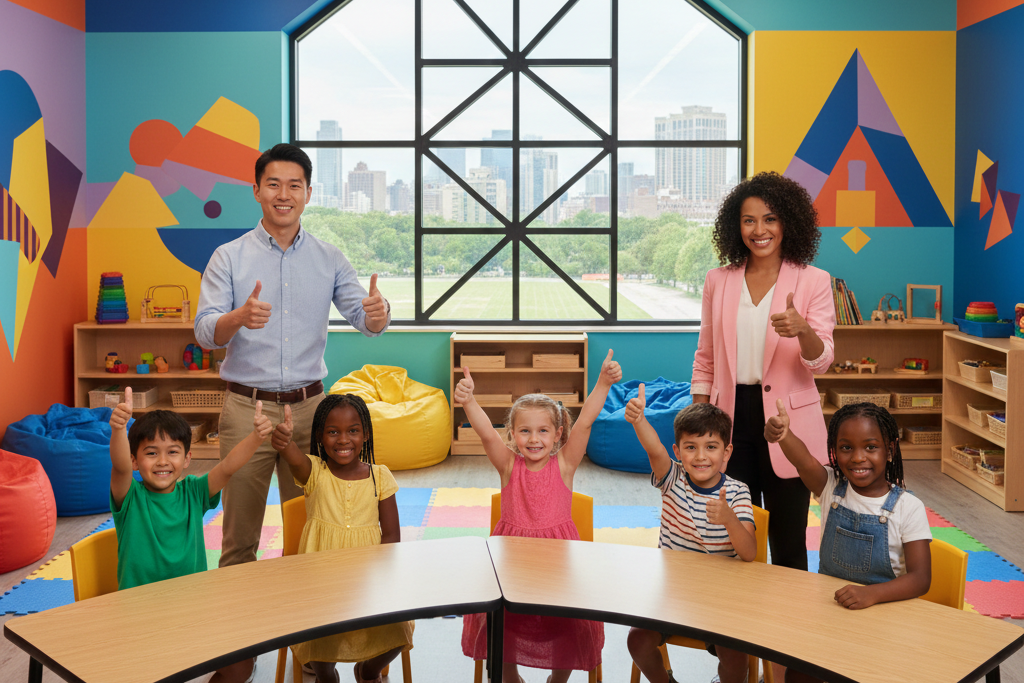
A positive learning environment is crucial in child care settings, as it directly impacts a child’s development, well-being, and overall learning experience. Children thrive in environments that are safe, supportive, and stimulating, where they feel valued, respected, and encouraged to explore and grow. When learning to become a child care provider through an online child care course, creating such an environment requires a deep understanding of child development, clear communication, and the ability to respond to children’s needs in a nurturing way. In this article, we will explore the importance of a positive learning environment, how child care courses equip you to foster a supportive atmosphere, and what you will learn to help you provide the best care for the children in your charge.
The Importance of a Positive Learning Environment in Child Care
A positive learning environment not only supports a child’s academic growth but also nurtures their emotional, social, and physical development. Children need an environment where they feel safe, encouraged, and valued in order to fully engage in the learning process. Here’s why a positive learning environment is so essential:
1. Fosters Emotional Security
Children who feel emotionally secure are more likely to engage and explore their surroundings with confidence. A positive environment provides children with the stability and trust they need to feel comfortable taking risks and learning new things. By creating a space where children feel safe and respected, child care providers help build strong emotional foundations.
2. Promotes Social Development
A positive environment encourages children to develop social skills through play, cooperative learning, and peer interactions. It helps them learn how to share, take turns, resolve conflicts, and express themselves appropriately. These interactions are essential for developing emotional intelligence and forming meaningful relationships with others.
3. Stimulates Cognitive Growth
Children need an environment that encourages curiosity and exploration. A positive learning environment should offer activities and resources that challenge a child’s cognitive abilities while supporting their development. By creating a space that offers opportunities for problem-solving, creativity, and critical thinking, child care providers can stimulate children’s intellectual growth.
4. Builds a Strong Sense of Belonging
A positive environment allows children to feel like they are an important part of a community. When children feel they belong, they are more likely to participate actively and develop self-confidence. Providing children with opportunities to contribute, express themselves, and share their experiences strengthens their sense of belonging.
How Child Care Courses Equip You to Foster a Supportive Atmosphere
Child care courses provide professionals with the tools and strategies necessary to create a positive learning environment. These courses offer training in key areas that help professionals set up an environment that supports emotional, social, and cognitive growth.
1. Understanding Child Development
One of the most important aspects of creating a positive learning environment is understanding how children develop at different stages. Child care courses teach you to recognise the developmental milestones in cognitive, emotional, social, and physical growth. By understanding what is typical for each age group, you can ensure that your environment meets the needs of the children in your care.
2. Setting Up an Inviting and Stimulating Space
Courses teach you how to design an environment that encourages exploration and interaction. For example:
- Creating safe play spaces with stimulating toys and activities that encourage creative expression and problem-solving.
- Organising areas for reading, art, or quiet reflection to support emotional well-being.
- Establishing clear routines that help children feel secure and know what to expect.
3. Building Positive Relationships with Children
Creating a positive environment isn’t just about the physical space; it also involves building trusting relationships with children. Child care courses emphasise the importance of communication and empathy in establishing strong bonds. You’ll learn how to engage with children in ways that show you care and respect them, helping them feel valued and understood.
4. Promoting Positive Behaviour
Child care courses teach you strategies for encouraging positive behaviour in a supportive manner. Techniques such as positive reinforcement, clear expectations, and setting boundaries help children understand what is acceptable behaviour. By fostering an environment where children feel supported in their growth, you can create a space where children thrive.
What You Will Learn from This Article
In this article, you will gain an understanding of the importance of a positive learning environment in child care and how it impacts children’s development across various areas. You will also learn how child care courses provide you with the knowledge and practical strategies needed to create a supportive atmosphere where children feel safe, valued, and encouraged. By the end of this article, you will have a clearer understanding of how to use your skills and training to foster a nurturing space that enhances children’s learning and well-being.
Creating a positive learning environment is one of the most effective ways to support children’s development and help them thrive. Understanding the role that emotional security, social interaction, and intellectual stimulation play in a child’s growth allows child care professionals to foster an atmosphere where children can flourish. With the right knowledge and tools, gained through child care courses, you’ll be equipped to provide the nurturing, positive space every child needs to grow and succeed.
Understanding the Foundations of a Positive Learning Environment
Creating a positive learning environment is essential for children’s development. It is not just about providing the right tools and resources but also about creating an atmosphere where children feel safe, encouraged, and motivated to explore, learn, and grow. In this section, we will explore what makes an environment “positive” for children, the role of safety, comfort, and stimulating spaces, and how a positive environment supports child development.
What Makes an Environment “Positive” for Children?
A “positive” environment for children is one that promotes their well-being, learning, and social interactions in a way that supports their overall growth. It is a space where children feel valued, respected, and encouraged to engage in activities that stimulate their minds, bodies, and emotions. Here’s what contributes to a positive environment:
1. Emotional Support
A positive environment begins with creating an atmosphere where children feel emotionally secure. Children need to know that they are in a place where they are cared for, respected, and supported. A space where positive relationships are formed between caregivers and children helps build trust, which is essential for emotional security. Emotional support is also provided by acknowledging children’s feelings and providing a calm, nurturing presence during times of distress.
2. Engaging and Age-Appropriate Activities
A positive environment is one where children have access to activities that are developmentally appropriate for their age and interests. This includes providing hands-on activities that foster creativity, problem-solving, and critical thinking. It might involve art projects, building with blocks, sensory play, or exploring nature. Engaging children in these activities promotes curiosity, engagement, and learning, all of which contribute to a positive and enriching environment.
3. Consistency and Structure
Children thrive in an environment where there are clear routines and structure. While flexibility is important, having a predictable routine helps children feel more secure and understand what to expect throughout the day. Consistent schedules for meals, playtime, and quiet time contribute to a sense of stability and comfort, which is essential for a positive environment.
The Role of Safety, Comfort, and Stimulating Spaces
The physical space itself plays a vital role in creating a positive learning environment. Children need to feel safe and comfortable in their surroundings in order to focus on learning and play. Additionally, the space should be stimulating and encourage children to engage with their environment.
1. Safety
Safety is the most important aspect of any learning environment. Children need to feel that they can explore their surroundings without the risk of harm. A safe environment includes:
- Child-proofed spaces that prevent accidents or injuries.
- Clear guidelines for behaviour that promote respect for others and the environment.
- Supervision to ensure that children are engaging in activities safely and responsibly.
When children know that their safety is a priority, they are more likely to engage confidently in learning and exploration.
2. Comfort
Comfort is crucial for a child’s emotional and physical well-being. A comfortable environment makes children feel at ease, helping them to relax, play, and learn. Comfort can be achieved by:
- Providing cozy spaces for quiet activities, such as reading or resting.
- Ensuring that children have access to comfortable seating and spaces to play or rest.
- Offering a temperature-controlled environment that is neither too hot nor too cold.
Comfort allows children to focus on activities and interactions without feeling distracted or anxious.
3. Stimulating Spaces
Stimulating spaces encourage exploration and curiosity, helping children engage in activities that promote development. These spaces should:
- Include a variety of materials and toys that challenge children’s thinking and creativity, such as building blocks, puzzles, and books.
- Provide interactive elements that allow children to experiment and explore new ideas.
- Be well-organised, allowing children to move freely and easily access the materials they need for play.
Stimulating spaces encourage active participation and help children develop their cognitive, motor, and social skills.
How a Positive Environment Supports Child Development
A positive learning environment is essential for children’s overall development. It influences not just their intellectual growth, but also their emotional, social, and physical well-being. The environment provides the foundation for children to learn important skills, including communication, self-regulation, and problem-solving.
1. Cognitive Development
A positive learning environment supports cognitive development by providing opportunities for active learning. Activities like puzzle-solving, building, and pretend play stimulate critical thinking and problem-solving. These activities allow children to make sense of the world around them, encouraging curiosity and intellectual growth.
2. Emotional Development
An emotionally supportive environment helps children understand and manage their emotions. When children are in a safe, nurturing space, they are more likely to develop emotional intelligence and self-regulation skills. The presence of positive role models who model appropriate emotional responses and offer guidance helps children navigate their emotions and build confidence.
3. Social Development
A positive environment also encourages social development. Group activities, such as cooperative play, help children learn important social skills like sharing, taking turns, and working together. Through these interactions, children build empathy and understanding, learning how to engage with others in respectful, positive ways.
4. Physical Development
A positive environment promotes physical development by offering opportunities for both gross motor and fine motor activities. A safe and stimulating space where children can run, climb, and jump helps develop their physical strength and coordination. Meanwhile, activities like drawing, cutting, and building with small blocks improve fine motor skills and hand-eye coordination.
A positive learning environment is the cornerstone of a child’s development. By ensuring that children feel safe, comfortable, and stimulated, child care providers create a foundation for children to explore, learn, and grow. Understanding the importance of safety, comfort, and stimulating spaces allows you to design environments that support cognitive, emotional, social, and physical development. Whether it’s through engaging activities, providing a secure space, or fostering emotional support, a positive environment is the key to helping children thrive.
Building Strong Relationships: The Key to Positive Interactions
Building strong, positive relationships with children is at the heart of effective child care. Trust, respect, and open communication are essential for fostering an environment where children feel supported, safe, and encouraged to engage in learning. When caregivers build these strong bonds, children are more likely to feel valued and motivated to explore and develop. In this section, we will explore how to foster trust and respect with children, create open communication channels, and use positive reinforcement to encourage good behaviour.
How to Foster Trust and Respect with Children
Trust and respect are the foundations of any strong relationship, and they are especially crucial in child care settings. Children who feel that they can trust their caregivers are more likely to feel secure and willing to engage in learning and play. Building trust and respect involves consistent, empathetic interactions that show children they are valued.
1. Consistency and Reliability
Children thrive in environments where they can rely on caregivers to meet their needs consistently. This creates a sense of security and helps build trust. Being consistent with routines, expectations, and responses lets children know that they can count on you. For example, if a caregiver promises to read a story at a certain time or follows through with consequences, it reinforces the child’s trust in the caregiver.
2. Active Listening
Trust is built when children feel that they are heard and understood. Active listening means giving children your full attention, making eye contact, and responding thoughtfully to what they say. This shows that their thoughts, feelings, and experiences are important. For instance, if a child expresses frustration, responding with empathy and understanding, such as “I can see that you’re upset. Let’s talk about it,” builds mutual respect and trust.
3. Respecting Boundaries
Respecting children’s boundaries is a critical part of building trust. It’s important to be mindful of both physical and emotional boundaries. Asking for consent before engaging in physical touch (like hugging or picking up) and respecting their personal space helps children feel in control of their own bodies and builds mutual respect.
4. Being a Positive Role Model
Children learn by observing those around them, so being a positive role model is one of the best ways to foster trust and respect. Demonstrating respectful behaviour, such as using polite language, showing kindness, and practicing patience, sets a standard for children to follow. When children see their caregivers behave in these ways, they are more likely to emulate these actions in their own behaviour.
Creating Open Communication Channels Between Caregivers and Children
Open communication is essential for building strong relationships between caregivers and children. It allows for the exchange of ideas, feelings, and needs, and helps caregivers understand how children are experiencing their environment.
1. Encouraging Expression
Children should feel comfortable expressing their feelings and ideas. Caregivers can encourage this by creating an environment where open conversation is welcomed. For younger children, this may involve labeling emotions and talking about feelings, such as saying, “I can see you’re feeling sad because your toy broke.” For older children, caregivers can ask open-ended questions, such as, “What did you enjoy most about today?” or “How did that situation make you feel?”
2. Active and Reflective Listening
Open communication is not only about talking but also about listening. Caregivers can use reflective listening to show children they are understood. For example, if a child shares a concern, a caregiver might respond with, “It sounds like you’re worried about your friend. What do you think you could do to help?” Reflecting back what a child says shows them that their feelings are valid and encourages further communication.
3. Using Clear and Simple Language
Effective communication involves using language that is appropriate for the child’s age and developmental stage. For younger children, it’s important to use simple, clear language that they can easily understand. As children grow, caregivers can introduce more complex concepts and language, but always in a way that is accessible and understandable. Clear communication helps prevent misunderstandings and allows children to feel confident in expressing themselves.
4. Fostering Positive Conversations
Promote positive communication by focusing on constructive feedback. Instead of focusing on what a child is doing wrong, caregivers should offer solutions or praise for their efforts. For example, instead of saying, “Don’t run inside,” try “Let’s walk carefully inside so we don’t trip.” Offering positive alternatives encourages children to engage in problem-solving while maintaining a positive atmosphere.
The Power of Positive Reinforcement in Encouraging Good Behaviour
Positive reinforcement is one of the most effective strategies for encouraging good behaviour in children. It involves recognizing and rewarding positive actions, which motivates children to continue those behaviours.
1. Recognizing and Celebrating Achievements
When children engage in positive behaviours—such as helping a peer, completing a task, or following directions—acknowledge and celebrate their efforts. Positive reinforcement can come in many forms, such as verbal praise (“Great job sharing your toy!”), stickers, or a special privilege. This recognition helps children feel proud of their accomplishments and reinforces the behaviour.
2. Encouraging Effort, Not Just Results
Instead of only praising the end result, it’s important to acknowledge the effort children put into their actions. For example, praising a child for trying hard to finish a puzzle, even if they didn’t complete it, encourages them to keep trying and fosters a growth mindset. This approach helps children understand the value of effort and persistence.
3. Reinforcing Positive Social Interactions
Positive reinforcement can also be used to encourage good social behaviours. For example, if a child shares with a peer or resolves a conflict peacefully, caregivers can reinforce these behaviours by saying, “That was really kind of you to share your toys with your friend. Well done!” This reinforces positive social interactions and encourages children to engage in respectful, cooperative behaviour with others.
4. Establishing Clear Expectations and Consistency
For positive reinforcement to be effective, there must be clear expectations and consistency. Children thrive in environments where they know what behaviours are expected and what rewards or consequences follow. Consistent reinforcement of positive actions helps children understand which behaviours are valued, and this consistency supports their emotional and social development.
Building strong relationships with children is key to fostering a positive learning environment. By fostering trust and respect, creating open communication channels, and using positive reinforcement, caregivers can promote healthy social, emotional, and cognitive growth. A positive, supportive relationship allows children to feel valued, encouraged, and motivated to engage in learning and play. Through consistent efforts to build these relationships, child care providers can create an environment that not only supports development but also helps children develop confidence and resilience in their interactions with others.
Setting Clear Expectations and Boundaries
Establishing clear expectations and boundaries is a cornerstone of effective child care. It provides children with a sense of security, helps them understand what is acceptable behaviour, and allows them to thrive in a structured environment. By setting clear rules and guidelines, caregivers can create a space where children feel safe, respected, and capable of making positive choices. In this section, we will explore why consistency and structure are essential for young learners, how to implement clear, age-appropriate rules, and how to teach children self-regulation and responsibility.
Why Consistency and Structure Are Essential for Young Learners
Young children are still learning how to navigate the world and understand their own emotions and behaviours. Consistency and structure are essential because they provide children with a predictable environment, which helps them feel secure and focused. When children know what to expect, they are less likely to feel anxious or uncertain, and this predictability allows them to focus on learning and developing their skills.
1. Predictable Routines Build Security
A consistent daily routine gives children a sense of stability. They learn to anticipate what will happen next, whether it’s mealtime, nap time, or activity time. When children know the structure of their day, they feel more at ease and are able to concentrate on tasks rather than worrying about what comes next.
2. Clear Expectations Reduce Confusion
When caregivers are consistent in their responses to behaviour and expectations, children are more likely to understand what is expected of them. For example, if a child is consistently praised for using indoor voices in a quiet space, they learn the importance of this behaviour. Inconsistent responses can cause confusion and make it harder for children to internalise the rules.
3. Consistency Promotes Emotional Regulation
When children know that their caregivers will respond in a consistent manner to different situations, it helps them regulate their emotions. For example, if a child misbehaves and receives consistent consequences for that behaviour (such as a time-out or a loss of privilege), they learn about the relationship between actions and consequences, which helps them make better choices.
How to Implement Clear, Age-Appropriate Rules
Implementing clear and age-appropriate rules is essential for setting children up for success. Rules should be simple, easy to understand, and directly related to their developmental stage. For very young children, rules need to be clear, short, and focused on safety and basic behaviours. As children grow, rules can become more complex and involve the development of social and emotional skills.
1. Keep Rules Simple and Positive
For young children, it’s important to keep rules simple and phrased in a positive way. Instead of saying “Don’t run inside,” caregivers can say “Let’s walk inside.” This not only tells children what to avoid, but also what they should do. By phrasing rules positively, caregivers encourage the desired behaviour and make it easier for children to follow.
2. Model the Behaviour You Want to See
Children learn by observing those around them, so it’s important for caregivers to model the behaviour they want to see. If a caregiver demonstrates respect, patience, and cooperation, children are more likely to imitate these behaviours. For example, if caregivers demonstrate how to share toys or use polite words like “please” and “thank you,” children are more likely to follow suit.
3. Tailor Rules to Developmental Stages
As children grow, they are able to understand more complex rules. For toddlers, rules should focus on safety and basic behaviour (e.g., “Be gentle with your friend,” “Keep the toys in the basket”). As children reach preschool age, caregivers can begin to introduce rules related to social interactions, such as sharing, taking turns, and asking for help. The complexity of the rules should match the child’s cognitive and social abilities.
4. Be Consistent in Enforcing Rules
When rules are established, it’s important to be consistent in enforcing them. If a rule is broken, the caregiver should immediately respond with the appropriate consequence, whether it’s a time-out, a warning, or loss of a privilege. Consistency in enforcement helps children learn the connection between their actions and the results, which is key for building understanding and self-regulation.
Teaching Children Self-Regulation and Responsibility
Self-regulation is the ability to manage one’s emotions, behaviour, and thoughts in different situations. It’s an essential life skill that children develop over time with support and practice. Teaching children to be responsible for their actions helps them understand the impact of their behaviour on themselves and others, fostering independence and accountability.
1. Encouraging Emotional Awareness
One of the first steps in teaching self-regulation is helping children become aware of their emotions. Caregivers can model emotional vocabulary and use phrases like, “I see you’re feeling upset. Can you tell me what happened?” Encouraging children to name their emotions helps them develop the language and understanding they need to express their feelings appropriately. This emotional awareness is the foundation of self-regulation.
2. Teaching Coping Strategies
Once children can identify their emotions, the next step is teaching them strategies for managing them. For example:
- Deep breathing exercises can help children calm down when they feel frustrated.
- Counting to ten gives children a moment to pause and collect themselves before reacting.
- Taking a break in a quiet space can help children cool off when they feel overwhelmed.
By teaching these coping strategies, caregivers help children manage their emotions in a healthy way.
3. Encouraging Responsibility for Actions
Teaching responsibility involves helping children understand that their actions have consequences. When a child makes a mistake, caregivers can guide them to acknowledge it and correct their behaviour. For example, if a child hits another child, the caregiver can gently guide them to apologise and understand why their action was harmful. Giving children the responsibility to apologise, help clean up after a mess, or share with peers fosters a sense of accountability and respect for others.
4. Reinforcing Positive Behaviour
When children demonstrate self-regulation and responsibility, it’s important to acknowledge and praise their efforts. Positive reinforcement, such as verbal praise or small rewards, encourages children to continue making responsible choices. For example, saying “You did a great job waiting your turn!” reinforces the behaviour and boosts the child’s confidence in managing their emotions and actions.
Setting clear expectations and boundaries is essential for fostering a positive learning environment where children can grow emotionally, socially, and cognitively. Consistency and structure provide the security children need to thrive, while clear, age-appropriate rules guide them towards desirable behaviours. Teaching children self-regulation and responsibility helps them become independent, emotionally intelligent individuals who can make thoughtful decisions. By setting clear expectations, providing consistent guidance, and fostering self-regulation, caregivers lay the groundwork for children’s long-term success and well-being.
Designing an Engaging Physical Environment
The physical environment in a child care setting plays a significant role in fostering children’s development and learning. An engaging environment not only ensures that children have the space to explore and discover new things but also supports their cognitive, emotional, and social growth. When carefully designed, spaces can stimulate curiosity, creativity, and active participation, encouraging children to engage with their surroundings. In this section, we will explore how to organise spaces that encourage exploration and learning, the impact of colour, layout, and materials on learning, and how courses teach you to create interactive, safe, and fun spaces.
How to Organise Spaces That Encourage Exploration and Learning
The way a child care space is organised can greatly influence the way children interact with their environment. Thoughtful design helps guide children’s exploration, encourages learning through play, and promotes independent thinking. Here are key strategies for organising spaces:
1. Create Defined Activity Zones
Children benefit from spaces that are organised into activity zones, each designed to promote specific types of learning. For example:
- A reading corner with books, cushions, and soft lighting encourages quiet reflection and language development.
- A sensory play area with materials such as sand, water, or playdough fosters creativity and fine motor skills.
- A building or construction zone with blocks and other materials promotes problem-solving and cognitive development.
By creating distinct areas for different types of activities, you allow children to move through spaces that match their needs at any given moment, whether that be for quiet focus or active engagement.
2. Encourage Child-Led Exploration
It’s important to set up spaces that encourage independent exploration. This can be achieved by making materials and resources easily accessible for children. Shelving at their level, labelled bins, and organised resources allow children to make independent choices, fostering a sense of autonomy and decision-making. When children can easily select and return items, they learn valuable skills in organisation and responsibility.
3. Flexible Spaces for Group Interaction
In addition to individual activities, it’s also important to provide areas where children can interact and collaborate. Tables and mats for group activities, such as arts and crafts or collaborative games, help children learn to cooperate, negotiate, and share. These social interactions are key to developing emotional intelligence and communication skills.
The Impact of Colour, Layout, and Materials on Learning
The physical aspects of a child care environment—such as colour, layout, and materials—greatly influence how children feel and learn. Careful attention to these elements can create an environment that is both stimulating and calming, promoting focus and exploration.
1. Colour
Colour is an essential component of any learning environment. It can set the mood of a space, stimulate curiosity, and influence emotions. For example:
- Bright, warm colours like yellow, red, and orange can energise children and encourage active play and interaction.
- Cool colours like blue and green are calming and can help create a relaxing atmosphere for quiet activities like reading or resting.
Using a balance of colours in different areas helps cater to the various needs of children throughout the day, whether they are engaging in energetic play or need to calm down for a quiet activity.
2. Layout and Flow
The layout of a space affects how children move through and interact with it. Open, spacious areas allow for free movement, while carefully placed dividers or rugs can define specific areas for different activities. Consider the following when planning layout:
- Flow of movement: Create clear pathways so that children can move easily from one area to another without feeling cluttered or restricted.
- Visibility and supervision: Arrange the space so that caregivers can easily supervise children, ensuring that everyone is safe and engaged in activities.
A well-planned layout helps children move seamlessly between tasks, while also providing enough space for them to play, explore, and interact with their peers.
3. Materials and Furnishings
The materials and furnishings in a child care setting should be both durable and stimulating. Consider the following:
- Natural materials like wood, fabric, and cotton create a warm, welcoming atmosphere, while also being safe for children.
- Interactive materials, such as mirrors, textures, and fiddles, stimulate sensory exploration and learning.
- Safe furniture: Low shelves, child-sized tables, and cushioned seating provide an accessible and safe environment for young children.
The choice of materials should be age-appropriate and durable, allowing children to explore freely without worry. They should also support hands-on learning and sensory development.
How Courses Teach You to Create Interactive, Safe, and Fun Spaces
Child care courses provide professionals with the knowledge and practical skills necessary to design environments that support children’s growth. These courses teach you how to create spaces that are interactive, safe, and fun, ensuring that children feel excited to explore and learn while being in a secure environment.
1. Designing for Safety
One of the primary focuses of child care courses is ensuring that the environment is safe. This includes:
- Teaching professionals about childproofing the space, ensuring sharp corners are covered, electrical outlets are blocked, and furniture is anchored to the wall.
- Making sure that materials used are non-toxic and age-appropriate for the children’s developmental stages.
- Creating safe outdoor spaces for physical activity, with secure fencing, safe equipment, and proper supervision.
Safety is always the top priority when designing any child care environment, and courses provide the knowledge to ensure every aspect of the space is secure.
2. Promoting Interactive Learning
Child care courses focus on creating interactive spaces where children can engage with their surroundings. You’ll learn how to set up areas that encourage hands-on exploration, such as:
- Sensory areas where children can feel different textures or play with water, sand, or clay.
- Art stations that encourage creativity and self-expression.
- Building and construction areas that foster problem-solving, spatial reasoning, and teamwork.
Interactive spaces encourage children to be actively involved in their learning, helping them develop skills in a fun and natural way.
3. Keeping the Fun in Learning
Courses also emphasise the importance of making the environment fun and engaging. Fun spaces motivate children to explore and make learning enjoyable. Fun doesn’t have to mean chaos, but it’s about creating an atmosphere where children can feel excited and inspired. This can be achieved through:
- Incorporating playful designs such as colourful murals or themed areas.
- Providing multisensory materials that encourage exploration through touch, sight, sound, and smell.
- Using interactive games or storytelling areas that spark children’s imagination and creativity.
Designing an engaging physical environment is essential for creating a space where children can explore, learn, and thrive. By organising spaces that foster independence, providing stimulating and safe areas, and choosing the right materials and colours, child care professionals can create environments that support cognitive, social, emotional, and physical development. Child care courses provide the tools and knowledge to design spaces that are interactive, safe, and fun, ensuring that children have access to environments where they can flourish. A well-designed environment is more than just a physical space; it’s a place where children’s curiosity, creativity, and learning can be fully supported.
Encouraging Positive Social Interactions Among Children
Social interactions are essential for children’s emotional and social development. Encouraging collaboration, sharing, and teamwork from a young age helps children learn important skills such as empathy, communication, and problem-solving. In this section, we will explore how to foster collaboration, teach social skills through group activities, and resolve conflicts constructively to build a positive social environment where children can develop strong interpersonal skills.
How to Foster Collaboration, Sharing, and Teamwork
Collaboration, sharing, and teamwork are vital social skills that help children navigate relationships and group dynamics. Teaching children how to work together fosters a sense of community and strengthens their ability to cooperate with others.
1. Encouraging Cooperative Play
One of the best ways to foster collaboration is through cooperative play, where children work together towards a common goal. Activities like building a shared structure with blocks, participating in team games, or working together on an art project promote teamwork and communication. These types of activities encourage children to:
- Take turns and share resources.
- Negotiate and make decisions as a group.
- Support one another, especially when challenges arise.
By setting up opportunities for children to collaborate, you help them develop important teamwork skills that they will carry with them as they grow.
2. Modelling Positive Behaviour
Children learn a great deal from watching others, so it’s important for caregivers to model positive social behaviours. For example:
- Demonstrating sharing: Caregivers can model how to share toys and materials by showing children that it’s okay to give and take.
- Taking turns: Caregivers can take turns in activities with children to demonstrate patience and fairness.
- Offering encouragement: Positive reinforcement for collaboration and teamwork lets children know that working together is valued and rewarding.
By modelling these behaviours, caregivers provide children with real examples of how to behave in group settings.
3. Encouraging Empathy and Perspective-Taking
Helping children develop empathy is key to fostering positive social interactions. Encourage children to think about how others feel and to consider different perspectives. Simple activities like asking, “How do you think your friend feels when you don’t share?” can prompt children to consider others’ emotions. Encouraging empathy helps children understand the impact of their actions on others and promotes positive social behaviour.
Teaching Social Skills through Group Activities
Group activities are an excellent opportunity to teach children valuable social skills such as listening, cooperating, and respecting others. These activities give children the chance to practice interacting with others in a structured setting.
1. Group Games and Activities
Structured group activities are ideal for teaching social skills. Games like Simon Says, musical chairs, or group art projects require children to take turns, follow directions, and cooperate with one another. These activities also help children learn how to:
- Wait their turn and follow rules.
- Problem-solve together when challenges arise.
- Encourage others and provide support to their peers.
By participating in these group activities, children can learn how to behave appropriately in a social context and practice positive group dynamics.
2. Role-Playing and Drama Activities
Role-playing activities are a fun way to teach children how to navigate social situations. By taking on different roles, children can practice conflict resolution, politeness, and respectful communication. For example:
- Pretend play scenarios like “playing house” or “acting out a store” allow children to engage in real-world social situations and learn appropriate behaviour.
- Drama games where children act out different scenarios help them practice problem-solving, taking turns, and using words to express emotions.
Role-playing allows children to experiment with new behaviours in a safe and supportive environment, reinforcing social skills in a hands-on way.
3. Collaborative Projects
Collaborative projects, such as working on a class mural or building a large puzzle together, encourage children to communicate and work towards a shared goal. These activities teach them how to:
- Delegate tasks and decide who will do what.
- Respect others’ ideas and opinions.
- Celebrate collective success when the project is completed.
Through these activities, children develop a sense of accomplishment and build confidence in their ability to work with others.
Resolving Conflicts in a Constructive Way
Conflicts are a natural part of social interactions, but how children handle these disagreements plays a significant role in their social development. Teaching children how to resolve conflicts in a constructive way is essential for maintaining positive relationships and creating a supportive social environment.
1. Teaching Problem-Solving Techniques
Children need guidance on how to resolve conflicts on their own. Caregivers can teach problem-solving techniques such as:
- Identify the problem: Encourage children to explain the issue, for example, “What happened?”
- Consider solutions: Ask children, “What can we do to fix this?”
- Agree on a solution: Help children find a compromise that works for both parties. By guiding children through this process, caregivers teach them how to approach problems in a thoughtful and respectful way.
2. Encouraging Calm Communication
It’s important to encourage children to use words to express their feelings and resolve conflicts, rather than resorting to physical actions. Caregivers can model calm communication by:
- Asking children to express their feelings with phrases like “I feel upset when…” or “I don’t like it when…”.
- Guiding them to listen to one another and understand each other’s perspectives.
When children learn to use language to resolve conflicts, they develop emotional intelligence and the ability to self-regulate.
3. Mediating Disagreements
As a caregiver, you can also help mediate conflicts by remaining neutral and facilitating respectful communication between children. By intervening calmly, caregivers can:
- Listen to both sides of the story.
- Rephrase or summarise the issue to ensure both children feel heard.
- Encourage resolution through compromise or apology, if necessary.
Caregivers act as models for how to handle conflicts in a calm, positive way, reinforcing the idea that conflict resolution is a necessary and valuable skill.
Encouraging positive social interactions among children is key to building a healthy and supportive learning environment. By fostering collaboration, sharing, and teamwork, caregivers can help children develop important social skills that will benefit them throughout their lives. Group activities provide opportunities to practice these skills, while conflict resolution teaches children how to manage disagreements constructively. By guiding children through these interactions with patience and understanding, caregivers create a space where children can build strong social relationships and learn valuable life skills.
Using Positive Discipline Techniques
Discipline is an essential part of child development, but it should not focus solely on punishment. Instead, positive discipline techniques promote growth, teach children the value of good behaviour, and encourage self-regulation. By using strategies that support learning and understanding, caregivers can help children make better choices without creating a negative environment. In this section, we will explore how to implement discipline strategies that promote growth, reinforce good behaviour without punishment, and the importance of redirecting behaviour and setting consequences.
How to Implement Discipline Strategies That Promote Growth
Positive discipline is about guiding children towards appropriate behaviour in a supportive and educational way. It focuses on teaching children rather than simply punishing them for undesirable actions. When discipline strategies promote growth, children learn from their mistakes, develop a sense of responsibility, and gain important life skills.
1. Focus on Teaching, Not Punishing
The goal of discipline is to help children understand why their behaviour is problematic and what they can do differently next time. Instead of focusing on punitive measures, positive discipline strategies guide children towards positive alternatives. For example, if a child grabs a toy from another child, instead of simply telling them “no,” a caregiver can guide the child by saying, “Let’s ask if we can play with the toy. What can you say to your friend?” This approach teaches the child the importance of respectful behaviour and sharing.
2. Use Age-Appropriate Expectations
Discipline strategies should be developmentally appropriate for the child’s age. What might work for an older child may not be suitable for a toddler. For example:
- For toddlers: Simple and clear rules, like “use your words” or “keep your hands to yourself,” help guide their behaviour. Positive reinforcement can encourage good actions.
- For preschoolers: You can introduce more structured approaches, such as offering choices or explaining the consequences of their actions, which helps them make decisions. Adapting discipline techniques to the child’s age and developmental stage ensures they are effective and understandable.
3. Emphasise Problem-Solving
Positive discipline strategies often include problem-solving. Instead of immediately intervening, caregivers can guide children through identifying what went wrong and how to correct it. For example, if a child refuses to share, the caregiver might say, “What could we do if we both want to play with the same toy?” This helps children think critically and develop their own solutions, promoting independence and accountability.
Reinforcing Good Behaviour without Punishment
Reinforcing good behaviour is at the heart of positive discipline. Rather than focusing on punishment when children misbehave, positive discipline emphasizes recognising and reinforcing positive actions to encourage the child to repeat those behaviours.
1. Praise and Positive Reinforcement
One of the most effective ways to reinforce good behaviour is through praise and positive reinforcement. Children are more likely to repeat actions that are acknowledged and praised. For example:
- Verbal praise: When a child shares a toy, saying, “I’m so proud of you for sharing!” reinforces that behaviour.
- Reward systems: Simple rewards like stickers, extra playtime, or a special privilege for positive behaviour can also encourage children to continue making good choices.
The key to reinforcing good behaviour is consistency. Praise and rewards should be provided regularly, so children understand what actions are expected and valued.
2. Encouraging Effort and Improvement
Instead of focusing only on the outcome, praise the effort and improvement children show. For example, if a child is learning to write and makes progress, even if the letters are not perfect, praise their effort by saying, “I see you’re trying really hard to write your name, keep going!” This reinforces the value of effort, practice, and perseverance over mere success.
3. Providing Choices and Autonomy
Another form of positive reinforcement involves giving children choices. For example, offering two choices, such as “Would you like to play with the blocks or the car toys?” allows children to feel empowered while promoting independent decision-making. This reinforces the idea that they have control over their actions and reinforces their sense of autonomy.
The Role of Redirecting Behaviour and Setting Consequences
Redirecting behaviour and setting clear consequences are key components of positive discipline. When children make mistakes or engage in negative behaviour, caregivers can use redirection to help them understand the desired action, as well as setting appropriate consequences that encourage better choices in the future.
1. Redirecting Behaviour
Redirecting behaviour involves guiding children towards more appropriate actions in a calm and supportive manner. When a child exhibits undesirable behaviour, such as hitting, the caregiver might say, “We use our words to talk to others, not our hands. Let’s go find a toy we can share.” Redirecting not only teaches children what is appropriate, but it also prevents escalation and helps the child focus on more positive behaviours.
2. Setting Clear Consequences
Clear and consistent consequences are essential for teaching children about the relationship between actions and outcomes. However, consequences should always be age-appropriate and focused on learning rather than punishment. For example:
- Natural consequences: If a child refuses to wear a jacket on a cold day, they might feel cold, which teaches them the importance of dressing appropriately.
- Logical consequences: If a child is caught throwing toys, the caregiver might say, “You need to pick up the toys before you can play with others.” This consequence is linked directly to the behaviour and encourages responsibility.
3. Be Consistent and Calm
Consistency is key in setting consequences. Children need to know what to expect when they break a rule. It’s important for caregivers to remain calm and firm when addressing misbehaviour, ensuring that consequences are applied fairly and consistently. This teaches children accountability and self-control, helping them to understand that their actions have consequences.
Using positive discipline techniques is essential for guiding children towards good behaviour, self-regulation, and emotional growth. By implementing strategies that promote growth, reinforcing positive behaviours, and using redirection and appropriate consequences, caregivers can create an environment where children feel supported in making better choices. Positive discipline fosters independence, accountability, and empathy, ensuring that children not only learn the importance of appropriate behaviour but also gain the skills to navigate social and emotional challenges throughout their lives. Through patience, consistency, and encouragement, caregivers play a vital role in helping children develop into respectful, responsible individuals.
Incorporating Play-Based Learning for Maximum Engagement
Play-based learning is one of the most effective and engaging methods for supporting children’s development. Through play, children actively explore, discover, and interact with their environment in ways that enhance their cognitive, emotional, and social growth. Incorporating play-based learning into child care environments allows children to build essential skills while having fun. In this section, we will explore how play encourages cognitive, emotional, and social development, how to design activities that foster creativity and problem-solving, and the role of unstructured play in building confidence and skills.
How Play Encourages Cognitive, Emotional, and Social Development
Play is a powerful tool for supporting cognitive, emotional, and social development in children. Whether through structured activities or unstructured exploration, play offers opportunities for children to learn and grow in multiple areas.
1. Cognitive Development Through Play
Play promotes cognitive development by encouraging problem-solving, critical thinking, and creativity. During play, children encounter challenges that require them to think and experiment. For example:
- Building with blocks helps children understand cause and effect, develop spatial awareness, and improve fine motor skills.
- Pretend play fosters imagination and allows children to create and explore new ideas, scenarios, and solutions.
- Games that involve sorting, matching, or counting help develop mathematical and logical reasoning skills.
Through these play experiences, children learn to process information, understand relationships, and make decisions that are essential for academic learning and everyday problem-solving.
2. Emotional Development Through Play
Play is also crucial for emotional development. It provides a space for children to express and regulate their emotions in a healthy, safe environment. For example:
- Imaginative play allows children to act out different emotions and experiences, helping them understand and manage their own feelings.
- Activities that involve turn-taking and cooperation help children build empathy and self-regulation as they learn how to interact with others and understand different perspectives.
- Creative expression through art, music, or storytelling helps children process emotions and build emotional resilience.
By providing opportunities for emotional expression and understanding, play helps children develop a sense of self-awareness and emotional intelligence.
3. Social Development Through Play
Play fosters social skills by encouraging interaction and collaboration. It teaches children how to work together, share, negotiate, and resolve conflicts. Group play activities, such as team games or cooperative tasks, help children learn:
- Communication skills: Sharing ideas and expressing themselves to others.
- Conflict resolution: Learning how to address disagreements in a constructive way.
- Social norms: Understanding concepts like fairness, respect, and taking turns.
Social play allows children to practice these skills in a supportive and enjoyable environment, laying the foundation for positive social relationships throughout their lives.
Designing Activities That Foster Creativity and Problem-Solving
One of the key benefits of play-based learning is that it encourages creativity and problem-solving. Children need opportunities to think critically, experiment with ideas, and engage in hands-on activities that stretch their imaginations. Designing play-based activities that foster these skills can make learning more dynamic and meaningful.
1. Open-Ended Activities
Open-ended activities, such as art projects, building with blocks, or dramatic play, encourage children to explore, experiment, and create in ways that are not limited by set instructions. For example:
- Building with blocks allows children to use their creativity to construct their own designs, experimenting with shapes, sizes, and structures.
- Painting or drawing gives children a chance to express their ideas and feelings through visual art, helping them develop both creativity and fine motor skills.
- Role-playing in a pretend kitchen or store allows children to problem-solve as they take on different roles and scenarios.
These activities promote critical thinking, as children decide what to create, how to solve problems, and how to express themselves.
2. Puzzles and Games
Puzzles, board games, and other structured activities help children develop problem-solving and strategic thinking. These games encourage children to:
- Plan ahead and use their logic to complete tasks.
- Think creatively to solve puzzles or win games.
- Cooperate with others when playing group games, learning to take turns and respect rules.
By engaging in these types of activities, children improve their cognitive abilities while also learning valuable life skills such as patience, cooperation, and goal-setting.
3. Outdoor Exploration and STEM Activities
Outdoor exploration offers children opportunities to experiment with nature, science, and technology in hands-on ways. For example:
- Gardening, nature walks, or bug hunts teach children about the natural world, problem-solving, and observation skills.
- STEM activities, like building simple machines with recycled materials or exploring basic engineering concepts, help children think critically and develop logical reasoning and analytical skills.
These activities provide opportunities for children to engage in exploration, inquiry, and scientific thinking, helping them build problem-solving skills in a natural setting.
The Role of Unstructured Play in Building Confidence and Skills
Unstructured play is an essential part of childhood that allows children to freely explore, imagine, and learn at their own pace. It provides opportunities for children to build confidence, practice decision-making, and develop essential life skills.
1. Encouraging Independence
Unstructured play allows children to make choices and decisions on their own, which helps build confidence and independence. For example:
- Free play allows children to choose what they want to do, whether it’s building a structure, drawing a picture, or playing outside.
- Exploratory activities like climbing, running, or jumping help children develop physical confidence as they navigate challenges in a safe, self-directed manner.
When children are given the freedom to engage in unstructured play, they learn how to make decisions and solve problems independently.
2. Building Social Skills Through Free Interaction
Unstructured play also encourages children to engage with their peers without the constraints of structured activities. Through this type of play, children learn to:
- Cooperate with others, especially in activities like playing tag, building together, or participating in group games.
- Negotiate and resolve conflicts, as they work together to figure out rules, take turns, or solve problems.
- Develop empathy as they understand and consider others’ feelings during interactions.
These interactions help children build strong social skills and relationships, which are essential for later success in school and life.
3. Encouraging Creative Expression
Unstructured play gives children the freedom to express themselves creatively. Whether through drawing, building, or role-playing, children can explore their ideas and express their feelings in a way that structured activities may not allow. This kind of play:
- Encourages imagination and the development of creative thinking.
- Provides children with opportunities to try new things, make mistakes, and learn from their experiences.
- Helps children build confidence in their abilities as they explore their creative potential.
Incorporating play-based learning into child care environments is one of the most effective ways to promote children’s development. Play encourages cognitive, emotional, and social growth, while also fostering creativity and problem-solving. By designing activities that challenge children to think critically and explore freely, caregivers can engage children in a fun and meaningful way. Unstructured play, in particular, plays a vital role in building children’s confidence and independence, while also helping them develop important social and emotional skills. By embracing play as a central learning tool, caregivers can create an environment where children feel empowered to explore, learn, and grow.
Emotional and Psychological Support for a Thriving Environment
Creating a thriving environment for children goes beyond providing physical care and educational activities. An emotionally safe and supportive environment plays a crucial role in helping children grow and develop into confident, resilient individuals. Children need to feel emotionally secure in order to explore, learn, and engage in social relationships effectively. In this section, we will explore how to create an atmosphere of emotional safety, how to recognise and respond to children’s emotional needs, and how child care courses teach professionals to support mental well-being.
How to Create an Atmosphere of Emotional Safety
An atmosphere of emotional safety is one where children feel accepted, valued, and understood. When children experience emotional safety, they are more likely to express themselves, engage with others, and explore the world around them. Building an emotionally safe environment is essential for supporting children’s overall development, as it lays the foundation for trust and self-confidence.
1. Establish Trusting Relationships
Trust is the cornerstone of emotional safety. Building trust with children involves showing consistency in your care, being responsive to their needs, and offering unconditional support. When children trust their caregivers, they feel more secure in expressing their emotions and seeking help when needed. For example:
- Consistent routines and clear expectations help children understand what to expect and reduce anxiety.
- Responsive caregiving, where you acknowledge a child’s emotional state and respond with empathy, helps children feel seen and understood.
By being a reliable, empathetic presence, caregivers create a safe emotional space where children can explore their feelings and build resilience.
2. Foster a Calm and Supportive Environment
The physical environment should also promote emotional safety. This includes creating a space where children feel comfortable and relaxed, with elements that promote calmness and security. For instance:
- Soft lighting, comfortable seating, and quiet spaces provide areas where children can retreat when they need to rest or gather their emotions.
- Soothing sounds or calming music can help children feel at ease, particularly during transitions or times of stress.
The environment should signal to children that it is a safe place for them to express their feelings and emotions without fear of judgment.
3. Encourage Positive Emotional Expression
In an emotionally safe environment, children are encouraged to express their emotions openly. This can be achieved through open communication and emotionally supportive interactions. For example:
- Caregivers can model how to talk about emotions by saying, “I feel frustrated when I can’t find my keys. It helps when I take a deep breath and try again.”
- Caregivers can also create opportunities for children to share how they’re feeling through emotion charts, feeling faces, or simple questions like, “How are you feeling today?”
By providing children with tools to express themselves, caregivers help them develop healthy emotional awareness and self-regulation skills.
Recognising and Responding to Children’s Emotional Needs
Children’s emotional needs are just as important as their physical and cognitive needs. Being able to recognise and respond to those needs effectively is crucial for fostering emotional growth and well-being.
1. Identifying Emotional Cues
Young children often communicate their emotions through non-verbal cues such as facial expressions, body language, or behaviour. It’s important for caregivers to observe these cues and respond appropriately. For example:
- If a child is clinging to a caregiver or looking withdrawn, this might signal that they are feeling anxious or overwhelmed.
- If a child is acting out or being aggressive, it could indicate frustration or difficulty expressing their emotions.
Caregivers trained to recognise these cues can intervene early, offering comfort, reassurance, or redirection as needed. This helps children feel understood and supported.
2. Responding with Empathy
Once emotional needs are recognised, the next step is to respond in an empathetic and supportive way. Empathy involves understanding a child’s feelings and validating their experience. For example:
- If a child is upset because they can’t find their favourite toy, caregivers can say, “I see you’re feeling sad because your toy is missing. Let’s look for it together.”
- If a child is feeling frustrated, caregivers can acknowledge the emotion and help them find ways to calm down: “It looks like you’re really frustrated. Let’s take a deep breath and think of another way to solve the problem.”
By responding with empathy, caregivers show children that their emotions are valid and that they are supported, which helps them develop emotional resilience.
3. Providing Comfort and Reassurance
Sometimes, children need comfort and reassurance when they are feeling upset, scared, or frustrated. This might involve offering physical comfort, such as a hug or a gentle touch, or simply sitting with them quietly until they are ready to talk. Providing reassurance helps children feel safe and understood. It also teaches them how to manage difficult emotions in a healthy, supportive environment.
How Child Care Courses Teach You to Support Mental Wellbeing
Child care courses equip professionals with the tools and knowledge needed to support children’s mental well-being. These courses teach caregivers how to recognise, understand, and respond to the emotional and psychological needs of children effectively.
1. Training in Emotional Support Strategies
Child care courses teach caregivers strategies for providing emotional support in various situations. This includes techniques for:
- Validating emotions: Helping children recognise and name their feelings.
- Building emotional resilience: Teaching children to cope with frustration, disappointment, and other challenging emotions.
- Providing comfort: Helping children feel secure through comforting actions or words when they are upset or anxious.
2. Understanding Child Development
Courses also cover key aspects of child development, helping caregivers understand the emotional milestones that children typically experience at various ages. This knowledge allows professionals to better respond to children’s emotional needs and support their growth. For example:
- Understanding that toddlers may experience separation anxiety when away from their parents helps caregivers offer comfort during transitions.
- Recognising that preschoolers are developing emotional regulation skills can help caregivers support them when they experience big feelings.
By understanding developmental stages, caregivers are better equipped to meet children’s emotional needs at every stage of their growth.
3. Promoting Mental Well-Being Through Self-Care
Child care courses often highlight the importance of self-care for caregivers as well. Providing emotional support to children can be challenging, and caregivers need to be aware of their own mental health in order to provide the best care. Courses teach caregivers how to manage their own stress and maintain a healthy work-life balance, ensuring they can continue to offer the best emotional support to the children in their care.
Creating an environment of emotional safety is essential for helping children thrive. By recognising and responding to children’s emotional needs, caregivers build trust and confidence, providing children with the emotional support they need to grow. Child care courses equip professionals with the tools to provide this support, teaching effective strategies for empathy, emotional regulation, and mental well-being. By fostering a safe, supportive environment, caregivers not only help children manage their emotions but also encourage emotional resilience and self-regulation, which are essential for long-term well-being and success.
Reflecting and Adapting Your Approach to Improve the Learning Environment
To create an effective learning environment for children, it’s essential for caregivers to continually reflect on and improve their practices. A dynamic approach that adapts to children’s needs and the changing demands of the child care setting ensures that the environment remains nurturing, engaging, and conducive to growth. In this section, we will explore the importance of continuous improvement in child care settings, how to reflect on and adapt your methods based on children’s needs, and how to gather feedback from children, parents, and colleagues for personal and professional growth.
The Importance of Continuous Improvement in Child Care Settings
Continuous improvement is the process of consistently evaluating and enhancing the practices and environments within child care settings. As children grow and develop, their needs evolve, and so should the approach of the caregivers. By constantly seeking ways to improve, caregivers ensure they provide the best possible care, learning opportunities, and emotional support for each child.
1. Keeping Up with Best Practices
The field of child care is always evolving, with new research, techniques, and best practices emerging regularly. Continuous improvement allows caregivers to stay informed and incorporate the latest developments into their practice. This could mean implementing new learning strategies, adopting innovative activities, or responding to new challenges in child development. By making a habit of learning and growing professionally, caregivers can ensure that their approach remains relevant, effective, and aligned with best practices in the field.
2. Supporting Children’s Growth and Development
As children develop, their emotional, social, cognitive, and physical needs change. A commitment to continuous improvement helps caregivers tailor their approaches to meet these evolving needs. It ensures that caregivers are prepared to support children as they progress through different stages of development, providing them with the right balance of guidance, freedom, and encouragement. For example, caregivers may adjust their teaching methods as children grow in their abilities to express emotions or solve problems.
3. Enhancing Caregiver Effectiveness
Reflecting on and improving your approach as a caregiver ensures that you are more effective in your role. Continuous improvement fosters self-awareness and allows caregivers to better understand their strengths and areas for growth. This not only enhances the quality of care provided but also contributes to a more fulfilling and rewarding career in child care.
How to Reflect on and Adapt Your Methods Based on Children’s Needs
Reflection is an essential part of improving practice in child care settings. By regularly taking time to evaluate your methods and adapt them to children’s needs, caregivers can ensure that the learning environment is always supportive and engaging.
1. Observe and Assess Children’s Needs
Effective reflection begins with observation. By observing children’s behaviours, interactions, and responses to different activities, caregivers can identify areas where adjustments might be necessary. For example:
- If a child is struggling to engage in group activities, it may be a sign that they need more individual attention or different learning strategies.
- If certain activities are met with frustration, it may indicate that the tasks are too difficult or not sufficiently stimulating for the child.
Regular observations allow caregivers to gather important information about children’s evolving needs and tailor their approach accordingly.
2. Reflect on Your Own Practices
Reflection also involves evaluating your own teaching methods and caregiving techniques. Caregivers should ask themselves questions like:
- “Are the activities engaging enough for the children?”
- “How do I respond to children’s emotional needs?”
- “Am I providing enough opportunities for children to practice independence and problem-solving?” By engaging in this type of reflection, caregivers can identify what is working well and what might need to be changed to better support the children in their care.
3. Flexibility and Adaptation
Once you have identified areas for improvement, it’s important to adapt your approach accordingly. Flexibility is key in child care settings, as children’s needs are constantly changing. For example, if you notice that children are having difficulty with a specific task, try modifying the activity to better suit their current developmental stage. Or, if certain behaviours are becoming disruptive, explore new strategies for managing behaviour that focus on positive reinforcement or redirection.
Gathering Feedback from Children, Parents, and Colleagues for Growth
Feedback is a powerful tool for growth. It allows caregivers to gain insight into their performance, identify areas for improvement, and strengthen their relationships with children, parents, and colleagues.
1. Gathering Feedback from Children
While young children may not always be able to provide direct feedback, they can communicate their preferences and needs through their behaviours and reactions. Caregivers can gather feedback from children by:
- Observing how they interact with the activities and environment (e.g., which activities they enjoy the most, which ones seem to cause frustration).
- Asking children questions like, “What did you like about today?” or “What do you want to play with next time?” This encourages children to share their thoughts in a way that is accessible to their developmental level.
Understanding children’s preferences and challenges allows caregivers to adapt their methods and create an environment that is more enjoyable and effective.
2. Gathering Feedback from Parents
Parents are an invaluable source of feedback, as they can offer a unique perspective on how children are responding to child care outside of the setting. Regular communication with parents helps ensure that children’s needs are being met and provides insight into areas for improvement. Caregivers can:
- Send out surveys or conduct informal interviews to gather parents’ thoughts on their child’s progress, the activities they enjoy, and any concerns they may have.
- Offer parent-teacher meetings to discuss the child’s development, strengths, and areas where support may be needed.
By gathering and responding to feedback from parents, caregivers can strengthen the partnership between home and child care, ensuring a consistent approach to the child’s development.
3. Gathering Feedback from Colleagues
Working in a child care setting often involves collaborating with colleagues. Feedback from fellow caregivers can be invaluable in identifying areas for improvement and learning new techniques. Caregivers should feel comfortable seeking feedback from their colleagues, especially regarding:
- Classroom management strategies and ways to engage children in learning activities.
- Ideas for improvement based on experiences with children, particularly in areas of behaviour management or emotional support.
Regularly engaging in peer feedback allows caregivers to learn from one another’s experiences, which can help them grow professionally and improve their practice.
Reflecting on and adapting your approach is a vital part of providing the best possible care in child care settings. By committing to continuous improvement, caregivers can better meet the changing needs of the children in their care and create a more supportive and engaging learning environment. Through careful observation, gathering feedback from children, parents, and colleagues, and being flexible in adjusting strategies, caregivers can ensure they are always improving and providing the best possible experience for the children they serve. This dedication to reflection and adaptation is essential for creating a thriving, positive environment where children can learn, grow, and develop to their fullest potential.
Frequently Asked Questions
What are the key elements of a positive learning environment for children?
A positive learning environment includes emotional safety, clear expectations, engaging activities, and a supportive atmosphere. It encourages exploration, creativity, and respectful interactions while ensuring physical safety and comfort.
How can I encourage good behaviour and social interactions in children?
Encourage good behaviour by modeling positive actions, using positive reinforcement, providing clear and age-appropriate rules, and engaging in cooperative play. Teaching children to express emotions and work together fosters healthy social interactions.
How do child care courses teach effective discipline techniques?
Child care courses teach effective discipline through strategies that promote growth and learning, such as positive reinforcement, redirection, and setting clear, age-appropriate expectations. These techniques focus on guiding children’s behaviour rather than punishment.
How can I design an environment that meets the needs of all children?
Designing an inclusive environment involves flexible spaces for various activities, ensuring safety and accessibility, offering diverse learning materials, and creating opportunities for children to explore independently and in groups. It should be stimulating and supportive of all developmental stages.
How do courses help in setting up engaging, interactive learning spaces?
Courses teach how to design spaces that encourage hands-on exploration, foster creativity, and provide developmentally appropriate materials. They focus on layout, colour, and materials that enhance engagement and support various learning activities.
How does play-based learning enhance children’s development?
Play-based learning supports cognitive, social, emotional, and physical development. It encourages children to explore, solve problems, develop social skills, and express emotions through structured and unstructured play activities that are both fun and educational.
How can I support the emotional and psychological wellbeing of children?
Support emotional well-being by creating a safe, welcoming space, acknowledging and validating children’s emotions, and offering comfort when needed. Encouraging emotional expression, teaching coping skills, and fostering secure relationships help support mental health.
What strategies can I use to encourage independent and collaborative play?
Encourage independent play by offering materials that children can explore and manipulate on their own, while also providing opportunities for group activities that promote teamwork, such as cooperative games or shared projects. Offering choices empowers children to take initiative in both individual and group play.
How can I create a learning environment that accommodates diverse learning styles?
To accommodate diverse learning styles, provide a range of activities that appeal to visual, auditory, and kinesthetic learners. Incorporate hands-on materials, auditory resources like songs, and visual tools like charts to cater to different needs and learning preferences.
How can I continue to improve and adapt the learning environment over time?
Ongoing improvement involves regularly reflecting on the environment, seeking feedback from children, parents, and colleagues, and staying updated with new strategies and best practices. Continuously assess the effectiveness of activities and adapt spaces and materials to meet the evolving needs of children.
Conclusion: The Lasting Benefits of Creating a Positive Learning Environment
Creating a positive learning environment offers lasting benefits for children, fostering their emotional, cognitive, and social development. When children feel safe, supported, and encouraged to explore, they are more likely to thrive in their learning and grow into confident, well-adjusted individuals. A nurturing and positive space not only supports children’s immediate needs but also sets the foundation for their future success and well-being. The skills learned in such an environment contribute to long-term emotional resilience, intellectual curiosity, and strong interpersonal skills.
How Child Care Courses Empower You to Make a Real Difference in Children’s Lives
Child care courses equip professionals with the knowledge and practical tools needed to create environments that truly support children’s growth. These courses teach essential strategies for building positive relationships, managing behaviour, setting clear expectations, and designing engaging spaces. They empower caregivers to understand the developmental needs of each child and adapt their approaches accordingly, ensuring that every child receives the care and attention they need to flourish. By providing emotional support, encouragement, and structure, child care professionals can make a profound difference in children’s lives, helping them reach their full potential.
Final Thoughts: Building a Safe, Engaging, and Positive Space for Growth
Building a safe, engaging, and positive learning environment requires continuous reflection, adaptation, and a commitment to children’s well-being. With the right tools and understanding gained from child care courses, professionals can create spaces that not only meet children’s educational needs but also nurture their emotional and social development. By fostering an atmosphere where children feel respected, valued, and motivated, caregivers play a crucial role in shaping the future of the children they care for. Ultimately, the effort put into creating such environments leads to lasting benefits for both the children and the professionals who support them.
Author: North
Leave a Reply