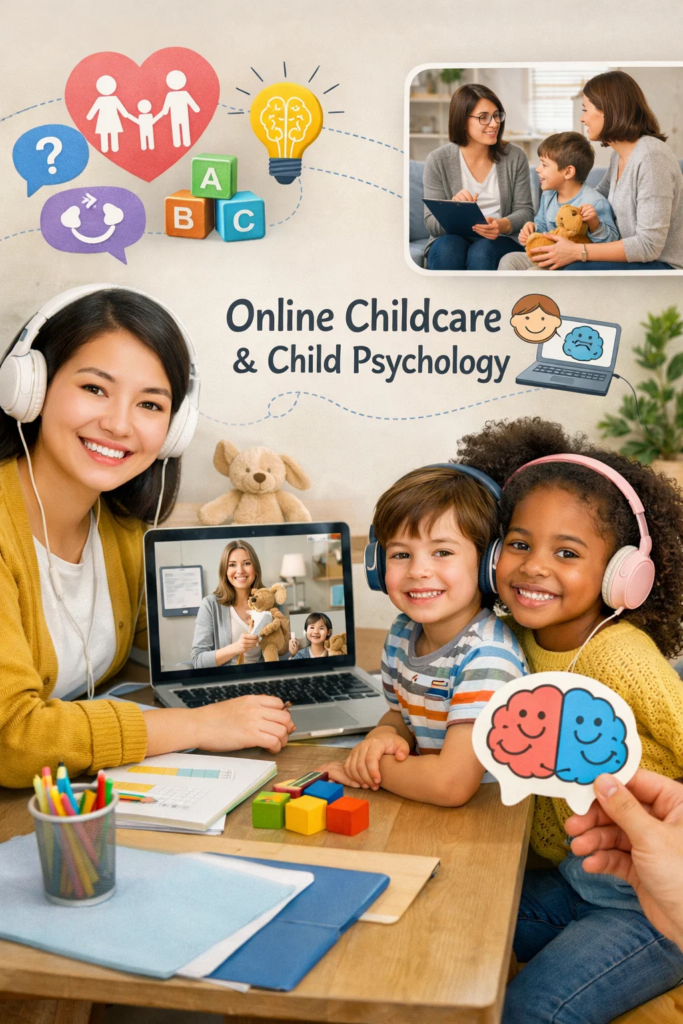
Understanding how a child thinks and feels can help parents build a better bond with them. By learning more about child development, parents can support their children in the right way.
One of the best ways to do this is by studying child psychology courses that teach how children grow, behave, and learn.
Why Is It Important To Understand How Children Think?
Children do not always know how to express their feelings. When parents understand how children think, they can guide them with more care.
This builds trust and makes the home a safer place for children.
Children Learn in Different Ways
Every child has their own way of learning and understanding the world. Knowing this helps parents support learning at home.
Some children learn by watching
Others learn by doing or listening
Child psychology helps spot these styles
Explore our trusted child psychology courses to learn how your child learns best.
Emotions Are Hard for Children to Explain
Children often feel things deeply but cannot explain them. Understanding this makes parents more patient and kind.
Young children struggle with big emotions
They may cry or act out instead of speaking
Parents can learn to respond calmly
Children Think Differently from Adults
A child’s brain is still growing. They see the world with fresh eyes and simple thoughts.
Children see things as “right or wrong”
They are very curious
They trust what parents say
How Does Understanding Emotions Build Stronger Bonds?
Children feel close to people who understand them. When parents respond to their emotions kindly, children feel safe. This closeness makes the relationship stronger.
Children Feel Safe with Understanding
Children open up more when they feel accepted. They need to know it is okay to feel upset or scared.
Builds trust between parent and child
Helps children speak freely
Reduces tantrums and fear
Feelings Lead to Behaviour
Feelings often show in the way children act. If a child is angry, they may shout or cry.
Bad behaviour often means hidden feelings
Parents can look deeper, not just punish
Child psychology teaches gentle discipline
Parents Become Calm Role Models
When parents understand emotions, they stay calm too. This teaches children to manage feelings better.
Children copy what they see
Calm parents raise calm children
Reduces family stress
What Role Does Communication Play In Parenting?
Good communication helps parents and children understand each other. It builds respect and helps avoid arguments.
Child psychology teaches better ways to talk and listen.
Listening Builds Respect
When parents listen closely, children feel important. This makes them more willing to listen back.
Children want to feel heard
They share more when not judged
Listening builds two-way respect
Simple Language Works Best
Children understand better when parents speak clearly. Short, kind words work better than shouting.
Clear words avoid confusion
Short sentences help young children
Tone of voice matters too
Talking Solves Problems
Talking through problems teaches children to think calmly. It helps them find answers instead of giving up.
Builds thinking skills
Shows better ways to handle stress
Builds trust with parents
How Can Parents Support Healthy Development?
Parents play a key role in helping children grow well. They guide how kids think, feel and behave.
Understanding development makes it easier to give the right support.
Know What to Expect
Every age has its own changes. Knowing them helps parents stay calm and helpful.
Toddlers test limits
Older kids ask big questions
Teens seek freedom
Learn what’s normal at each stage in our child psychology courses.
Create the Right Environment
A child’s space shapes how they feel and act. A safe and happy space helps them grow well.
Safe spaces lower stress
Playtime builds skills
Routines create calm
Support Builds Confidence
When parents cheer children on, they feel stronger. Support helps them try new things and keep going.
Encouragement builds bravery
Praise boosts self-esteem
Mistakes become learning chances
How Can Understanding Behaviour Help?
All behaviour means something. Children act out when they need help, not just to be “naughty.”
Understanding behaviour helps parents respond in helpful ways.
Behaviour is a Message
Every action tells a story. Child psychology teaches parents to listen with their eyes.
Acting out can mean fear or hunger
Quietness may mean worry
Reactions help reveal needs
Decode behaviour with expert advice in our courses.
Discipline Can Be Kind
Discipline does not mean shouting or smacking. It can teach without causing fear.
Use clear rules
Stay calm but firm
Focus on learning, not punishment
Patterns Show What Needs Work
Repeated behaviour shows what a child is struggling with. Parents can spot and support these patterns.
Repeated tantrums may mean stress
Trouble sharing could mean jealousy
Noticing patterns leads to solutions
How Does Play Help Children Learn?
Play is how children explore the world. Through games, they learn to talk, think, and get along.
Parents who understand this can make play even more powerful.
Play Builds Social Skills
Playing with others teaches children to share and listen. It helps them understand rules and friendship.
Learn turn-taking
Learn fairness and kindness
Build friendship bonds
Play Grows the Brain
Fun helps children solve problems and think clearly. Every game is a chance to learn.
Builds memory and attention
Encourages imagination
Helps with language skills
Play Shows Feelings
Children often act out emotions in games. Watching them play helps parents understand how they feel.
Sad dolls may show fear
Rough play may show stress
Quiet play may show comfort
Understand your child’s feelings through play using child psychology courses.
Why Is Routine Important in a Child’s Life?
Routine helps children feel safe and calm. It sets clear rules and reduces stress.
A child with a routine knows what to expect.
Routines Create Calm
When life is predictable, children feel in control. This makes the home more peaceful.
Helps children sleep better
Reduces tantrums
Builds good habits
Structure Supports Learning
Daily plans help children focus and learn better. Even small habits can make a big change.
Set times for homework
Use reminders for chores
Keep meals and bedtime regular
Changes Are Easier with Routines
Big changes like school or moving can be scary. Routine makes these feel less scary.
Morning routines calm school nerves
Bedtime routines help with new siblings
Eating routines help picky eaters
What Can Parents Learn From Studying Child Psychology?
Parents who learn child psychology understand more and worry less. They know what to expect and how to respond.
This helps them raise happy, confident children.
Learn How Children Grow
Courses show what happens at each age. This helps parents know what is normal.
What babies need
What teens struggle with
How learning happens
Build Parenting Confidence
Knowing what to do helps parents stay calm and clear. This boosts family harmony.
Handle tantrums better
Talk to teens with confidence
Reduce parenting stress
Improve Your Relationship
Strong bonds start with understanding. The more you learn, the closer you become.
Build strong trust
Understand feelings
Help your child grow
How Do Child Psychology Courses Help In The Long Term?
These courses offer lifelong skills. They help parents support children at every age.
They also help in schools and work with kids.
Useful at Every Age
Child psychology helps from baby to teen years. It grows with your child.
Newborn care
School support
Teen challenges
Helps with Career Goals Too
Understanding child psychology helps if you work with kids. It opens doors to many careers.
Teaching
Counselling
Childcare jobs
Improves All Relationships
It is not just about parenting—these skills help everywhere. They make you a better listener and guide.
Talk better with family
Understand others’ feelings
Stay calm under pressure
Improve all your relationships with our child psychology courses.
How Do Child Psychology Courses Help In The Long Term?
Child psychology courses do not only help in the short term. These skills grow with your child and support every stage of their development.
They are also useful in careers and in everyday relationships.
Useful at Every Age
Understanding child psychology helps you respond to your child’s changing needs over time.
These skills help with:
Supporting your baby’s early emotional needs
Helping with learning and behaviour during school years
Managing teen stress, moods, and independence
Helps with Career Goals Too
If you work with children or plan to, these courses give you a strong foundation.
It opens the door to many meaningful jobs.
These courses prepare you for:
Teaching and classroom support
Youth counselling and mental health
Early childhood and daycare roles
Improves All Relationships
These skills do not only help with children—they help in all parts of your life. You learn to listen, support, and respond in better ways.
Learn how to:
Speak calmly and clearly with others
Show empathy and read emotions well
Stay calm and problem-solve under pressure
Improve your relationships and communication skills—see our available child psychology courses.
Conclusion
If you are looking to build a better bond with your child, understanding how they think and feel is the best place to start.
Child psychology courses teach you how to respond with care, calmness, and confidence. They help you guide your child through every age and stage with understanding.
These skills also support your work life, your relationships, and your sense of calm as a parent. By learning how your child sees the world, you can create stronger connections at home.
So take a look at the courses available and give your child the best support possible.
Frequently Asked Questions
What is child psychology?
Child psychology is the study of how children grow, learn, think, and behave. It looks at emotions, development, and relationships from birth to adolescence.
It helps parents understand their child’s needs at every stage.
How can child psychology help parents?
It helps parents respond to behaviour with more care and less stress. Understanding how children think makes it easier to guide them.
This builds trust and stronger family bonds.
Why do children behave differently at different ages?
Children’s brains and emotions change as they grow. Each stage of development comes with new ways of thinking and feeling.
That is why children behave differently at different ages.
Can learning about child psychology reduce stress at home?
Yes, it can help parents stay calm and manage situations better. When parents know what to expect, they do not feel overwhelmed.
It creates a more peaceful home for everyone.
Do I need formal training to understand my child?
No, you do not need a degree. Short child psychology courses can teach useful tools for everyday parenting.
They are designed to be simple and helpful for busy families.
How do emotions affect a child’s behaviour?
Children often act out their feelings through behaviour. If they are sad or scared, they may cry or get angry.
Understanding their emotions helps parents respond with kindness.
What should I do when my child throws a tantrum?
Stay calm and do not shout. Try to understand what your child is feeling or needing.
Once they are calm, talk it through in a gentle way.
How can I help my child feel safe and supported?
Listen to them, keep routines, and show love through your words and actions. Let them know their feelings are okay.
Being present builds a strong sense of safety.
Will these skills help me with more than one child?
Yes, the skills work across all ages and personalities. You may need to adapt how you use them, but the base tools stay the same.
They are helpful for big and small families alike.
Where can I find a good child psychology course?
You can find trusted child psychology courses online or through learning centres like Matric College. Look for ones that focus on child development, parenting, and communication.
Are you wondering how child care courses can help you develop important skills for working with children?
These courses teach you the skills you need to understand, care for, and support children. They focus on both practical abilities and knowledge about how children grow and learn.
By taking child care courses, you will learn how to create safe and supportive environments for kids. You will also gain skills in communication, problem-solving, and managing different needs.
What Key Skills Are Taught In Child Care Courses?
Child care courses teach you skills such as communication, patience, and creativity. These skills are important when working with children.
The courses also focus on emotional understanding and how to respond to children’s needs.
Communication Skills
Communication is key when working with children. Child care courses teach you how to talk to kids in a way that is easy for them to understand.
You will also learn how to listen carefully to children’s needs and feelings.
Speak clearly and slowly
Use simple words and phrases
Encourage children to express their thoughts
Patience
Patience is important when working with children. Children may take time to understand instructions or express themselves.
Child care courses will teach you how to remain calm and supportive in challenging situations.
Stay calm in tough situations
Give children time to respond
Be understanding and positive
Creativity
Creativity helps keep children engaged and interested. Child care courses teach you how to plan fun and educational activities.
You will learn how to create activities that promote learning through play.
Plan interactive games
Create crafts and art activities
Use songs and stories to teach lessons
Child care courses teach important skills to help you care for children well.
Start your journey by enrolling in a child care course today and gain these essential skills.
How Do Child Care Courses Help You Understand Child Development?
Child care courses provide important knowledge about how children grow and develop. You will learn about different stages of growth and what children need at each stage.
This helps you understand children’s behaviours and emotions.
Physical Development
Children grow and develop in many ways. Child care courses teach you about the physical changes children go through as they grow.
You will learn how to support children’s health and motor skills.
Monitor children’s physical growth
Help with coordination skills
Promote healthy habits
Emotional Development
Understanding emotions is important for working with children. Child care courses teach you how children develop feelings and how to respond to them.
You will also learn how to help children manage their emotions.
Recognise different emotions
Teach children how to express feelings
Support children through emotional challenges
Social Development
Children learn how to interact with others. Child care courses teach you how to support children in making friends and learning how to share.
You will understand the importance of social skills for children’s growth.
Encourage teamwork and sharing
Support children in making friends
Help children learn social rules
Child care courses help you learn how children grow and develop.
Sign up for a course today to understand child development better and support children in the best way possible.
How Do Child Care Courses Teach Effective Behaviour Management?
One key area child care courses focus on is behaviour management. You will learn how to manage children’s behaviour in a positive way.
The courses teach you strategies to handle challenging behaviour and encourage good behaviour.
Positive Reinforcement
Positive reinforcement helps children learn good behaviour. Child care courses teach you how to praise and reward good behaviour. You will also learn how to set clear expectations.
Praise good behaviour
Use rewards like stickers or praise
Set clear rules and expectations
Setting Boundaries
Setting boundaries is important for children to feel safe. Child care courses teach you how to set limits in a kind but firm way.
You will learn how to make sure children understand what is and is not acceptable behaviour.
Establish clear rules
Be consistent with discipline
Explain consequences calmly
Conflict Resolution
Children will often argue or disagree. Child care courses teach you how to help children resolve conflicts on their own.
You will learn how to guide children in finding peaceful solutions.
Teach children to listen to each other
Encourage compromise and understanding
Help children find solutions
Child care courses teach you how to manage children’s behaviour in a positive way.
Enrol in a course today to learn effective strategies for managing behaviour and creating a better learning environment.
What Do Child Care Courses Teach About Health And Safety?
Child care courses help you understand how to keep children safe. You will learn about health and safety practices in a child care setting.
This includes keeping children safe from accidents and knowing how to handle medical emergencies.
First Aid
Knowing basic first aid is essential when working with children. Child care courses teach you how to handle minor injuries.
You will also learn how to manage more serious emergencies.
Learn CPR and first aid
Treat cuts and bruises
Know how to handle allergic reactions
Hygiene Practices
Teaching children good hygiene is important. Child care courses show you how to encourage children to wash their hands and keep clean.
You will learn the importance of keeping play areas and toys clean.
Teach children to wash their hands
Keep toys and areas clean
Encourage healthy habits
Safe Play
Creating a safe environment for children to play in is crucial. Child care courses teach you how to ensure that play spaces are safe.
You will learn to check for potential hazards and make sure children are supervised.
Remove dangerous objects from play areas
Always supervise children during play
Use safe and age-appropriate toys
Child care courses teach you how to keep children safe and healthy.
Sign up for a course today to learn important health and safety practices for child care settings.
How Do Child Care Courses Prepare You For Working In Different Settings?
There are many types of child care settings where you can work. Child care courses teach you how to work in places like day care centres, schools, and private homes.
You will learn how to adapt your skills to different environments.
Day Care Centres
In a day care centre, you will work with children of various ages. Child care courses teach you how to plan activities and ensure the safety of all children.
You will learn to manage a group of children in a busy environment.
Plan activities for different ages
Keep children safe in large groups
Encourage learning through play
Schools
In schools, you may work with children in a classroom setting. Child care courses teach you how to support children’s learning and work alongside teachers.
You will also learn how to manage classroom behaviour.
Support teachers in the classroom
Help with children’s learning
Manage children’s behaviour in school
Private Homes
Working in private homes means you are responsible for a small group of children. Child care courses teach you how to create a structured routine and provide personal care.
You will also learn how to build a close relationship with the children and their family.
Create a daily routine
Provide personal care and attention
Build trust with children and families
Child care courses prepare you to work in various child care settings, giving you the skills for different roles.
Enrol in a course now to be ready for any child care environment.
How Do Child Care Courses Teach You About Child Protection?
Child care courses teach you about the importance of protecting children. You will learn how to recognise signs of abuse and neglect.
The courses will show you how to act responsibly and report concerns.
Recognising Signs of Abuse
It is important to recognise the signs of abuse. Child care courses teach you how to identify physical and emotional signs that a child may need help.
You will learn what to do if you suspect a child is being harmed.
Spot signs of physical abuse
Recognise emotional distress
Learn how to report concerns
Reporting Concerns
If you suspect a child is in danger, you need to know how to report it. Child care courses teach you how to follow the proper channels for reporting.
You will learn how to keep children safe while handling these sensitive situations.
Follow correct reporting procedures
Keep information confidential
Ensure children are safe
Working with Families
Working with families is an important part of child protection. Child care courses teach you how to build strong relationships with families.
You will learn how to support families and help them with their children’s well-being.
Communicate openly with parents
Offer support and advice to families
Work together to keep children safe
Child care courses teach you how to keep children safe and protect their well-being.
Sign up for a course today and learn the vital skills to protect children in your care.
How Do Child Care Courses Develop Professionalism?
Child care courses help you develop professionalism. You will learn how to behave in a respectful and responsible way when working with children.
These courses teach you the standards of behaviour expected in child care jobs.
Professional Conduct
Being professional means acting responsibly and respectfully. Child care courses teach you how to follow rules and behave appropriately.
You will learn how to maintain a positive attitude in your work.
Follow the rules and guidelines
Show respect for children and colleagues
Stay calm and focused at work
Time Management
Managing your time is important when working with children. Child care courses teach you how to plan your day efficiently.
You will learn how to balance different tasks and keep children on schedule.
Plan activities ahead of time
Keep a daily routine
Stay organised and efficient
Teamwork
Working well with others is essential in child care. Child care courses teach you how to be part of a team.
You will learn how to collaborate with colleagues and share responsibilities.
Work together with colleagues
Support each other in tasks
Communicate clearly with the team
Child care courses help you develop the professionalism needed to succeed in child care.
Take a course today and build the skills to become a trusted and effective child care worker.
How Do Child Care Courses Improve Your Job Opportunities?
Completing child care courses opens up job opportunities. You will be qualified to work in different child care settings.
These courses show employers that you have the skills and knowledge needed to care for children.
Building a Strong CV
Having a qualification in child care improves your CV. Child care courses show potential employers that you are serious about working with children.
You will have the skills they are looking for.
Add your qualification to your CV
Show your dedication to child care
Gain more job opportunities
Career Growth
With child care courses, you can advance in your career. These courses provide the foundation for further studies and higher positions.
You can grow your career in child care.
Study for more advanced qualifications
Apply for higher roles in child care
Gain more responsibilities over time
Flexibility in Work Hours
Child care courses can also offer flexibility in your work hours. After completing these courses, you may be able to work in different shifts or locations.
This flexibility can be a great benefit.
Work in part-time or full-time roles
Choose flexible shifts
Work in different locations
Child care courses improve your job opportunities by equipping you with the skills employers seek.
Start your course today and increase your chances of landing the job you want!
How Do Child Care Courses Help You Develop Key Skills For The Job?
Child care courses are designed to help you develop important skills needed for the job.
By completing these courses, you gain practical experience and knowledge that directly apply to working with children.
The skills learned during your studies make you more capable and confident in your role as a child care worker.
Building Communication Skills
In child care, strong communication is key. These courses teach you how to communicate effectively with children, parents, and colleagues.
Learn how to speak clearly to children
Understand the needs of both children and parents
Improve your teamwork and collaboration skills
Problem-Solving and Critical Thinking
Child care courses help you think quickly and find solutions to problems. In the workplace, you will need to make decisions and handle difficult situations.
Learn how to respond to emergencies
Develop strategies to handle conflicts
Think critically about child development issues
Understanding Child Development
A deep understanding of child development is crucial. These courses provide knowledge about how children grow, learn, and develop.
Learn about emotional, physical, and cognitive development
Understand milestones in child development
Learn how to support children’s growth in different stages
Child care courses help you develop key skills such as communication, organisation, and problem-solving, making you more prepared for the job.
Start your course today and enhance your skills for a successful career in child care!
How Can Child Care Courses Enhance Your Professional Reputation?
Taking child care courses not only improves your skills but also enhances your professional reputation.
Employers value employees who are well-trained and dedicated to their work. By completing these courses, you show your commitment to providing high-quality care for children.
Demonstrating Professionalism
Completing child care courses shows employers that you are committed to your career. This dedication enhances your professionalism and reputation in the field.
Show employers you are serious about your career
Build trust with parents and colleagues
Stand out from others without formal training
Gaining Industry Recognition
By finishing these courses, you become recognised as a qualified professional in the child care field.
Certification and qualifications are highly valued in this industry.
Earn certifications recognised by employers
Build your reputation in the child care community
Gain respect from colleagues and clients
Improving Job Security
When you have the qualifications and knowledge gained from child care courses, your job security improves.
Employers are more likely to retain employees who are well-trained and capable.
Increase your chances of job retention
Be more attractive to employers in the child care industry
Gain job stability with recognised qualifications
Child care courses help improve your professional reputation by showing your commitment to learning and excellence.
Enrol now to build your reputation and take your child care career to the next level!
Conclusion
Child care courses help you develop key skills needed for working with children. They teach you how to communicate, understand child development, and manage behaviour.
These courses also prepare you for different child care environments and improve your job opportunities. If you are interested in working with children, enrolling in a child care course is a great step.
Start your journey today by enrolling in a child care course and begin building your skills for a rewarding career working with children.
Frequently Asked Questions
What will I learn in a child care course?
You will learn skills like communication, patience, and creativity. You will also understand child development and learn behaviour management strategies.
These courses also cover health and safety practices.
Are child care courses suitable for beginners?
Yes, child care courses are designed for people who are new to working with children. They teach the basics of child care and prepare you for entry-level positions.
You will be supported throughout the course.
How long does a child care course take to complete?
The length of a child care course depends on the level and type of course. Some basic courses can be completed in a few months, while more advanced qualifications may take longer.
The course duration will be mentioned when you enrol.
Can I work with children after completing a child care course?
Yes, after completing a child care course, you will be qualified to work with children in various settings. You will be able to apply for jobs in day care centres, schools, or private homes.
Are there online options for child care courses?
Yes, many child care courses are available online. This gives you the flexibility to study at your own pace. You will still receive the same quality education and support as in-person courses.
Do I need any experience before starting a child care course?
No, you do not need any prior experience. Child care courses are designed to teach you everything you need to know from scratch.
You will gain the skills and knowledge you need to start your career.
How much does a child care course cost?
The cost of a child care course varies depending on the level and provider. Some courses are more affordable, while others may cost more for advanced qualifications.
You should check the course details for pricing.
Can I continue my education after completing a child care course?
Yes. You can continue your education after completing a basic child care course.
Many students choose to study for more advanced qualifications or certifications to improve their career opportunities.
Do child care courses teach about child protection?
Yes, child care courses include training on child protection. You will learn how to recognise signs of abuse and neglect. And understand the correct procedures for reporting concerns.
What are the career opportunities after completing a child care course?
After completing a child care course, you can work in various child care settings. These include day care centres, schools, and private homes. There are also opportunities to advance to higher positions with further study.
Are you interested in working with children and making a difference in their lives? A child care certificate can open many career opportunities in the child care industry.
By completing child care certificate courses, you can develop the skills needed to care for and educate young children.
Whether you want to work in daycares, schools, or as a nanny, this qualification will help you take the first step towards a rewarding career.
This article will guide you through the potential job paths and how a child care certificate can help you succeed in the field.
How Can A Child Care Certificate Benefit Your Career?
A child care certificate can help you start a career in early childhood education and development. With the right training, you will be qualified for many job roles in child care settings.
The courses will teach you important skills that employers look for, such as child safety, health, and effective communication.
What Skills Will You Learn in Child Care Certificate Courses?
These courses will provide you with valuable knowledge about child development, basic first aid, and safety.
You will also learn how to manage children’s behaviour and foster a positive learning environment. These skills are essential to helping children grow and develop in a safe space.
Child development
First aid skills
Behaviour management
How Do Child Care Courses Help Improve Job Prospects?
By completing a child care certificate, you increase your chances of being hired in child care positions.
The qualification demonstrates that you have the required skills and knowledge to work with children.
Employers prefer candidates with formal training in child care as it assures them of your commitment to the job.
Increased employability
Gaining recognised skills
Being competitive in the job market
What Are the Benefits of Completing a Child Care Certificate?
Completing a child care certificate offers a wide range of benefits, including gaining valuable skills that are directly applicable to the child care industry.
You will also gain confidence in your ability to work with children and handle various situations that may arise in a child care setting.
This certification helps build a strong foundation for your career and personal development.
Practical child care skills
Increased career opportunities
Building a solid professional foundation
Ready to take the next step in your career? Enrol in a child care certificate course today!
What Career Roles Can You Pursue With A Child Care Certificate?
There are many career options available after completing child care certificate courses. You can work as a daycare worker, nanny, or even as a child care centre manager.
These jobs offer opportunities to interact with children daily and make a positive impact on their lives.
What is a Daycare Worker?
A daycare worker cares for children in daycare centres, helping them with daily activities and keeping them safe.
Daycare workers are responsible for monitoring children’s health and well-being. They also help with educational activities that promote child development.
Supervision of children
Managing activities
Promoting early learning
How About Becoming a Nanny or Au Pair?
A nanny or au pair looks after children in their own home, usually providing one-on-one care. As a nanny, you would help with children’s daily routines, including meals, activities, and schoolwork.
This job allows for more personal interaction with children.
One-on-one care
Household management
Flexible working hours
What Does a Child Care Centre Manager Do?
A child care centre manager oversees the operation of a daycare or child care centre. They manage staff, ensure safety protocols are followed, and create learning schedules for the children.
This is a leadership role that requires both child care experience and management skills.
Managing staff
Developing learning programmes
Ensuring safety regulations
How Can You Work In Specialised Child Care Roles?
If you want to work with children who have special needs, you can take extra courses in special education.
This will help you support children with disabilities or challenges. These roles require special training to provide the best care for each child.
What is Special Needs Care?
Special needs care involves supporting children who need extra attention due to physical or learning disabilities.
You will help these children grow in a safe environment. This career requires patience and understanding.
Work with children with disabilities
Provide extra support for their needs
Create a safe, nurturing environment
Working with Children with Disabilities
When working with children with disabilities, understanding their unique needs is key. You will work with other professionals to provide the best support.
Understand the child’s unique needs
Work with professionals for the best care
Be flexible and empathetic
Providing Tailored Care
Every child has unique needs, so providing tailored care is important. You will create personal care plans to ensure the child gets the right support.
Create personalised care plans
Adapt care based on the child’s needs
Monitor progress and adjust care
How Can You Become A Child Health Care Worker?
A child care certificate can lead to roles in child health care, where you monitor children’s health and assist with medical needs. This role often involves working closely with doctors or nurses.
Monitoring Health
As a child health care worker, you will monitor children’s health and make sure they are growing well. This includes checking for health issues early on.
Track children’s growth and health
Identify potential health issues early
Ensure proper care is given
Administering First Aid
You will need to be trained in first aid and CPR. In emergencies, you will provide quick care to ensure the child’s safety.
Be trained in first aid and CPR
Respond quickly in emergencies
Ensure safety and well-being
Supporting Children’s Well-Being
You’ll also support children’s emotional and psychological health, helping them feel secure and comfortable.
Provide emotional and psychological support
Ensure children feel safe and comfortable
Create a nurturing environment
How Does A Child Care Certificate Help You Stand Out In The Job Market?
A child care certificate shows employers that you are dedicated and prepared for a job in the child care field.
It makes your resume stand out when applying for positions in child care centres, schools, or even private homes. This qualification gives you an edge in a competitive job market.
What Makes Your Resume Stand Out?
When applying for jobs, a child care certificate makes your resume look more professional.
Employers prefer candidates who have formal training in child care as it shows a commitment to the role. Having this certificate shows you are serious about working with children.
Demonstrates professionalism
Shows commitment
Increases job chances
How Does a Child Care Certificate Lead to Career Advancement?
As you gain experience in the field, a child care certificate can help you advance to higher roles, such as child care centre manager or director.
You may also take additional courses to specialise in areas such as special education or child health. This continued education can help you move up in your career.
Promotes career growth
Opens up advanced roles
Provides opportunities for specialisation
What are the Benefits of Continuous Learning in Child Care?
By continually learning and taking more advanced courses, you can improve your skills and knowledge.
This can lead to better job opportunities and career advancement. Employers value employees who are willing to keep learning and growing in their roles.
Provides job security
Increases qualifications
Improves career prospects
How Can You Support Children’s Development Through Child Care Roles?
Child care professionals play a key role in supporting the development of young children. By working with children, you can help them develop social, emotional, and cognitive skills.
You will be guiding them through their early years, which are crucial for their future growth.
What Role Do You Play in Child Development?
As a child care worker, you help children grow by creating a safe and supportive environment.
You will guide them through various learning activities that promote development in all areas. This will help them develop the skills needed for school and life.
Creating a supportive environment
Engaging in educational activities
Helping children build important skills
How Can Child Care Workers Help with Social Skills?
One of the key aspects of child care is teaching children how to interact with others. You will help children learn how to share, communicate, and make friends.
These social skills are essential for their success in school and life.
Teaching sharing and cooperation
Encouraging good communication
Promoting friendships and teamwork
How Does Child Care Promote Emotional Growth?
Working in child care allows you to support children’s emotional development. By offering comfort, guidance, and positive reinforcement, you will help children build self-confidence and manage their emotions.
Emotional growth is just as important as social and intellectual growth.
Providing emotional support
Encouraging self-confidence
Helping children manage emotions
What Are The Financial Benefits Of Pursuing A Child Care Career?
A career in child care can offer good financial rewards. While entry-level roles may have lower wages, experienced professionals can earn higher salaries.
As you advance in your career, you may also receive benefits such as paid time off and health insurance.
What is the Salary Range for Child Care Workers?
Child care worker salaries vary depending on location, experience, and job type. Entry-level workers typically earn lower wages.
While experienced child care professionals can earn more. As you move into management roles or specialisation, your salary can increase significantly.
Entry-level wages
Higher earnings with experience
Salary increases with advancement
How Do You Get Benefits in Child Care Jobs?
Child care professionals may receive benefits like paid holidays, sick leave, and health insurance, especially in full-time or permanent roles.
The benefits vary depending on the employer and job type. Having a child care certificate increases your chances of getting these benefits.
Paid time off
Health insurance
Sick leave and other benefits
Can a Child Care Certificate Lead to Better Job Security?
Completing child care certificate courses can lead to job security, as qualified professionals are always in demand. As more parents return to work, there is a continued need for child care workers. This demand provides stability in the industry.
High demand for qualified workers
Job security in child care
Growing opportunities in the field
How Can You Start Your Career in Child Care Today?
Starting your career in child care is simple. You can begin by enrolling in child care certificate courses to get the necessary qualifications.
Once you complete your course, you will be ready to begin your journey in child care.
Where Can You Find Child Care Certificate Courses?
Many institutes offer child care certificate courses online, making it easier for you to start. Some institutions also offer part-time or evening courses.
Which are flexible for working students. You can start your training from the comfort of your own home.
Online courses
Flexible schedules
Easy access to training
How Do You Choose the Right Course?
When choosing a course, it is important to pick one that is accredited. This ensures that your certificate is recognised by employers.
Look for courses that provide practical training, as this will help you in your future job.
Accredited courses
Practical training
Recognised qualifications
How Can You Apply for a Child Care Course?
To apply for a child care certificate course, visit the website of an accredited institution. Many offer online applications, and the process is simple.
Once enroled, you can start your studies and begin preparing for your future career.
Simple application process
Easy online enrollment
Start your studies immediately
Conclusion
A child care certificate opens up many career opportunities, allowing you to work in various child care roles.
Whether you want to become a daycare worker, nanny, or child care manager, this certificate is the first step towards a rewarding career.
By completing the course, you will be equipped with the skills needed to succeed in child care.
Enroll in a course today and start your journey towards a fulfilling career helping children grow and thrive.
Frequently Asked Questions
What is a child care certificate?
A child care certificate is a qualification that proves you have the necessary skills to work with children.
It teaches you about child development, safety, and how to care for young children. Completing this course opens up many career opportunities in child care.
Can I work as a daycare worker with a child care certificate?
Yes, with a child care certificate, you can work as a daycare worker. This job involves caring for children, ensuring their safety, and guiding their early development.
You will need to complete training before starting in this role.
Do I need previous experience to take child care courses?
No, most child care certificate courses are designed for beginners. They teach you everything you need to know, even if you have no prior experience in child care.
All you need is a desire to work with children.
How long does it take to complete a child care certificate?
The length of time it takes to complete a child care certificate varies depending on the course. Some programs can be finished in a few months, while others may take longer.
Many courses offer flexible schedules to suit your needs.
Can I work as a nanny after completing the course?
Yes, a child care certificate can prepare you to work as a nanny. Nannies provide care for children in a family’s home, and the training will help you manage children’s daily activities.
You will learn essential skills for this job.
What jobs can I get with a child care certificate?
With a child care certificate, you can work as a daycare worker, nanny, child care centre manager, or in special education.
These roles all require a deep understanding of child care and development, which the certificate provides.
Do child care courses offer online learning options?
Yes, many child care certificate courses are available online. This gives you the flexibility to study at your own pace from home.
Online courses often allow you to complete assignments and exams at convenient times.
How much can I earn with a child care certificate?
Salaries for jobs with a child care certificate vary. Entry-level positions may have lower wages, but experienced workers can earn more.
With additional experience or advanced roles, such as a centre manager, salaries can increase.
Is a child care certificate recognised by employers?
Yes, a child care certificate is recognised by many employers in the child care industry.
It shows that you have the necessary skills to work with children safely and effectively. This certification is valued by employers.
Can I specialise in child care after completing the certificate?
Yes, after completing your child care certificate, you can specialise in areas like special needs care or child health.
Additional courses can help you develop expertise in these areas and open up more job opportunities.
Are you thinking about enrolling in a child care course? It is a great choice if you want to work with children. However, before you start your studies, there are a few things you need to know.
Understanding the requirements for enroling in a child care course will help you prepare. This article will guide you through everything you need to know to enrol in a child care certificate course.
What Are The Basic Requirements For Enroling In A Child Care Course?
The first thing you need to know is the basic entry requirements. Child care courses usually have certain criteria you need to meet. These are usually simple and easy to follow.
Age Requirement
To enrol in most child care courses, you must be at least 16 years old. This is the minimum age for most institutions. Some courses might require you to be older depending on the level.
Must be 16 years or older
Some courses may have higher age requirements
Check the course details for specific age limits
Academic Requirements
You will need a basic education before you can join a child care course. Most courses ask for a matric certificate or equivalent.
However, some courses might accept students with lower qualifications.
Matric or equivalent qualification
Some courses might accept other qualifications
Always check the course details for specific academic needs
English Language Skills
A strong understanding of English is often needed for these courses. Most child care courses will require you to be able to read, write, and speak English.
This is because most course materials and assessments are in English.
Must be able to read, write, and speak English
English proficiency is necessary for course success
Some courses may offer language support
These are the basic requirements to enrol in a child care course. Make sure you meet them before applying. If you have questions, contact the course provider.
What Are The Entry Requirements For Online Child Care Courses?
Online child care courses are becoming more popular. They offer a flexible way to study at home. However, there are specific entry requirements for online courses as well.
Internet Access and Computer Skills
To study online, you need access to the internet and a computer. Basic computer skills are important for online learning. You will need to be comfortable with navigating online course materials.
Access to a computer with internet
Basic computer and internet skills
Comfortable with online learning platforms
Self-Motivation and Discipline
Online study requires self-discipline. Unlike classroom-based learning, you need to manage your own time.
This means that you must be organised and motivated to complete your work on time.
Be organised and self-motivated
Complete assignments on time
Manage your study schedule independently
Course Registration Process
Each online course will have its own registration process. It is important to follow all instructions carefully when enroling in an online course.
Ensure that you provide all the necessary documents.
Follow the course registration process carefully
Provide necessary documents
Ensure that all details are correct before submitting
Online child care courses offer flexibility, but they come with their own set of requirements. Make sure you have the necessary tools and skills.
f you are ready to study online, begin your application today.
How Can Previous Work Experience Help with Enrolment?
If you have worked in a child care setting before, this can help with enrolment. Previous work experience in child care is valuable.
It can make you a more attractive candidate for certain child care courses.
Relevant Work Experience
Work experience with children shows that you understand the needs of kids. Some child care courses give preference to applicants who have this experience.
If you have worked as a nanny, babysitter, or in a daycare, mention it in your application.
Experience working with children is helpful
It can strengthen your application
Shows you understand child care basics
Volunteering in Child Care
Volunteering is another great way to gain experience. Even unpaid work in a child care setting can help you.
It will show that you are passionate about working with children.
Volunteer work counts as experience
Shows your passion for child care
Adds to your application strength
Gaining Skills through Previous Jobs
Previous jobs can teach you skills needed in child care. For example, communication and problem-solving skills are key in this field.
If you have worked in a customer service role, this can help you in a child care course.
Previous jobs may have taught useful skills
Communication skills are key in child care
Problem-solving experience is valuable
Previous work or volunteering experience can make enrolling in a child care course easier.
Be sure to include it in your application. It can help set you apart from other candidates.
Do You Need To Take A Placement Test For Child Care Courses?
Some child care courses require you to take a placement test. This test helps to assess your understanding of the basic concepts.
The test helps determine if you are ready for the course.
Placement Test Purpose
The purpose of the placement test is to check your readiness. It is a way for course providers to ensure you understand the basics of child care.
It is not a pass or fail test but helps to guide your learning.
Placement tests help assess your knowledge
It ensures you are ready for the course
Helps the provider understand your needs
Types of Placement Tests
Placement tests can be online or in person. The test usually includes questions on child care basics. You may be asked about child development, safety, and communication skills.
The test can be online or in person
Questions focus on child care basics
Tests are designed to assess your understanding
How to Prepare for a Placement Test
You can prepare for the placement test by reviewing child care basics. There are many resources available to help you study.
Be sure to check the course provider’s website for any study materials.
Review child care basics before the test
Use study resources provided by the course
Practice answering questions on child care topics
A placement test may be required for some child care courses. It helps you and the provider understand your skills.
Be sure to prepare for the test to give yourself the best chance.
Are There Any Additional Requirements for Advanced Child Care Courses?
If you are enroling in an advanced child care course, you may need additional qualifications. These courses build on the basics.
They require you to have more experience or higher education.
Previous Qualifications
For advanced courses, you may need to have completed a basic child care certificate. Some courses require you to have a higher-level qualification in child care or a related field.
Must have a basic child care qualification
Some courses require further qualifications
Check the course details for specific requirements
Experience in Child Care
Advanced courses often require you to have hands-on experience. If you have worked in a child care setting for several years, this is a bonus.
Experience is important to ensure you can manage more complex child care situations.
More work experience is often required
Experience helps in advanced courses
Be prepared to show your work history
Understanding of Child Development
Advanced courses will cover more complex topics like child development theories. You should have a basic understanding of child development to succeed in these courses.
If you have studied child development previously, it will help you in advanced studies.
Understanding of child development is important
Helps you succeed in advanced courses
Previous knowledge of child development is helpful
Advanced child care courses have extra requirements. You need to have the right qualifications and experience.
Start by checking the course details to see if you meet the requirements.
What Skills Are Important For Success In Advanced Child Care Courses?
To do well in advanced child care courses, you will need specific skills. These skills help you manage complex child care situations and work with children at different stages of development. They also prepare you for leadership roles.
Communication Skills
Strong communication is essential when dealing with children, parents, and staff. You must be able to explain things clearly and listen carefully to others.
Ability to explain things simply
Good listening skills
Clear communication with both children and adults
Problem-Solving Abilities
In child care, problems will arise that need quick solutions. Being able to think on your feet and handle unexpected situations is important.
Ability to think critically
Calm under pressure
Ability to make decisions quickly
Leadership Qualities
Advanced courses often prepare you for supervisory roles. Being able to lead and manage others is key for success in these courses.
Ability to manage and guide others
Confidence to take charge
Leading by example
These essential skills will help you succeed in advanced child care courses and allow you to thrive in more demanding child care settings.
Start developing these skills to ensure your success in the course.
How Does Previous Work Experience Benefit You In Advanced Child Care Courses?
Work experience in child care is a major advantage when taking advanced courses. It helps you apply the theories you learn in real-life situations and ensures that you are ready for more complex responsibilities.
Hands-On Experience with Children
If you have worked with children before, you already know how to interact with them. This experience is very useful in advanced courses.
Experience in managing groups of children
Ability to address the needs of different children
Knowledge of everyday child care routines
Experience in Managing Challenges
Advanced courses will involve learning how to manage challenging situations. Previous experience helps you learn to manage these situations effectively.
Handling behavioural issues
Managing large groups
Resolving conflicts among children
Understanding of Child Care Settings
Experience in various child care settings gives you a better understanding of the environment you will be working in.
It prepares you for the diverse challenges faced by child care professionals.
Knowledge of different child care environments
Understanding how to set up a safe space for children
Ability to adapt to various care settings
Work experience is a valuable asset when entering advanced child care courses, as it helps you apply your knowledge and handle real-world challenges.
Use your experience to enhance your learning and career in child care.
What Are The Benefits Of Studying Advanced Child Care?
Studying advanced child care offers many benefits. It helps you improve your skills, qualify for better jobs, and become a leader in the field of child care.
Career Advancement
Advanced qualifications open doors to better job opportunities. You can move into higher positions in child care, such as a supervisor or manager.
Higher-paying positions
Leadership roles
Greater job security
Increased Knowledge and Expertise
By studying advanced child care, you gain a deeper understanding of child development, teaching strategies, and care techniques.
In-depth knowledge of child development
Improved teaching methods
Greater expertise in child care
Personal Satisfaction
Having an advanced qualification in child care is rewarding. It helps you feel more confident and proud of the work you do.
Sense of accomplishment
Improved self-confidence
Personal growth and satisfaction
The benefits of studying advanced child care courses are clear, from career advancement to personal satisfaction.
Take the next step and enrol in an advanced course to improve your skills and career opportunities.
What Are The Costs Associated With Advanced Child Care Courses?
Advanced child care courses can come with additional costs. It is important to understand these costs and plan accordingly.
Tuition Fees
The cost of the course will vary depending on the institution. You may need to pay tuition fees, and these can sometimes be higher for advanced courses.
Check course fees before applying
Look for financial aid options
Compare different institutions for pricing
Course Materials
Some advanced child care courses require specific textbooks or learning materials. Be sure to budget for any required materials.
Books or online resources
Course-specific learning tools
Additional learning aids
Possible Extra Costs
Other costs may include registration fees, examination fees, and any additional workshops or seminars that are required for the course.
Extra fees for exams or certifications
Workshops and seminars
Registration fees
Understanding the costs of advanced child care courses helps you prepare for the financial commitment.
Be sure to explore different funding options to make your education more affordable.
How Can You Find The Right Advanced Child Care Course For You?
Choosing the right course is crucial to your success. You should consider your current qualifications, experience, and career goals before enroling.
Research Available Courses
Take time to research the available courses. Look for the course that matches your interests, experience, and career goals.
Compare different courses and their content
Consider the reputation of the provider
Ensure the course meets your needs
Check Course Accreditation
Make sure that the course is accredited by a recognised body. This ensures that the course meets industry standards.
Accreditation by recognised organisations
Check if the qualification is recognised by employers
Look for courses with strong industry links
Understand the Course Requirements
Read the course requirements carefully to make sure you meet the qualifications. This helps you avoid wasting time and money on courses that are not a good fit.
Know the entry requirements before applying
Check if you need any additional qualifications
Make sure the course content aligns with your goals
Finding the right advanced child care course is important to your future success. Take the time to research and choose a course that fits your career goals and educational needs.
Conclusion
Enroling in a child care course is a great step towards building a career in child care. Whether you are new to the field or looking to advance your skills, meeting the requirements is essential.
Take the time to research the specific entry requirements for the course you are interested in. Once you meet the requirements, you will be on your way to starting an exciting career.
Enrol today and take the first step towards your future in child care!
Frequently Asked Questions
Do I need a degree to enrol in a child care course?
No, you do not need a degree to enrol in a child care course. Most courses only require a matric certificate or an equivalent. Always check the course details for the entry requirements.
Can I enrol in a child care course if I do not have experience?
Yes, many child care courses are for beginners with no experience. Some may ask for basic knowledge, but you do not need prior experience.
The course will teach you all the skills you need.
Are online child care courses as good as in-person courses?
Yes, online child care courses offer the same content as in-person ones. They are great for those who need flexibility.
You can study at your own pace and from any location.
What is the duration of a child care course?
The length of a child care course can vary. Most courses take 6 to 12 months to finish. Some advanced courses may take longer.
Are there any special skills needed for a child care course?
You will need basic skills like good communication, patience, and a love for working with children.
These skills are important for success in child care courses. The course will teach you the specific skills you need.
Can I study part-time while working in child care?
Yes, many child care courses offer part-time study. This lets you work while you study. You can still complete the course at your own pace.
Do I need to have a criminal record check to enrol in a child care course?
Some child care courses require a criminal record check, especially if you will work with children.
Always check the course details to see if this is needed. A clean record is often required for working with children.
Can I apply for financial aid for a child care course?
Yes, some schools offer financial aid or payment plans. You can ask the course provider about scholarships or ways to pay.
This helps make the course more affordable.
What do I need to bring to the first day of my child care course?
You will need basic items like a notebook, pen, and any books or materials listed for the course.
Check the course details to see if there is anything special you need to bring.
Can I enrol in a child care course if I am not a native English speaker?
Yes, many child care courses accept non-native English speakers. You may need to show proof of your English level. Check the course for any specific language requirements.
Are you looking for ways to improve your parenting skills and support your child’s growth? Child care courses offer valuable knowledge to help parents understand child development and create a positive environment for their children.
These courses provide practical skills to guide parents through every stage of their child’s growth.
In this article, we will explore how child care courses can help you raise happy, healthy children and strengthen your parenting abilities.
How Do Child Care Courses Help Parents Understand Child Development?
Understanding child development is essential for raising happy and healthy children. By learning about child development through child care courses, parents gain valuable insight into how their children grow.
This helps them make informed decisions and provide better care at each stage of their child’s life.
Learning About the Stages of Child Development
Child care courses teach about the physical, emotional, and cognitive growth of children.
Parents learn the milestones to expect at different ages.
This knowledge helps guide parenting choices and expectations.
Recognising Developmental Delays Early
Child care courses provide tools to identify early signs of delays.
Understanding these signs allows for timely intervention.
Parents gain the confidence to seek professional advice when necessary.
Applying Knowledge to Everyday Parenting
Parents can create a nurturing environment based on development stages.
Child care courses teach ways to support each child’s unique needs.
Parents learn to respond appropriately to their child’s changing needs.
By understanding development, parents can guide their children with confidence and care. Child care courses empower parents with the knowledge needed to support their child’s growth at every stage.
If you are looking for resources to help you understand child development, consider enroling in child care courses today!
What Are The Key Stages Of Child Development?
To offer the best care for children, parents need to understand the key stages of development. These stages include physical, emotional, and cognitive growth.
Knowing these stages ensures parents provide appropriate care and activities to help children thrive.
Physical Development
Growth in height, weight, and motor skills.
Learning to walk, run, and play sports.
Developing fine motor skills like writing and drawing.
Emotional Development
Understanding and expressing emotions.
Developing self-regulation skills.
Learning empathy and forming relationships with others.
Cognitive Development
Developing memory, reasoning, and problem-solving skills.
Learning language and communication.
Exploring the world through curiosity and imagination.
Understanding the key stages helps parents respond to their child’s needs and promote healthy growth.
Child care courses provide a thorough understanding of each developmental stage.
To support your child’s development, take the step to learn more by enroling in child care courses today!
How Do Child Care Courses Help With Understanding These Stages?
Child care courses equip parents with in-depth knowledge of the developmental stages.
These courses help parents understand what to expect, identify potential concerns, and apply the best practices to foster healthy development.
Gaining a Deeper Understanding of Development
Child care courses offer comprehensive lessons on each developmental stage.
Parents gain knowledge about what is typical for each age.
This helps set realistic expectations and goals for their child’s development.
Identifying Potential Developmental Concerns
Child care courses teach parents how to spot signs of developmental delays.
Parents can learn to address concerns early on.
Timely action can help mitigate long-term issues.
Seeking Professional Help When Needed
Parents learn when it’s necessary to consult a pediatrician or child psychologist.
Child care courses provide guidance on how to approach professionals.
This ensures that children receive the support they need for their growth.
By gaining a deeper understanding of developmental stages, parents can give their children the best start in life.
Child care courses provide the tools needed to support every stage of your child’s development. Learn more by signing up for child care courses today!
What Parenting Skills Are Learned In Child Care Courses?
Child care courses help parents learn a wide variety of skills to improve their everyday parenting.
These skills can create a more positive, supportive environment for children, helping them grow into confident and healthy individuals.
Positive Discipline Techniques
Parents learn how to encourage positive behaviour.
Child care courses teach ways to redirect negative actions effectively.
Establishing clear rules and expectations creates a structured environment.
Effective Communication
Parents learn how to communicate clearly and compassionately.
Child care courses teach the importance of active listening.
Open communication strengthens relationships between parents and children.
Conflict Resolution Skills
Child care courses help parents manage disagreements peacefully.
Parents learn how to address conflicts fairly and calmly.
Resolving conflicts in a positive way improves family dynamics.
Mastering these parenting skills helps foster a healthy and respectful home environment.
Child care courses are a great resource for parents who want to improve their skills and build a stronger bond with their children.
If you are looking for effective parenting techniques, enroll in child care courses today!
How Can Parents Support Their Child’s Development?
Supporting a child’s development goes beyond just providing basic needs. Parents can use activities and strategies to nurture their child’s growth and encourage positive development at every stage.
Child care courses provide valuable insights on how to offer the best support for children.
Encouraging Play and Exploration
Child care courses show how play can enhance cognitive and physical growth.
Activities that challenge children’s minds promote problem-solving.
Exploration fosters creativity and helps children learn new skills.
Promoting Independence
Parents are taught how to give children tasks that foster self-reliance.
Child care courses teach ways to encourage independence in a healthy, age-appropriate way.
Encouraging independence helps children gain confidence and self-esteem.
Providing Opportunities for Learning
Parents learn how to create educational experiences at home.
Child care courses suggest ways to engage children with books, puzzles, and games.
Providing a variety of learning activities supports a child’s academic and emotional development.
By supporting their child’s development, parents can ensure their child has the tools they need to succeed.
Child care courses teach effective strategies to help your child grow in all aspects of life. If you want to learn how to support your child’s development, explore child care courses today!
How Do Child Care Courses Benefit Communities?
When parents and caregivers participate in child care courses, it not only benefits them but the entire community as well.
By improving child care practices, communities become safer, healthier, and more supportive environments for children to grow up in.
Building a Stronger Community
Child care courses help parents and caregivers share values of care and respect.
Communities benefit from a more educated, connected population.
Parents equipped with knowledge create stronger neighbourhoods.
Creating Support Networks
Parents and caregivers can build networks through child care courses.
These networks provide emotional and practical support for families.
A strong support system makes it easier to handle the challenges of raising children.
Promoting Child Safety and Well-being
Child care courses teach parents how to protect children from harm.
Parents are better prepared to identify risks and keep children safe.
Safer communities contribute to healthier, more thriving families.
By investing in child care courses, communities create better support systems for children and families.
A well-educated community is a stronger one. If you want to help your community grow stronger, consider taking child care courses today!
Why Should Governments Invest In Child Care Education?
Governments play a critical role in supporting child care education. By investing in child care courses, they can foster healthier families and more educated societies, ultimately benefiting future generations.
Promoting Social Well-being
Child care courses help reduce child neglect and other social problems.
Investing in parenting education creates safer, more supportive communities.
Healthy, educated families contribute to the well-being of society as a whole.
Building a Stronger Workforce
Well-educated parents are more likely to have productive, stable careers.
Child care courses help parents become better equipped for the workforce.
A well-prepared workforce contributes to a thriving economy.
Reducing Long-term Costs
By preventing child neglect and other social issues, governments save on future social services.
Investing in education has long-term benefits for society’s overall health and well-being.
Child care courses lead to better outcomes for children, reducing future costs for social welfare.
Governments can play a key role in fostering strong families and societies by investing in child care courses.
By supporting education, governments help create healthier, safer, and more prosperous communities.
If you want to make a difference in your community, advocate for investing in child care courses today!
How Can Child Care Education Enhance Early Childhood Development?
Child care education is crucial in the early stages of a child’s life. It equips parents and caregivers with the knowledge to support children’s emotional, cognitive, and physical development.
This, in turn, helps children build a strong foundation for future success.
Understanding Early Brain Development
Child care courses provide insights into how children’s brains develop in the first few years.
Knowing how to stimulate brain growth helps caregivers provide appropriate learning activities.
A solid understanding of early brain development can boost a child’s long-term academic success.
Supporting Social and Emotional Skills
Children need social and emotional skills for success in life.
Child care courses teach parents how to nurture emotional intelligence and resilience.
Developing emotional and social skills helps children form positive relationships and manage emotions.
Preparing Children for School Success
Early childhood education sets the stage for academic achievement.
Child care courses help caregivers promote early literacy and numeracy.
Building a love for learning in the early years leads to greater school readiness.
Investing in child care education positively impacts children’s development. When parents and caregivers are equipped with the right knowledge, children thrive emotionally, socially, and academically.
Ready to support your child’s development? Consider enrolling in a child care course today!
How Do Child Care Courses Benefit Communities?
When parents and caregivers take child care courses, entire communities can see improvement.
These courses enhance parenting skills, create stronger family units, and contribute to a safer, more supportive environment for children to grow up in.
Strengthening Community Support Networks
Child care courses create opportunities for parents to connect and support one another.
Strong support networks help parents share resources, advice, and encouragement.
Communities that work together offer better safety and care for children.
Reducing Social Issues and Crime
Educated parents are better equipped to avoid neglect and manage challenging behaviours.
When parents learn how to care for their children effectively, there’s a reduction in child abuse and neglect.
Lower rates of neglect lead to a safer, more peaceful community.
Encouraging Parental Involvement in Local Services
Child care courses help parents become more engaged in their community.
Active parental involvement improves local schools and early childhood centres.
A community that prioritises parenting education has better resources and facilities for children.
By investing in child care courses, communities can experience long-lasting benefits, including stronger relationships, safer environments, and more involved parents.
Let us work together to create better places for children to grow by encouraging child care education in your community!
What Are The Long-Term Benefits Of Investing In Child Care Education?
The long-term benefits of child care education extend far beyond the immediate impact on children.
Governments, communities, and families all stand to gain when parents are educated about child development and care.
Child care courses provide tools for preventing common childhood health issues.
Early intervention helps address health concerns before they become long-term problems.
Breaking the Cycle of Poverty
Child care courses empower parents to create stable, thriving households.
Parents with the right knowledge can access better job opportunities and improve family income.
Breaking the cycle of poverty helps children grow up in a secure environment with access to opportunities.
Fostering Stronger, More Independent Families
Child care courses teach parents how to become more confident and self-sufficient.
Families who are well-equipped to deal with challenges are more likely to thrive.
Strong, independent families contribute to the overall stability of society.
The long-term benefits of investing in child care education can reshape the future for generations.
By providing parents with the tools to succeed, we are investing in a healthier, more prosperous society. Advocate for change by supporting child care courses today!
Conclusion
Child care courses provide invaluable knowledge for parents, caregivers, and communities. By learning about child development, parenting skills, and how to support children’s growth, participants can make a positive difference in the lives of children and society as a whole.
Whether you are a parent looking to improve your skills or a community leader seeking to foster growth, child care courses offer the tools needed to create a supportive, healthy, and nurturing environment for children.
Are you looking to improve your parenting skills and support your community? Start by enroling in child care courses today and make a lasting impact!
Conclusion
Taking child care courses benefits parents, children, and communities. Parents gain essential skills to create a loving and structured home. Children grow up in safe environments that support their development.
Communities become stronger when families are well-equipped to care for children. These courses improve communication, discipline, and overall child well-being. Learning child care skills reduces stress and increases confidence for parents.
Employers also value child care knowledge in related careers. If you want to make a difference, consider enroling in a child care course today!
Frequently Asked Questions
What is a child care course?
A child care course teaches essential skills for raising and caring for children. These courses help parents and caregivers create safe and loving environments.
They also cover child development and learning techniques.
Who can take a child care course?
Anyone interested in child care can take a course. Parents, teachers, and caregivers will find these courses useful. Even grandparents and babysitters can benefit.
How do child care courses help parents?
Child care courses teach parents about child development, safety, and communication. They help parents raise children with confidence.
These courses also create a happy home environment.
Are child care courses useful for careers?
Yes, child care courses can help individuals start careers in child care. Graduates can work as nannies, daycare assistants, or teachers.
Some courses also help with opening a daycare business.
Can child care courses help with discipline?
Yes, child care courses teach effective discipline methods. Parents learn how to set rules while being kind.
This helps children grow up with respect and good behaviour.
What topics are covered in a child care course?
Child care courses cover child development, health, and communication. They also include first aid, play activities, and learning techniques.
These help support children effectively.
How do child care courses improve communities?
Communities benefit when caregivers take child care courses. Children grow up in safe and loving environments.
This leads to healthier and happier families.
Do child care courses include first aid training?
Some child care courses include first aid and emergency care training. This prepares caregivers for emergencies.
First aid knowledge can help save lives.
How long does it take to complete a child care course?
Course length varies depending on the type. Some courses take a few weeks, while others last several months. Short courses cover basics, while longer ones provide detailed training.
Where can I find a good child care course?
Many schools and online platforms offer child care courses. It is best to choose a course from a trusted provider. Look for one that covers all important topics.
Child care courses can significantly improve your communication skills, which are essential for working with children, parents, and other caregivers.
By learning how to express yourself clearly, listen actively, and understand non-verbal cues, you will be better equipped to navigate interactions in child care settings.
Strong communication is the key to providing high-quality care and building trust with children and families.
Why Are Communication Skills Important In Child Care?
Communication is one of the most important skills in child care courses because it helps caregivers understand children’s needs and work closely with families.
Effective communication ensures that children’s emotional and physical needs are met.
How Does Communication Affect Child Care?
Understanding how to communicate properly can help you respond to children’s behaviour. When you communicate effectively, you help children feel understood and secure.
Speak calmly and clearly
Use positive language
Be patient with children
How Do Child Care Courses Help You Communicate with Families?
Child care courses teach you the importance of keeping parents updated and building strong relationships. Communication with parents helps ensure the child’s needs are being met both at home and at the care centre.
Regular updates on child’s progress
Listening to parent concerns
Offering support to families
How Does Communication Build Trust?
Good communication helps you develop trust with both children and their families. When families trust you, they feel comfortable leaving their child in your care.
Speak openly and honestly
Show empathy towards parents
Understand and respect family values
Child care courses help you improve your communication. Start learning today by enroling in a course!
How Can Child Care Courses Teach You To Listen Effectively?
Active listening is a key part of communication. Child care courses can help you improve your ability to listen to children, families, and colleagues.
Why is Listening Important for Caregivers?
Listening helps you understand what children need and how they are feeling. It also allows you to offer the best advice and support to families.
Pay full attention to the speaker
Respond appropriately
Show interest in what others are saying
How Do Child Care Courses Enhance Listening Skills?
These courses teach you strategies for effective listening. You will learn how to focus on both verbal and non-verbal cues.
Focus on the speaker
Ask clarifying questions
Avoid distractions
What Role Does Active Listening Play in Child Care?
Active listening allows you to connect with children. It helps you respond in ways that show the child you understand and care about their needs.
Make eye contact
Nod and smile to show understanding
Encourage children to express themselves
Develop emotional intelligence with child care courses. Sign up now and start improving your skills!
How Can Child Care Courses Improve Your Non-Verbal Communication?
Non-verbal communication includes body language, facial expressions, and gestures.
Child care courses help you understand how to use non-verbal communication to connect with children and others.
How Do Non-Verbal Cues Affect Children?
Children are often more receptive to non-verbal cues than words. Child care courses teach you how to use these cues to create a positive and supportive environment.
Smile and use friendly body language
Keep your posture open and approachable
Maintain eye contact to show attentiveness
How Do You Use Non-Verbal Communication with Parents?
Non-verbal communication can help build trust with parents. Being aware of your body language helps you show care and professionalism.
Use a warm and friendly tone
Nod to show you understand
Use open hand gestures to be welcoming
What Are the Benefits of Strong Non-Verbal Skills?
When you understand non-verbal communication, you can support children who may not yet have the words to express themselves. This helps build trust and security in your care.
Understand children’s feelings through body language
Respond to emotional needs without words
Help children feel safe and supported
Child care courses teach you how to handle tough situations. Enrol today and gain these skills!
How Do Child Care Courses Teach You To Communicate In Challenging Situations?
In child care, you will face challenging situations where communication is key. Child care courses teach you how to remain calm, clear, and professional in these times.
How Do You Handle Challenging Conversations?
Child care courses teach you how to approach sensitive topics with parents or colleagues. You will learn to communicate with tact and empathy.
Remain calm during stressful situations
Address concerns clearly and without judgment
Offer solutions to problems
How Can You Manage Conflicts with Children?
Handling conflicts effectively is part of your training in child care courses. You will learn how to communicate with children in a way that resolves conflicts peacefully.
Use calm and clear language
Set boundaries and expectations
Redirect children to positive behaviour
How Do You Support Families During Difficult Times?
When families face difficult situations, good communication helps you offer the right support. Child care courses teach you how to have sensitive and supportive conversations.
Be understanding and empathetic
Offer resources and support
Be patient with difficult conversations
Child care courses teach you how to handle tough situations. Enrol today and gain these skills!
How Do Child Care Courses Teach You to Adapt Your Communication Style?
Every child and family is unique, and adapting your communication style is key. Child care courses teach you how to adjust your approach based on individual needs.
How Do You Communicate with Different Age Groups?
Communication needs vary across different age groups. Child care courses prepare you to adapt your language and approach for each child’s developmental stage.
Use simple language for young children
Encourage open dialogue with older children
Listen and respond according to age
How Do You Tailor Communication for Different Cultures?
Cultural differences affect communication styles. These courses help you communicate respectfully with families from diverse backgrounds.
Be aware of cultural sensitivities
Show respect for different beliefs
Adjust your approach based on cultural norms
How Can You Work with Children with Special Needs?
When working with children with special needs, it is essential to adjust your communication style. Child care courses teach you how to communicate in ways that meet each child’s needs.
Use visual aids for children with communication challenges
Be patient and clear in your approach
Encourage children to express themselves in their own way
Child care courses help you understand how to adjust your communication for different situations
How Can Child Care Courses Help You Work With Parents?
Child care courses equip you with the skills to build strong relationships with parents. This is essential for working together to meet the child’s needs.
How Can You Communicate Clearly with Parents?
Clear communication with parents is essential to ensuring the best care for children. Child care courses teach you how to keep parents informed and involved.
Provide regular updates about the child’s progress
Use positive language when discussing challenges
Encourage open and honest communication
How Can You Support Parents in Raising Their Children?
Parents often need advice and support. Child care courses teach you how to offer practical guidance and solutions to everyday parenting challenges.
Offer parenting tips and strategies
Provide resources for additional support
Encourage parents to trust their instincts
How Can You Build Strong Parent-Teacher Relationships?
Working together with parents benefits both the child and the caregiver. Child care courses teach you how to create a strong partnership with parents.
Build trust through open communication
Respect parents’ views and preferences
Collaborate on the child’s care plan
Learn how to work with parents through child care courses. Start today and build stronger relationships!
How Can Child Care Courses Enhance Your Conflict Resolution Skills?
Conflict resolution is vital in child care. Child care courses teach you how to handle conflicts calmly and respectfully, ensuring that all parties involved feel heard.
How Do You Resolve Conflicts Between Children?
Handling conflicts between children requires patience and a calm approach. Child care courses teach you strategies to manage disputes effectively.
Encourage children to express their feelings
Help children find peaceful solutions
Teach children problem-solving skills
How Do You Manage Conflicts with Parents?
In some situations, conflicts may arise with parents. Child care courses provide you with tools to approach these situations tactfully and professionally.
Listen to parent concerns
Keep communication open and respectful
Collaborate to find a solution
How Can You Prevent Conflicts in the First Place?
Preventing conflicts involves creating an open, respectful environment. Child care courses teach strategies to minimize misunderstandings.
Set clear expectations for behaviour
Foster a positive environment
Encourage open communication
Child care courses teach you conflict resolution. Join now and improve your problem-solving skills!
How Can Child Care Courses Help You Support Children’s Emotional Development?
Supporting emotional development is essential for children’s well-being. Child care courses teach you how to recognise and support emotional needs in children.
How Can You Help Children Express Their Emotions?
Children often struggle with expressing their feelings. Child care courses equip you with tools to help children articulate their emotions in a healthy way.
Use simple language to express emotions
Validate children’s feelings
Teach emotional regulation techniques
How Can You Provide Emotional Support During Stressful Situations?
Children experience stress, and knowing how to offer support is crucial. Child care courses teach you strategies for comforting children during difficult times.
Offer a safe space for children to calm down
Use soothing language and actions
Help children identify and manage stress triggers
How Can You Encourage Positive Social-Emotional Skills?
Child care courses focus on building social and emotional skills that children can use throughout their lives.
Promote sharing and cooperation
Encourage empathy and kindness
Role-play social situations to practice skills
Learn about child development with child care courses. Sign up now and deepen your knowledge!
Learn About Child Development With Child Care Courses. Sign Up Now And Deepen Your Knowledge!
Child care requires the ability to manage diverse needs effectively. Child care courses teach you how to cater to children with varying needs, including those with special requirements.
How Can You Support Children with Special Needs?
Special needs children require a tailored approach. Child care courses teach strategies for supporting children with disabilities or unique emotional needs.
Use individualised care plans
Communicate with specialists
Implement adapted activities
How Can You Ensure Inclusivity in Child Care?
An inclusive environment helps all children feel accepted. Child care courses equip you with the skills to promote inclusivity in your care setting.
Celebrate diversity through activities
Encourage respectful language
Adapt your care to individual needs
How Can You Manage Behavioural Challenges in Diverse Settings?
Managing diverse behavioural needs requires flexibility and understanding. Child care courses teach you how to manage behavioural challenges effectively.
Identify triggers for challenging behaviours
Apply behaviour management techniques
Provide positive reinforcement for good behaviour
Child care courses teach you the basics of how children grow and develop. You will understand their emotional, physical, and social needs.
Sign up today and expand your knowledge in child care!
How Can Child Care Courses Improve Your Time Management?
Effective time management is essential in child care. Child care courses provide techniques for managing your time efficiently, ensuring all tasks are completed on time.
How Can You Balance Multiple Responsibilities?
Child care workers often juggle many tasks at once. Child care courses teach you how to balance caregiving with other duties.
Prioritize tasks based on urgency
Delegate tasks where appropriate
Use time-blocking techniques to stay organised
How Can You Create a Structured Daily Routine?
A structured routine helps children feel secure and makes your job easier. Child care courses teach you how to create schedules that work for both children and caregivers.
Set consistent meal and nap times
Plan activities that are age-appropriate
Ensure there is enough time for play and learning
How Can Time Management Improve Child Care Quality?
Efficient time management leads to higher-quality care. By managing time well, you can ensure children receive the attention and care they need.
Improve focus on each child’s needs
Avoid stressful last-minute decisions
Maintain a calm and organised environment
Child care courses teach you how to plan your day and stay on top of tasks.
Conclusion
In summary, child care courses offer you the tools you need to enhance your communication skills. These courses help you understand how to communicate effectively with children, parents, and colleagues.
Whether you are handling tough conversations or providing support, good communication is key to success in child care.
Are you ready to improve your communication skills and become a better caregiver? Start your child care course today!
Frequently Asked Questions
What do child care courses teach?
Child care courses teach a wide range of skills, from child development to effective communication with parents.
You will learn how to manage children’s behaviour and support their emotional and social growth. These courses also cover practical strategies for building strong partnerships with families.
How long do child care courses take?
The duration of child care courses can vary depending on the programme.
Some short courses can be completed in a few weeks, while others may take several months. You can choose a course that fits your schedule and learning goals.
Can I take child care courses online?
Yes, many child care courses are available online, making it easier for you to study at your own pace.
Online courses offer flexibility, allowing you to balance your studies with work or other commitments. Be sure to check if the course offers certification upon completion.
Are child care courses suitable for beginners?
Yes, child care courses are designed for both beginners and those with experience in the field.
These courses start with foundational knowledge and gradually introduce more complex topics. Whether you are new to child care or want to expand your skills, there is a course for you.
How can child care courses help me improve my communication skills?
Child care courses teach you effective ways to communicate with children, parents, and colleagues.
You will learn to listen actively, express yourself clearly, and manage sensitive topics professionally. These skills are essential for building strong, trusting relationships in child care.
Can child care courses help me support children with special needs?
Yes, child care courses provide strategies for supporting children with special needs. You will learn how to create inclusive environments.
Adapt activities, and work with other professionals to meet the needs of all children. This training is essential for providing effective care to children with different abilities.
How do child care courses prepare me for dealing with conflict?
Child care courses teach conflict resolution skills, including how to handle disputes between children, parents, or colleagues.
You will learn techniques for managing challenging behaviours and finding solutions that satisfy everyone involved. These skills are crucial for maintaining a positive care environment.
Can child care courses help me manage my time better?
Yes, child care courses provide time management techniques that are specifically tailored for the child care environment.
You will learn how to prioritise tasks, create routines, and stay organised. These skills will help you provide better care while balancing multiple responsibilities.
What are the benefits of enroling in child care courses?
Enroling in child care courses enhances your knowledge and skills, which can lead to better job opportunities and career advancement.
These courses help you provide high-quality care and build strong relationships with children and parents. Additionally, they provide valuable certifications that are recognised in the industry.
How do child care courses improve my ability to work with parents?
Child care courses teach you how to communicate effectively with parents, address their concerns, and provide them with support.
You will learn strategies for building trust and collaborating with parents to ensure the best care for their children. These skills are essential for creating a strong partnership between you and the family.
Child care courses can significantly improve your communication skills, which are essential for working with children, parents, and other caregivers.
By learning how to express yourself clearly, listen actively, and understand non-verbal cues, you will be better equipped to navigate interactions in child care settings.
Strong communication is the key to providing high-quality care and building trust with children and families.
Why Are Communication Skills Important In Child Care?
Communication is one of the most important skills in child care courses because it helps caregivers understand children’s needs and work closely with families.
Effective communication ensures that children’s emotional and physical needs are met.
How Does Communication Affect Child Care?
Understanding how to communicate properly can help you respond to children’s behaviour. When you communicate effectively, you help children feel understood and secure.
Speak calmly and clearly
Use positive language
Be patient with children
How Do Child Care Courses Help You Communicate with Families?
Child care courses teach you the importance of keeping parents updated and building strong relationships. Communication with parents helps ensure the child’s needs are being met both at home and at the care centre.
Regular updates on child’s progress
Listening to parent concerns
Offering support to families
How Does Communication Build Trust?
Good communication helps you develop trust with both children and their families. When families trust you, they feel comfortable leaving their child in your care.
Speak openly and honestly
Show empathy towards parents
Understand and respect family values
Child care courses help you improve your communication. Start learning today by enroling in a course!
How Can Child Care Courses Teach You To Listen Effectively?
Active listening is a key part of communication. Child care courses can help you improve your ability to listen to children, families, and colleagues.
Why is Listening Important for Caregivers?
Listening helps you understand what children need and how they are feeling. It also allows you to offer the best advice and support to families.
Pay full attention to the speaker
Respond appropriately
Show interest in what others are saying
How Do Child Care Courses Enhance Listening Skills?
These courses teach you strategies for effective listening. You will learn how to focus on both verbal and non-verbal cues.
Focus on the speaker
Ask clarifying questions
Avoid distractions
What Role Does Active Listening Play in Child Care?
Active listening allows you to connect with children. It helps you respond in ways that show the child you understand and care about their needs.
Make eye contact
Nod and smile to show understanding
Encourage children to express themselves
Develop emotional intelligence with child care courses. Sign up now and start improving your skills!
How Can Child Care Courses Improve Your Non-Verbal Communication?
Non-verbal communication includes body language, facial expressions, and gestures.
Child care courses help you understand how to use non-verbal communication to connect with children and others.
How Do Non-Verbal Cues Affect Children?
Children are often more receptive to non-verbal cues than words. Child care courses teach you how to use these cues to create a positive and supportive environment.
Smile and use friendly body language
Keep your posture open and approachable
Maintain eye contact to show attentiveness
How Do You Use Non-Verbal Communication with Parents?
Non-verbal communication can help build trust with parents. Being aware of your body language helps you show care and professionalism.
Use a warm and friendly tone
Nod to show you understand
Use open hand gestures to be welcoming
What Are the Benefits of Strong Non-Verbal Skills?
When you understand non-verbal communication, you can support children who may not yet have the words to express themselves. This helps build trust and security in your care.
Understand children’s feelings through body language
Respond to emotional needs without words
Help children feel safe and supported
Child care courses teach you how to handle tough situations. Enrol today and gain these skills!
How Do Child Care Courses Teach You To Communicate In Challenging Situations?
In child care, you will face challenging situations where communication is key. Child care courses teach you how to remain calm, clear, and professional in these times.
How Do You Handle Challenging Conversations?
Child care courses teach you how to approach sensitive topics with parents or colleagues. You will learn to communicate with tact and empathy.
Remain calm during stressful situations
Address concerns clearly and without judgment
Offer solutions to problems
How Can You Manage Conflicts with Children?
Handling conflicts effectively is part of your training in child care courses. You will learn how to communicate with children in a way that resolves conflicts peacefully.
Use calm and clear language
Set boundaries and expectations
Redirect children to positive behaviour
How Do You Support Families During Difficult Times?
When families face difficult situations, good communication helps you offer the right support. Child care courses teach you how to have sensitive and supportive conversations.
Be understanding and empathetic
Offer resources and support
Be patient with difficult conversations
Child care courses teach you how to handle tough situations. Enrol today and gain these skills!
How Do Child Care Courses Teach You to Adapt Your Communication Style?
Every child and family is unique, and adapting your communication style is key. Child care courses teach you how to adjust your approach based on individual needs.
How Do You Communicate with Different Age Groups?
Communication needs vary across different age groups. Child care courses prepare you to adapt your language and approach for each child’s developmental stage.
Use simple language for young children
Encourage open dialogue with older children
Listen and respond according to age
How Do You Tailor Communication for Different Cultures?
Cultural differences affect communication styles. These courses help you communicate respectfully with families from diverse backgrounds.
Be aware of cultural sensitivities
Show respect for different beliefs
Adjust your approach based on cultural norms
How Can You Work with Children with Special Needs?
When working with children with special needs, it is essential to adjust your communication style. Child care courses teach you how to communicate in ways that meet each child’s needs.
Use visual aids for children with communication challenges
Be patient and clear in your approach
Encourage children to express themselves in their own way
Child care courses help you understand how to adjust your communication for different situations
How Can Child Care Courses Help You Work With Parents?
Child care courses equip you with the skills to build strong relationships with parents. This is essential for working together to meet the child’s needs.
How Can You Communicate Clearly with Parents?
Clear communication with parents is essential to ensuring the best care for children. Child care courses teach you how to keep parents informed and involved.
Provide regular updates about the child’s progress
Use positive language when discussing challenges
Encourage open and honest communication
How Can You Support Parents in Raising Their Children?
Parents often need advice and support. Child care courses teach you how to offer practical guidance and solutions to everyday parenting challenges.
Offer parenting tips and strategies
Provide resources for additional support
Encourage parents to trust their instincts
How Can You Build Strong Parent-Teacher Relationships?
Working together with parents benefits both the child and the caregiver. Child care courses teach you how to create a strong partnership with parents.
Build trust through open communication
Respect parents’ views and preferences
Collaborate on the child’s care plan
Learn how to work with parents through child care courses. Start today and build stronger relationships!
How Can Child Care Courses Enhance Your Conflict Resolution Skills?
Conflict resolution is vital in child care. Child care courses teach you how to handle conflicts calmly and respectfully, ensuring that all parties involved feel heard.
How Do You Resolve Conflicts Between Children?
Handling conflicts between children requires patience and a calm approach. Child care courses teach you strategies to manage disputes effectively.
Encourage children to express their feelings
Help children find peaceful solutions
Teach children problem-solving skills
How Do You Manage Conflicts with Parents?
In some situations, conflicts may arise with parents. Child care courses provide you with tools to approach these situations tactfully and professionally.
Listen to parent concerns
Keep communication open and respectful
Collaborate to find a solution
How Can You Prevent Conflicts in the First Place?
Preventing conflicts involves creating an open, respectful environment. Child care courses teach strategies to minimize misunderstandings.
Set clear expectations for behaviour
Foster a positive environment
Encourage open communication
Child care courses teach you conflict resolution. Join now and improve your problem-solving skills!
How Can Child Care Courses Help You Support Children’s Emotional Development?
Supporting emotional development is essential for children’s well-being. Child care courses teach you how to recognise and support emotional needs in children.
How Can You Help Children Express Their Emotions?
Children often struggle with expressing their feelings. Child care courses equip you with tools to help children articulate their emotions in a healthy way.
Use simple language to express emotions
Validate children’s feelings
Teach emotional regulation techniques
How Can You Provide Emotional Support During Stressful Situations?
Children experience stress, and knowing how to offer support is crucial. Child care courses teach you strategies for comforting children during difficult times.
Offer a safe space for children to calm down
Use soothing language and actions
Help children identify and manage stress triggers
How Can You Encourage Positive Social-Emotional Skills?
Child care courses focus on building social and emotional skills that children can use throughout their lives.
Promote sharing and cooperation
Encourage empathy and kindness
Role-play social situations to practice skills
Learn about child development with child care courses. Sign up now and deepen your knowledge!
Learn About Child Development With Child Care Courses. Sign Up Now And Deepen Your Knowledge!
Child care requires the ability to manage diverse needs effectively. Child care courses teach you how to cater to children with varying needs, including those with special requirements.
How Can You Support Children with Special Needs?
Special needs children require a tailored approach. Child care courses teach strategies for supporting children with disabilities or unique emotional needs.
Use individualised care plans
Communicate with specialists
Implement adapted activities
How Can You Ensure Inclusivity in Child Care?
An inclusive environment helps all children feel accepted. Child care courses equip you with the skills to promote inclusivity in your care setting.
Celebrate diversity through activities
Encourage respectful language
Adapt your care to individual needs
How Can You Manage Behavioural Challenges in Diverse Settings?
Managing diverse behavioural needs requires flexibility and understanding. Child care courses teach you how to manage behavioural challenges effectively.
Identify triggers for challenging behaviours
Apply behaviour management techniques
Provide positive reinforcement for good behaviour
Child care courses teach you the basics of how children grow and develop. You will understand their emotional, physical, and social needs.
Sign up today and expand your knowledge in child care!
How Can Child Care Courses Improve Your Time Management?
Effective time management is essential in child care. Child care courses provide techniques for managing your time efficiently, ensuring all tasks are completed on time.
How Can You Balance Multiple Responsibilities?
Child care workers often juggle many tasks at once. Child care courses teach you how to balance caregiving with other duties.
Prioritize tasks based on urgency
Delegate tasks where appropriate
Use time-blocking techniques to stay organised
How Can You Create a Structured Daily Routine?
A structured routine helps children feel secure and makes your job easier. Child care courses teach you how to create schedules that work for both children and caregivers.
Set consistent meal and nap times
Plan activities that are age-appropriate
Ensure there is enough time for play and learning
How Can Time Management Improve Child Care Quality?
Efficient time management leads to higher-quality care. By managing time well, you can ensure children receive the attention and care they need.
Improve focus on each child’s needs
Avoid stressful last-minute decisions
Maintain a calm and organised environment
Child care courses teach you how to plan your day and stay on top of tasks.
Conclusion
In summary, child care courses offer you the tools you need to enhance your communication skills. These courses help you understand how to communicate effectively with children, parents, and colleagues.
Whether you are handling tough conversations or providing support, good communication is key to success in child care.
Are you ready to improve your communication skills and become a better caregiver? Start your child care course today!
Frequently Asked Questions
What do child care courses teach?
Child care courses teach a wide range of skills, from child development to effective communication with parents.
You will learn how to manage children’s behaviour and support their emotional and social growth. These courses also cover practical strategies for building strong partnerships with families.
How long do child care courses take?
The duration of child care courses can vary depending on the programme.
Some short courses can be completed in a few weeks, while others may take several months. You can choose a course that fits your schedule and learning goals.
Can I take child care courses online?
Yes, many child care courses are available online, making it easier for you to study at your own pace.
Online courses offer flexibility, allowing you to balance your studies with work or other commitments. Be sure to check if the course offers certification upon completion.
Are child care courses suitable for beginners?
Yes, child care courses are designed for both beginners and those with experience in the field.
These courses start with foundational knowledge and gradually introduce more complex topics. Whether you are new to child care or want to expand your skills, there is a course for you.
How can child care courses help me improve my communication skills?
Child care courses teach you effective ways to communicate with children, parents, and colleagues.
You will learn to listen actively, express yourself clearly, and manage sensitive topics professionally. These skills are essential for building strong, trusting relationships in child care.
Can child care courses help me support children with special needs?
Yes, child care courses provide strategies for supporting children with special needs. You will learn how to create inclusive environments.
Adapt activities, and work with other professionals to meet the needs of all children. This training is essential for providing effective care to children with different abilities.
How do child care courses prepare me for dealing with conflict?
Child care courses teach conflict resolution skills, including how to handle disputes between children, parents, or colleagues.
You will learn techniques for managing challenging behaviours and finding solutions that satisfy everyone involved. These skills are crucial for maintaining a positive care environment.
Can child care courses help me manage my time better?
Yes, child care courses provide time management techniques that are specifically tailored for the child care environment.
You will learn how to prioritise tasks, create routines, and stay organised. These skills will help you provide better care while balancing multiple responsibilities.
What are the benefits of enroling in child care courses?
Enroling in child care courses enhances your knowledge and skills, which can lead to better job opportunities and career advancement.
These courses help you provide high-quality care and build strong relationships with children and parents. Additionally, they provide valuable certifications that are recognised in the industry.
How do child care courses improve my ability to work with parents?
Child care courses teach you how to communicate effectively with parents, address their concerns, and provide them with support.
You will learn strategies for building trust and collaborating with parents to ensure the best care for their children. These skills are essential for creating a strong partnership between you and the family.
Are you wondering what career paths you can take after completing child care courses? These courses provide the essential skills and knowledge needed to work with children in different settings.
Whether you dream of assisting teachers, caring for toddlers in a nursery, or starting your own child care business, there are many exciting opportunities available.
With the right training, you can create a positive impact on children’s lives while building a fulfilling career. Let us explore the career options you can pursue after completing child care courses.
What Career Opportunities Can You Pursue After Completing Child Care Courses?
Completing child care courses opens doors to various careers in education, early childhood development, and child care management.
Whether you want to assist teachers, work in nurseries, or start your own child care business, these courses equip you with the skills needed to succeed.
Can I Become a Teacher’s Assistant After Completing Child Care Courses?
Yes! Child care courses help you develop essential skills to assist teachers and support children in a school setting. Y
ou will learn to help with lessons, manage classroom behaviour, and create a positive learning environment.
Learn classroom management techniques
Assist with teaching activities
Provide support for children’s emotional and educational needs
Becoming a teacher’s assistant is a great career path for those passionate about education. Ready to support teachers in the classroom? Enrol in achild care course today!
How Can Child Care Courses Prepare You for Nursery Work?
If you want to work with babies and toddlers, child care courses provide the knowledge and skills to create a safe, engaging, and nurturing environment.
Understand child development stages
Learn how to plan age-appropriate activities
Ensure child safety and well-being in a nursery setting
Nursery work is a rewarding career, and child care courses prepare you for success. Start your journey in nursery care.
Can Child Care Courses Help You Start Your Own Business?
Yes! Child care courses teach you how to run a successful child care business, covering both child care skills and business management.
Learn how to create a safe and structured environment
Understand business operations and child care regulations
Develop leadership and management skills
If you dream of starting a child care business, these courses provide the foundation you need. Take the first step toward running your own child care business by enrolling in a child care course today!
What Skills Are Taught In Child Care Courses For A Teacher’s Assistant?
The skills you gain in child care courses are essential for becoming a teacher’s assistant. You will learn how to create a positive learning environment.
Support children’s education, and help manage classroom activities. These skills allow you to provide the best possible assistance to teachers and students.
Classroom Management Techniques
A well-managed classroom helps children focus and learn effectively. Child care courses teach strategies to maintain order and encourage engagement.
Establish clear classroom rules
Encourage positive behaviour
Handle disruptions effectively
Supporting Children’s Learning and Development
Teacher’s assistants play a key role in helping children understand their lessons. You will learn how to provide individualised support to meet different learning needs.
Assist with reading and writing activities
Adapt lessons for different learning styles
Help children develop problem-solving skills
Understanding Children’s Emotional Needs
Children need emotional support to succeed in school. Child care courses teach you how to create a nurturing environment.
Recognise when children need extra support
Build positive relationships with students
Encourage confidence and self-expression
Teacher’s assistants are vital in shaping young minds, and child care courses provide the skills you need.
How Can Child Care Courses Prepare You to Work in a Nursery?
If you are passionate about working with young children, child care courses will equip you with the right skills.
These courses teach you how to care for children, plan activities, and create a safe and supportive environment.
You will also learn how to promote emotional and social growth in a nursery setting.
What Skills Do You Need to Work in a Nursery?
Nursery staff need patience, creativity, and knowledge of child development. Child care courses help you build these skills.
Supervise children and ensure their safety
Support children’s emotional and social development
Plan interactive and educational activities
Why is Child Care Knowledge Important for Nursery Work?
Child care knowledge helps you understand and meet children’s needs. Child care courses prepare you for different situations in a nursery setting.
Recognise different stages of child development
Provide emotional support for young children
Maintain a safe and welcoming environment
How Can Nursery Staff Create a Safe Learning Space?
A safe and engaging environment is crucial in nurseries. Child care courses teach you how to set up secure play areas and prevent accidents.
Organise child-friendly spaces
Follow safety and hygiene rules
Encourage positive behaviour
Working in a nursery is a fulfilling career, and child care courses give you the skills you need.
Can Child Care Courses Help You Start Your Own Child Care Business?
If you dream of owning a child care business, taking a child care course will give you the knowledge to succeed.
You will learn how to care for children while also understanding the business side of running a daycare or private care service.
What Are the Benefits of Starting a Child Care Business?
Starting your own child care business allows you to earn an income while providing a valuable service. Child care courses prepare you to run a business successfully.
Offer high-quality child care to families
Set your own flexible work schedule
Build and grow your own child care service
How Can Child Care Courses Help You Manage a Child Care Business?
Running a business requires both child care skills and business management knowledge. Child care courses help you balance both.
Set up a safe and engaging child care space
Learn how to manage staff and operations
Develop strong relationships with parents
How Can You Market Your Child Care Business?
To attract parents, you need to promote your child care services effectively. Child care courses help you understand marketing basics.
Create a professional and trustworthy brand
Use online platforms to reach families
Build a strong reputation through word-of-mouth
Starting your own child care business is possible with the right skills.
How Do Child Care Courses Help You Become A Social Worker?
If you want to work with children and families, child care courses provide the foundation you need.
You will learn how to support children facing emotional, social, and developmental challenges, which is essential for a career in social work.
What Are the Key Skills Taught in Child Care Courses for Social Workers?
To be a successful social worker, you need specialised skills. Child care courses help you develop these essential abilities:
Understanding child development and behaviour
Providing emotional and mental support
Communicating with families in need
How Can Social Workers Help Children with Emotional Needs?
Children facing emotional difficulties need social workers who can identify and address their struggles. Child care courses teach you how to:
Recognise signs of emotional distress
Offer counselling and therapeutic support
Collaborate with families to create solutions
How Do Social Workers Support Families and Communities?
Social workers play a key role in connecting families with the right resources. Child care courses prepare you to:
Guide families through challenging situations
Work alongside schools and child care providers
Develop long-term support plans for children
A career in social work is rewarding and impactful.
How Do Social Workers Advocate For Children’s Rights?
Social workers are crucial in protecting and advocating for children’s rights. They ensure children’s safety and well-being by upholding legal rights and acting when necessary.
What Are the Legal Rights of Children?
Children have rights to education, safety, and healthcare.
Learn about children’s rights in various situations.
Identify when rights are being violated.
Learn to intervene and protect children effectively.
How Can Social Workers Ensure Children’s Safety?
Ensuring safety is a social worker’s key responsibility.
Identify signs of abuse or neglect.
Build protective plans for children.
Collaborate with families and authorities to ensure safety.
How Do Social Workers Advocate for Children’s Rights in Legal Settings?
Social workers often work in legal settings, ensuring children’s rights are upheld.
Learn to navigate legal systems.
Understand how to advocate for children in court.
Protect children’s rights in legal settings.
Ready to protect children’s rights?
What Role Do Social Workers Play In Child Education?
Social workers help children overcome learning barriers and ensure they get the support they need to succeed in school.
How Can Social Workers Support Children in School?
Social workers help children succeed by addressing obstacles to learning.
Identify learning difficulties early.
Work with schools to create support systems.
Provide educational resources to struggling children.
How Do Social Workers Help Children with Special Educational Needs?
Children with special needs require extra support to thrive in school.
Understand disabilities and how to support children.
Create tailored learning plans.
Advocate for special accommodations in schools.
How Do Social Workers Build Strong Relationships with Schools?
Collaboration between social workers and schools is vital.
Foster positive relationships with educators.
Address the educational needs of children.
Create collaborative environments between families and schools.
Support children’s education.
How Can Social Workers Help Children In Crisis Situations?
Social workers help children through crises, providing support in times of trauma or emotional distress.
What Are the Common Crises Faced by Children?
Children often face challenges like trauma, family separation, or domestic violence.
Recognise signs of emotional or physical trauma.
Provide immediate support during crises.
Help children cope with these challenges.
How Do Social Workers Intervene in Crisis Situations?
Social workers take immediate action to ensure children’s safety during crises.
Offer emergency assistance and counselling.
De-escalate tense situations.
Support children through their recovery.
What Support Do Social Workers Provide After a Crisis?
After a crisis, children need ongoing support.
Provide long-term care and emotional support.
Help children rebuild their lives after trauma.
Create recovery plans for lasting stability.
Start supporting children in crises, just enrol in a child care course today!
How Do Social Workers Promote Mental Health In Children?
Social workers help children cope with mental health challenges. Ensuring their emotional well-being and growth.
What Are the Signs of Mental Health Struggles in Children?
Recognising mental health issues is essential for intervention.
Identify symptoms of anxiety, depression, and other disorders.
Offer early diagnosis and support.
Help children cope with mental health struggles.
How Do Social Workers Provide Mental Health Support?
Social workers provide emotional support through therapy and counselling.
Offer individual or group therapy sessions.
Help children develop coping mechanisms.
Work with families to ensure long-term care.
How Do Social Workers Help Build Emotional Resilience in Children?
Emotional resilience helps children face life’s challenges.
Teach coping mechanisms and problem-solving skills.
Build emotional strength in children.
Provide ongoing support for emotional growth.
Promote mental health.
How Can Social Workers Help Children From Disadvantaged Backgrounds?
Social workers support children from disadvantaged backgrounds. Helping them access resources and overcome life challenges.
What Challenges Do Disadvantaged Children Face?
Children in disadvantaged situations face poverty, limited education, and emotional trauma.
Understand socio-economic challenges faced by children.
Provide support to overcome barriers.
Help children access resources and opportunities.
How Do Social Workers Support Families in Need?
Social workers guide families in overcoming hardship.
Connect families with social services.
Provide support for housing and employment needs.
Empower families to improve their situation.
How Can Social Workers Provide Educational Support to Disadvantaged Children?
Education is key to overcoming disadvantage.
Advocate for resources and support in schools.
Provide access to scholarships and tutoring.
Ensure children from disadvantaged backgrounds succeed academically.
Help children from disadvantaged backgrounds.
Conclusion
Completing child care courses opens up a world of career opportunities. From working as a teacher’s assistant to starting your own child care business, these courses equip you with the knowledge and skills to succeed in the child care field.
Whether you want to work in schools, nurseries, or support families, child care courses provide the foundation for a meaningful and rewarding career.
Take the first step towards your career in child care—enrol in a child care course now!
Frequently Asked Questions
What jobs can I get after completing child care courses?
After completing child care courses, you can work as a nursery assistant, teacher’s assistant, child care business owner, or social worker.
These courses provide the skills needed to work with children in various settings. Whether you want to work in a school, daycare, or social work, child care courses open many career doors.
How do child care courses help with child development knowledge?
Child care courses teach you about different stages of child development, including physical, emotional, and social growth.
This knowledge helps you care for children more effectively. Understanding child development allows you to support children’s growth and help them reach their full potential.
Can I start my own business after completing child care courses?
Yes, child care courses can help you start your own child care business. You will learn business management skills.
Child safety practices, and how to create a welcoming environment for children. This knowledge can guide you in running a successful daycare or child care service.
Are child care courses suitable for someone interested in social work?
Yes, child care courses are perfect for those interested in social work. They teach you how to identify emotional or social challenges in children and provide support.
These courses also help you understand how to work with families and other professionals in social work settings.
How long does it take to complete child care courses?
The duration of child care courses can vary depending on the level of study. Some courses may take a few months to complete, while others may take up to a year or more.
The time you spend depends on the type of course and whether it is part-time or full-time.
What skills will I learn in child care courses?
In child care courses, you will learn important skills such as child development, classroom management, behaviour management, and child safety.
You will also gain knowledge about setting up learning environments and supporting children’s emotional and social needs.
Are child care courses recognised by employers?
Yes, child care courses are recognised by employers in various industries. Completing a recognised course shows that you have the skills and knowledge needed to work with children.
It increases your chances of finding a job in schools, nurseries, or child care settings.
Can I work with special needs children after completing child care courses?
Yes, child care courses teach you how to work with children with special needs. You will learn strategies to support their development and provide them with the care they need.
Many courses offer specialised training for working with children who have disabilities or other challenges.
How do I know if child care courses are right for me?
If you enjoy working with children and are passionate about their growth and development, child care courses are a great choice.
These courses teach you valuable skills for working with children in various settings, such as schools, daycares, or social work.
Can I work while studying child care courses?
Yes, many child care courses offer flexible study options, allowing you to work while learning. Some courses may be available part-time, online, or through evening classes. Making it easier for you to gain qualifications while balancing work and study.
Employers are increasingly looking for qualified child care professionals to ensure they meet the high standards of care.
This growing demand is driven by the need for expertise, safety, and professionalism in child care settings.
What benefits do employers gain from having qualified staff?
Qualified staff provide essential benefits that directly impact the overall child care environment. Employers gain valuable advantages when they hire skilled professionals.
Higher standards of care and safety for children
Increased trust and professionalism in the workplace
Reduced risks and potential liabilities
How does a child care course improve job performance?
Child care courses provide employees with specific skills that are directly applicable to their roles, helping them improve their job performance.
Provides essential skills and knowledge
Improves the ability to manage emergencies effectively
Helps employees meet industry standards and regulations
What do employers expect from trained professionals?
Employers look for certain qualities and competencies in trained professionals to ensure a high level of care and smooth operation of child care services.
Ability to communicate clearly with both children and parents
Knowledge of child safety and development
Professional behaviour and responsibility in all tasks
Start your journey today by enrolling in a child care course to meet employer expectations.
By hiring qualified child care professionals, employers ensure quality care and safety, leading to improved workplace outcomes.
How Do Child Care Courses Benefit Employers?
Child care courses are an investment that benefits both employees and employers. They help employees improve their skills, which directly impacts the quality of care provided.
What skills are developed through child care courses?
Child care courses develop a wide range of skills that enhance the capabilities of child care professionals, ensuring better care for children.
Child development and behavioural management techniques
Communication and conflict resolution skills
Safety and first-aid practices
How do child care courses improve job satisfaction?
Employees who undertake child care courses often experience an increase in job satisfaction due to the new skills and confidence they gain.
Employees feel more competent and confident in their roles
Knowledge gained leads to a greater sense of accomplishment
Opportunities for career advancement increase
What impact do trained professionals have on workplace culture?
Trained professionals bring a positive impact to the workplace culture, helping improve collaboration and team dynamics.
They bring professionalism and enthusiasm to the workplace
Improve collaboration and teamwork within the team
Set higher standards for service delivery
Sign up for a child care course today to enhance your team’s skill set and overall job satisfaction.
Investing in child care courses creates a more skilled workforce and strengthens the workplace culture.
What Qualifications Do Employers Look For In A Child Care Professional?
When employers seek child care professionals, they are looking for specific qualifications that ensure competence and expertise.
These qualifications are essential in building trust and maintaining safety in child care settings.
What are the key qualifications in child care?
There are certain key qualifications that employers seek to ensure a child care professional is fully prepared for the challenges of the job.
First aid and CPR certification
Child development and education credentials
Child protection and safety training
How do these qualifications help professionals in their careers?
These qualifications not only help professionals become more competent but also open doors to better career opportunities.
Opens opportunities for career advancement and leadership roles
Increases job security through specialised skills
Demonstrates professionalism and dedication to the field
Why are these qualifications important to employers?
Employers value these qualifications because they ensure that professionals are prepared to handle any situation with confidence and competence.
Employers trust qualified staff to manage challenging situations
Qualifications reduce the risk of mistakes and improve care quality
Help maintain compliance with regulations and industry standards
Gain the qualifications needed by enrolling in a child care course today.
With the right qualifications, child care professionals can excel in their careers and meet employer expectations.
How Does A Child Care Course Improve Employee Confidence?
Completing a child care course boosts confidence, enabling employees to perform their roles more effectively. Confidence is crucial for handling diverse situations in child care environments.
How does confidence impact child care?
Confidence is a key trait for child care professionals, and it significantly affects how they handle various situations with children.
Helps employees make decisions with clarity
Increases the ability to handle emergencies and challenging behaviours
Improves communication with children, parents, and colleagues
Why is confidence important in a child care professional’s career?
Confidence is a major contributor to success in a child care professional’s career. It allows them to face challenges with ease and engage positively with families.
Builds trust with parents and children
Enhances performance and satisfaction in the role
Motivates employees to seek out leadership and advancement opportunities
What role does training play in boosting confidence?
Training provides employees with the necessary tools to approach their work with confidence and composure.
Training provides essential knowledge, reducing uncertainty
Employees feel more prepared to handle any situation
Reassures employees that they have the necessary skills to succeed
Build your confidence and skills by enrolling in a child care course today.
A child care course will help you gain the confidence needed to excel in your career and provide quality care.
How Do Child Care Courses Enhance Job Performance?
Child care courses are designed to enhance job performance by equipping employees with the knowledge and skills required to handle various challenges in the child care environment.
What areas of job performance are improved by child care courses?
Child care courses target specific areas that contribute to better performance, from behavioural management to emergency response.
Child development and behaviour management
Effective communication with children, parents, and team members
Crisis management and emergency response
How do courses support professional growth?
Professional growth is encouraged by the new skills and knowledge employees gain through child care courses, enabling them to progress in their careers.
They provide up-to-date information and practical skills
Enhance employees’ problem-solving and critical-thinking abilities
Prepare employees for more responsibility and leadership roles
How does performance improvement benefit employers?
When employees improve their performance, employers also benefit through better service delivery and reduced risks.
Leads to higher-quality care and better service delivery
Improves client satisfaction and trust in the care provided
Helps reduce turnover and retain skilled professionals
Invest in your job performance by signing up for a child care course today.
Child care courses can significantly improve job performance, benefiting both employees and employers in the long term.
Why Is Continuing Education Important For Child Care Professionals?
Continuing education is vital for child care professionals to stay current with best practices, trends, and new regulations. This ongoing learning ensures they can deliver the best care possible.
How does continuing education improve skills?
Continuous learning is essential to ensure that professionals stay on top of the latest techniques and practices in child care.
Keeps professionals updated with the latest child care methods
Helps develop new techniques for handling various child behaviours
Provides insights into new legal and safety requirements
Why is it important to stay updated in child care?
Staying updated with new information allows child care professionals to provide the highest quality of care while remaining compliant with regulations.
New research constantly reshapes the way children are taught and cared for
Staying updated helps maintain compliance with industry regulations
Provides better tools to support children’s development
How do employers benefit from continuing education?
Employers benefit from the continued education of their employees through improved care and more informed decision-making.
Employees are better prepared to handle diverse situations
More knowledgeable staff lead to improved care quality
Employers meet regulatory requirements and avoid legal issues
Stay ahead in your field by enrolling in a child care course today.
Ongoing education in child care ensures professionals provide the best care while advancing their careers.
How Do Child Care Courses Contribute To Teamwork?
Effective teamwork is critical in child care settings. Child care courses not only improve individual skills but also foster stronger teamwork and communication among staff members.
What teamwork skills are gained through child care courses?
Child care courses enhance teamwork by developing essential communication and collaboration skills necessary for a successful team.
Conflict resolution and negotiation skills
Effective communication and collaboration techniques
Understanding roles and responsibilities within a team
How does teamwork improve child care services?
A collaborative work environment improves the quality of service provided to children and enhances the overall functioning of the child care setting.
Promotes a more cohesive, supportive environment for both staff and children
Reduces mistakes and inefficiencies by working together
Encourages sharing of knowledge and resources
Why do employers value teamwork in child care?
Employers recognise the importance of teamwork because it creates a positive and productive work environment.
Strong teamwork leads to a better experience for children and families
A collaborative environment fosters employee satisfaction and retention
Improves overall productivity and effectiveness
Enhance your teamwork skills today by enrolling in a child care course.
Investing in child care courses strengthens teamwork, leading to a more effective and supportive child care environment.
How Do Child Care Courses Enhance Communication Skills?
Effective communication is essential in child care settings. Child care courses provide individuals with the tools to improve both verbal and non-verbal communication, which is crucial for successful interactions with children, parents, and colleagues.
How do child care courses improve verbal communication?
Child care courses teach professionals how to effectively communicate with children and adults, improving clarity and reducing misunderstandings.
Teaching age-appropriate language to children
Improving listening skills with both children and parents
Encouraging open dialogue and feedback
Why is non-verbal communication important in child care?
Non-verbal communication plays a critical role in child care settings, as it helps convey emotions and understanding without words.
Recognising body language in children to gauge emotions
Using facial expressions to connect with children
Demonstrating empathy and care through actions
How do improved communication skills benefit child care services?
When communication improves, both the quality of care and the relationships between staff, children, and parents are enhanced.
Reduces conflicts and misunderstandings
Builds trust and rapport with parents
Strengthens teamwork among staff
Develop your communication skills by enrolling in a child care course.
Improved communication through child care courses leads to a more efficient and harmonious child care environment.
How Do Child Care Courses Address Behavioural Management?
Effective behavioural management is vital in maintaining a positive and safe environment in child care settings.
Child care courses provide professionals with strategies to manage challenging behaviours effectively.
What strategies are taught in child care courses for behaviour management?
Child care courses teach various techniques to help manage children’s behaviour, ensuring a safe and supportive environment.
Positive reinforcement and reward systems
Setting clear boundaries and expectations
Managing tantrums and disruptive behaviour
How does behavioural management affect the overall child care environment?
Managing behaviour effectively improves the overall atmosphere and ensures the safety and well-being of all children.
Promotes a calm and focused environment for learning
Reduces the risk of injuries or harm caused by disruptive behaviours
Fosters a sense of security for children and staff
Why is behavioural management an essential skill for child care professionals?
Child care professionals who are skilled in behaviour management contribute significantly to creating an environment that supports both learning and emotional growth.
Builds trust and respect with children
Helps in creating long-term positive behaviour patterns
Assists in fostering a stable emotional environment
Master behavioural management by enrolling in a child care course today.
Effective behavioural management through child care courses ensures a safe, supportive, and nurturing environment for all children.
How Can Child Care Courses Support Career Advancement?
Child care courses provide professionals with the skills and knowledge needed to advance their careers.
By acquiring specialised qualifications, employees increase their opportunities for growth and leadership roles.
How do child care courses help employees move into leadership roles?
Child care courses help develop leadership skills, preparing individuals for more responsible positions within the child care field.
Learning team management and delegation skills
Gaining knowledge of child care regulations and policies
Developing problem-solving and critical thinking abilities
How do qualifications impact career opportunities in child care?
Obtaining qualifications through child care courses opens the door to various career opportunities within the child care sector.
Enables employees to apply for more senior roles
Increases job security and earning potential
Provides opportunities for cross-sector mobility (e.g., from care worker to manager)
Why is career development important in the child care industry?
Career development is important because it helps retain skilled professionals and ensures the continuous improvement of care services.
Provides professional growth and satisfaction
Reduces turnover by motivating employees to stay long-term
Enhances the overall quality of child care services
Advance your career in child care by enrolling in a child care course today.
Investing in child care courses offers tremendous opportunities for career advancement and personal growth within the field.
Conclusion
In conclusion, enrolling in child care courses offers many benefits, from enhancing your understanding of child development to improving communication and teamwork skills.
These courses equip you with the necessary tools to handle challenging behaviours and contribute to a supportive, safe environment for both children and staff.
They also open up career advancement opportunities, allowing you to move into leadership roles within the child care sector.
By investing in your professional development, you are not only improving your skills but also making a significant impact on the quality of care provided.
Whether you are looking to build a rewarding career or improve the child care services you offer, child care courses can help you achieve your goals. Take the first step today and see how these courses can shape your future.
Frequently Asked Questions
What will I learn in a child care course?
In a child care course, you will learn about child development, safety protocols, and how to manage behaviours.
You will also gain practical skills to communicate effectively with both children and adults. The course prepares you to provide a safe and nurturing environment for children.
Can child care courses help me get a job in child care?
Yes, completing a child care course can significantly improve your chances of getting a job in child care. It gives you the qualifications and skills employers look for.
The course provides a solid foundation to start your career in the industry.
How long do child care courses typically take?
The duration of a child care course depends on the level and type of course you choose. Some courses can be completed in a few months, while others may take a year or more.
You can find both part-time and full-time options to suit your schedule.
Are child care courses suitable for beginners?
Yes, child care courses are designed for all skill levels, including beginners. They start with the basics, such as understanding child development and creating a safe environment.
As you progress, you can deepen your knowledge with more advanced topics.
Can I study child care courses online?
Yes, many institutions offer child care courses online. Online courses provide the flexibility to study at your own pace, making it easier to balance work, life, and studies.
You can access course materials and assignments from anywhere with an internet connection.
What are the benefits of taking a child care course?
Taking a child care course helps you develop skills like communication, teamwork, and behaviour management.
These skills are essential for providing high-quality care to children. The course also improves your career prospects and earning potential in the child care industry.
How do child care courses contribute to a better working environment?
Child care courses promote teamwork, effective communication, and conflict resolution skills, all of which contribute to a positive work environment.
When everyone is trained in these skills, it creates a supportive and collaborative atmosphere. This leads to better job satisfaction and improved care for children.
Can child care courses help me advance in my career?
Yes, child care courses can help you advance in your career by equipping you with the skills needed for leadership roles.
You will learn how to manage teams, implement policies, and understand child care regulations. This knowledge prepares you for higher-paying, senior positions within the industry.
How can child care courses help with managing challenging behaviour?
Child care courses teach strategies for managing challenging behaviours, including positive reinforcement, setting boundaries, and using effective communication techniques.
These skills are essential for maintaining a calm, supportive environment for children. The courses help you handle difficult situations with confidence and professionalism.
Are child care courses recognised by employers?
Yes, child care courses are recognised by employers and are often required for certain roles in the industry. Completing a recognised course shows employers that you have the skills and qualifications needed to provide high-quality care.
It enhances your credibility and increases your chances of securing a job.
Are you looking to improve your skills in child care? A child care course will teach you all the important skills you need to care for children and run child care facilities.
From learning about child development to understanding first aid, these courses provide the knowledge to help you succeed in the child care industry.
By completing a child care course, you will gain skills that make you more confident and prepared to work with children.
You will learn how to care for children and manage day care facilities while keeping them safe and healthy.
How Will A Child Care Course Improve Your Knowledge Of Child Development?
A child care course will give you a strong understanding of how children grow and develop. You will learn about their physical, emotional, and social needs.
This knowledge helps you support children in a safe and positive way.
Understanding Child Growth
This part of the course focuses on how children grow from birth to adulthood. You will learn how to support each stage of a child’s life.
Learn how to promote healthy growth
Understand milestones in child development
Support emotional and social skills
Recognising Developmental Delays
You will learn how to spot signs if a child is not developing as expected. This knowledge helps you know when to ask for help.
Identify delays in physical development
Recognise problems with speech and communication
Know when to get extra support
Supporting Early Learning
This section focuses on how children learn from a young age. You will learn how to create activities that help children grow their skills.
Design simple learning activities
Encourage creativity and exploration
Support early language development
If you are eager to deepen your knowledge and skills, consider enrolling in a child care course today. Start making a difference in children’s lives and enhance your professional expertise!
How Will A Child Care Course Help You Understand Safety And First Aid?
Safety is a key part of caring for children. A child care course will teach you how to keep children safe and what to do in an emergency.
You will learn first aid skills, which are very important in case of accidents.
Learning First Aid Skills
You will learn how to deal with common injuries. First aid skills are important for every child care worker.
Learn how to treat cuts and bruises
Understand how to perform CPR
Know what to do in emergencies
Creating a Safe Environment
You will learn how to make sure the environment where children are cared for is safe. This means knowing what to do to prevent accidents.
Check for safety hazards
Secure furniture and toys
Set up safe play areas
Managing Behaviour Safely
A child care course will teach you how to handle children’s behaviour safely. Knowing how to manage difficult situations keeps everyone safe.
Use calm and clear communication
Set simple rules for behaviour
Handle tantrums safely
How Will A Child Care Course Prepare You To Manage A Day Care Centre?
In a child care course, you will learn how to run a day care centre. This includes learning how to manage both children and staff effectively.
These skills are needed to ensure the day care is well organised.
Understanding Day Care Regulations
You will learn the rules and laws that day care centres must follow. This is important to make sure everything runs smoothly and safely.
Learn about health and safety laws
Understand staffing rules
Know how to stay compliant with regulations
Managing Day Care Staff
You will learn how to lead a team of child care workers. This skill is important if you want to manage a day care centre.
Organise staff schedules
Offer support and training
Keep staff motivated and focused
Budgeting and Resources
A child care course will teach you how to manage the day care’s budget. Knowing how to spend wisely is important to run a successful business.
Plan and control the budget
Purchase supplies efficiently
Use resources to benefit the children
How Will A Child Care Course Help You Understand Children’s Behaviour?
Understanding children’s behaviour is one of the most important skills a child care worker can have. You will learn why children act the way they do.
Knowing this helps you respond appropriately.
Recognising Behavioural Issues
You will learn how to identify if a child is acting out because of emotional or developmental reasons.
Spot signs of stress or frustration
Understand why children misbehave
Know when to get help
Encouraging Positive Behaviour
You will learn strategies for encouraging good behaviour. This helps create a positive environment where everyone feels safe.
Reward good behaviour
Use positive reinforcement
Set clear expectations
Dealing with Challenging Behaviour
You will learn how to handle difficult situations calmly. This is important for managing children’s emotions in a way that helps them learn.
Use calm communication techniques
Set clear boundaries and rules
Help children manage their emotions
How Will A Child Care Course Teach You About Communication Skills?
Good communication is key when working with children and their families. A child care course will teach you how to communicate effectively.
You will learn how to talk to children and adults in a way that builds trust and understanding.
Communicating with Children
You will learn how to speak to children in a way they can understand. This helps them feel comfortable and confident.
Use simple language
Be clear and patient
Encourage children to express themselves
Talking to Parents
You will learn how to communicate with parents about their child’s progress. Good communication with parents is important to build strong relationships.
Share important information about their child
Listen to parent concerns
Offer advice and support
Writing Reports and Records
You will learn how to write reports about children’s progress. These reports are important for keeping track of each child’s development.
Keep accurate records
Write clear reports
Share updates with parents
How Will A Child Care Course Help You Understand Nutrition And Health?
A child care course will teach you how to keep children healthy. This includes understanding their nutrition needs and how to manage their health.
Understanding Healthy Diets
You will learn about healthy food choices for children. This is important to make sure children grow strong and healthy.
Know what children should eat
Understand food allergies
Create healthy meal plans
Promoting Good Hygiene
You will learn how to teach children good hygiene habits. This helps to prevent sickness and keep them clean.
Teach children to wash hands
Promote brushing teeth
Clean up after meals
Handling Illness and Injury
You will learn how to recognise illness and treat it quickly. First aid knowledge is important for managing minor injuries.
Identify signs of illness
Treat minor injuries
Know when to call for medical help
How Will A Child Care Course Help You Build Confidence?
By taking a child care course, you will feel more confident in your ability to work with children. The course will give you the knowledge and skills to handle any situation with ease.
Gaining Practical Skills
You will gain hands-on skills during the course. These will help you feel confident in real-world situations.
Learn by doing
Gain practical experience
Build your confidence through practice
Becoming a Problem Solver
You will develop problem-solving skills. These are essential for handling challenges with children and parents.
Think quickly in tough situations
Solve problems calmly
Learn from experience
Building Emotional Strength
A child care course helps you build emotional strength. This is important for working with children who may have emotional needs.
Stay calm under pressure
Manage stress effectively
Be there for children emotionally
How Will A Child Care Course Help You Work With Different Age Groups?
A child care course will teach you how to care for children of all ages. This includes babies, toddlers, and older children.
Caring for Infants
You will learn how to care for babies. This includes feeding, changing, and making sure they feel safe.
Know how to feed babies
Understand sleep patterns
Learn how to calm a crying baby
Supporting Toddlers
You will learn how to engage with toddlers in a way that supports their growth and learning.
Teach toddlers to talk
Encourage movement and play
Set up safe spaces for exploration
Educating Older Children
You will learn how to work with school-aged children. This includes helping them with homework and social skills.
Support school work
Teach responsibility
Encourage social skills
How Will A Child Care Course Help You Learn About Special Needs?
You will learn how to support children with special needs. This includes understanding their unique needs and how to help them succeed.
Identifying Special Needs
You will learn how to spot children who need extra help. This allows you to support them better.
Recognise signs of learning difficulties
Understand different types of special needs
Know when to ask for extra help
Supporting Special Needs Children
You will learn how to adapt activities for children with special needs. This helps them learn and grow at their own pace.
Create special learning activities
Use tools to support learning
Provide emotional support
Working with Professionals
You will learn how to work with other professionals to help children with special needs. This could include therapists and doctors.
Communicate with doctors and therapists
Collaborate with other experts
Provide ongoing support
How Will A Child Care Course Teach You About Play And Learning?
A child care course will teach you how play helps children learn. You will learn how to plan activities that help children learn through play.
Learning Through Play
You will learn how to use play as a tool for teaching. This makes learning fun and effective for children.
Plan engaging activities
Use toys to encourage learning
Promote creativity through play
Creating Safe Play Spaces
You will learn how to set up safe spaces for children to play. This is important for their safety and enjoyment.
Organise safe play areas
Choose age-appropriate toys
Supervise children while they play
Encouraging Social Skills Through Play
You will learn how to use play to teach children social skills. This helps them learn to work together and solve problems.
Promote sharing and teamwork
Teach conflict resolution through play
Encourage positive interactions
How Will A Child Care Course Help You Get A Job?
By completing a child care course, you will gain the skills needed to work in a variety of child care roles. The course helps you become more employable in a growing industry.
Building a Strong CV
You will gain valuable qualifications that make your CV stand out. This is important for getting hired in child care.
Add qualifications to your CV
Show employers you are skilled
Demonstrate your passion for child care
Gaining Confidence for Interviews
You will feel confident during interviews after completing the course. You will have the knowledge to answer questions and impress potential employers.
Practice interview skills
Know what employers look for
Speak confidently about your experience
Finding Work Opportunities
A child care course will open doors to many job opportunities. You can work in day care centres, schools, or even in private homes.
Find work in day care centres
Explore nanny and tutor jobs
Work with special needs children
Conclusion
A child care course offers valuable skills that will prepare you for a rewarding career in child care.
You will learn how to care for children, manage day care centres, and support children’s development in a safe and nurturing environment.
If you want to make a difference in children’s lives, taking a child care course is a great place to start. Enrol today and take the first step towards a fulfilling career in child care.
Frequently Asked Questions
How Does a Matric Certificate Enhance Employee Productivity?
A Matric certificate helps employees manage their time and tasks better. It teaches organisation and problem-solving skills that are vital at work. These skills lead to greater productivity and success in the workplace.
What Essential Skills Are Gained from a Matric Certificate?
A Matric certificate teaches communication, problem-solving, and teamwork. These are important skills that help employees work well with others. They also allow employees to handle challenges and work tasks more easily.
How Does a Matric Certificate Impact Work Efficiency?
A Matric certificate makes employees more organised and focused. This allows them to complete tasks more quickly and without mistakes. With better organisation, employees can finish their work more efficiently.
In What Ways Can Matric-Acquired Skills Improve Task Management?
Employees with a Matric certificate know how to prioritise their work. They can plan tasks and manage time better. This makes them more effective at getting things done on time.
How Can a Matric Certificate Boost Employee Confidence?
Earning a Matric certificate makes employees feel proud of themselves. It boosts their self-belief and encourages them to perform better at work. Confident employees are more willing to take on challenges.
How Does Achieving a Matric Certificate Affect Self-Esteem?
Achieving a Matric certificate makes employees feel good about their abilities. This boost in self-esteem helps them stay motivated and committed to their work. Higher self-esteem also improves their attitude towards challenges.
What Role Does Confidence Play in Job Performance?
Confidence helps employees make decisions and solve problems more easily. Confident employees are more likely to take on new tasks and offer ideas. This leads to better performance at work.
How Can Increased Confidence Influence Workplace Interaction?
Confident employees are better at communicating and working with others. They share ideas openly and listen to colleagues. This makes teamwork stronger and improves the work environment.
How Can Employers Support Matric-Graduates To Maximise Their Potential?
Employers can support Matric graduates by offering training and guidance. Providing mentorship helps employees learn new skills. This support helps them reach their full potential and contribute more to the company.
What Training Opportunities Are Best for Matric Graduates?
Matric graduates should be given training that helps them grow in their career. This could include leadership or job-specific training. The right training helps employees improve and succeed in their roles.
Have you ever wondered how a child care certificate course can improve your skills and open doors to new opportunities? Enroling in a child care certificate course can provide you with essential knowledge in child development, health, safety, and learning techniques.
It helps you build a strong foundation to care for children in a professional setting. These courses are designed to make learning easy and accessible, offering skills that are in high demand.
If you want to take your child care career to the next level, a certificate can be a valuable step forward.
What Are Child Care Certificate Courses?
A child care certificate course is a programme that teaches you how to care for children in a safe, supportive environment.
You will learn about children’s growth, health, and development, preparing you for a range of child care roles.
This course will help you gain confidence in managing children of different ages and needs.
Types of Child Care Certification
The child care certificate course can be found in various levels, from basic to advanced.
Basic child care skills
Advanced child care management
Specialised care for children with additional needs
What Will You Learn?
The course covers essential topics to ensure you are prepared for the child care profession.
Child development
Health and safety practices
Teaching and play activities
Who Should Take the Course?
Anyone interested in working with children can benefit from this certification.
Parents wanting to improve their care skills
Individuals seeking a career in child care
Those already working in child care
How Does A Child Care Certificate Course Benefit Your Career?
Enroling in achild care certificate course can open up many career opportunities. The certificate shows employers that you are qualified and committed to providing excellent child care.
With this certification, you will be more confident and prepared to handle the challenges of the job.
Job Opportunities in Child Care
The child care certificate course opens doors to various jobs in child care.
Child care worker
Preschool teacher
Day care centre assistant
How It Improves Your Skills
The course will teach you practical skills for working with children in different environments.
Effective communication
Behaviour management
Understanding child health
Job Satisfaction and Growth
With a certification, you can take on more responsibilities and grow in your career.
Career advancement opportunities
Higher salary potential
Recognition for your skills
What Skills Do You Gain From A Child Care Certificate Course?
A child care certificate course equips you with vital skills for child care settings. You will learn how to support children’s emotional and educational growth.
The skills you gain will help you work with children of all ages and ensure their well-being.
Child Development and Growth
Understanding how children grow is key to effective care. The course will teach you how to support different stages of development.
Stages of child growth
Emotional development
Cognitive development
Health and Safety Practices
Health and safety are crucial in child care. The course covers basic first aid and hygiene practices.
First aid for children
Safety at play
Child protection
Learning Through Play
Play is an important aspect of learning. The course teaches you how to use play effectively.
Organising play-based learning
Encouraging creativity in children
Developing social skills through play
How Does The Child Care Certificate Course Improve Your Understanding Of Child Behaviour?
Understanding children’s behaviour is an important part of child care. A child care certificate course provides tools to help manage challenging behaviour.
You will learn how to encourage positive behaviour and support children’s emotional needs.
Managing Challenging Behaviour
The course helps you understand why children act the way they do and how to respond.
Identifying the causes of challenging behaviour
Positive reinforcement techniques
Setting clear boundaries
Encouraging Positive Behaviour
Learning how to encourage good behaviour is an essential skill.
Praise and rewards
Setting realistic expectations
Being a role model
Supporting Emotional Needs
Children need emotional support to thrive. You will learn techniques to help children express their emotions in healthy ways.
Emotional regulation
Listening and empathy
Creating a safe environment
Why Is Health And Safety Important In Child Care?
Health and safety are top priorities in child care settings. A child care certificate course teaches you the necessary steps to keep children safe.
You will learn how to prevent accidents and respond in case of an emergency.
Preventing Accidents
The course covers safety measures to reduce risks in child care environments.
Safe play areas
Preventing choking hazards
Proper child supervision
Emergency Response
Knowing how to act in an emergency is crucial. The course teaches basic first aid skills.
CPR for children
Handling injuries
Evacuation procedures
Hygiene and Cleanliness
Proper hygiene prevents the spread of illness. The course shows you the best practices for maintaining a clean environment.
Handwashing techniques
Cleaning toys and surfaces
Keeping food and drinks safe
How Does A Child Care Certificate Course Prepare You For Working With Different Age Groups?
In a child care certificate course, you will learn to care for children of various ages. You will understand the unique needs of babies, toddlers, and preschool children.
This prepares you to work in different settings, from nurseries to primary schools.
Caring for Infants
Infants need special care and attention. The course provides knowledge on how to look after babies.
Feeding and sleeping routines
Emotional attachment
Early developmental milestones
Working with Toddlers
Toddlers are full of energy and learning new skills. The course will help you understand their development needs.
Encouraging communication
Managing tantrums
Developing motor skills
Supporting Preschoolers
Preschoolers are becoming more independent. You will learn how to support their growing abilities.
Social and emotional skills
Early education techniques
Encouraging creativity
What Are The Requirements To Enrol In A Child Care Certificate Course?
Enrolling in a child care certificate course does not have strict requirements. Many courses are open to anyone with a basic education and an interest in child care.
Some courses may require a minimum age or certain qualifications.
Age and Educational Requirements
Most courses are open to anyone 16 years and older. Some may require a high school diploma.
Age requirement
Educational background
Language skills
Experience in Child Care
While experience is not always necessary, some courses may prefer individuals who have worked with children before.
Volunteer work or babysitting experience
Familiarity with child care settings
Understanding of child needs
Online vs In-Person Courses
You can choose between online and in-person courses depending on your availability and preference.
Online flexibility
In-person interaction
Hands-on learning experience
What Career Opportunities Can You Pursue With A Child Care Certificate?
After completing a child care certificate course, you will have various career options.
The certificate qualifies you for jobs in day care, schools, and other child care environments. It opens doors to positions that require specific child care knowledge and training.
Day Care Centres
Day care centres are one of the most common places to work in child care.
Child care worker
Early childhood educator
Day care manager
Schools and Preschools
With a child care certificate, you can work in schools and preschools, supporting the educational development of young children.
Preschool teacher
Classroom assistant
Special needs teacher
Home-Based Child Care
Home-based child care is another option for those who prefer working in a smaller, personal setting.
Nanny
Au pair
Babysitter
How Much Does A Child Care Certificate Course Cost?
The cost of a child care certificate course varies depending on the course provider and level of certification.
Some courses are affordable, while others may cost more due to the level of training and qualifications offered.
Course Fees and Payment Plans
Many training providers offer flexible payment options to make the course affordable.
Monthly payment plans
Scholarships or grants
Discounts for early registration
Additional Costs
Besides the course fee, there may be additional costs such as study materials or uniform requirements.
Textbooks and study guides
Uniforms or equipment
Exam fees
Free or Subsidised Courses
Some programmes offer free or subsidised courses, particularly for those already working in the child care sector.
Government-funded programs
Non-profit organisations
Employer-sponsored training
How Long Does It Take To Complete A Child Care Certificate Course?
The duration of a child care certificate course depends on the level of the course and the mode of study.
Some courses are quick, while others may take several months to complete.
Full-Time vs Part-Time
You can choose between full-time and part-time options based on your availability.
Full-time courses are shorter
Part-time courses offer more flexibility
Online courses allow you to study at your own pace
Duration of Short Courses
Short courses can be completed in a few weeks or months.
Intensive short courses
Weekend or evening classes
Self-paced learning
Certification Timeframe
The certification process depends on the course provider.
Course completion requirements
Exam or assessment periods
Certification waiting time
Conclusion
A child care certificate course offers numerous benefits for anyone wanting to work in the child care field. It equips you with the skills and knowledge to provide quality care, ensuring you can support children’s growth and well-being.
If you are looking to advance your career in child care, enrolling in a child care certificate course is a great first step.
Start today and take the next step towards a rewarding career in child care!
Frequently Asked Questions
What are the benefits of employees having a matric certificate?
Employees with a matric certificate often demonstrate improved problem-solving and communication skills.
These employees are also more likely to be adaptable and eager to learn, benefiting your business in the long term.
Furthermore, investing in employees with a matric certificate boosts employee retention and promotes a culture of growth.
How does a matric certificate improve employee productivity?
A matric certificate equips employees with essential skills like time management, critical thinking, and responsibility.
These skills translate into increased efficiency and better decision-making, which directly impacts productivity.
Additionally, employees with a matric qualification are more confident and motivated, further driving productivity in the workplace.
What impact does a matric certificate have on employee confidence?
Achieving a matric certificate provides employees with a sense of accomplishment and boosts their self-esteem.
This newfound confidence can lead to improved work performance, as employees are more willing to take on challenges.
Furthermore, confident employees are more likely to contribute positively to team dynamics and take initiative in their roles.
How can a matric certificate improve task management?
Employees with a matric certificate are better equipped to prioritise tasks and manage time effectively.
The structured nature of matric education helps them develop organisational skills that are vital in any job.
As a result, employees are more likely to meet deadlines and manage multiple tasks with greater efficiency.
How can employers support employees with a matric qualification?
Employers can support employees with a matric certificate by providing opportunities for further education and skills development.
Offering mentoring or additional training can help employees refine their abilities and move forward in their careers.
Encouraging a culture of continuous learning fosters both personal and professional growth.
Why should employers encourage employees to obtain a matric certificate?
Encouraging employees to obtain a matric certificate helps enhance their capabilities and benefits the company by creating a more skilled workforce.
A higher level of education often leads to improved job satisfaction and reduced employee turnover.
Employers also demonstrate a commitment to employee development, fostering loyalty and a positive company culture.
How can a matric certificate impact team dynamics?
Employees with a matric certificate bring a strong foundation of knowledge and skills that enhance team collaboration.
They are often better communicators and problem solvers, helping to resolve conflicts and increase overall efficiency.
A team with individuals who have completed their matric is likely to work more cohesively and successfully toward shared goals.
What long-term benefits does a matric certificate offer to employees?
A matric certificate opens doors to more career advancement opportunities and higher earning potential for employees.
Over time, employees who have completed their matric education are better equipped to handle more complex tasks and leadership roles.
As a result, businesses benefit from a more capable and reliable workforce in the long run.
How does a matric certificate contribute to employee retention?
Employees who pursue and achieve a matric certificate tend to feel more valued by their employers.
This recognition can increase job satisfaction and loyalty, which leads to improved retention rates.
By supporting employees in their educational journey, employers help create a motivated, committed workforce that is less likely to leave.
What role does a matric certificate play in career advancement?
A matric certificate is often seen as the minimum educational qualification required for career progression in many industries.
It provides employees with the foundational skills and knowledge necessary to take on higher responsibilities.
Employees with a matric qualification are more likely to be considered for promotions and other opportunities within the company.
The future of child care relies on well-trained professionals. Training plays a key role in preparing caregivers to meet children’s needs and provide a safe, nurturing environment.
By completing child care courses, you will not only gain essential skills but also open doors to more job opportunities.
Let us take a closer look at why training is vital for success in the child care industry.
What Are the Benefits of Training for a Career in Child Care?
Training in child care courses offers many benefits. You will develop the skills to understand child development, care for children’s needs, and create a safe environment.
This makes you a better caregiver and opens more job opportunities in the future.
How Will Training Help Me as a Caregiver?
By completingchild care courses, you will understand child behaviour and learning. You will be prepared to support children’s growth and manage their emotional needs.
Learn how children develop emotionally and socially
Gain skills to communicate with children effectively
Understand how to create a safe learning environment
How Will Training Help with Job Opportunities?
When you complete a child care course, employers know you have the knowledge and skills required for the job. You will stand out to potential employers because you are trained to offer the best care.
You become more attractive to employers
It opens doors to more job roles
You are prepared for challenges in child care
Can Training Help Me Build a Long-Term Career?
Training in child care courses can help you build a long and successful career. It gives you the foundation to grow in your field and take on more responsibilities.
Develop skills for leadership roles
Gain experience for career advancement
Prepare for long-term success in child care
Training helps you become a skilled caregiver and opens up opportunities for growth. Take the first step today by enrolling in a child care course. The future of child care is in your hands!
What Skills Will You Gain From Child Care Courses?
Child care courses teach many important skills. You will learn how to care for children and support their growth. These skills are crucial for making a positive difference in children’s lives.
How Do Child Care Courses Teach Child Development?
Child care courses will teach you about the stages of child development. You will understand what children need at each stage of their growth.
Learn about physical, emotional, and cognitive development
Understand the needs of children at different ages
Learn how to encourage learning in children
What Other Skills Will You Learn?
You will learn practical skills, like how to handle emergencies and manage behaviour. These skills help keep children safe and ensure a healthy environment.
Learn first aid and safety protocols
Understand how to manage children’s behaviour
Learn how to create activities for learning
How Does Training Help You Build Relationships with Children?
A key part of child care courses is learning how to build strong relationships with children. This helps create a trusting environment for their growth.
Build trust with children and families
Develop patience and understanding
Learn how to communicate with children effectively
You will gain valuable skills that make you a better caregiver and help children grow. Child care courses will prepare you to handle challenges and build meaningful relationships.
Enrol in a course today and start developing your skills!
How Can Child Care Training Improve Your Job Opportunities?
Completingchild care courses can significantly improve your job opportunities. You will be qualified for more roles and will be able to stand out to employers.
Training prepares you for success and provides the necessary skills.
How Does Completing a Course Help You Get Hired?
Employers look for trained professionals who have the skills needed for the job. By completingchild care courses, you show employers you are serious about your career.
Gain the qualifications that employers want
Stand out from others applying for jobs
Build confidence in your abilities
Are There More Career Paths After Completing a Child Care Course?
After finishing child care courses, you can explore more career paths. The training prepares you for different roles, whether in childcare centres or private care.
Work in child care centres, schools, or as a nanny
Open your own child care business
Take on leadership roles in child care
How Can Training Help You Earn More Money?
By completing child care courses, you can earn more money. Trained caregivers often earn higher wages than those without formal qualifications.
Higher wages with formal training
More job opportunities and career growth
Specialise in areas for higher pay
Training opens the door to more job opportunities and higher salaries. Start your child care course today and set yourself up for a brighter future in child care.
Why Is It Important To Stay Updated On Child Care Training?
It is important to stay updated in the field of child care. New research and best practices emerge regularly, and being aware of them ensures you are providing the best care.
Staying updated also shows you are committed to your profession.
How Do I Stay Informed About Changes in Child Care?
To stay informed, you can take advanced child care courses or attend workshops. This will keep you updated with the latest techniques and trends.
Attend child care workshops and training sessions
Follow child care organisations for updates
Join online communities for ongoing learning
How Can Continuing Education Improve Your Skills?
Child care courses offer ongoing education, which is essential for improving your skills. Continuous learning helps you stay sharp and ready to handle any situation.
Learn new strategies and methods
Keep improving your knowledge of child development
Stay competitive in the job market
What Are the Benefits of Being an Experienced Caregiver?
Being an experienced caregiver means you can manage more complex situations and take on more responsibility. With experience, you will be trusted to handle a wider variety of tasks.
Develop problem-solving skills
Handle complex situations more confidently
Gain the trust of children and families
Staying updated with training ensures you are always ready to provide the best care. Take advantage of child care courses to keep improving your skills.
Your future in child care depends on it!
How Does Child Care Training Prepare You For Working With Diverse Children?
Child care courses help you learn how to work with diverse children. You will understand the needs of children from different backgrounds and abilities.
This knowledge helps you provide the best care for all children.
How Do Child Care Courses Teach Cultural Awareness?
Child care courses teach you how to be sensitive to different cultures and backgrounds. You will learn how to create an inclusive environment that respects all children.
Learn about cultural differences
Develop inclusive teaching methods
Understand the importance of respecting diversity
How Do I Work with Children Who Have Special Needs?
Training prepares you to work with children who have special needs. Child care courses teach strategies for managing their needs and helping them grow.
Learn how to create an individualised care plan
Understand different learning abilities
Develop patience and understanding
How Can I Support Children’s Emotional Needs?
Child care courses teach how to support children’s emotional development. You will learn how to build trust and help children deal with their feelings.
Help children express their emotions
Develop strong emotional bonds
Provide comfort and stability
Training prepares you to work with diverse children and provide the best care.
Enrol in a child care course to build your skills and work with children from all walks of life.
How Do Child Care Courses Teach Effective Communication With Children?
Child care courses teach you how to communicate effectively with children. You will learn how to use words and actions that children can understand, building trust and respect.
Develop skills to speak clearly and simply
Use positive reinforcement to guide behaviour
Encourage open dialogue with children
Start your child care course today to develop strong communication skills that make a difference in a child’s life.
Clear communication is key in child care. Enrol in a course now to become a better communicator with children.
How Can Child Care Training Help In Conflict Resolution?
Child care training prepares you to manage conflicts in a calm and effective way. You will learn techniques to help children resolve their issues peacefully.
Understand the causes of conflicts among children
Teach children how to express their feelings safely
Resolve conflicts using fair and balanced solutions
Take a child care course to learn the best methods for conflict resolution in any setting.
Conflict resolution is an essential skill. Sign up for a course and become a more effective child care provider.
How Do Child Care Courses Promote Health And Safety Practices?
Child care courses help you maintain a safe environment for children. You will be taught how to prevent accidents and respond to emergencies.
Learn about safety measures in play areas
Understand how to handle medical emergencies
Be prepared to follow hygiene and health guidelines
Enrol in a course today to learn vital health and safety skills for the care of children.
Health and safety are paramount in child care. Get the training you need to protect the children you care for.
How Does Child Care Training Prepare You To Work With Parents?
Child care courses teach you how to collaborate with parents to ensure the best care for their children. You will gain skills to communicate clearly and build trust.
Learn to hold regular meetings with parents
Keep parents informed about their child’s progress
Discuss how to address concerns and challenges
Enrol in a child care course to improve your skills in working with parents effectively.
Partnering with parents is key to child development. Take a course to learn how to strengthen these important relationships.
How Can Child Care Courses Enhance Your Leadership Skills?
Child care training helps you develop leadership skills that are vital in a childcare setting. You will learn how to guide others and foster a positive environment.
Develop skills to lead a team of caregivers
Learn how to manage day-to-day operations
Foster a team environment where everyone feels valued
Join a child care course to enhance your leadership abilities and lead with confidence.
Strong leadership is essential in child care. Enrol today and start developing the leadership skills needed to excel in this field.
Conclusion
In conclusion, training in child care courses is key to success in the field of child care.
By learning about child development, building skills, and staying updated, you will be well-prepared to offer the best care for children.
Start your journey today by enroling in a child care course and become a professional who makes a difference in children’s lives!
Frequently Asked Questions
What are child care courses?
Child care courses teach you how to care for children. They cover topics like child safety, behaviour, learning, and first aid. These courses help you get ready to work in different child care jobs.
How long do child care courses take?
The length of child care courses depends on the course. Short ones can take a few weeks, while longer ones take several months. Choose one that fits your schedule and career goals.
What is covered in child care training?
Child care training includes learning about child development, safety, first aid, and how to manage children’s behaviour. You also learn how to help children from different backgrounds. The training gets you ready to care for children in many settings.
Do I need experience to take child care courses?
No, child care courses are for beginners. You can start even if you have no experience. Some advanced courses may need a bit of background knowledge.
Can I work while studying child care courses?
Yes, many child care courses offer flexible study options. You can learn online and still work. This way, you can manage your studies and job at the same time.
Can I specialise in certain areas of child care?
Yes, after basic child care courses, you can specialise. You can focus on areas like special needs care or early childhood education. Specialising helps you become more skilled and open up more job options.
Will child care courses help me build a career in education?
Yes, child care courses prepare you for a career in education. You will learn to teach and support children. This knowledge helps you in schools, daycares, and other educational places.
How much do child care courses cost?
Child care courses can cost different amounts. Short courses cost less, and longer ones may cost more. Check the options to find one that fits your budget.
Can I work abroad with a child care qualification?
Yes, child care qualifications are recognised in many countries. You just need to check if the country needs extra qualifications. Always check the requirements before working abroad.
How do I choose the right child care course?
Pick a child care course that matches your goals. Research your options and see which one fits your needs. Make sure it suits your learning style and career plans.
Are you wondering how child care courses can set you up for success in the world of education? These courses provide the essential knowledge and skills that will help you build a rewarding career working with children.
By studyingchild care courses, you will gain practical experience, learn about child development, and understand how to create a positive learning environment.
Whether you want to work in a daycare, preschool, or after-school programme, these courses give you the foundation you need.
With the right training, you will be ready to make a real difference in the lives of young learners.
What Are Child Care Courses?
Child care courses are educational programmes that teach students how to care for and educate young children.
They focus on child development, safety, and learning strategies. These courses prepare you to work in various settings, from daycares to schools.
What Will I Learn in Child Care Courses?
These courses cover a wide range of topics to ensure you are ready for your role.
Child development and growth
First aid and safety procedures
How to plan activities for children
Why Is It Important to Take Child Care Courses?
Taking a child care course is essential for understanding children’s needs and learning how to meet them.
Learn how children learn
Learn how to manage behaviour
Understand how to create a safe and fun environment
How Can These Courses Help Me in the Future?
With an educare background, you will be well-prepared for a career in education.
Better job opportunities
Skills to work with children of all ages
Opportunity for career growth
How Do Child Care Courses Teach You About Child Development?
Child development is the foundation of child care courses. These courses help you understand how children grow emotionally, socially, and physically.
Knowing this will allow you to support their growth and learning in the right way.
What is Child Development?
Child development is how children change and grow during their early years.
Cognitive development (thinking and learning)
Social development (how they interact with others)
Emotional development (how they express feelings)
Why Does Child Development Matter in Child Care?
Understanding child development helps you provide the best care for children.
Helps you plan appropriate activities
Supports healthy emotional and social growth
Ensures children’s safety and well-being
How Will I Apply Child Development Knowledge?
You will use this knowledge every day when caring for children.
Plan activities based on age
Understand children’s behaviour
Provide the right support at the right time
Enrol in a child care course today and gain essential knowledge about child development.
With this valuable training, you will be ready to support children’s growth and provide the best care. Start your journey towards a rewarding career now!
How Will First Aid Training Be Included In My Child Care Course?
First aid is a key part of child care courses because children can sometimes get hurt or fall ill.
Learning first aid gives you the skills to respond quickly and properly in emergencies. This knowledge can save lives and help keep children safe.
What First Aid Skills Will I Learn?
You will learn essential first aid skills to handle different situations.
How to perform CPR
What to do in case of choking
How to treat cuts, bruises, or burns
Why Is First Aid Training Important for Child Care Providers?
First aid training ensures you are ready for emergencies at any time.
Protects children’s health and safety
Gives parents peace of mind
Helps create a safe learning environment
Will I Be Certified in First Aid After the Course?
Yes, most child care courses provide certification in first aid.
Learn life-saving techniques
Get certified for added job opportunities
Be prepared for any emergency
How Will Child Care Courses Help Me Create A Positive Learning Environment?
A positive learning environment is essential for children’s growth. Child care courses teach you how to create a space where children feel safe, happy, and eager to learn.
This will support their overall development.
What Is a Positive Learning Environment?
A positive learning environment helps children grow emotionally and mentally.
Safe and welcoming spaces
Activities that encourage creativity
Teachers who support and guide children
How Do I Make Children Feel Safe and Happy?
You will learn to create a supportive environment for children to thrive.
Provide clear rules and routines
Show kindness and patience
Encourage children to express themselves
How Can I Help Children Love Learning?
By making learning fun, you will inspire children to enjoy education.
Use hands-on activities
Create fun games and lessons
Encourage curiosity and exploration
What Are The Career Opportunities After Completing Child Care Courses?
Upon finishing child care courses, there are many career paths you can follow. Whether you want to work in a daycare, school, or even start your own childcare business.
These courses open doors to rewarding opportunities.
What Jobs Can I Get with an Educare Certificate?
With an Educare certificate, you can work in various child care settings.
Daycare worker
Preschool teacher
Early childhood assistant
Can I Open My Own Child Care Business?
Yes, after completing your child care course, you may choose to start your own business.
Open a daycare centre
Provide after-school care
Run a children’s activity programme
What Are the Benefits of a Career in Child Care?
A career in child care is fulfilling and offers many rewards.
Making a difference in children’s lives
Opportunities for career advancement
Flexible working hours
How Can Child Care Courses Improve Your Communication Skills?
Effective communication is key in child care. Child care courses teach you how to communicate with children, parents, and other staff members.
This will help you create a positive and supportive atmosphere.
Why Is Communication Important in Child Care?
Good communication builds trust and ensures the needs of children are met.
Helps children express themselves
Keeps parents informed
Builds strong relationships with colleagues
How Will I Communicate Effectively with Children?
You will learn how to speak clearly and listen carefully.
Use simple language
Be patient and understanding
Encourage children to share their thoughts
How Will I Communicate with Parents and Staff?
Learning to communicate well with others is essential for teamwork and parent relationships.
Keep parents updated on their child’s progress
Work well with colleagues
Resolve issues calmly and professionally
How Do Child Care Courses Prepare You For Real-World Challenges?
In child care courses, you will learn to handle many challenges you may face in the workplace.
These challenges can include dealing with difficult behaviour, managing a busy environment, and addressing children’s needs.
What Challenges Do Child Care Workers Face?
Child care workers face challenges that require quick thinking and problem-solving.
Behavioural issues with children
Managing time and multiple tasks
Ensuring safety and well-being
How Will Child Care Courses Help Me Overcome These Challenges?
These courses prepare you with practical tools to solve problems effectively.
Learn strategies for managing difficult behaviour
Get tips for staying organised
Develop problem-solving skills
How Can I Build Confidence in My Child Care Role?
The more you learn, the more confident you will become in your role.
Gain hands-on experience
Learn from real-world scenarios
Develop a positive attitude
How Do Child Care Courses Teach You About Safety Protocols?
Safety is a major focus of child care courses. You will learn about the best ways to keep children safe, from preventing accidents to responding to emergencies.
This will make you a trusted professional in child care.
What Are the Key Safety Rules I Will Learn?
You will learn basic safety rules to keep children safe at all times.
Safe play areas and equipment
Emergency procedures
First aid and injury prevention
How Can I Ensure Safety in My Child Care Setting?
You will learn how to create a safe environment for children.
Childproof rooms and play areas
Supervise children closely
Follow safety guidelines for daily routines
How Do I Stay Up to Date with Safety Protocols?
Child care safety rules change over time. It is important to stay informed.
Take refresher courses
Read up on new safety guidelines
Attend safety workshops
How Do Child Care Courses Benefit Parents And Communities?
By completing child care courses, you will be helping not just children but also their families and communities.
These courses prepare you to care for children in a way that benefits everyone.
How Do Parents Benefit from Educare Professionals?
Parents benefit from having educated and caring professionals looking after their children.
Children receive high-quality care
Parents can trust the care their children are receiving
Families feel supported and understood
How Does the Community Benefit from Trained Child Care Workers?
Trained child care workers improve the quality of care in the community.
More opportunities for working parents
High standards of care for children
A positive environment for child growth and development
How Can Child Care Courses Create Better Communities?
These courses create professionals who are committed to improving the lives of children and families.
Strengthens community ties
Ensures children’s well-being
Provides opportunities for growth
How Do Child Care Courses Develop Key Skills For Working With Children?
Child care courses teach important skills that help you understand and work with children. These skills include communication, problem-solving, and child development.
With these skills, you will be well-prepared to take care of and educate young children effectively.
Communication Skills
Child care courses focus on improving how you talk and listen to children.
Learn how to explain things clearly
Understand how children communicate
Build trust with children through communication
Problem-Solving Skills
These courses help you think on your feet when challenges arise.
Learn strategies to handle tricky situations
Understand how to manage conflicts
Know how to keep children safe and happy
Understanding Child Development
A big part of the course is learning how children grow and learn.
Discover the stages of child development
Learn how to support each child’s growth
Know how to plan activities that help children grow
Ready to gain these skills? Take the next step by enrolling in a child care course and start your journey today!
Conclusion
In conclusion, child care courses are a great way to prepare for a rewarding career in education. They provide you with important skills like communication, problem-solving, and understanding child development.
These courses also open doors to many different opportunities, from working in daycare centres to teaching in early childhood education.
By completing a child care course, you can be well-prepared to care for and educate young children in a safe and nurturing environment. If you want to make a positive impact on children’s lives, enrolling in a child care course is a great place to start.
Start your journey today and become the best child care professional you can be!
Frequently Asked Questions
What is a child care course?
A child care course teaches you the skills needed to work with young children. You will learn about child development, communication, and safety.
These courses prepare you for a career in early childhood education.
How long does it take to complete a child care course?
The duration of a child care course depends on the type of programme you choose. Some courses take a few months, while others may last a year.
It is best to check the course details for specific timelines.
Can I work while studying a child care course?
Yes, many child care courses offer flexible study schedules. You can study part-time or even online while working.
This allows you to balance your career and studies.
What skills do I learn in a child care course?
In a child care course, you learn skills like effective communication, child development, and problem-solving. These skills are essential for working with children.
You will also learn how to create a safe and nurturing environment for them.
Are there any qualifications needed to enrol in a child care course?
Most child care courses do not require prior qualifications. However, some courses may ask for a high school diploma or equivalent.
It is important to check the entry requirements for each course.
Can I work in a daycare after completing a child care course?
Yes, completing a child care course opens up opportunities to work in daycares. You can work as a daycare assistant, a teacher, or even a daycare manager.
The course prepares you for various roles in child care.
Is a child care course recognised worldwide?
Many child care courses are internationally recognised. However, it is important to check if the course you choose is accepted in your country or abroad.
This will help you find job opportunities in different locations.
What type of jobs can I get after completing a child care course?
After completing a child care course, you can work in many fields. These include daycare centres, pre-schools, and even private homes.
You could also become a nanny, a teaching assistant, or work in early childhood education.
How much can I earn with a child care qualification?
Salaries for child care professionals vary depending on location and job role. In general, those with child care qualifications can earn competitive salaries.
It is a rewarding career both financially and emotionally.
How can I enrol in a child care course?
You can enrol in a child care course by contacting the institution offering the programme. Many courses allow you to apply online.
Check the course details and entry requirements to get started today.
Are you interested in learning how Child Care Courses can help you provide better emotional support to children? These courses teach you how to understand and support children’s feelings.
By learning these skills, you can create a safe and caring space for kids. This helps children feel valued and understood.
In this article, we will explore how Child Care Courses can improve your ability to support children’s emotions.
What Are Child Care Courses?
Child Care Courses are classes that teach you how to care for children. They cover topics like child development and safety.
What Do You Learn in These Courses?
In these courses, you learn about:
How children grow and develop
Keeping children safe
Helping children manage their feelings
This knowledge helps you support children’s emotional needs.
Why Are They Important?
These courses are important because they prepare you to:
Understand children’s emotions
Create a supportive environment
Respond to children’s needs effectively
This leads to better emotional support for children.
Who Should Take These Courses?
Anyone who works with children can benefit, including:
Teachers
Daycare workers
Parents
These courses help you provide better care and support.
How Do Child Care Courses Teach Emotional Support?
These courses show you how to help children with their feelings. They teach you ways to comfort and guide kids.
What Techniques Are Taught?
You learn methods like:
Active listening
Positive reinforcement
Conflict resolution
These techniques help children feel heard and valued.
How Do These Techniques Help Children?
They assist children by:
Building trust
Encouraging expression
Reducing anxiety
This creates a positive environment for emotional growth.
Can You Apply These Skills in Real Life?
Yes, you can use these skills at:
Home
School
Daycare centers
They help in various settings where children are present.
What Are The Benefits Of Learning About Child Development?
Understanding how children grow helps you support them better. It allows you to meet their emotional needs effectively.
How Does This Knowledge Improve Care?
It enables you to:
Recognise developmental stages
Tailor support to each child
Identify and address issues early
This leads to better emotional and overall development.
Why Is Early Intervention Important?
Addressing issues early can:
Prevent bigger problems
Support healthy development
Build resilience
Early help makes a significant difference in children’s lives.
How Can This Knowledge Help in Planning Activities?
It assists in creating activities that:
Are age-appropriate
Support emotional growth
Engage children’s interests
This makes learning enjoyable and supportive.
How Do Child Care Courses Improve Communication Skills?
These courses teach you how to talk and listen to children effectively. Good communication is key to emotional support.
What Communication Skills Are Taught?
You learn to:
Use simple language
Listen actively
Read non-verbal cues
These skills help in understanding children’s needs.
How Does Effective Communication Benefit Children?
It helps children to:
Express their feelings
Feel understood
Develop trust
This fosters a supportive environment.
Can These Skills Help in Difficult Situations?
Yes, they assist in:
Resolving conflicts
Managing tantrums
Reducing misunderstandings
Good communication eases challenging moments.
What Role Does Safety Play In Emotional Support?
A safe environment makes children feel secure. This is essential for their emotional well-being.
How Do Child Care Courses Teach Safety?
They cover topics like:
Identifying hazards
Implementing safety measures
Emergency response
This ensures you can keep children safe.
Why Is a Safe Environment Important?
It allows children to:
Explore freely
Build confidence
Develop trust
A safe environment helps children feel secure, build trust, and develop emotional well-being.
How Can Child Care Courses Help In Building Strong Relationships?
Child Care Courses teach you how to build positive relationships with children. Strong relationships create trust and emotional security.
What Are the Key Elements of a Strong Relationship?
A strong relationship is built on trust and respect. Key elements help create emotional bonds.
Active listening
Consistent care
Mutual respect
These elements help children feel heard and safe.
How Do These Relationships Benefit Children?
Strong relationships support emotional growth and confidence. They encourage open communication and stability.
Encourage open communication
Promote emotional stability
Increase confidence
These relationships help children feel secure and supported.
How Can Caregivers Strengthen Bonds With Children?
Caregivers build bonds by spending time and showing empathy. This strengthens trust and emotional ties.
Spend quality time together
Show empathy and understanding
Provide positive reinforcement
Spending quality time helps children feel valued.
How Do Child Care Courses Teach Conflict Resolution?
These courses teach caregivers how to help children manage conflicts peacefully. Conflict resolution helps children control their emotions better.
What Conflict Resolution Strategies Are Taught?
Caregivers learn strategies to help children resolve conflicts calmly. These skills are essential for emotional growth.
Teaching problem-solving
Encouraging cooperation
Practicing patience
These strategies teach children how to solve problems and get along with others.
How Do These Strategies Benefit Children?
These strategies reduce stress and help children express their feelings. They also improve social skills.
Reduce stress and frustration
Teach healthy emotional expression
Strengthen social skills
Children learn how to handle conflicts and emotions better.
Can These Skills Be Used in Everyday Life?
The skills learned in Child Care Courses are useful every day, at home and in other settings.
In classrooms
During playtime
At home with family
These skills apply to many areas of life and help children grow emotionally.
What Emotional Skills Can Be Developed Through Child Care Courses?
Child Care Courses teach caregivers to support children’s emotional growth. Emotional skills help children understand and manage their feelings.
What Emotional Skills Are Important?
Key emotional skills help children manage their emotions and interact with others.
Self-awareness
Empathy
Emotional regulation
These skills help children understand their feelings and build better relationships.
How Do These Skills Benefit a Child’s Development?
Emotional skills help children interact better and build confidence.
Improve social interactions
Boost self-confidence
Reduce anxiety and stress
These skills help children become more confident and better at socializing.
How Can Caregivers Encourage Emotional Growth?
Caregivers can help children grow emotionally by validating feelings and teaching coping strategies.
Validate children’s feelings
Teach coping strategies
Lead by example
Caregivers guide children in managing their emotions.
How Can Child Care Courses Help With Special Needs Support?
Child Care Courses teach caregivers how to support children with special needs. These courses provide tools for effective care.
What Skills Are Needed for Special Needs Support?
Supporting children with special needs requires patience, understanding, and a personalised approach.
Patience and understanding
Adaptive communication
Personalised care approaches
These skills are essential for providing the right support to special needs children.
How Do These Courses Prepare Caregivers?
These courses offer specialised training to help caregivers support special needs children.
Provide specialised training
Teach inclusive techniques
Offer strategies for emotional support
Caregivers learn the skills they need to support special needs children.
How Does Emotional Support Benefit Special Needs Children?
Emotional support helps special needs children feel confident and reduces frustration.
Builds confidence
Reduces frustration
Enhances learning and development
Emotional support is vital for special needs children’s development.
What Career Opportunities Are Available After Taking Child Care Courses?
Child Care Courses prepare you for various careers in child care and education. These courses equip you with the skills needed to succeed in roles that make a difference in children’s lives.
What Careers Can You Pursue?
These courses open up many career paths, from daycare worker to child development specialist.
Daycare worker
Teacher’s assistant
Child development specialist
These careers allow you to make a difference in children’s lives.
How Do These Courses Improve Job Prospects?
Child Care Courses provide practical experience and training, improving employability.
Provide professional training
Offer practical experience
Increase employability
These courses help you become more qualified for child care roles.
What Are the Benefits of a Career in Child Care?
A career in child care offers job stability, rewarding work, and opportunities for growth.
Rewarding work
Job stability
Opportunities for growth
Child care careers are fulfilling and offer long-term job prospects.
How Can Child Care Courses Lead To Career Advancement?
Child Care Courses not only prepare you for entry-level positions. But also support career growth within the child care and education sectors.
What Skills Can You Gain for Career Advancement?
These courses provide valuable skills that can boost your career and lead to more opportunities for advancement.
Leadership skills
Advanced child development knowledge
Specialized care techniques
These skills make you eligible for more senior roles in child care.
How Do These Courses Support Career Progression?
Child Care Courses offer the tools and knowledge to pursue further qualifications and higher-paying positions.
Offer continued learning opportunities
Provide exposure to various child care environments
Encourage professional networking
These factors help you move forward in your child care career.
What Are the Opportunities for Specialisation?
With additional training, Child Care Courses allow you to specialize in areas that align with your career goals.
Early childhood education
Special needs care
Child psychology
Specialising can open doors to advanced career paths and leadership roles.
How Can Child Care Courses Help You Become a Leader in the Field?
These courses provide the foundation for leadership roles in child care settings.
Develop management skills
Learn strategic planning
Enhance communication and decision-making abilities
With the right qualifications, you can become a respected leader in the child care industry.
Conclusion
Child Care Courses give you the skills to provide strong emotional support to children. By learning about child development, communication, and conflict resolution, you can create a safe and caring environment.
If you want to make a difference in children’s lives, enrolling in Child Care Courses is a great step.
Frequently Asked Questions
What Are Child Care Courses?
Child Care Courses teach how to care for and support children’s growth and emotions. They cover topics like child development, safety, and communication.
These skills help caregivers create a positive environment for children.
Who Should Enrol in Child Care Courses?
Anyone who works with children, including parents, teachers, and daycare workers, can benefit. These courses provide essential knowledge for providing better care.
They help improve children’s emotional and social development.
How Do Child Care Courses Improve Emotional Support?
They teach communication, active listening, and problem-solving techniques. These skills help children feel heard, valued, and emotionally secure.
Caregivers learn to create a nurturing environment.
Can I Take Child Care Courses Online?
Yes, many institutions offer online courses for flexible learning. This allows students to study at their own pace.
Online courses cover the same essential topics as in-person classes.
How Long Do Child Care Courses Take to Complete?
Course duration varies, but most can be completed within a few months. Some advanced courses take longer depending on the level of training.
Short courses provide quick certification, while diplomas take more time.
What Are the Career Benefits of Completing Child Care Courses?
These courses improve job opportunities in education, childcare, and social work. Employers value trained professionals who understand child development.
They can lead to fulfilling and stable careers.
Do Child Care Courses Include Practical Training?
Many courses offer hands-on training to develop real-world skills. Practical experience helps students apply what they learn.
Internships and workshops are often included in training programmes.
How Do These Courses Help with Special Needs Children?
They teach techniques to provide personalised support for children with special needs. Caregivers learn patience, communication strategies, and adaptive methods.
This ensures all children receive proper emotional care.
What Skills Will I Gain from Child Care Courses?
You will learn about child development, communication, and behaviour management. These skills help you support children’s emotional well-being.
The courses also teach how to create a safe learning environment.
Where Can I Enrol in Child Care Courses?
Many colleges and training centres offer these courses. You can check accredited institutions for recognised qualifications.
Online and in-person options are available to suit different learning styles.
Are you wondering why child care courses are so popular today? These courses are in high demand because they help individuals gain the skills needed to work in one of the most important sectors: child care.
As families and communities grow, the need for trained professionals increases. A child care course provides the knowledge to nurture young minds and support their development.
Let us explore why these courses are essential and how they can help shape a rewarding career.
Why Are Child Care Courses Important?
Child care courses are crucial as they provide the foundation for working with children in various environments.
They equip students with the skills to handle different age groups and situations. With these qualifications, child care workers can make a real difference in children’s lives.
What Skills Do These Courses Teach?
These courses teach child care basics like safety, communication, and child development. They also cover managing behavior and planning activities.
Communication skills for talking with children and parents
Problem-solving skills for addressing children’s needs
Safety procedures to ensure the well-being of children
How Do These Courses Help Future Careers?
These courses open up numerous job opportunities in day care centres, schools, and other child care settings. Graduates are better equipped to succeed in their careers.
Job readiness through practical training
Development of expertise in child development
Career advancement with certifications
What Makes Child Care Professionals Stand Out?
Certified child care professionals are in high demand because of the growing need for quality child care. Their expertise is valued by parents and employers alike.
Valued professionals in the community
High demand for skilled workers
Job security with a recognised qualification
Child care courses give professionals the tools they need to build strong careers while making a positive impact on children’s lives.
How Do Child Care Courses Improve Job Opportunities?
Enroling in child care courses significantly boosts your job prospects. These courses give you the skills to qualify for more positions in a competitive market.
With the right training, you become more appealing to potential employers.
What Are The Benefits of a Recognised Qualification?
A recognised qualification shows employers that you are serious about your career and committed to providing the best care for children.
Greater employability in various settings
Higher salary potential for certified professionals
Stronger professional reputation in the industry
How Can Child Care Training Boost Your Career?
Completing a child care course can lead to promotions and new roles within child care organisations. You gain the knowledge to take on leadership positions.
Leadership training for career growth
Specialisation opportunities in areas like early childhood education
Continual learning for long-term career development
How Does Training Affect Your Confidence?
Proper training in child care boosts your confidence, making you feel prepared for the challenges of the job.
Confidence in handling children’s needs
Preparedness for day-to-day challenges
Professional growth through experience and learning
Taking a child care course significantly increases your chances of getting hired and progressing in your career.
What Are The Different Types Of Child Care Courses?
There are various child care courses available depending on your interests and career goals.
These courses cater to different levels, from beginners to experienced professionals. Understanding these options helps you make an informed decision about your education.
What Level of Courses Are Available?
You can choose from certificate, diploma, and degree-level courses in child care. Each offers a different depth and focus.
Certificate courses for entry-level positions
Diploma courses for more advanced knowledge
Degree programmes for those aiming for leadership roles
What Areas Can You Specialise In?
Specialising in a specific area of child care helps you stand out in the job market. Areas include early childhood education, special needs care, and more.
Early childhood education focuses on the early stages of child development
Special needs care teaches how to support children with learning or physical disabilities
Behavioural management trains you to handle challenging behaviours effectively
How Do Online Child Care Courses Work?
Many institutions offer online child care courses, making it easier for you to learn from home while gaining valuable skills.
Flexible learning that fits into your schedule
Access to resources online for better learning
Support from instructors through virtual platforms
With many different types of child care courses, you can choose the path that fits your career aspirations and lifestyle.
How Can Child Care Courses Benefit Your Personal Growth?
Child care courses not only help you grow professionally but also contribute to your personal development.
These courses teach valuable life skills, including patience, empathy, and communication. The lessons learned will help you both inside and outside of the workplace.
How Do These Courses Help Develop Patience?
Working with children requires patience, and child care training helps you improve this important skill. You will learn how to stay calm and positive in all situations.
Handling challenging situations with calmness
Managing children’s needs with care and attention
Building long-lasting relationships with children and families
How Does Child Care Training Improve Empathy?
Empathy is crucial for understanding and connecting with children. Child care courses teach you how to relate to children’s emotions.
Understanding children’s feelings and needs
Providing emotional support to children
Building strong, supportive bonds with children
What Personal Benefits Can You Expect?
Child care training can give you greater confidence and a sense of achievement. You will also feel more competent in your abilities to care for and nurture children.
Improved self-esteem through mastering new skills
Sense of fulfilment from helping children
Personal growth through working with diverse groups of people
Child care courses help you develop qualities that will serve you both personally and professionally.
Why Are Child Care Workers In High Demand?
There is a growing demand for qualified child care workers as families need reliable care for their children.
This demand is expected to increase as more parents return to work and the need for early childhood education rises.
What Factors Contribute to the Demand?
The rising number of working parents and the increased focus on early childhood education contribute to the demand for child care professionals.
Increase in working parents seeking care for their children
Focus on early childhood education to prepare children for school
Growing recognition of the value of child care professionals
How Can Child Care Workers Benefit from This Demand?
With a high demand for skilled child care workers, job security and advancement opportunities are excellent. Workers can find jobs in various child care environments.
Job stability with ongoing demand
Higher salaries for skilled professionals
Opportunities for career advancement in child care
How Can You Take Advantage of This Demand?
By enroling in child care courses, you can become part of this growing field and enjoy the benefits of job security and career growth.
Gain skills needed to succeed in child care
Start a rewarding career with high demand
Make a difference in children’s lives
The high demand for qualified child care professionals makes this an excellent career choice with many opportunities for growth.
How Can Child Care Workers Help Shape Children’s Futures?
Child care workers have the unique opportunity to make a lasting impact on children’s lives.
Through their role, they play a crucial part in shaping children’s social, emotional, and cognitive development.
Support Early Development
Early childhood is a critical time for cognitive and emotional growth
Child care workers foster skills like communication, social interaction, and problem-solving
By nurturing these skills early on, child care workers set the foundation for children’s future success
Promote Positive Social Skills
Through structured activities and interactions, child care workers help children learn cooperation, empathy, and conflict resolution
These early social lessons help children build strong relationships as they grow
Encourage Academic Foundations
Many child care workers focus on laying the groundwork for future academic success by introducing concepts like numbers, letters, and shapes
This early exposure to learning concepts helps children develop a love for learning and prepares them for school
Child care workers play an important role in shaping children’s future by providing a strong foundation for their development and success.
What Skills Are Essential For Child Care Workers?
Being a child care worker requires a diverse skill set, including patience, creativity, and a deep understanding of child development. These qualities ensure that children receive the best care and attention.
Patience and Empathy
Child care workers need to be patient and empathetic to understand and address children’s individual needs
These qualities help foster a positive and nurturing environment where children feel safe and supported
Communication Skills
Effective communication with both children and their families is essential for providing high-quality care and support
Clear communication ensures that children’s needs are met and that parents are kept informed of their child’s progress
Creative Problem-Solving
Creativity helps in finding new ways to engage children and overcome challenges that arise in the child care environment
By thinking outside the box, child care workers can find innovative solutions to meet children’s ever-changing needs
The skills of patience, communication, and creativity are essential for child care workers to succeed in their roles and make a positive impact on children’s lives.
What Are The Career Paths For Child Care Workers?
Child care workers have various opportunities to advance in their careers. With additional training and experience, workers can transition into supervisory roles, special education, or early childhood education.
Supervisory and Management Roles
Experienced child care workers can move into positions like center director or supervisor, overseeing staff and ensuring quality care
These roles allow child care professionals to lead and shape the future of child care services
Specialised Child Care Services
Some child care workers may choose to specialise in working with children with disabilities or other special needs, offering tailored care
Specialising in a niche area can provide more job satisfaction and a higher demand for services
Further Education and Professional Development
Ongoing training in child development or education can open doors to advanced roles in the field
Further education allows workers to grow professionally and increase their opportunities for advancement
There are numerous career paths for child care workers, from supervisory roles to specialised services, offering exciting opportunities for growth and development.
How Can Employers Support Child Care Workers?
Employers play a significant role in supporting the growth and success of child care workers.
Offering opportunities for professional development and creating a supportive work environment can improve retention and job satisfaction.
Offer Ongoing Training and Certifications
Providing access to training programs can help child care workers stay current on best practices and enhance their skills
Training ensures that workers are equipped to provide high-quality care and meet industry standards
Provide Competitive Pay and Benefits
Offering attractive pay and benefits can help retain skilled professionals and attract new talent to the field
Fair compensation demonstrates that the value of child care workers is recognised and appreciated
Foster a Positive Work Environment
A supportive, collaborative work environment can increase job satisfaction and reduce turnover rates
When employees feel valued and supported, they are more likely to stay and succeed in their roles
Employers can make a significant difference in the success of child care workers by providing support through training, competitive pay, and a positive work environment.
How Does Technology Affect The Child Care Industry?
Technology is transforming the child care industry, offering new tools to enhance learning, communication, and care.
Child care workers can leverage technology to create a more interactive and efficient learning environment.
Use of Educational Apps and Tools
Interactive apps and online resources can supplement traditional learning, making education more engaging for young children
These tools can foster creativity and help children develop essential skills in a fun and interactive way
Improved Communication with Parents
Technology enables better communication between parents and child care providers, allowing updates and concerns to be shared quickly and efficiently
With technology, parents stay more connected and informed about their child’s activities and progress
Streamlining Administrative Tasks
Child care centers are using software to manage schedules, billing, and other administrative tasks, reducing workload and improving efficiency
By streamlining administrative tasks, child care workers can focus more on providing quality care for children
Technology enhances both the learning experience for children and the efficiency of child care providers, allowing for more interactive, organized, and effective care.
Conclusion
The growing demand for child care workers provides job stability and a chance to make a meaningful impact on children’s lives.
By gaining the necessary skills and training, you can become part of a vital sector that shapes the future.
Frequently Asked Questions
What qualifications are needed to work in child care?
To work in child care, you typically need a high school diploma or equivalent. Additional certifications in child development or first aid may also be required. Some positions require college-level education or specialised training.
Gaining relevant qualifications can make you more competitive in the job market.
How long does it take to become a child care worker?
It can take a few months to a year to complete basic training or certification programmes. Advanced roles or further education may take longer.
Starting a career in child care can be quick, but additional qualifications may take time.
Is child care a high-paying career?
While child care is generally not a high-paying field, skilled workers with experience and certifications can earn higher salaries. Many employers offer additional benefits and opportunities for advancement.
Though it may not be the highest-paying field, child care offers job stability and growth potential.
What are the biggest challenges faced by child care workers?
Child care workers often face challenges such as managing large groups of children, handling behavioral issues, and maintaining a safe environment. Emotional and physical demands can also be significant.
These challenges require strong problem-solving skills and emotional resilience.
How can I find a job in child care?
To find a job in child care, you can search local listings, visit child care centers, or check online job boards. Many organisations also offer internships or apprenticeships to gain experience.
Networking and gaining experience through internships can be valuable for landing a job.
Do I need to work full-time in child care?
Child care offers both full-time and part-time positions, depending on the employer and your preference.
You can choose a schedule that fits your lifestyle and needs, making child care a flexible career option.
What is the average salary for a child care worker?
The average salary for a child care worker varies depending on location, experience, and qualifications.
Child care workers can expect to earn a competitive wage. With opportunities for higher salaries as they gain experience and qualifications.
Are there opportunities for advancement in child care?
Yes, child care workers can advance to roles like supervisor, director. Or specialise in fields like early childhood education or special needs care.
With additional training and experience, child care workers can enjoy numerous opportunities for career advancement.
What is the work-life balance like for child care workers?
Child care workers typically work regular hours. But some may need to work evenings or weekends, depending on the facility.
Work-life balance can vary, but many positions offer flexible schedules and time off.
Can I start my own child care business?
Yes, with the right qualifications and experience, you can start your own child care center. Or provide home-based care.
Starting your own business offers the opportunity for independence and to make a significant impact on your community.
A child care course teaches you everything you need to know to work with children. It helps you learn important skills for taking care of children in daycare, schools, or at home.
You will understand child development, safety, and how to handle everyday situations. A good child care course will guide you step by step through the knowledge you need to be successful.
The course also teaches you how to build strong relationships with children and their families.
What Will You Learn About Child Development?
In a child care course, you will learn how children grow and develop. You will understand the stages of growth, from babies to toddlers and older children.
Learn About Key Developmental Stages
You will learn the different stages of child development.
Babies learn to move and communicate
Toddlers start to speak and explore
Older children develop social skills and problem-solving
Understand What Children Need at Different Stages
The course will explain what children need at each stage of life.
Proper nutrition for growth
Physical activities for motor skills
Emotional support for healthy development
How to Support Healthy Development
You will learn how to help children grow strong in mind and body.
Provide safe environments
Offer educational activities
Encourage play and creativity
Understanding child safety is essential for any child care provider.
Enrol in a child care course today to learn how to ensure a safe environment for children and respond effectively in emergencies.
HOW WILL YOU LEARN TO TAKE CARE OF CHILDREN?
A child care course teaches how to look after children every day. You will be trained on how to care for children’s basic needs like feeding and changing them.
Basic Care Skills
You will learn practical skills for looking after children.
Feeding babies and toddlers
Changing diapers and clothes
Keeping children clean and safe
Creating Safe Environments
You will learn to make places safe for children to play.
Check for hazards in the environment
Use safe toys and materials
Create childproof spaces at home or school
First Aid and Emergencies
The course will teach you what to do in emergencies.
How to handle small injuries
What to do in case of choking
When to call for help
Taking care of children involves understanding their daily needs and ensuring they are well-cared for.
Start your studies today to learn the skills needed to care for children and make a positive impact in their lives.
What Will You Learn About Children’s Health?
A child care course covers the health needs of children. You will learn about common illnesses and how to prevent them.
Keeping Children Healthy
The course teaches how to keep children in good health.
Ensure children wash hands properly
Teach children to cover their mouth when sneezing
Make sure children get enough rest
Recognising Common Illnesses
You will learn about common illnesses in children.
Coughs and colds
Fevers and rashes
Ear infections and tummy aches
Dealing with Illness and Injury
The course will teach you what to do if a child gets sick or hurt.
How to manage mild symptoms
When to contact a doctor
First aid basics
Children’s health is crucial for their growth and development.
Learn the knowledge about children’s health and how to keep them safe and healthy.
How Will You Learn About Behaviour Management?
A child care course will teach you how to manage children’s behaviour. You will learn positive ways to encourage good behaviour.
Setting Boundaries and Rules
You will learn to set clear rules for children.
Explain why rules are important
Be consistent with boundaries
Offer rewards for good behaviour
Handling Difficult Behaviour
The course will show you how to handle challenges.
Stay calm during difficult moments
Use time-outs when necessary
Redirect children’s attention
Encouraging Positive Behaviour
You will learn how to encourage positive actions.
Praise children for good choices
Encourage sharing and teamwork
Use praise to motivate children
Managing children’s behaviour requires patience and understanding. Start your learning to master effective behaviour management techniques.
How Will You Learn To Communicate With Children?
In a child care course, you will learn effective ways to talk to children. You will understand how to listen to their needs and respond appropriately.
Talking to Children at Different Ages
The course teaches how to communicate with children of all ages.
Speak clearly to babies and toddlers
Ask questions to encourage older children to talk
Listen and understand their emotions
Building Trust Through Communication
You will learn how to build trust with children.
Be patient and show interest in their words
Encourage them to express themselves
Use positive language and tone
Communicating with Parents
You will also learn how to talk to parents.
Keep them informed about their child’s day
Listen to their concerns and offer support
Share advice and helpful resources
Communication is key to connecting with children.
Learn how to improve your communication skills with children of all ages.
How Will You Learn About Children’s Rights?
A child care course includes lessons about children’s rights. You will learn how to respect and protect children’s rights.
What Are Children’s Rights?
The course will explain the basic rights of children.
Right to education
Right to play and relax
Right to feel safe and protected
Protecting Children from Harm
You will learn how to ensure children are safe from harm.
Understand child abuse and neglect
Recognise signs of abuse
Know what to do if you suspect abuse
Encouraging Fair Treatment
The course will teach you to treat all children fairly.
Respect their views and choices
Promote equality and inclusion
Support children’s emotional well-being
Understanding children’s rights ensures that they are treated with respect and care.
Take the first step to learn more about children’s rights.
How Will You Learn To Create Learning Activities?
A child care course helps you design activities for children. You will learn what activities are best for different age groups.
Fun and Educational Activities
The course teaches how to create fun, educational activities.
Simple games for toddlers
Craft projects for creativity
Group activities for social skills
Using Learning Materials
You will learn to use materials for learning.
Books, puzzles, and toys
Music and art supplies
Nature walks and outings
Adapting Activities to Children’s Needs
You will learn how to adjust activities for each child.
Modify activities for children with disabilities
Change the difficulty based on age
Use different learning styles
Creating engaging learning activities is vital to a child’s development.
Join a child care course to gain practical skills in designing fun and educational activities for children.
How Will You Learn About Play And Exploration?
A child care course shows how play helps children learn. You will understand how to encourage exploration through play.
The Importance of Play
The course teaches how play benefits children.
Helps them learn new skills
Encourages creativity and imagination
Builds social skills through teamwork
Types of Play
You will learn about different types of play.
Independent play
Social play with other children
Outdoor play for physical development
Supervising Play Safely
You will learn how to keep playtime safe.
Monitor children during play
Ensure the play area is safe
Encourage safe and respectful play
Play and exploration are essential for a child’s growth. Understand how to facilitate meaningful play and exploration for children.
How Will You Learn To Support Children’s Emotional Needs?
A child care course teaches how to support children emotionally. You will learn how to be a positive role model.
Understanding Children’s Emotions
You will learn about different emotions children experience.
Happiness, sadness, and anger
Anxiety or fear
Frustration and excitement
Helping Children Express Emotions
The course will teach how to help children express their feelings.
Encourage talking about feelings
Use drawings and stories
Help children label their emotions
Providing Emotional Support
You will learn how to offer emotional support.
Be kind and patient
Reassure children when they are scared
Help children solve problems peacefully
Supporting children’s emotional needs is important for their well-being. Learn how to offer the emotional support children need.
How Will You Learn About Child Safety?
A child care course also teaches important safety measures to keep children safe. You will understand how to respond to emergencies and prevent accidents.
Understanding Child Safety Basics
You will learn the fundamentals of keeping children safe at home, daycare, or school.
Teach children about safety rules
Identify and remove dangers in play areas
Supervise children during activities
First Aid and Emergency Procedures
The course will cover first aid and emergency responses.
How to handle common accidents like cuts or falls
Steps for performing CPR on children
Knowing when to call for help in serious situations
Ensuring Safe Environments
You will learn how to create safe spaces for children.
Childproofing homes and learning centres
Checking toys and equipment for safety
Making sure play areas are accident-free
Child safety is a priority in any child care setting. Know how to keep children safe and respond effectively to emergencies.
Conclusion
A child care course offers important knowledge and skills to care for children in a safe, supportive way.
It prepares you to meet the developmental, emotional, and physical needs of children. Start your studies towards becoming a confident, skilled child care worker.
Frequently Asked Questions
Do I need experience to take a child care course?
No, you do not need any previous experience to start a child care course. The course is designed to teach you everything you need to know. It will guide you through child development and care.
Can I study a child care course online?
Yes, many child care courses are available online. This allows you to learn at your own pace. Online courses give you flexibility while balancing other responsibilities.
How long does it take to complete a child care course?
The time it takes depends on the course you choose. Some courses are shorter and others may take longer. You can pick a course that fits your schedule and goals.
What age group can I work with after completing the course?
After completing your child care course, you can work with children of all ages. You will be trained to care for babies, toddlers, and older children. The course helps you understand their unique needs.
What jobs can I do with a child care qualification?
With a child care course, you can work in daycare centres, schools, or as a nanny. You can also work in hospitals, childcare facilities, and as a family support worker. The qualification opens many career options.
Can I work part-time while studying?
Yes, many people study child care courses part-time. You can adjust your study schedule to fit with your work hours. Online courses are especially flexible.
Are there practical lessons in a child care course?
Yes, practical experience is often included in child care courses. You may need to complete internships or volunteer work. This helps you gain real-world experience.
How much can I earn in child care?
Salaries in child care vary depending on your job and experience. Entry-level jobs may pay less, but more experienced workers can earn more. Specialising in certain areas can also boost your salary.
What are the benefits of a child care course?
A child care course provides you with the knowledge to care for children effectively. You will gain valuable skills in child development, safety, and behaviour management. It also opens doors to a rewarding career in child care.
Can I specialise in a certain area after completing my course?
Yes, after completing a child care course, you can specialise in areas like early childhood education, special needs care, or child psychology. Many advanced courses allow you to focus on specific fields, giving you the expertise needed for more focused roles. Specialising helps you build a career in areas that align with your interests and strengths.
Are you wondering how to start a career in child care with no experience? It is possible to begin your career in child care by taking the right steps, even if you have no prior experience.
One of the best ways to get started is by enrolling in Child Care Courses. These courses will give you the skills you need to work with children in a safe and supportive environment.
It is important to gain the proper knowledge to be confident and prepared for your new role.
What Are Child Care Courses?
Child Care Courses teach you everything you need to know to start your career in child care. These courses cover important areas like child development, safety, and effective communication.
What Topics Do Child Care Courses Cover?
Child Care Courses cover a variety of topics, including child development, first aid, and behaviour management. These topics are essential for understanding how to take care of children properly.
Child development and milestones
First aid and emergency procedures
Behaviour management techniques
How Long Does It Take to Complete a Child Care Course?
Depending on the course, it can take anywhere from a few months to a year to completeChild Care Courses. Some courses are part-time and can be done at your own pace.
Full-time or part-time options
Flexible study schedule
Duration depends on the course type
Do I Need Any Experience to Take a Child Care Course?
No experience is needed to start Child Care Courses. These courses are designed for beginners and will guide you through the basics of working in childcare.
Open to everyone, including beginners
No prior childcare experience required
Start learning at your own level
How Do I Choose The Right Child Care Course?
Choosing the right Child Care Course can be overwhelming, but it is important to find one that fits your needs. Look for a course that is accredited and offers practical experience.
What Is an Accredited Course?
An accredited course means that the course meets high educational standards. It ensures you are getting quality training.
Meets national and international standards
Recognised by employers
Ensures you are prepared for the job
Should I Choose an Online Course or a Classroom Course?
Both options have their benefits, but online courses offer flexibility. Choose based on your schedule and preferred learning style.
Study at your own pace with online courses
Classroom courses offer hands-on experience
Decide based on your time and comfort level
What Should I Look for in a Child Care Course Provider?
Make sure the course provider is reputable. Look for reviews or recommendations from other students who have completed the course.
Check reviews and testimonials
Look for recognised qualifications
Ensure the provider offers support during the course
What Are The Benefits Of Child Care Courses?
Taking Child Care Courses gives you the skills you need to be a confident child care worker. These courses help you understand children better and prepare you for the workplace.
How Do Child Care Courses Help Me Understand Children Better?
These courses teach you about child development and how children learn. Understanding this helps you provide better care and support.
Learn about different stages of child development
Gain knowledge of age-appropriate activities
Understand how children behave and learn
Do Child Care Courses Help with Communication Skills?
Yes, Child Care Courses focus on developing good communication skills. This is important for interacting with children and their parents.
Learn to communicate effectively with children
Improve your relationship with parents
Enhance your teamwork skills with colleagues
How Do Child Care Courses Prepare Me for the Workplace?
These courses prepare you by teaching you important workplace skills, such as time management and teamwork. They also often include practical experience.
Gain practical experience in real childcare settings
Learn workplace skills like time management
Develop confidence to work with children
How Do I Gain Practical Experience?
After completing the theoretical part of your Child Care Course, it is important to gain hands-on experience. Many courses offer internships or practical training.
What Is an Internship in Child care?
An internship is a great way to get real-world experience in child care. You will work alongside professionals in a childcare setting.
Work in a childcare centre or preschool
Learn from experienced childcare providers
Apply what you have learned in real situations
How Can I Get Practical Training?
Look for courses that include practical training as part of the programme. This will give you the experience you need to feel confident in the job.
Check if the course offers hands-on training
Participate in training at local childcare centres
Work with children under supervision
Do I Need to Volunteer for Practical Experience?
Volunteering in a child care setting is another way to gain experience. Many child care providers welcome volunteers to help them out.
Volunteer at local daycare centres or schools
Get hands-on experience while helping out
Build your confidence in dealing with children
How Do I Find Work After Completing A Child Care Course?
Once you finish your Child Care Course, you will need to find a job. Many child care providers look for qualified candidates with practical experience.
Where Can I Find Jobs in Childcare?
You can find child care jobs in daycare centres, schools, and private homes. It is a good idea to start applying as soon as you finish your course.
Apply to daycare centres, schools, or private care
Look for job listings on childcare job websites
Ask about open positions at local childcare facilities
How Can I Stand Out to Employers?
Having an accredited qualification will make you stand out. Highlight any practical experience or volunteer work you have done.
Make sure your CV shows your qualification
Include any volunteer work or internships
Focus on your passion for working with children
Should I Join Any Professional Networks?
Joining professional networks for childcare workers can help you find job opportunities. It also helps you stay updated on industry trends and training.
Join online forums or local groups
Network with other childcare workers
Stay updated on new childcare regulations
How Much Can I Earn In Childcare?
Salaries in child care vary depending on your role and experience. However, qualified child care workers can earn a decent salary and have opportunities for career growth.
What Is the Average Salary in Child care?
The salary can vary, but on average, child care workers earn a modest income. Experience and education level can increase your earnings.
Average salary varies by location and experience
Entry-level roles may pay less
Experienced childcare workers earn more
How Can I Increase My Salary?
By gaining experience, taking additional qualifications, and specialising in certain areas, you can increase your salary in childcare.
Take more advanced Child Care Courses
Specialise in areas like child psychology or early childhood education
Gain experience and earn promotions
Are There Opportunities for Career Growth?
Yes, there are many opportunities to grow in childcare. You can move into management, specialise in early childhood education, or become a childcare trainer.
Move into management positions in child care centres
Specialise in early childhood education
Train others in childcare courses
What Are The Benefits Of Working In Childcare?
Child care offers many personal and professional benefits. The ability to work with children and make a positive impact on their development can be deeply rewarding.
How Does Working with Children Impact Your Career Satisfaction?
Working with children allows you to shape their lives positively, offering a sense of purpose and job satisfaction.
Help children reach key milestones
Experience a rewarding career
Be a positive influence on young lives
Can Child care Careers Lead to Personal Growth?
Child care careers often foster personal development in areas like patience, problem-solving, and communication skills.
Improve interpersonal skills
Learn to manage challenging situations
Develop a deeper understanding of child development
What Qualifications Do I Need To Work In Childcare?
While starting in child care may not require a degree, there are essential qualifications to boost your career prospects.
Do You Need a Formal Qualification for Entry-Level Child Care Roles?
Many entry-level child care roles require a basic childcare qualification, like a Child Care Certificate.
Start with a basic childcare course
Some employers accept on-the-job training
Many employers prefer a minimum qualification
What Higher Qualifications Can Help You Advance in Child Care?
To move up in your career, you may consider obtaining additional qualifications, such as a diploma in early childhood education.
Study for a diploma in early childhood education
Pursue a degree in child psychology or education
Advance to specialised or leadership roles
How Can I Build A Successful Career In Child Care?
Building a successful child care career involves continuous learning, networking, and gaining practical experience.
How Can Networking Help My Career in Childcare?
Networking within the child care sector can open doors to new opportunities and collaborations.
Attend childcare industry events
Join professional childcare networks
Connect with mentors in the field
How Can I Gain Practical Experience?
Hands-on experience is essential for career advancement. Seek internships, volunteer positions, or part-time roles.
Look for internships at local childcare centres
Volunteer in schools or daycare settings
Gain experience through hands-on learning
What Challenges Do Child Care Workers Face?
Working in childcare comes with its challenges, but overcoming them leads to a fulfilling career.
How Do Child Care Workers Manage Stress?
Dealing with the emotional and physical demands of childcare requires stress management strategies.
Practice self-care and take regular breaks
Use stress-relief techniques like mindfulness
Work in teams to share responsibilities
What Challenges Are Common in Child Care Settings?
Child care workers often face challenging situations, such as managing behaviour and maintaining a safe environment.
Handle behavioural issues with positive reinforcement
Ensure a safe and supportive environment
Communicate effectively with parents and colleagues
Conclusion
Starting a career in child care is a rewarding path that requires commitment and passion for working with children. By enroling inChild Care Courses, you can gain the skills and knowledge needed to succeed in this field.
Whether you are looking to work with young children or aim for higher positions, there are plenty of opportunities available.
Take the first step today and explore the wide range of flexible, affordable courses to help you begin your journey in child care.
Frequently Asked Questions
Do I need previous experience to start a child care career?
No, you do not need previous experience to begin a childcare career. You can start by enroling in Child Care Courses that teach you all the skills you need to work with children.
These courses cover essential topics like child development, safety, and care.
What age group can I work with after completing a child care course?
After completing your course, you will be qualified to work with children of all ages. Your training will cover the developmental stages of babies, toddlers, and older children.
This will help you care for children at different stages of their growth and learning.
How do I apply for a child care job after completing my course?
Once you have completed your course, you can start applying for jobs in daycare centres, schools, and other child care facilities.
You can find job listings on websites, or you can ask local child care centres if they are hiring. Be sure to tailor your CV to highlight your qualifications and practical experience.
Can I study child care courses online?
Yes, many Child Care Courses are available online. Studying online allows you to complete the course at your own pace, fitting your studies around your personal schedule.
This flexibility is ideal for people who have work or family commitments.
How long does it take to complete a child care course?
The duration of a child care course depends on the type of course you choose. Some courses can be completed in a few months.
While others may take longer, especially if they include practical training. It is best to research different courses to find one that fits your needs and goals.
Will I be able to work immediately after completing a child care course?
Yes, you can begin working in child care after completing your course. Some courses offer internships or practical placements to give you real-world experience.
However, you may need to start with entry-level roles before advancing in your career.
Are child care courses expensive?
The cost of Child Care Courses can vary depending on the provider and the type of course.
However, there are many affordable options available, especially for online courses. You may also find financial aid or payment plans to help cover costs.
Can I work part-time while studying child care?
Yes, many students choose to study child care courses part-time while working. Online courses provide the flexibility to study when it fits your schedule, allowing you to earn money while you complete your studies.
This makes it easier to balance work, study, and other responsibilities.
Do child care courses include practical experience?
Yes, many child care courses include practical experience as part of the curriculum. This hands-on experience is important for building the skills you need to work effectively with children.
Practical training can be completed in real child care settings like daycare centres or schools.
What is the job outlook for child care workers?
The job outlook for child care workers is very positive. As more parents return to work, the demand for qualified childcare professionals continues to grow.
This trend is expected to continue, offering good job opportunities for those in the childcare field.
Are you looking to build your confidence as a child care provider? Developing key skills can help you gain the confidence you need.
The more you learn and practise, the more sure of yourself you will become. Child care courses are a great way to improve these skills.
With time, dedication, and a willingness to learn, you can become a confident and competent child care provider.
How Can I Build Strong Relationships With Children?
Building strong relationships with children is the foundation of providing great care. It helps children feel secure and valued, making them more likely to thrive.
Show empathy and patience
It is important to show understanding and patience when working with children. This helps them feel understood and supported.
Understand how children feel and respond to their emotions
Be patient, especially when children are struggling
Create a nurturing environment where they feel safe to express themselves
Listen to their needs
Listening is a key skill in understanding children’s emotions and desires. It shows you care about them and their feelings.
Listen attentively when they speak, showing you care
Respond to their needs in a timely and thoughtful manner
Encourage open conversations to understand them better
Set clear boundaries
Setting clear boundaries helps children know what to expect. It helps them feel secure and understand the limits in a positive way.
Establish consistent rules for behaviour
Explain why rules are important in a way they can understand
Be fair and consistent with enforcing boundaries
Building strong relationships with children helps create a supportive and trusting environment. Learn more about relationship-building skills by enroling inchild care courses.
Why Is Effective Communication Important?
Effective communication ensures that you understand children’s needs and that they understand you. It creates a positive environment for both you and the children in your care.
Use simple language
Clear communication helps children understand what is being said. Using simple words makes it easier for them to follow and engage.
Keep your words clear and straightforward
Speak at the child’s level for better understanding
Avoid using complicated words that might confuse them
Be clear and consistent
Clear communication prevents misunderstandings. Consistency in your words builds trust and makes children feel secure.
Ensure instructions are clear to prevent misunderstandings
Stick to the same rules and routines to provide stability
Be predictable in your communication to build trust
Encourage open dialogue
Children should feel encouraged to speak up. Open dialogue helps them express themselves and lets you understand them better.
Give children the opportunity to express themselves
Create an environment where they feel comfortable speaking
Listen without interrupting, allowing them to finish their thoughts
Effective communication builds trust and helps children feel heard. Take child care courses to further improve your communication skills.
How Can I Stay Organised In Childcare?
Being organised helps you manage your time, resources, and tasks efficiently. It is essential for providing structured and high-quality care.
Plan daily routines
Having a daily routine brings structure to the day. It helps children feel safe and know what to expect.
Have a set schedule for activities and meals
Include time for play, rest, and learning
Stick to routines to create a sense of security for the children
Keep the environment clean and tidy
A clean and tidy environment ensures safety. It also helps children learn the importance of cleanliness.
Regularly clean and maintain the space to prevent accidents
Ensure all toys and equipment are in good condition
Keep everything in its place for easy access
Manage paperwork effectively
Good organisation also applies to your records. Keeping track of children’s progress is an important part of the job.
Keep track of children’s progress and important documents
Stay organised with filing and record-keeping
Regularly update information as needed
Staying organised is key to efficient child care. Learn valuable organisational strategies through child care courses.
How Do I Handle Challenging Behaviour?
Managing challenging behaviour is an important skill for every child care provider. It helps create a peaceful and respectful environment.
Stay calm and composed
When you stay calm, you set a good example for the children. It helps you handle tough situations better.
Keep your emotions in check when dealing with difficult situations
Take deep breaths to calm yourself
Approach the situation with a clear mind to solve it effectively
Use positive reinforcement
Encouraging good behaviour with rewards helps children learn. It motivates them to act positively.
Reward positive behaviours with praise or small incentives
Focus on encouraging good behaviour rather than punishing bad behaviour
Recognise and celebrate their achievements, no matter how small
Set clear consequences
Setting clear consequences helps children understand expectations. It ensures fairness and consistency.
Be consistent with enforcing rules and consequences
Explain the reasons behind the consequences clearly
Ensure consequences are fair and appropriate for their age
Handling challenging behaviour with patience and consistency builds confidence. Learn how to manage difficult situations in child care courses.
What Are The Key Skills To Support Emotional Development?
Supporting emotional development helps children understand their feelings and express them appropriately. It is crucial for their overall growth.
Be a role model
Children learn by watching you. Your actions help them understand how to deal with emotions.
Show children how to handle emotions in a healthy way
Demonstrate empathy, patience, and understanding in your actions
Teach by example how to express feelings calmly and respectfully
Offer comfort when needed
Children need comfort when they are upset. Offering support shows them they are not alone.
Provide emotional support when children are upset or anxious
Use comforting words and gestures to calm them
Show them that it is okay to have emotions and express them
Encourage self-expression
Encouraging self-expression helps children build confidence. It allows them to understand and manage their emotions.
Allow children to express their feelings through words, art, or play
Create a safe space where children can talk about their emotions
Support their emotional expression without judgement
Supporting emotional development fosters healthy emotional growth. Enrol inchild care courses to enhance your skills in this area.
How Do I Manage My Time Effectively In Child Care?
Effective time management ensures that you can meet the needs of the children while staying on top of tasks. It helps reduce stress and improve your ability to provide quality care.
Create a daily schedule
A schedule keeps you organised. It ensures that all activities are balanced and nothing is missed.
Plan your day with a balance of activities and breaks
Include time for play, meals, and naps
Stick to the schedule to provide structure and predictability
Prioritise tasks
Prioritising helps you focus on the most important tasks first. It helps you manage your time better and get more done.
Focus on the most important tasks first
Tackle smaller tasks when you have a moment of free time
Break down larger tasks into smaller, more manageable steps
Delegate when necessary
You do not have to do everything alone. Ask for help when needed to stay on top of your responsibilities.
Ask for help when you need it
Delegate tasks to other caregivers if available
Working together helps you stay on top of responsibilities
Time management is a key part of being an effective child care provider. Learn time management techniques through child care courses.
How Do I Build Trust With Parents?
Building trust with parents is essential for a successful working relationship. Parents need to know their children are in good hands.
Communicate regularly
Good communication with parents builds trust. It keeps them informed about their child’s progress.
Keep parents updated on their child’s progress and well-being
Be honest and transparent about any issues that arise
Make sure parents feel informed and included in decision-making
Be transparent about policies
Parents need to know what to expect. Being clear about your policies helps build a trusting relationship.
Clearly explain your rules and procedures to parents
Be upfront about expectations for both children and parents
Keep policies consistent to avoid confusion
Show respect for their values
Respecting parents’ values helps build a strong, trusting relationship. It shows that you care about their beliefs.
Understand and respect the values and beliefs of the family
Take cultural differences into account when interacting with parents
Maintain a respectful and non-judgmental attitude towards them
Trust with parents strengthens the childcare relationship. Learn more about building trust through child care courses.
How Do I Stay Calm In Stressful Situations?
Remaining calm in stressful situations is essential for providing the best care. It helps you handle challenges in a thoughtful and composed way.
Take deep breaths
Deep breathing helps calm you down. It allows you to stay focused and think clearly.
Deep breathing helps calm your nerves and focus your mind
Take a moment to collect yourself before reacting to the situation
Focus on your breathing to regain control
Stay focused on the solution
Focusing on solutions helps you manage stress. It allows you to deal with the situation effectively.
Concentrate on finding a solution to the problem
Avoid dwelling on the stress of the situation
Focus on calming the children and resolving the issue
Ask for help if needed
Asking for help reduces stress. It helps you manage difficult situations better.
If the situation is overwhelming, ask for support from a colleague or supervisor
Working as a team helps reduce stress
Don’t hesitate to seek help when necessary
Staying calm reduces stress and improves your ability to care for the children. Enhance your stress management skills with child care courses.
How Can I Create A Positive Learning Environment?
Creating a positive learning environment encourages children to explore and develop their skills. It also helps them feel confident and eager to learn.
As a child care provider, setting the right atmosphere can make all the difference in a child’s growth and development.
Create a welcoming space
A welcoming space is important for children to feel comfortable. The right environment supports their ability to focus and learn.
Make sure the space is safe, bright, and stimulating
Use colourful displays and resources to attract attention
Ensure there is plenty of space for children to play and learn
Encourage creativity and curiosity
When children are curious, they learn and grow. Encouraging creativity helps them explore new ideas.
Offer a variety of materials for creative play, such as art supplies or puzzles
Support children’s ideas and encourage them to ask questions
Allow time for free play, where children can explore and invent
Foster a supportive atmosphere
Supportive environments promote emotional well-being. When children feel supported, they are more confident to take on challenges.
Offer encouragement and praise for effort
Be patient and give children time to succeed
Celebrate small achievements to build their confidence
A positive learning environment nurtures creativity and confidence in children. Learn more about fostering these environments in child care courses.
How Can I Support Children’s Emotional Development?
Supporting emotional development helps children manage their feelings and build healthy relationships.
As a child care provider, helping children understand their emotions strengthens their ability to communicate and cope with challenges. It also improves their confidence and social skills.
Help children name their feelings
When children can identify their emotions, they can manage them better. This also helps them communicate with others effectively.
Teach children simple words to describe emotions (happy, sad, angry)
Encourage them to express how they feel with words, not actions
Be a role model by naming your own emotions openly
Create opportunities for social interaction
Children learn emotional skills through interacting with others. Socialising helps them develop empathy and problem-solving skills.
Provide group activities where children can work together
Encourage sharing and turn-taking during play
Guide children in resolving conflicts by talking about feelings
Offer comfort and reassurance
When children are upset, they need support to calm down. Offering comfort helps them feel safe and understood.
Use a calm voice to reassure children when they are distressed
Offer hugs or physical comfort when appropriate
Help children develop strategies to manage their feelings, such as deep breathing
Supporting emotional development is key for children’s success in life. Learn how to guide children in this area through child care courses.
Conclusion
Building confidence as a child care provider takes time, patience, and practice. By developing essential skills, and creating a positive learning environment.
And by supporting emotional development, you will improve both your abilities and your connection with children.
Through child care courses, you can continue to grow and enhance your confidence in providing the best care possible.
Frequently Asked Questions
What are the key skills needed to build confidence as a child care provider?
The key skills include patience, communication, organisation, and emotional support. Being patient helps you respond calmly to children’s needs, while good communication helps you build strong relationships.
Organising tasks and creating a positive environment will also boost your confidence in providing quality care.
How can I manage challenging behaviour in children?
Managing challenging behaviour involves staying calm and consistent. Setting clear boundaries and rewarding positive behaviour helps children understand expectations.
Use redirection or provide choices to guide their actions and keep them on track.
How important is building trust in childcare?
Building trust is crucial for creating a strong, healthy relationship with children. Trust helps children feel secure and open to learning.
When children trust you, they are more likely to listen, follow instructions, and communicate their needs.
How do I create a safe environment for children?
A safe environment involves keeping the space clean and free of hazards. Ensure all toys and equipment are safe and appropriate for the age group.
Set clear rules for behaviour and make sure children understand them to avoid accidents.
What should I do if I am feeling overwhelmed in my childcare role?
Take a break when needed to avoid burnout and recharge. Speak to a colleague or mentor for support and guidance.
Breaking down tasks into smaller, manageable steps can help you feel more in control.
How can I improve my communication with children?
Use simple and clear language to help children understand. Be patient and listen to their needs, making sure they feel heard.
Encourage children to express themselves with words, gestures, or even drawings.
Why is it important to support children’s emotional development?
Supporting emotional development helps children understand and manage their feelings. It also encourages empathy and better social interactions.
When children feel emotionally supported, they are more confident and able to form positive relationships.
What role does flexibility play in childcare?
Flexibility helps you respond to the changing needs of children. Children’s moods and energy levels can change quickly, so being adaptable is key.
Flexibility also allows you to manage unexpected situations and challenges calmly.
How can I build positive relationships with parents?
Good communication and regular updates about children’s progress will build trust with parents. Be open to feedback and suggestions from parents to improve care.
Show empathy and be supportive of their concerns, creating a strong partnership.
What are the benefits of taking child care courses?
Child care courses help you learn essential skills and gain confidence. They provide valuable knowledge on child development, behaviour management, and safety.
With the right training, you can become a more effective and confident child care provider.
Are you feeling uncertain about how to handle challenges in childcare? Starting a career in child care can be both exciting and overwhelming.
It is important to know that every challenge is an opportunity to learn and grow. Child care courses can give you the tools and knowledge to overcome these challenges.
In this article, we will explore practical tips to help you succeed in your childcare journey.
How Do You Handle Behavioural Challenges In Childcare?
To handle behavioural challenges, first understand the child’s needs and feelings. Being calm and patient helps manage the situation better.
Why is it important to understand a child’s behaviour?
Understanding a child’s behaviour gives you a clearer idea of their needs. This makes it easier to respond in a supportive way.
Observe their body language
Listen to what they are saying
Look for triggers that cause stress
How can setting clear expectations help?
Clear rules and expectations help children understand what is expected. This reduces confusion and helps them follow rules more easily.
Make the rules simple
Be consistent with your approach
Explain why rules are important
Why is staying calm important in difficult situations?
When you remain calm, children feel safe and know what to expect. It helps reduce tension and makes it easier to resolve issues.
Take deep breaths
Use a calm tone of voice
Focus on the solution, not the problem
Understanding behaviour is key in creating a positive environment. Learning about child behaviour through child care courses will help you manage any challenges that come your way.
How Can You Build Trust With Children?
Building trust starts with showing kindness and being reliable. Trust grows when children feel safe and understood.
Why is consistency important for trust?
Being consistent with your actions helps children know what to expect. This builds their confidence and trust in you.
Follow through on promises
Keep routines the same
Be predictable with responses
How can showing empathy help build trust?
Empathy shows children you care about their feelings. This helps them feel respected and valued.
Acknowledge their feelings
Offer comfort when needed
Be patient and listen
What role does active listening play?
Active listening helps you understand children’s needs. It lets them know they are heard and cared for.
Make eye contact
Nod to show you are listening
Repeat back what they say
Trust is the foundation of a strong relationship with children. Child care courses can teach you how to build trust in a positive and healthy way.
How Can You Keep Children Safe in Your Care?
To keep children safe, you need to create a secure environment and stay alert to potential risks. Constant supervision is also key to preventing accidents.
Why is a safe environment important?
A safe environment helps children feel comfortable and secure. It reduces the chances of accidents and injuries.
Check for hazards regularly
Keep sharp objects out of reach
Make sure toys are safe
How can routines contribute to safety?
Having clear routines helps children know what to expect. This predictability makes them feel more secure.
Establish clear daily schedules
Teach children the routine
Stick to the routine as much as possible
Why is supervision necessary?
Supervision ensures that children are safe and not engaging in risky behaviour. It also helps you spot any potential dangers.
Always keep an eye on children
Be aware of their surroundings
Be ready to intervene if needed
Keeping children safe is a top priority in childcare. By taking child care courses, you can learn important safety techniques and create a secure environment.
How Can You Encourage Children’s Development?
Encouraging development means providing opportunities for children to learn and grow. Activities should support both their emotional and physical growth.
Why are play-based activities important for development?
Play-based activities help children develop social, emotional, and cognitive skills. They also make learning fun and engaging.
Provide different types of play materials
Encourage imaginative play
Support interactive games
How can talking with children help their development?
Talking helps improve language skills and allows children to express themselves. It also helps them understand the world around them.
Use simple language
Ask open-ended questions
Encourage conversation
Why is encouraging independence important?
Encouraging children to do things on their own helps build confidence. It also teaches them problem-solving skills.
Let them complete simple tasks
Praise their efforts
Give them choices to make
Encouraging development is crucial for a child’s growth. You can learn great techniques for supporting development through child care courses.
How Can You Handle Stressful Situations?
In stressful situations, it is important to stay calm and think clearly. Taking a step back can help you make better decisions and support the children in your care.
Why is staying calm important?
When you stay calm, you can think more clearly and make better decisions. Children feel more secure when their caregivers are calm.
Take deep breaths
Step away for a moment if needed
Focus on the solution
How can setting limits help reduce stress?
Setting limits helps children understand what is acceptable behaviour. This reduces stress and confusion for both you and the child.
Be clear about rules
Be consistent with your limits
Remain calm when enforcing them
What role does self-care play in handling stress?
Taking care of yourself helps you manage stress better. It also ensures you have the energy and patience needed for the children.
Get enough rest
Eat healthy meals
Make time for relaxation
Handling stress is a key skill in child care. Child care courses will give you the tools to stay calm and effective, even in difficult situations.
How Can You Build Positive Relationships With Parents?
Building good relationships with parents is essential for providing the best care for their children. Communication and trust are the foundations of these relationships.
Why is open communication important?
Open communication helps keep parents informed and involved. It also builds trust between you and the parents.
Share updates on the child’s progress
Listen to parents’ concerns
Be clear and honest
How can you show respect to parents?
Respecting parents’ views and choices helps build a positive relationship. It shows them that you care about their opinions.
Be polite and considerate
Acknowledge their concerns
Show appreciation for their involvement
What role does collaboration play in building a relationship?
Working together with parents to support their child creates a strong partnership. It ensures the child’s needs are met in the best possible way.
Be open to suggestions
Share resources and advice
Collaborate on goals for the child
Building strong relationships with parents helps create the best child care experience. Child care courses can teach you how to develop these important partnerships.
How Can You Support Children With Special Needs?
Supporting children with special needs requires patience, understanding, and a tailored approach. Every child has unique needs, and it is important to respond with care.
Why is understanding the child’s needs important?
Understanding each child’s unique needs allows you to provide the best support. It also helps to avoid frustration for both you and the child.
Learn about their specific needs
Adapt activities to suit them
Communicate clearly
How can using visual aids help?
Visual aids make it easier for children with special needs to understand instructions. They also provide clear visual reminders for tasks.
Use pictures to show routines
Provide step-by-step visual guides
Use visual cues for activities
Why is positive reinforcement important?
Positive reinforcement encourages children to continue making progress. It helps build their confidence and motivation.
Praise small achievements
Use encouraging words
Offer rewards for progress
Supporting children with special needs is a rewarding challenge. Learn more about effective support strategies through child care courses.
How Do You Manage Your Time Effectively In Childcare?
Effective time management helps you balance all the tasks you need to complete. It allows you to provide better care while staying organised.
Why is planning important for time management?
Planning helps you stay focused and ensures you complete all necessary tasks. It also reduces stress and prevents last-minute rushes.
Create a daily schedule
Set priorities
Break tasks into smaller steps
How can delegating tasks help?
Delegating tasks helps lighten your load and ensures everything gets done. It also encourages teamwork and cooperation.
Share responsibilities with colleagues
Let children help with simple tasks
Ask for assistance when needed
What role does flexibility play in time management?
Being flexible allows you to adapt to changing situations. It helps you stay calm when unexpected things happen.
Be prepared for changes
Adjust your schedule when needed
Stay calm when things do not go as planned
Good time management ensures you provide the best care while staying organised. Learn helpful tips and strategies through child care courses.
How Can You Build Positive Relationships With Children?
Building positive relationships helps children feel valued and safe. It is key to providing good care and creating a nurturing environment.
Why is showing kindness important?
Kindness helps children feel understood and respected. It promotes trust and allows children to open up to you.
Greet children warmly
Offer praise and encouragement
Show empathy for their feelings
How does setting clear boundaries help?
Clear boundaries help children understand expectations. It gives them a sense of security and helps them feel safe.
Use simple, clear rules
Be consistent with your expectations
Explain the reasons behind rules
Why should you listen to children?
Listening makes children feel heard and respected. It builds a stronger bond and helps you understand their needs.
Make eye contact and be attentive
Give children time to speak
Acknowledge their thoughts and feelings
Building positive relationships with children is crucial in childcare. It fosters trust and makes a big difference in their overall development. Enhance these skills in child care courses.
How Do You Handle Stress In Childcare?
Handling stress effectively ensures you can care for children with patience and focus. Learning to cope with pressure is a vital skill in child care.
Why is self-care important?
Taking care of yourself ensures you have the energy to care for others. It helps you stay calm and focused in stressful situations.
Take regular breaks
Eat healthy meals
Get enough sleep
How can support from colleagues help with stress?
Support from your team creates a more manageable work environment. It makes it easier to share tasks and responsibilities.
Communicate openly with colleagues
Share your concerns and challenges
Offer help to others when needed
How does maintaining a positive attitude reduce stress?
A positive attitude helps you stay calm during difficult situations. It also helps set a good example for the children in your care.
Focus on solutions, not problems
Celebrate small successes
Stay flexible and open-minded
Managing stress is essential in childcare to provide quality care. Learn stress-reduction techniques through child care courses to stay calm and organised.
Conclusion
Navigating challenges in child care is a journey that requires patience, organisation, and a positive mindset.
Through child care courses, you can develop the skills necessary to manage time, build relationships, and handle stress effectively.
By learning and applying these tips, you will become more confident and capable in your child care role.
Frequently Asked Questions
How can I create a positive environment for children?
Creating a positive environment starts with showing kindness and respect. It is important to provide a safe space where children feel valued. This approach encourages trust and healthy emotional development.
What should I do if a child does not listen to me?
If a child does not listen, it is helpful to speak clearly and calmly. Be patient and repeat instructions if needed. Offering praise for small successes can also motivate them to listen.
How do I handle difficult behaviour from children?
When children display difficult behaviour, stay calm and set clear boundaries. Consistency is key in helping them understand acceptable behaviour. Offering choices can also empower children to make better decisions.
How do I communicate with parents about a child’s progress?
To communicate effectively with parents, keep them informed about their child’s development. Share both successes and areas for improvement. Regular updates help build trust and keep parents engaged in their child’s growth.
What role does play have in a child’s development?
Play is vital for a child’s cognitive, social, and emotional development. It allows them to explore their creativity and learn important life skills. Encouraging play also helps children build confidence and self-esteem.
How do I manage a busy day with many children?
Managing a busy day starts with good planning and time management. Having a clear schedule and delegating tasks helps keep everything running smoothly. Remember to stay calm and flexible as things may change throughout the day.
Why is it important to have boundaries with children?
Boundaries help children understand acceptable behaviour. They provide a sense of security and stability, allowing children to feel safe and confident. Setting boundaries also teaches children about respect and responsibility.
What should I do if a child is upset or crying?
When a child is upset, it is important to offer comfort and reassurance. Speak to them in a calm voice and help them understand their feelings. Acknowledge their emotions and offer gentle support to calm them down.
How can I encourage children to be independent?
Encouraging independence starts with giving children age-appropriate tasks. Praise them for completing tasks on their own and provide guidance when needed. Giving them choices can also help boost their confidence and sense of autonomy.
How do I deal with stress in a childcare setting?
Dealing with stress involves taking care of your own well-being. Taking breaks, staying organised, and asking for help when needed can all reduce stress. A positive attitude also helps manage challenges effectively.
Have you ever wondered how to build strong relationships with the children in your care? The key is to show kindness, be patient, and create a safe, supportive environment for them.
One way to do this is by taking child care courses, which teach you helpful techniques to connect with children. These courses provide you with the tools to understand child development and help you build trust.
It is important to create strong relationships as they affect a child’s emotional well-being and behaviour.
How Can You Show Kindness To Children In Your Care?
Showing kindness is the foundation of any relationship with children. It helps them feel safe and valued, leading to trust and respect.
How does kindness build trust?
Kindness helps children feel cared for. When you are kind, they will trust you more.
Smile often at the child
Speak in a calm, gentle voice
Show that you care by helping them when needed
Why is it important to be consistent?
Children feel safe when things stay the same. If you are kind every day, they will know what to expect.
Keep your promises
Set a regular routine
Use a friendly, warm tone all the time
How can you express kindness every day?
Kindness can be shown in small actions each day. This helps children feel loved and valued.
Compliment children for their efforts
Listen to them carefully
Share encouraging words every day
Kindness helps build a strong connection with the children in your care. Always be kind, and you will see your relationship grow stronger.
How Do You Create A Safe Environment For Children?
Creating a safe environment is crucial for children’s growth. It helps them feel secure and allows them to explore confidently.
How do you ensure safety in a physical sense?
Safety means making sure the environment is free of dangers. Children can only thrive when they are safe.
Remove anything sharp or breakable
Check that toys are safe to use
Keep floors clean and free of obstacles
Why is emotional safety important?
Emotional safety is just as important as physical safety. It helps children feel supported and able to express themselves.
Make sure children know they are not alone
Show warmth and understanding
Be patient when children express their feelings
How can you maintain a safe environment long-term?
Making safety a priority every day will keep the environment safe for the children.
Follow safety rules at all times
Keep routines and expectations clear
Be aware of new safety risks
When children feel safe, both physically and emotionally, they can grow and develop freely. Always keep the space safe for them to explore.
How Do You Listen To Children?
Listening is an important part of building a strong relationship. When you listen carefully, you show children that their thoughts and feelings matter.
Why is listening so important?
Listening lets children know they are important. It helps them feel valued.
Look at the child when they talk
Listen carefully without interrupting
Acknowledge their feelings and thoughts
How can you improve listening skills?
Good listening helps you understand what children need. It makes communication better.
Make eye contact while they are speaking
Wait for them to finish before responding
Ask questions to show you care about their thoughts
What can you learn by listening closely?
Listening helps you understand what makes children happy or upset. It also helps you respond better to their needs.
Understand their likes and dislikes
Learn how they are feeling
Notice what they need from you
Listening carefully helps create trust. Children feel safe when they know you listen to them.
How Do You Use Praise to Build Relationships?
Using praise shows children that you see their hard work. It encourages them to keep trying and to feel proud of themselves.
How can praise motivate children?
Praise helps children feel good about their achievements. It shows them they are doing well.
Tell them what they did well
Be specific about what you are praising
Praise effort, not just the result
Why is it important to praise effort?
When you praise effort, children know that trying their best is valuable. It encourages them to keep trying.
Acknowledge the hard work put into tasks
Celebrate improvements, not just success
Encourage them to keep learning
How can praise strengthen the relationship?
Praise builds children’s confidence. It shows them that you care and notice their growth.
Make praise personal and meaningful
Celebrate achievements with joy
Create a positive environment where praise is given often
Praise is a powerful tool. Use it regularly to help children feel good about themselves and their actions.
How Do You Set Clear Boundaries?
Setting boundaries is important for creating a respectful environment. Children need to know what is expected of them.
Why are boundaries important?
Boundaries help children understand what is acceptable. It gives them a sense of security.
Set simple and clear rules
Be consistent in enforcing rules
Explain the reasons behind the rules
How do boundaries help with behaviour?
Clear boundaries guide children’s actions. They know what to do and what to avoid.
Set limits on screen time
Keep playtime rules fair and consistent
Use a calm voice when reminding children of rules
How do boundaries support strong relationships?
Boundaries show children you care about their well-being. They feel secure when they know what is expected.
Offer choices within boundaries
Praise positive behaviour
Be fair and consistent with all children
Boundaries help build trust. Children respect you more when they understand what is expected of them.
How Can You Be a Positive Role Model?
Children look up to adults for guidance. Being a positive role model shows them how to behave and treat others.
What makes a positive role model?
A positive role model acts with kindness and respect. Children learn by watching you.
Be kind to everyone
Treat children with respect
Always act with patience and understanding
How does your behaviour affect children?
Your actions teach children how to behave. They are more likely to follow your example.
Show children how to solve problems
Practice good manners every day
Show them how to treat others kindly
Why is it important to set a good example?
Children learn more from your actions than words. They are always watching and copying.
Be patient in difficult situations
Always show respect to others
Encourage teamwork and cooperation
Your actions teach children valuable lessons. Be the role model you want them to follow.
How Do You Create Fun And Engaging Activities?
Children learn best when they are having fun. Fun activities also help strengthen your relationship with them.
Why is play important for children?
Play helps children learn and grow. It also helps them express their creativity.
Provide different types of toys and games
Include activities that encourage imagination
Let children lead their play sometimes
How can you make activities more engaging?
Make sure activities are interesting and fun. This keeps children excited to participate.
Use colourful materials
Change activities regularly to keep it fresh
Make activities based on their interests
How do activities improve relationships?
Fun activities allow children to bond with you. They also build trust and confidence.
Be involved in the activity
Celebrate their success in activities
Encourage them to explore new things
Fun activities help strengthen the bond between you and the children. Always make time for play and learning together.
How Can You Support Emotional Development?
Supporting emotional development helps children understand their feelings. This is a key part of building a strong relationship.
What is emotional development?
Emotional development is learning to manage feelings. It helps children become more confident.
Encourage children to talk about their feelings
Help them label their emotions
Show them how to handle anger or frustration
How can you help children express themselves?
Children need help understanding their emotions. Support them when they feel sad, angry, or happy.
Be patient when they are upset
Teach them how to express feelings calmly
Offer comfort when needed
Why is emotional support important for relationships?
Emotional support makes children feel loved and understood. It deepens your connection with them.
Offer a listening ear
Show them you understand their feelings
Be there when they need comfort
Emotional support is vital. Always be there to guide children as they grow emotionally.
How Do You Encourage Independence?
Encouraging independence helps children feel confident. They learn to do things on their own, which builds trust.
Why is it important to encourage independence?
Independence builds self-esteem. Children learn to believe in themselves.
Give them tasks they can handle
Let them make choices for themselves
Encourage problem-solving skills
How can you support independence daily?
Encourage children to try things on their own. Give them the tools and support they need.
Let them pick their clothes
Allow them to clean up their play area
Teach them to complete small tasks by themselves
How does independence improve relationships?
When children feel independent, they trust you more. They will feel proud of their achievements.
Celebrate their successes
Offer praise when they complete tasks
Be patient as they learn new skills
Encouraging independence makes children feel proud. It also strengthens the relationship you share.
How Do You Stay Calm In Stressful Situations?
Staying calm in stressful moments helps children feel safe. It sets a good example for them to follow.
Why is staying calm important?
Children look to you for comfort. If you stay calm, they will feel more secure.
Take deep breaths to stay calm
Speak in a quiet, gentle voice
Stay focused on solving the problem
How can staying calm improve your relationship?
When you stay calm, children learn how to handle stress. They feel confident that everything will be okay.
Show patience during difficult moments
Remind them of the rules calmly
Stay in control of the situation
What can you do to stay calm?
Taking a few moments to breathe can help you stay calm. Children will notice and learn from your actions.
Use relaxation techniques
Walk away for a moment if needed
Always come back to the child with a calm approach
Remaining calm teaches children valuable life skills. They will feel safe and confident in your care.
Conclusion
Building strong relationships with children takes time and effort. By showing kindness, creating a safe environment, listening carefully, and supporting their development, you will create trust and respect.
Every small action counts when it comes to building a strong bond. You can start by applying what you learn in child care courses to improve your care and relationships with children. Start today and see the difference it makes!
Frequently Asked Questions
Why is it important to show kindness to children?
Showing kindness creates a safe environment where children feel valued and loved. When children feel cared for, they are more likely to trust adults and behave positively.
It also helps them develop empathy and learn the importance of kindness in relationships.
How can I create a safe environment for children?
Ensure that the space is free from any hazards that could harm the children. Set clear rules and routines so they know what to expect, making them feel secure.
Regularly check the environment to ensure it stays safe and comfortable for them.
How does listening to children build relationships?
When you listen attentively, children feel understood and validated. It shows them that their thoughts and feelings matter, strengthening the bond between you.
Listening also helps you respond to their needs and support their emotional growth.
Why is praise important for children?
Praise motivates children to continue putting effort into their tasks. It boosts their self-esteem, helping them feel proud of their accomplishments. Positive reinforcement encourages a growth mindset and supports their emotional development.
What are boundaries, and why are they important?
Boundaries are rules that help children understand what behaviours are acceptable. They give children structure and consistency, which helps them feel secure and safe.
Setting boundaries also teaches children respect for themselves and others.
How can I be a good role model for children?
Show kindness, patience, and respect in your actions and words. Children often mimic what they see, so setting a positive example teaches them appropriate behaviour.
By modeling good habits, you help shape their character and values.
How do fun activities help build relationships with children?
Engaging in fun activities creates opportunities for children to express themselves. It allows you to connect with them on a personal level, building trust and a positive bond.
Shared experiences also create lasting memories, strengthening the relationship over time.
What is emotional development, and how can I support it?
Emotional development is the process of understanding and expressing emotions in healthy ways.
You can support this by offering patience and comfort when needed, as well as encouraging children to talk about their feelings. Helping children recognise their emotions aids in building emotional intelligence.
Why is it important to encourage children’s independence?
Encouraging independence helps children feel more confident in their abilities. It gives them the opportunity to solve problems on their own and take pride in their accomplishments.
Fostering independence also prepares children for future challenges in life.
How can I stay calm in stressful situations with children?
Take a moment to breathe deeply and stay grounded in the present moment. By focusing on the solution, you can model calmness for the child, showing them how to handle stress.
When you remain calm, children feel more secure and are less likely to feel overwhelmed.
Understanding child development is important for every childcare worker. It helps you care for children in the best way possible as they grow.
Knowing what children need at each stage will make you more confident in your role. Learn all you need to know when you enrol in a Child Care Course.
How Does Child Development Affect Daily Care?
Child development guides how you care for children each day. By knowing where children are in their growth, you can give them the best care possible.
What Is Age-Appropriate Care?
Age-appropriate care means giving children activities and care that match their stage of development. This helps them feel safe and supported.
Use simple toys for babies
Give older children more challenging activities
Encourage independence as children grow
How Do Routines Impact Development?
Routines help children feel secure and understand what to expect. Consistent routines support their emotional development and make daily care easier.
Set regular meal times
Establish bedtimes
Keep activities predictable
Why Is Safe Play Important?
Children need safe spaces to play, explore, and learn. A safe environment encourages healthy development and helps children learn new skills.
Make sure play areas are free of hazards
Supervise children during playtime
Provide toys that are safe and age-appropriate
Understanding age-appropriate care makes your work as a childcare worker easier and more meaningful. Consider studying child development to help improve your care skills with a child care course.
How Does Child Development Affect Emotional Needs?
Children’s emotional needs change as they grow. Understanding emotional development helps you give the right support at every age.
How to Comfort Babies?
Babies need gentle touch and soothing to feel calm. This helps them feel safe and cared for.
Hold and comfort babies when they cry
Use soft sounds to calm them
Provide warmth and closeness
Encouraging Toddlers to Express Feelings
Toddlers start to express their feelings more clearly. Encouraging them to speak helps them understand and manage their emotions.
Talk about feelings
Encourage words over actions
Show empathy and understanding
Supporting Older Children’s Independence
As children get older, they need more independence. Supporting this helps them feel more confident.
Encourage making simple decisions
Let them solve small problems on their own
Be there to guide them, not do it for them
Understanding emotional needs builds trust with children. Study emotional development to help children grow with confidence and resilience.
How Can Understanding Development Help With Behaviour?
Understanding child development helps you see why children behave the way they do. This makes it easier to guide them in a positive direction.
Recognising Impulses in Toddlers
Toddlers often act on impulse because they are still learning self-control. Understanding this helps you manage their behaviour with patience.
Set clear rules for behaviour
Give them time to calm down
Reward positive behaviour
Understanding Frustration in Children
Children get frustrated when they can not express themselves. Knowing this helps you give them time and space to handle their emotions.
Offer help when they get stuck
Avoid punishment for mistakes
Praise them for trying their best
Using Positive Reinforcement
Children respond well to praise. When you acknowledge good behaviour, it encourages them to keep doing the right things.
Praise effort, not just results
Use words like “great job.”
Celebrate small achievements
Managing behaviour is easier when you understand development. Enrol in child care courses to sharpen your skills in managing behaviour.
How Does Child Development Affect Learning?
Children learn in different ways at each stage. Understanding how learning develops helps you create the right activities.
What Learning Skills Do Children Develop?
As children grow, their ability to learn new things changes. Recognising these stages helps you guide them effectively.
Infants explore the world through their senses
Toddlers begin solving problems
Older children start thinking critically
How to Encourage Learning at Each Stage?
You can encourage learning by tailoring activities to each child’s needs. This makes learning fun and engaging for them.
Provide hands-on learning for younger children
Read simple books to toddlers
Use puzzles and games for older children
The Importance of Play-Based Learning
Play helps children learn at every stage. Understanding how they play lets you guide their learning with fun activities.
Encourage babies to explore
Use role play for toddlers
Plan cooperative games for older children
Supporting learning helps children grow and develop. Explore child care courses to create fun, educational activities.
Why Is Observation Important In Child Development?
Observation lets you see how children are growing. This helps you understand their needs and provide the right care.
How Can Observation Support Your Role?
Observing children helps you understand their strengths and areas for improvement. This allows you to tailor your care to their individual needs.
Watch how children interact with others
Take note of their reactions to different activities
Record behaviours to track progress
What Should You Look for When Observing?
When observing, pay attention to how children are developing emotionally, socially, and cognitively. This helps you see their unique needs.
Notice changes in behaviour
Look for new skills being developed
Watch how they communicate with others
How Can You Use Observation to Plan Activities?
Using your observations, you can plan activities that meet children’s needs. This makes your care more effective and responsive.
Set up activities based on their interests
Use observations to challenge them
Encourage their strengths through learning games
Observation helps you track development and provide better care. Learn more about observation techniques in child care courses.
How Does Physical Development Impact Childcare?
Physical development is an essential part of growth. Understanding it helps you support children’s movement, coordination, and health.
What Physical Skills Do Children Develop?
Children develop physical skills as they grow. These skills help them move and interact with the world.
Babies learn to lift their heads and roll
Toddlers begin to walk and run
Older children improve coordination through activities
How Does Motor Skill Development Affect Learning?
As children’s motor skills improve, they can engage more in learning activities. Understanding this helps you plan age-appropriate exercises.
Use simple toys to improve fine motor skills
Encourage gross motor skills with running or jumping games
Provide activities to challenge coordination
How Can You Encourage Physical Development?
Encouraging physical activity helps children develop strong muscles and better coordination. The more they move, the better their health and growth.
Create a safe space for running and jumping
Provide puzzles and blocks for fine motor skills
Include music or dance to encourage movement
Supporting physical development leads to stronger, healthier children. Take a course to learn how to encourage physical activity in children’s daily routines.
Why Is Social Development Important For Children?
Social development helps children form relationships and understand the world around them. It builds the foundation for their future interactions.
How Do Children Learn to Interact with Others?
Children start learning social skills at a very young age. Their ability to communicate and work with others grows as they age.
Babies learn through facial expressions and sounds
Toddlers begin to play alongside other children
Older children learn to cooperate and share
How Can You Encourage Social Interaction?
You can help children develop their social skills by creating opportunities for them to interact with others. Group play and activities encourage social learning.
Arrange group play sessions
Teach children to share toys
Encourage turn-taking in activities
How Does Social Interaction Affect Emotional Growth?
Socialising helps children build emotional intelligence. When they interact with peers, they learn about empathy, kindness, and how to express feelings.
Encourage friendships
Guide children through emotional situations
Model appropriate social behaviour
Supporting social development makes children more confident and connected. Learn more about how to encourage social growth by taking a child care course.
How Can Cognitive Development Be Supported?
Cognitive development is key to how children think, reason, and learn. Understanding how it works helps you provide enriching experiences.
What Cognitive Skills Develop in Early Childhood?
Children develop thinking skills as they grow. This includes understanding language, solving problems, and thinking creatively.
Infants start recognising faces and objects
Toddlers begin to understand simple instructions
Older children improve their problem-solving skills
How Does Language Development Impact Cognition?
Language development helps children think more clearly and communicate better. The more words they know, the better they can understand their surroundings.
Encourage toddlers to speak by reading to them
Ask open-ended questions to develop language
Support older children by discussing ideas with them
What Activities Can Support Cognitive Development?
There are many fun activities that support cognitive growth. These activities can help children think critically and expand their knowledge.
Provide puzzles to challenge thinking
Engage children in pretend play to stimulate the imagination
Teach counting and simple math
Cognitive development opens the door to learning new things. Study cognitive development to create fun and educational experiences for children.
How Do Parents And Caregivers Influence Development?
Parents and caregivers play a huge role in child development. Their support helps children grow emotionally, socially, and physically.
How Do Positive Relationships Affect Growth?
Positive relationships with caregivers help children feel secure and loved. This strong bond supports all areas of their development.
Show affection through hugs and words
Be patient and understanding with children’s needs
Offer praise to build confidence
How Can You Support Parents in Their Role?
As a childcare worker, you can help parents support their child’s growth. Sharing knowledge and tips makes everyone’s role easier.
Offer advice on nutrition and healthy habits
Encourage open communication with parents
Suggest developmental activities for home
How Does Parent Involvement Help Learning?
When parents are involved, children do better in learning. Parents who engage in their child’s education support long-term development.
Send home activities for parents to try
Involve parents in setting learning goals
Keep parents informed about their child’s progress
Supporting parents creates a partnership that benefits the child’s development. Learn more about parent-child relationships through child care courses.
How Does Culture Impact Child Development?
Culture shapes the way children grow and learn. Understanding cultural influences helps you respect and support diverse backgrounds.
How Do Cultural Beliefs Affect Child-Rearing?
Different cultures have different ideas about parenting. These beliefs can shape how children are raised and the values they learn.
Some cultures emphasise respect for elders
Others focus on independence and self-reliance
Certain cultures prioritise education and academic achievement
How Can You Respect Cultural Differences?
Being aware of cultural differences helps you provide care that is sensitive and respectful to each child. This supports their growth in a positive environment.
Learn about the child’s culture
Ask parents about cultural practices
Respect traditions while providing care
Why Is Cultural Competence Important in Childcare?
Cultural competence ensures that you provide care that respects the child’s background. This builds trust and supports their emotional wellbeing.
Be open-minded and non-judgemental
Encourage children to share their cultural stories
Adapt activities to reflect cultural diversity
Respecting cultural differences enhances the development of every child. Discover more about cultural competence in child care by enroling in a course.
Conclusion
Child development is a dynamic and fascinating process that involves physical, social, emotional, and cognitive growth.
As a childcare worker, understanding these stages and how they impact a child’s life is key to providing the right support.
By nurturing these developments, you help children build the foundation for a successful future.
Stay informed and continue your learning journey to offer the best care possible. Consider enroling in a child care course to enhance your skills and provide better support to the children in your care.
Frequently Asked Questions
What is child development?
Child development refers to the physical, emotional, social, and cognitive changes that occur as children grow. These changes happen at different rates for each child.
Understanding these stages helps caregivers and educators provide appropriate support.
Why is it important to understand child development?
Understanding child development helps caregivers provide appropriate activities and care for children.
It allows adults to recognise when a child may need extra support. It also helps build stronger, more supportive relationships with children.
How can I support a child’s physical development?
Supporting physical development includes encouraging movement, offering age-appropriate toys, and creating a safe environment for active play.
Activities like running, jumping, and dancing help improve motor skills. Encouraging healthy habits like eating well and exercising is also important.
What role does social development play in a child’s life?
Social development helps children form relationships and understand how to interact with others.
It impacts how children communicate, share, and solve problems with their peers. Social skills also play a large part in emotional growth and self-regulation.
5. How does cognitive development affect a child’s learning?
Cognitive development refers to how children think, learn, and process information. As cognitive skills develop, children become better at solving problems and thinking critically. Encouraging exploration and curiosity supports this important area of development.
What is the importance of emotional development in children?
Emotional development helps children understand and express their feelings. It plays a role in building resilience, self-confidence, and the ability to manage emotions.
Helping children recognise and label their feelings can lead to better emotional control.
How can I encourage language development in children?
Encouraging language development involves reading with children, speaking to them often, and listening to what they say.
Asking questions and expanding on what they say helps improve vocabulary. Storytelling and singing also stimulate language skills.
What are some signs that a child may need extra support?
Signs a child may need extra support include delays in speaking, difficulty with social interactions or trouble completing age-appropriate tasks.
Children may also show frustration or withdrawal if they are struggling. Early intervention can help address these concerns.
How can parents support child development at home?
Parents can support child development by engaging in meaningful conversations, providing creative play opportunities, and being active participants in learning.
Encouraging reading, setting routines, and offering praise helps children feel secure and confident. Parents should also maintain open communication with caregivers to support the child’s growth.
How does culture influence child development?
Culture shapes how children view the world and interact with others. It influences values, beliefs, and behaviour, impacting everything from communication styles to play.
Being culturally sensitive helps provide more effective and respectful care.
Do you want to know what skills you need to succeed in child care? Becoming a child care professional requires a combination of practical and soft skills to ensure children are well cared for.
With the right child care courses, you can build these essential skills and get a deeper understanding of the field. These skills will not only help you in your daily tasks but also in advancing your career in child care.
Let us explore the top skills every child care professional needs to succeed.
What Is The Importance Of Communication In Child Care?
Effective communication is key in child care. It helps to connect with both children and their parents.
Good communication builds trust and ensures everyone is on the same page. Using simple words and gestures helps children feel understood.
How to Communicate with Children
Clear communication helps children feel secure and understood. It is important to use simple language and keep eye contact.
Speak at their level
Listen actively
Give clear instructions
How to Communicate with Parents
When you communicate with parents, it builds trust. Share updates and listen to their concerns.
Share child progress reports
Set up regular meetings
Be open and honest
How Communication Helps in Teamwork
Good communication makes team cooperation smoother. It ensures everyone is on the same page.
Share important information
Support colleagues
Stay organized
Communication helps build positive relationships with children, parents, and colleagues. You can improve your skills through child care courses.
Why Is Patience Important In Child Care?
Patience is a vital skill in child care. It helps to handle challenges calmly.
Patience allows you to guide children and deal with tough moments without getting upset. It also builds a calm and positive environment.
How Patience Affects Daily Tasks
Every day brings new challenges. Being patient allows you to stay calm and make better decisions.
Avoid frustration
Stay calm in difficult situations
Handle stress with a clear mind
How Patience Supports Child Development
Children take time to learn. Patience allows you to guide them at their own pace.
Offer gentle guidance
Encourage mistakes as learning
Celebrate small successes
How Patience Helps in Problem-Solving
When problems arise, patience allows you to think clearly. You can come up with solutions that benefit the children.
Think before reacting
Approach problems calmly
Focus on positive outcomes
Patience is key for both you and the children. Patience builds strong bonds and trust.
What Role Does Organisation Play In Child Care?
Being organised helps child care professionals manage tasks efficiently. It keeps everything running smoothly.
A well-organised environment ensures children’s needs are met on time and that the workspace is safe. This skill is important in providing high-quality care.
How Organisation Helps with Daily Schedules
Organising daily activities ensures children’s needs are met. It makes sure all tasks are completed on time.
Plan activities in advance
Prepare materials ahead of time
Set clear schedules
How Organisation Supports Safety
Keeping things organised reduces risks. It ensures children’s safety is always a priority.
Store materials properly
Keep areas clean and tidy
Check for hazards regularly
How Organisation Helps with Paperwork
Child care professionals handle a lot of records. Being organised ensures that all paperwork is in order.
Keep track of children’s progress
Maintain health and safety records
Organise communication with parents
Organisation allows you to stay on top of things, so you can focus on providing the best care. Consider taking child care courses to improve your organisational skills.
Why Is First Aid Knowledge Crucial In Child Care?
Knowing basic first aid is essential for child care professionals. It can save lives in an emergency.
Being trained in first aid gives you the confidence to act quickly and safely. This knowledge is important for all child care professionals.
How First Aid Skills Are Used in Emergencies
In case of accidents, first aid knowledge helps you act fast. It can make a difference in critical moments.
Treat minor cuts and bruises
Respond to allergic reactions
Handle choking incidents
How First Aid Skills Promote Safety
Being trained in first aid reduces risks. It ensures you know what to do when accidents happen.
Prevent common accidents
Understand child health concerns
Follow emergency procedures
How First Aid Knowledge Builds Confidence
When you have first aid skills, you feel prepared. This confidence is important in your role.
Stay calm in emergencies
Know how to act quickly
Help children feel safe
First aid knowledge is a must for child care professionals. You can gain these skills through child care courses.
How Does Empathy Help In Child Care?
Empathy is the ability to understand and share another person’s feelings. It helps to create a caring environment.
Empathy shows children you care and helps you build meaningful relationships. It also helps parents feel supported.
How Empathy Affects Child Behaviour
Children respond well to empathy. They feel more secure and comfortable in your care.
Understand children’s needs
Offer emotional support
Create a nurturing environment
How Empathy Improves Parent Relationships
Empathy helps you understand parents’ concerns. It strengthens your relationship with them.
Listen to parents’ concerns
Show understanding in difficult situations
Offer helpful advice
How Empathy Affects Team Cooperation
Empathy helps child care teams work together. It fosters a positive and supportive work environment.
Be understanding of colleagues
Offer emotional support
Work well in a team
Empathy is essential in child care. It strengthens your relationships with children, parents, and colleagues.
Why Is Creativity Important In Child Care?
Creativity helps child care professionals keep children engaged. It makes learning fun and exciting.
Creative activities help children develop important skills like problem-solving and creativity. It also makes the learning process more enjoyable.
How Creativity Affects Learning
Creative activities make learning enjoyable. They help children develop new skills in a fun way.
Use arts and crafts
Create interactive games
Encourage imaginative play
How Creativity Helps with Problem-Solving
Being creative allows you to come up with new solutions. It helps when unexpected situations arise.
Find fun ways to explain concepts
Use creative strategies for discipline
Adapt to different situations
How Creativity Builds Emotional Skills
Creative activities allow children to express emotions. This helps with their emotional development.
Use music and art
Encourage storytelling
Promote role-playing games
Creativity is not just fun; it also helps children grow. Child care courses can teach you creative strategies to engage children.
How Does Time Management Affect Child Care?
Time management helps you stay on track with your daily tasks. It makes sure everything gets done on time.
Being organised and efficient helps you take care of children’s needs while staying on top of other tasks. Good time management is essential for success.
How Time Management Helps with Daily Tasks
Good time management ensures you meet children’s needs. It helps balance different activities during the day.
Plan your day in advance
Stick to a routine
Prioritise tasks
How Time Management Supports Safety
Proper time management reduces accidents. It ensures you can give proper attention to each child.
Keep track of breaks and meals
Monitor outdoor playtime
Ensure rest periods are followed
How Time Management Helps with Communication
When you manage time well, you have time to communicate. It helps build stronger relationships with parents and colleagues.
Schedule regular check-ins with parents
Plan team meetings
Manage phone calls and emails
Time management is important for a smooth-running day. Child care courses can help you learn time management strategies.
Why Is Flexibility Important In Child Care?
Being flexible helps you deal with unexpected changes. It ensures you can adapt to new situations quickly.
Flexibility helps you respond to children’s changing needs. It also helps you adapt when things do not go as planned.
How Flexibility Helps with Changing Needs
Children’s needs can change quickly. Being flexible allows you to adjust your approach.
Be ready to change plans
Adapt to children’s moods
Handle unexpected events
How Flexibility Affects Teamwork
Flexibility helps in a team setting. It allows you to support your colleagues when needed.
Offer help when necessary
Be open to new ideas
Work well under pressure
How Flexibility Helps in Problem-Solving
Flexibility helps when problems arise. You can find creative solutions to challenges.
Think on your feet
Adjust strategies as needed
Stay calm in changing situations
Flexibility is essential for a successful child care professional. Consider enroling in child care courses to improve your flexibility in the workplace.
How Does Professionalism Impact Child Care?
Professionalism shows your dedication to your job. It earns respect from children, parents, and colleagues.
Being professional ensures you are trusted and respected. It also helps you build positive relationships with everyone you work with.
How Professionalism Builds Trust
Being professional helps build trust with parents. It reassures them that their children are in good hands.
Be reliable and punctual
Follow ethical guidelines
Stay calm and composed
How Professionalism Affects Team Dynamics
A professional attitude helps teams work well together. It creates a positive work environment.
Respect others’ ideas
Work together to solve problems
Share knowledge with your team
How Professionalism Encourages Growth
A professional attitude opens doors for career growth. It shows that you are dedicated to improving your skills.
Continue learning through courses
Seek feedback from supervisors
Set career goals
Professionalism is key to long-term success. Take child care courses to enhance your professionalism and grow in your career.
How Does Knowledge Of Child Development Help In Child Care?
Understanding child development helps you support children’s growth. It allows you to tailor your care to their needs.
How Knowledge of Development Affects Activities
Understanding each child’s development stage helps in planning suitable activities. These activities support their skills and learning.
Design age-appropriate activities
Encourage developmental milestones
Provide safe challenges for growth
How Knowledge of Development Affects Caregiving
When you know about development, you can give the best care. It helps in creating a nurturing and supportive environment.
Offer emotional support based on needs
Adjust caregiving styles for different ages
Help with social and emotional growth
How Knowledge of Development Helps in Communication
Understanding child development allows you to communicate better. You can talk to children in ways they understand and support their emotional needs.
Use appropriate language
Communicate at their level
Be sensitive to emotional needs
Having a solid understanding of child development makes you more effective in your role. Child care courses can help you develop this knowledge to improve your care skills.
Conclusion
The skills needed to succeed as a child care professional are many, but they are all crucial for the children’s growth and well-being.
Whether it is communication, patience, or understanding child development, each skill plays an important role in providing quality care.
Start building your skills today and consider taking child care courses to enhance your abilities and grow in your career.
Frequently Asked Questions
What are the basic skills needed for child care?
The basic skills needed include communication, patience, empathy, and organisation. These help childcare professionals handle daily tasks. and build strong relationships with children and parents.
How do child care courses improve skills?
Child care courses teach you important skills like first aid. communication, and child development. These courses help you understand the best practices for working with children and families.
Is it important to have patience in child care?
Yes, patience is important in child care. It helps you manage difficult situations calmly. And guide children through their learning process at their own pace.
How can creativity benefit child care professionals?
Creativity is important as it allows you to make learning fun and engaging. Creative activities help children develop problem-solving skills. And boost their imagination.
Why is first aid knowledge necessary for child care?
First aid knowledge is essential. Because accidents can happen in child care settings. Knowing basic first aid helps you handle emergencies safely and calmly.
What are the benefits of time management in child care?
Time management ensures that all tasks are completed on time. And that children’s needs are met. It helps child care professionals stay organised and reduce stress.
How does empathy affect a child care professional’s work?
Empathy helps you understand and connect with children and parents. It builds trust and strengthens relationships. Creating a supportive environment for everyone.
What role does organisation play in child care?
Being organised helps you manage daily tasks. And keep the environment safe. It ensures that children’s needs are met on time and that everything runs smoothly.
Why is flexibility important in child care?
Flexibility is important because children’s needs can change quickly. Being flexible allows you to adjust to new situations. And offer the best care.
How can I improve my professionalism in child care?
Professionalism helps build trust with children. Parents and colleagues. Continuing education, such as child care courses, can enhance your skills and professionalism.
Are you working in childcare and want to become a manager? Advancing in this field requires experience, new skills, and completing child care courses.
By following the right steps, you can move from a support role to a leadership position. Gaining knowledge and hands-on experience will help you succeed.
With the right training, your dream of becoming a child care manager is within reach.
What Steps Should I Take To Move From Support Worker To Manager In Childcare?
To advance in child care, gain experience and complete child care courses. These steps will prepare you for leadership roles.
Why Is Gaining Practical Experience Important?
Practical experience helps you understand how child care centres work. It builds skills needed for managing staff and children.
Learn how to care for children
Work with a team to run daily activities
Observe and learn from managers
Practical experience makes you ready for more responsibility.
How Do Child Care Courses Enhance My Career?
Courses give you the knowledge and skills to manage a child care setting. They teach essential child care and leadership skills.
Learn about child development
Understand health and safety rules
Develop leadership and planning skills
Studying helps you gain the skills needed to move up in your career. Enrol in a course today!
What Are the Benefits of Continuous Learning?
Learning keeps your skills up to date and prepares you for promotions. It also shows your commitment to professional growth.
Attend workshops or training sessions
Take online courses in childcare
Learn from experienced childcare professionals
Keep learning to stay competitive in child care. Find a course that suits your goals.
Which Child Care Courses Are Essential For Career Advancement?
Different child care courses provide the skills and qualifications needed for a management role. Choose the right one for your goals.
What Is a Child Day Care Short Course?
This course introduces you to basic child care principles. It is great for those starting their career.
Covers child development basics
Focuses on health and safety
Teaches how to create learning activities
A short course is a great first step into child care.
How Does a Certificate in Child Care Help My Career?
A certificate builds on basic knowledge and prepares you for leadership. It is suited for those wanting to take on more responsibility.
Covers managing a childcare facility
Includes first aid and safety training
Provides skills for supervising staff
A child care certificate moves you closer to a management role.
Why Should I Take an Advanced Child Care Course?
Advanced courses prepare you for high-level positions in child care. They focus on business, leadership, and child education.
Learn how to manage staff and budgets
Gain deeper knowledge of child development
Prepare for leadership roles in childcare
An advanced course prepares you for top positions in childcare. Consider enroling today!
How Can I Gain Practical Experience In Child Care Settings?
Getting hands-on experience is key to learning how a child care centre works. It helps you gain confidence and develop skills.
What Are the Benefits of Volunteering in Child care?
Volunteering lets you practice skills without the pressure of a paid job. It helps build confidence.
Gain experience with children
Learn teamwork and problem-solving
Meet professionals in the field
Volunteering is a great way to start working in child care.
How Do Internships Help My Career?
Internships give you real-world experience in child care. They can also lead to full-time jobs.
Work with experienced childcare staff
Develop important job skills
Gain confidence in handling children
Internships help build your child care career and open job opportunities.
Why Is Part-Time Work Important?
Part-time work lets you gain experience while studying. It helps balance learning and earning.
Apply what you learn in real settings
Improve time management skills
Earn money while training
Part-time work gives you experience while completing your studies.
What Skills Are Essential For A Manager In Child Care?
To become a manager, you need more than child care skills. Leadership, communication, and organisation are important.
How Important Are Leadership Skills?
Good leaders create a positive work environment and support their teams.
Guide staff to provide quality childcare
Solve problems and make good decisions
Motivate and encourage your team
Leadership skills help you manage a child care centre effectively.
Why Is Communication Key?
Clear communication helps staff, parents, and children work together smoothly.
Explain policies and procedures
Listen to staff and parents
Create a positive team environment
Good communication builds strong relationships in childcare settings.
What Role Does Organisation Play?
Being organised helps managers run childcare centres smoothly and efficiently.
Plan activities and schedules
Keep records and manage paperwork
Ensure safety and health regulations are followed
Organisation is key to running a successful child care centre.
How Can Problem-Solving Skills Improve Child Care Management?
Managers must solve problems quickly to keep the child care centre running well. Clear decision-making helps maintain a safe and organised environment.
How to Handle Staff Conflicts?
Workplace disagreements happen, but they must be managed properly.
Listen to both sides carefully
Find a fair solution that benefits everyone
Encourage open and respectful discussions
Solving conflicts fairly helps create a positive work environment.
How to Manage Unexpected Challenges?
Issues can arise at any time, so managers must be ready.
Stay calm and assess the situation
Find solutions that keep children safe
Ask for help if needed
Quick thinking helps managers keep things under control.
Why Is Flexibility Important?
Things do not always go as planned, so managers must adapt.
Adjust plans when needed
Support staff with changing schedules
Find creative solutions to challenges
Being flexible helps managers handle daily challenges with ease.
What Are The Key Responsibilities Of A Child Care Manager?
A child care manager oversees daily operations and ensures children receive quality care. They also support staff to create a safe and nurturing environment.
How to Oversee Staff Performance?
Managers must support and guide their team to do their best.
Provide feedback and training
Ensure staff follow childcare policies
Encourage teamwork and growth
Helping staff improves the quality of child care.
How to Maintain a Safe Environment?
Children must be in a safe and healthy space at all times.
Follow health and safety rules
Keep emergency plans up to date
Regularly check facilities and equipment
A safe centre ensures children are well cared for.
How to Build Relationships with Parents?
Parents need to trust the childcare centre and feel involved.
Share updates about their children’s progress
Be available to answer questions
Encourage parental involvement in activities
Strong parent relationships improve the child care experience.
How Does Further Education Help Advance Your Career?
Studying more can give you better opportunities in child care management. Gaining new skills helps you take on more responsibilities and grow in your career.
What Qualifications Can Help?
Certain courses prepare you for leadership roles in child care.
Child care management courses
First aid and safety training
Early childhood development qualifications
Extra qualifications make you a stronger candidate for promotion.
How Can Online Courses Help?
Online learning gives flexibility to study while working.
Study from home at your own pace
Gain skills while keeping your current job
Learn from expert instructors
Online courses make career growth easier and more convenient.
What Skills Can You Develop Through Study?
Further education improves both practical and leadership skills.
Advanced childcare techniques
Better communication and leadership skills
Business and management knowledge
Learning more helps you become a better child care manager.
Why Is Experience Important In Child Care Management?
Practical experience helps managers understand real-life challenges in child care. It also builds confidence in handling different situations effectively.
How Does Hands-On Experience Help?
Working directly with children and staff builds strong leadership skills.
Learn how to manage different situations
Gain confidence in making decisions
Understand what staff and children need
Real-life experience prepares you for a leadership role.
What Are the Best Ways to Gain Experience?
There are many ways to build child care experience.
Work as a child care assistant first
Volunteer in childcare settings
Take on extra responsibilities at work
More experience makes you ready for a management role.
How Can Mentorship Help?
Learning from experienced managers makes career growth easier.
Get advice from experienced childcare professionals
Learn leadership skills from role models
Gain confidence through guidance
A mentor helps you grow into a strong child care manager.
How Can Networking Help You In Child Care Management?
Building connections with others in child care opens up career opportunities. It also allows you to learn from others’ experiences and share valuable insights.
Why Is Networking Important?
Knowing the right people can help you advance in your career.
Find out about new job openings
Learn from experienced professionals
Get support and advice when needed
Networking creates new opportunities for career growth.
How Can You Start Networking?
There are many ways to connect with people in the child care field.
Attend childcare conferences and events
Join online child care groups
Build relationships with co-workers and industry leaders
Networking helps you learn and grow in your career.
How Can Networking Lead to Promotions?
Knowing the right people can help you find better roles.
Learn about management positions early
Get recommendations for new jobs
Show your skills to important people in the industry
Strong connections can lead to career advancement.
What Are The Benefits Of Becoming A Child Care Manager?
A management role in child care comes with many rewards. It offers the chance to make a positive impact on children’s lives while developing leadership skills.
How Can You Make a Difference?
Child care managers shape the learning environment for children.
Create a safe and fun space for learning
Support children’s early development
Help families feel confident in childcare services
As a manager, you play a key role in children’s growth.
How Can a Managerial Role Improve Your Career?
Moving into management gives you more career opportunities.
Earn a higher salary
Gain leadership experience
Open doors to further career growth
Management positions offer both financial and career rewards.
How Does Leadership Build Personal Growth?
Leading a team helps you grow as a person and professional.
Develop confidence in your abilities
Improve problem-solving skills
Learn to handle different challenges
Being a manager helps you grow in many ways.
Conclusion
Advancing your career in child care from a support worker to a manager requires child care courses, experience, and leadership skills.
Learning new skills, gaining experience, and networking will help you grow in your career.
If you are ready to take the next step, consider enroling in child care courses to build your knowledge and improve your career opportunities.
Frequently Asked Questions
What qualifications do I need to become a child care manager?
To become a childcare manager, you usually need a qualification in early childhood development or childcare management.
Many employers prefer candidates with leadership training or child care courses. Practical experience in a childcare setting is also important for career growth.
How long does it take to qualify as a child care manager?
The time needed depends on your starting point and chosen study path. A diploma or certificate in childcare management may take one to two years.
Gaining experience while studying can help speed up career progression.
Can I study child care courses while working?
Yes, many child care courses offer flexible study options, including part-time and online learning. This allows you to continue working while gaining new skills.
Online courses are a great way to balance work and education.
Do I need experience before becoming a child care manager?
Yes, most employers require hands-on experience before promoting someone to a management role. Working as a childcare assistant or supervisor helps build essential skills.
Experience in leadership and problem-solving is also valuable.
What are the main responsibilities of a child care manager?
A child care manager oversees daily operations, staff management, and child safety. They also ensure that policies and regulations are followed.
Building relationships with parents and supporting staff are also key responsibilities.
How can leadership skills help in child care management?
Strong leadership skills allow managers to guide and support their team effectively. They help in decision-making, problem-solving, and maintaining a positive work environment.
Good leaders ensure high-quality care for children.
Are online child care courses recognised by employers?
Yes, many accreditedchild care courses are recognised by employers and industry bodies. It is important to choose a course from a reputable institution.
Accredited courses provide valuable skills and qualifications.
What career opportunities are available after completing child care courses?
Completingchild care courses can lead to roles such as childcare supervisor, centre manager, or programme coordinator.
Further qualifications can open up positions in early childhood education or childcare business management. Leadership training can also help you move into senior roles.
How can networking help in child care management?
Networking allows you to connect with other professionals in the industry. It can help you learn about job openings, gain mentorship, and share best practices.
Attending child care events and joining professional groups can expand your opportunities.
What is the salary of a child care manager?
Salaries vary based on location, qualifications, and experience. Managers with more experience and additional qualifications tend to earn higher salaries.
Completing child care courses and gaining leadership skills can improve earning potential.
Are you interested in starting a career in childcare? It can be exciting and rewarding, but knowing where to begin is important.
Child care courses are the perfect way to start. These courses teach you all the skills you need to work with children and guide you through your learning journey.
With the right knowledge and training, you can quickly grow from a beginner to a pro in the childcare field.
What Is The First Step To Starting A Career In Childcare?
The first step to beginning your child care career is selecting the right child care courses. These courses will help you understand the basics of child care and get you ready for the field.
Choose the Right Course
Here are some tips to help you select the right course:
Look for a beginner-friendly course
Choose a course with practical learning opportunities
Ensure the course fits your schedule and goals
Learn the Basics
Start by learning essential concepts:
Study child development and care
Understand safety and health needs
Learn about nutrition and emotional support
Get Certified
Certification is key:
Complete the course and get certified
Certification increases your job opportunities
It boosts your professional credibility in the field
Starting your child care career with the right course will provide you with a strong foundation. Do not hesitate to begin today and set yourself on the path to success!
What Skills Will You Learn In Childcare Courses?
Child care courses equip you with important skills such as communication, child safety, and understanding child development. These skills are crucial for becoming a successful child care professional.
Communication Skills
Here is what you will learn about communication:
How to speak effectively to children
How to communicate with parents and guardians
How to listen to and address children’s needs
Safety Practices
Child safety is a top priority:
Learn how to manage child safety both indoors and outdoors
Understand emergency protocols and first aid
Get familiar with safety regulations and standards
Child Development
Understanding children’s growth is essential:
Learn about different stages of child development
Understand how to create age-appropriate activities
Know how to respond to various developmental needs
These core skills will not only help you get started in child care but also ensure you are well-prepared for any challenges you may face. Start your child care course to gain confidence and expertise!
How Do Childcare Courses Help You Progress In Your Career?
Child care courses provide a roadmap to grow in your child care career. The right training opens doors to more responsibilities and career advancement.
Gain More Responsibilities
As you progress, your responsibilities will expand:
You may be given leadership or supervisory roles
More experience leads to more decision-making power
You can take on more tasks as your skills grow
Improve Your Job Prospects
The more qualified you are, the better your chances are:
A certification boosts your employability
You’ll be better suited for various childcare settings
Certification makes you a more competitive candidate
Develop Leadership Skills
Gain valuable leadership abilities:
Learn how to manage and guide other staff members
Enhance your decision-making and organisational skills
Take on leadership roles in childcare facilities
By completing child care courses, you will build a strong foundation for career growth. Ready to take your career to the next level? Enrol in a child care course today!
How Can Online Childcare Courses Benefit You?
Onlinechild care courses offer flexibility, allowing you to study at your own pace and from anywhere. This is especially useful if you have other commitments.
Learn Anytime, Anywhere
With online learning, you have more freedom:
You can study from home or anywhere that suits you
Set your own schedule to balance study with life commitments
Access course materials anytime you need
Flexibility in Learning
Online courses adapt to your learning style:
Learn at your own pace
Revisit lessons whenever necessary
Stay in control of your learning journey
Affordable Learning Option
Online options are often more budget-friendly:
Save money on travel and other expenses
Many online courses offer payment plans
Look for affordable options with quality content
Online courses offer a flexible and affordable way to get started in child care. Start your child care courseonline to enjoy the benefits of learning on your own terms!
What Are The Benefits Of Gaining Experience In Childcare?
Experience is vital for improving your skills and gaining confidence in the child care field. The more hands-on experience you have, the better prepared you will be.
Gain Practical Skills
Experience teaches you how to manage real-life situations:
Apply your course learning to real-world challenges
Improve your problem-solving abilities
Build a deeper understanding of child care
Build Your Reputation
Working with children builds your professional reputation:
Your reliability and skills will be noticed
Experience makes you a sought-after professional
You will earn the trust of both parents and employers
Learn from Others
Working alongside other professionals helps you grow:
Network with experienced colleagues
Learn from their strategies and approaches
Gain valuable insights to improve your work
Practical experience is invaluable for your child care career. Start gaining experience and see how your skills improve over time. Complete your child care course and get started today!
What Qualifications Do You Need To Work In Childcare?
To work in child care, you need relevant qualifications that prove you have the skills and knowledge necessary to care for children.
Complete a Child Care Course
The foundation of your qualifications:
Take a certified child care course
Learn about child development and care practices
Ensure the course is recognised by employers in the field
Look for Certification
Certification is key to your career:
Get certified once you complete your course
Certification opens doors to more job opportunities
Employers value certified professionals
Additional Training Opportunities
Expand your qualifications over time:
Take advanced courses or specialisation courses
Specialise in areas like early childhood education or special needs care
Continuing education enhances your career growth
By completing the right qualifications, you will be ready to start a rewarding career in childcare. Take the first step today by enroling in a child care course!
How Can You Improve Your Childcare Skills?
Ongoing learning and self-improvement are key to becoming a better child care professional. With time and practice, your skills will only grow stronger.
Practice Communication
Effective communication is essential:
Develop strong listening skills
Learn how to clearly communicate with children and parents
Master the art of building trust through communication
Stay Updated on Child Development
Stay informed on the latest research:
Read books and attend workshops
Take additional courses to deepen your knowledge
Apply what you learn to your day-to-day care
Get Feedback and Reflect
Continuous feedback helps improve your work:
Ask for feedback from colleagues or supervisors
Reflect on your practice and identify areas for improvement
Regular self-assessment will lead to constant growth
The more you work on improving your skills, the more effective you will be in your child care role. Start improving today by taking a child care course!
What Are The Challenges Of Working In Childcare?
While child care can be a rewarding field, it comes with challenges. Understanding and preparing for these challenges will help you navigate the difficulties successfully.
Handling Emotional Stress
Managing stress is part of the job:
Learn to stay calm and patient in stressful situations
Use stress management techniques to stay composed
Recognise when you need support and ask for help
Managing Behaviour Issues
Behaviour challenges are common:
Learn strategies to manage challenging behaviour
Set clear boundaries and expectations for children
Develop time management skills to handle everything effectively
Don’t be afraid to ask for help when needed
Being aware of the challenges in child care prepares you to face them head-on. Start your career with the confidence to handle any situation by completing a child care course.
How Can You Stand Out As A Childcare Worker?
To stand out in the child care field, you need to go the extra mile in your work. Passion, dedication, and ongoing learning will help you differentiate yourself.
Develop Strong Relationships
Building trust is key:
Build strong relationships with children and their parents
Show empathy and be approachable
Ensure children feel safe and cared for
Keep Learning and Growing
Continual learning is essential:
Take advanced courses to improve your skills
Stay updated on the latest childcare techniques
Regularly assess your own work to improve
Show Passion and Dedication
Passion drives your success:
Be dedicated to providing the best care for children
Show that you genuinely care about their well-being and development
Inspire others with your enthusiasm for the role
By developing strong relationships, continuing to learn, and showing passion, you will stand out in the childcare industry.
Start by taking a child care course and begin your journey towards making a difference in children’s lives.
What Are The Career Opportunities In Childcare?
The child care industry offers numerous career paths. Whether you want to work directly with children or take on a management role, there are plenty of options.
Become a Childcare Worker
Your starting role:
Work as a childcare worker in daycare centres or schools
Take on the responsibility of caring for children
Provide developmental activities and ensure safety
Take on a Management Role
After gaining experience, consider management:
Manage a daycare or preschool
Supervise a team of childcare workers
Handle administrative and operational tasks
Specialise in Early Childhood Education
A more specific career path:
Specialise in teaching young children
Focus on preparing children for school
Work in educational settings to foster learning
Childcare offers a range of exciting career opportunities. Begin your career journey by taking a child care course and exploring the many paths available to you.
Conclusion
Starting a career in child care is a rewarding and fulfilling journey. By enroling in a child care course, you will gain the essential skills and knowledge to confidently enter this field.
With hands-on experience and a passion for helping children, you can make a real difference. Whether you are looking to begin or advance in child care, now is the perfect time to start.
Take the first step today and embark on a career that offers both personal and professional growth.
Frequently Asked Questions
What qualifications do you need to work in childcare?
To work in child care, you typically need a relevant child care qualification, such as a child care course or certification.
These courses teach child development, safety, and other essential skills. Certification is highly valued by employers and can improve your job prospects.
How long does it take to complete a child care course?
The duration of a child care course varies depending on the level and format of the course.
Online courses may take anywhere from a few months to a year, while in-person programs can take longer. It is important to select a course that fits your schedule and goals.
What skills are required for a career in childcare?
Key skills include communication, patience, problem-solving, and a passion for working with children. You will also need to understand child development, safety protocols, and how to manage children’s behavior.
These skills are taught in child care courses and developed through experience.
Can I study childcare online?
Yes, many child care courses are offered online, making it convenient for individuals with other commitments. Online courses offer flexibility and allow you to learn at your own pace.
These programmes often provide the same quality education as in-person courses.
What are the job prospects for childcare workers?
The demand for qualified child care workers is high, especially with the growing focus on early childhood education.
Completing a child care course can open doors to various roles, from childcare worker to management positions. Career advancement is possible with further education and experience.
How can I gain experience in childcare?
You can gain experience by volunteering or seeking internships in daycare centers, schools, or other child-focused settings.
Experience helps you apply what you learn in child care courses to real-world situations. Additionally, employers value practical experience when hiring.
How much can you earn as a childcare worker?
Salaries in child care vary based on location, experience, and qualifications. On average, childcare workers earn a competitive wage, with opportunities for salary growth as you gain experience and further qualifications.
Specialisation in areas like early childhood education can also increase earning potential.
Are there opportunities for advancement in childcare? Yes, there are many career advancement opportunities in childcare. With further training, you can move into supervisory or managerial roles. Some childcare workers even go on to specialise in areas like early childhood education or become child development specialists.
What are the challenges of working in childcare?
Working in child care can be emotionally and physically demanding. Challenges include managing children’s behavior, ensuring safety, and working long hours.
However, the rewards, such as helping children grow and develop, make it a fulfilling profession.
How can I make my childcare resume stand out?
Highlight any relevant child care courses you have completed, along with your practical experience. Emphasise skills like communication, problem-solving, and safety.
You can also list any certifications or additional training that make you a more qualified candidate.
Do you want to know how to improve your communication skills in childcare? The best way to develop strong communication skills is by practising and understanding the needs of both children and their parents.
Child care courses can help you learn techniques to communicate effectively and build trust with everyone involved. Communication is essential for making sure children feel safe and heard, as well as for keeping parents informed.
With proper training, you will be able to handle any situation with clarity and confidence.
Why Are Communication Skills Important In Childcare?
Strong communication skills are key to building trust and understanding with children and their families. Without effective communication, it is difficult to meet children’s needs or build positive relationships.
How Does Communication Build Trust?
When you communicate well, children and parents feel more secure. Trust grows as they see that you listen and understand them.
Clear communication builds strong bonds
Trust helps children feel safe
Positive relationships make care more effective
What Role Does Listening Play?
Listening carefully helps you respond correctly to needs. It shows children and parents that their words matter.
Listening helps understand needs
Shows respect for feelings
Builds better connections with children
How Can Clear Communication Improve Care?
Clear communication makes sure everyone knows expectations. This leads to a better understanding of what is needed for children’s well-being.
Prevents misunderstandings
Helps meet children’s needs effectively
Fosters a positive environment for growth
What Are The Key Elements Of Communication In Childcare?
Good communication involves speaking clearly, listening well, and observing carefully. It also includes non-verbal communication, like body language.
How Does Body Language Affect Communication?
Your body language can show your feelings and attitude. Positive body language helps children feel comfortable and secure.
Smiling makes children feel welcome
Open posture builds trust
Positive gestures calm anxious children
What About Tone of Voice?
The tone of your voice can help you connect with children. A calm, friendly tone helps children feel safe and listened to.
A warm tone soothes children
A calm voice reduces stress
Clear tone helps children understand
How Can You Improve Your Observation Skills?
Observation helps you understand children’s needs better. It allows you to respond appropriately to their behaviour and emotions.
Watch for signs of discomfort
Observe facial expressions for emotions
Notice body movements for hidden messages
How Can Child Care Courses Improve Your Communication Skills?
Child care courses teach you valuable communication techniques. These courses show you how to deal with children of different ages and how to work with parents.
What Will You Learn in a Child Care Course?
You will learn how to communicate effectively with children at different developmental stages. Courses also cover how to handle difficult conversations with parents.
Learn age-appropriate communication
Gain strategies for handling difficult conversations
Understand the developmental stages of children
How Do Child Care Courses Teach Conflict Resolution?
Courses focus on how to handle disagreements between children. They teach strategies for resolving conflicts calmly and respectfully.
Use calm words to resolve conflicts
Teach children how to express themselves
Find peaceful solutions that everyone agrees on
Can You Improve Communication Through Play?
Yes, child care courses show how play can help children communicate. Activities help children express themselves and improve their language skills.
Play encourages children to express emotions
Helps children use words to solve problems
Promotes social skills through group play
How Do You Communicate With Different Age Groups?
Children of different ages need different communication methods. Babies, toddlers, and older children all have different needs.
How Do You Communicate with Infants and Toddlers?
With babies, communication is mostly non-verbal. Toddlers start using simple words and gestures to express their feelings.
Use soothing sounds with infants
Respond to toddlers with simple words
Encourage basic gestures like pointing or waving
How Do You Communicate with Preschoolers?
Preschoolers have more words but may need help with emotions. It is important to use clear, simple language.
Use short, clear sentences
Encourage preschoolers to describe their feelings
Be patient and listen to their words
How Do You Communicate with School-Aged Children?
School-aged children can explain their needs better. Encouraging open discussion helps them express their thoughts clearly.
Ask open-ended questions
Encourage children to express opinions
Help them feel confident in their ideas
How Can You Communicate With Parents Effectively?
Effective communication with parents is essential for a child’s well-being. It ensures that everyone is on the same page about the child’s care.
How Should You Start Conversations with Parents?
Start by greeting parents warmly and showing interest in their child’s day. A good start builds a positive tone for the conversation.
Smile and greet parents with respect
Ask how their child is doing
Share important updates about their child’s day
What Should You Include in Parent Meetings?
In meetings, always discuss the child’s progress, behaviour, and any concerns. Use clear language to explain any issues or achievements.
Discuss behavioural progress
Share any learning achievements
Address concerns with solutions
How Can You Handle Difficult Conversations with Parents?
Difficult conversations can be stressful, but staying calm and respectful is key. Listen to the parent’s concerns and offer solutions or actions you will take.
Remain calm and understanding
Offer solutions, not just problems
Focus on the child’s well-being during discussions
How Can You Improve Your Written Communication?
Written communication is as important as spoken communication, especially when updating parents.
How Do You Write Effective Childcare Reports?
Reports should be clear, accurate, and concise. Use simple language to describe the child’s progress.
Keep reports brief and to the point
Use simple, direct language
Include key facts and observations
How Can You Improve Email Communication with Parents?
Emails should be polite, clear, and to the point. Always check for spelling or grammatical mistakes before sending.
Be clear and respectful in your emails
Keep messages short and informative
Proofread before sending to ensure clarity
How Should You Document Children’s Behaviour?
Accurate documentation helps track a child’s development. Record behaviour clearly, and avoid making assumptions.
Document facts without assumptions
Focus on the child’s actions, not feelings
Use clear, neutral language in records
How Do You Use Non-Verbal Communication In Childcare?
Non-verbal communication can help you understand children better. Children often communicate through body language before they can express themselves verbally.
How Can You Tell If a Child Is Upset Without Words?
Watch for signs like fidgeting, facial expressions, or crying. These signs can show that the child needs help or comfort.
Watch for changes in body posture
Look for facial expressions like frowning
Notice crying or avoiding eye contact
How Do You Encourage Children to Use Non-Verbal Communication?
Encourage children to express themselves through gestures and body language. It helps them develop their communication skills.
Use pictures to help with communication
Encourage pointing or using signs
Teach them to show emotions with faces
How Can Non-Verbal Cues Strengthen Relationships?
Non-verbal cues like a smile or a comforting touch can make children feel safe and cared for. This strengthens your connection with them.
Smiling shows care and friendliness
A gentle touch provides comfort
Eye contact builds trust
How Do You Create A Positive Communication Environment?
A positive environment makes communication easier and more effective. It encourages children to speak freely and listen carefully.
How Can You Make the Environment Comfortable for Communication?
Ensure the space is calm and welcoming. Comfortable spaces encourage children and parents to open up.
Use soft lighting and comfortable seating
Keep the space clean and organised
Make the environment inviting with calming colours
What Is the Role of Positive Reinforcement in Communication?
Praise and encouragement motivate children to express themselves. Positive reinforcement helps children feel confident in communicating.
Praise effort, not just results
Reinforce good behaviour with kind words
Offer encouragement for sharing feelings
How Do You Encourage Open Communication with Children?
Encourage children to share their thoughts by asking open-ended questions. This shows them that their words are valued.
Ask “What do you think about…?”
Encourage children to share their feelings
Make time to listen actively to their ideas
How Can You Encourage Positive Communication In Group Settings?
Effective communication in group settings helps children learn to express themselves in a safe environment. A group setting can encourage teamwork and collaborative skills.
How Do You Create Group Discussion Opportunities?
Encourage children to take turns speaking during group activities. This promotes listening skills and the ability to share ideas.
Set up circle time for group discussions
Encourage all children to take part
Use group games to promote conversation
How Do You Promote Teamwork Through Communication?
Group activities teach children how to express ideas while working with others. Teamwork fosters listening, cooperation, and respect.
Foster group play with shared goals
Encourage verbal and non-verbal communication
Praise teamwork efforts for better collaboration
How Do You Create a Safe and Supportive Group Environment?
A safe, supportive environment helps children feel comfortable speaking. When children feel safe, they are more likely to share their ideas.
Set clear rules for respectful communication and ensure everyone can have their say.
Make sure all children feel included
Encourage kindness and understanding
Lead by example with good listening and respectful replies
How Can You Build Stronger Relationships With Parents Through Communication?
Strong communication with parents is crucial to providing effective care. It creates a partnership that supports the child’s growth and development.
How Do You Ensure Parents Feel Involved?
Keeping parents in the loop strengthens the relationship and allows for a better understanding of the child’s needs.
Share updates through regular check-ins
Offer parent-teacher meetings for in-depth discussions
Ask for parental feedback to ensure their concerns are addressed
How Can You Use Communication to Address Parents’ Concerns?
Open, respectful conversations help to resolve any concerns parents may have. It also shows your commitment to their child’s well-being.
Actively listen to their concerns
Provide thoughtful, actionable feedback
Follow up regularly to show continued support
How Do You Keep Communication Open with Parents?
Building an open line of communication with parents helps create a positive relationship. It ensures both parties are on the same page regarding the child’s care.
Use simple, clear language when sharing updates
Keep regular contact to discuss progress and issues
Encourage parents to ask questions or raise concerns
Conclusion
In childcare, developing strong communication skills is essential for building trust and understanding with children and parents.
Child care courses can give you the tools to enhance your communication abilities, whether it is through clear speech, listening, or non-verbal cues.
If you are looking to improve your skills, consider enrolling in a child care course to help you grow and succeed in this rewarding field.
Frequently Asked Questions
What are the main communication skills I need in childcare?
In childcare, you need clear speech, active listening, and the ability to read non-verbal cues. These skills help you connect with children and parents in a meaningful way.
By using these communication skills, you ensure a positive and supportive environment for the child’s growth.
Can child care courses help improve my communication with parents?
Yes, child care courses teach effective strategies for communicating with parents. They cover important topics such as handling difficult conversations and maintaining a positive relationship with parents.
By completing these courses, you gain the skills to engage in open and constructive discussions with parents.
How can I communicate with children who are non-verbal?
You can use gestures, body language, and visual aids to communicate with non-verbal children. Encouraging simple gestures, like pointing, helps them express their needs and feelings.
Non-verbal communication can create a bond and improve understanding between you and the child.
Are there any techniques to improve communication with toddlers?
Using simple, clear language is key to communicating with toddlers. You can also use visual cues or objects to help them understand concepts.
Encouraging toddlers to point or use gestures aids in their expression, making communication smoother.
What are some tips for handling difficult conversations with parents?
Stay calm and listen carefully to the parents’ concerns. It is important to offer possible solutions while keeping the child’s well-being in focus.
Fostering a respectful and understanding environment ensures productive conversations and strengthens the relationship with parents.
How does body language influence communication with children?
Positive body language, like smiling and maintaining an open posture, helps children feel safe and comfortable.
It also shows warmth, care, and attentiveness, which is vital for building trust. Non-verbal communication can sometimes convey more than words.
What should I do if I have trouble understanding a child’s needs?
Observe the child’s behaviour closely, as this often gives clues to their needs. Look for non-verbal cues like facial expressions, body language, or actions.
These signs can guide you in understanding what the child is trying to communicate.
How can child care courses help me work with children of different ages?
Child care courses provide valuable knowledge about the developmental stages of children. These courses teach practical techniques tailored to different age groups, from infants to school-aged children.
The skills you gain from these courses will help you adapt your communication approach to meet the needs of various age groups.
How can I create a better communication environment in my childcare setting?
Make the environment calm, welcoming, and conducive to open communication. Positive reinforcement and showing interest in the children’s thoughts and feelings encourage them to communicate.
By providing a supportive space, children will feel safe and motivated to express themselves.
What is the importance of active listening in childcare?
Active listening helps you understand the child’s needs and emotions better. It builds trust and shows the child that they are valued and heard.
This form of communication fosters a stronger relationship between you and the child.
Are you thinking about a career in childcare? If so, taking a childcare course can help you learn valuable skills that will make you a better childcare worker.
Whether you choose to take Online Childcaretraining or a traditional class, you will gain knowledge that will be useful in your day-to-day work.
Understanding how children develop and learning the best ways to care for them are key parts of the training.
This course will teach you how to help children grow, learn, and stay safe in different environments.
What Skills Will You Learn In Childcare Training?
Childcare training teaches you how to care for children in many ways. You will learn how to make sure children are safe, happy, and healthy.
What Is the Importance of Caring for Children?
Caring for children in a positive and nurturing way helps them grow and develop well.
You will understand the importance of providing a safe and loving environment
You will learn to recognise the needs of each child and give them the care they need
Knowing how to interact with children helps them feel secure and supported
How Do You Communicate with Children?
Effective communication helps children feel understood and respected.
Learn to speak to children in a way they understand
Understand how to listen to children and make them feel heard
Develop skills to encourage positive behaviour in children
What Are the Basics of Child Safety?
Understanding child safety ensures that children are protected in all environments.
Learn how to make sure children are safe in different places
Understand the safety rules for both indoor and outdoor spaces
Know how to handle accidents and emergencies in a calm way
How Does Online Childcare Training Work?
Online Childcare training lets you study from home, making it flexible and convenient. You will still get the same knowledge and skills as you would in a regular class.
What Are the Benefits of Learning Online?
Learning online allows you to have more control over your study time and environment.
Study at your own pace with lessons you can access anytime
Complete your coursework from the comfort of your home
Get access to helpful materials like videos and quizzes
How Does the Course Help You Learn?
The course is designed to make learning easier with hands-on examples and activities.
Learn at your own speed, taking your time to understand each topic
Get practical examples to show you how to care for children
Take part in interactive activities that will test your skills
How Do You Stay Motivated in an Online Course?
Staying motivated is easier when you set goals and connect with others for support.
Set goals for yourself to track your progress
Stay organised by following the course schedule
Join online groups or communities for support and motivation
What Is Child Psychology?
Child Psychology is the study of how children think, feel, and grow. It helps you understand why children behave the way they do.
Why Is Child Psychology Important for Childcare Workers?
Understanding child psychology helps you respond to children’s needs with patience and care.
You will learn why children act the way they do at different ages
Knowing child development helps you understand how to support them better
It teaches you how to handle difficult situations calmly and wisely
How Does Child Psychology Help You In Daily Care?
Using child psychology lets you tailor activities and conversations to help children grow and learn.
Helps you create positive activities for children based on their developmental stage
Teaches you how to talk to children in a way that helps them grow emotionally
Improves your understanding of how children learn new things
How Can You Use What You Learn About Psychology?
You can use psychology to create a positive environment and support children’s emotional well-being.
Apply your knowledge to care for children based on their individual needs
Support children’s mental health by recognising early signs of stress or sadness
Make sure each child feels respected and understood
What Is Early Childhood Development?
Early Childhood Development (ECD) focuses on the first years of life when children learn and grow the most. It is important to know how children develop so you can help them grow in the best way possible.
Why Is Early Childhood Development So Important?
Early childhood development shapes the way children think, feel, and behave as they grow.
This is when children learn key skills like talking and moving
Children need to feel safe and loved to develop in the best way
Helping children during this time sets the foundation for their future
What Will You Learn About Child Development?
You will learn about the key stages of a child’s growth and how to support their development at each stage.
Learn the basic stages of a child’s growth, from birth to five years old
Discover how to teach children to interact with others and learn new skills
Understand the needs of children at different ages and how to care for them properly
How Do You Support Children’s Growth?
Supporting children’s growth involves providing activities and routines that help them feel safe and encourage learning.
Provide activities that help children learn, like puzzles and reading
Create routines to help children feel secure and know what to expect
Use positive reinforcement to encourage children’s development
How Do You Manage Behaviour In Children?
Managing behaviour is one of the key parts of childcare. Learning how to handle both positive and challenging behaviours will make your job easier.
How Do You Encourage Good Behaviour?
Encouraging good behaviour helps children understand what is expected and feel motivated to act kindly.
Set clear rules for children to follow
Praise children for their good behaviour to motivate them
Give children choices to make them feel in control of their actions
What Are Some Ways to Handle Misbehaviour?
Handling misbehaviour calmly and fairly teaches children the right way to act and helps them learn from mistakes.
Stay calm and explain why the behaviour is not acceptable
Set consequences for misbehaviour that are fair and consistent
Use time-outs or quiet time to help children cool down
How Do You Prevent Behaviour Problems?
Preventing behaviour problems starts with creating a supportive environment and keeping children engaged with positive activities.
Create a positive environment where children feel safe and loved
Plan activities that keep children engaged and busy
Be patient and model the behaviour you want to see
How Do You Create A Fun Learning Environment?
A fun learning environment helps children feel excited to learn. The right setting will encourage them to explore and discover new things.
Why Is Play Important in Learning?
Play allows children to learn in a fun and exciting way while building important life skills.
Play helps children develop new skills like problem-solving and teamwork
Children learn best when they are having fun and playing with others
Activities like games and arts help children express their creativity
What Are Some Fun Activities for Children?
Fun activities help children learn through creativity and interaction, making education enjoyable.
Create art projects with crayons, paint, and clay
Plan games that involve both movement and thinking
Use books and songs to teach children new words
How Do You Set Up a Learning Space?
Creating a safe and organised learning space makes it easier for children to explore and learn independently.
Make sure the area is safe and free from hazards
Have a variety of toys and books that help children learn
Organise materials, so children can find what they need easily
How Can You Support Children’s Social Skills?
Teaching children to work with others and make friends is an important part of childcare. Social skills are key to children’s happiness and success.
Why Are Social Skills Important?
Social skills help children build strong relationships and succeed in many areas of life.
Social skills help children make friends and work with others
Learning to share, listen, and cooperate are important parts of growing up
Children who have good social skills do well in school and life
How Do You Teach Social Skills?
Teaching social skills involves guiding children to interact politely and work well with others.
Encourage group activities that involve teamwork
Teach children to use polite words like “please” and “thank you”
Help children learn how to solve problems with their friends
What Are Some Social Activities for Children?
Social activities help children practice sharing, cooperating, and developing friendships in a fun way.
Plan group games where children can share and cooperate
Use storytelling to help children understand social situations
Help children practise greetings and conversations with others
How Do You Understand Children’s Health Needs?
Children need to stay healthy and active. Knowing how to care for their physical and emotional health is a big part of childcare.
How Do You Encourage Healthy Eating?
Encouraging healthy eating helps children grow strong and stay full of energy.
Teach children about healthy food choices
Serve balanced meals and snacks to keep children strong
Encourage children to drink water and avoid sugary drinks
How Can You Promote Physical Activity?
Physical activity is important for children’s health and helps them build strength and coordination.
Include outdoor play in daily routines to keep children active.
Organise games that help children develop strength and coordination
Encourage children to try new sports or activities to find what they enjoy
How Do You Look After Children’s Emotional Health?
Supporting children’s emotional health helps them manage their feelings and feel secure in their environment.
Be supportive and listen to children when they are upset
Help children manage their feelings in a healthy way
Create a calm environment where children can relax
How Do You Work With Parents And Guardians?
Working with parents is important to ensure the best care for children. You will learn how to keep parents informed and involved in their children’s care.
How Do You Communicate with Parents?
Clear communication with parents helps ensure children receive the best care and support.
Keep parents updated on their child’s progress
Share both positive news and concerns with parents
Listen to parents’ opinions and work together to help their children
How Can You Build a Strong Relationship with Parents?
Building a strong relationship with parents creates trust and makes it easier to work together for the child’s benefit.
Show respect for parents’ values and concerns
Make parents feel welcome in the childcare setting
Work as a team to support the child’s development
Why Is Parent Involvement Important?
Parent involvement provides valuable insights and ensures that children receive consistent care both at home and in childcare.
Parents know their child best and can share helpful information
Strong relationships help ensure children get the care they need
Working with parents leads to better outcomes for children
How Do You Prepare For Emergencies In Childcare?
Emergencies can happen at any time, so it is important to be ready. Knowing what to do in an emergency helps keep children safe.
What Are the Basic First-Aid Skills You Need?
First-aid skills help you manage minor injuries and respond quickly if something serious happens.
Learn how to treat small cuts, bruises, and burns
Know what to do if a child is choking or hurt badly
Keep a first-aid kit ready for emergencies
How Do You Handle Emergencies Calmly?
Staying calm during emergencies helps you think clearly and keep children safe.
Stay calm and reassure children when something goes wrong
Follow safety procedures to handle the situation correctly
Call for help if needed and make sure children are safe
Why Is It Important to Be Prepared?
Being prepared for emergencies ensures a safe environment and builds trust with parents.
Being prepared helps you react quickly in emergencies
It reduces stress and makes the environment safer
Parents will feel more confident when they know you are ready for anything
How Do You Handle Special Needs In Childcare?
Some children need extra support due to disabilities or other special needs. Learning how to work with these children is an important skill.
What Are the Key Things to Know About Special Needs?
Understanding special needs helps you provide the right care and support for every child.
Understand that every child is unique and may need different care
Learn about common disabilities like autism or ADHD
Recognise early signs of special needs to provide the right help
How Can You Support Children with Special Needs?
Supporting children with special needs requires patience and working together with others to meet their needs.
Use strategies to help children feel included and safe
Work closely with parents and specialists to meet children’s needs
Create activities that are accessible to all children
What Are Some Tips for Working with Special Needs Children?
Patience, respect, and focusing on a child’s strengths will help them thrive in a supportive environment.
Be patient and take your time to help
Make sure all children are treated equally and with respect
Focus on the child’s strengths and help them grow at their own pace
Conclusion
Taking a childcare course helps you gain important skills to support children in many ways.
By learning about child development, behaviour, safety, and more, you will be better prepared to care for children and help them grow.
If you are ready to start your childcare training, sign up for a course today and begin your journey.
Frequently Asked Questions
What qualifications do I need for childcare training?
Most childcare training courses do not require previous qualifications. Some basic reading and writing skills are helpful.
It is important to have a passion for working with children. A willingness to learn and grow is key to your success.
How long does it take to complete childcare training?
The length of the course depends on whether you study full-time or part-time.
On average, it may take a few months to a year to finish. The more time you dedicate, the quicker you can complete your course.
Can I study childcare online?
Yes, many courses are available online, allowing you to study at your own pace.
You will still learn everything you need to know about childcare. Online courses offer flexibility and convenience for those with busy schedules.
What is the salary for a childcare worker?
The salary for a childcare worker varies depending on your location and experience.
On average, you can expect to earn a decent salary in this field. The more experience and training you have, the higher your salary can be.
What kind of jobs can I get after completing childcare training?
After completing your childcare training, you can work in daycare centres, schools, and after-school programmes.
You can also work as a nanny or in a specialised care setting. Your skills can also be used in managing childcare businesses or programmes.
Is childcare training expensive?
The cost of childcare training depends on the course provider and type of training.
Some courses offer payment plans or financial assistance. Look for options that fit your budget and needs.
How do I know if I am ready for childcare training?
If you enjoy working with children and have patience, you are ready.
You should have a caring and understanding nature. A desire to learn and grow will help you succeed.
Will I need to do practical work during my training?
Yes, many courses require you to do practical work to apply your knowledge.
This can be done through internships or work placements. Practical experience helps you gain real-world skills.
Can I work while studying childcare?
Many childcare courses are flexible and allow you to work while studying.
Online learning makes it easier to fit studying into your schedule. Just make sure to manage your time well to balance work and study.
What is the most important skill I will learn in childcare training?
The most important skill you will learn is how to care for and support children.
Childcare training helps you develop the knowledge to make a positive impact on children’s lives. You will learn everything from communication to safety, which will help you become a successful childcare worker.
Are you interested in working with children and making a positive impact on their lives? Online Childcarecourses offer the flexibility to learn essential skills to work in child care roles.
Whether you are passionate about helping children grow and develop, or interested in Child Psychology, this career path offers various opportunities.
With the right training, you can make a real difference in children’s lives while building a meaningful and secure career.
What Is A Career In Childcare?
A career in childcare involves taking care of children, supporting their learning, and helping them develop.
There are many different roles within childcare, including daycare workers, preschool teachers, and nannies.
What Types of Roles Are Available in Childcare?
Different childcare careers are available based on your qualifications and interests.
Daycare assistant
Preschool teacher
Childcare manager
Nanny or au pair
What Skills Do You Need for a Childcare Career?
To succeed in childcare, you will need to be patient, caring, and responsible.
Communication skills
Ability to handle difficult situations
Organisation and planning skills
What Are the Benefits of a Childcare Career?
Childcare careers offer great job satisfaction and flexibility.
Making a difference in children’s lives
Career stability and growth
Working in a rewarding environment
If you are ready to start your journey, enrol in a course today and begin developing the skills you need to succeed.
How Do You Become Qualified In Childcare?
To become qualified in childcare, you need the right training and certification.
You can complete courses such as Online Childcare programmes to gain the skills needed for a career in child care.
What Training Do You Need to Start?
There are several ways to gain the necessary training for childcare.
Complete a childcare certificate
Take an Online Childcarecourse
Gain hands-on experience through internships
What Is Covered in a Childcare Course?
Childcare courses cover a variety of topics that help you understand children’s needs.
Child development theories
Behaviour management techniques
Basic child health and safety
Can You Study Childcare Online?
Yes, Online Childcare courses offer flexibility to learn at your own pace.
Study from home
Access course materials 24/7
Gain practical knowledge and skills
What Is Child Psychology And How Is It Related To Childcare?
Child Psychology helps understand children’s emotional, cognitive, and social development. This knowledge is crucial for anyone working with children.
How Can Child Psychology Improve Your Caregiving?
LearningChild Psychology allows you to understand children’s behaviours better.
Recognising emotional needs
Supporting their social development
Identifying developmental delays
How Do You Use Child Psychology in Day-to-Day Care?
By applying Child Psychology in everyday situations, you can better meet children’s needs.
Managing behaviour effectively
Creating a safe and supportive environment
Encouraging healthy emotional growth
What Courses Teach Child Psychology?
Many childcare courses include child psychology as part of the curriculum.
Online Childcarecourses
Child Psychology certificates
Early childhood education programmes
What Are The Challenges Of A Career In Childcare?
Childcare can be rewarding, but it can also come with challenges. These can include long hours, emotional stress, and demanding work environments.
How Do You Deal with Stress in Childcare?
Handling stress is important in childcare roles to maintain a healthy work-life balance.
Practice stress management techniques
Take breaks when needed
Communicate with your colleagues
How Can You Manage Behavioural Challenges?
Children may exhibit challenging behaviours that need to be managed effectively.
Use positive reinforcement
Set clear boundaries and expectations
Stay calm and patient
How Do You Maintain Work-Life Balance in Childcare?
Childcare jobs can be demanding, but maintaining a balance is important for mental well-being.
Set boundaries between work and personal life
Take care of your physical and emotional health
Seek support when needed
How Do You Progress In A Childcare Career?
With dedication and the right qualifications, you can advance in your childcare career. You may move from entry-level positions to management roles over time.
What Steps Can You Take to Grow in Your Career?
Career growth in childcare depends on your commitment to learning and development.
Take additional certifications
Gain leadership experience
Network with other professionals
Can You Work in Childcare Globally?
Yes, childcare professionals are needed worldwide, and qualifications can be recognised in many countries.
Explore opportunities abroad
Join international childcare organisations
Take courses that are internationally recognised
What Career Opportunities Exist in Childcare Management?
After gaining experience, you may move into managerial roles in childcare settings.
Manage a daycare centre
Supervise staff
Oversee administrative duties
Why Is Childcare A Rewarding Career?
Childcare is a fulfilling career as it allows you to make a positive impact on children’s lives. It is also a stable profession with plenty of opportunities for growth.
How Do You Make a Difference in Children’s Lives?
In childcare, your work directly impacts children’s development and well-being.
Encourage their learning and curiosity
Provide emotional support and care
Help build their social skills
What Are the Emotional Rewards of Childcare?
The emotional rewards of working in childcare are significant, as you contribute to the success of children.
Celebrate children’s milestones
Build strong relationships with families
Experience the joy of seeing children grow and thrive
Is Childcare a Stable Career?
Childcare is in high demand, making it a stable career choice.
The need for childcare workers is growing
Opportunities exist in different settings
Childcare offers long-term career prospects
What Qualifications Do You Need To Work In Childcare?
To work in childcare, certain qualifications are needed to ensure you are prepared for the responsibilities of the role.
What Is the Minimum Qualification for Childcare?
A basic childcare certificate is typically required to start working in the field.
Childcare certificate or diploma
First aid and CPR certification
Background check for safety
Can You Specialise in Childcare?
Yes, you can specialise in areas such as early childhood education or special needs care.
Take courses in early childhood education
Study special needs child care
Focus on child development and psychology
What Are the Advanced Qualifications in Childcare?
Higher qualifications, such as degrees, can help you advance in your career.
Obtain a degree in early childhood education
Become a childcare manager
Specialise in child psychology
How Do You Know If Childcare Is The Right Career For You?
Before pursuing a career in childcare, it is important to assess if it aligns with your interests and skills.
What Traits Make Someone Suited for Childcare?
A love for working with children, patience, and strong communication skills are essential for childcare.
Passion for child development
Ability to handle challenging situations
Strong communication skills
What Should You Consider Before Choosing Childcare?
Consider your personal interests, values, and long-term career goals.
Do you enjoy working with children?
Are you patient and compassionate?
Do you want to make a positive impact?
How Can You Find Out If Childcare Is Right for You?
Gaining experience through volunteering or internships can help you decide if childcare is right for you.
Volunteer at a local daycare
Talk to childcare professionals
Attend career fairs or workshops
How Can You Build A Successful Career In Childcare?
Building a successful career in childcare requires dedication, continuous learning, and a passion for working with children.
What Actions Will Help You Succeed in Childcare?
Taking the initiative to gain qualifications and experience will set you on the path to success.
Complete childcare certifications
Gain hands-on experience
Stay up-to-date with industry trends
How Can Networking Help in Childcare?
Networking with others in the childcare industry can open up new career opportunities.
Join childcare associations
Attend conferences or workshops
Connect with mentors
What Role Does Continuous Learning Play in Success?
Childcare is a field that constantly evolves, and continuing education is key to career growth.
Take part in professional development courses
Stay informed about new childcare practices
Learn from experienced professionals
How Can You Build A Successful Career In Childcare?
Building a successful career in childcare requires more than just formal education. It involves dedication, patience, and a genuine love for working with children.
Here are steps you can take to build your career in this rewarding field.
Gain the Necessary Qualifications
Start by enroling in an accredited Online Childcare course. These qualifications will give you the skills and knowledge needed to provide the best care for children.
Research childcare courses that offer certifications
Complete any mandatory qualifications required for the role
Consider additional specialisation in Child Psychology or early childhood education
Gain Experience and Build Your Network
Working hands-on with children will teach you more than books ever can. Volunteering, internships, or working part-time can provide valuable experience.
Volunteer at local childcare centres or schools
Attend industry events to meet others in the field
Seek mentorship from experienced childcare professionals
Develop Key Soft Skills
Soft skills such as patience, communication, and empathy are critical in childcare. Cultivating these will improve your interactions with children and parents.
Focus on active listening when working with children and parents
Practice conflict resolution and behaviour management
Improve your emotional intelligence to understand children’s needs better
By following these steps, you will set yourself up for a rewarding career in childcare, creating a positive impact on the lives of children and their families.
Conclusion
Choosing a career in childcare is a great option for those who are passionate about working with children and making a difference in their lives.
With the right qualifications and a commitment to continuous learning, you can build a rewarding and successful career in childcare.
Online Childcarecourses provide flexible learning options, while knowledge of Child Psychology can enhance your understanding of children’s development.
Take the first step towards a fulfilling career by exploring childcare courses and getting started today.
Frequently Asked Questions
What Is the Minimum Age Requirement to Work in Childcare?
Typically, you need to be at least 18 years old to work in childcare. A high school diploma is also required.
Some roles may require specific qualifications or further education.
What Qualifications Do You Need to Be a Childcare Worker?
A basic childcare certificate or diploma is required. Additional training is also needed.
Training, such as first aid certification, may also be necessary for certain positions.
Can You Study Childcare Online?
Yes, Online Childcare courses provide flexibility, allowing you to study from home. You can complete assignments at your own pace.
Which is ideal for those with busy schedules.
What Skills Are Important for a Career in Childcare?
Key skills for childcare careers include patience and strong communication. Problem-solving, and the ability to manage stressful situations.
Being nurturing and understanding is also essential.
How Do You Handle Behavioural Challenges in Children?
To manage challenging behaviours, use positive reinforcement. And set clear boundaries.
Understanding child psychology helps you respond appropriately to different situations.
What Career Progression Opportunities Are There in Childcare?
With experience and additional qualifications, you can move into managerial roles.
Or specialise in areas like early childhood education. Or focus on special needs care.
How Can Child Psychology Help in Childcare?
Child Psychology offers insights into children’s emotional and cognitive development. Helping you better understand their needs.
Manage behaviours and support their growth.
Are There Jobs for Childcare Workers Worldwide?
Yes, childcare professionals are in demand globally. With relevant qualifications, you can explore job opportunities in different countries.
Or work in international childcare settings.
What Are the Benefits of a Career in Childcare?
Childcare offers job satisfaction. Emotional rewards, and the chance to positively influence children’s lives.
It also provides career stability and growth opportunities.
Is Childcare a Stable Career Path?
Yes, childcare is a growing field with increasing demand. As more families seek quality care.
There will be long-term career opportunities for qualified childcare professionals.
Childcare courses are not just about learning how to care for children—they teach you soft skills that are important in any workplace. These skills can help you build better relationships with children, parents, and colleagues.
Whether you are studying Online Childcare or learning about Child Psychology, these skills are essential for anyone working with kids.
If you are looking to start a career in childcare, this is a great way to improve your skills. This article will guide you through the soft skills you will learn in childcare courses.
What Soft Skills Will You Learn in Childcare Courses?
Childcare courses teach a lot of soft skills that are useful for taking care of children. These skills include communication, patience, and emotional understanding.
Communication Skills
Good communication is key in childcare. You will learn how to speak clearly and listen actively.
Talking to children in a way they understand
Explaining routines and expectations
Listening to children’s needs and concerns
Communication helps build trust between you, the children, and their parents. You will be able to help children express their feelings and understand their needs.
Emotional Intelligence
Emotional intelligence helps you understand how children feel and how to react. This skill helps you build stronger connections with children.
Recognising and managing your emotions
Being aware of how others feel
Responding to children’s feelings with care
When you understand emotions, you can create a calm, safe space for children. This helps them grow emotionally and feel more confident.
Patience
Patience is important when working with children. Childcare courses teach you how to stay calm even when things get challenging.
Giving children time to learn and grow
Staying calm when children are upset
Understanding that every child develops at their own pace
Having patience means you can handle difficult situations with a clear mind. Children will feel more supported when they see that you are calm and understanding.
Why Are Communication Skills Important In Childcare?
Communication is important in childcare because it helps you share important information. It also helps you understand what children need.
Verbal Communication
Speaking clearly is key when giving instructions. You will learn how to use simple, easy words that children can understand.
Speaking kindly and clearly
Using simple words for children to understand
Explaining expectations and rules
Clear communication helps children follow instructions and feel secure.
Non-Verbal Communication
Children also listen to how you speak through your body language. You will learn how to use gestures and facial expressions to communicate effectively.
Using gestures to explain ideas
Recognising children’s body language
Smiling and using friendly expressions
Non-verbal communication helps you connect with children even if they do not have the words to explain themselves.
Active Listening
Active listening helps you understand children’s needs. It also shows children that you care about what they are saying.
Giving your full attention to the child
Asking questions to learn more
Responding thoughtfully to what children say
Listening carefully helps you build trust and ensures children feel valued.
How Does Child Psychology Help You in Childcare?
Understanding Child Psychology helps you learn how children think, feel, and behave. It guides you on how to care for children in the best way possible.
Understanding Behaviour
Children’s behaviour is often linked to their development. Child Psychology teaches you how to manage different types of behaviour.
Recognising normal behaviour patterns
Understanding why children act the way they do
Responding appropriately to difficult behaviours
Understanding behaviour helps you respond in a way that supports the child’s growth.
Supporting Cognitive Development
Cognitive development is about how children learn and think. You will learn how to help children develop their thinking skills.
Encouraging problem-solving
Providing activities that stimulate thinking
Helping children develop their memory
Supporting cognitive development gives children the tools to think critically and solve problems.
Supporting Emotional Development
Helping children with their emotional development is just as important as cognitive development. Child Psychology teaches you how to nurture children’s emotional well-being.
Helping children understand and express their feelings
Offering support when children are upset
Encouraging children to express themselves
Supporting emotional development creates confident, happy children who are ready to face challenges.
How Can Time Management Benefit Childcare Professionals?
Good time management helps you stay organised and balance all the tasks that come with childcare. You will learn how to create routines that benefit both you and the children.
Planning Daily Activities
Time management teaches you how to plan your day. A well-structured day helps children feel secure and know what to expect.
Creating a daily schedule
Making time for meals, play, and rest
Sticking to a routine
A structured routine helps children feel comfortable and safe, reducing stress.
Meeting Deadlines
Deadlines are important in childcare. You will learn how to meet deadlines for meals, naps, and activities without feeling rushed.
Preparing meals on time
Managing children’s schedules
Being on time for activities
Being on time shows children that you respect their needs and helps the day run smoothly.
Prioritising Tasks
When working with children, it is important to know which tasks to prioritise. Time management helps you focus on what is most important.
Recognising urgent tasks
Completing important tasks first
Staying flexible for unexpected events
Prioritising tasks ensures that children’s needs are met first.
How Does Emotional Intelligence Affect Childcare?
Emotional intelligence is key to understanding how children feel. It also helps you support children emotionally, which is important in childcare.
Self-Awareness
Knowing your own emotions is the first step to managing them. In childcare, self-awareness helps you stay calm and make good decisions.
Recognising how you feel
Understanding how emotions affect your actions
Managing your feelings during tough situations
Self-awareness allows you to stay in control and set a good example for the children.
Self-Regulation
Self-regulation helps you control your emotions. This is important when you need to stay calm, especially in stressful situations.
Staying calm during challenging moments
Keeping a positive attitude
Managing your reactions to children’s behaviour
Self-regulation helps create a peaceful and positive environment for everyone.
Empathy
Empathy means understanding how others feel. In childcare, empathy helps you respond to children’s needs with kindness and care.
Listening to children’s feelings
Offering comfort when needed
Supporting children emotionally during difficult moments
Empathy helps children feel heard and cared for.
How Can Problem-Solving Help in Childcare?
Problem-solving skills are essential in childcare. You will face many situations that require you to think quickly and find solutions.
Critical Thinking
Critical thinking allows you to solve problems creatively. It helps you approach challenges from different angles.
Thinking through problems carefully
Looking for the best solution
Considering different options before acting
Critical thinking helps you handle problems calmly and efficiently.
Decision-Making
Decision-making is about making choices that benefit the children. Good decisions ensure that everyone’s needs are met.
Making decisions that put children’s well-being first
Considering the impact of your choices
Weighing all options before deciding
Making thoughtful decisions ensures the best outcomes for the children.
Adaptability
Childcare can be unpredictable, so being adaptable is essential. You will learn how to adjust when plans change.
Responding calmly to unexpected events
Flexibly adjusting routines
Being open to new ideas and methods
Adaptability helps you stay calm and keep everything running smoothly.
How Can Patience Improve Your Childcare Skills?
Patience is one of the most important skills in childcare. Children need time to learn and grow, and having patience ensures they feel supported.
Understanding Children’s Pace
Every child learns at their own speed. Patience helps you support them through each step of their development.
Giving children time to learn
Supporting them without rushing
Helping them when they need assistance
Patience shows children that they are valued, no matter how long it takes to learn.
Staying Calm During Difficult Moments
Sometimes, children can be upset or challenging. Patience helps you stay calm when things get tough.
Keeping a cool head during tantrums
Responding calmly to stressful situations
Not reacting with frustration
Remaining patient ensures that children feel safe and calm, even when they are upset.
Being Supportive Through Mistakes
Children will make mistakes, and it is important to be patient as they learn from them. Supporting them through these moments helps them grow.
Encouraging children to try again
Offering positive feedback after mistakes
Being kind when mistakes happen
Patience helps children build resilience and confidence.
How Can Teamwork Skills Benefit Childcare Professionals?
Working well with others is essential in childcare. Teamwork skills help you collaborate with other caregivers and staff members.
Sharing Responsibilities
Good teamwork helps divide tasks efficiently. You will learn how to share responsibilities without feeling overwhelmed.
Working together to care for children
Sharing tasks for a smooth routine
Helping each other in busy times
Effective teamwork ensures that no one is left feeling overburdened and that children receive the best care.
Supporting Each Other’s Strengths
Every team member brings different strengths to the table. Learning to recognise and support each other’s abilities helps create a positive work environment.
Identifying strengths in yourself and others
Using strengths to improve team performance
Offering help where needed
When you support each other’s strengths, you build a stronger, more efficient team.
Resolving Conflicts
Disagreements may arise in any team, but with the right skills, you can resolve them smoothly. Childcare courses teach you how to manage and resolve conflicts.
Staying calm during disagreements
Listening to different points of view
Finding solutions that benefit everyone
Resolving conflicts quickly and calmly creates a healthy working environment.
How Does Positive Reinforcement Help In Childcare?
Positive reinforcement encourages good behaviour in children. By praising children for their efforts, you can guide them towards better actions.
Encouraging Good Behaviour
Praise motivates children to behave well. Positive reinforcement teaches children the value of making good choices.
Complimenting good behaviour
Offering rewards for achievements
Recognising efforts, not just results
Children are more likely to repeat positive behaviours when they feel recognised and appreciated.
Building Confidence
When children are praised, they feel more confident in their abilities. Positive reinforcement helps children believe in themselves.
Boosting children’s self-esteem
Encouraging risk-taking and trying new things
Supporting children through challenges
Confidence grows when children feel supported and praised for their efforts.
Creating a Positive Learning Environment
Children learn best in a positive, supportive environment. Positive reinforcement helps create this environment.
Offering praise during activities
Creating an encouraging atmosphere
Celebrating successes, big or small
A positive environment helps children feel safe and willing to engage.
Why Are Adaptability And Flexibility Important In Childcare?
Adaptability and flexibility help childcare professionals respond to ever-changing situations. Children’s needs can change quickly, and you must be ready to adjust.
Handling Unexpected Changes
In childcare, things do not always go as planned. Being adaptable helps you handle changes with ease.
Adjusting to changes in routine
Responding to children’s changing moods
Staying calm in unexpected situations
Flexibility helps you create a stable, secure environment, even when plans shift.
Adapting to Different Children’s Needs
Every child is unique, and their needs can change day by day. Adaptability helps you provide the best care for each child.
Understanding different learning styles
Responding to children’s emotional needs
Changing activities based on children’s interests
When you adapt to individual needs, you make children feel understood and valued.
Being Open to New Ideas
Childcare practices evolve over time, and it is important to stay open to new ideas and methods. This makes you a more effective caregiver.
Learning new strategies to improve care
Trying different ways to engage children
Incorporating feedback from colleagues
Openness to new ideas keeps you growing and improving in your role.
Conclusion
By taking childcare courses, you will develop soft skills that will help you work better with children.
Whether you are studying Online Childcare or learning about Child Psychology, these courses will help you grow both personally and professionally.
The skills you learn—like communication, problem-solving, and emotional intelligence—will make you a better caregiver and professional.
Enrol in a childcare course today and begin your journey to becoming a skilled, caring childcare provider.
Frequently Asked Questions
What is a childcare course?
A childcare course teaches you the skills needed to care for children. It covers topics like child development, safety, and learning techniques.
These courses help you understand how to nurture children and support their growth.
What skills can I expect to learn in a childcare course?
You will learn important skills like communication, patience, and problem-solving.
The course also teaches you how to manage children’s behaviour and create a safe environment. It prepares you to work effectively with children and other caregivers.
Can I study childcare online?
Yes, online childcare courses are available for flexible learning. You can learn from home at your own pace, which makes it easier to balance with your life.
Online courses often provide the same quality content as in-person classes.
Why is child psychology important in childcare?
Understanding child psychology helps you know how children think and feel.
This knowledge allows you to respond to their needs and support their emotional development. It also helps in guiding their behaviour in positive ways.
What are the benefits of becoming a childcare professional?
Becoming a childcare professional can lead to a rewarding career. You have the opportunity to make a positive impact on children’s lives.
This profession offers job stability and personal growth opportunities.
Do I need any previous experience to take a childcare course?
No previous experience is needed to start a childcare course. The course will teach you everything you need to know, from basic child care to advanced learning methods.
It is designed for beginners as well as those with some experience.
How long does it take to complete a childcare course?
The duration of a childcare course can vary, but it typically takes a few months. Online courses offer flexibility, allowing you to complete the course at your own pace.
You can usually finish faster if you commit more time to your studies.
What job opportunities are available after completing a childcare course?
After completing a childcare course, you can work as a nursery assistant, childminder, or teaching assistant.
You may also find work in daycare centres, schools, or as a private nanny. This qualification opens doors to various positions in the childcare field.
Is there a demand for childcare professionals?
Yes, there is a growing demand for childcare professionals due to increasing awareness of the importance of early childhood education.
As more parents return to work, the need for qualified childcare providers rises. This makes it a stable career choice.
How can I support children’s development in childcare?
You can support children’s development by providing a safe, engaging environment.
Encouraging play, creativity, and social interaction helps children develop essential skills. Offering positive reinforcement and setting clear boundaries also play a key role in their growth.
Are you interested in becoming a childcare professional? Childcare courses can help you gain the skills you need to take care of children, from babies to toddlers.
You will learn about child development, safety, and ways to support young children’s learning. Whether you want to work in a daycare, or nursery, or even start your own childcare business, these courses are perfect for anyone who loves working with children.
In this article, we will explore the basics of childcare courses and how they can help you in your career.
What Are Childcare Courses?
Childcare courses teach you important skills needed to take care of children. They cover topics like child safety, development, and teaching techniques.
What do childcare courses cover?
Childcare courses cover child safety and development. You also learn how to care for children.
Child development from birth to five years
The importance of safe play and activities for children
Key techniques to support a child’s emotional health
How do these courses benefit childcare providers?
These courses help childcare providers improve their skills and knowledge for better child care.
Equip you with knowledge to handle children’s needs
Prepare you for real-life childcare situations
Why should you choose a childcare course?
A childcare course helps you learn how to care for children and grow in your career.
It helps you understand the developmental stages of children
Provides hands-on learning experiences in childcare settings
If you want to work with children and help them grow, childcare courses will give you the knowledge you need. Start today and get the skills to help young children thrive!
Why Is Child Psychology Important For Childcare?
Child psychology helps us understand how children think and feel. This is important to help you respond to their needs in the right way.
What will you learn in child psychology?
You will learn how children think, feel, and behave as they grow.
Understanding the emotional and mental development of children
How to support children who experience emotional challenges
The impact of a child’s environment on their development
How can child psychology improve your childcare practice?
Child psychology helps you understand and support children better.
Enables you to respond to children’s emotional needs
Helps you create a more supportive environment for all children
How does child psychology help with behaviour management?
It helps you understand why children act the way they do.
It allows you to understand the reasons behind children’s actions
Provides tools to encourage positive behaviour in children
Learning child psychology will help you support children’s growth. Consider including Child Psychology as part of your childcare course for better results in your work.
What Is The Role Of Play In Childcare?
Play is a key part of learning for children. It helps them develop physical, emotional, and social skills.
What are the benefits of play in child development?
Play helps children learn and grow in many ways.
It supports creativity and imagination
It helps children develop problem-solving skills
How does play impact social development?
Play helps children learn how to interact with others.
Children learn how to interact with peers
Play encourages teamwork and cooperation
What types of play are most effective for learning?
Different kinds of play help children learn in different ways.
Structured play with specific learning goals
Free play that lets children explore their interests
Remember that play is essential for learning. Start encouraging different types of play in your childcare practice today!
What Are The Key Skills You Need For Childcare?
There are several skills that you must develop to work well with children. These include communication, patience, and organisation.
Which skills will help you succeed?
To be successful in childcare, certain skills are essential.
Good listening and communication skills
Patience and calmness in difficult situations
How do these skills impact your childcare work?
These skills play a key role in your daily interactions with children and parents.
Good communication builds trust with children and parents
Patience allows you to manage difficult behaviours effectively
How can you improve these skills?
Improving these skills takes practice and focus in your daily routine.
Practice active listening in conversations
Engage in training or workshops to develop your skills
By improving your skills, you will become a better childcare provider. Make sure to focus on developing these skills during your childcare courses.
What Are The Different Types Of Childcare Courses?
There are many different types of childcare courses depending on what you want to focus on. Some courses are shorter, while others are more detailed.
What types of childcare courses are available?
There are different childcare courses to match your learning needs.
Online Childcarecourses that offer flexibility
In-person courses that provide hands-on experience
Which course should you choose?
The right course depends on your personal interests and career goals.
Choose a course based on your career goals and interests
If you want to work in a daycare, consider a specific daycare management course
What should you expect from a childcare course?
You can expect to learn about key topics like child development and behaviour management.
You will learn about child development and behaviour management
Some courses offer certification to show your new skills
Explore the variety of childcare courses available to you. Choose the right one and start your learning journey today!
How Do Childcare Courses Help Your Career?
Childcare courses can open up job opportunities in many different areas of childcare. They give you the credentials needed to work in daycare, schools, or even in private homes.
What are the benefits of having a childcare qualification?
A childcare qualification helps you develop essential skills for the job.
It gives you the skills employers look for in a childcare worker
It increases your chances of getting hired in childcare settings
How do these courses help you stand out in the job market?
These courses show employers that you are well-trained and have the necessary experience.
A qualification shows employers that you are trained and knowledgeable
It helps you gain experience that is valued in the childcare industry
Can a childcare course lead to career advancement?
A childcare course can open up new opportunities for growth and promotion in your career.
Yes, some courses can lead to management roles in childcare
It opens up opportunities to work in different childcare settings
Completing a childcare course is the first step towards a rewarding career. Start learning now and take your first step into the childcare profession!
What Are The Challenges In Childcare?
Working with children can be rewarding, but it also comes with challenges. Understanding these challenges will help you prepare.
What are common challenges in childcare?
Childcare workers face challenges with children’s different needs and behaviours.
Dealing with different behavioural needs of children
Managing time to meet the needs of all children
How can you prepare for these challenges?
You can prepare by taking courses that offer practical examples and learning patience.
Take childcare courses that provide real-life examples
Develop patience and resilience when working with children
What support is available to help with these challenges?
Childcare courses and online options provide valuable advice and flexibility to tackle challenges.
Many childcare courses offer guidance on handling challenging situations
Online childcare courses allow you to study at your own pace
Every career comes with its challenges, but learning the right skills can make a big difference. Consider enroling in a childcare course to overcome these challenges.
How Can You Make Learning Fun For Children?
Children learn best when they are having fun. As a childcare provider, you can make learning enjoyable for them.
How can you make activities fun for children?
Games, songs, and stories make learning enjoyable for children.
Use games and activities to teach new ideas
Use songs and stories to engage children in learning
What are the benefits of making learning fun?
Fun activities keep children excited and encourage creative thinking.
Children become more engaged and excited to learn
It encourages creativity and imagination in young minds
How can you incorporate fun learning into daily routines?
You can make learning fun by setting up daily activities and using playtime for hands-on learning.
Set up a learning activity every day
Use outdoor playtime as an opportunity for hands-on learning
Making learning fun is key to keeping children engaged. Use your childcare course to learn new ways to make learning enjoyable.
What Are The Safety Standards In Childcare?
Safety is a top priority in childcare. There are rules and guidelines that ensure children are safe in your care.
What are the key safety guidelines in childcare?
Keep children safe by maintaining a clean environment and knowing first aid.
Maintain a clean and safe environment for children
Understand basic first aid and how to respond in emergencies
Why are these guidelines important?
These guidelines prevent accidents and ensure children are always in a safe space.
They help prevent accidents and injuries
They ensure that children are always in a safe setting
How can you learn these safety guidelines?
You can learn safety rules by taking courses that focus on safety procedures.
Take courses that teach safety procedures
Attend first aid and child safety workshops
Learn the safety standards during your childcare course. Keeping children safe should always be your top priority.
How Can You Support Children With Special Needs?
Some children need extra help due to special needs. A childcare course will teach you how to give them the support they need.
What are the best practices for supporting special needs children?
Adjust activities to suit each child’s needs and work with others to support them.
Adapt activities to meet the child’s needs
Work with parents and other professionals to create a support plan
How does supporting special needs children benefit them?
It helps children grow at their own pace and creates an environment where all children are valued.
It helps them develop at their own pace
It creates an inclusive environment where all children are valued
What courses can help you learn about special needs?
Some childcare courses offer special modules on special needs, and online courses focus on special needs education.
Some childcare courses offer specific modules on special needs
Online childcare courses can help you focus on special needs education
Supporting children with special needs is vital. Get the right training to help every child succeed.
How Do You Build Strong Relationships With Children?
Building a strong relationship with children helps them feel safe and supported. It is one of the most important parts of childcare.
Why is building a relationship with children important?
Building trust and making children feel safe encourages them to open up and listen.
It helps children feel secure and valued
Children are more likely to trust and listen to you
How can you build strong relationships with children?
Spend time with each child, listening and playing, while showing respect and understanding.
Spend time talking and playing with each child
Show respect and understanding towards each child
What activities help to strengthen your relationship with children?
One-on-one activities like reading or drawing, and group activities that promote teamwork help build bonds.
One-on-one activities like reading together or drawing
Group activities that encourage teamwork and communication
Building strong relationships will make your work more rewarding. Start today by focusing on making connections with the children in your care.
Conclusion
Childcare courses provide the knowledge and skills you need to work effectively with children. Whether you choose Online Childcare or a specialised course like Child Psychology, these courses will help you grow as a professional.
By learning about child development, safety, and how to create fun learning experiences, you can make a real difference in children’s lives.
Start your childcare journey today and help shape the future for the children in your care.
Frequently Asked Questions
What is the duration of childcare courses?
Childcare courses vary in duration, depending on the level and type of course you choose. Some courses can take as little as a few weeks, while others may span several months.
It is important to check with the course provider for specific timeframes.
Are there any age restrictions to join childcare courses?
Most childcare courses do not have strict age restrictions. However, some courses may have age guidelines to ensure the participant can handle the course content.
It is best to check with the institution to confirm eligibility requirements.
Can I take childcare courses online?
Yes, many childcare courses are available online.Online childcare courses allow you to study at your own pace and from the comfort of your home.
Make sure the course provider offers accredited programmes for valid certification.
What is the difference between childcare courses and child psychology courses?
Childcare courses typically focus on practical care and the safety of children. Child psychology courses delve into the emotional, cognitive, and social development of children.
Both fields are important, but they cover different aspects of child development.
Are childcare courses suitable for beginners?
Yes, there are many childcare courses designed for beginners. These courses introduce the basic concepts of child care, development, and safety.
Beginners can start with introductory courses before moving on to more advanced topics.
What qualifications do I need to take childcare courses?
Typically, there are no specific qualifications required to start a basic childcare course. However, some advanced courses may ask for prior experience or qualifications.
Always check with the provider for specific entry requirements.
How can a childcare course help me in my career?
A childcare course equips you with valuable skills in caring for children, understanding their needs, and ensuring their safety.
Completing such a course can open doors to various career opportunities, such as working in nurseries, schools, or as a private caregiver.
Do childcare courses lead to certification?
Yes, most childcare courses lead to certification upon completion. Certification helps demonstrate your skills and qualifications to potential employers.
Always ensure that the course provider is accredited to ensure the certification is recognised.
How do I choose the right childcare course?
To choose the right childcare course, consider your career goals, interests, and the course provider’s reputation.
It is important to ensure the course is accredited and that it fits your schedule and learning preferences. Researching different options will help you make an informed decision.
Are there job opportunities after completing a childcare course?
Yes, completing a childcare course opens up job opportunities in various fields such as daycare centres, schools, and community organisations.
Some graduates may also choose to become self-employed, offering childcare services. Certification can significantly enhance your chances of finding employment.
A career in childcare is both rewarding and in high demand, offering opportunities to work with young children and contribute to their early development. However, to secure a childcare job, you need the right education, training, and practical skills to meet employer expectations and industry standards.
A child care course provides essential knowledge in child development, safety protocols, behaviour management, and early learning techniques—all of which are key to building a successful career in this field. With proper training, aspiring childcare professionals can enhance their qualifications, confidence, and employability.
The Importance of Education in Securing a Child Care Job
Education plays a critical role in preparing individuals for a career in early childhood care and education. Employers seek candidates who understand child development, know how to create engaging learning environments, and can ensure the health and safety of children.
By completing a child care course, job seekers gain the skills needed to:
Provide high-quality early childhood education and care.
Understand age-appropriate learning activities.
Ensure child safety and wellbeing in different care settings.
Communicate effectively with children, parents, and colleagues.
A formal qualification sets candidates apart in the job market and demonstrates their commitment to professional childcare standards.
How a Child Care Course Opens Doors to Career Opportunities
Enrolling in a child care course can significantly expand career prospects, opening opportunities in various childcare settings, such as:
Daycare centres – Providing early learning and social development for young children.
Preschools and early learning programmes – Supporting school readiness through structured education.
Private childcare (nannying or babysitting) – Offering personalised care for families.
After-school programmes – Supervising and engaging children in educational and recreational activities.
A child care qualification also increases the potential for career advancement, such as becoming a daycare supervisor, centre manager, or early childhood educator.
What You Will Learn from This Article
In this article, you will discover:
Why education and training are crucial for securing a childcare job.
How a child care course enhances your employability in the industry.
The key skills and qualifications employers look for in childcare professionals.
Career opportunities available after completing a child care course.
By the end of this article, you will have a clear understanding of how investing in childcare education and training can help you build a successful and fulfilling career working with children.
Gaining the Necessary Qualifications for Employment
A career in childcare requires more than just a love for working with children. Employers seek qualified professionals who have the skills, training, and certifications necessary to provide safe, nurturing, and developmentally appropriate care. Having the right qualifications increases your chances of securing stable employment and advancing in the childcare industry.
A child care course equips you with the knowledge and practical experience needed to meet job requirements and stand out as a strong candidate. By completing professional training, you demonstrate your commitment to high-quality child care standards.
What Employers Look for in Child Care Candidates
Employers in daycare centres, preschools, and after-school programmes look for candidates with the right qualifications, experience, and personality traits to provide excellent care.
Key Qualities and Skills Employers Seek:
Formal Child Care Training – Many employers require completion of a child care course to ensure candidates understand child development, behaviour management, and safety protocols.
First Aid and CPR Certification – Knowing how to handle medical emergencies is essential for working with children.
Patience and Communication Skills – The ability to engage with children and communicate effectively with parents and colleagues.
Understanding of Child Development – Employers prefer candidates who can create age-appropriate activities and support children’s social, cognitive, and emotional growth.
Knowledge of Health and Safety Standards – Childcare workers must follow hygiene practices, food safety regulations, and emergency procedures.
Teamwork and Adaptability – The ability to work well with other childcare providers and handle different child behaviours calmly.
Employers prioritise certified professionals who can demonstrate their expertise and commitment to childcare.
How a Child Care Course Helps You Meet Job Requirements
A child care course provides structured training to help you meet industry requirements and perform effectively in a childcare setting.
How Training Benefits You:
Covers Core Child Care Principles – Learn child psychology, behaviour management, and early childhood education techniques.
Teaches Safety and First Aid – Gain skills in basic first aid, CPR, and emergency response.
Provides Hands-On Experience – Some courses include practical training, preparing you for real-world childcare responsibilities.
Boosts Confidence – Formal education makes you better equipped to handle the challenges of child care.
Increases Job Prospects – Many employers prefer or require candidates with professional child care training.
Completing a recognised child care course helps ensure you are job-ready and fully prepared to work in the industry.
The Value of Being Certified in Child Care
A child care certification enhances your credibility, employability, and career opportunities. Many childcare facilities require proof of training to comply with legal and industry standards.
Advantages of Certification:
Increases Job Security – Certified candidates are more likely to be hired and promoted.
Demonstrates Professionalism – Shows parents and employers that you have received proper training.
Prepares You for Career Growth – Certification opens doors to higher-paying positions, such as childcare supervisor or centre manager.
Gives Parents Peace of Mind – Families feel more comfortable leaving their children with a certified professional.
By obtaining formal qualifications, you gain a competitive edge in the childcare industry, ensuring a strong foundation for long-term career success.
To secure a rewarding career in childcare, having the right training and certifications is essential. Employers look for qualified candidates who have completed a child care course, understand child development, and can provide a safe and engaging environment for young learners.
By investing in childcare education, you increase your job prospects, professional credibility, and ability to provide high-quality care, setting yourself up for a successful and fulfilling career.
Developing Practical Skills Employers Want
Employers in the childcare industry look for candidates who not only have formal qualifications but also practical skills that allow them to provide high-quality care for young children. While a child care course provides the foundational knowledge needed to work in the field, it also helps develop essential hands-on skills such as communication, organisation, and problem-solving.
Practical experience is key to gaining confidence and competence in a childcare setting, making you a more attractive candidate to employers.
How Courses Teach Essential Skills Like Communication and Organisation
A child care course focuses on developing real-world skills that are essential for working in daycare centres, preschools, and private childcare settings. Some of the most important skills employers look for include:
1. Effective Communication Skills
Learning how to interact with children in a positive and engaging manner.
Developing the ability to communicate clearly with parents and caregivers.
Understanding how to handle conflicts between children and promote emotional development.
2. Organisation and Time Management
Creating structured daily routines that balance learning, play, and rest.
Managing multiple responsibilities, such as supervising children, planning activities, and maintaining safety.
Keeping accurate records of children’s progress, incidents, and attendance.
3. Behaviour Management Techniques
Understanding age-appropriate discipline strategies that encourage positive behaviour.
Learning how to redirect negative behaviours in a constructive way.
Helping children develop social skills, emotional regulation, and self-confidence.
By developing these skills through structured training, you will be well-prepared for the daily responsibilities of a childcare professional.
Gaining Hands-On Experience Through Practical Training
While classroom learning provides the theoretical knowledge needed for childcare, practical training is essential for applying those skills in real-life situations. Many child care courses offer practical components where students gain experience in real daycare settings.
Benefits of Practical Training:
Gives first-hand experience working with children under professional supervision.
Helps develop confidence in handling different childcare scenarios.
Allows you to observe experienced caregivers and learn from their techniques.
Prepares you to adapt to the fast-paced environment of a daycare centre.
Improves problem-solving skills by teaching you how to respond to unexpected situations.
Employers prefer candidates who have hands-on experience because they are more likely to transition smoothly into a childcare role.
The Importance of Building Confidence in Your Child Care Abilities
Confidence is crucial when working with young children, as they respond to caregivers who provide a sense of security and stability. A child care course helps you build confidence in your ability to:
Lead group activities and engage children in learning experiences.
Handle emergencies calmly and follow safety procedures.
Support children’s emotional needs and help them feel comfortable.
Communicate effectively with parents and address concerns professionally.
Confidence also helps you stand out to employers as a capable and prepared candidate. By gaining knowledge, developing practical skills, and completing hands-on training, you will feel ready to take on a rewarding role in childcare.
Employers seek childcare professionals who have both knowledge and practical experience. A child care course equips you with essential communication, organisation, and behaviour management skills, while also providing hands-on training to prepare you for the real-world responsibilities of a childcare career.
By developing these skills and building confidence in your abilities, you become a highly qualified candidate, ready to secure a fulfilling job in the childcare industry.
Building a Strong Resume with Relevant Training
A well-structured resume is crucial for standing out in the childcare job market. Employers look for candidates with the right qualifications, hands-on experience, and a strong understanding of child development and safety. Completing a child care course significantly enhances your CV, showcasing your training, skills, and commitment to providing high-quality care for children.
With the right certifications and practical experience, your resume will make a strong impression, increasing your chances of securing a rewarding childcare job.
How Completing a Child Care Course Enhances Your CV
A child care course demonstrates that you have the necessary skills and knowledge to work in a professional childcare setting. Including formal training on your resume helps employers see that you are:
Trained in child development, safety procedures, and behaviour management.
Qualified to handle emergency situations, including first aid and CPR.
Capable of planning educational activities that support early learning.
Prepared to work in structured childcare environments, such as daycare centres, preschools, and after-school programmes.
To make your resume stand out, highlight specific skills gained from the course, such as:
Early childhood development theories.
Health and safety protocols.
Managing daily routines in a childcare setting.
Communication with parents and families.
Handling behaviour challenges in young children.
A strong resume that reflects your formal training shows employers that you are a serious candidate, committed to professional childcare standards.
Showcasing Your Knowledge of Child Development and Safety
Employers want to see proof of your expertise in child development and safety. When listing your training and skills, ensure you highlight:
Child Development Knowledge:
Understanding how children grow, learn, and develop at different stages.
Implementing age-appropriate learning activities.
Supporting emotional and social development in young children.
Health and Safety Training:
Maintaining a safe and hygienic environment.
Recognising and responding to medical emergencies.
Following child safeguarding and protection policies.
Practical Skills:
Managing daily schedules and structured activities.
Encouraging positive behaviour through effective behaviour management.
Engaging children in interactive play and learning experiences.
Your resume should clearly demonstrate how your child care training has prepared you for a real-world childcare position.
The Benefits of Having a Recognised Certification in Child Care
A child care certification adds credibility to your resume and job applications. Employers prioritise candidates with formal training, as it ensures that they meet industry standards.
Advantages of Having a Recognised Child Care Certification:
Increases employability – Many childcare facilities require certification for hiring.
Shows commitment to professional development – Employers prefer candidates who invest in their education.
Provides opportunities for career growth – Certification can lead to higher-paying roles and leadership positions.
Gives parents peace of mind – Families trust caregivers with verified training and qualifications.
When listing your certification on your resume, be sure to include:
The name of the child care course you completed.
The institution or organisation that provided the training.
Any specific certifications, such as first aid or early childhood education.
A child care course and certification make you a strong candidate, ensuring that employers see you as a well-qualified, knowledgeable, and professional childcare worker.
Completing a child care course strengthens your resume by showcasing your formal training, practical experience, and industry-recognised certification. Employers look for candidates who are qualified, safety-conscious, and knowledgeable about child development, and having the right training gives you a competitive advantage in securing a childcare job.
By highlighting your education, hands-on experience, and key childcare skills, your resume will stand out, increasing your chances of landing a rewarding career in childcare.
Networking Opportunities: Connecting with Industry Professionals
Building a successful career in childcare goes beyond obtaining qualifications—it also involves connecting with industry professionals, potential employers, and experienced mentors. Networking allows childcare professionals to gain insights, discover job opportunities, and stay updated on industry trends.
A child care course provides valuable networking opportunities by introducing students to childcare professionals, industry experts, and employers, creating a pathway to career growth and employment prospects.
How Child Care Courses Provide Access to Networking Events
Many child care courses include networking components, giving students the chance to meet professionals in the field and explore job opportunities. These networking events can include:
Workshops and Seminars – Training sessions with guest speakers who are experienced in childcare and early education.
Industry Conferences – Events where students can connect with childcare professionals, researchers, and potential employers.
Job Fairs and Career Expos – Opportunities to meet hiring managers from daycare centres, preschools, and educational institutions.
Internships and Practical Placements – Hands-on experience in real childcare settings where students interact with professionals in the field.
These events allow students to learn from industry leaders, ask questions, and gain career advice, helping them build confidence and connections in the childcare industry.
Building Connections with Employers, Mentors, and Colleagues
Networking provides an opportunity to form meaningful relationships with people who can support your career growth. By connecting with employers, mentors, and colleagues, aspiring childcare professionals can gain:
Career guidance from experienced mentors who can share insights into working in childcare.
Job opportunities through direct connections with daycare managers and preschool directors.
Recommendations and references from industry professionals who can support future job applications.
Collaboration opportunities with colleagues who may introduce you to professional development events or job openings.
Establishing strong professional relationships can help advance your career and open doors to new opportunities in the childcare sector.
How Networking Can Help You Discover Job Openings and Career Resources
Many childcare job opportunities are not advertised publicly, making networking one of the most effective ways to find employment in the field. Through networking, childcare professionals can:
Learn about unadvertised job openings from employers looking to hire through referrals.
Gain access to professional development courses to enhance qualifications and skills.
Receive career advice and mentorship from industry experts.
Join childcare organisations and online communities where jobs, resources, and industry news are shared.
Networking can significantly increase job prospects and help childcare professionals stay informed about new trends, career opportunities, and industry best practices.
Networking is an essential part of building a successful career in childcare. A child care course provides access to networking events, mentors, and industry professionals, helping students form connections that can lead to employment and career growth.
By attending industry events, building relationships with experienced professionals, and staying engaged in childcare communities, aspiring childcare workers can increase their job prospects and access valuable career resources.
Improving Your Job Search with Career Support
Finding the right childcare job can be challenging, but many child care courses offer career support services to help graduates transition into the workforce. These services provide guidance, job search tools, and direct connections to employers, making it easier to secure a rewarding position in the childcare industry.
By taking advantage of career support and job placement services, childcare professionals can improve their job search, gain confidence in their applications, and secure employment more quickly.
How Courses Often Include Job Placement Services
Many child care training providers offer job placement assistance to help students find employment after completing their course. These services can include:
Job Matching – Connecting graduates with childcare centres, preschools, and after-school programmes looking for qualified professionals.
Exclusive Job Listings – Some institutions have partnerships with employers, giving students access to job openings before they are advertised to the public.
Work Experience Placements – Some courses include internships or practical placements, allowing students to gain hands-on experience that may lead to full-time employment.
Employer Introductions – Course providers often have relationships with daycare managers and hiring teams, making it easier for graduates to secure interviews.
Job placement services can significantly reduce the time it takes to find employment and help students transition smoothly into the workforce.
Access to Career Counselling and Job Search Tools
Career support often includes one-on-one career counselling, where childcare professionals receive personalised advice on their resume, cover letter, and interview preparation. Some of the resources provided may include:
Resume and Cover Letter Assistance – Helping students create strong, professional applications tailored for childcare roles.
Interview Coaching – Practicing common childcare interview questions and learning how to confidently communicate skills and experience.
Job Search Strategies – Teaching students where to look for job openings and how to apply effectively.
Career Planning – Providing guidance on career progression and potential opportunities for further education or specialisation.
These tools and resources ensure that childcare professionals are well-prepared for the job market and competitive in their applications.
How to Leverage Course Resources to Find a Job Faster
To maximise job search success, childcare professionals should take full advantage of the resources offered by their training provider. Some of the best ways to leverage career support include:
Attending job fairs and recruitment events hosted by the course provider.
Staying in touch with instructors and mentors, who may have industry connections.
Using online job boards and career platforms provided by the training institution.
Networking with classmates and alumni, who may share job opportunities.
Participating in workshops on resume writing, interview techniques, and career development.
By actively using these resources, students can accelerate their job search and increase their chances of securing a childcare position quickly.
Many child care courses offer job placement services, career counselling, and job search tools to help students transition into the workforce. Taking full advantage of these resources can significantly improve job prospects and lead to faster employment in the childcare sector.
By leveraging career support services, refining job applications, and actively networking, childcare professionals can confidently enter the workforce and build a successful career in early childhood education and care.
Understanding the Job Market and Employment Trends
The childcare industry is constantly evolving, and staying informed about employment trends and job market demand is essential for securing a stable and rewarding position. A child care course not only provides the necessary training for working with young children but also helps professionals understand industry trends, job opportunities, and employer expectations.
By keeping up to date with childcare employment trends and positioning yourself as a competitive candidate, you can improve your job prospects and advance in the industry.
How Child Care Courses Keep You Updated on Industry Demand
A child care course ensures that students are well-prepared for the current job market by providing:
Insights into childcare industry trends – Understanding how demand for childcare workers is changing based on factors like population growth and policy changes.
Knowledge of regulatory requirements – Staying informed about licensing, safety regulations, and employer expectations for childcare professionals.
Training in high-demand skills – Ensuring that students develop skills that are most sought after, such as child development expertise, behaviour management, and first aid certification.
Awareness of new job opportunities – Some courses provide job market updates and employment outlooks, helping students identify growing career paths in childcare.
Understanding industry demand helps childcare professionals choose the right career path and develop skills that match employer needs.
Gaining Insights into Current Child Care Job Opportunities
Childcare job opportunities exist in a variety of settings, including:
Daycare centres and preschools – Structured childcare environments focusing on early learning and development.
Private childcare (nannies and babysitters) – In-home care for children in private households.
After-school programmes – Providing care and structured activities for school-aged children.
Special needs childcare – Working with children who require additional support and personalised care.
A child care course helps students explore different career paths and specialisations, allowing them to choose a role that suits their skills and interests.
By keeping up with job market insights, childcare professionals can identify opportunities, apply for in-demand roles, and increase their chances of employment.
How to Position Yourself as a Competitive Candidate in the Job Market
With many individuals pursuing childcare careers, it is essential to stand out as a strong candidate. Here are some ways to improve employability:
Complete a recognised child care course – Employers prefer candidates with formal training and certification in childcare.
Gain hands-on experience – Practical training or internships help build confidence and demonstrate real-world skills to employers.
Stay updated on industry best practices – Knowledge of child development, behaviour management, and safety regulations makes you a more valuable candidate.
Obtain additional certifications – First aid, CPR, and child safeguarding training can make a significant difference in job applications.
Network with childcare professionals – Connecting with mentors, employers, and peers can help discover unadvertised job opportunities.
Develop strong communication and problem-solving skills – Employers value candidates who can effectively engage with children, parents, and colleagues.
By enhancing qualifications, gaining experience, and actively networking, childcare professionals can position themselves as highly competitive candidates in the job market.
Understanding job market trends and employment opportunities is key to building a successful childcare career. A child care course provides valuable insights into industry demand, job opportunities, and essential skills, ensuring that students are well-prepared to secure employment.
By staying informed, developing high-demand skills, and strategically positioning yourself in the job market, you can increase your chances of finding a stable and rewarding role in childcare.
Developing Key Soft Skills for Child Care Jobs
While formal training and technical skills are essential for a childcare career, soft skills play an equally important role in providing quality care. Employers seek candidates who can communicate effectively, show patience, and build meaningful relationships with children, parents, and colleagues.
A child care course not only provides the knowledge and certifications needed for the job but also helps professionals develop essential soft skills that make them effective caregivers and educators.
How a Child Care Course Builds Communication, Patience, and Empathy
Working with children requires more than just supervision—it involves understanding their emotions, guiding their development, and responding to their needs in a supportive way. A child care course teaches these fundamental soft skills:
Communication – Learning how to engage with children, parents, and colleagues clearly and effectively. This includes giving positive instructions, listening actively, and addressing concerns with professionalism.
Patience – Understanding that every child learns and develops at their own pace, requiring caregivers to be calm, supportive, and adaptable in different situations.
Empathy – Recognising children’s emotions, needs, and challenges, which helps caregivers respond with care, reassurance, and encouragement.
These skills are crucial for creating a nurturing environment where children feel safe, valued, and supported.
The Importance of Building Strong Interpersonal Skills
Childcare professionals work in team-based environments, collaborating with parents, teachers, and other caregivers to ensure children receive the best care possible. Strong interpersonal skills help in:
Building trust with parents – Effective communication reassures parents that their child is in capable and caring hands.
Creating a positive team dynamic – Working well with colleagues ensures that daily routines run smoothly and challenges are handled professionally.
Helping children develop social skills – Caregivers act as role models, teaching children kindness, cooperation, and emotional intelligence.
Interpersonal skills are essential for fostering strong relationships and maintaining a professional, respectful, and engaging childcare environment.
How Soft Skills Are Essential for Success in Child Care Careers
Soft skills set apart highly effective childcare professionals from those who simply meet the basic job requirements. Employers prefer candidates who:
Remain calm under pressure – Whether handling a crying child, a disagreement between children, or a parent concern, the ability to stay composed is crucial.
Adapt to different situations – Childcare environments can be unpredictable, and professionals must be flexible and quick to adjust to new challenges.
Encourage positive behaviour – Teaching children through positive reinforcement and clear communication helps create a structured and supportive setting.
Demonstrate leadership – Whether leading activities, managing a group of children, or handling responsibilities, strong leadership skills help in organising and maintaining an effective childcare routine.
Soft skills ensure that childcare professionals are not just knowledgeable, but also compassionate, patient, and effective in their roles.
Soft skills are essential for success in childcare careers, helping professionals build strong relationships, communicate effectively, and create positive learning environments. A child care course helps develop key abilities such as communication, patience, empathy, and teamwork, ensuring that professionals can handle the challenges and rewards of working with children.
By mastering these skills, childcare professionals enhance their employability, provide better care, and create a lasting impact on the lives of young children.
Exploring Career Paths and Job Roles in Child Care
A career in childcare offers a range of opportunities beyond traditional daycare settings. Whether working in early education, private childcare, or specialised child services, professionals can find fulfilling roles that align with their skills and interests.
A child care course introduces students to various career options, helping them understand potential job roles and long-term career progression. By completing formal training, individuals can explore multiple pathways within the childcare industry and work towards higher-level positions.
How Courses Expose You to a Variety of Child Care Career Options
A child care course provides insights into different career paths, allowing students to:
Understand various childcare environments, from daycares and preschools to private nannying and after-school programmes.
Gain exposure to specialised roles, such as working with children with disabilities or in therapeutic settings.
Learn about career growth opportunities, including how to move into management or early childhood education leadership.
Explore different age groups, helping students determine whether they prefer working with infants, toddlers, or school-aged children.
By broadening knowledge and skills, childcare professionals can make informed career decisions and choose a path that best suits their strengths.
The Different Roles You Can Pursue After Completing Your Course
Childcare professionals can work in various settings and job roles, including:
Entry-Level Roles:
Daycare Assistant – Supporting lead caregivers in supervising children and assisting with daily activities.
Preschool Teacher’s Aide – Helping in classroom settings with early childhood education.
Private Nanny or Babysitter – Providing care in a family’s home, often on a full-time or part-time basis.
After-School Programme Coordinator – Supervising children during extracurricular activities and homework sessions.
Advanced and Specialised Roles:
Early Childhood Educator – Teaching young children in structured learning environments.
Childcare Centre Supervisor or Manager – Overseeing daycare operations, staff, and curriculum planning.
Special Needs Childcare Provider – Supporting children with developmental disabilities or behavioural challenges.
Family Support Worker – Assisting families with parenting strategies, childcare resources, and child development guidance.
A child care course equips individuals with the foundation needed to enter the field, and with experience, professionals can work towards higher-level roles.
Understanding Career Progression and Long-Term Opportunities
Childcare careers offer room for growth and advancement. With additional experience and training, professionals can:
Pursue leadership roles – Advancing from an assistant role to a lead teacher, daycare manager, or childcare director.
Specialise in early childhood education – Gaining further qualifications to become a preschool teacher or early learning specialist.
Start their own childcare business – Opening a private daycare, nanny agency, or child development centre.
Work in child advocacy and social services – Supporting policies and programmes that benefit children and families.
A child care course is the first step toward a lifelong career with various options for growth, allowing professionals to advance in the field while making a meaningful impact on children’s lives.
Gaining Confidence to Succeed in Job Interviews
Securing a childcare job requires more than just having the right qualifications—it also involves confidently presenting your skills, knowledge, and experience in a job interview. Many childcare professionals feel nervous about interviews, but with the right preparation, you can showcase your abilities and leave a strong impression on potential employers.
A child care course not only equips you with essential childcare skills but also prepares you for common interview questions, professional expectations, and strategies for presenting your qualifications effectively.
How a Child Care Course Prepares You for Job Interviews
A child care course provides structured training that helps students feel confident in answering job-related questions, demonstrating knowledge of child development, and showcasing their practical experience. Through training, you will:
Gain a solid understanding of child behaviour, safety procedures, and early learning strategies, making it easier to answer job-specific questions.
Learn how to handle different childcare situations, such as managing difficult behaviours, communicating with parents, and responding to emergencies.
Develop strong communication skills, helping you engage confidently with potential employers.
Understand industry expectations and workplace responsibilities, ensuring you are well-prepared for the realities of a childcare job.
With this training, you will be able to speak with confidence and demonstrate your ability to provide high-quality child care.
The Key Questions You’ll Be Prepared to Answer with Your Training
Childcare job interviews often include questions that assess your practical knowledge, problem-solving skills, and ability to work with children and parents. With the right preparation, you can answer these questions clearly and professionally.
Common Child Care Interview Questions and How to Answer Them:
1. Why do you want to work in childcare?
Discuss your passion for working with children and your understanding of child development and learning.
Mention any personal experiences or training that influenced your decision to pursue this career.
2. How would you handle a child having a tantrum?
Explain positive behaviour management strategies, such as redirection, remaining calm, and using clear communication.
Show an understanding of age-appropriate emotional regulation techniques.
3. What steps would you take in an emergency situation?
Demonstrate knowledge of first aid, CPR, and emergency protocols.
Explain how you would remain calm and follow the necessary procedures to ensure the child’s safety.
4. How do you communicate with parents about their child’s progress?
Emphasise the importance of open, honest, and respectful communication with parents.
Give examples of how you would provide updates, discuss concerns, and share milestones in a professional manner.
5. What qualities make a great childcare professional?
Highlight qualities such as patience, empathy, strong communication skills, adaptability, and a passion for early childhood development.
6. How do you ensure a safe and engaging learning environment for children?
Explain how you apply health and safety protocols, childproofing techniques, and structured learning activities.
Demonstrate an understanding of how to create a nurturing and stimulating environment.
By preparing for these questions, you can confidently showcase your training, experience, and ability to handle real-world childcare responsibilities.
How to Present Your Qualifications and Experience Effectively
A well-prepared candidate stands out in an interview by clearly presenting their qualifications and experience. To make a strong impression:
1. Highlight Your Child Care Training and Certifications
Mention the child care course you completed and the skills you gained from it.
Emphasise any additional certifications, such as first aid, CPR, or child safeguarding training.
2. Use Real-Life Examples
Whenever possible, share specific experiences from training, internships, or past childcare roles.
Employers appreciate candidates who can demonstrate how they have successfully applied their skills.
3. Show Enthusiasm and Professionalism
Employers look for candidates who are passionate, reliable, and dedicated.
Maintain good eye contact, a friendly tone, and a positive attitude throughout the interview.
4. Bring Supporting Documents
Have copies of your resume, certifications, and reference letters ready to present.
Some employers may also ask for a portfolio of activities or lesson plans you have created during training.
A child care course gives you the skills, knowledge, and confidence needed to succeed in job interviews. By preparing answers to common interview questions, demonstrating real-life experience, and presenting your qualifications effectively, you can impress potential employers and secure a fulfilling role in childcare.
With the right preparation, you can approach your job interview with confidence, professionalism, and a strong understanding of what it takes to provide high-quality child care.
How to Stand Out in a Competitive Job Market
The childcare industry is highly competitive, with many qualified candidates seeking rewarding positions in daycare centres, preschools, and private childcare settings. To secure a job and advance in your career, you must find ways to differentiate yourself from other applicants and demonstrate your value as a childcare professional.
By gaining additional qualifications, building specialised skills, and committing to continuous professional growth, you can stand out in the childcare job market and increase your chances of securing a role that aligns with your career goals.
How to Differentiate Yourself from Other Candidates
Employers look for candidates who go beyond the basic job requirements and show a commitment to excellence in childcare. To set yourself apart:
Highlight Your Unique Strengths – Whether it’s strong communication skills, creativity in lesson planning, or expertise in managing behaviour, showcase what makes you an exceptional childcare provider.
Demonstrate Hands-On Experience – Employers value candidates with real-world childcare experience, so emphasise practical training, internships, or previous childcare roles.
Develop a Speciality – If you have a particular area of interest, such as working with special needs children, early childhood education, or multilingual childcare, highlight these skills.
Show a Passion for Child Development – Employers prefer candidates who are genuinely invested in helping children grow, learn, and develop in a nurturing environment.
Be Professional and Prepared – Having a well-structured resume, strong interview skills, and a confident attitude can make a lasting impression.
Standing out in a competitive job market requires dedication, continuous learning, and a proactive approach to building your career.
The Benefits of Gaining Additional Certifications or Specialisations
Employers prioritise candidates who have advanced certifications or specialised training in key childcare areas. Expanding your qualifications can help you qualify for higher-level roles and better-paying opportunities.
Useful Additional Certifications for Childcare Professionals:
First Aid and CPR Certification – Essential for handling medical emergencies in childcare settings.
Special Needs Childcare Training – Provides skills for supporting children with disabilities or developmental delays.
Early Childhood Education Courses – Helps develop expertise in lesson planning, child psychology, and early learning.
Child Behaviour Management Training – Teaches effective strategies for handling tantrums, social conflicts, and emotional regulation.
Health and Safety Courses – Covers topics like hygiene, food safety, and childproofing environments.
By earning additional qualifications, you demonstrate a commitment to professional development and make yourself more valuable to employers.
How to Continue Growing Professionally After Getting Your First Job
Once you secure a childcare position, it’s important to continue growing and developing your skills. Employers appreciate candidates who take initiative in their professional development.
Ways to Advance in Your Childcare Career:
Attend Professional Development Workshops
Keep up with new childcare trends, teaching strategies, and industry best practices.
Participate in training sessions offered by childcare organisations or education institutions.
Join Childcare Networks and Associations
Engage with professional organisations that provide resources, networking events, and career support.
Connect with experienced childcare professionals to gain insights and mentorship.
Seek Leadership Opportunities
Express interest in mentoring new childcare workers, leading group activities, or assisting with curriculum planning.
Take on additional responsibilities to build experience for future promotions.
Consider Further Education
Pursue higher-level childcare certifications or early childhood education courses to qualify for teaching or management roles.
Explore opportunities for specialised training in Montessori education, play therapy, or childhood psychology.
Stay Updated with Industry Changes
Follow childcare industry news, regulations, and best practices to ensure compliance and continuous improvement.
Standing out in a competitive childcare job market requires more than just meeting the basic job qualifications. By developing unique strengths, gaining additional certifications, and continuing professional growth, you can position yourself as a highly skilled and dedicated childcare professional.
Employers value candidates who show initiative, invest in their education, and demonstrate a passion for childcare. With ongoing learning, networking, and leadership development, you can build a successful and fulfilling career in childcare while making a lasting impact on the lives of young children.
Frequently Asked Questions
How does a child care course improve my chances of getting a job?
A child care course provides essential training, certifications, and practical experience that employers look for when hiring childcare professionals. It ensures you meet industry standards and equips you with skills in child development, behaviour management, and safety protocols, making you a more competitive candidate.
Will a child care course help me meet the requirements for child care positions?
Yes, many employers require candidates to have formal training in child care, first aid certification, and knowledge of child development principles. Completing a child care course ensures that you meet these requirements and are qualified for entry-level and advanced childcare roles.
How can I make my resume stand out after completing a child care course?
To make your resume stand out, highlight:
Your child care certification and any additional training (e.g., first aid, CPR).
Practical experience from internships, placements, or previous roles.
Key skills such as child development knowledge, communication, and behaviour management.
Any specialised areas of expertise, such as working with children with special needs.
Are there job placement services included in child care courses?
Some child care courses offer job placement assistance, including access to exclusive job listings, career counselling, and interview preparation. Be sure to check with your training provider to see if they provide employment support services.
What types of child care jobs can I apply for with this certification?
With a child care certification, you can apply for roles such as:
Daycare assistant or educator
Preschool teacher’s aide
Nanny or private childcare provider
After-school programme coordinator
Childcare centre supervisor (with experience)
How does a child care course prepare me for job interviews?
A child care course helps you understand common interview questions and provides practical knowledge that you can use to confidently answer employer queries. It also improves your communication skills and helps you demonstrate your ability to handle childcare responsibilities professionally.
How can I use networking to find child care job opportunities?
Networking can help you connect with employers, mentors, and childcare professionals who may offer job leads or referrals. You can attend childcare job fairs, join professional organisations, participate in training workshops, and engage with alumni from your course.
What job search resources will be available to me during the course?
Many courses provide access to career support, resume assistance, job boards, and interview coaching. Some also offer direct employer connections through partnerships with childcare centres and organisations.
How do I position myself to stand out in a competitive job market?
To stand out, you should:
Gain additional certifications (e.g., special needs training, behaviour management).
Develop strong soft skills, such as communication, patience, and problem-solving.
Gain hands-on experience through internships or volunteer work.
Stay updated on industry trends and best practices in early childhood education.
What soft skills are important for getting hired in child care?
Employers look for candidates with:
Strong communication skills to interact with children, parents, and colleagues.
Patience and empathy to handle different child behaviours.
Organisation and time management to maintain structured daily routines.
Adaptability and problem-solving to respond to challenges in a childcare setting.
By developing these skills, you improve your job prospects and ability to thrive in a childcare career.
Conclusion: How a Child Care Course Gives You the Tools to Succeed in the Job Market
A child care course provides more than just a certification—it equips you with the knowledge, practical experience, and essential skills needed to build a successful career in childcare. By completing professional training, you gain expertise in child development, safety procedures, behaviour management, and early learning strategies, all of which are crucial for securing employment.
In addition to meeting job requirements, a child care course also enhances your employability by:
Preparing you for job interviews and professional communication.
Connecting you with networking opportunities and job placement services.
Helping you develop soft skills like patience, empathy, and adaptability that employers highly value.
With the right training, you can confidently enter the childcare job market, knowing that you have the tools and experience to succeed in any childcare role.
The Key Steps to Take After Completing Your Child Care Certification
Earning a child care certification is just the first step—taking proactive measures can help you secure employment and grow in your career.
1. Build a Strong Resume and Job Application
Highlight your child care training, certifications, and hands-on experience.
Emphasise soft skills, problem-solving abilities, and communication skills.
2. Start Your Job Search Early
Explore job openings in daycare centres, preschools, and private childcare settings.
Use online job boards, social media, and childcare networks to find opportunities.
3. Take Advantage of Networking Opportunities
Attend career fairs, industry events, and workshops to meet employers.
Connect with mentors, instructors, and former classmates for job leads.
4. Continue Your Professional Development
Pursue additional certifications in first aid, behaviour management, or early childhood education.
Stay updated on childcare best practices and industry trends.
By following these steps, you increase your job prospects and open doors to long-term career growth.
Final Thoughts: Turning Your Education into a Fulfilling Career
A child care career is both rewarding and impactful, allowing you to shape young minds and support early development. With the right training, networking, and job search strategies, you can turn your education into a fulfilling, lifelong career.
By continuing to grow, gaining experience, and pursuing professional development, you can advance in the childcare field, whether as an early childhood educator, daycare manager, or child development specialist.
The key to success is staying proactive, building connections, and continuously improving your skills. With dedication and the right qualifications, you can secure a stable and meaningful career in childcare while making a positive difference in children’s lives.
The Role of a Day Care Centre Manager in Early Childhood Education
A Day Care Centre Manager plays a vital role in shaping the quality of early childhood education and care. They are responsible for overseeing the daily operations of a childcare facility while ensuring that children receive a safe, engaging, and developmentally appropriate learning experience.
One of the primary responsibilities of a daycare manager is creating a structured and nurturing environment. This includes designing educational programmes, ensuring that the facility meets safety and health standards, and fostering an inclusive atmosphere where children feel secure and valued. A strong understanding of child development helps managers implement age-appropriate activities that promote cognitive, social, and emotional growth.
Another critical duty is staff supervision and leadership. Managers are responsible for hiring and training qualified childcare providers, guiding them in best practices, and ensuring they follow regulatory requirements. Leadership skills are essential for maintaining a motivated and professional team that works collaboratively to support children’s learning.
Parent communication is also a key aspect of the role. Building strong relationships with parents and guardians fosters trust and ensures that each child’s needs are met. Daycare managers often serve as the point of contact for discussing a child’s progress, addressing concerns, and providing guidance on early childhood development.
Additionally, they handle administrative tasks, including budgeting, record-keeping, compliance with local childcare regulations, and managing enrolment processes. A well-run daycare centre relies on efficient organisation and adherence to legal requirements to ensure smooth operations and a safe environment for children.
How a Child Care Course Provides the Essential Skills for Managing a Day Care Centre
A child care course equips aspiring daycare managers with the knowledge and practical skills necessary for running a successful childcare facility. These courses cover essential areas, ensuring that managers are prepared to handle all aspects of daycare operations.
Some of the core skills taught in child care training include:
Child Development and Learning Strategies – Understanding the cognitive, emotional, and social development of young children helps managers create appropriate learning programmes that foster growth and curiosity.
Health and Safety Regulations – Learning about food safety, hygiene practices, fire safety protocols, and emergency response procedures ensures that children are protected at all times.
Leadership and Staff Management – Courses provide training on effective leadership, team-building, conflict resolution, and how to motivate childcare staff to maintain high standards.
Legal and Ethical Responsibilities – Understanding childcare laws, licensing requirements, and safeguarding regulations helps managers ensure compliance with legal standards.
Communication and Parental Engagement – Learning how to effectively communicate with parents, resolve concerns, and build positive relationships fosters a strong community within the daycare.
Financial and Business Management – Courses often include training on budgeting, record-keeping, enrolment processes, and marketing strategies to maintain a financially stable childcare centre.
By completing a child care course, daycare managers gain the confidence and expertise to handle both the educational and administrative aspects of running a childcare facility. These skills help create a high-quality learning environment that benefits both children and their families.
What You Will Learn from This Article
This article will explore the role of a Day Care Centre Manager and how child care training prepares individuals for leadership in early childhood education. You will learn about:
The responsibilities of a Day Care Centre Manager and their impact on early childhood learning.
How child care courses provide essential management, safety, and educational skills.
The importance of proper training in handling staff, parents, and children effectively.
How completing a childcare course can enhance your ability to run a professional, well-organised, and legally compliant daycare centre.
By the end of this article, you will understand why formal training is essential for daycare management and how it empowers professionals to provide high-quality early childhood education and care. Whether you are an aspiring daycare manager or looking to improve your current childcare leadership skills, the insights shared here will help you make informed decisions about your professional development.
Understanding the Responsibilities of Day Care Centre Management
Managing a daycare centre goes beyond overseeing children’s activities; it involves ensuring a safe, nurturing, and well-organised environment for both children and staff. A Day Care Centre Manager plays a crucial role in maintaining smooth operations, upholding high-quality childcare standards, and fostering positive relationships with parents and the community.
A successful daycare centre relies on strong leadership, effective organisation, and compliance with safety and educational guidelines. Understanding these responsibilities helps aspiring daycare managers develop the skills necessary to create a structured, supportive learning space for young children.
What Does It Mean to Be a Day Care Centre Manager?
A Day Care Centre Manager is responsible for overseeing every aspect of a childcare facility, from education and safety to business management and staffing. Unlike childcare providers who focus primarily on direct interaction with children, a manager ensures that the entire operation runs efficiently and meets regulatory requirements.
Some of the key aspects of being a daycare manager include:
Providing high-quality early childhood education – Ensuring that children are engaged in age-appropriate learning activities that foster cognitive, social, and emotional development.
Creating a safe and healthy environment – Managing safety protocols, hygiene standards, and emergency preparedness to protect children at all times.
Supervising and supporting staff – Leading a team of childcare providers by providing guidance, training, and performance evaluations.
Handling financial and administrative tasks – Managing budgets, enrolment processes, and compliance with licensing regulations to keep the centre running smoothly.
Building relationships with parents – Communicating regularly with parents, addressing concerns, and creating a welcoming environment for families.
A daycare manager is not only a leader but also a problem solver who ensures that both the children and staff are thriving in a positive and structured setting.
Key Responsibilities: Administration, Supervision, and Daily Operations
The role of a daycare centre manager is multifaceted, requiring a balance between administrative duties, staff supervision, and maintaining a high standard of childcare services.
1. Administrative Duties
Daycare managers handle the business side of childcare, ensuring that financial and legal obligations are met. Administrative tasks include:
Managing budgets, payroll, and financial planning.
Handling enrolment, waitlists, and parent inquiries.
Ensuring compliance with childcare licensing and safety regulations.
Keeping detailed records of attendance, health and safety reports, and incident documentation.
2. Staff Supervision and Leadership
A strong daycare team is essential for maintaining quality childcare. Managers are responsible for:
Hiring, training, and mentoring childcare staff.
Conducting performance evaluations and providing feedback.
Ensuring that all staff members follow childcare policies and procedures.
Resolving staff conflicts and maintaining a positive work environment.
3. Daily Operations and Child Care Management
Daycare managers ensure that the centre runs efficiently and that children are receiving the best possible care and education. This includes:
Overseeing daily schedules, lesson plans, and structured activities.
Ensuring that play areas and classrooms are safe, clean, and engaging.
Managing meal plans and ensuring food safety standards are followed.
Handling emergencies, safety drills, and health procedures when needed.
Effective management in these areas ensures that the daycare centre operates smoothly, providing children with a stable and enriching environment.
The Importance of Leadership and Organisation in Child Care Management
Leadership and organisation are the foundation of successful daycare management. A daycare manager must be able to lead a team, manage time efficiently, and create a structured environment where children, staff, and parents feel supported.
Why leadership matters in daycare management:
Sets the tone for a positive and professional work environment.
Encourages staff to stay motivated and engaged in their work.
Builds trust with parents by demonstrating reliability and professionalism.
Why organisation is essential:
Helps maintain structured daily routines that benefit children’s development.
Ensures that paperwork, financial records, and compliance documents are in order.
Reduces stress by keeping schedules, staffing, and resources well-managed.
A well-run daycare centre thrives under strong leadership and careful planning. Managers who balance administrative tasks with hands-on involvement create a safe, welcoming, and educational environment for children, parents, and staff.
A Day Care Centre Manager plays a crucial role in early childhood education, overseeing everything from daily routines to long-term strategic planning. By mastering administration, supervision, and leadership skills, childcare managers ensure that their centres operate smoothly, provide quality education, and maintain a safe and supportive environment.
Understanding these responsibilities is the first step toward becoming an effective and successful daycare manager. With the right training and commitment to best practices, childcare professionals can build thriving childcare facilities that positively impact young children’s learning and development.
Building Strong Leadership Skills for Managing Staff
A Day Care Centre Manager is not just responsible for overseeing the daily operations of a childcare facility; they are also a leader who inspires and supports their team. Strong leadership skills ensure that caregivers work together effectively, feel motivated in their roles, and provide high-quality care to children.
Managing a daycare centre requires more than just administrative skills—it involves guiding a team of childcare providers, fostering a positive work environment, and ensuring that all staff members follow childcare policies and best practices. A child care course equips aspiring managers with the leadership tools needed to build a strong, professional, and committed team.
How a Child Care Course Helps You Lead a Team of Caregivers
A well-run daycare centre depends on a well-trained and motivated staff. A child care course provides the necessary leadership training to help managers effectively oversee and support their teams.
Key leadership skills covered in child care training include:
Team Management – Learning how to organise staff schedules, assign responsibilities, and oversee performance.
Delegation – Understanding how to distribute tasks efficiently to ensure smooth daily operations.
Decision-Making – Learning how to make informed and confident decisions that benefit children, staff, and parents.
Handling Workplace Challenges – Preparing for unexpected issues, such as staffing shortages or conflicts between employees.
Creating a Professional Work Culture – Understanding how to build a positive, respectful, and supportive environment for all employees.
By developing these skills, daycare managers can foster teamwork, encourage collaboration, and ensure that every staff member is working towards the shared goal of providing excellent childcare.
Developing Effective Communication and Conflict Resolution Skills
Good leadership in childcare management is built on effective communication. A manager must be able to communicate clearly with staff, children, and parents, ensuring that expectations, policies, and procedures are well understood.
Improving Communication with Staff
Provide clear and concise instructions to avoid confusion in daily operations.
Hold regular team meetings to discuss concerns, share updates, and reinforce childcare policies.
Encourage open dialogue, allowing staff members to voice their ideas and concerns.
Give constructive feedback, helping employees improve while feeling valued and supported.
Conflict Resolution Strategies
Workplace conflicts can arise in any environment, but knowing how to handle them professionally ensures a positive work culture. A child care course trains managers in conflict resolution techniques such as:
Active Listening – Understanding the concerns of both parties before making judgments.
Finding Common Ground – Helping staff members resolve disagreements through compromise.
Maintaining Professionalism – Ensuring that conflicts are handled respectfully without escalating tensions.
Providing Mediation – Acting as a neutral party to facilitate discussions and problem-solving.
By mastering communication and conflict resolution skills, daycare managers create a harmonious and productive work environment where caregivers can focus on what truly matters—providing quality childcare.
Motivating and Supporting Your Staff to Provide the Best Care
A daycare manager’s leadership directly influences staff morale and performance. Happy, motivated caregivers provide better care for children, creating a more positive daycare environment.
Ways to Motivate and Support Your Team:
Encourage Professional Growth
Provide opportunities for staff to attend training, workshops, or childcare courses.
Offer mentorship and career development guidance.
Recognise and Appreciate Hard Work
Acknowledge achievements and show appreciation for staff efforts.
Implement reward systems, such as Employee of the Month recognition.
Promote Work-Life Balance
Manage staff schedules fairly to prevent burnout.
Be understanding of personal needs and time-off requests.
Foster a Positive Work Environment
Encourage teamwork and create a culture of respect and cooperation.
Address concerns proactively to maintain staff well-being.
A motivated and well-supported team leads to better childcare outcomes, stronger relationships with parents, and a more successful daycare centre.
Strong leadership is essential for running a successful daycare centre. By developing effective communication, conflict resolution, and motivation strategies, managers can ensure that their teams feel supported and valued. A child care course provides the essential training to equip managers with the skills they need to lead their staff with confidence.
With the right leadership approach, daycare managers can inspire their teams to provide the best possible care for children, creating a safe, engaging, and nurturing learning environment.
Designing and Implementing Child Care Programmes
A well-structured childcare programme is essential for fostering children’s learning, development, and well-being. A Day Care Centre Manager is responsible for designing and implementing programmes that provide a balance of educational, social, and physical activities. These programmes should be tailored to children’s developmental needs, ensuring that they are engaged, stimulated, and supported in their growth.
A child care course equips managers with the skills to create meaningful learning experiences, plan structured activities, and organise daily routines that promote a healthy and enriching environment for young learners.
How to Create Developmentally Appropriate Programmes for Children
Young children learn best through play and hands-on experiences. An effective childcare programme must be age-appropriate and aligned with children’s cognitive, social, emotional, and physical development.
Key factors in designing developmentally appropriate programmes include:
Understanding Child Development Stages – Knowing what children can do at different ages helps in creating activities that support their growth.
Balancing Structured and Unstructured Play – While planned lessons are important, free play encourages creativity, independence, and problem-solving skills.
Catering to Individual Learning Styles – Some children learn best through hands-on activities, while others prefer auditory or visual learning methods.
Creating a Safe and Stimulating Environment – The layout of play areas, choice of materials, and overall atmosphere should encourage exploration and curiosity.
Ensuring Inclusivity – Programmes should be designed to support children of different abilities, backgrounds, and learning needs.
By applying these principles, daycare managers can develop programmes that support each child’s unique developmental journey, ensuring that they feel engaged and motivated to learn.
Planning Educational Activities that Promote Learning and Development
A child care course teaches managers how to create lesson plans and organise educational activities that support key areas of child development.
Some essential learning areas in a childcare programme include:
Cognitive Development – Activities like puzzles, storytelling, and problem-solving games help enhance memory, reasoning, and critical thinking.
Language and Communication – Reading books, singing songs, and engaging in conversations encourage vocabulary growth and language skills.
Social and Emotional Development – Group activities, role-playing, and emotional expression exercises teach children how to share, cooperate, and manage feelings.
Physical Development – Outdoor play, dancing, and fine motor skill activities like drawing or cutting with scissors improve coordination and strength.
Creativity and Imagination – Arts and crafts, music, and drama allow children to express themselves and develop original ideas.
Example of a Well-Balanced Daily Activity Plan:
Time
Activity
Learning Focus
08:00 – 08:30
Welcome and Free Play
Social interaction & transition time
08:30 – 09:00
Circle Time (Songs & Storytelling)
Language & communication skills
09:00 – 09:30
Arts & Crafts
Creativity & fine motor skills
09:30 – 10:00
Outdoor Play
Physical activity & coordination
10:00 – 10:30
Snack Time
Healthy eating habits & social skills
10:30 – 11:00
Learning Activity (Shapes, Colours, Numbers)
Cognitive development
11:00 – 11:30
Role-Playing Games
Social-emotional skills & creativity
11:30 – 12:00
Storytime & Wind-Down
Literacy & relaxation before lunch
This structure ensures that children receive a mix of educational, social, and physical experiences throughout the day, keeping them engaged and promoting well-rounded development.
Managing Daily Schedules and Routines in a Day Care Setting
A predictable routine is essential for young children, as it provides a sense of security and helps them understand expectations. Well-structured schedules also reduce stress for both children and caregivers, ensuring that activities flow smoothly.
Key elements of a successful daycare routine include:
Consistent Timing – Keeping daily activities at the same time each day helps children feel secure.
Balance Between Active and Quiet Periods – Alternating between movement-based activities and quieter learning moments prevents fatigue.
Smooth Transitions – Using songs, visual cues, or countdowns can make transitions between activities easier for young children.
Flexibility for Individual Needs – While structure is important, routines should allow for adjustments based on children’s moods and interests.
By effectively managing schedules and routines, daycare managers create an environment where children feel safe, engaged, and ready to learn.
A well-planned childcare programme is the foundation of a successful daycare centre. By creating developmentally appropriate activities, balancing educational experiences, and maintaining structured routines, Day Care Centre Managers can ensure that children receive high-quality early learning experiences.
A child care course provides the tools needed to design engaging programmes that promote growth, encourage exploration, and support the overall well-being of young learners. Through thoughtful planning and effective management, daycare professionals can create an enriching and stimulating environment where children thrive.
Legal and Regulatory Compliance for Day Care Centres
Running a daycare centre comes with a significant legal and regulatory responsibility. A Day Care Centre Manager must ensure that the facility meets all legal requirements, follows health and safety regulations, and remains compliant with licensing and operational standards.
Understanding these laws is essential for protecting children’s safety, maintaining a high-quality learning environment, and avoiding legal consequences. A child care course provides the necessary training to help managers navigate the complex regulatory landscape and keep their daycare centres in full compliance.
Understanding the Laws and Regulations That Govern Day Care Centres
Childcare laws and regulations exist to ensure that children in daycare settings receive safe, high-quality care. These regulations may vary by region or country, but they generally cover key areas such as:
Child-to-Staff Ratios – Ensuring that there are enough caregivers per child to provide adequate supervision.
Staff Qualifications – Verifying that employees have the required training and certifications in early childhood education and first aid.
Health and Safety Standards – Implementing proper hygiene, sanitation, and food safety practices.
Building and Facility Requirements – Ensuring that the daycare meets fire safety codes, ventilation standards, and space requirements.
Emergency Preparedness – Having clear policies for fire drills, medical emergencies, and natural disasters.
Safeguarding and Child Protection – Establishing procedures for handling suspected cases of abuse or neglect.
Familiarity with these laws prevents legal violations, protects children, and ensures a well-functioning daycare facility.
How a Child Care Course Teaches You About Licensing, Safety, and Health Standards
A child care course provides training on legal responsibilities and best practices in daycare management. These courses cover:
1. Licensing and Registration
Understanding the process of obtaining and renewing a daycare licence.
Learning about required inspections and how to prepare for them.
Ensuring that your facility meets zoning and operational requirements.
2. Health and Safety Regulations
Proper food preparation and storage guidelines.
Maintaining sanitary play areas, restrooms, and classrooms.
Infection control measures, including vaccination policies and sick-child protocols.
First aid and CPR requirements for staff members.
3. Staff Training and Certification
Ensuring all caregivers meet the qualifications needed to work in a childcare facility.
Conducting background checks on employees to ensure child safety.
Providing ongoing professional development for staff.
4. Child Protection Laws
Recognising signs of child abuse and neglect.
Understanding the legal obligation to report concerns to the proper authorities.
Implementing safeguarding policies to protect children from harm.
A child care course ensures that daycare managers are well-prepared to meet legal requirements and operate within the law.
Keeping Your Day Care Centre in Compliance with Local and National Regulations
Staying compliant requires continuous monitoring, documentation, and updating of policies. As laws and regulations change over time, managers must remain informed and proactive in maintaining compliance.
Steps to Keep Your Day Care Centre in Compliance:
Stay Updated on Regulatory Changes
Follow updates from government agencies and childcare regulatory bodies.
Attend training sessions, workshops, or conferences related to daycare management.
Conduct Regular Safety Audits
Perform self-inspections to ensure compliance with fire, hygiene, and facility standards.
Check that all safety equipment (fire extinguishers, smoke detectors, first aid kits) is functional.
Maintain Accurate Documentation
Keep detailed records of:
Staff qualifications and certifications.
Daily attendance logs and emergency contact lists.
Health and safety checklists.
Accident and incident reports.
Train and Educate Your Staff
Ensure all employees understand policies and procedures related to health, safety, and child protection.
Provide ongoing professional development to stay updated with industry standards.
Prepare for Inspections
Licensing authorities may conduct random or scheduled inspections.
Keep all paperwork, policies, and compliance records easily accessible.
Legal and regulatory compliance is a critical responsibility for daycare centre managers. Understanding the laws that govern licensing, health, safety, and child protection ensures that the daycare centre operates legally and ethically.
A child care course provides the necessary training to navigate these legal requirements, ensuring that managers can run a safe, well-regulated, and professional childcare facility. Staying compliant not only protects children and staff but also builds trust with parents and the community, making the daycare a reliable and reputable institution for early childhood education.
Financial Management and Budgeting for Day Care Centres
Running a successful daycare centre requires more than just providing quality childcare—it also involves strong financial management. A well-planned budget ensures that the centre remains financially stable while delivering a high standard of care.
A Day Care Centre Manager must understand how to allocate resources efficiently, manage expenses, and set tuition fees that cover operational costs without burdening families. A child care course provides training in budgeting, financial planning, and business management, helping managers keep their centres financially sustainable while meeting the needs of children, parents, and staff.
How to Budget and Manage the Financial Health of Your Day Care Centre
Effective budgeting is essential for maintaining a profitable and well-functioning daycare centre. A detailed financial plan allows managers to:
Cover all operational expenses without financial strain.
Ensure staff salaries and benefits are paid on time.
Invest in high-quality learning materials and equipment.
Keep tuition fees fair and competitive.
Prepare for unexpected costs and emergencies.
A successful daycare budget should include:
Income Sources:
Tuition and enrolment fees – The primary source of revenue.
Government funding or grants (if applicable).
Donations or sponsorships.
Additional services (e.g., aftercare programmes, meal plans, or special classes).
Marketing and advertising to attract new enrolments.
Emergency Fund:
Setting aside a portion of income for unexpected repairs, medical emergencies, or financial downturns.
A well-balanced budget helps maintain financial stability while ensuring that children receive the best possible care.
Understanding the Costs Involved in Running a Day Care Centre
Daycare centres require significant financial investment, and managers must plan carefully to keep operations running smoothly. Some of the biggest costs involved include:
1. Staffing Costs
Salaries and wages make up the largest portion of a daycare budget.
Managers must ensure compliance with minimum wage laws and benefits for employees.
Training and professional development are additional expenses that improve the quality of care.
2. Facility and Maintenance Expenses
Rental or mortgage payments for the daycare location.
Cleaning, maintenance, and repairs to keep the centre safe and hygienic.
Utility costs such as electricity, heating, cooling, and water.
3. Educational Supplies and Equipment
Books, art supplies, toys, and teaching aids.
Age-appropriate furniture, such as tables, chairs, and nap mats.
Outdoor play equipment and safety installations.
4. Licensing, Insurance, and Compliance Fees
Annual daycare licensing renewals.
Liability insurance and worker’s compensation.
Fire safety inspections, health permits, and compliance with childcare regulations.
5. Food and Nutrition Costs
If providing meals, daycare centres must account for the cost of ingredients and meal preparation.
Allergy-friendly meal options may require additional spending.
By understanding where money is spent, managers can make informed financial decisions to keep costs under control while maintaining quality services.
How a Child Care Course Prepares You to Handle Tuition Fees, Payroll, and Expenses
A child care course provides valuable financial management training, helping managers navigate the challenges of running a financially sustainable daycare centre.
1. Setting Tuition Fees
Courses teach managers how to set fair and competitive tuition fees based on operating costs, local market rates, and financial sustainability.
They learn strategies to balance affordability for families while maintaining profitability.
Training covers discounts, payment plans, and financial aid options for parents.
2. Managing Payroll and Employee Benefits
Understanding wage laws, payroll taxes, and employee contracts.
Learning how to budget for raises, bonuses, and professional development.
Ensuring staff receives fair compensation while keeping daycare finances stable.
3. Controlling Expenses and Maximising Profitability
Learning how to identify cost-saving opportunities without compromising quality.
Strategies for reducing waste (e.g., ordering supplies in bulk, meal planning to reduce food costs).
Understanding when to invest in facility improvements or new programmes.
4. Financial Record-Keeping and Audits
Proper bookkeeping techniques for tracking income, expenses, and taxes.
Preparing for financial audits and government funding applications.
Using accounting software or hiring financial professionals when needed.
Financial management is one of the most important aspects of running a successful daycare centre. Without proper budgeting and planning, even the most well-structured childcare programme can face financial challenges.
A child care course provides essential training in budgeting, payroll management, and expense control, ensuring that daycare managers have the skills needed to keep their centres financially stable and sustainable.
By understanding the true costs of running a daycare, setting appropriate tuition fees, and managing staff payroll efficiently, managers can create a financially secure environment that allows children, families, and caregivers to thrive.
Effective Communication with Parents and Families
Building strong relationships with parents and families is essential for the success of any daycare centre. A Day Care Centre Manager must establish open, honest, and professional communication with parents to ensure that children receive the best possible care. Effective communication helps create trust, transparency, and collaboration, making parents feel confident in the daycare’s ability to nurture and support their child’s development.
A child care course provides essential training on parent engagement, conflict resolution, and effective communication strategies, ensuring that daycare managers and staff can foster positive and productive relationships with families.
How to Build Trust and Maintain Strong Relationships with Parents
Trust is the foundation of any successful childcare provider-parent relationship. Parents want to feel assured that their child is safe, happy, and learning while in daycare. Daycare managers can build and maintain trust by:
Being Transparent and Honest
Provide clear information about the daycare’s policies, curriculum, and safety measures.
Be upfront about any changes, concerns, or incidents involving a child.
Encouraging Two-Way Communication
Create opportunities for parents to share their concerns, feedback, and expectations.
Be available for discussions and actively listen to parents’ thoughts.
Providing a Welcoming and Supportive Atmosphere
Make parents feel like valued partners in their child’s early education.
Host open days, parent workshops, and family events to strengthen the connection between staff and families.
Respecting Cultural and Personal Differences
Recognise that each family has unique traditions, values, and parenting styles.
Adapt communication styles to ensure that all families feel included and respected.
By focusing on trust and open communication, daycare centres can create a strong and supportive partnership with parents, ultimately benefiting the children in their care.
Communicating Daily Updates, Progress Reports, and Concerns
Parents appreciate regular updates about their child’s day-to-day experiences, progress, and any concerns that arise. Effective communication methods include:
1. Daily Updates
Provide brief reports at drop-off and pick-up times, sharing highlights of the child’s day.
Use communication tools such as newsletters, emails, or mobile apps to keep parents informed about daycare activities and upcoming events.
Share photos or short messages showing children engaging in activities to reassure parents about their child’s well-being.
2. Progress Reports and Parent-Teacher Meetings
Schedule formal progress meetings to discuss developmental milestones and learning achievements.
Provide written progress reports outlining the child’s strengths, interests, and areas for improvement.
Offer personalised recommendations to support the child’s growth at home.
3. Addressing Concerns Proactively
If an issue arises (e.g., behavioural changes, social difficulties, developmental delays), address it early with the parents.
Be empathetic and solution-focused, offering strategies or resources to support the child.
Maintain a non-judgmental and supportive tone, reassuring parents that the daycare is committed to their child’s well-being.
Regular and transparent communication ensures that parents stay involved and engaged in their child’s early learning journey.
Handling Sensitive Conversations with Parents Professionally
At times, daycare managers must address difficult topics, such as behavioural concerns, developmental delays, or safety incidents. Handling these conversations with professionalism and empathy is crucial to maintaining a positive relationship with parents.
Strategies for Managing Sensitive Discussions:
Choose the Right Setting
Have private discussions in a quiet, comfortable space rather than in front of other parents or children.
Stay Calm, Positive, and Supportive
Approach the conversation with understanding and compassion rather than blame or criticism.
Focus on the child’s well-being and progress rather than just the issue.
Use Clear and Non-Judgmental Language
Avoid using negative words that might make parents feel defensive.
Instead of saying, “Your child is misbehaving,” say, “We’ve noticed some challenging behaviours, and we’d like to work together to support them.”
Offer Solutions and Collaborate
Provide practical strategies or resources to help address the concern.
Ask parents for their insights and suggestions, creating a team-based approach.
Follow Up
After the initial discussion, check in with parents to see if progress has been made.
Offer continued support and encouragement, reinforcing the daycare’s commitment to the child’s success.
By handling difficult conversations with professionalism and empathy, daycare managers can maintain trust, respect, and positive collaboration with families.
Effective communication with parents and families is a key component of successful daycare management. By building trust, keeping parents informed, and addressing concerns with professionalism, daycare managers can create strong, supportive relationships that benefit both children and families.
A child care course provides the training needed to master parent engagement strategies, manage sensitive discussions, and create a collaborative environment where parents feel involved and valued. When parents and daycare professionals work together as partners, children receive the best possible care, support, and early learning experiences.
Managing Enrolment and Day Care Centre Marketing
A successful daycare centre depends on attracting and retaining families while ensuring a smooth and organised enrolment process. A Day Care Centre Manager must not only focus on providing quality childcare but also understand marketing strategies, admissions management, and customer engagement to maintain steady enrolment numbers.
A child care course provides essential training in marketing, enrolment management, and parent relations, helping managers build a thriving daycare centre that appeals to families in their community.
The Essentials of Attracting and Retaining Families at Your Centre
Enrolment numbers can fluctuate due to various factors, including seasonal changes, family relocations, and economic conditions. To ensure stability, daycare managers must implement strategies to attract new families while retaining existing ones.
Key strategies for attracting new families:
Create a Strong Reputation – Word-of-mouth referrals from satisfied parents are one of the best ways to gain new enrolments.
Offer Tours and Open Houses – Allow parents to visit, observe classes, and meet caregivers before enrolling.
Highlight Unique Selling Points – Emphasise what makes your centre stand out (e.g., small class sizes, bilingual programmes, extended hours, specialised activities).
Utilise Community Engagement – Partner with local businesses, schools, and parenting groups to increase visibility.
Key strategies for retaining families:
Maintain High-Quality Care – Ensure a safe, nurturing, and stimulating environment that keeps parents and children satisfied.
Regular Communication – Keep parents informed through newsletters, meetings, and progress reports.
Build a Community – Organise family events, parent workshops, and engagement activities to strengthen relationships.
Offer Loyalty Incentives – Discounts for siblings or long-term enrolment can encourage families to stay.
By prioritising both enrolment and retention, daycare centres can create a stable and successful learning environment for children.
How to Market Your Day Care Centre Effectively
Marketing plays a crucial role in attracting new families and maintaining a positive public image. A well-planned marketing strategy helps increase visibility, build trust, and establish your centre as a preferred choice for parents.
Effective daycare marketing strategies:
Build a Strong Online Presence
Create a professional website showcasing your daycare’s services, photos, testimonials, and enrolment information.
Maintain active social media accounts (Facebook, Instagram, LinkedIn) to engage with parents and showcase daily activities.
Encourage online reviews from happy parents on platforms like Google and parenting forums.
Utilise Local Advertising
Place ads in community newsletters, magazines, or local newspapers.
Distribute flyers and brochures at libraries, medical offices, and family-friendly businesses.
Sponsor or participate in community events, fairs, and charity drives.
Leverage Parent Referrals
Implement a referral programme where current parents receive discounts or rewards for bringing in new families.
Encourage parents to leave positive testimonials that can be used in marketing materials.
Offer Special Promotions
Provide early-bird enrolment discounts to encourage sign-ups.
Offer free trial days or meet-and-greet sessions to introduce new families to the centre.
Highlight Your Unique Features
If your daycare offers bilingual education, music programmes, STEM activities, or extended hours, make sure these features are prominently advertised.
By implementing strategic marketing efforts, daycare centres can boost enrolment, strengthen their brand, and build a thriving childcare community.
Managing Enrolment, Waiting Lists, and Admission Procedures
A well-organised enrolment process ensures that families experience a smooth and professional transition when joining your daycare. A child care course teaches managers how to handle admissions, waiting lists, and documentation efficiently.
Steps to Manage Enrolment Successfully:
Create a Clear Admissions Process
Develop an easy-to-follow application and enrolment procedure.
Provide parents with all necessary forms, including medical records, emergency contacts, and consent documents.
Maintain an Organised Waiting List
If your centre reaches full capacity, keep a structured waiting list with clear policies.
Offer priority placements to siblings, returning families, or those with specific childcare needs.
Schedule Parent Orientations
Once a child is accepted, hold an orientation session to introduce parents to staff, policies, and routines.
Provide a welcome packet with important details about fees, schedules, safety policies, and parent expectations.
Monitor Enrolment Trends
Track data on enrolment fluctuations, peak registration periods, and reasons for withdrawals to make informed decisions about staffing and resources.
Adjust marketing strategies based on community demand and competition.
Ensure Legal and Regulatory Compliance
Verify that all required paperwork, health records, and contracts are completed before a child starts.
Stay compliant with local licensing regulations to prevent enrolment complications.
By streamlining enrolment procedures and keeping accurate records, daycare managers can improve efficiency, reduce administrative stress, and enhance parent satisfaction.
Attracting and retaining families is a crucial aspect of managing a successful daycare centre. By focusing on strategic marketing, clear admissions processes, and strong parent engagement, managers can ensure consistent enrolment and long-term stability.
A child care course provides essential training in marketing, enrolment management, and customer relations, ensuring that daycare professionals can successfully grow and sustain their centres.
With effective promotion, transparent admissions procedures, and a welcoming atmosphere, daycare centres can build a thriving, trusted childcare community that supports families for years to come.
Health, Safety, and Emergency Preparedness
Health and safety are top priorities in any daycare centre. A well-managed daycare not only provides a nurturing learning environment but also ensures that children are protected from hazards, illnesses, and emergencies. A Day Care Centre Manager must be proactive in implementing safety protocols, maintaining hygiene standards, and preparing for potential emergencies.
A child care course provides comprehensive training on health regulations, emergency preparedness, and risk management, equipping managers with the knowledge to create a safe and secure daycare environment.
How Child Care Courses Teach You to Prioritise Health and Safety in a Day Care Centre
A child care course prepares daycare professionals to establish, enforce, and monitor health and safety regulations. This training ensures that daycare centres meet legal requirements and create a safe space for children.
Key Areas of Health and Safety Training:
Health and Illness Prevention
Understanding infection control measures to prevent the spread of illnesses.
Managing immunisation records and ensuring all children meet health requirements.
Learning how to identify symptoms of common childhood illnesses and when to send a child home.
Hygiene and Sanitation Standards
Implementing proper handwashing procedures for children and staff.
Cleaning and disinfecting toys, surfaces, and high-contact areas regularly.
Safe handling, storage, and preparation of food and snacks.
Supervision and Injury Prevention
Ensuring constant supervision during playtime, meals, and nap times.
Teaching staff how to identify and eliminate potential hazards in play areas.
Using age-appropriate toys, furniture, and equipment to prevent accidents.
By prioritising health and safety training, daycare managers ensure that children thrive in a secure, well-maintained, and risk-free environment.
Developing Emergency Plans for the Day Care Centre
Daycare centres must be prepared for emergencies, including medical situations, fires, severe weather, and security threats. A child care course provides training on creating and implementing effective emergency plans.
Steps to Develop an Emergency Plan:
Identify Potential Risks
Assess possible emergency scenarios (fire, medical crisis, natural disaster, lockdown).
Conduct safety audits to address risks before they become hazards.
Create an Emergency Response Plan
Establish evacuation procedures and emergency exits.
Assign specific roles to staff members (e.g., handling first aid, leading children to safety).
Prepare emergency contact lists and ensure parents’ details are up to date.
Stock Emergency Supplies
Maintain first aid kits that are regularly checked and restocked.
Have emergency food, water, and blankets in case of extended sheltering.
Keep fire extinguishers, smoke detectors, and carbon monoxide alarms in working condition.
Train Staff and Conduct Emergency Drills
Practice fire drills, lockdown drills, and first aid response with staff and children.
Ensure that all caregivers know CPR and how to handle medical emergencies.
Communicate Plans with Parents
Provide parents with a clear emergency policy outlining procedures.
Establish a system for notifying parents in case of an emergency.
By having a structured emergency plan, daycare centres reduce risks and ensure quick, effective responses to keep children safe.
Ensuring Safe, Clean, and Child-Friendly Environments for All Children
A daycare centre must be designed with safety, cleanliness, and accessibility in mind. Every aspect of the environment should promote children’s well-being while minimising risks.
Key Elements of a Safe and Child-Friendly Environment:
Facility Design and Safety Features
Install secure gates, fences, and door locks to prevent unauthorised access.
Use soft flooring and cushioned edges on furniture to prevent injuries.
Ensure all outdoor play areas are enclosed and regularly maintained.
Age-Appropriate Equipment and Materials
Provide safe, non-toxic, and developmentally suitable toys and materials.
Use stable and properly sized furniture for young children.
Store cleaning supplies, medications, and sharp objects out of reach.
Sanitation and Hygiene Protocols
Regularly sanitize toys, learning materials, and play areas.
Ensure proper food handling and handwashing routines for children and staff.
Use designated diaper-changing areas with disposable gloves and sanitising wipes.
Inclusive and Accessible Design
Ensure pathways and doorways are wide enough for children with mobility needs.
Provide sensory-friendly spaces for children who may require quiet environments.
Adapt learning materials for children with different learning styles and needs.
A well-maintained, organised, and child-friendly daycare helps reduce the risk of accidents, illness, and stress, allowing children to feel safe and supported.
Health, safety, and emergency preparedness are essential aspects of daycare management. A well-trained Day Care Centre Manager ensures that every child is cared for in a secure, hygienic, and well-prepared environment.
A child care course provides critical training in hygiene, safety procedures, and emergency response, ensuring that daycare professionals can prevent risks, respond effectively to crises, and create a nurturing space for children to learn and grow.
By prioritising safety, training staff, and developing emergency plans, daycare centres can provide a secure foundation for children’s well-being, giving parents peace of mind that their children are in trusted hands.
Staff Training and Professional Development
A well-trained and motivated staff is the backbone of a successful daycare centre. The quality of care provided to children depends on how well childcare professionals are trained, supported, and encouraged to grow in their roles. A Day Care Centre Manager must ensure that their team receives ongoing training in child development, behaviour management, first aid, and best practices in childcare.
A child care course equips daycare managers with the skills needed to create a culture of learning and professional growth, ensuring that staff remain up to date with industry standards and continue to develop their expertise.
How to Support Ongoing Learning and Development for Your Team
Professional development should be an ongoing process, not just a one-time training session. A strong training programme benefits not only the staff but also the children in their care by ensuring consistent, high-quality teaching and support.
Ways to Support Staff Development:
Create a Professional Development Plan
Identify key skills and knowledge areas that need improvement.
Set learning goals for each staff member based on their strengths and career aspirations.
Offer personalised training opportunities based on staff interests and needs.
Encourage a Culture of Lifelong Learning
Promote a growth mindset where learning is valued and encouraged.
Provide access to books, articles, and online courses on childcare topics.
Support peer mentoring and knowledge sharing among staff members.
Offer Regular Training Sessions and Workshops
Bring in early childhood education experts for in-house training.
Encourage attendance at childcare conferences and networking events.
Schedule ongoing team meetings to discuss best practices and new research.
Provide Constructive Feedback and Support
Conduct regular performance evaluations with positive reinforcement.
Create a safe space where staff can ask for help, share challenges, and grow professionally.
Recognise and reward achievements, such as completing additional certifications.
Investing in staff development enhances job satisfaction, reduces turnover, and improves the overall quality of childcare services.
Providing Staff with Training on Child Development, Behaviour Management, and First Aid
A child care course provides daycare managers with the tools to train their staff in key childcare areas. Some of the most important training topics include:
1. Child Development Training
Understanding how children grow, learn, and develop helps staff provide age-appropriate care. Training covers:
Cognitive, social, and emotional development in early childhood.
How to support different learning styles and developmental needs.
Identifying developmental delays and early intervention strategies.
2. Behaviour Management Training
Staff must know how to handle challenging behaviours in a way that promotes positive development. Training includes:
Using positive reinforcement to encourage good behaviour.
Techniques for redirecting negative behaviour without punishment.
Conflict resolution strategies for handling tantrums, aggression, and social conflicts.
3. First Aid and Emergency Response Training
All daycare staff should be prepared for medical emergencies and safety incidents. Essential training includes:
CPR and choking response for infants and young children.
Managing cuts, burns, and allergic reactions.
Developing emergency evacuation and fire safety procedures.
A daycare centre that prioritises staff training in these areas ensures that children receive the highest standard of care and safety.
The Importance of Continuing Education for Day Care Centre Staff
Early childhood education is an ever-evolving field, and staff must stay updated on new research, teaching strategies, and industry regulations. Continuing education helps staff stay motivated, improve their skills, and adapt to new childcare trends.
Benefits of Continuing Education in Childcare:
Improved Quality of Care
Staff who receive ongoing training can apply the latest best practices in childcare.
Updated knowledge in learning strategies, nutrition, and child psychology enhances the overall experience for children.
Increased Staff Confidence and Competence
Training gives caregivers the confidence to handle challenges effectively.
Well-trained staff feel more secure in their roles and take pride in their work.
Higher Job Satisfaction and Retention
Staff who feel supported in their professional growth are more likely to stay long-term.
Reduces staff turnover, ensuring continuity and stability for children.
Compliance with Industry Regulations
Many childcare laws require ongoing professional development for staff.
Ensures that daycare staff meet licensing and accreditation requirements.
Stronger Parent Trust and Satisfaction
Parents feel more comfortable leaving their children in the care of trained, knowledgeable professionals.
A commitment to education enhances the reputation of the daycare centre.
By supporting ongoing learning and professional development, daycare managers create an empowered, motivated, and highly skilled childcare team.
Staff training is not just a requirement—it’s an investment in the success of the daycare centre. A well-trained team ensures that children receive high-quality care, guidance, and education.
A child care course provides managers with the skills to implement training programmes, support continuous learning, and foster a culture of professional growth.
By prioritising child development education, behaviour management strategies, and first aid training, daycare centres can build a knowledgeable, confident, and dedicated team, ensuring the best possible experience for both children and families.
Balancing Work, Life, and Stress Management
Running a daycare centre is a rewarding but demanding responsibility. A Day Care Centre Manager must juggle administrative tasks, staff supervision, parent communication, and ensuring the well-being of the children—all while maintaining their own mental and physical health. Without proper stress management and work-life balance, burnout can occur, affecting the quality of care provided.
A child care course can equip managers with effective stress management, time management, and self-care strategies, ensuring they can handle the challenges of their role while maintaining a healthy balance between work and personal life.
How to Manage the Stress of Running a Day Care Centre
Daycare management involves high-pressure situations, such as handling staff conflicts, meeting licensing requirements, responding to emergencies, and addressing parent concerns. Without the right coping mechanisms, stress can become overwhelming.
Effective Stress Management Techniques for Daycare Managers:
Prioritise and Delegate Tasks
Focus on the most important responsibilities first and delegate tasks to staff when possible.
Trust your team to handle certain duties instead of trying to manage everything alone.
Establish Clear Policies and Procedures
Having structured policies in place reduces confusion and last-minute problem-solving.
Ensure all staff members are well-trained in safety protocols, daily routines, and emergency response.
Take Regular Breaks
Short breaks throughout the day help prevent burnout and improve focus.
Step outside, practice deep breathing, or engage in a brief mindfulness exercise.
Create a Support System
Build relationships with other daycare managers to share challenges and solutions.
Maintain open communication with staff to foster a team-based approach to problem-solving.
Seek Professional Development and Guidance
Continuing education can increase confidence in handling difficult situations.
Consider mentorship or coaching from experienced childcare professionals.
Stress is inevitable in daycare management, but developing coping strategies and a strong support network can help reduce its impact.
Time Management Strategies for Busy Day Care Managers
Time management is crucial for daycare managers who balance multiple responsibilities daily. Effective time management ensures that tasks are completed efficiently and without unnecessary stress.
Tips for Effective Time Management:
Plan and Prioritise Tasks
Use a daily or weekly planner to organise important tasks.
Categorise tasks into urgent, important, and non-essential.
Use Scheduling Tools and Technology
Implement childcare management software to streamline administrative duties.
Use digital calendars, reminders, and task management apps to stay on track.
Delegate Responsibilities to Staff
Assign specific duties to team members to prevent feeling overwhelmed.
Train staff to handle parent communication, classroom management, and safety procedures.
Set Boundaries for Work and Personal Time
Avoid taking work home when possible.
Designate specific times for email and phone call responses to prevent distractions.
Create Efficient Daily Routines
Establish structured opening and closing procedures for the daycare.
Plan daily staff check-ins to ensure smooth operations.
By organising tasks and improving efficiency, daycare managers can reduce last-minute stress and create a more productive work environment.
Maintaining Work-Life Balance While Managing a Child Care Centre
Many daycare managers struggle with work-life balance because of the emotional and physical demands of their job. Maintaining balance is essential for long-term success and personal well-being.
How to Achieve a Healthy Work-Life Balance:
Set Realistic Expectations for Yourself
Accept that you cannot do everything and that perfection is not always possible.
Prioritise what matters most and let go of non-essential stressors.
Schedule Personal Time and Self-Care
Exercise, meditate, or engage in hobbies to relieve stress.
Ensure you get enough rest and proper nutrition to maintain energy levels.
Learn to Say No When Necessary
Avoid overcommitting to tasks or additional responsibilities that may cause unnecessary stress.
Establish clear working hours to separate professional and personal time.
Take Time Off When Needed
Use vacation days or schedule occasional breaks to recharge.
Encourage staff members to take breaks as well, preventing burnout across the team.
Maintain Supportive Relationships
Spend quality time with family and friends outside of work.
Seek peer support from other daycare professionals to share insights and solutions.
By maintaining boundaries and prioritising well-being, daycare managers can sustain long-term career success while leading a fulfilling personal life.
Managing a daycare centre requires dedication, patience, and effective stress management skills. A child care course provides training in time management, self-care strategies, and work-life balance, helping managers avoid burnout while leading a thriving childcare facility.
By implementing stress management techniques, improving time efficiency, and prioritising personal well-being, daycare professionals can excel in their careers without sacrificing their own health and happiness.
Frequently Asked Questions
What are the main responsibilities of a day care centre manager?
A Day Care Centre Manager oversees daily operations, ensures child safety and well-being, manages staff and enrolment, communicates with parents, maintains legal compliance, and handles financial management. Their role is to create a structured, nurturing, and educational environment for children.
How does a child care course prepare me to lead a team of caregivers?
A child care course teaches leadership, communication, and conflict resolution skills. It provides training on staff supervision, professional development, behaviour management, and child development, ensuring that managers can effectively support and guide their team.
What are the key skills needed for running a day care centre?
Key skills include leadership, organisation, financial management, communication, child development knowledge, safety procedures, and conflict resolution. A successful daycare manager must also be adaptable, detail-oriented, and capable of multitasking.
How can I ensure my day care centre complies with legal regulations?
Compliance involves meeting licensing requirements, following safety and health standards, ensuring staff qualifications, and maintaining proper documentation. Managers must stay updated on local laws and conduct regular safety audits to avoid legal risks.
Will I learn how to manage the financial aspects of running a day care centre?
Yes, a child care course covers budgeting, tuition setting, payroll, expenses, and financial planning. Managers learn how to create a sustainable financial structure while keeping tuition fees fair and maintaining high-quality services.
How do I communicate effectively with parents and families?
Effective communication involves building trust, providing regular updates, and handling concerns professionally. Managers should establish open communication channels through meetings, newsletters, progress reports, and parent workshops.
What is the best way to market and grow a day care centre?
Successful marketing strategies include creating an online presence, using social media, networking with local businesses, offering referral incentives, and highlighting unique childcare services. Engaging with the community helps attract and retain families.
How do I ensure the safety and well-being of children in my care?
Safety involves maintaining secure facilities, following hygiene protocols, training staff in first aid and CPR, and developing emergency plans. Regular risk assessments and staff training help ensure children’s well-being at all times.
What ongoing training should I offer my staff to maintain high standards?
Training should include child development, behaviour management, first aid, CPR, emergency response, and professional development workshops. Encouraging continuing education helps staff stay updated with industry best practices.
How can I manage the stress and challenges of running a day care centre?
Managing stress requires effective time management, delegation, self-care, and maintaining work-life balance. Creating structured routines, seeking professional support, and prioritising personal well-being helps daycare managers sustain long-term success.
Conclusion: How a Child Care Course Equips You to Successfully Manage a Day Care Centre
Running a daycare centre is both a challenging and rewarding career that requires a unique combination of leadership, organisation, and child development expertise. A child care course provides the essential training needed to prepare you for this role, covering legal compliance, staff management, financial planning, health and safety, communication with parents, and curriculum development.
By completing a child care course, aspiring daycare managers gain the knowledge, confidence, and practical skills needed to create a nurturing, stimulating, and well-managed environment for children, families, and staff.
The Key Skills You’ll Need to Be a Strong and Effective Leader in Child Care
To successfully manage a daycare centre, you must develop a well-rounded skill set that includes:
Leadership and Team Management – Guiding staff, providing training, and ensuring high standards of care.
Child Development and Curriculum Planning – Creating age-appropriate learning experiences that foster growth.
Health, Safety, and Emergency Preparedness – Ensuring a secure and hygienic childcare environment.
Legal and Regulatory Compliance – Meeting licensing and childcare industry standards.
Financial and Business Management – Handling budgeting, payroll, and tuition fees to keep the centre running smoothly.
Effective Parent Communication – Building trust, transparency, and strong relationships with families.
Stress and Time Management – Balancing responsibilities while maintaining work-life balance and self-care.
By mastering these skills, you can lead your daycare centre with confidence, ensuring a positive and enriching experience for both children and staff.
Final Thoughts: Preparing for a Rewarding Career in Day Care Management
A career in daycare management is not just about overseeing operations—it’s about making a lasting impact on children’s early learning experiences. With the right training, dedication, and leadership skills, you can build a thriving daycare centre that provides quality education, safety, and care for young learners.
A child care course serves as the foundation for a successful career in daycare management, equipping you with the expertise to handle challenges, support your staff, and create a safe and enriching environment for children to grow and learn.
By investing in your education and professional development, you are taking the first step towards a fulfilling and impactful role in early childhood education and care.
The Critical Role of Safety and First Aid Knowledge in Child Care
Safety is one of the most important responsibilities in childcare. Children are naturally curious and energetic, which makes them prone to accidents and injuries. Whether it is a minor scrape or a serious medical emergency, caregivers must be prepared to respond quickly and appropriately. Having a strong foundation in safety and first aid knowledge allows childcare professionals to prevent risks, manage incidents calmly, and provide immediate care when needed.
Beyond physical safety, first aid training also helps caregivers create an environment of emotional security. Children who feel safe are more likely to explore, learn, and develop confidence. Parents also gain peace of mind knowing that their child is in the hands of a trained professional who can handle emergencies effectively.
How Child Care Courses Prepare You for Emergency Situations
Childcare courses provide essential first aid and emergency response training, equipping caregivers with the skills to handle a wide range of situations. From minor injuries like cuts and bruises to more serious medical emergencies such as choking, allergic reactions, and breathing difficulties, caregivers learn how to assess and respond appropriately.
Professionals are trained in CPR, wound care, and the proper use of first aid supplies. They also learn how to manage emergency situations with a clear and calm approach, ensuring that children receive the necessary care while minimising panic.
Courses also cover risk assessment and accident prevention strategies. By identifying potential hazards in a childcare environment, professionals can take proactive measures to reduce the likelihood of injuries. This includes safe play area design, proper supervision techniques, and teaching children safe behaviours.
What You Will Discover in This Article
This article will explore the critical role of safety and first aid knowledge in childcare and how professional courses prepare caregivers for real-world emergencies. It will cover:
The importance of safety awareness and accident prevention in childcare settings.
How first aid training equips professionals with life-saving skills.
Strategies for handling different types of emergencies, from minor injuries to life-threatening situations.
How gaining first aid knowledge improves confidence, preparedness, and professional growth in the childcare industry.
By the end of this article, you will understand why first aid and safety training are essential for every childcare professional and how these skills can make a meaningful difference in ensuring the well-being of children in your care.
The Importance of Safety in Child Care Settings
Ensuring a child’s safety is the foundation of quality childcare. Young children are naturally curious, active, and still developing their understanding of risks, making them more vulnerable to accidents and injuries. Whether in a home-based daycare or an early childhood education centre, maintaining a secure environment allows children to explore, learn, and grow with confidence.
Childcare professionals play a critical role in creating safe spaces where children are protected from harm. This requires constant vigilance, proactive planning, and an in-depth understanding of potential risks. Childcare courses provide essential training in safety practices, hazard identification, and risk prevention, ensuring that caregivers are equipped to handle everyday challenges and unexpected emergencies.
Why Safety Should Be the Top Priority in Child Care
A safe environment is key to a child’s physical and emotional well-being. When children feel secure, they are more likely to engage in learning, social interactions, and play without fear. A well-structured safety plan not only prevents accidents but also promotes healthy development by allowing children to explore within safe boundaries.
For childcare professionals, ensuring safety goes beyond simply supervising children. It involves recognising hazards, setting up protective measures, and responding quickly in emergencies. Maintaining high safety standards also builds trust with parents, reassuring them that their child is in a secure and well-monitored environment.
Neglecting safety in childcare settings can have serious consequences. Accidents such as falls, choking incidents, allergic reactions, or exposure to harmful substances can lead to injuries or even life-threatening situations. Proper training ensures that caregivers are well-prepared to prevent these risks and act effectively when needed.
The Different Types of Hazards in Child Care Environments
Childcare settings present a variety of hazards, ranging from minor risks to serious dangers. Understanding these risks is the first step in preventing accidents and ensuring that children remain safe at all times.
One of the most common hazards is physical dangers such as sharp objects, unstable furniture, and unsafe play equipment. Children, especially toddlers and preschoolers, are still developing their coordination and balance, making them more prone to falls and bumps. Ensuring that furniture is secure, play areas are well-maintained, and floors are free from tripping hazards helps reduce these risks.
Another major concern is choking and ingestion hazards. Small objects, toys with detachable parts, and certain foods pose a choking risk, particularly for younger children. Proper supervision during meal and playtime, as well as age-appropriate toy selection, is crucial in preventing choking incidents.
Health and hygiene risks are also significant in group childcare settings. Germs can spread quickly among young children, leading to illnesses such as colds, flu, or stomach infections. Proper handwashing routines, sanitised play areas, and food safety measures are essential in maintaining a hygienic environment.
Fire and emergency preparedness is another critical aspect of childcare safety. Childcare professionals must be trained in fire safety protocols, evacuation procedures, and emergency drills to ensure that children are protected in the event of an emergency.
Environmental factors, such as allergies and exposure to harmful substances, must also be considered. Many children have severe allergies to foods, insect stings, or certain materials. Understanding how to identify allergic reactions and respond quickly is a key component of childcare safety training.
How a Child Care Course Teaches You to Identify and Prevent Risks
Childcare courses provide comprehensive training on how to identify potential hazards and implement safety measures to protect children. Through practical learning, caregivers are taught to assess environments critically, spotting risks before they become serious threats.
One of the key skills taught in childcare training is risk assessment. Professionals learn how to inspect indoor and outdoor play areas, classrooms, and common spaces to identify safety concerns. They are trained to regularly check for broken equipment, loose electrical cords, and any objects that could pose a danger to young children.
Courses also emphasise accident prevention strategies. Childcare providers are taught how to arrange spaces in a way that minimises risks, such as securing furniture to walls, using child-proof locks on cabinets, and ensuring that play areas are free from hazards. Safe sleep practices, proper food handling, and effective supervision techniques are also covered to prevent accidents and health risks.
In addition to physical safety, courses cover emergency preparedness. Caregivers learn how to develop emergency action plans, conduct fire and evacuation drills, and respond quickly to medical situations. CPR and first aid training are often included, ensuring that professionals are capable of handling injuries, choking incidents, and allergic reactions.
By completing a childcare course, professionals gain the knowledge and confidence to create a safe, nurturing space for children. Their ability to identify hazards, implement preventive measures, and respond to emergencies ensures that children can learn and play without unnecessary risks.
Safety is not just a requirement in childcare—it is a responsibility. With the right training and awareness, caregivers can provide children with the protection and security they need to thrive in their early years.
Understanding First Aid Basics for Young Children
Accidents and minor injuries are common in childcare settings, making first aid knowledge an essential skill for every caregiver. Young children are still developing their coordination and awareness of danger, increasing the likelihood of falls, cuts, bruises, and other incidents. While many injuries are minor, some situations can escalate quickly, requiring immediate and confident action from caregivers.
First aid training ensures that childcare professionals are prepared to respond effectively to a wide range of medical situations. From treating scrapes and burns to handling emergencies such as choking or allergic reactions, caregivers must be equipped with the skills to protect children’s health and well-being.
The Essential First Aid Skills Every Child Care Worker Should Know
Childcare professionals need a strong foundation in first aid to manage both minor and serious medical situations. Some of the most important first aid skills taught in childcare courses include:
CPR and Rescue Breathing – Knowing how to perform CPR (Cardiopulmonary Resuscitation) is one of the most critical skills a childcare worker can have. In situations where a child stops breathing or their heart stops beating, quick intervention can be life-saving. Rescue breathing techniques are also essential in cases of near-drowning or respiratory distress.
Choking Response – Young children are at a high risk of choking due to their tendency to put objects in their mouths and their developing ability to chew and swallow food properly. Caregivers must know how to perform age-appropriate choking first aid, such as back blows and abdominal thrusts, to clear a blocked airway safely.
Wound Care – Properly cleaning and dressing cuts, scrapes, and other minor wounds is necessary to prevent infections. Childcare workers are trained to assess injuries, apply bandages, and recognise when a wound may require medical attention.
Burn Treatment – Burns from hot surfaces, spilled liquids, or sun exposure can happen quickly. Knowing how to cool a burn, cover it properly, and identify when medical treatment is needed is crucial in minimising damage and pain.
Managing Allergic Reactions – Severe allergic reactions, known as anaphylaxis, can be life-threatening if not treated immediately. Childcare professionals are trained to recognise symptoms such as swelling, difficulty breathing, and hives, as well as how to use an epinephrine auto-injector (EpiPen) if necessary.
Handling Falls and Head Injuries – Children frequently fall while playing, and while most falls result in minor bruises, some can lead to concussions or fractures. First aid training helps childcare workers assess the severity of an injury, recognise concussion symptoms, and determine when emergency medical care is required.
Poisoning and Ingestion of Harmful Substances – Accidental poisoning is a serious risk in childcare settings. Professionals learn how to identify poisoning symptoms, provide appropriate first aid, and seek medical help immediately.
By mastering these essential first aid skills, childcare professionals can respond quickly and effectively to a wide range of medical situations, ensuring that children receive the care they need in emergencies.
Why Understanding Basic Medical Procedures Is Crucial
Basic medical knowledge is not just about treating injuries—it is also about recognising when a child needs professional medical attention and acting swiftly to prevent complications. Caregivers who understand first aid can:
Reduce the severity of injuries – Immediate care can prevent minor injuries from becoming serious. Quick action, such as cooling a burn or stopping bleeding, can make a significant difference in recovery.
Provide reassurance and emotional support – Children often become frightened when they are hurt. A well-trained caregiver can not only treat the injury but also provide comfort and reassurance, helping the child feel safe.
Prevent the spread of infections – Proper wound care and hygiene practices help prevent infections from cuts, scrapes, and insect bites, reducing the risk of further health complications.
Ensure a safe childcare environment – A caregiver who understands medical procedures can identify potential hazards and take steps to prevent accidents before they happen.
First aid knowledge also strengthens communication between childcare professionals and parents. When a child is injured, caregivers must provide clear and accurate information about what happened, how the injury was treated, and whether further medical attention is required. Being able to explain first aid procedures reassures parents that their child’s safety is in capable hands.
How Child Care Courses Teach You to Manage Common Childhood Injuries
Childcare courses provide hands-on training in first aid, ensuring that professionals gain both theoretical knowledge and practical experience. Courses typically include:
Live demonstrations – Instructors teach essential skills such as CPR, choking response, and wound care through practical demonstrations.
Scenario-based training – Simulated emergency situations help students practise responding under pressure, ensuring they are prepared for real-life incidents.
Guidance on first aid kits – Professionals learn how to stock and use a first aid kit effectively, ensuring that they have the necessary supplies on hand for different types of injuries.
Emergency action planning – Courses teach childcare providers how to develop and follow emergency response plans, including evacuation procedures and communication strategies.
By completing a childcare first aid course, professionals gain the confidence and competence to handle medical situations with ease. Their ability to respond effectively not only ensures the well-being of the children in their care but also enhances their professional credibility as responsible and knowledgeable caregivers.
First aid training is not just a requirement—it is an essential part of providing high-quality childcare. With the right knowledge and skills, childcare professionals can create safer environments, prevent injuries, and respond quickly when emergencies arise, ultimately ensuring that every child is protected and well cared for.
CPR and Emergency Response Techniques
Emergencies can happen at any time in a childcare setting, and knowing how to respond effectively can mean the difference between life and death. Cardiopulmonary Resuscitation (CPR) is one of the most critical life-saving skills that childcare professionals must master. In situations where a child stops breathing or experiences cardiac arrest, immediate CPR can help maintain blood flow and oxygen supply to vital organs until emergency medical assistance arrives.
CPR and emergency response training equip childcare workers with the confidence and competence to act quickly in high-pressure situations. These skills are essential not only for managing medical crises but also for ensuring a safe environment where children are protected from potential dangers.
The Importance of CPR in Child Care
Young children are at a higher risk of breathing and cardiac emergencies due to various factors such as choking, drowning, allergic reactions, and sudden infant emergencies like Sudden Infant Death Syndrome (SIDS). Unlike adults, children have smaller airways and developing respiratory systems, making them more vulnerable to oxygen deprivation. In such cases, CPR can help sustain life by keeping oxygen circulating until professional medical help arrives.
The ability to perform CPR is particularly crucial in childcare settings, as these environments often involve active play, mealtimes, and close supervision of infants and toddlers. Accidental choking, severe allergic reactions, and respiratory infections can escalate into life-threatening emergencies within minutes. Proper training in CPR ensures that caregivers can act immediately and effectively, reducing the risk of permanent harm or fatality.
How to Perform CPR on Infants and Young Children
CPR techniques differ for infants (under one year old) and young children (aged one to eight years). Childcare courses provide step-by-step guidance on performing CPR correctly for different age groups.
CPR for Infants (Under One Year Old)
Check for responsiveness – Gently tap the baby and call their name. If there is no response, proceed with CPR.
Open the airway – Place the baby on their back and gently tilt the head back slightly to open the airway.
Check for breathing – Look, listen, and feel for breaths for no more than 10 seconds. If the baby is not breathing, begin CPR.
Give rescue breaths – Cover the baby’s nose and mouth with your mouth and give two gentle breaths, watching for the chest to rise.
Perform chest compressions – Use two fingers to press down in the centre of the chest, just below the nipple line. Compress about 4cm (1.5 inches) deep, giving 30 quick compressions at a rate of 100-120 per minute.
Continue CPR – Alternate between 30 compressions and 2 breaths until medical help arrives or the baby starts breathing.
CPR for Young Children (One to Eight Years Old)
Check for responsiveness – Shake the child gently and call their name. If they are unresponsive, proceed with CPR.
Open the airway – Tilt the child’s head back slightly and lift the chin to keep the airway open.
Check for breathing – Observe for signs of breathing. If the child is not breathing normally, begin CPR.
Give rescue breaths – Pinch the child’s nose, cover their mouth with yours, and give two breaths, watching for chest rise.
Perform chest compressions – Use one or both hands to press down in the centre of the chest, compressing about 5cm (2 inches) deep. Perform 30 compressions at a rate of 100-120 per minute.
Continue CPR – Repeat the cycle of 30 compressions and 2 breaths until the child starts breathing or emergency responders take over.
What You’ll Learn About Emergency Protocols in Child Care
CPR training in childcare courses is part of a broader emergency response framework. Caregivers learn how to handle various life-threatening situations with confidence and efficiency. These courses cover:
Emergency action plans – Understanding how to respond quickly and effectively in different scenarios, including fires, evacuations, and severe weather emergencies.
Choking first aid – Learning the Heimlich manoeuvre and back blows for infants and young children to clear blocked airways.
Automated External Defibrillator (AED) use – Understanding when and how to use an AED on children to restore normal heart rhythm.
Managing allergic reactions – Identifying anaphylaxis symptoms and administering an epinephrine auto-injector (EpiPen) when necessary.
Handling seizures and loss of consciousness – Learning how to safely assist a child experiencing a seizure or fainting episode.
Communication with emergency services – Knowing how to provide clear and accurate information to paramedics, ensuring a swift response.
By completing CPR and emergency response training, childcare professionals become capable of handling high-pressure medical situations with confidence. Their ability to act quickly can save lives, provide reassurance to parents, and create a safer childcare environment.
CPR is not just a skill—it is a vital responsibility for anyone caring for young children. With the right training and preparation, caregivers can ensure that they are always ready to protect the health and safety of the children in their care.
Preventing Accidents: Child-Proofing Your Care Environment
Creating a safe and secure environment is one of the most critical responsibilities of a childcare professional. Young children are naturally curious and active, which increases their risk of injuries from falls, choking, burns, and other accidents. A well-childproofed environment minimises these risks, allowing children to explore and learn in a safe setting.
Childcare courses provide essential training on accident prevention, helping caregivers identify potential hazards and implement safety measures to reduce risks. From securing furniture to selecting safe toys, proper childproofing ensures that children can play and interact freely without unnecessary danger.
How Courses Teach You to Create a Safe, Accident-Free Space
Childcare courses focus on proactive safety measures that prevent accidents before they happen. Through professional training, caregivers learn how to assess their environment and make necessary adjustments to eliminate hazards.
One of the key lessons taught is the importance of supervision. No amount of childproofing can replace active supervision, especially for infants and toddlers. Childcare professionals learn how to position themselves strategically, maintain constant awareness, and create safe play areas where they can monitor multiple children effectively.
Courses also provide step-by-step guidance on childproofing techniques. This includes securing furniture, covering sharp corners, installing safety gates, and ensuring that electrical outlets and cords are out of reach. Caregivers are trained to inspect spaces regularly to ensure that all safety measures remain effective as children grow and develop new skills.
Emergency preparedness is another key aspect of childcare safety training. Caregivers are taught how to create emergency action plans, maintain first aid supplies, and implement safety drills so that children and staff know how to respond in case of an accident or emergency.
Identifying Potential Hazards in Homes, Daycares, and Play Areas
Different childcare settings present unique safety challenges. Whether in a home-based daycare, a childcare centre, or a public playground, professionals must be able to recognise and eliminate potential hazards.
Indoor Hazards
Furniture and Fixtures – Unsecured bookshelves, tables with sharp edges, and heavy objects that can tip over pose a risk to young children. Proper anchoring and padding of furniture prevent injuries.
Electrical Safety – Exposed electrical outlets, tangled cords, and appliances within reach can cause shocks or burns. Installing outlet covers and keeping cords out of sight is essential.
Poisoning Risks – Cleaning supplies, medications, and other hazardous substances should always be stored in locked cabinets, out of children’s reach.
Choking and Small Objects – Coins, buttons, batteries, and small toys can easily become choking hazards. Regular inspections help ensure that these items are not accessible to young children.
Outdoor and Playground Hazards
Unsafe Play Equipment – Broken swings, rusted slides, or improperly installed climbing structures can lead to serious injuries. Regular inspections and maintenance are necessary to keep play areas safe.
Hard Surfaces – Concrete or asphalt can cause severe injuries in case of a fall. Playgrounds should have soft surfaces such as rubber mats, wood chips, or sand to cushion falls.
Drowning Risks – Even small amounts of water, such as in buckets, wading pools, or fountains, can pose a drowning hazard for young children. Caregivers must always supervise children near water and ensure pools are properly secured.
Sun and Heat Exposure – Outdoor play should be monitored to prevent heat exhaustion and sunburn. Providing shaded areas, sunscreen, and regular hydration helps keep children safe during outdoor activities.
By learning how to assess different environments, childcare professionals can create safe, developmentally appropriate spaces where children can explore without unnecessary risks.
Safety Guidelines for Toys, Furniture, and Play Equipment
Toys, furniture, and play equipment must be carefully selected and maintained to prevent injuries. Childcare training includes detailed guidelines on how to choose, inspect, and use these items safely.
Toy Safety Guidelines
Age-Appropriate Selection – Toys should always be chosen based on the age and developmental stage of the child. Items with small parts should not be given to children under three due to choking risks.
Durability and Materials – Toys should be made from non-toxic, child-safe materials and should not have sharp edges or loose parts that can break off.
Regular Inspections – Toys should be checked frequently for signs of wear and tear. Broken toys should be removed immediately to prevent injury.
Battery and Magnet Safety – Small batteries and powerful magnets found in some toys can be extremely dangerous if swallowed. Caregivers must ensure that battery compartments are secure and that these toys are kept out of reach of young children.
Furniture Safety Guidelines
Anchoring Heavy Furniture – Dressers, bookshelves, and televisions should be secured to walls to prevent tipping accidents.
Softening Sharp Edges – Tables and counters with sharp corners should have soft padding to prevent head injuries.
Stable Seating – Chairs, stools, and highchairs should be sturdy and used with safety straps when necessary.
Play Equipment Safety Guidelines
Proper Installation – Swings, slides, and climbing structures should be correctly installed and securely fastened to prevent accidents.
Safe Ground Covering – Play areas should have impact-absorbing materials such as mulch, rubber mats, or sand to reduce injury risk from falls.
Regular Maintenance – Outdoor equipment should be checked frequently for rust, loose bolts, or broken parts, ensuring that it remains safe for use.
By following these safety guidelines, childcare professionals can significantly reduce the risk of accidents and create a secure, stimulating space for children to learn and play.
Creating a Safe Space for Confident Exploration
Accidents can happen in any childcare setting, but with proper knowledge and preparation, most risks can be minimised or avoided altogether. Childcare courses provide the training needed to identify potential hazards, childproof environments, and implement accident prevention strategies that ensure children’s safety.
When a space is properly childproofed, children gain the freedom to explore, play, and develop new skills with confidence. Parents and guardians also feel reassured knowing that their children are in a secure, well-monitored environment.
By investing in safety education, childcare professionals not only protect children from harm but also build trust with families and enhance the overall quality of care they provide. A well-childproofed environment sets the stage for a positive, enriching, and injury-free childhood experience.
Recognising and Responding to Medical Emergencies
Medical emergencies in childcare settings can range from mild illnesses to life-threatening conditions. Childcare professionals must be able to quickly recognise the signs of distress, assess the severity of the situation, and take immediate action. The ability to respond effectively not only ensures the child’s safety but also provides reassurance to parents and caregivers.
Understanding how to identify early warning signs, address common childhood conditions, and handle sudden medical emergencies is a critical skill for childcare workers. Professional childcare courses equip caregivers with the knowledge and confidence to respond to medical emergencies in a calm and effective manner.
How to Spot Early Warning Signs of Serious Health Issues
Children may not always be able to express when they are feeling unwell, making it essential for caregivers to recognise early signs of medical distress. Some common indicators that a child may need medical attention include:
Difficulty Breathing – Shortness of breath, wheezing, or bluish lips could indicate a respiratory issue such as asthma, pneumonia, or an allergic reaction.
High Fever – A fever above 38.5°C (101.3°F), especially if accompanied by lethargy, rash, or difficulty breathing, may require urgent medical attention.
Severe Pain or Swelling – Unexplained pain, swelling, or redness, particularly in the abdomen, limbs, or joints, could be a sign of injury or infection.
Unusual Behaviour – Sudden changes in behaviour, such as confusion, unresponsiveness, or excessive drowsiness, may indicate a neurological issue.
Persistent Vomiting or Diarrhoea – Frequent vomiting, diarrhoea, or signs of dehydration (such as a dry mouth, sunken eyes, or lack of tears) can quickly become serious in young children.
Rash with Fever – Certain rashes, especially those that spread quickly or are accompanied by fever, could indicate infections such as meningitis, measles, or an allergic reaction.
Seizures or Loss of Consciousness – A seizure, fainting, or a child becoming unresponsive requires immediate medical attention.
By learning to identify these symptoms early, childcare professionals can take swift action to prevent complications and seek medical help when necessary.
The Common Childhood Conditions and How to Address Them
Many medical emergencies in childcare involve common childhood illnesses that can escalate if not managed properly. Knowing how to respond to these conditions helps caregivers provide the right care while reducing the risk of severe complications.
Asthma Attacks
Symptoms: Wheezing, coughing, shortness of breath, tightness in the chest.
Response: Help the child sit upright, encourage slow breathing, and assist them with their prescribed inhaler if available. Seek emergency help if breathing does not improve.
Febrile Seizures
Symptoms: Convulsions, stiffening of the body, loss of consciousness, often caused by high fever.
Response: Keep the child on their side, remove any objects around them to prevent injury, and avoid putting anything in their mouth. Seek medical attention after the seizure ends.
Response: Provide comfort and monitor the child. If symptoms persist, recommend that parents seek medical care.
Hand, Foot, and Mouth Disease
Symptoms: Fever, sore throat, rash or blisters on hands, feet, and inside the mouth.
Response: Keep the child hydrated, manage fever with appropriate medication, and maintain hygiene to prevent spreading the virus.
Understanding these common conditions allows caregivers to provide appropriate first aid, notify parents promptly, and determine when medical attention is required.
How to Safely Handle Sudden Illnesses or Allergic Reactions
Some medical emergencies require immediate and decisive action. Allergic reactions, seizures, and sudden illnesses can become life-threatening if not managed properly.
Severe Allergic Reactions (Anaphylaxis)
Anaphylaxis is a life-threatening allergic reaction that requires urgent treatment. Common triggers include certain foods (nuts, shellfish, dairy), insect stings, and medications.
Symptoms: Swelling of the face and throat, difficulty breathing, rapid heartbeat, dizziness, hives, vomiting.
Response:
Administer an epinephrine auto-injector (EpiPen) if available.
Call emergency services immediately.
Keep the child calm and in a comfortable position while waiting for medical help.
Seizures
Seizures can be caused by high fever, epilepsy, or head injuries.
Response:
Ensure the child is in a safe position, preferably lying on their side.
Do not restrain their movements or put anything in their mouth.
Time the seizure—if it lasts longer than five minutes or the child has difficulty breathing afterward, seek emergency medical assistance.
Choking
Choking can occur when food, small objects, or liquids obstruct a child’s airway.
Response for Infants (Under One Year Old):
Hold the baby face-down on your forearm, supporting their head.
Give five firm back blows between the shoulder blades.
If the object does not come out, turn the baby face-up and give five chest thrusts. Repeat until the airway is clear or emergency services arrive.
Response for Young Children:
Encourage the child to cough if they can still breathe.
If the airway is completely blocked, perform abdominal thrusts (Heimlich manoeuvre) until the object is expelled.
If the child loses consciousness, begin CPR and call emergency services immediately.
Sudden High Fever or Infection
A high fever or infection can sometimes cause seizures, dehydration, or serious illness.
Response:
Remove excess clothing to cool the child.
Offer fluids and monitor for signs of worsening condition.
If fever exceeds 39°C (102.2°F) or the child becomes unresponsive, seek medical help immediately.
The Role of Training in Emergency Preparedness
Childcare courses ensure that caregivers are well-equipped to handle medical emergencies through:
Practical first aid training – Hands-on learning for responding to choking, burns, and allergic reactions.
CPR certification – Life-saving skills for breathing and cardiac emergencies.
Emergency response planning – Developing protocols for contacting emergency services and handling crises.
Recognising symptoms – Training in spotting early signs of serious health issues.
By gaining expertise in emergency response, childcare professionals can act quickly, save lives, and ensure a safe environment for children in their care.
Teaching Children About Safety and Health
Children learn best when they are actively engaged in their surroundings, which makes teaching safety and health practices an essential part of early childhood education. From basic hygiene habits to understanding first aid and emergency procedures, giving children the knowledge and skills to protect themselves helps build confidence and independence.
Childcare professionals play a crucial role in introducing these concepts in a way that is age-appropriate and easy to understand. By incorporating safety and health education into daily routines, caregivers help children develop lifelong habits that promote well-being and reduce the risk of accidents.
How to Educate Children on Basic Safety and Hygiene Practices
Teaching children about safety and hygiene starts with simple, consistent lessons that are reinforced daily. Young children may not always recognise risks or understand the importance of cleanliness, so it’s essential to introduce these topics through hands-on learning and repetition.
Personal Hygiene Education:
Handwashing – Teaching children to wash their hands regularly, especially after using the toilet, before eating, and after playing outdoors, helps prevent the spread of germs. Using songs or visual guides can make it fun and easy to remember.
Coughing and Sneezing Etiquette – Encouraging children to cover their mouths with their elbow when they cough or sneeze reduces the spread of germs.
Tooth Brushing – Demonstrating how to properly brush teeth and explaining why dental hygiene is important helps children establish healthy habits.
Basic Safety Rules:
Stranger Awareness – Teaching children to never go with a stranger or accept gifts from someone they don’t know is an essential safety lesson. Role-playing scenarios can help reinforce this message.
Traffic Safety – Explaining the importance of looking both ways before crossing the street, holding hands in busy areas, and understanding traffic lights ensures children stay safe in public spaces.
Safe Play – Encouraging children to be aware of their surroundings, avoid pushing or rough play, and follow playground rules helps prevent injuries.
By making safety and hygiene education part of daily routines, caregivers empower children with the skills to keep themselves healthy and protected.
Why It’s Important for Children to Learn About First Aid
While first aid is often associated with adult caregivers, children can also benefit from learning basic first aid skills. Teaching children how to respond to minor injuries or emergencies not only increases their confidence but also encourages responsibility and problem-solving.
Empowering Children Through First Aid Education:
Understanding What to Do in Emergencies – Teaching children how to dial emergency numbers, recognise when someone needs help, and seek assistance from an adult can make a significant difference in emergency situations.
Basic Wound Care – Showing children how to clean a small cut, apply a bandage, and avoid touching injuries can help prevent infections.
Recognising Danger Signs – Educating children about the signs of choking, allergic reactions, or breathing difficulties teaches them when to alert an adult.
Staying Calm in Emergencies – Helping children practise breathing exercises and role-playing emergency scenarios encourages them to stay calm and take action when needed.
By introducing first aid in a simple, engaging way, children develop the awareness and skills to respond appropriately in everyday situations.
Incorporating Safety Lessons into Daily Activities
The best way to teach children about safety is to integrate lessons naturally into daily activities. By making learning interactive and engaging, caregivers can ensure that safety knowledge becomes second nature to young learners.
Play-Based Learning:
Role-Playing Scenarios – Setting up pretend emergency situations where children practise calling for help, applying bandages, or identifying safety hazards allows them to develop practical skills in a fun and relaxed environment.
Safety Songs and Stories – Using songs, rhymes, and picture books about hygiene, safety, and first aid helps reinforce important lessons.
Interactive Games – Simple games such as “stop, drop, and roll” for fire safety or a scavenger hunt for safe and unsafe objects in the classroom make learning exciting.
Daily Routines as Teaching Moments:
Reinforcing Hygiene Habits – Caregivers can guide children through proper handwashing techniques during snack time and remind them of personal hygiene throughout the day.
Safety Walks – Taking children on supervised walks and pointing out crosswalks, traffic signals, and safe walking paths teaches them about road safety in a real-world setting.
Practice Drills – Conducting regular fire, earthquake, or emergency evacuation drills ensures children know what to do in different situations.
By making safety and health education a part of everyday life, children gain valuable skills that will help them navigate the world with confidence and caution.
Building a Culture of Safety and Awareness
Teaching children about safety and health is not just about avoiding accidents—it’s about giving them the tools to take care of themselves and others. When children understand hygiene, basic first aid, and general safety rules, they become more independent, responsible, and prepared for unexpected situations.
Childcare professionals play an essential role in shaping these habits through education, guidance, and positive reinforcement. By incorporating safety lessons into daily activities, caregivers help children develop a lifelong awareness of how to stay safe and healthy in any environment.
Mental Health and Emotional Wellbeing in Safety Protocols
In childcare settings, safety protocols often focus on preventing physical harm and responding to medical emergencies. However, emotional wellbeing is just as important as physical safety. When children experience distressing situations, such as an injury, sudden illness, or emergency, their emotional responses can be intense. Fear, confusion, and anxiety are natural reactions, and how caregivers respond can significantly impact a child’s long-term sense of security and trust.
Integrating mental health awareness into safety protocols ensures that children receive emotional support during emergencies. Childcare courses teach professionals how to recognise and address emotional distress, helping children feel reassured and secure even in difficult situations.
Recognising the Emotional Needs of Children in Emergency Situations
Children process emergencies differently than adults. Their understanding of danger, pain, and uncertainty varies depending on their age and developmental stage. While some children may become withdrawn, others may panic, cry, or act out due to fear.
Signs that a child is experiencing emotional distress during an emergency include:
Crying or screaming – An immediate reaction to pain, fear, or uncertainty.
Clinging to caregivers – Seeking comfort and reassurance.
Shaking or trembling – A physical response to fear or shock.
Hiding or refusing to communicate – A sign of overwhelm or internalised fear.
Rapid breathing or hyperventilation – A physiological sign of panic.
Difficulty following instructions – A result of heightened stress affecting concentration.
Recognising these emotional responses allows caregivers to provide appropriate support. Comforting words, a calm tone, and physical reassurance (such as holding a child’s hand) can help reduce anxiety. Understanding that children’s emotional needs are just as urgent as their physical needs ensures that they receive holistic care during stressful situations.
How Courses Prepare You to Support Children’s Mental Health During Crises
Childcare training equips professionals with the skills to manage both physical and emotional aspects of emergencies. First aid courses include guidance on how to provide psychological first aid, ensuring that caregivers can help children cope with distress.
Key strategies taught in childcare courses include:
Staying Calm and Reassuring – Caregivers learn how to regulate their own emotions so they can provide stability for children. A calm presence helps children feel safe, even in uncertain situations.
Using Age-Appropriate Explanations – Rather than overwhelming children with complex information, caregivers are trained to explain situations in simple, reassuring language. For example, instead of saying, “You’re losing a lot of blood,” a caregiver might say, “I’m putting a bandage on to help your cut heal.”
Engaging in Active Listening – Encouraging children to express their feelings and asking simple questions like “Are you feeling scared?” or “Do you want to hold my hand?” helps them feel understood and comforted.
Providing Comforting Distractions – In some situations, caregivers are taught to use distraction techniques such as singing, storytelling, or guided breathing exercises to shift a child’s focus away from fear.
Recognising Trauma Responses – Some emergencies may leave a lasting emotional impact. Childcare training teaches professionals how to monitor children after an incident and communicate with parents about any signs of ongoing distress.
By learning these techniques, caregivers become more than just first responders; they become emotional anchors for children during challenging situations.
Creating a Calm and Reassuring Environment During a Medical Emergency
The atmosphere in which an emergency is handled can significantly affect how a child processes the event. A chaotic response with loud voices, sudden movements, or visible panic can heighten fear, whereas a controlled, reassuring environment can help a child feel safe.
Ways to create a calm environment during a medical emergency include:
Speaking in a soft and steady tone – A gentle voice reassures children and helps reduce panic.
Using reassuring touch – Holding a child’s hand, rubbing their back, or offering a comforting hug (if appropriate) helps provide security.
Maintaining eye contact – Direct but gentle eye contact shows children that they are not alone.
Limiting the number of people around the child – Too many adults speaking at once can be overwhelming. Designating one primary caregiver to communicate with the child helps maintain order.
Encouraging slow, deep breathing – If a child is hyperventilating or overly anxious, guiding them through slow breathing can help regulate their emotions.
Providing comfort objects – Offering a favourite toy, blanket, or stuffed animal can bring familiarity and comfort during distress.
After an emergency, it is equally important to provide children with time to process the experience. Offering reassurance, answering their questions, and maintaining a sense of normalcy help children recover emotionally.
Supporting Children Beyond the Emergency
Once the immediate crisis has passed, follow-up care is crucial. Some children may continue to feel anxious after an incident, displaying clinginess, nightmares, or reluctance to participate in activities. Checking in with children, speaking with parents, and offering continued emotional support help them feel secure and return to their normal routines.
By integrating emotional wellbeing into safety protocols, childcare professionals ensure that children receive comprehensive care in both physical and psychological aspects. A well-trained caregiver not only addresses the immediate medical needs of a child but also fosters resilience, confidence, and a sense of security during challenging moments.
Empowering children through emotional support is just as vital as treating injuries. A calm, compassionate response can turn a frightening experience into a moment of reassurance and trust, helping children navigate emergencies with strength and confidence.
Legal Responsibilities and Safety Regulations
Childcare professionals have a legal duty to ensure the safety and well-being of the children in their care. Regulations and policies are in place to protect children from harm and ensure that childcare providers follow best practices in health and safety. Understanding these legal responsibilities is essential for maintaining a safe, structured, and compliant childcare environment.
Childcare courses provide in-depth training on health and safety laws, risk management, and the importance of proper documentation. By following legal guidelines, childcare professionals can ensure that they meet safety standards while also protecting themselves and their organisations from legal liabilities.
Understanding Your Legal Duties in Ensuring Child Safety
Every childcare professional is legally required to provide a safe and secure environment for children. This duty of care means that caregivers must take proactive steps to prevent accidents, respond to emergencies, and ensure that children’s physical and emotional needs are met.
Key legal responsibilities in childcare settings include:
Providing a Safe Environment – Ensuring that all areas used by children are free from hazards, properly maintained, and equipped with appropriate safety measures.
Supervision Standards – Following legal guidelines on adult-to-child ratios to ensure that children are properly supervised at all times.
First Aid and Emergency Preparedness – Ensuring that at least one staff member is trained in first aid and CPR and that emergency plans are in place.
Health and Hygiene Compliance – Following regulations on sanitation, food safety, and illness prevention to protect children from infections and health risks.
Fire Safety and Evacuation Procedures – Implementing fire drills, having clear exit routes, and maintaining fire safety equipment such as extinguishers and smoke detectors.
Safeguarding and Child Protection – Recognising signs of abuse or neglect and following proper procedures to report concerns to the appropriate authorities.
Failure to meet these legal obligations can result in serious consequences, including penalties, suspension of childcare licences, or legal action. Understanding these responsibilities ensures that childcare professionals operate within the law and uphold the highest standards of child safety.
How Child Care Courses Teach You About Health and Safety Laws
Navigating the legal aspects of childcare can be complex, but professional courses provide clear guidance on relevant laws and regulations. These courses cover national and regional health and safety standards, helping childcare providers understand what is required to maintain compliance.
Key areas covered in childcare safety courses include:
Health and Safety Legislation – Learning about national childcare laws, workplace health and safety policies, and the rights and responsibilities of childcare providers.
Risk Assessments – Understanding how to conduct safety inspections, identify hazards, and implement risk reduction strategies.
Safeguarding and Child Protection Laws – Recognising the signs of abuse and neglect and understanding the legal obligation to report concerns.
Fire and Emergency Protocols – Training on how to conduct fire drills, create emergency action plans, and ensure evacuation procedures meet legal requirements.
Food Safety Regulations – Learning about nutrition standards, allergen management, and food handling protocols to prevent foodborne illnesses.
By completing a childcare course, professionals gain the knowledge and skills needed to follow health and safety laws effectively. Staying informed about legal requirements helps prevent accidents, ensures the well-being of children, and protects childcare providers from liability.
The Importance of Documentation and Reporting in Safety Protocols
Proper documentation is a crucial part of maintaining safety in childcare settings. Keeping accurate records ensures that incidents, health concerns, and safety measures are tracked and reported correctly. This protects both the children and the caregivers by providing a clear record of events and actions taken.
Essential safety documentation in childcare includes:
Incident Reports – Recording details of accidents, injuries, or medical emergencies, including what happened, how it was handled, and any follow-up actions required.
Health Records – Keeping up-to-date medical records for each child, including allergies, vaccination history, and any known health conditions.
Daily Attendance Logs – Tracking children’s arrival and departure times to ensure their safety and account for everyone in case of an emergency.
Risk Assessment Reports – Conducting regular inspections of childcare facilities and documenting potential hazards and corrective measures taken.
Fire and Emergency Drills – Maintaining records of fire drill dates, evacuation times, and areas for improvement to ensure preparedness.
Parental Consent Forms – Keeping signed authorisations for activities, medical treatment, and emergency contacts.
Childcare professionals are also responsible for mandatory reporting in cases of suspected abuse or neglect. Legal frameworks require caregivers to report any concerns to child protection services, ensuring that vulnerable children receive the help they need.
By maintaining proper documentation, childcare providers demonstrate compliance with legal standards and establish a transparent record of safety practices. These records also serve as valuable evidence in case of disputes or investigations.
The Role of Legal Knowledge in Quality Childcare
Understanding legal responsibilities is a fundamental part of being a childcare professional. Safety laws and regulations are designed to protect children and ensure that they receive care in a secure and supportive environment.
By following these guidelines, childcare providers not only prevent accidents and health risks but also build trust with parents, regulatory bodies, and the community. Training in childcare laws, risk assessment, and proper documentation ensures that caregivers operate professionally, ethically, and legally.
Complying with safety regulations is not just about following rules—it is about creating an environment where children can thrive, explore, and develop with confidence, knowing they are protected at all times.
Handling Stress and Staying Calm During Emergencies
Emergencies in childcare settings can happen suddenly and require immediate action. Whether it’s a child choking, a severe allergic reaction, or an unexpected injury, caregivers must respond quickly and effectively. However, staying calm in high-pressure situations is not always easy—stress can affect decision-making, reaction time, and overall performance.
Childcare professionals must develop strategies to manage stress and maintain a clear head during emergencies. Training in emergency response, stress management techniques, and practical simulations prepares caregivers to handle crises with confidence, ensuring that children receive the best possible care in critical moments.
How to Stay Calm and Effective in High-Pressure Situations
Remaining calm during an emergency is essential for making rational decisions and keeping the situation under control. Children look to their caregivers for reassurance, so panic or visible distress can increase their fear and anxiety.
To stay calm and effective, childcare professionals should:
Focus on the Immediate Task – Instead of worrying about the severity of the situation, focus on what needs to be done step by step.
Use Deep Breathing – Taking slow, deep breaths helps regulate heart rate, clear the mind, and prevent stress from taking over.
Rely on Training – Trusting in the skills learned during first aid and emergency response training allows caregivers to act with confidence.
Assess the Situation Quickly – Looking at the entire scene before reacting ensures that the best approach is taken without making rushed decisions.
Keep Instructions Simple and Clear – If directing others for help, using calm and clear instructions avoids confusion and ensures effective teamwork.
Stay Mindful of Your Tone and Body Language – Children and other staff members take cues from a caregiver’s reaction, so maintaining a steady voice and composed body language can prevent additional panic.
By practicing these techniques, caregivers can ensure that their response to emergencies is both effective and reassuring for the children in their care.
Techniques for Managing Stress When Dealing with Accidents
Experiencing frequent accidents or medical emergencies can take an emotional toll on childcare professionals. Managing stress is crucial to maintaining long-term resilience and providing the best possible care.
Ways to Manage Stress in Childcare Settings:
Practice Self-Care – Maintaining good sleep, a healthy diet, and regular exercise helps caregivers manage stress more effectively.
Debrief After Emergencies – Taking time to reflect on what happened, discussing it with colleagues, and identifying lessons learned can help process the experience.
Use Grounding Techniques – Techniques such as counting to ten, focusing on slow breathing, or briefly stepping away (when possible) help reduce stress in the moment.
Stay Organised – Keeping a well-prepared first aid kit, emergency contacts readily available, and safety procedures in place reduces stress by ensuring that everything is accessible when needed.
Build a Support Network – Talking with fellow childcare providers about challenges and sharing experiences can provide emotional support and help caregivers feel less isolated.
Seek Professional Support if Needed – Experiencing a particularly traumatic emergency may require talking to a supervisor or mental health professional for guidance.
By managing stress effectively, childcare professionals can continue to provide high-quality care while maintaining their own emotional well-being.
How Child Care Courses Prepare You to Act Quickly and Confidently
Professional training plays a crucial role in helping caregivers develop the confidence and skills needed to handle emergencies. Childcare courses include:
First Aid and CPR Training – Hands-on experience in life-saving techniques helps caregivers know exactly what to do in critical moments.
Scenario-Based Emergency Drills – Practicing real-life scenarios, such as fire evacuations or choking incidents, prepares caregivers for fast decision-making under pressure.
Understanding Child Psychology in Emergencies – Learning how children react to stress and trauma allows caregivers to offer emotional support while addressing physical needs.
Crisis Communication Skills – Courses teach how to communicate effectively with emergency responders, parents, and other staff members during high-pressure situations.
Building Muscle Memory – Repeating emergency procedures during training helps make responses automatic, reducing hesitation in real-life crises.
The more prepared a caregiver is, the more confidently they can act when an emergency arises. Training ensures that safety protocols are not just theoretical but deeply ingrained, allowing professionals to protect children while maintaining control of the situation.
Confidence in Crisis Management
Handling stress and staying calm during emergencies is a skill that can be learned and strengthened over time. By practicing stress management techniques, developing emergency response strategies, and relying on professional training, childcare providers can remain composed and effective in any crisis.
A calm caregiver provides not just physical care but also emotional stability for children, ensuring that even in difficult situations, young learners feel safe and reassured. Through the right preparation and mindset, childcare professionals can confidently handle emergencies while maintaining their well-being and professionalism.
Ongoing First Aid Training and Certification
First aid skills are essential for childcare professionals, but learning doesn’t stop after the initial training. Ongoing first aid training and certification renewal ensure that caregivers stay updated with the latest safety procedures, best practices, and legal requirements. Children’s health and safety needs evolve, and new research and updated protocols mean that professionals must continue learning to provide the best possible care.
Regular first aid training helps childcare providers maintain their confidence in emergency response, ensuring they can act quickly and effectively in high-pressure situations. Whether working in a daycare, preschool, or private childcare setting, staying certified in first aid is a professional responsibility that benefits both caregivers and the children in their care.
Why Continued Learning in Safety and First Aid Is Important
First aid guidelines and emergency response techniques are constantly being reviewed and improved. Advances in medical research, changes in childcare regulations, and updates in best practices make ongoing training essential.
Reasons why continued learning is crucial in childcare safety:
Updated First Aid Techniques – New discoveries in medical care can change how CPR, choking response, or wound care is performed. Staying up to date ensures that caregivers use the most effective and safe methods.
Legal and Regulatory Changes – Childcare laws and health and safety standards may change, requiring professionals to stay informed about compliance requirements.
Maintaining Confidence in Emergencies – Regular training reinforces first aid skills, making responses more automatic and reducing hesitation during real-life incidents.
Learning from Real-Life Case Studies – First aid courses often review past incidents, helping professionals understand what worked well and how to improve safety protocols.
Preventing Skill Deterioration – Without regular practice, emergency response skills can weaken over time. Refresher training ensures that caregivers remain competent and ready to act.
By committing to ongoing training, childcare professionals can ensure they always provide the highest level of safety and care for children.
How to Maintain Your First Aid Certification
First aid certifications typically need to be renewed every two to three years, depending on local regulations and training providers. Certification renewal is a straightforward process, but it requires planning to ensure that skills remain current.
Steps to maintaining your first aid certification:
Know Your Certification Expiry Date – Keep track of when your certification expires and schedule a refresher course before it lapses.
Attend a Recertification Course – Many training providers offer shorter refresher courses that update skills without requiring a full-length course.
Practice Regularly – Keeping first aid skills sharp through workplace drills or personal review helps reinforce knowledge between training sessions.
Stay Informed About Changes – Follow updates from official health organisations, childcare regulatory bodies, and first aid training providers.
Complete Additional Training if Needed – If working with children with specific medical needs (e.g., severe allergies, epilepsy, or asthma), consider additional first aid courses focused on specialised care.
Keep Digital and Physical Copies of Certification – Ensure proof of certification is easily accessible in case of inspections or job requirements.
Employers and childcare licensing bodies often require valid first aid certification, making it crucial for professionals to keep their training up to date.
The Benefits of Regularly Updating Your Safety Knowledge
Keeping first aid knowledge fresh not only benefits children but also enhances a childcare provider’s career and personal development.
Key advantages of ongoing training:
Improved Emergency Response – Up-to-date skills ensure that caregivers can handle injuries, illnesses, and accidents with greater efficiency.
Better Job Opportunities – Many childcare employers prioritise candidates with recent first aid certification, making ongoing training a career advantage.
Increased Parental Trust – Parents feel reassured knowing their child is in the care of someone who is regularly trained in first aid and emergency response.
Safer Childcare Environment – A well-trained professional contributes to a culture of safety, reducing the risk of accidents and improving overall childcare quality.
Greater Confidence and Preparedness – Knowing how to handle medical emergencies without hesitation reduces stress and allows caregivers to act swiftly.
A Lifelong Commitment to Child Safety
Ongoing first aid training is not just a requirement—it is a commitment to the well-being of the children in a caregiver’s care. By regularly updating skills, maintaining certification, and staying informed about the latest safety standards, childcare professionals ensure they are always prepared for emergencies.
A well-trained caregiver is a confident, capable, and trusted professional who can handle any situation with skill and composure. By investing in continuous learning, childcare providers reinforce their role as protectors, educators, and guardians of children’s safety.
Frequently Asked Questions
What basic first aid skills will I learn in a child care course?
A child care course covers essential first aid skills, including CPR, wound care, choking response, burn treatment, and how to handle allergic reactions. You’ll also learn how to assess injuries, manage medical emergencies, and provide appropriate first aid for common childhood illnesses.
How does a child care course teach CPR for young children?
CPR training in a child care course includes hands-on practice for infants and young children, covering the correct chest compression depth, rescue breathing techniques, and the use of Automated External Defibrillators (AEDs). Courses follow age-appropriate methods to ensure effective life-saving response.
What safety precautions should I take in a child care setting?
You will learn how to childproof play areas, prevent accidents, and conduct regular safety checks to minimise risks. This includes proper supervision, safe toy selection, securing furniture, and maintaining hygiene to prevent illnesses.
How do child care courses help me manage medical emergencies?
Training includes emergency response planning, first aid procedures, and techniques for handling serious conditions such as asthma attacks, seizures, anaphylaxis, and poisoning. You’ll also learn how to stay calm under pressure and provide immediate care until professional medical help arrives.
Will I learn how to handle common childhood injuries and illnesses?
Yes, courses provide instruction on treating minor injuries like cuts and bruises, as well as managing childhood illnesses such as fevers, infections, and respiratory conditions. You’ll also learn when to seek medical attention and how to communicate with parents about health concerns.
How can I teach children about personal safety and hygiene?
Child care courses provide strategies for teaching children about handwashing, dental hygiene, safe play habits, and recognising unsafe situations. You’ll also learn how to make safety education engaging through interactive games, role-playing, and storytelling.
What legal responsibilities do I have when it comes to child safety?
You will learn about health and safety regulations, safeguarding laws, mandatory reporting of suspected abuse, and how to document incidents properly. Understanding legal responsibilities ensures compliance with child protection standards and creates a safe environment.
How do I stay calm during emergencies in a child care setting?
Courses teach stress management techniques such as controlled breathing, structured response plans, and scenario-based training to help you remain composed. Practicing emergency drills and relying on training can build confidence and ensure clear decision-making in critical situations.
Will I need to renew my first aid certification after completing the course?
Yes, first aid certification typically needs to be renewed every two to three years. Refresher courses ensure that you stay updated with the latest medical protocols, maintain confidence in emergency response, and remain compliant with childcare regulations.
How do I create a safe environment for children in my care?
You’ll learn how to assess risks, implement accident prevention strategies, secure play areas, and develop emergency action plans. Childproofing, fire safety measures, and regular supervision are key components in creating a secure and nurturing childcare setting.
Conclusion: The Importance of Safety and First Aid Knowledge in Child Care
Ensuring the safety and well-being of children is one of the most critical responsibilities of a childcare professional. Accidents, medical emergencies, and unexpected situations can arise at any time, and being prepared can make all the difference. Having a strong foundation in safety and first aid knowledge allows caregivers to prevent risks, respond effectively to emergencies, and create a secure environment where children can thrive.
Safety is not just about reacting to emergencies—it is about taking proactive steps to prevent accidents and promote a culture of awareness. Understanding childproofing techniques, implementing hygiene and health protocols, and teaching children about personal safety all contribute to a structured and secure childcare setting.
How Child Care Courses Empower You to Protect and Care for Children
Childcare courses provide essential training that equips professionals with the confidence and competence to handle real-world challenges. From CPR and first aid techniques to legal responsibilities and emergency response planning, these courses prepare caregivers to act decisively in any situation.
In addition to emergency preparedness, childcare courses also focus on the emotional well-being of children. Understanding how to comfort a frightened child, create a calming presence during emergencies, and provide reassurance after an incident is just as important as treating physical injuries.
Furthermore, continued learning and certification renewal ensure that caregivers stay updated with the latest safety regulations, medical advancements, and best practices. This ongoing commitment to learning helps childcare professionals remain prepared, responsible, and capable of providing high-quality care.
Final Thoughts: Ensuring a Safe and Supportive Environment for Growth
A safe childcare environment is one where children feel secure, protected, and supported as they learn and grow. When caregivers have the right training, they not only prevent accidents but also foster trust among children, parents, and colleagues.
By investing in safety and first aid knowledge, childcare professionals ensure that every child in their care has the opportunity to develop in a nurturing and protected space. Whether through accident prevention, emergency response, or emotional support, well-trained caregivers play a vital role in shaping a child’s early experiences.
Safety is more than a requirement—it is a commitment to providing children with the best possible start in life. With the right skills, knowledge, and dedication, every childcare professional can create an environment where children feel safe, confident, and ready to explore the world.
The Critical Role of Understanding Child Development in Child Care
Child development is at the heart of quality child care. Understanding how children grow, learn, and interact with the world allows caregivers to provide age-appropriate support, foster healthy development, and create a nurturing environment. Whether you are working with infants, toddlers, or preschoolers, having a strong foundation in child development is essential for effective caregiving.
A solid understanding of child development helps child care professionals identify and support developmental milestones in early childhood, adapt learning activities to suit different age groups and learning styles, recognise potential developmental delays and provide early intervention, and foster emotional, social, and cognitive growth in children.
By mastering these concepts, caregivers can positively influence a child’s formative years, ensuring that they thrive in a safe, supportive, and stimulating environment.
How a Child Care Course Enhances Your Knowledge of Growth and Learning
A child care course provides structured training in child development principles, offering insights into how children progress physically, cognitively, socially, and emotionally. Through coursework and practical experience, students gain the skills needed to understand theories of child development and apply them in real-world settings, develop age-appropriate teaching and caregiving techniques, support language development, problem-solving skills, and emotional regulation in young children, and foster an inclusive and developmentally appropriate learning environment.
Studying child development ensures that caregivers understand the needs of children at different stages, allowing them to tailor their care approach to promote optimal growth and learning.
What You Will Learn from This Article
This article explores the importance of child development knowledge in child care, how a child care course deepens your understanding of child growth and learning, and the practical benefits of applying developmental theories to child care settings.
By the end of this article, you will understand how child development knowledge shapes child care practices and why enrolling in a child care course is a valuable step toward becoming an effective caregiver.
The Stages of Child Development: From Infancy to Early Childhood
Child development occurs in distinct stages, each bringing important changes in how children think, feel, and interact with the world around them. These stages provide caregivers with a roadmap to understanding how children grow and what they need at each phase of life.
Infancy (0-12 months) – Babies develop trust through secure attachments, explore their surroundings through sensory experiences, and begin basic communication through sounds and gestures.
Toddlerhood (1-3 years) – Rapid growth in motor skills, language, and independence takes place. Toddlers start forming social bonds and learning through imitation and exploration.
Preschool Age (3-5 years) – Cognitive abilities expand as children develop problem-solving skills, express emotions, and build early literacy and numeracy skills. Social interactions become more meaningful, as children learn sharing, cooperation, and empathy.
Early Childhood (5-8 years) – This stage is marked by further refinement of academic skills, improved self-regulation, and stronger peer relationships. Children become more independent in their thinking and behaviour.
Each stage presents unique challenges and opportunities. Understanding these phases helps child care professionals tailor their approach to meet the developmental needs of each child.
How Child Care Courses Break Down Developmental Milestones
A child care course provides structured learning on developmental milestones, helping students understand what to expect at each stage and how to support children effectively. Milestones are used to track a child’s progress in key areas such as:
Physical growth – Crawling, walking, fine motor skills (e.g., holding a pencil, using scissors).
Cognitive development – Problem-solving, memory, learning through play.
Language and communication – Babbling, first words, forming sentences, storytelling.
Social and emotional development – Forming attachments, expressing emotions, engaging in cooperative play.
By studying these milestones, child care professionals learn to identify typical progress and recognise when additional support may be needed. Courses also teach strategies for stimulating learning and development through structured activities, play-based learning, and positive interactions.
Understanding the Physical, Cognitive, and Emotional Growth of Children
Child development is influenced by a combination of biological, environmental, and social factors. A child care course provides in-depth knowledge on three major areas of growth:
Physical Growth – Developing gross motor skills (e.g., running, jumping) and fine motor skills (e.g., holding utensils, drawing). Physical activity plays a key role in overall health and cognitive function.
Cognitive Growth – Understanding how children think and learn at different ages. Concepts such as attention span, memory development, problem-solving abilities, and creativity are explored.
Emotional Growth – Learning to regulate emotions, form secure relationships, and develop self-awareness. This includes recognising feelings, managing frustration, and building resilience.
By gaining insight into these key areas, child care professionals can provide supportive, developmentally appropriate environments that help children thrive. Understanding child development allows caregivers to adapt their teaching styles, interactions, and caregiving techniques to best meet the needs of each child.
Understanding the Science Behind Early Childhood Development
A deep understanding of early childhood development is essential for anyone pursuing a career in childcare. The early years are a critical period when a child’s brain develops at an extraordinary rate, shaping their cognitive, social, and emotional growth. By understanding the science behind this process, childcare professionals can create environments that nurture and support healthy development.
Theories and Models That Guide Child Development
Many well-established theories explain how children learn and grow, helping childcare professionals understand and respond to their needs. Jean Piaget’s theory of cognitive development describes how children move through distinct stages of learning, from basic sensory exploration to more advanced logical thinking. His work highlights that children do not simply absorb information but actively construct their understanding of the world.
Lev Vygotsky’s sociocultural theory emphasises the importance of social interaction in learning. According to Vygotsky, children develop higher cognitive functions through guided support from adults and peers, a concept known as the “zone of proximal development.” This theory is particularly relevant in childcare settings, where structured support can accelerate a child’s learning.
Erik Erikson’s psychosocial development theory focuses on emotional and social growth. He proposed that children pass through stages where they must resolve different psychological challenges, such as developing trust, autonomy, and independence. Understanding these stages helps childcare professionals provide the right level of encouragement and support at each phase of development.
These and other models serve as the foundation for childcare training, helping students gain insight into why children behave the way they do and how best to support their development.
How Child Care Courses Teach You the Latest Research in the Field
Early childhood development is a dynamic field, with new research continually shaping best practices. Childcare courses ensure students learn the most up-to-date theories and approaches to support young children effectively. Topics such as attachment theory, language development, and play-based learning are central to modern childcare training.
Attachment theory, developed by John Bowlby, explores how early relationships with caregivers shape a child’s sense of security. Research shows that children who form strong emotional bonds in their early years are more likely to develop healthy relationships and confidence later in life. Childcare courses teach students how to foster secure attachments through responsive care and nurturing interactions.
Play-based learning is another essential area of study. Modern research confirms that play is not just recreational but a crucial tool for cognitive and social development. High-quality childcare training explores different types of play, such as sensory play, imaginative play, and guided play, to help students design engaging and educational activities for children.
The role of the environment in child development is also a growing focus in childcare education. Studies show that stimulating surroundings, rich in language, textures, and interaction, significantly impact a child’s ability to learn. Childcare courses provide guidance on setting up learning spaces that encourage exploration, problem-solving, and creativity.
By studying the latest research, childcare professionals are better equipped to implement effective teaching strategies and create positive early learning experiences.
The Impact of Brain Development and Early Learning Experiences
The early years of life are a time of rapid brain development. During this period, neural connections form at an astonishing rate, influenced by the child’s experiences and interactions with their surroundings. The quality of early learning experiences has a lasting impact on a child’s ability to think, communicate, and regulate emotions.
Brain research has revealed that the first five years are crucial for developing essential skills such as language, problem-solving, and emotional control. Positive experiences, such as storytelling, singing, and hands-on exploration, strengthen neural pathways that support future learning. Conversely, a lack of stimulation or exposure to stress can hinder brain development, making early intervention and quality childcare essential.
Childcare training emphasises the importance of creating enriching environments that stimulate brain activity. Caregivers learn how to introduce activities that promote cognitive growth, such as puzzles, interactive storytelling, and outdoor exploration. They also gain insight into emotional development, learning how to help children manage their feelings and build resilience through positive relationships.
By understanding the science behind brain development, childcare professionals can provide experiences that shape a child’s future success. Their role is not just about supervision but about actively nurturing young minds, helping children develop the skills they need to thrive in school and beyond.
Supporting Cognitive Development in Early Childhood
Cognitive development in early childhood refers to how children learn, think, explore, and solve problems. It encompasses skills such as memory, attention, reasoning, and language acquisition. During the first few years of life, children’s brains are highly adaptable, making early learning experiences crucial for shaping their ability to process information and develop problem-solving skills.
Childcare professionals play a key role in fostering cognitive growth by creating stimulating environments and engaging children in meaningful activities. Childcare courses provide students with the knowledge and strategies needed to support young minds, ensuring that every child reaches their full potential.
How Courses Help You Foster Critical Thinking and Problem-Solving Skills
Critical thinking and problem-solving are essential skills that children begin developing from a young age. These skills enable children to analyse information, make decisions, and approach challenges with confidence. Childcare training equips professionals with techniques to encourage these abilities through play, exploration, and structured learning activities.
One of the most effective ways to nurture problem-solving skills is through open-ended play. Activities such as building with blocks, completing puzzles, and engaging in role-playing scenarios encourage children to experiment, test ideas, and find creative solutions. Childcare courses teach students how to introduce these activities in a way that stimulates curiosity and independent thinking.
Inquiry-based learning is another approach that helps children develop analytical skills. Instead of simply providing answers, caregivers are trained to ask open-ended questions that encourage children to think critically. Questions like “What do you think will happen next?” or “How can we fix this?” prompt children to explore different possibilities and build confidence in their decision-making abilities.
Developing resilience is also a key aspect of problem-solving. Childcare professionals learn how to guide children through challenges without immediately offering solutions, allowing them to work through difficulties on their own. This fosters perseverance and a growth mindset, helping children understand that making mistakes is part of the learning process.
Techniques for Encouraging Language Development and Literacy
Language development is a cornerstone of cognitive growth. The ability to communicate effectively supports social interactions, emotional expression, and academic success. Childcare courses teach various techniques to promote language acquisition and literacy skills from an early age.
One of the most powerful tools for language development is conversation. Engaging children in daily discussions, responding to their questions, and introducing new vocabulary in a natural way helps expand their language skills. Childcare training emphasises the importance of speaking with children rather than just to them, creating an interactive learning environment that encourages verbal expression.
Storytelling and reading are essential components of early literacy. Childcare professionals learn how to make storytime engaging by using expressive voices, asking questions, and encouraging children to predict what happens next. Exposure to books at an early age helps children develop a love for reading, improves comprehension, and strengthens their vocabulary.
Music and rhymes also play a role in language development. Singing songs, reciting nursery rhymes, and incorporating rhythm into learning help children recognise patterns in speech and improve their memory. Childcare courses provide guidance on selecting age-appropriate songs and activities that make language learning fun and interactive.
Early writing skills are another area of focus. Even before children can write letters, they begin developing fine motor skills through activities such as drawing, tracing, and scribbling. Childcare professionals learn how to introduce pre-writing exercises that build hand strength and coordination, preparing children for formal literacy instruction.
How to Recognise Cognitive Delays and Support Development
Early identification of cognitive delays is vital in ensuring that children receive the support they need. Cognitive delays can manifest in various ways, such as difficulty with problem-solving, trouble following instructions, delayed speech development, or struggles with memory and concentration. Childcare courses train professionals to recognise these early signs and implement strategies to support children who may need extra help.
Observation is a key skill taught in childcare training. Caregivers learn how to assess children’s development by monitoring their responses to different activities, tracking progress, and noting any areas of concern. Understanding typical developmental milestones allows childcare professionals to identify when a child may be falling behind in a particular area.
Intervention strategies are also covered in childcare courses. When cognitive delays are identified, professionals are taught how to create tailored learning experiences that cater to a child’s specific needs. This may include using visual aids, breaking tasks into smaller steps, or incorporating more hands-on learning activities.
Collaboration with parents and specialists is another important aspect of supporting children with cognitive delays. Childcare professionals are trained to communicate concerns in a supportive manner, offering guidance on next steps while fostering a positive and encouraging environment. In some cases, early intervention services may be recommended to provide additional support tailored to the child’s needs.
By equipping future childcare professionals with the knowledge to foster cognitive development, childcare courses play a crucial role in shaping young learners’ futures. With the right support, every child has the opportunity to develop strong problem-solving, language, and thinking skills that will serve them throughout their lives.
Nurturing Emotional and Social Growth in Children
Emotional and social development in early childhood lays the foundation for a child’s ability to form relationships, manage emotions, and navigate social situations. The experiences children have in their early years influence how they understand feelings, communicate with others, and respond to challenges. Childcare professionals play a vital role in guiding children through these developmental stages, helping them build confidence, resilience, and empathy.
High-quality childcare courses provide students with a deep understanding of emotional and social growth, teaching them how to create nurturing environments where children feel secure, valued, and supported. By learning how to recognise emotional milestones, encourage socialisation, and promote emotional intelligence, childcare professionals can make a lasting impact on a child’s ability to thrive in different social settings.
How Child Care Courses Teach You to Recognise Emotional Milestones
Children progress through a series of emotional milestones as they grow. These milestones indicate how well they are developing emotional awareness, self-regulation, and social bonds. Childcare training equips students with the skills to identify these milestones, ensuring they can support children in managing their emotions effectively.
In the first year of life, babies begin forming attachments to caregivers, expressing emotions through crying, facial expressions, and gestures. Recognising signs of secure attachment, such as seeking comfort from a familiar adult, is crucial in understanding a child’s emotional well-being. Childcare courses teach students how to respond sensitively to infants’ emotional needs, fostering trust and security.
As toddlers develop independence, they start exploring their emotions more visibly. They may experience mood swings, frustration, and difficulty sharing, which are all normal aspects of emotional growth. Professionals learn how to help toddlers navigate these emotions by providing reassurance, teaching simple coping strategies, and encouraging the use of words to express feelings.
Preschool-aged children develop a greater awareness of their emotions and those of others. At this stage, children begin forming friendships, learning about empathy, and understanding social rules. Childcare courses prepare students to guide children through these social experiences, teaching them to recognise different emotions, build self-control, and develop positive relationships.
Recognising when a child is struggling with emotional development is also essential. Signs such as frequent tantrums beyond the expected age range, difficulty forming connections, or extreme anxiety in social settings may indicate a need for additional support. Childcare training teaches students how to observe and assess emotional development while providing appropriate interventions when necessary.
The Role of Socialisation in Child Development
Socialisation is a key component of early childhood development, shaping how children interact with others and function within a community. Through social experiences, children learn cooperation, communication, and problem-solving skills that prepare them for future relationships and group environments such as school.
Childcare settings provide rich opportunities for social development. Playing with peers, participating in group activities, and engaging in shared experiences help children develop essential social skills. Childcare courses focus on teaching professionals how to facilitate positive social interactions, ensuring children feel included and valued.
Learning how to share, take turns, and resolve disagreements is a natural part of early socialisation. Childcare professionals are trained to guide children through these experiences by modelling respectful communication, encouraging kindness, and setting clear expectations for behaviour. By fostering a cooperative and inclusive environment, they help children build friendships and develop social confidence.
Developing cultural awareness and respect for diversity is another important aspect of socialisation. Childcare courses introduce strategies for promoting inclusivity, helping children understand different perspectives, backgrounds, and traditions. Exposure to diverse experiences in early childhood supports the development of open-mindedness and empathy, skills that are essential in today’s interconnected world.
Strategies to Support Emotional Intelligence and Conflict Resolution
Emotional intelligence refers to a child’s ability to recognise, understand, and manage their own emotions while also being able to navigate the emotions of others. It plays a vital role in social relationships, decision-making, and overall mental well-being. Childcare courses provide training on how to nurture emotional intelligence in young children, ensuring they develop the skills needed for healthy emotional regulation.
Helping children identify and name their emotions is a fundamental strategy. When children learn to express feelings such as happiness, frustration, or sadness, they are better equipped to manage their emotions in a healthy way. Childcare professionals use storytelling, role-playing, and guided conversations to help children articulate their emotions and develop self-awareness.
Teaching children simple coping techniques is another key aspect of emotional intelligence. Strategies such as deep breathing, counting to ten, or using calming activities can help children manage feelings of stress or frustration. Childcare training emphasises the importance of modelling these techniques so that children can observe and adopt healthy emotional regulation habits.
Conflict resolution skills are also an essential part of emotional and social growth. Disagreements and misunderstandings are natural in early childhood, but learning how to resolve them peacefully is a skill that requires guidance. Childcare professionals are taught how to encourage children to express their concerns, listen to others, and work together to find fair solutions. By fostering a problem-solving approach to conflict, children learn to communicate effectively and build positive relationships.
Developing empathy is another crucial element of emotional intelligence. Childcare courses introduce activities such as discussing feelings, using puppets or storytelling to explore different perspectives, and encouraging acts of kindness. When children understand how their actions affect others, they develop stronger interpersonal skills and a greater sense of compassion.
By nurturing emotional intelligence and supporting healthy social development, childcare professionals help children build the foundation for lifelong emotional well-being. The ability to manage emotions, connect with others, and handle challenges with resilience will serve children throughout their lives, shaping their personal, academic, and professional success.
Promoting Physical Development and Health
Physical development in early childhood is essential for building strength, coordination, and overall well-being. Children learn through movement, and their ability to explore their environment directly impacts cognitive, social, and emotional growth. From the development of motor skills to the importance of proper nutrition, supporting physical health is a key responsibility of childcare professionals.
Childcare courses provide in-depth training on how to create engaging, safe, and developmentally appropriate environments that promote physical growth. Understanding the role of movement, nutrition, and active play helps caregivers ensure that children develop the essential skills needed for a healthy future.
Understanding the Importance of Motor Skills in Early Childhood
Motor skills are divided into two categories: gross motor skills, which involve large muscle movements such as running, jumping, and climbing, and fine motor skills, which focus on smaller, more precise movements like grasping, writing, and buttoning clothes. Both types of skills are essential for children’s independence, coordination, and overall physical competence.
Gross motor development begins in infancy, with babies learning to lift their heads, roll over, and eventually crawl and walk. As children grow, they refine their abilities, gaining balance, strength, and agility. Activities such as playing with balls, dancing, and climbing playground structures help strengthen these large muscle groups.
Fine motor skills develop through activities that require control and precision. These include grasping objects, using cutlery, and eventually learning to write. Early childhood professionals encourage these skills by providing activities such as drawing, threading beads, and using playdough to strengthen finger muscles.
Childcare courses teach professionals how to assess motor skill development and provide age-appropriate activities that enhance movement skills. Recognising signs of delayed development is also an essential part of childcare training. If a child struggles with balance, coordination, or fine motor control, early intervention can make a significant difference in their ability to master essential tasks.
How Courses Prepare You to Support Children’s Physical Growth
Supporting children’s physical development goes beyond simply providing time for play. Childcare professionals are trained to create structured and unstructured opportunities that help children develop strength, flexibility, and coordination in a way that is both engaging and safe.
Structured activities include guided physical exercises such as obstacle courses, dancing, and stretching routines. These activities improve coordination, encourage active participation, and help children develop spatial awareness. Unstructured play, such as free time on a playground, allows children to explore movement independently, building confidence and creativity.
Understanding child safety is also a crucial part of childcare training. Professionals learn how to design play areas that minimise the risk of injury while still allowing children to develop physical skills. Proper supervision, age-appropriate equipment, and knowledge of first aid are all important aspects of ensuring safe and effective physical development.
Sensory experiences also play a role in motor development. Activities like water play, sand play, and tactile exploration help children refine their coordination and engage with their environment in a meaningful way. Childcare courses provide guidance on how to incorporate sensory play into daily routines, ensuring children have opportunities to strengthen both their gross and fine motor skills.
The Link Between Nutrition, Activity, and Child Development
Good nutrition and regular physical activity are fundamental to healthy growth and development. The food children eat fuels their bodies and minds, while movement strengthens muscles and supports overall well-being. Childcare courses provide essential training on the link between diet, activity levels, and developmental outcomes, helping professionals make informed decisions about children’s health.
A balanced diet provides the necessary vitamins and minerals for brain function, immune support, and muscle growth. Childcare professionals learn about the importance of offering healthy meals and snacks, ensuring children receive adequate nutrients for energy and concentration. Understanding portion sizes, food allergies, and hydration needs also plays a role in maintaining children’s well-being.
Physical activity is equally important. Regular movement helps regulate mood, supports sleep patterns, and reduces the risk of obesity and related health issues. Childcare professionals are trained to integrate movement into daily routines, ensuring children have opportunities to be active throughout the day. This includes activities such as stretching exercises in the morning, active storytelling sessions, and outdoor play to encourage exploration and movement.
The connection between physical activity and mental health is another key area of focus. Research shows that children who engage in regular physical play have better emotional regulation, improved focus, and reduced anxiety. Childcare training emphasises the role of movement in stress relief, teaching professionals how to encourage active play as a way to support children’s emotional well-being.
By understanding how nutrition, movement, and overall health are interconnected, childcare professionals can create environments that support every aspect of a child’s physical and mental development. Through well-rounded training, they are equipped to guide young children toward lifelong healthy habits, ensuring they grow strong, active, and ready to take on the world.
Adapting Child Development Knowledge to Diverse Needs
Every child is unique, shaped by their background, experiences, and individual abilities. Understanding how diversity influences development allows childcare professionals to provide inclusive and supportive environments where all children can thrive. Factors such as culture, family dynamics, environment, and special needs play a significant role in shaping how children grow, learn, and interact with the world.
Childcare courses equip professionals with the skills to recognise and respond to the diverse needs of children. By learning about cultural influences, environmental factors, and strategies for supporting children with developmental delays or special needs, childcare providers can ensure that every child receives the guidance and care they need to reach their full potential.
How Child Care Courses Help You Understand the Impact of Diversity
Diversity in childcare settings encompasses many aspects, including cultural background, language, socioeconomic status, and individual learning styles. Recognising and respecting these differences is essential for creating an inclusive and supportive learning environment.
Childcare training teaches professionals how to embrace diversity in their approach to child development. This includes understanding how cultural values influence parenting styles, communication, and expectations around learning and behaviour. By being aware of these influences, childcare providers can adapt their teaching methods to be more inclusive and sensitive to each child’s background.
Language diversity is another important consideration. Many children grow up in bilingual or multilingual households, which can affect their language development in unique ways. Childcare courses provide guidance on supporting multilingual learners, ensuring that children are encouraged to develop strong language skills in both their home language and the language spoken in their learning environment.
Diversity also extends to different learning styles. Some children thrive in structured environments, while others learn best through hands-on activities or social interaction. Childcare training helps professionals identify these differences and adapt their teaching methods to accommodate a variety of learning preferences.
By understanding the impact of diversity, childcare professionals can foster inclusive settings where children feel valued and respected, regardless of their background or abilities.
The Role of Culture, Environment, and Family in Child Development
A child’s development is deeply influenced by their culture, home environment, and family dynamics. These factors shape their beliefs, behaviours, and learning experiences, making it essential for childcare professionals to understand and respect each child’s unique background.
Culture plays a vital role in shaping how children view the world. Different cultures have varying approaches to parenting, discipline, and education. Some cultures emphasise independence from an early age, while others prioritise communal learning and family involvement. Childcare courses teach professionals how to incorporate cultural awareness into their approach, ensuring that children’s backgrounds are acknowledged and respected in the learning environment.
Family structure also impacts child development. Whether a child is raised in a nuclear family, a single-parent household, or by extended family members, their home life influences their emotional security and social development. Childcare training emphasises the importance of understanding family dynamics and working collaboratively with parents and caregivers to provide consistent support for children.
Environmental factors such as access to resources, safe play areas, and exposure to enriching experiences also shape development. Children who grow up in stimulating environments with opportunities for exploration and learning often develop stronger cognitive and social skills. On the other hand, children facing challenges such as poverty or unstable home conditions may require additional support. Childcare courses prepare professionals to identify these environmental influences and implement strategies to provide equal learning opportunities for all children.
By recognising the role of culture, family, and environment, childcare professionals can create responsive learning experiences that meet the needs of every child.
Supporting Children with Special Needs or Developmental Delays
Children develop at different rates, and some may require additional support due to developmental delays or special needs. Recognising these differences early and providing the right interventions can significantly improve a child’s ability to learn and interact with others.
Childcare courses train professionals to identify signs of developmental delays, such as difficulties with speech, motor skills, or social interactions. Early identification is crucial, as it allows for timely intervention and specialised support. Caregivers learn how to observe children’s progress, document concerns, and communicate effectively with parents and specialists.
Supporting children with special needs requires a tailored approach. Some children may benefit from structured routines, while others thrive in flexible and adaptive learning environments. Childcare professionals learn techniques such as using visual aids, sensory-friendly activities, and one-on-one support to help children engage with their surroundings.
Inclusivity is a core principle in childcare training. Ensuring that children with special needs feel included in group activities, social play, and learning experiences helps build their confidence and sense of belonging. Professionals are trained to modify activities so that all children, regardless of ability, can participate meaningfully.
Collaboration with specialists such as speech therapists, occupational therapists, and psychologists is also an essential part of supporting children with additional needs. Childcare professionals learn how to work as part of a multidisciplinary team, ensuring that children receive comprehensive care that supports their overall development.
By understanding and addressing the diverse needs of children, childcare professionals can create nurturing environments that foster growth, confidence, and lifelong learning. Whether adapting teaching methods to accommodate cultural differences, working closely with families, or supporting children with special needs, trained childcare providers play a crucial role in helping every child reach their full potential.
Applying Developmental Knowledge in Real-World Child Care Settings
Understanding child development theories is essential, but the true value of this knowledge lies in its application. Childcare professionals must be able to translate theoretical concepts into real-world strategies that support children’s learning and well-being. In a childcare setting, every interaction, activity, and environment plays a role in shaping a child’s development.
Childcare courses provide the necessary training to bridge the gap between theory and practice. By learning how to tailor activities to different developmental stages and create enriching environments, childcare professionals can ensure that children receive the support they need to thrive.
Translating Theories into Practical Approaches for Child Care
Child development theories provide valuable insights into how children grow, learn, and interact with the world. However, applying these theories in a childcare setting requires careful planning and adaptability. Understanding Piaget’s cognitive development stages, for example, helps professionals design age-appropriate learning experiences that match children’s thinking abilities. Similarly, Vygotsky’s theory of social learning highlights the importance of guided interaction, encouraging professionals to engage children in conversations and collaborative activities.
Childcare courses train professionals to implement these theories through structured play, observation, and responsive caregiving. For example, Erikson’s psychosocial stages explain the emotional challenges children face at different ages, helping caregivers provide the right level of encouragement and reassurance. A toddler learning autonomy benefits from opportunities to make small choices, such as picking their own snack or selecting a book for storytime. Preschoolers, who are building social confidence, thrive in group activities that encourage teamwork and role-playing.
By grounding their practice in proven theories, childcare professionals can make informed decisions that support each child’s unique developmental journey.
How Courses Teach You to Tailor Activities to Developmental Stages
Children progress through different developmental stages, each requiring specific types of support and stimulation. Childcare courses teach professionals how to recognise these stages and adjust activities accordingly.
For infants, sensory experiences play a vital role in development. Activities such as tummy time, music exposure, and gentle movement help strengthen muscles, coordination, and cognitive connections. Responsive caregiving, where professionals engage in eye contact, soothing speech, and playful interactions, fosters secure attachment and emotional well-being.
Toddlers are eager explorers who learn through hands-on experiences. Childcare courses emphasise the importance of motor skill activities such as stacking blocks, scribbling with crayons, and engaging in simple pretend play. Professionals are trained to encourage language development through songs, storytelling, and repetition, helping toddlers build vocabulary and communication skills.
Preschoolers benefit from activities that promote problem-solving, creativity, and social interaction. Guided play, such as role-playing games, puzzles, and nature exploration, encourages cognitive development. Childcare professionals learn how to introduce early literacy and numeracy skills through fun and interactive experiences, such as recognising letters during storytime or counting objects during a nature walk.
By understanding these developmental needs, childcare professionals can ensure that activities are both enjoyable and educational, laying a strong foundation for lifelong learning.
Creating an Environment That Stimulates Healthy Growth
The physical and emotional environment of a childcare setting has a profound impact on development. A well-designed space encourages exploration, creativity, and emotional security. Childcare courses provide training on how to create environments that support all aspects of a child’s growth.
A stimulating environment includes a mix of structured and unstructured play areas, ensuring that children have opportunities for active movement, quiet reflection, and social interaction. Safe, open spaces allow for physical activity, while cosy reading corners and sensory stations encourage curiosity and engagement.
The emotional atmosphere is just as important as the physical setup. Childcare professionals learn how to establish warm, trusting relationships with children, helping them feel secure and valued. Predictable routines, clear expectations, and positive reinforcement create a stable and nurturing environment where children feel confident to explore and express themselves.
Diversity and inclusivity are also key elements of a supportive childcare environment. Childcare training teaches professionals how to incorporate cultural representation into learning materials, ensuring that all children see their backgrounds and experiences reflected in books, toys, and classroom activities. This helps foster a sense of belonging and respect for different perspectives.
By applying developmental knowledge in a practical setting, childcare professionals create enriching experiences that nurture every aspect of a child’s growth. Their role goes beyond supervision; they are facilitators of learning, emotional guides, and architects of environments that inspire curiosity and confidence. With the right training, they can ensure that every child receives the support and encouragement needed to flourish.
Evaluating and Observing Child Development
Tracking a child’s development is a crucial part of providing quality care and education. By observing and assessing progress, childcare professionals can ensure that children are meeting developmental milestones, identify areas where additional support may be needed, and tailor learning experiences to individual needs.
Childcare courses equip professionals with the knowledge and skills to observe children effectively, interpret their behaviour, and provide meaningful feedback to parents and caregivers. Through careful evaluation, childcare professionals can create personalised learning plans that foster growth and development while ensuring that no child is left behind.
How Child Care Courses Equip You to Track Developmental Progress
Understanding how children grow and develop allows childcare professionals to support them in reaching key milestones. Developmental tracking involves monitoring progress in areas such as cognitive skills, language development, motor coordination, social interactions, and emotional regulation.
Childcare courses train professionals to use developmental frameworks that outline typical growth patterns for different age groups. These frameworks provide guidance on what to expect at each stage of development, helping caregivers recognise whether a child is progressing as expected. For example, by the age of two, most children can form simple sentences, but if a child is struggling with speech at this stage, it may indicate a need for additional support.
Tracking progress is not about labelling children or expecting them to develop at the same rate. Every child is unique, and developmental timelines can vary. However, childcare professionals must be able to recognise when a child may need extra assistance, whether in language development, social skills, or motor coordination.
By learning how to document observations and assess development accurately, childcare professionals can ensure that each child receives the right level of support and encouragement to thrive.
Using Observation Techniques to Assess Children’s Needs
Observation is one of the most effective tools for understanding a child’s development. Watching how a child interacts with their environment, peers, and caregivers provides valuable insights into their skills, interests, and potential challenges.
Childcare courses teach various observation techniques that help professionals gather meaningful information without disrupting a child’s natural behaviour. Some of these techniques include:
Naturalistic Observation: This method involves watching a child in their usual environment without interference. By observing how a child plays, communicates, and responds to different situations, caregivers can gain insight into their abilities and personality.
Structured Observation: This involves setting up specific activities or scenarios to assess certain skills. For example, asking a child to complete a puzzle can provide information about their problem-solving abilities and fine motor coordination.
Anecdotal Records: Childcare professionals are trained to record brief descriptions of significant moments in a child’s day, such as when they try a new skill, express an emotion, or engage in cooperative play. These notes help track patterns in behaviour and progress over time.
Checklists and Developmental Assessments: Formal tools, such as developmental milestone checklists, help professionals track skills in areas such as language, motor coordination, and social interaction. Childcare courses teach students how to use these tools effectively to monitor each child’s progress.
By combining these observation methods, childcare professionals can build a well-rounded understanding of each child’s strengths and areas that may need extra support.
How to Provide Feedback and Support Based on Developmental Insights
Effective observation leads to informed decision-making and meaningful support for children. However, developmental insights must be communicated thoughtfully to ensure that children receive the right guidance without unnecessary pressure.
Childcare courses train professionals on how to share feedback with parents and caregivers in a constructive and supportive manner. Conversations about a child’s progress should focus on strengths while gently addressing any concerns. For example, if a child is struggling with speech development, a professional might suggest engaging in more verbal interactions at home, rather than framing it as a problem.
Providing support also means adapting learning activities to meet a child’s needs. If observation reveals that a child has difficulty with fine motor skills, incorporating more hands-on activities like painting or playdough can help strengthen their coordination. If a child appears withdrawn or struggles with social interactions, structured group activities can help them build confidence and form friendships.
Collaboration with specialists may also be necessary in some cases. Childcare professionals are trained to recognise when a child might benefit from additional support, such as speech therapy, occupational therapy, or early intervention programmes. By working with parents and professionals, they ensure that children receive the resources they need to thrive.
By developing strong observational and assessment skills, childcare professionals become valuable advocates for children’s development. Their ability to track progress, identify needs, and provide personalised support ensures that every child has the opportunity to grow, learn, and reach their full potential.
Integrating Child Development Knowledge into Daily Child Care Practices
Understanding child development is one thing, but applying that knowledge in everyday childcare settings is what truly makes a difference in a child’s growth. Childcare professionals must use their training to create engaging, age-appropriate experiences that support learning, social interactions, and emotional well-being. Every moment spent with a child—whether during structured lessons, free play, or routine care—presents an opportunity to foster development.
Childcare courses equip professionals with the skills to plan effective activities, incorporate developmentally appropriate practices, and balance play with structured learning. By applying this knowledge in daily care, childcare providers ensure that children receive meaningful experiences that support all aspects of their development.
How to Use Your Knowledge to Plan Effective Activities
Planning activities that align with developmental milestones requires a solid understanding of how children grow and learn. Activities should not only be fun but also encourage skill-building in areas such as language, motor coordination, problem-solving, and social interaction.
Childcare training teaches professionals how to design activities that are engaging, inclusive, and suited to a child’s developmental stage. For example, toddlers benefit from sensory activities like finger painting, water play, and simple puzzles that help them explore textures and strengthen their fine motor skills. Preschoolers, on the other hand, thrive in more structured play, such as pretend role-playing, early literacy games, and physical activities that improve coordination.
An essential part of planning activities is recognising individual learning styles. Some children learn best through hands-on experiences, while others prefer visual or auditory learning methods. Childcare professionals are trained to adapt their activities to cater to different needs, ensuring that every child has the opportunity to engage in ways that suit them best.
Observing children’s interests also plays a role in effective activity planning. If a child shows a fascination with animals, incorporating books, storytelling, and creative play around that theme can make learning more meaningful. By being responsive to children’s natural curiosity, childcare providers create experiences that feel exciting and relevant to each child’s world.
Incorporating Developmentally Appropriate Practices in Daily Care
Developmentally appropriate practices (DAP) refer to teaching and caregiving methods that match a child’s age, abilities, and individual needs. Childcare courses provide training on how to integrate these practices into everyday interactions, ensuring that learning happens naturally throughout the day.
One key aspect of DAP is fostering independence. Encouraging children to try tasks on their own, such as putting on their shoes, cleaning up after play, or making simple choices, helps them build confidence and self-reliance. Childcare professionals learn how to offer guidance while allowing children the freedom to develop problem-solving and decision-making skills.
Routine activities such as meal times, naptimes, and transitions between activities are also opportunities for learning. A simple conversation during snack time can introduce new vocabulary, while helping set the table encourages cooperation and fine motor skills. Childcare training teaches professionals how to turn everyday moments into valuable learning experiences without overwhelming children with formal instruction.
Adapting practices to individual needs is another essential component. Not all children develop at the same pace, and some may require extra support in certain areas. Childcare courses emphasise the importance of flexibility, allowing professionals to modify activities, provide additional encouragement, or introduce alternative methods to help children succeed at their own pace.
The Importance of Play and Structured Learning in Child Development
Play is not just a leisure activity; it is one of the most powerful tools for learning. Through play, children develop problem-solving abilities, creativity, communication skills, and social competence. Childcare professionals learn how to use play as a structured yet flexible approach to teaching fundamental concepts in an engaging and natural way.
Different types of play support various aspects of development. Free play, where children choose their own activities, encourages independence and imagination. It allows children to experiment, explore, and develop social skills without adult direction. Childcare professionals create safe and stimulating environments where children can engage in unstructured play while still benefiting from guidance when needed.
Structured play and guided learning activities provide additional opportunities to teach new skills. Games that involve counting, sorting, or following instructions help children develop cognitive abilities, while interactive storytelling sessions strengthen language skills. Outdoor activities such as obstacle courses and team-based games improve physical coordination and teamwork.
Balancing structured learning with play ensures that children are not only developing academically but also gaining the social and emotional skills they need for lifelong success. Childcare training highlights the importance of creating a curriculum that blends guided learning with playful discovery, making sure that children remain engaged and motivated while developing essential life skills.
By integrating developmental knowledge into daily childcare practices, professionals create enriching, supportive environments where children can grow with confidence. Through thoughtful activity planning, age-appropriate teaching methods, and a strong emphasis on play, childcare providers help shape a generation of happy, curious, and well-rounded learners.
The Long-Term Impact of Child Development Knowledge on Your Career
A deep understanding of child development is one of the most valuable assets in a childcare professional’s career. Beyond supporting children’s growth and well-being, this knowledge enhances professional skills, strengthens relationships, and opens doors to career advancement.
Childcare is more than just supervision; it is about shaping young minds, fostering emotional intelligence, and guiding children toward a successful future. Professionals who invest in learning about child development are better equipped to provide high-quality care, making them more effective, confident, and sought-after in their field.
How Enhanced Understanding of Child Development Builds Your Professional Skills
A strong foundation in child development provides childcare professionals with the tools to create nurturing, stimulating environments that encourage learning and emotional growth. By understanding how children think, learn, and interact at different stages, professionals can tailor their approach to meet the unique needs of each child.
Knowledge of developmental psychology helps caregivers recognise behavioural patterns, address challenges effectively, and implement age-appropriate teaching methods. For example, understanding attachment theory enables professionals to build secure relationships with children, promoting trust and emotional stability. Familiarity with cognitive development theories allows them to introduce learning activities that align with a child’s problem-solving abilities and curiosity.
A well-rounded childcare professional is also skilled in observation and assessment. The ability to track developmental progress, identify potential delays, and adapt learning experiences accordingly ensures that each child receives the support they need. These skills are essential in early childhood education settings, daycare centres, and even private childcare roles.
Beyond working with children, strong professional skills also include teamwork, communication, and problem-solving. Childcare courses teach professionals how to handle different situations with patience, creativity, and adaptability—traits that are valuable in any career involving children and families.
The Role of Continuous Learning in Advancing Your Child Care Career
Childcare is a dynamic field, with new research and best practices constantly emerging. Professionals who stay informed and continue learning can enhance their skills, improve the quality of care they provide, and advance their careers in meaningful ways.
Continuous learning can take many forms, from attending workshops and training sessions to pursuing additional childcare qualifications. Expanding knowledge in specialised areas, such as child psychology, special education, or early childhood nutrition, allows professionals to work in a wider range of settings and take on leadership roles.
Many childcare professionals go on to become preschool teachers, child development specialists, or early intervention coordinators. Some even choose to open their own childcare centres or work in family support services. Ongoing education ensures that professionals remain competitive and well-equipped to adapt to new challenges in their field.
Professional development also strengthens confidence. The more a childcare provider understands about child development, the more capable they feel in handling behavioural challenges, communicating with parents, and creating enriching learning environments. Investing in education not only benefits the children in their care but also provides long-term career satisfaction and opportunities for growth.
How This Knowledge Will Improve Relationships with Children, Parents, and Colleagues
A deep understanding of child development enhances relationships across all aspects of childcare. Knowing how to interact with children at their developmental level fosters stronger connections, helping children feel safe, understood, and supported. A childcare professional who recognises the importance of emotional intelligence, play-based learning, and positive reinforcement can build trust and meaningful relationships with the children they care for.
Equally important is the ability to communicate effectively with parents. Parents rely on childcare professionals to provide insight into their child’s progress, offer guidance on developmental milestones, and support them through any concerns. Having a strong knowledge base allows professionals to provide constructive feedback, reassure parents about their child’s growth, and offer useful strategies for continued development at home.
Collaboration with colleagues is another area where developmental knowledge makes a difference. Working as part of a childcare team requires cooperation, patience, and a shared understanding of best practices. When professionals have a solid grasp of child development, they can contribute valuable ideas, support team decision-making, and foster a positive work environment.
By continuously developing their knowledge and skills, childcare professionals become not only better caregivers but also respected leaders in their field. Their ability to nurture children’s development, communicate effectively with families, and work collaboratively with colleagues makes them essential contributors to early childhood education and care.
Investing in child development knowledge is an investment in a lifelong career. It shapes the way professionals approach childcare, builds confidence in their abilities, and creates opportunities for advancement. Most importantly, it ensures that children receive the highest standard of care, helping them grow into happy, capable, and resilient individuals.
Frequently Asked Questions
What specific child development topics will I learn in a child care course?
Childcare courses cover a broad range of child development topics, including cognitive, emotional, social, and physical growth. Students learn about developmental milestones, brain development, language acquisition, attachment theory, play-based learning, and behaviour management. The coursework also explores how environmental factors, family dynamics, and culture influence development, ensuring a well-rounded understanding of early childhood growth.
How do child care courses teach cognitive and emotional development?
Courses provide in-depth training on how children think, learn, and regulate emotions. Cognitive development is explored through topics such as problem-solving skills, memory, and early literacy, while emotional development focuses on self-regulation, empathy, and social interactions. Students learn strategies for fostering critical thinking, encouraging emotional intelligence, and supporting children in developing strong interpersonal skills.
How will I use child development knowledge to support children’s growth?
By understanding how children grow and learn, childcare professionals can create environments that nurture development in a meaningful way. This knowledge allows them to plan age-appropriate activities, provide responsive care, and recognise when additional support is needed. Whether guiding a child through a new learning experience, helping them manage their emotions, or fostering social interactions, developmental knowledge ensures that every child receives the right level of support.
What practical techniques will I learn for promoting physical and emotional development?
Students learn hands-on techniques for encouraging both physical and emotional growth in children. These include motor skill activities such as movement games, fine motor exercises, and outdoor play, as well as emotional support strategies like positive reinforcement, conflict resolution, and mindfulness techniques. The course also teaches how to create safe and stimulating learning environments that promote healthy development.
How do child care courses help me recognise developmental delays in children?
One of the key components of childcare training is learning how to assess developmental progress and identify potential delays. Courses teach students how to observe children’s behaviour, track milestones, and recognise signs of difficulties in areas such as speech, motor skills, social interactions, and emotional regulation. Students also gain insight into intervention strategies and how to work with parents and specialists to support children who may need additional guidance.
How does child development knowledge help me understand diverse learning needs?
Every child learns differently, and childcare courses provide training on how to adapt teaching methods to suit various learning styles. Professionals learn how to support bilingual children, incorporate inclusive teaching strategies, and modify activities for children with special needs. This ensures that all children, regardless of background or ability, have access to a learning experience that supports their individual growth.
Will I learn how to assess and track children’s development?
Yes, childcare courses teach a variety of assessment techniques, including observation skills, developmental checklists, and structured assessments. These tools help professionals monitor progress, identify strengths and challenges, and provide personalised support. Keeping track of a child’s development allows caregivers to adjust activities and interventions as needed, ensuring optimal learning and growth.
Can I apply child development knowledge to plan educational activities for children?
Absolutely. Understanding child development allows professionals to design activities that are both engaging and educational. Whether creating sensory-based learning experiences for toddlers, introducing early literacy skills to preschoolers, or promoting problem-solving through structured play, childcare providers can use their knowledge to create activities that align with children’s developmental needs.
How will understanding child development improve my relationship with children and parents?
A deep understanding of child development strengthens relationships by allowing professionals to communicate effectively, respond to children’s needs with sensitivity, and build trust with parents. By recognising a child’s emotions, learning preferences, and social tendencies, caregivers can form strong bonds that support emotional security. Additionally, having the ability to explain developmental progress and offer guidance helps parents feel confident in their child’s care.
What are the career benefits of deepening my knowledge of child development?
A strong foundation in child development enhances career opportunities in childcare, education, and child-focused professions. Professionals with this knowledge are better equipped to take on leadership roles, advance to specialised positions, and provide high-quality care that meets professional standards. Continued learning in child development can also open doors to roles in early childhood education, child psychology, and family support services.
Conclusion: The Importance of Child Development Knowledge in Your Child Care Career
A deep understanding of child development is fundamental to a successful career in childcare. It equips professionals with the ability to support children’s growth in a meaningful way, ensuring that each child receives the guidance, encouragement, and structured learning experiences they need. Whether working in a daycare, preschool, or private childcare setting, having a strong grasp of how children think, feel, and learn allows caregivers to create enriching environments that foster lifelong skills.
Child development knowledge also enables professionals to recognise when a child may need additional support. By understanding developmental milestones and behavioural patterns, caregivers can identify early signs of delays or challenges, ensuring that children receive the right interventions at the right time. This proactive approach improves outcomes for children and reassures parents that their child is receiving high-quality care.
How Learning About Development Will Enhance Your Effectiveness as a Caregiver
Studying child development enhances a caregiver’s ability to engage, educate, and nurture children in a way that aligns with their individual needs. It allows professionals to tailor activities to different learning styles, encourage positive behaviour through age-appropriate strategies, and foster emotional security through responsive caregiving.
An understanding of cognitive development helps childcare professionals introduce learning experiences that build problem-solving skills, curiosity, and creativity. Knowledge of emotional and social growth ensures that children receive the support they need to develop confidence, resilience, and the ability to form healthy relationships.
Moreover, this knowledge strengthens communication with parents, allowing caregivers to provide informed feedback on a child’s progress, offer guidance on home learning activities, and build trusting relationships with families. It also enhances collaboration with colleagues, ensuring that childcare teams work together effectively to create a nurturing learning environment.
Final Thoughts: Empowering Your Child Care Career with Child Development Insights
Child development knowledge is not just a tool—it is a foundation for professional success in childcare. The more a caregiver understands about how children grow and learn, the more confident and capable they become in guiding young minds. This expertise not only benefits children but also enhances career prospects, opening doors to advanced roles in childcare, early education, and specialised child development fields.
By investing in child development training, professionals empower themselves with the skills to make a lasting impact on children’s lives. Every lesson learned, every strategy applied, and every moment of care given contributes to shaping the future of the children they nurture. In the world of childcare, knowledge is not just power—it is the key to making a meaningful difference in the lives of young learners.
Choosing the right child care course involves evaluating a range of factors, with the time commitment being one of the most important. Understanding how long a course takes and how much time you can realistically dedicate to your studies will help you make an informed decision. Whether you’re pursuing a child care certificate or exploring other qualifications, the duration of the course plays a significant role in shaping your learning experience and future career. In this article, we will explore why duration matters when selecting a child care certificate, how to assess the time commitment, and what to expect from the course’s timeline.
Understanding the Time Commitment for Child Care Courses
When deciding to pursue a child care course, it’s essential to understand the time commitment involved. The duration of a course can vary based on the qualification, mode of study, and the depth of content covered. Child care courses typically offer full-time or part-time options, and understanding the structure of these options will help you choose the right fit for your schedule.
Child care certificates generally involve a combination of theoretical learning, practical training, and assignments. The amount of time required for study may include:
In-class instruction or online learning hours.
Time dedicated to practical experience or work placements in child care settings.
Additional hours for completing coursework, assignments, and assessments.
Knowing how much time you can commit to your studies will help you set realistic expectations and balance your academic responsibilities with other life commitments, such as work or family obligations.
Why Duration Matters When Choosing a Child Care Certificate
The duration of a child care course is a key consideration when selecting the right programme. The length of the course can impact your learning experience, your work-life balance, and your overall career timeline. Here’s why the duration matters:
1. Tailored Learning Pace
The duration of a course often reflects the depth and complexity of the material covered. A shorter course might provide a basic understanding of child care, while a longer course offers a more comprehensive education, allowing for a deeper exploration of child development, teaching techniques, and more advanced skills. If you’re aiming for a basic qualification, a shorter course may be sufficient. However, for more advanced roles in child care, longer programmes may be required to acquire the necessary skills and knowledge.
2. Flexibility and Personal Commitments
The time commitment required for a course also determines how flexible the programme is. If you’re working or have other responsibilities, a part-time course with a longer duration might be more suitable, allowing you to study at your own pace. A full-time course, although faster, might demand more concentrated effort and time, which can be challenging if you’re balancing work or family life.
3. Career Path and Progression
The duration of your course can also affect your career progression. Shorter programmes may help you get started in entry-level positions more quickly, while longer qualifications may open up higher-level opportunities in child care management or special needs education. The duration of the course should align with your long-term career goals and aspirations in the child care industry.
What You Will Discover in This Article
In this article, we will explore the varied time commitments associated with different child care courses and how the duration of your course can impact your education and career. We will cover:
How to assess the time commitment required for a child care certificate.
The importance of understanding course duration in relation to your personal life and career goals.
How to choose a course that aligns with your schedule, learning style, and future ambitions.
By the end of this article, you’ll have a clearer understanding of how the duration of a child care course can influence your learning experience and career trajectory, helping you make a well-informed decision.
The Typical Duration of a Child Care Certificate Course
When considering a child care certificate course, one of the most important factors to assess is the duration of the programme. Understanding how long it will take to complete the course will help you plan your study schedule and manage other life commitments. The duration of a child care certificate can vary depending on factors such as the provider, the mode of study, and whether you are studying full-time or part-time. In this section, we will explore the standard length of a child care certificate course, how the duration can vary across different providers, and what to expect in terms of coursework and practical experience.
What Is the Standard Length of Time for Completing the Course?
The standard duration of a child care certificate course can vary based on several factors, but generally, it ranges from several months to a year, depending on whether you are studying full-time or part-time. Here are some general guidelines:
1. Full-Time Study
For those who can commit to studying full-time, a child care certificate typically takes about 6 to 12 months to complete. Full-time courses usually require 30 to 40 hours of study per week, including time spent in-class (or online), working on assignments, and participating in practical experience. Full-time study is ideal for those who want to complete their qualification quickly and start working in the field sooner.
2. Part-Time Study
For those balancing work or family commitments, part-time study options allow students to complete the child care certificate over a longer period. This could range from 12 to 18 months, depending on the course provider and the number of hours you dedicate to your studies each week. Part-time students often spend about 15 to 20 hours per week on coursework, making it a more flexible option.
How the Course Duration Varies Across Different Providers
The duration of a child care certificate can vary depending on the educational provider and the specific qualification they offer. Here’s how the duration can differ:
1. Accredited vs. Non-Accredited Courses
Accredited courses usually follow a structured curriculum and require more hours of study, which means they typically have a longer duration. These courses are designed to meet industry standards and are often required for formal certification in child care.
Non-accredited courses might be shorter in duration, as they may focus on practical skills rather than in-depth theoretical knowledge. While these courses can be a good starting point for those looking to gain basic knowledge quickly, they may not provide the same depth or recognition as accredited programmes.
2. Online vs. In-Class Learning
Online courses may offer more flexibility, with varying timelines. Some online programmes are designed to be completed at your own pace, meaning the duration can be more flexible depending on your ability to commit to study hours.
In-class or blended learning courses may have a set timetable, and their duration is usually more fixed, with structured weekly hours of in-person or online classes and activities.
3. International Differences
If you are studying abroad or considering an international child care certificate, the duration may differ. Some countries offer shorter courses due to different educational requirements or standards, while others may have more extensive training periods. It’s important to research the specific certification requirements of the country or region in which you plan to work.
What to Expect in Terms of Time Spent on Coursework and Practical Experience
Child care certificate courses typically consist of both coursework and practical experience. The balance between these two components varies, but both are essential for providing students with a well-rounded understanding of child care.
1. Coursework
Coursework usually accounts for a significant portion of the total study time. You can expect to spend hours on:
Reading course materials, textbooks, and articles related to child care theory and practice.
Assignments that test your understanding of child development, teaching techniques, and care practices.
Exams or assessments to evaluate your knowledge and ability to apply concepts to real-world situations.
The time spent on coursework can vary depending on the complexity of the subject matter and the specific requirements of the course. Full-time students may spend around 20-30 hours per week on coursework, while part-time students may spend 10-15 hours per week.
2. Practical Experience
Practical experience is a key component of any child care certificate course. This experience helps students apply their knowledge in real child care settings, working with children under the supervision of qualified professionals. The practical component can include:
Work placements or internships in child care centres, preschools, or other child-focused organisations.
Observation of child development and learning, allowing students to gain hands-on experience and refine their skills.
The duration of practical experience can vary, but students typically spend anywhere from 100 to 200 hours in child care settings. This time is usually spread out over the duration of the course and may be more intense during certain periods. Practical experience is essential for gaining the confidence and competence needed to work independently in the field of child care.
The duration of a child care certificate course plays a significant role in shaping your learning experience and career trajectory. Understanding the typical length of the course, how it varies across providers, and the balance between coursework and practical experience will help you make an informed decision. Whether you choose to study full-time or part-time, the time commitment required will depend on your personal situation, career goals, and the specific qualification you aim to achieve. By considering these factors, you can choose a course that fits your lifestyle and supports your long-term aspirations in child care.
Factors That Affect the Completion Time of a Child Care Course
The time it takes to complete a child care course can vary depending on several factors. Understanding these factors will help you choose the best study plan that fits your personal circumstances and career goals. In this section, we will explore how full-time vs part-time study impacts your timeline, the importance of practical work experience, and tips for balancing work, life, and study to effectively manage your time while completing your child care course.
How Full-Time vs Part-Time Study Affects Your Timeline
The most significant factor influencing the completion time of a child care course is whether you choose to study full-time or part-time.
1. Full-Time Study
Full-time study typically accelerates the timeline, allowing you to complete the course in a shorter period—often between 6 to 12 months. As a full-time student, you can dedicate more hours each week to your coursework and practical experience. This option is ideal for those who:
Have the flexibility to focus exclusively on their studies.
Want to start their career in child care as soon as possible.
Can dedicate 30 to 40 hours per week to coursework, study, and practical placements.
However, full-time study demands significant time and energy, so it’s best suited for those who can prioritize their education over other commitments like full-time work or family responsibilities.
2. Part-Time Study
Part-time study offers greater flexibility, allowing you to spread the course over a longer period, typically 12 to 18 months. Part-time students generally commit to around 15 to 20 hours per week for their studies, which can include coursework, reading, and practical placements. This option is ideal for those who:
Need to balance their studies with work or family commitments.
Prefer a slower pace to absorb the material and gain experience at a more manageable rate.
May be working in a child care setting while studying, allowing them to apply their learning in real-time.
Although part-time study can extend the duration of the course, it offers flexibility and is a practical choice for those who need to balance various responsibilities.
The Role of Practical Work Experience in Completing the Course
Practical work experience is a crucial element of most child care courses. While the amount of time spent on practical placements can vary, it plays a significant role in determining how long it will take to complete the course.
1. Work Placements and Internships
Many child care courses require students to complete a set number of practical hours in a child care setting, such as a daycare centre, preschool, or special needs facility. These placements provide valuable hands-on experience and allow students to apply the theoretical knowledge they have gained in a real-world environment.
The duration and frequency of practical placements depend on the course structure. Some courses may require 100 to 200 hours of practical work, while others may require more or less. The timing of these placements can affect your overall timeline. For example:
If practical placements are completed during scheduled breaks in the course, it may help reduce the time spent on the overall qualification.
If placements are done concurrently with coursework, students may find that they need to allocate more time to balance both tasks effectively.
2. Scheduling and Flexibility
For those studying part-time, scheduling practical experience can be a challenge, especially for individuals already working or caring for family members. Some institutions may offer more flexible placement opportunities, allowing students to work in their current job while gaining the required experience. For those studying full-time, placements might be scheduled during specific terms or months, affecting the overall duration depending on how quickly the student can complete the required hours.
Balancing Work, Life, and Study: Managing Your Time
For many students, managing time between work, life, and study can be one of the most challenging aspects of completing a child care course. Effective time management is essential for meeting deadlines and ensuring that all responsibilities are balanced.
1. Create a Study Schedule
Whether you are studying part-time or full-time, developing a clear and realistic study schedule is crucial. This schedule should include time for:
Coursework (reading, assignments, exams).
Practical work experience.
Personal commitments (work, family, social activities).
By setting aside specific blocks of time for studying and practical placements, you can ensure that you stay on track without feeling overwhelmed.
2. Set Realistic Goals
Setting achievable, short-term goals can help you stay motivated and focused. Break your course material into smaller, manageable tasks and set deadlines for each. For example:
Daily goals could include reading a specific chapter or completing a small assignment.
Weekly goals might involve finishing a section of a practical placement report or completing a practice quiz for an upcoming exam.
3. Balance Work and Study
If you’re working while studying, try to find ways to reduce your workload during peak study periods. Many students who work full-time or part-time jobs can benefit from:
Flexible working hours or adjusting shifts to accommodate study commitments.
Time-blocking to focus on both work and study without overlap.
Be sure to communicate with both your employer and your educational provider about your study schedule. Many employers are willing to support employees who are furthering their education.
4. Prioritize Self-Care
It’s important to remember that maintaining a balance between study, work, and life requires self-care. Stress can have a negative impact on your ability to focus and retain information, so make sure you:
Get enough sleep and take breaks to avoid burnout.
Eat well and engage in physical activity to stay energized and focused.
Reach out for support from family, friends, or study groups when needed.
The time it takes to complete a child care course depends on various factors, including whether you choose to study full-time or part-time, the practical work experience requirements, and your ability to balance study, work, and personal life. By understanding these factors and planning ahead, you can choose the best approach to completing your child care qualification while managing other responsibilities. Effective time management, clear goals, and a commitment to self-care will help ensure that your learning experience is successful, allowing you to pursue a rewarding career in child care.
Flexible Learning Options: Completing the Course at Your Own Pace
Flexible learning options, such as online and distance learning, offer students the ability to complete their child care certificate at their own pace. These options provide significant benefits for individuals who may be balancing work, family, or other commitments. The ability to set your own schedule and pace can impact the overall completion time of the course and offer a more customised learning experience. In this section, we will explore how online and distance learning can affect completion time, the benefits of self-paced learning for busy professionals, and how some courses allow you to take breaks and revisit material.
How Online and Distance Learning Can Impact Completion Time
Online and distance learning courses are increasingly popular for those looking to pursue a child care qualification while maintaining a flexible schedule. These learning options often offer greater flexibility in terms of when and where you study, which can significantly impact the time it takes to complete the course.
1. Flexible Schedule and Study Environment
Unlike traditional classroom settings, online and distance learning allow students to complete their coursework from any location and at times that suit them best. This flexibility enables students to study around their personal commitments and work schedules. For example, a working professional may choose to study after hours or on weekends, depending on their availability.
However, this flexibility means that the time it takes to complete the course can vary significantly from one student to another. If a student is highly motivated and dedicates significant time each week to their studies, they may complete the course in a shorter period. Alternatively, if personal commitments or a lack of time management come into play, the course may take longer to complete.
2. Self-Paced Learning Opportunities
Many online child care courses are self-paced, meaning there are no set deadlines for completing assignments or modules, and students can progress through the material at their own speed. For example, if you want to finish the course quickly, you can work through the material more intensively. Conversely, if you need more time to understand certain concepts, you can take longer without feeling rushed. The self-paced nature of online courses enables students to take control of their learning timeline.
However, while the self-paced format offers flexibility, it requires a high level of self-discipline to ensure that the course is completed in a reasonable timeframe.
The Benefits of Self-Paced Learning for Busy Professionals
Self-paced learning can be a game-changer for professionals who are already juggling work, family, or other personal responsibilities. Child care courses that offer a self-paced option allow students to tailor their learning experience to their schedule and goals. Some key benefits include:
1. Flexibility for Working Adults
For busy professionals, self-paced learning allows them to continue advancing in their careers while furthering their education. Whether you work full-time, have children, or are otherwise committed, self-paced learning enables you to study during times that work best for you, such as evenings or weekends. This ensures that education can continue without disrupting work or family life.
2. Personalised Learning Experience
Self-paced learning allows students to focus on areas that they find challenging and spend additional time on topics that require more attention. This personalised approach ensures that learning is more thorough and effective, allowing students to fully grasp complex child care concepts rather than rushing through content just to meet deadlines.
3. Reduce Stress and Burnout
By having control over the pacing of your studies, you can reduce the stress of meeting fixed deadlines. Instead of worrying about completing assignments by a specific date, you can work at a pace that feels manageable and avoid overwhelming yourself with last-minute cramming or tight timelines.
How Some Courses Allow You to Take Breaks and Revisit Material
One of the major advantages of flexible learning is the ability to take breaks and revisit material when necessary. Child care courses that allow for these options provide additional support and give students the opportunity to absorb information at their own pace.
1. Taking Breaks
Some online and distance learning courses provide students with the ability to pause their studies when life demands their attention. This is especially helpful for individuals with family or work obligations. If, for example, you need to take a short break due to illness, work commitments, or personal events, many courses allow you to pick up where you left off once you’re ready to continue. This flexibility helps to reduce stress and enables students to balance other aspects of their life without feeling guilty about taking time off.
2. Revisit Material for Better Understanding
In flexible learning formats, students can revisit material and review lessons as many times as needed to fully understand the content. This is particularly valuable in child care courses, where understanding key concepts, such as child development, communication techniques, and safety procedures, is crucial. Being able to go back and review previous lessons allows students to strengthen their knowledge and solidify their understanding of important concepts before progressing to more advanced topics.
3. Extended Access to Course Materials
Many online courses offer extended access to learning materials even after the course has been completed. This means that if you need to reference specific lessons or review particular topics down the line, you can easily revisit the material. This ongoing access helps reinforce learning and ensures that students feel well-equipped to apply their knowledge in real-world child care settings.
Flexible learning options, such as online and distance learning, provide students with the ability to complete child care certificate courses at their own pace, fitting the learning experience around their personal schedules. The ability to study at a comfortable pace offers numerous benefits, particularly for busy professionals, as it allows for a more personalised approach to learning. Furthermore, the option to take breaks and revisit material ensures that students fully understand key concepts before moving forward. Whether you are balancing work and family or simply prefer a more flexible study routine, self-paced learning offers a valuable pathway to achieving your child care qualification while managing other commitments.
Accelerated vs Standard Course Tracks: Which Is Right for You?
When choosing a child care certification, one of the key decisions you’ll need to make is whether to pursue an accelerated program or a standard course track. Both options offer distinct benefits and challenges, and the right choice will depend on your learning style, career goals, and time commitments. In this section, we will explore accelerated programs, the pros and cons of fast-tracking your child care certification, and how standard courses offer a more balanced approach to learning.
Understanding Accelerated Programs and Their Benefits
Accelerated programs are designed to help students complete their child care certification in a shorter period by condensing the content and increasing the pace of the learning process. These programs are ideal for those who want to quickly enter the workforce or move forward in their child care careers.
1. Faster Completion
The primary benefit of an accelerated program is that it enables students to finish the course in a significantly shorter time frame, typically ranging from several months to half the usual duration. These programs focus on delivering key concepts in a compressed format, often requiring students to study full-time and dedicate more hours per week than a standard course.
2. Intensive Learning Experience
Accelerated programs tend to be more intensive, with students required to engage in both coursework and practical experience at a faster pace. This approach is perfect for individuals who are able to focus all their energy on the course and want to complete it quickly. In some cases, these programs may also involve online learning, allowing students to fit their studies into their schedules.
3. Entry into the Workforce Sooner
By completing the course in a shorter time, you can start working in the child care field sooner. Accelerated programs are designed to quickly equip students with the necessary skills and knowledge to begin their careers without extensive delay. This can be especially beneficial if you’re eager to earn income or begin applying your skills in a professional setting.
Pros and Cons of Fast-Tracking Your Child Care Certification
While accelerated programs can be a great option for those seeking a quick path to certification, it’s important to weigh the pros and cons before committing to a fast-tracked course.
Pros of Fast-Tracking Your Certification
Quicker Job Entry: Completing the course quickly allows you to start your career in child care without prolonged waiting.
Intense Focus: The condensed format keeps students focused on key concepts without distractions, potentially resulting in rapid mastery of child care principles.
Competitive Edge: An accelerated timeline can give you a competitive edge, especially in fast-paced industries where time to certification matters.
Cons of Fast-Tracking Your Certification
Increased Stress: Accelerated programs require a high level of time commitment and may cause stress due to the intensity of coursework and deadlines.
Limited Time for Retention: The fast-paced nature can make it harder to thoroughly absorb and retain all the material, potentially leading to a less deep understanding of certain topics.
Potential Burnout: The intensity of an accelerated program can lead to burnout if not managed properly, particularly if you are balancing other personal or work commitments.
How Standard Courses Provide a More Balanced Approach to Learning
For those who prefer a more manageable pace or have other commitments, standard courses provide a balanced approach to learning that spreads the workload over a longer period of time.
1. More Time to Absorb Material
Standard child care courses typically take longer to complete (usually between 12 to 18 months). This extended timeline allows students to digest the material more thoroughly, spend more time on assignments, and have more opportunities for hands-on learning through practical placements. This approach may be better for individuals who prefer to study at a comfortable pace rather than rushing through content.
2. Less Pressure and Stress
Standard courses provide a more relaxed schedule, making it easier for students to manage their studies alongside other commitments. Whether you’re working part-time or need time for family responsibilities, standard courses allow you to pace your studies more effectively. With fewer time constraints and more manageable deadlines, students can experience less stress and maintain a healthy work-life balance.
3. Flexibility in Learning
Standard courses often offer more flexibility in terms of study modes (online or in-class) and class schedules. This flexibility can make it easier for students to adjust their learning schedule based on their personal life. Many providers offer part-time options or evening/weekend classes to accommodate students who need to balance work, family, and studies.
4. Long-Term Retention and Skill Development
With a longer study period, students in standard courses have more opportunities to revisit material, engage with instructors, and reflect on their learning. This process promotes better retention and a more well-rounded understanding of the subject matter, which is vital when applying knowledge to real-world child care settings.
The decision between an accelerated and standard course track depends on your individual circumstances, learning preferences, and career goals. If you have the time and energy to dedicate to an intensive, fast-paced program, an accelerated course can help you enter the child care field quickly. However, if you prefer a more balanced approach that allows you time to absorb material, engage with practical experience, and manage your commitments, a standard course may be the better option. Ultimately, both options provide the necessary training to succeed in child care, so the best choice will depend on your personal situation and how you prefer to learn.
Completing the Course: Key Milestones and Requirements
Successfully completing a child care course requires dedication and consistent effort. Along the way, students will encounter several key milestones that help measure their progress and ensure they meet the necessary requirements. These milestones typically include coursework, exams, practical hours, and other assessments that prepare students for a career in child care. In this section, we will explore the major requirements for completing a child care course, the importance of each component, and strategies for staying motivated and keeping track of progress.
What You’ll Need to Achieve Along the Way to Finish the Course
Child care courses are designed to provide a well-rounded education that prepares students for real-world challenges in child care settings. To successfully finish the course, students will need to achieve several milestones:
1. Completing Coursework
Coursework is a fundamental part of child care certification, providing students with the theoretical knowledge needed to understand child development, care strategies, and child safety protocols. Coursework typically includes:
Assignments on topics like child psychology, developmental milestones, and learning strategies.
Essays or research papers that allow students to explore topics in greater depth.
Quizzes or exams that assess the student’s understanding of key concepts and theories.
2. Practical Experience
In addition to coursework, students are usually required to complete a certain number of practical hours in a real-world child care setting. These hours allow students to apply their learning in a hands-on environment, providing valuable experience in interacting with children and implementing care strategies. The number of practical hours varies depending on the course provider and the level of certification, but it typically ranges from 100 to 200 hours.
3. Exams and Assessments
Most child care courses require students to pass exams or final assessments that test their knowledge of key topics. These exams ensure that students understand the theoretical concepts and are capable of applying them in practical scenarios. The exams may include:
Multiple-choice questions to assess foundational knowledge.
Written exams that evaluate a deeper understanding of child development, safety, and care practices.
Practical assessments, where students demonstrate their ability to work effectively with children in a supervised setting.
The Importance of Coursework, Exams, and Practical Hours
Each of these components—coursework, exams, and practical hours—plays an essential role in preparing students for a successful career in child care.
1. Coursework
Coursework provides the theoretical foundation necessary for understanding the core concepts of child care. It teaches students about child development, safety protocols, learning styles, and ethical responsibilities. Well-designed coursework ensures that students are equipped with the knowledge to make informed decisions when caring for children.
2. Exams
Exams test a student’s ability to apply their knowledge and demonstrate a strong understanding of key concepts. By assessing the student’s understanding through exams, institutions ensure that only those who meet the necessary academic standards move forward. Exams also teach students how to retain information and perform under pressure, skills that will be useful when dealing with complex situations in child care.
3. Practical Hours
Practical experience is a crucial part of any child care course, as it allows students to gain hands-on experience in real child care environments. This exposure helps students learn how to interact with children, manage their behaviour, and apply care strategies in various situations. Through practical hours, students develop the confidence and competence needed to work independently and effectively in child care settings.
How to Keep Track of Progress and Stay Motivated
Successfully completing a child care course requires a combination of self-discipline, motivation, and consistent effort. Staying on track and maintaining motivation can sometimes be challenging, especially with multiple commitments. Here are some strategies to help you stay focused and complete the course successfully:
1. Set Clear Goals
Setting short-term and long-term goals helps break down the course into manageable tasks. For example, aim to complete a specific number of assignments each week, or focus on finishing practical hours by a certain date. This approach allows you to track progress and celebrate small wins, which keeps motivation high.
2. Create a Study Schedule
A well-structured study schedule is essential for managing coursework, practical experience, and personal commitments. Plan your study time around other responsibilities, such as work or family obligations. Schedule regular study sessions to review coursework, work on assignments, or revise for exams. A structured schedule will help you stay organised and prevent procrastination.
3. Seek Support from Peers or Instructors
Staying connected with peers or instructors can help you stay motivated and engaged. Joining study groups or reaching out for support can provide valuable insights, help you clarify difficult concepts, and offer encouragement during challenging times. Instructors can also help guide you through any difficulties and provide feedback on your progress.
4. Track Your Progress
Tracking your progress is a great way to stay focused on your end goal. Keep a record of completed coursework, practical hours, and exam results. Celebrate milestones, such as completing assignments or finishing a major section of the course. By monitoring your progress, you’ll gain a sense of accomplishment that can fuel your motivation to continue.
5. Take Care of Yourself
Balancing studies with personal responsibilities can be demanding, so it’s important to prioritise self-care. Make sure you get enough rest, eat healthily, and engage in activities that help you relax. Taking regular breaks during study sessions can improve focus and prevent burnout. A healthy mind and body will help you stay motivated and perform well in your studies.
Completing a child care course involves several key milestones, including coursework, exams, and practical hours. Each of these components is designed to provide you with the knowledge and hands-on experience necessary to succeed in the child care field. To stay on track and maintain motivation, set clear goals, create a study schedule, seek support, and track your progress. By focusing on your progress and taking care of yourself, you can successfully complete your course and move forward in your career as a child care professional.
The Role of Internships and Work Placements in Course Duration
Internships and work placements are integral components of many child care courses, offering valuable real-world experience. These hands-on opportunities allow students to apply theoretical knowledge in practical settings, gain insight into child care environments, and develop essential skills. However, the inclusion of internships and work placements can also impact the overall duration of the course. In this section, we’ll explore how work placement opportunities can extend or shorten your course timeline, the value of real-world experience for your child care training, and what to expect from internship requirements.
How Work Placement Opportunities Can Extend or Shorten Your Timeline
Work placements and internships can influence the length of time it takes to complete a child care course in several ways.
1. Impact of Extended Placement Hours
Some child care courses have mandatory work placement hours that need to be completed in order to qualify for certification. These placements usually involve practical experience in a child care setting, such as a daycare centre or preschool. The number of required hours can vary, but typical placements may range from 100 to 200 hours or more.
For students with part-time or full-time jobs, balancing work placements with other commitments may require adjustments to their schedules, potentially extending the time needed to finish the course. In some cases, students may need to complete their work placements over a longer period of time to accommodate their other responsibilities, which can lengthen the overall duration of the course.
2. Accelerating Your Timeline
On the other hand, for students who can commit to full-time study or have flexibility in their schedules, completing work placements quickly can accelerate the overall course timeline. If you can fit in more hours per week or complete a placement during scheduled breaks, you might finish your course earlier than expected. Additionally, if you already have a job in a child care setting, you may be able to complete your work placement hours simultaneously while gaining professional experience, shortening the overall duration.
The Value of Real-World Experience for Child Care Training
Internships and work placements are not just about completing a required number of hours—they are an essential part of child care training, providing significant real-world experience that enriches your education and prepares you for the demands of the profession. Here’s why this hands-on experience is so valuable:
1. Bridging the Gap Between Theory and Practice
While coursework provides essential theoretical knowledge, work placements allow you to apply what you’ve learned in a real child care setting. This practical experience is crucial for developing the critical thinking, problem-solving, and decision-making skills needed to succeed in child care. Through direct interaction with children, parents, and colleagues, you’ll see how concepts like child development, behaviour management, and learning activities are implemented in daily child care routines.
2. Gaining Confidence in a Child Care Setting
Work placements help students build confidence in their abilities by giving them the chance to work with real children in real situations. These experiences help students become comfortable with a wide range of tasks, from planning activities and managing children’s behaviour to handling unexpected situations and providing emotional support. The more hands-on experience you gain, the more confident you will become in your child care role.
3. Developing Professional Relationships
Internships and placements allow you to develop professional relationships within the child care industry. These connections can serve as valuable networking opportunities and may lead to future job offers or mentorship. Building a professional network during your work placement can help you find employment once you complete your certification, as many employers prefer hiring candidates with practical experience.
4. Gaining Exposure to Different Child Care Environments
Work placements often expose students to a variety of child care settings, whether it’s a daycare centre, preschool, or special needs facility. This exposure broadens your understanding of how child care works in different contexts and allows you to explore which areas of the field you may be most passionate about. For example, you may find that you enjoy working with preschool children more than toddlers or that you have a strong interest in supporting children with special needs.
What to Expect from Internship Requirements
Internships and work placements have specific requirements that students must meet in order to successfully complete the child care course. Here’s what you can expect from internship requirements:
1. Duration and Hours
Internship requirements often include a set number of hours that need to be completed in a child care environment. This could be structured in various ways:
Some courses require students to complete several weeks of full-time placement.
Other courses may offer more flexibility, allowing students to spread their hours over a longer period to fit around other commitments (e.g., evenings, weekends).
It’s important to know the exact number of hours required and plan ahead to fit the placement into your schedule.
2. Supervision and Support
During your internship, you will typically be supervised by a qualified child care professional who provides guidance, feedback, and support. This supervisor will monitor your progress, help you refine your skills, and ensure you are meeting the course requirements. You may also receive feedback from other staff members or mentors who observe your work.
3. Assessment and Evaluation
Work placements often include an element of assessment. This may involve:
Evaluations from your placement supervisor on your performance.
Reflection papers or journals, where you document your experiences and learning.
A final report summarising your achievements and any challenges you faced during your placement.
These assessments allow you to reflect on your practical learning and ensure you are meeting the expectations of the course. Your performance during the work placement will also be considered as part of the overall course evaluation.
4. Flexibility and Adjustments
Some child care courses allow students to complete their internships at a pace that suits their individual circumstances, offering flexibility to accommodate work or family commitments. If needed, you may be able to adjust the timing of your work placement or request accommodations from your course provider.
Internships and work placements are invaluable components of a child care course, providing students with essential real-world experience. While these placements can affect the duration of your course—either extending or shortening the timeline—they are key to helping students gain the practical skills and confidence necessary to succeed in the child care field. Work placements bridge the gap between theory and practice, allowing you to build professional relationships, gain exposure to different child care settings, and develop the skills needed to provide high-quality care to children. By understanding the requirements and planning your time accordingly, you can successfully complete your child care course and enter the workforce with hands-on experience and confidence.
Impact of Your Prior Knowledge and Experience
Your prior experience and knowledge can play a significant role in how quickly and effectively you complete a child care course. Whether you have previous experience working with children, knowledge of child development, or teaching experience, these factors can help accelerate your learning and shorten the course duration. In this section, we will explore how previous child care experience can help you finish the course faster, the benefits of recognising prior learning, and how your background in child development or teaching can give you an edge in completing the course more efficiently.
How Previous Child Care Experience Can Help You Complete the Course Faster
If you have prior experience working in a child care setting—whether in a daycare, preschool, or other child-focused roles—you may find that certain aspects of the course come more easily to you. This practical knowledge can help you navigate through the course material with greater confidence and competence, reducing the time required to complete certain components.
1. Familiarity with Course Concepts
If you have already worked in child care, you are likely familiar with the core concepts of the course, such as:
Child development stages
Behaviour management techniques
Safety procedures This prior experience means you may not need to spend as much time reviewing these concepts, allowing you to focus on more advanced material or areas where you need additional knowledge. As a result, you can move through the course more quickly, potentially accelerating your timeline.
2. Practical Experience in Child Care Settings
Having hands-on experience with children allows you to apply what you’re learning in real time. You may already be comfortable managing children’s behaviour, planning educational activities, or supporting social and emotional development. This practical experience may enable you to complete the required work placements or practical hours faster, as you may already possess the necessary skills to perform well in those settings.
3. Increased Confidence
Familiarity with child care environments boosts your confidence, which can improve your ability to complete assignments and participate in class discussions. Your practical experience can also help you contribute more effectively to the learning environment, making it easier to engage with course material and collaborate with peers.
The Benefits of Recognising Prior Learning or Gaining Credit for Experience
Many educational institutions offer options for recognising prior learning (RPL) or granting credit for previous work experience, which can reduce the time and effort needed to complete your child care course. This process allows you to gain recognition for the knowledge and skills you already possess, potentially shortening the duration of your studies.
1. Credit for Work Experience
If you have extensive work experience in the child care field, you may be able to apply for credit for prior learning. Some institutions allow students to present their work experience as evidence of their competence in certain areas, such as child development, communication, and behaviour management. This means that you might not need to complete certain assessments or coursework if you can demonstrate proficiency in those areas based on your experience.
2. Streamlined Learning
By gaining credit for prior learning, you can skip sections of the course that you are already knowledgeable about. For example, if you’ve already worked with children in educational settings, you may be exempt from completing introductory assignments on child development. This allows you to focus your time on new topics or areas that require additional study.
3. Recognition of Certifications or Training
In some cases, prior certifications, training, or professional development workshops you’ve completed may be eligible for recognition. If you’ve previously taken workshops or courses in child development, first aid, or behaviour management, these may count towards your child care certification, further reducing the time you need to spend completing your course.
How Knowledge of Child Development or Teaching Can Accelerate Your Learning
A background in child development or teaching can significantly accelerate your learning in a child care course, as you may already have an understanding of many of the concepts covered in the curriculum. Here’s how your prior knowledge can help:
1. Understanding Child Development Principles
If you have previous knowledge or formal training in child development, you’ll likely be familiar with key developmental stages and the principles that guide child growth and learning. This foundational knowledge will make it easier to grasp complex concepts in the course, such as:
Cognitive, social, and emotional development in children.
Strategies for supporting children with different learning needs.
Approaches to creating an engaging and supportive learning environment.
With this prior knowledge, you can quickly understand new material and apply it in practical scenarios, allowing you to progress through the course faster.
2. Teaching Experience
If you have prior teaching experience, whether as a classroom assistant, tutor, or educator in any setting, your ability to manage classroom dynamics, plan lessons, and interact with children will already be honed. This experience can allow you to:
Quickly adapt to the course’s pedagogical approaches.
Gain confidence in lesson planning, managing behaviour, and delivering educational activities.
Improve your performance during practical placements, as you already know how to interact with children and address their developmental needs.
Teaching experience can also help you focus on developing more advanced skills, such as adapting activities to suit various learning styles or managing larger groups, which may take others longer to master.
Prior knowledge and experience in the child care field can be a significant advantage when completing a child care course. Whether through previous work experience, knowledge of child development, or teaching skills, this foundation can help you complete the course more quickly and with greater ease. By recognising prior learning and gaining credit for experience, you can streamline your studies, allowing you to focus on areas where you need further development. If you have a strong background in child care, you can leverage that knowledge to accelerate your learning, ultimately completing the course faster and entering the workforce with greater confidence and competence.
Possible Delays and How to Overcome Them
Even with careful planning, challenges can arise that may affect the time it takes to complete your child care course. From personal commitments to unexpected obstacles, it’s important to be prepared for potential delays and know how to navigate them effectively. In this section, we’ll explore common challenges that may impact course completion, strategies to stay on track, and how to seek support and flexibility from your course provider when needed.
Common Challenges That May Affect Your Completion Time
Many students experience delays due to a variety of factors, including personal, academic, or work-related responsibilities. Some of the most common challenges include:
1. Balancing Work, Family, and Study
One of the biggest hurdles for students, especially those studying part-time, is balancing coursework with work and family obligations. If you’re working while studying, managing your time effectively can be difficult, leading to missed deadlines or incomplete assignments.
2. Struggling with Course Content
Certain topics in child care courses, such as child development theories, behaviour management, or first aid training, may be more challenging than expected. If you find some concepts difficult to grasp, it can slow down your progress, causing frustration and delays.
3. Health Issues or Personal Emergencies
Unforeseen circumstances, such as illness, mental health struggles, or family emergencies, can disrupt your ability to study and complete assignments on time. Taking care of yourself and handling personal matters may require you to pause your studies, resulting in an extended course duration.
4. Difficulty Completing Practical Hours
If your course requires internships or work placements, finding a suitable placement or completing the required practical hours can sometimes take longer than expected. Scheduling conflicts, placement availability, or external factors like childcare centre closures may contribute to delays.
5. Lack of Motivation or Burnout
Studying for an extended period without sufficient breaks or motivation can lead to burnout, making it difficult to concentrate and complete coursework efficiently. Without proper time management, students may feel overwhelmed and disengaged, which can slow their progress.
How to Stay on Track When Life Gets in the Way
If you encounter any of the above challenges, don’t panic. There are ways to adjust your approach and keep moving forward. Here’s how to stay on track:
1. Break Your Work into Small, Manageable Tasks
Rather than feeling overwhelmed by an entire module or assignment, break it down into smaller sections. Set short-term goals, such as completing one section per day or spending a set amount of time on coursework each week. This will make large tasks feel more achievable.
2. Adjust Your Study Schedule
If unexpected delays occur, revise your study schedule to fit your new circumstances. For example:
If you’re struggling with balancing work and study, allocate specific times in the day for coursework, even if it means reducing study time temporarily.
If you’re dealing with a personal issue, consider adjusting your deadlines to reduce pressure while still making progress.
Flexibility is key to ensuring that you don’t abandon your course entirely due to challenges.
3. Use Online Learning Resources
If you find yourself falling behind on certain topics, use online study resources, such as:
Video tutorials
Podcasts
Educational articles
Discussion forums with other students
Many online courses also offer recorded lectures or interactive learning platforms that allow you to review material at your own pace.
4. Stay Motivated with Rewards and Breaks
To avoid burnout, take regular study breaks and reward yourself for completing tasks. For example:
After finishing a difficult assignment, take a short walk or watch an episode of your favourite show.
Set up small rewards (such as a coffee break or a night out) after reaching important study milestones.
Motivation is key to keeping your momentum and ensuring that you don’t fall too far behind.
5. Communicate with Your Instructor or Course Coordinator
If you’re struggling with coursework, deadlines, or practical placements, reach out to your instructor. They can provide:
Additional support materials.
Advice on simplifying difficult topics.
Deadline extensions if you’re facing serious difficulties.
Being proactive and seeking guidance will help you stay on track instead of falling too far behind.
Seeking Support and Flexibility from Your Course Provider
If challenges persist, consider speaking with your course provider about adjusting your study plan. Many institutions offer support services and flexible learning options to accommodate students facing difficulties.
1. Requesting Deadline Extensions
If you are struggling to keep up with coursework due to personal challenges or health issues, many course providers allow students to request extensions for assignments or practical requirements. Be sure to:
Explain your situation clearly.
Provide evidence if necessary (such as a doctor’s note).
Request an appropriate amount of extra time.
2. Exploring Part-Time or Self-Paced Study Options
If your current course load is too demanding, check if your provider offers part-time or self-paced learning options. Some courses allow students to extend their completion timeline, enabling them to progress at a more manageable pace.
3. Adjusting Practical Placement Schedules
If completing internship hours is a concern, ask your provider about:
Alternative placements if your original location is unavailable.
Splitting your practical hours over a longer period.
Finding a more flexible setting that accommodates your personal schedule.
Most institutions understand that students have different needs and will try to assist in finding solutions.
4. Seeking Counselling or Student Support Services
If you’re feeling overwhelmed, many institutions provide academic counselling, study support, or even mental health resources to help students manage stress. Reaching out for help can provide you with guidance, encouragement, and practical solutions for completing your course successfully.
Challenges and delays can occur, but they don’t have to stop you from completing your child care course. By identifying potential obstacles, making adjustments to your study schedule, and seeking support when necessary, you can stay on track and complete your qualification successfully. Whether it’s balancing responsibilities, seeking deadline extensions, or modifying your study pace, there are always solutions to help you overcome difficulties and continue progressing towards your child care career goals.
What Happens After You Complete Your Child Care Certificate?
Earning your child care certificate is a significant achievement, but what comes next? Whether you plan to enter the workforce immediately or pursue further studies, understanding the next steps will help you transition smoothly into your new career. In this section, we’ll explore what to do after finishing your course, what to expect once you have your certification, and how long it typically takes to find employment in the child care field.
The Next Steps to Take After Finishing the Course
After completing your child care certificate, there are several important steps to take to prepare for your career or further studies. Here’s what you should focus on:
1. Obtain Your Official Certification
Once you have successfully completed all coursework, practical training, and assessments, your course provider will issue your child care certificate. This document officially qualifies you for roles in the child care industry. Be sure to:
Keep multiple copies of your certificate for job applications.
Ensure that your certification is recognised by relevant employers or institutions in your area.
2. Update Your CV and Cover Letter
A well-prepared CV (resume) and cover letter can help you stand out when applying for child care jobs. Make sure your CV includes:
Your newly earned child care certificate and any relevant coursework.
Work placements or internships completed during your studies.
Key skills such as child development knowledge, behaviour management, and safety procedures.
Your cover letter should highlight your passion for working with children, any practical experience, and your career goals in the field.
3. Start the Job Search
Once you have your certification and an updated CV, you can begin searching for job opportunities in child care. You may explore:
Daycare centres and preschools.
Private nanny or babysitting jobs.
Community-based child care programmes.
After-school care or early learning centres.
Use job platforms, local advertisements, and networking to connect with potential employers.
4. Apply for Necessary Background Checks
Most child care roles require a police clearance, background check, or child protection clearance before employment. These checks confirm that you meet the legal and ethical standards required to work with children. If you haven’t already completed these during your course, apply for them as soon as possible to avoid delays in securing a job.
5. Consider Further Studies
If you want to expand your qualifications, you can consider further studies in early childhood education. Some students use their child care certificate as a stepping stone towards:
A Diploma in Early Childhood Education.
Specialised training in child psychology, special needs education, or Montessori teaching.
A teaching degree for working in schools.
Further studies can open the door to higher-paying positions and leadership roles in the child care industry.
What to Expect Once You Have Your Certification
Having your child care certificate qualifies you for a range of entry-level child care jobs. However, transitioning from training to the workplace comes with a few expectations:
1. Job Interviews and Trial Periods
Many child care employers conduct interviews and trial shifts before offering a permanent position. Be prepared to demonstrate your skills, knowledge of child development, and ability to interact with children in real-life settings. Employers may also ask about:
Your approach to child care and managing behaviour.
Your ability to create learning activities.
Your understanding of safety and first aid procedures.
2. Probation Periods in New Roles
Some child care jobs have a probation period (e.g., 3-6 months) where your employer will assess your performance before confirming permanent employment. During this time, focus on:
Building positive relationships with children, parents, and colleagues.
Demonstrating reliability, patience, and strong communication skills.
Showing initiative in lesson planning and child engagement.
3. Adjusting to a Child Care Work Environment
Even if you’ve completed practical placements, working full-time in child care is a new experience. Expect a learning curve as you adjust to daily routines, team collaboration, and the energy of working with children full-time. Over time, you’ll gain confidence and find your unique teaching and caregiving style.
How Long Does It Take to Find Employment After Completion?
The time it takes to secure a job in child care depends on several factors, including demand for workers, your qualifications, and how actively you apply for roles. Here’s a general timeline of what to expect:
1. Immediate Employment Opportunities
Some students secure job offers before completing their course, especially if they have completed practical work in daycares or preschools. If your work placement went well, you may be offered a full-time position as soon as you complete your certification.
2. Finding a Job Within 1-3 Months
For many students, job searching begins immediately after graduation and takes 1 to 3 months. During this time, focus on:
Applying for multiple roles to increase your chances.
Customising your CV and cover letter for each job.
Using networking opportunities (previous placements, instructors, or job fairs).
3. Longer Job Searches (3-6 Months)
If you are picky about job locations, require specific working hours, or face a competitive job market, it may take longer to secure a job. If this happens:
Consider volunteering or part-time work in a child care setting to build experience.
Look at different child care settings, such as private nannying or after-school programmes.
Continue learning through online workshops or short courses to enhance your skills.
4. Increasing Job Prospects
To speed up the job search, consider:
Expanding your job applications to different types of child care environments.
Obtaining additional certifications (e.g., first aid, child safety).
Networking with instructors, previous employers, and child care professionals.
Completing your child care certificate is an exciting step towards a rewarding career. After obtaining your qualification, the next steps involve updating your CV, applying for jobs, and preparing for interviews. The transition from student to professional takes time and effort, but with persistence, most graduates find work within a few months. Whether you start working immediately, continue your education, or explore different child care roles, your certification opens the door to a fulfilling career where you can make a meaningful difference in children’s lives.
Frequently Asked Questions
What is the typical length of a child care certificate course?
A child care certificate course typically takes between 6 to 12 months if studied full-time. Part-time options may extend the duration to 12 to 18 months, depending on the pace of study and practical placement requirements.
Can I complete a child care certificate course faster by studying full-time?
Yes, studying full-time allows students to complete the course more quickly—usually within 6 to 9 months. Full-time students dedicate more hours per week to coursework, assessments, and practical placements, accelerating the completion timeline.
How does part-time study affect the duration of the course?
Part-time study spreads the coursework over a longer period, typically 12 to 18 months. This allows students to balance study with work or personal commitments but may require more time to complete practical hours and assessments.
How much time do I need to dedicate to practical placements or internships?
Practical placements often range from 100 to 200 hours, depending on the course provider. These placements may be completed consecutively over a few weeks or spread out over several months, impacting the overall course duration.
What factors can speed up or slow down my course completion?
Several factors affect completion time, including:
Full-time vs. part-time study schedules.
Prior knowledge or work experience (which may allow for credit recognition).
Availability of practical placements.
Personal commitments or unexpected life events.
Motivation and study consistency.
How do online courses affect the time it takes to finish the certificate?
Online courses often provide flexible learning, allowing students to complete coursework at their own pace. This means self-motivated learners may finish faster, while those balancing other responsibilities may take longer. Some courses offer structured schedules, while others are self-paced, meaning students can complete them in a timeframe that suits their needs.
Is there a flexible timeframe for completing the course if I’m balancing work?
Yes, many institutions offer flexible study options, allowing students to take breaks or extend deadlines if needed. Some programs offer self-paced learning, which means you can adjust your study hours to fit around your work schedule. However, be mindful of any maximum time limits set by your course provider.
How do I stay motivated to complete the course on time?
To stay on track:
Set clear goals and break coursework into smaller tasks.
Create a study schedule and stick to it.
Stay organised with deadlines and reminders.
Seek support from instructors, classmates, or study groups.
Reward yourself for reaching milestones.
Can I get credit for prior child care experience and shorten my course duration?
Yes, some institutions offer Recognition of Prior Learning (RPL) or credit for work experience, which can reduce the number of modules or practical hours required. This depends on your qualifications, previous job roles, and the institution’s policy on recognising experience.
What should I do after completing my child care certificate to start my career?
After earning your certificate:
Update your CV to reflect your new qualification and practical experience.
Apply for background checks (such as police clearance or child safety checks).
Start job hunting by applying to daycare centres, preschools, and early learning programmes.
Consider further study if you want to specialise or move into higher-level child care roles.
Network with professionals in the child care industry to find job opportunities.
By following these steps, you can transition smoothly from studying to building a rewarding career in child care.
Conclusion: How to Manage Your Time Effectively While Completing Your Child Care Certificate
Successfully completing a child care certificate requires effective time management and careful planning. Whether you are studying full-time or part-time, balancing coursework, practical experience, and personal commitments is essential for staying on track. To manage your time effectively:
Create a structured study schedule that fits into your daily routine.
Set clear milestones to track your progress and stay motivated.
Use flexible learning options (such as online courses) if you need to balance work and study.
Take advantage of support systems, including course instructors, peers, and online resources.
Maintain a healthy balance between study, work, and personal life to prevent burnout.
By staying organised and proactive, you can complete your child care course within the expected timeframe while gaining the skills needed for your future career.
Understanding What to Expect From the Duration of the Course
The duration of a child care certificate depends on multiple factors, including:
Study mode: Full-time students can complete the course in 6 to 12 months, while part-time students may take 12 to 18 months.
Practical experience: Work placements may take additional time to complete, depending on availability.
Course structure: Some institutions offer accelerated courses or self-paced options that allow students to finish sooner.
External commitments: Balancing work, family, or personal responsibilities may extend the duration of the course.
Understanding these factors will help you set realistic expectations and plan accordingly for a smooth learning experience.
Final Thoughts: Preparing for Success in Your Child Care Training
Earning a child care certificate is an important step toward a fulfilling career in early childhood education. While the duration of the course may vary based on personal circumstances, the key to success lies in effective planning, time management, and staying motivated throughout the journey.
As you prepare for your studies:
Stay committed to your learning goals.
Embrace both theoretical and practical aspects of the course.
Seek support when needed.
Keep your end goal in mind—helping shape the future of young children.
By setting yourself up for success, you can complete your child care certificate with confidence and take the next step toward a rewarding career in child care and early childhood education.
A positive learning environment is crucial in child care settings, as it directly impacts a child’s development, well-being, and overall learning experience. Children thrive in environments that are safe, supportive, and stimulating, where they feel valued, respected, and encouraged to explore and grow. When learning to become a child care provider through an online child care course, creating such an environment requires a deep understanding of child development, clear communication, and the ability to respond to children’s needs in a nurturing way. In this article, we will explore the importance of a positive learning environment, how child care courses equip you to foster a supportive atmosphere, and what you will learn to help you provide the best care for the children in your charge.
The Importance of a Positive Learning Environment in Child Care
A positive learning environment not only supports a child’s academic growth but also nurtures their emotional, social, and physical development. Children need an environment where they feel safe, encouraged, and valued in order to fully engage in the learning process. Here’s why a positive learning environment is so essential:
1. Fosters Emotional Security
Children who feel emotionally secure are more likely to engage and explore their surroundings with confidence. A positive environment provides children with the stability and trust they need to feel comfortable taking risks and learning new things. By creating a space where children feel safe and respected, child care providers help build strong emotional foundations.
2. Promotes Social Development
A positive environment encourages children to develop social skills through play, cooperative learning, and peer interactions. It helps them learn how to share, take turns, resolve conflicts, and express themselves appropriately. These interactions are essential for developing emotional intelligence and forming meaningful relationships with others.
3. Stimulates Cognitive Growth
Children need an environment that encourages curiosity and exploration. A positive learning environment should offer activities and resources that challenge a child’s cognitive abilities while supporting their development. By creating a space that offers opportunities for problem-solving, creativity, and critical thinking, child care providers can stimulate children’s intellectual growth.
4. Builds a Strong Sense of Belonging
A positive environment allows children to feel like they are an important part of a community. When children feel they belong, they are more likely to participate actively and develop self-confidence. Providing children with opportunities to contribute, express themselves, and share their experiences strengthens their sense of belonging.
How Child Care Courses Equip You to Foster a Supportive Atmosphere
Child care courses provide professionals with the tools and strategies necessary to create a positive learning environment. These courses offer training in key areas that help professionals set up an environment that supports emotional, social, and cognitive growth.
1. Understanding Child Development
One of the most important aspects of creating a positive learning environment is understanding how children develop at different stages. Child care courses teach you to recognise the developmental milestones in cognitive, emotional, social, and physical growth. By understanding what is typical for each age group, you can ensure that your environment meets the needs of the children in your care.
2. Setting Up an Inviting and Stimulating Space
Courses teach you how to design an environment that encourages exploration and interaction. For example:
Creating safe play spaces with stimulating toys and activities that encourage creative expression and problem-solving.
Organising areas for reading, art, or quiet reflection to support emotional well-being.
Establishing clear routines that help children feel secure and know what to expect.
3. Building Positive Relationships with Children
Creating a positive environment isn’t just about the physical space; it also involves building trusting relationships with children. Child care courses emphasise the importance of communication and empathy in establishing strong bonds. You’ll learn how to engage with children in ways that show you care and respect them, helping them feel valued and understood.
4. Promoting Positive Behaviour
Child care courses teach you strategies for encouraging positive behaviour in a supportive manner. Techniques such as positive reinforcement, clear expectations, and setting boundaries help children understand what is acceptable behaviour. By fostering an environment where children feel supported in their growth, you can create a space where children thrive.
What You Will Learn from This Article
In this article, you will gain an understanding of the importance of a positive learning environment in child care and how it impacts children’s development across various areas. You will also learn how child care courses provide you with the knowledge and practical strategies needed to create a supportive atmosphere where children feel safe, valued, and encouraged. By the end of this article, you will have a clearer understanding of how to use your skills and training to foster a nurturing space that enhances children’s learning and well-being.
Creating a positive learning environment is one of the most effective ways to support children’s development and help them thrive. Understanding the role that emotional security, social interaction, and intellectual stimulation play in a child’s growth allows child care professionals to foster an atmosphere where children can flourish. With the right knowledge and tools, gained through child care courses, you’ll be equipped to provide the nurturing, positive space every child needs to grow and succeed.
Understanding the Foundations of a Positive Learning Environment
Creating a positive learning environment is essential for children’s development. It is not just about providing the right tools and resources but also about creating an atmosphere where children feel safe, encouraged, and motivated to explore, learn, and grow. In this section, we will explore what makes an environment “positive” for children, the role of safety, comfort, and stimulating spaces, and how a positive environment supports child development.
What Makes an Environment “Positive” for Children?
A “positive” environment for children is one that promotes their well-being, learning, and social interactions in a way that supports their overall growth. It is a space where children feel valued, respected, and encouraged to engage in activities that stimulate their minds, bodies, and emotions. Here’s what contributes to a positive environment:
1. Emotional Support
A positive environment begins with creating an atmosphere where children feel emotionally secure. Children need to know that they are in a place where they are cared for, respected, and supported. A space where positive relationships are formed between caregivers and children helps build trust, which is essential for emotional security. Emotional support is also provided by acknowledging children’s feelings and providing a calm, nurturing presence during times of distress.
2. Engaging and Age-Appropriate Activities
A positive environment is one where children have access to activities that are developmentally appropriate for their age and interests. This includes providing hands-on activities that foster creativity, problem-solving, and critical thinking. It might involve art projects, building with blocks, sensory play, or exploring nature. Engaging children in these activities promotes curiosity, engagement, and learning, all of which contribute to a positive and enriching environment.
3. Consistency and Structure
Children thrive in an environment where there are clear routines and structure. While flexibility is important, having a predictable routine helps children feel more secure and understand what to expect throughout the day. Consistent schedules for meals, playtime, and quiet time contribute to a sense of stability and comfort, which is essential for a positive environment.
The Role of Safety, Comfort, and Stimulating Spaces
The physical space itself plays a vital role in creating a positive learning environment. Children need to feel safe and comfortable in their surroundings in order to focus on learning and play. Additionally, the space should be stimulating and encourage children to engage with their environment.
1. Safety
Safety is the most important aspect of any learning environment. Children need to feel that they can explore their surroundings without the risk of harm. A safe environment includes:
Child-proofed spaces that prevent accidents or injuries.
Clear guidelines for behaviour that promote respect for others and the environment.
Supervision to ensure that children are engaging in activities safely and responsibly.
When children know that their safety is a priority, they are more likely to engage confidently in learning and exploration.
2. Comfort
Comfort is crucial for a child’s emotional and physical well-being. A comfortable environment makes children feel at ease, helping them to relax, play, and learn. Comfort can be achieved by:
Providing cozy spaces for quiet activities, such as reading or resting.
Ensuring that children have access to comfortable seating and spaces to play or rest.
Offering a temperature-controlled environment that is neither too hot nor too cold.
Comfort allows children to focus on activities and interactions without feeling distracted or anxious.
3. Stimulating Spaces
Stimulating spaces encourage exploration and curiosity, helping children engage in activities that promote development. These spaces should:
Include a variety of materials and toys that challenge children’s thinking and creativity, such as building blocks, puzzles, and books.
Provide interactive elements that allow children to experiment and explore new ideas.
Be well-organised, allowing children to move freely and easily access the materials they need for play.
Stimulating spaces encourage active participation and help children develop their cognitive, motor, and social skills.
How a Positive Environment Supports Child Development
A positive learning environment is essential for children’s overall development. It influences not just their intellectual growth, but also their emotional, social, and physical well-being. The environment provides the foundation for children to learn important skills, including communication, self-regulation, and problem-solving.
1. Cognitive Development
A positive learning environment supports cognitive development by providing opportunities for active learning. Activities like puzzle-solving, building, and pretend play stimulate critical thinking and problem-solving. These activities allow children to make sense of the world around them, encouraging curiosity and intellectual growth.
2. Emotional Development
An emotionally supportive environment helps children understand and manage their emotions. When children are in a safe, nurturing space, they are more likely to develop emotional intelligence and self-regulation skills. The presence of positive role models who model appropriate emotional responses and offer guidance helps children navigate their emotions and build confidence.
3. Social Development
A positive environment also encourages social development. Group activities, such as cooperative play, help children learn important social skills like sharing, taking turns, and working together. Through these interactions, children build empathy and understanding, learning how to engage with others in respectful, positive ways.
4. Physical Development
A positive environment promotes physical development by offering opportunities for both gross motor and fine motor activities. A safe and stimulating space where children can run, climb, and jump helps develop their physical strength and coordination. Meanwhile, activities like drawing, cutting, and building with small blocks improve fine motor skills and hand-eye coordination.
A positive learning environment is the cornerstone of a child’s development. By ensuring that children feel safe, comfortable, and stimulated, child care providers create a foundation for children to explore, learn, and grow. Understanding the importance of safety, comfort, and stimulating spaces allows you to design environments that support cognitive, emotional, social, and physical development. Whether it’s through engaging activities, providing a secure space, or fostering emotional support, a positive environment is the key to helping children thrive.
Building Strong Relationships: The Key to Positive Interactions
Building strong, positive relationships with children is at the heart of effective child care. Trust, respect, and open communication are essential for fostering an environment where children feel supported, safe, and encouraged to engage in learning. When caregivers build these strong bonds, children are more likely to feel valued and motivated to explore and develop. In this section, we will explore how to foster trust and respect with children, create open communication channels, and use positive reinforcement to encourage good behaviour.
How to Foster Trust and Respect with Children
Trust and respect are the foundations of any strong relationship, and they are especially crucial in child care settings. Children who feel that they can trust their caregivers are more likely to feel secure and willing to engage in learning and play. Building trust and respect involves consistent, empathetic interactions that show children they are valued.
1. Consistency and Reliability
Children thrive in environments where they can rely on caregivers to meet their needs consistently. This creates a sense of security and helps build trust. Being consistent with routines, expectations, and responses lets children know that they can count on you. For example, if a caregiver promises to read a story at a certain time or follows through with consequences, it reinforces the child’s trust in the caregiver.
2. Active Listening
Trust is built when children feel that they are heard and understood. Active listening means giving children your full attention, making eye contact, and responding thoughtfully to what they say. This shows that their thoughts, feelings, and experiences are important. For instance, if a child expresses frustration, responding with empathy and understanding, such as “I can see that you’re upset. Let’s talk about it,” builds mutual respect and trust.
3. Respecting Boundaries
Respecting children’s boundaries is a critical part of building trust. It’s important to be mindful of both physical and emotional boundaries. Asking for consent before engaging in physical touch (like hugging or picking up) and respecting their personal space helps children feel in control of their own bodies and builds mutual respect.
4. Being a Positive Role Model
Children learn by observing those around them, so being a positive role model is one of the best ways to foster trust and respect. Demonstrating respectful behaviour, such as using polite language, showing kindness, and practicing patience, sets a standard for children to follow. When children see their caregivers behave in these ways, they are more likely to emulate these actions in their own behaviour.
Creating Open Communication Channels Between Caregivers and Children
Open communication is essential for building strong relationships between caregivers and children. It allows for the exchange of ideas, feelings, and needs, and helps caregivers understand how children are experiencing their environment.
1. Encouraging Expression
Children should feel comfortable expressing their feelings and ideas. Caregivers can encourage this by creating an environment where open conversation is welcomed. For younger children, this may involve labeling emotions and talking about feelings, such as saying, “I can see you’re feeling sad because your toy broke.” For older children, caregivers can ask open-ended questions, such as, “What did you enjoy most about today?” or “How did that situation make you feel?”
2. Active and Reflective Listening
Open communication is not only about talking but also about listening. Caregivers can use reflective listening to show children they are understood. For example, if a child shares a concern, a caregiver might respond with, “It sounds like you’re worried about your friend. What do you think you could do to help?” Reflecting back what a child says shows them that their feelings are valid and encourages further communication.
3. Using Clear and Simple Language
Effective communication involves using language that is appropriate for the child’s age and developmental stage. For younger children, it’s important to use simple, clear language that they can easily understand. As children grow, caregivers can introduce more complex concepts and language, but always in a way that is accessible and understandable. Clear communication helps prevent misunderstandings and allows children to feel confident in expressing themselves.
4. Fostering Positive Conversations
Promote positive communication by focusing on constructive feedback. Instead of focusing on what a child is doing wrong, caregivers should offer solutions or praise for their efforts. For example, instead of saying, “Don’t run inside,” try “Let’s walk carefully inside so we don’t trip.” Offering positive alternatives encourages children to engage in problem-solving while maintaining a positive atmosphere.
The Power of Positive Reinforcement in Encouraging Good Behaviour
Positive reinforcement is one of the most effective strategies for encouraging good behaviour in children. It involves recognizing and rewarding positive actions, which motivates children to continue those behaviours.
1. Recognizing and Celebrating Achievements
When children engage in positive behaviours—such as helping a peer, completing a task, or following directions—acknowledge and celebrate their efforts. Positive reinforcement can come in many forms, such as verbal praise (“Great job sharing your toy!”), stickers, or a special privilege. This recognition helps children feel proud of their accomplishments and reinforces the behaviour.
2. Encouraging Effort, Not Just Results
Instead of only praising the end result, it’s important to acknowledge the effort children put into their actions. For example, praising a child for trying hard to finish a puzzle, even if they didn’t complete it, encourages them to keep trying and fosters a growth mindset. This approach helps children understand the value of effort and persistence.
3. Reinforcing Positive Social Interactions
Positive reinforcement can also be used to encourage good social behaviours. For example, if a child shares with a peer or resolves a conflict peacefully, caregivers can reinforce these behaviours by saying, “That was really kind of you to share your toys with your friend. Well done!” This reinforces positive social interactions and encourages children to engage in respectful, cooperative behaviour with others.
4. Establishing Clear Expectations and Consistency
For positive reinforcement to be effective, there must be clear expectations and consistency. Children thrive in environments where they know what behaviours are expected and what rewards or consequences follow. Consistent reinforcement of positive actions helps children understand which behaviours are valued, and this consistency supports their emotional and social development.
Building strong relationships with children is key to fostering a positive learning environment. By fostering trust and respect, creating open communication channels, and using positive reinforcement, caregivers can promote healthy social, emotional, and cognitive growth. A positive, supportive relationship allows children to feel valued, encouraged, and motivated to engage in learning and play. Through consistent efforts to build these relationships, child care providers can create an environment that not only supports development but also helps children develop confidence and resilience in their interactions with others.
Setting Clear Expectations and Boundaries
Establishing clear expectations and boundaries is a cornerstone of effective child care. It provides children with a sense of security, helps them understand what is acceptable behaviour, and allows them to thrive in a structured environment. By setting clear rules and guidelines, caregivers can create a space where children feel safe, respected, and capable of making positive choices. In this section, we will explore why consistency and structure are essential for young learners, how to implement clear, age-appropriate rules, and how to teach children self-regulation and responsibility.
Why Consistency and Structure Are Essential for Young Learners
Young children are still learning how to navigate the world and understand their own emotions and behaviours. Consistency and structure are essential because they provide children with a predictable environment, which helps them feel secure and focused. When children know what to expect, they are less likely to feel anxious or uncertain, and this predictability allows them to focus on learning and developing their skills.
1. Predictable Routines Build Security
A consistent daily routine gives children a sense of stability. They learn to anticipate what will happen next, whether it’s mealtime, nap time, or activity time. When children know the structure of their day, they feel more at ease and are able to concentrate on tasks rather than worrying about what comes next.
2. Clear Expectations Reduce Confusion
When caregivers are consistent in their responses to behaviour and expectations, children are more likely to understand what is expected of them. For example, if a child is consistently praised for using indoor voices in a quiet space, they learn the importance of this behaviour. Inconsistent responses can cause confusion and make it harder for children to internalise the rules.
3. Consistency Promotes Emotional Regulation
When children know that their caregivers will respond in a consistent manner to different situations, it helps them regulate their emotions. For example, if a child misbehaves and receives consistent consequences for that behaviour (such as a time-out or a loss of privilege), they learn about the relationship between actions and consequences, which helps them make better choices.
How to Implement Clear, Age-Appropriate Rules
Implementing clear and age-appropriate rules is essential for setting children up for success. Rules should be simple, easy to understand, and directly related to their developmental stage. For very young children, rules need to be clear, short, and focused on safety and basic behaviours. As children grow, rules can become more complex and involve the development of social and emotional skills.
1. Keep Rules Simple and Positive
For young children, it’s important to keep rules simple and phrased in a positive way. Instead of saying “Don’t run inside,” caregivers can say “Let’s walk inside.” This not only tells children what to avoid, but also what they should do. By phrasing rules positively, caregivers encourage the desired behaviour and make it easier for children to follow.
2. Model the Behaviour You Want to See
Children learn by observing those around them, so it’s important for caregivers to model the behaviour they want to see. If a caregiver demonstrates respect, patience, and cooperation, children are more likely to imitate these behaviours. For example, if caregivers demonstrate how to share toys or use polite words like “please” and “thank you,” children are more likely to follow suit.
3. Tailor Rules to Developmental Stages
As children grow, they are able to understand more complex rules. For toddlers, rules should focus on safety and basic behaviour (e.g., “Be gentle with your friend,” “Keep the toys in the basket”). As children reach preschool age, caregivers can begin to introduce rules related to social interactions, such as sharing, taking turns, and asking for help. The complexity of the rules should match the child’s cognitive and social abilities.
4. Be Consistent in Enforcing Rules
When rules are established, it’s important to be consistent in enforcing them. If a rule is broken, the caregiver should immediately respond with the appropriate consequence, whether it’s a time-out, a warning, or loss of a privilege. Consistency in enforcement helps children learn the connection between their actions and the results, which is key for building understanding and self-regulation.
Teaching Children Self-Regulation and Responsibility
Self-regulation is the ability to manage one’s emotions, behaviour, and thoughts in different situations. It’s an essential life skill that children develop over time with support and practice. Teaching children to be responsible for their actions helps them understand the impact of their behaviour on themselves and others, fostering independence and accountability.
1. Encouraging Emotional Awareness
One of the first steps in teaching self-regulation is helping children become aware of their emotions. Caregivers can model emotional vocabulary and use phrases like, “I see you’re feeling upset. Can you tell me what happened?” Encouraging children to name their emotions helps them develop the language and understanding they need to express their feelings appropriately. This emotional awareness is the foundation of self-regulation.
2. Teaching Coping Strategies
Once children can identify their emotions, the next step is teaching them strategies for managing them. For example:
Deep breathing exercises can help children calm down when they feel frustrated.
Counting to ten gives children a moment to pause and collect themselves before reacting.
Taking a break in a quiet space can help children cool off when they feel overwhelmed.
By teaching these coping strategies, caregivers help children manage their emotions in a healthy way.
3. Encouraging Responsibility for Actions
Teaching responsibility involves helping children understand that their actions have consequences. When a child makes a mistake, caregivers can guide them to acknowledge it and correct their behaviour. For example, if a child hits another child, the caregiver can gently guide them to apologise and understand why their action was harmful. Giving children the responsibility to apologise, help clean up after a mess, or share with peers fosters a sense of accountability and respect for others.
4. Reinforcing Positive Behaviour
When children demonstrate self-regulation and responsibility, it’s important to acknowledge and praise their efforts. Positive reinforcement, such as verbal praise or small rewards, encourages children to continue making responsible choices. For example, saying “You did a great job waiting your turn!” reinforces the behaviour and boosts the child’s confidence in managing their emotions and actions.
Setting clear expectations and boundaries is essential for fostering a positive learning environment where children can grow emotionally, socially, and cognitively. Consistency and structure provide the security children need to thrive, while clear, age-appropriate rules guide them towards desirable behaviours. Teaching children self-regulation and responsibility helps them become independent, emotionally intelligent individuals who can make thoughtful decisions. By setting clear expectations, providing consistent guidance, and fostering self-regulation, caregivers lay the groundwork for children’s long-term success and well-being.
Designing an Engaging Physical Environment
The physical environment in a child care setting plays a significant role in fostering children’s development and learning. An engaging environment not only ensures that children have the space to explore and discover new things but also supports their cognitive, emotional, and social growth. When carefully designed, spaces can stimulate curiosity, creativity, and active participation, encouraging children to engage with their surroundings. In this section, we will explore how to organise spaces that encourage exploration and learning, the impact of colour, layout, and materials on learning, and how courses teach you to create interactive, safe, and fun spaces.
How to Organise Spaces That Encourage Exploration and Learning
The way a child care space is organised can greatly influence the way children interact with their environment. Thoughtful design helps guide children’s exploration, encourages learning through play, and promotes independent thinking. Here are key strategies for organising spaces:
1. Create Defined Activity Zones
Children benefit from spaces that are organised into activity zones, each designed to promote specific types of learning. For example:
A reading corner with books, cushions, and soft lighting encourages quiet reflection and language development.
A sensory play area with materials such as sand, water, or playdough fosters creativity and fine motor skills.
A building or construction zone with blocks and other materials promotes problem-solving and cognitive development.
By creating distinct areas for different types of activities, you allow children to move through spaces that match their needs at any given moment, whether that be for quiet focus or active engagement.
2. Encourage Child-Led Exploration
It’s important to set up spaces that encourage independent exploration. This can be achieved by making materials and resources easily accessible for children. Shelving at their level, labelled bins, and organised resources allow children to make independent choices, fostering a sense of autonomy and decision-making. When children can easily select and return items, they learn valuable skills in organisation and responsibility.
3. Flexible Spaces for Group Interaction
In addition to individual activities, it’s also important to provide areas where children can interact and collaborate. Tables and mats for group activities, such as arts and crafts or collaborative games, help children learn to cooperate, negotiate, and share. These social interactions are key to developing emotional intelligence and communication skills.
The Impact of Colour, Layout, and Materials on Learning
The physical aspects of a child care environment—such as colour, layout, and materials—greatly influence how children feel and learn. Careful attention to these elements can create an environment that is both stimulating and calming, promoting focus and exploration.
1. Colour
Colour is an essential component of any learning environment. It can set the mood of a space, stimulate curiosity, and influence emotions. For example:
Bright, warm colours like yellow, red, and orange can energise children and encourage active play and interaction.
Cool colours like blue and green are calming and can help create a relaxing atmosphere for quiet activities like reading or resting.
Using a balance of colours in different areas helps cater to the various needs of children throughout the day, whether they are engaging in energetic play or need to calm down for a quiet activity.
2. Layout and Flow
The layout of a space affects how children move through and interact with it. Open, spacious areas allow for free movement, while carefully placed dividers or rugs can define specific areas for different activities. Consider the following when planning layout:
Flow of movement: Create clear pathways so that children can move easily from one area to another without feeling cluttered or restricted.
Visibility and supervision: Arrange the space so that caregivers can easily supervise children, ensuring that everyone is safe and engaged in activities.
A well-planned layout helps children move seamlessly between tasks, while also providing enough space for them to play, explore, and interact with their peers.
3. Materials and Furnishings
The materials and furnishings in a child care setting should be both durable and stimulating. Consider the following:
Natural materials like wood, fabric, and cotton create a warm, welcoming atmosphere, while also being safe for children.
Interactive materials, such as mirrors, textures, and fiddles, stimulate sensory exploration and learning.
Safe furniture: Low shelves, child-sized tables, and cushioned seating provide an accessible and safe environment for young children.
The choice of materials should be age-appropriate and durable, allowing children to explore freely without worry. They should also support hands-on learning and sensory development.
How Courses Teach You to Create Interactive, Safe, and Fun Spaces
Child care courses provide professionals with the knowledge and practical skills necessary to design environments that support children’s growth. These courses teach you how to create spaces that are interactive, safe, and fun, ensuring that children feel excited to explore and learn while being in a secure environment.
1. Designing for Safety
One of the primary focuses of child care courses is ensuring that the environment is safe. This includes:
Teaching professionals about childproofing the space, ensuring sharp corners are covered, electrical outlets are blocked, and furniture is anchored to the wall.
Making sure that materials used are non-toxic and age-appropriate for the children’s developmental stages.
Creating safe outdoor spaces for physical activity, with secure fencing, safe equipment, and proper supervision.
Safety is always the top priority when designing any child care environment, and courses provide the knowledge to ensure every aspect of the space is secure.
2. Promoting Interactive Learning
Child care courses focus on creating interactive spaces where children can engage with their surroundings. You’ll learn how to set up areas that encourage hands-on exploration, such as:
Sensory areas where children can feel different textures or play with water, sand, or clay.
Art stations that encourage creativity and self-expression.
Building and construction areas that foster problem-solving, spatial reasoning, and teamwork.
Interactive spaces encourage children to be actively involved in their learning, helping them develop skills in a fun and natural way.
3. Keeping the Fun in Learning
Courses also emphasise the importance of making the environment fun and engaging. Fun spaces motivate children to explore and make learning enjoyable. Fun doesn’t have to mean chaos, but it’s about creating an atmosphere where children can feel excited and inspired. This can be achieved through:
Incorporating playful designs such as colourful murals or themed areas.
Providing multisensory materials that encourage exploration through touch, sight, sound, and smell.
Using interactive games or storytelling areas that spark children’s imagination and creativity.
Designing an engaging physical environment is essential for creating a space where children can explore, learn, and thrive. By organising spaces that foster independence, providing stimulating and safe areas, and choosing the right materials and colours, child care professionals can create environments that support cognitive, social, emotional, and physical development. Child care courses provide the tools and knowledge to design spaces that are interactive, safe, and fun, ensuring that children have access to environments where they can flourish. A well-designed environment is more than just a physical space; it’s a place where children’s curiosity, creativity, and learning can be fully supported.
Encouraging Positive Social Interactions Among Children
Social interactions are essential for children’s emotional and social development. Encouraging collaboration, sharing, and teamwork from a young age helps children learn important skills such as empathy, communication, and problem-solving. In this section, we will explore how to foster collaboration, teach social skills through group activities, and resolve conflicts constructively to build a positive social environment where children can develop strong interpersonal skills.
How to Foster Collaboration, Sharing, and Teamwork
Collaboration, sharing, and teamwork are vital social skills that help children navigate relationships and group dynamics. Teaching children how to work together fosters a sense of community and strengthens their ability to cooperate with others.
1. Encouraging Cooperative Play
One of the best ways to foster collaboration is through cooperative play, where children work together towards a common goal. Activities like building a shared structure with blocks, participating in team games, or working together on an art project promote teamwork and communication. These types of activities encourage children to:
Take turns and share resources.
Negotiate and make decisions as a group.
Support one another, especially when challenges arise.
By setting up opportunities for children to collaborate, you help them develop important teamwork skills that they will carry with them as they grow.
2. Modelling Positive Behaviour
Children learn a great deal from watching others, so it’s important for caregivers to model positive social behaviours. For example:
Demonstrating sharing: Caregivers can model how to share toys and materials by showing children that it’s okay to give and take.
Taking turns: Caregivers can take turns in activities with children to demonstrate patience and fairness.
Offering encouragement: Positive reinforcement for collaboration and teamwork lets children know that working together is valued and rewarding.
By modelling these behaviours, caregivers provide children with real examples of how to behave in group settings.
3. Encouraging Empathy and Perspective-Taking
Helping children develop empathy is key to fostering positive social interactions. Encourage children to think about how others feel and to consider different perspectives. Simple activities like asking, “How do you think your friend feels when you don’t share?” can prompt children to consider others’ emotions. Encouraging empathy helps children understand the impact of their actions on others and promotes positive social behaviour.
Teaching Social Skills through Group Activities
Group activities are an excellent opportunity to teach children valuable social skills such as listening, cooperating, and respecting others. These activities give children the chance to practice interacting with others in a structured setting.
1. Group Games and Activities
Structured group activities are ideal for teaching social skills. Games like Simon Says, musical chairs, or group art projects require children to take turns, follow directions, and cooperate with one another. These activities also help children learn how to:
Wait their turn and follow rules.
Problem-solve together when challenges arise.
Encourage others and provide support to their peers.
By participating in these group activities, children can learn how to behave appropriately in a social context and practice positive group dynamics.
2. Role-Playing and Drama Activities
Role-playing activities are a fun way to teach children how to navigate social situations. By taking on different roles, children can practice conflict resolution, politeness, and respectful communication. For example:
Pretend play scenarios like “playing house” or “acting out a store” allow children to engage in real-world social situations and learn appropriate behaviour.
Drama games where children act out different scenarios help them practice problem-solving, taking turns, and using words to express emotions.
Role-playing allows children to experiment with new behaviours in a safe and supportive environment, reinforcing social skills in a hands-on way.
3. Collaborative Projects
Collaborative projects, such as working on a class mural or building a large puzzle together, encourage children to communicate and work towards a shared goal. These activities teach them how to:
Delegate tasks and decide who will do what.
Respect others’ ideas and opinions.
Celebrate collective success when the project is completed.
Through these activities, children develop a sense of accomplishment and build confidence in their ability to work with others.
Resolving Conflicts in a Constructive Way
Conflicts are a natural part of social interactions, but how children handle these disagreements plays a significant role in their social development. Teaching children how to resolve conflicts in a constructive way is essential for maintaining positive relationships and creating a supportive social environment.
1. Teaching Problem-Solving Techniques
Children need guidance on how to resolve conflicts on their own. Caregivers can teach problem-solving techniques such as:
Identify the problem: Encourage children to explain the issue, for example, “What happened?”
Consider solutions: Ask children, “What can we do to fix this?”
Agree on a solution: Help children find a compromise that works for both parties. By guiding children through this process, caregivers teach them how to approach problems in a thoughtful and respectful way.
2. Encouraging Calm Communication
It’s important to encourage children to use words to express their feelings and resolve conflicts, rather than resorting to physical actions. Caregivers can model calm communication by:
Asking children to express their feelings with phrases like “I feel upset when…” or “I don’t like it when…”.
Guiding them to listen to one another and understand each other’s perspectives.
When children learn to use language to resolve conflicts, they develop emotional intelligence and the ability to self-regulate.
3. Mediating Disagreements
As a caregiver, you can also help mediate conflicts by remaining neutral and facilitating respectful communication between children. By intervening calmly, caregivers can:
Listen to both sides of the story.
Rephrase or summarise the issue to ensure both children feel heard.
Encourage resolution through compromise or apology, if necessary.
Caregivers act as models for how to handle conflicts in a calm, positive way, reinforcing the idea that conflict resolution is a necessary and valuable skill.
Encouraging positive social interactions among children is key to building a healthy and supportive learning environment. By fostering collaboration, sharing, and teamwork, caregivers can help children develop important social skills that will benefit them throughout their lives. Group activities provide opportunities to practice these skills, while conflict resolution teaches children how to manage disagreements constructively. By guiding children through these interactions with patience and understanding, caregivers create a space where children can build strong social relationships and learn valuable life skills.
Using Positive Discipline Techniques
Discipline is an essential part of child development, but it should not focus solely on punishment. Instead, positive discipline techniques promote growth, teach children the value of good behaviour, and encourage self-regulation. By using strategies that support learning and understanding, caregivers can help children make better choices without creating a negative environment. In this section, we will explore how to implement discipline strategies that promote growth, reinforce good behaviour without punishment, and the importance of redirecting behaviour and setting consequences.
How to Implement Discipline Strategies That Promote Growth
Positive discipline is about guiding children towards appropriate behaviour in a supportive and educational way. It focuses on teaching children rather than simply punishing them for undesirable actions. When discipline strategies promote growth, children learn from their mistakes, develop a sense of responsibility, and gain important life skills.
1. Focus on Teaching, Not Punishing
The goal of discipline is to help children understand why their behaviour is problematic and what they can do differently next time. Instead of focusing on punitive measures, positive discipline strategies guide children towards positive alternatives. For example, if a child grabs a toy from another child, instead of simply telling them “no,” a caregiver can guide the child by saying, “Let’s ask if we can play with the toy. What can you say to your friend?” This approach teaches the child the importance of respectful behaviour and sharing.
2. Use Age-Appropriate Expectations
Discipline strategies should be developmentally appropriate for the child’s age. What might work for an older child may not be suitable for a toddler. For example:
For toddlers: Simple and clear rules, like “use your words” or “keep your hands to yourself,” help guide their behaviour. Positive reinforcement can encourage good actions.
For preschoolers: You can introduce more structured approaches, such as offering choices or explaining the consequences of their actions, which helps them make decisions. Adapting discipline techniques to the child’s age and developmental stage ensures they are effective and understandable.
3. Emphasise Problem-Solving
Positive discipline strategies often include problem-solving. Instead of immediately intervening, caregivers can guide children through identifying what went wrong and how to correct it. For example, if a child refuses to share, the caregiver might say, “What could we do if we both want to play with the same toy?” This helps children think critically and develop their own solutions, promoting independence and accountability.
Reinforcing Good Behaviour without Punishment
Reinforcing good behaviour is at the heart of positive discipline. Rather than focusing on punishment when children misbehave, positive discipline emphasizes recognising and reinforcing positive actions to encourage the child to repeat those behaviours.
1. Praise and Positive Reinforcement
One of the most effective ways to reinforce good behaviour is through praise and positive reinforcement. Children are more likely to repeat actions that are acknowledged and praised. For example:
Verbal praise: When a child shares a toy, saying, “I’m so proud of you for sharing!” reinforces that behaviour.
Reward systems: Simple rewards like stickers, extra playtime, or a special privilege for positive behaviour can also encourage children to continue making good choices.
The key to reinforcing good behaviour is consistency. Praise and rewards should be provided regularly, so children understand what actions are expected and valued.
2. Encouraging Effort and Improvement
Instead of focusing only on the outcome, praise the effort and improvement children show. For example, if a child is learning to write and makes progress, even if the letters are not perfect, praise their effort by saying, “I see you’re trying really hard to write your name, keep going!” This reinforces the value of effort, practice, and perseverance over mere success.
3. Providing Choices and Autonomy
Another form of positive reinforcement involves giving children choices. For example, offering two choices, such as “Would you like to play with the blocks or the car toys?” allows children to feel empowered while promoting independent decision-making. This reinforces the idea that they have control over their actions and reinforces their sense of autonomy.
The Role of Redirecting Behaviour and Setting Consequences
Redirecting behaviour and setting clear consequences are key components of positive discipline. When children make mistakes or engage in negative behaviour, caregivers can use redirection to help them understand the desired action, as well as setting appropriate consequences that encourage better choices in the future.
1. Redirecting Behaviour
Redirecting behaviour involves guiding children towards more appropriate actions in a calm and supportive manner. When a child exhibits undesirable behaviour, such as hitting, the caregiver might say, “We use our words to talk to others, not our hands. Let’s go find a toy we can share.” Redirecting not only teaches children what is appropriate, but it also prevents escalation and helps the child focus on more positive behaviours.
2. Setting Clear Consequences
Clear and consistent consequences are essential for teaching children about the relationship between actions and outcomes. However, consequences should always be age-appropriate and focused on learning rather than punishment. For example:
Natural consequences: If a child refuses to wear a jacket on a cold day, they might feel cold, which teaches them the importance of dressing appropriately.
Logical consequences: If a child is caught throwing toys, the caregiver might say, “You need to pick up the toys before you can play with others.” This consequence is linked directly to the behaviour and encourages responsibility.
3. Be Consistent and Calm
Consistency is key in setting consequences. Children need to know what to expect when they break a rule. It’s important for caregivers to remain calm and firm when addressing misbehaviour, ensuring that consequences are applied fairly and consistently. This teaches children accountability and self-control, helping them to understand that their actions have consequences.
Using positive discipline techniques is essential for guiding children towards good behaviour, self-regulation, and emotional growth. By implementing strategies that promote growth, reinforcing positive behaviours, and using redirection and appropriate consequences, caregivers can create an environment where children feel supported in making better choices. Positive discipline fosters independence, accountability, and empathy, ensuring that children not only learn the importance of appropriate behaviour but also gain the skills to navigate social and emotional challenges throughout their lives. Through patience, consistency, and encouragement, caregivers play a vital role in helping children develop into respectful, responsible individuals.
Incorporating Play-Based Learning for Maximum Engagement
Play-based learning is one of the most effective and engaging methods for supporting children’s development. Through play, children actively explore, discover, and interact with their environment in ways that enhance their cognitive, emotional, and social growth. Incorporating play-based learning into child care environments allows children to build essential skills while having fun. In this section, we will explore how play encourages cognitive, emotional, and social development, how to design activities that foster creativity and problem-solving, and the role of unstructured play in building confidence and skills.
How Play Encourages Cognitive, Emotional, and Social Development
Play is a powerful tool for supporting cognitive, emotional, and social development in children. Whether through structured activities or unstructured exploration, play offers opportunities for children to learn and grow in multiple areas.
1. Cognitive Development Through Play
Play promotes cognitive development by encouraging problem-solving, critical thinking, and creativity. During play, children encounter challenges that require them to think and experiment. For example:
Building with blocks helps children understand cause and effect, develop spatial awareness, and improve fine motor skills.
Pretend play fosters imagination and allows children to create and explore new ideas, scenarios, and solutions.
Games that involve sorting, matching, or counting help develop mathematical and logical reasoning skills.
Through these play experiences, children learn to process information, understand relationships, and make decisions that are essential for academic learning and everyday problem-solving.
2. Emotional Development Through Play
Play is also crucial for emotional development. It provides a space for children to express and regulate their emotions in a healthy, safe environment. For example:
Imaginative play allows children to act out different emotions and experiences, helping them understand and manage their own feelings.
Activities that involve turn-taking and cooperation help children build empathy and self-regulation as they learn how to interact with others and understand different perspectives.
Creative expression through art, music, or storytelling helps children process emotions and build emotional resilience.
By providing opportunities for emotional expression and understanding, play helps children develop a sense of self-awareness and emotional intelligence.
3. Social Development Through Play
Play fosters social skills by encouraging interaction and collaboration. It teaches children how to work together, share, negotiate, and resolve conflicts. Group play activities, such as team games or cooperative tasks, help children learn:
Communication skills: Sharing ideas and expressing themselves to others.
Conflict resolution: Learning how to address disagreements in a constructive way.
Social norms: Understanding concepts like fairness, respect, and taking turns.
Social play allows children to practice these skills in a supportive and enjoyable environment, laying the foundation for positive social relationships throughout their lives.
Designing Activities That Foster Creativity and Problem-Solving
One of the key benefits of play-based learning is that it encourages creativity and problem-solving. Children need opportunities to think critically, experiment with ideas, and engage in hands-on activities that stretch their imaginations. Designing play-based activities that foster these skills can make learning more dynamic and meaningful.
1. Open-Ended Activities
Open-ended activities, such as art projects, building with blocks, or dramatic play, encourage children to explore, experiment, and create in ways that are not limited by set instructions. For example:
Building with blocks allows children to use their creativity to construct their own designs, experimenting with shapes, sizes, and structures.
Painting or drawing gives children a chance to express their ideas and feelings through visual art, helping them develop both creativity and fine motor skills.
Role-playing in a pretend kitchen or store allows children to problem-solve as they take on different roles and scenarios.
These activities promote critical thinking, as children decide what to create, how to solve problems, and how to express themselves.
2. Puzzles and Games
Puzzles, board games, and other structured activities help children develop problem-solving and strategic thinking. These games encourage children to:
Plan ahead and use their logic to complete tasks.
Think creatively to solve puzzles or win games.
Cooperate with others when playing group games, learning to take turns and respect rules.
By engaging in these types of activities, children improve their cognitive abilities while also learning valuable life skills such as patience, cooperation, and goal-setting.
3. Outdoor Exploration and STEM Activities
Outdoor exploration offers children opportunities to experiment with nature, science, and technology in hands-on ways. For example:
Gardening, nature walks, or bug hunts teach children about the natural world, problem-solving, and observation skills.
STEM activities, like building simple machines with recycled materials or exploring basic engineering concepts, help children think critically and develop logical reasoning and analytical skills.
These activities provide opportunities for children to engage in exploration, inquiry, and scientific thinking, helping them build problem-solving skills in a natural setting.
The Role of Unstructured Play in Building Confidence and Skills
Unstructured play is an essential part of childhood that allows children to freely explore, imagine, and learn at their own pace. It provides opportunities for children to build confidence, practice decision-making, and develop essential life skills.
1. Encouraging Independence
Unstructured play allows children to make choices and decisions on their own, which helps build confidence and independence. For example:
Free play allows children to choose what they want to do, whether it’s building a structure, drawing a picture, or playing outside.
Exploratory activities like climbing, running, or jumping help children develop physical confidence as they navigate challenges in a safe, self-directed manner.
When children are given the freedom to engage in unstructured play, they learn how to make decisions and solve problems independently.
2. Building Social Skills Through Free Interaction
Unstructured play also encourages children to engage with their peers without the constraints of structured activities. Through this type of play, children learn to:
Cooperate with others, especially in activities like playing tag, building together, or participating in group games.
Negotiate and resolve conflicts, as they work together to figure out rules, take turns, or solve problems.
Develop empathy as they understand and consider others’ feelings during interactions.
These interactions help children build strong social skills and relationships, which are essential for later success in school and life.
3. Encouraging Creative Expression
Unstructured play gives children the freedom to express themselves creatively. Whether through drawing, building, or role-playing, children can explore their ideas and express their feelings in a way that structured activities may not allow. This kind of play:
Encourages imagination and the development of creative thinking.
Provides children with opportunities to try new things, make mistakes, and learn from their experiences.
Helps children build confidence in their abilities as they explore their creative potential.
Incorporating play-based learning into child care environments is one of the most effective ways to promote children’s development. Play encourages cognitive, emotional, and social growth, while also fostering creativity and problem-solving. By designing activities that challenge children to think critically and explore freely, caregivers can engage children in a fun and meaningful way. Unstructured play, in particular, plays a vital role in building children’s confidence and independence, while also helping them develop important social and emotional skills. By embracing play as a central learning tool, caregivers can create an environment where children feel empowered to explore, learn, and grow.
Emotional and Psychological Support for a Thriving Environment
Creating a thriving environment for children goes beyond providing physical care and educational activities. An emotionally safe and supportive environment plays a crucial role in helping children grow and develop into confident, resilient individuals. Children need to feel emotionally secure in order to explore, learn, and engage in social relationships effectively. In this section, we will explore how to create an atmosphere of emotional safety, how to recognise and respond to children’s emotional needs, and how child care courses teach professionals to support mental well-being.
How to Create an Atmosphere of Emotional Safety
An atmosphere of emotional safety is one where children feel accepted, valued, and understood. When children experience emotional safety, they are more likely to express themselves, engage with others, and explore the world around them. Building an emotionally safe environment is essential for supporting children’s overall development, as it lays the foundation for trust and self-confidence.
1. Establish Trusting Relationships
Trust is the cornerstone of emotional safety. Building trust with children involves showing consistency in your care, being responsive to their needs, and offering unconditional support. When children trust their caregivers, they feel more secure in expressing their emotions and seeking help when needed. For example:
Consistent routines and clear expectations help children understand what to expect and reduce anxiety.
Responsive caregiving, where you acknowledge a child’s emotional state and respond with empathy, helps children feel seen and understood.
By being a reliable, empathetic presence, caregivers create a safe emotional space where children can explore their feelings and build resilience.
2. Foster a Calm and Supportive Environment
The physical environment should also promote emotional safety. This includes creating a space where children feel comfortable and relaxed, with elements that promote calmness and security. For instance:
Soft lighting, comfortable seating, and quiet spaces provide areas where children can retreat when they need to rest or gather their emotions.
Soothing sounds or calming music can help children feel at ease, particularly during transitions or times of stress.
The environment should signal to children that it is a safe place for them to express their feelings and emotions without fear of judgment.
3. Encourage Positive Emotional Expression
In an emotionally safe environment, children are encouraged to express their emotions openly. This can be achieved through open communication and emotionally supportive interactions. For example:
Caregivers can model how to talk about emotions by saying, “I feel frustrated when I can’t find my keys. It helps when I take a deep breath and try again.”
Caregivers can also create opportunities for children to share how they’re feeling through emotion charts, feeling faces, or simple questions like, “How are you feeling today?”
By providing children with tools to express themselves, caregivers help them develop healthy emotional awareness and self-regulation skills.
Recognising and Responding to Children’s Emotional Needs
Children’s emotional needs are just as important as their physical and cognitive needs. Being able to recognise and respond to those needs effectively is crucial for fostering emotional growth and well-being.
1. Identifying Emotional Cues
Young children often communicate their emotions through non-verbal cues such as facial expressions, body language, or behaviour. It’s important for caregivers to observe these cues and respond appropriately. For example:
If a child is clinging to a caregiver or looking withdrawn, this might signal that they are feeling anxious or overwhelmed.
If a child is acting out or being aggressive, it could indicate frustration or difficulty expressing their emotions.
Caregivers trained to recognise these cues can intervene early, offering comfort, reassurance, or redirection as needed. This helps children feel understood and supported.
2. Responding with Empathy
Once emotional needs are recognised, the next step is to respond in an empathetic and supportive way. Empathy involves understanding a child’s feelings and validating their experience. For example:
If a child is upset because they can’t find their favourite toy, caregivers can say, “I see you’re feeling sad because your toy is missing. Let’s look for it together.”
If a child is feeling frustrated, caregivers can acknowledge the emotion and help them find ways to calm down: “It looks like you’re really frustrated. Let’s take a deep breath and think of another way to solve the problem.”
By responding with empathy, caregivers show children that their emotions are valid and that they are supported, which helps them develop emotional resilience.
3. Providing Comfort and Reassurance
Sometimes, children need comfort and reassurance when they are feeling upset, scared, or frustrated. This might involve offering physical comfort, such as a hug or a gentle touch, or simply sitting with them quietly until they are ready to talk. Providing reassurance helps children feel safe and understood. It also teaches them how to manage difficult emotions in a healthy, supportive environment.
How Child Care Courses Teach You to Support Mental Wellbeing
Child care courses equip professionals with the tools and knowledge needed to support children’s mental well-being. These courses teach caregivers how to recognise, understand, and respond to the emotional and psychological needs of children effectively.
1. Training in Emotional Support Strategies
Child care courses teach caregivers strategies for providing emotional support in various situations. This includes techniques for:
Validating emotions: Helping children recognise and name their feelings.
Building emotional resilience: Teaching children to cope with frustration, disappointment, and other challenging emotions.
Providing comfort: Helping children feel secure through comforting actions or words when they are upset or anxious.
2. Understanding Child Development
Courses also cover key aspects of child development, helping caregivers understand the emotional milestones that children typically experience at various ages. This knowledge allows professionals to better respond to children’s emotional needs and support their growth. For example:
Understanding that toddlers may experience separation anxiety when away from their parents helps caregivers offer comfort during transitions.
Recognising that preschoolers are developing emotional regulation skills can help caregivers support them when they experience big feelings.
By understanding developmental stages, caregivers are better equipped to meet children’s emotional needs at every stage of their growth.
3. Promoting Mental Well-Being Through Self-Care
Child care courses often highlight the importance of self-care for caregivers as well. Providing emotional support to children can be challenging, and caregivers need to be aware of their own mental health in order to provide the best care. Courses teach caregivers how to manage their own stress and maintain a healthy work-life balance, ensuring they can continue to offer the best emotional support to the children in their care.
Creating an environment of emotional safety is essential for helping children thrive. By recognising and responding to children’s emotional needs, caregivers build trust and confidence, providing children with the emotional support they need to grow. Child care courses equip professionals with the tools to provide this support, teaching effective strategies for empathy, emotional regulation, and mental well-being. By fostering a safe, supportive environment, caregivers not only help children manage their emotions but also encourage emotional resilience and self-regulation, which are essential for long-term well-being and success.
Reflecting and Adapting Your Approach to Improve the Learning Environment
To create an effective learning environment for children, it’s essential for caregivers to continually reflect on and improve their practices. A dynamic approach that adapts to children’s needs and the changing demands of the child care setting ensures that the environment remains nurturing, engaging, and conducive to growth. In this section, we will explore the importance of continuous improvement in child care settings, how to reflect on and adapt your methods based on children’s needs, and how to gather feedback from children, parents, and colleagues for personal and professional growth.
The Importance of Continuous Improvement in Child Care Settings
Continuous improvement is the process of consistently evaluating and enhancing the practices and environments within child care settings. As children grow and develop, their needs evolve, and so should the approach of the caregivers. By constantly seeking ways to improve, caregivers ensure they provide the best possible care, learning opportunities, and emotional support for each child.
1. Keeping Up with Best Practices
The field of child care is always evolving, with new research, techniques, and best practices emerging regularly. Continuous improvement allows caregivers to stay informed and incorporate the latest developments into their practice. This could mean implementing new learning strategies, adopting innovative activities, or responding to new challenges in child development. By making a habit of learning and growing professionally, caregivers can ensure that their approach remains relevant, effective, and aligned with best practices in the field.
2. Supporting Children’s Growth and Development
As children develop, their emotional, social, cognitive, and physical needs change. A commitment to continuous improvement helps caregivers tailor their approaches to meet these evolving needs. It ensures that caregivers are prepared to support children as they progress through different stages of development, providing them with the right balance of guidance, freedom, and encouragement. For example, caregivers may adjust their teaching methods as children grow in their abilities to express emotions or solve problems.
3. Enhancing Caregiver Effectiveness
Reflecting on and improving your approach as a caregiver ensures that you are more effective in your role. Continuous improvement fosters self-awareness and allows caregivers to better understand their strengths and areas for growth. This not only enhances the quality of care provided but also contributes to a more fulfilling and rewarding career in child care.
How to Reflect on and Adapt Your Methods Based on Children’s Needs
Reflection is an essential part of improving practice in child care settings. By regularly taking time to evaluate your methods and adapt them to children’s needs, caregivers can ensure that the learning environment is always supportive and engaging.
1. Observe and Assess Children’s Needs
Effective reflection begins with observation. By observing children’s behaviours, interactions, and responses to different activities, caregivers can identify areas where adjustments might be necessary. For example:
If a child is struggling to engage in group activities, it may be a sign that they need more individual attention or different learning strategies.
If certain activities are met with frustration, it may indicate that the tasks are too difficult or not sufficiently stimulating for the child.
Regular observations allow caregivers to gather important information about children’s evolving needs and tailor their approach accordingly.
2. Reflect on Your Own Practices
Reflection also involves evaluating your own teaching methods and caregiving techniques. Caregivers should ask themselves questions like:
“Are the activities engaging enough for the children?”
“How do I respond to children’s emotional needs?”
“Am I providing enough opportunities for children to practice independence and problem-solving?” By engaging in this type of reflection, caregivers can identify what is working well and what might need to be changed to better support the children in their care.
3. Flexibility and Adaptation
Once you have identified areas for improvement, it’s important to adapt your approach accordingly. Flexibility is key in child care settings, as children’s needs are constantly changing. For example, if you notice that children are having difficulty with a specific task, try modifying the activity to better suit their current developmental stage. Or, if certain behaviours are becoming disruptive, explore new strategies for managing behaviour that focus on positive reinforcement or redirection.
Gathering Feedback from Children, Parents, and Colleagues for Growth
Feedback is a powerful tool for growth. It allows caregivers to gain insight into their performance, identify areas for improvement, and strengthen their relationships with children, parents, and colleagues.
1. Gathering Feedback from Children
While young children may not always be able to provide direct feedback, they can communicate their preferences and needs through their behaviours and reactions. Caregivers can gather feedback from children by:
Observing how they interact with the activities and environment (e.g., which activities they enjoy the most, which ones seem to cause frustration).
Asking children questions like, “What did you like about today?” or “What do you want to play with next time?” This encourages children to share their thoughts in a way that is accessible to their developmental level.
Understanding children’s preferences and challenges allows caregivers to adapt their methods and create an environment that is more enjoyable and effective.
2. Gathering Feedback from Parents
Parents are an invaluable source of feedback, as they can offer a unique perspective on how children are responding to child care outside of the setting. Regular communication with parents helps ensure that children’s needs are being met and provides insight into areas for improvement. Caregivers can:
Send out surveys or conduct informal interviews to gather parents’ thoughts on their child’s progress, the activities they enjoy, and any concerns they may have.
Offer parent-teacher meetings to discuss the child’s development, strengths, and areas where support may be needed.
By gathering and responding to feedback from parents, caregivers can strengthen the partnership between home and child care, ensuring a consistent approach to the child’s development.
3. Gathering Feedback from Colleagues
Working in a child care setting often involves collaborating with colleagues. Feedback from fellow caregivers can be invaluable in identifying areas for improvement and learning new techniques. Caregivers should feel comfortable seeking feedback from their colleagues, especially regarding:
Classroom management strategies and ways to engage children in learning activities.
Ideas for improvement based on experiences with children, particularly in areas of behaviour management or emotional support.
Regularly engaging in peer feedback allows caregivers to learn from one another’s experiences, which can help them grow professionally and improve their practice.
Reflecting on and adapting your approach is a vital part of providing the best possible care in child care settings. By committing to continuous improvement, caregivers can better meet the changing needs of the children in their care and create a more supportive and engaging learning environment. Through careful observation, gathering feedback from children, parents, and colleagues, and being flexible in adjusting strategies, caregivers can ensure they are always improving and providing the best possible experience for the children they serve. This dedication to reflection and adaptation is essential for creating a thriving, positive environment where children can learn, grow, and develop to their fullest potential.
Frequently Asked Questions
What are the key elements of a positive learning environment for children?
A positive learning environment includes emotional safety, clear expectations, engaging activities, and a supportive atmosphere. It encourages exploration, creativity, and respectful interactions while ensuring physical safety and comfort.
How can I encourage good behaviour and social interactions in children?
Encourage good behaviour by modeling positive actions, using positive reinforcement, providing clear and age-appropriate rules, and engaging in cooperative play. Teaching children to express emotions and work together fosters healthy social interactions.
How do child care courses teach effective discipline techniques?
Child care courses teach effective discipline through strategies that promote growth and learning, such as positive reinforcement, redirection, and setting clear, age-appropriate expectations. These techniques focus on guiding children’s behaviour rather than punishment.
How can I design an environment that meets the needs of all children?
Designing an inclusive environment involves flexible spaces for various activities, ensuring safety and accessibility, offering diverse learning materials, and creating opportunities for children to explore independently and in groups. It should be stimulating and supportive of all developmental stages.
How do courses help in setting up engaging, interactive learning spaces?
Courses teach how to design spaces that encourage hands-on exploration, foster creativity, and provide developmentally appropriate materials. They focus on layout, colour, and materials that enhance engagement and support various learning activities.
How does play-based learning enhance children’s development?
Play-based learning supports cognitive, social, emotional, and physical development. It encourages children to explore, solve problems, develop social skills, and express emotions through structured and unstructured play activities that are both fun and educational.
How can I support the emotional and psychological wellbeing of children?
Support emotional well-being by creating a safe, welcoming space, acknowledging and validating children’s emotions, and offering comfort when needed. Encouraging emotional expression, teaching coping skills, and fostering secure relationships help support mental health.
What strategies can I use to encourage independent and collaborative play?
Encourage independent play by offering materials that children can explore and manipulate on their own, while also providing opportunities for group activities that promote teamwork, such as cooperative games or shared projects. Offering choices empowers children to take initiative in both individual and group play.
How can I create a learning environment that accommodates diverse learning styles?
To accommodate diverse learning styles, provide a range of activities that appeal to visual, auditory, and kinesthetic learners. Incorporate hands-on materials, auditory resources like songs, and visual tools like charts to cater to different needs and learning preferences.
How can I continue to improve and adapt the learning environment over time?
Ongoing improvement involves regularly reflecting on the environment, seeking feedback from children, parents, and colleagues, and staying updated with new strategies and best practices. Continuously assess the effectiveness of activities and adapt spaces and materials to meet the evolving needs of children.
Conclusion: The Lasting Benefits of Creating a Positive Learning Environment
Creating a positive learning environment offers lasting benefits for children, fostering their emotional, cognitive, and social development. When children feel safe, supported, and encouraged to explore, they are more likely to thrive in their learning and grow into confident, well-adjusted individuals. A nurturing and positive space not only supports children’s immediate needs but also sets the foundation for their future success and well-being. The skills learned in such an environment contribute to long-term emotional resilience, intellectual curiosity, and strong interpersonal skills.
How Child Care Courses Empower You to Make a Real Difference in Children’s Lives
Child care courses equip professionals with the knowledge and practical tools needed to create environments that truly support children’s growth. These courses teach essential strategies for building positive relationships, managing behaviour, setting clear expectations, and designing engaging spaces. They empower caregivers to understand the developmental needs of each child and adapt their approaches accordingly, ensuring that every child receives the care and attention they need to flourish. By providing emotional support, encouragement, and structure, child care professionals can make a profound difference in children’s lives, helping them reach their full potential.
Final Thoughts: Building a Safe, Engaging, and Positive Space for Growth
Building a safe, engaging, and positive learning environment requires continuous reflection, adaptation, and a commitment to children’s well-being. With the right tools and understanding gained from child care courses, professionals can create spaces that not only meet children’s educational needs but also nurture their emotional and social development. By fostering an atmosphere where children feel respected, valued, and motivated, caregivers play a crucial role in shaping the future of the children they care for. Ultimately, the effort put into creating such environments leads to lasting benefits for both the children and the professionals who support them.
Understanding child development is essential for providing high-quality care and support to children. As a child care professional, having a strong grasp of how children grow, learn, and interact with the world allows you to better meet their emotional, physical, and educational needs. Child care courses help you develop knowledge that not only helps you provide appropriate care, but it also helps you build positive relationships with children and their families. In this article, we will explore why understanding child development is key in child care, how child care courses prepare you to support children’s growth, and what you can expect to learn about child development through your training.
Why Understanding Child Development is Key in Child Care
Child development provides the framework for understanding the physical, emotional, social, and cognitive milestones children reach at various stages. Recognizing these milestones helps child care professionals offer age-appropriate care, set realistic expectations, and support each child’s individual needs.
1. Enhancing Care and Support
When child care providers understand child development, they can tailor their care to meet the specific needs of each child. For instance, understanding that toddlers need more frequent reassurance helps caregivers offer the comfort and guidance children at this stage need. Similarly, knowing how to support preschoolers’ developing social skills ensures that they are given the right opportunities to cooperate and share with others.
2. Promoting Healthy Development
Child care professionals who understand child development can actively support a child’s growth. By introducing age-appropriate activities, fostering social interactions, and encouraging problem-solving, caregivers play a key role in promoting a child’s emotional, intellectual, and physical growth.
3. Building Positive Relationships
Knowledge of child development helps caregivers build stronger bonds with children and parents. By understanding each child’s emotional and developmental needs, child care professionals can respond appropriately, helping children feel secure and understood, while fostering open communication with parents about their child’s progress.
How Child Care Courses Prepare You to Support Children’s Growth
Child care courses provide the foundational knowledge necessary to support the growth of children in a variety of areas, including emotional, physical, social, and cognitive development. These courses not only cover developmental milestones but also equip you with practical skills for applying this knowledge in real-world settings.
1. In-Depth Understanding of Child Development Stages
Child care courses delve into the key stages of child development, teaching you about physical, cognitive, and social-emotional milestones at different ages. Understanding these stages helps you create a nurturing environment that supports each child’s development.
2. Practical Techniques for Supporting Development
In addition to theoretical knowledge, child care courses provide hands-on techniques for supporting children’s growth. Whether it’s implementing learning activities to boost cognitive skills, using emotional support strategies, or fostering healthy social interactions, these courses teach you how to apply child development principles in everyday care routines.
3. Adapting Care to Individual Needs
Not every child develops in the same way. Child care courses help you recognize individual differences in development, whether in language acquisition, social skills, or motor abilities. You will learn how to adjust your approach to ensure that every child receives the support they need to thrive.
What You Will Learn from This Article
In this article, you will learn about the essential role child development knowledge plays in child care and how it can enhance the care you provide. You will also discover how child care courses equip you with the tools needed to support children’s growth across all developmental areas. Finally, this article will help you understand the impact of developmentally informed care on a child’s well-being, and how applying this knowledge can improve your relationship with children and their families.
The Basics of Child Development: Building a Strong Foundation
Child development refers to the process through which children grow and change over time. This development spans a range of areas, including physical, cognitive, emotional, and social growth. Understanding the basics of child development is crucial in child care because it helps providers offer appropriate support at each stage of a child’s life. In this section, we will explore what child development is, why it matters in child care, the major stages of childhood development, and how child care courses break down the complexities of this growth.
What Is Child Development and Why It Matters in Child Care
Child development is the process by which children progress from infancy to adulthood, acquiring physical, cognitive, emotional, and social skills along the way. It matters in child care because this understanding helps child care professionals create environments that promote growth, learning, and well-being.
1. Supporting the Whole Child
Child development encompasses many aspects, from a child’s ability to control their movements to their social interactions and emotional expression. By understanding the stages of development, child care providers can offer age-appropriate activities that support each area of growth. For example, during the early years, children are learning basic motor skills like walking, which can be supported through physical activities. Meanwhile, as children enter the preschool years, their ability to use language and express emotions develops, and child care providers can support this with conversations and creative play.
2. Identifying Developmental Delays
Understanding typical development also helps child care providers identify delays or concerns early. For instance, if a child is not meeting language or social milestones, child care professionals can alert parents and seek early intervention. This is essential for addressing developmental challenges and ensuring the child’s needs are met in a timely manner.
3. Building Stronger Relationships
By understanding a child’s developmental stage, child care providers can build stronger relationships with both the child and their family. When children feel that their developmental needs are understood and supported, they are more likely to trust their caregiver and feel secure in their environment. Similarly, parents will appreciate a child care professional who can speak to their child’s growth and development, leading to a more collaborative relationship.
Understanding the Major Stages of Childhood Development
Child development occurs in distinct stages, with each stage marked by specific milestones. These stages are not rigid but provide a framework for understanding typical growth patterns. Knowing these stages allows child care providers to create a nurturing environment that matches the child’s current needs.
1. Infancy (0-2 years)
The first stage of child development, infancy, is a critical time for physical and sensory growth. Infants develop basic motor skills like crawling, standing, and walking. They also begin to understand the world around them through their senses, and early language skills start to develop with cooing and babbling. This stage requires a focus on physical care, such as feeding, diapering, and comforting, while also supporting early communication through talking and responding to their vocalisations.
2. Early Childhood (2-6 years)
In the early childhood stage, children experience rapid growth in both physical and cognitive abilities. They learn language quickly, form friendships, and begin to engage in more complex social interactions. During this stage, children develop gross motor skills (e.g., running, climbing) and fine motor skills (e.g., drawing, using utensils). Emotionally, they start to learn about self-regulation and develop a stronger sense of independence. Child care providers play a significant role in encouraging language development, social skills, and problem-solving abilities.
3. Middle Childhood (6-12 years)
During middle childhood, children’s cognitive abilities continue to grow, and they begin to think more logically and critically. They also develop more advanced social skills and begin forming deeper friendships. This stage involves the mastery of reading, writing, and math, along with greater independence in daily tasks. Child care providers and educators help children build their academic skills, encourage cooperative play, and guide their emotional development as they navigate school and peer relationships.
4. Adolescence (12-18 years)
Adolescence is marked by rapid physical changes due to puberty, along with significant emotional and social development. Teenagers start to develop a clearer sense of identity and engage in more complex, abstract thinking. Socially, they seek independence from family while forming closer relationships with peers. Child care professionals in these years may work more closely with teenagers in guiding emotional development and supporting the transition from childhood to adulthood. Educators help adolescents navigate these challenges while encouraging positive decision-making.
How Courses Break Down the Complexities of Child Growth
Child care courses provide the knowledge and tools needed to understand and support child development in practice. These courses take the complexities of child growth and break them down into manageable, actionable information.
1. Focusing on Developmental Milestones
Child care courses teach you about key developmental milestones for each stage of childhood. You will learn how to assess children’s progress and what to do if a child is not meeting expected milestones. This helps you provide targeted support for each child’s needs.
2. Understanding Diverse Developmental Pathways
Courses help child care professionals understand that every child is unique, and developmental pathways can vary widely. Child care providers are taught to recognise individual differences in children’s development, helping them support each child’s strengths and address their challenges appropriately.
3. Practical Strategies for Supporting Development
Child care courses provide hands-on strategies and tools for promoting healthy development. From creating stimulating learning environments to using age-appropriate activities that foster emotional, social, and cognitive growth, these courses teach child care professionals how to implement the knowledge they’ve gained in the classroom.
4. Keeping Up with Current Research
Child care courses incorporate the latest research in child development and best practices, ensuring that professionals are equipped with the most up-to-date information. This enables them to respond to new challenges in child care and apply the most effective strategies to support children’s growth.
Understanding child development is the foundation of effective child care. By learning about the stages of growth and development, child care professionals can provide age-appropriate care and create environments that promote healthy emotional, physical, and cognitive development. Child care courses help professionals break down the complexities of child growth, providing practical strategies to support children at every stage. This knowledge not only enhances the quality of care but also strengthens relationships with children and families, creating a supportive and nurturing environment for children’s growth and learning.
Cognitive Development: How Children Learn and Think
Cognitive development refers to the ways in which children develop the ability to think, learn, reason, and problem-solve. It is one of the most crucial areas of child development, as it influences how children understand the world around them and interact with it. Cognitive milestones are important markers that help us track a child’s intellectual growth, guiding educators and caregivers in providing appropriate support at different stages. In this section, we will discuss the importance of cognitive milestones in early childhood, how courses teach the role of play in learning, and how to understand problem-solving and critical thinking skills in young children.
The Importance of Cognitive Milestones in Early Childhood
Cognitive milestones are markers of a child’s intellectual development. These milestones help educators and caregivers understand how children process information, make sense of their surroundings, and build the foundation for future learning. Tracking these milestones allows caregivers to support children’s growth effectively and identify areas where a child may need additional assistance.
1. Tracking Intellectual Growth
Cognitive milestones are typically divided into different stages, with each stage representing a significant shift in a child’s thinking. For example:
Infants start by learning through sensory experiences and simple cause-and-effect actions, such as grasping objects.
Toddlers begin to explore problem-solving through trial and error, such as stacking blocks or figuring out how to open a toy.
Preschoolers develop an increased ability to engage in symbolic thinking, such as using objects in pretend play or understanding the concept of time.
By understanding these milestones, caregivers can set realistic goals and provide the necessary tools and resources for children to achieve them. Supporting these milestones in early childhood lays the groundwork for academic success in later years.
2. Identifying Delays in Cognitive Development
Recognizing cognitive milestones also helps child care providers identify when a child may be struggling or showing signs of delayed development. For example, if a 3-year-old child is not yet speaking in full sentences, it may signal a developmental delay that requires intervention. Early identification allows for timely support, which is critical for a child’s overall cognitive and emotional development.
3. Tailoring Learning to Developmental Needs
With an understanding of cognitive milestones, child care providers can tailor activities and learning experiences that promote cognitive development. For example, providing puzzles for toddlers to solve enhances their problem-solving skills, while engaging preschoolers in activities that involve sorting, counting, or naming objects strengthens their cognitive abilities and prepares them for more complex academic tasks.
How Courses Teach the Role of Play in Learning
Play is a powerful tool for promoting cognitive development in children. Child care courses emphasize the critical role that play has in stimulating intellectual growth, helping children develop problem-solving, language, and social skills in a natural, enjoyable way.
1. Play as a Learning Tool
In early childhood, play is a child’s main way of exploring and learning about the world. Through constructive play (like building with blocks), symbolic play (like pretending to be a doctor), and social play (like playing games with peers), children learn essential cognitive skills. Play allows children to experiment with ideas, test their understanding, and build confidence in their ability to solve problems.
For example:
Pretend play helps children understand abstract concepts such as role-playing as a parent, teacher, or doctor. This develops their ability to think about situations from different perspectives and engage in imaginative problem-solving.
Constructive play, such as building towers with blocks, helps children develop spatial awareness and improve their fine motor skills.
2. Cognitive Development through Social Play
Play also supports social cognitive skills by encouraging interaction with others. Children learn how to take turns, negotiate, and share ideas. Cooperative games or group activities help children practice critical thinking and decision-making as they work together to solve problems or follow rules.
Courses teach child care professionals how to facilitate these types of play experiences, ensuring that play is both enjoyable and developmentally beneficial.
3. Observing and Guiding Play
Child care courses also teach how to observe and guide play to support cognitive development. While children engage in play, caregivers can ask questions that encourage further exploration and critical thinking, such as:
“What do you think will happen if we add this block here?”
“How can we solve the problem of the tower falling down?”
By guiding play with open-ended questions and encouraging deeper thinking, caregivers help children strengthen their problem-solving abilities and develop a growth mindset.
Understanding Problem-Solving and Critical Thinking Skills in Young Children
As children grow, they develop the ability to solve problems and think critically about their environment. These cognitive skills are vital for academic success and for navigating real-life situations. Understanding how children develop problem-solving and critical thinking skills is essential for child care professionals to support and challenge children appropriately.
1. Early Problem-Solving Skills
Even in infancy, children begin to show early signs of problem-solving. For example, a baby may figure out how to grasp a toy or reach for an object that is just out of their reach. As toddlers and preschoolers grow, they engage in more complex problem-solving activities, such as figuring out how to use a toy in a new way or working through puzzles.
2. Encouraging Critical Thinking
Critical thinking involves the ability to analyze, evaluate, and make decisions based on available information. Child care courses teach professionals how to encourage critical thinking in young children by providing opportunities for exploration and questioning. Activities like sorting objects by colour or shape, or discussing cause and effect (e.g., “What happens when we drop this ball?”) help children begin to make connections and think logically.
3. Fostering a Growth Mindset
A key aspect of problem-solving is developing a growth mindset—the belief that abilities and intelligence can be developed through effort and learning. Child care professionals encourage this mindset by praising effort, supporting trial and error, and helping children reflect on how they solved a problem. For example, praising a child for their persistence in solving a puzzle rather than simply focusing on the final result reinforces the idea that challenges are an opportunity for growth.
Cognitive development is a cornerstone of early childhood learning, influencing how children think, reason, and solve problems. Understanding the major cognitive milestones and the role of play in learning allows child care professionals to provide the appropriate support and create engaging environments that promote intellectual growth. Through problem-solving activities, critical thinking, and play-based learning, child care courses equip professionals with the tools to support children’s cognitive development and help them build the foundation for future success.
Emotional and Social Development: Building Relationships and Self-Awareness
Emotional and social development is fundamental to a child’s overall well-being and success in life. This area of development involves children learning how to understand, manage, and express their emotions, as well as how to interact with others in a socially appropriate way. Emotional and social skills are critical for building relationships, developing empathy, and fostering self-awareness. In this section, we will explore how emotional intelligence develops in early childhood, the role of social interaction in child development, and how courses teach professionals to support emotional and social growth in children.
How Emotional Intelligence Develops in Early Childhood
Emotional intelligence (EI) refers to the ability to recognize, understand, and manage one’s emotions, as well as the ability to recognize and influence the emotions of others. In early childhood, emotional intelligence begins to take shape, laying the groundwork for later social success and emotional health. Developing EI is a gradual process, and child care professionals play an essential role in helping children navigate and strengthen these skills.
1. Recognizing Emotions
In the first few years of life, children begin to identify basic emotions such as happiness, anger, fear, and sadness. At this stage, children are learning to recognize these emotions in themselves and others. For example, a toddler may point to a sad face in a book or imitate their caregiver’s expression when they’re feeling upset. As children grow, they begin to understand more complex emotions, such as frustration or pride.
Child care providers help children label their emotions by using simple language such as, “I can see you’re feeling angry because you can’t find your toy,” or “You seem so happy because you played with your friend.” These early steps in emotional recognition lay the foundation for stronger emotional intelligence.
2. Managing Emotions
Managing emotions is another important component of EI that develops as children grow. In early childhood, children are learning how to regulate their emotional responses, such as calming down when upset or learning how to ask for help when frustrated. By the age of 3 or 4, many children start learning techniques like deep breathing or using words to express their emotions rather than resorting to outbursts.
Child care professionals can support emotional regulation by modeling calm responses, teaching children to use self-soothing techniques, and creating a safe environment where children feel they can express their emotions without fear of judgment.
3. Empathy and Self-Awareness
Empathy is the ability to understand and share the feelings of others, and it’s a key element of emotional intelligence. In early childhood, children start to develop empathy by noticing and responding to the emotions of those around them. For example, a child may comfort a friend who is crying or offer to share a toy when they see another child upset. Emotional intelligence also helps children develop self-awareness—the ability to understand their own emotions and how they affect others.
The Role of Social Interaction in Child Development
Social interaction plays a crucial role in emotional and social development. Through interactions with peers, family, and caregivers, children learn the skills needed to build relationships, negotiate, and resolve conflicts. These skills are not innate—they are learned through practice and experience.
1. Learning Through Play
Play is one of the most effective ways for young children to develop social skills. As children engage in social play, such as cooperative games, pretend play, or group activities, they learn how to take turns, share, express their feelings, and cooperate with others. For instance, in group play, children learn the importance of sharing resources, waiting for their turn, and collaborating with peers to achieve a common goal. These early experiences are foundational for building positive social interactions throughout childhood and beyond.
2. Peer Relationships
Interactions with peers help children develop key social competencies, such as understanding social norms, recognizing non-verbal cues, and developing friendships. During the preschool years, children begin to form more meaningful friendships and start to engage in more complex social interactions. For example, a child might negotiate with a peer over which game to play, express preferences, or share personal stories. These interactions allow children to practice their emotional regulation, problem-solving, and communication skills.
3. Building Social Understanding
As children grow, they begin to understand the role of emotions in social interactions. For instance, they start to grasp the concept of empathy—recognizing when someone is sad and offering comfort or support. Learning to read and respond to the emotions of others is crucial for forming strong, positive relationships with peers and adults. In child care settings, professionals can facilitate these social skills by encouraging group activities and role-playing scenarios that help children practice expressing and managing their emotions.
How Courses Teach You to Support Emotional and Social Growth
Child care courses provide the knowledge and practical strategies necessary to support children’s emotional and social development. These courses teach how to guide children through the process of emotional recognition, social interaction, and self-awareness, while also offering techniques for managing complex situations.
1. Understanding Emotional Milestones
Courses provide an in-depth understanding of the emotional milestones that children typically reach at various ages. For example, they teach that infants may express discomfort through crying, toddlers start to show signs of independence (e.g., saying “no”), and preschoolers begin to develop a sense of self through social interactions. Understanding these milestones helps caregivers to identify developmental needs and provide age-appropriate support.
2. Strategies for Emotional Regulation
In child care training, professionals learn strategies to help children manage their emotions. This includes teaching techniques like deep breathing, offering comfort during distressing moments, and guiding children through conflicts with peers. Child care providers are also trained in how to foster empathy by discussing feelings openly and encouraging positive social interactions.
3. Facilitating Social Skill Development
Courses also focus on facilitating social skill development by teaching child care professionals how to create an environment that encourages group play, role-playing, and peer collaboration. Through these activities, children learn to interact with others, resolve conflicts, and understand the importance of sharing, respect, and cooperation.
4. Encouraging Positive Relationships with Families
Child care courses stress the importance of building strong partnerships with families to support the child’s emotional and social growth. By working with parents to create consistent communication strategies and support systems, child care providers help children transition between home and care settings more smoothly.
Emotional and social development is essential to a child’s ability to build relationships, understand their own emotions, and develop empathy for others. By learning how emotional intelligence develops, understanding the importance of social interactions, and receiving practical training on how to support these aspects of growth, child care professionals play a pivotal role in helping children develop the foundational skills they need to navigate the world. Child care courses provide both the theoretical knowledge and practical strategies necessary to foster emotional regulation, positive relationships, and self-awareness in children, ensuring that they are equipped for future social and emotional success.
Physical Development: Nurturing Healthy Growth
Physical development is a critical aspect of a child’s overall growth. It involves the development of gross motor skills (larger body movements) and fine motor skills (smaller, more precise movements), both of which are essential for children’s ability to interact with their environment. Physical activity also plays an important role in the development of other areas, such as cognitive and social development. In this section, we will explore the importance of gross and fine motor skills in children, how child care courses help you recognize and encourage physical milestones, and the connection between physical activity and cognitive development.
Understanding Gross and Fine Motor Skills in Children
Gross and fine motor skills are foundational to a child’s physical, social, and cognitive development. They allow children to explore their world, engage in activities, and communicate their needs and desires.
1. Gross Motor Skills
Gross motor skills involve the use of large muscle groups to perform activities such as walking, running, jumping, throwing, and climbing. These skills are developed in stages, and they form the basis for more complex physical movements. For example:
Infants develop basic movements, like rolling over, crawling, and eventually standing and walking.
Toddlers refine their walking skills and begin to experiment with running, climbing, and balancing.
Preschoolers can master more advanced movements, like skipping, hopping, and playing with ball games that involve running or throwing.
Supporting gross motor development in early childhood is crucial for children to gain the strength, coordination, and balance needed to participate in a range of activities. Encouraging outdoor play, such as running, climbing, or dancing, helps children improve these skills.
2. Fine Motor Skills
Fine motor skills involve the smaller muscles of the hands and fingers, enabling children to perform tasks such as grasping, drawing, buttoning a shirt, and using utensils. These skills are important for later academic success, especially as children learn to write, use scissors, and complete puzzles. Fine motor skills develop through:
Infancy: Reaching for toys, grasping objects, and passing items from one hand to the other.
Toddlers: Beginning to use utensils, stacking blocks, and drawing simple shapes.
Preschoolers: Mastering skills such as cutting with scissors, drawing, and using more precise hand movements for tasks like zipping coats or buttoning shirts.
Child care professionals can encourage fine motor development by providing hand-eye coordination activities like building with small blocks, drawing, or playing with playdough. These activities help strengthen the muscles required for more complex tasks later on.
How Child Care Courses Help You Recognise and Encourage Physical Milestones
Child care courses provide the knowledge and practical tools necessary to support physical development at every stage. They teach you how to recognize important physical milestones, understand what is typical for each age group, and implement strategies to encourage healthy physical growth.
1. Recognizing Developmental Milestones
Child care courses help you recognize when children are achieving the appropriate physical milestones for their age. For example, understanding that a 6-month-old should be able to sit with support, a 1-year-old should be walking, and a 3-year-old should be able to jump or throw a ball can help you monitor children’s progress and identify any delays. Recognizing these milestones ensures that you can provide appropriate support and interventions when needed.
2. Encouraging Physical Activity
Child care courses teach you how to encourage physical activity through a variety of engaging, fun, and developmentally appropriate activities. For example:
For infants and toddlers: Activities like tummy time, crawling, and rolling help build the muscles needed for later gross motor skills.
For preschoolers: Running, dancing, jumping rope, and playing with balls help improve both gross and fine motor skills. Child care courses often include practical techniques and strategies for integrating movement and physical activity into the daily routine, ensuring that children get the physical exercise they need to develop strong, healthy bodies.
3. Adapting to Individual Needs
Every child develops at their own pace, and child care courses teach you how to adapt your approach to meet the unique physical development needs of each child. For example, if a child is delayed in their physical development, a child care provider can create specific interventions or adjustments to activities to support that child’s growth. This includes offering specialised tools or extra support to help the child achieve milestones like walking or mastering fine motor skills.
The Connection Between Physical Activity and Cognitive Development
Physical development is closely linked to cognitive development. Research shows that regular physical activity not only supports muscle growth and coordination but also enhances brain function, memory, and overall learning abilities.
1. Brain Development and Physical Activity
When children engage in physical activity, it stimulates the brain and promotes the growth of neural connections. For example, activities that require hand-eye coordination, such as playing ball games or completing puzzles, can enhance cognitive abilities like problem-solving, spatial reasoning, and attention. Furthermore, physical activity increases blood flow to the brain, improving concentration and memory.
2. Social and Emotional Development
Physical activity also contributes to social and emotional development. For instance, when children engage in team games or play with peers, they not only develop their motor skills but also learn important social skills, such as sharing, taking turns, and cooperation. These skills are crucial for forming positive relationships and navigating social environments.
3. Reducing Stress and Improving Mood
Physical activity helps regulate stress and improves mood by releasing endorphins in the brain, which promote feelings of happiness and well-being. Children who engage in physical activity are better able to self-regulate their emotions, manage stress, and focus on learning tasks. This emotional regulation is essential for their overall cognitive development and success in school and social settings.
Physical development is a cornerstone of healthy childhood growth and is deeply intertwined with cognitive, social, and emotional development. By understanding the importance of gross and fine motor skills, recognizing key physical milestones, and integrating physical activity into daily routines, child care providers play an essential role in fostering healthy growth. Child care courses equip professionals with the knowledge and tools necessary to support physical development and encourage physical activity, which not only strengthens children’s bodies but also enhances their cognitive abilities, social skills, and emotional well-being. By nurturing physical growth, child care providers help children lay the foundation for a lifetime of learning, health, and success.
Language Development: Supporting Early Communication
Language development is a fundamental aspect of early childhood that supports cognitive growth, social interaction, and academic success. The ability to communicate effectively shapes children’s relationships, their ability to express needs and feelings, and their capacity to learn. In this section, we will explore how language skills evolve in children, effective techniques for teaching communication to young learners, and how courses equip child care professionals to foster speech and language skills in children.
How Language Skills Evolve in Children
Language development occurs in stages, from early vocalizations to complex sentence structures. The process is influenced by a range of factors, including genetics, social interaction, and exposure to language-rich environments. Understanding how language evolves helps child care professionals provide the right level of support at every stage of development.
1. Early Vocalizations (0-6 months)
In the earliest months, infants begin to develop the basic components of language. Cooing, babbling, and gurgling are some of the first sounds babies make. These sounds are their way of experimenting with their vocal cords and learning how to produce sounds. Parents and caregivers play a critical role during this stage by responding to these early sounds and engaging in one-sided conversations, reinforcing the idea that language is an interactive process.
2. First Words (6-12 months)
By around 6 months, babies start recognizing the sounds of speech, and by the age of 12 months, many infants will have spoken their first words. The first words often include basic terms like “mama,” “dada,” and simple names of familiar objects. At this stage, children are also learning the connection between words and their meanings.
3. Word Combinations and Simple Sentences (1-3 years)
Around the age of 2 years, children begin to combine two to three words to form simple sentences, such as “more milk” or “big truck.” This stage is an important milestone in the development of grammar and syntax. Children also begin to use words to express needs, desires, and emotions.
4. Expanding Vocabulary and Complex Sentences (3-5 years)
From ages 3 to 5, children’s vocabulary rapidly expands as they learn more words and begin to understand the rules of grammar. They start using more complex sentence structures and can engage in longer conversations. By this stage, children also begin to grasp abstract concepts like time (e.g., “yesterday” and “tomorrow”) and develop an understanding of pronouns, prepositions, and adjectives.
5. Refining Language Skills (5+ years)
As children enter school, their language skills continue to refine. They begin to use more detailed explanations, ask more questions, and understand how to use language for different purposes, such as persuading, explaining, or narrating stories. This stage of language development is essential for success in formal education and social interactions.
Teaching Effective Communication Techniques to Young Learners
Supporting language development in young children involves using specific techniques to foster communication skills at each stage. Child care providers can use intentional language and interactive strategies to encourage children to express themselves clearly and confidently.
1. Speaking Clearly and Slowly
In the early stages of language development, it’s essential to use simple, clear language that children can understand. Caregivers should avoid overly complex sentences and focus on repeating key words to reinforce language learning. For example, when showing a child a toy, say, “This is a red car,” instead of just saying, “Look at the toy.”
2. Expanding on Children’s Speech
When children begin to speak in short phrases or sentences, it is important to expand on what they say. For instance, if a child says, “Dog run,” a caregiver might respond with, “Yes, the dog is running fast.” This encourages children to understand grammar and expand their vocabulary.
3. Reading Aloud and Storytelling
Reading aloud to children is one of the most effective ways to promote language development. Books introduce children to new vocabulary, sentence structure, and concepts. Storytelling encourages children to think critically about language and develop their ability to tell stories in their own words. Asking open-ended questions about the story, such as “What do you think will happen next?” encourages children to think more deeply about language.
4. Encouraging Dialogue and Interaction
Engaging children in two-way conversations is vital for language development. Children need opportunities to practice speaking and listening in real-life situations. Caregivers should encourage children to talk about their experiences, thoughts, and feelings, while also actively listening to what they say. This back-and-forth exchange helps children develop their conversational skills and self-expression.
5. Play-Based Language Learning
Play is one of the best ways to teach communication skills. Pretend play, such as playing “house,” “store,” or “doctor,” allows children to use language creatively. They practice role-taking, social interactions, and problem-solving as they navigate these imaginative scenarios. Child care providers can encourage language development during play by introducing new vocabulary and prompting children with questions, such as “What are you doing now?” or “Who else is in the store?”
How Courses Equip You to Foster Speech and Language Skills
Child care courses provide professionals with the knowledge and tools to support speech and language development in young children. These courses teach strategies for fostering language skills, identifying early speech delays, and creating a language-rich environment that encourages communication.
1. Learning Language Milestones
Courses help child care professionals understand the typical language development milestones, which are crucial for recognizing delays or disorders in speech and language. Knowing what to expect at each stage of development allows child care providers to offer appropriate support and intervention when necessary. For instance, a child who is not speaking by 18 months might benefit from early speech therapy.
2. Implementing Language-Enriching Activities
Courses teach child care providers how to implement language-enriching activities, such as storytelling, rhyming games, singing songs, and using books to stimulate language development. These activities help expand a child’s vocabulary, improve pronunciation, and enhance their understanding of language structure.
3. Supporting Speech Delays and Disorders
In addition to providing support for typical speech development, courses equip child care professionals with the knowledge to identify and support children with speech delays or disorders. Training often includes recognizing signs of speech disorders such as stuttering, articulation issues, and language delays, and providing strategies to support children’s communication needs.
4. Fostering Family Involvement
Child care courses also stress the importance of engaging families in supporting their child’s language development. Professionals are taught how to communicate with parents about their child’s language progress and how to suggest activities and strategies to reinforce language learning at home, such as reading together, talking about daily routines, or practicing new words during play.
Supporting early language development is essential for children’s academic success and overall well-being. By understanding how language skills evolve, utilizing effective communication techniques, and applying strategies learned in child care courses, professionals can help children build a strong foundation for communication. Child care courses equip caregivers with the knowledge and tools to foster speech and language skills at every developmental stage, ensuring that children develop the language abilities they need to express themselves, interact with others, and succeed in school. By promoting language development, child care providers help children navigate the world around them and build the communication skills they will need for the rest of their lives.
Theories and Models of Child Development
Understanding the theories and models of child development is essential for child care professionals to effectively support children’s growth and learning. These theories provide a framework for understanding how children develop emotionally, cognitively, and socially. In this section, we will explore the key child development theories you’ll learn about, how to apply these theoretical models in child care settings, and how these theories guide practical child care approaches.
Key Child Development Theories You’ll Learn About
Several prominent theories provide insights into how children grow and learn. Each theory emphasizes different aspects of child development, and understanding these theories allows child care providers to recognize the various factors that influence a child’s overall well-being and learning.
1. Jean Piaget’s Cognitive Development Theory
Piaget’s theory focuses on the cognitive development of children and suggests that children actively construct their own understanding of the world. Piaget proposed that children go through four stages of cognitive development:
Sensorimotor Stage (0-2 years): Infants learn through sensory experiences and motor actions.
Preoperational Stage (2-7 years): Children start to use symbols and language but are not yet capable of logical thinking.
Concrete Operational Stage (7-11 years): Children begin to think logically about concrete events and understand the concept of conservation (e.g., understanding that quantity remains the same despite changes in shape).
Formal Operational Stage (12 years and up): Adolescents develop abstract reasoning skills and can think about hypothetical situations.
Understanding Piaget’s stages helps child care professionals design developmentally appropriate activities that support the cognitive growth of children at different stages of development.
2. Lev Vygotsky’s Sociocultural Theory
Vygotsky’s sociocultural theory emphasizes the importance of social interaction and cultural context in learning. Vygotsky believed that children’s development is influenced by the people and culture around them. A key concept in Vygotsky’s theory is the zone of proximal development (ZPD), which refers to the difference between what a child can do independently and what they can do with guidance. He emphasized that learning occurs best when children receive scaffolding, or support from a more knowledgeable person (a parent, teacher, or peer), as they complete tasks that are slightly beyond their current capabilities.
In child care settings, Vygotsky’s theory encourages the use of collaborative learning and guided participation to support children’s development.
3. Erik Erikson’s Psychosocial Development Theory
Erikson’s theory focuses on the development of personality and social relationships across the lifespan. He proposed eight stages of psychosocial development, each of which is characterized by a specific conflict that must be resolved for healthy psychological development. For example:
Trust vs. Mistrust (infancy): Infants learn to trust their caregivers if their needs are met consistently.
Autonomy vs. Shame and Doubt (toddlerhood): Toddlers develop a sense of independence as they begin to explore the world.
Initiative vs. Guilt (preschool): Children develop initiative as they start to plan activities and engage in imaginative play.
Erikson’s theory helps child care professionals understand how emotional development and social interactions impact children’s sense of self and how to provide appropriate support during these critical stages.
4. John Bowlby’s Attachment Theory
Bowlby’s attachment theory emphasizes the importance of early relationships in a child’s development. He proposed that children form attachments to their primary caregivers, which serve as the foundation for later emotional and social development. A secure attachment provides children with the confidence to explore their environment, knowing they have a safe base to return to.
In child care settings, this theory underscores the importance of building strong, secure relationships with children, as this can positively affect their emotional regulation and social interactions.
Applying Theoretical Models in Child Care Settings
Understanding child development theories allows child care professionals to apply this knowledge in real-world settings. The theories serve as guides to creating supportive environments, designing appropriate activities, and building relationships with children that promote healthy development.
By understanding Piaget’s stages of cognitive development, child care providers can create environments that are appropriate for children’s current developmental needs. For example:
Infants benefit from sensory exploration, such as safe toys that make sounds or have different textures.
Preschoolers engage in more complex activities, such as building with blocks or using simple math concepts in everyday tasks like setting the table.
Understanding these developmental stages ensures that activities align with children’s cognitive abilities and promote growth in a way that feels natural and achievable.
2. Supporting Social and Emotional Development
Using Erikson’s psychosocial stages, child care professionals can focus on providing emotional support that aligns with the child’s developmental needs. For instance:
Toddlers are learning autonomy, so it’s important to provide them with opportunities to make choices (e.g., choosing between two snacks) to foster a sense of independence.
Preschoolers are learning to initiate and plan, so encouraging creative activities like pretend play or art helps them develop initiative and a sense of accomplishment.
In addition, secure attachments are encouraged through consistent, responsive care, ensuring that children feel safe and confident in their environment, as emphasized by Bowlby’s attachment theory.
3. Guiding Play and Learning
Vygotsky’s theory encourages the use of scaffolding in child care. This means offering the right amount of support to help children accomplish tasks just beyond their current abilities. For example, when a child struggles with building a tower of blocks, a caregiver can guide them by providing hints or suggestions until they are able to solve the problem independently.
Providing group activities where children collaborate and learn from each other, such as joint art projects or storytelling, encourages social learning and peer interaction.
How These Theories Guide Practical Child Care Approaches
Theories of child development provide a roadmap for child care professionals to understand the complexities of child growth and create responsive, developmentally appropriate practices. Here’s how these theories guide practical child care approaches:
Tailoring Activities: By understanding the stages of cognitive and emotional development, child care professionals can tailor activities to meet children where they are. This ensures that activities are engaging and challenging, while also fostering a sense of accomplishment.
Supporting Emotional Needs: Theories like Erikson’s help caregivers recognize the emotional challenges children face at different stages and provide the necessary support to help them navigate these challenges.
Promoting Social Interactions: Vygotsky’s theory emphasizes the importance of social learning and collaborative play, which child care providers can encourage through group activities and interactions.
Child development theories provide child care professionals with the tools and knowledge needed to understand how children grow, learn, and interact with the world around them. From Piaget’s cognitive stages to Vygotsky’s emphasis on social learning, these theories guide practical approaches in child care settings. By understanding these theories, child care professionals can create developmentally appropriate environments, foster emotional and social growth, and support the overall development of children in their care.
Identifying Developmental Delays and Special Needs
Identifying developmental delays and special needs in children is crucial for providing early support and ensuring that each child receives the care and resources they need to thrive. Early detection and intervention can significantly improve outcomes, helping children to reach their full potential in both academic and social contexts. In this section, we will explore how courses teach you to recognise early warning signs, the role of early intervention in supporting development, and how to tailor child care approaches for children with special needs.
How Courses Teach You to Recognise Early Warning Signs
Recognising early warning signs of developmental delays or special needs is one of the most important skills that child care providers can develop. Child care courses equip professionals with the tools and knowledge needed to identify potential developmental concerns and take appropriate action to support the child.
1. Understanding Developmental Milestones
Child care courses teach the typical developmental milestones children are expected to meet at various ages. For example, most babies will start babbling around 6 months, and most toddlers will speak their first words by the age of 1 year. By understanding these milestones, child care providers can monitor children’s development and spot when they may not be meeting expected goals for their age. If a child isn’t speaking by the expected age or is struggling to engage in physical activities, these may be early signs of a developmental delay.
2. Identifying Signs of Delayed Language or Motor Skills
Courses provide training on how to spot signs of developmental delays in both language and motor skills. For example:
A language delay may present as a child who is not using words by the age of 18 months or has difficulty understanding simple instructions.
Motor skill delays may appear as a child who is unable to sit up at 9 months or struggles with tasks like holding a spoon or drawing simple shapes at 3 years old.
Recognizing these delays early allows caregivers to work with parents and specialists to develop a plan for support.
3. Behavioral and Emotional Indicators
In addition to physical and language delays, behavioral and emotional concerns are often early indicators of developmental challenges. Child care courses teach professionals to look for signs such as:
Difficulty interacting with peers (e.g., avoiding group play or not responding to social cues),
Frequent temper tantrums or emotional outbursts that seem out of proportion for the situation,
Excessive shyness or a lack of interest in engaging with others.
Understanding these signs allows caregivers to identify potential emotional or social developmental delays.
The Role of Early Intervention in Supporting Development
Early intervention is crucial for helping children with developmental delays or special needs reach their full potential. The earlier a child receives support, the better the outcomes in terms of learning, socialisation, and emotional well-being. Child care providers are key in identifying when intervention may be necessary and ensuring that the child receives the proper support.
1. The Importance of Early Detection
Early detection is vital for addressing developmental delays and providing children with the resources they need to succeed. Research shows that children who receive early intervention services, such as speech therapy, occupational therapy, or behavioural therapy, often experience significant improvement in their development. Identifying delays early can prevent children from falling behind their peers and help them gain the skills needed to participate more fully in everyday activities.
2. Collaboration with Specialists
Child care professionals play an important role in collaborating with speech therapists, occupational therapists, and other specialists to support children with special needs. After identifying developmental delays or special needs, child care providers can refer children to appropriate services, where specialists can assess the child further and develop individualized treatment plans.
3. Supportive Environment for Growth
Early intervention also includes providing a supportive environment in the child care setting. Caregivers are trained to offer individualized care to children with developmental challenges by adjusting routines, providing sensory-friendly spaces, and using tools like visual aids or communication devices. This ensures that the child has the best possible chance to develop in all areas.
How to Tailor Child Care Approaches for Children with Special Needs
Child care providers are often the first professionals to notice when a child is exhibiting signs of developmental delays or special needs. It’s crucial that they are equipped with the knowledge and strategies to adapt their approach to meet the needs of these children.
1. Creating Individualized Care Plans
One of the most important strategies for supporting children with special needs is the development of individualized care plans. Child care courses teach professionals how to collaborate with parents and specialists to create these plans. These plans typically include specific goals, strategies, and resources that support the child’s learning, social interactions, and physical development. For example, if a child has a speech delay, the care plan may include additional language activities, such as one-on-one reading sessions or using visual aids to reinforce words.
2. Implementing Adapted Teaching Methods
Child care providers learn how to adjust their teaching methods to support children with special needs. This may involve using techniques like:
Visual schedules or communication boards for children with language delays.
Modified instructions and simplified tasks for children who have difficulty understanding complex directions.
Sensory breaks and quiet spaces for children with sensory sensitivities or autism.
These adjustments ensure that children with special needs can participate in activities alongside their peers while receiving the support they need.
3. Encouraging Social Interaction and Inclusion
A key aspect of child care for children with special needs is promoting social inclusion. Courses teach professionals how to create environments where children with special needs can interact with peers and practice social skills. For example, caregivers can encourage cooperative play and help children develop empathy and communication skills by guiding positive interactions with others. Providing opportunities for inclusive play allows children with special needs to feel valued and included.
4. Building Strong Partnerships with Families
Child care professionals are also taught how to build strong, supportive partnerships with families of children with special needs. This includes maintaining open communication with parents about their child’s progress and challenges, as well as working together to implement strategies at home and in child care settings. Regular updates and family involvement are critical for ensuring that the child’s needs are met consistently and comprehensively.
Identifying developmental delays and special needs early in a child’s life is critical to ensuring that they receive the appropriate support and intervention. Through child care courses, professionals learn how to recognize early warning signs, understand the importance of early intervention, and tailor their care approaches to meet the unique needs of each child. By providing individualized support and creating a collaborative environment with families and specialists, child care providers can help children with special needs develop the skills they need to thrive. Early identification, intervention, and tailored care are essential for optimizing developmental outcomes and ensuring that every child has the opportunity to succeed.
Individual Differences: Understanding Every Child’s Unique Path
Every child is unique, with their own temperament, pace of development, and learning style. Understanding and embracing these individual differences is crucial for providing the best possible care and support. Recognising that children develop in diverse ways allows child care professionals to adapt their approach to meet the needs of each child, ensuring that every child feels valued and supported. In this section, we will explore the importance of recognising and embracing diversity in child development, the impact of cultural, environmental, and family factors on development, and how courses help you adapt your approach to each child’s needs.
Recognising and Embracing Diversity in Child Development
Diversity in child development refers to the variety of ways children grow, learn, and interact with the world. These differences can be seen in various aspects of development, including temperament, learning styles, emotional responses, and social interactions. Embracing diversity means recognising that there is no single “correct” path to development, and that each child’s journey is influenced by a combination of genetic, environmental, and social factors.
1. Understanding Developmental Variations
Child care providers must understand that children develop at different rates and in different ways. Some children may excel in certain areas while needing extra support in others. For example:
Some children develop language skills early, while others may take longer to speak but excel in non-verbal communication or social interactions.
Cognitive abilities such as memory and problem-solving may vary significantly from child to child, and that’s okay. Some children may need more time to master tasks, while others may grasp concepts quickly.
Children also vary in their emotional development—some children may express themselves easily, while others may take longer to regulate their emotions.
By recognising these differences, caregivers can avoid making comparisons between children and can instead focus on fostering the strengths of each child while offering the appropriate support in areas where they may need additional guidance.
2. Creating an Inclusive Environment
In child care settings, embracing diversity also involves creating an inclusive environment that celebrates differences. Activities and teaching strategies should be designed to allow each child to participate and learn in a way that suits their individual needs. For example, visual aids and hands-on learning may be particularly effective for children who struggle with abstract thinking, while verbal or written instructions may work better for others.
The Impact of Cultural, Environmental, and Family Factors on Development
Children’s development is shaped by various factors, including their cultural background, environment, and family dynamics. Understanding these factors helps child care providers create a holistic approach to supporting each child.
1. Cultural Influences on Development
Culture plays a major role in shaping a child’s values, communication styles, and even their approaches to problem-solving. For example:
Children from different cultural backgrounds may have different expectations for behavior or discipline. In some cultures, children may be taught to respect authority figures quietly, while in others, children may be encouraged to speak openly and ask questions.
Cultural norms around family roles may also influence how children interact with their peers or their caregivers. In some cultures, children may spend more time in extended family environments, which can affect their social skills and sense of community.
Child care professionals must be aware of these cultural differences and be flexible in their approach to ensure that all children feel respected and understood in their cultural context.
2. Environmental Factors
A child’s environment can significantly impact their development. Factors such as access to safe spaces, nutritious food, and educational resources can either support or hinder growth. For example, a child who grows up in an environment that is rich in language (e.g., frequent conversations, storytelling, reading) may develop language skills more quickly than a child in an environment with less verbal interaction.
Child care courses teach professionals how to assess and improve the environmental factors in a child’s life. This may involve creating an environment that promotes emotional security, physical safety, and access to educational resources, such as books and interactive toys.
3. Family Dynamics
Family plays a crucial role in a child’s development, and family structure (e.g., single-parent households, nuclear families, extended families) can influence a child’s attachment style and emotional well-being. For example:
Children from supportive families may develop higher self-esteem and emotional security, while those from unstable family environments may struggle with emotional regulation.
Parental involvement in a child’s learning and activities can significantly enhance their academic and social skills. Families who engage with their children in positive ways—such as through reading, play, and emotional support—help create a strong foundation for the child’s overall development.
Child care providers need to consider the role of family in supporting each child’s development. Acknowledging the influence of family dynamics allows professionals to communicate more effectively with families and offer tailored support to each child.
How Courses Help You Adapt Your Approach to Each Child’s Needs
Child care courses equip professionals with the skills and knowledge necessary to adapt their approach to the individual needs of each child. These courses teach how to create an environment where children’s diverse backgrounds, abilities, and learning styles are embraced and supported.
1. Understanding Individual Learning Styles
In child care training, professionals are taught how to identify different learning styles and how to tailor their teaching methods accordingly. For example:
Visual learners benefit from diagrams, pictures, and demonstrations.
Auditory learners thrive when information is spoken or sung, and they benefit from discussions and storytelling.
Kinesthetic learners are engaged through hands-on activities like building, drawing, or physical play.
By adapting to each child’s learning style, child care providers ensure that every child has the opportunity to engage and succeed.
2. Adapting to Special Needs and Developmental Delays
Child care courses also provide strategies for working with children who may have special needs or developmental delays. These strategies might include offering modified activities, using assistive technology, or providing extra support for children who need help mastering specific skills. Tailoring care plans to each child’s developmental stage and needs ensures that they receive the support necessary for growth.
3. Building Culturally Responsive Care
Child care professionals are taught how to create a culturally responsive environment by being aware of the cultural backgrounds of the children in their care. This may include:
Incorporating culturally diverse books and materials.
Encouraging multicultural activities and discussions that celebrate diversity.
Being respectful of cultural practices and ensuring that children’s cultural identities are acknowledged and valued.
Every child is unique, and understanding the individual differences in their development allows child care providers to offer the most appropriate support. Recognising diversity, considering the impact of cultural, environmental, and family factors, and adapting care strategies are essential for creating an inclusive, supportive environment. Through child care courses, professionals learn how to tailor their approach to meet the needs of each child, ensuring that every child can reach their full potential and feel valued in their developmental journey. Embracing individual differences is key to nurturing children’s growth and providing the best care possible.
Play and Learning: The Link Between Fun and Growth
Play is not just an enjoyable activity for children; it is essential for their growth and development. Through play, children learn about the world around them, build essential skills, and explore their own abilities. Play fosters cognitive, emotional, physical, and social growth, making it a cornerstone of early childhood education. In this section, we will explore why play is essential for developmental learning, how courses teach you to design play-based learning activities, and the role of structured and unstructured play in a child’s development.
Why Play Is Essential for Developmental Learning
Play is a vital tool in helping children develop and grow in all areas. It is through play that children begin to understand concepts, develop skills, and form relationships. Research shows that children learn best when they are actively engaged in activities that allow them to explore, experiment, and interact with others. Play provides an engaging, low-pressure environment where children can practice new skills and concepts.
1. Cognitive Development
Play stimulates cognitive development by encouraging children to think, problem-solve, and explore new ideas. Through imaginative play, such as pretending to cook or be a doctor, children develop their creativity, language skills, and ability to think abstractly. Play also helps children build skills in reasoning and logical thinking. For example, when children play with building blocks, they practice spatial awareness, sequencing, and cause-and-effect relationships.
2. Social and Emotional Growth
Play encourages social interaction and helps children develop essential emotional skills. In group play, children learn how to share, take turns, and resolve conflicts. They practice empathy by recognizing the feelings of others and responding to them appropriately. For example, when playing with peers, children may negotiate who gets to play with a toy first, which helps them develop conflict resolution skills. Additionally, play allows children to explore and express their emotions, helping them build self-regulation and emotional resilience.
3. Physical Development
Play, particularly physical play, is essential for developing gross motor skills (such as running, jumping, and climbing) and fine motor skills (such as drawing, building, and using utensils). Physical play activities, such as dancing or playing tag, help children improve their balance, coordination, and muscle strength. Fine motor activities, such as threading beads or using scissors, help children develop the smaller muscle groups necessary for tasks like writing or buttoning clothes.
How Courses Teach You to Design Play-Based Learning Activities
Child care courses equip professionals with the knowledge and strategies necessary to design play-based learning activities that promote development across all areas. These courses teach how to create engaging, developmentally appropriate play experiences that stimulate children’s creativity, learning, and growth.
1. Incorporating Learning Goals into Play
Courses teach how to incorporate specific learning goals into play activities without making the experience feel like a formal lesson. For example, if a learning goal is to improve a child’s language skills, you might set up a storytelling corner where children can role-play their favourite stories, helping them practice their vocabulary, sentence structure, and narrative skills. The key is to design activities that spark curiosity and encourage exploration while also supporting developmental goals.
2. Creating a Balanced Play Environment
Courses also emphasize the importance of creating a balanced play environment, where children have access to a mix of structured and unstructured play. Structured play might include specific activities with clear instructions, such as a puzzle-solving game or counting exercises, while unstructured play allows children the freedom to explore and create on their own, such as playing with art supplies or building with blocks.
By balancing both types of play, child care providers can support a range of learning styles and developmental needs. Structured play helps develop specific skills, while unstructured play fosters independence, creativity, and problem-solving.
3. Using Play to Build Social Skills
Child care courses also teach how to use group play activities to promote social development. For example, group games such as Simon Says, musical chairs, or role-playing in a “house” setting can help children develop communication and collaboration skills. These activities encourage children to work together, take turns, and engage in cooperative problem-solving.
The Role of Structured and Unstructured Play in Development
Both structured and unstructured play play essential roles in a child’s development, and a well-rounded approach to play includes both. While structured play can target specific developmental goals, unstructured play allows for greater freedom and creativity.
1. Structured Play: Focused Learning and Skill Development
Structured play is typically guided by an adult and has clear objectives. It includes activities like puzzle-solving, building, or arts and crafts that target specific developmental milestones. These activities often involve the child’s direct participation in tasks that require problem-solving, concentration, and hand-eye coordination.
For example:
Building with blocks helps children practice spatial relationships and fine motor skills.
Matching games can reinforce learning about colours, shapes, and patterns.
Arts and crafts activities allow children to work on creativity, fine motor skills, and colour recognition.
Structured play provides an opportunity for children to develop and practice specific skills in a fun and engaging way.
2. Unstructured Play: Creativity, Exploration, and Independence
Unstructured play, on the other hand, is child-driven and offers freedom, allowing children to engage with their environment in creative ways. This type of play includes activities like imaginative play, free drawing, and exploratory play where there are no specific goals or adult-imposed structure. Unstructured play fosters independence, creativity, and self-expression.
For example:
Pretend play, such as playing “house” or “store,” encourages children to use their imagination, explore different roles, and practice social skills like sharing and cooperation.
Outdoor play, such as climbing, jumping, or exploring nature, helps children develop their gross motor skills and strengthens their physical health.
Unstructured play encourages children to take risks, think critically, and learn to solve problems on their own, all while having fun.
Play is an integral part of child development, supporting growth in every aspect of a child’s life. Whether through structured or unstructured play, children gain essential cognitive, physical, emotional, and social skills. Child care courses teach professionals how to design play-based learning activities that align with developmental goals, creating environments where children are encouraged to explore, create, and learn in a safe and engaging way. By understanding the link between play and development, child care providers can support children’s learning and growth, fostering a lifelong love of play and learning.
Applying What You Learn: Putting Child Development into Practice
Child development theory provides essential insights into how children grow and learn. However, understanding these theories is only part of the equation. The real challenge lies in applying this knowledge effectively in everyday child care settings. Child care professionals need to translate their understanding of child development into practical techniques and developmentally appropriate activities that support children’s growth. In this section, we will explore how to translate theory into effective child care techniques, how courses teach you to create developmentally appropriate activities, and how child development knowledge helps build stronger relationships with children.
Translating Theory into Effective Child Care Techniques
Theories of child development offer invaluable guidance, but the real challenge for child care professionals is how to use that knowledge in real-world settings. Child care courses equip you with practical strategies for applying theoretical concepts in ways that benefit children’s learning and well-being.
1. Using Developmental Milestones as a Guide
One of the key ways to apply child development theory is by using developmental milestones as a guide for setting goals and expectations for each child. For example, if a child is 2 years old, and the theory tells us they should be starting to combine words into short phrases, the child care provider can create activities that encourage this skill, such as prompting the child to describe what they are doing (“You’re building a big tower!”) or encouraging them to repeat simple phrases in response to questions.
2. Tailoring Approaches to Individual Needs
No two children develop in exactly the same way, so it’s important to tailor your approach based on the individual needs of each child. For example, Piaget’s theory of cognitive development explains that children move through different stages of cognitive understanding. A child care professional might apply this knowledge by offering simpler puzzles or activities for younger children who are in the preoperational stage and more complex problem-solving tasks for children who are in the concrete operational stage.
This personalized approach ensures that each child is challenged appropriately and given the right tools to grow at their own pace.
3. Adapting Teaching Methods for Emotional and Social Development
Erikson’s theory of psychosocial development highlights the importance of emotional milestones, such as trust vs. mistrust in infants or autonomy vs. shame and doubt in toddlers. When child care providers understand these emotional stages, they can apply strategies to help children build a sense of security (by consistently meeting their needs) or a sense of independence (by giving them age-appropriate choices and responsibilities). These practices help ensure that children are emotionally prepared to navigate the world and build healthy relationships with others.
How Courses Teach You to Create Developmentally Appropriate Activities
Child care courses teach professionals how to design developmentally appropriate activities that support all aspects of a child’s development. These activities are based on the child’s age, ability, and individual needs, ensuring they are both challenging and achievable.
1. Understanding the Importance of Play
Courses emphasize that play is the best method for engaging children in developmentally appropriate learning. Based on Piaget’s theory, professionals learn that children need hands-on experiences that allow them to explore, experiment, and make discoveries through active learning. For example:
Infants and toddlers benefit from activities like sensory play (e.g., playing with water, sand, or textured materials), which stimulate their senses and develop motor skills.
Preschoolers can engage in pretend play, which encourages language development and social interaction, as well as the development of cognitive skills like problem-solving and critical thinking.
2. Designing Activities for Cognitive and Physical Growth
Courses teach how to design activities that target both cognitive and physical development. For example, using block play can help children develop spatial awareness and fine motor skills, while storytelling and reading aloud support language development and cognitive growth. Additionally, designing activities that encourage children to move, such as dancing, climbing, or jumping, promotes gross motor development.
3. Adapting to Each Child’s Learning Style
Child care courses provide training on how to adapt activities for children with different learning styles. For example:
Visual learners benefit from activities like drawing, colouring, or looking at picture books.
Auditory learners thrive on listening to stories, songs, or engaging in conversations.
Kinesthetic learners are engaged through activities like building, dancing, or playing games that involve movement.
By recognizing and accommodating these learning styles, caregivers ensure that every child can fully engage with the activities and learn in the most effective way for them.
Using Child Development Knowledge to Build Stronger Relationships with Children
A deep understanding of child development is invaluable for building strong, trusting relationships with children. When professionals apply their knowledge of emotional, cognitive, and social development, they are better equipped to respond to the unique needs of each child.
1. Building Trust through Responsive Care
When child care providers understand the emotional needs of children (such as Erikson’s trust vs. mistrust), they are able to offer responsive care. By consistently meeting a child’s emotional needs—through comforting touch, gentle reassurance, and acknowledging feelings—caregivers build a foundation of trust, which is crucial for emotional security.
2. Encouraging Positive Social Interaction
With knowledge of Vygotsky’s sociocultural theory, professionals learn how to create opportunities for social interaction by encouraging children to engage in group activities that require cooperation and communication. Children learn to work together, solve problems, and share through these social experiences. By fostering these social interactions, caregivers help children build social skills and create positive relationships with others.
3. Offering Praise and Encouragement
Understanding that children develop self-esteem and confidence through positive reinforcement, child care providers can use their knowledge to offer praise and encouragement that supports children’s emotional development. For example, when a child successfully completes a task, caregivers can praise the child’s effort rather than just the result. This reinforces the idea that hard work and persistence are valuable, promoting a growth mindset and confidence.
4. Tailoring Interactions Based on Developmental Needs
By understanding where children are in their developmental stages, caregivers can adjust their interactions to ensure they are providing the right kind of support. For example, with toddlers learning autonomy, caregivers might offer choices to help them feel more independent, while with preschoolers, caregivers might encourage initiative by offering open-ended activities that allow children to plan and execute their own ideas.
Applying child development theory into practice is essential for providing effective child care. By translating theoretical knowledge into practical techniques, developmentally appropriate activities, and supportive relationships, child care professionals can better meet the needs of each child. Child care courses equip caregivers with the tools to design engaging learning experiences, build strong emotional connections, and create environments where every child can thrive. Understanding and applying child development principles ensures that children receive the care, support, and encouragement they need to grow into confident, capable individuals.
Frequently Asked Questions
What key concepts in child development will I learn in a child care course?
In a child care course, you will learn about key aspects of child development, including cognitive, social, emotional, and physical milestones. You’ll explore theories like Piaget’s cognitive development theory, Erikson’s psychosocial development, and Vygotsky’s sociocultural theory. You’ll also learn how these concepts apply in everyday child care settings and how to use them to foster growth.
How do courses teach about cognitive milestones and how to support them?
Courses teach cognitive milestones by outlining the typical developmental stages, such as learning to speak, problem-solving, and abstract thinking. They provide practical strategies for encouraging cognitive growth, such as creating activities that challenge children’s thinking and problem-solving abilities, using age-appropriate puzzles, and promoting play-based learning to enhance memory and reasoning skills.
Can a child care course help me identify developmental delays in children?
Yes, child care courses teach you to recognise the early signs of developmental delays in areas such as language, motor skills, and emotional regulation. You will learn about typical developmental milestones and how to spot when a child is not meeting those milestones, allowing you to intervene early and seek appropriate support for the child.
What role does play have in child development, and how do I support it?
Play is essential for children’s cognitive, emotional, and social development. It allows children to explore, learn, and practice new skills in a safe and enjoyable way. Child care courses teach you how to create both structured and unstructured play opportunities that promote development, from imaginative play that builds social skills to physical play that supports motor skills.
How can I support emotional and social development in young children?
You can support emotional and social development by providing opportunities for children to express their feelings, teaching them how to regulate emotions, and fostering positive social interactions. Courses will teach techniques such as encouraging sharing, taking turns, and empathy-building activities to help children build healthy emotional and social skills.
What are the main physical milestones I should look out for in child development?
Physical milestones include basic motor skills like rolling over, sitting up, walking, and climbing. You will also look for the development of fine motor skills, such as grasping, holding objects, and drawing. Child care courses provide detailed guidance on tracking these milestones and how to support children as they develop physical abilities.
How does child care training help with understanding language development?
Child care training teaches the stages of language acquisition, from early babbling to using full sentences. You will learn how to support language development by engaging in conversations, reading aloud, using repetitive words and phrases, and creating an interactive environment that encourages verbal expression. Courses also teach strategies to help children with language delays.
What child development theories should I be aware of in child care?
Key child development theories include Piaget’s stages of cognitive development, Erikson’s psychosocial stages, Vygotsky’s sociocultural theory, and Bowlby’s attachment theory. These theories guide child care providers in understanding how children grow emotionally, socially, cognitively, and physically. Child care courses teach these theories and their practical applications in real-world settings.
How can I adapt my approach to meet the individual needs of each child?
Child care courses teach how to assess individual needs and learning styles to adapt activities and approaches. For example, you might offer visual aids for visual learners, provide hands-on activities for kinesthetic learners, or create a structured routine for children who need predictability. Tailoring your approach ensures that each child can thrive in a way that suits them best.
What is the importance of early intervention and how does it relate to child development?
Early intervention is critical because it helps address developmental delays before they affect a child’s overall growth. Child care courses teach how to identify delays early and work with specialists, such as speech therapists or occupational therapists, to provide support. Early intervention maximises a child’s potential, helping them achieve key developmental milestones and build the skills they need to succeed academically and socially.
Conclusion: Why Understanding Child Development Enhances Your Effectiveness as a Child Care Provider
Understanding child development is crucial for becoming an effective child care provider. By learning how children grow cognitively, emotionally, socially, and physically, you can tailor your approach to meet their specific needs at each stage of development. This knowledge not only helps you recognise milestones but also enables you to identify early signs of delays, ensuring that each child receives the necessary support to thrive. When you understand how children develop, you can create an environment that fosters healthy growth, learning, and emotional well-being, making you a more effective and compassionate caregiver.
How These Key Insights Shape Your Ability to Care for Children
The key insights gained from child development knowledge directly influence your ability to care for children. By recognising the importance of play, understanding developmental milestones, and applying child development theories, you are better equipped to engage children in activities that promote their growth. Whether it’s encouraging social skills through cooperative play, supporting language development through conversation and reading, or fostering emotional security by providing responsive care, your understanding of child development shapes your interactions with children, making you a more insightful and effective caregiver.
Final Thoughts: Becoming a Skilled Child Care Professional Through Developmental Knowledge
Becoming a skilled child care professional goes beyond simply caring for children; it involves actively fostering their development. By understanding the complexities of child development and applying this knowledge in everyday care, you are better positioned to provide supportive environments where children can grow, learn, and flourish. Whether you are designing play-based activities, supporting language development, or building emotional connections, your expertise in child development is the foundation for creating a positive and enriching experience for every child. As you continue to deepen your understanding of how children grow, you’ll become an even more capable and dedicated child care professional.
Effective communication is the foundation of successful child care. In child care courses, your ability to communicate clearly and empathetically with children, parents, and colleagues shapes the quality of care you provide. From building trust to promoting development, communication plays a central role in fostering a positive learning environment. In this article, we will explore the importance of effective communication in child care, how child care courses help you develop these skills, and what you will gain from mastering communication strategies that benefit everyone in your care.
The Importance of Effective Communication in Child Care
Communication in child care is more than just speaking clearly; it is about creating a connection and understanding between adults and children. The way you communicate influences the children’s emotional and social development, as well as how parents perceive and trust your abilities.
1. Building Trust and Rapport with Children
Effective communication allows you to build rapport with children, making them feel safe, understood, and comfortable. Whether through verbal communication or body language, being able to connect with children helps them feel heard and supported. This builds a trusting relationship that encourages children to express themselves freely, which is essential for emotional growth and learning.
2. Supporting Emotional Development
By actively listening to children and acknowledging their feelings, you support their emotional development. Children need to feel validated, especially when they are experiencing strong emotions. Being able to respond with empathy and understanding allows children to regulate their feelings in a healthy way, which is a key component of social and emotional development.
3. Promoting Social Skills
When you communicate effectively, you also help children develop their own social communication skills. By modelling appropriate language and social interactions, you teach children how to communicate their own needs, understand others, and cooperate with peers. Effective communication creates an environment where positive relationships can be formed, both with adults and other children.
How Child Care Courses Equip You to Connect with Children
Child care courses are designed to teach you not only the theoretical knowledge of child development but also the practical skills needed to communicate effectively with children. Through hands-on learning, role-playing, and real-life scenarios, you will develop the tools necessary to create a nurturing and communicative environment.
1. Understanding Developmental Stages
Child care courses help you understand the various stages of child development, including how communication needs and abilities evolve. You will learn how to adjust your communication style to suit the age and developmental stage of each child. For example, you’ll learn how to use simple language and visual aids for younger children while encouraging more complex verbal interactions with older children.
2. Practicing Active Listening and Non-Verbal Communication
In addition to speaking effectively, child care courses teach you the importance of active listening. This means fully focusing on what children are saying, acknowledging their feelings, and responding in a way that shows you understand them. Non-verbal communication, such as eye contact, body language, and tone of voice, also plays a key role in how children interpret your messages and feel supported.
3. Encouraging Open Dialogue with Parents
Effective communication isn’t limited to children—it also involves parents and guardians. Child care courses teach you how to maintain open lines of communication with parents, offering regular updates on their child’s progress, addressing concerns, and working collaboratively to support the child’s development. Understanding how to navigate parent-provider interactions ensures that children receive consistent care both at home and in the child care setting.
What You Will Discover in This Article
In this article, you will discover how effective communication impacts child care and why it is an essential skill for child care professionals. You will learn how child care courses help you develop the communication skills needed to connect with children, parents, and colleagues. From understanding developmental milestones to improving your listening skills and responding empathetically, this article will provide you with insights on how to become a more skilled communicator in your child care career.
Understanding Communication Development in Children
Children’s ability to communicate evolves as they grow and develop, and understanding these stages is essential for child care professionals. From the moment they are born, children begin communicating non-verbally through cries, gestures, and expressions, gradually progressing to complex verbal communication as they grow. As a child care professional, it’s important to understand how communication develops and how to support each stage effectively. In this section, we will explore how children’s communication skills evolve, the key stages of language acquisition, and how to recognise and support different communication needs.
How Children’s Communication Skills Evolve Over Time
Communication skills develop progressively, with each stage building on the one before it. Understanding the progression of these skills allows you to tailor your approach and create a supportive environment that fosters communication development.
1. Infants and Early Non-Verbal Communication
In the first few months, infants primarily communicate through crying, facial expressions, and body language to signal needs such as hunger, discomfort, or fatigue. While they are not yet using words, this non-verbal communication is their first way of expressing themselves. As a child care professional, recognising these cues is important for responding appropriately and making infants feel secure and understood.
2. Toddlers and Early Words
By the time children reach their first year, they begin to experiment with sounds, and by 18 months, many begin to speak their first words. This period marks the beginning of language acquisition as toddlers learn to associate sounds with objects or people. You can support this stage by engaging in simple conversations, naming objects, and modeling speech by repeating words back to them. Encouraging verbal interactions helps toddlers expand their vocabulary.
3. Preschoolers and Sentence Formation
As children enter the preschool years (ages 3 to 5), their language skills become more advanced, and they begin forming simple sentences and expressing basic ideas. By this stage, they can hold simple conversations and begin asking questions to better understand the world around them. You can support preschoolers by providing them with opportunities to engage in conversations, expanding on what they say, and helping them learn new words by exposing them to rich, varied language.
4. School-Aged Children and Complex Language Skills
By the time children reach school age (around 5 to 7 years), they have mastered more complex language skills. They can use full sentences, understand grammar rules, and express more abstract ideas. At this stage, it’s essential to provide children with opportunities to practice social communication, such as role-playing, storytelling, and peer interactions. Supporting their development of listening skills and encouraging verbal expression will help them develop into confident communicators.
The Key Stages of Language Acquisition
Language acquisition in children occurs in identifiable stages, each of which plays a critical role in their overall development. Understanding these stages allows you to provide the right type of support at each point in a child’s development.
1. Pre-linguistic Stage (0-12 months)
Before they speak their first words, infants engage in pre-linguistic communication. This includes crying, cooing, and babbling. These early vocalisations are the foundation for future language development. Encouraging eye contact, responding to coos and babbling, and engaging in back-and-forth interactions with the child promote communication skills even before words are formed.
2. Holophrastic Stage (12-18 months)
At this stage, children begin using single words (known as holophrases) to express a range of meanings. For example, a child might say “milk” to indicate they want milk. During this stage, it’s important to expand on their words and encourage them to say more. If a child says “dog,” you could respond with “Yes, that’s a big dog. The dog is barking!”
3. Two-Word Stage (18-24 months)
Around 18 to 24 months, children start combining two words to form simple sentences like “want cookie” or “big truck.” This marks a significant leap in language development as they begin to understand how words can be put together to communicate meaning. At this stage, encourage them by responding to their statements, expanding their sentences, and offering new words to increase their vocabulary.
4. Early Multi-word Stage (2-3 years)
At this stage, children begin to form short phrases and can express more complex ideas. For example, they might say, “I want play,” or “Where is mommy?” Their vocabulary increases significantly, and they begin to grasp basic grammar rules. It’s important to model complete sentences and provide opportunities for them to engage in interactive dialogue.
5. Later Multi-word Stage (3-7 years)
During these years, children refine their grammar and begin using more complex sentences. They can express ideas like, “I don’t like broccoli because it tastes bitter,” and understand concepts like past tense and plural forms. This is the stage where storytelling, role-play, and reading can play a major role in supporting language development.
How to Recognise and Support Different Communication Needs
Children develop at different rates, and some may have unique communication needs that require additional support. Recognising and addressing these needs early on can ensure children receive the help they need to succeed.
1. Identifying Delays in Language Development
Some children may experience delayed language development, which can be identified by difficulty speaking, limited vocabulary, or not using two-word sentences by age 2. Early intervention is crucial for addressing potential speech delays or other language issues. Child care providers should be familiar with early signs of language delays and collaborate with speech therapists or other professionals if necessary.
2. Supporting Children with Special Communication Needs
Children with conditions like autism, hearing impairments, or language disorders may need additional support in communication. This can include using sign language, visual aids, or alternative communication devices. Child care providers should receive training in how to support these children and create an inclusive, supportive environment where they can thrive.
3. Encouraging Peer Communication
Encouraging children to communicate with their peers, whether verbally or through play, helps them develop important social communication skills. Activities like group games, shared art projects, or storytime can foster opportunities for children to practice communication with each other, improving their language skills and promoting social relationships.
Understanding the stages of communication development and using age-appropriate language are vital skills for child care providers. By recognising the key milestones of language acquisition and learning how to support different communication needs, you can foster children’s language development and help them build strong communication skills. Whether you are working with infants or school-aged children, adapting your communication style to suit each child’s developmental stage ensures that they can express themselves clearly and effectively.
Using Age-Appropriate Language for Better Understanding
Effective communication is essential in child care, and tailoring your language to suit a child’s age and developmental stage ensures that they can understand and engage with what you are saying. Children’s comprehension and language skills evolve as they grow, so adapting your communication style helps promote their language development, emotional growth, and social skills. In this section, we’ll explore how to tailor your language to different age groups, the importance of simple, clear, and positive language in child care, and how to encourage children to express themselves through words.
How to Tailor Your Language to Different Age Groups
As children develop, their ability to understand and process language changes. Being mindful of these changes ensures that you are meeting the child’s cognitive abilities and encouraging further development.
1. Infants and Toddlers (0-3 years)
At this stage, children are just beginning to understand the basic sounds and structure of language. Their language is mostly non-verbal, but they start making sounds, gestures, and simple words. When speaking to infants and toddlers, use clear, simple words and short sentences. You can say things like, “Come here,” or “It’s time for lunch,” keeping the language direct and easy for them to grasp. Repetition is key, as toddlers often learn by hearing words repeatedly. Modeling basic actions and words through gesture-based communication can also support their language development.
For example:
For infants: Simple, soothing sounds or baby talk, such as “Look at the ball!” will help them connect words with objects and actions.
For toddlers: Encourage them to repeat simple phrases after you. If they point to a toy and say “ball,” you can say, “Yes, that’s a red ball. You’re playing with the ball.”
2. Preschoolers (3-5 years)
Preschoolers begin to form short sentences and ask questions like, “Why?” or “What’s that?” Their vocabulary expands, and they start to use more complex language, but they are still developing full mastery over grammar and sentence structure. When speaking with preschoolers, use simple explanations for new concepts but introduce more vocabulary to help expand their understanding. Be sure to maintain a patient tone, providing them time to express themselves, and offer encouragement to use their words.
For example:
For preschoolers: You might say, “Can you tell me what you see? Is it a big or a small dog?” This encourages the child to expand their answers and use comparative words like “big” and “small.”
3. School-Aged Children (6+ years)
By the time children reach school age, they are capable of understanding and using more complex sentences and can express abstract thoughts and ideas. At this age, they understand cause and effect and can follow multi-step instructions. When speaking to school-aged children, use more specific vocabulary and introduce new concepts that challenge them intellectually, while still ensuring that your communication is clear and appropriate for their understanding.
For example:
For school-aged children: “Let’s put the toys away first, and then we can play a game. Can you help me set up the board?” This encourages them to take responsibility and use action words like “help” and “set up.”
The Role of Simple, Clear, and Positive Language in Child Care
The way you speak to children has a direct impact on their emotional well-being, social interactions, and willingness to engage in learning. Using simple, clear, and positive language helps create a supportive environment where children feel understood and encouraged.
1. Simple and Clear Instructions
Children, especially younger ones, benefit from clear and concise instructions. Instead of long-winded explanations, break down tasks into simple steps. For example, instead of saying, “We’re going to need to gather all the toys and make sure they’re in the right place,” say, “Please put the toys in the box.” This reduces confusion and helps children stay focused on the task at hand.
2. Positive Reinforcement
Using positive language helps encourage good behaviour and builds children’s confidence. Focus on praising the actions you want to see more of, such as, “Great job sharing!” or “I love how you used your inside voice.” Instead of telling a child what they shouldn’t do (“Don’t run inside”), try telling them what you’d like them to do instead (“Please walk inside”). Positive language helps children feel supported and capable, which in turn boosts their motivation to engage in appropriate behaviour.
3. Modeling Respectful Language
Using respectful, kind words and tone helps children learn how to communicate respectfully with others. For example, instead of saying, “Give that back,” you could model how to ask for something politely: “Can I have that, please?” This teaches children the value of politeness and kindness in their interactions with others.
Encouraging Children to Express Themselves Through Words
Encouraging children to use their words to express themselves helps them develop both communication skills and emotional intelligence. It’s essential to create an environment where children feel comfortable sharing their thoughts and feelings.
1. Encouraging Open-Ended Questions
Ask open-ended questions that encourage children to think and speak more freely. Instead of asking yes/no questions like, “Did you have fun today?” try asking, “What was your favourite part of the day?” or “Can you tell me what you liked most about the story?” These types of questions help children learn to expand their sentences and articulate their thoughts.
2. Validating Feelings and Thoughts
It’s important to let children know that their feelings and opinions are valid. When a child expresses an opinion or feeling, acknowledge it, even if it’s challenging or different from your own. For example, if a child says, “I’m scared to go outside,” you can respond with, “I understand you’re feeling scared. Can you tell me what’s making you feel that way?” This shows children that their emotions are taken seriously and helps them develop a vocabulary for expressing their feelings.
3. Providing Opportunities for Role Play and Storytelling
Encourage children to use their imagination through role play and storytelling, which are powerful ways to express thoughts and emotions. You can set up a dramatic play corner with costumes and props, or provide opportunities for children to create their own stories. Storytelling and role-playing help children organise their thoughts, practice problem-solving, and expand their vocabulary while also learning how to express emotions in different scenarios.
Using age-appropriate language is a fundamental part of effective communication in child care. By adapting your language to suit the developmental stage of the child, you can encourage understanding, foster positive relationships, and promote language development. Simple, clear, and positive communication not only supports children in their immediate learning but also helps them build the confidence and social skills they need for the future. Encouraging children to express themselves through words is an essential step in helping them develop emotional intelligence and communication skills that will serve them throughout their lives.
Active Listening: The Heart of Communication
Active listening is a crucial skill for child care professionals because it builds a foundation of trust, respect, and understanding with children. While speaking is an important part of communication, listening is just as vital, if not more so. Active listening enables caregivers to truly understand children’s needs, feelings, and thoughts, which helps guide them in providing effective care. In this section, we will explore why listening is just as important as speaking, how to show children that you are truly listening, and techniques for building trust through active listening.
Why Listening Is Just as Important as Speaking
Effective communication is a two-way process. While speaking allows you to convey information, listening allows you to receive and understand the messages being communicated. For children, feeling heard is essential for their emotional well-being and development. Listening actively shows that you value their thoughts and feelings, which fosters a sense of security and trust.
1. Understanding Needs and Emotions
When you listen attentively to a child, you can gain insight into their emotional state, needs, and concerns. Children may not always express their emotions through words, but through non-verbal cues and their tone of voice, you can often decipher what they are feeling. Active listening helps you recognize and address underlying emotions, such as anxiety, frustration, or happiness, ensuring that you respond appropriately to their needs.
2. Creating a Safe Space for Expression
When children feel that they are being listened to, they are more likely to express themselves openly. Active listening creates a safe environment where children feel comfortable sharing their thoughts, fears, and desires. This open communication also helps build self-confidence in children, as they learn that their opinions are valued and respected.
How to Show Children You Are Truly Listening
Children are keenly aware of how adults respond to them, and they can often tell whether someone is genuinely listening or just waiting for their turn to speak. To make children feel heard and understood, it’s important to use both verbal and non-verbal cues that demonstrate active listening.
1. Maintain Eye Contact
One of the simplest ways to show a child that you are listening is by making eye contact. This signals to the child that they have your full attention and that you are focused on them. For younger children, getting down to their level and making eye contact can also make the interaction feel more personal and connected.
2. Use Positive Body Language
Non-verbal cues such as nodding, tilting your head slightly, and leaning forward show children that you are engaged in the conversation. Open body language conveys that you are approachable and attentive, making the child feel more comfortable to share their thoughts and feelings.
3. Reflecting and Paraphrasing
To demonstrate that you are truly listening and understanding, reflecting or paraphrasing what the child has said is helpful. For example, if a child says, “I’m scared of the dark,” you could respond with, “It sounds like you’re feeling scared when the lights are off.” This shows that you’ve heard their words and are acknowledging their emotions. Reflecting their feelings also gives the child an opportunity to clarify or expand on what they’ve said.
4. Avoid Interrupting
One of the most important aspects of active listening is resisting the urge to interrupt. Let the child finish speaking before you respond, and avoid jumping in with your own thoughts or solutions too quickly. Interrupting can make the child feel unheard or dismissed. By giving them time to express themselves fully, you validate their feelings and create space for a more meaningful conversation.
Techniques for Building Trust Through Active Listening
Active listening is not just about hearing words—it’s about creating a genuine connection that builds trust and fosters strong relationships. Here are some techniques for building that trust through listening:
1. Acknowledge and Validate Feelings
When children express emotions, especially strong ones like frustration or sadness, it’s important to acknowledge and validate their feelings. Instead of dismissing their emotions or offering quick fixes, take time to say something like, “I can see that you’re upset because the game isn’t going the way you want,” or “It’s okay to feel sad when you can’t find your toy. I understand that.” By validating their emotions, you show empathy and let them know their feelings are valid and important.
2. Give Full Attention
When a child is speaking to you, make sure you are fully present. This means putting away distractions, like your phone or other tasks, and focusing entirely on the child. Giving them your full attention signals that you respect what they are saying and that they are important to you. Undivided attention helps create a secure space for communication.
3. Follow Up on Conversations
Demonstrating that you’ve remembered previous conversations or concerns is a great way to build trust. For example, if a child told you they were worried about an upcoming event, check in with them later by saying, “Last time you mentioned you were feeling nervous about tomorrow’s outing. How do you feel now?” This shows the child that their thoughts and feelings matter to you, and that you care enough to follow up on them.
4. Provide a Safe Environment for Expression
Children need to feel that they can speak openly without fear of judgment or criticism. Encourage honest conversations by letting children know that it’s okay to express their feelings, even if they are difficult or complex. Let them know that they won’t be punished or scolded for sharing their emotions, and reassure them that their feelings are always important.
Active listening is an essential part of effective communication in child care. By showing children that you are truly listening, validating their feelings, and responding with empathy, you help foster a trusting relationship where they feel heard, understood, and supported. Active listening promotes emotional security, encourages open communication, and helps guide children through their emotional and social development. By consistently practicing these listening techniques, you can create a nurturing, supportive environment where children feel safe to express themselves and engage with you meaningfully.
Non-Verbal Communication: Reading the Signs
Non-verbal communication plays a crucial role in child care, as it often conveys more than words alone. Children, especially younger ones, rely heavily on body language, facial expressions, and gestures to communicate their feelings, needs, and thoughts. As a child care professional, being able to understand and respond to these non-verbal cues helps you build stronger connections with the children in your care and provide them with the support they need. In this section, we will explore how to understand and respond to body language, how to use gestures and facial expressions to reinforce messages, and how to teach children to use non-verbal communication effectively.
How to Understand and Respond to Body Language
Body language is an essential aspect of communication that often provides insight into a child’s emotional state or intentions, especially when they are unable to express themselves verbally. Being attuned to these non-verbal cues allows you to respond appropriately and address their needs.
1. Recognising Signs of Comfort or Discomfort
Children may not always have the words to express their emotions, but their body language often tells you how they are feeling. Crossed arms, clenched fists, or avoiding eye contact can indicate discomfort, frustration, or nervousness. On the other hand, open posture, smiling, and direct eye contact often signal that a child feels comfortable, happy, or engaged. By recognising these signs, you can adjust your approach, offering comfort or reassurance when needed or providing the space to calm down if they are upset.
2. Paying Attention to Movement and Posture
Children may communicate their emotions through their physical movement. For example, a child who is fidgeting, rocking, or pacing may be feeling anxious or overwhelmed. Conversely, a child who is sitting still, standing tall, or leaning forward may be feeling curious, confident, or ready to engage. By understanding these signs, you can offer guidance or support based on their current emotional state.
3. Responding to Non-Verbal Cues
Once you understand a child’s body language, it’s important to respond appropriately. For example, if a child is displaying signs of frustration, you could respond with a calming voice or offer a helpful solution. If a child is showing excitement or interest, you can encourage them to further engage with the activity or praise their effort. By responding to their body language, you demonstrate that you are attentive to their emotional needs and that you are there to support them.
Using Gestures and Facial Expressions to Reinforce Messages
Gestures and facial expressions are powerful tools in reinforcing the messages we communicate verbally. By using clear, intentional gestures and facial expressions, you can help children understand instructions, express empathy, and reinforce key messages.
1. Using Gestures to Clarify Instructions
When giving instructions to young children, accompanying your words with gestures can help reinforce the message and make it easier for them to understand. For example, if you are telling a child to “clean up,” you can demonstrate the action of picking up toys or show them how to put things in a box. Simple pointing or mimicking actions helps children follow along and reinforces the concept visually.
2. Using Facial Expressions to Express Emotion
Your facial expressions are a direct way of conveying empathy, approval, or concern. When children feel that you understand their emotions, they are more likely to feel secure and comfortable. For instance, when comforting a child, a warm, gentle smile or a concerned expression can reassure them that they are supported. Likewise, showing a surprised face when a child accomplishes something new can reinforce positive feedback and celebration.
3. Encouraging Positive Gestures
Encourage children to use gestures like raising their hand to ask a question or giving a thumbs up when they are happy with their work. Teaching children to use positive gestures promotes effective non-verbal communication and helps them feel more confident in expressing themselves without always needing words.
Teaching Children to Use Non-Verbal Communication Effectively
While children may naturally use non-verbal communication, they may not always understand how to use it effectively. As a child care provider, part of your role is to teach children how to use gestures, body language, and facial expressions to communicate their needs and feelings.
1. Teaching Children to Recognize Their Own Emotions
A key aspect of teaching non-verbal communication is helping children recognize and label their own emotions. By guiding children to understand how certain physical cues relate to their feelings, they will become more self-aware and able to communicate those emotions more effectively. For example, you could say, “I can see you’re crossing your arms and frowning. Are you feeling upset?” This encourages the child to think about their body language and start connecting it to their emotional state.
2. Modeling Appropriate Non-Verbal Communication
Children learn by watching adults, so it’s important to model appropriate non-verbal communication. For example, if a child is feeling shy or hesitant, you can show them how to use body language to ask for help by making eye contact and extending a hand. By demonstrating these skills, you provide children with a toolkit for communicating with others effectively.
3. Using Role-Play and Storytelling
Role-playing and storytelling are effective ways to teach children how to use non-verbal communication. By acting out different scenarios, children can practice using gestures and facial expressions in various contexts, such as sharing with a friend or expressing concern for someone who is upset. Role-play helps children understand the power of non-verbal cues and provides them with an opportunity to practice these skills in a fun, low-pressure setting.
Non-verbal communication is an essential part of effective interaction in child care. By understanding and responding to body language, using gestures and facial expressions to reinforce your messages, and teaching children to communicate through non-verbal cues, you help create a more supportive, engaging, and emotionally aware environment. Non-verbal communication is a powerful tool for building trust, fostering emotional intelligence, and enhancing the overall communication process. By being mindful of how you use and interpret non-verbal signals, you help children develop essential social skills that will support their emotional and social development in the years to come.
Creating an Open and Welcoming Communication Environment
In child care, fostering an environment where children feel safe and encouraged to express themselves is key to promoting emotional development and building strong relationships. When children feel comfortable sharing their thoughts, feelings, and ideas, they develop critical communication and social skills. Creating an open and welcoming communication environment requires a balance of empathetic listening, clear expression, and positive reinforcement. In this section, we will explore how to encourage children to share their thoughts and feelings, how to set the tone for open dialogue, and the important role of positive reinforcement in building effective communication.
How to Encourage Children to Share Their Thoughts and Feelings
One of the most important parts of creating a welcoming communication environment is ensuring that children feel heard and understood. When children know they can express themselves openly, they are more likely to share their needs, emotions, and ideas, leading to healthier emotional development and stronger relationships.
1. Be an Active Listener
To encourage children to share, show that you are attentively listening. Get down to their eye level, maintain eye contact, and use active listening techniques such as nodding or repeating back what they’ve said. For example, if a child says, “I don’t like when the toys are taken,” you could respond by saying, “It sounds like you don’t feel happy when others take your toys. Let’s think of a way we can share them.”
2. Use Open-Ended Questions
Encouraging children to express their thoughts and feelings starts with how you ask questions. Instead of yes/no questions like, “Are you upset?” ask open-ended questions such as, “Can you tell me what’s bothering you?” or “How did that make you feel?” These types of questions encourage children to elaborate on their emotions and experiences, giving you more insight into what they are feeling.
3. Provide Opportunities for Expression
Create opportunities for children to share by encouraging activities such as art, storytelling, or dramatic play, which allow them to express their thoughts and feelings in creative ways. For example, after a conflict, encourage children to draw or act out the situation to help them process their emotions. Offering journals or drawing materials for children to use when they need to express themselves can also provide a safe outlet for their feelings.
4. Validate Their Feelings
Always make sure to validate what children are feeling, even if you don’t agree with their perspective. By acknowledging their emotions, you show that you respect and understand them, which encourages further communication. For instance, saying, “I understand you feel frustrated because it’s time to clean up,” makes the child feel heard and opens the door to discussing ways to manage their feelings.
Setting the Tone: Creating a Safe Space for Open Dialogue
Children are more likely to open up in an environment where they feel safe, respected, and supported. Creating a safe space for open dialogue means promoting an atmosphere where children feel comfortable sharing their thoughts without fear of judgment or punishment.
1. Use a Calm and Reassuring Tone
The way you speak to children can set the tone for how they communicate with you. By using a calm, gentle tone, you help create an atmosphere of trust and security. For example, if a child is upset, speaking in a reassuring voice can help them feel more at ease, making them more likely to open up about what is bothering them. Even in challenging situations, maintaining a calm demeanor helps children feel more comfortable and reduces their anxiety.
2. Encourage Respectful Communication
Model respectful communication by always treating children with kindness and patience. Show them that it’s safe to express opinions and that everyone’s voice matters. In group settings, encourage turn-taking and active listening, teaching children that all perspectives are valued. For instance, during circle time, you might say, “Let’s all listen to each other and wait our turn to speak,” reinforcing the idea that every voice has value.
3. Provide Physical Space for Comfort
Sometimes, children may not be ready to speak in a group setting or may need a more private space to express themselves. Provide safe areas in the classroom where children can retreat if they need a moment to calm down or reflect. This can be a cozy corner with soft cushions, where children can feel physically and emotionally comfortable before they are ready to share their feelings.
4. Be Consistent and Trustworthy
Children need consistency and reliability in order to feel safe enough to open up. When they communicate with you, it’s important to follow through on your words. For example, if a child shares a concern, make sure to acknowledge it and act accordingly. By being consistent in your responses, children will begin to trust that they can rely on you to listen and respond appropriately.
The Role of Positive Reinforcement in Communication
Positive reinforcement plays an essential role in encouraging children to communicate openly and effectively. By acknowledging and praising positive communication behaviours, you reinforce the importance of using words to express needs, feelings, and ideas.
1. Praise Effective Communication
When a child expresses themselves in a healthy way, whether it’s through words or appropriate non-verbal cues, praise their effort. For example, if a child shares that they are feeling upset instead of acting out, you could say, “I’m really proud of you for using your words to tell me how you’re feeling.” This reinforces the child’s confidence in expressing themselves verbally and encourages them to continue using those skills.
2. Reinforce Positive Behaviours
When children express themselves in ways that demonstrate empathy, respect, and understanding, it’s important to acknowledge those actions. Positive reinforcement can be verbal, such as, “I really like how you helped your friend clean up without being asked,” or it can be through rewards or additional privileges. Reinforcing positive behaviour helps children understand the value of effective communication and motivates them to continue engaging in constructive dialogue.
3. Celebrate Effort, Not Just Outcomes
Sometimes children may struggle to communicate their feelings or needs clearly, but it’s important to praise their effort to engage in dialogue. Recognising their attempts to communicate, even if they’re not perfect, helps build their confidence. For instance, if a child says, “I’m sad because I lost my toy,” praise them by saying, “I’m glad you used your words to tell me how you feel.”
Creating an open and welcoming communication environment is vital for fostering emotional development and building strong, trusting relationships with children. By encouraging children to share their thoughts and feelings, setting a tone of respect and trust, and using positive reinforcement, you create an environment where children feel comfortable expressing themselves and are more likely to develop strong communication skills. A supportive communication environment helps children feel heard, valued, and confident in their ability to share their thoughts with others, providing a foundation for healthy relationships and effective social interactions as they grow.
Building Emotional Intelligence Through Communication
Emotional intelligence (EI) is a critical aspect of a child’s overall development. It involves the ability to recognise, understand, and manage emotions—both their own and those of others. Effective communication plays a significant role in building emotional intelligence in children, as it allows them to express themselves, understand their feelings, and develop empathy for others. By teaching children how to communicate their emotions and respond appropriately to those of others, child care professionals help foster stronger emotional skills, which contribute to better social interactions, improved self-regulation, and overall well-being. In this section, we will explore how to recognise and respond to children’s emotions, teach emotional vocabulary, and use communication to build empathy and emotional understanding.
How to Recognise and Respond to Children’s Emotions
Recognising children’s emotions is a vital skill in helping them navigate their feelings and understand how to manage them appropriately. Children may not always have the words to express what they are feeling, but their body language, facial expressions, and behaviours can provide clues. By responding empathetically, child care providers can help children feel understood and supported, promoting emotional security.
1. Reading Non-Verbal Cues
Children, especially younger ones, often communicate their feelings through non-verbal cues, such as body posture, facial expressions, and tone of voice. For example:
A clenched fist, frowning, or crossed arms might indicate anger or frustration.
Tears, a slumped posture, or quietness could signal sadness or disappointment.
Excited movements, such as jumping or clapping, along with a wide smile, typically indicate happiness or excitement.
Understanding these cues allows you to respond appropriately to the child’s emotional state. If a child is upset, for example, you might offer comfort or a calming space. If a child is excited, you might join in their enthusiasm and encourage them to share what makes them happy.
2. Validating Emotions
When children experience strong emotions, it’s important to validate their feelings to make them feel understood. This helps children learn that their emotions are acceptable and manageable. For example, if a child is upset over a lost toy, you might say, “I can see that you’re really sad about your toy being lost. It’s okay to feel upset.” By acknowledging their emotions, you provide them with emotional support and help them feel heard.
3. Offering Solutions and Guidance
Once you’ve recognized and validated the child’s emotions, it’s important to provide guidance on how to manage them. For example, if a child is frustrated because they can’t complete a task, you might say, “I know it’s frustrating when something is hard. How about we try again together?” Offering solutions or comfort helps children learn problem-solving skills and ways to self-regulate their emotions.
Teaching Children Emotional Vocabulary and Expression
Teaching children to identify and express their emotions in words is essential for developing emotional intelligence. When children learn emotional vocabulary, they can better communicate what they are feeling, which reduces frustration and helps them understand and manage their emotions.
1. Labeling Emotions
One of the first steps in teaching emotional intelligence is helping children identify their emotions. For younger children, begin with basic emotions like happy, sad, angry, and scared. For example, you might say, “I see that you are feeling sad because the game ended. It’s okay to feel sad sometimes.” Labeling their emotions helps children connect words to their feelings, giving them the language they need to express themselves in the future.
2. Expanding Emotional Vocabulary
As children grow older, you can expand their emotional vocabulary by introducing more complex emotions, such as frustration, disappointment, embarrassment, or excitement. You can help them recognise subtle differences between emotions by saying things like, “It seems like you are feeling frustrated because you can’t find your toy. Frustration happens when things don’t go the way we want.” By expanding their emotional vocabulary, you empower children to express a wider range of feelings accurately.
3. Encouraging Emotional Expression
Encourage children to use their words to express their emotions by modeling open and honest communication. For example, if you’re feeling frustrated yourself, you might say, “I’m feeling a little frustrated right now because the task is taking longer than I expected. I need to take a deep breath and try again.” Modeling this behavior shows children that it’s okay to express emotions and that words can be used to communicate feelings rather than acting them out.
Using Communication to Build Empathy and Emotional Understanding
Empathy is the ability to understand and share the feelings of others, and it is a crucial component of emotional intelligence. Using communication effectively can help children develop empathy by teaching them to recognise and respond to the emotions of others.
1. Modelling Empathetic Responses
As a child care professional, you can model empathetic communication by responding to children’s emotions in a compassionate way. For example, if one child is upset because another child took their toy, you might say, “I can see that you are upset. It’s hard when someone takes something that belongs to you. How can we solve this together?” By modeling this type of communication, you show children how to acknowledge others’ feelings and offer solutions in a positive, collaborative way.
2. Encouraging Perspective-Taking
Encourage children to think about how others may feel in certain situations. For example, if two children are arguing over a toy, you might ask, “How do you think your friend feels when you take their toy?” This helps children consider the feelings of others and understand the concept of perspective-taking, which is an important aspect of empathy.
3. Reinforcing Acts of Kindness
When children express empathy toward others, it’s important to reinforce those behaviours. If a child comforts a friend who is upset, you can say, “That was very kind of you to help your friend feel better. You showed a lot of care and empathy.” Positive reinforcement encourages children to practice empathy and become more attuned to the emotions of those around them.
Building emotional intelligence in children is an ongoing process that involves teaching them to recognise, express, and understand emotions. Through effective communication, child care professionals can help children develop emotional vocabulary, respond empathetically to others, and manage their own emotions more effectively. By validating feelings, expanding emotional expression, and modeling empathetic behaviour, you provide children with the tools they need to build strong emotional intelligence and form positive, meaningful relationships with others. These skills will serve them throughout their lives, both in their personal and social development.
Teaching Communication Skills Through Play
Play is a powerful tool in child development, especially when it comes to teaching essential communication skills. Through both structured and free play, children have the opportunity to practice and improve their language development, social skills, and overall ability to express themselves. Play allows children to explore different ways of communicating with their peers and caregivers, helping them build confidence and develop critical listening, speaking, and problem-solving skills. In this section, we will explore how play supports language development and social skills, interactive play techniques that encourage communication, and how games and activities can enhance communication in a fun, engaging way.
How Play Supports Language Development and Social Skills
Play provides children with the opportunity to practice and refine their communication skills in a natural, enjoyable setting. Through play, children can experiment with new words, practice listening, and understand the social norms of communication.
1. Language Development Through Play
When children engage in pretend play or role-playing, they practice using language to express their thoughts, needs, and ideas. For example, when children play “house” or “store,” they use role-specific vocabulary and practice constructing sentences. This helps children improve their vocabulary, grammar, and understanding of language structures. Play also encourages conversation skills, as children take turns speaking and listening, learning to express themselves clearly and understand others.
2. Social Skills and Communication
Play also plays a crucial role in developing social communication skills. In group play settings, children learn how to share, negotiate, take turns, and resolve conflicts. These are all vital components of effective communication. For instance, a game that requires children to take turns, like building a tower with blocks, teaches them the importance of waiting, listening, and cooperating. Through these interactions, children develop the social confidence needed to communicate with others in a variety of settings.
3. Emotional Expression and Understanding
Through play, children can also practice emotional expression. By role-playing various scenarios, children learn how to articulate their feelings and understand the emotions of others. For example, acting out different scenarios in which a character feels sad, happy, or frustrated helps children expand their emotional vocabulary and teaches them how to communicate those feelings appropriately. This process enhances both emotional intelligence and communication skills.
Interactive Play Techniques to Encourage Communication
Interactive play techniques allow caregivers to engage with children in ways that promote communication development. By actively participating in play, child care professionals can model effective communication, encourage verbal exchanges, and offer guidance on expressing ideas and emotions.
1. Turn-Taking and Conversation Practice
One of the simplest yet most effective interactive play techniques is engaging in turn-taking activities. Simple games like Simon Says, matching cards, or board games encourage children to take turns speaking and listening. As they wait for their turn, children learn the importance of patience and how to pay attention to others. You can also model conversation skills during these activities by using open-ended questions and responding to children’s answers, allowing them to practice having conversations in a structured environment.
2. Storytelling and Role-Play
Storytelling and role-play activities are excellent for encouraging children to use language creatively. You can guide children through narrative play by asking them to describe what happens next in a story, or you can encourage them to create their own stories. Through role-playing activities (such as playing “doctor” or “chef”), children practice using language to act out different roles and scenarios. This helps them develop a rich vocabulary and storytelling skills while reinforcing social communication norms.
3. Questioning and Expanding Responses
When children share their ideas or thoughts during play, ask open-ended questions that encourage further conversation. For instance, if a child says, “The truck is red,” you can ask, “What do you think the truck is carrying?” or “How does the truck move?” By expanding on their responses and encouraging them to elaborate, you help children practice forming complete sentences and increase their vocabulary. This also helps children learn how to give detailed answers and express their ideas more clearly.
How to Use Games and Activities to Enhance Communication
Games and activities are natural opportunities to reinforce communication skills while making learning fun. Whether it’s a cooperative game or an individual task, games provide an interactive way to practice communication in a relaxed, enjoyable setting.
1. Cooperative Games
Cooperative games, such as building a puzzle together, creating a group art project, or playing a team-based activity, encourage children to communicate and collaborate. These games require children to express their ideas, listen to others, and work together to achieve a shared goal. Through these activities, children develop problem-solving skills, negotiation skills, and teamwork, all of which are essential elements of effective communication.
For example, when playing a group game like “Pass the Parcel”, children practice taking turns, listening, and engaging with peers. Cooperative games help build confidence in social settings and enhance verbal communication skills.
2. Singing and Rhymes
Songs, rhymes, and musical games are great ways to enhance language development in a playful way. By singing songs, children learn new words, practice rhythm and intonation, and improve pronunciation. Additionally, music and rhymes can also help with memory skills, as children are likely to remember and repeat the words and phrases they learn through singing. You can also encourage children to act out movements related to songs, like “If You’re Happy and You Know It”, which helps with coordination and expression.
3. Visual and Sensory Play
Sensory play activities, such as using sand, water, or playdough, provide children with the opportunity to express themselves verbally while engaging in hands-on, creative activities. For example, you can use these materials to prompt conversations: “What shape did you make with the playdough?” or “Can you describe how the sand feels?” Sensory play encourages children to describe textures, colours, and shapes, which enhances their language skills while promoting a deeper understanding of their environment.
Play is a powerful and natural tool for teaching communication skills in children. By engaging children in play-based activities, caregivers can support language development, social interaction, and emotional expression. Through interactive play, role-playing, and games, children can practice effective communication in a fun and supportive environment. These activities help children develop essential skills such as listening, expressing emotions, and understanding others. Play, therefore, serves not only as a source of entertainment but also as a crucial vehicle for building the communication skills children need to thrive in social and emotional contexts.
Communication with Parents: Building Strong Partnerships
Effective communication with parents is a cornerstone of high-quality child care. As a child care provider, your relationship with the families you work with can significantly impact the child’s overall development and well-being. Building strong, trusting partnerships with parents allows you to collaborate on the child’s care, share important updates, and address any concerns in a constructive, compassionate manner. In this section, we will explore how courses prepare you to communicate effectively with parents, how to share progress and concerns with clarity and compassion, and the importance of maintaining professionalism and building trust with families.
How Courses Prepare You to Communicate Effectively with Parents
Child care courses equip you with the skills and knowledge necessary for engaging in meaningful and effective communication with parents. From learning active listening techniques to understanding how to convey information clearly, courses help you develop the ability to handle various situations with confidence and professionalism.
1. Active Listening and Empathy
One of the key aspects of effective communication is the ability to listen actively and empathetically. Courses provide training on how to engage in active listening, which involves paying full attention to the parent, acknowledging their feelings, and providing thoughtful responses. By practicing these skills, you can ensure that parents feel heard and understood, which fosters a positive relationship and strengthens the partnership.
2. Learning to Address Sensitive Issues
Child care courses teach you how to communicate difficult or sensitive information with compassion and respect. Whether discussing a child’s developmental concerns, behavioural issues, or other sensitive topics, you learn how to approach these situations in a way that prioritises the child’s well-being and the parent’s emotional response. Learning these techniques ensures that you approach all conversations with the care and professionalism needed to maintain a positive working relationship.
3. Building Confidence in Professional Communication
Through role-play, case studies, and real-world scenarios, child care courses also provide practice in how to communicate confidently and clearly with parents. As you build your confidence in these areas, you develop the skills necessary to engage in transparent discussions with parents about a child’s development, daily routines, and any concerns that may arise.
Sharing Progress and Concerns with Clarity and Compassion
Sharing information with parents about their child’s progress, challenges, and development is a vital part of building a strong partnership. Clear and compassionate communication ensures that parents are well-informed and feel involved in their child’s learning and growth.
1. Regular Updates on Development and Progress
It’s important to keep parents updated on their child’s progress, both in terms of their learning and any social or emotional developments. Providing regular progress reports allows parents to feel confident that their child is receiving the care and attention they need. Whether through written updates, email reports, or scheduled meetings, consistent communication ensures that parents are aware of milestones, accomplishments, and areas for improvement.
For example, you could say: “Today, I noticed that your child made great progress with their language skills. They were able to say full sentences and express themselves clearly. I’m excited to see their continued growth in this area!”
2. Addressing Concerns with Compassion
When discussing concerns, whether behavioural, emotional, or developmental, it’s crucial to approach the conversation with compassion and clarity. Using non-judgmental language and offering solutions or strategies for improvement helps maintain a positive tone. For instance, instead of simply stating, “Your child is misbehaving,” try framing it more constructively: “I’ve noticed some challenging behaviour, such as not following instructions during playtime. Let’s talk about strategies we can work on together to help your child with this.” This approach opens up a dialogue focused on solutions rather than problems.
3. Encouraging Parent Involvement
Encourage parents to be actively involved in their child’s development by sharing specific ways they can support learning at home. For example, if a child is struggling with reading, you might suggest that parents read aloud with them each day or provide books on topics the child enjoys. By giving parents tools and ideas for fostering their child’s development at home, you build a cooperative partnership that benefits the child’s overall growth.
Maintaining Professionalism and Building Trust with Families
A strong partnership with parents is built on mutual respect, trust, and professionalism. Maintaining professional boundaries while also building a personal connection with families is key to establishing a productive, long-lasting relationship.
1. Setting Clear Expectations
Clear communication about expectations is essential in building trust with parents. At the beginning of the child care arrangement, it’s helpful to discuss policies, routines, and goals for the child. By aligning expectations, both you and the parents can work towards a shared vision for the child’s care and development. Ongoing discussions ensure that everyone is on the same page and prevents misunderstandings.
2. Respecting Privacy and Boundaries
Professionalism also includes maintaining confidentiality and respecting the privacy of both children and their families. Child care providers must handle sensitive information with care, whether it’s a child’s medical history, family dynamics, or behavioural concerns. By respecting boundaries and privacy, you demonstrate that you take your role seriously and are committed to protecting the child’s best interests.
3. Being Transparent and Honest
Honesty and transparency are crucial in building trust. If there are challenges or changes in a child’s behaviour, learning, or emotional state, it’s important to share this information with the parents in an open, constructive manner. Likewise, if a child’s development or behaviour shows improvement, share this with parents to highlight the progress. Transparency ensures that parents feel well-informed and involved in their child’s care and development.
4. Offering Support and Encouragement
Always offer parents support and encouragement, recognising the challenges and rewards of raising a child. Acknowledging their efforts in working together to support the child helps build a positive relationship. For instance, you might say, “It’s clear that you’re doing a wonderful job supporting your child at home. We’re all working together to make sure they succeed, and it’s great to see such progress.”
Effective communication with parents is essential for building a strong partnership that supports the child’s development and emotional well-being. By learning to communicate with clarity, compassion, and professionalism, you ensure that parents feel informed and involved in their child’s care. Consistent updates, empathetic conversations, and a focus on mutual respect and understanding create an environment where trust can flourish, allowing for a productive, positive relationship between child care professionals and parents. By fostering strong, communicative partnerships, you help provide children with the best possible care and support in their early years.
Handling Difficult Conversations with Sensitivity
In child care, there are times when sensitive or challenging conversations are necessary—whether it’s addressing a child’s difficult behaviour, discussing developmental concerns, or talking about emotional challenges. How these conversations are handled can have a significant impact on the child’s emotional development, as well as the relationship between the child care professional and the child or their parents. Approaching these discussions with sensitivity, empathy, and constructiveness is essential to maintaining a positive and supportive environment. In this section, we’ll explore how to approach sensitive topics with children, techniques for discussing challenging behaviour or issues, and how to maintain a calm and constructive dialogue in tough situations.
How to Approach Sensitive Topics with Children
Children’s ability to understand and process sensitive topics varies depending on their age and emotional maturity. As a child care provider, it’s important to approach these conversations with care, using language and techniques appropriate to the child’s developmental level.
1. Use Simple, Age-Appropriate Language
When discussing sensitive topics with children, it’s important to use clear, age-appropriate language that they can understand. For example, if discussing the concept of death with a young child, you might say, “Sometimes, people and animals go away and we don’t see them anymore, but they live on in our memories.” Avoid using overly complex or abstract terms that might confuse the child. If a topic is difficult, break it down into smaller pieces that they can digest at their own pace.
2. Acknowledge Feelings and Emotions
Children may have complex feelings about sensitive topics, such as fear, sadness, or anger. Acknowledge their emotions and provide a space for them to express how they feel. For instance, if a child is upset about a change in routine or environment, you might say, “I understand you’re feeling worried because things are different today. It’s okay to feel that way, and we can talk about what’s going on.” Allowing children to express their emotions helps them feel validated and supported.
3. Offer Reassurance
When discussing difficult topics, always provide reassurance to help children feel safe. For example, if talking about something that may cause fear, such as a visit to the doctor or changes at home, remind them that they are safe and that things will be okay. A reassuring statement like, “It’s normal to feel nervous, but I’ll be here with you, and we’ll make sure everything goes smoothly,” helps the child feel secure.
4. Create a Safe, Open Space for Dialogue
Children need to know that it’s okay to ask questions and express their thoughts without fear of judgment. Encourage an open dialogue by saying things like, “If you’re confused or have any questions, I’m happy to listen and talk with you.” This helps children feel comfortable addressing difficult topics and allows them to process what they are experiencing.
Techniques for Discussing Challenging Behaviour or Issues
Discussing challenging behaviour or developmental concerns requires tact, empathy, and a focus on finding solutions. It’s important to address the issue in a way that doesn’t shame the child, but rather provides an opportunity for growth and learning.
1. Focus on the Behaviour, Not the Child
When addressing behavioural issues, always focus on the behaviour itself rather than making judgments about the child’s character. For example, instead of saying, “You are being bad,” say, “I noticed you hit your friend, and hitting isn’t okay. Let’s talk about other ways to express frustration.” This approach helps children understand that it is the action that is unacceptable, not their entire identity.
2. Use Positive Reinforcement
After addressing the challenging behaviour, reinforce the child’s ability to improve by offering positive feedback. For example, “You did a great job using your words to express how you felt just now. Let’s try that again next time.” This encourages self-reflection and helps the child feel empowered to change their behaviour in the future.
3. Collaborate on Solutions
Engage the child in the conversation by asking them how they think the situation could be handled differently. Asking open-ended questions like, “What could you do next time if you feel upset?” encourages children to take responsibility for their actions and gives them the tools to problem-solve. This helps them feel involved in the solution and empowers them to make better choices in the future.
4. Be Consistent
Consistency is key in addressing behaviour issues. Children need clear, consistent boundaries to understand what is acceptable. Make sure to follow through with any consequences or solutions you agree on with the child. For example, if you’ve decided on a strategy to handle outbursts (like taking a break to calm down), be consistent in applying it when needed.
Maintaining a Calm and Constructive Dialogue in Tough Situations
In tough situations, especially when emotions are high, it can be easy for conversations to become heated or defensive. Maintaining calmness and constructiveness is essential for keeping the conversation productive and positive.
1. Stay Calm and Composed
Children pick up on the emotional tone set by adults. When addressing a sensitive issue, remain calm and composed, even if the child is upset or acting out. Taking deep breaths and speaking in a gentle, steady voice helps to de-escalate tension. Avoid raising your voice or showing frustration, as this can make the child feel unsafe or unheard.
2. Provide Clear, Actionable Steps
When discussing challenging issues, make sure to provide clear, actionable steps for both the child and yourself. For example, if a child is struggling with following instructions, you could say, “Next time, let’s take a moment to talk about what’s expected, and I’ll help you when you need it.” Offering clear steps helps the child feel that they can succeed and helps them understand how to improve.
3. Give Space When Needed
Sometimes, emotions need time to settle before a productive conversation can happen. If the situation is escalating, it’s okay to give the child some space. You could say, “I think we both need a few minutes to calm down. Let’s take a break and talk again when we’re feeling better.” This allows emotions to cool down and provides both the child and you with time to reflect before resuming the conversation.
4. Focus on the Solution, Not the Problem
When dealing with difficult situations, try to keep the conversation solution-focused. Instead of dwelling on what went wrong, steer the conversation toward what can be done differently in the future. This helps keep the dialogue productive and encourages positive growth rather than focusing on blame or negativity.
Handling difficult conversations with sensitivity is crucial for maintaining a positive, supportive environment in child care. By approaching sensitive topics with empathy, clear communication, and constructive feedback, you help children navigate their emotions and understand the importance of managing their behaviour. Providing calm, solution-focused conversations creates a space where both children and caregivers feel respected, valued, and understood. Through these conversations, you can strengthen the child’s emotional intelligence, foster positive relationships, and promote healthy development, ensuring that difficult conversations are viewed as opportunities for growth rather than obstacles.
Continuous Improvement: Developing Communication Skills Over Time
Effective communication is a vital skill for anyone working in child care. However, like any other professional skill, it requires ongoing development and refinement. As children’s needs and expectations evolve, so too must the ways in which child care providers communicate. Continuous improvement in communication skills ensures that you can provide the best possible care, adapt to new challenges, and foster positive relationships with children, parents, and colleagues. In this section, we’ll explore how child care courses foster lifelong learning in communication, how to keep up with new communication strategies and trends, and why it’s important to reflect on and improve your communication skills.
How Child Care Courses Foster Lifelong Learning in Communication
Child care courses lay a strong foundation for developing communication skills, but the learning doesn’t end when the course is completed. Courses provide a framework for continuous learning, teaching students how to communicate more effectively and offering tools that can be applied throughout their careers. They also emphasize the importance of ongoing professional development.
1. Building Core Communication Skills
Child care courses equip professionals with the fundamental skills needed for effective communication, such as active listening, clear verbal expression, and non-verbal communication. These core skills provide the basis for more advanced techniques and strategies that will be learned throughout a professional career. Through coursework and practical experience, students develop an understanding of how communication affects interactions with children and families, laying the groundwork for lifelong learning.
2. Encouraging Reflective Practice
One of the key elements of child care courses is encouraging students to engage in reflective practice. Reflecting on their communication style and identifying areas for improvement is essential for personal and professional growth. Courses often include opportunities to review past interactions, receive feedback, and make adjustments. This habit of self-reflection is carried forward into the professional world, where caregivers can continue to evaluate their communication skills and grow over time.
3. Promoting Adaptability in Communication
As children’s needs and family dynamics change, it’s essential for child care professionals to adapt their communication strategies accordingly. Child care courses teach students how to be flexible in their communication, ensuring that they can respond effectively to a range of situations and people. This adaptability is a key factor in fostering lifelong learning, as professionals will continually refine their communication to meet evolving demands.
Keeping Up with New Communication Strategies and Trends
The field of child care is dynamic, and communication strategies must evolve in response to changing social, cultural, and technological influences. To remain effective, it’s essential for child care professionals to stay updated on the latest communication strategies and trends.
1. Embracing Technology in Communication
Technology has increasingly become a tool for enhancing communication in child care settings. Online platforms, video calls, and digital communication tools are now widely used for engaging with parents, tracking progress, and sharing updates. Staying up-to-date with these technologies ensures that communication remains clear, efficient, and relevant in today’s digital world. For instance, learning how to use parent communication apps or virtual learning tools can improve the ease and effectiveness of communication with families.
2. Understanding Cultural and Social Trends
As society evolves, so do the ways in which we communicate. Understanding how cultural and social trends influence communication is an important aspect of ongoing professional development. For example, increased focus on inclusive education, diversity, and emotional well-being means that child care professionals must be equipped to communicate in ways that are culturally sensitive, inclusive, and emotionally supportive. Attending workshops, reading up on new research, or participating in community forums can help child care providers stay informed about the latest trends and adjust their communication strategies accordingly.
3. Adapting to the Changing Needs of Children
Children’s communication needs change as they grow. Child care providers must stay informed about the latest research in child development and learning theories to ensure their communication strategies remain effective. For instance, understanding the development of language skills in infants versus school-aged children allows caregivers to adjust their language to be age-appropriate and supportive. Ongoing training, attending conferences, and networking with other professionals can help child care providers keep up with these changes and improve their ability to communicate effectively with children at different developmental stages.
The Importance of Reflecting on and Improving Your Communication Skills
Reflection is a powerful tool in the development of communication skills. Regularly assessing your strengths and weaknesses in communication allows you to identify areas for improvement and set goals for professional growth.
1. Identifying Areas for Growth
By reflecting on your day-to-day communication, you can identify areas where you might struggle. For example, do you sometimes interrupt children or parents? Are you able to listen attentively when a parent is expressing concerns, or do you find it hard to remain calm during challenging situations? Reflecting on these questions allows you to develop an action plan for improving specific aspects of your communication.
2. Seeking Feedback and Continuing Education
Feedback from colleagues, supervisors, and parents is another valuable tool for improving communication skills. Child care professionals should regularly seek constructive feedback about how they communicate with children and families. This can be done through formal evaluations, one-on-one discussions, or feedback forms. Additionally, pursuing continuing education opportunities such as workshops or short courses in communication can provide new insights and techniques for enhancing your skills.
3. Setting Communication Goals
Setting specific, measurable goals for improving communication helps child care providers track their progress. For example, you could set a goal to improve your active listening skills by practicing reflective listening techniques or to increase your ability to communicate with empathy by engaging in more patient, understanding responses during challenging conversations. Regularly reviewing your goals and progress ensures continuous growth in communication proficiency.
4. Practicing Mindfulness in Communication
Mindfulness in communication involves being fully present in conversations, paying attention to both verbal and non-verbal cues, and being aware of your own reactions. Practicing mindfulness helps you communicate more effectively and empathetically, particularly in challenging or emotional situations. By incorporating mindfulness into daily interactions with children and families, you improve your ability to communicate with sensitivity and respect.
Developing strong communication skills is an ongoing process that extends beyond initial training. Child care courses provide a foundation for learning key communication skills, but continuous improvement is necessary for adapting to the changing needs of children, families, and society. By staying updated on new communication strategies, reflecting on your practice, and seeking regular feedback, you can continue to refine and enhance your ability to communicate effectively. Strong communication skills are not only essential for building positive relationships with children and parents, but they also foster a supportive, nurturing environment that promotes healthy emotional development and learning.
Frequently Asked Questions
How do child care courses teach communication to young children?
Child care courses teach communication through a variety of methods, including language development techniques, role-play, and modeling positive communication. These courses focus on helping providers understand developmental stages of language acquisition and how to use age-appropriate language, active listening, and encouraging verbal and non-verbal expressions.
What techniques are used to teach active listening in child care?
Active listening in child care is taught using techniques such as mirroring (repeating what the child says to show understanding), open-ended questions, and maintaining eye contact. Providers also practice reflective listening to ensure children feel heard and understood, which encourages further communication.
Can non-verbal communication be effective with children?
Yes, non-verbal communication is highly effective with children, especially younger ones who may not yet have the language skills to express themselves fully. Body language, gestures, facial expressions, and tone of voice are all critical in conveying messages to children, helping them understand emotional states and intentions.
How do I improve communication with children who have speech delays?
Communication with children who have speech delays can be improved by using visual aids, gestures, and sign language. Child care courses teach techniques such as picture exchange communication systems (PECS) and augmentative communication devices to support children in expressing their needs and feelings, encouraging them to engage in non-verbal communication as well.
How does play-based learning help with communication skills?
Play-based learning provides a natural, low-pressure environment where children can practice language skills, social interaction, and emotional expression. Through role play, games, and storytelling, children learn to communicate more effectively with peers and adults, while developing vocabulary and sentence structures.
What role does emotional intelligence play in communicating with children?
Emotional intelligence plays a critical role in understanding and responding to children’s emotional needs. By recognizing emotions through body language and tone, child care providers can tailor their responses to foster empathy, trust, and emotional understanding, helping children express themselves in a safe environment.
How do courses teach professionals to handle difficult conversations with children?
Child care courses teach strategies for approaching sensitive or challenging topics with calmness and empathy. Techniques such as using simple, clear language, validating feelings, and focusing on solutions rather than problems help professionals address difficult conversations in ways that are constructive and supportive.
Can I use communication skills to build better relationships with parents?
Yes, communication skills are essential for building strong relationships with parents. By using active listening, providing regular updates on the child’s progress, and maintaining clear, open dialogue, child care professionals can establish trust and ensure that parents feel valued and involved in their child’s development.
How do I ensure that children feel comfortable expressing themselves?
Children feel comfortable expressing themselves when they are in an environment that is safe, supportive, and non-judgmental. Encouraging open-ended questions, active listening, and using positive reinforcement when they share their thoughts and feelings creates a welcoming space for self-expression.
How can I continue improving my communication skills after completing a course?
After completing a course, you can continue improving your communication skills by engaging in ongoing learning opportunities such as workshops, webinars, and reading relevant materials. Practicing self-reflection, seeking feedback from colleagues, and participating in professional networks also help you refine your communication skills over time.
Conclusion: The Power of Effective Communication in Child Care
Communication is at the heart of quality child care. From understanding children’s emotional needs to guiding their language development, effective communication fosters a nurturing, engaging, and supportive environment. It helps child care professionals build trusting relationships, provide constructive guidance, and create a space where children feel heard, valued, and encouraged to express themselves.
Throughout this article, we have explored how communication shapes a child’s social, emotional, and intellectual growth, as well as how it plays a crucial role in interactions with parents and colleagues. By mastering verbal and non-verbal communication, engaging in active listening, and using play and storytelling as tools for expression, child care providers can build strong connections that support children’s development in meaningful ways.
How These Skills Will Enhance Your Career and Relationships with Children
Developing strong communication skills benefits not only the children in your care but also your professional growth. Effective communication:
Strengthens your ability to guide and support children, fostering a safe and encouraging learning environment.
Enhances relationships with parents and families, creating a collaborative approach to child development.
Improves conflict resolution and behavioural guidance, helping you manage challenging situations with patience and clarity.
Boosts your confidence and leadership in child care settings, making you a more effective educator and role model.
By continuously refining your communication skills, you can navigate difficult conversations, adapt to changing needs, and ensure that every child feels seen, heard, and supported in their early years.
Final Thoughts: Strengthening Connections Through Meaningful Communication
Communication in child care is more than just speaking and listening—it’s about building relationships, fostering emotional intelligence, and supporting each child’s unique journey. As a child care professional, your words, gestures, and expressions all play a role in shaping a child’s confidence and ability to connect with the world around them.
By applying the skills discussed in this article and committing to lifelong learning in communication, you will continue to strengthen the bonds you form with children, parents, and colleagues. Effective communication is a powerful tool that not only enhances child care but also contributes to lasting, meaningful connections that shape the foundation for a child’s future.
Working in child care is an incredibly rewarding career, offering the opportunity to make a positive impact on children’s lives. However, to succeed in this field, you need more than just a love for children; you need a set of essential skills that help you navigate the complexities of caregiving, education, and communication. Child care courses are designed to equip you with the knowledge and practical skills necessary to handle the challenges of working with children, ensuring that you provide the best care possible. In this article, we will explore the essential skills needed to succeed in child care, how training prepares you for real-world situations, and what you can expect to learn throughout your journey in child care education.
The Essential Skills You Need to Succeed in Child Care
To be effective in child care, professionals must develop a broad range of skills that go beyond just caring for children. These include:
1. Patience and Emotional Intelligence
Working with children requires a great deal of patience and the ability to manage your emotions effectively. Emotional intelligence allows you to understand and respond to the needs of children, recognizing when they need support, comfort, or discipline. Patience is essential for dealing with challenging behaviours, as well as for creating a calm, supportive environment for children to thrive.
2. Communication Skills
Strong communication skills are essential for working with both children and adults. This includes clear, simple communication with children to ensure they understand instructions and positive reinforcement. You’ll also need to communicate effectively with parents, colleagues, and supervisors, providing regular updates and discussing the child’s development.
3. Problem-Solving and Adaptability
Each day in child care is different, and situations can change quickly. You will need strong problem-solving skills to address behavioural issues, conflicts, or unexpected situations. Adaptability is key, as the needs of children and families can vary, and being able to adjust your approach in real-time ensures that children receive the best care possible.
4. Organisation and Time Management
Effective time management and organisational skills are crucial when juggling multiple tasks, such as managing a group of children, preparing activities, and handling administrative duties. Keeping records of children’s progress, lesson plans, and daily routines allows you to provide structured care that promotes growth and development.
5. Knowledge of Child Development
Understanding child development principles is fundamental to effective child care. You’ll need to know the physical, emotional, and cognitive milestones that children go through to ensure that you are providing age-appropriate care and fostering their overall growth.
How Child Care Courses Prepare You for the Real World
Child care courses are designed to equip students with the practical knowledge and skills needed to navigate the complexities of working in child care settings. These courses combine theory with hands-on experience, preparing you to handle the real-world challenges you will face in your career.
1. Practical Experience and Placements
Many child care courses offer internships or practicum placements, allowing you to gain real-world experience in daycare centres, preschools, or after-school programs. This hands-on experience enables you to apply what you’ve learned in a controlled environment while building confidence in managing groups of children and interacting with parents and staff.
2. Classroom Training on Key Child Care Topics
In addition to practical placements, you’ll also receive classroom instruction on various topics such as child development, behavioural management, first aid, and educational techniques. These lessons help you understand the theory behind effective child care and give you the tools to implement best practices in a professional setting.
3. Developing Specialised Skills
Child care courses also offer the opportunity to specialise in areas like special needs care, child psychology, or early childhood education. These specialisations help you build expertise in specific areas, ensuring that you can meet the diverse needs of the children you care for.
What You Will Learn from This Article
In this article, you will learn about the essential skills needed to succeed in child care, how training prepares you for the real-world challenges of working with children, and what key concepts and practices are covered in child care courses. Whether you are just starting out in the field or are looking to advance your career, understanding these skills and training options will help you make an informed decision about your future in child care.
Mastering Child Development Knowledge
Understanding child development is the foundation of providing effective care and fostering growth in children. The knowledge of key milestones in early childhood development enables child care professionals to create a nurturing environment where children can thrive. Mastering child development helps professionals identify where children are in their growth process and how to tailor their approach to meet each child’s individual needs. In this section, we’ll explore the importance of understanding child development milestones, how to apply theories of child development in real-world settings, and how child care courses help you recognise individual growth patterns.
Understanding Key Milestones in Early Childhood
Child development is marked by significant milestones in physical, cognitive, social, and emotional growth. Understanding these milestones allows child care professionals to better assess and support the development of children in their care.
1. Physical Milestones
In early childhood, children develop a variety of physical skills, such as sitting up, crawling, walking, and fine motor skills like grasping objects or using utensils. By understanding these milestones, you can provide appropriate physical activities to support development and ensure children are achieving developmental goals.
2. Cognitive Development
Cognitive milestones refer to a child’s ability to process and understand information. In the early years, children begin to develop basic problem-solving skills, understand cause and effect, and start engaging with language development. Knowing these milestones allows you to create learning activities that stimulate cognitive growth, such as puzzles, games, or activities that encourage critical thinking.
3. Social and Emotional Milestones
Children go through distinct emotional and social milestones, such as developing empathy, learning to share, and building friendships. Understanding these milestones helps you create an emotionally supportive environment where children feel safe to express their feelings and learn appropriate social behaviours, such as turn-taking and conflict resolution.
By recognizing these milestones, you can ensure you’re meeting children’s needs and providing activities that foster their overall growth.
Applying Child Development Theories to Practical Care
Child care training isn’t just about learning facts—it’s about knowing how to apply child development theories in your everyday practice. These theories, developed by psychologists like Piaget, Vygotsky, and Erikson, help explain how children grow and learn, offering practical insights for child care providers.
1. Piaget’s Cognitive Development Theory
Piaget’s theory focuses on how children develop cognitive abilities. His theory outlines four stages of development:
Sensorimotor (birth to 2 years)
Preoperational (2 to 7 years)
Concrete operational (7 to 11 years)
Formal operational (11 years and up)
Knowing these stages allows you to provide age-appropriate activities. For example, toddlers in the preoperational stage benefit from activities that encourage imagination, like role-playing games, while older children in the concrete operational stage can handle more logical reasoning tasks such as simple math games or puzzles.
2. Vygotsky’s Social Development Theory
Vygotsky emphasized the importance of social interactions in cognitive development, particularly the concept of scaffolding, where a more experienced person provides guidance to help a child achieve a task they couldn’t do alone. You can apply this theory by providing supportive interactions, offering challenges just beyond the child’s ability, and encouraging peer learning.
3. Erikson’s Psychosocial Development Stages
Erikson’s theory focuses on how children develop psychologically at each stage of life. For example, the initiative vs. guilt stage (ages 3 to 5) is a critical period for developing self-confidence. Child care providers can apply this theory by offering children opportunities to take initiative, such as making simple decisions about activities or helping with tasks.
By applying these theories to your practice, you can better support children’s development, creating environments that cater to their specific needs at different stages of growth.
How Courses Help You Recognise Individual Growth Patterns
Every child is unique, and recognizing individual growth patterns is a crucial part of providing personalized care. Child care courses help you understand that while children generally follow certain developmental milestones, they do so at their own pace.
1. Assessing Developmental Progress
Courses teach you how to assess and monitor each child’s development by tracking physical, emotional, cognitive, and social progress. Through assessments, you can identify if a child is meeting expected milestones or if they may need additional support in certain areas. These insights help you adapt your caregiving approach to meet the child’s unique needs.
2. Identifying Delays and Gaps
Recognizing when a child is not meeting developmental milestones is crucial for early intervention. Child care training gives you the tools to identify delays or developmental gaps and provide the necessary support. Early detection of issues allows you to work with parents, specialists, and other professionals to create an individualized care plan that addresses the child’s specific challenges.
3. Supporting Individualized Learning
Understanding that each child develops at a different pace allows you to offer individualized learning experiences. Training helps you develop the skills to tailor activities to suit a child’s learning style, interests, and abilities. Whether it’s adapting lessons for a child with special needs or offering extra support to a child struggling with social interactions, individualized care helps ensure that every child has the opportunity to succeed.
Mastering child development knowledge is fundamental to becoming an effective and nurturing child care professional. By understanding developmental milestones, applying key child development theories to your practice, and recognizing individual growth patterns, you can offer the best care and support for each child. Child care courses provide the knowledge, practical experience, and tools you need to navigate the complexities of child development and create an environment where children can thrive. With this foundational knowledge, you’re better prepared to meet the diverse needs of children and ensure their well-being and success as they grow and learn.
Building Effective Communication Skills
Effective communication is one of the most important skills a child care professional can have. Whether you’re interacting with children, parents, or colleagues, the ability to communicate clearly and empathetically can make a significant difference in the quality of care you provide. In child care, communication isn’t just about talking—it’s about creating understanding, building trust, and fostering a positive, supportive environment. This section explores how to speak and listen to children, communicate clearly with parents, and navigate difficult conversations in child care settings.
How to Speak and Listen to Children in a Supportive Way
Effective communication with children involves both speaking and listening in a way that is supportive and age-appropriate. It’s important to use language that is simple, clear, and gentle, while also ensuring that the child feels heard and understood.
1. Speaking to Children Clearly and Positively
When speaking to children, it’s essential to use simple words and short sentences that they can easily understand. For younger children, consider using visual aids, gestures, and facial expressions to reinforce your message. A positive, calm tone of voice also helps create a safe environment where children feel comfortable expressing themselves. Always make sure to praise efforts and provide encouragement, which builds their confidence and willingness to engage in conversations.
2. Listening to Children Actively
Listening to children is just as important as speaking to them. When a child speaks, it’s essential to give them your full attention, make eye contact, and respond with empathy. Active listening involves acknowledging their feelings, even if they are upset or frustrated, and offering validation like, “I understand that you’re upset because…” This shows the child that their thoughts and emotions matter and helps build stronger relationships. By listening actively, you also gain a better understanding of the child’s needs, which helps you offer better support.
3. Encouraging Open Communication
Encouraging children to express themselves freely helps foster emotional development. Use open-ended questions to help children expand on their thoughts and feelings. For example, instead of asking, “Did you have fun today?” you can ask, “What was your favourite part of the day?” This encourages children to think critically and articulate their emotions more clearly, promoting healthy communication skills that they will carry into their later years.
Communicating Clearly with Parents and Guardians
Strong communication with parents and guardians is essential for creating a partnership that supports the child’s development. Parents entrust you with their most precious asset—their child—and they need to feel confident that you understand their expectations, concerns, and the needs of the child. Clear, consistent communication helps build that trust and ensures that everyone is on the same page when it comes to the child’s well-being.
1. Regular Updates and Feedback
Regular communication with parents is key to keeping them informed about their child’s progress. Provide updates on how the child is adapting to routines, their emotional development, and their participation in activities. Whether it’s through a daily log, emails, or scheduled meetings, ensure that parents receive honest and constructive feedback. For example, if a child is excelling in one area, share that with the parents, but also highlight areas that may require further support or attention.
2. Being Open and Transparent
It’s important to be open and transparent when communicating with parents, especially when discussing any issues or challenges a child might be facing. Parents appreciate honesty, even if it involves difficult topics such as behavioural issues or developmental concerns. Approach these conversations with sensitivity and understanding, and focus on solutions. For example, instead of simply telling a parent about a behavioural issue, suggest ways to address it together, such as positive reinforcement techniques or adjusting routines.
3. Maintaining a Collaborative Approach
Building a partnership with parents involves working together to support the child. When communicating with parents, try to listen to their concerns and be open to feedback. Encourage parents to share their insights about their child’s behaviour at home or any specific needs or preferences they might have. A collaborative approach allows for joint problem-solving and ensures that the child receives consistent support from both the child care provider and their family.
Navigating Difficult Conversations in Child Care Settings
In child care, there will be times when you need to have difficult conversations—whether it’s with a parent, a colleague, or even a child. Navigating these conversations with sensitivity and respect is crucial for maintaining a positive, professional environment. Here are some strategies for handling difficult situations:
1. Addressing Behavioural Concerns with Parents
When you need to discuss challenging behaviours with parents, approach the conversation with empathy and non-judgmental language. Focus on observations, rather than interpretations, and offer specific examples of the behaviour. For example, instead of saying, “Your child is always disruptive,” say, “I’ve noticed that during group activities, your child often has difficulty staying focused and needs more support to engage in the activity.” This helps keep the conversation fact-based and solution-oriented.
2. Managing Conflicts with Colleagues
In a child care setting, disagreements or misunderstandings can arise among colleagues. When this happens, it’s important to approach the situation calmly and respectfully. Use active listening to understand the other person’s perspective and express your thoughts in a clear, respectful manner. If necessary, involve a supervisor or mediator to help resolve the issue. By approaching conflicts in a professional manner, you can ensure a positive work environment and continue to focus on providing the best care for the children.
3. Having Sensitive Conversations with Children
Sometimes, you may need to have difficult conversations with children, such as discussing a behavioural issue or explaining a change in routine. When doing this, it’s important to speak at the child’s level and provide clear explanations. For example, if a child is upset about a rule, explain why the rule exists in a way they can understand, and offer reassurance. If a child is upset about leaving their parents, acknowledge their feelings and explain the next steps, such as, “I know you’re feeling sad about saying goodbye, but I promise we will have fun together until your parents return.”
Building effective communication skills is crucial for success in child care. By learning to speak and listen to children in a supportive way, communicate clearly with parents and guardians, and navigate difficult conversations, you’ll create an environment that promotes understanding, trust, and collaboration. These communication skills not only improve the quality of care you provide but also strengthen relationships and contribute to a positive, supportive environment for both children and families. Through ongoing practice and learning, you can master the art of effective communication and become a more skilled, compassionate caregiver.
Practical Child Care Techniques for Everyday Success
In child care, success often comes down to mastering the everyday tasks and practical techniques that create a positive, supportive environment for children. From organising activities to managing daily routines, a child care professional’s ability to efficiently handle these tasks is crucial for providing the best care possible. In this section, we’ll explore how to organise activities and lessons for young learners, manage day-to-day child care tasks efficiently, and create a safe and stimulating environment that promotes children’s growth and development.
Learning How to Organise Activities and Lessons for Young Learners
Organising engaging and developmentally appropriate activities is one of the core responsibilities of a child care professional. These activities help children develop new skills, foster creativity, and promote social interactions. Knowing how to plan and structure your activities is essential for creating a productive and enjoyable learning environment.
1. Tailoring Activities to Developmental Stages
Children at different ages have unique developmental needs and abilities, so it’s important to design activities that match their level of understanding and skill. For toddlers, activities might focus on sensory exploration (e.g., finger painting or water play), while for preschoolers, you can incorporate more structured learning through storytelling, music, or interactive games that encourage problem-solving and language development. Understanding these differences allows you to provide age-appropriate lessons that challenge children while ensuring they don’t feel overwhelmed.
2. Creating a Balanced Schedule
In child care, routine is essential for helping children feel secure and comfortable. Organising your activities into a balanced schedule that includes a combination of free play, learning activities, rest periods, and meal times is key. This not only helps manage the day effectively but also gives children a predictable structure, which is important for their emotional security. Ensure that there is flexibility within the schedule so children can explore their interests and engage in spontaneous activities as well.
3. Encouraging Creativity and Exploration
Incorporating creative activities into your lesson plans encourages children to use their imagination and critical thinking. Activities such as arts and crafts, building projects, and dramatic play allow children to experiment and express themselves. By creating a variety of activities that appeal to different learning styles, you can stimulate creativity and help children develop both fine motor skills and social-emotional intelligence.
Managing Day-to-Day Child Care Tasks Efficiently
Efficiently managing the day-to-day tasks of child care ensures that the environment runs smoothly, allowing you to spend more time focusing on children’s needs and development. Effective time management and organisation are key to ensuring all tasks are completed without feeling overwhelmed.
1. Creating a Daily Routine
A clear and consistent daily routine is essential for both children and staff. It helps children feel secure and settled, knowing what to expect throughout the day. A routine should include designated times for meals, naps, outdoor play, learning activities, and transitions between these activities. An established routine helps reduce stress for both the children and staff, making the child care environment more efficient and predictable.
2. Managing Behaviour and Transitions
In child care settings, transitions—such as moving from one activity to another—can be difficult for children. Efficiently managing these transitions requires preparation and consistency. Use visual cues, such as pictures or timers, to help children understand when it’s time to move on to the next activity. Be patient and give clear instructions, offering reassurance when needed. By managing transitions effectively, you create a calm atmosphere and reduce the risk of disruptions.
3. Maintaining Documentation and Records
Keeping track of children’s progress and maintaining records is an important part of child care. Efficiently managing daily documentation, such as attendance logs, meal tracking, and behaviour records, ensures that you’re meeting legal requirements and maintaining clear communication with parents and colleagues. It’s important to keep these records organised and updated regularly, so that you can focus on providing quality care without getting bogged down in paperwork.
How to Create a Safe and Stimulating Environment for Children
Creating a safe and stimulating environment is fundamental to a child’s well-being and growth. A well-designed environment encourages exploration, learning, and social interaction while ensuring that children are safe and secure.
1. Child-Proofing the Space
Safety is always a top priority in child care. Ensure that the space is child-proofed to prevent accidents and injuries. This includes securing furniture to the wall, covering electrical outlets, and using safety gates to block off dangerous areas like stairs. Age-appropriate furniture, such as small chairs and tables, should be used, and any sharp objects or harmful chemicals should be kept out of reach.
2. Creating Zones for Different Activities
To create a stimulating environment, divide the space into distinct areas for different activities. For example, have a designated area for creative play (with art supplies and building blocks), a quiet area for reading and rest, and an outdoor space for physical play. By providing different zones, children can engage in a variety of activities that promote their physical, cognitive, and social development.
3. Providing Age-Appropriate Learning Tools
Incorporating learning tools that cater to children’s developmental stages is crucial for fostering growth. For younger children, provide soft toys, sensory bins, and building blocks to encourage tactile and cognitive development. For older children, include puzzles, books, arts and crafts supplies, and math games that engage their growing abilities. Creating an inviting learning space encourages curiosity and promotes self-directed learning.
4. Encouraging Positive Behaviour through Environment
The environment also plays a role in encouraging positive behaviour. Ensure that the space promotes respectful interactions and independence. For example, create spaces where children can engage in group activities or cooperative play to develop social skills, or set up areas where children can make independent choices about their activities. The goal is to create an environment where children feel safe, valued, and engaged.
Mastering practical child care techniques is essential for creating an environment that supports children’s growth, development, and well-being. From organising activities and lessons to managing day-to-day tasks efficiently, every aspect of child care contributes to providing a safe and stimulating space. By mastering these techniques, child care professionals can provide high-quality care, build strong relationships with children and families, and create a nurturing, positive atmosphere that fosters lifelong learning and development.
Strengthening Emotional Intelligence for Better Care
In child care, emotional intelligence is a key skill that allows professionals to understand and respond effectively to children’s emotional needs. By cultivating empathy, self-awareness, and social skills, child care professionals can create environments where children feel safe, understood, and supported. Strengthening emotional intelligence leads to better interactions, stronger relationships, and more effective emotional guidance for children. In this section, we’ll explore how to recognise and respond to children’s emotional needs, how to teach emotional regulation to children, and how empathy can be used to build trust and respect.
Recognising and Responding to Children’s Emotional Needs
Children often express their emotions through behaviours or non-verbal cues, which may be difficult for caregivers to interpret at first. Recognising and understanding these emotional cues is the first step toward providing appropriate support.
1. Observing Body Language and Facial Expressions
Since children may not always have the words to express their feelings, their body language and facial expressions become crucial indicators of their emotions. For example, a child who is feeling frustrated might cross their arms, frown, or raise their voice, while a child who feels happy might have an open posture and a big smile. Training in emotional intelligence helps you learn to interpret these signals, enabling you to respond more effectively to their needs.
2. Recognising Emotional States and Providing Comfort
Children experience a wide range of emotions, from joy and curiosity to fear and anger. Recognising these emotional states allows you to provide the appropriate level of support. For instance, if a child is anxious about separating from their parent, offering reassurance and a comforting routine can help them feel more secure. If a child is angry, guiding them through breathing exercises or providing a calming space can help them manage their emotions. Understanding and validating the child’s emotions helps them feel heard and supported.
3. Responding with Sensitivity
When children experience negative emotions, it’s important to respond with sensitivity. Instead of dismissing their feelings or rushing to correct their behaviour, respond by acknowledging their emotions. For example, saying “I can see that you’re upset because it’s time to clean up,” validates their feelings and sets the stage for positive emotional development. Sensitive responses help children feel understood and accepted, which is key to fostering a secure attachment and healthy emotional growth.
Teaching Children How to Manage Their Own Emotions
As part of emotional development, children need to learn how to regulate their emotions and cope with frustration, disappointment, and other challenging feelings. Teaching them these skills helps them build emotional resilience and promotes positive social interactions.
1. Modeling Calmness and Self-Regulation
Children learn by example, so it’s important for caregivers to model calmness and self-regulation in their own behaviour. If a child is upset and acting out, instead of reacting in anger or frustration, take a deep breath and calmly explain how to manage the situation. By showing children how to pause, reflect, and then respond thoughtfully, you teach them how to handle their own emotions. Over time, children begin to mirror this behaviour and develop their own emotional control.
2. Teaching Simple Emotional Vocabulary
One of the first steps in helping children manage their emotions is to give them the vocabulary to express how they feel. Teaching children to say, “I feel angry” or “I am sad” allows them to label their emotions and begin to understand the reasons behind their feelings. As children get older, you can introduce more complex emotions such as frustration, embarrassment, or disappointment. Once children can identify their feelings, they are better equipped to cope with them in appropriate ways.
3. Providing Strategies for Self-Soothing
Teach children effective techniques for calming themselves when they feel upset. Simple strategies such as deep breathing, counting to ten, or using a favourite calming object (e.g., a soft toy or blanket) can help children regain control over their emotions. These tools not only help children in the moment but also promote lifelong self-regulation skills.
Using Empathy to Build Trust and Respect with Children
Empathy is the cornerstone of any positive relationship. By consistently demonstrating empathy and understanding, child care professionals can build strong, trusting bonds with the children in their care. These relationships are vital for creating a safe, supportive environment where children feel valued and respected.
1. Acknowledging and Validating Feelings
When children are upset or frustrated, responding with empathy and validation helps them feel understood. For example, if a child is frustrated about not being able to complete a puzzle, you can say, “It looks like you’re frustrated because you can’t find the right piece. That must be really tough.” This approach shows the child that their feelings are normal and acceptable, which builds trust and emotional security.
2. Active Listening and Responding with Care
Active listening is an important part of demonstrating empathy. When a child speaks about their feelings or experiences, make sure to give them your full attention. Kneel to their level, maintain eye contact, and respond in ways that show you are genuinely interested in what they are saying. This not only promotes open communication but also strengthens the trust children have in you. By acknowledging their feelings and giving them space to express themselves, you create an environment where they feel safe to share their thoughts.
3. Building a Supportive Relationship through Consistency
Children rely on predictable and consistent interactions to build a sense of security. By demonstrating empathy consistently, children come to rely on you as someone who understands and cares for them. Over time, this consistent support helps children develop a sense of trust and respect for you, which fosters a positive caregiving relationship and promotes emotional stability.
Strengthening emotional intelligence in child care is crucial for providing effective, empathetic, and responsive care. By recognising and responding to children’s emotional needs, teaching emotional regulation, and using empathy to build trust, child care professionals can create a supportive environment where children feel safe, understood, and empowered to express themselves. Building emotional intelligence allows you to connect deeply with children and positively influence their emotional growth, setting them up for success both in their early years and beyond.
Gaining Behavioural Management Expertise
Effective behavioural management is one of the most important skills a child care professional can develop. Children, especially at a young age, are still learning how to regulate their emotions and behaviours, and child care professionals play a key role in guiding them through this process. By gaining behavioural management expertise, you can create a positive, structured environment where children feel safe, supported, and encouraged to develop appropriate behaviours. In this section, we’ll explore techniques for dealing with challenging behaviours, how to set boundaries and encourage positive behaviour, and strategies for supporting social and emotional growth in children.
Techniques for Dealing with Challenging Behaviours
Children often exhibit challenging behaviours as a way of expressing their needs, frustrations, or emotions. Learning how to manage these behaviours effectively is key to creating a positive, nurturing environment.
1. Stay Calm and Consistent
One of the most important things to remember when dealing with challenging behaviours is to stay calm. Children often look to adults for guidance on how to handle emotions. If you respond with frustration or anger, it can escalate the situation. By remaining calm and consistent in your responses, you provide children with a model for how to regulate their own emotions. For example, if a child is throwing a tantrum, take a deep breath and speak calmly, using simple words to help the child understand the situation.
2. Use Redirection
Instead of focusing on the negative behaviour, try to redirect the child’s attention to a more appropriate activity. For example, if a child is throwing toys, you can calmly tell them, “We use toys to play gently,” and then guide them to an activity where they can engage in positive behaviour. Redirection helps children understand that there are better ways to express themselves and also teaches them problem-solving skills.
3. Reinforce Positive Behaviour
Positive reinforcement is a powerful tool for encouraging desirable behaviours. When a child exhibits good behaviour, praise them immediately. For example, if a child shares a toy with a peer, acknowledge it by saying, “I really like how you shared your toy with your friend.” This helps children understand what behaviours are valued and encourages them to repeat those behaviours in the future.
4. Setting Clear Expectations and Consequences
Children need to understand what is expected of them and what the consequences are for inappropriate behaviour. Setting clear boundaries and consistent consequences teaches children accountability and helps them understand that certain behaviours are not acceptable. For example, if a child refuses to follow instructions, you can explain the consequence, such as, “If you don’t put the toys away, we won’t have time for reading later.” Ensuring the consequence is directly related to the behaviour helps children connect actions with outcomes.
Setting Boundaries and Encouraging Positive Behaviour
Setting clear and consistent boundaries is essential for maintaining a structured and safe environment in child care. Boundaries help children feel secure and give them guidelines for how to interact with others and their surroundings. Encouraging positive behaviour is an essential part of helping children learn how to function within those boundaries.
1. Establishing Routines and Boundaries
Routines provide children with a sense of security and predictability, which is crucial for emotional development. By establishing routines, you help children understand what is expected at different times of the day. For example, setting a routine for meals, naps, and playtime teaches children the boundaries of appropriate behaviour during each activity. The consistency of a routine also helps children develop self-discipline and learn to anticipate what comes next.
2. Encouraging Self-Control and Responsibility
It’s important to set boundaries in a way that encourages children to develop their own self-control. For example, instead of just saying “don’t do that,” you can teach children why certain behaviours are not appropriate and offer alternatives. If a child is yelling, you can say, “I understand you’re upset, but we need to use our inside voices. Let’s try speaking more softly.” By guiding children to take responsibility for their actions, you help them learn self-regulation and emotional control.
3. Offering Choices
Children, especially those in preschool and toddler age, benefit from being given choices within clear boundaries. Giving children choices, such as, “You can either play with the blocks or the puzzle,” helps them feel in control while still staying within the structure of your expectations. This approach helps children develop decision-making skills and fosters a sense of independence while encouraging them to respect boundaries.
Developing Strategies to Support Social and Emotional Growth
Supporting social and emotional growth is an essential aspect of child care. Children need to learn how to navigate relationships, understand their emotions, and build empathy for others. Child care professionals play a critical role in teaching these skills.
1. Teaching Social Skills Through Play
Play is one of the most effective ways for children to develop social skills. Activities like cooperative games, group art projects, or even simple role-playing can help children learn how to take turns, share, and communicate with others. As a child care professional, guide children through these interactions, offering gentle reminders about how to express themselves and solve conflicts. For example, if two children want the same toy, help them negotiate by saying, “Let’s take turns playing with the toy. You can go first, and then your friend can have a turn.”
2. Fostering Empathy and Understanding
Empathy is an important part of emotional development, and teaching children to understand and care for others helps them build strong social relationships. You can model empathy by acknowledging and validating children’s feelings and showing how to respond appropriately. For example, if a child sees another child who is upset, encourage them to ask, “Are you okay?” or help them understand, “I can see you’re sad because your toy broke. Would you like to play together with this one?”
3. Encouraging Emotional Expression
It’s important to help children express their emotions in a healthy way. Encourage children to talk about their feelings and provide them with tools to do so. You can teach children to use phrases like, “I feel sad because…” or “I’m angry because…” This helps them put their emotions into words instead of expressing them through challenging behaviours. Encourage children to recognize and label their emotions, which fosters better self-awareness and emotional regulation.
Gaining behavioural management expertise is a crucial aspect of child care, as it directly impacts the environment you create for the children. By using effective techniques for dealing with challenging behaviours, setting clear boundaries, and supporting social and emotional growth, you lay the foundation for children to thrive both emotionally and socially. Positive behavioural management not only helps children understand appropriate behaviour but also teaches them empathy, self-regulation, and conflict resolution skills that will benefit them throughout their lives. By mastering these skills, you can create a structured, supportive, and nurturing environment where children feel safe, valued, and empowered to grow.
Cultivating Creativity in Child Care
Creativity is a crucial aspect of child development that helps foster imagination, problem-solving abilities, and self-expression. In child care, encouraging creativity goes beyond simply providing entertainment; it plays a central role in early learning and emotional growth. By cultivating creativity, child care professionals can help children develop the skills they need to navigate challenges, express themselves, and engage with the world around them. In this section, we will explore the importance of creativity in early learning, how to design fun and educational activities, and how to encourage self-expression and problem-solving skills through play.
The Importance of Creativity in Early Learning
Creativity is not just about making art—it is an essential tool for cognitive, social, and emotional development. Children’s creative experiences allow them to explore new ideas, think critically, and develop essential skills that will help them in all areas of life.
1. Fostering Cognitive Growth
Creative activities stimulate children’s cognitive development by encouraging them to think outside the box. Engaging in imaginative play, like role-playing or creating art, helps children develop critical thinking skills, as they must come up with solutions to challenges they face in play scenarios. Whether it’s solving a puzzle, building a structure, or imagining a new story, creative tasks require children to use their imagination and problem-solving skills.
2. Enhancing Emotional Development
Through creative activities, children can express their emotions in a healthy, non-verbal way. Art, music, and play allow children to work through their feelings and develop better emotional regulation. For example, creating art about a child’s day can help them process emotions like happiness, sadness, or frustration. By cultivating creativity, you help children connect with their feelings and find ways to express them constructively.
3. Encouraging Social Skills
Creativity also plays a role in developing social skills. Group activities that encourage collaboration, like building something together or making a group mural, teach children to cooperate, take turns, and resolve conflicts. These experiences help build essential teamwork and communication skills, which will be important as they grow older and engage with peers and adults in various settings.
Designing Fun, Educational, and Age-Appropriate Activities
To cultivate creativity in child care, it’s essential to design activities that are not only fun but also educational and developmentally appropriate. These activities should match the child’s developmental stage and challenge them in a way that encourages growth.
1. Balancing Fun with Learning
While it’s important for activities to be enjoyable, they should also serve an educational purpose. For example, a simple arts and crafts project can teach children about shapes, colours, and fine motor skills while allowing them to engage in self-expression. Storytelling activities can foster language development and spark creativity in a fun, engaging way. Balancing fun and learning helps children stay motivated while developing important skills.
2. Tailoring Activities to Developmental Stages
Each age group requires different types of activities. For younger children, activities should focus on sensory experiences that encourage exploration of textures, sounds, and movements. As children grow, activities can become more complex, incorporating problem-solving, critical thinking, and collaboration. For example:
Toddlers might enjoy finger painting or building with large blocks to develop sensory and motor skills.
Preschoolers could engage in puzzles, pretend play, or simple science experiments to stimulate thinking and problem-solving.
Understanding the developmental needs of each age group helps you design activities that encourage creativity while also promoting the skills children need at each stage of growth.
3. Incorporating Variety
Offering a variety of activities ensures that children are exposed to different forms of creativity and learning styles. Drawing, dancing, building, and singing can all be incorporated into the child care environment. This variety also helps you engage different interests and talents within your group of children, ensuring that each child has the opportunity to express themselves in their own unique way.
Encouraging Self-Expression and Problem-Solving Skills Through Play
Play is one of the most powerful tools for fostering creativity in children. It allows children to explore their imagination, express themselves freely, and experiment with different ideas and solutions. By using play to encourage self-expression and problem-solving, child care professionals help children build confidence and develop essential life skills.
1. Role-Playing and Dramatic Play
Role-playing activities, such as pretending to be a teacher, doctor, or parent, are an excellent way for children to express themselves and explore different aspects of life. Dramatic play helps children learn social roles, practice communication skills, and work through emotional experiences. For example, a child might role-play a doctor caring for a patient, which helps them process their own experiences with illness or doctors in a safe and creative environment.
2. Problem-Solving Through Creative Play
Creative play encourages children to think critically and solve problems. Building with blocks, solving puzzles, or playing strategic games helps children learn how to approach a task, overcome challenges, and find solutions. For example, if a child is building a tower with blocks and it keeps falling down, they may have to rethink their approach and adjust their strategy, practicing critical thinking and resilience in the process.
3. Encouraging Open-Ended Play
Open-ended play, where there is no set outcome or structured rules, encourages children to use their imagination and creativity to guide the play experience. Activities like building with Lego, creating art projects, or engaging in free play with props allow children to explore their ideas without limitations. This type of play nurtures their independence and encourages them to explore their own ideas and solutions to challenges.
Cultivating creativity in child care is not just about having fun—it’s about helping children develop critical thinking skills, problem-solving abilities, and a sense of self-expression. By designing age-appropriate, fun, and educational activities, child care professionals can foster a creative environment that encourages imagination, exploration, and social skills. Through play, children not only express themselves but also learn to solve problems, work collaboratively, and build confidence in their abilities. Creativity is a vital part of a child’s development, and by nurturing it, you lay the groundwork for lifelong learning and growth.
Safety and First Aid Knowledge for Peace of Mind
Safety is one of the most important aspects of child care, ensuring that children are protected physically and emotionally while in your care. Having solid knowledge of safety regulations, first aid, and emergency response techniques is essential for any child care professional. In addition to knowing how to respond effectively in emergencies, it’s crucial to teach children basic safety and hygiene habits that will serve them for a lifetime. In this section, we will explore child safety regulations, emergency response procedures, and how to teach children about safety and hygiene.
Understanding Child Safety Regulations and Best Practices
Child care professionals must follow strict safety regulations to ensure the well-being of the children in their care. These regulations cover a wide range of aspects, from physical safety to health protocols. Familiarising yourself with these rules helps maintain a safe environment where children can learn and grow without the risk of harm.
1. Knowing Safety Regulations and Licensing Requirements
Each country, region, or facility has its own safety standards and licensing requirements for child care services. It’s important to familiarize yourself with these guidelines to ensure that your facility is compliant with the law and provides a safe space for children. These may include staff-to-child ratios, emergency procedures, and equipment requirements. Regular training in safety protocols ensures that you remain up to date with any changes or new regulations.
2. Childproofing the Environment
Creating a safe physical environment for children is one of the most important tasks of a child care professional. This includes making sure the indoor and outdoor spaces are free from hazards, such as sharp objects, toxic chemicals, or small objects that could pose a choking risk. Childproofing may involve securing heavy furniture to the walls, covering electrical outlets, and placing safety gates at the top of stairs. Regularly inspecting the environment for potential safety concerns ensures that it remains a safe space for children to explore.
3. Ensuring Safe Play Equipment and Toys
All play equipment and toys should be age-appropriate and regularly checked for safety. This means ensuring that there are no sharp edges on toys, that playground equipment is in good condition, and that all toys are non-toxic and free from small parts that could pose a choking hazard. Providing safe play options helps reduce accidents and allows children to engage in activities that stimulate their development without risk.
How to Respond Effectively in Emergencies
No matter how much preparation you do, emergencies can still happen. Knowing how to respond to accidents or medical emergencies effectively is crucial in providing a safe and secure environment for children. First aid knowledge and emergency response procedures help you act quickly and confidently when emergencies arise.
1. Basic First Aid Skills
Understanding basic first aid is an essential part of child care. As a child care professional, you should be trained in CPR, wound care, and handling minor injuries like cuts, bruises, and sprains. In the case of more serious injuries, you should know how to stabilize the child and seek medical attention promptly. Having first aid supplies on hand, such as bandages, antiseptic wipes, and ice packs, is important for handling minor injuries effectively until help arrives.
2. Emergency Evacuation Procedures
It’s essential to be prepared for emergencies such as fires, earthquakes, or other natural disasters. Child care facilities should have clear evacuation plans in place, including designated safe areas and exit routes. Practicing evacuation drills regularly with children helps them stay calm and understand what to do in an emergency. Make sure that all staff are familiar with the emergency response protocols, and that children are accounted for and safely led to the designated meeting point.
3. Handling Medical Emergencies
In addition to basic first aid, child care professionals should be trained in recognizing symptoms of more serious conditions, such as allergic reactions, asthma attacks, or seizures. It’s important to have a plan in place for managing medical emergencies, including knowing how to administer EpiPens for allergic reactions, use inhalers for asthma, or what steps to take if a child has a seizure. Keeping a first aid manual or a list of emergency contact numbers accessible ensures that you’re prepared for various situations.
Teaching Children Basic Safety and Hygiene Habits
Instilling a sense of safety and hygiene in children is not only important for their health but also empowers them to take responsibility for their own well-being as they grow. Teaching children basic safety habits and hygiene practices helps reduce the risk of injury and illness while promoting healthy habits that they can carry with them throughout life.
1. Teaching Personal Safety Rules
Teaching children to be aware of their environment and understand basic safety rules is essential for their protection. You can teach children simple concepts like:
“Look both ways before crossing the street”
“Always hold hands with an adult when walking outside”
“Stay away from hot stoves and ovens”
These lessons should be taught through repetition and practical examples, making sure that children understand the importance of following safety rules to avoid accidents.
2. Promoting Hygiene Practices
Proper hygiene is another key aspect of a child’s health and safety. Teach children how to wash their hands correctly by using soap and water, especially before eating, after using the toilet, and after playing outside. You can also introduce basic tooth-brushing techniques and explain why it’s important to keep their bodies and clothes clean. Reinforcing these practices helps children develop habits that will reduce the spread of germs and promote good health.
3. Addressing Emergencies in a Calm and Age-Appropriate Manner
It’s also important to teach children what to do in the event of an emergency, such as calling for help or seeking out a trusted adult. Practice scenarios with the children, like “What would you do if you got lost?” or “What should you do if you feel unwell?” Giving children these tools and practicing them helps them feel confident and prepared in case of an emergency. Additionally, ensuring that children know who they can trust, such as teachers, parents, or caregivers, gives them the reassurance that they are not alone in any emergency situation.
Having safety and first aid knowledge is essential for providing high-quality child care and peace of mind for both children and parents. By understanding child safety regulations, knowing how to respond effectively in emergencies, and teaching basic safety and hygiene habits, child care professionals ensure a safe, supportive environment where children can thrive. These practices not only help prevent accidents but also empower children to develop good habits that will serve them throughout their lives. A well-prepared and safety-conscious child care provider is key to fostering a healthy, secure environment where children can learn, grow, and play confidently.
Developing Strong Organisational Skills
Strong organisational skills are essential for child care professionals to ensure the smooth operation of the daily routines, activities, and overall environment. Effective time management, planning, and record-keeping are key components that contribute to the success of child care. Developing these skills allows child care providers to offer structured, efficient care while maintaining a positive, organised space for children to thrive. In this section, we will explore how to manage time effectively, plan and coordinate activities seamlessly, and maintain accurate records to monitor children’s progress.
Time Management for Child Care Professionals
Time management is a critical skill for child care providers, as each day involves juggling multiple tasks and responsibilities. From managing children’s needs to administrative duties, there’s a constant flow of tasks that need to be handled in a timely and effective manner.
1. Prioritising Tasks
To manage your time effectively, it’s important to prioritise your tasks based on their urgency and importance. Start your day by identifying the key priorities, such as ensuring children are fed, settled, and ready for the planned activities. Consider blocking out time for specific tasks like activity preparation, meal planning, or clean-up routines. By identifying and focusing on the most important tasks first, you prevent feeling overwhelmed and ensure that the children’s needs are always met.
2. Using a Daily Schedule
A structured daily schedule helps you manage your time and stay organised. Incorporating time for play, learning activities, snack breaks, and rest periods ensures that everything is covered without rushing or missing anything. A visual schedule can also be helpful for children to understand the day’s flow and provide them with a sense of predictability. Incorporating flexibility into the schedule allows for spontaneous play or changes based on the children’s needs without causing unnecessary stress.
3. Time for Self-Care
It’s easy to get caught up in the demands of child care, but it’s essential to carve out time for self-care as well. Whether it’s taking a short break during downtime or managing your workload to avoid burnout, taking care of yourself ensures you are at your best to care for the children. Balanced time management involves recognizing when to pause and recharge so you can remain focused and energised throughout the day.
How to Plan and Coordinate Activities Seamlessly
Effective planning is the cornerstone of a successful child care day. A well-organised plan for activities not only ensures that children are engaged and learning, but also helps maintain a structured environment.
1. Creating Age-Appropriate Activities
When planning activities, it’s important to tailor them to the children’s age group and developmental level. For toddlers, activities that promote sensory exploration, like playing with water, sand, or finger painting, are effective. For preschoolers, you can introduce simple crafts, puzzles, or interactive storytime to encourage creativity, problem-solving, and language development. Ensure that the activities align with the developmental milestones and interests of the children.
2. Balancing Structured and Free Play
While structured activities are important for teaching specific skills, free play allows children to explore and use their imagination. Striking a balance between both ensures that children have the opportunity to develop creativity, independence, and social skills through both guided and self-directed play. Plan for both types of play during the day, allowing for smooth transitions between activities. For example, after a structured learning session, allow for some free playtime where children can choose what they want to do, encouraging autonomy and decision-making.
3. Collaborating with Other Staff
Planning and coordinating activities is often a team effort, especially in group child care settings. Collaborating with other staff members ensures that the schedule is balanced, that tasks are delegated appropriately, and that the needs of the children are being met. Discussing the daily plan and sharing responsibilities can prevent overlaps or gaps in supervision and ensure that all areas of child development are being addressed.
Keeping Records and Managing Children’s Progress
Accurate record-keeping is essential for monitoring each child’s development, tracking progress, and ensuring that individual needs are met. Organised records help identify areas where children may need additional support or enrichment and facilitate communication with parents and colleagues.
1. Tracking Developmental Milestones
Maintaining records of developmental progress allows you to track how each child is growing and learning. These records should include information on physical development, cognitive milestones, and social and emotional growth. Keeping a record of observations helps you see patterns in a child’s development, allowing you to provide more targeted support if necessary. For example, if a child is struggling with fine motor skills, you can design activities that focus on improving those abilities.
2. Communicating with Parents
Regularly updating parents about their child’s progress is an important aspect of child care. Record-keeping provides the information you need to have meaningful discussions with parents, whether it’s about positive milestones or areas that need attention. Sharing reports, notes, or even informal updates during drop-off or pick-up times ensures parents feel involved and informed about their child’s development.
3. Organising Administrative Paperwork
Aside from tracking developmental milestones, child care providers also need to keep administrative records, such as attendance logs, incident reports, and health records. Keeping these documents organised ensures that you can access important information quickly when needed. Using digital tools or a physical filing system can help keep everything sorted and easily accessible. Clear record-keeping also helps you meet legal requirements and ensures compliance with child care regulations.
Developing strong organisational skills is crucial for child care professionals to provide high-quality, structured care. By mastering time management, activity planning, and record-keeping, you can create a positive, efficient, and supportive environment for the children in your care. Organising daily routines, planning age-appropriate activities, and tracking developmental progress allows you to provide a well-rounded, engaging experience for children while also ensuring that everything runs smoothly behind the scenes. These organisational skills are essential for fostering a nurturing environment where children can learn, grow, and feel secure.
Cultivating Patience and Flexibility in High-Pressure Situations
Working in child care can be both incredibly rewarding and challenging, especially in high-pressure situations. Children often require constant attention, and unexpected situations can arise at any moment. Patience and flexibility are essential skills for managing these moments effectively. Child care courses are designed to help professionals develop these skills, teaching them how to remain calm under pressure, adapt to changing circumstances, and turn challenges into opportunities for growth. In this section, we will explore how child care courses help you stay calm under pressure, adapt to changing situations, and transform challenges into learning experiences.
How Courses Teach You to Stay Calm Under Pressure
Handling high-pressure situations with patience is a learned skill, and child care courses are specifically designed to teach you how to manage stress effectively while maintaining a supportive environment for children.
1. Mindfulness and Stress Management Techniques
Courses often incorporate mindfulness and stress management techniques that help child care professionals stay calm during challenging moments. By learning to breathe deeply, focus on the present moment, and stay centred, you can manage your emotions and avoid reacting impulsively. These techniques allow you to respond thoughtfully and effectively, which is crucial when managing multiple children with different needs or when dealing with an emergency.
2. Simulating Real-Life Scenarios
Many child care courses use role-playing exercises and real-life simulations to help students practice managing high-pressure situations. These activities help professionals develop practical skills for staying calm and focused when dealing with difficult behaviours, emergencies, or other challenges. By practicing these scenarios in a controlled environment, you gain the confidence and skills to handle stressful situations with ease when they arise in real life.
3. Developing Emotional Resilience
Child care courses also focus on building emotional resilience, teaching you how to bounce back from stressful situations and continue providing excellent care. Techniques such as self-reflection, positive affirmations, and setting healthy boundaries help child care professionals manage their emotional well-being. When you learn how to take care of yourself, you can better support the children in your care without becoming overwhelmed.
Adapting to Changing Situations in Child Care Environments
Child care environments are often fast-paced and unpredictable, requiring professionals to be flexible and adaptable. Being able to adjust to changing situations ensures that children’s needs are met efficiently while maintaining a positive environment.
1. Flexibility in Lesson Plans and Activities
Sometimes, lesson plans or activities don’t go as expected. Children may be uninterested in the planned activity, or an unexpected event (such as a child becoming upset or needing extra attention) may arise. Adapting lesson plans to suit the needs of the children is a skill that child care professionals develop over time. Learning to be flexible and adjust plans to better suit the current situation ensures that children remain engaged, calm, and supported.
2. Handling Behavioral Changes and Emergencies
Children’s emotional states can change quickly, and how you respond in these moments matters. If a child becomes upset or a conflict arises, your ability to adjust your approach on the spot will help restore calm and maintain a positive atmosphere. Being flexible and responsive to children’s emotional needs allows you to defuse tense situations and manage challenges without escalating them. In case of emergencies, having a calm, adaptable approach ensures that you can make decisions quickly and effectively.
3. Adapting to New Technologies and Practices
Child care settings are also influenced by changes in technology and new educational practices. For example, you may need to adapt to new teaching tools, digital platforms, or changes in health guidelines. Child care courses help professionals become familiar with these changes and develop the skills needed to incorporate them into their routines. Staying flexible in adopting new tools ensures that you are always prepared to offer the best care for the children in your care.
Turning Challenges into Opportunities for Growth
Every challenge in child care presents an opportunity to learn and grow. Whether it’s managing a difficult situation or encountering an unexpected event, how you respond to challenges shapes your growth as a professional. Learning to turn these challenges into learning experiences is a key skill that child care courses focus on developing.
1. Viewing Challenges as Learning Opportunities
Rather than seeing challenges as setbacks, child care professionals are taught to view them as opportunities to learn and improve. For instance, if a child repeatedly struggles with a task, this can be an opportunity to find new strategies that work better for the child. Challenges help you expand your toolbox of techniques and become more creative in your approach to problem-solving.
2. Reflecting on and Learning from Difficult Situations
Child care courses encourage self-reflection as a way to learn from challenges. Reflecting on difficult situations, such as handling a child’s tantrum or managing a stressful moment, allows you to assess what went well and what could be improved next time. Reflective practice helps you develop critical thinking skills and strengthens your ability to manage future challenges more effectively.
3. Building Stronger Relationships Through Challenges
When faced with challenges, especially when working with children who have special needs or behavioural difficulties, overcoming these obstacles can help you build stronger, more trusting relationships with the children and families you work with. Collaborating with parents and working together to address challenges provides a sense of shared responsibility and fosters mutual respect. Overcoming challenges together builds confidence in both you and the families you serve.
In child care, developing patience and flexibility is crucial for navigating high-pressure situations effectively. By learning how to stay calm under pressure, adapt to changing circumstances, and turn challenges into growth opportunities, you build resilience and become better equipped to handle the unpredictable nature of child care. Child care courses provide the skills and strategies necessary to manage stressful situations, fostering both personal growth and professional development. As you develop these skills, you will not only enhance your ability to provide care, but also create a more supportive and nurturing environment for the children in your care.
Building a Professional Mindset and Ethics
A professional mindset and strong ethical foundation are critical for child care providers. As someone entrusted with the care, development, and safety of children, it’s essential to uphold high standards of responsibility, confidentiality, and continuous improvement. By developing a professional mindset and adhering to ethical principles, child care professionals can provide the best possible care while maintaining strong relationships with families, colleagues, and the children themselves. This section explores how to understand your responsibilities as a child care provider, maintain professional boundaries and confidentiality, and the importance of continuing education for professional growth.
Understanding Your Responsibilities as a Child Care Provider
As a child care professional, your role extends beyond simply looking after children. You are responsible for fostering their emotional, social, and intellectual growth, creating a safe environment, and guiding them in learning important life skills. Understanding these responsibilities helps ensure that you meet the needs of children and act in their best interest.
1. Providing a Safe and Nurturing Environment
Your primary responsibility is to create a safe and supportive space where children feel secure, loved, and respected. This includes ensuring physical safety by childproofing the environment and following safety protocols. It also means promoting emotional well-being by creating an environment where children feel comfortable expressing their emotions and are encouraged to develop their social skills.
2. Encouraging Development and Learning
As a child care provider, you are responsible for supporting each child’s growth and learning. This involves providing developmentally appropriate activities, encouraging curiosity, and guiding children through challenges. You must also monitor their developmental progress and provide individual support to address any areas where they might need extra assistance, such as learning to interact with peers, developing communication skills, or improving motor abilities.
3. Building Positive Relationships with Families
Child care providers must maintain strong relationships with parents and guardians. You are responsible for communicating regularly with parents about their child’s development, sharing updates, and discussing any concerns or progress. This partnership is essential to creating a holistic support system for the child’s growth, as it ensures consistency between home and child care environments.
How to Maintain Professional Boundaries and Confidentiality
Maintaining professional boundaries and confidentiality is essential in building trust with both children and families. As a child care provider, you must balance personal engagement with professional distance to ensure that your role is respected, and that children and families feel comfortable and confident in your care.
1. Setting Clear Boundaries with Children
While building strong, supportive relationships with children is important, it’s equally essential to maintain appropriate boundaries. Professional boundaries help children understand what is expected in terms of behaviour and communication. Setting clear boundaries ensures that children feel safe, while also fostering respect for authority and helping to prevent potential issues such as emotional dependency.
2. Respecting Family Privacy and Confidentiality
Confidentiality is a cornerstone of professional ethics in child care. You are often privy to personal and sensitive information about the children and families you work with. It’s important to respect their privacy by not sharing personal details about the family or child’s issues with others. Information about a child’s health, behavioural challenges, or family dynamics should only be shared with the appropriate parties, such as other care professionals, in accordance with privacy laws and professional standards.
3. Setting Boundaries with Parents and Colleagues
In addition to managing relationships with children, child care professionals also need to establish clear boundaries with parents and colleagues. While it’s important to be approachable and available for parents to discuss their child’s needs, you must also maintain a professional distance to ensure that personal issues do not interfere with your duties. The same principle applies when interacting with colleagues—while teamwork is essential, maintaining boundaries helps keep professional relationships focused and respectful.
The Importance of Continuing Education and Professional Development
Child care is a constantly evolving field, with new research, practices, and regulations emerging regularly. Continuing education and professional development are crucial for staying informed, improving your skills, and maintaining the highest standards of care.
1. Staying Updated on Child Development and Care Practices
As a child care provider, you should regularly engage in training and professional development to stay current with the latest trends, research, and best practices in child development. This could involve attending workshops, conferences, or online courses on topics such as child psychology, special education, or emotional regulation techniques. This ongoing learning helps you provide up-to-date care and support for children’s changing needs.
2. Expanding Your Skill Set
Continued education offers the opportunity to expand your knowledge and skills in areas such as behavioural management, health and safety protocols, and curriculum design. By gaining additional qualifications or certifications, such as first aid or special needs training, you can broaden your expertise, increase your job opportunities, and open the door to roles in leadership or specialized care. This professional growth also ensures you stay adaptable to the evolving needs of children and the child care industry.
3. Networking and Career Advancement
Engaging in professional development provides opportunities to connect with others in the field, exchange ideas, and expand your professional network. Networking can open doors for career advancement and help you stay connected to a community of like-minded professionals who share your commitment to high-quality child care. Being part of such networks also gives you access to resources and support, allowing you to grow both professionally and personally.
Building a professional mindset and adhering to strong ethical standards is fundamental to becoming a successful child care provider. By understanding your responsibilities, maintaining professional boundaries, and respecting confidentiality, you create a safe, respectful environment where children can thrive. Additionally, continuing education and professional development ensure that you stay informed, competent, and ready to meet the evolving needs of children. These principles are key not only for providing high-quality care but also for achieving long-term success and growth in the child care profession.
Frequently Asked Questions
What practical skills will I learn in child care courses?
Child care courses teach a range of practical skills, including behaviour management, creating engaging activities, safety procedures, first aid, child development knowledge, and effective communication. You’ll gain hands-on experience to prepare you for real-life situations in child care settings.
How can child care courses improve my communication with children?
Child care courses focus on active listening, age-appropriate language, and non-verbal communication. You’ll learn how to connect with children by adapting your communication style to their developmental stage, fostering better relationships and understanding.
Will I learn how to handle difficult behaviours in children?
Yes, child care courses provide strategies for managing challenging behaviours, such as using positive reinforcement, setting boundaries, and using conflict resolution techniques. You’ll gain confidence in addressing behaviours constructively and effectively.
How do courses teach me to create a safe and engaging environment?
Courses teach you how to childproof spaces, implement safety protocols, and set up environments that stimulate learning and creativity. You’ll learn how to balance safety with opportunities for exploration and social interaction, creating a well-rounded environment.
What kind of safety and first aid training do child care courses provide?
Child care courses often include basic first aid, CPR, and child safety training. You’ll learn how to respond to emergencies, manage minor injuries, and apply safety regulations to keep children safe at all times.
How do child care courses help me develop my emotional intelligence?
Courses focus on building empathy, self-awareness, and emotional regulation. You’ll learn how to respond to children’s emotional needs, model appropriate behaviours, and manage your own emotions in high-pressure situations.
Can I learn how to design educational activities for young children?
Yes, child care courses provide you with the skills to design engaging, age-appropriate activities that promote learning in areas such as cognitive development, creativity, and social skills. You’ll also learn to tailor activities to the individual needs of the children.
How will I improve my time management and organisational skills?
Courses teach time management techniques, such as prioritising tasks, creating routines, and using effective scheduling tools. You’ll learn to balance multiple responsibilities in a child care setting, improving your efficiency and reducing stress.
How do courses help me build a professional attitude in child care?
Child care courses help you develop a professional mindset by teaching you about ethical behaviour, responsibility, and the importance of maintaining boundaries. You’ll also learn how to stay organised and maintain a high standard of care.
What ongoing learning opportunities are there after completing a child care course?
After completing a course, you can pursue specialised certifications, attend workshops, or take advanced courses in areas such as child psychology, special needs education, and leadership roles in child care. Continuing education helps you stay updated on industry best practices.
Conclusion: The Impact of Child Care Courses on Your Professional Development
Child care courses play a vital role in shaping the careers of child care professionals by equipping them with the knowledge, skills, and confidence needed to succeed in a challenging and rewarding field. Through these courses, you gain practical skills in child development, behaviour management, safety, and emotional intelligence, all of which are fundamental to providing high-quality care. By investing in your education, you are not only learning how to meet the needs of the children you care for but also enhancing your own personal and professional growth.
How Gaining These Skills Will Shape Your Career
The skills gained from child care courses lay a solid foundation for a successful career in early childhood education. With the ability to handle difficult behaviours, design educational activities, and manage your time effectively, you can take on various roles in child care, from direct care to leadership positions. The knowledge you acquire also helps you maintain professional boundaries, ethical practices, and safety standards, which are essential for creating a safe, nurturing environment for children. These skills will open doors to opportunities for advancement, whether through specialisation or moving into management roles, allowing you to grow in the child care field with confidence.
Final Thoughts: Stepping into a Fulfilling Career with Confidence
As you step into your career as a child care professional, the skills you’ve developed will not only equip you to meet the immediate needs of children but also prepare you to thrive in the long term. Child care is a dynamic and rewarding field that offers numerous opportunities for personal growth and career advancement. With the training you’ve received, you can approach each day with the confidence to make a lasting impact on the lives of children and families. Embrace the journey ahead with the knowledge that your education has given you the tools to succeed and the ability to create a positive, nurturing environment for those in your care.
What Are the Benefits of Training for a Career in Child Care?
Choosing a career in child care is not just a job; it’s a chance to make a positive impact on the lives of children and families. Professional training is an essential step for anyone looking to succeed and excel in this field. An Online Child Care Course equips individuals with the necessary skills, knowledge, and understanding to support children’s growth, ensure their safety, and promote their development. In this article, we will explore why training is crucial, how it helps you build a fulfilling career, and the lasting benefits of professional development in child care.
Why Training Is Key to Building a Fulfilling Career in Child Care
Professional training in child care is more than just a formal requirement; it is the foundation for a successful and rewarding career. Through comprehensive education, aspiring child care professionals acquire the tools they need to provide quality care and effective learning experiences for children. Whether you are working in a nursery, daycare, or as a private child care provider, the training helps you become a knowledgeable, capable, and empathetic caregiver. Here are some key reasons why training is essential for anyone pursuing a career in child care:
1. Developing Essential Skills
Child care training helps professionals develop a wide range of skills required to meet the developmental needs of children. These skills include:
Child development knowledge: Understanding the milestones of physical, cognitive, and emotional development enables caregivers to support children appropriately at each stage.
Behavioural management techniques: Learning how to manage a child’s behaviour in a positive and constructive way ensures a harmonious environment.
Communication skills: Effective communication with children, parents, and colleagues is key to successful child care.
2. Ensuring Safety and Wellbeing
In child care, safety is a top priority. Training provides the knowledge to keep children safe, both physically and emotionally, while in your care. This includes understanding first aid, emergency protocols, and creating safe, welcoming environments.
3. Meeting Industry Standards
Formal child care training helps professionals meet the industry standards set by regulatory bodies and ensures that they are well-prepared for career advancement opportunities. Many employers require trained and certified child care providers, so having the right training can make you more competitive in the job market.
How Professional Training Shapes Your Path in Early Childhood Education
Training in child care is not just about understanding how to take care of children—it’s about empowering you to guide their development in meaningful ways. A structured, professional training program prepares you for various aspects of child care, from curriculum development to building positive relationships with children and families. The benefits of this training extend beyond just the technical skills—it helps you understand the big picture of child development, providing you with tools to foster creativity, critical thinking, and emotional intelligence in children.
1. Specialized Knowledge in Early Childhood Education
Professional training ensures that you are up-to-date with the latest research in child development and early childhood education practices. This gives you the ability to create effective learning environments, design age-appropriate activities, and tailor your approach to each child’s individual needs.
2. Opportunities for Specialisation
By undergoing child care training, you open the door to various career paths, including areas like special needs care, early intervention, or educational leadership. Specialised training enables you to pursue roles such as child development specialists, preschool directors, or training facilitators within the industry.
3. Enhancing Job Satisfaction
Professional training empowers you to deliver high-quality care, which not only boosts your confidence but also increases your job satisfaction. When you feel equipped to handle the demands of the role, you’re more likely to feel fulfilled in your career and motivated to advance further.
What You Will Discover in This Article
In this article, we will delve into the specific benefits of professional child care training, the skills and knowledge that you will gain, and how this training shapes your career growth and job satisfaction. Whether you’re considering a career in child care or already working in the field, this article will help you understand the importance of training and how it can unlock your potential, create opportunities for advancement, and equip you with the tools to provide the best care for children.
Stay tuned as we break down the key elements of training that will help you build a rewarding career in child care.
Gaining the Confidence to Make a Difference
Training for a career in child care is about more than simply acquiring knowledge—it’s about gaining the confidence to make a meaningful, positive impact in the lives of children and families. As an Educare professional, your ability to provide safe, nurturing care and to support children’s development depends on how well you understand their needs and how confidently you can apply your skills. Training provides the necessary tools to build your expertise, create meaningful relationships, and have the confidence to inspire growth in children, fostering an environment where they can flourish.
How Training Provides the Tools to Create Positive Impact
Professional child care training offers more than just theoretical knowledge; it equips you with practical, real-world tools that enable you to create positive change for the children in your care. By learning about child development, behavioural management, and communication strategies, you gain the skills needed to make informed decisions that directly impact children’s growth and well-being.
1. Understanding Child Development
Training provides a deep understanding of how children grow and learn. By learning about physical, cognitive, and emotional milestones, you can tailor your approach to meet each child’s unique needs. Whether you are guiding a child through their first words, teaching them how to share with others, or helping them navigate their emotions, professional training ensures you can create an environment that supports healthy development.
2. Promoting Emotional Well-being
Through training, you develop the ability to understand and address emotional challenges that children may face. You’ll learn how to create an emotionally safe environment where children feel secure enough to express themselves. With the right training, you can help children develop resilience, empathy, and social skills, giving them the tools to navigate complex emotional situations in a healthy way.
3. Guiding Positive Behaviour
One of the most rewarding aspects of working in child care is helping children develop positive behavioural habits. Training teaches you to apply positive reinforcement techniques, set clear expectations, and manage difficult behaviour in ways that encourage growth rather than punishment. By using these techniques, you can create a nurturing atmosphere where children learn to respect boundaries, solve conflicts, and develop self-regulation skills.
Building Trust with Parents and Children Through Expertise
Confidence as an Educare professional comes not only from your own abilities but from the trust and respect you build with both parents and children. By gaining expertise through professional training, you develop the ability to form strong, positive relationships, ensuring that children feel safe in your care and that parents feel confident in your abilities.
1. Establishing Professionalism and Trust
As you gain the necessary skills through training, you become more confident in your role, which builds trust with both children and their parents. Parents entrust you with their most precious asset—their children—and your ability to demonstrate expertise in child care reassures them that their child is in good hands. This confidence and professionalism are essential in creating a collaborative partnership with families, leading to better communication and shared goals.
2. Establishing Open Communication with Parents
Training helps you develop the communication skills needed to maintain an open line of dialogue with parents. By sharing regular updates on their child’s progress, discussing any challenges, and listening to parental concerns, you create a partnership that puts the child’s needs first. This open communication fosters a sense of trust and ensures that parents feel actively involved in their child’s education and well-being.
3. Supporting Parental Confidence
When parents see you confidently applying your skills and knowledge, their trust in your expertise increases. With the right training, you can address concerns, provide advice, and guide parents in supporting their child’s development at home. This shared confidence leads to more harmonious relationships between parents, children, and educators, and ensures the child’s success both at school and at home.
Turning Passion into Professional Confidence
For many, child care is a passion—a desire to make a positive difference in children’s lives. However, passion alone is not enough to excel in this field. Professional training helps turn that passion into confidence, giving you the practical skills and knowledge to back up your enthusiasm.
1. Understanding the Science Behind Child Development
Training deepens your understanding of the science of child development, providing you with the theoretical framework to complement your passion. Whether it’s learning about the different stages of cognitive development or understanding how to encourage emotional growth, this knowledge gives you the confidence to make informed decisions that will positively impact children’s development.
2. Building a Foundation for Leadership
As your expertise grows, so does your potential for leadership within the child care sector. Training helps you develop leadership skills such as decision-making, problem-solving, and effective communication. These leadership qualities allow you to take on more responsibility, guide other staff members, and become a trusted figure within your workplace.
3. Empowering You to Make a Difference
Passion, when combined with professional training, becomes a powerful force for change. When you feel confident in your ability to care for and guide children, that confidence radiates through your work. By combining your natural passion for children with the skills you gain through training, you become more than just a caregiver—you become an empowered professional capable of making a real, lasting difference in the lives of children and families.
Training provides the foundation for building confidence, trust, and professionalism in your child care career. As you gain expertise, you’ll be better equipped to create positive impacts on the children you care for, build strong relationships with families, and turn your passion into a rewarding and successful profession. The skills you acquire through training empower you to confidently navigate the challenges of child care, make informed decisions, and provide the best possible care for the children in your charge.
The Door to Career Stability and Growth
A career in child care offers not only the opportunity to make a lasting impact on children’s lives but also the potential for long-term career stability and growth. The growing demand for skilled child care professionals means that those with the right qualifications and expertise are in a position to thrive in a field that offers job security, career advancement opportunities, and a rewarding professional journey. In this article, we’ll explore why training in child care opens the door to career stability, the job prospects in the industry, and how your skills can lead to continued advancement in the field.
How Qualified Child Care Professionals Are in High Demand
The demand for qualified child care professionals is increasing globally, driven by several factors, including the growing recognition of the importance of early childhood education, the increasing number of working parents, and the expanding focus on quality care.
1. Growing Need for Early Childhood Education
Early childhood education has been shown to have a significant impact on a child’s long-term success. As more studies highlight the benefits of quality early childhood education, there is an increasing demand for qualified professionals who can deliver effective care and education. Parents and caregivers are increasingly seeking professionals who are well-trained and knowledgeable in child development and early education practices.
2. Increased Focus on Quality Care
With a growing awareness of the importance of a child’s early years, there has been a shift towards seeking well-trained professionals to ensure high-quality care. This has led to a greater demand for child care providers who are not only passionate about working with children but also skilled in creating safe, nurturing environments that support children’s growth and development.
3. The Rise of Dual-Income Households
As more families rely on dual incomes, the need for child care has increased significantly. This trend has created a strong demand for child care professionals in both formal daycare settings, nurseries, and after-school programs.
Job Security and Long-Term Career Prospects in Child Care
Child care professionals are in a field that offers both job security and long-term prospects. As the demand for early childhood education continues to rise, the need for skilled professionals will grow as well, ensuring that those in the child care industry have a stable and fulfilling career path.
1. Consistent Job Demand
Child care is a recession-proof field because children will always need care, no matter the economic climate. The increasing reliance on professional child care, combined with the lack of sufficient skilled workers in the field, ensures that qualified professionals will continue to be in high demand. This demand translates into job security for child care professionals, with opportunities for both entry-level positions and senior roles.
2. Diverse Career Opportunities
One of the benefits of pursuing a career in child care is the diversity of roles available within the field. Whether you’re interested in teaching, administering, or working in a more specialised area, child care offers various career paths, including:
Preschool Teacher
Child Care Director
Special Needs Educator
After-School Program Coordinator
Curriculum Developer
Child Care Consultant
Each of these roles offers a pathway to professional growth, higher salaries, and greater responsibility within the field.
3. Expanding Workforce Needs
As the population grows and the need for child care continues to increase, the workforce demand for qualified child care professionals will only continue to rise. Government initiatives, such as those aimed at increasing access to early childhood education, will contribute to the continued growth of the sector, making this an excellent time to join the field.
How Your Skills Lead to Advancement in the Field
With the right qualifications, skills, and experience, child care professionals can easily move up the career ladder and enjoy greater job satisfaction and financial rewards. The skills you acquire during your training can help you advance in the field and open doors to leadership positions and specialised roles.
1. Developing Specialised Skills
Training in child care doesn’t just provide you with basic caregiving skills—it also helps you develop specialised expertise in areas such as child development, learning disabilities, and behaviour management. The more specialised your skill set becomes, the more opportunities you’ll have to advance in the field. For example, gaining expertise in special needs education can open up higher-paying, more senior positions, while experience in curriculum design may lead to roles in educational leadership or training.
2. Leadership and Management Opportunities
Child care professionals who exhibit strong leadership, organisational skills, and the ability to supervise teams are well-positioned for advancement. As you gain experience, you may be eligible to take on roles such as:
Child Care Centre Director
Program Manager
Training Coordinator
Education Supervisor
These leadership positions often come with higher salaries, more responsibility, and the opportunity to shape the direction of child care services.
3. Continuous Professional Development
The key to career advancement in child care lies in continuous learning and professional development. The child care field is always evolving, and staying informed of new techniques, technological advances, and changing regulations will make you a valuable asset in any role. Many professionals choose to continue their education by pursuing advanced certifications, specialised diplomas, or even a degree in early childhood education or a related field. By committing to lifelong learning, you demonstrate a dedication to your craft, which positions you for further advancement.
A career in child care offers job stability, growth, and endless opportunities for those who are committed to their professional development. As the demand for skilled professionals continues to rise, your training, expertise, and commitment to lifelong learning will help ensure that you can advance and thrive in the field. By gaining the right qualifications and developing the necessary skills, you position yourself for a rewarding career that makes a significant impact on the lives of children and families, while also offering a fulfilling and sustainable career path.
Developing In-Depth Knowledge of Child Development
One of the cornerstones of a successful career in child care is having a deep understanding of child development. Whether you are working with infants, toddlers, preschoolers, or school-age children, knowledge of child development empowers you to provide care that is appropriate, supportive, and effective. Understanding how children grow physically, emotionally, socially, and cognitively helps you tailor your approach to meet their needs and create nurturing environments where they can thrive. In this section, we will explore why understanding child development is crucial for effective care, how training helps you recognise developmental milestones, and how you can apply developmental theories in real-world settings.
Why Understanding Child Development Is Crucial for Effective Care
Child development refers to the process by which children grow and change over time. This includes physical growth, as well as the development of social skills, language abilities, cognitive functions, and emotional regulation. By understanding the different stages and patterns of child development, child care professionals are better equipped to provide appropriate support and guide children through their growth.
1. Tailoring Care to Individual Needs
Each child is unique and develops at their own pace. A solid understanding of child development allows you to tailor your care to meet the specific needs of each child. By recognizing where a child is in their development, you can provide age-appropriate activities and experiences that foster their growth and encourage skill development.
For example, a child at a toddler stage might be learning to master walking and developing fine motor skills, while a preschooler may be refining language skills and learning to interact socially with peers. By understanding these developmental differences, you can offer targeted support and provide learning opportunities that are neither too easy nor too challenging for the child.
2. Building Strong Relationships
Children feel more confident and secure when they are cared for by someone who understands their emotional and developmental needs. A deep understanding of child development helps you build strong, trusting relationships with the children in your care. This trust fosters a positive environment where children are more likely to feel safe, loved, and willing to explore and learn.
3. Supporting Positive Behaviour
Understanding how children develop socially and emotionally helps you guide their behaviour in positive ways. Children go through various emotional and social milestones, and understanding these stages allows you to set realistic expectations and use appropriate strategies to manage challenging behaviour. By knowing what is typical at each stage, you can effectively address issues such as frustration, sharing problems, or social difficulties with patience and empathy.
How Training Helps You Recognise Developmental Milestones
Training in child development equips child care professionals with the knowledge and tools necessary to recognise developmental milestones. These milestones represent key stages in a child’s growth and provide a framework for understanding what is typical at each age. Recognizing these milestones is vital for identifying when a child may need additional support or when they are progressing as expected.
1. Tracking Physical Development
Training provides you with the ability to identify physical milestones, such as when a baby starts to hold their head up, sit up independently, or begin walking. You will learn to recognize the expected range of physical milestones and understand how to help support these stages of growth. For example, if a child is not meeting these milestones at an expected rate, you may decide to raise your concerns with the child’s parents or other professionals for further evaluation.
2. Recognizing Social and Emotional Milestones
Alongside physical milestones, children also develop socially and emotionally at various stages. Training allows you to identify signs of social and emotional growth, such as when a toddler begins to express basic emotions, a preschooler starts to understand and manage their feelings, or a school-age child learns to form close friendships. Recognizing these milestones helps you understand what is typical at each stage, and when to introduce new social learning opportunities.
3. Identifying Cognitive Milestones
Cognitive milestones relate to a child’s ability to think, learn, and problem-solve. Through training, you will gain the ability to recognize developmental changes such as when a child learns to recognize shapes, colours, or count objects. You’ll be able to assess how children process information, solve problems, and engage with new concepts, ensuring that they are progressing at a healthy rate.
4. Recognising Language Development
Language milestones are particularly important to monitor, as language development is closely tied to overall cognitive and social development. Through training, you’ll learn to recognize when a child begins to babble, say their first words, and eventually form sentences. By identifying delays or struggles in language acquisition, you can provide early interventions, such as incorporating language-rich activities or working with specialists when necessary.
Applying Developmental Theories in Real-World Settings
While understanding developmental milestones is important, applying developmental theories in real-world settings is what truly enhances your ability to care for children effectively. Developmental theories offer frameworks for understanding how children grow, learn, and develop, providing a foundation for your everyday practice as an Educare professional.
1. Using Piaget’s Cognitive Development Theory
Jean Piaget’s theory of cognitive development focuses on how children develop intellectual abilities over time. Piaget identified four stages of cognitive development:
Sensorimotor (0-2 years)
Preoperational (2-7 years)
Concrete operational (7-11 years)
Formal operational (12 years and older)
In real-world settings, you can use Piaget’s theory to create age-appropriate learning activities. For example, children in the preoperational stage (around 2-7 years old) are still developing the ability to think logically, so hands-on, imaginative play like building blocks or pretend play helps to foster creativity and critical thinking.
2. Applying Vygotsky’s Social Development Theory
Lev Vygotsky’s theory emphasizes the importance of social interactions in learning. He argued that children learn best in a social context, particularly through interactions with more knowledgeable adults or peers. In practice, this theory encourages group work, peer learning, and mentorship. In the classroom, you might organize group activities where children can collaborate, exchange ideas, and solve problems together, which strengthens both their cognitive and social skills.
3. Using Erikson’s Psychosocial Development Theory
Erik Erikson’s theory of psychosocial development outlines how children face psychological challenges at different stages in their lives. As an Educare professional, you can apply Erikson’s stages to support children in overcoming these challenges. For instance, in the initiative vs. guilt stage (around 3-5 years), children develop a sense of initiative when they are encouraged to take on tasks and explore independently. By supporting their autonomy, you help build their confidence and decision-making skills.
An in-depth knowledge of child development is essential for any child care professional. Understanding the stages of physical, emotional, cognitive, and social growth allows you to create appropriate, supportive environments that encourage healthy development. Training equips you with the tools to recognize milestones, apply developmental theories in real-world settings, and ensure that children receive the best possible care. By continuously developing your understanding of child development, you enhance your ability to guide children effectively and provide them with the support they need to thrive.
Building a Strong Foundation of Practical Skills
A career in child care requires more than just theoretical knowledge; it demands a strong foundation of practical skills that can be applied directly in the classroom, daycare centres, and other child care environments. Through hands-on training, you will gain the confidence and expertise to handle the daily challenges of working with children. In this section, we will explore the importance of practical skills in child care training, how they equip you to handle challenges, and the value of learning through simulations and real-life scenarios.
The Hands-On Experience You Gain During Child Care Training
Child care training isn’t limited to lectures and textbooks—it’s about getting your hands on the materials and situations that you will face in a real-world setting. Hands-on experience is one of the most valuable components of any child care training program because it gives you the chance to apply your theoretical knowledge in practical, real-life contexts. This practical approach helps to build your confidence and ensures that you are well-prepared for the challenges of the job.
1. Classroom Observation and Interaction
One of the primary ways you gain practical experience is through classroom observation and active interaction with children. During this phase, you will have the opportunity to observe how experienced educators interact with children, manage behaviour, and create engaging learning environments. You will also have the chance to apply your learning by working directly with children under supervision, allowing you to practice managing groups, supporting individual needs, and delivering lessons in real time.
2. Practicum Placements
Many child care programs include practicum placements or internships, where students work directly in child care settings, such as preschools, daycare centres, or after-school programs. These placements offer the opportunity to gain hands-on experience while being guided by experienced mentors. You will not only practice interacting with children but also gain insight into the administrative tasks, safety protocols, and communication skills necessary for a career in child care.
3. Working with Diverse Age Groups
Child care training provides you with the chance to work with children of different ages, from infants to school-age children. This broad experience allows you to tailor your care and teaching strategies to suit each developmental stage, ensuring that you are prepared to meet the unique needs of children at every level.
How Practical Skills Equip You to Handle Challenges
A child care professional faces many challenges, whether it’s managing a diverse group of children, addressing behavioural issues, or navigating parent-teacher relationships. Practical training provides you with the skills and confidence to tackle these challenges effectively.
1. Behavioural Management
One of the most common challenges in child care is managing children’s behaviour. Through practical training, you will learn how to handle challenging behaviour using positive discipline techniques, such as redirection, active listening, and setting clear boundaries. You will also gain the ability to identify and address the root causes of behavioural issues, ensuring that each child receives the right support to learn self-regulation and social skills.
2. Emotional Support and Conflict Resolution
Children are constantly navigating their own emotions, and as a child care professional, you will need to provide emotional support and guidance. Practical training helps you develop the skills needed to calm distressed children, facilitate conflict resolution, and help children express their emotions in healthy ways. You will learn how to foster a safe, supportive environment where children feel comfortable sharing their thoughts and feelings.
3. Adapting to Individual Needs
In every child care setting, you will encounter children with varying learning needs and abilities. Through training, you will learn to adapt your teaching methods and care techniques to meet these individual needs. This could involve modifying activities for children with special needs, or supporting children through learning difficulties. Having practical experience in this area equips you with the skills to provide personalised care to ensure that every child is supported and challenged appropriately.
4. Handling Emergencies and Safety Concerns
Child care professionals must be prepared for emergencies ranging from minor injuries to more serious situations. Practical training includes safety protocols and first aid techniques, equipping you to handle emergencies with confidence. Whether it’s a child having a minor fall or responding to a medical emergency, practical training ensures that you are ready to act quickly and appropriately.
Learning Through Simulations and Real-Life Scenarios
Simulations and real-life scenarios play a crucial role in developing the practical skills needed for effective child care. These experiences mimic the challenges and situations that you will face in the workplace, allowing you to practice your skills in a controlled, supportive environment before applying them in the real world.
1. Role-Playing and Interactive Scenarios
Many child care training programs use role-playing exercises and interactive scenarios to help students experience real-life situations in a safe and supportive setting. For example, you might participate in a simulation where you have to handle a child’s temper tantrum, comfort a crying child, or manage a group of children during free play. These activities help you develop problem-solving skills and critical thinking, enabling you to respond appropriately when similar situations arise in the workplace.
2. Case Studies and Group Discussions
In addition to role-playing, training programs often incorporate case studies and group discussions. These activities encourage you to reflect on real-world challenges and develop strategies for addressing them. For example, you may work through a case study about a child struggling with social interactions or one experiencing learning delays. You’ll have the chance to brainstorm solutions with peers and instructors, helping you apply theoretical knowledge to practical situations.
3. Shadowing Experienced Professionals
Shadowing experienced professionals during your training allows you to observe how they manage real-life scenarios. By watching them interact with children, manage conflicts, and apply their knowledge of child development, you gain invaluable insights into the day-to-day realities of working in child care. Shadowing gives you the opportunity to ask questions, receive feedback, and learn best practices from those with more experience in the field.
Building a strong foundation of practical skills is essential for success in the child care profession. Through hands-on experience, real-life scenarios, and simulations, you gain the confidence and expertise needed to handle the everyday challenges of working with children. These practical skills not only prepare you to provide high-quality care but also ensure that you are equipped to foster positive development, manage behavioural issues, and handle emergencies with ease. The combination of theoretical knowledge and practical training will help you become a skilled, confident child care professional ready to make a meaningful impact on the lives of children and families.
Learning How to Handle Diverse Needs and Challenges
In child care, you will encounter a wide variety of children with different backgrounds, abilities, and learning styles. To be truly effective in this field, you must be prepared to address diverse needs and tackle the challenges that arise daily. Training in child care helps you develop the skills necessary to support children with special needs, work with diverse families, and navigate common challenges. In this section, we will explore how training equips you to provide inclusive care, understand cultural differences, and manage the challenges that are a natural part of child care work.
How Training Prepares You to Care for Children with Special Needs
Working with children who have special needs requires specialized knowledge and skills. Training programs for child care professionals provide the tools to recognize and address various learning and developmental challenges, ensuring that every child receives the support they need to succeed.
1. Understanding Developmental and Learning Disabilities
Special needs children can have a range of developmental or learning disabilities, including autism spectrum disorder, ADHD, dyslexia, and sensory processing issues. Child care training helps you understand the specific challenges each child faces and equips you with the strategies to support their growth. For example, training teaches you how to develop individualized learning plans, use visual aids or sensory tools, and implement positive reinforcement strategies to support their learning.
2. Adapting Activities for All Children
Effective child care training teaches you how to adapt activities to meet the needs of children with special needs. This might involve simplifying instructions, using alternative communication tools (like sign language or communication boards), or offering alternative seating to help children with motor or attention challenges. By tailoring activities to suit their specific needs, you can create an inclusive environment where all children have the opportunity to participate and thrive.
3. Collaborating with Other Professionals
Supporting children with special needs often involves working closely with other professionals such as speech therapists, occupational therapists, and special education teachers. Training helps you understand how to collaborate effectively with these experts to ensure that the child’s full needs are met. Building a team approach allows you to be part of a support network that provides comprehensive care for the child.
Gaining Cultural Competence to Work with Diverse Families
In addition to providing care for children with special needs, child care professionals must also be able to work with diverse families. Cultural competence is a critical skill for understanding and respecting the different backgrounds, beliefs, and practices that influence a family’s approach to child-rearing and education.
1. Understanding Cultural Differences
Every family brings their own cultural perspectives to child care. Training in cultural competence helps you understand how factors like ethnicity, religion, socioeconomic status, and language can shape a child’s development and the way they interact with others. For example, you may encounter families who have different beliefs about discipline, nutrition, or sleep routines. Through training, you learn to respect these differences and incorporate them into your care approach.
2. Fostering an Inclusive Learning Environment
Cultural competence enables you to create an inclusive learning environment that celebrates diversity and fosters a sense of belonging for all children. Training teaches you how to incorporate a variety of cultural perspectives into the curriculum and activities, allowing children to see their own identities reflected in the learning process. By doing so, you promote respect and understanding among children from different cultural backgrounds.
3. Effective Communication with Diverse Families
Effective communication with parents and families is key to supporting children in their care. Training helps you build rapport with diverse families, especially when there are language barriers or different communication styles. For instance, you might learn how to use interpreters, non-verbal cues, or culturally relevant resources to ensure that parents feel heard, valued, and involved in their child’s learning.
Dealing with Common Challenges in Child Care Effectively
Child care professionals often face a range of challenges that require practical solutions. These challenges can range from managing difficult behaviours to dealing with the emotional needs of children or balancing work with other responsibilities. Effective child care training prepares you to handle these challenges with confidence and professionalism.
1. Managing Behavioural Issues
Dealing with challenging behaviours is one of the most common challenges in child care. Whether it’s a child who has difficulty with impulse control, aggression, or separation anxiety, training provides you with the tools and techniques to manage these behaviours in a positive way. For instance, you will learn to use positive discipline techniques like time-outs, redirection, and positive reinforcement to help children understand the consequences of their actions and develop more appropriate behaviours.
2. Supporting Emotional and Social Development
Children experience a wide range of emotions as they grow, from frustration to joy to fear. Training helps you recognize emotional signs and respond with empathy. You will learn to help children regulate their emotions and express themselves in healthy ways. Furthermore, training teaches you how to support social development by encouraging children to interact positively with their peers, share and solve conflicts constructively.
3. Balancing Work and Family Responsibilities
Child care professionals often face the challenge of balancing work commitments with personal or family obligations. Training provides you with strategies to manage your time effectively, organize activities, and prioritize tasks so that you can deliver high-quality care without feeling overwhelmed. Effective stress management techniques learned in training can help you maintain your well-being, ensuring you’re always prepared to give your best to the children in your care.
4. Navigating Regulatory and Legal Requirements
Child care professionals must also be knowledgeable about the regulations and legal requirements related to the care of children. Training ensures that you understand the licensing requirements, safety protocols, and legal responsibilities that govern child care in your region. By adhering to these guidelines, you can maintain a safe and compliant environment for the children and families you serve.
Training prepares child care professionals to handle a broad range of diverse needs and challenges, ensuring that children receive the best care possible in an inclusive and supportive environment. From caring for children with special needs to developing the cultural competence necessary to engage with families from diverse backgrounds, training equips you to tackle real-world challenges with confidence. The practical skills, problem-solving abilities, and empathetic communication techniques you develop through training are essential for providing the high-quality care and support children need to thrive. As you gain experience, you will be well-equipped to handle whatever challenges come your way while ensuring that every child in your care feels valued, respected, and encouraged to grow.
Establishing Trust and Professional Relationships
One of the most important aspects of a successful career in child care is the ability to build trusting and professional relationships with parents, children, and colleagues. These relationships are crucial for creating a positive environment where children feel safe, supported, and motivated to learn. Effective communication and relationship-building skills are essential for child care professionals, and training plays a key role in developing these abilities. In this section, we will explore how training teaches effective communication skills, how to build lasting relationships, and how to create a supportive, respectful environment for children.
How Training Teaches Effective Communication Skills
Effective communication is at the heart of all professional relationships in child care. Whether you are talking to children, parents, or colleagues, being able to communicate clearly, confidently, and empathetically is essential. Training in child care equips you with the tools to improve communication skills, ensuring that you can connect with others in a way that is both professional and compassionate.
1. Communicating with Children
Children express themselves differently at various stages of development, so it’s important to adapt your communication style accordingly. Training teaches you to use simple, clear language with younger children while also encouraging older children to express their thoughts and feelings in more sophisticated ways. You will learn to use active listening, positive reinforcement, and non-verbal cues like gestures and facial expressions to effectively communicate and engage with children at different ages.
2. Communicating with Parents
Parents entrust you with their most valuable possession—their child—and as such, clear and open communication with parents is essential. Training teaches you how to provide regular updates on children’s progress, highlight achievements, and address concerns in a constructive manner. You will learn to handle sensitive conversations with parents, approach difficult topics with care, and listen actively to parents’ feedback and concerns. Building trust with parents through effective communication fosters a strong partnership focused on the child’s best interests.
3. Communicating with Colleagues
A strong child care team is built on effective communication and collaboration. Through training, you will learn how to work well with colleagues by clearly sharing information, coordinating tasks, and offering support when needed. You’ll also gain skills in conflict resolution and constructive feedback, which are essential for maintaining a positive and professional working environment.
Building Lasting Relationships with Parents, Children, and Colleagues
Building relationships in child care goes beyond just communicating effectively—it involves establishing trust and showing respect for others. Training helps you develop these relationship-building skills, which are essential for creating a supportive, positive environment for everyone involved.
1. Building Trust with Children
Trust is the foundation of any successful relationship with children. When children feel secure and respected, they are more likely to open up, explore, and engage in the learning process. Training helps you understand how to build trust by being consistent, approachable, and responsive to children’s emotional and developmental needs. This trust helps children feel confident in their environment, knowing that their caregiver will meet their needs with care and reliability.
2. Building Trust with Parents
Parents want to know that their children are being cared for by a professional who is competent, compassionate, and trustworthy. Training helps you build trust with parents by teaching you how to communicate effectively, respect family values, and be transparent in all aspects of child care. Regular check-ins, progress reports, and addressing concerns promptly help build strong, lasting relationships with parents, ensuring that they feel confident in your care.
3. Building Positive Relationships with Colleagues
As a child care professional, you work as part of a team. Building positive relationships with your colleagues is essential for creating a collaborative and efficient working environment. Training teaches you how to foster teamwork by encouraging mutual respect, open communication, and shared problem-solving. By working well with colleagues, you create a harmonious environment where everyone is focused on providing the best care for the children.
Creating a Supportive and Respectful Environment for Children
Creating a supportive and respectful environment is at the heart of effective child care. A supportive environment helps children feel safe, valued, and empowered, while a respectful environment teaches them the importance of treating others with kindness and accepting differences. Training helps you understand how to establish these environments and support the emotional, social, and developmental growth of each child.
1. Fostering Emotional Security
Children need to feel emotionally secure to thrive. A supportive child care environment is one in which children know they can express their emotions and receive the support they need. Training teaches you how to provide emotional security by responding with empathy, providing consistent routines, and offering reassurance when children feel uncertain or upset.
2. Encouraging Positive Social Interactions
A supportive environment also promotes positive social interactions. Training teaches you how to encourage cooperation, sharing, and problem-solving among children. By creating opportunities for group activities, children can practice important social skills such as taking turns, communicating effectively, and resolving conflicts in a respectful manner.
3. Promoting Respect and Inclusivity
A respectful environment is one where all children are treated as equals and where their individual differences—whether in terms of culture, abilities, or background—are celebrated. Training helps you create an inclusive environment by teaching you to model respectful behaviour, value diversity, and foster a sense of belonging for all children. This creates a space where children feel accepted and empowered to express themselves, explore their interests, and build self-confidence.
Establishing trust and building professional relationships with children, parents, and colleagues is key to a successful career in child care. Training helps you develop the communication skills, empathy, and understanding needed to foster these relationships and create a supportive, respectful environment for children. By building strong, lasting relationships based on trust and mutual respect, you create a foundation for positive development and successful outcomes for the children in your care.
Exploring Career Flexibility and Diverse Opportunities
A career in child care offers a wealth of flexibility and diverse opportunities. Whether you’re just starting out or looking to expand your career, child care training opens the door to various roles, allowing you to tailor your career to your personal interests and goals. In this section, we will explore how training can open up multiple career pathways, how child care professionals can find opportunities beyond traditional daycare settings, and how to create your own unique career path within the field.
How Training Opens the Door to Various Roles in Child Care
Training provides the knowledge and skills needed to thrive in various roles within child care, allowing you to choose from a range of career options that align with your interests and career goals. Beyond the more traditional role of a child care worker in a daycare or preschool, there are numerous career paths that allow you to specialize in areas such as special needs care, child development, or educational leadership.
1. Early Childhood Educator Roles
Training equips you to work as an early childhood educator, where you can teach children in preschool settings, helping them develop essential academic and social skills. This foundational role often requires a blend of pedagogical knowledge and practical skills, such as creating lesson plans, managing classrooms, and fostering a positive learning environment.
2. Child Care Supervisor or Manager
With further experience and training, you may move into leadership positions such as a child care supervisor or manager, where you would oversee daily operations in child care centres. In this role, you would be responsible for managing staff, developing policies, and ensuring the highest standards of care. This career path is ideal for individuals who have strong organisational skills and a passion for leadership.
3. Specialised Child Care Roles
Child care training allows you to specialize in areas such as special needs education, early intervention, or children’s mental health. These specialized roles involve working with children who require more tailored support to thrive, such as those with learning disabilities, autism, or emotional challenges. Specialized training equips you with the advanced knowledge and strategies needed to meet the individual needs of these children, opening the door to fulfilling and impactful career opportunities.
Opportunities Beyond Daycares: Tutoring, Private Child Care, and More
While daycares and schools are the most common settings for child care professionals, training in child care can also lead to a wide range of opportunities beyond traditional roles. Whether you are interested in working privately, focusing on tutoring, or exploring other child-focused careers, the possibilities are vast.
1. Private Child Care and Nannying
For those who prefer more personalised care, private child care or nannying can be an excellent option. Training in child care helps you offer tailored, one-on-one care for children in their home environment. Nannies or private child care providers often have more flexible hours and the ability to work closely with families, offering customized care and educational support.
2. Tutoring and Academic Support
Training also opens up opportunities in tutoring, where you can offer academic support to children of various ages. Whether you specialize in reading, mathematics, or early literacy, tutoring is a flexible career option that allows you to use your child care skills to help children succeed academically. You may choose to work independently, offering services to families, or join tutoring companies that specialize in after-school support and homework help.
3. Child Care Consultant or Trainer
If you’re passionate about child care and education, you can explore opportunities as a consultant or trainer. In this role, you would help other child care providers improve their practices, offer professional development training, and guide organizations to meet industry standards. This career path allows you to leverage your expertise to influence and improve the overall quality of child care services.
4. Child Care Advocacy and Policy
For those interested in shaping public policy and advocating for children’s rights, working in child care advocacy or policy development can be a rewarding path. This might involve working with government agencies, nonprofits, or educational institutions to influence decisions that impact early childhood education and the welfare of children.
How to Create Your Own Career Path in Child Care
One of the greatest benefits of pursuing a career in child care is the flexibility to create your own unique career path. With the right training, you can design a career that aligns with your passions, goals, and lifestyle.
1. Continuing Education and Specialisation
As you progress in your career, continuing education offers opportunities to specialize in a particular area of child care. Whether you are interested in special education, behavioural therapy, or early childhood development, specialized certifications or advanced degrees can help you carve out a niche and establish yourself as an expert in your chosen field.
2. Becoming an Entrepreneur
If you have an entrepreneurial spirit, the child care field offers several opportunities for starting your own business. Whether it’s opening a daycare centre, preschool, or offering private tutoring services, your training equips you with the skills to launch and manage a successful child care business. Starting your own business gives you the autonomy to shape the type of care and education you provide while creating a personalized environment that reflects your values and approach.
3. Networking and Building Your Reputation
Building a career in child care requires networking and establishing a strong reputation. Training programs often provide opportunities to connect with industry professionals, mentors, and organizations that can help you expand your career. Networking, attending industry events, and gaining hands-on experience are all essential steps to creating your career path and advancing within the field.
4. Flexibility in Work Hours and Settings
Child care careers can often offer flexible work hours and a variety of settings in which to work. For example, private child care roles, tutoring, or freelance opportunities allow you to set your own schedule, which is particularly appealing to those seeking work-life balance.
The world of child care is full of diverse opportunities and offers flexibility for those looking to shape their careers in a way that aligns with their interests and lifestyle. Training in child care equips you with the skills and knowledge to pursue a variety of career paths, whether in traditional daycares, private care, or specialised fields like tutoring or child care policy. By continuing your education, gaining experience, and building a strong reputation, you can create a fulfilling and adaptable career that allows you to make a positive impact on the lives of children, while also offering you the chance to thrive professionally.
Staying Ahead of Industry Changes and Best Practices
The child care industry is constantly evolving, with new research, regulations, and best practices emerging regularly. Staying up-to-date with these changes is crucial for providing the best care and ensuring the success of your career. Continuing your education and committing to professional development enables you to remain competitive, improve your skills, and maintain high standards of care for the children you work with. In this section, we will explore the importance of up-to-date training in child care, how professional development helps you stay competitive, and how learning new techniques and best practices can improve your care and teaching approach.
The Importance of Up-to-Date Training in Child Care
In the field of child care, staying informed about the latest research, regulations, and best practices is essential for providing high-quality care. Training programs must reflect current trends, incorporate new learning strategies, and comply with any changes in laws or guidelines, ensuring you’re always equipped to meet the needs of children and families.
1. Keeping Pace with Research and Advances
Child development and early childhood education are dynamic fields with ongoing research that shapes how we understand and support children’s growth. For example, new studies may reveal more effective techniques for early learning, better ways to support children with special needs, or more effective classroom management strategies. By engaging in up-to-date training, you can stay informed about these new findings and adapt your care to reflect the latest insights, ensuring you are always applying the best methods in your work.
2. Adapting to Legal and Regulatory Changes
Laws and regulations surrounding child care are also constantly changing. Training ensures you are familiar with current standards and licensing requirements, keeping you compliant with safety protocols, staff-to-child ratios, and other legal obligations. By staying informed and up-to-date with changes, you can avoid potential issues and ensure a safe and legally sound environment for the children in your care.
3. Meeting the Evolving Needs of Children
As society changes, so do the needs of the children you care for. New societal challenges such as increased screen time, the rise of mental health issues, or shifts in family structures can affect children’s behaviour, development, and learning. Staying up-to-date with training allows you to be aware of these changes and adapt your care to address these evolving challenges effectively.
How Professional Development Helps You Stay Competitive
In any profession, continuous learning is key to maintaining job competitiveness. In the child care field, staying ahead through professional development allows you to advance your career, increase your earning potential, and ensure you are providing the best possible care.
1. Career Advancement Opportunities
By continually pursuing professional development, you can expand your expertise, which opens up career advancement opportunities. As you gain new skills and qualifications, you may qualify for higher-paying roles or more responsible positions, such as a child care centre manager, program coordinator, or special education consultant.
Many child care organisations value continuous learning and reward employees who demonstrate a commitment to improving their skills and keeping current with industry changes. This proactive approach to professional growth shows initiative and can position you as a leader in your field.
2. Staying Relevant in a Competitive Job Market
The job market for child care professionals is becoming more competitive as the demand for quality child care continues to rise. Employers are increasingly seeking candidates who have up-to-date training and can demonstrate knowledge of modern teaching methods, new technology, and recent regulatory changes. Investing in professional development ensures that your skills remain relevant and that you stand out to potential employers as an informed, capable, and adaptable professional.
3. Developing a Broader Skill Set
Child care is a multi-faceted profession, requiring skills that range from classroom management to communication to emotional intelligence. Professional development enables you to broaden your skill set by exploring new topics and gaining experience in areas such as special needs education, curriculum development, and leadership. The more diverse your skills, the more versatile and invaluable you become to your employers and to the families you serve.
Learning New Techniques and Best Practices for Child Care
A key aspect of professional development is learning new techniques and best practices that enhance your ability to care for children and support their development. By actively engaging in training, you gain exposure to the latest strategies and methodologies, which allows you to implement more effective and innovative approaches in your work.
1. Modern Teaching and Learning Methods
With advances in education technology and the growing understanding of how children learn, new teaching methods are continually being introduced. These methods might include play-based learning, project-based activities, or mindfulness techniques for emotional regulation. By learning these modern strategies, you can create an environment that fosters creativity, critical thinking, and self-confidence in children, setting them up for success in the future.
2. Incorporating Technology in Child Care
Technology has become an integral part of many early childhood education programs, but it’s important to use it effectively. Training in the latest educational tools and technology will help you understand how to incorporate digital resources in ways that enhance learning rather than distract from it. From interactive learning apps to digital storytelling, you’ll learn how to balance traditional learning with modern tools to engage children in a fun and interactive way.
3. Best Practices for Supporting Emotional and Social Development
As the understanding of social-emotional learning (SEL) grows, new techniques are being developed to help children manage their emotions, build positive relationships, and develop resilience. Professional development will teach you the latest best practices in SEL, such as using emotion coaching, role-playing, or conflict resolution strategies. By applying these techniques, you help children navigate their emotional worlds, fostering a strong sense of self and empathy for others.
4. Strategies for Inclusive and Diverse Child Care
With increasing diversity in today’s classrooms, understanding how to work effectively with children from various backgrounds is more important than ever. Professional development in cultural competence and inclusive practices equips you with the knowledge to support children from all backgrounds, including those with special needs or different learning styles. Through this training, you learn how to create an inclusive environment where all children feel accepted and valued.
Staying ahead of industry changes and best practices is essential for anyone pursuing a career in child care. Up-to-date training allows you to provide the highest quality care, stay competitive in the job market, and continuously improve your skills. Whether it’s learning new teaching methods, incorporating technology, or staying informed about regulatory changes, professional development ensures that you can meet the evolving needs of children and families. By committing to lifelong learning, you build a strong foundation for a rewarding and impactful career in child care, ensuring that you can continue to make a positive difference in the lives of the children you serve.
Personal Growth and Job Satisfaction
A career in child care offers much more than just a paycheck; it provides the opportunity for personal growth, professional development, and job satisfaction. By dedicating yourself to the development of both your skills and your character, you can build a career that is deeply rewarding and filled with purpose. Training plays a vital role in helping you grow as both a person and a professional. In this section, we will explore how training contributes to personal growth, the satisfaction that comes from knowing you’re making a positive impact on children’s lives, and why career fulfillment in child care leads to long-term success and job satisfaction.
How Training Helps You Develop as a Person and a Professional
Child care training does more than teach you the technical skills needed to care for children; it also helps you develop as a person and a professional. Through training, you gain a deeper understanding of child development, effective communication, and emotional intelligence, which improves not only your ability to care for children but also your ability to interact with families and colleagues in a positive and respectful manner.
1. Cultivating Empathy and Compassion
Working with children requires a deep sense of empathy and compassion. Training helps you develop these qualities by teaching you how to respond to children’s emotional needs, understand their behaviours, and provide comfort in difficult situations. These skills not only help you build strong relationships with the children you care for, but they also foster a greater sense of empathy in your personal life. As you grow in your understanding of others’ feelings and needs, you become a more empathetic and compassionate person, both professionally and personally.
2. Building Emotional Resilience
Child care can be an emotionally demanding field, with ups and downs that require you to maintain emotional resilience. Training teaches you how to manage stress, respond to challenging behaviours, and stay calm under pressure. These skills help you develop the emotional strength needed to support children through their struggles while maintaining your own well-being. By fostering emotional resilience, you become better equipped to handle difficult situations without feeling overwhelmed or burned out.
3. Enhancing Communication Skills
Effective communication is essential for building trust with children, parents, and colleagues. Training helps you refine your communication skills, teaching you how to listen actively, express yourself clearly, and engage in positive interactions. These skills are not only vital in the workplace but also enhance your personal relationships, allowing you to communicate more effectively in all areas of your life.
The Satisfaction of Knowing You’re Making a Difference in Children’s Lives
One of the greatest sources of job satisfaction in child care is knowing that you are making a positive impact on children’s lives. Every day, you have the opportunity to help children grow emotionally, socially, and academically. The small victories, whether it’s a child mastering a new skill, building their confidence, or learning to express themselves, can provide a sense of deep fulfillment and purpose.
1. Building Strong Foundations for the Future
The work you do as a child care professional sets the foundation for a child’s future success. By teaching them essential social skills, emotional regulation, and early academic concepts, you are preparing them for a lifetime of learning. Knowing that you play a key role in shaping their development is deeply satisfying, as you are helping to create a positive trajectory for their future.
2. Witnessing Growth and Achievement
There is immense satisfaction in witnessing the growth and achievement of the children you care for. Whether it’s seeing a child confidently tie their shoes for the first time or watching them excel in group activities, these moments serve as testaments to the difference you’re making. Your patience, guidance, and support directly contribute to their success, and those moments of progress remind you of the impact you have.
3. Creating Lasting Bonds with Children and Families
Building trusting relationships with children and their families is another fulfilling aspect of child care. Many child care professionals form lasting connections with the children they care for, and those bonds can last well beyond their time together. Knowing that you have been a part of a child’s early development and contributed to their well-being brings a sense of pride and joy to your career.
Why Career Fulfillment in Child Care Leads to Long-Term Success
Job satisfaction and personal fulfillment go hand-in-hand in child care. When you find meaning and purpose in your work, it boosts your motivation, improves your performance, and helps you feel energized and committed to your role. This fulfillment not only contributes to a long and successful career but also ensures that you remain passionate about working with children over the long term.
1. Increased Motivation and Passion
When you are fulfilled in your work, it naturally boosts your motivation. Passionate educators are more likely to stay engaged and committed, even during challenging times. Career fulfillment allows you to approach each day with enthusiasm, fostering a positive learning environment that benefits both you and the children in your care.
2. Professional Longevity and Job Satisfaction
Child care is an emotionally demanding profession, and burnout is a real concern. However, when you are fulfilled in your career and have a sense of purpose, you are more likely to stay in the field long-term. Having a deep passion for your work and knowing the difference you make every day leads to higher job satisfaction and can protect you from burnout.
3. Opportunities for Growth and Development
Career fulfillment often translates into a desire for continued growth and development. When you are passionate about child care, you are more likely to seek professional development opportunities, pursue specialized training, and move into leadership positions. This drive for growth not only contributes to your personal satisfaction but also ensures that your career continues to evolve, providing new challenges and opportunities along the way.
Personal growth and job satisfaction are key to a successful, long-lasting career in child care. Through training, you develop not only the technical skills required to care for children but also the emotional resilience, communication skills, and empathy that shape you as a professional and a person. The fulfillment that comes from knowing you’re making a positive difference in children’s lives provides a strong foundation for long-term success. A fulfilling career in child care leads to increased motivation, professional longevity, and opportunities for growth, allowing you to thrive both personally and professionally.
Networking and Building a Supportive Professional Community
In the child care field, building a supportive professional community is key to both personal and professional growth. The connections you make with like-minded professionals, mentors, and peers can offer valuable support, guidance, and opportunities that help you navigate your career. Networking not only provides opportunities for career advancement, but it also enriches your experience by creating a community where you can share ideas, learn from others, and grow together. In this section, we will explore the importance of connecting with professionals, how training programs offer networking and mentorship opportunities, and how building strong relationships supports your career growth.
The Importance of Connecting with Like-Minded Professionals
Building connections with like-minded professionals who share your passion for child care can be an invaluable asset. These connections can help you stay motivated, share best practices, and even open doors to new career opportunities. By surrounding yourself with others who share your goals, you create a network of support that can help you navigate challenges, celebrate successes, and grow in your field.
1. Sharing Knowledge and Ideas
Connecting with other child care professionals provides a platform for sharing ideas, strategies, and solutions to common challenges. Whether you’re discussing child development techniques, classroom management strategies, or innovative teaching methods, the insights you gain from your peers can help you improve your own practice. These shared experiences also ensure that you stay current with trends and best practices in the field.
2. Emotional and Professional Support
Working in child care can be emotionally demanding, and having a network of supportive professionals helps you navigate the ups and downs of the job. Connecting with others who understand the challenges of child care provides a sense of camaraderie and empathy. These relationships help you manage stress, prevent burnout, and maintain your passion for working with children. Having a trusted group of professionals to share experiences with can also provide valuable guidance when making difficult career decisions.
3. Expanding Career Opportunities
Networking with like-minded professionals can also open doors to career opportunities. Through professional connections, you may hear about new job openings, training programs, or professional development opportunities that you wouldn’t otherwise have access to. Networking can also help you discover collaboration opportunities, where you can work with others on projects that align with your professional goals, such as starting a new educational initiative or launching a special needs program.
How Training Provides Opportunities for Networking and Mentorship
One of the often-overlooked benefits of professional training programs is the opportunity they provide for networking and mentorship. Many training programs offer avenues for you to connect with instructors, peers, and industry leaders, which can serve as a valuable foundation for building your professional community.
1. Networking Events and Conferences
Training programs often host networking events or conferences where you can meet professionals in the child care field. These events offer a chance to discuss trends, share best practices, and learn about new developments in early childhood education. By attending these events, you have the opportunity to expand your network, engage with people who can offer support and advice, and establish yourself as a committed professional in the field.
2. Mentorship Opportunities
Training programs can also provide formal or informal mentorship opportunities. Mentorship is a powerful way to learn from those who have more experience in the field. Through mentorship, you gain insight into career growth, challenging situations, and professional development. A mentor can offer guidance, share their own experiences, and help you navigate the next steps in your career. Having a mentor can also provide a sense of direction and confidence as you continue to advance in the field.
3. Online Communities and Social Media
Many training programs also provide access to online platforms or social media groups where professionals can connect, share resources, and discuss relevant topics. These virtual communities allow you to expand your professional network beyond geographical limitations and engage with a global community of child care professionals. They also give you access to webinars, online training, and peer feedback that can enhance your professional development.
Building Strong Relationships That Support Your Career Growth
Building strong, meaningful relationships is key to career growth in child care. These relationships not only provide emotional support but also offer professional advantages, including career guidance, job referrals, and opportunities for collaboration.
1. Relationship with Supervisors and Colleagues
Your relationship with supervisors and colleagues plays a significant role in your career growth. Developing a positive relationship with your managers can provide opportunities for mentorship, feedback, and advancement within your current organization. Having open, transparent communication with colleagues also promotes teamwork and collaboration, which can lead to professional growth opportunities, especially if you take on leadership roles or contribute to new initiatives.
2. Building Relationships with Parents and Families
Strong relationships with parents and families are crucial for creating a successful learning environment for children. When you establish trust with families, you can work together to meet the child’s needs more effectively. These relationships also foster a positive reputation within the community, which can lead to referrals, word-of-mouth recommendations, and career opportunities.
3. Networking with Industry Leaders
Finally, building relationships with industry leaders—such as child care consultants, program directors, and policy makers—can expand your career opportunities. These connections allow you to gain insight into the future of the field, stay up-to-date on industry changes, and open doors for collaborative projects or career advancement. Industry leaders can also serve as valuable mentors who help guide your career path and introduce you to new opportunities.
Networking and building a supportive professional community is essential for career growth in child care. By connecting with like-minded professionals, seeking mentorship, and attending training events, you gain access to a wealth of resources, insights, and opportunities that can enhance your career. Strong relationships with colleagues, parents, and industry leaders help you stay motivated, continue learning, and stay on the path to professional success. Through training, networking, and mentorship, you create a robust support system that will help you thrive both personally and professionally in the child care field.
Frequently Asked Questions
What are the key benefits of training for a career in child care?
Training in child care provides you with the essential knowledge and skills needed to support children’s growth and development. It helps you understand child development principles, improve your communication skills, and learn best practices for managing behaviour, creating safe environments, and offering engaging learning experiences. Training also prepares you for various challenges you may face in the field, making you a more confident and effective caregiver.
How does training help with child care career advancement?
Training equips you with the specialised skills and qualifications that open doors to higher-level roles in child care, such as supervisor, manager, or specialist educator. It also provides opportunities for further education and specialisation in areas like special needs care or early childhood education, which can lead to career advancement and higher salaries.
How does child care training improve my ability to work with children?
Child care training teaches you how to understand children’s developmental stages, recognise individual needs, and apply effective learning techniques. It helps you develop strategies to manage behaviour, promote emotional well-being, and create nurturing environments that foster positive growth. This comprehensive approach ensures that you are well-equipped to provide quality care to children at various developmental stages.
Is it necessary to get professional training to work in child care?
While some entry-level child care positions may not require formal training, professional training significantly enhances your ability to provide high-quality care, ensures you meet industry standards, and increases your job opportunities. It also helps you develop essential skills for working effectively with children, managing challenging behaviours, and creating safe and educational environments.
What types of jobs can I pursue after completing child care training?
Upon completing child care training, you can pursue various roles such as:
Child Care Worker (in daycare centres, preschools, or after-school programs)
Preschool Teacher
Child Care Supervisor
Nanny or Private Child Care Provider
Special Needs Assistant
Child Development Specialist
Child Care Program Manager These positions offer flexibility and the opportunity to specialise in areas like special education, early childhood education, or child development.
How can I apply what I learn in training to real-life situations?
Training provides you with both theoretical knowledge and practical skills that can be directly applied in child care settings. Through hands-on experience, such as internships or practicum placements, you will practice using the techniques you’ve learned in real-world situations, such as managing behaviour, creating lesson plans, and engaging children in activities. These experiences help you apply theory to practice and build confidence in your caregiving role.
How does training prepare me for challenges I might face in the job?
Training prepares you to handle common challenges in child care, such as managing difficult behaviours, addressing emotional needs, and creating a safe learning environment. It teaches you how to use positive discipline techniques, develop individualized care plans, and respond to emergencies. Additionally, training offers tools for stress management and self-care, helping you navigate the emotional demands of the job.
Can training help me work with children who have special needs?
Yes, child care training provides you with the knowledge and strategies needed to work with children who have special needs. You will learn to identify developmental delays, understand different learning styles, and apply inclusive teaching methods. Specialised training in areas like autism, learning disabilities, or speech therapy can also help you better support children with special needs and provide tailored care.
How do I stay current with best practices and industry changes?
To stay current with best practices and industry changes, it is important to engage in continuing education. This may include attending workshops, seminars, and conferences related to child care, or participating in online courses that focus on new teaching methods, child development research, or regulatory updates. Additionally, being part of professional networks or associations can help you stay informed and connected with industry trends.
How can I build a career network during my training?
During your training, you can start building your career network by attending networking events, joining professional organizations, and participating in group discussions or community outreach programs. Many training programs offer opportunities for mentorship, where you can connect with experienced professionals who can provide guidance and career advice. Building a strong network will open up job opportunities, provide valuable support, and help you stay connected to the broader child care community.
Conclusion: The Transformative Impact of Child Care Training on Your Career
Child care training is a transformative investment in your career, providing you with the knowledge, skills, and confidence necessary to excel in the field. Whether you’re just starting out or looking to advance in your career, professional training equips you with the tools to make a positive impact on children’s lives and ensures you can meet the demands of this dynamic and rewarding profession. From behavioural management to emotional support, child care training prepares you to provide high-quality care and create nurturing environments that foster children’s growth, development, and well-being.
Why Training is an Investment in Your Professional Success
Investing in child care training is not only about learning how to care for children—it’s also about investing in your long-term professional success. By completing training, you set yourself up for career growth, job stability, and increased earning potential. Training opens doors to advancement opportunities, whether you’re looking to move into leadership roles, specialised fields, or private care. Additionally, ongoing professional development keeps you competitive in the job market and allows you to adapt to changes in child care practices, laws, and educational strategies, ensuring that you remain a valued and knowledgeable professional throughout your career.
Final Thoughts: Your Path to a Rewarding and Fulfilling Career in Child Care
A career in child care is not only incredibly rewarding but also fulfilling, as it allows you to shape young minds and have a lasting, positive impact on children’s futures. Training provides you with the foundation to succeed in this important field, giving you the confidence, skills, and expertise to excel in your role and make a real difference in the lives of the children you work with. Whether you’re caring for infants, teaching preschoolers, or working with children who have special needs, the skills you gain through training will set you on a path to a successful, impactful, and rewarding career in child care. By embracing the opportunities that training offers, you ensure that your journey in this meaningful profession will be one of growth, passion, and long-term success.
Are you interested in learning about online childcare and psychology and how children grow? Understanding child development can help you become a better caregiver or teacher.
This training will teach you the basics of how children develop. You will also learn about the important stages of their growth.
By taking this course, you will improve your skills in childcare and understand more about how children think and feel.
What Is Child Development Training?
Child development training is all about understanding how children grow. This course will teach you the basic ideas behind their development.
What will I learn in child development training?
You will learn how children grow in their minds and bodies. You will also study their feelings and social skills.
How children develop from birth to adulthood
Key stages of development
How children learn new skills
At the end, you will understand the different stages of child development. Start learning today to help children grow in a healthy way.
Why is child development important for caregivers?
Knowing about child development helps caregivers support children better. You will know what to expect at each stage of growth.
Helps you understand children’s needs
Helps you support children in their learning
Helps create safe environments for children
By knowing child development, you can help children in their growth. Consider taking this course to learn more about helping children develop.
How does child development affect how children act?
Children behave differently at different stages of growth. This course will help you understand why.
Children learn to talk and communicate
They learn social skills like sharing
They develop emotions and self-control
When you understand child development, you can help manage behaviour. Join the course to learn more about how to guide children’s behaviour.
What Are The Stages Of Child Development?
Children grow in stages, and each stage is important. This course will explain these stages clearly.
What are the main stages of child development?
There are four main stages: infancy, childhood, adolescence, and adulthood.
Infancy: Birth to 2 years
Childhood: 2 to 12 years
Adolescence: 13 to 18 years
Knowing these stages helps you understand the changes children go through. Learn more about each stage in this online childcare and psychology course.
How do children’s brains develop in early years?
The early years are when children’s brains grow quickly. This is when they start learning language and how to move.
Babies learn to hold their heads up
Toddlers begin talking and walking
Children start understanding their feelings
By understanding brain development, you can help children grow in the right way. Take the course to know how to support brain development.
How do children learn new skills?
Children learn many new skills as they grow. This includes physical, mental, and social skills.
Learning to walk and run
Learning to solve problems
Learning how to play with others
Helping children develop these skills is important for their future. Join the course to understand how to support skill development.
What Is Child Psychology?
Child psychology is the study of how children think and feel. This is an important part of child development.
Why should caregivers learn about child psychology?
Learning about child psychology helps caregivers understand why children act the way they do.
It helps with understanding emotions
It helps with managing challenging behaviour
It helps with knowing when to help children
Knowing child psychology helps you respond to children’s needs. Enrol now to learn how to understand children better.
How does child psychology affect learning?
Child psychology also shows how children learn. It helps you understand how to teach children in the best way.
Children learn best through play
Children need to feel safe to learn
Children’s feelings affect their learning
By learning about child psychology, you can be a better teacher. Learn more about child psychology by joining this course.
What are the benefits of knowing child psychology?
When you understand child psychology, you can improve your relationship with children. It will also help you create better learning experiences.
You can help children build confidence
You can support children’s emotional health
You can understand why children misbehave
Learn more about child psychology to help children develop positively. Take the course to learn how to support children better.
How Can Childcare Training Improve My Skills?
Childcare training helps you improve the skills you need to care for children. This course will teach you important caregiving skills.
What practical skills will I learn in childcare training?
In this training, you will learn how to take care of children and meet their needs.
Basic first aid for children
How to create safe play spaces
How to set a routine for children
By improving your skills, you will become a better caregiver. Join the course to become a trained childcare professional.
How does childcare training help me work with children?
Childcare training teaches you how to respond to children’s needs. It also helps you understand their behaviour better.
How to communicate with children
How to encourage good behaviour
How to manage difficult situations
By learning these skills, you can handle different childcare challenges. Sign up today to improve your childcare skills.
How will childcare training help my career?
Childcare training will open doors for jobs in childcare. It also gives you confidence in your caregiving role.
You can apply for childcare jobs
You can become a better teacher or caregiver
You will have a good foundation for future learning
Get started with childcare training to help build your career. Start your journey today and gain confidence in your childcare abilities.
How Can I Support Children’s Emotional Health?
Supporting children’s emotional health is key to their growth. This training teaches you how to create a positive environment for emotional well-being.
Why are emotions important in child development?
Emotions affect how children learn and interact with others. Understanding emotions helps you guide children’s feelings.
Children express feelings in different ways
Emotions can impact behaviour and learning
Recognising emotions helps build trust
Supporting emotional health helps children feel safe and understood. Learn more by taking our course.
How can I help children manage their emotions?
Helping children manage their emotions helps them cope better in different situations.
Teach children to name their emotions
Use calming techniques like deep breathing
Encourage children to express feelings through play
By guiding children in managing emotions, you create a healthy learning space. Sign up for this course to learn practical ways to support emotional health with Online Childcare & Child Psychology.
What activities can help children develop emotional skills?
Certain activities can help children develop their emotional intelligence.
Play games that involve teamwork
Read stories that teach about emotions
Encourage creative activities like drawing feelings
Activities help children understand their feelings better. Join the course to discover more helpful activities.
What Are The Key Principles Of Childcare?
Understanding the principles of childcare will make you a better caregiver. This course explains these important ideas.
What are the main principles of effective childcare?
The principles guide how you care for children and support their development.
Respect for each child’s individuality
Consistency in care routines
A safe and supportive environment
Following these principles helps create the best care for children. Take this course to learn how to apply these principles.
Why is a consistent routine important for children?
Children feel more secure when they know what to expect each day. A routine helps them feel safe.
Children thrive on predictability
A routine helps children develop self-control
Consistent routines encourage good behaviour
Routines help children grow and feel secure. Learn how to set up effective routines with our training.
How can I create a positive childcare environment?
A positive environment encourages children to learn and grow. It is a place where they feel comfortable.
Keep the environment clean and safe
Encourage positive language and behaviour
Have activities that challenge and stimulate children
A positive environment is crucial for healthy development. Join the course to learn how to set up a supportive childcare setting.
How Do I Build Strong Relationships With Children?
Building strong relationships with children is key to helping them develop. This course will teach you how to create meaningful connections.
Why are strong relationships important in childcare?
Strong relationships help children feel secure and supported. It allows them to trust you and be open to learning.
Children learn best when they trust adults
Strong relationships encourage good behaviour
Children feel valued in a positive relationship
Building trust with children makes learning easier. Join this course to learn how to form lasting relationships.
How can I communicate effectively with children?
Good communication helps you understand children’s needs and guide their actions. Learning how to communicate with them is a key skill.
Speak clearly and at their level
Listen to children when they speak
Use positive reinforcement to encourage good behaviour
Effective communication helps create a positive relationship. Learn more about effective communication in our course.
What can I do to show children I care?
Small gestures of care can go a long way in building trust with children. This course will help you understand how to show you care.
Smile and make eye contact
Be patient and kind
Offer words of encouragement
Showing care helps children feel valued. Enrol in this course to learn more ways to show you care.
What Are The Benefits Of Play In Child Development?
Play is an important part of learning. This course will show you how play helps children grow.
How does play help children learn?
Play is a way for children to explore the world. It helps them develop physical, social, and mental skills.
Play encourages creativity and imagination
Play teaches problem-solving skills
Play helps children develop social skills
Understanding the role of play can improve your caregiving. Join this course to learn more about play and learning.
How can I support children’s play activities?
Supporting children’s play helps them develop and learn. This course teaches how to guide play activities.
Provide safe and fun materials for play
Encourage group play for social skills
Participate in play to support learning
Supporting play helps children learn important life skills. Learn more about supporting play in childcare by enroling today.
What types of play are best for children?
Different types of play help children develop different skills. This course will help you understand which play is most beneficial.
Physical play for motor skills
Imaginative play for creativity
Constructive play for problem-solving
By supporting different types of play, you help children grow. Take the course to discover more play ideas.
How Do I Handle Challenging Behaviour In Children?
Managing challenging behaviour is a key part of childcare. This course teaches you how to handle it calmly and effectively.
Why do children misbehave?
Children misbehave for many reasons. Understanding why can help you respond better.
They may not understand the rules
They may be seeking attention
They may be tired or hungry
Knowing why children misbehave helps you handle it well. Join the course to learn strategies for managing behaviour.
How can I prevent misbehaviour in children?
Preventing misbehaviour is better than correcting it. This course teaches strategies to avoid behaviour problems.
Set clear expectations and rules
Reward positive behaviour
Provide consistent responses
Preventing misbehaviour leads to a more positive environment. Take the course to learn more prevention strategies.
How can I respond to challenging behaviour?
Responding correctly to challenging behaviour helps children learn better. This course will teach you how to respond in a positive way.
Stay calm and patient
Offer choices instead of demands
Use positive reinforcement to encourage good behaviour
Learning to respond calmly helps manage challenging situations. Enrol today to learn more about managing behaviour.
What Is The Role Of Nutrition In Child Development?
Nutrition plays a big role in children’s growth. This course will help you understand how nutrition affects development.
How does food affect children’s development?
Good nutrition supports brain development and physical growth. It helps children stay active and healthy.
Healthy meals support brain function
Proper nutrition helps children grow stronger
Good food choices improve energy levels
A healthy diet supports children’s overall development. Learn how to help children eat better by taking this course.
What are the best foods for children’s growth?
Certain foods support growth and development. This course teaches you about the best food choices for children.
Fruits and vegetables for vitamins
Protein-rich foods for strong muscles
Whole grains for energy
Healthy eating helps children grow strong and stay healthy. Join the course to learn more about nutrition and development.
How can I encourage children to eat healthily?
Encouraging healthy eating habits is important. This course will show you how to make healthy eating fun for children.
Make meals colourful and fun
Involve children in food preparation
Offer healthy snacks throughout the day
Encouraging healthy eating helps children grow well. Sign up for this course to learn how to teach healthy eating habits.
How Can I Promote Language Development In Children?
Language development is key to children’s learning. This course teaches how you can support their language skills.
How do children learn to talk?
Children learn to talk by listening and practising words. This course helps you support language learning.
Babies start by making sounds
Toddlers say their first words
Preschoolers form full sentences
Supporting language development helps children communicate better. Learn more about supporting language skills by joining this course.
How can I support language skills in young children?
Supporting language skills helps children become better speakers and listeners. This course will show you how to help.
Read books together
Sing songs and play word games
Encourage children to express their thoughts
Supporting language development helps children express themselves. Take the course to discover fun language activities.
What should I do if a child has language delays?
If a child has language delays, early support is important. This course teaches strategies to help.
Encourage speech through simple activities
Use clear language and repeat words
Seek professional help if needed
Early intervention helps children catch up with language skills. Join the course to learn more about supporting language development.
Conclusion
Child development training is a great way to learn how children grow and how to help them. It teaches you important skills like understanding child psychology, behaviour, and development.
If you want to be a better caregiver, this course is the perfect place to start. Start now to improve your skills and make a difference in children’s lives with Online Childcare & Child Psychology Course.
Frequently Asked Questions
What is child development training?
Child development training teaches you about how children grow and change over time. You will learn about the different stages of development, from birth to adulthood.
This training will help you understand children’s needs and how to care for them properly.
How can I learn about child psychology?
You can learn about child psychology by taking courses focused on this subject. Child psychology will teach you about children’s thoughts and feelings.
It helps you understand how children behave and how to care for their emotional health.
Why is child development important for caregivers?
Understanding child development helps caregivers provide better care. It helps you know what children need at different ages.
This knowledge helps improve how you care for children and supports their growth.
What will I learn in a childcare course?
In a childcare course, you will learn about child development, behaviour, and psychology. You will also learn how to manage children’s needs, set up safe play areas, and deal with challenging behaviour.
These skills will help you become a professional caregiver.
How does child psychology help caregivers?
Child psychology helps caregivers understand children’s feelings and thoughts. This knowledge helps caregivers respond better to children’s needs and behaviours.
It also helps build stronger relationships between caregivers and children.
What are the stages of child development?
There are four main stages of child development: infancy, childhood, adolescence, and adulthood.
Each stage has its own key developments, such as learning to walk, talk, and solve problems. Understanding these stages helps caregivers support children’s growth.
How does child development affect children’s behaviour?
As children grow, their behaviour changes. Each stage of development brings new challenges and opportunities for learning.
Understanding these changes helps caregivers manage children’s behaviour effectively.
Can childcare training help me get a job?
Yes, childcare training helps you gain the skills needed for childcare jobs. You will learn how to care for children, manage behaviour, and create safe environments.
This training is a great step towards starting a career in childcare.
What practical skills will I gain in childcare training?
You will learn how to care for children’s basic needs, manage their behaviour, and create safe spaces for them to play.
The training will also teach you how to communicate with children effectively and provide a nurturing environment.
Is online childcare training a good option?
Yes, online childcare training is a flexible and convenient option. It allows you to learn at your own pace from home. This is a great way to start your childcare career, especially if you are busy or cannot attend in-person classes.
How Do Childcare Courses Help in Emotional Development for Kids?
Childcare courses play a crucial role in understanding and supporting emotional development in young children. Through these courses, childcare professionals gain knowledge about how children’s emotions evolve and how to foster a healthy emotional environment. This understanding equips them with the necessary skills to guide children through their emotional milestones, provide appropriate emotional support, and help them develop essential social and emotional skills that will benefit them throughout their lives. In this article, we’ll explore how childcare courses assist in emotional development and why it’s vital for children’s overall growth.
What Is Emotional Development in Early Childhood?
Emotional development in early childhood refers to how children begin to understand, express, and manage their emotions. It involves several stages of growth, including:
Recognising and Naming Emotions – Young children initially begin by recognising their own emotions, such as happiness, sadness, and anger. As they grow, they learn how to label these feelings and understand their causes.
Emotional Regulation – Emotional development includes learning how to regulate and control emotions, such as calming down when upset or expressing frustration in a constructive manner.
Empathy Development – As children mature, they develop the ability to understand and empathise with the emotions of others, which is a key aspect of social emotional learning.
Building Emotional Resilience – Children learn how to cope with setbacks, disappointments, and challenges, fostering resilience that will help them throughout life.
Childcare professionals, through targeted training, can play a key role in guiding and supporting this vital area of a child’s development.
Why Is Emotional Development Important for Young Children?
Emotional development is crucial in early childhood because it forms the foundation for future social, mental, and psychological well-being. Here’s why it’s important:
Social Competence – Children who develop strong emotional skills are better equipped to interact positively with others, make friends, and work in groups. Social competence plays a significant role in later success in school and life.
Self-Esteem and Confidence – A child’s ability to understand and manage their emotions contributes to their self-esteem and confidence. Children who can express themselves and handle difficult emotions are more likely to have a positive sense of self-worth.
Academic Success – Emotional intelligence helps children manage frustration, stay focused, and work through challenges. These skills are essential for success in academic environments, as they contribute to better concentration and problem-solving abilities.
Mental Health and Well-being – Developing emotional resilience and coping strategies in early childhood helps lay the groundwork for mental health throughout life. Children who can regulate their emotions are less likely to experience anxiety, depression, and behavioural issues as they grow.
Conflict Resolution – Emotional development helps children understand how to resolve conflicts in a peaceful and constructive manner. They learn to manage disputes without resorting to anger or aggression.
By focusing on emotional development, childcare professionals set children up for success in their social, academic, and personal lives.
How Can Childcare Professionals Support Children’s Emotional Growth?
Childcare professionals play an essential role in nurturing children’s emotional growth. Here are several ways they can support emotional development:
Providing a Safe and Supportive Environment – Children need to feel safe and secure to express their emotions. Childcare professionals can create an environment where children feel comfortable and confident enough to express their feelings without fear of judgment.
Teaching Emotional Awareness – Childcare providers can help children recognise and name their emotions by encouraging them to talk about how they’re feeling. This might involve using emotion charts, books, or stories to help children identify different feelings.
Modeling Emotional Regulation – Children learn by example. Childcare professionals can model how to regulate emotions by staying calm in stressful situations, using coping strategies, and expressing emotions appropriately.
Encouraging Empathy and Social Skills – Professionals can foster empathy by helping children understand and respond to the emotions of others. Role-playing, group activities, and cooperative games help children learn to share, take turns, and comfort others.
Reinforcing Positive Behaviour – Positive reinforcement can help children develop healthy emotional responses. Acknowledging and praising children when they manage their emotions well or help a peer fosters emotional growth and social cohesion.
Promoting Problem-Solving – Childcare professionals can teach children how to handle conflicts and challenges in a calm, productive way by providing guidance on conflict resolution and helping children come up with solutions to problems.
By providing the right tools, guidance, and a nurturing environment, childcare professionals support emotional development in young children, equipping them with the skills they need for future success.
What Role Does Emotional Development Play in a Child’s Growth?
Emotional development plays a foundational role in a child’s overall growth as it impacts various aspects of their life, including their social interactions, mental health, and academic success. Here’s how emotional development contributes to a child’s development:
Social Skills – Emotional development helps children learn how to interact with others, make friends, and communicate their feelings in appropriate ways. As they learn to understand their own emotions and those of others, they become more socially competent and develop healthy relationships.
Self-Regulation – Emotional development teaches children to control their emotions and impulses, which is essential for managing frustration, waiting their turn, and focusing on tasks. These skills are critical for academic settings and future success.
Building Resilience – Emotional development helps children learn how to cope with disappointment, failure, and stress. It builds emotional resilience, allowing children to handle challenges and setbacks with greater ease.
Mental and Physical Health – A strong emotional foundation supports mental health and can lead to healthier behaviours. Children who can express their emotions effectively and cope with stress tend to have fewer emotional or behavioural problems later in life.
Overall, emotional development is integral to a child’s well-being and helps them navigate challenges, build positive relationships, and thrive academically and socially.
How Does Emotional Well-Being Affect Learning and Behaviour?
Emotional well-being significantly affects a child’s learning and behaviour in various ways:
Focus and Concentration – Children who are emotionally balanced are better able to concentrate and focus on tasks. Stress, anxiety, or emotional distress can interfere with learning, making it harder for children to retain information or complete tasks effectively.
Engagement in Learning – When children feel emotionally secure and supported, they are more likely to engage in learning activities. Positive emotions such as excitement and curiosity enhance their willingness to participate and explore new topics.
Behavioural Regulation – Children who have a strong emotional foundation are more capable of regulating their behaviour in school. They tend to display positive behaviour like cooperation, taking turns, and following instructions. Conversely, children with poor emotional well-being may act out, become aggressive, or struggle to follow rules.
Stress and Anxiety – Emotional well-being is crucial for coping with stress and anxiety, both of which can negatively impact learning. Children who are emotionally distressed may experience difficulty in problem-solving, processing information, or engaging with their peers.
Social Interactions – Positive emotional health helps children manage social interactions effectively. Children who understand their emotions are better equipped to navigate conflicts, form friendships, and cooperate with others, which contributes to a positive learning environment.
When emotional health is nurtured, children are more likely to exhibit positive behaviours, engage in their learning, and thrive in educational settings.
What Are the Key Stages of Emotional Development in Early Childhood?
Emotional development progresses through several stages in early childhood, with each stage building upon the previous one. Here are the key stages:
Infancy (0-2 years) – During this stage, infants begin to form attachment to their caregivers and experience basic emotions such as happiness, anger, fear, and sadness. They start to communicate these feelings through facial expressions and crying. Secure attachment with caregivers is essential for emotional development at this stage.
Toddlerhood (2-3 years) – Toddlers start to develop a sense of self and experience a wider range of emotions. This is when they begin to show signs of emotional regulation—learning to calm themselves down when upset, but may also exhibit frustration and tantrums as they assert their independence.
Preschool (3-5 years) – Preschool-aged children experience more complex emotions, including pride, shame, and embarrassment. They begin to understand the concept of empathy, being able to recognise and respond to the feelings of others. This stage also marks the development of self-control and the ability to follow rules and instructions.
Early School Years (5-7 years) – At this stage, children refine their ability to manage their emotions, express their feelings verbally, and respond to conflict in healthier ways. Friendships become more important, and children begin to show a greater understanding of social norms and cooperation.
Throughout these stages, emotional development is shaped by interactions with caregivers, teachers, and peers. Positive emotional experiences during these years set the foundation for future emotional health and well-being.
How Do Positive Relationships Shape a Child’s Emotional Health?
Positive relationships are essential in shaping a child’s emotional health. Here’s how these relationships support emotional development:
Secure Attachment with Caregivers – Early emotional bonds with caregivers, whether parents, teachers, or other significant adults, form the foundation for a child’s emotional well-being. Secure attachment helps children feel safe and valued, promoting healthy emotional development.
Emotional Support and Validation – Positive relationships provide the emotional support children need to understand and express their feelings. When children feel heard and understood, they are more likely to develop emotional resilience and healthy coping mechanisms.
Role Models for Emotional Regulation – Adults in a child’s life, such as parents or caregivers, model appropriate ways to manage and express emotions. Children learn by observing how adults handle stress, conflict, and difficult emotions. Consistent, calm responses help children develop their own emotional regulation skills.
Social Skills Development – Positive relationships with peers help children develop social skills such as sharing, turn-taking, and empathy. These skills are crucial for emotional health, as they allow children to form strong, supportive friendships and resolve conflicts effectively.
Building Confidence and Self-Esteem – When children receive consistent positive feedback from their caregivers and peers, they develop self-esteem and a sense of competence. Positive relationships foster the belief that they are capable of achieving goals and managing challenges, which boosts their emotional health.
How Do Childcare Courses Train Professionals to Support Emotional Development?
Childcare courses provide professionals with the knowledge and practical skills required to support children’s emotional development. These courses typically cover key areas such as:
Understanding Emotional Development – Childcare training teaches professionals about the different stages of emotional development, helping them understand what emotional milestones children should be reaching at various ages.
Emotional Regulation Strategies – Childcare courses train professionals to teach children self-regulation techniques, such as how to calm themselves when upset or how to express their feelings appropriately. This training includes practical strategies for managing anger, frustration, or sadness.
Promoting Positive Emotional Expression – Training helps childcare professionals support children in expressing their emotions verbally and non-verbally, fostering emotional intelligence. This involves helping children label their feelings and understand the causes of those emotions.
Supporting Emotional Resilience – Childcare courses focus on helping children build emotional resilience by teaching them to cope with disappointment, setbacks, or challenges. Professionals are trained to guide children through these difficult moments in a supportive way.
Creating a Safe and Nurturing Environment – Emotional development is most successful in an environment that fosters security, trust, and support. Childcare courses teach professionals how to create spaces where children feel emotionally safe to explore, express, and manage their feelings.
By equipping childcare professionals with these skills, courses ensure they are able to support healthy emotional growth in children.
What Emotional and Social Skills Do Childcare Courses Teach?
Childcare courses teach professionals a wide range of emotional and social skills that are essential for fostering children’s emotional development. Key skills include:
Empathy – Childcare courses emphasize the importance of teaching children to recognise and respond to the emotions of others. Empathy is a key social skill that helps children develop positive relationships and enhances their ability to communicate effectively.
Active Listening – Professionals are trained in active listening techniques, which enable them to understand children’s concerns, feelings, and needs. This skill promotes trust and supports the development of strong emotional connections.
Conflict Resolution – Childcare courses teach professionals how to help children resolve conflicts in a peaceful and constructive manner. This includes guiding children on how to share, take turns, and express themselves without aggression.
Positive Behaviour Management – Childcare professionals learn strategies for managing children’s behaviour using positive reinforcement, praise, and appropriate consequences. This helps children understand acceptable behaviour and encourages emotional self-control.
Building Self-Esteem – Courses focus on teaching professionals how to encourage children’s self-confidence and self-worth. By providing positive feedback and fostering a sense of competence, childcare professionals help children build a strong sense of self-esteem.
Social Skills Development – Childcare courses also train professionals to teach children essential social skills like cooperation, sharing, and turn-taking. These skills are vital for forming friendships and participating in group activities.
These emotional and social skills are crucial for fostering healthy relationships, emotional resilience, and positive behaviour in children.
How Do Childcare Professionals Learn to Identify Emotional Needs?
Identifying emotional needs in children is a crucial skill for childcare professionals. Childcare courses equip professionals with the knowledge and tools to recognise emotional cues and understand the underlying causes of certain behaviours. Here’s how they learn to identify emotional needs:
Understanding Developmental Milestones – Childcare courses teach professionals about the emotional milestones that children should be achieving at various ages. By understanding what is typical for each developmental stage, professionals can identify when a child is struggling with emotional issues or not meeting expected emotional milestones.
Observation Skills – Childcare professionals are trained to observe body language, facial expressions, and behavioural patterns to detect emotional needs. For example, a child who is withdrawing, acting out, or appearing anxious may have unmet emotional needs that require attention.
Active Listening – Professionals learn to listen carefully to what children are saying and the tone of their speech. A child’s words often reveal emotional struggles, such as feeling scared, sad, or frustrated. Listening allows professionals to identify and address these needs appropriately.
Engaging with Parents or Caregivers – Childcare professionals are taught to communicate with parents and caregivers to gain insight into the child’s emotional state at home. A holistic understanding of the child’s experiences can help identify emotional needs and create consistent support across environments.
Building Trust and Comfort – By creating an environment of empathy and trust, childcare professionals can encourage children to express their emotions more openly. This makes it easier for professionals to identify if children are experiencing emotional challenges and respond with appropriate interventions.
By developing these skills, childcare professionals are better equipped to identify and address the emotional needs of children in their care.
How Can Childcare Training Help With Building Secure Attachments?
Building secure attachments is a key aspect of emotional development, and childcare training provides professionals with the tools to help foster these attachments. Here’s how childcare training helps:
Providing Consistent Care – Childcare courses emphasise the importance of consistent caregiving, which helps children feel safe and secure. Professionals are trained to create predictable routines and provide consistent responses, which are crucial for building trust and attachment.
Emotional Availability – Professionals learn to be emotionally available to children, responding to their needs in a nurturing, sensitive way. When children feel that their emotional needs are met, they are more likely to develop a secure attachment to their caregiver.
Understanding Attachment Theory – Childcare courses often introduce attachment theory, which explains the various attachment styles (secure, anxious, avoidant). By understanding these theories, professionals can identify attachment-related behaviours and support children in forming healthy attachments.
Creating Safe and Nurturing Environments – Childcare professionals are trained to create a safe environment that fosters emotional expression and exploration. A secure environment provides the foundation for children to develop secure attachments with their caregivers and peers.
Positive Interactions – Training focuses on developing positive interactions with children, such as eye contact, physical affection (when appropriate), and warm communication. These interactions build trust, emotional security, and attachment between the child and caregiver.
By learning how to create a secure and supportive environment, childcare professionals can play a critical role in helping children form healthy emotional attachments, which are foundational for their social and emotional development.
What Techniques Do Childcare Courses Teach for Encouraging Emotional Growth?
Childcare courses teach several key techniques for encouraging emotional growth in children. These techniques help children develop emotional resilience, self-regulation, and the ability to express their feelings in appropriate ways. Some of the most effective techniques include:
Positive Reinforcement – Childcare professionals are taught to use positive reinforcement to encourage desirable emotional behaviour. This involves rewarding children with praise or small rewards when they display positive emotional responses, such as managing frustration calmly or expressing their feelings appropriately.
Modeling Emotional Regulation – Childcare workers are trained to model healthy emotional expression and regulation. By showing how to stay calm in stressful situations, they teach children how to manage their own emotions and react to challenges in a composed way.
Providing Safe Emotional Spaces – A significant part of emotional growth involves creating a safe environment where children can express their feelings without fear of judgment. Childcare courses train professionals to foster an atmosphere of trust and support, where children feel comfortable discussing their emotions.
Emotion Coaching – Childcare professionals learn to coach children through emotional experiences. This might include helping children name their emotions, explore why they are feeling a certain way, and develop strategies to cope with those feelings (e.g., breathing exercises for calming down).
Encouraging Self-Expression – Childcare courses teach professionals how to encourage children to express themselves through various forms of communication, such as art, storytelling, or music. This helps children develop emotional awareness and a sense of control over their feelings.
These techniques are integral to supporting children’s emotional development, ensuring they have the tools and confidence to understand and manage their emotions.
How Can Play-Based Learning Support Emotional Development?
Play-based learning is a powerful tool for promoting emotional development in young children. Here’s how it supports emotional growth:
Expression Through Play – Play provides children with a natural way to express their emotions. Whether through role-playing, storytelling, or imaginative play, children can act out various emotions, which helps them understand and process their feelings in a safe and supportive way.
Social Interaction – Play often involves interactions with peers, which helps children develop essential social skills. Sharing, taking turns, negotiating, and resolving conflicts are all social skills that are best learned through cooperative play, all of which support emotional and social development.
Coping with Frustration – Play often involves problem-solving, whether it’s building with blocks or completing a puzzle. These activities provide opportunities for children to experience frustration and learn how to cope with it. Play-based learning teaches them patience, resilience, and perseverance.
Understanding Others’ Emotions – Through group play, children learn to recognise and respond to the emotions of their peers. For example, if a child sees a peer getting upset, they learn to offer comfort, take turns, or change their behaviour to help resolve the situation, which enhances empathy and emotional awareness.
Developing Emotional Regulation – Play allows children to practice controlling their emotions in a relaxed environment. For example, if a child loses a game or faces a challenge in play, they have the chance to practice emotional regulation strategies, such as calming down or finding a solution to the problem.
Overall, play-based learning helps children engage with and process their emotions while learning vital skills for emotional growth and social interaction.
What Are the Best Ways to Teach Children About Their Emotions?
Teaching children about their emotions is an essential part of their emotional development. Here are some of the best ways to do this:
Emotion Labelling – One of the most effective ways to teach children about their emotions is by helping them name their feelings. Using simple terms like happy, angry, sad, or excited, and explaining what each feeling means, helps children recognise and understand their emotional experiences.
Using Storytelling and Books – Stories or books featuring characters who experience different emotions can help children understand and relate to feelings. For example, books that explore themes like frustration, jealousy, or friendship can provide opportunities for discussion and emotional learning.
Visual Aids – Visual aids, such as emotion charts or feelings flashcards, are excellent tools for helping children connect specific facial expressions or body language with emotions. These can help children better identify how they feel and understand how others might feel too.
Role-Playing – Role-playing activities allow children to act out scenarios where they experience different emotions. This might include pretending to be sad, happy, angry, or excited, and talking about why they feel that way. This activity helps children practice emotion expression and empathy.
Using Everyday Situations – Childcare professionals can use real-life situations to help children label and talk about their emotions. For example, if a child is upset because they can’t play with a toy, the caregiver can acknowledge their frustration and help the child identify their emotion.
Creating Emotional Conversations – Encouraging children to talk about their emotions openly is crucial. Asking questions like “How do you feel when that happens?” or “What makes you happy?” creates opportunities for children to reflect on their feelings and learn about their emotional world.
By using these strategies, children develop a strong foundation for emotional literacy, which helps them navigate and express their emotions more effectively.
How Can Childcare Workers Help Children Develop Empathy and Social Skills?
Childcare workers play a crucial role in teaching children to develop empathy and social skills. Here’s how they can help:
Modeling Empathy – Childcare workers can model empathetic behaviour by showing care and concern for others’ feelings. For example, comforting a child who is upset or helping a peer who has been hurt teaches children how to act empathetically.
Encouraging Perspective-Taking – Helping children understand how others might feel in different situations builds empathy. Childcare professionals can prompt children by asking questions like “How would you feel if that happened to you?” or “How do you think your friend feels?”
Facilitating Group Activities – Group play or collaborative activities, such as building a tower together or playing cooperative games, encourage turn-taking, sharing, and negotiation. These activities promote positive social interactions and teach children the importance of working with others.
Discussing Emotions – Childcare workers can initiate discussions about emotions during group activities or playtime. For example, discussing how different emotions influence behaviour (e.g., feeling frustrated can make a child act out) helps children understand and empathise with others’ feelings.
Promoting Conflict Resolution – Children often experience conflicts during play, and childcare workers can teach them how to resolve disagreements peacefully. This involves guiding children through problem-solving steps, helping them express their needs, and teaching them how to compromise.
Praise and Positive Reinforcement – When children demonstrate empathy or positive social behaviours, childcare workers can praise and reinforce these actions, helping children understand the value of kindness, sharing, and understanding others’ emotions.
By nurturing empathy and social skills, childcare professionals lay the foundation for children to develop positive relationships, understand others’ perspectives, and thrive in social settings.
How Can Trained Childcare Professionals Help Children Manage Their Emotions?
Trained childcare professionals are equipped with the knowledge and skills to help children manage their emotions effectively. Here’s how they can provide support:
Teaching Emotional Regulation – Childcare professionals help children recognise their emotions and learn strategies to manage them. Techniques such as deep breathing, counting to ten, or taking a break are taught to help children calm down during moments of stress, frustration, or excitement.
Creating Safe Spaces for Emotional Expression – Professionals can create environments where children feel safe to express their feelings without judgment. By offering a comfortable setting where children can talk about their emotions, childcare workers support healthy emotional expression.
Modeling Emotional Management – Childcare professionals lead by example. By managing their own emotions calmly and effectively in difficult situations, caregivers show children how to regulate their feelings and deal with challenging emotions in a healthy way.
Building Empathy – Caregivers teach children to be aware of their feelings and those of others, fostering empathy and encouraging children to think about how others might feel. This emotional understanding helps them respond better in social situations.
Providing Praise for Emotional Effort – When children make an effort to manage their emotions, childcare professionals provide positive reinforcement. Recognising and praising children for trying to control their emotions helps reinforce emotional resilience.
By offering emotional support, teaching coping strategies, and modeling positive behaviour, childcare professionals help children develop the skills necessary for managing their emotions in a healthy way.
How Can You Teach Children to Handle Anger and Frustration?
Teaching children how to handle anger and frustration is crucial for their emotional development. Here are some effective strategies:
Recognising Triggers – Help children identify what causes their anger or frustration. By teaching them to recognise these triggers, children can become more aware of their emotional responses and learn how to cope before their emotions escalate.
Modeling Calm Behaviour – Demonstrate how to handle anger in a calm and controlled way. When you remain calm in frustrating situations, children learn by example how to manage their emotions effectively.
Teaching Coping Mechanisms – Introduce children to specific coping strategies for handling anger, such as taking a time-out, counting to ten, or using a stress ball. These techniques give children tools to help them control their anger before it leads to negative behaviour.
Encouraging Expression Through Words – Encourage children to express their anger or frustration using words rather than physical outbursts. Teach them to say, “I’m angry because…” to communicate their feelings. This helps children articulate their emotions and find solutions to the issue at hand.
Using Distraction – In some situations, redirecting the child’s attention to a different activity can help prevent anger or frustration from escalating. Distraction can be an effective tool in helping children regain control of their emotions.
Problem-Solving – Teach children to think through solutions to problems that cause frustration. For example, if a child is upset because they can’t complete a task, guide them in breaking the task down into smaller, more manageable steps.
By teaching these strategies, childcare professionals help children manage their emotions and develop self-control in the face of anger and frustration.
What Role Does Positive Reinforcement Play in Emotional Development?
Positive reinforcement plays a significant role in emotional development by encouraging desirable behaviours and fostering self-esteem in children. Here’s how it supports emotional growth:
Reinforces Positive Behaviour – When children express their emotions appropriately, such as using words to explain their feelings or taking deep breaths to calm down, positive reinforcement reinforces this behaviour. Praise, rewards, or verbal affirmation like “Well done for staying calm” help children repeat the behaviour in the future.
Builds Self-Esteem – Positive reinforcement boosts children’s self-esteem by recognising their efforts. When children feel valued and praised for managing their emotions effectively, it helps build their confidence in handling future emotional challenges.
Encourages Emotional Regulation – Positive reinforcement encourages children to keep practising emotional regulation techniques, such as taking breaks or using calming strategies when upset. Acknowledging their ability to self-regulate reinforces the idea that managing emotions is something they can successfully do.
Strengthens the Parent-Child or Caregiver-Child Relationship – By consistently offering praise and encouragement, positive reinforcement strengthens the bond between caregivers and children. This trust and connection help children feel more emotionally secure and supported.
Promotes Emotional Growth – Positive reinforcement doesn’t only address immediate behaviour; it encourages long-term emotional growth. When children experience positive feedback for expressing their emotions appropriately or resolving conflicts peacefully, it shapes their emotional development and social skills over time.
In short, positive reinforcement helps nurture emotional intelligence by encouraging children to practice positive emotional behaviours, which in turn supports their emotional development.
How Can Storytelling and Role-Playing Help With Emotional Expression?
Storytelling and role-playing are powerful tools for promoting emotional expression in children. Here’s how these activities help:
Understanding Emotions Through Stories – Storytelling allows children to engage with characters experiencing a wide range of emotions. By hearing stories about characters who deal with anger, sadness, or joy, children can better understand these emotions and learn appropriate ways to express them.
Role-Playing Different Scenarios – Role-playing gives children the chance to act out various situations where they experience emotions, such as resolving conflicts with friends or dealing with frustration over a task. These role-playing activities provide children with safe spaces to express their feelings and practice emotional responses.
Building Empathy – When children step into the shoes of different characters during role-playing, they gain a better understanding of others’ emotions. This promotes empathy and teaches children to recognise and respond to the feelings of those around them.
Problem-Solving and Emotional Resolution – Role-playing teaches children how to resolve emotional issues in a constructive manner. For example, children may role-play a situation where two characters disagree and practice resolving it peacefully. This teaches them how to handle their own emotional challenges in similar real-life situations.
Safe Emotional Expression – Both storytelling and role-playing provide children with opportunities to express emotions in a non-threatening environment. Through play, they can safely explore difficult feelings and learn how to express themselves without fear of judgment.
By engaging in storytelling and role-playing, children develop the ability to recognise, understand, and express their emotions in healthy ways.
What Are the Benefits of Emotionally Supportive Childcare?
Emotionally supportive childcare offers numerous benefits to children, helping them develop essential skills for life. Some key benefits include:
Improved Emotional Regulation – Children who receive emotional support in childcare settings are more likely to develop self-regulation skills. They learn to manage their emotions appropriately, such as calming themselves when upset or expressing their feelings verbally instead of through tantrums.
Stronger Social Skills – Emotional support fosters healthy social interactions. Children learn to engage positively with their peers, understand empathy, and share their emotions in a constructive manner. These skills help them form friendships and interact successfully with others.
Enhanced Confidence – When children receive consistent emotional support, they feel valued and understood. This boosts their self-esteem and confidence, empowering them to take risks, try new things, and learn from their mistakes.
Reduced Behavioural Issues – Emotionally supported children tend to have fewer behavioural issues. Supportive childcare helps children understand and express their emotions in healthy ways, reducing frustration, aggression, and other negative behaviours.
Positive Relationships with Caregivers – Emotional support helps children build strong, trusting relationships with their caregivers, laying the foundation for future secure attachments and emotional well-being.
Overall, emotionally supportive childcare provides a nurturing environment where children feel safe to express themselves, leading to improved emotional, social, and cognitive development.
How Does Emotional Support Improve a Child’s Confidence?
Emotional support plays a crucial role in boosting a child’s confidence. Here’s how it helps:
Feeling Valued and Understood – When children receive emotional support from caregivers, they feel heard and respected. This makes them more likely to believe in their abilities and feel confident in expressing themselves.
Encouraging Risk-Taking – A nurturing environment encourages children to take risks, try new activities, and make mistakes without fear of judgment. Knowing that they have emotional support makes them more willing to step out of their comfort zone and tackle challenges.
Positive Reinforcement – Emotional support often involves positive reinforcement, where children are praised for their efforts and achievements. This recognition boosts their confidence and motivates them to keep trying, even when they face difficulties.
Building a Sense of Competence – As children receive guidance and support to manage their emotions, they begin to feel more capable of handling various situations. This sense of competence enhances their overall confidence and belief in their abilities.
Promoting Independence – Emotional support helps children develop the confidence to make decisions on their own and solve problems. When children feel secure, they are more likely to assert their independence and take responsibility for their actions.
In essence, emotional support builds the foundation for self-esteem and confidence, which are vital for a child’s development both inside and outside the classroom.
Can Strong Emotional Skills Help With Future Academic Success?
Yes, strong emotional skills are linked to academic success in the future. Here’s how emotional skills contribute to a child’s learning journey:
Better Focus and Concentration – Children who can regulate their emotions are better able to focus and concentrate on tasks. Emotional regulation helps reduce distractions caused by frustration or stress, allowing children to stay engaged in their learning.
Improved Problem-Solving – Emotional skills like resilience and self-regulation help children approach challenges calmly and persistently. They are better equipped to solve problems and persevere through academic difficulties, which contributes to better performance in school.
Healthy Social Interactions – Strong emotional skills also improve a child’s ability to interact with peers and teachers. Collaboration, communication, and conflict resolution skills foster a positive learning environment, which is essential for academic success.
Increased Motivation – Emotionally skilled children tend to have higher levels of intrinsic motivation. They understand their emotions and are more driven to achieve personal goals. They are also more resilient in the face of setbacks, helping them maintain motivation throughout their academic career.
Emotional Well-being – A child’s emotional health impacts their overall well-being. Children who feel emotionally supported are less likely to suffer from anxiety or depression, conditions that can impede learning. A solid emotional foundation contributes to a positive mindset, enhancing their academic performance.
Thus, emotional skills help children not only navigate the challenges of academic life but also set them up for long-term success.
What Long-Term Effects Does Early Emotional Development Have on Children?
Early emotional development has a profound impact on a child’s long-term well-being and success. Here are some of the long-term effects:
Improved Mental Health – Children who receive strong emotional support in their early years are more likely to have better mental health throughout life. They are less prone to developing issues like anxiety, depression, or behavioural problems as they grow older.
Stronger Relationships – Early emotional development builds the foundation for healthy relationships throughout life. Children who learn to manage emotions, express empathy, and understand others’ feelings are more likely to form positive, supportive friendships and relationships as adults.
Resilience in Adulthood – Early emotional experiences shape a person’s ability to cope with adversity. Children who develop strong emotional skills are better equipped to handle stress, setbacks, and challenges as they mature. This emotional resilience can be crucial in both personal and professional life.
Academic and Career Success – As previously mentioned, emotional development contributes to academic success, which in turn lays the groundwork for future career success. Children who are emotionally skilled are more likely to excel in school and the workplace.
Emotional Intelligence – Early emotional development also contributes to the development of emotional intelligence (EQ). People with high EQ can manage their emotions effectively, understand others’ feelings, and handle social situations with ease, all of which are essential for success in both personal and professional settings.
How Can Parents and Childcare Workers Work Together for Emotional Growth?
Parents and childcare workers play complementary roles in supporting a child’s emotional growth. By collaborating effectively, they can ensure consistent emotional development in both the childcare setting and at home. Here’s how they can work together:
Open Communication – Regular communication between parents and childcare workers helps ensure that both parties are on the same page regarding the child’s emotional needs. This can include sharing observations of the child’s behaviour, emotional challenges, or any progress they’ve made in emotional regulation.
Consistent Emotional Support – It’s essential for parents and childcare workers to work together to provide consistent emotional support. If a child is learning to manage their anger in childcare, for example, parents should reinforce these strategies at home, ensuring the child receives the same guidance and care in both environments.
Sharing Strategies – Childcare professionals can share emotional regulation techniques and coping strategies with parents, such as deep breathing exercises or time-out methods. Parents can then apply these strategies at home to maintain a consistent approach.
Collaborative Goal Setting – Working together, parents and childcare workers can set shared goals for the child’s emotional development. For example, they might work on helping the child express emotions verbally or learn self-soothing techniques.
Celebrating Progress Together – Acknowledging and celebrating a child’s emotional growth is important. Parents and childcare workers can work together to praise the child’s efforts, reinforcing positive emotional behaviours and encouraging continued progress.
Through mutual understanding, communication, and cooperation, parents and childcare workers can foster a supportive and nurturing environment for a child’s emotional development.
Why Is Communication Between Caregivers and Parents Important?
Communication between caregivers and parents is crucial for several reasons:
Consistency in Emotional Support – Consistent guidance across home and childcare settings ensures that children receive uniform support in their emotional development. For example, if a child is learning to manage frustration, clear communication between caregivers and parents ensures the same strategies are used at both places.
Sharing Key Observations – Caregivers can provide insights on how children are handling their emotions in the childcare environment. By sharing these observations with parents, caregivers help parents understand their child’s emotional needs and progress.
Addressing Concerns – Effective communication helps identify and address emotional or behavioural concerns early. If a child is having trouble with anxiety or anger, both parents and caregivers can work together to create a plan to support the child’s emotional needs.
Building Trust and Understanding – When caregivers and parents communicate openly, it builds a sense of trust. Parents are more likely to feel confident in the care their child is receiving, and caregivers gain insight into the child’s home environment, which can inform their approach to emotional development.
Promoting Partnership – Clear communication fosters a collaborative relationship between parents and caregivers, creating a stronger partnership focused on the child’s well-being. This partnership helps ensure that the child’s emotional needs are consistently met across all areas of their life.
Ultimately, strong communication ensures that children receive well-rounded emotional support, making it easier to address their needs and promote healthy emotional growth.
How Can Parents Reinforce Emotional Lessons at Home?
Parents can play a significant role in reinforcing emotional lessons that children learn in childcare. Here are some ways they can do this:
Modeling Emotional Regulation – Parents should model healthy emotional responses to stressful situations. When children see their parents handling emotions like frustration, disappointment, or excitement in a calm and composed manner, they learn how to regulate their own emotions.
Consistent Reinforcement of Emotional Skills – If a child is learning to manage their emotions through specific techniques, such as deep breathing or talking about feelings, parents can reinforce these skills at home. For example, parents can remind their child to use calming techniques when they’re upset or praise them for using their words instead of acting out.
Creating a Safe Emotional Space – Parents should provide an environment where children feel safe expressing their emotions. Encouraging open conversations about how the child feels and acknowledging their emotions helps children understand and manage them.
Praise and Encouragement – Positive reinforcement at home helps children feel proud of their emotional achievements. Parents should praise their child when they express their feelings appropriately or use coping skills effectively, reinforcing these behaviours.
Working Through Challenges Together – Parents can help children work through emotional challenges by asking questions like, “What made you upset?” or “How do you feel now?” This helps children reflect on their emotions and learn problem-solving strategies to cope with difficult feelings.
By applying the emotional lessons learned at childcare in the home, parents create a consistent learning environment that promotes emotional growth and resilience.
What Strategies Can Childcare Workers Share With Parents?
Childcare workers can share a variety of strategies with parents to support emotional development at home. Some useful strategies include:
Setting Consistent Routines – Routines help children feel secure and provide a predictable structure that promotes emotional stability. Childcare workers can suggest that parents establish consistent routines for bedtime, mealtimes, and playtime to help children feel safe and supported.
Teaching Coping Mechanisms – Professionals can teach parents how to introduce coping strategies such as deep breathing, visualisation, or time-out to help children manage emotions like anger, anxiety, or frustration.
Using Positive Reinforcement – Childcare workers can guide parents on how to use praise and positive reinforcement to encourage healthy emotional responses. For example, praising a child for expressing their feelings in a calm manner reinforces emotional growth.
Creating Emotional Check-Ins – Childcare workers can teach parents to engage children in regular emotional check-ins, where children are asked how they’re feeling and encouraged to talk about their emotions. This helps children become more aware of their feelings and builds emotional literacy.
Providing Tools for Emotional Expression – Childcare workers can share tools like emotion cards, feelings charts, or emotion-based storytelling books that parents can use to help children identify and express their emotions.
Promoting Empathy – Childcare workers can suggest activities that foster empathy, such as helping children recognise how others might feel in different situations and teaching them how to respond to others’ emotions appropriately.
By sharing these strategies, childcare workers empower parents to continue emotional development outside the childcare setting, promoting consistent growth for the child.
How Can Parents and Childcare Workers Work Together for Emotional Growth?
Parents and childcare workers can work together to support emotional growth in children by creating a consistent and supportive environment both at home and in childcare settings. Here’s how they can collaborate effectively:
Open and Regular Communication – Communication between parents and childcare workers is key. By sharing observations about the child’s behaviour and emotional responses, both parties can ensure they’re on the same page when it comes to emotional support.
Setting Shared Goals – Parents and childcare professionals can work together to set emotional growth goals for the child. For instance, if a child is learning to manage frustration, both parties can support this by using similar techniques or strategies.
Consistent Strategies – Childcare workers can share effective emotional support strategies with parents, such as calming techniques (like deep breathing or counting to 10). Parents can then apply these methods at home to reinforce the emotional lessons learned in childcare.
Reinforcing Positive Behaviour – If a child demonstrates emotional progress in one setting (for example, managing anger appropriately), parents and childcare workers can celebrate this success together and encourage the child to keep practising emotional regulation techniques.
Support During Emotional Setbacks – Both parents and childcare workers can provide consistent support during emotional setbacks. If a child struggles with an emotional challenge, the two groups can collaborate to provide reassurance, coping strategies, and comfort.
By working together, parents and childcare workers can create an emotionally supportive and cohesive environment that helps children build emotional intelligence and resilience.
Why Is Communication Between Caregivers and Parents Important?
Communication between caregivers and parents is essential for several reasons:
Consistency in Emotional Support – Consistent communication ensures that the emotional strategies being taught in the childcare setting are also being applied at home. This helps children receive the same messages and emotional support in both environments, which is essential for emotional regulation and growth.
Understanding and Addressing Concerns – Effective communication allows both parents and caregivers to share concerns about the child’s emotional health. Whether the child is struggling with anxiety, anger, or frustration, open communication helps address these issues early.
Sharing Observations – Caregivers can provide valuable insights into how the child is managing their emotions throughout the day. This helps parents understand their child’s emotional development and offers an opportunity to adjust approaches at home.
Reinforcing Developmental Milestones – When parents and caregivers communicate regularly, they can track the child’s emotional milestones together. This creates a more unified approach to fostering the child’s emotional growth, making it easier to set goals and celebrate achievements.
Building Trust – Good communication between caregivers and parents fosters trust. When parents know that their child’s emotional development is being supported both at home and in childcare, they are more likely to feel confident in the care the child is receiving.
In short, strong communication between caregivers and parents promotes consistency, trust, and collaborative support, all of which are crucial for the emotional well-being of children.
How Can Parents Reinforce Emotional Lessons at Home?
Parents can play a key role in reinforcing emotional lessons learned at childcare by creating a supportive and nurturing environment at home. Here are some ways they can do this:
Model Healthy Emotional Responses – Parents should model appropriate emotional responses, showing children how to handle frustration, anger, or disappointment in a calm and regulated manner. Children learn by observing, and when they see parents managing their emotions effectively, they are more likely to adopt similar behaviours.
Reinforce Coping Strategies – If a child learns coping strategies, such as deep breathing, time-outs, or using words to express feelings, parents can consistently encourage and remind the child to use these techniques at home. Reinforcement helps the child internalise these coping mechanisms.
Encourage Open Emotional Expression – Parents should create a home environment where children feel comfortable expressing their emotions. By asking questions like, “How did that make you feel?” or “What could you do next time when you feel angry?”, parents help children identify and articulate their feelings.
Praise Emotional Effort – When children make progress in managing their emotions, parents should praise them for their efforts. For instance, if a child successfully uses deep breathing to calm down after an upsetting event, parents should recognise and celebrate this accomplishment to reinforce the behaviour.
Create Emotional Routines – Parents can incorporate emotional learning into daily routines. For example, at bedtime, parents might discuss how the child felt throughout the day and talk about ways to manage any difficult emotions. This helps children reflect on their feelings and learn how to address them in the future.
By consistently reinforcing emotional lessons at home, parents ensure that the emotional skills learned in childcare are strengthened and supported in everyday life.
What Strategies Can Childcare Workers Share With Parents?
Childcare workers are an excellent resource for parents when it comes to emotional development. Here are some strategies that childcare workers can share with parents:
Implementing Consistent Routines – Childcare workers can advise parents on the importance of consistent routines at home. Routines help children feel safe and secure, which is essential for emotional development. For example, a regular bedtime routine provides emotional stability and helps children manage transitions.
Using Positive Reinforcement – Childcare workers can guide parents on how to use positive reinforcement to encourage emotional growth. Praising children for expressing their emotions appropriately or using coping strategies can help reinforce those behaviours.
Setting Up Emotional Check-Ins – Childcare professionals can suggest that parents conduct regular emotional check-ins with their child. By asking open-ended questions like, “What made you happy today?” or “What was difficult for you today?”, parents can help children reflect on their feelings and validate their emotional experiences.
Teaching Coping Strategies – Childcare workers can share simple coping strategies with parents, such as mindfulness techniques, deep breathing exercises, or even creative activities like drawing or journaling to help children process their emotions.
Providing Resources – Childcare workers can provide parents with helpful resources, such as children’s books on emotions, videos, or apps that encourage emotional literacy. These tools can help parents further support their child’s emotional development at home.
Addressing Emotional Outbursts – Childcare professionals can offer parents strategies for handling emotional outbursts at home. For example, they might suggest techniques like giving the child space to calm down, using time-outs, or engaging the child in a quiet activity to de-escalate intense emotions.
By sharing these strategies, childcare workers help parents provide ongoing emotional support and ensure consistent emotional development both at home and in childcare.
Frequently Asked Questions
What Is the Connection Between Childcare and Emotional Development?
Childcare plays a crucial role in a child’s emotional development by providing a structured, supportive, and nurturing environment where children can learn to understand and regulate their emotions. Through interaction with caregivers and peers, children develop essential emotional skills such as self-regulation, empathy, and social awareness. Childcare professionals help create consistent routines, offer emotional support, and teach coping strategies, all of which contribute to a child’s ability to manage emotions effectively.
How Do Childcare Professionals Help Children Understand Their Feelings?
Childcare professionals help children understand their feelings by:
Teaching Emotional Literacy – Encouraging children to identify and name their emotions using words, pictures, or emotion charts.
Modeling Emotional Expression – Demonstrating how to express emotions appropriately through language and behaviour.
Encouraging Open Communication – Creating a safe space where children feel comfortable discussing their emotions without fear of judgment.
Using Storytelling and Role-Playing – Helping children explore emotions through stories and role-playing activities to learn how different feelings affect people.
Providing Positive Reinforcement – Acknowledging and encouraging children when they express their emotions in a healthy way.
Can Emotional Development Affect a Child’s Behaviour in School?
Yes, emotional development directly impacts a child’s behaviour in school. Children with strong emotional skills tend to:
Be better at self-regulation, meaning they can control their impulses and frustration.
Have higher levels of focus and concentration, leading to better academic performance.
Demonstrate positive social interactions, making it easier to collaborate with classmates and form friendships.
Experience less anxiety and stress, helping them handle academic pressures more effectively. Conversely, children who struggle with emotional development may have difficulty managing their behaviour, leading to issues such as disruptive classroom behaviour, difficulty following instructions, or social conflicts.
How Can Childcare Workers Help Children Build Healthy Relationships?
Childcare workers help children develop healthy relationships by teaching and reinforcing essential social and emotional skills, such as:
Empathy – Encouraging children to consider other people’s feelings and perspectives.
Communication – Teaching children how to express themselves verbally and non-verbally in a respectful way.
Conflict Resolution – Guiding children in resolving disagreements peacefully and finding compromises.
Sharing and Cooperation – Using activities that promote teamwork, such as group play and cooperative games.
Emotional Regulation – Helping children manage emotions effectively so they can interact positively with others.
What Are the Best Activities for Supporting Emotional Development?
The best activities for emotional development are those that allow children to explore, express, and regulate their emotions. Some examples include:
Emotion Charts – Using visual aids to help children identify and communicate their feelings.
Storytelling and Books – Reading books about emotions to help children understand different feelings and how to manage them.
Role-Playing Games – Acting out different social scenarios to teach empathy and problem-solving skills.
Art and Creative Expression – Encouraging children to draw, paint, or engage in music and dance as a way of expressing emotions.
Mindfulness and Breathing Exercises – Teaching children calming techniques to manage stress and frustration.
Social Play Activities – Organising cooperative games that encourage turn-taking, teamwork, and patience.
How Do Childcare Courses Teach About Emotional Intelligence?
Childcare courses include training on emotional intelligence (EQ), which involves understanding and managing one’s emotions as well as recognizing and responding to the emotions of others. These courses teach childcare professionals:
The Stages of Emotional Development – How children’s emotional understanding evolves at different ages.
Techniques for Teaching Emotional Regulation – Strategies to help children manage anger, anxiety, and frustration.
How to Foster Positive Social Interactions – Encouraging children to build healthy relationships through cooperation and empathy.
Methods for Addressing Emotional Struggles – Ways to support children who have difficulty managing emotions.
The Role of Caregivers in Emotional Growth – How caregivers can create environments that promote emotional intelligence.
By completing a childcare course, professionals gain the tools needed to help children develop strong emotional skills that will benefit them throughout their lives.
What Should Childcare Workers Do If a Child Struggles Emotionally?
If a child is struggling emotionally, childcare workers should:
Identify the Triggers – Observe and assess what might be causing emotional difficulties (e.g., separation anxiety, social struggles, frustration).
Provide a Safe Space – Offer a comforting environment where the child feels secure expressing their emotions.
Use Emotional Coaching – Guide the child through their emotions by helping them label feelings and discuss possible coping strategies.
Implement Calming Techniques – Teach deep breathing, mindfulness, or quiet activities to help the child regain control of their emotions.
Communicate with Parents – Share observations with parents and work together to create a consistent approach at home and in childcare settings.
Seek Additional Support if Necessary – If emotional struggles persist, childcare workers may need to collaborate with specialists, such as child psychologists or counselors, to provide additional support.
How Can Childcare Training Help With Managing Difficult Behaviours?
Childcare training provides professionals with strategies to manage challenging behaviours effectively. Some key techniques taught in childcare courses include:
Positive Reinforcement – Encouraging good behaviour through praise and rewards.
Redirection – Guiding children toward positive activities instead of focusing on negative behaviour.
Emotional Coaching – Helping children understand their feelings and providing them with tools to regulate emotions.
Setting Clear Expectations – Establishing consistent rules and consequences so children understand boundaries.
De-escalation Techniques – Using calming strategies to defuse tantrums or emotional outbursts.
With proper training, childcare professionals can address difficult behaviours while fostering emotional growth in a positive and supportive way.
Can Emotional Support in Early Childhood Prevent Future Behavioural Issues?
Yes, providing emotional support during early childhood can significantly reduce future behavioural issues. When children receive proper emotional guidance, they are:
Less likely to develop aggressive or defiant behaviours.
Better at handling stress and frustration.
More capable of forming healthy relationships.
More likely to develop self-discipline and impulse control.
By teaching emotional regulation, supporting self-expression, and providing nurturing relationships early on, childcare professionals and parents can help prevent behavioural issues later in life.
How Can I Use a Childcare Course to Improve My Skills in Emotional Development?
If you want to improve your skills in emotional development through a childcare course, consider the following:
Choose a Course That Covers Emotional Intelligence – Look for a program that includes training on child psychology, behaviour management, and emotional well-being.
Apply What You Learn in Real Situations – Practice emotional coaching and regulation strategies in your daily childcare routine.
Stay Updated on Emotional Development Research – Keep learning about new techniques and approaches in emotional education.
Communicate with Parents and Other Professionals – Share insights with parents and other caregivers to create a supportive emotional environment for children.
Take Additional Specialised Courses – Consider further training in areas like child counselling, trauma-informed care, or special needs emotional support.
By completing a childcare course, you will gain essential skills to help children develop strong emotional foundations, setting them up for success in all areas of life.
How Can Childcare Courses Help Foster Emotional Growth in Children?
Childcare courses play a vital role in fostering emotional growth in children by providing childcare professionals with the skills, knowledge, and strategies needed to support emotional development. These courses equip caregivers with tools to help children manage their emotions, build empathy, understand their feelings, and develop positive social skills. Additionally, by teaching professionals to create emotionally supportive environments, childcare courses ensure that children grow up in spaces where they feel safe, respected, and understood, allowing them to express themselves confidently and regulate their emotions effectively. As a result, children in these environments are more likely to develop emotional resilience, self-regulation, and the skills they need to thrive in their social and academic lives.
Why Is Emotional Development a Key Focus in Childcare?
Emotional development is a key focus in childcare because it forms the foundation for a child’s overall growth and well-being. Healthy emotional development is closely linked to academic success, social competence, and mental health. By nurturing emotional intelligence early on, childcare professionals help children learn how to manage their emotions, communicate their feelings, and build positive relationships with others. Moreover, emotional skills learned in early childhood are foundational for navigating life’s challenges, resolving conflicts, and developing resilience. Focusing on emotional development in childcare not only supports a child’s immediate well-being but also sets them up for success in later stages of life, including school, work, and personal relationships.
How Can Childcare Training Help Create a Positive Learning Environment?
Childcare training helps create a positive learning environment by teaching professionals how to foster emotional safety, trust, and support within the classroom or caregiving setting. Training helps caregivers develop the ability to:
Promote Emotional Security – By understanding attachment theories and emotional needs, childcare professionals can build strong, supportive relationships with children, providing them with a sense of security that allows for better learning and growth.
Encourage Emotional Expression – Childcare courses teach caregivers how to create environments where children feel comfortable expressing their emotions. This includes offering opportunities for children to talk about how they feel, reinforcing positive emotional expression.
Model Positive Behaviour – Training teaches professionals to model emotional regulation and positive social interactions. When children observe adults handling their own emotions appropriately, they are more likely to adopt similar strategies.
Implement Emotional Regulation Techniques – Childcare courses teach caregivers how to introduce self-soothing techniques, problem-solving skills, and coping mechanisms to help children manage their emotions in challenging situations.
Create Inclusive Spaces – Childcare professionals learn how to create inclusive environments that respect and value each child’s emotional experiences, promoting a sense of belonging and emotional well-being for all children.
By fostering an emotionally positive environment, childcare training helps professionals support children’s emotional and cognitive development, making learning a positive, nurturing experience.
What Are the Next Steps for Those Interested in Learning More About Emotional Development in Childcare?
For those interested in deepening their understanding of emotional development in childcare, the following steps are recommended:
Enroll in a Childcare Course – Take a childcare course that focuses on emotional development, child psychology, and emotional intelligence. Many courses are available online, offering flexibility for working professionals. Look for programs that cover key topics such as emotional regulation, attachment theory, behaviour management, and positive reinforcement.
Attend Workshops or Seminars – Many childcare organisations offer workshops or seminars that focus on emotional growth in children. These events provide opportunities to learn from experts in the field, ask questions, and apply new strategies in your childcare practice.
Read Books and Research – Reading research articles, child development books, and other materials on emotional development can deepen your understanding of the emotional needs of children at different ages and developmental stages.
Engage in Ongoing Professional Development – Emotional development is a dynamic area of study. Continuing to engage with current research and professional development opportunities ensures you remain informed about the latest strategies and findings in the field of emotional development in children.
Join Professional Networks – Consider joining professional childcare associations or networks where you can connect with other childcare workers, share resources, and discuss best practices for supporting children’s emotional growth.
By continuing to build knowledge and skills in emotional development, childcare professionals can enhance their ability to support children’s emotional growth and contribute positively to their overall development.
Why Should Every Babysitter Consider a Childcare Course?
For anyone who works as a babysitter, taking a childcare course is an excellent way to enhance your skills, gain valuable knowledge, and boost your credibility. A formal qualification in childcare not only helps you become a more capable and confident caregiver, but it also opens up additional opportunities in the childcare industry. Whether you’re looking to improve your abilities or move toward a career in education or early childhood development, a childcare course equips you with the tools necessary to provide high-quality care. This article will explore the benefits of a childcare course for babysitters and why it’s a great step forward in professionalising your babysitting service.
What Is a Childcare Course and How Does It Benefit Babysitters?
A childcare course is a structured educational program that teaches essential skills and knowledge needed to care for children effectively. Topics typically covered include child development, health and safety, behaviour management, first aid, and nutrition.
For babysitters, completing a childcare course provides numerous benefits:
Improved Skills – Gain deeper insights into child development, effective communication with children, and managing children’s behaviour in a constructive way.
Increased Confidence – With a childcare qualification, you will feel more confident in your abilities to handle various childcare scenarios, from calming a distressed child to ensuring their safety during playtime.
Enhanced Trust – Parents are more likely to hire a babysitter with a recognised childcare qualification, knowing their child is in safe hands. This can increase your job opportunities and hourly rates.
Career Progression – For babysitters who want to expand their career into more formal childcare roles, a childcare course acts as a stepping stone for further qualifications and professional growth.
By completing a childcare course, you not only enhance your babysitting skills but also position yourself as a professional caregiver.
How Can a Childcare Qualification Improve Babysitting Skills?
A childcare qualification provides babysitters with essential knowledge and practical skills to care for children in a safe and nurturing way. Here’s how it can improve your babysitting abilities:
Understanding Child Development – You’ll learn about the different stages of child development, including cognitive, emotional, and physical milestones. This helps you tailor your caregiving to suit the child’s needs and abilities.
Effective Communication – A childcare course teaches you how to communicate with children of all ages in a way that is clear and supportive. This can help you foster better relationships with the children you care for.
Managing Challenging Behaviours – Babysitting can sometimes involve managing tantrums or behavioural issues. With the knowledge gained from a childcare course, you can learn positive discipline techniques to handle challenging behaviour calmly and effectively.
First Aid and Safety – Safety is always a priority when caring for children. A childcare course often includes first aid training and teaches you how to create a safe environment for children, including managing potential risks and emergencies.
Understanding Nutrition and Wellbeing – Babysitters with childcare training are also equipped with the knowledge of child nutrition and healthy habits, ensuring that the children you care for get the appropriate food, rest, and physical activity.
Overall, a childcare qualification empowers you with the knowledge and skills to manage a range of scenarios and provide the highest standard of care.
Who Can Benefit From Studying a Childcare Course?
Anyone interested in working with children or advancing their skills in childcare can benefit from studying a childcare course. Here’s who stands to gain the most from these courses:
Babysitters – As mentioned, babysitters looking to enhance their caregiving skills and increase their job opportunities can benefit from the additional qualifications and confidence gained through a childcare course.
Parents and Guardians – Parents who want to better understand child development, behaviour management, and safety can also benefit from these courses. It provides insight into fostering a nurturing environment at home.
Aspiring Early Childhood Educators – If you’re interested in pursuing a career in preschool education, teaching, or childcare management, a childcare course is often the first step towards further qualifications and employment in the sector.
Nannies and Au Pairs – Like babysitters, nannies or au pairs benefit from formal childcare education, gaining credibility and more job opportunities in a competitive field.
Caregivers in Childcare Centres – If you’re working in a daycare or childcare centre, completing a childcare course can help you develop your skills, move up in your career, or meet regulatory requirements in some areas.
Whether you’re a babysitter, parent, or aspiring childcare professional, a childcare course provides the knowledge and qualifications to work effectively with children and advance in your career.
How Can a Childcare Course Improve Your Babysitting Skills?
A childcare course can significantly enhance your babysitting skills by providing you with the knowledge and practical tools needed to care for children more effectively. Through structured training, you’ll gain expertise in managing a wide range of childcare situations, from understanding a child’s developmental needs to responding to emergencies. Here are a few ways a childcare course can improve your babysitting skills:
Deeper Understanding of Child Development – Learn how children grow and develop emotionally, socially, and cognitively at different stages. This knowledge helps you tailor your caregiving approach to meet each child’s unique needs.
Effective Behaviour Management – Gain insights into how to handle difficult behaviours, whether it’s dealing with temper tantrums, sibling rivalry, or teaching good manners. You’ll learn how to handle these situations with patience and confidence.
Health and Safety Protocols – A childcare course equips you with the skills to create a safe environment for children. You’ll learn first aid, CPR, and how to prevent accidents, which are essential when babysitting.
Overall, completing a childcare course enhances your ability to provide high-quality care and ensures that you’re well-prepared for any situation that may arise while babysitting.
What Essential Childcare Skills Do You Learn?
A childcare course teaches essential skills that are useful not only for babysitting but for any role that involves working with children. Here are some of the key skills you’ll learn:
Child Safety – Learning about childproofing, risk assessment, and safety protocols helps you create a secure environment for children. You’ll be able to spot potential hazards and prevent accidents, whether at home or in other childcare settings.
First Aid and CPR – These critical skills allow you to respond quickly and effectively to medical emergencies, such as choking, burns, or cuts. Having these skills gives you confidence as a caregiver and ensures you’re prepared for unexpected situations.
Positive Discipline and Behaviour Management – Childcare courses teach you how to deal with challenging behaviours in a constructive way. You’ll learn strategies such as positive reinforcement, setting boundaries, and creating consistent routines.
Communication with Children – You’ll develop the ability to communicate effectively with children at various developmental stages, using age-appropriate language, active listening, and empathetic responses.
Understanding Needs of Special Populations – Courses often include information on caring for children with special needs or behavioural challenges, equipping you with strategies for tailored support.
Child Nutrition – Learn about healthy eating habits, preparing nutritious meals, and how to manage food allergies or sensitivities. This is key to ensuring the children in your care are well-nourished.
These skills are fundamental in creating a safe, nurturing, and enriching environment for children, whether you’re babysitting, working in a daycare, or pursuing a career in early childhood education.
How Can Training Help You Handle Emergencies Better?
Training in childcare ensures that you’re well-prepared to handle emergencies effectively, whether it’s a medical issue or a safety concern. Here’s how it helps:
First Aid and CPR Knowledge – Childcare courses often include first aid and CPR training, which can be life-saving in situations like choking, burns, or medical emergencies. This training prepares you to act quickly and confidently if something goes wrong.
Recognising and Responding to Emergencies – You’ll learn how to recognise the signs of emergencies, such as a child experiencing a severe allergic reaction or injury. Knowing how to respond appropriately in such situations can significantly reduce risks.
Developing Emergency Plans – Childcare courses help you understand the importance of planning for emergencies. You’ll learn how to create emergency protocols, including knowing the nearest hospital, having emergency contact information, and keeping first-aid supplies accessible.
Staying Calm Under Pressure – A key aspect of childcare training is learning to stay calm and composed in emergency situations. By practising scenarios and understanding your role, you’ll develop the confidence to handle unexpected situations without panicking.
Child Safety Protocols – You’ll also gain knowledge on how to handle non-medical emergencies, such as evacuating children during a fire or managing severe weather conditions.
Having the proper training ensures that you’re equipped to handle any emergency in a calm and effective manner, making you a more competent and reliable caregiver.
Why Is Understanding Child Development Important for Babysitters?
Understanding child development is essential for babysitters because it allows you to provide age-appropriate care that supports each child’s emotional, social, and cognitive growth. Here’s why it’s important:
Age-Appropriate Expectations – Knowing how children develop at different stages allows you to set realistic expectations for their behaviour, communication, and capabilities. You’ll understand what’s typical for their age and know how to encourage healthy development.
Tailoring Activities – Understanding child development helps you select activities that are suitable for the child’s developmental stage. Whether it’s reading, playing games, or crafting, you’ll know how to engage them in ways that are both fun and educational.
Building Stronger Relationships – When you understand a child’s developmental needs, you can communicate with them more effectively, respond to their emotional needs, and build trust. This makes it easier to foster positive relationships with the children you babysit.
Managing Behaviour – Knowing about milestones in child development helps you manage and understand challenging behaviours. For example, toddlers are naturally prone to tantrums, while school-age children may struggle with social interactions. A strong understanding helps you handle these situations more effectively.
Supporting Emotional Growth – Children need emotional support as they navigate their developmental stages. By understanding their needs and providing appropriate emotional guidance, you can create a nurturing environment that promotes healthy growth.
Overall, understanding child development enables babysitters to provide care that supports and enhances the child’s growth, fostering a positive and enriching environment during the time they spend together.
Can a Childcare Course Make You a More Professional Babysitter?
Yes, completing a childcare course can significantly professionalise your babysitting services. It equips you with the necessary knowledge and practical skills to care for children in a safe, nurturing, and educational manner. By learning about child development, first aid, and behaviour management, you can respond effectively to various situations, enhancing the quality of care you provide. Furthermore, a formal childcare qualification shows your commitment to improving your skills, making you stand out as a dedicated and knowledgeable professional. This shift from informal to professional caregiving helps you build trust with parents and ensures that you are fully prepared to handle any scenario while babysitting.
How Does Certification Increase Your Credibility With Parents?
Certification increases your credibility with parents in several ways:
Demonstrates Expertise – A certified childcare professional has undergone structured training, learning essential skills that ensure the safety, well-being, and development of children in their care. This reassures parents that you have the qualifications to handle their children responsibly.
Shows Commitment to Learning – By completing a childcare course, you show parents that you are serious about your role as a babysitter and that you are committed to continuous improvement in your caregiving.
First Aid and Safety Knowledge – Having certification in first aid and CPR provides peace of mind for parents, knowing that you can handle emergencies should they arise. This knowledge adds credibility to your ability to care for children in all situations.
Professionalism – Certification often involves training in areas such as communication, behaviour management, and conflict resolution, all of which enhance your ability to interact effectively with children and parents. This level of professionalism increases your trustworthiness in the eyes of potential employers.
With a recognised childcare certification, you increase your professional credibility and gain the confidence of parents, making it easier to build long-lasting relationships and secure consistent babysitting gigs.
Can a Childcare Course Help You Stand Out From Other Babysitters?
Yes, a childcare course can help you stand out from other babysitters in a competitive market. Here’s how:
Demonstrates Specialised Knowledge – Many babysitters may have experience, but formal childcare training sets you apart by showcasing a deeper understanding of child development, safety protocols, and effective discipline techniques.
Increases Trustworthiness – Parents are more likely to trust a qualified babysitter with their children. Certification provides assurance that you have the necessary skills and have invested time in learning how to care for children properly.
Gives You a Competitive Edge – As more parents seek professional babysitters who are trained and certified, having a childcare qualification allows you to differentiate yourself from others in the field, leading to more job opportunities.
Attracts Higher Pay Rates – With formal qualifications, you can justify charging higher rates for your services. Parents will often pay more for a babysitter who is certified and well-trained, especially when it comes to looking after children with special needs or managing complex situations.
By gaining a childcare qualification, you not only enhance your skill set but also boost your attractiveness to parents seeking a trusted and well-qualified babysitter.
How Can Formal Training Help You Build a Stronger Reputation?
Formal training can significantly contribute to building a stronger reputation as a babysitter. Here’s how:
Increases Parent Satisfaction – Parents who see that you have received formal training are more likely to be satisfied with your services. Your ability to manage children’s behaviour, ensure their safety, and engage in positive educational activities leaves a lasting impression.
Improves Word-of-Mouth Referrals – A good reputation often spreads through word-of-mouth. When parents are pleased with the quality of care you provide, they are more likely to recommend you to others, helping you build a steady stream of clients.
Demonstrates Professionalism – Having formal qualifications in childcare demonstrates a level of professionalism that non-certified babysitters may lack. This can help parents feel more comfortable hiring you for long-term or recurring childcare needs.
Provides Confidence to Parents – When parents know you have received formal training, they feel more confident leaving their children in your care. This confidence will encourage them to hire you again in the future or refer you to other families.
Enhances Client Trust – By committing to formal training, you show that you take your role seriously and value the responsibility of caring for children. This establishes a strong, reliable foundation of trust, a crucial component of building long-term relationships with clients.
By completing formal childcare training, you will gain the skills and credentials to establish a reputable and trustworthy babysitting career, making it easier to attract clients and maintain a positive reputation in the field.
What Practical Knowledge Does a Childcare Course Provide?
A childcare course offers a wealth of practical knowledge that helps you become a more competent and confident caregiver. Some of the essential practical skills you can expect to gain include:
Child Development – You’ll learn about the physical, emotional, and cognitive development of children at different stages, helping you better understand their needs and respond accordingly.
Behaviour Management – The course teaches effective strategies for managing children’s behaviour, such as positive reinforcement, setting boundaries, and addressing challenging behaviours constructively.
Health and Safety – You’ll acquire knowledge of best practices for maintaining a safe environment for children, including hygiene practices, risk assessments, and emergency procedures.
First Aid and CPR – Many childcare courses provide certification in first aid and CPR, ensuring you can confidently handle emergencies, from cuts and bruises to more serious incidents.
Nutrition and Well-being – Learn about healthy eating habits, how to cater to dietary restrictions or allergies, and how to ensure children stay hydrated and active throughout the day.
Engaging Activities – The course teaches how to plan age-appropriate, educational, and fun activities that help foster the development of children’s creativity, communication, and social skills.
These practical skills make you more capable of providing safe, enriching, and high-quality care for children.
How Can You Learn About Health, Safety, and First Aid?
Health, safety, and first aid are core components of a childcare course, and learning about these areas ensures you can keep children safe in your care. Here’s how a childcare course covers these important topics:
Health Practices – You’ll learn proper hygiene techniques, including handwashing, sanitising toys and surfaces, and maintaining a clean environment to prevent illness and infections.
Safety Protocols – Courses teach you how to assess and minimise potential hazards in the environment, whether at home or in a childcare setting. This includes childproofing spaces, safe handling of equipment, and ensuring that toys and furniture meet safety standards.
First Aid Training – Many childcare courses offer first aid and CPR training, which gives you the practical knowledge to respond to common injuries, such as cuts, burns, or choking. You’ll also learn how to recognise signs of medical emergencies and act quickly and calmly in stressful situations.
Emergency Procedures – You’ll be trained on how to respond during emergencies, such as fires, natural disasters, or medical crises. Knowing evacuation routes, how to safely handle injuries, and whom to contact during emergencies are key aspects of your training.
Nutrition and Illness Prevention – Understanding the role of nutrition in child health and how to prevent common illnesses is also included. You’ll be able to advise parents on healthy food options and recognise symptoms of contagious illnesses that may require extra care or attention.
By learning these key health, safety, and first aid skills, you will be prepared to ensure the well-being of the children you care for in any situation.
What Are the Best Ways to Handle Challenging Child Behaviour?
Handling challenging child behaviour is a crucial aspect of babysitting and childcare. A childcare course equips you with the tools to deal with various behavioural issues effectively. Some strategies include:
Positive Reinforcement – This involves rewarding good behaviour with praise, encouragement, or small incentives. Positive reinforcement helps children understand which behaviours are desirable and encourages them to repeat those actions.
Setting Boundaries and Consistency – Establishing clear rules and consistently enforcing them helps children understand what is expected of them. A childcare course teaches how to set appropriate boundaries and maintain consistency in your approach.
Understanding Triggers – You’ll learn how to recognise the underlying causes of challenging behaviours, such as hunger, tiredness, or frustration. Understanding these triggers allows you to address the root cause rather than just the symptom.
Distraction and Redirection – For younger children, redirecting their attention to a different activity or environment can help avoid negative behaviours. A childcare course teaches techniques for distraction that maintain a positive atmosphere.
Time-Outs and Cooling-Off Periods – Time-outs can be an effective tool for managing more disruptive behaviour. The course will guide you on how to use this technique appropriately, ensuring it is not used as a punishment but as a chance for the child to calm down and reflect on their actions.
Teaching Problem-Solving Skills – A good childcare course helps you teach children how to express their emotions appropriately and solve problems in a calm and constructive manner.
By learning these strategies, you’ll be better equipped to handle behavioural challenges in a positive, professional way, leading to a more peaceful and cooperative caregiving environment.
How Does a Course Teach You to Plan Engaging Activities for Children?
Planning engaging activities for children is an important part of childcare. A childcare course provides guidance on how to create fun and educational activities that promote learning and development. Here’s how courses teach you to plan:
Age-Appropriate Activities – You’ll learn to tailor activities to the age and developmental stage of the children in your care. Activities for toddlers, for example, will focus on sensory play and motor skills, while school-age children may engage in more structured learning and problem-solving tasks.
Creativity and Imagination – A childcare course teaches you how to encourage creativity through activities such as arts and crafts, storytelling, music, and imaginative play. These activities help children develop their imagination and express themselves in a fun and constructive way.
Educational Games – The course will teach you how to incorporate learning objectives into play. Whether it’s counting, identifying shapes and colours, or practicing social skills, educational games promote development while keeping children entertained.
Physical Activities – Learn how to plan physical activities that improve children’s gross motor skills, such as dancing, ball games, or obstacle courses. Physical activities also promote health and well-being.
Quiet Activities – A childcare course will also teach you how to plan quiet time activities, such as reading, puzzles, or drawing, to give children a break from physical exertion and encourage independent thinking.
These activities help children grow in a well-rounded way while keeping them engaged and entertained. By learning how to plan age-appropriate and developmental activities, you can provide children with stimulating experiences that support their learning and overall development.
Can a Childcare Course Lead to Better Job Opportunities for Babysitters?
Yes, completing a childcare course can lead to better job opportunities for babysitters in several ways. With a formal qualification, you gain credibility and trustworthiness, which can make you more attractive to parents. Employers—whether they are parents looking for regular childcare or agencies offering babysitting services—often prefer babysitters who have formal training in childcare. A qualification shows that you have acquired the necessary skills, including first aid, child development knowledge, and behaviour management, which will set you apart from others in the field. Furthermore, having a childcare certificate allows you to expand your reach and cater to a wider range of childcare needs, including working with children with special needs, or managing complex behavioural issues.
How Can a Certificate Help You Earn Higher Rates?
A certificate in childcare can significantly impact the rates you can charge as a babysitter by providing several key benefits:
Increased Trust and Reliability – Parents are willing to pay a premium for caregivers who have formal qualifications, knowing that their children are in capable hands.
Specialised Knowledge – Certification in first aid, child safety, and behaviour management makes you a more skilled babysitter, and parents will recognise the value in hiring someone with advanced knowledge.
Professionalism – A certificate elevates your profile, showing parents that you are not just a sitter but a trained professional. This professionalism often justifies higher rates.
Expertise in Handling Complex Situations – With a childcare qualification, you’re better equipped to manage situations such as children with special needs or challenging behaviours, which may require higher rates due to the complexity and expertise involved.
With a childcare certificate, you can position yourself as a more qualified and experienced professional, allowing you to negotiate better pay rates for your services.
What New Career Paths Can a Babysitter Explore After Completing a Course?
After completing a childcare course, a babysitter can explore various exciting career paths in the broader childcare and education field, including:
Daycare or Preschool Teacher – With further training and experience, a babysitter can transition into a teaching role, either in a daycare or a preschool setting. This could involve managing a classroom, teaching basic skills, and planning educational activities.
Childcare Centre Manager – After gaining practical experience and additional training, babysitters can pursue a career in childcare management. This role involves overseeing operations, staff, and day-to-day activities at a childcare centre.
Nanny – Babysitters with a childcare qualification can transition into full-time or live-in nanny positions. Nannies often provide more extensive care and have responsibilities that extend beyond basic babysitting.
Special Needs Support Worker – With further training in special needs childcare, babysitters can become support workers for children with disabilities, working in schools, homes, or specialised care settings.
Childcare Consultant – After gaining extensive experience and knowledge, you could transition into a role as a consultant for parents or childcare facilities, providing guidance on child development, behaviour management, and safety protocols.
The completion of a childcare course opens doors to a variety of roles in the childcare industry, from teaching to management and specialised care.
Can a Childcare Course Help You Transition Into Full-Time Childcare Work?
Yes, a childcare course can be a great way to transition from part-time babysitting to full-time childcare work. Here’s how:
Broader Skill Set – Completing a childcare course expands your skills beyond basic babysitting, teaching you about child development, safety, first aid, behaviour management, and nutrition, which are critical in a full-time childcare position.
Certification for Full-Time Roles – Many full-time childcare roles, such as daycare worker, preschool assistant, or nanny, often require formal qualifications. A childcare course provides the necessary certification, making you eligible for these positions.
Increased Job Opportunities – With a childcare certification, you can apply for a wide range of full-time childcare positions. You may also be able to work in schools, childcare centres, or special needs programs, which typically require formal training.
Better Job Security and Benefits – Full-time childcare work often comes with more job security, benefits, and a steady income. With a qualification, you’re more likely to be considered for these positions over others who only have informal babysitting experience.
Career Growth – Working in full-time childcare opens up further career development opportunities, such as advancing to management roles, pursuing additional certifications, or specialising in areas like early childhood education or special needs support.
By completing a childcare course, you not only qualify for full-time roles but also gain the expertise and credibility needed to excel in these positions.
How Can a Babysitter Balance Work and Studying for a Childcare Course?
Balancing babysitting and studying for a childcare course can be challenging, but it’s definitely achievable with the right strategies. Here’s how you can manage both responsibilities effectively:
Create a Flexible Study Schedule – Map out your week, factoring in your babysitting shifts, personal time, and study time. A well-organised schedule allows you to allocate study blocks when you have free time between jobs or after work.
Prioritise Tasks – Identify your most important or time-sensitive tasks and prioritise them. For instance, if you have an assignment due soon, dedicate more time to that. This helps prevent last-minute cramming and ensures that both work and study are given appropriate attention.
Use Small Time Slots – Take advantage of short breaks in between babysitting shifts or during downtime. Even 15–30 minutes can be used for reviewing notes, watching an educational video, or reading course materials.
Avoid Overworking – It’s important not to stretch yourself too thin. If you feel overwhelmed by the combination of work and study, consider reducing your babysitting hours or taking a break from extra shifts during exam periods.
Set Realistic Expectations – Understand your limits and don’t expect perfection. Aim for consistent progress, even if it means studying in shorter bursts rather than long hours.
With a bit of planning, flexibility, and time management, you can successfully balance work and study.
Are Online Childcare Courses a Good Option for Babysitters?
Yes, online childcare courses are an excellent option for babysitters for several reasons:
Flexibility – Online courses offer the flexibility to study at your own pace, making it easier to fit lessons around your babysitting schedule. You can study during free time between shifts, in the evenings, or on weekends.
Convenience – Studying online eliminates the need to commute to a physical location, saving you time and money. All you need is a computer or smartphone with internet access.
Variety of Course Options – Online childcare courses often cover a wide range of topics, including child development, first aid, behaviour management, and health and safety. You can choose a course that fits your specific needs and career goals.
Accessible Resources – Many online courses offer a wealth of resources such as recorded lectures, interactive forums, and downloadable materials, allowing you to learn in a way that suits your preferred learning style.
Cost-Effective – Online courses tend to be more affordable than in-person training, making them an economical choice for babysitters looking to improve their qualifications without breaking the bank.
Given the flexibility, convenience, and affordability, online childcare courses are an ideal way for babysitters to gain formal qualifications while continuing their work.
How Can You Fit Studying Into a Babysitting Schedule?
Fitting study time into your babysitting schedule requires careful planning and smart use of available time. Here’s how you can make it work:
Study During Downtime – Use periods of downtime during your babysitting job to review notes, listen to educational podcasts, or watch short training videos. If the children are sleeping, playing quietly, or watching a show, you can use that time to study.
Plan Your Study Time in Advance – Plan out your study sessions ahead of time and align them with your babysitting schedule. For example, if you know you have a few hours of free time between jobs, plan to tackle a specific assignment or study session during that period.
Use Breaks Wisely – Take advantage of small breaks during your shifts. For instance, while waiting for parents to return or while children are having snacks or naptime, use these moments to review flashcards or read course material.
Study in Short Bursts – Break your study time into shorter, focused sessions rather than trying to study for long stretches. This will help you stay focused without feeling fatigued, and it fits well with the irregular hours of a babysitter.
Prioritise Tasks and Deadlines – Make a list of upcoming assignments and deadlines and ensure you prioritise them around your babysitting shifts. If there’s an exam coming up, allocate more study time leading up to that date.
By organising your study time around your babysitting schedule, you can ensure you stay on top of both responsibilities without feeling overwhelmed.
What Study Techniques Work Best for Babysitters?
As a babysitter with a busy schedule, effective study techniques are crucial for maximising your limited study time. Here are some techniques that work best for babysitters:
Active Recall – This technique involves testing yourself on the material rather than passively reading it. Active recall improves memory retention and understanding. For instance, try to summarise key concepts from your childcare course and quiz yourself regularly.
Spaced Repetition – Reviewing material over several intervals increases long-term retention. Use apps like Anki or Quizlet to help you set up spaced repetition systems for reviewing flashcards and key terms from your childcare course.
The Pomodoro Technique – This time management method involves working in short, focused intervals (typically 25 minutes) followed by short breaks. It’s especially effective if you only have a limited amount of time to study between babysitting shifts.
Mind Mapping – Create visual diagrams to connect different ideas and concepts. This method works well for summarising key topics in your childcare course, especially when you need to revise and understand the interconnections between child development theories and practical care strategies.
Task Prioritisation – Focus on the most urgent or challenging tasks first. Use a to-do list or a planner to organise your study schedule and ensure you’re working on assignments or topics that need immediate attention, especially when time is limited.
Study Apps – Use study apps such as Google Keep for organising notes, Evernote for collecting resources, or Forest to keep focused while studying. These apps can help you stay organised and productive even with a busy schedule.
By adopting these study techniques, you can make the most of your study time and improve both your childcare knowledge and your ability to manage your schedule effectively.
Frequently Asked Questions
Do Babysitters Need a Childcare Qualification?
While not legally required, having a childcare qualification can greatly enhance your skills, credibility, and career opportunities as a babysitter. A qualification provides you with knowledge on child development, safety, and behaviour management, which makes you more competent and trusted by parents. It also helps you stand out in a competitive market, showing parents that you’re serious about offering the best care.
How Long Does It Take to Complete a Childcare Course?
The length of time it takes to complete a childcare course varies based on the level of certification and the mode of study. Typically, an introductory online childcare course can take anywhere from 3 to 6 months if you study part-time, though more comprehensive courses or diplomas may take a year or longer. You can complete the course at your own pace, so it’s important to choose one that fits your availability and commitments.
Can I Study a Childcare Course While Babysitting?
Yes, you can definitely study for a childcare course while babysitting. Many online childcare courses are flexible, allowing you to learn at your own pace. This makes it easier to fit studying around your babysitting schedule, whether it’s during breaks, in between shifts, or after work. Being organised and using short study bursts will help you manage both responsibilities effectively.
Will Parents Trust Me More If I Have a Childcare Certificate?
Yes, having a childcare certificate can significantly increase your credibility with parents. It shows that you have undergone formal training, ensuring you are equipped with the skills to handle various childcare situations safely and professionally. Parents are more likely to trust a certified babysitter, knowing that you have the knowledge to manage their child’s needs and respond appropriately in emergencies.
Does a Childcare Course Include First Aid Training?
Many childcare courses include first aid training as part of the curriculum. First aid and CPR certification are essential for any childcare professional, and many online childcare courses incorporate these skills into their training. This ensures that you are prepared to handle emergencies and provide immediate care if necessary.
Can I Work in a Daycare After Completing a Childcare Course?
Yes, after completing a childcare course, you may be eligible to work in a daycare or similar childcare setting. Depending on the course, you may need further qualifications or practical experience, but having a childcare certificate can open doors to roles in daycare centres, preschools, and even nanny positions. Some centres require formal certification, so completing the course could give you an edge when applying for these jobs.
What Age Groups Do Childcare Courses Focus On?
Childcare courses typically cover a broad range of age groups, with a focus on infants, toddlers, and preschool-aged children. Some courses may offer specialised training for older children or children with special needs. The focus is on understanding the developmental stages of children, from newborns to early school-age children, to provide appropriate care and education at each stage.
Can I Charge More as a Babysitter If I Have a Certification?
Yes, having a childcare certification can enable you to charge more as a babysitter. Parents are often willing to pay a premium for caregivers who are qualified, especially if you have expertise in first aid, child development, or caring for children with special needs. Your professional qualification helps build trust and demonstrates that you are committed to providing high-quality care.
How Do I Find a Reputable Online Childcare Course?
To find a reputable online childcare course, consider the following:
Accreditation – Ensure the course is accredited by a recognised body, such as a government agency or reputable educational institution.
Reviews and Testimonials – Look for reviews or testimonials from former students to gauge the quality and effectiveness of the course.
Course Content – Review the syllabus to make sure it covers essential topics such as child development, safety, first aid, and behaviour management.
Support and Resources – Choose a course that offers good student support, such as access to tutors or online forums, and has resources to help you succeed.
Flexible Learning – Ensure the course offers flexible study options so you can balance your babysitting job with your coursework.
What Are the Next Steps After Completing a Childcare Course?
Once you complete your childcare course, consider the following steps:
Update Your Resume – Add your childcare qualification to your resume to highlight your new skills and increase your job opportunities.
Start Applying for Jobs – Begin applying for positions in daycare centres, preschools, or other childcare roles.
Consider Specialisation – If you’re interested in a specific area (such as special needs care or early childhood education), pursue further studies or certifications in that field.
Seek Professional Development – Stay updated with the latest trends and research in childcare by attending workshops or online webinars.
Network – Join professional childcare associations or online communities to connect with others in the field and explore potential job leads.
Conclusion: Why Should Babysitters Consider a Childcare Course?
Babysitters should consider a childcare course to enhance their caregiving skills, improve job prospects, and ensure that they are providing the best care possible. A formal qualification offers professional development, increases credibility with parents, and opens doors to a variety of childcare roles. Whether you’re looking to work as a nanny, daycare worker, or simply improve your babysitting service, a childcare course is a valuable investment in your career.
What Are the Key Benefits of Childcare Training for Babysitters?
Increased Competency – Learn essential skills such as first aid, behaviour management, and child development.
More Job Opportunities – A childcare qualification opens up opportunities in daycare centres, preschools, and nanny roles.
Better Pay – Parents are willing to pay more for a qualified babysitter with specialised skills.
Enhanced Reputation – Certification improves your trustworthiness and professionalism, helping you gain more clients.
How Can a Babysitter Use Their Qualification to Grow Their Career?
With a childcare qualification, a babysitter can:
Expand into New Roles – Transition from casual babysitting into full-time childcare roles like nannying, daycare positions, or child support work.
Increase Earnings – With higher qualifications, you can charge more for your services and negotiate better rates.
Pursue Further Education – Use the qualification as a stepping stone to specialise in areas such as special needs care or early childhood education.
What Should You Do Next If You Want to Enrol in a Childcare Course?
If you’re ready to enrol in a childcare course:
Research Available Courses – Look for reputable online or in-person courses that match your schedule and career goals.
Set Realistic Study Goals – Plan out when and how much time you’ll dedicate to your studies based on your current commitments.
Start Applying for Jobs – As you progress through the course, start looking for job opportunities that match your growing qualifications.
How Can You Balance Work and a Childcare Course Successfully?
Balancing work and studying for a childcare course can be challenging, but with the right strategies, it’s absolutely achievable. Many students pursue childcare qualifications while maintaining full-time or part-time jobs, as they seek to advance their careers or switch to a fulfilling new profession. The key to success lies in creating a well-organised plan, prioritising tasks, and using available resources wisely. By managing your time effectively and staying disciplined, you can succeed in both your work and studies without compromising on either. In this article, we’ll explore practical tips to help you find the right balance between your job and your childcare course.
Why Do Many Students Work While Studying for a Childcare Course?
Many students choose to work while studying for a childcare course due to various practical reasons. Some of the key motivations include:
Financial Support – Studying full-time can be costly, and many students work to cover tuition fees, living expenses, or other financial needs. A part-time job can provide a steady income while allowing students to continue their studies.
Gaining Practical Experience – For those already working in the childcare industry, continuing to work while studying can help students gain hands-on experience that complements their coursework. This practical experience is valuable for both their current role and their future career prospects.
Career Advancement – Many students are working in childcare-related roles and wish to advance or switch to higher-paying positions. By studying while working, they can earn qualifications that will enhance their professional opportunities.
Flexibility – Childcare courses, especially those offered online, provide students with the flexibility to work while studying. Online or part-time courses make it easier to fit studies around a busy work schedule, enabling students to balance both.
Balancing work and study provides a way to continue earning income while gaining the qualifications needed to progress in a childcare career.
What Challenges Do Students Face When Balancing Work and Studies?
While many students manage to balance work and studies, several challenges can arise during the process. Some of the most common obstacles include:
Time Management Issues – One of the biggest challenges is finding enough time to complete both work and study responsibilities. Students often struggle to juggle work shifts, coursework, and personal time, leading to stress and burnout.
Fatigue – Working and studying simultaneously can be physically and mentally exhausting. Long working hours combined with studying can leave students feeling fatigued, which may affect their productivity and performance.
Limited Free Time – With tight schedules, students may find it difficult to enjoy leisure activities, exercise, or spend time with family and friends. The lack of free time can contribute to feelings of isolation or burnout.
Difficulty Focusing – Balancing multiple responsibilities can make it hard to concentrate fully on coursework. Students may be distracted by work commitments or find it difficult to switch from work mode to study mode.
Stress and Anxiety – The pressure to meet deadlines and perform well in both work and study settings can lead to stress and anxiety. This can impact a student’s overall well-being and ability to perform at their best.
Recognising these challenges and being proactive in addressing them is crucial to maintaining a healthy balance between work and study.
How Can the Right Strategies Help You Manage Both Successfully?
With the right strategies, balancing work and a childcare course becomes much easier. Here are a few tips to help you manage both successfully:
Create a Realistic Schedule – Start by planning your week ahead of time. Allocate specific blocks of time for both work and study, and stick to your schedule as much as possible. Don’t forget to include time for self-care, rest, and social activities.
Prioritise Tasks – Learn how to prioritise tasks based on deadlines and importance. Focus on completing the most urgent assignments or work tasks first, and then move on to other responsibilities. Break large tasks into smaller, manageable steps.
Use Time Efficiently – Make the most of small pockets of free time, such as during your commute or lunch breaks. These short bursts can be used to review notes, complete small tasks, or prepare for upcoming assignments.
Set Boundaries – Communicate clearly with your employer about your study schedule and set boundaries to ensure you don’t overcommit to work hours. Similarly, inform your friends and family about your study commitments so they understand your time constraints.
Utilise Support Systems – Don’t be afraid to ask for help when needed. If you’re feeling overwhelmed, consider speaking with your employer about adjusting your hours or seeking academic support from your course provider. Many courses offer online forums, tutors, or study groups to help students stay on track.
Focus on Self-Care – Taking care of your mental and physical health is essential to your success. Ensure you get enough sleep, eat healthily, and take breaks when needed. Incorporate activities like exercise or mindfulness into your routine to help manage stress.
By implementing these strategies, you can successfully manage your responsibilities, reduce stress, and maintain a healthy work-study balance.
How Can You Create a Realistic Study Plan?
Creating a realistic study plan is key to managing both your work and childcare course effectively. Here’s how you can create one that fits your schedule:
Assess Your Time Availability – Start by identifying how much time you can realistically dedicate to studying each week. Look at your work hours, personal commitments, and any other responsibilities. Be sure to leave some buffer time for unexpected tasks or rest.
Break Down Your Course into Smaller Tasks – Divide your course material into manageable chunks. Break down each module or topic into smaller study sessions that can be completed in one sitting. This makes the task less overwhelming and helps you stay on track.
Set a Weekly Schedule – Block out specific times during the week for studying. Be realistic about the hours you can commit, and avoid overloading yourself. Consider using a planner or digital calendar to allocate study time that works around your work commitments.
Include Breaks and Rest Time – Ensure that your plan includes rest breaks and time for yourself. Overworking can lead to burnout, so taking regular breaks is essential for maintaining focus and energy levels.
Review and Adjust Regularly – Your plan should be flexible. At the end of each week, assess your progress and adjust your plan for the upcoming week. Life happens, and being adaptable will help you stay on track without feeling overwhelmed.
By setting a practical and adaptable study plan, you can manage your coursework efficiently, even while working.
Why Is Time Management Essential for Working Students?
Time management is crucial for working students for several reasons:
Balancing Work and Study Commitments – Time management ensures that you can allocate enough time to both work and studying without neglecting either. It helps you stay organised and prevent last-minute stress.
Reducing Stress – With effective time management, you can avoid procrastination and the anxiety of cramming last-minute study sessions. A planned schedule allows you to stay ahead of deadlines and feel in control of your workload.
Improving Productivity – Properly managing your time helps you stay focused and maximise productivity during study sessions. You’ll be able to complete tasks in shorter amounts of time and have more free time for relaxation or other activities.
Better Work-Life Balance – Time management allows you to balance your professional, academic, and personal lives. By setting boundaries and prioritising tasks, you ensure that you have time for yourself, your family, and your friends.
Achieving Long-Term Success – Good time management habits contribute to your long-term success by helping you meet goals, advance in your career, and complete your childcare course efficiently.
By practising time management, you create a structure that supports your personal well-being and academic achievements.
How Can You Set Achievable Study Goals?
Setting achievable study goals is essential for staying motivated and making consistent progress. Here’s how you can set realistic and actionable goals:
Define Clear and Specific Goals – Instead of vague goals like “study more,” set specific objectives such as “complete Chapter 1 by Friday” or “finish the assignment on child development by the end of the week.” The more specific your goals, the easier they are to achieve.
Break Large Goals into Smaller Tasks – Large study goals can feel overwhelming. Break them down into smaller, manageable tasks. For example, rather than aiming to finish an entire unit in one day, aim to complete specific sections or chapters each day.
Use the SMART Method – Set goals that are Specific, Measurable, Achievable, Relevant, and Time-bound. For example, “Complete reading material on child psychology (specific) in two days (time-bound), and summarise key points (measurable).”
Prioritise Your Goals – Determine which tasks are most urgent and important. Focus on high-priority assignments first, especially those that are due soon or are critical for understanding the course material.
Celebrate Milestones – Set smaller milestones within your goals and reward yourself when you achieve them. This keeps you motivated and provides a sense of accomplishment throughout the learning process.
By setting achievable study goals, you’ll be able to track your progress and feel a sense of achievement as you advance in your course.
What Are the Best Ways to Track Your Progress?
Tracking your progress is an important part of staying motivated and on track in your childcare course. Here are some effective ways to track your progress:
Use a Study Planner or Calendar – Keeping a study planner or using a digital calendar helps you visually map out your goals and deadlines. You can check off completed tasks and stay aware of upcoming assignments.
Set Milestones – Break your long-term goals into smaller milestones and celebrate when you hit them. For instance, completing a module or submitting an assignment on time can be a milestone that signifies progress.
Keep a Study Journal – Write down what you learn each day and reflect on your achievements. A study journal allows you to monitor your progress, identify areas where you need improvement, and track how far you’ve come.
Review Your Grades – Periodically check your exam scores, assignments, and feedback from tutors. This gives you a clear picture of how you’re performing and where you might need to focus more attention.
Create a Progress Tracker Chart – Use a chart or graph to visually track your progress. For example, you can create a bar chart that shows how many assignments you’ve completed or how much reading you’ve done. This method provides a tangible reminder of your achievements.
Tracking your progress regularly helps you stay on course, gives you a sense of accomplishment, and allows you to adjust your plan if needed to stay on target.
What Time Management Techniques Can Help You Stay Organised?
Effective time management techniques are essential for staying organised and ensuring that you can balance both work and study. Here are some proven methods:
The Pomodoro Technique – Break your study sessions into 25-minute intervals, followed by a 5-minute break. After four sessions, take a longer break (15-30 minutes). This helps maintain focus and productivity while preventing burnout.
Time Blocking – Allocate specific blocks of time during the day for different tasks. For example, designate certain hours for work, others for studying, and still others for personal time. This ensures that all areas of your life receive attention.
The Eisenhower Matrix – Prioritise tasks based on urgency and importance. The matrix has four quadrants:
Urgent and Important (do first)
Not Urgent but Important (schedule for later)
Urgent but Not Important (delegate if possible)
Not Urgent and Not Important (consider eliminating) This technique helps you focus on tasks that truly matter and avoid wasting time on less important activities.
Task Lists and Checklists – Write down a list of tasks for the day or week and break them into smaller, manageable steps. Checking off items as you complete them can provide a sense of accomplishment and motivation.
The Two-Minute Rule – If a task will take two minutes or less to complete, do it right away. This helps eliminate small tasks that may pile up and cause unnecessary stress.
By using these time management techniques, you can stay organised, increase productivity, and create more time for both work and study.
How Can You Prioritise Tasks Without Feeling Overwhelmed?
Prioritising tasks effectively is crucial to avoid feeling overwhelmed. Here are some strategies to help:
Break Down Large Tasks – When faced with large or complex tasks, break them down into smaller, more manageable pieces. Tackling one small part at a time can prevent you from feeling overwhelmed by the overall workload.
Use a Priority Matrix – Use a priority matrix to classify tasks based on urgency and importance. Focus on high-priority tasks first, and avoid spending too much time on tasks that are not as critical.
Set Realistic Deadlines – Set deadlines that are achievable based on your schedule. Avoid overloading yourself with too many tasks at once. By setting a clear timeframe for each task, you can avoid rushing and stress.
Learn to Say No – If you’re feeling overwhelmed, learn to say no to additional tasks or responsibilities that may interfere with your current commitments. Protect your time to focus on what’s most important.
Delegate When Possible – If you have too much on your plate, consider delegating tasks where possible. This could be at work, in your personal life, or even with study group projects. Trust others to help lighten your load.
By prioritising effectively, you can focus on what truly matters, prevent stress, and maintain a manageable workload.
What Is the Best Way to Divide Your Time Between Work and Study?
Balancing work and study requires careful time management. Here’s the best way to divide your time:
Create a Weekly Schedule – Plan out your week in advance, allocating time for both work and study. Include all your commitments (work hours, class times, and study sessions) and then fill in with personal time. This gives you a clear overview of your responsibilities.
Set Boundaries – Establish clear boundaries between work and study time. For example, avoid studying during your work hours and focus solely on work during your scheduled work time. This helps you avoid distractions and allows you to focus on one task at a time.
Prioritise Study Time During Peak Hours – If possible, schedule study sessions during your most productive hours, when you feel the most focused and alert. This might be early in the morning or after work when you’re not too tired.
Use Time-Blocking – Allocate specific blocks of time for each activity. For example, if you work from 9 AM to 5 PM, set aside two hours in the evening for study, and reserve the weekends for more in-depth coursework.
Be Flexible – Life happens, and schedules change. Build flexibility into your plan to account for any unexpected shifts in work or personal time. This prevents stress and allows you to adjust when needed.
By setting clear boundaries and scheduling study and work hours thoughtfully, you can effectively manage both without overburdening yourself.
How Can You Use Breaks and Free Time for Productive Studying?
Utilising breaks and free time effectively can make a big difference in your ability to keep up with both work and study. Here’s how you can use your breaks for productive studying:
Review Notes or Flashcards – During short breaks, review flashcards, or quickly go over your study notes. This allows you to reinforce key concepts without feeling overwhelmed. Even 10-minute sessions can make a difference over time.
Listen to Educational Podcasts or Audiobooks – If you’re on the go, take advantage of audio resources. Listen to educational podcasts or audiobooks related to your childcare course during breaks or commutes to make the most of your time.
Set a Small Task to Complete – Identify small study tasks, like answering a few questions or reviewing a concept, that can be done during a break. This allows you to feel productive without overburdening yourself.
Work on Assignments in Chunks – Use breaks to chip away at larger assignments. Rather than trying to complete everything at once, break assignments into smaller tasks and focus on one part at a time during free moments.
Take Active Breaks – Taking active breaks (such as a walk or stretching) helps rejuvenate your mind and body. By staying physically active, you can reduce stress, increase circulation, and return to your study or work refreshed.
By making the most of breaks and free time, you can stay productive without overloading yourself, and create more time for relaxation and leisure activities.
Can Flexible Learning Options Help You Manage Work and Study?
Yes, flexible learning options are incredibly helpful for managing both work and study. They allow you to balance your personal, work, and academic commitments without feeling overwhelmed. Flexible learning offers:
Self-Paced Learning – Many online childcare courses allow you to study at your own pace, giving you the freedom to complete assignments and lessons when it fits your schedule. This means you can pace your studies around work shifts, family time, or other commitments.
Access Anytime, Anywhere – Flexible learning means that you don’t need to attend scheduled classes in person. You can study at any time and from anywhere, whether at home, during lunch breaks, or on weekends.
Fewer Time Constraints – By offering asynchronous learning options (pre-recorded lessons, online assignments), flexible learning removes strict class schedules, allowing you to balance your work and study hours more easily.
Opportunities to Take Breaks – Flexibility means that if you’re feeling overwhelmed with work, you can take a step back from studying without worrying about missing classes or deadlines.
Overall, flexible learning provides the structure and convenience needed to pursue a childcare qualification while working full-time or part-time.
How Do Online Childcare Courses Offer More Flexibility?
Online childcare courses offer significant flexibility in various ways, making them a great option for working students:
Learn from Anywhere – As long as you have a reliable internet connection, you can access your course materials from any location. Whether you’re at home, at work, or travelling, online courses make learning accessible on your terms.
Study at Your Own Pace – Many online childcare programs allow you to work at your own pace. You can spend more time on complex subjects or move quickly through topics you find easier, all while working around your schedule.
No Set Class Times – Unlike traditional in-person courses, online childcare courses often allow you to study on your own time, with no requirement for live class attendance. You can complete assignments and exams according to your availability.
Flexibility in Assignment Deadlines – Some online programs offer a degree of flexibility with deadlines. This allows you to manage coursework while adapting to your work hours, personal commitments, and other obligations.
Access to a Variety of Resources – Online courses provide access to multiple learning materials such as videos, readings, quizzes, and interactive tools. These resources can be used when it’s most convenient for you, providing flexibility in how you approach your studies.
Online childcare courses enable students to study efficiently and effectively while managing work and other life responsibilities.
Can You Study at Your Own Pace While Working?
Yes, studying at your own pace while working is one of the key advantages of online learning. Here’s how it benefits working students:
Adaptable Study Schedule – You can choose when to study based on your work schedule. Whether you’re working a 9-5 job, irregular shifts, or part-time hours, you can create a study plan that suits your lifestyle.
Progress According to Your Availability – Some online childcare courses allow you to progress as quickly or slowly as you need. If you find a certain module challenging, you can take more time to understand the material before moving on. Conversely, if you’re able to finish sections more quickly, you can advance to the next topics without waiting for set class schedules.
Pacing for Better Retention – Studying at your own pace allows you to process and absorb information at a rate that works for you, rather than feeling rushed to meet the pace of traditional classroom-based learning.
Balance Between Work and Study – If you’re feeling overburdened with work, you can reduce your study time temporarily and focus more on work without the pressure of mandatory class times. On the other hand, if work becomes less busy, you can devote more time to studying.
This self-paced approach ensures that you don’t have to compromise your work commitments while still achieving success in your childcare course.
What Study Techniques Work Best for Busy Schedules?
When juggling a busy schedule with both work and study, efficient study techniques are essential. Here are some of the best methods:
The Pomodoro Technique – This method involves studying in focused 25-minute intervals, followed by a 5-minute break. After four intervals, take a longer 15-30 minute break. This helps maintain high levels of concentration and productivity without feeling burned out.
Active Learning – Engage with the material actively by summarising what you’ve learned, making flashcards, or teaching the concepts to someone else. Active learning boosts retention and understanding, which is especially important when you have limited time.
Chunking – Break down your study material into smaller, more manageable chunks. Instead of studying for long hours at once, focus on mastering smaller sections of information in each study session.
Set Micro-Goals – Set specific, achievable goals for each study session. For example, “I will complete one chapter” or “I will finish three quiz questions on child development.” Micro-goals keep you motivated and provide a sense of progress.
Use Technology – Take advantage of study apps, podcasts, and audiobooks to make the most of your commute or other free time. Listening to childcare-related podcasts or reviewing study material on your phone can help you reinforce your learning.
Prioritise Tasks – With limited time, it’s important to prioritise your study tasks. Focus on assignments with upcoming deadlines or material that is particularly difficult, rather than spreading yourself too thin across multiple subjects.
By applying these study techniques, you can study effectively, even with a busy schedule, without feeling overwhelmed.
How Can You Stay Motivated and Avoid Burnout?
Staying motivated while juggling both work and study can be difficult, but it’s crucial to maintain balance and avoid burnout. Here are strategies to help you stay motivated and prevent exhaustion:
Set Clear and Achievable Goals – Having clear goals for both your work and study keeps you focused. Set small, achievable targets each week, such as completing a chapter or finishing an assignment, and celebrate each milestone you reach.
Break Tasks into Manageable Steps – Large tasks can seem overwhelming. Break them down into smaller, more manageable steps, so you can work through them gradually. This will help you avoid feeling overwhelmed and keep your momentum going.
Create a Routine – Establish a study routine that fits around your work schedule. A consistent routine helps you develop productive habits and makes studying a regular part of your day rather than an afterthought.
Recognise and Address Signs of Burnout – Pay attention to the signs of burnout, such as fatigue, irritability, or a lack of motivation. If you feel yourself becoming overwhelmed, take a short break, get some rest, or talk to someone about your challenges.
Reward Yourself – Motivation can be boosted by rewards. Set up a reward system where you treat yourself after accomplishing significant milestones, whether it’s completing an assignment or finishing a chapter. Rewards can be as simple as a favourite snack or watching a show you enjoy.
By setting clear goals, pacing yourself, and taking breaks, you can stay motivated and reduce the risk of burnout.
What Are the Best Ways to Stay Disciplined and Committed?
Discipline and commitment are key to balancing work, study, and personal life. Here are effective strategies to maintain both:
Develop a Study Schedule – Create a structured study schedule that fits your work hours and personal commitments. Consistency is key to maintaining discipline, so try to stick to your routine as much as possible.
Use the “Two-Minute Rule” – If a task can be completed in two minutes or less, do it immediately. This rule helps you get small tasks out of the way quickly, reducing your mental load and preventing procrastination.
Prioritise Tasks Based on Importance – Use tools like the Eisenhower Matrix to prioritise tasks that need immediate attention. Focus on high-priority tasks, and set aside lower-priority tasks for later.
Stay Organised – Keep all study materials, work schedules, and personal commitments organised. Using a planner or digital calendar helps you stay on top of assignments, deadlines, and work hours.
Limit Distractions – To maintain focus, eliminate distractions such as social media, mobile phones, or noise. Create a quiet, dedicated study space to help you stay disciplined and committed to your work.
By developing a routine, staying organised, and limiting distractions, you can cultivate the discipline needed to stay committed to both work and studies.
How Can You Avoid Stress While Balancing Responsibilities?
Balancing multiple responsibilities can create stress, but there are ways to manage it effectively:
Time Management – Effective time management is essential for reducing stress. Plan your work and study hours in advance, allowing time for breaks and relaxation. This ensures that you are not constantly rushing to meet deadlines.
Delegate and Ask for Help – If you’re feeling overwhelmed, ask for help. Delegate tasks at work or at home if possible. Don’t hesitate to ask for extensions or support from colleagues, friends, or family to lighten your load.
Stay Flexible – Life happens, and things don’t always go according to plan. Stay flexible and be prepared to adapt your schedule when unexpected situations arise.
Practice Mindfulness – Mindfulness techniques such as deep breathing, meditation, or stretching can help reduce anxiety and keep you grounded. Taking a few minutes throughout the day to practice mindfulness can make a significant difference in managing stress.
Set Boundaries – Establish clear boundaries between work, study, and personal life. Communicate your limits with employers, colleagues, and family so they understand when you need time for yourself. This can help prevent work from bleeding into personal time and vice versa.
By practising time management, asking for help when needed, and setting boundaries, you can avoid overwhelming stress while balancing your responsibilities.
What Self-Care Strategies Can Help You Stay Focused?
Self-care is crucial for maintaining focus, energy, and productivity. Here are some effective self-care strategies to stay focused and healthy while managing work and study:
Get Enough Sleep – Sleep is essential for concentration and mental well-being. Aim for 7-9 hours of sleep per night to ensure you are well-rested and ready to take on both your work and studies.
Exercise Regularly – Regular physical activity helps reduce stress, improve mood, and boost energy levels. Even a short walk or stretching during breaks can significantly improve focus and productivity.
Eat Well – A balanced diet helps keep your energy levels steady throughout the day. Make sure to eat nutritious meals that include fruits, vegetables, proteins, and whole grains. Avoid relying on caffeine or junk food to fuel your day.
Take Breaks – Schedule regular breaks during study sessions. Use the Pomodoro Technique or other break strategies to ensure you’re not overworking your brain. Stepping away for a few minutes helps refresh your mind and enhances focus.
Engage in Hobbies – Make time for activities you enjoy, whether it’s reading, painting, or spending time with friends. Engaging in hobbies helps reduce stress and provides a much-needed mental break from your responsibilities.
Stay Socially Connected – Socialising with friends, family, or peers can improve mental health and provide emotional support. Make time for meaningful social interactions to help alleviate stress.
By prioritising sleep, exercise, healthy eating, and relaxation, you can recharge your body and mind, stay focused, and avoid burnout while balancing your responsibilities.
What Support Systems Can Help You Manage Both Work and Study?
Having the right support systems in place can make managing both work and study much easier. Here are some key support systems that can help:
Employers – A supportive employer can be a valuable resource. They can provide flexible working hours, understanding when you need time off for exams or deadlines, or even adjust your workload during particularly busy study periods.
Family and Friends – Your loved ones play an essential role in providing emotional support and encouragement. They can also assist with practical tasks, such as childcare or household responsibilities, allowing you to focus on your studies.
Academic Advisors and Tutors – Many educational institutions provide academic support services, such as advisors or tutors, who can guide you through difficult topics, offer study strategies, or help you manage your academic workload.
Online Communities and Study Groups – Joining online communities or study groups related to your childcare course can offer additional support. These groups provide opportunities for collaboration, sharing resources, and tackling difficult topics together.
Mental Health Services – Universities or online programs often offer access to counselling or mental health services. These can be extremely helpful for managing stress, anxiety, or any personal challenges that might arise while balancing work and study.
By seeking out and utilising these support systems, you can manage both work and study more effectively while reducing stress.
How Can Employers Support You While Studying?
Employers play a key role in helping you balance both work and study. Here’s how they can support you:
Flexible Working Hours – Employers can allow you to adjust your schedule to accommodate your study time. Flexible hours or the ability to work from home can make it easier to manage both responsibilities.
Study Leave – Employers can offer paid or unpaid study leave to help you prepare for exams or complete assignments. This time off gives you space to focus on your studies without the pressure of work.
Understanding Deadlines – When work and study deadlines overlap, having an understanding employer is essential. Employers who are willing to work with you on deadlines can help alleviate the stress of juggling both.
Reduced Workload During Busy Study Periods – Some employers may offer a lighter workload during particularly busy study periods, such as the lead-up to exams or major assignments, giving you time to concentrate on your studies.
Encouragement and Recognition – A supportive employer who encourages your professional development and recognises the effort you’re putting into both work and study can boost your morale and keep you motivated.
By fostering a supportive work environment, employers can play a crucial role in your success while you study.
Why Is It Important to Communicate With Family and Friends About Your Goals?
Communication with family and friends is vital when balancing work and study. Here’s why:
Gaining Understanding and Support – When your loved ones understand your goals, they are more likely to support you. Whether it’s giving you space to study or understanding when you need time for coursework, open communication ensures they can provide the help you need.
Managing Expectations – Balancing work, study, and personal life can be challenging, and clear communication helps set expectations. If your family and friends know when you’re busiest or when you need help with daily tasks, they can offer practical assistance or patience.
Reducing Stress – When your loved ones are aware of the demands on your time, it can reduce the stress of explaining your schedule repeatedly. Feeling understood by those closest to you can help ease the emotional burden of managing multiple responsibilities.
Motivation and Accountability – Sharing your study goals with family and friends can provide an added layer of accountability. They may offer words of encouragement, celebrate milestones with you, and motivate you when things get tough.
Emotional Support – Study and work stress can be draining, and having open conversations with your family and friends allows you to lean on them when you’re feeling overwhelmed. Their emotional support helps you stay focused and resilient.
Having strong, open communication ensures you are supported emotionally and practically, helping you stay on track with your goals.
How Can Study Groups or Online Communities Help You Stay Motivated?
Study groups or online communities can be an excellent way to stay motivated and connected during your studies. Here’s how they help:
Shared Resources – Study groups or online communities allow you to exchange study materials, notes, and useful resources, making learning more efficient and reducing the time spent searching for materials on your own.
Collaboration and Peer Support – Working with others in a study group enables you to tackle challenging topics together. Explaining concepts to each other enhances understanding, and peer support can make difficult subjects feel more manageable.
Accountability – Being part of a study group or community can create a sense of accountability. When you share goals with others, you’re more likely to stay on track and keep up with deadlines.
Emotional Encouragement – Online communities, especially those focused on the same course or subject, provide emotional support. Sharing experiences with others who understand your challenges can help you feel less isolated.
Networking Opportunities – Study groups and online communities offer a space to network with other students, share job opportunities, and discuss career prospects. Connecting with others can inspire you and provide valuable professional connections.
By participating in study groups or online communities, you gain not only academic support but also motivation, encouragement, and a sense of belonging as you work through your childcare course.
What Are the Best Study Techniques for Busy Students?
For busy students, especially those balancing work and study, it’s essential to use efficient study techniques that maximise time and enhance learning. Here are some of the best study techniques for busy students:
Active Learning – Engage with the material actively by summarising, questioning, and discussing concepts. This method helps improve understanding and retention, as it forces you to think about the material rather than passively reading it.
Pomodoro Technique – Break your study sessions into 25-minute intervals of focused work, followed by a 5-minute break. After four intervals, take a longer break (15–30 minutes). This technique helps maintain focus and avoids burnout.
Chunking – Divide large chunks of information into smaller, manageable segments. This makes it easier to absorb and retain information over time, especially for complex topics like child development or early childhood education.
Use Technology – Leverage study apps like Anki (for flashcards), Quizlet, or Google Keep to organise notes, create flashcards, and set reminders. These tools can help streamline your study process and make revision more efficient.
Prioritisation – Focus on the most important tasks first. Review any deadlines, assessments, and topics you find most challenging, and allocate time for them based on their urgency and importance.
By applying these efficient techniques, you can study smarter, not harder, even with a busy schedule.
How Can Active Learning Help You Retain Information Faster?
Active learning is a powerful technique that helps you retain information more effectively by involving you directly in the learning process. Here’s how it works:
Encourages Deep Thinking – Active learning techniques, like discussing, summarising, or teaching others, require you to engage deeply with the material. This deeper involvement aids in better comprehension and long-term retention.
Helps Identify Key Concepts – When actively engaging with the material, you’re more likely to identify important concepts and understand their applications. This makes it easier to recall information later.
Improves Memory through Application – By using techniques like practice problems, role-playing, or case studies, you reinforce your understanding and memory through real-world application.
Boosts Engagement and Motivation – Active learning keeps you engaged with the content, which helps prevent the mind from wandering. This makes learning feel more interactive and rewarding, helping to combat study fatigue.
Provides Immediate Feedback – Active learning techniques often involve immediate feedback from peers, tutors, or self-testing, allowing you to identify areas of weakness and strengthen your understanding of the material.
By using active learning strategies, you can not only retain information faster but also apply it more effectively in your childcare course.
Why Should You Use Summaries and Mind Maps for Quick Revision?
Summaries and mind maps are powerful tools for quick revision, offering several benefits for busy students:
Simplifying Complex Information – Summaries condense key points, and mind maps visually organise information, making it easier to understand and recall important concepts. Both methods help break down large volumes of material into digestible, bite-sized pieces.
Visualising Relationships – Mind maps allow you to visually link related concepts and topics, showing how different pieces of information fit together. This is especially useful in childcare studies, where understanding the connections between child development theories, behaviour management, and learning styles is important.
Quick and Easy Review – Both summaries and mind maps can be used as quick revision tools. They help you quickly refresh your memory on important points, which is especially useful when you’re short on time before exams.
Enhancing Memory – Summaries help reinforce key ideas, while mind maps use visual memory to support quicker recall. These tools activate both verbal and spatial memory, making it easier to remember information.
Reducing Study Time – By summarising and mapping out the material, you avoid the need to re-read entire textbooks or notes. These tools allow you to review only the critical points, making your study sessions more efficient.
Incorporating summaries and mind maps into your study routine ensures you can quickly revise and retain the most important material, even on a tight schedule.
How Can Past Papers and Practice Tests Save Study Time?
Past papers and practice tests are invaluable tools that can save time and enhance study efficiency in several ways:
Familiarising Yourself with the Exam Format – By practising with past papers, you get a feel for the exam format, question styles, and types of content typically covered. This reduces any surprises on the day of the exam and helps you prepare more strategically.
Identifying Key Areas to Focus On – Past papers highlight recurring themes or topics that often appear in exams. This allows you to focus your study efforts on these areas, saving time and increasing your chances of doing well.
Improving Time Management – Practice tests simulate the real exam environment, helping you learn how to manage your time during the exam. By timing yourself when completing practice tests, you can identify areas where you need to speed up or slow down.
Building Confidence – Regularly practising with past papers boosts your confidence as you become more familiar with the exam style and content. The more you practice, the less anxious you will feel come exam day.
Feedback and Progress Tracking – After completing practice tests, you can assess your performance and identify areas where you need improvement. This enables you to focus your study sessions on weaker topics, saving time by targeting specific areas for growth.
By incorporating past papers and practice tests into your study routine, you maximise your revision time, streamline your preparation, and increase your chances of success.
How Can You Prepare for Exams While Working?
Preparing for exams while working can be challenging, but with the right strategies, you can balance both effectively:
Create a Study Schedule – Plan your study sessions well in advance, allocating specific time slots for studying around your work hours. Try to study during your most productive times, whether that’s early in the morning, during lunch breaks, or in the evenings.
Prioritise Key Topics – Focus on the most important and challenging topics first. Review past papers to identify which areas are frequently covered in exams, and dedicate more time to those subjects.
Break Down Study Sessions – Instead of long, exhausting study marathons, break your study sessions into smaller, manageable chunks. Use the Pomodoro Technique (study for 25 minutes, followed by a 5-minute break) to maintain focus without feeling overwhelmed.
Use Study Aids – Use online resources, flashcards, or audiobooks to make the most of your free time. Listening to recorded lectures or reviewing notes while commuting or exercising can help reinforce key concepts.
Get Adequate Rest – While it’s important to study, ensure you’re also getting enough sleep to stay refreshed and maintain focus during both work and study sessions. Prioritise rest to avoid burnout.
By being organised and prioritising your time, you can effectively prepare for your exams while fulfilling your work commitments.
What Are the Best Ways to Revise With a Busy Schedule?
When you’re balancing work and study, efficient revision is key. Here are some of the best strategies to maximise your revision time:
Spaced Repetition – Review key concepts regularly over a period of time, gradually increasing the intervals between sessions. This technique helps move information from short-term to long-term memory, improving retention.
Active Recall – Test yourself regularly on the material, rather than simply rereading notes. Active recall involves pulling information from memory, which strengthens neural connections and helps with retention.
Use Revision Apps – Take advantage of digital tools such as Quizlet or Anki to create flashcards or quizzes. These apps are great for quick, on-the-go revision, allowing you to study during commutes, breaks, or other short pockets of time.
Summarise and Condense – Create summary sheets for each topic, focusing on the key points and formulas. This makes it easier to review material at a glance and is a highly effective technique for last-minute revision.
Use Mind Maps – Mind maps are excellent for visual learners and help you organise key concepts and their interconnections. This provides a quick, comprehensive overview that’s perfect for reviewing large amounts of material in a short time.
By using these efficient revision techniques, you can make the most out of your limited time and ensure you cover everything needed for your exams.
How Can You Manage Stress Before and During Exams?
Managing stress before and during exams is essential for performing at your best. Here are some strategies to help you stay calm and focused:
Prepare Early – Procrastination increases stress. Start preparing well in advance so that you’re not scrambling at the last minute. A well-structured study plan can help you feel more in control and reduce exam anxiety.
Practice Relaxation Techniques – Techniques like deep breathing, meditation, or yoga can significantly reduce stress and improve focus. Incorporate these into your daily routine to keep anxiety at bay.
Stay Active – Physical exercise is a great way to reduce stress. Even short walks or stretching can help relieve tension and boost your mood before you sit down to study or take an exam.
Maintain a Healthy Routine – Make sure you’re eating nutritious food, getting enough sleep, and staying hydrated. Avoid relying on caffeine or energy drinks, as they can increase anxiety and disrupt your sleep.
Visualise Success – Before the exam, take a moment to visualise yourself calmly answering questions and performing well. Positive thinking can help reduce feelings of fear or doubt and boost your confidence.
Prepare Exam Day Logistics – On the day of the exam, make sure you know the logistics—such as the location, time, and required materials. Being prepared in advance will reduce last-minute stress and allow you to feel more relaxed going into the exam.
By managing stress effectively, you can enter the exam room feeling calm, focused, and ready to perform your best.
What Exam-Taking Strategies Can Help You Perform Better?
The way you approach the exam itself can significantly affect your performance. Here are some strategies to maximise your performance during the exam:
Read Instructions Carefully – Take time to read the instructions and each question carefully before answering. This ensures you understand what’s being asked and can avoid unnecessary mistakes.
Start with Easy Questions – Begin by answering the questions you feel most confident about. This builds momentum and boosts your confidence for tackling more difficult questions later.
Time Management – Keep track of time and allocate it wisely for each section of the exam. If a question is taking too long, move on and come back to it later. Ensure that you leave enough time to review your answers.
Plan Your Answers – Before writing, take a moment to plan your answer, especially for essay-type questions. Jot down key points and organise your thoughts to ensure a coherent response.
Check Your Work – If time allows, review your answers before submitting the exam. Check for any mistakes, missed questions, or unclear answers. This extra step can help catch errors and improve your overall score.
Stay Calm and Focused – Stay calm and composed throughout the exam. If you start feeling anxious, take a deep breath, close your eyes for a moment, and refocus. A clear, calm mind will help you think more clearly and answer questions more effectively.
By adopting these strategies, you can manage your time, stay focused, and optimise your performance during the exam.
Frequently Asked Questions
How Many Hours Should I Study Each Week While Working?
The amount of time you should study each week while working depends on the intensity of your course and work schedule. As a general guideline:
Part-Time Work: If you’re working part-time, aim for around 15-20 hours per week of study time.
Full-Time Work: For full-time workers, 10-15 hours per week is a reasonable target. You may need to adjust this depending on your work schedule and study load.
Consider breaking study sessions into smaller chunks to make the most of your available time. Quality matters more than quantity when managing both work and study.
Can I Complete a Childcare Course While Working Full-Time?
Yes, it’s possible to complete a childcare course while working full-time, especially if the course offers flexible learning options, such as online study. Many students manage to do so by:
Scheduling study time around work hours (evenings, weekends, or during breaks at work).
Using time management techniques, such as the Pomodoro Technique, to ensure study sessions are productive and focused.
Pacing yourself by breaking the course into smaller, manageable sections so that it doesn’t feel overwhelming.
With the right strategies and commitment, you can successfully balance full-time work and childcare studies.
What Are the Best Ways to Stay Motivated While Studying?
Staying motivated can be a challenge, especially when balancing work and study. Some strategies include:
Set Clear Goals – Break your study into achievable milestones and reward yourself when you reach them.
Visualise Success – Picture yourself completing your course and moving forward in your career.
Create a Routine – Consistency can help build momentum. Try to study at the same time each day or week.
Find Accountability – Tell someone about your goals or join a study group to stay motivated.
Mix Things Up – Keep things interesting by using different study methods, such as flashcards, group discussions, or watching relevant videos.
How Can I Make the Most of Limited Study Time?
When time is limited, efficiency is key. Here’s how to make the most of your study time:
Prioritise Important Tasks – Focus on areas that will have the biggest impact on your grades or understanding.
Study in Short Bursts – Use the Pomodoro Technique or other time-blocking methods to stay focused and avoid fatigue.
Use Active Learning – Engage with the material through self-testing, teaching others, or summarising key points.
Eliminate Distractions – Minimise distractions while studying by turning off notifications or finding a quiet place.
Use Study Aids – Leverage flashcards, study apps, or online quizzes to make learning more efficient.
What Should I Do If I Fall Behind in My Studies?
If you fall behind in your studies, don’t panic—here are some steps to get back on track:
Assess Your Situation – Take stock of how far behind you are and what tasks need to be prioritised.
Communicate with Your Instructor – Let your course provider know if you’re struggling to keep up. They may offer extensions or guidance.
Reorganise Your Study Plan – Create a new, realistic schedule that accounts for catching up on missed work.
Use Study Breaks Wisely – If possible, use shorter breaks at work or in your daily routine to review material and keep up with smaller tasks.
Ask for Help – Reach out to tutors, study groups, or online communities for support.
How Can I Stay Focused While Studying After Work?
Studying after a long day at work can be difficult, but these strategies can help you stay focused:
Take a Break Before Studying – Give yourself a short break after work to rest and recharge, allowing you to focus better during study time.
Create a Study Environment – Find a quiet, comfortable space free from distractions to help you concentrate.
Set Specific Goals – Define exactly what you want to accomplish during each study session to stay on track.
Stay Active – Incorporate physical activity into your day, such as stretching or a short walk, to increase alertness.
Use the Right Time – Study during the time of day when you feel most awake and alert, whether that’s right after work or later in the evening.
What Are the Best Apps or Tools for Managing Work and Study?
There are several apps and tools that can help you manage both work and study:
Trello or Asana – Great for organising tasks and setting reminders for work and study deadlines.
Forest – An app that helps you stay focused by growing a virtual tree while you study.
Google Calendar – Use it to block out time for studying and set reminders for important deadlines.
Pomodone – Integrates the Pomodoro Technique with your tasks, helping you stay productive during study sessions.
Evernote – Useful for keeping track of study notes, organising resources, and collaborating with classmates.
How Can I Improve My Memory for Studying With Limited Time?
Improving your memory with limited time requires active techniques:
Spaced Repetition – Review material periodically to reinforce your memory. Apps like Anki or Quizlet can help with this.
Active Recall – Test yourself on key concepts rather than passively reviewing notes. This strengthens your memory.
Teach What You’ve Learned – Explaining concepts to someone else, or even to yourself, reinforces your understanding and memory.
Use Mnemonics – Create memory aids or acronyms to help recall complex information.
Stay Physically Active – Regular exercise can improve brain function and memory retention.
Can I Finish My Childcare Course Faster While Working?
Yes, it’s possible to finish your childcare course faster while working if you:
Study Consistently – Use your available time efficiently to stay on track with your coursework.
Focus on High-Impact Areas – Prioritise the most important or difficult topics to maximise your learning.
Take Intensive Sessions – If the course allows, consider enrolling in intensive study sessions or fast-track options.
Work at Your Own Pace – Many online childcare courses allow you to study and complete assignments at your own pace, so you can move faster through material you already understand.
What Are the Next Steps After Completing My Childcare Course?
After completing your childcare course, here are the next steps:
Apply for Jobs – Start applying for positions in childcare centres, schools, or private homes. Your qualification can open doors to various roles, including daycare worker, preschool teacher, or nanny.
Consider Further Education – If you want to specialise in a particular area of childcare, such as special needs or child psychology, consider enrolling in additional certifications or courses.
Start Your Own Business – If you’re interested in entrepreneurship, consider starting your own childcare service or daycare centre.
Network and Join Professional Bodies – Joining professional associations for childcare professionals can provide networking opportunities and further career growth.
Conclusion: How Can You Successfully Balance Work and a Childcare Course?
Successfully balancing work and a childcare course requires time management, discipline, and a clear set of goals. By staying organised, prioritising tasks, and seeking support from your employer, family, and study communities, you can stay on track with your studies while excelling at work. Embrace flexible learning options and study techniques to make the most of your time and avoid burnout. Remember, consistency is key—stay focused and reward yourself for the small achievements along the way.
What Are the Key Takeaways for Managing Work and Study?
Create a schedule that includes study time, work hours, and personal time.
Prioritise tasks and focus on high-impact areas.
Stay disciplined by sticking to your routine and limiting distractions.
Seek support from your employer, family, and study groups.
Practice self-care to maintain energy levels and prevent burnout.
How Can You Maintain Consistency and Avoid Burnout?
Set clear goals and break tasks into manageable steps.
Take regular breaks to rest and recharge.
Stay organised by using planners and digital tools.
Keep a balanced lifestyle, ensuring you get enough sleep, exercise, and relaxation.
Celebrate small wins to stay motivated and recognise progress.
What Should You Do Next to Ensure Success in Your Childcare Course?
Stay committed to your study plan and be proactive.
Seek help if you’re struggling with difficult topics.
Network with other students and professionals in the childcare field.
Take advantage of extra resources such as tutors, online forums, or study groups.
Continue learning and keep your skills up-to-date to advance in your childcare career.
How Can a Childcare Certification Help You Get Jobs Internationally?
A childcare certification can open doors to job opportunities in early childhood education and childcare worldwide. With an increasing demand for skilled professionals in childcare settings, an internationally recognised certification allows you to work in various countries, enriching your career prospects and providing the opportunity to experience different cultures and educational systems. Whether you’re seeking to work in a daycare, preschool, or other childcare settings, having the right qualifications can significantly enhance your chances of securing a job internationally.
Why Is Childcare a Growing Career Field Worldwide?
Childcare is a rapidly growing career field worldwide for several key reasons:
Increased Awareness of Early Childhood Development – There is a growing understanding of the importance of early childhood education in shaping a child’s future, leading to a higher demand for qualified professionals.
More Working Parents – As more parents enter the workforce, there is a greater need for reliable and professional childcare services. Many families require daycare or after-school care for their children.
Government Initiatives and Policies – Many governments are investing in early childhood education, implementing policies and funding to ensure quality childcare is accessible to all families.
Globalisation – As families move across borders for work or study, the demand for childcare professionals who can work internationally is on the rise.
Specialised Care Needs – With an increasing focus on special needs education, there is a growing demand for childcare workers who are trained to support children with disabilities or specific learning needs.
These factors contribute to the growth of the childcare field and the increasing demand for qualified professionals across the globe.
Can a Childcare Certification Improve Your Job Prospects in Other Countries?
Yes, a childcare certification can significantly improve your job prospects in other countries, particularly if the certification is internationally recognised. Here’s how it can benefit you:
Recognition Across Borders – Many countries recognise certifications from international childcare organisations or accredited institutions, making it easier to find work abroad. This is particularly true if you’re certified by recognised bodies like CACHE, ECER, or TEFL (for teaching English to children).
Job Opportunities in High-Demand Areas – In countries with a growing need for childcare professionals, having an internationally recognised certification can make you a competitive candidate for positions in daycare centres, preschools, or after-school programs.
Better Salary Potential – With formal qualifications, you may qualify for higher-paying roles or positions that require specialised skills, such as child development, early childhood education, or special needs care.
Career Mobility – Having a recognised certification gives you more flexibility in your career, allowing you to work in multiple countries and take advantage of job opportunities in regions with a high demand for childcare workers.
A childcare certification improves your employability abroad, making it easier to transition to new markets and expand your career opportunities.
Who Can Benefit From an Internationally Recognised Childcare Certification?
An internationally recognised childcare certification can benefit various individuals seeking careers or opportunities in childcare:
Aspiring Childcare Professionals – If you’re just starting out in childcare, an internationally recognised certification provides the foundation you need to work in daycare centres, preschools, or after-school programs in many countries.
Experienced Childcare Workers – Professionals already working in childcare who want to enhance their qualifications and broaden their career options can benefit from obtaining an internationally recognised certification.
Career Changers – If you’re transitioning from another field, a childcare certification allows you to enter the childcare industry with the necessary qualifications, opening up opportunities in various international settings.
Travellers or Expats – For those looking to work abroad or live in different countries, having a certification that’s recognised internationally gives you the flexibility to find work in a wide range of locations.
Specialised Childcare Providers – If you are interested in special needs education, bilingual childcare, or other specialised fields, an international certification can help you gain the expertise needed to work in those areas globally.
In summary, an internationally recognised childcare certification is valuable to anyone looking to build or advance a career in childcare, regardless of location, experience level, or career goals.
How Does a Childcare Certification Prepare You for Global Job Opportunities?
A childcare certification prepares you for global job opportunities by equipping you with the essential skills, knowledge, and qualifications needed to work with children in various international settings. Here’s how:
International Recognition – Many childcare certifications are recognised globally by employers and regulatory bodies, making it easier to find work in different countries. Whether you’re looking to work in the UK, Australia, or the US, a recognised certification opens doors in multiple regions.
Universal Standards – The training you receive in a childcare certification program adheres to universal standards in early childhood education, ensuring that you’re prepared to meet the needs of children regardless of where you work.
Cultural Adaptability – Childcare certifications often include training on how to adapt your approach to children from different cultural backgrounds, which is crucial when working internationally in diverse communities.
Practical Experience – Many certification programs offer practical experience through work placements or internships, providing you with hands-on knowledge that is valuable in any global childcare setting.
A childcare certification ensures that you have the necessary skills and qualifications to apply for jobs internationally, allowing you to pursue opportunities anywhere in the world.
What Skills Do You Gain From a Childcare Course?
A childcare course equips you with a wide range of skills essential for working with children in any professional childcare setting. Some of the key skills you’ll gain include:
Child Development Knowledge – Understanding how children develop physically, emotionally, and cognitively is foundational in childcare. You’ll learn about developmental milestones, learning theories, and age-appropriate activities.
Behaviour Management – You will gain skills in managing children’s behaviour, including how to address discipline issues, promote positive behaviour, and create a structured environment for learning.
Health and Safety Awareness – Childcare training includes learning about children’s health and safety, including first aid, emergency protocols, child protection policies, and maintaining a safe learning environment.
Communication Skills – Effective communication with children, parents, and colleagues is crucial in childcare. You will develop skills in listening, providing clear instructions, and offering emotional support to both children and families.
Creative Problem-Solving – Childcare courses teach you how to come up with creative solutions for engaging children in activities, addressing challenges, and meeting their individual needs.
Cultural Competency – Working with children from diverse backgrounds requires sensitivity and understanding. Childcare training helps you develop the ability to work in culturally diverse environments and adapt your approach to different cultural contexts.
These skills ensure that you are well-prepared to work in various childcare environments, whether locally or internationally.
How Does Formal Training Make You More Competitive in the Job Market?
Formal childcare training gives you a competitive edge in the job market for several reasons:
Recognised Credentials – A certification or diploma in childcare from an accredited institution is often a requirement for many positions in the field. Formal qualifications demonstrate your competence and commitment to the profession, making you stand out to potential employers.
Specialised Knowledge – Formal training provides you with in-depth knowledge about child development, behaviour management, and health and safety, which is highly valued by employers looking for skilled professionals.
Hands-On Experience – Many childcare courses include practical training or internships, giving you real-world experience that is highly attractive to employers. This hands-on experience sets you apart from other candidates who may only have theoretical knowledge.
Improved Job Security – With formal training, you’re better equipped to handle the challenges of the childcare profession, making you more likely to succeed and maintain long-term employment. This is particularly valuable in competitive job markets where employers seek reliable, knowledgeable staff.
Opportunities for Advancement – Formal training can also open the door to more senior positions, such as childcare manager, special needs educator, or early childhood education consultant. With a solid educational foundation, you can pursue advanced certifications or further studies to specialise in specific areas of childcare.
Formal training provides the knowledge, experience, and credentials that help you stand out to employers, making you a more competitive candidate in the global childcare job market.
What Do International Employers Look for in Childcare Professionals?
When hiring childcare professionals, international employers typically look for a combination of key qualifications and personal attributes:
Relevant Qualifications – Employers prefer candidates who have formal, recognised qualifications in childcare or early childhood education, such as certifications or diplomas. Certifications that are internationally recognised carry significant weight, allowing you to work in different countries.
Experience with Diverse Children – International employers look for professionals who have experience working with children from diverse cultural and socio-economic backgrounds. The ability to adapt to different learning styles and behavioural needs is a valuable skill.
Strong Communication Skills – Being able to communicate effectively with children, parents, and colleagues is essential in any childcare setting. Employers want professionals who can build relationships and foster open communication with all stakeholders.
Cultural Sensitivity – As childcare professionals often work with families from a variety of cultural backgrounds, employers highly value cultural competency and the ability to respect and understand cultural differences in childcare practices.
Knowledge of Child Safety and Protection – International employers prioritise candidates with a strong understanding of child protection laws, health and safety guidelines, and first aid to ensure the well-being of children under their care.
Passion and Patience – Working with children requires a deep sense of compassion, patience, and a genuine passion for early childhood development. Employers seek individuals who are dedicated to helping children thrive and who have the emotional resilience to handle the challenges of the job.
By obtaining an internationally recognised childcare certification, you can meet the expectations of employers and demonstrate that you have the skills and qualifications needed to succeed in childcare roles worldwide.
Can You Work Abroad With an Online Childcare Certification?
Yes, you can work abroad with an online childcare certification, provided the certification is internationally recognised. Many countries accept childcare qualifications obtained through online learning, particularly those from accredited institutions. Working abroad with an online childcare certification allows you to pursue job opportunities in daycare centres, preschools, or as an au pair, depending on the regulations in the country.
It’s essential to ensure that the certification you complete is widely accepted and aligns with the local requirements for childcare professionals in the country you wish to work in. Some countries may have specific accreditation bodies that govern the qualifications needed for employment in the childcare field.
Are Online Childcare Certifications Recognised in Other Countries?
Yes, many online childcare certifications are recognised in other countries, especially if the course is accredited by a recognised institution or professional body. Some examples of internationally recognised certifications include those accredited by:
CACHE (Council for Awards in Care, Health, and Education) – A leading awarding body in the UK for childcare and education qualifications.
TEFL (Teaching English as a Foreign Language) – For those looking to teach English to young children in other countries.
ECER (Early Childhood Education and Research) – Accredited programs that meet the standards of early childhood education globally.
However, it’s important to research the specific requirements of the country where you want to work, as each country has its own regulatory bodies and qualifications for childcare workers. Some regions may require additional assessments or specific qualifications beyond an online certification.
What Are the Benefits of Studying Online Before Applying for International Jobs?
Studying online childcare courses before applying for international jobs offers several significant benefits:
Flexibility in Timing – Online courses allow you to study on your own schedule, making it easier to balance your education with personal commitments. You can complete the course before applying for jobs, ensuring you’re ready to enter the workforce when the right opportunity arises.
Global Access to Education – By studying online, you can access courses and certifications that are recognised globally, preparing you for international roles without being limited by your location.
Cost-Effective – Online learning is often more affordable than traditional in-person courses, especially when you factor in costs related to travel, accommodation, and time away from work. This makes it a more practical option for those planning to work abroad.
Self-Paced Learning – You can work through the course at your own pace, focusing on the areas that are most relevant to the international childcare roles you want to pursue. You can complete the course as quickly or slowly as necessary to suit your needs.
Developing Key Skills – Online childcare courses often focus on foundational childcare skills, such as child development, behaviour management, and safeguarding. These universal skills are highly valued by international employers, giving you a competitive edge in the job market.
Studying online before applying for international jobs allows you to complete the necessary training at your convenience, while ensuring you meet the qualifications for roles abroad.
Do You Need Additional Training to Meet Foreign Childcare Standards?
In some cases, you may need additional training or certification to meet foreign childcare standards, depending on the country’s regulations. While an online childcare certification can be recognised internationally, certain countries may have specific requirements that are necessary for employment in the childcare sector. For example:
Local Regulations – Some countries have strict regulations regarding the qualifications of childcare workers. You may need to complete additional courses or training to meet local standards or obtain local certification.
Language Requirements – If you plan to work in a non-English speaking country, you may need to demonstrate proficiency in the local language or take a language course to communicate effectively with children and parents.
First Aid and CPR – Many countries require childcare professionals to have up-to-date certifications in first aid and CPR (Cardiopulmonary Resuscitation), which may not be covered in your online childcare certification. It’s advisable to check the specific first aid training requirements in your chosen country.
Specialised Certifications – If you wish to work with children with special needs, you may need additional specialised training or certification to meet the standards in the country where you plan to work.
It’s important to research the specific childcare standards in the country you wish to work in and determine whether any additional qualifications or training are required beyond your online certification.
What Countries Have a High Demand for Childcare Professionals?
Several countries have a high demand for childcare professionals due to factors such as increased focus on early childhood education, government initiatives, and growing working-parent populations. Some of these countries include:
Australia – With a strong focus on early childhood education, there is a consistent demand for qualified childcare workers across the country. The Australian government also offers various incentives to encourage childcare training.
Canada – Canada’s expanding economy and large number of working parents create a steady need for qualified childcare workers in daycare centres, preschools, and after-school programs.
United States – The U.S. has a large demand for childcare professionals, especially in urban areas, where working parents require reliable childcare services. Additionally, the focus on special education has increased the demand for trained professionals.
United Kingdom – As a result of ongoing government investment in early childhood education, there is a strong need for childcare workers in the UK, particularly in nurseries and early learning centres.
Germany – Germany’s growing economy, coupled with family-friendly policies, has contributed to a rising demand for childcare workers, particularly in daycare settings.
New Zealand – With a high demand for qualified early childhood educators, New Zealand is a popular destination for childcare professionals seeking job opportunities.
United Arab Emirates – Due to the influx of expatriates and young families, the UAE, especially Dubai, has a high demand for childcare professionals.
These countries offer numerous opportunities for childcare professionals seeking to work abroad. Many have structured pathways for recognising qualifications from other countries.
Where Are Childcare Workers Most Needed?
Childcare workers are needed globally, but certain regions face particularly high demand due to changing demographics, family structures, and government initiatives. Some areas with the most need include:
Urban Areas – Cities with high populations of working parents, such as New York, London, and Sydney, have a constant need for qualified childcare professionals to manage daycare centres, after-school programs, and other educational settings.
Developing Countries – In many developing nations, the childcare sector is rapidly growing due to a rising awareness of early childhood education and an increasing need for professional caregivers.
Special Needs Care – There is a growing need for childcare professionals who can support children with special educational needs. Countries like the United States, Australia, and Canada are in need of childcare workers with experience in special needs education.
Remote and Rural Areas – Many rural areas in both developing and developed countries experience a shortage of childcare professionals. As urban migration continues, rural areas often struggle to find qualified workers.
Asia – Countries like China, Japan, and South Korea have increasing demands for qualified childcare workers due to growing urbanisation and a rise in dual-income households.
Overall, childcare workers are needed in a variety of settings, from urban centres to rural areas, depending on the region and the country’s demographic trends.
What Types of Childcare Jobs Are Available Internationally?
There are many types of childcare jobs available internationally, ranging from entry-level positions to specialised roles. Some of the most common positions include:
Daycare Worker – Provide basic care and supervision for children in daycare centres, including feeding, playing, and managing daily routines.
Preschool Teacher – Teach young children foundational academic concepts, social skills, and creative activities in early childhood education centres.
Au Pair – Live with a family and assist with childcare, offering a cultural exchange experience. This role typically involves childcare duties along with light housework.
Special Needs Assistant – Support children with disabilities or learning challenges in schools, daycare centres, or private homes, providing tailored care and educational support.
Nanny – Provide private, in-home care for children, often involving more personalized attention than a typical daycare worker.
Early Childhood Educator – Specialise in providing early learning opportunities for children, often working in preschools, early learning centres, or schools.
Child Development Specialist – Work with children to promote healthy growth and development, often in collaboration with schools or healthcare professionals.
Child Protection Officer – Help ensure the safety and well-being of children, working with families and organisations to prevent abuse and neglect.
Each of these roles may require specific qualifications or experience, but opportunities are available in many countries, particularly for qualified professionals seeking international job placements.
How Can You Research Job Opportunities in Different Countries?
To research job opportunities in different countries, consider the following strategies:
Job Search Websites – Use international job boards such as Indeed, Glassdoor, LinkedIn, and SimplyHired to search for childcare positions across different countries. Many job boards allow you to filter positions by location and qualification level.
Recruitment Agencies – Many recruitment agencies specialise in international childcare placements. Agencies like Child Care Careers and Teaching Abroad can help you find opportunities in various countries, and may even assist with the visa and relocation process.
Government and Local Resources – Check the official government websites of countries where you want to work, as they often list current job openings in the childcare sector. For example, in the UK, you can use the National Careers Service to find job opportunities and industry information.
Networking – Join online forums, social media groups, and professional networks dedicated to childcare professionals. Networking with others in the field can provide valuable insights into job openings and work culture in different countries.
Online Job Portals for Specific Countries – Many countries have specific job search engines, such as Seek (Australia), Job Bank (Canada), and Monster (Europe), which cater specifically to that region.
International Childcare Organisations – Explore websites of international childcare organisations like UNICEF or Save the Children, which sometimes post job openings for childcare professionals in different countries.
By utilising these resources, you can gain insights into the job market for childcare professionals across various regions, and identify the best opportunities for your skills and qualifications.
What Steps Should You Take to Apply for International Childcare Jobs?
When applying for international childcare jobs, it’s important to follow a clear set of steps to ensure you meet the qualifications and stand out to potential employers:
Research Job Markets – Begin by researching countries or regions where there is demand for childcare professionals. Identify areas with a high need for early childhood educators, nannies, or childcare assistants.
Check Certification Requirements – Review the certification and visa requirements of the country you’re interested in. Some countries may have specific qualifications or additional certifications that are recognised locally.
Update Your Resume and Cover Letter – Tailor your resume and cover letter to highlight your relevant qualifications, experience, and international aspirations. Make sure to include your internationally recognised childcare certification and any practical experience.
Gather References – Obtain references from previous employers, particularly those in childcare or education settings. References from international employers or colleagues can strengthen your application, especially when applying for jobs abroad.
Prepare Your Documents – Ensure all your documents (certifications, ID, transcripts) are in order and, if required, translated into the language of the country you’re applying to.
Submit Applications – Apply for positions through job boards, recruitment agencies, or directly with childcare providers. Be clear about your availability to relocate and any visa requirements.
By following these steps, you can ensure your application is comprehensive and ready for international job opportunities in childcare.
How Can You Use Your Certification to Strengthen Your Job Applications?
Your childcare certification is a crucial asset when applying for international jobs. Here’s how you can leverage it to strengthen your application:
Highlight Accredited Certifications – Make sure to emphasise any internationally recognised certifications you hold. Certifications from organisations like CACHE, ECER, or TEFL are often recognised worldwide and demonstrate your professionalism.
Showcase Your Specialised Knowledge – If your certification covers special needs care, early childhood education, or other niche areas, highlight these specialisations in your job applications. Employers abroad value these skills, especially in diverse or underserved communities.
Demonstrate Your Commitment – A formal certification shows your dedication to professional development and a serious commitment to pursuing a career in childcare. Employers abroad will appreciate your willingness to invest in high-quality training.
Link to Career Goals – Use your certification to explain how your skills and training align with your career goals and the needs of the employer. This shows how your qualifications can contribute to the childcare setting abroad.
By showcasing your certification and its international relevance, you increase your chances of standing out in the job market.
What Are the Best Ways to Find and Apply for Childcare Jobs Abroad?
Finding and applying for childcare jobs abroad requires a combination of research, networking, and using the right resources:
Online Job Portals – Websites such as Indeed, Glassdoor, and LinkedIn are great places to find childcare job listings across various countries. You can search by location, job title, and specific requirements.
International Childcare Agencies – Agencies that specialise in placing childcare professionals abroad, such as Care.com, AuPairWorld, or Child Care Careers, can help you find placements and assist with visa requirements, contracts, and relocation.
Local Job Boards – Many countries have dedicated job boards for childcare positions. For example, Seek (Australia), Job Bank (Canada), and Monster (Europe) list numerous childcare positions in different countries.
Networking – Join professional childcare associations, online forums, or social media groups dedicated to international childcare professionals. Networking can help you discover job openings that may not be advertised on traditional job boards.
Work Abroad Programs – Some organisations and volunteer programmes offer opportunities to work with children abroad, such as Peace Corps, UNICEF, or Global Volunteers. These can be great entry points into international childcare careers.
Direct Applications to Employers – Reach out directly to international childcare centres, schools, or organisations you’re interested in working with. They may have openings that aren’t listed on job boards or recruitment sites.
By using these strategies, you can effectively find international childcare job opportunities and apply for positions that align with your qualifications.
How Can You Prepare for Interviews With International Employers?
When preparing for interviews with international employers, it’s important to understand the cultural expectations and the job-specific requirements in different countries. Here’s how to prepare:
Research the Employer and Country – Learn about the employer’s childcare philosophy, the type of children they work with, and the country’s childcare regulations. Understanding the local educational system, culture, and family dynamics is essential.
Cultural Awareness – Be mindful of cultural differences in communication, dress, and interview expectations. For example, certain countries may place more importance on formality in the interview process, while others may be more relaxed.
Prepare for Scenario-Based Questions – Many childcare interviews will include scenario-based questions to assess your problem-solving, communication, and behaviour management skills. Be prepared to explain how you would handle specific situations, such as a child acting out or a child needing extra support.
Highlight International Experience – If you have previous experience working with children from different cultural backgrounds or in other countries, make sure to highlight this in your interview. This experience is often highly valued by international employers.
Discuss Your Certification – Explain how your internationally recognised childcare certification has prepared you for the role, and highlight any additional skills or specialisations you’ve acquired.
Prepare Questions – Prepare thoughtful questions for the employer about their expectations, the work environment, and the children you would be caring for. This shows your genuine interest in the role and the organisation.
By preparing thoroughly for your interview and demonstrating your knowledge of both the employer and the country’s childcare standards, you can make a strong impression and increase your chances of securing the job.
What Additional Requirements Might You Need for International Childcare Work?
When seeking international childcare work, additional requirements may vary depending on the country, the specific role, and the type of employer. Some common additional requirements include:
Work Visa or Permit – Many countries require a work visa or permit for foreign childcare professionals. These visas often require proof of employment, qualifications, and sometimes language proficiency.
First Aid and CPR Certification – Some countries, especially in Europe, require childcare workers to have first aid and CPR certifications in addition to their childcare qualifications.
Health Check – Certain countries may ask for a medical examination to ensure that you are fit for work in a childcare setting and free from contagious diseases.
Local Certification or Accreditation – While an international childcare certification is widely recognised, some countries may require additional local accreditation or training in childcare practices that align with their regulations.
Insurance – You may need to have liability insurance for working with children, depending on local regulations or the type of childcare role you are pursuing.
Researching specific visa, licensing, and certification requirements in the country where you plan to work is essential for ensuring that you meet all local regulations.
Do You Need a Work Visa to Work as a Childcare Provider in Another Country?
Yes, in most cases, you will need a work visa to work as a childcare provider in another country. Visa requirements can vary significantly by country, but typically, a work visa or permit will be required if you are a foreign national seeking employment. Key factors to consider include:
Employment Sponsorship – Many countries require a sponsor (usually your employer) to apply for the work visa on your behalf. You may need to provide a job offer letter, proof of qualifications, and relevant experience.
Specific Work Visa for Childcare – Some countries offer specific work visas for childcare workers, especially in areas with high demand for skilled professionals, such as the UK, Australia, and New Zealand.
Visa Duration and Conditions – Work visas may be valid for a certain number of years or may require renewal. Additionally, there may be conditions related to the type of job you can do, the hours you can work, or even restrictions on working in certain regions.
Be sure to check the visa requirements for the country you wish to work in and allow time for application processing.
What Background Checks and References Are Required?
Most international employers in the childcare industry require certain background checks and references to ensure the safety of children and the professionalism of their staff. Common requirements include:
Criminal Background Check – Employers will likely require a criminal background check to ensure that you do not have any convictions, particularly related to violence, abuse, or other serious offences. Some countries require international background checks if you’ve lived in other countries.
Child Protection Clearances – Many countries, especially those in Europe and North America, require specific child protection clearances or Safeguarding Children Certificates to verify that you are eligible to work with children.
References from Previous Employers – You will typically need to provide references from past employers, particularly those who have seen you work in childcare settings. Employers will look for confirmation of your experience, work ethic, and ability to care for children.
Professional References – If you are a recent graduate or haven’t worked in a childcare setting before, you may need references from academic instructors or volunteer organisations where you worked with children.
Ensuring that you have these documents ready and that they meet the specific requirements of the country you want to work in will help streamline your application process.
Are There Language or Cultural Considerations for Working Abroad?
Yes, there are important language and cultural considerations to keep in mind when applying for childcare jobs abroad:
Language Proficiency – Many countries require a certain level of language proficiency, especially if you’re working in a classroom or daycare setting. For example:
In English-speaking countries like the UK or the U.S., proficiency in English is essential for communication with children, parents, and colleagues.
In non-English-speaking countries, you may need to speak the local language (e.g., Spanish in Spain or German in Germany) to work effectively with children and families. Some countries also offer language courses for childcare professionals who need to improve their language skills.
Cultural Competence – When working abroad, it’s essential to understand and respect local cultures and customs, especially in relation to childcare practices. Different countries may have varying views on:
Discipline and behaviour management
Parental involvement in education
Child development milestones and expectations
Having cultural competence allows you to adapt your teaching style and behaviour management techniques to align with local norms while still applying the core principles of early childhood education.
Understanding Local Childcare Practices – Each country has its own regulations and approaches to early childhood education and childcare. Researching these practices can help you adapt quickly and work effectively with children and families in your new location.
By taking language proficiency and cultural norms into account, you can ensure that you are well-prepared for the job and able to work effectively in a childcare role abroad.
How Can a Childcare Certification Help You Start a Business Internationally?
A childcare certification can be a crucial asset when starting a childcare business internationally, as it demonstrates your expertise and commitment to the field. Here’s how it can help:
Credibility and Trust – Having a recognised childcare certification lends credibility to your business, reassuring potential clients and partners that you are knowledgeable and well-trained. This is particularly important when working internationally, where local clients may value certified expertise.
Meeting Licensing Requirements – Many countries require childcare providers to meet specific certification and regulatory standards to operate legally. Your certification can help you meet these requirements and ensure that your business complies with local laws.
Access to Funding and Grants – Some countries or organisations offer funding, grants, or loans to entrepreneurs starting childcare businesses. Having a recognised certification can improve your chances of securing financial support, as it demonstrates that you are a qualified professional in the industry.
Industry Networking – With a childcare certification, you will have access to professional networks, conferences, and training opportunities that can help you build relationships and promote your business internationally.
A certified background in childcare enhances your professional standing, which is key when launching a business in an international market.
Can You Open a Childcare Centre in Another Country With Your Certification?
Yes, you can potentially open a childcare centre in another country with your childcare certification, but it depends on local regulations and requirements. Here’s what to consider:
International Recognition of Your Certification – The first step is ensuring that your certification is recognised in the country where you want to open your business. For example, some countries may require you to obtain local accreditation or certifications in addition to your international qualification.
Licensing and Permits – In most countries, opening a childcare centre requires specific business licences and permits. These regulations vary widely depending on the location and the type of childcare service you wish to provide. Your certification will help you navigate these requirements, but you may need to research and comply with local laws, including zoning, safety, and health regulations.
Work Visa Requirements – If you are not a citizen of the country where you plan to open your business, you may need a work visa or an entrepreneur visa. Your certification can support your visa application by demonstrating your qualifications and the value of your childcare business.
Cultural and Educational Standards – Different countries have varying standards for early childhood education and childcare. Your certification provides a foundation for meeting these standards, but you may need to adapt your business model to align with local expectations and cultural norms regarding childcare practices.
By ensuring that your certification is recognised and meeting all legal and regulatory requirements, you can open a childcare centre internationally.
What Business Regulations Should You Be Aware of?
When starting a childcare business internationally, you must be aware of various business regulations, which can vary significantly by country. Key areas to consider include:
Licensing Requirements – Almost all countries require childcare businesses to be licensed by a local regulatory body. This process often includes proving that your childcare services meet health, safety, and educational standards.
Health and Safety Standards – Childcare businesses are subject to strict health and safety regulations. You will need to ensure your facilities meet the local standards for sanitation, fire safety, and general child protection.
Insurance Requirements – Many countries require childcare businesses to have liability insurance to protect both the children and the staff. This insurance can cover accidents or injuries that may occur in the childcare setting.
Employee Regulations – If you hire staff, be sure to comply with local labour laws, including contracts, wages, benefits, and working hours. In some countries, you may also need to ensure that your staff has relevant childcare certifications or training.
Taxation and Financial Reporting – Understand the tax laws and regulations related to running a business in the country where you plan to operate. Some countries offer tax incentives for childcare providers, while others may impose strict tax reporting requirements.
Curriculum and Education Regulations – Certain countries may require childcare businesses to follow specific educational curricula or learning standards. Make sure your program aligns with local policies on early childhood education.
By staying informed and ensuring that you comply with these regulations, you can run a legally sound and successful childcare business abroad.
How Can You Use Your Certification to Attract International Clients?
Your childcare certification can be a powerful marketing tool to attract international clients. Here are ways you can leverage your certification to build trust and appeal to clients:
Highlight Your International Recognition – Promote your internationally recognised certification on your website, in marketing materials, and in conversations with potential clients. Clients will be more inclined to trust your services if they see that you have a credible and widely acknowledged qualification.
Emphasise Expertise in Child Development – Use your certification to demonstrate your in-depth knowledge of child development, childcare best practices, and early learning techniques. Offering educational programs that are aligned with international best practices will help attract parents seeking high-quality childcare for their children.
Tailor Your Services to Cultural Preferences – If you’re working in an international market, understand the specific childcare preferences of the local culture. Use your certification to offer services that reflect local educational values while still incorporating your expertise and international knowledge.
Leverage Testimonials and References – Use references from clients or colleagues in previous childcare roles to showcase your professionalism and the effectiveness of your services. These testimonials add credibility to your business and attract international clients.
Offer a Unique Selling Point – Position yourself as a global expert by offering unique services such as bilingual childcare, specialised care for children with special needs, or international curriculum-based programs. Your certification can validate the quality and scope of your services.
By positioning your childcare certification as a key differentiator in your marketing, you can build a strong reputation and attract international clients who value quality and expertise in childcare services.
Frequently Asked Questions
Can I Work Overseas With a Childcare Certification From My Home Country?
Yes, you can work overseas with a childcare certification from your home country, provided the certification is internationally recognised. However, different countries have specific regulations for childcare professionals, and the recognition of your certification will depend on whether it aligns with the local requirements. Some countries may accept your qualification as-is, while others might require additional paperwork, translations, or even supplementary certifications to meet local standards. Researching the regulations of the country you’re interested in working in is essential to understand if you need to meet any additional criteria.
Do Online Childcare Courses Help With International Job Applications?
Yes, online childcare courses can significantly help with international job applications, especially if they are accredited and internationally recognised. These courses often provide the foundational knowledge needed for various childcare roles, and many of them offer certifications that are widely accepted across different countries. Additionally, completing an online course demonstrates your ability to manage your time effectively, be self-motivated, and adapt to different learning environments—qualities highly valued by international employers.
What Countries Recognise Childcare Certifications From Online Courses?
Many countries recognise childcare certifications from accredited online courses, but the level of recognition depends on the course provider and the specific regulations in each country. Some countries that widely recognise online certifications in childcare include:
Australia – Online childcare certifications from accredited institutions are often recognised, especially those that align with the Australian Qualifications Framework (AQF).
United Kingdom – The UK accepts many CACHE-accredited online courses, especially those focusing on early years education.
United States – The U.S. recognises various childcare qualifications, including those obtained online, as long as they come from accredited organisations.
Canada – Many provinces in Canada accept online childcare certifications, particularly if the courses are accredited by recognised bodies like the Canadian Child Care Federation (CCCF).
Always verify the recognition of your certification with the appropriate regulatory bodies in the country where you want to work.
Do I Need a Teaching Qualification to Work in Childcare Abroad?
In most cases, you do not need a teaching qualification to work in childcare abroad, though it can vary by country and role. Childcare workers in many countries can work with a childcare certification or early childhood education qualification. However, if you are applying for roles that involve formal teaching in schools or educational institutions, a teaching qualification (such as a Bachelor’s Degree in Education or TEFL certification) may be required. It’s important to check the specific requirements for the job and country where you are applying.
How Can I Gain Experience Before Applying for Jobs in Other Countries?
Gaining experience before applying for international childcare jobs is crucial. Here are a few ways to gain experience:
Volunteering – Volunteer at local daycare centres, preschools, or charity organisations. This provides hands-on experience working with children and is a valuable addition to your resume.
Internships – Many childcare certification programs offer internship opportunities where you can work under the supervision of experienced professionals.
Part-Time Jobs – If possible, take part-time or temporary jobs in childcare to build your practical experience.
Work with Special Needs Children – Gaining experience working with children with special educational needs can make you a more attractive candidate for international roles.
Au Pair Programmes – Working as an au pair provides childcare experience in a foreign country, allowing you to gain valuable international experience while also learning about the local culture.
Gaining relevant experience helps demonstrate your competence and commitment to potential international employers.
What Are the Most Common Job Roles for Certified Childcare Workers Internationally?
Some of the most common job roles for certified childcare workers internationally include:
Daycare Worker – Providing general care, supervision, and activities for young children in daycare centres.
Preschool Teacher – Teaching basic academic and social skills to children, often in early learning centres.
Special Needs Assistant – Supporting children with special educational needs in a school or daycare setting.
Nanny – Providing in-home childcare, often on a live-in basis, to children of a particular family.
Au Pair – Living with a host family and providing childcare, including light housework, in exchange for room and board, and sometimes a stipend.
Child Development Specialist – Working with children to promote their developmental progress, often in educational or healthcare settings.
Childcare Centre Manager – Overseeing the operation of a daycare or childcare centre, including staff management, budgets, and regulatory compliance.
These roles are available internationally, particularly in countries with high demand for childcare professionals.
Can I Work as an Au Pair With a Childcare Certification?
Yes, you can work as an au pair with a childcare certification, and it can be a great way to gain international experience. Many families prefer au pairs who have formal childcare qualifications, as it demonstrates your ability to care for children and manage their educational and developmental needs. As an au pair, you’ll typically work with children of various ages, helping with daily tasks, homework, and leisure activities. Additionally, your certification can enhance your application and help you stand out to families looking for well-trained childcare providers.
Do International Childcare Jobs Require Additional Training?
In some cases, international childcare jobs may require additional training, depending on the country and type of role. Some examples include:
First Aid and CPR – Many countries require first aid and CPR certifications to work with children.
Local Childcare Standards – Some countries may require you to complete training or obtain certifications that align with local childcare regulations or educational standards.
Language Proficiency – If you’re planning to work in a non-English-speaking country, you may need proficiency in the local language or to take a language course to communicate effectively with children and families.
Special Needs Training – For positions that involve working with children who have special needs, additional qualifications or training in special education may be required.
It’s important to research the specific training or qualifications needed for childcare roles in the country where you plan to work.
How Can I Improve My Chances of Getting Hired for a Childcare Job Overseas?
To improve your chances of getting hired for a childcare job overseas, consider the following steps:
Obtain Internationally Recognised Qualifications – Having a globally recognised childcare certification gives you credibility and makes you more competitive in the international job market.
Gain Relevant Experience – Build hands-on experience by volunteering, interning, or working part-time in childcare settings. Experience working with diverse age groups or children with special needs is also valuable.
Learn the Local Language – If you plan to work in a non-English-speaking country, learning the local language can make you a more attractive candidate.
Network – Use social media platforms like LinkedIn or Facebook to connect with professionals in the international childcare community. Join online forums, and attend conferences or webinars to increase your visibility.
Tailor Your CV and Cover Letter – When applying for jobs, tailor your CV and cover letter to reflect the qualifications and experience that match the employer’s needs, highlighting any international experience.
By obtaining the right qualifications, gaining experience, and building a professional network, you can significantly improve your chances of securing childcare work overseas.
What Should I Do After Completing My Childcare Certification?
After completing your childcare certification, you can take the following steps to advance your career:
Apply for Jobs – Start applying for positions in childcare centres, preschools, and daycare facilities, both locally and internationally.
Gain Practical Experience – If your certification didn’t include practical training, seek internships or volunteer opportunities to gain hands-on experience.
Continue Learning – Consider further studies or certifications, such as those in special education, first aid, or child psychology, to specialise in certain areas and increase your job prospects.
Start Your Own Business – If you’re interested in entrepreneurship, use your certification to open a daycare centre, tutoring service, or even an international childcare consultancy.
Network – Join professional organisations, attend industry events, and connect with others in the field to expand your professional network and discover new opportunities.
These steps will help you apply your certification effectively and move forward in your childcare career.
How Can You Use a Childcare Certification to Build an International Career?
A childcare certification can be a powerful tool for building an international career in the childcare and early childhood education field. With the right certification, you can work across various countries, gaining valuable experience in different educational settings. By showcasing your qualifications, cultural adaptability, and practical skills, you can pursue job opportunities in daycare centres, schools, or private childcare services abroad. Additionally, obtaining an internationally recognised certification opens doors to opportunities in countries with high demand for childcare professionals, allowing you to grow both personally and professionally while contributing to the development of children around the world.
What Are the Key Benefits of a Childcare Certification for International Job Seekers?
A childcare certification offers several key benefits for international job seekers, including:
Increased Job Opportunities – A recognised childcare certification enhances your employability across borders, giving you access to childcare positions in multiple countries with high demand for qualified professionals.
Credibility and Professionalism – Having a formal qualification shows employers that you are serious about your career and have the necessary knowledge and skills to succeed in childcare roles, making you stand out in the competitive job market.
Career Flexibility – With a childcare certification, you can work in various roles such as daycare worker, preschool teacher, special needs assistant, or childcare centre manager. This versatility increases your chances of finding a job that suits your interests and expertise.
Cultural Exchange and Experience – Working in different countries allows you to experience new cultures, understand diverse childcare practices, and gain new perspectives on child development, which can enrich both your personal and professional growth.
Higher Earning Potential – With formal certification, you may be eligible for higher-paying roles, especially in countries that value formal qualifications in childcare. Employers are often willing to pay more for skilled professionals who meet international standards.
By obtaining a childcare certification, you set yourself up for a successful international career in the childcare industry.
How Can You Increase Your Chances of Getting Hired Abroad?
To increase your chances of getting hired abroad as a childcare professional, consider these strategies:
Research International Qualifications – Make sure your childcare certification is recognised in the country where you want to work. Some countries may have specific accreditation requirements or additional qualifications that you need to meet.
Gain International Experience – If possible, gain experience working with children abroad through au pair programs, volunteering, or internships. This experience not only enhances your resume but also shows employers that you can adapt to different environments.
Learn the Local Language – If you are applying for jobs in non-English-speaking countries, learning the local language is crucial for communication and building relationships with children, families, and colleagues. Many employers prefer candidates who are proficient in the local language.
Network with International Employers – Attend childcare industry events, connect with international employers on LinkedIn, and join relevant professional networks. Networking can open doors to job opportunities that may not be advertised through traditional channels.
Showcase Your Adaptability – Emphasise your ability to adapt to different educational systems and cultural contexts in your job applications. Employers value candidates who are flexible and open to working in diverse environments.
Tailor Your Resume and Cover Letter – Tailor your resume and cover letter to highlight your qualifications, skills, and international aspirations. Be sure to include any relevant experience, certifications, and language skills that align with the job requirements.
By preparing strategically and demonstrating your qualifications, skills, and adaptability, you can increase your chances of securing a childcare job abroad.
What Are the Next Steps If You Want to Work in Childcare Internationally?
If you want to work in childcare internationally, here are the next steps you should take:
Obtain a Recognised Childcare Certification – Ensure you complete a childcare certification that is internationally recognised. Research courses that meet global standards and are accepted in the countries where you wish to work.
Research Visa and Work Permit Requirements – Understand the visa and work permit requirements for the country where you want to work. This may involve securing a job offer first or applying for an entrepreneur visa if you plan to start your own childcare business.
Build International Experience – Gain practical experience through internships, volunteer work, or short-term childcare roles abroad. This experience will make you more attractive to international employers.
Learn About Local Childcare Practices – Familiarise yourself with the childcare regulations, curriculum standards, and cultural expectations in the country you want to work in. This helps you adapt to the local environment and meet employer expectations.
Update Your CV and Apply – Once you are ready, update your CV to highlight your qualifications, experience, and international aspirations. Start applying for childcare roles in your chosen country or countries.
Prepare for Interviews – Be prepared for interviews by researching the country’s childcare sector and understanding the key qualities employers look for. Tailor your interview responses to show that you are adaptable and culturally competent.
By taking these steps, you can effectively prepare for and pursue a rewarding international career in childcare.
How Are Online Childcare Courses Making Training More Accessible?
Online childcare courses are revolutionising the way people enter and advance in the childcare profession by making training more flexible and accessible. With the ability to study at your own pace, from anywhere in the world, these courses break down barriers such as geographic location, financial constraints, and time limitations. For those interested in starting a career in childcare or expanding their knowledge, online courses offer a viable and affordable option that fits into a busy lifestyle. Whether you’re a parent, working professional, or someone looking to switch careers, online childcare training makes it easier than ever to gain essential skills and qualifications.
What Are Online Childcare Courses?
Online childcare courses are educational programs designed to provide individuals with the knowledge and skills required to work in the childcare industry. These courses typically cover topics such as child development, early learning theories, safeguarding children, and behaviour management techniques. They are delivered entirely online, allowing students to access materials, lectures, and assessments via the internet, making learning more flexible and convenient. Many online childcare courses are suitable for both beginners looking to start their careers in childcare and experienced professionals seeking to upskill or specialise in certain areas.
Why Is Accessibility Important in Childcare Training?
Accessibility in childcare training is crucial because it ensures that everyone, regardless of their personal circumstances, has the opportunity to enter and succeed in the childcare profession. Traditional childcare training often requires individuals to attend classes in person, which can be challenging for people with time constraints, geographical limitations, or financial barriers. Online courses eliminate these obstacles by offering a flexible learning schedule that can accommodate students with busy lives or other responsibilities. Additionally, online courses often come at a lower cost than in-person training, making childcare education more affordable and accessible to a wider range of people.
Who Can Benefit the Most From Online Childcare Courses?
Online childcare courses are ideal for a wide range of individuals, including:
Parents – Parents who want to learn more about child development and effective childcare practices can benefit from online courses that allow them to apply what they learn directly to their daily lives.
Working Professionals – Individuals working full-time or part-time jobs can take advantage of flexible study schedules to pursue childcare training while balancing their work commitments.
Career Changers – Those looking to transition into the childcare field from other industries can take online courses as an entry point into the profession.
Current Childcare Workers – Professionals already working in childcare can use online courses to upskill, specialise, or gain certifications without interrupting their work schedule.
Students – Individuals looking to start a career in childcare can enrol in online courses to gain the foundational knowledge they need before seeking practical experience.
By offering flexible study options, online childcare courses make it easier for a diverse group of learners to access training and start or advance their careers in childcare.
How Do Online Childcare Courses Provide Flexible Learning Options?
Online childcare courses offer a wide range of flexible learning options, making it easier for students to study according to their schedules and needs. Key ways they provide flexibility include:
Self-Paced Learning – Many online childcare courses allow students to progress at their own pace. This means you can spend more time on challenging topics and breeze through areas you’re already familiar with.
Access Anytime, Anywhere – With online courses, you can access learning materials, videos, and assignments from any location with an internet connection. This eliminates the need to travel to a physical classroom and provides convenience for learners with busy schedules.
Mobile Learning – Many online platforms are mobile-friendly, allowing you to study on your phone or tablet during commutes, lunch breaks, or at other convenient times.
Study Around Life’s Demands – You can fit your coursework around work, family, or personal commitments, which is especially beneficial for those balancing multiple responsibilities.
These flexible learning options make childcare training more accessible to a wide range of individuals, ensuring that you can learn at a pace and time that works for you.
Can You Study at Your Own Pace With Online Learning?
Yes, one of the primary benefits of online childcare courses is the ability to study at your own pace. This self-paced learning allows students to:
Progress When Ready – Instead of sticking to rigid deadlines, you can move through the material as you feel confident, spending more time on areas that may need extra attention.
Avoid Pressure – Learning at your own pace means you don’t have to rush or compete with the speed of other students. You can balance the course with your other commitments, ensuring that you don’t feel overwhelmed by the material.
Review Content as Needed – If you need to revisit a module, online courses allow you to go back and rewatch lessons or review materials as many times as needed, ensuring solid understanding before moving on to the next topic.
Self-paced learning ensures you can absorb the material at a comfortable pace, leading to better retention and a deeper understanding of childcare principles.
How Can Online Courses Help Those With Work or Family Commitments?
Online childcare courses are ideal for individuals with work or family commitments because they allow for flexibility in managing study time. Here’s how online learning accommodates these responsibilities:
Study Anytime – You can study when it fits into your schedule, whether that’s early in the morning before work or late at night after your children have gone to bed. This eliminates the need for fixed class times.
No Commuting – Online courses remove the need to commute to a physical classroom, saving you time and reducing the stress of balancing your commitments.
Balance Responsibilities – If you have family commitments, such as taking care of children or elderly relatives, you can adapt your study plan around your caregiving responsibilities. You can break down your study sessions into manageable chunks to make time for both your education and personal obligations.
Work-Life-Study Balance – For those with full-time or part-time jobs, online courses allow you to continue working while studying. You can complete coursework during your free time, whether that’s during breaks at work or on weekends.
By offering flexibility and allowing you to control when and where you study, online childcare courses provide a perfect solution for those with demanding work or family lives.
What Are the Benefits of Not Having to Attend a Physical Classroom?
Not having to attend a physical classroom offers several key benefits, especially for individuals pursuing childcare courses:
Convenience – With online courses, you can study from anywhere, whether at home, at the office, or on-the-go. This flexibility eliminates commuting time and allows you to create a comfortable study environment.
Cost Savings – Without the need for transportation or physical classroom materials, online courses can be more affordable. This reduces extra expenses like travel, parking, and printed materials.
Comfort and Control – Studying at home means you can create a learning space that suits your needs. You can control the environment, such as adjusting the lighting, temperature, or even taking breaks as needed, which may not be possible in a traditional classroom setting.
Access to Digital Resources – Online learning often comes with a wealth of digital resources like e-books, videos, quizzes, and discussion forums that can enhance your learning experience. These resources are typically available 24/7, giving you the ability to review materials whenever you need them.
Self-Paced Learning – As mentioned, studying online often means you can go at your own pace, allowing for a more personalised learning experience. This removes the pressure of trying to keep up with the class and ensures that you can master the material before moving on.
The flexibility and freedom that come with not having to attend a physical classroom make online childcare courses an attractive option for many students.
Are Online Childcare Courses More Affordable Than Traditional Training?
Yes, online childcare courses are often more affordable than traditional in-person training. Several factors contribute to this cost-effectiveness:
No Commuting Costs – Online courses save students from spending money on transportation to and from a physical classroom. Whether you’re using public transport or driving, commuting costs can add up over time.
Lower Tuition Fees – Online childcare courses generally have lower tuition fees compared to in-person programs, as they don’t require the same physical infrastructure, such as classrooms or on-site facilities.
Flexible Payment Options – Many online courses offer flexible payment plans or even pay-as-you-go options, making it easier for students to manage their finances. Some platforms also provide discounts or scholarships.
No Extra Costs – With online learning, you often don’t need to buy textbooks or other materials, as many of these resources are included in the course fee or are available digitally.
Overall, online childcare courses tend to be more affordable due to lower tuition costs and the absence of additional fees like transportation, accommodation, and physical materials.
How Do Online Course Fees Compare to In-Person Childcare Courses?
When comparing online course fees to in-person childcare courses, online programs generally offer a more cost-effective option for students. Here’s why:
Lower Overheads – In-person childcare courses often come with higher fees due to the costs associated with physical facilities, instructors’ salaries, utilities, and other administrative expenses. Online courses eliminate many of these costs, allowing them to pass the savings onto students.
No Location Premium – Traditional in-person courses, especially in larger cities, can have higher fees due to the cost of renting or maintaining physical classroom spaces. Online courses are accessible from anywhere, regardless of location, reducing the costs associated with geographical location.
Fewer Additional Expenses – In-person courses may require you to pay for materials, transport, parking, and sometimes even meals or accommodations. Online courses generally provide all necessary materials online, reducing the overall cost.
While both options offer valuable education, online childcare courses are typically more affordable due to the reduced overheads and lack of additional expenses.
Can Students Save Money on Transport and Study Materials?
Yes, students can save a significant amount of money on both transport and study materials when opting for online childcare courses:
Transport Savings – One of the biggest savings with online courses is the elimination of transport costs. Whether you’re commuting by car, bus, or train, travelling to an in-person classroom can be expensive over time. With online learning, you can study from the comfort of your home, removing the need for travel altogether.
Study Materials – Online courses often provide all required study materials digitally, such as e-books, lecture notes, and videos, meaning you won’t need to purchase textbooks or other physical study resources. Some courses even include free downloadable resources, which further reduces costs.
By studying online, students can save money on transportation and avoid purchasing expensive textbooks or physical study materials, making online childcare courses a budget-friendly option.
Are There Any Hidden Costs in Online Learning?
While online childcare courses are generally more affordable, there are a few potential hidden costs that students should be aware of:
Technology Requirements – To study online, you will need a reliable computer or tablet, as well as a stable internet connection. Depending on the course, you may need to purchase additional software or tools. While most courses are designed to be accessible with basic tech, students should ensure they have the necessary equipment.
Course Materials – While many online courses provide digital resources for free, some may require students to purchase additional materials, such as specialised software or extra reading resources. It’s important to review the course syllabus and check if there are any extra fees for these materials.
Certification Fees – Some online childcare courses may offer a certificate upon completion, but there may be an additional fee for the certification or exam. Make sure to check whether the cost of certification is included in the course fee or if it’s a separate charge.
Access to Tutors – Some online courses may offer one-on-one tutoring or personalised feedback at an extra cost. While some courses are fully self-paced, others may provide extra support at a fee.
While these costs are generally minimal compared to traditional training, it’s important to research and fully understand the financial requirements before enrolling in an online course.
How Can Online Learning Help People in Remote Areas Access Childcare Training?
Online learning has made childcare training accessible to people living in remote areas by eliminating geographical barriers. Here’s how online courses help:
No Need for Physical Attendance – People in rural or remote areas no longer need to travel long distances to access quality childcare education. Online courses allow students to study from home, regardless of location, removing the need to commute to physical training centres.
Access to Quality Resources – Online platforms often provide access to a wide variety of resources, including videos, e-books, and interactive modules. This ensures that students in remote areas can access the same high-quality materials as those in urban centres.
Flexible Study Schedules – Online learning offers flexibility, which is especially beneficial for students in remote areas who may have limited access to childcare centres, institutions, or instructors. Students can balance study with other responsibilities, such as work or family care.
By offering remote access to quality childcare education, online learning allows those in rural or isolated locations to pursue their careers in childcare without the logistical challenges of travelling or relocating.
Do You Need to Live in a Specific Location to Enrol?
No, you do not need to live in a specific location to enrol in an online childcare course. One of the biggest advantages of online learning is that it is location-independent. Whether you live in a bustling city or a remote village, you can access online childcare training as long as you have an internet connection. This global accessibility means that students from all over the world can enrol in courses and gain the knowledge and qualifications they need to pursue a career in childcare.
How Does Online Learning Reduce Barriers for Rural Students?
Online learning significantly reduces barriers for rural students in the following ways:
Eliminates Travel Costs – Students living in rural areas often face high transportation costs and long travel times to attend in-person classes. Online learning removes this expense and makes childcare training more affordable and convenient.
Access to Experts – In rural areas, access to qualified instructors or subject matter experts can be limited. Online courses bring qualified tutors and educators directly to the students, ensuring they receive expert guidance, no matter their location.
Time Flexibility – Rural students may have farming, caregiving, or work-related responsibilities that make it difficult to attend fixed class schedules. Online courses allow for flexible study times, enabling students to learn at their own pace and on their own schedule, fitting into their daily lives.
Greater Range of Options – Rural areas may only have a few options for in-person childcare training programs, if any at all. Online learning opens up a wide array of options, allowing students to choose from a variety of courses, certifications, and specialisations.
By reducing the logistical and financial challenges that rural students face, online learning enables them to pursue their career goals in childcare, making education accessible to all, regardless of location.
Can You Study From Anywhere With Just an Internet Connection?
Yes, online learning allows you to study from anywhere, as long as you have a stable internet connection. Whether you are at home, a library, or even a café with Wi-Fi, online childcare courses give you the flexibility to access course materials and engage in your studies from any location. This level of convenience ensures that students who live in remote areas, travel frequently, or have busy schedules can still pursue childcare training without the need to relocate or attend in-person classes. All that is required is a device (such as a computer, tablet, or smartphone) with internet access, and you’re good to go.
This level of accessibility is one of the key benefits of online childcare courses, providing students with the freedom to study and complete their coursework from virtually anywhere.
How Can Online Learning Help People in Remote Areas Access Childcare Training?
Online learning has made childcare training accessible to people living in remote areas by eliminating geographical barriers. Here’s how online courses help:
No Need for Physical Attendance – People in rural or remote areas no longer need to travel long distances to access quality childcare education. Online courses allow students to study from home, regardless of location, removing the need to commute to physical training centres.
Access to Quality Resources – Online platforms often provide access to a wide variety of resources, including videos, e-books, and interactive modules. This ensures that students in remote areas can access the same high-quality materials as those in urban centres.
Flexible Study Schedules – Online learning offers flexibility, which is especially beneficial for students in remote areas who may have limited access to childcare centres, institutions, or instructors. Students can balance study with other responsibilities, such as work or family care.
By offering remote access to quality childcare education, online learning allows those in rural or isolated locations to pursue their careers in childcare without the logistical challenges of travelling or relocating.
Do You Need to Live in a Specific Location to Enrol?
No, you do not need to live in a specific location to enrol in an online childcare course. One of the biggest advantages of online learning is that it is location-independent. Whether you live in a bustling city or a remote village, you can access online childcare training as long as you have an internet connection. This global accessibility means that students from all over the world can enrol in courses and gain the knowledge and qualifications they need to pursue a career in childcare.
How Does Online Learning Reduce Barriers for Rural Students?
Online learning significantly reduces barriers for rural students in the following ways:
Eliminates Travel Costs – Students living in rural areas often face high transportation costs and long travel times to attend in-person classes. Online learning removes this expense and makes childcare training more affordable and convenient.
Access to Experts – In rural areas, access to qualified instructors or subject matter experts can be limited. Online courses bring qualified tutors and educators directly to the students, ensuring they receive expert guidance, no matter their location.
Time Flexibility – Rural students may have farming, caregiving, or work-related responsibilities that make it difficult to attend fixed class schedules. Online courses allow for flexible study times, enabling students to learn at their own pace and on their own schedule, fitting into their daily lives.
Greater Range of Options – Rural areas may only have a few options for in-person childcare training programs, if any at all. Online learning opens up a wide array of options, allowing students to choose from a variety of courses, certifications, and specialisations.
By reducing the logistical and financial challenges that rural students face, online learning enables them to pursue their career goals in childcare, making education accessible to all, regardless of location.
Can You Study From Anywhere With Just an Internet Connection?
Yes, online learning allows you to study from anywhere, as long as you have a stable internet connection. Whether you are at home, a library, or even a café with Wi-Fi, online childcare courses give you the flexibility to access course materials and engage in your studies from any location. This level of convenience ensures that students who live in remote areas, travel frequently, or have busy schedules can still pursue childcare training without the need to relocate or attend in-person classes. All that is required is a device (such as a computer, tablet, or smartphone) with internet access, and you’re good to go.
This level of accessibility is one of the key benefits of online childcare courses, providing students with the freedom to study and complete their coursework from virtually anywhere.
What Technology and Resources Are Needed for an Online Childcare Course?
To successfully complete an online childcare course, you will need the following basic technology and resources:
A Device – You can use a computer, laptop, tablet, or smartphone to access course materials. While larger screens are generally preferred for ease of viewing, mobile devices work well for those who need to study on-the-go.
Reliable Internet Connection – A stable and fast internet connection is crucial for downloading course materials, watching videos, participating in webinars or virtual classrooms, and submitting assignments.
Course Materials – Most online childcare courses will provide access to digital resources like e-books, study guides, and lecture videos. Some platforms may also have printable materials for offline study.
Online Platform – The course itself will be hosted on a learning management system (LMS), such as Moodle, Teachable, or Canvas, which allows students to access lessons, assignments, quizzes, and feedback.
Communication Tools – For interacting with tutors and classmates, you may use email, discussion forums, or live chat. Many platforms also include video conferencing features, like Zoom or Google Meet, for live sessions or virtual study groups.
Additional Tools – Depending on the course, you might need access to specific tools like PDF readers or word processing software (e.g., Microsoft Word or Google Docs) to complete assignments or take notes.
These resources ensure that you can fully engage with the course content, communicate effectively, and complete all required tasks.
Can You Study on a Phone, Tablet, or Computer?
Yes, you can study using a phone, tablet, or computer for an online childcare course. While there are some advantages to using a computer (such as a larger screen for reading and multitasking), tablets and smartphones are perfectly suitable for studying, especially if you prefer a more mobile experience. Here’s how each device can be used effectively:
Phone – You can use a smartphone to access course materials, watch lecture videos, read e-books, and complete quizzes. Many online platforms also have mobile apps for easier navigation.
Tablet – Tablets offer a larger screen than phones, which can be more comfortable for extended reading or taking notes. They are ideal for students who need to study from different locations or while travelling.
Computer – A computer or laptop is typically the best choice for online learning, offering a larger screen, full keyboard, and the ability to manage multiple tasks and windows at once. It’s particularly helpful for assignments that require writing, research, or using software.
Ultimately, the choice of device depends on your personal preference and how you like to learn. All three devices are capable of supporting online childcare courses, so you can choose whichever works best for your study habits.
How Important Is Having a Reliable Internet Connection?
Having a reliable internet connection is essential for success in an online childcare course. Here’s why:
Access to Materials – A fast and stable connection ensures you can download and stream course content without interruptions, such as videos, e-books, and quizzes.
Live Sessions – If your course includes live webinars, virtual classrooms, or video conferences, a reliable internet connection is critical for smooth communication and participation without lagging or disconnections.
Uploading Assignments – Most online courses require students to submit assignments digitally. A strong internet connection ensures that your files upload properly and on time.
Communication – For staying in touch with tutors, classmates, and support teams, a reliable connection is needed for emails, discussion forums, and live chats to ensure timely responses.
Minimising Stress – Poor or slow internet can cause frustration and delay progress. A stable connection allows you to study without constant technical disruptions, helping you stay on track with your coursework.
A reliable internet connection is fundamental to accessing and engaging with your online childcare course, ensuring that you can study effectively and meet deadlines.
Are There Special Software or Platforms Used for Online Learning?
Yes, online childcare courses typically rely on special software or platforms to deliver lessons, manage assignments, and facilitate communication. Some of the most commonly used platforms and tools include:
Learning Management Systems (LMS) – Most online childcare courses are hosted on platforms like Moodle, Teachable, Canvas, or Blackboard, which allow you to access course materials, track progress, and submit assignments.
Video Conferencing Tools – If your course includes live lessons or group discussions, tools like Zoom, Google Meet, or Microsoft Teams are commonly used for virtual classrooms.
Collaborative Tools – Platforms like Google Docs, Microsoft OneNote, and Padlet allow you to collaborate with other students, share resources, and work on group projects.
Study Resources – Some courses provide access to external resources such as online libraries, educational apps, or platforms like Quizlet for practice quizzes and flashcards.
Assessment Tools – Online quizzes and assignments may be hosted on specific tools integrated into the course platform. These tools automatically grade submissions, provide feedback, and track your progress.
By using these software tools and platforms, online childcare courses can deliver a seamless and interactive learning experience. These technologies help you access course materials, communicate with instructors, and participate in assessments, making online learning as effective as in-person classes.
What Career Opportunities Are Available After Completing an Online Childcare Course?
Completing an online childcare course opens the door to a variety of career opportunities in the childcare and early childhood education fields. Some potential roles include:
Childcare Worker – Work in daycare centres, preschools, or after-school programs, providing care and support for children during their formative years.
Teaching Assistant – Assist in classrooms, supporting teachers in delivering educational content and caring for young learners.
Child Development Specialist – Work with children and families to support developmental milestones, and provide guidance on activities to foster growth.
Nursery Nurse – Provide day-to-day care for babies and young children in nurseries or daycare settings, ensuring their safety and well-being.
Special Needs Assistant – Support children with special educational needs (SEN) or disabilities by assisting them in the classroom or with daily activities.
Play Therapist – Work with children using play therapy techniques to help them overcome emotional or behavioural challenges.
Child Protection Officer – Work with families and communities to ensure children’s safety and well-being, intervening when necessary.
Completing an online childcare course provides the necessary knowledge and skills to take on a wide range of roles in the childcare sector, from hands-on care to education and specialised support.
Can You Work in a Childcare Centre After Completing an Online Course?
Yes, you can work in a childcare centre after completing an online childcare course, depending on the level of the course and any local regulations regarding qualifications. Many online childcare programs provide the foundational knowledge in child development, care, and education necessary to work in daycare centres, nurseries, and preschools.
For example:
Entry-Level Positions – If you complete an introductory online childcare course, you may qualify for entry-level positions such as a childcare assistant or nursery worker.
Specialised Roles – With further training or certifications, you could take on more specialised roles in child development or care, such as working with children with special needs or providing early childhood education.
It’s important to check local certification requirements in your area, as some regions may require specific certifications or a certain number of hands-on hours before you can work independently in a childcare setting.
How Can Online Training Help With Starting a Daycare Business?
Online childcare courses can be an excellent starting point if you’re looking to open your own daycare business. Here’s how online training can help:
Business Knowledge – Many online childcare courses provide insight into the business side of childcare, including how to manage finances, create a budget, and establish policies and procedures for running a daycare.
Child Development Knowledge – Understanding child development and educational theories equips you with the necessary knowledge to create appropriate programs and activities for the children in your care.
Health and Safety Training – Online childcare courses often include lessons on childcare regulations, first aid, safety protocols, and child protection laws, which are crucial for ensuring that your daycare meets legal and safety requirements.
Marketing and Customer Relations – Some courses may cover the basics of marketing your daycare, building a brand, and communicating effectively with parents, helping you grow your business.
Flexible Learning – As an aspiring daycare owner, online learning offers the flexibility to gain knowledge while also managing the early stages of your business setup, like finding a location or securing funding.
Online childcare courses provide a solid foundation for both the practical and business aspects of starting a daycare, enabling you to run a successful and safe childcare business.
Are There Further Study Options Available After an Online Course?
Yes, there are plenty of further study options available after completing an online childcare course, allowing you to specialise or deepen your knowledge in specific areas. Some options include:
Diplomas and Degrees – After completing a basic online childcare course, you may choose to pursue a diploma or degree in early childhood education or child development for a more in-depth understanding and to open doors to higher-level positions.
Specialisation Courses – If you’re interested in a particular area, such as special needs education, behaviour management, or play therapy, you can enrol in courses that offer specialised training in these areas.
Advanced Certifications – Obtain certifications in areas such as first aid, safeguarding children, or teaching English as a second language (ESL) to increase your employability and expertise.
Continuing Professional Development (CPD) – Many institutions offer CPD courses to keep childcare professionals up-to-date with the latest techniques, laws, and research in the field.
Master’s or Postgraduate Courses – If you are aiming for higher positions in the field or a career in policy development, research, or management, a Master’s degree in a related field can be a great next step.
Continuing your education after an online childcare course will open up more career opportunities and allow you to specialise in areas that are of particular interest to you.
Frequently Asked Questions
How Long Does It Take to Complete an Online Childcare Course?
The duration of an online childcare course depends on the level and type of course you choose. Entry-level courses can typically be completed in a few weeks to a few months, while more comprehensive certifications or diplomas may take 6 months to a year. Self-paced courses offer the flexibility to finish the course at your own speed, while courses with set deadlines may follow a fixed timetable.
It’s important to check the course details for specific timelines, but online courses generally allow you to learn at a pace that fits your schedule.
Can I Study an Online Childcare Course While Working?
Yes, online childcare courses are designed to be flexible and can be studied while working. Many online platforms allow you to study at your own pace and on your own schedule, meaning you can complete coursework during evenings, weekends, or whenever you have free time. This flexibility makes it possible to gain qualifications in childcare while maintaining your job or other commitments. Some programs also offer part-time options to accommodate working professionals.
What Are the Entry Requirements for an Online Childcare Course?
The entry requirements for an online childcare course vary depending on the course level. Typically, for beginner-level courses, you may only need to meet basic requirements such as:
Basic literacy and numeracy skills
A minimum age of 16 or 18, depending on the course provider
For advanced courses, like diplomas or certifications in early childhood education or child development, you may need previous qualifications or experience in childcare or education. It’s best to check with the course provider to understand the specific prerequisites for the course you’re interested in.
Will I Get Practical Training in an Online Childcare Course?
While online childcare courses provide theoretical knowledge about child development, behaviour management, and early childhood education, some courses also offer practical training. This could include:
Work placements or internships: Some online courses require you to complete a certain number of hours of practical experience in a childcare setting to gain hands-on knowledge.
Virtual simulations or case studies: Some programs may offer virtual scenarios or video-based learning to simulate real-world childcare situations.
Make sure to review the course details to understand how practical experience is incorporated and whether it’s a requirement for certification.
Can I Open My Own Childcare Centre After Completing an Online Course?
It is possible to open your own childcare centre after completing an online childcare course, depending on the level of qualification you have obtained and the regulations in your area. If you’re planning to start a daycare, you may need additional certifications, such as:
Business licenses
Health and safety certifications
First aid and CPR training
Additionally, depending on your country or region, there may be specific licensing requirements for opening a childcare centre, including staffing qualifications and health inspections. Online childcare courses can provide you with the foundational knowledge in child development and early education, but you will also need to understand the legal, financial, and operational aspects of running a childcare centre.
What Are the Benefits of Studying Childcare Online Instead of In-Person?
There are several benefits to studying childcare online instead of in-person:
Flexibility – Online courses allow you to learn at your own pace and on your own schedule, which is ideal for students with other commitments like work or family.
Cost-Effective – Online childcare courses tend to be more affordable than traditional in-person training because they do not have the same overhead costs, such as classroom rentals or commuting.
Access to a Variety of Resources – Many online programs provide a range of digital resources, such as e-books, videos, and interactive modules, which can be accessed at any time.
No Commuting – Studying online eliminates the need to travel, saving time and money on transportation and making it more convenient for people in remote or rural areas.
Self-Paced Learning – You can progress through the course at a pace that suits you, allowing you to dedicate more time to challenging topics and complete your coursework when it fits your schedule.
Do Online Childcare Courses Offer Certificates of Completion?
Yes, most online childcare courses offer certificates of completion after you finish the course. These certificates demonstrate that you have successfully completed the program and gained the relevant knowledge and skills in childcare.
However, it’s important to note that some online courses may offer non-accredited certificates, while others may provide accredited certification, which is recognised by employers and regulatory bodies. Be sure to check if the course offers an accredited certificate, especially if you’re looking to work in specific childcare settings or pursue further education in the field.
How Can I Stay Motivated When Studying Online?
Staying motivated while studying online can be challenging, but here are some strategies to help:
Set Clear Goals – Break down your course into manageable goals and reward yourself for achieving them.
Create a Study Schedule – Treat online studying like an in-person class by setting aside specific times to focus on coursework.
Stay Organised – Keep track of deadlines, assignments, and exams in a planner or digital calendar.
Engage with Others – Join study groups or forums to interact with classmates and share experiences.
Celebrate Small Wins – Acknowledge your progress, whether it’s completing an assignment or mastering a difficult concept.
Staying organised, setting goals, and engaging with other learners can help maintain motivation throughout your studies.
Are Online Childcare Courses Recognised by Employers?
Many online childcare courses are recognised by employers, especially if they offer accredited certifications. However, the recognition of the course can depend on the quality of the provider and the relevance of the certification to the role you’re seeking. Employers in the childcare industry generally value certifications that are accredited by professional bodies or regulatory authorities in early childhood education.
Before enrolling, check whether the course is accredited or recognised by industry standards to ensure that it aligns with the requirements of potential employers.
What Should I Do After Completing an Online Childcare Course?
After completing an online childcare course, there are several next steps you can take:
Apply for Jobs – Use your newly acquired qualifications to apply for positions in childcare centres, schools, or daycare settings.
Gain Practical Experience – If your course didn’t include practical training, look for opportunities to gain hands-on experience through internships or volunteer work in childcare facilities.
Continue Learning – Consider further study to specialise in areas like special needs education, child psychology, or early childhood education to enhance your career prospects.
Start Your Own Business – If you’re interested in opening a daycare or childcare centre, start planning the business side of things, including licensing, finances, and operational procedures.
Completing your online childcare course is just the beginning. You can take your qualifications into various career paths, further study, or even entrepreneurship.
Why Are Online Childcare Courses a Great Option for Aspiring Childcare Professionals?
Online childcare courses provide an excellent option for aspiring childcare professionals, offering flexibility, affordability, and accessibility. These courses allow students to gain valuable knowledge and skills in child development, behaviour management, and early childhood education without the need for in-person attendance. They are particularly beneficial for those with busy schedules, remote workers, or anyone who prefers to study at their own pace. By studying childcare online, you can enter the workforce equipped with the qualifications needed to make a positive impact on children’s lives while balancing your other commitments.
What Are the Key Benefits of Studying Childcare Online?
Studying childcare online comes with numerous benefits:
Flexibility – Study whenever and wherever it’s most convenient for you. Online courses allow you to balance work, family, and education without the need to attend physical classes.
Affordable – Online childcare courses are often more cost-effective than traditional in-person programs, saving you money on transportation, textbooks, and course materials.
Access to Quality Resources – Many online platforms offer a wealth of resources, including e-books, videos, and interactive lessons, which enhance your learning experience.
Pacing Control – You can learn at your own speed, spending more time on difficult topics and progressing when you feel ready, making learning more personalised and effective.
Global Access – You don’t need to live in a specific location to take advantage of online childcare courses. As long as you have an internet connection, you can study from anywhere in the world.
These benefits make online childcare courses an ideal choice for those seeking a flexible, affordable, and accessible way to gain childcare qualifications.
How Can You Make the Most of an Online Learning Experience?
To make the most of your online childcare course, consider the following strategies:
Create a Study Schedule – Set aside specific times each day or week to study. Treat it like a traditional classroom schedule to stay disciplined and avoid procrastination.
Engage Actively – Participate in online discussions, forums, or study groups to interact with fellow students and instructors. Engaging with others enhances learning and helps deepen your understanding of the material.
Take Advantage of Resources – Use all the materials provided by the course, including videos, quizzes, and reading materials. These resources are there to support your learning.
Stay Organised – Keep track of deadlines, assignments, and exam dates. Staying organised ensures that you don’t miss important tasks and helps you manage your time effectively.
Practice Consistency – Consistently review what you’ve learned, even if it’s just for a few minutes each day. Regular revision helps reinforce key concepts and ensures you retain the material for exams or real-world applications.
Seek Help When Needed – If you’re struggling with a particular topic, don’t hesitate to reach out to your tutor or peers for clarification. Online learning offers plenty of opportunities for support and feedback.
By following these strategies, you can maximise the benefits of online learning and ensure that you gain the knowledge and skills necessary for a successful career in childcare.
What Are the Next Steps If You Want to Enrol in an Online Childcare Course?
If you’re ready to start your online childcare course, here are the next steps:
Research Course Options – Look for accredited online childcare courses that meet your career goals and suit your learning preferences. Consider factors like course content, duration, and cost before making your decision.
Check Entry Requirements – Make sure you meet the entry requirements for the course you want to enrol in, such as minimum age or educational qualifications.
Enroll in the Course – Once you’ve found the right course, go ahead and enrol. Follow the application process and make any necessary payments.
Prepare Your Study Space – Set up a dedicated study space that’s quiet, organised, and free from distractions. Having a comfortable and focused environment will help you stay motivated and productive.
Get Familiar with the Platform – Take some time to explore the online learning platform to familiarise yourself with the course structure, resources, and tools available.
Set Study Goals – Set both short-term and long-term goals to keep you motivated and on track throughout your course. Outline what you want to achieve each week or month to break the course down into manageable steps.
Once you’ve enrolled and set up your study plan, you’ll be on your way to gaining the skills and qualifications needed to pursue a fulfilling career in childcare.
One of the main advantages of studying an online matric course is the flexibility it offers. Unlike traditional classroom-based education, where students must adhere to fixed timetables, an online program allows learners to set their own schedule. This flexibility means you can decide when to study, how long to study for, and in some cases, even which subjects to focus on at any given time.
For many students, this is a significant benefit, as it enables them to work around other commitments, such as jobs or family responsibilities. With a flexible learning schedule, you can take the time you need to understand each topic thoroughly, without feeling rushed or pressured by a set schedule. This can make a huge difference to the quality of your learning experience and can lead to a better understanding of the material overall.
How Does Online Learning Accommodate Your Personal Schedule?
Online learning is designed to fit into the busy lives of students. Traditional schooling often requires students to be present at a set time every day, which can be difficult if you have work, family, or other personal commitments. With online learning, you have the freedom to learn at your own pace and when it best suits you.
Most online matric courses offer recorded lessons and digital materials that can be accessed at any time. This means that you don’t need to be online at specific times to attend lectures, and instead, you can watch the lessons when it’s most convenient. Additionally, there are typically no strict attendance requirements, so if you miss a lesson, you can simply catch up when you have the time. The learning environment is designed to be as flexible as possible, so it fits into your life, rather than forcing you to fit into it.
What Are the Benefits of Self-Paced Learning in Online Programs?
Self-paced learning is another major benefit of online education. It allows students to progress through their studies at a speed that suits them, rather than being forced to move at the same pace as the rest of the class. This approach can be particularly helpful for those who may find certain subjects challenging, as they can take more time to grasp the material before moving on.
On the flip side, students who find the material easy or who have prior knowledge can move through the course more quickly. This can lead to a more personalised learning experience, where you’re not held back by a classmate’s pace or left behind if you need extra time. Self-paced learning also gives students the ability to review lessons as often as needed. You can go back to previous content to reinforce your understanding, which is something that can be difficult to do in a traditional classroom setting.
How Can You Balance Work, Study, and Personal Commitments Effectively?
Balancing work, study, and personal commitments can be tricky, but it’s definitely possible with good time management and a clear plan. Online learning is often ideal for people who have a lot going on in their lives because it allows you to organise your time effectively.
Start by creating a detailed weekly schedule that includes all of your commitments. Block out time for study, just as you would for a job or other important task. It’s also crucial to set realistic goals for each study session, so you don’t overwhelm yourself. Remember, you don’t have to study for hours at a time; even shorter, focused sessions can be incredibly effective.
Make use of the flexibility of online learning by studying when you’re most productive, whether that’s in the morning, afternoon, or late at night. Try to create a routine that works for you and stick to it as best as you can. Don’t forget to take breaks and look after your physical and mental health, as burnout can quickly derail your progress. Lastly, don’t hesitate to reach out for help when you need it – whether from tutors, peers, or support services – as balancing everything can sometimes feel overwhelming. With the right approach, however, it’s possible to succeed in both work and study, without sacrificing your personal life.
Comprehensive Curriculum
An online matric program provides students with a well-rounded curriculum designed to cover all the essential areas of learning required for a high school qualification. While the exact topics may vary depending on the course provider, the core subjects typically include languages, mathematics, science, and social sciences, among others. The curriculum is structured in a way that allows students to gain a solid understanding of key concepts across multiple disciplines, ensuring they are well-prepared for further education or entering the workforce.
Since the course is flexible and self-paced, learners have the opportunity to dedicate time to each subject according to their individual needs. This approach makes the curriculum comprehensive but also adaptable, allowing students to focus more on areas they find challenging while progressing faster through topics they are already familiar with. The comprehensive nature of the online matric curriculum means that students are not only receiving academic knowledge but are also developing skills in time management, self-discipline, and independent learning.
What Core Topics Are Covered in Online Childcare Certification Programs?
Although an online matric course doesn’t focus on childcare certification specifically, there are several subjects that would help students pursue a career in childcare after completing the program. These include life orientation, which teaches students about personal development, social responsibility, and health, all of which are crucial in childcare settings. Mathematics and science also play an important role in understanding child development, problem-solving, and even basic health and safety procedures.
If students wish to specialise in childcare, they can pursue further studies in areas like child psychology, early childhood education, or health and safety. These additional courses cover essential topics such as understanding how children learn and grow, the importance of nutrition, and how to create safe and engaging learning environments. While the online matric itself may not delve into the specifics of childcare certification, the knowledge gained through a comprehensive curriculum can provide a strong foundation for pursuing such qualifications in the future.
How Do Courses Address Child Development, Safety, and Educational Practices?
In online education programs that focus on childcare, topics related to child development, safety, and educational practices are key components. While the online matric course does not directly offer a childcare certification, students will encounter content in their broader studies that touches on these subjects.
Child development is a fundamental area of focus, and understanding how children grow emotionally, intellectually, and physically is essential for anyone looking to work with young learners. Educational practices are also covered in areas like life orientation, where students can learn about how to foster positive relationships, communication skills, and strategies for working with children in both formal and informal settings.
Safety is another crucial topic that is addressed, especially in subjects like life orientation and science, which explore topics such as health, first aid, and creating safe environments for children. Though an online matric does not offer an in-depth exploration of these areas, students can pursue further studies or certifications in childcare to deepen their understanding of child safety practices, child protection policies, and educational methodologies tailored specifically for young children.
What Are the Requirements for Completing Assignments and Examinations?
For an online matric program, the requirements for completing assignments and examinations are clearly outlined from the beginning of the course. Typically, assignments are submitted online, and they may include essays, project work, or written responses to specific questions. The key to success in these assignments is consistency and attention to detail, as students are expected to show a good understanding of the course content.
Examinations are also a critical component of the program. While the format may vary, students are often required to sit for final exams at the end of the academic year or module. These exams typically cover all of the material learned throughout the course, and in some cases, there may be mid-term exams to assess progress. Online learners are usually given access to practice exams and other resources to help them prepare thoroughly.
It’s important to note that deadlines for assignments and exams must be adhered to strictly, as any missed deadlines can lead to penalties or failure to progress in the course. However, the flexibility of the online format does allow students to work around personal schedules, which can make it easier to balance study with other commitments. In addition to assignments and exams, students may also be required to participate in online discussions or group activities to further engage with the material and demonstrate their understanding.
Interactive Learning Materials
Interactive learning materials are essential in an online matric program as they create a more engaging and enriching learning experience for students. Rather than simply reading through textbooks, students can use a variety of multimedia resources to reinforce their learning. Video lessons, for example, are one of the most effective tools in online education. They allow learners to engage with the material visually and auditorily, making complex ideas easier to understand. These videos can explain difficult concepts step by step, often providing visual aids or examples that might not be possible in traditional written content.
In addition to video content, interactive quizzes and assessments help students actively participate in their learning. These quizzes can be integrated at the end of lessons or modules to test the student’s understanding, offering instant feedback and allowing them to revisit areas they find challenging. Interactive elements like drag-and-drop exercises, clickable diagrams, and animations also enable learners to engage directly with the content. Such materials break up the monotony of text-based learning, catering to different learning styles and improving retention. Through these dynamic resources, students can feel more connected to the subject matter and the overall learning process.
How Do Virtual Simulations and Case Studies Aid in Skill Development?
Virtual simulations and case studies are valuable tools in an online learning environment, offering students a chance to practice what they’ve learned in a controlled yet realistic manner. While these tools are more commonly found in specialised programs, the principles they embody can still be applied in many areas of online education, including online matric programs. Virtual simulations create lifelike scenarios where students can try out skills in a risk-free environment. For instance, simulations might be used in subjects like science or business to allow students to run experiments, solve problems, or make decisions based on the information they have.
These interactive simulations not only help develop practical skills but also build confidence in using them. Students can make mistakes in simulations without facing real-world consequences, which promotes a deeper understanding of how to apply theoretical knowledge. On the other hand, case studies provide an opportunity for students to analyse real-life situations, study how others have dealt with challenges, and apply critical thinking to reach their conclusions. Both virtual simulations and case studies encourage a hands-on approach to learning, fostering decision-making and problem-solving skills that are vital in everyday life and future careers.
What Role Do Discussion Forums and Peer Interactions Play in the Learning Process?
In an online learning environment, discussion forums and peer interactions serve as essential components of the educational experience. Since online programs lack the face-to-face interaction typical of traditional classrooms, discussion forums help create a space for communication, collaboration, and the exchange of ideas. These forums provide a platform where students can ask questions, share insights, and discuss course material with their peers and instructors.
Such interactions allow students to gain a broader perspective on the content they’re studying. A topic that one student finds confusing may be explained more clearly by another who has a different approach to learning. Through these exchanges, learners also reinforce their understanding by teaching and explaining concepts to their peers. In addition, engaging in discussions encourages critical thinking, as students are prompted to consider alternative viewpoints and justify their opinions.
Moreover, peer interactions can also boost motivation. Studying alongside others—even in a virtual setting—creates a sense of community and accountability. It’s often easier to stay committed and feel inspired when you know that other people are facing the same challenges and working towards similar goals. Collaborative projects or group tasks, which might also be facilitated through online platforms, further enhance peer interaction by fostering teamwork skills that are valuable in both academic and professional settings.
How Do These Materials Enhance the Learning Process for Students?
The combination of interactive learning materials, virtual simulations, case studies, and peer interactions helps to create a dynamic and well-rounded online learning experience. By moving beyond traditional, static methods of teaching, students are more likely to stay engaged with the course material. These resources address different learning styles, offering visual, auditory, and hands-on learning opportunities. In addition, they provide opportunities for students to practice their skills, understand the application of knowledge, and interact with others, all of which help to improve learning outcomes. Ultimately, these tools make online education more accessible, engaging, and effective, ensuring that students can gain a thorough understanding of their subjects while developing important skills for the future.
Accreditation and Recognition
Accreditation plays an important role in ensuring the quality of education in any learning program, especially in fields like childcare. When a program is accredited, it means that it has undergone a rigorous review process by an official accrediting body. This review examines whether the program meets specific academic standards and whether it is capable of providing a comprehensive, high-quality education. Accredited programs are regularly assessed to ensure they remain up-to-date with the latest industry trends, best practices, and educational standards.
While an online matric course may not be accredited, accredited programs offer a higher level of trust and reliability for both students and employers. Accreditation ensures that the educational provider follows strict academic guidelines, meaning the qualifications you earn are recognised and respected within the industry. This adds credibility to your learning and can offer a sense of assurance that your education is being delivered to a high standard, meeting or exceeding industry expectations.
How Do Accredited Programs Ensure Quality Education?
Accredited programs are held to high educational standards, which means they are regularly monitored and evaluated to ensure they maintain a high level of quality. This process involves the accreditation body reviewing the curriculum, course materials, teaching staff, student support services, and assessment methods. Only those programs that meet specific criteria for academic quality, instructional resources, and overall student experience are granted accreditation.
Accredited programs also provide students with the assurance that the skills and knowledge they gain are recognised by employers, professional associations, and higher education institutions. For instance, an accredited childcare certification program will ensure that students receive education that aligns with the best practices in child development, safety protocols, and educational methods. This commitment to maintaining a high standard of education ensures that students are well-prepared for the workforce and that their qualifications are respected in the field.
What Are the Benefits of Completing a Recognized Certification?
Completing a recognised certification offers several key benefits for students, particularly when pursuing a career in fields like childcare. Firstly, it provides students with a strong foundation of knowledge and practical skills that are directly relevant to their chosen profession. Recognised certifications ensure that the curriculum covers industry-standard practices and that students are equipped to meet the demands of the workplace. This is especially important in sectors like childcare, where qualifications directly impact the quality of care and education provided to children.
A recognised certification also gives students a competitive edge in the job market. Employers often prefer candidates with qualifications from recognised programs, as these certifications are seen as a mark of competence and professionalism. Furthermore, completing a recognised certification can enhance job prospects and potentially lead to higher-paying positions. For childcare professionals, this could mean opportunities for roles such as lead caregiver, child development specialist, or even supervisory positions in educational or childcare facilities.
How Can Accreditation Impact Your Career Opportunities in Childcare?
In the childcare industry, accreditation can significantly impact career opportunities, both in terms of job prospects and career progression. Employers in childcare settings typically look for qualified individuals who have completed recognised programs, as these certifications indicate that the candidate has the necessary skills and knowledge to provide safe and effective care for children. Accredited programs ensure that students are taught the most up-to-date practices in child development, safety, and educational techniques, which are crucial in creating positive learning environments for young children.
Having an accredited certification can also open doors to more job opportunities, especially in formal childcare and early education settings, where higher standards are often required. For example, some childcare centres, nurseries, or educational institutions may only employ staff with recognised qualifications, as these institutions aim to meet regulatory standards set by educational authorities. In addition to improving immediate job prospects, accreditation can also support long-term career growth. With a recognised qualification, childcare professionals are more likely to qualify for promotions, advanced roles, or specialised positions, allowing them to expand their career within the industry.
While an online matric course may not be accredited, those who complete accredited certifications in childcare can expect to see enhanced career opportunities, greater job security, and a deeper sense of professional confidence. Accreditation ensures that the program you complete is of the highest quality, giving you the knowledge and skills needed to succeed in the competitive field of childcare.
Support and Resources
Online learners often face challenges that are different from those experienced in a traditional classroom, so comprehensive support and resources are essential for helping them succeed. Many online programs offer a variety of services designed to address these unique challenges, providing both academic and personal assistance to students throughout their course. These support services aim to ensure students have the necessary tools, guidance, and encouragement to complete their studies successfully.
A crucial component of online learning is academic support. Many online programs provide students with access to academic advisors or counsellors who can guide them through their coursework, help with course selection, and offer advice on balancing studies with personal commitments. These advisors often offer one-on-one consultations, either through email or video calls, to provide tailored support. Additionally, technical support teams are available to help students navigate the online learning platform and resolve any issues related to accessing materials, submitting assignments, or participating in assessments.
Furthermore, many programs offer emotional and mental health support services to assist students in coping with the stresses of online learning. This may include counselling services or access to wellness resources that help students manage stress and maintain a healthy work-life balance. These services ensure that students have the emotional and academic support they need to thrive in an online learning environment.
How Do Instructors Provide Feedback and Guidance?
In an online matric course, instructors play a vital role in helping students succeed, even though there is no face-to-face interaction. Feedback and guidance are key elements of the learning process, and instructors ensure students remain engaged and on track by offering constructive feedback and timely support.
Instructors provide feedback on assignments and exams via the course platform, often providing detailed comments on the student’s strengths and areas for improvement. This helps students understand where they performed well and where they need to focus more attention. The feedback is typically thorough and may include suggestions on how to improve specific aspects of their work, such as writing style, analysis, or research methods.
Additionally, instructors often hold virtual office hours, where students can book one-on-one sessions for more in-depth support. During these sessions, students can ask questions, clarify doubts, or discuss particular challenges they are facing with the course content. Many instructors also engage with students through discussion forums or group chats, offering further guidance and encouraging active participation in course discussions. These communication channels help maintain a sense of connection and ensure that students feel supported, even in the absence of physical interaction.
What Resources Are Offered to Assist with Assignments and Exam Preparation?
To help students succeed in assignments and exams, online learning programs often offer a range of resources designed to aid in understanding the material and preparing for assessments. These resources are particularly important for self-paced learners who may need additional assistance outside of formal lessons.
Study materials are typically available in multiple formats, such as digital textbooks, recorded lectures, and multimedia presentations, allowing students to choose the type of resource that works best for them. Many programs also offer study guides and practice materials, such as quizzes and sample exam questions, to give students a clear understanding of what to expect in assessments. These materials are designed to reinforce key concepts, ensure mastery of the material, and help students review and retain important information.
For assignments, students may have access to rubrics or guidelines that clearly outline the criteria for successful completion. These rubrics help students understand what is expected of them in terms of content, structure, and presentation, ensuring they can submit high-quality work. Some online programs also offer workshops or writing centres that provide support for students in drafting, editing, and finalising assignments. These resources are particularly valuable for improving writing skills, managing time effectively, and staying organised.
In preparation for exams, many online programs offer mock exams or practice quizzes that allow students to test their knowledge and identify areas of weakness before the actual exam. This kind of preparation ensures that students are not only familiar with the course content but also confident in their ability to perform under exam conditions. Additionally, students can often engage with peers in study groups or discussion forums, which can provide additional insights, study tips, and a sense of community, making exam preparation more collaborative and less isolating.
How Do These Resources Enhance the Learning Process for Students?
The combination of support services and resources plays a vital role in enhancing the online learning process. Academic support, instructor feedback, and access to a wide range of learning materials all contribute to a more comprehensive and engaging educational experience. These resources cater to diverse learning styles, offering everything from visual and auditory materials to interactive quizzes and group discussions.
Furthermore, the ability to access tailored guidance through instructors and peers allows students to feel supported throughout their studies. Whether it’s receiving feedback on assignments, clarifying doubts in one-on-one sessions, or engaging with others in study groups, these elements work together to create a robust learning environment. Ultimately, these support systems ensure that students can succeed in an online format and build the skills, confidence, and knowledge they need to achieve their academic and career goals.
Practical Application
While online programs offer the flexibility to study from anywhere, they also recognise the importance of practical experience in reinforcing theoretical learning. In fields like childcare, where hands-on skills are essential, online programs aim to incorporate practical components to ensure students are adequately prepared for the real-world challenges of the profession. Even though the course structure may be delivered online, many programs are designed to integrate practical elements that allow students to apply their knowledge in real-world contexts.
To achieve this, online programs often utilise virtual simulations, case studies, and interactive scenarios that mimic real-life situations. These tools allow students to engage with practical problems and practice decision-making in a controlled environment. While these virtual experiences cannot completely replace hands-on learning, they offer valuable opportunities for students to develop problem-solving skills, critical thinking, and professional decision-making.
How Do Online Programs Incorporate Practical Experience?
Online programs may incorporate practical experience in a variety of ways. While they cannot provide direct, in-person learning experiences for every student, many programs offer virtual learning tools designed to simulate real-world situations. For example, in a childcare program, students might engage with virtual case studies that depict challenging scenarios they may encounter in the workplace, such as managing children with diverse needs or handling conflict in the classroom. These simulations allow students to practice their responses and decision-making skills, preparing them for real-life situations.
Additionally, some online programs may offer opportunities for remote practical experience through partnerships with childcare centres or other related institutions. These partnerships allow students to work in virtual or remote environments, where they can observe and participate in activities that align with the learning objectives of the course. For example, students may observe child development activities, help design lesson plans, or interact with childcare professionals remotely to gain insights into the field.
What Are the Options for Completing Required Fieldwork or Internships?
Although many online programs offer flexible study options, completing fieldwork or internships is often a required component to gain practical, hands-on experience. For childcare programs, this is particularly crucial as the ability to apply theoretical knowledge in real-world settings is vital. Online programs usually provide several options for students to complete these requirements.
One common approach is offering students the opportunity to arrange their own fieldwork placements at accredited childcare centres or other relevant settings. This may involve students finding a local centre where they can complete the required hours, while the online program provides guidance and support in setting up the placement. This model gives students the flexibility to choose a location that suits them, as long as it meets the program’s accreditation standards.
Alternatively, some online programs have formal partnerships with childcare facilities, where students can complete their fieldwork placements. These arrangements often involve students working with a mentor in the workplace who can guide them through hands-on tasks, such as observing child development, assisting with educational activities, or managing classroom settings. The program may also include periodic check-ins and assessments to ensure students are receiving the necessary supervision and gaining relevant experience.
How Can You Apply Theoretical Knowledge in Real-World Childcare Settings?
Applying theoretical knowledge in real-world childcare settings is an essential aspect of professional development in this field. In online childcare programs, students are taught key concepts in child development, educational practices, safety, and communication. However, these concepts must be practised in real settings to ensure they translate effectively to the workplace.
Students can apply their knowledge by participating in internships or field placements where they interact with children, manage educational activities, and work with professionals in the field. In these settings, students can put child development theories into action, learning how to recognise and support developmental milestones, handle diverse needs, and create enriching educational experiences. They also gain practical experience in handling challenging behaviours and working within the regulations and policies that govern childcare settings.
Moreover, real-world application allows students to develop soft skills, such as communication, teamwork, and problem-solving. These skills are crucial when working with children and other childcare professionals. By applying their theoretical knowledge in practical scenarios, students not only improve their technical skills but also become more confident and competent in their roles as childcare providers.
Cost and Financial Aid
When considering an online childcare certification program, understanding the associated costs and available financial aid options is crucial for prospective students. The price of these programs can vary depending on factors such as the course provider, the level of certification, and the duration of the program. For students who may need financial assistance, many online programs offer options to help alleviate the financial burden and make education more accessible.
Typically, tuition fees for online childcare certification programs are structured to be competitive with traditional, in-person courses. However, the fees can still be a significant consideration, especially for students who are also managing other financial commitments such as work or family responsibilities. Therefore, it is important to compare costs across different providers to ensure the best value for your investment.
What Are the Tuition Fees for Online Childcare Certification Programs?
The tuition fees for online childcare certification programs can vary widely depending on the level of certification, the course provider, and any additional resources included with the program. For example, a short-term online certification might cost significantly less than a full, comprehensive program designed for more advanced childcare roles. Typically, fees can range from a few thousand ZAR to higher amounts for more extensive, specialised courses.
It’s important to note that tuition fees may cover more than just access to course materials. Many online programs also include additional services, such as access to academic support, feedback from instructors, and digital learning tools. These added resources can help ensure that students not only complete the course but gain practical skills and experience to succeed in their careers.
Before enrolling, students should carefully review the tuition structure to determine what is included and whether there are any additional costs, such as fees for fieldwork placements, exams, or certification.
Are There Financial Aid Options or Scholarships Available?
Many online childcare certification programs offer financial aid options to help students manage the costs of their education. Some programs may have partnerships with government initiatives or private organisations to provide financial assistance. Scholarships and grants are often available to students who meet certain criteria, such as academic excellence, financial need, or being from a specific demographic group.
For example, some childcare certification programs may offer scholarships for individuals who are pursuing careers in early childhood education or working with children from underprivileged backgrounds. Financial aid options may also include low-interest loans, which allow students to pay for their education over time.
Additionally, some institutions may have flexible payment plans that allow students to spread out their tuition payments over several months, rather than paying the full amount upfront. It’s a good idea to research different programs to see what financial aid options are available and to apply early, as scholarships and financial aid funds can often be limited.
How Do Payment Plans and Discounts Affect the Overall Cost?
Payment plans and discounts can significantly impact the overall cost of an online childcare certification program, making it more affordable and manageable for students. Many online programs offer the option to pay tuition in instalments, allowing students to spread out payments over the course of their studies. This can ease financial stress, especially for students who may be balancing their studies with work or family commitments.
In addition to payment plans, many institutions offer discounts for early payment or for students who pay the full tuition upfront. These discounts can reduce the overall cost of the program, making it more affordable. Some programs also offer group discounts or special rates for members of specific organisations, such as early childhood education professionals, or for students from particular regions.
When considering the overall cost, students should take into account both the payment options and any discounts that may be available to reduce the total tuition fee. It’s also worth exploring any additional benefits or savings, such as free access to supplementary learning materials, virtual workshops, or ongoing professional development opportunities, which can add value to the course and enhance the overall learning experience.
Career Advancement
Pursuing an online certification in childcare can have a significant impact on your career advancement. In an industry like childcare, where qualifications and hands-on experience are crucial, obtaining certification can enhance your professional credentials and make you more competitive in the job market. Online certifications provide an accessible and flexible way to gain the knowledge and skills needed for career progression, especially for those who may already be working in the field or who need to balance studies with other commitments.
By completing an online childcare certification program, you demonstrate a commitment to your professional development. This not only improves your understanding of key concepts such as child development, educational practices, and safety, but it also signals to employers that you are serious about working in the field and advancing in your career. The knowledge gained from these programs can help you take on higher-level responsibilities, move into more specialised roles, or even open up opportunities for leadership positions within childcare settings.
How Can an Online Certification Enhance Your Professional Credentials?
An online childcare certification can substantially enhance your professional credentials by providing you with the knowledge and skills employers seek in childcare professionals. Certification programs often cover critical areas such as child development, educational strategies, behavioural management, and safety protocols. With a solid grounding in these areas, you can confidently demonstrate your expertise to employers and parents alike.
Completing a recognised online certification shows potential employers that you are committed to maintaining high standards in your practice. It indicates that you have up-to-date knowledge of best practices, laws, and regulations governing childcare. For those already working in the field, an online certification can help you gain promotions, qualify for more specialised positions, or even meet the qualification requirements set by certain regulatory bodies in the childcare industry.
Furthermore, online certifications often include elements of professional development, helping you stay current with the latest trends, research, and tools in the field. These credentials signal to employers that you are continually learning and improving, which can make you a more attractive candidate when applying for roles.
What Career Opportunities Are Available for Certified Childcare Providers?
For certified childcare providers, an online certification opens up a wide range of career opportunities in various settings. Some of the most common career paths for those with childcare certification include positions such as early childhood educator, childcare worker, child development specialist, nanny, and daycare centre manager.
In addition to these roles, those with specialised certifications may also have the opportunity to work as behavioural specialists, special needs assistants, or even run their own childcare businesses. Having a certification can give you the credibility and qualifications necessary to pursue these more advanced roles or start your own childcare practice. Many childcare professionals also advance by specialising in certain areas of child development or education, such as infant care, preschool education, or social-emotional development.
Certified childcare providers can also pursue positions in schools, after-school programs, children’s hospitals, community centres, and even government agencies, where they can help shape policy or develop programs that support children and families. With the flexibility of online certifications, individuals can often study at their own pace, balancing work with study, which means they can build a career at their own speed while continuing to gain experience in the field.
How Do Employers Value Online Certifications in the Childcare Industry?
Employers in the childcare industry are increasingly recognising the value of online certifications, especially as more people turn to online learning to enhance their qualifications. However, the way in which employers value online certifications can depend on several factors, including the reputation of the program, the level of the certification, and the relevance of the knowledge gained.
Many employers value online certifications as much as traditional qualifications, particularly when the certification comes from an accredited or recognised provider. As long as the online program offers quality education, is taught by experienced professionals, and includes up-to-date information and practical skills, employers in the childcare sector will recognise the value of the certification.
Furthermore, online certifications often demonstrate a level of self-discipline, time management, and initiative, qualities that employers highly value in their staff. By completing an online program, you prove that you are capable of balancing responsibilities and maintaining focus on your professional development, which is particularly valuable in fields like childcare that demand dedication and commitment.
Some employers may have specific preferences for certifications from particular organisations or institutions, so it’s essential to research the credentials of the program before enrolling. However, in general, the growing demand for qualified childcare providers, combined with the flexibility of online learning, means that online certifications are widely accepted and valued across the childcare industry.
Technological Requirements
Online learning offers a flexible and convenient way to earn a qualification, but it also comes with certain technological requirements. To ensure a smooth learning experience, students need to have the right technical skills, equipment, and access to reliable software. Understanding these requirements can help students avoid technical issues and maximise their learning experience. Online platforms have evolved to accommodate a wide range of learners, but having the right tools and knowledge is essential for success.
What Technical Skills Are Necessary for Online Learning?
While online learning platforms are designed to be user-friendly, students still need a basic level of technical skill to navigate the course materials and interact with the platform effectively. Basic computer literacy is a must, which includes being comfortable with using the internet, navigating websites, and managing files. Students should be familiar with using a web browser, email, and document editing software like word processors and spreadsheets.
Online courses often require students to participate in online discussions, submit assignments via course platforms, and sometimes even engage in live video sessions. Therefore, students need to know how to use communication tools such as email, chat, or video conferencing software (like Zoom or Microsoft Teams) to interact with instructors and peers.
Additionally, a solid understanding of file management is important. Students should know how to download, upload, and save files, as well as how to organise digital resources, including assignments and reading materials. Depending on the course, students may need to work with multimedia files such as videos, audio recordings, or presentations, so a basic understanding of media playback and editing tools can also be helpful.
What Equipment and Software Are Required to Access Course Materials?
To access online course materials, students need a reliable computer or mobile device with a stable internet connection. While a desktop or laptop is typically recommended, many online platforms are also compatible with tablets and smartphones, although some features may be limited on mobile devices. It’s important to ensure that the device you use has up-to-date operating software, such as Windows, macOS, or Android, and that the internet connection is strong enough to support video streaming, online discussions, and downloading/uploading course materials.
For the best experience, students should also have access to specific software applications. Most online courses require a modern web browser such as Google Chrome, Mozilla Firefox, or Safari. Additionally, some programs may require students to have software like Adobe Acrobat Reader for viewing PDFs, or a word processor (e.g., Microsoft Word or Google Docs) for writing assignments. Depending on the course, other tools may be necessary, such as presentation software (PowerPoint or Google Slides) or spreadsheets (Excel or Google Sheets).
Online platforms may also use specific learning management systems (LMS), such as Moodle, Canvas, or Blackboard, to host course content, discussions, and assessments. These platforms are generally designed to be intuitive, but it’s a good idea for students to familiarise themselves with the platform in advance, so they can easily navigate course materials, upload assignments, and participate in virtual activities.
How Do Online Platforms Ensure a User-Friendly Learning Experience?
Online learning platforms are designed with the user experience in mind, making it easier for students to access materials, interact with instructors, and complete assignments. Most platforms focus on simplicity and ease of navigation, ensuring that even those with limited technical experience can manage their coursework without feeling overwhelmed.
User-friendly features often include clear and intuitive interfaces that guide students through the course structure. Many platforms offer dashboards or homepages where students can view an overview of their course progress, upcoming deadlines, and recent activity. These platforms may also allow students to track their progress through modules or lessons, with visual indicators showing completed assignments or activities.
Additionally, online platforms typically include interactive features, such as discussion forums, chat rooms, or peer collaboration tools, to foster engagement and a sense of community. These interactive elements allow students to easily communicate with instructors and fellow learners, ask questions, and discuss course content. Some platforms even offer virtual classrooms for live sessions, enabling real-time interaction between students and instructors.
Support resources are also a key part of ensuring a smooth learning experience. Most online platforms provide access to technical support teams, tutorials, and FAQs to assist with troubleshooting any issues that may arise. Some platforms also offer mobile apps, making it easier for students to stay connected with their coursework on the go.
Online learning platforms strive to provide a seamless and accessible experience by combining intuitive interfaces with interactive tools and robust support resources. Students who have the necessary technical skills, equipment, and knowledge of the platform can fully engage in their courses and maximise their learning outcomes.
Frequently Asked Questions About Online Childcare Certification Programs
Choosing to pursue an online childcare certification can raise many questions. To help prospective students better understand the process and make informed decisions, here are answers to some of the most frequently asked questions about these programs.
How Long Does It Take to Complete an Online Childcare Certification?
The time it takes to complete an online childcare certification program can vary based on the specific course and the student’s availability. Generally, online childcare certifications can be completed in anywhere from a few months to a year, depending on whether the program is full-time or part-time. Some students may opt for accelerated programs, which can take less time, while others may need to balance studies with work or other commitments, extending the length of the course.
Most online programs are designed with flexibility in mind, allowing students to progress at their own pace within a set timeframe. Therefore, students have the opportunity to complete the coursework as quickly or slowly as they need, providing a convenient option for busy individuals.
What Is the Difference Between Online and Traditional Childcare Certification Programs?
The primary difference between online and traditional childcare certification programs is the mode of delivery. Traditional programs are typically conducted in a classroom setting, where students attend in-person lectures, participate in hands-on activities, and engage directly with instructors and peers. These programs may offer a more structured learning environment with face-to-face interaction and real-time guidance.
In contrast, online childcare certification programs allow students to complete coursework remotely, offering flexibility in terms of location and scheduling. While online programs also cover the same key concepts—such as child development, safety, and education—they rely on digital tools such as videos, reading materials, and online discussions instead of in-person lectures. Many online programs also include virtual simulations or interactive activities to help students apply their knowledge in practical settings.
Are Online Certifications Recognized by Employers in the Childcare Industry?
Online childcare certifications are increasingly recognised by employers in the childcare industry, particularly if they are awarded by accredited or reputable institutions. Employers tend to focus on the quality of the program and the content covered in the certification. As long as the program provides comprehensive training and aligns with industry standards, an online certification can be as valuable as a traditional one.
However, it is important for students to research the program they are interested in to ensure it is widely accepted by employers. Some employers may have specific preferences for certifications from certain organisations or institutions, so understanding the program’s credibility is key to ensuring that it meets the expectations of potential employers.
What Is the Cost of an Online Childcare Certification Program?
The cost of an online childcare certification program can vary depending on several factors, including the provider, the level of certification, and the duration of the course. On average, students can expect to pay anywhere from a few thousand ZAR to higher amounts for more advanced or specialised certifications.
Many programs offer flexible payment options, such as installment plans or discounts for upfront payments, which can make the cost more manageable. Additionally, some online childcare certification programs offer financial aid, scholarships, or payment plans, which can help reduce the financial burden.
How Do Online Programs Ensure the Quality of Education?
Online childcare certification programs ensure the quality of education by adhering to industry standards and providing students with up-to-date, comprehensive course materials. Accredited programs are often evaluated and reviewed by external organisations to ensure that they meet educational criteria. Additionally, online courses typically offer interactive learning materials, including videos, readings, quizzes, and assessments, to engage students and reinforce learning.
To maintain quality, many online programs also provide regular feedback and support from qualified instructors. This ensures that students receive guidance and can track their progress throughout the course. Some platforms also incorporate peer discussions and group activities to enhance collaborative learning.
What Support Services Are Available to Online Learners?
Online childcare certification programs typically offer a range of support services to help students succeed. These services may include academic support, such as tutoring, study materials, and access to instructors for questions and guidance. Many online programs also have technical support teams to assist with any technical difficulties related to the platform, such as logging in, navigating the course, or troubleshooting software issues.
Additionally, some programs offer career counselling, job placement assistance, and networking opportunities to help students transition from certification to employment. These resources are designed to ensure that students not only complete the course but also succeed in their future childcare careers.
Can I Transfer Credits from an Online Program to Another Institution?
Transferring credits from an online childcare certification program to another institution depends on the policies of both the current and receiving institutions. Some programs are designed to be compatible with transfer agreements between accredited institutions, while others may not allow credit transfers. Students interested in transferring credits should research the transfer policies of both institutions and discuss their options with academic advisors before enrolling.
It’s important to choose an accredited online childcare certification program if transferring credits is a possibility, as accredited programs are more likely to be recognised by other institutions.
What Are the Admission Requirements for Online Childcare Certification Programs?
Admission requirements for online childcare certification programs can vary depending on the program’s level and the institution offering it. Generally, applicants need to have a high school diploma or equivalent, although some programs may have additional requirements, such as relevant work experience or a background check, particularly if the program involves working with children.
Some programs may also require students to submit an application, provide proof of previous education, or take an entry assessment to ensure they are prepared for the course. It’s important to check the specific requirements of the program you’re interested in to make sure you meet the criteria.
How Do Online Programs Incorporate Practical Experience?
While online childcare certification programs are primarily theory-based, many include opportunities for students to gain practical experience. This can be achieved through virtual simulations, case studies, or fieldwork placements, where students work in real childcare environments, either remotely or in person. Some programs allow students to find their own placements at childcare centres, while others may partner with institutions to facilitate fieldwork.
Practical experience is essential in the childcare industry, and many online programs ensure students apply the knowledge they’ve gained through hands-on opportunities that prepare them for real-world childcare settings.
What Career Opportunities Are Available After Completing an Online Childcare Certification?
After completing an online childcare certification, graduates can pursue a variety of career opportunities in the childcare industry. Some of the most common roles include early childhood educator, childcare worker, preschool teacher, daycare centre manager, and child development specialist. With additional experience or further qualifications, graduates may also specialise in areas such as special needs care, behavioural therapy, or educational programme development.
The childcare industry offers a wide range of job opportunities in various settings, including schools, daycare centres, after-school programs, and private homes. By obtaining a certification, students open the door to a rewarding career working with children and supporting their development.
Effective communication is a fundamental skill for those with a Childcare Certification, ensuring that children receive the support they need while fostering strong relationships between caregivers, parents, and other professionals. In a childcare setting, communication is not just about speaking clearly but also about listening, observing, and responding in a way that promotes a safe and nurturing environment. Caregivers who communicate effectively can better understand the needs of children, address parental concerns, and create a collaborative atmosphere that benefits everyone involved.
Why clear communication is essential in childcare
Clarity in communication is vital when working with children because it helps them feel safe, understood, and supported. Young children may not always have the vocabulary to express their emotions or needs, so caregivers must use simple, clear language to provide guidance and reassurance. Misunderstandings can lead to frustration, confusion, or even unsafe situations, making it essential for childcare professionals to be precise in their instructions and explanations.
Beyond interactions with children, clear communication is also crucial when speaking with parents and colleagues. Parents rely on caregivers to share accurate information about their child’s development, behaviour, and well-being. When information is conveyed effectively, parents feel more confident in the care their child is receiving. Additionally, good communication among staff members ensures consistency in routines and approaches, reducing the likelihood of mixed messages or conflicting guidance.
How active listening enhances interactions with children and parents
Listening is just as important as speaking in childcare, and active listening plays a key role in fostering trust and understanding. When caregivers practice active listening, they focus entirely on the child or parent speaking, demonstrating that they value what is being said. This approach encourages children to express themselves more freely, helping caregivers to better understand their thoughts, emotions, and needs.
For children, knowing that they are being heard builds their confidence and emotional security. A child who feels listened to is more likely to develop strong communication skills and form healthy relationships. Simple techniques such as maintaining eye contact, nodding, and repeating back what a child has said in a reassuring manner can make a significant difference in their comfort and willingness to communicate.
Active listening is equally important when engaging with parents. Many parents experience anxiety about their child’s well-being, and they appreciate caregivers who listen attentively to their concerns. By acknowledging and responding thoughtfully to parental feedback, caregivers can build trust and create an open line of communication that benefits both the child and their family.
The role of non-verbal communication in understanding children’s needs
Non-verbal communication is a powerful tool in childcare, as young children often express themselves through gestures, facial expressions, and body language rather than words. Caregivers must develop strong observational skills to interpret these signals accurately, ensuring that children’s needs are met even when they cannot verbalise them.
For example, a child crossing their arms and turning away might be feeling frustrated or overwhelmed, while a toddler reaching out their arms may simply want comfort. Recognising these cues allows caregivers to respond appropriately, whether by offering reassurance, adjusting an activity to better suit the child’s mood, or addressing any underlying issues.
In interactions with parents, non-verbal cues such as maintaining an open posture, making eye contact, and using a warm tone of voice can convey empathy and understanding. Parents are more likely to trust caregivers who appear approachable and engaged, reinforcing positive relationships between families and childcare providers.
By combining clear verbal communication, active listening, and an awareness of non-verbal signals, childcare professionals can create an environment where children feel supported, parents feel informed, and interactions are built on trust and understanding.
Patience and Empathy
Patience and empathy are essential qualities for anyone working in childcare. These traits help caregivers navigate the complexities of children’s emotions, behaviours, and developmental needs while fostering a nurturing and supportive environment. By demonstrating patience and empathy, childcare professionals can build strong relationships with children, making them feel valued, understood, and secure.
How patience contributes to managing challenging behaviours
Children experience a wide range of emotions, and they are still developing the ability to regulate their reactions to frustration, excitement, or disappointment. When a child exhibits challenging behaviour, such as tantrums, defiance, or emotional outbursts, patience allows caregivers to respond calmly rather than react impulsively.
Instead of punishing or dismissing a child’s distress, a patient approach focuses on guiding them towards understanding their emotions and developing positive ways to express themselves. Remaining calm in the face of challenging behaviour reassures the child that they are in a safe space where their emotions are acknowledged rather than judged.
Patience is also essential when teaching children new skills. Learning takes time, and children may struggle with instructions or make mistakes. A caregiver who remains patient encourages perseverance and helps the child feel confident in their ability to improve. Instead of feeling discouraged by setbacks, children learn that making mistakes is part of the learning process, promoting a growth mindset.
How empathy fosters trust and emotional security
Empathy allows caregivers to see the world through a child’s perspective, helping them respond with kindness and understanding rather than frustration or indifference. When children feel that their emotions are validated, they develop a sense of emotional security, knowing they can express themselves without fear of rejection or punishment.
For example, if a child is upset about leaving their parent in the morning, an empathetic caregiver does not simply tell them to stop crying. Instead, they acknowledge the child’s feelings by saying something like, “I know it’s hard to say goodbye, but your parent will come back later, and we’re going to have a fun day together.” This simple act of recognising the child’s emotions makes them feel understood and eases their distress.
Empathy is also vital in interactions with parents. A caregiver who listens with understanding when a parent expresses concerns or anxieties can provide reassurance and support. By showing empathy, childcare professionals build strong relationships with families, creating a collaborative environment where the child’s best interests remain the priority.
The importance of patience and empathy in building strong relationships with children
Children thrive in environments where they feel safe, respected, and emotionally supported. Patience and empathy form the foundation of strong relationships, allowing children to develop trust in their caregivers. When a child feels secure, they are more likely to express themselves openly, seek comfort when needed, and engage in learning and social interactions with confidence.
By consistently demonstrating patience, caregivers show children that they are valued and that their emotions matter. This encourages healthy emotional development, helping children learn to manage their own feelings and interactions with others.
Empathy strengthens these relationships by ensuring that children feel heard and understood. A caregiver who takes the time to connect with a child on an emotional level creates an atmosphere of warmth and acceptance. As a result, children become more comfortable seeking guidance, sharing their thoughts, and developing meaningful connections with those around them.
When patience and empathy are prioritised in childcare, the result is a positive, nurturing space where children feel secure enough to explore, learn, and grow. These qualities not only support children’s emotional and social development but also create a foundation for lifelong confidence and resilience.
Creative Thinking
Creative thinking is a vital component of childcare, shaping the way children explore, learn, and express themselves. By fostering creativity in learning activities and play, caregivers can support cognitive, emotional, and social development while making the learning process engaging and enjoyable. Encouraging creative problem-solving also helps caregivers manage unexpected situations with flexibility and innovation, ensuring a positive and adaptive childcare environment.
How creativity enhances learning activities
Incorporating creativity into learning activities makes education more engaging and memorable for children. Instead of relying solely on structured lessons, caregivers can use storytelling, role-playing, music, and hands-on projects to help children grasp new concepts. Creative approaches cater to different learning styles, ensuring that every child can participate in a way that suits their strengths and interests.
For example, rather than simply teaching numbers through repetition, a caregiver might introduce counting through a treasure hunt or a song, making the learning process interactive and enjoyable. Creativity also encourages problem-solving and critical thinking, as children learn to experiment, ask questions, and explore different solutions.
By integrating art, movement, and imaginative play into lessons, caregivers create an environment where children are excited to learn. When children are actively engaged, they develop a love for learning that extends beyond the classroom, fostering curiosity and a desire to explore new ideas independently.
The benefits of incorporating creative play in child development
Creative play is essential for a child’s development, as it allows them to express their thoughts, emotions, and ideas freely. Through activities such as drawing, storytelling, and role-playing, children develop cognitive skills, improve language abilities, and strengthen their ability to process emotions.
Pretend play, for example, allows children to experiment with different social roles, helping them understand the world around them. A child pretending to be a doctor, shopkeeper, or teacher is not just playing but also developing problem-solving skills, empathy, and confidence. Creative play also encourages collaboration, as children learn to negotiate, share ideas, and work together in group activities.
In addition to social and emotional growth, creative play enhances motor skills. Activities like painting, cutting with scissors, or building with blocks improve fine motor coordination, while dancing and movement-based play support gross motor development. Through these playful experiences, children develop essential skills that prepare them for both academic learning and everyday interactions.
How creative problem-solving addresses unexpected situations
Working with children often involves handling unpredictable situations, from emotional outbursts to sudden changes in plans. Creative problem-solving enables caregivers to adapt quickly and find effective solutions that maintain a positive and supportive atmosphere.
For instance, if a planned outdoor activity is cancelled due to bad weather, a caregiver with strong creative thinking skills can quickly come up with an engaging indoor alternative. Whether it’s turning a simple story into an interactive adventure or transforming everyday objects into learning tools, creative flexibility ensures that children remain engaged and entertained.
Creative problem-solving is also useful when addressing behavioural challenges. Instead of responding to disruptions with strict discipline, a creative caregiver might redirect a child’s energy into a constructive activity. If a child is struggling to focus, introducing a game or hands-on task could help them regain interest and motivation.
By fostering creativity in both children and caregivers, childcare environments become spaces of exploration, learning, and adaptability. Creativity not only enhances learning and play but also equips caregivers with the skills to handle challenges with confidence, ensuring that children feel supported in every aspect of their development.
Decision-Making Skills
Decision-making skills are essential in childcare, as they influence everything from child safety to daily routines and long-term development. Caregivers must be able to assess situations quickly and make well-informed choices that prioritise the well-being of the children in their care. Strong decision-making ensures a structured, safe, and nurturing environment where children can learn and grow with confidence.
The impact of quick and effective decisions on child safety
Child safety is the highest priority in any childcare setting, and quick decision-making can prevent accidents and ensure that children remain protected at all times. Children are naturally curious and may engage in activities that could put them at risk, such as climbing on furniture, putting objects in their mouths, or running in unsafe areas. A caregiver who can quickly assess potential dangers and act immediately can prevent minor incidents from turning into serious emergencies.
For example, if a child falls and injures themselves, a caregiver must respond instantly by assessing the severity of the injury, administering first aid if necessary, and seeking further medical assistance if required. Similarly, in emergency situations such as fires or natural disasters, rapid decision-making is crucial for executing evacuation plans and keeping children calm and safe.
Even in everyday situations, quick thinking helps maintain a safe environment. Whether it involves diffusing conflicts between children, ensuring they use equipment correctly, or recognising signs of illness, a caregiver’s ability to make immediate and sound decisions plays a key role in child protection.
How sound judgment affects daily operations
Beyond safety, decision-making shapes the overall efficiency and atmosphere of a childcare setting. Every day, caregivers must make multiple choices that influence how smoothly activities run and how children experience their environment.
For instance, managing transitions between activities requires careful judgment. If children are highly energised after outdoor play, a caregiver might decide to introduce a calming story or quiet activity before moving on to a structured lesson. This thoughtful approach helps maintain focus and reduces disruptions.
Sound judgment is also necessary when handling conflicts among children. Instead of automatically assigning blame, an experienced caregiver assesses the situation fairly, listens to both sides, and guides the children toward resolution in a way that fosters cooperation and emotional intelligence.
Additionally, decision-making plays a role in ensuring that daily routines are adaptable to the needs of individual children. If a child is struggling to keep up with an activity, a caregiver may decide to adjust the approach, providing additional support or modifying the task to suit the child’s abilities.
The importance of making informed choices in childcare settings
Informed decision-making is essential for creating a high-quality childcare environment that supports both individual and group needs. When caregivers base their choices on knowledge, observation, and best practices, they can provide an environment where children thrive socially, emotionally, and academically.
For example, when planning learning activities, caregivers must consider factors such as child development stages, individual learning styles, and group dynamics. Choosing age-appropriate activities that encourage engagement and skill development ensures that children benefit from meaningful learning experiences.
Informed choices are also important when communicating with parents. Whether discussing a child’s progress, addressing behavioural concerns, or offering advice on home routines, caregivers must provide thoughtful recommendations backed by experience and understanding. This strengthens trust between caregivers and families, ensuring a collaborative approach to a child’s development.
By developing strong decision-making skills, childcare professionals can respond to challenges with confidence, create a structured and safe environment, and foster positive relationships with both children and parents. Effective decisions contribute to a well-organised, nurturing space where children feel secure, supported, and encouraged to reach their full potential.
Problem-Solving Abilities
Problem-solving abilities are essential in childcare, allowing caregivers to handle challenges efficiently while maintaining a supportive and structured environment. Whether managing behavioural issues, working with limited resources, or fostering a positive learning atmosphere, strong problem-solving skills ensure that children receive the care and guidance they need to develop in a safe and nurturing space.
Addressing behavioural issues through problem-solving skills
Children are still learning how to regulate their emotions and interact with others, which can lead to behavioural challenges such as tantrums, defiance, or difficulty following instructions. Effective problem-solving helps caregivers understand the root causes of these behaviours and respond in ways that promote growth rather than punishment.
One key approach is identifying triggers that cause distress. If a child consistently struggles to share toys, a caregiver can introduce structured turn-taking activities or cooperative games that encourage positive interactions. If a child becomes frustrated during a particular task, adjusting the activity to match their ability level or providing encouragement can help build their confidence and persistence.
Clear communication is another essential strategy. Rather than simply telling a child to stop a behaviour, explaining why certain actions are unacceptable and offering alternative ways to express emotions helps the child learn self-regulation. For instance, if a child hits out of frustration, guiding them to use words to express their feelings fosters emotional intelligence.
By addressing behavioural challenges through patience and problem-solving, caregivers create an environment where children feel understood and supported, making it easier for them to develop self-control and healthy social skills.
Overcoming resource limitations with creative strategies
Not all childcare settings have access to unlimited resources, but strong problem-solving skills enable caregivers to make the most of what is available. Whether dealing with budget constraints, limited space, or a lack of specific materials, innovative solutions can ensure that children still receive a high-quality learning experience.
For example, if there is a shortage of learning materials, a caregiver might use everyday objects creatively to support educational activities. A simple cardboard box can become a storytelling prop, a maths tool, or even a construction project. If there is limited outdoor space, organising structured movement activities indoors can provide children with the physical exercise they need.
Caregivers can also problem-solve by adapting lesson plans to fit the available resources. If there is not enough paper for an art project, encouraging children to use natural materials like leaves and twigs fosters creativity while also teaching environmental awareness. When facing staffing shortages, structuring group activities that allow children to learn from each other can ensure that every child remains engaged without requiring constant one-on-one attention.
Problem-solving in resource management is about flexibility and creativity, ensuring that limitations do not affect the quality of care or learning experiences provided to children.
The role of problem-solving in fostering a positive learning environment
A childcare setting should be a place where children feel safe, encouraged, and excited to learn. Problem-solving plays a significant role in creating such an environment by allowing caregivers to address obstacles effectively and ensure that learning remains engaging and supportive.
For instance, if a child is struggling with a particular concept, problem-solving might involve adapting teaching methods to match their learning style. If a group of children loses interest in an activity, introducing an interactive element—such as storytelling, music, or movement—can reignite their enthusiasm.
A positive learning environment also requires caregivers to resolve conflicts fairly and constructively. When children disagree or compete for attention, guiding them through peaceful conflict resolution helps them develop essential social skills like negotiation, empathy, and cooperation.
By fostering a culture where challenges are seen as opportunities to grow rather than obstacles, caregivers instill resilience in children. When they see problem-solving in action, children learn that difficulties can be overcome with patience, creativity, and teamwork. This not only benefits their learning in early childhood but also equips them with valuable life skills they will carry into the future.
Through strong problem-solving abilities, caregivers create childcare environments that are adaptable, inclusive, and enriching, ensuring that every child has the opportunity to thrive.
Organizational Skills
Organisational skills are essential in childcare, helping caregivers create a structured, predictable, and nurturing environment where children can feel safe and supported. A well-organised setting ensures that children can engage in activities smoothly, follow daily routines with ease, and develop important life skills such as time management and responsibility. From maintaining a structured environment to using tools that support scheduling and planning, strong organisational abilities contribute to a positive and enriching learning experience for children.
The benefits of maintaining a structured environment for children
Children thrive in environments that provide consistency and routine. A structured setting helps them feel secure because they know what to expect throughout the day. Predictability reduces anxiety and allows children to transition smoothly between activities, leading to a more focused and engaged learning experience.
For example, when a childcare setting follows a regular schedule, children become familiar with when it is time to play, learn, eat, and rest. This helps them develop a sense of responsibility and independence as they begin to understand and anticipate what comes next. A structured environment also supports emotional development, as children feel more comfortable expressing themselves when they are in a space that feels organised and calm.
Beyond emotional and cognitive benefits, structure plays a role in managing behaviour. When children have clear expectations and boundaries, they are less likely to become overwhelmed or frustrated. A well-planned routine that includes time for active play, quiet learning, and social interaction ensures that children’s energy is balanced throughout the day.
Enhancing daily routines with organisational skills
Daily routines in childcare involve a wide range of activities, from educational lessons and creative play to mealtimes and rest periods. Organisational skills help caregivers ensure that these routines run smoothly, reducing stress for both children and staff.
For example, planning ahead allows caregivers to prepare materials for lessons or activities in advance, avoiding last-minute disruptions. Having a designated space for toys, learning materials, and personal belongings also encourages children to take responsibility for tidying up and keeping their environment neat.
Incorporating structured transitions between activities is another way organisation enhances routines. If children are moving from outdoor play to a quiet learning session, a caregiver might introduce a calming breathing exercise or a short story to help them adjust. This prevents disruptions and helps maintain a positive flow throughout the day.
Well-organised routines also ensure that every child’s needs are met. When schedules include time for one-on-one attention, group interactions, and independent activities, caregivers can provide a balanced experience that supports different learning styles and emotional needs.
Tools that assist in effective scheduling and planning
To maintain structure and organisation in childcare, caregivers can use a variety of tools to assist with scheduling and planning. Visual schedules, for example, help young children understand their daily routine through pictures and symbols. These schedules provide a clear reference point, reducing uncertainty and helping children develop time-management skills.
Checklists and planners are also useful for caregivers, allowing them to track important tasks such as lesson preparation, meal planning, and safety checks. Digital tools, such as scheduling apps or shared calendars, can help staff coordinate responsibilities and ensure that every aspect of the childcare programme runs efficiently.
Incorporating labels and designated storage areas for materials further supports organisation. When children know where to find and return items, they learn valuable organisational habits that contribute to independence and responsibility.
By developing strong organisational skills, caregivers can create a childcare environment that is structured, engaging, and stress-free. A well-organised setting allows children to focus on learning, building relationships, and developing important life skills in a supportive and predictable space.
Physical Stamina
Physical stamina is a crucial aspect of childcare, as it enables caregivers to stay active, responsive, and engaged throughout the day. Working with children requires constant movement, from supervising playtime to assisting with daily tasks and maintaining a safe environment. To meet these demands, caregivers must prioritise their physical well-being, ensuring they have the strength and energy to provide consistent and attentive care. By understanding the importance of endurance, maintaining physical health, and adopting energy-boosting practices, childcare professionals can enhance their ability to support children effectively.
Supporting active engagement with children through physical endurance
Caring for young children is physically demanding. Whether it involves lifting toddlers, kneeling to their level, playing interactive games, or supervising outdoor activities, caregivers need sufficient endurance to remain actively engaged. Physical stamina allows caregivers to participate in children’s play, model positive behaviour, and provide hands-on support without becoming easily fatigued.
Active participation in children’s activities fosters stronger connections and more meaningful interactions. When caregivers join in with games, encourage movement, and demonstrate enthusiasm, children feel more motivated and excited to learn. Whether leading a dance activity, assisting with arts and crafts, or guiding a group game, a physically active caregiver enhances the overall learning experience.
Additionally, children look to caregivers for cues on movement and activity. A caregiver who is energetic and involved encourages children to explore, develop coordination, and engage in physical play. This active approach not only benefits children’s physical development but also creates a lively and stimulating learning environment.
The importance of physical health for long hours in childcare
Childcare often involves long shifts that require sustained energy and focus. Unlike desk-based jobs, caregivers must remain physically present and responsive throughout the day, making good physical health essential for maintaining endurance and preventing exhaustion.
A strong body supports a strong mind. When caregivers are physically healthy, they are better able to manage stress, stay patient, and maintain a positive attitude. Fatigue can lead to reduced attentiveness, making it more challenging to respond to children’s needs effectively. In contrast, a well-rested, physically fit caregiver can handle daily demands with greater ease and confidence.
Proper posture and movement techniques are also important in preventing physical strain. Lifting children correctly, bending at the knees instead of the back, and using ergonomic seating can help caregivers avoid injuries. Taking care of physical health ensures that caregivers can continue to perform their roles without discomfort or long-term health issues.
Practices for maintaining energy levels throughout the day
To sustain energy levels, caregivers should adopt habits that support overall physical well-being. Regular exercise, such as walking, yoga, or stretching, strengthens muscles and improves stamina, making it easier to keep up with the physical demands of childcare. Engaging in low-impact activities before and after work can also help with flexibility and endurance.
Nutrition plays a key role in maintaining energy. A balanced diet rich in whole foods, protein, and healthy fats provides the necessary fuel for a busy day. Staying hydrated is equally important, as dehydration can lead to fatigue and decreased focus. Having nutritious snacks on hand, such as fruit, nuts, or yoghurt, can help caregivers maintain steady energy levels without relying on sugary foods that cause energy crashes.
Taking short breaks when possible is another effective way to recharge. While childcare is fast-paced, brief moments to stretch, take deep breaths, or sit for a few minutes can make a significant difference in preventing burnout. Managing stress through mindfulness techniques or deep breathing exercises can also help caregivers maintain both physical and mental stamina.
By prioritising physical health and adopting energy-boosting strategies, caregivers can stay active, engaged, and responsive to the needs of children. Strong physical stamina ensures that they can provide consistent care, participate fully in activities, and create a vibrant and dynamic childcare environment where children can thrive.
Teamwork and Collaboration
Teamwork and collaboration play a fundamental role in childcare, ensuring that children receive high-quality care, emotional support, and a well-rounded learning experience. Childcare professionals do not work in isolation—they rely on strong relationships with colleagues, parents, and other caregivers to create a nurturing and stimulating environment. Whether through effective teamwork within childcare settings or collaboration with families, these partnerships enhance child development and contribute to a smoothly functioning programme.
Enhancing the quality of care through teamwork
A childcare setting is most effective when caregivers work together towards a shared goal: providing children with a safe, engaging, and supportive environment. When team members communicate well, share responsibilities, and support each other, the overall quality of care improves.
Each childcare professional brings unique strengths, experiences, and insights that contribute to a well-balanced approach. Some may excel at planning structured learning activities, while others may be particularly skilled at handling emotional challenges or fostering creative play. By working as a team, caregivers can learn from each other, fill in gaps, and ensure that all aspects of child development are addressed.
Teamwork also plays a crucial role in maintaining a positive atmosphere. A cooperative and supportive team fosters a calm and well-managed environment, which directly impacts children’s behaviour and emotional well-being. When children see caregivers working together with kindness and respect, they learn valuable social skills and understand the importance of cooperation in their own relationships.
The benefits of collaboration with parents in child development
Parents and caregivers share the responsibility of nurturing a child’s growth, making collaboration between them essential. When childcare professionals maintain open lines of communication with parents, they can gain deeper insights into a child’s needs, preferences, and developmental progress.
Regular discussions with parents allow caregivers to provide consistent support at home and in the childcare setting. For example, if a child is experiencing separation anxiety, caregivers can work with parents to create strategies that ease transitions. Similarly, if a child is struggling with certain behaviours, both parties can align their approaches to provide consistent guidance.
Collaboration with parents also helps reinforce learning. When parents are informed about what their child is learning in childcare, they can continue to support and expand upon these lessons at home. Whether through recommended reading activities, play-based learning, or structured routines, parental involvement strengthens a child’s cognitive and emotional development.
Additionally, fostering positive relationships with parents builds trust and reassurance. Parents are more likely to feel confident in the childcare setting when they know that caregivers value their input and actively involve them in their child’s learning journey.
The importance of teamwork in managing group activities
Group activities form a significant part of childcare, helping children develop social skills, teamwork abilities, and problem-solving techniques. Managing these activities effectively requires strong coordination among caregivers to ensure that every child receives attention, support, and guidance.
When organising group learning or play, caregivers must work together to divide tasks, monitor interactions, and provide individual support when needed. For example, during an art activity, one caregiver may focus on preparing materials, while another supervises children and assists with creative expression. This division of responsibilities ensures that activities run smoothly and that all children are actively engaged.
Teamwork also helps maintain a safe environment. With multiple caregivers working together, it becomes easier to manage large groups, prevent accidents, and quickly address any conflicts that arise. Whether during outdoor play, structured learning, or meal times, collaboration ensures that every child’s needs are met efficiently.
By fostering teamwork within childcare settings and building strong partnerships with parents, caregivers can create a well-organised, nurturing, and enriching environment. Effective collaboration not only enhances the quality of care but also strengthens children’s social, emotional, and cognitive development, setting the foundation for lifelong learning and positive relationships.
Flexibility and Adaptability
Flexibility and adaptability are essential qualities for childcare professionals, allowing them to respond effectively to the ever-changing needs of children. No two days in childcare are the same, and caregivers must be prepared to adjust their approach based on individual needs, group dynamics, and unforeseen circumstances. By remaining adaptable, caregivers can create a supportive and enriching environment that nurtures children’s growth and development.
Improving responses to children’s needs through adaptability
Children develop at different rates and have unique emotional, social, and learning needs. A rigid approach to caregiving may not always be effective, as what works for one child may not work for another. Being adaptable allows caregivers to adjust their strategies to suit each child’s personality, learning style, and developmental stage.
For example, a child who is shy may need more encouragement to participate in group activities, while a more energetic child may require additional guidance to manage their excitement. An adaptable caregiver can recognise these differences and adjust their approach accordingly. Similarly, if a child is struggling with a particular concept, the caregiver can modify their teaching method to better suit the child’s understanding.
Adaptability also plays a key role in managing children’s emotional well-being. If a child is feeling anxious or upset, a flexible caregiver can quickly shift their focus to provide comfort and reassurance. By observing children’s cues and responding appropriately, caregivers create a safe and nurturing environment where children feel understood and supported.
The importance of flexibility in handling unexpected situations
In childcare, unpredictability is part of daily life. From sudden changes in schedules to unexpected behaviours, caregivers must be able to think on their feet and make quick adjustments. A flexible mindset helps professionals navigate these situations with confidence and composure.
For instance, a planned outdoor activity may need to be moved indoors due to bad weather. Instead of allowing this disruption to cause stress, a flexible caregiver will find alternative indoor activities that still engage and excite the children. Likewise, if a child becomes ill or upset, caregivers may need to rearrange their routine to provide immediate care and comfort.
Flexibility also ensures that the overall structure of the day remains balanced. While routines provide children with a sense of security, being overly rigid can lead to frustration when things do not go as planned. A flexible caregiver understands that adjustments are sometimes necessary to maintain a positive and productive learning environment.
Enhancing learning experiences through adaptability
Learning is not a one-size-fits-all process, and adaptability plays a crucial role in making education engaging and effective. Children learn best when they are interested and actively involved, and an adaptable caregiver can modify lessons and activities to match their curiosity and developmental level.
For example, if children are struggling to stay focused during a structured lesson, the caregiver might incorporate more interactive or hands-on activities to maintain engagement. If a particular topic sparks excitement among the children, an adaptable caregiver can expand on it, turning their curiosity into a deeper learning experience.
Adaptability also allows caregivers to introduce different teaching styles, incorporating storytelling, role-playing, music, and sensory play to cater to diverse learning needs. By being responsive to children’s interests and energy levels, caregivers can make learning more enjoyable and meaningful.
By embracing flexibility and adaptability, childcare professionals can provide responsive care, navigate unexpected challenges, and create enriching learning experiences. These qualities ensure that children feel supported, engaged, and encouraged to explore the world around them with confidence.
Knowledge of Child Development
A strong understanding of child development is fundamental to providing effective care and guidance for children. It enables caregivers to identify the unique needs of each child, tailor their approach, and offer support that aligns with the child’s stage of development. By staying informed about developmental milestones, applying effective teaching strategies, and seeking relevant resources, childcare professionals can create environments that foster growth, learning, and emotional well-being.
The importance of understanding developmental milestones
Developmental milestones are key indicators of a child’s growth and progress in areas such as physical abilities, cognitive skills, emotional regulation, and social interaction. Understanding these milestones is essential for caregivers, as it helps them recognise what is typical for a child at various ages and stages.
Knowing what to expect from children at different points in their development allows caregivers to monitor progress and intervene when necessary. For example, if a child is not meeting a certain milestone, such as speaking in sentences at the expected age, caregivers can identify the need for additional support, whether through speech therapy, parent collaboration, or specific teaching strategies.
Equally, understanding milestones helps caregivers celebrate achievements with children, reinforcing positive behaviour and boosting self-esteem. Recognising when a child has reached a milestone—such as learning to tie their shoes or count to ten—allows caregivers to acknowledge the child’s success, fostering a sense of accomplishment and motivation to continue developing.
Using knowledge of child development to inform teaching strategies
Caregivers who understand child development are better equipped to design and implement teaching strategies that are appropriate for the child’s age and abilities. This knowledge helps create learning experiences that are both challenging and achievable, fostering engagement and promoting skill development.
For example, when working with toddlers, caregivers may focus on sensory-based activities that promote motor skills and language development. For older children, caregivers might incorporate more complex problem-solving tasks, collaborative projects, or creative play that enhances cognitive abilities and social skills.
A deep understanding of child development also helps caregivers tailor their interactions with children. For instance, a child who is developing strong language skills may benefit from more conversation and storytelling, while a child who is focused on fine motor development might benefit from activities like drawing, building with blocks, or sorting objects.
In addition, knowing about the stages of emotional development allows caregivers to provide the right support for social and emotional growth. Whether helping children navigate peer interactions, manage frustration, or build self-regulation skills, understanding child development guides caregivers in offering the appropriate level of support at the right time.
Resources to enhance understanding of child development
A variety of resources are available to help childcare professionals deepen their knowledge of child development. These resources include books, online courses, workshops, and seminars, many of which are designed to offer in-depth insights into both general principles and specific aspects of child growth.
Books written by child development experts can provide comprehensive information about the stages of development, along with strategies for promoting healthy growth and learning. Reputable websites and online platforms often offer research-based articles, videos, and interactive tools that caregivers can use to stay up-to-date on the latest developments in the field.
Joining professional organisations and attending conferences or workshops can also be invaluable for staying current with the latest research and best practices. These events offer opportunities for networking, sharing experiences, and learning from others in the field.
Additionally, collaborating with colleagues and parents can provide important insights into a child’s development. Sharing observations, discussing strategies, and learning from each other’s experiences can enhance a caregiver’s ability to meet the individual needs of children.
By utilising available resources, childcare professionals can continue to build their understanding of child development and provide high-quality care that promotes learning, growth, and emotional well-being. Knowledge of child development is a vital tool for any caregiver who is committed to fostering a supportive and enriching environment for children.
Frequently Asked Questions
What role does cultural awareness play in childcare?
Cultural awareness is vital in creating an inclusive and respectful environment for children from diverse backgrounds. Understanding cultural differences allows childcare providers to offer care that is sensitive to children’s unique needs, traditions, and values. This awareness helps avoid misunderstandings and ensures that children feel valued and understood, promoting a sense of belonging and self-worth.
How can a childcare provider support children with special needs effectively?
Supporting children with special needs requires patience, understanding, and a commitment to tailoring care to individual needs. Providers can collaborate with parents and specialists to create personalised care plans, offer alternative communication methods, and provide a structured environment that accommodates different learning styles. It is essential to be flexible, observant, and proactive in adapting activities to ensure all children are included and supported.
What strategies can be used to encourage positive behaviour in children?
Positive reinforcement, clear communication, and setting consistent boundaries are key strategies to encourage positive behaviour. Rewarding good behaviour with praise or small incentives motivates children to repeat those actions. It’s also important to model appropriate behaviour, use age-appropriate language, and establish routines that help children understand expectations. Redirecting negative behaviour calmly and consistently helps maintain a positive atmosphere.
How does a childcare provider ensure a safe and secure environment?
Childcare providers ensure safety by regularly checking the environment for potential hazards, using age-appropriate toys, and following strict guidelines on supervision. A safe environment also includes teaching children about safety, such as the importance of hygiene and how to avoid risky situations. Background checks for staff and maintaining proper emergency procedures are also critical for ensuring security.
Why is it important for a childcare provider to build rapport with both children and parents?
Building rapport with children helps create trust, encouraging them to feel safe and comfortable in their environment. When children trust their caregiver, they are more likely to engage in learning and social activities. Rapport with parents fosters open communication, ensuring that caregivers understand children’s needs and parents are kept informed about their child’s development and well-being.
How can childcare providers effectively manage multiple children at once?
Effective management of multiple children requires excellent organisation, clear communication, and the ability to multitask. Childcare providers can create structured routines and clear expectations, use positive reinforcement to encourage cooperation, and break down activities into manageable tasks. Ensuring that each child receives attention while maintaining group cohesion is key to managing a busy childcare environment.
What qualities should a childcare provider look for when hiring other staff members?
When hiring staff, childcare providers should look for qualities such as patience, empathy, strong communication skills, and a passion for working with children. It’s also essential to assess candidates’ knowledge of child development, teamwork skills, and ability to handle challenging situations. Staff should be trained in first aid and safety, and they should have a nurturing attitude towards children.
How do childcare providers balance academic learning with play-based activities?
Balancing academic learning with play-based activities involves integrating educational content into play in a way that engages children. For example, counting games, role-playing, or creative arts can teach foundational skills in a fun and interactive way. A well-rounded approach ensures children learn essential academic concepts while developing social, emotional, and motor skills through play.
What are some ways to keep children engaged during quiet or rest periods?
During quiet or rest periods, caregivers can provide activities that encourage relaxation and mindfulness, such as reading books, listening to soft music, or practicing breathing exercises. It’s important to create a calm atmosphere where children feel comfortable to rest or engage in quiet play. Allowing flexibility within rest times ensures that children can unwind while still maintaining a sense of structure.
How can childcare providers support children’s emotional regulation and resilience?
Childcare providers can support emotional regulation by teaching children how to recognise and manage their feelings. This may include using storytelling to explain emotions, offering calm-down techniques, and encouraging children to express their feelings through words or art. Supporting resilience involves helping children learn how to cope with frustration, disappointment, and challenges in a constructive way, fostering confidence and emotional strength.
Are you curious about how child psychology helps in early learning? Understanding the psychological development of children can greatly enhance how they are taught and cared for.
Knowing the way a child’s mind works helps educators adapt their methods for maximum success. Child psychology reveals how children learn best and why they act the way they do.
By learning about these concepts, teachers can create a nurturing environment that supports children’s growth, allowing them to learn in the most effective way possible.
How Does Child Psychology Affect Early Learning?
Child psychology plays an important role in early learning by guiding how educators approach children’s development.
It allows teachers to understand the best ways to foster learning and growth in young children.
Why is Understanding Child Behaviour Important in Learning?
Understanding a child’s behaviour is crucial because it shapes how they learn and responds to different situations.
Teachers who understand these behaviours can better support the child’s development.
Recognise emotional responses
Identify learning needs
Support emotional growth
How Can Psychology Help in Developing Teaching Strategies?
Psychology provides insight into how children think and learn, allowing teachers to adjust their teaching methods.
Effective strategies are built on understanding what motivates and excites children.
Use engaging, hands-on activities
Adapt lessons for individual needs
Encourage curiosity through exploration
How Does Psychology Influence Teacher-Student Interaction?
Understanding child psychology improves how teachers interact with students, allowing for more positive relationships.
This strong bond helps children feel safe and confident to explore their learning environment.
Build trust with open communication
Create a safe space for children
Offer consistent emotional support
How Does Early Learning Benefit From Child Psychology?
Child psychology gives teachers a deeper understanding of children’s developmental stages.
It helps educators know what skills children should be mastering at each age, guiding them to create effective learning plans.
What Are the Key Developmental Stages for Young Learners?
Child psychology explains the different stages of a child’s development. Teachers can use this knowledge to meet each child’s specific learning needs.
Sensorimotor: Learning through actions
Preoperational: Developing language and imagination
Concrete operational: Understanding logic and problem-solving
How Do Teachers Identify the Right Developmental Stage?
By understanding the psychological stages, teachers can set realistic goals for each child.
This helps teachers provide age-appropriate challenges that foster growth.
Observe cognitive behaviours
Monitor social interactions
Plan activities based on readiness
How Does Psychology Help Teachers Support Social Development?
Psychology also helps in teaching children social skills, such as how to work in groups. Teachers can create activities that improve teamwork and communication skills.
Foster group activities
Teach sharing and cooperation
Encourage teamwork through play
How Do Emotions Affect Learning In Children?
Emotions play a huge role in how children process information. Positive emotions make learning easier.
While negative emotions can create barriers that prevent learning from happening effectively.
How Can Emotions Influence Attention and Focus?
Children are more focused when they are emotionally balanced. Understanding their emotions helps teachers create the right conditions for learning.
Emotional safety leads to better concentration
Stress or anxiety can hinder learning
Create calming environments for focused work
How Do Teachers Handle Emotional Outbursts in Class?
Children may experience emotional outbursts, and understanding their psychology helps teachers manage them calmly.
Teachers can offer comfort and help children understand their feelings.
Acknowledge the child’s feelings
Encourage deep breathing to calm down
Provide a quiet space to reflect
How Can Teachers Create an Emotionally Supportive Environment?
An emotionally supportive classroom helps children feel valued and safe, which increases their willingness to engage.
Teachers can use empathy to build strong emotional connections with their students.
Foster open emotional expression
Reinforce feelings of security
Encourage self-regulation techniques
How Does Child Psychology Affect Behavioural Expectations?
Child psychology provides insights into setting appropriate expectations for children’s behaviour.
Teachers who understand psychology are better equipped to handle various classroom situations.
How Can Teachers Manage Challenging Behaviours?
Understanding why a child behaves a certain way helps teachers respond calmly and effectively.
This prevents behaviour issues from becoming disruptive.
Set clear behavioural expectations
Use positive reinforcement techniques
Offer consistent and fair discipline
How Does Child Psychology Help in Setting Boundaries?
Setting healthy boundaries is important for children’s development. Child psychology shows how boundaries help children feel secure and responsible.
Use clear and consistent rules
Encourage respect for personal space
Teach children to understand the consequences
How Does Psychology Help Teachers in Developing Empathy?
Empathy is crucial in understanding and responding to children’s emotional needs.
Teachers who are empathetic create stronger, more trusting relationships with their students.
Acknowledge children’s emotions
Use empathetic language when responding
Encourage children to be empathetic to others
How Does Child Psychology Guide Learning Through Play?
Play is essential for child development, and psychology explains how it aids learning.
Through play, children learn about the world around them in a fun and engaging way.
What Role Does Play Have in Cognitive Development?
Play fosters creativity and problem-solving skills. It is also essential for developing logical thinking and decision-making abilities.
Use building blocks for problem-solving
Incorporate puzzles and games for critical thinking
Encourage creative storytelling through play
How Does Play Help with Social Skills?
Children learn how to interact with others by playing together. It teaches them sharing, turn-taking, and cooperation.
Promote teamwork through group play
Teach conflict resolution during play
Encourage group problem-solving activities
How Can Play Support Emotional Growth?
Play also allows children to express and manage their emotions. It is a fun way to explore feelings and build emotional intelligence.
Role-playing games help understand emotions
Offer opportunities for pretend play
Use games to teach emotional expression
How Does Child Psychology Support Early Literacy?
Understanding child psychology is key to promoting early literacy.
Knowing how children develop reading and writing skills ensures teachers can use effective strategies for teaching these skills.
How Do Children Develop Language Skills?
Children develop language skills through hearing and practising words. Teachers can use these developmental stages to support language growth.
Encourage conversation during play
Read aloud to children regularly
Use songs and rhymes to improve language
How Can Teachers Use Psychology to Teach Reading?
Psychology helps teachers understand how children learn to read. By using the right techniques, teachers can create strong early literacy foundations.
Focus on letter and sound recognition
Use interactive reading activities
Incorporate phonics into lessons
How Does Early Literacy Impact Later Learning?
Early literacy skills form the foundation for all other learning. Strong reading skills in early childhood lead to success in subjects like math, science, and history.
Build reading habits early on
Encourage daily reading sessions
Provide a wide variety of books
How Do Teachers Use Child Psychology To Develop Critical Thinking?
Critical thinking is an essential skill, and child psychology helps teachers foster this ability.
Through structured learning activities, teachers can encourage children to think deeply and solve problems.
What Activities Encourage Critical Thinking?
Critical thinking is built through challenges and puzzles that require reasoning.
Activities that ask questions and promote discussion help children develop this skill.
Solve riddles and puzzles together
Engage in activities that require decision-making
Encourage children to ask questions
How Does Psychology Guide the Teaching of Problem-Solving?
Problem-solving skills are important, and psychology explains how children approach these tasks.
Teachers can design activities that improve these abilities.
Break down problems into smaller parts
Offer guided steps for solving problems
Use trial and error as a learning tool
How Can Teachers Encourage Curiosity in Children?
Psychology shows that children’s curiosity leads to better learning.
Teachers can stimulate curiosity by introducing new, exciting topics.
Ask open-ended questions
Create hands-on learning experiences
Encourage exploration through field trips
How Does Child Psychology Influence Classroom Discipline?
By considering how children think and feel, teachers can address misbehaviour with empathy, guiding students to understand the consequences of their actions.
The Role of Emotional Regulation in Discipline
Emotional regulation plays a huge role in maintaining classroom order.
Teachers can use child psychology to help students manage emotions and make better decisions.
Teaching self-awareness
Helping children recognise their emotions
Using calming techniques for stress
How Positive Reinforcement Affects Behaviour
Positive reinforcement encourages students to repeat desirable behaviours.
Rewarding good behaviour with praise can boost self-esteem and motivate children to follow rules.
Using verbal praise
Offering small rewards for accomplishments
Reinforcing good behaviour consistently
Strategies for Effective Conflict Resolution
Conflict is a part of classroom life, but understanding child psychology can help resolve issues in a constructive way.
Teachers can model problem-solving skills and promote empathy to encourage peaceful interactions.
Teaching listening skills
Encouraging empathy and understanding
Setting clear expectations for resolving conflicts
How Can Child Psychology Improve Literacy Development?
Child psychology supports literacy development by understanding how children acquire language skills.
Educators can tailor reading and writing activities to suit different learning styles, improving literacy outcomes.
The Impact of Early Language Exposure
Research shows that the earlier children are exposed to language, the better their literacy skills develop.
Understanding the stages of language acquisition helps teachers create effective early learning environments.
Reading aloud to children
Encouraging conversations
Providing diverse learning materials
Understanding Learning Styles for Effective Reading Instruction
Every child learns differently.
By applying knowledge of child psychology, teachers can customise reading activities to support visual, auditory, or kinesthetic learners.
Using visual aids like flashcards
Incorporating songs and rhymes
Providing hands-on activities for engagement
How Memory and Attention Affect Reading Progress
Memory and attention are critical in literacy development.
Understanding how children’s cognitive functions work can help teachers implement strategies to improve reading comprehension.
Breaking reading tasks into smaller chunks
Using repetition for retention
Providing interactive activities for focus
What Is The Role Of Child Psychology In Social Skills Development?
Child psychology is essential in fostering social skills, which are crucial for success both in school and life.
Teachers can use psychological principles to teach children how to communicate effectively, share, and resolve conflicts.
How Emotional Intelligence Enhances Social Interactions
Emotional intelligence allows children to understand and manage their emotions while recognising the emotions of others.
This skill is vital for forming positive relationships.
Teaching empathy
Promoting active listening
Encouraging expression of feelings
The Importance of Play in Social Development
Play is a powerful tool for teaching social skills.
Through play, children learn cooperation, turn-taking, and problem-solving, which are essential for building friendships.
Organising group activities
Using role-play for social scenarios
Encouraging imaginative play
Building Communication Skills in the Classroom
Effective communication is key to social success.
By promoting clear communication in the classroom, teachers help children interact confidently with peers and adults.
Practising storytelling
Encouraging group discussions
Modelling effective communication
Conclusion
Child psychology plays a vital role in how children learn and grow. By understanding the psychological processes behind children’s behaviours and development, teachers can create effective teaching strategies.
If you want to deepen your knowledge of child psychology and apply it in early learning, consider enroling in a related course.
Frequently Asked Questions
What is child psychology?
Child psychology is the study of how children develop mentally, emotionally, and socially. It explores how children’s minds work and how they learn.
This knowledge helps educators support children’s growth and well-being.
Why is child psychology important in early learning?
Child psychology helps teachers understand children’s emotional and cognitive development. This knowledge allows them to create more effective learning experiences.
It also helps in managing behaviours and supporting emotional growth.
How does child psychology help manage classroom behaviour?
By understanding the causes of behaviour, teachers can respond appropriately. Child psychology provides strategies to prevent and address disruptive behaviours.
It also helps teachers provide clear, consistent expectations.
What role does play have in child psychology?
Play is a way children explore and learn about the world. Child psychology highlights the importance of play in developing cognitive, social, and emotional skills.
Teachers can use play to enhance children’s learning experiences.
How can child psychology support language development?
Child psychology helps teachers understand how language develops in children. It guides them in creating activities that foster language skills.
This includes reading, conversation, and activities that encourage word use.
How does psychology influence early literacy?
Psychology helps teachers understand how children learn to read and write. It provides techniques to enhance early literacy skills.
Teachers can apply these strategies to promote reading and writing at an early age.
How does child psychology help in teaching problem-solving?
Psychology shows how children approach problem-solving. Teachers can use this knowledge to design activities that help children develop critical thinking skills.
These activities promote reasoning and decision-making.
How can teachers create an emotionally supportive classroom?
Teachers can create an emotionally supportive classroom by acknowledging children’s feelings. It is important to provide comfort and safety for children.
Empathy and understanding build trust and encourage learning.
What are the benefits of understanding child psychology for teachers?
By understanding child psychology, teachers can meet the unique needs of each child. This knowledge allows them to design effective lessons and respond to challenges.
It also helps in supporting children’s emotional and social development.
How can early learning impact a child’s future?
Early learning lays the foundation for future academic success. It helps develop essential skills in reading, math, and problem-solving.
Early education also fosters emotional and social growth, which is important for life-long success.
Are you curious about what you will learn in a child psychology course? This course helps you understand how children think, feel, and behave.
It focuses on the mental, emotional, and social development of children. By studying child psychology, you will gain skills to support children in their growth.
You will also learn how to work with children in educational and healthcare settings, helping them overcome challenges they face.
What Are The Core Skills Taught In A Child Psychology Course?
Child psychology courses teach you essential skills that help you understand and work with children. These skills are valuable for supporting children’s mental and emotional development.
How to Understand Children’s Behaviour
Understanding children’s behaviour is a key skill learned in child psychology. You will study why children act the way they do and what influences their behaviour.
Learn how emotions affect behaviour
Understand how children’s thoughts shape their actions
Study the impact of environment and upbringing
How to Communicate Effectively with Children
Effective communication is crucial when working with children. You will learn how to speak with children in a way they can understand.
Develop active listening skills
Use language that matches the child’s age
Build trust through communication
How to Recognise Developmental Stages
Children grow and develop in stages. This course will teach you to recognise these stages and how they influence behaviour.
Learn about cognitive, emotional, and social growth
Identify age-appropriate milestones
Understand how delays in development can impact behaviour
How Does Child Psychology Help In Classroom Management?
Child psychology helps teachers manage classrooms by understanding the needs of each child. It also provides strategies to create a positive learning environment.
How to Build Positive Relationships with Students
Building strong relationships with students helps create a supportive environment. In this course, you will learn how to connect with children.
Develop trust with students
Encourage respectful interactions
Create a safe and supportive environment
How to Deal with Challenging Behaviour
Children sometimes show challenging behaviour. Child psychology teaches you how to manage such situations effectively.
Learn techniques to calm children
Use positive reinforcement to promote good behaviour
Understand the reasons behind misbehaviour
How to Create Effective Behavioural Plans
In a child psychology course, you will also learn how to create individualised behavioural plans for students.
Assess children’s needs and behaviour patterns
Set realistic and achievable goals
Track progress and adjust plans accordingly
What Techniques Are Taught For Supporting Emotional Development?
Supporting emotional development is a big part of child psychology. You will learn various strategies to help children manage their emotions and build resilience.
How to Teach Emotional Regulation
Emotional regulation is important for children to learn. The course teaches techniques to help children control their emotions.
Help children recognise and label their feelings
Encourage positive coping strategies
Provide a calm environment for emotional expression
How to Support Children’s Self-Esteem
Self-esteem affects how children see themselves. This course shows you ways to build children’s confidence and self-worth.
Praise efforts, not just outcomes
Teach children to focus on their strengths
Help children set realistic goals
How to Deal with Emotional Issues
Children may struggle with emotional problems such as anxiety or depression. You will learn ways to support them during these tough times.
Identify signs of emotional distress
Work with children to develop coping mechanisms
Encourage professional help when needed
How Does Child Psychology Help In Understanding Learning Challenges?
This course helps you understand why some children struggle with learning. It also teaches you ways to support these children in overcoming difficulties.
How to Identify Learning Disabilities
Understanding learning disabilities is key to helping children. In child psychology, you will learn how to spot signs of these challenges early.
Recognise common learning disabilities
Understand the impact of learning disabilities on behaviour
Know how to provide appropriate support
How to Adjust Teaching Methods
Adapting teaching methods is essential for children with learning challenges. This course helps you learn how to modify your approach.
Use visual aids and hands-on learning
Break tasks into smaller steps
Provide extra time for assignments
How to Encourage Motivation in Struggling Students
Motivating students with learning challenges can be difficult. You will learn ways to keep them engaged and motivated to learn.
Set small, achievable goals
Celebrate successes, no matter how small
Create a positive and encouraging atmosphere
How Can Child Psychology Improve Family Dynamics?
Child psychology is helpful not just in schools but also in family settings. It teaches skills that help improve relationships between parents and children.
How to Improve Parent-Child Communication
Communication is essential for strong family relationships. This course will teach you how to help parents and children communicate better.
Encourage active listening between parents and children
Teach parents to express their emotions clearly
Help children feel heard and understood
How to Support Parents in Discipline Strategies
Disciplining children is a challenge for many parents. Child psychology offers strategies to help parents discipline children in a healthy way.
Teach parents about positive discipline
Encourage consistency in rules and consequences
Help parents set fair and realistic expectations
How to Strengthen Family Relationships
Healthy family relationships are essential for children’s well-being. You will learn how to guide families to build stronger bonds.
Encourage family activities that promote bonding
Teach problem-solving skills for family conflicts
Help families understand each other’s perspectives
How Does Child Psychology Teach You To Understand Social Development?
Social development is another key part of child psychology. You will learn how children develop social skills and how these skills impact their behaviour.
How to Recognise Social Milestones
Children go through different social milestones. This course teaches you to recognise these stages and how to support social development.
Learn when children begin making friends
Understand the development of empathy
Recognise the need for social play in early childhood
How to Promote Positive Peer Relationships
Helping children build positive peer relationships is essential. Child psychology shows you how to encourage social skills and reduce conflict.
Teach conflict resolution skills
Encourage teamwork and sharing
Promote inclusiveness in group activities
How to Address Social Challenges
Some children may face challenges in social situations. You will learn how to help children overcome these difficulties.
Identify signs of social anxiety
Teach appropriate social behaviours
Provide support for children who are shy or withdrawn
How Does Child Psychology Help In Supporting Children’s Mental Health?
Child psychology plays an important role in identifying and addressing mental health issues in children.
How to Identify Mental Health Issues
Recognising mental health issues in children is crucial for early intervention. This course teaches you the signs to look for.
Learn about common mental health disorders in children
Understand the impact of trauma on mental health
Recognise signs of stress, anxiety, and depression
How to Provide Emotional Support
Providing emotional support is key to helping children cope with mental health challenges. You will learn strategies for offering support.
Encourage open discussions about feelings
Use calming techniques to reduce anxiety
Offer reassurance during difficult moments
How to Collaborate with Mental Health Professionals
Sometimes, children may need professional help. You will learn how to work with other professionals to support children’s mental health.
Understand when to refer children to therapists
Learn about different types of mental health services
Work with parents to find the right support
How Does Child Psychology Help in Understanding Cognitive Development?
Cognitive development focuses on how children think and process information. Child psychology helps you understand how this development affects behaviour.
How to Recognise Cognitive Milestones
Children hit certain cognitive milestones as they grow. You will learn to identify these milestones and support development.
Learn when children begin to understand abstract concepts
Recognise when children start solving problems independently
Understand how memory and attention span develop
How to Promote Cognitive Skills
In child psychology, you will also learn how to support children in developing cognitive skills.
Use puzzles and games to develop problem-solving skills
Encourage activities that stimulate the brain
Teach strategies for improving memory and focus
How to Support Cognitive Delays
Some children may have delays in cognitive development. You will learn strategies to help children progress.
Use personalised learning techniques
Encourage active learning through hands-on activities
Provide extra support in areas where the child is struggling
How Does Child Psychology Aid In Understanding Behavioural Disorders?
Children sometimes face behavioural disorders that affect their interactions and emotions. This course teaches you to recognise and manage these disorders.
How to Identify Behavioural Disorders
Recognising the signs of behavioural disorders is the first step in supporting children. You will learn how to spot these signs.
Learn about ADHD and other disorders
Recognise signs of oppositional defiant disorder
Understand how to manage conduct disorders
How to Manage Behavioural Disorders
Once a behavioural disorder is identified, you will need to manage it. Child psychology teaches you ways to help children cope.
Use behavioural therapy techniques
Encourage positive behaviour through reinforcement
Work with parents to provide consistent support
How to Help Children with Behavioural Disorders Succeed
Supporting children with behavioural disorders requires patience and consistency. You will learn how to help these children succeed in different environments.
Create structured routines
Provide a positive and supportive environment
Set achievable goals to build confidence
How Does Child Psychology Help In Understanding Developmental Stages?
Understanding the stages of child development is key to working with children. Child psychology courses provide the knowledge needed to recognise and support these stages effectively.
What Are the Key Developmental Stages in Child Psychology?
Child psychologists study various stages of growth, from infancy to adolescence. Each stage has unique characteristics that affect a child’s behaviour, emotions, and learning abilities.
Infancy (0-2 years)
Early Childhood (3-6 years)
Middle Childhood (7-12 years)
Adolescence (13-18 years)
How Does Early Childhood Influence Later Development?
The early years are crucial for setting the foundation for future learning and emotional health. Understanding these years helps professionals make a positive impact.
Language development
Emotional regulation
Social interaction
Why Is Adolescent Development Important to Study?
Adolescence is a time of change, where children experience rapid emotional and physical growth. Understanding this stage can help prevent or address issues like anxiety and depression.
Identity formation
Peer relationships
Emotional independence
What Are The Benefits Of Learning Child Psychology For Parents And Caregivers?
A child psychology course can provide parents and caregivers with helpful tools to support their children’s growth.
By understanding the principles of psychology, they can offer better care and guidance.
How Can Parents Support Healthy Child Development?
With the right knowledge, parents can create an environment that nurtures emotional and mental well-being. Child psychology provides insights into how to do this effectively.
Positive reinforcement
Open communication
Healthy boundaries
How Does Understanding Behaviour Help in Parenting?
Learning about child psychology helps parents understand why children behave the way they do. This knowledge can help them respond in ways that support healthy development.
Identifying triggers
Setting expectations
Using rewards and consequences
How Can Child Psychology Improve Family Relationships?
By understanding the needs of children at various stages, parents and caregivers can strengthen their relationships with their children.
A better understanding of their child’s emotional needs creates a positive home environment.
Strengthening trust
Building emotional connections
Encouraging independence
Conclusion
Child psychology provides a wide range of skills that are useful for understanding and supporting children.
These skills are valuable not only in educational settings but also in healthcare, family, and social environments.
If you want to make a difference in children’s lives and help them grow emotionally, socially, and cognitively, a child psychology course is a great choice.
By gaining these skills, you can help children overcome challenges and support their development.
Frequently Asked Questions
What is child psychology?
Child psychology is the study of how children grow, think, feel, and behave. It helps you understand the developmental stages of children. And how to support them in different settings.
Why is child psychology important?
Child psychology is important because it teaches you how to understand and address children’s needs.
It helps professionals and parents support children’s mental. Emotional and social growth.
What skills do you learn in a child psychology course?
In a child psychology course, you learn how to understand children’s behaviour.
Communicate with them effectively, and support their emotional development. And recognise learning challenges.
What age group does child psychology focus on?
Child psychology focuses on children from birth through to adolescence. The course helps you understand their cognitive, emotional, and social development.
Can child psychology help in managing classroom behaviour?
Yes, child psychology teaches you strategies to manage classroom behaviour. Understanding children’s needs. And using appropriate teaching methods.
Is child psychology useful for parents?
Child psychology can be helpful for parents. Teaching them how to communicate better with their children. And address behavioural and emotional issues.
How does child psychology support children with learning disabilities?
Child psychology helps identify learning disabilities. Teaches you how to support children. And how to support them through tailored teaching methods and encouragement.
Can child psychology improve family relationships?
Yes, child psychology helps improve parent-child communication and family bonds. It teaches parents how to understand and respond to their child’s needs. This creates a supportive and trusting family environment.
What is the role of a child psychologist?
A child psychologist assesses, diagnoses, and treats mental health issues in children. They work to understand children’s behaviour. And provide support to help them cope.
How does child psychology help with mental health issues in children?
Child psychology helps recognise mental health issues early. and offers techniques to support children’s emotional needs. It also helps you collaborate with other professionals to provide the best care.
If you are looking to better understand how children grow, online child care courses are a perfect choice. They will help you learn about the stages of child development and how to care for children at different ages.
With flexible learning options, you can fit this into your schedule easily. This article will explain how online child care courses can help you support children’s development.
What Are Online Childcare Courses?
Online child care courses teach you the basics of caring for children, focusing on their development and well-being.
They are designed to be flexible, so you can learn at your own pace from the comfort of your home.
What Topics Do Online Courses Cover?
These courses cover various important aspects of child care.
Child development stages
Behaviour management techniques
Safety and health practices
Communication skills with children
How Do Online Childcare Courses Work?
Online child care courses allow you to learn at your own speed.
Access materials online anytime
Take quizzes and complete assignments
Get support from tutors and fellow students
Study whenever you have time
Why Choose Online Learning for Childcare?
Online courses offer several benefits.
Study from home or anywhere
Flexible learning hours
Learn at your own pace
Courses are often more affordable
Online child care courses are an excellent option if you want to learn about child development. They provide flexible learning and give you valuable skills to support children.
Sign up for an online course today!
How Do Online Courses Help You Understand Child Development?
Child care courses help you learn about how children grow and develop at each stage. This knowledge allows you to provide better care and support to children as they grow.
Understanding Development Stages
Children grow in different ways at each stage.
Infancy (0-2 years)
Early Childhood (3-5 years)
Middle Childhood (6-11 years)
Adolescence (12-18 years)
Cognitive and Emotional Growth
Children develop mentally and emotionally as they grow.
Understanding how children learn
Discovering emotional development
Recognising the importance of socialisation
Building communication skills
The Role of Physical Development
Physical growth is a key part of a child’s development.
Learning about motor skills
Understanding the effects of nutrition
Promoting physical activity
Understanding the need for regular sleep
Understanding child development is crucial for anyone working with children. Take an online course today to enhance your knowledge and skills in this area.
Why Is Understanding Child Development Important?
Knowing how children grow and develop helps you support them in the best way possible. Understanding child development helps you know what each child needs at different stages of their life.
Supporting Children’s Needs
Every child has unique needs, and learning about development can help you meet them.
Offer the right support at each stage
Ensure children reach developmental milestones
Build strong emotional connections with children
Respond to the needs of each child
Creating a Supportive Environment
A good environment helps children grow.
Provide a safe and welcoming space
Set up a routine that children can rely on
Use age-appropriate toys and materials
Offer guidance and comfort to children
Understanding Behaviour
Children’s behaviour often reflects their development.
Understand common behaviour patterns
Respond to emotional needs with patience
Encourage good behaviour through positive reinforcement
Address behavioural challenges effectively
By understanding child development, you can provide better care. Enrol in a child care course today to deepen your knowledge and help children grow in the best way possible.
What Topics Are Covered In Child Care Courses?
Child care courses cover many important areas to help you support children’s health, safety, and development.
Health and Nutrition
Healthy children grow and develop better.
Learn about nutrition for children
Understand the importance of physical activity
Discover healthy eating habits
Learn how to manage allergies
Child Safety and First Aid
Safety is a top priority when caring for children.
Learn basic first aid skills
Understand how to prevent common injuries
Discover how to keep children safe at home and school
Learn what to do in emergencies
Managing Behaviour
Managing children’s behaviour is an important part of childcare.
Learn techniques for managing challenging behaviour
Use positive reinforcement to encourage good behaviour
Set clear and fair boundaries
Encourage children to take responsibility for their actions
Child care courses provide valuable knowledge on essential topics like health, safety, and behaviour management. Sign up for a course today to enhance your skills and provide better care for children.
How Will Online Child Care Courses Help You Improve Your Career?
Taking an online child care course can help you open up new career opportunities. It will also give you the skills you need to be more effective in the childcare field.
Career Opportunities in Child care
Completing a child care course can lead to different career paths.
Become a childcare worker or teacher
Work in a daycare centre
Help children with special needs
Start your own childcare business
How Online Courses Improve Your Skills
Online child care courses improve essential skills that employers value.
Learn how to manage children effectively
Improve your communication skills
Gain practical knowledge on child care
Build confidence in working with children
Certification and Its Value
Completing a child care course gives you a certification that shows your skills.
Gain recognition for your expertise
Increase your chances of getting hired
Stand out in the job market
Build your professional reputation
Completing an online child care course can help boost your career. Start your course today and open the door to new job opportunities!
What Will You Learn About Child Health And Safety?
Child care courses teach you how to keep children healthy and safe in your care, which is essential for their well-being.
First Aid and Emergency Response
Knowing how to handle emergencies is an essential skill for child care workers.
Learn basic first aid for children
Be prepared for common accidents
Understand how to react in emergencies
Know how to handle minor injuries
Preventing Illness
Keeping children healthy is important for their development.
Learn how to spot signs of illness
Prevent the spread of infections
Encourage good hygiene habits
Know the importance of vaccinations
Creating a Safe Environment
Safety is critical in child care settings.
Ensure the safety of play areas
Use child-proofing equipment
Remove potential hazards from spaces
Teach children how to stay safe
Health and safety are vital in childcare. Start learning today by signing up for an online course and gain the skills to keep children safe and healthy.
How Does Behaviour Management Play A Role In Child Development?
Behaviour management is a key skill for anyone working with children. Learning how to manage children’s behaviour effectively supports their development and helps them grow into well-rounded individuals.
Positive Reinforcement
Encouraging good behaviour is essential in child care.
Praise children for their positive actions
Use rewards to motivate children
Set clear behaviour expectations
Provide consistent feedback
Managing Challenging Behaviour
Some children may show difficult behaviour.
Learn how to handle temper tantrums
Respond calmly to aggressive behaviour
Understand the root causes of bad behaviour
Be consistent in your approach
Setting Boundaries
Setting boundaries helps children learn about acceptable behaviour.
Create clear and simple rules
Be consistent when enforcing rules
Teach children the consequences of their actions
Encourage children to make good choices
Behaviour management is an essential part of child care. Sign up for an online course to learn effective techniques and support children’s growth.
What Are The Benefits Of Learning Online For Child Care?
Online learning offers several advantages for those looking to study child care while balancing other commitments.
Flexibility
Online child care courses allow you to learn at your own pace.
Study from anywhere
Learn when it’s convenient for you
Fit learning around your work and life schedule
Take breaks when needed
Access to Resources
Online courses provide a wealth of resources to help you learn.
Access learning materials 24/7
Use videos, quizzes, and reading materials
Get support from tutors and classmates
Take advantage of online discussions
Cost-Effectiveness
Online courses are often cheaper than in-person classes.
Save money on travel and textbooks
Choose courses that fit your budget
Find courses with flexible payment options
Get high-quality learning materials at an affordable price
Online child care courses offer flexibility, resources, and cost savings. Enrol today and start building your childcare skills from the comfort of your home.
How Can Online Child Care Courses Help You Understand Children’s Emotional Development?
Understanding emotional development is key to supporting children’s growth. Online child care courses help you learn how to care for children’s emotional needs.
What is Emotional Development in Children?
Emotional development is the way children learn to understand and manage their feelings.
Recognising and naming emotions
Understanding empathy
Coping with strong emotions
Building emotional resilience
How Can You Support Emotional Growth?
Supporting emotional growth helps children build self-esteem.
Encourage positive self-expression
Teach coping strategies for stress
Help children manage frustration
Support emotional regulation
Why is Emotional Development Important in Child Care?
Emotional growth is crucial for overall well-being.
Helps children develop healthy relationships
Promotes mental health and self-awareness
Improves social skills
Prepares children for school and beyond
Emotional development plays a significant role in a child’s life. By understanding this, you can offer the best care possible, so sign up for an online child care course today and make a positive impact on a child’s life.
How Can Child Care Courses Help You Work With Children With Special Needs?
Caring for children with special needs requires extra knowledge and patience. Online child care courses provide the skills to support these children effectively.
What is Special Needs Care?
Special needs care is about supporting children with physical, mental, or emotional challenges.
Understanding the different types of special needs
Knowing how to approach each child’s needs
Building tailored care strategies
Supporting inclusive environments
How Do You Adapt Activities for Special Needs Children?
Adapting activities helps children with special needs engage in learning.
Modify toys and learning tools
Use different communication methods
Provide physical assistance
Include sensory activities
What Skills Can You Learn to Support Special Needs Children?
Courses teach practical skills for working with special needs children.
Learn to recognise early signs of developmental delays
Understand behaviour triggers and responses
Gain skills in behaviour management
Learn how to create an inclusive atmosphere
Working with children with special needs can be challenging but rewarding. Enrol in an online child care course today to learn more about supporting these children and making a difference in their lives.
Conclusion
Online child care courses offer valuable insights into child development, from emotional growth to supporting special needs children.
These courses equip you with practical skills and knowledge to make a positive impact on the lives of children.
Whether you are new to child care or looking to expand your knowledge, online courses provide the flexibility to learn at your own pace and on your schedule.
Sign up today and start your journey towards becoming a skilled, confident child care provider.
Frequently Asked Questions
What are online child care courses?
Online child care courses are programmes that allow you to learn about child development, care, and safety from the comfort of your home.
They cover various topics like health, safety, behaviour management, and more. These courses are designed to be flexible and accessible to anyone interested in learning.
How do online child care courses work?
Online childcare courses are typically self-paced, with modules that you can complete on your own schedule. You will have access to video lessons, reading materials, and assessments. Tutors are available to support you along the way.
What will I learn in a child care course?
In a child care course, you will learn about child development, behaviour management, nutrition, safety, and first aid.
You will also learn how to create a safe, supportive environment for children and help them grow emotionally, socially, and physically.
How long do online child care courses take?
The length of an online child care course varies depending on the provider and the level of the course.
Some courses may take a few weeks to complete, while others may take several months. The beauty of online courses is that you can study at your own pace.
Do I need previous experience to take a child care course?
No, you do not need any prior experience to take a basic child care course. These courses are suitable for beginners as well as those with some experience. They are designed to help you build your skills and knowledge in child care.
Can I work while studying child care online?
Yes, online child care courses are designed with flexibility in mind. You can study at your own pace and work around your job or other commitments. This makes online learning a great option for busy individuals.
Will I get a certification after completing a child care course?
Yes, many online child care courses offer a certificate upon completion. This certificate can be a valuable addition to your resume, demonstrating your commitment and knowledge in the field of childcare.
Are online child care courses recognised by employers?
Many online child care courses are accredited by recognised institutions or organisations. This means they are valued by employers in the child care industry. Always check the accreditation of the course you are considering.
How much do online childcare courses cost?
The cost of online child care courses varies depending on the provider and the type of course. Some courses may be affordable, while others may be more expensive. Be sure to compare prices and find a course that fits your budget.
Can I specialise in a specific area of child care?
Yes, many online child care courses offer specialisations in areas such as special needs care, early childhood education, or child psychology. These specialisations can help you focus on areas that interest you the most and enhance your career prospects.
Have you ever wondered why children behave the way they do? Studying child psychology courses helps you support children’s development in the best way possible.
Understanding child psychology helps you learn about how children think, feel, and grow. It is a fascinating subject that gives you knowledge about their emotions and learning styles.
If you are passionate about working with children, this course is a great choice for you.
What Is Child Psychology?
Child psychology is the study of how children develop mentally, emotionally, and socially. It helps you understand their thoughts, feelings, and behaviours at different ages.
Why Is Child Psychology Important?
Understanding child psychology is essential for those who work with or care for children. It provides insights into their emotions and behaviours.
Helps in understanding children’s needs
Improves communication with children
Supports emotional and social growth
What Are The Main Areas Of Child Psychology?
The field of child psychology covers different aspects of development. These include mental, emotional, and social growth.
Cognitive development
Emotional development
Social interactions
How Can Child Psychology Be Used In Real Life?
Applying child psychology can improve relationships and provide support in different environments.
Helps parents guide their children
Supports teachers in the classroom
Assists therapists in child counselling
Child psychology is a valuable field that benefits both children and adults. If you want to make a difference in a child’s life, this is an important area to study.
What Will You Learn In A Child Psychology Course?
Studying child psychology courses covers different topics to help you understand child development. You will learn how to observe, assess, and support children’s mental and emotional growth.
What Are The Core Topics In The Course?
Courses in child psychology include fundamental areas that explain child development.
Child development theories
Behavioural psychology
Mental health in children
How Does The Course Help With Understanding Behaviour?
A child psychology course teaches how to identify and manage children’s behaviours effectively.
Identifies common behaviour patterns
Helps with managing emotions
Teaches how to support positive behaviour
What Are The Benefits Of Learning About Child Development?
Understanding child development has many benefits that can be applied in various fields.
Builds better relationships with children
Improves problem-solving skills
Increases confidence in working with children
Enroling in a child psychology course gives you the knowledge needed to help children grow and thrive.
How Can Child Psychology Help Your Career?
A child psychology course opens many career opportunities. It is useful in education, social work, and mental health fields.
What Jobs Can You Get With Child Psychology Knowledge?
Many careers benefit from child psychology knowledge and skills.
Teacher assistant
Child counsellor
Social worker
How Does This Course Support Teaching Careers?
Teachers can use child psychology knowledge to create a supportive learning environment.
Helps understand students’ emotions
Improves classroom management
Supports student engagement
Can Child Psychology Help In Healthcare?
Healthcare professionals can apply child psychology principles to support children’s mental well-being.
Supports child therapists
Assists in diagnosing developmental issues
Helps with creating therapy plans
Gaining knowledge in child psychology can open doors to fulfilling careers. Consider enroling in a course to start your journey today.
What Are The Requirements For Studying A Child Psychology Course?
Most courses have simple entry requirements. You will need a passion for working with children and a basic understanding of psychology.
What Qualifications Do You Need?
Certain basic qualifications are necessary to enrol in a child psychology course.
Basic school education
Interest in psychology
Willingness to learn
Do You Need Experience To Start?
Prior experience is not required, making this course accessible to beginners.
No prior experience needed
Open to beginners
Suitable for students of all backgrounds
How Long Does The Course Take?
The course duration varies depending on the level and type of programme.
Short courses take a few months
Advanced courses take longer
Flexible learning options available
If you meet the requirements, you can start learning child psychology today and develop valuable skills.
What Skills Will You Gain From This Course?
Studying child psychology courses provides important skills for working with children. These skills are useful in many careers.
What Are The Key Skills Learned?
Students develop essential skills that are valuable in various professions.
Observational skills
Communication skills
Problem-solving skills
How Can These Skills Be Used?
The skills gained from child psychology courses can be applied in different situations.
Helps in teaching children
Supports child counselling
Improves parenting techniques
Can These Skills Be Applied In Daily Life?
These skills are not just for professionals—they help in everyday interactions with children.
Helps with understanding behaviour
Improves relationships
Supports emotional well-being
Enhance your skill set and deepen your knowledge of child psychology by enroling in a course today.
How Can This Course Help You Work With Different Age Groups?
Understanding different age groups is crucial for applying child psychology knowledge effectively. This course teaches you how to interact with children at various developmental stages.
What Are The Stages Of Child Development?
Children go through different stages of growth, each with unique characteristics.
Infancy (0-2 years)
Early childhood (3-6 years)
Middle childhood (7-11 years)
How Does Psychology Differ Across Age Groups?
Each stage of development requires a different approach to understanding and support.
Infants rely on sensory experiences
Young children learn through play and social interactions
Older children develop reasoning and problem-solving skills
How Can You Apply Your Knowledge To Different Age Groups?
Adapting your approach ensures you meet each child’s needs.
Use age-appropriate communication
Provide emotional and social support
Adapt learning strategies for different ages
Learning how to work with all age groups helps you build meaningful connections with children.
What Are The Different Career Paths In Child Psychology?
Studying child psychology courses can lead to various rewarding careers. Whether in education, healthcare, or social work, your knowledge will be valuable.
What Jobs Are Available In Education?
Many education careers benefit from a background in child psychology.
Teacher assistant
Special needs educator
Child development specialist
How Can This Course Help In Mental Health Careers?
Mental health professionals use child psychology to support emotional well-being.
Child counsellor
Play therapist
School psychologist
Can You Work In Social Services With This Course?
Social work roles often require knowledge of child development and psychology.
Child protection officer
Youth worker
Family support worker
A child psychology course can open doors to many career opportunities in different fields.
How Can Child Psychology Improve Parenting Skills?
Parents benefit greatly from understanding child psychology. It helps them nurture their children’s emotional and social growth.
How Does Psychology Help Parents Understand Behaviour?
Knowing what influences behaviour helps parents respond effectively.
Identifies triggers of emotional reactions
Helps manage tantrums and anxiety
Encourages positive behaviour development
What Parenting Techniques Are Based On Child Psychology?
Psychology-based techniques improve how parents guide their children.
Positive reinforcement
Active listening strategies
Effective discipline methods
How Can Parents Support Their Child’s Emotional Growth?
Understanding emotions helps children develop strong mental health.
Encourage open communication
Teach self-regulation techniques
Provide a safe and supportive environment
Parents who learn child psychology can create a more positive and nurturing home environment.
What Are The Challenges Of Working With Children?
Working with children is rewarding, but it also comes with challenges. Understanding these challenges helps you prepare for a career in child psychology.
What Common Issues Do Professionals Face?
Child psychologists and educators encounter different challenges daily.
Managing difficult behaviour
Addressing emotional struggles
Communicating effectively with children
How Can You Overcome These Challenges?
There are strategies to handle challenges and create a positive experience.
Develop patience and adaptability
Use behaviour management techniques
Maintain clear communication with children and parents
Why Is Emotional Resilience Important?
Working with children requires emotional strength and self-care.
Helps manage stress and workload
Encourages professional growth
Prevents emotional burnout
Understanding these challenges prepares you for a successful career in child psychology.
How Can You Further Your Studies In Child Psychology?
After completing a child psychology course, there are ways to expand your knowledge and qualifications.
What Advanced Courses Are Available?
You can continue learning by enroling in specialised courses.
Advanced child psychology programmes
Special education courses
Behavioural therapy training
Can You Study Child Psychology At University?
Many universities offer degrees that build on your foundational knowledge.
Bachelor’s degrees in psychology
Master’s programmes in child development
Research opportunities in child behaviour
What Other Ways Can You Gain Experience?
Practical experience helps you apply what you have learned.
Volunteer in child-focused organisations
Work as a teaching assistant
Participate in psychology workshops
Furthering your studies helps you specialise and advance your career in child psychology.
How Can You Build Experience After Completing A Child Psychology Course?
Gaining practical experience is key to applying what you have learned and advancing your career in child psychology.
What Are the Best Ways to Gain Practical Experience?
Hands-on experience helps you connect theory to real-world situations.
Volunteer in child-focused organisations: Gain experience by working with children in various settings like schools, daycares, and community centres
Work as a teaching assistant: Support teachers and gain experience working directly with children in the classroom
Participate in psychology workshops: Join workshops and seminars to learn new techniques and methods for working with children
Complete internships: Look for internship opportunities in counselling, education, or social work to build your professional network and skills
Building practical experience will deepen your knowledge and prepare you for more advanced roles in the field of child psychology.
Conclusion
A child psychology course is a great way to understand children better. It teaches you how children think, feel, and behave, which is useful in many careers.
Whether you are interested in teaching, counselling, or working with kids, this course will help you support their growth and development.
By taking this course, you will learn important skills like communication and problem-solving, making you more effective in working with children. If you care about helping kids, this is the perfect course for you.
Enrol today and start making a positive impact on children’s lives
Frequently Asked Questions
What can I do with a child psychology course?
A child psychology course prepares you to work with children in education, childcare, and counselling.
You can use this knowledge to support children’s emotional and mental growth. Many professionals take this course to enhance their careers.
Is a child psychology course difficult?
The course is designed to be easy to understand. It covers important topics in a structured way.
With proper study habits, anyone can complete it successfully.
Can I study child psychology online?
Yes, many institutions offer online child psychology courses. These courses allow flexible learning. You can study from home at your own pace.
Do I need prior knowledge to enrol in a child psychology course?
No, most courses do not require prior knowledge. They start with basic concepts before moving to advanced topics.
Anyone with an interest in child development can join.
How will this course help me in my career?
childcare, and counselling.
Employers value professionals with knowledge of child psychology.
Are there exams in a child psychology course?
Some courses require assignments instead of exams. Others may include multiple-choice tests or practical assessments. Each course has different requirements.
Can I work with children after completing this course?
Yes, this course equips you with skills to work with children. You can apply for jobs in schools, daycare centres, or counselling roles.
It enhances your ability to support children’s development.
What age group does child psychology focus on?
A child psychology course can open many career opportunities. It helps in teaching, Child psychology covers children from infancy to adolescence.
It studies their emotional, cognitive, and social development. Each stage of growth is explored in detail.
Do universities offer child psychology courses?
Yes, many universities and colleges offer these courses. Some provide diplomas and degrees in child psychology.
Online platforms also have certificate courses.
How much does a child psychology course cost?
The cost varies depending on the institution and course type. Short courses are more affordable than diploma programmes. Many online platforms offer budget-friendly options.
Have you thought about how learning about child psychology can help your career? Whether you work in education, healthcare, or childcare, understanding how children think and feel can make your job easier.
Studying Childcare & Child Psychology helps you understand children’s needs. It helps you support them and do your job better.
Let us look at how studying child psychology can help your career.
What Is Child Psychology?
Child psychology is the study of how children grow emotionally, mentally, and socially. It helps you understand their needs and behaviour.
How does child psychology help in career development?
Child psychology helps you manage children’s emotions and support them in your career.
Manage children’s emotions
Handle difficult behaviour
Talk to children and families better
How can child psychology impact your daily work?
Knowing child psychology helps you in everyday work with children, making it easier to support them.
Learn about child growth stages
Use psychological ideas to help learning
Support children’s emotional and social health
How is child psychology used in different careers?
Child psychology helps in many jobs with children. It helps create better care and learning environments.
Teachers can make better lesson plans
Childcare workers can provide better care
Psychologists can help with emotional problems
Child psychology helps us understand how children grow and learn. Discover how this knowledge can improve your work with children today!
Why Is Child Psychology Important In Childcare?
In childcare, knowing child psychology helps you give the right care. It helps you create a safe, happy space for children to learn.
How does child psychology improve childcare?
Child psychology helps you understand children’s emotional and mental needs so you can support them better.
Create a safe, caring environment
Manage stress in children
Improve behaviour management
How can this knowledge be used daily in childcare?
Child psychology helps you understand children and give the right support when needed.
Recognise emotional problems
Change activities to fit children’s needs
Support children with special needs
How does child psychology shape a childcare career?
Knowing child psychology helps you be a better caregiver by teaching you how to understand and guide children’s behaviour.
Be a better caregiver
Understand children’s actions
Work better with families and communities
Can Child Psychology Help You Understand Children Better?
Yes, child psychology helps you understand why children act the way they do. It shows you how to see their emotions and needs.
How does child psychology improve child interaction?
Learning child psychology helps you connect with children, understand their needs, and guide them better.
Understand emotional needs
Handle difficult behaviour
Show empathy and understanding
Why is understanding children important for your career?
Understanding how children feel and think helps you build trust with them. This is very important in education or childcare jobs.
Build strong relationships with children
Improve communication skills
Create trust
How can child psychology help with conflict resolution?
Child psychology helps you understand why children behave in certain ways. It helps you fix problems that help both children and caregivers.
Find the causes of behaviour
Teach children how to cope
Solve problems for both child and caregiver
How Does Child Psychology Benefit Teachers?
Teachers can use child psychology to create a classroom that meets every child’s needs. It helps teachers change their teaching methods for each child.
How does child psychology help with classroom management?
Knowing child psychology helps teachers manage their classrooms. They can handle behaviour problems in a way that helps learning.
Understand why children misbehave
Calm upset students
Encourage good behaviour
What skills do teachers gain from studying child psychology?
Child psychology teaches teachers how to meet children’s emotional and mental needs. This improves teaching and student success.
Understand different learning styles
Support children emotionally
Create a positive classroom
How does this affect a teacher’s impact on students?
When teachers use child psychology, they make students feel supported, leading to better results.
Improve emotional health
Support learning
Build a better teacher-student relationship
How Can Child Psychology Help In Supporting Special Needs Children?
Child psychology is very helpful when working with children with special needs. It helps you find ways to support their emotional and mental needs.
How does child psychology support children with special needs?
Child psychology helps you know how to care for children with special needs. It gives you the tools to support their growth.
Create learning plans that work for them
Manage specific behaviour problems
Support emotional and social growth
What are the benefits of studying child psychology for special needs educators?
Teachers who work with special needs children can use child psychology to help them learn better.
Improve communication with children
Learn how to handle sensitive situations
Understand behaviour problems
How does child psychology improve the lives of special needs children?
Child psychology helps create a safe, supportive space for children with special needs, helping them grow emotionally and personally.
Create an inclusive environment
Provide a safe space
Build confidence and self-esteem
How Can Child Psychology Help Improve Child Education?
Child psychology helps teachers create lessons that are right for each child. This makes learning easier and more fun for kids.
How can child psychology influence lesson planning?
When teachers know how kids think and learn, they can make lessons more fun and help kids grow.
Makes lessons fit each student
Keeps lessons interesting
Creates a happy classroom
How does child psychology affect classroom interaction?
Child psychology helps teachers understand how kids talk and act, which helps teachers connect with them.
Improves teacher-student talk
Encourages positive peer play
Teaches how to solve problems
Why is child psychology essential for diverse classrooms?
In a classroom with kids from different backgrounds, child psychology helps teachers meet each child’s needs.
Understands how culture affects learning
Supports all kinds of learners
Makes classrooms welcoming for all
What Role Does Child Psychology Play In Child Behaviour?
Child psychology helps explain why kids behave the way they do. This helps teachers guide them in a positive way.
How can child psychology help manage behavioural challenges?
By understanding why kids act a certain way, teachers can help them calmly and kindly.
Finds the cause of misbehaviour
Helps kids control their feelings
Encourages good behaviour
What behavioural issues can be addressed with child psychology?
Child psychology helps teachers manage things like tantrums or aggression.
Manages behaviour problems
Stops outbursts
Helps kids get along with others
How does child psychology help in shaping good behaviour?
Child psychology helps kids understand their feelings and act in a positive way.
Builds emotional skills
Teaches self-awareness
Encourages respect for rules
Can Child Psychology Improve Relationships with Parents?
When parents understand child psychology, they can work better with teachers and caregivers to support their child.
How can child psychology improve communication with parents?
Teachers and caregivers can talk to parents in a clear way using child psychology. This builds trust.
Helps talk clearly with parents
Let parents feel supported
Helps explain any concerns
What is the benefit of sharing child psychology insights with parents?
When parents understand why their child acts a certain way, they can respond better.
Encourages similar rules at home and school
Gives parents tools to help their child
Makes managing behaviour easier at home
How does child psychology promote a unified approach to childcare?
Using child psychology, caregivers and parents can work together to support the child.
Makes care methods the same at home and school
Encourages understanding between caregivers and parents
Supports emotional growth for kids
How Can Child Psychology Support Mental Health In Children?
Child psychology helps identify problems like anxiety or depression early, so kids can get the support they need.
How does child psychology assist with anxiety in children?
Child psychology helps recognise anxiety early, so kids can learn ways to deal with it.
Finds anxiety signs early
Teaches coping skills
Creates a calm space for kids
What impact does child psychology have on depression in children?
Child psychology helps identify depression early and helps kids feel better.
Spots depression signs
Helps kids manage their feelings
Helps kids bounce back emotionally
How does child psychology support children’s emotional regulation?
Child psychology helps kids understand and control their emotions, which reduces outbursts.
Teaches emotional control
Helps kids express feelings in a healthy way
Builds emotional strength
How Can Child Psychology Help Prevent Child Abuse?
Child psychology helps adults notice signs of abuse early and protect kids.
How does child psychology identify signs of abuse?
With child psychology, it’s easier to notice if something’s wrong.
Sees changes in kids’ behaviour
Recognises signs of fear or withdrawal
Helps report abuse
How does child psychology help in reporting abuse?
Adults trained in child psychology know how to report abuse carefully. This helps protect kids.
Guides how to ask questions
Shows how to report abuse
Keeps the child’s privacy safe
What role does child psychology play in supporting abuse survivors?
Child psychology helps kids who have been abused by offering ways to heal.
Helps kids heal from trauma
Supports emotional recovery
Teaches ways to cope
Conclusion
Studying Online Childcare & Child Psychology helps you understand children and is useful in many jobs.
Whether you are a teacher, caregiver, or work with special needs, learning child psychology can improve your work. It helps you support children’s growth and guide them to succeed.
If you want to help children grow in a positive way, studying child psychology is a great choice. It will also help you in your career and make a difference in children’s lives.
Frequently Asked Questions
What is the importance of studying child psychology?
Child psychology helps you understand how kids grow emotionally, socially, and mentally. It is important for those who work with children.
Like teachers and caregivers, to know these stages and offer the right support.
How does child psychology improve communication with children?
Child psychology teaches you how kids think and show their feelings. This makes it easier to talk to them and respond in a way that helps them.
Can child psychology help manage behavioural issues?
Yes, child psychology gives you ways to understand and fix behavioural issues. With this knowledge, you can guide kids in a positive way. And help them grow.
What skills will I gain from studying child psychology?
Studying child psychology helps you develop skills in talking to kids. Managing emotions, and supporting good behaviour. These skills are important for working with children in many jobs.
How can child psychology benefit teachers?
Teachers can use child psychology to manage their classrooms better. And support their students’ emotional needs. It also helps them teach more effectively by understanding how kids grow.
Is child psychology useful for working with children with special needs?
Yes, child psychology is especially helpful when working with children who have special needs. It helps you adjust your care and teaching. To meet their emotional and growth needs.
How does child psychology help with conflict resolution?
Child psychology helps you understand why conflicts happen. And find solutions based on the child’s feelings.
This leads to better problem-solving and emotional growth.
Can studying child psychology open new career opportunities?
Yes, studying child psychology can lead to many careers. Such as teaching, child therapy, and special needs support. It gives you the knowledge needed to work in fields that focus on child development.
How can child psychology be applied in daily work?
You can use child psychology daily to understand and manage kids’ feelings. This makes it easier to interact with them.
And give them the best support in teaching, childcare, or health services.
Why is child psychology important for parents?
Child psychology helps parents understand their child’s emotional needs. It gives them ways to handle behaviour issues. And improve communication with their kids.
What Is Early Childhood Education and Why Is It So Important?
Early Childhood Education (ECE) refers to the formal and informal education provided to children from birth to around 8 years old. This period is crucial as it sets the foundation for lifelong learning and development. Childhood Education courses focus on teaching nurturing and developing cognitive, emotional, physical, and social skills that prepare children for later academic and personal success.
The importance of ECE lies in its role in brain development during the first years of life, which are key to a child’s ability to learn, interact with others, and adapt to new environments. High-quality ECE programs not only help children develop critical thinking and problem-solving skills, but they also provide them with the support and encouragement necessary to build self-esteem and confidence. Investing in early education is proven to lead to better academic outcomes, improved social skills, and greater success in adulthood.
What Defines Early Childhood Education (ECE) and How Is It Different from Other Education Levels?
Early Childhood Education (ECE) specifically focuses on the developmental stage from birth to age 8, covering preschool to early elementary grades. Unlike higher levels of education that are more academic-focused, ECE programs emphasize play-based learning and social-emotional development. They are designed to address developmental milestones and provide experiences that encourage exploration, creativity, and learning at the child’s own pace.
The key difference between ECE and other education levels (such as primary, secondary, or higher education) is the approach. While later education levels are more structured and academic, ECE is centered on creating an environment where children feel safe, supported, and engaged. It aims to nurture well-rounded individuals by developing the child’s emotional regulation, cognitive abilities, and social skills in an interactive and stimulating environment.
How Does Early Childhood Education Impact a Child’s Long-Term Development?
Early Childhood Education plays a pivotal role in shaping a child’s future success. Here’s how it impacts long-term development:
Cognitive Development
The first few years of life are when a child’s brain forms the majority of its neural connections, making early learning essential. ECE provides opportunities for children to explore ideas, learn problem-solving skills, and develop critical thinking abilities that serve as a foundation for future academic achievement.
Social and Emotional Skills
ECE helps children learn how to interact with peers, understand their own emotions, and manage conflict. By learning cooperation, empathy, and communication at an early age, children build the social and emotional skills necessary to thrive in school and later life.
School Readiness
Quality ECE programs ensure that children enter school ready to succeed academically and socially. Children who attend early education programs tend to have stronger language skills, higher self-regulation, and a greater enthusiasm for learning, making the transition to formal schooling smoother and more successful.
Long-Term Academic and Personal Success
Studies show that children who participate in quality early childhood programs are more likely to graduate high school, attend college, and have successful careers. The skills and attitudes developed in early childhood lay the foundation for a lifetime of success in all areas of life.
Why Is the First Few Years of Life So Crucial for Learning and Growth?
The first few years of life are often referred to as the critical period for a child’s development. During this time, the brain undergoes rapid growth, and experiences during these formative years have a profound and lasting impact. Here’s why these years are crucial for learning and growth:
Brain Development
The first 1000 days—from conception to age 3—are when the brain develops the foundational connections that form the basis for all future learning. Early experiences, such as nurturing relationships, sensory exploration, and problem-solving opportunities, significantly affect brain structure and function.
Formation of Neural Pathways
The experiences children have in their early years create and strengthen neural pathways in the brain, which are essential for learning and development. Positive interactions and stimulation during this time enhance the brain’s capacity for language acquisition, motor skills, and emotional regulation.
Social-Emotional Growth
Early childhood is a key period for social-emotional development. Children develop the ability to form attachments, understand their emotions, and navigate relationships with others. The experiences they have in their early years influence their confidence, self-esteem, and ability to manage emotions throughout life.
Language and Communication
Early exposure to language through conversations, reading, and singing helps children develop strong communication skills. The more a child is exposed to rich language experiences, the better their vocabulary and cognitive abilities will develop. This foundation is crucial for future literacy and academic achievement.
Physical Growth and Coordination
Early childhood is also a time for rapid physical development. Movement, play, and exploration help develop fine motor skills, gross motor skills, and overall coordination. These physical abilities are closely tied to cognitive development, as they help children engage with their environment and begin to solve problems independently.
Early Childhood Education is not just about preparing children for school; it’s about shaping their future. The first few years of life are critical for brain development, social-emotional growth, and language acquisition. By investing in quality early education, society can ensure that children are equipped with the skills they need to succeed academically and in life. Early experiences create a lasting foundation for learning, making this stage of development one of the most important in shaping a child’s future potential.
How Does Early Childhood Education Shape Cognitive Development?
Early Childhood Education (ECE) plays a vital role in shaping a child’s cognitive development. During the first few years of life, the brain undergoes rapid growth, and ECE provides the foundation for cognitive skills that will be used throughout the child’s life. Here’s how ECE influences cognitive development:
Building Neural Connections
During early childhood, a child’s brain forms neural connections at an extraordinary rate. ECE programs provide structured stimulation that encourages the growth of these connections, promoting memory, attention, and processing abilities that are foundational for learning.
Supporting Language Development
Early exposure to rich language experiences, such as conversations, storytelling, and reading, stimulates the child’s language development. This enhances their ability to understand and use language, which is crucial for later literacy and academic success.
Enhancing Memory and Attention
ECE encourages children to engage in activities that improve their memory, such as listening to stories, following instructions, and recalling information. These activities help children strengthen their focus and ability to retain information.
Fostering Learning through Play
Play-based learning in ECE programs encourages children to explore, experiment, and engage with their environment. This active learning stimulates the brain’s cognitive pathways, encouraging curiosity and knowledge retention through interactive, hands-on activities.
What Cognitive Skills Are Developed During Early Childhood Education?
ECE helps nurture a wide range of cognitive skills that form the basis for later learning and success. Key cognitive skills developed during early childhood include:
Memory Skills
Young children’s memory is enhanced through activities that require them to remember patterns, follow multi-step instructions, or recall information about their daily routines. This strengthens their ability to remember and apply learned concepts.
Attention and Focus
ECE activities are designed to capture children’s attention and encourage focus. For example, group activities, storytelling, and problem-solving games require children to focus on a task, which improves their ability to concentrate and stay engaged.
Logical Thinking
As children engage with puzzles, patterns, and sorting activities, they develop logical thinking and classification skills. They learn to recognize relationships between objects, sequences, and cause-and-effect, which are fundamental to math skills and reasoning abilities.
Problem-Solving Skills
ECE fosters problem-solving skills by encouraging children to find solutions through hands-on experiences. Whether it’s figuring out how to build a structure with blocks or navigating conflicts with peers, children learn to think critically and come up with creative solutions.
Executive Functioning
Executive functioning skills, such as planning, organization, and self-regulation, are developed in ECE through structured activities that require children to follow rules, manage their time, and make decisions. These skills are essential for success in school and later life.
How Does ECE Stimulate Critical Thinking and Problem-Solving in Young Children?
ECE fosters critical thinking and problem-solving skills through a variety of engaging, interactive, and child-centered activities:
Exploration and Discovery
ECE encourages children to engage in exploratory play, where they are given the opportunity to test ideas, observe outcomes, and ask questions. For example, activities like building structures with blocks or science experiments allow children to experiment and solve problems in real time.
Open-Ended Activities
Open-ended activities, such as creative arts, role-playing, or building projects, allow children to approach problems in multiple ways. These activities encourage children to use their imagination, think critically, and come up with multiple solutions to challenges.
Encouraging Curiosity
ECE professionals encourage children’s natural curiosity by providing inquiry-based learning opportunities. When children are encouraged to ask questions and explore the world around them, they learn to think critically and engage in problem-solving.
Collaborative Problem-Solving
Working in groups, children learn how to negotiate, share ideas, and develop solutions together. Group-based problem-solving activities teach them that different perspectives can lead to creative solutions, fostering collaborative thinking and teamwork.
Real-Life Problem-Solving
Children are given opportunities to solve real-life problems in ECE, whether it’s deciding how to share toys, organizing a group activity, or figuring out how to complete a task. These experiences allow children to practice decision-making, reflection, and adjusting strategies when things don’t go as planned.
Why Is Early Literacy and Numeracy Education Essential for Future Academic Success?
Early literacy and numeracy education are crucial in setting the foundation for future academic success. Here’s why they matter:
Language and Literacy Skills
Early literacy education helps children develop the foundational skills needed for reading, writing, and understanding language. It builds the skills needed to decode words, recognize letters, and understand the structure of language, which are critical for reading comprehension and communication.
Numeracy Skills
Early numeracy focuses on teaching children about numbers, counting, patterns, and basic arithmetic concepts. A solid foundation in numeracy helps children make sense of more complex mathematical concepts in later years and fosters critical thinking.
Cognitive Foundation for Learning
Early literacy and numeracy education lay the cognitive foundation for academic success in mathematics, reading, and other subjects. These skills are the building blocks for more advanced learning in school and beyond.
Building Confidence
Early literacy and numeracy skills help children build confidence in their abilities. When children have strong literacy and numeracy skills, they feel more prepared to engage with academic tasks, which boosts their motivation to learn.
Long-Term Academic Achievement
Research shows that children who develop strong early literacy and numeracy skills are more likely to excel academically throughout their education. They tend to have better reading scores, mathematical proficiency, and overall academic success in later years.
Early Childhood Education (ECE) is essential for shaping a child’s cognitive development, fostering critical thinking, and establishing a strong foundation in literacy and numeracy. By stimulating children’s curiosity, encouraging problem-solving, and building essential academic skills, ECE prepares children for long-term academic and personal success. Early exposure to cognitive skills helps children develop the abilities they need to thrive in school and throughout life.
How Does Early Childhood Education Foster Social and Emotional Skills?
Early Childhood Education (ECE) plays a pivotal role in fostering both social and emotional skills in young children. These skills are essential for building relationships, managing emotions, and navigating the world. Here’s how ECE nurtures these abilities:
Creating a Safe and Supportive Environment
ECE programs provide a safe, nurturing environment where children feel emotionally supported. This foundation helps children express themselves and build trust with their peers and educators, making them more open to learning social and emotional skills.
Encouraging Positive Interactions
ECE focuses on promoting positive interactions among children. Group activities such as cooperative play, sharing, and problem-solving encourage children to work together, communicate effectively, and understand the needs of others.
Modeling Emotional Responses
Educators in ECE settings model how to express emotions in a healthy way. By demonstrating self-regulation and empathy, teachers provide children with examples of how to manage difficult emotions and show kindness and understanding towards others.
Structured Emotional Learning
ECE incorporates activities like storytelling or role-playing that help children explore various emotions and how to cope with them. By discussing emotions through books or play, children learn to recognize, understand, and articulate their feelings.
What Social Skills Do Children Learn in Early Childhood Education Settings?
In ECE, children learn a variety of social skills that help them navigate relationships and interact appropriately with peers and adults. Some key social skills learned include:
Sharing and Turn-Taking
One of the foundational social skills children learn is sharing and taking turns. ECE helps children understand the value of cooperation and the need to wait for their turn during games or activities, which fosters respect for others.
Communication and Expressing Needs
Children in ECE are encouraged to express themselves clearly, whether it’s through words, gestures, or body language. Learning to communicate needs, thoughts, and feelings helps children build strong connections with others.
Conflict Resolution
Conflicts between children are inevitable, but ECE provides children with strategies to resolve conflicts peacefully. Children learn how to use words to express disagreements, negotiate solutions, and apologize when necessary.
Teamwork and Cooperation
ECE encourages activities that require teamwork and cooperation, such as building a project together, organizing group games, or helping with classroom tasks. These experiences teach children how to collaborate effectively and appreciate the value of working together.
Empathy and Respect for Others
Through interactions with peers and educators, children develop empathy and learn to understand others’ feelings. ECE helps children become more attuned to the needs of their friends and learn to show respect for their peers’ emotions and boundaries.
How Does ECE Help Children Build Emotional Intelligence and Self-Regulation?
Emotional intelligence (EQ) and self-regulation are critical life skills, and ECE plays an integral role in developing both. Here’s how:
Recognizing and Labeling Emotions
ECE settings provide opportunities for children to learn to identify and label their emotions, such as happiness, sadness, anger, and frustration. By recognizing these feelings, children are better equipped to manage their responses to them.
Teaching Self-Regulation Strategies
ECE encourages children to use strategies like deep breathing, counting, or taking a break to manage overwhelming emotions. These strategies help children learn to self-soothe and respond to frustration or anger in a calm, controlled manner.
Modeling Emotional Responses
Educators model how to appropriately manage emotions. For example, when a child becomes upset, the teacher can demonstrate how to express their feelings calmly and problem-solve the situation, teaching children how to regulate their own emotions.
Providing Positive Reinforcement
When children demonstrate self-regulation (e.g., calming down after being upset or waiting their turn), positive reinforcement from caregivers helps them understand the value of managing their emotions. This encourages self-control and builds their emotional intelligence.
Encouraging Social-Emotional Reflection
Activities like journaling, group discussions, and role-playing encourage children to reflect on their emotions and how they can improve their emotional responses in the future. These reflective practices help children build a deeper understanding of themselves and their feelings.
Why Is Socialization in Early Childhood Crucial for Mental Health and Well-Being?
Socialization during early childhood is essential for mental health and well-being. Here’s why:
Building Healthy Relationships
Early socialization provides the foundation for forming healthy relationships. Learning how to communicate, cooperate, and empathize with peers fosters self-esteem and confidence, which are key to positive mental health.
Developing a Sense of Belonging
Positive social experiences in early childhood help children feel a sense of belonging and acceptance. Being part of a group or community contributes to their sense of worth and emotional security.
Promoting Emotional Resilience
Through socialization, children experience a range of emotions, from joy to frustration. Learning to cope with these emotions in a social context helps children develop emotional resilience, which is important for mental health.
Reducing Social Anxiety
Regular interactions with peers in ECE settings help children build social skills and reduce feelings of social anxiety. By participating in group activities, children become more confident in socializing, which helps them in future social situations.
Preventing Behavioral Issues
Positive socialization experiences also help children learn self-regulation, reducing the likelihood of behavioural issues that can stem from frustration or lack of emotional control. This proactive learning leads to improved mental health outcomes as children grow.
Early Childhood Education (ECE) is crucial for fostering social and emotional skills that children will carry with them throughout their lives. By teaching children to communicate effectively, manage their emotions, and form positive relationships, ECE provides a foundation for mental health and well-being. The socialization and emotional learning that takes place during early childhood not only improves children’s ability to function socially but also sets the stage for healthy emotional development and resilience.
How Does Early Childhood Education Support Diverse Learners?
Early Childhood Education (ECE) plays a vital role in supporting diverse learners, ensuring that all children, regardless of their background or abilities, receive the care, attention, and educational opportunities they need to thrive. ECE supports diverse learners in the following ways:
Differentiated Teaching Approaches
ECE programs use differentiated teaching methods that cater to a wide range of learning styles, abilities, and needs. Teachers adapt their approaches to ensure that children of all backgrounds, including those with special needs or cultural differences, are able to engage with and benefit from the curriculum.
Tailored Learning Experiences
Teachers provide individualized learning opportunities to support children’s strengths and address their specific challenges. Whether through hands-on activities, visual aids, or language support, ECE programs help children access learning in a way that works best for them.
Building Cultural Competence
ECE programs promote cultural competence by integrating diverse cultural practices, languages, and traditions into the curriculum. This helps all children feel represented and valued, while also fostering respect for diverse backgrounds among peers.
Fostering Social Inclusion
ECE promotes an inclusive environment where children from all backgrounds interact, learn to appreciate differences, and develop empathy. Inclusive activities encourage cooperation and socialization, helping children form strong social bonds with peers from different cultures, abilities, and family structures.
How Does ECE Address the Needs of Children from Different Backgrounds and Abilities?
ECE addresses the diverse needs of children by creating a flexible, inclusive learning environment where every child can thrive:
Culturally Responsive Curriculum
ECE programs implement culturally responsive teaching by acknowledging and incorporating children’s home languages, cultural practices, and family traditions into their learning experiences. This ensures that children feel seen, respected, and engaged, promoting a strong sense of belonging.
Personalized Learning Plans
For children with specific needs, such as those with learning disabilities or language barriers, teachers create personalized learning plans that include specific goals, strategies, and accommodations. These individualized plans help ensure that children can make progress at their own pace.
Adapted Learning Materials
ECE providers use adaptive learning materials such as visual aids, sensory-friendly tools, and assistive technology to support children with diverse learning needs. These materials help children with physical, cognitive, and sensory differences engage with the curriculum more effectively.
Collaborating with Specialists
Many ECE programs work closely with specialists, such as speech therapists, occupational therapists, or psychologists, to ensure that children with specific learning needs receive the support they require. This collaborative approach ensures a holistic approach to supporting each child’s development.
Why Is Early Intervention in Learning Differences So Effective?
Early intervention is particularly effective in addressing learning differences, as it allows educators and caregivers to provide timely support that can significantly impact a child’s development:
Brain Plasticity in Early Years
The early years of a child’s life are marked by significant brain development and neuroplasticity. This means the brain is highly adaptable and responsive to early interventions, making it easier to address developmental challenges and support optimal learning during this period.
Preventing Long-Term Challenges
Early intervention helps identify and address learning differences before they become more ingrained or difficult to manage. Providing support early on can prevent children from falling behind in their academic or social-emotional development, improving their long-term outcomes.
Building a Strong Foundation
Early intervention allows children to develop the skills and strategies they need to overcome learning challenges. By addressing these needs in the early stages of development, children are better equipped to succeed academically, socially, and emotionally as they grow.
Support for Families
Early intervention also provides support and guidance to families, helping them understand their child’s needs and how to provide support at home. This holistic approach ensures that the child receives consistent support both at school and at home, creating a stronger foundation for growth.
What Role Does Inclusive Education Play in Early Childhood Settings?
Inclusive education plays a key role in creating equitable and supportive early childhood environments. It ensures that all children, regardless of their abilities or backgrounds, are included in the learning process. Here’s the role of inclusive education in ECE settings:
Promoting Equality and Access to Learning
Inclusive education ensures that every child has equal access to quality learning experiences, regardless of their background or ability. By accommodating children with special needs, cultural differences, or language barriers, inclusive education promotes fairness and equality in early learning environments.
Fostering Social Cohesion and Empathy
Inclusive classrooms encourage peer interaction among children of varying abilities and backgrounds. This promotes understanding, empathy, and acceptance as children learn to appreciate diversity and build positive relationships with others.
Tailoring Educational Approaches
Inclusive education allows teachers to differentiate their teaching strategies based on the diverse needs of the children. This means providing personalized learning experiences that help each child reach their full potential, whether they are gifted learners or those with learning disabilities.
Building a Positive Learning Environment
Inclusive education fosters a positive learning environment where all children feel valued, respected, and supported. This sense of belonging boosts self-esteem and motivates children to participate actively in their learning journey.
Long-Term Social and Educational Benefits
Research has shown that inclusive education leads to better social outcomes, such as improved communication and problem-solving skills, as well as higher academic success. Children who are part of inclusive environments are more likely to succeed in later educational settings and in their interactions with others.
Early Childhood Education (ECE) plays a critical role in supporting diverse learners by providing a personalized, inclusive environment that meets the needs of children from different backgrounds and abilities. Early intervention is highly effective in addressing learning differences, ensuring children have the necessary support at a critical stage in their development. By promoting inclusive education, ECE programs create an environment where every child feels valued, leading to better academic, social, and emotional outcomes. This approach not only supports individual development but also fosters a culture of empathy and understanding that benefits the entire community.
What Are the Long-Term Benefits of Early Childhood Education?
Early Childhood Education (ECE) provides long-lasting benefits that impact multiple aspects of a child’s life, from academic achievement to social success. The long-term benefits of ECE include:
Improved Academic Achievement
Research shows that children who attend high-quality early education programs are more likely to perform better academically in school. They often have stronger reading, math, and problem-solving skills, which set them up for success in later years.
Better Social and Emotional Skills
Children who participate in ECE tend to have stronger social and emotional skills. They are more likely to develop positive relationships, manage emotions effectively, and demonstrate self-regulation in school and beyond.
Higher Graduation Rates
ECE is associated with higher graduation rates from high school. Children who attend early learning programs are more likely to complete their education, pursue higher education, and achieve academic success, which opens doors for career opportunities.
Lower Likelihood of Criminal Involvement
Studies have shown that children who attend quality early education programs are less likely to engage in criminal activities later in life. Early education fosters emotional regulation, decision-making skills, and self-control, reducing the risk of antisocial behaviors.
Stronger Cognitive Development
Early education stimulates brain development at a time when the brain is highly adaptable. This lays the foundation for stronger critical thinking, problem-solving, and reasoning abilities, which are essential for success in school and life.
How Does Early Childhood Education Impact Academic Achievement in Later Years?
Early Childhood Education has a direct and lasting impact on academic achievement in later years. Here’s how it influences long-term learning:
Enhanced School Readiness
Children who attend early education programs are better prepared for school. They have developed essential skills like language proficiency, numeracy, motor skills, and attention span, which help them succeed in formal schooling.
Stronger Language and Literacy Skills
ECE programs focus on developing language and literacy skills, such as vocabulary expansion, sentence structure, and early reading abilities. These skills are essential for academic success in later grades, particularly in reading comprehension and writing proficiency.
Improved Cognitive and Executive Functioning
ECE helps build essential cognitive skills, including memory, attention, and problem-solving abilities. These skills are crucial for academic achievement, as they help children process information, follow instructions, and engage with complex subjects as they progress through school.
Positive Attitudes Toward Learning
Children who attend early education programs often develop a positive attitude toward learning and are more likely to enjoy school. This attitude fosters motivation, curiosity, and a love of learning that supports long-term academic success.
Early Intervention for Learning Challenges
ECE provides early identification of learning challenges and developmental delays, allowing for timely interventions. Addressing learning difficulties early improves academic outcomes and ensures children stay on track throughout their education.
What Are the Economic and Societal Benefits of Investing in Early Childhood Education?
Investing in Early Childhood Education (ECE) offers significant economic and societal benefits that extend well beyond the individual child. Here’s how:
Higher Productivity in the Workforce
When children receive a solid educational foundation, they are more likely to graduate from school, pursue higher education, and become productive workers. This boosts the economy by increasing the skilled workforce and reducing dependence on social support systems.
Reduced Long-Term Costs
Investment in ECE can reduce the need for future spending on social services, including healthcare, welfare, and the criminal justice system. Children who attend early education programs are less likely to experience health issues, juvenile delinquency, and school failure, which translates into long-term cost savings for society.
Increased Tax Revenues
By ensuring that more children grow up to be educated, skilled workers, societies benefit from higher tax revenues. These workers contribute to the economic growth of the country through their wages and spending.
Reduced Income Inequality
ECE plays a crucial role in promoting social equity. High-quality early education ensures that children from low-income backgrounds have access to the same learning opportunities as their more affluent peers, helping close the gap in academic achievement and future earnings.
Long-Term Economic Growth
Long-term investments in ECE lead to broader economic growth by building a more educated and skilled population. Studies have shown that each dollar invested in early education generates a high return on investment through increased productivity and reduced social costs.
How Does ECE Lead to Better Career Opportunities and Social Mobility for Children?
Early Childhood Education (ECE) sets the stage for better career opportunities and social mobility by equipping children with the skills and resources needed to succeed. Here’s how ECE influences career and social mobility:
Building a Foundation for Higher Education
Early education sets the stage for success in primary and secondary school, increasing the likelihood of pursuing higher education. Children who attend quality early education programs are more likely to attend college and university, which opens doors to better career opportunities.
Improved Job Prospects
Children who attend ECE programs tend to develop stronger cognitive, social, and emotional skills, which are highly valued by employers. These children are more likely to secure better jobs and enter higher-paying industries as they reach adulthood.
Breaking the Cycle of Poverty
ECE plays a crucial role in breaking the cycle of poverty. By providing early learning opportunities to children from low-income families, ECE helps level the playing field, allowing these children to grow up with the skills necessary for economic success and upward social mobility.
Encouraging Ambition and Self-Confidence
ECE programs encourage children to develop self-confidence, ambition, and a growth mindset. These traits empower children to set and achieve career goals, leading to greater professional success and personal satisfaction in their future careers.
Social Inclusion and Integration
ECE fosters social inclusion by bringing together children from diverse backgrounds and teaching them the value of community and collaboration. This helps children grow up with social skills and the ability to interact with people from different socio-economic and cultural backgrounds, enhancing their ability to succeed in the workplace and society.
Early Childhood Education (ECE) is a powerful tool that benefits both individuals and society as a whole. From enhancing academic achievement to boosting economic productivity, ECE plays a vital role in shaping a child’s future success. By investing in early education, we are not only fostering the cognitive, emotional, and social development of children but also paving the way for a more equitable, productive, and prosperous society.
How Does Early Childhood Education Improve School Readiness?
Early Childhood Education (ECE) plays a critical role in improving school readiness by providing children with the necessary skills and experiences to succeed in formal schooling. Here’s how ECE prepares children for school:
Social and Emotional Skills
ECE helps children develop essential social and emotional skills, such as self-regulation, cooperation, and communication. These skills are necessary for interacting with peers and teachers in the classroom and following school rules.
Cognitive Skills
Through play-based learning and structured activities, children in ECE programs develop cognitive abilities, including critical thinking, problem-solving, and language development. These cognitive skills are crucial for academic success in later school years.
Language and Literacy Foundations
ECE programs lay the foundation for reading and writing skills by introducing children to the alphabet, phonics, vocabulary, and storytelling. These early literacy experiences build the foundation for future academic achievements in language arts.
Basic Math and Numeracy Concepts
Early education introduces children to basic math concepts such as counting, shapes, and patterns. These early numeracy skills provide the foundation for more advanced math learning in primary school.
Independence and Responsibility
In ECE settings, children are encouraged to take on responsibilities such as tidying up their space, following routines, and managing their belongings. This helps them develop independence, which is essential for thriving in school environments where children are expected to take responsibility for their learning.
What Skills Do Children Gain Through ECE That Prepare Them for School?
Children who attend Early Childhood Education (ECE) programs gain a wide range of skills that prepare them for primary school:
Literacy Skills
Reading and writing are foundational skills learned in ECE. Through storytelling, reading aloud, and learning the alphabet, children gain early exposure to language, which enhances their ability to comprehend texts and write effectively once they enter school.
Numeracy Skills
ECE programs help children learn basic math concepts, such as counting, sorting, and identifying shapes. These early numeracy skills provide a strong foundation for future math learning and problem-solving tasks in primary school.
Social Skills
ECE fosters positive social interactions by encouraging children to play together, share, cooperate, and take turns. These social skills help children adapt to a structured classroom environment, work in groups, and interact with their peers and teachers.
Emotional Regulation
Self-regulation is a crucial skill taught in ECE. Children learn to manage their emotions, control impulses, and understand their feelings. This helps them cope with the challenges of school routines, peer interactions, and academic demands in primary school.
Critical Thinking and Problem-Solving
Early education encourages children to engage in activities that foster problem-solving and critical thinking. Whether through building with blocks or solving puzzles, these activities help children develop the ability to think logically and approach challenges creatively.
Attention and Focus
ECE helps children build attention span and focus through structured activities that require them to stay engaged, follow instructions, and complete tasks. This prepares children for the classroom environment, where attention and focus are critical for learning.
How Does Early Learning Set the Foundation for Successful Transitions into Primary School?
Early Childhood Education (ECE) sets the stage for a smooth and successful transition into primary school by addressing several key areas:
Familiarity with School Routines
ECE programs introduce children to the structured routines found in primary school, such as designated playtime, mealtimes, rest periods, and learning sessions. Familiarity with these routines makes the transition to primary school easier for children.
Socialization Skills
Children in ECE programs have opportunities to interact with peers, which helps them develop social skills like teamwork, communication, and conflict resolution. These skills are important for making friends, collaborating in the classroom, and interacting with teachers in primary school.
Confidence and Independence
ECE fosters a sense of independence and confidence in children by encouraging them to take responsibility for their actions and manage basic tasks on their own. This sense of confidence makes children more prepared to face new challenges in primary school.
Early Literacy and Numeracy Foundations
ECE provides children with early literacy and numeracy skills that serve as the foundation for more complex academic learning in primary school. Early exposure to letters, numbers, and problem-solving activities gives children a head start when they begin formal education.
Developing a Positive Attitude Toward Learning
ECE helps children develop a love for learning by creating a fun, engaging environment where curiosity is encouraged. Children who enjoy learning and are confident in their abilities are more likely to succeed in primary school and beyond.
What Does Research Say About the Link Between ECE and Later School Success?
Research consistently shows a strong link between Early Childhood Education (ECE) and later school success. Some key findings include:
Improved Academic Outcomes
Studies show that children who attend high-quality ECE programs tend to perform better academically in primary school and beyond. They are more likely to have strong reading and math skills, which are crucial for success in later grades.
Higher Graduation Rates
Children who attend ECE programs are more likely to graduate from high school. Research shows that early education helps children develop the skills and mindset needed to persist through school and stay engaged in their learning.
Increased Cognitive and Social Skills
Research highlights that ECE programs promote not only cognitive development but also the development of social and emotional skills. These skills are linked to better school performance, positive behavior, and higher academic achievement throughout a child’s education.
Closing the Achievement Gap
ECE has been shown to help close the achievement gap between children from low-income backgrounds and their more affluent peers. Early education ensures that all children, regardless of background, start their educational journey with the same opportunities for success.
Long-Term Societal Benefits
Research has also shown that investment in ECE yields long-term societal benefits, such as reduced crime rates, lower healthcare costs, and increased economic productivity. These outcomes are directly linked to the positive effects of early education on later academic and personal success.
Early Childhood Education (ECE) is a cornerstone of school readiness and long-term academic success. By providing children with the foundational skills in literacy, numeracy, socialization, and emotional regulation, ECE prepares them for successful transitions into primary school and beyond. Research consistently supports the benefits of early education, showing that it leads to improved academic outcomes, higher graduation rates, and long-term societal advantages. Investing in ECE ensures that children are not only ready for school but also set up for lifelong success.
Why Is High-Quality Early Childhood Education Essential for Closing the Achievement Gap?
High-quality Early Childhood Education (ECE) is a crucial factor in closing the achievement gap that exists between children from different socioeconomic backgrounds. Here’s why it’s so essential:
Providing Equal Learning Opportunities
ECE gives all children, regardless of their background, access to learning opportunities that can level the playing field. Children from low-income families often lack access to enriching learning environments at home, and quality ECE ensures they receive early exposure to academic skills, social interactions, and cognitive development, which they might otherwise miss.
Fostering a Strong Foundation for Learning
The early years are critical for cognitive development, and children who attend quality ECE programs are better prepared to succeed in school. By providing a strong foundation in language, literacy, and numeracy, ECE reduces the likelihood of early academic struggles, which can lead to long-term disparities in achievement.
Improving Social and Emotional Skills
High-quality ECE also focuses on developing social and emotional skills such as self-regulation, empathy, and confidence. These skills are crucial for success in school and life and are often lacking in children from disadvantaged backgrounds. Early education fosters emotional resilience and social competence, helping these children thrive academically and socially.
Targeted Support for At-Risk Children
High-quality ECE programs often include tailored support for children who face developmental delays or language barriers. This early intervention helps prevent children from falling behind in their early schooling, reducing the achievement gap that typically widens as children progress through the education system.
How Can ECE Help Reduce Disparities in Education Among Children from Different Socioeconomic Backgrounds?
Early Childhood Education (ECE) is an effective tool for reducing disparities in education, particularly among children from different socioeconomic backgrounds. Here’s how ECE helps bridge these gaps:
Access to High-Quality Learning
Quality ECE programs provide children from low-income families with access to high-quality learning that they might not otherwise receive. By ensuring that all children have access to interactive learning, play-based education, and exposure to basic academic concepts, ECE helps level the educational playing field.
Closing Developmental Gaps
Many children from disadvantaged backgrounds may arrive at school with significant gaps in language development, literacy, and cognitive skills due to limited access to early learning experiences. ECE addresses these gaps by providing early exposure to learning activities that help children catch up before they start formal schooling.
Family Engagement and Support
High-quality ECE programs often engage families in their children’s learning by offering resources, guidance, and support for parents. This involvement helps families understand the importance of early education and provides them with tools to continue supporting their children’s learning at home.
Promoting Long-Term Success
By providing a solid foundation during the crucial early years, ECE gives children the tools to succeed academically in later years, ensuring that the disparities in education do not persist as they grow older. Children who attend quality early education programs are more likely to perform well in primary school, secondary school, and beyond, reducing the long-term effects of socioeconomic inequality.
Why Is Access to Quality ECE Programs a Critical Step Toward Equal Educational Opportunities?
Access to quality Early Childhood Education (ECE) is a fundamental step toward achieving equal educational opportunities for all children, regardless of their background. Here’s why:
Equity in Education
Quality ECE ensures that all children, regardless of their socioeconomic status, ethnic background, or family circumstances, receive the same high-quality learning opportunities. It is a critical step in promoting educational equity, where every child has an equal chance to succeed in school and life.
Building a Fair Foundation
By ensuring all children start their educational journey with access to high-quality early education, we create a fair foundation for learning. Children from disadvantaged backgrounds often lack the early exposure to literacy, numeracy, and social-emotional learning that their peers from more affluent families have, and quality ECE helps bridge this gap.
Preventing Early Learning Gaps
The earlier we intervene with high-quality education, the less likely children are to develop learning gaps. Access to quality ECE at an early age helps prevent children from falling behind in school, which can have long-term effects on their educational trajectory and future success.
Supporting Diverse Learners
Quality ECE programs are often designed to meet the needs of diverse learners, including those from different linguistic, cultural, and ability backgrounds. By providing tailored support, ECE ensures that every child can succeed, regardless of their background.
How Does Early Education Prevent Long-Term Educational and Social Inequality?
Early education is one of the most effective tools in preventing long-term educational and social inequality. Here’s how it works:
Early Intervention and Support
Early education programs help identify and support children who may have learning difficulties, language delays, or social challenges. By addressing these issues early, children are given the opportunity to develop the skills they need to succeed academically and socially throughout their lives.
Building Strong Cognitive and Social Foundations
ECE provides children with the cognitive, emotional, and social tools they need to thrive in later academic settings. This early foundation in literacy, math skills, social-emotional learning, and self-regulation helps children overcome the disadvantages of poverty or lack of access to resources, reducing the impact of inequality.
Reducing the Achievement Gap
By providing all children with access to high-quality early learning, we can close the achievement gap that often exists between children from different socioeconomic backgrounds. When children start their academic journey on an equal footing, they are more likely to succeed in school, attend higher education, and enter the workforce.
Increasing Social Mobility
High-quality early education is a key factor in increasing social mobility. It provides children from low-income backgrounds with the tools and resources they need to break out of the cycle of poverty and pursue better career opportunities, leading to greater financial independence and improved social outcomes.
Promoting Long-Term Social Cohesion
Investing in early education not only helps individuals but also contributes to social cohesion by ensuring that everyone, regardless of their background, has an opportunity to succeed. When educational opportunities are accessible to all children, it creates a more equitable society where individuals have the opportunity to contribute meaningfully to their communities.
High-quality Early Childhood Education (ECE) is essential for addressing educational inequality and social disparities. By providing children from all backgrounds with equal access to quality learning, we set the stage for a more equitable society and reduce the long-term effects of socioeconomic inequality. ECE promotes academic achievement, social mobility, and personal success, helping close the achievement gap and creating a stronger, more inclusive future for all.
How Can Parents Support Early Childhood Education at Home?
Parents play a critical role in supporting Early Childhood Education (ECE) at home. Their involvement helps reinforce the skills children learn in their early education programs and ensures that learning continues outside the classroom. Here’s how parents can support early childhood education at home:
Establish a Learning-Friendly Environment
Create a home environment that encourages exploration, curiosity, and learning. This could involve setting up a quiet reading corner, organizing educational toys and books, and providing children with opportunities to engage in creative play or problem-solving activities.
Incorporate Learning Into Daily Routines
Parents can use everyday activities, such as grocery shopping, cooking, and cleaning, to teach children math skills (e.g., counting items, sorting groceries) and literacy skills (e.g., reading labels, making lists). These experiences provide valuable learning opportunities in a familiar context.
Encourage Conversations and Storytelling
Talking with children is essential for developing language skills. Parents can engage children in regular conversations, ask open-ended questions, and encourage them to tell stories or describe their day. This strengthens vocabulary and communication skills.
Read Together Daily
Reading with children is one of the most effective ways to enhance early literacy skills. Parents should aim to read aloud every day, discussing the story and asking children to predict what happens next. This promotes comprehension, listening skills, and language development.
Play Educational Games
Simple games like puzzles, memory games, or board games encourage critical thinking, problem-solving, and fine motor skills. Parents can make learning fun by incorporating these types of games into daily routines.
What Simple Activities Can Parents Do to Enhance Early Learning at Home?
There are many simple and engaging activities parents can do at home to support their child’s early learning:
Building with Blocks
Playing with blocks or other construction toys promotes fine motor skills, hand-eye coordination, and spatial awareness. It also encourages creative thinking and problem-solving as children figure out how to build structures.
Drawing and Art Projects
Drawing, coloring, and crafting activities help children develop fine motor skills and creativity. These activities also offer opportunities for children to express themselves, enhance their imagination, and practice following instructions.
Sorting and Categorizing
Sorting objects by color, shape, or size is an excellent way to enhance early math skills. Parents can use everyday objects like buttons, coins, or toys to create sorting games that help children develop logical thinking and categorization skills.
Singing and Rhyming
Singing songs and rhymes helps develop early phonological awareness and language skills. It also strengthens children’s memory and ability to recognize patterns in language. Parents can teach their children nursery rhymes, sing songs with actions, or make up songs together.
Nature Walks
Taking children on nature walks provides opportunities for science exploration. Parents can encourage children to observe the natural world, ask questions about plants, animals, and weather, and engage in discussions about what they see, hear, and feel.
Interactive Digital Learning Tools
Parents can use age-appropriate apps and educational videos to supplement their child’s learning. Interactive tools that promote letters, numbers, and problem-solving can provide valuable reinforcement to the skills children learn in their ECE programs.
How Does Parent Engagement in Early Childhood Education Improve Child Outcomes?
Parent engagement in early childhood education has a significant positive impact on children’s outcomes. Here’s how:
Improved Academic Achievement
When parents are actively involved in their child’s early learning, children tend to perform better academically. Research shows that parental involvement leads to higher reading levels, math proficiency, and overall academic performance in later years.
Better Social and Emotional Development
Parents who engage in their child’s early learning foster a sense of emotional security and self-confidence. Children are more likely to develop strong social skills and be emotionally well-adjusted, as they have consistent support and encouragement from both home and school.
Increased Motivation and Attitude Toward Learning
When parents show an interest in their child’s education, children are more likely to develop a positive attitude toward school. They become more motivated to learn, ask questions, and engage in academic activities, which sets them up for long-term success.
Stronger Parent-Teacher Relationships
Active parent engagement fosters stronger partnerships between parents and educators. This partnership helps to ensure that the child’s learning needs are met both at home and in the classroom, and any issues or challenges are addressed collaboratively.
Better Long-Term Outcomes
Engaged parents help children establish habits and attitudes that support long-term success in school and beyond. Children who receive consistent academic support from parents are more likely to graduate, pursue higher education, and succeed in their careers.
Why Is It Important for Parents and Caregivers to Be Actively Involved in a Child’s Early Learning?
Parent and caregiver involvement in a child’s early learning is essential for the following reasons:
Supports Consistency Across Environments
Children benefit when there is consistency between their home and school environments. When parents and caregivers reinforce the same learning practices and behaviors at home, children feel more secure and better able to apply their knowledge in both settings.
Strengthens the Parent-Child Bond
Active involvement in a child’s education strengthens the emotional bond between parents and children. It shows children that their learning is valued, fostering a sense of self-worth and encouraging them to take pride in their achievements.
Promotes Positive Parenting Practices
Parent involvement helps parents understand how best to support their child’s development. They can implement practices that align with early education principles, such as praise for effort, routine-setting, and providing a stimulating environment.
Improves Long-Term Educational Engagement
Children who have involved parents tend to stay engaged with their education as they grow. Active involvement in early learning fosters an ongoing commitment to the child’s academic success, leading to higher levels of educational attainment in later years.
Early Identification of Learning Needs
Parents who are actively involved are better able to recognize when their child may need extra help or support. Early intervention is crucial in addressing any learning difficulties or developmental delays, ensuring that children get the assistance they need early on.
Parents and caregivers play a crucial role in supporting Early Childhood Education (ECE) at home. By engaging in simple activities like reading, storytelling, and nature walks, parents can reinforce what children learn in their ECE programs and foster a love of learning. Active parent engagement not only improves academic achievement but also supports social and emotional development. When parents and caregivers are involved in early learning, children are better prepared for future success, both academically and socially.
How Are Governments and Communities Investing in Early Childhood Education?
Governments and communities are increasingly recognizing the importance of Early Childhood Education (ECE) in shaping the future success of children. Investment in ECE is seen as a long-term strategy for improving societal well-being, economic growth, and educational outcomes. Here’s how governments and communities are investing in early education:
Increased Funding for Public ECE Programs
Many governments are allocating more funds to public early childhood education programs, particularly those aimed at low-income families. This funding helps increase the availability and affordability of high-quality ECE, making it accessible to a broader range of children.
Subsidizing Childcare Costs
To alleviate the financial burden on families, some governments offer subsidies or tax credits for childcare services. These programs make early education more affordable for working parents, especially those in lower-income brackets.
Partnerships with Private Sector and Nonprofits
Governments often partner with private organizations and nonprofits to expand access to quality early education. These collaborations provide additional resources, expertise, and community outreach to improve service delivery.
Infrastructure and Facility Investments
Many communities are investing in the physical infrastructure needed to deliver quality early education. This includes the construction and renovation of preschools, daycare centers, and other early education facilities, ensuring that children have access to safe, well-equipped learning environments.
What Policies Are Being Implemented Globally to Strengthen Early Childhood Education?
Globally, governments are recognizing the critical role of Early Childhood Education (ECE) in reducing inequalities and enhancing lifelong learning. A variety of policies are being implemented to strengthen ECE systems worldwide:
Universal Access to Preprimary Education
Many countries are working toward ensuring universal access to preprimary education, aiming to provide free or low-cost early education for all children, regardless of socioeconomic background. These policies help ensure that every child has an equal opportunity to succeed from the start.
National Quality Standards
Several governments are implementing national standards for early childhood education, setting benchmarks for curriculum quality, teacher qualifications, and child-to-teacher ratios. These standards ensure that children receive high-quality education and care in safe, nurturing environments.
Early Intervention Programs
Some countries are introducing early intervention policies that focus on identifying and addressing developmental delays or learning disabilities at an early age. These programs often provide specialized support for children with developmental challenges, giving them a head start in their learning journey.
Teacher Training and Professional Development
Many countries are focusing on improving the qualifications and professional development of early childhood educators. Policies are being introduced to ensure that teachers are properly trained in early childhood development, pedagogy, and inclusive education practices.
Integration of ECE with Primary Education
In some regions, there is a push to integrate early childhood education with the broader primary education system. This approach ensures smoother transitions for children entering formal school, aligning curricula and educational practices across both levels.
How Are Governments Funding and Supporting High-Quality ECE Programs?
Governments play a crucial role in funding and supporting high-quality early childhood education programs. Here are some ways they do so:
Direct Government Funding
Governments provide direct financial support to public ECE programs, especially for children from low-income families. This funding helps ensure that quality early education is affordable and accessible to all children, regardless of their economic background.
Subsidies for Parents
Many governments offer subsidies to help parents pay for early education programs. These subsidies often target families who cannot afford the full cost of childcare or preschool services, thus ensuring that financial barriers do not prevent children from accessing early learning opportunities.
Investing in Teacher Salaries and Training
High-quality ECE programs depend on well-trained, well-compensated educators. Governments often allocate funds for the professional development of early childhood educators, offering financial incentives, training programs, and workshops to improve the quality of instruction.
Grants for Community-Based Programs
Governments also provide grants to nonprofit organizations and community-based initiatives that offer early education services. These grants help expand access to high-quality ECE programs, particularly in underserved communities or rural areas.
Public-Private Partnerships
Some governments are encouraging public-private partnerships to fund and improve early childhood education. These partnerships can help expand the reach and quality of ECE programs by leveraging the resources and expertise of both the public and private sectors.
What Role Do Communities and Nonprofits Play in Expanding Access to Early Education?
Communities and nonprofits play an essential role in expanding access to early education by providing resources, advocacy, and alternative models of care and education. Here’s how:
Providing Affordable and Flexible Services
Many nonprofits focus on delivering affordable, flexible early education services to underserved populations, particularly working parents who need childcare options. By offering sliding scale fees, extended hours, or weekend services, they help families access quality care.
Advocacy and Awareness
Nonprofits play an important role in advocating for policy changes that expand access to ECE and improve the quality of programs. They raise awareness about the importance of early education and push for increased funding and better policies at the local, state, and national levels.
Offering Innovative Programs
Some community-based organizations develop innovative early education programs tailored to specific needs. These can include programs for children with special needs, language barriers, or cultural differences, helping to ensure that all children have access to high-quality education.
Building Stronger Community Networks
Nonprofits often create and sustain community networks that connect parents, caregivers, educators, and local resources. These networks provide support, information, and shared resources, helping parents navigate the early education system and find the best opportunities for their children.
Training and Supporting Educators
Many nonprofit organizations are involved in training and supporting early childhood educators, particularly in underserved communities. These organizations offer workshops, mentorship programs, and resources to improve the quality of early childhood education and enhance educator effectiveness.
Governments, communities, and nonprofits all have a critical role in investing in Early Childhood Education (ECE) to ensure that every child has access to quality learning opportunities. Through funding, policy development, teacher training, and community support, these entities are working to create an educational foundation that can help close achievement gaps and provide children with the skills they need for lifelong success. By expanding access to early education, we ensure a stronger, more equitable future for all children.
Frequently Asked Questions About Early Childhood Education
What Is the Best Age to Start Early Childhood Education for a Child?
The ideal age to start Early Childhood Education (ECE) is typically 3 to 5 years old, as this is when children’s brains are highly receptive to learning. However, infancy and the toddler years (from birth to age 3) are also crucial periods for cognitive and emotional development, and enrolling in quality care during this time can provide a solid foundation. Early exposure to educational settings supports socialization, language development, and basic skills that are key to later success in school and life.
How Does Early Childhood Education Differ Across Countries?
Early Childhood Education (ECE) varies significantly across countries in terms of structure, funding, and accessibility. In some countries, ECE is universally free or heavily subsidized, while others may have a system that is privatized or requires parents to bear a greater financial burden. In terms of curriculum, some countries emphasize play-based learning, while others may focus more on academic skills from an early age. The quality of early childhood education also varies based on government investment, teacher qualifications, and cultural attitudes toward early learning.
Can Children Who Miss Early Childhood Education Catch Up Later?
While children who miss out on early childhood education may face initial challenges, it is possible for them to catch up later with the right support. Early intervention is crucial to address any developmental or academic delays. Programs that focus on language skills, social-emotional development, and literacy can help children close the gap. However, research shows that children who attend high-quality ECE programs are more likely to perform better in school and have stronger long-term outcomes, so early education remains an important investment.
What Are the Key Indicators of High-Quality Early Childhood Education?
Key indicators of high-quality early childhood education include:
Qualified and Trained Educators – Teachers with the necessary training in child development, teaching practices, and early learning strategies.
Low Teacher-to-Child Ratios – Smaller class sizes ensure individual attention and more effective learning.
Play-Based Learning – A curriculum that focuses on learning through play and exploration, allowing children to develop creativity, critical thinking, and social skills.
Safe and Stimulating Environment – A clean, safe, and welcoming setting that supports learning with age-appropriate materials and learning tools.
Family Engagement – Programs that actively involve parents and caregivers in the learning process, strengthening the home-school connection.
Focus on Social and Emotional Development – Supporting children in developing emotional regulation, empathy, and communication skills, alongside academic learning.
How Can Parents Choose the Right Early Childhood Education Program?
When choosing an Early Childhood Education (ECE) program, parents should consider the following factors:
Accreditation and Licensing – Ensure that the program is licensed and meets local regulatory standards for safety and education quality.
Curriculum and Learning Approach – Evaluate whether the program follows a play-based, academic, or mixed approach to learning. Choose one that aligns with your child’s developmental needs and your family’s educational values.
Teacher Qualifications – Look for qualified and experienced educators who are trained in early childhood development and learning techniques.
Location and Hours – Consider the program’s location, schedule, and whether it fits into your family’s daily routine.
Parental Involvement – Programs that encourage parent engagement and provide regular communication about the child’s progress are valuable.
References and Reviews – Speak with other parents or check reviews about the program’s reputation, quality of care, and overall satisfaction.
Why Do Some Children Struggle in Early Childhood Education, and How Can They Be Supported?
Children may struggle in Early Childhood Education (ECE) due to various factors, including:
Developmental Delays – Some children may have delays in areas like speech, motor skills, or social-emotional development.
Behavioral Challenges – Children may experience difficulty with impulse control, attention, or social interactions, which can affect their ability to engage in classroom activities.
Environmental Factors – Lack of access to resources, unstable home environments, or trauma can also impact a child’s readiness for school. Support strategies include early intervention, individualized learning plans, and collaboration between parents, teachers, and specialists. Providing a nurturing, predictable environment and consistent routines can also help children overcome challenges.
How Can Early Childhood Education Help Children with Learning Disabilities?
Early Childhood Education (ECE) programs can be beneficial for children with learning disabilities by providing early intervention and personalized support. Here’s how ECE helps:
Early Identification – High-quality ECE programs allow teachers to identify learning disabilities early and provide targeted interventions.
Individualized Learning Plans – Tailored learning strategies that address the child’s specific needs, such as speech therapy, occupational therapy, or behavioral support.
Small Group Settings – Smaller group sizes allow children with learning disabilities to receive more focused attention and tailored support from educators.
Inclusive Education – ECE fosters inclusive practices where children with learning disabilities learn alongside their peers, promoting social skills and reducing stigmatization.
Supportive and Nurturing Environment – A nurturing environment with experienced staff helps children feel more secure, which is vital for their emotional and academic development.
What Are the Differences Between Preschool and Early Childhood Education Programs?
While preschool is a type of early education program, Early Childhood Education (ECE) encompasses a broader range of programs, from infancy to age 8. The differences include:
Age Range – Preschool generally caters to 3-5-year-olds, while ECE includes education for children from birth through primary school age.
Focus on Learning – Preschool programs tend to focus on basic readiness skills (like social skills, language development, and simple academic concepts), while comprehensive ECE programs often include early literacy, numeracy, social-emotional development, and more.
Curriculum – Preschool might have a more structured curriculum focused on preparing children for school, while ECE programs provide broader developmental experiences designed to enhance overall growth and learning.
How Does Early Childhood Education Benefit Children from Low-Income Families?
Early Childhood Education (ECE) provides significant benefits to children from low-income families by offering:
Access to High-Quality Learning – ECE ensures that children from disadvantaged backgrounds have access to learning opportunities that might otherwise be out of reach, helping them develop essential skills before formal schooling.
Improved Academic Outcomes – Research shows that children from low-income families who attend high-quality ECE programs are more likely to perform better academically and graduate from high school.
Social and Emotional Support – ECE programs support the social-emotional development of children, helping them build confidence, emotional regulation, and social skills, which are crucial for their success in school.
Bridging the Achievement Gap – By providing early education, ECE helps close the achievement gap, giving children from low-income families the same educational opportunities as their peers from wealthier backgrounds.
Can Early Childhood Education Programs Help Prevent Behavioral Issues in Children?
Yes, Early Childhood Education (ECE) programs can play a key role in preventing behavioral issues by:
Teaching Social Skills – ECE programs focus on teaching children essential social skills, such as cooperation, sharing, and conflict resolution, which can reduce aggressive or disruptive behaviors.
Providing Structure and Routine – A predictable routine in ECE programs helps children feel secure and understand what is expected of them, reducing anxiety and behavioral issues.
Promoting Emotional Regulation – ECE programs teach children how to recognize and regulate their emotions, which helps them cope with frustrations or disappointments in a healthy manner.
Early Intervention – ECE programs identify children who may have behavioral challenges and provide the necessary support, including counseling, mentorship, or therapy, to prevent long-term issues.
Final Thoughts
Early Childhood Education (ECE) plays a critical role in shaping a child’s academic, social, and emotional development. From enhancing school readiness to helping children from low-income backgrounds thrive, ECE provides a strong foundation for lifelong success. Understanding key aspects such as the age to start ECE, how it differs globally, and its role in preventing learning challenges is essential for ensuring all children have access to high-quality early education.
What Are the Core Skills Every Childcare Professional Needs?
Every childcare professional needs a range of core skills to provide high-quality care and foster a nurturing environment for children. The essential skills include:
Communication Skills
The ability to clearly communicate with both children and parents is vital. Childcare professionals must be able to explain instructions to children, address concerns with parents, and ensure that everyone is on the same page.
Organizational Skills
Effective childcare involves juggling various tasks, from activity planning to meal preparation and scheduling. Strong organizational skills help maintain structure and ensure that everything runs smoothly.
Patience
Working with children requires immense patience. Children can sometimes be difficult, especially during emotional or challenging moments. Patience helps caregivers manage these situations calmly and productively.
Problem-Solving Skills
Whether it’s managing conflicts between children or adjusting an activity that’s not working, problem-solving is essential for childcare providers. Being resourceful and calm in these situations is key.
Empathy and Emotional Intelligence
Being able to understand and respond to a child’s emotional needs is critical in creating a supportive environment. Empathy helps establish trust with children and parents, making them feel understood and cared for.
Why Are Communication Skills Crucial for Childcare Providers?
Communication skills are the foundation of effective childcare courses. Here’s why they are so crucial:
Understanding and Responding to Children
Children, especially younger ones, often struggle to express themselves verbally. Active listening and clear communication allow childcare professionals to understand their needs and address any concerns.
Building Relationships with Parents
Communication is also essential when interacting with parents. Clear, respectful communication helps build trust and ensures parents feel comfortable and confident in the care their child is receiving.
Guiding and Teaching Children
Childcare professionals must use positive language to guide children and set boundaries. Clear instructions and consistent messaging are key to helping children learn and behave appropriately.
Collaborating with Colleagues
Whether it’s a team of caregivers or educators, effective teamwork relies on good communication. Childcare professionals must share information about children’s progress, safety updates, and activities to ensure the best care possible.
How Do Organizational Skills Contribute to a Childcare Professional’s Success?
Organizational skills are vital for a childcare professional’s success in managing both the physical and administrative aspects of the job. Here’s how:
Planning and Structuring Daily Activities
Childcare workers need to plan and structure activities to keep children engaged and ensure they are receiving appropriate developmental support. Being organized helps schedule playtime, learning activities, meals, and naps effectively.
Managing Multiple Tasks
Childcare professionals are often responsible for a variety of tasks, from supervising children to record-keeping and cleaning. Being organized allows them to efficiently manage their time and ensure nothing is overlooked.
Ensuring Safety and Well-Being
Organizing safety measures, such as emergency procedures, medication schedules, and childcare routines, is critical to maintaining a safe environment. Attention to detail ensures that every child’s needs are met and no safety hazards go unnoticed.
Effective Record Keeping
Keeping track of children’s progress, incidents, and any relevant administrative tasks, such as attendance, is important for maintaining a well-run childcare environment. Good organizational skills help ensure that all records are accurate and accessible when needed.
What Role Does Patience Play in Working with Children?
Patience is one of the most important qualities in childcare. Here’s why it plays such a significant role:
Managing Challenging Behaviours
Children can sometimes display challenging behaviours such as tantrums, refusal to listen, or aggression. Patience allows childcare professionals to handle these situations calmly and help children work through their emotions.
Supporting Emotional Development
Children are learning to manage their own emotions, and they may struggle with feelings of frustration or anxiety. Patience enables caregivers to guide children through these emotional moments, providing them with the support they need to express their feelings appropriately.
Creating a Calm and Nurturing Environment
A patient caregiver fosters a calm and nurturing environment. When children see their caregivers responding to situations with patience, they feel safe and secure, which helps them grow emotionally and socially.
Promoting Positive Learning
When teaching children new concepts or skills, patience is essential. Children learn at different paces, and having the patience to allow them the time they need ensures they understand the material and feel encouraged to keep trying.
The core skills required for a successful career in childcare—communication, organization, patience, and problem-solving—are essential for providing the best care and support to children. Cultivating these skills will help childcare professionals create a positive, safe, and nurturing environment where children can thrive, learn, and grow. Building these skills over time ensures long-term success and a rewarding career in childcare.
How Important Are Interpersonal Skills in Childcare?
Interpersonal skills are crucial in childcare because they form the foundation for building positive relationships with both children and their families. The ability to connect, communicate, and collaborate with others is essential for creating a supportive, safe, and nurturing environment. Here’s why interpersonal skills are so important:
Building Trust
Good interpersonal skills help childcare professionals build trust with children, parents, and colleagues. Trust is the cornerstone of effective childcare, as it fosters a sense of safety, security, and mutual respect.
Creating Positive Relationships
Children need caregivers who can relate to them and understand their emotional and developmental needs. Similarly, building strong relationships with parents helps ensure the success of the child’s development and a positive partnership with families.
Conflict Resolution
Childcare professionals often need to mediate conflicts, whether between children or between parents and staff. Strong interpersonal skills are necessary to resolve these conflicts in a calm, respectful, and fair manner.
Teamwork and Collaboration
Childcare workers often work as part of a team. Having good interpersonal skills allows for effective collaboration, where ideas and responsibilities are shared to benefit the children in care.
How Do Empathy and Compassion Enhance Childcare Interactions?
Empathy and compassion are vital elements of high-quality childcare. These qualities allow caregivers to understand and respond to the emotional needs of children, fostering a supportive and nurturing environment. Here’s how empathy and compassion enhance interactions in childcare:
Building Emotional Connection
Empathy allows childcare professionals to understand and relate to a child’s emotional state, whether they are feeling anxious, happy, or upset. This creates a deep emotional connection that helps children feel safe and cared for.
Supporting Emotional Development
When childcare professionals respond with compassion, children learn how to manage their emotions and develop emotional resilience. For example, responding with kindness and understanding when a child is upset helps them calm down and understand how to express their feelings in a healthy way.
Fostering a Positive Learning Environment
Compassionate care allows children to feel valued and respected, which promotes positive behaviours and learning. When children are treated with empathy, they are more likely to engage, ask questions, and explore their environment.
Dealing with Difficult Behaviour
Children may experience frustration or act out due to emotional needs. Compassion allows childcare providers to handle challenging behaviours with patience and understanding, rather than frustration or anger. This results in more effective discipline and a positive resolution.
What is the Role of Emotional Intelligence in Childcare?
Emotional intelligence (EQ) refers to the ability to recognize, understand, and manage both your own emotions and the emotions of others. In childcare, EQ is critical because it influences how childcare professionals respond to situations, manage their own stress, and communicate effectively. Here’s the role of emotional intelligence in childcare:
Managing Emotions in Challenging Situations
Emotional intelligence helps childcare providers maintain self-regulation and composure, even during stressful or difficult situations. For instance, if multiple children are acting out at once, high emotional intelligence allows the caregiver to stay calm and resolve the situation effectively.
Understanding Children’s Emotions
Childcare professionals with high EQ are better at recognizing and responding to a child’s emotional state, such as fear, anger, or sadness. Understanding these emotions helps caregivers support children appropriately and address their needs in a sensitive manner.
Building Strong Relationships
Having emotional intelligence enables childcare professionals to connect more effectively with both children and parents, as they are able to empathize, communicate openly, and respond thoughtfully to emotional cues.
Conflict Resolution and Teamwork
Emotional intelligence aids in conflict resolution among children or in situations involving parents. It also fosters effective teamwork, as caregivers can manage their emotions and work collaboratively with colleagues to benefit the children in their care.
Why Is Active Listening Essential for Building Trust with Children and Parents?
Active listening is an essential skill in childcare, as it fosters strong, trusting relationships with both children and parents. Here’s why it’s so important:
Enhancing Communication with Children
Children, especially younger ones, often have trouble expressing themselves fully. Active listening helps you pick up on subtle cues, such as body language or tone of voice, to understand their needs or concerns. This ensures that you are responding appropriately and shows children that their thoughts and feelings are valued.
Building Trust with Parents
Listening carefully to parents’ concerns, questions, or feedback helps to build a trusting relationship with them. When parents feel heard and understood, they are more likely to be comfortable and open about their child’s needs, which ensures that you can provide the best possible care.
Demonstrating Respect and Empathy
Active listening shows respect for both children and parents. By listening attentively and reflecting back what you hear, you validate their emotions and build a deeper connection. This is especially important when dealing with sensitive issues like child behaviour or parenting concerns.
Providing Better Support
Whether you’re helping a child express frustration or addressing a parent’s worries, active listening ensures that you fully understand the situation. This allows you to provide more effective support, solve problems more efficiently, and make the child’s experience better overall.
Interpersonal skills such as empathy, emotional intelligence, and active listening are essential for building strong relationships in childcare. These skills help create an environment where children feel valued, understood, and supported, while also fostering trust and communication with parents. Developing these skills ensures that childcare professionals can meet the emotional and developmental needs of children and provide high-quality care.
How Do Problem-Solving Skills Affect Childcare Professionals?
Problem-solving skills are essential for childcare professionals because they help manage the daily challenges of caring for children in a positive, efficient, and supportive way. Here’s how problem-solving impacts the role:
Quick and Effective Responses to Unexpected Situations
Children are unpredictable, and situations can arise where quick thinking is necessary. Whether it’s handling a minor injury, managing a child’s emotional outburst, or adjusting an activity that’s not working, problem-solving skills help childcare providers stay calm and find solutions fast.
Promoting Positive Behaviour
When children exhibit challenging behaviour, problem-solving allows childcare professionals to find positive, constructive solutions. For example, instead of reacting negatively to a child’s tantrum, a provider can find ways to redirect their attention or help the child calm down, which leads to better outcomes for the child and maintains harmony in the environment.
Managing Multiple Needs Simultaneously
Childcare often requires managing multiple tasks, from feeding and diapering to keeping children engaged and ensuring their safety. Strong problem-solving abilities allow childcare providers to prioritize tasks, delegate responsibilities, and adapt to changing circumstances to meet all of the children’s needs effectively.
How Do Childcare Providers Solve Everyday Challenges in a Positive Way?
Childcare professionals encounter daily challenges, such as managing a group of children, dealing with conflicts, or addressing children’s emotional needs. Solving these challenges positively involves:
Staying Calm and Composed
Childcare providers who remain calm are more likely to handle challenges effectively. When things don’t go as planned, taking a moment to pause, assess the situation, and approach it calmly allows for better decision-making and helps children feel secure.
Using Positive Reinforcement
When addressing behavioural issues, childcare providers can use positive reinforcement to guide children toward desired behaviours. For example, praising a child for sharing or following instructions encourages continued positive behaviour and builds self-esteem.
Encouraging Problem-Solving in Children
A key part of childcare is helping children develop their own problem-solving skills. When faced with minor conflicts or difficulties, childcare professionals can guide children through the process by asking questions like: “What do you think we can do?” or “How can we fix this together?” This fosters a sense of empowerment and responsibility in children.
Adapting to Individual Needs
Every child is different, and what works for one may not work for another. Childcare providers need to be flexible and adapt their strategies to suit the individual needs of each child, whether that’s providing extra reassurance, adjusting activities, or finding creative ways to engage a child who is struggling.
Why Is Creativity Key in Keeping Children Engaged and Safe?
Creativity is essential in childcare for both engaging children and ensuring their safety. Here’s why it matters:
Engaging Children in Learning
Creative activities, such as arts and crafts, storytelling, and educational games, capture children’s attention and foster imagination and curiosity. Children are more likely to engage in learning when it feels fun and exciting, which helps with their cognitive, emotional, and social development.
Keeping Children Safe in Play
Creative problem-solving helps childcare providers design safe play environments where children can explore and learn while minimizing risks. For example, creative planning for indoor activities can provide a safe alternative on rainy days, keeping children engaged and active while avoiding the potential hazards of outdoor play.
Building Emotional and Social Skills
Creative activities, such as role-playing or group projects, help children develop social and emotional intelligence by encouraging them to work together, share ideas, and express themselves. These activities also foster cooperation and help children understand conflict resolution through imaginative play.
Adapting to Individual Interests
Children have different interests and learning styles. A creative childcare provider will find ways to personalize activities based on children’s preferences and needs, ensuring that everyone stays engaged and excited about learning and exploration.
How Can Childcare Providers Manage Conflicts Effectively Between Children?
Managing conflicts between children is an inevitable part of childcare. However, childcare providers with strong conflict resolution skills can handle these situations calmly and constructively:
Stay Neutral and Calm
The first step in managing conflicts is to remain neutral and calm. Children are often reacting emotionally, and the childcare provider’s ability to stay composed helps prevent the situation from escalating.
Encourage Communication and Understanding
Instead of immediately stepping in with a solution, encourage children to express how they feel and explain the situation. By asking questions like, “What happened?” or “How did that make you feel?”, you give children the opportunity to reflect on their actions and build empathy for one another.
Teach Conflict Resolution Skills
Rather than simply resolving the conflict for the children, teach them strategies to resolve issues independently. Guide them through negotiation, sharing, and compromise so they can learn how to manage conflicts themselves in the future.
Set Clear Expectations and Boundaries
Setting and enforcing clear expectations and boundaries for behaviour helps prevent conflicts in the first place. By teaching children what is acceptable behaviour and what isn’t, you set a framework that reduces the likelihood of disputes.
Model Positive Conflict Resolution
Children learn by example. Modeling calm and respectful conflict resolution in your own interactions with colleagues, parents, and other children demonstrates to children how to handle disagreements in a mature, respectful way.
Problem-solving, creativity, and conflict management are fundamental skills that help childcare professionals provide effective care. By engaging children creatively, addressing challenges positively, and resolving conflicts constructively, childcare providers can create a safe, stimulating environment where children thrive and develop essential life skills.
How Do Childcare Professionals Ensure Child Safety?
Ensuring child safety is a core responsibility of childcare professionals. It involves being vigilant and prepared for both physical and emotional safety. Here’s how childcare providers ensure the safety of children:
Supervision
Consistent, active supervision is crucial. Childcare professionals must always keep an eye on children, whether they are playing, eating, or resting, to ensure they are safe and accounted for at all times.
Safety Protocols
Childcare providers should be familiar with safety procedures, including emergency protocols (e.g., evacuations, lockdowns) and safety rules (e.g., playground safety, handling hazardous materials). These protocols should be clearly communicated to both children and parents.
Childproofing the Environment
The physical environment must be childproofed to minimize risks. This includes ensuring that sharp objects, choking hazards, and chemicals are out of reach, using safety gates, and maintaining a clean, clutter-free space to avoid accidents.
Promoting Safe Play
Safe play practices are essential. This involves selecting age-appropriate toys, checking play equipment regularly for hazards, and teaching children how to play safely, such as avoiding rough play or climbing on unsafe structures.
Emotional Safety
Childcare professionals also work to create an environment where children feel emotionally secure. This means providing a nurturing, respectful, and supportive environment where children can express themselves and interact with others without fear of harm or bullying.
What Are the Key Safety Skills Every Childcare Provider Should Have?
Childcare professionals should possess a range of safety skills to ensure the well-being of children. These include:
First Aid and CPR Skills
A fundamental skill for any childcare provider is the ability to administer basic first aid and perform CPR in case of emergencies. Knowing how to handle cuts, bruises, burns, or choking situations is essential for keeping children safe.
Awareness of Common Hazards
Childcare workers should have a good understanding of common safety hazards, such as slips, falls, and choking hazards, and know how to prevent and manage them. For example, they should know how to spot dangerous toys, recognize allergy triggers, and keep small objects away from babies and toddlers.
Knowledge of Emergency Protocols
Every childcare professional should know how to respond in emergencies, whether it’s a fire, medical emergency, or an evacuation. This includes knowing emergency contact information, how to evacuate safely, and how to remain calm during crises.
Safe Handling and Lifting Techniques
Lifting children, especially babies or toddlers, should be done properly to prevent injury. Childcare providers should be trained in safe lifting techniques to avoid back strain and ensure children are handled gently and securely.
Creating Safe Boundaries
Knowing how to set clear and consistent boundaries with children is key to ensuring both physical and emotional safety. For example, teaching children how to engage in appropriate physical play and resolve conflicts respectfully helps prevent physical harm and emotional distress.
How Can You Create a Safe Environment for Children Both Physically and Emotionally?
Creating a safe environment for children requires attention to both physical and emotional safety. Here’s how childcare providers can ensure both aspects:
Physical Safety
Childproofing the space is essential to reduce physical risks. This includes securing heavy furniture, keeping sharp objects out of reach, ensuring play equipment is in good condition, and maintaining a clean and hazard-free environment.
Set up safe sleeping areas with properly secured cribs or cots to avoid suffocation hazards. Keep items like blankets, pillows, or stuffed toys out of infants’ sleeping spaces.
Implement age-appropriate safety guidelines and ensure that children’s activities match their physical capabilities.
Emotional Safety
Foster an environment where children feel valued and respected. Emotional safety comes from positive reinforcement, active listening, and providing clear guidance for behaviour.
Ensure children have the space and support to express their feelings. When children experience negative emotions, such as frustration or sadness, it’s important for childcare professionals to provide a safe space for children to work through those emotions.
Encourage positive social interactions by teaching children how to share, cooperate, and respect others. Provide appropriate conflict resolution strategies to help children handle disputes.
What Is the Importance of Knowing First Aid and Emergency Response?
First aid and emergency response knowledge are absolutely critical for childcare professionals because emergencies can happen at any time. Here’s why these skills are so important:
Immediate Response to Injuries
First aid allows you to immediately treat injuries such as cuts, bruises, or burns until professional medical help arrives. In some cases, this can be the difference between a minor injury and something more serious.
Choking and Breathing Emergencies
Knowing how to handle a choking incident or CPR is vital for any childcare provider. Children are at a higher risk of choking, and understanding how to respond quickly can save lives. CPR skills also ensure that life-threatening situations are handled calmly and effectively until further medical assistance arrives.
Handling Medical Emergencies
In cases of allergic reactions, asthma attacks, or seizures, a trained childcare provider will be able to identify the signs and take immediate action, such as administering epinephrine for allergies or positioning a child properly during a seizure. This proactive approach ensures children’s safety during health crises.
Confidence and Calm in Emergencies
Knowing first aid and having a solid understanding of emergency response helps boost your confidence during stressful situations. Remaining calm and effective under pressure is vital when managing emergency situations, and this reassurance will help children and parents feel more secure.
Ensuring child safety is at the heart of every childcare professional’s role. By possessing strong safety skills, creating a secure physical and emotional environment, and being prepared with first aid and emergency response knowledge, childcare providers ensure that children are not only safe but also able to thrive in a nurturing and protective environment. This comprehensive approach to safety is key to delivering high-quality care and maintaining trust with both children and their families.
Why Are Leadership and Guidance Skills Important in Childcare?
Leadership and guidance skills are essential for childcare professionals because they help create a structured, supportive environment where children can grow and learn. These skills are important for several reasons:
Providing Clear Direction and Structure
Children need structure and clear expectations to feel secure. A childcare professional with strong leadership skills can set clear boundaries and establish a routine that helps children feel safe and understand what is expected of them.
Fostering Positive Relationships
Effective leadership involves building trust and respect with children. When children feel that their caregiver is confident and consistent, they are more likely to listen and follow guidance.
Supporting Social and Emotional Development
Leadership skills help childcare providers offer guidance in developing social skills, like how to make friends, cooperate, and communicate. A good leader models how to solve conflicts, share, and express emotions appropriately.
Managing Group Dynamics
Childcare providers often manage groups of children with diverse needs. Strong leadership ensures that each child receives the attention and support they need while maintaining group harmony and collaboration.
How Do Childcare Providers Guide Children’s Behavior and Social Skills?
Childcare professionals play a key role in shaping children’s behaviour and helping them develop essential social skills. Here’s how they do it:
Setting Clear Expectations and Boundaries
Children need to understand what is acceptable behaviour. Childcare providers guide children by setting clear rules and expectations for behaviour, such as taking turns, using polite language, and respecting others.
Consistently enforcing these rules helps children learn the consequences of their actions and the importance of following guidelines.
Modeling Positive Behaviour
Childcare providers serve as role models for appropriate behaviour. By demonstrating good manners, patience, and problem-solving skills, they teach children how to interact with others respectfully.
When children see caregivers exhibit calmness in stressful situations, they are more likely to imitate those behaviours.
Teaching Conflict Resolution
In childcare, conflicts are inevitable. Professionals guide children in resolving conflicts by teaching them to express their emotions and negotiate. For example, if two children are fighting over a toy, a childcare worker might encourage them to take turns or come up with a solution together.
Encouraging Positive Social Interaction
Childcare providers help children build strong social skills by encouraging cooperative play, sharing, and taking turns. These activities teach children how to build friendships and work as a team.
Encouraging group activities and role-playing games also helps children understand group dynamics and learn to interact with peers.
Why Is It Important for Childcare Professionals to Lead by Example?
In childcare, leading by example is one of the most powerful ways to teach children important values and behaviours. Here’s why it’s so important:
Children Imitate What They See
Children learn best by observing adults, especially their caregivers. If a childcare professional demonstrates patience, respect, and kindness, children are more likely to model those behaviours in their own interactions with others.
For example, when caregivers speak calmly and kindly, even in stressful situations, children learn to handle their emotions in a similar way.
Establishing Trust and Respect
Leading by example helps build trust and respect between caregivers and children. When children see that their caregiver practices what they preach, they are more likely to feel secure and valued.
Teaching Accountability and Responsibility
Caregivers can lead by example by taking responsibility for their actions. For instance, if a childcare provider makes a mistake, acknowledging it openly teaches children the importance of owning up to their actions and learning from their mistakes.
Creating a Positive, Supportive Environment
A childcare provider who leads by example fosters a positive environment where children feel encouraged to engage, ask questions, and explore without fear of judgment. A respectful, caring attitude promotes positive emotional development and creates a space where children feel safe to express themselves.
What Role Does Positive Reinforcement Play in Child Development?
Positive reinforcement is a powerful tool in guiding children’s development, as it encourages desirable behaviours and supports emotional growth. Here’s how it plays a key role in child development:
Reinforcing Positive Behaviour
Positive reinforcement helps children understand which behaviours are acceptable and rewarded. For example, praising a child for sharing or helping others reinforces the idea that kindness and cooperation are valued.
This motivates children to repeat those positive actions, reinforcing their development of social skills and emotional intelligence.
Building Self-Esteem
When children receive praise for their efforts, they feel validated and empowered, which boosts their self-esteem and encourages them to take risks and try new things.
Positive reinforcement also promotes a growth mindset, helping children feel confident that their efforts can lead to success.
Encouraging Effort and Persistence
By acknowledging a child’s effort rather than just the outcome, childcare providers can encourage persistence. For example, praising a child for trying hard on a challenging task teaches them that effort is just as important as success. This mindset helps children become more resilient in the face of challenges.
Creating a Positive Learning Environment
Positive reinforcement helps create a nurturing environment where children feel supported and encouraged. When children know their efforts will be recognized, they are more likely to engage in learning activities and develop a love for learning.
Leadership, guidance, and positive reinforcement are key components of a childcare professional’s role. By guiding children’s behaviour and social skills, leading by example, and providing praise and encouragement, childcare providers help children develop the emotional intelligence, social skills, and self-confidence they need for long-term success. These strategies foster a positive, supportive environment where children feel empowered to grow and thrive.
How Can Childcare Providers Improve Their Adaptability Skills?
Adaptability is an essential skill for childcare providers because children’s needs and situations can change quickly. Here’s how childcare professionals can improve their adaptability skills:
Stay Open-Minded and Flexible
Childcare providers should be open to trying new approaches and adjusting plans based on the children’s needs. Flexibility is key when working with children, as their emotional, social, and developmental needs can change throughout the day.
Expand Knowledge and Learn New Techniques
Staying informed about new childcare methodologies, child development theories, and special needs training will equip providers with a wider range of tools to adapt to various situations. By continually learning, childcare professionals can become more versatile and prepared for different challenges.
Embrace Feedback
Seeking and accepting feedback from colleagues, supervisors, and parents helps providers identify areas where they can be more adaptable. Feedback provides insights into what’s working and where adjustments are needed to improve care.
Cultivate Emotional Flexibility
Working with children requires emotional adaptability. Childcare providers can improve their emotional flexibility by managing stress and staying calm during challenging situations. This will help them adjust their emotional responses to meet the needs of each child.
Observe and Reflect
Regularly observing how children respond to different activities or approaches helps childcare providers understand how to adapt their methods. Taking time to reflect on the success or challenges of each day will help providers fine-tune their adaptability.
How Do Childcare Professionals Adapt to Different Children’s Needs and Abilities?
Each child has a unique set of needs, abilities, and learning styles, so childcare professionals must adapt to these differences. Here’s how they can do this:
Personalizing Care and Activities
By observing each child’s interests, learning style, and developmental level, childcare providers can tailor activities to suit individual needs. For example, some children might need extra support in fine motor skills, while others may thrive in creative play.
Adjusting Communication Styles
Not all children communicate in the same way. Some children may need simplified language, while others may understand more complex instructions. Adapting communication styles based on each child’s age, developmental stage, and temperament ensures they feel understood.
Implementing Different Learning Approaches
Childcare providers may use various methods, such as visual aids, hands-on activities, or verbal instructions, depending on each child’s learning preferences. For example, children with visual learning preferences benefit from pictures and illustrations, while others may prefer role-playing or interactive games.
Supporting Emotional and Behavioral Differences
Children have different emotional needs and may respond to stress or conflict in unique ways. Adapting care by providing extra emotional support or using specific calming techniques for anxious or upset children is crucial. Each child’s emotional well-being should be addressed in a personalized manner.
Being Attuned to Special Needs
Children with special needs may require more tailored approaches. Providers can adapt by receiving training in inclusive education, and learning techniques to support children with autism, ADHD, or learning disabilities, ensuring that every child is included and supported.
Why Is Flexibility in Approach Important When Dealing with Children?
Flexibility in approach is important in childcare because children’s needs and behaviours are constantly changing. Here’s why it matters:
Children’s Development is Dynamic
As children grow, their physical, cognitive, and emotional development is constantly evolving. A flexible approach allows childcare professionals to adjust their methods and expectations according to the child’s growth and milestones.
Managing Behavioural Changes
Children’s behaviour can change due to factors such as mood, health, or environmental changes. Having a flexible approach helps caregivers handle these shifts calmly and adapt to behavioural fluctuations. For example, a child who is usually calm may become irritable due to teething or feeling unwell. Flexibility helps providers respond appropriately.
Meeting Individual Needs
No two children are alike, and each one may require a different approach. Flexibility helps childcare providers accommodate each child’s temperament, learning style, and emotional needs. For instance, some children may thrive in group activities, while others may need more one-on-one attention.
Adapting to Changing Situations
Childcare environments are often dynamic and can change at a moment’s notice. A child may suddenly be upset, another child may need a diaper change, or an outdoor activity might be interrupted by rain. A flexible approach ensures that childcare professionals can adjust plans and maintain a positive, supportive environment.
How Can You Learn to Adjust to Changing Circumstances in Childcare Settings?
Learning to adjust to changing circumstances is a vital skill in childcare. Here are ways childcare professionals can become more adaptable in the face of change:
Anticipate Change
Stay prepared for the unexpected by having backup plans and strategies in place. For example, have indoor activities ready in case of bad weather, or know how to handle situations like a child’s sudden temper tantrum or a disruptive event.
Stay Calm and Problem-Solve
When circumstances change unexpectedly, maintaining a calm demeanor is key. Take a moment to assess the situation, identify the best course of action, and implement a solution. Whether it’s adjusting an activity or providing extra support, staying calm helps you think clearly and make effective decisions.
Communicate and Collaborate
Communication with colleagues, parents, and children is essential when adjusting to new situations. If an issue arises, discuss it with other staff members and work together to come up with a solution. Sharing insights and support helps you adapt to new circumstances more effectively.
Be Open to Feedback
Learning to adjust to changing circumstances involves feedback and reflection. After experiencing a change in routine or an unexpected situation, reflect on what worked and what could have been handled differently. Use feedback from others to improve your ability to adapt in the future.
Build Emotional Resilience
Childcare providers often face stressful situations and must adapt quickly. Building emotional resilience helps providers bounce back from challenging moments and maintain a positive, focused attitude. This can be achieved through self-care practices, regular breaks, and seeking support from colleagues.
Adaptability is a critical skill for childcare professionals, as they must respond to changing needs, unexpected events, and the diverse personalities of the children they care for. By maintaining a flexible approach, being open to feedback, and staying calm under pressure, childcare providers can create a supportive, nurturing environment where children thrive, no matter what challenges arise.
How to Manage Time Effectively in Childcare?
Effective time management is essential in childcare because the environment is often fast-paced and unpredictable. Here’s how childcare professionals can manage their time more effectively:
Prioritize Tasks
Childcare professionals should prioritize tasks based on urgency and importance. For example, children’s immediate needs (feeding, napping, medical attention) should come first, while other tasks like cleaning or organizing can be scheduled during less busy times.
Create a Structured Routine
Establishing a daily routine helps provide structure for both the children and the caregivers. Having consistent times for activities like meals, naps, and play ensures the day runs smoothly and everyone knows what to expect.
Set Time Blocks for Tasks
Allocating specific time blocks for different activities helps keep the day organized. For example, a designated period for activity planning or staff meetings ensures that important tasks get attention without feeling rushed.
Delegate When Necessary
Delegation is key when working with a team. Assigning specific tasks to colleagues or assistants helps prevent overload and ensures all tasks are covered, from supervising children to administrative duties.
Prepare for the Day Ahead
Taking time the evening before to prepare materials, set up the environment, and review the schedule helps start the day smoothly. Pre-planning can reduce stress and make transitions between activities more efficient.
What Are Time-Management Techniques for Childcare Professionals?
Here are some specific time-management techniques that childcare professionals can use to ensure their day is productive and well-organized:
Use a Daily Planner or Digital Tools
A planner or digital scheduling tool can help childcare providers manage the day’s tasks. Scheduling playtime, mealtime, and rest periods helps maintain structure and provides clarity for everyone involved.
Time Blocking
Time blocking is a technique where specific periods of the day are dedicated to certain activities. For example, allocate a block of time for lesson planning, another for supervising outdoor play, and another for clean-up. This helps maintain focus on one task at a time without getting distracted.
Set Goals and Deadlines
Setting daily or weekly goals with clear deadlines keeps you on track and helps ensure tasks are completed on time. For instance, if you plan to prepare lesson materials, set a specific timeframe to complete that task without interruptions.
The Two-Minute Rule
The two-minute rule is a simple time management technique where tasks that can be done in two minutes or less are handled immediately. This helps prevent tasks from piling up and keeps the environment tidy and organized.
Batching Similar Tasks
Batching involves grouping similar tasks together to reduce time spent switching between different activities. For example, if you need to prepare multiple snacks for the children, do it all at once, rather than intermittently throughout the day.
How Do You Balance Multiple Responsibilities in a Childcare Environment?
In a childcare setting, balancing multiple responsibilities is a constant challenge. Here are strategies for managing your workload effectively:
Know Your Priorities
In childcare, the immediate needs of children—such as providing care, supervision, and emotional support—take priority. Once these basic needs are met, you can focus on administrative tasks or other responsibilities, such as organizing activities or cleaning.
Stay Flexible and Adapt
While having a structured routine is important, flexibility is key. Unexpected events, such as a child becoming upset or a sudden change in the weather, may require you to adjust your schedule. Being adaptable allows you to manage multiple responsibilities without feeling overwhelmed.
Time Management Tools and Apps
Using time management apps like Trello, Google Calendar, or Asana can help you organize and manage multiple tasks, such as creating lesson plans, managing parent communication, and tracking children’s progress.
Break Tasks into Manageable Steps
Breaking larger tasks into smaller, manageable steps makes them less overwhelming. For example, if you’re organizing an event for the children, break it down into steps like preparing materials, setting up the space, and coordinating the schedule. This way, you can focus on one small task at a time.
Delegate Tasks
If you work with other staff members or assistants, delegate certain tasks based on their strengths and responsibilities. For example, one person may be responsible for preparing snacks, while another supervises playtime. This reduces the burden on any single person and helps balance responsibilities.
Why Is Efficient Scheduling Crucial for a Smooth Daily Routine?
Efficient scheduling is vital for ensuring that the day in a childcare setting runs smoothly and efficiently. Here’s why it’s so important:
Consistency and Structure
Children thrive in structured environments where they know what to expect. A well-organized schedule ensures that children understand the flow of the day, which helps them feel more secure and less anxious. It also helps caregivers plan and manage their time effectively.
Maximizing Engagement and Learning
Efficient scheduling ensures that children are given ample time for learning activities, free play, and rest periods, all of which are essential for their development. It also prevents one activity from running too long and cutting into another important part of the day, such as mealtime or nap time.
Prevents Overlaps and Confusion
A clear and detailed schedule helps avoid overlaps or confusion about tasks. When caregivers know exactly what they should be doing at any given time, they are less likely to feel overwhelmed and can focus on the task at hand.
Time for Administrative Duties
Scheduling also includes time for administrative duties, such as communicating with parents, planning future activities, and updating records. By allocating specific blocks of time for these tasks, childcare professionals ensure that they can balance both care and administrative responsibilities without neglecting either.
Minimizing Stress
When the day is well-organized, it minimizes stress and chaos. Childcare providers can remain calm, which creates a more relaxed and positive atmosphere for both children and staff.
Time management is essential for childcare professionals to ensure that all tasks are completed while still providing high-quality care. By implementing effective time-management techniques, maintaining a balanced workload, and scheduling efficiently, childcare providers can create a structured, safe, and nurturing environment for the children in their care. Proper time management leads to a more productive day, a positive atmosphere, and greater job satisfaction for caregivers.
How Do Childcare Professionals Handle Stress and Avoid Burnout?
Childcare professionals often face a high-stress environment due to the demands of caring for children while managing multiple responsibilities. However, with the right strategies, stress can be effectively managed and burnout can be avoided. Here’s how childcare providers can handle stress:
Recognize Stress Triggers
Understanding what causes stress—whether it’s managing challenging behaviour, handling administrative tasks, or meeting deadlines—allows childcare professionals to address it before it becomes overwhelming. Being mindful of these triggers can help them take proactive steps to manage their stress.
Set Realistic Expectations
Trying to do too much in a short amount of time can lead to stress and exhaustion. Childcare professionals should set achievable goals and focus on completing tasks one at a time, which helps reduce feelings of being overwhelmed.
Take Breaks When Needed
Taking short breaks during the day to rest, stretch, or reset mentally can help recharge. Even a brief moment to step away from a stressful situation allows for better focus and emotional regulation when returning to the task at hand.
Maintain a Positive Mindset
Focusing on the positive aspects of the job—such as the progress children are making or the relationships you build with families—can help shift the focus away from stress and help childcare providers feel more satisfied with their work.
What Stress-Management Techniques Are Useful for Childcare Providers?
Effective stress-management techniques can help childcare professionals stay calm and maintain their well-being. Here are some techniques that are particularly useful:
Mindfulness and Meditation
Practicing mindfulness or meditation allows childcare providers to center themselves and reduce stress. Even just a few minutes of deep breathing exercises can help calm the mind and body.
Techniques such as guided imagery or simply being present in the moment can significantly improve emotional well-being.
Time Management and Organization
When tasks are well-organized, there is less pressure to rush and more time to complete them properly. Using time-blocking techniques and to-do lists ensures that tasks are prioritized and that stress from looming deadlines is reduced.
Physical Exercise
Regular physical activity helps release built-up stress and boosts endorphins, which are natural mood lifters. Walking, stretching, or engaging in more intense exercise can reduce anxiety and improve overall mental health.
Breathing Exercises
When feeling overwhelmed, taking a few moments for deep breathing exercises can immediately reduce stress. Techniques like diaphragmatic breathing or the 4-7-8 technique (inhale for 4 seconds, hold for 7 seconds, exhale for 8 seconds) can calm the nervous system and increase focus.
Journaling and Reflection
Writing down thoughts, feelings, and experiences in a journal helps to process emotions and release pent-up stress. Reflecting on positive moments or challenges of the day allows caregivers to gain perspective and move forward with clarity.
How Can You Prevent Burnout While Balancing Work and Self-Care?
Burnout is a serious issue in childcare, but it can be prevented with proactive self-care and boundary-setting. Here’s how to balance work and self-care to avoid burnout:
Establish Clear Boundaries
Set boundaries between work and personal life. Childcare providers should avoid bringing work home, and clearly define work hours. Having these boundaries helps maintain a healthy work-life balance and ensures time for rest and recovery.
Prioritize Self-Care
Make self-care a priority. Whether it’s through hobbies, socializing, reading, or spending time outdoors, taking time to engage in activities that recharge you is vital for long-term well-being. It’s important to recognize when you’re feeling burnt out and take steps to rest and rejuvenate.
Maintain a Healthy Lifestyle
Regular exercise, a nutritious diet, and sufficient sleep are all essential components of physical well-being. Maintaining a healthy lifestyle helps boost energy levels and reduces the physical symptoms of stress, allowing childcare providers to better manage their responsibilities.
Create a Flexible Schedule
Flexibility in your schedule allows you to manage unforeseen challenges without feeling overwhelmed. Having adjustments in place for your tasks, such as switching responsibilities or delegating work, helps manage stress during busy times.
Learn to Say No
It’s important for childcare providers to recognize when they are taking on too much. Learning to say no to additional responsibilities when already feeling stretched thin helps avoid overloading and reduces the risk of burnout.
Why Is It Important to Build a Support System in the Childcare Field?
Having a support system is vital for childcare professionals as it provides emotional, practical, and professional support when needed. Here’s why it’s so important:
Emotional Support
Working with children can be emotionally demanding, and having a support system provides a safe space to express frustrations and concerns. This can help reduce feelings of isolation and provide comfort in challenging moments.
Shared Knowledge and Expertise
Colleagues and mentors provide valuable advice, insights, and practical solutions for handling difficult situations. Collaborating with others allows childcare professionals to learn new strategies and enhance their practice, reducing stress and boosting confidence.
Boosting Job Satisfaction
A strong support network can help boost overall job satisfaction by fostering a positive workplace culture and ensuring that childcare professionals feel appreciated and recognized. This helps prevent feelings of burnout and promotes a sense of fulfillment in their work.
Better Problem-Solving and Decision Making
When facing difficult situations or decisions, having a support system gives childcare professionals access to multiple perspectives and advice. This makes it easier to come to thoughtful conclusions and address challenges with confidence.
Accountability
A support network can help hold individuals accountable for their self-care routines, ensuring that everyone takes time to rest and recharge. This reduces the risk of neglecting personal needs and helps prevent burnout.
Handling stress and preventing burnout is a critical aspect of a childcare professional’s well-being. By using stress-management techniques, prioritizing self-care, and building a support system, childcare providers can maintain their energy and continue to offer high-quality care to children. Taking steps to reduce stress and fostering a balanced life ensures longevity in the field and creates a positive and healthy work environment for everyone involved.
How Do Childcare Professionals Work Effectively with Parents and Families?
Building strong, collaborative relationships with parents and families is essential for childcare professionals to provide the best care for children. Here’s how childcare providers can work effectively with parents:
Establish Trust and Respect
Building trust is key in any relationship, and with parents, it’s especially important. Childcare professionals should ensure that parents feel heard, respected, and valued as active participants in their child’s care. Maintaining transparency, being approachable, and respecting family dynamics are essential for fostering trust.
Maintain Consistent Communication
Regular communication with parents—whether through daily reports, emails, or meetings—helps ensure that everyone is on the same page. This allows parents to stay informed about their child’s progress, daily activities, and any concerns that arise.
Be Supportive and Understanding
Childcare providers should always approach parents with empathy and understanding, particularly when discussing difficult topics such as a child’s behavior or developmental challenges. A supportive tone and constructive feedback help parents feel supported in addressing any issues.
Collaborate on Goals and Strategies
Effective childcare often involves collaborating with parents to develop strategies that promote the child’s development. Discussing the child’s learning goals, behavioral expectations, and family routines can help align approaches between home and childcare.
Respect Family Values and Preferences
Every family is unique, and childcare professionals should respect the values, cultural practices, and parenting styles that each family brings. By adapting to the family’s needs and preferences, childcare providers can offer more personalized and effective care.
Why Is Open Communication with Parents Essential for Childcare Success?
Open communication is one of the cornerstones of a successful childcare experience for both children and parents. Here’s why it’s essential:
Ensures Consistency Between Home and Care Setting
When communication between parents and childcare professionals is clear, children experience a consistent approach to rules, expectations, and routines. This consistency supports their emotional security and reinforces positive behaviors both at home and in the childcare environment.
Builds Trust and Transparency
Parents need to trust that their child is receiving high-quality care. Open communication fosters a sense of transparency, allowing parents to feel confident in the childcare provider’s decisions and actions. Regular updates, whether positive or challenging, create a foundation of trust.
Addresses Concerns Promptly
Open communication allows for early identification of potential issues. Whether it’s a child’s behavior, social interaction, or developmental progress, communicating concerns early ensures that they are addressed promptly, allowing for effective solutions to be put in place.
Strengthens Parent-Childcare Provider Partnership
When parents and childcare providers communicate openly, they form a strong partnership in supporting the child’s development. This collaborative relationship helps parents feel more involved and connected to their child’s care, which leads to better outcomes for the child.
Supports Emotional Well-Being of the Child
Frequent communication helps both parents and caregivers stay aligned in meeting the child’s emotional needs. For example, if a child is struggling with a specific issue at home, open dialogue allows caregivers to respond appropriately and offer additional support during the day.
How Do You Set Boundaries and Maintain Professionalism with Families?
Maintaining professionalism and setting clear boundaries with parents and families is key to fostering a respectful and effective childcare environment. Here’s how to achieve this balance:
Establish Clear Expectations from the Start
Setting clear boundaries early on helps avoid misunderstandings. Childcare professionals should discuss their role and the family’s expectations during the initial meeting. This includes how they prefer to communicate, hours of availability, and the level of involvement in the child’s care.
Maintain Respectful and Professional Language
Even in difficult situations, it’s important to maintain a professional tone. Childcare providers should always address concerns or feedback respectfully and avoid becoming overly personal. This helps to maintain the professional nature of the relationship.
Respect Parents’ Time and Space
It’s important to respect parents’ time by being punctual for meetings, keeping communication focused, and being mindful of when and how often to reach out. Similarly, childcare providers should also respect personal boundaries, avoiding intruding on parents’ private matters outside of childcare-related concerns.
Keep Communication Solutions-Focused
In situations where issues arise, it’s crucial to focus on solutions rather than dwelling on the problem. For example, if a child has difficulty with a specific behavior, instead of focusing solely on the negative, the childcare provider should propose ways to address the issue together with the parents.
Know When to Refer Parents to Other Resources
There may be situations where a childcare provider is not the best resource for specific concerns (e.g., family issues, medical advice). In these cases, it’s important to politely refer parents to other professionals (such as a pediatrician or family counselor) to ensure they receive the proper support.
What Are the Best Practices for Involving Parents in Their Child’s Development?
Involving parents in their child’s development helps create a strong partnership between caregivers and families. Here are best practices for engaging parents in the process:
Share Regular Updates
Provide parents with regular updates on their child’s progress, including behavioral changes, learning milestones, and any issues that arise. This can be through daily or weekly reports, emails, or parent-teacher meetings.
Encourage Parent Participation
Invite parents to get involved in activities, such as volunteering in the classroom, participating in field trips, or sharing cultural traditions. Involving parents helps them stay connected to their child’s daily experiences.
Provide Resources and Recommendations
Childcare providers can offer resources, such as books, websites, or community activities, to help parents support their child’s development at home. This fosters a continuity of learning between the childcare setting and the home environment.
Offer Regular Parent-Teacher Conferences
Organize parent-teacher conferences to discuss the child’s progress, address any concerns, and share strategies for supporting the child’s development. This creates an open line of communication and strengthens the partnership between the provider and the family.
Be Open to Parents’ Input
Encourage parents to share their concerns, suggestions, and insights about their child’s needs and preferences. Being open to parent input shows respect for their perspective and strengthens the provider-parent relationship.
Working effectively with parents and families is essential for the success of both the child and the childcare provider. By maintaining open communication, setting clear boundaries, and encouraging active parent involvement, childcare professionals can build strong partnerships that benefit the child’s development and well-being. These practices foster a supportive environment where children feel nurtured and cared for, while families feel involved and respected.
Frequently Asked Questions About Skills for Childcare Professionals
What Are the Most Important Skills for Someone New to the Childcare Profession?
For someone starting in the childcare profession, the most important skills include:
Communication Skills – The ability to communicate clearly with children, parents, and colleagues is essential.
Patience – Childcare professionals must be patient with children as they navigate emotional, social, and cognitive challenges.
Empathy and Emotional Intelligence – Understanding children’s emotions and responding appropriately is crucial for building trust and promoting positive development.
Organization – Managing daily schedules, planning activities, and keeping track of children’s progress requires strong organizational skills.
Problem-Solving – Childcare professionals must adapt quickly to unexpected challenges and find solutions to problems as they arise.
Can Communication Skills Be Developed Over Time for Childcare Workers?
Yes, communication skills can absolutely be developed over time. Childcare workers can improve by:
Engaging in Active Listening – Pay close attention to both verbal and non-verbal cues from children and parents.
Seeking Feedback – Ask colleagues or mentors for constructive feedback on communication style and effectiveness.
Participating in Training or Workshops – Look for professional development opportunities that focus on improving communication with children, parents, and team members.
Practicing Patience and Clarity – Take your time to speak clearly and calmly, especially when dealing with children.
How Do You Improve Patience When Working with Challenging Children?
Improving patience when working with challenging children can be done by:
Taking Deep Breaths – When feeling frustrated, taking a moment to breathe deeply helps you stay calm and focused.
Reflecting on the Child’s Perspective – Understanding the reason behind a child’s challenging behaviour can help build empathy and patience.
Setting Realistic Expectations – Recognize that children are learning and developing, and their behaviours will change over time.
Practicing Positive Reinforcement – Reinforce good behaviour with praise, which can reduce frustrations and build patience in the long run.
What Can You Do if You Struggle with Emotional Regulation in Childcare?
If you struggle with emotional regulation, consider these strategies:
Take Breaks – Step away from stressful situations when necessary to regain composure.
Practice Self-Awareness – Keep track of triggers that cause emotional responses, and develop strategies to manage those emotions.
Seek Support – Talk to colleagues, supervisors, or a counselor about any emotional challenges you may be facing.
Develop Coping Mechanisms – Find techniques like mindfulness, deep breathing, or journaling to help regulate emotions effectively.
How Do You Balance Nurturing and Discipline as a Childcare Professional?
Balancing nurturing and discipline involves:
Being Consistent with Expectations – Set clear and consistent rules and expectations that children understand, while maintaining a caring and supportive approach.
Using Positive Discipline – Focus on teaching rather than punishment. Use time-outs, natural consequences, or teachable moments to guide children’s behaviour.
Providing Emotional Support – Offer comfort and guidance when children are upset, balancing emotional care with clear, consistent discipline.
Modeling Desired Behaviours – Demonstrate respectful and calm behaviour to encourage children to imitate those actions.
What Safety Skills Are Absolutely Necessary for a Childcare Provider?
Essential safety skills for childcare providers include:
First Aid and CPR – Childcare providers should be certified in first aid and CPR to respond quickly to medical emergencies.
Emergency Procedures – Knowing how to handle emergencies like fires, evacuations, and medical incidents is crucial.
Recognizing Hazards – Identifying potential safety risks in the environment (e.g., choking hazards, unsafe play areas) is key to maintaining a safe space for children.
Supervision – Constant supervision is essential to ensure children’s safety, particularly in outdoor play and high-traffic areas.
How Do Leadership Skills Differ Between Childcare Providers and Other Professions?
Leadership skills in childcare differ from other professions due to the focus on managing children’s needs and fostering their development:
Emotional Intelligence – Childcare leaders need to be highly emotionally intelligent to understand and respond to children’s emotions, as well as manage staff and communicate with parents effectively.
Focus on Child Development – Leadership in childcare requires knowledge of child development stages and how to support children’s cognitive, emotional, and social growth.
Hands-On Leadership – Childcare providers often take a more direct role in guiding children’s behaviour and managing classroom dynamics, which requires a more interactive approach compared to traditional management styles.
What Are the Best Time-Management Tips for Busy Childcare Workers?
Time-management tips for busy childcare workers include:
Use a Schedule or Planner – A clear schedule helps manage daily tasks, such as meal times, naps, and play activities, ensuring nothing is overlooked.
Prioritize Tasks – Focus on urgent tasks (e.g., ensuring children’s immediate needs are met) and save non-urgent tasks (e.g., cleaning) for quieter periods.
Delegate Responsibilities – Delegate tasks like cleaning, meal prep, or supervising specific activities to other staff or assistants to share the workload.
Time Block – Allocate specific time slots for particular activities and tasks to avoid multitasking and ensure focus.
How Can I Keep My Energy Up and Avoid Burnout in Childcare?
To keep your energy up and avoid burnout in childcare, try these strategies:
Practice Self-Care – Ensure you are getting enough rest, eating well, and exercising regularly to keep your physical and mental energy levels high.
Take Breaks – Take short breaks throughout the day to recharge and step away from stressful situations.
Set Boundaries – Establish clear work-life boundaries to prevent overworking and maintain personal time for relaxation.
Seek Support – Share the workload with colleagues, and talk to supervisors if you’re feeling overwhelmed or need help.
How Do I Communicate Effectively with Parents About Sensitive Topics?
Communicating about sensitive topics with parents requires tact and empathy:
Be Honest and Transparent – Approach sensitive topics with honesty, but be mindful of the language you use to avoid unnecessary distress.
Stay Calm and Professional – Remain calm, professional, and solution-focused, especially when discussing difficult issues like behavioural concerns or developmental delays.
Provide Clear Solutions – Offer constructive feedback and practical steps that both the childcare provider and parents can take to address the situation.
Listen Actively – Give parents a chance to express their concerns, and listen attentively to their perspectives before responding.
Final Thoughts
The skills required to be a successful childcare professional range from communication and leadership to problem-solving and time management. By developing these skills, childcare workers can provide exceptional care, manage challenges effectively, and create a positive environment for both children and parents. Balancing nurturing with discipline, maintaining emotional regulation, and staying organized are key to a fulfilling career in childcare.
Is It Possible to Start a Career in Childcare Without Experience?
Yes, it is absolutely possible to start a career in childcare without experience. Many employers offer entry-level positions or trainee roles specifically designed for individuals who are new to the industry. While experience is an advantage, passion for working with children, strong communication skills, and a willingness to learn on the job are often just as important. There are also numerous training programmes and Childcare certifications that can help you get started in the field.
What Are the Basic Requirements for Starting a Career in Childcare?
The basic requirements to start a career in childcare typically include:
Relevant Education or Training
A Certificate in Early Childhood Development (ECD) or similar qualification is highly beneficial.
Some employers may only require basic schooling, but having specific childcare training can give you an edge.
Clear Background Check
Since childcare professionals work with minors, employers often require a police clearance or background check to ensure the safety of children.
Good Communication and Interpersonal Skills
You must be able to communicate effectively with children, parents, and colleagues.
Patience, empathy, and the ability to handle stressful situations are crucial for success.
First Aid and CPR Certification
Many childcare centres require employees to be certified in first aid and CPR. This shows that you are prepared for emergencies and care about the safety of the children.
How Do Employers View Applicants with No Experience in Childcare?
Employers understand that everyone has to start somewhere, and they often view applicants without experience in childcare positively if they demonstrate:
Enthusiasm for the Role
Employers value passion and motivation—if you show that you’re dedicated to working with children and ready to learn, it can help outweigh a lack of experience.
Relevant Skills or Volunteer Work
Previous experience in volunteering, babysitting, or even working with children in other contexts can help show that you’re prepared for the job, even without formal childcare experience.
Commitment to Learning
Employers appreciate candidates who show interest in gaining qualifications and additional training to improve their skills, even if they don’t have prior experience.
Adaptability and Soft Skills
Strong interpersonal skills, like being patient, empathetic, and reliable, are highly valued in childcare roles. These can make up for the lack of formal experience.
Can You Still Build a Successful Career in Childcare Without Prior Experience?
Yes, it is entirely possible to build a successful career in childcare without prior experience. Many childcare professionals start in entry-level roles, such as nursery assistants or childcare support workers, and work their way up to positions like centre managers or specialised educators.
Here are some ways to succeed:
Gain Experience through Internships or Volunteering
Starting with internships or volunteering at childcare centres or schools will provide hands-on experience and help you build connections within the industry.
Further Your Education
Further study and additional certifications in Early Childhood Development (ECD) or childcare management can help you advance in the field.
Seek Mentorship
A mentor in the childcare industry can provide guidance, advice, and help you build a career path.
Show Consistency and Passion
Employers appreciate candidates who are reliable, enthusiastic, and dedicated to their role. Staying committed and demonstrating your passion for childcare can open up many opportunities in the long run.
Starting a career in childcare without experience is absolutely feasible. With the right education, skills, and a positive attitude, you can begin in entry-level positions and work your way up in this rewarding field. Through training, volunteering, and a passion for helping children, you can build a successful and fulfilling career in childcare.
What Qualifications Do You Need to Start a Career in Childcare?
To start a career in childcare, having the right qualifications can significantly improve your job prospects. While specific qualifications may vary depending on the employer or role, most childcare jobs require a basic understanding of child development, health and safety, and education. Common qualifications for entering the field include:
High School Diploma or Equivalent
A high school diploma is often the basic requirement, but additional childcare-specific training or certifications can enhance your chances.
Childcare Certification or Diploma
Many employers prefer candidates with a Certificate or Diploma in Early Childhood Development (ECD) or Childcare. These qualifications typically focus on child development, behaviour management, and learning activities.
First Aid and CPR Certification
Having certification in First Aid and CPR is essential for working in childcare. It shows that you can handle emergencies and care for children in case of accidents.
What Are the Most Common Qualifications for Childcare Jobs?
Some of the most common qualifications that are highly regarded by employers in the childcare sector include:
Certificate III in Early Childhood Education and Care
This is a widely recognised qualification that provides foundational knowledge in caring for young children. It covers topics like children’s development, health and safety, and creating safe learning environments.
Diploma in Early Childhood Education and Care
This qualification prepares individuals for higher responsibilities, such as supervising staff or managing childcare centres. It delves deeper into educational programming, leadership, and child protection.
Bachelor’s Degree in Early Childhood Education
For those seeking to become early childhood educators, a degree provides more advanced learning and opens doors to roles like preschool teacher or education coordinator.
Child Protection Training
Some employers require specific training in child protection laws and best practices for keeping children safe.
Workplace Health and Safety Certification
Being trained in workplace safety is crucial, especially in environments where children’s safety is a top priority.
How Can You Gain Relevant Certifications to Improve Your Chances?
If you’re looking to enter the childcare field or boost your qualifications, there are several ways to gain relevant certifications:
Enroll in Accredited Courses
Look for accredited early childhood education courses, either in-person or online, that offer childcare certifications or diplomas.
Nationally recognised training providers or local colleges often offer these courses.
Participate in Workshops or Seminars
Attend workshops or seminars on child development, behaviour management, or special needs education to gain additional skills.
Complete Online Training
There are many reputable online platforms that offer childcare-related certifications. Some of these include courses on first aid, CPR, child protection, and other industry-specific topics.
Gain Practical Experience
Hands-on experience is vital. You can volunteer at local childcare centres, schools, or afterschool programmes to gain practical experience while learning.
What Is the Importance of Obtaining a Childcare Qualification?
Obtaining a childcare qualification is essential for several reasons:
Enhances Career Opportunities
Having a qualification opens up more job opportunities in the childcare sector, whether in a daycare, preschool, after-school programme, or nanny role. It also makes you more competitive in the job market.
Improves Job Security
With the right qualifications, you’ll be seen as a competent professional, increasing your chances of job stability and career advancement.
Develops Essential Skills
Childcare qualifications teach important skills such as effective communication, child safety, and behaviour management, all of which are essential for working with children.
Meets Legal and Industry Standards
Many countries and regions require certain qualifications or certifications to meet regulatory standards for working in childcare, ensuring that the care provided is safe and meets industry requirements.
Boosts Your Confidence
Being properly trained gives you the knowledge and confidence to handle difficult situations, whether it’s managing challenging behaviours or creating an educational activity.
A career in childcare can be rewarding and fulfilling, especially when you have the right qualifications. Whether you start with a basic certificate or aim for a higher-level degree, gaining the appropriate education and certifications will help you advance in the field. By continuously improving your skills and gaining experience, you can build a successful and long-lasting career in childcare.
How Do You Gain Practical Experience in Childcare Without Formal Experience?
Gaining practical experience in childcare without formal training or experience is absolutely possible. Many employers and educational institutions value hands-on experience and are open to applicants who have worked with children in volunteer roles, babysitting, or internships. Here are some ways you can gain valuable experience:
Volunteer – Volunteering offers a low-pressure environment where you can learn on the job and build experience over time.
Work as a Babysitter – Babysitting can provide you with direct interaction with children of different ages.
Join Child-Oriented Organisations – Many organisations need volunteers to help with activities for children, like sports, arts, or after-school programmes.
Internships – Many childcare centres offer internships or trainee roles for individuals who are starting their careers.
What Volunteer Opportunities Can Help You Gain Experience in Childcare?
Volunteering is one of the most effective ways to gain practical experience in childcare. Many opportunities allow you to interact with children and develop your skills in a hands-on way. Some common volunteer opportunities include:
Local Daycare Centres and Preschools
Many daycare centres or preschools are open to volunteers who can assist with daily activities, help children with learning, or supervise playtime.
This gives you exposure to early childhood education and the opportunity to learn from experienced staff.
After-School Programmes
After-school programmes often need volunteers to assist with homework, activities, or providing supervision for children.
This allows you to gain experience working with school-age children and learn how to manage their time and energy.
Community Centres or Charities
Many community centres offer programmes for children such as sports teams, arts classes, or educational support. Volunteering in these settings allows you to work with children in a structured environment.
You might also get involved with organising events or leading small groups of children in activities.
Non-Profit Organisations
Many non-profits focus on children’s welfare, such as providing support for children with disabilities, tutoring programs, or offering mentorship. Volunteering in such organisations allows you to build experience while contributing to meaningful work.
How Can Babysitting or Caregiving Jobs Provide Valuable Experience?
Babysitting or caregiving jobs are great ways to gain hands-on experience working with children, and they offer flexibility, which makes them a great starting point. Here’s how these roles can help you:
Direct Interaction with Children
Babysitting allows you to work one-on-one with children and gives you insight into how they develop, behave, and interact.
You can gain experience in managing children’s routines, emotional needs, and safety concerns.
Improving Communication Skills
Babysitting enhances your ability to communicate with children at different stages of development and to adapt your communication style according to their age.
You also gain experience in interacting with parents, learning how to communicate feedback or concerns professionally.
Problem-Solving Skills
Babysitting helps you develop problem-solving skills as you manage different situations such as disagreements between children or unexpected emergencies.
It also provides an opportunity to build patience and understand children’s emotional needs.
Building Your Reputation
By doing babysitting regularly and providing reliable, quality care, you can build your reputation and receive recommendations for future childcare roles.
What Internships or Entry-Level Roles Can Help You Get Your Foot in the Door?
Internships or entry-level roles are perfect for gaining practical childcare experience and can often lead to permanent positions. Here are some entry-level opportunities:
Internships in Childcare Centres
Many childcare centres offer internships for students or individuals new to the field. These roles allow you to observe and participate in daily activities, gaining exposure to the childcare environment.
You might assist with teaching activities, supervising children, or preparing materials under the supervision of experienced staff.
Teaching Assistant Roles
Teaching assistant roles in schools or daycare centres allow you to support educators by helping with lesson plans, assisting children with activities, or managing small groups.
These roles provide a great learning experience and help you understand child development and how to support children’s learning.
Early Childhood Education Assistant
Working as an assistant in an early childhood education centre can give you exposure to different aspects of childcare, from classroom management to educational play.
These roles provide the opportunity to develop practical skills and build a professional network in the industry.
Nanny or Au Pair
Working as a nanny or au pair offers full-time childcare experience with one or more children in a private home.
These roles allow you to build close relationships with the children and families, offering valuable insights into child development and behaviour management.
Gaining practical experience in childcare without formal experience is entirely possible. By volunteering, babysitting, or taking on entry-level roles, you can build the skills and knowledge needed to advance in the field. These experiences not only provide valuable hands-on learning but also help you develop key childcare skills that will support your long-term career success.
What Skills Are Needed for a Career in Childcare?
A successful career in childcare requires a combination of hard skills (technical knowledge) and soft skills (personal qualities and interpersonal abilities). These skills help you to understand and manage children’s needs, create a safe environment, and communicate effectively with both children and parents. Here are the essential skills for a childcare role:
Knowledge of Child Development
Understanding the different stages of child development and how children grow cognitively, socially, and emotionally is vital for providing appropriate care and activities.
First Aid and Safety Awareness
Being trained in first aid and CPR is essential in childcare, as you must be prepared to act quickly in emergencies and ensure the children’s safety at all times.
Creativity and Educational Skills
The ability to plan and engage children with creative activities (arts, crafts, storytelling, educational games) helps promote learning through play and keeps children entertained.
Organisational Skills
You need to be organised to manage children’s schedules, keep track of their progress, and ensure a clean and safe environment for both activities and rest time.
Multitasking and Problem-Solving
Childcare often involves managing several children at once, handling conflicts, or adapting plans in real time. Being adaptable and solving problems on the spot is essential in the role.
What Are the Key Soft Skills Required for Working with Children?
Soft skills are just as important in childcare as technical knowledge. These skills ensure that you can manage children’s needs while maintaining a positive and supportive environment. Key soft skills include:
Patience
Working with children requires immense patience, especially when dealing with challenging behaviours or young children who are still learning to express themselves. It is important to remain calm and understanding.
Empathy
Children may have various emotional needs or struggles. Being empathetic means you can understand and relate to their feelings, which helps build trust and comfort in your care.
Active Listening
Listening attentively to children and parents is essential. This ensures you understand the needs, concerns, or any issues that arise, and allows you to respond appropriately.
Flexibility
Children’s needs can change quickly. Being flexible allows you to adapt your approach to meet their needs, whether that means changing an activity, providing emotional support, or adjusting schedules.
Teamwork
Childcare often requires working with other professionals, such as educators, parents, or other childcare workers. The ability to collaborate effectively ensures that the child receives comprehensive support and care.
How Can You Develop Communication and Patience Skills for Childcare?
1. Developing Communication Skills
Active Listening: Practise listening without interrupting, and try to understand the child’s perspective. This is crucial for building a strong rapport and trust with children.
Clear, Simple Language: When speaking with children, use simple, age-appropriate language. For example, explain tasks step-by-step or offer clear instructions to ensure they understand.
Non-Verbal Communication: Pay attention to body language, facial expressions, and tone of voice. Children often pick up on non-verbal cues, so maintaining a positive and welcoming expression can foster comfort.
Effective Parent Communication: Maintain regular and open communication with parents about their child’s progress, daily activities, or concerns, ensuring both parties are aligned in care and expectations.
2. Developing Patience
Practice Self-Regulation: When children are difficult or misbehave, take a deep breath, step back, and remind yourself that patience is a learned skill that requires practice and understanding.
Set Realistic Expectations: Children, especially younger ones, are still developing their communication and emotional skills. Keep in mind their developmental stages and set reasonable expectations for their behaviour.
Focus on the Positive: Instead of getting frustrated, focus on the positive behaviours and praise the progress children make. This reinforces the behaviour you want to see.
Mindfulness and Relaxation: Take time for mindfulness exercises or stress-relieving activities to keep your emotions in check. A calm, centred caregiver is better able to show patience in difficult situations.
Why Is Emotional Intelligence Crucial in a Childcare Role?
Emotional intelligence (EQ) is the ability to recognise, understand, manage, and regulate your emotions and those of others. In childcare, EQ is crucial for building strong relationships with children and parents and responding appropriately to different emotional situations.
Understanding Children’s Emotional Needs
Children often have strong emotional reactions, such as frustration or sadness, and may not always have the words to express these emotions. High emotional intelligence allows you to read these signals and respond with empathy.
Managing Challenging Situations
Working with children means dealing with tantrums, disagreements, or emotional meltdowns. Emotional intelligence helps you remain calm in these situations, enabling you to manage conflict with patience and understanding.
Building Trust and Rapport
A caregiver with high emotional intelligence can develop deeper connections with children and parents, establishing an environment of trust and comfort, where children feel secure and supported.
Promoting Positive Behaviour
Emotional intelligence helps you understand why children act out and use that knowledge to guide them positively. Instead of simply reprimanding, you can offer emotional support, teaching them to regulate their own emotions over time.
Working in childcare requires a combination of technical knowledge and essential soft skills such as patience, communication, and emotional intelligence. By developing these skills, you not only improve your effectiveness as a caregiver but also create a nurturing, supportive environment where children can thrive emotionally and intellectually. Practising these skills consistently will help you build a successful and fulfilling career in childcare.
How Can You Build Your Childcare Knowledge Without Experience?
Even without direct experience, there are many ways to build your knowledge and skills in childcare. Developing a solid foundation of childcare theory and gaining practical insights will prepare you for a career in this field. Here are some ways to grow your childcare knowledge:
Take Online Courses
Online courses offer flexible learning opportunities and can teach you about various aspects of childcare, such as child development, safety standards, and behaviour management.
Volunteer or Intern
Volunteering or interning at local childcare centres, schools, or after-school programmes provides hands-on experience that can help you learn quickly in a practical environment.
Read Childcare Books and Articles
Reading materials on early childhood development and effective caregiving techniques will enhance your theoretical understanding of working with children.
Observe Experienced Caregivers
If possible, spend time observing experienced childcare professionals at work. This could involve visiting preschools, daycare centres, or after-school programmes. Observing how others handle various situations will expand your knowledge.
What Are the Best Online Courses and Resources for Aspiring Childcare Professionals?
There are several excellent online platforms offering courses for aspiring childcare professionals. These resources cover topics like child development, early education, behaviour management, and child safety. Here are some great options:
Coursera
Coursera offers a variety of childcare-related courses from reputable universities. Topics include child development, early childhood education, and parenting strategies. Some courses even offer certification.
Udemy
Udemy provides a wide range of affordable courses on childcare, including topics like first aid, behaviour management, and learning through play. These courses are often designed for beginners and are a great starting point for those new to the field.
Siyavula (South Africa)
For those in South Africa, Siyavula offers online learning materials related to childcare education and early development, with a focus on practical skills and real-world applications.
edX
edX provides courses from top institutions such as Harvard and MIT. You can find advanced topics on early childhood education, child psychology, and special needs care.
FutureLearn
FutureLearn offers free and paid online courses specifically focused on early childhood education and caregiving techniques. It’s a great platform for gaining practical and theoretical knowledge from industry experts.
The National Childcare Association (NCCA)
The NCCA offers online training programmes and certifications in various childcare specialties, providing both practical training and national accreditation in the field.
How Can Reading Books and Articles Help Expand Your Childcare Knowledge?
Reading books, articles, and blogs dedicated to childcare is an excellent way to expand your knowledge without formal experience. These resources can deepen your understanding of the practical and theoretical aspects of working with children. Here’s how reading can help:
Learn Child Development Theory
Books on child development can teach you about the stages of growth and behavioural milestones, helping you understand how children develop cognitively, socially, and emotionally.
Some recommended books include “The Whole-Brain Child” by Daniel J. Siegel and Tina Payne Bryson, which explains child development in an accessible way.
Stay Updated on Current Trends and Research
Articles and journals provide the latest research on topics like early childhood education and behaviour management techniques, keeping you informed about new approaches and strategies.
Websites like Zero to Three and The Child Care Exchange regularly post articles and resources for childcare professionals.
Learn from Experienced Professionals
Many childcare professionals write blogs or share articles detailing their personal experiences, providing real-world insights that you can apply to your own work.
Expand Your Knowledge on Specific Areas
If you’re interested in special needs care, behavioural therapy, or educational techniques, books and articles offer focused knowledge on those specific areas, allowing you to build expertise in a niche field.
Why Is It Beneficial to Network with Experienced Childcare Providers?
Networking with experienced childcare professionals can be invaluable for building your career. Here’s how connecting with others in the field can benefit you:
Learn from Their Experience
Networking allows you to learn practical tips and insights from those who have worked in the field for years. They can share strategies for managing difficult situations or developing engaging activities for children.
Gain Career Guidance
Experienced professionals can provide you with career advice, helping you navigate the challenges of the childcare industry, find the right training, and discover potential job opportunities.
Stay Informed About Industry Trends
By connecting with other childcare providers, you can stay up to date on emerging trends in the industry, including new methodologies, technologies, or regulations affecting childcare.
Expand Your Professional Network
Building relationships with childcare providers can open the door to job opportunities, internships, or mentorships. Networking increases your visibility in the field and can help you advance your career more quickly.
Receive Emotional Support
Childcare work can be emotionally challenging. Networking allows you to connect with others who understand the emotional toll of the job and can offer support and encouragement.
Building your childcare knowledge without formal experience is entirely possible with the right resources. Online courses, books, and networking with experienced professionals can provide you with both the theoretical knowledge and practical skills needed to succeed. Whether you’re looking to expand your understanding of child development or gain first-hand insights into the childcare industry, these resources will support your career development and prepare you for success.
How to Create a Compelling Resume Without Childcare Experience
Creating a compelling resume without prior childcare experience is possible by focusing on the skills and qualities that transfer to the childcare field. Even if you haven’t worked in a formal childcare role, there are plenty of ways to make your resume stand out. Here’s how you can build a strong resume:
Emphasise Transferable Skills
Think about the skills you’ve gained from other jobs or roles, such as customer service, teaching, caregiving, or volunteering. Many of these skills can be applied to childcare.
Highlight Your Education and Training
If you’ve completed any related courses in child development, education, or first aid, make sure to include them. Even an online childcare course or workshops can demonstrate your commitment to learning.
Showcase Your Passion for Childcare
Include a brief objective statement that highlights your passion for working with children and your commitment to building a career in childcare.
Include Relevant Personal Experiences
If you’ve babysat, cared for younger siblings, or volunteered with children in any capacity, mention it on your resume. These personal experiences can demonstrate your interest and capability.
How Can You Highlight Transferable Skills from Other Jobs or Roles?
Even if you haven’t worked directly in childcare, you likely have transferable skills from other positions that are highly relevant to a childcare role. These can include:
Communication Skills
If you’ve worked in any customer service, sales, or teaching roles, you likely have excellent verbal and written communication skills, which are crucial when interacting with children, parents, and colleagues.
Emphasise your ability to listen actively, explain instructions clearly, and communicate effectively.
Problem-Solving and Conflict Resolution
Experience in handling complaints, resolving customer issues, or mediating conflicts is transferable to childcare, where you may need to resolve conflicts between children or solve problems creatively.
Time Management
Working in a fast-paced job or juggling multiple tasks can highlight your ability to manage your time effectively, a skill that’s essential in childcare when you need to keep children engaged while adhering to schedules.
Empathy and Patience
If you’ve worked in roles that required you to care for others, such as in healthcare, retail, or education, you have developed a high level of empathy and patience, which are crucial for working with children.
Leadership and Teamwork
If you’ve held positions that involved leading teams or working collaboratively, highlight your ability to both lead and follow directions, as childcare often requires working as part of a team to provide the best care for children.
What Should You Include in Your Resume to Make It Stand Out to Employers?
To make your resume stand out to childcare employers, focus on the following key sections:
Professional Summary
Write a concise summary that clearly highlights your interest in childcare, any relevant skills you possess, and your commitment to supporting child development.
Relevant Skills
Create a section dedicated to the skills you’ve gained from previous roles. Include both hard skills (such as first aid certification) and soft skills (like communication and patience).
Relevant Experience
List any jobs or roles where you worked with children or developed transferable skills, such as babysitting, teaching, coaching, or volunteering in after-school programs.
Education and Training
Include any education or certifications related to childcare, early childhood development, or first aid. If you have relevant online courses, workshops, or seminars, list them as well.
Volunteer Work or Internships
If you have volunteered in child-focused organisations or participated in internships, be sure to highlight the specific tasks you undertook and the skills you gained.
Achievements
If you’ve been commended for excellent service in any past role, or received awards or recognition, mention them to show your dedication and work ethic.
How Can Volunteering and Internships Enhance Your Resume for Childcare Roles?
Volunteering and internships are some of the best ways to gain relevant experience and strengthen your resume for childcare roles. Here’s how they can enhance your application:
Gain Hands-On Experience
Both volunteering and internships provide practical, hands-on experience, allowing you to interact with children and learn real-world skills that you can mention on your resume.
Demonstrate Initiative and Commitment
Volunteering shows that you are proactive and committed to gaining experience in childcare. Employers value candidates who are eager to learn and contribute to their field.
Build Relevant Skills
By participating in childcare internships or volunteering, you’ll develop essential skills like behaviour management, lesson planning, and activity organisation, which are all highly valued in childcare roles.
Create Networking Opportunities
Volunteering or interning allows you to build connections with experienced childcare providers, who may offer valuable references or even job opportunities down the line.
Showcase Your Passion for Childcare
Volunteering reflects your genuine interest in working with children, which is something employers will appreciate when reviewing your resume. It shows that you’re dedicated to the field and have the hands-on experience to back up your interest.
Creating a compelling resume without formal childcare experience requires a focus on transferable skills, a clear demonstration of your commitment, and an emphasis on any relevant experience—whether through volunteering, internships, or personal caregiving. By strategically showcasing your abilities and passion for the field, you can make a strong case to employers and set yourself up for success in a childcare career.
How to Find Entry-Level Childcare Jobs with No Experience
Finding entry-level childcare jobs without experience requires resourcefulness and a proactive approach. While many childcare positions prefer prior experience, many employers are open to hiring motivated individuals who show enthusiasm and a willingness to learn. Here’s how you can find these opportunities:
Research Entry-Level Opportunities
Look for positions that require no prior experience or those that offer on-the-job training, such as nursery assistants, childcare aides, or babysitting roles.
Highlight Transferable Skills
Even without childcare experience, you likely have transferable skills from previous jobs or volunteer work that are relevant to childcare. Focus on these skills in your applications and during interviews.
Be Persistent and Flexible
Sometimes, entry-level childcare jobs don’t always advertise widely. Apply to multiple places, including local daycare centres, after-school programs, and even family networks.
Where Can You Look for Entry-Level Childcare Jobs or Internships?
There are various places where you can look for entry-level childcare jobs and internships, both online and offline. Some of the best places to start are:
Job Portals
Websites like Indeed, Glassdoor, LinkedIn, and SimplyHired list various childcare opportunities, including internships and entry-level positions.
Use search terms like “entry-level childcare,” “nursery assistant,” or “childcare internships”.
Local Daycare Centres and Schools
Visit or call local daycare centres, preschools, and after-school programs to inquire about available positions, even if they aren’t actively advertising.
Some places may offer internships or apprenticeships for newcomers to the industry.
University or College Career Centres
If you’re a student or recent graduate, your university or college career services may have childcare-related job listings or internships. Many schools offer connections to internships through partnerships with local childcare organisations.
Community Centres and Non-Profit Organisations
Look for childcare roles in community organisations, local councils, or non-profits that offer after-school care or recreational activities for children.
Social Media & Facebook Groups
Follow childcare organisations and relevant job listing pages on Facebook or Twitter for up-to-date opportunities. Many local childcare providers use social media to advertise entry-level roles.
What Job Roles Should You Apply for as a Beginner in Childcare?
As a beginner in childcare, it’s important to apply for positions that will allow you to learn on the job and build your experience. Some entry-level job roles to consider are:
Childcare Assistant
Childcare assistants typically help with daily activities, supervise playtime, and assist in maintaining a safe environment. This role provides plenty of opportunities to learn from experienced professionals.
Nursery Assistant
Nursery assistants support the caregivers by taking care of younger children in nursery settings. This entry-level role often requires helping with feeding, diapering, and supervising children during naps and playtime.
After-School Program Assistant
Many schools and community organisations offer after-school care, where you can assist with homework help, recreational activities, and supervision. This is a great entry-level position for those looking to gain childcare experience.
Babysitter/Nanny
While informal, babysitting or nannying can be a great way to gain experience working directly with children. Offering these services on platforms like Care.com or to friends and family helps you build a foundation in childcare.
Internships or Voluntary Roles
Look for internship opportunities in childcare centres or schools, where you can assist with basic tasks and learn from professionals. Many organisations are open to interns, especially if you’re committed to learning.
How Do You Leverage Job Portals and Networking to Find Childcare Opportunities?
To maximise your chances of landing an entry-level childcare job, it’s essential to leverage job portals and networking effectively. Here’s how:
Use Job Portals Efficiently
Set up job alerts on websites like Indeed, Glassdoor, and LinkedIn to get notifications about new job openings in childcare.
Filter your search by location, job type (part-time, full-time, internship), and experience level to find relevant listings.
Create a strong profile on these platforms, showcasing your skills, education, and passion for working with children.
Network with Industry Professionals
Attend childcare-related events such as conferences, seminars, or workshops to connect with professionals in the field.
Join online groups and forums (e.g., Facebook or LinkedIn groups for childcare workers) to network with people who can help you find job leads or offer advice.
Reach Out to Connections
Let friends, family, and acquaintances know that you’re looking for a childcare position. You might find opportunities through their personal networks.
Cold email or message potential employers, expressing your interest in working with children and your willingness to start in an entry-level role.
Follow Up on Applications
After applying for positions, follow up with a polite email or phone call to show your enthusiasm and interest in the role. This helps you stand out to potential employers.
Starting a career in childcare with no experience can be challenging, but it’s possible with the right approach. By seeking out internships, entry-level roles, and volunteer opportunities, you can begin building your skills. Use job portals and networking strategies to find openings and gain experience, and remember to focus on transferable skills you may already have. Persistence, enthusiasm, and a willingness to learn are key to landing your first role in childcare.
How to Overcome Challenges When Starting a Career in Childcare Without Experience
Starting a career in childcare without prior experience can be challenging, but it’s important to stay focused and proactive. Many people in the field have successfully made this transition by leveraging transferable skills, gaining practical knowledge through volunteering or internships, and maintaining a positive mindset. Here’s how to overcome common challenges and set yourself up for success:
Emphasise Your Willingness to Learn
When you don’t have experience, your attitude and willingness to learn become your greatest assets. Employers appreciate candidates who show enthusiasm, a strong work ethic, and an openness to training and feedback.
Develop Soft Skills
Skills like communication, patience, and problem-solving are essential in childcare and can be developed outside the industry. Be sure to showcase these skills in your resume, cover letter, and during interviews.
Seek Mentorship and Support
Find mentors within the industry, such as experienced childcare workers or educators, who can offer advice and guidance. Surrounding yourself with a support network can help you navigate challenges and build your confidence.
What Common Challenges Do Aspiring Childcare Workers Face?
Aspiring childcare workers often face several challenges, especially when starting without experience. Here are some of the most common ones:
Lack of Practical Experience
Without hands-on experience, it can be difficult to know how to apply theoretical knowledge in real-life situations. However, internships, volunteer work, or even babysitting can provide opportunities to gain practical experience.
Competition for Entry-Level Jobs
The childcare industry can be competitive, especially for entry-level positions. Many childcare providers look for individuals with experience or training, but you can stand out by showcasing your enthusiasm, dedication, and any related coursework or volunteer work.
Managing Emotional and Physical Demands
Childcare can be both emotionally and physically demanding, especially when dealing with challenging behaviour or managing groups of children. It’s important to build emotional resilience and develop strategies for self-care and stress management.
Low Pay in Entry-Level Roles
Many childcare roles, especially entry-level positions, can be low-paying. However, gaining experience in these roles is a stepping stone to higher-paying positions or opportunities to move into specialised roles (e.g., teaching, management).
How Can You Stay Motivated and Confident When Facing Setbacks?
Setbacks are a natural part of starting a career in any field, but it’s important to stay motivated and confident during these times. Here are a few strategies:
Focus on Small Wins
Break down your long-term goals into small, manageable tasks. Celebrate even the smallest achievements, such as successfully completing a training course or receiving positive feedback from a mentor. These small wins will help build your confidence and momentum.
Maintain a Growth Mindset
Embrace challenges as opportunities for growth. Remember that skills and confidence are built through experience and perseverance. Acknowledge setbacks, but focus on the lessons learned and use them to improve moving forward.
Set Realistic Expectations
Understand that becoming skilled at anything takes time. Set realistic expectations for yourself and avoid comparing yourself to others. It’s normal to feel uncertain in the early stages of a career. Give yourself permission to learn and grow at your own pace.
Seek Support and Encouragement
Talk to peers, mentors, or family members when you’re feeling discouraged. Having a support system that can offer encouragement and advice can help you stay focused on your long-term goals.
How Do You Overcome a Lack of Experience in Interviews?
If you lack direct experience in childcare, it’s essential to frame your interview answers to highlight other qualities that are just as important to potential employers. Here’s how to overcome this challenge:
Focus on Transferable Skills
Even if you haven’t worked in childcare before, you likely have transferable skills from other jobs or experiences (e.g., communication, problem-solving, patience, teamwork). Emphasise these skills in the interview and demonstrate how they will help you succeed in a childcare role.
Showcase Your Passion and Commitment
Employers appreciate candidates who show a genuine interest in childcare and a strong desire to learn. Be open about your passion for working with children and your commitment to pursuing a career in the field.
Highlight Relevant Experiences
If you’ve volunteered or taken care of children informally (e.g., babysitting, helping with younger siblings, tutoring), mention these experiences in the interview. Even if it wasn’t formal employment, it demonstrates your ability to work with children.
Demonstrate Your Willingness to Learn
Highlight your desire to learn and grow in the childcare field. Mention any relevant courses, certifications, or workshops you’ve completed. Talk about how you plan to continue developing your skills and knowledge.
Ask Thoughtful Questions
During the interview, ask questions that show your interest in the role and your eagerness to learn. For example, ask about training opportunities, career progression, or how the team approaches professional development.
Starting a career in childcare without experience may seem daunting, but by focusing on transferable skills, maintaining confidence, and being proactive about gaining experience, you can overcome these challenges. Stay motivated, keep building your skills, and remain patient with yourself as you work your way toward success. With persistence and dedication, you’ll be able to build a fulfilling career in childcare.
How Can You Improve Your Skills and Knowledge On the Job?
Improving your skills and knowledge on the job is an ongoing process, especially in the childcare field. As you gain more experience working with children, you will discover areas where you can expand your expertise. Here are some ways to improve while working:
Engage in Continuous Learning
Keep yourself updated on the latest child development theories, teaching methods, and best practices by reading books, journals, and articles related to early childhood education.
Take the time to reflect on your daily experiences with children and identify areas where you can improve.
Observe and Learn from Experienced Colleagues
Observe experienced colleagues in action, paying close attention to how they handle difficult situations, engage children in learning, and communicate with parents.
Ask for feedback from more experienced workers to understand your strengths and areas for improvement.
Stay Involved in Day-to-Day Activities
Take the opportunity to be involved in different activities and tasks within the childcare setting. Whether it’s planning activities, organising playtime, or helping with meal preparation, hands-on experience will improve your practical skills.
Take on New Responsibilities
As you gain confidence, ask to take on additional responsibilities, such as leading a group of children during activities, managing more complex tasks, or even helping with staff training.
What Continuing Education or Training Options Are Available for Childcare Workers?
To improve your qualifications and deepen your knowledge, you can explore various continuing education and training options. Here are some options to consider:
Childcare Certifications and Diplomas
Pursuing a Certificate III or Diploma in Early Childhood Education and Care provides formal training and is often required for higher-level roles in childcare.
First Aid and CPR certifications are also essential for childcare workers and may be updated regularly.
Workshops and Seminars
Many childcare organisations, local councils, and training institutions offer workshops, webinars, or seminars that cover a range of topics such as behaviour management, child safety, or inclusive education.
Online Courses
Websites like Coursera, Udemy, and edX offer courses on child development, special education, child psychology, and nutrition for children. These courses are designed for childcare professionals seeking to enhance their skills.
Specialised Childcare Programs
Some employers or local institutions offer specialised childcare programs focusing on specific areas, such as working with children with disabilities, language development, or behavioural therapy.
Higher Education Degrees
For those looking to advance into teaching roles or childcare management, completing a Bachelor’s degree in Early Childhood Education or Child Development could be a valuable step forward.
How Can You Learn on the Job and Gain More Practical Experience?
Learning on the job and gaining more practical experience is crucial for growth in childcare. Here’s how you can do this effectively:
Ask Questions and Be Curious
Don’t be afraid to ask questions and seek advice from experienced colleagues. This is an excellent way to learn best practices, discover new techniques, and improve your skills.
Be open to trying new methods and approaches suggested by others in the workplace.
Take Initiative
Volunteer for tasks or activities outside your regular duties. For instance, leading a small group during activities or planning the day’s schedule. This gives you more hands-on experience and helps you build confidence.
Offer to help new staff members—teaching them something you’ve learned can reinforce your own understanding.
Work on Emotional and Behavioural Skills
Childcare involves a lot of emotional intelligence and behavioural management. By working directly with children, you’ll gain invaluable experience in handling emotional outbursts, conflicts, and developing trust with kids.
Observe and model positive behaviour by managing your own emotions and showing children how to express themselves appropriately.
Get Involved in Planning and Reflection
Participate in activity planning and reflection sessions. Reflecting on the activities you’ve conducted and receiving feedback helps improve your methods and gain practical experience.
Mentoring and Shadowing
Shadowing a more experienced colleague allows you to learn by example. Mentoring relationships are also valuable, where an experienced childcare worker offers you guidance and support in your professional development.
Why Is It Important to Seek Feedback and Mentorship from Experienced Workers?
Feedback and mentorship play a significant role in your growth as a childcare professional. Here’s why they are crucial:
Identify Areas for Improvement
Constructive feedback from experienced workers helps you pinpoint areas where you need to improve, such as classroom management, child engagement, or communication skills.
Regular feedback allows you to track your progress and make necessary adjustments to your approach.
Gain Valuable Insight and Advice
Experienced childcare workers can offer insightful advice based on years of practice. They can guide you through difficult situations, like managing challenging behaviours or helping children with learning difficulties.
Accelerate Your Professional Development
Mentorship helps you grow in your role faster by giving you personalised guidance, career advice, and tips for success in childcare. This relationship provides support as you navigate new challenges.
Learn Best Practices and Effective Strategies
Mentors often have tried-and-tested strategies for dealing with specific situations in childcare. They can help you learn best practices that make your work more effective and fulfilling.
Build Confidence and Motivation
Mentorship fosters a positive relationship, helping you build confidence in your abilities. Knowing that you have a mentor or someone to turn to for advice provides emotional support, boosting motivation and job satisfaction.
Improving your skills and knowledge on the job is a continuous process that involves learning from experience, engaging in training opportunities, and seeking mentorship. By taking advantage of on-the-job learning, continuing education, and constructive feedback, you can advance your childcare career and provide the best care for children. Building these skills will make you more confident, effective, and prepared for the challenges of the job.
Frequently Asked Questions About Starting a Career in Childcare with No Experience
Can I Get a Childcare Job Without Any Formal Qualifications?
Yes, it is possible to get a childcare job without formal qualifications, but most employers prefer at least basic training in early childhood development, first aid certification, or relevant experience. Entry-level positions such as childcare assistant, nursery assistant, or babysitter may not require formal qualifications, though you may still need to demonstrate key skills such as patience, communication, and a genuine interest in working with children. Pursuing online courses or workshops can boost your chances and show your commitment to the field.
How Do I Gain Experience in Childcare Without Formal Training?
To gain experience in childcare without formal training, consider the following steps:
Volunteer or Intern at local childcare centres, preschools, or after-school programmes.
Babysit for friends, family, or neighbours to build hands-on experience.
Take Care of Younger Siblings or relatives to demonstrate your ability to manage and care for children.
Look for Entry-Level Jobs such as childcare assistant or nursery worker, where you can learn on the job.
Attend Training Workshops and online courses in areas like child safety, first aid, or early childhood education to add value to your resume.
What Are the Best First Steps to Take If I Want to Become a Childcare Worker?
If you’re interested in a childcare career, here are the best first steps:
Gain Basic Training: Even basic courses in child development or first aid can provide a strong foundation.
Start Volunteering: Volunteering in a childcare setting gives you practical exposure and helps you build your confidence.
Research the Industry: Understand the qualifications, certifications, and skills that are valued in your area.
Build a Network: Connect with childcare professionals through online forums, social media, or local events.
Seek Part-Time Work: Look for part-time or temporary positions to gain hands-on experience.
Is It Possible to Specialize in Childcare (e.g., preschool, daycare) Without Experience?
While it can be challenging to specialize in preschool or daycare without experience, it’s definitely possible. Many entry-level positions offer opportunities to work your way up to more specialized roles. For example, starting as a childcare assistant or intern and then pursuing further training in areas like preschool education or early childhood development can eventually lead to a more specialized role. Additionally, showing a keen interest in continuous learning and childcare education will help you stand out.
How Long Does It Take to Gain Enough Experience for a Senior Childcare Role?
The time it takes to gain enough experience for a senior childcare role depends on the type of role and the level of responsibility involved. Generally, you can expect the following timelines:
Entry-Level Roles (e.g., childcare assistant or nursery assistant): 1-2 years of experience is often sufficient.
Mid-Level Roles (e.g., lead educator, team leader, or supervisor): Around 3-5 years of experience, along with relevant certifications and specialized training.
Senior Roles (e.g., childcare centre manager or director): This could take 5+ years of hands-on experience and advanced qualifications.
Do I Need to Have Specific Personal Qualities to Work in Childcare?
Yes, working in childcare requires a range of personal qualities that ensure you can provide effective, nurturing care for children. Key qualities include:
Patience: The ability to manage difficult situations with calm and understanding is crucial.
Empathy: Being able to understand and respond to children’s emotional needs fosters a trusting environment.
Adaptability: The childcare environment can change rapidly, so being flexible and open to adjustments is essential.
Strong Communication: Effective communication with both children and parents is a key part of the role.
Enthusiasm: A genuine love for working with children is a must for success in the field.
Can I Work in Childcare While Still Completing My Qualifications?
Yes, it is possible to work in childcare while still completing your qualifications. Many childcare providers offer entry-level positions or part-time roles that allow you to work while you study. This hands-on experience can also provide valuable insights and practical skills that will complement your formal education. Internships or volunteer work can also be a good option while you’re completing your training.
How Do I Prepare for an Interview in Childcare Without Experience?
To prepare for a childcare interview without experience, focus on the following strategies:
Highlight Transferable Skills: Emphasize skills you’ve gained in other roles, such as communication, problem-solving, and time management.
Demonstrate Your Passion: Talk about why you’re passionate about working with children and what you hope to achieve in the role.
Discuss Your Learning Efforts: Mention any relevant courses, training, or volunteering you’ve done to show your commitment to the profession.
Prepare Examples: Be ready to share examples from your life (e.g., babysitting, helping care for siblings) that demonstrate your ability to work with children.
Ask Thoughtful Questions: Show your interest by asking about training opportunities, career growth, and the work environment.
What Other Roles in Childcare Can I Start with No Experience?
Aside from being a childcare assistant or daycare worker, here are other entry-level roles to consider:
Nursery Assistant: Assist with supervising children and supporting basic learning activities.
After-School Care Worker: Supervise and engage children in activities after school hours.
Babysitter: Provide one-on-one care for children, helping with meals, homework, and bedtime routines.
Special Needs Assistant: Assist children with special needs, though some additional training may be required.
Childcare Intern: Gain hands-on experience in a formal childcare setting while still learning about the field.
Can I Transition from Other Industries into Childcare Easily?
Yes, transitioning from other industries into childcare can be relatively easy, especially if you already possess relevant transferable skills. Roles in customer service, teaching, healthcare, or nursing provide strong foundations in areas like communication, empathy, and problem-solving, which are highly valued in childcare. To transition smoothly, consider gaining certifications, such as early childhood education courses, and pursue volunteer work or internships to gain direct experience with children.
Final Thoughts
Starting a career in childcare without experience may require patience and persistence, but it is entirely achievable with the right approach. By taking the necessary first steps, gaining relevant qualifications, and leveraging transferable skills, you can gradually build the experience and expertise needed for a successful and rewarding career in childcare.
Why Is Balancing Work and Childcare Studies Challenging?
Balancing work and childcare studies is challenging because both require significant time and attention. For many students, juggling work commitments with coursework, assignments, and practical training can create feelings of stress and exhaustion. Childcare studies often involve hands-on experience, which means students may need to allocate time for placements, and practical components in addition to their academic responsibilities. Furthermore, many students also face family obligations, making it hard to devote sufficient time to their studies while maintaining professional and personal commitments.
What Are the Biggest Struggles of Studying While Working?
Some of the biggest struggles of studying while working include:
Time Management – Finding enough hours in the day to study, attend classes, and complete assignments while fulfilling work responsibilities.
Mental Fatigue – Balancing both can lead to physical and emotional exhaustion, affecting focus and productivity.
Limited Flexibility – Work schedules may not align with class timings or exam periods, making it difficult to stay on top of coursework.
Competing Priorities – Work deadlines, family obligations, and study commitments can all demand attention, creating stress.
Lack of Personal Time – The demanding nature of work and study often leaves little time for self-care or relaxation, leading to burnout.
These challenges require strong time management skills and the ability to prioritise tasks effectively.
How Can You Stay Motivated and Avoid Burnout?
To stay motivated and avoid burnout while balancing work and childcare studies:
Set Realistic Goals – Break down assignments, exams, and tasks into manageable steps. Celebrate small wins to keep momentum.
Create a Schedule – Designate specific times for studying, working, and resting, ensuring a balance between all responsibilities.
Prioritise Self-Care – Schedule regular breaks, exercise, and healthy meals to maintain physical and mental well-being.
Seek Support – Reach out to colleagues, classmates, friends, or family members for help or encouragement when needed.
Stay Connected to Your Purpose – Remind yourself why you’re pursuing both work and study, keeping your long-term career goals in mind.
By managing your time effectively and taking care of your health, you can maintain motivation and stay productive.
Is It Possible to Succeed in Both Without Sacrificing One?
Yes, it is possible to succeed in both work and childcare studies without sacrificing one, but it requires careful planning and self-discipline. Some tips for success include:
Balancing Priorities – Assessing each day’s workload and determining the most important tasks to focus on.
Leveraging Flexible Learning Options – Opting for online or part-time study can help you balance study with work.
Time Efficiency – Using focused, quality study time rather than long hours, allowing you to efficiently complete assignments.
Setting Boundaries – Establishing clear boundaries between study, work, and personal time ensures each aspect of your life gets the attention it deserves.
With proper organisation, resilience, and planning, it’s possible to succeed in both work and childcare studies without burning out or sacrificing one.
How Do You Create a Realistic Study Schedule?
Creating a realistic study schedule involves balancing your academic goals with personal and professional responsibilities. Here’s how you can create an effective schedule:
Assess your available time – Start by listing your work hours, personal commitments, and any other obligations you have.
Set priorities – Identify which tasks are most important and focus on them first. For example, assignments or upcoming exams should take precedence.
Break tasks into manageable chunks – Divide your study material into smaller sections and set realistic goals for each study session.
Allocate time for breaks – Ensure your schedule includes regular breaks to avoid burnout and maintain focus.
Be flexible – Life can be unpredictable, so allow for some flexibility in your schedule to accommodate unexpected events.
By setting realistic, achievable goals, you’ll be able to manage both work and study without feeling overwhelmed.
How Many Hours Per Week Should You Dedicate to Studying?
The number of hours you should dedicate to studying depends on factors such as the intensity of the course and your personal schedule. However, as a general guideline:
Full-time study typically requires 15-20 hours per week, assuming you are enrolled in a standard course load.
Part-time students may need around 8-12 hours per week, depending on their course structure.
If you are balancing work and study, you may want to start by dedicating about 10-15 hours per week for studying and adjust based on upcoming deadlines or exams.
It’s important to focus on quality over quantity – even short study sessions can be effective if you are focused and organised.
What Are the Best Time Management Strategies for Busy Students?
Effective time management is essential for busy students juggling work and study. Some of the best strategies include:
Time Blocking – Block out specific times for study, work, and personal activities. Stick to these time frames to stay organised.
Prioritisation – Use the Eisenhower matrix to categorise tasks as urgent, important, or non-urgent to ensure you tackle the most critical tasks first.
The Pomodoro Technique – Break study time into short, focused intervals (25 minutes) followed by a 5-minute break to boost focus and productivity.
Avoid Multitasking – Focus on one task at a time, whether it’s studying for an exam or completing an assignment. This helps improve concentration.
Set Realistic Goals – Don’t overwhelm yourself with too many tasks at once. Aim for small, achievable goals that lead to progress over time.
These time management strategies can help you stay on track and balance your commitments effectively.
How Can You Use a Study Planner to Stay on Track?
A study planner is a great tool for staying organised and on top of deadlines. Here’s how you can use it effectively:
Create a weekly plan – Start each week by listing important tasks and deadlines (assignments, exams, meetings).
Break down larger tasks – For each subject or assignment, break it down into smaller tasks and allocate specific time slots to complete each part.
Set daily goals – Write down what you need to accomplish each day and check off tasks as you complete them.
Track your progress – Use the planner to track progress on your assignments and exams. If you fall behind, adjust your schedule accordingly.
Use colour-coding – Colour-code tasks by priority or subject to make it easier to identify what needs immediate attention.
By using a study planner, you can ensure you are staying organised, focused, and ready to meet all your academic and personal commitments.
What Study Methods Work Best for Working Students?
Working students need efficient study methods that allow them to balance academic and professional commitments. Some effective methods include:
Active Learning – Engage with the material by summarising key points, asking questions, and testing your understanding rather than just reading passively.
Spaced Repetition – Break up study sessions over days or weeks and review material regularly to reinforce your memory and retention.
Focused Study Sessions – Use techniques like the Pomodoro method (study for 25 minutes, followed by a 5-minute break) to maintain focus during limited study time.
Chunking – Group related information together to make it easier to remember, especially when dealing with complex topics.
Prioritising High-Impact Tasks – Focus on the most important or difficult topics first, especially those that are most likely to appear in exams or assessments.
By applying these active and strategic study techniques, working students can maximise the effectiveness of their study time.
How Can You Maximize Learning in Limited Time?
Maximizing learning in limited time requires efficient use of available hours. Here are some tips to make the most of your study sessions:
Set Specific Goals – Focus on learning one concept or completing one task at a time instead of attempting to cover too much.
Use Study Guides and Outlines – Create summaries of key concepts or use study guides to focus on the most important material.
Eliminate Distractions – Find a quiet place to study, put your phone on silent, and limit access to social media during study sessions.
Practice Retrieval – Rather than rereading notes, try to recall and explain the material from memory, which helps strengthen your understanding.
Study in Short, Focused Bursts – Instead of long, drawn-out sessions, study in short intervals with breaks in between to maintain focus.
These strategies can help you learn efficiently and retain information, even if you have limited time to study.
What Are the Benefits of Using Online Study Resources?
Using online study resources has many advantages, especially for working students. Benefits include:
Access to a Wide Range of Materials – Online platforms offer a variety of study materials, including video tutorials, practice quizzes, and digital textbooks, that cater to different learning styles.
Flexibility and Convenience – You can study anytime and anywhere, allowing you to fit learning around your work schedule.
Interactive Learning – Many online platforms offer interactive tools such as flashcards, forums, and quizzes that help reinforce your understanding of concepts.
Up-to-Date Content – Online resources often offer the most current information and learning tools that align with the latest course updates.
Cost-Effective – Many high-quality online resources are free or relatively inexpensive compared to traditional textbooks or in-person classes.
Online study resources provide flexibility and a wealth of tools that help working students learn at their own pace.
How Do You Retain Information More Effectively?
Retention is key to mastering any subject. Here are some strategies to retain information more effectively:
Teach Someone Else – Explaining what you’ve learned to someone else forces you to summarise and clarify concepts, which reinforces your understanding.
Visual Aids – Use mind maps, diagrams, and charts to help visualise relationships between ideas and concepts.
Use Mnemonics – Create memory aids such as acronyms or rhymes to help remember difficult concepts.
Relate New Information to Existing Knowledge – Try to link new learning to something you already know to make it easier to remember.
Take Active Breaks – Instead of passive breaks (like watching TV), engage in physical activities or do something that involves active thinking, such as a puzzle.
By implementing these strategies, you can improve both your understanding and retention of material, even with limited study time.
How Can You Stay Organized While Managing Work and Studies?
Staying organized while managing work and studies requires a combination of time management, effective planning, and self-discipline. Here are some strategies to help:
Create a Master Calendar – Keep track of all important dates such as work deadlines, study sessions, exams, and family commitments in a central calendar.
Break Down Tasks – Divide large tasks (like assignments or projects) into smaller, manageable steps to avoid feeling overwhelmed.
Use Folders and Digital Files – Keep your study materials and work-related files organized, either digitally or physically, to easily access what you need.
Establish a Routine – Set aside dedicated study time each day or week, and keep your work schedule consistent to ensure you’re not scrambling last minute.
By establishing clear systems for tracking responsibilities and managing time, you can stay organized and reduce stress.
What Productivity Tools Can Help You Stay on Top of Tasks?
Productivity tools are essential for staying organized and on top of both work and study tasks. Some helpful tools include:
Trello or Asana – Use project management tools to track tasks, set deadlines, and break projects into manageable steps.
Google Calendar – Use calendar apps to schedule study sessions, meetings, and deadlines, and set reminders.
Notion or Evernote – These apps are great for note-taking, organizing study materials, and keeping everything in one place.
Focus Booster or Pomodone – Use Pomodoro timers to work in focused bursts and keep track of progress.
Todoist – A task manager that helps you prioritize and check off tasks as you complete them.
Using these tools can help you stay on top of your tasks, improve productivity, and ensure you meet deadlines.
How Do You Set Clear Priorities Without Feeling Overwhelmed?
Setting clear priorities is key to staying organized without feeling overwhelmed. Here’s how you can do it:
Identify Your Most Important Tasks – Use the Eisenhower Matrix to separate tasks into urgent, important, less urgent, and non-essential categories. Focus on high-priority items first.
Use Time Blocking – Dedicate specific blocks of time to high-priority tasks and avoid switching between tasks too often.
Learn to Say No – Don’t be afraid to turn down additional responsibilities that could interfere with your most important commitments.
Review and Adjust Regularly – At the start of each week, review your schedule, check your priorities, and adjust as necessary.
Set Boundaries – Establish work-life boundaries so you don’t overcommit, and make sure there’s time for rest.
By focusing on one priority at a time and managing your schedule intentionally, you can reduce overwhelm and stay productive.
What Role Does a Support System Play in Staying Organized?
A support system plays a crucial role in helping you stay organized, motivated, and focused while managing work and studies. Here’s how it helps:
Emotional Support – Having friends, family, or colleagues who understand your commitments can provide encouragement and reassurance, especially when you feel stressed.
Accountability – A support system can help you stay accountable by checking in on your progress and keeping you on track with your goals.
Sharing Resources and Tips – Fellow students or colleagues may share study techniques, productivity tools, or time management strategies that work for them.
Delegation and Help – Family members or friends can assist with household tasks or responsibilities, freeing up more time for study or work.
Mental and Emotional Balance – A solid support network can offer stress relief, advice, and a sense of community, which helps you stay focused and organized.
Incorporating a strong support system allows you to balance work and studies more effectively and keeps you grounded when things get challenging.
How Can Employers Support Your Childcare Studies?
Employers can play a key role in supporting your childcare studies by providing the flexibility and resources you need to balance work and education. Ways employers can support your studies include:
Offering Flexible Work Hours – Allowing you to adjust your work schedule to accommodate study sessions, assignments, or exams.
Providing Study Leave – Offering paid or unpaid leave for exams or major assignments can help reduce stress and allow you to focus on your studies.
Assisting with Financial Support – Some employers may offer tuition reimbursement or contribute towards course fees as part of professional development programs.
Providing Access to Resources – Giving access to learning materials, workshops, or professional development opportunities can enrich your studies.
With the right support, employers can help you succeed in your childcare studies while continuing to thrive in your role.
Should You Tell Your Employer About Your Studies?
Yes, it is a good idea to inform your employer about your childcare studies, as it can lead to greater support and understanding. By telling your employer, you can:
Build trust – Open communication about your academic commitments shows that you are dedicated to both work and education.
Discuss adjustments – Employers are more likely to be flexible with work hours or leave if they are aware of your study commitments.
Receive encouragement – Your employer may offer advice, mentorship, or even professional development opportunities related to your studies.
Avoid conflicts – Informing your employer can help prevent scheduling conflicts between work and study, ensuring balance and prioritisation.
Being transparent can help maintain a healthy work-study balance and allow for a more supportive working environment.
Can You Negotiate Flexible Work Hours or Study Leave?
Yes, you can negotiate flexible work hours or study leave, especially if you can demonstrate that your studies are important for your professional development and benefit the company. Some ways to approach this include:
Flexible Hours – Requesting the ability to adjust your working hours, such as starting earlier or finishing later, to fit in study time or attend classes.
Study Leave – If your course has exams or assignments that require focused study time, you can request study leave or extra time off for important academic periods.
Part-Time Work Options – If your workload is too high, you might request to switch to part-time hours during peak study periods.
Remote Work – If possible, negotiate to work from home during certain days to give you more time for studying.
Approach your employer with a well-thought-out plan, showing how flexibility will help you succeed academically while still fulfilling your work responsibilities.
What Workplace Resources Might Help with Your Learning?
Employers can offer various workplace resources that help support your learning and make it easier to balance work and study, including:
Access to Online Training Platforms – Providing access to online resources, e-learning courses, or professional development materials related to childcare.
Mentorship and Coaching – Offering guidance from senior staff or a mentor who can help with both study-related advice and practical work experience.
Books and Learning Materials – Offering books, journals, or subscriptions to industry-related publications to aid your learning.
Flexible Workspaces – Providing quiet areas for studying during breaks or offering access to a computer for research and assignments.
Support for Exams or Certifications – Helping with exam preparation, or offering time off to attend workshops or training sessions.
Utilising these resources ensures that you can learn effectively and apply what you’ve learned in the workplace, benefiting both your studies and your professional growth.
What Are the Best Self-Care Strategies for Working Students?
Self-care is essential for maintaining physical and mental health while balancing work and studies. Some of the best strategies for working students include:
Set Realistic Goals – Avoid overwhelming yourself by setting achievable daily and weekly goals for both work and study, and break tasks into smaller steps.
Schedule “Me Time” – Make time for yourself each day, whether it’s for reading, exercising, or simply relaxing.
Stay Active – Exercise regularly to improve physical health and reduce stress. Even a short walk or a few minutes of stretching can make a difference.
Eat Well – Fuel your body with nutritious meals and snacks to keep your energy levels up throughout the day.
Practice Mindfulness – Engage in activities like meditation, deep breathing, or journaling to reduce stress and stay grounded.
By incorporating self-care practices into your routine, you can manage your responsibilities without compromising your well-being.
How Can You Manage Stress While Studying and Working?
Managing stress is crucial for maintaining balance while studying and working. Here are some effective strategies:
Prioritize Tasks – Identify the most urgent tasks and focus on them first. Use time management techniques like the Eisenhower Matrix to stay organised.
Break Tasks into Small Steps – Large assignments or projects can be overwhelming. Break them into smaller, manageable tasks to make progress gradually.
Practice Relaxation Techniques – Use deep breathing exercises, meditation, or take short breaks throughout the day to calm your mind and lower stress levels.
Stay Social – Spend time with family and friends to maintain a support network and relieve stress through conversation and laughter.
Seek Support When Needed – Don’t hesitate to talk to a colleague, mentor, or counsellor if you’re feeling overwhelmed.
Taking care of your mental health is just as important as managing your studies and work commitments.
What Are Some Quick and Effective Ways to Relax?
When you’re feeling stressed or overworked, quick relaxation techniques can help you recharge. Some quick and effective ways to relax include:
Deep Breathing – Take deep, slow breaths to calm your nervous system. Try the 4-7-8 technique (inhale for 4 seconds, hold for 7, exhale for 8).
Progressive Muscle Relaxation – Slowly tense and release different muscle groups to relieve physical tension.
Take a Quick Walk – Stepping outside for a brief walk can clear your mind and improve focus.
Listen to Music – Put on your favourite relaxing playlist or nature sounds to unwind.
Do a Creative Activity – Engage in something like drawing, knitting, or even colouring to take your mind off tasks.
These activities are quick ways to recharge and can be done during breaks to help you feel more focused and refreshed.
How Can You Ensure You Get Enough Sleep and Stay Healthy?
Getting enough sleep and maintaining a healthy lifestyle is crucial for both your physical health and academic performance. Here are some tips:
Establish a Routine – Stick to a consistent sleep schedule, even on weekends. Try to go to bed and wake up at the same time each day to regulate your body’s internal clock.
Limit Caffeine and Screen Time – Avoid drinking caffeine or using electronic devices like phones and computers at least an hour before bedtime to improve sleep quality.
Create a Relaxing Bedtime Routine – Engage in calming activities, such as reading or taking a warm bath, to signal to your body that it’s time to wind down.
Exercise Regularly – Aim for at least 30 minutes of physical activity most days of the week to improve sleep quality and boost overall energy levels.
Eat Balanced Meals – Prioritize nutritious, balanced meals and stay hydrated throughout the day to maintain energy and focus.
Prioritising sleep, exercise, and healthy eating habits will help ensure you have the energy and mental clarity needed to excel in both work and studies.
How Do Online Childcare Courses Help with Flexibility?
Online childcare courses offer flexibility by allowing students to study at their own pace and from anywhere. Here’s how online courses provide flexibility:
Self-Paced Learning – Many online courses allow students to progress through material at their own speed, making it easier to balance studies with work and personal responsibilities.
Access to Materials Anytime – Course materials, videos, and assignments can be accessed at any time, meaning students can study during their free time, whether in the evenings or weekends.
Remote Learning – There’s no need to commute to a physical classroom, which saves time and provides the opportunity to study from home or wherever is most convenient.
Flexible Deadlines – Some online courses offer flexible assignment submission deadlines or have options for extensions, allowing students to adapt to their personal schedules.
The flexibility offered by online childcare courses makes it easier for students to balance academic commitments with their professional or personal lives.
Are Online Courses Easier to Balance with Work?
Yes, online courses can be easier to balance with work compared to traditional in-person classes. Some of the ways online courses make this easier include:
Flexible Study Hours – Online courses often let you study when you have time, allowing you to fit lessons around your work schedule.
No Commuting – Since there’s no need to commute to class, you save valuable time that can be used for study sessions or work.
Self-Paced Learning – Many online childcare courses offer self-paced modules, so you can study at a speed that suits your work schedule and responsibilities.
Reduced Time Away from Work – With online courses, you won’t need to take time off work to attend classes, which is especially helpful if your job requires a fixed schedule or if you have limited vacation time.
While online courses offer flexibility, balancing both work and study still requires strong time management and discipline to ensure you stay on track.
What Features Should You Look for in an Online Childcare Course?
When choosing an online childcare course, it’s essential to look for features that will support both your learning experience and future career. Key features to consider include:
Accreditation and Recognition – Ensure the course is accredited and recognised by relevant educational or childcare bodies, so your qualification is valid.
Interactive Learning Tools – Look for courses that offer interactive elements, such as quizzes, video lessons, and discussion forums, to engage you in the material.
Practical Components – A good online course should include work placements, internships, or practical assignments to give you hands-on experience.
Flexible Learning Options – Choose a course that offers self-paced learning or flexible deadlines to accommodate your schedule.
Support and Resources – Check if the course provides access to mentorship, tutoring, or a student support team for guidance and assistance.
Comprehensive Curriculum – The course should cover all aspects of childcare, from child development to safety protocols and behaviour management.
By selecting a course with these features, you ensure that you’ll receive a well-rounded education and the support you need to succeed.
How Do You Stay Disciplined When Studying Online?
Staying disciplined when studying online can be challenging without the structure of in-person classes, but with the right strategies, it’s definitely achievable. Here are some tips to stay disciplined:
Create a Study Schedule – Set specific study times during the week and stick to them, just like you would with in-person classes.
Set Clear Goals – Break your assignments and lessons into small, manageable tasks with specific deadlines to help you stay focused.
Minimise Distractions – Find a quiet study space, turn off your phone notifications, and limit internet browsing to stay on task.
Hold Yourself Accountable – Track your progress and reward yourself for completing tasks, or share your goals with a friend or mentor to stay accountable.
Engage with the Learning Community – Join online discussion groups or forums to stay engaged with the material and interact with other students.
Take Regular Breaks – Use techniques like the Pomodoro method (study for 25 minutes, then take a 5-minute break) to maintain focus and avoid burnout.
By implementing these strategies, you can maintain the discipline needed to succeed in an online childcare course while balancing your other responsibilities.
How Can You Get Support from Family and Friends?
Getting support from family and friends is essential when balancing work, studies, and personal life. Here’s how you can get the support you need:
Be Transparent About Your Needs – Share your academic goals and commitments with family and friends so they can understand your time constraints and offer help accordingly.
Ask for Specific Help – Instead of general requests, ask for specific help, such as “Can you look after the kids for an hour while I study?” or “Would you mind cooking dinner tonight?”
Involve Them in Your Study Routine – Ask family or friends to help you stay on track by gently reminding you of important deadlines or encouraging you to take breaks when needed.
Share Your Achievements – Celebrate your academic successes with them to keep the support positive and encourage their continued involvement.
By being open and specific, family and friends can provide the necessary emotional and practical support to help you succeed in both your studies and personal life.
Why Is a Strong Support System Important?
A strong support system is crucial because it provides the emotional, practical, and motivational support needed to manage multiple responsibilities. Benefits include:
Stress Relief – Knowing that you have someone to turn to for emotional support or advice can alleviate stress and improve your mental well-being.
Increased Accountability – Having a support system encourages you to stay disciplined and on top of your commitments, knowing others are cheering you on.
Practical Help – Support from family or friends can free up your time by assisting with household tasks or offering childcare, allowing you to focus on studies or work.
Encouragement – A strong support network provides constant motivation, helping you stay focused and pushing you to keep going even when things get tough.
In times of overwhelm, your support system ensures that you don’t feel isolated and that you have the strength to keep moving forward.
How Do You Ask for Help Without Feeling Guilty?
Asking for help can feel difficult, especially when balancing various responsibilities. Here’s how you can ask for help without guilt:
Acknowledge Your Limits – Recognize that it’s okay to need help, and that nobody can do everything alone. Understanding this helps to ease any guilt.
Be Clear About What You Need – When you ask for help, be specific about what you need and why it’s important for your well-being or success.
Express Gratitude – Show appreciation for the help you receive. A simple “thank you” makes the request feel like part of a team effort rather than a burden.
Offer Reciprocity – Let family or friends know that you’re happy to help them when they need it. This ensures that helping each other becomes a mutual exchange.
Realize It’s Temporary – Understand that asking for help during busy times, like exams or project deadlines, is temporary, and you’ll soon be able to return the favor.
Asking for help isn’t a sign of weakness—it’s an important way to manage your time and maintain balance in your life.
What Household Responsibilities Can You Delegate?
To free up time for your studies and work, consider delegating some household responsibilities. These might include:
Meal Preparation – Ask a family member to help with cooking meals or prepare simple, healthy snacks for the week.
Cleaning – Delegate tasks like vacuuming, laundry, or washing dishes to others in the household.
Grocery Shopping – Have someone else handle the shopping, or consider using online grocery delivery services to save time.
Childcare or Pet Care – If you have children or pets, ask a family member or friend to step in and help with school runs, homework, or feeding.
Bill Payments or Appointments – Ask for assistance with managing bills, scheduling doctor’s appointments, or other tasks that may require time and attention.
By delegating household tasks, you can focus on your studies and work while still maintaining a clean and organised living space. It’s all about sharing responsibilities to help you achieve your goals.
How Can You Stay Motivated to Complete Your Childcare Studies?
Staying motivated throughout your childcare studies can be challenging, especially when juggling work and other responsibilities. Here are some ways to maintain motivation:
Keep Your End Goal in Mind – Remember why you started your childcare studies. Whether it’s to become a preschool teacher, daycare manager, or to open your own daycare, visualising your career goal can keep you focused.
Break It Down – Divide your studies into smaller, manageable tasks. This makes the workload feel less overwhelming and gives you a clear roadmap to follow.
Stay Organised – Create a study schedule that accommodates your other commitments, and stick to it. This reduces stress and keeps you on track.
Find a Study Buddy – Join a study group or connect with others in your course. Sharing progress and challenges with others can keep you motivated.
Celebrate Progress – Acknowledge and reward yourself for completing milestones, like finishing a module or acing a test. These small wins help maintain momentum.
By staying focused on your long-term goal and breaking your tasks into manageable steps, you can keep motivation levels high throughout your studies.
What Goals Can Keep You Focused on Your Studies?
Setting specific, measurable, and time-bound goals will help you stay focused and on track. Here are some goals that can keep you motivated:
Academic Goals – Set specific grades or performance targets for each module or assessment (e.g., “I will aim for an 80% or higher on my next assignment”).
Study Milestones – Break your course into smaller learning goals like completing a certain number of chapters, assignments, or modules each week.
Skill Development Goals – Focus on developing practical skills that will help you in your career, such as classroom management or child development techniques.
Time-Based Goals – Set deadlines for finishing coursework or preparing for exams, ensuring you stay productive and avoid procrastination.
Balance Goals – Make goals related to time management, such as spending a specific number of hours per week on studying, balancing work and school.
By setting clear goals, you create a sense of direction and purpose, which will help you stay focused on completing your childcare studies.
How Can You Celebrate Small Wins to Stay Encouraged?
Celebrating small wins helps you maintain motivation and recognise your progress. Here’s how you can celebrate:
Reward Yourself – After completing a challenging task or milestone, treat yourself to something small that makes you happy, such as a favourite snack, a movie night, or a short break.
Track Your Progress – Keep a visual record of your achievements, like a progress chart or journal. Reflecting on what you’ve accomplished can boost your confidence.
Share Your Success – Share your achievements with friends, family, or fellow students. Celebrating together makes the success feel even more rewarding.
Take Time for Yourself – After completing a project or reaching a study goal, take a break to relax and recharge before moving on to the next task.
Reflect on Your Growth – Take a moment to reflect on how far you’ve come, both academically and personally. Acknowledge your effort and growth throughout the process.
Celebrating small wins keeps you motivated by acknowledging progress, even when the end goal still feels far away.
What Should You Do If You Feel Like Giving Up?
If you feel like giving up, it’s important to reconnect with your purpose and seek support. Here are some steps to take:
Remember Why You Started – Reflect on your goals and the reasons you enrolled in the childcare course. Whether it’s for a career in early childhood education or to help children, reconnecting with your motivation can reignite your passion.
Talk to Someone – Reach out to a mentor, family member, or fellow student who can offer support and encouragement. Sometimes, a positive perspective from someone else is all you need.
Take a Break – Sometimes you just need time to recharge. Take a step back and give yourself permission to rest. After a short break, you may feel ready to return to your studies with renewed energy.
Adjust Your Goals – If you feel overwhelmed, reassess your goals. Set smaller, more achievable targets that will help you move forward without feeling pressured.
Seek Professional Help – If you’re struggling with stress or emotional well-being, it may be helpful to speak to a counsellor or academic advisor to discuss strategies for overcoming challenges.
It’s okay to feel discouraged at times, but by seeking support and reaffirming your goals, you can get back on track and continue progressing in your childcare studies.
Frequently Asked Questions About Balancing Work and Childcare Studies
Can I Work Full-Time and Still Complete a Childcare Course?
Yes, it is possible to work full-time and complete a childcare course, but it requires strong time management skills and commitment. You’ll need to create a realistic study schedule that fits around your work hours, set clear priorities, and focus on productive study sessions. Many students manage this by opting for online or part-time courses that offer flexible study hours. With discipline and organization, working full-time while studying for a childcare course is achievable.
How Many Hours a Week Should I Study While Working?
The number of hours you should dedicate to studying depends on your course structure and work schedule. On average:
Full-time students typically need 15-20 hours per week for coursework.
Part-time students might need 8-12 hours per week, depending on how much they can balance with work.
If you’re working full-time, it’s recommended to allocate 10-15 hours per week for studying, breaking it up into shorter, more focused sessions to fit into your schedule.
What Are the Best Study Hacks for Busy People?
When you’re busy with work and studies, efficient study methods can help you make the most of your time. Some study hacks for busy people include:
Use the Pomodoro Technique – Study in 25-minute focused bursts, followed by a 5-minute break to maintain concentration.
Prioritise Your Tasks – Focus on high-priority assignments and deadlines first, leaving smaller tasks for later.
Use Active Recall – Instead of passively reading, try to recall information from memory or explain it to someone else.
Leverage Technology – Use study apps or flashcards to review material on the go.
Combine Tasks – Listen to podcasts or audiobooks related to your course while commuting or exercising.
These techniques allow you to study more efficiently, even with limited time.
Is Part-Time Study a Better Option for Working Students?
Part-time study can be a better option for working students, especially if they have a full-time job or other personal commitments. Benefits include:
More Flexibility – Part-time study allows you to spread coursework over a longer period, giving you more time to balance work, family, and study.
Reduced Stress – Since you’ll have fewer study hours each week, part-time courses can be less overwhelming than full-time study.
Opportunity to Earn – With a part-time schedule, you can continue working full-time or part-time, which provides financial stability while studying.
If you’re working full-time, part-time study is often a more realistic and manageable option.
How Can I Avoid Procrastination While Juggling Responsibilities?
To avoid procrastination while balancing work and childcare studies, try these strategies:
Break Tasks into Small Steps – Divide large projects into smaller, manageable tasks to make them less overwhelming.
Set Specific Study Times – Commit to study blocks and treat them as non-negotiable appointments.
Use Accountability – Share your goals with a friend, family member, or colleague who can check in and keep you accountable.
Remove Distractions – Find a quiet study space, turn off notifications, and limit social media during study sessions.
Use Rewards – Reward yourself after completing tasks, whether it’s a small treat, a short break, or time to relax.
Staying focused and consistent with these strategies can help you avoid procrastination and stay on track with your studies.
What Happens If Work Becomes Too Demanding?
If your job becomes too demanding, it’s important to address the situation early. Some ways to manage include:
Communicate with Your Employer – Let them know if your workload is affecting your ability to balance work and study. They may be able to offer flexible hours or additional support.
Reassess Your Schedule – Adjust your study schedule and prioritize tasks to ensure you’re not overcommitting.
Take Time Off – If necessary, take short-term leave or study breaks to focus on your studies or regain energy.
Consider Part-Time Study – If work becomes too overwhelming, you may need to consider switching to part-time study to make your workload more manageable.
Balancing work and studies requires flexibility and open communication with both your employer and your educational institution.
Are There Support Groups for Students Balancing Work and Study?
Yes, many educational institutions and online platforms offer support groups for students juggling work and study. These groups can provide:
Emotional Support – Connect with other students who are experiencing similar challenges and share advice or strategies.
Study Resources – Join forums or online study groups where you can exchange notes, tips, and academic resources.
Time Management Guidance – Many student groups offer workshops or webinars on managing time effectively and reducing stress.
It’s beneficial to seek out a support system, either through your school, online communities, or local student groups, to help you stay motivated and balanced.
How Can I Stay Disciplined with an Online Childcare Course?
To stay disciplined with an online childcare course, implement these strategies:
Set Clear Study Goals – Create specific academic targets, such as completing a module or assignment by a certain date.
Create a Routine – Stick to a consistent study schedule and treat it as a regular commitment, just like attending an in-person class.
Limit Distractions – Find a quiet study space, use tools like website blockers to limit social media, and focus entirely on your coursework.
Track Progress – Keep a record of your completed tasks to measure progress and stay motivated.
Seek Accountability – Share your progress with a friend or mentor who can help keep you on track.
Maintaining focus and commitment while studying online requires self-discipline and a strong sense of responsibility.
Will My Employer Support My Studies?
Many employers are willing to support employees who are furthering their education, especially if it aligns with their role. Here’s how they can support you:
Flexible Hours – They may offer flexible work schedules to accommodate study time or allow you to adjust hours during busy periods.
Financial Assistance – Some employers offer tuition reimbursement or financial aid for education-related costs.
Study Leave – Employers may allow you to take paid or unpaid leave during exam periods or to focus on coursework.
Mentorship – Your employer may provide mentorship or career guidance as you apply what you’ve learned to your role.
It’s worth discussing your studies with your employer to understand what support options are available.
How Do I Adjust My Schedule If I Fall Behind?
If you fall behind in your studies, take proactive steps to get back on track:
Reevaluate Your Priorities – Identify the most urgent tasks and focus on catching up in those areas.
Adjust Your Study Plan – Break down tasks into smaller, more manageable pieces, and create a revised timeline.
Ask for Extensions – If possible, request extensions for assignments or exams to give yourself extra time.
Seek Help – Reach out to your instructor, tutor, or a classmate for guidance if you’re struggling with certain topics.
Set New Goals – Establish short-term goals to regain control of your workload and stay motivated.
By taking these steps, you can reorganise your schedule and get back on track with your childcare studies without feeling overwhelmed.
Why Are Childcare Courses Important for Career Readiness?
Childcare courses are vital for career readiness as they provide the foundational knowledge and practical skills needed to work in early childhood education (ECE). These courses equip students with the tools to understand child development, manage classrooms, and apply appropriate teaching methods. By offering theoretical knowledge and hands-on experience, childcare courses ensure that graduates are prepared to step into the workforce confidently and competently, ready to meet the demands of childcare roles in preschools, daycare centres, and other educational settings.
How Do They Bridge the Gap Between Theory and Practice?
Childcare courses effectively bridge the gap between theory and practice by combining classroom learning with real-world experience. Students learn about child development theories, teaching strategies, safety regulations, and health standards, which are essential for working with children. Practical components, such as internships, observation placements, and hands-on activities, allow students to apply what they’ve learned in a childcare setting. This combination of theory and practice ensures that graduates are ready to handle real-life challenges and create a positive, nurturing learning environment for children.
What Makes a Childcare Course Essential for Professional Growth?
A childcare course is essential for professional growth as it provides specialised knowledge that prepares individuals for long-term success in the early childhood education sector. It covers a range of topics, including child psychology, communication skills, behaviour management, and health and safety protocols. By mastering these areas, individuals can progress from entry-level positions to more senior roles such as daycare management or early childhood educator. Further qualifications and continuous learning in childcare can lead to new opportunities, making it a valuable investment for anyone wanting to advance their career in this field.
Do Employers Prefer Candidates with Formal Childcare Training?
Yes, employers often prefer candidates who have formal childcare training. Having a recognised qualification in childcare demonstrates to employers that a candidate possesses the skills, knowledge, and dedication necessary to work with children. It also shows that the individual has been trained in key areas such as child development, safety, behaviour management, and teaching techniques. While experience is valuable, many employers in early childhood education prioritise candidates who have completed accredited training as it ensures that they meet industry standards and are ready to contribute effectively in a childcare role.
What Practical Skills Do You Gain from a Childcare Course?
A childcare course provides essential practical skills that enable students to confidently care for and educate young children. Some of the key practical skills include:
Child Development Observation – Recognising and assessing developmental milestones in children.
Health and Safety Practices – Administering basic first aid, ensuring hygiene, and maintaining a safe environment.
Lesson Planning and Activity Development – Creating engaging and educational activities tailored to children’s developmental stages.
Behaviour Management – Using strategies to handle conflicts, encourage positive behaviour, and guide social interactions.
Effective Communication – Interacting with children, parents, and colleagues using clear and positive communication techniques.
These practical skills are honed through a combination of theoretical learning and hands-on experience in real childcare settings.
How Do You Learn to Care for Young Children Effectively?
Childcare courses teach you how to care for young children by providing knowledge on basic caregiving tasks and fostering their emotional, physical, and social well-being. Key aspects of effective child care include:
Creating Safe and Nurturing Environments – Ensuring children’s safety and emotional security.
Supporting Developmental Milestones – Providing age-appropriate activities to enhance cognitive, physical, and emotional growth.
Building Strong Relationships – Developing trust and understanding between caregivers and children to promote a sense of safety.
Health and Nutrition – Ensuring proper feeding, hygiene, and healthcare to maintain a healthy child.
By learning about these areas, you can respond to the needs of young children, providing a caring environment that supports their growth and well-being.
What Teaching Techniques Are Covered in Childcare Training?
Childcare courses cover various teaching techniques to effectively support young children’s learning. These techniques are focused on making learning fun, engaging, and developmentally appropriate. Key teaching methods include:
Play-Based Learning – Encouraging learning through hands-on, interactive activities that foster creativity and critical thinking.
Storytelling and Reading – Using stories to build language skills, comprehension, and imagination.
Child-Centered Learning – Creating activities that cater to children’s interests and developmental stages.
Group Activities – Teaching children how to collaborate, share, and problem-solve through social interaction.
Routine and Structure – Establishing clear, consistent routines that help children feel secure and understand what’s expected.
These techniques help foster early learning in a supportive and engaging environment, promoting development across cognitive, social, and emotional areas.
How Do You Develop Effective Classroom and Behavior Management Skills?
Childcare courses teach essential strategies for classroom and behaviour management, ensuring that educators can create positive and productive learning environments. Key aspects of developing these skills include:
Setting Clear Expectations – Teaching children about rules, routines, and boundaries to foster respect and cooperation.
Positive Reinforcement – Encouraging good behaviour by praising and rewarding positive actions, helping children understand the benefits of following rules.
Conflict Resolution – Teaching children how to resolve disagreements and manage emotions through guided conversations and role-playing.
Monitoring Group Dynamics – Observing group interactions and ensuring that all children are included and engaged in activities.
Adapting to Individual Needs – Recognising that every child is unique and may require different approaches to behaviour management.
Through a combination of theoretical lessons and practical application, childcare courses ensure that graduates can effectively manage both individual and group behaviour in childcare settings.
How Do Childcare Courses Teach Hands-On Experience?
Childcare courses integrate hands-on experience into their curricula to ensure that students gain practical skills essential for working with young children. This is achieved through:
Classroom Simulations – Students practice classroom management, teaching techniques, and activity planning in a controlled environment.
Interactive Learning – Participating in role-playing exercises and group activities to practice skills like conflict resolution and behaviour management.
Workshops and Demonstrations – Engaging in practical demonstrations where students can apply theoretical knowledge to real childcare situations.
Observation Sessions – Watching experienced childcare professionals work with children to understand how techniques are applied in practice.
These experiences ensure that students don’t just learn concepts but can apply them effectively in real childcare settings.
Do Childcare Courses Include Internships or Practicums?
Yes, most childcare courses include internships or practicums as part of their curriculum. These are essential for providing students with real-world experience in a childcare setting. Practicums typically involve:
Placement in Daycare Centres or Preschools – Students are placed in licensed childcare facilities where they observe and participate in daily activities under the supervision of experienced professionals.
Supervised Work Experience – During internships, students are tasked with applying the theory and skills they’ve learned in class to real childcare situations.
Feedback and Evaluation – Students receive constructive feedback from supervisors and mentors, helping them refine their skills and gain confidence in their abilities.
These experiences allow students to build practical knowledge and prepare for future employment in the childcare industry.
What Kind of Real-Life Scenarios Are Simulated During Training?
Childcare courses simulate various real-life scenarios that students may encounter in their careers, including:
Emergency Situations – Practicing how to handle accidents, injuries, or health emergencies, such as choking, falls, or allergic reactions.
Behavioural Challenges – Role-playing situations involving conflict resolution between children or managing difficult behaviours, such as tantrums or aggression.
Parent Communication – Simulating conversations with parents about child development, progress reports, or behavioural concerns.
Group Dynamics – Managing groups of children with different needs, ensuring that all children are engaged, safe, and supported.
Activity Planning – Developing and delivering age-appropriate learning activities that promote cognitive, emotional, and social development.
These scenarios give students practical problem-solving skills, preparing them for the variety of challenges they will face in real childcare settings.
How Do Work Placements Help You Transition Into a Job?
Work placements are instrumental in helping students transition into a job by providing them with:
Real-World Experience – Students gain hands-on experience working in licensed childcare centres, making them more employable and familiar with workplace expectations.
Professional Networking – Placements allow students to connect with industry professionals, which can lead to job offers or mentorship after graduation.
Skill Refinement – Work placements offer an opportunity to refine practical skills such as lesson planning, classroom management, and parent communication in a supportive setting.
Increased Confidence – By performing daily childcare tasks under the supervision of experienced staff, students build confidence in their abilities and become better equipped to handle the demands of the job.
Overall, work placements help bridge the gap between classroom learning and real-world childcare responsibilities, making the transition to full-time employment smoother for graduates.
What Health and Safety Training Is Included?
Health and safety training is a crucial component of childcare courses, as it ensures that students are well-prepared to create safe and nurturing environments for children. Key areas covered include:
Childproofing the Environment – Learning how to identify and remove potential hazards to ensure children’s safety in indoor and outdoor spaces.
Health and Hygiene Practices – Teaching handwashing techniques, sanitising surfaces, and proper food handling to prevent the spread of illness.
Safety Procedures – Implementing fire drills, evacuation plans, and emergency exits to ensure preparedness in case of an emergency.
Injury Prevention – Understanding common injuries in childcare settings and learning how to minimise risks.
By providing comprehensive health and safety training, childcare courses ensure that students can create safe, healthy, and supportive environments for children.
What First Aid and Emergency Response Skills Do You Learn?
Childcare courses provide vital training in first aid and emergency response to help students react quickly and effectively in crisis situations. Key skills learned include:
CPR for Infants and Children – Learning how to perform cardiopulmonary resuscitation (CPR) on children and infants in case of choking or cardiac arrest.
First Aid for Common Injuries – Handling cuts, bruises, burns, and fractures safely and efficiently.
Choking Response – Learning how to identify the signs of choking and performing the Heimlich manoeuvre or back blows to clear an airway.
Dealing with Allergic Reactions – Recognising symptoms of anaphylaxis and administering epinephrine injections if necessary.
Emergency Procedures – Practicing how to respond to medical emergencies, including contacting emergency services and communicating with parents or guardians.
These essential first aid and emergency response skills are critical for ensuring the safety and well-being of children in childcare settings.
How Do You Ensure a Safe and Secure Environment for Children?
Creating a safe and secure environment for children involves proactive planning, constant supervision, and awareness of potential risks. Key strategies include:
Childproofing the Space – Ensuring that the environment is free from hazards by securing furniture, covering electrical outlets, and using safety gates for high-risk areas.
Supervision at All Times – Ensuring that children are closely monitored, especially during activities such as outdoor play, snack time, and naptime.
Clear Safety Guidelines – Setting clear rules for children’s behaviour and teaching them about safe play practices.
Emergency Preparedness – Creating and rehearsing emergency plans, such as fire drills and lockdown procedures, so both staff and children know what to do in case of an emergency.
Proper Equipment and Supplies – Ensuring that all toys, equipment, and materials are age-appropriate and free from defects.
By maintaining a secure and organised environment, childcare professionals can ensure that children remain safe while learning and playing.
What Are the Best Practices for Handling Allergies and Special Needs?
Childcare courses teach students the best practices for managing allergies and special needs in childcare settings to ensure that all children receive the care they need. Key practices include:
Identifying Allergies and Medical Needs – Keeping records of children’s allergies, medications, and health conditions (e.g., asthma, food allergies, seizures) and ensuring all staff are aware.
Developing Care Plans – Creating individualised care plans for children with special needs, including communication strategies, activity modifications, and behavioural support.
Safe Food Handling and Administration – Ensuring children with food allergies have access to safe meals and preventing cross-contamination in food preparation areas.
Inclusion Strategies – Adapting activities to include children with physical, intellectual, or developmental disabilities, promoting equal participation.
Medication Management – Administering prescribed medications in accordance with parental consent and medical instructions, and keeping track of doses and schedules.
By following best practices for managing allergies and special needs, childcare professionals can create inclusive, supportive environments that cater to the individual needs of each child.
How Do Childcare Courses Prepare You for Parent and Guardian Communication?
Childcare courses equip students with the necessary skills to communicate effectively with parents and guardians. These courses teach:
Active listening skills – Understanding parents’ concerns and needs while giving them the opportunity to express their thoughts.
Professional communication – Providing clear, respectful, and empathetic communication, whether in person, by phone, or through written updates.
Regular updates – Understanding the importance of offering consistent updates on a child’s development, achievements, and any challenges faced.
Conflict resolution – Learning how to handle disagreements or concerns from parents constructively, offering solutions without escalating tension.
By developing these skills, childcare professionals can maintain positive, collaborative relationships with families and work together to support a child’s growth and well-being.
Why Is Parent-Teacher Communication Crucial in Childcare?
Parent-teacher communication is crucial because it ensures that parents are kept informed about their child’s progress, behaviour, and overall well-being. Key reasons why this communication is vital include:
Building a partnership – Parents and teachers can work together to support the child’s development, aligning strategies for learning and behavioural guidance.
Identifying concerns early – Regular communication helps identify potential issues with a child’s health, behaviour, or development early, allowing for timely intervention.
Creating consistency – Keeping parents informed allows for consistent practices both at home and in the childcare environment, fostering stability for the child.
Encouraging parental involvement – Communication keeps parents engaged in their child’s education, allowing them to contribute to learning activities or volunteer opportunities.
Effective communication ensures that both the child and their family receive the support they need for success and well-being.
What Strategies Help Build Trust with Families?
Building trust with families is key to creating a positive, open relationship. Effective strategies include:
Being approachable and consistent – Being available for regular conversations and providing a sense of reliability and dependability.
Offering transparency – Sharing information about the child’s day-to-day activities, behaviour, and progress in a clear and honest manner.
Showing empathy and understanding – Demonstrating that you care about both the child’s well-being and the parents’ concerns, and offering practical solutions when needed.
Respecting cultural and family values – Being sensitive to the diverse needs and perspectives of families and incorporating those values into the childcare environment.
Involving parents in decision-making – Actively seeking feedback from parents and collaborating on plans for their child’s development and educational goals.
By demonstrating respect, understanding, and reliability, childcare professionals can build strong, trusting relationships with families.
How Do You Address Parental Concerns and Feedback Professionally?
Addressing parental concerns and feedback professionally is essential for maintaining positive working relationships. Steps for doing this include:
Listening actively and attentively – Allowing parents to express their concerns without interruption, and showing that you value their input.
Acknowledge the concern – Letting parents know you understand and appreciate their perspective, even if you don’t immediately agree with them.
Providing clear responses – Offering a calm, well-thought-out explanation or solution to the concern, based on the best interest of the child.
Offer solutions or compromises – When appropriate, propose ways to resolve the issue or make necessary adjustments to support the child.
Follow up – Ensuring that any changes or agreements are implemented, and checking in with the parents afterward to confirm satisfaction.
By handling parental concerns with professionalism, empathy, and a collaborative approach, childcare providers can maintain strong partnerships with families and ensure that children receive the best care possible.
What Administrative and Business Skills Are Taught?
Childcare courses often include administrative and business skills to ensure students are prepared for managing childcare centres, preschools, or even starting their own daycare business. Key skills taught include:
Budgeting and financial management – Understanding how to create and maintain a budget, track expenses, and ensure financial sustainability.
Marketing and promotion – Learning how to promote a childcare facility, attract new families, and create an effective online and offline presence.
Staff management – Managing staff schedules, training, performance reviews, and fostering a positive workplace culture.
Customer service – Developing skills to communicate effectively with parents, handle inquiries, and resolve any concerns or issues.
Time management – Efficiently juggling administrative tasks, childcare duties, and business responsibilities.
These skills provide a solid foundation for managing the operations of a childcare facility or running a successful childcare-related business.
How Do You Learn to Manage a Childcare Facility?
Managing a childcare facility requires a blend of leadership, organisational, and administrative skills. Childcare courses teach how to:
Oversee day-to-day operations – Learning to manage the daily schedule of activities, staff, and children’s care.
Handle enrolment and admissions – Developing systems to manage new enrolments, maintain waitlists, and keep families informed about facility openings.
Ensure legal compliance and safety – Understanding regulations related to licensing, staffing ratios, health and safety standards, and emergency procedures.
Develop policies and procedures – Creating clear, written guidelines for staff and families regarding operations, safety, and behaviour management.
Implement staff training and development – Supporting team members with continuous learning opportunities to improve service quality.
By learning these management techniques, childcare course graduates can effectively run a childcare facility while maintaining a safe, nurturing environment for children.
What Are the Basics of Record-Keeping and Compliance?
Record-keeping and compliance are fundamental aspects of running a childcare centre or facility. Key topics covered in childcare courses include:
Child records – Maintaining accurate and up-to-date information on each child, including enrolment details, medical history, attendance, and progress.
Staff records – Keeping track of staff qualifications, certifications, training, and work hours.
Health and safety compliance – Ensuring that all safety procedures, health records, and emergency plans meet legal requirements.
Regulatory compliance – Understanding local regulations regarding childcare, staffing, ratios, and the care environment, and ensuring adherence to licensing standards.
Reporting requirements – Knowing when and how to report incidents, accidents, or health concerns, and maintaining confidentiality and transparency.
Childcare professionals who are proficient in record-keeping and compliance are better equipped to run legally compliant, safe, and organised childcare settings.
Can Childcare Courses Help You Start Your Own Daycare?
Yes, childcare courses can provide the necessary foundations and knowledge to help you start and run your own daycare. Key components include:
Business planning – Understanding the steps involved in starting a business, from creating a business plan to securing funding.
Understanding legal requirements – Learning about licensing, insurance, and other regulations necessary to operate a daycare legally.
Marketing your daycare – Learning how to advertise your services, connect with local families, and attract clients.
Financial management – Developing the skills to set pricing, manage expenses, and plan for profitability.
Creating a safe, supportive environment – Gaining the skills to ensure that your daycare is a safe, welcoming, and enriching place for children.
Childcare courses not only prepare you to work in the field but also equip you with the business and operational knowledge needed to successfully launch and manage your own daycare.
How Do Childcare Courses Prepare You for Special Needs Education?
Childcare courses provide foundational training in understanding and supporting children with special needs and learning differences. These courses teach childcare professionals how to:
Recognise developmental delays and disabilities – Understanding signs of autism, ADHD, speech delays, sensory processing disorders, and other learning differences.
Create inclusive learning environments – Ensuring that children with special needs receive equal learning opportunities in daycare and preschool settings.
Modify teaching strategies – Adapting lesson plans to accommodate different learning styles and individual needs.
Communicate effectively with families and specialists – Working alongside parents, therapists, and educators to develop individual learning plans.
Manage behavioural challenges – Using positive reinforcement techniques and structured support strategies to help children feel secure and engaged.
By incorporating special needs education principles, childcare courses ensure that professionals are prepared to create a supportive, inclusive environment for all children.
What Techniques Help Support Children with Learning Differences?
Supporting children with learning differences requires patience, creativity, and adaptable teaching methods. Some key techniques include:
Multi-Sensory Learning – Using visual, auditory, and tactile methods to reinforce concepts and make learning more engaging.
Break Tasks into Small Steps – Simplifying instructions and breaking lessons into manageable activities to support focus and understanding.
Use of Visual Aids – Incorporating picture charts, schedules, and communication boards to assist children who struggle with verbal communication.
Flexible Seating and Movement-Based Learning – Allowing children who need frequent movement breaks or alternative seating options to improve concentration.
Encouraging Peer Interaction – Facilitating small group activities and structured play to help children develop social and emotional skills.
Personalised Learning Approaches – Adjusting the pace and style of instruction to match a child’s unique learning needs.
These techniques allow childcare professionals to effectively support children with different abilities and help them thrive in a learning environment.
How Do You Adapt Teaching Methods for Inclusive Classrooms?
An inclusive classroom ensures that all children, regardless of ability, have equal opportunities to learn and participate. Key adaptations include:
Differentiated Instruction – Modifying lessons to match various skill levels, ensuring that every child can engage with the content.
Assistive Technology – Using tools like text-to-speech apps, hearing aids, or communication boards to support children with disabilities.
Providing Extra Time for Activities – Allowing children who need more time to complete tasks at their own pace.
One-on-One Support – Offering additional guidance, mentoring, or peer assistance for children who require personalised attention.
Creating a Structured Routine – Establishing predictable daily schedules to help children feel secure and understand transitions between activities.
By adapting teaching methods, childcare professionals create an environment where all children feel valued and included.
What Additional Certifications Might Be Needed for Special Needs Care?
While a general childcare course provides basic training, professionals who want to specialise in special needs education may need additional certifications, such as:
Certificate in Special Needs Education (SNE) – Focuses on strategies for supporting children with disabilities in educational settings.
Autism Spectrum Disorder (ASD) Training – Provides deeper insights into working with children on the autism spectrum.
Inclusive Education Training – Specialised training on how to create inclusive classrooms that accommodate diverse learning needs.
First Aid and CPR for Special Needs Children – Teaches emergency response techniques tailored for children with medical conditions or disabilities.
Behavioural Therapy or Applied Behaviour Analysis (ABA) Certification – Useful for professionals working with children who need behavioural interventions.
These additional qualifications enhance career prospects and prepare childcare professionals to provide high-quality care and education for children with special needs.
How Do Childcare Courses Help You Develop Soft Skills?
Childcare courses not only provide technical knowledge about child development and safety but also focus on developing essential soft skills that are vital in the childcare profession. These skills include:
Communication – Learning how to communicate clearly and effectively with children, parents, and colleagues.
Empathy and Emotional Intelligence – Understanding and responding to children’s emotional needs and recognising their feelings.
Time Management – Balancing multiple tasks, such as caregiving, planning activities, and maintaining records, efficiently.
Teamwork and Collaboration – Working with other childcare providers, educators, and parents to support children’s development.
Conflict Resolution – Learning how to resolve disputes between children or between children and adults in a calm and positive manner.
These soft skills are cultivated through interactive activities, role-playing exercises, and real-world practicum experiences, helping students build the emotional and interpersonal capabilities necessary for effective childcare.
Why Is Patience Important in Childcare?
Patience is a critical skill in childcare as it allows caregivers to manage the often challenging behaviours and developmental stages of children. Patience is important because:
Children are still learning self-regulation – Young children often have limited control over their emotions, so caregivers must model calmness and resilience in stressful situations.
Development occurs at different rates – Every child learns and grows at their own pace, and caregivers must be patient when some children take longer to grasp new concepts or skills.
Encouraging positive behaviour – Responding calmly to tantrums, frustration, or misbehaviour encourages children to develop better emotional control and problem-solving skills.
Building strong relationships – Demonstrating patience fosters trust and respect, helping children feel safe and supported in their learning environment.
Patience helps caregivers nurture and guide children through their emotional and cognitive development while maintaining a calm and positive environment.
How Do You Improve Your Problem-Solving and Critical Thinking Skills?
Childcare courses encourage the development of problem-solving and critical thinking skills, which are crucial for addressing the challenges that arise in a childcare setting. These skills are developed through:
Real-World Scenarios and Case Studies – Students are presented with common childcare challenges and are asked to develop solutions, helping them practice critical thinking in practical contexts.
Group Discussions and Brainstorming – Collaborative activities allow students to discuss different approaches to situations and learn from peers.
Reflective Practice – Encouraging students to reflect on their actions and decisions allows them to evaluate what worked, what didn’t, and how to improve future strategies.
Role-Playing – Simulating situations where students must manage difficult behaviours or solve problems helps them learn how to apply problem-solving skills in real-time scenarios.
By developing these skills, childcare professionals can adapt to unexpected challenges, make informed decisions, and support children effectively.
What Role Does Creativity Play in Early Childhood Education?
Creativity is at the heart of early childhood education, as it encourages children to explore, experiment, and express themselves. In childcare, creativity plays several key roles:
Promoting Cognitive Development – Creative activities such as arts and crafts, music, and imaginative play stimulate critical thinking and problem-solving skills.
Supporting Emotional Expression – Children can express their feelings and ideas creatively, helping them build emotional intelligence and self-awareness.
Enhancing Language Development – Storytelling, role-playing, and creative writing exercises encourage children to use and expand their vocabulary.
Encouraging Social Interaction – Creative activities often require teamwork, helping children develop social skills such as cooperation, sharing, and negotiation.
Fostering Individuality – Creativity allows children to develop their unique perspectives, learning how to express themselves in their own way.
In childcare, creativity is essential not only for engaging children in learning but also for encouraging their emotional, cognitive, and social growth. Childcare courses help professionals foster a creative, fun, and enriching environment that supports children’s holistic development.
What Career Paths Can You Pursue After Completing a Childcare Course?
A childcare course opens up a variety of career opportunities in early childhood education and care. Graduates can work in daycare centres, preschools, early learning programmes, and private childcare settings. The specific career path depends on the level of qualification, work experience, and any additional training obtained.
Common roles include preschool teacher, daycare assistant, au pair, special needs support worker, and childcare centre manager. Those who wish to advance their careers can pursue further education in Early Childhood Development (ECD), special needs education, or childcare management.
Can You Work as a Preschool Teacher with a Childcare Certificate?
Yes, a childcare certificate can qualify you to work as a preschool teacher assistant or an early learning facilitator. However, in many cases, becoming a fully certified preschool teacher requires additional qualifications, such as:
A higher certificate, diploma, or degree in Early Childhood Development (ECD) or Education.
Additional teacher training or specialised certifications in early childhood education.
Completing practical teaching experience as required by educational institutions.
While a childcare certificate is an excellent starting point, further studies are often required to take on full teaching roles in preschools and formal early learning institutions.
What Other Roles Can You Explore in the Early Childhood Sector?
Beyond preschool teaching, there are several career paths within the childcare and early education sector that graduates can explore, including:
Daycare Assistant or Supervisor – Supporting the daily operations of a daycare centre, helping with lessons, activities, and child supervision.
Au Pair or Nanny – Providing personalised childcare services in private homes, both locally and internationally.
Playgroup Facilitator – Running structured play and learning activities for toddlers and young children.
Childcare Centre Manager – Overseeing the operations, staff, and curriculum of a daycare or early learning centre.
Special Needs Support Worker – Assisting children with developmental challenges or disabilities in childcare settings.
Early Childhood Programme Coordinator – Designing and implementing educational programmes for young learners in community centres or NGOs.
Graduates with a passion for childcare can also explore entrepreneurial opportunities, such as starting their own daycare or educational service.
How Can You Advance Your Career After Gaining Work Experience?
Once you gain work experience in the childcare sector, there are several ways to advance your career and increase your earning potential:
Pursue Further Education – Enrolling in a Diploma or Degree in Early Childhood Development (ECD) or Education to qualify for higher teaching or management roles.
Specialise in a Niche Area – Completing training in special needs education, child psychology, Montessori teaching, or language development to expand career opportunities.
Gain Leadership and Management Skills – Developing expertise in childcare administration and leadership to move into supervisory or managerial positions.
Start Your Own Childcare Business – If you’re entrepreneurial, opening a daycare centre or early learning facility can be a great way to build a business in the childcare industry.
Network and Join Professional Associations – Connecting with early childhood educators, attending workshops, and joining professional childcare networks can provide new career opportunities.
By combining work experience with continuous learning, childcare professionals can progress into more advanced roles, take on leadership positions, or even establish their own childcare services.
Frequently Asked Questions About Childcare Career Preparation
How Long Does It Take to Start Working After Completing a Course?
The time it takes to start working after completing a childcare course depends on several factors, such as your course structure, the type of job you’re seeking, and your job market access. Typically, you can expect to start working within a few weeks to a few months after finishing the course. If you have completed a certified course with practical experience, you may have a quicker transition into entry-level childcare roles such as a daycare assistant or preschool facilitator.
Can I Work in a Preschool Without Experience?
While some preschools may hire candidates without prior experience, many require applicants to have relevant childcare training or experience. If you have completed a childcare certification, you may be eligible for roles as a teaching assistant or support staff in preschools. However, most preschools prefer candidates with some hands-on experience. If you lack experience, consider internships or volunteer work in childcare settings to build your skills and increase your employability.
What Are the Job Prospects Like for Childcare Graduates?
Job prospects for childcare graduates are generally positive due to the consistent demand for early childhood education professionals. As the importance of early childhood education grows, there is an increasing need for skilled childcare workers. Graduates can find opportunities in daycare centres, preschools, after-school programmes, and childcare-related roles in private homes. Government initiatives and increased investment in early learning also create job opportunities in both urban and rural areas.
Is There a Demand for Qualified Childcare Professionals?
Yes, there is a growing demand for qualified childcare professionals globally. As society continues to recognise the importance of early childhood education, the need for trained educators to care for and teach young children is rising. Many countries and regions have labour shortages in childcare, creating strong job opportunities for those with the right qualifications. Furthermore, policies focused on improving early childhood education continue to drive demand for professionals in this field.
Do Employers Prefer Practical Experience Over Theoretical Knowledge?
Yes, practical experience is highly valued by employers in the childcare industry. While theoretical knowledge provides a foundation, employers prefer candidates who have demonstrated the ability to apply that knowledge in real-world settings. Practical experience, such as internships or placements in childcare centres, helps candidates develop essential skills like behaviour management, communication, and classroom organisation. Many employers seek candidates who have a combination of both theoretical understanding and hands-on experience.
How Do I Stand Out in the Job Market as a Childcare Graduate?
To stand out in the competitive childcare job market, consider the following:
Gain additional certifications – Completing further qualifications in areas like special needs education, first aid, or child development.
Build a strong portfolio – Showcasing your practical experience, lesson plans, and feedback from internships or placements.
Develop soft skills – Emphasising qualities such as patience, communication, problem-solving, and creativity.
Network with professionals – Attending childcare workshops, conferences, or professional associations to build connections in the industry.
Demonstrate flexibility – Being open to different age groups and teaching methods, or considering remote or international opportunities.
By continuously developing both your skills and professional network, you can increase your chances of landing a desirable role in the childcare sector.
What Salary Can I Expect in the Childcare Industry?
Salaries in the childcare industry vary depending on location, experience, and the type of role. However, on average:
Daycare assistants can earn around R5,000 to R8,000 per month in South Africa.
Preschool teachers may earn approximately R8,000 to R15,000 per month, depending on their qualifications and experience.
Childcare managers or early childhood education directors can earn upwards of R20,000 per month.
Salaries may also vary significantly depending on whether you work in public or private institutions and the region where you are employed.
Can I Use My Childcare Certification to Work Internationally?
Yes, many childcare certifications are recognised internationally, although you may need to check the specific requirements of the country where you plan to work. Some countries may require you to translate your qualification or complete additional certifications to meet their local standards. Countries like the UK, Australia, and Canada have high demand for qualified childcare professionals and offer job opportunities for international workers with relevant qualifications.
How Can I Gain More Experience While Studying?
To gain more experience while studying, you can:
Volunteer in childcare settings such as preschools, daycare centres, or after-school programmes.
Complete internships or practicum placements that provide hands-on learning in real childcare environments.
Assist with community projects or work as a personal caregiver to gain practical experience.
Shadow experienced childcare workers to learn from their techniques and approaches.
These experiences will not only build your skills but also enhance your resume and make you more marketable to employers.
Are There Further Study Options After Completing a Childcare Course?
Yes, after completing a childcare course, there are several options for further study to enhance your qualifications and career prospects, including:
Diplomas or Degrees in Early Childhood Education (ECD) – Advancing to a degree in education or specialised ECD training opens doors to higher teaching roles and leadership positions.
Specialised Certifications – Gaining expertise in special needs education, Montessori teaching, or behaviour management.
Postgraduate Studies – For those wishing to pursue a career in child psychology, educational leadership, or child development research.
Workshops and Online Courses – Participating in professional development workshops or taking online courses to stay updated on the latest teaching practices and child development theories.
Further study allows childcare professionals to expand their knowledge and pursue higher-paying or more specialised positions within the industry.
A childcare course is a specialised programme designed to equip students with the knowledge and skills needed to care for and educate young children. These courses focus on child development, safety, nutrition, early learning methods, and childcare management, preparing individuals to work in daycare centres, preschools, and other early childhood education settings.
Childcare courses can vary in level and duration, ranging from short skills-based training to full qualifications such as certificates and diplomas. Some courses also include practical training, allowing students to gain hands-on experience in real childcare environments.
Who Should Consider Studying Childcare?
A childcare course is ideal for individuals who have a passion for working with children and want to pursue a career in early childhood education or childcare services. This qualification is well-suited for:
Aspiring daycare assistants, preschool teachers, and childcare providers.
Parents or caregivers who want to enhance their childcare skills.
Au pairs and nannies looking for formal training to improve job opportunities.
Entrepreneurs wanting to open a daycare centre or early learning facility.
Teachers or assistants in community early learning programmes.
If you enjoy working with young children, helping them learn, grow, and develop in a safe environment, a childcare course can be a great choice for you.
What Are the Different Types of Childcare Courses?
Childcare courses come in different levels and specialisations, allowing students to choose the path that best suits their career goals. Some of the common types of childcare courses include:
Short Courses in Childcare – These focus on specific skills such as child safety, first aid, or play-based learning techniques.
Certificate in Childcare or Early Childhood Development (ECD) – A foundational qualification covering child development, early learning methods, and caregiving skills.
Diploma in Early Childhood Education – A more advanced qualification preparing students for teaching, curriculum planning, and childcare management.
Specialised Courses – These may include child psychology, inclusive education, or childcare business management, depending on the student’s interests.
Each type of course prepares students for different roles in the childcare sector, from entry-level positions to advanced career opportunities.
How Do Childcare Courses Prepare You for a Career in Early Childhood Education?
Childcare courses provide both theoretical knowledge and practical experience, ensuring that students are well-prepared for the demands of early childhood education. Key areas of preparation include:
Understanding Child Development – Learning how children grow, think, and develop emotionally, socially, and physically.
Early Learning Techniques – Teaching young children through play-based learning and structured activities.
Health, Safety, and Nutrition – Ensuring children’s well-being, hygiene, and balanced nutrition in a childcare setting.
Classroom and Behaviour Management – Creating a safe and engaging learning environment while managing children’s behaviour positively.
Communication with Parents and Staff – Developing skills to engage with parents, caregivers, and educators effectively.
Practical Experience – Some childcare courses include internships or work placements, allowing students to apply their skills in real early learning environments.
By completing a childcare course, students gain the skills, knowledge, and confidence needed to work with young children and contribute to their early education and overall well-being.
Why Are Childcare Skills Important?
Childcare skills are essential for ensuring the well-being, safety, and development of young children. These skills enable caregivers, teachers, and parents to provide a nurturing environment where children can grow emotionally, socially, and intellectually. Proper training in childcare ensures that professionals can manage children’s needs, guide their learning, and respond to emergencies effectively.
Whether working in a daycare, preschool, or as a private caregiver, having strong childcare skills allows individuals to contribute to early childhood development (ECD) and positively shape young lives.
How Do Childcare Skills Benefit Young Children?
Developing strong childcare skills benefits children in multiple ways, including:
Promoting Healthy Development – Proper nutrition, hygiene, and emotional support ensure that children grow up healthy and happy.
Encouraging Early Learning – Childcare professionals use play-based learning and structured activities to build foundational literacy, numeracy, and problem-solving skills.
Ensuring Safety and Well-Being – Trained caregivers know how to prevent accidents, provide first aid, and create a safe environment for young children.
Developing Social and Emotional Skills – Children in structured childcare settings learn how to communicate, share, and form relationships, preparing them for school and life.
Building Confidence and Independence – Supportive caregivers help children develop self-confidence, emotional resilience, and independence from an early age.
Proper childcare training ensures that children receive the best possible start in life, laying the foundation for future learning and success.
What Career Opportunities Require Childcare Training?
Childcare training opens the door to various career opportunities in early childhood education and caregiving. Some of the roles that require childcare skills include:
Daycare Assistant or Supervisor – Caring for and supervising young children in daycare centres.
Preschool Teacher or Teaching Assistant – Educating and guiding young learners through structured activities.
Au Pair or Nanny – Providing childcare services in private homes, locally or abroad.
Playgroup Facilitator – Organising educational and interactive play sessions for young children.
Special Needs Assistant – Supporting children with learning difficulties or disabilities in childcare settings.
Childcare Programme Coordinator – Managing early childhood development (ECD) programmes and overseeing educational initiatives.
With additional training, childcare professionals can also advance into daycare management, ECD training, or specialised early childhood education roles.
Can You Open Your Own Daycare with a Childcare Qualification?
Yes, obtaining a childcare qualification can help you open and manage your own daycare centre or early learning facility. However, there are legal and business requirements involved in starting a daycare, including:
Meeting Licensing and Registration Requirements – Most regions require daycare providers to be registered and compliant with safety and education regulations.
Obtaining the Right Qualifications – A childcare certificate or diploma provides the necessary skills to run a structured and educational daycare.
Understanding Business and Financial Management – Running a daycare involves budgeting, staffing, marketing, and administrative responsibilities.
Creating a Safe and Stimulating Environment – Daycare owners must ensure that children are safe, engaged, and properly cared for at all times.
With the right qualifications and proper planning, starting a daycare business can be a rewarding career path for those passionate about early childhood education and child development.
What Are the Essential Child Development Skills Taught?
Child development skills focus on helping children grow intellectually, socially, emotionally, and physically. These skills are essential for early childhood educators, caregivers, and parents who want to support healthy development and learning.
Key child development skills taught in childcare courses include:
Cognitive Development – Encouraging problem-solving, memory, and critical thinking.
Language and Communication Skills – Helping children build vocabulary and express themselves.
Social and Emotional Growth – Teaching children how to interact, share, and manage emotions.
Physical and Motor Skills – Developing fine and gross motor coordination through play and activities.
Behavioural Guidance – Managing children’s behaviour positively and encouraging independence.
By mastering these skills, childcare professionals can support children’s learning and prepare them for future education.
How Do You Support Cognitive Development in Children?
Cognitive development refers to how children think, explore, and learn. Educators and caregivers can support cognitive growth by:
Encouraging Play-Based Learning – Games, puzzles, and imaginative play help children develop reasoning and problem-solving skills.
Introducing Age-Appropriate Challenges – Activities such as sorting shapes, matching colours, and counting objects help build thinking abilities.
Asking Open-Ended Questions – Encouraging children to explain their thoughts and make decisions improves their critical thinking.
Reading and Storytelling – Regular exposure to books strengthens memory, focus, and comprehension skills.
A structured environment that encourages curiosity and creativity helps children develop strong cognitive skills from an early age.
What Are the Best Methods for Encouraging Language Development?
Language development is a crucial part of early childhood learning. Children need strong communication skills to express themselves, interact with others, and understand the world around them. The best ways to encourage language development include:
Speaking and Engaging with Children Regularly – Using clear and expressive language helps children learn new words and sentence structures.
Reading Aloud Every Day – Books expose children to new vocabulary, sentence patterns, and storytelling techniques.
Singing Songs and Rhymes – Music and repetition help children remember words and develop rhythm in speech.
Expanding on Children’s Responses – If a child says, “Dog,” responding with “Yes, that’s a big brown dog” helps expand their language skills.
Encouraging Conversation – Asking open-ended questions like “What do you think will happen next?” stimulates thinking and verbal expression.
Providing a language-rich environment helps children develop strong communication skills, setting the foundation for reading and writing.
How Can You Help Children Develop Social and Emotional Skills?
Social and emotional skills are essential for children to build relationships, manage feelings, and interact positively with others. Childcare professionals can encourage this development by:
Teaching Emotional Expression – Helping children name and understand their emotions (e.g., “I see you’re feeling sad. Do you want to talk about it?”).
Encouraging Cooperative Play – Group activities teach sharing, teamwork, and problem-solving.
Modeling Positive Behaviour – Children learn by observing how adults handle emotions, conflicts, and social situations.
Promoting Empathy – Encouraging children to recognise how others feel and respond with kindness.
Setting Clear Boundaries – Teaching children about rules, respect, and consequences in a nurturing way.
Helping children develop social and emotional skills prepares them for future relationships, school settings, and lifelong well-being.
By focusing on cognitive, language, social, and emotional development, childcare professionals create a supportive foundation for young children to thrive.
What Health and Safety Skills Are Covered in a Childcare Course?
Health and safety are top priorities in childcare, ensuring that young children are protected, well cared for, and able to learn in a secure environment. Childcare courses provide essential training on:
Creating a safe physical environment – Preventing accidents, maintaining hygiene, and securing play areas.
Basic first aid and emergency response – Handling common childhood injuries and medical emergencies.
Illness prevention and hygiene – Teaching proper sanitation practices to reduce the spread of infections.
Handling allergies and medical needs – Managing food allergies, asthma, and other health conditions in young children.
Child supervision and safety protocols – Ensuring children are always accounted for and protected from harm.
By learning these skills, childcare professionals can provide a safe and healthy space for children to grow and thrive.
How Do You Ensure a Safe and Secure Learning Environment?
A safe childcare setting requires careful planning and constant supervision. Childcare providers ensure safety by:
Childproofing the Environment – Removing hazards, securing furniture, and keeping dangerous objects out of reach.
Supervising Children at All Times – Monitoring activities to prevent accidents and ensure children are engaged safely.
Implementing Hygiene Practices – Teaching handwashing, sanitising toys, and keeping food areas clean to prevent illness.
Establishing Emergency Procedures – Training staff and children on fire drills, lockdown procedures, and evacuation plans.
Setting Clear Safety Rules – Teaching children about safe play, boundaries, and appropriate behaviour.
A structured approach to safety ensures a secure learning space where children feel protected and supported.
What First Aid and Emergency Response Training Is Provided?
Childcare courses include basic first aid and emergency response training, covering:
CPR (Cardiopulmonary Resuscitation) for Infants and Young Children – Knowing how to respond if a child stops breathing.
Choking Response Techniques – Recognising and reacting quickly to choking incidents.
Handling Minor Injuries – Treating cuts, burns, bruises, and insect bites.
Recognising Signs of Medical Emergencies – Identifying symptoms of asthma attacks, allergic reactions, or seizures.
Creating an Emergency Action Plan – Knowing who to contact, where first aid supplies are kept, and how to respond in different emergencies.
Practical first aid training ensures that childcare professionals can act confidently and effectively in medical emergencies.
How Do You Handle Allergies, Illnesses, and Special Medical Needs?
Children in a childcare setting may have various health conditions, allergies, or medical needs that require careful attention. Childcare providers are trained to:
Identify and Manage Allergies – Keeping records of food allergies, medication requirements, and emergency action plans.
Administer Medication Safely – Following prescribed dosages and obtaining parental permission before giving any medicine.
Recognise Signs of Illness – Monitoring for symptoms of fever, flu, infections, or contagious diseases and taking necessary precautions.
Provide Special Care for Chronic Conditions – Understanding how to assist children with asthma, diabetes, epilepsy, or developmental delays.
Communicate with Parents and Medical Professionals – Keeping parents informed and following medical advice for each child’s health needs.
By mastering health and safety skills, childcare professionals ensure that children stay safe, healthy, and well cared for in their learning environments.
What Teaching and Learning Techniques Are Taught?
Childcare courses provide a range of teaching and learning techniques that help early childhood educators create engaging, age-appropriate, and developmentally supportive learning environments. These techniques include:
Play-Based Learning – Using games, storytelling, and activities to encourage learning through play.
Hands-On Activities – Encouraging creativity and problem-solving through arts, crafts, and sensory play.
Thematic Learning – Teaching through themes like nature, numbers, or emotions to make lessons more interactive.
Routine and Structure – Creating a balanced schedule that includes learning, play, rest, and meals.
Positive Reinforcement – Encouraging good behaviour and learning progress through praise and rewards.
By applying these techniques, childcare professionals create stimulating and supportive learning environments for young children.
How Do You Create Lesson Plans for Young Children?
Creating lesson plans for early childhood education involves structuring activities that support cognitive, social, emotional, and physical development. A good lesson plan includes:
A Clear Learning Objective – Defining what the child should learn (e.g., recognising shapes, improving coordination).
Engaging Activities – Selecting activities that are age-appropriate, interactive, and fun.
A Structured Schedule – Balancing different types of learning (e.g., storytelling, creative play, movement-based activities).
Adaptability for Different Learning Styles – Ensuring lessons cater to visual, auditory, and hands-on learners.
Evaluation Methods – Observing children’s participation and understanding to assess progress.
Lesson plans help organise daily activities and ensure children are learning in an engaging and structured way.
What Are the Best Teaching Methods for Preschoolers?
Preschoolers learn best through active participation and interactive experiences. Some of the most effective teaching methods include:
Play-Based Learning – Using toys, puzzles, and group play to teach problem-solving and social skills.
Storytelling and Reading – Developing language, comprehension, and imagination through books and oral storytelling.
Music and Movement – Teaching rhythm, coordination, and vocabulary through songs and dance.
Exploratory Learning – Encouraging hands-on discovery with nature walks, science experiments, and sensory activities.
Repetition and Routine – Reinforcing learning through daily routines, repeated songs, and structured activities.
These methods ensure children are actively engaged in their learning process, making education enjoyable and effective.
How Do You Assess and Track Child Development Progress?
Assessing child development is essential to ensure children reach important milestones in their growth and learning. Childcare courses teach professionals how to:
Observe and Record Behaviour – Tracking how children interact, communicate, and participate in activities.
Use Developmental Checklists – Evaluating skills in areas like language, motor skills, and social interactions.
Conduct Informal Assessments – Engaging children in drawing, storytelling, and problem-solving activities to assess their progress.
Communicate with Parents and Caregivers – Sharing insights and discussing strategies for further development at home.
Adjust Teaching Methods Based on Needs – Adapting lessons to support children who may need extra help or more advanced challenges.
By regularly assessing and tracking progress, educators can provide the best support for a child’s learning journey and ensure they are developing at a healthy pace.
How Do Childcare Courses Teach Classroom and Behavior Management?
Childcare courses provide training on effective classroom and behaviour management techniques to ensure that young children learn in a structured, engaging, and nurturing environment. Educators and caregivers are taught how to:
Create a Positive Learning Environment – Establishing a space where children feel safe, comfortable, and eager to learn.
Set Clear Rules and Expectations – Teaching children appropriate behaviour through simple and consistent guidelines.
Use Age-Appropriate Discipline Strategies – Managing behaviour in a way that promotes learning and emotional development.
Encourage Cooperation and Social Skills – Helping children learn how to share, take turns, and resolve conflicts peacefully.
Adapt to Different Learning and Behavioural Needs – Understanding that children have unique personalities and require different approaches.
By mastering these techniques, childcare professionals create a structured, yet flexible environment where children can learn and grow.
What Are the Best Strategies for Managing a Group of Young Children?
Managing a group of young children requires organisation, patience, and engaging teaching methods. The most effective strategies include:
Establishing Routines – A structured daily schedule helps children feel secure and know what to expect.
Using Visual Aids and Cues – Picture charts, colour-coded materials, and hand signals help guide behaviour.
Engaging Children in Active Learning – Keeping children busy with hands-on activities reduces restlessness and distractions.
Encouraging Group Participation – Creating opportunities for children to interact and learn teamwork and cooperation.
Giving Clear and Simple Instructions – Using short, direct phrases that young children can understand.
With these strategies, educators can maintain a calm, organised, and stimulating classroom environment.
How Do You Handle Tantrums and Challenging Behaviours?
Tantrums and challenging behaviours are common in young children, especially as they learn to express emotions. Childcare courses teach professionals to:
Stay Calm and Composed – Responding with patience rather than frustration helps de-escalate the situation.
Identify the Cause of the Behaviour – Understanding if the child is tired, hungry, frustrated, or overwhelmed.
Use Distraction Techniques – Redirecting the child’s attention to a new activity to diffuse frustration.
Validate Emotions While Setting Limits – Acknowledging the child’s feelings while reinforcing appropriate behaviour (e.g., “I see you’re upset, but we don’t hit.”).
Encourage Problem-Solving – Helping children express what they need and teaching them alternatives to tantrums.
By using these techniques, childcare providers can manage difficult situations while supporting the child’s emotional development.
What Positive Discipline Techniques Are Most Effective?
Positive discipline focuses on guiding children towards good behaviour rather than punishing them. The most effective techniques include:
Reinforcing Good Behaviour – Praising and rewarding positive actions rather than focusing on negative behaviour.
Providing Choices – Giving children simple choices (e.g., “Would you like to read a book or draw first?”) to encourage independence.
Setting Clear and Fair Expectations – Making sure children understand the rules and their consequences.
Using Time-In Instead of Time-Out – Sitting with the child to help them process their emotions and learn coping strategies.
Teaching Conflict Resolution Skills – Helping children express their feelings and find peaceful solutions.
With consistent and compassionate discipline, childcare professionals help children develop self-control, respect, and social skills, preparing them for future learning environments.
What Communication and Interpersonal Skills Do Childcare Courses Teach?
Effective communication and interpersonal skills are essential in childcare settings, helping educators and caregivers build positive relationships with children, parents, and colleagues. Childcare courses teach students how to:
Communicate Clearly and Kindly – Using simple, age-appropriate language with children and professional, respectful communication with adults.
Use Active Listening – Encouraging children to express their thoughts while listening with patience and understanding.
Read Non-Verbal Cues – Recognising body language, facial expressions, and tone to understand a child’s emotions.
Provide Positive Reinforcement – Encouraging good behaviour and learning progress through praise and affirmation.
Handle Difficult Conversations Professionally – Addressing behavioural issues or concerns with parents and colleagues in a constructive manner.
By developing strong communication skills, childcare professionals create supportive and engaging learning environments for young children.
How Do You Build Strong Relationships with Children?
Building trust and strong relationships with children helps them feel safe, valued, and eager to learn. Childcare professionals do this by:
Showing Warmth and Affection – Offering smiles, encouragement, and kind words to create a welcoming environment.
Engaging in Meaningful Conversations – Talking to children about their interests, feelings, and daily experiences.
Using Eye Contact and Active Listening – Demonstrating attentiveness by maintaining eye contact and responding with interest.
Being Consistent and Reliable – Sticking to routines and following through on promises builds trust.
Encouraging Independence – Allowing children to make simple choices and solve problems builds confidence.
By forming positive, respectful relationships, educators can better support children’s emotional and social development.
How Can You Communicate Effectively with Parents and Guardians?
Effective communication with parents and guardians is key to ensuring a child’s development is supported both at home and in the childcare setting. Childcare professionals can strengthen relationships with parents by:
Providing Regular Updates – Sharing daily reports, progress notes, or newsletters about their child’s learning and well-being.
Listening to Parent Concerns – Acknowledging and addressing any concerns they may have about their child’s development.
Using Open and Honest Communication – Discussing behavioural challenges or achievements in a respectful and constructive manner.
Scheduling Meetings and Check-Ins – Having parent-teacher meetings or informal chats to maintain open communication.
Offering Support and Advice – Guiding parents on how to reinforce learning and positive behaviour at home.
Building strong partnerships with parents ensures that children receive consistent care and support across different environments.
What Role Do Teamwork and Collaboration Play in Childcare?
In childcare settings, teamwork is essential for providing high-quality care and education. Childcare professionals must work closely with co-workers, teachers, and support staff to create a positive learning environment. Successful teamwork includes:
Sharing Responsibilities – Working together to manage daily tasks like supervising children, preparing activities, and maintaining safety.
Communicating Effectively – Keeping colleagues informed about child progress, behavioural concerns, and classroom activities.
Respecting Different Roles and Strengths – Understanding that each team member brings unique skills that contribute to a child’s learning.
Supporting One Another – Assisting colleagues when needed, offering encouragement, and resolving conflicts professionally.
Collaborating with External Professionals – Working with therapists, special education specialists, or health professionals to support children with additional needs.
By fostering teamwork and communication, childcare professionals ensure that children receive the best possible care and education in a nurturing and well-organised environment.
What Practical Experience Do You Get in a Childcare Course?
Practical experience is a crucial part of childcare training, allowing students to apply their knowledge in real-world settings. Most childcare courses include work-integrated learning, where students gain hands-on experience in daycare centres, preschools, or early childhood development (ECD) programmes.
This experience helps students:
Develop confidence in handling children and managing learning environments.
Apply teaching and behaviour management techniques in real-life situations.
Observe and learn from experienced educators to understand best practices in childcare.
Gain hands-on experience with lesson planning, child supervision, and safety procedures.
By combining theory with practical training, students graduate with the skills needed to work effectively in early childhood education settings.
What Hands-On Activities Help Develop Childcare Skills?
During practical training, students engage in interactive and real-world activities that help build their childcare skills, including:
Assisting in lesson planning and activity facilitation – Helping create and lead engaging learning sessions.
Supervising playtime and group activities – Learning how to manage and guide young children effectively.
Practicing first aid and safety procedures – Gaining hands-on training in emergency response and child safety.
Observing child behaviour and development – Recording milestones and learning how to assess progress.
Interacting with parents and guardians – Practicing professional communication skills.
These activities ensure that students are fully prepared to handle the responsibilities of childcare roles upon graduation.
How Do You Apply Theoretical Knowledge in Real-World Settings?
Practical experience allows students to apply what they have learned in the classroom to real childcare environments. Examples of this application include:
Using child development theories to tailor activities for different age groups.
Applying behaviour management techniques to address conflicts and guide positive social interactions.
Implementing lesson plans designed to enhance learning through play and structured activities.
Following health and safety protocols to ensure children’s well-being at all times.
Assessing and documenting child progress to provide feedback for parents and caregivers.
By combining theory with real-world practice, childcare courses ensure that students graduate with the skills, experience, and confidence needed for a successful career in early childhood education.
Frequently Asked Questions About Childcare Course Skills
Are Online Childcare Courses as Effective as In-Person Training?
Yes, online childcare courses can be just as effective as in-person training, provided they include interactive learning materials, assessments, and practical components. Many institutions offer blended learning, where students complete theoretical work online and gain hands-on experience through internships or work placements.
However, students should ensure that:
The course is recognised and meets industry standards.
There are practical training opportunities included.
They have access to mentors or instructors for guidance.
Online courses offer flexibility, while in-person training provides direct classroom experience, so choosing the right option depends on individual learning preferences and career goals.
What If I Have No Experience in Childcare?
Many childcare courses do not require prior experience, making them accessible for beginners. These courses provide:
Basic foundational knowledge on child development, safety, and behaviour management.
Step-by-step training on how to care for and educate young children.
Practical learning opportunities to gain real-world experience.
If you are new to childcare, consider starting with an entry-level certificate or volunteering in daycare centres to gain hands-on experience.
Can I Work Internationally with a Childcare Certificate?
Yes, a childcare qualification can help you pursue international job opportunities as an:
Au pair or nanny in private households.
Early childhood educator in preschools or daycare centres.
Childcare assistant in international schools or childcare facilities.
However, international employment depends on:
Whether the certificate is recognised in the country where you plan to work.
Additional requirements, such as visa regulations or work experience.
Language proficiency if working in a country with a different primary language.
Researching country-specific childcare qualifications and seeking accreditation equivalency can improve job prospects abroad.
What Are the Career Advancement Opportunities After Completing a Childcare Course?
After completing a childcare course, career advancement options include:
Further Studies – Pursuing a Diploma or Degree in Early Childhood Education (ECD).
Specialised Training – Gaining expertise in special needs education, Montessori teaching, or child psychology.
Promotion to Supervisory Roles – Becoming a daycare centre manager or preschool coordinator.
Starting Your Own Business – Opening a childcare centre or early learning facility.
With additional qualifications and experience, childcare professionals can advance into higher-paying and leadership roles in early childhood education.
Is There a Practical Component in Every Childcare Course?
Not all childcare courses include mandatory practical training, but many accredited programmes require students to complete hands-on experience in a childcare setting. This may include:
Internships in daycare centres or preschools.
Observation sessions in early learning facilities.
Teaching practice in structured childcare environments.
Practical experience helps students apply their learning and gain real-world skills, making it highly recommended for those pursuing a childcare career.
How Do Childcare Courses Prepare You for Special Needs Education?
Some childcare courses offer modules on special needs education, teaching students how to:
Support children with learning disabilities, autism, and other developmental challenges.
Use adaptive teaching methods to accommodate different learning styles.
Work alongside therapists and special education teachers.
Create inclusive learning environments that support all children.
For those interested in special needs education, pursuing further training in inclusive education can lead to specialised career opportunities.
What Are the Soft Skills Needed to Succeed in Childcare?
Besides technical training, soft skills play a major role in childcare success. The most important ones include:
Patience and empathy – Understanding and responding to children’s emotions.
Strong communication skills – Engaging with children, parents, and colleagues effectively.
Creativity and adaptability – Designing engaging lessons and responding to different situations.
Time management – Keeping a structured routine while handling multiple responsibilities.
Problem-solving skills – Managing conflicts, tantrums, and unexpected challenges calmly.
Developing these skills helps childcare professionals create a nurturing and effective learning environment.
How Can I Continue Learning After Completing a Childcare Course?
Lifelong learning is essential in the childcare field. Ways to continue professional development include:
Enrolling in advanced childcare or early childhood education courses.
Attending workshops and childcare conferences.
Gaining certifications in child psychology, special needs education, or first aid.
Reading research on child development and new teaching strategies.
Networking with other childcare professionals to exchange ideas and experiences.
By continuously upgrading skills and knowledge, childcare professionals enhance their career prospects and provide higher-quality care for children.
Are you interested in understanding how children think and behave? Online childcare & child psychologycourses can give you the knowledge to explore these areas.
These courses help you learn about children’s mental and emotional development. You will also discover how to support children in their growth and challenges.
By taking a course inchild psychology, you can gain the skills to work with children in various settings and make a real difference in their lives.
What Is Child Psychology?
Child psychology is the study of how children think, feel, and behave. It helps us understand their mental development, emotions, and actions at different stages of life.
Key Areas of Focus
Understanding the stages of development is important to help children grow in a healthy way. These areas focus on the mind and feelings that shape their behaviour.
Cognitive development
Emotional growth
Social behaviour
By learning about child psychology, you gain insight into children’s minds and can help guide their growth.
Benefits of Studying Child Psychology
Understanding emotional and cognitive needs helps you support children’s growth. These benefits can make you a better guide in their learning and development.
Understanding children’s emotional needs
Helping children reach their full potential
Building positive relationships with children
With these benefits, you will be better prepared to help children thrive emotionally and mentally.
Real-Life Applications of Child Psychology
Real-life applications help you put theory into practice. You can use this knowledge to make a positive difference in children’s lives.
Supporting children’s mental health
Helping children with behavioural challenges
Understanding different teaching methods
These skills are useful in many environments, whether at school, daycare, or at home.
How Do Online Childcare & Child Psychology Courses Work?
Online childcare & child psychologycourses allow you to study from home at your own pace. You can access lessons, quizzes, and activities anytime that suits you.
Flexible Learning
One of the best things about online courses is the flexibility. You can fit your learning around your daily life.
Study from anywhere
Set your own schedule
Learn at your own speed
With flexible learning, you can take control of your study time and learn at your own pace.
Interactive Course Features
Online courses often include various features to help you stay engaged and motivated. These features make learning fun and interactive.
Video lessons and tutorials
Discussion forums with peers
Regular assessments to check progress
These features ensure you remain on track and deepen your understanding of child psychology.
Supportive Learning Environment
Tutors and peers can provide support as you learn. This creates an environment where you can ask questions and work with others.
Access to tutors for guidance
Peer support and collaboration
Comprehensive course materials
A supportive learning environment ensures you are never alone on your journey to mastering child psychology.
What Topics Are Covered In Child Psychology Courses?
These courses cover various aspects of child psychology. You will explore cognitive, emotional, and social development in children.
Common Course Topics
Learning about different stages of development is key to understanding children’s behaviour. These topics will help you navigate how to communicate and respond to challenges.
Child development stages
Behavioural challenges
Effective communication with children
Learning about different stages of development is key to understanding children’s behaviour. These topics will help you navigate how to communicate and respond to challenges.
Mastering these common topics equips you with the knowledge to better support children in different situations.
Important Psychological Theories
These famous theories provide deep insights into how children develop. You will learn how these theories can be applied in everyday situations.
Freud’s stages of development
Piaget’s theory of cognitive development
Erikson’s psychosocial stages
These theories offer the foundation for understanding how children’s minds grow and change over time.
Practical Skills Gained
You will gain real-world skills that help you respond to emotional challenges. These practical tools can be used immediately to help children thrive.
Managing children’s emotional well-being
Effective discipline techniques
Building trust with children
By applying these practical skills, you will be better prepared to manage children’s emotional and social needs.
Who Can Benefit From Taking These Courses?
Anyone interested in working with children can benefit from online childcare & child psychologycourses. This includes parents, teachers, caregivers, and anyone in child-related professions.
Target Audience
These courses are not just for professionals. Anyone who interacts with children regularly can benefit from understanding their psychology.
Teachers and educators
Childcare workers
Parents and caregivers
These courses provide valuable knowledge that can enhance the way you work with children, regardless of your role.
Career Opportunities in Child Psychology
A background in child psychology opens doors to various career paths. You can pursue roles where you make a real difference in children’s lives.
School counsellor
Child therapist
Early childhood educator
The skills you gain will prepare you for a rewarding career working with children in different settings.
Personal Benefits of Learning About Child Psychology
Learning about child psychology can also improve your personal life. Whether you’re a parent or caregiver, these skills are invaluable in everyday life.
Improved parenting skills
Better communication with children
Increased patience and empathy
These benefits not only help you in your career, but also in nurturing better relationships with children.
How Long Do Online Childcare & Child Psychology Courses Take?
The duration of the course depends on the level of study and the course provider. Some courses are short and can be completed in a few weeks, while others may take months.
Factors That Affect Duration
The length of your course depends on the type and depth of study. You have flexibility in how much time you dedicate to learning.
Course level (basic or advanced)
Personal study pace
Course format (part-time or full-time)
Whether you want a quick introduction or a deep dive, there are courses to suit your needs.
Typical Course Length
The length of the course can vary based on the depth of content. Some courses are designed for quick learning, while others offer more extensive material.
Short courses: 1 to 3 months
Standard courses: 6 months to 1 year
Advanced courses: 1 year or more
Choose a course length that fits your schedule and learning goals.
Setting Realistic Study Goals
Managing your time effectively will help you succeed in online courses. Set realistic goals to stay on track throughout the course.
Setting daily or weekly study targets
Taking regular breaks
Tracking progress with assignments
Staying organised ensures you complete the course successfully while mastering key concepts.
How Can You Apply What You Learn In Child Psychology Courses?
Child psychologycourses give you knowledge that can be applied directly to your work or personal life.
You will be able to help children better understand their emotions and support them in various situations.
Working with Children
By applying what you learn, you can create positive experiences for children. These skills can be used in real-world situations, whether at school or home.
Offering emotional support
Applying psychological theories
Building trust with children
Applying your knowledge helps improve your ability to understand and guide children’s growth.
Improving Communication Skills
Good communication is key to helping children feel understood. You will learn how to engage with children and respond to their needs.
Active listening techniques
Encouraging open conversation
Responding to children’s emotions
Effective communication strengthens the relationship between adults and children, making them feel more secure.
Handling Challenging Behaviour
Knowing why children behave a certain way helps you address their needs. This knowledge helps you manage challenging behaviour with patience.
Understanding the cause of behaviour
Applying appropriate discipline
Using positive reinforcement
These skills are essential for creating a positive and supportive environment for children.
How Do Online Child Psychology Courses Support Your Career?
Completingonline childcare & child psychologycourses can boost your career by opening doors to new opportunities.
Whether you are looking for a new role or want to improve your current job performance, these courses can provide a competitive edge.
Gaining Practical Skills
Learning how to handle emotions and behaviour challenges improves your career prospects. These skills are valuable in many fields involving children.
Enhancing emotional intelligence
Building problem-solving skills
Understanding child behaviour patterns
With these skills, you can approach challenges confidently and become a more effective professional.
Career Advancement Opportunities
Completing a course in child psychology shows employers you are dedicated to your career. You can apply for positions that require this specialised knowledge.
Better chances for promotions
Expanding job responsibilities
Opening doors to specialised roles
Gaining expertise in child psychology can lead to exciting and rewarding career advancements.
Enhancing Job Satisfaction
The knowledge you gain helps you feel more confident and fulfilled in your role. Working with children becomes even more rewarding.
Making a meaningful impact
Building stronger relationships with children
Contributing to a child’s development
Understanding child psychology makes your work more meaningful and allows you to connect better with children.
How Do Child Psychology Courses Help With Parenting?
Learning about child psychology gives you tools to understand and support your child’s development. It also helps you handle challenging moments with more confidence and empathy.
Understanding Child Development
Being aware of developmental milestones helps you track your child’s progress. Understanding when challenges arise allows for timely support.
Learning about age-appropriate milestones
Understanding cognitive and emotional growth
Recognising when to seek professional help
This knowledge equips you with the ability to guide your child’s development with understanding and patience.
Strengthening Parent-Child Relationships
Being aware of developmental milestones helps you track your child’s progress. Understanding when challenges arise allows for timely support.
Building a positive bond
Encouraging open communication
Responding to emotional needs effectively
The stronger the relationship, the better your ability to support your child emotionally and mentally.
Managing Parenting Challenges
Parenting challenges can be difficult, but understanding child psychology helps you manage them effectively. These skills help guide your child through emotional moments.
Handling tantrums and emotional outbursts
Setting healthy boundaries
Providing positive reinforcement
With the right tools, you can handle tough situations with confidence and create a balanced home life.
Can You Work In Various Childcare Environments With Child Psychology?
Completing a child psychology course can prepare you for various roles in childcare settings.
Whether you want to work in schools, daycare centres, or at home, this knowledge is valuable in any setting where you care for children.
Roles in Schools
Understanding child psychology is essential when working with children in schools. These roles require insight into how children learn and develop.
Teaching assistants
Special education assistants
Child development specialists
Working in a school setting with this knowledge helps you support students more effectively.
Roles in Daycare Centres
Daycare centres require staff who understand children’s emotional and psychological needs. With child psychology, you can provide better care and guidance.
Childcare workers
Early childhood educators
Activity coordinators
Daycare centres require staff who understand children’s emotional and psychological needs. With child psychology, you can provide better care and guidance.
Your understanding of child psychology makes you an asset in creating a nurturing environment for children.
Working as a Child Therapist or Counsellor
Therapy roles require a deep understanding of child behaviour and emotions. Child psychology equips you with the skills to support children through challenging experiences.
Providing individual counselling
Offering group therapy
Helping children with behavioural issues
These roles allow you to make a positive impact on children’s emotional well-being.
How Do You Choose The Best Child Psychology Course For You?
With so many online childcare & child psychologycourses available, it can be challenging to choose the right one.
Consider your goals and personal preferences when selecting a course.
Considering Your Learning Goals
Knowing what you want to achieve with the course helps narrow down your options. Choose a course that matches your current knowledge and long-term goals.
Understanding the specific focus of the course
Identifying your career or personal development goals
Choosing the right level (beginner, intermediate, or advanced)
The right course will help you achieve your personal and professional aspirations.
Checking Course Accreditation
Accreditation ensures that the course meets industry standards. This adds value to your qualifications and gives you confidence in the quality of your learning.
Verifying the course provider’s credentials
Ensuring the course is recognised by relevant authorities
Looking for positive reviews from past students
Ensure the course is accredited to ensure it is recognised and respected in your career field.
Finding the Right Course Format
Some courses offer flexibility with self-paced learning, while others provide instructor-led guidance. Choose the format that best suits your learning style.
Choosing between self-paced or instructor-led courses
Looking for interactive content and engaging activities
Checking the level of support available (tutors, forums, etc.)
Finding the right course format makes learning more enjoyable and effective.
Conclusion
In conclusion, online childcare & child psychology courses offer invaluable insights into understanding children’s mental and emotional development.
Whether you are aiming to improve your parenting skills, pursue a career in childcare, or further your professional expertise, these courses equip you with the knowledge to support children effectively.
By mastering child psychology, you enhance your ability to foster positive relationships with children, build strong communication, and address challenges with confidence.
Start your journey today and unlock the potential to make a significant difference in the lives of the children you work with.
Frequently Asked Questions
What are online childcare & child psychology courses?
Online childcare & child psychology courses teach you about how children think, feel, and behave.
These courses can help you understand child development, communication, and emotional needs. You can apply this knowledge to both professional and personal settings.
Why should I take a child psychology course?
A child psychologycourse provides you with the skills to support children better.
You will understand their emotional needs, improve communication, and deal with behavioural challenges. This knowledge can help in both professional roles and parenting.
Can child psychology courses improve my career prospects?
Yes, completing a child psychologycourse can open up career opportunities in childcare, education, and therapy.
It demonstrates your dedication to learning and equips you with valuable skills. These courses help you understand and manage child development and behaviour.
How long does it take to complete a child psychology course?
The length of a child psychologycourse depends on the level and format you choose.
Some courses take a few weeks, while others may last several months. Online courses often offer flexibility, allowing you to learn at your own pace.
Do I need a background in childcare to take a child psychology course?
No, you do not need prior experience in childcare to take a child psychologycourse.
These courses are available for all levels, from beginners to advanced learners. They start with foundational knowledge and build up to more complex topics.
Are online childcare & child psychology courses accredited?
Many online childcare & child psychologycourses are accredited, meaning they are recognised by educational institutions or professional organisations.
You should always check the course details to confirm accreditation. Accredited courses often have higher credibility in the job market.
What careers can I pursue with a child psychology qualification?
With a child psychologyqualification, you can pursue careers such as child therapist, special education teacher, or childcare worker.
These roles require an understanding of child development, behaviour, and emotional needs. The skills learned can be applied in various childcare settings.
Can I take a child psychology course while working full-time?
Yes, many child psychologycourses are designed for flexibility.
You can study at your own pace, making it easier to balance work, family, and education. Online courses allow you to complete lessons when it is most convenient for you.
How can I apply the knowledge from a child psychology course in everyday life?
You can apply the knowledge from a child psychology course to your interactions with children. It helps you understand their feelings, behaviour, and needs.
You can use this information to communicate better, manage conflicts, and offer emotional support.
Are there specific prerequisites for enrolling in a child psychology course?
Most child psychology courses do not have strict prerequisites. They are designed for anyone interested in learning about child development.
Some advanced courses may require prior knowledge or experience in psychology or childcare, but many are beginner-friendly.
How Can a Flexible Childcare Course Fit Into Your Life?
A flexible childcare course offers the ability to balance education with personal, work, and family commitments, making it an ideal option for adults who need to manage multiple responsibilities. With flexible learning options, you can study at your own pace and choose when to complete assignments, allowing you to fit your studies around your existing schedule. This flexibility is especially valuable for those who work full-time, have family responsibilities, or are managing other life commitments. By studying childcare online, you can gain essential skills while ensuring that your education doesn’t conflict with other aspects of your life.
Why are flexible learning options important for adults?
Flexible learning options are crucial for adults because they allow individuals to pursue further education without disrupting their careers or family life. Many adults have work commitments or children to care for, and a rigid class schedule may not be feasible. With flexible learning, students can study when it suits them, whether it’s early in the morning, late at night, or on weekends. This type of learning also allows adults to progress at their own pace, ensuring they fully understand the material before moving on to more advanced topics. Flexible options make education accessible to a wider audience, enabling adults to upskill, change careers, or improve their qualifications while maintaining their day-to-day life.
Who benefits from studying childcare online?
Studying childcare online benefits a wide range of individuals. For adults who are currently employed, the flexibility of online learning makes it possible to enhance their skills or even change careers without needing to quit their jobs. Parents or caregivers also benefit, as they can complete their studies while managing their household responsibilities. Those with busy schedules or who live in remote areas, where traditional in-person classes might not be readily available, can also take advantage of online learning to access quality education. Online childcare courses are also beneficial for individuals seeking a career change into a fulfilling profession, allowing them to study at their own pace while balancing other life commitments.
How does a flexible course compare to traditional learning?
A flexible course offers distinct advantages over traditional learning. In a traditional classroom, students are often required to follow a fixed schedule, which may not align with personal or work obligations. In contrast, flexible courses give students the ability to choose when and where to study, offering more control over their learning experience. Additionally, flexible courses often allow students to work at their own pace, which means they can take more time on challenging topics or move ahead if they grasp concepts quickly. However, traditional learning offers more direct interaction with instructors and peers, which can be beneficial for some students. Ultimately, the choice between flexible and traditional learning depends on individual needs and lifestyle preferences.
How Do Flexible Childcare Courses Work?
Flexible childcare courses work by offering a variety of learning options that allow students to tailor their studies to their personal schedules and commitments. These courses are typically delivered online, enabling students to study from anywhere, at any time. The flexibility of these courses lies in the fact that they can be adapted to fit around other responsibilities such as work, family, or social commitments. Depending on the structure of the course, students may have the option to study at their own pace, complete assignments when they are ready, and access learning materials whenever they need. This flexibility makes it easier for adults to pursue education without disrupting their lives.
What makes a childcare course flexible?
A childcare course is considered flexible when it offers students the ability to manage their study schedule and pace. Unlike traditional courses that have fixed times for classes and deadlines, flexible childcare courses allow students to choose when and where to study. Some courses may have deadlines for assignments and exams, but students can often set their own schedule for completing these tasks. This type of course also allows for access to learning materials 24/7, so students can engage with the content at times that are most convenient for them. The flexibility also extends to course delivery, where students can often interact with instructors and peers through online forums, video calls, and other digital communication tools, rather than attending face-to-face sessions.
How do self-paced and structured courses differ?
Self-paced and structured courses are both forms of flexible learning, but they differ in how the learning process is organised.
Self-paced courses give students complete control over their study schedule. They can choose when to start lessons, how long to spend on each module, and when to complete assignments. There are typically no fixed deadlines for assignments or exams, allowing students to progress through the course at a pace that suits them. This option works well for learners who need to balance their studies with other responsibilities and prefer working independently.
Structured courses, on the other hand, have set timelines and deadlines. While they still offer flexibility compared to traditional learning, they are more organised, with clear expectations for when specific modules should be completed and when assignments are due. These courses may include scheduled webinars, live lectures, or group discussions, which students are expected to attend. Structured courses are a good choice for students who prefer a bit more guidance and support, but still need the flexibility to study outside of traditional classroom hours.
What are the key features of an online childcare course?
An online childcare course typically includes several key features designed to provide a comprehensive learning experience while maintaining flexibility for the student. These features include:
Access to Learning Materials: Online childcare courses provide digital learning materials such as video lectures, reading resources, quizzes, and interactive activities. Students can access these materials anytime, making it easier to study at their own pace.
Assessments and Exams: Online courses include assessments to measure student progress. These can range from quizzes to assignments and exams. Some courses may allow students to complete assessments at their own pace, while others have set deadlines.
Instructor Support: Even though the course is online, instructors are available to support students. This may be through email, discussion forums, or virtual office hours. Instructors may provide feedback on assignments and help with any course-related questions.
Peer Interaction: Many online childcare courses have discussion forums, group projects, or online meetups that allow students to interact with their peers. This helps build a sense of community and encourages collaborative learning.
Flexible Scheduling: As mentioned, the key feature of an online childcare course is its flexibility. Students can study whenever it suits them, allowing them to balance their coursework with work and personal commitments.
Certification: Upon successful completion of the course, students typically receive a certificate or qualification that demonstrates their understanding of childcare principles and practices.
These features work together to create an online learning environment that is both flexible and comprehensive, providing students with the skills and knowledge they need to pursue a career in childcare while fitting their studies around their lives.
Can You Study Childcare While Working Full-Time?
Yes, it is entirely possible to study childcare while working full-time, thanks to the flexibility of online learning. Many online childcare courses are designed specifically for adults who need to balance their education with other commitments, such as a full-time job. With the ability to study at your own pace and access materials whenever it suits you, these courses allow you to continue working without the need to attend in-person classes. However, successful completion of the course while working full-time requires good time management and a strong commitment to balancing both responsibilities.
What are the best strategies for balancing work and study?
Balancing work and study can be challenging, but with the right strategies, it’s definitely achievable. One of the best approaches is to create a structured schedule that includes both work and study time. Prioritise your tasks and set aside specific blocks of time each week dedicated to studying, just as you would for work meetings or deadlines. It’s important to stick to this schedule as much as possible, but also to remain flexible in case unexpected work commitments arise.
Setting realistic goals is another key strategy. Break your study material into manageable sections and focus on completing one task at a time. Avoid overloading yourself with too much work, as this can lead to burnout and stress. Additionally, consider using productivity tools like planners or digital apps to stay organised and on track with both work and study commitments.
Making use of any free time you have during the day is also helpful. This could include using breaks at work to review notes or listen to relevant podcasts on childcare topics. The key is to maximise your available time and use it effectively without compromising your job or personal life.
Lastly, don’t hesitate to ask for support from family, friends, or colleagues. Let them know you are studying and need some understanding or help with childcare or other duties. A strong support system can make balancing work and study much easier.
How can employers support childcare training?
Employers can play a significant role in supporting employees who are pursuing childcare training. One of the most helpful ways an employer can assist is by offering flexible working hours or allowing for adjustments to the work schedule. This flexibility allows employees to attend online classes, complete assignments, and engage with study materials without disrupting their work responsibilities.
Another way employers can support childcare training is by providing financial assistance for courses or offering reimbursement for tuition fees. Some employers may also offer professional development programmes that include training or courses in relevant fields, including childcare.
Employers can also create a supportive learning environment by encouraging employees to apply their newly acquired skills in their daily work. This could involve offering employees opportunities to implement childcare techniques or concepts learned during their studies into their role at the workplace, which enhances their learning and practical experience.
Finally, offering time off for exams or assignments can help relieve the stress employees may feel when balancing work and study. By providing time off or allowing for flexibility around important deadlines, employers can show they are invested in their employees’ growth and development.
What time management techniques work best for working students?
Effective time management is crucial for working students, as it enables them to balance their work, study, and personal commitments. One of the most effective techniques is the time-blocking method, where you dedicate specific blocks of time to different activities. For example, set aside certain hours of the day for work, study, and relaxation. This ensures you are focused on one task at a time and prevents the overwhelm that can come from juggling multiple responsibilities.
Another useful time management strategy is the Pomodoro technique, which involves working in focused intervals (typically 25 minutes) followed by a short break. This approach helps maintain focus and productivity while reducing mental fatigue. After completing several intervals, you can take a longer break to recharge.
Prioritisation is also a key time management technique. Identify the most important tasks each week and focus on completing them first. Use a to-do list or a task management app to help you stay organised and ensure nothing is overlooked. Break down larger tasks into smaller, more manageable steps, so they don’t feel as overwhelming.
Lastly, avoiding distractions is essential for managing your time effectively. When studying, find a quiet space, turn off notifications on your phone or computer, and minimise distractions as much as possible. This will help you make the most of the time you’ve allocated for studying and complete tasks more efficiently.
By implementing these time management techniques, working students can stay on top of their studies while fulfilling their professional responsibilities, ensuring both work and education are successfully managed.
How Can Parents and Caregivers Study Childcare Online?
Parents and caregivers can study childcare online by enrolling in flexible, self-paced courses that allow them to study at times that fit their busy schedules. Online childcare courses offer the flexibility to complete assignments and lessons whenever it’s most convenient, whether that’s during nap times, after the children go to bed, or in between daily responsibilities. With online learning, parents can access materials from anywhere, allowing them to study at home or on the go. By taking advantage of the flexibility these courses offer, parents and caregivers can gain valuable childcare knowledge while continuing to manage their family responsibilities.
What challenges do parents face when studying online?
While online learning offers great flexibility, parents face a few challenges when trying to balance their studies with family responsibilities. One of the main obstacles is time management. With children to care for, household chores, and possibly a job, finding uninterrupted study time can be difficult. This can lead to feelings of stress or burnout, especially if deadlines are approaching or assignments pile up. Additionally, some parents may lack the support network needed to manage their studies effectively, particularly if they don’t have help with childcare or household tasks.
Another challenge is maintaining focus while studying at home. Distractions like noise, children needing attention, and the temptation to tackle other responsibilities can make it hard to stay focused on coursework. Parents may also experience feelings of guilt when taking time for themselves to study, as they may feel they should be dedicating that time to their children or family.
Lastly, technology and access to resources may pose a challenge, especially for parents who may not be familiar with online learning platforms or who don’t have access to reliable internet or devices. However, many childcare courses are designed with user-friendly platforms to make it as easy as possible for parents to access and complete their studies.
How can you create a study routine around family responsibilities?
Creating a study routine around family responsibilities requires planning, flexibility, and realistic expectations. First, assess your daily routine to identify times when you can commit to studying, such as early mornings, late evenings, or during your children’s nap times. Once you identify these times, create a study schedule that incorporates these blocks of time. Having a consistent routine will help you stay on track, but be prepared to adjust your schedule as needed based on family needs.
It’s also important to set clear, achievable goals for each study session. Rather than trying to complete large amounts of coursework in one go, break tasks into smaller, manageable chunks. This way, you can focus on completing one thing at a time, even if your study time is limited.
Communicate with your family members and let them know about your study commitments. Having support from your partner or other family members can help ensure that you have time to focus on your studies without interruptions. If possible, arrange for them to assist with childcare or household tasks while you are studying. Don’t forget to also set aside time for breaks to avoid burnout.
Lastly, make use of study tools that help you stay organised, such as calendars, to-do lists, or task management apps. These tools can help you track deadlines and stay on top of your coursework, ensuring that nothing slips through the cracks.
What childcare study options are best for busy parents?
For busy parents, the best childcare study options are those that offer flexibility, convenience, and the ability to work at your own pace. Online childcare courses that are self-paced are particularly well-suited for parents because they allow them to study when it’s most convenient. This could be during the evenings, weekends, or other times when the children are occupied or asleep.
Additionally, look for online courses that offer mobile-friendly learning platforms. These platforms allow you to study from your phone or tablet, so you can take advantage of any free time you have during the day, such as waiting for appointments or during school runs. Some courses may also offer video lessons, which can be helpful for visual learners and can be watched at any time.
Another great option for busy parents is a blended learning course, which combines online study with occasional in-person meetings or assessments. This can provide the flexibility of online learning, while also giving parents the opportunity for face-to-face interaction with instructors and peers when needed.
Lastly, some childcare courses are designed specifically for parents, offering content and support that addresses the unique challenges parents face in balancing their studies with family life. These courses may include tips on time management, study techniques for busy learners, and even peer support groups to help parents connect with others in similar situations.
By choosing flexible study options, setting realistic goals, and leveraging available resources, parents and caregivers can successfully study childcare online while managing their family responsibilities.
What Support Systems Are Available in Flexible Childcare Courses?
Flexible childcare courses are designed with various support systems to help students succeed. These support systems are crucial for maintaining motivation and overcoming challenges, especially for those who may be balancing their studies with work or family life. Online courses typically offer a combination of academic support, technical assistance, and peer-to-peer networking to ensure students have the resources they need throughout their learning journey.
One of the key support systems in online courses is access to instructors. Instructors are available to answer questions, provide guidance, and clarify concepts. Many online childcare courses also have online discussion forums or email systems that allow students to connect with instructors for individual support. These systems ensure that even though students are learning remotely, they still have access to expert guidance.
Another form of support comes from technical assistance. Online learning platforms often include tech support services that help students troubleshoot any issues related to course access, software, or connectivity. This support helps ensure that students can focus on their studies without being held back by technical difficulties.
What role do instructors and mentors play?
Instructors and mentors play an essential role in guiding students through their childcare course. Instructors typically provide the course material, deliver lessons, and offer explanations and examples to enhance understanding. They also set assignments, quizzes, and exams, which help assess student progress. Beyond these academic responsibilities, instructors are a valuable resource for emotional support and motivation. They can offer encouragement and provide feedback to help students improve their understanding of course content.
Mentors, if available, can provide additional one-on-one support and guidance. They may assist with career advice, give insights into the childcare field, and help students navigate challenges they might face during their studies. Mentors can also act as role models, sharing their experiences and offering advice on how to succeed in both the course and the broader childcare industry.
Through regular communication, whether by email, online meetings, or in live chat sessions, instructors and mentors ensure that students feel supported and have the resources they need to succeed in their studies.
How can networking with fellow students help your success?
Networking with fellow students can greatly enhance your success in a flexible childcare course. While online learning offers flexibility, it can sometimes feel isolating, especially if you’re studying at your own pace. Building relationships with other students creates a sense of community and provides a support system outside of instructors and mentors.
Fellow students can offer different perspectives and insights into course material, which can help you better understand complex concepts. Collaborating with peers in online discussions, group projects, or study sessions allows you to share ideas and problem-solve together, which often leads to a deeper understanding of the subject matter.
Moreover, connecting with other students can be valuable for emotional support. Studying online, particularly while balancing other commitments like work or family, can sometimes feel overwhelming. Having a peer network can provide encouragement, motivation, and reassurance when the workload feels heavy. These connections can also lead to friendships and professional relationships that extend beyond the course, which may be beneficial when seeking job opportunities or career advice.
In addition, networking with fellow students can open doors for peer-to-peer learning. You might find study partners to help you stay on track, or someone with experience in the childcare industry who can offer practical advice. This kind of collaboration can enrich your learning experience and help you feel more connected to the course material and your academic community.
Flexible childcare courses offer various support systems, from access to instructors and mentors to peer networks, all of which help students overcome challenges and achieve success in their studies. By using these resources effectively, students can enhance their learning experience and be better prepared for a career in childcare.
What Are the Career Benefits of a Flexible Childcare Course?
A flexible childcare course offers several career benefits, particularly for those who are seeking to enter the childcare field or those wishing to enhance their existing knowledge. One of the primary advantages is the ability to gain essential qualifications without disrupting your current career or personal life. Flexible online courses allow students to study at their own pace, making it easier to balance learning with work, family, or other commitments.
For career changers, a flexible childcare course provides a straightforward path into the industry. Since many courses are designed to accommodate students with various backgrounds, they often offer a comprehensive curriculum that covers everything from child development to health and safety protocols. This gives individuals the confidence and knowledge they need to make a successful career transition.
In addition to offering flexibility, childcare qualifications can significantly improve employability. Completing a childcare course not only demonstrates your commitment to the profession but also gives you the skills needed to meet industry standards. With the growing demand for qualified childcare professionals, having the right qualifications can help you stand out in a competitive job market.
How does studying childcare online help career changers?
Studying childcare online is an excellent option for career changers because it provides the flexibility to learn while managing other responsibilities. Many career changers are already established in their fields and may not have the time or resources to commit to full-time, classroom-based studies. Online childcare courses, with their self-paced learning options, enable individuals to study at times that suit their schedules, without the need to attend traditional classes.
Moreover, online childcare courses often provide a strong theoretical foundation in child development, safety practices, and educational strategies. This enables career changers to acquire the knowledge and skills necessary to work in childcare settings, even if they have no prior experience. The ability to complete assignments and exams remotely means that career changers can continue to earn a living while pursuing their qualification, making the transition to a new career more manageable.
Flexible courses also provide an opportunity to build a professional network in the childcare industry. Many online platforms include discussion boards or forums where students can interact with others in the field, ask questions, and exchange ideas. This network can be invaluable for career changers, offering both support and potential job leads when they are ready to enter the workforce.
What job opportunities can you access with a childcare qualification?
With a childcare qualification, you can access a variety of job opportunities within the industry. These may include roles such as childcare worker, nursery assistant, preschool teacher, or early childhood educator. Childcare qualifications can also open the door to supervisory or managerial positions, such as nursery manager or daycare supervisor, where you’ll be responsible for overseeing daily operations and staff.
In addition to traditional childcare roles, a childcare qualification can lead to opportunities in other fields that work with children, such as child protection services, special education, or youth counselling. Some qualified childcare professionals even pursue careers in teaching or become educational consultants, offering advice on curriculum development or child development practices.
For those interested in running their own business, completing a childcare course can provide the necessary knowledge to start a childcare centre or daycare service. With the growing demand for quality childcare services, having the qualifications and understanding of industry standards is crucial for success in these entrepreneurial ventures.
How do flexible courses prepare you for the childcare industry?
Flexible childcare courses are designed to equip students with the knowledge and skills needed to succeed in the childcare industry, regardless of their prior experience. These courses typically cover a wide range of topics, from child development and learning theories to health, safety, and behavioural management strategies. This ensures that students are well-rounded and prepared for various roles within the industry.
Flexible courses also focus on providing practical knowledge that is directly applicable to the workplace. For example, students might learn how to manage a classroom, design developmentally appropriate activities for children, and handle challenging behaviour. Additionally, many courses include practical assessments or internships, which allow students to gain hands-on experience and apply what they’ve learned in real-world settings.
Another way flexible courses prepare students for the childcare industry is through the development of essential professional skills. These might include communication skills, teamwork, and problem-solving abilities—traits that are highly valued in childcare settings. Flexible courses also teach time management and organisation, which are key skills for handling the demands of working with children while managing other responsibilities.
Finally, flexible courses often keep students up to date with the latest industry standards and regulations. By staying informed about the changing needs and expectations of the childcare sector, students are better equipped to adapt and thrive in their careers once they enter the industry. Whether students are looking for an entry-level position or aiming for a leadership role, flexible childcare courses provide the foundation necessary to succeed in a rewarding and growing field.
How Affordable Are Flexible Childcare Courses?
The affordability of flexible childcare courses makes them an attractive option for many students, especially those balancing work, family, and study. Online courses tend to be more affordable than traditional, in-person programs for several reasons. First, the lack of physical infrastructure required for online courses helps reduce overhead costs. This can make tuition fees more reasonable, enabling students to access quality education without the high costs associated with brick-and-mortar institutions.
Additionally, the flexibility offered by online childcare courses often means that students can learn at their own pace, which can help reduce overall costs. For example, students may be able to complete their course in a shorter time frame, or they may choose to extend their studies if they need to work while studying, all without additional fees or penalties. This flexibility allows learners to take control of their finances while still receiving a thorough education in childcare.
Moreover, many flexible childcare courses offer payment options that can make the courses more affordable by spreading the costs over a longer period. This helps students manage their finances more effectively without paying the full fee upfront.
What payment plans or financial aid options are available?
Many flexible childcare courses offer a variety of payment plans to help students manage the cost of their education. Some programs allow students to pay tuition fees in instalments, enabling them to spread the payments over several months or even years. This option makes it easier for those on a tight budget or with other financial commitments to afford the course fees while continuing their studies.
In addition to payment plans, some childcare courses may offer financial aid options such as scholarships or grants. These financial aids can significantly reduce the cost of tuition, especially for students who demonstrate financial need or academic potential. Scholarships and grants may be provided by the institution offering the course or by external organisations, so it’s important to research available opportunities before enrolling.
For those who are working while studying, some employers may offer financial assistance or tuition reimbursement for employees seeking professional development. It’s worth asking your employer if they offer any support for employees pursuing further education in childcare. Additionally, some government programmes or non-profit organisations may offer financial aid to individuals looking to pursue qualifications in childcare.
How do online childcare courses compare to in-person programs in cost?
When comparing the cost of online childcare courses to in-person programs, online courses tend to be more affordable. In-person programs often involve additional costs, such as travel expenses, parking, and purchasing physical textbooks, all of which can add to the overall cost of the course. Online courses eliminate the need for commuting and typically provide digital resources, which can further lower costs.
Online childcare courses also tend to offer more flexible pricing options, including monthly payment plans or discounts for early enrolment. Traditional, in-person programs often have fixed tuition rates, and students may need to pay in full before starting the course. While some in-person programs may offer financial aid or payment plans, the cost of living and commuting to a physical campus can increase the overall expense.
However, it’s important to note that in-person programs may offer certain advantages, such as direct interaction with instructors and fellow students, and access to physical resources and hands-on learning experiences. Depending on your personal preferences and learning style, you may choose an online course for its affordability and flexibility, or an in-person program for the more immersive experience it provides.
What should you consider when budgeting for a childcare course?
When budgeting for a childcare course, it’s important to take several factors into account to ensure that the total cost is manageable. First, consider the tuition fees, which can vary depending on the course provider, the length of the course, and the level of qualification being offered. Research the costs of different programs to find one that fits within your budget.
Next, factor in any additional costs that may arise, such as registration fees, study materials, and exam fees. Some online childcare courses may offer free access to digital textbooks, while others may require you to purchase physical materials. Ensure that you have a clear understanding of all the costs involved before enrolling.
Additionally, if you are planning to study part-time while working or raising a family, consider the potential lost income or the time you’ll need to dedicate to your studies. While online courses offer flexibility, they still require time and commitment, and it’s important to plan your schedule to ensure you can balance your work, study, and personal life without financial strain.
Finally, explore financial aid options, such as scholarships, payment plans, or employer tuition reimbursement, which can help ease the financial burden. By carefully considering your budget and available support options, you can ensure that studying childcare remains a feasible and affordable option for your future career.
How Can You Stay Motivated in a Flexible Childcare Course?
Staying motivated in a flexible childcare course can be challenging, especially with the freedom that comes with online learning. Without the structure of a classroom, it can be easy to lose focus or procrastinate. However, there are several strategies you can use to stay on track and keep your motivation high throughout your studies.
One key approach is to set clear and achievable goals. Whether it’s completing a particular module each week or mastering a specific skill, setting small, manageable goals helps to maintain momentum. This approach provides a sense of accomplishment as you meet each target, which can be very motivating. Tracking your progress and rewarding yourself when you achieve milestones can also keep you motivated and remind you of the progress you’ve made.
Creating a consistent study schedule is another way to stay on track. Although flexible courses allow you to study at your own pace, it’s important to set aside specific times each week for learning. Treating your study time as a non-negotiable commitment helps you develop a routine, making it easier to stay disciplined and focused.
What are the biggest challenges of flexible learning?
Flexible learning offers many benefits, but it also presents unique challenges that can affect your motivation and success. One of the biggest challenges is the lack of structure. Without set class times or deadlines, it can be easy to put off studying or lose focus, especially if you have other commitments, such as work or family. This can lead to feelings of stress or frustration when assignments and exams start to pile up.
Another challenge is the feeling of isolation. In traditional classroom settings, students have the opportunity to interact with instructors and peers, which can help build a sense of community. Online learners, however, may feel disconnected, especially if they don’t take the initiative to engage with their fellow students through online forums, discussion boards, or virtual meetings. This can lead to a lack of support or guidance, making it harder to stay motivated.
How can goal setting keep you on track?
Goal setting is one of the most effective ways to stay motivated in a flexible childcare course. By setting specific, measurable, achievable, relevant, and time-bound (SMART) goals, you can create a clear roadmap for your studies. Breaking your course down into smaller, manageable goals makes it easier to stay focused and prevents you from feeling overwhelmed.
For example, you might set a goal to complete a certain number of modules within a specific time frame. Once you achieve this goal, you can celebrate your success and set the next goal. This approach helps you stay engaged and gives you something to look forward to as you progress through the course.
In addition to academic goals, setting personal or professional goals related to your childcare career can also help keep you motivated. Whether it’s gaining a certain level of expertise in child development or preparing to apply for a childcare position, aligning your studies with long-term career objectives ensures that you remain focused on the bigger picture.
What techniques help you stay engaged in your studies?
Staying engaged in your studies while learning flexibly can be challenging, but there are several techniques that can help. One effective strategy is to mix up your study methods. Instead of sticking to one type of learning material (such as reading textbooks), try incorporating different formats, like watching videos, listening to podcasts, or engaging with interactive quizzes. This variety can help keep things interesting and cater to different learning styles.
It’s also important to take regular breaks to avoid burnout. Studies show that taking short, frequent breaks can improve focus and productivity. When you feel your attention drifting, step away from your study materials for a few minutes, stretch, or take a walk. This helps refresh your mind and keeps you more engaged in the long run.
Another way to stay engaged is to participate in online discussions and connect with fellow students. Engaging with others can bring new perspectives to the material you’re studying and create a sense of camaraderie. It can also provide additional motivation, as you can share experiences, ask questions, and offer support to one another.
Lastly, reminding yourself of your goals and the reasons you started your childcare course in the first place can reignite your passion for learning. Whether you’re pursuing a career change or aiming to enhance your skills in the childcare field, keeping your ultimate objectives in mind helps you stay focused and motivated, even when the going gets tough.
Frequently Asked Questions
How long does it take to complete a flexible childcare course?
The time it takes to complete a flexible childcare course depends on the specific course structure and your personal schedule. In general, flexible online courses allow you to learn at your own pace, meaning you can take as much time as you need to finish your studies. Some students may choose to complete the course in a few months, while others may take longer to balance their studies with work or family commitments. It’s important to set realistic goals for yourself and stay consistent to make steady progress through the course.
Can I study childcare online if I have no experience?
Yes, you can absolutely study childcare online even if you have no prior experience. Many online childcare courses are designed for beginners, meaning they start with the basics of child development, caregiving, and learning strategies. These courses provide foundational knowledge that will help you build your skills in the childcare field. If you’re new to the industry, it’s a great opportunity to gain both theoretical and practical knowledge that you can later apply in real-world settings.
Do flexible childcare courses include practical training?
While flexible childcare courses primarily focus on the theoretical aspects of childcare, many programs offer opportunities for practical experience through virtual simulations, case studies, or assignments. However, it’s important to note that online courses may not always offer the same hands-on training as in-person programs. To gain practical experience, you may need to seek additional opportunities such as internships, volunteering, or part-time work in childcare settings. Some courses may also partner with organisations that provide students with placements to complete their practical training.
What qualifications do I get from an online childcare course?
The qualification you receive after completing an online childcare course will depend on the course provider and the level of the program. Many online childcare courses offer certificates or diplomas, which can help you pursue a career in childcare or further your professional development in the field. These qualifications can demonstrate to potential employers that you have the necessary knowledge and skills to work with children. However, it’s important to check with the course provider to ensure the qualification is recognised in your country or region, as not all online programs offer accredited credentials.
Are flexible childcare courses recognized by employers?
The recognition of a flexible childcare course by employers can vary depending on the course provider and the specific industry requirements. While many employers value the skills and knowledge gained through flexible childcare courses, it’s important to research the qualifications and ensure they are respected by potential employers in your area. Some employers may require qualifications from accredited institutions, while others may place more emphasis on practical experience and the skills you can demonstrate. Always check the course provider’s reputation and look for courses that are well-regarded in the childcare industry.
How can I make up for lost study time if I fall behind?
If you fall behind in your studies, there are several strategies you can use to catch up. Start by reviewing your study schedule and identifying areas where you may have missed lessons or assignments. Set aside additional time each week to focus on catching up, but avoid overwhelming yourself. Breaking the material down into manageable chunks will make it easier to tackle. Additionally, consider reaching out to your course instructor for guidance or to ask for an extension on deadlines, if necessary. Many flexible courses are designed to be adaptable, so your instructor may be able to provide support.
Can I switch from an online course to in-person learning?
If you feel that online learning is not meeting your needs, you may be able to switch from an online course to an in-person program. However, this will depend on the course provider and the availability of in-person options. Some institutions may allow you to transfer between online and in-person programs, while others may have separate registration processes for each format. It’s important to check with the course provider to find out if such a switch is possible and if there are any additional requirements or fees associated with the change.
How do I access course materials in a flexible program?
In a flexible online childcare course, course materials are typically accessed through an online learning platform. This platform may provide you with access to digital textbooks, lecture notes, videos, assignments, and discussion forums. Some courses also offer interactive learning tools such as quizzes and practical exercises. Ensure that you have a reliable internet connection and are familiar with the online platform to easily navigate and access your materials. If you have any trouble accessing course materials, you can usually contact the course provider for assistance.
What are the best study habits for flexible learning?
To succeed in flexible learning, it’s important to develop strong study habits that keep you engaged and on track. Create a study routine that fits into your lifestyle, setting aside specific times each week for your studies. This helps you stay disciplined and organised. Break your study sessions into manageable chunks, and take regular breaks to avoid burnout. Additionally, stay engaged with the course materials by interacting with videos, readings, and online discussions. Finally, track your progress and set small, achievable goals to help you stay motivated.
How do I apply what I learn in real-world childcare settings?
Applying what you learn in a flexible childcare course to real-world settings can be one of the most rewarding parts of your education. As you study, look for opportunities to volunteer or intern in childcare environments where you can practice your skills. Even without formal practical training, observing children in everyday situations can help you apply your knowledge of child development, behaviour management, and learning techniques. If possible, try to gain direct experience in settings like daycare centres, schools, or after-school programmes to better understand the dynamics of working with children.
Is a Flexible Childcare Course the Right Choice for You?
A flexible childcare course can be an excellent option if you need to balance your education with other commitments, such as work, family, or personal responsibilities. These courses allow you to study at your own pace, giving you the flexibility to fit your learning around your lifestyle. If you’re someone who prefers self-directed learning or needs to learn in a less structured environment, a flexible course may be ideal for you. However, it’s important to consider whether you have the discipline and motivation to manage your studies independently, as online learning requires self-motivation and time management skills.
A flexible childcare course can also be a great fit if you’re looking to develop or enhance your skills in childcare while working full-time or caring for your family. The convenience of studying from home means that you can pursue your educational goals without having to commit to fixed class schedules. If you are someone who thrives in a more independent learning environment, or if you have previous experience in childcare and want to expand your knowledge, flexible courses can offer you the opportunity to do so without disrupting your everyday life.
How do flexible courses make learning more accessible?
Flexible courses make learning more accessible by providing the freedom to study at times that suit you. This is particularly beneficial for individuals who cannot attend traditional classroom-based courses due to geographical, financial, or personal constraints. With flexible online childcare courses, you can access learning materials from anywhere with an internet connection, making education more convenient and less restrictive.
Additionally, flexible courses often allow students to learn at their own pace. This means you can dedicate more time to challenging topics or progress quickly through material you find easier. The flexibility also enables students to juggle their studies with work, family, or other personal commitments. This accessibility makes flexible learning an attractive option for those who may not otherwise have the opportunity to pursue formal education.
What steps should you take to start your childcare studies?
Starting your childcare studies requires a few key steps to ensure you’re prepared and set up for success. The first step is to research various flexible childcare courses to find one that aligns with your goals and fits your schedule. Look for accredited programs or courses that provide certifications or qualifications that are recognised by employers in the childcare industry.
Once you’ve selected a course, the next step is to enrol and familiarise yourself with the online learning platform. This may involve setting up an account, reviewing the course syllabus, and checking any prerequisites or required materials. Before starting your studies, it’s helpful to set clear goals for what you hope to achieve in the course and make a plan for how you will balance your studies with other responsibilities.
Finally, once you begin your studies, it’s important to stay organised by creating a study schedule, staying consistent with your learning, and engaging with course materials regularly. Take advantage of any student support resources that may be available, such as online forums, mentorship opportunities, or instructor feedback.
How can a flexible course open doors to new opportunities?
A flexible childcare course can open doors to new opportunities by equipping you with the skills and qualifications needed to pursue a career in childcare or advance in the industry. Completing a childcare course, even one offered online, demonstrates your commitment to learning and professional development, which can be attractive to employers. The flexibility of these courses also allows you to gain new qualifications while maintaining other aspects of your life, meaning you won’t have to choose between furthering your education and other responsibilities.
Furthermore, a flexible childcare course can provide networking opportunities with fellow students and instructors, which can help you connect with others in the industry. As you develop your knowledge and gain hands-on experience, you may find new career pathways opening up, such as working with children in schools, daycare centres, or after-school programmes. Ultimately, completing a flexible course can expand your career options and improve your employability in the growing field of childcare.
What Does Success in an Online Childcare Course Look Like?
Success in an online childcare course is about more than just completing assignments and passing exams. It’s about actively engaging with the course material, applying what you learn to real-life situations, and gaining a deeper understanding of child development. To succeed, you need to be disciplined, organised, and committed to continuous learning. In this type of learning environment, success is measured not only by academic performance but also by the practical application of knowledge in areas such as communication with children, understanding their needs, and creating supportive learning environments.
In an online childcare course, success is also marked by your ability to manage your time effectively, stay motivated, and use online resources to your advantage. The flexibility of online learning means that success is often linked to how well you structure your study time and remain engaged, despite the lack of direct interaction with instructors and classmates. By remaining proactive and disciplined, you can achieve success in an online childcare course.
Why is online learning different from traditional childcare studies?
Online learning differs from traditional childcare studies in several key ways. Traditional childcare courses often involve face-to-face interaction with instructors and peers, creating a more structured environment. Students attend classes, engage in group discussions, and have regular access to tutors and support services. This classroom setting can foster social learning, providing opportunities to collaborate and ask immediate questions.
In contrast, online learning offers greater flexibility, allowing students to study at their own pace and on their own schedule. This format is ideal for those with busy lives, as they can access course materials at any time. However, it also requires a higher degree of self-discipline, as students are responsible for staying on top of assignments and coursework without the regular reminders that a traditional classroom provides.
Online courses often provide a range of interactive resources, such as video lectures, reading materials, discussion forums, and quizzes, to help students grasp complex childcare concepts. While this format can be more flexible and convenient, it demands that learners take a more active role in managing their education, which can be both a challenge and an advantage.
What skills do you need to excel in an online childcare course?
To excel in an online childcare course, there are several essential skills you need to develop. These include:
Time Management: Online courses require students to take charge of their schedules, so effective time management is crucial. You must allocate specific times each week for studying and completing assignments, ensuring that you stay on track despite other responsibilities.
Self-Discipline: Without the structure of a traditional classroom, online learners must remain motivated and focused. The ability to stick to deadlines, avoid procrastination, and complete tasks independently is vital.
Organisation: Keeping track of assignments, course materials, and deadlines is key to staying organised. You may find it helpful to use planners, digital calendars, or task management tools to stay ahead of your work.
Communication Skills: Although online learning doesn’t involve face-to-face interactions, communication is still vital. You’ll need to participate in online discussions, ask questions when needed, and engage with your peers and instructors through emails, forums, or virtual meetings.
Technological Proficiency: As online learning relies heavily on technology, being comfortable with using learning management systems, submitting assignments online, and navigating digital resources is essential for success.
By strengthening these skills, you can ensure a smoother and more successful experience throughout your online childcare course.
How can you set yourself up for success from day one?
Setting yourself up for success from day one in an online childcare course requires planning, preparation, and commitment. To begin with, you should create a designated study space that is free from distractions and conducive to focused learning. This will help you stay productive and avoid interruptions.
Familiarising yourself with the online learning platform before the course begins is also a great way to ensure you are comfortable with the tools and resources available. Take the time to explore the platform’s features, such as video lectures, assignments, and discussion boards, so that when the course starts, you’ll feel confident navigating the material.
Another key step is setting clear goals for yourself. These goals can be both short-term (such as completing specific assignments) and long-term (such as mastering certain childcare concepts or developing practical skills). Establishing a timeline for when you want to achieve these goals will help you stay motivated and organised throughout the course.
Developing a study plan is also crucial for success. This plan should include dedicated time for studying, completing assignments, and reviewing materials. Stick to this schedule and make adjustments as needed to stay on track.
Lastly, don’t hesitate to seek support from your instructors and fellow students. Participating in online discussions, asking questions, and reaching out for clarification will enhance your understanding of the material and keep you engaged. By starting the course with a clear plan and staying proactive, you can set yourself up for success from the very beginning.
How to Stay Organized and Manage Your Study Time Effectively
Effective time management is one of the most important skills for online students, as it allows you to balance studying with other responsibilities, such as work or family commitments. Here are some strategies that can help you stay organised and manage your time effectively:
Set Clear Goals: Start by setting specific, measurable, and realistic goals for your studies. Break down larger tasks into smaller, manageable steps, and set deadlines for each one. This will make your workload feel more achievable and keep you motivated.
Prioritize Your Tasks: Focus on completing the most important and time-sensitive tasks first. Use the “Eisenhower Matrix” to categorise tasks as urgent and important, important but not urgent, urgent but not important, or neither. This will help you prioritise your tasks effectively.
Use Time Blocks: Dedicate specific blocks of time each day for studying. This technique involves setting aside a set amount of time (e.g., 45 minutes) for focused study, followed by a short break (e.g., 10-15 minutes). This helps maintain concentration and prevents burnout.
Avoid Multitasking: Multitasking may seem efficient, but it can reduce your overall productivity. Instead, focus on one task at a time, complete it fully, and then move on to the next task.
Review and Adjust Your Plan Regularly: Regularly evaluate your progress and adjust your study schedule if needed. Being flexible and willing to adjust your plan based on changes in your routine or workload is important for staying on track.
How can you create a study schedule that fits your routine?
Creating a study schedule that fits your routine involves assessing your current commitments and then organising your study time around them. To begin, take note of all your obligations—whether they are work, family, or personal tasks—and identify free periods throughout the week when you can dedicate time to studying.
Once you know when you have time available, consider how much study time you need to allocate each day or week. For an online course, you may want to commit to 10-15 hours per week of study, depending on the course’s requirements.
Be realistic about your time, and start by scheduling smaller study sessions to prevent burnout. Shorter, focused study periods tend to be more productive than long, drawn-out ones. Prioritise your most challenging subjects or assignments when you are at your most focused during the day.
Another helpful strategy is to designate certain days or times for specific tasks. For example, you could use Monday evenings to review lecture materials, Tuesdays for working on assignments, and weekends for exam preparation or catching up on missed work.
Don’t forget to include regular breaks and downtime in your schedule. Taking breaks helps recharge your brain and can actually improve your focus and efficiency when you return to studying.
Lastly, try to build in some flexibility to accommodate unexpected events or changes in your routine, which will help you stay on top of your work without feeling overwhelmed.
What tools and apps can help you stay on track?
There are many tools and apps available that can help you stay organised and manage your study time effectively. Here are some of the most helpful:
Google Calendar: This free app helps you schedule study sessions and keep track of deadlines. You can colour-code different tasks (such as assignments, exams, or study sessions) to visually organise your week. You can also set reminders to ensure you never miss a deadline.
Trello: Trello is a simple and intuitive project management tool that lets you create boards, lists, and cards to organise tasks. You can use it to track assignments, exams, and other study-related activities, breaking them down into smaller, more manageable steps.
Pomodone: Pomodone is a time management app based on the Pomodoro Technique, which encourages focused work in 25-minute intervals followed by short breaks. This method is effective in maintaining concentration and ensuring that you don’t overwork yourself.
Evernote: Evernote is a note-taking app that lets you organise your study materials in one place. You can take notes during online lectures, store reading materials, and create checklists for assignments, making it easy to access and review information when needed.
Forest: Forest is a unique app that helps you stay focused by growing a virtual tree when you stay off your phone and work uninterrupted. Over time, you can build a forest as a reward for staying focused. This app can help you manage distractions and maintain your concentration.
Focus@Will: This app offers music specifically designed to improve concentration and productivity. If you struggle with distractions while studying, listening to Focus@Will can create a more conducive environment for learning.
These tools and apps can make a significant difference in helping you stay on track with your studies, manage your time, and increase your productivity as an online student.
How to Make the Most of Online Learning Resources
Online learning can be a highly effective way to study, offering flexibility and access to a variety of resources. To get the most out of your online education, it’s important to understand how to use the available tools and materials. The key to success in online courses is being proactive and making the resources work for you. This includes managing your time, setting goals, and being disciplined in your approach to studying. Here, we’ll explore some of the most common types of online learning resources, how to use them effectively, and where you can find extra materials to enhance your studies.
What types of resources are available in an online childcare course?
Online childcare courses often offer a wide range of learning resources that cater to different learning styles. The most common resources include videos, readings, quizzes, assignments, and discussion forums. Videos are often used to demonstrate key concepts or show practical examples of childcare practices. They allow you to visualise the material being taught, which can be especially useful for understanding complex or hands-on topics in childcare.
Readings, typically provided as PDFs or links to external websites, offer in-depth explanations and background information on various subjects. These can serve as the core material that you need to absorb and comprehend for the course. Quizzes and assignments are usually designed to test your understanding of the course material and provide valuable feedback that can help you improve. Lastly, discussion forums or chat rooms may be available for you to communicate with your peers and instructors, ask questions, and exchange ideas.
Each of these resources serves a different purpose in the learning process, and understanding how to use them effectively is key to doing well in your course.
How can you effectively use videos, readings, and assignments?
Videos, readings, and assignments each require different strategies for effective use. When it comes to videos, it’s helpful to approach them like a classroom lesson. Watch them in a quiet environment where you can fully concentrate. Don’t hesitate to pause and rewind if something is unclear or if you need to take notes. Taking notes while watching videos can help you retain the information better and create a useful reference for later.
For readings, ensure that you are actively engaging with the material. It’s easy to skim through the text without really absorbing the content, so try highlighting key points, making notes in the margins, and summarising sections in your own words. If there’s something you don’t understand, be sure to research it further or ask your instructor for clarification. To truly grasp the material, it’s also helpful to review the readings multiple times, especially before quizzes or assignments.
Assignments are a great way to test your understanding and demonstrate your knowledge. Make sure to read the instructions carefully and break the task into smaller, manageable steps. This will make the assignment less overwhelming and ensure that you stay focused. If the assignment is project-based, try to relate it to real-life childcare situations to make it more meaningful. After completing your assignment, take time to review it before submitting. Look for any areas where you can improve or provide additional insights to strengthen your work.
Where can you find additional learning materials to boost your knowledge?
If you’re looking to expand your knowledge beyond what’s provided in your online childcare course, there are plenty of resources available. Many online platforms offer free or low-cost educational materials. Websites such as Coursera, edX, and FutureLearn offer courses related to childcare and early education that you can use to supplement your learning. These platforms often provide access to expert lectures, articles, and additional reading materials, giving you a wider range of perspectives on childcare topics.
Public libraries are another valuable resource. Many libraries offer access to academic journals, textbooks, and other books on childcare and child development. These materials can provide more detailed information and research that can deepen your understanding of specific subjects within childcare.
You can also find blogs, forums, and social media groups where childcare professionals and students exchange ideas, share resources, and discuss different approaches to childcare. These can be excellent spaces for finding additional reading materials, learning strategies, and practical tips that can support your studies.
Making the most of your online learning resources requires an active and engaged approach. By effectively using the videos, readings, and assignments provided, as well as seeking out additional learning materials, you can enhance your knowledge and succeed in your online childcare course. Remember, the more effort you put into using the available resources, the more rewarding your learning experience will be.
How to Develop Practical Childcare Skills in an Online Course
While online courses offer flexibility and convenience, they can sometimes feel limited when it comes to gaining practical, hands-on experience. Childcare is a field that relies heavily on practical skills, so developing these abilities in an online setting can present challenges. However, there are several strategies you can use to enhance your practical skills and make the most of your online course. With the right approach, you can bridge the gap between theory and practice, preparing yourself for real-life childcare situations.
How can you practice childcare techniques without a physical classroom?
In an online setting, practising childcare techniques without the benefit of a physical classroom requires creativity and resourcefulness. One of the best ways to start is by finding opportunities to apply what you learn in your everyday life. For example, if your course covers how to communicate with young children, try practising these communication techniques with children you may know, such as younger siblings, cousins, or children in your neighbourhood. This real-world practice allows you to develop your skills in a safe, practical way.
You can also simulate childcare scenarios at home by role-playing different situations with family members or friends. This could involve practising how to manage children’s behaviour, how to offer emotional support, or how to handle a crisis. Recording your role-play sessions and reviewing them later can help you assess your performance and identify areas for improvement.
Additionally, many online childcare courses offer videos or virtual demonstrations of techniques, which can be a helpful way to observe the correct way to carry out certain tasks. While this may not be the same as practising in person, it gives you a visual understanding of the technique and a sense of what it should look like in practice.
What hands-on activities can enhance your learning?
Although online courses may lack physical, in-person experiences, there are still numerous hands-on activities that can help enhance your learning. One effective approach is to volunteer or intern at a local daycare centre, nursery, or after-school program. These opportunities will allow you to gain real-world experience working with children and to apply what you’ve learned in your course. Many online childcare courses will even recommend or require internships as part of the course curriculum to ensure you gain practical experience.
If volunteering or interning is not an option, consider organising small projects or activities that align with the topics you’re studying. For example, if your course covers child development, you could create simple, age-appropriate learning activities for children, such as arts and crafts, reading sessions, or playtime activities. Practising these activities will help you understand the importance of planning and adapting activities to suit the needs of different age groups.
You can also experiment with creating lesson plans or educational games. This hands-on activity helps develop your organisational skills and understanding of how to structure learning for children. Working on these activities will give you a deeper insight into what it takes to create a stimulating environment for children, which is essential for any childcare professional.
How do case studies and real-life scenarios help build practical skills?
Case studies and real-life scenarios are valuable tools for building practical skills in an online childcare course. These methods allow you to examine real-life situations and think critically about how to handle them, which is an essential skill for any childcare professional. When you study case studies, you can analyse a particular situation, understand the challenges involved, and identify possible solutions. This process helps you develop problem-solving skills and equips you to deal with a wide range of situations that you may encounter in childcare settings.
For example, you might be given a case study about a child struggling with separation anxiety at daycare. By working through the scenario, you’ll be able to explore different ways of addressing the issue, such as offering emotional support, developing a routine, or involving the parents in the solution. You will also consider the best approaches for communicating with the child and creating a supportive environment.
Real-life scenarios can also prompt you to think about the emotional, social, and physical needs of children, as well as the role of a childcare professional in meeting those needs. These scenarios push you to think beyond textbook knowledge and develop the practical decision-making abilities necessary for working with children.
Developing practical childcare skills in an online course is possible with the right approach and mindset. By practising techniques in your daily life, participating in hands-on activities, and using case studies and real-life scenarios to build problem-solving skills, you can prepare yourself for real-world childcare situations. While online courses may not provide the same hands-on experience as a physical classroom, these strategies can help you develop the practical skills you need to succeed in the childcare field.
How to Engage with Instructors and Fellow Students Online
In an online childcare course, engaging with instructors and fellow students is crucial for enhancing your learning experience. Unlike traditional in-person classrooms, online learning can sometimes feel isolating. However, by actively communicating and building relationships, you can create a supportive learning environment that encourages collaboration, boosts motivation, and deepens your understanding of the material. Let’s explore why communication is important in an online setting and how you can effectively engage with instructors and peers.
Why is communication important in an online childcare course?
Effective communication is vital in an online childcare course because it ensures that you stay connected with your instructors and classmates, even when you’re physically distant. Since much of the learning takes place through written materials, videos, and online discussions, clear communication helps clarify ideas, ensure mutual understanding, and encourage the sharing of different perspectives.
In an online setting, communication also allows for feedback, which is essential for your progress. Instructors rely on communication to assess your understanding and guide you through complex topics. If you’re struggling with any concepts, reaching out to your instructor for clarification ensures that you don’t fall behind. Similarly, engaging in discussions with your peers provides valuable insights and helps you see different approaches to childcare challenges.
Without good communication, you may miss out on important details, misunderstand key concepts, or feel disconnected from the course. Strong communication skills are also valuable for a future career in childcare, where teamwork, collaboration, and clear interaction with both colleagues and children are essential.
How can you build relationships with instructors and peers?
Building relationships in an online childcare course requires effort and initiative. Unlike in a physical classroom, you don’t have the benefit of face-to-face interactions, so you must be proactive about reaching out and engaging with others.
One way to build a strong relationship with your instructor is by actively participating in class activities and discussions. If you have questions or need clarification, don’t hesitate to ask—this shows that you’re invested in your learning. When communicating with your instructor, be respectful and thoughtful in your responses. Make sure to demonstrate your understanding of the course material, but also express any difficulties you might be facing. Instructors appreciate students who are engaged and willing to seek help when needed.
To build relationships with your peers, try to engage with them in online discussion forums, chat rooms, or group activities. These platforms provide opportunities to share thoughts, experiences, and ideas related to the course content. Showing interest in others’ perspectives fosters a sense of community and makes the learning process more enjoyable. You can also reach out to fellow students through private messages or email if you want to discuss specific topics in more detail.
Another great way to strengthen connections is by participating in group projects. These collaborative tasks require teamwork, which is a valuable skill in childcare settings. Working together on a project can help you get to know your peers better and build lasting relationships.
What are the best ways to participate in discussions and group projects?
Participation in discussions and group projects is an excellent way to deepen your understanding of childcare topics while building relationships with your peers. Here are some strategies for making the most of these opportunities.
In discussions, always try to be an active listener. Instead of just responding to comments, take time to carefully read what your peers have written and think critically about their points. This shows that you respect their opinions and allows you to provide thoughtful, well-considered responses. Share your own experiences when relevant, as this will help connect the theory you’re learning with practical examples. Don’t be afraid to ask questions or express your viewpoint, as these actions encourage deeper conversation and further exploration of the topic.
For group projects, communication is key. Make sure to contribute your fair share of the work and keep in touch with your group members regularly. Use online platforms like email or collaborative tools such as Google Docs to stay organised and share progress. If any issues arise, such as misunderstandings or disagreements, address them respectfully and quickly. Being flexible and understanding with others’ schedules and contributions ensures that the group can work effectively together.
Lastly, be supportive of your fellow students. Offer encouragement and positive feedback to group members and peers in discussion forums. Collaboration is not just about getting the work done; it’s about learning from each other and supporting one another’s growth.
Engaging with instructors and fellow students is essential for success in an online childcare course. Communication helps to clarify concepts, provide feedback, and foster a sense of community. By actively participating in discussions, reaching out for help, and collaborating on group projects, you can build valuable relationships that will enhance your learning and professional growth in the childcare field.
How to Prepare for Assessments and Exams in an Online Course
Preparing for assessments and exams in an online course can be challenging, but with the right strategies, you can ensure that you are well-prepared and confident. Online courses often require you to manage your own study schedule, which means it’s essential to develop effective methods for retaining information, managing stress, and seeking help when needed. Let’s explore how you can prepare for assessments and exams in a way that sets you up for success.
What strategies can help you retain information effectively?
To retain information effectively, it’s important to use study techniques that actively engage your brain. One of the most effective methods is spaced repetition. This involves reviewing the material at increasing intervals over time. For example, review the information on the first day, then again after a few days, and finally just before the exam. This technique helps reinforce what you’ve learned and prevents cramming, which often leads to forgetting.
Another strategy is active recall, which involves testing yourself on the material rather than just reading or passively reviewing it. Try writing down key points from memory, or quiz yourself using flashcards. This forces your brain to retrieve information, strengthening your recall ability. You can also try explaining what you’ve learned to someone else, as teaching is one of the best ways to understand and retain information.
Mind maps and diagrams are another helpful tool, especially for visual learners. Creating a visual representation of key concepts and how they relate to one another can make complex topics easier to understand and remember. Review notes regularly, and summarise the material in your own words. Writing summaries helps consolidate your understanding and identify gaps in your knowledge.
How can you manage exam stress and perform your best?
Managing exam stress is crucial for performing at your best. Stress can affect your ability to concentrate and recall information, so finding ways to relax and stay calm is key to success. One of the first steps in managing stress is being well-prepared. Create a study schedule well in advance of your exams, breaking your study material into manageable chunks. This helps avoid last-minute cramming, which can increase anxiety.
It’s also important to take regular breaks while studying. Studying for long hours without rest can lead to burnout and reduce your ability to absorb information. Follow the Pomodoro Technique, which involves studying for 25 minutes and then taking a 5-minute break. After four study sessions, take a longer break of 15-30 minutes. This technique helps maintain focus and prevents mental fatigue.
In addition to time management, practising relaxation techniques can help reduce stress. Deep breathing exercises, meditation, or even light exercise can help calm your nerves and improve focus. The day before the exam, avoid heavy studying. Instead, review key points and give your brain time to rest. A good night’s sleep is essential for memory consolidation and alertness during the exam.
When it comes to exam day, stay positive. Approach the exam with confidence, knowing that you’ve prepared as best as you can. Take deep breaths before you start and read through the questions carefully. If you feel overwhelmed during the exam, take a short break to reset your mind and then continue.
What should you do if you struggle with an assignment or test?
If you’re struggling with an assignment or test, the first step is to stay calm and not panic. It’s normal to find certain topics or assignments challenging, but with the right approach, you can overcome difficulties. Begin by reviewing the assignment or test carefully. Identify which areas are causing you trouble and try to break them down into smaller, more manageable parts.
If you’re having trouble understanding a concept, review the course materials again or search for alternative explanations. You might find that a different perspective or teaching style makes things clearer. Many online courses also offer additional resources like tutoring, office hours, or discussion boards, where you can ask questions and get clarification from instructors or fellow students. Don’t hesitate to reach out for help when needed.
If you’re still unsure about how to proceed, try creating a plan of action. For assignments, this might mean outlining your approach before starting to write. For tests, try practising with mock questions or quizzes related to the topic. If you’re facing a time constraint, prioritise the most important tasks first, and manage your time wisely.
Preparing for assessments and exams in an online course requires effective study techniques, stress management, and knowing when to ask for help. By using strategies like spaced repetition, active recall, and regular review, you can retain information more effectively. Managing stress through preparation, breaks, and relaxation techniques will help you perform at your best. And if you encounter difficulties, don’t hesitate to seek help and break the task down into manageable parts. With these strategies, you can approach your assessments with confidence and succeed in your online course.
How to Apply What You Learn in Real-World Childcare Settings
One of the most important aspects of studying childcare online is being able to apply the knowledge you gain in real-world settings. While online courses provide you with valuable theoretical knowledge, practical experience is essential for developing the hands-on skills necessary for a successful childcare career. There are several ways to bridge the gap between theory and practice, allowing you to gain the experience needed to succeed in the field.
How can you gain practical experience while studying online?
Gaining practical experience while studying online requires a proactive approach. Although online courses may not provide in-person training, there are still plenty of opportunities to gain hands-on experience in your community or through virtual resources.
One way to gain experience is by volunteering in childcare settings such as daycare centres, nurseries, or after-school programs. These environments allow you to work directly with children, applying what you’ve learned about child development, behaviour management, and educational activities. Volunteering also gives you insight into the day-to-day responsibilities of childcare professionals and helps you develop essential skills such as communication, patience, and problem-solving.
Another way to gain practical experience is through internships. Many online childcare courses include internship requirements, offering opportunities to work under the supervision of experienced childcare professionals. Internships allow you to observe and participate in the hands-on aspects of childcare, such as creating lesson plans, organising activities, and interacting with children. This experience is invaluable when it comes to building confidence and developing your practical skills.
If volunteering or internships are not an option, consider offering your services informally to family and friends. Babysitting or helping with childcare responsibilities in your community allows you to practise what you’ve learned and get a feel for the practical demands of the job.
What volunteer or internship opportunities can help you apply your knowledge?
Volunteer and internship opportunities are key for applying your childcare knowledge in real-world settings. These opportunities provide hands-on experience, help you build a professional network, and enhance your resume.
One of the most common volunteer opportunities is at local daycare centres, preschools, or after-school programs. These environments provide a structured setting where you can work with children, helping to plan activities, supervise playtime, and assist with daily routines. As a volunteer, you can gradually take on more responsibility and gain a deeper understanding of what working in childcare involves.
You may also find volunteer opportunities at community centres, libraries, or charities that run educational or recreational programs for children. These settings often focus on providing enrichment activities, such as arts and crafts, reading, or physical activities, which allow you to apply your knowledge of child development and educational practices.
Internships can offer a more formal learning experience, often with a higher level of responsibility. These positions allow you to work closely with experienced professionals, shadowing them as they perform tasks such as creating lesson plans, observing children, or managing the classroom. Internships provide you with a deeper understanding of the childcare industry, helping you gain confidence in your abilities.
Additionally, many childcare centres are open to offering unpaid internships or part-time roles, which can be an excellent way to gain experience while continuing your studies.
How can you use your coursework to prepare for a childcare career?
Your coursework in an online childcare course provides you with a foundation of knowledge that you can build upon as you prepare for your career. While theoretical knowledge is essential, applying this knowledge in practical settings is equally important. There are several ways to use your coursework to prepare for a childcare career.
First, review your course materials thoroughly and pay attention to key concepts such as child development, behaviour management, and learning theories. Understanding these concepts will help you approach childcare with a strong theoretical framework, enabling you to make informed decisions when working with children.
Next, apply the concepts you learn in your coursework to real-world situations. For example, if you’re studying child development, try to observe the growth and development of children you work with in volunteer or internship settings. Reflect on how your theoretical knowledge aligns with what you observe in practice, and think about how you can use this information to better support the children in your care.
Coursework often includes assignments or projects that require you to plan activities or create lesson plans. Use these tasks to develop a portfolio of ideas that you can reference in your future childcare career. Your lesson plans and activity ideas can be useful when you start working in a childcare setting, and they can also demonstrate your practical knowledge and creativity to potential employers.
Applying what you learn in real-world childcare settings requires you to take an active approach to gaining practical experience. Volunteering, internships, and informal opportunities provide valuable hands-on learning, while your coursework equips you with the theoretical knowledge you need to succeed. By combining these experiences, you can prepare yourself for a fulfilling career in childcare, armed with both the skills and the understanding to provide high-quality care for children.
Frequently Asked Questions
How long does it take to complete an online childcare course?
The time it takes to complete an online childcare course varies depending on the specific course, the number of hours you are able to dedicate to your studies each week, and whether you are studying full-time or part-time. On average, an online childcare course can take anywhere from a few months to a year to complete. Some courses offer flexible deadlines, which allows you to study at your own pace, while others have set timeframes that require you to finish assignments and assessments within specific periods. It’s important to check the course details and plan your study schedule accordingly to ensure you stay on track.
Do online childcare courses include practical training?
Many online childcare courses include practical training elements, though the extent of this can vary. While you may not be in a physical classroom, practical training is often integrated through assignments, case studies, and project-based work that simulate real-life childcare scenarios. Some online courses may require you to complete a certain number of hours of practical work, such as volunteering or interning at childcare centres, nurseries, or other relevant environments. It’s crucial to check the course requirements to determine whether practical experience is a mandatory part of the curriculum, and if so, how to arrange these opportunities.
Can I study childcare online while working a full-time job?
Yes, studying childcare online while working a full-time job is possible, and this flexibility is one of the main benefits of online learning. Many online childcare courses are designed to accommodate students with busy schedules, allowing you to study at your own pace and on your own time. However, it’s important to manage your time effectively. You will need to balance your work commitments with your study schedule, setting aside dedicated time each week for coursework. This may require some planning and time management skills, but with the right approach, it is certainly achievable.
How do I stay disciplined when learning at my own pace?
Staying disciplined when learning at your own pace can be challenging, especially without the structure of a traditional classroom. To stay on track, it’s essential to set clear goals and create a study schedule. Break your coursework into manageable chunks and set deadlines for each task to avoid procrastination. Regularly review your progress and adjust your schedule if necessary to ensure you’re keeping up with the material. Another useful tip is to establish a routine that works for you, such as studying at the same time each day or week, which can help you build consistency. Stay motivated by reminding yourself of your long-term goals and the benefits of completing the course.
What are the biggest challenges of online childcare courses?
While online childcare courses offer flexibility and convenience, there are some challenges that students often face. One of the biggest challenges is staying motivated and engaged without the structure and accountability of a physical classroom. Online learners must be self-disciplined and proactive in managing their studies. Another challenge is the lack of direct interaction with instructors and peers, which can make it harder to ask questions, clarify concepts, and participate in discussions. Additionally, some students may find it difficult to apply theoretical knowledge without practical training. However, these challenges can be overcome with good time management, clear communication with instructors, and seeking opportunities for hands-on experience.
Will an online childcare course help me find a job?
An online childcare course can certainly enhance your qualifications and make you more competitive in the job market. Completing a childcare course demonstrates your commitment to the field and provides you with valuable knowledge that can be applied in various childcare settings. However, while the course may improve your employability, it’s important to note that some employers may prefer candidates with formal, accredited qualifications or practical experience. To increase your chances of finding a job, you should consider gaining practical experience through internships, volunteering, or part-time roles in childcare settings. Networking and making connections within the childcare industry can also help you discover job opportunities.
How do I stay engaged when learning remotely?
Staying engaged when learning remotely can be challenging, but there are several strategies you can use to maintain focus and interest in the material. One of the most effective methods is setting a regular study schedule. Treat your study time as if it were a scheduled class, setting aside a specific time each day or week for coursework. Active participation in online discussions, forums, or group projects is another great way to stay engaged, as it encourages interaction with fellow students and instructors. You can also use a variety of study techniques, such as creating flashcards, mind maps, or quizzes, to keep the learning process interactive and stimulating. Taking breaks, staying organised, and setting small goals can also help maintain motivation.
What qualifications do I need to work in childcare after completing an online course?
After completing an online childcare course, the qualifications you need to work in childcare will depend on the specific job and the requirements of the employer. In many cases, a basic childcare qualification, such as a certificate or diploma, may be sufficient to begin working as a childcare worker, nursery assistant, or teaching assistant. However, some roles, especially those in formal educational settings or specialised childcare services, may require further qualifications or certifications, such as first aid training, child protection certification, or a degree in early childhood education. It’s important to research the specific requirements of the childcare roles you’re interested in and ensure that your qualifications align with those expectations.
Can I switch to a classroom-based course if online learning isn’t for me?
Yes, if you find that online learning isn’t for you, many courses allow you to switch to a classroom-based version. However, this will depend on the specific course provider and the structure of the programme. Some providers offer both online and in-person options, allowing you to transition between the two. If you’re struggling with online learning, it’s a good idea to reach out to your course provider to discuss your concerns. They may be able to offer additional support or advice to help you succeed in the online environment. If you still feel that a classroom-based course is the better option for you, inquire about the possibility of switching and the process involved.
What should I do if I fall behind in my studies?
If you fall behind in your studies, it’s important not to panic. The first step is to assess the situation and figure out why you’ve fallen behind. Are you struggling with the material, facing time management challenges, or experiencing personal issues? Once you’ve identified the cause, take proactive steps to catch up. Start by reviewing missed lessons or assignments and prioritising tasks based on deadlines. Communicate with your instructor to discuss any difficulties you’re facing, and ask for guidance or extensions if necessary. Many online courses offer flexible deadlines, so reaching out early can help you stay on track. It’s also helpful to break your tasks into smaller, more manageable chunks to avoid feeling overwhelmed.
In conclusion, while online childcare courses offer flexibility and convenience, they come with their own set of challenges. By staying disciplined, engaging with the material, and seeking practical experience, you can maximise the benefits of online learning and successfully prepare for a rewarding career in childcare.
How to Make Your Online Childcare Course a Success
Achieving success in an online childcare course requires commitment, organisation, and a proactive approach to learning. Since online courses often offer flexibility, it’s important to create a routine that keeps you on track and ensures you are actively engaging with the material. Developing key habits and strategies will help you stay focused and get the most out of your studies, setting you up for success both during and after the course.
What are the key habits of successful online students?
Successful online students tend to have several key habits that help them stay organised, motivated, and engaged with their studies. One of the most important habits is time management. Setting aside specific times each day or week to focus on coursework helps ensure that you stay on top of your studies and avoid procrastination. Creating a study schedule and sticking to it can help you manage your time more effectively, allowing you to balance your course with other commitments, such as work or family responsibilities.
Another important habit is self-discipline. Unlike traditional classroom settings, online courses don’t offer the same structure, so it’s up to you to stay disciplined and motivated. Staying focused on your goals, even when the work becomes challenging or you feel distracted, is key to success. Staying organised by keeping track of deadlines, assignments, and exams is also essential to avoid falling behind.
Active participation in online discussions, forums, or group projects is another trait of successful online students. These activities not only deepen your understanding of the course material but also provide opportunities to connect with your peers and instructors. Engaging with others in the course helps you stay motivated and gives you a sense of community, even when studying remotely.
Finally, successful students often take responsibility for their learning. This means seeking help when needed, reviewing course materials regularly, and applying what they learn in practical settings to solidify their understanding. By taking ownership of your studies, you can maximise the value of your online childcare course.
How can you apply your knowledge beyond the classroom?
Applying your knowledge beyond the classroom is a crucial step in making your online childcare course a success. Online learning provides a solid theoretical foundation, but applying that knowledge in real-world situations helps you gain the practical experience necessary for a career in childcare.
One way to apply your knowledge is through internships or volunteering at local childcare centres, nurseries, or schools. By working with children directly, you can practise the concepts and techniques you’ve learned in the course, such as child development principles, behaviour management strategies, and creating educational activities. These hands-on experiences allow you to build the confidence and skills needed for your future career.
You can also apply your knowledge to your personal life. If you have children, siblings, or young relatives, consider using them as a way to practise your skills. You can apply what you’ve learned in the course by creating educational games, organising play activities, or providing supportive guidance. Even small, everyday interactions can provide valuable opportunities to practice and refine your childcare skills.
Additionally, you can share what you learn with others. For example, if you are involved in community activities or groups, you can offer your knowledge on child development or education to help others who work with children. Teaching or mentoring others reinforces your own understanding and shows how you can contribute to the broader childcare community.
What are the next steps after completing your childcare course?
Once you’ve completed your online childcare course, it’s important to plan your next steps to move forward in your childcare career. The knowledge and skills you’ve gained through the course have laid a solid foundation, and now it’s time to think about how to apply them in the workforce.
One of the first steps after completing your course is to gain practical experience. If you haven’t already done so during your studies, seek out internships or volunteer opportunities at childcare centres, schools, or other relevant organisations. Gaining hands-on experience is essential for building confidence, learning from professionals in the field, and demonstrating your abilities to potential employers.
Networking is another key step. Connect with people in the childcare industry, whether through professional organisations, online forums, or community events. Networking can help you stay informed about job openings, industry trends, and professional development opportunities. It’s also an excellent way to gain advice from experienced childcare workers and expand your professional circle.
Next, consider further qualifications or certifications that can enhance your career prospects. Some childcare roles may require additional certifications, such as first aid training, child protection courses, or early childhood education diplomas. Look into the specific qualifications needed for the type of childcare role you’re interested in and consider pursuing further studies if necessary.
When you feel ready, begin applying for jobs in childcare. Whether you’re looking for a role as a childcare assistant, nursery worker, or in a more specialised position, make sure your CV highlights the relevant skills and experience you’ve gained through your online course and any practical work experience. Tailor your applications to each job, emphasising your passion for working with children and the knowledge you’ve gained.
Finally, stay committed to professional growth by continually updating your skills and knowledge. Childcare is a field that requires ongoing learning, and keeping up with new developments, practices, and regulations will help you stay competitive in the industry.
In conclusion, making your online childcare course a success involves developing effective study habits, applying your knowledge beyond the classroom, and planning for your future career. By staying disciplined, engaging with the material, gaining practical experience, and networking, you can build a strong foundation for a successful and rewarding career in childcare.
2 the importance of children actively constructing knowledge through interactions with their environment.
Lev Vygotsky’s Sociocultural Theory: Vygotsky focused on the role of social interactions in cognitive development. He argued that cognitive growth is heavily influenced by the cultural tools and social context in which children grow up. Vygotsky introduced the concept of the Zone of Proximal Development (ZPD), which suggests that children learn best when guided by a more knowledgeable person, such as a teacher or caregiver.
Information Processing Theory: This theory compares the mind to a computer, emphasising how children acquire, store, and retrieve information. It focuses on how children’s memory, attention, and problem-solving skills develop over time. Researchers in this field look at how children’s mental processes, such as processing speed and memory capacity, improve as they age.
Each of these theories offers insights into different aspects of cognitive development, and together they help us understand how children’s thinking evolves.
How Do Children Acquire Language and Problem-Solving Skills?
Language and problem-solving skills are essential aspects of cognitive development, and children acquire them in different ways as they grow.
Language Acquisition: Children typically begin acquiring language from birth, starting with simple sounds and gestures, and gradually moving towards more complex words and sentences. Infants begin by learning to recognise sounds and patterns in speech, which forms the foundation for their first words. As they get older, children learn grammar, vocabulary, and communication skills through interaction with parents, caregivers, and peers. The process is influenced by both biological factors and social interactions, as children are more likely to develop language skills in environments where they are exposed to rich language use. Piaget and Vygotsky both emphasised the role of active engagement in the learning process, with social interactions playing a crucial role in language development.
Problem-Solving Skills: Children acquire problem-solving skills as they experience and attempt to resolve challenges in their daily lives. In the early years, children solve simple problems, such as reaching a toy just out of their grasp. As they develop, they start to use more complex strategies to solve problems, such as trial and error, deductive reasoning, and working with others. Piaget’s stages highlight how children’s problem-solving skills become more sophisticated with age, with children in the preoperational stage relying more on intuition and those in the concrete operational stage using logical reasoning. Vygotsky’s theory suggests that children benefit from guidance and support in developing these skills, particularly through collaborative problem-solving with adults or peers.
How Does a Child’s Thinking Evolve from Infancy to Adolescence?
A child’s thinking undergoes significant changes from infancy through adolescence. Each stage of cognitive development brings about new ways of understanding and interpreting the world.
Infancy: In the first year of life, babies begin by using their senses to explore the world. They learn through sensory experiences, such as seeing, hearing, touching, and tasting. During this stage, infants develop object permanence—the understanding that objects continue to exist even when they cannot be seen.
Early Childhood (2-7 years): During this period, children enter Piaget’s preoperational stage, where they begin using symbols, such as words and images, to represent objects. They develop language skills and start to engage in imaginative play. However, their thinking is still egocentric, meaning they have difficulty understanding perspectives other than their own.
Middle Childhood (7-11 years): In this stage, children enter the concrete operational stage, where their thinking becomes more logical and systematic. They are now able to perform mental operations, such as conservation (understanding that quantity remains the same despite changes in shape or appearance). They also begin to understand cause and effect and can solve problems more effectively by applying logical rules.
Adolescence (12 years and beyond): Adolescents enter Piaget’s formal operational stage, where they develop the ability to think abstractly and consider hypothetical situations. They can engage in more complex reasoning, such as thinking about moral dilemmas, scientific theories, and future possibilities. This stage marks the development of critical thinking and the ability to plan for the future. Adolescents also become more adept at understanding complex ideas and perspectives, including those that challenge their own beliefs and values.
Throughout these stages, a child’s cognitive abilities evolve from concrete and simple to abstract and complex, allowing them to navigate a wide range of intellectual, social, and emotional challenges.
How Does Family and Environment Influence a Child’s Development?
A child’s family and environment play a significant role in shaping their development, particularly in the early years. The family is the primary source of emotional support, socialisation, and learning. Children look to their family members for security, guidance, and the foundation for their understanding of the world. The environment a child is exposed to, including their home life, neighbourhood, and wider social circles, also has a profound effect on their emotional, cognitive, and social growth.
A stable, supportive family environment fosters a child’s sense of security and self-worth. In contrast, an unstable or stressful environment—such as one marked by conflict, neglect, or poverty—can hinder a child’s development and may lead to emotional difficulties, behavioural issues, and academic struggles. The role of the family in shaping a child’s social and emotional skills cannot be overstated, as these early relationships form the foundation for future interactions with peers, teachers, and other authority figures.
How Do Parenting Styles Affect a Child’s Behaviour?
Parenting styles are crucial in shaping a child’s behaviour, personality, and emotional well-being. Different styles of parenting, as identified by psychologist Diana Baumrind, can lead to various outcomes in a child’s development. The four main parenting styles are:
Authoritative Parenting: Characterised by warmth, support, and clear boundaries, this style is considered the most beneficial for children. Parents set firm rules but are also responsive to their child’s needs and encourage open communication. Children raised in authoritative households tend to be confident, well-adjusted, and have strong social skills.
Authoritarian Parenting: In this style, parents are strict, often emphasising obedience and discipline without much warmth or explanation. While children may learn to follow rules, they may struggle with independence and social interactions, sometimes showing higher levels of anxiety or rebellious behaviour.
Permissive Parenting: Permissive parents are indulgent and lenient, often avoiding confrontation and giving children significant freedom. While children may feel loved and supported, they might struggle with boundaries, self-discipline, and controlling impulses, which can lead to behavioural challenges.
Neglectful Parenting: Neglectful parents are disengaged and uninvolved in their children’s lives, often providing little emotional support or guidance. Children raised in neglectful environments are at higher risk of developing emotional and behavioural issues, such as low self-esteem, attachment difficulties, and academic problems.
The way parents respond to their child’s behaviour influences how children regulate their emotions, make decisions, and interact with others. A positive and nurturing parenting style encourages healthy emotional and behavioural development, while harsh or neglectful parenting can impede a child’s growth in these areas.
What Impact Do Early Childhood Experiences Have on Personality?
Early childhood experiences are crucial in shaping a child’s personality, which continues to evolve throughout life. From birth to age five, a child’s brain is highly responsive to the environment, making this period a sensitive time for emotional and social development. Positive early experiences, such as responsive caregiving, secure attachment, and engaging with supportive peers, help children develop self-confidence, empathy, and a strong sense of identity.
Conversely, negative early experiences, such as abuse, neglect, or exposure to chronic stress, can have a lasting impact on a child’s personality. These children may develop difficulty trusting others, struggle with emotional regulation, or exhibit behavioural problems. Early childhood experiences, particularly in the context of family, play a significant role in shaping a child’s resilience, self-esteem, and social competence. The relationships and environments children are exposed to during these formative years lay the groundwork for the way they approach relationships, challenges, and their overall sense of self-worth throughout life.
How Does Culture Shape a Child’s Beliefs and Attitudes?
Culture plays a vital role in shaping a child’s beliefs, values, and attitudes, providing the framework within which they understand the world and their place in it. Cultural norms, practices, and traditions influence how children perceive authority, relationships, success, and other social constructs. From an early age, children absorb cultural values through their families, schools, and communities, which guide their behaviour and attitudes toward various aspects of life.
In collectivist cultures, children are often taught the importance of group harmony, respect for elders, and shared responsibility, while in individualistic cultures, children may be encouraged to develop independence, assertiveness, and personal achievement. Cultural practices also affect how children perceive gender roles, family structures, and societal expectations. For example, in some cultures, there may be a strong emphasis on academic achievement, while in others, emotional intelligence or community involvement may be prioritised.
Children also learn cultural attitudes through language, religious beliefs, and social interactions. These early cultural experiences shape their worldview, influencing how they approach education, relationships, and life challenges. Understanding the impact of culture is essential for promoting empathy, respect, and inclusivity, helping children develop a broader perspective on the world around them.
What Psychological Challenges Do Children Face?
Children, like adults, can experience a range of psychological challenges that affect their emotional and social well-being. These challenges may arise from various factors, such as genetic predispositions, environmental influences, and life experiences. The psychological challenges children face can have long-lasting effects on their development, affecting how they think, feel, and behave. Some of the most common psychological issues children encounter include anxiety, depression, behavioural problems, and trauma-related disorders. Understanding these challenges is essential for providing the right support and interventions to help children overcome difficulties and build resilience.
What Are the Most Common Childhood Mental Health Issues?
Childhood mental health issues can manifest in many forms, each with its unique set of symptoms and challenges. Some of the most common mental health issues children face include:
Anxiety Disorders: Children can experience various anxiety disorders, such as generalised anxiety disorder (GAD), separation anxiety, and specific phobias. These conditions may cause excessive worry, fear, or nervousness, impacting a child’s ability to perform daily activities or socialise effectively.
Attention-Deficit/Hyperactivity Disorder (ADHD): ADHD is a common developmental disorder characterised by difficulties with attention, hyperactivity, and impulsive behaviour. Children with ADHD may struggle to focus on tasks, follow instructions, and regulate their behaviour, which can affect their academic performance and social interactions.
Depression: Though often associated with adults, depression can affect children as well. Symptoms in children may include persistent sadness, irritability, withdrawal from activities, changes in sleep or appetite, and difficulty concentrating. Childhood depression can have serious consequences if left untreated.
Oppositional Defiant Disorder (ODD): Children with ODD exhibit defiant, argumentative, and hostile behaviour towards authority figures. These behaviours can lead to conflicts at home, school, and with peers, potentially affecting a child’s relationships and overall development.
Autism Spectrum Disorder (ASD): Children with ASD experience developmental delays in social interaction, communication, and behaviour. The severity of symptoms can vary, but early diagnosis and intervention are crucial for helping children with ASD thrive.
Recognising the signs of mental health issues early can help ensure that children receive the necessary support and intervention to manage their condition and lead fulfilling lives.
How Can Trauma and Stress Impact a Child’s Development?
Trauma and stress can significantly impact a child’s development, especially if these experiences occur at a young age when their emotional and psychological systems are still forming. Childhood trauma can stem from various sources, such as physical, emotional, or sexual abuse, neglect, the loss of a caregiver, or witnessing violence. Stress can also result from ongoing situations, such as parental conflict, poverty, or chronic illness.
Trauma: Traumatic experiences can have a profound impact on a child’s mental and physical health. Children who experience trauma may develop post-traumatic stress disorder (PTSD), characterised by flashbacks, nightmares, and a heightened sense of fear or anxiety. Trauma can also disrupt a child’s ability to form healthy attachments and regulate their emotions. Over time, unresolved trauma can lead to depression, anxiety, and behavioural issues.
Chronic Stress: Chronic stress in childhood can hinder normal brain development, particularly in areas related to memory, learning, and emotional regulation. The constant activation of the stress response system can impair a child’s ability to focus, develop coping skills, and manage relationships. Prolonged stress can also contribute to mental health issues such as anxiety, depression, and behavioural disorders.
Early intervention and support are crucial for children who have experienced trauma or chronic stress. Providing a stable, supportive environment, along with therapy and other forms of psychological support, can help mitigate the long-term effects of these experiences.
What Strategies Help Children Cope with Anxiety and Behavioural Difficulties?
There are several strategies that can help children cope with anxiety and behavioural difficulties, supporting them in developing healthier emotional responses and behavioural patterns. Some of these strategies include:
Cognitive-Behavioural Therapy (CBT): CBT is an evidence-based therapeutic approach that helps children identify and change negative thought patterns and behaviours. It can be particularly effective for children with anxiety and behavioural issues, helping them learn how to manage their emotions, confront fears, and develop problem-solving skills.
Mindfulness and Relaxation Techniques: Mindfulness practices, such as deep breathing, meditation, and progressive muscle relaxation, can help children calm their minds and reduce anxiety. These techniques promote emotional regulation and help children manage stress and anxiety in the moment.
Positive Reinforcement: Using positive reinforcement to reward desired behaviours can help children develop better self-control and reduce behavioural difficulties. Praise, encouragement, and small rewards for positive behaviour can motivate children to follow rules and make better choices.
Parental Support and Involvement: A supportive and understanding approach from parents is essential for helping children cope with anxiety and behavioural issues. Parents can play an important role by providing a sense of security, setting clear boundaries, and offering consistent guidance. Therapy for parents may also be helpful in teaching strategies for managing difficult behaviours and improving communication.
Creating a Routine: A structured daily routine provides children with a sense of predictability and security, which can help reduce anxiety and improve behaviour. Knowing what to expect throughout the day can help children feel more in control and less overwhelmed.
Providing children with the tools and support they need to cope with anxiety and behavioural difficulties can help them build resilience and develop healthy coping strategies. Working with mental health professionals and engaging in consistent, supportive practices can make a significant difference in a child’s ability to manage emotional challenges.
How Can Play and Learning Boost a Child’s Psychological Growth?
Play and learning are fundamental to a child’s psychological growth, providing opportunities to explore, learn, and build essential life skills. These activities help children develop emotionally, socially, and cognitively. Through play, children engage in experiences that stimulate their imagination, creativity, and problem-solving abilities. It is in these moments of exploration and learning that children make sense of the world around them, strengthening their ability to understand emotions, navigate relationships, and develop a sense of self-worth.
Play also enables children to express themselves, manage their emotions, and gain a better understanding of others. Whether through imaginative play, physical activities, or games with peers, children learn how to cooperate, share, and negotiate—skills that are important in both personal and social contexts. Furthermore, play creates opportunities for children to develop resilience, as they often face challenges and problem-solving situations that build their ability to persevere through difficulties.
Incorporating learning into play can also reinforce important cognitive abilities such as memory, attention, and reasoning. Through guided educational activities, children not only absorb knowledge but also enhance their emotional regulation and social skills, boosting their overall psychological development.
Why Is Play Essential for Emotional and Cognitive Development?
Play is one of the most effective tools for fostering emotional and cognitive development in children. When children engage in play, they have the freedom to experiment with different roles, behaviours, and emotions in a safe environment, which is crucial for their emotional growth. By pretending, for instance, children can explore complex feelings such as fear, joy, and sadness, helping them develop emotional intelligence and empathy. This kind of role-play allows children to process their own emotions and understand the perspectives of others.
Additionally, play promotes cognitive development by stimulating the brain and encouraging learning. Through games and activities that require problem-solving, memory recall, and critical thinking, children expand their mental capabilities. Cognitive tasks like puzzles, building blocks, or strategy games engage children’s minds in ways that challenge their logical reasoning, enhance their ability to concentrate, and improve their memory.
Play also provides opportunities for language development, as children engage in conversations, negotiate with others, and describe their thoughts and experiences. In this way, play supports both emotional and cognitive growth, laying the groundwork for healthy socialisation, academic success, and overall psychological well-being.
How Do Educational Activities Support Mental Well-Being?
Educational activities are crucial for supporting mental well-being in children by providing structure, promoting engagement, and fostering a sense of accomplishment. These activities, whether formal or informal, encourage children to think critically, engage in problem-solving, and expand their knowledge base. Engaging in educational activities helps children develop a sense of competence, which boosts self-esteem and confidence. As children encounter challenges and work through them, they build resilience, a vital skill that supports their mental well-being.
Furthermore, educational activities encourage curiosity and a love of learning, both of which contribute to a child’s mental stimulation and emotional fulfilment. Whether it’s reading, completing puzzles, participating in arts and crafts, or exploring new subjects, educational activities offer opportunities for children to learn at their own pace and celebrate small successes along the way.
Group-based educational activities also provide social interaction, helping children build social skills such as cooperation, sharing, and empathy. These positive social experiences play a significant role in improving a child’s emotional well-being by providing a sense of belonging and connection. Overall, educational activities nurture a child’s intellectual, emotional, and social development, creating a balanced foundation for mental well-being.
What Role Does Creativity Play in Child Psychology?
Creativity plays a pivotal role in child psychology, as it encourages children to express themselves, solve problems, and engage with their environment in innovative ways. Creative activities, such as drawing, music, dance, and storytelling, offer children the opportunity to explore their emotions and communicate their thoughts in a non-verbal manner. This self-expression is particularly valuable for emotional development, allowing children to process complex feelings and cope with stress in a healthy way.
Creativity also supports cognitive development by stimulating the brain and promoting critical thinking. Creative activities require children to use their imagination, make decisions, and think outside the box—skills that are transferable to various areas of life, including academics, social interactions, and problem-solving situations. By engaging in creative play, children learn how to experiment, make mistakes, and develop their own unique perspectives on the world.
In addition, creativity helps children develop resilience and confidence. As children create, whether through art, music, or other forms of expression, they experience a sense of achievement that reinforces their self-worth. Creative outlets also provide children with the tools to handle challenges, frustrations, and setbacks, fostering a sense of control and self-efficacy. Overall, creativity is a vital component of child psychology, enriching a child’s emotional, cognitive, and social development.
How to Identify and Support Special Learning Needs in Children
Identifying and supporting children with special learning needs is crucial for ensuring they receive the right guidance and interventions. Children with special learning needs may face challenges that affect their academic, social, or emotional development. These challenges could arise from learning disabilities, neurodivergence, or other psychological factors. Early identification and appropriate support can significantly improve a child’s ability to succeed in school and in life.
What Are the Signs of Learning Disabilities in Children?
Learning disabilities in children can manifest in various ways, affecting different aspects of their learning experience. Some common signs of learning disabilities include:
Difficulty with Reading: Children with learning disabilities may struggle to decode words, comprehend text, or read fluently. They might reverse letters or have difficulty understanding written instructions.
Problems with Writing: Children may find it difficult to organise their thoughts on paper, spell words correctly, or write legibly. Writing tasks can feel overwhelming or frustrating for them.
Challenges with Math: Children with learning disabilities might struggle with basic math concepts, including understanding numbers, solving problems, or performing simple calculations.
Difficulty Following Instructions: A child with a learning disability may have trouble processing and following verbal or written instructions, requiring extra time or repetition to complete tasks.
Poor Memory or Focus: Children may have trouble remembering information, following through on tasks, or maintaining attention, which can affect both learning and behaviour.
Emotional or Behavioural Issues: The frustration of not being able to keep up with peers in academics may result in low self-esteem, anxiety, or disruptive behaviour.
Recognising these signs early on can help parents, teachers, and caregivers seek professional assessment and intervention to support the child’s development and learning journey.
How Can Child Psychology Help in Supporting Neurodivergent Children?
Child psychology plays an important role in supporting neurodivergent children, who may experience differences in how they learn, communicate, or process information. Neurodivergent children may include those with autism, ADHD, dyslexia, or other conditions that affect their cognitive and emotional development.
Understanding the Child’s Unique Needs: Child psychologists can help assess a child’s cognitive, emotional, and behavioural development to identify strengths and areas of need. This understanding allows for the development of personalised strategies and interventions that align with the child’s individual needs.
Providing Emotional Support: Neurodivergent children may face emotional challenges, such as anxiety, frustration, or social difficulties. Psychologists can offer therapies to help children manage these emotions and build emotional regulation skills.
Promoting Social Skills Development: Many neurodivergent children may find social interactions challenging. Child psychologists can provide social skills training to help children navigate friendships, understand social cues, and develop positive relationships.
Supporting Families: Child psychologists can work with families to provide strategies for creating a supportive home environment. They may also help parents understand their child’s neurodivergence, build communication skills, and develop effective behavioural strategies.
Overall, child psychology offers valuable tools for supporting neurodivergent children, ensuring they feel understood and equipped with the strategies they need to thrive.
What Strategies Can Educators and Caregivers Use to Assist Children with Learning Difficulties?
Educators and caregivers play an essential role in supporting children with learning difficulties. By adopting specific strategies and creating a nurturing environment, they can help children overcome challenges and succeed in their academic and personal lives.
Individualised Instruction: Tailoring lessons to a child’s specific learning needs can make a significant difference. Teachers can break down tasks into smaller steps, provide additional time, and use alternative teaching methods, such as visual aids or hands-on learning, to reinforce concepts.
Positive Reinforcement: Recognising and rewarding effort and progress can help build a child’s confidence and motivation. Positive reinforcement encourages children to keep trying, even when they face challenges.
Providing Clear Instructions and Routines: Clear, concise instructions and predictable routines help children with learning difficulties feel more secure and organised. Visual schedules and step-by-step guides can provide extra support.
Creating an Inclusive Classroom Environment: A supportive, inclusive classroom where children feel accepted and valued can make a big difference in their ability to learn. Teachers should encourage a culture of respect and empathy and provide opportunities for children to work in small groups or engage in collaborative learning activities.
Using Assistive Technologies: Assistive technologies, such as text-to-speech software, audiobooks, or interactive learning tools, can help children with learning disabilities access and engage with learning materials.
Encouraging Emotional and Social Growth: Children with learning difficulties may experience feelings of frustration or isolation. Educators and caregivers should focus on building emotional resilience by providing opportunities for social interaction, teaching coping strategies, and offering emotional support.
By using these strategies, educators and caregivers can help children with learning difficulties feel more confident, engaged, and capable of reaching their full potential. Early intervention and consistent support are key to ensuring that children receive the help they need to thrive academically and emotionally.
How Can a Child Psychology Course Prepare You for a Career?
A child psychology course provides a comprehensive understanding of the psychological development of children and adolescents, preparing individuals for various career paths. This type of course equips students with the knowledge, skills, and theoretical foundations needed to understand and support children’s emotional, cognitive, and social growth. By exploring topics such as developmental milestones, emotional regulation, and the impact of family and environment, a child psychology course provides valuable insights that can be applied in many career settings.
Studying child psychology also prepares individuals for direct work with children or in environments that support child development. Graduates of a child psychology course gain a deeper understanding of the challenges children face and how to address their needs, making them well-equipped to pursue meaningful and impactful careers in fields like education, social work, healthcare, and counselling.
What Skills Will You Gain from Studying Child Psychology?
Studying child psychology provides a wide range of transferable skills that are valuable in both professional and personal contexts. Some key skills developed in a child psychology course include:
Communication Skills: A significant part of child psychology is understanding how children communicate, both verbally and non-verbally. This enables students to develop strong communication skills when interacting with children, parents, and professionals.
Problem-Solving Skills: Child psychologists often need to address complex behavioural, emotional, and cognitive challenges. Through case studies and practical examples, students learn how to assess situations and devise solutions that support the child’s development.
Empathy and Emotional Intelligence: Studying child psychology helps students develop the ability to understand and share the feelings of others, especially children. This emotional intelligence is essential for providing support and care to children with various needs.
Critical Thinking: Child psychology involves analysing research and applying psychological theories to real-life situations. Students enhance their critical thinking skills as they assess the causes of behavioural issues and consider appropriate interventions.
Observation and Assessment Skills: Being able to observe and assess a child’s behaviour is a crucial skill for anyone working in child development. Students learn to identify developmental milestones, recognise signs of distress or developmental delay, and evaluate the effectiveness of interventions.
These skills are essential for anyone looking to work in professions that support children’s mental health, development, and well-being.
What Job Opportunities Are Available for Those with Child Psychology Knowledge?
A background in child psychology opens up various career opportunities, both in direct child-related fields and in roles that require an understanding of psychological principles. Some potential job options for those with knowledge of child psychology include:
Child Psychologist or Counsellor: As a child psychologist or counsellor, you can work with children and families to assess, diagnose, and treat emotional, behavioural, and developmental issues. This role typically requires further study and professional licensure.
Special Education Teacher: Special education teachers work with children who have learning disabilities, developmental delays, or other special needs. A background in child psychology helps educators understand the challenges these children face and implement tailored teaching strategies.
Child Welfare Worker or Social Worker: Social workers who specialise in child welfare advocate for children’s rights and well-being. They may work with families, schools, and communities to ensure children are protected and supported.
Childcare Worker or Early Years Educator: Working in childcare settings or early years education, these professionals support children’s cognitive and emotional development, creating nurturing environments that promote growth and learning.
Family Therapist or Marriage Counsellor: Specialising in family therapy, professionals can help resolve conflicts within families and address issues that affect children’s emotional and psychological health.
Child Development Researcher: A child development researcher studies how children grow and develop, using research to create strategies that improve educational outcomes or support mental health initiatives for children.
Youth Worker: Youth workers engage with young people to promote their social, emotional, and educational development. They support children facing difficulties, such as those from disadvantaged backgrounds or with behavioural challenges.
These roles offer the chance to make a significant difference in children’s lives and the opportunity to work in various settings such as schools, hospitals, government organisations, non-profits, and private practice.
How Can Child Psychology Be Applied in Different Career Fields?
The knowledge gained from studying child psychology is applicable in many diverse fields, as understanding children’s development, behaviour, and emotions is essential for anyone working with or supporting young people.
Education: In educational settings, child psychology is used to create effective teaching strategies, support students with learning disabilities, and address social or emotional challenges that might affect their academic performance. Teachers and school counsellors can apply child psychology principles to create a supportive and inclusive learning environment.
Healthcare: In healthcare, child psychologists collaborate with medical professionals to assess and treat children with mental health issues, disabilities, or chronic illnesses. Child psychology helps healthcare providers understand the psychological impact of physical health conditions on children and offers tools for managing anxiety, stress, or depression related to medical treatment.
Social Services: Social workers in child welfare rely on child psychology to assess the needs of vulnerable children, including those in foster care, experiencing abuse or neglect, or facing family breakdowns. Understanding child development helps social workers provide appropriate interventions and support to families.
Marketing and Product Design: Professionals in marketing and product design may use child psychology to develop toys, media, and educational tools that engage children in healthy and productive ways. Understanding how children think, learn, and make decisions helps create more effective and child-friendly products.
Law and Advocacy: Child psychologists also work in legal and advocacy roles, such as advising on child custody cases or representing children’s interests in court. Their expertise helps in understanding how children’s needs are best addressed in legal decisions.
As you can see, child psychology knowledge is highly adaptable, providing opportunities in various fields where understanding children’s needs and behaviours is essential. Whether working directly with children or in roles that impact their lives indirectly, child psychology is a powerful tool that can make a real difference.
Frequently Asked Questions
Is a background in psychology needed to study child psychology?
No, a background in psychology is not always required to study child psychology. Many courses are designed for beginners and provide an introduction to key psychological concepts. However, having some foundational knowledge in psychology can be helpful, as it allows you to grasp complex theories and ideas more easily. If you do not have a psychology background, a child psychology course will typically start with basic concepts and gradually build up your understanding.
Can I take a child psychology course online?
Yes, you can take a child psychology course online. Online learning has become increasingly popular, offering flexibility and accessibility for students. Many institutions and organisations offer accredited and non-accredited online courses in child psychology, allowing you to study at your own pace from the comfort of your home. Online courses are ideal for those balancing work, family, or other commitments, as they provide the freedom to study whenever it suits your schedule.
How long does it take to complete a child psychology course?
The length of a child psychology course depends on the specific programme you choose. Short courses or introductory programmes can typically be completed in a few weeks to a few months. However, more comprehensive diplomas or certificates may take longer, ranging from several months to a year, depending on the intensity and level of the course. Online courses often offer flexible pacing, so the duration can be adjusted to suit your personal schedule.
What career paths can child psychology lead to?
A qualification in child psychology can open up various career paths, including:
Child Psychologist or Counsellor: Working with children to diagnose and treat psychological conditions.
Special Education Teacher: Teaching children with special needs or learning difficulties.
Social Worker: Focusing on child welfare and supporting children in difficult circumstances.
Childcare Worker or Early Years Educator: Supporting the early development of children in educational or care settings.
Youth Worker: Working with young people to help them with personal and social challenges.
Child Development Researcher: Conducting research to improve our understanding of child psychology and development. These are just a few of the potential careers that a background in child psychology can lead to. The skills learned can be applied in various fields that involve working with children or supporting their development.
Do I need an accredited qualification to work in child psychology?
For certain roles, such as becoming a licensed child psychologist or working in clinical settings, an accredited qualification is typically required. Accreditation ensures that the course meets the necessary standards of education and training for the profession. However, for roles that involve general knowledge of child psychology, such as teaching, caregiving, or child welfare, an accredited qualification may not be necessary. It’s important to research the specific requirements for the career path you are interested in.
How does child psychology differ from general psychology?
Child psychology is a specialised branch of psychology that focuses on the psychological development of children from infancy through adolescence. It explores how children think, feel, and behave at different stages of their lives. General psychology, on the other hand, covers a broader range of topics, including mental health, behaviour, and cognitive processes in people of all ages. While general psychology may touch on developmental concepts, child psychology goes deeper into understanding the specific needs and challenges of children.
What books or resources can help me understand child psychology better?
There are numerous books and resources that can deepen your understanding of child psychology, such as:
“The Whole-Brain Child” by Daniel J. Siegel and Tina Payne Bryson – A practical guide that provides insights into how children’s brains work and how to nurture their development.
“Child Psychology: A Contemporary Viewpoint” by Bruce D. Perry and Maia Szalavitz – This book focuses on the impact of early childhood experiences on brain development and emotional health.
“The Developing Person Through Childhood and Adolescence” by Kathleen Stassen Berger – A comprehensive textbook that covers all aspects of child and adolescent development. Additionally, academic journals, online articles, and videos from reputable sources can provide valuable information on child psychology.
Can I use child psychology knowledge as a teacher or caregiver?
Yes, child psychology knowledge is highly beneficial for teachers and caregivers. Understanding child development, behaviour, and emotional needs allows you to create more effective learning and caregiving strategies. For teachers, this knowledge can help address challenges such as classroom behaviour, learning difficulties, and emotional struggles. Caregivers can use the insights from child psychology to better support children’s growth, manage difficult behaviour, and create a positive environment at home or in a childcare setting.
Are there any practical components in a child psychology course?
Some child psychology courses may include practical components such as case studies, observational tasks, or role-playing exercises that allow students to apply theoretical knowledge in real-world scenarios. These practical activities help students develop the skills needed to assess children’s behaviour and provide support effectively. The extent of practical components varies depending on the course format, so it’s important to check the course description for more information on hands-on learning opportunities.
How can I continue learning about child psychology after completing the course?
After completing a child psychology course, you can continue learning by staying updated with the latest research and trends in the field. You can:
Read academic journals and publications on child development, psychology, and related fields.
Attend workshops, seminars, or webinars on topics related to child psychology.
Join professional organisations or networks to connect with other professionals and gain access to additional resources.
Pursue advanced studies by enrolling in a more specialised course or degree programme in child psychology or related fields. Continuing your education will help you stay informed and enhance your ability to support children effectively.
Why Studying Child Psychology is Valuable
How can a child psychology course benefit you personally and professionally?
Studying child psychology offers numerous personal and professional benefits. On a personal level, it enhances your understanding of how children think, feel, and behave, allowing you to better connect with and support the young people in your life. This knowledge can improve your relationships with children, whether as a parent, teacher, or caregiver, by helping you recognise and respond to their emotional and developmental needs.
Professionally, a child psychology course can open up a range of career opportunities. It equips you with the skills and knowledge to work in fields such as education, social work, healthcare, and childcare. In addition, understanding child psychology makes you a more effective communicator and problem solver, which can be applied in any profession where working with children or young people is involved. Whether you aim to work directly with children or in a support role, child psychology can be a powerful tool in shaping your career and enabling you to make a positive impact.
What are the next steps after completing a child psychology course?
After completing a child psychology course, the next steps depend on your goals and career aspirations. If you’re aiming to work directly in child psychology or related fields, further studies may be required. This could involve pursuing an advanced degree, such as a diploma or degree in psychology or counselling, to gain the qualifications needed for professional practice.
Alternatively, you can apply your newfound knowledge in a variety of roles, such as in education, childcare, social services, or as a behavioural therapist. You may also consider gaining practical experience through internships or volunteer work to enhance your resume and build hands-on skills in the field.
Another option is to continue learning about child psychology through workshops, seminars, or specialised training programmes. This will allow you to stay updated on the latest research and methods in child development, ensuring you remain effective in your practice.
How does child psychology contribute to building a better future for children?
Child psychology plays a critical role in building a better future for children by informing practices and policies that support their growth and well-being. Understanding how children develop emotionally, socially, and cognitively helps create environments that foster positive outcomes in various settings, from schools to homes to healthcare systems.
By applying principles of child psychology, educators, parents, and caregivers can better support children in navigating challenges and optimising their potential. Furthermore, child psychologists contribute to identifying and addressing developmental disorders early, which can lead to more effective interventions and improved long-term outcomes for children.
In a broader sense, studying child psychology also promotes a society that values the mental and emotional health of children, advocating for their rights and providing the resources needed to ensure their healthy development. By contributing to a deeper understanding of childhood development, child psychology ultimately helps create a world where children are given the tools to thrive, both now and in the future.
Online child psychology courses are a growing trend, offering students an alternative to traditional classroom settings. These courses cover fundamental principles in child development, behavior, and mental health, providing students with the tools they need to better understand children’s psychological needs. While many programs include theoretical knowledge, practical applications such as case studies and real-world scenarios are also incorporated to ensure a comprehensive understanding.
What Makes Online Child Psychology Courses Different from Traditional In-Person Classes?
One of the main distinctions between online child psychology courses and traditional in-person classes is the format and flexibility they offer. Online courses can be taken from anywhere, eliminating the need for commuting or adhering to a fixed class schedule. This is especially beneficial for those with full-time jobs or other commitments. Furthermore, online courses often use a variety of multimedia tools, such as video lectures, podcasts, and interactive content, to engage students in ways that traditional classroom settings might not. These courses allow students to work at their own pace, revisiting lessons as needed to fully grasp concepts.
How Can Online Child Psychology Courses Cater to Different Learning Styles?
Online child psychology courses are designed to accommodate different learning styles, ensuring that students have access to multiple methods of engagement. Visual learners benefit from videos and infographics, while auditory learners can take advantage of recorded lectures and podcasts. Interactive activities, such as quizzes, case studies, and discussion forums, allow students to actively participate, which benefits kinesthetic learners. By incorporating diverse teaching methods, online courses ensure that all types of learners can absorb the material in a way that works best for them.
What Are the Advantages of Studying Child Psychology Online Compared to Other Methods?
Studying child psychology online offers numerous advantages over traditional methods of education. One major benefit is the flexibility to study at your own pace and on your own schedule, which is especially helpful for those balancing work, family, or other responsibilities. Online courses tend to be more affordable than in-person classes, eliminating costs related to commuting and housing. Additionally, they offer greater access to a wider range of materials, such as recorded lectures and extensive reading materials, which can be revisited at any time for deeper understanding. Many online programs also provide students with access to virtual communities, where they can connect with peers and instructors for support and collaboration.
Furthermore, online courses in child psychology often offer practical components, such as internships or projects, that allow students to apply their knowledge in real-world settings. This hands-on experience is crucial in fields like psychology, where understanding and dealing with real-life scenarios is vital. Additionally, these courses often offer certifications upon completion, which can enhance a student’s professional credentials, allowing them to pursue career opportunities in education, counseling, social work, or healthcare.
Online child psychology courses are an excellent option for those looking to further their understanding of child development and mental health in a flexible, accessible, and affordable way. With the ability to cater to different learning styles and the convenience of studying from home, they provide students with the opportunity to build a career in a field that is both fulfilling and impactful.
What Topics Are Covered in Online Child Psychology Courses?
Online child psychology courses typically cover a broad range of topics essential for understanding the complexities of children’s development and behavior. These courses are designed to equip students with the knowledge necessary to work effectively with children in various contexts, whether in education, healthcare, or social services. Some common topics include child development stages, cognitive and emotional development, psychological disorders, and intervention strategies. These courses also delve into the latest research in child psychology to keep students up-to-date with current findings and practices.
How Do Online Child Psychology Courses Address the Development of Children from Infancy to Adolescence?
One key aspect of online child psychology courses is their focus on understanding how children develop from infancy through adolescence. These courses often begin with a look at infant and toddler development, exploring areas such as attachment, early cognitive skills, and motor development. As students progress through the course, they learn about the development of language, social skills, and emotional regulation in early childhood. The curriculum then covers the middle childhood years, where students gain insights into peer relationships, school readiness, and the development of self-esteem. Finally, courses typically address adolescent development, including identity formation, hormonal changes, and the influence of family, peers, and society on adolescent behavior. Throughout the course, students learn how to recognize age-appropriate behaviors and identify developmental milestones and potential delays.
What Psychological Theories and Frameworks Are Explored in These Courses?
Online child psychology courses often introduce students to foundational psychological theories and frameworks that help explain how children grow and behave. Prominent theories explored may include:
Piaget’s Cognitive Development Theory: This theory explains how children progress through different stages of cognitive development, with each stage marked by distinct ways of thinking and problem-solving.
Erikson’s Psychosocial Development Theory: Focused on the development of identity and interpersonal relationships, Erikson’s theory addresses the challenges children face during various stages of life, from infancy to adolescence.
Vygotsky’s Sociocultural Theory: This framework emphasizes the importance of social interactions and cultural influences on a child’s learning and development.
Bowlby’s Attachment Theory: This theory explores the significance of early attachment to caregivers and its impact on emotional and social development.
Bandura’s Social Learning Theory: Focusing on how children learn through observation and imitation, this theory highlights the role of modeling in shaping behavior.
In addition to these classical theories, online courses often introduce contemporary research and newer frameworks, including neurodevelopmental theories and findings related to brain development.
Are Topics Like Mental Health, Behavioral Issues, and Emotional Development Included in the Curriculum?
Yes, online child psychology courses typically include a comprehensive look at mental health, behavioral issues, and emotional development. These topics are critical for understanding how children navigate challenges in their environment and how early experiences influence mental well-being.
Mental Health: Courses cover various mental health conditions that affect children, such as anxiety, depression, ADHD, and autism spectrum disorders (ASD). Students learn how to identify signs and symptoms, as well as intervention strategies for addressing these issues.
Behavioral Issues: Understanding behavioral challenges, such as aggression, defiance, and withdrawal, is also a focus. Students explore the psychological factors behind such behaviors, as well as techniques for managing and supporting children who exhibit these behaviors.
Emotional Development: A significant portion of the curriculum is devoted to how children develop emotional regulation and intelligence. Students learn about the role of emotions in cognitive development and the importance of healthy emotional expression for overall well-being.
These topics are critical for students to gain a well-rounded understanding of child psychology, as they enable future professionals to identify and address developmental and behavioral concerns, ensuring that children receive appropriate support.
How Do Online Child Psychology Courses Work?
Online child psychology courses offer flexibility for students to learn at their own pace, from the comfort of their homes or wherever they have internet access. These courses are typically structured to allow learners to progress through modules or units that cover different topics within child psychology. Each course may have a specific start and end date, with weekly or monthly deadlines to keep students on track. Some courses may be self-paced, allowing students to progress as quickly or slowly as they like, while others may follow a fixed schedule with live webinars or video sessions. The delivery format usually includes a mix of reading materials, video lectures, and interactive discussions, ensuring that students gain a well-rounded understanding of the subject matter.
What is the Structure of a Typical Online Child Psychology Course?
The structure of an online child psychology course usually begins with foundational modules that introduce core concepts, such as cognitive development, emotional regulation, and behavioral psychology. Students typically progress through a series of lessons that cover child development stages, psychological theories, and research methodologies. Later modules may explore more specialized topics like mental health disorders, special education, and psychological assessments for children.
Most courses will have a clear outline or syllabus to guide students through the content, with each section focusing on specific themes or developmental stages. For example, one module may focus on early childhood development (birth to age 5), while another may delve into adolescence (ages 12 to 18). As students move through these sections, they may engage with multimedia resources, such as podcasts, video lectures, and case studies, which enhance learning by providing real-world examples of child psychology in practice.
How Are Assessments and Assignments Handled in Online Child Psychology Courses?
Assessments in online child psychology courses typically include a combination of quizzes, written assignments, and project-based work. These assignments are designed to test students’ understanding of the material and their ability to apply psychological theories and research to real-world situations.
Quizzes and Exams: These may be given at the end of each module or as cumulative exams to test students’ knowledge of key concepts.
Essays and Research Papers: Students are often required to write essays or research papers that analyze case studies, discuss psychological theories, or evaluate research findings related to child psychology.
Discussion Boards: Many courses incorporate online discussion boards where students engage with their peers and instructors, responding to prompts and reflecting on the material they have learned.
Case Studies or Practical Applications: Some courses also include practical assignments where students apply their knowledge to hypothetical situations, such as diagnosing a child’s developmental stage or proposing strategies for addressing behavioral issues.
Deadlines for assignments vary depending on the course structure, but most programs will have a set timeframe for submitting assignments, ensuring that students stay on track throughout the course.
How Interactive and Engaging Are Online Child Psychology Courses?
Online child psychology courses strive to be both interactive and engaging to ensure students remain motivated and immersed in the learning experience. Here are some ways these courses foster engagement:
Multimedia Content: Courses often use video lectures, animations, and audio recordings to present information in a more dynamic way. This helps cater to different learning styles and breaks the monotony of text-based content.
Live Sessions and Webinars: Some online courses include live video sessions where instructors can interact with students in real-time, answer questions, and facilitate discussions.
Interactive Tools: Many online child psychology programs include interactive tools, such as quizzes, games, or simulations, to make learning more engaging. These tools are often used to assess student understanding while keeping them actively involved in the learning process.
Peer Interaction: Discussion forums or group projects encourage students to collaborate with their peers. This helps develop a sense of community and allows for the exchange of ideas, experiences, and perspectives.
While online learning may lack face-to-face interaction, these features help make the experience as interactive and engaging as possible. The use of diverse teaching methods keeps students actively involved in their learning and encourages them to apply the material to real-world contexts.
Who Can Benefit from Online Child Psychology Courses?
Online child psychology courses are incredibly versatile, offering valuable insights and learning opportunities for a variety of individuals, from educators to parents. The flexibility of online courses makes them accessible to anyone interested in understanding children’s psychological development, regardless of their background or career goals.
Are Online Child Psychology Courses Suitable for People Already Working in Education or Healthcare?
Yes, online child psychology courses are highly beneficial for those already working in education, healthcare, or related fields. For educators, these courses provide an understanding of child development and behavioral psychology that can enhance teaching strategies, improve classroom management, and address learning challenges more effectively. Healthcare professionals, such as pediatricians, therapists, and counselors, can gain valuable insights into emotional, cognitive, and social development, which can improve their ability to diagnose and treat mental health conditions in children. The flexible nature of online courses allows professionals to study while continuing to work full-time, making it an ideal choice for career development.
Can Parents or Caregivers Benefit from Taking an Online Child Psychology Course?
Absolutely! Parents and caregivers can greatly benefit from online child psychology courses. Understanding the psychological development of children can help them foster a more supportive, nurturing environment at home. Courses can provide insights into effective communication with children, identifying and addressing behavioral issues, and promoting emotional well-being. Additionally, parents can learn strategies to help their children cope with challenges such as anxiety, stress, or learning difficulties, making these courses an invaluable resource for anyone caring for children, whether in a family setting or as part of a daycare or foster care arrangement.
Are These Courses Ideal for Those Wanting to Pursue a Career in Child Psychology or Related Fields?
Yes, online child psychology courses are an excellent starting point for individuals looking to pursue a career in child psychology or related fields. While a full degree in psychology may be required for certain clinical or therapeutic roles, online courses can provide a foundational understanding of child development, mental health, and behavioral issues. This knowledge is essential for careers in fields like counseling, social work, child advocacy, and education. For those interested in specializing in child psychology, these courses may also serve as stepping stones to further academic qualifications or certifications, helping to build a strong, well-rounded knowledge base before moving on to advanced studies or clinical training.
Overall, online child psychology courses offer valuable benefits for a wide range of individuals, from professionals looking to enhance their expertise to parents seeking to better understand and support their children’s psychological growth.
What Qualifications Do You Need to Take Online Child Psychology Courses?
The qualifications required to take online child psychology courses vary depending on the course provider and the depth of the content. For many introductory or general courses, there are no specific prerequisites, making them accessible to a wide audience, including beginners and those new to the field. More advanced or specialized courses, however, may have entry requirements, such as a background in psychology or a related field.
Is a Background in Psychology Required to Enroll in These Courses?
Not necessarily. While having a background in psychology can be helpful, many online child psychology courses are designed to be accessible to individuals without prior knowledge of psychology. Introductory courses typically do not require any specialized education in psychology, and they aim to provide a foundational understanding of child development, behavior, and psychological theories. These courses are often suitable for individuals who may be new to the subject or looking to expand their knowledge for personal or professional growth.
Can Someone with No Formal Education in Child Development Take an Online Child Psychology Course?
Yes, absolutely. Online child psychology courses are designed to cater to a wide range of learners, including those without any formal education in child development. Many courses start with basic concepts and gradually build up to more advanced topics, ensuring that all learners, regardless of their prior knowledge, can grasp the material. These courses are ideal for parents, caregivers, teachers, or anyone interested in understanding child psychology without needing an academic background in the subject.
How Do Prerequisites or Entry Requirements Vary Across Different Online Courses?
The prerequisites and entry requirements for online child psychology courses vary greatly depending on the course level and the institution offering the course. For introductory courses, there are often no prerequisites, allowing anyone with an interest in the subject to enroll. However, for more advanced or specialized courses, such as those focusing on therapeutic interventions or clinical child psychology, a background in psychology, education, or healthcare may be required. Some courses may also ask for experience working with children or a certain level of education, such as a high school diploma or a bachelor’s degree. It’s always a good idea to check the specific requirements for each course to ensure it aligns with your background and learning goals.
Online child psychology courses are designed to be inclusive and cater to learners from diverse backgrounds. Whether you have a psychology background or not, there are options available for you to explore this fascinating field and deepen your understanding of children’s psychological development.
What Are the Different Types of Online Child Psychology Courses?
There are various types of online child psychology courses, designed to cater to different learning needs and goals. These include:
Introductory Courses: These courses cover the basics of child psychology, including key theories, child development stages, and foundational psychological concepts. They are perfect for beginners or those who are new to the field.
Specialized Courses: These focus on specific areas within child psychology, such as developmental milestones, behavioral issues, mental health in children, or emotional development. They tend to go into more detail and are suitable for those with a basic understanding of the subject.
Advanced or Professional Courses: These courses are more in-depth and may be aimed at individuals pursuing careers in child psychology, counseling, or education. They often cover therapeutic approaches, research methods, and advanced child development topics.
Workshops or Short-Term Courses: These are designed for quick learning and focus on practical, hands-on skills or specific issues, such as addressing childhood trauma, improving communication with children, or managing behavioral challenges.
Are There Short-Term Courses Available, or Is a Long-Term Commitment Required?
Yes, short-term courses are available and provide an efficient way to learn specific aspects of child psychology without requiring a long-term commitment. These courses can range from a few hours to a few weeks and are often designed to give learners practical knowledge or enhance specific skills. They are ideal for those who want a focused learning experience, such as parents, teachers, or childcare workers looking to address particular concerns or learn new strategies for working with children.
On the other hand, long-term programs, such as diplomas or degrees, require a more extended commitment, typically spanning several months or even years. These are suitable for individuals looking for comprehensive knowledge and a deeper understanding of child psychology, and they often lead to professional certifications or qualifications.
How Do Certifications and Diplomas Differ in Online Child Psychology Courses?
The main difference between certifications and diplomas in online child psychology courses lies in their depth and the level of expertise they represent:
Certifications: These are typically awarded after completing a short-term course or workshop. They usually focus on specific skills or knowledge areas, such as managing child behavior or understanding developmental psychology. A certification may not necessarily signify a higher academic level but serves as a formal recognition of completing a particular training or module.
Diplomas: Diplomas represent a more formal and comprehensive qualification and often require completion of a more extended course or program. These courses usually dive deeper into child psychology topics and are more rigorous in terms of content. Earning a diploma can enhance your credentials if you’re working in fields like education, childcare, or counseling, and may be necessary for those seeking advanced roles.
Can You Earn a Degree in Child Psychology Entirely Online?
Yes, it is possible to earn a degree in child psychology entirely online, although it may require a longer time commitment compared to short-term courses. Online degree programs in child psychology typically offer bachelor’s, master’s, and even doctoral degrees. These programs are designed for individuals who wish to pursue a career as a child psychologist or specialize in child development, counseling, or therapy.
The structure of online degree programs in child psychology mirrors traditional in-person courses but with the flexibility of online learning. Students can complete coursework, participate in discussions, and complete assignments at their own pace, making it easier for those who work or have other commitments. Upon graduation, students can apply for licensure or other professional certifications, depending on the region and their career goals.
Online child psychology courses come in many forms, from short-term workshops to full degree programs, providing options for anyone interested in learning more about child development. Whether you’re looking to expand your career opportunities, improve your personal understanding, or pursue a degree, there are courses tailored to every level of interest and commitment.
How Do You Choose the Right Online Child Psychology Course?
Choosing the right online child psychology course is crucial to ensuring that you gain valuable knowledge and skills. To make an informed decision, here are several factors to consider:
What Should You Look for in a Reputable Online Child Psychology Course Provider?
When selecting a course provider, ensure that they are reputable and offer quality content. Here are some key indicators of a reliable provider:
Accreditation: Ensure the course provider is accredited or recognized by educational authorities or professional organizations. Accreditation guarantees that the course meets high academic standards and is respected in the field.
Experienced Instructors: Check if the instructors have relevant qualifications and experience in child psychology. Experienced professionals can provide practical insights, not just theoretical knowledge.
Course Reviews and Testimonials: Look for reviews or testimonials from past students to understand their experiences. Positive feedback from others can indicate the quality of the course.
Comprehensive Curriculum: A good provider should offer a structured curriculum that covers a broad range of topics in child psychology, with the option to specialize in areas of interest, such as behavioral issues or child mental health.
How Can You Determine if a Course Fits Your Learning Goals and Career Aspirations?
To assess if a course aligns with your learning goals and career aspirations, consider the following:
Learning Objectives: Review the course objectives to ensure they match what you aim to achieve. For example, if you’re aiming for a career in education, the course should cover topics like developmental psychology, learning theories, and classroom behavior.
Career Pathways: Consider whether the course offers pathways that align with your career goals. For example, if you want to work as a child counselor, choose courses that cover therapy techniques, mental health issues, and emotional development.
Flexibility: Check if the course provides the flexibility you need, especially if you’re balancing work or other commitments. Online courses should ideally allow you to learn at your own pace or offer recorded lectures.
What Factors Should Influence Your Decision When Choosing Between Various Online Child Psychology Courses?
Several key factors should guide your decision when choosing between different courses:
Course Length and Time Commitment: Understand how long the course will take and assess if it’s compatible with your schedule. Short courses may provide immediate skills, while long-term programs offer deeper learning.
Cost: Evaluate the cost of the course and ensure that it fits within your budget. Some courses offer financial aid, payment plans, or discounts, so it’s worth exploring these options.
Certification or Degree Options: If you’re aiming to boost your qualifications, check if the course provides a certificate or diploma at the end. For those pursuing a professional career, a degree might be necessary, and some courses offer full degree programs.
Practical Application: Look for courses that provide real-world examples, case studies, or practical assignments that allow you to apply what you’ve learned. This hands-on approach will help solidify your understanding of child psychology concepts.
Support and Resources: Consider whether the course provides adequate student support, such as access to instructors, discussion forums, or additional resources like books, articles, or research papers.
Choosing the right online child psychology course requires careful consideration of the course content, provider reputation, flexibility, and your own career goals. By evaluating these factors, you can select a course that aligns with your aspirations and provides the best foundation for success in child psychology.
How Much Do Online Child Psychology Courses Cost?
The cost of online child psychology courses can vary widely depending on the level of education, course provider, and course duration. Here’s a breakdown of typical pricing:
What is the Average Price Range for Online Child Psychology Courses?
Short-Term Courses: These can range from ZAR 500 to ZAR 5,000. These are usually introductory or specialized courses lasting a few weeks to a few months.
Diplomas or Certifications: These typically cost between ZAR 5,000 to ZAR 20,000, depending on the length and depth of the course. A diploma in child psychology might take several months to a year to complete.
Degree Programs: Full degree programs, such as a bachelor’s or master’s in child psychology, can range from ZAR 25,000 to ZAR 100,000 or more. These are comprehensive programs that take several years to complete and are usually offered by universities or institutions with formal accreditation.
Are There Affordable or Free Options for Studying Child Psychology Online?
Yes, there are affordable and even free options available for those interested in studying child psychology:
Free Courses: Some platforms like Coursera, edX, and FutureLearn offer free child psychology courses from reputable universities. While free courses may not provide formal certifications, they can be a great way to explore the subject and learn foundational concepts.
Affordable Short Courses: Many platforms offer short, affordable child psychology courses that provide great value for money. These typically cost less than full degree programs and allow you to gain a solid understanding of child development, behavior, and psychological theory.
How Do Payment Plans or Financial Aid Work for These Courses?
Many online course providers offer flexible payment options to make education more accessible:
Payment Plans: Some institutions offer installment-based payment plans. For example, you might be able to pay in monthly or quarterly installments, which can make it easier to manage the cost of more expensive courses.
Financial Aid: Some platforms like Coursera and edX offer financial aid or scholarships to students who cannot afford the full course fees. You may need to apply and demonstrate financial need to qualify for assistance.
Employer Sponsorship: If you’re employed in the education, healthcare, or social services sectors, your employer may be willing to sponsor your course fees as part of professional development. It’s worth checking with your HR department to see if this option is available.
Online child psychology courses come in a variety of price ranges, from free introductory courses to more expensive degree programs. With careful research, you can find options that fit your budget, and financial aid or payment plans may make the investment in your education more manageable.
What Are the Career Prospects After Completing an Online Child Psychology Course?
Completing an online child psychology course can significantly enhance your career prospects in various fields. Whether you are looking to enter the education, healthcare, social work, or therapy sectors, a qualification in child psychology can open many doors. Here’s how:
How Can Completing an Online Child Psychology Course Enhance Your Employability?
Having a qualification in child psychology signals to employers that you possess specialized knowledge about child development, behavior, and mental health. It demonstrates your ability to understand and support children’s emotional, social, and cognitive growth. This skill set is highly valued in roles that involve working directly with children or managing child-focused services. Additionally, many organizations prefer candidates who have a solid understanding of psychological principles to better address the needs of children in various contexts.
What Career Paths Are Available to Those with a Qualification in Child Psychology?
A qualification in child psychology can lead to a broad range of career opportunities, including but not limited to:
Child Psychologist: As a child psychologist, you can work with children and their families to address behavioral, emotional, or developmental issues. You might work in private practice, schools, or hospitals.
Educational Psychologist: Specializing in how children learn, educational psychologists work in schools or educational settings, helping to design strategies for children with learning disabilities or other educational challenges.
Social Worker: Child psychology knowledge is highly beneficial in social work roles, especially those focused on child welfare, foster care, or adoption. Social workers help children navigate difficult life situations and provide support to families.
Counselor: With child psychology training, you can become a counselor, offering support to children dealing with issues like anxiety, grief, or trauma.
Healthcare Roles: Many healthcare professionals, such as pediatricians, nurses, or occupational therapists, benefit from an understanding of child psychology to support the well-being of children in clinical settings.
Childcare Worker: In roles such as daycare management, early childhood educator, or nanny, child psychology knowledge helps in fostering a nurturing and educational environment.
How Does an Online Child Psychology Course Contribute to Your Advancement in Education or Healthcare Roles?
For individuals already working in education or healthcare, an online child psychology course can enhance your existing skill set and lead to career advancement. Here’s how:
Improved Understanding of Children’s Needs: Child psychology courses provide a deeper understanding of developmental milestones, mental health challenges, and behavioral patterns in children. This knowledge helps you address the needs of children more effectively.
Increased Career Opportunities: With a background in child psychology, you may be qualified for higher-level positions, such as senior educator roles, child psychology consultant, or managerial positions in educational institutions or childcare organizations.
Specialization: In healthcare roles, such as pediatric nursing or therapy, having specialized knowledge in child psychology can allow you to offer more tailored services to children, enhancing your value in the field and making you a more competitive candidate for promotions.
Completing an online child psychology course can significantly boost your employability, providing you with the necessary qualifications to pursue diverse career paths. Whether you are seeking a new role or hoping to advance in your current position, child psychology knowledge helps you understand and support children more effectively, making you a more valuable asset to employers in education, healthcare, and social work.
Frequently Asked Questions
Are online child psychology courses accredited?
Many online child psychology courses are accredited by recognized educational bodies, ensuring they meet industry standards. It’s essential to verify the accreditation status of the course before enrolling, as this can affect the credibility of your qualification and your career prospects.
Can I specialize in a specific area of child psychology through an online course?
Yes, some online child psychology courses offer specializations in areas such as behavioral psychology, child development, or educational psychology. Specializing can help you focus your studies on the aspects of child psychology that align with your career goals.
Do online child psychology courses include practical experience or internships?
While many online child psychology courses focus on theoretical knowledge, some may offer opportunities for practical experience, internships, or fieldwork. However, it’s important to check with the course provider to see if these opportunities are included or if you’ll need to arrange them separately.
How long does it take to complete an online child psychology course?
The duration of an online child psychology course varies depending on the level (certificate, diploma, degree) and whether you study full-time or part-time. Generally, short-term courses can be completed in a few weeks to months, while full degrees or diplomas may take a year or more.
Will online child psychology courses prepare me for a career in counseling or therapy?
Online child psychology courses can provide a solid foundation for careers in counseling or therapy, but they may not offer full certification or licensure on their own. For a career in therapy, further qualifications, such as a master’s degree and clinical training, may be required.
Can I transfer credits from an online child psychology course to a university degree?
It’s possible to transfer credits from certain online courses to a university degree program, but this depends on the course provider and the university’s policies. Make sure to check with both the online course provider and the university for credit transfer options.
How do online courses in child psychology compare to traditional college programs?
Online child psychology courses offer flexibility, allowing you to study at your own pace. While traditional college programs may provide more in-depth face-to-face interaction and resources, online courses can still provide comprehensive learning, often with the added convenience of remote study.
Do online child psychology courses require textbooks or additional materials?
Yes, online child psychology courses often require textbooks or additional learning materials. These may be available for purchase, or in some cases, the course may provide digital resources. It’s advisable to check the course details for specific requirements.
Are online child psychology courses flexible for working professionals?
Yes, online child psychology courses are generally designed to be flexible, allowing you to study at your own pace and schedule. This makes them ideal for working professionals who may need to balance their studies with other commitments.
How can online child psychology courses improve my understanding of child behavior and development?
Online child psychology courses offer valuable insights into the cognitive, emotional, and social development of children. Through these courses, you’ll gain a deeper understanding of behavioral patterns, learning challenges, and mental health issues in children, which can help you better support and interact with children in various settings.
Why Should You Consider an Online Child Psychology Course?
Online child psychology courses offer a flexible and accessible way to gain a deep understanding of children’s behavior, development, and mental health. Whether you’re pursuing a career in education, healthcare, or social services, or simply want to enhance your personal knowledge, these courses provide the foundation for understanding and supporting children more effectively. The opportunity to learn from the comfort of your own home, at your own pace, makes online learning a convenient option for busy individuals.
How can online child psychology courses help you achieve your personal and professional goals?
By taking an online child psychology course, you can tailor your studies to align with your career or personal interests. For professionals in education, healthcare, or social work, this type of course can enhance your expertise, improve your job performance, and open up opportunities for career advancement. For parents, caregivers, or individuals interested in child development, the course provides valuable insights to help you foster better relationships with children and create supportive environments that nurture their growth.
What are the key benefits of pursuing a course in child psychology online?
One of the main advantages of online child psychology courses is the flexibility they offer. You can study at your own pace and schedule, making it easier to balance learning with other personal or professional commitments. Online courses also allow you to access learning materials and resources from anywhere, making them ideal for those who cannot attend traditional in-person classes. Additionally, online courses often provide a wide range of options, allowing you to specialize in specific areas of child psychology, such as mental health, behavioral issues, or developmental psychology.
How can completing an online child psychology course empower you to make a positive impact on children’s lives?
Completing an online child psychology course gives you the tools to understand and address the complex needs of children. Whether you’re working in education, healthcare, or social services, the knowledge gained from the course can help you design more effective interventions, foster supportive environments, and promote emotional and mental well-being for children. Understanding the psychological underpinnings of behavior can help you guide children through developmental challenges, while also fostering resilience and positive growth. In turn, this empowers you to play an essential role in shaping their futures in a meaningful and positive way.
Studying online child psychology allows you to gain a comprehensive understanding of the intricate ways in which children grow, learn, and interact with the world. It focuses on how children develop their cognitive abilities, social skills, emotional intelligence, and moral values over time. Whether you aim to work directly with children or in fields that influence their well-being, child psychology courses provide a strong foundation for guiding and nurturing their development. By understanding the underlying factors that shape their behavior, you are better equipped to foster environments that support positive growth. In addition, it helps you address and prevent developmental challenges by recognizing early signs of distress or difficulty.
How Can Studying Child Psychology Enhance Your Understanding of Children’s Development?
Child psychology offers an in-depth look at the stages of growth children go through, from infancy to adolescence. This knowledge allows you to recognize the key developmental milestones that children reach at various ages and understand the factors that might influence these stages. For example, in the early years, children develop motor skills, language, and social skills. In later stages, they begin to experience more complex emotions and cognitive abilities. Studying these stages helps you understand why children think and behave in certain ways at different ages, and what can be done to support their development effectively. It’s essential for professionals like teachers, caregivers, and psychologists, who interact with children, to be aware of these stages to provide the right guidance and care at each phase of development.
What Practical Benefits Can You Gain from Studying Child Psychology in Your Career?
Child psychology directly influences the practical approaches professionals use in their careers. For educators, understanding child psychology allows you to create learning environments that match the developmental needs of your students, which results in better engagement and more effective teaching. Knowing how children’s brains process information at different ages helps you design age-appropriate curricula and instructional strategies. In therapeutic or counseling roles, a deep understanding of child psychology enables you to identify emotional and behavioral challenges early, offering appropriate interventions and support. In social work, child psychology aids professionals in assessing family dynamics and understanding children’s needs within various social contexts, empowering them to implement tailored interventions. Whether you aim to be a teacher, child psychologist, counselor, or pediatrician, this field helps you make a tangible, positive impact on children’s lives and development.
How Does Child Psychology Influence the Way We Approach Parenting and Education?
Child psychology has a profound impact on parenting styles and educational practices. In terms of parenting, understanding child psychology provides parents with insights into why their children behave the way they do, how to nurture positive behaviors, and how to address negative behaviors effectively. It helps parents approach their children’s development with patience and empathy, taking into account their emotional and cognitive needs at every stage. It also equips parents with strategies to foster healthy communication, discipline, and emotional regulation, ultimately contributing to a more balanced family environment.
In the education field, child psychology has revolutionized teaching methods, classroom management, and curriculum design. Educators who understand the psychology behind how children learn and grow are better able to tailor their teaching methods to suit individual learning styles. For example, a teacher who understands the stages of cognitive development can adapt their classroom activities to align with the developmental readiness of their students. In addition, child psychology informs how educators address social and emotional needs, making the classroom a safe and supportive space for children to learn and grow. By implementing research-backed strategies, teachers and parents can better support children’s academic achievement, mental health, and overall well-being.
Moreover, child psychology emphasizes the importance of early intervention, helping both parents and educators recognize signs of developmental delays or behavioral issues and address them as early as possible. Early interventions have been shown to significantly improve outcomes for children who may face challenges in areas like language development, social interactions, or emotional regulation.
Child psychology is more than just an academic subject; it is an essential discipline that influences practical approaches to working with children across various settings. Whether you are an educator, parent, or healthcare professional, studying child psychology helps you gain the tools needed to support children’s development, understand their needs, and guide them through their most formative years. It enhances your ability to create nurturing environments that promote positive growth, ensuring that children are well-equipped to succeed in life.
How Can Child Psychology Improve Your Interactions with Children?
Child psychology offers invaluable insights into understanding how children think, feel, and behave at different developmental stages. By studying this field, you learn how to approach children in a way that resonates with their emotional and cognitive needs. Understanding why children act the way they do allows you to be more patient, empathetic, and responsive. For instance, when a child acts out, instead of reacting harshly, understanding their underlying developmental stage can help you identify whether they are expressing frustration due to a lack of communication skills or if they are seeking attention. This deeper understanding enables you to tailor your interactions to meet the child’s emotional needs, promoting trust and creating a positive relationship.
Moreover, understanding child psychology can help you recognize and adapt to individual differences in children’s behavior, ensuring that your interactions feel personal and meaningful. Whether you are a teacher, parent, or childcare worker, knowing the typical behaviors for different ages can help you create a more supportive environment that fosters healthy relationships and mutual respect.
What Insights Does Child Psychology Provide into Children’s Emotional and Social Behavior?
Child psychology helps explain the complexities of emotional and social development in children. It provides insight into how children form attachments, how they develop empathy, and how they learn to navigate social relationships. For example, by understanding the stages of attachment theory, you can better support a child’s emotional needs, helping them feel secure and fostering healthy relationships with caregivers and peers. Child psychology also teaches you about the development of social skills, such as cooperation, conflict resolution, and communication, which are vital for children as they interact with others.
It also illuminates how children experience and express emotions. For instance, young children might not have the language skills to express frustration or sadness and might show these emotions through behavior. Understanding this allows you to recognize that challenging behaviors are often the result of unmet emotional needs rather than intentional misbehavior. In addition, child psychology provides insights into how peer relationships and social environments influence a child’s behavior, helping you support healthy social development by encouraging positive interactions and providing guidance when needed.
How Can Understanding Psychological Development Help You Connect with Children More Effectively?
Understanding psychological development is key to connecting with children on a deeper level. By knowing what to expect at different stages of a child’s life, you are better equipped to respond in ways that are age-appropriate and supportive. For instance, in infancy and toddlerhood, children primarily communicate through non-verbal cues like crying or gestures. Recognizing these cues and responding to them in a soothing manner helps establish a secure foundation for emotional development. In contrast, school-age children begin to develop more complex cognitive abilities, so being able to engage them in discussions and problem-solving activities fosters their growth.
As children grow, they also become more aware of their own emotions and start to navigate complex social situations. Knowing how children develop their emotional and social skills allows you to provide appropriate guidance and support as they mature. The knowledge of psychological development also helps you tailor your communication to suit the child’s current stage of understanding, making it easier to build rapport and strengthen the relationship.
In What Ways Can Child Psychology Improve Communication and Discipline Strategies?
Child psychology significantly enhances communication and discipline strategies by offering evidence-based approaches that align with children’s developmental needs. When it comes to communication, understanding how children process information at various stages enables you to use language that resonates with them. For instance, younger children might benefit from clear, simple instructions and visual cues, while older children may be ready for more detailed explanations and problem-solving discussions. Understanding these nuances helps you communicate more effectively, ensuring that the child understands your expectations and feels heard and valued.
In terms of discipline, child psychology teaches you that discipline should not be punitive but constructive. Instead of focusing on punishment, it emphasizes positive reinforcement, setting clear boundaries, and modeling appropriate behaviors. For example, when disciplining a child, it’s important to recognize their emotional state and provide support in understanding their actions. A child who understands the reasoning behind a rule is more likely to respect it than one who simply receives a consequence without explanation. Child psychology also promotes strategies like time-outs, redirection, and offering choices, all of which help children learn self-control and responsibility without creating feelings of resentment or fear.
In addition, understanding psychological development equips you with strategies for addressing behavioral issues based on the child’s developmental stage. For example, younger children may act out due to frustration or an inability to express themselves, while older children may engage in more complex social or emotional conflicts. Tailoring your discipline approach according to the child’s developmental understanding leads to more effective outcomes and fosters a healthy emotional environment.
Child psychology is an essential tool for anyone working with children, offering deep insights into emotional and social development. It empowers you to communicate effectively, understand children’s behavior, and create appropriate discipline strategies, ultimately building stronger and more supportive connections. By applying principles of child psychology, you can foster environments that encourage healthy emotional growth, helping children feel understood and supported as they navigate their world.
How Does Studying Child Psychology Benefit Professionals in Education?
Studying child psychology offers significant benefits for education professionals by providing a deeper understanding of how children learn, behave, and develop over time. Knowledge of child psychology enables educators to design better lesson plans and teaching strategies that align with children’s cognitive, emotional, and social developmental stages. Understanding the psychological factors influencing learning helps educators cater to the diverse needs of their students, ensuring that they can reach all learners, regardless of their background or abilities.
Additionally, child psychology provides educators with tools to identify any potential barriers to learning, such as emotional distress, cognitive delays, or social challenges, enabling early intervention. This allows for a more holistic approach to education, where teachers not only focus on academic success but also the emotional and social well-being of their students. By applying child psychology principles, education professionals can create a more inclusive and supportive environment, fostering a positive and effective learning atmosphere.
How Can Educators Use Child Psychology to Create a More Supportive Learning Environment?
Educators can use child psychology to create a supportive learning environment by understanding the developmental needs of their students and implementing strategies that promote emotional and social well-being alongside academic growth. For example, by recognizing the varying attention spans and learning styles among students, teachers can modify their approach, offering a blend of visual, auditory, and hands-on learning experiences to ensure that every student can engage with the material.
Additionally, child psychology teaches the importance of positive reinforcement and creating safe, nurturing environments where students feel secure and valued. By understanding the psychological needs of students at different stages, educators can provide tailored support that fosters self-esteem, resilience, and a love for learning. Creating a classroom environment where students feel understood and supported emotionally allows them to take risks in their learning, ask questions, and engage more actively with the content, ultimately leading to better academic outcomes.
How Does Knowledge of Child Psychology Help Teachers Address Learning Difficulties?
Knowledge of child psychology is invaluable in addressing learning difficulties, as it allows teachers to better understand the underlying causes of academic challenges. Educators can use psychological principles to identify issues such as learning disabilities, attention-deficit disorders, or social-emotional struggles that may be hindering a student’s ability to learn.
For example, understanding how children with ADHD or dyslexia process information differently can help teachers adapt their teaching methods to ensure these students can succeed. Strategies such as providing extra time for assignments, using multisensory learning techniques, and breaking tasks into smaller, manageable steps can be implemented with the guidance of child psychology principles. Furthermore, knowing when to seek support from specialists, such as school psychologists or special education teachers, ensures that students receive the right interventions early on. Ultimately, applying child psychology enables teachers to address learning difficulties with a compassionate, individualized approach that maximizes each student’s potential.
What Role Does Child Psychology Play in Fostering Positive Teacher-Student Relationships?
Child psychology plays a crucial role in fostering positive teacher-student relationships by helping educators understand the emotional and developmental needs of their students. Teachers who are knowledgeable about child psychology are more likely to recognize the signs of emotional distress, trauma, or behavioral issues in students, allowing them to provide timely support and interventions. This leads to stronger, more trusting relationships between students and teachers, as students feel that their emotional needs are understood and validated.
Understanding the stages of emotional development also allows teachers to be more empathetic in their approach. For example, younger children may be more reliant on external validation, so offering praise and encouragement is crucial, while older students may benefit more from a collaborative approach to problem-solving. By adapting their interactions to the developmental stage of each child, educators can build rapport, promote mutual respect, and create a classroom environment where students feel valued and empowered.
Moreover, applying child psychology helps teachers maintain a calm and constructive approach to discipline. Rather than resorting to punitive measures, educators who understand child development are more likely to use strategies that teach emotional regulation, empathy, and problem-solving, which strengthens the overall teacher-student bond. This results in an environment of trust, cooperation, and positive behavior, where students feel motivated to learn and engage with their educators.
Child psychology enhances the work of education professionals by informing their approaches to teaching, learning, and relationship-building. By understanding how children grow and develop, educators can create supportive environments, address learning difficulties, and build meaningful connections with their students, ultimately fostering better academic and personal outcomes.
How Can Child Psychology Contribute to Better Parenting?
Child psychology provides invaluable insights into the mental and emotional development of children, allowing parents to better understand their child’s needs, behaviors, and stages of growth. With knowledge of how children think, feel, and develop, parents can make more informed decisions about how to approach discipline, communication, and emotional support. Understanding the psychological principles behind behavior helps parents create nurturing environments that promote healthy development and strong parent-child relationships.
For example, by knowing that young children may not have fully developed impulse control, parents can adopt strategies that allow for age-appropriate expectations and boundaries. Child psychology also helps parents identify any developmental or emotional challenges their child may face, such as anxiety, ADHD, or social difficulties, which can be addressed with tailored interventions. In essence, child psychology empowers parents to adopt more effective and compassionate parenting techniques that align with their child’s unique needs.
What Parenting Strategies Can Be Improved by Understanding Child Psychology?
Understanding child psychology allows parents to refine various parenting strategies, particularly in areas like discipline, communication, and emotional support. For example, instead of resorting to punitive discipline, parents can learn to use positive reinforcement, where desirable behavior is encouraged through praise, rewards, or other incentives. This approach not only encourages good behavior but also helps build self-esteem and fosters a positive relationship between parent and child.
Additionally, child psychology helps parents recognize the importance of setting realistic expectations based on their child’s developmental stage. Knowing that toddlers are still developing their emotional regulation skills, for instance, allows parents to be more patient when dealing with tantrums. As children grow older, understanding psychological theories of adolescence can guide parents in managing peer pressure, independence, and identity exploration more effectively.
Parenting strategies such as time-out or offering choices also benefit from the insights provided by child psychology. By understanding how children process information and emotions, parents can implement strategies that make sense for their child’s cognitive and emotional development, rather than relying on outdated or overly strict techniques.
How Does Studying Child Psychology Help Parents Deal with Behavioral Challenges?
Studying child psychology equips parents with a deeper understanding of the causes of behavioral challenges, allowing them to approach these issues with empathy and effective strategies. By recognizing that behaviors like tantrums, defiance, or withdrawal may be rooted in emotional or developmental needs, parents can respond in a way that addresses the root cause rather than merely managing the behavior on the surface.
For example, a child who frequently acts out may be experiencing unmet emotional needs or struggling with social interactions, which can be identified with knowledge of child psychology. Parents who understand these psychological factors are better equipped to handle the situation with patience and appropriate interventions, such as providing emotional support, teaching coping mechanisms, or seeking professional help if necessary.
Moreover, child psychology helps parents recognize that behaviors are often influenced by the child’s temperament, environment, and past experiences. This allows parents to be more flexible and responsive in their approach, adapting their strategies as needed and avoiding a one-size-fits-all approach. Over time, these tailored responses foster better communication and understanding between parents and children, leading to more positive outcomes in managing behavior.
Can Child Psychology Provide Insights into Promoting Emotional Resilience in Children?
Yes, child psychology offers valuable insights into promoting emotional resilience in children. Emotional resilience refers to a child’s ability to cope with stress, adversity, and challenges in a healthy way. By studying child psychology, parents can learn how to create an environment that nurtures this resilience, providing their children with the tools they need to navigate difficult emotions and situations.
For example, child psychology highlights the importance of a secure attachment between parents and children, which serves as a foundation for emotional stability. Parents who understand how attachment bonds influence a child’s ability to trust and regulate emotions can foster secure relationships through consistency, love, and attention.
Additionally, child psychology emphasizes the role of coping strategies in resilience. Parents can help children develop healthy ways to manage stress and frustration by modeling positive behaviors, teaching mindfulness techniques, and encouraging problem-solving skills. Furthermore, promoting self-esteem and self-efficacy through encouragement and praise also plays a critical role in building resilience.
In cases of trauma or adversity, understanding the psychological impacts on children helps parents respond in ways that are sensitive and supportive. For instance, children who experience bullying or trauma may benefit from therapeutic interventions and open conversations with trusted adults, allowing them to process their emotions in a safe and supportive environment.
Studying child psychology provides parents with the tools and understanding necessary to guide their children through life’s challenges while promoting their emotional well-being and resilience. By integrating these psychological principles into everyday parenting practices, parents can foster stronger, healthier relationships with their children and help them navigate the complexities of growing up with confidence and emotional strength.
How Does Child Psychology Benefit Childcare Professionals?
Child psychology provides childcare professionals with a deeper understanding of children’s emotional, social, and cognitive development. This knowledge is crucial for effectively supporting children in their formative years. Childcare professionals who are well-versed in child psychology can recognize developmental milestones, identify any challenges children may be facing, and tailor their approach to meet each child’s unique needs.
For instance, a childcare professional with a strong grasp of child psychology understands the importance of early attachment and how it influences a child’s behavior and emotional well-being. This understanding can help them create a nurturing and responsive environment where children feel secure, valued, and understood. Additionally, knowledge of psychological theories related to learning and behavior enables childcare workers to design activities that stimulate growth in various developmental areas, including language, motor skills, and social interactions.
By applying principles from child psychology, childcare professionals are better equipped to create an environment that promotes emotional and psychological health, which is key to building the foundation for lifelong learning and well-being.
What Knowledge from Child Psychology Is Most Valuable for Childcare Workers?
Several aspects of child psychology are particularly valuable for childcare workers to understand. Key areas of knowledge include:
Cognitive Development: Understanding how children’s thinking, problem-solving, and learning abilities evolve at different stages of development allows childcare professionals to create age-appropriate activities that challenge children in a supportive way. They can also identify when a child may need additional support in areas like language or motor development.
Social and Emotional Development: Knowledge of how children form relationships, express emotions, and develop empathy is vital for fostering a supportive social environment in childcare settings. Understanding concepts such as emotional regulation and attachment helps childcare professionals respond sensitively to children’s needs, promoting healthy emotional growth.
Behavioral Psychology: Childcare professionals who understand the psychological foundations of behavior are better equipped to identify the causes of challenging behaviors and address them in a constructive manner. By knowing the difference between typical developmental behaviors and those that may indicate underlying issues, childcare professionals can respond more effectively.
Attachment Theory: Recognizing the significance of secure attachment in early childhood development allows childcare workers to create nurturing environments where children feel safe and supported, fostering a sense of trust and security.
Learning Theories: Familiarity with various learning theories, such as those proposed by Piaget, Vygotsky, and Skinner, helps childcare professionals understand how children process information and learn. This enables them to choose teaching methods and materials that are aligned with the child’s developmental stage.
How Can Studying Child Psychology Improve the Quality of Care Provided to Children?
Studying child psychology equips childcare professionals with the knowledge and skills to provide more personalized and developmentally appropriate care. By understanding the psychological needs of children, professionals can create a nurturing and responsive environment that fosters healthy emotional, social, and cognitive growth.
For example, when childcare professionals understand how children develop emotional regulation, they are better able to support children in managing their emotions, especially in stressful or challenging situations. They can also create routines and environments that help children feel secure and at ease, reducing anxiety and promoting a sense of belonging.
In addition, understanding how children’s brains develop and how they process information allows childcare professionals to provide stimulating activities that are not only fun but also educational. Whether it’s through play, storytelling, or group activities, caregivers can ensure that each child receives appropriate cognitive and emotional stimulation, promoting both learning and well-being.
Furthermore, with insights from child psychology, childcare professionals can better identify early signs of developmental delays or behavioral issues. This enables them to intervene early, collaborating with parents and specialists to ensure that children receive the support they need to thrive.
How Does an Understanding of Child Psychology Help Childcare Professionals Manage Difficult Behaviors?
An understanding of child psychology is critical for managing difficult behaviors in children. Rather than responding to behaviors in a punitive manner, childcare professionals with knowledge of child psychology can approach challenging situations with empathy, patience, and appropriate interventions.
For example, when a child is acting out, a childcare worker trained in child psychology will look for underlying causes such as unmet emotional needs, frustration due to developmental limitations, or social difficulties. Instead of reacting negatively, they can offer strategies that help the child express their feelings in healthier ways. This might involve using techniques like redirection, calming routines, or helping the child verbalize their emotions.
Additionally, understanding how children’s brains are wired to respond to different situations allows childcare professionals to apply behavior management techniques that are aligned with the child’s developmental stage. For instance, young children may not have fully developed impulse control, so setting clear expectations and providing consistent positive reinforcement can help them learn better ways to behave.
Moreover, child psychology helps childcare workers understand that children often communicate through their behavior. By interpreting behaviors within the context of the child’s psychological and emotional development, childcare professionals can respond in ways that help children feel understood and supported, fostering a positive and secure environment.
Child psychology equips childcare professionals with the tools they need to create a developmentally appropriate, nurturing, and supportive environment for children. By applying psychological principles, caregivers can manage difficult behaviors, promote healthy emotional and social development, and ultimately improve the quality of care provided to children.
How Can Studying Child Psychology Enhance Career Opportunities?
Studying child psychology can significantly enhance career opportunities by providing individuals with a deeper understanding of child development, behavior, and mental health. This knowledge opens doors to various career paths in diverse fields, allowing professionals to make meaningful impacts in the lives of children and families. A background in child psychology equips individuals with the skills to support and guide children through various stages of development, from infancy to adolescence, and address the psychological, emotional, and behavioral challenges they may face.
Having a foundation in child psychology is especially valuable in roles that involve working directly with children, families, and communities. It also provides a competitive edge in areas that require expertise in understanding human behavior, emotional regulation, and the factors that contribute to a child’s overall well-being. This expertise can be applied in educational settings, healthcare, social services, and advocacy work, among others.
What Career Paths Are Open to Those with a Background in Child Psychology?
Individuals with a background in child psychology have access to a wide range of career paths. These paths can vary based on the level of education, certification, and area of interest, but they all leverage an understanding of child development to improve the lives of children and families. Some career paths include:
Child Psychologist: A clinical child psychologist diagnoses and treats emotional, behavioral, and developmental disorders in children. They often work in private practices, hospitals, schools, or research institutions.
School Psychologist: School psychologists provide psychological assessments, counseling, and support services to students. They collaborate with educators, parents, and administrators to create conducive learning environments that support students’ mental health and academic success.
Child Counselor/Therapist: Child counselors work with children to help them navigate emotional and psychological challenges. They may specialize in areas such as grief, trauma, anxiety, or behavioral issues.
Social Worker: Social workers with a focus on children and families provide counseling, resources, and support to families in crisis. They work in settings such as schools, healthcare facilities, and government agencies.
Behavior Analyst: Applied Behavior Analysts (ABA) work with children with developmental disabilities, such as autism spectrum disorder (ASD), to develop behavioral interventions that promote skill development and reduce problematic behaviors.
Child Welfare Advocate: Child welfare advocates work to protect children’s rights and well-being, often in legal or social service contexts. They may work for non-profit organizations, government agencies, or in the juvenile justice system.
Early Childhood Educator: With a solid understanding of child development, early childhood educators can support the academic and emotional growth of young children in preschool and daycare settings.
Researcher or Academic: Child psychology professionals can pursue careers in research, studying child development, learning processes, and interventions to contribute to the scientific understanding of child psychology.
How Does Knowledge of Child Psychology Open Doors to Roles in Social Work or Counseling?
Knowledge of child psychology is highly valuable for roles in social work or counseling, especially for those working in the fields of child welfare, family therapy, or school counseling. Professionals with expertise in child psychology are better equipped to understand and address the emotional, psychological, and behavioral needs of children, making them ideal candidates for these roles.
In social work, child psychologists can work with families and children in crisis, helping to address issues such as abuse, neglect, family conflict, or mental health challenges. Their understanding of developmental stages, trauma, and attachment theories enables them to provide the necessary support and intervention to help children and families heal and thrive.
For counseling, child psychology knowledge enables professionals to develop specialized therapeutic approaches for children dealing with mental health concerns, trauma, anxiety, or behavioral difficulties. Understanding the nuances of child development and the impact of early experiences on mental health makes child psychologists effective in providing individual and group counseling for children, as well as supporting parents with strategies for managing their children’s emotional and behavioral needs.
How Does Child Psychology Play a Role in Specialized Fields Like Juvenile Justice or Child Advocacy?
Child psychology plays a crucial role in specialized fields such as juvenile justice and child advocacy, as professionals in these areas must understand the psychological and emotional factors that influence a child’s behavior and decision-making.
In the juvenile justice system, child psychologists are often called upon to assess the mental health and developmental needs of young offenders. They help determine whether a child has the capacity to understand the consequences of their actions and if they require therapeutic interventions. Additionally, they work with the justice system to ensure that young offenders receive rehabilitation and support rather than just punishment. By applying psychological principles, they can advocate for treatment options that address the root causes of behavioral issues, such as trauma or mental illness, rather than solely focusing on punitive measures.
In child advocacy, professionals advocate for the rights and well-being of children, often in legal contexts. A background in child psychology allows advocates to understand the psychological impact of issues like child abuse, neglect, or exposure to violence. It enables them to advocate for children in ways that consider their emotional and developmental needs. Child psychologists working in this field may also serve as expert witnesses in court cases involving children, providing crucial insight into a child’s mental state and developmental stage.
Overall, knowledge of child psychology enhances career opportunities across a range of fields, including social work, counseling, juvenile justice, and child advocacy. It equips professionals with the tools to understand and support the emotional, cognitive, and social needs of children, ultimately improving outcomes for young individuals and their families.
How Does Child Psychology Help in Addressing Mental Health Issues in Children?
Child psychology plays a crucial role in addressing mental health issues in children by providing insights into how children’s emotions, behaviors, and cognitive abilities develop over time. It helps professionals understand the psychological, emotional, and environmental factors that can contribute to mental health disorders, allowing for early identification and intervention. By understanding the underlying causes of a child’s struggles, child psychologists can develop targeted strategies to support children in overcoming these challenges. This knowledge also helps parents, educators, and caregivers create an environment that promotes emotional well-being and resilience in children.
What Mental Health Disorders in Children Can Be Better Understood Through Child Psychology?
Child psychology offers valuable perspectives on a variety of mental health disorders in children, helping to identify symptoms, causes, and potential treatment options. Some of the mental health disorders that can be better understood through child psychology include:
Anxiety Disorders: Anxiety disorders, including generalized anxiety disorder, separation anxiety, and social anxiety, are common in children. Child psychology helps identify the triggers and emotional patterns that contribute to anxiety, and it guides the development of coping strategies, such as relaxation techniques or cognitive-behavioral therapy (CBT), to help children manage anxiety symptoms.
Depression: Childhood depression can often be overlooked because its symptoms may manifest differently than in adults. Child psychology provides insights into how depression presents in children, such as irritability, withdrawal, and difficulty concentrating. It also highlights the importance of early intervention, which can significantly improve outcomes for children with depression.
Attention-Deficit/Hyperactivity Disorder (ADHD): Child psychology helps differentiate between normal childhood behaviors and those that may indicate ADHD. It also provides insight into the emotional and cognitive impact of ADHD on children, guiding interventions that support attention, impulse control, and social skills development.
Conduct Disorders: Child psychologists assess behaviors such as aggression, defiance, and antisocial tendencies, helping identify underlying psychological factors that may be contributing to a conduct disorder. Early intervention, including therapy and behavior management strategies, can reduce the severity of these issues.
Autism Spectrum Disorder (ASD): Child psychology plays a critical role in understanding the social, communication, and behavioral challenges faced by children with ASD. Psychologists can help create individualized support plans and therapies that enhance the child’s social skills, communication abilities, and emotional regulation.
Eating Disorders: Child psychology can help identify early signs of eating disorders, such as anorexia or bulimia, and provide strategies for improving the child’s relationship with food and body image. Psychologists can work with the child and family to develop healthier coping mechanisms.
How Does Child Psychology Guide Early Intervention for Mental Health Issues?
Child psychology emphasizes the importance of early intervention in addressing mental health issues. By understanding how mental health disorders manifest in children, child psychologists can provide timely support that prevents the issues from becoming more severe in adulthood. Early intervention can take many forms, including:
Therapeutic Support: Child psychologists often use techniques such as play therapy, art therapy, or cognitive-behavioral therapy (CBT) to help children express their emotions, understand their feelings, and develop coping strategies. These therapies provide children with tools to manage their mental health challenges effectively.
Family Involvement: Child psychology stresses the importance of involving the family in treatment. Parents and caregivers are educated about the child’s mental health needs, and they learn how to create a supportive home environment that fosters emotional stability and healthy coping strategies.
School-Based Interventions: Early intervention through school-based programs is crucial for children with mental health issues. Child psychologists can work with educators to implement strategies that promote emotional well-being, such as social-emotional learning (SEL) programs, behavioral management strategies, and accommodations for children with mental health concerns.
Behavioral Interventions: Behavioral interventions, such as rewards, positive reinforcement, and behavior modification techniques, are used to address issues like aggression, anxiety, or attention difficulties. These strategies are often tailored to the individual child’s needs and are developed with input from parents, teachers, and therapists.
Can Child Psychology Provide Strategies for Managing Anxiety and Depression in Children?
Yes, child psychology provides several strategies for managing anxiety and depression in children. Some of these strategies include:
Cognitive-Behavioral Therapy (CBT): CBT is one of the most widely used therapeutic approaches for children with anxiety and depression. It helps children identify negative thought patterns and replace them with more positive, realistic thoughts. CBT also teaches coping strategies such as relaxation techniques, problem-solving skills, and ways to manage overwhelming emotions.
Mindfulness and Relaxation Techniques: Mindfulness-based strategies, such as deep breathing exercises, progressive muscle relaxation, and guided imagery, can help children manage anxiety by teaching them to focus on the present moment and regulate their emotional responses. These techniques help children gain control over their anxious feelings and calm their nervous system.
Parental Support and Education: Child psychology emphasizes the role of parents in managing anxiety and depression in children. Parents can be trained to recognize the signs of anxiety or depression and provide emotional support through consistent reassurance, validation, and creating a safe environment for open communication. Teaching parents effective strategies, such as establishing routines and maintaining positive reinforcement, can help children feel more secure and confident.
Behavioral Interventions: For children experiencing anxiety or depression, behavioral interventions focus on gradually exposing them to feared situations (in the case of anxiety) or encouraging them to engage in enjoyable activities (in the case of depression). These interventions can be tailored to the child’s specific challenges and progress over time.
Social Skills Training: Anxiety and depression can often lead to difficulties with social interactions. Child psychologists work with children to develop social skills, such as initiating conversations, making friends, and managing conflict. Improving social skills can boost a child’s self-esteem and reduce feelings of isolation that often accompany anxiety and depression.
Child psychology is essential in identifying, understanding, and addressing mental health issues in children. By using a combination of therapeutic approaches, early interventions, and supportive strategies, children can better manage anxiety, depression, and other mental health challenges, leading to improved emotional well-being and overall development.
How Can Child Psychology Improve Your Approach to Special Needs Education?
Child psychology provides invaluable insights for working with children with special needs, offering a deeper understanding of their unique cognitive, emotional, and social development. By applying child psychology principles, educators can tailor their teaching strategies to meet the specific needs of children with disabilities, helping them thrive academically and socially. Understanding how children with special needs process information, express emotions, and develop interpersonal skills is crucial in designing effective educational interventions that foster learning and growth.
What Insights Does Child Psychology Offer for Working with Children with Disabilities?
Child psychology offers numerous insights into the behaviors, cognitive development, and emotional needs of children with disabilities. Some key insights include:
Developmental Delays: Children with disabilities may experience developmental delays in areas such as language, motor skills, or social-emotional development. Child psychology helps educators identify these delays early on and tailor interventions to help children catch up to their peers, supporting their individual developmental trajectory.
Cognitive and Learning Differences: Children with disabilities may process information differently from their peers. Child psychology highlights the different ways children learn, which can vary based on the nature of their disability. Understanding these cognitive differences allows educators to adapt teaching methods, such as using visual aids, hands-on learning, or breaking down tasks into manageable steps.
Behavioral Challenges: Many children with disabilities may face difficulties in regulating their emotions or behaviors. Child psychology provides strategies for understanding the root causes of these behaviors—whether they are related to sensory processing issues, frustration, or difficulty in communication. With this knowledge, educators can implement effective behavior management strategies and create a supportive, structured environment that minimizes triggers and promotes positive behaviors.
Emotional Needs: Children with disabilities may experience unique emotional challenges, such as anxiety, low self-esteem, or frustration with their limitations. Child psychology helps educators recognize these emotional needs and provides strategies for supporting emotional regulation, building resilience, and fostering positive self-concept.
How Can Child Psychology Help in Developing Individualized Learning Plans for Children with Special Needs?
Child psychology plays a critical role in developing individualized learning plans (ILPs) for children with special needs by offering an evidence-based framework for understanding how children learn and process information. Here’s how child psychology contributes to the creation of ILPs:
Assessing Individual Strengths and Challenges: Child psychology provides tools for assessing each child’s cognitive, emotional, and behavioral strengths and weaknesses. By understanding these areas in depth, educators can develop personalized learning goals that focus on enhancing the child’s strengths while addressing their challenges.
Tailored Instructional Methods: Child psychologists can guide educators in selecting instructional methods that align with the child’s learning style, whether they are visual, auditory, kinesthetic, or a combination. For instance, a child with ADHD may benefit from short, focused learning sessions, while a child with autism might thrive with visual schedules and clear, predictable routines.
Setting Achievable Goals: With a child psychology framework, educators can set realistic, achievable academic and behavioral goals for children with special needs. This ensures that each child’s ILP is challenging but attainable, promoting motivation and progress at their own pace.
Regular Monitoring and Adjustments: Child psychology emphasizes the importance of continuous observation and adjustment. An individualized learning plan must be flexible to accommodate the child’s evolving needs. Regular assessments and feedback allow educators to modify teaching strategies, reinforce positive behaviors, and introduce new strategies when needed.
What Role Does Child Psychology Play in Fostering Inclusion in Educational Settings?
Child psychology plays a central role in fostering inclusion in educational settings by providing a framework for understanding and supporting diverse learners. Here’s how it helps promote inclusion:
Understanding Diverse Learning Needs: Child psychology helps educators appreciate the wide variety of learning needs and developmental profiles that exist in any classroom. By understanding the different ways children with special needs experience the world and process information, educators can adapt their teaching to create an inclusive environment that caters to all children’s needs.
Promoting Empathy and Understanding: Knowledge of child psychology helps foster empathy among students and educators, making them more understanding of the challenges faced by children with disabilities. This empathy is essential in promoting inclusion, as it encourages a culture of respect and acceptance.
Supporting Social Integration: Child psychology informs strategies for supporting social integration by helping children with special needs develop social skills and navigate social situations. It also guides educators in facilitating peer interactions, creating inclusive activities, and providing social-emotional learning opportunities that promote understanding and cooperation between all students.
Encouraging Positive Attitudes Toward Diversity: By promoting a deeper understanding of child development and the reasons behind behavioral differences, child psychology encourages a more positive attitude toward diversity. Students learn to recognize the value of their peers, regardless of their abilities, and to appreciate differences as part of a rich and varied classroom environment.
Creating an Inclusive Curriculum: Child psychology also contributes to the design of an inclusive curriculum that accommodates children with different abilities. It helps educators identify universal strategies that work for all learners, such as differentiated instruction, universal design for learning (UDL), and cooperative learning, all of which foster inclusion.
By integrating child psychology into special needs education, educators can create a learning environment that is not only supportive but also empowering. Understanding the individual needs of children with disabilities and tailoring educational strategies to meet those needs helps foster academic success, emotional well-being, and positive social interactions. With the right support, every child has the potential to succeed, regardless of their disability.
How Does Child Psychology Help You Understand Behavioral Challenges?
Child psychology offers a deep understanding of the behavioral challenges children face, providing insights into why certain behaviors occur and how they can be addressed effectively. It emphasizes the role of cognitive, emotional, social, and environmental factors in shaping behavior, allowing caregivers, educators, and psychologists to develop more effective strategies for managing and guiding children’s actions. Child psychology helps to differentiate between normal developmental behaviors and those that may signal underlying issues, guiding appropriate interventions.
What Behavioral Issues in Children Can Be Explained Through the Lens of Child Psychology?
There are several behavioral issues that child psychology can help explain, including:
Aggression and Violent Behaviors: Child psychology explores the various causes of aggression in children, such as frustration, unmet emotional needs, or difficulties in communication. Psychological theories suggest that children may resort to aggression if they don’t have the tools to express themselves verbally or if they feel threatened or misunderstood. Child psychology helps to identify if aggression stems from an emotional issue like insecurity, anxiety, or trauma.
Withdrawal and Social Isolation: Children who exhibit withdrawal or social isolation may have underlying issues such as social anxiety, low self-esteem, or past trauma. Child psychology can help distinguish between temporary shyness and more serious developmental or emotional concerns. Understanding these behaviors allows caregivers and educators to provide the appropriate support, helping the child engage with peers and feel comfortable in social settings.
Attention Issues (e.g., ADHD): Attention difficulties are often linked to neurological and developmental factors. Through the lens of child psychology, professionals can identify signs of conditions like ADHD (Attention Deficit Hyperactivity Disorder) and understand how these impact a child’s ability to focus, follow instructions, and regulate their behavior.
Oppositional or Defiant Behaviors: Children who frequently exhibit oppositional or defiant behaviors may be struggling with emotional regulation or facing challenges at home or school. Child psychology helps in understanding whether these behaviors stem from frustration, a desire for control, or deeper emotional struggles, and how to address these issues appropriately.
Anxiety and Fear-Based Behaviors: Anxiety is a common issue in children, manifesting in behaviors such as excessive worry, avoidance of certain situations, or physical symptoms like stomach aches. Child psychology helps in identifying anxiety disorders and differentiating them from natural fears or anxieties that children experience during developmental stages.
Self-Destructive or Risk-Taking Behaviors: Children displaying self-harm, substance abuse, or risky behaviors may be facing emotional distress or struggling with unresolved trauma. Child psychology offers insight into why some children engage in self-destructive behaviors, helping to provide the necessary therapeutic support.
How Can Child Psychology Help Identify the Root Causes of Aggression or Withdrawal in Children?
Child psychology helps identify the root causes of aggression or withdrawal by examining the cognitive and emotional development of the child. These behaviors often stem from deeper psychological or environmental factors that need to be addressed in order to facilitate healthy development. Here’s how child psychology contributes:
Exploring Emotional Regulation: Child psychology reveals how children’s emotional responses develop, including how they regulate anger, frustration, and sadness. A child exhibiting aggression may be struggling with emotional regulation, and child psychology can identify whether the aggression is a response to stress, frustration, or fear. Conversely, withdrawal may occur when a child feels overwhelmed, unsafe, or unsupported emotionally.
Examining Developmental Delays or Disabilities: In some cases, aggression or withdrawal may be linked to developmental delays or disorders such as Autism Spectrum Disorder (ASD) or ADHD. Child psychology helps in understanding these conditions and recognizing how the child’s behavior may stem from challenges with communication, sensory processing, or impulse control.
Understanding the Influence of Trauma or Stress: Child psychology helps identify the role of past trauma or stressors (e.g., family conflict, abuse, or school bullying) in shaping a child’s behavior. Aggressive behaviors may be a defense mechanism or a response to a perceived threat, while withdrawal might be a coping strategy for a child trying to protect themselves from emotional pain.
Analyzing Social and Environmental Factors: Child psychology emphasizes the importance of social and environmental factors, such as family dynamics, peer relationships, and school experiences, in shaping behavior. For example, a child experiencing tension at home may act out in anger, while one with negative school experiences may withdraw. Understanding these external influences helps professionals identify the underlying causes of aggression or withdrawal.
How Does Studying Child Psychology Guide Intervention Techniques for Disruptive Behaviors?
Studying child psychology provides the tools and techniques needed to design effective interventions for disruptive behaviors. Some key intervention strategies informed by child psychology include:
Behavior Modification: Child psychology offers insights into how reinforcement and punishment can be used to modify behavior. Positive reinforcement techniques, such as praise or rewards for appropriate behavior, are commonly used to encourage desirable behaviors, while negative reinforcement (such as removing privileges) can reduce unwanted actions. The key is using these strategies in a way that is developmentally appropriate and aligned with the child’s psychological needs.
Cognitive Behavioral Therapy (CBT): Child psychology emphasizes the importance of CBT, which helps children recognize and challenge negative thought patterns that contribute to disruptive behaviors. CBT techniques are effective for managing aggression, anxiety, and defiance by addressing the cognitive distortions that lead to these behaviors and replacing them with healthier coping mechanisms.
Parent and Teacher Training: Child psychology can guide interventions by training parents and educators in strategies to manage disruptive behaviors. Understanding child psychology enables caregivers to recognize behavioral triggers and implement effective communication strategies, such as setting clear expectations, offering consistent consequences, and using conflict resolution techniques.
Therapeutic Approaches: For children struggling with severe emotional issues, such as trauma-induced aggression or withdrawal, child psychology can guide therapeutic interventions, including play therapy, art therapy, or individual counseling. These therapies allow children to express their feelings and process difficult emotions in a safe, controlled environment.
Social Skills Training: Child psychology also plays a role in teaching children appropriate social behaviors and emotional regulation. Techniques like role-playing and social stories can help children with behavioral challenges learn how to interact with others, manage conflicts, and build positive relationships.
By understanding the psychological processes behind children’s behaviors, child psychology equips professionals and caregivers with the tools they need to guide children through challenges. Identifying the root causes of behaviors, using effective interventions, and offering ongoing support can help children overcome behavioral challenges and achieve emotional and social success.
Frequently Asked Questions
What qualifications do you need to study child psychology?
To study child psychology, you typically need a high school diploma or equivalent, followed by an undergraduate degree in psychology or a related field. Afterward, you can pursue a postgraduate degree (master’s or doctorate) in child psychology or developmental psychology to specialize in this area. Some institutions may require additional qualifications or work experience, especially for advanced degrees.
How long does it take to complete a degree in child psychology?
A bachelor’s degree in psychology typically takes about three to four years to complete. If you wish to pursue a master’s degree in child psychology, it usually takes an additional two years. A doctoral program (Ph.D. or Psy.D.) in child psychology typically takes between four to seven years, depending on the type of program and whether you are pursuing a research-focused or clinically oriented track.
Can you work with children without a degree in child psychology?
Yes, you can work with children in various capacities without a degree in child psychology. Many roles, such as teaching assistant, childcare worker, or social worker, involve working closely with children but do not necessarily require a child psychology degree. However, having a degree in child psychology or related fields can provide more specialized knowledge and open up more advanced career opportunities, such as counseling, therapy, or child psychology research.
How does studying child psychology prepare you for working with children in healthcare settings?
Studying child psychology prepares you for working with children in healthcare settings by giving you the tools to understand their emotional, cognitive, and developmental needs. You’ll learn how to support children through medical procedures, address anxieties or fears they may have, and communicate effectively with both children and their families. Child psychology also provides strategies for dealing with childhood mental health issues, including trauma, depression, and anxiety, which are essential in healthcare settings.
Is child psychology the same as developmental psychology?
While child psychology and developmental psychology are closely related, they are not the same. Child psychology specifically focuses on the psychological development of children from infancy through adolescence, including emotional, cognitive, social, and behavioral changes. Developmental psychology, on the other hand, covers the study of human growth and changes across the lifespan, including childhood, adulthood, and old age. Child psychology is a subset of developmental psychology, focusing on a particular stage of life.
How can studying child psychology help with conflict resolution in classrooms?
Studying child psychology provides insights into how children develop socially and emotionally, enabling educators to better understand the causes of conflict and how to address it. Knowledge of child psychology helps teachers develop age-appropriate strategies for conflict resolution, such as encouraging emotional regulation, promoting empathy, and using positive reinforcement. By understanding developmental stages and individual needs, teachers can create an environment where conflicts are resolved in a constructive manner, benefiting both the children and the classroom dynamic.
How do different child psychology theories apply to various age groups?
Different child psychology theories, such as Piaget’s cognitive development theory, Erikson’s psychosocial stages, and Vygotsky’s sociocultural theory, offer frameworks that can be applied to various age groups. For example, Piaget’s theory helps explain how children’s thinking and problem-solving abilities evolve with age, while Erikson’s theory emphasizes the importance of social relationships and identity formation during childhood and adolescence. Understanding these theories helps professionals tailor their approaches to children at different stages of development, ensuring age-appropriate interventions.
What are the most popular child psychology methods used in therapy?
Popular child psychology methods used in therapy include:
Play Therapy: A method where children express themselves through play, which helps therapists understand their emotions and behaviors.
Cognitive Behavioral Therapy (CBT): A therapeutic approach used to help children identify and change negative thought patterns and behaviors.
Art Therapy: Using art and creative expression to help children communicate their feelings, especially when they are unable to do so verbally.
Behavioral Therapy: A focus on modifying harmful behaviors by using reinforcement and consequences.
Family Therapy: Engaging family members in the therapeutic process to improve communication and address issues affecting the child.
These methods help children process emotions, develop coping skills, and improve their social and emotional well-being.
How does studying child psychology impact your understanding of children’s educational needs?
Studying child psychology deepens your understanding of how children learn, process information, and respond to educational stimuli. It allows you to recognize the factors that influence learning, such as emotional and cognitive development, attention spans, and social dynamics. With this knowledge, educators can develop more effective teaching strategies, create supportive learning environments, and address learning difficulties in children. Understanding psychological principles also helps in identifying early signs of learning disabilities or other challenges, enabling early intervention.
Can child psychology be used to improve family dynamics and relationships?
Yes, child psychology can be used to improve family dynamics and relationships by providing parents and caregivers with insights into child behavior and emotional development. Understanding the psychological needs of children helps parents respond more effectively to their children’s emotions and behaviors, improving communication and reducing conflicts. Child psychology also offers strategies for managing difficult behaviors, fostering positive relationships, and creating a supportive environment that promotes the child’s emotional and social growth.
What Are the Key Takeaways from Studying Child Psychology?
Studying child psychology offers numerous insights that are valuable across many fields, especially in working with children. Key takeaways include:
Understanding Developmental Stages: Child psychology teaches you how children develop physically, emotionally, socially, and cognitively at different stages. This knowledge helps you recognize developmental milestones and respond appropriately to children’s needs.
Improved Communication: You learn how to communicate with children more effectively by understanding their emotional and cognitive abilities. This fosters better interactions, whether in educational, social, or family settings.
Behavioral Insight: Studying child psychology allows you to identify the root causes of behaviors like aggression, anxiety, or social withdrawal. This understanding is crucial for addressing such issues with appropriate interventions.
Influence of Environment: You gain awareness of how external factors like family, culture, and schooling impact a child’s development, helping you provide a nurturing environment for children in various settings.
How Does Child Psychology Contribute to a Deeper Understanding of Human Behavior?
Child psychology provides foundational knowledge about human behavior by focusing on the developmental processes that shape individuals from infancy to adolescence. It helps you understand:
Cognitive Development: It explores how children’s thinking abilities evolve over time, such as how they learn, process information, and make decisions.
Emotional Growth: Child psychology examines how children develop emotional regulation, empathy, and coping skills, providing a deeper understanding of their emotional responses.
Social Interactions: Studying child psychology highlights how children form relationships with peers, family, and authority figures, shedding light on social behavior and dynamics.
Psychological Challenges: It helps identify potential developmental delays, mental health disorders, or behavioral issues, offering guidance on how these can be addressed effectively.
Understanding these aspects of development enhances your ability to predict, interpret, and respond to various behaviors in both children and adults.
What Career Benefits Can You Expect from Studying Child Psychology?
Studying child psychology opens doors to a wide range of career opportunities, such as:
Therapist or Counselor: With a degree in child psychology, you can pursue careers as a child therapist, counselor, or clinical psychologist, helping children overcome emotional, behavioral, and developmental challenges.
Educational Roles: Child psychology provides the skills needed to work in education, whether as a teacher, school counselor, or special education teacher, allowing you to support children’s learning and development in the classroom.
Social Work: Professionals with a background in child psychology are well-suited for roles in social work, especially in child welfare and family support, where understanding child development is key to supporting children and families.
Research Opportunities: You can also engage in academic or applied research, contributing to the body of knowledge on child development and influencing practices in education, healthcare, or social work.
Specialized Roles: Child psychology can also lead to careers in specialized fields like juvenile justice, child advocacy, or healthcare, where professionals work to address the needs of children in specific contexts.
How Can Applying Child Psychology in Your Life and Work Enhance Your Impact on Children’s Development?
Applying child psychology principles in your daily life and professional work enhances your ability to foster positive development in children. Here’s how:
Better Understanding of Needs: By recognizing and addressing children’s emotional, social, and developmental needs, you can provide better support in both personal and professional settings, from parenting to teaching or childcare.
Effective Intervention: Child psychology equips you with strategies for intervening when children face difficulties, whether they are struggling with behavioral issues, emotional challenges, or academic performance.
Improved Parenting or Educating: Applying knowledge of child psychology in parenting or teaching allows you to create nurturing environments that encourage positive growth, resilience, and confidence in children.
Fostering Emotional and Social Skills: By understanding how children develop empathy, social skills, and emotional regulation, you can encourage these abilities in ways that help them navigate social situations, conflicts, and challenges.
Overall, applying child psychology enhances your ability to influence children’s growth in a positive and informed manner, creating lasting impacts on their well-being and success.
Why Should You Consider an Online Project Management Course?
In today’s fast-paced world, the way we learn and develop new skills has changed dramatically. Online courses offer flexibility, convenience, and a wide range of learning opportunities. One area where this is particularly evident is project management. Enrolling in an online project management course can be an excellent way to acquire the skills needed to effectively lead and manage projects, regardless of your career stage or experience level. Whether you are looking to shift careers or enhance your current skill set, an online course allows you to gain valuable knowledge while fitting into your busy lifestyle.
Project management is an essential skill across many industries, from construction and healthcare to information technology and marketing. In an online course, you will learn the critical concepts of project planning, risk management, budgeting, and team collaboration—skills that can be applied immediately in the workplace. The beauty of choosing an online course is that it is often self-paced, meaning you can work through materials at your own speed, without the pressure of rigid class schedules. Additionally, the accessibility of online learning allows you to learn from anywhere, making it easier to balance personal commitments, work obligations, and education.
What Makes Online Project Management Courses a Valuable Choice?
Online project management courses are designed to give you the essential tools and knowledge needed to manage projects successfully. The main advantage of choosing this form of learning is the convenience it offers. You can study at any time, from anywhere, and tailor your learning around your other responsibilities. The ability to access course materials online means that you can go back and review content whenever you need to, reinforcing your understanding and helping to master the various principles involved in project management.
Additionally, online courses often use a variety of teaching methods to cater to different learning styles. From video lectures and reading materials to interactive discussions and quizzes, these courses aim to engage you in multiple ways. Many courses also provide practical assignments that allow you to apply what you’ve learned in a simulated real-world environment. This hands-on approach ensures that the knowledge you gain is not just theoretical but can be used effectively in everyday project management tasks.
Another reason why online project management courses are valuable is that they offer up-to-date content. As industries evolve and technology advances, project management practices must also adapt. Online courses are often designed to stay current with the latest trends, tools, and best practices, ensuring that the knowledge you gain is both relevant and applicable in today’s fast-moving work environments.
How Do Online Courses Compare to Traditional Classroom Learning?
When it comes to comparing online courses to traditional classroom learning, there are a few key differences that make online learning an appealing option. The most obvious advantage is flexibility. Traditional classroom learning typically requires you to attend scheduled classes, which can be difficult to manage, especially if you have a busy job or family commitments. In contrast, online courses allow you to set your own pace, enabling you to learn when it’s most convenient for you, without having to worry about missing class.
Online learning also offers a greater level of accessibility. Traditional classroom courses may only be available in specific locations, requiring you to commute, sometimes for long distances. This can be both time-consuming and expensive. With an online course, all you need is a reliable internet connection, meaning you can study from anywhere—whether it’s your home, a café, or even while travelling.
Another difference is the variety of course formats and resources available in online learning. With online courses, you often get access to a wider range of materials, including videos, online forums, case studies, and digital books. In contrast, traditional classes tend to rely more on lectures and textbooks. While classroom learning provides opportunities for face-to-face interaction and networking, online courses often encourage communication through virtual discussion boards, allowing you to connect with other students from around the world.
Despite these differences, both types of learning have their benefits. Traditional classroom settings can provide immediate access to instructors and classmates for in-person support, but online courses offer the benefit of more flexibility and autonomy, making them a suitable option for many learners.
Who Can Benefit the Most from Studying Project Management Online?
Project management courses are suitable for a variety of people, whether you are new to the field or already have some experience. One of the main groups who benefit from online project management courses are those who are looking to change careers. If you’ve identified project management as an area of interest, taking an online course can provide you with the foundational knowledge needed to break into this field. These courses often cater to beginners, introducing them to the core principles and techniques of project management in a manageable, structured way.
People who are already working in project management or a related role can also gain valuable benefits from enrolling in an online course. Whether you’re looking to formalise your skills or gain a deeper understanding of more advanced techniques, these courses allow you to enhance your existing knowledge and stay current with the latest industry trends. Learning online can also be particularly beneficial for busy professionals who want to advance their careers without interrupting their work schedule.
Small business owners and entrepreneurs can also benefit greatly from online project management courses. If you are managing a small team or overseeing multiple projects, learning the fundamentals of project management can help you handle tasks more efficiently and ensure that projects run smoothly. Whether it’s managing resources, timelines, or communication, the skills you acquire in an online course can improve your ability to lead your team and successfully complete projects.
Lastly, individuals who enjoy self-paced learning or have unpredictable schedules will find online courses particularly useful. The flexibility to learn at your own pace, combined with the convenience of learning from home or while travelling, makes online project management courses an ideal choice for anyone looking to gain these important skills while balancing their personal and professional lives.
How Can Online Project Management Courses Advance Your Career?
Enrolling in an online project management course can significantly enhance your career prospects, regardless of your current profession or industry. These courses equip you with the skills and knowledge necessary to successfully manage projects, making you a more attractive candidate to potential employers. The ability to manage projects efficiently is a highly sought-after skill, as it demonstrates strong leadership, organisation, and problem-solving abilities. By mastering key project management principles such as budgeting, scheduling, and risk assessment, you can gain confidence in your ability to manage complex tasks and lead teams to success.
Additionally, an online project management course can provide you with a structured way to advance your career. Many people use these courses to upskill and gain a competitive edge in their field. With the flexibility of online learning, you can complete the course while continuing to work, which allows you to apply what you learn in real-time. This immediate application of knowledge helps reinforce your learning and can lead to faster career progression, as you are able to showcase newly acquired skills in your current job.
For those looking to take on more responsibilities at work, an online project management course is a powerful tool. It can prepare you for managerial roles, such as project manager, programme manager, or team lead, by providing you with the necessary skills to handle larger, more complex projects. By mastering project management, you demonstrate your potential to manage teams, resources, and deadlines effectively, which can make you a more valuable asset to your organisation.
What Career Opportunities Open Up with Project Management Skills?
Project management skills open doors to a wide range of career opportunities across many industries. Whether you are interested in construction, IT, healthcare, finance, or marketing, project management is an essential skill that is in demand everywhere. With the knowledge gained from an online project management course, you can pursue various roles, such as project coordinator, project manager, or programme manager, which often involve overseeing projects from inception to completion.
In the construction industry, project management skills are crucial for coordinating schedules, managing budgets, and ensuring that projects are completed on time and within scope. In the IT sector, project management professionals are responsible for leading software development projects, managing timelines, and liaising with stakeholders. The healthcare industry also requires project managers to oversee healthcare initiatives, manage teams of medical professionals, and ensure that projects comply with regulations. Meanwhile, in marketing and advertising, project managers are needed to plan and execute campaigns, manage resources, and measure success.
As a project manager, you will typically oversee all aspects of a project, including planning, execution, monitoring, and closing. This can involve coordinating teams, communicating with clients, managing budgets, and ensuring that the project is completed on time. As you gain more experience, you may progress to senior management roles, overseeing multiple projects or even an entire programme of projects. Project management skills can also serve as a stepping stone to other leadership roles, such as operations manager or director, depending on your career interests and goals.
The demand for project managers is growing across various sectors, making it a promising career path with significant job stability and growth potential.
How Do Employers View Online Project Management Qualifications?
Employers recognise the value of project management qualifications, including those earned through online courses. The key factor is not necessarily whether the course is accredited, but rather whether the candidate demonstrates a strong understanding of project management concepts and how they can apply them in a real-world setting. Employers often appreciate the practical, hands-on skills that online courses can offer, especially if you can show that you’ve applied what you’ve learned in your previous roles.
Online project management courses are seen as a commitment to professional development. In many cases, employers understand that online learning offers flexibility and allows employees to enhance their skills while balancing their work schedules. This flexibility often indicates a motivated and self-disciplined individual—qualities that are highly valued by employers. By completing an online course, you show initiative and a willingness to improve your abilities, which can give you a competitive edge when applying for project management roles.
However, it’s important to remember that an online qualification should be backed up by practical experience to demonstrate your competence. While employers may not require an accredited qualification, they will look for evidence that you can apply the principles you’ve learned in the workplace. Many employers prefer candidates who have some hands-on experience with project management, even if it’s from managing smaller projects or assisting in project-related tasks.
In short, while an online project management course may not hold the same weight as an accredited qualification, it can still be a valuable addition to your CV, especially if you can demonstrate how the skills you learned translate to real-world success.
Can an Online Course Help You Transition into a New Industry?
If you’re looking to switch careers or transition into a new industry, an online project management course can serve as an excellent stepping stone. The skills learned in project management are transferable across various fields, which makes it easier to pivot into a new industry. Whether you’re coming from a completely different sector, such as retail or customer service, or you’re aiming to move into a more specialised area like healthcare or technology, the core principles of project management remain largely the same.
Project management skills, such as time management, budget control, and resource allocation, are universally applicable, which makes them valuable across a wide range of industries. If you can demonstrate your ability to apply these skills effectively, you’ll likely find that many employers are open to hiring candidates from diverse backgrounds. An online course can help bridge the gap between your previous experience and the new industry you’re entering, providing you with the knowledge and confidence you need to make a successful career transition.
Moreover, many online courses provide industry-specific modules or case studies that can help you understand the particular needs and challenges of different sectors. This can make it easier to adapt to a new industry by equipping you with the tools to manage projects effectively within that field. For example, if you’re moving into the IT industry, you may learn about Agile project management techniques or software development lifecycles, which are widely used in that sector.
Do Online Project Management Courses Improve Leadership Skills?
Yes, online project management courses can significantly enhance your leadership skills. Effective leadership is central to successful project management, and many of the core concepts taught in these courses are designed to help you become a better leader. As you progress through the course, you’ll learn how to manage teams, handle conflicts, and guide projects toward successful outcomes—all essential aspects of leadership.
One of the key leadership qualities developed through project management training is the ability to make informed decisions under pressure. Project management requires you to think critically, assess risks, and navigate unexpected challenges. These are the kinds of situations where strong leadership is needed. By learning how to approach these challenges methodically and with confidence, you can become a more effective leader who inspires and motivates your team.
Additionally, project management courses often include lessons on how to communicate effectively with diverse teams, stakeholders, and clients. Good communication is one of the cornerstones of leadership, and online courses help you develop these skills in a variety of settings. You’ll also learn how to delegate tasks, manage resources efficiently, and monitor team performance—all essential elements of successful leadership.
By completing an online project management course, you’ll be better equipped to take on leadership roles within projects and organisations. You’ll not only gain the technical skills required for project management but also develop the strategic thinking and leadership abilities needed to guide teams through complex challenges.
How Does Project Management Training Enhance Decision-Making?
Project management training greatly enhances your decision-making skills by teaching you to approach problems systematically and make well-informed choices. In project management, decisions need to be made frequently, often in high-pressure situations. Training equips you with frameworks and tools to evaluate different options, understand potential risks, and make decisions that align with project goals.
One of the key decision-making tools you’ll learn in an online project management course is risk management. Project managers must assess potential risks and decide how to mitigate them. By understanding how to anticipate issues before they arise and weighing the possible outcomes, you’ll make more confident and effective decisions. This skill is crucial in maintaining the overall health of the project and ensuring that resources are used efficiently.
In addition, project management training helps you develop the ability to make decisions based on data and evidence. You’ll learn how to collect and analyse data, set key performance indicators (KPIs), and track progress throughout a project. This data-driven approach enables you to make decisions that are backed by facts rather than assumptions, increasing the likelihood of a successful project outcome.
Moreover, the training helps you understand the various stakeholders involved in a project, which plays a major role in decision-making. You’ll learn to balance different priorities and make decisions that satisfy client needs, meet deadlines, and keep the project within budget. The ability to navigate these competing demands and make decisions that drive the project forward is a crucial skill that can be developed through project management training.
What Leadership Qualities Can You Develop Through Online Learning?
Through online project management courses, you can develop a wide range of leadership qualities that are vital for success in any management role. These courses typically focus on practical leadership skills, such as communication, decision-making, delegation, and conflict resolution, which are directly applicable to managing projects and teams.
Communication: Effective communication is one of the most important leadership qualities you can develop. Online project management courses teach you how to communicate clearly with different stakeholders, including team members, clients, and upper management. You’ll learn how to present information, provide feedback, and listen actively—skills that will help you lead projects and teams more effectively.
Delegation: Successful project managers know how to delegate tasks appropriately, ensuring that each team member works on tasks that align with their strengths. Through online learning, you’ll discover how to identify your team’s strengths, assign roles efficiently, and trust your team to carry out their responsibilities.
Problem-Solving: In any leadership position, you’ll encounter obstacles and challenges. Project management training helps you develop the ability to analyse problems, find solutions, and implement corrective actions. This strengthens your critical thinking skills and equips you with strategies to lead your team through tough situations.
Team Motivation: A key part of leadership is inspiring and motivating your team. Online courses often cover ways to maintain team morale, foster collaboration, and create a positive work environment. By understanding what drives your team members and how to engage them effectively, you’ll become a stronger, more empathetic leader.
Adaptability: Project management often involves dealing with unexpected changes or challenges. An important leadership quality you can develop through online courses is the ability to adapt quickly to new circumstances. Whether it’s adjusting timelines, reallocating resources, or handling changes in scope, your training will help you remain flexible and maintain control in uncertain situations.
By developing these leadership qualities, you’ll be better prepared to lead teams effectively, manage complex projects, and inspire confidence in your ability to deliver results.
Can an Online Course Prepare You for Senior Management Roles?
Yes, an online project management course can prepare you for senior management roles, although it’s important to remember that these courses typically focus on the foundational skills needed for project management, and more advanced qualifications or experience may be required for higher-level positions. However, an online course can certainly lay the groundwork for a transition into senior management roles by helping you develop the essential leadership and management skills that are necessary for overseeing larger projects and teams.
One of the key areas of senior management is strategic thinking, and project management training helps you develop the ability to see the bigger picture. You will learn how to align project goals with organisational objectives, ensuring that the work being done is contributing to the overall success of the company. This ability to think strategically is a critical skill for senior managers who need to plan for long-term success and ensure that their teams are working towards the right goals.
Additionally, as you progress through an online project management course, you’ll learn how to manage multiple projects simultaneously, which is often a key responsibility of senior management roles. This includes overseeing larger teams, managing more complex budgets, and ensuring that different projects are aligned and progressing according to plan.
While an online project management course is a good starting point, senior management positions often require a combination of advanced skills, experience, and leadership. However, the knowledge gained from such a course can provide a solid foundation for taking on more responsibility within your organisation and advancing to higher-level management roles over time.
Online project management courses offer a wealth of opportunities to develop key leadership skills, improve decision-making abilities, and prepare for more senior roles within your organisation. By equipping you with both the technical knowledge and the soft skills needed to manage projects and teams effectively, these courses provide a strong foundation for career growth and advancement.
How Flexible Are Online Project Management Courses?
Online project management courses are known for their flexibility, making them an ideal choice for individuals with busy schedules or other commitments. One of the main benefits of online learning is that it allows you to tailor your study schedule to fit your lifestyle. Unlike traditional classroom learning, where you must attend classes at specific times and locations, online courses provide the freedom to access course materials whenever and wherever it suits you.
This flexibility means that you can study during the evenings, weekends, or even during your lunch breaks—whenever you have the time. Online courses typically offer a range of content formats, such as pre-recorded video lectures, readings, quizzes, and assignments, which can be accessed at your convenience. This enables you to fit your learning around your existing commitments, whether you’re working, studying, or managing family responsibilities.
Moreover, many online courses are self-paced, which means that you can progress through the material at your own speed. This is particularly beneficial for learners who may need more time to understand certain concepts or want to accelerate their learning and complete the course faster. The ability to review materials, pause and resume lessons, and revisit previous content as needed is a huge advantage, allowing you to learn at a pace that works best for you.
Can You Study at Your Own Pace with an Online Course?
Yes, many online project management courses are designed to be self-paced, meaning you have the freedom to study according to your personal schedule and preferences. This is one of the key advantages of online learning, as it allows you to control the speed of your education. If you’re someone who learns quickly and wants to move through the course material at an accelerated pace, you can do so. Conversely, if you prefer to take your time and go over the content more slowly, you have that option as well.
The self-paced nature of online courses also enables you to balance learning with your other responsibilities. Whether you’re working full-time, raising a family, or managing other commitments, you can create a study schedule that works for you. This removes the pressure of having to keep up with a fixed timetable, and instead gives you the flexibility to set realistic study goals based on your circumstances.
However, while many courses are self-paced, some may have specific deadlines for assignments, exams, or course completion. These deadlines are often flexible enough to accommodate personal schedules, but they do help ensure that you stay on track and complete the course in a reasonable timeframe. Overall, the ability to study at your own pace is one of the most attractive features of online project management courses.
How Do Online Courses Accommodate Working Professionals?
Online project management courses are specifically designed to accommodate working professionals, offering the flexibility needed to balance work with education. For individuals who already have a full-time job, online learning is an ideal solution because it eliminates the need to attend in-person classes at set times. This flexibility allows you to study during your free time, such as in the evenings or on weekends, without taking time off work.
Moreover, many online courses are structured to be practical and relevant to real-world work situations. This is particularly beneficial for working professionals who may want to immediately apply what they learn to their current job. By learning key project management skills—such as team coordination, budgeting, and risk management—you can start implementing these concepts in your work environment straight away. This practical approach ensures that the course content is directly applicable to your job, which can help you improve your performance and enhance your career prospects.
In addition, online courses often include interactive elements, such as online discussions, forums, and group projects, which allow you to engage with peers and instructors. This enables working professionals to network and learn from others in similar or different industries, expanding their professional connections. The ability to learn from a diverse group of people in various fields can provide valuable insights and enrich your learning experience.
Are Online Project Management Courses Suitable for Parents and Caregivers?
Yes, online project management courses are highly suitable for parents and caregivers, offering the flexibility to study while managing family responsibilities. One of the most significant benefits of online learning is the ability to learn from home, which makes it easier for parents and caregivers to integrate education into their busy lives. You can study during nap times, after children go to bed, or whenever you find a spare moment throughout the day.
The ability to set your own pace is especially helpful for parents and caregivers, as it allows you to progress through the course when it’s convenient for you. This eliminates the pressure of having to adhere to a rigid schedule, which can be difficult when you have unpredictable family commitments. You can take breaks when needed and resume learning when it works for you, ensuring that your educational goals don’t conflict with your caregiving responsibilities.
Additionally, many online courses offer mobile-friendly access, meaning you can study on the go. Whether you’re waiting for an appointment, commuting, or sitting in a park, you can access course materials and continue learning from virtually anywhere. This level of convenience makes it easier for parents and caregivers to fit learning into their already packed schedules.
Online project management courses provide the flexibility, convenience, and accessibility that parents and caregivers need to balance their educational pursuits with family obligations. With the ability to study at your own pace, access materials on-demand, and learn from the comfort of your own home, online courses offer an excellent option for those looking to improve their skills while managing family life.
Do Online Courses Offer Practical Project Management Training?
Yes, online project management courses offer practical training that is designed to equip learners with the skills needed to handle real-world projects. While traditional classroom settings provide theoretical knowledge, online courses often take a more hands-on approach, incorporating practical scenarios and exercises that mirror the challenges you might face in a professional setting. These courses focus on equipping you with the tools, strategies, and problem-solving skills necessary for managing projects from start to finish.
Many online project management courses aim to bridge the gap between theory and practice. This means they not only cover the essential concepts, such as project planning, budgeting, risk management, and communication, but also integrate these concepts into practical case studies, simulations, and examples from various industries. As you progress through the course, you’ll be encouraged to apply your newfound knowledge to hypothetical scenarios that simulate real-world project management situations, helping you develop the critical thinking and decision-making skills required in the field.
Furthermore, online courses often provide opportunities for learners to collaborate with peers in virtual teams, allowing you to work on group projects and gain experience managing a team remotely. This mirrors the current work environment in many industries, where project teams are often spread across different locations and time zones. By engaging in these collaborative activities, you’ll not only learn about project management processes but also gain insight into the dynamics of working in diverse teams.
How Do Online Courses Incorporate Real-World Project Scenarios?
Online project management courses use a variety of techniques to incorporate real-world scenarios into their curriculum. One of the most common methods is through case studies, where learners are presented with detailed examples of past projects, including their successes, challenges, and lessons learned. By analysing these case studies, you’ll gain insights into how project management principles are applied in different industries and contexts.
Another way online courses bring real-world scenarios into the learning experience is by using project simulations. These simulations replicate the process of managing a project, allowing you to navigate tasks such as project planning, budgeting, scheduling, and risk management. During these simulations, you’ll make decisions, solve problems, and address issues as they arise, mimicking the actual decision-making processes you would face in the workplace.
Additionally, some online courses invite industry professionals to share their experiences through webinars, guest lectures, or interviews. These professionals may share insights from their own careers, discuss challenges they’ve faced in managing projects, and offer advice on how to navigate real-world project management situations. This exposure to expert perspectives helps you better understand how theoretical concepts are applied in actual work environments and how to handle common obstacles that project managers face.
By integrating real-world project scenarios, online courses offer valuable exposure to the practical aspects of project management, preparing you for the challenges of the workplace.
Can You Gain Hands-On Experience Without a Physical Classroom?
Yes, it is entirely possible to gain hands-on experience without a physical classroom in an online project management course. Many online courses are specifically designed to provide learners with practical experience using a variety of virtual tools, simulations, and interactive elements. These hands-on learning experiences allow you to develop essential project management skills and gain experience that can be directly applied to real-world scenarios.
For example, many online courses include project management simulations where you can manage a project from start to finish, making decisions and tackling challenges in real-time. These simulations are designed to replicate the complexities of managing a project, such as dealing with unexpected changes in scope, managing a team, adjusting timelines, and addressing budget constraints. By navigating these virtual scenarios, you can build your problem-solving and decision-making skills in a controlled, risk-free environment.
Moreover, some courses require learners to work on group projects, where you can collaborate with other students in virtual teams. These projects provide valuable experience in coordinating tasks, delegating responsibilities, communicating with team members, and managing deadlines—all key aspects of project management. By participating in such group activities, you gain a sense of the teamwork and leadership needed in actual project environments.
While you may not have the same in-person interactions as you would in a traditional classroom, the hands-on opportunities provided in online courses are designed to help you develop practical skills and gain relevant experience.
What Tools and Software Do Online Courses Provide for Practical Learning?
Online project management courses typically provide access to a variety of tools and software that are essential for practical learning. These tools are commonly used by project managers in the real world, and by familiarising yourself with them, you can gain a better understanding of how to manage projects efficiently.
Some common tools and software provided in online project management courses include:
Project Management Software: Many courses introduce tools like Trello, Asana, or Monday.com, which are widely used for task management, scheduling, and team collaboration. These platforms help you track project progress, assign tasks, set deadlines, and communicate with team members.
Gantt Charts: Software like Microsoft Project or Smartsheet is often used in project management courses to teach you how to create and manage Gantt charts. These charts visually represent the timeline of a project, showing the start and end dates of tasks, dependencies between tasks, and milestones. By using these tools, you’ll learn how to plan and monitor project schedules effectively.
Budgeting and Financial Tools: Online courses often introduce you to financial tools like Excel, QuickBooks, or other project budgeting software. These tools help you manage project finances, track expenses, and ensure that the project stays within budget. Learning to use these tools will help you gain practical experience in managing project costs.
Collaboration and Communication Tools: Since communication is a crucial part of project management, courses often teach you to use tools like Slack, Zoom, or Microsoft Teams to collaborate with team members, stakeholders, and clients. These platforms facilitate virtual meetings, file sharing, and ongoing communication, making them essential for remote project teams.
Risk Management Tools: Some online courses include training on risk management software, such as Risk Register or Primavera P6, which help you identify, assess, and mitigate potential risks in your projects. These tools allow you to develop a proactive approach to risk management and ensure that projects are delivered successfully despite potential challenges.
By learning how to use these real-world tools and software, you’ll gain practical experience that will be valuable in your future career as a project manager. Familiarity with these platforms will not only improve your project management efficiency but also make you more marketable to employers who use these tools in their daily operations.
Can You Earn an Industry-Recognised Qualification Online?
Yes, you can earn an industry-recognised qualification through online project management courses, although it’s important to clarify that these qualifications may differ from those earned through accredited programs. While some online courses offer certifications that are recognised by various professional bodies and employers within certain industries, it’s crucial to verify the specific credentials associated with the course you choose.
Online project management courses can provide valuable qualifications, particularly if they focus on skills that are highly relevant to project management roles. Many employers look for candidates who possess strong project management skills and a demonstrated ability to manage teams and projects effectively, which can be gained through these courses. The knowledge and skills you develop through these courses can make you a more competitive candidate, even without formal accreditation.
However, if you are seeking a qualification that is widely recognised across industries or required by specific professional organisations (such as the Project Management Professional, PMP certification), you may need to pursue a more formal and accredited programme. Online courses can still offer an excellent foundation and support for these professional certifications, but they may not always carry the same weight as accredited qualifications.
Are Online Project Management Courses Accredited?
The majority of online project management courses are not accredited, meaning they do not come with official recognition from national educational bodies or professional organisations. However, many of these courses are designed to provide practical skills and foundational knowledge that are highly valued by employers. They often focus on real-world project management scenarios, tools, and methodologies, which can be beneficial for those looking to enhance their skills in a short period.
While these courses may not be accredited, they are still recognised within the industry, especially if they are offered by reputable institutions. Some online courses partner with professional organisations or industry experts to ensure that the content aligns with current best practices and trends in project management. These types of courses can still add significant value to your resume, as they demonstrate your commitment to developing your skills and knowledge.
If you are specifically looking for accreditation, it’s essential to research the course provider and confirm whether the course is accredited by any recognised professional bodies. Accredited programmes may offer additional benefits, such as greater recognition in the job market and access to professional networks.
How Do Online Certificates Compare to Traditional Qualifications?
Online certificates in project management offer a different type of qualification compared to traditional degrees or accredited certifications. Traditional qualifications, such as a degree in project management or an accredited professional certification (like PMP), are typically more in-depth and recognised on a broader scale. They require a significant commitment of time, often taking several years to complete, and are widely recognised by employers across various industries.
In contrast, online certificates are generally more focused and shorter in duration. They are designed to provide you with specific skills in project management without the long-term commitment required for traditional qualifications. While an online certificate may not have the same level of recognition as a degree or accredited certification, it can still be a valuable addition to your professional profile, especially if you are looking to quickly develop or enhance your project management skills.
Employers who value practical experience may place more emphasis on the skills you gain during the course rather than the formal qualification itself. An online certificate can be particularly beneficial if you are looking to transition into project management or improve your current skills without committing to a lengthy degree program. However, if your career goals include advancing to senior project management roles or obtaining highly regarded certifications, you may want to consider pursuing a traditional qualification or an accredited certification.
Will an Online Qualification Help You Meet Industry Standards?
An online project management qualification can certainly help you meet industry standards to some extent, but this depends on the content and focus of the course. Many online courses are designed with industry best practices in mind, covering key areas such as risk management, project scheduling, budgeting, and communication. These areas are essential for meeting industry standards, and the knowledge you gain through these courses will help you manage projects effectively and professionally.
However, if you aim to meet specific industry standards set by recognised professional bodies, you may need to pursue an accredited certification. For example, the Project Management Professional (PMP) certification from the Project Management Institute (PMI) is globally recognised and respected in the industry. This type of certification typically requires a combination of formal education, work experience, and passing an exam.
While online project management qualifications can provide you with valuable skills and demonstrate your commitment to professional development, they may not always meet the exact requirements set by industry bodies. If meeting official industry standards is a priority, you may want to consider supplementing your online qualification with additional certifications or accreditations that are specifically recognised by the industry.
How Cost-Effective Are Online Project Management Courses?
Online project management courses are generally more cost-effective compared to traditional classroom-based programs. One of the main reasons for this is that online courses do not have the same overhead costs associated with physical classrooms, such as rent, utilities, and in-person instructors. This means that course providers can often offer their programs at a lower price point while still delivering high-quality content.
Additionally, because online courses offer flexibility and self-paced learning, you can complete them in a time frame that suits your schedule. This can reduce the overall cost in terms of lost income, as you may not need to take time off work to attend classes. The ability to study while continuing to work full-time means that you can avoid the additional costs associated with traditional educational programs, such as transportation, accommodation, or childcare.
Overall, the lower tuition fees and the elimination of extra expenses make online project management courses an affordable option for many learners, especially when compared to the costs of attending a physical school or university.
Can You Save Money by Choosing an Online Course?
Yes, choosing an online project management course can be a great way to save money. In addition to the lower tuition fees, there are several other cost-saving benefits associated with online learning. For instance, you won’t need to pay for travel, parking, or accommodation expenses that come with attending in-person classes. Many online courses also offer the option to learn from home, reducing the need for commuting and other associated costs.
Online courses typically offer a variety of pricing structures, with some being more affordable than others depending on the course provider and the course content. Some platforms may offer discounted rates, promotional offers, or even free introductory courses, giving you the opportunity to get started without a large upfront cost.
Moreover, if you are looking to learn specific skills or gain a certification without the financial burden of a degree program, online courses provide a cost-effective alternative. The savings on tuition fees can make online learning an attractive option for those who want to enhance their project management knowledge without breaking the bank.
Do Online Courses Provide Good Value for Professional Development?
Online project management courses provide good value for professional development, particularly if you are looking to acquire practical skills that can be immediately applied in your current job. These courses are designed to teach you the key concepts, tools, and techniques needed for effective project management, all of which are highly valuable in the workplace. By completing an online course, you can enhance your skill set and increase your employability in the competitive job market.
In terms of value, online courses offer a flexible and affordable way to develop new skills. The ability to learn at your own pace allows you to focus on areas where you may need additional improvement, ensuring that you get the most out of the course. The practical nature of many online courses, which includes case studies, simulations, and real-world scenarios, means that the knowledge you gain can be applied immediately in your professional role.
Additionally, online certificates can demonstrate to employers that you are proactive about your professional development and committed to improving your skills. While an online qualification may not carry the same weight as a traditional degree, it can still be a valuable asset in advancing your career and enhancing your professional reputation.
Are There Financial Assistance Options Available for Online Students?
Yes, there are often financial assistance options available for online students, although these can vary depending on the course provider and the region in which you are based. Some online learning platforms offer scholarships, grants, or discounts to help make their courses more affordable. It’s worth researching different options to find out if any financial assistance is available for the course you’re interested in.
For example, some online platforms offer financial aid packages for students who meet certain criteria, such as income-based assistance or special discounts for specific groups (e.g., veterans, educators, or non-profit workers). Additionally, some employers may offer tuition reimbursement programs, which could help cover the cost of your course if it aligns with your professional development goals.
In certain cases, you may also be able to access government-funded education programmes, which could cover part or all of the cost of your online course. Depending on where you live, there may be regional or national financial support available for individuals seeking to enhance their skills through education and training.
If you’re concerned about the cost of an online course, it’s a good idea to explore these financial assistance options to make your education more affordable. Even without formal financial aid, the generally low cost of online courses, combined with the potential for career advancement, often makes them a worthwhile investment in your future.
Do Online Courses Improve Time Management and Productivity?
Yes, online courses can significantly improve time management and productivity. The nature of online learning encourages students to take responsibility for their own schedule, which can be a valuable skill both during the course and in the workplace. Online learners must manage their time effectively to meet deadlines, complete assignments, and engage in study activities, all while balancing personal and professional responsibilities. This experience often leads to improved time management skills as students learn to prioritise tasks, set realistic goals, and manage their time efficiently.
Since online courses often allow students to learn at their own pace, they offer flexibility in how and when you study. This flexibility encourages learners to develop their own time management strategies to stay on track. As a result, online courses can help students build a more organised and disciplined approach to managing time, which can translate into better productivity in both their academic and professional lives.
How Does an Online Course Help You Balance Learning with Other Responsibilities?
One of the key benefits of online courses is their flexibility, which allows students to balance learning with other responsibilities, such as work, family, or personal commitments. Unlike traditional classroom learning, online courses typically offer the option to study at your own pace, meaning you can schedule learning sessions at times that are most convenient for you. This flexibility helps you fit education into your life, rather than having to rearrange your life around a fixed class schedule.
Moreover, many online courses provide access to pre-recorded lectures, reading materials, and assignments that can be accessed anytime and anywhere. This gives you the freedom to study when you have the time, whether that’s in the early morning, late at night, or during weekends. Some courses also have set deadlines for assignments, helping you stay on track and manage your time effectively.
For people juggling multiple responsibilities, the ability to study at your own pace is invaluable. It allows you to tailor your learning schedule to suit your work or personal commitments, helping you maintain a healthy balance without sacrificing the quality of your education.
Can Online Study Habits Improve Workplace Productivity?
Yes, the study habits developed during an online course can significantly improve workplace productivity. Online learners often have to develop self-discipline, time management, and organisational skills in order to succeed in their studies. These skills can be easily transferred to the workplace, where managing multiple tasks, meeting deadlines, and staying focused are essential for success.
For example, online courses require students to break down large tasks into manageable steps, stay organised with deadlines, and keep track of progress. These habits help improve overall efficiency, making it easier to handle work assignments in a timely and organised manner. By developing a routine for managing your study schedule, you also develop habits that can increase productivity at work, such as prioritising important tasks and minimising distractions.
Additionally, many online courses encourage regular reflection on progress and self-assessment, which can help learners stay motivated and focused. This kind of self-awareness can lead to improved focus and performance in the workplace, as it encourages workers to continually assess their productivity and make adjustments to achieve better results.
What Time Management Strategies Do Online Courses Teach?
Online courses teach several effective time management strategies that can be applied to both academic and professional life. Some of the key strategies include:
Prioritising Tasks: Online learners often have to juggle multiple assignments, deadlines, and study sessions. This requires prioritising tasks based on importance and deadlines. Online courses often teach students how to assess which tasks require immediate attention and which can be postponed, helping them manage their time more effectively.
Setting Realistic Goals: Online courses encourage students to break down larger tasks into smaller, manageable goals. This helps avoid feeling overwhelmed and makes it easier to stay on track. By setting clear, achievable goals, learners develop the ability to focus on one task at a time, which increases efficiency.
Creating a Study Schedule: Many online courses encourage learners to create a study schedule that outlines when they will study, what they will study, and when assignments are due. This helps students plan their time more effectively, ensuring that they allocate enough time to cover all topics and complete all tasks. A well-planned schedule reduces procrastination and ensures consistent progress.
Avoiding Procrastination: Online learners often need to manage their own motivation, as there is no teacher to keep them on track during class. As a result, they develop strategies to avoid procrastination, such as setting specific times to study each day, breaking tasks into smaller chunks, and eliminating distractions. These strategies help improve focus and efficiency.
Utilising Productivity Tools: Many online courses introduce learners to productivity tools like calendars, task management apps, and to-do lists. These tools can help organise tasks, track progress, and set reminders for upcoming deadlines. By using these tools, learners can stay organised and manage their time more effectively.
Flexibility and Adaptability: Online courses teach students how to adapt their schedules when unexpected events arise, such as work commitments or family obligations. This ability to adjust and be flexible with time is an important skill in both online learning and the workplace, where things don’t always go as planned.
How Does Online Learning Enhance Problem-Solving and Critical Thinking?
Online learning can significantly enhance problem-solving and critical thinking skills due to its self-directed nature. Unlike traditional classroom environments, online courses often require students to take initiative, work independently, and find solutions to challenges without direct guidance from an instructor. This encourages learners to think critically about the material and apply it to real-world situations, which can strengthen their problem-solving abilities.
The interactive nature of many online courses—through discussion forums, group projects, case studies, and quizzes—also encourages students to analyse information deeply and critically. These activities require students to think about problems from various angles, evaluate different possible solutions, and make decisions based on evidence and logic. This process of constant evaluation and decision-making helps build the skills necessary for effective problem-solving in project management and other professional fields.
Furthermore, many online project management courses focus on real-world scenarios and case studies, which require students to apply their learning to practical situations. This type of applied learning forces students to develop solutions, make decisions, and evaluate outcomes—all key components of critical thinking and problem-solving.
Why Are Problem-Solving Skills Essential in Project Management?
Problem-solving skills are essential in project management because projects are rarely straightforward. Throughout the life cycle of a project, unforeseen challenges and obstacles often arise, and project managers must be able to navigate these issues effectively to keep the project on track. Whether it’s a budget constraint, a missed deadline, or a team conflict, problem-solving skills allow project managers to identify the root cause of an issue, devise a plan of action, and implement solutions in a timely manner.
Effective problem-solving helps ensure that projects are completed successfully, within scope, and on time. Without strong problem-solving abilities, a project manager may struggle to handle setbacks, leading to delays, cost overruns, or unsatisfied stakeholders. In addition, projects often involve complex, multifaceted issues that require creative and analytical thinking. Project managers who can think critically and approach challenges with a problem-solving mindset are more likely to find innovative solutions that benefit the project and the team.
In summary, problem-solving is a fundamental skill for project managers because it directly impacts the success of a project. Strong problem-solving abilities allow project managers to address challenges, mitigate risks, and find effective ways to keep the project moving forward, despite any obstacles that may arise.
How Do Online Courses Encourage Analytical Thinking?
Online courses are designed to foster analytical thinking by presenting learners with information that requires careful evaluation, interpretation, and analysis. Unlike passive learning methods, online courses often involve activities that engage students in active thinking, such as solving case studies, engaging in discussions, and completing complex assignments that require them to analyse data and draw conclusions.
Online learning platforms also offer a wide range of resources, such as videos, readings, and interactive tools, which allow students to explore topics from different perspectives. This variety encourages students to think critically about the material and analyse it in-depth, helping them to develop a more comprehensive understanding of the subject matter. In addition, many online courses encourage collaborative learning, where students work with peers to solve problems and discuss different approaches. This peer interaction fosters different viewpoints and helps students develop more refined analytical skills.
Through regular assessments, quizzes, and practical exercises, students are continually prompted to analyse information, weigh different options, and make decisions based on evidence. These activities help sharpen analytical thinking and allow students to apply theoretical knowledge to real-world situations, which is essential for problem-solving in project management.
Can an Online Course Help You Handle Project Risks More Effectively?
Yes, an online project management course can help you handle project risks more effectively. Risk management is a critical component of project management, and online courses often teach techniques and strategies for identifying, assessing, and mitigating risks. These courses typically include lessons on risk management frameworks, risk assessment tools, and best practices for managing uncertainties that may arise during a project.
Online courses often provide real-world case studies and simulations that allow students to apply risk management techniques in a controlled environment. This practical approach gives students the opportunity to experience how risks are identified, assessed, and mitigated in real project scenarios. By working through these case studies, learners can develop a deeper understanding of how to handle project risks, from financial and technical risks to human and organisational risks.
In addition, online courses teach students how to create risk management plans, conduct risk assessments, and develop contingency plans to prepare for unforeseen issues. By equipping students with these tools, online courses help them feel more confident in their ability to handle risks when managing a real project. Moreover, the critical thinking and problem-solving skills developed during online learning can help students approach risks with a proactive mindset, allowing them to identify potential issues before they become significant problems.
What Support Systems Are Available for Online Project Management Students?
Online project management courses typically offer a variety of support systems to help students succeed throughout their learning journey. These support systems are designed to assist students with both academic and technical challenges, ensuring that learners can fully engage with the course material and stay on track with their studies. Support systems can include access to mentors, tutors, online communities, and technical assistance, each playing a unique role in enhancing the learning experience.
Do Online Courses Provide Access to Mentors and Tutors?
Yes, many online project management courses provide access to mentors and tutors who can offer guidance and support throughout the course. Mentors are often experienced professionals in the field of project management who can provide practical insights, career advice, and personalised feedback. They can help students understand complex concepts, offer industry-specific advice, and guide students in applying their learning to real-world scenarios.
Tutors are typically academic experts who assist students with course content, answering questions, explaining difficult concepts, and reviewing assignments. Some online courses offer one-on-one tutoring sessions, while others may provide group tutoring or virtual office hours. Access to tutors ensures that students can get the help they need when they encounter difficulties with the material, helping them stay on track and complete the course successfully.
Having mentors and tutors available helps bridge the gap between self-directed online learning and the need for structured support, giving students the confidence to tackle more complex topics and stay engaged throughout the course.
How Can Online Student Communities Enhance Learning?
Online student communities play a crucial role in enhancing the learning experience by creating opportunities for collaboration, networking, and peer support. These communities can take many forms, such as discussion forums, group chats, or social media groups, where students can interact with their peers, ask questions, and share ideas.
One of the key benefits of online student communities is the opportunity to learn from one another. Students often bring diverse perspectives and experiences to the table, enriching the learning process. By discussing course material, sharing resources, and debating key concepts, students can gain a deeper understanding of the topics being covered and reinforce their learning.
In addition to academic support, student communities offer a sense of belonging and connection. Online learning can sometimes feel isolating, and having a community of like-minded individuals to connect with can help students stay motivated and engaged. This sense of camaraderie can improve student retention rates and increase the overall success of the learning experience.
Moreover, online student communities often provide networking opportunities, allowing students to build professional relationships with peers who share similar career interests. These connections can be valuable for career advancement, job opportunities, or collaborative projects, providing additional value to the learning experience.
What Technical Support Is Available for Online Learners?
Online project management students typically have access to technical support to assist with any issues related to the online learning platform or course materials. Technical support teams are available to troubleshoot problems, such as issues with accessing course content, navigating the learning management system (LMS), or resolving technical difficulties with multimedia files like videos, presentations, or assignments.
Most online learning platforms offer customer service through multiple channels, including email, live chat, and phone support. These teams are trained to handle a wide range of technical issues, ensuring that students can quickly resolve any problems that might interfere with their ability to study.
In addition to general technical support, many online courses provide detailed FAQs, user guides, and troubleshooting resources that can help students solve common issues independently. For example, students may have access to step-by-step instructions on how to submit assignments, participate in discussions, or access course materials.
For students who are less familiar with technology, some online courses may offer orientation sessions or tutorials to help them get acquainted with the platform and its tools. This ensures that all students, regardless of their technical proficiency, can effectively navigate the course and focus on learning the material rather than dealing with technical problems.
Frequently Asked Questions About Online Project Management Courses
Here are some common questions answered to help guide you through the process of enrolling in and completing an online project management course.
How long does it take to complete an online project management course?
The duration of an online project management course can vary depending on the course provider and the format of the program. On average, online courses may take anywhere from a few weeks to several months to complete. Many courses are designed to be flexible, allowing students to learn at their own pace, which means you can typically adjust your study schedule to fit your personal and professional commitments. Some courses may be completed in as little as six weeks, while others may extend over a few months if they involve more in-depth content or assessments.
Are there any prerequisites for enrolling in an online course?
Most online project management courses do not require formal prerequisites, especially if the course is introductory. However, some courses may recommend a basic understanding of business concepts or prior experience in a related field, such as management or administration. If you’re new to project management, it’s important to check the course details to see if any foundational knowledge is suggested.
More advanced or specialised project management courses, on the other hand, may have prerequisites such as previous knowledge of project management principles, or prior experience in managing projects. It’s always a good idea to review the course requirements before enrolling to ensure you are prepared.
Can I study project management online with no prior experience?
Yes, you can absolutely study project management online with no prior experience. Many online project management courses are designed for beginners, introducing core concepts, terminology, and techniques used in project management. These beginner-level courses are ideal for individuals who are new to the field and want to gain a solid foundation in project management without prior experience.
As you progress in your studies, you may choose to take more advanced courses to deepen your understanding and knowledge of specific areas of project management. Even without prior experience, online learning provides an excellent opportunity to start your journey in project management.
Do online courses include interactive or live learning sessions?
Many online project management courses include interactive learning opportunities such as live webinars, discussion forums, or group activities. While not all online courses have live sessions, interactive elements like quizzes, assignments, and peer interactions are often built into the course to engage students actively.
Live learning sessions, where students can interact with instructors in real-time, may be offered in some online courses, especially those that are more structured or have specific timetables. These sessions allow for direct feedback and more in-depth discussions, helping to create a more engaging and collaborative learning environment.
Will I need specific software to complete an online course?
While the specific software requirements can vary depending on the course provider, most online project management courses will not require you to purchase expensive software. You may need access to basic software such as a web browser, email, and word processing programs like Microsoft Word or Google Docs. Some courses may also use tools like learning management systems (LMS), where you can access course materials and submit assignments.
In terms of project management software, some courses may introduce you to tools like Microsoft Project, Trello, or Asana, but these are often optional or available as free versions. It’s advisable to check the course details for any specific software requirements before enrolling.
Can I network with other professionals while studying online?
Yes, many online courses offer opportunities for networking with other students and professionals in the field. Online project management courses often include discussion forums, virtual study groups, and collaborative assignments that encourage peer-to-peer interaction. These platforms can be valuable for exchanging ideas, learning from others, and building professional connections.
In addition, some online courses may offer access to alumni networks or professional associations where you can continue to network and expand your professional circle after completing the course. Building connections with peers can enhance your learning experience and help you gain insights into industry trends and best practices.
What happens if I need to pause my studies?
If you need to pause your studies, many online courses offer flexible options to accommodate your situation. Some courses allow you to take a break and resume learning at a later date, while others may offer extensions or the ability to defer your studies for a certain period. It’s essential to check the course provider’s policy on pausing or deferring your studies before enrolling, as each course may have different rules.
In some cases, you may be able to pick up right where you left off once you are ready to continue, while in other instances, you may need to catch up on missed lessons. If you are planning to pause your studies, it’s always a good idea to communicate with the course provider to understand your options.
Are there assignments and exams in online project management courses?
Yes, most online project management courses include assignments and exams to assess your understanding of the material. Assignments often involve practical tasks, such as case studies, quizzes, or project plans, which require you to apply the concepts you’ve learned. Some courses may also have final exams or assessments that test your overall comprehension of the course content.
Assignments are typically designed to reflect real-world project management scenarios, helping you develop problem-solving and critical thinking skills. In some courses, assessments may be used to award grades, while others may offer certificates based on course completion and successful completion of assignments.
How do I choose the right online project management course?
Choosing the right online project management course depends on your personal learning goals, career aspirations, and level of experience. Here are some factors to consider when selecting a course:
Course Content: Make sure the course covers the topics and skills that align with your interests or career goals.
Course Level: Consider whether you need an introductory course or something more advanced based on your experience in project management.
Accreditation (if applicable): While the course you’re looking at may not be accredited, some courses are recognised within the industry, so check whether it meets the standards you require.
Course Format: Think about whether you prefer a self-paced course or one with a structured schedule and live sessions.
Reviews and Recommendations: Read reviews or ask for recommendations from colleagues or peers who have taken similar courses.
Researching and comparing different options will help you find the course that best fits your needs.
Will I receive a certificate upon completion?
Yes, most online project management courses provide a certificate upon successful completion. These certificates can serve as proof that you have gained the necessary skills and knowledge in project management. Although the course may not be accredited, a certificate can still be valuable for your resume or professional portfolio, especially when applying for jobs or seeking career advancement.
The certificate may also serve as a formal recognition of your achievement and can be shared with potential employers or professional networks to demonstrate your commitment to professional development.
Is an Online Project Management Course Right for You?
Deciding whether an online project management course is right for you depends on your personal and professional goals, your learning style, and the level of commitment you’re ready to make. Online courses offer a flexible, accessible, and affordable way to gain valuable skills in project management, regardless of whether you are new to the field or looking to enhance your existing knowledge. By considering the key benefits of online learning and evaluating how it aligns with your needs, you can make an informed decision about whether an online project management course is the right choice for you.
How Can an Online Course Fit Into Your Personal and Professional Goals?
Online project management courses are designed to be flexible, making them an ideal option for busy professionals looking to advance their careers without disrupting their current work or personal responsibilities. The self-paced nature of many online courses allows you to study at your convenience, fitting your learning around your existing schedule. This flexibility makes it easier to balance work, family, and other commitments while gaining valuable skills in project management.
Whether you are aiming to enhance your project management skills, transition into a new career, or move into a managerial role, an online course can be a valuable stepping stone towards achieving your goals. The knowledge gained can help you become more effective in your current job or open up new career opportunities by making you a more attractive candidate for positions that require project management expertise.
What Are the Key Advantages of Online Learning for Project Managers?
Online learning offers several key advantages for project managers:
Flexibility: Online courses allow you to learn at your own pace and on your own schedule, making them ideal for professionals with demanding jobs or personal commitments.
Accessibility: With online courses, you can access course materials from anywhere, eliminating geographical barriers and making learning more accessible.
Practical, Real-World Focus: Many online project management courses offer case studies, simulations, and practical exercises that mimic real-world project management scenarios, giving you hands-on experience in solving problems and making decisions.
Cost-Effectiveness: Online courses are often more affordable than traditional classroom-based programs, offering you an affordable way to gain new skills without significant financial investment.
Self-Directed Learning: Online learning encourages you to take ownership of your studies, which helps develop important skills such as time management, self-discipline, and problem-solving.
These advantages make online learning a great choice for project managers looking to enhance their skills, advance in their careers, or make a career change.
How Can You Maximise Your Online Child Daycare Course Experience?
Enrolling in an online child daycare course offers flexibility and convenience, but to truly benefit from this learning experience, it is essential to approach it with the right mindset and strategies. Maximising your experience means actively engaging with the content, setting goals, and being disciplined about your study routine. One of the most effective ways to ensure you get the most from your course is by dedicating specific time slots for learning. Treat these as appointments you cannot miss, just as you would for a regular class. Additionally, participating in course discussions or forums and interacting with fellow students can help deepen your understanding of the material and keep you connected with the learning community. Actively seeking out supplementary materials such as relevant articles, videos, or online forums can also broaden your knowledge.
Another key aspect of maximising your online learning is staying organised. Create a clear schedule, break down tasks, and set achievable goals for each week. This will keep you on track and prevent the feeling of being overwhelmed. By developing good study habits and maintaining a positive, proactive attitude, you’ll be well on your way to making the most of your online child daycare course experience.
What Strategies Help You Succeed in an Online Learning Environment?
To succeed in an online learning environment, especially in a course focused on child daycare, it’s crucial to adopt strategies that promote self-discipline and active learning. One of the first steps is to set up a designated, distraction-free study space. A quiet, comfortable environment can significantly enhance your focus and productivity. It’s also important to establish a routine. Regularly attending to your studies at the same time each day helps to build consistency and turns learning into a habit rather than a task. If you can, find a study buddy or an accountability partner. Having someone to discuss the material with or to share progress with can keep you motivated and encourage consistent effort.
In addition to these strategies, it’s essential to be an active learner. Rather than just passively watching video lectures or reading materials, engage with the content. Take notes, ask questions, and apply what you’ve learned through exercises or practical examples. If there’s an opportunity to complete assessments or quizzes, do so in a timely manner. Don’t leave tasks to the last minute. Online learning requires a high degree of self-motivation, and using these strategies can help you stay on track.
How Can You Make the Most of the Resources Provided?
One of the advantages of online learning is the variety of resources provided by the course. To get the most out of these materials, it’s important to use them to their full potential. For instance, video lessons, reading materials, and case studies are designed to complement each other, so it’s beneficial to review them in a sequence that makes sense to you. Don’t just skim through; take your time to understand each piece of content and relate it to real-world child care scenarios.
Interactive elements such as discussion forums, quizzes, or live webinars are excellent opportunities to engage with the material more deeply. These elements help reinforce what you’ve learned and offer a chance to ask questions or clarify any doubts you may have. If the course offers additional resources, like external readings or links to child care blogs and research, don’t hesitate to explore them. The more knowledge you can gather, the more prepared you will be for your future role in child care.
Another resource that can be extremely beneficial is the course’s support system. Most online courses offer avenues to contact instructors or tutors, whether it’s through email, chat, or virtual office hours. If you’re unsure about any aspect of the course, don’t hesitate to reach out for clarification. This will not only help you stay on track but also demonstrate your commitment to learning.
Why Is It Important to Stay Engaged Throughout the Course?
Staying engaged throughout the course is key to your success, especially in a subject like child daycare, where practical application of knowledge is crucial. Consistent engagement ensures that you are retaining the material and applying it effectively. Online courses can sometimes feel disconnected, but regular participation helps bridge that gap. By staying involved in course discussions, asking questions, and completing assignments on time, you maintain a steady connection with the learning process.
Being engaged also helps keep you motivated. It’s easy to lose focus or feel disconnected when learning independently, but staying engaged with the material and the course community creates a sense of purpose and accountability. Additionally, engagement helps you internalise key concepts and prepares you to apply them in real-life situations, which is crucial in a child care setting.
How Can You Stay Organised While Studying Online?
Staying organised is crucial when studying online, especially in a course focused on child daycare. Without the structure of a traditional classroom, it’s easy to lose track of assignments or forget important deadlines. To maintain organisation, the first step is creating a consistent routine. By setting aside specific times each day for studying, you can develop a habit that keeps you on track. It’s also helpful to keep your study materials in one place, whether physically or digitally. This ensures that everything you need is easily accessible, reducing the time spent searching for resources.
Another organisational strategy is breaking down the course into manageable chunks. Rather than tackling an entire module in one go, split it into smaller, more achievable sections. This prevents you from feeling overwhelmed and allows you to focus on one thing at a time. Keeping a checklist of tasks or goals for each week can help ensure you’re making steady progress without missing important steps. Maintaining a sense of order throughout the course will help you stay on top of your learning and ensure you don’t fall behind.
What Tools Help You Manage Your Coursework and Deadlines?
There are many tools available that can help you manage your coursework and deadlines effectively. One of the simplest yet most powerful tools is a digital calendar, like Google Calendar or Microsoft Outlook. These allow you to set reminders for assignment due dates, exams, and other important milestones, ensuring that nothing slips through the cracks. You can even colour-code your tasks to distinguish between different types of activities, making it easier to spot urgent deadlines.
Task management apps like Trello or Asana are also incredibly useful for organising coursework. These platforms let you create boards or lists where you can outline all the tasks you need to complete, assign deadlines, and track progress. If you’re someone who prefers to have everything in one place, note-taking apps such as Evernote or Notion can be helpful for keeping track of your course materials, notes, and ideas. These tools also allow you to organise your thoughts and documents by topic, which makes it easier to locate the material when it’s needed.
Lastly, some online courses offer built-in tools to help you track your progress, such as progress bars or dashboards that show how much of the course you have completed. These features can help you stay motivated and provide a clear visual of how much work remains.
How Can Creating a Study Plan Boost Your Efficiency?
Creating a study plan is one of the most effective ways to boost your efficiency while studying online. A study plan is essentially a roadmap that outlines what you need to do and when you need to do it. By breaking down your coursework into smaller, more manageable tasks, you can focus on one thing at a time and prevent procrastination. The plan also provides a clear structure, helping you avoid the stress of last-minute cramming or rushing to meet deadlines.
A good study plan should be realistic and tailored to your personal schedule. Factor in other commitments, such as work or family obligations, so that you can create a plan that is achievable. Setting specific goals for each study session can also make a big difference. For instance, instead of simply saying, “Study module 3,” break it down into smaller tasks like, “Read page 45-60,” or “Complete quiz at the end of the section.” This makes the workload seem less daunting and gives you a clear direction to follow. Over time, sticking to your study plan will improve your time management skills and help you stay consistent in your learning.
What Role Does Time Management Play in Completing the Course?
Time management is one of the most important factors in successfully completing an online child daycare course. Since online learning is often self-paced, it can be tempting to put off tasks or study sessions. However, poor time management can lead to procrastination, missed deadlines, and a sense of overwhelm. Effective time management ensures that you make steady progress throughout the course, helping you to complete assignments on time and prepare adequately for any exams or assessments.
The key to managing your time effectively is setting priorities. By determining which tasks are most urgent or require more focus, you can allocate your time accordingly. For example, if you have a major assignment due next week, it’s important to prioritise that over less urgent tasks. Using time management techniques like the Pomodoro Technique, where you work in focused bursts followed by short breaks, can also increase productivity. By scheduling specific time blocks for each task and sticking to them, you will prevent distractions and increase the quality of your work.
How Can You Actively Participate in an Online Child Daycare Course?
Active participation in an online child daycare course is key to making the most of your learning experience. Unlike traditional classroom settings, online learning often requires students to take initiative and be self-motivated. One of the best ways to stay engaged is by regularly setting aside time to interact with the course materials. Rather than passively watching videos or reading content, make sure to take notes, highlight important points, and ask questions as you go. This will help solidify your understanding and make it easier to recall the information later.
In addition to engaging with the content, participation extends to using any interactive elements the course offers. Many online courses include quizzes, activities, and assignments that are designed to deepen your understanding and test your knowledge. Completing these assignments in a timely manner not only helps reinforce what you’ve learned but also allows you to track your progress. Moreover, staying on top of deadlines is another way to demonstrate active participation. If you fall behind on tasks, it can become difficult to catch up, so it’s essential to stay disciplined.
What Are the Best Ways to Engage with Online Content?
Engaging with online content effectively goes beyond simply watching videos or reading text. One of the most useful strategies is to break down the content into smaller sections and digest it piece by piece. This prevents information overload and makes learning more manageable. As you go through each section, take notes to summarise key points. This helps in both comprehension and retention, especially when the content is detailed and complex, as it often is in child daycare courses.
Another excellent way to engage with content is by applying what you’re learning to real-world situations. For example, when studying child development theories, consider how these theories apply to children you know or hypothetical scenarios. This not only helps you retain information but also gives it practical relevance. If your course includes multimedia resources, such as videos or case studies, use them to immerse yourself in the material. You can pause, rewind, or review parts of these resources multiple times to deepen your understanding. Active engagement with online content is crucial for ensuring that you gain a thorough understanding of the course material, which is essential in a field like child daycare.
How Does Participating in Discussion Forums Enhance Learning?
Discussion forums are one of the most valuable aspects of online courses, providing an opportunity for students to interact, share insights, and collaborate with one another. Participating in these forums can significantly enhance your learning experience. Firstly, discussion forums allow you to exchange ideas and perspectives with fellow students, which broadens your understanding of the course material. Other students may raise points or share examples that you hadn’t considered, sparking new ideas or clarifications.
Moreover, discussing the content with others reinforces your understanding. When you explain something to another person or ask a question, it forces you to process the information more deeply, which strengthens your knowledge. By actively participating in forum discussions, you can also clarify any doubts or misconceptions you may have, which is harder to do in a more passive learning environment. These forums also give you the chance to receive feedback on your ideas and opinions, providing constructive criticism that can improve your understanding of the material.
What Opportunities Exist for Collaboration with Fellow Students?
Online courses often provide various opportunities for collaboration with fellow students, which can be particularly helpful in a subject like child daycare. One of the most common opportunities for collaboration is through group projects or assignments. These collaborative tasks allow you to work alongside other students, share research, and divide the workload. In doing so, you learn from each other’s strengths and gain different insights into the material. Collaborative work can also mimic real-world situations where teamwork is required, helping you build skills that are highly transferable to future childcare roles.
Additionally, you may find collaboration opportunities within the course’s discussion forums or social media groups. These platforms can be used to form study groups or engage in peer review of assignments. Studying together, whether virtually or via email, provides a chance to bounce ideas off one another and clarify difficult concepts. Collaboration fosters a sense of community, even in an online learning environment, and it encourages you to stay committed to the course. By working together, students can share valuable resources and strategies, making the overall learning experience more enriching and effective.
How Can You Make the Most of Your Course Materials?
To make the most of your course materials in an online child daycare course, it’s important to have a strategic approach. Start by reviewing the course syllabus and any introductory materials to get an overview of what you’ll be learning. This will help you understand the scope of the course and prioritise your study time effectively. As you dive into each module, try to approach the materials with an open and active mindset. Don’t just read or watch passively – engage with the content by taking notes, asking questions, and noting down areas where you might need further clarification.
It’s also essential to make use of any supplementary resources provided by the course. These might include additional readings, case studies, or suggested external links. Using these resources can deepen your understanding of key concepts and give you a broader perspective. Additionally, if the course provides practical tools or guides, take time to familiarise yourself with them, as they often provide a valuable hands-on approach to applying theoretical knowledge in real-world situations.
How Should You Approach Course Videos, Readings, and Assignments?
When working through course videos, readings, and assignments, it’s important to treat each type of content with the appropriate level of focus and engagement. For course videos, take the time to pause and reflect after each segment. If the video presents a challenging concept, rewind and rewatch to ensure you fully understand it before moving on. Try to summarise key points in your own words, as this helps reinforce your comprehension.
For readings, read actively rather than passively. This means highlighting or underlining important information, writing margin notes, or summarising each section in a notebook. If a passage is particularly dense, break it into smaller sections and read them slowly, allowing time to absorb the material. Don’t hesitate to revisit difficult readings multiple times – understanding often improves with repetition.
Assignments should be approached with the same careful thought. Before starting, review the instructions carefully to ensure you fully understand the expectations. Break larger assignments into smaller tasks to avoid feeling overwhelmed. Setting deadlines for each task will help you manage your time effectively and allow you to submit quality work on time. It’s also helpful to review feedback from previous assignments to learn from any mistakes and apply that knowledge to future tasks.
What Techniques Help You Retain Information from Online Materials?
There are several techniques you can use to improve information retention when studying online. One of the most effective strategies is spaced repetition, where you review material at increasing intervals. For example, review the material shortly after studying, then again after a few days, and then after a week. This approach helps move the information from short-term to long-term memory.
Another helpful technique is the use of mind maps or diagrams. Visualising the relationships between concepts can help make abstract ideas more concrete and easier to remember. As you study, create diagrams that connect key terms, concepts, and their meanings. This visual representation can serve as a helpful reference when revising later on.
Active recall is another powerful technique. Instead of simply rereading or watching course materials, challenge yourself to recall information from memory. After completing a module, close your notes and try to write down or speak out key points you remember. This strengthens your memory by forcing you to retrieve information actively.
Finally, teaching what you’ve learned to someone else is an excellent way to solidify your understanding. Explaining concepts to others forces you to process the information at a deeper level, which enhances retention. You could try discussing what you’ve learned with a study partner or even explain concepts to a friend or family member who is unfamiliar with the material.
How Can Revisiting Content Strengthen Your Understanding?
Revisiting content is a crucial part of the learning process, especially when studying online. Going back to previously covered material helps reinforce what you’ve learned and allows you to make connections between different parts of the course. This process, often referred to as “revision,” isn’t just about reviewing content to prepare for exams; it’s about deepening your understanding and consolidating knowledge.
When you revisit content, try to approach it with a fresh perspective. You may notice things you missed the first time, and your increased familiarity with the course will make the material easier to understand. This can also help you connect ideas from different parts of the course, which strengthens your overall comprehension. If there are concepts you’re still struggling with, revisiting the content can provide new insights that help clarify those areas.
Revisiting material also helps keep the information fresh in your mind, ensuring that it remains accessible when needed. Over time, this repetition will lead to better retention and make it easier to apply the knowledge in practical situations, such as in childcare settings or future career opportunities. By revisiting content regularly, you’ll strengthen your understanding and enhance your ability to use the knowledge effectively.
How Can You Develop Practical Childcare Skills While Learning Online?
While online courses provide essential theoretical knowledge, developing practical childcare skills is equally important for ensuring you are prepared for real-world work. One of the most effective ways to gain practical experience alongside your online learning is by seeking out opportunities to apply what you are learning in everyday situations. Volunteering at local daycare centres, schools, or child development organisations can offer hands-on experience, allowing you to observe and engage with children in a real-world setting. This will help you see how the theories you study in your course translate into practice.
In addition to volunteering, consider shadowing professionals in the field. Spending time with experienced childcare workers can offer insights into best practices and help you understand the daily responsibilities of a childcare provider. This will also allow you to ask questions and get direct feedback on your observations and interactions with children, further enhancing your learning experience.
What Can You Do to Gain Hands-On Experience Alongside Theoretical Knowledge?
Gaining hands-on experience is essential for building practical skills while learning online. In addition to volunteering and shadowing professionals, another way to develop your skills is by seeking out internship opportunities. Even though your course may not be accredited, many organisations recognise the value of practical experience and are willing to provide students with the chance to work in a childcare setting. Internships provide you with structured, supervised opportunities to apply what you’ve learned while receiving guidance from experienced professionals.
If formal internships or volunteer opportunities are not immediately available to you, consider creating your own practice scenarios at home or in your community. For example, you could offer to help care for the children of family members or friends. This allows you to practice the techniques and strategies you’ve learned in a real-life context. While this might not be as structured as a formal internship, it provides you with the opportunity to practice key childcare skills such as communication, problem-solving, and nurturing care.
How Do You Apply What You Learn in Real-World Childcare Settings?
Applying what you learn in real-world childcare settings can be one of the most rewarding parts of your training. As you gain hands-on experience, you’ll need to start thinking critically about how the theoretical knowledge from your online course can be applied in practice. For instance, if you’ve learned about child development stages, observe how children in a daycare or school setting display these behaviours and milestones. Understanding the stages of development will help you respond appropriately to children’s needs and create a more supportive environment for them.
Additionally, applying what you’ve learned might involve developing plans or strategies for specific childcare situations. For example, if your course covers effective communication techniques with young children, try using these techniques when interacting with children in your volunteer work. You could also use what you’ve learned about managing challenging behaviours or promoting emotional wellbeing to make a positive impact on the children under your care.
As you gain experience, take the time to reflect on your interactions with children and how you can improve. Keep a journal to record observations, challenges, and successes in applying your course material. This will help you track your progress and make adjustments to your approach as you continue to learn and grow.
What Types of Projects Can Enhance Your Practical Skills?
Projects are a great way to enhance your practical childcare skills, as they provide structured opportunities to apply and demonstrate what you’ve learned. Depending on your course, there may be project-based assignments or activities that allow you to explore specific childcare topics in more depth. For example, you might be tasked with creating a lesson plan, designing an activity for children, or developing a behavioural management strategy. These projects not only help you build your skills but also give you something tangible to show for your efforts, which can be helpful when applying for jobs or internships.
In addition to course-related projects, consider undertaking independent projects that align with your interests in childcare. For example, you could design a set of educational materials, such as flashcards or activity worksheets, that could be used with young children. You could also work on a community project, such as organising a small event for children or creating resources for parents or caregivers.
By engaging in these types of practical projects, you’ll gain valuable experience that will prepare you for the demands of a childcare career. These projects also provide opportunities to showcase your creativity, organisational skills, and ability to work with children, all of which are highly valued in the childcare field.
How Can You Stay Motivated and Focused Throughout the Course?
Staying motivated and focused while studying an online child daycare course can be challenging, especially when juggling other responsibilities. One of the most effective ways to maintain motivation is by setting clear, achievable personal goals. By breaking your larger course objectives into smaller, manageable tasks, you can create a sense of accomplishment as you progress. Each time you complete a task or reach a goal, no matter how small, it reinforces the habit of steady progress and gives you a sense of satisfaction, keeping you motivated to move forward.
It’s also helpful to create a dedicated study space that is free from distractions. Whether you’re studying from home or a quiet location elsewhere, having a designated area for learning helps signal to your brain that it’s time to focus. This can improve your concentration and reduce the temptation to procrastinate. Additionally, maintaining a consistent study routine where you dedicate specific time slots each day for course work can also help keep you on track.
How Can Setting Personal Goals Keep You on Track?
Setting personal goals is crucial for staying organised and motivated in an online learning environment. When you have clear, concrete objectives, it’s easier to measure your progress and stay focused on your tasks. For example, instead of aiming to “finish the course,” set smaller, specific goals like “complete module one by the end of this week” or “watch two course videos each day.” This way, you have a clearer roadmap, which helps prevent feeling overwhelmed by the sheer volume of content.
Personal goals also give you something to look forward to. For instance, you might reward yourself with a small treat or a break once you’ve achieved a goal. This not only provides motivation but also helps make the learning process feel more enjoyable and rewarding. Setting goals can also allow you to assess areas where you may need additional support, as you can track your progress and identify any modules or topics that require more attention.
What Are Some Techniques to Overcome Procrastination?
Procrastination is a common challenge for many online learners, but there are several techniques you can use to overcome it. One effective approach is the “Pomodoro Technique,” where you work in focused bursts of 25 minutes, followed by a 5-minute break. This method can help you avoid feeling overwhelmed by long study sessions and keep you engaged in the material. After completing four Pomodoros, take a longer break, such as 20 minutes, to recharge.
Another technique is breaking large tasks into smaller, more manageable steps. If a task feels too big, the temptation to put it off increases. However, when you break it down into smaller parts, it feels more achievable. For instance, instead of thinking about completing an entire assignment, focus first on doing research, then writing the introduction, and so on. By taking it one step at a time, you’ll build momentum and find it easier to keep moving forward.
If procrastination persists, it may be helpful to understand the underlying reasons for it. Are you feeling overwhelmed? Are you unsure where to start? Identifying the root cause can help you address it directly. Sometimes, talking to someone about your challenges or seeking guidance from a course mentor can help you refocus and re-establish motivation.
How Can a Positive Mindset Improve Your Online Learning Experience?
A positive mindset plays a significant role in your online learning experience. By maintaining a positive outlook, you are more likely to embrace challenges as opportunities for growth rather than obstacles. This attitude can help you stay resilient in the face of difficult topics, allowing you to approach learning with patience and persistence.
One way to foster a positive mindset is by celebrating your progress, no matter how small. Acknowledging your achievements, like completing a module or mastering a difficult concept, reinforces the idea that you are moving forward. Positive self-talk can also help when you feel stuck. Instead of doubting yourself, remind yourself that learning is a process, and mistakes are a natural part of growth. This shift in thinking can reduce feelings of frustration and help you stay motivated.
Additionally, surrounding yourself with positivity—whether through supportive peers, family, or course mentors—can encourage you to stay focused and inspired. By cultivating an optimistic approach, you’ll not only improve your online learning experience but also develop a resilient mindset that will serve you well in both your studies and future childcare career.
How Can You Seek Support When You Need It During Your Online Studies?
One of the key benefits of online courses is the flexibility to learn at your own pace, but this can also mean you might encounter difficulties along the way. Seeking support when needed is an essential part of staying on track. Whether you’re struggling with understanding certain concepts or feeling overwhelmed by the workload, there are numerous ways to access help. Many online courses offer various types of support services, including academic assistance, technical help, and peer interaction. The key is to know where to look and how to ask for the help you need.
Being proactive in seeking support is crucial. Don’t wait until you’re falling behind or feeling frustrated. If you’re having trouble with a specific area of the course, reach out for assistance as soon as possible. This approach ensures that any challenges you encounter don’t accumulate and affect your overall progress. Having a support system in place will enable you to overcome obstacles and stay motivated throughout your studies.
What Types of Academic Support Are Available in Online Courses?
Most online courses provide a range of academic support to help students succeed. These may include access to course tutors, mentors, or academic advisors who are available to guide you through difficult content or answer questions. Some online platforms offer live Q&A sessions or office hours, where you can directly interact with instructors and get immediate clarification on any areas of confusion.
In addition to one-on-one help, many online courses include discussion forums or chat groups where you can post questions or share concerns. These platforms are not only useful for getting advice from your instructors but also from your peers. Many courses also provide supplementary learning materials, such as practice tests, videos, or reading lists, that can help you deepen your understanding of the material. If the course has an internal support system, such as a helpdesk or technical support, you can reach out for assistance with any issues related to the online platform itself.
How Can You Reach Out to Your Instructors for Help?
Instructors are there to help you succeed, and it’s important to utilise their expertise when needed. The first step in reaching out is to make sure you’re clear about what you need help with. Rather than asking general questions, try to identify the specific areas where you’re struggling. This will help your instructor provide more focused and effective assistance. For example, instead of saying, “I don’t understand the course material,” ask, “Can you explain the concept of child development theories in more detail?”
Most online courses provide several ways to contact instructors. You may be able to email them directly, submit questions through the course platform, or attend live office hours if available. When reaching out via email or course messaging systems, be sure to be polite and concise. Include any relevant course materials or specific questions so that your instructor can better understand your concern. It’s also helpful to give them enough time to respond, as online course instructors may have a busy schedule.
If you’re unsure about how to contact your instructor, check the course outline or website for instructions. Some courses may have a dedicated communication platform or forum where you can post questions.
How Can You Connect with Peers for Study Assistance?
While your instructor is a valuable resource, connecting with peers can also be a great way to enhance your learning. Many online courses include discussion boards or study groups where students can collaborate and support one another. Engaging in these platforms allows you to exchange ideas, ask questions, and even review assignments or course content together. By interacting with others, you can gain new perspectives on the material, which can make it easier to understand and remember.
In addition to formal course discussions, consider forming your own informal study groups with classmates. These can be virtual groups where you meet regularly to discuss course topics or work on assignments together. Platforms like Zoom, Skype, or Google Meet can be used for real-time study sessions, allowing you to interact as you would in a traditional classroom setting.
It’s also helpful to participate in social media groups or forums related to childcare education, where you can connect with others who are studying the same course or pursuing similar career paths. This broader community can provide additional support, insights, and resources that might not be available within your course alone.
Connecting with peers for study assistance not only enhances your understanding of the material but also helps build a sense of camaraderie and motivation as you work through the course together.
How Can You Track Your Progress and Celebrate Milestones?
Tracking your progress throughout an online child daycare course is crucial for staying motivated and ensuring that you’re on track to meet your learning goals. One of the most effective ways to do this is by regularly reviewing your course materials and assessing your understanding of the content. Many online courses provide built-in tracking systems that allow you to monitor your progress, such as completion percentages for modules or quizzes. These tools can give you a clear picture of how much you’ve accomplished and what’s left to do, helping you stay organised and focused.
Additionally, you can create your own system for tracking progress. For example, maintaining a checklist of assignments or topics you’ve completed can visually show how much you’ve covered. You can also reflect on your growth by periodically reviewing your notes or the assessments you’ve completed. By recognising how much you’ve learned over time, you’ll be able to see the results of your hard work and stay encouraged as you continue moving through the course.
What Are the Best Ways to Measure Your Progress?
Measuring your progress can be done in various ways. One of the simplest methods is through quizzes and assignments. Many online courses offer these assessments to test your understanding and give immediate feedback. Regularly completing quizzes and assignments allows you to gauge how well you’ve grasped each topic and identify areas where you may need to spend more time. Tracking your scores over time also provides an indication of your improvement and highlights areas that may need further review.
In addition to formal assessments, tracking how much time you’re dedicating to your studies can also be a useful indicator of progress. By setting aside a consistent amount of time each week for learning, you can assess whether you’re meeting your study goals. You can use apps or planners to record study hours, helping you stay on top of your schedule.
Another way to measure progress is by setting self-reflection milestones. At regular intervals throughout the course, take a moment to think about how your knowledge and skills have evolved. Have you developed a deeper understanding of childcare theories? Are you more confident in applying concepts in real-life scenarios? These personal reflections can be an insightful way to assess how far you’ve come.
How Can Setting Short-Term Goals Keep You Motivated?
Setting short-term goals is a highly effective strategy for maintaining motivation and ensuring steady progress. These goals act as stepping stones, making the larger course objectives seem more achievable. Rather than feeling overwhelmed by the full course content, you can focus on completing smaller, manageable tasks. For example, you might aim to complete a particular module by the end of the week or review a set number of videos or readings each day.
Short-term goals give you a clear focus and a sense of direction. They allow you to break down the course into digestible chunks, which reduces the feeling of being overwhelmed. Achieving these smaller goals provides regular moments of success, which can keep you motivated throughout the course. By celebrating each of these wins, you maintain momentum and avoid burnout.
Furthermore, short-term goals help you stay organised. With clear deadlines in place, you’re less likely to fall behind and more likely to stay on top of your coursework. Having regular checkpoints can also help you identify areas where you need to adjust your approach or seek additional support.
Why Is Celebrating Small Victories Important in Your Learning Journey?
Celebrating small victories throughout your online learning journey is essential for maintaining motivation and building a positive attitude towards your studies. Learning can be a long and sometimes difficult process, so recognising the small achievements along the way helps prevent burnout and reinforces a sense of accomplishment. Whether it’s completing a challenging module, mastering a difficult concept, or simply sticking to your study schedule, taking time to acknowledge your successes can boost your morale and encourage you to keep going.
Celebrating these victories doesn’t have to be elaborate—it could be as simple as taking a short break, treating yourself to something enjoyable, or reflecting on how far you’ve come. These moments of recognition help create a sense of reward and validation, which is especially important in an online learning environment where you might not have the same external feedback as in a traditional classroom.
By making a habit of celebrating your progress, no matter how small, you’ll build a more positive and resilient mindset. These small rewards serve as reminders that you’re on the right track, helping to fuel your determination and perseverance as you continue working towards your larger learning goals.
How Can You Prepare for Assessments and Exams in an Online Child Daycare Course?
Preparing for assessments and exams in an online child daycare course requires a combination of organisation, time management, and effective study techniques. The flexibility of online learning can sometimes lead to procrastination, so it’s important to establish a clear plan and stick to it. Start by reviewing the course schedule to determine when assessments and exams are coming up. This will help you organise your time effectively and avoid last-minute cramming.
One of the most important steps in preparing for exams is making sure you fully understand the course material. As you work through the content, take detailed notes, highlight key points, and review the material regularly to reinforce your understanding. The more familiar you become with the content, the more confident you’ll be when it’s time to sit for assessments. Make sure to pay special attention to areas that are emphasised by your instructor, as these are likely to feature prominently in the exams.
What Study Strategies Help You Perform Well in Assessments?
Effective study strategies are essential for performing well in assessments. One of the most useful techniques is active learning, which involves engaging with the material through summarising, questioning, and teaching others. Instead of passively reading through the course materials, try to explain concepts out loud or in writing. This helps reinforce the information in your mind and ensures you understand it at a deeper level.
Another effective strategy is to break your study sessions into manageable chunks. This technique, known as the Pomodoro Method, involves studying for short periods (usually 25 minutes) followed by a brief break. This approach helps maintain focus and prevents burnout, which can be common when preparing for exams. Be sure to schedule regular review sessions to keep information fresh in your mind, and avoid cramming the night before the exam.
Practice assessments and quizzes are also great tools for exam preparation. Many online courses provide sample exams or practice questions that give you an opportunity to apply your knowledge in a test-like environment. By completing these, you can get a sense of the types of questions you might encounter and identify any areas where you need further review.
How Can You Manage Stress During Online Exams?
Exams, especially online ones, can be stressful, but there are several strategies you can use to manage stress effectively. The first step is to stay calm and organised. Having a solid study plan in place, along with plenty of time for review, will reduce the pressure as the exam day approaches. Make sure to get enough sleep in the days leading up to the exam and avoid last-minute cramming, which can increase anxiety and reduce performance.
During the exam, take deep breaths if you start to feel overwhelmed. Take a moment to pause and centre yourself before proceeding with a question. Break the exam into sections and tackle one question at a time to avoid feeling overwhelmed by the overall task. If you don’t know the answer to a question immediately, move on to the next one and come back to it later. This can help you manage your time more effectively and avoid getting stuck.
It’s also helpful to create a comfortable and quiet environment for the exam. Minimise distractions by turning off your phone, closing unnecessary tabs on your computer, and informing those around you of your exam time so you can focus without interruptions.
What Resources Can Assist You in Preparing for Tests?
In addition to course materials, there are several resources that can assist you in preparing for tests. Many online courses offer additional study materials, such as revision guides, flashcards, and practice exams. These resources are designed to help you consolidate your knowledge and become familiar with the types of questions you’ll encounter during assessments.
You can also turn to external resources, such as childcare textbooks, online forums, and educational websites. These sources provide supplementary information and can help deepen your understanding of specific topics. Websites such as Khan Academy or YouTube often feature free educational videos that explain concepts in a clear and engaging way, which might offer a different perspective from your course materials.
Don’t forget the importance of peer support. Studying with classmates, whether in a virtual study group or through discussion forums, can provide valuable insights and help you understand the material from different angles. Sharing tips and resources with others can create a sense of community and reduce feelings of isolation during the exam preparation process.
How Can You Apply What You’ve Learned After Completing Your Online Child Daycare Course?
Completing an online child daycare course is a significant achievement, and applying what you’ve learned in the real world is an exciting next step. After finishing the course, you will have gained valuable theoretical knowledge and practical skills that can help you succeed in the childcare field. The first step in applying your learning is to reflect on the key concepts and skills you’ve developed during the course, and think about how they align with your career goals.
The next step is to gain hands-on experience. While an online course provides you with essential knowledge, applying that knowledge in practical settings allows you to refine your skills and see how theory translates into real-world practice. Whether through internships, volunteering, or entry-level positions, hands-on experience will deepen your understanding and help you develop confidence in your abilities.
What Are the Next Steps Once You Finish the Course?
Once you have completed the course, it’s important to assess your next steps carefully. Begin by updating your resume to include the skills and knowledge you’ve gained. This can be an opportunity to highlight any key achievements, such as certifications or projects that demonstrate your understanding of child daycare principles. If possible, consider contacting your course provider to ask about any job placement assistance or recommendations they may offer, as this can help you gain an initial foothold in the childcare industry.
Another crucial step is to look for opportunities to gain practical experience. While your course may have provided a strong theoretical foundation, practical experience will allow you to apply what you’ve learned in real childcare environments. Look for entry-level positions such as childcare assistant or daycare worker, where you can work under the guidance of experienced professionals. Gaining experience in a variety of settings, from nurseries to after-school programmes, will expand your skill set and help you decide which areas of childcare you enjoy most.
How Can You Use Your New Skills in the Childcare Field?
Your new skills can be applied in various roles within the childcare field. One immediate application is working directly with children in daycare centres, preschools, or after-school programmes. The knowledge you’ve gained will allow you to contribute to the daily care of children, including managing routines, ensuring safety, and fostering educational activities. Your understanding of child development, behavioural management, and early childhood education will be key in supporting children’s growth and development.
In addition to direct care, you can also apply your skills to administrative or support roles within childcare facilities. Your course may have taught you the fundamentals of managing care routines, planning activities, and communicating with parents. These skills are essential for roles such as childcare coordinator, assistant manager, or family daycare provider. As you gain experience, you may find opportunities to specialise in specific age groups, such as infants, toddlers, or special needs children, further enhancing your career prospects.
How Can Continuing Your Education Further Enhance Your Career Opportunities?
Continuing your education after completing your online child daycare course can significantly enhance your career opportunities. As you gain experience in the field, pursuing additional certifications or qualifications can make you more competitive in the job market and open doors to higher-paying roles with more responsibility. For instance, you may consider further studies in early childhood education, child psychology, or child development. These advanced studies will deepen your expertise and equip you with the knowledge needed to take on leadership roles, such as childcare director, education consultant, or child development specialist.
Additionally, ongoing professional development is important for keeping up with the latest trends, research, and best practices in the childcare field. Attending workshops, webinars, and conferences allows you to network with other professionals and learn from industry experts. Many childcare organisations also offer certification programmes that focus on specific skills, such as special education, first aid, or paediatric care, which can boost your qualifications and career prospects.
By committing to lifelong learning, you can ensure that your skills remain relevant and that you continue to grow as a childcare professional, ultimately leading to more fulfilling career opportunities.
Frequently Asked Questions
How can I stay on top of deadlines in an online course?
Staying on top of deadlines in an online course requires careful organisation. Start by marking all key dates in a calendar or planner, whether physical or digital. Break larger tasks into smaller, manageable chunks, and set mini-deadlines for each one. This approach will help you stay on track and avoid last-minute stress. Regularly review your course materials and assignments to keep everything in focus. Additionally, setting aside specific time each day or week for studying can help you stay consistent and ensure that you’re prepared well ahead of deadlines.
What should I do if I fall behind on my coursework?
If you fall behind on your coursework, the first step is to stay calm and avoid panic. Acknowledge where you’re behind and assess the remaining tasks. Prioritise them based on deadlines and importance. If you feel overwhelmed, reach out to your instructor for guidance or extension requests if needed. Create a catch-up plan, allocating extra study sessions to focus on the missed content. It’s also helpful to re-evaluate your study schedule and adjust it to ensure you’re more consistent moving forward. Remember that falling behind is a common challenge, but with a clear strategy, you can catch up.
How do I balance study time with personal commitments?
Balancing study time with personal commitments is one of the main challenges of online learning. A well-structured study plan can help. Identify your most important personal commitments and schedule your study time around them. Try to allocate blocks of time each day or week to focus solely on your coursework. Use time management techniques like the Pomodoro Method to keep your sessions focused and productive. If possible, communicate with family or friends about your study needs so they can support you in maintaining this balance. It’s also important to allow time for breaks to prevent burnout.
Can I revisit course materials after completing the course?
Yes, revisiting course materials after completing the course is an excellent way to reinforce your learning. Many online courses allow you to access materials even after you’ve finished, so you can review videos, readings, and assignments as needed. This is especially helpful if you want to refresh your memory or gain a deeper understanding of certain topics. By revisiting content, you ensure that the knowledge you’ve gained stays fresh and can be applied in future career settings.
How do I engage with instructors if I have questions?
Engaging with instructors in an online course is easy, as most platforms offer various communication channels. You can usually reach out through email, direct messaging, or discussion forums. Some courses may also have virtual office hours or live Q&A sessions where you can get real-time answers to your questions. Make sure to clearly explain your question or issue to your instructor, and be patient for a response. If your instructor doesn’t have the answers you need, they might direct you to other resources or peers who can assist.
What happens if I struggle with certain topics in the course?
If you struggle with certain topics in the course, don’t hesitate to seek help. Reach out to your instructor for clarification or additional resources. You can also use study groups or online forums to discuss the topics with fellow students. Sometimes explaining a concept to others or hearing it explained in a different way can provide clarity. Take the time to revisit the materials, break down the concepts into smaller parts, and practice applying them until you feel more comfortable.
How can I make my study sessions more productive?
To make your study sessions more productive, create a distraction-free environment. Find a quiet space, turn off notifications, and set clear goals for each session. Using techniques like active recall, where you test yourself on what you’ve learned, and spaced repetition, where you review material over increasing intervals, can also be very effective. Additionally, break your sessions into smaller, focused blocks of time with short breaks in between. This will help maintain concentration and reduce the risk of burnout.
Is there a way to track my performance in the course?
Many online courses provide built-in tracking tools, such as gradebooks, progress reports, and activity logs, that allow you to monitor your performance. You can track your completion of assignments, quiz scores, and overall progress through the course. If your course does not have a tracking system, you can create your own by recording due dates and marking off tasks as you complete them. Regular self-assessment, such as reviewing your own notes and reflecting on how well you understand the material, can also help you gauge your progress.
What should I do if I feel overwhelmed by the course content?
If you feel overwhelmed by the course content, it’s important to address it quickly. Take a step back and assess the material to identify what’s causing the stress. Break the content down into smaller chunks and focus on one section at a time. Prioritising tasks and setting achievable goals can help make the workload more manageable. Reach out to your instructor or peers for support and clarification on any areas you’re struggling with. Taking regular breaks and practising relaxation techniques, such as deep breathing, can also help alleviate stress.
How can I make sure I’m applying my knowledge in practical settings?
To apply your knowledge in practical settings, look for opportunities to gain hands-on experience, such as internships, volunteering, or part-time work in childcare environments. Reflect on the skills you’ve learned in your course and actively look for ways to integrate them into your daily tasks. For example, if you’ve learned about child development, you can observe and apply these principles when interacting with children. Keep a journal or portfolio of your practical experiences and reflect on what went well and what you could improve. Continuing to learn and seek new opportunities for real-world practice will enhance your career growth.
Conclusion: How Can You Get the Most Out of Your Online Child Daycare Course Experience?
What key strategies should you implement to succeed?
To succeed in your online child daycare course, implement strategies like staying organised, setting clear goals, engaging actively with the course material, and seeking support when needed. Time management is crucial, so plan your study time around your personal commitments and ensure you’re regularly reviewing what you’ve learned. Apply active learning techniques, such as summarising key points and teaching concepts to others, to deepen your understanding.
How can you ensure long-term learning and skill development?
To ensure long-term learning and skill development, continue to revisit course materials and seek additional resources that build on what you’ve learned. Engage in hands-on experiences, whether through volunteering or part-time work, to apply your theoretical knowledge in real-world situations. Consider furthering your education with additional courses or certifications that enhance your expertise. Keeping a growth mindset and staying curious will enable you to continue developing your skills throughout your career.
What are your next steps after completing your course to continue growing in the field?
After completing your course, seek out opportunities to gain practical experience, either through employment, internships, or volunteer work in childcare settings. Update your CV to reflect the skills and knowledge you’ve gained, and actively look for job opportunities in the childcare field. Continuing your education by taking on more advanced courses or certifications will further enhance your qualifications and career prospects. Stay connected with other childcare professionals and engage in ongoing professional development to ensure you stay at the forefront of the industry.
Why Are Online Child Daycare Courses a Flexible Learning Option?
Online child daycare courses offer unmatched flexibility, allowing students to learn at their own pace, on their own schedule. Whether you’re balancing family, work, or other commitments, online learning provides the ability to study whenever and wherever suits you best. This flexibility is particularly valuable for individuals with busy lifestyles who may find it difficult to attend traditional in-person classes. The ability to tailor study hours around other responsibilities enables students to continue their education without sacrificing their personal or professional commitments.
How Do Online Courses Fit into a Busy Lifestyle?
Online courses fit seamlessly into busy lifestyles by offering the freedom to set your own study hours. This means you can engage with course materials in the evenings, weekends, or whenever you find time throughout the day. For people juggling family commitments, work, or other personal responsibilities, online learning eliminates the need for commuting or adhering to fixed class schedules. The ability to work on assignments, watch lectures, and engage with coursework at your convenience means that you can pace your education according to your available time, ultimately providing a greater work-life balance.
What Makes Online Learning Different from Traditional Classrooms?
Online learning differs from traditional classrooms in several key ways. The most noticeable difference is the ability to study from anywhere, which means you’re not bound by the location or schedule of a physical classroom. Online courses also offer more self-directed learning, allowing students to work through the material at their own pace. Unlike traditional classrooms, where the pace is set by the instructor, online learning typically offers more flexibility in how and when you study. Additionally, online courses often provide a variety of multimedia resources such as videos, quizzes, and interactive forums, offering a dynamic and diverse learning experience.
Who Benefits the Most from Flexible Childcare Education?
Flexible childcare education through online courses is particularly beneficial for individuals with non-traditional schedules or those who need to balance multiple responsibilities. Parents, caregivers, and working professionals can all benefit from the ability to study during off-hours or in short, focused sessions. People looking to transition into a childcare career while maintaining current employment or family obligations will find online learning especially convenient. Moreover, students who require a self-paced learning environment where they can review materials multiple times or take breaks as needed will find that online courses cater to their needs, making it easier to succeed without the pressure of rigid schedules.
How Can You Learn at Your Own Pace with an Online Child Daycare Course?
One of the primary benefits of an online childcare course is the opportunity to learn at your own pace. This type of learning allows you to complete assignments and study course materials when it’s most convenient for you, without the constraints of a rigid classroom schedule. With self-paced learning, you have the freedom to spend more time on topics you find challenging or breeze through sections that are more familiar to you. This flexibility means that you can move forward at a pace that works with your life, enhancing the overall learning experience by removing unnecessary pressure.
What Are the Advantages of Self-Paced Learning?
Self-paced learning offers numerous advantages, especially for those with busy lifestyles. Firstly, it enables students to balance study time with work, family, and personal responsibilities. You can allocate more time to learning when you’re feeling motivated or when you have fewer distractions, and take breaks when you need them. Additionally, this flexibility promotes a deeper understanding of the material because students can focus on complex topics for as long as necessary. It also reduces stress, as there are no looming deadlines or the pressure of keeping up with a group, which can often diminish the learning experience in traditional settings.
How Does Pacing Your Studies Improve Retention and Understanding?
Pacing your studies gives you the opportunity to absorb and retain information more effectively. When you learn at your own pace, you can break down complex subjects into manageable sections, allowing you to focus on understanding one concept fully before moving on to the next. This approach leads to better retention because you’re not rushing through material. You can revisit challenging topics, review key points, and consolidate knowledge before progressing, which ultimately strengthens your comprehension and helps solidify your learning. By allowing yourself the time to properly understand each section, your overall grasp of the subject becomes much stronger.
What Strategies Can Help You Stay on Track Without Fixed Deadlines?
Although learning at your own pace offers flexibility, it requires a certain level of discipline to stay on track. One effective strategy is to set personal goals or milestones. You can divide the course into smaller sections and set deadlines for completing them, mimicking the structure of a traditional course. Another helpful technique is to create a study schedule that fits into your daily or weekly routine, ensuring you dedicate consistent time to studying. It’s also important to track your progress regularly to remain motivated and focused. You can use study apps or planners to keep organised, set reminders for key tasks, and even reward yourself for hitting milestones, which can help maintain momentum without the pressure of external deadlines.
Can You Study from Anywhere with an Online Child Daycare Course?
Yes, one of the main advantages of enrolling in an online child daycare course is the ability to study from anywhere. Whether you’re at home, in a café, or travelling, you can access course materials and complete assignments from any location with an internet connection. This flexibility removes the need for a traditional classroom environment and allows students to create their own ideal study setting. It’s especially beneficial for those balancing work, family commitments, or other responsibilities, offering the freedom to learn at times and places that suit their schedules.
What Are the Benefits of Location-Independent Learning?
Location-independent learning offers several key benefits. It provides a high level of flexibility, allowing students to choose a learning environment that suits their preferences and lifestyle. Whether it’s the comfort of home or a peaceful outdoor space, being able to study wherever feels most conducive to focus enhances productivity. Additionally, the ability to study from anywhere eliminates the need for commuting, saving both time and money. For individuals with tight schedules or geographical constraints, it opens up the opportunity for educational growth that might not be possible through traditional methods.
How Can Studying from Home Enhance Your Focus and Comfort?
Studying from home can significantly enhance both focus and comfort. You can tailor your study environment to your needs by choosing a quiet, distraction-free space with all your learning materials close at hand. At home, you’re also able to personalise your environment with items that make you feel comfortable, such as your favourite chair, music, or lighting. This comfort can reduce stress, allowing you to concentrate better on your coursework. Furthermore, studying from home means you have the freedom to set your own pace, take breaks when necessary, and create a routine that helps maintain focus without the pressure of a classroom setting.
What Do You Need to Create the Perfect Study Space?
To create the perfect study space, you should focus on elements that enhance both productivity and comfort. First, ensure that your space is quiet and free from distractions. A comfortable chair and a spacious desk with enough room for your laptop, notebooks, and study materials are essential. Good lighting is crucial—natural light is ideal, but if that’s not possible, a quality desk lamp can reduce eye strain. Organise your materials so everything is within reach and consider using noise-cancelling headphones if necessary. To stay motivated, consider adding personal touches like inspirational quotes, a comfortable blanket, or calming decor. This environment will help set you up for productive and focused study sessions.
How Do Online Child Daycare Courses Fit Around Work and Family Commitments?
Online child daycare courses are designed with flexibility in mind, making them an ideal choice for individuals with work and family commitments. The ability to access course materials anytime and anywhere allows students to study during hours that suit their schedules. Whether you’re working a full-time job or managing household responsibilities, online learning offers the freedom to fit education around your daily routines. This makes it possible to gain valuable childcare knowledge without the need for rigid class times or commuting.
How Can You Balance Studying with a Full-Time Job?
Balancing online studies with a full-time job requires strong time management skills, but it is entirely achievable. One of the most effective strategies is to create a study schedule that works around your job hours. Designate specific times each week, such as evenings or weekends, to focus on your coursework. Prioritising tasks and breaking down larger assignments into manageable sections also helps you stay organised. By committing to regular study sessions, even if they’re short, you’ll stay on track and prevent burnout. Flexibility is a key advantage of online courses, allowing you to work at your own pace while keeping up with your job.
What Strategies Help Parents Study While Caring for Their Children?
For parents juggling studies and childcare, creating a structured routine is vital. Block out specific study periods when your children are napping, in school, or engaged in independent activities. Consider setting up a dedicated study area in your home where you can focus without distractions. Communication with your family is also important—let them know when you need uninterrupted time for studying. You may also want to explore support options, such as sharing responsibilities with a partner or asking for help from a trusted friend or relative. Incorporating study breaks to engage with your children can help you maintain balance and avoid feeling overwhelmed.
How Do Flexible Schedules Make Education More Accessible?
Flexible schedules make education accessible by eliminating the need for rigid class times. This flexibility allows students to tailor their learning to their lifestyle, making it easier for those with demanding work or family responsibilities to pursue education. Online child daycare courses allow students to learn at their own pace, providing the option to complete lessons during free time or at night after work. This flexibility ensures that students from all walks of life can access quality education without compromising other important aspects of their lives, ultimately making learning more inclusive and attainable.
What Study Methods Can You Use to Personalise Your Learning Experience?
One of the great benefits of online learning is the ability to personalise your study methods to suit your learning style. For instance, if you’re a visual learner, incorporating videos, diagrams, and infographics into your study routine can help reinforce the material. Auditory learners might benefit from listening to lectures or podcasts. For those who retain information better through hands-on activities, using interactive elements or completing practical tasks can make learning more engaging. Additionally, setting personal goals and tracking progress allows you to adapt your study plan to focus on areas where you need the most improvement, ensuring a tailored and effective learning journey.
How Does Online Learning Cater to Different Learning Styles?
Online learning is highly adaptable and offers various formats to cater to different learning styles. For example, visual learners can benefit from video lectures, infographics, and charts. Auditory learners may prefer podcasts, recorded lectures, or discussions. Kinesthetic learners can engage with interactive activities and practice exercises that mimic real-world scenarios. Many online platforms also offer a blend of these methods, known as blended learning, which ensures that students can choose the format that resonates best with their style. This flexibility allows learners to consume content in ways that feel most natural to them, improving both understanding and retention.
What Tools and Resources Help Create a Customised Study Plan?
A variety of tools and resources can help you customise your study plan for an online childcare course. Many online platforms offer personalised dashboards that track your progress and recommend resources based on areas that need attention. You can use digital planners or apps such as Trello, Google Calendar, or Notion to create detailed study schedules and set reminders for deadlines. Additionally, online libraries, discussion forums, and video tutorials can provide additional learning support. Using these resources, you can break down large topics into manageable chunks, plan your study sessions effectively, and ensure you stay on top of your coursework.
Can You Choose When and How to Complete Assessments?
In many online child daycare courses, you have the flexibility to choose when and how you complete assessments. Unlike traditional courses with fixed exam dates, online learning often allows you to take assessments within a specific timeframe, giving you the freedom to schedule them around your personal life. Additionally, assessments may be offered in various formats, such as quizzes, written assignments, or practical projects, allowing you to choose the method that aligns best with your strengths. This flexibility not only reduces stress but also enables you to take assessments at times when you feel most prepared, enhancing your chances of success.
How Can You Access Course Materials Anytime Without Time Restrictions?
One of the key benefits of online childcare courses is the ability to access course materials at any time, without being limited by traditional classroom hours. This means you can log in whenever it’s convenient for you, whether it’s early in the morning, late at night, or during breaks in your day. With 24/7 access, you have the freedom to study at your own pace and on your own schedule, making it easier to fit learning into your busy life. This flexibility ensures that you can keep progressing in your studies, even with unpredictable or busy schedules.
What Types of Learning Materials Are Available Online?
Online childcare courses often provide a variety of learning materials that cater to different learning styles. These may include video lectures, interactive quizzes, reading materials, downloadable resources, and case studies. Some courses also offer virtual workshops, discussion forums, and access to experts or mentors for further support. These diverse materials allow you to engage with the content in different ways, ensuring that the learning experience is both comprehensive and enjoyable. Additionally, online platforms may provide supplementary resources, such as articles, podcasts, and instructional guides, to enrich your understanding of the topics.
How Does 24/7 Access Make Studying More Convenient?
The 24/7 access to online course materials allows you to study whenever it fits into your schedule. This level of convenience is ideal for individuals with busy lives, as it eliminates the need to work around fixed class times. You can study during the quiet hours of the night, early morning, or even while commuting, maximising your time. The ability to learn on your own terms means you can take control of your education, study in short bursts when you have free moments, and adapt your learning schedule to your personal or professional commitments.
What Are the Benefits of Revisiting Lessons at Your Own Pace?
Revisiting lessons at your own pace is a significant advantage of online learning. It allows you to review difficult concepts until you fully grasp them, without the pressure of keeping up with a traditional classroom. This flexibility ensures better retention and understanding of the material, as you can pause, rewind, or revisit any lesson that you find challenging. Additionally, you can adjust the speed at which you progress, taking more time on complex topics or speeding through sections you’re already familiar with. This approach helps you become more confident in your knowledge, leading to a deeper and more thorough understanding of the subject matter.
Does the Freedom of Online Learning Improve Your Study Motivation?
The freedom offered by online learning can significantly enhance your motivation. When you have the flexibility to design your own study schedule, you’re more likely to feel in control of your education. This autonomy allows you to study when you feel most productive, whether that’s in the morning, afternoon, or evening, making learning feel less like a chore. Additionally, online learning removes the rigid structure of traditional classrooms, reducing pressure and allowing you to engage with the content in a way that suits your personal style. This freedom can lead to a more positive and self-motivated attitude toward your studies.
How Does Flexibility Reduce Study-Related Stress?
Flexibility is one of the most powerful tools in reducing study-related stress. By giving you the ability to set your own pace, online learning lets you avoid the stress that comes with strict deadlines and time constraints. You can schedule your study sessions around your personal life, work, and other responsibilities, which eliminates the need to juggle multiple commitments at once. If you encounter a particularly busy period, you can adjust your study schedule accordingly, making it easier to maintain balance without overwhelming yourself. This level of control helps to create a more manageable and less stressful learning experience.
What Role Does Self-Discipline Play in Staying Motivated?
Self-discipline is crucial in an online learning environment, where the structure of traditional classrooms is absent. Since you’re responsible for managing your own time, staying motivated relies heavily on your ability to stay focused and organised. This means setting aside dedicated study time, avoiding distractions, and sticking to your schedule. Developing strong self-discipline can help you establish a routine, stay on track with assignments, and avoid procrastination. Although online courses offer flexibility, they also require a level of commitment that comes from within, and self-discipline is key to making the most of this freedom.
How Can Setting Personal Goals Enhance Your Online Learning Journey?
Setting personal goals can be a powerful motivator in an online learning environment. By establishing clear, achievable targets, you can break down your studies into manageable milestones, which makes the learning process feel more structured and purposeful. Goals give you a sense of direction and allow you to track your progress, boosting your confidence as you meet them. Whether it’s mastering a specific topic, completing a set number of study hours per week, or achieving high marks on assignments, personal goals create a sense of accomplishment and keep you focused throughout your learning journey. Additionally, regular goal setting helps maintain momentum and prevents feelings of aimlessness, ensuring that you stay motivated and engaged.
Can You Gain Practical Childcare Knowledge Through Flexible Online Study?
Yes, you can gain valuable childcare knowledge through flexible online study, although practical experience will also play a key role. Many online child daycare courses are designed with interactive lessons and case studies that simulate real-world scenarios. These can help you develop a foundational understanding of child development, safety protocols, and behavioural management. Some courses also include video tutorials, demonstrations, and interactive role-playing exercises, which allow you to practice applying theoretical knowledge in realistic settings. However, the flexibility of online learning means you can go at your own pace, allowing you to focus on the areas that interest you most and develop a deeper understanding.
How Do Online Courses Teach Hands-On Childcare Skills?
While online courses offer a more theoretical approach to learning, many programs incorporate methods that can help build practical skills. For example, online childcare courses often include video demonstrations and simulations, where you can observe instructors modelling key childcare techniques, such as handling children’s behavioural issues or performing first aid procedures. Some courses may also provide opportunities for you to engage in virtual activities that mimic real-life childcare tasks. For a more hands-on approach, students may be encouraged to take part in internships, volunteering, or other real-world experiences outside of the online classroom, ensuring they can apply what they’ve learned.
What Additional Ways Can You Gain Real-World Experience?
Gaining real-world experience is essential for reinforcing the knowledge acquired in an online childcare course. Volunteering at local childcare centres, preschools, or non-profits can provide invaluable hands-on learning. You could also consider working as a babysitter, nanny, or childcare assistant to practice skills such as communication, child safety, and managing daily routines. Some courses offer mentorship programs or recommend internships to help students get practical exposure. Attending workshops or in-person training sessions can also complement your online education and give you a chance to refine your practical skills.
How Can Flexible Learning Prepare You for the Childcare Industry?
Flexible learning prepares you for the childcare industry by allowing you to tailor your studies around your personal interests and career goals. By learning at your own pace, you can focus on developing the specific skills needed in the childcare field, such as child development, nutrition, safety, and communication with parents. This flexibility also enables you to balance study with work or other commitments, making it easier to gain experience in real childcare settings while completing your course. The online learning environment fosters independence, self-discipline, and time-management skills, which are essential traits in the childcare industry, where flexibility and adaptability are key to handling the varying needs of children and families.
What Challenges Come with the Freedom of Studying Online?
While the flexibility of online learning is a major advantage, it can also present certain challenges. The lack of a structured classroom environment means that students must rely on their own discipline and motivation to stay on track. Without set schedules or face-to-face interaction with peers and instructors, it can be easier to procrastinate or lose focus. However, with the right approach, these challenges can be managed successfully.
How Can Too Much Flexibility Lead to Procrastination?
The freedom to set your own study schedule may seem appealing, but it can lead to procrastination if not managed properly. Without external deadlines or the presence of classmates, it’s easy to put off studying until the last minute. The lack of a rigid structure might make tasks feel less urgent, causing unnecessary delays in completing assignments or reviewing materials. To avoid this, it’s important to create your own deadlines and stick to them, treating your online learning with the same seriousness as a traditional course.
What Are the Best Ways to Stay Organised in a Self-Paced Course?
Staying organised in a self-paced course requires careful planning and discipline. Start by setting clear goals for each week, breaking down large assignments into smaller tasks, and prioritising your workload. Using a study planner or digital calendar can help you stay on track and avoid feeling overwhelmed. Set aside regular study time each day or week to ensure you consistently make progress. You can also use project management apps to track your tasks and deadlines. Regularly reviewing your progress will help you maintain focus and adjust your schedule as needed.
How Do You Build a Structured Routine While Enjoying Flexibility?
To build a structured routine while enjoying the flexibility of online learning, establish consistent study habits that fit within your personal schedule. Choose specific days and times to study, ensuring that you allocate enough time to cover the necessary course material. Even though you have the flexibility to choose when to study, try to maintain a balance by setting both short-term and long-term academic goals. Creating a weekly or monthly plan, reviewing your progress, and sticking to set routines will help you stay on track without feeling confined.
How Do Online Child Daycare Courses Make Career Advancement More Accessible?
Online child daycare courses make career advancement more accessible by offering flexible, affordable, and convenient learning options. With online courses, you can study at your own pace and from the comfort of your home, making it easier to balance your studies with your personal or professional commitments. This allows individuals to enhance their qualifications without having to take time off work or relocate for education. The accessibility of online courses also opens doors to people who may not have the opportunity to attend traditional in-person classes due to location, financial constraints, or family responsibilities. As a result, individuals can upskill and pursue new career opportunities in the childcare field.
How Can Flexible Study Options Help You Switch Careers?
Flexible study options in online child daycare courses are particularly helpful for individuals looking to switch careers. With the ability to study part-time, full-time, or at your own pace, you can fit the course around your existing job or responsibilities, allowing you to make a seamless transition into the childcare field. Online learning makes it easier to build new skills and qualifications without the need to commit to a rigid timetable, enabling career changers to gradually shift their focus while still meeting their financial needs. Moreover, many online childcare courses provide industry-specific training that can immediately be applied in new job roles, helping career switchers enter the field with confidence.
What Are the Benefits of Gaining Childcare Skills While Working?
Gaining childcare skills while working provides a dual benefit: you can gain practical experience in your current job and enhance your qualifications at the same time. Online courses allow you to study without disrupting your employment, enabling you to apply newly acquired knowledge and skills in real-time. This practical application helps reinforce your learning and improves your confidence in the workplace. Additionally, balancing work and study shows potential employers that you possess strong time management and multitasking skills, which can boost your chances of career advancement within the childcare industry. Gaining skills while working also makes you more adaptable, prepared to handle new challenges, and valuable in the evolving childcare sector.
How Does Online Learning Support Lifelong Education?
Online learning is an ideal platform for lifelong education, as it allows individuals to continuously acquire new skills and knowledge at any stage of their career. The flexibility and accessibility of online courses mean that learning is not restricted to a particular age or time frame. With online childcare courses, you can keep your skills up to date, gain new insights into industry trends, and earn certifications that can further your professional development. This support for lifelong learning ensures that childcare professionals stay competitive in the job market, adapt to changes in childcare practices, and meet the evolving needs of children and families. Online courses make education a lifelong pursuit, empowering individuals to remain curious and motivated throughout their careers.
Frequently Asked Questions
Can I study at my own pace without deadlines?
Yes, many online child daycare courses offer self-paced learning, allowing you to complete the course according to your schedule, without strict deadlines.
What happens if I need to take a break from my studies?
If you need to take a break, you can pause your studies without penalty. Many online programs provide flexibility for personal circumstances, allowing you to resume when ready.
Are live classes required, or can I learn on my schedule?
Live classes are not typically required in online childcare courses. Most courses are designed for you to study at your own pace, with pre-recorded lessons and materials available anytime.
How does flexible learning work for students with busy schedules?
Flexible learning works by allowing you to set your study schedule around your other commitments, such as work or family. You can access course materials and complete assignments when it fits into your daily routine.
Do I need to follow a fixed timetable for assignments?
While some courses may have specific due dates for assignments, many online programs offer a level of flexibility, allowing you to submit work within a broader timeframe.
Can I study part-time while working full-time?
Yes, many online child daycare courses are designed for individuals who work full-time. You can study part-time at your own pace, fitting coursework around your job.
What support is available if I struggle with self-paced learning?
Support typically includes access to instructors, course forums, and peer groups. Some courses offer tutoring or one-on-one guidance to help you stay on track.
How do I stay accountable without in-person supervision?
Setting clear goals, creating a study schedule, and tracking your progress can help maintain accountability. Some courses also offer online communities for additional support and motivation.
Will I have access to my course materials after completion?
Many online programs offer lifetime access to course materials, allowing you to revisit lessons and resources even after completing the course.
Can I switch to a different course if my goals change?
Yes, many institutions allow you to switch courses if your goals or career focus change, offering flexibility in your educational journey.
Is an Online Child Daycare Course the Right Flexible Choice for You?
What are the key benefits of studying childcare online?
Studying childcare online offers flexibility, convenience, and the ability to learn at your own pace. You can fit your studies around your lifestyle, whether you are working or managing family responsibilities.
How can you make the most of the flexibility offered?
Maximise flexibility by creating a personalised study schedule, setting clear learning goals, and using online resources such as forums and tutor support for guidance and motivation.
What steps can you take to begin your online learning journey?
Start by researching accredited online childcare courses, identifying the one that fits your needs and goals. Then, enrol, set up a study schedule, and begin exploring course materials to make the most of your online learning experience.
Why Is Time Management Crucial for Online Child Daycare Studies?
Time management is a vital skill for online child daycare studies because it directly influences your ability to learn effectively and complete assignments on time. In an online learning environment, there are often fewer structured hours and less immediate supervision, so it’s easy to fall behind or become overwhelmed. Without a well-organised schedule, coursework can pile up, leading to stress and missed deadlines. Time management allows you to balance your studies with other personal or professional commitments, ensuring that you make the most of your learning experience while maintaining a healthy work-life balance.
How Does Time Management Impact Your Learning Experience?
Proper time management has a significant impact on your learning experience because it helps you stay organised, focused, and consistent. When you manage your time effectively, you can allocate dedicated periods for study, assignments, and revision, making your learning process more structured and less chaotic. By sticking to a routine, you also give yourself time to absorb the material thoroughly, reducing the chances of cramming at the last minute. Additionally, managing your time well fosters a sense of accomplishment and reduces feelings of stress, leading to a more positive and enjoyable learning experience.
What Common Challenges Do Students Face When Studying Online?
Online child care course students often face challenges such as distractions, lack of motivation, and difficulties in staying organised. Since online courses offer flexibility, students can struggle to create a regular study routine, which can lead to procrastination or missed deadlines. Without in-person interaction, some students also find it hard to stay engaged with the course material or feel disconnected from the content. Additionally, juggling online studies with work or family responsibilities can lead to time conflicts and a feeling of being stretched too thin. These challenges can be mitigated with strong time management strategies.
How Can Effective Planning Help You Stay on Track?
Effective planning is essential to staying on track in your online childcare course. By setting specific goals and deadlines for yourself, you ensure that you remain focused and avoid procrastination. Creating a weekly study schedule allows you to prioritise tasks and allocate time for each subject area, helping you stay organised. Using tools such as digital calendars, task lists, or apps can also help you monitor your progress and remind you of upcoming deadlines. Planning ahead for potential obstacles—such as busy family weeks or work commitments—enables you to adjust your schedule and ensure you stay consistent with your studies.
How Can You Create a Study Schedule That Works for You?
Creating a study schedule that works for you starts with identifying your individual needs, learning preferences, and time constraints. Begin by assessing your current responsibilities and commitments. How many hours can you realistically dedicate to studying each week? Next, break down the course material into manageable chunks, factoring in deadlines and any exams or assessments. Schedule study sessions during times when you feel most alert and focused, whether that’s in the mornings or evenings. Be sure to leave room for breaks to avoid burnout. Remember, your schedule should be flexible enough to adjust if unexpected events arise.
What Factors Should You Consider When Planning Your Study Time?
When planning your study time, consider factors like your peak productivity periods, personal and family commitments, and any work obligations. For example, if you work full-time or have other caregiving responsibilities, your study time might be limited to evenings or weekends, so it’s essential to be realistic about what you can achieve. Think about how much time each module or assignment requires, and allocate extra time for difficult topics. Additionally, factor in time for revision, self-assessment, and relaxation. Understanding your priorities and balancing your schedule will help you stay focused without feeling overwhelmed.
How Can You Balance Coursework with Personal and Professional Responsibilities?
Balancing coursework with personal and professional responsibilities can be challenging, but it’s possible with the right approach. Prioritise your tasks by identifying which responsibilities are non-negotiable and which can be adjusted or delegated. Set clear boundaries to avoid overcommitting yourself—this could mean blocking out specific times for study or deciding not to take on additional tasks outside your core responsibilities. Communicate your schedule with family members or colleagues so they understand when you need focused study time. Stay flexible and willing to reassess your priorities if circumstances change, and always remember to allocate time for rest to prevent burnout.
What Tools Can Help You Organise Your Study Schedule?
Several tools can help you organise your study schedule and stay on track. Digital calendars like Google Calendar allow you to schedule study sessions and set reminders for deadlines. Task management apps like Trello or Todoist help you break down assignments into smaller, manageable tasks and track your progress. Additionally, productivity apps like Forest or Pomodoro timers can help you maintain focus during study sessions by encouraging time-blocking techniques. For those who prefer more visual organisation, a simple planner or bullet journal can be a great way to map out your study goals and keep everything in one place. Choose the tools that best suit your organisational style to help streamline your schedule.
What Are the Best Ways to Stay Focused During Online Study Sessions?
Staying focused during online study sessions can be challenging due to the lack of in-person structure and the many distractions at home. One of the best ways to stay focused is by creating a dedicated, quiet study environment. Choose a space where you can concentrate without interruptions, and keep it organised with only the materials you need for studying. Establishing a routine, such as setting specific study hours each day, can help condition your brain to focus during those times. Limiting access to distracting websites or apps during study hours can also help you stay on task. Using tools like website blockers or productivity apps can be effective in minimising digital distractions.
How Can You Minimise Distractions While Studying?
Minimising distractions is crucial for maintaining focus during online study sessions. Start by turning off notifications on your phone, computer, or any other devices that could interrupt your study time. Let others in your household know your study schedule so they can avoid interrupting you. You can also create a “study-only” zone in your home, free from television, unnecessary gadgets, and noisy environments. If you tend to be distracted by social media or online entertainment, consider using website-blocking apps like Cold Turkey or Freedom to temporarily block access to distracting sites. By managing your environment and setting boundaries, you’ll find it easier to stay focused on your coursework.
What Strategies Help With Improving Concentration and Retention?
To improve concentration and retention during online study sessions, try using active learning techniques, such as summarising key points in your own words, asking yourself questions, and discussing the material with others if possible. The Pomodoro Technique—studying in short, focused bursts with frequent breaks—can also help maintain concentration and prevent mental fatigue. Another useful strategy is spaced repetition, which involves reviewing material at increasing intervals to improve long-term retention. Additionally, taking regular breaks and engaging in physical activities like stretching or walking can refresh your mind and help you retain information more effectively. The key is to find techniques that work best for your individual learning style and stick to them consistently.
How Does Setting Clear Study Goals Improve Productivity?
Setting clear study goals significantly boosts productivity by giving you direction and purpose. When you have specific, measurable goals, you’re more likely to stay motivated and focused because you know exactly what you need to accomplish. Start by breaking down large tasks into smaller, more manageable ones, and set realistic deadlines for each. For example, instead of aiming to “study child development,” set a goal to “complete chapter one on child development by Friday.” This approach helps you track progress and creates a sense of achievement as you check off each goal. Clear study goals also allow you to prioritise tasks, ensuring you focus on the most important or challenging material first. By keeping your goals visible and revisiting them regularly, you can maintain a steady, productive study pace.
Can Time Blocking Help You Manage Your Coursework More Efficiently?
Time blocking is an effective method for managing your coursework by allocating specific time periods for focused study sessions. This strategy helps ensure that you stay on track and avoid distractions. It involves dividing your day into blocks of time, each dedicated to a specific task or type of work. By using time blocking, you can structure your study sessions in a way that maximises your focus and productivity, ensuring that you are not overwhelmed by the amount of coursework. This approach helps you make the most of your available time, particularly when balancing other responsibilities like work or family.
What Is Time Blocking, and How Does It Work?
Time blocking is the practice of setting aside fixed periods of time for particular activities or tasks. For example, you might allocate a 90-minute block of time in the morning for reading and taking notes, followed by a 30-minute break. After the break, you could schedule another block of time for reviewing and summarising the material you’ve just studied. The key to time blocking is committing to focusing exclusively on the task at hand during that set period, without multitasking or distractions. Time blocking is a simple but powerful method that can help you stay organised and motivated throughout your online course.
How Can You Use This Method to Structure Your Study Sessions?
To use time blocking effectively for your online studies, begin by assessing how much time you have available each day for learning. Once you’ve identified your study hours, break your coursework into manageable tasks and assign each one to a time block. For example, if you need to read a chapter, you might allocate one block for reading, followed by another block for completing related exercises or quizzes. Be sure to also include short breaks between blocks to prevent burnout. You can use a digital calendar, planner, or task management app to visualise your time blocks, ensuring you stick to the schedule and stay accountable.
What Are the Benefits of Dedicating Specific Time Slots to Learning?
Dedicating specific time slots to learning through time blocking offers several key benefits. First, it helps eliminate procrastination by giving you a clear and structured approach to your coursework. Knowing exactly when you will study and what you will focus on reduces the temptation to put off tasks. Second, it helps you prioritise your most important or difficult assignments by ensuring they receive dedicated attention. Third, time blocking prevents the overwhelm that can come from looking at a long to-do list, allowing you to tackle smaller, achievable tasks one at a time. Finally, it encourages consistency and helps you build a routine that can improve your overall productivity and academic success.
How Can You Make the Most of Short Study Sessions?
Short study sessions can be incredibly effective when managed well. The key is to focus on high-priority tasks and maintain intense concentration for the duration of the session. A good strategy is to break your study time into manageable, focused intervals, such as 20-30 minutes. During these sessions, avoid distractions and commit fully to the task. Using techniques like active recall, summarising information in your own words, and applying what you’ve learned to real-world situations can help solidify your understanding in a short amount of time. The goal is to maximise efficiency, not just the length of time spent studying.
What Techniques Help You Absorb Information Quickly?
Several techniques can help you absorb information quickly during short study sessions. Active recall is one of the most effective strategies; this involves testing yourself on the material you’ve just studied rather than passively reading it again. Another useful method is spaced repetition, where you revisit material at increasing intervals to reinforce memory. Summarising key points after reading or watching course materials helps to consolidate your understanding, and teaching the material to someone else (or even just imagining doing so) can highlight any gaps in your knowledge. Using these active techniques keeps your brain engaged and promotes deeper learning in a shorter time frame.
How Can Microlearning Improve Your Study Efficiency?
Microlearning is a technique that involves breaking down complex topics into smaller, bite-sized chunks of information. This approach allows you to focus on one small concept at a time, which can be ideal for short study sessions. By consuming information in these manageable doses, you reduce the risk of feeling overwhelmed and improve your ability to remember the material. Microlearning can be particularly useful for online courses, where you can fit in small bursts of learning throughout the day. You could watch a brief video, read a short article, or complete a quick quiz. The key is consistency and the cumulative effect of gradually building knowledge.
What Are the Best Ways to Revise in Short Bursts?
Revising in short bursts can be highly effective if done strategically. Focus on one topic or concept during each session to avoid overloading your brain. Use active revision techniques like mind mapping or flashcards to engage with the material actively. When revising, set specific goals for each short burst, such as reviewing a certain number of flashcards or summarising a chapter. Additionally, mixing up your revision methods—such as reading, writing notes, and testing yourself—keeps things dynamic and helps you retain information better. Don’t forget to take regular breaks, as they can improve focus and memory retention by preventing burnout.
What Role Does Break Time Play in Effective Studying?
Break time is essential in maintaining focus and productivity during study sessions. When studying for long periods without breaks, your brain can become fatigued, making it harder to retain information or stay engaged with the material. Breaks allow your mind to rest, process information, and return to studying with renewed focus. Research has shown that taking regular breaks helps reduce mental fatigue, improves long-term memory retention, and increases overall productivity. A study session that includes well-timed breaks leads to better cognitive performance and a more enjoyable learning experience.
Why is Taking Breaks Important for Long-Term Retention?
Taking breaks is crucial for long-term retention because it gives your brain time to consolidate and process what you’ve learned. During a break, your mind is not entirely idle; it’s still processing information in the background. This process, known as memory consolidation, strengthens neural connections, making the information more likely to be retained. Regular breaks also prevent cognitive overload, which can hinder your ability to learn new concepts. By incorporating breaks into your study routine, you allow your brain the time it needs to embed the new material into long-term memory, improving retention over time.
How Can You Structure Breaks to Avoid Burnout?
To avoid burnout, it’s important to structure your breaks effectively. One popular method is the Pomodoro Technique, which involves studying for 25 minutes followed by a 5-minute break. After completing four cycles, take a longer break, around 15-30 minutes. This approach keeps you focused during study sessions while preventing fatigue. During breaks, avoid activities that could lead to further mental exhaustion, such as watching TV or scrolling through social media. Instead, use your break to step away from your study space, stretch, hydrate, or take a walk. These short periods of physical movement can help refresh your mind and body, allowing you to return to your studies with renewed energy.
What Activities Can Help You Refresh Your Mind Between Study Sessions?
There are several activities you can engage in to refresh your mind between study sessions. Physical movement is one of the best ways to clear your mind and improve circulation, so a short walk or light stretching can help. Deep breathing exercises or mindfulness meditation can also be effective in reducing stress and refocusing your mind. If you prefer something more active, consider listening to music, doing a quick creative task like drawing or journaling, or chatting with a friend. The key is to engage in an activity that allows you to relax and recharge, giving you the mental space needed to return to studying feeling refreshed.
How Can You Stay Motivated When Managing Your Own Study Time?
Staying motivated when managing your own study time can be challenging, but it’s essential for online learning success. A key strategy is to create a study routine that aligns with your personal peak productivity hours, ensuring that you’re learning when you feel most alert. Additionally, breaking your study sessions into smaller, manageable chunks can help maintain motivation, as each completed session feels like a victory. Consistently celebrating small wins and rewarding yourself after completing tasks, whether it’s a short break or something you enjoy, can also keep your motivation levels high.
What Strategies Help Maintain Motivation in Online Learning?
Maintaining motivation in online learning requires a combination of self-discipline, goal-setting, and finding inspiration. One effective strategy is to remind yourself why you’re taking the course in the first place—whether it’s for career advancement, personal growth, or a passion for childcare. Visualising your long-term goals can help maintain focus. Another strategy is to create a study-friendly environment free of distractions and surrounded by reminders of your goals. Peer support can also be motivating, so consider joining online study groups or engaging in discussions to stay connected with others on the same learning journey.
How Can You Set Realistic Goals to Track Your Progress?
Setting realistic goals is essential for staying motivated and tracking progress effectively. Start by breaking down the course into smaller, achievable milestones, such as completing a module, reading a chapter, or mastering a concept. Use the SMART goal framework—Specific, Measurable, Achievable, Relevant, and Time-bound—to ensure your goals are clear and practical. Regularly assess your progress by reviewing the goals you’ve set and adjusting them as necessary. Tracking your achievements helps maintain momentum, as you can see how much you’ve accomplished, making the overall goal seem more attainable.
What Role Does Accountability Play in Staying Committed to Your Studies?
Accountability plays a critical role in staying committed to your studies, especially when working independently. When you have someone to check in with, whether it’s a friend, mentor, or study group, you’re more likely to stay on track. Regular accountability sessions, where you share your progress and challenges, can help you stay focused and motivated. If you’re studying on your own, consider setting up a routine where you report your progress to someone, or even use social media or online communities to publicly commit to completing certain tasks. Knowing that others are aware of your goals can encourage you to follow through.
What Are the Biggest Time Management Mistakes to Avoid?
When managing your study time, it’s easy to fall into certain pitfalls that can hinder your progress. One of the biggest mistakes is underestimating the time needed for tasks. Many students may think a topic or assignment will take less time than it actually does, leading to last-minute rushes or incomplete work. Another common mistake is multitasking, which may seem efficient but can actually decrease productivity and the quality of your learning. It’s crucial to focus on one task at a time to ensure better concentration and retention of information.
How Can Procrastination Affect Your Learning Progress?
Procrastination is a major obstacle to effective time management and can significantly hinder your learning progress. When you put off tasks, you risk accumulating unfinished work and feeling overwhelmed. This can lead to a cycle of stress, poor performance, and diminished motivation. Procrastination also decreases the quality of your work, as last-minute cramming often results in shallow learning. To combat this, try breaking larger tasks into smaller, more manageable steps and set deadlines for each, even if they’re self-imposed. This can create a sense of urgency and help prevent delays.
What Are the Risks of Overloading Your Study Schedule?
While being ambitious with your study goals can be admirable, overloading your schedule can backfire. Taking on too many tasks in a short period of time can lead to burnout, fatigue, and a decrease in the quality of your work. Your brain needs time to absorb and process information, so cramming too much into a single study session or day can actually hinder your learning. It’s important to recognise your limits and prioritise tasks, ensuring that your study schedule is balanced with breaks and time for other activities, including self-care.
How Do Poor Planning Habits Lead to Unnecessary Stress?
Poor planning habits, such as failing to set realistic goals, neglecting to schedule breaks, or procrastinating until the last minute, can lead to unnecessary stress. Without a clear study plan, tasks may pile up and deadlines can sneak up on you, creating a sense of urgency and pressure. This can lead to feeling overwhelmed and stressed, which in turn can affect the quality of your work and overall well-being. Developing good planning habits, such as prioritising tasks, setting specific goals, and leaving room for flexibility, can reduce stress and help you manage your time more effectively.
How Can You Adapt Your Study Plan When Unexpected Challenges Arise?
Unexpected challenges, such as personal issues, health problems, or technical difficulties, can throw off your study schedule. When this happens, it’s important to remain flexible and not feel overwhelmed. Start by reassessing your study plan. Identify which tasks are the most urgent and focus on those first, while leaving less pressing tasks for later. Consider adjusting your study sessions to accommodate the disruption, such as studying in shorter bursts or at different times of the day. The key is to be adaptable and realistic about what you can accomplish under the circumstances.
What Should You Do If You Fall Behind on Coursework?
If you fall behind on coursework, it’s essential not to panic. Start by evaluating how much work you need to catch up on and then break it down into smaller, manageable chunks. Prioritise assignments or lessons that are due soon, and tackle them one at a time. Consider using a “catch-up” day where you dedicate extra time to focus on the tasks you’ve missed. Don’t hesitate to reach out to instructors or classmates for help or clarification on materials you may have missed. Most importantly, remember that setbacks happen and can be overcome with some planning and dedication.
How Can Flexibility Help You Manage Disruptions in Your Schedule?
Flexibility in your study plan is crucial for managing disruptions. Life doesn’t always go according to plan, and being able to adapt your schedule when things don’t go as expected can help reduce stress. If you experience an unexpected event or a shift in your priorities, adjust your study time accordingly. This might mean rescheduling sessions, cutting back on less urgent tasks, or even taking a short break to regain focus. The ability to make changes as needed without feeling guilty or anxious can help you stay on track and ensure you don’t fall too far behind.
What Resources Can Assist You in Catching Up Effectively?
When you’re behind, there are several resources that can help you catch up effectively. Many online courses provide access to recorded lectures or additional reading materials that can help you make up for missed content. Study groups or online forums can also be valuable, offering peer support and a chance to discuss difficult topics. If you’re struggling with specific concepts, don’t hesitate to reach out to your instructor or a tutor for personalised help. Time management apps and task organisers can also assist in helping you stay on track by prioritising what needs to be done first.
How Can Good Time Management Set You Up for Future Success?
Effective time management isn’t just crucial for your studies—it’s a skill that will serve you well throughout your career. Learning how to manage your time efficiently while studying can help you balance multiple responsibilities, meet deadlines, and stay organised, which are all valuable traits in any professional setting. The ability to prioritise tasks, maintain focus, and work efficiently is highly regarded in childcare careers, where time-sensitive decisions and multitasking are often required. By mastering time management during your online course, you’ll be better prepared to navigate the demands of a professional childcare role.
How Does Effective Time Management Benefit Your Future Career?
In the childcare industry, time management is vital to ensuring smooth operations and high-quality care. When you manage your time well, you are more likely to meet the needs of children, plan activities effectively, and provide structure in your workday. Employers in childcare settings value individuals who can organise their day, handle multiple tasks, and meet deadlines while maintaining attention to detail. By demonstrating strong time management skills, you increase your potential for career growth and job satisfaction, setting a solid foundation for future opportunities.
What Skills Can You Carry Over Into a Professional Childcare Setting?
The time management skills you develop during your online childcare course will be directly transferable to a professional setting. These include the ability to prioritise tasks, manage multiple responsibilities simultaneously, and meet deadlines. Additionally, you’ll learn how to plan effectively, whether it’s creating schedules for children’s activities or organising your own tasks. Time management also helps with reducing stress and maintaining a healthy work-life balance, which are essential for a sustainable career in childcare. These skills will allow you to provide more efficient, organised, and compassionate care to children while avoiding burnout.
How Can You Continue Improving Your Time Management Skills Beyond the Course?
Even after completing your course, time management is a skill that requires continuous improvement. You can continue developing this skill by reflecting on your progress and identifying areas for growth. Setting new, more challenging goals, tracking your progress, and seeking feedback from colleagues or mentors can all help you refine your time management strategies. Additionally, using tools like time-blocking, task prioritisation, and scheduling apps can support your ongoing development. As you gain experience in a childcare role, you’ll encounter new challenges that will help you further enhance your time management abilities, ensuring you are always improving and adapting to your professional environment.
Frequently Asked Questions
How many hours per week should I dedicate to studying?
The number of hours you should dedicate to studying depends on the course’s length and the complexity of the material. Typically, a full-time study load for an online course requires about 15 to 20 hours per week. However, it’s essential to assess your personal schedule and commitments, adjusting your study time accordingly. If you’re working full-time or have other responsibilities, you might need to study fewer hours but spread them out over the week to ensure steady progress.
What should I do if I struggle to stick to my study plan?
If you find yourself struggling to stick to your study plan, it’s important to reassess your schedule. Look for any unrealistic expectations and adjust your goals. Break larger tasks into smaller, more manageable segments, and reward yourself when you meet them. Additionally, accountability partners, such as friends or study groups, can help keep you motivated. If necessary, seek advice or support from tutors or course administrators.
Can I study effectively while working full-time?
Yes, it’s possible to study effectively while working full-time, but it requires strong time management skills and the ability to prioritise. Create a study schedule that fits around your work hours, possibly using evenings or weekends for more intensive study sessions. Break tasks into manageable chunks, and be flexible with your approach, adjusting when work demands more of your time. Planning ahead and staying organised is key to balancing both responsibilities.
How can I make studying feel less overwhelming?
To make studying feel less overwhelming, break your tasks into smaller, more manageable chunks. Set realistic goals and tackle one task at a time, rather than trying to do everything at once. Creating a study schedule with designated time blocks can help you feel more in control. Also, give yourself regular breaks to rest and recharge. The less you try to do in one sitting, the easier it will be to stay focused and motivated.
What are the best apps for managing my study schedule?
There are many apps available to help manage your study schedule. Some popular ones include Trello, which helps you organise tasks and deadlines visually, and Google Calendar, which allows you to schedule study sessions and set reminders. For task management, Todoist is excellent for creating to-do lists with priority levels. Forest is a unique app that helps you stay focused by planting virtual trees when you avoid distractions. Find the one that works best for you!
How do I balance studying with family responsibilities?
Balancing studying with family responsibilities requires good planning and flexibility. Set aside specific times each day for study, and communicate with your family about your schedule to ensure they understand your commitment. If possible, involve your family in your study plan, making it a shared effort, such as using family time for educational activities. Flexibility is crucial, as unexpected events will happen. Adapt your study plan when necessary and don’t be afraid to ask for help when you need it.
What is the best way to handle multiple assignments at once?
The best way to handle multiple assignments is to prioritise based on deadlines and the complexity of each task. Break larger assignments into smaller, manageable tasks and set clear deadlines for each part. Use time management techniques like time-blocking to allocate specific periods for each assignment. This ensures that each task gets the attention it deserves without feeling overwhelmed by all of them at once.
How can I improve my time management if I’m easily distracted?
If you’re easily distracted, try creating a study environment with minimal distractions. Turn off notifications on your phone, use apps like Focus@Will for background concentration music, or try the Pomodoro Technique, which involves working for 25-minute intervals followed by short breaks. Setting clear, achievable goals can also help you stay on track. The key is to recognise distractions early and take steps to eliminate them.
What should I do if I have limited study time each day?
If you have limited study time each day, focus on prioritising the most important tasks. Break your study sessions into short, focused intervals, such as 30 minutes of work followed by a short break. Use the Pomodoro Technique or another similar method to maximise productivity. It’s also helpful to plan your study time in advance, so you know exactly what you need to accomplish in each session.
How do I avoid burnout while managing coursework?
To avoid burnout, make sure you’re balancing study with self-care. Schedule regular breaks during study sessions and ensure you have time to relax and recharge. Try to avoid overloading yourself with too many tasks at once, and stay aware of signs of stress. Maintain a healthy work-life balance, and be open to asking for help when needed. Setting realistic goals and pacing yourself will also help keep burnout at bay.
How Can You Take Control of Your Study Time?
Taking control of your study time starts with understanding your own learning style and how much time you need to dedicate to each subject. Create a study plan that suits your personal schedule and goals, breaking down larger tasks into smaller, manageable steps. Set clear, achievable goals for each study session and prioritise tasks based on deadlines and importance. Use time management techniques like time-blocking or the Pomodoro Technique to stay focused and productive. It’s also crucial to eliminate distractions, such as turning off unnecessary notifications or finding a quiet study space. The more proactive you are in structuring your study time, the more control you’ll feel over your learning.
What Are the Key Takeaways for Mastering Time Management?
The key takeaways for mastering time management are planning, prioritisation, and consistency. First, plan your study sessions well in advance, making sure to set realistic and achievable goals for each session. Prioritise your tasks by urgency and importance, ensuring that deadlines are met and key concepts are studied in-depth. Lastly, remain consistent in following your schedule, reviewing your goals regularly and making adjustments when needed. Effective time management is about being flexible but disciplined, and maintaining a balance between studying and relaxation to avoid burnout.
How Can You Apply These Skills Beyond Your Coursework?
The time management skills you develop during your studies can be directly applied to many aspects of your personal and professional life. For instance, the ability to plan and prioritise tasks is crucial in the workplace, where deadlines and responsibilities often clash. Moreover, being able to organise your time effectively helps reduce stress and increases productivity in everyday life. These skills will also be valuable in managing family commitments, pursuing hobbies, or starting a side business. Whether you’re navigating your career or personal life, strong time management helps you stay focused, organised, and efficient.
What Are the Next Steps to Becoming a More Organised Learner?
To become a more organised learner, start by reviewing your current study habits and identifying areas for improvement. Begin by creating a study schedule that is realistic, considering your time constraints and energy levels. Invest in tools like planners, digital apps, or even simple to-do lists to keep track of your assignments and deadlines. Set regular check-ins with yourself to assess your progress and adjust your plan if needed. Additionally, practice consistency by sticking to your schedule and maintaining a clutter-free study environment to enhance focus. With time, your organisational skills will naturally improve, making learning more efficient and enjoyable.
Can an Online Child Daycare Course Open Doors for Your Future?
An online child daycare course can serve as a stepping stone to a variety of career opportunities in the childcare industry, despite the course being non-accredited. It provides a foundational understanding of child development, teaching methods, and effective communication skills that are essential for working with children. The flexible nature of online learning makes it accessible to a wider audience, including individuals who may be balancing work, family responsibilities, or other commitments. By completing such a course, you gain the knowledge and skills that can set you apart in a competitive job market, even without formal accreditation.
While the course may not grant formal certification, it can still open doors to entry-level positions in daycare centres, private childcare settings, or even opportunities to start your own child care business. The practical skills and understanding you develop through the course can help you become a valuable asset to employers in the childcare sector, who often look for individuals who are dedicated, knowledgeable, and have a genuine passion for nurturing children’s development.
What Makes an Online Child Daycare Course a Valuable Learning Experience?
An online child care course offers the flexibility and convenience to learn at your own pace, making it a valuable experience for those who may not be able to attend in-person classes due to time or geographical constraints. The course typically covers key areas such as child development, safety protocols, learning activities, and emotional support for children. These are vital elements for anyone looking to work in a daycare setting or any role involving children.
One of the most valuable aspects of an online child daycare course is its ability to combine theoretical knowledge with practical insights. Although not accredited, the course is designed to equip students with the tools and understanding needed to interact effectively with children of various ages, manage challenging behaviour, and create a supportive learning environment. This hands-on approach, combined with the flexibility of studying from home, makes the course a worthwhile investment in your future career.
How Can This Course Help You Gain Hands-On Childcare Knowledge?
While an online course does not provide the same face-to-face interaction as traditional training, it often includes interactive elements, such as virtual workshops, case studies, and practical exercises, that help you gain hands-on childcare knowledge. The course is structured to help you understand the different stages of a child’s growth and development, from infancy through to school age.
In addition to the theoretical content, many online courses include assignments and activities that encourage you to apply what you’ve learned in real-life scenarios. For instance, you may be asked to design age-appropriate learning activities or create plans for managing children’s behaviour. This allows you to develop essential skills such as problem-solving, communication, and creativity. By engaging in these practical components, you prepare yourself for situations you may encounter in a daycare setting, making you more confident and capable when working with children.
Who Should Consider Enrolling in an Online Child Daycare Course?
This course is ideal for individuals who are passionate about working with children but may not have the time or resources to attend a traditional, in-person childcare training programme. It appeals to those looking to start a career in daycare, parents seeking to improve their knowledge of child development, or even individuals interested in starting their own childcare business.
The course is suitable for those already working in the childcare field who wish to enhance their knowledge and skills, especially if they are looking to take on a more prominent role within a daycare or preschool environment. Since the course is online, it also provides an opportunity for those who live in areas without easy access to childcare training to gain valuable knowledge without the need for relocation or lengthy commutes. In essence, anyone who has a genuine interest in child development and a desire to work with young children can benefit from enrolling in this online course.
Can You Work in a Private Daycare Centre with an Online Child Daycare Course?
Yes, completing an online child daycare course can help you work in a private daycare centre, though it may not be sufficient for highly specialised or managerial roles without additional qualifications. Many private daycare centres seek individuals who have a foundational understanding of child development, behaviour management, and educational activities—skills that are covered in an online child daycare course. The knowledge you gain through the course can make you a strong candidate for entry-level roles, such as daycare assistant or support staff, where practical experience can be developed further.
Although non-accredited, the course still equips you with the core skills required to care for children in a structured setting, which can make you an appealing prospect to daycare centres looking for passionate and well-prepared staff. Gaining hands-on experience in the workplace will also allow you to apply the concepts you’ve learned and demonstrate your capabilities to potential employers.
What Do Private Daycare Centres Look for in Staff?
Private daycare centres typically look for staff who are compassionate, reliable, and capable of providing a safe and nurturing environment for children. These centres often prioritise candidates who have a basic understanding of child development, safety standards, and effective communication with both children and parents. While formal qualifications are important, many daycare centres value practical experience and an individual’s ability to connect with children above all else.
Employers also look for candidates who are adaptable and capable of managing different age groups and behavioural needs. Good organisational skills and the ability to collaborate with colleagues are also crucial in maintaining a smooth-running daycare environment. An online child daycare course can help you develop these skills, providing you with the theoretical background that private daycare centres appreciate, as well as the flexibility to study at your own pace while gaining relevant experience in the field.
How Can Practical Experience Complement Your Online Learning?
Practical experience is essential in childcare, as it allows you to apply the theories and concepts you’ve learned in a real-world setting. While an online course provides the foundational knowledge needed to understand child development, behaviour management, and learning activities, practical experience helps you build confidence in your ability to put that knowledge into practice.
By working or volunteering in a daycare setting, you can observe how experienced professionals interact with children, manage daily routines, and create educational activities. This hands-on experience allows you to refine your skills and understand the dynamics of working with children. For example, while your course may teach you about various child behaviour theories, experiencing these behaviours firsthand in a daycare setting will deepen your understanding and help you develop effective strategies to address them.
Practical experience also enhances your employability, as daycare centres often prefer candidates who have demonstrated an ability to work with children in a professional environment, even if that experience is gained through internships, part-time roles, or volunteer work. Combining online learning with real-world experience offers a well-rounded approach to developing the skills needed to succeed in a daycare setting.
What Are the Long-Term Career Opportunities in Private Daycare?
While an online child daycare course can serve as a gateway to entry-level positions, it also offers the potential for long-term career growth in the childcare industry. Over time, with additional experience and possibly further training, you may be able to take on more responsibilities and advance within a daycare centre or other childcare-related settings.
Career progression in the private daycare sector can include roles such as lead daycare educator, daycare manager, or even early childhood education coordinator. As you gain experience, you may also explore opportunities to specialise in areas like child psychology, special needs education, or early childhood development. Many daycare centres also offer opportunities for professional development, allowing staff to attend workshops, seminars, or additional courses to enhance their knowledge and skills.
You could consider moving into a consultancy role, providing advice to parents or other educators on best practices for child care and education. With a growing interest in the importance of early childhood development, experienced childcare professionals are increasingly sought after for their expertise in creating nurturing and educational environments. The skills you gain from completing an online child daycare course can serve as the foundation for a fulfilling, long-term career in the childcare sector.
Could This Course Help You Become a Family Childcare Provider?
Yes, completing an online child daycare course can certainly help you become a family childcare provider, offering a strong foundation for running a home-based childcare service. Family childcare providers are responsible for caring for children in a home setting, which involves a range of tasks, from ensuring children’s safety to designing activities that promote learning and development. The knowledge gained from an online childcare course, such as understanding child development, behaviour management, and safety protocols, can prepare you for these responsibilities.
While the course does not provide formal accreditation, it equips you with the core skills necessary to work with children effectively. For those who want to run their own childcare business from home, the course can give you insight into how to create a structured, supportive environment for children while balancing the demands of a home-based setting. Additionally, many online courses provide guidance on basic business management, such as setting up contracts, pricing services, and marketing your childcare business, which are essential skills for a successful family childcare provider.
What Does It Mean to Offer Childcare in a Home Setting?
Offering childcare in a home setting means caring for children in a residential environment, rather than in a formal daycare centre. This model allows for a more personal, intimate experience, as children are cared for in a familiar, homely atmosphere, often with a smaller group size than in commercial daycare centres. As a family childcare provider, you are responsible for all aspects of the children’s care, including meals, activities, and ensuring their emotional and physical wellbeing.
In this setting, you will need to create a safe and structured environment where children can engage in learning activities, play, and socialise with their peers. The role requires flexibility and the ability to adapt to the varying needs of different children. Additionally, you will need to establish clear communication with parents, ensuring they are kept informed about their children’s progress and wellbeing. Offering childcare in a home setting can provide children with a nurturing, consistent environment that helps them develop social, emotional, and cognitive skills in a way that is often more personalised than in larger daycare settings.
How Can an Online Course Help You Build Trust with Parents?
Building trust with parents is an essential aspect of becoming a successful family childcare provider. Parents want to feel confident that their children are in a safe, loving, and well-managed environment. An online child daycare course can help you establish this trust by providing you with the knowledge and skills to create a safe, structured, and enriching environment for children. By demonstrating your understanding of child development, safety protocols, and effective communication with both children and parents, you can reassure parents that you are well-prepared for the responsibilities of childcare.
Additionally, many online courses offer tips on how to build strong relationships with parents by encouraging open communication, providing regular updates on the children’s progress, and addressing any concerns they may have. Parents want to feel involved and assured that their children are receiving the best care possible. By completing an online course, you show that you are committed to providing high-quality childcare, which can help establish long-term trust and relationships with parents.
What Challenges Should You Expect in Home-Based Childcare?
Running a home-based childcare service comes with a unique set of challenges that you should be prepared for. One of the biggest challenges is maintaining a balance between your personal life and professional responsibilities. Since you are working from home, it can be difficult to separate the two, leading to potential burnout or a lack of boundaries. Establishing clear work hours and maintaining a structured routine is essential to managing these challenges.
Another challenge is managing multiple children with different needs, personalities, and ages. Unlike a daycare centre with multiple staff members, as a family childcare provider, you are often the sole caregiver, which can be demanding. You will need to plan activities that cater to the different developmental stages of the children you care for while ensuring each child receives the attention and care they need.
Additionally, as a home-based provider, you must ensure that your home is appropriately set up to be safe for children, with childproofing measures in place and enough space for children to play and engage in activities. You will also be responsible for dealing with administrative tasks such as record-keeping, managing finances, and ensuring compliance with local regulations regarding home-based childcare.
Despite these challenges, the online child daycare course provides you with the foundational knowledge to manage and overcome them, preparing you for the unique demands of running a family childcare service. With the right preparation, this course can help you build a successful and rewarding career as a family childcare provider.
Can You Use This Course to Become a Childcare Assistant in a Playgroup?
Yes, completing an online child daycare course can be a valuable asset if you aim to work as a childcare assistant in a playgroup. While the course does not offer formal accreditation, it provides essential knowledge and practical skills related to child development, safety, and effective teaching methods—key areas that playgroups look for in their staff. As a childcare assistant in a playgroup, your role would involve supporting the lead caregiver or teacher in managing children’s activities, ensuring their safety, and fostering a positive, engaging environment.
In a playgroup setting, staff members often work with young children, typically in the early stages of their development. The course helps prepare you for these responsibilities by covering the basics of child behaviour, emotional support, and creating age-appropriate learning activities. Although this type of work does not usually require formal certification, having a solid understanding of the fundamental principles of childcare, gained through an online course, can give you a competitive edge when seeking employment in a playgroup.
What Skills Are Essential for Working in Playgroup Settings?
Working in a playgroup requires a unique set of skills tailored to young children’s developmental needs. Some of the most essential skills for childcare assistants in playgroup settings include:
Patience and Empathy: Understanding and responding to the emotional and developmental needs of young children is crucial. Children in playgroups are still learning how to communicate their feelings and navigate social interactions, so being patient and empathetic helps build trust and comfort.
Communication Skills: Clear communication with children, parents, and other staff members is important in maintaining a well-functioning playgroup. As a childcare assistant, you need to communicate instructions clearly, explain activities, and listen to the children’s needs and concerns.
Creativity: In a playgroup, engaging children in learning activities that foster creativity and development is vital. You may be involved in designing games or activities that stimulate cognitive, emotional, and social skills, which is why creativity is a key skill for success.
Organisation and Time Management: Playgroups require a structured routine, so being organised and able to manage time effectively is important. Planning activities, ensuring children follow a routine, and keeping the environment safe and tidy are all part of the role.
Teamwork: While you may not be the lead caregiver, working as part of a team is essential in a playgroup setting. Collaborating with others, including other childcare assistants or lead teachers, helps create a positive environment for children and supports effective day-to-day operations.
An online child daycare course provides the foundation for developing many of these skills, preparing you to work in a playgroup environment by offering insight into child behaviour, safety, and educational techniques.
How Does an Online Course Prepare You for Structured Play?
An online child daycare course typically covers child development theories and practical strategies for engaging children in learning and play. Structured play is essential in playgroup settings as it promotes learning through fun and interaction. The course prepares you for structured play by teaching you how to design and implement activities that support children’s cognitive, physical, and social development.
Structured play involves planned activities that encourage children to develop specific skills, such as problem-solving, motor coordination, and social interaction. Through the course, you will learn how to organise these activities in a way that is age-appropriate and aligned with developmental milestones. This may include activities like group games, creative arts, or sensory exercises.
Additionally, the course will teach you how to create an environment that fosters structured play, ensuring that children have the space, materials, and encouragement needed to engage in meaningful activities. Understanding the balance between structured and free play is an important part of working in a playgroup, and the course provides the necessary knowledge to plan and facilitate play that benefits children’s overall growth.
What Are the Career Growth Opportunities in This Field?
While an online child daycare course may prepare you for entry-level roles, such as a childcare assistant in a playgroup, there are several career growth opportunities available within the childcare sector. As you gain experience in the field, you may have the chance to take on more responsibilities or pursue further qualifications to advance your career.
One potential growth path is to move into a lead role within a playgroup or daycare setting. After gaining sufficient experience as a childcare assistant, you could take on the position of lead caregiver, where you would be responsible for planning and overseeing educational activities, managing other staff, and ensuring the overall wellbeing of the children.
Another growth opportunity is to specialise in areas such as early childhood education, child development, or special needs care. With additional training or qualifications, you could work as an early childhood educator or a special needs support worker, roles that involve more advanced responsibility and leadership within childcare settings.
Additionally, experienced childcare assistants may choose to transition into other roles, such as daycare management or consultancy, where they can use their knowledge and expertise to help shape childcare policies or advise on best practices.
For those interested in working independently, starting your own childcare service or playgroup is another viable career path. With experience and the right skills, you could create your own business, offering childcare services in your local community. The skills gained from the online child daycare course, combined with hands-on experience, would provide a solid foundation for starting and managing a successful childcare business.
While an online child daycare course may not offer formal accreditation, it can certainly provide the skills and knowledge needed to embark on a fulfilling career in the childcare industry, with numerous opportunities for growth and advancement.
Is There a Demand for Babysitters with Online Childcare Training?
Yes, there is a growing demand for babysitters who have received training in childcare, particularly when that training is provided through online courses. Parents increasingly recognise the importance of having caregivers who are knowledgeable about child development, safety protocols, and effective childcare practices. Babysitters who have completed an online child daycare course demonstrate a level of competence and commitment to providing quality care, which can make them more attractive to parents seeking reliable, informed sitters.
The course equips individuals with essential skills, such as understanding child behaviour, safety measures, and communication strategies, all of which are crucial for responsible babysitting. As a result, trained babysitters can expect to stand out in a competitive market, as more parents are seeking professionals who can ensure their children’s wellbeing while also fostering a positive, enriching experience.
The demand for trained babysitters is especially strong among busy families who may require childcare on a more flexible, short-term basis. Having formal training can also lead to higher pay rates, as parents are often willing to invest more in a sitter who has the necessary knowledge and skills to care for their children effectively.
How Can an Online Course Set You Apart as a Babysitter?
An online child daycare course can set you apart as a babysitter by equipping you with the specialised knowledge that many casual sitters may lack. While babysitting can be a relatively informal job, parents often want more than just someone who can watch their children. With training from an online course, you can demonstrate your understanding of child development, behaviour management, and child safety, which are all highly valued by parents.
The course can provide insight into how to handle challenging behaviours, how to create engaging and educational activities, and how to manage children in different age groups. These skills make you more prepared and confident in managing various situations that may arise while babysitting. Additionally, parents will appreciate knowing that you have the training to respond appropriately in emergencies, whether that involves managing a minor injury or handling a behavioural issue.
By completing an online course, you not only demonstrate your commitment to quality childcare but also differentiate yourself from other babysitters who may lack formal training. This can be particularly appealing to parents who want peace of mind that their children are in safe hands with someone who knows how to promote both their physical and emotional development.
What Skills Do Parents Look for When Hiring a Babysitter?
Parents look for several key skills when hiring a babysitter, as they want to ensure their children are safe, well-cared for, and engaged in productive activities. Some of the most important skills that parents seek include:
Childcare Knowledge: Parents want babysitters who are well-versed in child development, safety guidelines, and appropriate care strategies. An online course provides you with the knowledge of age-appropriate activities, understanding children’s emotional needs, and managing behavioural challenges.
Responsibility and Trustworthiness: Babysitters must be reliable and trustworthy, as parents are entrusting them with the care of their children. The training from an online course can help you build confidence in your ability to manage different childcare situations responsibly.
Communication Skills: Babysitters must be able to communicate effectively with both children and parents. Parents appreciate sitters who are clear, approachable, and open to feedback. Being able to communicate well also helps in situations where you need to inform parents about their child’s behaviour or any issues that arise.
First Aid and Safety Knowledge: Parents prefer babysitters who are trained in basic first aid and emergency procedures. Online childcare courses often include safety training, ensuring you are equipped to handle emergencies should they arise, which gives parents peace of mind.
Engagement and Creativity: Parents want their children to be not only safe but also entertained and engaged. Babysitters who are creative and can come up with educational or fun activities—whether it’s arts and crafts, games, or storytelling—tend to be more highly sought after.
With an online course, you will be able to showcase these essential skills, helping parents feel confident in your ability to care for their children.
Can Babysitting Lead to Other Childcare Career Opportunities?
Yes, babysitting can certainly serve as a stepping stone to other childcare career opportunities. Many people who start as babysitters go on to build more extensive careers in the childcare sector. The experience gained while babysitting provides invaluable insights into child behaviour, needs, and safety, all of which are applicable to other roles within the field.
For example, after gaining experience as a babysitter, you could move into a childcare assistant role in a daycare or nursery, or even pursue a position as a lead caregiver in a playgroup. The skills you develop while babysitting, such as time management, problem-solving, and communication, are directly transferable to these more formal childcare settings.
Additionally, babysitting can serve as a flexible option for those who are studying or looking to gain practical experience in the childcare industry. If you wish to expand your qualifications, you can use babysitting as a foundation to pursue further training or qualifications, such as early childhood education or special needs care.
Moreover, babysitting can open doors to opportunities in related fields, such as child advocacy, counselling, or educational support, where your practical childcare experience and online course training would provide a strong base for career growth.
Can This Course Help You Support Children’s Development in a Non-Profit Setting?
Yes, an online child daycare course can be an excellent way to prepare for supporting children’s development in a non-profit setting. Many non-profit organisations, particularly those focused on children’s welfare, education, and development, rely on trained professionals who can provide high-quality childcare and educational support to underprivileged or vulnerable children. While the course does not offer formal accreditation, it provides valuable knowledge in areas such as child development, behaviour management, and safety, all of which are essential for working in these settings.
In a non-profit environment, childcare workers often have to wear many hats, supporting children not only in their educational and social development but also in addressing broader challenges they may face due to difficult socio-economic conditions. The knowledge gained from an online course can help you identify and address the unique needs of children in these settings. The training prepares you to offer emotional support, create enriching activities, and provide a safe environment for children to thrive.
Additionally, many non-profit organisations focus on holistic development, including health, well-being, and socio-emotional growth, all of which are covered in online childcare courses. This means you can make a direct and meaningful impact on the lives of children by applying what you’ve learned to better support their development in these challenging environments.
What Roles Exist for Childcare Workers in Community Projects?
Community projects that focus on child development offer a range of roles for childcare workers, each of which can benefit from the training provided in an online child daycare course. These roles typically involve working directly with children in educational, recreational, and support capacities. Some common roles in community projects include:
Childcare Worker: In this role, you would be responsible for providing day-to-day care for children in various community-based settings. This could include running after-school programs, supporting early childhood education centres, or providing care in shelters and foster care environments. Childcare workers in community projects ensure that children’s basic needs are met while also promoting their development through structured activities.
Program Coordinator: As a program coordinator, you would be responsible for planning and overseeing activities that support children’s growth and development in a community setting. This could involve managing educational programmes, organising playgroups, or coordinating outreach activities that support underprivileged children.
Counsellor or Mentor: In some community projects, childcare workers may serve as mentors or counsellors, offering emotional support to children and helping them navigate life challenges. This role requires a deep understanding of child behaviour, emotional needs, and the ability to provide guidance, all of which are covered in an online childcare course.
Volunteer Coordinator: In non-profit settings, many organisations rely on volunteers to support their work. As a volunteer coordinator, you would oversee a team of volunteers, train them on best practices for childcare, and ensure they are effectively supporting children in various programmes.
The knowledge gained through an online child daycare course equips you with the skills to fulfil these roles effectively, ensuring that the children in these community projects receive the best possible care and development opportunities.
How Can This Course Prepare You for Early Childhood Outreach Programmes?
An online child daycare course can be highly beneficial for anyone looking to work in early childhood outreach programmes, which are often designed to provide educational and developmental support to children in underserved communities. These programmes aim to bridge gaps in early childhood education, offering children the tools they need to succeed later in life. The course equips you with the essential skills to design, implement, and assess activities that support early childhood development, all while fostering a safe and inclusive environment.
The course prepares you by covering key topics such as:
Child Development: Understanding the stages of child development is crucial when working with children in outreach programmes. The course provides a deep understanding of physical, cognitive, and emotional development, which helps you design appropriate activities and interventions for young children.
Cultural Sensitivity: Outreach programmes often involve working with children from diverse backgrounds, and the course helps you develop the cultural awareness needed to work effectively in these settings. You will learn how to create inclusive activities that respect cultural differences while promoting positive development.
Engagement Strategies: In outreach programmes, engaging children in activities that promote learning and development can be challenging. The course provides strategies for engaging children through play-based learning, structured activities, and positive reinforcement techniques.
Family Involvement: Many early childhood outreach programmes also involve working with families to support children’s development. The course provides insight into how to work with parents and caregivers to create a holistic support system for the children, ensuring that the learning and development process extends beyond the programme.
By completing an online child daycare course, you will be better equipped to contribute effectively to early childhood outreach programmes, helping children overcome challenges and achieve their developmental milestones.
What Impact Can You Make in Underprivileged Communities?
Working in underprivileged communities, particularly through community projects or non-profit organisations, offers a unique opportunity to make a significant impact on children’s lives. While these communities may face various socio-economic challenges, trained childcare workers can help alleviate some of the pressures children experience and provide them with opportunities for growth and development.
The training you gain from an online childcare course can help you make a lasting impact by:
Improving Access to Quality Childcare: Many underprivileged communities lack access to high-quality early childhood education. By working in these communities, you can help bridge this gap, providing children with the foundational skills they need to succeed academically and socially.
Supporting Emotional and Social Development: Children in underprivileged communities may face emotional and social challenges due to difficult living conditions. Your role as a childcare worker allows you to offer emotional support, help children build resilience, and encourage positive behaviour through structured activities.
Fostering a Safe Environment: Many children in underserved communities live in environments where safety is a concern. By working in these communities, you help provide a safe, nurturing space for children to grow, where they can develop physically, emotionally, and socially.
Promoting Educational Equity: Providing educational support through community projects can help level the playing field for children in underprivileged communities, giving them the same opportunities for learning as children from more affluent backgrounds. The online child daycare course helps you understand how to provide the type of educational support that can make a real difference in these children’s lives.
By applying the knowledge and skills gained from the course, you can have a meaningful and lasting impact on the development of children in underprivileged communities, helping them overcome challenges and thrive.
Could an Online Child Daycare Course Help You Work as a Childcare Blogger or Content Creator?
Yes, an online child daycare course can certainly help you work as a childcare blogger or content creator. The course provides you with a solid foundation of knowledge about child development, safety, and best practices in childcare. This expertise can be incredibly valuable when creating content for blogs, social media, or other online platforms, as it allows you to offer accurate, insightful, and useful information to your audience.
As a childcare blogger or content creator, you would be responsible for producing engaging material that educates, informs, and supports parents, caregivers, or educators. Having the knowledge from an online childcare course means you can write authoritatively on topics such as developmental milestones, play-based learning, behavioural management strategies, and early childhood education techniques.
This background not only sets you apart from others in the industry but also builds your credibility as a trusted voice in the childcare space. Whether you’re writing blog posts, creating social media content, or making videos, the information you gain from the course can help you create well-researched and valuable content that resonates with your audience.
How Can You Turn Your Childcare Knowledge Into an Online Career?
Turning your childcare knowledge into an online career can be a highly rewarding venture, especially with the growing demand for childcare advice, resources, and services online. With the foundation laid by an online child daycare course, you can leverage your expertise to create a variety of content and services that cater to parents, educators, and childcare professionals. Here are a few ways to turn your knowledge into an online career:
Start a Blog or Website: One of the most common ways to turn childcare knowledge into an online career is by starting a blog or website. You can write articles, share tips, and offer advice on topics like child development, parenting strategies, and educational activities. By building a loyal audience, you can monetise your blog through advertising, sponsored posts, or affiliate marketing.
Create Online Courses or Workshops: If you have a deep understanding of specific childcare topics, you could create your own online courses or workshops. These could focus on particular aspects of childcare, such as effective behaviour management or age-appropriate activities for children. Platforms like Udemy or Teachable make it easy to create and sell courses to a global audience.
Social Media Content Creation: With your childcare knowledge, you can become a content creator on social media platforms like Instagram, TikTok, or YouTube. You can share videos, tips, and educational content that engages and informs your audience. Building a social media presence can lead to brand partnerships, sponsored content, and other opportunities to monetise your work.
Offer Virtual Consulting or Coaching: As a childcare expert, you can offer virtual consulting or coaching services to parents or childcare providers. This could include one-on-one sessions where you provide advice on specific childcare challenges, or you could host group webinars on various topics related to child development or parenting.
By utilising the skills and knowledge gained from an online childcare course, you can build a successful online career that reaches a wide audience while offering valuable guidance to those in need of childcare expertise.
What Skills Are Needed to Create Engaging Childcare Content?
Creating engaging childcare content requires a combination of childcare expertise, creativity, and digital skills. Here are some key skills that are important for producing content that resonates with your audience:
Childcare Knowledge: First and foremost, you need a strong understanding of child development, behaviour management, and early education. An online childcare course provides this foundation, giving you the credibility to create well-informed content that parents and educators can trust.
Writing Skills: Whether you’re blogging, creating captions for social media, or writing e-books, good writing skills are essential. You need to be able to communicate complex childcare concepts in an engaging and accessible way, ensuring your audience can easily understand and apply the information.
Creativity: Childcare content should be both informative and engaging, which requires creativity. You’ll need to come up with fresh ideas for topics, as well as create visually appealing content such as infographics, educational videos, or creative blog layouts.
Content Planning: To maintain consistency and relevance, it’s important to plan your content in advance. Content planning helps you align your posts with seasonal trends, relevant parenting concerns, or educational milestones, ensuring your content remains fresh and timely.
Engagement and Communication: Engaging with your audience is key to building a loyal following. Responding to comments, hosting Q&A sessions, and creating interactive content can help you connect with your audience, making them feel heard and valued.
These skills, combined with the knowledge gained from an online childcare course, will help you create content that is both informative and engaging, allowing you to build an online presence and grow your career.
Can Blogging or Content Creation Lead to Other Opportunities in Childcare?
Yes, blogging or content creation can open doors to a range of other opportunities within the childcare sector. As you build a reputation as a trusted voice in childcare, new career paths and professional opportunities can emerge. Here are some ways blogging or content creation can lead to additional opportunities:
Collaboration with Brands and Companies: As a childcare blogger or content creator, you may attract attention from brands and companies that offer products or services related to parenting, education, or child development. These brands may offer you paid collaborations, sponsored content, or affiliate marketing partnerships.
Speaking and Teaching Engagements: Your blog or online content could lead to opportunities for speaking engagements, such as webinars, workshops, or conferences. Many organisations, schools, and community groups are looking for experts to speak on topics related to child development and childcare best practices, and your online presence could help you secure such engagements.
Publishing Opportunities: Successful bloggers and content creators often get the opportunity to publish books or guides. If you build a strong following and prove your expertise, publishers may reach out to you for book deals or collaborations on parenting resources.
Job Offers in Childcare Organisations: Having a strong online presence as a childcare expert can also open doors to employment opportunities within childcare centres, schools, or non-profit organisations. Many employers look for individuals with demonstrated knowledge and experience in the field, and your blog or content may serve as a portfolio that showcases your expertise.
Consulting and Advisory Roles: As your authority in childcare grows, you may be invited to serve as a consultant or advisor for businesses, education providers, or organisations working in the childcare sector. Your insight could help shape the way they design educational programmes, develop childcare products, or provide services to families.
Blogging or content creation, when combined with the knowledge gained from an online child daycare course, can be a gateway to a variety of exciting and rewarding opportunities within the childcare industry.
Can This Course Help You Work as a Parent Coach or Childcare Adviser?
Yes, completing an online child daycare course can help you work as a parent coach or childcare adviser, even without formal accreditation. The course provides a comprehensive understanding of child development, behaviour management, and practical childcare strategies, which are essential for offering guidance to parents and caregivers. Parent coaches and childcare advisers play an important role in supporting families as they navigate the challenges of raising children. With the knowledge and skills gained through this course, you can provide valuable advice to parents seeking guidance on issues such as discipline, education, and overall child development.
Parent coaches focus on helping parents set goals, manage challenges, and build positive relationships with their children. They also offer advice on strategies to support a child’s emotional, social, and cognitive development. As a childcare adviser, you could work with parents, schools, or childcare centres to offer insights into best practices, developmental milestones, and child wellbeing. The course helps lay the groundwork for such roles by equipping you with the knowledge needed to offer effective advice and guidance.
What Does a Parent Coach Do, and How Can This Course Help?
A parent coach provides support and guidance to parents, helping them to better understand their children’s needs and behaviours while improving their parenting techniques. Parent coaches often work one-on-one with parents to develop personalised strategies for managing challenging situations or enhancing positive behaviours. They also offer advice on creating routines, fostering emotional intelligence, and maintaining a healthy work-life balance for parents.
The knowledge from an online child daycare course is beneficial for parent coaches, as it provides them with a solid foundation in child development, which is crucial for understanding the unique needs of children at various stages. Additionally, the course equips you with strategies for managing behaviour, creating nurturing environments, and promoting positive interactions between parents and children. While formal qualifications may not be required to become a parent coach, the expertise gained from this course enhances your ability to offer reliable, evidence-based advice to parents and caregivers.
How Can You Offer Childcare Advice Without Formal Accreditation?
While formal accreditation may not always be necessary, offering childcare advice still requires a strong foundation in child development and practical childcare strategies. The online child daycare course provides this expertise, allowing you to offer well-informed advice to parents or childcare providers. Here are a few ways you can offer childcare advice without formal accreditation:
Share Knowledge Through Blogs and Social Media: One of the most accessible ways to offer childcare advice is by creating content through blogs or social media platforms. With the knowledge gained from the course, you can provide practical tips, share your insights on child development, and answer common parenting questions. This helps establish you as a trusted resource in the childcare community.
Offer Private Consulting Services: You can provide one-on-one advice or group sessions to parents or caregivers, addressing specific challenges they may face. While formal accreditation is not required, the course equips you with the expertise necessary to offer valuable insights and practical solutions to clients.
Create Online Resources: By developing resources such as e-books, online workshops, or video tutorials, you can share your childcare knowledge with a wider audience. These materials can focus on topics like behaviour management, early childhood education, or tips for enhancing parent-child relationships. The course prepares you with the information needed to create high-quality, accurate content that helps parents and caregivers.
Offer Advice Through Non-Profit Organisations or Community Outreach: Many non-profit organisations or community groups look for childcare experts to help with outreach programmes or family support services. The knowledge gained from the course can help you provide valuable advice to these organisations, even without formal accreditation.
While formal qualifications might open doors to some opportunities, the practical knowledge you gain from the course enables you to offer helpful advice and support to parents and childcare providers without the need for formal accreditation.
What Are the Career Paths for Informal Childcare Advisers?
Informal childcare advisers can explore various career paths that allow them to support families, schools, and childcare facilities. While these roles may not always require formal certification, they often involve providing valuable guidance on child development, parenting strategies, and the overall wellbeing of children. Some potential career paths include:
Parent Coaching: As discussed earlier, becoming a parent coach allows you to provide tailored support to parents, helping them navigate the challenges of raising children. With the expertise gained from an online childcare course, you can assist parents with strategies for improving their relationships with their children, managing behaviour, and fostering positive emotional and social development.
Childcare Consultant: Informal childcare advisers can also work as consultants for childcare centres, schools, or organisations. In this role, you may offer guidance on best practices, programme development, and creating environments that support children’s developmental needs. Your expertise can help childcare facilities enhance their services and improve the experiences of children in their care.
Family Support Services: Many non-profit organisations and community groups provide family support services, including childcare advice, to parents and caregivers. As an informal childcare adviser, you can work with these organisations to help families access the support and resources they need. This can include offering advice on child development, behaviour management, or educational strategies.
Writing and Content Creation: Another potential career path is writing and content creation, where you can create blog posts, articles, or books about childcare. Your role as an informal adviser can extend to creating resources that help parents and caregivers. Whether through self-publishing or working with established publishers, you can share your expertise in a written format.
Workshops and Training: You could also organise and run workshops or training sessions for parents, teachers, or childcare providers. These sessions could focus on topics such as early childhood education, behavioural management, or promoting emotional development. The knowledge from an online childcare course enables you to design and deliver training that can benefit a variety of audiences.
While informal childcare advisers may not have formal qualifications, they can still enjoy diverse career opportunities, supporting families and organisations with their expertise in child development and care.
Can an Online Child Daycare Course Prepare You for a Role in Child-Focused Retail?
Yes, an online child daycare course can prepare you for a role in child-focused retail by equipping you with valuable knowledge of child development, behaviour, and needs. Retail positions in child-focused industries, such as toy stores, children’s clothing shops, and educational supply stores, require an understanding of what products and services best support children’s growth, learning, and wellbeing. With the insights gained from a child daycare course, you will be able to engage more effectively with customers, provide informed recommendations, and understand the developmental milestones of children when helping parents select appropriate products.
Furthermore, child-focused retail often involves working closely with parents and caregivers to identify the best resources for children’s needs, whether it’s educational toys, books, or other developmental tools. The course prepares you by providing foundational knowledge in child development and education, which can be directly applied in retail settings. By understanding the importance of age-appropriate items and offering expert advice, you can become a valuable asset to retail employers in this field.
How Can Childcare Knowledge Be Useful in the Toy and Education Industry?
Childcare knowledge is extremely useful in the toy and education industry as it helps guide decisions related to product selection, customer service, and marketing strategies. The understanding gained from an online child daycare course allows you to evaluate toys, books, and educational tools based on developmental stages and needs, ensuring that the products you recommend are beneficial for children’s growth and learning.
Toy Selection: Knowing which toys are best suited for different age groups and developmental stages is crucial. A child daycare course teaches you about cognitive, motor, and emotional development, enabling you to select toys that stimulate creativity, problem-solving, and social skills. This expertise can be useful in roles such as sales, product development, or customer service, where you can educate parents about the benefits of various products for their children’s growth.
Educational Materials: Understanding the learning needs of children is also essential when working in the educational materials sector. You will be able to recommend books, games, and tools that support children’s literacy, numeracy, and social skills development. Whether you’re working as a retail associate or in product design, your childcare knowledge helps ensure that you are recommending age-appropriate and educational products.
Marketing and Branding: The childcare knowledge gained through your course can also help shape marketing strategies in the toy and education industry. For example, when developing marketing materials or advertisements, understanding what resonates with parents in terms of child development can guide the messaging and branding, making it more relatable and effective.
What Types of Jobs Exist in Child-Focused Retail?
In child-focused retail, there are various job opportunities that require an understanding of child development, consumer preferences, and product knowledge. Some of the roles where your expertise can be applied include:
Sales Associate: In this role, you’ll help parents and caregivers choose appropriate products based on their children’s developmental needs. With the knowledge gained from an online child daycare course, you can assist customers by recommending products that support specific developmental milestones, such as toys for sensory development, books for language skills, or educational games for problem-solving.
Product Specialist: If you’re interested in working with toys or educational materials, a product specialist role may suit you. Here, you can help select and promote products based on their educational value. Your knowledge of child development allows you to accurately assess how toys and materials support learning, making your recommendations valuable to both customers and retailers.
Retail Manager: For those looking for a leadership role, retail management positions in child-focused stores offer opportunities to oversee operations, manage staff, and ensure that customers are receiving the best service. Your childcare expertise would be an asset in developing staff training materials or guiding employees on how to best support customers with their product choices. Understanding children’s needs and developmental stages will help you create a more child-friendly and knowledgeable shopping experience.
Visual Merchandiser: In this role, you would be responsible for designing the layout and displays within the store to make it more appealing to parents and children. Your understanding of child development and educational needs can help create displays that feature age-appropriate products, ensuring that parents can easily find what they need for their child’s growth and learning.
Customer Service Representative: In this role, your expertise will be valuable when assisting parents with inquiries or helping resolve issues regarding product suitability for their children. Being able to offer informed advice based on your childcare knowledge sets you apart as a customer service representative who can truly meet the needs of families.
Can Experience in Childcare Lead to Business Opportunities?
Yes, experience in childcare, particularly through completing an online child daycare course, can open up various business opportunities. The knowledge and practical skills you acquire from the course provide a solid foundation for creating and running a business that serves children, parents, or families in the child-focused retail sector. Some potential business opportunities include:
Toy and Educational Product Retail: If you have a passion for specific types of toys or educational materials, you could start a retail business that focuses on selling items that promote child development. Whether it’s opening a physical store or an online business, your childcare knowledge will ensure that the products you sell are beneficial and meet the developmental needs of children.
Childcare Services: Combining your understanding of childcare with your entrepreneurial spirit can lead to starting a daycare centre or offering nanny services. With the expertise from your course, you’ll be able to create an environment that is conducive to children’s development, ensuring the children in your care are nurtured and supported. You can also branch out into offering specialised childcare services, such as offering care for children with special needs or creating an after-school programme.
Educational Workshops: You could use your knowledge to create and offer workshops or classes for parents and caregivers, teaching them about child development, play-based learning, or how to address specific parenting challenges. This could be done in person or online, and you could also partner with local businesses or schools to offer these educational sessions.
Content Creation: If you have a passion for sharing your knowledge with others, you can start a business as a childcare blogger, YouTuber, or social media influencer. By creating content related to child development, educational products, and parenting tips, you can build an audience and monetise your expertise. You can collaborate with brands in the child-focused retail industry, offering product reviews, educational content, or parenting advice.
Consulting Services: With your childcare experience, you can offer consulting services to businesses in the child-focused retail industry. Whether you’re advising toy manufacturers on product development or helping childcare centres improve their educational programmes, your knowledge of child development makes you a valuable resource in shaping products and services that benefit children.
Through combining your childcare experience with entrepreneurial skills, you can create a business that not only supports your career but also makes a positive impact on children’s growth and development.
Can You Work as a Childcare Volunteer or Support Worker with This Course?
Yes, completing an online child daycare course can open doors to volunteer or support worker roles within the childcare sector. Volunteering in childcare settings allows you to gain hands-on experience and develop practical skills, which are highly valued in the industry. Even though the course is non-accredited, the knowledge you gain about child development, behaviour management, and age-appropriate activities provides a strong foundation for working with children in various volunteer capacities.
Many organisations and community programmes appreciate the initiative shown by individuals who pursue training in child care, as it demonstrates a commitment to children’s well-being and development. Your training prepares you to engage with children in a meaningful way, helping you become a more effective volunteer and support worker. Whether you’re assisting in schools, after-school clubs, or community centres, your understanding of children’s needs will ensure you can make a positive impact.
How Can Volunteering Help Build Your Childcare Career?
Volunteering is an excellent way to build and enhance your childcare career. By gaining hands-on experience, you can apply the theoretical knowledge from your online course in real-world settings. The benefits of volunteering in a childcare role include:
Practical Experience: Volunteering gives you the chance to directly interact with children, which is crucial in understanding their developmental stages, behavioural patterns, and emotional needs. This practical experience will make you more confident in your ability to support children, a key skill for any future childcare position.
Skill Development: As a volunteer, you will have the opportunity to develop essential childcare skills such as communication, problem-solving, and conflict resolution. You will also gain a deeper understanding of how to manage children in both structured and unstructured environments, which are vital skills for working in any childcare-related role.
Networking: Volunteering allows you to connect with professionals in the childcare sector, such as educators, social workers, and other childcare providers. These connections can lead to valuable recommendations and insights that may help you secure paid positions in the future. It also demonstrates to potential employers that you are committed to learning and growing in the field.
Building a Portfolio: By volunteering, you can build a portfolio of experiences that showcase your dedication to child development and your ability to work with children in various settings. This can be an invaluable asset when applying for paid positions or pursuing further training or qualifications.
What Organisations Value Non-Accredited Childcare Training?
Although non-accredited childcare training may not be recognised by formal educational bodies, many organisations still value the knowledge and skills that come with completing an online child daycare course. These organisations are typically more focused on your practical experience, attitude, and commitment to the wellbeing of children. Examples of organisations that may value non-accredited childcare training include:
Community Centres: Non-profits or community-based organisations that offer after-school programmes, youth clubs, and early childhood support services may value the skills gained through non-accredited courses. These organisations often focus on improving access to child development resources and may prioritise practical experience over formal qualifications.
Charitable Organisations: Many charities that work with children or provide family support services may recognise the value of your childcare training. They often rely on volunteers or support workers to help deliver programmes that support children’s growth and development, regardless of whether the training is accredited.
Private Daycare Providers: Some private daycare centres and early childhood education centres are more flexible about the qualifications of their staff, focusing more on hands-on experience and practical skills. While accredited qualifications are often preferred, many private providers will still consider candidates who demonstrate a genuine understanding of child development, which can be gained through non-accredited courses.
Special Needs Organisations: Organisations that work with children who have special needs may appreciate the insights provided by a non-accredited child daycare course. These organisations often place value on training that focuses on behavioural management and tailored care for children with disabilities or developmental delays.
Family Daycare Providers: Family daycare providers or home-based daycare centres may also value non-accredited training, as they are often smaller operations and may prioritise the personal qualities of their staff, such as empathy, patience, and a genuine love for children.
Can Volunteering Lead to Paid Opportunities?
Yes, volunteering can often lead to paid opportunities in the childcare sector. Many organisations that offer volunteer roles in childcare settings, such as schools, daycare centres, and community organisations, may eventually offer paid positions to volunteers who have demonstrated their commitment, skills, and passion for working with children. The experience gained from volunteering provides a strong foundation for applying for paid roles, and here are a few ways volunteering can help you transition into a paid position:
Proving Your Capabilities: Volunteering gives you the chance to showcase your childcare skills in a real-world setting. If you perform well, you may be offered a paid position within the same organisation. For example, you could start as a volunteer in a daycare centre, and once a paid position becomes available, your experience and dedication may make you the top candidate for the job.
Demonstrating Commitment: Employers often look for individuals who are genuinely committed to a career in childcare. Volunteering shows that you are dedicated to learning and improving your skills, which can make you a more attractive candidate for paid roles. Employers appreciate those who are passionate about their work and have already demonstrated their value through volunteering.
Building Relationships: Volunteering allows you to build strong relationships with employers and colleagues, which can lead to paid job offers. In smaller organisations, such as family-run daycare centres or community outreach programmes, volunteers are often considered for paid roles when vacancies arise.
Increased Opportunities for Employment: In some cases, organisations may offer paid positions specifically for those who have volunteered for a certain period. Your time spent volunteering gives employers the opportunity to assess your work ethic, your ability to connect with children, and your overall suitability for the role. If they are satisfied with your performance, they may offer you a paid job as a childcare worker, assistant, or support worker.
Volunteering can act as a stepping stone to gaining paid employment in the childcare sector, allowing you to build a solid foundation of experience, enhance your resume, and expand your professional network.
Frequently Asked Questions
Can you start a childcare career with a non-accredited course?
Yes, you can begin a childcare career with a non-accredited course. While accreditation can sometimes make it easier to access certain roles or career advancement opportunities, many employers and childcare organisations value hands-on experience, enthusiasm, and a genuine passion for working with children. A non-accredited course can provide you with valuable foundational knowledge and practical skills that are useful when starting a career in childcare. Volunteering, internships, or part-time positions can further enhance your experience and help you build your career.
What jobs can you apply for with this qualification?
With a non-accredited childcare qualification, you can apply for various roles within the childcare sector, such as a daycare assistant, childcare worker in a private daycare centre, babysitter, playgroup assistant, or even a childcare volunteer. Although these positions may not always require formal accredited qualifications, the skills and knowledge gained from your course can make you a competitive candidate for these roles. Some positions may also allow you to gain hands-on experience, which can help you progress in the field.
Do private employers recognise non-accredited childcare courses?
Private employers, such as daycare centres and after-school clubs, often focus on practical experience and your ability to work with children rather than the accreditation status of your course. While formal accreditation may be preferred in some cases, many employers will recognise the value of the practical skills you have gained through a non-accredited course, especially if you can demonstrate your ability to engage with and support children effectively. Building a strong portfolio of experience can be just as valuable as having an accredited qualification.
How can you gain hands-on experience after completing the course?
Gaining hands-on experience after completing a non-accredited childcare course is essential for building confidence and further developing your skills. You can gain practical experience by:
Volunteering in childcare settings such as daycare centres, schools, or community outreach programmes.
Seeking part-time or temporary positions in childcare settings where you can learn on the job.
Engaging in internships or shadowing opportunities in childcare environments to observe and learn from experienced professionals.
Offering babysitting services to gain experience in different childcare scenarios.
Hands-on experience allows you to apply what you have learned in your course and enhances your employability in the childcare sector.
Can this course help you start a childcare-related business?
Yes, this course can provide you with a strong foundation to start a childcare-related business, such as a home-based daycare, babysitting service, or childcare consultancy. The knowledge gained through the course in areas like child development, behaviour management, and age-appropriate activities will help you provide high-quality care and services. While starting a business will also require other skills like business planning, marketing, and financial management, your childcare training is an essential first step toward setting up a successful childcare business.
Is further training needed for career growth in childcare?
Further training can be beneficial for career growth in childcare, as it helps you expand your knowledge and skill set, which can open doors to more advanced roles. For example, you may choose to pursue additional certifications or specialisations in areas such as special needs care, early childhood education, or management roles in childcare settings. Continuing education can also help you stay up-to-date with the latest childcare practices and regulations, giving you a competitive edge in the field.
How can you build trust with parents if your course isn’t accredited?
Building trust with parents, even without an accredited qualification, is crucial for success in childcare. You can earn their trust by:
Demonstrating your knowledge and understanding of child development, safety protocols, and effective communication.
Showcasing your hands-on experience and commitment to providing high-quality care.
Offering references from previous employers, mentors, or clients who can vouch for your skills and reliability.
Being transparent about the nature of your training while emphasising the practical skills you have gained.
Engaging with parents regularly and being open to feedback to ensure that their child’s needs are being met.
Trust is built through positive interactions, professionalism, and your ability to meet the needs of both children and parents.
Are there online communities for childcare professionals?
Yes, there are many online communities for childcare professionals where you can connect with others in the field, share experiences, and seek advice. These communities often include forums, social media groups, and professional networks specifically for childcare providers. Joining these communities can help you stay updated with industry trends, learn from others, and find support as you advance in your childcare career. Many online communities also offer resources and training opportunities that can help you further develop your skills.
What other skills should you learn alongside childcare training?
Alongside childcare training, there are several additional skills that can complement your knowledge and help you succeed in the field:
Communication Skills: Effective communication with both children and parents is crucial. Being able to explain concepts clearly, listen attentively, and adapt your communication style to different age groups is important.
First Aid and CPR: Having basic first aid and CPR knowledge is essential for working with children, as accidents can happen. Many childcare employers may require this certification.
Time Management: Childcare professionals often juggle multiple tasks at once, so learning how to prioritise and manage your time effectively is an important skill.
Problem-Solving: Childcare workers often need to resolve conflicts, manage behavioural issues, and make quick decisions. Developing strong problem-solving skills can enhance your ability to handle challenging situations.
Patience and Empathy: Working with children requires patience and empathy. Understanding children’s emotional and developmental needs will help you provide a supportive and nurturing environment.
Can a non-accredited childcare course still help you find meaningful work?
Yes, a non-accredited childcare course can still help you find meaningful work in the childcare sector. While some roles may require formal accreditation, many positions place more value on practical experience, enthusiasm, and a passion for working with children. A non-accredited course provides you with valuable skills and knowledge that can help you pursue roles in daycare centres, playgroups, after-school clubs, or as a private nanny or babysitter. Your dedication to learning and working with children will often outweigh the absence of formal accreditation, and with hands-on experience, you can build a successful and fulfilling career in childcare.
How Can You Make the Most of Your Online Childcare Training?
Completing an online childcare course can be a transformative step toward building a career in the childcare sector. To maximise the benefits of your training, it is important to actively engage with the material and seek out opportunities to apply your learning in real-world settings. Here are a few key strategies to help you make the most of your online childcare training:
What are the best ways to apply your knowledge in real-world settings?
To effectively apply your online training, hands-on experience is crucial. While online courses provide a solid foundation, real-world settings allow you to put theory into practice. Volunteering at local daycare centres, playgroups, or after-school programmes is an excellent way to gain practical experience. This can help you develop a deeper understanding of how to implement child development techniques, manage challenging behaviours, and engage children in educational activities. Additionally, seeking out internships or part-time roles in childcare settings will allow you to build your confidence and refine the skills you learned in your course. If possible, consider offering babysitting services or tutoring, as these experiences can enhance your ability to deal with children of different age groups and needs.
How can networking help you find job opportunities?
Networking is a powerful tool for anyone seeking to advance their career, and it can be especially valuable in the childcare industry. Building a professional network can open doors to job opportunities, offer support from other professionals, and provide guidance as you grow in your career. To network effectively, consider joining online childcare forums and social media groups, attending local childcare events or workshops, and connecting with others in your course or workplace. Engaging in these communities allows you to share ideas, learn from others, and stay informed about job openings. Reaching out to mentors or experienced professionals in the field can also help you get advice and insight into potential job opportunities, or even provide references for your applications.
What steps can you take to keep growing in the childcare field?
The childcare sector is constantly evolving, and to ensure continued career growth, it is important to keep learning and developing new skills. Continuing education can involve further training, such as taking specialised courses in areas like special needs care, early childhood education, or behavioural management. You can also attend workshops or webinars to stay up-to-date with the latest trends, policies, and research in child development. Gaining additional certifications, such as first aid or CPR, can also boost your qualifications and expand your career prospects. Moreover, seeking feedback from colleagues, supervisors, or parents can help you improve your practice and identify areas for growth. Consistently reflecting on your experiences, setting new career goals, and staying open to learning will help you advance and find greater success in the childcare field.
By applying your knowledge in practical settings, building a professional network, and committing to lifelong learning, you can make the most of your online childcare training and develop a fulfilling career in childcare.
Studying online gives you the freedom to learn at your own pace, but it can be hard to stay motivated. When studying for an Online Child Daycare course, it is important to stay focused on your goals.
It is easy to get distracted, but motivation helps you complete your studies and move forward in your career. By setting small, achievable goals, you can stay on track and enjoy your learning experience.
With the right strategies in place, you will be able to finish your course and feel proud of your progress.
How Can You Set Clear Goals for Your Studies?
Setting clear goals helps you stay on track. When you know what you want to achieve, it becomes easier to focus on your work.
Why Are Goals Important?
Clear goals give you direction and purpose. They help you focus on what is important and stay motivated.
Give you something to aim for
Keep you on track
Make studying more rewarding
How Can You Break Down Large Goals into Smaller Tasks?
Breaking down large goals makes them easier to reach. Each small task will feel like a step forward.
List the tasks that need to be done
Set deadlines for each task
Reward yourself after completing each task
How Can You Keep Track of Your Progress?
Tracking your progress helps you see how far you have come. It also reminds you of what still needs to be done.
Use a planner to mark your progress
Review your goals weekly
Celebrate small wins along the way
Setting goals gives you something to focus on and helps you move forward. Start by setting one small goal today!
How Can You Create A Study Routine That Works?
A study routine is a great way to stay on track. It helps you manage your time and creates good study habits.
Why Is a Study Routine Important?
Having a set routine makes studying more consistent. It also reduces the chances of procrastination.
Helps you stay organised
Makes studying a habit
Gives you time to focus on other things
How Can You Build a Study Schedule?
A study schedule helps you plan your day and make time for your coursework. It ensures that you stay on top of your lessons.
Set specific times to study each day
Stick to your schedule as much as possible
Allow time for breaks and relaxation
What Should You Include in Your Study Routine?
Your study routine should have everything you need to stay productive. This includes regular study times and time for breaks.
Study in a quiet place
Break your study time into short bursts
Review your notes at the end of each session
A study routine keeps you organised and makes learning easier. Try creating a routine that fits your schedule!
How Can You Stay Organised While Studying Online?
Staying organised can help reduce stress. It also ensures that you do not waste time looking for materials.
What Tools Can Help with Organisation?
Using the right tools keeps your studies on track. There are many online tools that can make your learning easier.
Use online calendars to plan your study time
Try note-taking apps for easy access to materials
Use checklists to keep track of assignments
How Can You Keep Your Study Space Organised?
A tidy space helps you focus on learning. When everything is in its place, you will feel more relaxed.
Keep your desk free of clutter
Organise your study materials into folders
Remove any distractions from your study area
How Can You Manage Study Materials Effectively?
Managing your study materials is key to staying organised. It ensures that you can find what you need quickly.
Create digital folders for your notes
Label your folders so they are easy to find
Keep important materials in one place
Staying organised reduces stress and helps you stay focused. Get started by tidying your study space today!
How Can You Stay Focused During Online Lessons?
It is easy to get distracted when studying online. Staying focused will help you absorb information better.
How Can You Minimise Distractions?
Minimising distractions will help you stay engaged during lessons. Create a quiet and focused environment for yourself.
Choose a quiet space to study
Turn off notifications on your devices
Set boundaries with family or friends during study time
How Can You Improve Your Concentration?
Concentration helps you learn faster. Active learning and breaks will keep your mind focused.
Take notes during lessons
Use active learning techniques such as summarising
Stay hydrated and take short breaks
What Techniques Can Help You Stay Focused?
There are simple techniques that can improve your focus. These will help you keep your attention on the task at hand.
Try the Pomodoro technique (study for 25 minutes, then take a 5-minute break)
Listen to instrumental music while studying
Use apps that block distractions
Staying focused helps you learn more effectively. Minimise distractions and create a focused environment to study better!
How Can You Keep a Positive Mindset While Studying?
A positive mindset is key to staying motivated. It helps you overcome challenges and stay confident in your abilities.
How Can You Stay Confident in Your Abilities?
Believing in yourself makes learning easier. Confidence boosts your motivation and keeps you moving forward.
Remind yourself of your achievements
Celebrate even the small victories
Be patient with yourself when learning new things
How Can You Overcome Study Challenges?
Study challenges are normal and can be overcome with effort. Stay calm and ask for help if needed.
Break problems into smaller, manageable tasks
Take breaks when feeling stressed
Talk to your tutor or classmates for help
How Can You Stay Motivated During Tough Times?
Everyone experiences a drop in motivation at times. Simple actions can help you get back on track.
Change your study environment for a fresh start
Find a study partner for support
Take a break and reset your mindset
A positive mindset is crucial to staying motivated. Stay confident, and remind yourself of why you started this journey!
How Can You Stay On Track With Your Coursework?
Staying on track is important to complete your course. Consistency and organisation are key.
What Are the Best Ways to Keep Up With Coursework?
Staying on top of your coursework helps you avoid last-minute stress. Consistently working through your lessons ensures you keep up.
Set aside time every day for coursework
Review your notes after each lesson
Do not leave tasks until the last minute
How Can You Avoid Procrastination?
Procrastination can make coursework feel harder. Overcoming procrastination helps you stay on schedule.
Break your work into smaller tasks
Reward yourself after completing tasks
Set deadlines and stick to them
How Can You Make Studying a Habit?
Turning study time into a habit makes learning easier. A regular routine will help you stay consistent.
Study at the same time each day
Make study time a priority
Keep track of your progress regularly
Staying on track is vital to completing your course. Make studying a habit, and you will stay motivated!
How Can You Take Care Of Yourself While Studying?
Taking care of yourself is important when studying online. A healthy body and mind make learning easier.
Why Is Self-Care Important?
Taking care of yourself boosts your energy and mood. It helps you stay focused and motivated throughout your studies.
Eat healthy meals to fuel your body
Exercise regularly to keep your mind sharp
Sleep well to stay rested and focused
How Can You Manage Stress Effectively?
Stress can make studying harder. Managing stress will help you stay calm and focused.
Take breaks when you feel stressed
Practise deep breathing or meditation
Talk to a friend or family member for support
What Activities Can Help You Relax?
Relaxation activities help you recharge. It is important to give your mind and body a break.
Go for a walk or exercise
Spend time doing something you enjoy
Listen to music or read for fun
Taking care of yourself helps you stay healthy and motivated. Prioritise self-care for better learning!
How Can You Stay Motivated When Feeling Demotivated?
Everyone feels demotivated at times. The key is to get back on track as quickly as possible.
What Can You Do to Stay Motivated?
There are simple strategies that can help you regain motivation. Changing your approach or environment can make a big difference.
Change your study environment for a fresh start
Set small goals to help you feel accomplished
Ask a friend or tutor for support
How Can You Break Through a Slump?
Sometimes, motivation drops, and you need to push through. With the right mindset, you can overcome any challenge.
Break down your work into manageable tasks
Focus on one thing at a time
Remind yourself why you are studying
What Can You Do When Feeling Overwhelmed?
When feeling overwhelmed, take a step back and relax. It is important to regain your focus and confidence.
Take a break and clear your mind
Ask for help or advice if needed
Break tasks into smaller chunks
Stay motivated by reminding yourself of your goals. Push through the tough moments and keep moving forward!
How Can You Balance Your Studies With Other Responsibilities?
Balancing studies and other commitments is challenging but manageable. Planning and organisation will help you stay on top of everything.
How Can You Plan Your Time Effectively?
Effective time management ensures you meet deadlines without feeling rushed. Planning ahead helps you balance your studies with other responsibilities.
Use a planner to organise your tasks
Set aside specific study time each day
Prioritise your most important tasks first
How Can You Avoid Feeling Overwhelmed?
To avoid feeling overwhelmed, break your tasks into smaller parts. Tackle one thing at a time to keep stress levels low.
Do not multitask; focus on one thing at a time
Take breaks to avoid burnout
Ask for help if you are struggling
How Can You Stay Consistent?
Consistency helps you maintain balance while working on your studies. It allows you to manage your workload and other commitments effectively.
Make study time a part of your routine
Stay organised with a clear schedule
Reward yourself for staying on track
Balancing your studies with other commitments is possible. With proper planning, you can achieve your goals!
Conclusion
Staying motivated during an online Child Daycare course can be challenging, but with the right strategies in place, it is achievable. Keep reminding yourself of your goals, break tasks into manageable pieces, and maintain a positive attitude.
Surround yourself with support, and remember that every step forward is progress. By staying organised, setting clear goals.
Celebrating small achievements, you can keep moving towards completing your course successfully. Take action today and stay focused on your goal of becoming a skilled childcare professional.
Frequently Asked Questions
How do I start studying for an online Child Daycare course?
To start studying, first, create a study plan. Break down the course into smaller sections and set clear goals. Set a specific time each day to study, so you stay on track.
How can I stay focused during online lessons?
Find a quiet space where you can focus without distractions. Take notes during lessons and participate in any activities to stay engaged. Use breaks to refresh your mind.
What should I do if I feel overwhelmed by my course?
Take a break to relax and clear your mind. Break tasks into smaller, manageable steps. Ask for help from your tutor or classmates if needed.
How can I stay motivated to study every day?
Set small, achievable goals to help you stay on track. Reward yourself for completing tasks. Remind yourself why you are studying and how it will help you in the future.
What are some tips for managing my time while studying online?
Use a planner to organise your study schedule. Set aside time for studying each day and avoid distractions. Prioritise your tasks so you stay on top of deadlines.
How can I improve my concentration when studying online?
Take notes while studying to keep your mind focused. Use techniques like active learning or summarising key points. Take short breaks to keep your energy up.
How can I avoid procrastination while studying?
Start by setting small goals and tackling one task at a time. Use a timer to work in short bursts. Reward yourself after completing each task.
How can I stay organised when studying online?
Use digital tools like calendars and to-do lists. Keep all your study materials in one place. Set reminders for deadlines and assignments.
How can I overcome study challenges?
Facing challenges is normal. Break tasks into smaller parts, and ask for help when needed. Stay positive and remind yourself of your progress.
How can I balance studying with other responsibilities?
Create a study schedule that fits into your daily routine. Set aside specific times for studying and stick to them. Prioritise important tasks to avoid feeling overwhelmed.
Balancing work, family, and studying can feel overwhelming, but online child daycare courses offer a flexible way to manage it all. You can study at your own pace, meaning you do not need to sacrifice your work or family commitments.
With the right mindset and organisation, online learning becomes an accessible option. This article will explore how you can balance your responsibilities while pursuing a qualification in childcare. It is possible to gain new skills while managing your busy life.
How Can Online Child Daycare Courses Fit into My Busy Schedule?
Online daycare courses allow you to study whenever you have the time. Whether early in the morning or late at night. This flexibility makes it easier to work around other responsibilities.
What Time Commitment Is Required?
Studying online does not require a set time each day. You can choose when and how much to study based on your availability.
Plan your study time ahead
Break down tasks into small sections
Use reminders to stay on track
Can I Study During Weekends?
Yes, studying on weekends is a great way to catch up or get ahead. Many students find weekends an ideal time for longer study sessions.
Set a goal for weekend learning
Minimise distractions
Make study sessions enjoyable
How Do I Stay Organised?
Staying organised is key to balancing study with family and work. Use planners, digital tools, or study apps to keep track of your tasks.
Create a weekly timetable
Organise study materials
Use apps to set reminders
You can easily fit Online Child Daycare courses into your schedule, even with a busy life. Start learning at your own pace and make progress whenever it suits you. Take the first step today!
What Are The Benefits Of Studying Online Child Daycare Courses?
Online courses offer the benefit of flexibility, allowing you to study around your schedule. Additionally, online learning can often be more affordable than traditional in-person options.
Is Online Learning Cost-Effective?
Yes, online courses are often more affordable because they eliminate the need for travel and accommodation costs.
Save money on commuting
No need for expensive textbooks
Flexible payment plans are available
Can I Study From Home?
Yes, studying from home is one of the main advantages. You do not need to travel to a campus or schedule around fixed class times.
Study from the comfort of home
Save time on commuting
Access materials anytime
Are Online Courses Flexible?
Online child daycare courses allow you to study at your own pace. If you need to pause or reschedule, you have the flexibility to do so.
Study at your own pace
Learn when it suits you
No fixed schedules
StudyingOnline Child Daycare courses offers flexibility, convenience, and a chance to grow your career at your own pace. Start today to enhance your skills while balancing your personal life.
How Can I Manage Family Responsibilities While Studying?
Balancing study with family life can be tricky, but with good planning, you can manage both. Include your family in your schedule, so they know when you need quiet time.
Can I Study While Caring for Children?
Yes, studying while looking after children is possible with a flexible schedule. Use nap times or quiet hours for studying.
Study when children are resting
Make use of small time slots
Include children in learning activities when possible
How Do I Share My Time Between Family and Studies?
Create a family-friendly study plan. Set realistic goals for your study time while considering your family’s needs.
Set clear study hours
Involve your family in your schedule
Communicate with family about study times
What Support Can I Get from Family?
Let your family know about your study goals so they can support you. This might mean sharing responsibilities or understanding when you need time to study.
Get family support for childcare
Set boundaries during study time
Communicate regularly with family
How Can I Stay Motivated While Studying Online?
Staying motivated is a common challenge, but it is possible to keep your energy high. Keep your goals in mind and celebrate small achievements.
Can I Set Achievable Goals?
Yes, setting small, achievable goals can help keep you motivated. Break tasks into smaller chunks to make them less overwhelming.
Set daily or weekly targets
Track your progress
Celebrate small wins
How Do I Avoid Procrastination?
Avoid procrastination by staying organised and creating a structured routine. If you find yourself distracted, take short breaks to reset.
Use a study schedule
Take breaks when needed
Stay focused with set intervals
Can I Reward Myself for Studying?
Yes, reward yourself after completing tasks or milestones. Rewards can motivate you to keep studying.
Give yourself small rewards
Celebrate after completing tasks
Treat yourself for milestones
What Are The Requirements For Online Child Daycare Courses?
Online child daycare courses typically require basic reading, writing, and comprehension skills. You must also have a reliable internet connection and a desire to learn.
Do I Need Any Previous Experience?
No, you do not need prior experience in childcare to start. Many courses are designed for beginners and provide foundational knowledge.
Start with basic courses
Learn core childcare skills
Progress to more advanced topics
Do I Need a Matric Certificate?
A matric certificate is not always required for entry into online daycare courses, though it can be beneficial.
Some courses accept learners without matric
Some advanced courses require matric
Always check the course entry requirements
What Tools Do I Need?
You need a device like a laptop or tablet and internet access. Some courses also require specific software or tools for assignments.
Ensure a reliable internet connection
Use devices like laptops or tablets
Follow course-specific software requirements
How Can I Improve My Study Environment At Home?
Your study environment can impact how well you learn. Try to set up a dedicated study space that is quiet and free from distractions.
Where Should I Study?
Choose a quiet space where you can focus. Make sure the space has good lighting and comfortable seating.
Choose a quiet area
Set up a comfortable space
Ensure proper lighting
How Do I Limit Distractions?
Minimise distractions by keeping your study area free from unnecessary items. Turn off your phone or place it in another room.
Keep the study area tidy
Turn off notifications
Set boundaries with others
What Tools Can Help My Study?
Use digital tools like timers and apps to stay on track. Tools like calendars and to-do lists can help you organise tasks.
Use study apps
Create a timetable
Organise tasks using a to-do list
How Do I Manage My Time Between Work And Studies?
Balancing work with studying requires excellent time management. Use a planner or digital calendar to set aside specific times for work and study.
Can I Study After Work Hours?
Yes, many online students find it best to study after work hours when the day is calm. Make sure to set a clear study time.
Study after work hours
Keep your study time consistent
Do not overwork yourself
How Do I Avoid Overloading Myself?
Be mindful of your workload. Break your study sessions into manageable chunks and balance your professional and personal life.
Set realistic study hours
Do not overload yourself
Take breaks when necessary
How Can I Balance Family, Work, and Studies?
Create a flexible schedule that works for all aspects of your life. Keep communication open with family and work to ensure everyone’s needs are met.
Create a flexible schedule
Communicate with family and work
Stay organised and focused
What Are The Career Opportunities After Completing A Child Daycare Course?
A child daycare qualification can open various career doors. These roles can include working in daycare centres or as a home-based caregiver.
What Jobs Can I Do in Childcare?
Some common roles in childcare include daycare manager, nanny, or an early childhood educator.
Daycare Manager
Nanny or Au Pair
Childcare Worker
Are There Advancement Opportunities in Childcare?
Yes, there are plenty of opportunities to advance your career by taking further qualifications or gaining more experience in the field.
Take further courses
Gain experience in childcare
Explore leadership roles
Can I Start My Own Daycare?
Yes, you can start your own daycare business once you complete your studies. This will require additional planning and understanding of business management.
Gain business knowledge
Develop a plan for your daycare
Obtain necessary licenses
How Can I Stay Organised While Balancing Work, Family, And Online Studies?
Staying organised is key to balancing your responsibilities. You can use planners or apps to manage your time effectively and ensure you stay on track with your studies.
Create a Daily Schedule
Having a set daily routine helps you manage time more efficiently.
Plan study sessions
Set aside time for family
Leave room for relaxation
Prioritise tasks
Track deadlines
Use a Time Management App
Technology can help you keep everything in check.
Set reminders
Monitor study hours
Get alerts for important deadlines
Manage family and work tasks
Break Tasks into Smaller Steps
Breaking tasks down makes them less overwhelming.
Focus on one task at a time
Start with simple assignments
Increase difficulty as you go
Celebrate small wins to stay motivated
What Strategies Can Help Me Manage Stress During My Online Child Daycare Course?
Managing stress is important while balancing work, family, and study. Practice self-care techniques and take breaks to stay relaxed and focused during your coursework.
Practice Deep Breathing and Relaxation
Taking short breaks to relax your body and mind can help reduce stress.
Practice deep breathing exercises
Try meditation or mindfulness
Take short walks
Stay Active and Exercise Regularly
Physical activity can help you manage stress.
Walk or jog in the mornings
Try yoga or stretching
Engage in team sports or fitness routines
Get Enough Sleep and Rest
Adequate sleep is essential for managing stress and staying focused.
Stick to a regular sleep schedule
Avoid late-night studying
Ensure your bedroom is a relaxing space
Conclusion
Balancing work, family, and online child daycare studies can be challenging, but with the right strategies, it is completely achievable. Organise your time, take breaks, and use the flexibility of online learning to your advantage.
Remember, with dedication and smart planning, you can successfully manage your commitments while advancing your education. Start today and take control of your future!
Ready to take the next step? Begin your journey in online child daycare studies now and create a better balance in your life!
Frequently Asked Questions
How long does it take to complete an online child daycare course?
The duration of your course depends on which type of qualification you are pursuing. Shorter courses usually take a few months.
While more in-depth certificates can take up to a year to complete. This flexibility allows you to choose a pace that suits your schedule and goals.
Do I need any prior experience to enrol in an online child daycare course?
No, previous childcare experience is not required. These courses are designed to cater to beginners, so they will guide you step-by-step through the learning process.
You will gain all the skills and knowledge you need to start a career in childcare.
Are online child daycare courses affordable?
Yes, online courses are typically more affordable than traditional in-person classes. They also save you money on commuting and other expenses.
By studying from home, you can reduce costs while getting a quality education.
Can I study online if I have a full-time job?
Definitely! Online courses are ideal for people with busy schedules. You can study during your free time.
Such as evenings or weekends, allowing you to balance work, family, and education.
Are there any exams in online child daycare courses?
Many online child daycare courses include assessments and exams to test your understanding. However, these are typically flexible and can be completed online at your own pace.
The goal is to ensure you have the skills needed to work in daycare.
Will I receive a certificate after completing the course?
Yes, once you complete the course and pass the required assessments, you will receive a certificate.
This certification is a great way to show your qualifications to potential employers. It can also help you advance your career in childcare.
Can I study online while taking care of my children?
Yes, online study is perfect for parents who need to balance childcare with education. You can study when your children are asleep or when you have a quiet moment during the day.
The flexibility of online courses allows you to work at your own pace.
What kind of support will I receive during my online child daycare course?
You will have access to online tutors, course materials, and possibly a student support team.
If you have any questions or need help, you can reach out for assistance. Support is available to guide you through the course.
How can I stay motivated during my online course?
Staying organised, and setting goals, can help you stay motivated. Break your study time into small chunks and reward yourself when you complete tasks.
This will keep you focused and make learning more enjoyable.
Are online child daycare courses recognised by employers?
Yes, many employers recognise online child daycare qualifications. As long as you choose an accredited course, your qualification will be respected by employers in the childcare industry.
Be sure to check if the course is accredited before enroling.
If you are looking to start a career in child daycare, online courses offer the perfect solution. Online Child Daycare training allows you to study at your own pace, from the comfort of your home.
You can balance your study time with other responsibilities, such as work or family. With flexible learning options, you decide when and where to study.
This makes online training ideal for those who want to improve their skills without disrupting their daily lives.
What Are The Benefits Of Online Child Daycare Training?
Online Child Daycare training offers flexibility and convenience. You can learn at your own pace and fit your studies around your schedule.
How Does Flexibility Help You?
Flexibility lets you study when you are ready. You can take your time to fully understand the material.
Choose when to study
Complete lessons at your own pace
No strict deadlines
How Does Learning From Home Benefit You?
Learning from home removes the need for travel. This means you save time and money.
Study in a comfortable environment
No need to commute
Learn in a distraction-free space
How Can You Manage Study Time Effectively?
With a flexible schedule, you can organise your study time better. This means you can manage your work, family, and studies without stress.
Set realistic study goals
Create a study plan
Break down lessons into small sections
What Topics Are Covered In Online Child Daycare Courses?
Online Child Daycarecourses cover a variety of important topics. These lessons are designed to prepare you for a career in child care.
What Are The Core Topics?
Core topics include child development, safety, and early learning techniques. You will also learn how to care for children of different ages.
Child development stages
Basic child safety
Early learning activities
How Are The Courses Structured?
The courses are usually divided into easy-to-understand modules. Each module focuses on one area of daycare training.
Step-by-step learning
Clear learning objectives
Practical application of knowledge
Are There Any Specialised Topics?
Some courses offer specialised lessons for advanced care, such as special needs children or managing daycare centers.
Child nutrition
Special needs care
Managing child daycare settings
How Do Online Child Daycare Courses Help You Get Started In The Field?
With Online Child Daycare courses, you can get the skills you need to start your career. These courses help you become confident in caring for children.
How Can These Courses Prepare You For Work?
The training helps you understand the basic duties of child care. You also gain practical skills for real-life situations.
Develop essential childcare skills
Learn about common childcare challenges
Gain knowledge of children’s needs
Do You Get Support During Your Training?
You will have access to support from experienced instructors. They can answer your questions and help you with any challenges.
Online help from tutors
Access to resources and materials
Clear guidance on assignments
Will You Be Ready For Real-World Challenges?
The training prepares you for various child care scenarios. You will feel ready to handle situations in your own daycare setting.
Learn to manage emergencies
Deal with difficult behaviour
Work with other childcare professionals
Can You Learn At Your Own Pace With Online Child Daycare Training?
Yes, one of the main advantages of online courses is the ability to study at your own pace. You decide how quickly, or slowly, you want to go.
What Does Learning At Your Own Pace Mean?
It means you can spend extra time on difficult topics. You can also speed through sections that are easier for you.
No pressure to rush
Spend more time on challenging topics
Skip ahead if you understand the material
How Does This Benefit Busy People?
If you are busy with work or family, you can study when it fits your schedule. This helps you balance learning with other responsibilities.
Study during free time
Fit learning around your life
No need for strict class schedules
Can You Revisit Material If You Need To?
Yes, you can go back and review lessons anytime. This helps reinforce what you have learned.
Access courses 24/7
Revisit lessons as needed
Review past topics for a better understanding
Take control of your learning with Online Child Daycare Training and study at your own pace. Start today and work towards your childcare career on your terms!
Are There Any Costs Involved In Online Child Daycare Training?
Most Online Child Daycarecourses are affordable, and some offer payment plans. This makes it easier to start your training without financial strain.
Are There Affordable Options?
Yes, many online courses are designed to be budget-friendly. Some may even offer discounts or scholarships.
Affordable course fees
Special discounts for early registration
Flexible payment plans
Do You Have To Pay All At Once?
Some courses let you pay in instalments. This means you can spread the cost over a longer period.
Payment plans available
Pay for what you can afford
Budget-friendly pricing
Can You Get Financial Help?
In some cases, financial aid is available. You may qualify for discounts or government-funded programs.
Scholarships and grants
Flexible financial support
Discounts for group enrolment
How Do Online Child Daycare Courses Compare To Traditional Classes?
Online Child Daycarecourses offer flexibility that traditional classes may not. With online courses, you can study anywhere.
How Are Online Courses Different?
The main difference is that you learn from home. You can also take as long as you need to finish.
Learn from anywhere
Study on your schedule
Avoid commuting to class
Are Online Courses As Effective As In-Person Classes?
Yes, online courses use the same high-quality material as in-person classes. You will still gain the same knowledge and skills.
Taught by experienced instructors
Use of online learning tools
Practical assignments and assessments
Can You Interact With Other Students?
Most online courses allow you to interact with fellow students through forums or online group chats. This helps you stay connected and share ideas.
Student discussion groups
Interactive learning
Online peer support
What Skills Will You Learn During Online Child Daycare Training?
Throughout the course, you will learn essential skills for working with children. These skills will help you in various daycare settings.
What Are The Main Skills Taught?
You will learn how to care for children, create activities, and ensure safety. These skills are important for any child care role.
Child safety techniques
Creative play activities
Positive behaviour management
How Can You Apply These Skills?
You can apply these skills in real-life daycare environments. They will help you create safe and nurturing spaces for children.
Create a safe environment
Plan educational activities
Communicate effectively with children
How Does This Training Prepare You For Challenges?
The training teaches you how to handle common problems, such as children with special needs or difficult behaviours.
Manage behavioural issues
Support children with special needs
Handle emergency situations
Will You Receive A Certification After Completing The Course?
Yes, after completing an Online Child Daycarecourse, you will receive a certificate. This certificate shows employers that you have completed the training.
What Certification Will You Get?
You will receive a certificate that can be used to show your qualifications. This is recognised by many childcare organisations.
Certificate upon completion
Recognised by childcare employers
Enhance your professional profile
How Does The Certificate Help You?
The certificate helps prove your knowledge and skills. It can improve your chances of getting a job in the daycare field.
Boost your career opportunities
Show your commitment to the profession
Make your resume stand out
Will The Certification Be Accepted Worldwide?
Yes, the certification from recognised courses can be used internationally. This gives you the flexibility to work in various locations.
Internationally recognised
Opportunities abroad
Accepted by many childcare employers
How Long Does It Take To Complete Online Child Daycare Training?
The time to complete an Online Child Daycarecourse depends on your pace. Some people may finish quickly, while others take longer.
Can You Finish The Course Quickly?
Yes, if you dedicate time and effort, you can complete the course faster. The flexibility of the course lets you study as much as you want.
Complete at your own speed
Finish as quickly as possible
Adjust based on your availability
How Long Do Most People Take?
Most people take a few months to finish, depending on their schedules. You can take breaks as needed.
Typically 3 to 6 months
Study as much as you can
Plan around your lifestyle
Can You Take Breaks During The Course?
Yes, you can take breaks if you need them. This flexibility is one of the main benefits of online learning.
Study when you feel ready
Take breaks if you need to
Return to the course when refreshed
How Can You Enrol In Online Child Daycare Courses?
Enroling in Online Child Daycare courses is simple and straightforward. You can start right away with just a few clicks.
What Do You Need To Enrol?
You will need an internet connection and a computer. After that, you can register for the course of your choice.
Access the enrolment page
Provide your details
Choose the course you want
How Do You Pay For The Course?
Most courses allow you to pay online. You can use credit cards or other payment methods.
Pay securely online
Choose your preferred payment method
Receive instant confirmation
When Can You Start?
You can start the course as soon as you are enroled. Once your payment is confirmed, you will have access to the materials.
Start as soon as you enrol
No waiting for classes to begin
Access materials immediately
Take the first step towards a rewarding career in childcare and enrol in a course today!
Conclusion
Online Child Daycare Training offers the flexibility to study at your own pace and balance your learning with other responsibilities. Whether you have work or family commitments, you can create a study schedule that suits you.
This approach makes it easier to gain valuable childcare skills without disrupting your daily life. Ready to start? Enrol today and take the first step towards a fulfilling career in childcare.
Frequently Asked Questions
What is Online Child Daycare training?
Online Child Daycare training is an educational programme designed to teach individuals how to care for children in a daycare setting.
It is flexible and allows you to study from home at your own pace. You can complete the course at times that suit your schedule.
Can I study Online Child Daycare while working?
Yes, the flexibility of Online Child Daycarecourses allows you to study while working. You can set your own study hours and progress through the material at your own speed.
This makes it ideal for people who have jobs or other commitments.
How long does it take to complete Online Child Daycare training?
The length of time it takes to complete the course depends on how much time you dedicate to studying.
Most students complete it in a few months, but you can take longer if needed. The pace is entirely up to you.
What skills will I gain from Online Child Daycare training?
You will gain valuable skills like child development, safety protocols, and effective communication.
The course covers essential topics to prepare you for working with children in a daycare setting. It also helps build your ability to manage children in a nurturing and supportive environment.
Is there any practical experience required for Online Child Daycare training?
While Online Child Daycare training primarily focuses on theoretical knowledge, practical experience is highly recommended.
Some courses may require a certain number of hours in a daycare setting. This ensures you gain hands-on experience.
What qualifications do I need to start Online Child Daycare training?
Most courses do not have strict entry requirements, but may require basic literacy and numeracy skills.
Some may ask for a high school diploma or equivalent, but many programmes are open to anyone interested in pursuing a career in childcare.
Can I study Online Child Daycare training part-time?
Yes, Online Child Daycare training can be studied part-time. This allows you to balance your studies with other commitments.
You can spread the work-out over a longer period, making it easier to manage alongside a job or family.
How will I be assessed in Online Child Daycare training?
Assessments in Online Child Daycare training usually include assignments, quizzes, and possibly practical assessments.
Some courses may also offer exams to test your knowledge. The assessments are designed to help reinforce learning and ensure you are ready for real-world application.
What support will I get during my Online Child Daycare training?
Most Online Child Daycare training courses offer support through tutors, online forums, and other resources.
If you have questions or need help with a topic, support is available. You can also connect with other students in the course for additional support.
What job opportunities are available after completing Online Child Daycare training?
After completing Online Child Daycare training, you can pursue jobs in daycare centres, as a child care worker, or even start your own daycare business.
The skills gained during the course make you eligible for various childcare positions. Many students also use the training as a stepping stone to further studies in child development or education.
Setting up a productive learning environment is key to succeeding in online Child Daycare Courses. Whether you are new to online learning or have studied before, creating the right space can boost your focus and performance.
By organising your area and making small adjustments, you can ensure that you are comfortable and ready to learn.
A good learning space will allow you to study without distractions and stay on track. Let us guide you through the best practices for setting up your study space for Child Daycare Courses.
What Should You Consider When Choosing a Study Space?
Choosing a study space is one of the first steps to setting up a productive learning environment. A well-chosen study space can help boost your concentration and energy levels.
How to Find the Best Place for Your Study Area?
Look for a quiet area away from distractions like TV or noisy rooms
Make sure the space has good lighting and enough room for your study materials
Should You Work in a Shared Space?
If you share a space with others, set clear boundaries for your study time
Let others know when you need focus, and use noise-cancelling headphones if necessary
How Can You Make Your Study Space Comfortable?
Comfort is essential for long study sessions
Choose a supportive chair and a desk with enough room for your computer and notes
To create an effective study environment for your Child Daycare Courses, implement these tips to stay focused and organised.
Take action now to set up your space and start your learning journey with confidence.
How To Organise Your Study Materials For Online Learning
Keeping your study materials organised is important for efficiency and productivity. A tidy system allows you to easily access what you need and stay on track with your Child Daycare Courses.
Should You Use Digital or Physical Materials?
Digital materials can be easily accessed, but physical notes can help reinforce learning
Choose what works best for your study style
How to Store Your Study Materials?
Organise notes and books by topics
Use folders or digital tools like cloud storage to keep your study materials accessible
How Often Should You Review Your Study Materials?
Regularly review your notes to keep them fresh in your mind
Set aside time each week to go over your materials to reinforce learning
Organising your study materials ensures a smooth and efficient learning experience. It helps you stay focused and easily access the information you need for your Child Daycare Courses.
How Can You Eliminate Distractions While Studying?
A quiet, distraction-free environment will help you focus better and complete your Child Daycare Courses more efficiently.
Reducing interruptions is key to staying on track and succeeding in your studies.
What Common Distractions Should You Avoid?
Keep your phone on silent and away from your study space
Avoid social media or browsing unrelated websites while studying
How to Set Up a Distraction-Free Zone?
Turn off notifications and use apps that block distracting websites
Let family or roommates know that you need focused study time
Can You Use Music While Studying?
Some people find that low-volume, instrumental music helps them focus
However, others may prefer complete silence
Find what works best for you
To eliminate distractions, make sure your study space is quiet and free from interruptions.
Turning off phone notifications and setting clear boundaries with others will help you stay focused.
What Equipment Do You Need for Online Courses?
Having the right equipment helps you study more effectively. Ensure your computer and internet connection are reliable for smooth learning.
What Computer or Device is Best for Online Learning?
A computer with reliable internet is essential
Choose a device with good performance to avoid interruptions during your Child Daycare Courses
What Other Tools Do You Need?
Consider investing in a printer for study materials
Noise-cancelling headphones
And a comfortable mouse and keyboard
How to Make Sure Your Equipment Works?
Test your equipment regularly to ensure everything is functioning properly
Update the software and ensure that your internet connection is stable
Make sure your equipment is set up and working properly to ensure smooth learning. Having the right tools can make studying easier and more enjoyable.
How Can You Stay Motivated During Online Learning?
To stay motivated, set achievable goals and break your tasks into smaller steps.
Reward yourself when you complete a task, and remember why you started the course in the first place.
What Are Some Simple Ways to Stay Motivated?
Set clear goals for each study session and reward yourself when you complete them
Break your learning into manageable tasks to avoid feeling overwhelmed
How to Avoid Procrastination?
Use a study timetable to stay on track and avoid delays
Schedule specific times for studying and stick to your plan
How to Deal with Low Motivation Days?
If you are feeling unmotivated
Take short breaks and return to studying once you are ready
Ask yourself what you are learning and how it will benefit your future
To stay motivated during your online Child Daycare Courses, set clear goals and keep yourself focused by breaking tasks into manageable steps.
Regular rewards for completing tasks will boost your morale.
How Important Is Lighting For Your Study Area?
Good lighting helps reduce eye strain and allows you to focus longer without discomfort. Proper lighting also helps to keep you alert. Making your study sessions more productive.
It is essential to create an environment that supports clear vision and concentration during your Child Daycare Courses.
What Type of Lighting Is Best for Studying?
Natural light is ideal.
but if it is unavailable, use soft, warm artificial lights to avoid eye strain
How Can You Set Up Lighting to Avoid Eye Strain?
Position your study desk near a window if possible
If using artificial lights, place lamps that are adjustable to control the lighting levels
What Are the Benefits of Proper Lighting?
Proper lighting will improve your focus and help prevent headaches or eye discomfort
Allowing you to concentrate longer on your Child Daycare Courses
Proper lighting not only improves your focus but also creates a comfortable environment for effective learning.
It is crucial for staying engaged and productive during your Child Daycare Courses.
How Can You Keep Your Study Space Clean?
A clean space helps you focus and reduces distractions. Regular tidying can improve your concentration and productivity during your Child Daycare Courses.
What Should You Keep on Your Desk?
Keep only the essentials on your desk
Like your computer, notes, and a water bottle
Keep it clutter-free for maximum focus
How Often Should You Clean Your Study Area?
Set a time each week to clean your space
Wiping down surfaces and organising your materials
How Does a Clean Space Improve Your Learning?
A clean environment promotes a clear mind
Making it easier to concentrate on your Child Daycare Courses and avoid distractions
A clean study space improves your focus and helps reduce stress. Keeping your area tidy encourages better organisation.
Making it easier to concentrate on your Child Daycare Courses.
How Can You Use Technology to Improve Your Learning?
Technology helps organise and improve your studies. It allows you to track tasks, set reminders, and access extra learning tools.
These can help reinforce what you are learning and keep you on track.
What Apps Can Help You Stay Organised?
Use calendar apps to schedule your study times
Use task management apps to track your progress during the course
How to Use Online Resources for Extra Learning?
Make use of online forums and educational videos
Helping to deepen your understanding of the course material
How Can Technology Enhance Learning?
Interactive apps and learning platforms provide an engaging way to learn the material
Making your studies more enjoyable
Technology can help you stay organised and improve your online learning experience.
Start using useful tools today to boost your focus and productivity during your Child Daycare Courses.
What Is The Best Way To Balance Study With Daily Life?
Balancing study with daily life is key to avoiding burnout. Set clear priorities and make a study schedule that includes time for breaks.
Stick to your plan and adjust as needed to stay balanced while completing your Child Daycare Courses.
How to Manage Study Time with Work or Family?
Create a realistic study schedule that includes time for work and family
Ensure that you stick to your study blocks and adjust when necessary
What Can You Do to Prevent Overworking?
Take regular breaks during your study sessions to avoid feeling burnt out
Use the Pomodoro technique to break your study time into smaller intervals
How to Set Priorities for Study and Life?
Prioritise tasks based on deadlines and importance
By staying organised, you can balance studying with other responsibilities
To maintain a healthy balance between study and daily life, manage your time wisely and stick to your priorities.
By planning ahead and taking regular breaks, you will avoid burnout while succeeding in your Child Daycare Courses.
How Do You Know When You Are Ready To Start Studying?
Make sure your study space is ready and you are mentally prepared. When you feel organised and focused, begin with clear goals.
This will help you stay on track with your Child Daycare Courses.
What Signs Should You Look for to Start?
When you feel that your study area is ready and distractions are minimised, it is time to begin
Start small and gradually increase your study time
How Can You Prepare Mentally for Studying?
Take a few minutes to get into a positive mindset before starting
Remind yourself of the importance of the course and what you are working towards
What Should You Do Before Your First Study Session?
Review the course syllabus and set clear goals for your first session
This will help you feel prepared and confident as you begin your learning journey
When you feel prepared and focused, it is time to start studying for your Child Daycare Courses.
Take action now to create a productive study routine and make steady progress in your learning journey.
Conclusion
A well-organised, distraction-free study space is essential to succeeding in your online Child Daycare Courses. By considering your study environment. Using the right tools and maintaining a structured routine, you will set yourself up for success.
With dedication, the right space, and proper planning, you can excel in your courses. Take the first step today and create the perfect environment for your learning.
Frequently Asked Questions
Why is a quiet study environment important for online learning?
A quiet environment helps you focus better, allowing you to retain more information. Without distractions, your brain can fully engage with the Child Daycare Course’s content, improving understanding and retention.
Moreover, a peaceful study space encourages better concentration, making it easier to finish assignments on time.
How can I choose the best location to study?
Choosing a quiet, dedicated space for study helps reduce distractions. It is important to pick a spot where you feel comfortable and have all your materials readily available, ensuring you can engage fully with your Child Daycare Courses.
A space away from high-traffic areas is ideal to minimise interruptions.
What furniture is best for online studying?
Comfortable, ergonomic furniture is crucial for maintaining good posture during long study sessions. A desk with enough space for your materials, paired with a supportive chair, helps prevent back pain and allows you to focus on your Child Daycare Courses.
Adjust your seating position to ensure it promotes comfort and focus.
How do I organise my study materials?
Organising study materials ensures that you are efficient in finding and using what you need. Keep all resources like books, notes, and digital files in order so you do not waste time looking for them during study sessions.
An organised desk or virtual space helps maintain a clear mind and focused study sessions for your Child Daycare Courses.
How do I stay motivated and stick to a study schedule?
A clear study schedule helps you balance learning with other daily activities. Break your study sessions into manageable chunks to avoid feeling overwhelmed, and keep your goals realistic.
Sticking to your schedule will allow you to progress smoothly through your Child Daycare Courses while balancing rest and work.
How does lighting affect my productivity?
Proper lighting is essential for reducing eye strain and keeping you alert during study sessions. Natural light is the best, but soft artificial lighting can also be effective for evening study.
Good lighting ensures that you are comfortable while studying and can focus better on your Child Daycare Courses content.
How can I keep my study space clean and organised?
A clean study space boosts concentration by removing unnecessary clutter. By regularly tidying your space, you reduce distractions and keep your focus on the course material.
It is also a good habit to keep only the essentials on your desk to avoid unnecessary clutter while studying for your Child Daycare Courses.
Should I use technology to help me study?
Technology can be a helpful tool for organising your study materials and enhancing your learning. Apps for note-taking, task management, and even interactive learning platforms can complement your Child Daycare Courses.
These tools help you stay organised and engaged, making your study sessions more effective and enjoyable.
How can I ensure a productive study routine?
A structured routine is key to staying on track with your online learning. Set clear goals and regularly review them to track your progress.
A consistent study routine for your Child Daycare Courses ensures that you stay motivated and complete all course tasks on time.
Can I study effectively from home?
Yes, studying from home can be very effective if you set up the right environment. Create a designated study area and establish clear study times to minimise distractions.
With the right tools and routine, your study space at home can be just as productive as a classroom environment for completing your Child Daycare Courses.
Starting a career in childcare can be both rewarding and fulfilling. Online Child Daycare Courses help you develop the skills needed to care for children. These courses offer flexible learning opportunities, allowing you to study from home at your own pace.
Whether you are looking to start a new career or improve your skills, an online course can be the right choice. This guide will help you understand how to enrol and succeed in an online Child Daycare Course.
What Is An Online Child Daycare Course?
An online Child Daycare Course teaches essential skills for caring for children. It covers important topics like child development, safety, and educational activities.
What Will I Learn in the Course?
You will learn how to care for children and support their development. The course also teaches you how to manage safety and health in daycare settings.
Child development stages
Safety and hygiene rules
Fun and educational activities for children
How Is the Course Delivered?
The course is delivered online, allowing you to learn from anywhere. You will engage with videos, readings, and assignments to build your knowledge.
Online videos
Reading materials
Interactive assignments
Are There Any Tests or Exams?
Most online courses include assignments, quizzes, or exams. They help you track your progress and test your understanding.
Regular quizzes
Assignments to complete
End-of-course exams (if required)
Why Choose An Online Course?
Online courses are flexible, cost-effective, and can be completed at your own pace. They make it easier to balance work, family, and study.
How Does Online Learning Benefit Me?
Online learning allows you to study when and where you want. This makes it easier to fit your studies into your busy life.
Learn at your own pace
Study at home
Flexible schedules
Can I Learn While Working?
Yes, online courses let you work at your own pace. You can manage your study time around your work commitments.
Study in free time
Work and study balance
Less stress with flexibility
Is Online Learning as Good as Classroom Learning?
Yes, online courses provide the same content and knowledge. They offer flexibility without compromising quality.
Equal content quality
Flexible learning environment
Same qualifications on completion
What Topics Are Covered in the Course?
The course covers a range of essential topics to help you care for children. You will learn about child development, health, safety, and educational activities.
What is Child Development?
Child development covers how children grow and learn. Understanding this helps you provide age-appropriate care.
Physical development
Emotional and social development
Cognitive and language skills
How to Keep Children Safe?
Safety is a major part of childcare. You will learn how to create a safe environment for children.
Accident prevention
Emergency response
Safe toys and play areas
What Activities Should Children Do?
You will learn fun and educational activities to support children’s growth. Activities will focus on both learning and play.
Learning through play
Arts and crafts
Outdoor activities
Who Can Take This Course?
Anyone interested in working with children can take an online childcare course. This includes aspiring childcare workers, parents, and volunteers.
Can I Take This Course if I am a Parent?
Yes, this course can help parents improve their childcare skills. It is a great option for parents who want to learn more about caring for children.
Gain better parenting skills
Learn child development techniques
Support your child’s learning
Can I Take This Course if I Want to Work in a Daycare?
Yes, the course is designed for people who want to work in daycare centres. It provides the skills needed for a professional career in childcare.
Daycare job preparation
Meet daycare requirements
Learn essential skills
Can Volunteers Take the Course?
Yes, volunteers working with children can also take this course. It will help them develop the necessary skills for childcare.
Prepare for volunteer work
Learn childcare basics
Gain valuable experience
How Do You Choose the Right Course?
Choosing the right course is essential for your goals. Consider what you want to learn and where you want to work.
What Are Your Career Goals?
Think about the type of job you want after completing the course. This will help you pick the right course.
Childcare career
Working in schools or daycare
Running your own daycare
Is the Course Accredited?
Look for accredited courses that meet industry standards. Accreditation ensures that the course is recognised by employers.
Accredited by recognised bodies
Meets childcare regulations
Respected by employers
Are You Looking for Further Studies?
If you plan to continue your education, choose a course that offers further study opportunities. Some courses allow you to advance your qualifications.
Pathway to advanced courses
Qualifications for further study
More career options
What Support Is Available During The Course?
Online courses offer different kinds of support to help you succeed. You can access online tutors, forums, and study materials.
Can I Get Help if I Struggle?
If you need help, tutors are available to answer your questions. You can also use study groups or forums to get support.
Tutor assistance
Peer support groups
Online forums for questions
Are There Study Materials?
Study materials will be provided to help you learn. These materials are often available online and can be downloaded.
Reading resources
Video tutorials
Worksheets and guides
Can I Get Feedback?
Most courses offer feedback on assignments and quizzes. This helps you know how well you are doing and where to improve.
Feedback on progress
Assignment reviews
Regular check-ins
How Do You Enrol In A Course?
Enroling in an online Child Daycare Course is simple and quick. You can follow the steps online to complete your registration.
What Are the Entry Requirements?
Each course has entry requirements, such as minimum age and education. Make sure you meet these before applying.
Minimum age limit
Basic education required
Internet access
How Do You Apply for the Course?
The application process is straightforward. You will need to fill out a form and provide the required documents.
Complete the application form
Submit necessary documents
Pay for the course
When Can You Start?
You can usually start the course as soon as you have enrolled. Many courses allow you to begin immediately after registration.
Instant access after enrolment
Flexible start times
Study when ready
What Equipment Do You Need?
To take an online course, you will need the right equipment. This includes a computer and the necessary software.
Do You Need a Computer?
A computer is essential for studying online. It makes learning easier and allows you to access all course materials.
A laptop or desktop required
Updated operating system
Reliable internet connection
Do You Need Special Software?
Some courses require specific software for learning. This could include word processing or video conferencing tools.
Word processing programmes
PDF reader
Video calling software
Can You Use a Mobile Device?
Many courses allow you to use mobile devices. You can study on the go, but it may be easier with a computer.
Mobile devices supported
Access materials anytime
Watch videos on the go
How Do You Manage Your Study Time?
Managing your time effectively is crucial for success. Setting clear goals and sticking to a study schedule will help you stay on track.
How Much Time Should You Study?
The amount of time you study depends on the course and your schedule. Set aside time each day or week to focus on your studies.
Set a study routine
Study when you have free time
Balance work and study
How Do You Stay Organised?
Staying organised will help you keep track of your studies. Using planners and reminders will help you remember deadlines.
Use a planner for dates
Track assignments and exams
Set daily reminders
How Do You Avoid Distractions?
Distractions can affect your learning. It is important to create a quiet and focused study space.
Study in a quiet place
Turn off phone notifications
Set specific study times
What Are The Career Opportunities After Completing The Course?
After completing a Child Daycare Course, you can pursue various career opportunities. These could include working in daycares, schools, or even running your own childcare business.
What Types of Jobs Can I Get?
With a childcare qualification, you can work in various settings. These may include daycare centres, after-school programmes, or as a nanny.
Daycare assistant
After-school care worker
Nanny or babysitter
How Can I Start My Own Daycare?
If you are interested in starting your own daycare, this course will provide you with essential knowledge. You will learn about health and safety regulations, child development, and business management.
Learn about health and safety
Understand child development
Manage daycare finances
Can I Work Abroad?
Many childcare qualifications are recognised internationally. This means you can take your qualification and experience to other countries.
Work in international daycare centres
Explore global opportunities
Recognised qualification in many countries
Conclusion
Enroling in an online Child Daycare Course is a great way to start or improve your childcare career. These courses provide flexibility and valuable skills for working with children.
If you are ready to begin your journey, enrol in a course today and take the first step towards a rewarding career.
Frequently Asked Questions
How long does a child daycare course take?
Most online Child Daycare Courses take a few months to complete. The time needed depends on your schedule and the level of the course.
You can usually complete it at your own pace, fitting study around your other commitments.
Do I need the experience to enrol in the course?
No prior experience is required to start the course. It is designed for beginners, so all necessary information will be provided.
You will learn everything you need to succeed in childcare, regardless of your experience.
Can I work while studying?
Yes, online courses offer flexibility, so you can study in your free time. You can balance work and study by setting aside specific hours each week.
Many students find they can manage both without difficulty.
Is an online course as good as a classroom course?
Yes, online courses provide the same quality education as classroom courses. They allow you to learn at your own pace and from the comfort of your home.
Online learning also gives you access to materials anytime, anywhere.
What happens if I struggle with the course?
If you struggle, support is available through tutors and study groups. You can ask questions and get help at any time during the course.
There are also plenty of resources to help you stay on track.
How do I know if the course is right for me?
Think about your career goals and review the course content. Make sure it covers what you need to learn for your future job.
You can also contact the provider for more details to help you decide.
Do online courses have exams?
Some courses include exams or quizzes, so check the course details before enroling. These exams help test your knowledge and ensure you understand the material.
You may also have assignments to complete throughout the course.
Will I receive a certificate after completing the course?
Yes, you will receive a certificate once you complete the course. This certificate proves you have gained the skills and knowledge needed for a childcare job.
It can also help boost your career prospects.
Can I start the course at any time?
Many online Child Daycare Courses allow you to start anytime. You do not have to wait for a specific start date. Be sure to check with the course provider for enrolment details.
Are online Child Daycare Courses expensive?
The cost varies depending on the course, but many are affordable. Some courses offer payment plans to help manage costs. Look out for discounts or special offers to reduce the price.
Starting your online Matric journey can feel overwhelming, but with the right approach, you can succeed. A positive attitude and good study habits are essential for staying focused and motivated. It is important to set clear goals and break your studies into smaller, manageable tasks.
Staying organised and sticking to a routine will help you make steady progress. Regular breaks and a healthy lifestyle are also key to keeping your mind and body in top shape. Use online resources and reach out for help whenever needed to make the most of your studies.
With persistence and planning, you can achieve your Online Matric Rewrite and unlock new opportunities for your future.
How Can I Organise My Study Space For Success?
A tidy study space helps you focus and be more productive. When everything is organised, you can find things easily. It also makes studying feel less stressful and more manageable.
How to set up your study area
A good study area makes it easier to focus.
Pick a quiet place to study
Use a comfortable chair and desk
Keep your books and pens close by
A neat study area helps you concentrate and do your best work.
Maintaining an organised space
Keeping your space tidy is important for focus.
Store your things to avoid clutter
Label your folders for easy access
Clean your desk often
A clean space helps you stay organised and focused on your work.
Creating a clutter-free environment
Clutter distracts you from studying.
Only keep what you need on your desk
Don’t overcrowd your study area
Clear your desk when you finish
A clutter-free study area helps you stay focused and work better.
How Can I Stay Healthy While Studying Online?
Eat healthy meals with fruits, vegetables, and proteins. Drink enough water every day. Take breaks to stretch or walk around.
Eating for energy and focus
Eating right helps you feel more focused and alert.
Eat fruits, veggies, and proteins
Avoid too much sugar
Drink water all day
Healthy food keeps your energy up and helps you focus on your studies.
Exercise for mental clarity
Exercise makes your mind clear and sharp.
Take breaks to walk or stretch
Exercise to boost your mood
Try to exercise daily
Exercise keeps your mind clear, so you can focus better on studying.
Maintaining good posture
Good posture helps you avoid pain and focus better.
Sit straight with a good chair
Keep your screen at eye level
Take breaks to stand up
Good posture prevents pain and helps you focus during study sessions.
How Can I Manage My Time Effectively While Studying Online?
Plan your study time by breaking tasks into small parts. Stick to your schedule and take breaks. Use timers to stay focused and avoid distractions.
Creating a study schedule
A study schedule helps you stay organised.
Break your work into smaller parts
Set time for each subject
Take breaks to stay fresh
A study schedule helps you manage your time and stay on track.
Avoiding procrastination
Starting early keeps you from rushing.
Start tasks early to avoid last-minute stress
Use timers to focus
Reward yourself when you finish a task
Starting early and avoiding delays reduces stress and helps you stay on time.
Using time-blocking techniques
Time-blocking helps you stay focused and organised.
Set specific times for each subject
Take breaks between study blocks
Stick to the time you set for each task
Time-blocking keeps you organised and helps you stay focused on your work.
How Can I Stay Positive During My Matric Journey?
Stay positive by reminding yourself why you are studying. Celebrate even small wins and keep moving forward. When setbacks happen, see them as chances to learn and grow.
Building a positive attitude
A positive attitude helps you stay motivated.
Think about why you are studying
Celebrate small wins
Learn from mistakes
A positive attitude keeps you going, even when it gets tough.
Overcoming setbacks
Setbacks are part of learning. Do not let them stop you.
See challenges as chances to learn
Ask for help when needed
Keep your goals in mind
Setbacks are normal, but staying focused helps you move forward.
Cultivating resilience
Being resilient helps you keep going, even when things are hard.
Focus on the bigger picture.
Learn from experiences.
Ask for support when needed.
Resilience helps you handle tough situations and stay on track.
How Can I Use Online Resources To My Advantage?
You can use online tools to improve your studies. Look for websites with textbooks and practice questions.
Watch helpful videos on difficult topics and ask questions in online study groups. These resources will help you stay on top of your learning and get extra help when needed.
Finding helpful study materials
There are many online tools to support your learning.
Use websites for textbooks and practice questions.
Watch videos on YouTube for explanations.
Join online study groups for tips.
Online resources make studying easier and help you understand difficult topics.
Asking for help
It is okay to ask for help when you need it.
Reach out to tutors for support.
Ask questions in online forums.
Contact your teacher when you need help.
Asking for help makes sure you do not get stuck and keep moving forward.
Using learning apps and tools
Apps can help you stay organised and study better.
Use apps to track your study time.
Take notes using apps.
Try quiz apps to test your knowledge.
Apps can make studying easier and more organised.
How Can I Develop Good Study Habits?
To develop good study habits, create a routine and stick to it. Organise your study materials and review them regularly.
Setting up these habits will help you stay focused and make learning easier.
Creating a study routine
A study routine makes studying easier.
Set a time each day to study.
Stick to your routine.
Use planners to track assignments.
A routine keeps you organised and makes studying a habit.
Staying organised
Being organised helps you stay focused.
Keep your study materials in one place.
Review your notes regularly.
Keep your folders neat.
Staying organised helps you study better and reduces stress.
Avoiding distractions
Minimising distractions helps you stay focused.
Turn off social media while studying.
Find a quiet place to work.
Set study times to avoid interruptions.
Fewer distractions help you stay focused and study better.
How Can I Set Realistic Goals For My Matric Journey?
To set realistic goals, break down big tasks into smaller ones. Set daily or weekly targets to stay on track. Always check your progress and adjust your goals if needed.
Setting small, achievable goals
Small goals make big goals seem easier.
Break big tasks into smaller ones.
Set goals for each day or week.
Keep track of your progress.
Small goals help you make progress and stay motivated.
Adjusting goals as needed
Sometimes, goals need to change.
Adjust your goals if you face problems.
Stay flexible and adapt when needed.
Celebrate even small achievements.
Adjusting your goals helps you stay focused and keeps you on track.
Celebrating milestones
Celebrating milestones keeps you motivated.
Celebrate when you achieve a goal.
Reward yourself for completing tasks.
Look back at how far you’ve come.
Celebrating your success keeps you motivated to keep working hard.
How Can I Stay Engaged In My Online Matric Studies?
To stay engaged in your online studies, try different study methods. Join study groups and discussions to interact with others. Use videos, quizzes, and flashcards to make learning fun.
Participating in online activities
Being active in online classes helps you learn more.
Join study groups or discussions.
Ask questions if you do not understand something.
Watch interactive videos or take quizzes.
Staying active helps you stay engaged and makes learning more interesting.
Using different study methods
Changing your study methods helps you stay interested.
Use flashcards or practice tests.
Watch videos to learn new things.
Try different study tools to keep things fresh.
Using different methods helps you stay engaged and improves learning.
Applying active learning techniques
Active learning makes it easier to remember what you study.
Take notes while you study.
Summarise what you learn in simple words.
Teach what you have learned to others.
Active learning helps you remember and understand better.
How Can I Keep Track Of My Progress In My Online Matric Studies?
To keep track of your progress, review your grades and feedback regularly. Use a study planner to mark important dates and track milestones. Celebrate small achievements to stay motivated.
Reviewing your grades and feedback
Check your grades and feedback often to see how you are doing.
Look at your grades regularly.
Think about the feedback you get.
Set new goals based on your grades.
Reviewing your grades helps you know what to work on and track your progress.
Tracking your study milestones
Tracking milestones helps you see how far you’ve come.
Use a planner to track important dates.
Celebrate when you hit a goal.
Keep a journal to track your progress.
Tracking your milestones helps you stay motivated and on track.
Adjusting your strategy based on progress
Changing your strategy helps you improve.
Think about what is working and what is not.
Try new study methods if needed.
Stay flexible to improve your approach.
Changing your plan helps you keep moving forward and reach your goals.
How Can I Prepare For Exams In My Online Matric Studies?
To get ready for exams, start studying early. Divide your materials into smaller chunks. Use past exam papers to practice.
Stick to a study schedule. Review your notes often to remember key points.
Reviewing past papers
Past papers help you see what the exam might be like.
Try old exam papers to practice.
Focus on the topics that come up often.
Time yourself to feel ready.
Practicing past papers helps you understand what to expect and do better.
Creating a revision schedule
A revision schedule helps you cover everything before the exam.
Plan time for each subject.
Include breaks to stay fresh.
Stick to the schedule for good results.
A revision schedule ensures you are ready for the exam.
Using study techniques for retention
Using the right techniques helps you remember more.
Use spaced repetition for hard topics.
Summarise your notes to remember better.
Teach someone else what you’ve learned.
Using these techniques helps you remember and perform better in your exams.
Conclusion
By following these tips and staying consistent, you will be on the right path to succeed in your online Matric journey. Keep a positive mindset, break your tasks into smaller steps, and stay organised.
Remember to take care of your health and stay connected with others when you need help. The key to success is persistence, planning, and using the right resources.
Keep working hard, and you will achieve your Matric and open doors to future opportunities. Stay motivated and focused on your goals!
Frequently Asked Questions
How do I start my Online Matric Rewrite?
To start, choose a recognised online matric rewrite course. Sign up for the programme, and you will get all the materials you need.
Stay focused, track your progress, and meet deadlines as you study.
Can I study online while working?
Yes, online matric rewrite courses are flexible and allow you to set your study times. You can work at your own pace and fit studies around your job.
Many people successfully manage both work and study this way.
Is an online matric recognised?
Yes, an online matric rewrite course is officially recognised and accredited. It holds the same value as a traditional matric certificate.
Be sure to choose a registered provider to ensure valid certification.
What are the benefits of an online matric?
An online matric gives you the flexibility to study from home. You can work at your own pace and schedule your study sessions.
This flexibility makes it easier to balance other commitments.
How long does it take to complete an online matric?
The duration depends on your study pace and commitment. Most students complete their online matric within one to two years.
You can choose a study plan that suits your individual needs.
Do I need to be tech-savvy to study online?
While it helps to be comfortable with technology, most online matric courses are designed to be user-friendly. Basic computer skills are enough to get started.
Support is often available if you need help with the tech side.
How do I stay motivated while studying online?
Set small, achievable goals to keep yourself motivated. Regular breaks and rewards after completing tasks can also help.
Keep a positive mindset and remember the long-term benefits of your studies.
Can I get help if I struggle with the material?
Yes, online matric programmes usually offer support through tutors or online forums. You can also join study groups to discuss difficult topics.
Do not hesitate to ask for help when you need it.
How do I track my progress in an online matric course?
Many online courses provide progress trackers or assessments to monitor your learning. Regularly review your grades and feedback.
Setting milestones will also help you stay on track.
What happens if I miss a deadline in my online matric course?
Missing a deadline can delay your progress, but many courses offer extensions or support to catch up. Communicate with your course provider to discuss your situation.
Staying organised can help prevent this from happening.
Starting your journey with online child care courses can open the door to a rewarding career in early childhood education. These courses are designed to provide flexible learning that fits into your busy life while giving you the essential skills needed to care for and educate children.
Whether you are a beginner or looking to further your knowledge, this guide will help you navigate the exciting opportunities in child care education and start your path toward success. Let’s dive into how online learning can help you grow professionally and personally.
What Are Online Child Care Courses?
Online child care courses teach you the foundational skills needed to care for and educate young children. You can study these courses from home, at your own pace.
How do online child care courses work?
Online child care courses are flexible and easy to follow.
Here is what you can expect:
Learn at your own pace
Study from anywhere, anytime
No need to travel for classes
What skills will you gain?
These courses teach important skills for working with children.
You will learn:
Knowledge of child development
Child safety and first aid
Effective communication with children
Can you complete the course online?
Yes! Everything is done online.
Making it simple and convenient:
All assignments and exams are online
You have access to support and resources through the platform
Enrol now to start your journey into child care with online child care courses!
Why Should You Choose Online Learning?
Online learning is great for people with busy schedules. You can complete your course from home and at your own pace.
What makes online learning flexible?
Online learning gives you the freedom to study in a way that suits you.
Here is why:
Study whenever you have time
Learn from the comfort of your home
Choose your study hours to fit your schedule
How does online learning save you money?
Studying online can be more affordable than traditional learning.
Here is how:
No transportation costs
Affordable course options are available
Often cheaper than in-person classes
Is online learning suitable for everyone?
Online learning works well for many people.
But it depends on your study style:
Perfect for self-motivated learners
Can be challenging for those who need more structure
Choose online learning to make studying convenient and affordable while gaining valuable skills!
What Will You Learn in Online Child Care Courses?
In online child care courses, you will gain valuable knowledge that prepares you for real-world child care work.
What are the key topics in child care courses?
Child care courses cover important areas to help you support children’s growth.
You will learn about:
Child development stages
Health and safety practices
Managing behaviour and emotions
How are lessons delivered?
Lessons are designed to be engaging and easy to follow. They include:
Video lessons
Interactive quizzes and assignments
Written materials and resources
How will this knowledge help you?
The skills you gain will help you in many ways.
Including:
Improving your skills in working with children
Boosting your confidence in child care situations
Preparing you for a variety of career opportunities
Learn essential child care skills that will prepare you for a rewarding career in early childhood education.
Can You Start Without Experience?
Online child care courses are designed to help beginners. No prior experience is necessary to get started.
Are online courses for beginners?
Yes! These courses start with the basics and gradually build your knowledge:
They cover the basics and build up from there
Structured for people new to child care
How will the course help beginners?
The lessons are designed to be simple and easy to follow:
Easy-to-follow lessons and examples
Step-by-step guidance throughout the course
Can you learn without a background in child care?
Yes! You do not need any prior experience to get started:
No prior experience needed
The course is designed to teach you everything you need to know
Get started today, and no experience is required to begin learning about child care!
How Long Does It Take to Complete Online Child Care Courses?
The length of the course depends on your schedule and how much time you can dedicate to learning.
What is the typical length of a course?
Most courses are designed to fit different schedules.
Here’s what to expect:
Most courses take a few months to complete
Some offer part-time or full-time options
Can you study at your own pace?
Yes! You have the freedom to choose your study speed:
You control how quickly or slowly you go
Flexibility to complete assignments when convenient
How can you speed up your learning?
If you want to finish faster, here are some options:
Dedicate more time per week to your studies
Take advantage of fast-track options offered by some courses
Start today and study at your own pace to complete the course on your own terms.
What Career Opportunities Are Available After Completion?
Once you complete your online child care course, there are many career paths you can take.
What types of jobs can you get after completing a course?
A child care qualification can open the door to many careers, including:
Daycare worker
Nanny
Preschool teacher
Can you start your own child care business?
Yes! With the right qualifications and experience, you can run your own business:
Many courses offer business management skills for setting up your own business
Are there opportunities for career advancement?
Yes! Further study can help you move into higher roles:
More qualifications can lead to higher positions
You can specialise in areas like special needs or early childhood education
Complete the course and unlock exciting career opportunities in child care and education.
How Do You Choose the Right Course?
Choosing the right online child care course ensures you get the most relevant and useful education.
What factors should you consider when choosing a course?
Choosing the right course is important for your career.
Here is what to look for:
Look for accredited programmes
Consider course content that aligns with your career goals
Should you check the reviews of the course provider?
Yes! Reviews can help you understand the course quality:
Reviews give insight into the quality of the course
Look for feedback from former students
Is it important to choose a flexible course?
Yes! Flexibility can help you balance study with other commitments:
If you have other commitments, a flexible course is ideal
Flexible schedules can make learning more manageable
Choose a course that fits your needs and start your path to a career in child care today!
How Does Certification Improve Your Career?
After completing your online child care course, certification can improve your job opportunities and career advancement.
Why is certification important?
Having a certification proves your skills and knowledge.
Here is why it matters:
Certification shows employers that you have the skills needed
It can open doors to better job opportunities
Can certification lead to higher pay?
Yes! Earning a certification can increase your earning potential:
Certified workers often earn more
It can also improve your chances of promotion
How can certification help you stand out?
A recognised qualification can give you an advantage over others:
Sets you apart from non-certified candidates
Gives you a competitive advantage in the job market
Get certified today to enhance your career opportunities and potential earnings in child care.
How Do You Stay Motivated During Your Course?
Staying motivated during your online child care course can be challenging but manageable.
How can you keep yourself on track?
Staying on track is easier with a clear plan.
Here is how:
Set small, achievable goals
Reward yourself when you meet milestones
Should you create a study schedule?
Yes! A study schedule can help you stay organised:
Scheduling study time helps you stay focused
Break down lessons into manageable tasks
Can you get support if you need it?
Support is available if you need help during your studies:
Many courses offer help from tutors or peers
Ask questions or join online discussion groups for motivation
Stay focused, and you will complete the course successfully. Your future in child care awaits!
How Can You Make the Most of Your Course?
To get the most out of your online child care course, engage with the material and use available resources.
How can you stay engaged with the course content?
Staying engaged is important for learning.
Here is how to do it:
Participate in online discussions
Take detailed notes during lessons
What resources can help you learn better?
There are many tools to support your learning:
Online textbooks and articles
Interactive exercises and quizzes
How can you apply what you learn?
Practical experience helps you put your learning into action:
Try volunteering or gaining practical experience
Use your new knowledge to improve your skills
Get the most out of your course by engaging fully and using all the resources available to you.
Conclusion
Starting your journey with online child care courses opens up exciting opportunities for growth in early childhood education. These courses allow you to learn valuable skills at your own pace while offering flexibility to match your schedule.
Whether you are just starting or looking to advance your career, online learning can provide the knowledge and tools needed to thrive in this rewarding field. Take the first step today and unlock your potential in child care.
Frequently Asked Questions
What are online child care courses?
Online child care courses teach you the basics and beyond of caring for and educating children. They cover topics such as child development, safety, and communication skills.
These courses are flexible and can be done from home, making it easy to study at your own pace.
How long does it take to complete an online child care course?
The time to complete a course depends on the program and how many hours you can dedicate to studying. Most courses take a few months, but you can go faster or slower depending on your schedule.
Some platforms offer self-paced options, allowing you to finish at your convenience.
Can I work while studying child care online?
Yes, you can work while studying online child care courses. Online learning is flexible, so you can schedule your study time around work or other commitments.
This makes it perfect for those who need to balance education with a job.
What career opportunities can I pursue after completing an online child care course?
After completing an online child care course, you can pursue careers such as a daycare worker, preschool teacher, or nanny. With additional qualifications and experience, you may even be able to start your own child care business.
The possibilities are wide, depending on the course level you complete.
Is an online child care course recognised by employers?
Yes, accredited online child care courses are recognised by employers. Completing a reputable course gives you the skills needed to work in child care and demonstrates your commitment to the field.
Make sure to choose a course that offers certification upon completion.
How do I choose the right child care course?
When choosing a course, consider the course content, certification, and whether it fits your career goals. It is also important to read reviews and ensure the course provider is accredited.
Look for courses that offer flexible schedules and adequate support.
Are online child care courses affordable?
Yes, online child care courses are generally more affordable than traditional in-person classes. You can find a range of options to fit your budget, and some programs offer financial aid or payment plans.
Always compare prices and consider the value of the course content.
Can I start a child care business after completing an online course?
Yes, after completing an online child care course, you can start your own daycare or child care business. Many courses provide business training alongside child care skills.
You may need additional licensing or certifications depending on your location.
What skills will I learn in an online child care course?
In an online child care course, you’ll learn child development, health and safety, behavior management, and effective communication. These skills prepare you for real-world situations in child care settings.
The knowledge gained will help you confidently work with children of all ages.
Do I need previous experience to start an online child care course?
No, you do not need prior experience to start an online child care course. These courses are designed for beginners and guide you through the basics.
They provide all the information you need to succeed in child care, regardless of your experience level.
Meta Description: Learn how online child care courses can provide you with the skills and flexibility to pursue a rewarding career in early childhood education. Start your journey today!
Page Excerpt: Explore the benefits of online child care courses. Learn how these flexible programs prepare you for a fulfilling career in child care, offering valuable skills and career opportunities.
Online child care training is a great way to learn how to work with children. It offers flexible learning, which means you can study when it’s best for you.
This training can help you start a career in child care, whether you want to work in a daycare, be a nanny, or even start your own business.
With the right training, you will be ready to make a big difference in children’s lives.
What Can You Learn In Online Child Care Training?
Online child care training teaches important skills for looking after kids. You will learn about how children grow, stay safe, and how to make fun activities for them.
Key Topics Covered
These topics help you understand child care and get ready for real-life situations.
Child development stages
Understanding children’s needs
Safe environments
Topics Related to Child Development
This section focuses on how children grow and learn when they are young.
Social skills and emotional growth (how children interact with others)
Physical development (how children’s bodies grow and move)
Learning Methods Used in Online Courses
Online courses use fun ways to help you learn.
Interactive lessons (you can do things as you learn)
Videos and tutorials (watch and learn)
Quizzes for testing knowledge (see how much you remember)
Start your online child care training today and learn the skills you need to help children grow and learn.
You will gain important knowledge to support young children while studying at your own pace. This training will help you make a positive difference in children’s lives.
How Does Online Training Fit Into Your Life?
Online child care training is perfect for people who are busy. You can learn when it is right for you.
Benefits of Flexibility
You can study at your own pace and make time for other things you need to do.
Study from home
Set your own study schedule
Access materials anytime
Ways to Schedule Study Time
You can make studying fit into your day by planning ahead.
Break learning into small sessions
Study during free time
Make a timetable that works for you
Adapting Training Around Your Routine
Online training fits easily into your routine. You can study at your own pace, whether at home or work.
Fit study around family or work commitments
Study at your own pace
Use short breaks to review material
How Does Child Care Training Benefit Your Career?
Child care training gives you many career opportunities. You will learn skills that help you do a good job in the child care field.
Career Benefits
Training will help you get better jobs and show that you have the skills employers want.
Improve job opportunities
Gain qualifications employers value
Learn essential child care skills
Real-World Skills Gained
This training prepares you for real-life situations with kids and their families.
Communication with children and parents
Conflict resolution
Understanding child behaviour
Boost Your Resume
A child care qualification will make you stand out to employers.
Add qualifications to your CV
Stand out in job applications
Show you are serious about your career
Child care training helps you get the skills needed for better jobs and promotions. It also helps you earn more money!
What Career Paths Are Available With Child Care Training?
When you finish online child care training, you can choose from many different career paths. You can work in different places or even start your own business.
Career Options
With child care training, there are many jobs you can do.
Daycare worker
Nanny or babysitter
Child care administrator
Employment Opportunities
There are many jobs in child care, both full-time and part-time.
Full-time or part-time positions
Opportunities in schools or hospitals
Work in private or government sectors
Starting Your Own Child Care Business
Training can also help you start your own child care business.
Set up your own daycare
Provide home-based child care services
Open a child care consulting business
How Can You Help Children Through Online Training?
Online child care training will teach you how to help children learn and grow. You will be ready to make a positive difference in their lives.
Helping Children Learn
The training will show you how to help children learn in fun and creative ways.
Create fun learning activities
Use play to develop skills
Support emotional and social growth
Creating Safe Environments
You will learn how to create safe spaces where children can play and learn.
Set up safe spaces for children
Teach children about safety
Promote a healthy environment
Promoting Well-Being
The training also teaches you how to help children’s mental and emotional health.
Address emotional needs
Support mental health in children
Help children build confidence
Why Is Online Learning Great For Beginners?
Online courses are perfect for beginners who want to start learning child care. These courses are easy to follow and offer lots of support.
Why It is Easy for Beginners
You do not need any experience to begin child care training.
No prior experience needed
Clear and simple lessons
Step-by-step guidance
Simple, Clear Lessons
The lessons are simple to understand and use fun ways to help you learn.
Use of videos and images
Easy-to-understand content
Interactive activities to reinforce learning
Support for New Learners
As a beginner, you will get lots of help to succeed.
Access to tutors or mentors
Online forums for questions
Frequent feedback on progress
Online learning is perfect for beginners because you can start without any experience and learn at your own pace.
How Can You Balance Online Training And Your Daily Routine?
It can be hard to balance studying and everyday life, but online child care training makes it easier. You can study at your own pace and fit learning into your routine.
Balancing Study and Life
With good planning, you can find ways to fit studying into your busy day.
Study during quiet moments
Set priorities and manage time
Use breaks to complete small tasks
Using Spare Time Efficiently
Make the most of your free time to progress quickly.
Study during commutes or breaks
Plan ahead for busy weeks
Take short study sessions when needed
Managing Responsibilities
You can make room for family and work commitments while studying.
Involve family in your study routine
Set clear time limits for study sessions
Avoid distractions to stay focused
How Do You Choose The Right Child Care Course?
Choosing the right course will help you succeed. Look for a programme that fits your goals and needs.
Choosing the Right Course
Take time to research and find a course that suits you.
Research available options
Compare courses that fit your schedule
Look for courses with good reviews
Factors to Consider
Think about what the course includes, what qualifications you get, and how much support is available.
Course content and syllabus
Qualifications offered
Support services provided
Reviews and Recommendations
Reading other students’ feedback can help you choose the best course.
Read testimonials from past students
Seek advice from mentors
Check the course’s accreditation
Choose a course that fits your career goals and offers the support you need to succeed.
How Long Does It Take To Complete Child Care Training Online?
The time it takes to finish online child care training depends on the course and your pace.
Course Duration
Most courses let you choose how long you want to take.
Short-term courses (a few months)
Long-term programs (up to a year)
Flexible duration based on study pace
Flexible Schedule Options
You can manage your study time and complete the course when you’re ready.
Study during evenings or weekends
Take breaks between study sessions
Adjust course pace based on availability
Short Courses vs. Comprehensive Courses
Choose a quick course or a more detailed one based on your goals.
Quick certification courses
In-depth training for more knowledge
How Can Child Care Training Improve Your Skills?
Child care training helps you learn important skills that will help you care for children.
Skill Development
Training will improve your skills in talking to children, solving problems, and managing your time.
Communication skills
Time management
Problem-solving abilities
Gaining Confidence
As you learn, your confidence in dealing with children will grow.
Build confidence in handling children
Make better decisions
Feel sure about your job roles
Hands-On Experience
Some courses offer real-life practice, so you are ready to work.
Practical training through projects
Volunteering opportunities
Learn from real-life situations
Conclusion
Online child care training is a great way to gain the skills needed for a rewarding career in child care. It offers flexibility, allowing you to study at your own pace and balance your learning with other responsibilities.
The training helps you understand the needs of children and how to support their growth in a safe and nurturing environment.
By completing an online child care course, you can start your career with confidence, knowing that you have the knowledge and skills to make a positive impact on children’s lives.
Start your online child care course today, and take the first step toward a fulfilling and meaningful career!
Frequently Asked Questions
What are the benefits of taking online child care training?
Online child care training offers flexibility so you can learn at your own pace. It teaches you valuable skills for working with children.
You can start your career while balancing other responsibilities.
Can I start a child care business after completing online training?
Yes, you can start a child care business after finishing the course. The training teaches you both child care skills and business management. This makes it easier to open your own child care service.
How long does it take to complete online child care training?
The time needed depends on the course you choose. Some courses take a few months, while others take longer.
Most are flexible, so you can study at your own pace.
Is online child care training suitable for beginners?
Yes, online child care training is designed for beginners. You do not need any prior experience to start.
The courses guide you through each step of the learning process.
What skills will I gain from online child care training?
You will learn how to care for children, keep them safe, and help them learn. The training also teaches how to support children emotionally and socially.
You will gain skills that help you be a better caregiver.
Do I need any special equipment for online child care training?
You will only need a computer or phone with internet access. Some courses might require extra materials, but most lessons are online.
The courses are easy to follow with just basic technology.
Will online child care training lead to certification?
Yes, once you complete the training, you will receive a certificate. The certificate shows that you have the necessary skills to work in child care.
It can help you find a job or start your own business.
Can I work while taking online child care training?
Yes, online child care training is flexible, so you can study around your job. You can work and learn at the same time.
This makes it easier to balance your career and education.
How much does online child care training cost?
The cost of online child care training varies. Some courses are affordable, and others offer payment plans.
Be sure to compare courses to find one that fits your budget.
How do I choose the right online child care course?
Look for courses with a good syllabus and proper certification. Check reviews from other students to see if the course is helpful.
Choose a course that offers support and fits your learning style.
Meta Description: Looking to start a career in child care? Online child care training offers flexible learning and valuable skills to help you work with children, whether in daycare, as a nanny, or by starting your own business. Learn at your own pace and build a rewarding career.
Page Excerpt: Online child care training provides flexible learning opportunities to gain essential skills for working with children. Whether you want to work in daycare, as a nanny, or start your own child care business, this training helps you grow in the field, gain valuable qualifications, and make a positive impact on children’s lives.
Online child care courses are a great way to learn new skills and start a rewarding career. They offer flexibility, so you can study at your own pace and fit learning into your busy life.
These courses are designed to teach you everything you need about caring for children, from essential skills to understanding child development.
Whether you want to work in a daycare, as a nanny, or run your own child care business. These courses can help you achieve your goals. With so many benefits, starting an online child care course could be the first step toward a fulfilling future. Start your online course today and take the first step toward building a successful career in child care!
Why Should You Take An Online Child Care Course?
You should take an online child care course because it lets you learn at your own pace. It teaches you important skills to work with children and start a great career.
What Are the Benefits of Online Learning?
Online learning is flexible and fits into any schedule. It allows you to learn from home or anywhere else you choose.
Learn at your own pace
Study from home or on the go
Access course materials anytime
How Does It Prepare You for a Career?
These courses teach practical skills needed for child care jobs. You also gain knowledge about child safety and development.
Gain real-world skills for child care roles
Learn about child safety and well-being
Understand child development stages
What Makes Online Courses Affordable?
Many courses offer payment plans or discounts. Studying online also saves money on travel and materials.
Pay in smaller installments
Save on travel costs
Access free or low-cost resources
Taking an online child care course gives you the chance to learn important skills at your own pace, making it easy to fit into your busy life.
It prepares you for a rewarding career working with children, offering many job opportunities. Start your course today and take the first step toward a brighter future in child care!
What Will You Learn In An Online Child Care Course?
In an online child care course, you will learn how to care for children safely. You will also study child development and how to plan fun, educational activities.
What Are the Key Topics Covered?
You will learn about child development, safety, and creating educational activities. Courses also cover communication with parents.
Basics of child development
Safety guidelines and first aid
Planning fun and educational activities
How Are the Lessons Structured?
Lessons are easy to follow and often include videos and quizzes. You can revisit materials to reinforce learning.
Watch helpful video lessons
Complete quizzes to test understanding
Revisit materials as needed
Will You Get Practical Experience?
Some courses include projects or opportunities to volunteer. This helps you gain hands-on experience.
Take part in practical assignments
Volunteer for real-world experience
Build confidence in child care tasks
In an online child care course, you will learn how to care for children and ensure their safety. You will also gain knowledge about child development and how to create fun, educational activities.
How Can You Balance Studies With Your Life?
You can balance studies with your life by setting a flexible schedule that works for you. Study during free time, like evenings or weekends, to fit it into your day.
Can You Study While Working?
Yes, you can study during your free time. Many people balance courses with their jobs.
Use evenings or weekends for studying
Set a manageable study schedule
Progress at your own pace
What If You Have Family Responsibilities?
Online courses are flexible, so you can plan around your family’s needs. Study during quiet times.
Study during children’s nap times
Create a family-friendly schedule
Involve your family in your learning
How Can You Stay Motivated?
Set small goals and celebrate achievements. Joining online communities can also help.
Break big goals into smaller steps
Celebrate your progress
Connect with other learners
You can balance studies with your life by creating a flexible study schedule that fits your routine. Use free time, like evenings or weekends, to keep up with your learning.
What Career Opportunities Will You Have?
After completing an online child care course, you can work as a nanny, or daycare assistant, or start your own child care business. These jobs are in demand and offer great opportunities.
What Jobs Can You Get?
You can work as a nanny, or daycare assistant, or start your own child care business. These roles are always in demand.
Become a nanny or babysitter
Work at a daycare center
Start a child care business
How Does Certification Help?
Having a certificate makes you more attractive to employers. It shows you are qualified and committed.
Prove your skills to employers
Meet job requirements
Gain confidence with a certificate
Can You Advance Your Career?
Yes, you can take advanced courses to improve your skills. This can lead to higher-paying roles.
Learn advanced child care techniques
Qualify for senior roles
Earn more with added qualifications
After completing an online child care course, you can work as a nanny, or daycare assistant, or start your own child care business. These roles offer great opportunities and are in demand.
How Do You Choose The Right Course?
To choose the right course, pick one that matches your goals and interests. Make sure the course is accredited and read reviews from other students.
What Should You Look For?
Choose a course that matches your goals and interests. Make sure it is accredited.
Align courses with career goals
Check for accreditation
Read reviews from other students
How Can You Compare Options?
Compare costs, course content, and support services. Look for courses with flexible deadlines.
Compare fees and payment plans
Review course topics
Check for student support options
Where Can You Find Help?
Reach out to course advisors for guidance. They can help you pick the right programme.
Speak to course advisors
Ask about career support
Get advice on choosing the best course
To choose the right course, pick one that matches your career goals and interests. Make sure the course is accredited and check reviews from other students.
Why Are Online Courses Perfect For Beginners?
Online courses are perfect for beginners because they are easy to start and do not require prior experience. The lessons are simple to follow and guide you step by step.
Are They Easy to Start?
Yes, online courses are designed for beginners. You can start without any prior knowledge.
No prior experience needed
Beginner-friendly course materials
Easy-to-follow instructions
Can You Learn at Your Own Pace?
You can set your own schedule and take your time to understand the material.
Study at a comfortable speed
Take breaks when needed
Focus on areas where you need improvement
What Support Will You Receive?
Most courses offer student support to guide you. This ensures a smooth learning experience.
Access to tutor assistance
Online forums for help
Step-by-step guides
Online courses are perfect for beginners because they are easy to start and do not require prior experience. The lessons are clear and guide you step by step.
Conclusion
Online child care courses offer a flexible and convenient way to gain valuable skills that can open doors to many career opportunities. Whether you want to work as a nanny, or daycare assistant, or even run your own child care business. These courses can help you gain the knowledge you need to succeed.
They are designed to fit into your busy life. Allowing you to study at your own pace and from the comfort of your home. You will also gain hands-on experience, which will make you more confident in your abilities.
Taking an online child care course is an investment in both your personal and professional growth, and it can lead to a fulfilling and rewarding career. Do not wait any longer—start your journey today and unlock a brighter future full of opportunities!
Frequently Asked Questions
What are the benefits of taking an online child care course?
Taking an online child care course offers flexibility, allowing you to study at your own pace. You will gain valuable skills that are crucial for working with children. Including safety, child development, and activity planning.
The course also prepares you for a variety of child care careers, increasing your job opportunities.
Can I study an online child care course while working?
Yes, online courses are designed to fit into your schedule, allowing you to study when it is convenient for you. Many people balance studying with work, using evenings, weekends, or breaks during the day.
This flexibility makes it easy to gain qualifications without interfering with your current job.
Do I need previous experience to take an online child care course?
No, most online child care courses are beginner-friendly, and you do not need prior experience to get started. The materials are designed to help you understand basic concepts of child care, and the courses guide you step by step.
Even if you are new to child care, you will be able to learn the essentials and build a solid foundation.
What type of skills will I learn in an online child care course?
You will learn essential skills for child care, such as how to handle children safely, communicate effectively, and manage their developmental needs. You will also learn to create fun, educational activities that foster learning and growth.
Courses will often cover safety procedures, first aid, and how to handle emergencies with children.
How long does it take to complete an online child care course?
The length of the course depends on the program you choose and how much time you dedicate to studying each week. Most online courses can be completed within a few months, but you can adjust the pace according to your schedule.
Some programmes may offer accelerated options for faster completion.
Can I work with children immediately after completing an online child care course?
Upon completion of an online child care course, you will be ready to apply for entry-level jobs in child care, such as a nanny, daycare assistant, or after-school programme worker.
The skills you gain will make you more attractive to potential employers, and many courses offer certification to boost your chances of getting hired.
Are online child care courses accredited?
It is important to choose an accredited course to ensure the education you receive is recognised by employers.
Accredited courses meet industry standards and demonstrate that you have the necessary skills. Always check the accreditation status of a course before enrolling.
What kind of support will I receive during an online child care course?
Many online child care courses offer support through tutors, online forums, and step-by-step guides. You can reach out to your instructor if you need clarification or help with course material.
Peer support is also available through student forums, where you can connect with other learners.
How much does an online child care course cost?
The cost of an online child care course varies depending on the provider and the type of course. Some courses offer payment plans or discounts to make learning more affordable.
It is also possible to find low-cost or even free resources, but ensure they meet accreditation standards.
What job opportunities can I expect after completing an online child care course?
After completing the course, you can pursue roles such as a daycare assistant, nanny, or child care worker in various settings like schools, daycare centers, and private homes. You can also start your own child care business.
These positions are in demand, and many offer opportunities for advancement.
Meta Description: Start your journey in child care today with an online course! Learn essential skills, gain practical experience, and open the door to rewarding career opportunities in child care.
Page Excerpt: Looking to work with children? An online child care course offers flexibility, valuable skills, and career opportunities. Get started today and take the first step toward a fulfilling career!
How Do Online Child Care Courses Offer Flexibility for Aspiring Caregivers?
Online child care courses offer a high level of flexibility, making them ideal for aspiring caregivers who need to balance their studies with other life commitments. These courses are typically designed to allow students to study at their own pace and from the comfort of their own homes, eliminating the need to attend in-person classes. By providing access to course materials 24/7, students can engage with the content at times that suit their schedules, whether in the evenings, on weekends, or during breaks from other responsibilities. This flexibility is particularly beneficial for individuals who may have busy schedules or live in areas with limited access to educational institutions.
Can You Study While Managing Work or Family Commitments?
Yes, online child care courses are particularly well-suited for individuals who need to balance their studies with work or family commitments. Many online programmes offer part-time or self-paced learning options, allowing students to study when it fits into their schedule. For those working full-time or caring for family members, this means they can complete assignments, review lessons, and take exams at times that are convenient for them. The ability to learn at one’s own pace means that caregivers can progress through the course without the pressure of fixed class times, making it easier to manage both personal and professional obligations.
Are Self-Paced Learning Options Available in These Courses?
Many online child care courses do offer self-paced learning options, which provide students with the freedom to progress through the material at their own speed. This flexibility is ideal for individuals who may need more time to absorb certain concepts or who want to accelerate their learning depending on their personal situation. With self-paced learning, students are typically given access to course materials for a set period, such as several months or a year, and can complete the modules and assignments as their schedule allows. This option is perfect for those who prefer to work independently and want to adjust their learning schedule to accommodate other aspects of their lives.
How Does Flexibility Make It Easier for Career Changers to Join the Field?
Flexibility in online child care courses is particularly beneficial for career changers looking to enter the field. Since many individuals transitioning to a child care career already have established work or family commitments, the ability to study online at a convenient time and pace allows them to gain the necessary knowledge and skills without giving up their current job or personal responsibilities. Online courses can be completed in a way that fits around existing obligations, whether by studying in the evenings or on weekends, making it easier to transition to a new career without major disruption to daily life. This flexibility can significantly reduce the stress of career change, making it more accessible for those eager to make a difference in the child care industry.
Why Are Online Child Care Courses More Accessible Than Traditional Classes?
Online child care courses are generally more accessible than traditional in-person classes due to their flexible nature and ease of access. Unlike traditional classrooms that require students to commute to a physical location at specific times, online courses can be accessed from anywhere with an internet connection. This eliminates the need for students to travel long distances or adhere to rigid schedules, making education available to a much wider audience. Online learning also allows students to study at their own pace, giving them the opportunity to balance their education with other personal or professional responsibilities. As a result, online child care courses provide an inclusive and flexible way for students to pursue their career goals, regardless of their location or other constraints.
Do They Remove Geographic Barriers for Students in South Africa?
Yes, online child care courses effectively remove geographic barriers, particularly for students in South Africa who may not have access to quality child care education in their local area. Since these courses can be accessed from anywhere with a stable internet connection, students in remote or rural areas can benefit from the same educational opportunities as those in more urban regions. This is especially important in a country as geographically diverse as South Africa, where access to educational institutions can be limited. Online courses allow students to pursue their studies without the need for travel, ensuring they have access to valuable resources and training, regardless of their location.
Can Aspiring Caregivers Access Courses Without High Travel Costs?
One of the significant advantages of online child care courses is the elimination of high travel costs. Aspiring caregivers can access the courses from their own homes, meaning they don’t need to commute or relocate to attend in-person classes. This is particularly beneficial for students who live far from educational institutions or for those with limited financial resources. By removing travel expenses, online courses make education more affordable and accessible, ensuring that cost is not a barrier to those wishing to pursue a career in child care. This flexibility allows students to focus on their learning without the added stress of travel-related financial burdens.
Are There Courses Designed for Students Without Prior Qualifications?
Yes, many online child care courses are designed specifically for students without prior qualifications or experience in the field. These beginner-level courses introduce foundational concepts in child care, such as child development, behaviour management, and the basics of early childhood education. They are structured to accommodate individuals who are new to the field and provide them with the knowledge and skills necessary to start a career in child care. Additionally, these courses often do not require formal qualifications for enrolment, making them accessible to anyone interested in pursuing a career in child care, regardless of their educational background. This openness allows more people to enter the field and gain the expertise needed to succeed in child care roles.
How Do Online Courses Provide Affordable Training for Aspiring Caregivers?
Online child care courses provide an affordable training option for aspiring caregivers by offering a range of cost-saving benefits. Since there are no physical classrooms or campus facilities to maintain, online course providers can often keep tuition fees lower than those of in-person programmes. Additionally, online courses allow students to study from home, meaning they don’t need to pay for commuting or accommodation, which are common expenses for those attending traditional institutions. This affordability makes online courses an attractive option for individuals looking to pursue a career in child care without accumulating significant debt or financial strain.
Are Tuition Fees Lower Compared to In-Person Classes?
In many cases, tuition fees for online child care courses are lower compared to traditional in-person classes. Without the need for physical infrastructure, classroom space, or in-person staff, online course providers can pass on the savings to students in the form of more affordable tuition. This is particularly beneficial for students who may be looking for cost-effective ways to enter the child care field. While the exact cost will vary depending on the course provider, online programmes generally offer a more budget-friendly option for those wanting to gain relevant qualifications or skills in child care.
What Cost-Saving Benefits Come With Studying From Home?
Studying from home offers several cost-saving benefits for students enrolled in online child care courses. The most significant advantage is the elimination of commuting costs, which can include fuel, public transportation, and parking fees. Additionally, students do not need to pay for accommodation, meals, or other expenses typically associated with attending in-person classes. As students can access course materials and complete assignments from the comfort of their own home, they can save money on living costs and the time spent travelling. For those who already have a home office or a suitable study space, there are few additional costs involved in setting up a learning environment, making online study even more affordable.
Are There Financial Aid Options Available for Online Students?
Yes, some online child care courses offer financial aid options for students who need assistance with tuition fees. While financial aid availability can vary depending on the course provider, many programmes have payment plans, scholarships, or discounts that make courses more accessible for those with financial limitations. Some online courses may partner with third-party organisations or educational foundations that offer financial support to students. It’s important for prospective students to research the specific financial aid options available for their chosen course and inquire about any assistance programmes before enrolling. This can help reduce the financial burden and make online education more feasible for those who may otherwise struggle to cover tuition fees.
What Makes Online Child Care Courses Convenient for Aspiring Caregivers?
Online child care courses offer significant convenience for aspiring caregivers by providing a flexible, accessible, and self-paced learning environment. These courses allow students to study from anywhere with an internet connection, whether at home, in a coffee shop, or on the go. The ability to learn at their own pace and on their own schedule means that students can fit their education around other commitments, such as work or family responsibilities. Moreover, online learning removes the need for travel, offering a more convenient alternative to traditional classroom-based education. This flexibility is particularly important for those with busy lives, enabling them to progress through the course without the pressure of rigid timetables.
Can You Learn at Your Own Time Without Fixed Schedules?
Yes, one of the main benefits of online child care courses is the ability to learn at your own time, without the need for fixed schedules. Most online courses are designed to be flexible, allowing students to choose when and where they study. Whether you prefer to study early in the morning, late at night, or during weekends, online learning gives you complete control over your study hours. This self-paced structure is especially beneficial for people balancing multiple commitments, such as work or caregiving responsibilities. The absence of fixed class schedules means you can learn whenever it’s most convenient for you, making it easier to integrate your studies into your lifestyle.
Do Online Platforms Offer 24/7 Access to Course Materials?
Many online child care courses provide 24/7 access to course materials, which is a key convenience for students. This round-the-clock availability ensures that students can study whenever it fits into their schedule, whether during the day, at night, or even over the weekend. Online platforms typically host all course content—such as lectures, readings, quizzes, and assignments—in a centralised, easily accessible location, allowing students to review materials at their own pace. This flexibility is particularly useful for individuals who may need extra time to grasp certain topics or who want to revisit lessons at a later stage. With 24/7 access, students have the freedom to learn when it’s most suitable for them.
How Does Studying Online Save Time Compared to Commuting?
Studying online saves a significant amount of time compared to commuting to a traditional in-person class. Without the need to travel to and from a physical location, students can immediately begin their studies once they are ready, making it more efficient. For those living far from educational institutions or with busy schedules, commuting can add hours of travel time each week. By studying online, students can use this saved time to focus on coursework, review materials, or manage other responsibilities, such as work or family obligations. This time-saving benefit allows for a more productive and balanced lifestyle, especially for those looking to complete their education without sacrificing other important aspects of their lives.
How Do Online Child Care Courses Support Career Development?
Online child care courses support career development by providing students with the foundational knowledge and practical skills needed to succeed in the child care field. These courses cover a wide range of topics, including child development, behaviour management, early childhood education, and special needs care, allowing students to tailor their learning to specific areas of interest. By completing an online child care course, students can enhance their expertise, improve their job prospects, and gain confidence in their ability to handle the challenges of working in child care. These courses also help build essential soft skills, such as communication, problem-solving, and organisational skills, which are vital for career success. Furthermore, online learning often allows students to update their knowledge, keeping them informed of the latest trends and best practices in child care.
Are Certifications From Online Courses Recognised in South Africa?
While certifications from online child care courses may not be formally accredited by educational authorities, many are still recognised by employers within South Africa, particularly in entry-level positions or private child care settings. Employers often look for candidates who have demonstrated knowledge and skills in child care, and completing an online course can serve as proof of that. However, it’s important to verify whether the course provider has a good reputation and if the certification aligns with the needs of the job market. In some cases, additional training or qualifications may be required for certain roles, especially in more specialised areas of child care. Always ensure that the course you choose is reputable and recognised by the type of employers or organisations you want to work with.
Can These Courses Help You Qualify for Entry-Level Child Care Roles?
Yes, online child care courses can help you qualify for entry-level child care roles, providing you with the necessary knowledge and practical skills to work in various child care settings, such as daycares, preschools, and after-school programs. These courses often cover the core concepts of child care, including child development, health and safety, and education, preparing students for the responsibilities they will face in a child care environment. While some employers may require more formal qualifications or experience, completing an online child care course can be a valuable first step towards entering the field and gaining the skills needed to support young children’s development. For those without prior experience or qualifications, these courses offer a solid foundation to launch a career in child care.
Do They Offer Opportunities for Skill Development and Career Advancement?
Online child care courses provide numerous opportunities for skill development and career advancement. As students progress through these courses, they gain both theoretical knowledge and practical skills in various aspects of child care, such as behaviour management, communication with parents, and understanding special educational needs. Many courses also include modules on professional development, which can help students prepare for roles with greater responsibilities, such as supervisory positions or program management. For those already working in the field, online courses can offer an opportunity to specialise in a particular area, such as early childhood education or special needs care, which can lead to career advancement and higher-paying job opportunities. Additionally, completing an online course demonstrates a commitment to ongoing learning, which is a valuable trait for anyone seeking to progress in their career.
How Does Online Learning Enhance Your Technical and Digital Skills?
Online learning enhances your technical and digital skills by requiring you to engage with various online platforms and tools throughout the course. Students must navigate learning management systems, interact with multimedia content, and use digital resources such as e-books, forums, and video lectures. This process helps build essential technical skills, such as navigating software applications, troubleshooting technical issues, and using online communication tools. These digital skills are transferable and highly valued in today’s job market, as many industries, including child care, increasingly rely on technology for communication, record-keeping, and educational activities. By completing an online course, students develop the technical proficiency that is essential for both professional and personal success in the digital age.
Do You Learn to Use Online Tools for Communication and Organisation?
Yes, online child care courses often involve learning how to use online tools for communication and organisation. Throughout the course, students may use discussion forums, chat rooms, and video calls to interact with instructors and fellow students. These tools help develop communication skills, including how to present ideas clearly in writing and interact professionally in a digital environment. Additionally, online courses often require students to manage their own learning schedules, which enhances organisational skills. Students may use digital calendars, task management tools, and file-sharing platforms to stay organised and track their progress. Mastering these tools prepares students for a variety of professional roles, where effective communication and organisation are key to success.
Can Mastering Digital Platforms Boost Your Job Opportunities?
Yes, mastering digital platforms can significantly boost job opportunities, especially in today’s increasingly digital world. Employers across all industries value candidates who are comfortable using a variety of digital tools for communication, collaboration, and productivity. In the child care sector, being able to use digital platforms to communicate with colleagues, track student progress, or engage with educational resources is an asset. Additionally, employers may look for candidates who are familiar with specific software used for administrative tasks, such as scheduling, billing, or record-keeping. By developing these technical skills through online learning, students can make themselves more competitive in the job market and stand out to potential employers who value digital literacy.
Are There Technology-Based Learning Activities in Online Courses?
Yes, many online child care courses incorporate technology-based learning activities that enhance the learning experience. These activities may include interactive quizzes, digital simulations, video demonstrations, and online case studies that require students to apply theoretical knowledge to real-world scenarios. Some courses also use virtual classrooms or webinars to provide live lectures and discussions, allowing students to engage with instructors and peers in real time. These technology-based activities help students learn in a dynamic and engaging way, reinforcing key concepts and improving retention. Furthermore, they provide students with hands-on experience using the digital tools and platforms commonly employed in modern workplaces, ensuring that they are well-prepared for careers in child care and beyond.
Why Are Online Child Care Courses Ideal for Specialised Learning?
Online child care courses are ideal for specialised learning because they offer a flexible, tailored approach that allows students to focus on particular areas of interest within the child care field. Unlike traditional programmes that may cover a broad range of topics, online courses often allow students to choose modules or entire courses centred around specific child care disciplines, such as early childhood education, special needs care, or behaviour management. This level of specialisation gives students the ability to deepen their knowledge and expertise in the areas that align with their career goals or personal interests. Additionally, online courses allow learners to pace their studies according to their needs, giving them the time to master complex topics without the pressure of a rigid schedule.
Can You Choose Courses That Focus on Specific Areas of Child Care?
Yes, many online child care courses allow you to choose courses that focus on specific areas of child care. Whether you’re interested in early childhood education, child development, or supporting children with special needs, there are often specialised courses available. By offering a variety of focused modules, online courses allow students to tailor their learning experience to match their career aspirations or specific interests. This flexibility makes online learning an attractive option for those looking to gain expertise in particular areas of child care without committing to a broad, generalised curriculum. It also allows students to explore different aspects of child care before deciding on a specialisation, helping them make more informed decisions about their future career path.
Are There Online Courses Tailored to Supporting Special Needs Children?
Yes, there are online courses tailored specifically to supporting special needs children. These courses focus on understanding the unique challenges faced by children with various physical, emotional, and developmental disabilities. Topics covered may include early intervention strategies, communication techniques, and specific teaching methods designed to support special needs children in educational and home settings. These specialised courses provide valuable knowledge for caregivers, educators, and anyone working with children who require additional support, equipping them with the skills necessary to create inclusive and supportive environments. By offering these courses online, students can gain expertise in this important area while maintaining the flexibility to study around other commitments.
How Do These Courses Cover Advanced Topics Like Behaviour Management?
Online child care courses often cover advanced topics such as behaviour management in depth. These courses typically explore strategies for managing challenging behaviours in children, including techniques for positive reinforcement, setting boundaries, and creating structured routines. Behaviour management courses may also delve into understanding the psychological and developmental reasons behind certain behaviours and offer practical methods for addressing them. Students will learn how to respond to behavioural issues in ways that are both constructive and compassionate, ensuring they create environments where children can thrive. Online courses allow students to explore these complex topics at their own pace, ensuring they fully grasp the concepts and strategies before applying them in real-world situations.
How Do Online Child Care Courses Provide Support for Students?
Online child care courses provide a variety of support mechanisms to ensure that students are able to succeed in their learning journey. Many courses include access to instructors or academic advisors who offer guidance and answer any questions about course content or assignments. Support is often available via email, discussion boards, or scheduled video consultations, allowing students to receive personalised assistance when needed. Additionally, some online courses include interactive elements, such as forums or peer reviews, that enable students to engage with their instructors and fellow learners, helping them gain different perspectives and a deeper understanding of the material. This support system is designed to create an interactive and nurturing learning environment that promotes student success.
Are There Mentors or Tutors Available to Guide You?
Yes, many online child care courses provide mentors or tutors to guide students throughout their studies. These mentors or tutors are often experienced professionals in the child care field who offer practical advice, clarify complex concepts, and provide feedback on assessments. They play an essential role in helping students stay on track, answer any questions they may have, and offer insights into applying course material in real-world scenarios. For students who may need additional help, tutors can provide one-on-one sessions, either virtually or via email, to ensure that they fully understand the subject matter and can complete their coursework successfully. The availability of mentorship or tutoring ensures that students feel supported and encouraged throughout their learning journey.
Can You Access a Community of Fellow Students for Collaboration?
Yes, online child care courses often provide access to a community of fellow students, fostering collaboration and interaction. Many courses include discussion boards, group projects, or social media platforms where students can communicate with each other, share ideas, ask questions, and offer support. These online communities create a sense of belonging and provide opportunities to learn from others’ experiences and perspectives. Collaboration with fellow students can also enrich the learning experience, as it encourages the exchange of knowledge and insights from individuals with diverse backgrounds and experiences. Additionally, these communities provide a valuable networking opportunity for students looking to build connections within the child care field.
How Do Online Platforms Offer Technical Support When Needed?
Online platforms offering child care courses typically provide technical support to help students with any issues related to accessing or navigating the course materials. Technical support teams are available to assist with problems such as difficulty logging into the platform, issues with videos or quizzes, or compatibility problems with devices. Many online courses also have detailed FAQs, troubleshooting guides, and video tutorials to help students resolve common technical issues independently. If the problem persists, students can contact technical support teams via email, live chat, or phone to receive prompt assistance. This support ensures that students can continue their studies without technical disruptions and allows them to focus on their learning experience.
How Do Online Child Care Courses Adapt to Modern Child Care Trends?
Online child care courses are designed to adapt to modern child care trends by staying up-to-date with the latest research, best practices, and developments in the field. As the child care landscape evolves, these courses ensure that they reflect contemporary approaches to early childhood education, child development, and behaviour management. By incorporating modern pedagogical strategies and current knowledge, online courses ensure that students are learning relevant, cutting-edge information. This adaptability allows students to remain informed about shifts in child care philosophies, regulations, and methodologies, which is essential for providing the best care and education to children. Whether through course content updates or new modules on emerging trends, online courses strive to meet the needs of today’s child care professionals.
Are Courses Updated Regularly to Reflect Current Best Practices?
Yes, online child care courses are typically updated regularly to reflect current best practices in the field. Course providers stay informed about the latest developments in child care research, policy changes, and emerging trends, ensuring that their curriculum remains relevant and effective. This may involve adding new topics, revising existing modules, or adjusting teaching methods to incorporate recent findings and innovations. Regular updates ensure that students are not only learning foundational knowledge but are also exposed to the most current and evidence-based approaches to child care. By keeping courses current, online learning platforms help students gain a competitive edge and remain proficient in an ever-evolving field.
How Do They Teach About Emerging Issues Like Inclusive Education?
Online child care courses address emerging issues like inclusive education by incorporating content that covers diverse educational approaches, practices, and policies designed to support children with various needs. Courses often teach about inclusive practices, such as differentiating instruction, adapting activities for children with disabilities, and creating accessible learning environments. They also cover topics related to understanding and addressing the needs of children from different cultural backgrounds, socioeconomic statuses, and learning abilities. By integrating these crucial aspects of child care, online courses equip students with the knowledge and skills to provide equitable care and education for all children, regardless of their individual challenges or needs. This focus on inclusivity ensures that students are prepared to create supportive, inclusive environments that promote the well-being of every child.
Can Online Courses Help You Stay Ahead in a Competitive Job Market?
Yes, online child care courses can help you stay ahead in a competitive job market by offering a flexible, accessible way to gain the knowledge and skills that employers seek. As the child care sector continues to evolve, online courses provide opportunities to specialise in areas such as early childhood education, special needs care, or behaviour management, helping students stand out to potential employers. Moreover, these courses allow students to learn at their own pace, enabling them to complete additional qualifications or certifications without disrupting their current work or personal commitments. By staying up-to-date with the latest trends and acquiring in-demand skills through online learning, students can enhance their employability, demonstrate their commitment to professional growth, and position themselves for success in the competitive child care job market.
How Do Online Child Care Courses Build Confidence in Aspiring Caregivers?
Online child care courses help build confidence in aspiring caregivers by providing them with the knowledge, tools, and support they need to succeed. By offering a structured learning environment that guides students step-by-step through essential topics, these courses foster a sense of accomplishment as students progress. Additionally, the flexibility of online learning allows students to learn at their own pace, which can reduce anxiety and build confidence as they master each module. The availability of tutors, peer feedback, and access to relevant resources further supports students in developing their skills and understanding. As students gain both theoretical knowledge and practical techniques, they feel more empowered and ready to take on real-world caregiving roles.
Are Practical Skills and Scenarios Included to Prepare You for Real-Life Situations?
Yes, many online child care courses include practical skills and scenarios to prepare students for real-life situations. Although the courses are delivered online, they often use case studies, role-playing exercises, and practical assignments to simulate the types of challenges caregivers may face. These scenarios help students understand how to apply theoretical concepts in practical settings, such as managing children’s behaviour, communicating with parents, or addressing emergency situations. Some online courses also offer virtual simulations or video demonstrations, allowing students to see how experienced caregivers handle various situations. This practical approach helps students develop the skills they will need to work confidently and effectively when they begin their careers in child care.
How Do Assessments Help You Measure and Build Your Competence?
Assessments play a crucial role in measuring and building competence in online child care courses. Through quizzes, assignments, essays, and practical projects, students have opportunities to demonstrate their understanding of the course material and apply what they’ve learned. These assessments are designed to test both theoretical knowledge and practical skills, ensuring that students are developing a comprehensive understanding of the child care field. Constructive feedback from tutors and peers helps students identify areas where they need improvement, giving them a chance to revisit certain concepts and strengthen their competencies. By providing regular opportunities to assess progress, online courses ensure that students continue to build their confidence and competence as they move through the course.
Can Gaining Knowledge Online Boost Your Readiness to Enter the Child Care Industry?
Absolutely, gaining knowledge online can significantly boost your readiness to enter the child care industry. Online courses allow students to acquire essential child care knowledge in a flexible, accessible way, which is especially important for individuals who may already have work or family commitments. These courses offer a comprehensive curriculum that covers topics like child development, safety procedures, behaviour management, and communication with parents. By mastering these areas, students become well-equipped to enter the workforce with a strong foundational understanding of what is required in child care roles. Moreover, the convenience of online learning allows students to study while simultaneously gaining practical experience through volunteer work, internships, or other hands-on opportunities. This combination of theory and practice helps ensure that students are ready to meet the demands of the child care industry when they complete their course.
Additional Questions People Also Ask
How Do Online Child Care Courses Help Build Interpersonal Skills?
Online child care courses help build interpersonal skills by integrating elements that encourage communication, collaboration, and empathy. While the primary mode of instruction is online, many courses include discussion forums, group projects, and peer-to-peer interactions, which allow students to practise and enhance their communication skills. Through case studies and role-playing exercises, students also learn how to respond to various child care scenarios with sensitivity and professionalism, improving their ability to work effectively with children, parents, and colleagues. Additionally, some courses offer practical advice on managing conflicts and fostering positive relationships, which are vital interpersonal skills in any child care setting.
Are There Options for Group Projects or Collaborative Learning in Online Courses?
Yes, many online child care courses include options for group projects or collaborative learning. These opportunities allow students to work together, even though they may be learning remotely. Group projects can take the form of joint assignments, virtual study groups, or collaborative discussions, where students share insights, solve problems, and support each other in mastering the course material. These activities mimic real-world child care environments, where teamwork and communication are essential, and they help students develop valuable skills for working with others. Collaborative learning in an online setting ensures that students still have opportunities for social interaction and can benefit from diverse perspectives.
Can Online Child Care Courses Prepare You for Starting Your Own Daycare Business?
Yes, online child care courses can prepare you for starting your own daycare business by providing the necessary knowledge and skills to manage a child care setting effectively. Many courses cover topics such as business management, financial planning, regulatory requirements, and marketing strategies specifically for child care providers. Students can also learn about health and safety standards, creating lesson plans, managing staff, and building relationships with parents, all of which are essential for running a successful daycare business. These courses give aspiring daycare owners a solid foundation in both child care and business practices, enabling them to take confident steps toward starting and managing their own child care facility.
How Do These Courses Cater to Students with Limited Computer Skills?
Online child care courses cater to students with limited computer skills by offering user-friendly platforms and providing additional support when needed. Many courses are designed to be easy to navigate, with clear instructions and tutorials on how to use the online learning environment. Additionally, some courses offer technical support or step-by-step guides to help students troubleshoot common issues. Instructors may also be available to assist students who are not familiar with certain tools or technologies. By providing a supportive and accessible online learning environment, these courses ensure that students with limited computer skills can still fully engage with the material and succeed in their studies.
Are There Free Resources Included in Online Child Care Courses?
Some online child care courses offer free resources to support students in their learning. These resources may include downloadable study materials, free webinars or workshops, access to articles and research papers, or additional readings that complement the course content. Some providers also offer free introductory modules or trial periods, allowing students to explore the course before committing fully. These free resources help to enhance the learning experience by providing students with a broader range of materials to aid their understanding of key topics in child care. By incorporating free resources, online courses give students the opportunity to deepen their knowledge and enrich their educational journey.
Can You Specialise in Early Childhood Education Through Online Courses?
Yes, many online child care courses offer specialisation in early childhood education. These courses focus specifically on the development, education, and care of young children, typically from birth to age eight. Topics may include child development theories, curriculum design, teaching strategies, and creating nurturing learning environments. Specialising in early childhood education through online courses allows students to gain in-depth knowledge of the developmental milestones and challenges unique to this age group, preparing them for roles in early childhood education settings such as preschools or nurseries. By completing such a specialisation, students can become experts in this crucial stage of a child’s development.
How Do Online Courses Compare to Apprenticeships in the Child Care Industry?
Online courses and apprenticeships in the child care industry each offer distinct benefits. Online courses provide flexibility, accessibility, and a comprehensive theoretical understanding of child care practices. They are ideal for students who need to balance their studies with other commitments or prefer learning at their own pace. However, apprenticeships offer hands-on, real-world experience under the guidance of experienced professionals, which is invaluable for students who learn best through practical application. Many online courses do include practical elements, such as case studies or virtual simulations, but apprenticeships provide direct, in-person exposure to child care settings, allowing students to develop their skills through actual practice. Both options have their merits, and some students may benefit from combining online learning with hands-on experience in an apprenticeship.
Are Online Child Care Courses Suitable for People with No Prior Experience in Education?
Yes, online child care courses are often suitable for people with no prior experience in education. Many online courses offer entry-level programmes designed for beginners, covering the foundational concepts of child development, behaviour management, and safety. These courses are designed to provide students with the essential knowledge they need to begin working in child care, regardless of their previous experience. Additionally, online courses offer the flexibility to learn at one’s own pace, which is particularly beneficial for individuals who are new to the field and may need additional time to grasp certain concepts. With comprehensive support and easy-to-follow course materials, online child care courses can help those with no prior education experience successfully enter the field.
Can Online Child Care Courses Help You Transition to International Caregiving Opportunities?
Yes, online child care courses can help you transition to international caregiving opportunities by providing a strong foundation in universal child care principles, as well as specific knowledge that is applicable across various cultural contexts. Many online courses cover topics such as child development, behaviour management, and educational techniques that are relevant to child care settings worldwide. In addition, some courses may include information on international child care standards, regulations, or teaching methods. By completing an online course, students can gain the skills and qualifications necessary to work in international child care settings, whether in schools, daycare centres, or as private caregivers. These courses offer the flexibility to study from anywhere, making them an ideal option for those seeking to pursue global caregiving opportunities.
Why Online Child Care Courses Are the Perfect Choice for Aspiring Caregivers
Online child care courses are the perfect choice for aspiring caregivers due to their flexibility, accessibility, and the ability to provide a comprehensive education. These courses cater to a diverse range of learners, whether they are looking to start a new career or enhance their existing skills. With the ability to study from anywhere at any time, students can balance their educational pursuits with personal commitments, making it easier to pursue a career in child care without disrupting their lives. Additionally, online courses often offer a well-rounded curriculum that includes both theoretical and practical components, preparing students for the real-world challenges they may face in child care settings.
How Do They Provide Flexibility and Accessibility for Modern Learners?
Online child care courses offer unparalleled flexibility and accessibility, which are key factors for modern learners. The ability to study at one’s own pace, without fixed schedules, allows students to balance work, family, and other commitments while pursuing their educational goals. This flexibility is especially beneficial for individuals with busy lifestyles or those living in remote areas, as it eliminates the need for commuting to a physical classroom. Moreover, these courses are often accessible on multiple devices, such as smartphones, tablets, or computers, making it easy for students to continue their studies whenever they have free time. By removing geographical and time-based barriers, online child care courses make learning more convenient and achievable for everyone.
Why Are These Courses an Effective Path to Building Essential Skills?
Online child care courses are an effective path to building essential skills because they offer a structured yet flexible learning experience that covers both foundational knowledge and practical applications. These courses teach vital skills such as child development, behaviour management, communication, and safety procedures, all of which are crucial for a successful career in child care. The ability to study online allows students to learn at their own pace and revisit material as needed, reinforcing key concepts. Many courses also include assessments, interactive activities, and real-life scenarios, which help students develop the practical skills they will need to work confidently in a child care setting. By offering a balanced approach to learning, these courses ensure that students are well-prepared for the challenges and rewards of child care.
What Steps Can You Take to Begin Your Journey as a Caregiver?
To begin your journey as a caregiver, the first step is to research and enrol in an online child care course that aligns with your goals. Look for a course that offers a comprehensive curriculum, practical support, and a learning platform that suits your needs. Once enrolled, set aside dedicated time for studying and actively engage with the course materials, including any assessments or activities. It may also be helpful to seek out additional resources, such as volunteer opportunities, internships, or part-time positions in child care settings, to gain hands-on experience. Lastly, stay motivated by setting clear goals and taking one step at a time towards building your expertise. By following these steps, you can confidently begin your career as a caregiver and take advantage of the opportunities available in this rewarding field.
How Can You Create a Productive Study Environment for Online Learning?
A well-structured study environment plays a key role in successful online child care course. Since online courses require self-discipline and motivation, creating a space that promotes focus and organisation can make studying more effective and enjoyable. A productive study space is not just about having a desk and a chair; it’s about creating an atmosphere that supports concentration, minimises distractions, and encourages positive learning habits.
Choosing a quiet and comfortable area is the first step to creating a good study environment. This should be a place where interruptions are minimal, allowing you to focus without being constantly pulled away from your studies. Good lighting and ventilation are also important in maintaining alertness and reducing fatigue. Natural light is ideal, but if that isn’t possible, a bright lamp that doesn’t strain the eyes will help.
A productive study space should also feel inviting. Keeping it clean and free from unnecessary clutter can create a positive atmosphere. Adding small personal touches, such as a plant or motivational quotes, can make the space feel more comfortable while still maintaining a professional study setting.
What Essentials Should You Have in Your Study Space?
Having the right tools and equipment in your study area can make a big difference in how well you learn. A sturdy desk and a comfortable chair that supports good posture are important, especially for long study sessions. Sitting in an uncomfortable position for hours can lead to back and neck pain, which can be distracting and reduce productivity.
A laptop or computer with a stable internet connection is essential for online learning, as it allows you to access course materials, participate in discussions, and complete assignments without disruptions. Noise-cancelling headphones can also be useful if you need to block out background noise while focusing on lessons.
Keeping stationery such as notebooks, pens, highlighters, and sticky notes within reach can help with note-taking and organisation. If you prefer digital notes, using an app or an online document can be an alternative. Having a calendar or planner nearby can also be beneficial in keeping track of deadlines and study schedules.
Hydration and nutrition are often overlooked but are just as important. Keeping a water bottle and healthy snacks nearby can help maintain energy levels and concentration during study sessions.
How Does Reducing Distractions Improve Your Focus?
Distractions can significantly impact learning by breaking concentration and reducing the time spent on studying. In an online learning environment, there are many potential distractions, from social media notifications to household noise. Reducing these distractions can improve focus and make study sessions more effective.
One way to minimise distractions is by setting clear study times and letting those around you know that you should not be disturbed. Turning off notifications on your phone or using apps that block social media can prevent unnecessary interruptions. Some students find it helpful to place their phones in another room while studying to avoid the temptation of checking messages.
Noise can also be a major distraction, especially in a busy household. Using noise-cancelling headphones or playing soft instrumental music can help create a more focused atmosphere. If possible, choosing a study space away from loud areas in the house can further reduce disruptions.
Having a structured study schedule can also reduce procrastination. When you have set times for studying and breaks, it becomes easier to stay on track. Short breaks between study sessions can actually improve focus by preventing mental fatigue.
Can Organising Your Materials Lead to Better Study Habits?
Staying organised can improve study habits by making it easier to find materials and stay on top of coursework. When everything is in its place, less time is wasted searching for notes or resources, allowing more time to focus on learning.
Using folders, binders, or digital storage systems can help keep study materials sorted and easy to access. Labelling notes and organising them by subject or topic can make revision more efficient. If studying digitally, creating folders on your computer for different subjects or modules can prevent files from getting lost.
A structured to-do list or study planner can help keep track of assignments and deadlines. Writing down tasks and breaking them into smaller steps makes them feel more manageable. Checking off completed tasks can also give a sense of accomplishment, keeping motivation high.
Keeping your study area tidy plays a role in maintaining an organised mindset. A cluttered space can make it harder to concentrate, while a clean and well-arranged study area can create a more positive and productive atmosphere. Regularly clearing out unnecessary papers or reorganising materials can help maintain a sense of order.
By creating a productive study environment, reducing distractions, and keeping study materials organised, online learning can become more manageable and effective. These small but important steps can make a significant difference in the overall learning experience.
How Do You Manage Your Time Effectively While Studying Online?
Managing time effectively is one of the biggest challenges of online learning. Without the structure of a traditional classroom, it is easy to fall behind or become overwhelmed. Learning to manage time well can help students stay on track, reduce stress, and make the most of their study sessions.
A good starting point is understanding how much time is available for studying each day and setting clear priorities. Identifying the most important tasks and completing them first can help prevent last-minute stress. Developing a strong sense of self-discipline is key, as online learning requires students to take responsibility for their own progress.
Using a calendar or planner to keep track of deadlines and assignments can prevent missed tasks. Digital tools, such as reminder apps, can also be helpful in staying organised. Setting specific study times and treating them like scheduled appointments can create a routine that encourages consistent learning.
What Are the Best Strategies for Creating a Study Schedule?
A well-structured study schedule can make learning more manageable and reduce the risk of procrastination. The key to an effective schedule is balance, ensuring that enough time is allocated to learning while also allowing for breaks and other commitments.
Setting realistic goals for each study session can help maintain motivation and ensure steady progress. Instead of trying to complete large amounts of work in one sitting, breaking study time into smaller sessions can make learning more effective. The Pomodoro Technique, which involves studying for 25 minutes followed by a short break, is a popular method that helps maintain focus while preventing mental fatigue.
Consistency is important when creating a study schedule. Studying at the same time each day can help develop a habit, making it easier to stay disciplined. Keeping a visual study plan, either on paper or digitally, can also provide a clear overview of tasks, making it easier to manage workload and deadlines.
How Do You Balance Studying With Work and Family Commitments?
Many students have to balance their studies with work and family responsibilities, which can be challenging without proper planning. Finding the right balance requires setting clear priorities and managing time efficiently.
One way to make studying fit into a busy schedule is by identifying pockets of time that can be used for learning. Early mornings, lunch breaks, or evenings might provide opportunities for focused study sessions. Breaking study material into smaller sections and covering them over time can help those with limited study hours.
Communicating with family members about study commitments can also help in creating a supportive environment. Setting boundaries, such as designating quiet times for studying, can reduce interruptions. If work commitments are demanding, discussing flexible study options with an employer might be beneficial.
Self-care should not be overlooked when balancing multiple responsibilities. Taking time for relaxation and maintaining a healthy routine can prevent burnout, keeping energy levels high for both studying and daily tasks.
Can Breaking Down Tasks Into Smaller Goals Improve Productivity?
Large tasks can often feel overwhelming, leading to procrastination and stress. Breaking work into smaller, manageable goals can make studying feel more achievable and improve overall productivity.
Instead of focusing on the entire syllabus at once, dividing topics into sections and setting specific goals for each study session can make learning more structured. Completing smaller tasks provides a sense of progress, keeping motivation levels high.
Using checklists to track progress can also be helpful. Ticking off completed tasks gives a sense of achievement and helps maintain focus on what still needs to be done.
Rewarding yourself after reaching a goal, even if it’s something small like a short break or a favourite snack, can reinforce positive study habits. By approaching learning one step at a time, productivity increases, and studying becomes a more manageable process.
What Tools and Resources Are Most Helpful for Online Child Care Students?
Online learning offers a wide range of tools and resources that can help students absorb information more effectively. Since child care courses involve both theoretical knowledge and practical understanding, having access to the right materials can improve learning outcomes.
Digital tools, such as calendars, apps, and note-taking software, help students stay organised and manage their time efficiently. Online forums and discussion groups provide opportunities to interact with others, share experiences, and gain insights from different perspectives. Interactive modules and videos allow students to engage with the material in a more visual and dynamic way, making complex topics easier to understand.
Accessing reliable e-books, articles, and research papers can also be beneficial. These resources provide in-depth knowledge on child development, health and safety, and early education techniques. Keeping a well-organised collection of study materials can make revision and coursework preparation more manageable.
How Can Digital Tools Like Calendars and Apps Support Your Learning?
Digital tools can be powerful aids in staying organised and managing study time efficiently. Online calendars, scheduling apps, and reminder notifications help students keep track of deadlines, study sessions, and assessments. Setting alerts for important dates ensures that nothing is forgotten.
Note-taking apps provide a structured way to store and organise information. Some apps allow students to highlight key points, add comments, and even record lectures or discussions for later review. Cloud storage services make it easy to access study materials from different devices, ensuring that coursework is always within reach.
Time management apps can also improve productivity. Some applications use techniques like time-blocking or the Pomodoro Method to help students focus for specific periods before taking short breaks. These tools encourage discipline and prevent procrastination.
Are Online Forums and Discussion Groups Useful for Gaining Insights?
Online forums and discussion groups create an opportunity for students to connect with others who are studying the same subject. Engaging in discussions allows students to ask questions, share experiences, and gain different perspectives on child care practices.
Interacting with others can help clarify difficult topics. If a student is struggling with a particular concept, discussing it with peers can lead to new insights and better understanding. Many forums also have experienced educators or professionals who provide guidance and practical advice.
Participating in these groups can also build a sense of community. Studying online can sometimes feel isolating, but engaging with others in forums helps create a support network. This can be particularly helpful when dealing with challenging coursework or preparing for assessments.
Can Interactive Modules and Videos Enhance Your Understanding?
Interactive learning methods, such as videos and simulations, can make studying more engaging and effective. Child care involves many practical skills, such as understanding child development stages, handling emergencies, and creating safe learning environments. Watching videos that demonstrate these practices can be more informative than just reading about them.
Interactive modules often include quizzes, case studies, and scenario-based learning. These tools allow students to test their knowledge, apply concepts in real-life situations, and get immediate feedback. This active approach to learning reinforces key information and makes retention easier.
Using a mix of text-based learning, videos, and interactive elements can improve comprehension and make studying more enjoyable. By combining different resources, students can strengthen their understanding of child care principles and be better prepared for real-world applications.
How Do You Stay Motivated Throughout Your Online Course?
Staying motivated in an online course can be challenging, especially without the structure of a physical classroom. Since online learning requires self-discipline, students must find ways to keep themselves engaged and focused. Motivation is key to completing coursework, absorbing new information, and making steady progress.
One of the most effective ways to stay motivated is by creating a strong sense of purpose. Understanding why you are taking the course and how it fits into your future goals can help keep your enthusiasm high. Whether you are studying to improve your career prospects, gain new skills, or pursue a passion for child care, keeping that reason in mind can provide a sense of direction.
Building a routine can also prevent procrastination and loss of motivation. Setting aside dedicated study time each day creates consistency, making learning a regular part of life. Additionally, varying study methods—such as switching between reading, watching videos, and engaging in discussions—can make the process more interesting and enjoyable.
How Can Setting Clear Goals Keep You Focused?
Setting clear goals gives a sense of purpose and direction, making it easier to stay on track. Without specific objectives, studying can feel overwhelming, and it may become difficult to measure progress. Goals help break down the course into manageable steps, allowing students to focus on one task at a time.
Short-term and long-term goals work together to maintain motivation. A short-term goal might be completing a specific module by the end of the week, while a long-term goal could be finishing the entire course within a set timeframe. Writing down goals and placing them somewhere visible, such as on a study desk or in a planner, can serve as a constant reminder of what needs to be achieved.
Breaking goals into smaller tasks makes them feel more achievable. Instead of aiming to complete an entire section in one go, focusing on a few pages or videos at a time can make studying feel less overwhelming. Each completed task brings a sense of progress, keeping motivation levels high.
What Role Does Tracking Your Progress Play in Maintaining Motivation?
Tracking progress is a powerful way to stay motivated because it provides a clear picture of what has been accomplished and what still needs to be done. Seeing improvements over time can boost confidence and encourage continued effort.
Keeping a study log or journal allows students to record completed topics, challenges faced, and key learnings. This reflection helps reinforce knowledge and makes it easier to identify areas that need more attention. Digital tools, such as progress-tracking apps or checklists, can also make it easier to monitor achievements.
Regularly reviewing progress can serve as a source of encouragement. When motivation starts to fade, looking back at how much has already been completed can reignite determination. Even small steps forward contribute to the overall goal of finishing the course successfully.
Can Celebrating Small Wins Boost Your Confidence?
Celebrating small achievements is an effective way to stay motivated and maintain confidence. Acknowledging progress, no matter how minor, creates positive reinforcement, making learning feel rewarding rather than overwhelming.
Rewards do not have to be extravagant. Simple things like taking a short break, enjoying a favourite snack, or watching an episode of a TV show can serve as motivation after completing a study goal. Setting up a reward system for finishing chapters or assignments can make studying feel more structured and enjoyable.
Sharing achievements with family, friends, or study groups can also boost confidence. Encouragement from others helps reinforce a sense of accomplishment and provides motivation to keep going. By recognising progress along the way, students can maintain enthusiasm and stay committed to completing their online child care course.
What Are the Best Techniques for Retaining Information in Online Courses?
Retaining information in an online course requires more than just reading through study materials. Since online learning often lacks direct classroom interaction, students must use effective strategies to absorb and recall knowledge. Engaging with the content actively, rather than passively skimming through lessons, helps strengthen memory and understanding.
One of the most effective techniques is using active learning methods, such as note-taking, summarising key points, and asking questions while studying. Regular revision also plays a crucial role in reinforcing learning, as revisiting material over time helps transfer knowledge from short-term to long-term memory. Teaching concepts to others is another powerful strategy, as explaining information out loud strengthens understanding and highlights areas that need further review.
Using a mix of study techniques can make learning more engaging and effective. Visual aids, such as mind maps and flashcards, can help break down complex topics into simpler parts. Engaging with interactive content, such as quizzes and discussion forums, also enhances retention by encouraging students to think critically about what they are learning.
How Do Active Learning Methods, Like Note-Taking, Improve Retention?
Active learning methods encourage deeper engagement with study materials, making it easier to remember and understand new concepts. Simply reading through notes or watching videos may not be enough to retain information. Instead, applying active learning techniques can make studying more effective.
Note-taking is one of the best ways to reinforce learning. Writing down key points in your own words helps process information more deeply, making it easier to recall later. Rather than copying text word for word, summarising concepts in a way that makes sense to you improves comprehension. Using highlighters, colour-coded notes, and diagrams can also help organise information in a visually clear manner.
Asking questions while studying is another effective active learning method. Instead of passively absorbing information, thinking about how and why certain concepts work encourages a deeper level of understanding. Engaging in discussions with fellow students or applying knowledge to real-world scenarios also strengthens retention.
Why Is Regular Revision Crucial for Long-Term Learning?
Revision is essential for long-term learning because it helps reinforce information and prevents forgetting. Without regular review, knowledge fades over time, making it difficult to recall details when needed. Revisiting topics at spaced intervals strengthens memory and ensures that information remains fresh.
Using a revision schedule can make the process more effective. Rather than cramming before an assessment, spreading out revision sessions over weeks or months allows knowledge to settle in the brain gradually. Reviewing notes shortly after learning a topic and then revisiting it at regular intervals improves retention.
Different revision techniques can make the process more engaging. Summarising information in different formats, such as mind maps, audio recordings, or flashcards, can help reinforce learning. Testing yourself with practice questions or self-quizzes is also a useful way to check understanding and identify areas that need improvement.
Can Teaching Concepts to Others Reinforce Your Understanding?
Teaching what you have learned to someone else is one of the most effective ways to reinforce understanding. Explaining concepts out loud requires breaking them down into simple terms, which helps solidify knowledge and highlight any gaps in understanding.
When teaching, students must organise information clearly and logically, which strengthens recall. This method is often referred to as the “Feynman Technique,” where a person explains a topic in simple language as if teaching a beginner. If any part of the explanation feels unclear, it indicates an area that needs further review.
Teaching does not have to be formal. It can be as simple as discussing topics with a friend, family member, or fellow student. Even speaking aloud to yourself or writing explanations in a study journal can help. Engaging in study groups where members take turns explaining different topics can also be beneficial.
By actively applying learning techniques, revising regularly, and teaching concepts to others, online child care students can retain information more effectively, making studying both productive and enjoyable.
How Do You Engage Actively With Online Course Content?
Engaging actively with online course content is essential for a deeper understanding of the material. Unlike traditional classroom settings, online learning requires students to take charge of their education by interacting with lessons in meaningful ways. Simply reading through text or watching videos passively may not be enough to fully grasp important concepts.
One of the best ways to engage with the content is by taking structured notes while studying. Instead of copying information word for word, summarising key points in your own words helps reinforce understanding. Highlighting important details, making connections between topics, and jotting down questions to explore further can also improve comprehension.
Another way to stay engaged is by applying different learning methods. Combining reading with videos, interactive quizzes, and discussion forums allows for varied approaches to absorbing information. Revisiting materials in multiple formats strengthens memory and keeps studying interesting.
Regular self-testing is another effective engagement strategy. Quizzing yourself on what you have learned forces active recall, helping to strengthen knowledge. Even writing down questions and answering them later can improve retention and highlight areas that need more attention.
What Are the Benefits of Participating in Discussions and Activities?
Participating in discussions and course activities can significantly enhance learning. Engaging with other students and instructors provides opportunities to explore different perspectives, clarify doubts, and deepen understanding. Discussions allow students to express their ideas, listen to alternative viewpoints, and gain insights that may not be immediately obvious when studying alone.
Activities such as case studies, group projects, and interactive exercises make learning more practical and engaging. These activities often involve applying concepts to real-world situations, which strengthens comprehension and makes learning more relevant.
Active participation also encourages accountability. When students engage in discussions or contribute to activities, they are more likely to stay committed to their studies. Engaging with peers can also create a sense of community, reducing feelings of isolation often experienced in online learning.
How Can Asking Questions Help You Grasp Complex Concepts?
Asking questions is one of the most effective ways to deepen understanding and overcome confusion. When studying online, it is important to take an inquisitive approach rather than passively absorbing information. If a concept is unclear, asking questions—whether in a discussion forum, through email, or by researching independently—can lead to a clearer explanation.
Questions encourage critical thinking. Instead of memorising facts, students who ask “why” and “how” develop a deeper grasp of the subject. For example, in child care courses, instead of just learning about child development stages, questioning how they affect learning and behaviour can provide a more comprehensive understanding.
Engaging with instructors or fellow students by asking questions can also lead to valuable discussions. Many online learning platforms offer opportunities to interact with educators, who can provide additional insights and examples that clarify difficult topics.
Even self-questioning can be an effective strategy. Before moving on to a new topic, asking yourself if you truly understand what you have just learned can highlight areas that may need further review. Writing down unanswered questions and actively seeking solutions keeps learning interactive and engaging.
Are There Ways to Apply Theory to Practical Scenarios While Studying?
Applying theory to practical scenarios makes learning more meaningful and helps solidify knowledge. In child care studies, theoretical concepts are best understood when connected to real-life applications.
One way to apply learning practically is through case studies. Analysing real or hypothetical situations involving children and caregivers helps develop problem-solving skills and a deeper understanding of child development principles. Thinking through different approaches to handling specific challenges can prepare students for real-world experiences.
Another effective method is role-playing or visualising real-life situations. For instance, if learning about child safety, imagining how to childproof a home or respond to an emergency can make the lesson more practical. Writing reflections on how theoretical knowledge applies to everyday scenarios can also strengthen understanding.
Volunteering or gaining hands-on experience, even in informal settings, can provide valuable practical exposure. Spending time with children, observing their behaviours, and applying concepts learned in the course can offer first-hand insights that reinforce theoretical knowledge.
By actively engaging with online content, participating in discussions, asking questions, and applying theory to real-life situations, students can make learning more interactive and effective, ensuring they develop both knowledge and practical skills in child care.
How Do You Build a Support Network While Studying Online?
Studying online can sometimes feel isolating, but building a strong support network can make a significant difference in motivation and success. Unlike traditional classroom environments, online learning does not provide daily face-to-face interactions, so students must take extra steps to connect with others. A well-established support system can offer guidance, encouragement, and accountability, making the learning experience more enjoyable and manageable.
One of the best ways to build a support network is by actively engaging with classmates through online forums, discussion groups, or study sessions. Communicating with fellow students allows for the sharing of ideas, problem-solving together, and staying motivated. Tutors and mentors also play a crucial role in providing expert advice and guidance throughout the course. Additionally, family and friends can be valuable sources of encouragement, offering emotional support and helping students balance their studies with other commitments.
Can Connecting With Classmates Lead to Collaborative Learning?
Engaging with classmates can greatly enhance the learning experience by encouraging collaborative study methods. When students work together, they gain different perspectives on the course material, helping to reinforce understanding and fill in knowledge gaps. Discussing complex topics with peers can lead to deeper comprehension, as explaining ideas to others strengthens retention.
Study groups, even in an online setting, provide structure and accountability. Knowing that others are working towards the same goal creates a sense of motivation and responsibility to stay on track. Group discussions can also make studying more interactive and enjoyable, breaking the monotony of learning alone.
Many online platforms provide spaces for students to connect, whether through discussion forums, messaging systems, or virtual study groups. Taking advantage of these opportunities to interact with classmates can lead to meaningful academic relationships that support learning and growth.
How Do Tutors and Mentors Provide Guidance and Encouragement?
Tutors and mentors play an essential role in helping students navigate their studies by offering expert knowledge, advice, and encouragement. Having access to experienced professionals who can clarify difficult concepts and provide feedback on coursework can greatly enhance learning outcomes.
Tutors can help students develop effective study strategies, manage their workload, and stay motivated throughout the course. They provide personalised support, answering questions and offering insights that may not be immediately clear from study materials. Regular interaction with a tutor can also boost confidence, as students receive reassurance that they are on the right track.
Mentors, whether formal or informal, can offer valuable guidance based on their own experiences. Connecting with individuals who have completed similar studies or work in the child care field can provide inspiration and practical advice for applying knowledge in real-world settings. Seeking mentorship can help students develop a clearer vision for their career path and personal development.
Are Family and Friends Important in Supporting Your Study Goals?
The encouragement and understanding of family and friends can be a major source of motivation while studying online. Since online courses require self-discipline, having loved ones who respect study time and provide emotional support can make a big difference in maintaining focus and motivation.
Family members can assist by creating a quiet and distraction-free study environment. Simple acts like taking on household responsibilities during study hours or offering words of encouragement can provide much-needed support.
Friends can also contribute to a positive study experience by being study partners, offering motivation, or simply providing a break from academic pressures. Sometimes, having someone to talk to about challenges and progress can help ease stress and reinforce commitment to study goals.
By building a strong support network that includes classmates, tutors, mentors, family, and friends, online students can create an encouraging and motivating learning environment. This sense of connection helps maintain enthusiasm, improves learning outcomes, and makes the journey towards completing the course more enjoyable.
How Do You Stay Consistent and Avoid Procrastination in Online Learning?
Staying consistent in an online course requires self-discipline and strong time management skills. Without a fixed classroom schedule, it is easy to delay studying, leading to last-minute stress and incomplete coursework. Procrastination can be a major challenge, but with the right approach, students can develop habits that promote steady progress and prevent falling behind.
One of the best ways to stay consistent is by creating a structured routine. Setting a dedicated study time each day helps form a habit, making studying a natural part of the daily schedule. Establishing a distraction-free study environment also plays a crucial role in maintaining focus. Removing distractions, such as social media and unnecessary notifications, can make it easier to stay committed to learning.
Holding yourself accountable is another effective way to avoid procrastination. Keeping track of progress, setting deadlines, and rewarding accomplishments can create a sense of responsibility and motivation. Whether through self-monitoring or by sharing goals with a study partner or mentor, accountability helps reinforce commitment to the course.
What Strategies Help You Stick to Your Study Plan?
A well-planned study schedule is essential for staying on track with an online course. However, sticking to the plan requires more than just writing down a timetable—it involves consistent effort and the ability to adapt when necessary.
Breaking study sessions into smaller, manageable tasks can prevent feelings of overwhelm. Instead of focusing on an entire module at once, setting specific daily or weekly goals can make studying feel more achievable. Using a study planner or digital calendar can also help in keeping track of assignments and deadlines.
Time management techniques, such as the Pomodoro Technique, can improve concentration. This method involves studying for focused periods (such as 25-30 minutes) followed by short breaks. This structured approach keeps the mind engaged and reduces burnout.
Flexibility is also important. While sticking to a study plan is essential, unexpected challenges may arise. Adjusting the schedule when necessary without feeling discouraged ensures that students stay motivated rather than giving up when plans do not go perfectly.
How Can Overcoming Perfectionism Improve Your Progress?
Perfectionism can be a major obstacle in online learning, often leading to procrastination and unnecessary stress. The fear of not doing something perfectly can cause students to delay starting assignments or spend too much time on minor details, ultimately slowing down progress.
One way to overcome perfectionism is by focusing on progress rather than perfection. Recognising that learning is a process and that mistakes are part of growth can help students move forward with their studies. Instead of aiming for flawless work, setting realistic standards and completing tasks efficiently can lead to better time management and reduced stress.
Breaking large tasks into smaller steps can also help. Instead of aiming for a perfect essay or assignment on the first try, focusing on drafting ideas, refining them, and gradually improving work can make studying feel less overwhelming. Seeking feedback from tutors or peers can provide reassurance and help students recognise their strengths rather than fixating on perceived shortcomings.
By shifting the mindset from “everything must be perfect” to “every step forward counts,” students can build confidence and maintain steady progress throughout their course.
Are Regular Breaks Necessary for Sustained Focus?
Taking regular breaks is crucial for maintaining focus and preventing mental fatigue. While long study sessions without breaks may seem productive, they can actually reduce concentration and retention over time.
Short breaks between study periods allow the brain to process and absorb information more effectively. The Pomodoro Technique, which involves working for 25-30 minutes followed by a five-minute break, is a well-known strategy for improving focus. Longer breaks after a few study sessions help refresh the mind, making it easier to stay engaged when returning to work.
Breaks should be used wisely. Engaging in light physical activity, stepping outside for fresh air, or simply stretching can re-energise the body and improve mental clarity. Avoiding distractions like social media during breaks can also prevent loss of focus when returning to study.
Balancing study with rest ensures that learning remains enjoyable rather than exhausting. By incorporating breaks into a structured study plan, students can improve concentration, reduce stress, and sustain motivation throughout their online child care course.
How Do You Prepare for Exams or Assessments in an Online Course?
Preparing for exams or assessments in an online course requires careful planning and a structured approach. Since online learning is often self-paced, students must take responsibility for reviewing course materials, identifying key concepts, and managing their time effectively. Unlike traditional classroom settings, online assessments may come in different formats, including written assignments, multiple-choice tests, or practical demonstrations, so preparing thoroughly is essential.
Starting early is one of the best ways to ensure success. Instead of cramming at the last minute, breaking revision into smaller sessions over time allows for better retention of information. Creating a revision schedule that allocates time to different topics helps ensure that all areas of the course are covered before the exam.
Setting up a distraction-free study environment is also important when preparing for an assessment. Organising notes, using digital or physical flashcards, and summarising key concepts in a clear and structured way can make revision more effective. Engaging with study materials actively—rather than passively rereading notes—helps reinforce knowledge and improve recall.
What Are the Most Effective Ways to Review Course Materials?
Reviewing course materials effectively involves using a variety of study techniques to reinforce learning. Simply reading through notes repeatedly may not be enough to retain information. Instead, engaging with the content in multiple ways can improve understanding and memory.
Summarising key points in your own words can help solidify knowledge. Writing brief summaries, creating mind maps, or using visual aids like diagrams can make complex topics easier to remember. Highlighting key sections and jotting down important terms or concepts can also make revision more structured.
Using active recall techniques, such as covering up notes and trying to remember key details before checking, strengthens memory. Self-quizzing and explaining concepts out loud, as if teaching someone else, can also improve retention.
Another effective method is to vary study materials. Watching related videos, reading different explanations of a concept, or participating in online discussions can provide new insights and deepen understanding. Mixing different forms of learning prevents monotony and keeps revision engaging.
How Can Practice Tests Help You Feel More Confident?
Practice tests are one of the best ways to prepare for an exam and build confidence. They simulate the test environment, helping students become familiar with the format of questions and the time required to answer them.
Completing practice questions allows students to identify which areas they have mastered and which require more review. If mistakes are made, reviewing the correct answers and understanding why they were wrong helps reinforce learning.
Timed practice tests can also improve time management skills. Many students struggle with completing assessments within the allocated time, but practising under exam conditions can help them pace themselves effectively.
Taking multiple practice tests over time helps track progress and boosts confidence before the actual assessment. The more familiar students become with the material and question styles, the more prepared they will feel on exam day.
Are There Techniques for Managing Exam-Related Stress?
Exam-related stress is common, but managing it effectively can improve performance and overall well-being. One of the most important strategies is preparation—students who study consistently and feel confident in their knowledge are less likely to experience high levels of anxiety.
Deep breathing exercises, meditation, and short physical activities can help reduce stress and improve focus. Practising relaxation techniques before and during an exam can prevent panic and keep the mind clear.
Maintaining a healthy lifestyle in the days leading up to an assessment is also important. Getting enough sleep, eating nutritious foods, and staying hydrated can improve concentration and memory. Avoiding excessive caffeine or sugar before an exam can prevent energy crashes and keep the brain alert.
On the day of the assessment, taking a few moments to breathe deeply and approach the test with a calm mindset can make a difference. Reminding yourself that preparation has been done and that the exam is just another step in the learning journey can help reduce pressure.
By using effective study techniques, taking practice tests, and managing stress, students can approach their online child care course assessments with confidence and perform to the best of their ability.
What Should You Do if You Face Challenges in an Online Course?
Challenges are a natural part of any learning experience, and online courses are no exception. Whether struggling with difficult concepts, facing technical issues, or managing time effectively, it’s important to have strategies in place to overcome obstacles. Since online learning requires self-discipline and problem-solving skills, knowing how to handle challenges can make a significant difference in staying on track and completing the course successfully.
The first step is to identify the issue clearly. If the challenge is related to understanding the content, seeking additional explanations or revisiting study materials can help. If the problem is time management, adjusting the study schedule to make it more realistic may be necessary. For technical difficulties, having backup solutions in place can prevent frustration.
Reaching out for support, whether from tutors, classmates, or technical assistance teams, is one of the most effective ways to deal with challenges. Many online courses provide resources such as discussion forums, live support, or direct communication with instructors to help students navigate difficulties. Taking a proactive approach rather than avoiding the problem ensures that learning continues smoothly.
How Do You Reach Out for Help When Struggling With Content?
If a topic feels overwhelming, seeking help as soon as possible can prevent frustration and prevent falling behind. Many students hesitate to ask questions, but reaching out for support is a normal and encouraged part of the learning process.
One of the best ways to get help is by contacting the course instructor or tutor. Sending an email, attending virtual office hours, or posting in course discussion forums can provide direct explanations and guidance. Tutors can often offer alternative explanations or suggest additional resources to clarify complex topics.
Connecting with classmates can also be beneficial. Participating in group discussions, study sessions, or peer-to-peer learning groups allows students to exchange knowledge and gain different perspectives. Sometimes, a fellow student’s explanation may be easier to understand than the original course material.
If official support is not immediately available, looking for additional online resources such as educational videos, articles, or interactive tutorials can also help reinforce understanding. However, it’s important to ensure that these sources align with the course content.
Are There Tips for Overcoming Technical Difficulties?
Technical issues can disrupt online learning, but having a plan in place can minimise their impact. Since online courses rely on digital platforms, it’s important to be prepared for potential challenges such as internet connectivity problems, software errors, or access issues.
Keeping devices updated and ensuring a stable internet connection can prevent many common technical problems. If internet disruptions occur frequently, having a backup plan—such as using mobile data or accessing a different Wi-Fi source—can help maintain uninterrupted learning.
Saving work regularly is crucial to prevent losing important notes or assignments. Using cloud storage, such as Google Drive or OneDrive, ensures that study materials remain accessible from different devices. If an issue arises with course access or login credentials, contacting technical support early can prevent delays.
Understanding how to navigate the course platform properly can also reduce stress. Exploring features such as discussion boards, resource libraries, and assignment submission portals in advance can prevent confusion when deadlines approach.
Can Learning From Mistakes Improve Your Future Performance?
Mistakes are a natural part of learning and can provide valuable lessons for future success. Instead of feeling discouraged, reflecting on errors can help students identify areas that need improvement and develop better study strategies.
When receiving feedback on assignments or assessments, taking the time to review mistakes and understand where things went wrong can lead to better performance in the future. If a concept is misunderstood, revisiting course materials, seeking clarification, or applying different learning techniques can reinforce understanding.
Developing a growth mindset—where mistakes are seen as opportunities for learning rather than failures—can make studying more effective. Each challenge faced and overcome strengthens problem-solving skills and builds resilience, which are valuable traits for both academic and personal success.
By seeking help when needed, preparing for technical issues, and using mistakes as learning opportunities, students can navigate challenges in their online child care course with confidence and continue progressing towards their goals.
Frequently Asked Questions
How Do You Handle Technical Issues During Online Child Care Courses?
Technical difficulties can be frustrating, but preparing for them in advance can minimise disruptions. Ensuring a stable internet connection, keeping devices updated, and familiarising yourself with the course platform can prevent many common problems. If an issue arises, restarting the device, checking for updates, or switching to another browser can often resolve the problem.
It is also helpful to have backup plans, such as saving coursework offline or using cloud storage for important documents. If login issues or platform errors occur, contacting technical support as soon as possible can prevent delays in completing assignments. Keeping a record of key contacts for technical assistance ensures that help is quickly accessible when needed.
What Are the Best Ways to Balance Studying and Childcare Responsibilities?
Balancing study time with childcare requires careful planning and flexibility. Creating a schedule that aligns with a child’s routine—such as studying during naps, early mornings, or after bedtime—can help maximise focus.
Involving family members or seeking support from friends can provide extra help with childcare, making it easier to allocate time for coursework. Breaking study sessions into smaller, focused periods rather than long, uninterrupted hours can make learning more manageable. Using digital tools like planners or reminder apps can also help keep track of deadlines while balancing childcare duties.
Can Online Child Care Courses Accommodate Different Learning Styles?
Yes, online child care courses often provide materials in various formats to suit different learning styles. Visual learners can benefit from video lessons, infographics, and diagrams, while auditory learners may prefer recorded lectures or discussion-based learning.
For hands-on learners, interactive exercises, case studies, and role-playing activities can make the content more engaging. Many courses also allow students to review materials at their own pace, enabling them to choose study methods that work best for them.
How Do You Avoid Burnout While Juggling Studies, Work, and Personal Life?
Preventing burnout requires a balance between studying, work, and self-care. Scheduling breaks, setting realistic goals, and avoiding overloading study sessions can help maintain energy levels. Engaging in physical activity, getting enough rest, and spending time with loved ones can also contribute to overall well-being.
Creating a structured but flexible study plan ensures that academic responsibilities are met without sacrificing personal time. If stress becomes overwhelming, taking short breaks or stepping away from coursework temporarily can help reset focus and motivation.
Are There Specific Methods to Improve Concentration During Online Classes?
Eliminating distractions and creating a designated study space can significantly improve concentration. Turning off unnecessary notifications, using noise-cancelling headphones, and choosing a quiet environment can enhance focus.
Time management techniques, such as the Pomodoro Technique, help break study sessions into manageable intervals with short breaks in between. Engaging actively with the material—through note-taking, summarising, or participating in discussions—can also improve concentration and retention.
What Should You Do If You Fall Behind on Your Coursework?
Falling behind can feel overwhelming, but taking a structured approach can help regain control. The first step is assessing what tasks need to be completed and prioritising them based on deadlines and difficulty levels.
Reaching out to instructors for guidance or requesting extensions where possible can provide additional support. Creating a catch-up schedule that includes short, focused study sessions can help bridge gaps without feeling overloaded. Avoiding procrastination and tackling one task at a time ensures steady progress toward getting back on track.
How Can You Make the Most of Feedback From Instructors in Online Courses?
Instructor feedback is a valuable tool for improving performance. Instead of just reading comments, students should actively reflect on them, identify areas for improvement, and apply suggestions to future work.
Asking for clarification on unclear feedback can provide deeper insights into how to strengthen coursework. Keeping a record of feedback across different assignments can also highlight common areas that need attention, helping students refine their skills over time.
What Is the Best Way to Prepare for Interactive Activities or Group Assignments Online?
Preparation for group activities and interactive assignments starts with understanding the expectations and requirements. Reviewing materials in advance and contributing actively to discussions ensures a productive experience.
Effective communication with group members is key to successful collaboration. Setting clear roles, using group chats or video calls for discussions, and establishing deadlines for contributions help maintain organisation. Respecting different perspectives and being open to feedback also create a positive working environment.
How Do You Stay Up to Date With Deadlines and Course Announcements?
Using a planner, calendar, or digital scheduling app can help keep track of deadlines and important updates. Setting reminders for assignments, quizzes, and discussions ensures that nothing is missed.
Regularly checking the course platform for announcements and emails from instructors is also important. Engaging in discussion forums and staying connected with classmates can provide additional reminders and support.
Are There Recommended Habits for Maintaining Long-Term Success in Online Studies?
Developing consistent study habits, staying organised, and managing time effectively contribute to long-term success. Setting realistic goals and maintaining a steady pace prevents burnout and keeps motivation high.
Active engagement with course materials, regular revision, and seeking help when needed ensure continuous progress. Balancing studies with self-care and personal time also plays a crucial role in sustaining focus and energy throughout the learning journey.
By applying these habits, students can navigate online child care courses with confidence, making the most of their educational experience.
Mastering Success in Online Child Care Courses: Your Path Forward
Online learning offers a flexible and accessible way to develop essential child care skills, but success in an online course requires dedication, strong study habits, and a proactive approach. Mastering these elements can transform the learning experience, making it more effective, rewarding, and enjoyable. By implementing strategies that enhance focus, motivation, and organisation, students can build a solid foundation for their studies and future careers in child care.
How Can Effective Study Habits Shape Your Online Learning Experience?
Developing strong study habits is one of the most important factors in succeeding in an online child care course. Since online learning relies on self-discipline, creating a structured approach to studying helps ensure steady progress.
A well-organised study routine makes it easier to absorb and retain information. Setting a dedicated study schedule, minimising distractions, and actively engaging with course materials improve concentration and learning efficiency. Techniques such as note-taking, self-quizzing, and summarising key concepts reinforce understanding and enhance long-term retention.
Time management also plays a vital role in shaping the learning experience. Breaking down coursework into manageable tasks, staying on top of deadlines, and using digital tools to track progress prevent last-minute stress and keep studies on track. The more structured and intentional the study habits, the smoother and more productive the learning journey becomes.
Why Is Staying Motivated and Consistent Key to Achieving Your Goals?
Motivation and consistency are essential for completing an online course successfully. Without the external structure of a physical classroom, students must rely on their own determination to keep moving forward. Motivation provides the drive to continue learning, while consistency ensures steady progress over time.
Setting clear goals helps maintain focus and motivation. Whether the goal is to gain new skills, improve career opportunities, or prepare for a role in child care, having a clear vision of the outcome makes it easier to stay committed. Keeping a record of achievements, celebrating small milestones, and reflecting on progress can also boost confidence and maintain enthusiasm.
Consistency is equally important. Studying regularly—even in short, focused sessions—prevents the stress of last-minute cramming and makes learning more effective. Developing daily or weekly study habits turns learning into a routine rather than a task, helping students stay engaged and on track with their coursework.
What Are the Next Steps to Apply These Tips and Excel in Your Course?
Putting these strategies into action is the key to mastering success in an online child care course. Students can start by assessing their current study habits, identifying areas that need improvement, and gradually implementing changes.
Creating a study plan, setting achievable goals, and actively engaging with course materials are essential first steps. Seeking support from instructors, classmates, and mentors can provide additional guidance and motivation. Staying adaptable and learning from mistakes ensures continuous growth and improvement.
By taking a proactive approach, staying committed to learning, and applying effective study techniques, students can make the most of their online course. The knowledge and skills gained will not only help in completing the course successfully but will also provide a strong foundation for a fulfilling career in child care.
What Are the Most Common Questions About Online Child Care Courses?
When considering an online child care course, prospective students often have several questions that they want answered before committing to the programme. Understanding what to expect from the course and how it can help in their career journey is crucial for making an informed decision. Some of the most common questions revolve around the structure of the course, whether it is recognised by employers, and the flexibility it offers.
How Do Online Child Care Courses Work?
Online child care courses are typically structured to be flexible and accessible, allowing students to learn at their own pace. The course content is usually delivered through an online platform where students can access lessons, readings, and assignments. This format enables learners to fit their studies around other commitments, making it a convenient option for many. The materials often include video lectures, written content, and interactive quizzes, and some courses may incorporate virtual discussion groups or forums for students to engage with each other. Tutors or instructors are typically available to assist with questions and provide guidance as students progress through the programme.
Are These Courses Recognised by Employers in South Africa?
One common question about online child care courses is whether they are recognised by employers in South Africa. Since many of these courses are not accredited, they may not carry official recognition from all employers or regulatory bodies. While the knowledge and skills gained from these courses can be valuable, prospective students should be aware that some employers may prefer or require accredited qualifications. However, there are employers who value practical experience and the hands-on skills that these online courses provide, so it is still possible to find employment in child care roles after completing such a course. It is advisable for students to research potential employers in the field to understand how the qualifications might be perceived.
Can You Complete the Course Entirely Online Without In-Person Requirements?
Another common question is whether students can complete an online child care course without any in-person requirements. Many online child care courses are designed to be fully remote, meaning students can complete all coursework from the comfort of their homes. This is particularly beneficial for those who have busy schedules or live in areas where attending in-person classes would be difficult. However, it is essential to check the course details before enrolling, as some programmes may require occasional in-person components, such as practical workshops or assessments. These in-person elements are usually aimed at providing hands-on experience, which can be an important part of learning in the field of child care.
How Flexible Are Online Child Care Courses?
One of the key advantages of online child care courses is their flexibility. These courses are designed to accommodate different learning styles and schedules, making them ideal for individuals who may have other commitments, such as work or family responsibilities. The structure of the course allows students to learn at their own pace, without the rigid schedules that come with traditional classroom-based education. This means students can take their time to fully understand the material, revisit content if needed, and progress at a speed that suits their lifestyle.
Can You Study Part-Time While Working?
For many students, the ability to study part-time while continuing to work is a major consideration. Online child care courses often offer the flexibility to balance studies with work commitments. Students can choose to study in their spare time, whether that is in the evenings, weekends, or during breaks at work. This makes online courses a great option for individuals who are already employed and want to gain additional qualifications without quitting their job. The ability to study part-time also helps students manage their finances and reduces the pressure of having to choose between education and work.
Are There Self-Paced Options Available?
Yes, many online child care courses offer self-paced options. This means students have the freedom to decide when and how quickly they want to complete their coursework. A self-paced course can be particularly beneficial for individuals who prefer to work through materials at their own rhythm, rather than adhering to set deadlines. This type of learning allows for a more personalised approach to studying, where students can spend more time on areas they find challenging and progress quickly through content they are already familiar with. However, students should be aware that even self-paced courses may have certain deadlines for assignments or exams, so it’s important to stay organised.
Do You Have Access to Course Materials Anytime?
One of the significant benefits of online child care courses is the ability to access course materials at any time. Most online platforms allow students to log in whenever they need to review content, complete assignments, or participate in discussions. This 24/7 access ensures that students can study whenever it fits their schedule, making it easier to balance learning with other responsibilities. It also allows for better retention of information, as students can revisit difficult topics whenever needed. Having access to materials at any time means that learning is not confined to specific hours, providing maximum flexibility for students.
What Qualifications Are Required to Enrol in an Online Child Care Course?
The qualifications required to enroll in an online child care course can vary depending on the provider and the specific course. Generally, these courses are designed to be accessible to a wide range of individuals, including those who may not have prior experience in the field. While some programmes may have minimal entry requirements, others may ask for a basic understanding of child care concepts or some level of education. In most cases, the focus is more on the individual’s interest and commitment to learning rather than strict academic qualifications. Students should carefully review the entry requirements of their chosen course to ensure they meet the necessary criteria before enrolling.
Are There Entry-Level Courses for Beginners?
Yes, there are entry-level courses available for individuals who are new to the field of child care. These beginner courses are designed to introduce students to the basics of child care and child development, making them ideal for those who have little to no prior experience. The content typically covers fundamental topics such as child safety, communication with children, and the importance of early childhood development. Entry-level courses provide a solid foundation for further studies in child care and can be a great starting point for anyone considering a career in this field. They are also an excellent option for those who wish to gain knowledge without making a large time or financial commitment initially.
Do You Need a High School Certificate to Start?
In most cases, a high school certificate is not required to enrol in an online child care course. These courses are generally designed to be accessible to a broad audience, including individuals who may not have completed formal education. However, some more advanced child care courses might ask for a high school diploma or equivalent as a basic requirement, particularly if the content is more complex or specialised. It’s important to check the specific entry requirements of the course you are interested in, as they can vary depending on the level of the programme.
Are There Special Requirements for Advanced Courses?
Advanced online child care courses may have additional requirements compared to entry-level courses. These requirements often include a prior understanding of basic child care concepts, which can be demonstrated through the completion of beginner courses or relevant work experience. Some advanced courses may also ask for a high school certificate or equivalent as part of the entry criteria. These courses are typically aimed at individuals who want to deepen their knowledge or specialise in a specific area of child care, such as child psychology, special needs care, or early childhood education. It is important to review the course details to ensure you meet any prerequisites before applying.
How Much Do Online Child Care Courses Cost?
The cost of online child care courses can vary significantly depending on the provider, the course content, and its duration. On average, these courses tend to be more affordable than traditional in-person programmes, as they eliminate costs such as transportation, accommodation, and classroom facilities. While some basic courses may be relatively inexpensive, more comprehensive programmes that cover specialised topics or offer advanced qualifications may come with a higher price tag. It is important to research various course options to find one that aligns with your budget and offers the necessary educational value.
Are There Payment Plans or Financial Aid Options?
Many online course providers recognise that the cost of education can be a barrier for some students, so they offer payment plans or financial aid options to help make learning more accessible. Payment plans allow students to spread the cost of their course over several months, which can help ease financial strain. Some providers also offer discounts for early payment or for students who pay the full amount upfront. Additionally, while financial aid may not always be available for non-accredited courses, some providers may offer scholarships or special offers for certain learners. It is a good idea to enquire directly with the course provider about any available payment options or financial support.
How Do Course Fees Compare to In-Person Training?
Online child care courses are often more affordable than in-person training due to the reduced overhead costs. In-person training usually involves expenses such as classroom facilities, in-person tutors, and other logistics, which can make these programmes more expensive. Online courses, on the other hand, allow students to learn remotely and typically require fewer physical resources. As a result, students may find that they can access quality educational content at a lower price when opting for an online course. However, the cost comparison will depend on the specific course and institution, so it is worth comparing both options to determine which offers the best value for money.
Are Additional Costs for Materials or Exams Involved?
In addition to the course fees, some online child care courses may involve additional costs for materials or exams. Course materials, such as textbooks, study guides, or software, may not always be included in the price of the course, so students should be prepared for potential extra costs. Furthermore, if the course requires an exam at the end, there may be a separate fee for the exam or certification process. It is important to ask the course provider about any additional costs upfront to avoid surprises later on. Some providers may offer package deals that include all necessary materials and exams, so students should explore these options to ensure they get the best deal.
What Technology Do You Need for an Online Child Care Course?
To enroll in an online child care course, students typically need basic technology, including a computer or device capable of accessing the internet and running the necessary software. While the exact technical requirements can vary depending on the course provider, most courses can be accessed through a laptop, desktop, or mobile device. It’s essential to ensure that your device can support the online learning platform, allowing you to view videos, complete assignments, and participate in any interactive elements of the course. Basic word processing software, such as Microsoft Word or Google Docs, is also useful for completing assignments and submitting coursework.
Can You Use a Smartphone or Tablet to Access the Course?
Many online child care courses can be accessed using smartphones or tablets, which makes learning on-the-go a viable option for students. Most course platforms are mobile-friendly, allowing you to view materials and complete tasks from a tablet or phone. However, while smartphones and tablets can be used to access the course content, they may not provide the best experience for more complex tasks, such as writing long essays or taking exams. It is often recommended to use a laptop or desktop computer for such tasks, as they offer a larger screen, better functionality, and easier navigation. Nonetheless, smartphones and tablets can still be useful for reviewing materials, watching lectures, or engaging in discussion forums.
Is a High-Speed Internet Connection Necessary?
A reliable internet connection is essential for accessing an online child care course. While it may be possible to complete some tasks with a slower connection, a high-speed internet connection is highly recommended to ensure smooth access to course materials, video lectures, and live sessions. A slow connection can cause delays when streaming videos, uploading assignments, or participating in online discussions, which may hinder your learning experience. It is also important to have a stable connection to avoid interruptions during critical tasks such as submitting coursework or attending virtual classes. If you plan to use a mobile hotspot or public Wi-Fi, ensure that the connection is fast and stable enough to support your learning activities.
Are There Specific Software or Apps You Need to Install?
In most cases, online child care courses do not require specialised software, but some platforms may recommend or require the installation of specific apps or programs. For example, you may need a PDF reader to access course materials, or video conferencing software like Zoom for live sessions. Some courses may also require the installation of a learning management system (LMS) app, which will allow you to access the course content and communicate with instructors and fellow students. Additionally, certain assignments may involve using word processing software or spreadsheets, so having access to tools like Microsoft Office or Google Workspace is important. It’s always a good idea to check with your course provider for any specific technical requirements before you begin.
How Do Online Child Care Courses Ensure Quality Education?
Online child care courses ensure quality education by employing a combination of well-structured curriculum, experienced instructors, and diverse learning materials. Course content is carefully designed to cover essential topics in child care, incorporating up-to-date research and practical knowledge. Providers often use interactive elements, such as discussion forums, quizzes, and video lectures, to keep students engaged and enhance their learning experience. Many online child care courses are designed to mimic in-person learning, ensuring that students receive a well-rounded education despite the remote format. To further ensure quality, feedback and reviews from previous students can be a useful tool for prospective learners in assessing the course’s value.
Are the Instructors Qualified and Experienced?
Instructors for online child care courses are typically experienced professionals with qualifications in child care or related fields. While the specific qualifications of instructors can vary between providers, many have substantial experience working in child care settings or teaching in their area of expertise. Instructors may hold degrees, diplomas, or certifications in early childhood education, child psychology, or other relevant disciplines. Additionally, many instructors have practical experience in the field, which enables them to offer valuable insights and real-world applications of the material. When considering an online course, prospective students should review the qualifications and experience of the instructors to ensure they are receiving a quality education from knowledgeable professionals.
Do Courses Include Practical Applications of Theoretical Knowledge?
Although online child care courses primarily focus on theoretical knowledge, many providers incorporate practical applications to help students apply what they have learned in real-world settings. These courses often include case studies, role-playing scenarios, and assignments designed to simulate actual child care situations. Some courses may also encourage students to undertake practical work experience or volunteering in child care environments, either as part of the course or as an optional supplement. These practical elements are essential for bridging the gap between theory and practice, ensuring that students are not only knowledgeable but also capable of applying their learning effectively in their careers.
How Are Assessments and Exams Conducted Online?
Assessments and exams for online child care courses are typically conducted through the course’s online platform, allowing students to complete them remotely. Most assessments consist of assignments, quizzes, and exams that test students’ understanding of the course material. These assessments may be timed or open-ended, depending on the course structure. In some cases, students may need to submit written assignments or projects that demonstrate their understanding of key concepts. Some courses may also offer practical assessments, where students are required to showcase their ability to apply knowledge in simulated or real-world settings. To maintain academic integrity, online exams may include measures such as proctoring, where a supervisor monitors the exam remotely, or the use of plagiarism detection software to ensure that assessments are completed honestly.
Can You Get Certified Through Online Child Care Courses?
Yes, many online child care courses offer certification upon completion. While these certifications may not always be officially accredited, they still serve as a valuable recognition of the skills and knowledge acquired throughout the course. The certification demonstrates that the student has gained a certain level of expertise in child care, which can be beneficial when seeking employment or advancing in a career. These certificates are often issued by the course provider and may be used to showcase the learner’s commitment to professional development in the field of child care.
What Types of Certificates or Qualifications Are Offered?
The types of certificates or qualifications offered through online child care courses can vary depending on the course provider and the level of the programme. Some courses offer basic certificates upon completion of introductory or entry-level courses, while more advanced courses may provide diplomas or specialised qualifications in areas like child psychology, early childhood education, or special needs care. These certificates typically indicate the completion of specific modules or units within the course and may be categorised by subject matter or skill level. It’s important to research the qualifications offered by different courses to determine which one aligns with your career goals.
Are These Certifications Recognised by South African Child Care Organisations?
Certifications from online child care courses may not always be formally recognised by South African child care organisations, especially if the course is not accredited by recognised accrediting bodies. While some employers and organisations in the child care industry may accept these certifications as proof of knowledge and skills, others may prefer or require formal qualifications from accredited institutions. As non-accredited courses are not bound by regulatory standards, the recognition of the certification will largely depend on the individual employer or organisation. It’s advisable for students to inquire with potential employers about how they view these certifications and whether they are sufficient for the roles they are interested in.
Can Certifications Be Used to Pursue International Opportunities?
In some cases, certifications from online child care courses may be used to pursue international opportunities, but this depends on the country and the specific employer or organisation. Since the certifications from non-accredited courses may not be recognised universally, it is important to research the requirements of international employers or organisations in the child care sector. Some countries may have strict certification and accreditation requirements for child care professionals, while others may place more emphasis on the practical skills gained through the course. If pursuing international opportunities is a goal, prospective students should check the specific requirements of the countries or organisations they are interested in working with to determine whether these certifications will be accepted.
How Do Online Child Care Courses Support Students?
Online child care courses offer various forms of support to ensure that students can succeed throughout their studies. Many providers offer access to a range of resources, such as course materials, reading lists, and discussion forums, which help students stay engaged with the content. Additionally, students may have access to mentors or instructors who can provide guidance on specific topics or assignments. Support can also come in the form of feedback on assessments, which helps students improve their understanding and performance. Some courses may offer study groups or peer support, allowing students to collaborate and learn together. Overall, the support provided by online child care courses aims to create a positive and productive learning environment for all students.
Are There Academic Advisors or Tutors Available?
Yes, many online child care courses provide access to academic advisors or tutors to support students throughout their learning journey. These advisors or tutors can offer personalised assistance, helping students with coursework, assignments, and any challenges they may encounter during the course. They can also provide guidance on how to best manage their studies and offer career advice for those looking to work in the child care industry. Tutors often have expertise in specific areas of child care, so they can offer detailed insights into particular topics. Having access to such support can help ensure that students fully understand the material and can apply it effectively in their future roles.
Can You Interact with Other Students Through Online Platforms?
Online child care courses often include features that allow students to interact with one another through online platforms. These may include discussion boards, chat rooms, or group projects, where students can share ideas, ask questions, and collaborate on assignments. Interaction with other students provides an opportunity to build a sense of community, despite the remote learning environment. It also allows students to exchange different perspectives and experiences, which can enhance the learning process. In many cases, these interactions foster a supportive network of peers who can offer assistance and encouragement, making the learning experience more enjoyable and rewarding.
Is Technical Support Provided for Course Tools?
Most online child care course providers offer technical support to ensure that students can effectively use the online learning platform and any associated tools. This support typically includes assistance with accessing course materials, troubleshooting any technical issues, and guiding students through the use of specific software or applications required for the course. Whether students are having trouble logging into the course, experiencing issues with video streaming, or needing help with submitting assignments, technical support is available to resolve these problems quickly. Providers often offer multiple ways to contact support, such as email, live chat, or phone, to ensure that students receive timely assistance.
Can You Specialise Through Online Child Care Courses?
Yes, many online child care courses allow students to specialise in specific areas of child care, enabling them to focus on particular interests or career paths. These specialisation options are often available through more advanced courses that delve deeper into topics such as child development, child psychology, early childhood education, or behaviour management. By choosing a specialisation, students can gain a more comprehensive understanding of the chosen field and become more qualified to work in specialised child care roles. Specialised courses are ideal for individuals who have a clear vision of the area they wish to pursue within the broader field of child care, offering targeted knowledge and skills that can enhance their professional opportunities.
Are There Courses for Early Childhood Education?
Yes, many online child care courses offer focused programmes in early childhood education. These courses are designed to teach students the fundamentals of working with young children, typically from birth to age five, and provide an understanding of how children develop and learn during these formative years. Topics often covered in early childhood education courses include cognitive development, language acquisition, social-emotional development, and age-appropriate teaching strategies. These courses prepare students to work in educational settings such as daycares, preschools, or early childhood education centres. For individuals passionate about shaping young minds and supporting their early learning journey, these courses provide the necessary knowledge and tools to succeed in this rewarding field.
Can You Focus on Special Needs Child Care?
Yes, some online child care courses allow students to specialise in special needs child care. These courses are designed to provide a deeper understanding of the specific challenges and approaches needed to care for children with physical, developmental, or emotional disabilities. Topics often include the identification of special needs, behaviour management techniques, inclusion strategies, and how to create supportive and nurturing environments for children with diverse needs. Special needs child care is an important area of expertise, and these courses equip students with the necessary skills to work in settings that support children with disabilities or developmental delays. A specialisation in this area can open doors to careers in special education schools, therapy centres, or community support services.
Are Business Management Skills Included in the Curriculum?
While online child care courses primarily focus on child care and development, some providers offer modules that include business management skills, especially in more advanced or specialised programmes. These modules can be beneficial for students who are interested in starting their own child care business or working in a managerial capacity within existing child care organisations. Topics covered may include financial management, marketing, staff management, customer service, and legal requirements for running a child care facility. Business management skills are an important part of ensuring that child care services are not only effective in providing care but also sustainable and compliant with regulations. For students looking to combine child care expertise with entrepreneurial or leadership goals, courses offering business management content can be a valuable asset.
How Do You Find the Right Online Child Care Course?
Finding the right online child care course requires careful research and consideration of various factors to ensure it aligns with your career goals, learning style, and personal needs. Start by determining what area of child care you are most interested in, such as early childhood education, special needs care, or child psychology. Once you’ve narrowed down your focus, explore different course options that cover these areas. Look for courses that offer comprehensive content, experienced instructors, and a structured learning environment. Consider the duration of the course, the level of study, and whether the course fits into your schedule. Online reviews, course descriptions, and information provided by the course provider can help you make an informed decision.
What Factors Should You Consider Before Enrolling?
Before enrolling in an online child care course, there are several factors you should take into account. First, ensure that the course aligns with your career aspirations and educational needs. Consider whether the course offers the right balance of theoretical and practical content, and whether it covers the topics you are most interested in. Next, look at the course format: Does it offer flexibility in terms of study pace? Is it fully online, or does it require any in-person attendance? You should also assess the course provider’s reputation and experience in the field. Check the cost of the course and whether there are any additional fees for materials or exams. Lastly, consider the level of support offered, such as access to tutors, academic advisors, and technical assistance.
Are There Reviews or Testimonials to Help You Decide?
Yes, reviews and testimonials can be incredibly helpful in deciding whether an online child care course is the right fit for you. Many course providers feature testimonials from past students on their websites, which can give you insight into the course content, the quality of instruction, and the overall learning experience. In addition to reviews on the course provider’s website, you can also search for independent reviews on educational platforms or forums where students share their experiences. Look for detailed feedback that covers various aspects of the course, including its structure, ease of access, and the level of support provided. Be sure to consider both positive and negative reviews to get a balanced understanding of the course’s strengths and potential drawbacks.
How Do You Verify the Credibility of an Online Course Provider?
Verifying the credibility of an online course provider is crucial to ensure that you are investing in a high-quality education. Start by researching the provider’s background and experience in delivering child care education. Check if the provider has been in operation for several years and whether they have any affiliations with recognised industry bodies or professional organisations. While non-accredited courses may not have formal accreditation, reputable providers often have strong ties to relevant child care or education networks. Look for information about the instructors’ qualifications and their experience in the child care field. Additionally, check for any reviews or ratings from independent sources or former students. If the provider is transparent about their teaching methods, course content, and support services, this can also indicate credibility.
Other Questions People Ask
Can You Switch Between Part-Time and Full-Time Options in an Online Child Care Course?
In many online child care courses, it is possible to switch between part-time and full-time study options, depending on the provider and the course structure. Some courses offer flexibility, allowing students to adjust their pace of study based on personal circumstances, such as work commitments or family responsibilities. However, it’s important to confirm this option with the course provider before enrolling, as not all programmes may offer such flexibility. Switching between part-time and full-time options can help ensure that students can balance their studies with other aspects of their lives, making it easier to complete the course successfully.
Are There Opportunities for Internships or Practical Experience with Online Courses?
While online child care courses generally focus on theoretical knowledge, some providers offer opportunities for students to gain practical experience, either as part of the course or as an optional add-on. These opportunities may include internships, volunteering placements, or assignments that require students to apply their learning in real-world settings. Some courses may have partnerships with child care centres, schools, or other organisations, providing students with the chance to work directly with children and practice the skills they’ve acquired. If practical experience is important to you, check the course details to see if such opportunities are available.
How Do Online Child Care Courses Help You Stay Updated with Industry Trends?
Online child care courses often help students stay updated with industry trends by incorporating current research, best practices, and recent developments in the field into the curriculum. Instructors may share the latest news, studies, or resources that reflect new methods, policies, or regulations in child care. Some courses also provide access to supplementary materials, such as webinars, articles, or online forums, where students can engage with industry professionals and learn about emerging trends. Additionally, students can stay informed by subscribing to industry publications or joining online groups related to child care, which many course providers may recommend.
Can You Transfer Credits from an Online Child Care Course to Other Qualifications?
Transferring credits from an online child care course to other qualifications depends on the course’s recognition by educational institutions or accrediting bodies. Non-accredited courses may not offer transferable credits to formal qualifications, as they are not recognised by official accreditation bodies. However, some accredited institutions or training providers may accept credits from online courses, particularly if the course aligns with their curriculum. It’s always a good idea to check with the institution you wish to transfer credits to, to confirm whether they will accept the credits from the online course you have completed.
What Are the Benefits of Choosing a South African-Based Online Child Care Course?
Choosing a South African-based online child care course offers several benefits, particularly for those who wish to work within South Africa or have an understanding of the local context. South African courses are often tailored to the country’s specific needs, regulations, and child care practices, providing relevant knowledge about the local industry. They may also be more affordable compared to international courses, and often offer support that is more in tune with local resources and networks. Additionally, studying with a South African provider may give students easier access to local employment opportunities and internships, making it a practical choice for those looking to work in the South African child care sector.
How Do You Ensure an Online Child Care Course Is Accredited or Reputable?
To ensure an online child care course is accredited or reputable, begin by researching the course provider’s credentials and affiliations. Accredited courses are typically recognised by professional bodies, government departments, or industry associations. Check if the course is listed on the official websites of any regulatory or accrediting organisations. If the course is not accredited, consider whether the course provider is well-established and has a strong reputation in the child care education field. Look for reviews, testimonials, and feedback from previous students to gauge the quality of the course. Additionally, verify the qualifications of the instructors to ensure they are experienced professionals in child care education.
Are There Online Courses Specifically Designed for Parents or Caregivers?
Yes, some online child care courses are specifically designed for parents or caregivers who wish to enhance their knowledge of child care without necessarily pursuing a professional career in the field. These courses typically focus on practical strategies for everyday child-rearing, such as managing behavioural issues, fostering healthy development, and understanding children’s emotional and psychological needs. They are often designed to be flexible, allowing parents and caregivers to learn at their own pace. These types of courses are ideal for those who want to gain a deeper understanding of child care to apply in their own home or caregiving environment.
Can You Retake Exams or Assessments If You Don’t Pass the First Time?
Many online child care courses allow students to retake exams or assessments if they do not pass on the first attempt. This policy can vary depending on the course provider, so it’s important to check the course guidelines before enrolling. In cases where retakes are allowed, students may be given the opportunity to review their performance, identify areas for improvement, and reattempt the exam after some additional study. Some providers may offer unlimited retakes, while others may impose a limit or require students to pay an additional fee for retesting. The availability of retakes helps ensure that students have every opportunity to succeed in the course.
Do Online Child Care Courses Offer Multilingual Support for Non-English Speakers?
Some online child care courses offer multilingual support to accommodate non-English speakers. This may include courses available in multiple languages, as well as the provision of translated materials or subtitles for video content. In addition, some course providers may offer language support through tutors or learning assistants who can communicate in other languages. If language support is important to you, it’s essential to verify whether the course you’re interested in provides this option before enrolling. Providers who cater to a wider audience often offer resources to help students from diverse linguistic backgrounds succeed in their studies.
How Do You Maintain Motivation and Discipline While Studying Online?
Maintaining motivation and discipline while studying online can be challenging, especially when there is no physical classroom environment. However, there are several strategies to stay focused and motivated. Set clear goals for your learning, including short-term and long-term objectives, to keep track of your progress. Create a study schedule that fits into your routine and stick to it, ensuring that you allocate dedicated time for your coursework. Break large tasks into smaller, manageable steps to avoid feeling overwhelmed. Stay engaged by participating in online discussions, interacting with fellow students, and seeking support from tutors when needed. Additionally, reward yourself for achieving milestones or completing assignments, as this can help reinforce positive study habits and keep you motivated throughout the course.
Wrapping Up: What You Should Know About Online Child Care Courses
Online child care courses offer a flexible and accessible pathway for those interested in pursuing a career or expanding their knowledge in the child care field. While these courses are ideal for individuals looking to gain foundational knowledge or specialise in a particular area of child care, it’s important to understand the course’s structure, support options, and the potential for career advancement. As with any educational pursuit, thorough research and careful consideration of course details are crucial for ensuring that the programme aligns with your goals and expectations. Ultimately, online child care courses can equip you with the skills needed to succeed in this rewarding field, whether you aim to work in a child care facility, pursue entrepreneurial ventures, or support children’s development in other settings.
How Do These Courses Offer Accessibility and Flexibility for Everyone?
One of the key advantages of online child care courses is their accessibility and flexibility. These courses allow students to study from anywhere, at any time, removing the barriers of location and fixed schedules. This flexibility is especially valuable for individuals who may need to balance their studies with work, family commitments, or other responsibilities. Online platforms often feature user-friendly interfaces that make it easy to access learning materials and participate in discussions, ensuring that learning is not limited by geographical location or time constraints. Many courses offer part-time, full-time, or self-paced options, allowing students to choose the study plan that works best for their individual needs and schedules.
Why Are They a Valuable Investment in Your Professional Growth?
Online child care courses are a valuable investment in professional growth because they provide students with up-to-date knowledge, practical skills, and the opportunity to specialise in areas of interest within the child care field. Even though many of these courses may not offer formal accreditation, they can still be incredibly beneficial for career development by enhancing expertise and building a strong foundation of skills that employers value. Specialising in areas such as early childhood education, special needs care, or child psychology can open doors to a range of career opportunities, while gaining a comprehensive understanding of child development and care can make individuals more competitive in the job market. Furthermore, these courses often encourage a deeper commitment to continuous learning and professional improvement, which is essential in the ever-evolving child care industry.
What Steps Can You Take to Get Started on Your Learning Journey?
To get started on your learning journey with an online child care course, begin by researching the available options that align with your career goals and interests. Consider the course content, delivery format, and support services offered by different providers. Once you have identified a course that suits your needs, check the requirements for enrolment and ensure that you meet any prerequisites. If you are unsure about which course is right for you, reach out to the course provider to ask questions about the curriculum, instructors, and support systems. Finally, make sure you have the necessary technology, such as a reliable internet connection and any specific software or tools required for the course. With careful planning and research, you can embark on a fulfilling educational journey that will enhance your understanding of child care and set you on the path to success in this vital field.
Choosing the best online child care course for your goals is a great way to start your career in child care. With so many options available, it can be hard to know where to begin.
The best course will depend on your interests, the time you have, and the skills you want to learn. Online courses offer flexibility, making it easier to study while balancing other commitments. This article will guide you through choosing the perfect course for your needs.
How Do I Know Which Child Care Course Is Right For Me?
Choosing a course depends on what you want to learn. It’s important to think about your career goals and interests.
What skills do you want to develop?
Consider the skills you hope to gain, like child safety or activity planning.
Child development
Nutrition for children
First aid and safety
Learning activities
Do you want to work in a specific area?
Think about whether you want to focus on younger children, special needs, or educational settings.
Early childhood education
Special needs care
Daycare assistant roles
What is your career goal?
Think about the type of job you want after finishing the course.
Nanny or babysitter
Daycare worker
Child care supervisor
To find the right child care course, think about what you want to learn and your future job goals. Consider how much time you can dedicate to studying and if the course fits your schedule.
Also, check if the course is accredited and offers the skills you need for your career in child care.
How Long Should The Course Be?
Course length can vary depending on your schedule. Some courses are shorter for quicker learning, and others are more detailed.
Short-term vs long-term courses
Short courses are faster but less detailed, while longer courses go deeper.
4-month short courses
8-month certificate courses
12-month comprehensive courses
How much time can you dedicate?
Consider how much time you can commit each week to studying.
Full-time study
Part-time study
Flexible hours
Do you prefer quick results?
If you want to finish fast, choose a short-term course.
Fast-paced learning
Intensive programs
Accelerated timelines
What Will I Learn In The Course?
Look at the course syllabus to understand what topics are covered. A good course will teach the basics and give practical skills.
Child care fundamentals
Make sure the course covers safety and health basics.
Child health and safety
Nutritional knowledge
Emotional development
Activity planning
Courses should teach you how to plan engaging activities for children.
Craft ideas
Learning games
Playtime supervision
Communication with children
Good child care includes learning how to communicate effectively with kids.
Child behavior management
Age-appropriate conversations
Emotional support
In the course, you will learn key skills in child safety, child development, and how to plan engaging activities for children.
What Are The Costs Of Online Child Care Courses?
Prices vary depending on the course duration and content. Make sure the course fits within your budget.
Are there discounts available?
Some courses offer special discounts or payment plans.
Seasonal promotions
Early bird discounts
Financial aid options
Can I pay in installments?
Many courses offer flexible payment plans.
Monthly installments
Flexible payment methods
No hidden fees
Are there free resources to help?
Check if there are free materials or trial lessons.
Free learning materials
Free introductory lessons
Additional study resources
What Is The Level Of Support Provided In The Course?
Good courses provide support to help you succeed. You may need tutors, peer groups, or study materials.
Are tutors available for help?
Look for courses that offer tutor support to answer your questions.
Tutor support
Regular feedback
Email or chat options
Can I interact with other students?
Some courses include discussion forums or groups to connect with peers.
Online study groups
Peer-to-peer discussions
Networking opportunities
Is there ongoing help during the course?
Make sure there are options to get assistance whenever needed.
24/7 support
Online help centers
Live chat with tutors
How Flexible Are Online Child Care Courses?
One of the main advantages of online courses is flexibility. You can study at your own pace and on your own time.
Can I study from anywhere?
Online courses let you learn from home or anywhere with internet access.
No commute
Learn on the go
Access anywhere
Can I choose my study hours?
Most online courses let you decide when to study.
Flexible hours
Study during free time
No strict schedules
Can I take breaks if needed?
Online courses offer the flexibility to take breaks.
Study breaks
Holiday flexibility
Personal time off
What Will I Gain After Completing The Course?
Completing the course gives you valuable skills and qualifications. This can help you find a job or further your education.
Will I get a certificate?
Most courses offer a certificate of completion that can boost your resume.
Certificate upon completion
Recognition of skills
Career advancement
How will it help with my career?
A certificate helps you stand out to employers looking for qualified child care workers.
More job opportunities
Higher pay potential
Better job security
Can I apply for more advanced jobs?
After completing the course, you might qualify for more advanced positions.
Lead teacher roles
Daycare manager
Child care supervisor
After completing the course, you will learn key child care skills. You will gain the knowledge needed to work safely with children. This will help you get jobs in the child care field.
Are Online Child Care Courses Recognised?
It is important to choose an accredited course. Accreditation ensures the course is credible and valuable.
What does accreditation mean?
Accreditation means the course meets high standards.
Quality education
Trusted certification
Professional recognition
Are these courses accepted by employers?
Look for courses that are well-known and accepted in the industry.
Industry-approved courses
Employer recognition
Trusted qualifications
Should I check for accreditation before enroling?
Yes, always verify if a course is accredited before signing up.
Look for accreditation logos
Research the course provider
Ask for details on accreditation
Can I Choose A Course With Flexible Deadlines?
Many online courses allow you to study at your own pace. This is especially helpful if you have other commitments.
Are flexible deadlines available?
Courses with no strict deadlines let you work when you can.
Set your own pace
No pressure to finish early
Plan study times around your schedule
Can I extend deadlines if I need more time?
Many courses offer extensions if you need extra time.
Deadline extensions
Personal pace
Manageable workload
How does flexibility help me?
Flexible deadlines allow you to balance your studies with your other responsibilities.
Study when it’s convenient
Focus on one task at a time
Study without stress
How Do I Stay Motivated In An Online Course?
Staying motivated is key to finishing the course. Find ways to keep yourself engaged and excited.
Can I reward myself after completing lessons?
Rewarding yourself helps you stay motivated and feel accomplished.
Set small rewards
Celebrate milestones
Treat yourself after each lesson
How can I stay focused on my goals?
Stay focused by breaking down big tasks into smaller ones.
Break tasks into smaller chunks
Focus on one task at a time
Set clear goals
Can I join an online study group?
Many courses offer groups where you can study with others.
Join online groups
Study with peers
Share tips and advice
How Do I Enrol In An Online Child Care Course?
Enrolling is simple and can be done online. Just follow the course website instructions.
How do I start the enrolment process?
Visit the course website and fill out the enrolment form.
Fill out the online form
Provide required information
Submit your application
Is there any special paperwork required?
Some courses may need identification or previous education records.
Provide your ID
Submit educational documents
Confirm your details
How soon can I start learning?
Once enrolled, you can start learning right away!
Instant access to materials
Start lessons immediately
Enjoy flexible learning
Enroling in an online child care course is simple. Fill out the enrolment form, and start learning right away. Take the first step toward your child care career today!
Conclusion
Choosing the right child care course is easy once you know what to look for. Take your time to find a course that matches your interests and goals.
Start your child care journey today by exploring online courses that fit your schedule and budget!
Frequently Asked Questions
What is an online child care course?
An online child care course is a training programme designed to teach skills related to the care and development of children. These courses cover topics like safety, education, and health.
They can be completed remotely, allowing flexibility for students to learn at their own pace.
How long does it take to complete an online child care course?
The duration of online child care courses varies depending on the type and depth of the program. Shorter courses can take as little as a few weeks, while comprehensive programmes may last several months.
Students can usually study at their own pace, adjusting the timeframe based on personal schedules.
What qualifications do I need to start an online child care course?
Most online child care courses do not require prior qualifications, but some may prefer students with basic education like a high school diploma.
Some programmes might have prerequisites, such as a passion for working with children. It is best to check the specific course requirements before enroling.
What skills will I learn in an online child care course?
You will learn essential skills such as child development, first aid, and child safety. Many courses also cover activity planning, communication, and nutrition for children.
Practical skills like managing children’s behavior and fostering positive learning environments are often included.
How much does an online child care course cost?
The cost of an online child care course varies depending on the institution and the programme. Basic introductory courses may cost less, while more detailed or accredited programs can be pricier.
Many courses offer payment plans to help manage costs.
Are online child care courses accredited?
Some online child care courses are accredited by recognized educational bodies, which adds credibility to your qualifications.
Accreditation ensures that the course meets high standards of education. It is important to confirm that the course you choose is accredited before enroling.
Can I work while studying an online child care course?
Yes, online child care courses offer flexibility, allowing you to work while studying. Most programmes are designed to fit around personal schedules.
Whether you work full-time or part-time. This makes online learning ideal for those balancing study with other commitments.
Do online child care courses provide job placement assistance?
Some online courses may offer job placement support or career services. These services can include helping you find internships or entry-level positions.
Be sure to check with the course provider to see what types of employment assistance are available.
What jobs can I get after completing an online child care course?
Upon completion, you can pursue roles such as a daycare worker, nanny, or child development assistant. You may also qualify for higher positions like lead teacher or child care manager, depending on your course level.
Some students also start their own child care businesses.
How do I choose the best online child care course?
Consider factors like course content, accreditation, and duration when choosing the best program. Make sure the course aligns with your career goals and interests.
Reading reviews from previous students can also give you insight into the quality and effectiveness of the course.
Affordable online child care courses in South Africa offer an easy and flexible way to learn essential skills for working with children. These courses provide the chance to study at your own pace while gaining certification that can boost your career.
Whether you are new to the field or looking to improve your skills, online learning is a great option for anyone. Let us dive into everything you need to know to get started with online child care courses.
What Are Online Child Care Courses?
Online child care courses provide you with essential skills to work in child care environments. They offer flexibility and cater to beginners and experienced learners alike.
Course Flexibility
These courses let you study when it is convenient for you. With flexible schedules, you can manage your time to fit in learning around other commitments.
Study from anywhere with internet access
No need to attend physical classes
Learn at your own pace
Learning Opportunities
Online courses give you the chance to build important skills that can be applied in real-life child care situations. You will learn everything from child development to safety.
Learn about child development stages
Understand how to engage children creatively
Gain child safety and first aid knowledge
Accessible Learning
Learning online means you do not need to travel to classes, which saves time and money. You can access course materials at any time.
Start learning immediately after enrolling
Access materials from home
No need to commute
Are These Courses Affordable?
Online child care courses are affordable and come in various price ranges. Many courses are budget-friendly, and some offer discounts or payment plans to make them even more accessible.
Cost Comparison
There are many options available, so you can compare prices to find a course that fits your budget. Do not forget to check for discounts and special offers.
Compare different courses for the best value
Look for special discounts or seasonal offers
Find budget-friendly options
Discounts and Payment Plans
Some online platforms offer discounts or flexible payment plans to help spread the cost. This makes it easier for you to manage the fees.
Take advantage of promotional offers
Spread out your payments over time
Flexible Payment Options
You can choose from various payment methods, including credit, debit, or other options like e-wallets. This makes paying for the course simple and easy.
Pay in instalments
Choose a payment method that works for you
Use multiple payment options
What Skills Will You Learn?
These courses teach vital child care skills, making you more confident and prepared for working with children.
Child Safety and First Aid
In these courses, you will learn important first-aid skills and how to keep children safe in different environments. You will be trained to handle emergencies effectively.
Learn basic first-aid techniques
Understand child safety guidelines
Prepare for emergencies
Child Development Understanding
Understanding how children grow and develop is crucial in child care. You will learn about different developmental stages and how to support children at each stage.
Learn about physical and emotional development
Understand cognitive growth and learning stages
Foster positive growth through activities
Learning Activities Planning
Planning fun and educational activities is an important skill in child care. You will learn how to create age-appropriate, engaging activities that promote learning.
Plan engaging activities for children
Tailor activities to different age groups
Use play to support development
Can You Study At Your Own Pace?
Yes, one of the best parts of online child care courses is the ability to learn at your own pace. This flexibility makes it easier to balance studies with work and personal life.
Fit Learning Around Your Schedule
Study at times that suit you best, whether it is in the evening or on weekends. You have the freedom to choose when to study.
Learn in your free time
Study whenever it fits into your schedule
No need for a fixed timetable
Learn at Your Own Speed
Online courses let you progress at your own pace, whether you want to speed through material you are familiar with or take extra time on more challenging subjects.
Skip sections you already know
Spend more time on difficult topics
Study at a pace that feels comfortable
No Pressure
There is no rush to complete assignments, giving you time to absorb the material. You can take your time and enjoy the learning process without stress.
No strict deadlines to meet
Study when you are ready
Feel relaxed and confident as you learn
Do You Need Previous Experience?
No, previous experience is not necessary to start online child care courses. These courses are designed for beginners, so you’ll start learning from scratch.
Start from Scratch
Whether you are brand new to child care or just looking to expand your knowledge, these courses help you build foundational skills.
No prior experience needed
Learn everything from the basics
Build Confidence
Even with no experience, you can feel confident in your ability to care for children after completing these courses. The training helps you gain practical skills.
Gain practical experience
Learn to manage different child care situations
Learn Practical Skills
These courses focus on providing you with practical skills that can be applied right away in real-life child care settings.
Acquire hands-on child care skills
Learn effective communication techniques
How Long Do The Courses Take?
Course duration varies depending on the course and how much time you can commit. Some courses take a few months, while others can be completed in a few weeks.
Short-Term Courses
Short courses are ideal if you want to focus on specific skills, such as child safety or first aid. These can be completed in a short time frame.
Complete in weeks or a few months
Learn specific skills
Long-Term Courses
For those looking for a more in-depth understanding, long-term courses are available. These courses provide comprehensive knowledge and training.
Take several months to complete
Offer in-depth learning
Flexible Course Timing
Many online courses offer the ability to extend your study period. This flexibility allows you to learn at your own pace, no matter your schedule.
Extend your study period if needed
Work at a pace that suits you
Can You Study While Working?
Yes, you can balance working and studying. Online courses are designed for people with busy schedules, making it easy to fit your studies around your work.
Evening and Weekend Learning
Online courses allow you to study in your free time after work or during weekends. This flexibility makes it possible to work and study simultaneously.
Study after work or on weekends
Fit learning around your job
Flexible Schedule
Since the courses are online, you can access materials at any time. You can study whenever it is convenient, even during breaks at work.
Study when it’s most convenient for you
Learn at your own pace, even during small breaks
No Need to Leave Your Job
There is no need to quit your job to pursue further education. With online learning, you can continue working while gaining valuable skills.
Keep your job while studying
Apply what you learn to your current job
Is Certification Provided After Completion?
Yes, most online child care courses offer certification once you have completed the programme. This certification is a valuable asset when applying for jobs.
Receive a Certificate
Upon finishing the course, you will receive a certificate that demonstrates your skills and qualifications in child care.
Get certified after completing the course
Enhance your qualifications
Boost Your Career
The certificate adds value to your resume and shows employers that you have the necessary training to work in child care.
Make your resume stand out
Improve your job prospects with certification
Make Yourself Stand Out
Certification makes you more competitive in the job market. Employers value the credentials that show you’re trained and committed.
Gain credibility as a trained child care provider
Stand out in a competitive job market
What Support Is Available?
Online child care courses offer a variety of support systems to help you succeed. Including tutors and online communities.
Tutor Assistance
Tutors are available to guide you through the material and answer questions. This support ensures you’re never stuck.
Reach out to tutors when needed
Get assistance with difficult topics
Peer Support
You can connect with other students through online forums or groups. Sharing experiences and tips helps keep you motivated.
Join study groups for extra support
Discuss course material with peers
Immediate Feedback
Get prompt feedback on assignments and quizzes, so you can learn from your mistakes and continue to improve.
Receive quick feedback on assignments
Improve your skills through constructive criticism
How Can You Enrol In A Course?
Enroling in an online child care course is quick and easy. Just visit the course website. Fill out the form, and start your first lesson.
Quick Enrolment Process
You can sign up for the course in just a few minutes. Once you complete the enrolment, you can begin learning right away.
Fill out the enrolment form online
Start your course as soon as you finish
Start Immediately
Once enroled, you won’t have to wait for class times to start. Dive into the course material and begin learning immediately.
Begin your first lesson right away
Start your learning journey without delay
Enjoy Learning
Courses are designed to be engaging and interactive. You will enjoy the learning process as you gain new skills and knowledge.
Enjoy interactive and engaging lessons
Keep learning and improving your skills
Conclusion
Online child care courses offer an affordable, flexible way to gain essential skills and certification. Whether you want to work in a daycare, as a nanny, or in other child care settings, these courses provide the knowledge you need to succeed.
Start your journey today and gain the skills to make a difference in children’s lives. Ready to start learning? Visit the course website today and take the first step toward your child care career!
Frequently Asked Questions
What is an online child care course?
Online child care courses teach you the skills needed to care for children in various settings. They cover essential topics such as child development, safety, and first aid.
The courses are flexible, allowing you to learn at your own pace.
Are online child care courses affordable?
Yes, online child care courses are affordable and offer options for different budgets. Many platforms offer discounts or payment plans to make learning more accessible.
It is easy to find a course that fits your financial situation.
What skills will I learn in a child care course?
In a child care course, you will learn about child safety, child development, and how to engage children in educational activities.
You will also gain practical skills like first aid, emergency response, and creating a safe environment. These skills are essential for working in child care.
Do I need previous experience to take a child care course?
No, you do not need prior experience. These courses are designed for beginners and provide a strong foundation in child care basics.
You will start from the basics and gradually build your knowledge and skills.
How long do child care courses take?
Course duration can vary. Some courses can be completed in a few weeks, while others may take several months.
The length depends on the course and the time you can dedicate to your studies.
Can I study at my own pace?
Yes, most online child care courses allow you to study at your own pace. You can complete assignments and coursework when it fits your schedule.
This flexibility helps you balance learning with other commitments.
What jobs can I get after completing the course?
After completing a child care course, you can work as a nanny, daycare assistant, or in other child care-related roles. These qualifications also allow you to work in child care centers.
Helping children with their daily needs and education.
Are there any job placement opportunities?
Some online child care courses offer job placement assistance, helping you find a position after graduation.
You can also network with other students and employers to increase your chances of securing a job.
Do I get a certificate after completing the course?
Yes, upon completion, most online child care courses award a certificate. This certification proves you have gained the necessary skills and knowledge to work in child care settings.
It can be a valuable addition to your resume.
How do I enrol in an online child care course?
To enrol, simply visit the course provider’s website, select the course you want, and complete the online registration form. After that, you can start learning right away from the comfort of your home.
Online Child Care Courses for busy adults offer an easy way to learn valuable skills while balancing daily life. These courses give you the flexibility to study from home, at your own pace, without pressure.
Whether you are a parent, caregiver, or someone looking to start a new career. These courses are designed for your busy schedule.
The great thing is that you can learn essential child care skills at any time that works for you. Let us explore how these courses can help you manage your learning and your life!
What Are Online Child Care Courses?
Online Child Care Courses teach you essential skills for looking after children. They cover topics like child safety, first aid, and how to support a child’s learning.
What are the core subjects covered?
These courses provide knowledge on child development, safety measures, and emergency response. You will also learn how to create engaging activities for children.
Child development basics
First aid and safety protocols
How to support learning through play
How are the courses structured?
Courses are designed to be simple and straightforward. Lessons are broken into manageable sections that you can complete at your own pace.
Easy-to-understand lesson formats
Step-by-step instructions
Accessible online materials
Can I take these courses anywhere?
Yes, you can take these courses from anywhere as long as you have internet access. This means you can learn from the comfort of your own home.
Study from home or on the go
No need for in-person attendance
Complete lessons wherever suits you
Why Should Busy Adults Choose Online Child Care Courses?
Online Child Care Courses are perfect for busy adults because they offer flexible study hours. You can fit learning around your work, family, and other responsibilities.
How do you find time for study?
You can schedule study sessions during your free time, such as evenings or weekends. There is no need to change your daily routine.
Study at convenient times
No set class schedules
Learn when it fits your lifestyle
What makes these courses accessible?
These courses are designed to fit around your busy life. They offer the freedom to study in small chunks of time.
Break lessons into manageable pieces
Study at your own pace
Easy to access from any device
Are there any deadlines to worry about?
Most online child care courses are self-paced with no strict deadlines. You can take as much time as you need to complete the course.
Flexible time frames
No pressure to finish by a certain date
Study according to your availability
Start your journey today and enrol in an Online Child Care Course to develop valuable skills for the future.
What Are The Benefits Of Online Child Care Courses?
These courses allow you to gain skills that can help in many child care jobs. Completing them can also make you more confident and prepared for working with children.
How do online courses improve your skills?
By completing these courses, you gain valuable skills that help you care for children in a safe and positive way. This makes you more competent in child care situations.
Gain practical skills
Learn essential child care knowledge
Build confidence in handling child care tasks
Can these courses lead to new job opportunities?
Yes, the courses help you qualify for jobs such as a nanny, babysitter, or early childhood educator. They also provide a solid foundation for a child care career.
Open doors to various child care roles
Improve your career prospects
Increase your job market value
Are these courses recognised?
Many online child care courses are accredited and recognised by employers in the child care industry. Having a certificate can help you stand out.
Gain accredited certifications
Make your resume stronger
Stand out to employers in child care
How Do Online Child Care Courses Work?
These courses allow you to learn from anywhere. You just need a computer and the internet to get started.
How do I access the course?
Once you sign up for an online course, you will receive a login to access all the course materials. Everything you need to learn will be available online.
Register online to access materials
Use your login to access lessons
Watch videos and read materials online
Are there exams or tests?
Some courses include quizzes or tests to check your understanding. These are typically online and can be completed at your own pace.
Complete quizzes to test your knowledge
Receive feedback after assignments
Easy online assessment format
Can I ask questions if I need help?
Yes, most courses offer support through email or discussion forums. You can reach out to instructors whenever you need clarification.
Contact tutors by email
Join online discussion groups for support
Receive answers to questions quickly
What Skills Will You Learn In Child Care Courses?
You will learn many skills that will help you care for children. These include how to keep children safe and how to support their learning.
What are the key child care skills?
You will learn first aid, child development, and how to create fun and educational activities for children.
First aid and safety awareness
Knowledge of child development
Creating engaging learning activities
How do these skills apply to real life?
These skills will help you manage children in various environments, such as at home, in daycares, or while babysitting.
Apply skills in day-to-day child care
Manage children’s safety effectively
Plan educational activities for children
How can you continue developing your skills?
Once you finish your course, you can continue learning through advanced courses or by gaining practical experience.
Enrol in advanced child care courses
Practice your skills in real-life situations
Stay updated on new child care techniques
How Long Do Online Child Care Courses Take?
The time it takes depends on the course. Some can be finished in a few weeks, while others may take a few months.
Can I study at my own pace?
Yes, most courses are flexible, and you can study whenever it fits your schedule. You are in control of how fast you want to go.
Take the time you need to learn
Complete lessons in your free time
No fixed study hours
Are there short and long courses?
Yes, some courses are designed to be short and focused, while others offer in-depth study. You can choose what works best for your time commitment.
Short courses for quick learning
Long courses for more detailed training
Select courses based on your schedule
Can I take breaks during the course?
Yes, you can take breaks whenever you need. The self-paced nature of these courses means there is no pressure.
Pause your study if needed
Study when you feel ready
No strict deadlines to worry about
How Can You Fit Study Into A Busy Schedule?
Online learning works great for people with busy lives. You can study during free moments and at times that suit you best.
How do you manage your study time?
You can plan small study sessions during your free time. Setting aside short periods for study can help you make steady progress.
Plan small, regular study sessions
Break up study time into manageable parts
Use your free time effectively
What are some tips for managing time?
Set realistic study goals and stick to a routine. This will help you keep track of your progress without feeling overwhelmed.
Set achievable goals
Stick to a study routine
Break tasks into smaller steps
Can you study and work at the same time?
Yes, online courses are perfect for balancing work and study. You can complete the course at your own pace without interfering with your job.
Study around your work schedule
Take advantage of evenings or weekends
No need to sacrifice work for learning
Can You Get A Job After Completing These Courses?
Yes, these courses help you qualify for jobs in child care. Completing an online course can open many doors for you.
What kinds of jobs can you apply for?
After completing your course, you can work as a nanny, childcare worker, or daycare assistant. Many employers value trained professionals.
Work as a nanny or babysitter
Become a daycare worker
Apply for early childhood education jobs
How does the certificate help with job hunting?
Having a certificate shows potential employers that you are skilled and knowledgeable in child care. This makes it easier to find work.
Improve your chances of getting hired
Add credibility to your resume
Stand out among other job applicants
Do employers prefer qualified candidates?
Yes, most employers prefer candidates with recognised qualifications. Having a certificate gives you an edge in a competitive job market.
Make your resume more appealing
Increase job opportunities
Show employers you are prepared
Can You Start Your Own Child Care Business?
Yes, once you are qualified, you can start your own child care business. Many people start daycares or babysitting services after completing these courses.
What do you need to get started?
Starting a child care business requires planning. You will need to follow legal requirements and set up a safe and suitable environment.
Prepare a business plan
Meet local regulations
Create a safe and welcoming environment
How do you get clients for your business?
You can use social media, flyers, or word-of-mouth to advertise your services. Building a network of clients is key to growing your business.
Advertise on social media
Build a network through friends and family
Create a strong online presence
Is it easy to find clients?
Yes, many parents are always looking for qualified child care providers. Offering a reliable and safe service will help you attract clients.
Word-of-mouth referrals
Attract clients through great service
Use online listings to advertise
How Do You Enrol In Online Child Care Courses?
Enroling is easy! You just need to choose a course and sign up online.
How do you choose the right course?
Choose a course that matches your needs and availability. Make sure it fits your schedule and provides the skills you want to learn.
Research different course options
Select a course that suits your schedule
Check course reviews for feedback
What happens after you enrol?
Once you enrol, you will receive all the necessary materials to get started. You can begin your lessons immediately and start learning.
Get access to course materials
Begin your lessons right away
Start at your own pace
How can you keep track of your progress?
To keep track of your progress, it is important to set clear goals and check them regularly. You can use tools like progress trackers or charts to visually monitor your growth.
Set clear milestones
Review progress regularly
Use visual tracking tools
Reflect on completed tasks
Celebrate small achievements
Conclusion
Online child care courses offer a flexible and accessible way for busy adults to enhance their skills and qualifications. With the freedom to study at your own pace, these courses help you balance learning with other responsibilities.
Whether you are looking to improve your current skills or start a new career, these courses can provide you with the knowledge you need to succeed.
Frequently Asked Questions
What is an Online Child Care Course?
An Online Child Care Course teaches you how to care for children. You will learn important skills like safety, and child development. And how to plan fun and educational activities for children.
How do I study for an Online Child Care Course?
You can study from home at your own pace. You will watch videos, read materials. And complete assignments when it fits your schedule.
Do I need prior experience to take an Online Child Care Course?
No, you do not need any prior experience. These courses are suitable for beginners. And all you need is a basic understanding of reading and writing.
How long does it take to complete an Online Child Care Course?
The length of the course varies depending on which one you choose. Some courses may take a few weeks. While others might take several months to finish.
Can I work while studying an Online Child Care Course?
Yes, Online Child Care Courses are designed for flexibility. You can work and study at the same time. Without the need to attend physical classes.
Will I get a certificate after completing an Online Child Care Course?
Yes, after finishing the course, you will receive a certificate. This certificate will show your new skills. And can help you get a job in child care.
Are Online Child Care Courses easy to follow?
Yes, the courses are designed to be simple and easy to understand. You can take your time to go through the materials. At a pace that works best for you.
What skills will I learn in an Online Child Care Course?
You will learn how to take care of children. Keep them safe, and plan fun activities. You will also learn about child development and how to support children’s learning.
How much does an Online Child Care Course cost?
The cost varies depending on the course you choose. It is best to check with the course provider for specific pricing details. Choose the course that fits your needs and goals.
Can I start an Online Child Care Course at any time?
Yes, you can start your course whenever it suits you. There are no fixed start dates. And you can enrol whenever you are ready to begin.
Are you interested in working with children? A Beginner’s Guide to Online Child Care Courses in South Africa is a great way to start your journey.
Online courses teach important skills like child safety, child development, and fun activities for children. You can study from home and work at your own pace.
By finishing the course, you will be ready to care for children and begin a career in child care.
What Are Online Child Care Courses?
Online child care courses teach you how to care for children safely and how to help them grow. You can study these courses online at your own pace.
What Topics Are Covered in These Courses?
These courses cover different important topics like safety, playtime, and learning activities. You will also learn how to talk to children and help them feel comfortable.
Child safety tips
Fun activities for children
Child development stages
How Do You Access These Courses?
You can sign up for online child care courses from any computer. After signing up, you can watch videos, read lessons, and do assignments at home.
Register online
Watch lessons at home
Do assignments whenever you can
How Will These Courses Help You?
By completing an online child care course, you will gain the skills needed to care for children. You will also receive a certificate that shows you know how to care for children safely.
Learn skills for child care
Get a certificate
Be prepared to care for children
If you want to learn how to take care of children and start a career, enrol in an online child care course today!
What Skills Will You Learn In These Courses?
In these courses, you will learn a lot of useful skills. These include keeping children safe and helping them learn through fun activities.
How to Keep Children Safe
Safety is very important when caring for children. In the course, you will learn how to keep them safe at all times.
First aid basics
Creating safe spaces for children
Recognising hazards
How to Help Children Learn
You will also learn how to help children learn in a fun way. You will discover educational games and activities that keep children engaged.
Simple learning activities
Playing educational games
Reading with children
How to Communicate with Children
Another skill you will develop is how to talk to children. You will learn how to speak clearly and kindly to make sure they understand.
Using simple language
Listening to children
Giving clear instructions
How Do Online Courses Work?
Online courses are very flexible, which means you can study whenever you want. You can learn from home and take your time to finish.
How Do You Access Lessons?
Once you sign up for a course, you can watch lessons on a computer. You can take breaks when you need to and continue studying when you are ready.
Watch lessons on your computer
Take breaks during lessons
Study at your own pace
What Are the Benefits of Online Learning?
Online learning offers many benefits, such as saving time and studying whenever you want. You can fit your studies around your other activities.
Study from home
Work at your own pace
Save time and money
How Do You Complete the Course?
After completing all lessons and assignments, you will receive a certificate. This shows you have learned the skills needed to care for children.
Finish lessons and assignments
Get a certificate
Be ready for work
How Long Does It Take To Complete The Course?
The length of the course depends on which one you choose. Some courses are shorter, while others can take a few months to finish.
Can You Study at Your Own Speed?
Yes, you can study at your own speed. This means you can go faster or slower depending on how much time you have.
Study as fast as you want
Take your time if needed
Learn at your own pace
Do You Need to Complete the Course Quickly?
Not at all! You can take your time to finish the course. You can work through it slowly if you have other things to do.
No need to rush
Complete the course at your own pace
Balance your studies with other responsibilities
What Happens After Completing the Course?
Once you finish the course, you will receive a certificate. This will show that you have learned the skills needed to take care of children.
Receive a certificate
Be prepared to find work
Start your career in child care
Can Anyone Take These Courses?
Anyone can take an online child care course, regardless of age. Whether you are young or an adult, you can start learning today.
Who Can Take These Courses?
These courses are perfect for anyone who loves children and wants to learn how to care for them. It is especially great for parents or teenagers looking for a first job.
Perfect for teenagers and adults
Great for parents
Ideal for anyone who loves children
Are These Courses Only for Young People?
No, these courses are for anyone, no matter how old you are. If you are looking to change careers or start a new one, this is a great option.
Open to all ages
Perfect for career changers
No age restrictions
Can You Start the Course at Any Time?
Yes, online courses usually allow you to start whenever you want. You do not have to wait for a new term or special time to begin.
Start whenever you are ready
Enrol at any time
No deadlines for starting
How Do These Courses Help You Find Work?
Once you finish the course, you will have skills that employers want. The certificate you receive will show employers that you are ready to work in child care.
Can You Get a Job After the Course?
Yes, many jobs are available after finishing the course. You can work as a nanny, daycare worker, or a helper in schools.
Work as a nanny
Help in daycare centres
Assist in schools
Do Employers Look for People with Certificates?
Yes, having a certificate can help you stand out. Employers often prefer to hire people who have training and experience in child care.
Employers value certificates
A certificate shows skills
Helps you get hired faster
Will the Course Help You Stand Out?
Yes, completing an online child care course will make you stand out to employers. It will show that you are qualified to work with children.
Stand out to employers
Show your qualifications
Be more competitive for jobs
How Can I Get Started With An Online Child Care Course?
It is easy to get started with an online child care course. All you need to do is find a course that suits you and sign up.
What Should You Look for in a Course?
When choosing a course, make sure it covers the basics of child care. You should also check if the course offers a certificate at the end.
Look for courses with childcare basics
Check for a certificate
Choose one that fits your needs
How Do You Register for a Course?
To register, visit the course website, choose the one you like, and sign up. You will then receive access to lessons and can start learning.
Visit the course website
Sign up for the course
Start your lessons
Can You Start Right Away?
Most online child care courses allow you to start as soon as you sign up. This gives you the chance to begin learning without delay.
Start right after signing up
Begin as soon as possible
No waiting time
What Are The Costs Of Online Child Care Courses?
The costs of online child care courses can vary. Different courses have different fees based on their length and the type of certification offered.
Are There Any Discounts or Offers Available?
Some online child care courses offer special discounts, especially for early registration. It is always worth checking for any available deals.
Check for promotional offers
Look for group discounts
Compare course fees
Are These Courses Affordable for Everyone?
Yes, many courses are designed to be affordable. Some providers offer payment plans, making it easier for you to spread the cost over time.
Affordable payment options
Discounts for students
Budget-friendly courses
What Are the Benefits of Investing in This Course?
While there is a cost, the benefits of finishing a child care course far outweigh it. You will be prepared to work and have the qualifications that employers need.
Gain valuable qualifications
Increase job opportunities
Build a rewarding career
What Qualifications Do You Need To Enrol In A Child Care Course?
You do not need any previous experience to start an online child care course. However, there are a few basic requirements that will help you succeed.
Do You Need Any Previous Education?
Most courses do not require a specific level of education. However, some may ask for a basic understanding of reading and writing.
Basic literacy skills
Ability to complete assignments
No previous qualifications required
Do You Need Special Equipment or Software?
Most online courses only require a computer or tablet. You will need access to the internet to watch lessons and complete assignments.
A computer or tablet
Reliable internet connection
Access to a word processor
Can You Take the Course Without Any Work Experience?
Yes, no work experience is needed. The courses are designed to teach everything you need to know from the start.
No prior work experience required
Courses for beginners
Start learning from scratch
How Do These Courses Help You Grow As A Professional?
Child care courses not only teach you how to care for children but also help you grow in your career. You will learn essential skills that will help you advance in the industry.
What Career Opportunities Are Available?
After completing the course, you can find many career opportunities in child care. You can work in daycares, and schools, or even set up your own business.
Work in child care centres
Become a nanny or babysitter
Start a child care business
How Do These Courses Prepare You for Challenges?
Online courses teach you how to handle tough situations, like dealing with upset children. You will gain confidence in your ability to manage a variety of situations.
Learn problem-solving skills
Build confidence in your work
Handle challenging behaviour
How Can These Courses Improve Your Resume?
The certificate you receive after completing the course will enhance your resume. Employers value training, and this course can set you apart from other candidates.
Add a child care qualification to your resume
Show employers you are trained
Stand out from other candidates
Conclusion
Online child care courses are a great way to learn the skills needed to care for children. You can study at home, work at your own pace, and earn a certificate.
Start your journey today and get ready for a rewarding career in child care!
Frequently Asked Questions
How long do online child care courses take?
The length of online child care courses depends on the provider and the level of the course. Some courses can take a few weeks, while others may last several months.
It is important to check the course details before you begin to understand the time commitment.
Do I need any prior experience to take these courses?
No, you do not need any previous experience to enrol in most online child care courses. These courses are designed for beginners and teach you everything from the basics to more advanced topics.
Whether you are new to child care or looking to refresh your skills, you can start without prior knowledge.
Are online child care courses suitable for everyone?
Yes, online child care courses are open to anyone interested in working with children. They are especially great for those who prefer flexible learning schedules.
Such as parents, students, or working adults. As long as you have basic literacy skills, you can enrol in these courses.
What are the benefits of taking an online child care course?
Taking an online child care course can give you the knowledge and qualifications needed to work in child care. You will gain valuable skills that will make you a more attractive candidate for jobs in the industry.
Completing a course can also lead to better job opportunities and career growth.
Can I work while studying an online child care course?
Yes, many online child care courses are flexible and allow you to study at your own pace. You can organise your learning around your work schedule, making it easier to balance both.
With online courses, you can access materials anytime and anywhere, which is perfect for busy people.
Do online child care courses provide a certificate?
Yes, after completing an online child care course, you will usually receive a certificate of completion. This certificate can help you get a job in child care and boost your resume.
Having a certification shows employers that you have the training and knowledge needed to care for children.
Are these courses accredited?
Many online child care courses are accredited by recognised organisations. It is important to choose a course that is accredited to ensure that your qualification is recognised by employers.
Accredited courses meet specific quality standards, which ensures you are getting the best education.
What skills will I learn in an online child care course?
In an online child care course, you will learn essential skills like child safety, child development, and how to plan educational activities.
You will also develop the ability to manage different age groups and handle challenging behaviours. These skills will help you provide excellent care for children.
Can I start my own child care business after completing the course?
Yes, after completing an online child care course, you can start your own child care business. The course will teach you essential business skills such as planning, budgeting, and managing a child care centre.
With the right qualifications, you can build a successful and rewarding business.
How do I choose the right online child care course?
When choosing an online child care course, it is important to consider the course’s accreditation and the content it covers.
Look for a course that fits your interests and career goals, whether it is focused on general child care or specific areas like early childhood education. You should also consider the course fees and duration before making your decision.
What Are the Essential Skills Gained in an Online Child Care Course?
Enrolling in an online child care course equips you with a wide range of essential skills necessary for effective care and education of children. These skills include understanding child development, recognising developmental milestones, creating nurturing environments, managing behaviour, and ensuring safety and well-being. You also gain skills in communication, both with children and their families, as well as the ability to plan and implement educational activities. Online courses often incorporate modern teaching tools and strategies, helping you develop skills that are relevant to today’s child care needs.
How Do These Skills Benefit Your Career in Child Care?
The skills gained in an online child care course directly benefit your career by making you a more capable and confident child care provider. With a solid foundation in child development, communication, and behaviour management, you become equipped to handle a variety of situations in different child care environments. These skills enhance your professional profile, making you more attractive to employers in both early childhood education centres and private child care settings. As a result, you can pursue roles that require these competencies, such as early childhood educator, child care manager, or family support worker.
Are These Skills Applicable Across Different Child Care Settings?
Yes, the skills gained in an online child care course are highly applicable across a range of child care settings. Whether you are working in a daycare, preschool, after-school programme, or providing in-home care, the fundamental knowledge of child development, safety, and behaviour management remains relevant. These skills enable you to adapt to different settings and meet the needs of children from various age groups and backgrounds. Additionally, they help you create a positive learning environment, work with families, and address the unique challenges that arise in various child care contexts.
How Do These Skills Help You Provide Better Care for Children?
The skills acquired in an online child care course allow you to provide better care for children by helping you understand their developmental needs and behaviours. With this knowledge, you can offer age-appropriate activities that foster learning, social development, and emotional well-being. You’ll be able to create a safe, supportive, and structured environment that helps children thrive. Additionally, understanding how to manage challenging behaviours and communicate effectively with both children and parents ensures that children receive the best care possible, supporting their growth and development in a holistic way.
How Does Online Child Care Training Teach You About Child Development?
Online child care training provides comprehensive education on child development, helping you understand the various stages of growth that children go through from infancy to adolescence. Through interactive modules, video lessons, and reading materials, you gain an understanding of how children develop physically, emotionally, cognitively, and socially. These courses often use real-life scenarios and case studies, allowing you to apply theoretical knowledge to practical situations. By studying child development in detail, you learn to recognise the typical progressions and behaviours that occur at different ages, helping you provide better care for children at every stage.
What Key Stages of Child Growth Are Covered in the Course?
Most online child care courses cover the key stages of child development, which are typically broken down into early childhood (infancy to five years), middle childhood (six to twelve years), and adolescence (thirteen to eighteen years). These courses examine the milestones and growth patterns in each of these stages, including physical development, language acquisition, cognitive skills, emotional regulation, and social interaction. Understanding each of these stages is crucial for tailoring your care and educational activities to meet the unique needs of children as they grow. Some courses may also cover prenatal development, helping you understand the early stages of a child’s growth before birth.
How Do Online Courses Address Cognitive and Emotional Development?
Online child care training typically addresses cognitive and emotional development by exploring how children think, learn, and form emotional connections at different ages. Cognitive development topics include problem-solving skills, language development, memory, attention span, and the ability to understand abstract concepts. Emotional development is equally emphasised, focusing on how children develop self-awareness, empathy, and emotional regulation. Through video demonstrations, quizzes, and assignments, these courses provide strategies to help children develop both cognitively and emotionally. You also learn how to support children through challenges like managing emotions, building relationships, and developing self-esteem.
Can You Learn How to Identify Developmental Delays or Issues?
Yes, online child care courses often include training on how to identify developmental delays or issues in children. These courses teach you to recognise signs of delayed milestones in areas such as speech, motor skills, social interaction, and emotional development. By understanding the typical developmental timeline, you can spot early warning signs of issues that may require further intervention. Some courses may also include guidance on how to approach parents, caregivers, or professionals if a developmental delay is suspected, ensuring that children receive the appropriate support or referrals when needed. Additionally, online courses often teach how to create developmentally appropriate environments and activities that promote healthy development and minimise the risk of delays.
What Behaviour Management Techniques Are Taught in Online Child Care Courses?
Online child care courses teach a wide range of behaviour management techniques designed to help caregivers effectively handle different types of child behaviour. These techniques often focus on creating a positive, structured environment where children feel safe, understood, and motivated to behave appropriately. Courses cover strategies like setting clear expectations, maintaining consistency in responses, and using routines to help children understand what is expected of them. Additionally, these courses explore techniques for preventing problematic behaviours by focusing on proactive approaches such as setting up engaging environments and providing age-appropriate activities. They also offer insights into creating a positive relationship with children that encourages good behaviour, even during difficult moments.
How Do You Learn to Handle Challenging Behaviour Effectively?
Handling challenging behaviour is a key focus of online child care courses. You will learn to assess the underlying causes of challenging behaviours and how to respond in ways that de-escalate situations while maintaining a calm and controlled environment. The training includes methods for redirecting negative behaviour and providing constructive feedback. You will also explore how to manage difficult behaviours like tantrums, aggression, and defiance by understanding the triggers and using techniques such as active listening, providing choices, and setting boundaries. The courses often teach how to stay patient and consistent, emphasising the importance of creating an atmosphere where children feel understood and supported, not punished.
Are Positive Reinforcement Strategies Included in the Curriculum?
Yes, positive reinforcement strategies are a fundamental part of most online child care courses. Positive reinforcement involves recognising and rewarding desirable behaviour to encourage children to repeat these behaviours. In online training, you will learn how to implement reinforcement in a way that promotes motivation and builds good habits in children. Courses often cover the different types of reinforcement, such as verbal praise, stickers, rewards, and privileges, and teach you how to use them effectively. By focusing on positive behaviour instead of punishment, you learn to create a nurturing and encouraging environment where children are more likely to make good choices and develop self-regulation skills.
How Do Online Courses Equip You to Handle Conflict Resolution?
Online child care courses provide a variety of strategies for conflict resolution, teaching you how to help children navigate disagreements and learn to resolve conflicts independently. You will explore techniques such as active listening, where you listen to all parties involved and acknowledge their feelings, and then guide them toward finding a peaceful solution. These courses also cover how to teach children effective communication skills, such as using “I” statements and asking for what they need in a respectful manner. Additionally, conflict resolution training in online courses includes how to model calm behaviour, create fair and clear rules for resolving disputes, and guide children toward understanding the consequences of their actions in a non-punitive way.
How Do Online Child Care Courses Teach You to Support Children with Special Needs?
Online child care courses equip you with the knowledge and practical skills to support children with special needs by focusing on various strategies to foster an inclusive, supportive environment. These courses teach how to identify special needs, understand the unique challenges these children may face, and provide appropriate interventions. You will learn how to communicate effectively with children who have different abilities and needs, create a welcoming atmosphere, and use tailored teaching methods that support their development. Additionally, these courses often provide guidance on how to work alongside families and other professionals to ensure a holistic approach to supporting children with special needs.
What Types of Special Needs Are Focused on in the Courses?
Online child care courses focus on a wide range of special needs to prepare you for working with children who require different types of support. Some common areas covered include developmental delays, learning disabilities, autism spectrum disorders, ADHD (Attention Deficit Hyperactivity Disorder), speech and language delays, physical disabilities, and sensory processing disorders. Courses typically include modules on recognising the signs and symptoms of these conditions, understanding how they impact a child’s behaviour and development, and learning the best practices for offering tailored support. This comprehensive approach allows you to feel confident working with children who have diverse needs.
How Are Inclusive Teaching Strategies Covered?
Inclusive teaching strategies are a central part of online child care courses, as they teach you how to create learning environments that are accessible and accommodating for children with a range of abilities. These courses explore how to adjust teaching methods to meet the needs of all children, ensuring that every child, regardless of ability, can participate and succeed. You will learn strategies such as differentiated instruction, where activities and lessons are adapted based on a child’s individual learning style, pace, and needs. These courses also focus on fostering social inclusion, encouraging empathy and understanding among peers, and using positive behaviour strategies to ensure all children feel valued and supported.
Can You Learn How to Adapt Activities for Children with Disabilities?
Yes, adapting activities for children with disabilities is a crucial part of online child care courses. These courses teach how to modify both indoor and outdoor activities to ensure they are accessible for children with physical, cognitive, or sensory disabilities. You will learn how to adjust activities to promote participation, such as using adaptive equipment, providing visual or auditory cues, breaking tasks into smaller steps, or offering alternative ways to complete assignments. These strategies ensure that children with disabilities can enjoy the same learning experiences as their peers, participate in group activities, and develop essential life skills. By learning these techniques, you will be better equipped to create a truly inclusive environment where every child is able to thrive.
How Do Online Child Care Courses Enhance Your Communication Skills?
Online child care courses are designed to help you develop strong communication skills, both verbal and non-verbal, which are essential for working with children, parents, and other professionals. Through modules focused on communication strategies, you learn how to engage effectively with children at various developmental stages, as well as how to convey information clearly and sensitively to parents and caregivers. Courses often include practical exercises such as role-playing and scenario-based activities that help you improve your ability to listen attentively, express ideas in simple terms, and adapt your communication style to suit the child’s age, developmental level, and needs. These skills are key to building positive relationships and ensuring that all parties feel heard and understood.
How Do You Learn to Communicate Effectively with Children?
Effective communication with children is a central aspect of online child care courses. You will learn how to adjust your communication style to match a child’s developmental level, using language that is age-appropriate and easy to understand. The courses teach how to use verbal cues, body language, facial expressions, and tone of voice to reinforce positive interactions and ensure the child feels comfortable and valued. You will also learn to communicate in ways that promote understanding and cooperation, using clear, concise instructions, and giving children time to process and respond. Additionally, these courses often cover strategies for managing challenging behaviours through positive reinforcement and setting clear expectations.
Are There Modules on Communicating with Parents and Caregivers?
Yes, many online child care courses include modules focused on communicating effectively with parents and caregivers. Building strong partnerships with parents is crucial for a child’s development, and these courses teach how to engage in open, honest, and respectful conversations. You will learn how to share important information about a child’s progress, address concerns, and provide constructive feedback in a way that fosters trust and collaboration. The courses also cover topics such as how to conduct parent-teacher meetings, offer support and guidance, and navigate sensitive issues like developmental delays or behavioural challenges. Effective communication with parents is essential for creating a supportive, collaborative environment that benefits the child’s growth and development.
How Do Online Courses Improve Your Listening and Empathy Skills?
Online child care courses focus not only on how to communicate effectively but also on the importance of listening and showing empathy. These courses teach you to listen attentively, without interrupting, and to be fully present in conversations. By learning active listening techniques, you will be able to understand the child’s needs, feelings, and concerns, which is crucial for offering the right support. Empathy skills are emphasised through case studies and practical activities that help you understand and respond to the emotions and challenges that children and parents may face. By developing empathy, you will be able to build stronger relationships, provide emotional support, and create a nurturing environment for the children you care for.
How Does Online Child Care Education Teach Health and Safety Practices?
Online child care education includes comprehensive training on health and safety practices that are vital for ensuring a secure and healthy environment for children. These courses teach you the importance of maintaining cleanliness, hygiene, and disease prevention, including proper handwashing techniques, sanitation practices, and safe food handling. They also cover strategies for preventing common accidents, such as falls or choking, and the importance of monitoring children closely to ensure their well-being. By learning these practices, you will gain the knowledge needed to promote a safe and healthy environment, both indoors and outdoors, while supporting children’s health and development.
What Health Protocols Are Covered in Online Training?
Health protocols covered in online child care courses include a range of guidelines and practices aimed at keeping children safe and healthy. These typically encompass infection control methods, such as keeping toys and play areas clean, handling sick children, and managing outbreaks of illnesses like colds or flu. Courses also teach protocols for handling common childhood health concerns like allergies, asthma, or skin conditions. Training on child immunisation schedules and understanding when a child should stay home due to illness is also often included. By understanding these health protocols, you will be able to provide a safe and hygienic environment for children in your care.
How Do You Learn to Handle Emergencies and First Aid Situations?
Handling emergencies and first aid situations is an essential component of online child care education. Courses typically offer modules on basic first aid, including how to treat common injuries such as cuts, bruises, burns, and sprains. You will also learn how to handle more serious situations, such as choking or allergic reactions, and the appropriate steps to take in emergencies. Some courses may include virtual simulations or video demonstrations that allow you to practice first aid techniques in a safe, controlled setting. The training also covers emergency protocols like evacuating children during a fire, managing natural disasters, or responding to medical emergencies while waiting for professional help to arrive.
Are You Taught How to Ensure a Safe Environment for Children?
Yes, online child care courses teach you how to ensure a safe environment for children by covering a wide range of safety protocols. You will learn how to assess potential hazards in both indoor and outdoor spaces, ensuring that play areas are free from dangerous objects, and that furniture or equipment is childproofed to prevent accidents. The courses also teach you how to establish safety rules and routines, such as supervising children closely during playtime, teaching them about personal safety, and creating a secure environment for naps or meals. You will gain knowledge about the importance of appropriate child-proofing techniques, including secure gates, outlet covers, and safe furniture, to reduce the risk of injury.
What Practical Skills Will You Develop in an Online Child Care Course?
In an online child care course, you will develop a range of practical skills that are essential for working with children. These include basic caregiving tasks such as feeding, bathing, and changing diapers, as well as more advanced skills like creating learning environments, managing group dynamics, and providing emotional support to children. You’ll also gain knowledge on how to handle special needs, support social and emotional development, and deal with challenging behaviours. While hands-on experience is essential, online courses often integrate simulations, case studies, and video demonstrations to help you apply these skills in real-life situations.
How Do Online Courses Teach Basic Child Care Skills Like Feeding and Bathing?
Online child care courses teach basic child care skills, such as feeding and bathing, through a combination of video demonstrations, detailed instructions, and interactive modules. These courses often include step-by-step guides on how to safely feed infants and toddlers, including proper nutrition, portion sizes, and feeding techniques for different age groups. Bathing techniques are typically demonstrated using video examples to show how to handle babies and young children safely, ensuring that their hygiene needs are met while keeping them comfortable. These lessons also cover safety protocols, such as preventing choking during feeding and managing temperature during baths.
Are There Opportunities to Learn How to Plan Educational Activities?
Yes, online child care courses provide valuable opportunities to learn how to plan educational activities. These activities are essential for promoting children’s cognitive, social, and emotional development. You’ll learn how to design age-appropriate activities, such as arts and crafts, storytelling, play-based learning, and physical games, that foster creativity, problem-solving, and critical thinking. Courses often include lesson planning templates, guidance on creating structured routines, and examples of activities aligned with developmental milestones. You’ll also gain an understanding of how to adapt activities for children with varying abilities or special needs, ensuring inclusivity in the learning process.
How Do Courses Help You Learn to Manage a Child Care Setting?
Online child care courses teach you essential skills for managing a child care setting, whether in a daycare, preschool, or home-based environment. You’ll learn about setting up a safe and engaging physical space for children, implementing routines, and managing daily operations. Courses often cover important aspects of managing behaviour, maintaining discipline, and fostering positive relationships between children and caregivers. You’ll also gain skills in communication, time management, and handling administrative tasks such as keeping records, ensuring compliance with regulations, and managing parent communication. By understanding these key aspects, you will be well-equipped to manage a child care setting efficiently and create an environment that promotes learning and growth.
How Do Online Child Care Courses Equip You to Understand Legal and Ethical Responsibilities?
Online child care courses provide comprehensive training on the legal and ethical responsibilities of working with children. The curriculum often includes modules dedicated to teaching child care providers about their legal obligations, such as understanding child protection laws, recognising signs of abuse or neglect, and knowing the rights of children and families. You’ll also learn about the various regulations governing child care settings, including licensing requirements, health and safety standards, and staffing requirements. These courses ensure that you are fully aware of the legal framework in which you will operate and how to apply it in everyday care situations.
What Legal Considerations Are Covered in the Curriculum?
The legal considerations covered in online child care courses typically include child welfare laws, licensing requirements, safety regulations, and the legal rights of children and parents. The course will provide information on maintaining safety standards, handling child accidents or injuries, and the protocols involved in reporting concerns about child welfare. You will also learn about the responsibilities of child care providers regarding staff-to-child ratios, the safety of the physical environment, and the administration of medications. Legal considerations may also cover issues related to the hiring process, ensuring non-discriminatory practices, and understanding insurance requirements for child care services.
How Are Ethical Issues in Child Care Addressed?
Ethical issues in child care are central to the online child care curriculum. Online courses typically explore topics such as respecting children’s autonomy, building trust with families, and ensuring equity and fairness in the care provided. The curriculum often includes case studies and real-life scenarios to prompt ethical decision-making, guiding you on how to manage situations such as conflicts of interest, respecting cultural differences, and dealing with dilemmas where the child’s best interest must be prioritised. The course will provide you with tools to navigate ethical challenges, helping you make informed and responsible decisions when working with children.
Do Online Courses Teach How to Handle Confidentiality and Child Protection?
Yes, online child care courses thoroughly cover confidentiality and child protection. You’ll learn about the importance of maintaining confidentiality in all interactions with children, families, and colleagues, and the legal and ethical standards that support this practice. The course will teach you how to properly store and manage sensitive information, such as personal and medical records, and how to handle disclosures of abuse or neglect. You will also be trained to recognise signs of potential abuse and neglect and the procedures for reporting concerns in line with child protection laws. Additionally, these courses often address the broader concept of safeguarding, equipping you to create safe environments where children are protected from harm.
How Do Online Child Care Courses Improve Your Time Management Skills?
Online child care courses are designed to teach practical time management skills that are crucial when working in the child care field. The courses often include modules that focus on creating efficient schedules, handling multiple responsibilities, and setting achievable goals. By engaging with course materials, students develop an understanding of how to allocate time effectively between tasks, such as supervising children, planning activities, and communicating with parents. Additionally, online learning allows students to practice managing their time by completing assignments and activities on a flexible schedule, providing real-life experience in balancing work with personal commitments.
How Are You Taught to Balance Multiple Tasks and Responsibilities?
In online child care courses, students learn to manage the multiple tasks involved in caring for children and maintaining a child care environment. The courses provide techniques for multitasking, helping students develop the ability to switch between tasks without compromising the quality of care. You will be taught how to break larger tasks into manageable steps and prioritise them based on urgency and importance. This is particularly helpful in child care settings, where you often need to juggle activities such as feeding, nap time, lesson planning, and child supervision all while responding to the needs of individual children.
Does the Course Help You Prioritise Your Work in Child Care Settings?
Yes, online child care courses often teach students how to prioritise their work in busy child care environments. This is done through various strategies, such as identifying the most important tasks for the day, creating a to-do list, and learning how to be flexible when unexpected situations arise. The curriculum also includes practical examples, where you learn how to balance your time effectively between attending to children’s immediate needs (like providing comfort or addressing behavioural issues) and long-term tasks (such as preparing activities or planning meals). By focusing on key priorities, you’ll develop the ability to make decisions that benefit the children and the overall learning environment.
Can You Learn How to Create Effective Schedules and Routines?
Yes, creating effective schedules and routines is a key component of online child care courses. You will learn how to structure the day to provide a balanced mix of activities, such as educational tasks, physical play, rest periods, and meals. The courses guide you through designing routines that are age-appropriate and supportive of children’s developmental needs, while also being flexible enough to accommodate any changes that may arise. You will be taught how to implement schedules that encourage children’s sense of security, help them understand expectations, and allow for enough downtime. This knowledge can be directly applied when creating schedules in daycares, preschools, or home-based child care settings.
Additional questions about the key skills learned in online child care courses
How do online child care courses prepare you for handling children of different age groups?
Online child care courses provide specific modules tailored to understanding the developmental stages of children from infancy to adolescence. The courses equip learners with knowledge on how to adjust caregiving techniques and educational approaches to meet the needs of various age groups. You’ll learn how to create age-appropriate activities, establish routines, and address the physical, emotional, and cognitive needs specific to each stage. Through case studies and practical examples, students gain insight into how to engage children effectively, whether they’re toddlers learning motor skills or school-aged children needing structured education.
Are there modules on supporting children with behavioural disorders in online child care courses?
Yes, many online child care courses include modules on supporting children with behavioural disorders. These modules teach strategies for managing a range of issues, such as ADHD, autism, and oppositional defiant disorder (ODD). You’ll learn how to apply positive reinforcement, create structured environments, and implement behavioural interventions. The courses provide real-life examples, role-playing scenarios, and expert guidance on how to handle challenging behaviours while maintaining a supportive and nurturing atmosphere for all children in your care.
How do online child care courses help you manage group dynamics in a child care setting?
Online child care courses often focus on managing group dynamics, teaching strategies for working with diverse groups of children. You’ll learn how to set expectations, promote positive interactions, and manage conflicts between children. The courses provide insights into creating an inclusive environment where each child feels valued. You’ll gain skills in fostering cooperation, ensuring fair treatment, and guiding children in their social interactions. These skills are vital for creating a harmonious atmosphere in group care settings, such as daycare centres or preschools.
Can you learn how to create age-appropriate learning materials in an online course?
Yes, online child care courses often include training on creating age-appropriate learning materials. You’ll learn how to design activities that align with children’s developmental milestones and interests. The courses cover the importance of using creative, interactive, and hands-on materials to engage children in learning. You’ll also be taught how to adapt existing resources for different age groups, ensuring that the learning experience is both educational and enjoyable for the children in your care.
How do online courses teach you to build strong relationships with children and their families?
Online child care courses provide a strong foundation for building meaningful relationships with children and their families. You’ll learn the importance of communication, empathy, and active listening. Modules on family engagement teach strategies for maintaining open lines of communication with parents, offering updates, and addressing concerns in a professional manner. You’ll also explore the role of trust and respect in developing relationships that support children’s development and well-being, which are key components of a successful child care career.
Are there specific skills taught for working with children in rural or underserved areas?
Yes, some online child care courses specifically address the challenges and unique needs of working in rural or underserved areas. These courses highlight the importance of flexibility, resourcefulness, and cultural sensitivity. You’ll learn how to adapt care to suit local contexts, whether it’s through utilising limited resources or understanding the specific social and economic factors that affect children in these areas. Additionally, you’ll explore how to engage with families in these communities and provide support that respects cultural values.
How do online child care courses help you handle stress and burnout in the profession?
Online child care courses often include modules on managing stress and preventing burnout. You’ll learn about self-care practices, mindfulness techniques, and the importance of setting boundaries in the workplace. Courses also provide guidance on recognising the signs of burnout and how to address it before it becomes overwhelming. By developing coping mechanisms and fostering a healthy work-life balance, you’ll be better equipped to handle the emotional demands of the child care profession.
Can you learn about child nutrition and meal planning in an online child care course?
Yes, many online child care courses cover child nutrition and meal planning. You’ll learn about age-appropriate nutrition, how to create balanced meals, and the role of food in children’s growth and development. The courses often include information on accommodating special dietary needs, allergies, and preparing meals for large groups. Understanding the importance of nutrition is vital for providing comprehensive care and ensuring that children’s physical and cognitive needs are met.
How do online courses teach you to identify and support children with learning difficulties?
Online child care courses provide instruction on identifying signs of learning difficulties, such as speech delays, dyslexia, and learning disabilities. You’ll learn how to recognise early indicators and implement strategies for supporting children with these challenges. The courses cover inclusive teaching practices, modifications to activities, and how to create a supportive learning environment that accommodates children’s diverse needs. You’ll also learn how to collaborate with families and other professionals to provide the best support for these children.
Are there opportunities to develop leadership and supervisory skills in online child care courses?
Yes, many online child care courses include modules that focus on leadership and supervisory skills. These courses teach you how to manage teams, delegate tasks, and ensure smooth operations in child care settings. You’ll also learn about conflict resolution, motivating staff, and maintaining a positive work environment. Leadership skills are vital if you’re aiming for roles like daycare manager, preschool director, or supervisor, and these courses prepare you for those responsibilities by providing the knowledge and confidence needed to lead effectively.
Why Learning Key Skills in Online Child Care Courses Prepares You for Success
Learning key skills through online child care courses equips you with the essential tools needed to succeed in the child care industry. These skills are designed to foster a deep understanding of child development, behaviour management, communication, and safety protocols, ensuring that you’re well-prepared to care for children across various age groups. By mastering these skills, you gain the confidence and competence necessary to manage challenging situations, build positive relationships with children and families, and create safe and nurturing environments. The versatility of online learning allows you to acquire these skills at your own pace, making it easier to fit into your lifestyle and career ambitions.
How Do These Skills Empower You to Provide High-Quality Care?
The key skills learned in online child care courses empower you to provide high-quality care by teaching you how to recognise and respond to children’s developmental needs, manage their behaviour effectively, and create educational and engaging activities. By understanding developmental milestones, you can tailor your approach to each child’s unique needs. Communication skills ensure that you can build strong, trust-based relationships with both children and their families. Moreover, training in health and safety practices ensures that you are prepared to create a secure environment, promoting children’s overall well-being. Ultimately, these skills enable you to make a lasting, positive impact on the lives of children under your care.
Can These Skills Help You Build a Rewarding and Sustainable Career in Child Care?
Yes, the skills gained from online child care courses are essential for building a rewarding and sustainable career in child care. These courses not only teach you the fundamental techniques for providing quality care, but they also equip you with leadership, organisational, and problem-solving skills necessary for career advancement. By mastering these skills, you increase your employability and prepare yourself for a variety of roles, from caregiver and preschool teacher to daycare centre manager. In addition, as the child care industry grows, possessing these key skills makes you adaptable and ready to take on new challenges, ensuring long-term career satisfaction.
Why Are These Key Skills Essential for Navigating the Challenges of the Child Care Industry?
The child care industry is dynamic and often presents numerous challenges, such as managing behavioural issues, working with children of varying needs, and navigating regulatory requirements. The key skills learned in online child care courses are essential for overcoming these challenges. For example, behaviour management strategies help you handle difficult situations with children effectively, while knowledge of child development allows you to identify and support children with learning difficulties. Understanding legal and ethical responsibilities ensures that you comply with regulations and safeguard children’s well-being. Communication and leadership skills help you work well with families and colleagues, promoting a collaborative and supportive environment. Overall, these skills are crucial for maintaining professionalism and thriving in a demanding field.
How Do Online Child Care Courses Support the Needs of Working Parents?
Online child care courses are designed to cater to the specific needs of working parents, offering the flexibility and convenience required to balance family, work, and education. These courses allow parents to access learning materials at times that suit their busy schedules, enabling them to further their education without sacrificing their responsibilities at home or at work. Many online courses offer features like recorded lectures, discussion boards, and assignments that can be completed on a flexible timeline. This flexibility is a game-changer for parents who may not be able to attend traditional in-person classes due to the demands of childcare and work commitments.
Can You Learn at Your Own Pace Around Your Busy Schedule?
Yes, one of the major advantages of online child care courses is the ability to learn at your own pace. Working parents can progress through the course material according to their schedules, dedicating time to study during quieter periods of the day or when it fits around their other obligations. This self-paced structure means that parents do not have to worry about keeping up with a rigid timetable, giving them the freedom to manage their studies in a way that works best for them. Whether it’s early mornings, evenings, or weekends, online learning accommodates different time constraints, ensuring that parents can continue their education while managing other priorities.
Are Online Courses Flexible Enough for Parents With Varying Work Hours?
Online child care courses are ideal for parents with varying work hours. Since most online programmes provide access to course materials 24/7, parents can tailor their study time to fit within their unpredictable schedules. Whether they work shifts or have irregular hours, online courses allow parents to engage with their studies whenever they have the time, rather than being constrained by fixed class times. The flexibility also allows parents to pace themselves, ensuring that they don’t feel overwhelmed by the demands of work, family, and study commitments.
How Do Online Programmes Provide the Ability to Study From Home?
Online child care programmes offer the significant benefit of being able to study from home, which is particularly valuable for parents who may struggle to find childcare or take time away from home to attend traditional classes. With online courses, parents can access lectures, assignments, and other resources from the comfort of their own space, eliminating the need for travel or time spent away from their children. This makes learning more accessible, especially for those living in rural areas or those who have young children and prefer not to leave home for long periods. Studying from home also provides the opportunity to create a study environment that suits their personal preferences and needs.
Why Are Online Child Care Courses Perfect for Parents With Young Children?
Online child care courses are particularly ideal for parents with young children, as they allow for a level of flexibility that traditional classroom learning simply cannot match. Parents with young children often face challenges in finding suitable childcare, which can be a barrier to attending in-person classes. Online courses solve this problem by offering the ability to study from home, at any time that fits into a parent’s busy day. This means that parents can remain close to their children while still pursuing their educational goals, ensuring that they don’t have to choose between advancing their careers and being present for their children’s needs.
Can You Balance Child Care Duties and Studying Simultaneously?
Yes, balancing child care duties and studying simultaneously is entirely possible with online child care courses. One of the greatest advantages of online learning is the ability to set your own schedule, which allows parents to carve out study time around the needs of their children. Whether it’s during nap times, after bedtime, or while the children are engaged in quiet activities, parents can fit their learning into pockets of time throughout the day. Online courses often allow parents to progress through lessons at their own pace, reducing the pressure of adhering to strict deadlines and making it easier to juggle both family responsibilities and educational commitments.
How Do Online Courses Provide the Flexibility You Need for Family Life?
Online courses are designed to be incredibly flexible, offering parents the freedom to structure their learning around family life. With the ability to access course materials at any time, parents are not tied to rigid class schedules. This means they can study when it’s most convenient, whether it’s early in the morning, during lunch breaks, or in the evenings after children are asleep. Furthermore, many online courses offer features like self-paced learning, allowing parents to move through content at a comfortable speed. This flexibility ensures that parents can meet the demands of family life without compromising their education.
Do These Courses Allow You to Avoid the Costs of Childcare While You Learn?
Yes, online child care courses can help parents avoid the costs of childcare by enabling them to study from home. Since there’s no need to travel to a physical campus or arrange for babysitters, parents can manage their study time while keeping an eye on their children. This can lead to significant cost savings, especially for parents with young children who might otherwise need to pay for full-time or part-time childcare. Additionally, the ability to learn at home means that parents can save time on commuting, which is another expense that can be avoided. Online learning thus offers both financial and time-saving benefits, making education more accessible to parents without adding extra costs to their household.
How Do Online Child Care Courses Offer Cost-Effective Learning for Parents?
Online child care courses are an excellent choice for parents looking for cost-effective educational options. These courses eliminate the need for commuting, parking fees, and other hidden costs associated with attending in-person classes. Additionally, parents are able to learn from home, which removes the need for expensive childcare services. By studying online, parents can manage their budgets more effectively while pursuing their educational goals. The affordability of online courses makes them a practical option for parents who want to further their education without incurring significant financial strain.
Can You Save Money on Commuting and Other Expenses?
Yes, one of the biggest financial benefits of online child care courses is the ability to save money on commuting. Parents don’t have to travel to a physical campus, which can save significant amounts on petrol, public transport fares, or parking costs. For those with young children, the costs of childcare while attending classes can also be avoided, further reducing financial pressure. The ability to study from home means that parents can allocate more of their budget to other priorities, making education more affordable without the additional expenses that traditional courses often come with.
How Do Payment Plans or Financial Assistance Benefit Working Parents?
Many online child care courses offer flexible payment plans or financial assistance to help working parents manage the cost of their studies. Payment plans allow parents to spread the cost of the course over several months, making the financial commitment more manageable. In addition, some programmes may offer discounts, scholarships, or financial aid based on income or other criteria. This flexibility is particularly helpful for working parents who may already be managing household expenses and may find it difficult to pay the full cost of a course upfront. Financial assistance options ensure that parents can pursue their educational goals without added stress.
Are Online Courses More Affordable Than Traditional Classroom-Based Options?
In many cases, online child care courses are more affordable than traditional classroom-based options. Online courses often have lower tuition fees, as they do not require the physical infrastructure, classroom space, or on-campus resources that in-person courses demand. Additionally, since students do not need to commute or pay for accommodation, the overall costs are reduced. The affordability of online courses makes them a great option for parents who may be on a tight budget but still want to invest in their education. These lower costs, combined with the convenience and flexibility, make online learning an attractive choice for many parents.
How Do Online Child Care Courses Help Parents Develop Work-Life Balance?
Online child care courses can significantly contribute to developing a better work-life balance for parents. With the flexibility to choose when and where to study, parents can create a learning schedule that aligns with their family’s needs. This eliminates the need for rigid class timings, enabling parents to manage their professional, personal, and educational commitments more effectively. By eliminating commuting time and offering the ability to study from home, online courses allow parents to remain present for their children while still progressing in their education. This balance between family life, work, and study can help reduce stress and improve overall wellbeing.
Can These Courses Be Integrated Into Your Family’s Routine?
Yes, online child care courses can easily be integrated into a family’s daily routine. Because most online courses are self-paced, parents can study when it suits them best—whether that’s during quiet moments in the day, after the children are asleep, or while the kids are occupied with activities. This flexibility means parents don’t have to sacrifice family time or other responsibilities to pursue their education. By structuring study time around family schedules, parents can successfully manage both their academic and parental duties without compromising one for the other.
How Does Self-Paced Learning Support a Better Family Schedule?
Self-paced learning is particularly beneficial for parents because it provides them with complete control over when they study. Unlike traditional classroom-based learning, where class schedules are fixed, self-paced online courses allow parents to fit learning sessions into their available time, making it easier to align studies with their family’s routine. This means that if a parent has a particularly busy week, they can take a break and catch up later when they have more time. The ability to go at your own pace reduces the pressure to keep up with a rigid schedule and allows parents to manage their time more effectively, ensuring that their family’s needs remain a priority.
Can Online Learning Relieve Stress Compared to In-Person Learning?
Yes, online learning can often be less stressful than in-person learning, particularly for parents. Traditional classroom settings require commuting, strict schedules, and sometimes additional childcare arrangements, all of which can add stress to a parent’s already busy life. Online courses, on the other hand, offer the flexibility to study from home, which reduces the need for commuting and childcare, and allows parents to manage their own pace. By eliminating the rigid structure of in-person classes, online learning provides a more relaxed and manageable approach to education. This flexibility can make studying feel more achievable and less overwhelming, leading to reduced stress levels and a more balanced lifestyle for parents.
How Do Online Child Care Courses Benefit Parents Who Have Limited Free Time?
Online child care courses are an ideal option for parents with limited free time. They offer flexibility that traditional courses cannot match. With the ability to access course material at any time and from any place, parents can fit their studies around their busy schedules. This means that even with a packed calendar of family responsibilities, working hours, and personal commitments, parents can still pursue education. Whether it’s during a lunch break, after the kids are in bed, or on a weekend, online learning allows parents to make progress in their studies without being constrained by fixed class schedules.
Are There Short Courses That Fit Into Busy Schedules?
Yes, many online child care courses are designed to be short and flexible, making them perfect for parents with limited time. These short courses focus on specific child care topics and are often structured in a way that allows parents to complete them in a matter of weeks. The concise nature of these courses means they can easily fit into a parent’s busy life. Whether it’s a few minutes a day or a few hours a week, parents can study when it works for them. This flexibility ensures that learning doesn’t have to interfere with family responsibilities or work commitments.
Can Parents Learn While Waiting for Children at School or During Breaks?
Absolutely! Online child care courses are perfect for parents who need to make use of small pockets of time throughout the day. If a parent is waiting for their child at school or during extracurricular activities, they can use this time to study. With access to course materials through mobile devices, parents can learn on the go, whether they are waiting in a carpool line, sitting in a waiting room, or taking a break during the day. This type of learning helps parents maximize every available moment without taking time away from their family or work obligations.
How Do Online Programmes Enable You to Learn Without Sacrificing Family Time?
Online programmes provide parents with the opportunity to study without sacrificing valuable family time. With the ability to set their own learning schedule, parents can dedicate study time when it suits them—whether that’s early in the morning before the family wakes up, during quiet moments in the evening, or even on weekends. This flexibility means that parents are in control of when and how much they study, allowing them to balance their educational goals with their parenting duties. By studying from home, parents can stay close to their children, manage household tasks, and still complete their coursework at a pace that works for them.
Why Is Online Child Care Education Ideal for Parents Who Work From Home?
Online child care education is particularly well-suited for parents who work from home because it offers flexibility and allows them to integrate learning into their daily routines. Working from home often comes with variable hours, frequent interruptions, and a need to multitask. Online courses offer the freedom to learn when it fits around these unpredictable schedules. Parents can study during breaks between tasks, after completing work-related duties, or during quiet moments when the children are occupied. This means that working parents can continue their education without disrupting their work responsibilities or family commitments.
Does Online Learning Allow You to Study Between Tasks?
Yes, online learning allows parents to study between tasks, making it a great option for those juggling multiple responsibilities. With short, manageable lessons and easy access to course materials, parents can take advantage of gaps in their schedule to learn. For example, if a parent has a short break between work calls or a moment of downtime between tasks, they can use that time to complete a reading or a quick lesson. This flexibility enables parents to make progress without feeling overwhelmed, as they can tailor their study time to fit their work-from-home lifestyle.
How Can Parents Set Their Own Study Hours While Managing Work?
One of the key advantages of online child care education is that parents can set their own study hours, allowing them to manage both work and learning effectively. With many online courses offering self-paced learning, parents have the autonomy to choose when and where they study. This means they can work around their work-from-home schedule, opting to study early in the morning, late at night, or during breaks in the day. By planning ahead and prioritising study time during less busy hours, parents can ensure that their learning fits seamlessly into their work routine without causing disruption.
Are There Courses Specifically Designed for Parents Who Work From Home?
Yes, some online child care courses are specifically designed with parents who work from home in mind. These courses offer flexible learning schedules, self-paced modules, and content that can be accessed on various devices. Many of these courses are structured to allow parents to complete lessons in short bursts, which fits well with a work-from-home lifestyle where interruptions are common. Additionally, some programmes may offer support and resources tailored to the unique needs of working parents, ensuring that they can succeed in both their professional and educational pursuits without feeling overwhelmed.
How Do Online Child Care Courses Help Parents Gain Skills for Future Employment?
Online child care courses provide parents with the knowledge and skills needed to pursue or enhance their careers in child care. These courses are designed to cover a wide range of topics, from child development to behaviour management and special needs care, ensuring that parents gain a solid foundation in the field. Through these courses, parents can develop both practical and theoretical skills that are valuable in a variety of child care roles. The flexibility of online learning allows parents to learn at their own pace, building confidence in their abilities and preparing them for future employment opportunities in the child care sector.
Can These Courses Open Up New Career Opportunities for Working Parents?
Yes, online child care courses can open up new career opportunities for working parents. By gaining relevant qualifications and skills in child care, parents can transition into roles that offer greater job satisfaction or better work-life balance. Whether a parent wants to work as a child care provider, preschool teacher, or in child care management, these online courses help to build the expertise needed to qualify for such positions. Additionally, online learning enables parents to gain these qualifications without interrupting their current job, making it easier for them to explore new career paths while still meeting their existing commitments.
How Can Online Child Care Qualifications Enhance Your Resume?
Online child care qualifications can significantly enhance a parent’s resume by showcasing their commitment to professional development and their expertise in child care. These qualifications demonstrate to potential employers that the parent has acquired relevant, up-to-date knowledge in the field, which can make them a more competitive candidate. Online courses are often designed to meet industry standards, so having these qualifications can signal to employers that a parent is prepared to meet the demands of the child care sector. Moreover, earning a qualification through an online programme shows initiative, time management skills, and the ability to balance multiple responsibilities, all of which are valuable traits in any profession.
Are There Opportunities to Transition into More Flexible Roles in Child Care?
Yes, online child care courses can provide opportunities for parents to transition into more flexible roles within the child care sector. Many roles in child care, such as home-based care providers, nanny positions, or online child care education roles, offer flexible hours and the ability to work from home. With the skills gained from an online child care course, parents can pursue these opportunities and design a work schedule that better suits their lifestyle. In addition, as the child care industry continues to evolve, there are increasing opportunities for remote or part-time positions, particularly in administrative or education-based roles, which online learning can help prepare parents for.
How Do Online Child Care Courses Offer Convenience for Parents in Rural Areas?
Online child care courses offer a significant advantage for parents in rural areas by providing access to education that might not otherwise be available locally. Many rural areas lack in-person child care training centres, making it difficult for parents to pursue further education or qualifications. With online learning, parents in rural areas can study from home, at their own pace, without the need to travel to distant cities. This makes it easier for them to balance their educational pursuits with their daily responsibilities, such as work and family care, while gaining valuable qualifications to enhance their career prospects in child care.
Can You Access High-Quality Education Without Leaving Your Community?
Yes, online child care courses allow parents to access high-quality education without leaving their community. These courses are designed to provide the same rigorous curriculum and training as in-person classes, delivered through digital platforms that can be accessed from anywhere. Parents in rural areas, who may not have access to high-quality local educational institutions, can study with accredited or well-regarded online programmes. The convenience of online learning means that rural parents can benefit from the same expert-led courses, interactive content, and support services as those available to students in urban areas, without the need to relocate or commute.
How Do These Courses Overcome the Barriers of Travel and Distance?
Online child care courses overcome the barriers of travel and distance by allowing students to access the course materials and lessons from their own homes, eliminating the need for travel. In rural areas, where long distances to educational institutions can be a significant barrier, online learning makes education much more accessible. Parents can study whenever they have free time, whether it’s during lunch breaks or in the evening after the children are asleep. This eliminates the need for time-consuming and costly travel, which can be particularly challenging for parents with limited resources or those living in remote locations.
Are There Options for Parents Who Have Limited Access to Local Child Care Training?
For parents with limited access to local child care training, online courses provide an ideal solution. Many rural areas have few or no local child care training facilities, leaving parents with few options if they wish to pursue a career in child care. Online learning bridges this gap by offering accessible and flexible courses that can be completed from anywhere. Parents can enrol in accredited or reputable child care programmes that offer comprehensive training and qualifications, without being limited by geographical constraints. These online courses are often designed to be user-friendly and accessible, making them a viable option for parents who would otherwise struggle to find local training opportunities.
How Do Online Child Care Courses Accommodate Parents With Different Learning Styles?
Online child care courses are designed to accommodate a range of learning styles, making them accessible to parents with varying preferences for how they absorb information. Whether a parent is a visual learner, an auditory learner, or someone who prefers hands-on learning, these courses offer multiple methods of instruction. Interactive elements such as videos, reading materials, quizzes, and discussion forums ensure that each learner can engage with the content in a way that suits them best. By offering a variety of learning modes, online courses can cater to individual needs, helping parents grasp complex child care concepts at their own pace and in a format that works for them.
Are There Multimedia Tools to Aid Visual and Auditory Learners?
Yes, online child care courses often incorporate multimedia tools to support both visual and auditory learners. Visual learners benefit from video lectures, infographics, diagrams, and other visual aids that can help them understand key child care concepts. Auditory learners can take advantage of audio recordings, podcasts, and recorded lectures, enabling them to learn while on the go or during other tasks. The combination of visual and auditory resources in online courses ensures that learners with different preferences can easily grasp the content, making the learning process more engaging and effective. Additionally, these multimedia tools help break down complex topics, making them more accessible for all types of learners.
How Do Interactive Assignments Support Hands-On Learning for Busy Parents?
Interactive assignments are a key feature of many online child care courses, and they are particularly beneficial for busy parents. These assignments allow parents to apply what they have learned in practical ways, even if they cannot attend in-person, hands-on workshops. Examples include virtual simulations, case studies, reflective journals, and quizzes that encourage active engagement with the material. For parents who may not have much time to study, interactive assignments can be completed at their own pace, fitting seamlessly into their schedules. By practising real-world scenarios through these assignments, parents can build confidence and competence in child care, without needing to sacrifice their responsibilities or time commitments.
Can Parents Engage with the Course Content in Their Preferred Method?
Yes, online child care courses provide parents with the flexibility to engage with course content in their preferred method. Many courses allow parents to choose how they interact with the material, whether through reading, listening, watching videos, or participating in discussions. Some courses offer a combination of these methods, allowing parents to tailor their learning experience to suit their individual preferences. This flexibility ensures that parents can learn in a way that feels most comfortable and effective for them, leading to a more engaging and personalised educational experience. Additionally, the option to revisit materials multiple times ensures that parents can fully understand and absorb the content at their own pace.
How Do Online Child Care Courses Help Parents Build a Supportive Learning Network?
Online child care courses are designed to provide parents with opportunities to build supportive learning networks, even when studying from home. Many online courses offer access to discussion forums, social media groups, or virtual study groups where parents can connect with fellow learners. These networks foster a sense of community, allowing parents to share their experiences, exchange ideas, and offer advice to one another. By interacting with others who are going through similar challenges, parents can find emotional support, encouragement, and practical tips for both their studies and their parenting journey. This type of support network can significantly enhance the online learning experience, making it feel less isolating.
Are There Forums or Discussion Groups for Parents in the Course?
Yes, many online child care courses include forums or discussion groups where parents can engage with other learners. These platforms provide a space for parents to ask questions, share insights, and discuss course topics in-depth. By participating in these forums, parents can gain a deeper understanding of the material through collaborative learning, as well as receive support from peers who may have similar questions or experiences. Discussion groups also create a space for parents to connect with others who are juggling similar responsibilities, such as balancing study with parenting, which can be both motivating and reassuring.
Can You Connect with Other Parents to Share Experiences and Insights?
Definitely! Online child care courses often create opportunities for parents to connect with one another, allowing them to share their unique experiences and insights. Through virtual communities, group discussions, or informal networking, parents can discuss their personal journeys in child care, ask for advice, and provide encouragement to others. Sharing insights not only enhances the learning experience but also helps parents feel more connected and supported in their educational journey. This kind of peer interaction builds a sense of camaraderie and offers parents valuable perspectives that might not be available through course materials alone.
How Does Online Learning Provide a Sense of Community for Isolated Parents?
For isolated parents, online learning provides a vital sense of community that they might not find elsewhere. Many online child care courses incorporate interactive features like live webinars, group chats, or peer reviews, which help parents stay engaged with the course content while building connections with others. These interactions break down the isolation that can sometimes come with studying at home, especially for parents who may not have easy access to local support networks. The ability to connect with fellow learners, share experiences, and offer advice creates a supportive, welcoming environment that fosters a sense of belonging, no matter where the parents are located. By joining online discussions and connecting with others, parents can feel less alone in their journey, both academically and as caregivers.
People Also Ask About
How Can Online Child Care Courses Help Parents Manage Stress While Studying?
Online child care courses can help parents manage stress by offering flexible learning schedules that fit into their busy lives. The ability to study at their own pace and around family responsibilities reduces the pressure of adhering to rigid class times. Moreover, many online courses include tools like mindfulness exercises, stress-management techniques, and tips for work-life balance that can be helpful for parents. By eliminating the need for daily commuting or fixed classroom hours, online learning allows parents to focus on their studies when it suits them, reducing overall stress levels and fostering a healthier study routine.
Are There Time-Management Tools or Resources Available for Parents in Online Courses?
Yes, many online child care courses provide time-management resources to support busy parents. These might include planning tools, study schedules, or tips on setting realistic goals for each learning session. Some courses even integrate time-tracking features that allow parents to monitor their progress and allocate specific hours for studying. Additionally, many online platforms encourage the use of time-blocking strategies, helping parents balance study time with family duties. By offering these tools, online courses make it easier for parents to manage their time effectively, ensuring that they can successfully balance their academic, work, and family commitments.
Can Parents With Limited Internet Access Still Complete an Online Child Care Course?
While reliable internet access is crucial for online learning, many online child care courses accommodate parents with limited internet access by offering downloadable materials. These resources allow parents to study offline at their convenience. Some courses may also provide flexible options for accessing course content, such as offering audio or text-based lessons that don’t require heavy data use. In cases where consistent internet access is an issue, parents can still complete assignments and participate in discussions by using offline modes or connecting to the internet during more convenient times. It’s always a good idea for parents to check with the course provider to explore options that suit their specific situation.
How Do Online Child Care Courses Allow Parents to Customise Their Learning Experience?
Online child care courses often provide flexibility in how parents engage with the material, allowing them to tailor their learning experience to their individual needs. Many platforms offer options for self-paced learning, where parents can set their own study hours and progress through the course based on their availability. Some courses also allow learners to choose from a variety of learning formats, such as video lectures, written content, or interactive quizzes, to suit their preferred learning style. Additionally, some online courses may offer elective modules or specialisation tracks, enabling parents to focus on areas of child care that are most relevant to their career goals or personal interests.
Can Online Child Care Training Help Parents Find Part-Time Work in the Field?
Yes, online child care training can help parents find part-time work in the field by equipping them with the skills and qualifications necessary for entry-level positions. Many online child care courses cover foundational topics such as child development, safety regulations, and early childhood education, which are in demand for part-time roles in nurseries, daycare centres, or after-school care programs. Additionally, some courses may offer job placement support, career advice, or connections with employers who are specifically looking to hire individuals with flexible working arrangements. By completing an online child care course, parents can gain the necessary credentials to begin working part-time in the field while maintaining the flexibility they need.
Are There Specific Online Courses Designed for Parents Transitioning Back Into the Workforce?
Yes, there are online courses specifically designed for parents transitioning back into the workforce. These courses often focus on the basics of child care and early childhood education, providing parents with the skills they need to re-enter the field after a career break. Some programs are tailored to those who may have limited work experience or who want to refresh their skills. These courses typically include content on modern child care practices, developmental milestones, and safety protocols, ensuring that parents are well-prepared to re-enter the workforce with confidence. Additionally, online formats allow parents to study at their own pace, making it easier to balance coursework with their family responsibilities.
How Can Parents Ensure They Stay Motivated While Balancing Studies and Family Commitments?
Staying motivated while balancing studies and family commitments can be challenging, but parents can maintain their focus by setting clear goals and breaking down their coursework into manageable tasks. Many online courses offer a structured schedule that helps parents stay on track, and some also provide reminders or check-ins to encourage consistent progress. Parents can also create a dedicated study space at home, set aside specific study hours, and avoid distractions to help maintain motivation. It’s also helpful for parents to connect with other learners, join online discussion groups, and share experiences with peers, which can provide additional support and accountability.
Are There Any Group Learning or Peer Support Opportunities for Parents in Online Courses?
Many online child care courses offer group learning opportunities or peer support features, such as discussion boards, group projects, or collaborative assignments. These platforms allow parents to interact with fellow students, share insights, ask questions, and receive feedback. By participating in these group activities, parents can benefit from the perspectives of others who may be facing similar challenges. Additionally, these peer support networks can help build a sense of community and encourage social interaction, which can be particularly beneficial for parents who may feel isolated while studying at home.
Can Parents Pursue Online Child Care Courses if They Have Irregular Work Shifts?
Yes, online child care courses are ideal for parents with irregular work shifts. The flexibility of online learning allows parents to study when it fits into their schedule, whether that be in the evenings, weekends, or during breaks between shifts. Self-paced learning options enable parents to adjust their study time according to their work commitments, making it possible to continue their education without needing to adhere to a fixed timetable. This flexibility is particularly beneficial for parents with non-traditional work hours or rotating shifts.
How Do Online Child Care Courses Promote Independence and Confidence in Working Parents?
Online child care courses promote independence and confidence in working parents by encouraging them to take ownership of their learning. The ability to set their own pace and study schedule allows parents to become more self-reliant in managing their education. Online learning also encourages problem-solving skills, as parents must independently navigate course materials and assignments. This fosters a sense of accomplishment as they progress through the course, which in turn boosts their confidence. Furthermore, the skills gained from completing an online course—such as time management, organisational skills, and self-discipline—are valuable assets that can enhance both their personal and professional lives.
Why Online Child Care Courses Are a Game-Changer for Working Parents
Online child care courses are a game-changer for working parents because they offer the flexibility to study at their own pace, around family and work commitments. With no fixed schedules or physical classroom attendance required, parents can access course materials whenever and wherever suits them best. This flexibility allows parents to balance their personal and professional lives, ensuring that they don’t have to choose between advancing their careers and spending quality time with their children. By providing tailored learning experiences, online courses make it easier for parents to gain the skills and qualifications they need to thrive in the child care industry without disrupting their daily routines.
How Do They Empower Parents to Achieve Career Goals Without Sacrificing Family Life?
Online child care courses empower parents to achieve their career goals without sacrificing family life by allowing them to take control of their learning schedules. Parents can decide when and how much time to dedicate to their studies, enabling them to juggle responsibilities like childcare and work without feeling overwhelmed. The ability to learn from home eliminates the need for commuting, saving both time and money. This convenience helps parents balance career advancement with spending time with their children, fostering a sense of personal and professional fulfillment. Online courses create a supportive environment where parents can succeed academically while maintaining their family commitments.
Can These Courses Help Parents Build a Better Future for Themselves and Their Children?
Yes, online child care courses can help parents build a better future for themselves and their children by equipping them with valuable skills in child development, safety, and education. These courses open up opportunities for better-paying and more flexible jobs, potentially leading to career advancement in the child care sector. By gaining qualifications in child care, parents can improve their earning potential, offer a more stable home environment, and set a positive example for their children. The flexibility of online learning allows parents to pursue these goals without compromising their roles as caregivers, creating a win-win situation for both personal growth and family well-being.
Why Is Online Learning the Key to Unlocking Flexible, Rewarding Child Care Careers?
Online learning is the key to unlocking flexible, rewarding child care careers because it removes traditional barriers such as rigid schedules, commuting, and location constraints. With online courses, parents can pursue qualifications in child care without being tied to a specific time or place. This flexibility makes it easier to balance work, family, and education, especially for parents with varying schedules. Moreover, online programs often offer a wide range of specialisations and certifications that can help parents progress in their careers. Whether it’s becoming a preschool teacher, daycare director, or child care worker, online learning provides the tools and knowledge needed to enter and excel in a variety of child care roles, opening doors to more rewarding and fulfilling career opportunities.
What Career Opportunities Are Available After Studying Child Care Online?
After studying child care online, there are numerous career opportunities available in various child care settings. You can work in daycare centres, after-school programmes, early childhood education centres, and even in private homes as a nanny or au pair. Online child care courses equip you with the knowledge and skills to pursue roles that focus on the care, development, and education of children, from infants to school-age children. The flexibility of online learning allows you to specialise in areas such as early childhood development, special needs care, or child psychology, broadening your career options and improving your employability.
Can You Work as a Child Caregiver or Nanny?
Yes, you can work as a child caregiver or nanny after completing an online child care course. These roles typically require a strong understanding of child development, effective communication, and the ability to create a safe and nurturing environment for children. Online courses provide the essential training to prepare you for such positions, covering topics like child safety, behaviour management, and educational activities. With the right qualifications, you can find employment with families looking for professional child care providers or even start your own child care business offering services as a caregiver or nanny.
Are Daycare Centres Looking for Online-Trained Professionals?
Many daycare centres are increasingly looking for professionals who have completed online child care programmes, as these courses equip students with the latest industry knowledge and practical skills. While some daycare centres may require formal qualifications or additional certifications, the skills gained from online child care courses—such as child development, first aid, and teaching techniques—make online-trained professionals valuable assets to these organisations. Online learning provides flexibility, allowing you to gain practical skills at your own pace while staying current with trends in child care, making you an attractive candidate for daycare centres seeking skilled workers.
How Does Online Learning Prepare You for Home-Based Child Care?
Online learning prepares you for home-based child care by providing you with the knowledge and practical skills needed to care for children in a home setting. Many online child care courses cover areas such as child safety, meal planning, creating a stimulating learning environment, and managing children’s behaviours. These programmes are designed to equip you with the tools to offer personalised, high-quality care, whether you are working as a nanny, running a home daycare, or providing after-school care. Online courses also teach essential business skills, enabling you to manage a home-based child care service effectively if you choose to start your own home care business.
Can You Become a Preschool Teacher After Completing an Online Course?
Yes, it is possible to become a preschool teacher after completing an online child care course, although specific qualifications may vary depending on the level of teaching and the regulations in your area. Many online courses provide the foundational knowledge needed for early childhood education, covering essential topics such as child development, curriculum design, classroom management, and behaviour guidance. However, for teaching positions in accredited preschools, additional formal qualifications may be required, such as a recognised diploma or degree in early childhood education. Online courses can serve as a stepping stone towards these more advanced qualifications or help you gain the necessary skills to work in less formal child care settings.
What Qualifications Are Needed to Teach in South Africa?
In South Africa, to teach at a preschool or early childhood education level, you generally need to have a recognised qualification in early childhood development (ECD). This can include a National Diploma in ECD, a degree in education, or other related qualifications. While online courses in child care can provide valuable knowledge and training, they may not be sufficient by themselves to meet all the regulatory requirements for teaching in a formal classroom setting. It’s important to check the specific requirements of the educational institutions or employers you’re interested in, as some may require formal, accredited qualifications for teaching positions.
How Do Online Courses Equip You for Early Childhood Education?
Online courses equip you for early childhood education by offering flexible, self-paced learning that covers key areas of teaching young children. These courses often focus on understanding child development, creating effective learning environments, and planning educational activities that stimulate children’s cognitive, emotional, and social growth. In addition, many online courses in child care provide practical insights into working with diverse groups of children and managing classroom behaviour. Though online courses provide essential theoretical knowledge, you may also need hands-on experience or additional qualifications to work in specific educational settings, such as preschools.
Are There Career Advancement Opportunities in Teaching?
Yes, there are career advancement opportunities for those pursuing a career in early childhood education. Once you begin as a preschool teacher or early childhood educator, you can further develop your skills and qualifications to advance in your career. Opportunities include moving into leadership roles, such as becoming a lead teacher, head of a preschool, or educational coordinator. With additional qualifications or experience, you could also transition into educational administration, training, or specialised fields such as special education or child psychology. Online courses can serve as a solid foundation for pursuing further qualifications and advancing your career in the education sector.
Is Starting a Daycare Business an Option for Graduates?
Starting a daycare business is indeed an option for graduates of online child care courses, especially for those who wish to combine their passion for child care with entrepreneurial aspirations. Online courses in child care provide the necessary knowledge in areas like child development, safety, behaviour management, and educational activities. These skills are crucial for running a daycare. Additionally, many graduates may choose to enhance their qualifications with business-focused courses that teach the fundamentals of starting and managing a successful business. While starting a daycare business can be rewarding, it does require careful planning, legal compliance, and financial management, all of which can be learned through various online programmes.
How Can Online Training Help You Build Business Skills?
Online training can help you build essential business skills by offering courses that focus on entrepreneurship, marketing, financial management, and operations. For those interested in starting a daycare business, learning about budgeting, accounting, client management, and business law is crucial. Many online programmes are designed to complement child care training by including modules on managing a business, creating a business plan, and understanding customer service. These skills will not only help you launch your daycare but also sustain and grow it in a competitive market.
Are There Courses That Teach Legal and Financial Requirements?
Yes, there are online courses that cover the legal and financial requirements of running a daycare business. These courses typically cover topics such as local regulations, licensing requirements, child protection laws, insurance, and tax obligations. For example, you may learn about the Health and Safety Act, staff employment regulations, and policies regarding child welfare. On the financial side, some courses offer guidance on budgeting, setting fees, handling payroll, and managing the finances of a daycare business. Understanding both the legal and financial aspects is essential for ensuring your daycare operates smoothly and within the boundaries of the law.
What Are the Steps to Launch a Successful Daycare in South Africa?
Launching a successful daycare business in South Africa involves several important steps. First, you will need to conduct thorough market research to understand your target demographic, competition, and location. Once you have a clear vision, the next step is to choose a suitable location and ensure that the premises meet the legal health and safety standards.
In terms of qualifications, you will need the appropriate child care qualifications, along with business knowledge if you’re planning to run the daycare independently. Registering your business with the South African Revenue Service (SARS) and obtaining the necessary licensing from the Department of Social Development or local authorities is crucial. Additionally, you’ll need to develop policies for staff recruitment, child safety, curriculum development, and parent communication. It’s also vital to establish financial management practices and secure initial funding, whether through personal savings or a small business loan.
Online training can support you in these areas by providing the foundational knowledge needed for both child care and business management. Following these steps will help you lay the groundwork for a successful daycare business that can grow and thrive in South Africa.
Can You Pursue a Career in Special Needs Child Care?
Yes, you can pursue a career in special needs child care after completing specialised training or online courses that focus on supporting children with disabilities or developmental disorders. Special needs child care offers the opportunity to work with children who require additional care and attention, such as those with physical, intellectual, or emotional disabilities. Online courses can help prepare you for this field by providing knowledge on various conditions, inclusive teaching strategies, behaviour management, and communication techniques. While specialised qualifications are often required, online courses can be a great starting point for building a career in this rewarding and impactful area of child care.
Are There Specialised Courses Focused on Disabilities or Disorders?
Yes, there are specialised online courses that focus specifically on disabilities or developmental disorders. These courses are designed to provide in-depth knowledge about different conditions, such as autism spectrum disorder, cerebral palsy, attention-deficit hyperactivity disorder (ADHD), learning disabilities, and emotional and behavioural disorders. Such courses often include practical strategies for supporting children with these conditions, tailored to meet their unique needs. Additionally, some programmes may focus on inclusive education, teaching communication techniques, and fostering a supportive environment for both children and their families. Specialised training in these areas equips child care providers with the tools they need to offer high-quality care to children with disabilities.
How Do These Roles Differ From General Child Care?
Roles in special needs child care differ significantly from general child care due to the specific challenges and requirements involved in working with children who have disabilities or disorders. While general child care focuses on the overall development of children, including social, emotional, and physical growth, special needs child care requires a deeper understanding of individual needs and the ability to adapt care and educational practices accordingly. Special needs caregivers must be skilled in using various therapeutic methods, managing specific behavioural issues, and creating tailored learning activities to support development. Additionally, these roles often require more specialised training in communication, empathy, and problem-solving to handle complex situations effectively.
What Skills Are Essential for Supporting Children With Special Needs?
Supporting children with special needs requires a unique set of skills and qualities. Key skills include:
Patience: Special needs children often require more time and attention to complete tasks, and caregivers need the patience to work at their own pace.
Communication: Being able to communicate effectively with children who may have difficulties expressing themselves is essential. This includes understanding non-verbal cues and using alternative communication methods, such as sign language or picture boards.
Adaptability: Every child with special needs has unique strengths and challenges, so caregivers must be flexible and creative in adjusting activities and approaches to meet those needs.
Empathy and Understanding: Caregivers must be able to build trusting relationships with children and their families, showing understanding and compassion for the challenges they face.
Problem-Solving: In special needs child care, caregivers often encounter situations that require creative solutions, whether it’s finding ways to engage a child or addressing behavioural issues.
Knowledge of Developmental Disorders: Understanding various disabilities, disorders, and therapies is essential to providing appropriate care and education.
Online courses can provide the necessary foundation in these skills, helping those pursuing a career in special needs child care gain the expertise they need to excel in this field.
How Do Online Courses Prepare You for Roles in Social Work?
Online courses can be an excellent starting point for those interested in pursuing a career in social work, particularly in child protection and family support. While some roles in social work require formal qualifications, many online programmes offer foundational knowledge in social work practices, ethics, and the social systems that support vulnerable populations. For example, courses often cover topics like child development, safeguarding children, counselling techniques, and working with families in crisis. They equip learners with the skills to assess and intervene in challenging situations, support individuals and families, and work within the legal frameworks of social services. However, for more advanced roles in social work, additional training and qualifications may be required, which can be pursued after completing online courses.
Can You Transition to a Family Support Worker Position?
Yes, transitioning to a family support worker position is possible after completing an online course in child care or social work. Family support workers assist families in managing challenges, such as parenting issues, family violence, and child abuse, and help them access appropriate services and resources. Online courses can prepare individuals for this role by teaching the necessary skills to assess family needs, offer practical advice, and work collaboratively with other professionals. Some courses may focus specifically on family dynamics, child protection, and community support systems, making them highly relevant for this career path. While online training can provide the foundational skills, some family support worker roles may require additional qualifications or practical experience, depending on the organisation or area of work.
Are Online Courses Useful for Community Outreach Roles?
Online courses can be highly useful for those interested in community outreach roles, especially in areas such as child welfare, family support, and youth services. These courses typically cover topics like community organisation, public health, family systems, and the social services available to at-risk populations. They equip learners with the knowledge to identify the needs of communities, build supportive relationships, and design programmes that promote positive outcomes for children and families. Additionally, online courses may offer skills in communication, advocacy, and resource coordination, all of which are crucial in community outreach. While some outreach roles may require additional qualifications or hands-on experience, online training provides a solid foundation for those looking to enter this field.
How Do They Prepare You to Advocate for Children’s Rights?
Online courses can prepare individuals to advocate for children’s rights by providing in-depth knowledge of child protection laws, human rights, and the ethical considerations involved in advocating for vulnerable children. Many courses focus on children’s rights as part of their curriculum, teaching students about local and international frameworks, such as the United Nations Convention on the Rights of the Child (UNCRC). These courses often cover the role of child advocacy in promoting children’s well-being, ensuring their safety, and upholding their right to education, health care, and protection from abuse. They also teach skills for raising awareness, campaigning, and working with policy-makers to influence positive changes for children. For those seeking to work in child advocacy, online courses can provide the necessary theoretical knowledge, while practical advocacy experience may be gained through internships or volunteering.
Are Leadership Roles in Child Care Management an Option?
Yes, leadership roles in child care management are an option for those who complete relevant training in child care and leadership. These positions often involve overseeing the operations of child care centres, preschools, or daycare facilities, and they may include roles such as centre manager, director, or administrator. Leadership in child care management typically requires a blend of child care knowledge and business skills, as well as the ability to manage teams, ensure compliance with regulations, and provide high-quality care for children. Online courses can provide the foundational knowledge necessary for these roles, but some positions may also require additional experience or qualifications in management, business administration, or early childhood education.
What Courses Focus on Child Care Leadership and Administration?
Courses that focus on child care leadership and administration typically cover topics such as organisational management, human resources, financial management, legal compliance, and programme development within child care settings. These courses are designed to prepare students for supervisory roles, teaching them how to manage staff, budget effectively, and ensure the smooth operation of child care centres. Topics might include conflict resolution, leadership styles, communication, and regulatory frameworks. Some courses may also focus on early childhood education leadership, helping professionals develop skills to lead educational programmes for young children. These specialised courses are ideal for those who want to take on leadership roles in child care management.
How Can You Become a Director of a Daycare or Preschool?
Becoming a director of a daycare or preschool typically requires a combination of education, experience, and leadership skills. To start, completing a course in early childhood education, child care management, or child care leadership is often essential. Many directors of daycare centres and preschools have a background in child development, education, or social work, and they typically have several years of experience working directly with children in various child care settings. Online courses that focus on leadership and administration can help build the necessary management skills for this position, such as budgeting, staffing, and compliance with local regulations. Additionally, some roles may require specific certifications or experience in the child care field. With the right training and experience, an individual can eventually progress to a director position.
Are Online Courses Enough for Strategic Management Roles?
Online courses can be an excellent starting point for gaining the skills needed for strategic management roles in child care, but they may not be enough on their own for some high-level positions. Strategic management roles typically require a deeper understanding of business principles, financial planning, and long-term organisational goals, which can be learned through specialised online courses or higher-level qualifications in management or business administration. While online child care leadership courses provide essential knowledge in child care operations, those seeking strategic management roles may also benefit from additional training in areas such as strategic planning, market analysis, and organisational behaviour. Experience in the child care field and leadership positions will also be essential for individuals aiming to take on senior management roles.
Can You Work in Counselling or Behavioural Support After Studying Child Care?
Yes, after studying child care, you can pursue careers in counselling or behavioural support, particularly if you specialise in areas like child development, psychology, or social work. Child care courses often provide foundational knowledge about child behaviour, emotional development, and strategies for supporting children with behavioural or emotional difficulties. For those interested in counselling or behavioural support, online courses can be a stepping stone toward these roles, equipping you with the basic skills needed to work with children and families. However, to practise as a professional counsellor or behavioural therapist, additional qualifications, such as a degree in psychology, social work, or counselling, may be required, depending on the specific role and local regulations.
Are There Courses That Focus on Behavioral Interventions?
Yes, there are courses specifically focused on behavioural interventions in child care. These courses typically teach strategies for managing challenging behaviours, promoting positive behavioural changes, and supporting children with behavioural disorders like ADHD or autism. The curriculum may include topics such as behaviour analysis, therapeutic techniques, and strategies for creating supportive learning environments. Online programmes may also offer guidance on understanding the root causes of behavioural issues, as well as methods for developing individualised intervention plans. These courses are ideal for those interested in working with children who need extra behavioural support, whether in schools, care settings, or at home.
How Can You Assist Families and Children as a Support Worker?
As a support worker, you can assist families and children by providing practical help, emotional support, and guidance in navigating challenges. Support workers typically work closely with families to assess needs, offer advice, and connect them with appropriate services or resources. In child care settings, this might include helping families with child development concerns, supporting children through emotional or behavioural difficulties, or guiding parents on how to manage certain situations. Through your training, you will learn how to approach these issues with sensitivity and professionalism, ensuring that families feel supported and empowered. Online courses in child care and social work can help build the skills needed for effective communication, problem-solving, and offering tailored support.
What Additional Training Might Be Required for Counselling?
While online child care courses provide a good foundation in understanding child behaviour and emotional development, counselling typically requires additional, specialised training. For those pursuing a career in counselling, a degree or certification in counselling, psychology, or social work is often necessary. Training in counselling techniques, therapeutic practices, and mental health conditions is essential for working with children and families in a professional capacity. In addition to academic qualifications, gaining practical experience through internships or supervised practice is often required. Continuing professional development, including workshops, certifications, and further study, is also important for staying updated on new counselling techniques and approaches.
Is a Career in Child and Family Advocacy Possible?
Yes, a career in child and family advocacy is definitely possible after studying child care. Advocacy roles involve working to promote the rights and well-being of children and families, ensuring they have access to services, protection, and support. This career path often involves working with non-governmental organisations (NGOs), government agencies, or community groups to advocate for changes in policies, raise awareness about issues affecting children and families, and provide direct support. Online courses in child care, social work, and advocacy can offer the foundational knowledge needed for this career, particularly when focusing on child protection laws, children’s rights, and community support strategies. Further education or hands-on experience in advocacy may be required to specialise in this field.
How Do Online Courses Address Advocacy Skills?
Online courses in child care and social work can address advocacy skills by teaching students about the legal frameworks surrounding child protection, children’s rights, and social justice. These courses often cover the core principles of advocacy, such as how to research, communicate, and campaign for policy change. They also provide knowledge on how to identify issues impacting children and families and how to gather support for initiatives aimed at solving these problems. Online programmes may offer case studies, practical scenarios, and discussions to help students develop the skills to effectively advocate for children’s needs and rights. These skills can include persuasive writing, public speaking, coalition-building, and lobbying.
Are There Opportunities to Work With NGOs or Charities?
Yes, there are opportunities to work with NGOs or charities in child and family advocacy. Many non-profit organisations are dedicated to supporting children’s welfare, fighting for children’s rights, and providing resources to families in need. These organisations often require skilled advocates to raise awareness, develop and implement programmes, and advocate for policy changes. Completing online courses in child care, social work, or advocacy can provide a solid foundation for working in these environments, as they equip students with the knowledge needed to understand the challenges faced by vulnerable children and families. Some NGOs may offer internships or volunteer opportunities to help gain practical experience. Moreover, many charitable organisations value the skills developed in online courses, such as communication, problem-solving, and resource coordination.
How Can You Influence Policy Through Advocacy Roles?
In advocacy roles, influencing policy involves promoting the interests of children and families at the governmental or institutional level. Online courses can help build the skills necessary for policy advocacy by teaching students how to understand legislative processes, identify policy gaps, and create compelling arguments for change. They also provide insights into how to engage with policymakers, community leaders, and the public to drive social change. Once you understand the key issues affecting children and families, you can work to influence policy decisions through lobbying, public campaigns, and coalition-building with like-minded organisations. Advocacy also involves researching and analysing current policies to ensure they are meeting the needs of children and families, and pushing for new legislation where required. By participating in grassroots efforts, you can play a key role in shaping policy and ensuring that children’s rights are upheld.
Can Online Child Care Courses Lead to Educational Content Creation?
Yes, online child care courses can certainly lead to a career in educational content creation. As child care professionals, you gain a deep understanding of how children learn and develop, which can be highly valuable when creating engaging and educational materials. These courses teach you about child development, educational psychology, and the best practices for fostering learning in young children. With this knowledge, you can create content tailored to various learning styles, ensuring that it is accessible, engaging, and developmentally appropriate. Online content creation might involve developing lesson plans, creating educational videos, writing articles or books, or designing activities for teachers, parents, and children. The skills you gain from online child care courses can help you succeed in creating child-centred educational resources that meet the needs of young learners.
How Do These Courses Prepare You to Develop Child-Centred Curricula?
Online child care courses equip you with the knowledge and skills necessary to develop child-centred curricula by teaching the principles of child development, learning theories, and the educational approaches that best support children’s needs. These courses often focus on creating an environment where children can learn through play, exploration, and interaction, rather than simply following a rigid structure. You will learn how to develop learning outcomes that are age-appropriate, as well as how to incorporate diverse teaching methods that cater to different learning styles and needs. Through these courses, you will also gain insight into the importance of creating inclusive, safe, and engaging educational environments. The knowledge gained can then be used to design curricula that foster creativity, critical thinking, and emotional development in children, ensuring that the learning process is both enjoyable and educational.
Are There Roles in Creating Learning Resources for Schools?
Yes, there are various roles in creating learning resources for schools, especially as educational content creation is increasingly in demand. As schools adapt to the needs of modern learners, there is a growing demand for well-designed, child-focused learning resources. Professionals trained in child care and education are often sought to create educational materials, including lesson plans, worksheets, digital resources, and interactive learning tools. These roles may be in publishing, educational software development, or within school districts looking for new ways to support teachers and students. Online courses in child care can provide a strong foundation for these roles, as they prepare you with the skills needed to develop resources that are educational, inclusive, and engaging for children of various age groups.
How Can You Use Your Knowledge to Produce Online Educational Materials?
Your knowledge from online child care courses can be used to produce high-quality online educational materials by drawing on the principles of child development, engaging learning methods, and the needs of modern learners. The first step is to understand the specific learning goals for different age groups and design content that supports those goals. You can create interactive materials, such as e-books, videos, games, and quizzes, all tailored to help children learn essential skills in a fun and engaging way. Additionally, with the rise of digital learning, creating online educational content for parents, teachers, and children has become increasingly accessible. By applying the knowledge from your child care courses, you can ensure that the content is not only informative but also enjoyable, supporting children’s emotional, social, and cognitive development. Whether creating educational YouTube videos, online courses, or digital learning platforms, your expertise in child care can be invaluable in producing meaningful online educational materials.
What Role Can Child Care Training Play in Volunteer or Humanitarian Work?
Child care training can play a significant role in volunteer or humanitarian work by equipping individuals with the skills to provide essential support to vulnerable children and families. Volunteers working in these fields often need to understand child development, emotional support, and the best practices for caring for children in difficult circumstances. Whether working in refugee camps, orphanages, or community outreach programmes, child care training ensures that volunteers can create a safe, supportive, and nurturing environment for children who may have experienced trauma or neglect. By having the right knowledge and skills, volunteers can make a real difference in the lives of children, helping them rebuild trust, feel safe, and access the resources they need for their growth and well-being.
Are There Opportunities With Organisations Supporting Vulnerable Children?
Yes, there are numerous opportunities with organisations supporting vulnerable children, particularly for those with child care training. Many NGOs, charities, and international organisations focus on the welfare of children, especially those living in poverty, experiencing neglect, or affected by conflict and disaster. These organisations often seek trained professionals and volunteers to assist with direct care, education, and advocacy. Online child care courses provide essential training in these areas, preparing individuals for work in these fields. With the knowledge of child development, safety, and educational support, individuals can find roles in direct care, programme coordination, community outreach, or even policy advocacy for vulnerable children. In addition to direct care, these organisations often require professionals to help design and implement educational programmes that support children’s learning and emotional recovery.
How Do Online Courses Prepare You for Work Abroad?
Online courses in child care can effectively prepare you for work abroad by providing a solid understanding of global child welfare issues, cultural sensitivity, and practical caregiving techniques. Many online courses offer lessons that explore different child care practices, the challenges faced by children in different countries, and the importance of adapting to diverse cultural contexts. For example, child care professionals working abroad may encounter different educational systems, healthcare practices, and social support structures. Online training can prepare you by offering an understanding of how child care practices differ across regions and the need to be adaptable and open-minded. Furthermore, online courses often cover topics like child protection laws, trauma-informed care, and child rights, which are vital when working in international settings. Whether working in humanitarian aid or educational outreach, these courses ensure you are well-prepared to engage with children from various backgrounds and navigate the challenges of working abroad.
Can You Use Your Skills in Disaster Relief or Crisis Support Efforts?
Yes, the skills gained through child care training can be incredibly valuable in disaster relief or crisis support efforts. In times of disaster or crisis, children are often the most vulnerable, and specialised care is required to ensure their emotional, physical, and educational needs are met. Online child care courses prepare individuals with the knowledge to provide trauma-informed care, establish safe environments, and support children in crisis situations. These courses also address the importance of mental health support, creating routines, and offering stability during chaotic times. Whether in the aftermath of natural disasters, during refugee crises, or in conflict zones, trained child care professionals play a key role in helping children recover and rebuild their lives. The skills gained from online courses can also help individuals provide support to families, set up temporary childcare services, and contribute to long-term recovery efforts.
Frequently Asked Questions
How long does it take to secure a job after completing an online child care course?
The time it takes to secure a job after completing an online child care course can vary depending on various factors such as the level of the course, your previous experience, and the demand for child care professionals in your area. For entry-level roles, it may take a few weeks to a couple of months to secure a job, especially if you are actively applying and networking. However, for more specialised positions, such as child care management or educational roles, the process may take longer due to additional experience or qualifications required. It’s also important to consider whether you’re seeking part-time or full-time employment, as this can impact the speed of finding a position.
Can online child care training help you transition into other fields like education or psychology?
Yes, online child care training can provide a solid foundation for transitioning into other fields like education or psychology. The knowledge gained in child care courses, such as child development, behavioural psychology, and educational techniques, can be highly transferable to related fields. For example, if you have an interest in becoming a teacher, the skills developed in child care training—such as understanding learning styles and creating a supportive environment—are highly relevant. Similarly, those interested in psychology can use their child care background to focus on developmental psychology or therapeutic roles that involve working with children. Online courses often offer flexibility, allowing you to combine child care training with further studies or specialisations in other areas.
Are there networking opportunities available for online child care students?
Yes, many online child care courses offer networking opportunities through virtual platforms, discussion boards, and group activities. While studying online, you may be able to connect with other students, instructors, and professionals in the child care field. Some courses even host webinars, online conferences, or forums where students can interact and share insights. Networking in this way can help you gain valuable connections that could lead to job opportunities, collaborations, or mentorship. Additionally, many online courses encourage students to join professional organisations or child care associations, further expanding your network and career prospects.
How do online child care courses prepare you for the challenges of working with children?
Online child care courses prepare you for the challenges of working with children by providing both theoretical knowledge and practical strategies for managing diverse situations. These courses often cover key topics like child development, behaviour management, and communication techniques, all of which are essential for working effectively with children. Furthermore, many courses include case studies, role-playing exercises, and assessments that allow you to simulate real-world scenarios. By learning to address common challenges—such as handling difficult behaviour, promoting social-emotional development, or creating inclusive learning environments—you will be better equipped to tackle the complexities of working with children in various settings.
Are there job placement services for graduates of online child care courses?
Some online child care courses may offer job placement services or assist graduates with career support, including resume-building, interview preparation, and job search resources. However, the availability of job placement services can vary depending on the course provider. While not all programmes offer direct placement, many students find employment through their own efforts, such as applying directly to child care centres, schools, or organisations, or through networking opportunities gained during their studies. It’s important to research whether the course provider offers career support and take advantage of any available resources, such as career advice or access to job boards.
Can online child care courses help you earn a higher salary in the child care industry?
Yes, completing an online child care course can increase your earning potential by equipping you with the necessary skills and qualifications for higher-paying roles within the industry. While entry-level positions in child care may have lower salaries, having formal training or certification can open doors to higher-paying opportunities, such as lead teacher roles, child care management, or specialised positions. Online courses can also allow you to specialise in areas such as special needs care, early childhood education, or behavioural support, all of which can command higher salaries due to the specialised knowledge required. Additionally, online training provides flexibility, allowing you to work while gaining new qualifications that can contribute to career advancement and salary growth.
What is the demand for child care professionals in South Africa?
The demand for child care professionals in South Africa is significant, driven by the growing need for quality education and care for young children. As more families in South Africa seek quality child care options, the demand for skilled professionals—such as early childhood educators, child care workers, and child care managers—continues to rise. Additionally, South Africa’s diverse population and the growing awareness of the importance of early childhood education further increase the need for trained child care professionals. The COVID-19 pandemic also highlighted the importance of flexible child care solutions, creating additional opportunities in both physical and virtual care settings. Completing a child care course online can put you in a good position to take advantage of this growing demand.
How does completing an online child care course compare to traditional in-person training when applying for jobs?
Completing an online child care course can be just as effective as traditional in-person training when applying for jobs, provided the course is recognised and accredited. Many employers value the skills, knowledge, and practical experience gained through online courses, especially if the training includes hands-on projects or real-world application. However, some employers may still place more emphasis on in-person experience, particularly for roles that involve direct interaction with children. Ultimately, the value of your qualification depends on the quality of the course, the depth of training, and how well you can demonstrate your skills and knowledge during the job application process.
Are there opportunities for further studies after completing an online child care course?
Yes, there are opportunities for further studies after completing an online child care course. Many students choose to pursue advanced diplomas, degrees, or specialisations in areas such as early childhood education, special needs education, or child psychology. Online learning also offers the flexibility to study additional qualifications while working or managing other responsibilities. Some courses may even offer pathways to higher-level programmes or allow you to gain credits towards further studies in related fields, such as psychology, education, or social work.
How do online child care qualifications stack up against formal qualifications in other industries?
Online child care qualifications can be just as valuable as formal qualifications in other industries, especially when they come from recognised and reputable course providers. Many employers in the child care sector are increasingly accepting online learning as a valid form of education, particularly when it is backed by certification and demonstrates relevant skills. While some industries may place a greater emphasis on traditional qualifications, the child care sector often prioritises practical knowledge, hands-on experience, and a genuine passion for working with children. Therefore, online qualifications that provide solid training in these areas can be just as competitive as formal qualifications from traditional institutions.
Why Pursuing a Career in Child Care After Online Training is a Wise Decision
Choosing to pursue a career in child care after completing online training is a wise decision for several reasons. First and foremost, the child care industry is rapidly growing, with increasing demand for qualified professionals who can provide nurturing and effective care. Online training allows you to gain the necessary skills and qualifications without the constraints of a traditional classroom setting, making it accessible and flexible for those with other commitments. The knowledge and skills you gain can lead to a fulfilling career that allows you to make a positive impact on the lives of children and families. Additionally, online learning can be affordable and convenient, offering an excellent opportunity to enter the child care field while maintaining work-life balance.
How Does It Provide Personal Fulfillment and Growth?
A career in child care can be deeply fulfilling, offering personal growth and the opportunity to make a real difference in the lives of children. By completing online training, you gain a deeper understanding of child development, behavioural management, and educational techniques, which can be applied directly in your day-to-day work with children. This sense of purpose, combined with the ability to help children grow, learn, and thrive, can provide immense satisfaction. Additionally, working in child care allows you to witness the progress and milestones of the children under your care, which can be a powerful source of personal fulfillment. As you continue to expand your skills and knowledge through online education, you’ll experience both personal and professional growth in a role that values compassion, patience, and creativity.
Can It Lead to a Long-Lasting and Rewarding Career?
Yes, a career in child care can certainly lead to a long-lasting and rewarding profession. As a trained child care professional, you can pursue a variety of roles in different settings, such as daycares, schools, private homes, or even organisations that support children and families. The demand for skilled child care workers continues to grow, ensuring a steady supply of job opportunities. Moreover, the potential for career advancement is high. You may start in entry-level positions and gradually move into leadership roles, such as daycare director, early childhood educator, or child care supervisor. Additionally, the personal satisfaction that comes from positively influencing children’s lives and supporting their development can make this career path feel rewarding for years to come.
Why Is Online Child Care Education the Gateway to Diverse Opportunities?
Online child care education is the gateway to diverse career opportunities in the child care industry and beyond. The flexibility of online learning allows you to study at your own pace and tailor your training to fit your lifestyle, making it accessible to a wide range of individuals. Upon completing an online child care course, you can pursue a variety of specialisations, such as early childhood education, special needs care, behavioural support, or child development. The skills you acquire can also be applied in different roles, such as teaching, management, or even starting your own child care business. Online learning offers the opportunity to gain a solid foundation in child care while keeping your options open for various career paths. Additionally, the experience gained from online courses can provide transferable skills, such as time management, problem-solving, and communication, which are highly valued across many industries.
What Are the Key Advantages of Studying Child Care Online?
Studying child care online offers several key advantages, making it an appealing choice for many students. One of the main benefits is the flexibility to learn at your own pace, allowing you to balance studies with other personal or professional commitments. Online courses typically offer a range of resources, such as video lessons, reading materials, and interactive activities, which can be accessed at any time, making learning convenient and self-directed.
Additionally, online child care courses often provide a more affordable option compared to traditional in-person training, with fewer costs for transportation and materials. This allows students to gain valuable skills and qualifications in child care without the need to travel or take time off work. Online programmes also often offer a broader range of course options, enabling students to choose the programme that best suits their interests and career goals, whether they’re looking to specialise in early childhood development, special needs education, or general child care.
How Does Online Learning Offer Flexibility?
Online learning provides unparalleled flexibility, allowing students to study whenever and wherever it suits them. Unlike traditional classroom-based courses, online programmes do not require you to adhere to a set schedule. This flexibility means you can fit your studies around your other responsibilities, whether you’re working full-time, looking after children, or managing other personal commitments.
Many online child care courses are designed in a self-paced format, meaning you can work through the material at your own speed. If you’re struggling with a particular topic, you can take more time to understand it; if you’re advancing quickly, you can move ahead without waiting for others. This flexibility allows you to manage your time more efficiently and learn in a way that best suits your personal needs.
Can You Study While Working or Parenting?
Yes, studying online while working or parenting is one of the key benefits of this mode of learning. The flexibility of online courses allows you to work around your daily responsibilities, making it possible to balance education with a job or caring for children. Many online programmes allow you to choose when to study, whether it’s early in the morning, late at night, or during the weekend, depending on when you have free time.
This ability to tailor your study schedule to your lifestyle makes online learning an excellent option for parents or professionals who cannot commit to a rigid schedule. The self-paced nature of many online courses means you can progress at a speed that works best for you, helping you stay on track while juggling other important aspects of your life.
What Makes Online Programmes Accessible to Everyone?
Online child care programmes are designed to be accessible to a wide range of learners, regardless of their location or personal circumstances. One of the primary factors contributing to this accessibility is the ability to study from anywhere with an internet connection, removing geographical barriers that might prevent students from attending traditional in-person courses.
Online programmes also tend to be more affordable, with many courses offering competitive pricing compared to classroom-based education. Additionally, the flexibility of online learning means that people with different work schedules, caregiving responsibilities, or health concerns can still access high-quality education. The variety of course formats, such as video lectures, reading materials, and interactive assignments, ensures that online learning can accommodate different learning styles and preferences, making it a viable option for many people who might find traditional classroom settings challenging.
How Does Online Learning Enhance Your Child Care Skills?
Online learning enhances your child care skills by providing access to a wide range of resources, including interactive activities, videos, and case studies, that are designed to build your knowledge in key areas of child care. These resources offer insights into child development, behaviour management, and effective teaching strategies.
By engaging with the course material, you learn not only theoretical concepts but also practical applications of these ideas. Many online programmes focus on specific skills, such as communication with children, understanding developmental milestones, and handling challenging behaviours, which are crucial for working in child care. The ability to learn at your own pace allows you to deeply understand each topic and revisit areas you find more complex, reinforcing your overall skill set.
Are There Opportunities to Practise Real-Life Scenarios?
While online learning may not offer the same hands-on experience as traditional classroom settings, many courses incorporate real-life scenarios and case studies to help students practise and apply their knowledge. These activities simulate common situations that child care professionals face, such as managing difficult behaviour, planning engaging activities, or responding to emergencies.
Some online programmes may also offer virtual simulations or role-playing exercises, where students can interact with simulated children or parents to improve their problem-solving abilities. For those who require actual hands-on experience, online courses may suggest ways to gain practical exposure through placements or internships, ensuring that learners can translate their online learning into real-world practice.
How Do Courses Build Your Confidence in Child Care?
Online child care courses build your confidence by equipping you with a deep understanding of child development, as well as practical strategies for handling various situations in child care settings. The step-by-step approach of most online courses allows you to gradually absorb new concepts, strengthening your knowledge and boosting your self-assurance as you progress.
Additionally, many online programmes provide assessments and feedback, enabling you to track your progress and identify areas where you may need improvement. This positive reinforcement encourages growth, helping you feel more prepared and confident when applying your knowledge in real-life child care environments.
Courses that offer interactive elements, such as discussion forums and peer interaction, also contribute to building confidence by allowing you to exchange ideas, ask questions, and learn from others’ experiences in the field.
Can Online Learning Improve Problem-Solving Skills?
Yes, online learning can significantly improve your problem-solving skills. Child care courses often present real-world scenarios that require you to think critically and apply your knowledge to find effective solutions. Whether it’s managing challenging child behaviour or creating developmentally appropriate activities for a diverse group of children, online learning encourages you to approach problems methodically.
Many online programmes also encourage reflective thinking, allowing you to assess situations from different angles and consider various solutions. This process of analysing challenges and finding resolutions helps sharpen your problem-solving skills, which are essential for working effectively in child care. In addition, the self-paced nature of online learning allows you to work through problems independently, building your ability to make decisions and take initiative in real-world child care settings.
Why Is Online Learning Affordable Compared to Traditional Courses?
Online learning is generally more affordable than traditional courses due to several factors. One of the main reasons is the reduced overhead costs for institutions. Traditional in-person courses often require physical classrooms, facilities, and instructors to be on-site, all of which come with significant expenses. In contrast, online courses eliminate these costs, enabling providers to offer more affordable tuition fees.
Additionally, online learners often pay only for the course itself, without being required to cover additional expenses like campus fees or parking charges. This makes online learning an appealing choice for students looking for a cost-effective way to pursue education in child care without the extra financial burden associated with traditional institutions.
What Are the Financial Benefits of Studying Online?
There are numerous financial benefits to studying online. First and foremost, online learning offers greater flexibility, allowing you to continue working while studying, which can help you maintain your income during the course. The ability to study at your own pace means you can progress through the material at a speed that fits your budget, potentially allowing you to complete the course faster than you might in a traditional setting.
Furthermore, online courses often have lower tuition fees than in-person courses. With no need for physical classrooms, accommodation, or commuting, the overall cost of online learning is typically much lower. Many institutions also offer various payment plans or financial aid options, making education more accessible and manageable financially.
Are There Hidden Costs to Consider?
While online courses are generally more affordable, there may still be some hidden costs that you should be aware of. For example, some courses may require the purchase of additional materials, such as textbooks, software, or course-specific resources, which may not always be included in the initial tuition fee.
In some cases, you might also need to invest in a reliable computer, internet connection, or certain technologies to participate in the online course effectively. While these expenses are often one-off costs, they can add up, especially if you’re required to upgrade your devices or software. It’s important to thoroughly review the course details before enrolling to understand any additional costs that may arise.
Can Online Programmes Save You Money on Travel and Materials?
Yes, online programmes can save you a significant amount of money on travel and materials. Since online courses allow you to study from home, you eliminate travel costs, such as commuting or accommodation expenses, which are typically associated with attending in-person classes. This is especially beneficial for those living in rural areas or those who would otherwise need to travel long distances to attend a physical institution.
In terms of materials, many online courses offer digital resources that are included in the course fee. These digital materials are often more affordable and convenient than physical textbooks, which can be expensive and may require shipping costs. Additionally, some online courses provide access to free resources, such as videos, webinars, and articles, which can further reduce the need for additional spending on supplementary materials.
How Does Studying Online Make Learning Convenient?
Studying online makes learning highly convenient by providing flexibility and accessibility that traditional in-person courses cannot match. One of the greatest conveniences is that online students can access course materials from anywhere, at any time, as long as they have an internet connection. This eliminates the need for commuting to a physical campus, saving both time and money. Whether you’re at home, at work, or on the go, you can log in and continue your studies at a time that fits your schedule.
Online learning also allows you to balance your education with other commitments, such as work, family, or personal interests. The convenience of accessing lessons and resources whenever you need them ensures that you can maintain a steady learning routine without feeling overwhelmed or restricted by rigid schedules. This ability to study on your terms makes online education an appealing option for many students.
Can You Access Classes Anytime and Anywhere?
Yes, one of the key advantages of online learning is that it allows you to access classes anytime and anywhere. Unlike traditional courses with set times and locations, online programmes let you study from the comfort of your own home or anywhere with an internet connection. You’re no longer tied to a specific classroom or fixed timetable, making it possible to fit your studies around your lifestyle, whether you’re a working professional, a parent, or someone with other personal commitments.
This freedom to access classes whenever it’s convenient for you is especially beneficial for those who may have irregular schedules or live in areas far from educational institutions. You can even use mobile devices, such as smartphones or tablets, to participate in classes on the go, making learning even more accessible and flexible.
Do Online Platforms Allow You to Set Your Own Pace?
Yes, many online learning platforms allow you to set your own pace, particularly in self-paced courses. This flexibility is one of the main reasons why online learning is so appealing to people with various responsibilities. You are not bound by the pace of a class, which means you can spend more time on topics that you find challenging or move quickly through sections you grasp easily.
This self-paced approach gives you control over how fast or slow you progress through the course. You can plan your study schedule according to your personal life, allowing for breaks when needed and adjusting your workload based on your circumstances. This type of learning is ideal for those who may not have the time to attend scheduled classes but still want to progress steadily toward completing their course.
How Does Technology Enhance the Learning Experience?
Technology significantly enhances the online learning experience by providing a wide range of tools and features that support different learning styles. With the use of multimedia, such as videos, podcasts, and interactive simulations, online courses can present information in a dynamic and engaging way, making complex topics easier to understand.
Many online platforms also incorporate discussion boards, live webinars, and group chat features, allowing students to interact with peers and instructors, ask questions, and collaborate on projects. This interaction fosters a sense of community, even in a virtual environment, and enhances the learning process.
Additionally, technology can help track your progress through assessments, quizzes, and feedback, enabling you to monitor your understanding of the course material. Learning management systems (LMS) also provide easy access to resources, enabling you to revisit lessons, track deadlines, and receive notifications about course updates. These technological tools make the learning experience more streamlined, organised, and effective.
How Does Online Learning Prepare You for the Child Care Industry?
Online learning prepares you for the child care industry by providing a solid foundation in child development, behaviour management, and essential child care skills. Courses are designed to equip you with the knowledge and practical strategies needed to succeed in a variety of child care settings. The curriculum often includes a mix of theory and real-life scenarios, giving you the tools to manage children’s needs, interact effectively with parents, and maintain a safe, nurturing environment.
Through interactive materials such as case studies, quizzes, and discussion forums, online programmes help develop critical thinking and decision-making skills, both of which are essential in the child care field. Furthermore, many online courses allow you to focus on specific areas, such as early childhood development or special needs care, which can further enhance your expertise and prepare you for a range of career opportunities in the child care sector.
Are Industry Trends Incorporated Into the Curriculum?
Yes, online child care courses often incorporate current industry trends into the curriculum to ensure that students are learning up-to-date practices. The child care industry is continually evolving, with new research, regulations, and techniques emerging. Many online programmes stay current by integrating these trends into their lessons, ensuring that learners are exposed to the latest developments in child care.
For example, topics such as inclusive education, the impact of digital technology on child development, and modern behaviour management strategies are frequently discussed. By addressing these trends, online courses ensure that students are prepared to work in a child care environment that reflects contemporary needs and challenges.
How Do Courses Address the Needs of Modern Child Care?
Courses are designed to meet the needs of modern child care by focusing on the skills and knowledge that are most relevant to today’s child care environments. As society changes, so do the demands of child care, and online courses aim to prepare students for these challenges by offering specialised training in areas such as early childhood education, mental health awareness, and special needs support.
In addition to general child care, many online programmes also include modules on technology use in child care settings, working with diverse populations, and implementing best practices in early childhood development. By addressing modern issues such as these, online courses ensure that students are well-equipped to provide high-quality care that aligns with the expectations of parents, employers, and industry professionals.
Can Online Programmes Help You Meet Employer Expectations?
Yes, online programmes can help you meet employer expectations by equipping you with the specific skills and qualifications that are in demand within the child care industry. Employers are looking for professionals who have a solid understanding of child development, effective communication techniques, and practical experience in handling various child care scenarios. Online courses often include assessments, quizzes, and projects that test your knowledge and ensure that you are ready to meet these expectations.
Furthermore, many online courses offer opportunities for students to gain experience through virtual simulations or suggested placements, providing exposure to real-life situations. This practical training, combined with theoretical knowledge, prepares you to step into the workplace with confidence and the skills necessary to perform at a high level, meeting both the expectations of employers and the needs of children under your care.
Can Online Learning Improve Your Time Management Skills?
Yes, online learning can significantly improve your time management skills. Since many online courses are self-paced, students are responsible for setting their own schedules and deadlines. This fosters the need for effective planning and organisation, as learners must balance their study time with other responsibilities, such as work or family commitments. The ability to manage your time effectively is crucial in online learning, as it helps ensure you stay on track and meet course deadlines while avoiding last-minute stress.
Online courses often include tools such as calendars, reminders, and progress trackers to help students stay organised. These tools encourage learners to structure their time wisely and maintain a steady pace throughout the course. By managing your time efficiently, you will not only succeed in your online studies but also develop valuable skills that can be applied in professional and personal contexts.
How Does Balancing Online Studies Teach Discipline?
Balancing online studies teaches discipline by requiring you to take responsibility for your own learning. Unlike traditional classroom settings where attendance and participation are monitored, online learning demands that you stay motivated and complete your coursework independently. The need to manage your own study schedule and stay on top of assignments encourages the development of strong self-discipline.
To succeed in online courses, you must set aside dedicated time for studying, avoid distractions, and remain consistent with your learning. This discipline helps you develop a sense of accountability, as your success depends entirely on your ability to stay focused and committed. Over time, the skills you develop in managing your studies will translate into other areas of your life, making you more organised and self-disciplined.
Can You Develop Prioritisation Skills Through Self-Paced Learning?
Yes, self-paced learning offers an excellent opportunity to develop prioritisation skills. In a self-paced online course, you are in charge of deciding how to approach your studies, and this often involves determining which tasks or topics need your immediate attention. The flexibility of setting your own learning pace means you must assess the importance of assignments, quizzes, and exams, and allocate time accordingly.
Through this process, you learn how to break down larger tasks into manageable steps, set priorities based on deadlines and difficulty levels, and adjust your plan when unexpected challenges arise. The ability to prioritise effectively is a skill that can be used not only in your studies but also in your professional life and personal tasks.
How Do Online Courses Encourage Independence?
Online courses encourage independence by placing the responsibility for your learning directly in your hands. Unlike traditional learning environments where teachers provide constant guidance and support, online learning requires you to take initiative, solve problems independently, and seek out answers when needed.
The self-paced nature of many online programmes allows you to set your own learning goals and determine how to achieve them. While support resources such as online forums, tutorials, and instructor feedback are available, much of the learning process is based on your own efforts. This encourages the development of independent thinking, problem-solving skills, and the confidence to work without constant supervision. Over time, these experiences help you become more self-reliant and capable of managing tasks on your own, both in your studies and beyond.
Are Online Child Care Courses Supportive and Interactive?
Yes, online child care courses are often designed to be both supportive and interactive, providing a rich learning experience that engages students. While the structure of online learning may differ from traditional face-to-face classes, many online child care programmes incorporate various interactive features to enhance student engagement. For example, these may include multimedia resources such as videos, quizzes, and interactive assignments, which make learning more dynamic and help reinforce key concepts.
Additionally, online platforms typically offer opportunities for students to interact with course materials in a meaningful way, such as completing case studies or participating in virtual simulations. These features ensure that students remain engaged while actively applying their knowledge to real-world situations. Many online courses are built with the aim of making learning not only informative but also engaging, so you can develop your skills in child care while feeling supported throughout the process.
Do Programmes Include Group Discussions or Forums?
Yes, many online child care programmes include group discussions or forums as a way to foster communication and collaboration among students. These discussions provide an opportunity for learners to share insights, ask questions, and exchange ideas with their peers. In child care courses, discussions often revolve around case studies, child development theories, or practical scenarios, helping students develop a deeper understanding of the material.
By participating in these forums, students can learn from each other’s experiences and viewpoints, which can be incredibly valuable in a field as diverse as child care. Group discussions also allow you to practice communication skills, which are crucial when working with children and their families. These platforms create a sense of community and ensure that you are not isolated in your learning journey.
How Can You Receive Guidance From Instructors?
Instructors in online child care courses are usually available to provide guidance and support to students throughout their learning experience. Many online platforms offer several ways to connect with instructors, such as through email, messaging systems, or virtual office hours. Some courses may also provide one-on-one consultations or live Q&A sessions where you can ask specific questions and receive personalised feedback on your progress.
Instructors typically offer guidance on course material, assignments, and assessments, helping to clarify any doubts you may have. Their role is not only to teach the content but also to mentor and support students as they progress through the course. In addition to formal interactions, some online platforms also have resources like frequently asked questions (FAQs) and dedicated help desks to ensure that students have access to assistance whenever needed.
Are Networking Opportunities Available Through Online Learning?
Yes, networking opportunities are often available through online child care courses, although they may differ from traditional networking in a classroom setting. Many online courses offer forums, discussion boards, and group activities where students can connect with each other, share experiences, and discuss ideas. These platforms can be particularly beneficial for building relationships with others in the child care field, whether they are fellow students, instructors, or industry professionals.
Some online courses also organise virtual events, webinars, or live sessions where you can interact with experts, ask questions, and make connections within the industry. Networking in this context may not be as face-to-face as traditional events, but it still provides valuable opportunities to build relationships that could be useful for career growth, internships, or even future collaborations. Networking through online learning helps you stay connected with peers and professionals, even if you are not physically present in the same location.
What Certifications Can You Earn From Online Child Care Courses?
Online child care courses offer a variety of certifications that demonstrate your knowledge and expertise in different areas of child care. Depending on the course, you can earn certificates that range from basic introductory certifications to more advanced qualifications. For example, you might earn a certificate in early childhood development, child psychology, or behaviour management. These certifications typically cover essential skills in child care, such as communication with children, understanding developmental milestones, and creating safe and nurturing environments.
Some courses also offer more specialised certifications, such as those in special needs care, child health and safety, or early childhood education. Earning these certifications indicates a higher level of expertise in a specific area of child care, which can help distinguish you in the job market.
Are Digital Certificates Recognised in South Africa?
Digital certificates from online child care courses are generally recognised in South Africa, though it depends on the institution offering the certification. While the recognition of digital certificates may not carry the same weight as formal accreditation from recognised educational bodies, they can still be valuable, especially for those looking to gain practical skills or enhance their knowledge in child care.
Employers often look for evidence of relevant skills and knowledge, and many recognise the value of digital certificates as proof of your commitment to professional development. However, it’s important to research the credibility of the course provider to ensure that the digital certificate you earn holds value in your specific area of interest or career. Courses that are well-regarded or associated with reputable institutions are more likely to be recognised by employers.
How Can Certifications Boost Your Career Prospects?
Certifications earned through online child care courses can significantly boost your career prospects by demonstrating to potential employers that you have the relevant skills and knowledge in the field. In the competitive child care industry, certifications can help you stand out from other candidates by showcasing your dedication to ongoing learning and professional growth.
Certifications can open doors to a variety of career opportunities, whether you’re starting out as a child care assistant or looking to advance to higher-level roles such as a child care manager, educator, or specialised support worker. Additionally, certifications may be required for certain positions or provide a pathway for you to qualify for roles that you might not otherwise be eligible for. Having a certification can also increase your earning potential, as employers often pay more for employees who have specialised skills or qualifications.
Are There Courses That Offer Advanced or Specialised Certifications?
Yes, there are courses that offer advanced or specialised certifications in areas of child care. These programmes typically build on foundational knowledge, allowing you to gain deeper expertise in specific aspects of child care. For example, you might pursue a course that focuses on special needs education, infant and toddler care, or child psychology.
Specialised certifications are often sought by employers who require staff with specific knowledge in areas such as managing behavioural challenges, supporting children with developmental delays, or providing early intervention services. These advanced certifications can make you more qualified for higher-level positions within child care services, giving you a competitive edge and expanding your career opportunities. They also demonstrate a commitment to specialising in a particular area, which can increase your job satisfaction and provide a sense of personal and professional growth.
How Do Online Courses Cater to Different Learning Styles?
Online courses cater to a variety of learning styles by providing diverse methods of instruction that allow students to engage with content in the way that suits them best. Whether you’re a visual, auditory, kinesthetic, or reading/writing learner, online programmes often incorporate a mix of resources and teaching techniques to ensure all students can access and absorb the material effectively. By offering different types of content, online courses make it possible for students to choose the learning methods that resonate with them, enhancing both their understanding and retention of information.
For example, some learners might prefer written text or detailed course notes, while others may find video tutorials or interactive quizzes more engaging. This approach helps learners tailor their education experience to their strengths, ensuring they can get the most out of their studies.
Are There Multimedia Resources for Visual Learners?
Yes, online courses often include multimedia resources specifically designed for visual learners. Visual learners benefit from content such as videos, diagrams, infographics, and slideshows, which help them understand complex concepts by seeing information presented in different formats. In child care courses, for instance, videos can demonstrate practical child care scenarios, showing how to handle certain situations or interact with children in a supportive, effective manner.
Many online platforms offer video-based lessons or tutorials, where instructors explain concepts while visual aids reinforce key points. Infographics and charts can also summarise important information, making it easier for visual learners to grasp and retain the material. These resources ensure that visual learners remain engaged and are able to visualise the theoretical knowledge in a practical context.
Can Auditory Learners Benefit From Recorded Lectures?
Absolutely. Auditory learners, who retain information best through listening, can benefit greatly from recorded lectures and audio content provided by online courses. Many online child care programmes offer recorded lectures where instructors explain the course material in detail. These audio resources allow auditory learners to listen to lessons as often as needed, reinforcing their understanding through repetition.
Some courses also offer podcasts, webinars, or audio commentary alongside written content, enabling auditory learners to absorb information on the go. By listening to lectures, discussions, and interviews with child care professionals, auditory learners can deepen their understanding of child care theories, practices, and real-world applications.
How Are Interactive Tools Used for Hands-On Learning?
Interactive tools play a crucial role in online child care courses by providing opportunities for hands-on learning, even in a virtual environment. These tools help students apply theoretical knowledge to practical situations, making the learning process more engaging and immersive. For instance, online courses may include simulations where learners can practice responding to child care scenarios, such as managing a child’s behaviour or creating a safe play environment.
Quizzes and interactive assignments allow learners to test their knowledge in real-time, providing immediate feedback to help them improve. Discussion forums and group activities further enhance hands-on learning by encouraging students to collaborate with peers, share ideas, and problem-solve together. These interactive tools ensure that students don’t just passively consume information, but actively engage with the material, which is key to mastering child care skills.
Why Is Online Learning a Future-Focused Choice?
Online learning is increasingly seen as a future-focused choice due to its ability to adapt to modern educational needs and the demands of the global workforce. As technology continues to advance, online courses offer flexibility and accessibility that traditional classroom-based education cannot match. This makes online learning a more attractive option for learners who need to balance their studies with other commitments, such as work or family responsibilities.
Moreover, online learning provides the opportunity to access courses from anywhere in the world, breaking down geographical barriers. With the rapid pace of technological change, the ability to study at your own pace and access the latest learning materials makes online education particularly well-suited for preparing students for the future. As industries, including child care, continue to evolve, online programmes are uniquely positioned to provide the most current and relevant content, ensuring learners remain ahead of the curve.
How Do Online Programmes Keep Up With Evolving Child Care Trends?
Online child care programmes are designed to keep up with evolving trends by regularly updating their content to reflect the latest research, theories, and practices in child care. In a rapidly changing field like child development, it’s essential for educational programmes to stay relevant by addressing new developments and best practices. Online platforms allow for quicker updates and the ability to incorporate new material as soon as it becomes available, ensuring that students are learning the most current information.
These courses often feature contributions from industry experts, who provide insights on emerging trends such as child mental health, inclusion of children with special needs, or the role of technology in early childhood education. By integrating such timely topics, online child care courses ensure that learners are equipped with the skills and knowledge necessary to meet the needs of modern child care settings and adapt to ongoing changes in the field.
Can They Prepare You for Lifelong Career Growth?
Yes, online child care courses can prepare you for lifelong career growth by offering not only foundational knowledge but also opportunities for continuous learning and skill development. Many online programmes are designed to be modular, allowing you to build upon your qualifications as your career progresses. As you gain experience in the child care field, you can continue to take advanced courses or pursue specialisations that further enhance your expertise.
This flexibility allows for lifelong learning, a key factor in maintaining career relevance. Online courses also provide a platform for learners to stay informed about new techniques, trends, and tools, which is vital in a field that is always evolving. By fostering a mindset of continuous professional development, online programmes help you stay competitive and adaptable in your career, positioning you for long-term success.
Why Is Digital Learning Becoming the New Standard in Education?
Digital learning is becoming the new standard in education due to its numerous advantages over traditional methods. It offers flexibility, accessibility, and convenience that traditional classroom-based education often lacks. With the ability to access courses and learning materials online at any time, students can learn at their own pace, making education more personalised and suited to individual needs.
Digital learning allows students to engage with content in various formats, such as videos, quizzes, and interactive assignments, which enhance understanding and retention. Online education also makes it possible to connect with peers and instructors from around the world, broadening your learning experience. As technology continues to evolve, digital learning becomes more sophisticated, providing learners with high-quality education that is both efficient and effective. As a result, digital learning is becoming the preferred choice for many students and is set to become the norm for future generations of learners.
Additional Questions About the Benefits of Studying Child Care Online
How Do Online Child Care Courses Accommodate Students With No Prior Experience?
Online child care courses are designed to accommodate students with no prior experience by starting with foundational content that introduces the basic concepts and skills necessary for working in child care. These courses often begin with general overviews of child development, child care principles, and effective communication techniques.
For beginners, many programmes offer introductory modules that help students build their knowledge step-by-step. The courses also include clear explanations, practical examples, and interactive elements that support learners as they grasp new concepts. This gradual progression ensures that even those without any previous experience can confidently develop the skills they need to succeed in the child care field.
Can You Combine Online Child Care Studies With Other Online Courses?
Yes, one of the key advantages of online learning is the flexibility it offers. Many students find they can successfully combine online child care studies with other online courses, as these programmes allow you to set your own schedule and learn at your own pace.
The ability to study multiple subjects simultaneously is especially useful for those looking to enhance their qualifications or broaden their skills. For example, you may choose to take courses in child care alongside courses in business, health, or psychology. This flexibility allows learners to create personalised learning pathways that align with their career goals and interests, making it easier to manage multiple commitments without sacrificing the quality of their education.
Are There Mentorship Opportunities Within Online Child Care Programmes?
Many online child care programmes do offer mentorship opportunities, though these may vary depending on the provider. Mentorship can be an invaluable aspect of online learning, providing students with personalised guidance, support, and insights from experienced professionals in the child care field.
Some online programmes pair students with mentors who are experts in child care, offering one-on-one sessions, feedback on assignments, and career advice. Additionally, some platforms feature discussion boards or networking groups where students can interact with instructors and peers, fostering a sense of community and encouraging informal mentorship relationships.
Can You Access International Perspectives Through South African Online Programmes?
Yes, many South African online child care programmes offer access to international perspectives. These programmes often include content from global child care experts and incorporate international best practices, allowing students to gain a broader understanding of the child care field.
Through online courses, you may have the opportunity to learn about child care practices in different countries, explore various child development theories, and understand how child care approaches can vary across cultures and systems. This international perspective enriches the learning experience, helping students understand global trends and adapt their knowledge to the specific needs of their local communities.
Are Online Courses Suitable for Those Transitioning From Other Careers?
Online child care courses are highly suitable for individuals transitioning from other careers. Many programmes are designed to be accessible to people with different professional backgrounds and skill sets. For those switching to child care, online courses provide a flexible, low-risk way to gain new qualifications and skills while still managing their current job or responsibilities.
Courses often start with foundational topics, so students can build their knowledge from the ground up. Some online platforms also offer career support services, such as job placement advice and CV-building workshops, to assist learners in successfully making the transition to the child care field.
How Do Online Programmes Foster Creativity in Child Care Approaches?
Online child care programmes foster creativity by encouraging students to think critically and explore innovative ways to approach child care challenges. Many courses include assignments that require students to develop creative lesson plans, engage in problem-solving activities, and apply theoretical concepts in real-world scenarios.
Interactive tools such as online forums, group projects, and brainstorming sessions also stimulate creativity by allowing students to collaborate and share ideas. These experiences challenge students to think outside the box, experiment with new ideas, and develop creative strategies for supporting children’s learning and development.
What Role Does Peer Collaboration Play in Online Child Care Courses?
Peer collaboration plays an important role in online child care courses by encouraging students to interact, share ideas, and learn from one another. Even in an online setting, collaboration helps build a sense of community and provides opportunities for discussion and teamwork.
Through group assignments, forums, and discussion boards, students can work together to solve problems, discuss course content, and exchange experiences. This collaboration not only enhances learning but also prepares students for real-world child care environments, where teamwork and communication are essential for success.
Do Online Courses Offer Resources to Start Your Own Daycare Business?
Some online child care courses do offer resources and modules that can help you start your own daycare business. These resources typically cover topics such as business planning, child care regulations, marketing, and financial management.
These courses may also provide templates for business plans, advice on legal requirements, and guidance on creating a safe and nurturing environment for children. For those looking to become entrepreneurs in the child care industry, these resources are invaluable for developing a solid foundation for starting and running a successful daycare business.
How Do Online Programmes Help You Stay Updated on South African Child Care Regulations?
Online programmes often help students stay updated on South African child care regulations by incorporating local laws and guidelines into the course content. Many child care programmes include modules that focus on South African child care standards, safety requirements, and the latest regulatory changes.
Additionally, some online courses provide access to resources such as government publications, industry news, and updates on regulatory changes. By staying informed about the latest regulations, students can ensure that they are always in compliance with the legal requirements of the child care industry in South Africa.
Why Studying Child Care Online Is a Smart Choice for Your Future
Studying child care online is a smart choice for your future because it offers an accessible, flexible, and affordable way to gain the skills and knowledge needed for a rewarding career in a field that continues to grow. Online courses allow you to learn at your own pace and on your own schedule, which is ideal for those balancing other responsibilities such as work or family. By choosing online education, you have the freedom to access course material anytime and anywhere, making it easier to fit learning into your lifestyle.
Furthermore, online programmes are designed to equip you with the latest theories, practical techniques, and real-world insights, ensuring you’re prepared for the evolving demands of the child care industry. Whether you are starting your career or looking to enhance your qualifications, studying child care online provides you with the tools to succeed and thrive in a competitive job market.
How Does Online Learning Support Personal and Professional Growth?
Online learning supports both personal and professional growth by providing a tailored educational experience that suits your individual learning style and goals. Through self-paced study, you can manage your time more effectively, developing essential skills such as time management, organisation, and self-discipline. These skills are beneficial not only in your studies but also in your professional and personal life.
In terms of professional growth, online child care courses allow you to stay updated on the latest industry trends, techniques, and regulations, ensuring that your knowledge remains relevant and up to date. The ability to balance learning with other responsibilities can also boost confidence and motivation, empowering you to take on new challenges and seek out career advancement opportunities.
Can It Open Doors to New Career Opportunities?
Yes, online child care courses can open doors to new career opportunities. By gaining relevant qualifications and specialised skills, you become more competitive in the job market, allowing you to pursue various roles in child care settings, from working in daycare centres to starting your own child care business. Online courses also give you the flexibility to explore different areas within the child care field, such as early childhood development, special needs education, and child psychology, broadening your career options.
Moreover, online learning can help you network with industry professionals, access career resources, and gain real-world experience through practical assignments, all of which increase your chances of securing a rewarding position in the child care industry. With the rise in demand for skilled child care workers, online education provides a valuable stepping stone to a wide range of career possibilities.
Why Is Online Education the Key to Lifelong Success in Child Care?
Online education is key to lifelong success in child care because it fosters continuous learning and adaptability—two essential qualities for long-term career growth. The child care industry is constantly evolving, with new research, techniques, and regulations emerging regularly. Online courses allow you to stay current by offering ongoing opportunities for professional development, making it easier to update your knowledge and skill set as the field progresses.
Furthermore, online learning encourages a growth mindset by empowering students to take charge of their education and adapt to changing circumstances. This autonomy, coupled with the opportunity for self-directed learning, ensures that you can continue to grow both personally and professionally throughout your career. Whether you want to specialise in a particular area of child care or advance to leadership roles, online education provides a solid foundation for lifelong success.
What Are the Different Types of Online Child Care Courses?
Online child care courses come in a variety of types, each designed to meet different needs, skill levels, and career aspirations. Broadly speaking, the main categories include short courses, certificate programmes, and diploma courses. These courses are tailored to provide learning experiences that range from introductory to advanced levels, allowing individuals to select the one that best fits their goals in child care education.
How Do Short Courses Differ From Certificate Programmes?
Short courses are focused and typically cover a specific area of child care. They are often brief in duration and designed for individuals looking to learn about a particular aspect of child care, such as child development, behaviour management, or safety practices. These courses are usually less comprehensive than certificate programmes and provide an introduction or overview of a specific topic.
Certificate programmes, however, are more extensive and provide a broader understanding of the child care field. These programmes offer a more structured curriculum and last longer than short courses. They cover a variety of topics, giving learners a well-rounded foundation in child care. While they are still not as in-depth as diploma courses, certificate programmes are more comprehensive and better suited for individuals who want to gain a deeper understanding of child care, such as understanding child psychology or early childhood education strategies.
Are Diploma Courses More Comprehensive?
Yes, diploma courses are generally the most comprehensive of the three types. These programmes are longer in duration and cover a wider range of subjects in greater depth. Diploma courses typically provide an in-depth exploration of child care, including not only the practical aspects but also the theoretical foundations of early childhood education, child psychology, and legislative requirements. A diploma is ideal for individuals who want to pursue a professional career in child care and are looking for a qualification that will equip them for leadership roles, such as child care educator or manager. These courses provide learners with the expertise needed to work at a high level in child care settings.
Which Courses Are Best for Beginners in Child Care?
For beginners, short courses and certificate programmes are often the best starting points. Short courses provide a quick and manageable introduction to specific areas within child care, making them ideal for those who are new to the field or looking to explore particular topics. Certificate programmes, while also accessible to beginners, offer a more comprehensive overview of child care. These programmes are suitable for individuals who wish to build a strong foundation in the field, covering essential areas such as child development, safety, and basic care practices. Both options are excellent for those who are just starting out, as they offer valuable knowledge and skills without the commitment required by more advanced diploma courses.
Why Are Online Child Care Courses Gaining Popularity in South Africa?
Online child care courses have been steadily gaining popularity in South Africa, particularly due to the flexibility they offer. With the increasing demand for early childhood education and the need for well-trained child care professionals, online courses provide a convenient way for individuals to gain qualifications and skills. These programmes allow learners to study at their own pace, from the comfort of their homes, without the constraints of attending traditional in-person classes. This flexibility is particularly appealing to individuals who may have busy schedules, such as parents or those with other work commitments. Furthermore, online courses often have lower fees compared to traditional programmes, making them more accessible to a wider range of people.
The rise of online education also reflects a shift in how people approach learning. As technology continues to evolve, more individuals are becoming comfortable with digital platforms, allowing for a more engaging and interactive learning experience. Online child care courses are tailored to meet the needs of students who prefer to study independently, while still receiving high-quality education in a flexible format.
How Do They Compare to Traditional In-Person Training?
When comparing online child care courses to traditional in-person training, the most significant difference lies in the mode of delivery. Traditional in-person training typically requires students to attend physical classrooms, where they can engage directly with instructors and peers. This type of learning is structured, with fixed schedules and a more hands-on approach. On the other hand, online courses provide the freedom to learn from anywhere at any time, with content delivered through videos, readings, and interactive modules.
While traditional in-person training offers direct interaction and the benefit of a structured environment, online courses allow learners to study at their own pace, which can be a huge advantage for those juggling other responsibilities. However, this flexibility also means that online students must be more self-disciplined and motivated to complete their work. Both methods have their strengths and weaknesses, and the best choice depends on the learner’s personal preferences and circumstances.
What Are the Unique Benefits of Learning Online?
One of the key benefits of learning online is the flexibility it offers. Learners can access course materials at any time, allowing them to study when it fits into their schedule. This is particularly useful for people who work, have family commitments, or live in areas where access to traditional education might be limited. Online courses also provide learners with the ability to revisit course materials as often as needed, reinforcing their understanding and improving retention.
Another advantage is the accessibility of online learning. As long as learners have an internet connection, they can access their studies from anywhere in the world. This is particularly beneficial in South Africa, where access to quality education may be limited in rural areas or regions with fewer physical institutions offering child care training. Furthermore, online programmes often allow learners to interact with others from diverse backgrounds, fostering a broader perspective on child care practices.
Can Online Programmes Deliver the Same Quality as Classroom-Based Courses?
While there may be concerns about whether online programmes can deliver the same level of quality as classroom-based courses, the truth is that online learning can be just as effective, if not more so, when designed properly. Many online child care courses incorporate a variety of teaching methods, such as video lectures, quizzes, discussion forums, and practical assignments, to ensure that students receive a comprehensive education. The key to the success of online programmes lies in the quality of the content and the use of technology to enhance the learning experience.
Online courses often provide more personalised learning opportunities, as students can work through the material at their own pace and revisit sections they may need extra help with. However, it is important to note that the effectiveness of any course, whether online or classroom-based, depends largely on the quality of the teaching materials and the level of support provided by instructors. While online programmes may not offer the same face-to-face interaction as traditional classroom courses, they can still deliver high-quality education with the right resources and support systems in place.
What Are the Key Features of Short Online Child Care Courses?
Short online child care courses are designed to be focused and concise, providing learners with targeted knowledge in a brief amount of time. One of the key features of these courses is their flexibility; students can typically access materials and complete assignments at their own pace, making them ideal for people with busy schedules. These courses are usually structured around specific areas of child care, offering a practical and accessible way to gain knowledge in a particular aspect of the field.
The content is often delivered through videos, readings, and interactive activities, with assessments to help reinforce learning. Despite their shorter duration, these courses are still designed to offer a solid understanding of the subject matter, with the aim of ensuring that learners can apply what they have learned in real-world settings. They are often more affordable than longer programmes, making them an appealing option for those looking to upgrade their skills without a significant financial commitment.
Do They Focus on Specific Child Care Topics?
Yes, short online child care courses are typically designed to focus on specific topics within the broader field of child care. These courses allow learners to dive deeper into particular areas of interest, such as child behaviour management, early childhood development, health and safety in child care settings, or special needs care. The focus on individual topics ensures that students gain a concentrated understanding of the subject, which can be directly applied in practical situations.
This targeted approach makes short courses ideal for professionals who are already working in the child care field and want to enhance their knowledge or skills in a particular area. For example, someone working as a child care assistant may take a short course in behaviour management techniques to improve their ability to handle challenging situations with children.
How Quickly Can You Complete a Short Course?
The time it takes to complete a short online child care course varies depending on the specific course and the learner’s pace. Most short courses are designed to be completed in a few weeks, with some courses taking anywhere from one to six weeks to finish. Since the courses are often self-paced, students can decide how quickly they want to complete the work. This flexibility means that learners can move through the material as quickly as they are able to absorb and understand it, or take their time if they need to balance study with other responsibilities.
This quick completion time is one of the reasons why short courses are so appealing to people who need to fit learning around other commitments, such as work or family. The fast pace also means that students can quickly gain the knowledge they need and apply it to their roles in child care, without committing to months of study.
Are Short Courses Ideal for Skill Updates?
Short courses are particularly ideal for skill updates. Child care is a field that requires ongoing learning and adaptation to new methods, regulations, and best practices. For professionals already working in the field, short courses provide an efficient way to stay up-to-date with the latest developments. These courses allow individuals to refresh their knowledge, learn new techniques, or gain insight into emerging trends without having to undertake a full programme of study.
For example, a child care worker may take a short course on the latest child protection laws or new approaches to early childhood education. Short courses can be tailored to address the specific needs of individuals looking to improve certain aspects of their practice or gain new skills that will enhance their performance in their current role.
What Can You Expect From Certificate Online Child Care Courses?
Certificate online child care courses are designed to offer a more structured and comprehensive introduction to the field of child care. Unlike short courses, which focus on specific topics, certificate programmes cover a broader range of subjects, providing students with a well-rounded foundation in child care principles. These courses are often longer than short courses and require a greater time commitment. They typically offer a deeper understanding of child care, equipping learners with the knowledge and skills necessary to work effectively in various child care settings.
As with other online courses, certificate programmes are flexible and allow students to study at their own pace, making them ideal for those who need to balance their learning with other commitments. These courses often include assessments and practical assignments to ensure students can apply what they’ve learned. Upon completion, learners can expect to receive a recognised certificate, which can be a valuable asset when seeking employment in the child care sector.
What Topics Are Typically Covered in Certificate Programmes?
Certificate online child care courses typically cover a wide range of topics that are essential for anyone looking to work in child care. Some of the common subjects include child development, safety and health practices, child psychology, early childhood education, nutrition, and effective communication with children. These programmes often explore both the practical and theoretical aspects of child care, ensuring that learners gain a comprehensive understanding of how to care for and support children in various settings.
Additionally, many certificate programmes address specific topics such as behavioural management, inclusion, and special needs care. These subjects are particularly useful for those who want to work with children who may require additional support. The curriculum is designed to provide a solid foundation for individuals interested in pursuing entry-level roles in child care or expanding their knowledge to take on greater responsibilities.
How Do These Courses Prepare You for Entry-Level Roles?
Certificate online child care courses are specifically designed to prepare learners for entry-level roles in the child care sector. The broad range of topics covered ensures that students are equipped with the foundational knowledge necessary to work with children in nurseries, schools, or private child care settings. These courses focus on developing essential skills, such as understanding child development, creating safe and engaging environments, and applying effective communication techniques when interacting with children.
Upon completing a certificate programme, learners should have a clear understanding of child care principles, which will enable them to carry out daily care routines, support children’s learning, and address any challenges that arise in child care settings. These programmes also typically include practical assignments or work placements, allowing students to gain hands-on experience, which is valuable for securing a position in the field.
Are Certificate Programmes Suitable for Career Changers?
Certificate online child care courses are an excellent option for individuals looking to change careers and enter the child care sector. Since these courses cover the essential knowledge and skills needed for working with children, they provide a solid foundation for anyone new to the field. The flexible nature of online courses makes them particularly appealing for career changers, as they allow learners to study while still managing other commitments.
Many career changers find that certificate programmes offer the right balance of theoretical learning and practical application, which helps them transition smoothly into entry-level child care roles. These programmes often focus on key areas that are essential for those entering the profession, such as child development, safety, and communication, ensuring that learners are well-prepared to work in a variety of child care settings. Whether someone is looking to become a child care assistant, a nursery worker, or a teacher’s aide, certificate programmes can help provide the skills and confidence needed to succeed in a new career.
How Do Diploma-Level Online Child Care Courses Stand Out?
Diploma-level online child care courses stand out due to their comprehensive nature and the depth of knowledge they provide. Unlike short courses or certificate programmes, diploma courses are designed to offer an extensive and in-depth study of child care, making them suitable for individuals who are looking to pursue a more advanced career in the field. These courses cover a wide range of topics, from child development and early childhood education to legal and ethical considerations, preparing learners for a broad spectrum of roles within the child care sector.
What sets diploma courses apart is the level of detail and the professional focus they offer. Students who complete diploma-level courses typically gain a much deeper understanding of the theoretical and practical aspects of child care, ensuring that they are prepared for more responsibility in the workplace. The content is often more complex, and the course duration is longer, reflecting the advanced nature of the qualification.
Do Diplomas Offer More In-Depth Training?
Yes, diploma-level courses provide more in-depth training than shorter courses or certificate programmes. These courses are designed to equip learners with a thorough understanding of child care, covering both the practical skills required for daily care and the theoretical knowledge needed to understand child development, psychology, and educational practices. In addition to covering essential topics such as safety, nutrition, and behaviour management, diploma courses delve into more advanced subjects like curriculum development, policy implementation, and leadership in child care settings.
Diploma programmes are often more challenging, and the content is tailored to provide students with the expertise needed to handle complex child care situations. They are ideal for individuals who want to take on roles that require a deeper understanding of the field, such as child care managers or early childhood educators.
How Do They Prepare You for Leadership Roles?
Diploma-level online child care courses are specifically designed to prepare learners for leadership roles within the field. In addition to covering the core areas of child care, such as child development and health and safety, these programmes also focus on developing leadership and management skills. Learners gain knowledge in areas such as team management, communication, conflict resolution, and the implementation of child care policies and procedures.
Students also learn about the organisational and administrative aspects of child care settings, which are essential for those looking to take on managerial or supervisory roles. The curriculum typically includes case studies, project work, and assessments that challenge learners to apply their knowledge to real-world scenarios. Upon completing a diploma course, learners are well-equipped to take on roles such as child care centre managers, head teachers, or child care coordinators, where they can lead teams and oversee the operation of child care facilities.
Are They More Time-Intensive Than Other Course Types?
Yes, diploma-level online child care courses are more time-intensive than short courses and certificate programmes. Due to the comprehensive nature of the course content, diploma courses typically require a longer time commitment. These programmes may take several months to complete, with students spending more hours studying, engaging with course materials, and completing assessments.
The length of the course reflects the in-depth nature of the training, which ensures that learners acquire the necessary skills and knowledge to take on more advanced roles in child care. While this can be demanding, the time investment is worthwhile for those who are committed to building a professional career in child care and are looking for a qualification that provides them with a higher level of expertise.
Are Specialised Online Child Care Courses Available?
Yes, specialised online child care courses are available and offer learners the opportunity to focus on specific aspects of child care that require additional expertise. These courses go beyond general child care training and provide in-depth knowledge on specialised areas such as special needs education, early childhood development, or behavioural management. The flexibility of online learning makes it easier for individuals to pursue these specialised courses, even if they have other commitments or live in areas with limited access to specialised in-person programmes.
Specialised online child care courses are ideal for professionals who want to deepen their expertise in a particular area of child care or for those looking to transition into more specialised roles. These courses allow learners to explore specific topics in great detail, often offering a more targeted and focused curriculum that prepares students for particular challenges and responsibilities in child care.
What Programmes Cover Special Needs Education?
There are online child care programmes that specifically cover special needs education, catering to the growing need for skilled professionals who can work with children with disabilities or developmental delays. These specialised courses focus on understanding various conditions, such as autism, ADHD, and learning disabilities, and how to provide appropriate care and support for children with these needs.
These programmes typically cover topics such as inclusive education practices, adapting learning environments, communication strategies, and behaviour management techniques for children with special needs. Learners also gain insight into legal and ethical issues surrounding special needs education, which is crucial for ensuring that children receive the proper support in a safe and inclusive setting. Special needs education courses are particularly valuable for those who are looking to work in special education classrooms, support roles, or care settings dedicated to children with disabilities.
Can You Find Courses Focused on Early Childhood Development?
Yes, there are numerous online child care courses that focus specifically on early childhood development, offering valuable insights into the physical, emotional, and cognitive development of children from birth to eight years old. Early childhood development courses explore key milestones in a child’s growth, from motor skills and language development to socialisation and emotional regulation.
These courses provide learners with a comprehensive understanding of how young children learn and develop, which is essential for creating effective learning environments and supporting children’s development in early childhood settings. Topics often include play-based learning, child psychology, attachment theory, and the role of caregivers in fostering healthy development. Courses in early childhood development are ideal for those pursuing roles such as preschool teachers, early childhood educators, or child development specialists.
How Do These Courses Compare to General Child Care Training?
Specialised courses in areas such as special needs education or early childhood development differ from general child care training in that they provide a deeper focus on specific areas of child care. General child care training covers a broad range of topics, including basic child care skills, safety, and child development, but specialised courses offer more in-depth exploration of specific topics. For example, a general child care course might cover basic developmental stages of children, while a specialised early childhood development course would delve deeper into the cognitive and emotional milestones of young children and how to support them.
The specialised courses are more focused and often require learners to have some background knowledge in child care, making them ideal for those who want to expand their expertise in a particular area. While general child care training provides a solid foundation, specialised courses equip learners with the advanced skills and knowledge needed to work in more specific roles, such as working with children with special needs or in specialised early childhood education settings.
How Do Accredited and Non-Accredited Online Courses Compare?
Accredited and non-accredited online child care courses differ in their level of recognition and the qualifications they offer. Accredited courses are officially recognised by educational bodies or professional organisations, ensuring that the curriculum meets specific standards of quality and relevance. These courses typically provide learners with a recognised qualification that can be used to demonstrate their expertise in the field and may be a requirement for certain roles within child care.
Non-accredited courses, on the other hand, are not formally recognised by an accreditation body. While they can still offer valuable knowledge and skills, they do not carry the same weight in terms of official recognition. Non-accredited courses are often shorter, more flexible, and less expensive, which makes them a popular choice for individuals looking to learn specific skills without committing to a lengthy or costly qualification process.
Are Non-Accredited Courses Still Valuable?
Yes, non-accredited courses are still valuable, especially for individuals looking to gain practical knowledge or enhance specific skills in child care. These courses can be a great option for people who are just starting out in the field or for professionals who wish to update or expand their knowledge without the need for an official qualification. Non-accredited courses are typically designed to offer targeted learning, making them ideal for those looking to focus on a specific area, such as child behaviour management or early childhood development.
While non-accredited courses may not be recognised by formal educational or professional bodies, they can still be highly regarded by employers who value practical experience and up-to-date skills. These courses can be a great way to demonstrate commitment to professional growth and can help individuals stand out in a competitive job market, particularly in areas where hands-on experience is more important than formal qualifications.
What Are the Key Benefits of Choosing Accredited Programmes?
Accredited online child care courses offer several key benefits, primarily in terms of recognition and credibility. One of the main advantages is that the qualification received from an accredited programme is officially recognised by educational authorities or professional bodies, making it a trusted credential for both employers and employees. This can be particularly important for individuals seeking employment in more formal child care settings, where accreditation may be a requirement.
Accredited programmes often have a more structured curriculum, ensuring that students receive a comprehensive education that covers a broad range of topics. These courses also tend to provide more rigorous assessments and exams, helping to ensure that graduates possess a high standard of knowledge and skills. Additionally, accredited courses can provide learners with access to a wider range of career opportunities, including positions that require a formal qualification, such as early childhood education roles or child care management positions.
How Do Employers View Each Type of Course?
Employers often value both accredited and non-accredited courses, but their preference may depend on the nature of the job and the specific qualifications required. In general, employers in more formal or regulated child care settings, such as schools or child care centres, may place a higher value on accredited courses because these qualifications are often a requirement for hiring. Accredited qualifications demonstrate that the individual has met industry standards and is well-prepared to handle the responsibilities of the job.
However, non-accredited courses are still viewed positively, especially for roles that focus on practical skills and experience. Employers may appreciate candidates who have taken the initiative to gain additional knowledge or skills through non-accredited courses, particularly if the course content is relevant to the specific role. For example, a child care provider might value a non-accredited course in child behaviour management, as it demonstrates a proactive approach to improving skills that are essential for working with children.
What Factors Should You Consider When Choosing a Child Care Course?
When selecting a child care course, there are several important factors to consider to ensure that the programme aligns with your goals and needs. One of the primary factors is the course content, which should cover essential child care topics such as child development, health and safety, and communication skills. It’s important to look for a course that offers a well-rounded curriculum, addressing the various aspects of child care you will encounter in a professional setting.
Another key factor is the duration and intensity of the course. Consider how much time you can commit to studying and whether the course offers the flexibility you need to balance your learning with other responsibilities. Whether you choose a short course, certificate, or diploma, make sure that it fits your schedule and lifestyle.
The mode of delivery is also crucial. Online courses can be particularly appealing for their convenience and ability to learn at your own pace, but ensure that the platform and resources provided are user-friendly and conducive to learning. Additionally, you should consider the reputation of the institution offering the course and whether they are known for delivering quality education and support to students.
How Important Is the Course Content?
The course content is one of the most important factors to consider when choosing a child care course. A well-structured curriculum ensures that you gain a thorough understanding of key child care principles and practices, which are vital for working with children in a variety of settings. The content should cover fundamental topics such as child development, safety protocols, nutrition, behaviour management, and communication techniques, which are all essential for anyone working in the field.
In addition to these core areas, specialised topics may also be important depending on your career goals. For example, if you’re interested in working with children with special needs, you may want to choose a course that offers in-depth training in this area. Similarly, if you’re aiming to work in early childhood education, a course that focuses on developmental psychology and educational techniques will be beneficial. The more comprehensive and relevant the content is, the better prepared you will be for a career in child care.
Does Flexibility Impact Your Decision?
Flexibility is a crucial factor for many learners when choosing a child care course. Online courses, in particular, offer a high level of flexibility, allowing students to learn at their own pace and from the comfort of their own homes. This flexibility is especially valuable for individuals who need to balance their studies with work, family, or other commitments. The ability to access course materials at any time can make it easier to manage your schedule and ensure that you stay on track with your studies.
However, it’s important to consider not just flexibility in terms of time but also the flexibility of the course format. Some courses may offer a mix of online lectures, self-paced modules, and interactive assignments, while others may require more structured learning. Think about how you learn best and whether the course provides a learning environment that suits your needs.
Should You Prioritise Programmes That Offer Practical Training?
Yes, practical training is an important aspect to prioritise when choosing a child care course. While theoretical knowledge is essential, the ability to apply that knowledge in real-world settings is equally important for building confidence and competence as a child care professional. Many employers look for candidates who not only understand child care principles but also have hands-on experience working with children.
Some child care courses offer practical components, such as internships, work placements, or simulated learning environments, which allow you to gain valuable experience in child care settings. These opportunities can help you develop essential skills, such as handling challenging behaviours, managing a group of children, and interacting with parents and colleagues. If the course you are considering includes practical training, it can be an excellent way to bridge the gap between theory and practice and prepare you for a successful career in child care.
Can Online Child Care Courses Be Combined With Other Commitments?
Yes, online child care courses are often designed with flexibility in mind, making them a great option for individuals who need to balance their studies with other commitments. Whether you are working, caring for children, or managing other personal responsibilities, online learning offers the convenience of studying at your own pace and on your own schedule. This flexibility allows learners to fit their education around their daily life, enabling them to pursue their interest in child care without having to compromise on other important areas.
However, it is important to manage your time effectively when combining studies with other commitments. While online courses offer flexibility, they still require a level of discipline and time management to ensure that you stay on track and complete your assignments and assessments. By setting aside dedicated study time and staying organised, you can successfully balance your studies with your other responsibilities.
Are They Suitable for Working Professionals?
Online child care courses are particularly suitable for working professionals who are looking to gain new skills or enhance their qualifications without having to take time off from their jobs. Many online courses are designed to accommodate the busy schedules of working individuals, offering the option to study during evenings or weekends.
The ability to access course materials at any time means that working professionals can learn when it is most convenient for them, whether that is during a lunch break, after work, or on the weekend. Additionally, online learning allows professionals to apply what they are learning directly to their current roles in child care, helping them improve their skills and advance their careers.
How Can Parents Manage Studies Alongside Their Responsibilities?
Parents can also benefit from online child care courses, as they can study from home while managing their parenting responsibilities. The flexibility of online learning allows parents to create a study schedule that works around their children’s needs and activities. This could mean studying during nap times, after children have gone to bed, or when they are at school or in daycare.
To successfully manage studies alongside parenting, it is essential to be organised and set realistic goals. Parents should aim to create a balance by planning study sessions in advance and prioritising tasks. Many online courses are self-paced, which gives parents the ability to control the amount of time spent on learning each week. This flexibility helps parents keep up with their coursework while still being able to dedicate time to their family responsibilities.
Do Self-Paced Programmes Make Learning Easier?
Self-paced programmes can make learning easier for many students, particularly for those who have other commitments or prefer to learn at their own speed. These programmes allow learners to progress through the material at a pace that suits their individual needs. Some students may prefer to move quickly through content that they find easy, while others may want to spend more time on challenging topics. This freedom makes self-paced learning ideal for individuals who need to accommodate their studies around work, family, or other commitments.
Self-paced learning also reduces the pressure of adhering to a fixed schedule, which can be helpful for students who may have unpredictable or busy lives. However, it does require strong time management and self-motivation to stay on track and complete the course within the designated time frame. For those who can manage their time effectively, self-paced online child care courses can provide a more personalised and flexible learning experience.
How Can You Maximise the Benefits of Online Child Care Training?
To maximise the benefits of online child care training, it’s essential to approach the course with dedication and organisation. Start by setting clear goals for what you want to achieve, whether it’s acquiring new skills, expanding your knowledge, or preparing for a specific career in child care. Creating a structured study plan helps you stay on track and ensure that you cover all the material thoroughly.
Engage actively with the course content by completing all assignments, participating in discussions, and seeking clarification on topics you find challenging. It’s also a good idea to make use of any additional resources provided, such as reading materials, videos, or webinars. By committing to your studies and actively engaging with the material, you can ensure that you make the most of your online child care training experience.
Should You Choose Courses With Interactive Features?
Yes, courses with interactive features can significantly enhance your learning experience. Interactive elements, such as quizzes, discussion forums, group projects, and live webinars, offer opportunities for active engagement and deeper understanding of the material. These features make learning more engaging and help reinforce key concepts, which can lead to better retention and application of the knowledge gained.
Interactive features also create opportunities for students to collaborate, share ideas, and learn from their peers. For example, participating in discussion forums allows you to hear different perspectives and gain insights into how others approach child care-related topics. The more interactive the course, the more it can foster a dynamic learning environment that motivates you to stay engaged and participate actively.
How Can Networking Be Fostered in Online Programmes?
Networking in online child care programmes can be facilitated through a variety of tools and platforms designed to connect students, instructors, and industry professionals. Many online courses include discussion boards or forums where students can engage with one another, ask questions, and share experiences. These online spaces provide a sense of community and an opportunity to connect with others who are pursuing similar goals in child care.
Some online courses also offer virtual events, workshops, or peer review sessions that enable students to interact more directly. Additionally, networking can be expanded beyond the course itself through professional associations, social media groups, or alumni networks related to child care. Building relationships with classmates, instructors, and other professionals in the field can provide valuable opportunities for career growth, job recommendations, and industry insights.
Do Online Programmes Include Real-World Applications?
Many online child care programmes include real-world applications to ensure that the theoretical knowledge gained can be effectively applied in practical settings. These programmes often incorporate case studies, role-playing exercises, and practical assignments that simulate real-world child care scenarios. By working through these activities, learners can develop problem-solving skills and learn how to respond to situations they are likely to encounter in their child care roles.
Some courses may also include opportunities for internships or work placements, allowing students to gain hands-on experience in child care environments. Even without formal work placements, many online courses are designed to be practical by offering projects that require students to apply their learning to real-world contexts. This approach helps students build confidence and competence in their skills, preparing them for the challenges they may face in their future careers.
People Also Ask
Are there age or education requirements to enrol in online child care courses?
The age and education requirements for enrolling in online child care courses can vary depending on the specific course and its level. Generally, most online child care courses do not have strict age requirements, though they may suggest that students be at least 16 years old. Some courses, especially short courses, may not require any formal educational qualifications, while others, like certificate or diploma programmes, may require a high school diploma or equivalent.
For more advanced programmes, such as diplomas or those aimed at leadership roles, a higher level of education or relevant experience may be required. Always check the specific course details to determine if there are any prerequisites before enrolling.
How do online child care courses ensure hands-on practical experience?
Although online courses can be challenging when it comes to providing hands-on practical experience, many programmes incorporate various methods to ensure students gain practical knowledge. Some online child care courses include virtual simulations, case studies, and role-playing activities that mimic real-life child care scenarios. These activities help students develop problem-solving and decision-making skills, essential for working in child care.
Additionally, some courses may require learners to complete practical placements or internships in child care settings, although this can vary. If placements are not included, students may be encouraged to seek out their own opportunities to gain hands-on experience while studying. This helps bridge the gap between theoretical learning and real-world application.
Can you transition from a short course to a diploma programme later?
Yes, it is often possible to transition from a short course to a more advanced qualification, such as a diploma programme, at a later stage. Many individuals start with a short course to build foundational knowledge in child care, and then, as they develop their skills and career goals, they choose to pursue a more comprehensive qualification like a certificate or diploma.
Some institutions may even offer credit for completed short courses when transitioning to a diploma programme, allowing students to build on what they have already learned. It’s important to check the specific course details and speak with the institution to understand how the transition works and whether any credits can be transferred.
Are there online child care courses specifically designed for entrepreneurs or daycare owners?
Yes, there are online child care courses specifically designed for entrepreneurs or daycare owners. These courses typically focus on the business aspects of running a child care facility, including topics such as business management, legal requirements, staff management, financial planning, and marketing. They may also cover child development, safety regulations, and customer service, all of which are crucial for running a successful daycare or child care business.
Entrepreneurs or daycare owners looking to improve their knowledge of the child care industry or expand their business skills can find courses tailored to their needs. These courses often provide practical guidance on how to navigate the challenges of starting and managing a child care centre or home-based daycare.
How do online courses handle assessments, exams, and grading?
Online child care courses typically handle assessments, exams, and grading through a variety of methods, depending on the course structure. Many courses include online quizzes, written assignments, and projects that are submitted for grading. These assessments are designed to test students’ understanding of the material and their ability to apply what they’ve learned in practical situations.
For some courses, exams may be conducted online in the form of multiple-choice tests or essays. Grading systems can vary, but most courses provide feedback on assignments to help students improve. Additionally, some courses may offer certificates upon successful completion, and the grading criteria will be outlined in the course syllabus to ensure students are aware of the expectations.
Are there any time limits to complete self-paced online courses?
Most self-paced online child care courses offer flexible learning schedules, meaning there is generally no strict time limit to complete the course. However, some programmes may have an overall timeframe, such as 6 months or a year, within which the course must be completed. The self-paced format allows learners to progress at their own speed, so students who wish to complete the course faster can do so, while others may take longer, depending on their personal circumstances.
It’s important to check the course details to determine if there is a specific time limit and whether extensions are possible if needed.
Do online child care courses provide digital certifications upon completion?
Yes, many online child care courses provide digital certificates upon completion. These certificates serve as proof that you have successfully completed the course and acquired the knowledge and skills taught in the programme. However, the type of certificate (e.g., completion certificate, certificate of achievement) can vary based on the course and whether it is accredited or not.
While digital certificates are commonly offered, it’s important to verify the specific course details to understand the certification process and whether the certificate holds any official recognition in the child care industry.
How do South African child care courses align with international standards?
Many South African child care courses aim to align with international standards by ensuring that their curricula meet global best practices for child care and early childhood education. This is particularly important for students who wish to work abroad or in international settings. Courses may cover internationally recognised frameworks for child development, safety protocols, and educational approaches to ensure that learners are equipped with a comprehensive understanding of child care practices.
Although South African courses may not always be formally accredited by international bodies, many institutions ensure that their programmes are informed by international standards to help students succeed in global environments.
Are there any industry partnerships or internships offered through online courses?
While not all online child care courses offer industry partnerships or internships, some do provide opportunities for students to gain practical experience through placements or collaborations with child care organisations. These internships or partnerships help students apply what they’ve learned in a real-world setting, improving their skills and making them more attractive to potential employers.
Some institutions may also have networks or partnerships with local child care providers, offering students opportunities to connect with organisations for internships or job placements upon course completion. It’s advisable to check with the course provider to see if any industry partnerships are included.
What kind of student support is available for online child care learners?
Online child care learners can expect various forms of support to help them succeed in their studies. Many online courses provide access to instructors via email, live chat, or discussion forums, where students can ask questions and seek clarification on course content. Some courses also offer tutor support, either one-on-one or in small groups, to help students with more complex topics.
In addition, online platforms often have resources such as study guides, FAQs, and technical support to assist students with navigating the course materials and the learning platform. Many institutions also offer counselling services, career advice, and networking opportunities to further support learners in their academic and professional development.
How Do Online Child Care Courses Shape Your Future?
Online child care courses can play a pivotal role in shaping your future by providing you with the knowledge, skills, and qualifications needed to succeed in the child care industry. These courses allow you to gain a deep understanding of child development, safety practices, and effective teaching methods, which are all crucial for working in a child care setting. Whether you’re just starting out in the field or looking to advance your career, online courses offer flexibility, enabling you to study at your own pace and fit your learning around other commitments.
By completing these courses, you can develop a range of competencies that are highly valued in the child care sector, such as communication, problem-solving, and the ability to create supportive and stimulating environments for children. The skills you acquire can directly impact your career opportunities, making you more qualified for roles in daycare centres, schools, and other child-related services. Moreover, the digital certification you receive upon completion can open doors to various career paths, whether you’re looking to work with young children, special needs education, or even in management roles within child care organisations.
Can These Courses Help You Build a Rewarding Career?
Yes, online child care courses can be a great way to build a rewarding career. The child care sector is diverse, with many roles that offer opportunities for career growth, personal fulfilment, and financial stability. By completing online courses, you gain the foundation and specialised knowledge needed to pursue various child care-related careers, such as child care assistant, preschool teacher, early childhood educator, or child care manager.
These courses equip you with the expertise required to make a positive impact on children’s lives, helping them develop socially, emotionally, and cognitively. Working in child care can be incredibly rewarding, as it involves supporting the development of young minds and contributing to their well-being. With the right qualifications, you can progress to more senior roles, such as leading a child care centre or becoming a specialist in a particular area of child development. In this way, online child care courses can serve as a stepping stone to a fulfilling and meaningful career.
How Do They Empower You to Support Child Development?
Online child care courses are designed to provide you with the tools and knowledge to effectively support and promote child development. These courses teach key concepts in child psychology, learning theories, and development milestones, giving you a comprehensive understanding of how children grow and learn. This knowledge enables you to create environments and experiences that foster healthy development across cognitive, emotional, social, and physical domains.
You will learn how to recognise developmental delays, address special needs, and create age-appropriate learning activities. Additionally, these courses equip you with strategies for building positive relationships with children and guiding them through challenges. By applying what you’ve learned, you’ll be empowered to make a meaningful difference in children’s lives, supporting them as they navigate their early years and helping them reach their full potential.
Why Are They an Excellent Choice for Lifelong Learning?
Online child care courses are an excellent choice for lifelong learning because they offer continuous opportunities for personal and professional growth. The field of child care is always evolving, with new research, techniques, and policies regularly influencing how care and education are delivered. By taking online courses, you can keep up-to-date with the latest developments in the field and continue to refine your skills throughout your career.
Lifelong learning in child care also allows you to specialise in different areas, such as early childhood education, special needs care, or even child care management. Whether you are looking to deepen your expertise or pivot to a new area of the field, online courses provide a flexible way to continue learning without interrupting your work or personal commitments. The ability to engage in ongoing education ensures that you remain competent and confident in your role, which can contribute to long-term career satisfaction and success.
A Beginner’s Guide to Online Child Care Courses in South Africa can help you start a career in child care. These courses teach important skills, such as child safety, development, and educational activities.
You can study at your own pace, which makes it easy to fit learning into your schedule. With online courses, you can learn from the comfort of your home while gaining valuable skills for the future.
What Are Online Child Care Courses?
Online Child Care Courses teach you the necessary skills to care for children. They cover topics like safety, child development, and planning fun learning activities.
Child Safety
These courses focus on ensuring children are safe at all times.
Learn basic first aid
Understand child protection laws
Study accident prevention techniques
Child Development
You will learn about the stages of child growth and development.
Recognise key milestones
Understand how children learn
Identify the needs of children of different ages
Fun Learning Activities
The courses show you how to create engaging activities.
Plan educational games
Organise creative play
Include physical and mental challenges
Start your journey in child care today by enroling in an Online Child Care Course!
How Do Online Courses Work?
Online child care courses offer flexibility and can be completed at your own pace. You study at home by watching videos, reading materials, and completing assignments.
Accessing Materials
Online courses give you 24/7 access to all study materials.
Download reading materials
Watch video lessons
Take quizzes and assessments
Learning Flexibility
Study whenever it fits your schedule.
Complete tasks at your own pace
No set class times
Plan your study around your life
Support During Your Studies
You will have access to support from instructors and fellow students.
Ask questions online
Join student discussion groups
Get regular feedback
Study at your own pace by enroling in an Online Child Care Course and start learning today!
What Do You Learn In A Child Care Course?
In child care courses, you will learn how to ensure children’s safety, aid their development, and plan fun activities. These courses will also teach you how to manage child care settings.
Keeping Children Safe
You will gain skills to protect children in different environments.
Learn how to respond to emergencies
Understand child abuse prevention
Implement safety rules
Supporting Learning and Development
You will study the ways in which children develop and learn.
Understand cognitive development
Plan activities to enhance learning
Recognize signs of developmental delays
Managing Child Care Settings
Learn the basics of running a child care environment.
Set up routines and schedules
Manage children’s behaviour
Communicate effectively with parents
Start your child care career with an Online Child Care Course and be ready to make a positive impact on children’s lives!
Why Choose Online Learning For Child Care?
Online learning offers flexibility, allowing you to study when it suits you. It is perfect for those who have other commitments like work or family.
Study from Home
Online learning lets you study in the comfort of your own home.
Save time on commuting
Create a comfortable study space
Learn in a quiet environment
Work at Your Own Pace
You can complete the course at your speed without pressure.
No deadlines or rush
Learn as much as you can each week
Review materials as needed
Balance Life and Study
Online courses allow you to balance studies with other responsibilities.
Study around your job
Dedicate study time during weekends
Complete tasks when you have free moments
Take control of your learning and start your Online Child Care Course today for a more flexible future!
Who Can Take Online Child Care Courses?
Anyone who enjoys working with children can take these courses. They are open to people of all ages, from teenagers to adults.
Ideal for Parents
These courses are a great way for parents to enhance their skills.
Learn to care for your own children
Gain knowledge for professional opportunities
Balance studies and parenting
Perfect for Career Changers
If you’re looking to change careers, online child care courses are a great option.
Learn a new skill set
Transition into a rewarding field
Prepare for various child care jobs
Open to All Ages
There are no age restrictions on who can take the courses.
Suitable for young learners
Great for older adults looking for a second career
Courses are designed for learners of all backgrounds
No matter your age or experience, you can start learning today with an Online Child Care Course!
What Are The Requirements For Taking A Course?
Most online child care courses do not have strict entry requirements. Basic reading and writing skills are usually sufficient.
Basic Skills Needed
You do not need prior experience in child care.
Basic literacy skills
Good communication skills
Motivation to learn
No Previous Experience Required
Even if you have never worked with children before, you can still succeed.
Learn from the ground up
Start with the basics
Gain hands-on experience
Open to All
The courses are designed to be accessible to everyone.
Ideal for beginners
Suitable for students of all ages
No formal qualifications needed
You can start learning today, regardless of your experience, with an Online Child Care Course!
How Can These Courses Help You?
These courses will provide you with valuable child care skills. You will be ready to take on jobs like babysitting, nannying, or working in daycare centres.
Gain Practical Skills
The courses focus on real-life skills that will help you in child care jobs.
Understand children’s needs
Plan educational activities
Handle child care emergencies
Boost Your Career Opportunities
A certificate from an online child care course makes you a more attractive candidate.
Add the certificate to your resume
Increase your chances of employment
Gain job readiness
Be Confident in Child Care Roles
With your new skills, you will feel confident working with children.
Handle different child care scenarios
Develop nurturing relationships
Know how to manage children’s behaviour
Take an Online Child Care Course today to develop your skills and boost your career!
What Support Will You Get During The Course?
You will receive ongoing support from your instructors and fellow students. Online communities and tutors are available to help you succeed.
Tutor Access
You will be able to ask questions and get help from instructors.
Receive personalised support
Get clarification on difficult topics
Benefit from expert advice
Student Discussion Groups
Join online forums to connect with other students.
Share your experiences
Ask questions
Collaborate with peers
Feedback on Assignments
Get constructive feedback on your work to improve.
Learn how to improve your skills
Receive tips on course content
Help with understanding tricky subjects
With support from tutors and peers, an Online Child Care Course will guide you every step of the way!
How Long Do Online Child Care Courses Take?
The length of the course depends on which option you choose. Some courses can be completed in a few weeks, while others may take a few months.
Shorter Courses
Some courses are designed for quick learning.
Complete in a few weeks
Ideal for busy schedules
Focus on essential skills
Longer, In-Depth Courses
If you want a more comprehensive course, some take longer to complete.
Study in-depth child care topics
Develop a stronger understanding of child development
Receive more advanced training
Flexible Duration
You can choose a course that fits your availability.
Complete at your own speed
Study as much as you want each week
Finish in your own time frame
Choose a course that works for your schedule and start your learning today with an Online Child Care Course!
Will I Get A Certificate After The Course?
Yes, you will receive a certificate when you complete the course. This certificate will help you land jobs in child care.
Certification Benefits
The certificate proves you have gained essential child care skills.
Add it to your resume
Stand out to employers
Increase job opportunities
How to Use the Certificate
You can use your certificate to apply for various jobs.
Apply to be a nanny or daycare assistant
Start a child care business
Qualify for roles in schools or after-school programmes
Why Certification Matters
Employers value certified child care professionals.
Show you have the necessary skills
Gain trust from parents and employers
Get higher-paying jobs
Boost your career with an accredited Online Child Care Course certificate today!m Start your journey with an Online Child Care Course and prepare for a rewarding career caring for children!
Conclusion
Online Child Care Courses are an excellent way to begin a career working with children. You will gain valuable skills, earn a certificate, and be ready for many exciting opportunities.
Start today, and take the first step towards a rewarding career in child care! Enrol now in an Online Child Care Course to begin your journey and make a difference in the lives of children!
Frequently Asked Questions
What is an Online Child Care Course?
An Online Child Care Course is a flexible way to learn how to care for children. It covers topics such as child safety, development, and educational activities.
These courses can be completed at your own pace, offering the convenience of studying from home.
How long does it take to complete an Online Child Care Course?
The time required varies depending on the course and your pace. Some courses can be completed in a few weeks, while others take several months.
You can adjust your study schedule based on your availability.
Who can take Online Child Care Courses?
Anyone with an interest in working with children can take these courses. Whether you are a teenager, a stay-at-home parent, or someone looking to change careers.
These courses are suitable for all. They offer basic to advanced learning opportunities.
What skills do I learn in a child care course?
In these courses, you will learn child safety, developmental stages, and how to plan educational activities.
You will also gain insights into managing children and handling various child care situations. The skills you acquire will help you provide excellent care for children.
Do I need any previous experience to take an Online Child Care Course?
No, prior experience is not required. These courses are designed to teach you the fundamentals of child care from the ground up.
You will start with basic knowledge and progress to more advanced concepts.
Can I study Online Child Care Courses while working?
Yes, you can study at your own pace. These courses are designed to be flexible, allowing you to balance learning with work or other commitments.
You can choose when and how much to study each day.
Will I receive a certificate after completing the course?
Yes, most Online Child Care Courses provide a certificate once you finish. This certificate can help boost your resume and make you more competitive in the job market.
It proves that you have the skills to care for children professionally.
How can Online Child Care Courses help me in my career?
These courses will prepare you to work in a variety of child care settings, such as daycares, schools, or as a private nanny. You will gain the knowledge needed to ensure child safety and foster development.
The certificate can improve your job prospects and career growth.
How much does an Online Child Care Course cost?
The cost of these courses varies based on the provider and course length. Some courses are affordable.
While others may be more expensive, offering additional resources or advanced content. Always check the course details before enrolling.
Are Online Child Care Courses recognised by employers?
Yes, many Online Child Care Courses are accredited and recognised by employers in the child care industry.
These courses offer essential skills that employers value. Completing a recognised course makes you a more attractive candidate for child care positions.
Starting a career in early childhood education is exciting and rewarding. Child Care Courses teach you how to help children learn and grow. You will gain skills in caring for children, planning fun activities, and keeping them safe.
These courses are a great way to prepare for a career working with young children. With the right training, you can make a difference in the lives of children and their families.
What Are Child Care Courses?
Child Care Courses teach you how to care for children safely and kindly. You learn skills to help children grow and develop well.
These courses train you to work in nurseries, schools, or day care centres.
What Do You Learn in a Child Care Course?
You learn important skills for looking after children.
How to keep children safe
How to plan learning activities
How to communicate with children
Who Can Take Child Care Courses?
Anyone who wants to work with children can take these courses.
People who love working with children
Those starting a new career
Parents who want extra skills
Where Can You Find Child Care Courses?
These courses are available at colleges or online.
Local learning centres
Distance learning programmes
Online platforms
Start your journey with Child Care Courses today and make a positive difference in the lives of children.
Why Are Child Care Courses Important?
Child Care Courses show you how to care for children safely and kindly. You learn skills to help them grow, learn, and feel happy.
These courses get you ready to work in nurseries, schools, or day-care centres.
What Skills Do You Gain?
You gain skills to support children and their families.
Managing children’s behaviour
Understanding child development
Promoting healthy habits
How Do These Courses Help Careers?
They prepare you for many child care jobs.
Nursery assistant
Day-care worker
Teaching assistant
Why Are They Good for Your Future?
These courses open doors to more opportunities.
Learn new skills
Build confidence
Start a rewarding career
Start learning with Child Care Courses and make a difference in children’s lives.
How Do Child Care Courses Teach Safety?
These courses show you how to create a safe environment for children. Child care courses teach safety by showing how to handle emergencies and prevent accidents.
They also teach how to make spaces safe for children. These courses help caregivers keep children safe.
What Safety Skills Do You Learn?
You learn how to protect children in your care.
Handling emergencies
Preventing accidents
Teaching safety rules
Why Is Safety Training Important?
It helps you keep children safe every day.
Creates trust with families
Keeps children healthy
Prevents serious accidents
Where Can You Practise Safety Skills?
You practise in real-life or classroom settings.
Simulated scenarios
Work placements
Group exercises
In short, child care courses teach important safety skills to protect everyone.
What Careers Can Child Care Courses Lead To?
Child Care Courses prepare you for many careers in early education. Child care courses can lead to careers like becoming a daycare worker, nanny, or early childhood educator.
They can also open doors to roles like child care director or child development specialist. These courses help you start a career working with children.
What Jobs Can You Get?
These courses help you work in different settings.
Nurseries
Schools
Day-care centres
Why Are These Careers Rewarding?
You help children learn and grow.
Build strong bonds
Support learning
Create happy memories
How Do These Jobs Make a Difference?
You play an important role in children’s lives.
Shape their future
Teach life skills
Encourage confidence
Child care courses can lead to many jobs in the child care field. They teach you how to care for children and create safe spaces for them.
With the right training, you can become a daycare worker, teacher, or child care director. Start your training today to begin a rewarding career. Explore child care courses now!
How Do Child Care Courses Build Confidence?
These courses help you feel ready to work with children. Child care courses build confidence by teaching important skills needed to care for children.
They help caregivers understand how to handle different situations and make good decisions. These courses also provide hands-on experience to feel more prepared.
What Confidence Skills Do You Learn?
You learn how to manage challenges.
Solving problems
Communicating clearly
Staying calm under pressure
Why Is Confidence Important in Child Care?
Confidence helps you give children the best care.
Builds trust
Improves decision-making
Creates a positive environment
How Can You Gain Confidence?
Practise the skills you learn in the course.
Role-playing activities
Real-life experience
Group discussions
Child care courses boost confidence by giving caregivers the skills and knowledge they need.
How Can You Start a Child Care Course?
It is easy to start learning about child care. You can start a child care course by signing up for a program that works for you.
Many courses are online or in person. Once you sign up, you can begin learning.
Where Do You Begin?
Choose a course that suits your needs.
Beginner programmes
Advanced certifications
Online or in-person classes
What Should You Look For?
Find courses with useful training.
Recognised qualifications
Practical learning
Experienced instructors
How Do You Enrol?
Sign up with a trusted provider.
Fill in an application
Pay course fees
Start learning
Starting a child care course is easy once you find the right one. You can choose from many options that fit your needs.
Once you sign up, you can start learning right away. Find the course that works for you and begin today!
Why Should You Choose Online Child Care Courses?
Online learning is flexible and convenient. Online child care courses are good because you can learn at your own pace.
You can also study from home, saving time. They offer many options to fit your schedule.
What Are The Benefits of Online Courses?
You can learn at your own pace.
Study from home
Fit learning into your schedule
Access materials anytime
Who Should Choose Online Courses?
Online courses are great for busy people.
Parents
Full-time workers
Students
How Do Online Courses Work?
You use online tools to complete the course.
Videos
Quizzes
Assignments
Online child care courses are easy and flexible.
What Do Child Care Courses Teach About Play?
Play is an important part of learning for children. Child care courses teach how play helps children learn and grow.
They show how to plan safe and fun activities for kids. These courses also teach how to support children’s creativity through play.
Why Is Play Important?
Play helps children grow and learn.
Builds social skills
Improves problem-solving
Boosts creativity
What Activities Can You Plan?
Plan fun and educational games.
Arts and crafts
Storytime
Outdoor games
How Do You Make Playtime Safe?
Use safety rules during play.
Supervise activities
Use safe equipment
Create clear rules
Child care courses teach how play supports learning and development
What Qualifications Do You Need To Work in Child Care?
Child Care Courses give you the qualifications you need. To work in child care, you usually need a child care certificate or diploma.
Some jobs may also require first-aid training and experience. Many courses help you gain the skills and knowledge needed for these roles.
What Certifications Are Important?
The right qualifications make you job-ready.
First aid training
Child development certificates
Safety training
Why Are Qualifications Needed?
They show you are trained to care for children.
Build trust with employers
Show your skills
Meet legal requirements
How Do You Get Qualified?
Complete a recognised course.
Pass your exams
Finish practical tasks
Earn your certificate
You need a child care qualification and sometimes extra training to work in this field.
How Can Child Care Courses Prepare You For Leadership Roles?
Child Care Courses can also help you become a leader in early childhood education. Child care courses prepare you for leadership by teaching skills like managing teams and making decisions.
They also help you learn how to guide and support other caregivers. These courses teach you how to handle responsibilities and lead confidently.
What Leadership Skills Do You Learn?
These courses teach you how to guide others.
Managing a team
Organising activities
Solving conflicts
Why Are Leadership Skills Important?
Leaders ensure that everything runs smoothly.
Build strong teams
Improve work environments
Ensure children receive the best care
Where Can Leadership Skills Take You?
They can help you advance in your career.
Become a centre manager
Lead training sessions
Create new programmes
Child care courses help you develop leadership skills to succeed in managing roles.
Conclusion
Child care courses are the first step to a career in early childhood education. They teach you important skills and help you make a difference in children’s lives. With the right training, you can start a rewarding and meaningful career.
By taking a child care course, you can gain the knowledge needed to care for children safely and effectively. It also opens doors to many career opportunities where you can make a positive impact.
You will also learn how to support children’s growth, creativity, and well-being. As you grow in this field, you can take on more responsibilities and leadership roles. Choose the course that is right for you and take the first step today to start building your future.
Frequently Asked Questions
What is a child care course?
A child care course teaches you to care for young children. It provides the knowledge and skills you need to help children learn, play, and stay safe.
These courses are designed for anyone who wants to work in early education.
Who can take child care courses?
Anyone can take these courses. They are suitable for people who want to start a new career, parents who want extra skills, or those who love working with children.
The courses are designed for learners of all ages.
Are child care courses available online?
Yes, many child care courses are available online. Online learning offers flexibility and allows you to study at your own pace.
You can access resources and complete tasks from home.
What qualifications do I need to work in child care?
To work in child care, you need recognised qualifications. These may include first aid training, child development certificates, and safety training.
Completing a course will give you the skills and certifications needed for the job.
How long does it take to complete a child care course?
The duration of a course depends on the programme. Some courses take a few weeks, while others may last several months.
Online courses often offer flexible schedules to fit your needs.
What skills do you learn in a child care course?
You learn skills like managing children’s behaviour, planning activities, and promoting safety. These skills help you care for children and support their development.
Practical training is also included.
Why is safety training important in child care?
Safety training ensures children are protected from harm. It teaches you how to handle emergencies, prevent accidents, and create a safe environment.
Families trust caregivers who prioritise safety.
Can child care courses lead to leadership roles?
Yes, they can prepare you for leadership positions. You learn how to manage teams, organise activities, and solve conflicts.
Leadership skills help you advance in your career.
What careers can child care courses lead to?
Child care courses open doors to careers in nurseries, schools, and day-care centres. You can work as a teaching assistant, nursery worker, or even a manager.
These jobs are rewarding and impactful.
Why are child care courses a good investment?
These courses provide valuable skills and qualifications. They prepare you for a fulfilling career and help you make a difference in children’s lives.
The knowledge gained is useful for both personal and professional growth.
Choosing a career in child care can be a great decision if you enjoy working with children. In 2025, online child care courses offer flexibility, convenience, and many benefits for those who want to enter the field.
These courses allow you to study from home and gain the skills you need to work in a growing industry.
As the demand for qualified child care workers continues to rise, now is the perfect time to start learning. With online courses, you can set your own pace, making it easier to balance work, family, and study.
Why Are Online Child Care Courses Flexible?
Online child care courses offer flexibility that allows you to study at your own pace and on your own schedule. You can fit learning into your day-to-day routine without the need to attend physical classes.
How Can You Learn At Your Own Pace?
You can study as quickly or as slowly as you like, depending on your schedule. This flexibility makes it easier for people with busy lives to keep up with their studies.
Study anytime you want
Complete coursework at your own speed
Balance studies with personal life
How Does Online Learning Fit Into Your Daily Routine?
You can fit learning around your work, family, or other commitments. Online learning helps you manage your time better.
Learn when it suits you
Study from home or anywhere with internet access
No need to travel to classes
How Does Flexibility Improve Learning?
The ability to study when you are most focused helps you perform better. This flexibility can lead to higher success rates for many students.
Stay motivated and in control
Focus on the material when you feel ready
Feel less stressed with no set schedule
How Do Online Child Care Courses Improve Your Skills?
Online child care courses are designed to teach you essential skills. These skills are directly applicable to real-world child care work and can make you a better professional.
What Skills Will You Learn in Child Care Courses?
You will learn skills that help you care for children safely and effectively. These skills will allow you to succeed in child care roles.
Child development
Health and safety practices
Communication skills
How Will You Apply These Skills in the Workplace?
The knowledge you gain will help you manage children in various settings, such as daycares or schools. You will know how to handle everyday challenges.
Handle difficult situations calmly
Communicate effectively with children and parents
Keep children safe at all times
What Are the Key Areas of Child Care You Will Study?
The courses focus on areas that are essential for working with children. You will cover everything from child safety to emotional development.
Child development theories
First aid and emergency response
Behaviour management techniques
What Career Opportunities Can You Pursue After Completing An Online Child Care Course?
After completing an online child care course, you can pursue several career opportunities in the child care sector. The child care industry is vast and offers various roles for trained professionals.
What Roles Can You Apply For in Child Care?
You can work as a nursery assistant, child care worker, or in other positions. These jobs offer the chance to make a difference in children’s lives.
Nursery assistant
Child care worker
Child care centre manager
How Can Online Courses Help You Advance Your Career?
The skills you gain through these courses can help you progress in the child care field. You can take on more responsibility as you gain experience.
Become a senior carer or team leader
Specialise in areas like special needs or early childhood education
Move into management roles
What Are the Benefits of Having a Child Care Qualification?
With a recognised qualification, you are more likely to be hired. Employers value certified workers who are trained and experienced.
Better job security
More job opportunities
Higher wages
How Do Online Child Care Courses Help You Stay Competitive?
Completing an online child care course gives you an edge in the job market. A qualification helps show potential employers that you are serious about your career.
How Does Certification Improve Your Job Prospects?
A certification from an accredited course makes your resume stand out. It shows employers you have the necessary skills to do the job well.
Increase your employability
Stand out from unqualified candidates
Gain credibility in the industry
How Does Continuing Education Benefit Your Career?
By continuing to learn, you keep your skills up to date. Employers prefer workers who are committed to personal and professional growth.
Stay updated with the latest practices
Be ready for new challenges
Demonstrate your commitment to the field
How Can You Improve Your Career with Specialisation?
Specialising in areas like early childhood education or special needs child care can boost your career. Specialisation makes you more appealing to specific employers.
Focus on a specific area of child care
Offer a unique skill set
Advance in your career faster
How Do Online Child Care Courses Offer Value For Money?
Online child care courses are often more affordable than in-person options. They also allow you to save money on travel and accommodation.
How Are Online Courses More Affordable?
Online courses often have lower tuition fees than traditional classes. This makes education more accessible to a wider range of people.
No travel costs
Lower course fees
No accommodation expenses
How Can You Save Money by Studying Online?
With online learning, you do not have to spend money on things like transportation. You can also buy cheaper course materials, as many are available digitally.
Study from home, saving on travel costs
No need to buy expensive textbooks
Flexible payment options
What Are the Financial Benefits of Online Learning?
By saving on travel and other fees, you can focus on your studies without worrying about high expenses. These savings can make a big difference.
Lower overall costs
Flexible payment plans
Better return on investment
How Do Online Child Care Courses Prepare You For Real-World Work?
Online child care courses teach you practical skills that can be used immediately in your job. You will gain experience that helps you handle situations in the child care setting.
What Practical Skills Will You Learn?
The courses provide knowledge on how to care for children safely and effectively. You will learn essential techniques that can be used every day.
Child safety and protection
Behaviour management
Emergency response
How Do You Apply Theories to Practice?
You will be taught how to use the theories of child development in practical settings. This helps you care for children in a real-world environment.
Apply knowledge to real situations
Handle everyday challenges confidently
Develop your practical skills
How Do Online Courses Help You Understand Child Care Better?
Through interactive lessons, online courses give you a deeper understanding of child care. This helps you gain the confidence needed to work effectively.
Interactive learning activities
Online discussions with tutors
Peer support in learning
How Do Online Child Care Courses Offer Support?
Online child care courses provide various forms of support to ensure you succeed in your studies. Tutors, peers, and online resources are available to guide you.
How Do Tutors Support Your Learning?
Online courses offer direct access to tutors who can answer questions and provide feedback. You will receive support whenever you need it.
Access to tutor feedback
Help with assignments and exams
Clear explanations of difficult concepts
How Do Peer Interactions Help You Learn?
You can connect with fellow students through online forums and discussions. This helps you learn from others and share ideas.
Online study groups
Sharing knowledge with peers
Asking questions in real-time
What Other Support Services Are Available?
Many online learning platforms offer additional support like career advice and mental health services. These extra services help ensure you succeed.
Career guidance services
Mental health support
Personalised learning help
How Are Online Child Care Courses Structured?
Online child care courses are organised in a way that makes learning easy and manageable. The structured approach ensures you can learn at a steady pace.
How Are Online Child Care Courses Organised?
Courses are divided into modules, with each one focusing on a specific topic. This helps you absorb information in smaller, easier-to-manage chunks.
Divided into clear sections
Each module has a focus
Helps you understand the material better
How Do You Keep Track of Your Progress?
Online courses track your progress, so you always know where you stand. This makes it easier to stay on top of your studies.
Monitor your learning progress
Track completed assignments
See your grades and feedback
How Does Structured Learning Benefit You?
The clear structure keeps you focused on your goals. It helps you stay organised and reduces stress while studying.
Focus on one topic at a time
Stay organised and on schedule
Reduce the chance of missing deadlines
What Are The Long-Term Benefits Of An Online Child Care Course?
Completing an online child care course provides long-term advantages that will help you throughout your career.
You will gain more opportunities for advancement and enjoy greater job satisfaction.
How Does A Qualification Improve Your Career?
With a recognised qualification, you will have more chances for promotions and raises. A qualification can lead to better career prospects in the future.
Opens doors to better roles
Increases earning potential
Provides more career opportunities
How Does Continuing Education Help?
Continuing your education allows you to grow in your career. The more knowledge and experience you gain, the more valuable you become.
Keep your skills updated
Stay competitive in the job market
Open doors to leadership roles
How Can A Qualification Boost Job Satisfaction?
Having a qualification can make you feel more confident in your role. It can also lead to a greater sense of fulfilment in your work.
Feel more confident in your job
Increase job satisfaction
Feel proud of your qualifications
How Does A Matric Certificate Contribute To Employee Loyalty?
A Matric certificate helps employees feel more loyal to their company. When employees improve their skills, they feel valued and are more likely to stay with the company.
Improved Job Satisfaction
Employees who finish their Matric often feel happier at work. It boosts their confidence and makes them feel proud.
Feel more confident in their job
Happier at work
Proud of their achievements
Enhanced Career Growth Opportunities
A Matric certificate helps employees grow in their careers. They are more likely to stay loyal when they can see chances for promotion.
More job opportunities
Better chances to move up
More support for career growth
Increased Trust in the Employer
When a company supports employees in getting their Matric, it builds trust. Employees are more likely to stay with a company that cares about their growth.
Stronger bond with the company
More trust and respect
More likely to stay with the company
Conclusion
Completing an online child care course in 2025 is a wise investment for your future. These courses offer flexibility, valuable skills, and a wide range of career opportunities.
If you are interested in starting or improving your child care career, now is the time to enrol in a course. Take the next step today and unlock your potential in the child care industry.
Frequently Asked Questions
What is the duration of an online child care course?
The duration of an online child care course depends on the level and the course provider. Generally, courses can take anywhere from a few months to a year to complete. Depending on how much time you dedicate to studying.
Is financial aid available for online child care courses?
Many online learning platforms offer financial assistance or payment plans. You can check with the course provider. Ask for options like discounts or flexible payment terms.
Can I study an online child care course part-time?
Yes, online courses offer flexibility. And many allow you to study part-time. You can adjust the workload to fit your schedule.
Are online child care courses recognised by employers?
Most online child care courses are recognised by employers. Especially those accredited by relevant organisations. You should always check for accreditation before enrolling in a course.
Can I specialise in child care with an online course?
Yes, many online child care courses offer specialisations in areas like early childhood education. Or special needs care. Specialising can make you more attractive to potential employers.
What support is available for online learners?
Online courses typically offer various forms of support. Including tutor access, peer interaction, and online resources. You can also often get career advice and technical support.
What skills will I gain from an online child care course?
You will gain skills in child development. Safety, communication, and behaviour management. These skills are essential for working effectively in child care.
Can I work while studying for an online child care course?
Yes, online courses are flexible. And many students work while studying. You can study in your free time, making it easier to balance work and education.
What are the job prospects after completing a child care course?
Completing a child care course improves your job prospects significantly. Many employers prefer candidates who are qualified. And a course will give you an edge over other applicants.
How do I enrol in an online child care course?
You can enrol in an online child care course. By visiting the course provider’s website. Look for courses that are accredited and offer the specialisations you are interested in.
If you want to learn the skills to work with children, Online Child Care Courses are a flexible way to learn. These courses are made to fit around your busy life. This will make it easier to balance your studies with all your other responsibilities.
There are many different specialisations. Making it easy to start your studies or advance your career with a more advanced course.
Enroling in online child care courses helps you get the qualifications that you will need for a rewarding career in child care.
What Are Online Child Care Courses?
OnlineChild Care Courses are educational programmes delivered via the Internet. They focus on teaching you the skills that you will need to work in child care settings.
These courses typically include both theoretical learning and practical skills. You will need both these skills to work with young children in child care.
How Do Online Child Care Courses Work?
OnlineChild Care Courses are flexible enough to fit your busy life, making it easier for you to study when you want to. They typically include video lectures. Readings, assignments, and interactive activities that help build necessary skills.
Study from anywhere with an internet connection
Learn at your own pace, fitting study around your schedule
Access course materials 24/7
Participate in online discussions with instructors and peers
What Are the Key Features of Online Child Care Courses?
OnlineChild Care Courses offer many features that make them easy to access and effective for learners. Making sure that you have an all-round learning experience.
Easy access to course content through learning platforms
Interactive assignments and quizzes to test understanding
Certified instructors and support available when needed
Learning resources like videos, case studies, and practical tips
Are Online Child Care Courses Recognised?
Yes, many online Child Care Courses are accredited and recognised by industry organisations.
It is important to choose accredited courses that meet the standards of reputable child care institutions.
Accredited by recognised child care organisations
Meet industry standards for training and certification
Improve employability with a recognised qualification
Why Should You Enrol In Online Child Care Courses?
Enroling in online Child Care Courses offers you a lot of benefits. Whether you are starting a new career or looking to advance in your current role.
These courses give the flexibility to learn and get a valuable qualification.
What Are the Pluses of Online Learning for Child Care?
Online learning offers flexibility. Letting students balance their education with work or family commitments.
It is an easy option for those with busy schedules.
Study from the comfort of your home
Learn at your own pace
Access to resources and support when needed
How Can Online Child Care Courses Help Career Growth?
Completing online Child Care Courses can open up new career opportunities. Getting the certification can help you qualify for better-paying jobs.
And advance in your child care career.
Expand your skill set and knowledge
Qualify for higher-level roles like manager or educator
Get a competitive edge in the job market
What Types Of Roles Can You Pursue After Completing Online Child Care Courses?
Graduates of Child Care Courses can work in a lot of child care settings. From day care centres to educational institutions.
Specialising in certain areas can help you get jobs in areas that you are interested in.
Work as a child care assistant, educator, or manager
Specialise in areas such as special needs care or early childhood education
Take on roles in after-school care or daycare management
How Do Online Child Care Courses Compare To Traditional Classroom Learning?
OnlineChild Care Courses offer a different experience compared to traditional classroom-based education.
The flexibility and ease of it make online learning a good option for many individuals.
Are Online Courses as Effective as Classroom Learning?
Yes, online courses can be just as good as traditional learning. They let you have access to the same high-quality content and support. With the added plus of flexible scheduling.
Study at your own pace with accessible resources
Participate in virtual discussions and activities
Get feedback from instructors through online platforms
How Do Online Courses Offer More Flexibility?
The flexibility of onlineChild Care Courses is one of the biggest benefits. You can fit your studies in with your busy life.
Learn from anywhere with an internet connection
Study at any time of day or night
Complete assignments and exams within the deadlines
Can Online Courses Lead to Hands-On Experience?
While online courses are flexible, they also include a practical side. Some courses may need internships or practical work placements to get real-world experience.
Participate in practical placements at local child care facilities
Apply what you have learned in a real-world setting
Gain hands-on experience while completing your course
What Are the Costs of Enrolling in Online Child Care Courses?
The costs of onlineChild Care Courses vary depending on the course provider and the level of qualification. It is important to research different options to find the course that fits your budget.
What Factors Affect the Cost of Online Child Care Courses?
The cost of a course can depend on the length of the programme. The qualification level and the reputation of the course provider.
Short courses are typically less expensive than full qualifications
Accredited courses may cost more but offer better job prospects
Some institutions offer payment plans or financial assistance
Are There Any Financial Aid Options for Online Child Care Courses?
Many institutions offer scholarships, grants, or payment plans to help students afford the cost of Child Care Courses. It is a good idea to look at all of these options before enroling.
Apply for financial aid or scholarships to reduce costs
Choose payment plans that fit your financial situation
Look for government funding or support programmes
Can You Work While Studying Online Child Care Courses?
Yes, many students choose to work while studying online. The flexibility of online learning allows you to balance both work and study.
Work part-time or full-time while completing your course
Take advantage of flexible study hours
Apply what you have learned to your current job
How Flexible Are Online Child Care Courses?
Flexibility is one of the biggest advantages of onlineChild Care Courses. You can study at your own pace. Making it easier to fit your education around other commitments.
Can I Study Online While Working Full-Time?
Yes, onlineChild Care Courses are made to fit around your personal and professional life. Letting you to learn while working.
Study during evenings or weekends
Take breaks between modules as needed
Work through course materials at your own pace
How Can Online Child Care Courses Fit Into Busy Schedules?
The flexibility of online courses means you can study whenever you have time, without the pressure of schedules.
Choose a study plan that works best for you
Work around personal commitments such as family or work
Access course materials at any time of the day
Are There Options for Self-Paced Learning?
Some online Child Care Courses let you set your own schedule and work through the material at your own pace.
Work through assignments on your own time
Complete modules as fast or slow as you prefer
Take breaks between lessons to absorb the material
How Do Online Child Care Courses Help With Special Needs Education?
Online Child Care Courses can give you training in working with children who have special needs. This lets you provide inclusive care and support.
What Are the Key Topics in Special Needs Education?
Special needs education is an important part of child care training. Addressing the many conditions that affect children’s development.
Learn how to work with children with autism, ADHD, and learning disabilities
Understand how to modify activities to fit many different needs
Develop strategies for creating inclusive environments
How Can Online Courses Teach Behaviour Management?
Online courses help teach effective behaviour management strategies that are essential for working with children who may have challenging behaviours.
Learn techniques for preventing behavioural issues
Develop positive reinforcement strategies
Gain knowledge in de-escalation and conflict resolution
What Resources Are Available for Special Needs Care?
OnlineChild Care Courses often include access to valuable resources for special needs education.
Access to online support groups and forums
Downloadable guides for behaviour management
Educational materials on autism and other special needs conditions
What Are The Advantages Of Online Child Care Courses For Parents?
For parents looking to work in child care. Online courses give a flexible and accessible option to get the qualifications while managing family responsibilities.
How Can Parents Benefit from Flexible Learning?
OnlineChild Care Courses give parents the flexibility to learn from home. Making it easier to balance studies with childcare responsibilities.
Study from home without the need for childcare
Learn at your own pace while managing family life
Avoid long commutes to traditional colleges
How Do Online Courses Help Parents Pursue a Career in Child Care?
By having a flexible learning schedule, online courses let parents enter or advance in the child care industry.
Build a career in child care without leaving home
Qualify for child care roles while caring for your children
Work towards career advancement in child care at your convenience
Can Parents Study While Staying Engaged with Their Children?
Parents can manage both their education and parenting by including online learning in their daily routines.
Work through study materials during naptime or after bedtime
Engage with children during breaks or study sessions
Join online discussions and forums while staying at home
Conclusion
Enroling in online Child Care Courses is a great way to start or grow your career in child care. These courses offer flexibility, letting you study at your own pace while earning valuable qualifications.
Whether you are changing careers or specialising, online courses can help you reach your professional goals. Start today and take the first step towards building your future in the child care industry.
Frequently Asked Questions
What are the benefits of online child care courses?
OnlineChild Care Courses offer flexibility and convenience, allowing you to study at your own pace. They also provide access to certified instructors and high-quality learning resources.
You can complete your studies from home, making it easier to balance work and education.
How long does it take to complete an online child care course?
The duration of an onlineChild Care Course depends on the type of course you choose. Short courses can take a few weeks, while full qualifications may take several months.
Online learning allows you to work at your own pace, so the timeline is flexible.
Are online child care courses recognised by employers?
Yes, many onlineChild Care Courses are accredited by recognised institutions. This makes sure that the qualifications meet industry standards and are recognised by employers.
It is important to choose accredited courses to enhance your job prospects.
What are the entry requirements for online child care courses?
Entry requirements for onlineChild Care Courses vary depending on the provider. Some courses may ask for a high school diploma, while others may have no formal requirements.
Check with the course provider to understand their specific entry criteria.
Can I specialise in a specific area of child care with online courses?
Yes, many online Child Care Courses offer specialisations in areas such as special needs care. Early childhood education and infant care.
Specialising in a specific area can help you to go for more targeted career choices within the child care industry.
Do online child care courses include practical experience?
Some online Child Care Courses include a practical component, such as internships or work placements. This lets you apply your knowledge in a real-world setting.
Check the course details to see if practical experience is included.
What types of child care jobs can I get with an online course?
With an onlineChild Care Course, you can pursue a variety of jobs. Including child care assistants, educators, or managers.
Specialising in certain areas can also open up more specific job opportunities. Such as special needs caregiver or after-school care supervisor.
How do online child care courses compare to traditional classroom learning?
OnlineChild Care Courses offer flexibility and convenience, allowing you to learn at your own pace. Traditional classroom learning may be more structured. However, online courses let you fit your education around other commitments.
Can I work full-time while studying online child care courses?
Yes, onlineChild Care Courses are flexible, letting you work full-time while studying. You can adjust your study schedule to suit your work hours.
Making it easier to balance both responsibilities.
What support is available for online child care students?
Most onlineChild Care Courses offer support through instructors. Online discussions and study resources.
You can also get feedback on assignments and get help if you have difficulties during your studies.
Finishing your child care course can open many doors to exciting careers for you. It helps you learn how to care for and teach children. Preparing you for jobs in various settings like day care centres or schools.
Look at the options and see how a child care course can lead to a rewarding career helping kids grow and learn.
In this article, you will learn all about what your qualifications need to start your career in child day care. And how you can make a difference in the lives of children.
What Careers Are Available After Completing A Child Care Course?
A child care course can help you start your career in many ways. It will teach you the skills you need to work with children and grow in the field.
Here are some of the jobs you can get after completing your course:
Day Care Assistant
As a Day Care Assistant, you will help teachers care for young children.
Help with daily routines, meals, and playtime
Create a welcoming environment for children
Make sure kids are safe during activities
Nursery Worker
Nursery Workers care for babies and toddlers in a fun learning environment.
Care for children from birth to five years old
Plan activities to support learning
Help kids with their emotional and social development
After-School Care Provider
This role involves looking after children after school.
Assist with homework and other activities
Provide a safe and fun space for children
Support children’s interests outside schoolwork
These jobs are a great start to building your career in child care. You can grow in this field with experience. Consider enroling in a child care course to get started today.
How Can A Child Care Course Add To Your Career?
Taking a child care course helps you build key skills for various roles. It prepares you for different child care positions and offers opportunities for career growth.
Here are some of the advantages:
Early Childhood Educator
As an Early Childhood Educator, you will teach young children.
Lead activities that support learning
Encourage kids to develop social and emotional skills
Work closely with families to support children’s growth
Special Needs Caregiver
Caregivers for special needs children provide extra support.
Create plans for children with disabilities
Help children reach their learning goals
Work with other professionals to provide the best care
Child Care Manager
A Child Care Manager oversees the day care center or school.
Manage staff and resources
Ensure everything runs smoothly
Train and support your team of caregivers
The skills you get can lead to different roles. Each offers the chance to make a big difference in children’s lives. Start your journey by enroling in a child care course today.
Where Can I Apply To Study Child Care?
You can study a child care courses at many places. Each option will have a different learning experience. Make sure to pick the one that suits your schedule and goals.
Here are a few options:
Enrolment at Local Colleges
Local colleges offer affordable and hands-on courses.
Study full-time or part-time
Get support from experienced teachers
Learn practical skills you can use right away
Online Learning Providers
Online courses let you study from home.
Flexible learning that fits your schedule
Make sure the course is accredited
Access helpful study materials online
Applying Through Universities
Universities offer advanced child care qualifications.
Study for diplomas and degrees
Enjoy networking and career development
Financial aid may be available
Choose the best way to study child care courses for your career goals. Whether in person or online. Child care courses offer plenty of options. Start researching courses today.
What Are the Entry-Level Jobs After Completing a Child Care Course?
There are many entry-level jobs where you can get the experience. Start off with choosing the job that best fit your needs.
These jobs help you start building your career:
Child Care Assistant
Help take care of children and assist teachers.
Support children during daily activities
Keep children safe and engaged
Help teachers with lessons and activities
Nanny or Babysitter
Give care in children’s homes, giving them one-on-one attention.
Plan fun, educational activities
Take care of meals, bedtime, and safety
Be a trusted support for parents
Playgroup Assistant
Assist in organising activities for children in playgroups.
Help children socialise and interact
Encourage play-based learning
Keep the playgroup fun and safe
These entry-level jobs help you gain experience. With time, you can move into more senior roles. Look for opportunities in your area to get started in child care.
What Types Of Child Care Can You Specialise In?
You can specialise in specific areas within child care. Each specialisation offers unique opportunities and skills. Look at your options to find the best fit for your career goals.
Here are a few:
Early Childhood Education
This specialisation focuses on teaching young children.
Support children’s development in their early years
Plan lessons and activities that promote learning
Work in schools or preschools
Special Needs Education
Special needs educators work with children who need extra help.
Tailor lessons to suit each child’s needs
Collaborate with parents and professionals
Help children thrive in their own way
Infant and Toddler Care
This specialisation focuses on babies and toddlers.
Create nurturing environments for young children
Help with early development through play
Work closely with parents to support their child’s growth
Specialising can help you focus on an area of child care that matches your interests and skills. Choose a specialisation and start your path today.
Can You Work As A Child Care Worker Abroad?
With a child care qualification, you can work in many countries. If you like to look at other countries, then this option is perfect for you.
Here are a few options:
Working in Australia
Australia has many job opportunities in child care.
Work in schools, day care centres, and as a nanny
Follow Australian child care standards
Find great career growth opportunities
Working in the UK
The UK has a strong demand for qualified child care workers.
Work in nurseries and schools
Your qualifications will be recognised across the country
Access job opportunities throughout the UK
Working in the US
In the US, you can find jobs in many child care settings.
Work in schools, day care centres, or after-school programmes
Check state requirements for certification
Help children succeed both in and outside of the classroom
Working abroad can give you valuable experience. It also lets you grow in your career. Look for international child care jobs today to expand your horizons.
How Can A Child Care Course Help You Become A Day Care Manager?
Child care courses can help reach your career goals. If you want to move more into a managerial role, this course is the right choice to learn the skills needed for this job.
Here’s how:
Leadership and Staff Management
You will learn to manage and guide your team effectively.
Develop leadership skills
Keep communication clear and open
Create a positive workplace for staff
Budgeting and Administration
As a manager, you will handle finances and admin tasks.
Oversee budgets and resources
Organise staff schedules and records
Ensure everything runs smoothly
Ensuring Health and Safety
Managers make sure that children’s health and safety comes first.
Make sure safety guidelines are followed
Train staff on emergency procedures
Regularly check for safety concerns
Managing a day care can be a rewarding job with plenty of responsibility. Consider child care management courses to boost your career.
What Qualifications Are Needed for Advanced Child Care Roles?
Advanced roles in child care need extra qualifications. Additional qualifications boost your career and open doors to top positions. Look at the advanced courses to take the next step.
Here is what you will need:
Lead Educator
As a Lead Educator, you manage classrooms and teach children.
Plan and lead educational activities
Guide and support other educators
Create a positive, inclusive learning environment
Child Care Director
A Child Care Director oversees the entire facility.
Manage staff and daily operations
Ensure the facility meets all regulations
Handle the finances and budgets
Educational Consultant
Educational Consultants help improve child care programmes.
Advise on best practices
Implement new teaching strategies
Help improve outcomes for children
With extra qualifications, you can move into more advanced child care roles. Look into further training to advance your career.
What Are The Advantages Of Becoming A Certified Child Care Worker?
Becoming certified brings many advantages. It helps you find better jobs and earn more money. Certification shows that you have the right skills to care for children.
Employers trust certified workers more, which can lead to faster career growth. You also gain the confidence to handle responsibilities in child care roles effectively.
Here are some of the advantages:
Increased Job Opportunities
Certification can help you get hired faster.
Access better job offers
Work in a wider range of child care roles
Be seen as a more competitive candidate
Career Progression
Being certified opens the door to promotions.
Move into leadership roles
Take on more responsibility
Grow within the child care industry
Job Satisfaction
Working with children can be very rewarding.
Make a positive impact on children’s lives
Build long-lasting relationships with families
Enjoy a fulfilling career in an essential field
Certification can help you grow your career and gain personal satisfaction. Get certified and start your rewarding child care career today.
How Does Certification Support Career Stability in Child Care?
Certification adds security to your career in child care. It shows employers that you have the right skills and makes you more trustworthy.
With certification, you are better prepared to adapt to changes in the industry.
Here are some ways certification boosts career stability:
Job Security
Certification makes you a more reliable employee and helps you keep your job. Employers see you as skilled and dedicated.
Be recognised for your expertise.
Strengthen your position.
Show your commitment to the job.
Long-Term Career Growth
Certification offers chances for promotion and new roles. It provides a path for you to grow in your job.
Move into higher positions.
Take on more important tasks.
Keep learning and improving.
Industry Recognition
Being certified helps you get respect in the industry. It shows others that you are capable and ready for new opportunities.
Build trust with employers and colleagues.
Connect with other professionals.
Find new job openings.
Certification helps you grow and stay secure in your career, opening up more opportunities along the way.
Conclusion
A child care course gives you the skills and knowledge needed for many exciting and rewarding careers. From entry-level jobs to management roles.
Completing a course can help you improve your skills and create a positive impact on children’s lives. Consider enroling in a child care course today to start your journey toward a fulfilling career.
Frequently Asked Questions
What is the best career option after completing a child care course?
The best option depends on your interests. Many start as assistants or in after-school care.
And can move up to roles like educators or managers with experience.
Can I work abroad with a child care qualification?
Yes, countries like Australia, the UK, and the US accept child care qualification. And offer great job opportunities. Enrol now if you want to work abroad.
What qualifications are needed to become a child care director?
A child care director usually needs a degree in early childhood education. Experience in management and leadership. And good communication and problem-solving skills.
How long does it take to complete a child care course?
It varies. Online courses may have flexible timelines. While full-time programmes often take 1–3 years.
What are the benefits of becoming a certified child care worker?
Certification offers more job opportunities. Higher pay, and the chance for career growth. It also helps you make a bigger impact on children’s lives.
Can I specialise in child care?
Yes, you can specialise in areas like early childhood education. Special needs care. Or infant care.
What are entry-level jobs in child care?
Entry-level jobs include child care assistants. Nannies, babysitters and playgroup assistants. These roles provide a great experience.
How can a child care course help me become a day care manager?
A child care course teaches skills like leadership and team management. It helps you learn how to plan budgets and oversee operations. This training prepares you to confidently run a day care.
What are the career prospects for early childhood educators?
Early childhood educators can work in schools, day care centres, or as private tutors. Many roles focus on supporting children’s learning and development.
Additional certifications can help you move into higher positions or specialisations.
How can I get started in child care education?
You can enrol in local colleges, universities, or online learning platforms that offer child care courses. Accredited programmes provide the necessary skills and knowledge for the field.
Look for flexible options that suit your schedule and career goals.
Choosing a career in Child Care Courses is an exciting but sometimes challenging process. When it comes to child care, it is important to think about not only the job but also the right kind of training that matches your goals.
Some people may choose to study for a certificate, while others may be interested in more in-depth studies. The length and type of courses you choose can have a big impact on your career.
Whether you want to work in a nursery, a daycare centre, or even start your own child care business, understanding how course lengths relate to your career goals is key.
This article will help you learn how different training durations fit with different career paths and what to expect from each.
How Long Does It Take To Complete A Child Care Certificate?
A child care certificate usually takes between six months and a year to complete. The exact duration depends on the course and whether it is studied full-time or part-time.
What Affects the Duration of the Certificate?
The time taken can vary depending on the delivery method of the course.
Full-time study allows for faster completion
Part-time study requires a longer duration
Online courses offer flexibility in scheduling
Can the Duration Be Shortened?
In some cases, prior experience or qualifications can reduce the length of the course.
Experience in child care may allow for faster progression
Some courses offer credit for prior learning
What Is the Best Option for You?
It is essential to think about your available time and learning style.
Full-time might be best for those who want to complete quickly
Part-time is more suitable for those working or studying alongside
Explore flexible study options that suit your schedule.
What Are The Entry-Level Jobs After Completing A Child Care Certificate?
After completing a child care certificate, you can apply for entry-level roles in nurseries or daycare centres. These roles give you hands-on experience and allow you to build your skills.
What Are Common Entry-Level Roles?
You will likely start in positions that focus on helping and supporting children.
Daycare assistant
Nursery worker
After-school care assistant
What Skills Will You Use in These Roles?
These positions require a basic understanding of child care principles.
Communication with children and parents
Maintaining safety and cleanliness
Assisting in daily activities
How Can You Gain Experience?
You can gain experience in these roles to help advance your career.
Volunteer work is a great way to build practical skills
On-the-job training is offered in many entry-level positions
Take the first step towards a rewarding child care career today.
How Long Does It Take To Complete A Diploma In Child Care?
A diploma in child care generally takes 12 to 24 months to finish. The duration depends on whether you study full-time or part-time.
What Is Involved in a Diploma Programme?
Diploma programmes provide more in-depth knowledge of child development and care.
It includes both theory and practical training.
There are assignments, exams, and projects.
Some programmes offer specialisation options.
Is a Diploma Full-Time or Part-Time?
You can choose a study option that fits your schedule.
Full-time diplomas typically take 12 to 18 months
Part-time options may extend to 24 months
What Are the Benefits of Completing a Diploma?
A diploma helps you gain expertise in child care.
You may qualify for better job positions.
The qualification improves your long-term career prospects.
Consider a diploma for deeper expertise and career advancement.
What Are The Jobs You Can Apply For After Completing A Diploma?
A child care diploma opens up more job opportunities with higher responsibilities. You can work as a nursery manager, or in other leadership roles within child care.
What Roles Can You Expect with a Diploma?
After earning your diploma, you can apply for jobs with increased responsibilities.
Nursery manager
Child care centre director
Early childhood educator
What Are the Main Duties in These Roles?
These positions involve leading teams and making decisions about child care.
Managing staff and schedules
Overseeing the care and development of children
Ensuring the facility meets regulations
What Qualifications Do You Need to Be Successful?
In addition to the diploma, strong leadership skills are required.
Good communication with both staff and parents
Problem-solving abilities to handle challenges in care
Look into diploma programmes that can help you secure a leadership role.
Is A Degree In Child Care Worth It?
A degree in child care is worth it if you want to take on higher leadership roles. It can lead to jobs in educational management and policy-making.
What Will You Learn in a Degree Programme?
A degree provides advanced knowledge and skills to work in leadership roles.
Focus on management and policy-making
Learn about child psychology and development
Study early education theory and practice
How Long Does It Take to Complete a Degree?
A child care degree generally takes 3 to 4 years to finish.
Full-time degrees typically last 3 to 4 years
Part-time options may take longer, depending on your schedule
What Career Opportunities Will a Degree Provide?
With a degree, you can aim for managerial or policy roles in child care.
Child care policy advisor
Educational consultant
Child care centre director
Consider a degree to open doors to advanced child care careers.
What Are The Advanced Jobs Available With A Degree?
With a child care degree, you can apply for advanced roles that involve leadership and policy-making. These positions offer greater responsibility and higher pay.
What Senior Roles Can You Pursue?
Higher-level positions often involve leadership and management.
School principal
Child care policy advisor
Child care centre director
How Do You Become a Leader in Child Care?
You need both education and strong leadership skills for senior roles.
Experience in managing teams.
A deep understanding of child development and education.
Excellent communication and decision-making skills.
What Are the Salary Expectations?
Advanced roles in child care typically come with higher salaries.
Child care managers earn higher wages than entry-level roles.
Policy advisors may earn a salary based on their expertise.
Start your path towards leadership with a child care degree today.
How Do Programmes Vary Based On Career Goals?
Different qualifications match different career goals. You need to choose a programme that aligns with the job you want to do.
What Programme Is Best for Working Directly with Children?
If you want to work directly with children, a certificate or diploma is ideal. These programmes focus on practical skills.
Certificate: Focuses on child care basics
Diploma: Offers more advanced skills and knowledge
Degree: Provides in-depth education for leadership roles
What Programme Is Best for Leadership Roles?
To take on leadership roles, a degree will be most beneficial. It provides management and policy-making training.
Degree: Ideal for management or policy roles
Diploma: Offers some leadership skills but less focus on management
Certificate: Focuses mostly on direct child care tasks
How Can You Choose the Right Programme?
Choosing the right programme depends on your career goals.
A certificate is ideal for starting out in child care
A degree is best for long-term leadership and policy-making
Take action today by choosing the programme that aligns with your career goals.
How Long Does It Take To Complete A Child Care Certificate?
The time to finish a child care certificate can differ based on your study choice. Full-time study allows quicker completion, while part-time study takes longer.
What Are Full-Time Study Requirements?
Full-time courses are typically completed in six months.
Structured and fixed class schedules
A significant time commitment per week
How Does Online Study Affect the Duration?
Online study allows more flexibility, affecting completion time.
You can pace your learning
The course may take longer if you study part-time
What Happens After Completion?
Once you finish your certificate, you can start working immediately.
You gain skills needed to start in child care
Work experience may further enhance your qualifications
Explore your study options to start your career in child care.
What Are The Entry-Level Jobs After Completing A Child Care Certificate?
Completing a child care certificate allows you to start working with children in various entry-level roles. These jobs provide hands-on experience and teach essential child care skills.
What Are the Key Skills Required?
Entry-level jobs focus on essential skills for child care
Understanding child development
Effective communication with children and parents
How Can These Jobs Help You Advance?
Starting in entry-level jobs can lead to further career growth.
You gain the experience needed for higher roles
On-the-job training improves your skills
Can You Work in Different Settings?
There are several types of child care settings to choose from.
Nurseries and daycare centres
After-school clubs and holiday programmes
Start with an entry-level job and grow in the child care field.
How Long Does It Take To Complete A Diploma In Child Care?
A diploma in child care can take one to two years to complete, depending on your study format. Full-time students typically finish faster, while part-time students take longer.
What Are the Benefits of a Diploma?
A diploma offers a deeper understanding of child care.
It includes management skills for more responsibility
You gain qualifications for a wider range of jobs
Can You Study Part-Time for a Diploma?
Part-time study allows flexibility, but it will take longer.
You can study while working or managing other responsibilities
It may extend your time frame to 24 months
What Will You Do After Completing the Diploma?
Graduates of the diploma can apply for higher-level positions.
You might work in management roles in child care
It opens up opportunities for more advanced careers
Consider a diploma to further your child care career.
Conclusion
Choosing the right child care programme is an important decision that will shape your future career. Whether you are interested in working with children directly, managing a child care centre, or focusing on a specialised area, there are many options available.
The duration and depth of each programme can align with different career paths. Take the time to think about your goals and how each qualification can help you achieve them.
If you want to get started quickly or aim for a leadership role, there is a programme that will suit your needs.
Frequently Asked Questions
How long does it take to complete a child day care course?
It depends on whether you study full-time or part-time. Full-time courses may take a few months, while part-time options allow you to work while studying.
You can usually complete a certificate in under a year.
What skills do you learn in a child day care course?
The course teaches skills such as child development, first aid, and communication. You also learn how to manage children’s needs, ensure safety, and create educational activities.
These skills are crucial for working in child care.
Can I work while studying for a child care certificate?
Yes, many programs offer flexible schedules. Part-time study options allow you to work while completing your certificate.
This helps you gain real-world experience while learning.
Are online child care courses available?
Yes, many schools offer online courses. Online programs provide flexibility and allow you to learn from home.
This is ideal for students with busy schedules or those living far from campus.
What are the job opportunities after completing a child care certificate?
Graduates can work in day care centres, schools, or private homes. Jobs include child care worker, assistant teacher, and day care manager.
You may also choose to specialise in early childhood education.
How much does a child care course cost?
The cost of a child care course varies. Fees depend on the program and whether it is full-time or part-time.
Scholarships and financial aid may be available to help reduce costs.
Can I specialise in a certain age group with a child care certificate?
Yes, some programs allow you to specialise. You can choose to work with infants, toddlers, or preschool-aged children.
Specialising in a specific age group can make you more attractive to employers.
Is work experience included in the child care certificate course?
Yes, most programs include practical experience. Internships or on-the-job training help students gain hands-on skills.
This is a valuable part of the learning process.
Do child care courses provide job placement support?
Many courses offer job placement assistance. Schools often have connections with local employers and may help students find job opportunities.
Some programmes also offer career advice and resume-building support.
What should I look for in a child care course?
Look for a course that covers key child care topics such as safety, development, and communication. Ensure the course is accredited and offers practical experience.
You should also consider the course’s flexibility and cost.
A child care course is a great way to build the confidence and skills needed to care for children. You will learn important topics like child development, health and safety, and effective communication.
These skills are key when working with children in places like daycares, schools, or even as a private carer. The right training will help you create a positive, safe environment for children. It is an opportunity to make a real difference in the lives of those you care for.
What Are The Core Topics Covered In A Child Care Course?
A child care course teaches several essential topics for effective caregiving. These topics include child development, health and safety, and positive behaviour management.
Each area is created to prepare you for working in real-life child care settings. Make sure that you have the knowledge to support and nurture children.
Understanding Child Development
Child development is the foundation of any child care course.
Learn about different stages of child growth
Discover how children develop emotionally, socially, and physically
Understand how to support development through age-appropriate activities
Health and Safety Standards
Health and safety are important when working with children.
Get knowledge of first-aid techniques and safety procedures
Understand how to manage children’s health and hygiene
Learn how to create a safe environment at home or in child care settings
Positive Behaviour Management
Supporting positive behaviour is essential for a successful child care experience.
Learn how to encourage good behaviour through praise and reinforcement
Set clear boundaries and expectations for children
Understand strategies for dealing with difficult behaviour
How Does a Child Care Course Help in Child Development
A child care course teaches you about the stages of child development. You will learn how children grow physically, emotionally, and socially.
Understanding this development helps you create activities that encourage learning and give support for children’s emotional needs.
The Stages of Child Development
Understanding the different stages helps you match your approach.
Learn about milestones from infancy to adolescence
Understand the challenges children face at different ages
Discover how to foster healthy development through activities and support
Supporting Emotional Growth
Emotional development is key to a child’s overall well-being.
Learn how to encourage emotional expression
Support children through emotional challenges
Create a secure environment that promotes emotional health
Fostering Cognitive Development
Cognitive development is about thinking and learning.
Understand how children develop problem-solving skills
Encourage learning through creative activities
Support children’s language and thinking skills development
What Health And Safety Skills Will You Gain?
Health and safety are critical skills when working with children. A child care course will make sure that you are prepared for any situation that may arise, such as accidents or illnesses.
The course provides training on managing health concerns and ensuring a safe environment for the children in your care.
Basic First Aid and CPR
Learn to act fast in case of an emergency.
Understand first-aid procedures for common injuries
Learn how to perform CPR for children and infants
Know when and how to get medical help in emergencies
Food Safety and Hygiene Practices
Food safety is crucial in child care settings.
Learn the right food handling and preparation techniques
Teach children about hygiene and cleanliness
Understand how to prevent foodborne illnesses and manage allergies
Creating a Safe Environment
Children need a safe space to explore and learn.
Learn how to childproof homes and care facilities
Understand the importance of supervision and risk management
Manage safety in both indoor and outdoor environments
How Does Effective Communication With Children Benefit Their Development?
Effective communication is at the heart of successful child care. You will learn how to communicate with children in a way that encourages understanding and trust.
The course also covers how to work with parents. Making sure that the children’s needs are met both at home and in child care settings.
Listening to Children’s Needs
Active listening is key to understanding children’s needs.
Learn to listen carefully to children’s words and actions
Encourage children to express themselves openly
Respond with empathy and understanding to build trust
Using Positive Reinforcement
Encourage good behaviour and learning through praise.
Recognise and praise good behaviour and accomplishments
Use positive words and actions to encourage children
Create an environment where children feel valued and supported
Building Strong Parent-Child Relationships
Working with parents is essential for a child’s well-being.
Establish clear communication with parents regarding their child’s progress
Discuss strategies for supporting children’s development at home
Building partnerships with parents will make sure for consistent care
What Kind Of Activities Will You Plan For Children?
A key aspect of child care is planning educational and fun activities for children. Child care courses teach you how to create engaging and developmentally appropriate activities.
These activities help children learn new skills while having fun.
Creative Arts and Crafts
Foster creativity through hands-on activities.
Learn how to plan fun arts and crafts for children
Understand how creative activities support cognitive and motor skills
Encourage self-expression and imaginative thinking
Outdoor and Physical Play
Physical play helps children develop motor skills.
Plan outdoor activities that promote physical activity
Encourage team games and individual physical challenges
Teach children about the importance of physical fitness
Storytelling and Imaginative Play
Help children develop language skills through play.
Use storytelling to engage children’s imaginations
Encourage role-play and pretend games
Develop language and communication skills through play
How Will You Manage Children With Special Needs?
Working with children with special needs requires patience, understanding, and specialised skills. Child care courses teach you strategies for supporting children with physical, emotional, and developmental challenges.
You will learn to provide inclusive care that meets the needs of all children.
Identifying Special Needs
Know the signs of special needs early on.
Learn how to spot early signs of developmental delays
Understand different types of special needs and their characteristics
Create a supportive environment for children with special needs
Adapting Activities for Special Needs
Adapt activities to meet diverse needs.
Modify learning activities to suit children with different abilities
Use assistive tools and resources to support learning
Promote social inclusion through group activities
Working with Families of Special Needs Children
Working with the families is important for success.
Work closely with families to understand their child’s needs
Create individualised care plans based on each child’s requirements
Provide emotional and practical support for parents
What Administrative Skills Will You Learn?
Child care is not just about looking after children. A child care course also teaches essential administrative skills, including record-keeping and planning.
These skills are crucial for running a smooth child care service and ensuring that children’s needs are met.
Record Keeping and Reporting
Maintaining records is important for every child care setting.
Learn how to keep accurate records of children’s progress
Understand the importance of maintaining health and safety logs
Report any incidents or concerns promptly and professionally
Time Management for Caregivers
Manage your time efficiently to meet all needs.
Learn how to balance caregiving, planning, and administrative tasks
Create daily schedules to structure the day effectively
Prioritise tasks to avoid stress and ensure quality care
Legal and Ethical Responsibilities
Know your responsibilities as a child care provider.
Learn about the legal requirements for child care services
Understand child protection laws and how to report concerns
Ensure that ethical guidelines are followed in all interactions
How Does a Child Care Course Prepare You for Real-Life Situations?
One of the most important aspects of a child care course is learning how to handle real-life scenarios.
You will participate in practical training that helps you build the confidence to manage everyday challenges that arise when working with children.
Hands-on Training in Child Care Centres
Experience real-world child care environments.
Participate in work placements to gain practical experience
Apply what you learn in a real child care setting
Build professional connections for future job opportunities
Dealing with Challenging Situations
Learn to handle difficult situations with ease.
Get trained in conflict resolution and behaviour management
Handle emergencies and unexpected situations calmly
Build problem-solving skills to address everyday challenges
Building Relationships with Children and Colleagues
Work well with both children and your colleagues.
Learn how to build rapport with children from all backgrounds
Develop team-working skills for a harmonious work environment
Understand the importance of clear communication in the workplace
How Do You Know If Child Care is the Right Career for You?
Choosing a career in child care is an important decision. A child care course can help you decide if it is the right choice by showing you what the job involves.
Choosing a career in child care is an important decision. A child care course can help you decide if it is the right choice by showing you what the job involves.
Do You Love Working with Children?
Think about whether you truly enjoy spending time with children and being part of their daily lives.
Think about how much you enjoy spending time with children
Consider if you like helping them grow and learn every day
Ask yourself if you are excited by the idea of being part of their development
What Are the Rewards of Child Care?
There are many benefits to working with children, and you can feel great about making a positive impact.
Working in child care can be very rewarding, especially when you see a child succeed
It feels good to make a positive difference in a child’s life
You can build strong, meaningful relationships with the children and their families
What Are the Challenges of Child Care?
While child care is fulfilling, it also comes with challenges you should consider.
Child care can be physically demanding with long hours
You may face emotional challenges, especially when dealing with difficult situations
It can be hard to meet the needs of several children at once while keeping them safe
What Career Opportunities Are Available After Completing a Child Care Course?
After completing a child care course, there are many exciting career opportunities available. You can work in schools, daycares, or as a nanny, among other roles.
A qualification opens doors to various positions, each offering unique challenges and rewards.
Working in Child Care Centres
Child care centres provide structured environments for children.
Care for children of different ages in group settings
Work alongside other professionals, including teachers and assistants
Ensure children’s safety, development, and well-being throughout the day
Becoming a Nanny or Au Pair
Nannying offers a more personalised care role.
Work one-on-one with children in their own homes
Create tailored learning and fun activities for children
Offer flexible hours and the ability to work with different families
Starting Your Own Child Care Business
Entrepreneurship in child care is a rewarding challenge.
Open your own daycare centre or home-based child care service.
Build your own client base and gain the freedom of running your own business.
Develop strategies for managing staff, resources, and child care plans.
Conclusion
Completing a child care course is a great way to get the skills necessary for a fulfilling career in caring for children. The course will give you knowledge about child development. Health and safety and effective communication with children.
Whether you want to work in a child care centre, as a nanny, or even start your own business, the opportunities are endless.
If you are passionate about working with children, consider enroling in a child care course today. Learn how to make a positive impact on the lives of children and be a confident, effective caregiver.
Frequently Asked Questions
What qualifications do I need to start a child care course?
You do not need any formal qualifications to begin a child care course. Most courses accept students who are at least 18 years old and have completed their secondary education.
However, some courses may require basic literacy and numeracy skills.
How long does a child care course take to complete?
The duration of a child care course can vary. Full-time courses typically take 6 to 12 months to complete, while part-time courses may take longer.
Some courses also offer flexible online learning options.
Can I work while studying for a child care course?
Yes, many students choose to work while studying for a child care course. Some courses even provide the option of studying part-time. Or online to fit your work schedule.
What jobs can I get after completing a child care course?
After completing a child care course, you can work as a daycare assistant. A nanny, or child care worker in schools or private settings. You may also be able to start your own child care service.
How much can I earn as a child care worker?
The salary for a child care worker in South Africa can vary depending on location, experience, and the type of setting. On average, a starting salary ranges from R200,000 to R300,000 per year. With more experience, this can rise to R350,000 or more annually.
Salaries may differ based on whether you work in a public or private setting, as well as the region you are based in.
Are child care courses available online?
Yes, many organisations offer child care courses online. Online courses allow you to learn at your own pace and from the comfort of your home.
Some courses may also include practical placements.
What topics are covered in a child care course?
Child care courses cover a wide range of topics. Including child development, health and safety, first aid, behaviour management, and communication skills.
These topics ensure that you are well-prepared for working with children.
Do I need the experience to start a child care course?
No prior experience is usually needed to start a child care course. However, some experience working with children can be beneficial. And may be helpful during your studies.
What is the difference between a diploma and a certificate in child care?
A certificate in child care typically covers the basics and is ideal for entry-level positions. While a diploma is more advanced. And may be required for managerial roles or more specialised jobs in child care.
Can I progress in my career after completing a child care course?
Yes, after completing a child care course, there are plenty of opportunities for career progression. You can move into higher-level roles, and become a lead caregiver. Or start your own business in the child care industry.
Online child care courses are a great way to start a career in child care. They offer flexibility, affordability, and convenience, making it easy to fit learning into your busy life. Whether you are new to child care or looking to improve your skills. Online courses give you the chance to learn at your own pace.
These courses are perfect for anyone interested in working in day care centres. Private child care, or other caregiving roles.
With the demand for qualified child care professionals growing, an online course can help you gain the skills and qualifications you need to succeed. Explore online child day care courses and take the first step toward a rewarding career today!
Why Should You Choose an Online Child Care Course?
Online child care courses offer flexibility, which makes them a popular choice for many people looking to start their career in child care.
Flexibility for Busy Lives
You can study when it works best for you. There is no need to travel to a classroom. This makes it easier to balance learning with your job or family life.
Study when it suits you
No need to travel to a classroom
Fit learning around your job or family
Take control of your learning schedule and start today!
Affordable and Convenient
Online courses are cheaper than classroom courses. You can study from home or anywhere with an internet connection. This saves you money on transport and other costs.
Lower costs than classroom courses
Study from anywhere with an internet connection
Save on transport and other expenses
Save money and learn from anywhere today!
Suitable for All Ages
These courses are for everyone. Whether you are starting a new career or changing jobs, you can begin without any prior experience. Online child care courses are open to all ages.
Available for beginners.
Great for people changing careers
Open to those with or without prior experience
Start your new career today, no experience is needed!
How Flexible Are Online Child Care Courses?
One of the main reasons people choose online courses is their flexibility. These courses allow you to learn at your own pace.
Study on Your Own Schedule
You can study when it fits your life. Work around your family or job. Take breaks when you need them.
Work around your family or job
Study in the evenings or weekends
Take breaks when needed
Start studying on your own schedule today!
Learn at Your Own Pace
You can finish faster if you have more time. Take longer if you need extra time. You control how fast or slow you go.
Finish faster if you have time
Take longer if you need more time
Self-paced learning lets you control your journey
Take control of your learning pace now!
Access Course Material Anytime
You can study anytime that suits you. Review lessons as often as you like. You will never miss important information.
Study when it is convenient for you
Review lessons as often as needed
Never miss out on important information
Access your course materials anytime, anywhere!
What Skills Will You Gain From An Online Child Care Course?
These courses teach valuable skills needed to work with children in a care setting. You will gain knowledge that can help in various child care roles.
Child Development and Learning
Understand how children grow and develop. Learn how to support their learning. Know how to meet the needs of different age groups.
Understand how children grow and develop
Learn how to support children’s learning
Know how to meet the needs of different age groups
Start learning about child development today!
First Aid and Safety
Learn basic first aid skills. Know what to do in an emergency. Understand how to keep children safe.
Learn basic first aid skills
Know what to do in an emergency
Understand how to keep children safe
Equip yourself with essential first-aid skills now!
Effective Communication
Improve your ability to talk to children. Learn how to communicate with parents. Understand the importance of listening to children.
Improve your ability to talk to children
Learn how to communicate with parents
Understand the importance of listening to children
Enhance your communication skills today!
How Do Online Child Care Courses Help Your Career?
Taking an online child care course can provide the qualifications needed to start or improve your career in child care.
Gain Confidence in Your Skills
Feel more prepared to work with children. Build your knowledge in child care techniques. Gain the skills needed for various care roles.
Feel more prepared to work with children
Build your knowledge in child care techniques
Gain the skills needed for various care roles
Start building your confidence in child care now!
Open Doors to Various Roles
Become a Nanny, Babysitter, or Au Pair. Work in crèches, after-school care, or other settings. Have the skills to take on more responsibility.
Become a Nanny, Babysitter, or Au Pair
Work in crèches, after-school care, or other settings
Have the skills to take on more responsibility
Explore various child care roles today!
Improve Job Opportunities
Accredited courses make you more appealing to employers. Boost your chances of getting hired in child care. A qualification can make a big difference in your job search.
Accredited courses make you more appealing to employers
Boost your chances of getting hired in child care
A qualification can make a big difference in your job search
Enhance your job opportunities with a qualification today!
Can Online Child Care Courses Be Completed While Working?
Online courses are ideal for people who are already working. You can study at your own pace, making it easy to balance work and study.
Set Your Own Study Hours
Study after work or during breaks. Choose the time that works best for you. Complete your coursework in your own time.
Study after work or during breaks
Choose the time that works best for you
Complete your coursework on your own time
Start setting your own study hours today!
No Need to Take Time Off Work
Continue with your job while learning. Learn without the need for extra time off. Work and study can be managed together.
Continue with your job while learning.
Learn without the need for extra time off.
Work and study can be managed together.
Balance work and study with ease – get started now!
Perfect for Busy Schedules
Fits into even the busiest lives. Flexible to meet your unique needs. No pressure to follow a strict schedule.
Fits into even the busiest lives.
Flexible to meet your unique needs.
No pressure to follow a strict schedule.
Discover how flexible study can fit into your busy schedule!
What Is the Cost of an Online Child Care Course?
The cost of an online child care course can vary, but they are often much more affordable than traditional classroom-based courses.
Set Your Own Study Hours
Study after work or during breaks. Choose the time that works best for you. Complete your coursework in your own time.
Study after work or during breaks
Choose the time that works best for you
Complete your coursework on your own time
Start setting your own study hours today!
No Need to Take Time Off Work
Continue with your job while learning. Learn without the need for extra time off. Work and study can be managed together.
Continue with your job while learning
Learn without the need for extra time off
Work and study can be managed together
Balance work and study with ease – get started now!
Perfect for Busy Schedules
Fits into even the busiest lives. Flexible to meet your unique needs. No pressure to follow a strict schedule.
Fits into even the busiest lives
Flexible to meet your unique needs
No pressure to follow a strict schedule
Discover how flexible study can fit into your busy schedule!
Are Online Child Care Courses Accredited?
Many online child care courses are accredited, ensuring that the course meets industry standards and is recognised by employers.
What Does Accreditation Mean?
Accredited courses meet high-quality standards. Employers trust accredited qualifications. The course content is up-to-date and relevant.
Accredited courses meet high-quality standards
Employers trust accredited qualifications
The course content is up-to-date and relevant
Choose accredited courses for a high-quality education!
Ensure You Receive a Recognised Qualification
Certification from an accredited course is important. Employers value recognised credentials. Your qualification will be respected in the child care sector.
Certification from an accredited course is important
Employers value recognised credentials
Your qualification will be respected in the child care sector
Make sure your qualification is recognised – start today!
Look for Reputable Providers
Choose providers with accreditation. Ensure you get the best possible education. Verify that the course is recognised in your region.
Choose providers with accreditation
Ensure you get the best possible education
Verify that the course is recognised in your region
Find reputable providers and gain a qualification you can be proud of!
What Career Options Are Available After Completing the Course?
After completing an online child care course, there are various career options available in the child care sector.
Roles in Child Care Centres
Work in crèches or day care centres. Help children develop in a structured environment. Play a key role in their learning and well-being.
Work in crèches or day care centres
Help children develop in a structured environment
Play a key role in their learning and well-being
Start your journey in child care – explore centre roles today!
Private Child Care Positions
Work as a Nanny or Babysitter. Provide care in children’s homes. Flexible hours and the chance to build strong relationships.
Work as a Nanny or Babysitter
Provide care in children’s homes
Flexible hours and the chance to build strong relationships
Looking for flexibility? Explore private child care roles now!
Teaching and Aftercare
Become a Crèche Teacher or Aftercare Assistant. Help children after school or during holidays. Plan and supervise activities to promote learning.
Become a Crèche Teacher or Aftercare Assistant
Help children after school or during holidays
Plan and supervise activities to promote learning
Shape children’s futures – find teaching and aftercare opportunities today!
Is It Easy To Get A Job After Completing The Course?
Completing an online child care course will help you stand out to employers. Accredited qualifications improve your chances of finding work in child care.
Employers Seek Qualified Candidates
Many employers prefer certified candidates. A qualification shows that you have the necessary skills. Employers trust those with accredited training.
Many employers prefer certified candidates
A qualification shows that you have the necessary skills
Employers trust those with accredited training
Boost your chances of employment – get certified today!
Gain Work Experience Alongside Your Studies
Some courses offer practical placements. Build experience while you study. Make yourself more attractive to potential employers.
Some courses offer practical placements
Build experience while you study
Make yourself more attractive to potential employers
Gain valuable experience – look for courses with practical placements!
Boost Your CV and Job Prospects
Add a recognised qualification to your CV. Improve your chances of getting hired in child care. Show employers you are committed to your career.
Add a recognised qualification to your CV
Improve your chances of getting hired in child care
Show employers you are committed to your career
Strengthen your CV – enrol in an accredited course today!
How Long Does It Take to Complete an Online Child Care Course?
The length of time it takes to complete an online child care course can vary, depending on how much time you dedicate to your studies.
Typically Takes Around Eight Months
Most courses can be finished in eight months. Complete at your own pace. Ideal for those who want to finish sooner or take their time.
Most courses can be finished in eight months
Complete at your own pace
Ideal for those who want to finish sooner or take their time
Start your course today and finish at your pace!
Flexible Completion Times
Finish faster if you have more time to study. Take breaks if needed and finish at a slower pace. Complete assignments when they fit into your life.
Finish faster if you have more time to study
Take breaks if needed and finish at a slower pace
Complete assignments when they fit into your life
Take control of your study schedule – enrol now!
Time Management is Key
Manage your study hours for quicker progress. Keep track of assignments and deadlines. Make sure to stay motivated and focused.
Manage your study hours for quicker progress.
Keep track of assignments and deadlines.
Make sure to stay motivated and focused.
Master time management and achieve your goals – start today!
Conclusion
Online child care courses offer the flexibility, affordability, and essential skills needed to succeed in a career working with children.
If you are ready to start your child care journey, explore the course options available today. Start your online child care course today and begin your rewarding career in child care.
Frequently Asked Questions
Why Should You Choose an Online Child Care Course?
Online courses give you the flexibility to study when it fits your schedule. They are often more affordable compared to traditional classroom options.
Whether you are starting fresh or changing careers, online courses are perfect for anyone.
How Flexible Are Online Child Care Courses?
You can study at any time, even during evenings or weekends. The pace is entirely up to you, allowing for breaks when needed.
Online courses let you access lessons whenever it is convenient for you.
What Skills Will You Gain from an Online Child Care Course?
You will learn about child development and how to support their growth. Basic first aid and safety skills will prepare you for emergencies.
Effective communication skills will help you engage with both children and parents.
How Do Online Child Care Courses Help Your Career?
These courses will boost your confidence and readiness for the workplace. They open doors to a range of child care roles like Nanny or Crèche worker.
Completing a course can make you more attractive to potential employers.
Can Online Child Care Courses Be Completed While Working?
You can study around your work hours, making it easier to balance both. There is no need to take time off from your job to complete the course.
The flexible schedule means you can fit your studies into your busy life.
What Is the Cost of an Online Child Care Course?
Online courses are usually more affordable than classroom-based ones. Many providers offer payment plans to help spread the cost.
For the value, you get a recognised qualification at a lower price.
Are Online Child Care Courses Accredited?
Accreditation ensures the course meets high-quality industry standards. Employers trust qualifications from accredited courses.
Always check the provider is accredited to ensure a recognised qualification.
What Career Options Are Available After Completing the Course?
You can work in child care centres, helping children grow and learn. Private child care positions, such as Nanny or Babysitter, are also great options.
Teaching roles, like Crèche Teacher or Aftercare Assistant, are available after the course.
Is It Easy to Get a Job After Completing the Course?
Employers are more likely to hire certified candidates. Gaining work experience during the course will make you more appealing.
Adding this qualification to your CV will significantly improve your job prospects.
How Long Does It Take to Complete an Online Child Care Course?
Most online courses take around eight months to complete. You can speed up your study if you have extra time, or take it slow if needed.
Good time management helps you stay on track and finish on time.
How Can You Effectively Balance Work and Child Care Education?
Balancing work, life, and child care education can feel like a juggling act, especially when you’re trying to fit in all the responsibilities of your career, family, and education. However, with the right strategies, it’s possible to manage these different areas effectively. One of the most important things to keep in mind is to set realistic expectations for your schedule.
Setting Realistic Expectations for Your Schedule
When taking on child care courses, it’s essential to be aware of how much time you can realistically dedicate to your studies. Child care courses may not be accredited, but they still require a commitment of time and effort. By understanding the demands of your job and personal life, you can create a balanced schedule that doesn’t overwhelm you. Try to break your tasks into manageable chunks and spread them out over the week, rather than cramming them into short bursts of time.
Setting realistic expectations also means being honest about how much you can take on at once. Sometimes, it’s easy to become excited about learning and want to dive in headfirst, but it’s important to understand your limits. If you find that your schedule is getting too tight, consider adjusting your study hours or seeking out resources that can help you complete the course at a comfortable pace.
Prioritising Tasks to Manage Your Time Wisely
Time management is another crucial aspect of balancing work, life, and education. Prioritising your tasks effectively can help you manage your time wisely. Start by identifying your most important responsibilities each week—these may include work deadlines, family obligations, and study commitments. Once you’ve outlined these tasks, allocate specific blocks of time for each. It’s often helpful to tackle the most urgent or challenging tasks first while leaving lighter tasks for when you have more energy. Creating a to-do list each day can help you stay organised and focused, ensuring that you are progressing in all areas without feeling overwhelmed.
Finding Support Systems for Your Journey
Finding support systems is an essential element in successfully balancing your responsibilities. Support can come in many forms, whether it’s from family members, friends, colleagues, or fellow students. Having a reliable support network can help you stay motivated and provide a sense of relief when things get tough. Talk to your family or partner about your study schedule and ask for their understanding and assistance with household chores or child care. It’s also worth considering joining online groups or forums where others are studying child care education. This way, you can share tips, ask for advice, and find emotional support from others who understand the challenges you face.
By setting realistic expectations, managing your time wisely, and finding support systems, you can balance work, life, and child care education more effectively. This approach will help you move forward in your studies while maintaining the important aspects of your personal and professional life.
What Time Management Strategies Are Essential?
Time management is a vital skill when balancing work, life, and child care education. To succeed in your studies while handling other responsibilities, it’s crucial to adopt effective time management strategies that allow you to work efficiently and avoid feeling overwhelmed.
Creating a Weekly Plan That Works for You
One of the best strategies for managing your time effectively is creating a weekly plan. A structured weekly schedule helps you visualise your commitments, ensuring you allocate sufficient time for each task. Begin by listing all your responsibilities, including work hours, family obligations, and study time. By doing this, you’ll get a clearer picture of how your week looks and can identify any potential time gaps where you can focus on your studies.
When creating your plan, remember to be flexible. Life is unpredictable, and things don’t always go according to plan. While it’s important to stick to a routine, having a little room for adjustments will prevent frustration. Try to include a variety of tasks in your schedule, from short, manageable study sessions to more extended blocks of time for revision or assignments. Keeping your plan varied can make studying feel less monotonous.
Using Digital Tools to Stay Organised
In the modern world, digital tools can be incredibly useful for staying organised and on track with your time management. Apps such as calendar planners, to-do lists, and task management software can help keep everything in one place and remind you of deadlines. By using these tools, you can set up reminders, track progress, and receive notifications for upcoming tasks, all of which can help you stay focused.
For example, a digital calendar can be used to block out specific times for studying, work, and personal commitments, ensuring you don’t accidentally double-book yourself. Task management apps like Trello or Todoist are great for breaking down assignments into smaller, more manageable tasks, making it easier to stay on top of your coursework without feeling overwhelmed. By incorporating digital tools into your routine, you can streamline your organisation and prevent any last-minute stress from forgotten deadlines.
Allocating Time for Study Without Overwhelm
It’s important to allocate time for studying without overwhelming yourself. While your child care course may require dedication and focus, overloading your schedule with too much study time can lead to burnout. Instead of scheduling long hours of non-stop studying, break your study sessions into shorter, more focused blocks of time. A popular approach is the Pomodoro Technique, which involves working for 25 minutes followed by a five-minute break. This method helps improve focus and ensures that you don’t feel mentally exhausted.
Additionally, prioritise your tasks based on urgency. If there’s an upcoming deadline, make sure to set aside time for that task first. If you’re feeling stuck or stressed, take a break and return to your studies when you’re feeling refreshed. It’s crucial to remember that it’s okay to not study for hours at a time—consistency is key. Allocating regular, smaller time slots for studying over the course of the week will be more effective than cramming everything into one day.
By creating a weekly plan, using digital tools, and ensuring you allocate time for study in a way that doesn’t overwhelm you, you’ll be able to balance work, life, and your child care education effectively. These strategies will help you stay organised and keep your mental well-being intact as you move forward in your studies.
How Can You Maintain Work-Life Balance During Your Studies?
Maintaining a healthy work-life balance while pursuing child care education can be challenging, but it’s essential for your overall well-being and success. It’s important to set clear boundaries between work, study, and personal time, avoid burnout by incorporating downtime, and communicate effectively with employers and family about your goals. These strategies will help you stay on track without sacrificing your mental health or personal relationships.
Setting Boundaries Between Work, Study, and Personal Time
One of the most important steps in maintaining a work-life balance is setting clear boundaries between your different responsibilities. When juggling work, study, and personal time, it’s easy to blur the lines between each area of your life. However, without boundaries, you may find yourself constantly thinking about your studies during work hours or feeling distracted by work during study sessions.
Start by setting specific times for studying, work, and personal activities. For example, dedicate a particular block of time each day to study and make sure your family or household members are aware of this. Similarly, during work hours, focus solely on your job without allowing thoughts of your coursework to intrude. Setting these boundaries helps you stay present in each area of your life, enabling you to give your full attention to whatever you’re doing at that moment. This can reduce feelings of stress and improve productivity, as you’re not trying to do everything at once.
Avoiding Burnout by Incorporating Downtime
Burnout is a real concern when you’re balancing multiple responsibilities. If you’re constantly on the go, without time to rest and recharge, you’ll eventually find yourself exhausted, which can negatively impact both your work and studies. To avoid burnout, it’s essential to incorporate regular downtime into your routine.
Make time for activities that allow you to relax and unwind, such as reading, walking, exercising, or spending time with loved ones. Even short breaks can make a significant difference in your energy levels and focus. Scheduling these breaks into your day ensures that you’re not overloading yourself and gives you something to look forward to after periods of focused work or study. Downtime doesn’t have to be long, but making it a regular part of your routine is key to maintaining your overall health and avoiding burnout.
Communicating with Employers and Family About Your Goals
Clear communication with your employer and family is another important aspect of maintaining work-life balance. Let your employer know about your commitment to child care education so they understand the demands on your time. If possible, you may want to negotiate flexible working hours or adjustments to your workload to accommodate your study schedule. Many employers are supportive of employees who are furthering their education, especially when it benefits both parties. Be honest about your goals and what kind of support you need from them to succeed.
Similarly, it’s crucial to communicate with your family about your education goals. Let them know about your study schedule and what you hope to achieve. Ask for their understanding and support, whether it’s by helping with household chores, taking care of the children, or giving you uninterrupted study time. Having the support of your family can make a huge difference in helping you manage your responsibilities without feeling overwhelmed.
By setting boundaries, incorporating downtime, and communicating effectively with both your employer and family, you can maintain a healthy work-life balance while pursuing your child care education. This balance is vital for your success and well-being, helping you achieve your goals while preserving your energy and relationships.
What Role Does Self-Care Play in Balancing Your Responsibilities?
Self-care plays a crucial role in balancing your responsibilities while pursuing child care education. When you’re managing a busy schedule with work, study, and personal life, it can be easy to neglect your own well-being. However, taking care of your physical and mental health is essential not only for your own happiness but also for your ability to meet your commitments effectively. Prioritising self-care ensures that you stay healthy, focused, and able to tackle your tasks without feeling overwhelmed.
Prioritising Your Physical and Mental Health
Your physical and mental health are the foundation of your ability to balance your responsibilities. When you’re juggling work, study, and personal commitments, it’s easy to overlook your own needs, but neglecting your health can lead to burnout and decreased productivity. Prioritising physical health means making time for regular exercise, eating nutritious meals, and getting enough sleep. Exercise doesn’t need to be intense; even a daily walk can help reduce stress and improve your overall energy levels. Similarly, proper nutrition and rest are vital for maintaining mental clarity and focus throughout your busy day.
Mental health is just as important. Being under constant pressure can affect your mood and cognitive abilities. Practice mindfulness, take deep breaths, or engage in relaxation techniques like meditation. By paying attention to your emotional well-being, you can reduce stress and maintain a positive mindset, which in turn helps you handle your responsibilities more effectively. Prioritising your physical and mental health is not a luxury but a necessity for long-term success in balancing work, life, and studies.
Simple Wellness Practices to Relieve Stress
Incorporating simple wellness practices into your daily routine can help you manage stress and stay calm amidst your busy schedule. You don’t need to spend hours meditating or doing yoga; even short, simple activities can have a big impact on your stress levels. Taking short breaks throughout the day to stretch or go for a walk outside can refresh your mind and body.
Breathing exercises are another excellent way to manage stress. Deep breathing, where you inhale slowly for a count of four, hold for a few seconds, and then exhale slowly, helps reduce tension and promotes relaxation. Consider adding a few minutes of deep breathing or stretching into your study routine to stay grounded and focused.
Additionally, practising gratitude can shift your focus from stress to positive aspects of your life. Taking a moment each day to reflect on what you’re grateful for—whether it’s your family, progress in your studies, or the ability to take time for self-care—can boost your mood and help you approach challenges with a more positive attitude.
Recognising the Signs of Overcommitment
While it’s important to stay committed to your work, studies, and personal life, recognising the signs of overcommitment is equally crucial. Overcommitting yourself can lead to physical and mental exhaustion, decreased performance, and a sense of being overwhelmed. Signs of overcommitment include feeling constantly tired, anxious, or unable to focus, as well as neglecting important personal activities or relationships.
If you notice any of these signs, it’s important to take a step back and reassess your schedule. Are there tasks or responsibilities that you can delegate or adjust? Do you need to reduce your study hours or take a break from other activities? Recognising when you’re stretching yourself too thin allows you to take proactive steps before reaching a breaking point. It’s also helpful to remind yourself that it’s okay to say no sometimes, and you don’t have to do everything at once.
By prioritising your physical and mental health, practising simple wellness techniques, and recognising the signs of overcommitment, you can maintain a healthy balance between your studies and your personal life. Taking care of yourself ensures that you’re able to meet your responsibilities while staying well and focused throughout the journey.
How Can Flexible Learning Options Help?
Flexible learning options can significantly ease the challenge of balancing work, life, and child care education. Many students find that traditional, full-time study schedules are not feasible due to other commitments such as work and family. However, flexible learning options, such as online and part-time child care courses, can provide the flexibility needed to balance all aspects of life while still progressing in your education. By adapting study hours and making the most of self-paced learning modules, you can tailor your education to fit your personal and professional schedule, making it easier to achieve your goals without feeling overwhelmed.
Exploring Online and Part-Time Child Care Courses
Online and part-time courses are excellent options for those who need flexibility in their studies. These types of programmes allow you to study from the comfort of your own home, eliminating the need for travel and giving you the ability to set your own schedule. Online child care courses, in particular, offer the convenience of accessing course materials at any time, which means you can study at a pace that suits you, rather than adhering to rigid class times.
Part-time courses, on the other hand, are designed with students who have other commitments in mind. They typically require fewer study hours per week than full-time courses, allowing you to progress at a slower pace while still completing your education. This flexibility can be invaluable for those working full-time or caring for family members, as it ensures that your studies do not conflict with other important aspects of your life. By exploring these options, you can find a learning format that fits seamlessly into your schedule, making education more accessible.
Adapting Study Hours to Fit Around Your Work Schedule
One of the greatest benefits of flexible learning is the ability to adapt your study hours to fit around your work schedule. Traditional courses often require students to attend classes at specific times, which may not be convenient for those with jobs or family responsibilities. With flexible study options, however, you have the freedom to choose when and where you study. This means you can allocate study time during evenings, weekends, or any other period that works best for you.
To make this approach effective, it’s essential to plan ahead and establish a study routine that fits within your work and life commitments. Consider setting aside specific blocks of time each week to focus on your coursework, and try to stick to this schedule as much as possible. Even if you’re only able to dedicate a couple of hours a day, consistency is key. Adapting your study hours around your work schedule ensures that you can keep progressing with your education without sacrificing the quality of your job or other responsibilities.
Making the Most of Self-Paced Learning Modules
Self-paced learning modules are a cornerstone of flexible learning, offering the ability to learn at your own speed without the pressure of keeping up with a class. These modules are ideal for students who need to fit their studies around other commitments, as they allow you to complete assignments and lessons when it’s most convenient for you. Self-paced learning helps you take control of your educational journey, giving you the flexibility to spend more time on challenging topics and move through easier material more quickly.
Additionally, self-paced modules often include a variety of learning resources, such as videos, readings, and quizzes, that can be accessed at any time. This allows you to create a study plan that works best for your learning style. For example, if you find that you absorb information better through videos, you can focus on that resource. If you need more time to grasp a specific concept, you can revisit the material until you’re comfortable with it.
By making the most of self-paced learning, you can ensure that your child care course fits into your lifestyle without causing unnecessary stress. The flexibility to manage your own pace, along with the ability to adapt your study schedule to fit your work and family commitments, provides a powerful way to balance your education with other responsibilities.
Flexible learning options, such as online courses, part-time study, and self-paced modules, offer a practical and achievable way to balance your work, life, and child care education. These options give you the freedom to learn at your own pace, allowing you to tailor your studies to fit your unique circumstances and continue progressing without compromising other important areas of your life.
What Are the Benefits of Building a Support Network?
Building a support network is a vital part of successfully balancing work, life, and child care education. Studying while managing other responsibilities can be stressful and overwhelming, but having a reliable network of people to turn to for advice, guidance, and encouragement can make all the difference. Whether it’s seeking guidance from peers, communicating with instructors, or leaning on family and friends for emotional support, a strong support system can help you stay motivated, overcome challenges, and maintain your well-being throughout your educational journey.
Seeking Guidance from Peers in Similar Situations
One of the most valuable sources of support can come from fellow students who are in similar situations. Connecting with peers who are also studying child care courses provides an opportunity to share experiences, exchange tips, and learn from one another’s challenges. Many online courses and study groups offer platforms where you can communicate with others, ask questions, and provide advice based on shared experiences. This peer support can be especially helpful when you encounter difficult topics or feel uncertain about your progress.
By seeking guidance from peers, you can gain insights into how others are managing their studies alongside work and personal commitments. These shared experiences can make you feel less isolated, knowing that others understand the challenges you face. Moreover, the sense of camaraderie can motivate you to stay on track and persist through difficult times, knowing that you’re not alone in your journey.
Communicating with Instructors About Challenges
Your instructors can also play an essential role in your support network. If you find yourself struggling with certain aspects of your child care course, don’t hesitate to communicate with your instructors. They are there to help and can often provide guidance, clarification, or even suggest additional resources to help you succeed. Many online courses offer opportunities for one-on-one communication with instructors through email or chat, allowing you to address concerns as they arise.
Being open about the challenges you’re facing can help your instructors better understand your needs, which may lead to more tailored support. If you’re struggling to balance your studies with other commitments, some instructors may offer flexibility in deadlines or suggest alternative ways to approach assignments. Building a good relationship with your instructors can ensure that you receive the assistance you need to keep moving forward, even when obstacles arise.
Leaning on Family and Friends for Emotional Support
Family and friends can provide invaluable emotional support as you navigate the demands of balancing work, study, and personal life. Balancing multiple responsibilities can sometimes feel overwhelming, but having a strong emotional support network can help alleviate stress and provide encouragement. Sharing your challenges and successes with loved ones can help you maintain perspective and reduce feelings of isolation.
Family members, in particular, can also help with practical matters, such as childcare or household tasks, allowing you to carve out more time for studying. By communicating openly with your family about your educational goals, they can provide the support you need to manage your responsibilities effectively. Similarly, friends can offer a listening ear or words of encouragement when you’re feeling discouraged, reminding you of the progress you’ve made and your ability to succeed.
By building a support network that includes peers, instructors, and loved ones, you create a foundation of encouragement and guidance that can help you overcome challenges and stay focused on your goals. This network can not only provide the practical assistance you need but also offer the emotional strength required to maintain balance and succeed in your child care education. With the support of others, you’ll be better equipped to handle the demands of your studies while still making time for work, family, and self-care.
How Can You Stay Motivated Throughout Your Education?
Staying motivated throughout your education, especially when balancing work, life, and child care studies, can be difficult at times. However, maintaining motivation is crucial for completing your course and achieving your long-term career goals. Setting clear short- and long-term goals, celebrating small wins, and reminding yourself of the bigger picture can help you stay focused and driven, even during challenging times. With the right strategies, you can keep your motivation high and stay on track to achieve success.
Setting Clear Short- and Long-Term Goals
Setting clear and achievable goals is an important step in staying motivated throughout your education. Start by defining your long-term goals. Why are you pursuing a child care course in the first place? Perhaps you aim to advance your career, gain more knowledge in the field, or open opportunities for a better work-life balance. Keeping your long-term goals in mind will give you a sense of purpose and direction, helping you stay motivated through periods of stress or uncertainty.
In addition to long-term goals, it’s also essential to set short-term goals. These are smaller, more immediate targets that you can achieve in the short run, such as completing an assignment, mastering a particular topic, or dedicating a certain number of hours to study each week. Short-term goals provide you with a sense of accomplishment and progress, which can keep you motivated as you work toward your larger objectives. Break down your journey into manageable steps, and celebrate each milestone along the way to maintain momentum.
Celebrating Small Wins to Maintain Momentum
Celebrating small wins is one of the most effective ways to stay motivated. When studying while balancing work and family life, it can feel like the journey is never-ending, but recognising and appreciating small successes along the way can keep your spirits high. Whether it’s finishing a difficult assignment, completing a chapter, or sticking to your study schedule for the week, each small win is a step closer to your ultimate goal.
Take time to acknowledge your achievements, no matter how minor they may seem. Celebrating these wins can remind you of your progress and encourage you to keep going. Consider treating yourself to something special, like a relaxing evening or a favourite snack, as a reward for your hard work. This positive reinforcement not only boosts your motivation but also reinforces the habit of staying consistent with your studies.
Reminding Yourself of the Bigger Picture
During challenging times, it’s easy to lose sight of why you started your child care education journey in the first place. When you’re juggling responsibilities and feeling overwhelmed, remind yourself of the bigger picture. Take a moment to reflect on the reasons you chose to pursue this path. Whether it’s the desire to improve your career prospects, gain specialised knowledge, or make a positive impact in the lives of children, keeping your long-term aspirations in mind can reignite your motivation.
Visualising your future success can help you push through tough moments. Imagine the sense of accomplishment you’ll feel when you complete your course and the opportunities it will open up for you. This reminder of the bigger picture can help you overcome short-term struggles and stay committed to your studies, knowing that the effort you’re putting in now will lead to long-term rewards.
Staying motivated throughout your education is an ongoing process that requires dedication and self-awareness. By setting clear goals, celebrating small wins, and reminding yourself of the bigger picture, you can maintain motivation even when life gets busy. Remember, every step you take brings you closer to achieving your goals, and each challenge you overcome makes you stronger and more prepared for success in your child care career.
What Should You Do When Challenges Arise?
Throughout your journey in child care education, challenges are bound to come up. Whether it’s a demanding work schedule, family responsibilities, or difficulties with your studies, obstacles can feel discouraging. However, facing challenges head-on and finding ways to overcome them is an important part of the learning process. By identifying obstacles early, staying flexible with your plans, and seeking help from tutors or mentors, you can continue progressing towards your educational and career goals despite the difficulties that arise.
Identifying Obstacles Early and Finding Solutions
The first step in overcoming challenges is recognising them as soon as they appear. Identifying obstacles early gives you the chance to address them before they become more difficult to manage. Obstacles might include time management issues, lack of motivation, or personal challenges that make it harder to focus on your studies. When you notice these issues, take a moment to reflect on what is causing the problem and how you can resolve it.
Once you’ve identified the obstacle, the next step is to find solutions. For example, if time management is an issue, consider adjusting your study schedule to fit better around your work or family life. If motivation is waning, remind yourself of your long-term goals and the reasons you chose to pursue child care education in the first place. If personal circumstances are getting in the way, it may be helpful to reach out to a supportive friend, family member, or peer who can offer advice or assistance. By addressing problems early, you prevent them from escalating and keep yourself on track.
Staying Flexible When Plans Need Adjustment
Even the best-laid plans can sometimes fall apart due to unexpected circumstances. Life is unpredictable, and there may be times when you need to adjust your study schedule or alter your approach. It’s essential to remain flexible and adaptable when things don’t go according to plan. This flexibility allows you to maintain a sense of control over your studies without becoming too stressed or frustrated by unforeseen events.
If you find that your original study schedule isn’t working, don’t be afraid to make changes. It might involve adjusting deadlines, shifting study times to weekends or evenings, or even taking a short break to re-energise. Being flexible means being willing to reassess your goals and priorities when life throws you a curveball. While it’s important to remain committed to your course, sometimes flexibility is key to ensuring that you can keep moving forward without burning out or losing motivation.
Seeking Help from Tutors or Mentors When Needed
When you encounter significant challenges, it’s important to know that it’s okay to ask for help. Whether you’re struggling with course content, time management, or balancing your responsibilities, tutors and mentors are valuable resources who can provide guidance and support. Many online courses offer access to tutors who can clarify difficult concepts, answer questions, and help you stay on track with your assignments.
In addition to tutors, mentors who have experience in the field can offer practical advice and encouragement. A mentor can share their own experiences, offer insights into balancing education and work, and provide advice on career progression. If you find yourself feeling stuck or unsure, don’t hesitate to reach out to these support figures. They can provide valuable perspectives and help you navigate obstacles with more confidence.
When challenges arise, it’s important to address them with a problem-solving mindset. By identifying obstacles early, staying flexible in your approach, and seeking help when needed, you can continue to make progress in your child care education, even during tough times. Remember that facing and overcoming challenges is part of the journey, and each obstacle you navigate brings you one step closer to your goal.
How Do You Balance Financial Commitments with Education?
Balancing financial commitments with education is one of the most common challenges faced by students, especially those studying while working or managing family responsibilities. Tuition fees, study materials, and other related costs can add up quickly, creating additional stress on top of academic demands. However, with effective budgeting, exploring financial aid options, and finding ways to earn while you learn, you can manage your finances while continuing your education without sacrificing other important aspects of your life.
Budgeting Effectively for Tuition and Materials
Creating a realistic budget is the first step in balancing your financial commitments with your education. Start by calculating the total cost of your course, including tuition fees, study materials, and any additional expenses such as technology requirements or travel costs. Once you have a clear picture of the costs, you can begin to plan how you’ll cover these expenses over the duration of your studies.
Budgeting effectively involves identifying your income and expenses, setting aside a portion for education-related costs, and finding areas where you can cut back or save. For example, you could reduce discretionary spending on non-essential items or find ways to save on study materials, such as purchasing used textbooks or using digital resources. By planning ahead and prioritising your education expenses, you can ensure that you have the necessary funds available without creating financial strain.
Exploring Scholarships, Grants, and Financial Aid Options
Many students are unaware of the financial aid options available to them, but scholarships, grants, and other forms of financial assistance can significantly reduce the cost of education. Scholarships and grants are often offered by educational institutions, non-profit organisations, and government bodies. These funds do not need to be repaid, making them an excellent way to ease the financial burden of tuition and related expenses.
Start by researching scholarship and grant opportunities that are relevant to your field of study. For child care courses, there may be specific scholarships aimed at supporting those pursuing careers in early childhood education or related fields. Additionally, some financial aid programmes offer support for part-time or online students. It’s important to be proactive in seeking out these opportunities, as they can provide crucial financial relief. Take the time to complete applications and gather the required documentation to increase your chances of receiving financial support.
Finding Ways to Earn While You Learn
For many students, earning an income while studying is essential to cover living expenses and other financial commitments. Fortunately, there are several ways to earn while you learn, without compromising your academic success. One option is to look for part-time work that fits around your study schedule. Flexible jobs, such as tutoring, freelance work, or positions in the child care field, can provide the income you need while allowing you to maintain a manageable study routine.
Another option is to consider online work that can be done from home, such as virtual assistant roles, content writing, or data entry. These types of jobs often offer flexible hours, making it easier to balance work with your studies. Additionally, many online courses and part-time child care programmes allow for more flexible study hours, so you can schedule work around your coursework. Finding a job that complements your study schedule can help you manage your financial commitments without adding unnecessary stress to your life.
Balancing financial commitments with education requires careful planning, resourcefulness, and flexibility. By budgeting effectively, exploring scholarships and financial aid, and finding ways to earn while you learn, you can reduce the financial burden of your studies and continue to make progress in your child care education. With these strategies in place, you can focus on your academic goals without worrying about the financial strain, ensuring that you can achieve both your educational and financial objectives.
What Mindset Will Help You Succeed?
Success in child care education, like any other pursuit, requires more than just academic effort—it also requires the right mindset. As you navigate the challenges of balancing work, life, and education, cultivating a mindset of patience, persistence, and growth will help you stay motivated and focused on your long-term goals. Embracing these qualities will enable you to push through difficult moments and maintain a positive outlook, ultimately helping you succeed in your studies and in your future career.
Embracing Patience and Persistence in Your Journey
One of the key aspects of success in any educational journey is the ability to be patient with yourself and persistent in your efforts. Balancing child care education with other responsibilities can sometimes feel overwhelming, and there may be times when progress seems slow or setbacks occur. During these moments, it’s important to practice patience. Understand that learning takes time, and success is rarely instantaneous.
Persistence plays a crucial role in maintaining momentum. Even when you encounter difficulties or feel discouraged, it’s essential to keep moving forward. Taking small, consistent steps each day will ultimately lead to larger achievements over time. Remind yourself that every effort you make, no matter how small, is a step closer to completing your course and reaching your goals. When you embrace patience and persistence, you give yourself the space to grow and evolve throughout the learning process, setting yourself up for success in the long run.
Viewing Challenges as Opportunities for Growth
Every challenge you face in your child care education is an opportunity for growth. Instead of viewing obstacles as roadblocks, try to see them as chances to learn and improve. Whether you’re struggling with a particular subject, finding it hard to balance your schedule, or feeling overwhelmed by the pressure, these challenges are all part of the learning process. They provide valuable lessons that can help you develop new skills, build resilience, and gain a deeper understanding of the material.
When you encounter difficulties, approach them with a growth mindset. Ask yourself what you can learn from the situation and how you can use it to become better. This mindset shift can help you remain positive and motivated, even during tough times. By viewing challenges as opportunities to improve rather than setbacks, you’ll be better equipped to tackle obstacles and stay on track to achieve your goals.
Staying Focused on the Rewarding Career That Awaits You
Throughout your educational journey, it’s important to stay focused on the long-term benefits of your hard work. Pursuing a child care course may come with its challenges, but by keeping your eye on the rewarding career that awaits you, you can maintain the motivation needed to push through difficult times. The skills and knowledge you gain from your studies will open up numerous opportunities in the child care field, where you can make a meaningful difference in the lives of children and families.
Visualising the positive impact that your future career can have on others can help keep you inspired. Think about the children you will support and nurture, the families you will assist, and the personal satisfaction you will gain from doing work that aligns with your values. Remember that every hour of study, every challenge you overcome, and every goal you achieve brings you closer to this fulfilling career. By staying focused on the rewarding future ahead, you’ll find the strength and determination to continue your journey, no matter the obstacles you encounter.
The right mindset is crucial for success in balancing work, life, and child care education. By embracing patience and persistence, viewing challenges as opportunities for growth, and staying focused on the rewarding career that awaits you, you set yourself up for lasting success. With the right mindset in place, you’ll be well-equipped to navigate the demands of your studies and ultimately achieve your goals in the child care field.
Frequently Asked Questions About Balancing Work, Life, and Child Care Education
How can I balance a full-time job with studying for a child care qualification?
Balancing a full-time job with studying for a child care qualification requires careful planning and organisation. Begin by assessing your work schedule and personal commitments, then create a study plan that fits into your available time. Break your coursework into manageable tasks and allocate specific study hours during your evenings or weekends. Prioritise your most pressing academic tasks, but also make time for breaks to avoid burnout. Staying disciplined and focused during your study sessions, as well as communicating with your employer about your educational goals, can also help you manage both work and study effectively.
What are some effective time management techniques for students in child care courses?
Effective time management is key to balancing study and other responsibilities. Some useful techniques include creating a weekly or daily study schedule that outlines when and what you will study, setting clear priorities, and sticking to deadlines. Use time-blocking to allocate specific chunks of time for work, study, and personal activities. Consider using digital tools or planners to keep track of deadlines and tasks. Additionally, avoid multitasking and instead focus on one task at a time, which improves productivity and reduces stress.
How can I avoid burnout while juggling work, study, and personal life?
Avoiding burnout requires finding a balance between your academic commitments, work responsibilities, and personal life. Make sure you schedule regular breaks, practise relaxation techniques like deep breathing or meditation, and ensure you get adequate sleep. Setting clear boundaries between work, study, and personal time is essential. If you find yourself overwhelmed, don’t hesitate to ask for help, whether from family, friends, or classmates. Taking time for self-care and recognising when you’re pushing yourself too hard can help prevent burnout and maintain your overall well-being.
Are there flexible study options available for those working while studying child care?
Yes, many child care qualifications offer flexible study options that cater to students who are working. These include online courses, part-time study options, and evening or weekend classes. Online learning allows you to study at your own pace and fit your coursework around your work schedule, while part-time courses can reduce your study load to help you manage both work and education. Explore the course offerings to find one that suits your schedule and learning style.
How do I stay motivated when studying while managing other commitments?
Staying motivated involves setting clear goals, both short- and long-term, and breaking them down into achievable steps. Celebrate small victories along the way, like completing a difficult assignment or mastering a topic. Remind yourself of the rewarding career and personal growth that will come from completing your studies. Connecting with peers who share similar goals or finding a mentor can also help keep you motivated. Keep your long-term goals in mind to help push through the more challenging days when juggling multiple commitments.
Can I complete a child care course part-time or online while working?
Yes, many child care courses offer the flexibility to be completed part-time or online, making it easier for students who are working to manage their studies. Online courses allow you to study from anywhere and at your own pace, while part-time options reduce the overall workload, making it possible to balance both work and education. Ensure that the course you choose offers the flexibility you need to fit it into your schedule without overloading yourself.
What are some strategies for setting and achieving realistic study goals?
Setting and achieving realistic study goals requires breaking down large tasks into smaller, more manageable pieces. Start by identifying what you want to accomplish, both in the short and long term, and set deadlines for each task. Use SMART (Specific, Measurable, Achievable, Relevant, Time-bound) goals to help structure your study plan. Regularly review your progress and adjust your goals if necessary. Having clear, achievable targets will help you stay focused and motivated while studying.
How do I communicate with my employer about my child care studies and work schedule?
Open and honest communication with your employer is essential for balancing work and study commitments. Discuss your educational goals and how they may impact your availability or schedule. Explain the importance of your child care studies and how they will enhance your skills and performance at work. Be proactive in proposing a study schedule that allows for flexibility, and work with your employer to find solutions that benefit both your education and your job responsibilities.
What self-care practices are recommended when studying and working full-time?
When studying and working full-time, it’s crucial to prioritise self-care to prevent burnout and maintain your well-being. Some helpful practices include regular exercise, maintaining a healthy diet, and getting enough sleep. Take time for hobbies or relaxation activities that you enjoy, such as reading, spending time outdoors, or practising mindfulness. If you’re feeling overwhelmed, try techniques like deep breathing, meditation, or yoga to relieve stress. Remember that taking care of yourself will help you stay focused and energised for both your studies and your work.
How can I manage the financial aspects of studying while working in child care?
Managing the financial aspects of studying while working in child care involves budgeting effectively, exploring financial aid options, and finding ways to earn extra income. Create a budget that accounts for tuition fees, study materials, and living expenses. Look into scholarships, grants, and financial aid that may be available to you. Consider finding part-time or freelance work that fits around your study schedule to supplement your income. Planning ahead and seeking financial support will help you manage the costs associated with studying while maintaining financial stability.
Successfully Balancing Work, Life, and Child Care Education
Balancing work, life, and child care education can seem like a daunting task, but with the right approach, it is entirely possible to manage all of your responsibilities while pursuing your educational goals. The key to success lies in staying organised, being flexible when necessary, and maintaining a strong sense of well-being throughout the journey. By implementing practical strategies and finding the right balance, you can successfully navigate this demanding yet rewarding experience.
Staying Organised and Focused on Your Goals
Organisation is essential when juggling work, life, and education. Start by creating a clear study plan that includes deadlines, priorities, and a daily or weekly schedule. Break your coursework into smaller, manageable tasks and set realistic goals to avoid feeling overwhelmed. Using planners or digital tools to track your assignments, meetings, and family commitments can help you stay on top of everything. When your schedule is well-organised, it becomes easier to dedicate specific times for study and rest, ensuring that you maintain focus on both your work and educational goals.
Staying focused on your goals is just as important as staying organised. Remind yourself regularly why you’re pursuing your child care education, whether it’s for career advancement, personal growth, or to make a positive impact in the lives of children. Keeping your long-term vision in mind will help you stay motivated, even when short-term obstacles arise. Celebrate the progress you make along the way, no matter how small, and continue to track your achievements as you move closer to completing your course.
Embracing Flexibility and Support Along the Way
Flexibility is a critical element when balancing multiple responsibilities. Understand that unexpected events may arise, such as work demands, family obligations, or personal challenges. It’s important to be adaptable and willing to adjust your schedule as needed. If you find yourself falling behind on coursework, don’t hesitate to reach out to your instructors or fellow students for guidance. Many child care courses offer flexible study options, such as online classes or part-time schedules, which allow you to adapt your learning around your life.
Equally important is having a strong support system in place. Whether it’s your family, friends, or co-workers, lean on those around you when you need help. Open communication with your employer about your study schedule can also provide you with the flexibility needed to balance your job with your education. In times of stress or uncertainty, having people to turn to can make all the difference in maintaining your confidence and sense of purpose.
Maintaining Your Well-Being Throughout the Journey
Your well-being is at the centre of your ability to balance work, life, and education. Without proper care for yourself, it becomes difficult to manage other responsibilities effectively. Ensure that you make time for physical activity, whether it’s a walk during your lunch break or a more structured workout routine. Regular exercise is known to reduce stress, improve focus, and boost your overall energy levels.
Additionally, make mental health a priority. Practice self-care by setting aside time for relaxation and hobbies that bring you joy. Meditation, journaling, and mindfulness exercises can help reduce stress and improve clarity, especially during busy or overwhelming periods. Don’t forget to get adequate rest—quality sleep is essential for cognitive function and emotional balance. If you ever feel like you’re struggling to keep everything together, reach out for support, whether it’s through a mentor, counsellor, or therapist. Taking care of your well-being ensures that you stay resilient and focused throughout the journey.
Successfully balancing work, life, and child care education requires a combination of organisation, flexibility, and self-care. By staying organised and focused on your goals, embracing the flexibility and support available to you, and prioritising your well-being, you will be able to navigate this challenging yet rewarding experience. With the right approach, you can achieve your educational goals without sacrificing the other important aspects of your life, setting yourself up for long-term success in the child care field.
What Career Paths Are Available After Completing a Child Care Course?
Upon completing a childcare course, a wide range of career opportunities in the field of early childhood education opens up. These roles are both diverse and rewarding, allowing you to choose a path that best suits your interests and aspirations.
Roles in Early Childhood Education Settings
Many childcare course graduates choose to work in early childhood education settings such as preschools, nurseries, and early learning centres. In these roles, you would be responsible for nurturing young children’s development, helping them with their social, emotional, and educational growth. Working as an early childhood educator involves planning age-appropriate activities, monitoring children’s progress, and collaborating with parents to support their child’s development.
Opportunities in Daycare and Nursery Management
For those with an interest in leadership or administration, there are opportunities to move into daycare or nursery management. As a manager, you would oversee the daily operations of childcare facilities, manage staff, and ensure that the centre adheres to health, safety, and educational standards. This role often involves budgeting, scheduling, and liaising with parents, providing a balance of administrative and practical responsibilities in the childcare sector.
Working as a Private Childcare Provider
Another viable career path is working as a private childcare provider, either through freelance or in-home care. This option allows for more flexibility in your work schedule and may involve providing care for children in their homes or offering specialised services such as tutoring, after-school care, or baby-sitting. Working privately can also give you the opportunity to form strong, personal connections with the families you serve, tailoring your services to their specific needs.
Each of these career paths offers a unique experience in the childcare sector, whether you prefer direct interaction with children, a managerial role, or independent childcare provision.
How Can You Become an Early Childhood Educator?
Becoming an early childhood educator is a fulfilling career choice that involves training, dedication, and a passion for working with young children. Here’s what you need to know to start your journey in early childhood education.
Training Requirements for Teaching Young Learners
To become an early childhood educator, the first step is to complete relevant training. Most entry-level courses in childcare provide a foundational understanding of child development, educational practices, and health and safety. To pursue a teaching role specifically, you may need to complete a more specialised qualification, such as a diploma or degree in early childhood education. These programs typically cover topics like curriculum planning, behaviour management, and educational psychology, preparing you for the specific needs of young learners. Additionally, some roles may require a formal teaching qualification or certification, depending on the country or region in which you wish to work.
Key Responsibilities of Early Childhood Educators
Early childhood educators play a pivotal role in the development of young children. Their key responsibilities include creating engaging and educational environments that promote learning through play, facilitating the development of social skills, and supporting emotional growth. Educators also observe and assess children’s development, ensuring they reach key milestones and providing interventions when necessary. Building positive relationships with children, as well as with their families, is another essential aspect of the role. An educator must be patient, nurturing, and committed to fostering a safe and supportive learning environment that encourages curiosity and creativity.
Career Progression in Early Childhood Education
Early childhood education offers a variety of progression opportunities as you gain experience and qualifications. After starting as an educator, you may advance into leadership roles such as lead teacher or education coordinator. With additional training, you might also specialise in areas such as special needs education, child psychology, or curriculum development. Many early childhood educators choose to further their studies through postgraduate qualifications, which can open doors to roles like school principal, educational consultant, or trainer for new educators. The field is also expanding globally, which may present opportunities to work internationally or in specialised educational settings, such as Montessori schools or early intervention centres.
By following the right educational path and continuing professional development, you can build a rewarding career as an early childhood educator while making a positive impact on young children’s lives.
What Does a Career as a Childcare Assistant Look Like?
A career as a childcare assistant is an excellent starting point for those looking to work in early childhood education. It involves supporting lead teachers and other staff members in various childcare settings, ensuring that children receive the care and attention they need to thrive. Here’s a closer look at what this career entails.
Supporting Teachers in Classroom Settings
Childcare assistants play a crucial role in supporting the educational and developmental activities within classrooms or childcare centres. They assist lead educators with planning and delivering age-appropriate lessons, ensuring that each child is engaged and learning. In a typical day, you might help supervise children, assist with activities like arts and crafts or outdoor play, and provide one-on-one support to children who may need extra help. Additionally, childcare assistants help maintain a safe and clean environment, monitor children’s behaviour, and ensure that health and safety protocols are followed. Your role is to ensure that teachers can focus on delivering structured lessons while you assist with the logistics and management of the classroom.
Skills Needed to Succeed as a Childcare Assistant
To succeed as a childcare assistant, certain skills and qualities are essential. Patience is vital, as you’ll be working with young children who require attention and care. Strong communication skills are also crucial for interacting with both children and adults, including parents and colleagues. You’ll need to be organised and detail-oriented, as childcare assistants often juggle various tasks, from managing supplies to supporting different children’s needs. Creativity and flexibility are also important, as working with children often involves thinking on your feet and adapting to their ever-changing moods and needs. Additionally, having an understanding of child development and basic educational practices will help you assist in creating a positive learning environment.
Pathways to Advance from an Assistant Role
Starting as a childcare assistant provides a solid foundation for advancing within the field. With experience, you may have the opportunity to move into more senior roles, such as becoming a lead educator, teacher’s aide, or childcare centre manager. Many childcare assistants pursue further training, such as obtaining certifications in early childhood education or special education, to qualify for more advanced positions. There are also opportunities for specialising in specific areas, such as working with children with special needs, infant care, or supporting children with behavioural challenges. By continuing education and gaining experience, you can expand your career options and take on roles with more responsibility and higher pay.
A career as a childcare assistant offers a rewarding chance to support the development of young children while also building the skills and experience necessary for advancing in the field of early childhood education.
Can You Start a Career as a Nanny or Au Pair?
Becoming a nanny or au pair offers a unique path into childcare, focusing on providing personalised care for children in private homes. This career is ideal for those who enjoy working closely with children and prefer a more flexible, one-on-one environment. Here’s what you need to know about starting a career in domestic childcare.
Understanding the Role of Nannies and Au Pairs
Nannies and au pairs are responsible for caring for children in their own homes, ensuring they are safe, happy, and engaged. Nannies typically provide long-term care, often taking on full-time responsibilities like preparing meals, helping with schoolwork, and managing daily routines. An au pair, on the other hand, is generally a foreign national who lives with the family on a temporary basis, often for a cultural exchange experience while caring for children. Au pairs usually work part-time hours and may help with light housework in addition to childcare duties.
Both roles require a strong sense of responsibility, as they involve direct contact with children in a family setting. Nannies may also act as role models for children, encouraging positive behaviour and supporting their emotional and social development.
How to Find Opportunities in Domestic Childcare
To start as a nanny or au pair, it’s important to look for reputable job listings or agencies that specialise in domestic childcare. Many nanny agencies conduct background checks and provide training, which can be helpful for beginners. Alternatively, some au pair programs offer placement services where you can find families looking for live-in childcare support. It’s also possible to find opportunities independently through online job platforms or through word-of-mouth recommendations from other childcare professionals.
Experience in childcare, a nurturing attitude, and strong references are essential for finding opportunities. Some families may also look for specific qualifications, such as first aid training or a childcare certification, which can improve your chances of getting hired.
Benefits and Challenges of Private Childcare Work
The benefits of working as a nanny or au pair include flexibility, the opportunity to build close, long-lasting relationships with children, and the potential for cultural exchange, especially for au pairs working abroad. Many nannies and au pairs enjoy the opportunity to live with a family, providing accommodation and sometimes meals as part of the role.
However, there are challenges in private childcare work. The hours may not always be predictable, and the work can be emotionally demanding. It can also be a somewhat isolating experience, especially if you are living with a family away from your own. Furthermore, finding the right fit with a family is crucial, as it’s important that both the caregiver and family have compatible expectations and values. Setting clear boundaries, knowing your rights, and maintaining professional communication can help address these challenges.
Overall, a career as a nanny or au pair can be rewarding for those who are passionate about childcare, enjoy working independently, and are looking for a flexible, family-oriented career path.
What Are the Opportunities in Special Needs Childcare?
Special needs childcare offers an incredibly rewarding and vital career path for those passionate about supporting children with disabilities or learning difficulties. This field is expanding as awareness increases regarding the importance of early intervention and specialised care for children who face unique challenges in their development.
Working with Children Who Have Disabilities or Learning Difficulties
Childcare professionals working in special needs settings focus on providing tailored support to children with physical, developmental, or emotional disabilities. These children may require more individualised attention to help them overcome challenges, develop new skills, and reach their potential. The role can involve working with children who have conditions such as autism, cerebral palsy, Down syndrome, or learning difficulties like dyslexia or ADHD. In these settings, childcare workers may assist with daily routines, help children communicate, engage in therapies, or support socialisation efforts in a safe and nurturing environment.
Working with children who have special needs requires a deep understanding of their unique needs and abilities. Professionals in this area are often key to improving the children’s quality of life, helping them to build independence, and supporting their emotional well-being. It’s a role that requires creativity, problem-solving, and the ability to adapt to each child’s requirements.
Training and Certifications for Special Needs Support
To effectively work in special needs childcare, additional training and certifications are often required. Many childcare professionals who want to specialise in this field pursue courses or qualifications focused on special needs education, child psychology, or behavioural therapy. Specific training in managing different types of disabilities, learning difficulties, and communication challenges can provide the tools needed to help children thrive. Certifications in first aid, communication techniques like sign language or PECS (Picture Exchange Communication System), and behaviour management strategies can also enhance a childcare worker’s qualifications and confidence in this role.
Further education, such as diplomas or degrees in special education, can also offer career progression opportunities. This type of training ensures that professionals are equipped with the knowledge and strategies needed to meet the diverse needs of children with disabilities. Many organisations and schools also offer workshops and seminars to help professionals stay updated on the latest approaches in special needs childcare.
The Importance of Patience and Empathy in This Role
Patience and empathy are two of the most important qualities needed for working in special needs childcare. Children with disabilities or learning difficulties may require more time to learn or may face challenges that others don’t, making it crucial for caregivers to remain patient and persistent in their support. Being empathetic allows childcare professionals to connect with children on a deeper level, providing emotional reassurance and creating a trusting relationship that is essential for effective care.
In addition to technical knowledge and skills, the ability to understand and support children emotionally is what helps them feel safe, valued, and encouraged to develop. A special needs childcare professional must be prepared to face challenges, celebrate small successes, and always keep the child’s best interests at the forefront of their work.
Special needs childcare is a highly rewarding and impactful career that requires dedication, specialised training, and a compassionate approach. With the right skills and mindset, childcare workers can make a profound difference in the lives of children who need additional support to thrive.
How Can You Open Your Own Daycare Centre?
Starting your own daycare centre is an exciting and rewarding venture for those passionate about providing quality childcare. However, it requires careful planning, dedication, and understanding of both the business and childcare aspects. Here are the essential steps to help you get started on this path.
Steps to Start and Manage a Daycare Business
Starting a daycare centre involves several key steps, beginning with developing a solid business plan. This plan should outline your goals, target market, services offered, and how you plan to operate your centre. It’s essential to understand the local demand for childcare services, as well as any gaps in the market that you can fill with a unique offering. This could include offering specialised care for infants, children with special needs, or flexible hours for working parents.
Next, you will need to secure a location for your daycare centre. The space should be large enough to accommodate children comfortably while also meeting safety requirements. It’s also crucial to budget for equipment, supplies, and staff, as well as to plan for ongoing operational costs such as utilities, insurance, and salaries. Once your location and budget are set, you can start hiring qualified staff who share your passion for childcare.
Marketing your daycare is another critical step in the process. You’ll need to advertise your services, build a brand, and attract parents to choose your centre. This can be done through local advertising, social media, and networking within the community. Building trust with parents is essential, so establishing a good reputation early on through excellent service and care will be key to your long-term success.
Legal and Certification Requirements for Daycare Owners
Starting a daycare centre requires compliance with various legal requirements and regulations, which vary by location. One of the first steps is to obtain the necessary licences and certifications from local authorities or regulatory bodies. This typically includes passing health and safety inspections, which ensure that your centre meets standards for cleanliness, safety, and accessibility. You may also need to obtain specific certifications related to childcare, such as those related to child protection, first aid, and food safety.
It’s also essential to meet staff qualification requirements. This can include having employees with the appropriate training and certifications in early childhood education, child development, and paediatric first aid. Understanding the local zoning laws, insurance requirements, and tax obligations will help ensure that your daycare business operates within the law and protects both your clients and your staff.
Creating a Safe and Engaging Environment for Children
The environment you create for children in your daycare centre is crucial to their well-being and development. The space should be safe, welcoming, and stimulating, providing opportunities for children to learn and play in a secure setting. Ensure that the space is child-proof, with appropriate furniture, equipment, and toys that are suitable for different age groups. Regular cleaning and maintenance are essential to ensure a hygienic environment.
Your daycare should also foster a sense of community and engagement. Create structured schedules that allow for both educational activities and free play, and ensure that there are resources to support the development of children’s social, emotional, and cognitive skills. Building positive relationships with both children and their families is key to a successful daycare, as parents will want to feel confident that their children are in a safe, nurturing, and enriching environment.
Opening your own daycare centre is a challenging but highly rewarding business venture. By following the necessary legal steps, ensuring you provide a safe and enriching environment, and offering excellent service, you can create a successful and sustainable daycare that supports both children and parents in your community.
Is a Career in Childcare Administration Right for You?
A career in childcare administration is a great option for individuals who have a passion for managing teams, overseeing operations, and supporting educational goals. Administrators play a crucial role in ensuring that childcare centres run smoothly, effectively, and provide high-quality care and education. If you’re organised, have strong leadership skills, and enjoy problem-solving, childcare administration could be the right career for you.
Roles and Responsibilities of Childcare Administrators
Childcare administrators are responsible for the day-to-day management of childcare centres or early education programmes. Their roles typically include overseeing staff, managing budgets, ensuring compliance with regulations, and handling enrolment and admissions. Administrators often work closely with parents, teachers, and community partners to ensure the centre’s mission and objectives are met.
Key responsibilities also include developing policies and procedures, managing staff schedules, providing professional development opportunities for educators, and handling any issues that arise with children or staff. In addition, administrators may oversee marketing efforts, handle finances, and manage any external partnerships or funding. They are also responsible for ensuring that the centre is in compliance with health and safety regulations and that the environment is conducive to the children’s well-being and development.
Skills Needed for Management Positions in Childcare Settings
To succeed in a childcare administration role, certain skills are crucial. Strong leadership abilities are essential for managing teams, guiding staff, and ensuring that the centre runs smoothly. Administrators should have excellent organisational skills to keep track of schedules, budgets, and policies, as well as the ability to handle multiple tasks simultaneously.
Communication skills are also important, as administrators regularly interact with staff, parents, children, and regulatory bodies. A good understanding of child development, education policies, and industry standards is beneficial to ensure the centre offers the best possible care and education. Additionally, problem-solving and decision-making skills are important for addressing challenges as they arise and ensuring the centre maintains a high standard of service.
In some cases, childcare administrators may also need business or management qualifications, such as a diploma or degree in early childhood education, business administration, or management. These qualifications can help prepare administrators for the complex responsibilities they will face in the role.
Balancing Administrative Duties with Educational Goals
One of the challenges in childcare administration is balancing the many administrative duties with the core educational goals of the centre. While it’s important to manage budgets, staffing, and other logistical aspects, the primary mission of any childcare setting is to provide high-quality care and education for children. Administrators need to ensure that administrative tasks do not overshadow the centre’s educational objectives.
This involves supporting the professional development of staff, ensuring that educational programmes are in line with best practices, and promoting a culture of continuous improvement. Administrators should also stay involved in the development of curricula, creating an environment that encourages learning, creativity, and social development. Regularly assessing the quality of care and education provided and making adjustments as needed is another essential part of the job.
Balancing these responsibilities requires time management, prioritisation, and the ability to delegate tasks effectively. The best childcare administrators are those who can provide the necessary structure and organisation while also supporting the educational mission of the centre and ensuring that both children and staff are given the resources and support they need to succeed.
A career in childcare administration is ideal for individuals who enjoy managing operations, leading teams, and ensuring that children receive the best possible care and education. By balancing administrative duties with educational goals, childcare administrators can help create environments where children thrive and learning flourishes.
What Are the Opportunities in Community Childcare Services?
Community childcare services offer a variety of rewarding opportunities for those who are passionate about making a positive impact on children and families in their local communities. These roles are often focused on providing care and support to children who may face unique challenges, such as those from underprivileged backgrounds or with special needs. Working in community-based programs and non-profit organisations allows childcare professionals to contribute meaningfully to their communities and help children grow and develop in safe, supportive environments.
Working in Community-Based Programs and Non-Profits
Community-based childcare services often aim to support children who come from disadvantaged or vulnerable backgrounds. These services may be run by non-profit organisations, charities, or government initiatives that focus on providing access to quality childcare and education for families who might otherwise struggle to afford it. These programs can include after-school care, early childhood education, or childcare for children in low-income neighbourhoods.
Childcare professionals working in these settings are often responsible for delivering both educational and social support services. This can involve facilitating learning activities, offering emotional support, and helping children to build essential life skills. Additionally, these workers may be involved in coordinating resources for families, such as providing access to health services, food, and counselling.
Working in community-based programmes also offers the chance to collaborate with other organisations and services that support the well-being of children and families, creating a strong network of support. Professionals in these roles play a key part in ensuring that children have the resources and support they need to succeed in school and beyond.
Providing Support for Underprivileged Children and Families
One of the most significant aspects of community childcare services is the opportunity to work with children and families who face significant socio-economic challenges. For many underprivileged children, access to quality childcare and early education is limited, which can impact their long-term development. By working in community services, childcare professionals can provide the support and opportunities these children need to thrive.
Roles in these settings often focus on improving access to care for children from low-income households, providing affordable and reliable childcare options, and offering specialised support for children with learning difficulties, disabilities, or other needs. It’s common for professionals in these roles to assist with homework, behavioural support, and social skills development, while also helping families navigate the challenges they may face in providing for their children’s needs.
Providing this kind of support can be incredibly rewarding, as it directly contributes to improving the lives of children and families who might not have access to the same resources and opportunities as others. The work is not only focused on childcare but also on creating a positive environment that fosters growth, education, and inclusion for everyone involved.
Making a Difference in Local Communities
Working in community childcare services allows professionals to have a significant impact on the broader community. By helping children in need and supporting families, childcare workers contribute to building stronger, more resilient communities. These services provide an essential foundation for children’s education and well-being, helping to level the playing field for those who may be disadvantaged by socio-economic factors.
Moreover, community childcare services often serve as hubs for community engagement, bringing together parents, educators, and local organisations to collaborate in supporting the welfare of children. Childcare professionals working in these settings often have the chance to build relationships with families, provide outreach services, and help strengthen the fabric of the local community.
The sense of fulfilment in these roles comes from knowing that the work directly benefits the future of children and families, often creating lasting positive change. For those who are passionate about social justice, equity, and helping others, working in community childcare services offers a meaningful and impactful career path.
Opportunities in community childcare services offer the chance to make a real difference in the lives of children and families, particularly those facing adversity. These roles are rewarding and impactful, providing vital support to ensure that every child, regardless of their background, has access to the opportunities they need to succeed.
How Can Childcare Training Help You Pursue a Career in Social Work?
Childcare training provides a strong foundation for anyone looking to pursue a career in social work, particularly in areas focused on supporting children and families. With its emphasis on child development, emotional support, and family dynamics, childcare training equips professionals with the skills necessary to work in various social work settings, including child welfare, family support services, and community outreach programs. This training helps professionals better understand the challenges faced by children in crisis and gives them the tools to provide essential support in difficult situations.
Using Your Skills to Support Children in Crisis
One of the key areas where childcare training intersects with social work is in supporting children who are experiencing crises. This could involve children who have been abused, neglected, or affected by traumatic events such as the loss of a parent or displacement due to family issues. Childcare training helps individuals develop a deep understanding of the emotional and psychological needs of children, which is essential for recognising the signs of distress or trauma.
Childcare professionals who pursue social work careers are often well-equipped to offer immediate support to children in crisis. Skills such as active listening, empathy, and trauma-informed care, which are commonly emphasised in childcare training, are critical in social work roles. These professionals can create safe, supportive environments where children feel heard and valued, helping them to navigate their experiences and begin the healing process.
Moreover, childcare training often includes aspects of behavioural management and conflict resolution, which are vital when working with children who may exhibit challenging behaviours as a result of their circumstances. By applying these skills in social work, individuals can provide stability and a sense of security to children facing crisis situations.
Pathways to Transition Into Family or Child Welfare Services
Childcare training can serve as a stepping stone for transitioning into family or child welfare services, where professionals work to ensure the safety, well-being, and development of children. In these roles, social workers support families in need, offering resources, guidance, and interventions to help children thrive in safe, nurturing environments. Childcare training provides professionals with the knowledge of child development, family dynamics, and early education, which are key components of effective social work in these fields.
Through childcare training, individuals gain a solid understanding of the stages of child development, which is crucial when assessing family situations and determining the best course of action for children. These professionals are often called upon to evaluate the needs of children in families and to make recommendations regarding custody, visitation, and support services.
For those who want to transition into child welfare services, further education or certifications in social work may be required. However, the skills gained in childcare training – such as the ability to work with children and families, assess needs, and implement support plans – form a strong base for a successful career in this field.
The Role of Advocacy in Child-Focused Social Work
Advocacy plays a central role in child-focused social work, and childcare training can help individuals develop the skills necessary to advocate for children’s rights and well-being. Social workers often act as advocates for children in situations where they may not have a voice, working to ensure that children’s needs are met and their voices are heard within legal, educational, and social systems.
Childcare training provides professionals with an understanding of the legal and ethical considerations in working with children, which can be critical when advocating for children’s rights in cases of abuse, neglect, or educational needs. By learning about child protection laws, family dynamics, and the social services system, childcare-trained professionals can effectively support children and families in navigating complex systems.
Furthermore, professionals trained in childcare are often well-positioned to work with communities and policymakers to push for improvements in social services and child welfare. Whether it’s advocating for better access to resources or pushing for changes in child protection laws, childcare-trained individuals have the knowledge and commitment to make a difference in the lives of children.
Childcare training provides a solid foundation for pursuing a career in social work, especially in child welfare and family services. It equips individuals with the skills and knowledge needed to support children in crisis, transition into child-focused social work roles, and advocate for the rights and well-being of children. For those looking to make a positive impact on the lives of children and families, combining childcare training with social work offers a rewarding and meaningful career path.
What Role Does Continuous Learning Play in Childcare Careers?
In the childcare profession, continuous learning is essential for staying up-to-date with best practices, developing new skills, and advancing one’s career. As the field of childcare evolves, professionals need to continually expand their knowledge and expertise to meet the changing needs of children and families. This commitment to lifelong learning ensures that childcare workers remain effective, adaptable, and prepared for the various challenges they may face in their roles.
Advancing Your Career with Additional Certifications
One of the key ways in which continuous learning plays a role in childcare careers is through the acquisition of additional certifications. These certifications can enhance a professional’s qualifications, making them more competitive in the job market and opening doors to higher-level positions. For example, childcare professionals may pursue certifications in specialised areas such as early childhood education, special education, or child development.
These additional qualifications can help professionals progress into roles with more responsibility, such as becoming a lead educator, supervisor, or director of a childcare facility. Certifications also allow individuals to gain deeper expertise in specific areas of childcare, which can lead to better job satisfaction, improved skills, and greater opportunities for career growth. Moreover, many employers value ongoing education, as it demonstrates a commitment to professional development and the ability to stay current with industry standards.
Exploring Specialisations to Broaden Your Opportunities
As childcare professionals gain experience in the field, they may choose to specialise in specific areas to expand their career opportunities. Specialisations such as infant care, special needs support, behavioural therapy, or educational leadership provide childcare workers with more focused expertise that can enhance their value in the workplace.
Specialising in a particular aspect of childcare allows professionals to become experts in that area, which can lead to unique job opportunities in niche sectors. For example, those specialising in special education may find work in schools, therapy centres, or private practice, while those with expertise in child nutrition or health may work in hospitals, clinics, or community health organisations.
Specialisation also allows childcare professionals to better serve the unique needs of the children they work with. Whether it’s helping children with disabilities, working with multilingual families, or focusing on early childhood literacy, specialisation helps professionals offer targeted support that improves outcomes for children and families.
Staying Updated with Trends in Child Development and Education
Continuous learning also plays a critical role in keeping childcare professionals updated on the latest trends in child development and education. As new research emerges, it’s important for childcare workers to understand how these findings impact their work and how they can incorporate new knowledge into their practice.
By attending workshops, conferences, or online training courses, childcare professionals can stay informed about innovative teaching techniques, new developmental theories, and emerging trends in early childhood education. This knowledge allows them to adapt their approach to better meet the needs of children in their care and to provide a high standard of education.
Furthermore, staying current with trends can help childcare professionals better address the challenges children face in today’s world. For example, the growing importance of social-emotional learning, the use of technology in education, and an increased focus on mental health awareness are all trends that childcare workers need to understand to provide the best care and education for the children they work with.
Continuous learning is a vital part of a successful childcare career. Whether through additional certifications, exploring specialisations, or staying updated on the latest trends, ongoing education helps childcare professionals advance in their careers, enhance their skills, and provide the best possible care for children. By embracing a mindset of lifelong learning, childcare workers can remain at the forefront of their field, making a lasting impact on the lives of children and families.
10 Frequently Asked Questions About Careers After a Child Care Course
What types of jobs can I get after completing a childcare course?
After completing a childcare course, you can pursue a variety of roles such as a daycare worker, early childhood educator, childcare assistant, nanny, or special needs assistant. Many professionals also find opportunities in management roles, such as daycare centre manager or supervisor, depending on their level of experience and further qualifications.
Is it possible to start my own daycare business after this training?
Yes, with the right training and additional certifications (depending on your location), you can start your own daycare business. This requires not only childcare knowledge but also business skills, such as managing staff, handling finances, and understanding legal and safety requirements for operating a daycare facility.
How do I become qualified to work with children with special needs?
To work with children with special needs, additional training and certifications in special education or disability support are often required. Many childcare courses provide foundational knowledge in working with diverse children, but specialisation in this field typically requires further qualifications and hands-on experience working with children who have specific needs.
Can I work internationally with a childcare qualification?
Yes, many countries recognise childcare qualifications, but it’s essential to check the specific requirements of the country you plan to work in. Some countries may require you to have your qualifications recognised or approved by their governing bodies before you can work in a childcare setting.
What is the salary range for careers in childcare?
The salary range for childcare professionals varies depending on the role, location, and level of experience. Entry-level positions such as childcare assistants or workers generally earn less, while more experienced roles such as daycare managers, early childhood educators, or specialised care providers can earn higher salaries. Salaries can also be influenced by whether the work is in a public, private, or non-profit setting.
Are there opportunities for career advancement in the childcare field?
Yes, there are plenty of opportunities for career advancement in the childcare field. With additional certifications, years of experience, and ongoing professional development, you can move into more senior positions, such as childcare supervisor, manager, or even director of a childcare centre. Specialisation in areas like child development, special needs care, or early childhood education can also open doors for advancement.
How can I transition from childcare training to teaching roles?
Transitioning from childcare training to teaching roles typically requires further education and qualifications. Depending on your country’s educational system, you may need to complete a formal teaching qualification or degree in early childhood education. Childcare training, however, provides a solid foundation in child development, which is essential for teaching roles.
What skills are most in demand for childcare professionals?
The most in-demand skills for childcare professionals include strong communication abilities, patience, creativity, problem-solving skills, and an understanding of child development. Other highly sought-after skills include behaviour management, first aid and emergency response, teamwork, and the ability to work with diverse groups of children, including those with special needs.
Do I need additional certifications for specific childcare roles, like working in a nursery or as a nanny?
Additional certifications may be required for specific childcare roles. For example, nurseries and schools may require qualifications in early childhood education, while nannies or private childcare providers might need certifications in first aid, child development, or specialised care. It’s important to check the specific requirements for the role you’re interested in.
How can I combine childcare training with social work or community outreach careers?
Combining childcare training with social work or community outreach careers is possible by pursuing additional qualifications in social work or community development. Childcare training provides essential skills for working with children, which can complement roles in child welfare, family support, or community-based programs. A background in both fields can help professionals support children and families holistically, addressing both their educational and social needs.
Unlocking a Fulfilling Future in Childcare
Childcare is a rewarding career that allows you to make a positive and lasting impact on the lives of children and their families. With the right training, you can unlock a fulfilling future where your skills help nurture the next generation. Childcare professionals play a vital role in shaping children’s development, providing them with the foundation for learning, emotional growth, and social skills. The satisfaction of knowing you are contributing to such significant milestones in a child’s life is one of the greatest rewards of working in this field.
Transforming Your Training Into Meaningful Work
The training you receive in childcare equips you with the tools necessary to turn your passion for helping children into meaningful work. Whether it’s through providing hands-on care, teaching young learners, or supporting children with special needs, childcare training helps you develop the practical skills and knowledge required to excel in the profession. By learning about child development, safety protocols, and effective communication strategies, you gain the confidence to make informed decisions and create a positive environment for children to thrive.
Additionally, practical experience through internships, apprenticeships, or hands-on training further refines your abilities, enabling you to handle real-world situations effectively. This combination of theoretical knowledge and practical experience helps you transform your training into a rewarding career, where your contributions are truly valued by the children, families, and communities you serve.
Exploring Opportunities for Growth and Advancement
The childcare field is filled with opportunities for growth and advancement. Once you complete your initial training, there are numerous pathways for career progression, allowing you to specialise or move into management roles. For example, experienced childcare professionals can pursue leadership positions such as daycare manager, early childhood educator, or supervisor, where they can oversee teams, design educational programmes, and make decisions that impact the lives of many children.
Further certifications and specialisations, such as in special needs care, early childhood education, or child development, can open up additional career avenues. You may also choose to work in different sectors, such as community outreach, social work, or educational consulting, to expand your career and have a broader impact. Whether you prefer working directly with children or want to take on administrative responsibilities, childcare offers a range of rewarding career options to match your interests and aspirations.
Making a Difference in the Lives of Children and Families
One of the most fulfilling aspects of a career in childcare is the ability to make a tangible difference in the lives of children and families. By providing quality care, guidance, and support, you help children build essential skills, develop positive behaviours, and achieve their full potential. The relationships you establish with children and their families can be life-changing, and knowing that you have played a part in their growth and development is a powerful motivator.
In addition to nurturing children, childcare professionals often become key figures in the lives of families, offering advice, emotional support, and a safe space for children to learn and grow. Your role in this process is not just to care for children but to create an environment where they feel valued, heard, and empowered. As a childcare professional, you have the unique opportunity to shape the future in profound ways, one child at a time.
In conclusion, childcare training opens the door to a fulfilling career that allows you to grow personally and professionally while making a positive difference in the world. By pursuing your passion for working with children, you can unlock numerous opportunities for career advancement, personal satisfaction, and the chance to leave a lasting legacy in the lives of children and families.