Introduction
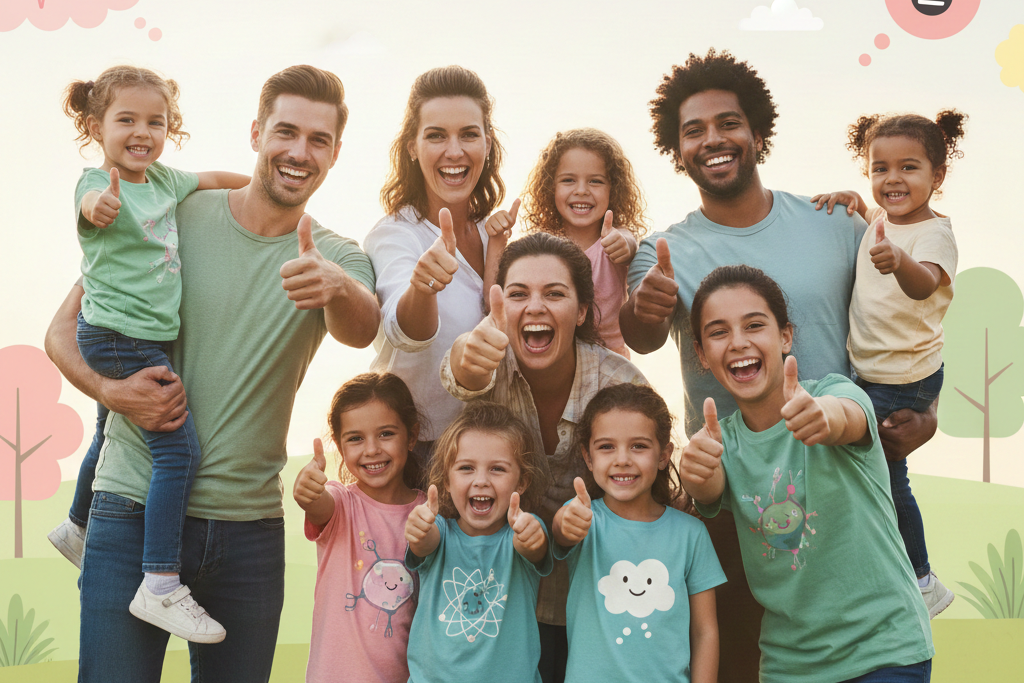
It is important to make time for fun activities in your daily routine because they help people feel happy and calm. Fun activities give the mind a break from work or study.
They make learning easier and more enjoyable. Studying a child psychology course can be fun to practise skills.
Fun also helps students notice their strengths and feel proud. Small, fun activities add energy to each day.
How Do Fun Activities Improve Learning?
Fun activities help the brain work better. When students and adults enjoy tasks, learning is easier.
Studying a child psychology course can be a fun way to try new ways of thinking.
Making Learning Enjoyable
Fun makes learning exciting.
- Play games to learn new skills
- Solve puzzles to practise thinking
- Draw or colour to understand ideas
- Act out stories to remember details
- Make charts to explain ideas
Practising New Skills
Fun gives chances to practise safely.
- Try different ways to finish a task
- Repeat the steps to get better
- Ask friends for help or ideas
- Compare solutions to see what works
- Think about what worked best
Asking Questions
Fun activities help people ask questions.
- Wonder how things work
- Test small ideas safely
- Look for patterns in tasks
- Try different experiments
- Write down what happens
Fun activities make learning easier. Students and adults feel proud when they try new things.
How Do Fun Activities Reduce Stress?
Fun gives the mind a rest. Stress can make learning harder. Taking time for fun helps students and adults stay calm.
Relaxing the Mind
Fun helps the brain feel calm.
- Listen to music while learning
- Walk outside for fresh air
- Play short games for a break
- Breathe slowly to relax
- Stretch muscles lightly
Improving Mood
Doing fun activities make people feel happy.
- Smile and laugh with friends
- Share stories or jokes
- Watch or read something fun
- Celebrate small achievements
- Say kind words to others
Regaining Focus
Taking breaks helps people concentrate again.
- Take short breaks between tasks
- Drink water or snack
- Clear your desk of distractions
- Check your work calmly
- Set a small goal for the next task
Fun activities reduce stress. Students and adults feel ready to continue.
How Do Fun Activities Boost Creativity?
Fun activities help the mind try new ideas. Creativity grows when tasks are playful.
Use what you learn from a child psychology course to plan lessons.
Trying Different Ideas
Different ideas encourage new ways of thinking.
- Draw pictures to explain thoughts
- Build simple models or objects
- Imagine different endings for stories
- Write short poems or stories
- Combine ideas from other activities
Problem-Solving
Fun helps solve problems.
- Do puzzles or strategy games
- Try more than one solution
- Learn from mistakes safely
- Watch what works
- Change plans if needed
Expressing Yourself
Fun lets people show ideas.
- Sing or perform in groups
- Write thoughts in a journal
- Dance or move to music
- Share ideas with others
- Show work through drawings
Fun activities boost creativity. Students and adults feel proud of new ideas.
How Can Fun Activities Improve Social Skills?
Fun often involves others. Working together teaches teamwork and communication.
A child psychology course will help you to see how children learn social skills.
Working in Teams
Helps people cooperate.
- Share tasks with friends
- Listen carefully to each other
- Take turns in games
- Encourage others politely
- Celebrate group success
Communicating Ideas
Gives chances to explain thoughts.
- Speak clearly when sharing ideas
- Ask questions to understand
- Repeat instructions if needed
- Give kind feedback
- Use gestures or drawings to help
Solving Conflicts
Helps fix disagreements.
- Stay calm when disagreeing
- Talk politely about solutions
- Suggest compromises
- Focus on group goals
- Learn lessons for next time
Fun activities improve social skills. This will make you feel more confident with others.
How Can Fun Activities Increase Motivation?
Fun activities will make learning exciting. Motivation grows when tasks are enjoyable.
Adults studying a child psychology course can stay interested through fun.
Setting Small Goals
Helps reach tasks step by step.
- Break big tasks into small parts
- Reward yourself for small wins
- Track progress visually
- Focus on one step at a time
- Change goals if needed
Celebrating Success
Shows achievements.
- Share success with friends or family
- Take time to feel proud
- Write progress in a journal
- Show work to teachers or peers
- Notice your effort as well as results
Staying Positive
Keeps people happy and motivated.
- Smile during activities
- Encourage yourself with kind words
- Take breaks when tired
- Think about progress, not mistakes
- Support friends during tasks
Fun activities increase motivation. You will be ready to try new challenges.
How Can Fun Activities Build Confidence?
Trying new things shows ability. Confidence grows as students and adults complete tasks.
Studying a child psychology course can help see how confidence develops in children.
Practising Skills
Fun lets people practise safely.
- Repeat tasks until comfortable
- Try new ways to solve problems
- Ask for help when needed
- Track progress over time
- Celebrate small wins
Learning from Mistakes
Fun gives a safe space for mistakes.
- Accept mistakes calmly
- Think about what went wrong
- Try again with a new approach
- Record lessons learned
- Reflect on progress
Feeling Proud
Fun encourages self-pride.
- Share achievements with others
- Keep a journal of successes
- Celebrate completing tasks
- Show work creatively
- Notice personal growth
Fun activities build confidence. Students and adults feel capable and proud.
How Can Fun Activities Teach Patience?
Fun activities take time. Patience grows when people do not rush.
Use what you learn from a child psychology course to see how children learn to wait.
Waiting for Results
Some tasks need careful timing.
- Complete puzzles slowly
- Wait for the paint or glue to dry
- Grow a plant gradually
- Take turns in games
- Listen carefully in group activities
Practising Slowly
Helps focus on each part.
- Read instructions carefully
- Repeat steps until correct
- Break activities into small parts
- Ask for guidance when needed
- Track progress steadily
Handling Challenges
Helps stay calm when tasks are hard.
- Accept difficult tasks
- Try different approaches carefully
- Keep a positive attitude
- Learn from mistakes
- Celebrate small successes
Fun activities teach patience. Students and adults gain calmness and persistence.
How Can Fun Activities Encourage Independence?
Fun lets people complete tasks alone. Independence grows when they make choices and solve problems.
A child psychology course can help adults see how children develop independence.
Making Decisions
Fun encourages careful choices.
- Choose which activity to do first
- Decide how to complete a task
- Plan steps before starting
- Use tools and materials correctly
- Reflect on the results afterwards
Completing Tasks Alone
Doing fun activities alone strengthens self-reliance.
- Approach tasks without fear
- Solve problems creatively
- Record results for tracking
- Adjust methods when needed
- Take pride in completing work
Managing Time
Fun helps organise daily routines.
- Create a schedule for activities
- Set small goals for each task
- Avoid distractions while working
- Track progress visually
- Reward yourself for achievements
Fun activities build independence. Students and adults feel confident in their abilities.
How Can Fun Activities Support Physical Health?
Fun activities often include movement. Exercise improves energy and focus.
Adults studying a child psychology course can see how activity supports learning.
Active Play
Movement helps the body and mind.
- Run or walk outside
- Play ball games
- Dance or move to music
- Ride a bicycle safely
- Stretch muscles regularly
Healthy Habits
Fun activities support overall wellness.
- Drink water while active
- Eat healthy snacks
- Wash hands before meals
- Rest after long activities
- Sleep well at night
Reducing Stress
Physical fun releases tension.
- Take short breaks for activity
- Breathe deeply during exercise
- Smile while playing
- Encourage friends to join
- Focus on enjoyment not competition
Fun activities support physical health. Students and adults feel energetic and ready to learn.
How Can Fun Activities Improve Focus?
Fun teaches the brain to pay attention. Concentration grows when tasks are enjoyable.
Adults can use this to help children focus.
Focusing on One Task
Fun helps students concentrate.
- Complete one step at a time
- Avoid distractions
- Set a timer for short tasks
- Take notes or draw diagrams
- Repeat instructions if needed
Practising Attention
Fun improves observation skills.
- Watch carefully during games
- Notice details in puzzles or drawings
- Compare different results
- Ask questions politely
- Track progress over time
Recharging the Brain
Breaks help focus.
- Pause for 5–10 minutes after tasks
- Drink water or stretch
- Take a short walk outside
- Reflect calmly on completed work
- Start the next task with energy
Fun improves focus naturally. Students and adults pay attention better after playful practice.
How Can Fun Activities Lead to Career Skills?
Fun builds skills useful for work. Problem-solving, teamwork, and organisation grow.
A child psychology course can guide adults into education or care roles.
Learning Practical Skills
Fun teaches skills for life.
- Organise work clearly
- Solve problems step by step
- Communicate ideas with others
- Plan small projects
- Track results to improve
Building Confidence for Work
Practice during fun activities boosts belief.
- Show initiative in group tasks
- Take responsibility
- Be patient while learning
- Share ideas politely
- Celebrate small wins
Preparing for Future Roles
Skills from fun help in careers.
- Use knowledge to support others
- Work well with colleagues
- Manage time effectively
- Take leadership in small tasks
- Plan for long-term growth
Fun develops career skills. Students and adults feel ready for work.
How Can Reflection Strengthen Learning?
Reflection helps students and adults understand their work. Thinking about activities improves results.
A child psychology course can show how reflection helps children.
Reviewing Achievements
Looking back shows progress.
- Recall completed tasks
- Note improvements in skills
- Celebrate milestones
- Share results with friends
- Record lessons for the future
Learning from Mistakes
Reflection shows where to improve.
- Identify errors calmly
- Think about how to do better
- Apply lessons to new tasks
- Discuss results with others
- Adjust strategies
Planning Next Steps
Reflection guides new learning.
- Set clear goals for new tasks
- Break steps into smaller parts
- Predict outcomes
- Prepare materials before starting
- Review results to improve
Reflection strengthens learning. Students and adults feel ready for challenges.
Conclusion
Fun activities help students and adults in many ways. They reduce stress, improve learning, and boost creativity.
Physical health grows from active fun. Social skills develop when working with others.
Motivation and confidence increase with playful tasks. Adults studying a child psychology course can use fun to practise skills.
Career skills develop naturally. Every day, a little fun makes learning easier. Students and adults feel ready for challenges.
Frequently Asked Questions
How do fun activities improve learning?
Fun helps the brain stay active. It makes learning easier.
Students and adults remember things better.
Can fun activities reduce stress?
Yes, fun gives the mind a break. It calms feelings.
Students and adults feel relaxed.
How do fun activities boost creativity?
Fun lets students and adults try new ideas. They imagine ways to solve problems.
Creativity grows with playful thinking.
Do fun activities build confidence?
Fun shows progress in small steps. Students feel proud of their tasks.
Confidence grows with practice.
Can fun activities teach patience?
Yes, some tasks take time. Students learn to wait calmly.
Patience grows with effort.
How do fun activities encourage independence?
Fun lets students complete tasks alone. They make choices and solve problems.
Independence grows with practice.
Can fun activities improve teamwork?
Yes, teamwork grows in group fun. Students learn to share and help others.
Adults studying a child psychology course can see how children develop teamwork.
Do fun activities help physical health?
Yes, movement during fun strengthens the body. Students and adults gain energy.
Physical activity also improves mood.
How do fun activities improve focus?
Fun encourages attention to tasks. Students practise concentrating.
Focus grows with enjoyable tasks.
Can fun activities prepare for careers?
Fun builds skills like planning and problem-solving. Adults in a child psychology course can use these skills.
Confidence grows for future work.
Author: Janice van der Westhuizen
Leave a Reply