Introduction
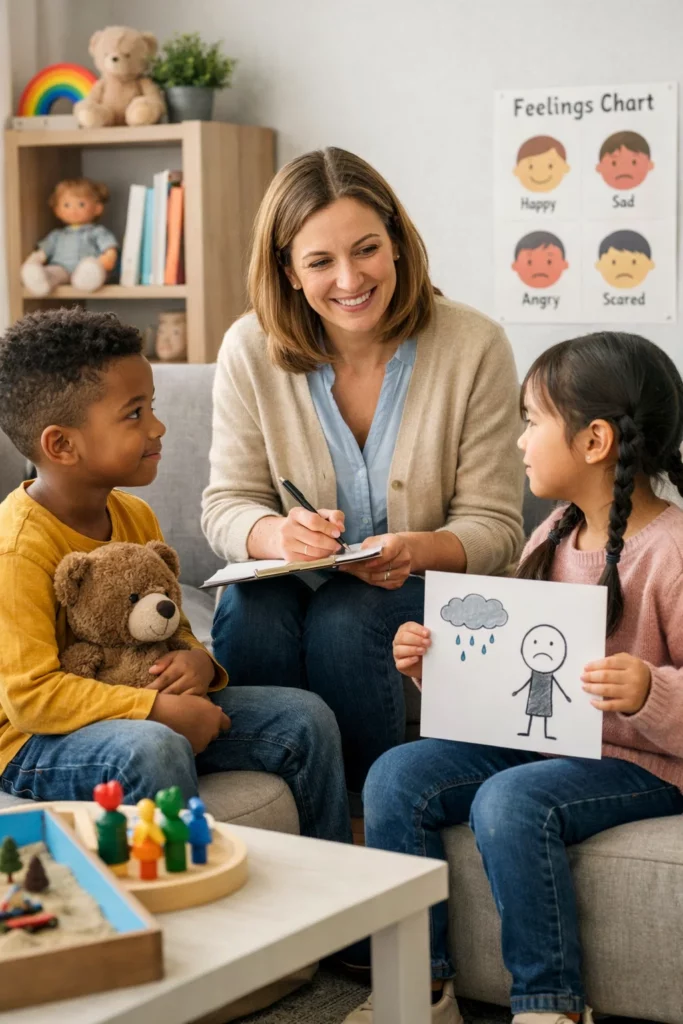
Have you ever wondered why understanding emotions is so important when working with children? The way children express themselves is often through feelings more than words.
This is where emotional intelligence becomes a powerful skill. When adults understand emotions better, they can guide children with more care and patience.
This article will show you how emotional intelligence makes a real difference when working with children.
How Does Emotional Intelligence Help You Connect With Children?
Emotional intelligence helps you notice how children feel and respond in a caring way. It builds stronger relationships based on trust and understanding.
This connection makes children feel safe and heard.
Learn How to Read Feelings
You will start to see more than just words.
- Notice body language
- Understand facial expressions
- Hear the tone in their voice
Build Trust Through Emotions
When children feel understood, they open up more.
- Be calm and kind
- Show interest in their feelings
- Give them time to express themselves
Respond In Ways That Make Them Feel Safe
Knowing how to respond helps children stay calm too.
- Speak gently
- Keep a warm tone
- Let them know you are listening
Learning how to connect emotionally helps you guide children in a kind and effective way. Try using these emotional tools in your everyday work with children.
Why Is It Important To Understand A Child’s Feelings?
Children often act out their feelings instead of talking about them. Understanding those feelings helps you support them better.
You can make sure they feel safe and cared for.
Know What Sadness Or Anger Really Means
Behind every behaviour, there is a feeling.
- Look past the surface
- Think about what happened before the behaviour
- Ask kind questions
Help Them Feel Understood
Being seen and heard builds a strong bond.
- Reflect their feelings back to them
- Use words they understand
- Let them know their feelings matter
Support Them In Calming Down
You can help children feel better when emotions are high.
- Sit quietly with them
- Use calm breathing
- Offer comfort through words or presence
When you understand children’s feelings, they feel more secure and open with you. Pay attention to emotions so you can support each child in the right way.
How Can Emotional Skills Make You A Better Listener?
Listening with emotional awareness means giving full attention with care. Children feel valued when you really listen.
It also helps you understand them better.
Focus On What They Are Saying
Give the child your full focus.
- Stop and face them
- Do not interrupt
- Show interest with nods or short words
Listen With Your Heart Too
Hear what is not said with words.
- Watch for changes in mood
- Notice when they hesitate
- Listen for what they are feeling
Let Them Know You Are Listening
Respond gently so they feel heard.
- Repeat what they said in your words
- Ask simple follow-up questions
- Smile or show kindness with your tone
Good listening builds strong communication. Try slowing down and really listening to children today.
What Role Does Empathy Play When Working With Children?
Empathy means putting yourself in someone else’s shoes. When you show empathy, children feel loved and supported.
It makes your relationship with them stronger.
Understand What They May Be Feeling
Think about what it is like to be them.
- Imagine their age and view of the world
- Notice what they are going through
- Think about your own childhood feelings
Show That You Care
Your actions speak loudly.
- Be patient with mistakes
- Speak gently even when correcting
- Offer support before advice
Make Them Feel Valued
Kindness helps children feel important.
- Praise their efforts
- Say thank you often
- Celebrate small wins
Empathy helps you be a gentle and understanding guide. Practice empathy to make your care for children even more meaningful.
How Can Emotional Intelligence Help You Manage Behaviour?
Understanding emotions helps you handle difficult behaviour calmly. Children act out when they do not know how to express feelings.
You can guide them kindly when you stay calm yourself.
Stay Calm When They Are Upset
Your calm helps their calm.
- Take a breath before responding
- Speak slowly
- Keep your body relaxed
Help Them Understand Their Feelings
Teach children to name what they feel.
- Use simple emotion words
- Ask, “How are you feeling?”
- Offer choices like happy, sad, or angry
Guide Them Toward Better Choices
Help them learn how to act kindly.
- Give clear and kind directions
- Show what to do instead
- Praise good behaviour
Managing behaviour with kindness makes learning and growing easier for everyone. Use emotional tools instead of just rules to guide behaviour.
Why Do Emotionally Aware Adults Make Great Role Models?
Children learn how to manage feelings by watching you. Your actions and words teach them every day.
Being calm, kind, and patient shows them how to be too.
Lead By Example
Children copy what they see.
- Speak kindly even when frustrated
- Stay calm in stressful moments
- Say sorry when needed
Show How To Solve Problems Peacefully
Use emotions wisely in hard times.
- Take time to think before acting
- Talk things out
- Look for win-win answers
Handle Your Own Emotions With Care
Help children see how to manage feelings.
- Name your own feelings
- Talk about how you calm down
- Show that all feelings are okay
Children learn most from what you do, not just what you say. Be the example of the kindness and calmness you want them to show.
What Happens When You Use Emotional Intelligence In A Group?
Groups of children can be loud or busy, but emotions still matter. Understanding group feelings helps you keep everyone safe and calm.
It also makes group times more fun and easier to manage.
Read The Mood Of The Group
Know what is happening beyond the noise.
- Watch how children are behaving
- Listen for mood changes
- Notice who is feeling left out
Respond With The Right Actions
Your actions shape how children feel in groups.
- Use signals like clapping or songs
- Keep instructions short
- Give breaks when energy is too high
Create A Safe Group Feeling
Help everyone feel like they belong.
- Include all children
- Praise teamwork
- Help solve group problems kindly
Emotional skills help you lead groups with care and balance. Use your emotional smarts to guide groups with ease.
How Can You Grow Your Own Emotional Intelligence?
Emotional intelligence is a skill you can build. The more you practise, the better you become.
This helps you in all areas of your life, not just with children.
Reflect On Your Own Feelings
Know yourself better to help others.
- Take quiet moments to think
- Ask yourself, “How do I feel?”
- Write in a journal
Learn From Each Experience
Every day teaches you something new.
- Notice what works well
- Think about what you could improve
- Ask others for kind feedback
Practise Daily Kindness
Kindness is part of emotional growth.
- Smile at others
- Say kind things
- Offer help without being asked
The more you grow, the better you support the children in your care. Start with small steps to build strong emotional habits.
Why Do Child Psychology Courses Help You Build These Skills?
Child psychology courses teach you how children think, feel, and grow. They help you understand emotional intelligence in real situations.
You will gain both knowledge and confidence.
Learn From Experts
You will get guidance from people who understand child development.
- Real-world advice
- Simple lessons
- Helpful examples
Build Skills Through Practice
Learning is hands-on and useful.
- Study emotional skills
- Practise through tasks
- Try out what you learn
Feel More Confident Working With Children
You will feel ready to face different situations.
- Know how to stay calm
- Handle tough moments
- Support children kindly
This course is perfect if you want to grow and support children better. Sign up for a child psychology course and start your journey.
How Can Emotional Intelligence Open New Career Opportunities In Childcare?
Emotional intelligence is not only useful in day-to-day interactions with children—it can also open doors to new career paths.
Employers value workers who are emotionally aware, calm under pressure, and great with communication.
Learning these skills through practice and courses helps you stand out in the childcare field.
Grow Your Professional Value
When you understand emotions, you become more effective at your job.
- You communicate better with parents and teams
- You solve problems in healthy ways
- You reduce stress in emotional situations
Prepare For Higher Responsibilities
As your emotional intelligence grows, so does your readiness for leadership roles.
- Guide other team members
- Handle sensitive conversations
- Lead group activities confidently
Increase Your Confidence In Job Interviews
Many childcare roles look for emotionally strong and aware professionals.
- Talk clearly about how you manage stress
- Share examples of your calm responses
- Show how you connect well with children
Emotional intelligence helps you grow personally and professionally. If you want to move forward in your childcare career, this is a skill worth developing.
Conclusion
Emotional intelligence makes a big difference when working with children. It helps you stay calm, understand feelings, and build stronger connections. You become a better listener, helper, and guide.
This skill makes you feel more confident and makes children feel more supported. If you are looking to grow in your work with children, learning about emotions is a great place to begin.
It also builds stronger relationships with parents, teams, and supervisors. As your emotional awareness grows, your ability to solve problems with care also improves. This is a life skill that will serve you in every area of your career and personal life.
Frequently Asked Questions
What is emotional intelligence?
Emotional intelligence means understanding and managing emotions well. It helps you connect with others and handle situations calmly.
This is very useful when working with children. It helps you build kinder and safer relationships.
Can I learn emotional intelligence?
Yes, emotional intelligence is a skill you can learn and grow. It gets better with practice, reflection, and patience.
Courses like child psychology courses can help. You can begin with small steps every day.
Why do children need emotionally aware adults?
Children feel safer with adults who understand their feelings. They learn how to express emotions by watching adults.
Emotionally aware adults build stronger bonds with children. This support helps children feel valued and heard.
How does emotional intelligence help with behaviour?
It helps you stay calm and guide children kindly. You understand what causes their behaviour and respond better.
This leads to less stress for both you and the child. Children also learn to manage their feelings through your example.
Can emotional intelligence be used in group settings?
Yes, it helps you understand and manage group emotions. This makes activities smoother and children feel more included.
It also helps prevent conflict before it starts.. Group time becomes more fun and peaceful.
How do I know if I have emotional intelligence?
If you stay calm, listen well, and care about others’ feelings, you already have it. You can always grow this skill with practice.
Learning through a child psychology course can also help. Even small improvements make a big difference.
Will this help me at home too?
Yes, these skills help with your own children or family. They improve relationships and reduce stress.
Emotional understanding is useful everywhere. It can bring more peace into your home.
Is it hard to learn these skills?
Not at all. It takes time and practice, but it is very rewarding.
You start with small steps that grow stronger each day. Anyone can learn with the right support.
Do I need any special background to take a course?
No, child psychology courses are open to everyone. They are simple to understand and beginner-friendly.
Anyone who wants to work better with children can join. All you need is interest and care.
How can I start learning emotional intelligence today?
Begin by noticing how children feel and respond kindly. Practice listening, staying calm, and showing empathy.
You can also explore a child psychology course to guide your learning. Taking action now will help you grow right away.
Author: Janice van der Westhuizen
Leave a Reply