Introduction
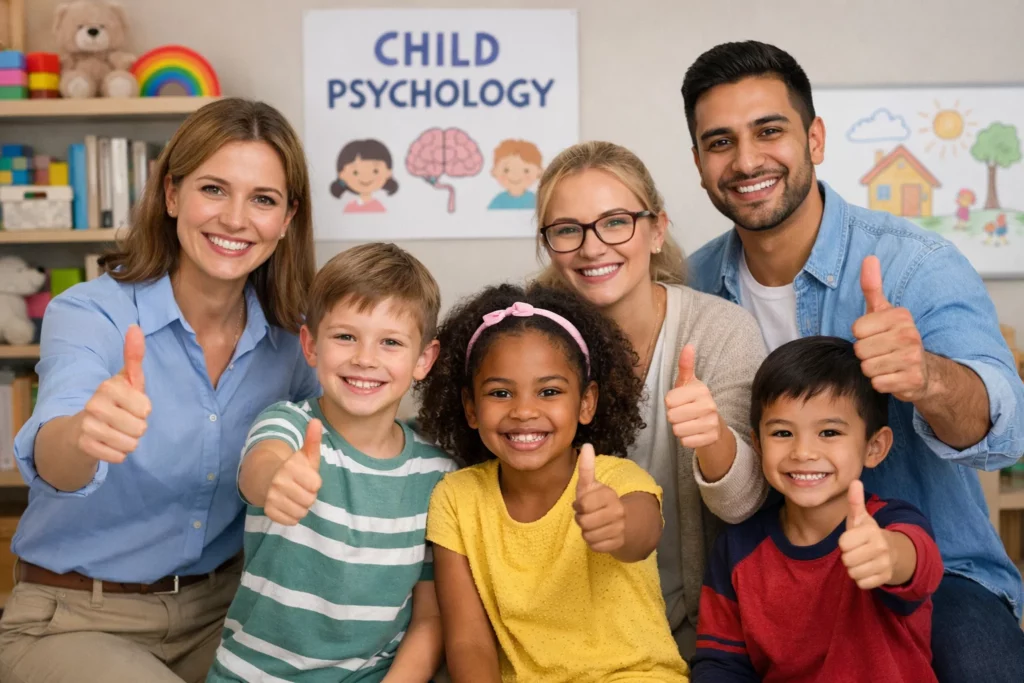
Have you ever wondered how understanding child psychology can make a difference in today’s world? In a time when children are facing more challenges than ever, child psychology offers the tools to understand their thoughts, feelings, and behaviours.
It is more relevant than ever because of the increased pressure children face with modern-day issues. This field helps us understand how to better support children as they grow and develop.
If you want to make a real difference in a child’s life, child psychology is the key to unlocking this knowledge.
What Is Child Psychology?
Child psychology is the study of how children think, learn, and behave at different stages of their development.
It helps us understand the mental, emotional, and social growth of children. By studying child psychology, we learn how to support children’s learning, emotional health, and behaviour.
Why is it important to study child psychology?
Understanding child psychology is important because it provides insight into a child’s actions and needs. It also helps us understand how their environment impacts their development.
With this knowledge, we can help children develop healthy habits and mindsets.
- Helps identify early emotional or behavioural problems
- Improves teaching and parenting methods
- Supports healthier mental development
How does child psychology help in education?
By understanding child psychology, teachers can better address the learning needs of children. It helps them create a more supportive classroom environment.
Teachers can use this knowledge to adapt their teaching styles to suit different children.
- Helps tailor lessons to a child’s developmental stage
- Supports emotional and social growth in the classroom
- Encourages better communication between teachers and students
What role does child psychology play in mental health?
Child psychology plays a big part in identifying and treating mental health issues in children. It helps professionals understand the root causes of issues like anxiety, depression, and behavioural disorders.
With this knowledge, therapists can provide the right treatments for children in need.
- Identifies mental health concerns early
- Provides guidance on effective therapy techniques
- Offers strategies for coping with stress and emotions
How Can Child Psychology Improve Parenting?
Parents can benefit greatly from learning about child psychology. It helps them understand their child’s needs and behaviours.
With this knowledge, parents can make better decisions and create stronger relationships with their children.
What are the benefits of applying child psychology in parenting?
Applying child psychology to parenting helps create a healthy, supportive environment. It also helps parents understand why their child may act in certain ways.
This understanding leads to better discipline, communication, and emotional support.
- Creates stronger emotional bonds
- Encourages healthy communication between parent and child
- Promotes positive behavioural changes
How does child psychology guide discipline?
When parents understand child psychology, they know the most effective ways to discipline. Instead of reacting to behaviour with frustration, they can approach discipline calmly.
This leads to healthier discipline strategies that focus on understanding the child.
- Helps avoid punishment-based discipline
- Encourages positive behaviour reinforcement
- Teaches children right from wrong in a constructive way
How can child psychology help with difficult behaviour?
Child psychology provides insights into why children may behave poorly. Understanding the underlying causes of their actions helps parents and caregivers respond in a more helpful way.
It allows for more effective and compassionate approaches to managing difficult behaviour.
- Identifies the causes of poor behaviour
- Offers solutions that address the child’s needs
- Helps prevent future behavioural issues
How Does Child Psychology Impact Child Development?
The knowledge of child psychology directly impacts how we support a child’s growth. It gives us the tools to nurture a child’s mental, emotional, and social development.
This results in better overall growth and well-being.
How does child psychology affect emotional development?
Through child psychology, we understand how children experience and process emotions. This knowledge allows caregivers to guide children through emotional challenges.
It helps develop their emotional intelligence and resilience.
- Supports emotional expression in a healthy way
- Teaches children how to manage their emotions
- Encourages emotional self-regulation
What role does child psychology play in social skills development?
Child psychology helps us understand how children develop social skills. It teaches us how they form friendships, work in groups, and communicate effectively.
This knowledge can be used to guide children through social situations.
- Encourages healthy social interactions
- Helps children build meaningful friendships
- Guides children on how to resolve conflicts
How does child psychology support cognitive development?
The study of child psychology also looks at how children think and learn. It provides insight into how children solve problems, understand the world, and develop cognitive abilities.
Understanding this process helps in supporting children’s intellectual growth.
- Encourages problem-solving skills
- Helps develop critical thinking abilities
- Supports learning through age-appropriate methods
How Can Child Psychology Improve Mental Health Awareness?
Learning child psychology raises awareness about mental health from an early age. It highlights the importance of mental health education and support.
With this knowledge, we can better address mental health concerns and reduce stigma.
How does child psychology raise awareness about mental health?
Through child psychology, we can identify early signs of mental health struggles. This allows parents, teachers, and professionals to address issues before they become more serious.
It helps raise awareness and create a more supportive environment for children.
- Identifies mental health concerns early
- Encourages open conversations about mental health
- Provides strategies for coping with mental health issues
What impact does child psychology have on stigma?
Understanding child psychology helps reduce the stigma surrounding mental health. It teaches people that mental health is just as important as physical health.
By promoting this understanding, we can support children with mental health challenges.
- Reduces stigma around mental health
- Encourages open discussion
- Helps create supportive environments for children
How does child psychology promote well-being?
Child psychology promotes well-being by teaching children healthy coping mechanisms. It also supports emotional, social, and cognitive development.
This contributes to children growing up feeling balanced, confident, and secure.
- Teaches healthy coping mechanisms
- Encourages a balanced lifestyle
- Supports overall well-being
How Does Child Psychology Help With Behavioural Management?
Child psychology provides tools for managing challenging behaviours in children. It teaches how to understand and address the causes of these behaviours.
By using psychological insights, we can better manage behavioural issues in children.
How can child psychology improve classroom behaviour?
Teachers who understand child psychology can create more effective strategies for managing classroom behaviour.
By understanding children’s developmental stages, they can anticipate challenges and address them proactively. This results in a more positive classroom environment.
- Improves classroom discipline
- Reduces disruptive behaviour
- Encourages a positive learning environment
How does child psychology help with aggressive behaviour?
Child psychology helps identify the root causes of aggression in children. It offers solutions for managing anger and frustration in a healthy way.
By understanding why children act aggressively, caregivers can help reduce violent behaviours.
- Identifies causes of aggressive behaviour
- Provides techniques to manage anger
- Teaches children healthier ways to cope with frustration
How can child psychology address anxiety-related behaviour?
Children who experience anxiety may show behaviours such as withdrawal or excessive worry. Child psychology offers tools to help them manage these emotions.
By understanding the underlying causes of anxiety, caregivers can provide better support.
- Identifies signs of anxiety
- Teaches children how to cope with anxiety
- Encourages a calm and supportive environment
How Does Child Psychology Support Emotional Regulation?
Child psychology provides strategies to help children manage their emotions, such as anger, fear, and excitement.
Understanding emotional regulation is key to helping children learn how to express their feelings in healthy ways. With the right guidance, children can develop better control over their emotions.
How does child psychology help children express their emotions?
Child psychology teaches children how to identify and express their emotions in a healthy way. It helps them recognise what they are feeling and why they feel that way.
This leads to better communication of their emotions and needs.
- Encourages healthy emotional expression
- Teaches children to label their emotions
- Helps children understand their emotional triggers
What are the benefits of emotional regulation in children?
Learning emotional regulation improves children’s ability to handle frustration and disappointment.
It helps them respond to challenges with calmness and patience. As a result, children feel more confident in managing their emotions.
- Reduces emotional outbursts
- Helps children stay calm in stressful situations
- Promotes healthy emotional growth
How can caregivers encourage emotional regulation?
Caregivers can use techniques such as modelling calm behaviour and providing children with tools to express their feelings.
Offering praise when children regulate their emotions encourages them to continue practising these skills. Positive reinforcement helps children understand the value of emotional control.
- Model calmness during stressful moments
- Praise emotional regulation efforts
- Provide tools for expressing emotions (e.g. talking, drawing)
How Does Child Psychology Help With Social Skills Development?
Understanding child psychology allows us to support children in developing essential social skills. These skills help children navigate relationships with peers, teachers, and family members.
By recognising the stages of social development, we can guide children in learning how to interact with others effectively.
How does child psychology help children form friendships?
Child psychology explains the process of how children form friendships and how these relationships influence their development.
Understanding these stages helps caregivers guide children through positive social interactions. It teaches them how to be a good friend and build lasting relationships.
- Teaches children how to initiate friendships
- Encourages sharing and cooperation
- Supports the development of empathy
What social skills do children develop through child psychology?
Key social skills such as turn-taking, listening, and conflict resolution are taught through child psychology.
These skills help children interact better with others and strengthen their relationships. Children learn how to work together and communicate effectively.
- Encourages sharing and cooperation
- Teaches listening and speaking skills
- Promotes teamwork and collaboration
How can adults support children in improving their social skills?
Adults can support children by providing opportunities for social interactions and guiding them through social situations.
Positive feedback and constructive criticism help children improve their social skills. Adults can also model positive social behaviour and encourage children to practise these skills.
- Provide playtime and group activities
- Offer positive reinforcement for good social behaviour
- Role-play different social situations
How Can Child Psychology Help With Emotional Intelligence?
Child psychology plays a key role in developing emotional intelligence in children. Emotional intelligence helps children understand their emotions and the emotions of others.
This skill is essential for building healthy relationships and managing personal feelings.
What is emotional intelligence and why is it important?
Emotional intelligence refers to the ability to understand, manage, and express emotions. It also involves recognising the emotions of others.
Developing this skill helps children handle relationships better and navigate life challenges with resilience.
- Helps children manage their own emotions
- Teaches children empathy and understanding
- Encourages self-awareness and self-control
How can children develop emotional intelligence?
Through child psychology, children learn how to express their feelings in appropriate ways. They also learn to recognise and respond to others’ emotions.
With guidance, children can improve their emotional responses and enhance their social interactions.
- Encourages healthy emotional expression
- Teaches how to recognise others’ feelings
- Develops skills for self-regulation
What are the benefits of emotional intelligence for children?
Children with high emotional intelligence tend to have better social interactions and can handle stress more effectively.
They develop stronger relationships with peers and adults. Emotional intelligence also improves academic performance and overall well-being.
- Improves communication and relationships
- Helps children cope with stress and disappointment
- Leads to better problem-solving and decision-making skills
How Does Child Psychology Improve Self-Esteem?
Understanding child psychology can help raise a child’s self-esteem. It teaches children to feel good about themselves and their abilities.
With a positive sense of self-worth, children are more likely to face challenges with confidence.
How can child psychology help children develop a positive self-image?
Child psychology helps children recognise their strengths and unique qualities. It teaches them to appreciate who they are and how to celebrate their achievements.
Building a strong self-image leads to a more positive outlook on life.
- Teaches children to focus on their strengths
- Encourages positive self-talk
- Provides opportunities for success and praise
What role does self-esteem play in a child’s development?
A strong sense of self-esteem is crucial for a child’s emotional and social development. It encourages them to try new things and take risks, leading to personal growth.
Children with good self-esteem are also more likely to engage in positive behaviours and make healthy decisions.
- Encourages resilience and perseverance
- Supports social and emotional well-being
- Leads to better decision-making skills
How can parents and caregivers improve a child’s self-esteem?
Parents and caregivers can help by offering praise and encouragement for efforts, not just outcomes.
Creating a safe and supportive environment where children feel valued and loved boosts their confidence. Positive reinforcement and setting achievable goals also help children build their self-esteem.
- Offer praise for effort and progress
- Provide a loving and supportive environment
- Encourage children to set and reach goals
How Can Child Psychology Support Children With Special Needs?
Child psychology plays a significant role in supporting children with special needs. It offers insights into understanding their behaviours, emotions, and learning challenges.
By applying psychological knowledge, we can provide better care and education tailored to their unique needs.
How does child psychology assist in identifying special needs?
Child psychology helps identify early signs of developmental delays or behavioural issues in children.
By observing a child’s behaviours and emotional responses, caregivers can detect special needs early. Early intervention helps children receive the support they need at a crucial time.
- Helps identify developmental delays
- Recognises behavioural challenges early
- Promotes early intervention and support
What strategies can be used to support children with special needs?
Using child psychology, caregivers and teachers can create personalised learning plans.
These plans can focus on building specific skills such as communication, social interaction, and motor skills. Support strategies may include tailored teaching techniques and therapy options.
- Create individualised learning plans
- Offer consistent support and encouragement
- Use visual aids and structured activities
How can child psychology support children with autism?
For children with autism, child psychology offers guidance on understanding their unique behaviours and needs.
It helps caregivers develop strategies for improving communication and social skills. Providing a structured environment and tailored approaches can improve outcomes for children with autism.
- Offers strategies for improving communication
- Teaches social skills through structured activities
- Helps create a supportive, predictable environment
Conclusion
In today’s modern world, child psychology is more relevant than ever. With children facing new challenges every day, understanding their thoughts and behaviours is essential.
By learning child psychology, you can gain the knowledge needed to support children’s mental, emotional, and social growth.
So, if you are interested in making a difference in a child’s life, start your journey into child psychology today.
Frequently Asked Questions
What is child psychology?
Child psychology is the study of how children grow, develop, and think. It looks at their emotional, cognitive, and social development. Understanding this helps us support children’s needs and growth.
Why is child psychology important?
Child psychology helps us understand children’s behaviours, emotions, and learning. It helps teachers, parents, and caregivers provide the right support. This leads to healthier and happier children.
How does child psychology help children with mental health issues?
By learning about child psychology, we can identify mental health issues early. This allows for the right treatment and support. Children can receive the help they need to manage their mental health.
What are the benefits of studying child psychology?
Studying child psychology provides insights into how children think and behave. It helps create better parenting, teaching, and caregiving practices. It also allows for better management of behavioural and emotional issues.
How can child psychology improve educational outcomes?
By understanding child psychology, teachers can create lessons that match children’s developmental stages. This helps children learn more effectively. It also creates a positive classroom environment that encourages success.
How does child psychology help with parenting?
Child psychology helps parents understand why children act the way they do. It offers strategies for better communication and discipline. It helps parents create a supportive and nurturing environment.
How does child psychology contribute to children’s emotional health?
Child psychology teaches children how to understand and manage their emotions. It helps them cope with stress and frustration in healthy ways. This improves their emotional well-being.
Can child psychology help with social skills?
Yes, child psychology helps children develop better social skills. It teaches them how to form friendships, share, and work in groups. This makes it easier for them to interact with others.
How does child psychology address behavioural problems?
Child psychology identifies the causes of behavioural problems. It offers solutions for managing these behaviours in healthy ways. This helps children make better choices and improve their behaviour.
What is the role of child psychology in mental health awareness?
Child psychology raises awareness about mental health in children. It encourages early identification of mental health issues. This leads to better support and understanding for children with mental health challenges.
Author: Janice van der Westhuizen
Leave a Reply