Understanding Child Psychology Can Improve Your Relationships
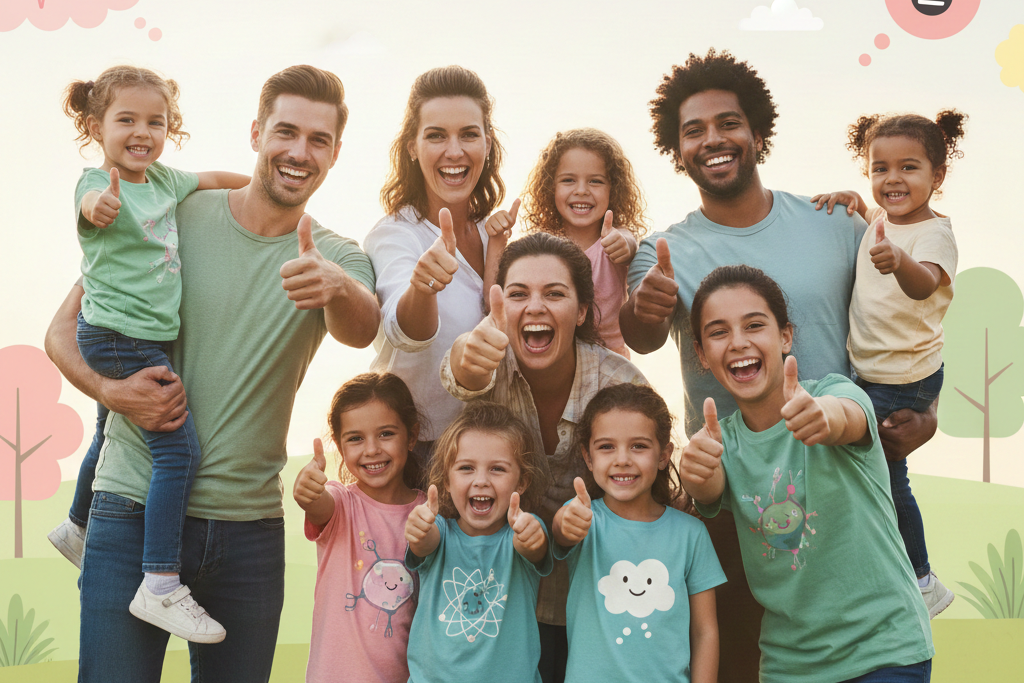
When you study child psychology online it provides insights into how children think, feel, and react to the world around them. This understanding can be transformative—not just in professional settings, but in personal relationships as well. By recognising developmental stages and emotional triggers, you become more attuned to a child’s needs and behaviours. This knowledge helps you communicate more effectively, resolve conflicts with empathy, and build stronger, more trusting connections. Whether you are interacting with children in your community, family, or professional environment, understanding child psychology equips you with the tools to nurture positive, healthy relationships.
Enhancing Your Empathy and Emotional Intelligence
Online child psychology courses are designed to develop empathy and emotional intelligence by teaching you to see the world from a child’s perspective. You learn how different experiences, environments, and developmental stages affect a child’s emotional responses and behaviours. This deeper understanding enables you to respond with compassion and patience, even in challenging situations. Furthermore, it enhances your ability to manage your own emotional responses, which is crucial in maintaining calm and effective communication. Over time, these skills contribute to stronger relationships, both personally and professionally.
Learn the Skills to Support Children and Families
One of the greatest benefits of studying child psychology is the ability to provide meaningful support to children and families. You gain insights into how family dynamics, social interactions, and educational environments impact a child’s growth and well-being. With this knowledge, you are better equipped to identify behavioural challenges, offer practical solutions, and advocate for a child’s needs. These skills are particularly valuable in settings such as community centres, schools, and support organisations, where understanding child development can make a significant difference.
Personal Growth Through Self-Reflection and Understanding Behaviour
Studying child psychology not only enhances your professional capabilities but also fosters personal growth. Through the process of learning about child development and behaviour, you engage in self-reflection and become more aware of your own communication patterns and emotional responses. This heightened self-awareness helps you build stronger connections with others and respond more thoughtfully in various situations. By understanding the foundational aspects of behaviour, you gain perspective on your own development, leading to improved relationships and greater emotional resilience.
How Do Online Child Psychology Courses Promote Personal Development?
Online Child Psychology courses do more than just equip you with theoretical knowledge—they actively contribute to your personal development. Studying child psychology allows you to understand the various stages of a child’s development, their behavioural patterns, and how environmental factors influence growth. This understanding promotes empathy and patience, not only in professional settings but in personal interactions as well. Online learning also helps build self-discipline, time management, and critical thinking skills, as you balance coursework with other responsibilities. Engaging with interactive modules and real-world case studies sharpens your ability to assess and respond to different situations, enhancing both your professional and personal life.
Additionally, the flexible nature of online study empowers you to learn at your own pace, deepening your comprehension without the pressure of rigid schedules. This self-directed learning style nurtures independence and confidence, preparing you to handle real-world challenges with greater ease and assurance. Over time, the skills and understanding you develop through these courses help shape a more empathetic, knowledgeable, and capable version of yourself, ready to make a positive impact in any environment.
Gaining a Deeper Understanding of Child Development and Behaviour
A core aspect of personal development through Child Psychology studies is gaining an in-depth understanding of child development. This involves learning about cognitive, emotional, and social growth from infancy through adolescence. You explore how children process information, develop language skills, and form relationships, as well as how they cope with emotions and stress.
Through online courses, you are exposed to real-life case studies and interactive modules that allow you to observe behavioural patterns and developmental milestones. This deeper comprehension enables you to recognise signs of developmental delays, emotional struggles, or behavioural issues early on, equipping you to respond with empathy and appropriate strategies. Moreover, it enhances your ability to communicate with children effectively, ensuring that your interactions are supportive and nurturing.
Understanding these concepts not only benefits your career prospects but also improves your ability to engage with children in everyday life—whether with family, community, or in volunteer settings.
Developing a More Patient and Supportive Approach with Children
One of the most impactful benefits of studying Child Psychology online is learning how to adopt a more patient and supportive approach when interacting with children. Through your coursework, you are introduced to the emotional and psychological needs of children at different developmental stages. You learn to identify what triggers certain behaviours and how to address them constructively.
This understanding naturally cultivates patience, as you begin to see behavioural challenges not as problems, but as opportunities for growth and learning. Furthermore, you learn strategies for positive reinforcement, conflict resolution, and emotional support that are essential for creating a nurturing environment. This patient and supportive mindset is crucial not only in professional roles but also in personal relationships with children, where empathy and understanding can make a profound difference.
Learning Effective Communication Skills for Interacting with Children
Effective communication is a cornerstone of working with children, and online Child Psychology courses place a strong emphasis on developing this skill. You learn how to listen actively, interpret nonverbal cues, and express ideas in ways that are accessible and comforting to children. Understanding the developmental stage of a child helps you tailor your communication, ensuring that your messages are clear, supportive, and age-appropriate.
Moreover, you learn how to manage challenging conversations, such as discussing behavioural issues or emotional struggles. Through role-playing scenarios and interactive activities, you practice conveying empathy and understanding while maintaining clear boundaries and guidance. These communication skills are not only valuable in professional environments but also in personal interactions, where clarity and compassion are key to building trust and support.
What Makes Online Child Psychology Training Ideal for Adults?
Online Child Psychology training is designed with the busy lifestyle of adults in mind. Unlike traditional learning methods, online courses provide unmatched flexibility, allowing you to learn whenever and wherever it suits you. Whether you are balancing work, family commitments, or other responsibilities, you can fit your studies around your schedule without the need for commuting or fixed class times. This convenience makes it easier for adults to pursue further education without disrupting their daily lives.
Additionally, online Child Psychology training often provides access to a wealth of digital resources—video lectures, interactive modules, and reading materials—that you can revisit as often as needed. This self-paced structure enables you to absorb information at your own speed, reinforcing learning without the pressure of keeping up with a classroom environment. Furthermore, many programs include community forums and live discussions, where you can connect with fellow students and industry professionals, enriching your learning experience through shared insights and real-world examples.
Flexible Learning That Fits into a Busy Adult Lifestyle
For adults juggling multiple responsibilities, flexibility is a game-changer. Online Child Psychology courses are structured to accommodate your schedule, giving you the freedom to study at times that work best for you—whether that’s early in the morning, late at night, or during lunch breaks. Unlike traditional classroom settings, there’s no need to pause your life to attend lectures or travel to a physical campus.
You can access course materials, complete assignments, and engage in discussions entirely online, often with the option to download content for offline study. This means you can learn while commuting, during breaks at work, or whenever you find a spare moment. The ability to structure your learning around your personal and professional commitments makes it easier to complete the program without sacrificing other important areas of your life.
Accessing Knowledge from Experts in the Field of Child Psychology
One of the standout benefits of online Child Psychology training is the ability to learn directly from experienced professionals and educators in the field. Online courses often feature guest lectures, webinars, and interactive Q&A sessions with child psychologists, educators, and counsellors who share real-world insights and current research findings.
This expert knowledge is delivered through interactive platforms that allow for questions and discussions, providing a rich learning experience that goes beyond just textbooks. You are not limited to local expertise either; many online programs bring in professionals from around the world, offering diverse perspectives and up-to-date practices in child psychology. This access broadens your understanding and helps you develop a more well-rounded view of child development and care.
Study at Your Own Pace, with Resources Available When You Need Them
Online learning empowers you to study at your own pace, which is ideal for adults who may be returning to education after a break or who are learning alongside work and family commitments. There’s no rush to keep up with classmates or meet rigid deadlines—you can go back and review challenging topics as often as needed.
Most online Child Psychology courses are designed with modular structures, allowing you to progress through the material step by step. Resources like video lectures, eBooks, quizzes, and interactive modules are accessible 24/7, making it easy to revisit lessons whenever you need clarification or want to reinforce your learning. This kind of flexibility ensures that your education fits seamlessly into your lifestyle, allowing you to succeed on your own terms.
How Can Learning Child Psychology Help You in Your Personal Life?
Studying Child Psychology doesn’t just prepare you for a professional career—it also has profound benefits in your personal life. Understanding how children develop, think, and feel gives you valuable insight into their behaviours and emotional needs. This knowledge can help you communicate more effectively, handle challenging situations with patience, and create supportive environments that nurture growth and understanding.
Whether you are a parent, caregiver, or simply someone who interacts with children regularly, Child Psychology training equips you with the tools to understand their perspectives better. You become more adept at identifying emotional triggers, managing behavioural issues, and providing the right kind of support during critical stages of development. This understanding fosters stronger, more trusting relationships with the children in your life, enhancing both their well-being and your confidence in handling different scenarios.
Applying Child Psychology Principles to Improve Family Dynamics
Learning Child Psychology helps you understand the emotional and cognitive development of children, which can greatly improve family dynamics. With the right knowledge, you can better interpret children’s behaviour and respond in ways that support their emotional growth. For instance, understanding why children act out in certain situations enables you to address the root cause rather than just the symptoms of their behaviour.
This proactive approach not only helps resolve conflicts but also strengthens the bonds within your family. By recognising the stages of development, you can adjust your communication style and expectations, ensuring that your interactions are age-appropriate and supportive. Additionally, these principles teach you how to set healthy boundaries and encourage positive behaviour, which is essential for creating a nurturing and structured family environment.
Strengthening Your Ability to Navigate Parenting and Caregiving Challenges
Parenting and caregiving come with their own set of challenges—managing tantrums, understanding mood swings, and fostering healthy emotional development. Child Psychology courses equip you with effective strategies to handle these situations with empathy and confidence. You learn to identify signs of anxiety, stress, or developmental delays early, allowing you to seek appropriate support when needed.
Moreover, the skills you gain in conflict resolution, communication, and emotional regulation make it easier to manage day-to-day challenges. This training also provides insight into the impact of different parenting styles, enabling you to make more informed decisions that support the child’s overall well-being. Whether you are raising your own children or caring for others, understanding Child Psychology empowers you to be a more effective, compassionate caregiver.
Building More Positive Relationships with Children in Your Life
One of the most significant benefits of studying Child Psychology is the ability to build stronger, more positive relationships with children. By understanding how children perceive the world and how they process emotions, you become more attuned to their needs and more empathetic in your responses. This leads to deeper trust and better communication, which are crucial for healthy relationships.
Additionally, you become more skilled at identifying and addressing issues that may affect a child’s emotional well-being, such as bullying, family changes, or social challenges. This proactive approach allows you to support children more effectively, fostering environments where they feel safe, understood, and valued. Over time, these skills can transform how you connect with children, making your interactions more meaningful and impactful.
What Are the Key Benefits of Studying Child Psychology as an Adult?
Studying Child Psychology as an adult can be incredibly empowering, providing you with the skills and knowledge to better understand children’s development, emotions, and behaviours. Whether you are a parent, caregiver, or professional working with children, this education allows you to interact more effectively and compassionately.
The insights you gain from Child Psychology training help you identify behavioural patterns, emotional triggers, and developmental stages, enabling you to respond with greater empathy and patience. This understanding not only improves your communication with children but also strengthens your ability to support their growth in meaningful ways.
Beyond personal growth, studying Child Psychology also opens doors to career opportunities in childcare, education, counselling, and community services. With the flexibility of online learning, you can acquire these valuable skills while balancing other life responsibilities, making it an ideal choice for adult learners seeking to enrich their personal and professional lives.
Empowering Yourself with Knowledge About Child Behaviour
One of the most impactful benefits of studying Child Psychology is the ability to understand child behaviour from a scientific and emotional perspective. Through your studies, you learn about the stages of development that children go through, from infancy to adolescence, and how these stages influence their behaviour and learning abilities.
This knowledge equips you to identify the reasons behind certain behaviours—like tantrums, anxiety, or social withdrawal—and respond in ways that are supportive and effective. For example, recognising that a toddler’s tantrum is often a form of communication, rather than misbehaviour, allows you to address the child’s needs with patience and understanding.
Furthermore, understanding child psychology helps you recognise signs of developmental delays or emotional struggles, allowing you to seek early intervention if necessary. This proactive approach not only benefits the child but also gives you the confidence to handle challenging situations calmly and effectively.
Developing the Confidence to Approach Childcare and Parenting Situations
Child Psychology training instils a sense of confidence in dealing with childcare and parenting situations. When you understand how children process emotions and respond to their environments, you are better equipped to handle conflicts, encourage positive behaviour, and support healthy emotional development.
With a deeper understanding of concepts like attachment theory, emotional regulation, and behavioural reinforcement, you become more assured in your decisions and interactions with children. This confidence translates into a more relaxed and nurturing environment, where children feel secure and understood.
Additionally, this training provides practical strategies for managing everyday situations, such as sibling rivalry, tantrums, and separation anxiety. As a result, you can navigate these challenges with greater ease, knowing you have the skills and knowledge to guide children through their emotional experiences effectively.
Gaining Tools to Cope with Emotional and Behavioural Challenges in Children
Children often face emotional and behavioural challenges that can be difficult to understand or manage without proper training. Studying Child Psychology gives you access to proven methods for supporting children through these challenges. You learn about behavioural intervention techniques, conflict resolution strategies, and methods for encouraging emotional resilience.
For instance, understanding the causes of anxiety or aggression in children allows you to address the root of the issue rather than just reacting to the behaviour. This proactive approach not only helps the child feel more understood but also builds their capacity to manage emotions in healthy ways.
Moreover, you gain insights into how environmental factors, family dynamics, and social interactions influence a child’s behaviour. This comprehensive understanding allows you to create supportive, structured environments that promote positive development and emotional well-being.
How Does Child Psychology Training Foster Greater Emotional Intelligence?
Child Psychology training provides a unique opportunity to develop emotional intelligence by deepening your understanding of how emotions form, develop, and influence behaviour in children. This insight is not only beneficial for working with children but also strengthens your own emotional awareness and empathy. Through structured learning, you gain the skills to recognise emotional cues, understand their underlying causes, and respond appropriately.
Emotional intelligence plays a critical role in communication, conflict resolution, and relationship building. With Child Psychology training, you become more attuned to children’s emotional states, learning how to support them through challenging situations with patience and understanding. This ability to empathise and react constructively builds trust and encourages emotional growth in children, fostering a sense of security and connection.
Furthermore, the principles you learn extend beyond child interactions. They also enhance your personal relationships, helping you manage emotions effectively and improve communication with others. Emotional intelligence is a lifelong skill, and studying Child Psychology equips you with the tools to continually grow in this area.
Understanding Emotional Development in Children
A key component of Child Psychology training is understanding how emotions develop in children. Emotional development begins in infancy and evolves as children grow, influenced by their environment, relationships, and experiences. Learning about these developmental stages allows you to identify typical emotional responses and recognise when a child might be struggling.
You explore concepts like attachment theory, emotional regulation, and the impact of early experiences on emotional health. For example, understanding why a toddler experiences separation anxiety or why a teenager may be more prone to mood swings provides you with the insight to handle these situations with empathy and support.
Moreover, this understanding helps you create environments that nurture emotional growth. You learn how to encourage healthy emotional expression, guide children through conflicts, and build their resilience to manage stress. This foundation in emotional development equips you to be a more compassionate and effective caregiver, educator, or professional.
Recognising and Managing Emotional Responses in Yourself and Others
Child Psychology training not only focuses on understanding children’s emotions but also helps you become more aware of your own emotional responses. As you learn about empathy, emotional triggers, and stress responses, you become more capable of managing your emotions in high-pressure or emotionally charged situations.
This self-awareness is crucial when working with children, as they often mirror the emotions of the adults around them. By learning how to remain calm and supportive, even during challenging moments, you model healthy emotional regulation for children to follow. Additionally, this ability to recognise and control your own emotional reactions allows you to respond with patience and clarity, rather than frustration or anxiety.
In professional settings, these skills enhance your capacity to resolve conflicts, build stronger relationships, and communicate effectively. You not only support children’s emotional well-being but also contribute to a more positive and nurturing environment.
Building Stronger Emotional Connections with Children and Family Members
One of the most rewarding aspects of Child Psychology training is the ability to build stronger emotional connections with children and family members. Understanding the emotional needs and developmental stages of children allows you to communicate more effectively and respond to their needs with sensitivity and care.
When you can recognise the signs of distress, happiness, or frustration in a child, you are better equipped to provide appropriate support and guidance. This understanding fosters trust and deepens the bond between you and the children in your life. It also helps in conflict resolution, as you can address issues with empathy and patience.
Additionally, the principles you learn apply to family relationships, enhancing your ability to communicate with loved ones and understand their emotional experiences. This expanded emotional awareness improves not just your interactions with children but also strengthens family dynamics, leading to healthier and more supportive relationships.
What Personal Skills Can You Develop in an Online Child Psychology Course?
Studying Child Psychology online is not just about understanding theories and concepts—it’s a journey of personal development that enhances various skills crucial for both personal and professional growth. Online Child Psychology courses are designed to build resilience, empathy, and adaptability, all of which are essential when working with children or supporting families.
Through interactive learning, case studies, and reflective assignments, you learn how to navigate complex emotional and behavioural situations with confidence. You also gain the ability to critically assess situations, offering thoughtful solutions and compassionate support. These skills are not only valuable in childcare settings but also in everyday life, where emotional intelligence and effective communication are key to building strong, trusting relationships.
Moreover, online learning fosters self-discipline and time management. Balancing coursework with other responsibilities teaches you how to prioritise tasks, meet deadlines, and stay motivated—all essential skills that can be applied to any career path.
Enhancing Your Problem-Solving and Critical Thinking Abilities
One of the standout benefits of studying Child Psychology is the improvement in problem-solving and critical thinking. These courses often present real-world scenarios where you must analyse behaviours, identify underlying issues, and apply psychological principles to find solutions. This practice sharpens your ability to think on your feet, assess situations accurately, and make informed decisions.
For example, you may learn how to handle a child experiencing anxiety or manage behavioural challenges in a group setting. By understanding the developmental stages of children and common psychological issues, you are better equipped to approach problems calmly and effectively.
Critical thinking also extends to recognising patterns in behaviour and understanding how environmental and social factors influence a child’s emotional well-being. This deeper awareness allows you to create supportive environments that encourage healthy development and emotional growth.
Learning How to Offer Emotional Support to Children and Families
A significant part of Child Psychology training is learning how to offer emotional support—not just to children, but also to their families. Understanding the emotional needs of children helps you provide comfort and reassurance during difficult times. You learn how to listen actively, respond with empathy, and offer guidance that promotes emotional resilience.
For families, this support can be transformative. Parents and caregivers often look for reassurance and advice when navigating challenging behavioural issues. Your knowledge in Child Psychology equips you with the communication skills and emotional awareness to offer meaningful support, building trust and strengthening relationships.
Additionally, you become skilled at identifying signs of emotional distress or developmental concerns, allowing you to guide families towards helpful interventions or support networks when necessary.
Strengthening Your Ability to Stay Calm and Patient in Challenging Situations
Working with children often brings unexpected challenges. Whether it’s managing tantrums, addressing emotional outbursts, or supporting a child through developmental milestones, patience and calmness are crucial. Online Child Psychology courses teach you how to regulate your own emotional responses, so you can remain composed and supportive, even in high-pressure situations.
You learn techniques for de-escalating conflicts, encouraging positive behaviour, and maintaining a nurturing environment. Understanding the psychological triggers behind a child’s behaviour allows you to respond with empathy instead of frustration, fostering a more positive and productive atmosphere.
This ability to remain calm also extends to interactions with families and colleagues. In moments of stress or conflict, your training equips you to communicate effectively, offer constructive solutions, and maintain a level-headed approach. These skills are vital for anyone looking to build trust and respect in childcare and educational settings.
How Can Child Psychology Training Lead to Better Self-Understanding?
Child Psychology training does not only equip you with the skills to understand and support children—it also offers profound insights into your own thoughts, behaviours, and emotional responses. As you explore developmental stages, emotional regulation, and behavioural patterns in children, you begin to reflect on your own childhood experiences and how they have shaped your perspective and reactions.
Learning about attachment styles, for example, can help you identify how your early relationships influenced your current approach to trust and communication. Understanding emotional regulation in children can reveal patterns in how you handle stress or conflict. This self-awareness enables you to become more mindful of your interactions, not just with children, but with everyone in your life.
Additionally, the reflective assignments and self-paced learning of online courses encourage you to think deeply about your personal growth. You gain tools for emotional intelligence, resilience, and empathy—not just towards others, but towards yourself as well.
Discovering How Your Own Childhood Influenced Your Behaviour
One of the most eye-opening aspects of Child Psychology training is the opportunity to understand how your own childhood experiences have influenced your behaviour and personality. Concepts like attachment theory and early developmental stages explain how interactions with caregivers shape our emotional responses and coping mechanisms as adults.
For instance, if you were nurtured in a supportive and understanding environment, you might find it easier to trust others and form healthy relationships. On the other hand, if your childhood was marked by inconsistency or conflict, you may notice patterns of anxiety or hesitancy in your interactions.
Child Psychology training helps you recognise these patterns, empowering you to break cycles that no longer serve you. This understanding not only improves your personal life but also enhances your empathy and effectiveness when working with children and families. You are better able to relate to the experiences of children, offering support that is both compassionate and informed.
Reflecting on Your Personal Growth Through Child Psychology Concepts
Studying Child Psychology encourages deep personal reflection. As you learn about cognitive development, emotional growth, and socialisation in children, you naturally begin to compare these stages to your own experiences. This reflection can be transformative, allowing you to see how far you’ve come and what areas may still need growth.
Through assignments and case studies, you explore real-world scenarios that prompt you to consider how you would react and why. This helps you become more aware of your emotional triggers, biases, and strengths. Furthermore, understanding psychological concepts like resilience and adaptability gives you the tools to navigate your own challenges with greater confidence and clarity.
The journey of self-discovery through Child Psychology is not just academic; it’s deeply personal. It provides you with the language and understanding to articulate your experiences and grow from them.
Gaining Insights That Can Help You as a Parent, Caregiver, or Mentor
Child Psychology training is incredibly valuable for anyone who interacts with children, including parents, caregivers, and mentors. By learning how children think, feel, and develop, you gain the ability to support their emotional well-being effectively.
Understanding behavioural triggers, for example, helps you address tantrums or emotional outbursts with empathy instead of frustration. You learn to identify signs of developmental challenges early, enabling you to take proactive steps that can make a lasting difference.
Additionally, these insights help you build stronger relationships with the children in your care. You become better equipped to communicate, listen, and respond to their needs, fostering a sense of trust and security. For mentors, this knowledge enhances your ability to guide children through social and academic challenges, providing them with the support they need to thrive.
Child Psychology training not only helps you understand the children you work with—it helps you understand yourself. This dual perspective strengthens your capacity to nurture and educate, making you a more effective and empathetic caregiver or mentor.
How Does Online Learning Make Child Psychology Accessible for Adults?
Online learning has transformed how adults pursue education, especially in fields like Child Psychology, where flexibility and accessibility are crucial. For many adults, balancing work, family responsibilities, and personal commitments with traditional classroom schedules can be challenging. Online Child Psychology courses bridge this gap, offering the convenience and adaptability that adult learners need.
These courses are designed with flexible schedules, allowing you to study when it fits best with your routine. Whether you work full-time, manage family commitments, or live in a remote area, online learning eliminates the barriers of time and location. You can access course materials, lectures, and assignments from anywhere with an internet connection. This level of accessibility makes it possible for adults to enhance their qualifications and pursue new career opportunities without disrupting their everyday lives.
Furthermore, the online format supports various learning styles. You can pause, rewind, or revisit lessons as needed, ensuring that you fully grasp the content before moving on. This self-paced structure is particularly beneficial for adults who prefer to learn at their own speed without the pressure of keeping up with a traditional classroom.
Learn from Anywhere, Without the Need for Commuting or Classroom Attendance
One of the most significant benefits of online Child Psychology courses is the ability to learn from anywhere. There is no need to commute to a campus or attend in-person classes, which saves both time and money. This flexibility allows learners to study from the comfort of their own home, during lunch breaks at work, or even while traveling.
For adults with demanding schedules, this convenience is crucial. There are no geographical restrictions—you can access top-quality education from institutions far from where you live, broadening your options for learning. This means you’re not limited to local courses, and you can pursue qualifications that are highly respected and relevant to your career goals.
Additionally, eliminating the need for classroom attendance reduces the pressure of sticking to a rigid timetable. You decide when it’s the right time to study, whether that’s early in the morning, late at night, or even on weekends. This flexibility empowers you to fit education seamlessly into your life.
Flexible Study Schedules to Accommodate Work and Family Responsibilities
Online Child Psychology courses are built with the understanding that adult learners often juggle multiple responsibilities. These programs allow you to create a study schedule that aligns with your personal and professional commitments. Whether you’re a working professional, a stay-at-home parent, or someone caring for family members, online learning makes it possible to achieve your educational goals without sacrificing your daily responsibilities.
Assignments and projects can be completed at your own pace within designated timeframes, giving you the freedom to study when it’s most convenient. If work gets particularly demanding, you can adjust your learning schedule accordingly, picking up right where you left off without penalty. This flexibility is one of the primary reasons why many adults successfully complete online programs while managing full-time jobs and family obligations.
Furthermore, many online courses provide 24/7 access to course materials, allowing you to study when it best suits your routine. You won’t have to miss out on critical lessons or fall behind simply because life gets busy.
Enjoying a More Comfortable Learning Environment at Your Own Pace
Online learning not only offers flexibility but also the comfort of studying in an environment that suits you best. You can set up your learning space in a way that promotes focus and reduces distractions—whether that’s a quiet corner in your home, a local library, or even a favourite coffee shop.
The online format also allows you to progress at your own pace. Unlike traditional classrooms where lessons are delivered at a fixed speed, online courses let you revisit complex topics, pause videos for note-taking, and go over materials as many times as necessary. This ensures you fully understand each concept before moving forward, enhancing your learning experience.
For many adults, the ability to learn comfortably without the stress of strict classroom settings significantly improves focus and retention. It creates a learning journey that is more enjoyable, effective, and suited to personal needs and preferences.
Frequently Asked Questions
How long does it take to complete an online child psychology course?
The duration of an online child psychology course varies depending on the program and your chosen pace of study. Many standard courses can be completed within 6 to 12 months if studied part-time. However, one of the major benefits of online learning is its flexibility—you can often complete your studies faster if you dedicate more hours each week or take your time if you have other commitments. Some courses are self-paced, meaning you progress as quickly or as slowly as your schedule allows. This adaptability makes online learning particularly attractive to busy adults managing work, family, or other responsibilities.
Can I apply what I learn in an online child psychology course to my daily life?
Absolutely, the knowledge gained in an online child psychology course is highly practical and can be applied to various real-world situations. You will learn about child development, behaviour management, and effective communication techniques, all of which are valuable for interacting with children both personally and professionally. For parents and caregivers, this training can help you understand the emotional and cognitive stages children go through, making it easier to respond empathetically and effectively. For professionals, the insights gained can improve interactions with children in educational, childcare, or community support settings.
What are the costs involved in taking an online child psychology course?
The cost of an online child psychology course depends on several factors, including the course provider, the level of the course, and the length of study. Generally, you can expect to pay a set fee that covers tuition, learning materials, and access to online resources. Many institutions offer flexible payment options, such as monthly instalments, which make it easier to manage the cost. Some programs may also have optional costs for certification exams or additional study materials. Be sure to check for any hidden fees, and consider whether financial aid or payment plans are available to make your education more affordable.
Are online child psychology courses suitable for those with no prior experience in psychology?
Yes, online child psychology courses are designed to accommodate learners of all backgrounds, including those with no prior experience in psychology. Most courses start with foundational concepts before gradually progressing to more advanced topics. This step-by-step approach allows you to build your knowledge and confidence as you move through the curriculum. Many programs also provide interactive learning materials, case studies, and real-world examples that make the content engaging and accessible, even for beginners.
How will an online child psychology course help me become a better parent or caregiver?
Studying child psychology equips you with the tools and understanding to better support children’s emotional and developmental needs. You will learn how to interpret behaviours, respond effectively to emotional challenges, and create nurturing environments that promote healthy growth. For parents, this means improved communication, stronger bonds, and a deeper understanding of how to guide your child through various developmental stages. For caregivers, this knowledge enhances your ability to provide compassionate, informed care that supports a child’s well-being and development.
How do online courses provide a balance between theory and practical learning?
Online child psychology courses are structured to offer both theoretical knowledge and practical application. Courses typically include interactive assignments, case studies, and real-world scenarios that encourage you to apply what you learn. Many programs also feature discussion forums, live sessions, and project-based learning, allowing you to practice new skills and gain hands-on experience. This balanced approach ensures that you not only understand the psychological theories behind child development but also know how to use that knowledge effectively in everyday interactions with children.
Is it possible to get a certificate upon completing an online child psychology course?
Yes, most online child psychology courses award a certificate upon successful completion. This certificate serves as a formal recognition of your learning and can be used to demonstrate your skills and knowledge to potential employers. Some courses may also prepare you for further qualifications or industry-recognised certifications. Be sure to verify that the program you choose offers a certificate and find out whether it is recognised in your specific career field if you plan to use it for job advancement.
Will I be able to interact with other students in the online course?
Yes, many online child psychology courses provide opportunities for student interaction. This may be through online discussion forums, group projects, or live webinars. These interactive elements allow you to share experiences, discuss course material, and learn from the perspectives of others. Engaging with peers can deepen your understanding of child psychology concepts and provide networking opportunities with like-minded individuals who share your passion for working with children.
How do I choose the right online child psychology course for my personal growth?
When selecting an online child psychology course, consider factors such as your career goals, current level of knowledge, and preferred learning style. Research course content to ensure it covers the topics you want to learn about, and check the flexibility of the course structure to fit your lifestyle. Additionally, look for student reviews, course accreditation, and the qualifications of the instructors. Opting for a course that aligns with your personal and professional goals will enhance your learning experience and support your career advancement.
What are the key takeaways from an online child psychology course for personal development?
An online child psychology course provides you with insights into how children think, feel, and behave. You will learn how to effectively communicate with children, understand their developmental milestones, and address behavioural challenges with confidence. Furthermore, these courses help build empathy, patience, and critical thinking skills, which are crucial for both personal and professional growth. Whether you are a parent, caregiver, or someone working in the childcare sector, the skills acquired can significantly improve your ability to support and nurture children in meaningful ways.
Start Your Personal Growth Journey: Enrol in an Online Child Psychology Course Today
Gain the Tools You Need to Improve Your Relationships with Children
Understanding child psychology goes far beyond textbook knowledge—it’s about learning how to connect with children on a deeper level. Online child psychology courses provide you with practical skills to interpret behaviours, manage emotional responses, and communicate effectively. Whether you’re a parent, caregiver, or someone who works with children professionally, these insights can transform the way you understand and support young minds. The tools you gain from these courses can help build trust, encourage positive behaviours, and nurture emotional well-being in children.
Deepen Your Understanding of Child Behaviour and Development
An online child psychology course allows you to explore the different stages of child development and how they influence behaviour. You’ll learn about cognitive growth, emotional regulation, and the social influences that impact children as they grow. This deeper understanding not only benefits your personal interactions with children but also prepares you to identify developmental milestones and address behavioural challenges with confidence. The knowledge you acquire can make you more empathetic, patient, and effective in supporting children’s growth.
Empower Yourself with Knowledge That Will Last a Lifetime
One of the most powerful aspects of studying child psychology is the lifelong impact it can have. The skills you develop during the course are not only useful in professional settings but also enrich your personal life. You will be better equipped to handle challenging situations, communicate more effectively, and understand the needs of children at every stage of their development. This empowerment doesn’t fade; it stays with you as a valuable resource, enhancing your ability to make a positive difference in the lives of children and families.
Begin Your Transformation Today — Study Child Psychology Online
There has never been a more convenient time to invest in your growth and understanding of child psychology. Online learning makes it possible to study from anywhere, at any time, without disrupting your current lifestyle. With flexible schedules and accessible course materials, you can balance your learning journey alongside your existing responsibilities. Take the first step towards making a meaningful impact in the lives of children and families—enrol in an online child psychology course today and unlock the potential to understand, support, and nurture young minds effectively.Name: North
Leave a Reply