Introduction
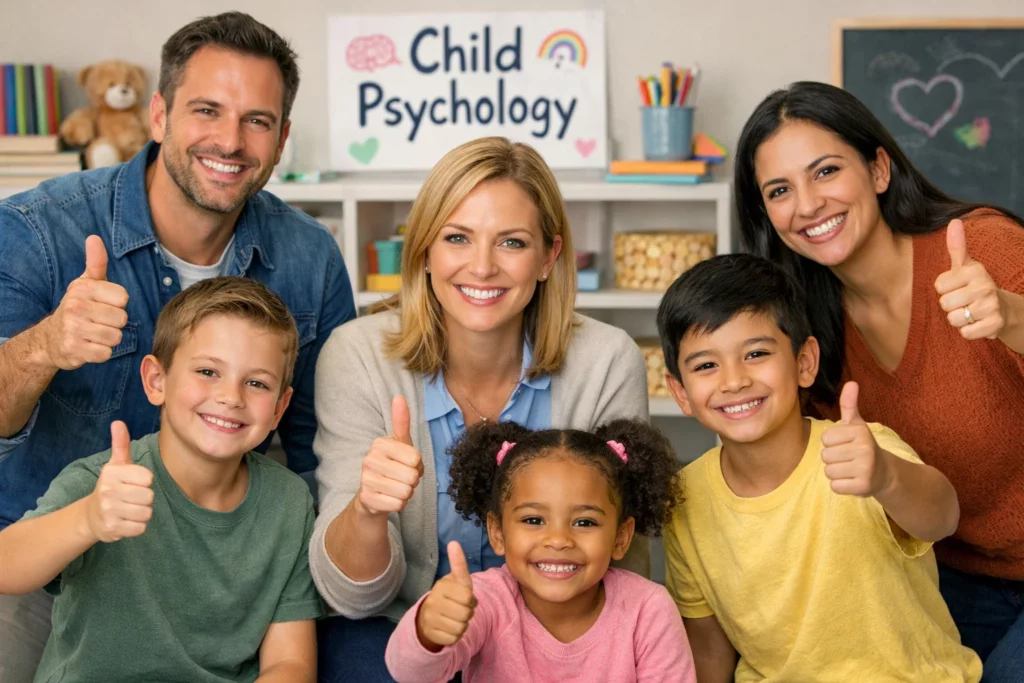
Safe activities play an important role in a child’s emotional wellbeing. These activities help children feel secure while they learn and play. When children feel safe, they are more willing to try new things.
Safe activities help children build confidence by practising skills step by step. They also help children understand feelings like happiness, worry, anger, and excitement. With support, children learn that feelings are normal and manageable.
Adults can guide children during these activities to teach helpful life lessons. Understanding safe activities supports healthy emotional growth.
Adults can gain helpful skills through an online child psychology course. Safe activities are not only fun. They are an important part of emotional learning and development.
How Do Safe Activities Help Children Manage Emotions?
Safe activities help children manage emotions by giving them a calm and controlled space. Children can explore feelings without fear of getting hurt or judged.
This helps children feel safe while learning emotional control. Adults who take an online child psychology course learn how to notice emotions early.
They also learn how to respond in a gentle and supportive way.
What Activities Let Children Express Feelings Safely?
Children can express emotions through play and hobbies in a safe way. These activities allow feelings to come out naturally.
They also help adults understand how children feel.
- Drawing or colouring feelings
- Acting out stories with toys
- Role play daily situations
- Using puppets to show emotions
- Singing or listening to music
How Does Imaginative Play Support Emotional Learning?
Imaginative play helps children explore emotions without real danger. Children can practise feelings through pretend stories.
This builds understanding and confidence.
- Pretend to be brave or kind
- Create characters who solve problems
- Turn worries into stories
- Explore fears safely
- Practise making choices
How Can Adults Guide Emotional Expression?
Adults guide children by offering support and attention. They help children feel heard and understood.
This makes emotional learning easier.
- Provide toys and materials
- Join play calmly
- Praise effort
- Listen to stories
- Encourage talking about feelings
Safe activities help children practise emotions safely. Adults support learning through guidance and encouragement.
How Do Safe Activities Build Problem-Solving Skills?
Safe activities help children build problem-solving skills through practice. Children learn how to think, plan, and try again. Making mistakes feels safer during play.
Success builds pride and confidence. These experiences help children trust their thinking skills.
Which Safe Activities Encourage Problem-Solving?
Some activities gently challenge children to think. They help children practise finding answers on their own.
- Puzzles
- Building blocks
- Treasure hunts
- Simple experiments
- Strategy games
How Does Team Play Improve Problem-Solving?
Team play teaches children to solve problems together. Children learn to listen and share ideas.
Working together builds understanding.
- Share ideas
- Take turns
- Listen to others
- Compromise
- Reach goals together
How Can Adults Guide Problem-Solving?
Adults support thinking without solving problems for children. This helps children learn independence.
Guidance should be calm and patient.
- Ask guiding questions
- Offer choices
- Praise ideas
- Encourage teamwork
- Celebrate effort
Problem-solving through safe activities helps children think clearly. Adults support learning by guiding gently.
How Do Safe Activities Boost Self-Confidence?
Safe activities boost confidence by allowing small successes. Each success helps children feel proud. Confidence grows when children feel supported.
Adults can use skills from online child psychology studies. These skills help children feel brave and capable.
Which Activities Build Confidence?
Some activities help children feel proud of what they do. They allow children to show progress.
- Completing puzzles
- Acting in plays
- Sharing artwork
- Learning new skills
- Performing roles
How Do Hobbies Support Confidence?
Hobbies give children time to practise and improve. Repetition builds skill and confidence.
Children feel proud of progress.
- Music or singing
- Craft projects
- Gardening
- Sports
- Simple cooking
How Can Adults Encourage Confidence?
Adults help children feel confident through praise and support. Encouragement builds courage.
- Celebrate effort
- Allow independence
- Encourage sharing
- Praise often
- Add challenges slowly
Safe activities build confidence. Adults help by supporting effort and progress.
How Do Safe Activities Support Emotional Regulation?
Safe activities teach children how to manage strong emotions. Children learn to calm down and respond safely.
Emotional control grows with practice. Adults guide children through calm behaviour and support.
Which Activities Teach Emotional Control?
Many activities help children practise self-control. They teach patience and rule-following.
- Turn-taking games
- Board games
- Role play
- Art and music
- Physical play
How Does Role Play Help Emotional Regulation?
Role play lets children practise emotions safely. Children learn how to respond to feelings.
This builds understanding.
- Act out problems
- Practise calm responses
- Try solutions
- Learn patience
- Build empathy
How Can Adults Guide Emotional Regulation?
Adults model calm behaviour for children. Children learn by watching.
- Stay calm
- Show coping skills
- Talk about feelings
- Praise patience
- Reflect on choices
Safe activities help children manage emotions. Adults support learning by modelling calm behaviour.
How Do Safe Activities Teach Social Skills?
Safe activities help children learn social skills through play. Children practise sharing, listening, and cooperation.
These skills help children build friendships. Play also helps children solve conflicts safely.
Which Activities Improve Social Skills?
Group activities help children learn social behaviour. They teach cooperation and teamwork.
- Team sports
- Group crafts
- Role play
- Music groups
- Gardening
How Does Cooperation Reduce Stress?
Working together helps children feel supported. It lowers worry and builds trust.
- Share ideas
- Listen
- Help others
- Accept opinions
- Celebrate success
How Can Adults Promote Social Skills?
Adults guide positive social behaviour. Children learn by example.
- Model sharing
- Encourage turns
- Praise kindness
- Start small groups
- Support play gently
Safe activities build social skills. Adults support learning through guidance and praise.
How Do Safe Activities Encourage Teamwork?
Safe activities teach children how to work together towards a common goal. They learn to listen, negotiate, and support each other.
Teamwork builds trust and strengthens friendships.
Which Activities Teach Teamwork?
Activities that require collaboration naturally build teamwork skills.
- Building a group project
- Team sports or relay games
- Cooperative board games
- Group music or dance activities
- Shared gardening or planting tasks
How Does Teamwork Reduce Conflicts?
Working together helps children manage disagreements safely. They practise patience and compromise.
Group problem-solving builds respect.
- Take turns leading tasks
- Share materials and ideas
- Discuss solutions calmly
- Encourage helping each other
- Celebrate group achievements
How Can Adults Encourage Teamwork?
Adults guide children in working together without taking over. They model cooperation and patience.
- Provide clear roles in activities
- Praise collaboration
- Encourage listening to others
- Support group problem-solving
- Celebrate teamwork successes
Playing with others helps children work together to solve problems. It also teaches listening, sharing, and compromise.
How Do Safe Activities Develop Communication Skills?
Safe activities help children practise speaking, listening, and expressing ideas clearly. They learn to use words to solve problems and share feelings.
Good communication supports friendships and confidence.
Which Activities Develop Communication?
Activities that involve discussion or storytelling teach communication skills.
- Role play stories or situations
- Group discussions during projects
- Presenting ideas or artwork
- Singing in a group
- Show-and-tell sessions
How Does Communication Help Relationships?
Clear communication helps children understand each other. They can express needs safely and reduce misunderstandings.
This builds stronger friendships.
- Listen carefully to others
- Speak kindly and clearly
- Ask questions for clarity
- Share ideas and feelings
- Solve small disagreements
How Can Adults Guide Communication?
Adults model respectful and clear communication. They guide children without taking over.
- Encourage children to speak in turns
- Listen actively
- Praise clear explanations
- Ask children to share thoughts
- Offer gentle correction when needed
Role play lets children practise handling emotions safely. It also helps them think about different ways to respond to situations.
How Do Safe Activities Teach Empathy?
Safe activities help children understand other people’s feelings. They practise caring and supporting friends.
Empathy strengthens social bonds and emotional intelligence.
Which Activities Teach Empathy?
Activities that involve role play or caring tasks help children understand others.
- Role play other people’s feelings
- Caring for pets or plants
- Helping friends with tasks
- Acting out stories with moral lessons
- Team games requiring cooperation
How Does Empathy Improve Friendships?
Understanding others helps children build stronger connections. They respond kindly and support friends in need.
Empathy reduces conflicts and loneliness.
- Notice friends’ feelings
- Offer help when needed
- Say kind words
- Share emotions in play
- Celebrate others’ successes
How Can Adults Promote Empathy?
Adults model empathy through words and actions. They help children practise kindness daily.
- Discuss feelings openly
- Praise acts of caring
- Encourage helping others
- Ask children to imagine others’ perspectives
- Highlight positive social behaviour
Safe activities teach children to notice and care about others’ feelings. They also help children understand how actions affect others.
How Do Safe Activities Teach Conflict Resolution?
Safe activities give children a chance to practise resolving disagreements. Children learn to stay calm, listen, and find fair solutions.
This builds confidence and respect for others.
Which Activities Teach Conflict Resolution?
Group tasks that involve negotiation help children resolve issues safely.
- Group projects with shared tasks
- Turn-based games
- Role play arguments or disagreements
- Cooperative problem-solving challenges
- Sports requiring rule-following
How Does Conflict Resolution Build Skills?
Learning to resolve disagreements safely helps children manage emotions. They learn patience, listening, and compromise.
These skills help in school and friendships.
- Take turns listening
- Use words to explain feelings
- Suggest fair solutions
- Discuss problems calmly
- Agree on compromises
How Can Adults Guide Conflict Resolution?
Adults guide children without solving the problem for them. They model calm and fair behaviour.
- Encourage children to speak calmly
- Help brainstorm solutions
- Praise cooperation
- Guide reflection on actions
- Reinforce respect and fairness
Conflict resolution activities help children solve problems calmly and fairly. They also teach children to listen and compromise.
How Do Safe Activities Encourage Leadership Skills?
Safe activities give children a chance to lead small tasks and projects. Leadership helps children build confidence, decision-making, and responsibility.
They learn to guide peers positively.
Which Activities Teach Leadership?
Activities with small group roles develop leadership naturally.
- Leading a group game or activity
- Organising a craft project
- Taking turns being team captain in sports
- Leading storytelling or performances
- Planning simple tasks with friends
How Does Leadership Benefit Children?
Leadership teaches responsibility and confidence. Children learn to make decisions and guide peers.
It also helps children feel valued in groups.
- Practice making choices
- Encourage problem-solving
- Support group decision-making
- Guide others kindly
- Reflect on successes and mistakes
How Can Adults Encourage Leadership?
Adults provide opportunities to lead safely. They praise effort and guidance, not just outcomes.
- Give small leadership tasks
- Model fair and calm leadership
- Offer encouragement and support
- Recognise effort and responsibility
- Reflect together after tasks
Leadership activities help children practise responsibility and guiding others. They also help children feel confident in making decisions.
Conclusion
Safe activities play an important role in a child’s emotional wellbeing. Children learn to manage feelings safely and build patience, focus, and problem-solving skills.
Creative play and hobbies strengthen confidence and resilience. Social activities teach teamwork, empathy, and sharing.
Adults support children through praise, routines, and reflection. Skills learned from an online child psychology course help adults guide children effectively.
Daily practice helps children grow calm, happy, and emotionally strong.
Frequently Asked Questions
What are safe activities for children?
Safe activities are games and hobbies that do not put children at risk. They allow children to learn and practise skills safely.
Adults guide children during these activities.
How do safe activities improve emotional wellbeing?
Safe activities help children express feelings calmly. They teach children how to manage emotions.
This supports emotional growth.
Can hobbies reduce stress in children?
Hobbies help children relax and feel calm. They allow safe emotional expression.
Regular hobbies reduce stress.
How can adults support safe activities at home?
Adults provide materials and routines. They guide play calmly.
They praise effort and learning.
What hobbies build patience?
Puzzles and crafts require waiting and focus. Repeating these activities builds patience.
Adults guide children gently.
How do safe activities teach social skills?
Children practise sharing and teamwork during play. Group activities teach cooperation.
Adults model positive behaviour.
Can safe activities improve focus?
Yes, many activities require attention and patience. Regular practice improves focus.
Adults support children calmly.
How do safe activities build confidence?
Children feel proud when they succeed. Small successes build self-belief.
Praise strengthens confidence.
What age should children start safe activities?
Children can start from around age four. Skills grow with practice.
Adults provide guidance.
Can online child psychology courses help adults?
Yes, these online child psychology courses teach emotional support skills. Adults learn how to guide children safely.
Confidence grows with knowledge.
Author: Janice van der Westhuizen
Leave a Reply