Why Future Educators Need a Strong Understanding of Child Psychology
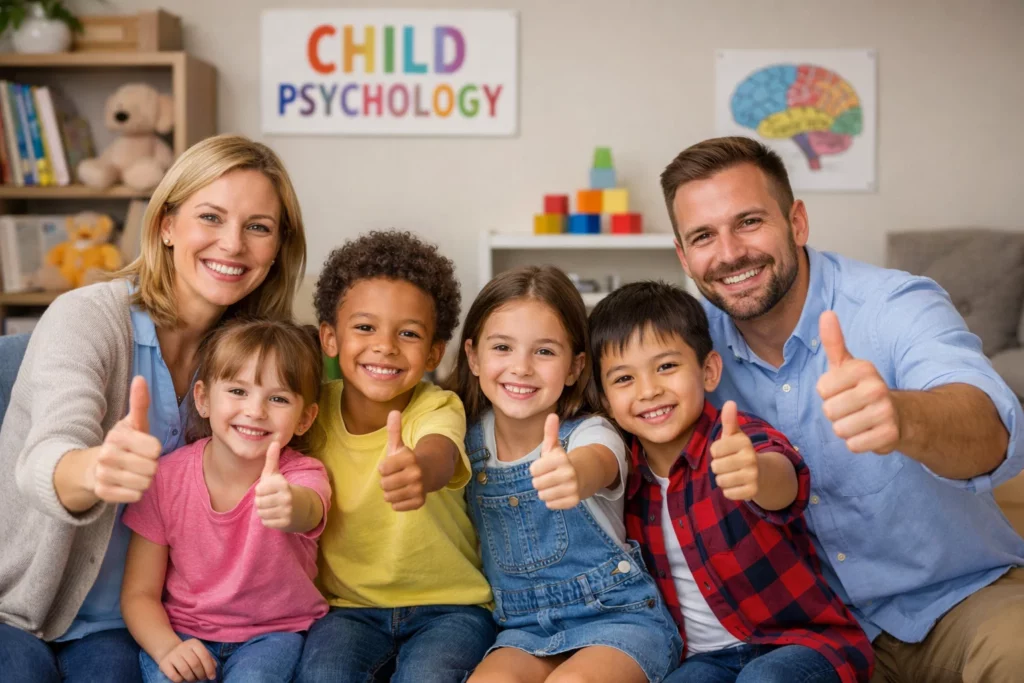
Understanding child psychology is crucial for future educators, as it allows them to better grasp how children learn, think, and develop emotionally. It helps educators create nurturing environments that cater to children’s developmental stages and needs, ensuring they can teach effectively and address diverse learning challenges.
How a Child Psychology Course Prepares You for a Career in Education
A child psychology course provides future educators with the knowledge to identify developmental milestones and learning differences. By understanding children’s behaviour, emotional needs, and cognitive processes, educators can tailor their teaching methods to support each child’s growth. It equips educators with essential skills for classroom management, fostering positive teacher-student relationships, and creating an inclusive learning environment.
The Link Between Psychology and Effective Teaching Strategies
Psychology plays a pivotal role in shaping teaching strategies. By understanding how children develop emotionally, socially, and cognitively, educators can design lessons that align with their students’ abilities and learning styles. Psychology also teaches effective methods for behaviour management, conflict resolution, and supporting children with special needs, making it an essential tool for fostering success in the classroom.
How Child Psychology Courses Teach You About Learning and Development
Child psychology certificate courses provide valuable insights into how children grow, learn, and process information at different stages. These courses cover key developmental theories and the factors that influence cognitive, social, and emotional development. Understanding these principles allows educators to adapt their teaching methods to better suit the developmental needs of their students, ensuring that learning is both effective and engaging.
Why Understanding Cognitive Growth is Essential for Educators
Cognitive growth is crucial for educators because it informs how children think, learn, and solve problems. By studying cognitive development, educators gain insight into how children process information, form concepts, and develop memory and reasoning skills. This knowledge helps them to create age-appropriate learning activities and offer support for children with learning challenges. Understanding cognitive growth is key to fostering an environment where every child can thrive academically.
How This Course Helps You Identify Different Learning Styles
A child psychology course teaches educators how children have unique learning styles, such as visual, auditory, or kinesthetic preferences. Understanding these differences enables educators to tailor their lessons and activities to engage students in the most effective way. By recognising and accommodating various learning styles, educators can ensure that all children are provided with the opportunity to learn in the way that best suits them.
The Role of Psychological Theories in Creating Effective Lesson Plans
Psychological theories, such as Piaget’s stages of cognitive development and Vygotsky’s sociocultural theory, offer educators frameworks for understanding how children learn at different stages. These theories help educators design lesson plans that are developmentally appropriate, engaging, and supportive of individual growth. By applying psychological principles, educators can create structured, inclusive, and effective lessons that encourage students’ intellectual, emotional, and social development.
Recognising Individual Learning Needs Through Psychology
Every child learns at their own pace, and understanding the psychological factors behind learning differences is essential for educators. A child psychology course equips future educators with the knowledge to recognise when a child is struggling and determine the best ways to support them. By studying learning patterns, cognitive development, and behavioural cues, educators can identify students who may need additional help and provide them with the necessary support to succeed.
How a Child Psychology Course Helps You Identify Struggling Learners
Some children may face difficulties with learning due to cognitive delays, emotional challenges, or differences in processing information. A child psychology course teaches educators how to observe and assess signs of learning difficulties, such as attention struggles, memory issues, or language delays. Understanding these challenges enables educators to intervene early, offer appropriate strategies, and work towards solutions that help struggling learners catch up with their peers.
Why Some Students Learn Differently and How to Support Them
Children have unique learning styles and abilities, and a one-size-fits-all approach to teaching does not work for everyone. Some students may learn better through hands-on activities, while others excel through listening or visual aids. A child psychology course explains the reasons behind these differences and provides educators with techniques to tailor their teaching. By applying psychological insights, educators can create more inclusive classrooms that cater to the diverse needs of all learners.
How This Course Prepares You to Adapt Teaching Methods for Every Child
A strong foundation in child psychology helps educators develop flexible teaching strategies that accommodate different learning abilities. By understanding theories of cognitive development and behavioural psychology, educators can modify lesson plans, introduce multi-sensory learning approaches, and provide additional support where needed. This course ensures that educators are well-equipped to adapt their teaching methods, making learning more accessible and enjoyable for every child.
Building Stronger Teacher-Student Relationships with Psychological Insights
A strong teacher-student relationship is essential for creating a positive and productive learning environment. Understanding child psychology provides educators with valuable insights into how students think, feel, and behave, helping them build trust and improve communication. When teachers apply psychological principles in the classroom, they can foster deeper connections with their students, leading to better engagement, motivation, and academic success.
How Understanding Emotional Development Enhances Communication
Emotional development plays a major role in how children express themselves and interact with others. A child psychology course teaches educators how emotions influence behaviour and learning. By recognising emotional cues, teachers can communicate more effectively with students, addressing their concerns in a way that makes them feel understood and supported. Whether a child is feeling anxious, frustrated, or disengaged, knowing how to respond appropriately can make a significant difference in their learning experience.
Why Empathy is a Key Skill Taught in Child Psychology Courses
Empathy allows educators to connect with students on a deeper level, creating a safe and supportive learning environment. A child psychology course emphasises the importance of seeing the world from a child’s perspective, helping educators respond to students with patience and understanding. When students feel valued and heard, they are more likely to participate in class, ask for help when needed, and develop a positive attitude towards learning.
How This Course Helps You Respond to Students’ Emotional Needs in the Classroom
Every child brings unique emotional experiences into the classroom, and some may struggle with challenges that affect their learning. A child psychology course equips educators with the tools to identify emotional struggles, such as anxiety, low self-esteem, or social difficulties. Teachers learn how to create a nurturing environment where students feel safe expressing themselves. By applying psychological insights, educators can offer the right support, ensuring that emotional well-being and academic success go hand in hand.
How Child Psychology Helps Educators Manage Classroom Behaviour
Managing classroom behaviour is a key part of effective teaching, and understanding child psychology provides educators with the tools to handle behavioural challenges with confidence. By recognising the reasons behind a child’s actions, teachers can address issues in a way that supports both learning and emotional well-being. A child psychology course helps educators approach behaviour management with insight, patience, and the ability to guide students towards positive outcomes.
Why Understanding Behavioural Triggers is Important for Maintaining Order
Children’s behaviour is often influenced by emotions, experiences, and developmental stages. Some students may act out due to frustration, boredom, or struggles at home, while others may have difficulties with impulse control or social interaction. A child psychology course helps educators recognise these triggers and respond appropriately, preventing small disruptions from escalating into major classroom challenges. By understanding what motivates student behaviour, teachers can create a structured yet flexible learning environment that keeps students engaged and focused.
How This Course Prepares You to Use Positive Reinforcement Techniques
Traditional discipline methods often focus on punishment, but research shows that positive reinforcement is more effective in shaping behaviour. A child psychology course teaches educators how to encourage desirable actions through praise, rewards, and structured guidance. By reinforcing good behaviour rather than simply punishing negative actions, teachers can help students develop self-discipline, motivation, and a stronger sense of responsibility. These techniques create a more positive and respectful classroom dynamic, benefiting both students and teachers.
How Psychological Insights Help Create a Supportive Learning Environment
A well-managed classroom is not just about discipline—it’s about creating an environment where students feel safe, respected, and motivated to learn. Child psychology provides educators with strategies to build positive relationships with students, set clear expectations, and provide the right level of support. When children feel understood and valued, they are more likely to cooperate, participate actively, and develop a positive attitude towards learning. By applying psychological principles, teachers can foster a classroom culture that promotes both academic success and emotional well-being.
Supporting Students with Special Educational Needs
Education should be accessible to all children, regardless of their learning abilities or challenges. Special Educational Needs (SEN) students require tailored approaches to help them reach their full potential, and a strong understanding of child psychology allows educators to provide the right support. A child psychology course equips future teachers with the skills to recognise learning difficulties, adapt teaching strategies, and create inclusive classroom environments where every student has the opportunity to succeed.
Why Future Educators Must Be Prepared to Work with Diverse Learners
No two children learn the same way, and this is especially true for students with SEN. Some may struggle with reading and writing, while others may have difficulties with focus, communication, or social interactions. Future educators must be ready to work with a diverse group of learners, ensuring that no child is left behind. Understanding the psychological factors that influence learning helps teachers develop patience, flexibility, and a deeper appreciation for individual learning needs.
How This Course Teaches You to Recognise and Support SEN Students
Early identification of learning difficulties is crucial in providing effective support. A child psychology course teaches educators how to recognise the signs of conditions such as dyslexia, ADHD, autism spectrum disorders, and other developmental challenges. By learning how these conditions affect learning and behaviour, teachers can implement practical strategies to help SEN students overcome barriers and build confidence in their abilities.
How Psychological Principles Help in Adapting Lessons for Inclusion
Inclusive education is about creating a learning space where all students feel valued and supported. Child psychology provides insights into how children process information and what teaching methods work best for different learning styles. Educators trained in psychology can adapt lessons by incorporating visual aids, hands-on activities, structured routines, and alternative assessment methods to accommodate students with varying needs. By applying these principles, teachers can ensure that their classrooms are welcoming and effective for all learners, regardless of their challenges.
The Role of Psychology in Promoting Student Well-Being
A student’s well-being plays a vital role in their ability to learn and thrive in an educational setting. Psychological factors such as stress, anxiety, and emotional challenges can impact concentration, behaviour, and academic performance. Understanding child psychology allows future educators to recognise these challenges early and create a supportive environment where students feel safe, valued, and motivated to learn.
How a Child Psychology Course Helps You Spot Signs of Anxiety or Stress
Students may not always express their emotions verbally, but their behaviour often provides clues about their mental well-being. A child psychology course teaches you how to identify signs of stress, anxiety, or emotional distress in children. These signs can include changes in behaviour, social withdrawal, difficulty concentrating, or even physical symptoms like headaches and fatigue. Recognising these indicators early allows educators to provide the necessary support, whether through classroom adjustments, one-on-one discussions, or referrals to specialists.
Why Mental Health Awareness is Crucial for Future Educators
Mental health has a direct impact on a child’s academic success and overall development. If emotional challenges are ignored, they can lead to disengagement, behavioural issues, or even long-term psychological struggles. Future educators must be equipped with the knowledge and skills to promote mental well-being, ensuring that students have a positive and nurturing learning experience. A strong foundation in child psychology helps teachers foster resilience, self-confidence, and emotional intelligence in their students.
How This Course Prepares You to Create a Positive Learning Atmosphere
A positive classroom environment encourages students to express themselves, ask questions, and engage in learning without fear of judgment. By applying psychological principles, educators can create a structured yet flexible setting where students feel supported academically and emotionally. This course teaches strategies such as active listening, positive reinforcement, and mindful communication, all of which contribute to a safe and encouraging learning space. When students feel secure and understood, they are more likely to participate actively and develop a love for learning.
Understanding How Social Development Affects Classroom Interactions
A child’s ability to engage with peers plays a significant role in their overall learning experience. Social interactions influence confidence, communication skills, and teamwork, all of which are essential for success inside and outside the classroom. By understanding the stages of social development, educators can create an environment that encourages positive interactions and supports children who may struggle with social engagement.
How This Course Explains the Role of Peer Relationships in Learning
Friendships and peer relationships shape a child’s learning experience in many ways. Students who feel comfortable around their classmates are more likely to participate in discussions, ask questions, and express their thoughts without fear of judgment. A child psychology course helps educators understand how friendships impact learning motivation, emotional security, and overall engagement. It also highlights how peer influence can affect behaviour, both positively and negatively, allowing teachers to guide students in forming healthy relationships.
Why Group Activities Benefit Social and Emotional Growth
Collaborative learning is an essential tool in the classroom, as it encourages students to share ideas, listen to others, and work towards common goals. Group activities teach children how to communicate effectively, resolve conflicts, and develop empathy for different perspectives. This course provides insight into how group dynamics function at different developmental stages, enabling educators to structure activities that strengthen social and emotional skills.
How Educators Can Use Psychological Insights to Promote Collaboration
Understanding child psychology allows educators to design lessons that foster teamwork and social learning. Some students may naturally take the lead, while others may need encouragement to participate. By applying psychological principles, teachers can create inclusive group activities that ensure all students feel valued and engaged. Strategies such as role assignments, structured discussions, and peer mentoring can help children build confidence and develop essential life skills, making the classroom a space for both academic and social growth.
The Link Between Child Psychology and Effective Communication in Teaching
Clear and effective communication is one of the most important skills an educator can develop. Every student processes information differently, and their ability to understand instructions, ask questions, and express their thoughts depends on their stage of psychological development. A child psychology course equips future educators with the knowledge to communicate in a way that matches a child’s cognitive and emotional level, making lessons more engaging and meaningful.
How This Course Prepares You to Communicate with Students at Their Level
Children’s understanding of language and concepts evolves as they grow. A younger child may struggle with abstract ideas, while an older student may require deeper explanations to remain engaged. This course helps educators recognise these differences and adjust their communication style accordingly. By learning how to simplify complex topics without losing meaning, teachers can ensure that all students grasp new concepts in a way that makes sense to them.
Why Active Listening is an Essential Skill for Educators
Teaching is not just about giving information—it’s also about understanding how students respond. Active listening allows educators to pick up on concerns, confusion, or emotional struggles that students may not openly express. By showing attentiveness and responding thoughtfully, teachers build trust and encourage students to share their thoughts. This course highlights the importance of listening skills in recognising when a child needs extra support, whether academically or emotionally.
How Understanding Psychological Development Helps You Give Clear Instructions
A well-structured instruction can be the difference between a child successfully completing a task and feeling lost. This course explores how children’s attention spans, memory retention, and problem-solving abilities influence how they follow directions. Educators who understand these factors can give step-by-step instructions, use visual or verbal cues, and check for understanding in a way that aligns with how their students think and learn. This not only improves academic success but also fosters independence and confidence in students.
How Child Psychology Courses Shape Educators’ Teaching Philosophy
A strong teaching philosophy is built on understanding how students learn, think, and develop. Child psychology courses provide educators with deep insights into cognitive, emotional, and social growth, allowing them to create learning experiences that truly support each child’s needs. By understanding what drives student engagement and motivation, educators can shape their approach to teaching in a way that fosters curiosity, confidence, and a love for learning.
Why Studying Psychology Helps You Develop a Student-Centred Teaching Approach
Traditional education often focused on rigid structures, but modern teaching prioritises the individual needs of students. Child psychology courses highlight the importance of recognising different learning styles, adapting lessons for diverse learners, and creating a supportive environment. By placing students at the centre of the learning process, educators can tailor their methods to ensure that every child has an opportunity to succeed, regardless of their strengths or challenges.
How Psychological Theories Influence Modern Teaching Methods
Educational approaches are constantly evolving, and many modern teaching methods are based on psychological theories. Concepts such as Piaget’s stages of cognitive development, Vygotsky’s social learning theory, and Skinner’s behaviourist principles help educators understand how students absorb and retain information. By studying these theories, educators gain a deeper appreciation of how learning happens, allowing them to implement effective strategies that promote long-term understanding rather than rote memorisation.
How This Course Encourages Reflective Teaching Practices
Great educators continuously refine their teaching methods by assessing what works and what doesn’t. A child psychology course encourages reflection by helping teachers analyse student behaviour, engagement levels, and performance. By understanding the psychological reasons behind certain challenges, educators can adjust their techniques to better support their students. This self-awareness leads to more effective teaching, stronger student-teacher relationships, and a greater impact on children’s academic and personal development.
Career Opportunities for Educators with a Background in Child Psychology
A background in child psychology opens up a wide range of career opportunities beyond traditional teaching roles. Educators with this knowledge can take on positions in educational counselling, special education, child welfare, and school administration. These professionals are well-equipped to work with children who have learning difficulties, emotional challenges, or special educational needs, allowing them to make a lasting impact in various educational settings. Additionally, this expertise can lead to roles in research, training, and policy-making in the education sector.
How This Course Expands Your Career Options Beyond Teaching
A child psychology course broadens an educator’s career prospects by equipping them with the skills to work in diverse environments. Teachers with a psychological background can explore careers in educational support, counselling, and intervention services. They can also contribute to the design and implementation of inclusive educational programmes, special needs support, and therapeutic roles. This course opens doors to working in private practice, community programmes, and even educational publishing, as there is always a demand for professionals who understand the developmental and psychological needs of children.
Why Schools Value Teachers with Psychological Training
Schools place a high value on teachers with psychological training because they possess a deeper understanding of how children think, learn, and develop emotionally. This expertise enables educators to build stronger connections with their students, identify and address developmental issues early, and create more inclusive and supportive learning environments. Teachers with psychological knowledge are also adept at managing classroom behaviour, tailoring lessons to meet individual needs, and promoting social and emotional growth, all of which lead to better student outcomes and a healthier school culture.
How You Can Use This Qualification in Counselling, Educational Support, and More
A qualification in child psychology can significantly enhance your ability to support students in various ways. In counselling, you can work directly with children to address emotional challenges, behavioural issues, and mental health concerns. In educational support roles, you can assist students with learning disabilities or special educational needs, providing tailored strategies for academic success. This qualification can also lead to roles in community organisations, social work, and child advocacy, where you can use your knowledge to guide children and families through difficult situations. The flexibility of this qualification allows you to pursue many rewarding careers focused on supporting children’s well-being and development.
Frequently Asked Questions
How does studying child psychology improve my teaching skills?
Studying child psychology helps educators understand how children think, learn, and process information. It provides insights into cognitive, emotional, and social development, enabling teachers to tailor their teaching methods to meet the diverse needs of their students. By understanding the psychological factors that influence learning, educators can build better relationships with students, manage classroom behaviour more effectively, and create more engaging, supportive learning environments.
Will this course help me understand different learning disabilities?
Yes, this course covers various learning disabilities and developmental delays. It will teach you how to identify signs of these disabilities early, how they affect children’s learning, and how to develop strategies to support students with these challenges. Understanding these disabilities is crucial for educators to provide the right support and accommodations for their students.
Can child psychology training help me manage classroom behaviour?
Yes, child psychology training is instrumental in managing classroom behaviour. The course helps you understand the emotional and social factors that contribute to behaviour, enabling you to identify triggers and implement positive reinforcement strategies. It also provides techniques for addressing challenging behaviour and promoting a positive, respectful classroom environment.
What are the biggest benefits of understanding child development as an educator?
Understanding child development allows educators to recognise the cognitive, emotional, and social milestones children go through at different ages. This knowledge helps teachers plan age-appropriate lessons, recognise developmental delays, and identify the best methods for supporting students’ individual needs. It also enables educators to foster stronger relationships with their students, enhancing their learning experiences.
Does this course prepare me to support children with emotional difficulties?
Yes, this course covers emotional development and how it impacts learning and behaviour. It teaches you how to identify signs of emotional struggles, such as anxiety, depression, or stress, and how to provide appropriate support. The course also equips you with techniques to create a safe and supportive learning environment that helps students manage and overcome emotional difficulties.
How does psychology help in designing effective lesson plans?
Psychology helps educators design lesson plans that cater to the varying needs of students. By understanding cognitive development, emotional states, and learning styles, teachers can create more engaging, inclusive lessons that are accessible to all students. Psychology also informs how to pace lessons, incorporate social-emotional learning, and provide differentiated instruction for diverse learners.
Can this course help me work in special education?
Yes, this course provides foundational knowledge necessary for working in special education. It teaches you how to recognise the unique needs of children with learning disabilities, developmental delays, and behavioural challenges. The skills learned in this course will help you design inclusive teaching strategies, adapt lessons, and support students with diverse learning needs effectively.
How does child psychology contribute to student well-being?
Child psychology plays a vital role in student well-being by helping educators understand the emotional and mental health factors that influence learning. This knowledge allows teachers to identify early signs of stress, anxiety, or trauma, and provide support in a timely manner. Creating a psychologically informed environment helps students feel safe, valued, and supported, contributing to their overall well-being and academic success.
Is this course useful for educators outside of traditional classrooms?
Yes, this course is valuable for educators in a variety of settings, including tutoring centres, community outreach programmes, and educational support roles. It equips you with the skills to work with children in different environments, such as after-school programmes, special education, and even online teaching, by providing insight into how children develop and learn.
What career paths can I take after completing this course?
After completing this course, you can pursue a range of career paths within education and beyond. These include roles in special education, child welfare, educational support, counselling, and child psychology. You may also consider careers in research, community services, or working with non-profit organisations focused on child development. The course opens doors to roles that involve supporting children’s growth, well-being, and educational success.
Conclusion: Why Future Educators Should Invest in Child Psychology Training
Investing in child psychology training equips future educators with essential knowledge about how children develop, think, and learn. By understanding the psychological processes that influence students’ growth, educators can create more effective and inclusive learning environments. This training also enables educators to identify and support students with different learning needs, behavioural challenges, and emotional struggles, making them more effective in their roles.
How This Course Prepares You for a Rewarding Career in Education
This course provides future educators with the tools, techniques, and knowledge to work with diverse learners in a variety of educational settings. By exploring key aspects of child development, cognitive learning, and social-emotional growth, the course prepares educators to handle classroom challenges, manage behaviour, and develop lesson plans that cater to all students. It also opens up career opportunities in special education, child welfare, and educational support, ensuring a rewarding and impactful career path.
The Long-Term Benefits of Understanding How Children Learn and Grow
Understanding how children learn and grow has long-term benefits for educators, students, and the educational system as a whole. Educators who are well-versed in child psychology are better equipped to provide personalised support for students, fostering their academic success and emotional well-being. The skills gained from this course will not only improve your teaching effectiveness but also contribute to creating nurturing environments that promote lifelong learning and development for children.
Author: North
Leave a Reply