Introduction
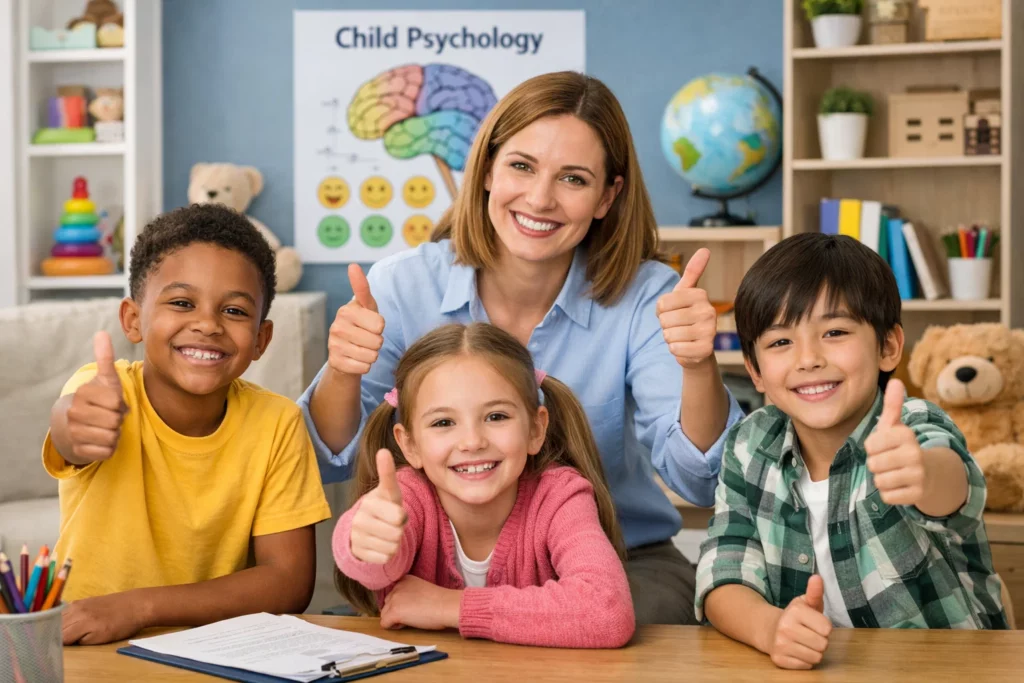
How can studying child psychology help you make a difference in children’s lives? The answer is simple: it teaches you how children think, feel, and grow.
When you learn about child psychology, you understand why children act the way they do. This knowledge helps you support them better.
Studying a child psychology online course can guide you to help children face their challenges and be happy.
What Is Child Psychology And Why Is It Important?
Child psychology is the study of how children grow and learn. It helps us know how children think and feel at different ages.
This is important because it helps adults take care of children better.
Understanding Children’s Minds
This is about learning how children think and feel.
- How children see the world
- What makes children happy or sad
- How children learn new things
- How children solve problems
- Why children behave in certain ways
Learning How Children Grow
Children grow in many ways as they get older.
- Physical growth like height and strength
- Emotional growth like feelings and moods
- Social growth like making friends
- Mental growth like learning and memory
- Language growth like talking and understanding
Why Studying Child Psychology Matters
Knowing child psychology helps adults help children.
- Helping children with school work
- Understanding children’s feelings
- Supporting children in hard times
- Creating safe places for children
- Encouraging good behaviour
Knowing what child psychology is helps you see why it is needed to care for children in the best way. It gives a strong base to help children in all parts of life.
If you want to make a real difference, studying this course is a great place to start.
How Does Child Psychology Help You Understand Children Better?
Child psychology teaches you to see the world through a child’s eyes. You learn about their feelings, fears, and hopes.
This helps you connect with children in a kind way.
Seeing the World Through Children’s Eyes
Children think differently from adults.
- Their imagination is strong
- They feel emotions deeply
- They learn by play and exploration
- They trust adults to help them
- They need clear and simple communication
Recognising Children’s Emotions
Children show feelings in many ways.
- Smiling when happy
- Crying when sad or scared
- Acting out when upset
- Asking questions when curious
- Needing comfort when afraid
Building Trust with Children
Children need adults they can trust.
- Listening carefully to children
- Being patient and kind
- Keeping promises made to children
- Spending time playing and talking
- Respecting children’s feelings
Understanding how children think and feel helps you build a strong bond with them. This trust is key to helping children feel safe and cared for.
To learn how to understand children better, a course in child psychology will teach you these important skills.
What Skills Can You Gain From Studying Child Psychology?
Studying child psychology gives you skills to help children grow well. You learn how to solve problems and support children’s needs.
These skills can be used in homes, schools, and communities.
Learning Communication Skills
Good communication helps you connect with children.
- Using simple words, children understand
- Listening without interrupting
- Showing you care with body language
- Asking questions to understand feelings
- Explaining things clearly and calmly
Developing Problem-Solving Skills
You learn to find answers to children’s problems.
- Identifying what causes the problem
- Thinking of helpful solutions
- Trying different ways to help
- Encouraging children to join in solutions
- Knowing when to ask for more help
Gaining Patience and Understanding
Children need time and care to grow.
- Waiting calmly when children are slow
- Accepting mistakes as part of learning
- Being kind when children are upset
- Giving children space to express feelings
- Supporting children at their own pace
The skills you gain from child psychology help you support children better every day. These skills are useful in many places where children live, learn, and play.
To build these skills and make a difference, taking a child psychology course is very helpful.
How Does Child Psychology Help You Support Children’s Learning?
Child psychology explains how children learn best. You discover ways to help children enjoy learning and succeed.
This helps children feel good about themselves and their skills.
Understanding Different Learning Styles
Children learn in different ways.
- Watching others helps some children learn best
- Listening carefully is how others understand new things
- Hands-on activities teach some children effectively
- Stories and pictures make learning easier for certain children
- Asking many questions helps some children grasp ideas better
Helping Children Enjoy Learning
Making learning fun helps children want to learn.
- Using games and play in lessons
- Praising children for trying hard
- Breaking lessons into small parts
- Using colourful pictures and tools
- Encouraging children to ask questions
Supporting Children with Learning Difficulties
Some children find learning hard sometimes.
- Knowing the signs of learning problems
- Being patient and giving extra help
- Using simple steps to teach new things
- Working with parents and teachers
- Encouraging children to never give up
Knowing how children learn helps you make learning easier and more fun for them. It helps children enjoy learning and feel successful.
To help children learn well, studying child psychology will give you the right knowledge.
What Role Does Child Psychology Play In Helping Children’s Emotional Health?
Child psychology teaches how to care for children’s feelings. You learn how to help children feel safe and loved.
This is very important for their happiness and growth.
Recognising Emotional Needs
Children need to feel cared for and safe.
- Feeling loved by family and friends
- Having a safe place to play and rest
- Knowing their feelings are understood
- Being able to talk about worries
- Having adults who listen and help
Helping Children Manage Feelings
Children must learn how to control their feelings.
- Teaching children to say how they feel
- Showing ways to calm down when upset
- Encouraging children to express themselves
- Giving children time to relax and rest
- Helping children solve arguments peacefully
Creating a Supportive Environment
A good environment helps children feel happy.
- Having a routine and structure daily
- Providing positive and kind adults
- Encouraging friendships with other children
- Giving safe places to explore and play
- Offering praise and encouragement often
Helping children with their feelings is one of the most important ways to support them. When children feel safe and loved, they grow well.
To learn how to care for children’s emotional health, studying child psychology is the best step.
How Can Studying Child Psychology Help You Solve Behaviour Problems?
You learn why children behave badly sometimes. Child psychology shows ways to guide children to better behaviour.
This helps children learn respect and kindness.
Understanding Why Behaviour Happens
Bad behaviour often has a cause.
- Feeling scared or worried
- Wanting attention from adults
- Not understanding rules clearly
- Feeling tired or hungry
- Copying behaviour seen at home
Using Positive Guidance
You learn to help children behave well with kindness.
- Giving clear and simple rules
- Praising good behaviour often
- Helping children understand feelings
- Using calm voices and patience
- Giving children choices to feel in control
Helping Children Learn from Mistakes
Mistakes help children learn what is right.
- Talking about what happened calmly
- Explaining why the behaviour was wrong
- Showing better ways to act
- Encouraging children to try again
- Supporting children with kindness
Understanding behaviour helps you guide children in better ways. This creates happier children and safer places.
To gain these skills, studying child psychology is a practical choice.
How Does Child Psychology Prepare You For Working With Children?
Studying child psychology gives you the knowledge to work well with children. You understand their needs and how to help them grow happy and healthy.
This is useful for many jobs and caring roles.
Learning About Child Development
You discover how children grow at different ages.
- What babies can do at each stage
- How toddlers learn to talk and walk
- How school children think and feel
- How teens change their minds and bodies
- What children need at each stage
Understanding Children’s Rights and Needs
Children have rights that adults must respect.
- Right to be safe and cared for
- Right to education and play
- Right to be heard and respected
- Right to have their needs met
- Right to privacy and kindness
Preparing for Work in Child Care
You learn what skills you need to work with children.
- How to keep children safe
- How to support children’s learning
- How to work with families and teachers
- How to solve problems with children
- How to be patient and kind every day
Child psychology prepares you to help children in many ways and jobs. It gives you a strong foundation to work in schools, care centres, or homes.
To get ready for these roles, studying child psychology is the best way.
How Can Child Psychology Improve Your Ability To Help Children With Special Needs?
Child psychology helps you understand children who may need extra support. You learn about different challenges some children face and how to assist them kindly and effectively.
This knowledge is important for helping all children feel included and happy.
Recognising Special Needs Early
It is important to notice when a child needs extra help early on.
- Paying attention to speech delays
- Watching for difficulty with social skills
- Noticing struggles with learning or memory
- Seeing signs of emotional distress
- Identifying physical or sensory difficulties
Learning How to Support Different Needs
Each child with special needs may require different support.
- Using clear and simple instructions
- Adapting activities to fit abilities
- Providing extra time for tasks
- Creating calm and safe spaces
- Encouraging strengths and talents
Working with Families and Professionals
Helping children with special needs involves teamwork.
- Listening to parents and caregivers
- Collaborating with teachers and therapists
- Sharing progress and concerns kindly
- Being respectful of family cultures
- Learning from specialists and training
Understanding how to support children with special needs helps you make sure no child is left behind. This makes your work with children even more valuable and rewarding.
To gain these skills, studying child psychology is an excellent choice.
Conclusion
Studying child psychology helps you understand and support children in many important ways. It teaches you about how children grow, learn, feel, and behave.
This knowledge lets you make a real difference in children’s lives every day. You will learn how to recognise their needs and respond with care and patience.
With these skills, you can help children overcome challenges and build confidence. If you want to help children and work with them in schools, homes, or communities, studying child psychology is the best first step.
Start learning today to change children’s lives for the better.
Frequently Asked Questions
What is child psychology?
Child psychology is the study of how children grow and develop. It looks at their thoughts, feelings, and behaviour.
It helps adults understand and support children better.
Who can study child psychology?
Anyone who cares about children and wants to help them can study child psychology. You do not need special qualifications to start.
It is good for parents, teachers, and caregivers.
How long does it take to study child psychology?
Courses can be short or longer depending on what you want to learn. Some courses last a few months, others take longer.
You can study at your own pace.
Can studying child psychology help me work with children?
Yes, it gives you skills to understand and help children better. It prepares you for jobs in schools, care centres, and communities.
It helps you support children’s learning and growth.
Is child psychology only about problems?
No, it is about understanding all parts of children’s growth. It helps with good behaviour, learning, and emotional health.
It also helps adults support children’s happiness.
Do I need to be good at science to study child psychology?
Not really. Child psychology is more about understanding feelings and behaviour. It uses simple ideas that you can learn easily.
Anyone can study it.
Can child psychology help with difficult behaviour?
Yes, it shows why children act out and how to help them behave better. You learn kind ways to guide children.
It helps create safer and happier environments.
Will studying child psychology help parents?
Yes, parents can learn how to understand and support their children better. It teaches ways to handle problems and encourages good behaviour.
It helps families grow stronger.
Can I study child psychology online?
Many courses are available online for easy learning at home. You can study anywhere and anytime.
This makes it flexible for busy people.
What jobs can I get after studying child psychology?
You can work in schools, child care centres, social work, or counselling. It also helps with parenting and volunteering.
The skills are useful in many child-focused roles.
Author: Janice van der Westhuizen
Leave a Reply