Introduction
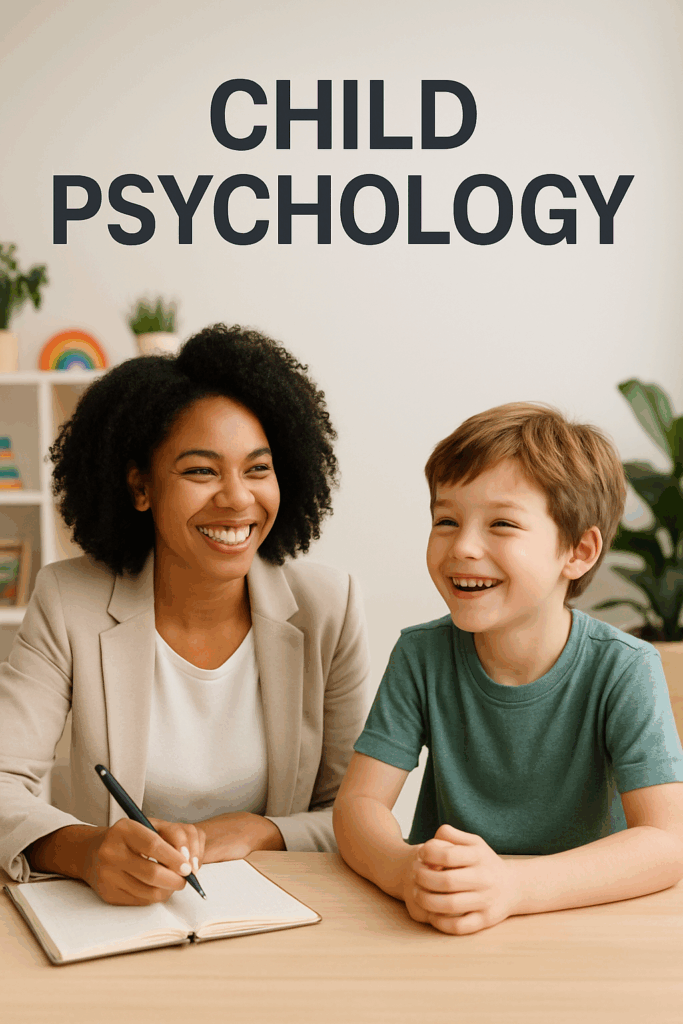
Everyday words and actions help a child feel confident by showing them they are safe and loved. When you use kind words, you build a strong base for a child to grow.
This process turns a small seed of hope into a tall tree of strength over time. Adults who want to learn these skills can join an online child psychology course.
Every small thing you do today helps create a happy future for a child tomorrow.
What Does Kind Language Do For Kids?
Kind language makes a warm space where a child feels brave enough to try new things. Using soft and happy words helps the mind stay calm, so it can learn much better.
This positive way of speaking is a great tool for anyone working in a school.
Using Short Happy Sentences
Short and clear praise helps a child know exactly what they did well today.
- Well done on that task
- You are very helpful now
- That was a brave try
- You have a kind heart
- Great job with the blocks
Avoiding Loud Or Harsh Tones
Keeping your voice quiet and steady ensures that the child does not feel afraid.
- Speaking with a gentle breath
- Using a slow steady pace
- Keeping a very calm face
- Lowering your volume near them
- Remaining peaceful during a mess
Naming The Good Actions
When you name a good action, the child learns how to do it again.
- You shared the red car
- You sat very quietly then
- You listened to the rules
- You used a polite voice
- You helped a small friend
Kind words act like a mirror that shows a child their own goodness. This habit of happy speech builds a strong mind that lasts for many years.
To learn more about using the right tools to support a growing child enrol in an online child psychology course.
Why Is Presence Better Than Gifts?
Being there with a child shows them they are the most important thing to you. Time spent together is a great way to show love without saying any words at all.
This deep bond is a vital part of a very happy childhood.
Giving Full Daily Attention
Putting away your phone shows the child that you are truly listening.
- Looking into their bright eyes
- Putting devices away to focus on the child
- Sitting down on the floor with them
- Nodding to their funny stories
- Asking about their busy day
Playing Simple Games Together
Playing is the natural language of a child and helps you bond very fast.
- Build with building blocks
- Kicking a ball outside
- Hiding behind a large chair
- Drawing pictures with bright pens
- Racing toy cars on rugs
Reading Stories
Sharing a book creates a quiet time of safety and learning for everyone.
- Turning the pages very slowly
- Pointing at the pretty pictures
- Using funny voices for characters
- Snuggling under a warm blanket
- Talking about the happy ending
Being present builds a bridge of trust that makes a child feel safe. When an adult is truly there, a child feels brave enough to try new ideas.
How Does Routine Build Inner Peace?
A steady routine is like a map that tells a child what to expect. Knowing what happens next removes fear and stops the child from feeling stressed.
Adults who study a child psychology course online learn that being consistent is very important.
Following A Morning Schedule
Starting the day in the same way helps a child feel ready for school.
- Washing faces with cool water
- Eating a healthy warm breakfast
- Putting on the clean socks
- Grabbing the heavy school bag
- Saying a happy goodbye
Having Regular Meal Times
Eating together at the same time makes a child feel like they belong.
- Sitting at the wooden table
- Sharing a fresh crunchy apple
- Drinking a glass of milk
- Talking about the morning work
- Clearing the plates away together
Keeping A Calm Bedtime Routine
A peaceful night routine prepares the brain for a long and deep sleep.
- Taking a warm bubbly bath
- Putting on the soft pyjamas
- Brushing the teeth well
- Dimming the yellow bedroom lights
- Giving a gentle goodnight hug
Routines provide the rules that a child needs to feel in charge of life. This safety lets their mind focus on growing instead of being worried.
Can Small Choices Grow Real Power?
Giving a child a choice helps them feel like a strong and smart person. It teaches them how to think for themselves and trust their own clever choices.
This habit turns into a strong sense of independence as the child grows up. With your child psychology course, you will have all the skills you need to support children to grow up into powerful adults.
Picking Out Clothes
Deciding what to wear lets a child show their own fun personality to others.
- Choosing an outfit
- Wearing the spotted soft socks
- Taking a warm jacket
- Deciding which shoes to wear
- Looking in the mirror
Eating A Snack
Letting a child pick their fruit teaches them to listen to their body.
- A banana or a pear
- Sweet grapes or orange slices
- Crunchy carrots or soft cheese
- Water or a fruit juice
- Packing a lunch box
Deciding What To Do
Letting the child lead the play makes them feelin charge.
- Playing hide and seek
- Choosing a computer game
- Playing sport
- Playing a musical instrument
- Singing
Small choices give a child a sense of power over their own day. This early power builds the confidence needed to make choices in the future.
Why Is Effort More Important?
Praising hard work instead of just the win helps a child stay very brave. It teaches them that learning is where the real value is found in life.
This is a core lesson in any high-quality online child psychology course.
Valuing The Trying Process
Focusing on the try shows the child that it is okay to struggle.
- I saw you trying hard
- You stayed very focused then
- You did not give up
- You worked on that puzzle
- I like your brave effort
Encouraging Practice Over Perfection
Letting a child know that skills take time helps them stay very positive.
- Keep trying that new word
- Practice makes you feel sure
- You are getting better now
- One step at a time
- Slow and steady wins here
Noticing The Small Details
Paying attention to how they solved a problem makes them feel very smart.
- You found the matching piece
- You used a bright colour
- You put the glue carefully
- You remembered the next step
- You cleaned the messy spill
Valuing effort creates a child who is not afraid of a hard new task. This makes sure they love learning more than just getting the right answer.
Is Making Mistakes Good?
Mistakes are the best way for a young mind to learn how things work. When an adult stays calm during a mistake, the child learns to solve problems.
You should see every error as a chance to grow a smarter mind.
Handling Mistakes Calmly
Turning a mess into a job teaches a child how to be helpful.
- Oops you fell down
- Get a Band-Aid
- Wipe it up slowly now
- Hold out your hand to help them up
- Give a big hug
Fixing A Toy
Solving a physical puzzle helps a child understand how pieces fit together well.
- Find the broken parts
- Get the glue out
- Glue the pieces together
- Let the glue set
- Feel proud of your work
Learning From Wrong Answers
Getting a sum wrong is just a step toward finding the right answer later.
- Let us count once more
- Look at the number again
- Use yourl fingers
- You almost have it there
- Try a different clever way
Mistakes give the feedback that a child needs to improve their skills and focus. Seeing errors as lessons removes the fear that stops a child from trying.
How Does Listening Help?
When you listen to a child, you show them that their ideas have real value. It makes them feel seen and heard, which is the best boost for their heart.
A child who is listened to will grow up to talk with confidence. Adults and educators can really make a difference in a child’s life, so enrol in a child psychology course today.
Making Eye Level Contact
Crouching down to their height makes the talk feel much safer and fair.
- Bending your knees to get to eye level
- Looking right into their eyes
- Waiting for them to speak
- Keeping a very open face
- Showing that you are ready to listen
Repeating Their Small Words
Saying back what they told you proves that you were paying close attention.
- You said the dog barked
- You liked the blue slide
- You feel a bit sad
- You want the yellow ball
- You are very hungry now
Asking Very Open Questions
Asking questions that need more than a “yes” helps the child think deeply.
- What was the best part
- How did that feel then
- What happens next in the story
- Why did the cat run
- Who did you play with
Listening is a quiet way to say that the child is a very important person. It helps them want to share their thoughts with the world around them.
Can Physical Affection Heal Doubt?
Hugs and high fives are physical ways to say that a child is safe. This contact makes happy feelings in the brain that help a child feel very brave.
It is a simple act that has a massive impact on their mind.
Giving A Morning Hug
Starting the day with a squeeze sets a loving tone for everything that follows.
- A warm and cozy squeeze
- Feeling safe in the arms
- Smelling the clean soapy hair
- Saying I love you now
- Smiling at the new day
Using High Fives Daily
A high five is a fast and fun way to celebrate a small win together.
- Put your hand up high
- Slap the palms together fast
- Laugh at the loud noise
- Give a big thumbs up
- Walk away feeling very great
Patting A Steady Shoulder
A gentle touch on the back can help a child feel supported during a task.
- Placing a hand very softly
- Showing you are standing near
- Feeling the warmth of love
- Giving a little brave nudge
- Staying close during work
Physical touch gives the comfort that a child needs to feel very secure. It is a silent language of love that builds a very strong and happy heart.
How Does Nature Build Courage?
Playing outside lets a child explore a world that is big and full of wonder. Nature gives many natural challenges that help a child test their own limits.
Adults who enrol in an online child psychology course know the benefits of the outdoors.
Climbing A Low Wall
Moving over an obstacle helps a child learn about balance and strength.
- Putting feet on the stone
- Pulling up with strong arms
- Standing at the very top
- Looking at the green grass
- Jumping down to the ground
Digging In The Dirt
Touching the earth helps a child feel part of the natural world.
- Using a small silver spade
- Finding a long brown worm
- Making a deep muddy hole
- Planting a tiny green seed
- Watering the dry dark soil
Watching The Moving Insects
Watching small bugs teaches a child to be very quiet and very patient.
- Finding a red ladybird now
- Watching the busy black ants
- Seeing a butterfly fly past
- Counting the many small legs
- Being very gentle with bugs
Nature is a giant classroom where a child can learn to be brave and curious. It offers a sense of freedom that helps their confidence bloom like a flower.
Why Is Honesty The Best Policy?
When adults are honest, children learn that the world is a fair place. It helps them see that even big people make mistakes and have feelings.
This honesty builds a deep bond that can never be broken by small lies.
Admitting Your Own Mistakes
Showing a child that you can be wrong makes them feel better about their errors.
- I am sorry I forgot
- I made a little mess
- Let us fix it together
- I will try harder next time
- We all learn every day
Explaining The Real Why
Giving a child a reason for a rule helps them understand how life works.
- We wear hats for the sun
- Coats keep us very warm
- Vegetables help us grow tall
- Sleep makes the brain smart
- Kindness makes friends very happy
Sharing Your True Feelings
Telling a child when you are happy or tired helps them learn about feelings.
- I am very happy today
- I feel a bit tired
- Your hug makes me smile
- I like your kind words
- Thank you for helping me
Honesty creates a bond of respect and clear talk between adults and kids. It ensures that the child always knows the truth about the world they live in.
Conclusion
You have learned that everyday words and actions are the best tools for a child’s heart. By using kind words, staying present, and keeping a consistent routine, you help a child win.
Every choice you offer, and every mistake you handle with calm, helps a young mind grow. It is a wonderful thing to be part of a child’s story as they grow up.
If you feel inspired, you can enrol in an online child psychology course to gain expert skills. These courses are for adults who want to make a real difference in the lives of kids.
Remember that your patience and your love are the greatest gifts you can give. Keep using your words to build up the hearts of the little ones in your care.
Your positive actions today will help create a much brighter and more confident world tomorrow. Thank you for being a kind guide on this very important path of growth.
Frequently Asked Questions
How can everyday words and actions help a child feel confident?
Everyday words and actions help a child feel confident by providing a safe and loving place to try new things. When you praise their hard work and keep a steady daily routine, you show them the world is safe.
These small things build a sense of strength that helps them face any challenge with a smile.
Can an online child psychology course help me be a better parent?
Yes, an online child psychology course is a great way to learn about a young child’s brain. It teaches you why children act the way they do and how you can best support them.
You will get many practical tips that you can use at home or in school every day.
What is the best way to handle a child’s big mistake?
The best way to handle a mistake is to stay very calm and treat it as a helpful lesson. Avoid using a loud or angry voice and focus on how you can fix the problem together.
This teaches the child that it is okay to fail and they can always find a way out.
How much praise should I give a child during the day?
It is good to give lots of praise, but you should focus on the effort the child is making. Saying things like “I am proud of how hard you worked” is much better than just saying “Good job.”
This helps the child value the process of trying and learning new things.
Why is a daily routine so important for a child’s mind?
A daily routine helps a child feel safe because they always know what is going to happen next. This stops them from feeling worried and lets them focus on playing and learning.
Being steady is one of the most important things for a happy and healthy childhood.
How do I encourage a child to be more independent?
You can encourage independence by letting the child do small tasks for themselves, like putting on shoes. Start with simple things and give them more to do as they get older and feel more sure.
Always be there to help a little bit if they truly get stuck.
Does playing outside really help a child’s self-esteem?
Yes, playing in nature lets a child test their body and learn about the world in a hands-on way. Climbing or running helps them feel strong and capable in their own bodies.
Nature is a wonderful space for a child to be brave and very curious.
What should I do if a child is feeling very shy?
If a child is shy, you should be very patient and never force them to join in if they are not ready. Give them a safe space to watch and use gentle words to encourage them when they are ready.
Your support will help them feel brave enough to join the fun eventually.
Why is listening better than giving a child toys?
Listening shows a child that their thoughts and feelings are the most important thing to you. While toys are fun, the feeling of being truly understood builds a much deeper sense of worth.
Your time and attention are the most valuable things you can ever give to a child.
Is it easy to study a child psychology course online?
Most courses are made to be flexible so adults can study at their own pace from home. You can usually choose when to do your work, which makes it easy to balance learning with life.
It is a very rewarding way to grow your knowledge and help others.
Author: Janice van der Westhuizen
Leave a Reply