What Does It Mean to Make a Real Difference in Child Psychology?
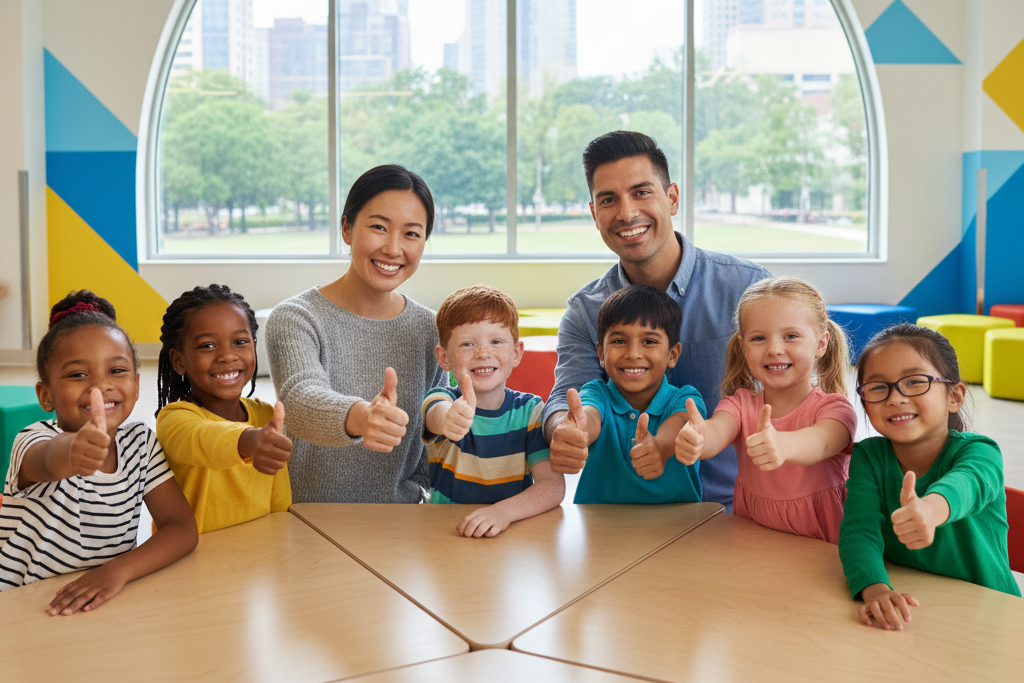
Making a real difference in child psychology involves using knowledge and expertise to create meaningful improvements in children’s lives. By pursuing an Online Child Psychology Certificate, individuals can gain the necessary skills to identify early behavioral or emotional challenges and apply effective strategies to address them. Online Child Psychology Courses provide the tools to help child psychologists develop a deeper understanding of how to support children in overcoming emotional and social difficulties.
Child psychologists play a critical role in helping children develop healthier emotional responses, navigate social challenges, and build cognitive skills, all of which can drastically improve their overall well-being and future success. With an Online Child Psychology Certificate, students can learn how to apply these strategies effectively and provide lasting impact, making a difference in the lives of children across various settings. These courses ensure that professionals are well-equipped to foster resilience and healthy emotional development in children, empowering them to thrive.
How Can You Create Positive Change for Children and Families?
Creating positive change for children and families requires understanding the complexities of child development and tailoring interventions to meet individual needs. By applying child psychology principles, professionals can offer strategies that guide children through emotional difficulties, support families in improving communication, and foster environments where children feel heard, valued, and understood. Whether through therapy, counseling, or educational strategies, child psychologists empower families to thrive and develop resilience.
Who Benefits Most from Understanding Child Psychology?
Understanding child psychology benefits a wide range of individuals. Parents and caregivers gain insights that enable them to nurture their children’s emotional and psychological development. Educators and childcare professionals use this knowledge to create more effective learning environments. Social workers and mental health professionals apply child psychology to offer support in navigating challenges children face. Even non-professionals can benefit by understanding how to manage relationships with children more effectively and empathetically.
Why Is Knowledge of Child Psychology So Powerful?
Knowledge of child psychology is powerful because it helps us understand the root causes of children’s behavior, enabling better communication, intervention, and support. It allows professionals to predict challenges children might face and design proactive strategies to address them before they escalate. It empowers individuals to foster environments that encourage healthy emotional growth, build strong support systems, and ultimately help children reach their full potential. This knowledge is instrumental in guiding children through their developmental stages and ensuring they develop into well-rounded, confident individuals.
What Will You Learn in a Child Psychology Course?
A child psychology course provides foundational knowledge about how children develop emotionally, socially, and cognitively. You’ll learn about the stages of development, the influence of genetics and environment, and common psychological issues that affect children. You’ll also delve into topics like attachment theory, behavioral disorders, and the impact of trauma on child development. By the end of the course, you’ll have a well-rounded understanding of the psychological processes that shape children’s behavior and growth.
How Does the Course Help You Understand Child Development?
The course focuses on the different stages of child development, such as infancy, early childhood, and adolescence. You’ll learn about the key milestones children typically reach at each stage, and what factors can influence their development. The course will also explore physical, cognitive, emotional, and social development, giving you a comprehensive view of how children grow and change. Understanding these stages is crucial for identifying developmental delays or disorders early, allowing for effective intervention and support.
What Tools and Techniques Will You Gain for Helping Children?
Through a child psychology course, you’ll gain practical tools and techniques to support children in a variety of settings. This includes strategies for managing behavioral issues, fostering emotional resilience, and promoting positive social interactions. You’ll learn about evidence-based therapeutic approaches, such as cognitive-behavioral therapy (CBT) and play therapy, as well as communication techniques to engage children effectively. These tools help you create supportive environments, whether you’re working with children in a school, therapy setting, or home environment.
How Will the Course Prepare You for Real-World Challenges?
The course is designed to equip you with the knowledge and practical skills needed to handle real-world challenges in child psychology. You’ll be prepared to recognize signs of psychological distress in children, understand the context behind difficult behaviors, and offer appropriate interventions. The course often includes case studies, simulations, and role-playing activities to help you apply theoretical knowledge in practical situations. By the end, you’ll be better prepared to support children through emotional and developmental difficulties, as well as to work with parents and educators to create nurturing environments.
How Can You Support Children’s Emotional and Mental Well-being?
Supporting children’s emotional and mental well-being involves creating a safe, nurturing environment where children feel understood and valued. In a child psychology course, you’ll learn how to identify signs of emotional distress, such as withdrawal, aggression, or difficulty with relationships, and how to provide support. Offering a listening ear, validating their feelings, and promoting open communication are all essential tools in helping children feel supported. Teaching them coping strategies and fostering a sense of security are key aspects of nurturing their mental health.
What Strategies Can You Use to Promote Healthy Emotional Growth?
Promoting healthy emotional growth involves teaching children how to understand and regulate their emotions. Some effective strategies include:
- Modeling emotional regulation: Children learn by example, so showing them how to manage your own emotions can teach them to do the same.
- Encouraging emotional expression: Create a safe space for children to express their feelings without judgment, and guide them in identifying emotions.
- Using positive reinforcement: Acknowledge when children express emotions appropriately and reward them for handling situations in a positive manner.
- Teaching emotional vocabulary: Help children label and understand their emotions so they can better communicate their feelings.
These strategies can empower children to become more emotionally aware and secure.
How Can You Help Children Cope with Stress and Anxiety?
Helping children cope with stress and anxiety involves teaching them healthy ways to handle difficult situations. Some strategies include:
- Relaxation techniques: Teaching children how to breathe deeply, practice mindfulness, or use grounding techniques can help them manage anxiety in real-time.
- Routine and predictability: Children often feel safer and more in control when they know what to expect. Establishing a consistent routine can reduce anxiety.
- Problem-solving skills: Encourage children to identify the source of their anxiety and work through potential solutions. This builds resilience and empowers them to manage stress.
- Positive reinforcement and reassurance: Providing emotional support during stressful moments and reassuring children that it’s okay to feel anxious can make a big difference.
By equipping children with tools to manage anxiety, you can help them navigate life’s challenges with confidence.
Can You Teach Children How to Build Resilience?
Yes, building resilience is an essential part of helping children thrive emotionally. Resilience is the ability to bounce back from adversity, and teaching children this skill can significantly impact their ability to cope with future challenges. Some ways to foster resilience include:
- Encouraging a growth mindset: Help children understand that mistakes are part of learning and that they can improve with effort and perseverance.
- Teaching problem-solving: Guide children in finding solutions to their challenges, empowering them to feel more in control and capable of overcoming obstacles.
- Providing emotional support: Being a consistent, supportive presence helps children feel secure enough to face difficulties.
- Promoting self-esteem: Encouraging positive self-talk and celebrating their successes, big and small, helps children build confidence in their ability to handle setbacks.
By teaching resilience, you help children develop the skills they need to face challenges and adapt to changing circumstances throughout their lives.
How Will the Course Help You Identify Behavioral Issues Early?
A child psychology course equips you with the tools to recognize early warning signs of behavioral issues. By learning about typical development patterns and understanding various behavioral indicators, you can quickly spot potential concerns. For example, you will learn how to identify signs of aggression, withdrawal, or difficulty interacting with peers—behavioral changes that may signal underlying emotional or psychological issues. Understanding these signs early allows for timely intervention, which can significantly improve a child’s development and well-being.
Can You Spot Developmental Delays and Disorders Early On?
Yes, one of the critical benefits of a child psychology course is the ability to identify developmental delays and disorders. These may include speech delays, cognitive delays, or difficulties in motor skills. You’ll be trained to recognize behaviors that deviate from typical developmental milestones, such as challenges in socialization, delayed language development, or difficulty with basic motor functions. Early identification of developmental delays and disorders is crucial because it enables early intervention, which can improve outcomes for children significantly by addressing issues before they become more pronounced.
How Do You Differentiate Between Normal Behavior and Issues?
Understanding the difference between normal behavior and potential issues requires a solid grasp of developmental milestones and typical childhood behavior. Through the course, you’ll learn what is considered age-appropriate behavior at various stages of a child’s growth. For example, some temper tantrums in toddlers are normal, but if a child consistently exhibits extreme outbursts beyond what is typical for their age, this could indicate an issue. Similarly, while some level of shyness is normal, extreme withdrawal or fear of social interactions can be a red flag. The course will guide you in recognizing these patterns and help you differentiate between behaviors that are typical and those that may require attention or intervention.
What Intervention Techniques Will You Learn to Use?
Child psychology courses provide a variety of evidence-based intervention techniques to address behavioral and emotional challenges. Some common strategies include:
- Cognitive Behavioral Techniques (CBT): These techniques help children identify and change negative thinking patterns, which can improve behavior and emotional regulation.
- Positive reinforcement: Rewarding desired behaviors to encourage their repetition, such as offering praise or small rewards when a child demonstrates positive actions.
- Behavior modification techniques: Using systematic strategies to increase desirable behaviors and decrease undesirable ones through consistent rewards and consequences.
- Play therapy: This technique uses play as a medium for children to express their feelings and process difficult emotions.
- Parent and caregiver training: Teaching parents and caregivers effective strategies to support the child’s emotional and behavioral needs at home.
By mastering these intervention techniques, you’ll be well-prepared to help children cope with challenges and navigate developmental hurdles, creating a positive impact on their lives.
How Does the Course Empower You to Support Families?
A child psychology course empowers you to support families by providing you with the knowledge and tools to address children’s emotional and developmental needs. You will learn to assess and interpret behavior, understand developmental milestones, and recognize early signs of distress or disorder. This knowledge allows you to guide parents or caregivers in understanding their child’s behavior and needs more clearly. Additionally, you will be equipped with effective communication strategies, so you can work alongside families to create a supportive and nurturing environment for the child’s growth. Your expertise will help families navigate challenges with more confidence and clarity.
How Can You Help Families Navigate Difficult Behavioral Challenges?
The course will provide you with specific strategies to help families manage and resolve difficult behavioral challenges. For example, if a child exhibits challenging behaviors such as defiance, aggression, or withdrawal, you can assist parents in recognizing the root causes and applying appropriate intervention techniques. By understanding the psychological factors that influence behavior, you can help families create structured routines, reinforce positive behaviors, and set boundaries in a compassionate way. You’ll also be able to offer guidance on how to maintain consistency and provide emotional support, fostering healthier family dynamics in the process.
What Resources Will You Be Able to Offer Families in Need?
Upon completing a child psychology course, you will be well-equipped to offer a range of resources to families in need. These resources can include:
- Behavioral and emotional tools: Resources such as behavior charts, coping strategies, and positive reinforcement techniques that families can apply at home.
- Support materials: Books, articles, and online resources that educate families about child development, emotional regulation, and managing challenging behaviors.
- Referral services: Information about professionals, such as child therapists, special education teachers, or support groups, that can provide additional help if needed.
- Workshops and training: Resources for parents, caregivers, and teachers to learn new strategies and tools for managing children’s emotional and behavioral needs effectively.
By offering these resources, you can empower families with the knowledge and tools to better support their children’s well-being.
How Does Child Psychology Knowledge Strengthen Family Dynamics?
Child psychology knowledge strengthens family dynamics by fostering understanding and improving communication between parents, caregivers, and children. When parents or caregivers are equipped with a deeper understanding of child development and emotional needs, they can respond more empathetically to their child’s behavior. This leads to stronger relationships built on trust and mutual respect. For instance, by understanding the causes behind a child’s outbursts or anxiety, parents can approach the situation with patience and use the most effective strategies for addressing the issue. Child psychology knowledge also helps caregivers set appropriate expectations, create a structured environment, and manage conflicts constructively, leading to healthier family dynamics overall. Additionally, families are more likely to experience reduced stress and increased harmony when they know how to meet their child’s emotional and psychological needs.
What Are the Real-World Applications of Child Psychology Knowledge?
Child psychology knowledge has a wide range of real-world applications, impacting various sectors, including education, healthcare, social work, and parenting. In everyday life, understanding child development and behavior allows individuals to respond more effectively to children’s emotional and psychological needs. Professionals, such as teachers, therapists, and caregivers, can use this knowledge to enhance their interactions with children, ensuring their environments are supportive and conducive to growth. Moreover, child psychology can inform policy-making, helping to design better child protection laws and educational programs. It also aids in creating intervention strategies to address developmental delays, mental health challenges, and behavioral issues in children. In essence, child psychology provides practical tools to improve children’s overall well-being in many areas of life.
How Does Child Psychology Apply in Educational Settings?
In educational settings, child psychology plays a vital role in shaping teaching methods and classroom environments. Teachers and school counselors can use psychological insights to tailor their approaches to meet the developmental needs of each child. For instance, understanding the different stages of cognitive and emotional development helps educators design lessons that are age-appropriate and engage students effectively. Child psychology also assists in identifying learning disabilities, social struggles, or emotional distress early, allowing for timely intervention. Furthermore, this knowledge aids in creating supportive learning environments where students feel safe, understood, and motivated. By understanding how children learn, behave, and interact with others, educators can foster positive academic experiences and support emotional growth.
How Can This Knowledge Benefit Social Workers and Healthcare Providers?
For social workers and healthcare providers, child psychology knowledge is essential for identifying and addressing the psychological and emotional needs of children in their care. Social workers who understand child development can better assess the needs of children from troubled or unstable environments, helping them access necessary resources and support. Healthcare providers, such as pediatricians and therapists, can use child psychology principles to identify early signs of developmental delays, mental health issues, or behavioral problems. This knowledge enables them to provide more accurate diagnoses and offer appropriate treatments or interventions. Additionally, social workers and healthcare providers can use child psychology to support families in managing children’s emotional difficulties, enhancing the overall well-being of the child and their family.
What Role Does Child Psychology Play in Preventative Care?
Child psychology plays a significant role in preventative care by helping to identify and address potential issues before they develop into more significant challenges. By understanding the early signs of emotional, behavioral, or developmental issues, professionals can intervene early, providing children with the tools and support they need to thrive. Preventative care involves not only addressing existing concerns but also promoting positive mental health and emotional well-being from a young age. Child psychology offers strategies for fostering resilience, self-regulation, and healthy social relationships, which can help prevent mental health problems later in life. For example, by teaching children coping mechanisms and problem-solving skills early on, professionals can reduce the likelihood of serious emotional struggles or behavioral issues in the future. In healthcare and social services, child psychology principles guide interventions that proactively prevent long-term developmental challenges, ensuring children have the best possible start in life.
How Can You Make a Difference in a Child’s Life?
Making a difference in a child’s life often starts with understanding their needs, behaviors, and emotional states. With knowledge of child psychology, you can recognize early signs of struggles, developmental challenges, or potential mental health concerns. This awareness allows you to intervene at an early stage, providing support and resources that can significantly improve the child’s life trajectory. Whether you’re a parent, educator, therapist, or caregiver, your ability to foster a supportive environment, practice empathetic listening, and provide appropriate guidance can positively shape a child’s emotional and mental growth. By offering encouragement, positive reinforcement, and the right tools to cope with challenges, you help set children on the path to healthier, happier futures.
Can Your Knowledge Prevent Long-Term Psychological Issues?
Yes, a solid understanding of child psychology can be instrumental in preventing long-term psychological issues. By identifying early behavioral or emotional problems, you can implement strategies that address these issues before they evolve into more severe conditions. For example, early intervention programs for children showing signs of anxiety, depression, or trauma can prevent these issues from manifesting in more complex mental health struggles later in life. Additionally, by teaching children coping mechanisms and emotional regulation strategies early, you reduce the risk of long-term psychological issues, such as difficulty forming relationships, low self-esteem, or chronic stress. Prevention and early intervention are essential components of promoting long-term mental well-being.
How Can You Encourage Positive Development Through Early Intervention?
Early intervention plays a crucial role in encouraging positive development by addressing challenges before they significantly affect a child’s emotional, social, and cognitive growth. When children experience difficulties—whether it’s related to speech, social interaction, behavior, or emotional regulation—early intervention provides them with the tools to cope and grow in a healthy way. By identifying signs of delays or struggles early, caregivers and professionals can implement tailored support, whether it’s through therapeutic interventions, targeted educational support, or simple behavioral strategies. These early efforts can build resilience, improve self-regulation, and ensure children receive the right developmental guidance at crucial stages. This proactive approach helps children build stronger foundations for coping with challenges as they grow older.
What Impact Does Supporting a Child’s Mental Health Have?
Supporting a child’s mental health has a profound and lasting impact on their overall well-being, academic performance, and social relationships. Children who receive mental health support are better equipped to manage their emotions, navigate social interactions, and face challenges with resilience. By addressing emotional struggles, such as anxiety, depression, or trauma, early on, you help children avoid potential long-term consequences like academic struggles, social isolation, or ongoing mental health issues. Furthermore, children who receive positive mental health support are more likely to develop strong coping skills, a positive self-image, and the ability to manage stress effectively. When children feel supported and understood, they are more likely to thrive emotionally, socially, and academically, leading to better outcomes as they grow into adulthood.
How Does a Child Psychology Course Teach You to Communicate Effectively with Children?
A child psychology course teaches you the foundational principles of how children communicate, both verbally and non-verbally. You will learn the age-appropriate language and techniques to connect with children at different stages of development. The course typically covers the psychological theories of how children express their emotions, needs, and desires, which helps you understand their communication styles. By understanding cognitive development, you’ll gain insight into how to speak to children in a way that is clear and suitable for their age, while also respecting their emotional and cognitive capacities. You’ll also learn how to approach difficult conversations, like discussing feelings or behavioral issues, in a way that fosters understanding and trust.
What Communication Strategies Can You Use to Connect with Kids?
Effective communication with children involves a variety of strategies tailored to their developmental stage and emotional needs. Some of these strategies include:
- Active Listening: Listen attentively to what children are saying, validating their feelings, and responding empathetically. This shows that you respect their perspective and promotes open communication.
- Use Simple, Clear Language: Depending on the child’s age, avoid overly complex language. Speak in clear, simple terms that are easy for them to understand.
- Non-Verbal Communication: Pay attention to body language, tone of voice, and facial expressions. Children often communicate through non-verbal cues, so being attuned to these signals helps you understand their emotions.
- Positive Reinforcement: Encouraging positive behavior and acknowledging achievements with affirmations helps build self-esteem and strengthens communication channels.
- Create a Safe Space: Make sure the child feels comfortable expressing themselves by creating a non-judgmental, supportive environment where they feel safe to open up.
How Do You Build Trust and Rapport with Children?
Building trust and rapport with children is fundamental to fostering a positive relationship and ensuring effective communication. To establish trust:
- Be Consistent and Reliable: Consistency is key to building trust. Children need to know they can rely on adults to follow through on promises and be consistent in their responses.
- Show Empathy: Demonstrating understanding and empathy towards a child’s emotions allows them to feel valued and heard. This emotional connection is crucial for trust-building.
- Respect Boundaries: Children are more likely to trust you when they feel respected. Acknowledge their personal space and emotions and avoid pushing them to share before they are ready.
- Be Patient and Present: Building trust takes time. It’s important to remain patient and allow the relationship to develop gradually. Stay present during interactions without distractions, showing the child that they are your priority.
How Can You Ensure Children Feel Heard and Understood?
Ensuring children feel heard and understood involves both listening and responding in a way that validates their thoughts and feelings. Here are some ways to achieve this:
- Active Listening: Show the child that you are listening by making eye contact, nodding, and repeating back what they’ve said to confirm your understanding.
- Encourage Open Expression: Give children the opportunity to express themselves in their own way, whether through words, drawings, or play. Encouraging different forms of expression ensures that their voice is heard, even if they’re unable to articulate their feelings verbally.
- Acknowledge Their Emotions: Validate the child’s feelings by acknowledging them rather than dismissing or minimizing them. Phrases like “I can see you’re feeling frustrated” or “That sounds upsetting” can help them feel understood.
- Ask Clarifying Questions: If something is unclear, ask gentle, open-ended questions to encourage the child to elaborate further. This shows genuine interest in their perspective and invites deeper conversation.
By focusing on these strategies, a child psychology course can provide you with the skills and knowledge necessary to connect with children in a meaningful and effective way.
How Will This Knowledge Set You Apart in Your Career?
Gaining knowledge in child psychology will set you apart in your career by enhancing your understanding of child development, behavior, and emotions. It equips you with the skills to recognize developmental milestones, identify behavioral issues early, and implement strategies that promote positive growth in children. This specialized knowledge makes you an invaluable asset to employers in fields such as education, healthcare, social work, or childcare. Whether you’re working directly with children or supporting those who do, this expertise will give you a unique perspective on handling challenges and nurturing development. It also shows that you are proactive in gaining a deeper understanding of your field, demonstrating a commitment to growth and a higher standard of professional competence.
How Does Child Psychology Knowledge Enhance Your Professional Skills?
Child psychology knowledge enhances professional skills by broadening your emotional intelligence and understanding of human behavior. It helps you develop key interpersonal skills such as empathy, active listening, and conflict resolution. These skills are essential when interacting with children, parents, and colleagues. For instance, understanding developmental stages and emotional responses will allow you to tailor your communication to be more effective, whether you’re working with young children or advising families on behavior management. Additionally, this knowledge helps you assess situations more accurately, offering more thoughtful and informed solutions to challenges that may arise in your professional environment.
What Job Opportunities Are Available with a Background in Child Psychology?
A background in child psychology opens up a variety of job opportunities across different sectors. Some potential career paths include:
- Child Psychologist or Counselor: Provide therapeutic support to children, diagnosing and treating emotional or behavioral issues.
- School Psychologist: Work in educational settings to support students’ emotional, social, and academic needs.
- Childcare Worker or Early Childhood Educator: Apply child psychology principles to create positive learning environments and foster healthy development in young children.
- Social Worker: Support families and children, especially in cases where children are at risk or experiencing emotional challenges.
- Child Development Specialist: Work with parents, schools, or organizations to offer guidance on developmental milestones and healthy growth strategies.
- Family Therapist: Focus on helping families navigate issues related to child behavior, emotional struggles, and relational dynamics.
- Researcher or Academic: Conduct research in the field of child psychology or teach at a higher educational institution.
How Will It Help You Stand Out in Childcare, Education, or Therapy?
Child psychology knowledge will give you an edge in careers within childcare, education, or therapy by equipping you with the tools to address the unique needs of children at various stages of development. In childcare, understanding psychological principles allows you to create enriching environments that nurture emotional and cognitive growth. In education, this knowledge enhances your ability to assess learning challenges and adapt teaching strategies to suit individual needs, promoting a more inclusive and effective classroom. For therapy, it enables you to offer targeted interventions that help children manage emotional struggles, improve social skills, and cope with life challenges. In all of these fields, having a deeper understanding of child psychology will allow you to approach situations more holistically, considering not only the child’s behavior but also the psychological and emotional factors behind it, making you a more well-rounded and capable professional.
How Can a Child Psychology Course Change Your Perspective on Child Development?
A child psychology course can significantly broaden your perspective on child development by providing a structured framework for understanding how children grow physically, emotionally, and cognitively. You’ll gain insight into the various stages of development, from infancy through adolescence, and learn how genetics, environment, and experiences shape a child’s psychological well-being. This knowledge shifts the way you view developmental milestones, highlighting that growth is a complex, non-linear process influenced by a variety of internal and external factors. Understanding these developmental stages allows you to better empathize with children and recognize the uniqueness of each child’s growth journey, enabling you to approach childcare, education, and parenting with greater patience and insight.
What Insights Will You Gain into the Complexity of Child Behavior?
In a child psychology course, you’ll explore the complex interplay of factors that influence a child’s behavior. From temperament and emotional regulation to environmental influences such as family dynamics and cultural context, you’ll gain a nuanced understanding of why children act the way they do. For example, you’ll learn how attachment styles affect behavior, how socialization influences a child’s actions, and how mental health challenges may manifest in children. You’ll also explore the role of cognitive development, such as how children perceive and process information at different ages. These insights will help you identify patterns in behavior, understand the root causes of challenging behaviors, and tailor interventions to support positive change.
How Does It Change the Way You View Childhood Experiences?
A child psychology course can profoundly alter how you view your own childhood experiences and those of others. By understanding the developmental stages and psychological theories that guide child growth, you’ll gain a deeper appreciation for the formative experiences that shape personality, behavior, and emotional health. This knowledge can help you see past behaviors, recognizing them as part of the natural process of growing up and developing. For instance, understanding the significance of early attachment or the impact of early trauma can shift your perspective on your own experiences or the behaviors of children around you. It allows you to approach children’s struggles with more empathy and offers a lens through which to view their actions as products of their developmental stage rather than as problems.
How Can This Knowledge Help You Understand Your Own Childhood Better?
Understanding child psychology can offer a new lens through which to reflect on your own childhood experiences. The theories and frameworks you learn in the course can help you make sense of your own emotional responses, behavior patterns, and the way you were influenced by early childhood experiences. For instance, learning about attachment theory may help you understand the dynamics between you and your caregivers and how those relationships have influenced your current emotional well-being. Similarly, understanding developmental psychology might explain certain behavior patterns you exhibited as a child and how those patterns developed over time. This knowledge provides valuable insights into your own growth journey and can help you process past experiences with greater clarity and self-awareness, leading to personal growth and healing.
Frequently Asked Questions
How long does it take to complete a child psychology course?
The length of a child psychology course varies depending on the format and the depth of the content. Typically, an online course may take anywhere from a few weeks to several months to complete. It can be self-paced, allowing students to learn at their own convenience, or structured with set deadlines. If you’re taking a diploma or certification course, it may take a year or more. Shorter introductory courses may be completed in a few weeks, providing foundational knowledge.
Is a child psychology course suitable for someone with no background in psychology?
Yes, many child psychology courses are designed to be accessible to beginners without prior psychology experience. These courses usually start with fundamental concepts and gradually build on them. They provide a clear introduction to developmental psychology, behavior theories, and child mental health, making them perfect for individuals looking to gain a solid foundation in child psychology.
What practical skills will I gain in a child psychology course?
A child psychology course equips you with practical skills such as understanding child development stages, identifying behavioral patterns, using communication techniques to engage children, and implementing strategies for promoting positive emotional and mental well-being. You’ll also learn how to support children dealing with stress, anxiety, and social challenges, and gain tools for creating supportive environments that foster growth and resilience.
Will a child psychology course help me understand common childhood disorders?
Yes, many child psychology courses delve into common childhood disorders such as ADHD, autism spectrum disorders, anxiety, depression, and learning disabilities. You’ll learn how these conditions affect children’s behavior, emotional well-being, and development, along with approaches for identifying and supporting children with these challenges.
Can I take a child psychology course online?
Absolutely! Many child psychology courses are available online, offering flexibility to learn at your own pace from the comfort of your home. Online courses provide access to a variety of resources, including video lectures, reading materials, and discussion forums to support learning. Some courses may offer live sessions or webinars for interactive learning.
How does child psychology knowledge apply to everyday parenting?
Child psychology knowledge can be incredibly useful in everyday parenting by providing insights into your child’s emotional and developmental needs. Understanding stages of development, behavioral triggers, and effective communication techniques can help you support your child’s growth in a positive and informed way. It can also assist in managing challenging behaviors and promoting healthy emotional development.
Can I work with children with special needs after completing this course?
While a child psychology course can provide valuable knowledge and skills for understanding and supporting children with special needs, working directly with these children often requires additional training or certifications, especially in fields like therapy or counseling. However, the course can provide a strong foundation for supporting children with special needs in informal or volunteer capacities, such as in schools or community programs.
How do I know if a child psychology course is right for me?
If you’re passionate about working with children, interested in understanding their behavior and emotional well-being, or looking to improve your parenting or caregiving skills, a child psychology course could be a great fit. It’s also suitable for those considering a career in education, healthcare, social work, or therapy. If you’re drawn to learning about human development and enjoy helping others, this course can be a rewarding path.
Can I apply what I learn in a child psychology course to my current job?
Yes, the knowledge gained from a child psychology course can be applied in various roles, including teaching, childcare, social work, healthcare, and even management roles that involve working with children or families. You’ll learn strategies to improve communication, build trust, and support children’s emotional and mental health, all of which are beneficial in professional settings.
Will this course provide career support or guidance?
Many child psychology courses offer some form of career support, such as job placement assistance, mentorship, or advice on how to transition into a career in child psychology. While specific career guidance depends on the course provider, many institutions offer resources to help you find job opportunities in related fields or transition into a career that involves working with children.
Prepare to Make a Lifelong Impact
Understanding child psychology gives you the knowledge and tools to make a lasting difference in children’s lives. As you learn about child development, emotional well-being, and behavioral patterns, you’ll gain the ability to shape the future of children and their families in positive ways. Whether in your personal life or professional endeavors, this field empowers you to foster growth, understanding, and resilience in young people, giving you the potential to create meaningful change.
How Child Psychology Knowledge Can Shape Your Career and Life
Child psychology knowledge can enhance your career by opening doors to professions that focus on the well-being of children. Whether you pursue a career in education, healthcare, social work, or therapy, understanding child psychology provides the foundation for effective interventions and support. It also enriches your personal life by improving your interactions with children and helping you become a more empathetic and understanding individual.
The Power You Have to Change Lives for the Better
By studying child psychology, you acquire the power to positively impact children’s mental health and emotional development. With the right tools, you can identify early behavioral issues, provide the support needed for emotional growth, and guide children through challenges. The knowledge gained can help prevent long-term psychological problems and set children on a path to success and well-being, offering them opportunities they might not have had otherwise.
Why Every Step You Take to Learn About Child Psychology Matters
Every moment spent learning about child psychology brings you closer to making a difference. From understanding the emotional and mental development of children to learning how to communicate effectively, each step adds to your ability to positively influence children’s lives. Whether you’re pursuing a career or simply seeking to improve your parenting skills, your commitment to learning is a powerful step toward creating an informed and compassionate environment for children.
Start Your Journey Toward Making a Real Difference Today
There’s no better time than now to start your journey in child psychology. Whether you’re looking to enhance your personal understanding, transition to a new career, or simply make a positive impact, every step forward matters. Equip yourself with the knowledge to understand, support, and advocate for children—today. The knowledge you gain can not only transform your life but also create lasting positive changes in the lives of children you work with. Start now, and watch the difference you make unfold.
Author: North
Leave a Reply